SAOTA’s Kenmore Proves You Don’t Have to Sacrifice Space for an Impossibly Narrow Cape Town Hillside

When Mark Bullivant, principal at South African architecture studio SAOTA, came across a steep, impossibly narrow plot in Cape Town’s Tamboerskloof neighborhood, most architects would have walked away. He bought it. The result is Kenmore — a personal home that quietly dismantles every assumption about what a tight site can hold.

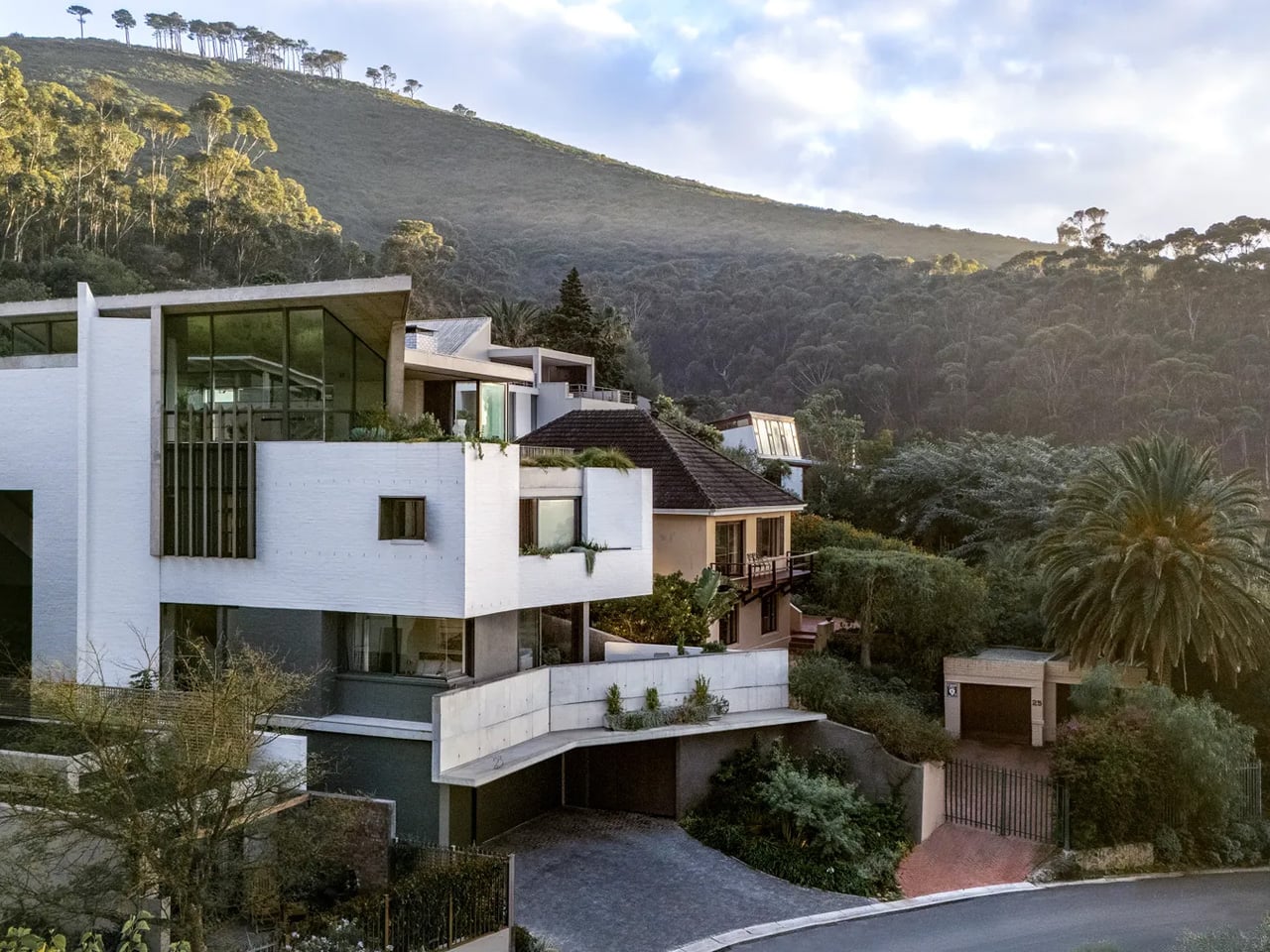
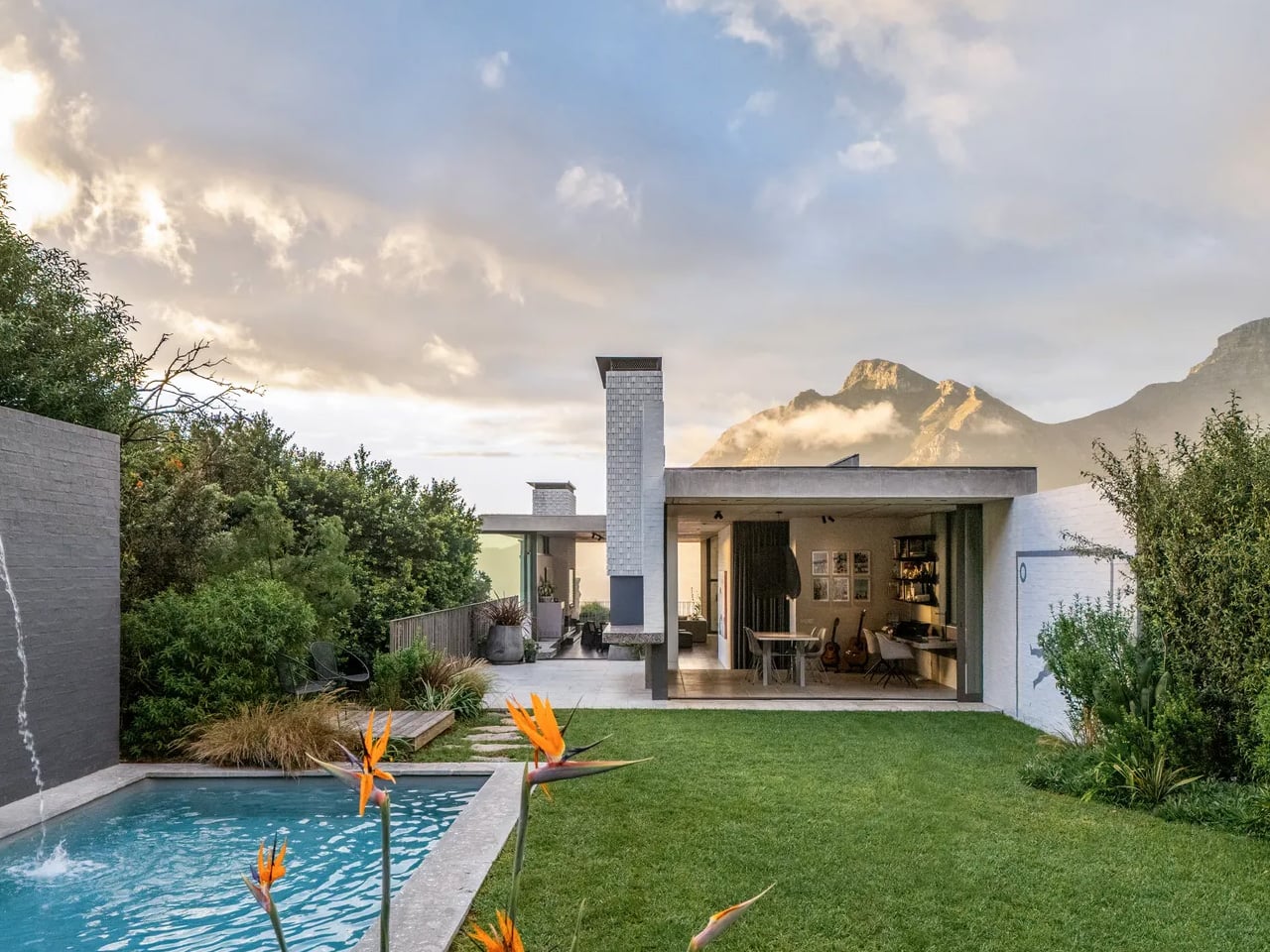
The numbers tell their own story. The plot stretches 58 meters long but only 14 meters wide, with the interior reaching a maximum width of just 7.44 meters. An existing structure occupied the land when Bullivant acquired it, but it was dark, fragmented, and unwieldy — torn down to make room for something entirely more considered. What replaced it sits on the hillside like a long, quiet exhale: terraces extending outward, oversized windows framing the landscape, a home that reads less like a building and more like a vantage point.

Designer: SAOTA Architecture Studio
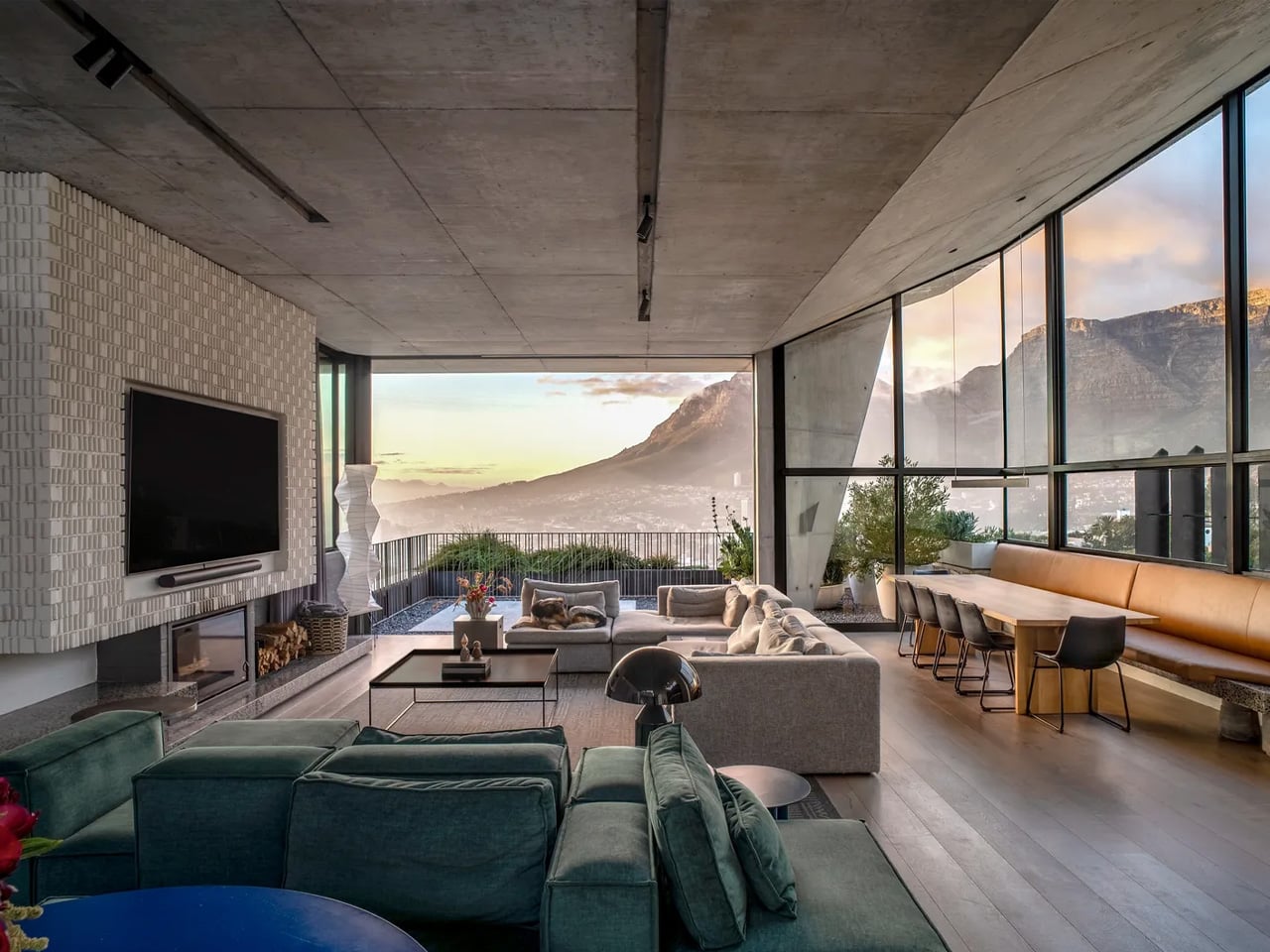
That framing was intentional. The most compelling views fall on the short sides of the property — east toward Table Mountain and west toward Signal Hill and the national park behind it. The architecture is organized entirely around those two axes, turning the site’s constraints into its greatest asset. Rather than fighting the narrow footprint, the design leans into it — producing a continuous, open living space that flows visually from front to back, resisting the fragmentation that plagued the original structure.

The decision to elevate the primary living level to the top of the house was driven by more than views. Placing it there allowed the home to connect directly to the landscape of Signal Hill and maximize sunlight — a critical move given the site’s limited northern exposure. It also made room for a meaningful garden, something Bullivant had set as a core ambition from the very beginning. What could have been a rooftop afterthought becomes, instead, a living threshold between architecture and the mountain that cradles it.

Spanning three levels with five bedrooms, the home never feels like a corridor with rooms attached. Bullivant was deliberate about that. He has never been drawn to living environments defined by a sequence of small, closed-off rooms — and the constraints of the site only pushed that instinct further. The communal spaces are fluid and generous, a pointed rebuttal to the idea that a narrow house must feel narrow.

Kenmore is, in many ways, SAOTA’s philosophy made domestic. The firm has built its reputation on reading a site’s limitations as a design mandate rather than a compromise. Bullivant just happened to live that philosophy out this time — quite literally. The house doesn’t just sit within its difficult terrain. It belongs to it.

The post SAOTA’s Kenmore Proves You Don’t Have to Sacrifice Space for an Impossibly Narrow Cape Town Hillside first appeared on Yanko Design.

SAOTA’s Kenmore Proves You Don’t Have to Sacrifice Space for an Impossibly Narrow Cape Town Hillside

When Mark Bullivant, principal at South African architecture studio SAOTA, came across a steep, impossibly narrow plot in Cape Town’s Tamboerskloof neighborhood, most architects would have walked away. He bought it. The result is Kenmore — a personal home that quietly dismantles every assumption about what a tight site can hold.

The numbers tell their own story. The plot stretches 58 meters long but only 14 meters wide, with the interior reaching a maximum width of just 7.44 meters. An existing structure occupied the land when Bullivant acquired it, but it was dark, fragmented, and unwieldy — torn down to make room for something entirely more considered. What replaced it sits on the hillside like a long, quiet exhale: terraces extending outward, oversized windows framing the landscape, a home that reads less like a building and more like a vantage point.

Designer: SAOTA Architecture Studio
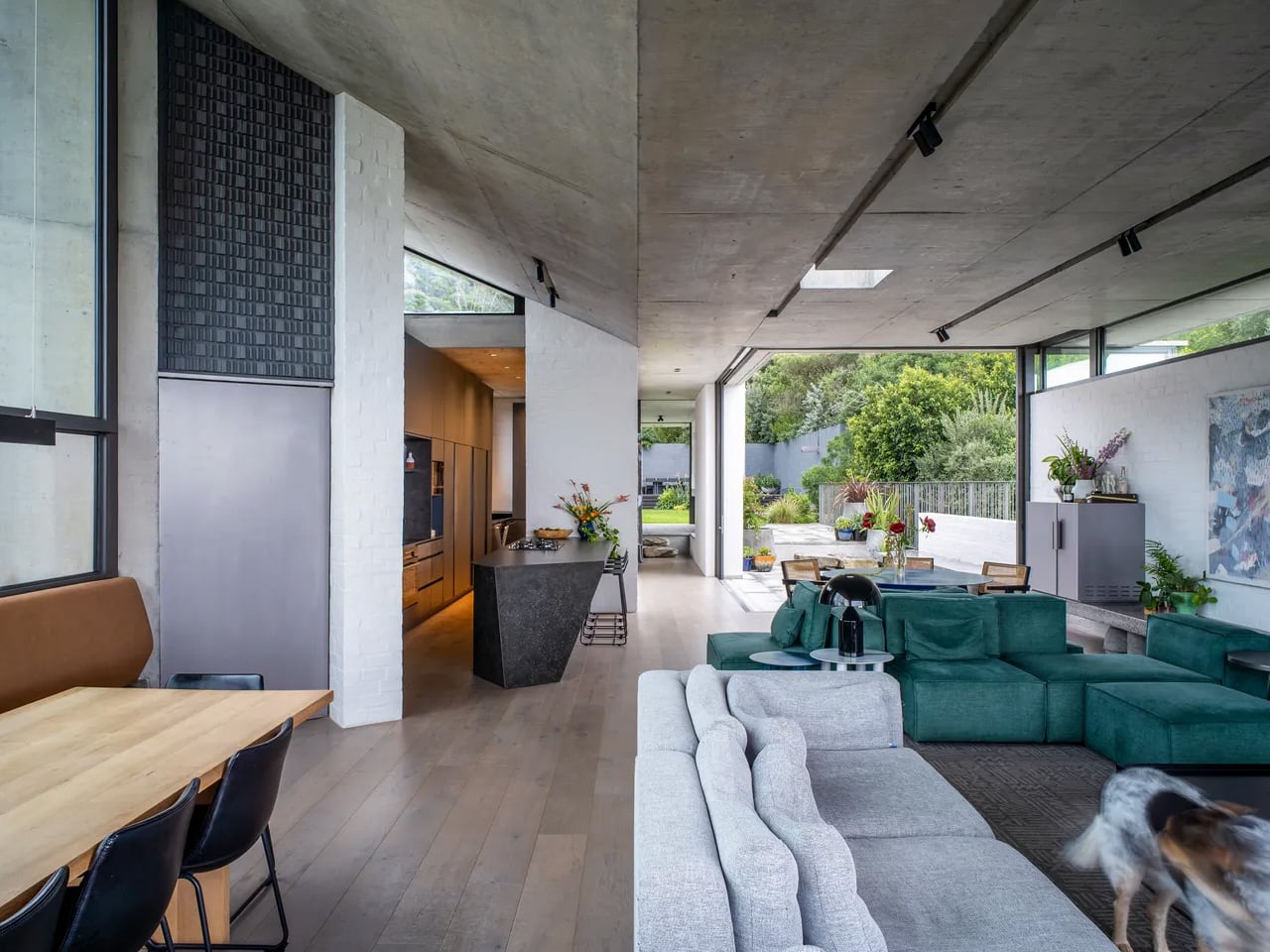
That framing was intentional. The most compelling views fall on the short sides of the property — east toward Table Mountain and west toward Signal Hill and the national park behind it. The architecture is organized entirely around those two axes, turning the site’s constraints into its greatest asset. Rather than fighting the narrow footprint, the design leans into it — producing a continuous, open living space that flows visually from front to back, resisting the fragmentation that plagued the original structure.

The decision to elevate the primary living level to the top of the house was driven by more than views. Placing it there allowed the home to connect directly to the landscape of Signal Hill and maximize sunlight — a critical move given the site’s limited northern exposure. It also made room for a meaningful garden, something Bullivant had set as a core ambition from the very beginning. What could have been a rooftop afterthought becomes, instead, a living threshold between architecture and the mountain that cradles it.
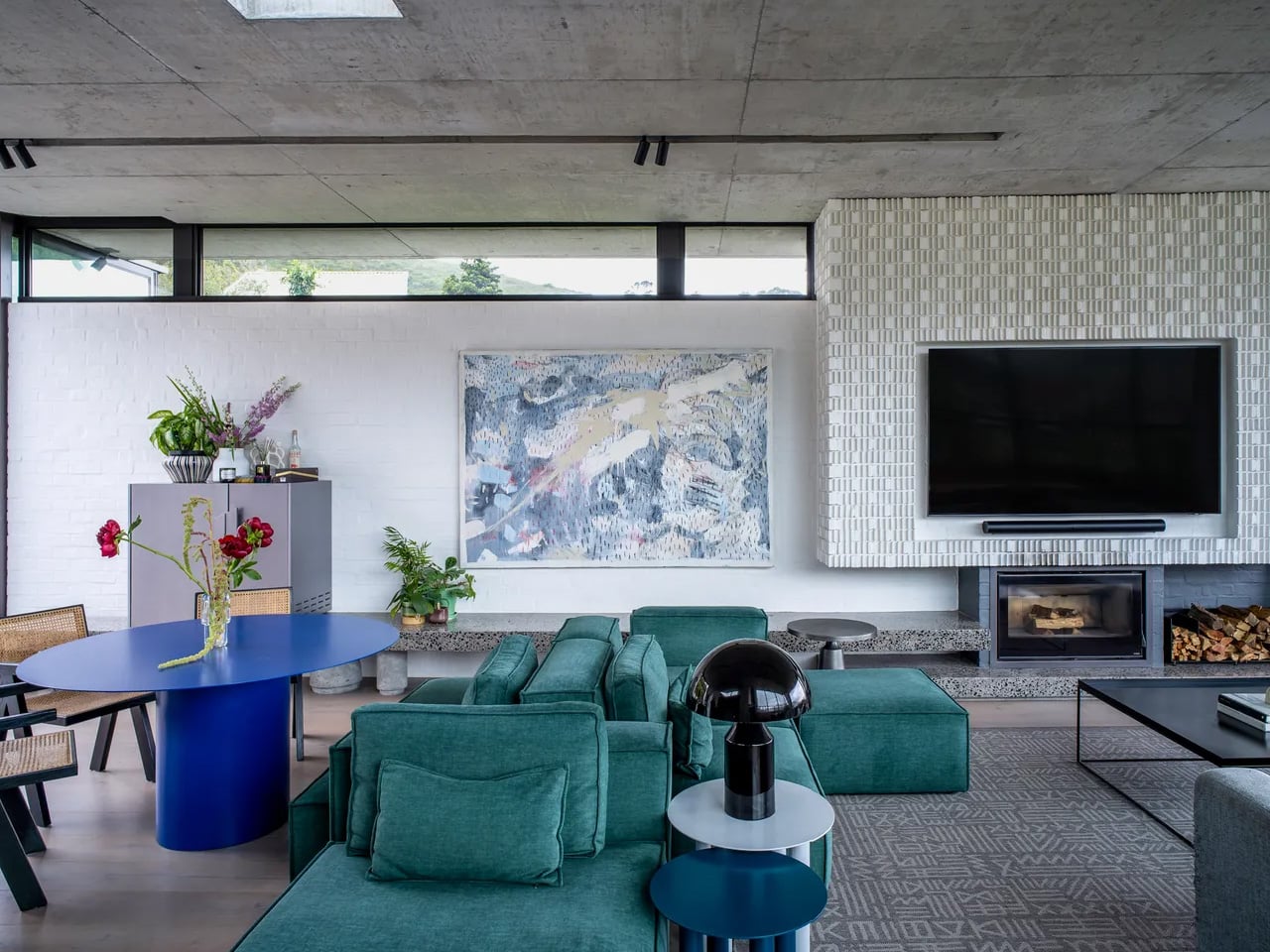
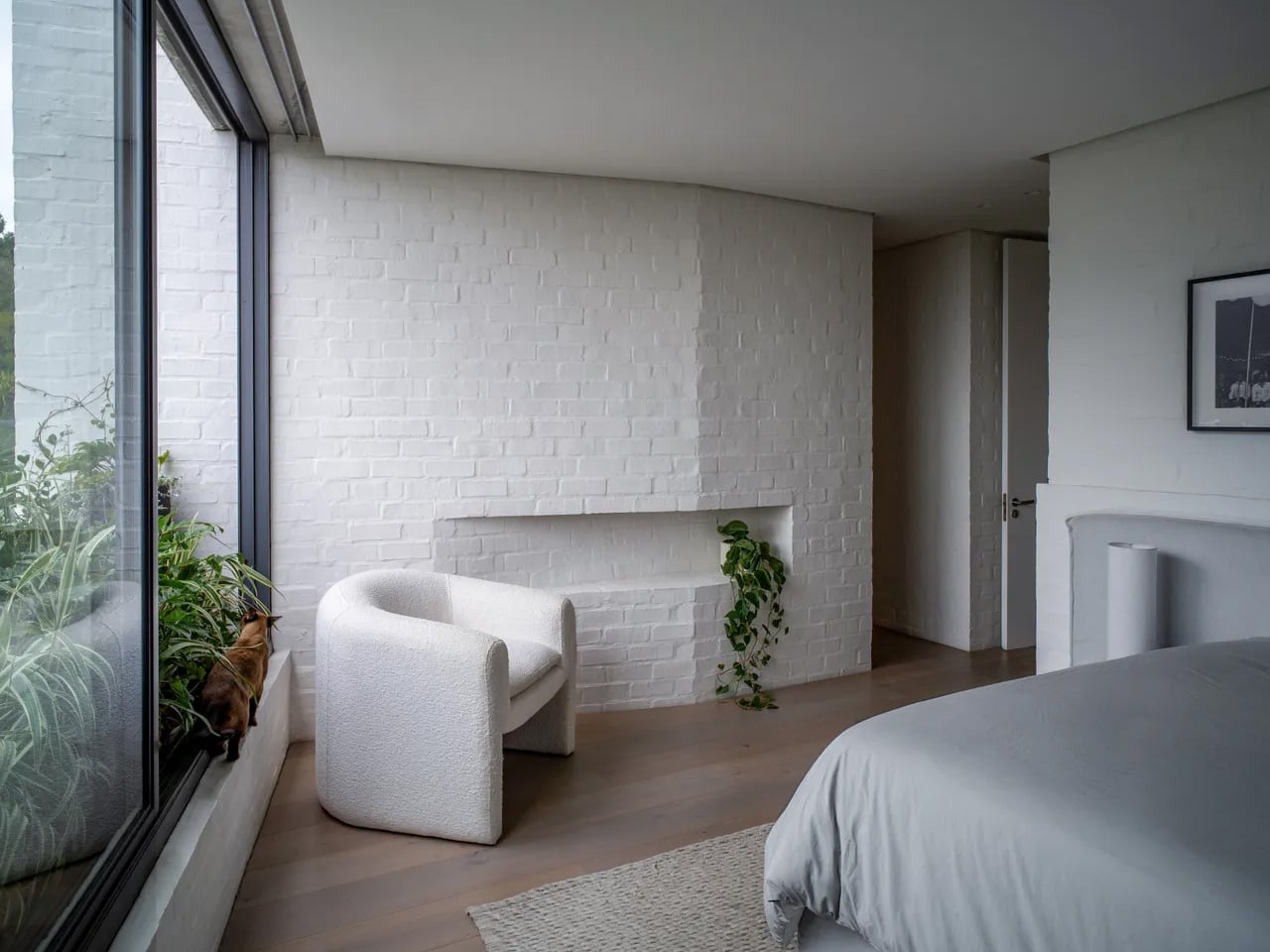
Spanning three levels with five bedrooms, the home never feels like a corridor with rooms attached. Bullivant was deliberate about that. He has never been drawn to living environments defined by a sequence of small, closed-off rooms — and the constraints of the site only pushed that instinct further. The communal spaces are fluid and generous, a pointed rebuttal to the idea that a narrow house must feel narrow.

Kenmore is, in many ways, SAOTA’s philosophy made domestic. The firm has built its reputation on reading a site’s limitations as a design mandate rather than a compromise. Bullivant just happened to live that philosophy out this time — quite literally. The house doesn’t just sit within its difficult terrain. It belongs to it.
The post SAOTA’s Kenmore Proves You Don’t Have to Sacrifice Space for an Impossibly Narrow Cape Town Hillside first appeared on Yanko Design.
A Billiards Table That Refuses to Be Played Without Being Experienced

Most billiards tables do not ask much of you. You walk up, take your shot, and move on. They are designed to be neutral, quietly functional, almost invisible. This one is not interested in being invisible at all.

Designed in Shengfang, Hebei Province, and later exhibited in Beijing, this Chinese billiards table does something rare. It slows you down. It makes you look. And if you stay with it long enough, you begin to notice that the experience extends beyond the game itself.

Designer: Mingzhi Cai and Fengshi Li

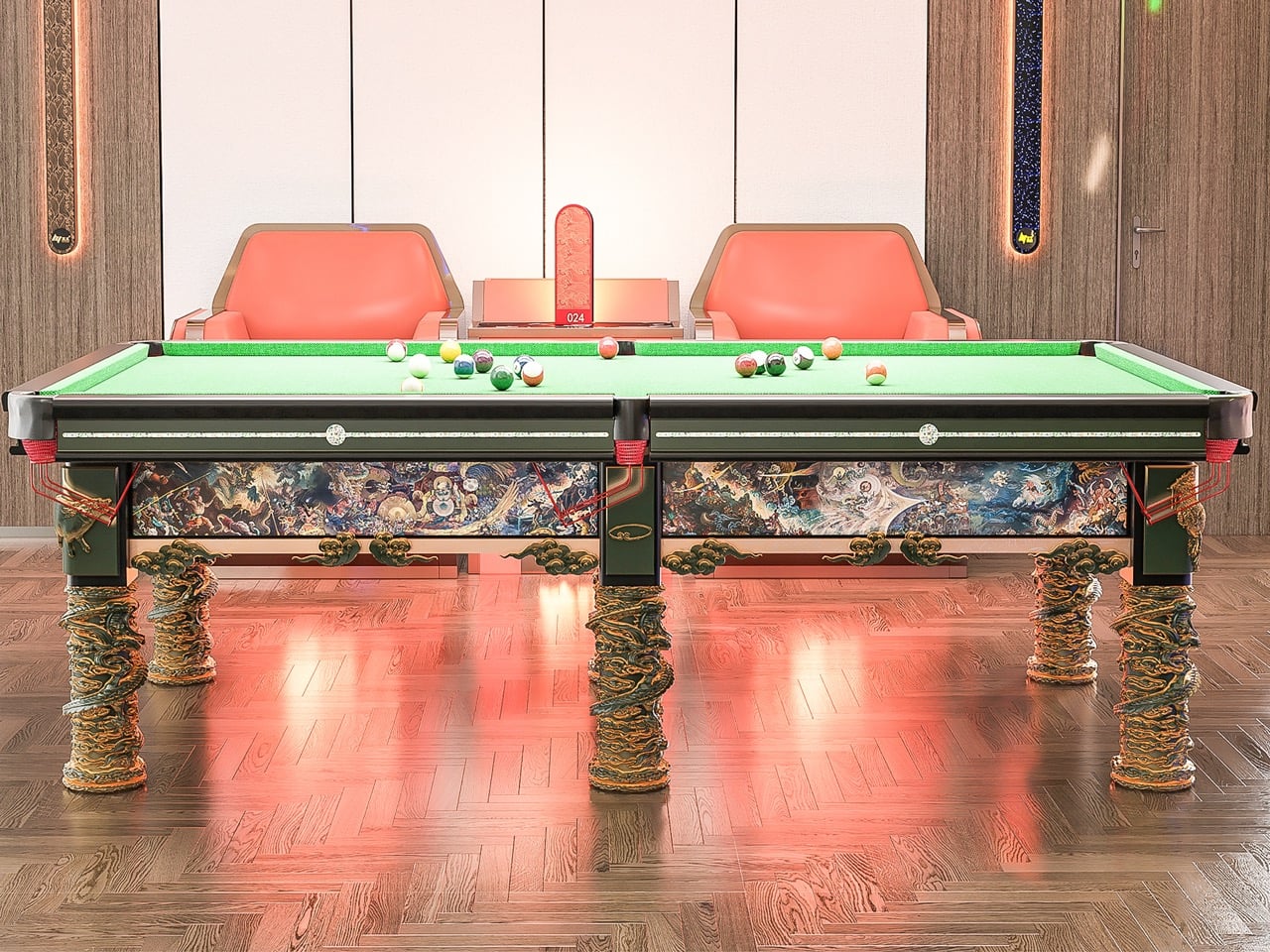
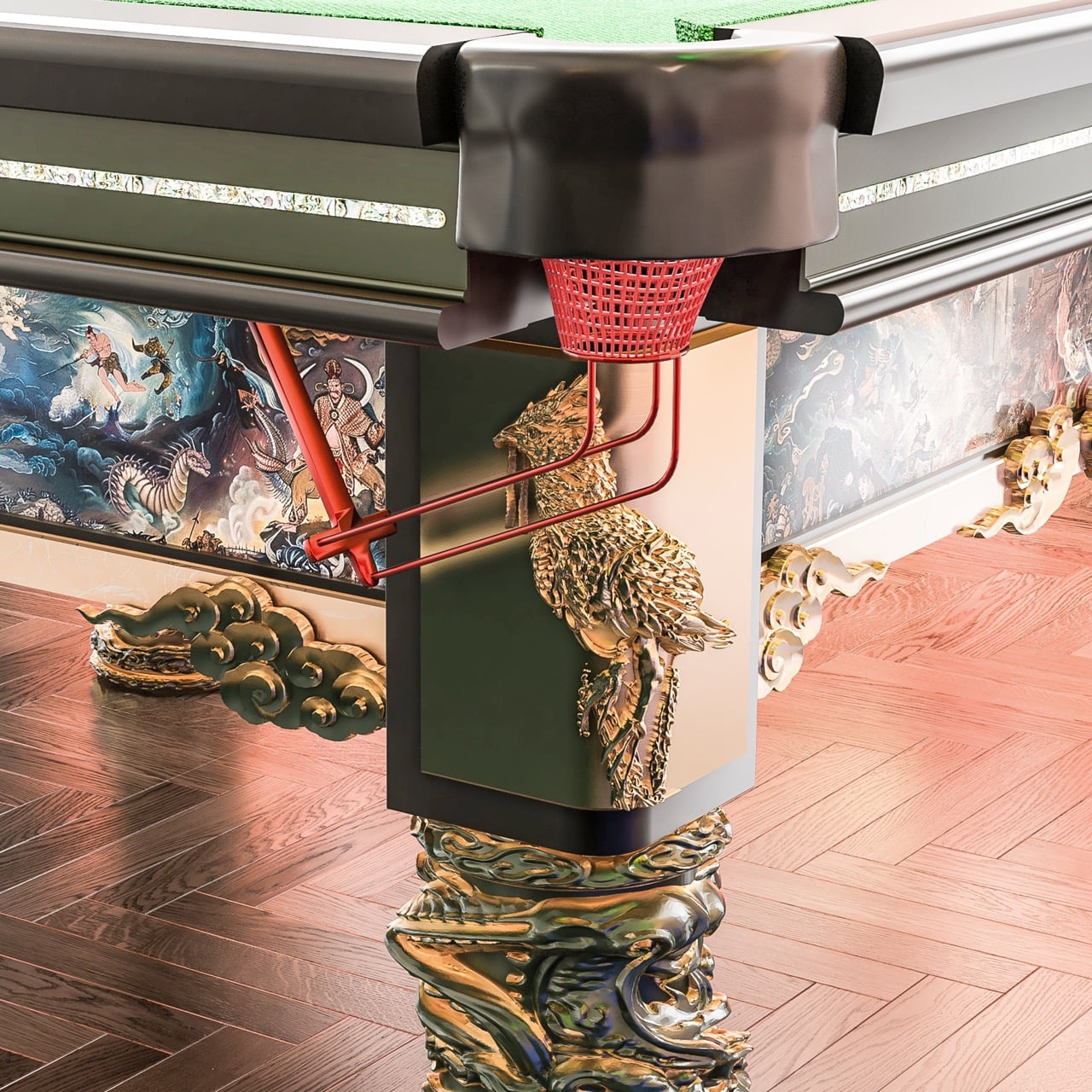
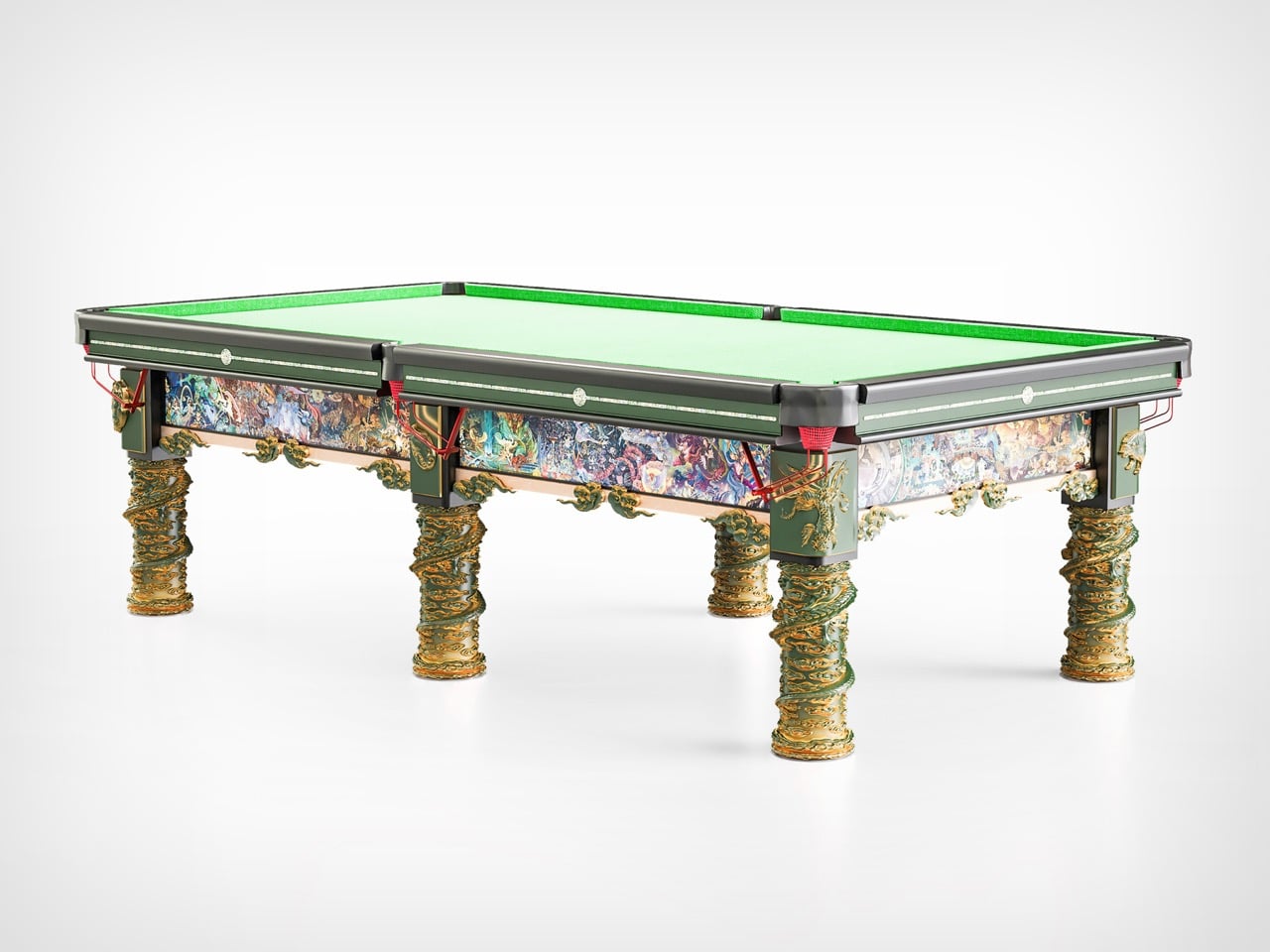
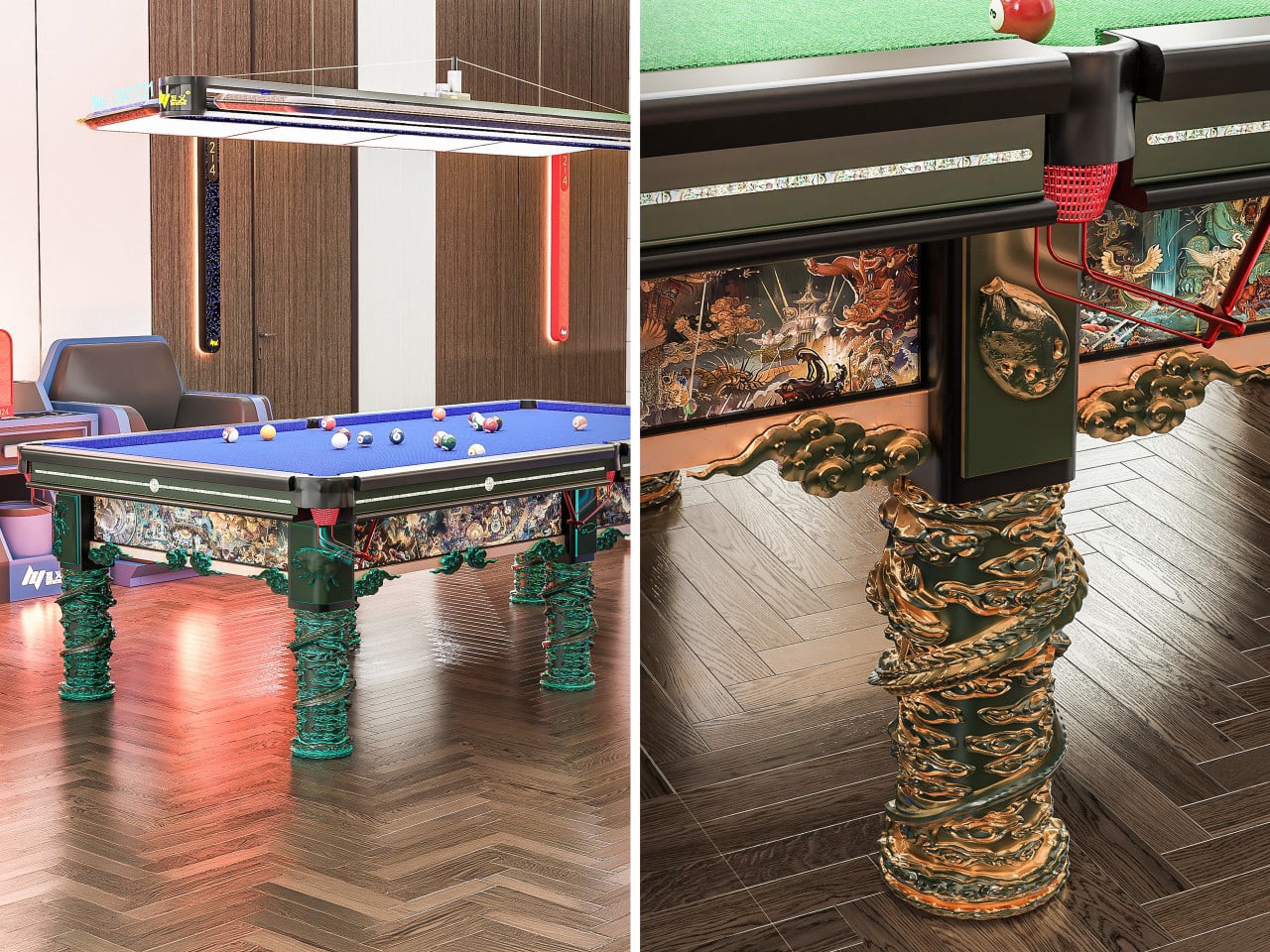
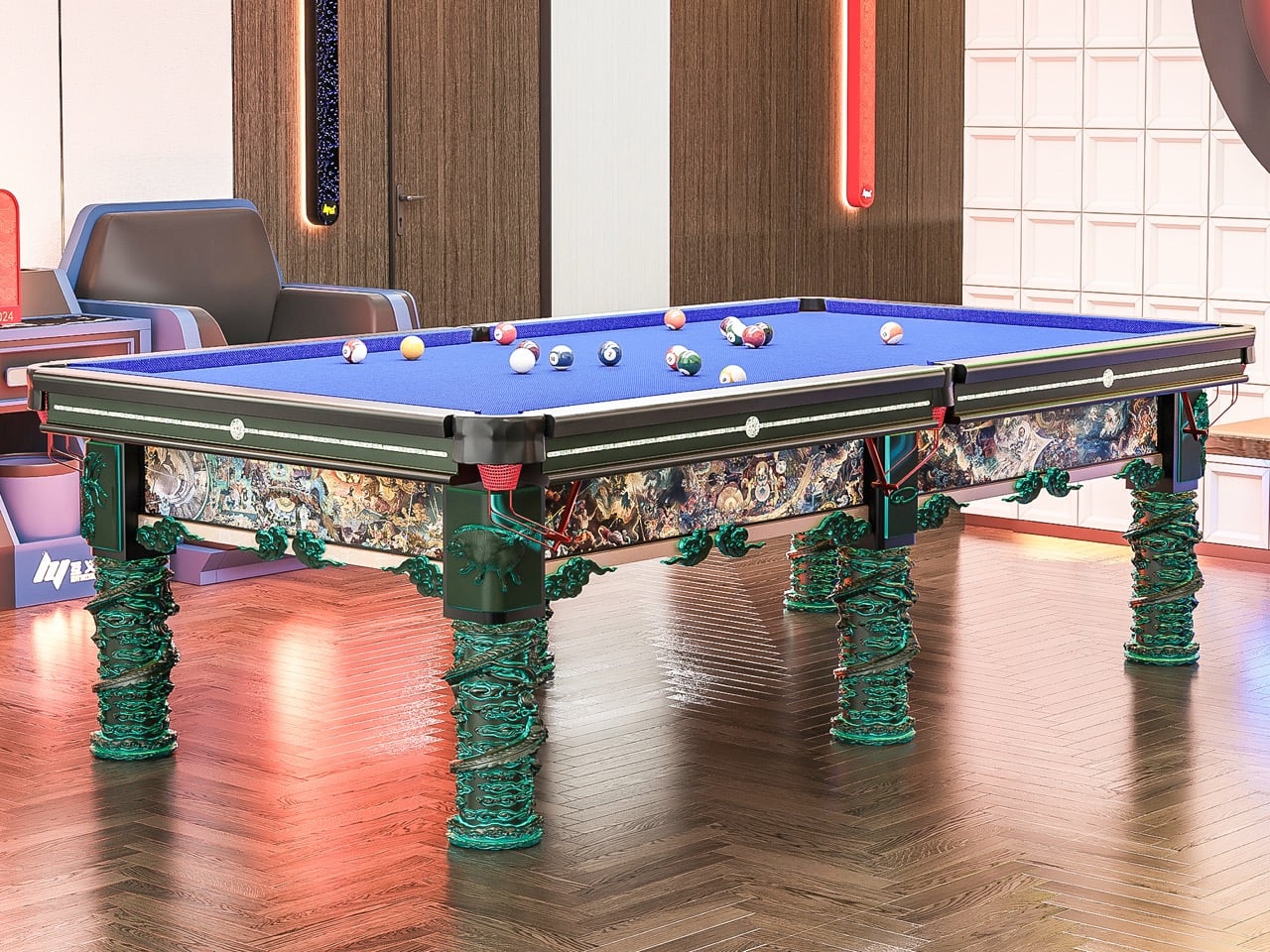
The inspiration comes from Journey to the West, a myth that sits deeply in Chinese cultural memory. Instead of simply referencing it, the designers have broken it apart and rebuilt it into the object. The table is wrapped in six narrative panels, each capturing a different moment, whether it is the intensity of the Bull Demon King, the burning of Guanyin Temple, or the surreal calm of Little Western Heaven. They do not read as surface decoration. They feel like scenes you move around, almost as if the table is holding fragments of a larger story.

This aligns naturally with how billiards is played. Every shot resets the situation. Every angle shifts your perspective. As you circle the table, the imagery changes with you, creating a rhythm between movement and narrative. The experience becomes less about a fixed viewpoint and more about continuous discovery.

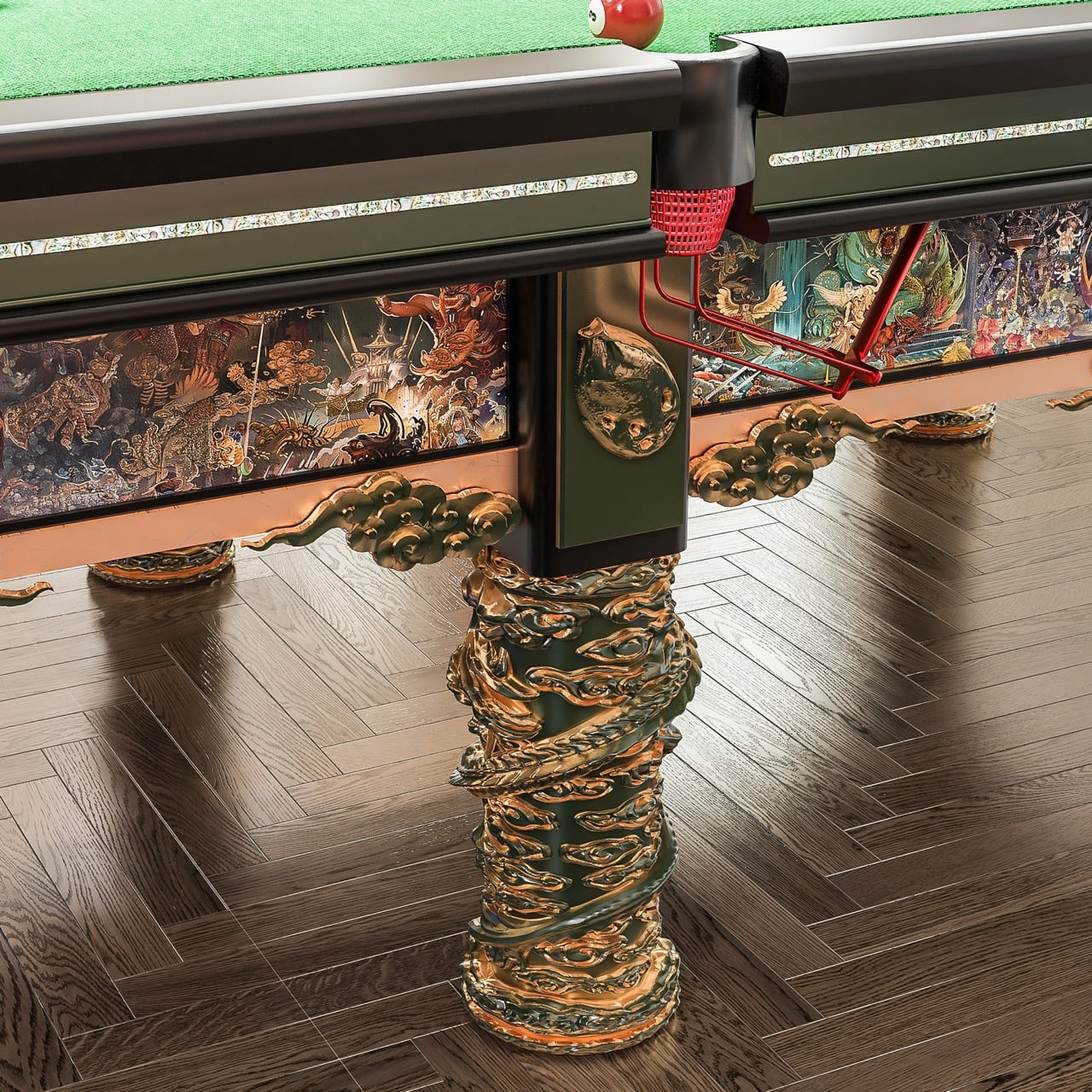
There is a quiet intelligence in how symbolism is built into the structure. The six legs are shaped after the Sea God Needle, a mythological object associated with strength and transformation. Above, the six column relief references the six senses in Buddhist philosophy. It is a subtle layer, but it reframes the object. What you see, how you move, and how you interpret begin to feel connected.

The level of craft holds everything together. The reliefs are hand carved before being translated into production. The tabletop uses walnut wood, bordered with mother of pearl abalone shell inlays, a detail often found in royal furniture traditions. The paintings themselves are selected from hundreds of artists, then carefully scanned and embedded into the surface. Even the stone slabs are polished repeatedly until they reach the right balance of smoothness and durability.

Despite this richness, the table remains highly functional. The sound of the ball striking is crisp, and the movement across the surface is smooth and controlled. The visual intensity does not interfere with the game. It sits alongside it.

Color plays a similar role. The deep green and gold palette feels grounded and weighty, while the blue antique bronze variation introduces a quieter, more atmospheric tone. As light shifts across the surface, the table reveals different depths, allowing the imagery to feel active rather than static.

What becomes noticeable over time is how deliberately the design moves away from contemporary minimalism. Instead of reducing the object to its essentials, it builds layers of meaning, craft, and narrative into every surface. The process itself reflects this approach, with over 700 days of research, hundreds of iterations in modeling, and continuous refinement through collaboration.

That sense of time and attention is present in how the table is experienced. It does not reveal itself all at once. It asks for movement, for observation, for a willingness to engage with it beyond its immediate function. The act of playing becomes intertwined with noticing, reading, and interpreting.

Somewhere between the first shot and the next, the table shifts from being a surface you play on to something you are moving through.

The post A Billiards Table That Refuses to Be Played Without Being Experienced first appeared on Yanko Design.
Spigen Made a MagSafe Wallet That Looks Like a 1984 Mac and It’s Hard to Argue With

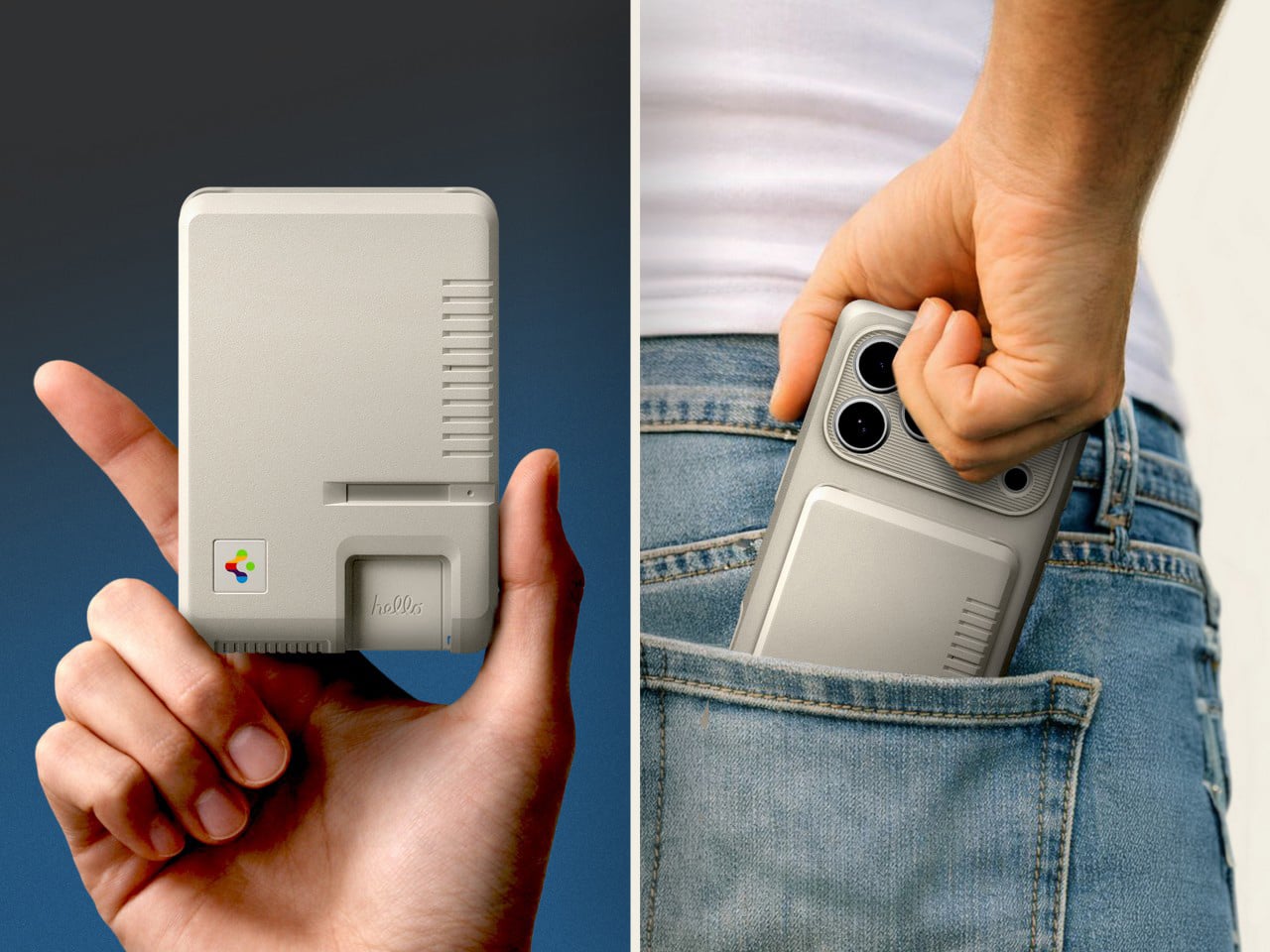
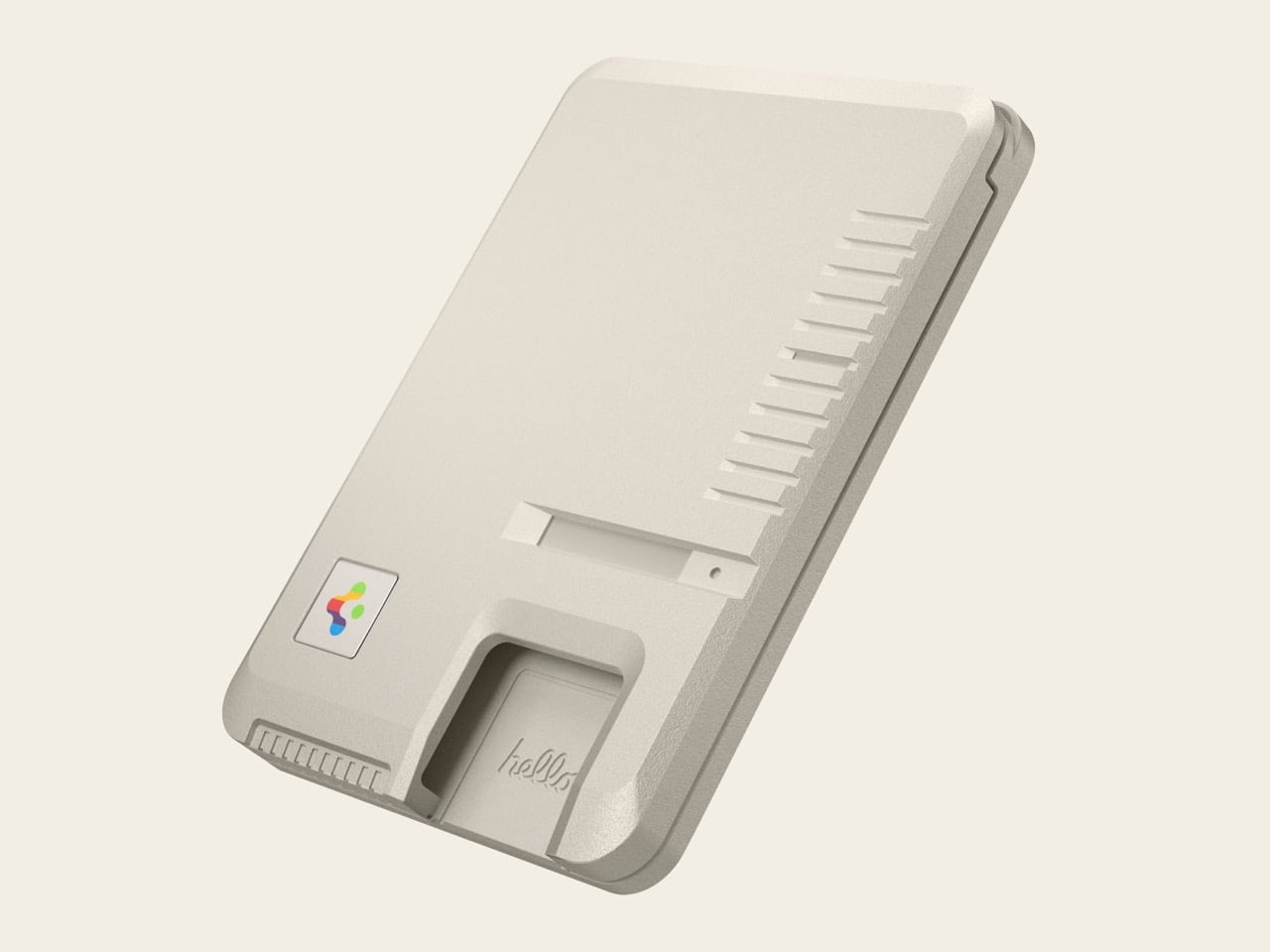
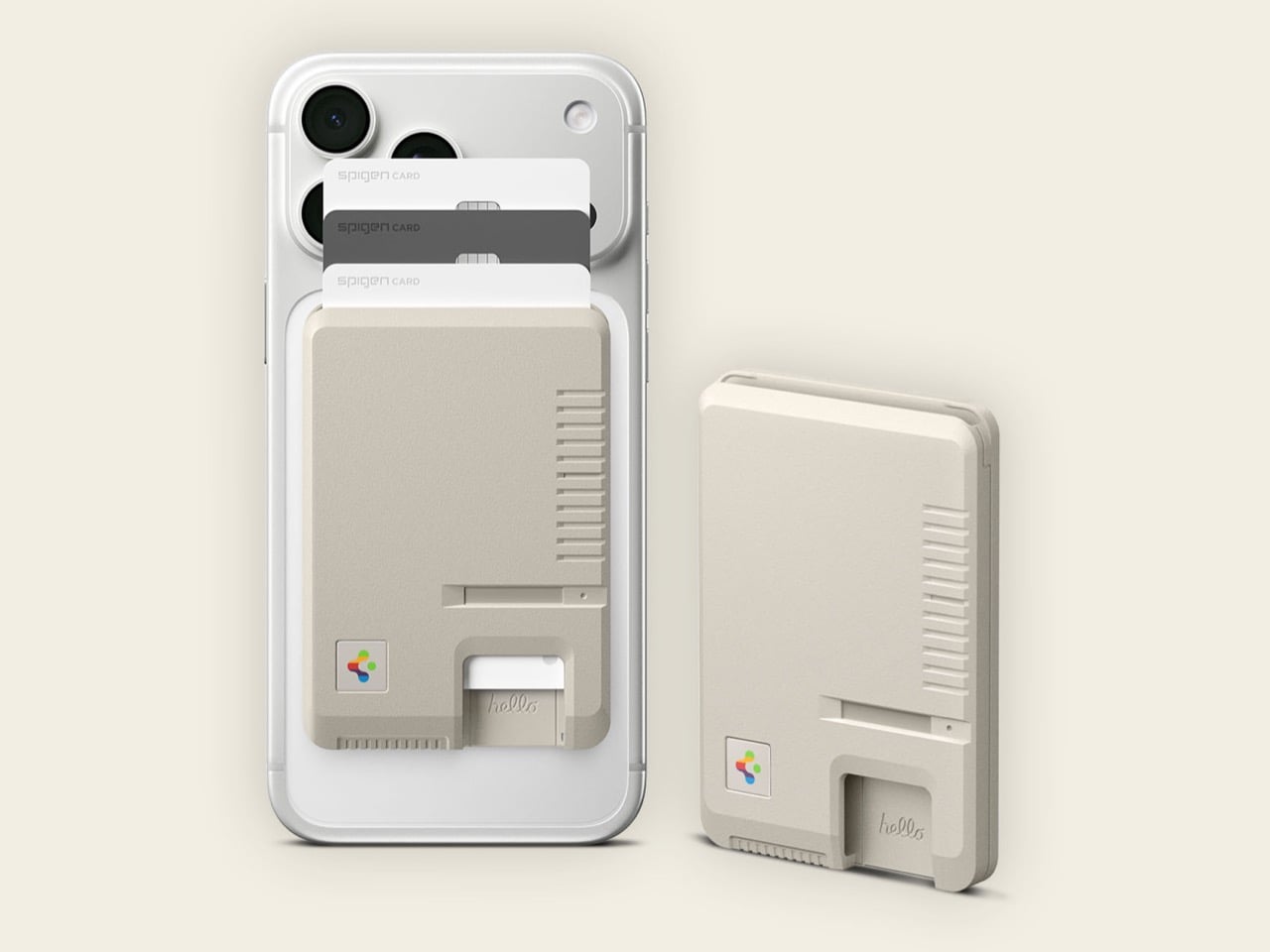
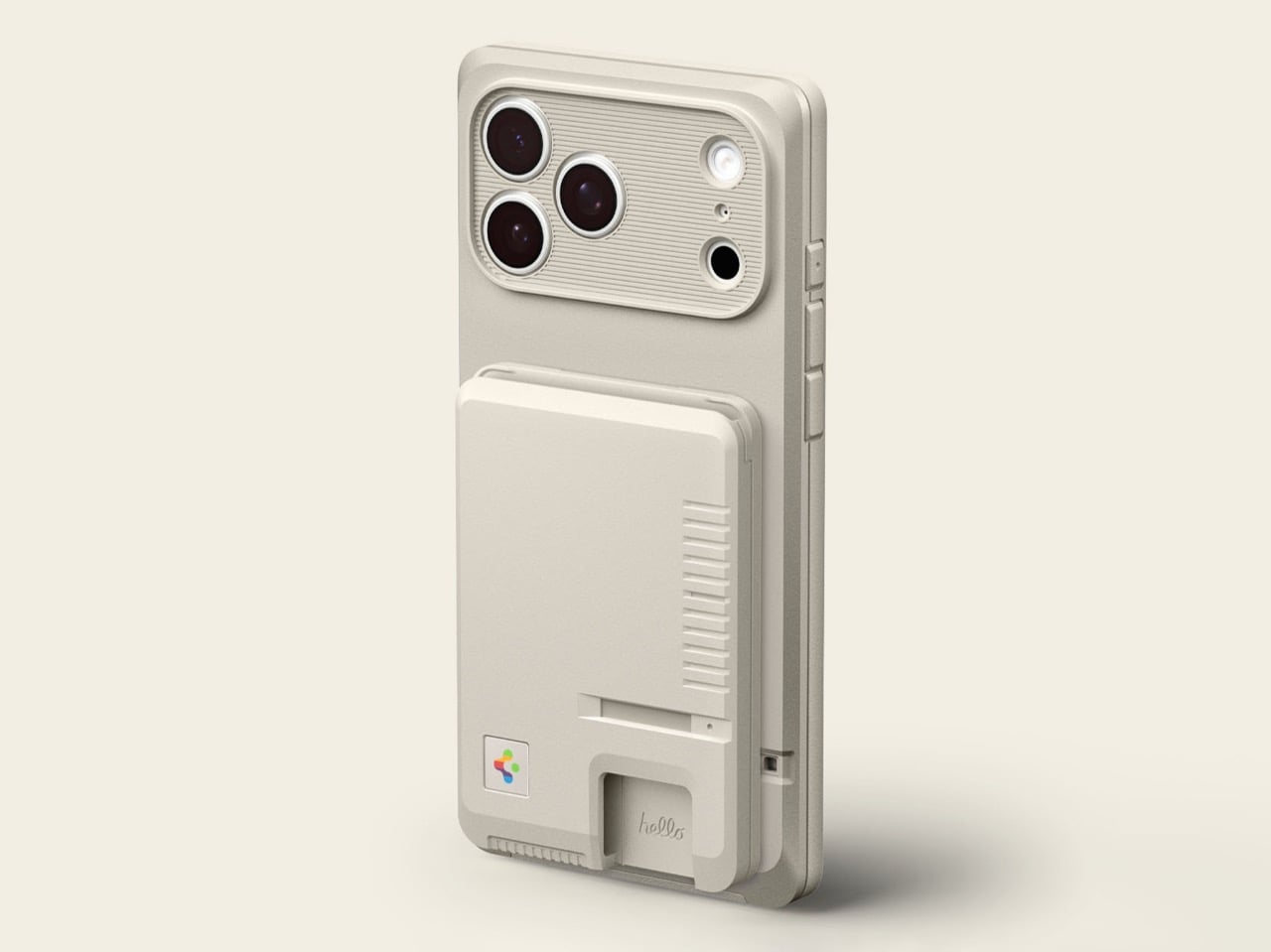
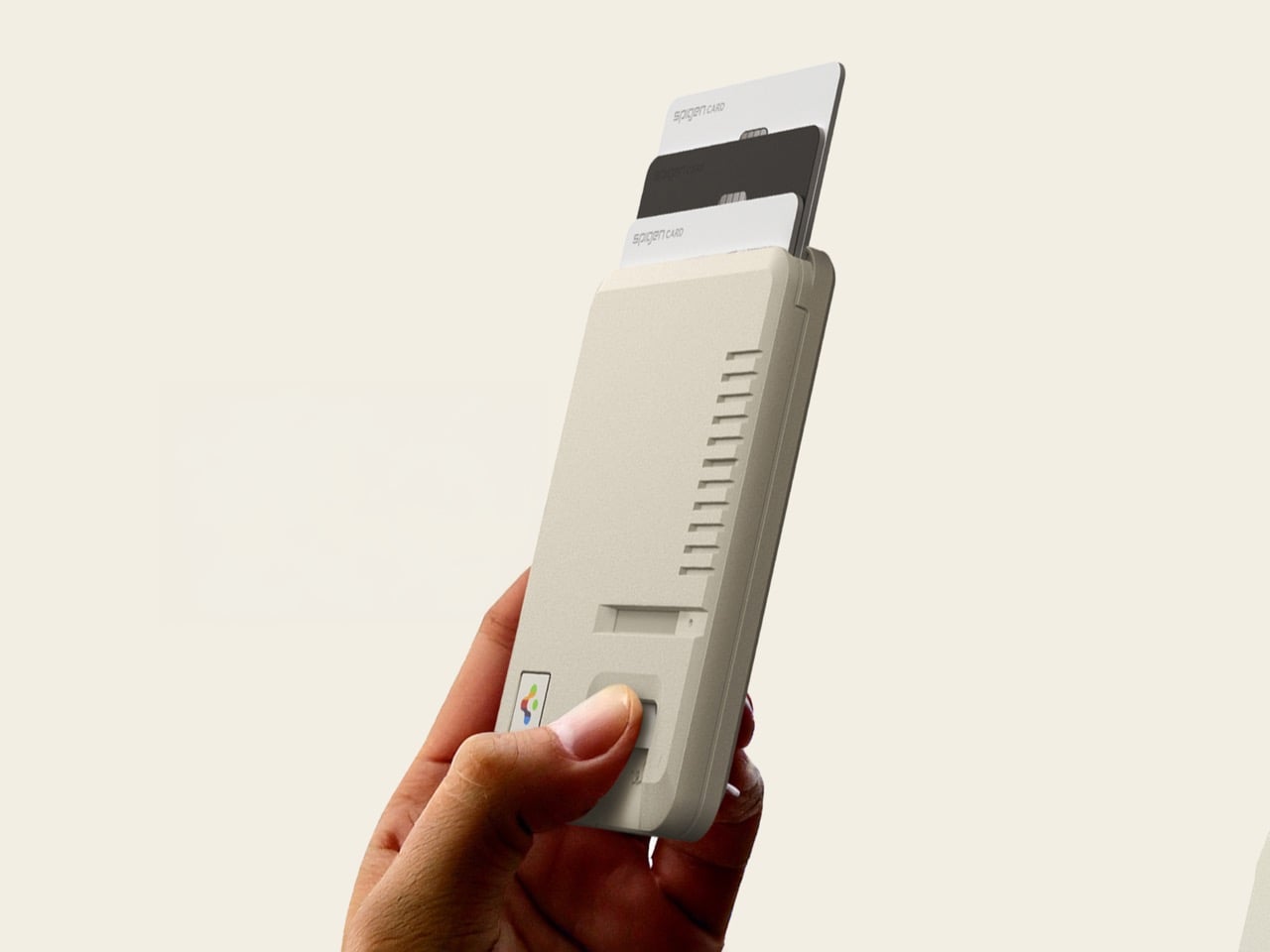
The Macintosh 128K was a beige rectangle with vents, grooves, and a floppy disk slot. Spigen’s new MagSafe wallet is also a beige rectangle with vents, grooves, and a slot (this one for cards, not diskettes). The visual rhyme is intentional. While most accessory brands slap nostalgic graphics onto generic products and call it a day, Spigen has been translating early Apple industrial design into functional modern objects, treating the Classic LS line like a miniaturized homage rather than a costume. The iPhone case kicked off that approach, shrinking the 128K’s visual language into something that could protect a phone without feeling like a novelty item. Now the brand is applying the same logic to a card wallet, and the result feels surprisingly coherent, like someone actually sat down and asked what a 1984 Macintosh would look like if it held three credit cards and magnetically attached to your iPhone.

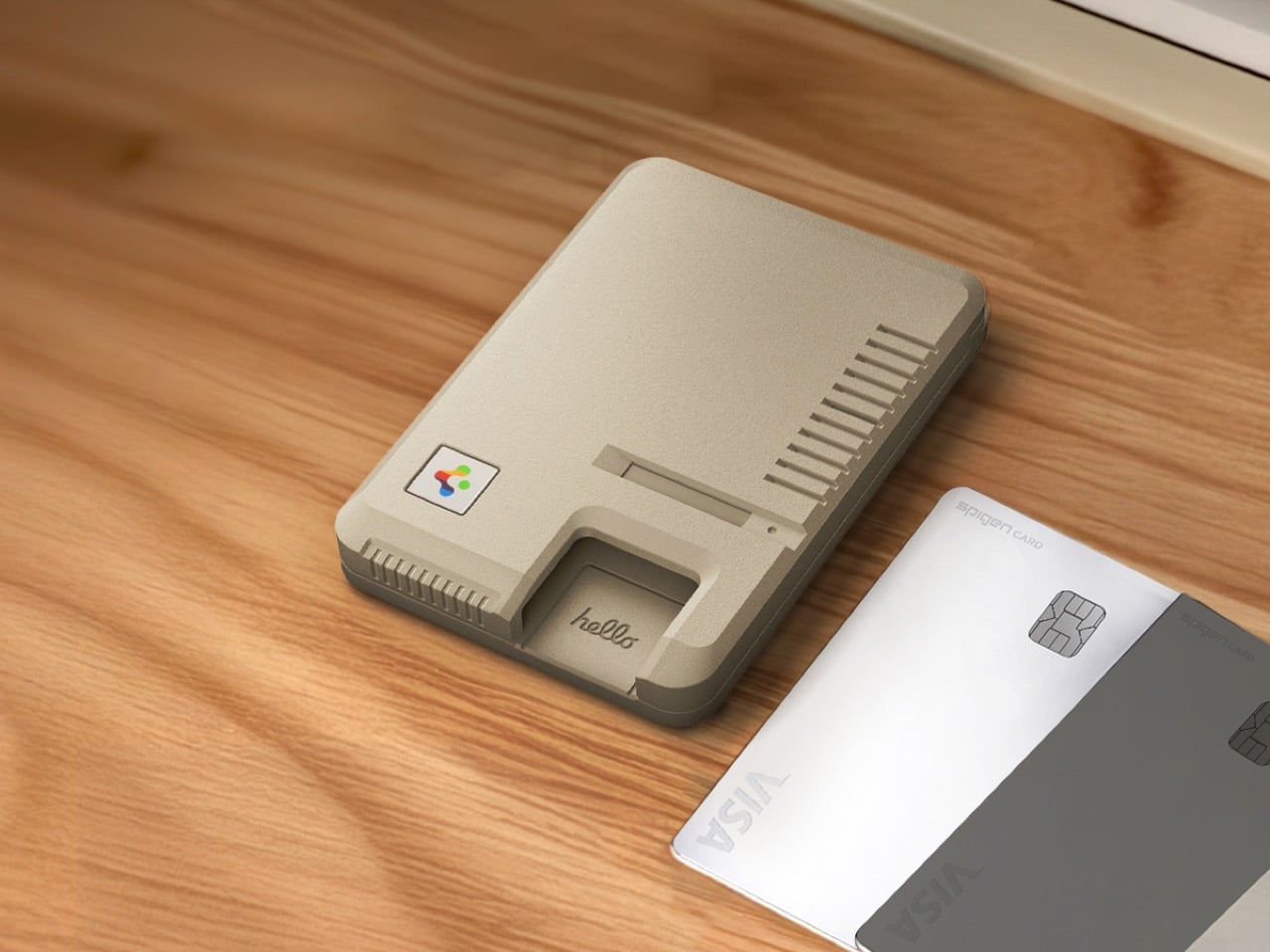
The Classic LS Card Holder (Mag Fit) is officially priced at $39.99 and works with MagSafe cases on iPhone 12 models or newer. Spigen says it stores up to three cards and uses strong MagSafe magnets for a secure attachment to your phone or other compatible accessories. The wallet includes a recessed “hello” cutout that makes it easier to push cards upward and out of the holder, addressing one of the biggest usability complaints with magnetic wallets. Visually, it matches the rest of the Classic LS ecosystem, carrying over the stone finish, floppy disk accent, keyboard-style grooves, and rainbow logo badge seen on the iPhone case, lanyard, and AirPods case. If you already own the Classic LS iPhone case, this wallet looks like it was always meant to snap onto the back of it.

Designer: Spigen

Click Here to Buy Now

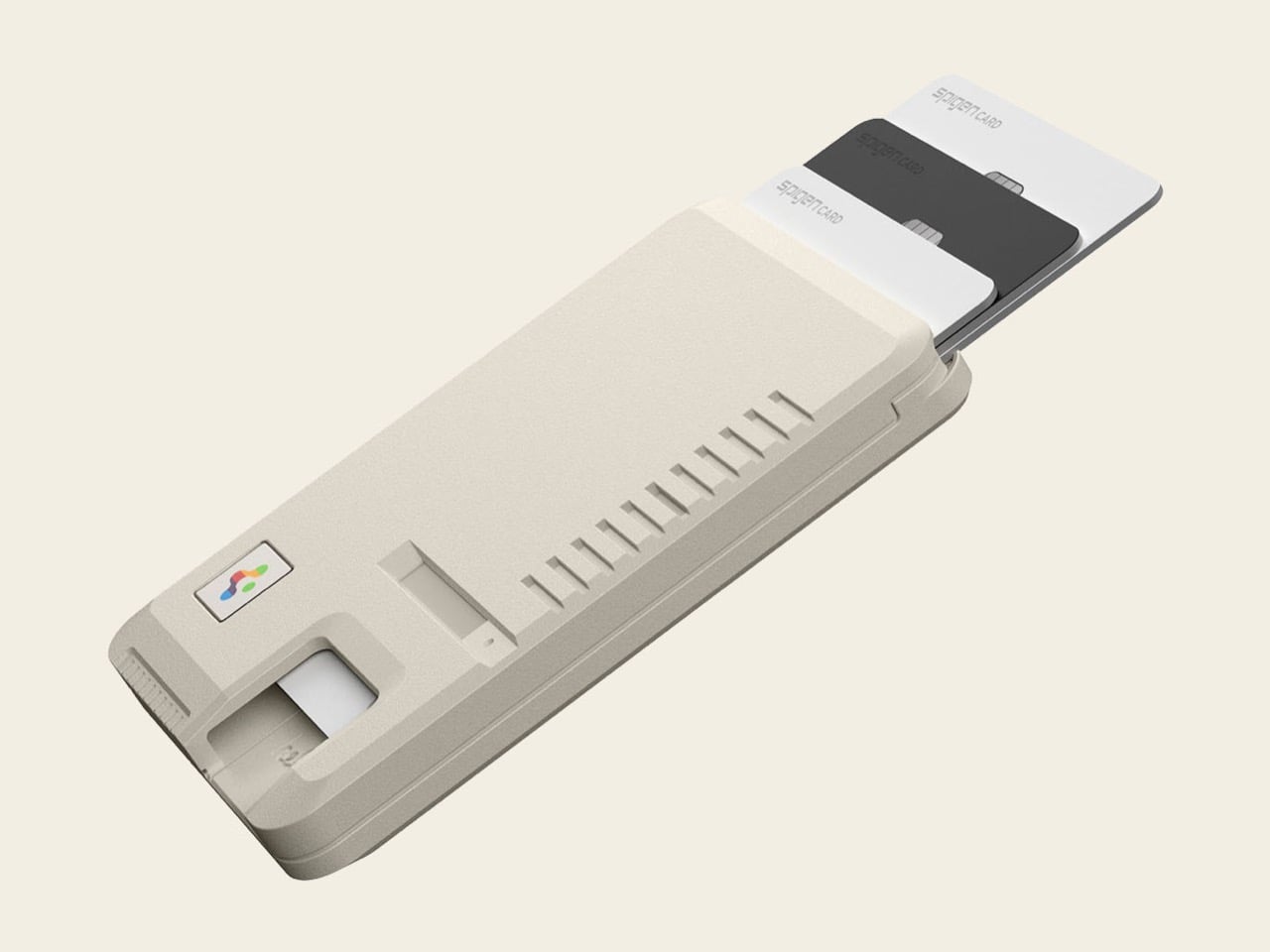
Spigen could have stopped at surface-level nostalgia and called it a win, but the wallet actually translates specific Macintosh design cues into tactile, functional features. The vertical grooves running along the side mirror the cooling vents on the original 128K, giving the wallet extra grip while reinforcing the retro aesthetic. The floppy disk accent sits where a disk drive would have lived on the old Mac, complete with a tiny embossed detail that mimics the metal shutter on a 3.5-inch diskette. The rainbow-striped logo badge is a miniature version of Apple’s iconic six-color mark from that era, and the recessed “hello” cutout references the Mac’s famous startup greeting. These aren’t decorative add-ons, they’re design choices that make the wallet feel like a scaled-down piece of computing history rather than a sticker-covered MagSafe puck.

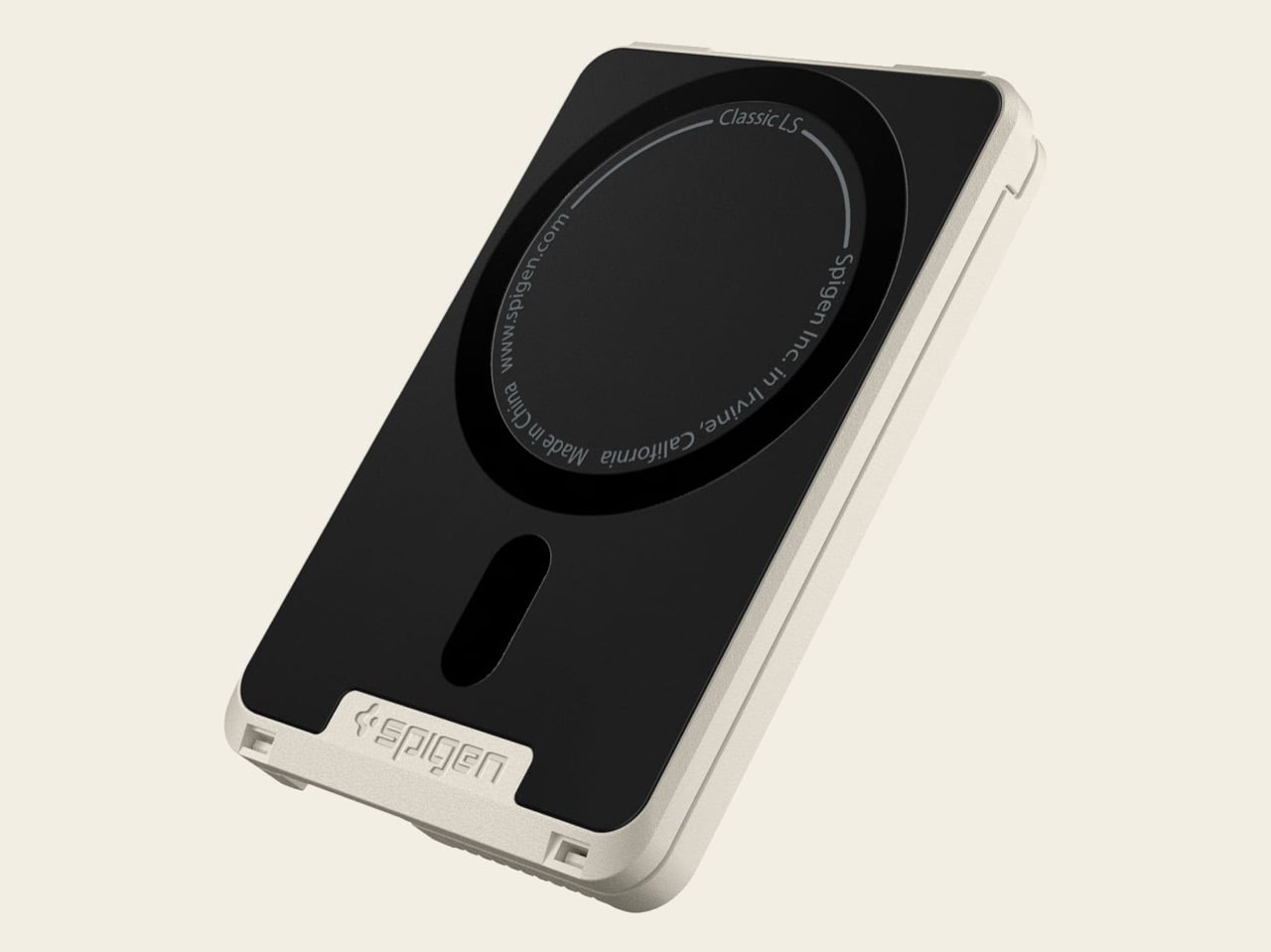
Card access is where most magnetic wallets fail. You either pry cards out with your fingernails or shake the whole assembly like a vending machine until something falls out. Spigen’s cutout solves that problem by giving you a thumb-sized recess where you can push upward on the card stack, ejecting them far enough to grab. The wallet also features a non-slip silicone grip on the back, keeping it secure in your pocket and preventing the whole thing from sliding around when magnetically attached to your phone. MagSafe compatibility means the wallet works with any MagSafe-enabled case, not just Spigen’s own Classic LS case, though pairing it with the matching case obviously completes the retro look. Spigen lists compatibility starting with iPhone 12 and extending through current models, so you’re covered whether you’re running a 12 Mini or a 16 Pro Max.

At $39.99, the Classic LS Wallet sits in the higher end of the MagSafe wallet market, especially compared to generic Amazon options that hover around $15 to $20. Apple’s own MagSafe wallet retails for $59, so Spigen undercuts Cupertino while still charging a premium over no-name competitors. The price makes sense if you’re already invested in the Classic LS ecosystem, where the wallet functions as the final modular piece rather than a standalone purchase. If you’re not already bought into the retro aesthetic, though, you’re paying extra for design nostalgia that might not register.

Spigen lists the wallet as available now on its official site in the signature Stone colorway, SKU AFA10949. If the brand follows the same trajectory as the rest of the Classic LS line, this could be the start of additional retro-tech accessories, maybe a MagSafe stand styled like a compact Mac or a charging puck that looks like a vintage mouse. For now, the wallet completes the set, turning your iPhone into a tiny monument to the beige-box computing era, one credit card at a time.

Click Here to Buy Now

The post Spigen Made a MagSafe Wallet That Looks Like a 1984 Mac and It’s Hard to Argue With first appeared on Yanko Design.
LPG Shortage Has Millions Unable to Cook. This Battery Induction Cooktop Never Needed Gas Anyway.

The street food vendors of Mumbai did not negotiate the terms of the Iran conflict. Neither did the factory managers in Vietnam, the government officials in Colombo, or the home cooks across a dozen nations who depend on liquefied petroleum gas. Yet the military standoff in the Strait of Hormuz, the chokepoint for 30% of the world’s traded LPG, is landing in their kitchens and economies with uncomfortable speed. In India, the government is rationing supply. In Sri Lanka, officials declared national holidays on Wednesdays specifically to curb fuel consumption. In Japan and South Korea, two of the world’s largest LPG importers, the primary energy artery is tightening, while European markets are bracing for wholesale gas prices to triple. A single geopolitical flashpoint is now determining whether millions can cook dinner.

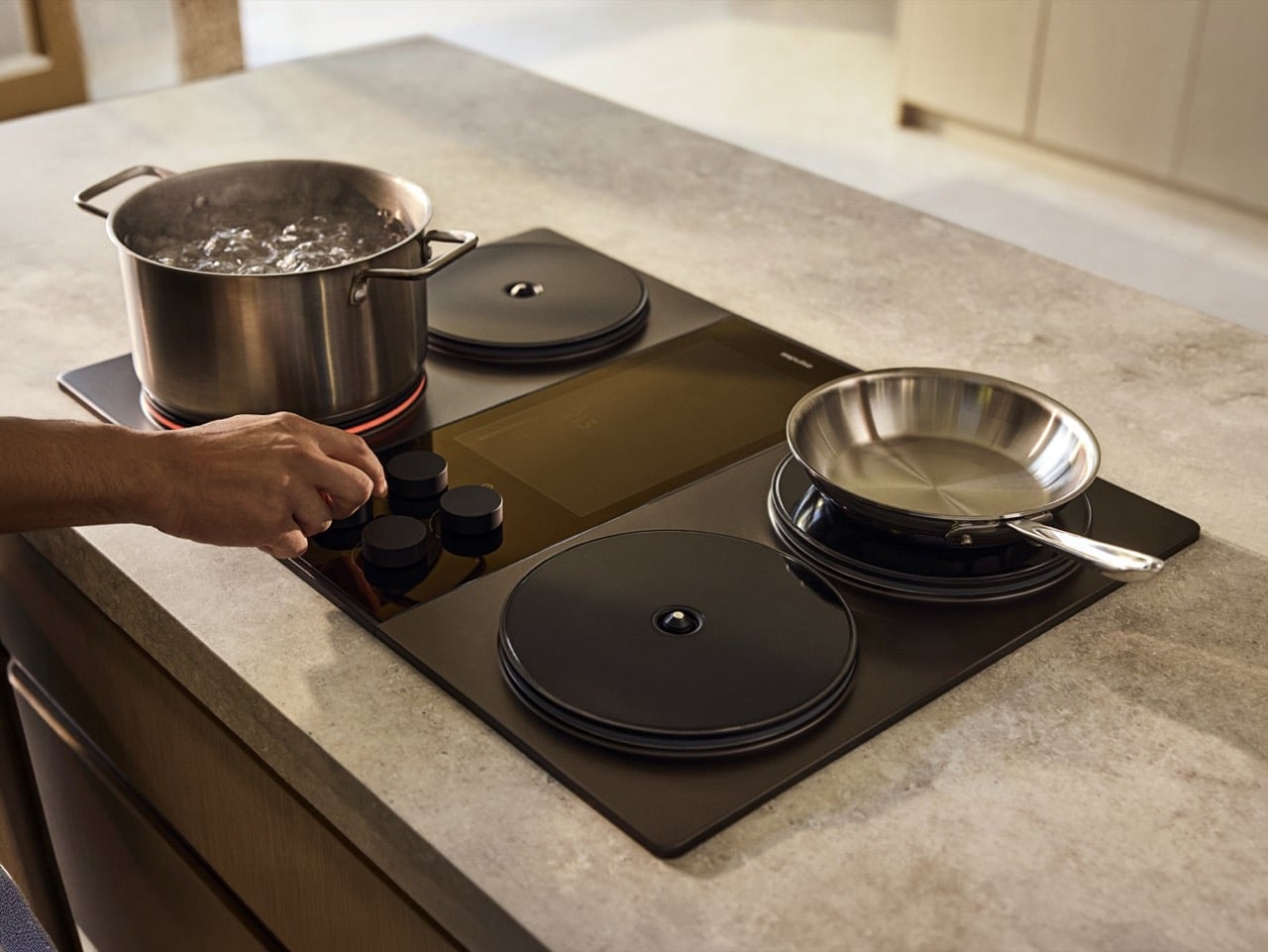
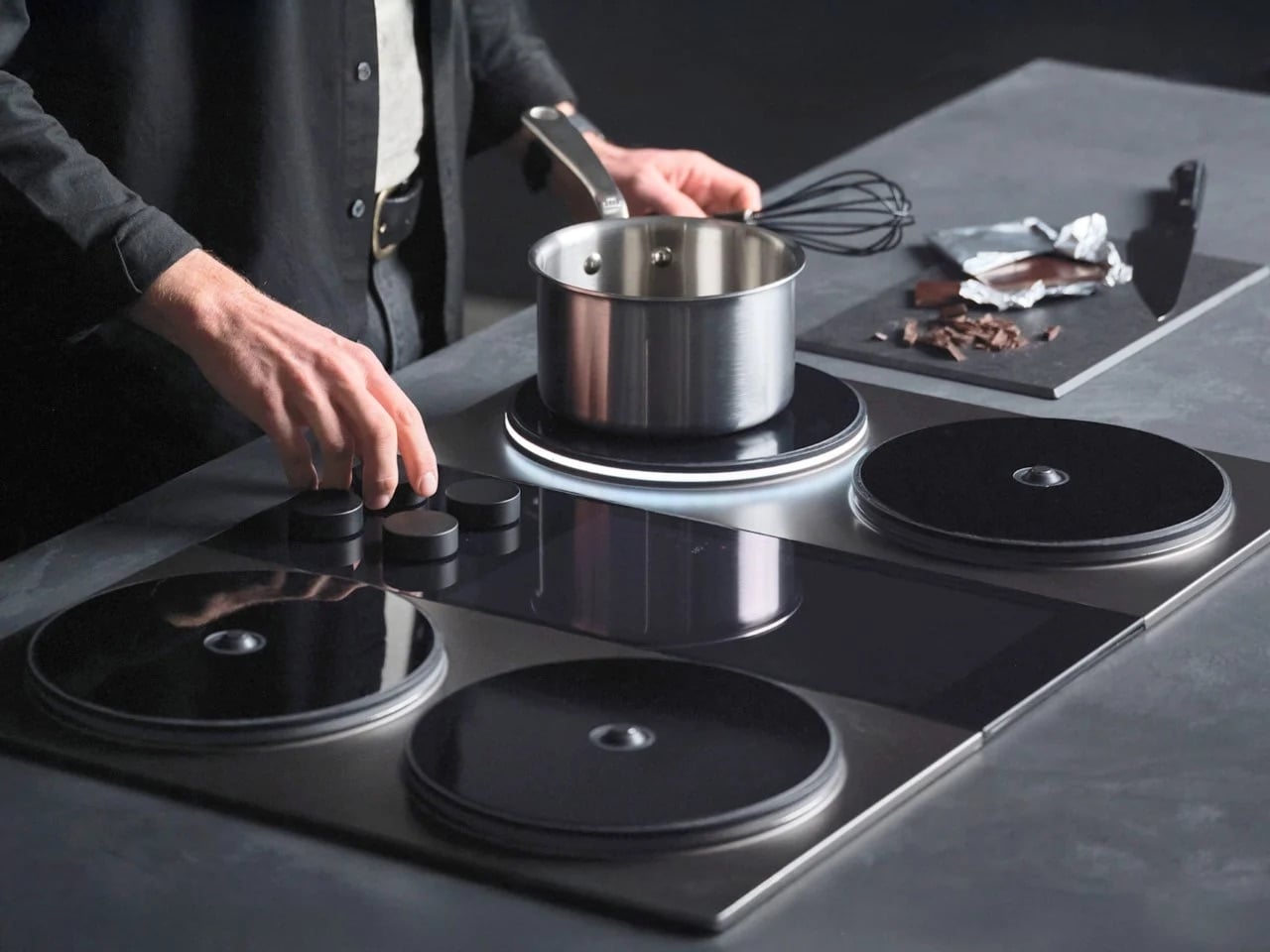
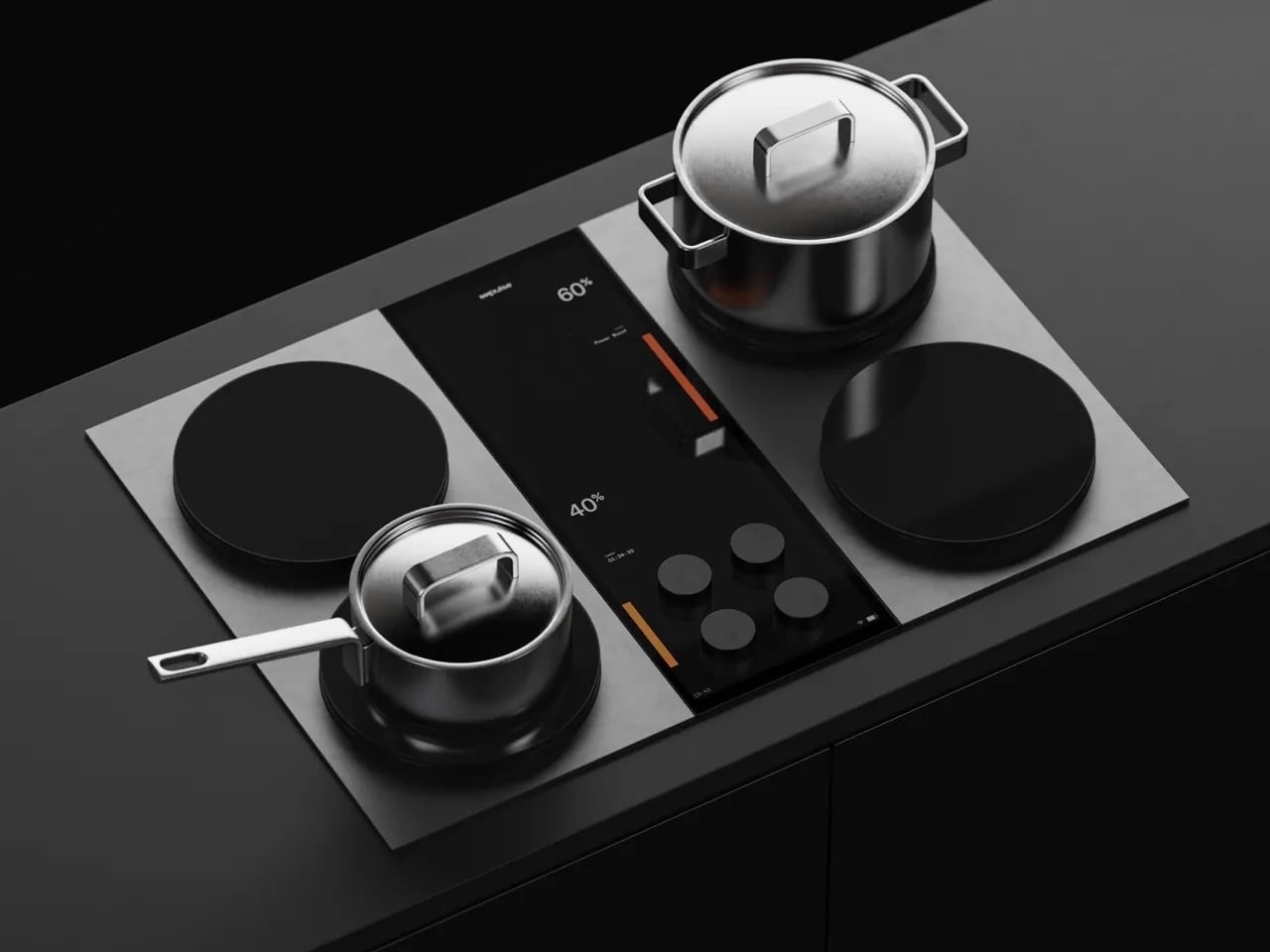
Against that dystopian backdrop, the Impulse cooktop occupies a category with very little company. The appliance, which earned the Red Dot’s Best of the Best and won Fast Company’s 2024 Innovation by Design Award, builds a battery directly into the cooktop body. It draws from stored charge and the grid simultaneously to deliver a staggering 10,000 watts per burner. BLOND, the industrial design firm behind it, gave the object the physical language of a considered luxury kitchen piece. The engineers gave it freedom from every fuel supply chain that currently has Asia and Europe in a headlock. Both things matter here; right now, one of them lands with a global urgency that the designers probably never anticipated.

Designer: BLOND

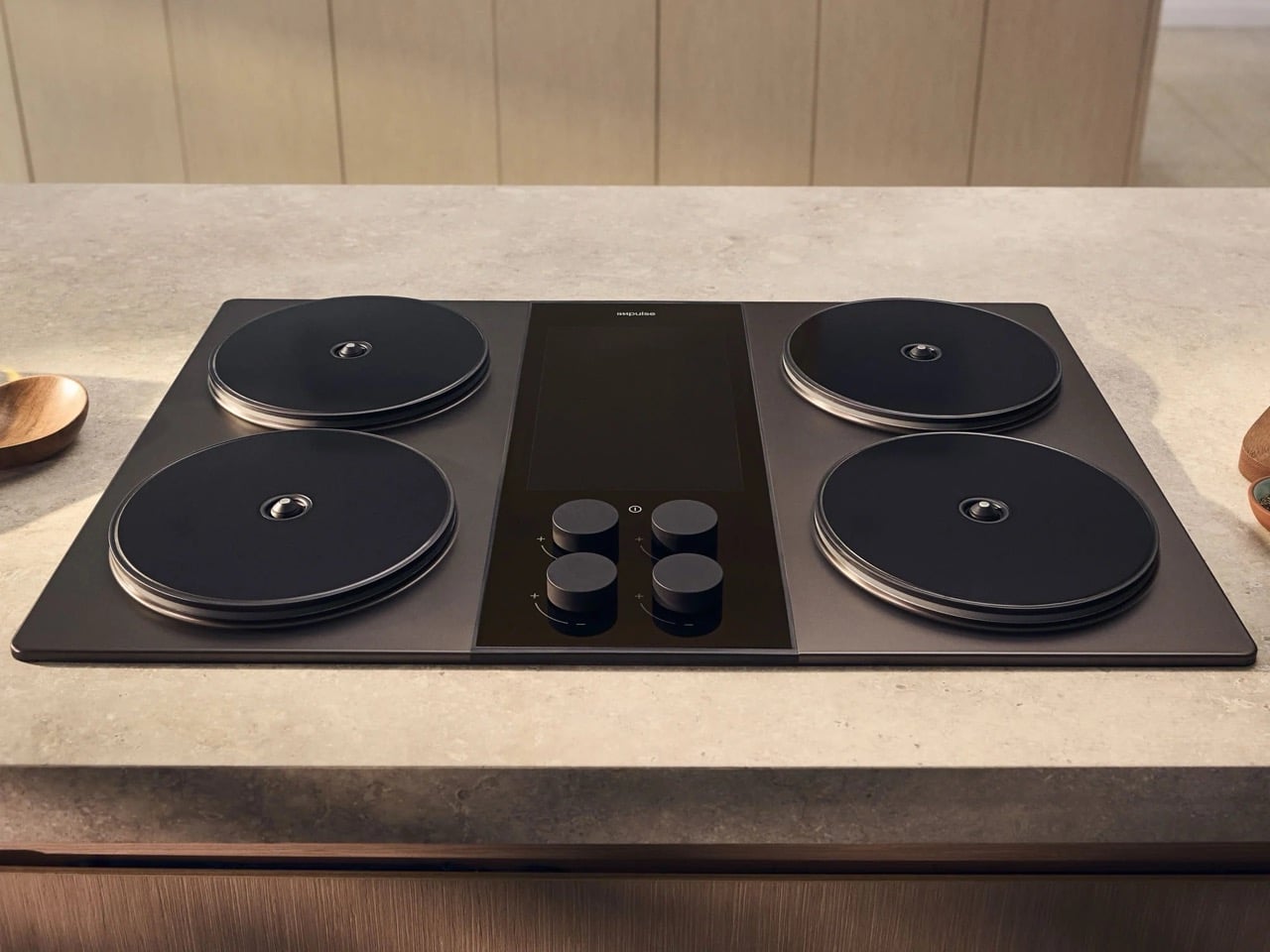
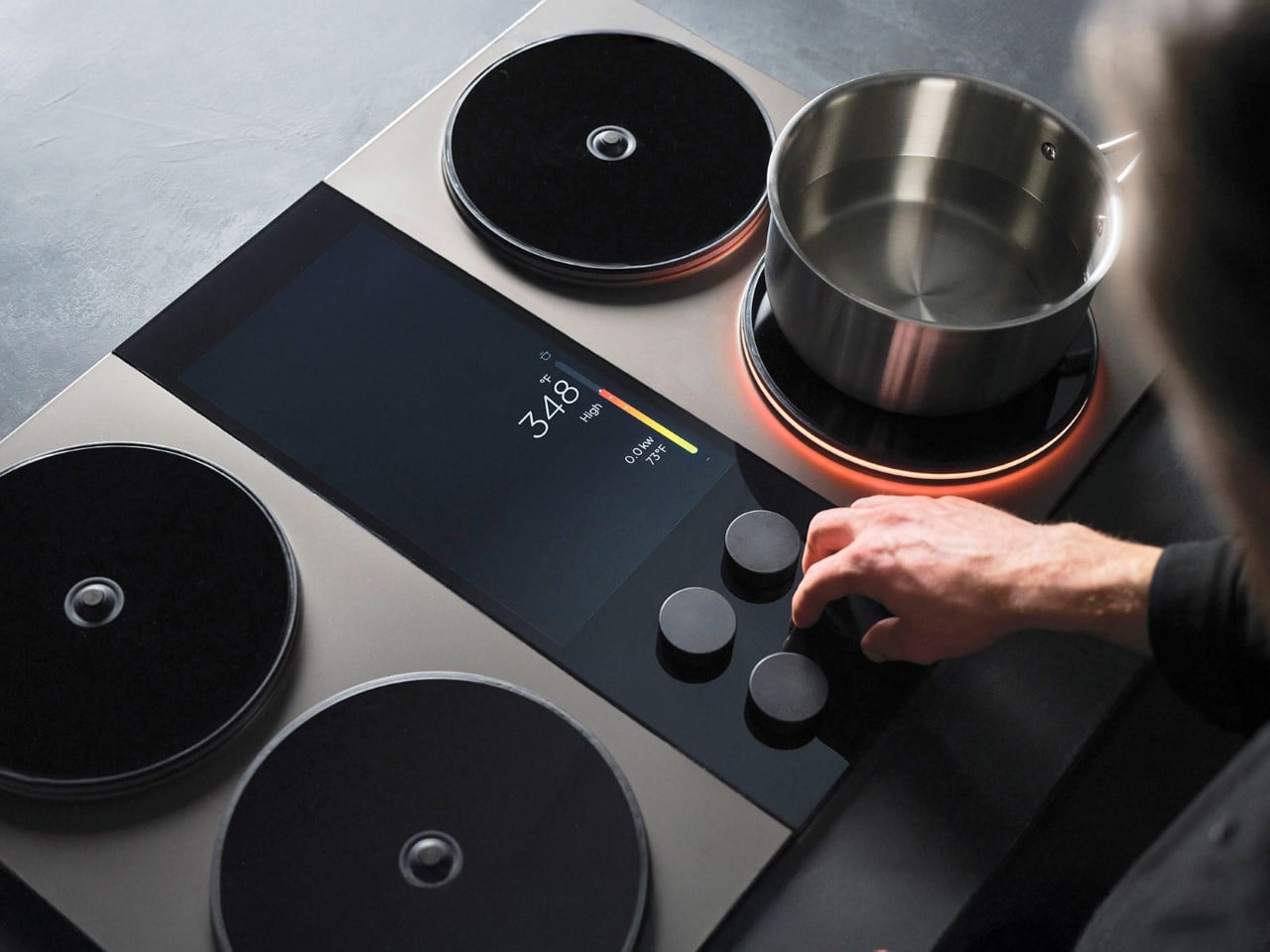
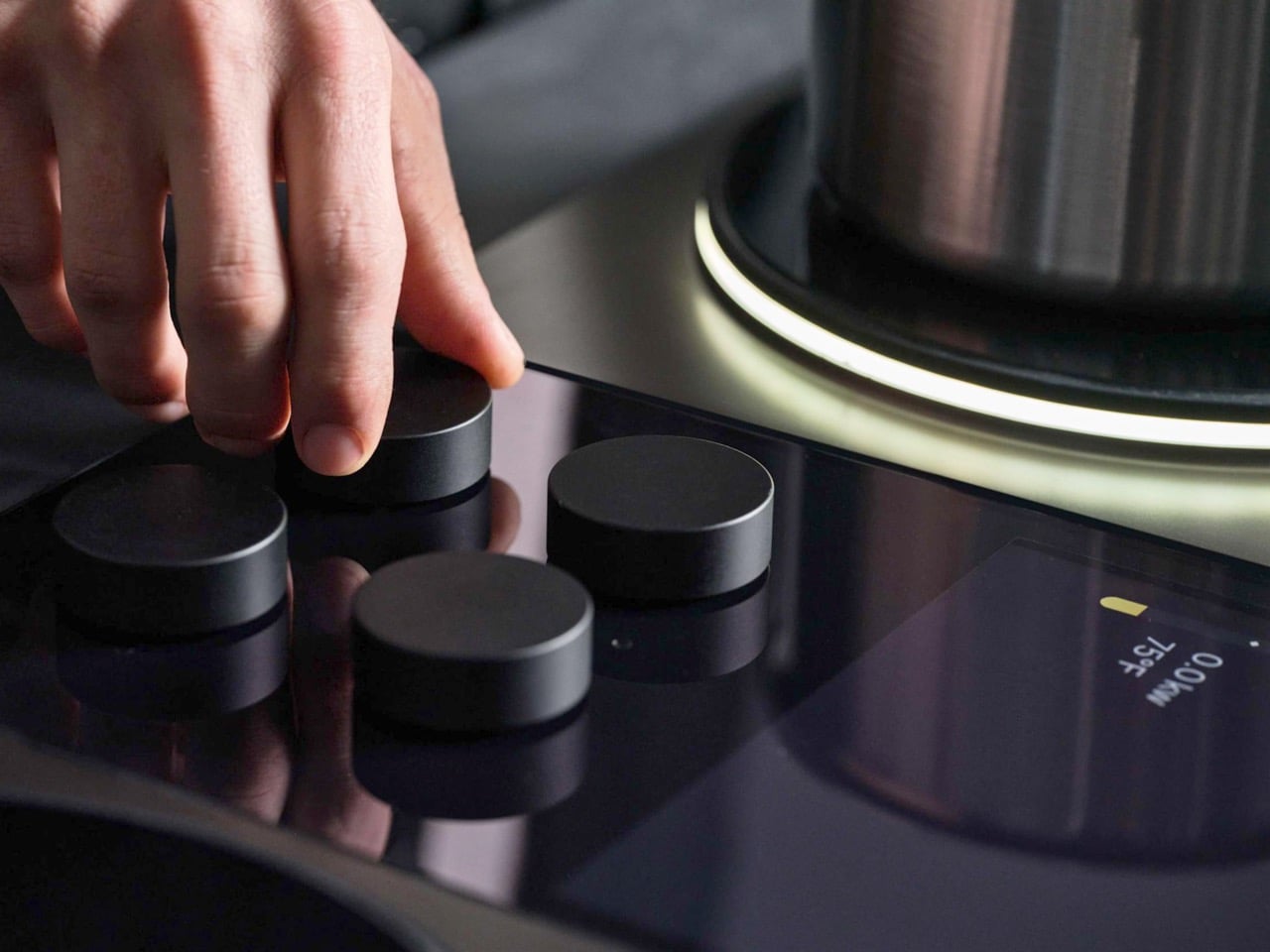
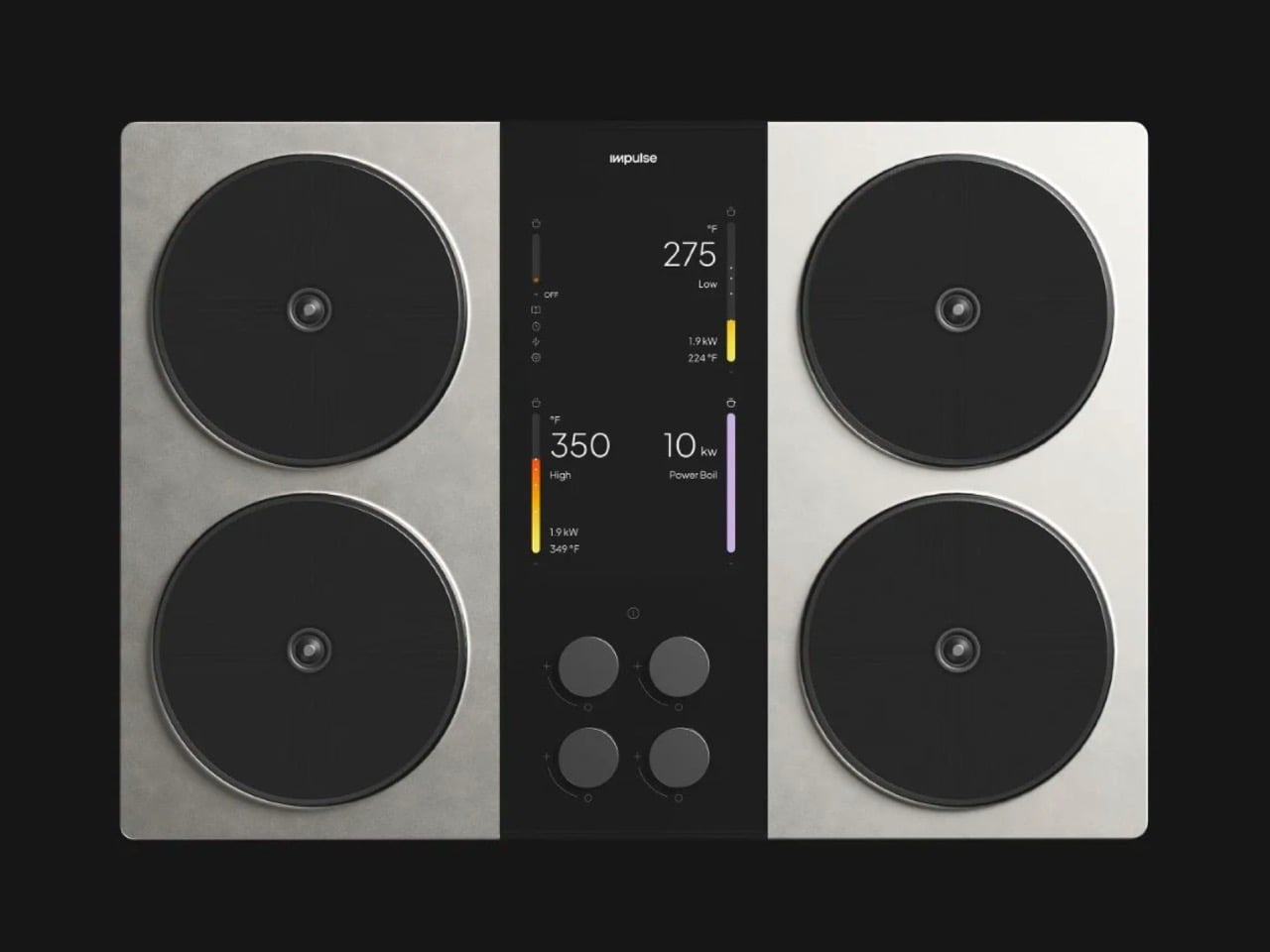
BLOND stripped the Impulse cooktop down to a precise, slab-like form with a magnetic control knob that carries the rotational weight of something deliberately engineered, and a ceramic cooking surface that reads more like high-end DJ equipment than kitchen accessories. The battery pack lives entirely inside the appliance body, with no external modules and no separate storage unit. That battery and the grid work in simultaneous tandem, together pushing up to 10,000 watts per induction zone, which is three times the output ceiling of the most powerful competing induction cooktop on the market. A standard gas burner tops out between 1,500 and 2,000 watts. A premium gas hob might hit 4,000. Impulse doubles that, through induction, from a domestic plug.

Impulse became the first battery-integrated appliance to earn UL 858 certification, the U.S. standard applied to household electric ranges, which matters because it signals a tested, production-ready product rather than a clever concept that survived the prototype stage. Most residential kitchens cannot realistically pull 10,000 watts through standard wiring without a costly electrical panel upgrade, which is the single biggest friction point in induction adoption globally. The onboard battery eliminates that bottleneck by buffering the peak load and recharging from a normal household outlet during lower-intensity cooking. The result is extreme performance on ordinary electrical infrastructure. Getting 10,000 watts into a domestic kitchen without rewiring the house turns out to be a harder problem than building a burner that can hit those numbers, and Impulse solves both in the same enclosure.

Amazon India reported induction cooktop sales jumping more than 30 times their normal volume last week as the LPG shortage deepened. That number tells you how fast behavior shifts when a supply chain snaps. The problem is that most of those units being panic-bought are budget induction plates capped around 2,000 watts, which work fine for boiling water but flounder with the kind of cooking that defines South and Southeast Asian cuisine. High-heat wok cooking, crispy dosas on cast iron, intense stir-fry; all of these demand fast, concentrated thermal output that conventional induction simply cannot generate. Impulse at 10,000 watts per zone changes that equation entirely, and it does so without a gas line anywhere in the picture.

At KBIS 2026, THOR Kitchen debuted a full induction range built on Impulse’s battery-integrated platform, and it got recognized at the show. That partnership reveals the bigger picture: Impulse Labs is positioning its engineering as a licensable platform for the appliance industry broadly, treating the consumer cooktop as proof of concept rather than end product. If that model scales, the 10,000-watt battery system becomes the architecture that a generation of kitchen appliances gets built on, with real implications for manufacturers trying to electrify product lines without sacrificing performance. Whether the business reaches that scale fast enough to meet this particular moment depends on manufacturing capacity and pricing the company has not widely publicized. But the Strait of Hormuz did not ask for a roadmap before closing, and the people queuing for gas cylinders at 3am in New Delhi are not waiting on a product launch schedule either.

The post LPG Shortage Has Millions Unable to Cook. This Battery Induction Cooktop Never Needed Gas Anyway. first appeared on Yanko Design.
Crimson Desert developer apologizes and promises to replace AI-generated art

The developer behind the open-world RPG Crimson Desert has issued an official apology after players discovered several instances of AI-generated art in the game. Pearl Abyss posted on X that it released the game with some 2D visual props that were made with "experimental AI generative tools" and forgot to replace them before launch.

Just a day after Crimson Desert's launch, players took to social media to post reports of potential generative AI usage. Pearl Abyss said on X that "following reports from our community, we have identified that some of these assets were unintentionally included in the final release." Now, the game's Steam page has an AI generated content disclosure, which says that, "generative AI technology is used in a supplementary capacity during the creation of some 2D prop assets" which are later replaced.

Moving forward, Pearl Abyss said it will conduct a "comprehensive audit of all in-game assets and are taking steps to replace any affected content." The developer said that these updated assets will roll out in upcoming patches, and that the team would internally review how it communicates with its player base to provide more "transparency and consistency."

Pearl Abyss isn't the only developer to fail to disclose the use of AI-generated assets in its games. Late last year, Sandfall Interactive was stripped of its Game of the Year and Debut Game awards from the Indie Game Awards for the use of generative AI in Clair Obscur: Expedition 33 for placeholder textures that were mistakenly left in the game. Like Pearl Abyss, Arc Raiders' developer Embark Studios is going back and replacing AI-generated material in its game after some backlash from its player base.

This article originally appeared on Engadget at https://www.engadget.com/gaming/crimson-desert-developer-apologizes-and-promises-to-replace-ai-generated-art-183716439.html?src=rss

This LEGO Gear Train Takes 90 Trillion Years to Complete One Rotation

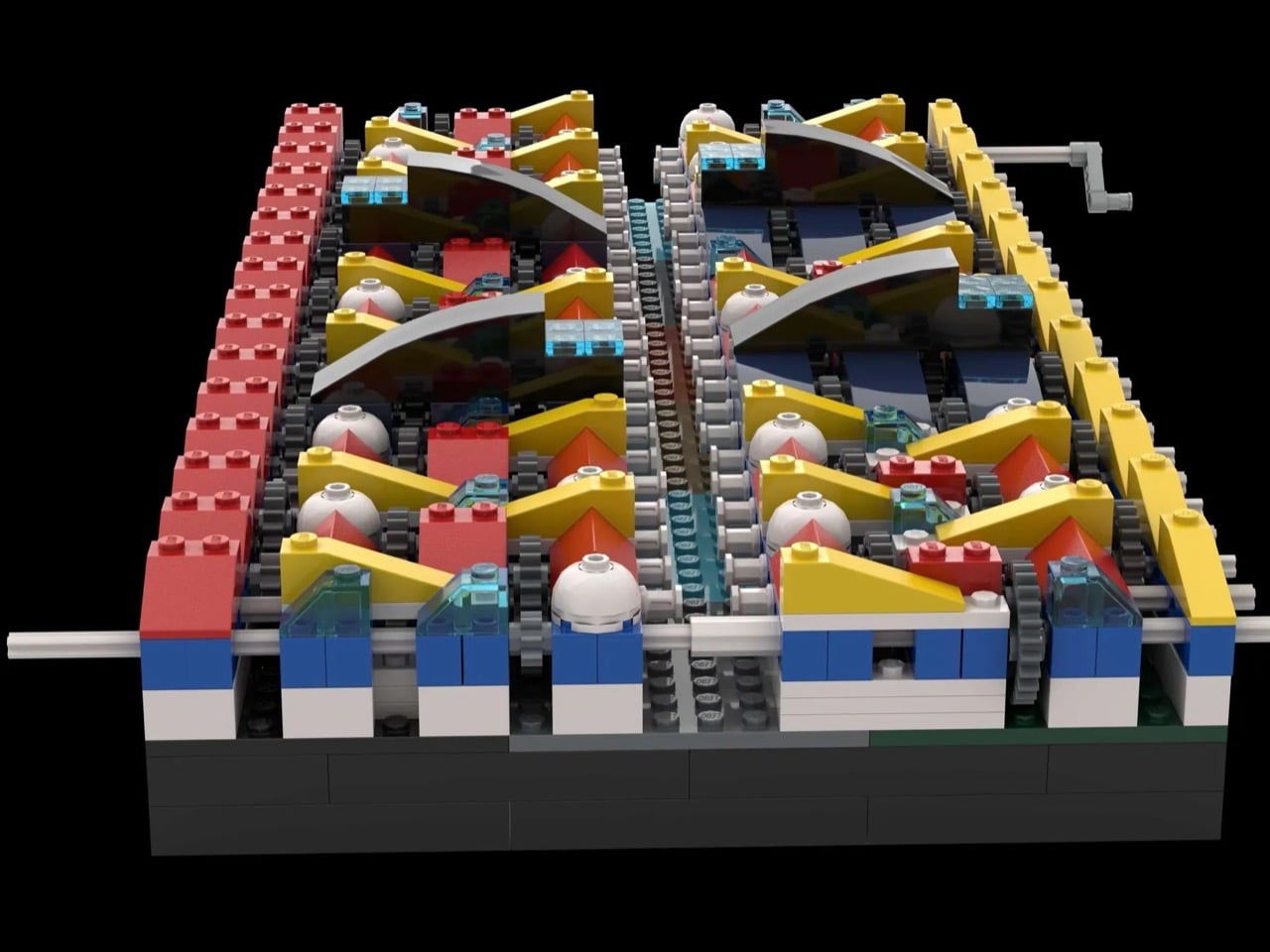
If you’ve ever stared at one of Mondrian’s compositions and thought “this would make a great gear train,” congratulations, you think like a LEGO Ideas builder. The rest of us are just catching up. The Eternal Mosaic bridges the gap between abstract expressionism and mechanical engineering in a way that shouldn’t work but absolutely does, turning the rigid geometry of De Stijl into a functioning monument to exponential mathematics.

This 655-piece build contains a 46-stage compound gear reduction using 24-tooth to 8-tooth ratios at every step. When you compound that reduction across all 46 stages, you get a total ratio of roughly 9 billion trillion to 1. At a standard motor speed of 100 RPM, the first gear completes a rotation every 0.6 seconds. The final gear, embedded in a colorful Mondrian-inspired wall, will complete its first full rotation in approximately 90 trillion years. The universe is 13.8 billion years old. Do the math. This machine outlasts reality itself, and it does so while looking like it belongs in the Museum of Modern Art.

Designer: The Art of Knowledge

What makes this build technically fascinating is how it visualizes exponential decay in a way that your brain can actually process. The designer breaks down the timeline at key stages. Each of the 46 stages uses a simple 24-tooth to 8-tooth reduction, a 3:1 ratio that seems almost polite on its own. But compound that across 46 stages and the numbers become absurd. Stage 10 takes about 10 hours to complete one rotation, roughly a full night’s sleep. Stage 18 clocks in at around 75 years, an average human lifetime. By stage 24, you’re looking at 55,000 years, the entire span from the Stone Age to today. Stage 32 hits 4 billion years, the age of Earth itself. And then the final stage stretches out to 90 trillion years, which is 6,500 times longer than the universe has existed. Each gear is a canvas, a stepping stone through time rendered in primary colors.

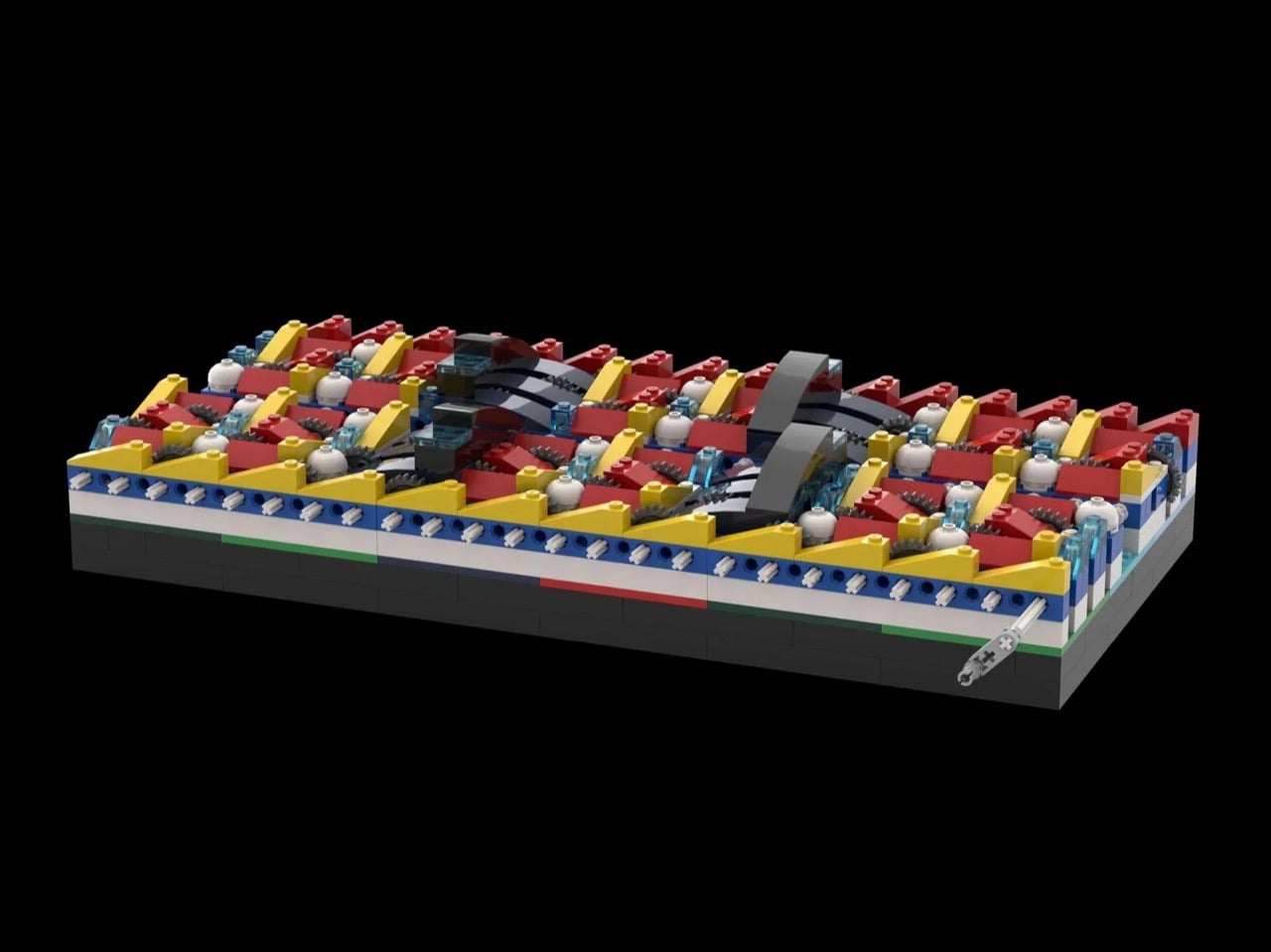
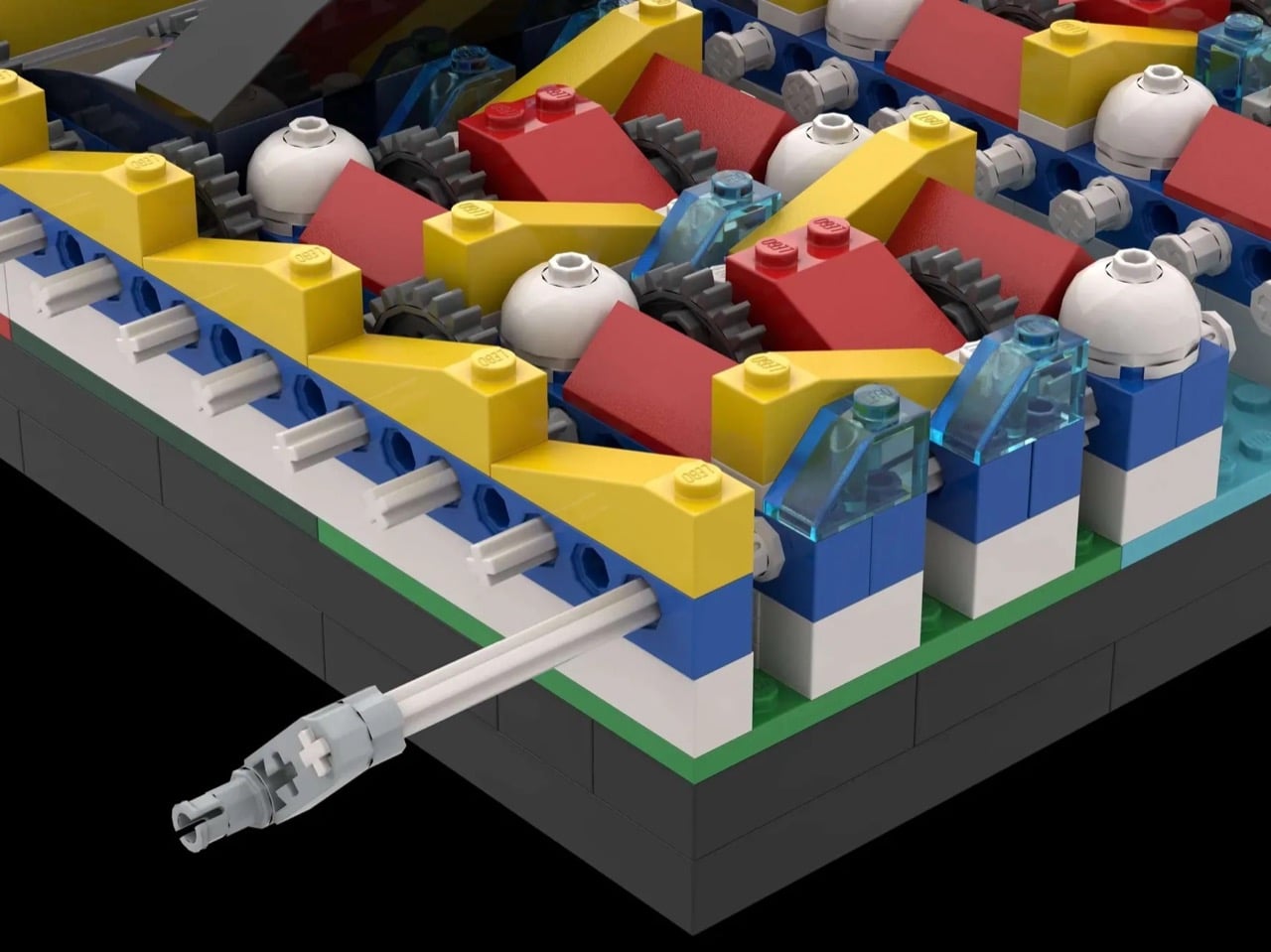
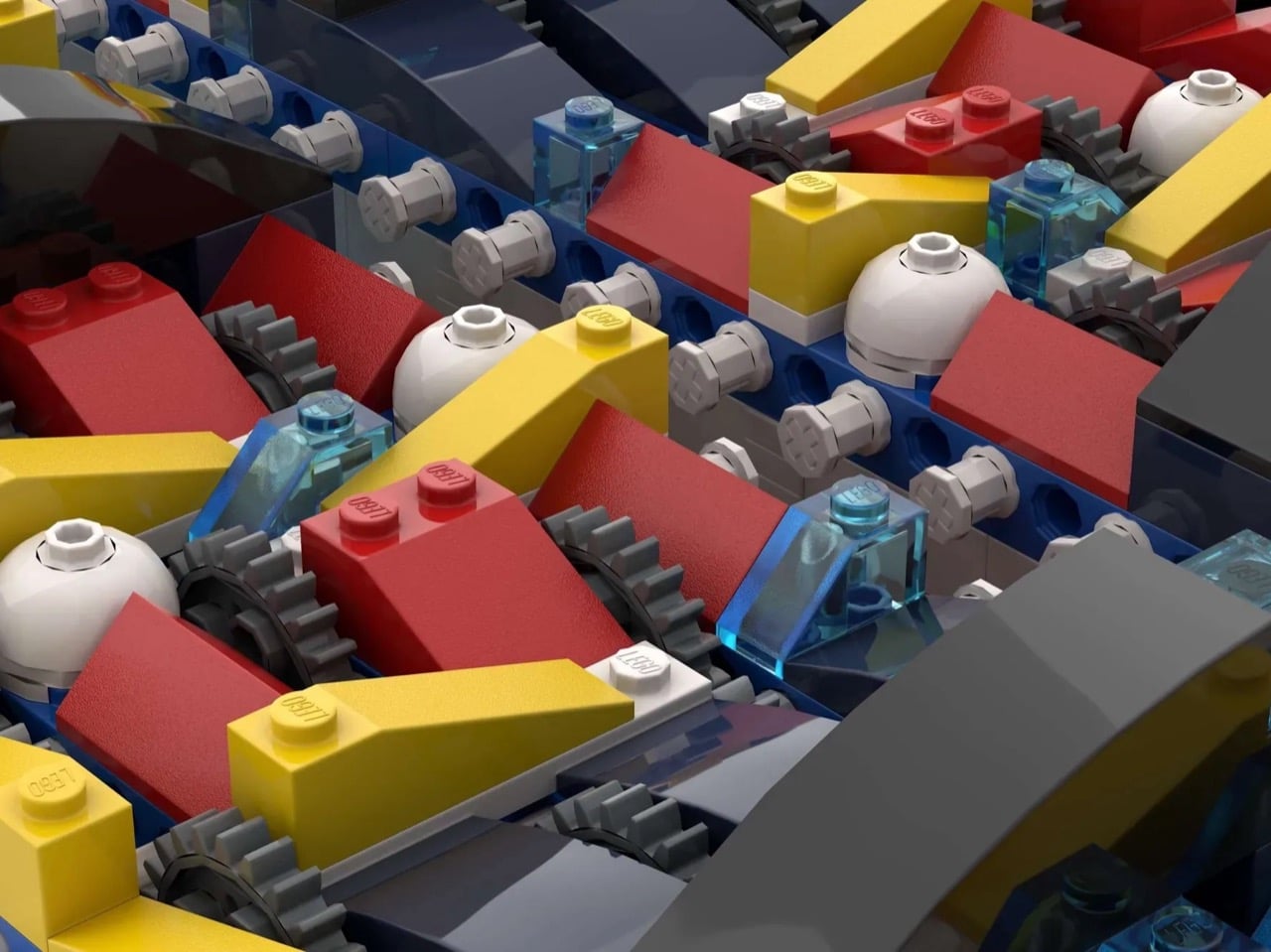
The construction itself is a hybrid of LEGO Technic and System bricks. The gears themselves are pure Technic, frictionless axles and pins doing the mechanical heavy lifting. But the structure surrounding them is classic System bricks and slopes arranged in Mondrian’s signature palette of red, yellow, blue, black, and white. Each gear stage becomes a canvas, a shifting mosaic that layers industrial function with abstract art. It’s the kind of crossover that shouldn’t work but absolutely does, turning what could have been a dry physics demonstration into something you’d actually want on display.

The build uses efficient footprint design, packing all 46 stages into a relatively compact rectangular base. The gears are stacked vertically in places, layered horizontally in others, creating a dense mechanical core that feels more like a sculpture than a gearbox. The colored slopes and bricks aren’t decorative afterthoughts, they’re structural elements that support the Technic skeleton while creating that distinctive Mondrian aesthetic. It’s museum-quality kinetic art that also happens to be a functioning lesson in exponential mathematics.

The Eternal Mosaic is currently gathering votes on the LEGO Ideas platform, sitting at 55 supporters with 58 days left to hit the first milestone of 100 votes. If you want to see this beautifully strange collision of art and engineering hit the 10,000-vote threshold and get reviewed by LEGO’s internal team, head over to the LEGO Ideas website and cast your vote. Just don’t expect to see that final gear move in your lifetime. Or anyone’s lifetime. Or the lifetime of the cosmos itself.

The post This LEGO Gear Train Takes 90 Trillion Years to Complete One Rotation first appeared on Yanko Design.
Elon Musk announces Terafab project he claims will be the ‘largest chip manufacturing facility ever’

Elon Musk has announced the Terafab project, a joint venture between Tesla, SpaceX and xAI, to build the "largest chip manufacturing facility ever." In his usual grandiose fashion, Musk claims Terafab is the next step towards harnessing the power of the sun and creating a "galactic civilization."

Musk, CEO of all three companies, announced plans for the Terafab in a livestream on X. As the name implies, the project's ultimate goal is to produce a terawatt of computing power each year so that it can match the companies' growing demand for chips. Musk explained during the livestream that he's grateful to existing supply chain partners like Samsung, TSMC and Micron, but the current capacity of chip manufacturers only adds up to about two percent to what Tesla and SpaceX needs in terms of future computing power needs.

"We either build the Terafab or we don't have the chips," Musk said during the event. "And we need the chips so we're going to build the Terafab."

The Terafab project, estimated to cost at least $20 billion, will start with the Advanced Technology Fab in Austin, Texas, where Tesla is already headquartered. Musk said that the two types of chips will be produced in the Terafab: one for terrestrial purposes, like to power Full Self-Driving or Optimus robots, and another more high-powered, durable chip to be used in space. If you're wondering what Musk has in store for space, the SpaceX CEO filed an application with the Federal Communications Commission to launch a million satellites to create an "orbital data center" earlier this year. As promising as this sounds, it's worth noting that Musk has previously overpromised and underdelivered on other projects, like the Hyperloop, a $40,000 Cybertruck and fully autonomous driving.

This article originally appeared on Engadget at https://www.engadget.com/science/elon-musk-announces-terafab-project-he-claims-will-be-the-largest-chip-manufacturing-facility-ever-171718545.html?src=rss

AirPods Max 2 vs AirPods Max: H2 Chip Upgrades, Same 20-hour Battery

AirPods Max 2 vs AirPods Max: H2 Chip Upgrades, Same 20-hour Battery AirPods Max 2 vs AirPods Max

Apple recently launched the AirPods Max 2, a highly anticipated upgrade to its flagship over-ear headphones, originally introduced in 2020. Packed with advancements in audio technology, artificial intelligence, and connectivity, the AirPods Max 2 aims to redefine the listening experience. While the design and price remain consistent with the original model, the new iteration brings […]

The post AirPods Max 2 vs AirPods Max: H2 Chip Upgrades, Same 20-hour Battery appeared first on Geeky Gadgets.

Posted in Uncategorized

Pico-Pal reimagines Game Boy Color as modern retro handheld that can play music


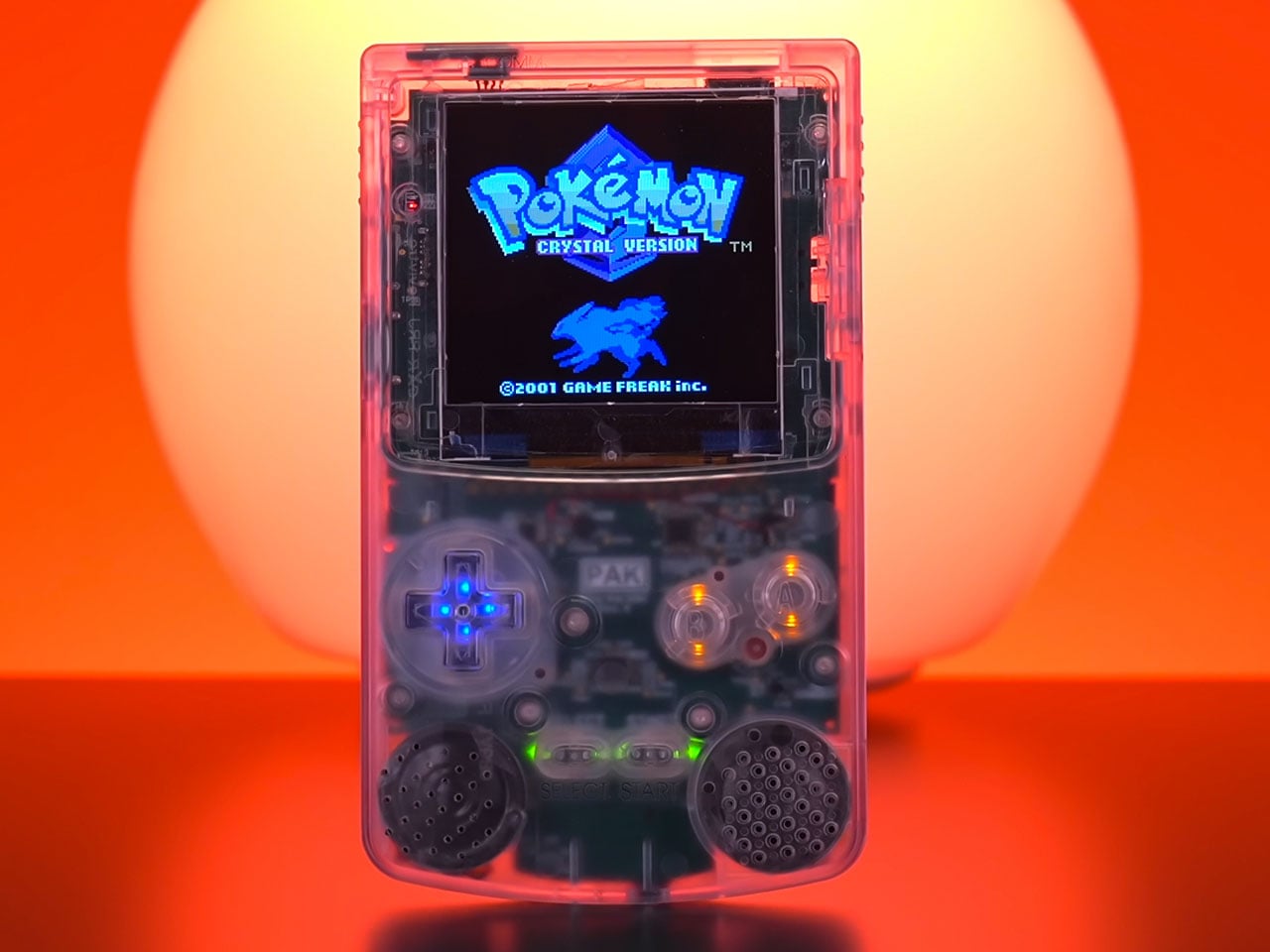
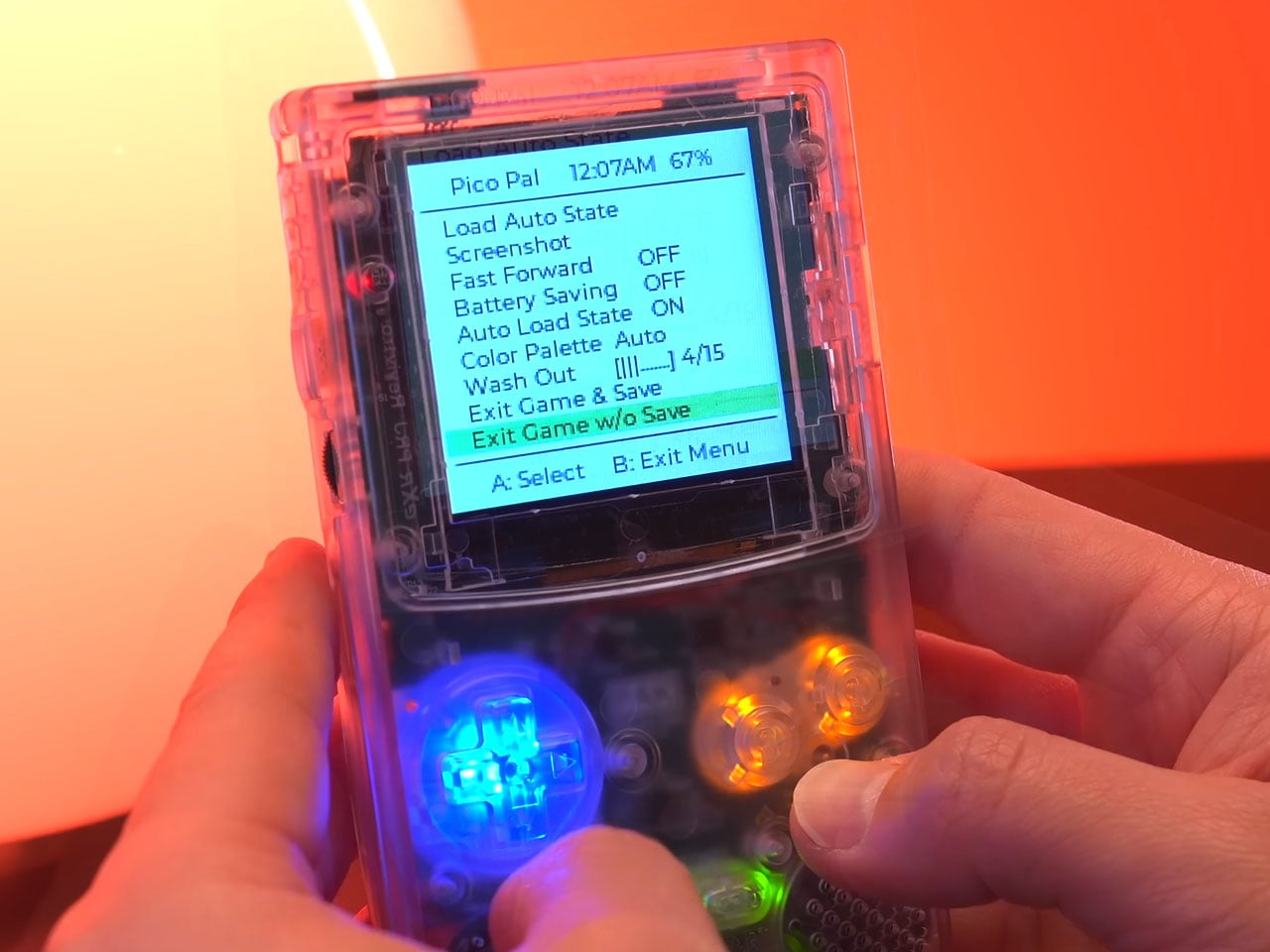
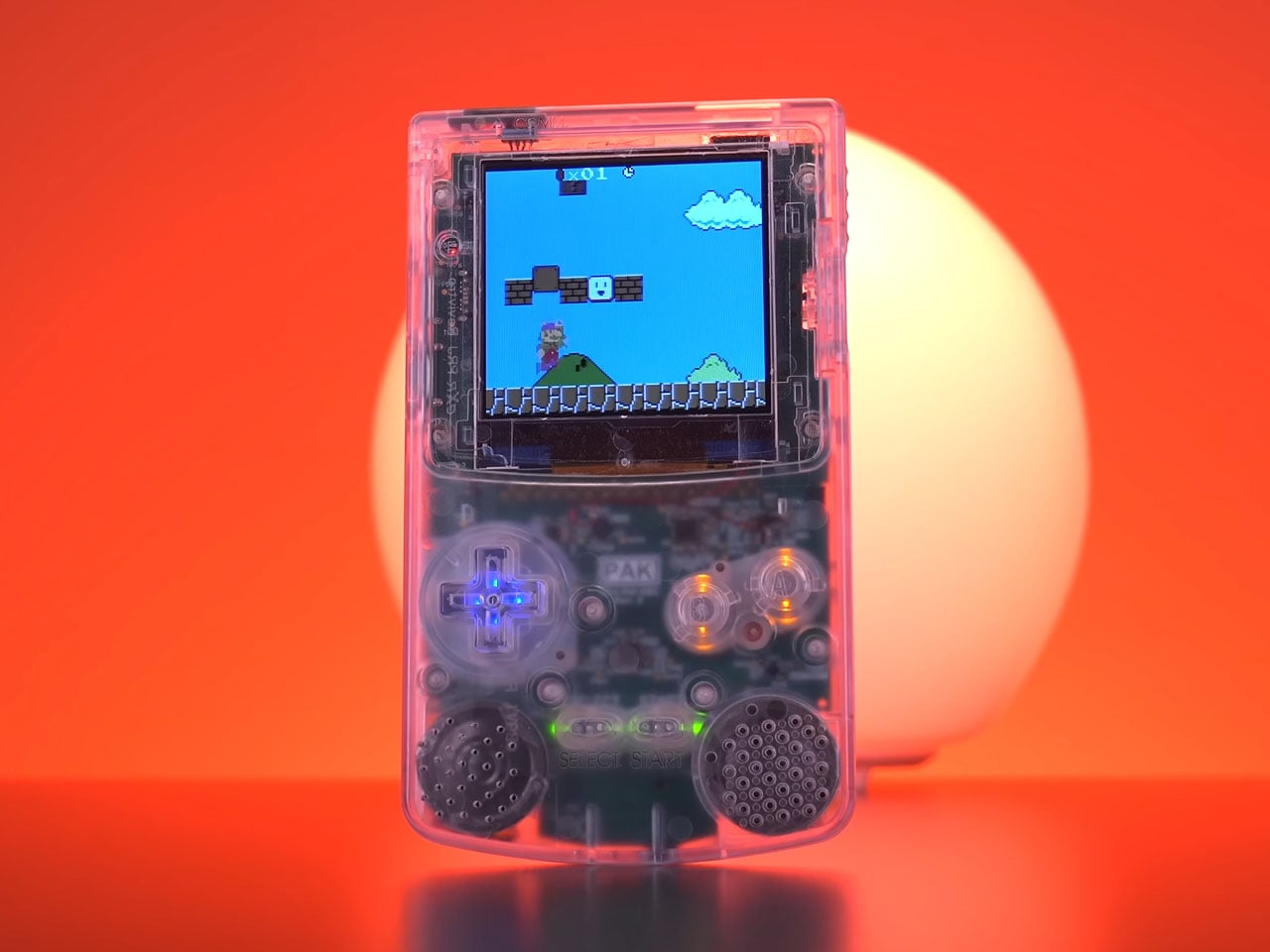
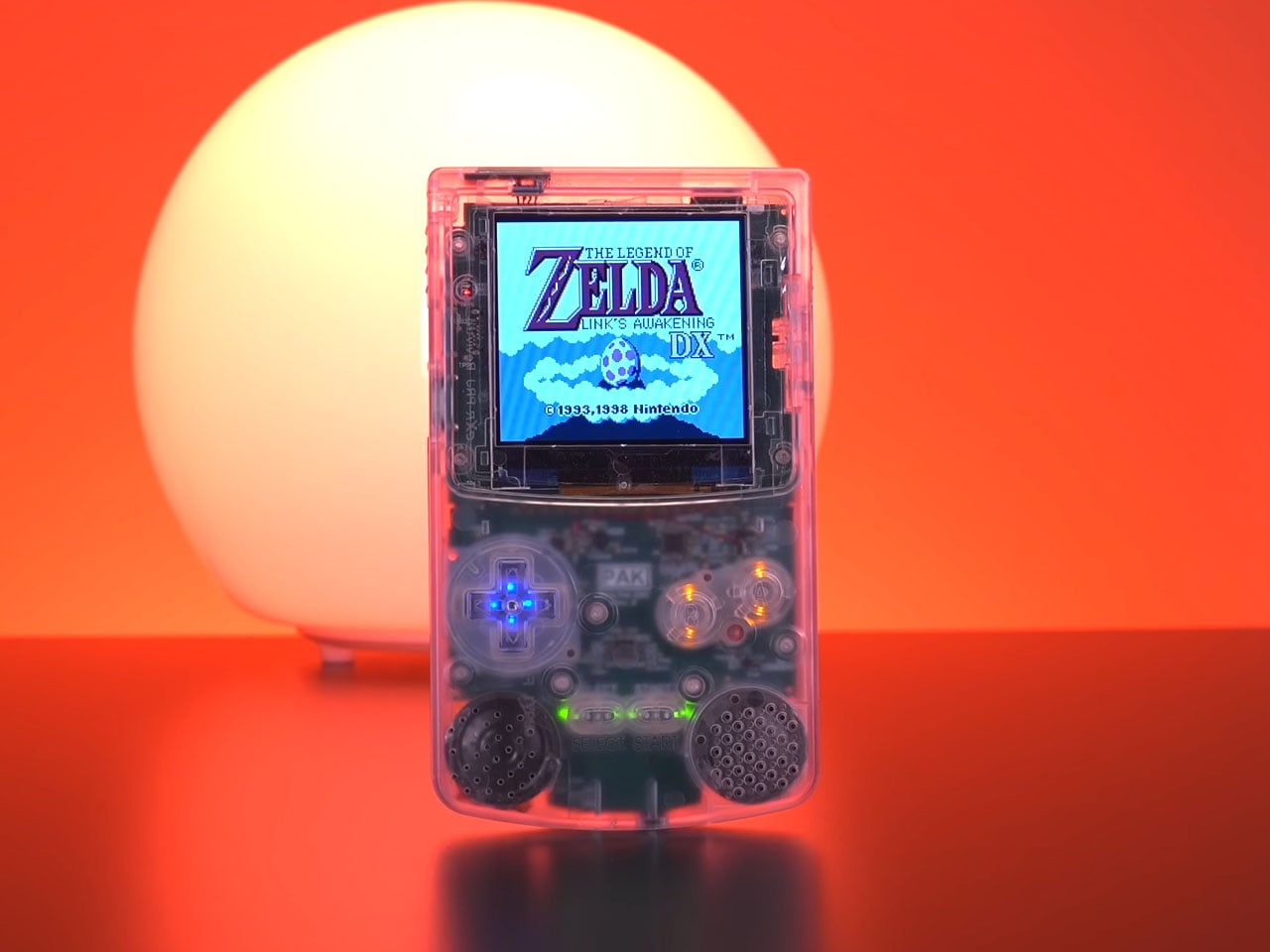
Retro gaming continues to inspire modern hardware projects, and the Pico-Pal handheld console is another thoughtful reinterpretation of one of the most recognizable portable gaming designs. Developed by hardware designer Peter Khouly, the handheld draws clear inspiration from the classic Nintendo Game Boy Color while integrating modern microcontrollers, wireless connectivity, and expanded functionality. Rather than replicating the original hardware exactly, the Pico-Pal blends nostalgia with a flexible development platform aimed at gamers and hackers alike.

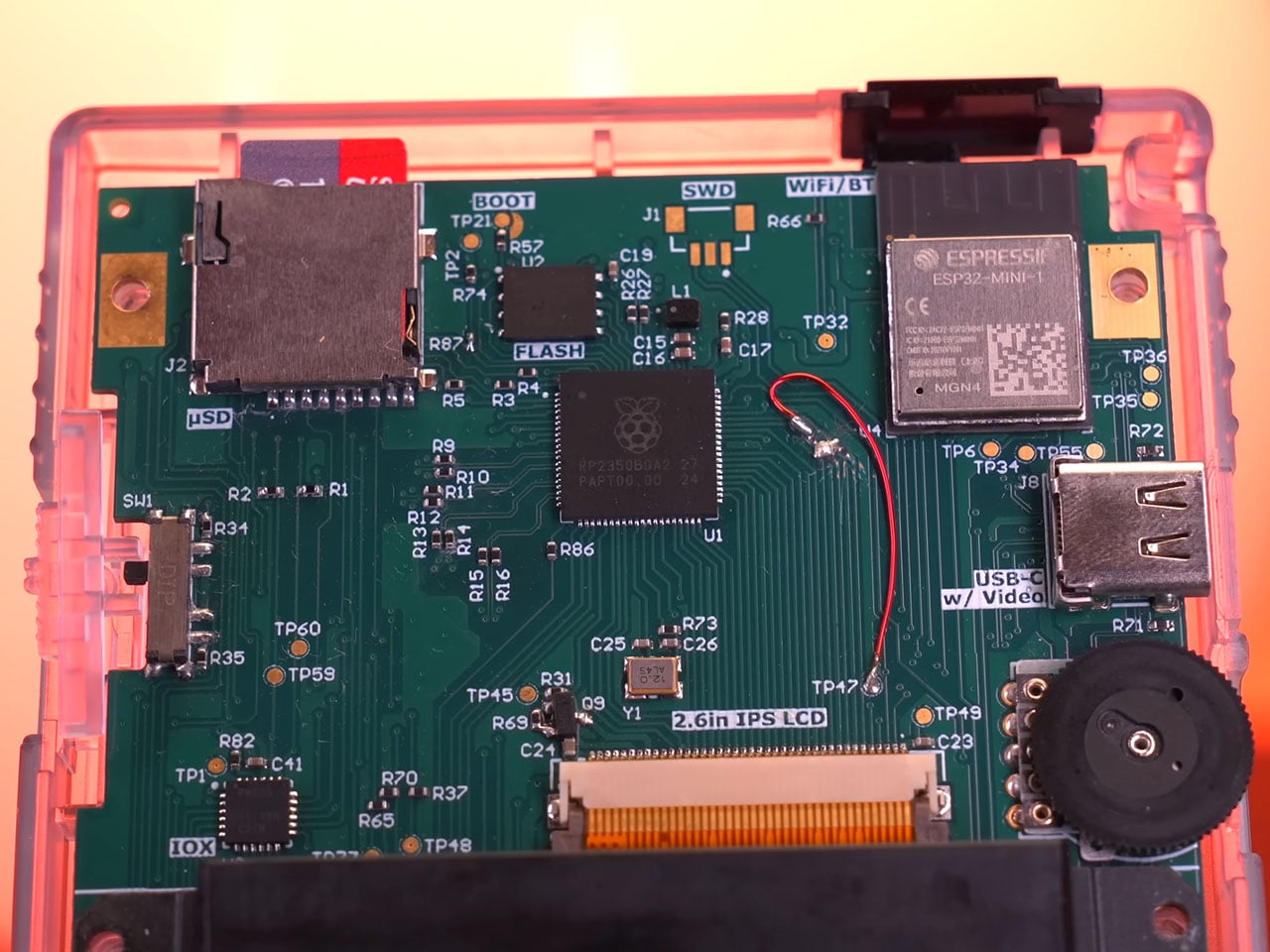
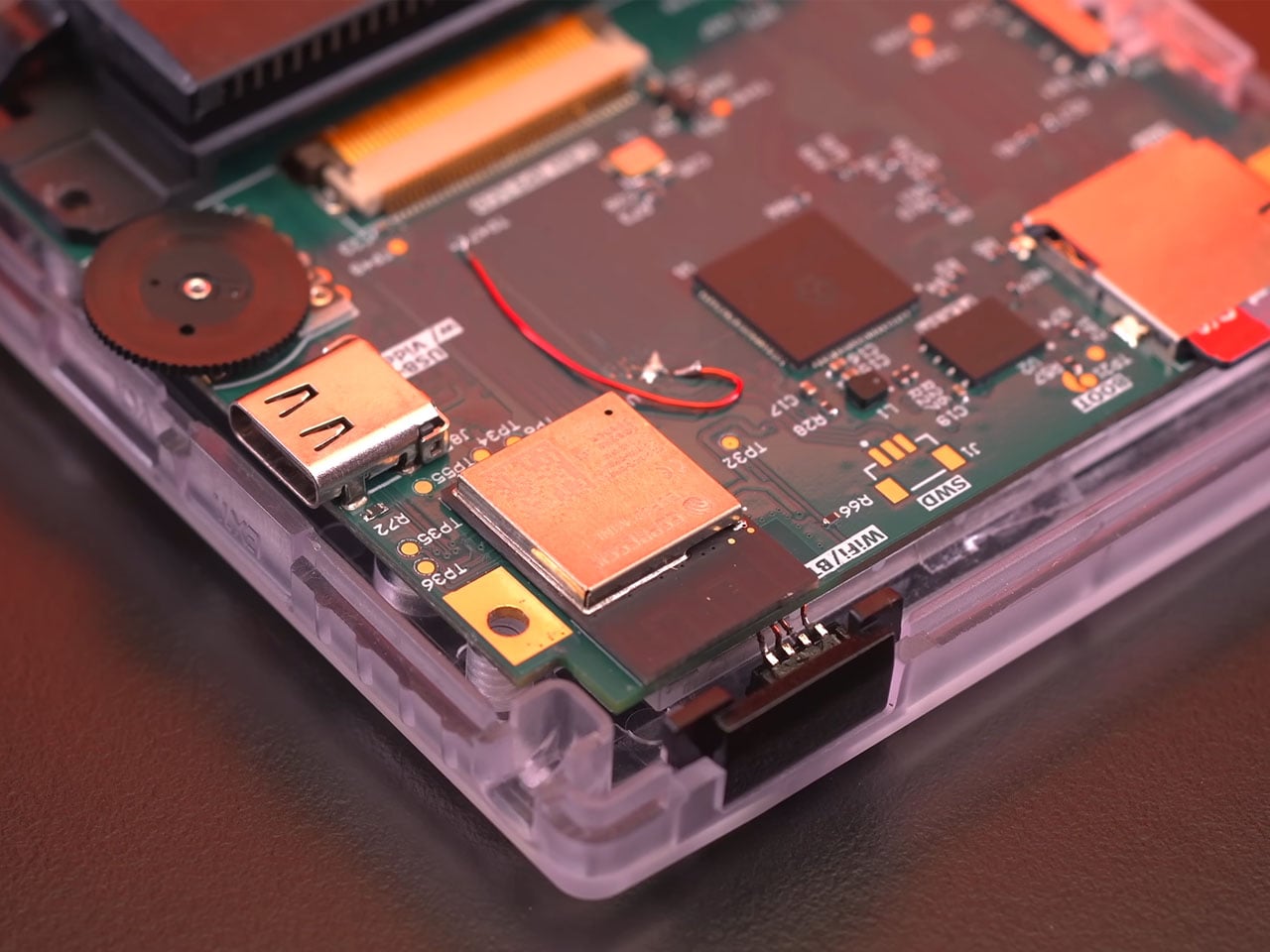
At its core, the handheld is powered by a Raspberry Pi RP2350B microcontroller paired with an Espressif ESP32 coprocessor. The RP2350B serves as the primary processing unit, handling emulation and system control, while the ESP32 provides wireless connectivity via integrated Wi-Fi and Bluetooth. This secondary chip also includes 4MB of flash storage and supports functions such as Bluetooth audio or network communication. The RP2350B itself features 16MB of flash memory, giving the device sufficient storage and processing headroom for running classic handheld titles and additional utilities.
Designer: Peter Khouly

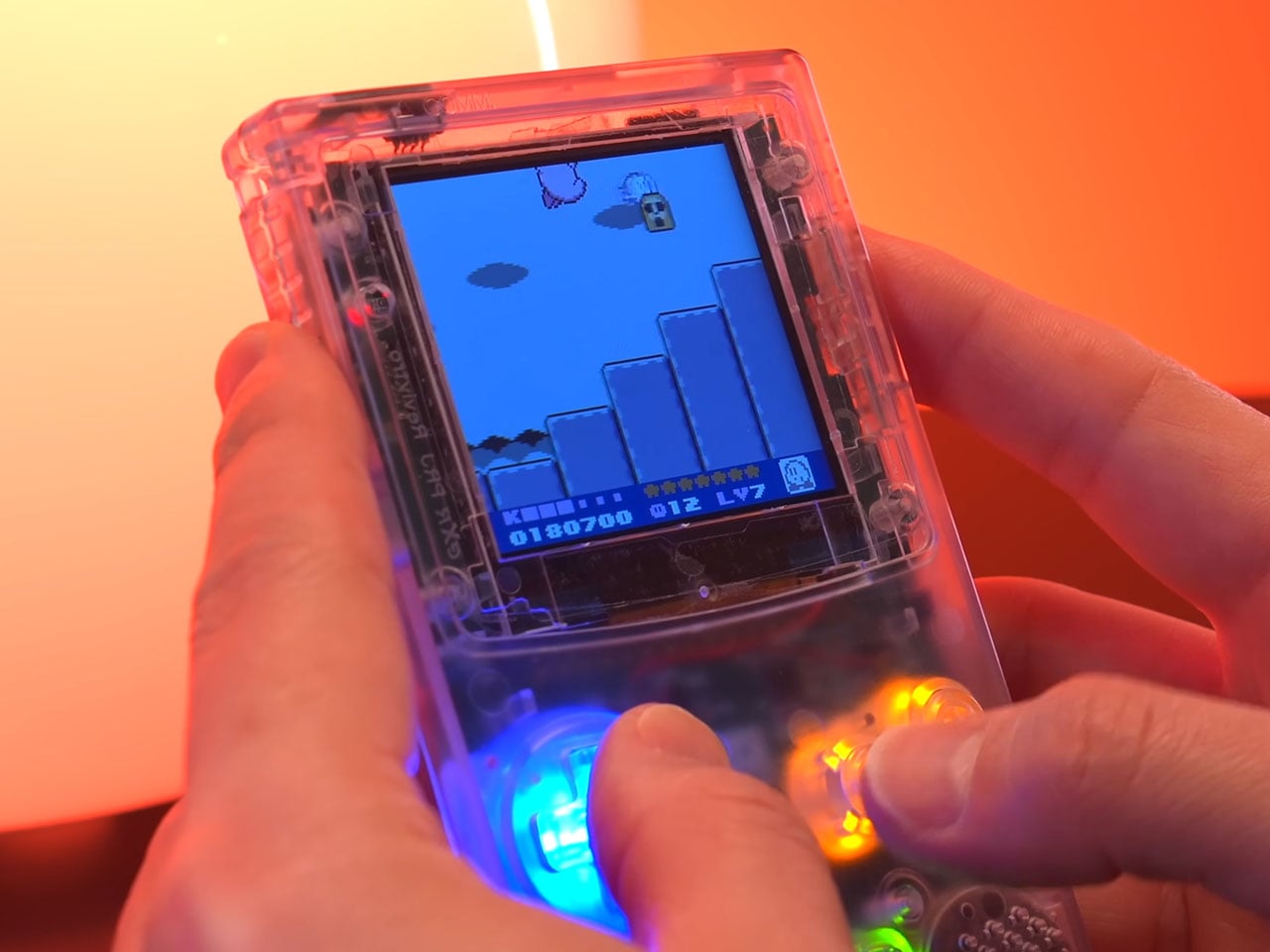
Instead of the reflective LCD panel used in the original Game Boy Color, the handheld uses a 2.6-inch IPS screen with a resolution of 320 × 320 pixels. Its square 1:1 aspect ratio suits classic handheld games particularly well, allowing retro titles to appear sharp while maintaining the visual proportions they were originally designed for. The improved screen technology also delivers wider viewing angles and brighter colors compared with older displays. Powering the device is a 1,500 mAh lithium-polymer battery that charges through a USB-C port supporting 5V/1.45A input. This rechargeable setup replaces the disposable batteries used by earlier handheld systems and provides several hours of gameplay on a single charge. Current development estimates suggest that the handheld can operate for around five hours during normal use.

Beyond its role as a retro gaming handheld, the Pico-Pal has been designed as a flexible development platform. According to Peter, the device includes various input/output capabilities and compatibility with common communication interfaces such as SPI and I²C. This allows developers to use the handheld as a portable development kit for the RP2350 platform, enabling projects ranging from custom software tools to experimental hardware integrations. The platform can even function as a universal remote, portable music player, pedometer, or security testing device capable of simulating Bluetooth or USB input signals.

The design also incorporates several modern usability improvements compared to traditional handheld consoles. One example is the soft-power system, where the physical power switch triggers the console to save its current state before entering a low-power standby mode. Instead of abruptly cutting power like older devices, the Pico-Pal can quickly resume gameplay from where the user left off. Development updates also mention additional features such as real-time clock support for games that rely on time tracking, Bluetooth audio functionality, and digital video output that could allow the handheld to connect to external displays. Though one feature that is an absolute steal is the ability to play MP3 files off the storage, for music buffs like me.

Although the Pico-Pal closely resembles a Game Boy Color at first glance, its philosophy is quite different from modern FPGA-based retro consoles. Rather than focusing on perfect hardware recreation, the project embraces a microcontroller-driven design that balances efficiency and versatility.

The post Pico-Pal reimagines Game Boy Color as modern retro handheld that can play music first appeared on Yanko Design.