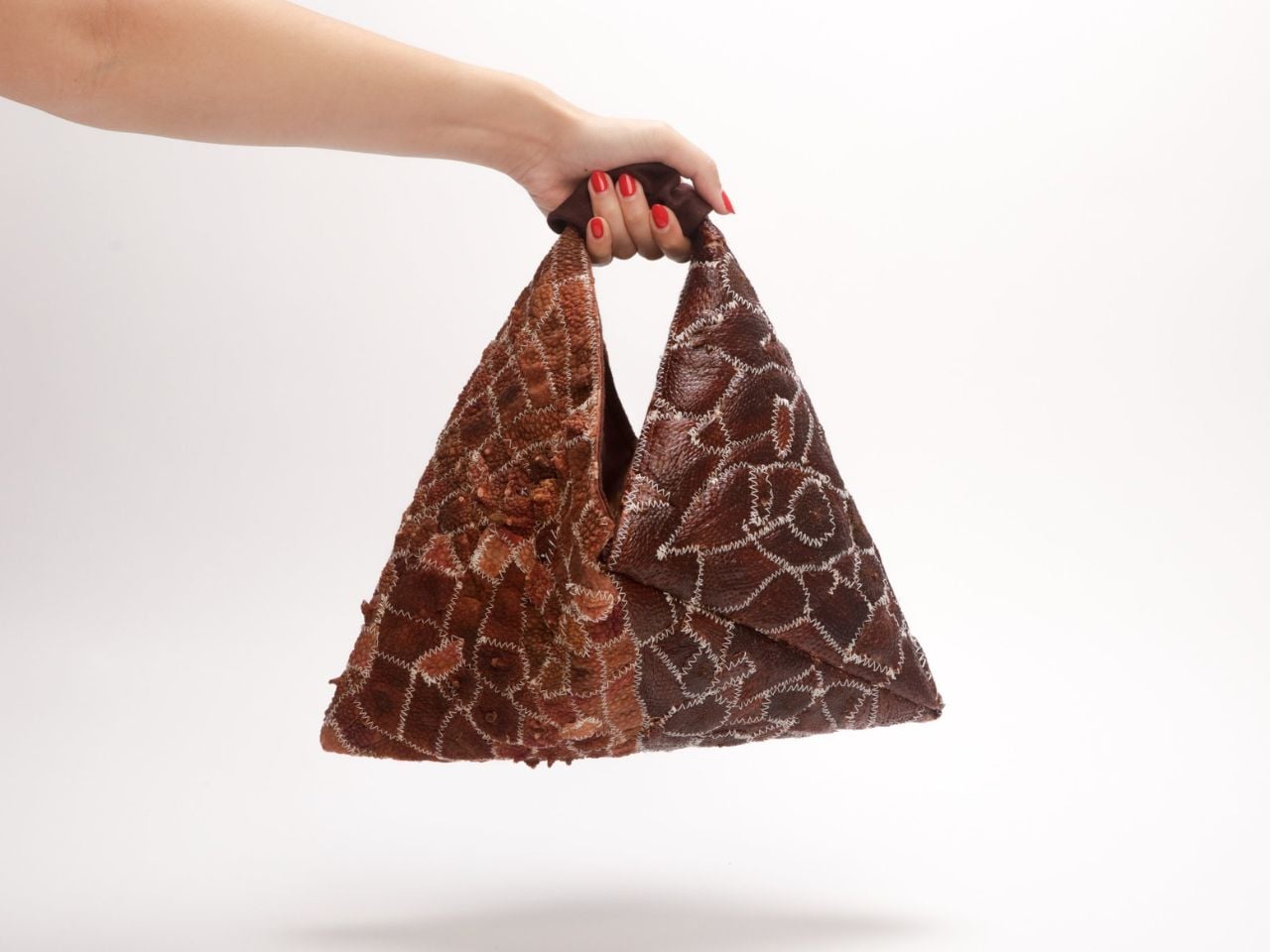
PEEL Turns Discarded Fruit Skins Into Living Textile

There is something quietly radical about looking at a fruit peel and refusing to see waste. Salak and lychee skins are usually treated as the most disposable part of the fruit, peeled off, discarded, and forgotten almost instantly. PEEL begins at that exact moment of dismissal. Instead of blending the skins down, disguising them, or forcing them to behave like leather, the project lets them remain visibly themselves.

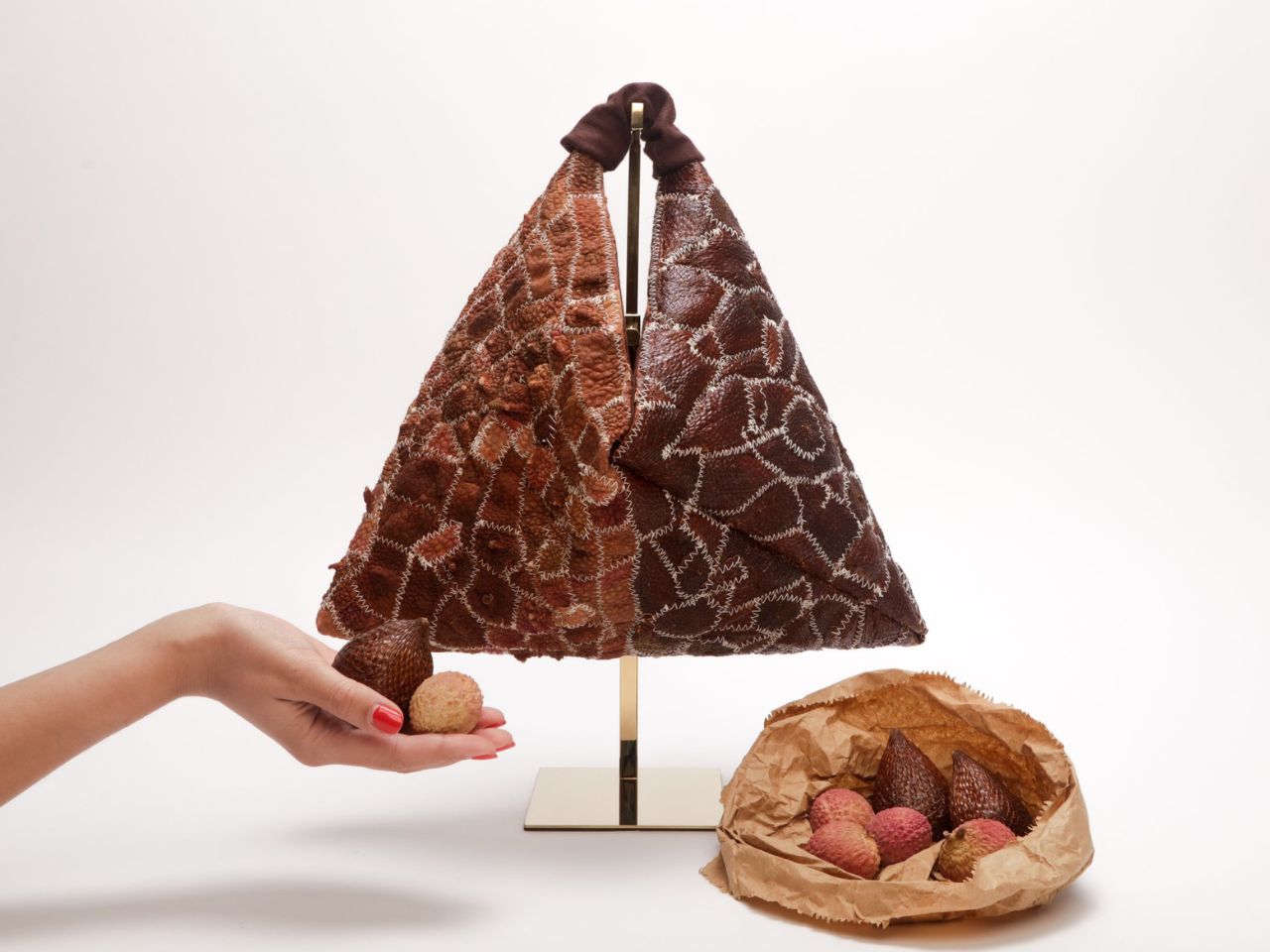
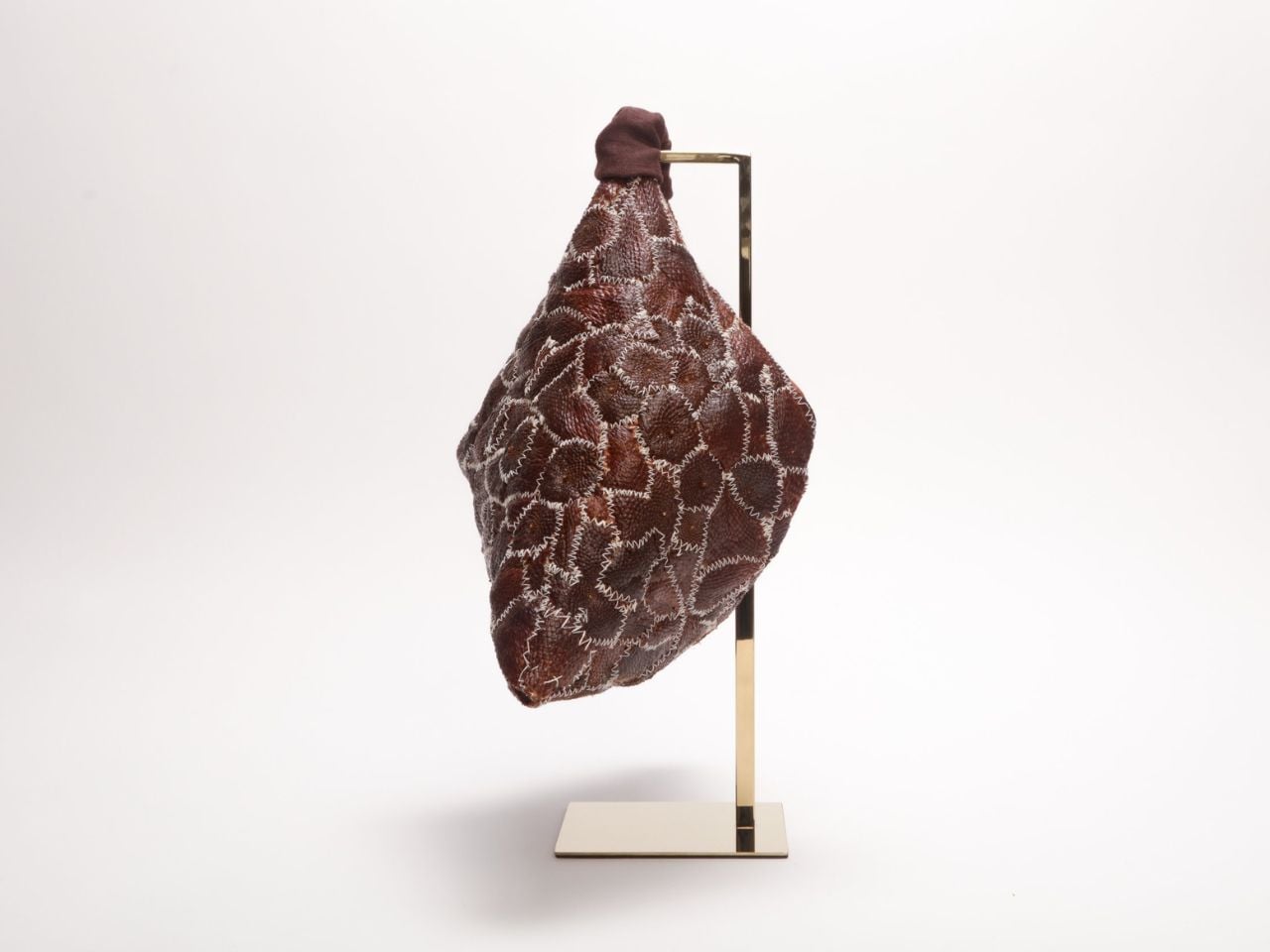
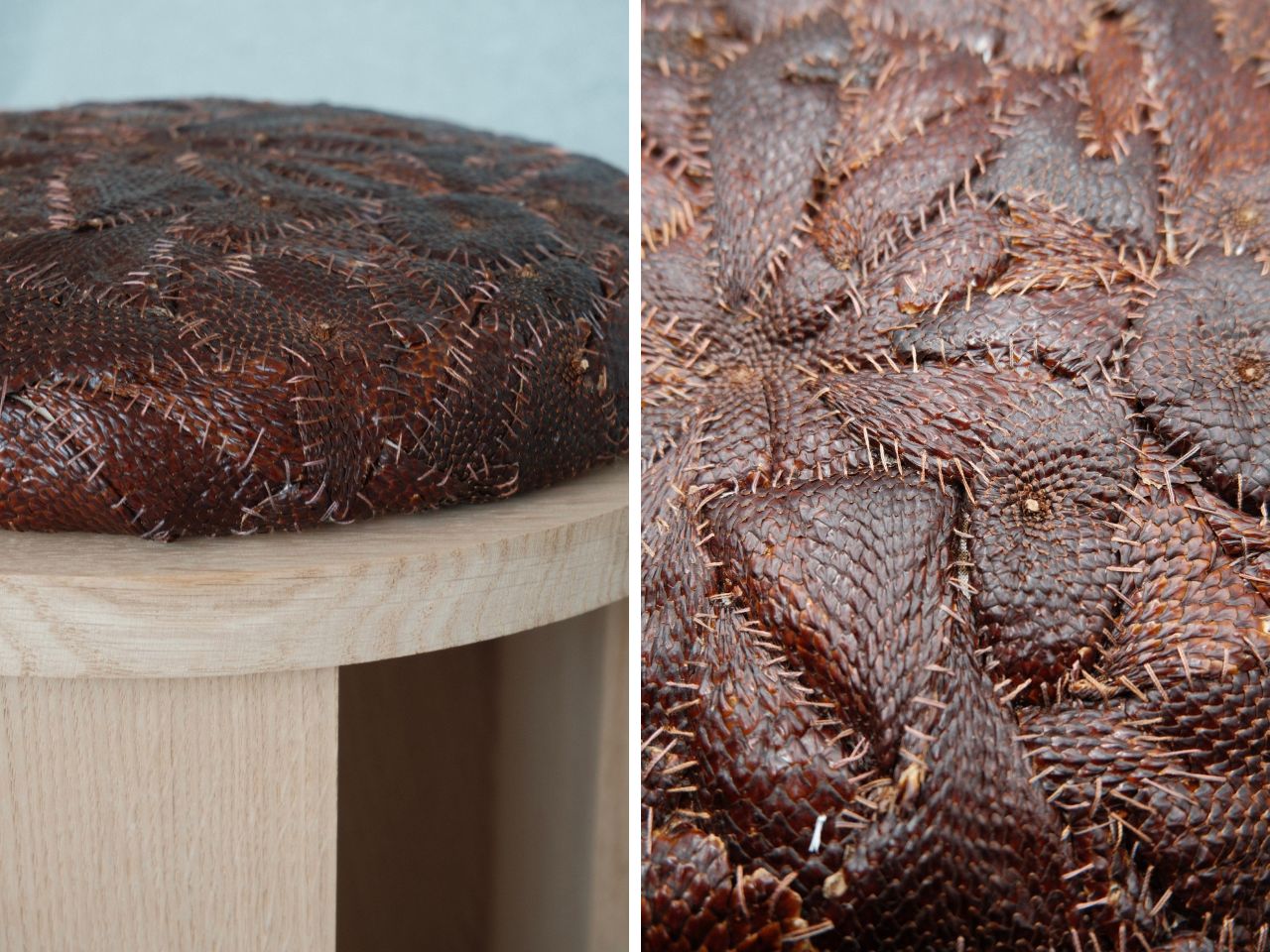
Developed by designer Anthony Guevara, PEEL transforms discarded salak and lychee skins into a durable, biodegradable textile made without adhesives, synthetic polymers, or toxic chemical treatments. The material offers a regenerative alternative to leather and petroleum-based vegan substitutes, with estimated CO₂ emissions up to 95% lower. What makes the work compelling is that it does not rely on the usual visual language of “sustainable design.” It is not trying to look clean, neutral, or overly polished. It carries the roughness, colour shifts, scale-like patterns, and irregular surfaces of the skins it comes from.

Designer: Nefeli Vitoraki
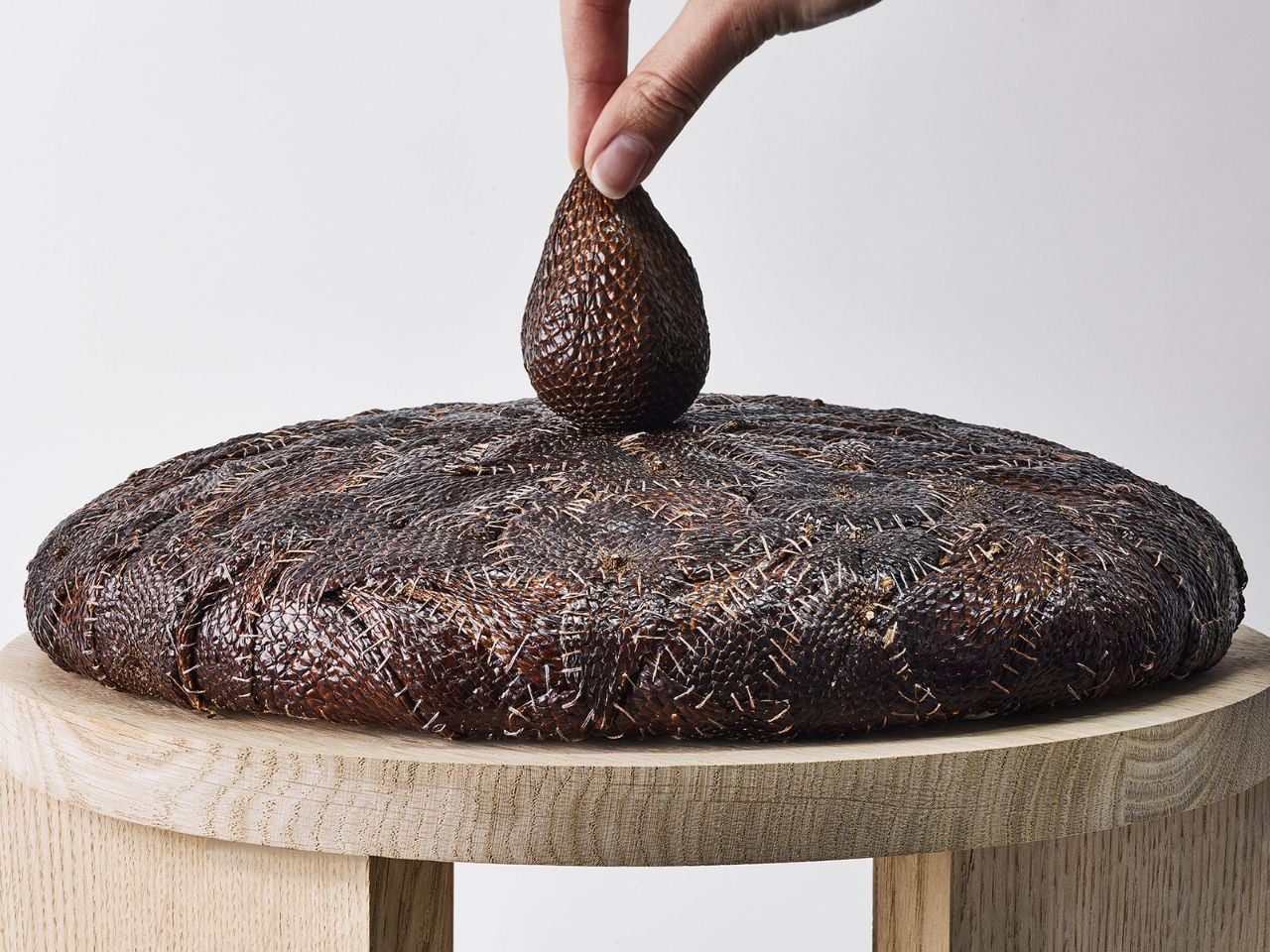
The project is deeply rooted in Indonesia, where salak and lychee are widely consumed, and their skins are discarded in large quantities every day. These fruits also have a short shelf life, which means their peels are consistently available through existing food systems. This matters because PEEL does not depend on growing a new crop or creating an additional supply chain for material production. It begins with what already exists, what is already abundant, and what is already being thrown away.
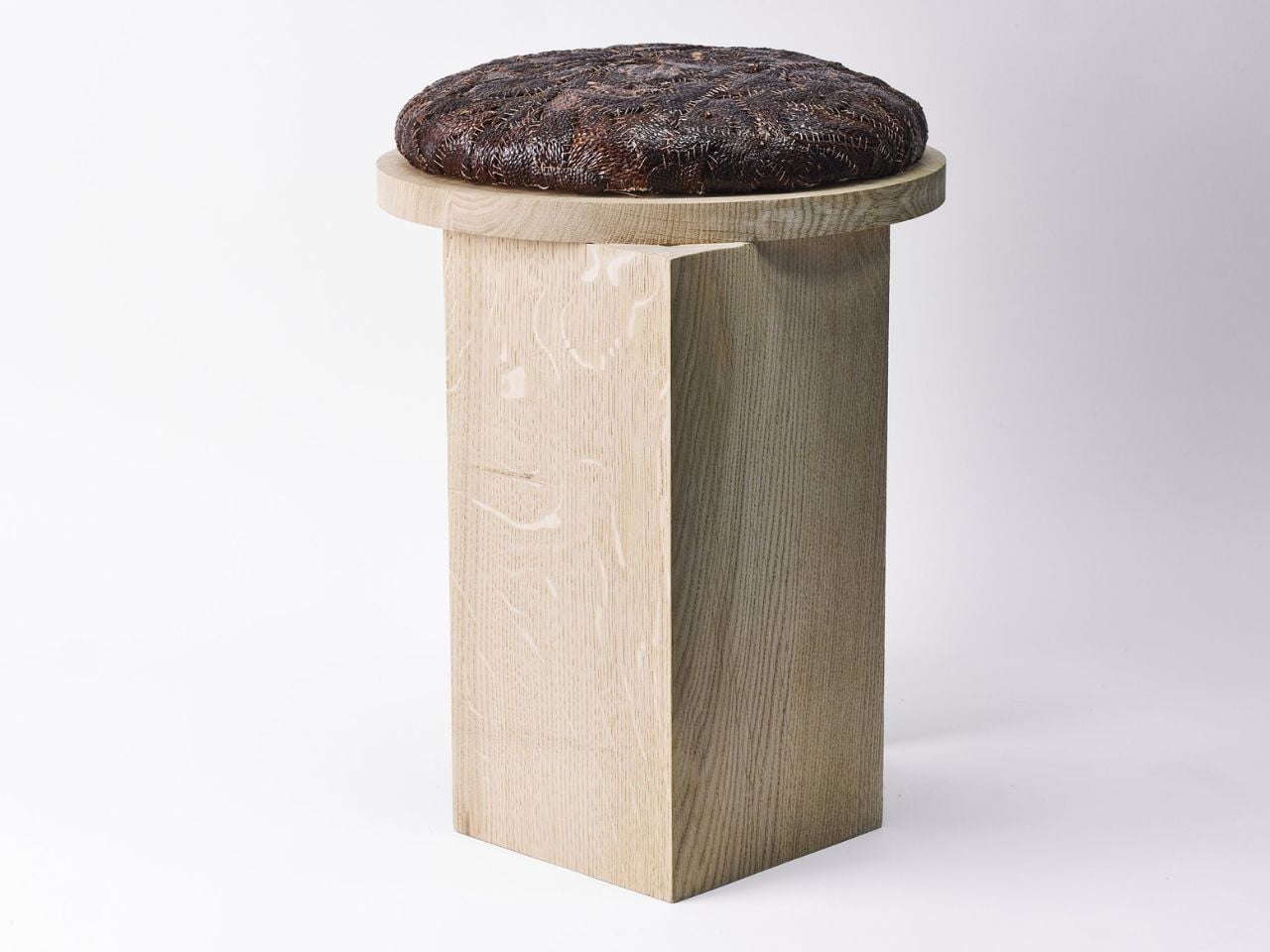
The process is careful rather than overly industrial. After the fruits are consumed, the skins are collected and dried through a controlled low-heat process. This step preserves the natural structure and pliability of each peel, which is essential for turning it into a textile. The skins are then treated with naturally derived materials to improve durability and water resistance. Once stable, they are stitched onto biodegradable backing structures such as cotton muslin or linen.

That stitching is important. Many plant-based leather alternatives are processed into uniform sheets, often requiring synthetic binders or coatings to hold everything together. In doing so, they erase the character of the original material. PEEL takes the opposite route. Each skin is treated and applied individually, so the final textile carries visible traces of the fruit’s form, colour, and texture. The result feels less like imitation leather and more like a material with its own identity.
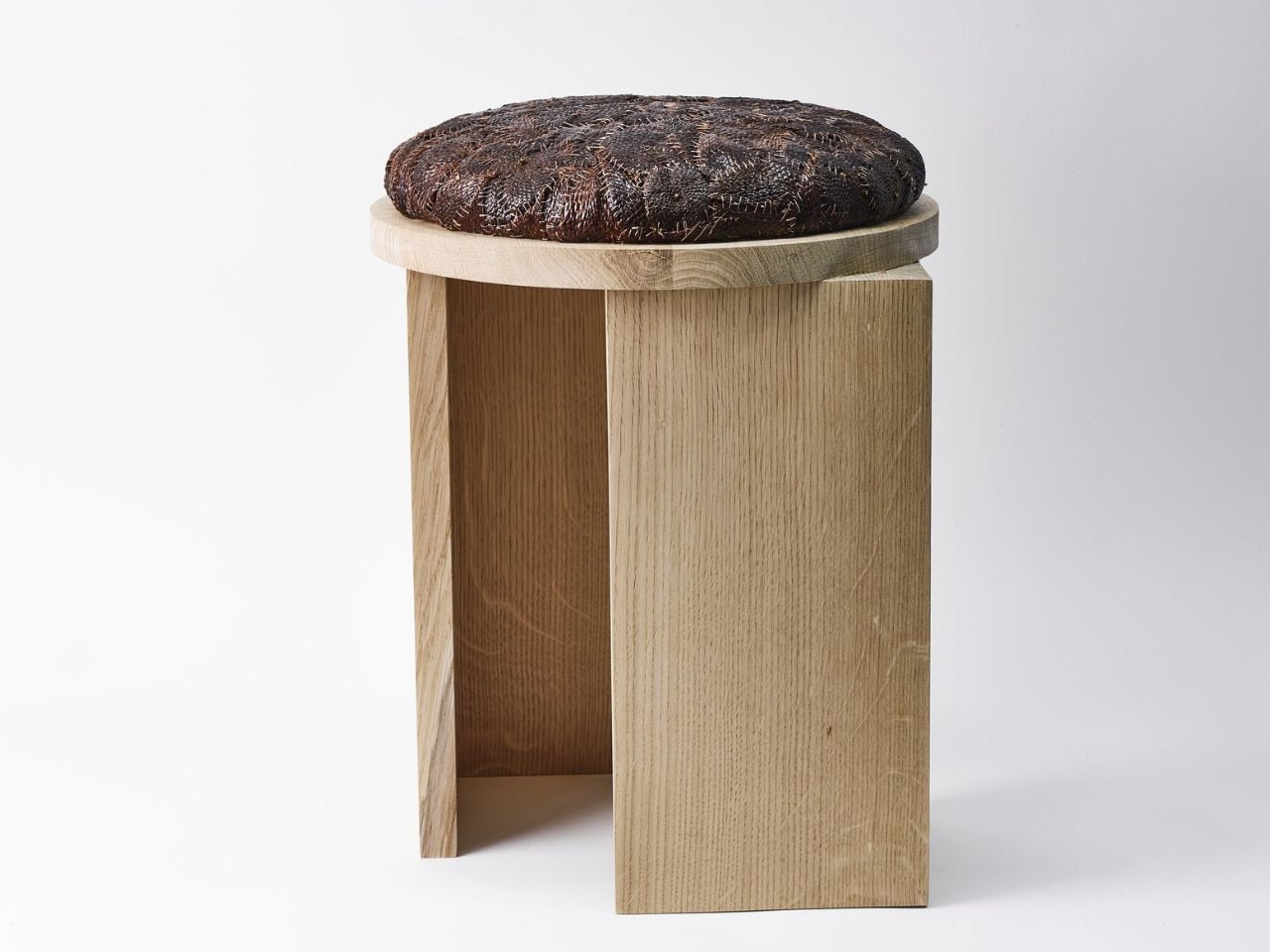
From a design perspective, honesty is one of the strongest parts of the project. Sustainable materials often get pushed into proving themselves by looking like something familiar. Mushroom leather has to look like leather. Cactus leather has to look like leather. Grape waste, apple waste, pineapple fibre, all of them are frequently judged by how convincingly they can replace an existing material. PEEL resists that pressure. It does not apologize for the fact that it used to be fruit skin. It builds its visual and tactile language from that origin.

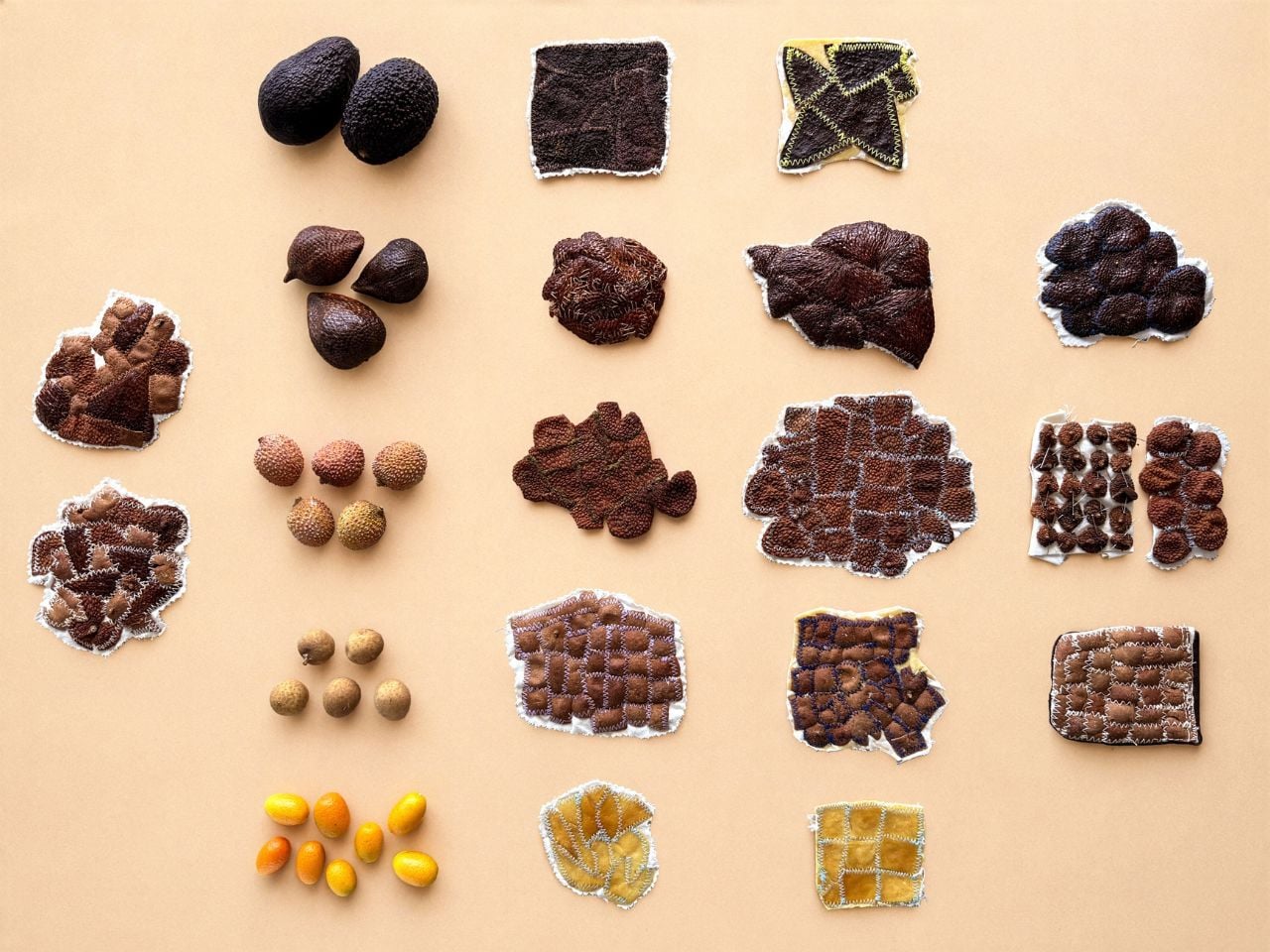
The development process also reveals the material’s stubbornness. PEEL began with salak alone, with no guarantee that the skins could become usable. Early experiments focused on drying methods because the peels were too brittle to stitch by machine. The first prototype, a stool, had to be hand-stitched throughout. More than fifty tests followed, adjusting combinations of naturally derived treatments until the material became flexible, durable, and workable. The second prototype, a bag, expanded the system to lychee and four other tropical fruit peels.
Home testing across abrasion, water, heat, humidity, and bend fatigue showed promising results across all six materials. Every peel demonstrated high heat and humidity resistance, and samples have remained stable for over a year. These early results suggest that the project is more than a beautiful material experiment. It has the potential to become a practical textile system, especially for applications where biodegradability, local sourcing, and distinctive surface quality are valuable.

The local production model makes the idea stronger. Since the skins can be sourced where the fruits are processed or consumed, PEEL imagines a closed regional loop: fruit is eaten, skins are collected, material is made, and products are produced within the same community. This keeps the material connected to the place. It also creates an opportunity for small local workshops in Indonesian fruit-growing regions, turning a low-value waste stream into a new economic resource.
The next step is bringing more rigour to the testing and supply chain. Guevara is working toward partnerships with Indonesian fruit processing factories where skins are currently discarded, creating a zero-cost raw material source. In parallel, collaboration with Imperial College London aims to formalise lab testing for tensile strength, abrasion resistance, and long-term durability.

PEEL is interesting because it does not frame sustainability as a finish, a label, or a moral claim attached to the end of a product. It begins with material behaviour. It asks what a peel can do before deciding what it should become. That shift feels important. The project is not just about replacing leather. It is about expanding the designer’s imagination around overlooked matter and treating waste as something with form, memory, and potential still left in it.
The post PEEL Turns Discarded Fruit Skins Into Living Textile first appeared on Yanko Design.

Your Tent Folds, Your Outdoor Chair Packs Flat, Your Solar Charger Should Too

Portability is the invisible hero of outdoor design. It’s why a multitool can replace a drawer full of hardware, why a folding chair feels like a luxury earned through engineering, and why a tent can create a private room from a bundle of fabric and poles. The outdoors asks every object the same blunt question: how much can you do without becoming a burden? The products that answer well become staples. The ones that don’t stay home.

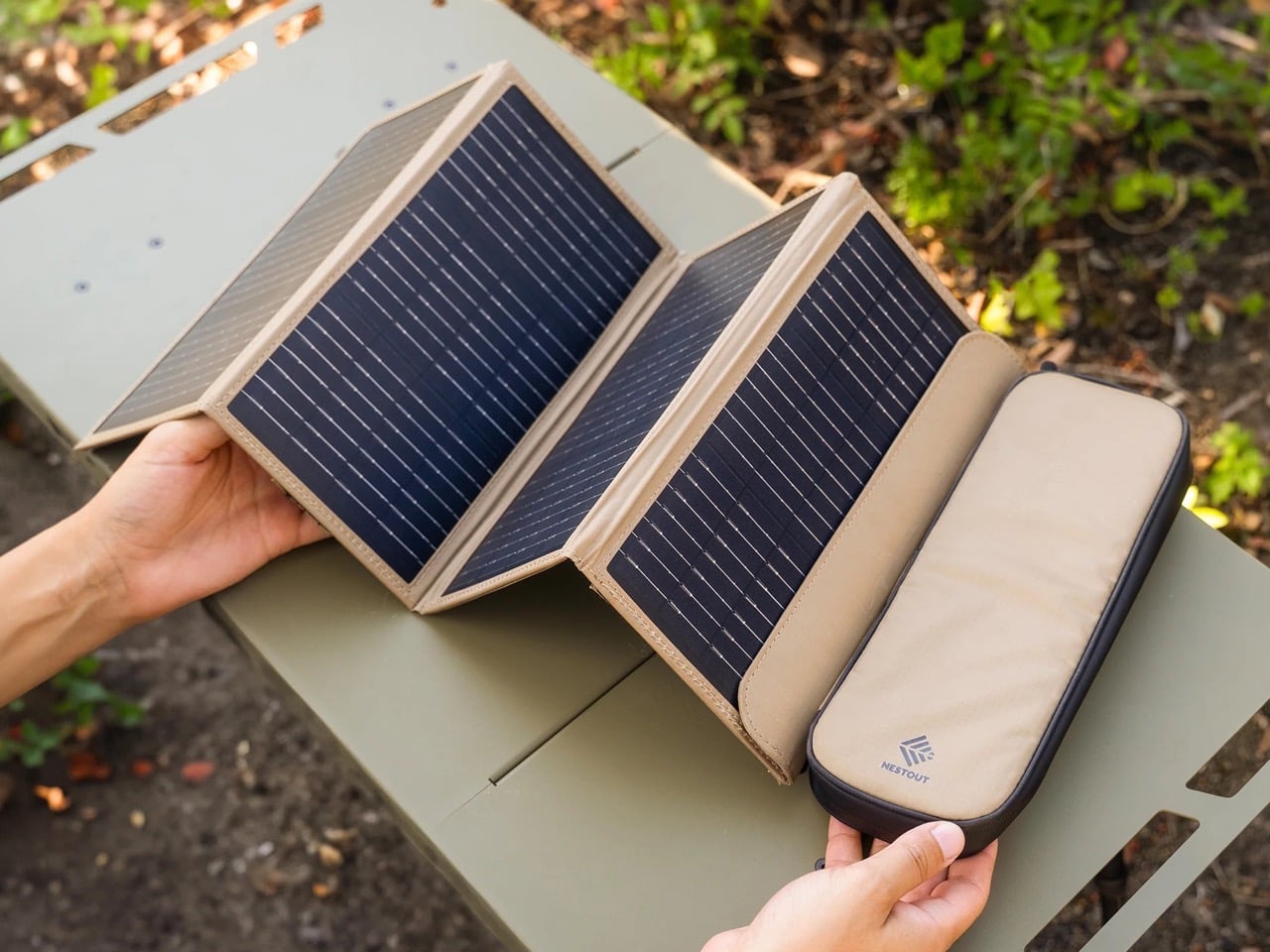
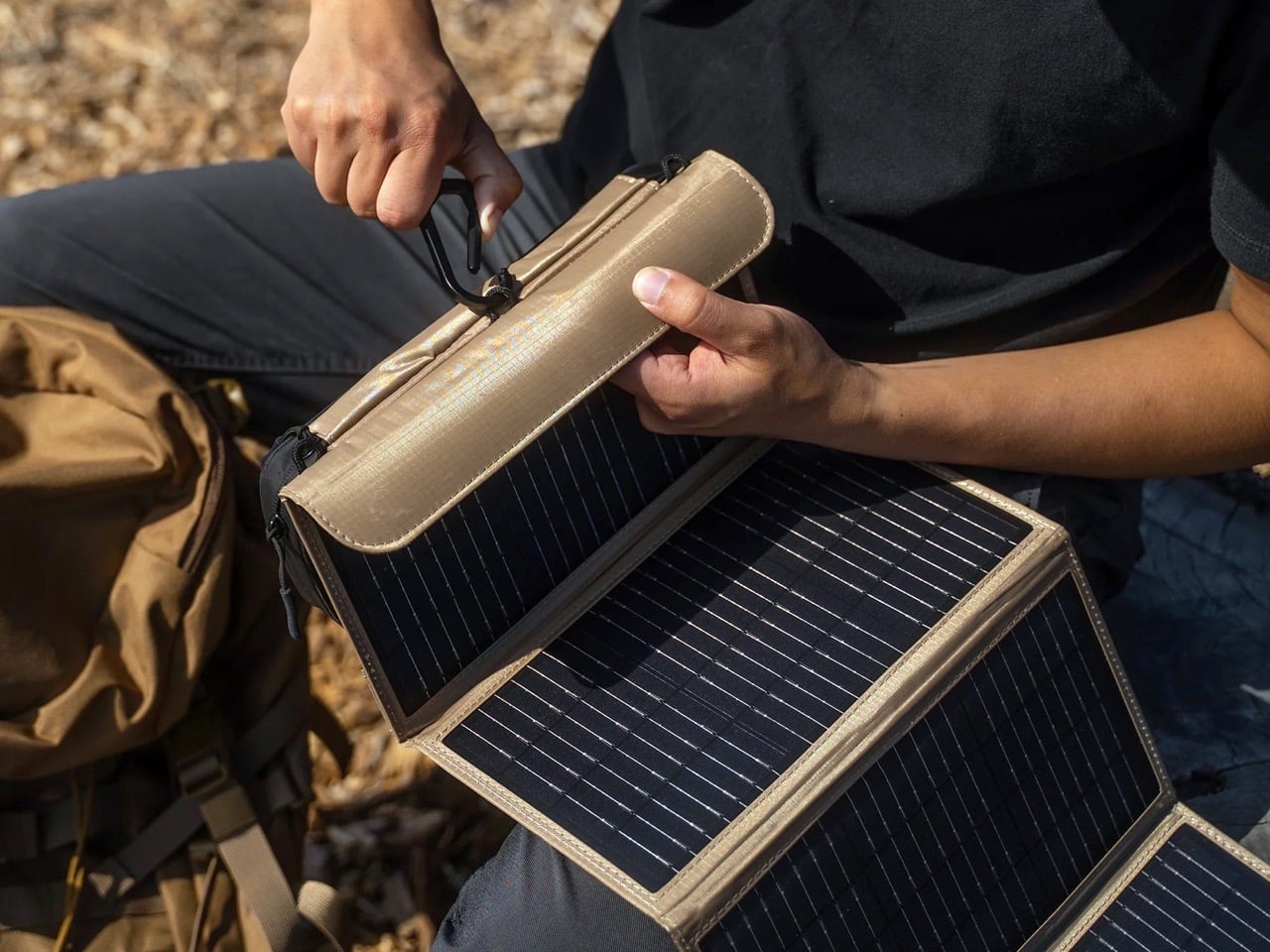
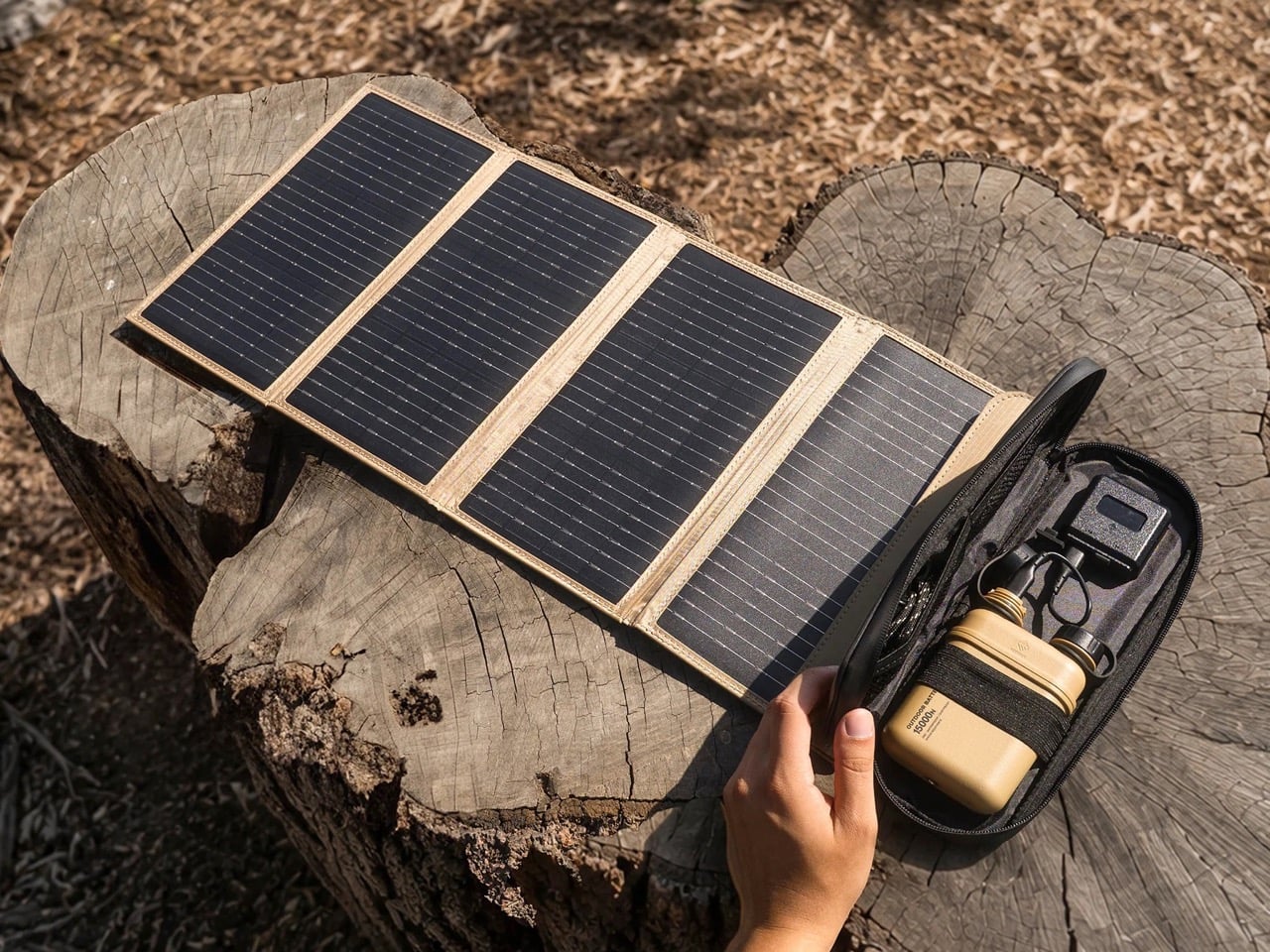
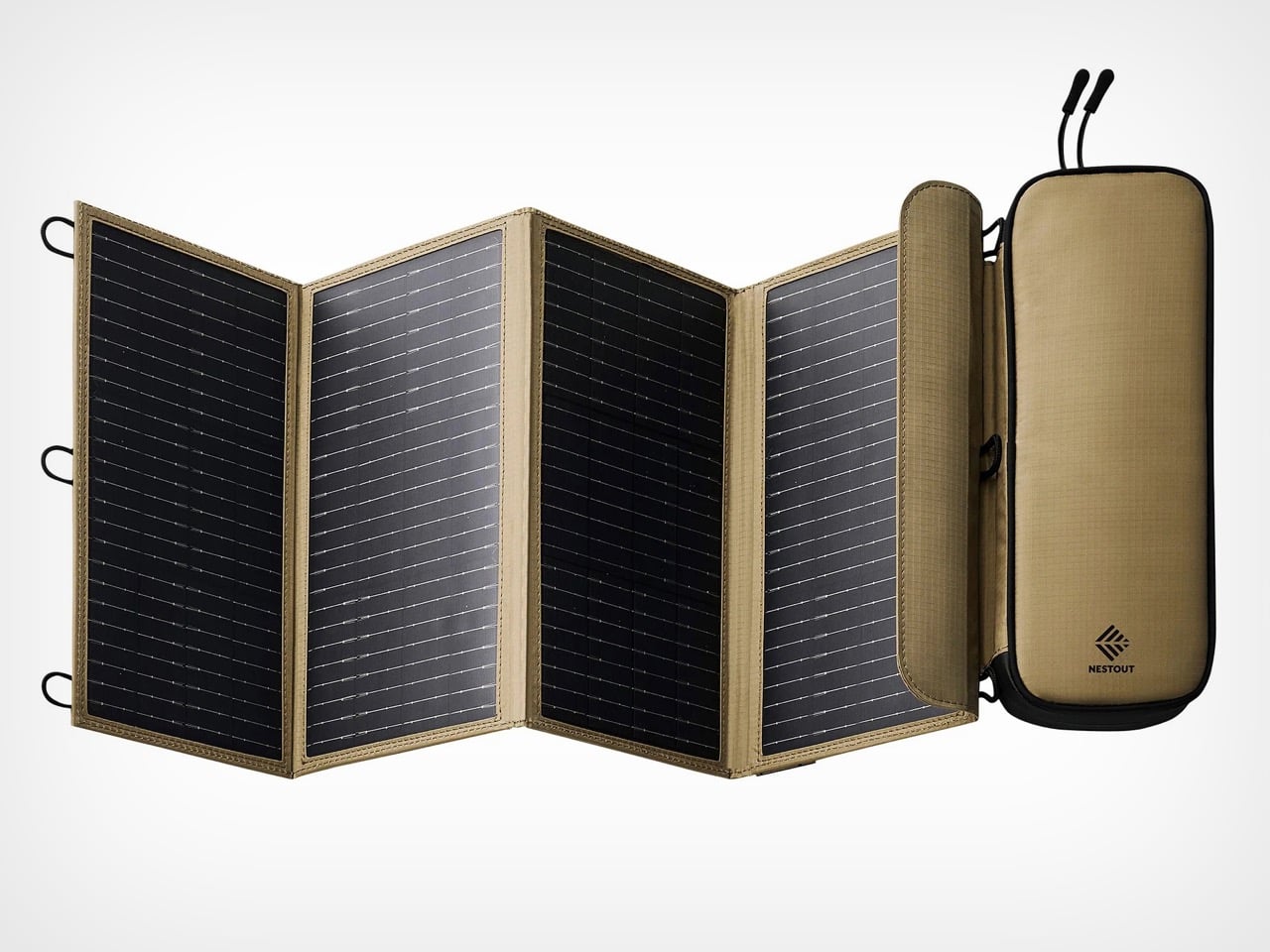
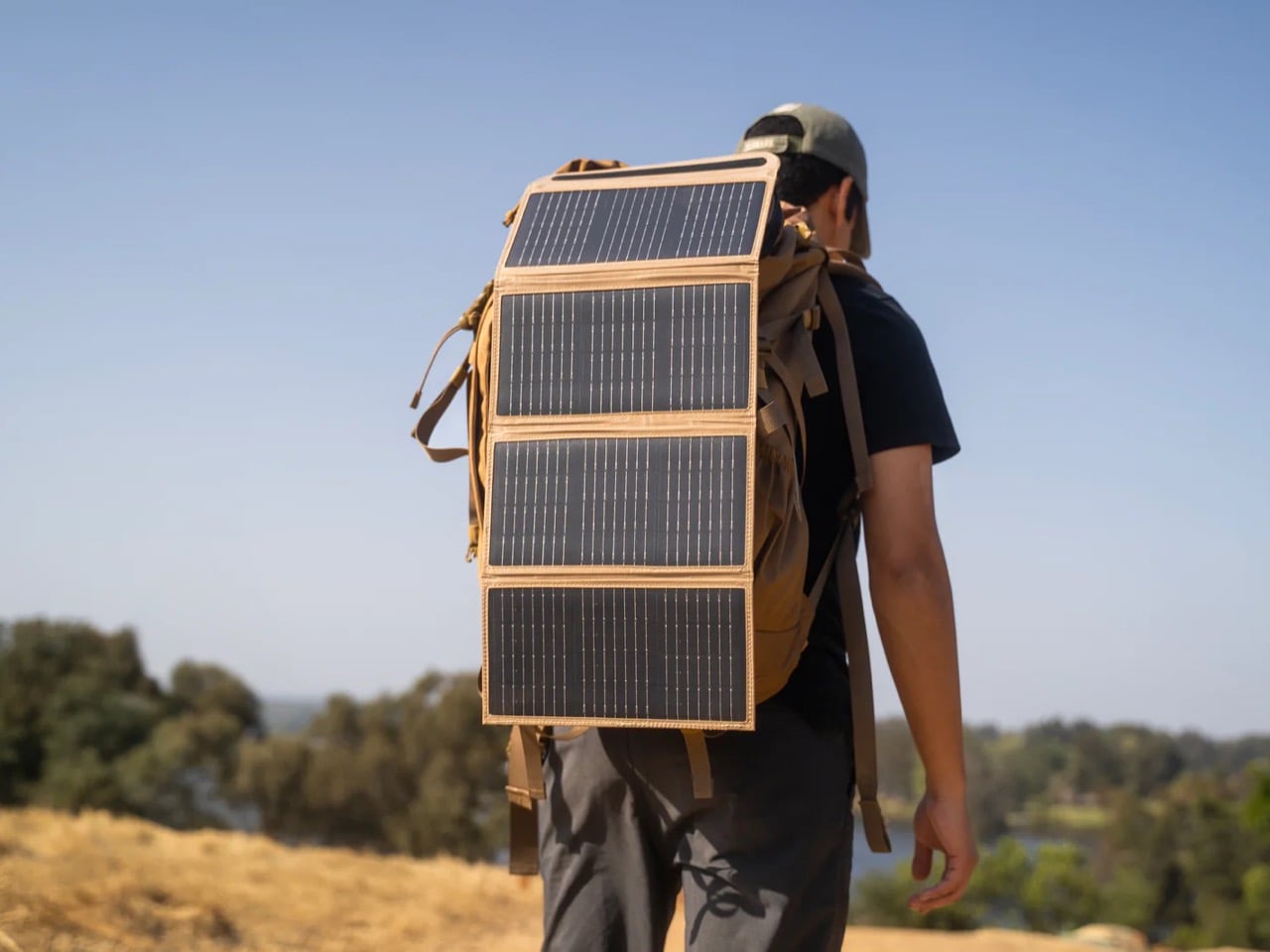
A folding solar panel answers that question in a very modern way. The NESTOUT 4-Panel Solar Charger takes a function that used to feel bulky and specialized and reshapes it into something that behaves like everyday camp gear. It folds into a compact carry format, keeps its system organized, and opens into a usable power solution wherever daylight is available. In the same way your stove, seat, and shelter have learned to collapse for the journey, this charger brings portable energy into the same neatly packed ecosystem.

Designer: Nestout

Click Here to Buy Now

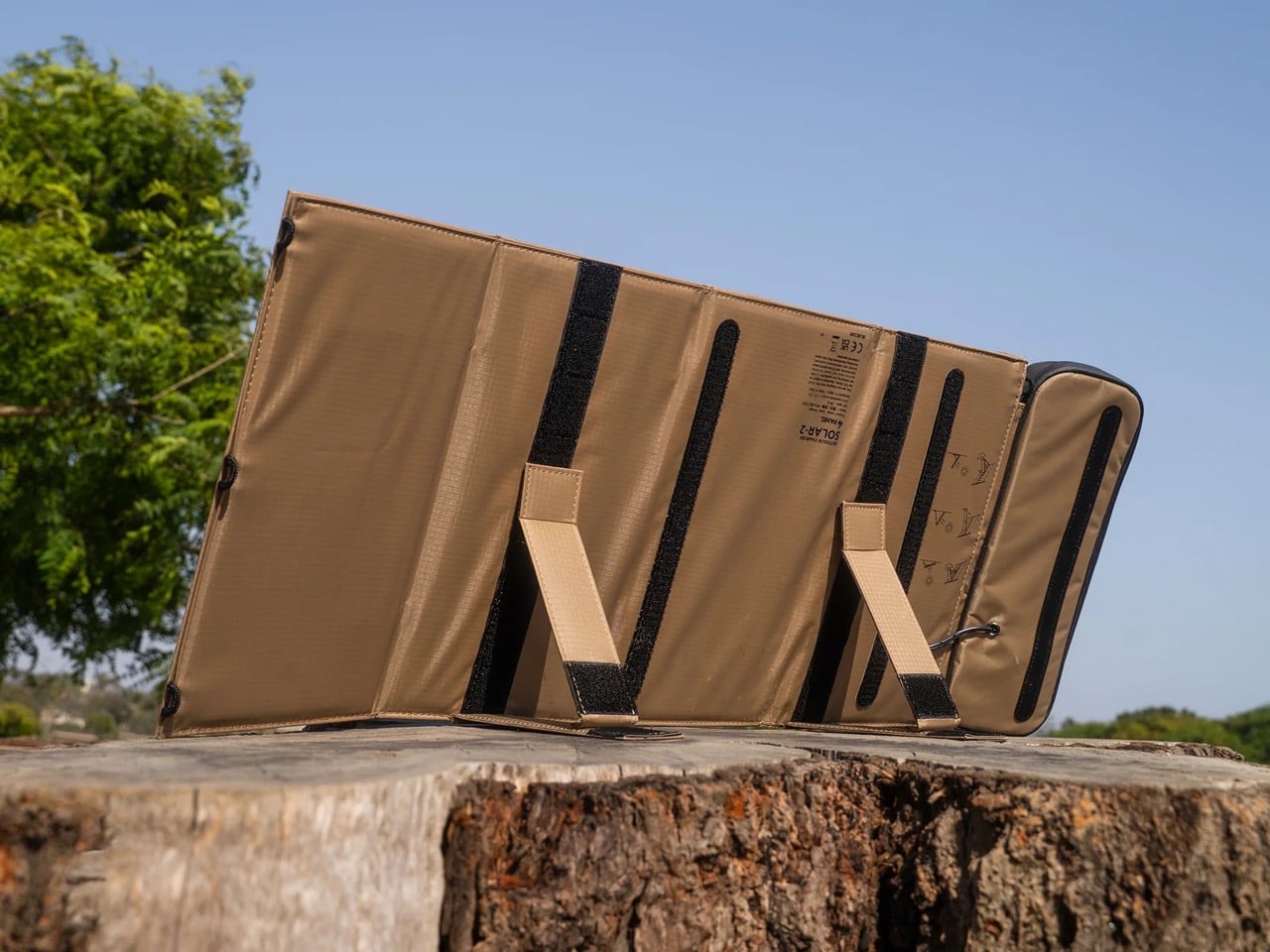
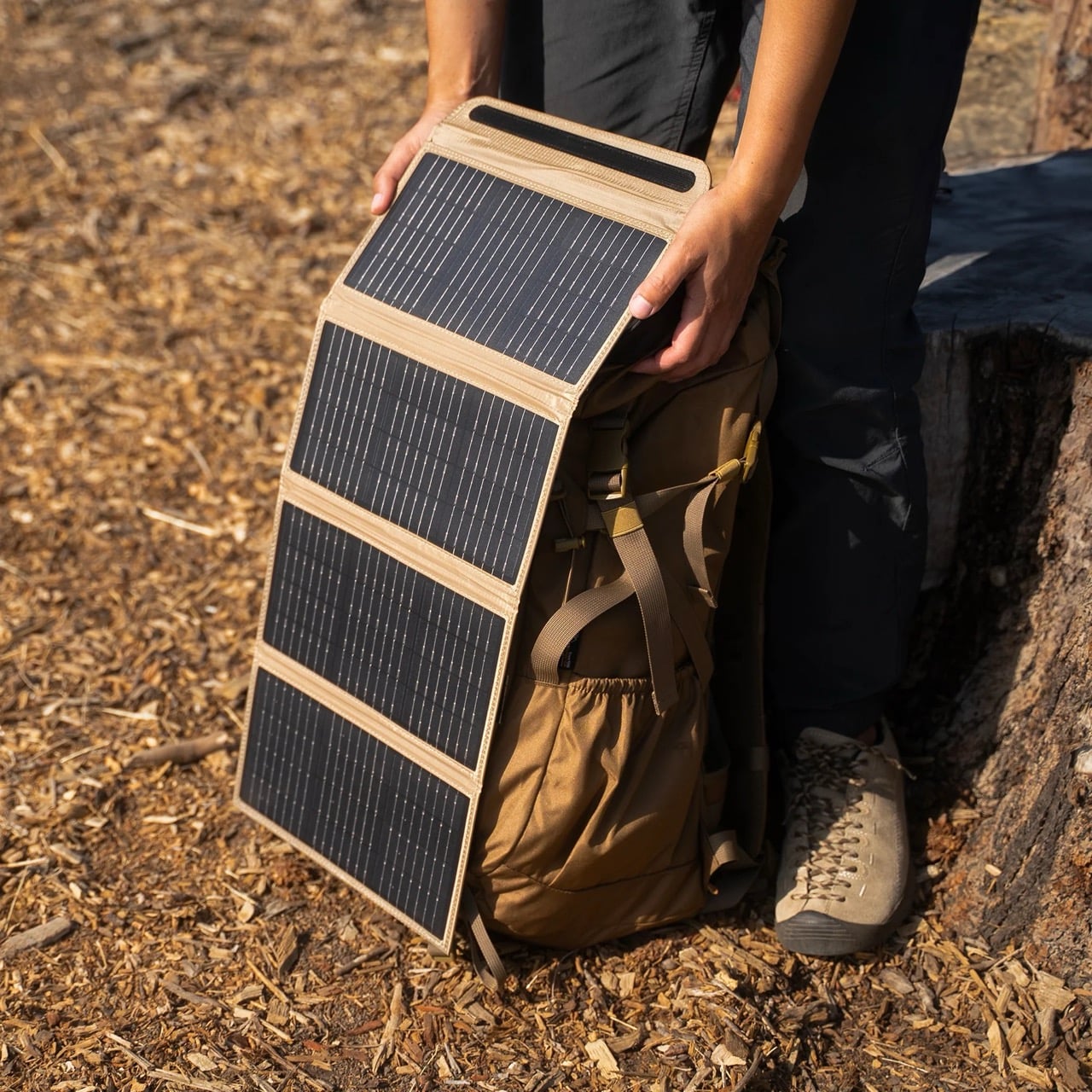
Its ripstop-style tan fabric border and backing speak a design dialect already fluent to anyone who has handled quality outdoor soft goods. It has more in common visually with a waxed canvas field kit or a durable tactical organizer than with the consumer electronics aisle, and that distance is clearly intentional. This is a Japanese product from Elecom’s NESTOUT sub-brand, and Japanese outdoor brands tend to understand that gear which looks like it belongs outdoors actually gets taken outdoors. The color palette, earthy, warm, and cohesive across every component, tells you that someone made a deliberate choice to prioritize belonging over visibility. A solar charger in generic black with off-the-shelf webbing would disappear into a pile of tech accessories; this one looks at home leaning against a pack on a sun-baked trail.

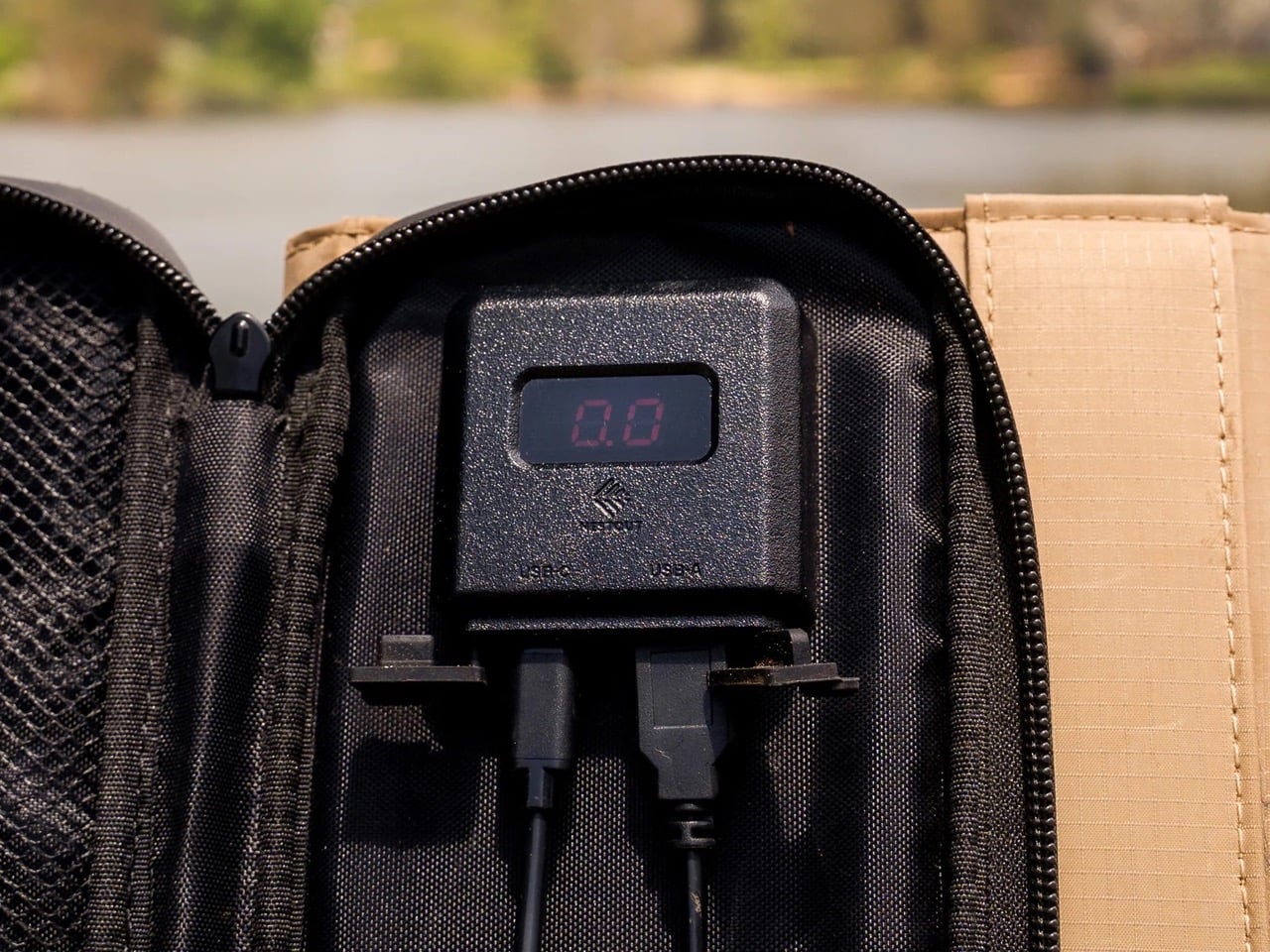
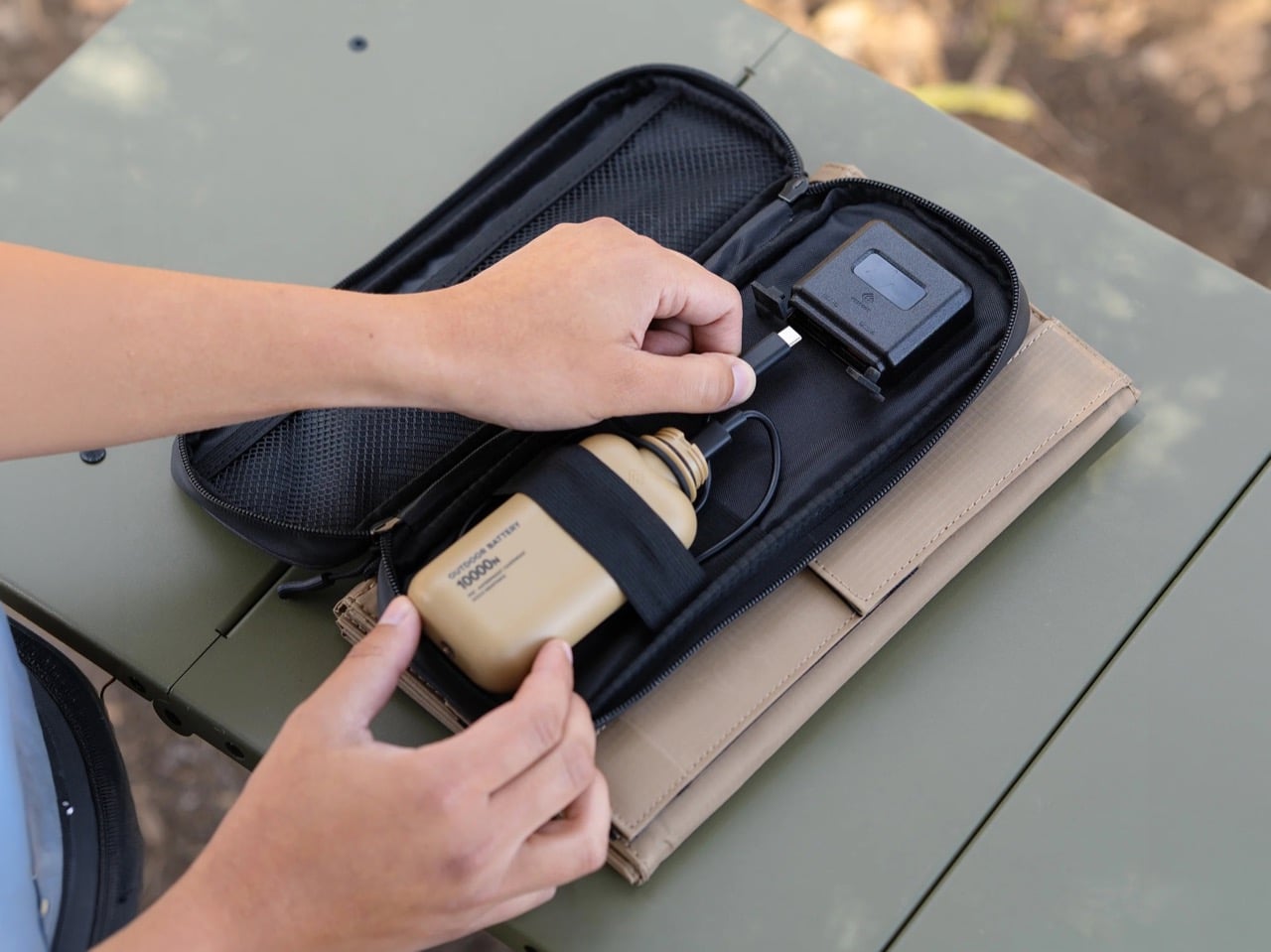
Every portable solar panel generates a secondary problem: what do you do with the regulator, the cables, and the battery bank that actually make the thing useful? Most competing products leave you to solve that on your own, resulting in the cable chaos that haunts every outdoor kit. NESTOUT builds the answer in. The semi-rigid zip pouch folded into the charger’s right side houses a solar regulator with an LED display showing real-time wattage output, cables nested in a mesh pocket, and enough room for the brand’s own 10,000 or 15,000 mAh battery banks. That integration transforms a panel-plus-accessories situation into a single self-contained unit, and it’s the kind of design decision that makes the difference between gear you manage and gear you simply use.

Unfolded, the four panels arrange themselves in an accordion geometry that has a quietly architectural quality. Each panel is roughly the same width, and the tan fabric hinges between them maintain even spacing, giving the whole surface a composed, deliberate rhythm rather than an improvised sprawl. Corner grommets and a carabiner loop at the top offer multiple deployment options: lean it against a pack, hang it from a branch or tent line, stake it toward the sun, or lay it flat across a warm rock. That variety acknowledges a fundamental truth about portable solar, namely that sunlight is directional, inconsistent, and rarely cooperative with a fixed setup.

Under the ETFE-coated glass panels sit Maxeon solar cells, widely regarded as among the most efficient technology available in portable solar applications. The 4-panel configuration generates up to 28 watts total, with each panel contributing roughly 7 watts under ideal conditions. Real-world output will be lower depending on angle, cloud cover, and ambient temperature, which is the honest reality of any portable solar product, but 28W is a genuinely useful ceiling for keeping phones, GPS units, and headlamps topped up through a full day outside. NESTOUT positions the charger as part of a broader outdoor charging ecosystem alongside its own rugged power banks, and the built-in regulator and storage pouch clearly reward buying into that system. It is an ecosystem product in the best sense: capable enough to work with anything that has a USB port, and cohesive enough to function beautifully alongside a NESTOUT battery bank.

For the people this charger is actually built for, the appeal is pretty straightforward. Outdoor gear has spent years learning how to fold, compress, and multitask, turning shelter, seating, cooking, and storage into portable systems that travel lightly and set up fast. Power has lagged behind that curve for a while, often split between oversized stations for parked setups and forgettable accessories for everyone else. The NESTOUT 4-Panel Solar Charger makes a strong case for a middle path. At $134.99, it brings solar charging into the same design language as the rest of your kit, compact when packed, useful when deployed, and easy to live with. That is why it makes sense for backpackers, tailgaters, anglers, hikers, and anyone whose outdoor setup depends on mobility. In a world where every essential has learned to collapse into a smarter, smaller format, portable power finally feels like it got the memo too.

Click Here to Buy Now

The post Your Tent Folds, Your Outdoor Chair Packs Flat, Your Solar Charger Should Too first appeared on Yanko Design.
Nothing’s Dream Phone concept fixes everything fans dislike about modern smartphones

Let’s be honest, phones virtually look the same with no major design innovation, or for that matter, even hardware progression that would turn eyeballs. The improvements have plateaued and mostly arrive in small increments wrapped in loud marketing jargon to drive sales. So, do we actually own a phone with features that we genuinely desire? Not quite.

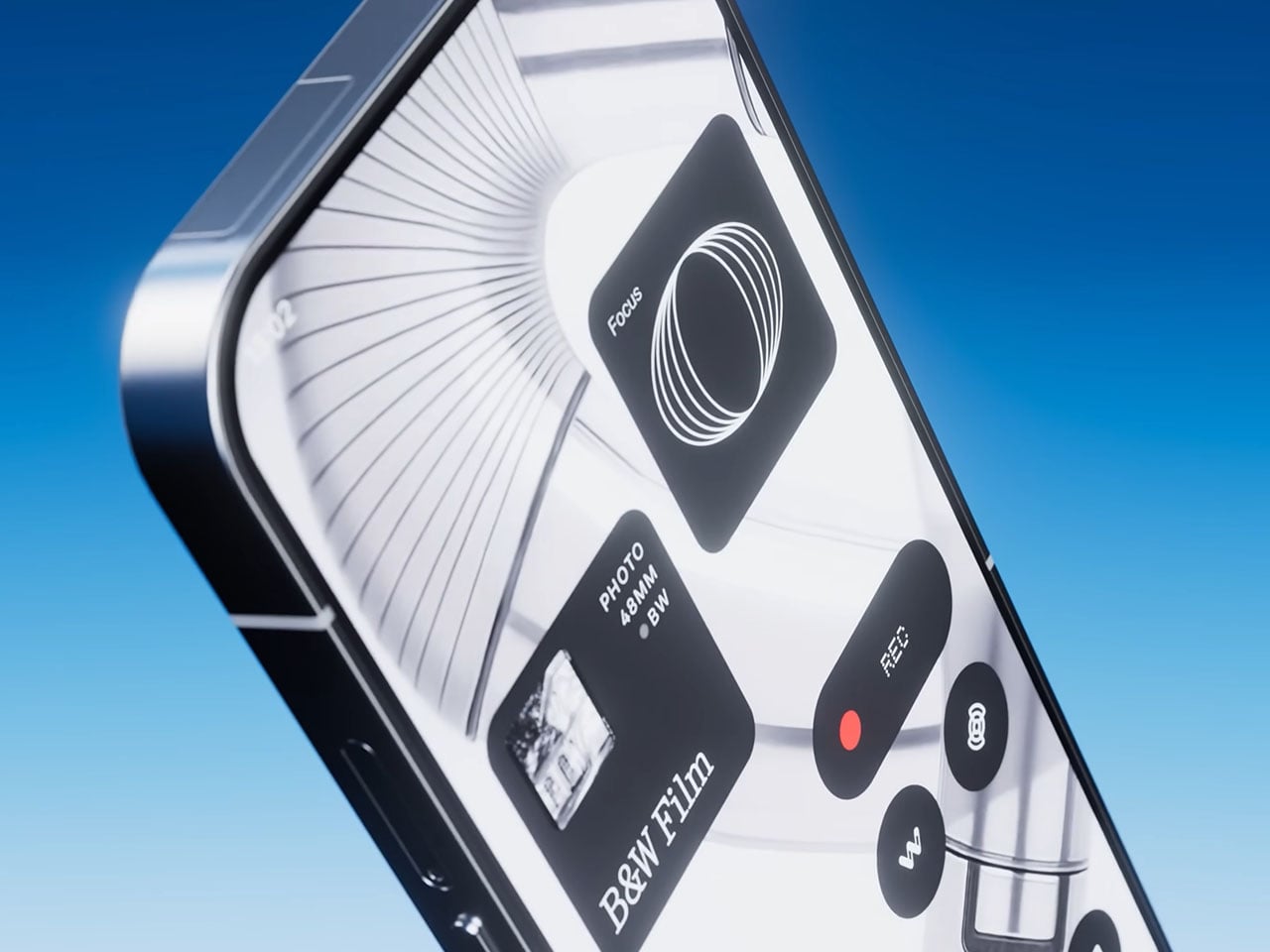
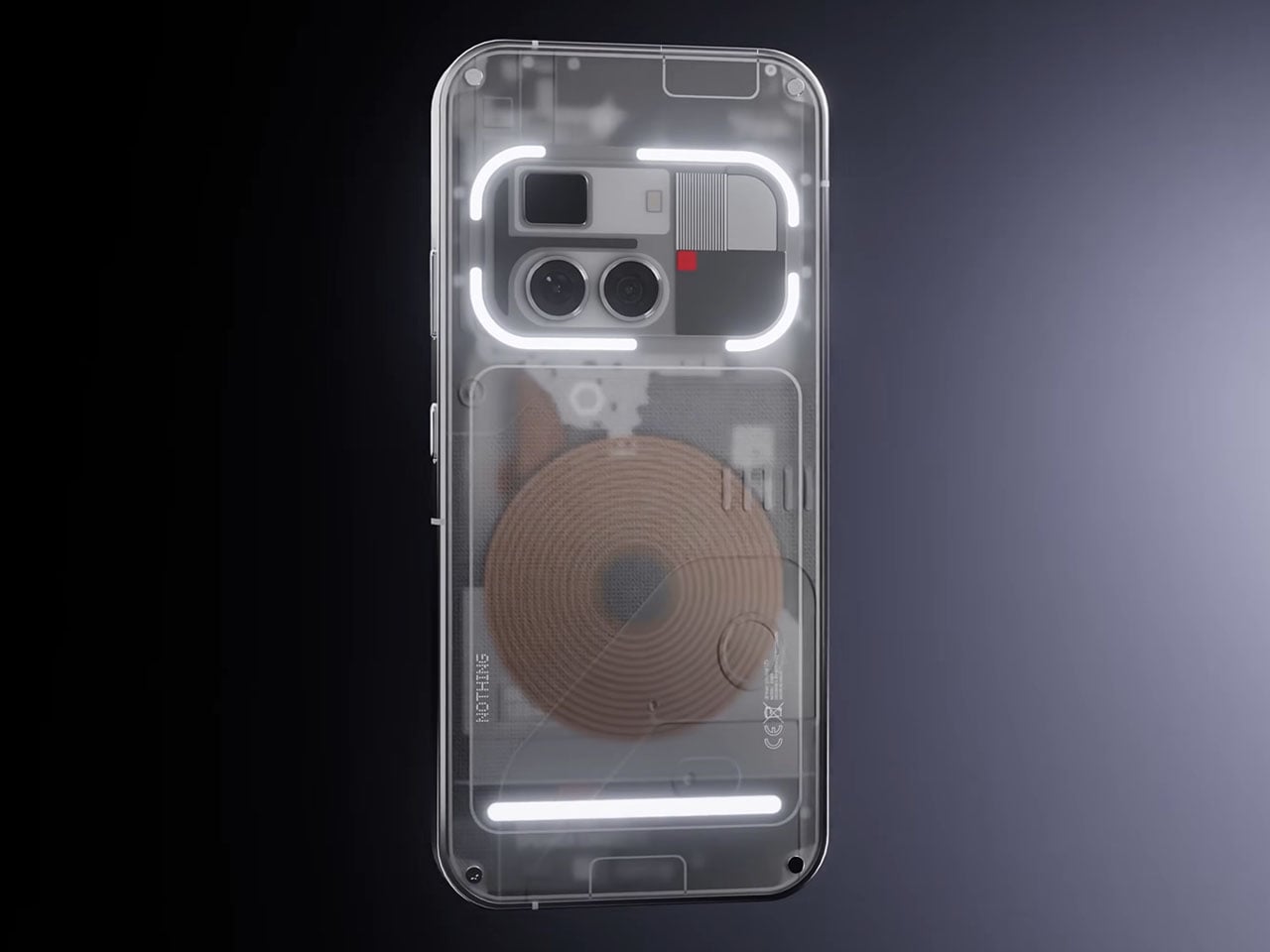
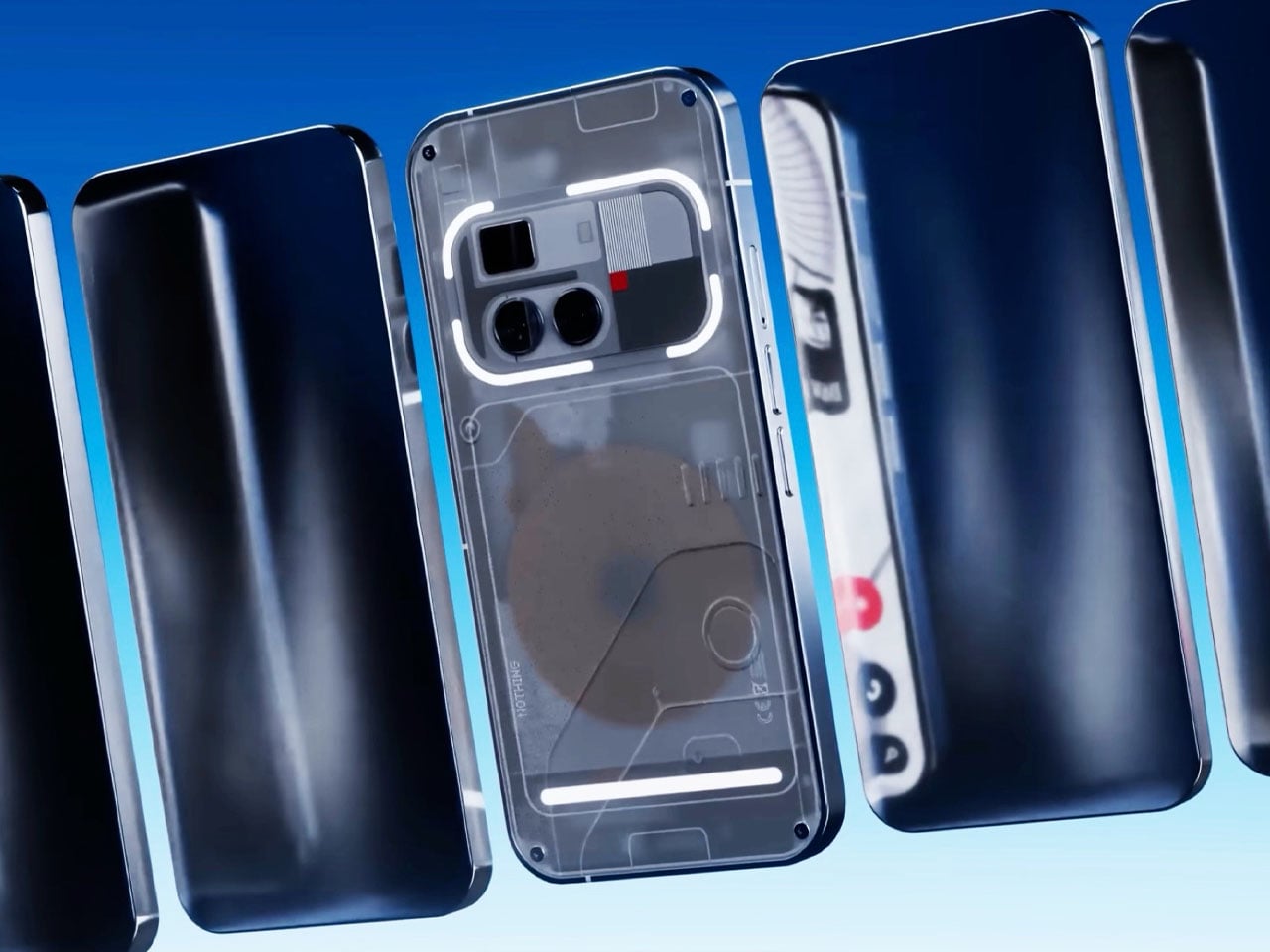
For that very reason, Nothing set out on a design experiment to craft a smartphone that reflects what fans actually want in their daily driver. This isn’t the first time the company has explored such an idea. Last year, it collaborated with MKBHD and JerryRigEverything on community-inspired Dream Phone concepts. This time, however, Nothing turned to its broader user base, gathering suggestions from enthusiasts and longtime smartphone fans to create what it calls the ultimate “Dream Phone.”

Designer: Nothing

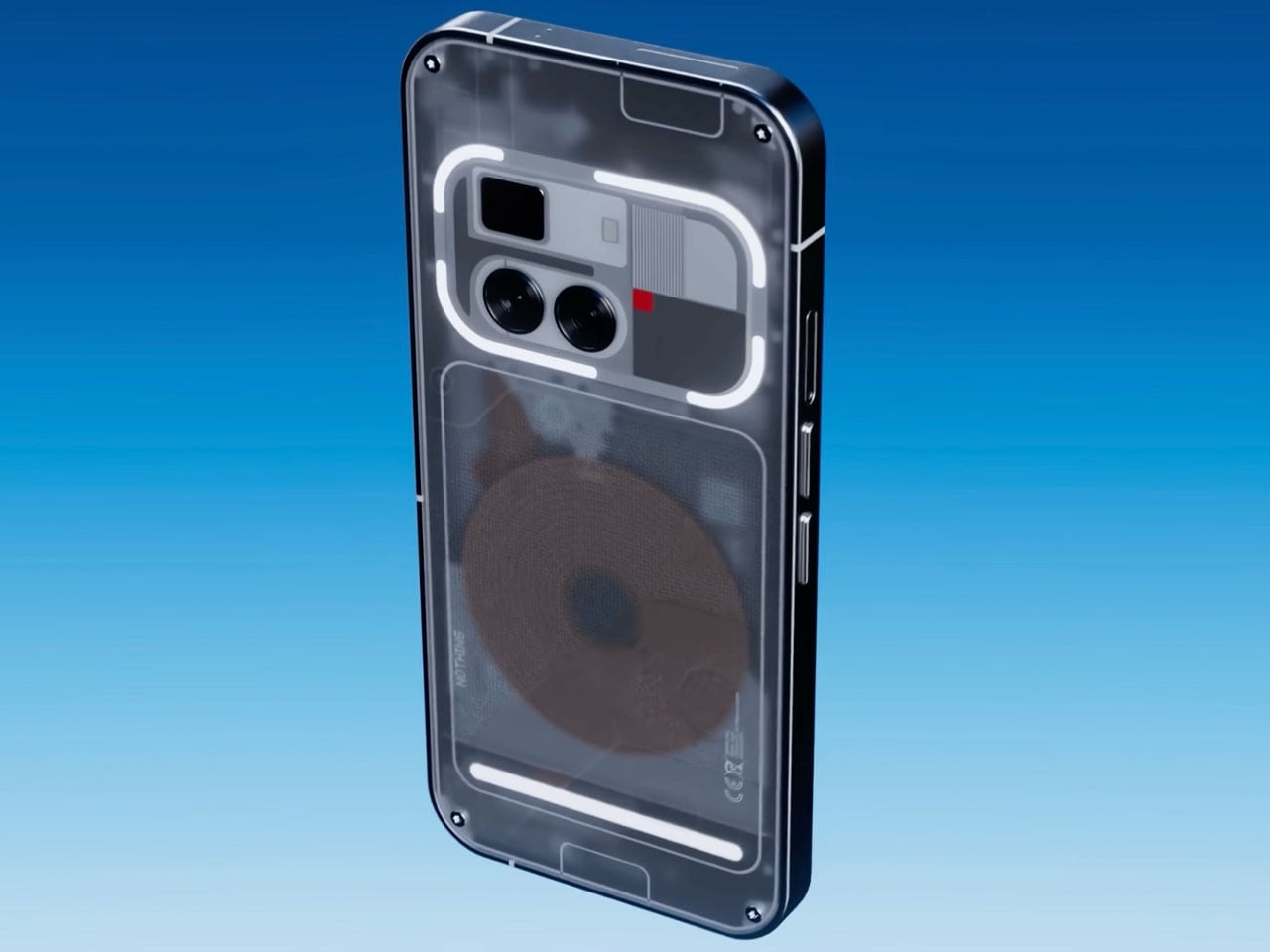
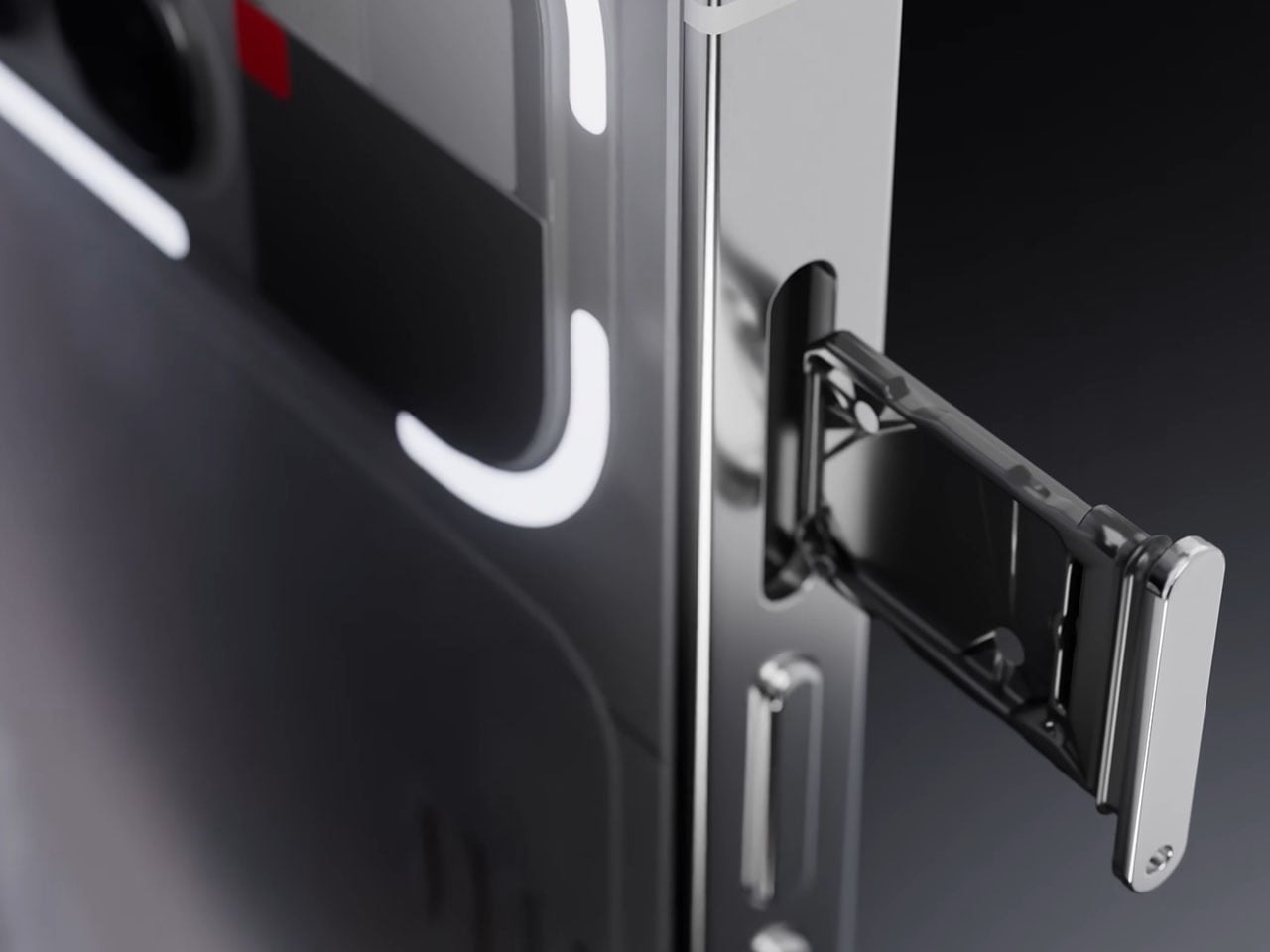
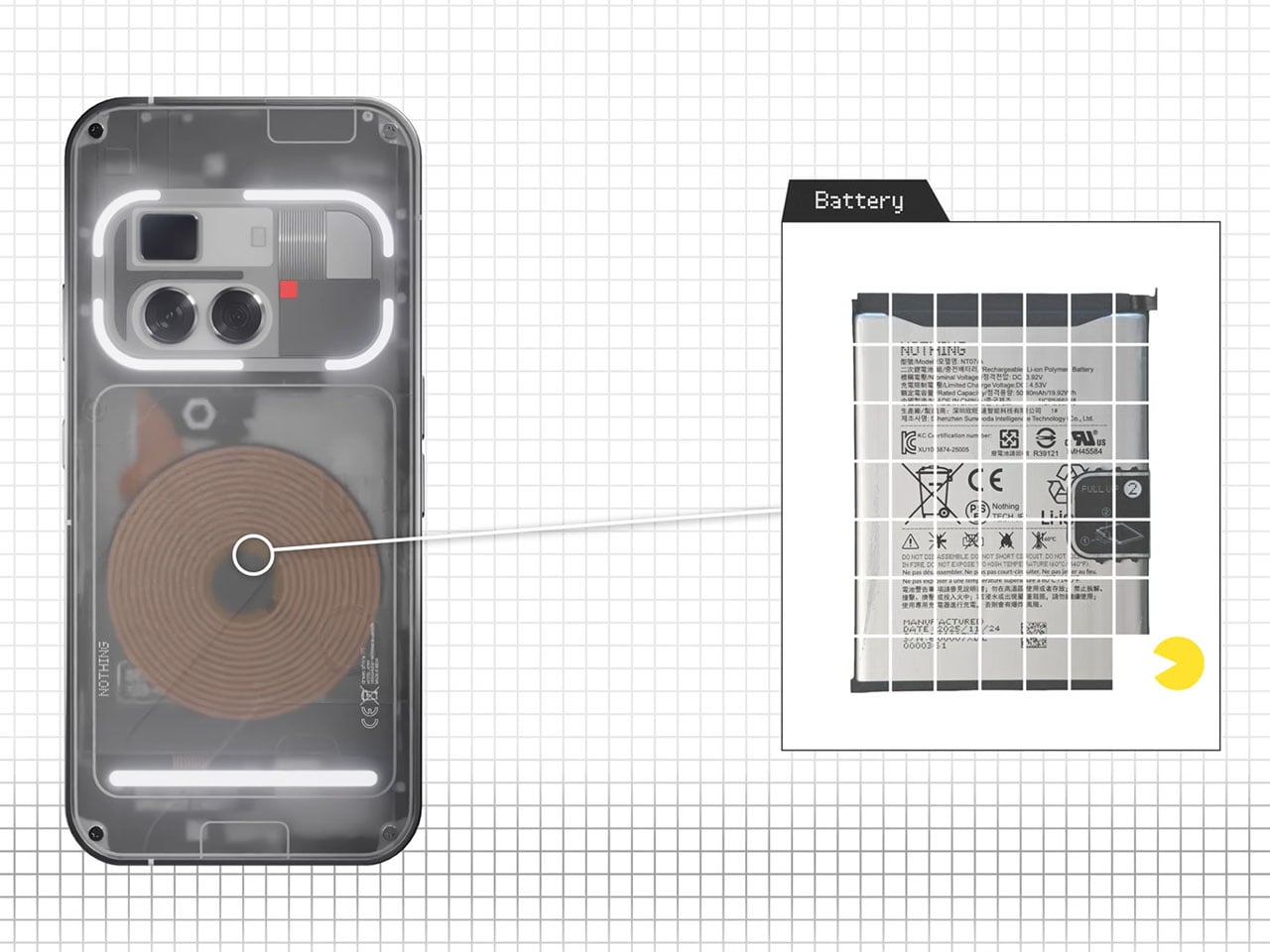
Community feedback also brought back features that have largely disappeared from flagship devices. The concept includes a 3.5mm headphone jack and a dedicated microSD card slot, two additions frequently requested by users who value flexibility and long-term usability. While manufacturers have largely abandoned expandable storage and wired audio, Nothing’s exercise highlights that demand for these features still exists among enthusiasts.

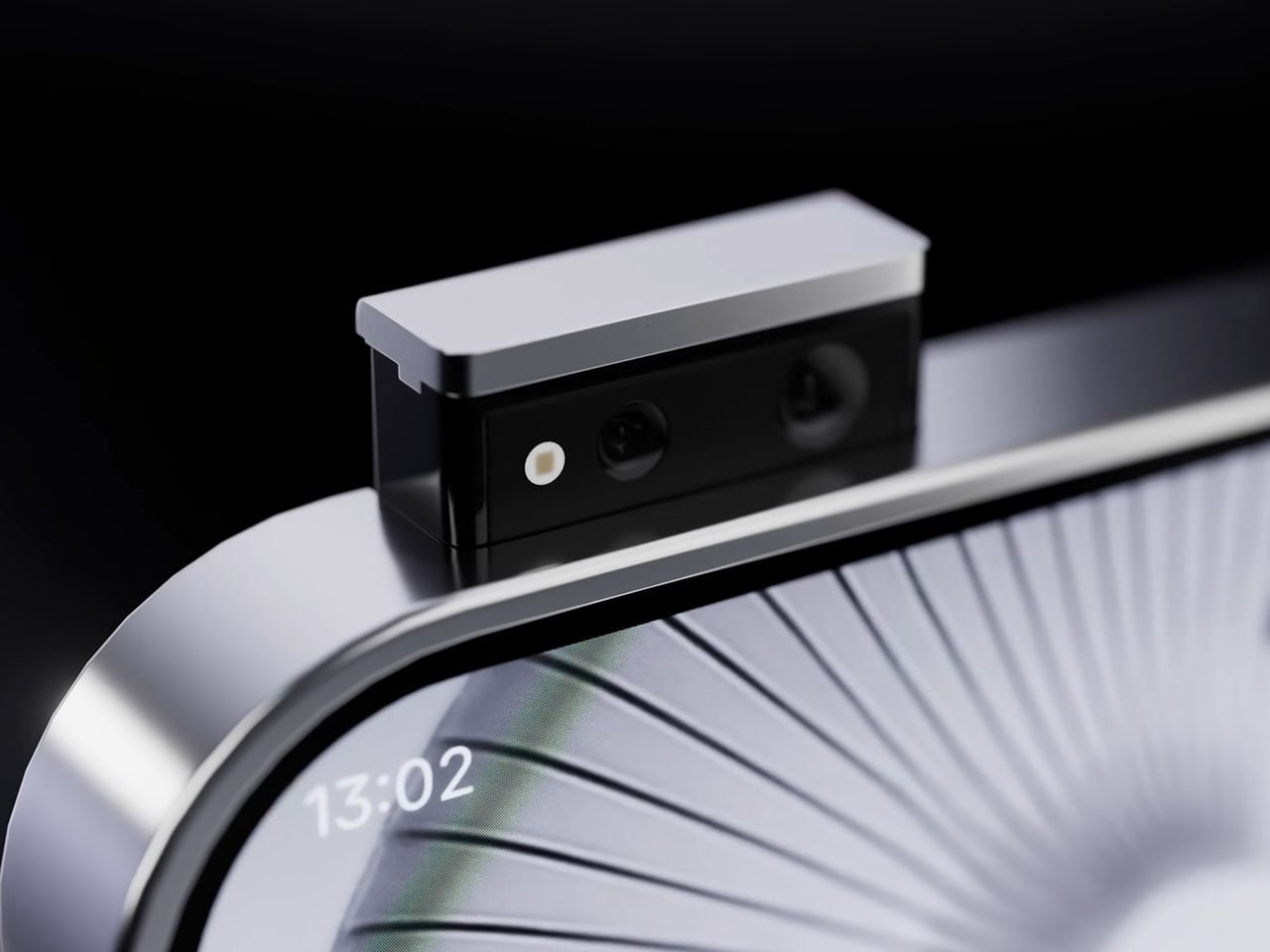
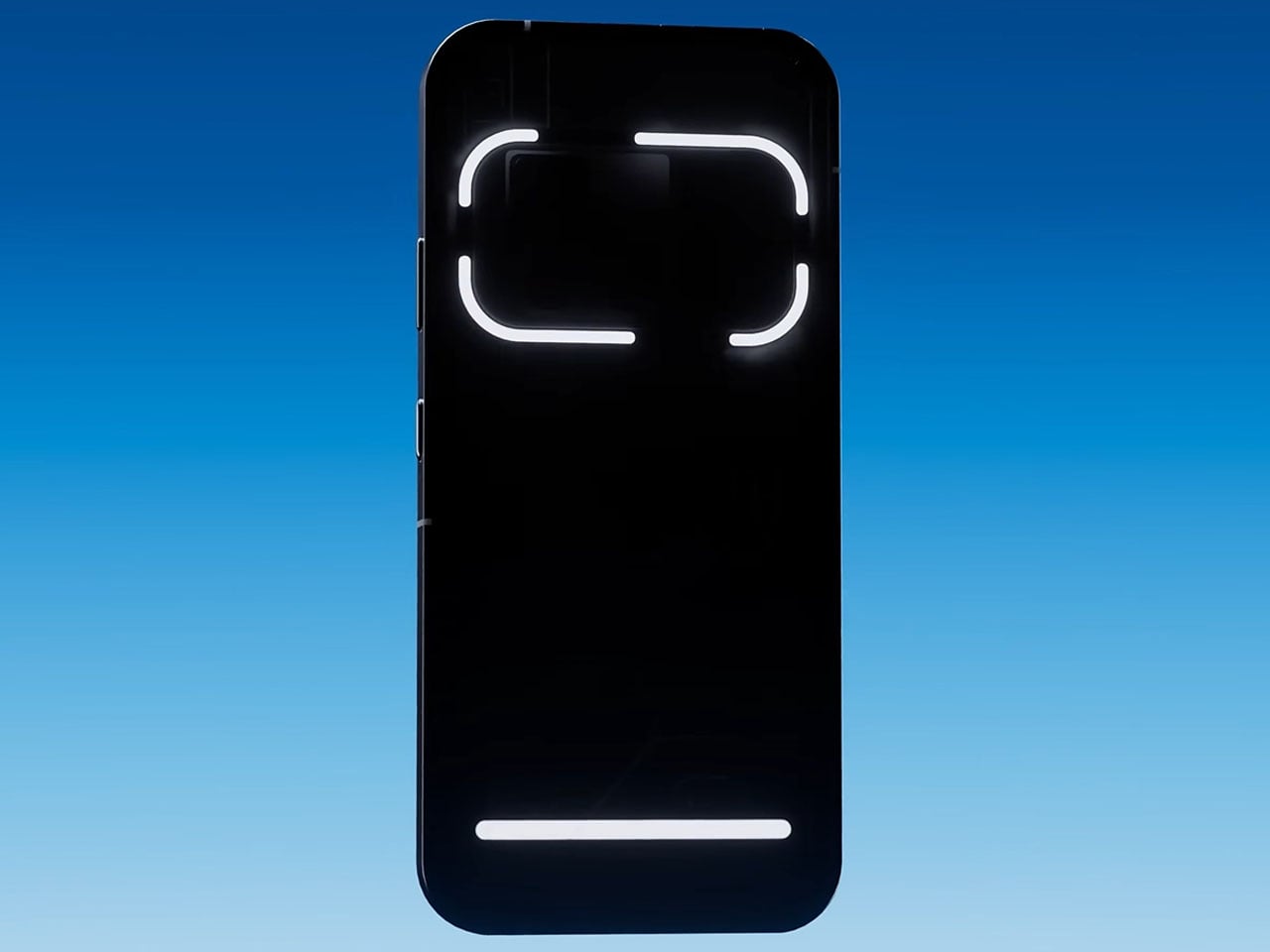
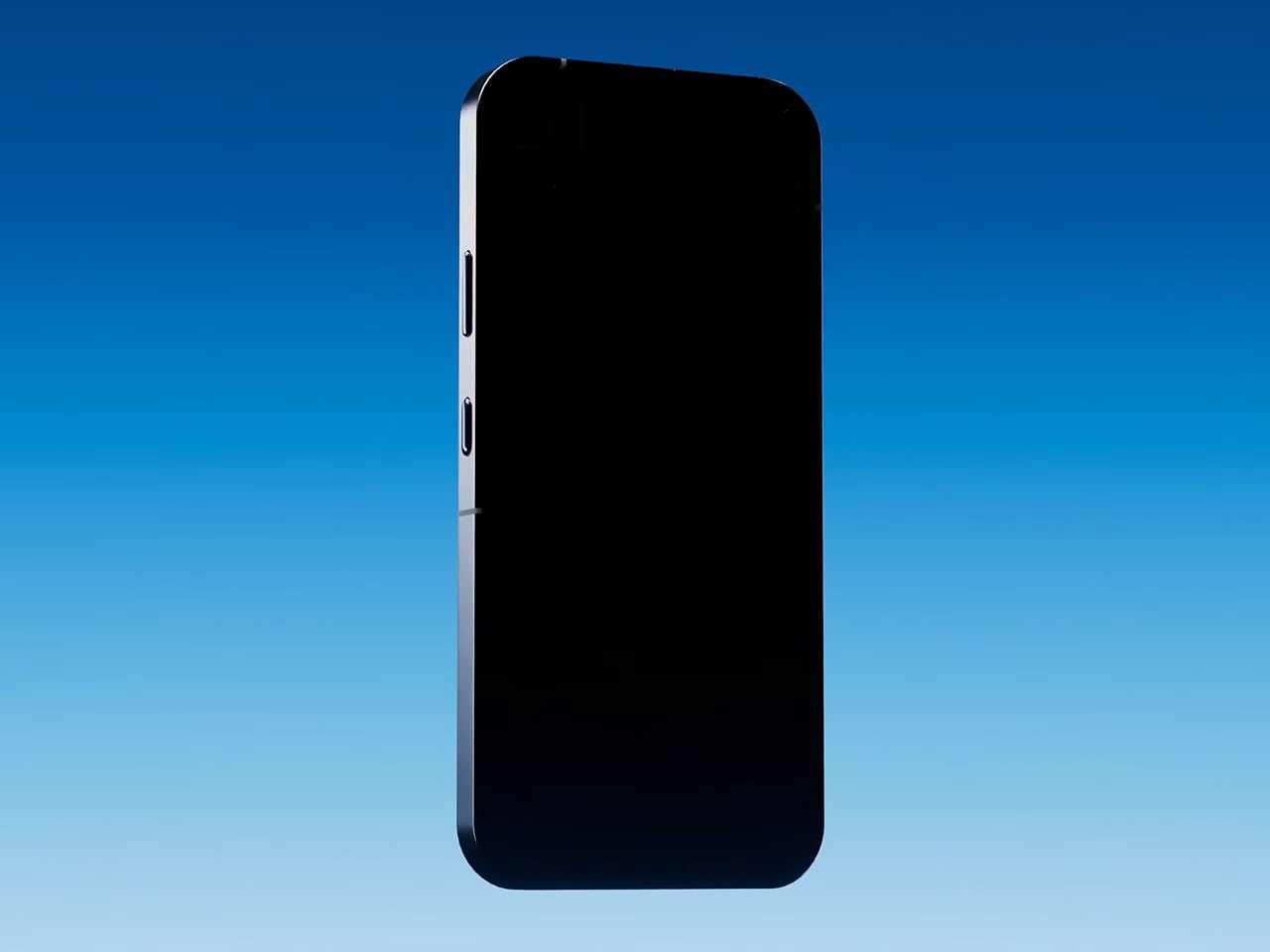
One of the most interesting design choices is the elimination of both the display punch-hole and the protruding camera bump. To achieve an uninterrupted screen experience, the Dream Phone uses a pop-up selfie camera system that houses dual front-facing cameras. The rear camera arrangement sits flush with the body, creating a completely flat back that avoids the wobble commonly associated with modern smartphones. Beyond aesthetics, the design also touches on privacy, as the pop-up mechanism provides a visible indication when the front camera is active.

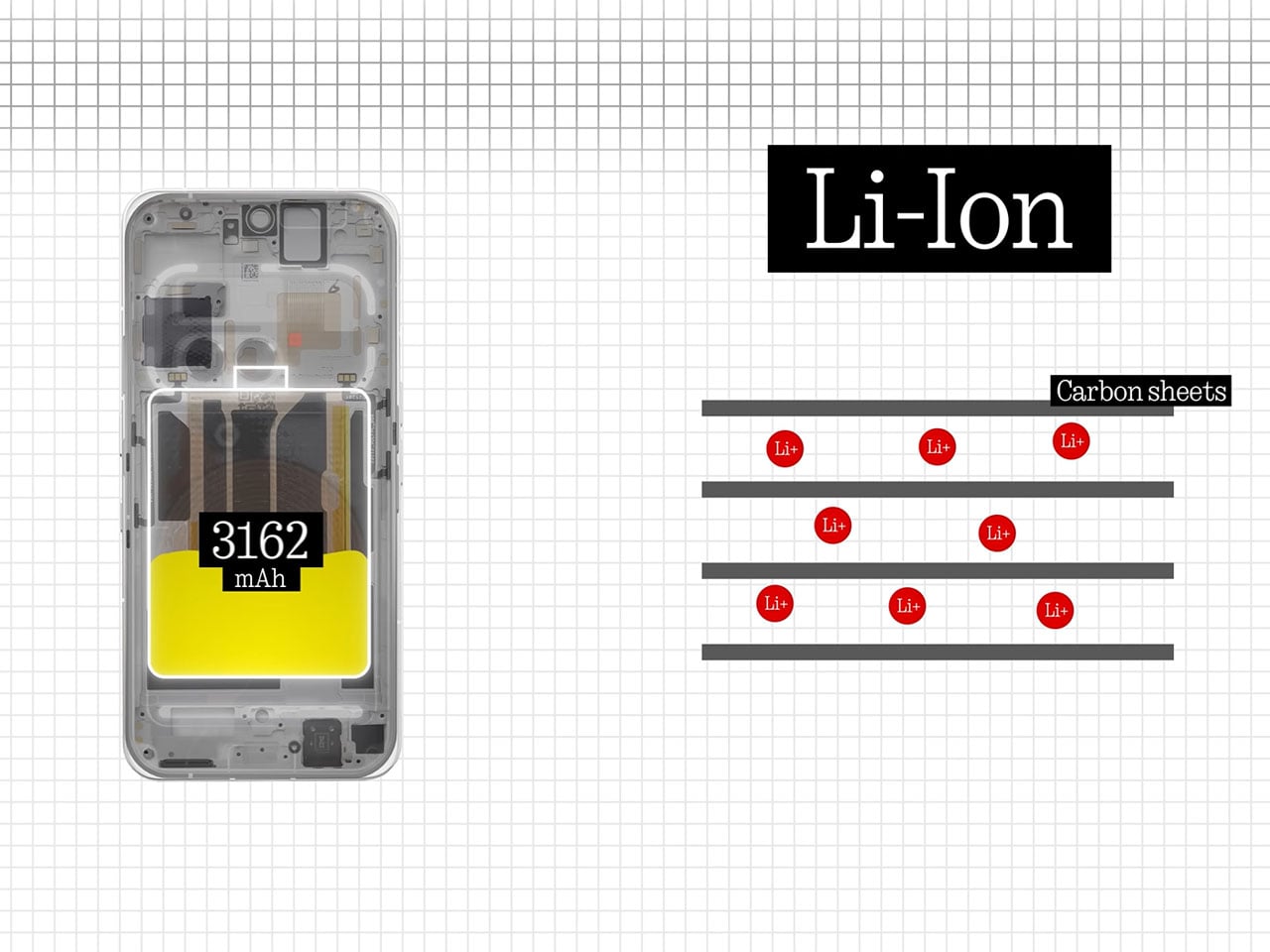
The project also explores the engineering compromises required to build such a device. According to Nothing, shrinking the phone while retaining fan-requested features significantly limits internal space. The company explained that maintaining a slim profile would force sacrifices in areas such as processing power, display quality, and biometric hardware. Instead, the concept adopts a slightly thicker chassis, allowing room for a 3,800mAh silicon-carbon battery and the additional hardware requested by the community.

Another unusual idea discussed during the concept’s development was reducing software restrictions. The Dream Phone imagines a device with minimal pre-installed software and maximum user control, reflecting ongoing conversations around bloatware and device customization.

As appealing as the concept may be, Nothing has made it clear that the Dream Phone is not headed for production. It remains a design exercise intended to visualize what a community-driven smartphone could look like when user wishes take priority over mainstream market trends. Still, the overwhelmingly positive reaction demonstrates that many consumers are eager for devices that prioritize practicality, individuality, and thoughtful design over spec-sheet competition. Whether or not this exact phone ever becomes reality, the Dream Phone serves as a reminder that some of the most desired smartphone features are not necessarily the newest ones; they are the ones people genuinely miss!

The post Nothing’s Dream Phone concept fixes everything fans dislike about modern smartphones first appeared on Yanko Design.
DJI Osmo Pocket 4 Review: A $486 Pocket Camera That Earns Its Price

PROS:


  • Handy 107GB internal storage

  • Excellent low-light performance

  • Bright screen and creator-friendly controls

CONS:


  • Portrait mode tops out at 3K

  • Low-light mode for video is 1x zoom only

  • No formal water and dust resistance rating

RATINGS:

AESTHETICS
ERGONOMICS
PERFORMANCE
SUSTAINABILITY / REPAIRABILITY
VALUE FOR MONEY

EDITOR'S QUOTE:

The DJI Osmo Pocket 4 doesn't ask you to compromise between portability and quality. It just delivers both.

The gap between smartphone convenience and dedicated camera quality has never been more complicated to navigate. Smartphones shoot impressive footage, but the moment you start walking, panning, or filming yourself without a stabilizer, the limitations show. Shaky handheld video, compromised low-light performance, and the inconvenience of carrying a larger camera rig have pushed creators to look for a smarter middle ground.

The DJI Osmo Pocket 4 is designed to solve that exact problem. Building on a line of compact gimbal cameras that have quietly become a go-to tool for vloggers and travel creators alike, the fourth generation pushes the formula further with an improved sensor, smarter tracking, and a handful of practical upgrades that address the friction points that have always come with shooting on the go.

Designer: DJI

Aesthetics

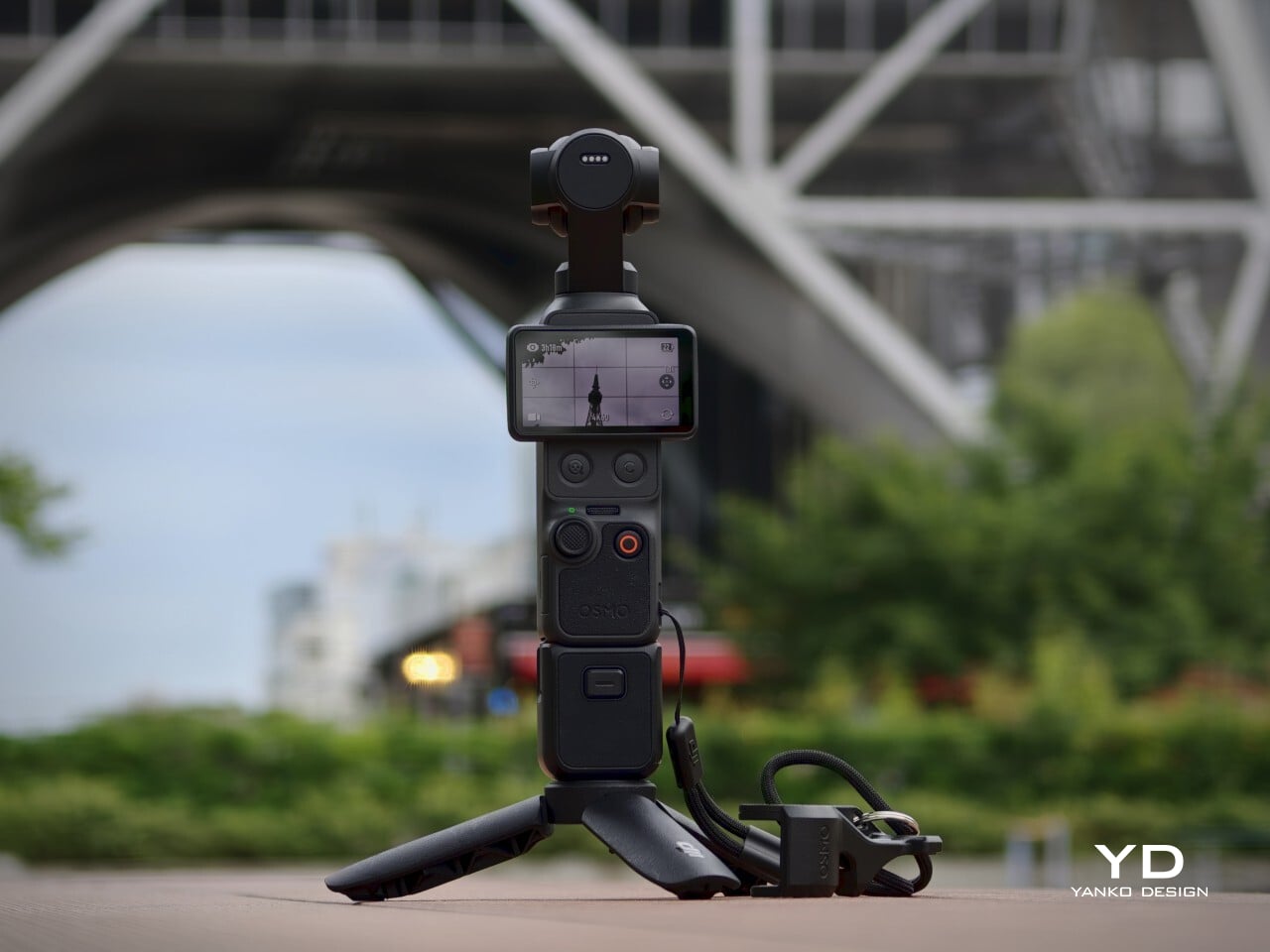
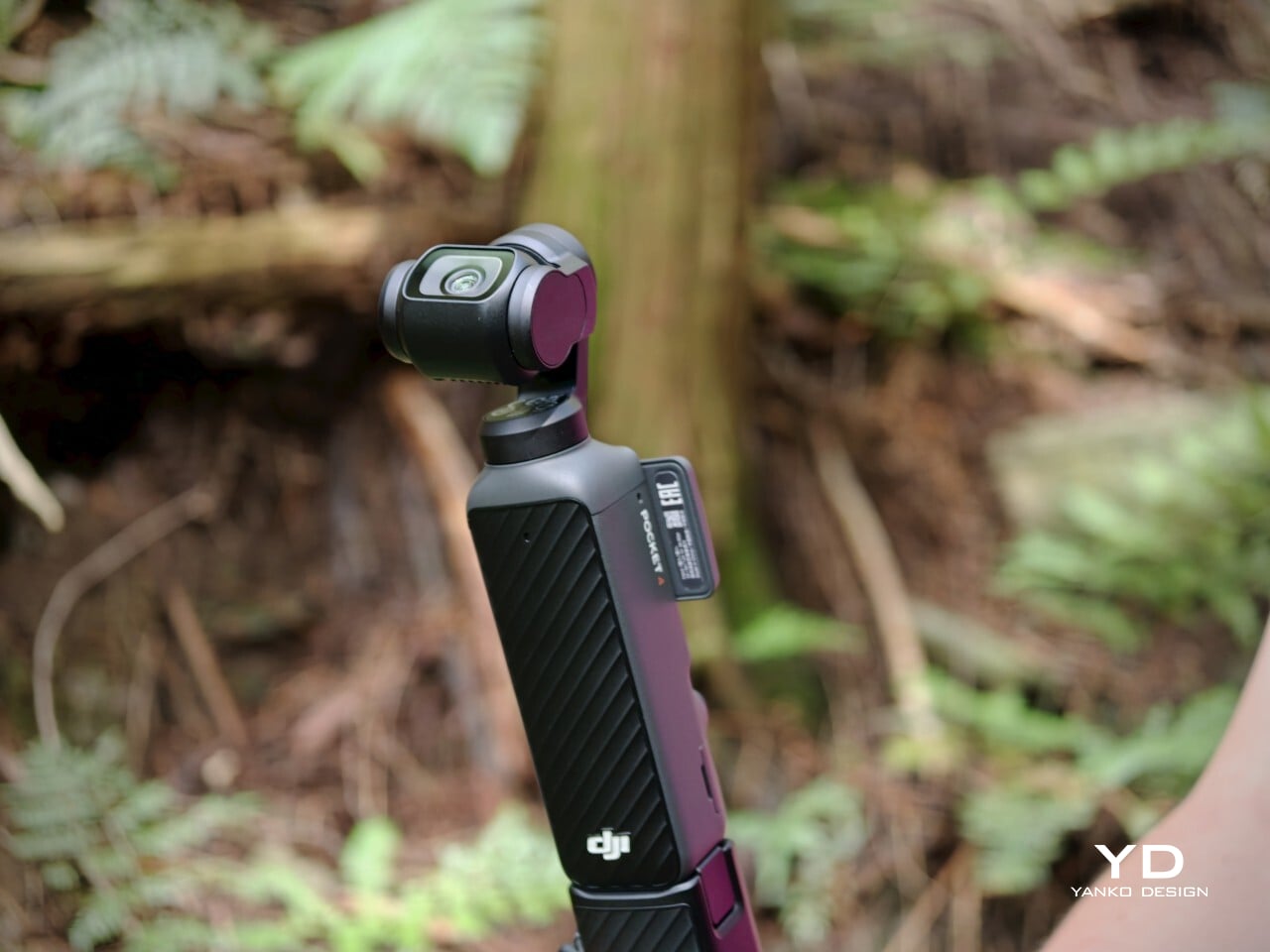
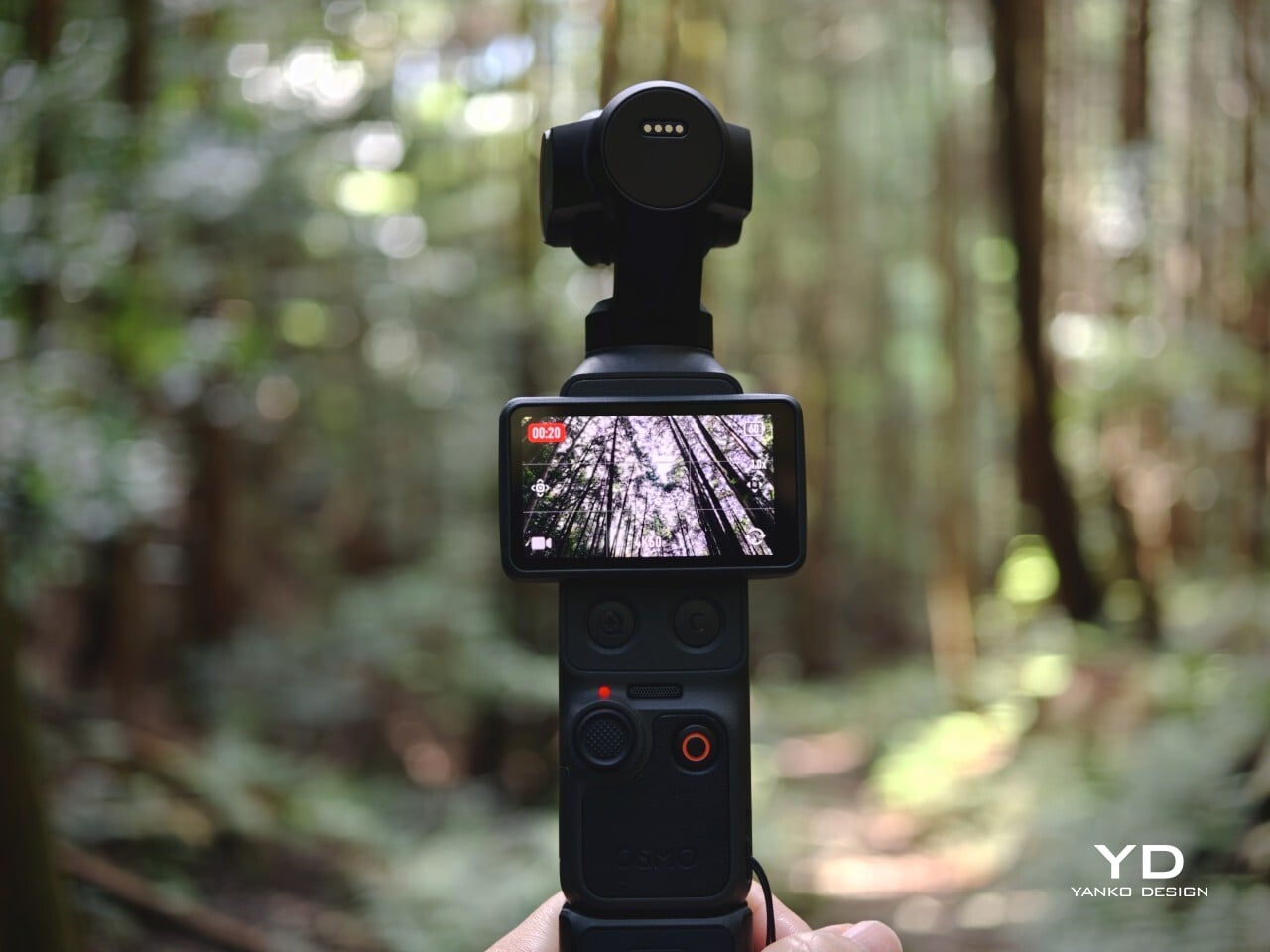
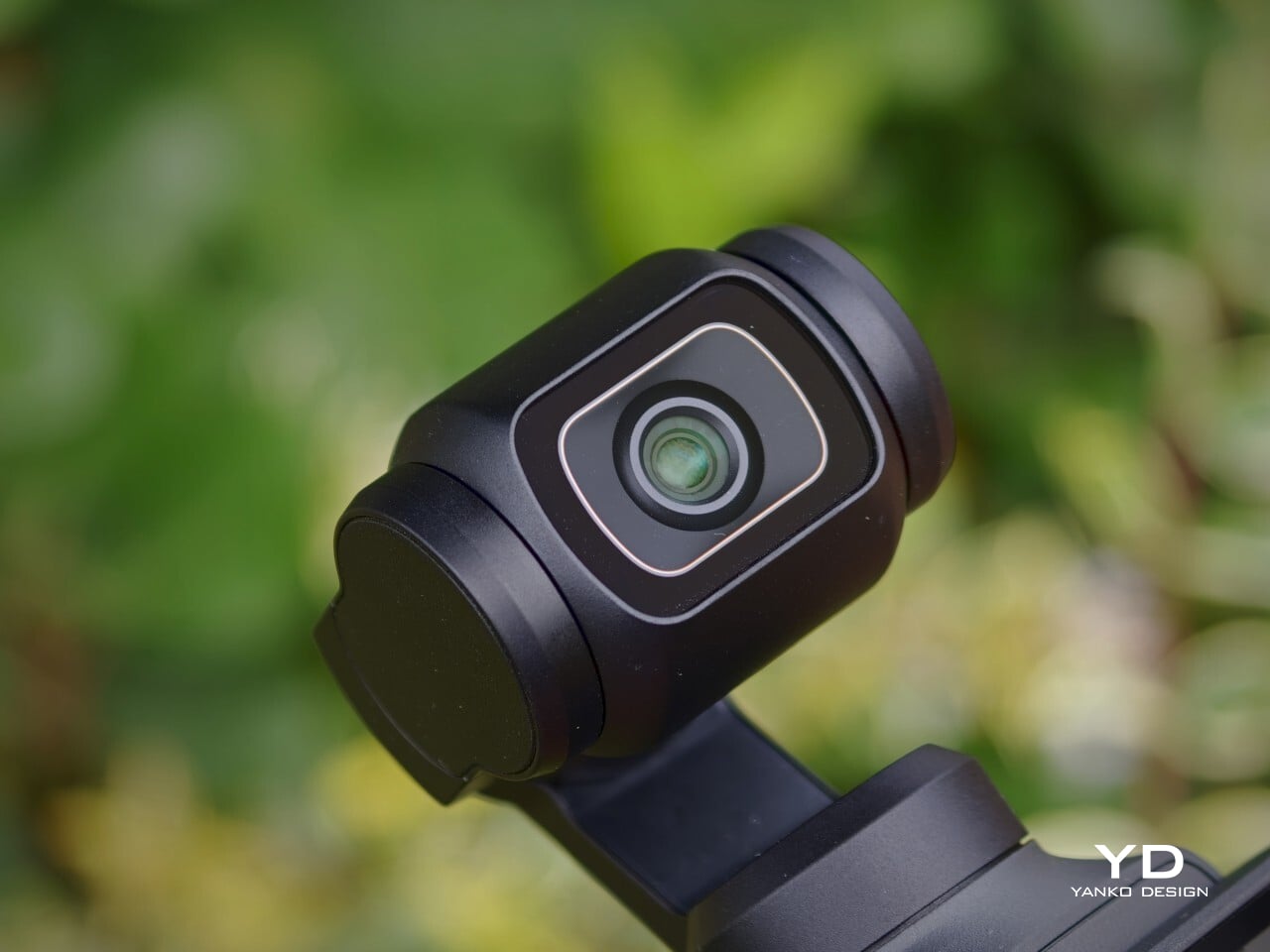
The Osmo Pocket 4 doesn’t try to look exciting. Its silhouette is tall and narrow, with a small three-axis gimbal head sitting at the top. It’s a restrained design that communicates precision rather than personality, and that’s part of the appeal. The matte black finish and clean lines make it look purposeful without being flashy, which is exactly the visual confidence that good industrial design earns.

What makes it visually distinctive is the tension between the utilitarian body and the delicate gimbal mechanism at the top. The rotating touchscreen adds a layer of mechanical thoughtfulness to the otherwise straightforward form. Up close, the camera looks precise and well-assembled, with tight tolerances and a consistent finish across its surfaces. It’s the kind of object that rewards a closer look.

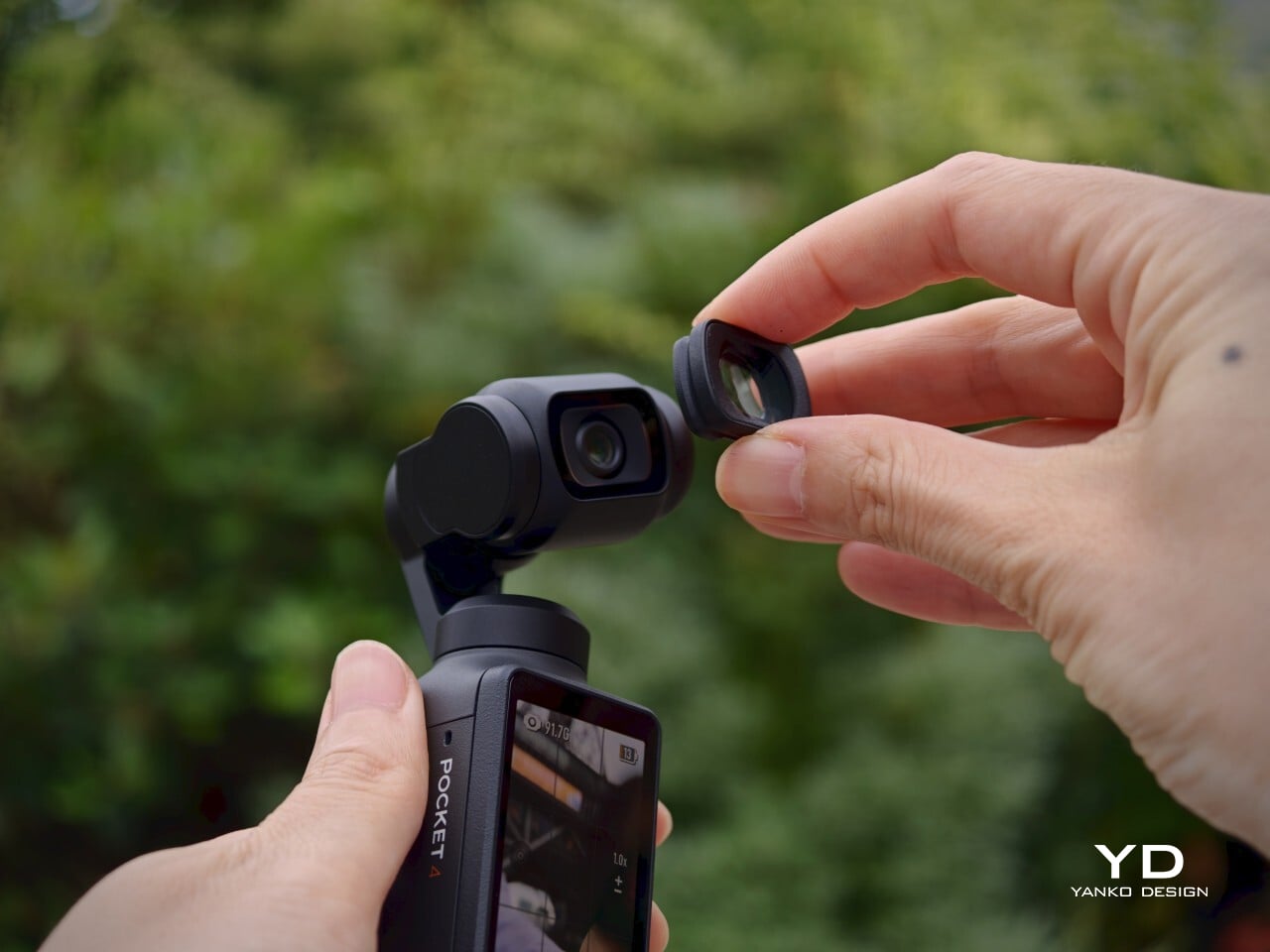
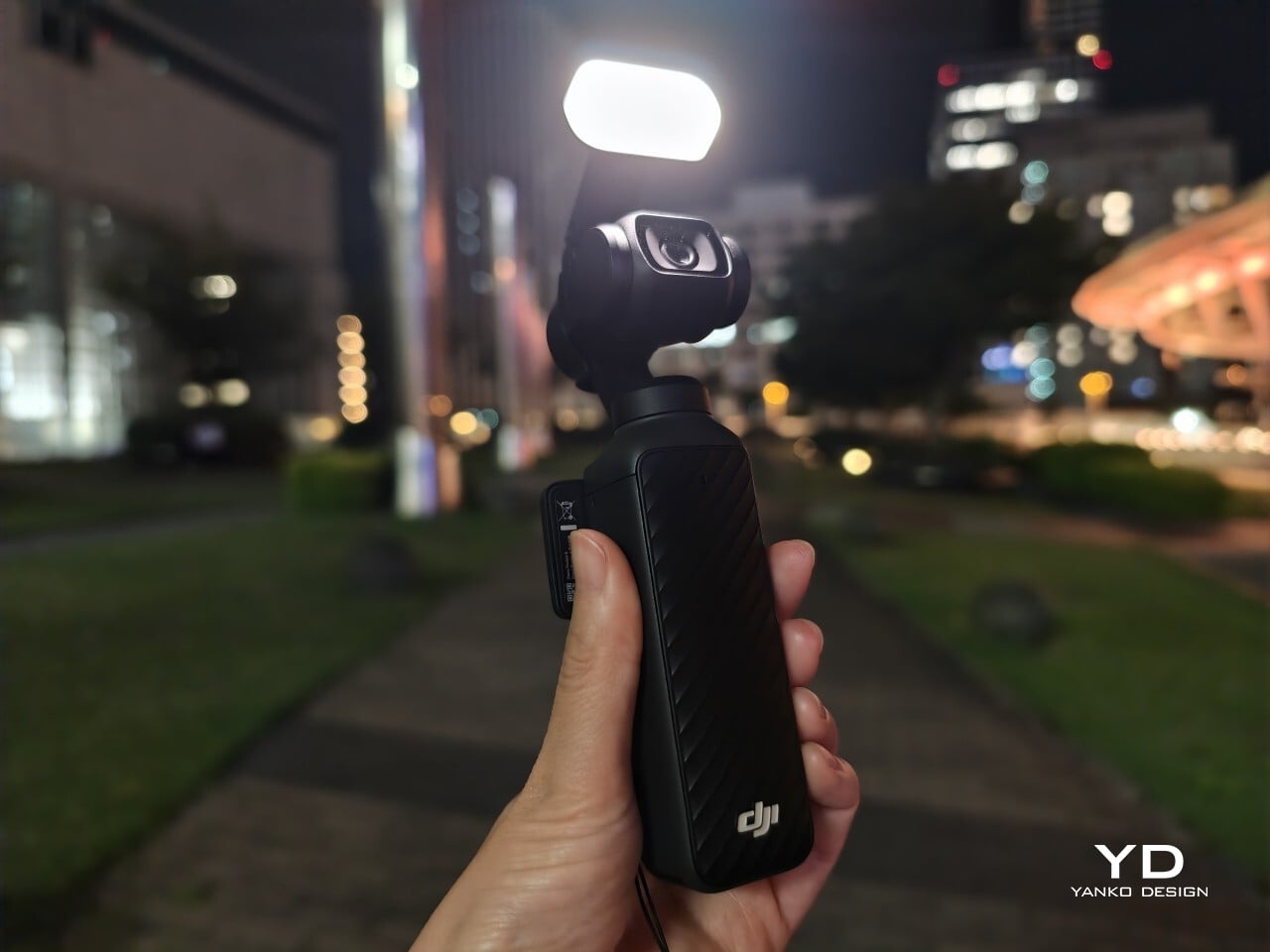
The Creator Combo accessories, including the magnetic fill light and the wide-angle lens, add functional range without dramatically changing the camera’s character. They fit onto the device with minimal fuss and are compact enough to carry without much extra bulk. The wide-angle lens introduces some edge distortion, a minor tradeoff, and it needs to be removed before powering the camera down, making it a small but notable habit to build.

Ergonomics

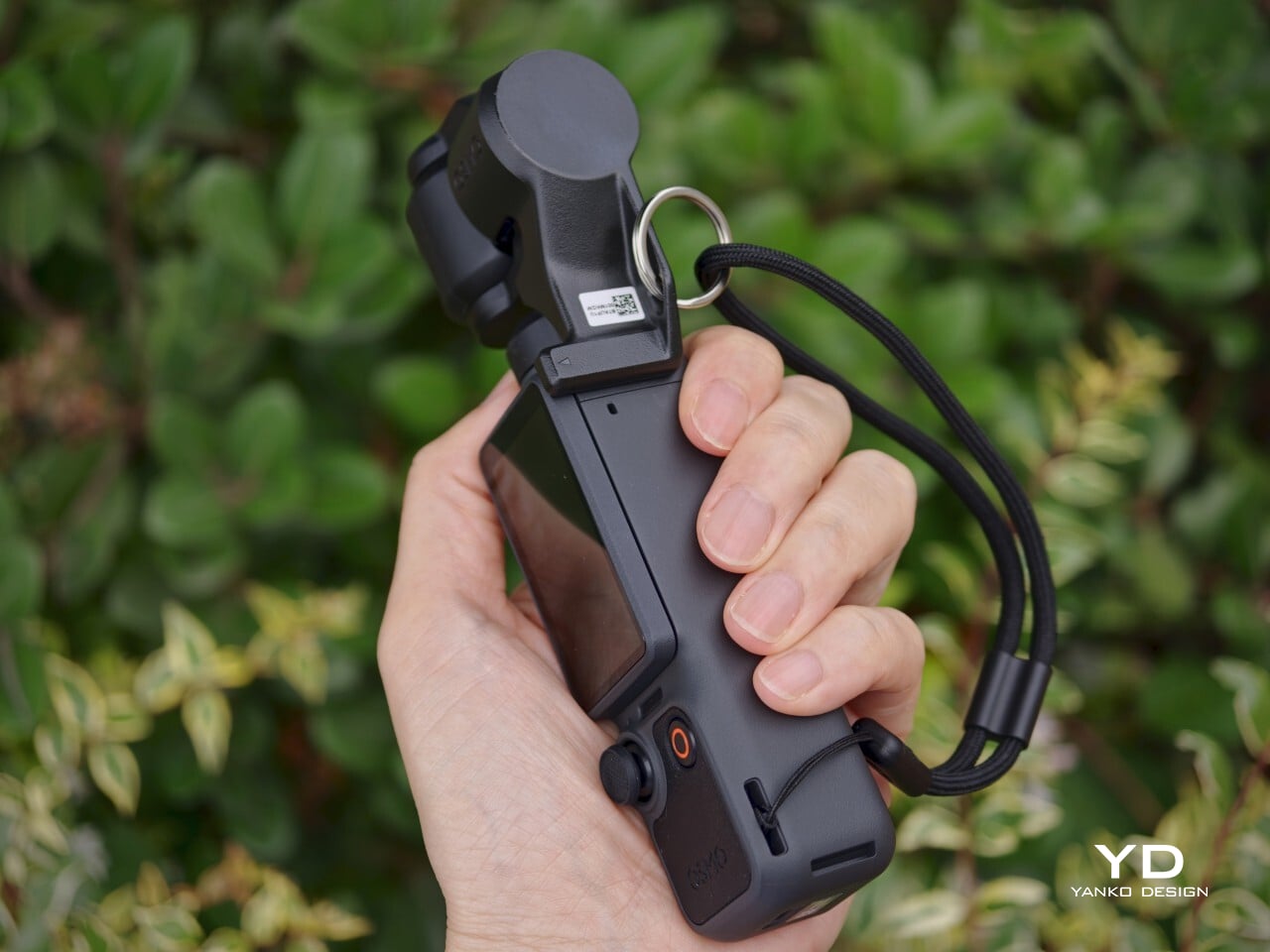
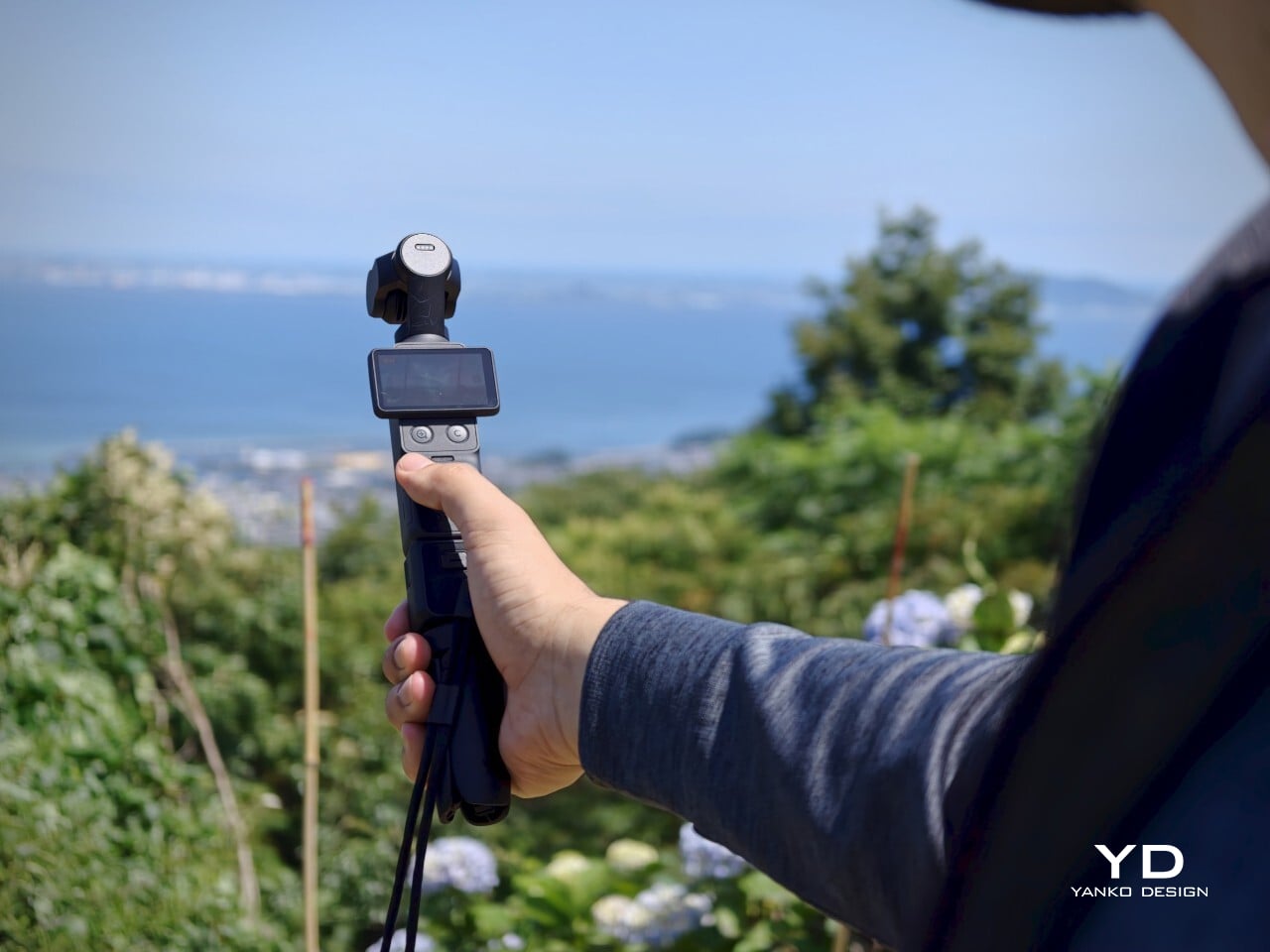
At 190.5g and measuring 144.2mm x 44.4mm x 33.5mm, the Osmo Pocket 4 genuinely fits in a pocket. That sounds like a marketing line, but it’s one of the more meaningful things you can say about a dedicated camera. It’s light enough to forget you have it and small enough that pulling it out feels no more dramatic than reaching for your phone, which is completely the point.

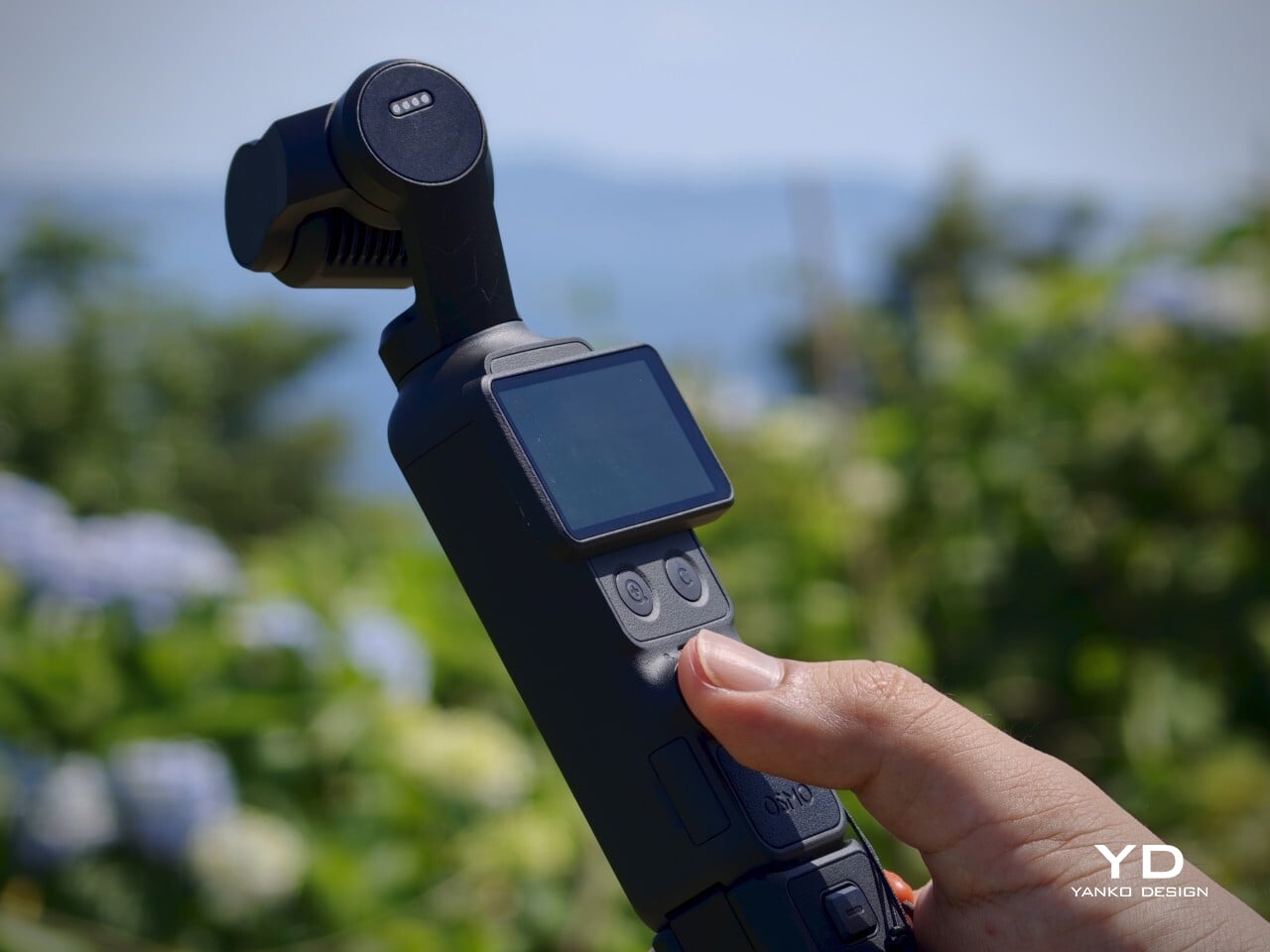
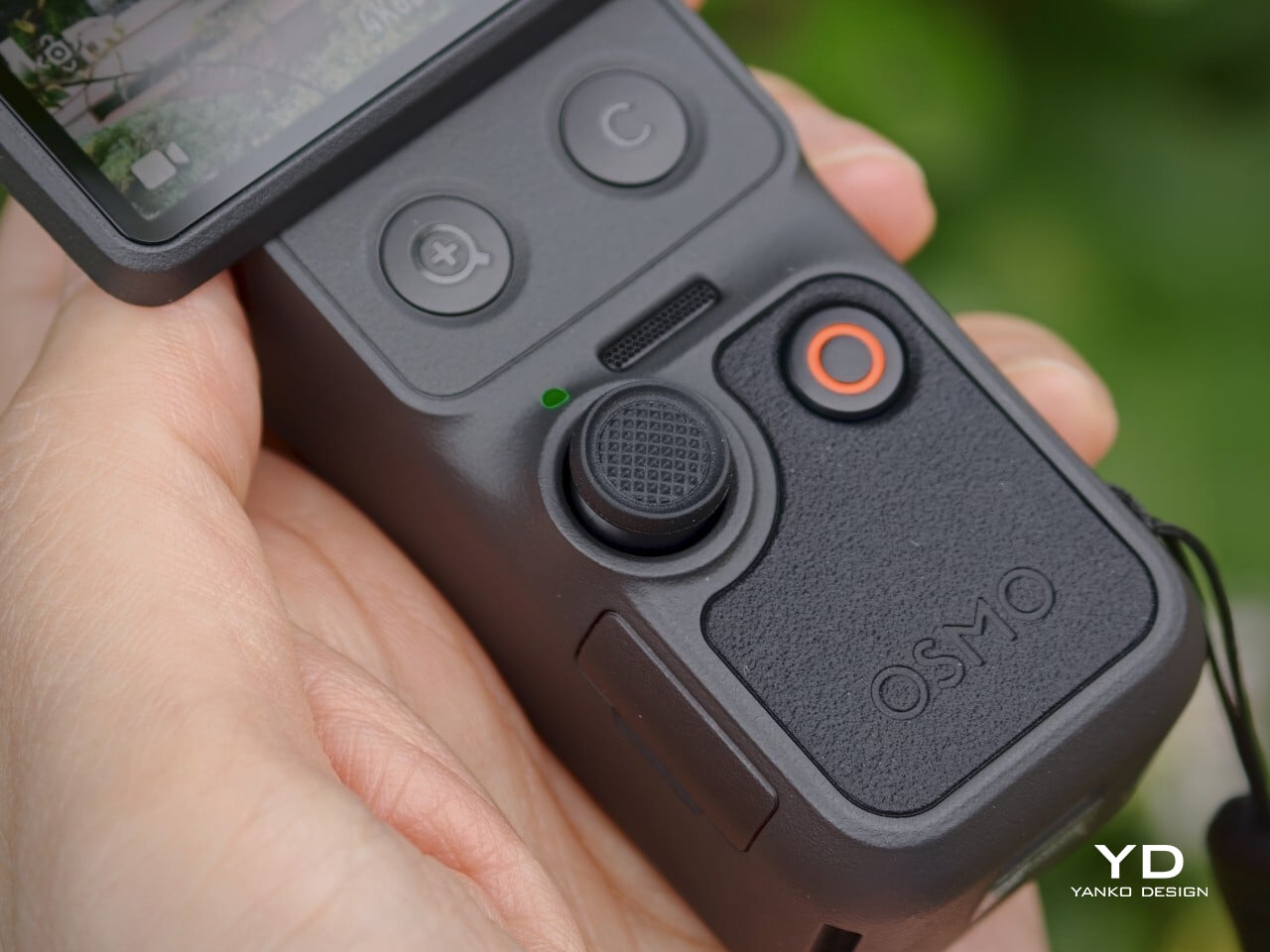
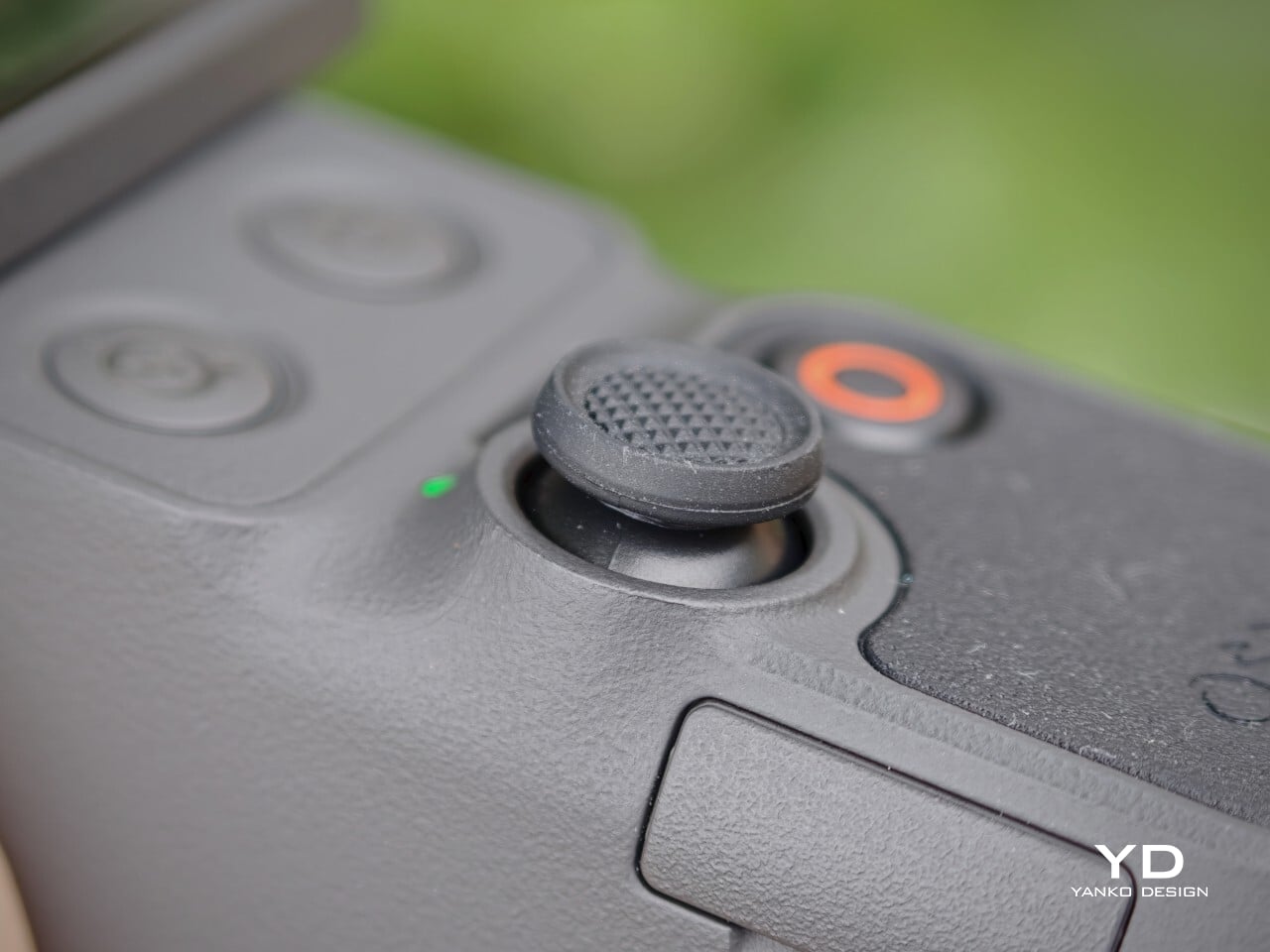
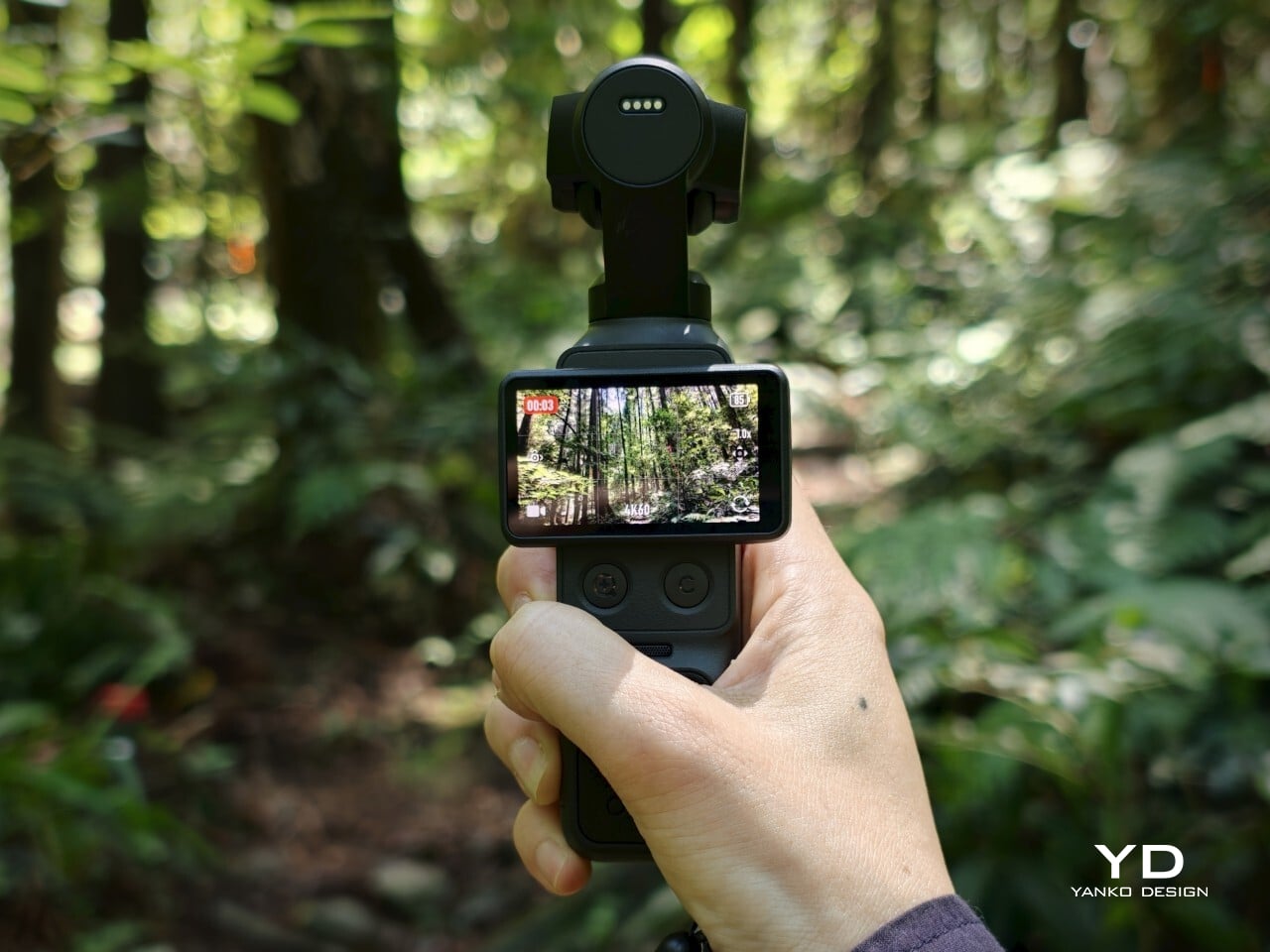
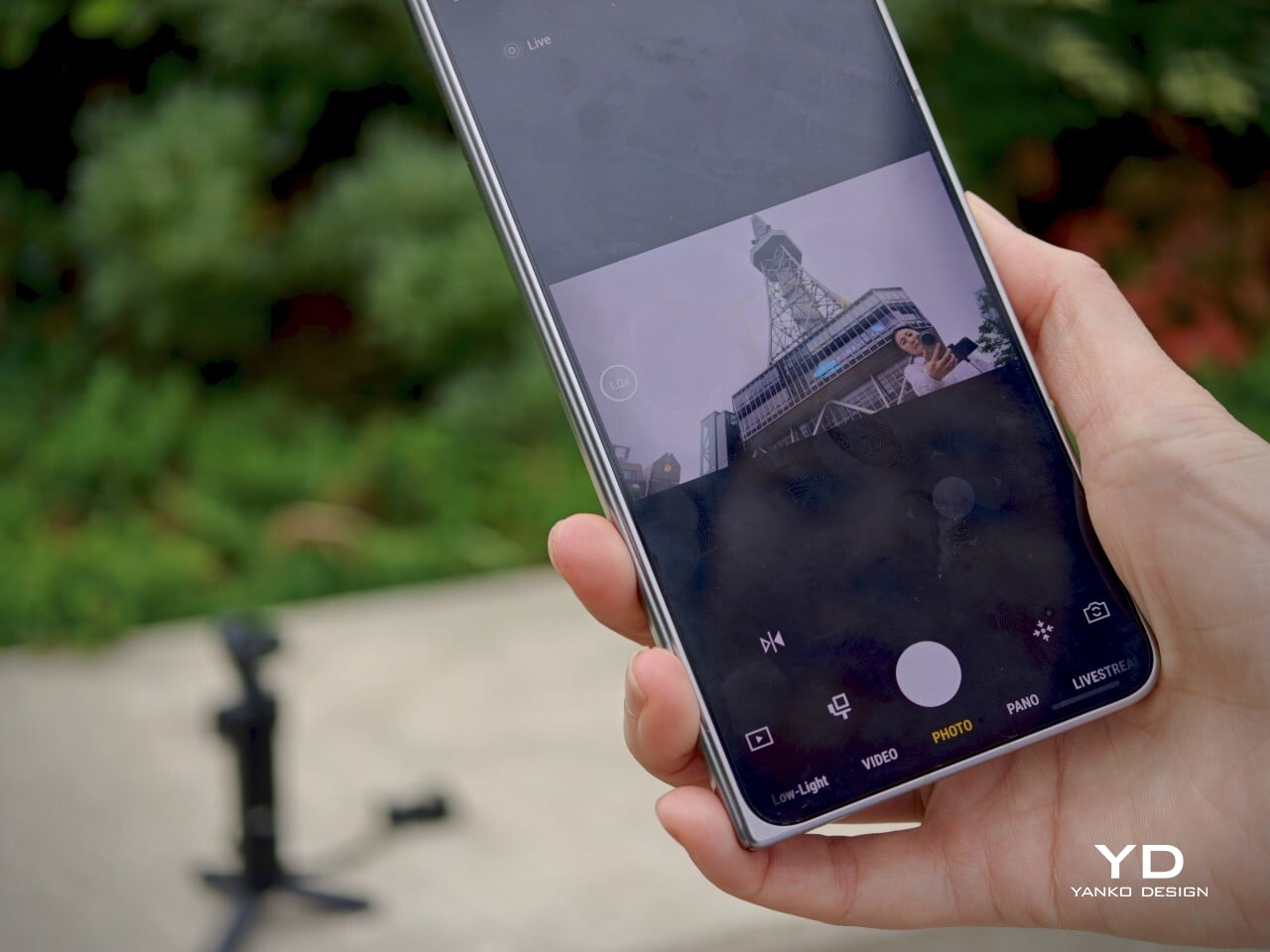
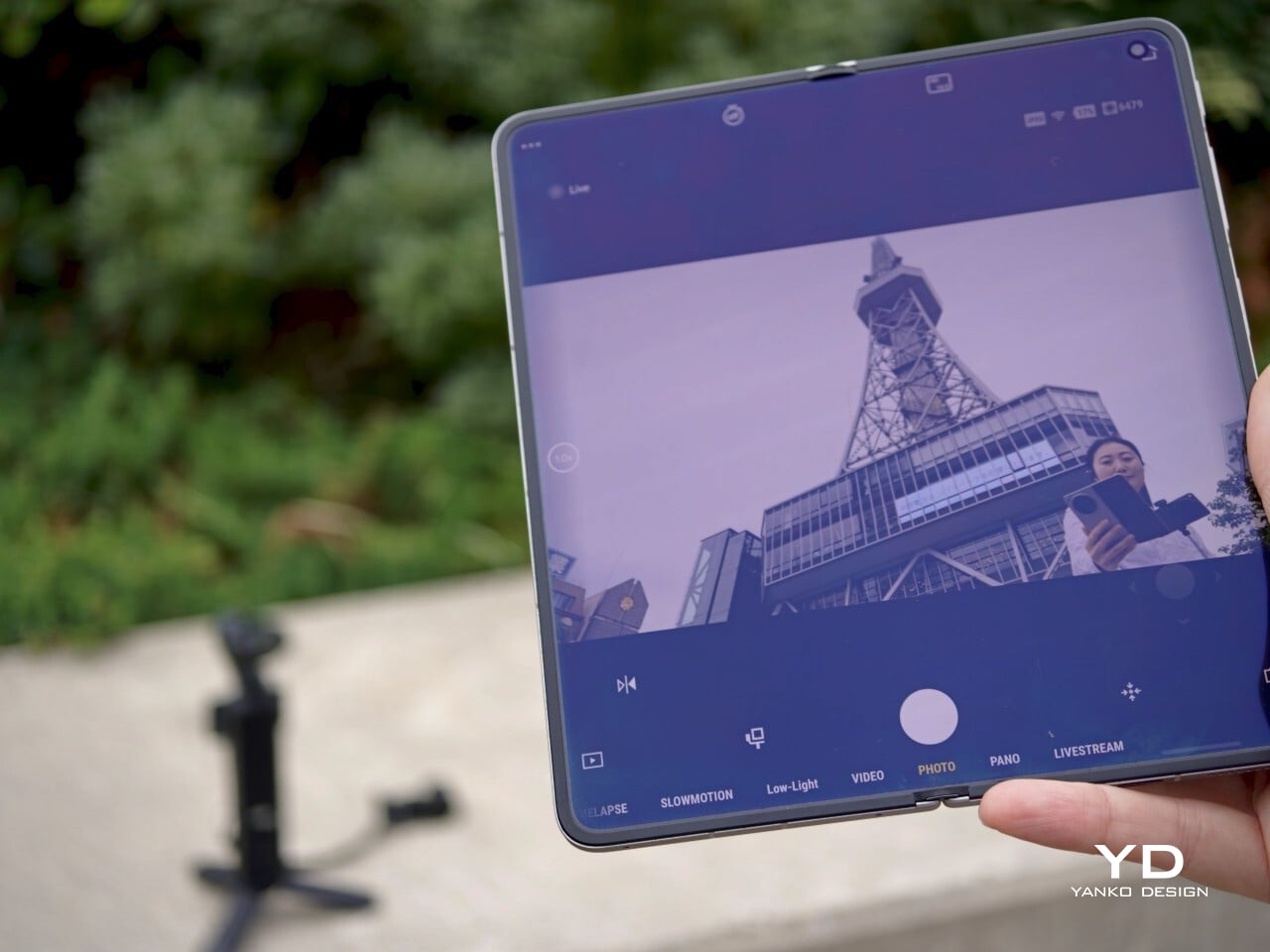
Operating the Osmo Pocket 4 is intuitive. Rotating the screen starts recording automatically, a shortcut that makes spontaneous moments actually capturable. Two new buttons below the screen handle zoom and custom presets, while the 5D joystick lets you reposition the gimbal or flip the camera orientation without going into menus. The controls feel deliberate rather than crowded, and that discipline counts in a device this compact.

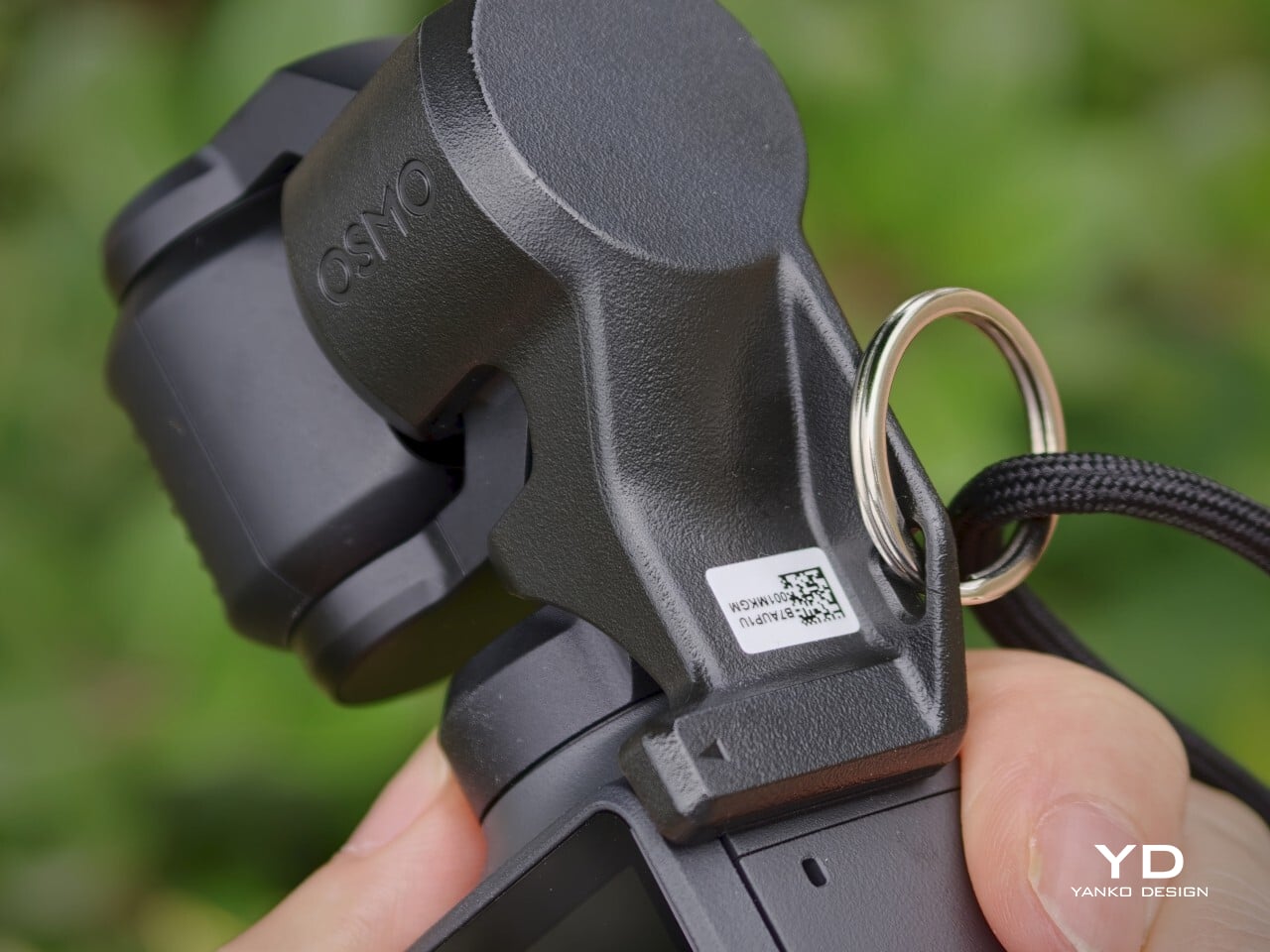
The 2.0-inch touchscreen is bright at 1000 nits, visible enough for outdoor framing, though it could benefit from an anti-reflective surface under harsh direct sunlight. The gimbal clamp that protects the camera head during storage is usefully low-profile, but it’s also easy to misplace precisely because of that. A lanyard attachment helps solve that problem and keeps the clamp reliably on hand whenever the camera needs to be put away.

Performance

The core of the Osmo Pocket 4’s appeal is its improved 1-inch CMOS sensor, paired with an f/2.0 lens and 14 stops of dynamic range. In practice, that combination produces video with noticeably more texture and tonal depth than a typical smartphone sensor can manage. Highlight retention in bright outdoor scenes holds up well, and shadow detail in mixed-light interiors stays controlled rather than collapsing into noise or flat gray.

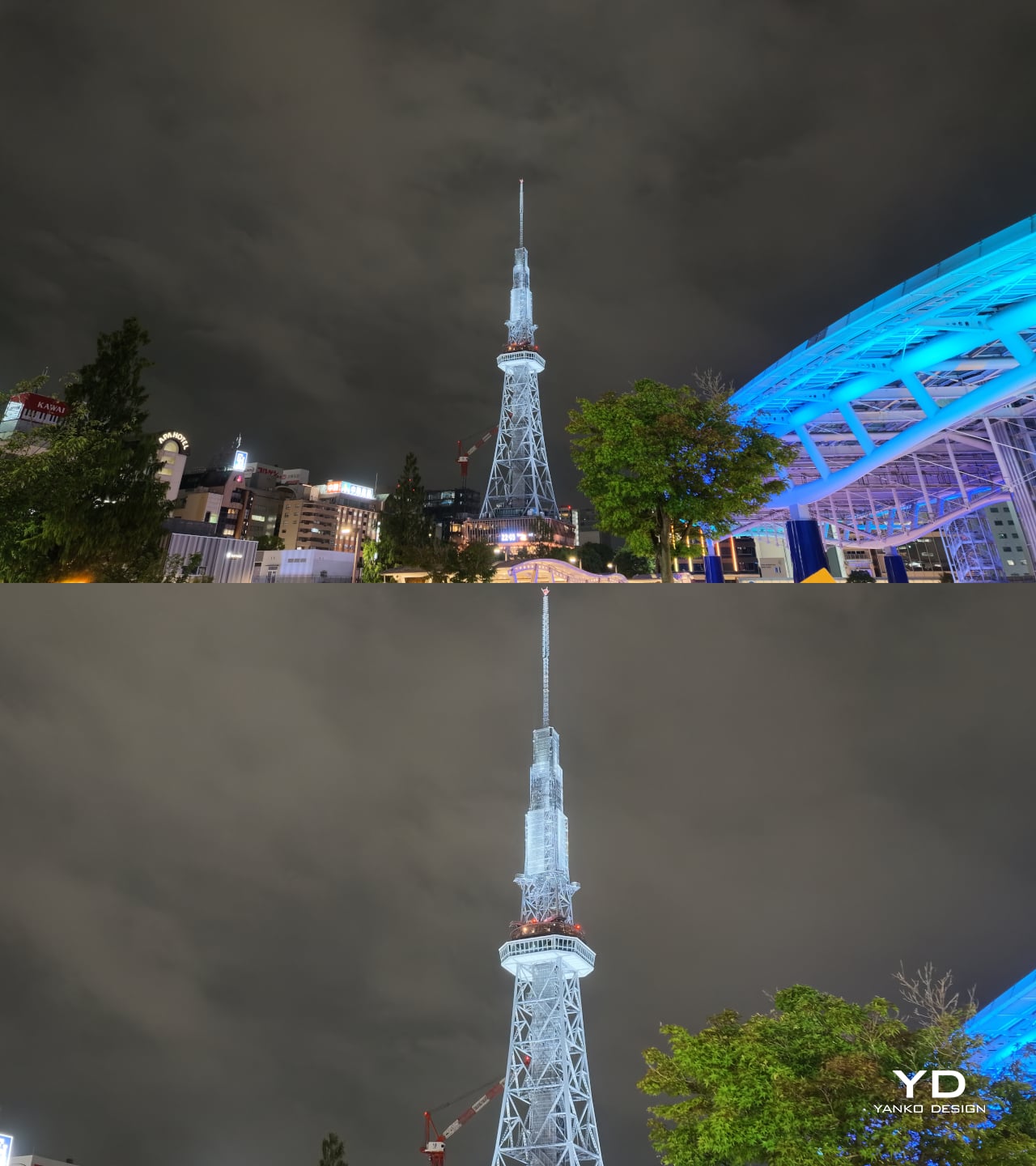
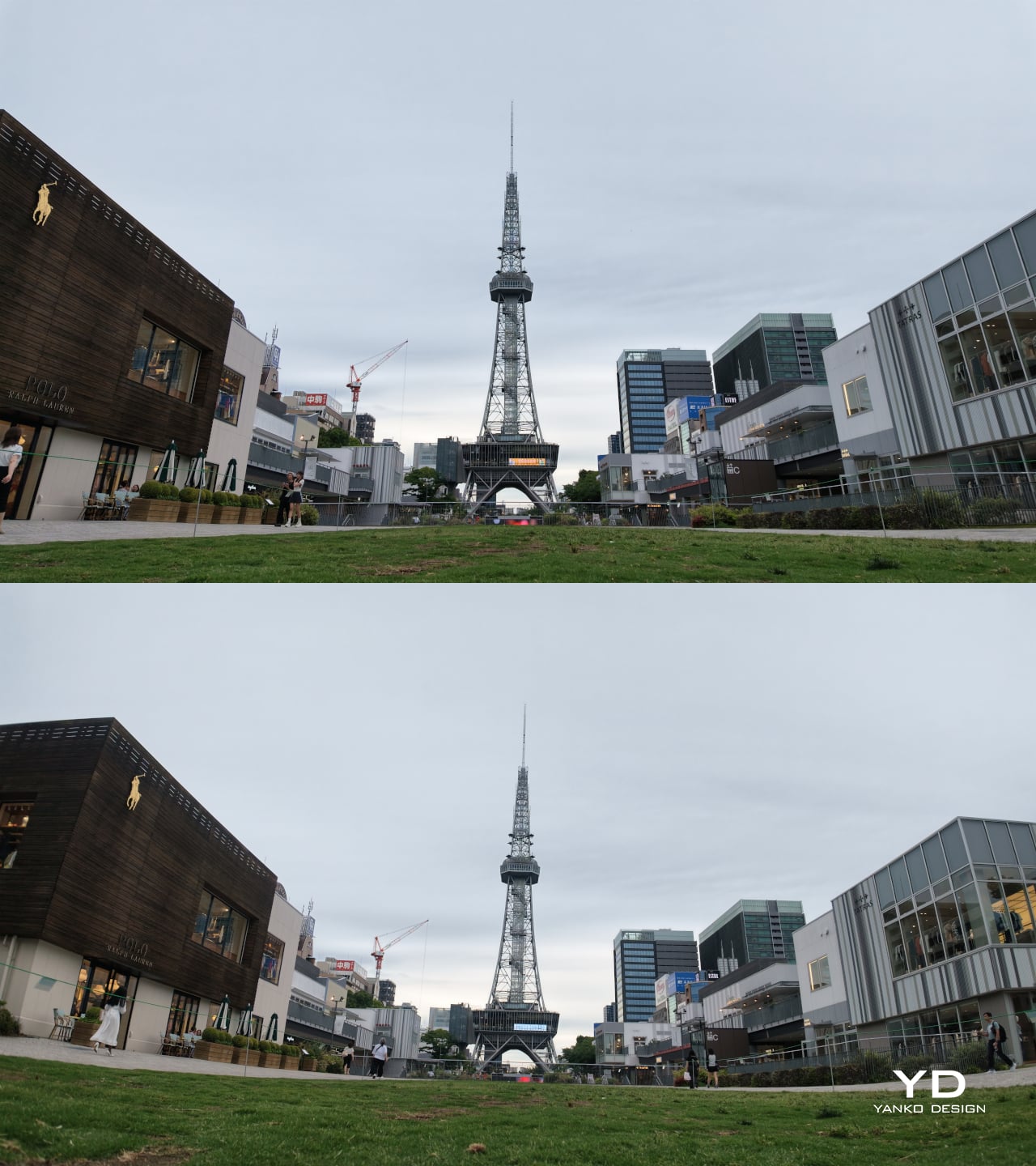
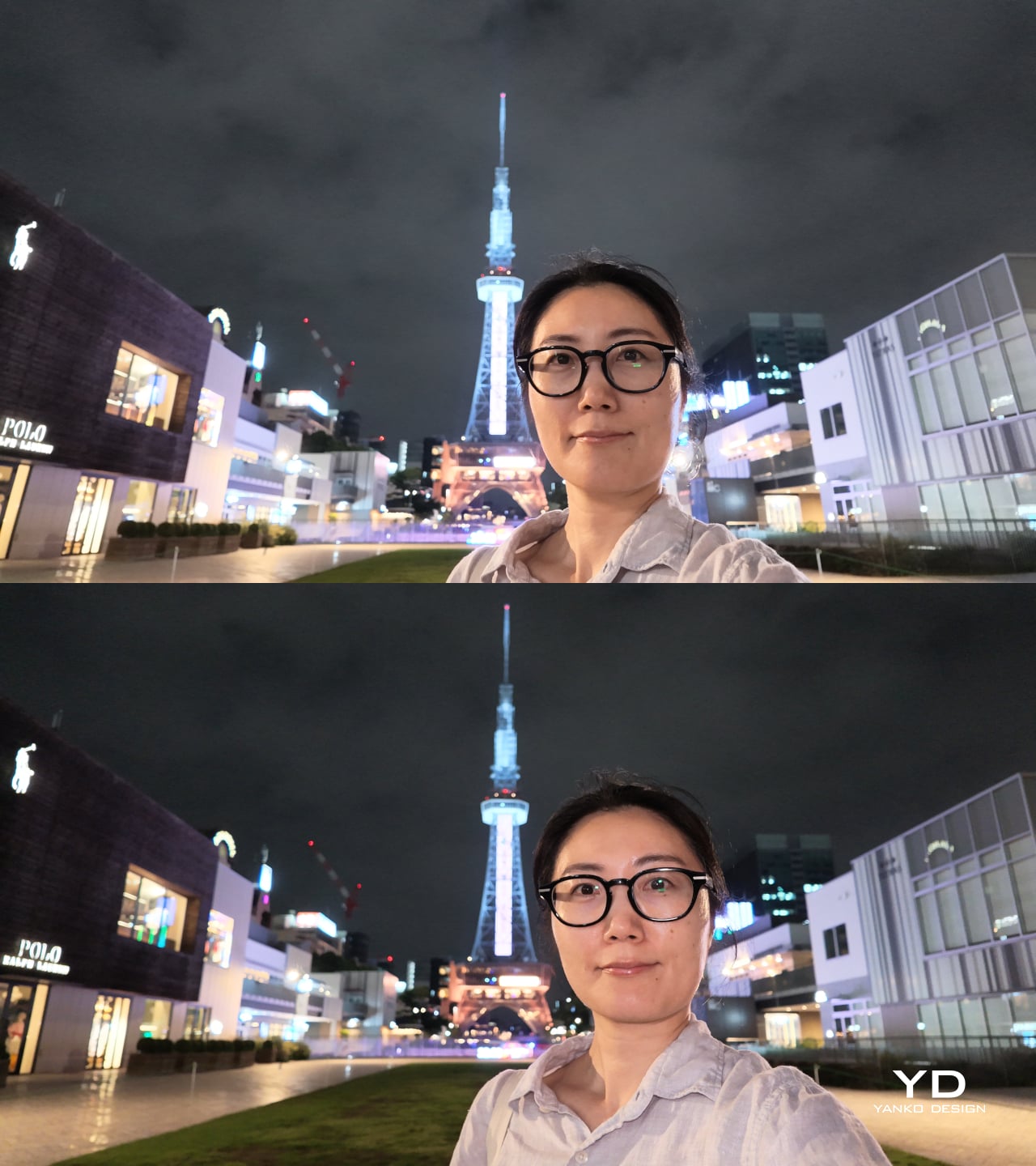
1x (Top) | 2x (Bottom)

1x (Top) | Wide Lens Attachment (Bottom)

Low-light performance is one of the Pocket 4’s stronger points, both for still photos and videos. The dedicated low-light video mode produces clean, well-exposed footage in dim environments where smartphones typically struggle with noise and color accuracy. Sadly, the latter comes with a hidden cost: low-light video mode only works at 1x zoom.

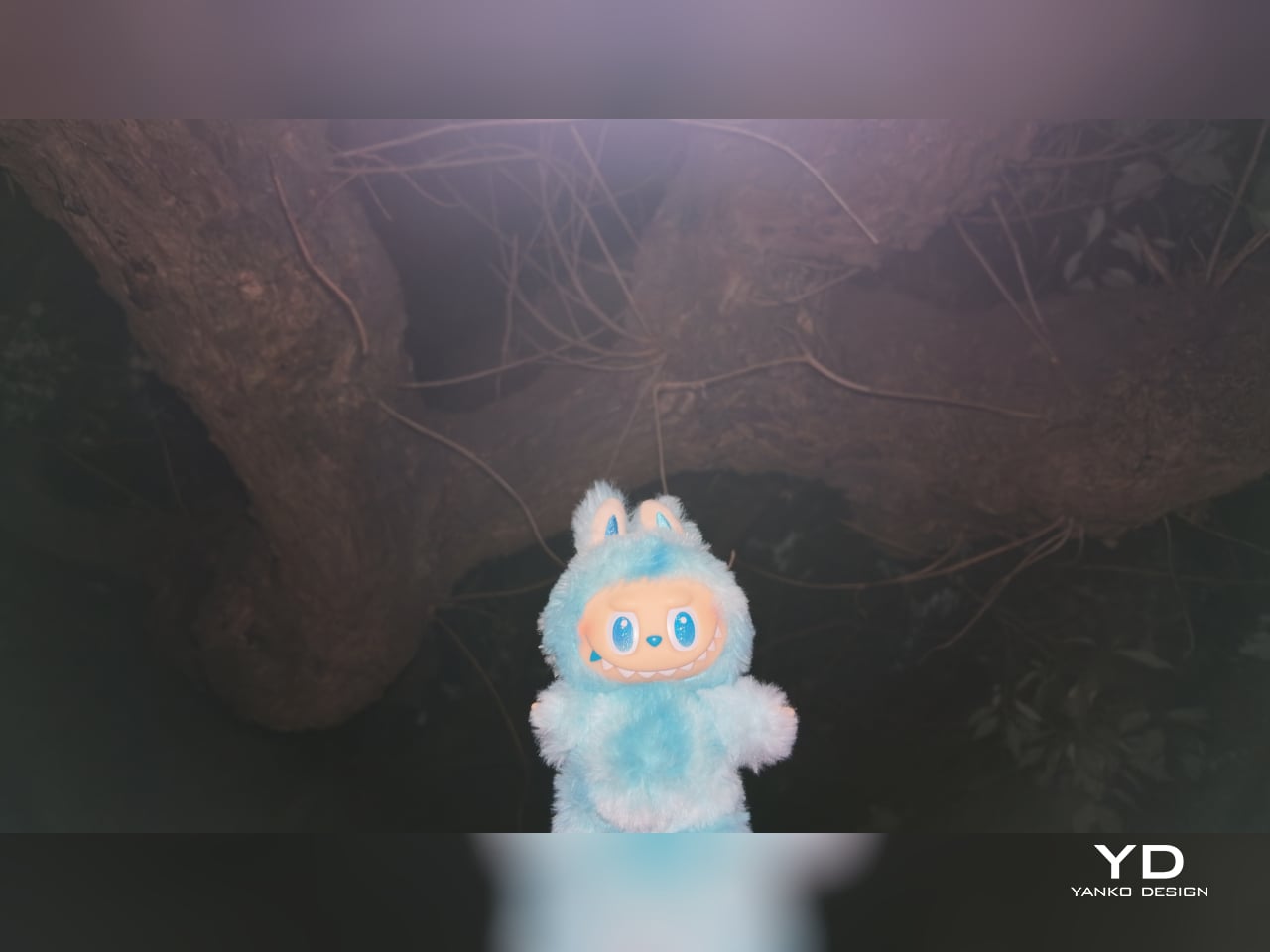
The magnetic fill light from the Creator Combo is a helpful companion for indoor portraits and evening setups, adding enough brightness to make skin tones look clear, though it’s more of a useful enhancement than an absolute necessity. The Osmo Pocket 4 works well enough on its own for nighttime photography and low-lit environments, but in pitch-black situations, the fill light snaps on in a flash, pardon the pun.

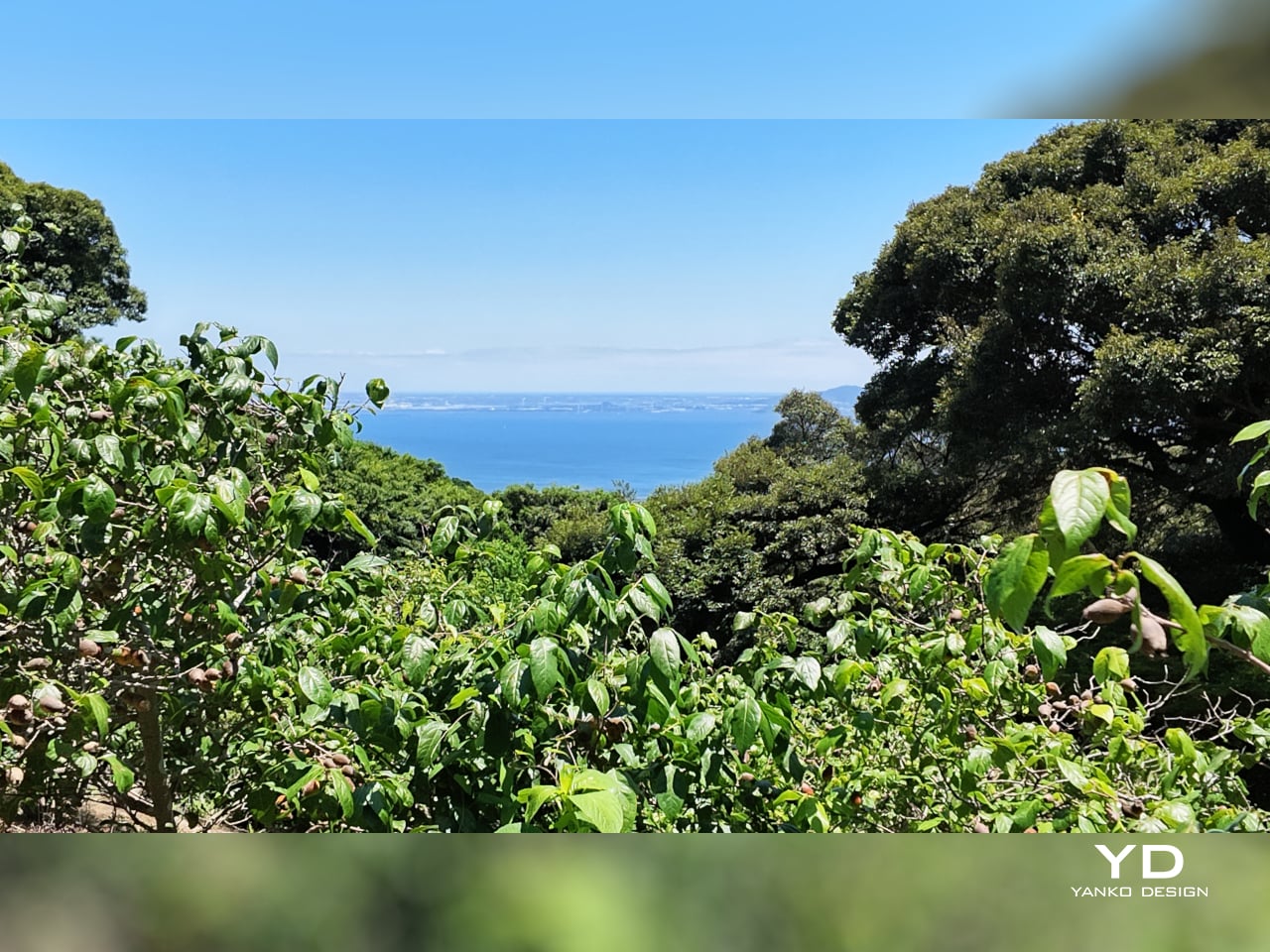
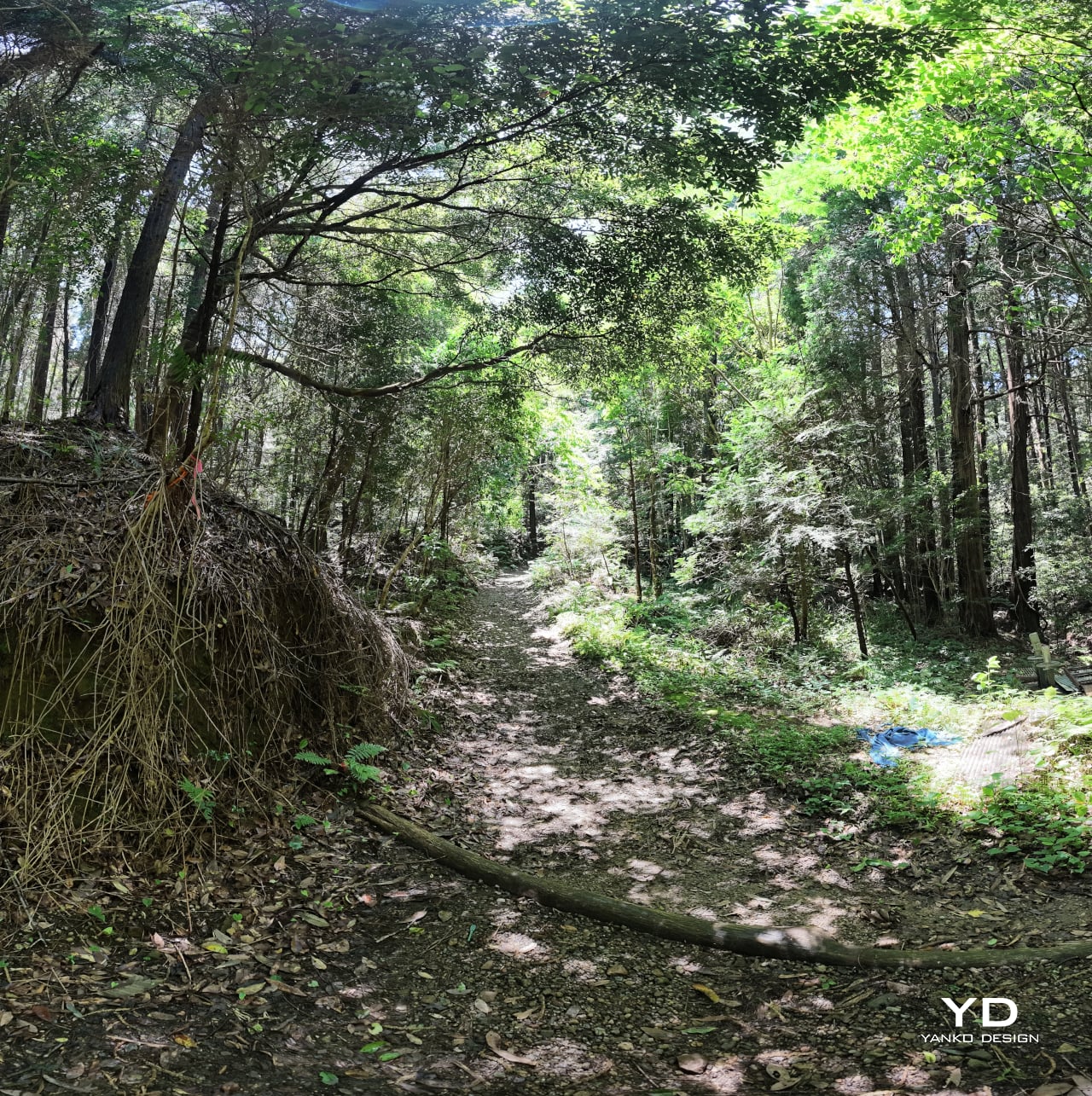
Panorama

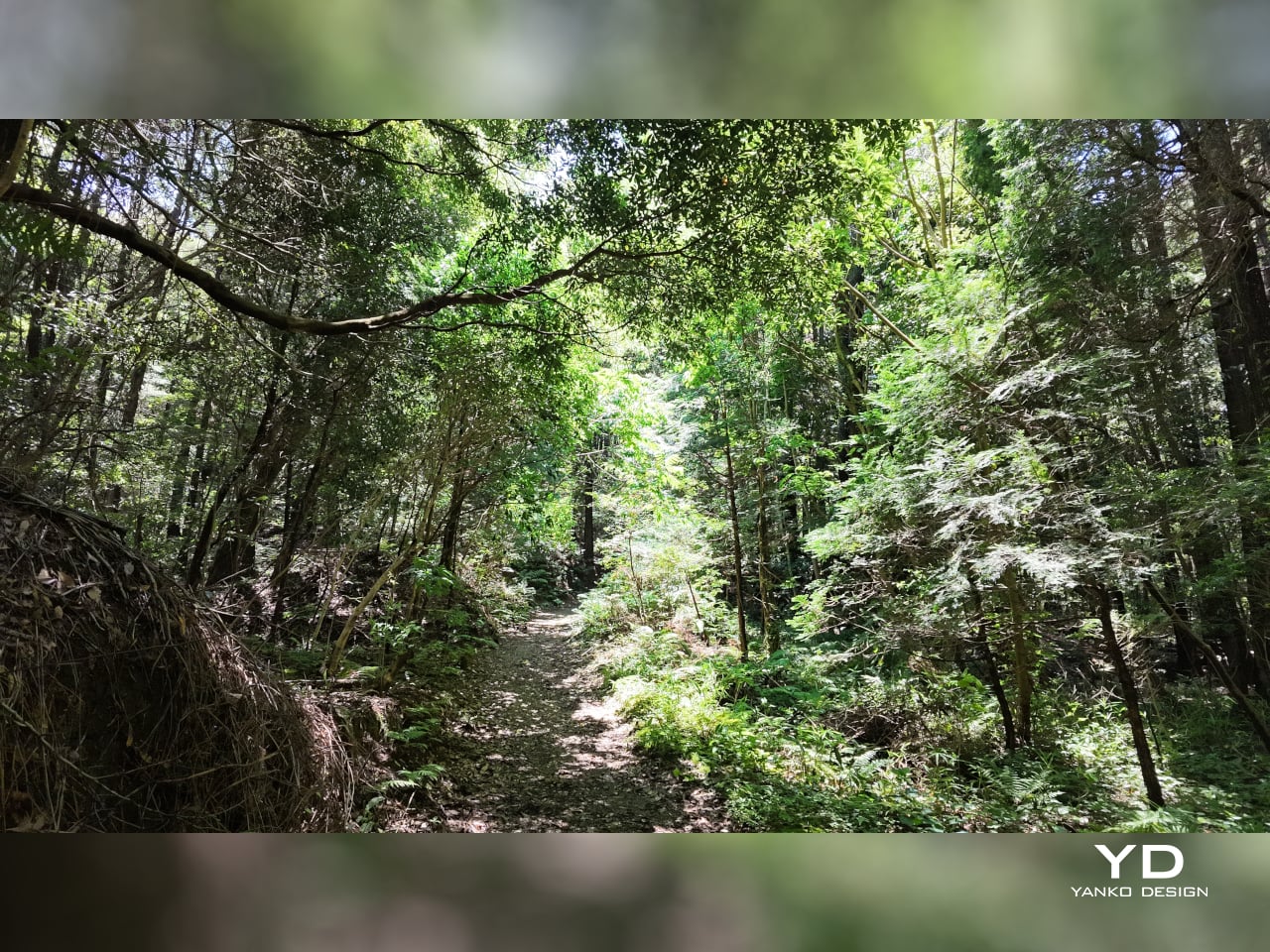
Landscape

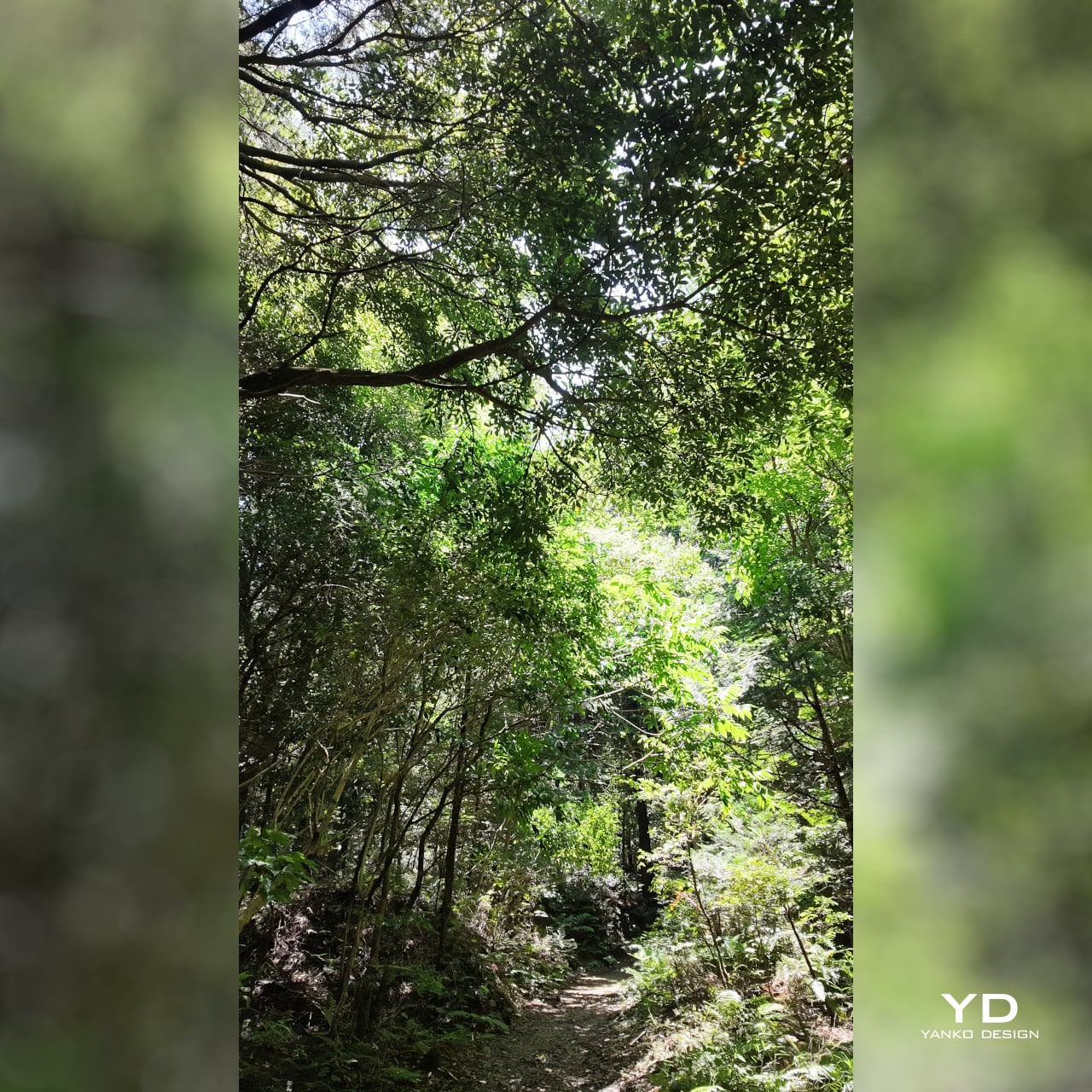
Vertical

For video enthusiasts, the 4K/240 fps slow-motion mode is a genuine highlight. Capturing slow motion at that resolution opens up detailed, cinematic-looking sequences that would have required bulkier equipment not long ago. Sadly, that 4K upgrade doesn’t apply to vertical portrait mode, which remains in 3K land. The 10-bit D-Log color profile adds post-production flexibility, capturing a wider tonal range for those who want to grade their footage in editing software. It’s a meaningful upgrade from the lighter D-Log M available on the previous generation.

With Fill Light

No Fill Light (top) | With Fill Light (bottom)

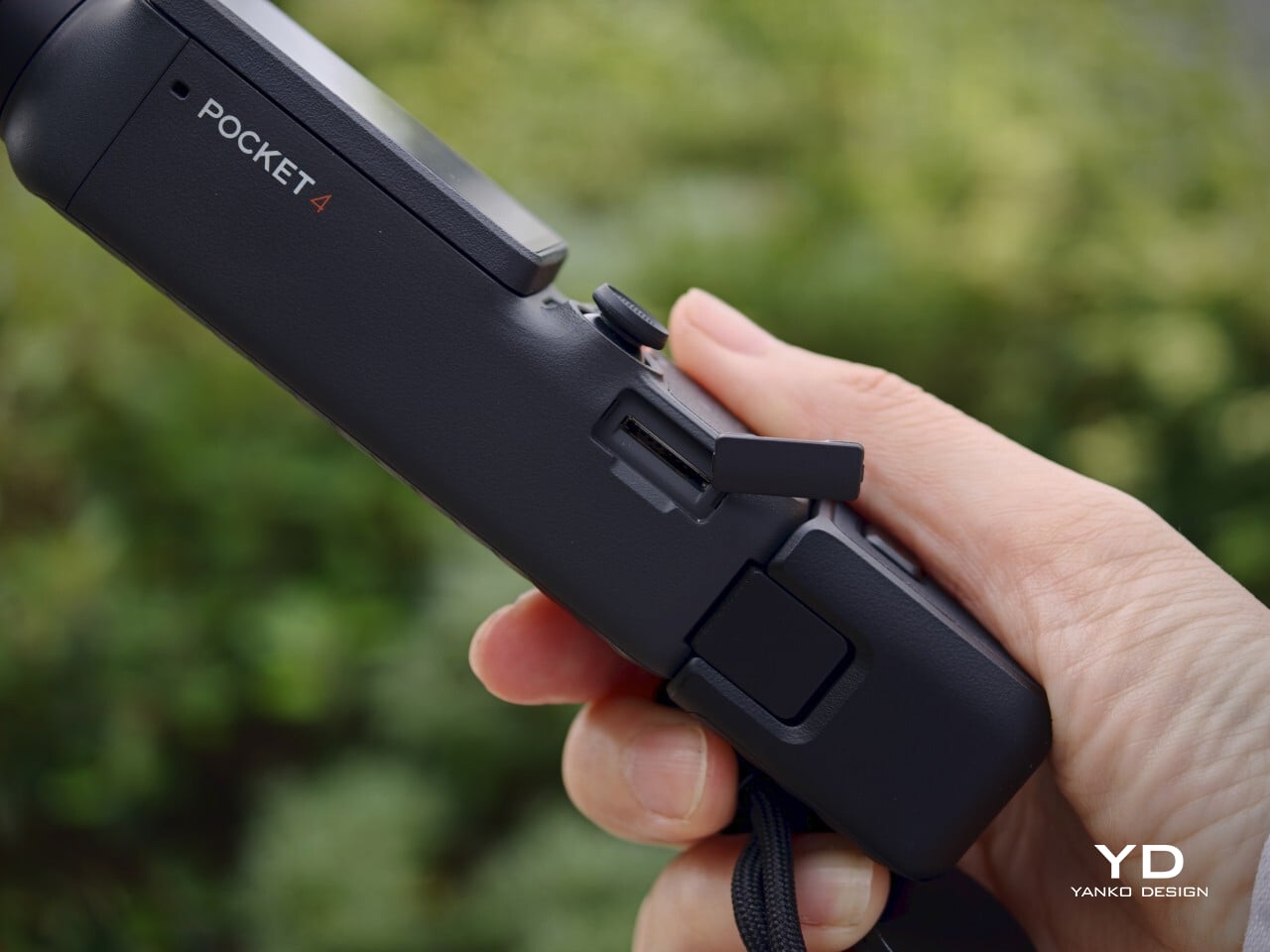
The three-axis stabilization is the product’s most compelling advantage. Walking footage stays smooth without the warping that aggressive digital stabilization sometimes produces, and ActiveTrack 7.0 tracks subjects confidently through movement at up to 4x zoom. The 107 GB of built-in storage, transferable at up to 800 MB/s via USB 3.1, removes the need for a memory card on most shoots and makes offloading footage back at a desk genuinely fast.

Pitch Black

With Fill Light

Night Shot (Without Fill Light)

Night Shot (With Fill Light)

Sustainability

The Osmo Pocket 4 doesn’t make bold claims about eco-friendly materials, and that honesty is more useful than hollow greenwashing. What it does offer is a well-built product that feels designed to last. The body has no creaking or flex, and the feature set is current enough that it isn’t likely to feel obsolete quickly. That kind of longevity is a meaningful sustainability argument for a consumer electronics device.

Unfortunately, it doesn’t come with any water or dust resistance guarantee, let alone a formal IP (ingress protection) rating. The Osmo Pocket 4 is best used with a bit of care outdoors, since its gimbal-based design doesn’t lend itself to the kind of weather resistance you’d expect from a rugged action camera.

Like most compact gimbal cameras, the Pocket 4 isn’t particularly serviceable at the consumer level. Tightly integrated components make independent repair difficult, so long-term ownership depends on careful handling more than easy maintenance. That said, the modular accessory system means you’re less likely to replace the camera because one peripheral breaks or becomes outdated. The accessories extend the product’s useful life without requiring a full device swap.

Value

At $486, the Osmo Pocket 4 sits at a price point where expectations of serious performance are fair, and for the most part, it delivers. What you’re paying for isn’t just a feature list but the engineering that concentrates stabilization, a 1-inch sensor, internal storage, and creator-focused controls into something pocketable. That concentration costs more than a simpler compact camera, and the footage quality shows where the money went.

The $607 Creator Combo version adds genuine value through the DJI Mic 3 transmitter, the fill light, and a handful of supporting accessories. The wireless microphone alone is a meaningful addition for anyone who records dialogue, since the built-in setup works well but can’t match a properly placed lapel mic. Together, these accessories shift the package from a capable camera into a more complete creator kit.

For creators who shoot on the go regularly and want footage that looks better than what a phone can deliver, the Pocket 4 sits in a position few other devices can match cleanly. The form factor eliminates excuses for not having the camera out, the stabilization removes the need for post-production smoothing, and the image quality means you’re not apologizing for what you captured.

Verdict

The Osmo Pocket 4 is a thoughtfully resolved compact camera that does its intended job with real consistency. The stabilized footage looks clean and confident, the low-light performance holds up better than the size suggests, and the built-in storage removes a quiet but persistent inconvenience. These aren’t small things for a device that has to fit in your jeans pocket while still competing with cameras twice its size.

There are tradeoffs, as there always are with a device optimized this tightly. Portrait shooting tops out at 3K rather than full 4K, the low-light mode locks to 1x zoom, and the lack of weather sealing limits it in unpredictable outdoor conditions. These aren’t dealbreakers so much as parameters, and understanding them is all it takes to decide whether the Pocket 4 fits the footage you actually want to make.

The post DJI Osmo Pocket 4 Review: A $486 Pocket Camera That Earns Its Price first appeared on Yanko Design.