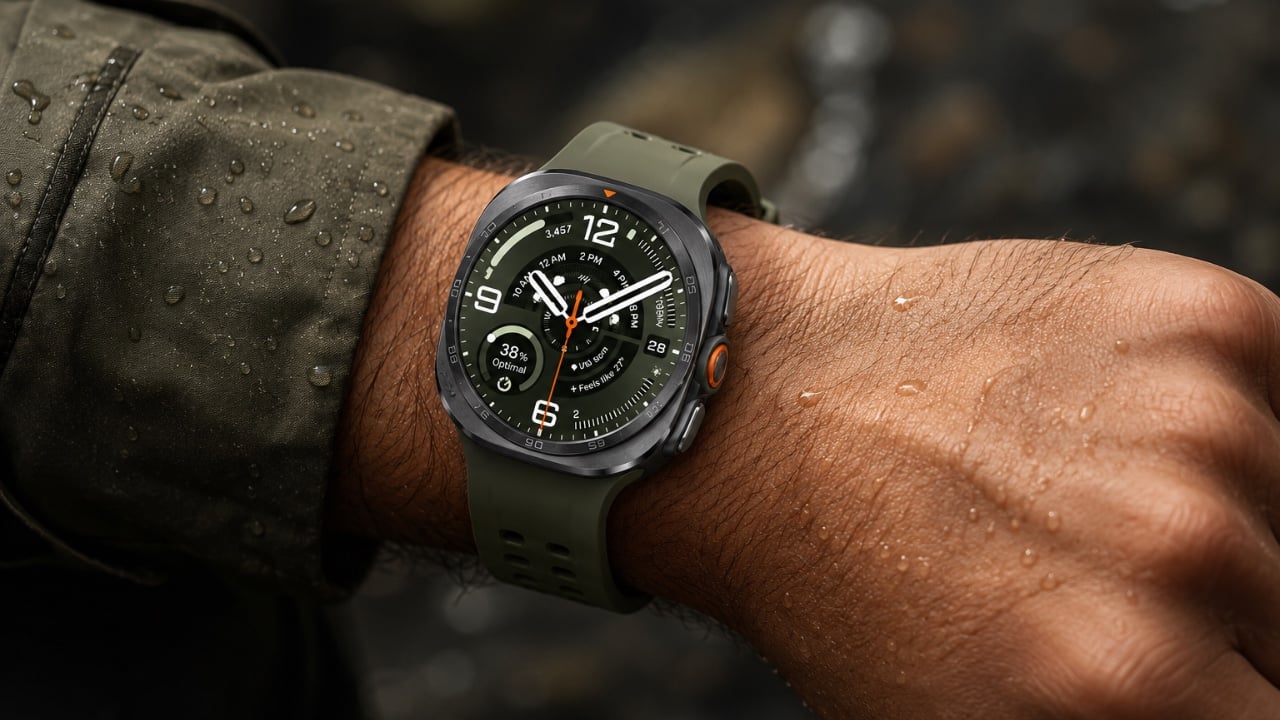
The Galaxy Watch Ultra 2 represents Samsung’s most advanced smartwatch to date, combining a premium design with enhanced fitness and health tracking capabilities. It is designed for users who seek a versatile device that seamlessly integrates into their daily routines while supporting active lifestyles. With robust features for both everyday use and outdoor adventures, it […]
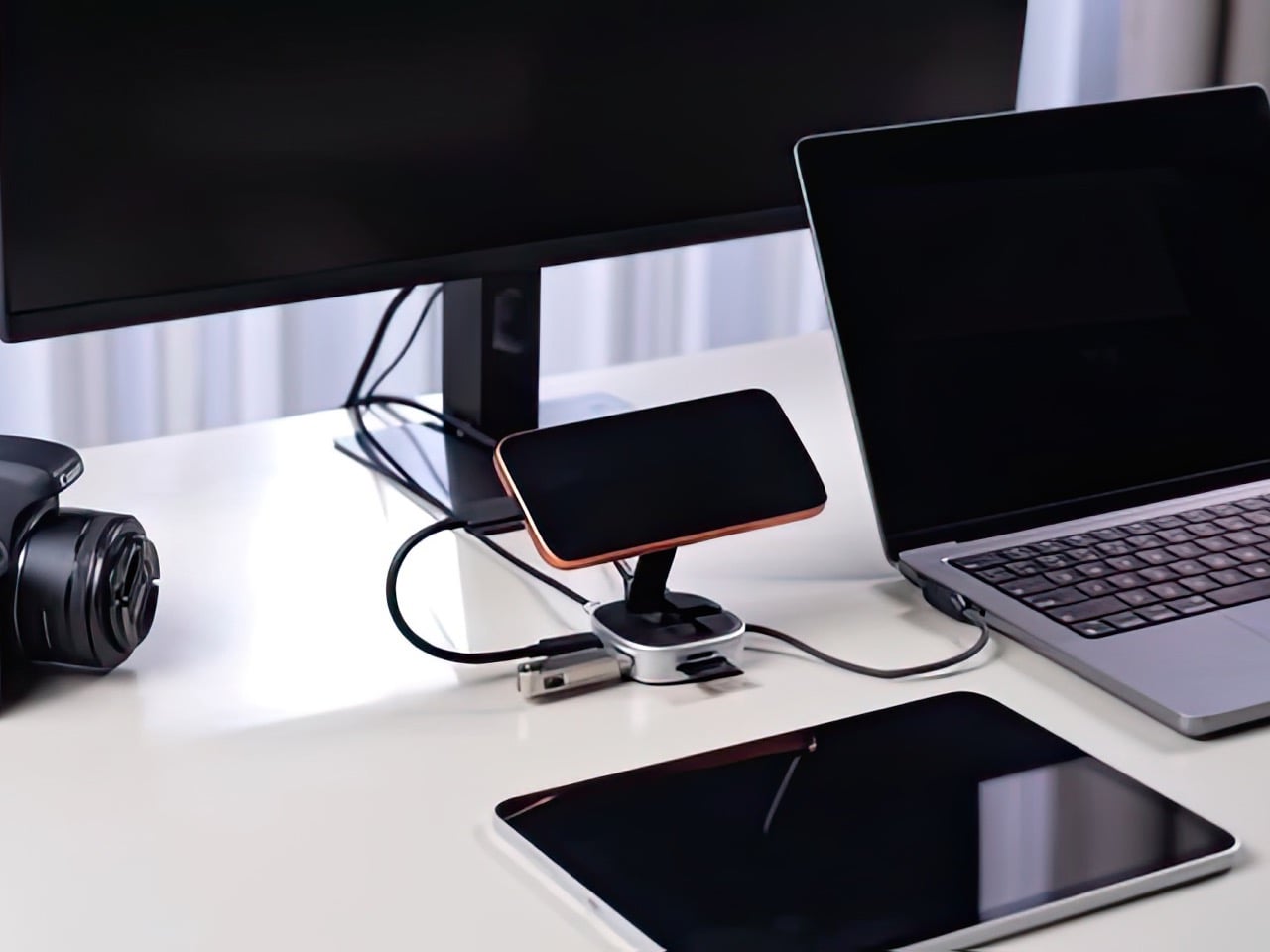
Every design choice Apple made after 2012 treated the iPhone and the MacBook as separate objects that happened to share the same user. The iPhone sat face-down beside the trackpad, or propped in a stand someone bought separately, or flat on the desk gathering fingerprints between notifications. The laptop handled the serious work, and the phone handled everything adjacent. The cable that connected them eventually gave way to AirDrop and iCloud, which is elegant until you need to pull 4K footage off a device or charge a phone while shooting tethered. A generation of designers, remote workers, students, and creators quietly built a workflow where both devices run simultaneously, and the desk has to serve as a shared operating environment for all of it.
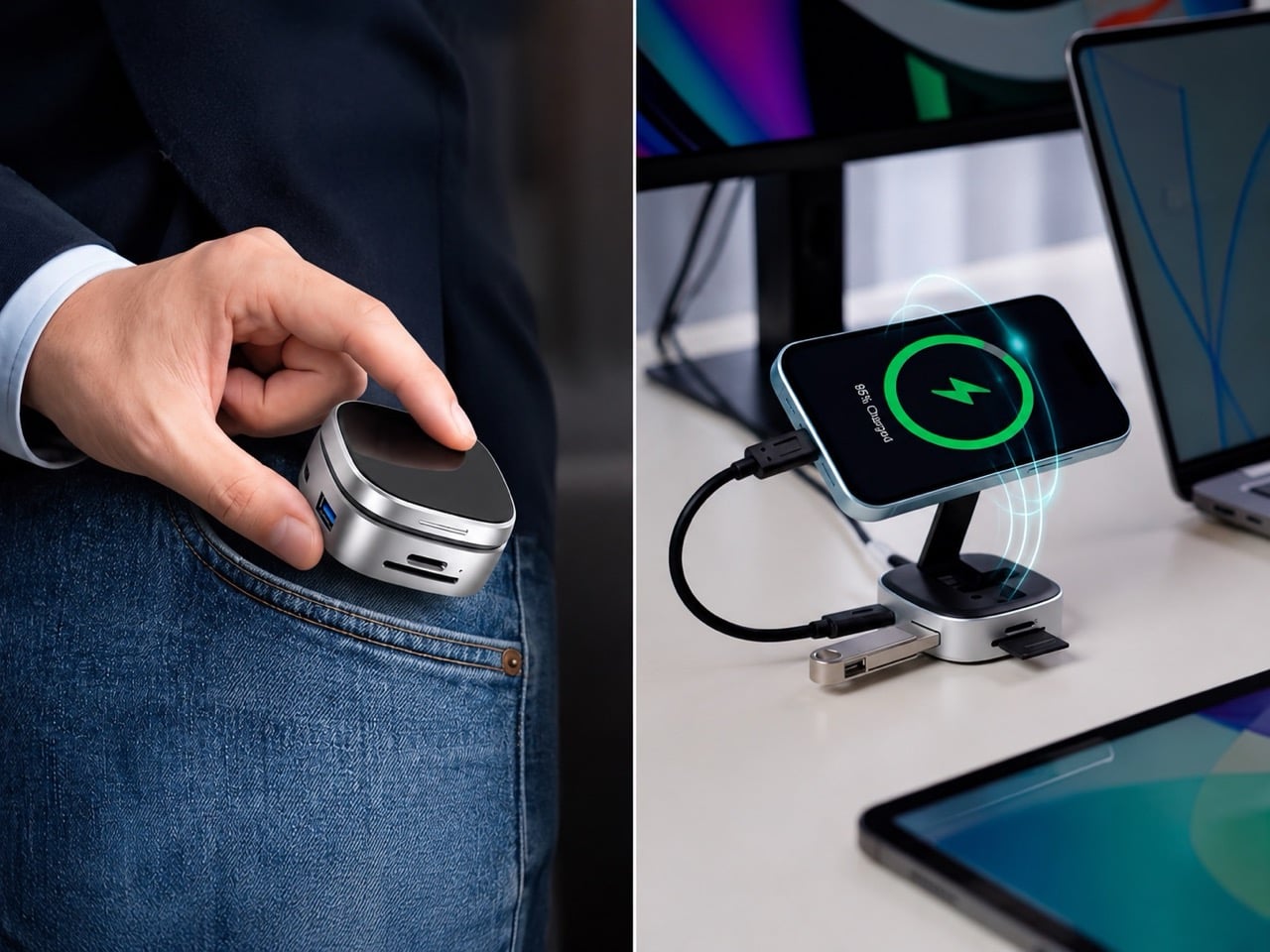
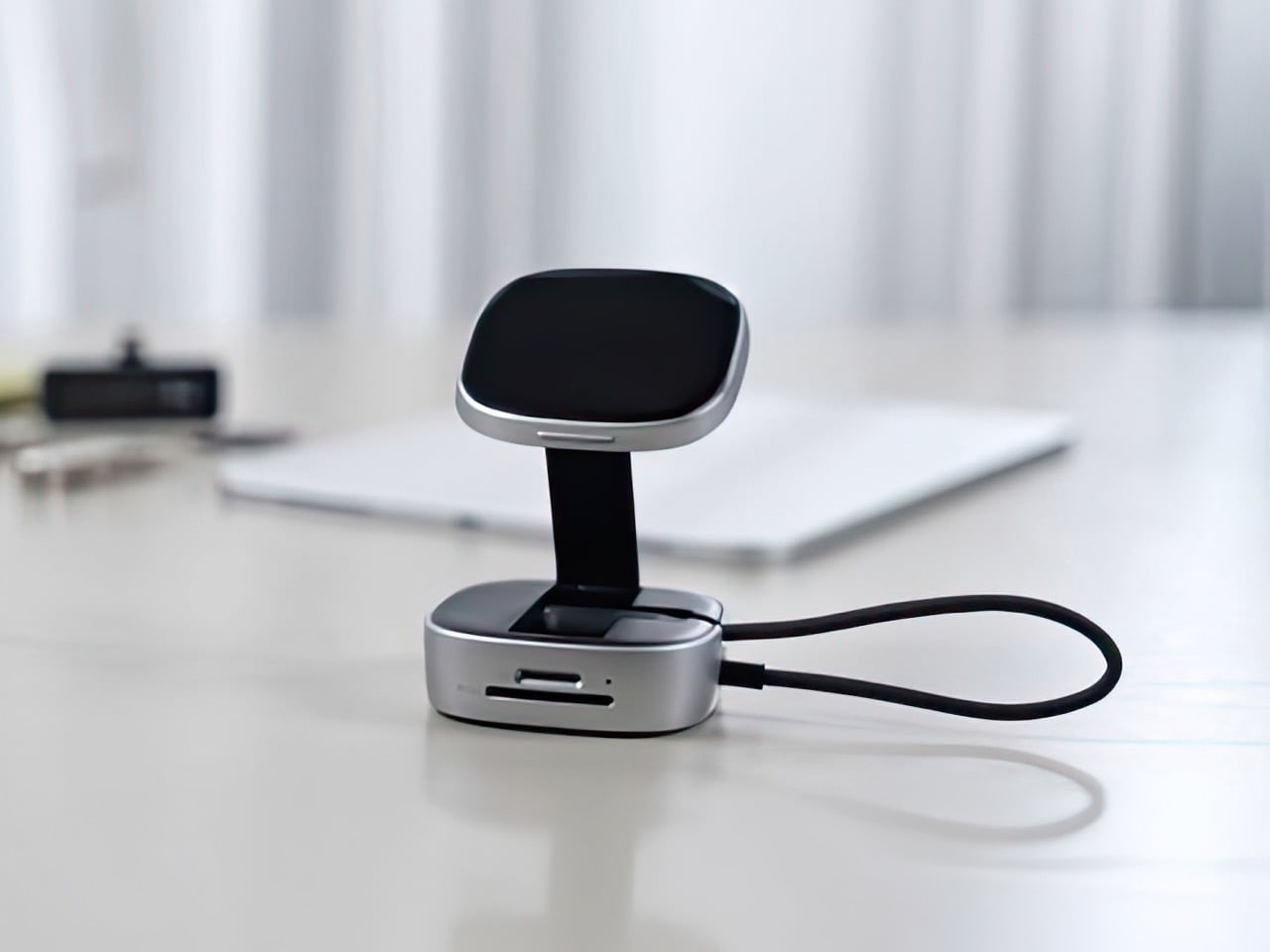
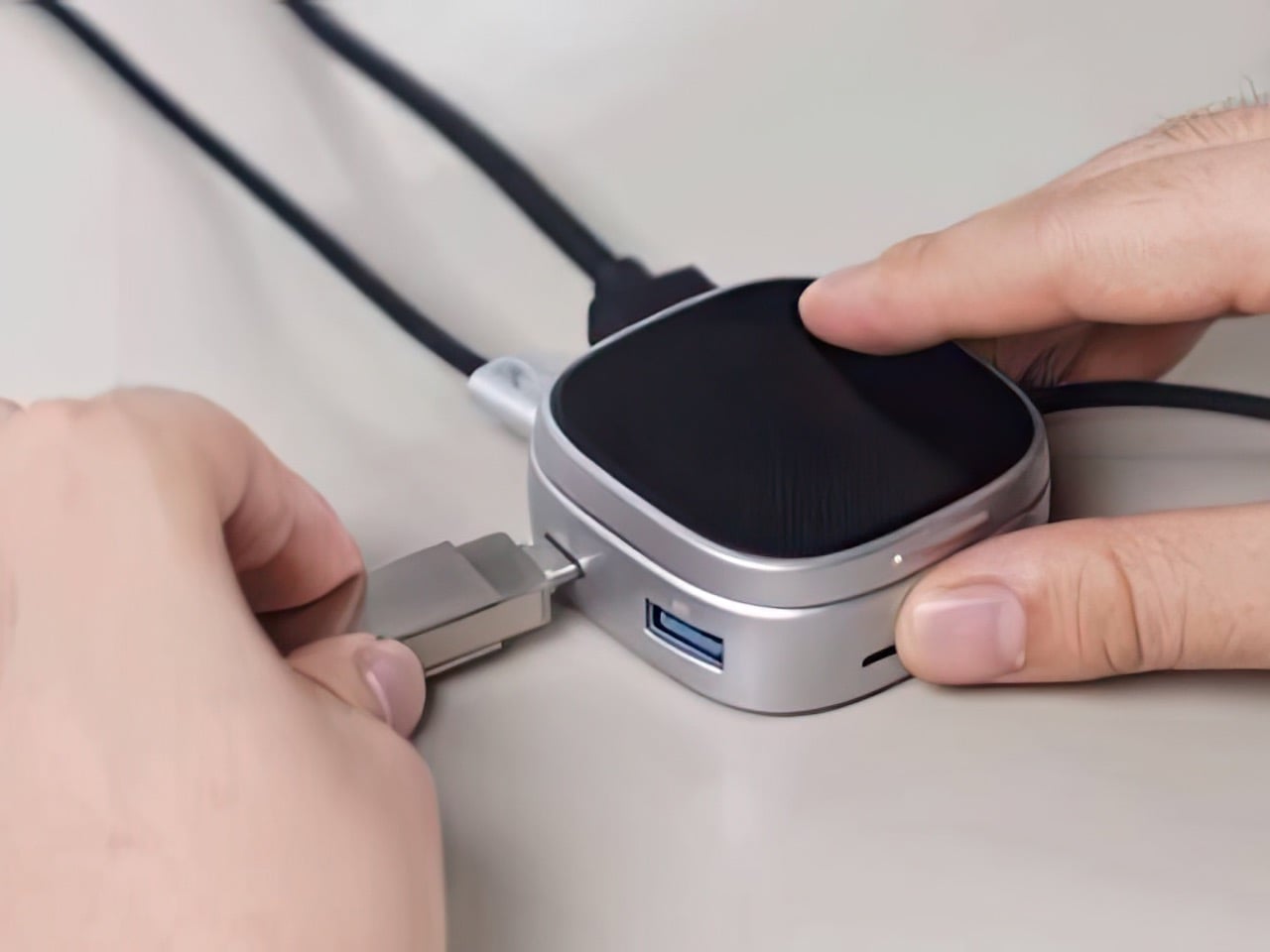
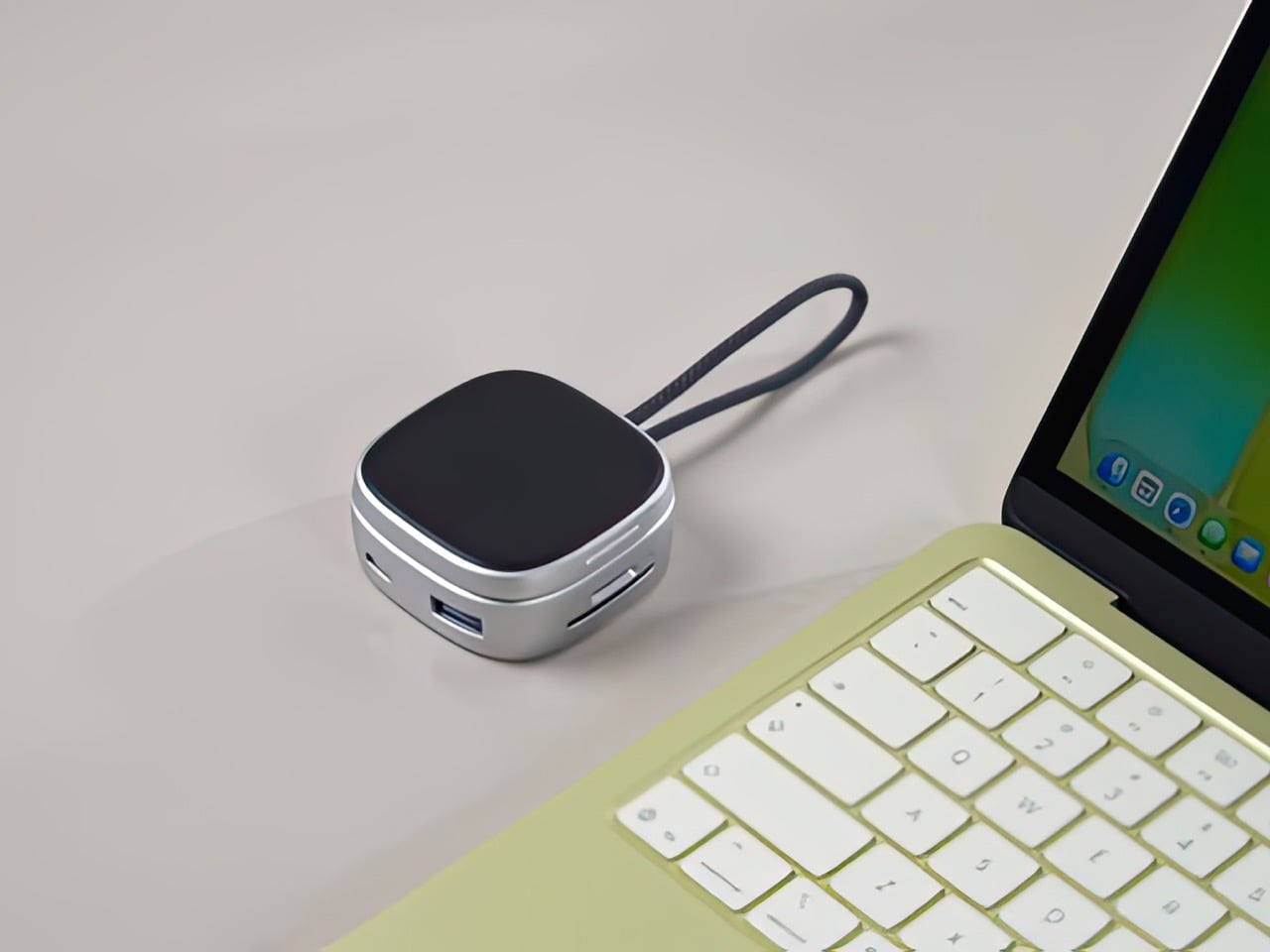
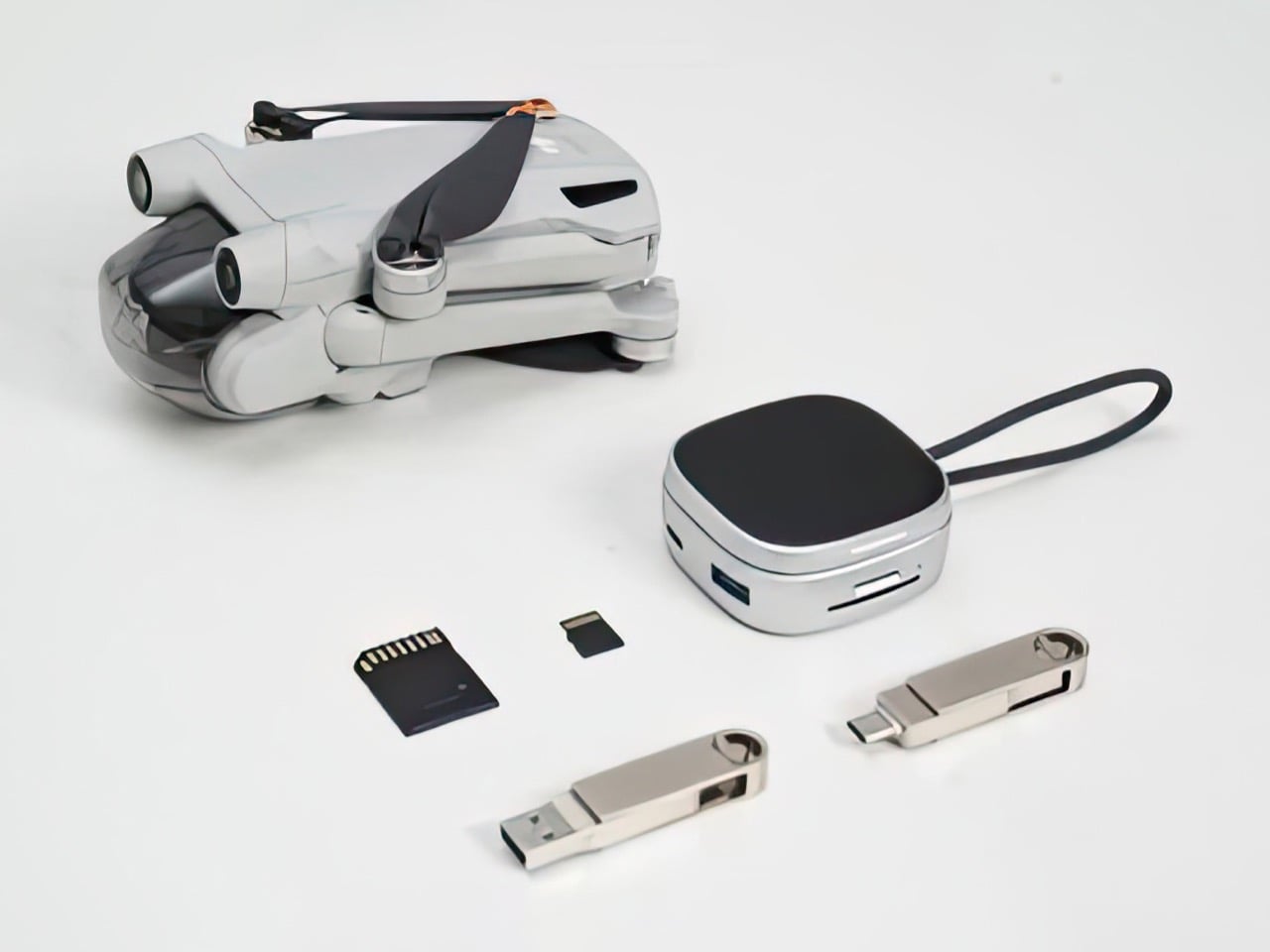
A custom magnetic coil in the Twopan T11’s top surface wirelessly charges MagSafe-compatible phones while the hub simultaneously expands the connected laptop’s ports, treating both as part of a coordinated workstation rather than separate gadgets competing for desk space. The hub folds around a built-in braided USB-C cable, collapsing to a palm-sized squircle with seven active ports: 4K/60Hz HDMI, 100W PD 3.0 input with 80W pass-through to the host device, simultaneous SD and Micro SD reading at up to 104MB/s, and two 5Gbps USB-A ports that also deliver charging to additional peripherals. Creators shooting on camera and phone simultaneously can transfer both cards at once without swapping. Plug-and-play compatibility covers Windows, macOS, Linux, ChromeOS, iOS 17, and Android 9 with no drivers. Which feels nice – a bridge between two perpetually used devices, no barriers, no walled garden, no port-restrictions. All in the size of a puck small enough to fit in your pocket, or snap onto your phone/laptop.
The magic of the T11 is in that simple magnetic snap. It provides a satisfying, perfectly aligned connection that holds the phone upright, transforming it from a passive screen into an active dashboard. Suddenly, it’s a dedicated place for Slack messages, a Spotify controller, or a live feed from a security camera, all while drawing power wirelessly. This thoughtful integration solves the persistent problem of accessory sprawl, where a phone stand is one object, a wireless charger is another, and the USB-C hub is a third, all competing for space and creating a small thicket of cables. The T11 consolidates these functions into a single, elegant unit that understands its primary job is to organize and empower a workflow, not just to add ports.
That commitment to organization extends to the product’s own form. One of the most common design failures in the portable hub market is the permanently attached, dangling cable. Twopan’s engineers addressed this by designing a custom central slot that seamlessly houses the durable, braided USB-C cable. When it’s time to work, the cable deploys effortlessly for immediate use. When you’re done, it tucks neatly back into the magnetic frame. This ingenious storage solution maintains the hub’s sleek, ultra-compact profile and ensures it travels as a single, self-contained object, without a loose cable rattling around in a bag like a forgotten secret.
Of course, a hub is only as good as its I/O, and the T11 is built for demanding, modern workloads. The HDMI port delivers a crisp, stable 4K resolution at a fluid 60Hz refresh rate, which is the sweet spot for everything from video editing to smooth scrolling on an external monitor without any stutter or lag. This is complemented by a dedicated USB-C Power Delivery 3.0 port that supports a massive 100W power input. Through intelligent power allocation, the hub reserves the necessary energy to drive all its connected peripherals and then passes a rapid 80W of charging directly to the host device. This means a power-hungry machine like a MacBook Pro can run a 4K display and external drives while still charging at nearly full speed.
For data management, the T11 is a true powerhouse. It moves beyond a simple port count by integrating dedicated SD and Micro SD card slots that support simultaneous reading. This is a critical feature for creators who juggle multiple devices; a photographer can offload files from their main camera’s SD card and their drone’s Micro SD card at the same time. The hub supports professional standards like SD, SDHC, and SDXC formats, along with SD3.0 UHS-1 and DDR200, delivering swift transfer speeds of up to 104MB/s and handling card capacities up to 2TB. The two high-speed USB-A ports run at 5Gbps, perfect for external SSDs, keyboards, and other peripherals, and are also engineered to support simultaneous power output for charging smaller gear like earbuds or a smartwatch.
The physical object itself feels considered and premium. It’s a compact squircle (whether you love that shape or hate it is entirely up to you), small enough to rest in the palm, with a silver aluminum body for durability and heat dissipation, and a textured top panel that houses the magnetic coil. The design is minimalist but functional, right down to the included braided lanyard that gives it the feel of a portable gadget rather than a simple computer accessory. It’s a small detail, but it speaks to a design philosophy centered on portability and ease of use.
While the magnetic charging is most immediately recognizable to Apple users, the T11 is engineered for absolute simplicity and universal compatibility. It delivers true plug-and-play functionality right out of the box, with no drivers or complex software installations required. It works seamlessly with Windows, macOS, Linux, ChromeOS, iOS 17.0+, and Android 9.0+ systems. This broad compatibility ensures it can bridge the gap between a work-issued Windows laptop, a personal MacBook, and an Android tablet, adapting instantly to whatever device you connect it to. The T11 isn’t just adding ports; it’s adding intelligence to the workspace.
The Twopan T11 is currently available for a pledge of $55, with shipping scheduled to begin in November 2026 and estimated delivery in December. Each box includes one T11 Hub and a user manual. Demonstrating confidence in their build quality and engineering, all brand-new Twopan products are backed by a comprehensive 18-month warranty that covers any defects in materials and workmanship, ensuring the hub remains a reliable centerpiece of your workstation for years to come.
Portable architecture is shifting how space, ownership, and mobility are defined. What once existed as temporary or emergency structures now evolves into refined, design-led systems that move with the user. Compact cabins and adaptable living units reflect a growing demand for flexibility while maintaining comfort, function, and a strong sense of identity.
A clear transition is visible from static buildings toward environments that can expand, relocate, and adjust over time. This evolution aligns with changing lifestyles where mobility, efficiency, and intentional living shape how spaces are experienced. The result is a new architectural language where structures are no longer fixed, but responsive and continuously adaptable.
1. Fold-Out Cabins with Compact Design That Expands on Demand
Fold-out cabins transform the way space is utilized by shifting from compact units into fully functional living environments within minutes. Designed for flexibility, they can be transported and deployed wherever required, making them suitable for remote work, short-term retreats, or temporary housing. Smart layouts integrate sleeping, cooking, and storage within a minimal footprint, ensuring efficiency without compromising comfort.
Their appeal lies in balancing mobility with a sense of permanence. These structures can be placed in natural landscapes, urban backyards, or transitional sites, creating continuity between movement and stability. For Gen Z and minimal living approaches, they reflect a lifestyle that prioritizes flexibility, purpose, and essential comfort.
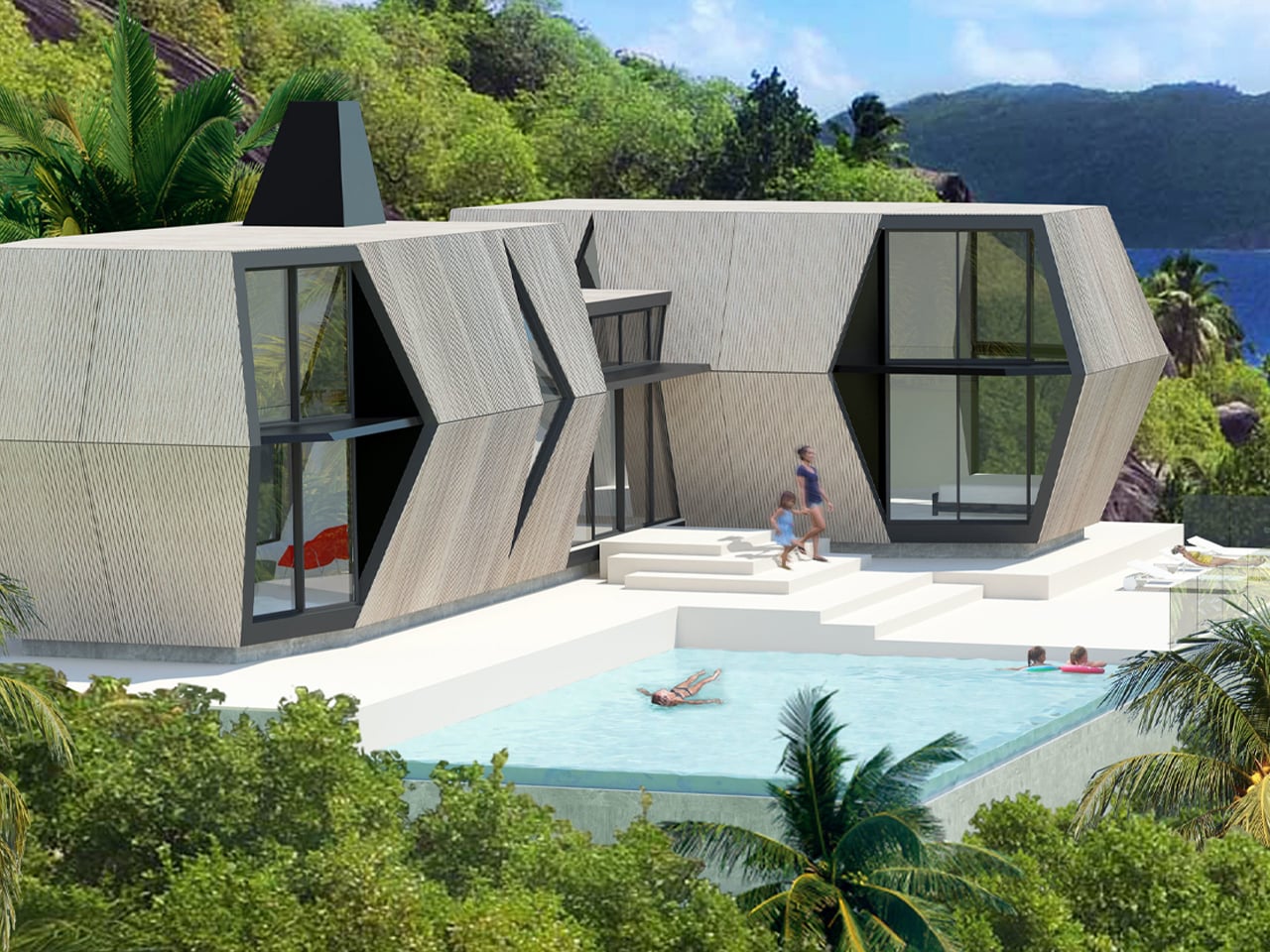
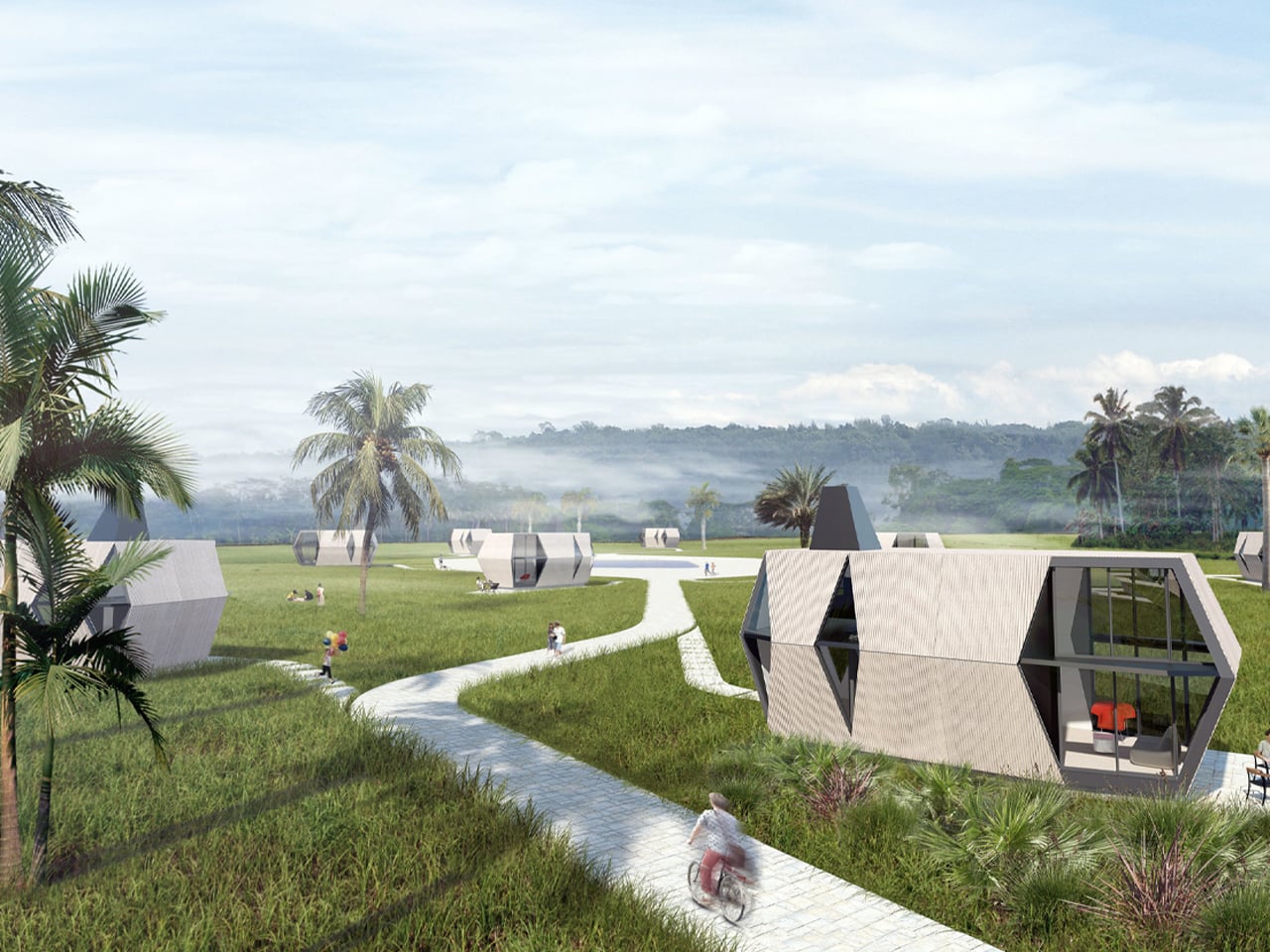
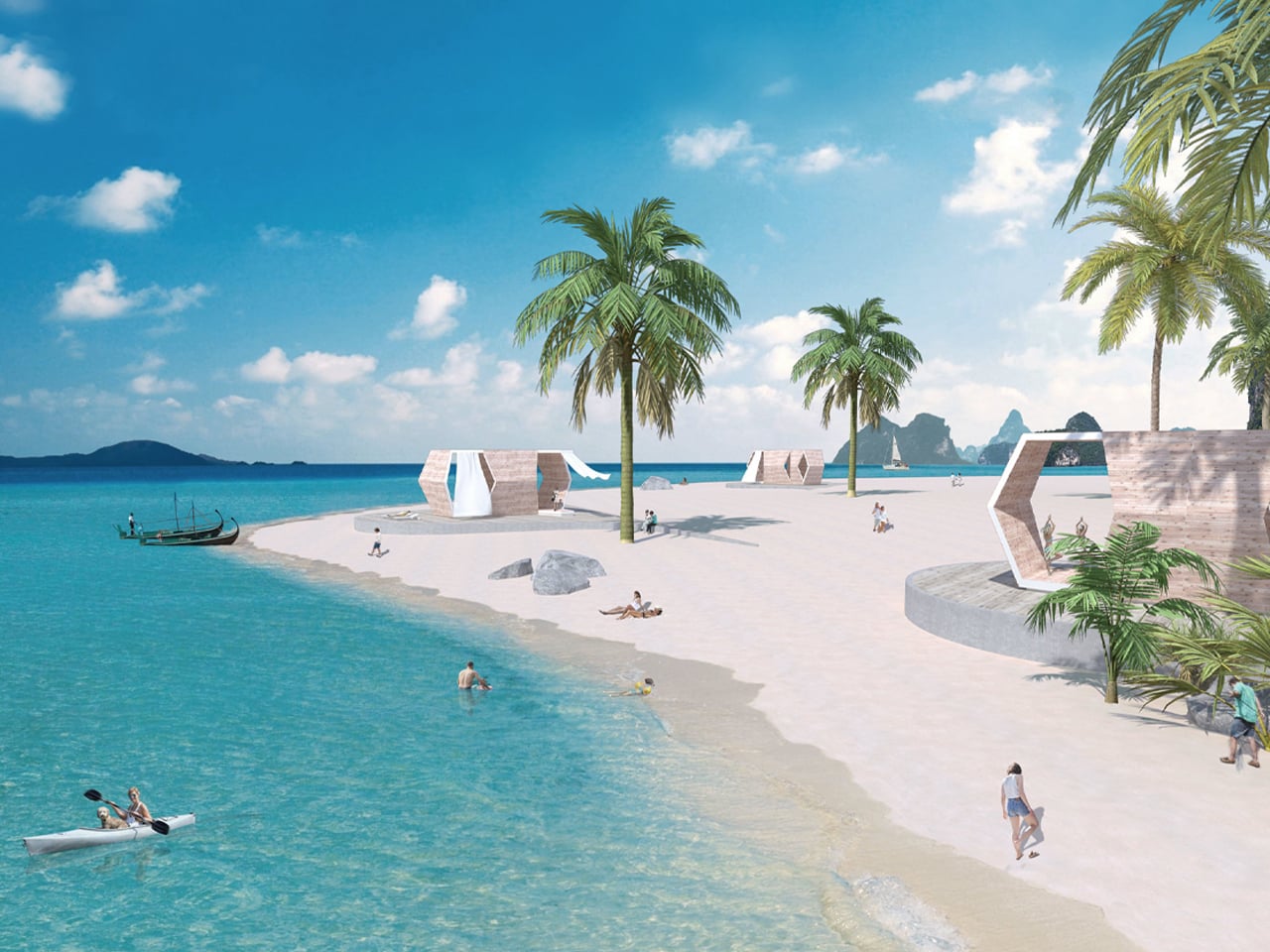
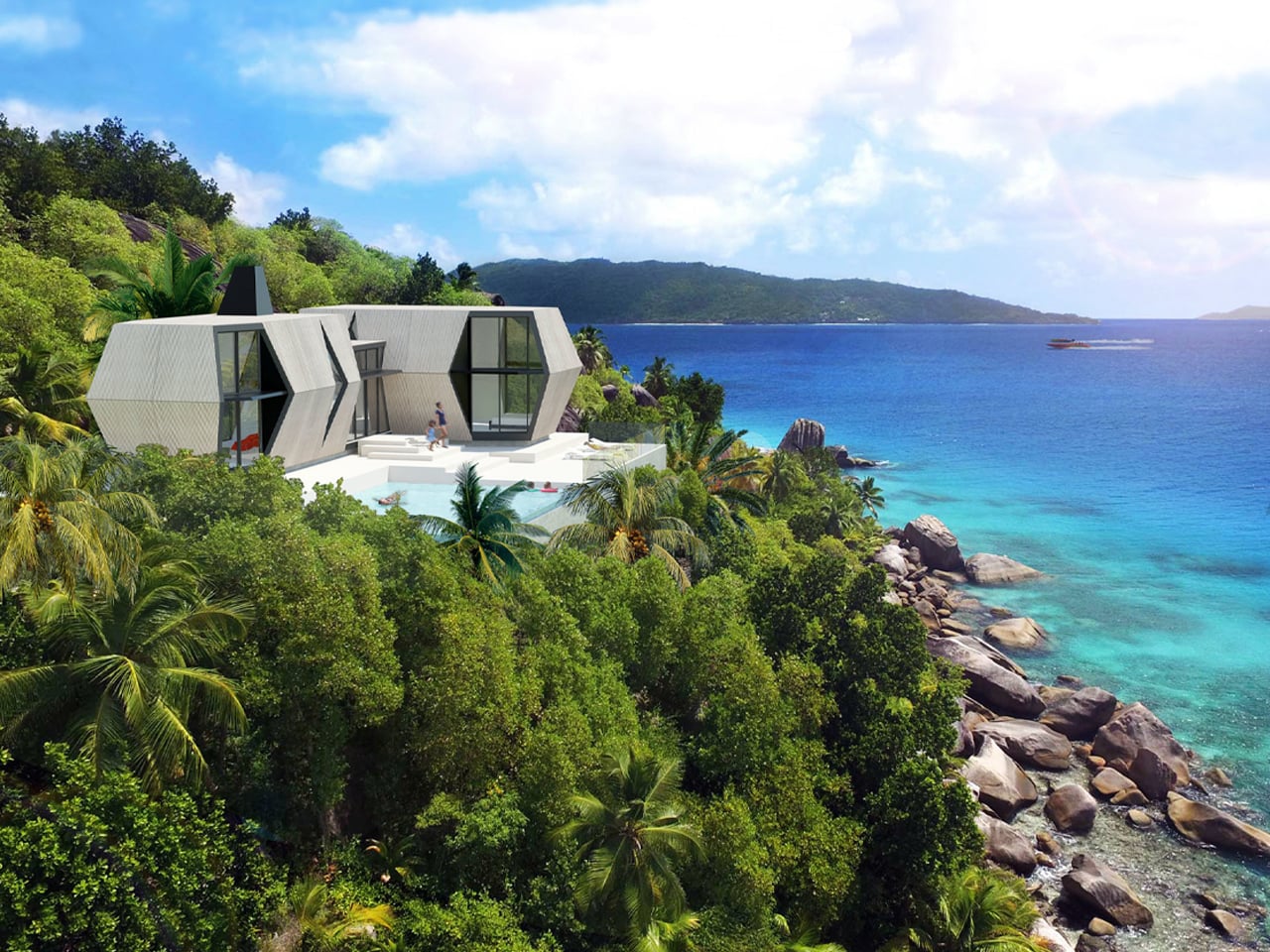
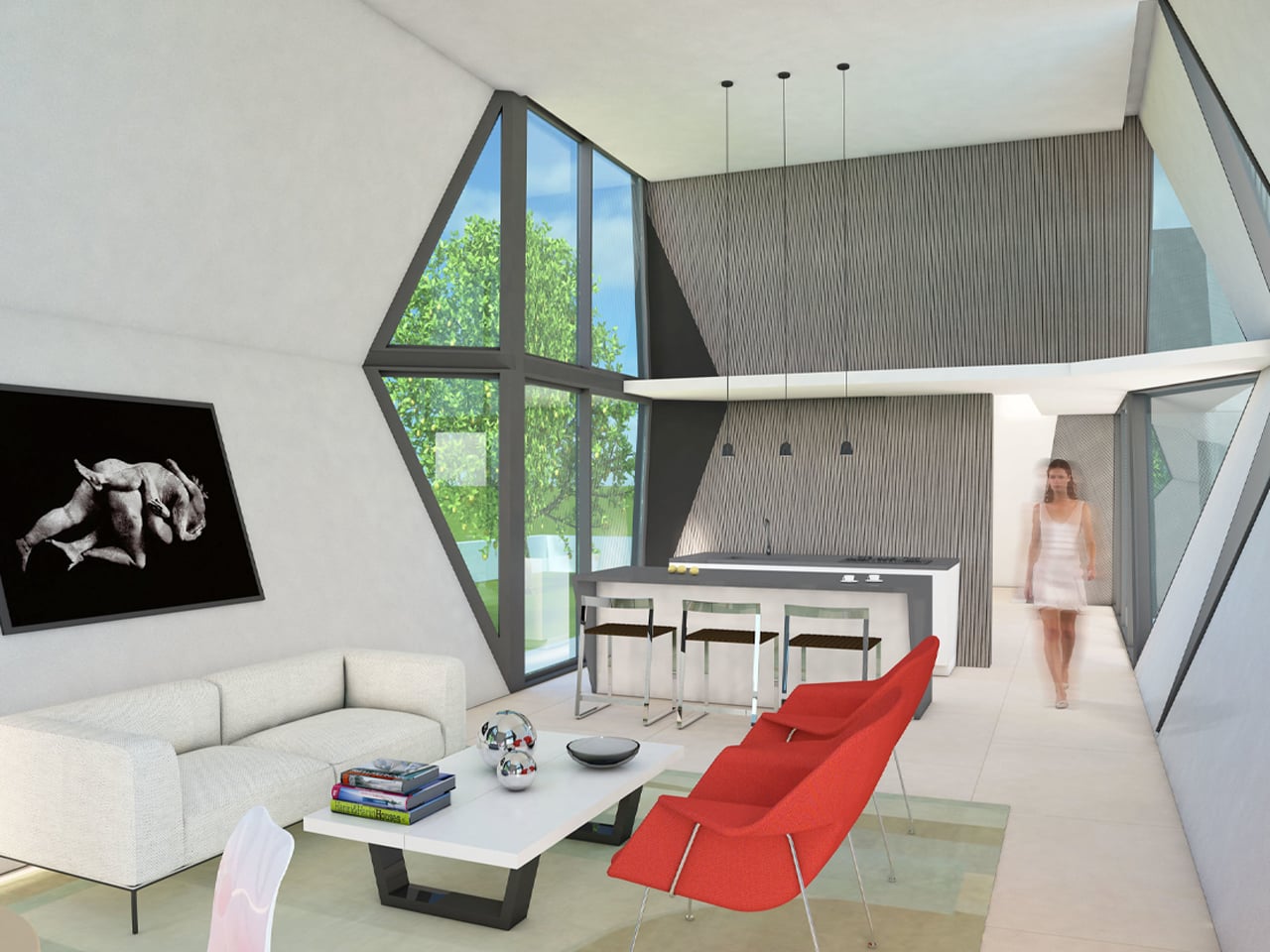
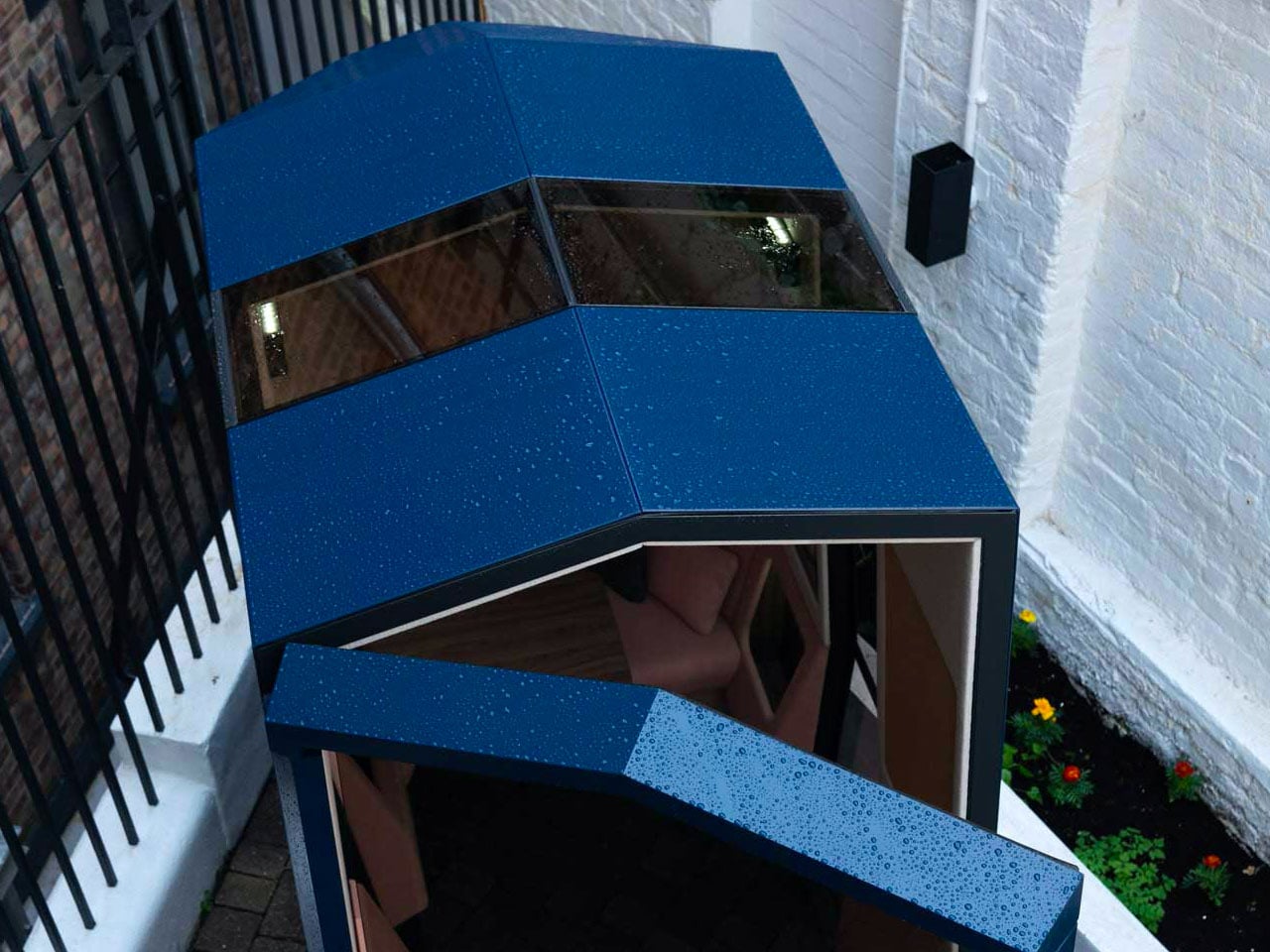
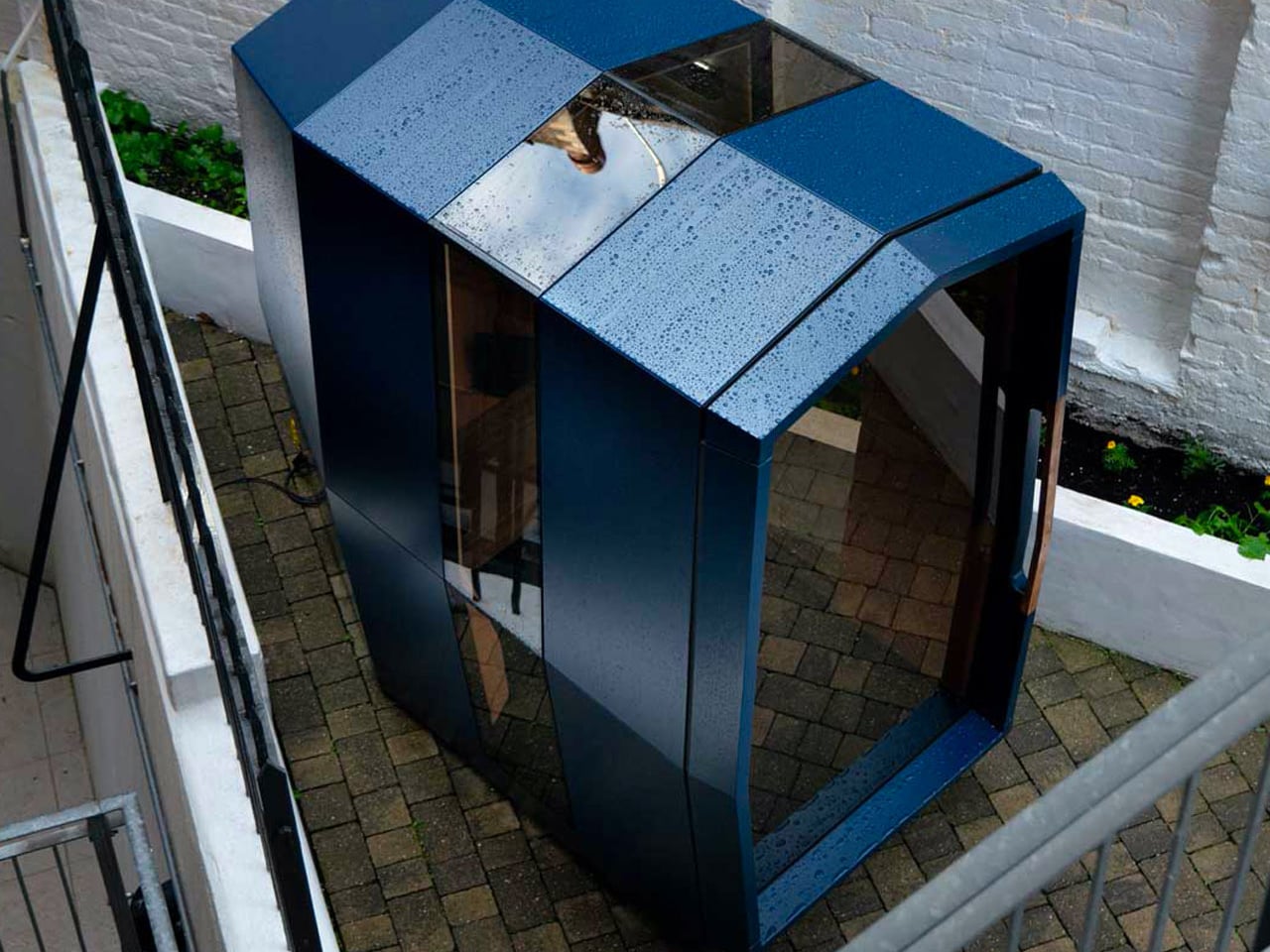
The modern world is increasingly shaped by overlapping crises such as climate change, displacement, and large-scale emergencies, pushing architects to rethink how shelter can be delivered quickly and effectively. In this context, Hariri & Hariri, a New York–based architecture practice founded by Gisue and Mojgan Hariri, developed a prefabricated folding cabin designed to provide immediate, functional housing without the need for tools, hardware, or manual assembly.
Inspired by origami, the cabin is engineered as a compact folded structure that can be transported efficiently on flatbed trucks. Once placed on site, it unfolds into a fully formed modular unit, expanding rapidly into a single-story living space. The design emphasizes speed and autonomy, allowing the structure to self-deploy when activated, which is especially critical in emergency conditions where time and resources are limited. Lightweight materials such as glass and Equitone panels ensure portability while maintaining durability and usability across diverse environments and needs.
2. Portable Saunas for Recreation and Wellness on the Move
Portable saunas shift the focus from living to recreation by bringing wellness into flexible, transportable formats. These compact units allow users to create a sauna experience wherever they choose, from outdoor settings to travel destinations, without relying on permanent installations. Designed for ease of setup and use, they make relaxation and recovery more accessible in changing environments.
This evolution highlights how portable architecture is extending into lifestyle and leisure. It is not about redefining home, but about enhancing moments of pause and restoration. By integrating heat therapy into mobile setups, portable saunas support a routine centered on well-being, adaptability, and everyday recreation.
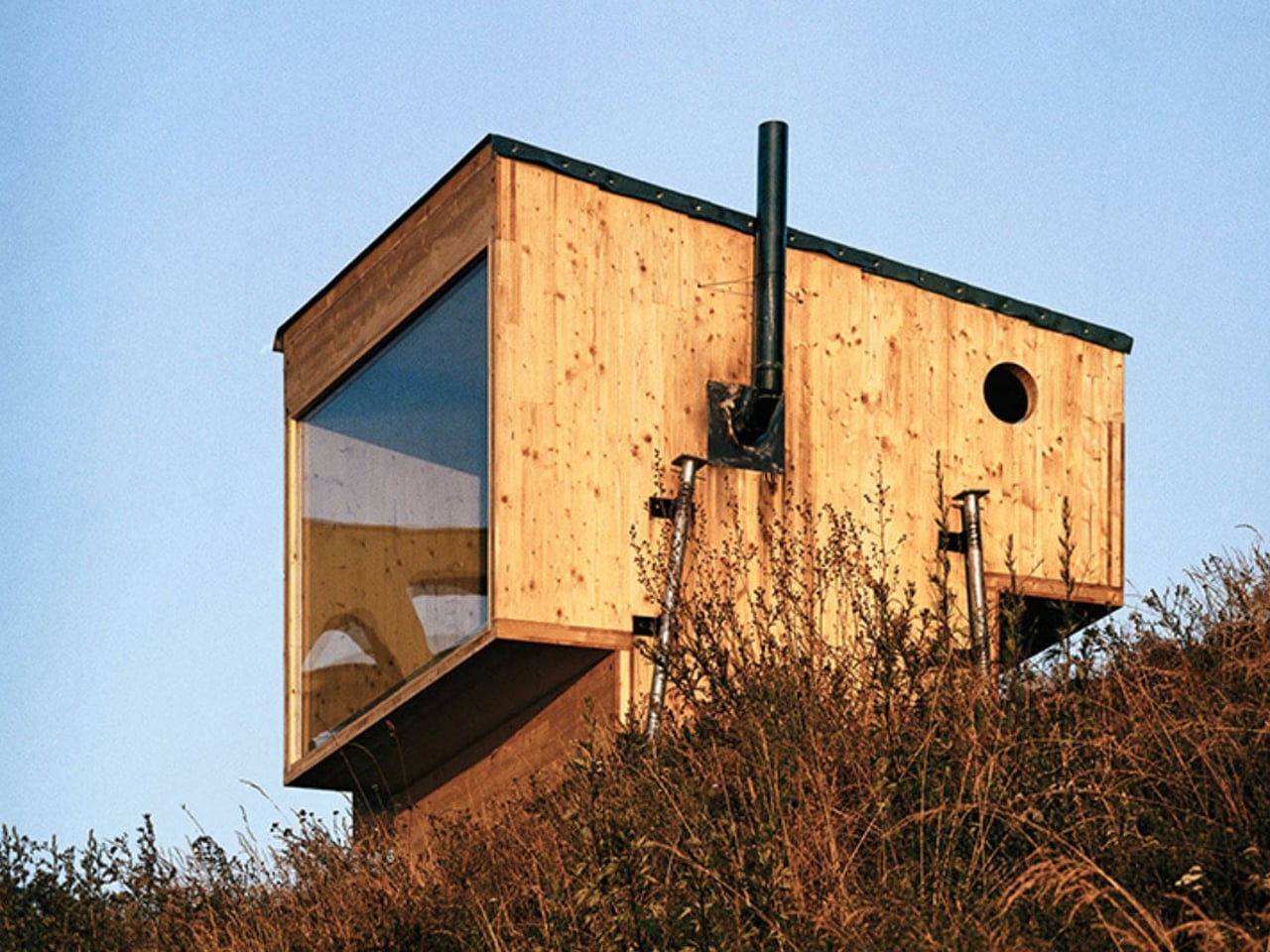
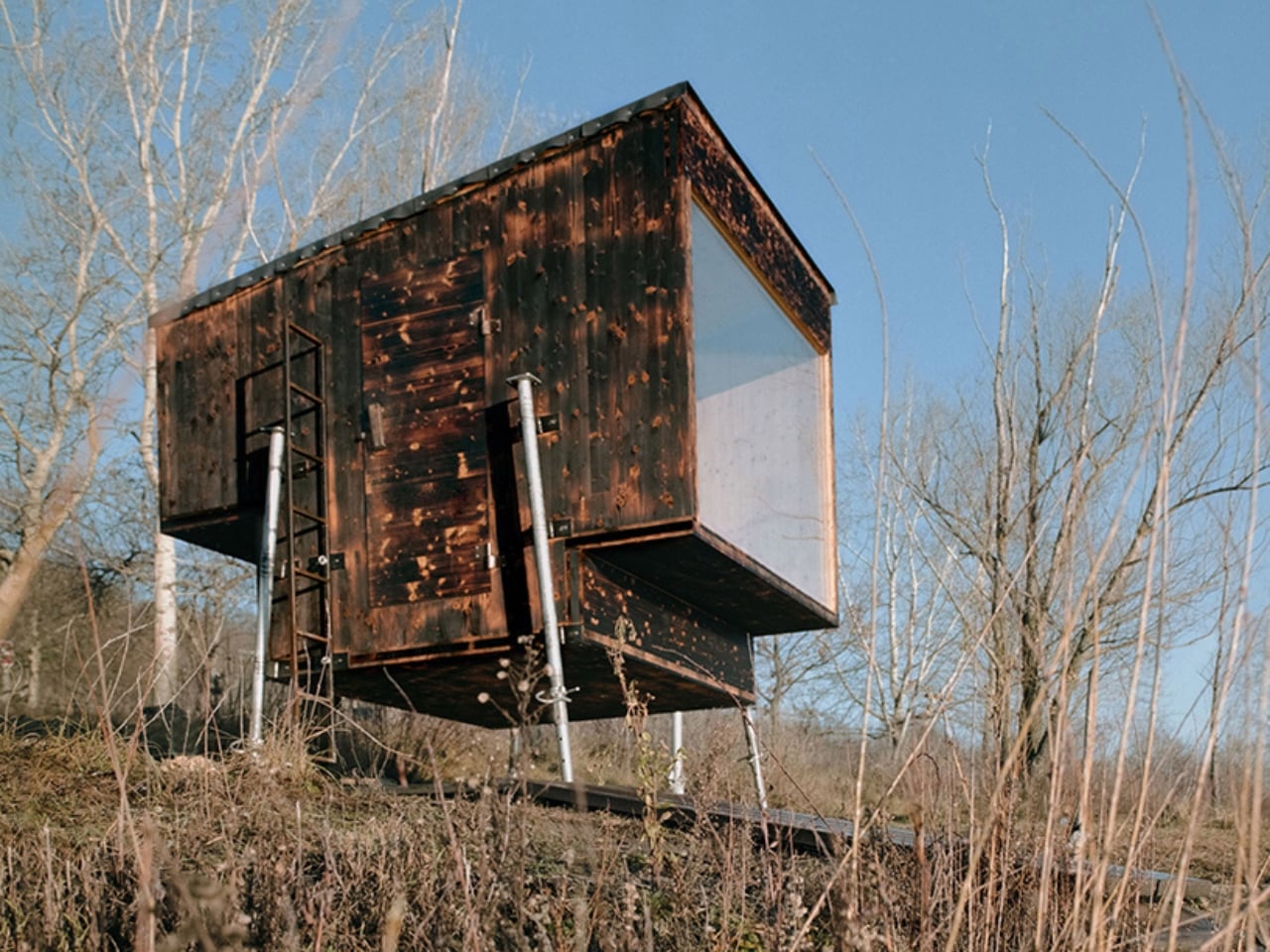
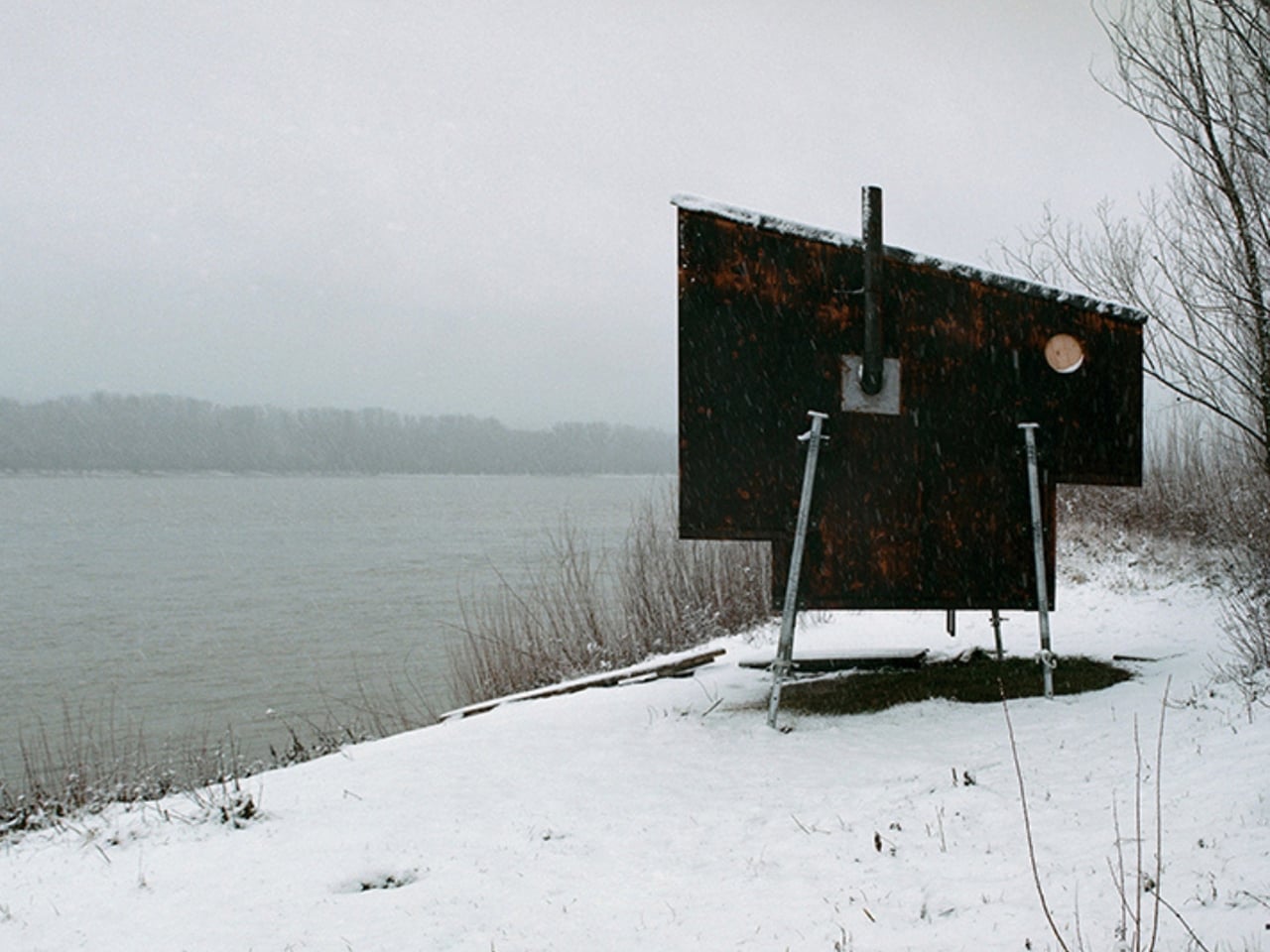
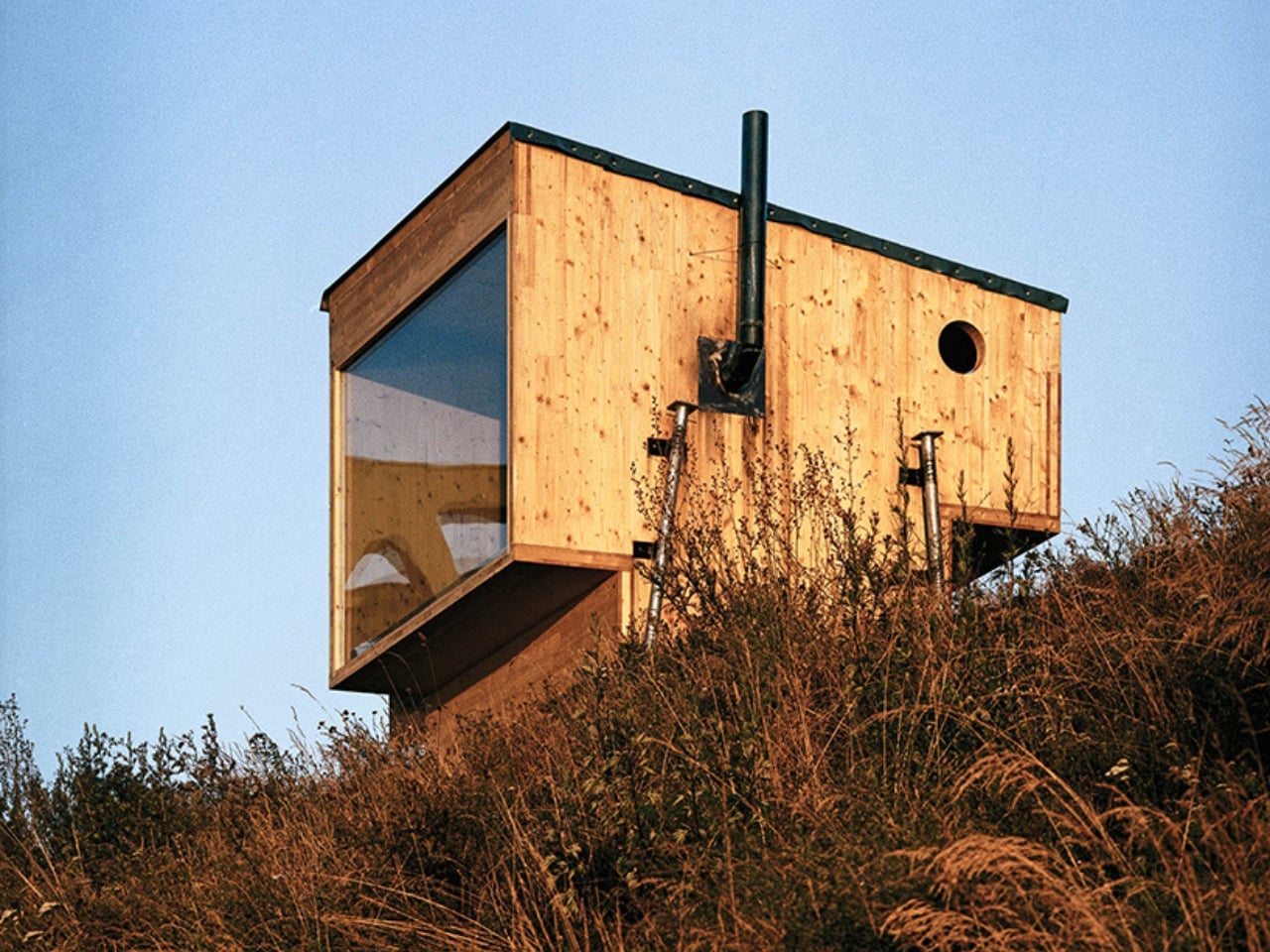
For those who enjoy saunas, the idea of a semi-portable structure that can be transported, assembled, and disassembled across different terrains offers a new way to experience relaxation in nature. Instead of being tied to a fixed location, this concept allows wellness spaces to move with the user, opening possibilities for retreats in forests, mountains, or coastal landscapes. Designed by BIVAK Studio, the SAUNABIVAK explores this idea through a prefabricated, transportable sauna system intended for ease of setup and mobility.
The structure features a double-layer glass wall that preserves views of the surrounding environment while maintaining insulation. It is built using cross-laminated timber panels for strength and lightness, supported on four legs that eliminate the need for permanent foundations. Treated with linseed oil for durability, it is weather-resistant and insect-protected, with natural ventilation and a firewood heating system inside. Designed within European towing limits, it can be installed by two people in about an hour, making it a practical blend of mobility, simplicity, and immersive outdoor wellness.
3. Micro Offices That Redefine Work Beyond Fixed Spaces
Micro offices respond to evolving work culture by offering compact, transportable environments designed for focus and flexibility. These units can be placed in a range of settings, providing a private workspace without the need for long-term leases or permanent infrastructure. Their efficient design supports daily productivity while adapting to changing professional needs.
They enable greater control over how and where work happens while maintaining mobility. Positioned in gardens, rooftops, or shared environments, micro offices challenge traditional office models by removing fixed spatial limits and supporting a more adaptable, self-directed way of working.
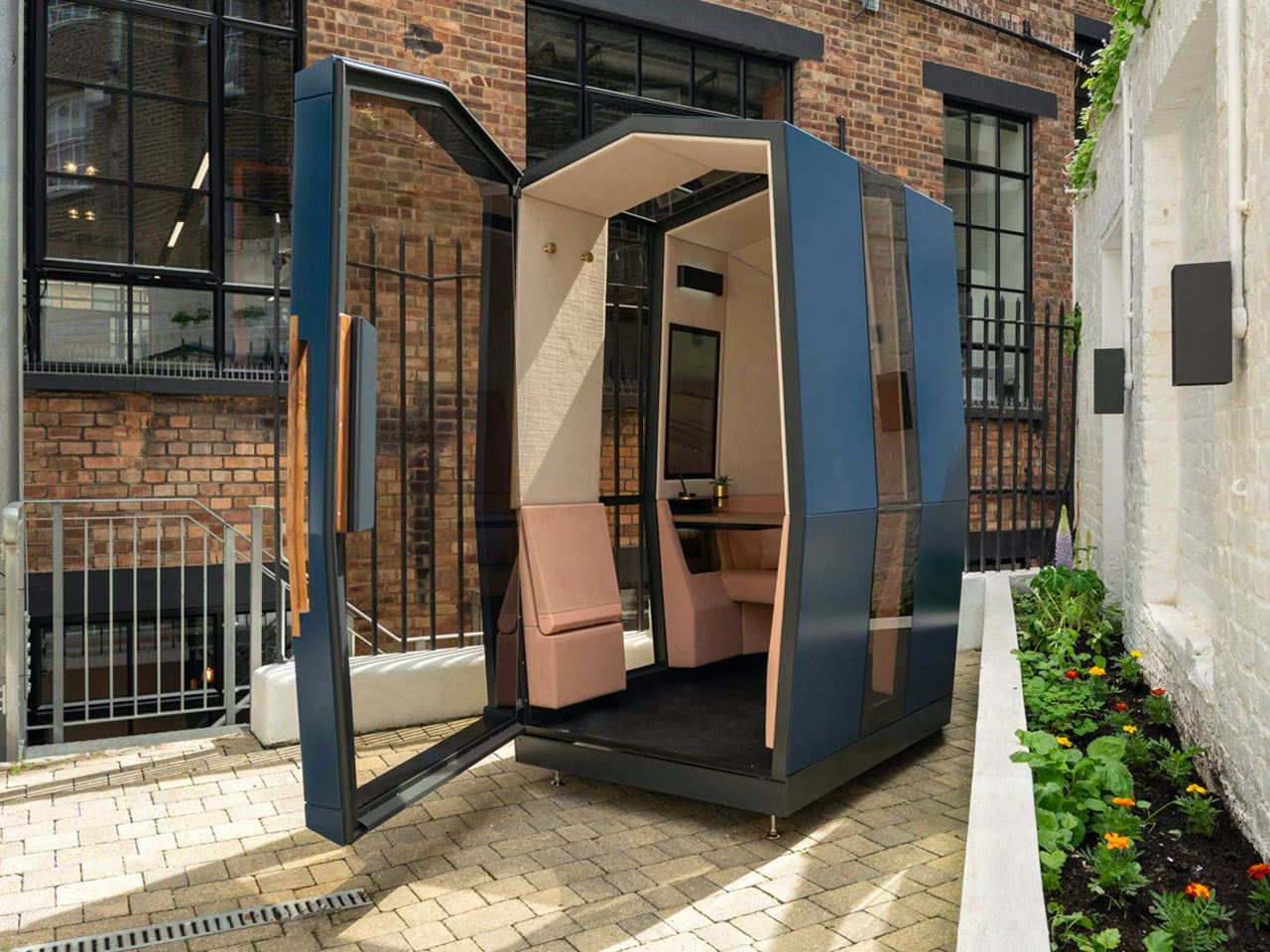
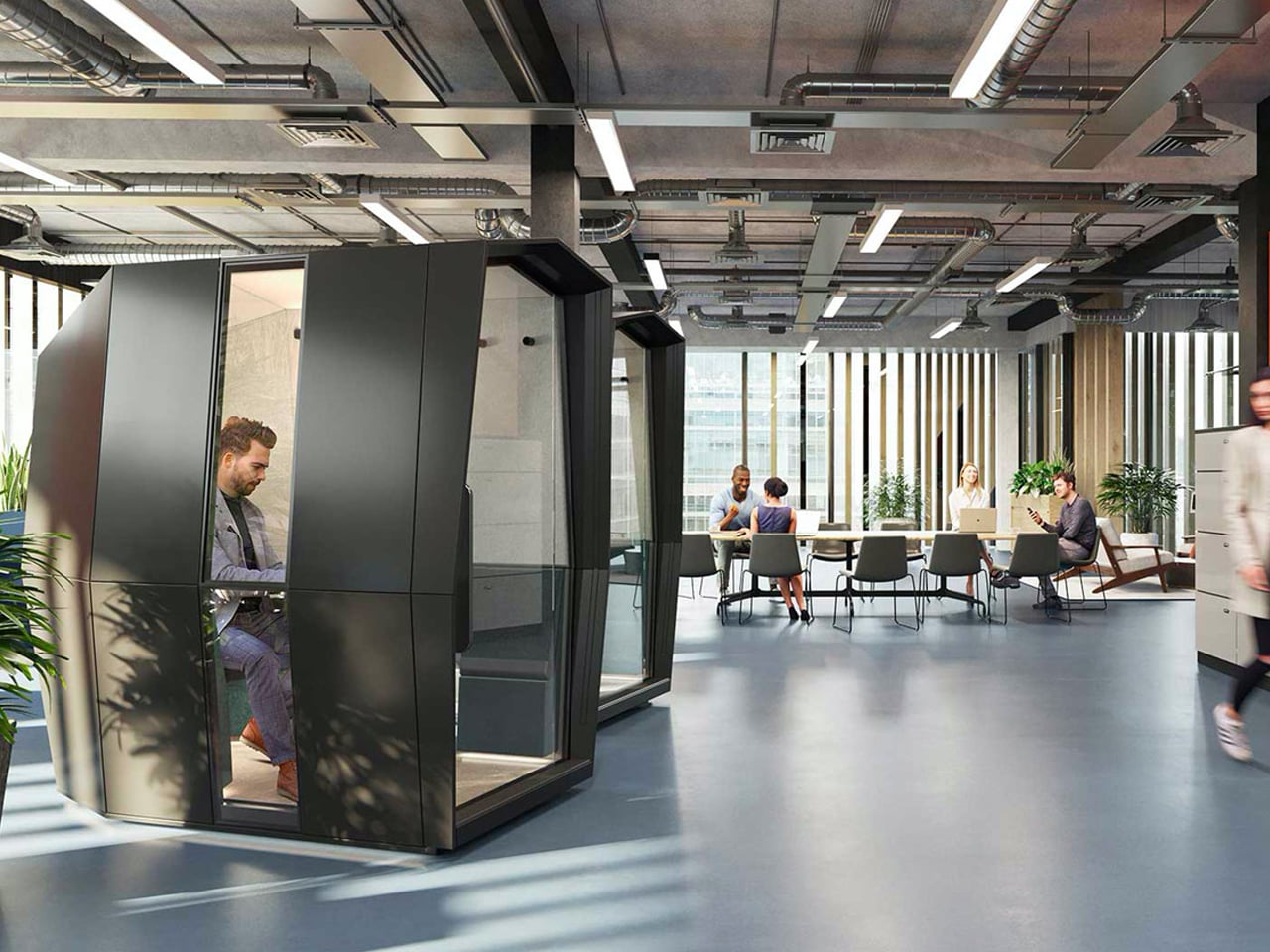
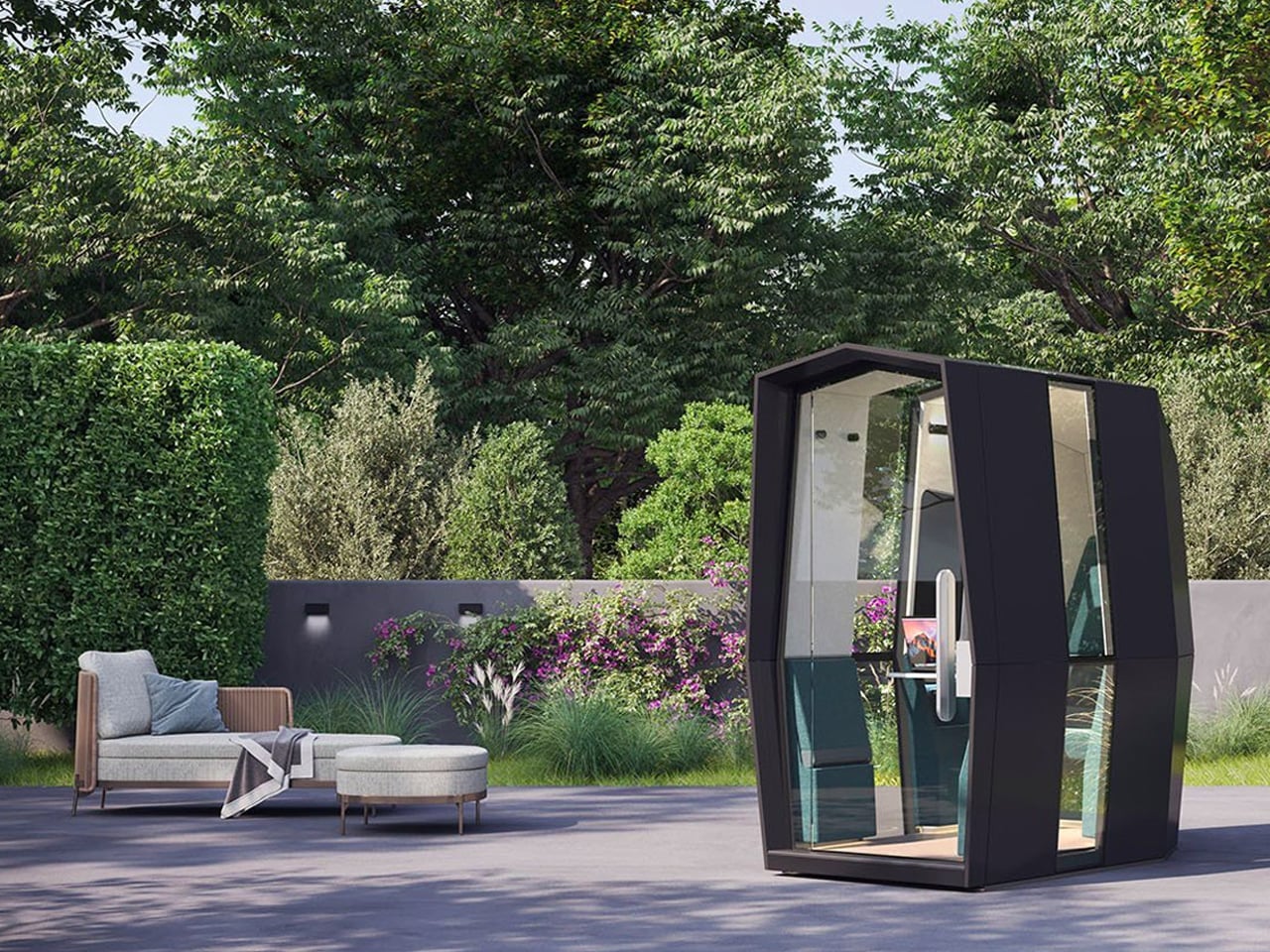
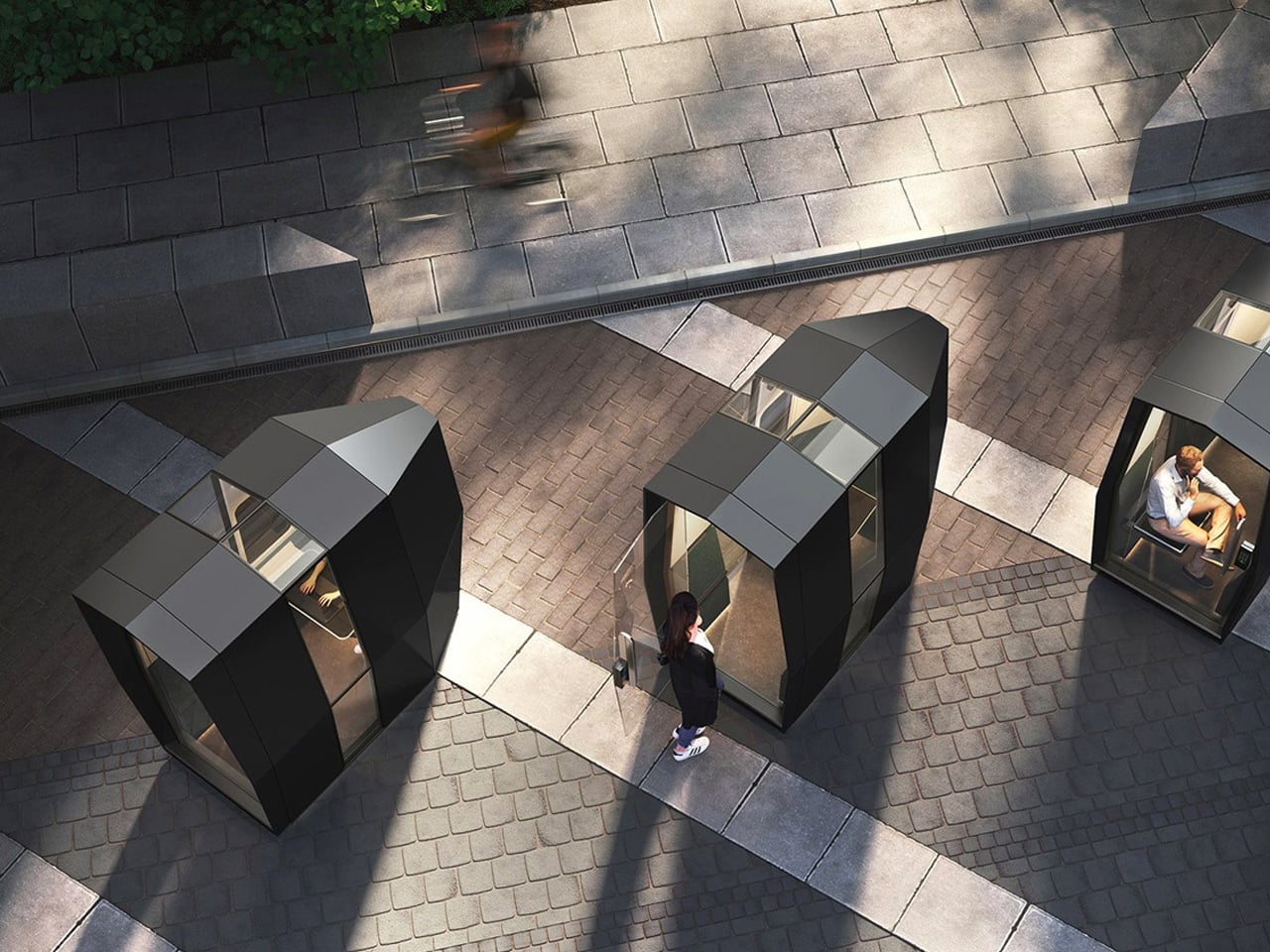
The rise of micro offices has introduced a new way of thinking about workspaces, focusing on compact, flexible environments that support concentration and privacy. In this context, Make.Work.Space presents itself as a personal work pod designed to function as a private productivity zone. It can be installed in homes, corporate offices, or even public environments, adapting easily to different spatial needs while improving efficiency and comfort.
The system is available in three modular versions: Micro-Office 1, 2, and 3, each designed for varying levels of use and comfort. The most compact model includes essential features such as a fixed desk, acoustic paneling, lighting, and built-in power access. The larger versions expand functionality with ergonomic tables, panoramic windows, ventilation systems, and optional air conditioning. Across all versions, the design prioritizes privacy, focus, and adaptability, while also making better use of underutilized spaces. Make.Work.Space offers a flexible solution for modern working, resting, or retreating within limited environments.
4. Houses on Wheels Enabling Fully Mobile Living
Houses on wheels merge the idea of home with continuous mobility, creating self-contained living systems designed for travel. Unlike temporary shelters, they support long-term habitation, often incorporating kitchens, bathrooms, and sleeping areas within a compact structure. This integration allows everyday living to function seamlessly while on the move.
They appeal to those seeking to move beyond fixed living patterns without losing a sense of stability. Relocation becomes part of routine life, not a disruption, allowing continuity across changing locations while maintaining comfort, familiarity, and independence.
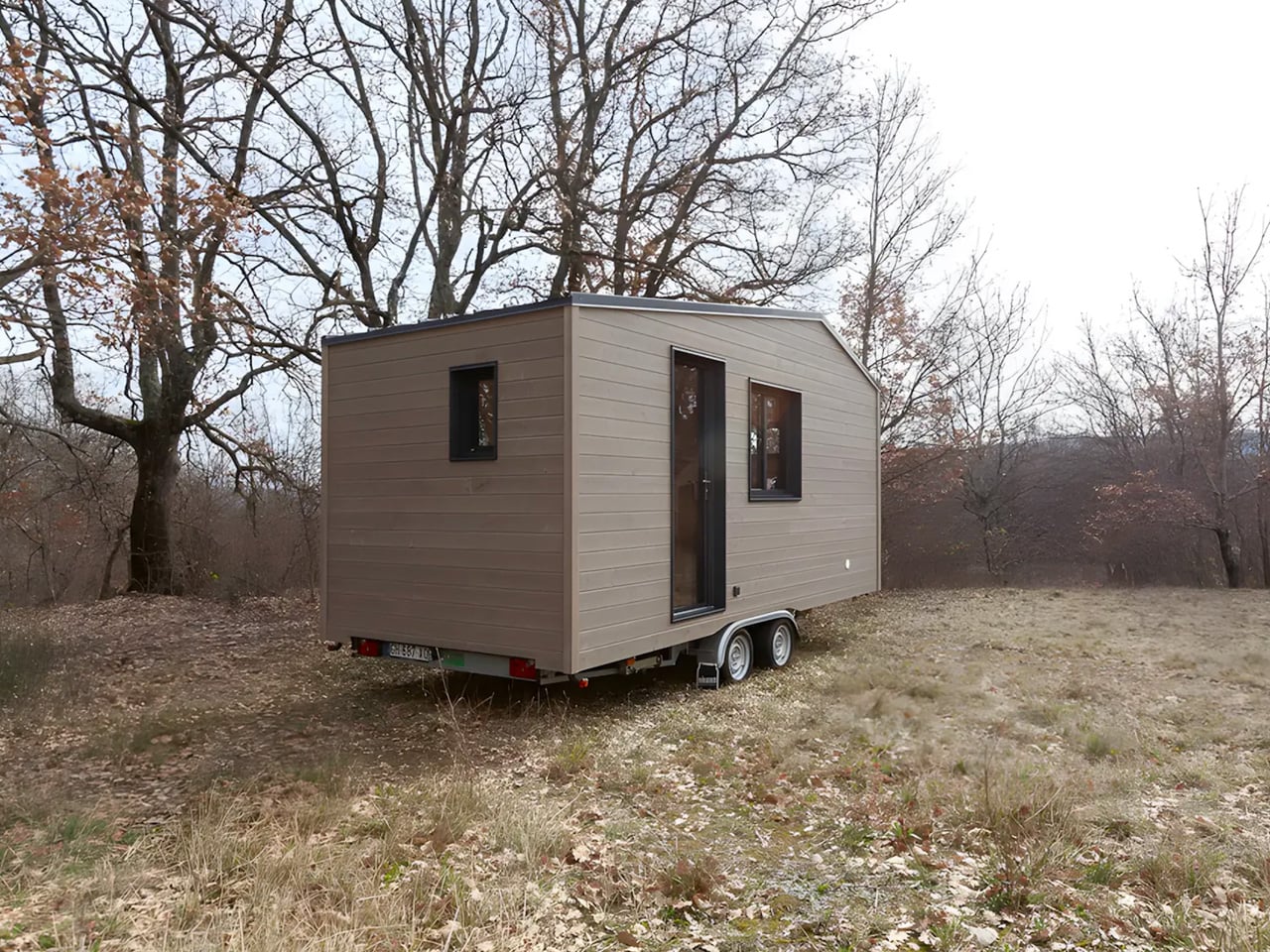
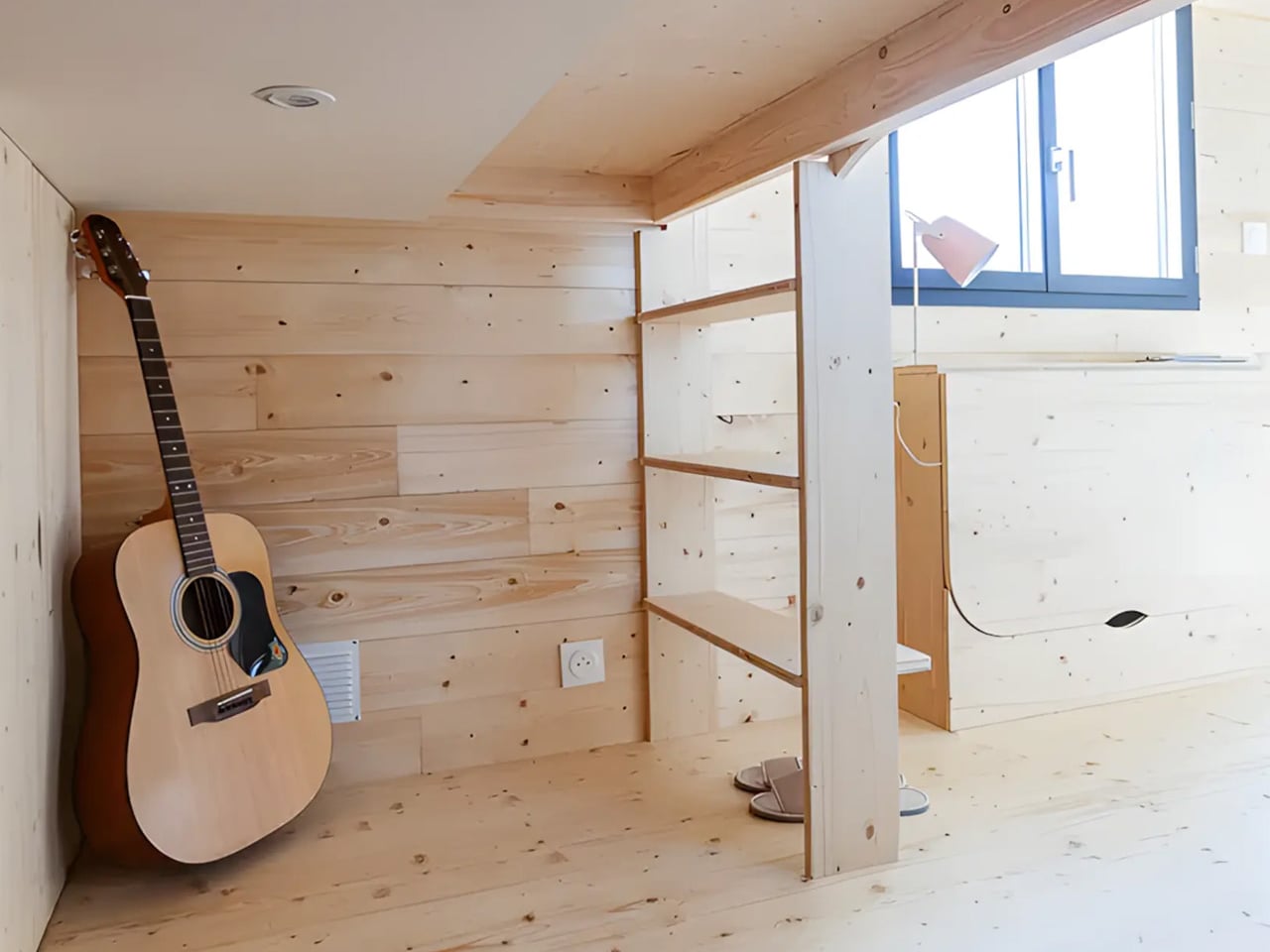
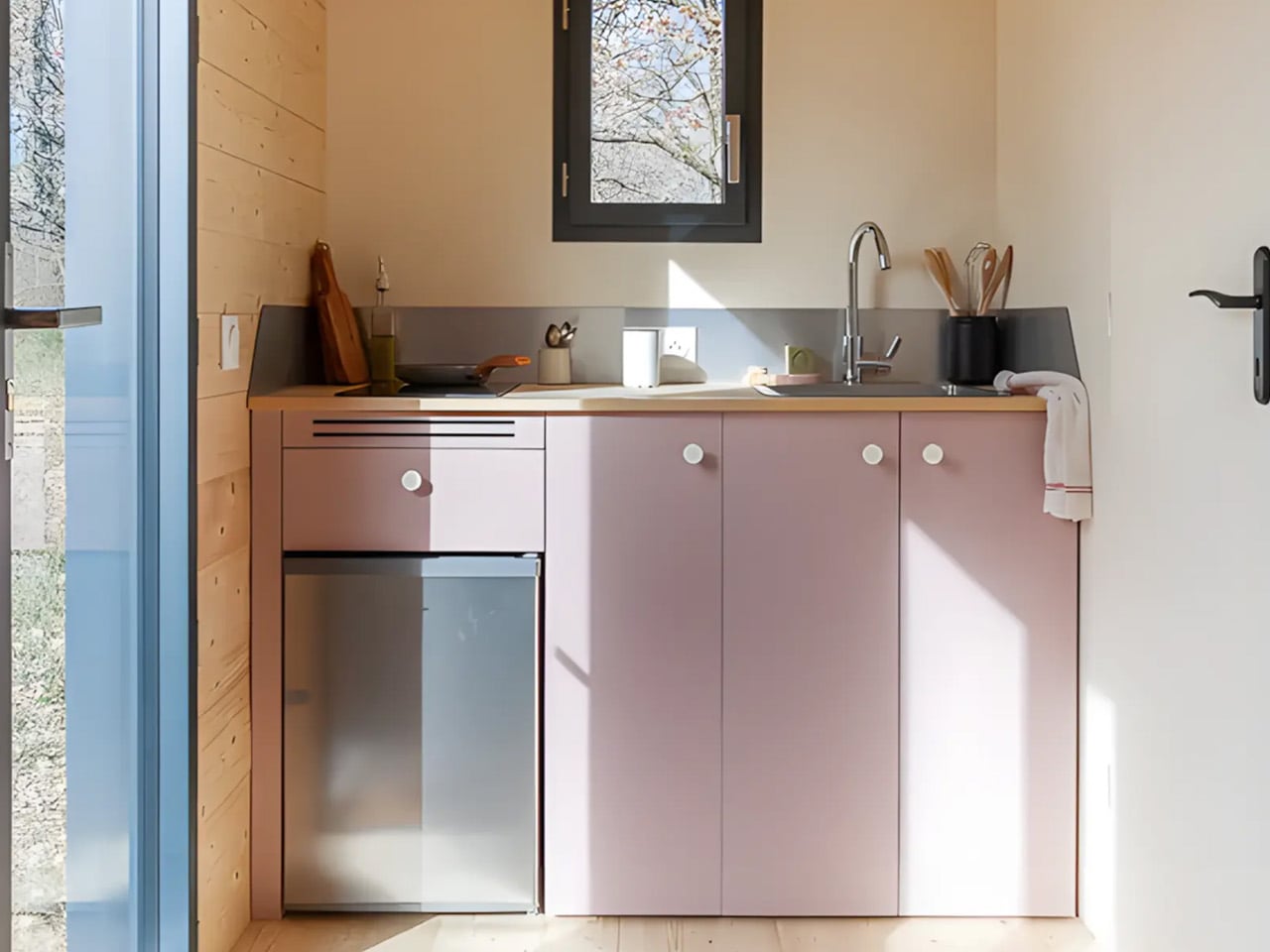
Tiny House du Lac by Plume is designed within the constraints of France’s strict towing regulations, which often result in more compact and highly efficient mobile homes. At just 17.8 feet in length, the structure prioritizes portability while still accommodating up to two people comfortably, or a small family of three in a more tightly arranged layout. The design reflects a clear focus on minimal footprint and mobility without sacrificing essential living functions.
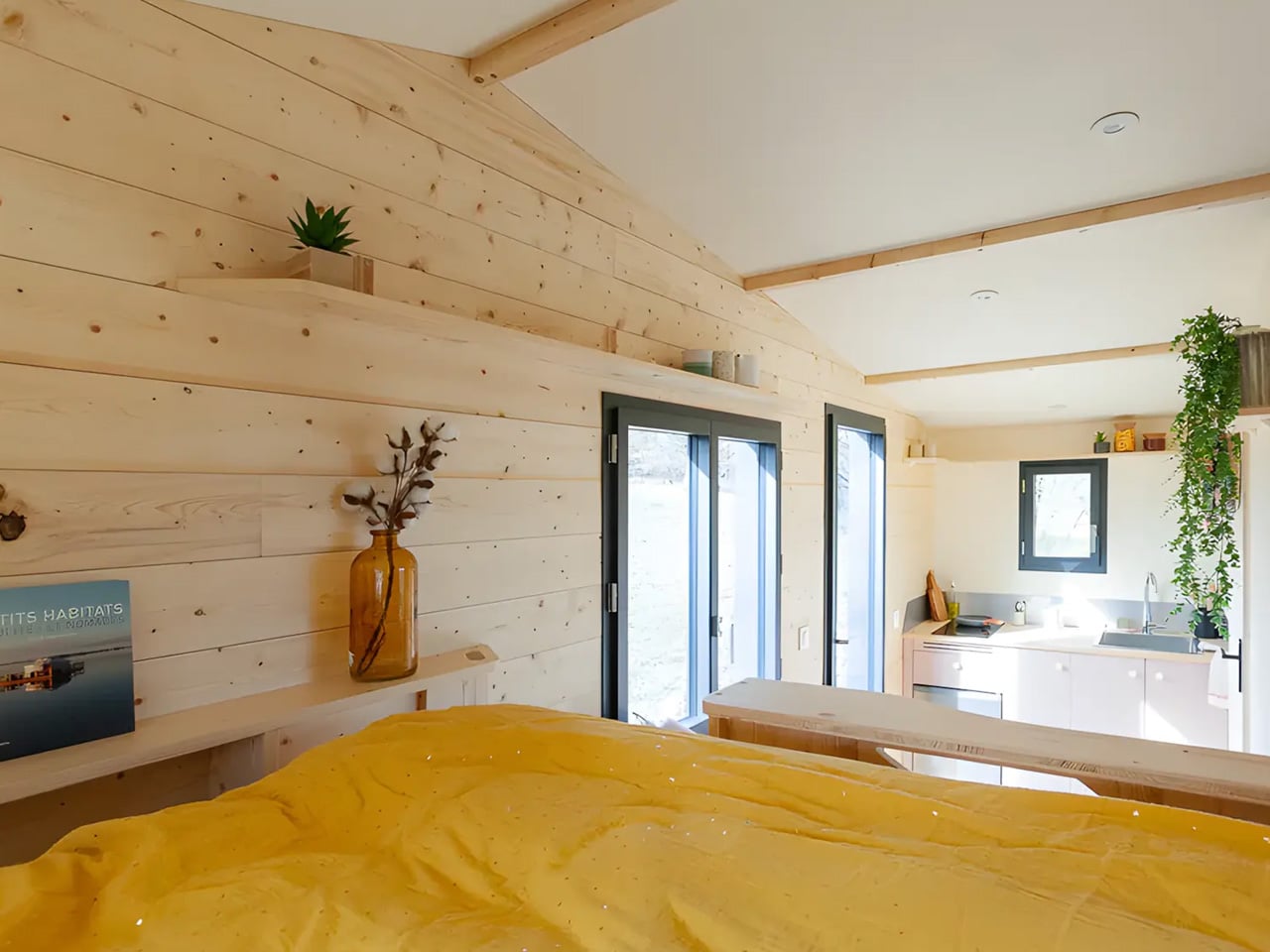
Inside, the layout is defined by a single continuous space that maximizes every inch of the interior. The kitchen is compact yet fully equipped with essential fittings, while the adjacent living area includes a small sofa and a fold-down dining table, maintaining a sense of openness through light tones and wooden finishes. At the opposite end, the bedroom is designed as a loft-style sleeping area accessed by wooden steps, with the space beneath adapted for storage or additional use.
5. Towable Stores Bringing Retail Directly to Changing Locations
Towable stores place commerce in motion by enabling businesses to operate through mobile retail units. These setups can be moved across locations, events, or neighborhoods, allowing brands to engage directly with audiences without depending on fixed storefronts. Their compact and adaptable design supports quick deployment and efficient operation in varied settings.
This approach encourages flexibility and experimentation within retail. Businesses can test new markets, respond to shifting demand, and create immediate, location-driven shopping experiences. It redefines how products are presented and accessed, making retail more responsive, mobile, and connected to its audience.
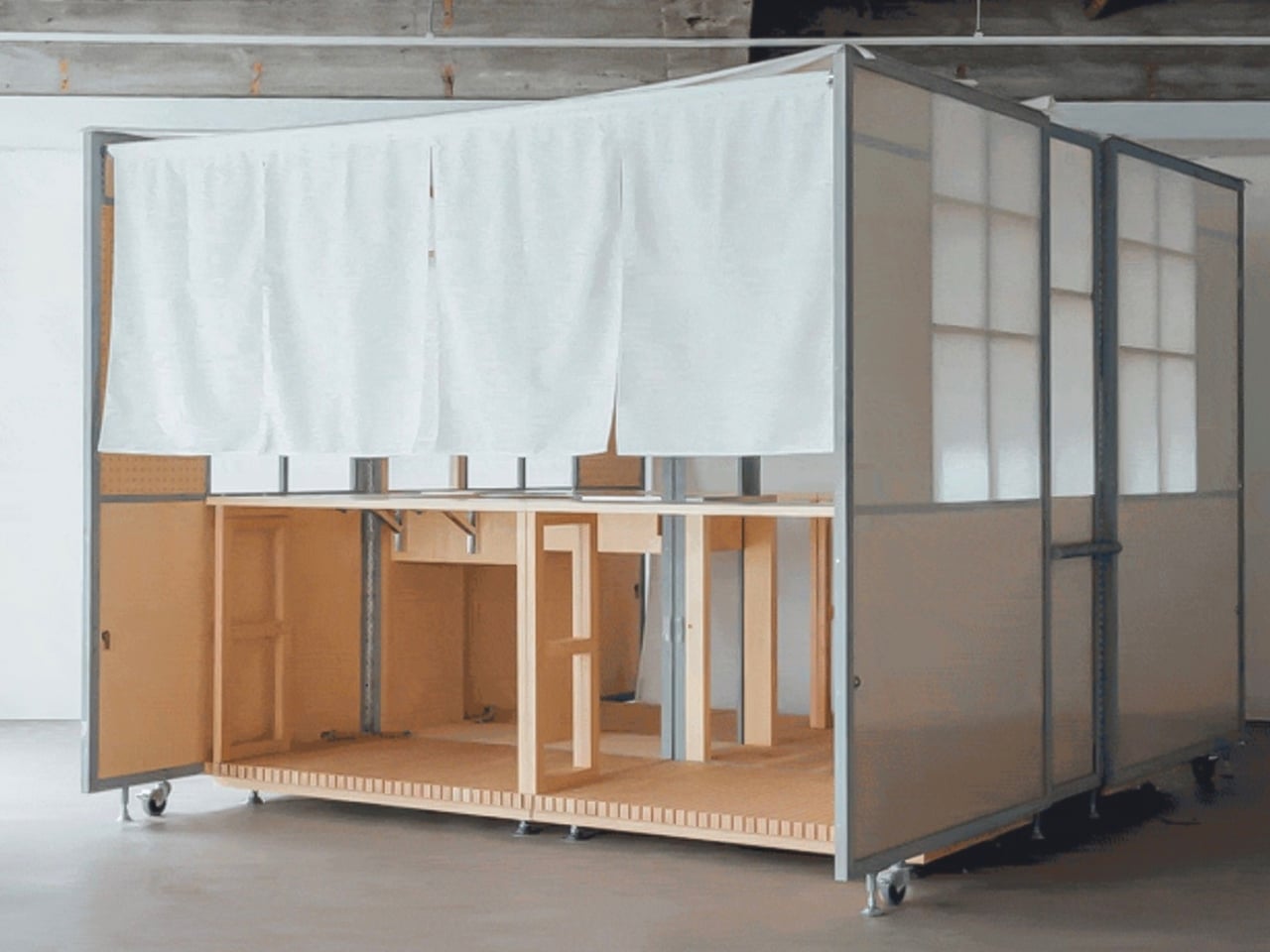
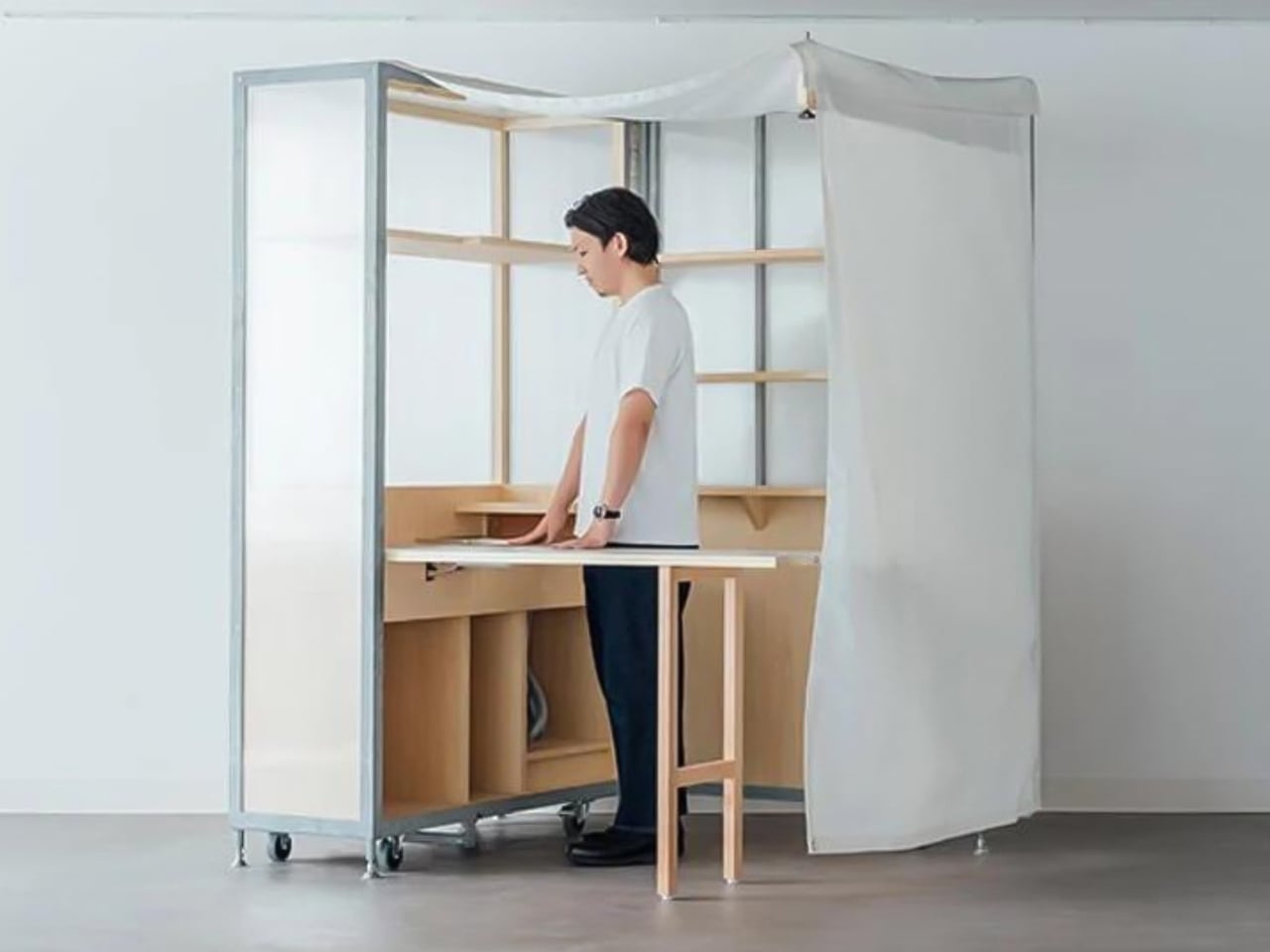
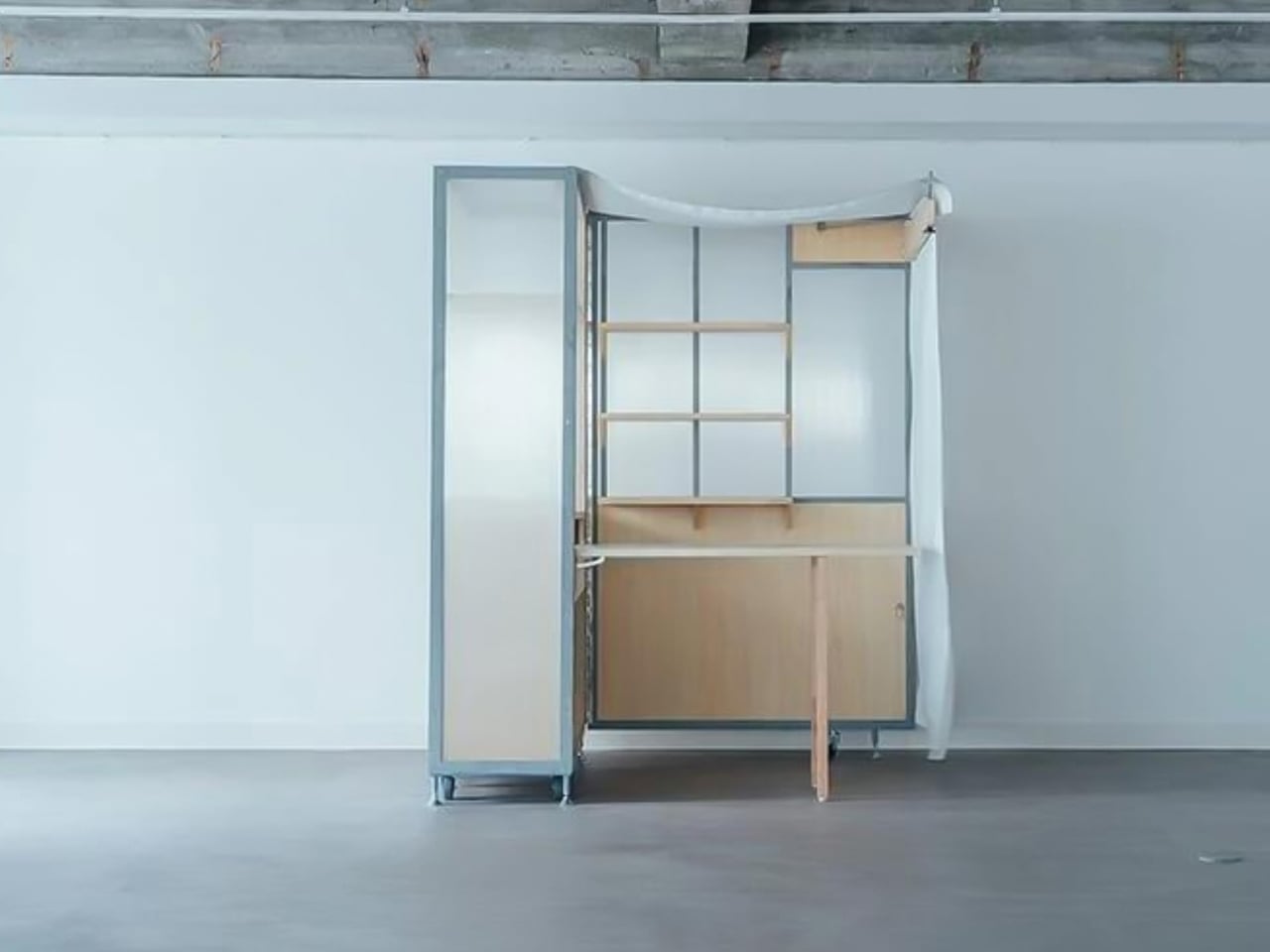
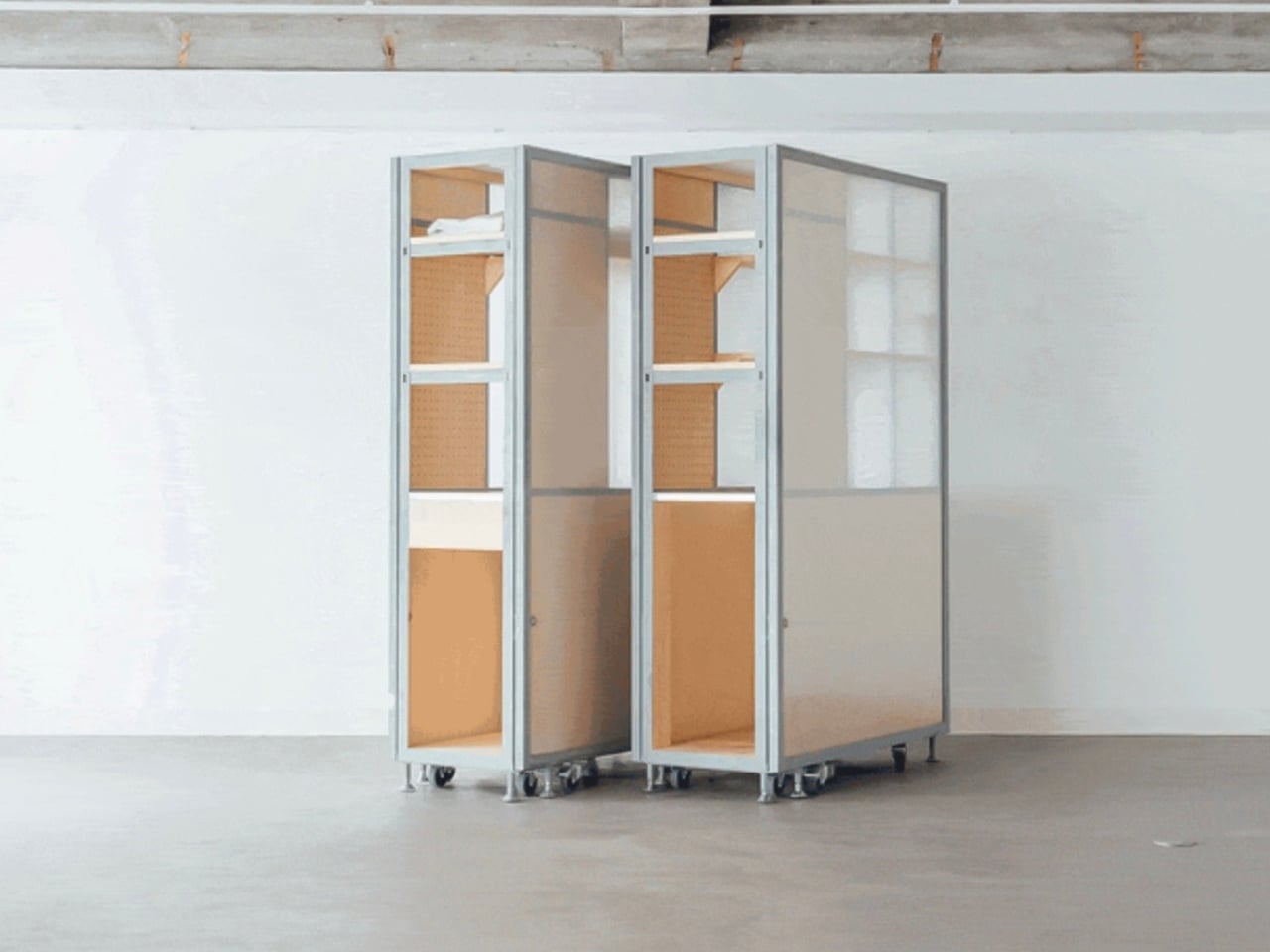
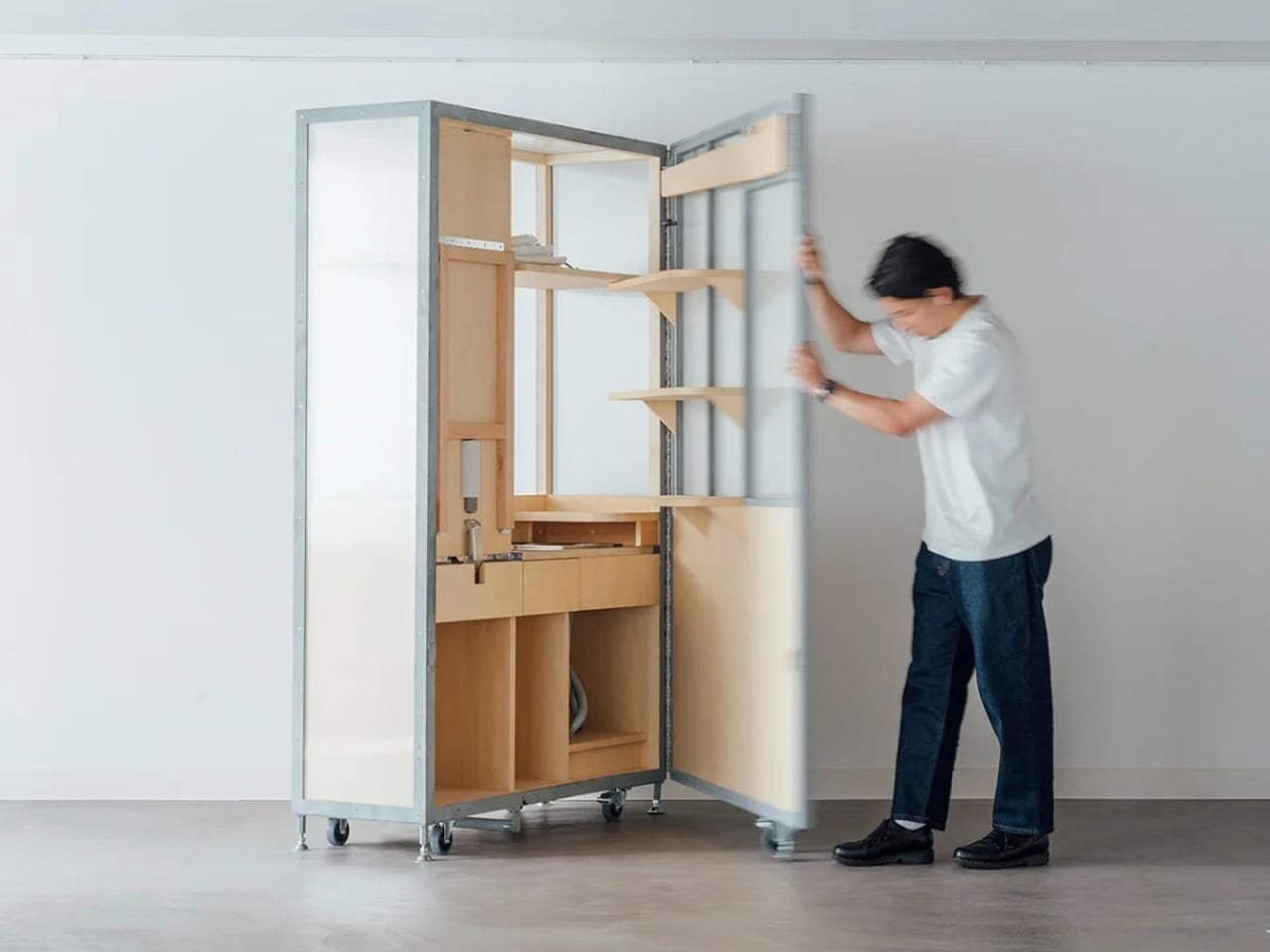
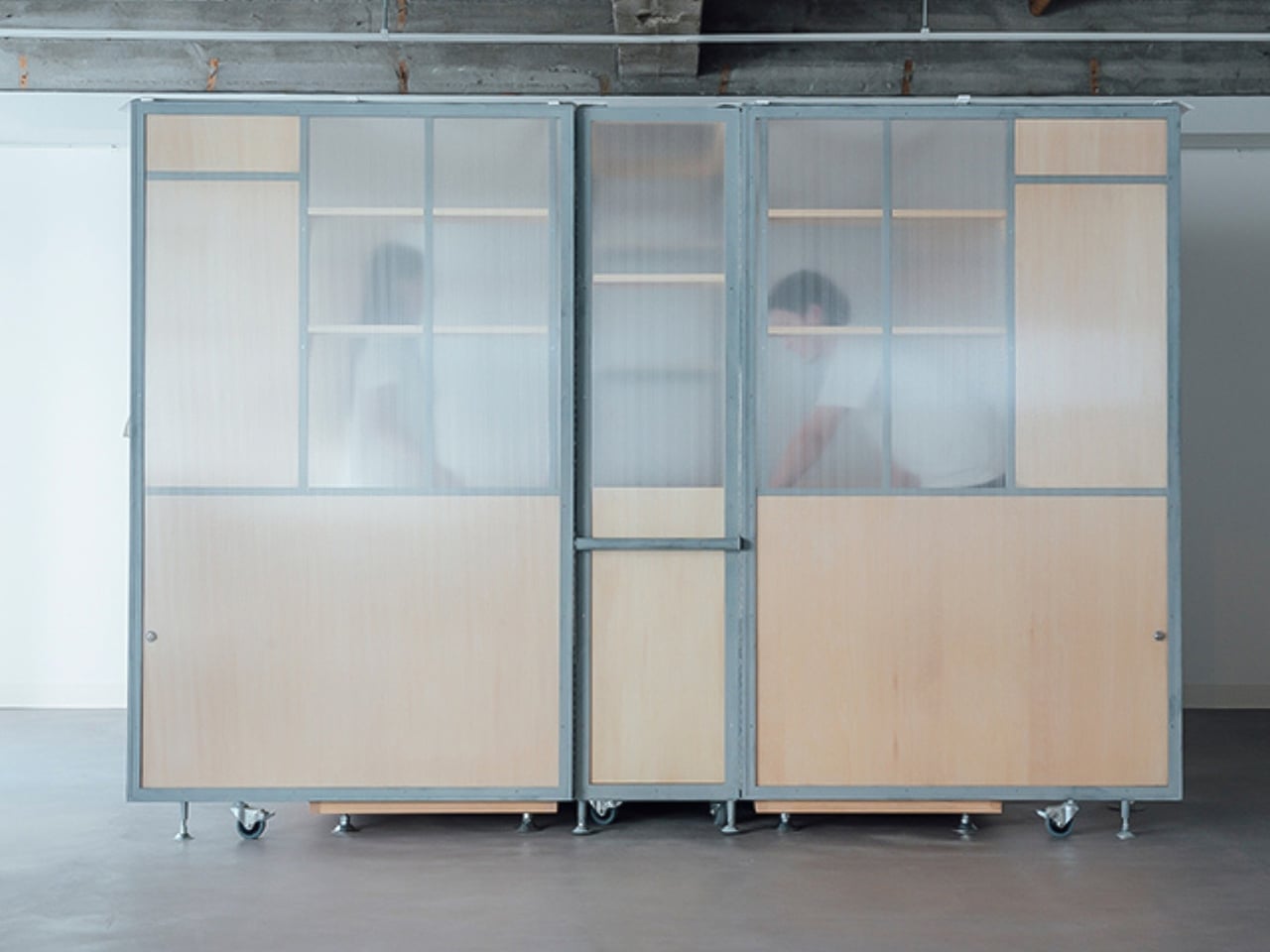
SHOPKIT, designed by Japanese studio COC, is a modular mobile store system created for easy setup, transport, and reuse in different environments. It functions as a compact retail unit that can be quickly assembled and disassembled, making it suitable for events, exhibitions, trade fairs, or temporary shop installations. Built with materials like wood, steel, and polycarbonate, the structure maintains a clean, minimal design while remaining durable and adaptable across various urban and outdoor settings.
The system is available in two configurations: a single-door version and a larger double-door version. The single-door unit offers a simple, compact retail setup, while the double-door option expands into a more functional store layout with counters, translucent panels for natural lighting, and space for display and interaction. Designed to be portable and efficient, SHOPKIT transforms temporary retail needs into a structured mobile shop that can be placed wherever selling space is required.
Portable architecture reflects a shift toward flexible, mobile living where spaces adapt to changing needs. It spans living, work, and recreation, rethinking how environments function and respond to users. Mobility, efficiency, and intentional use become central to contemporary design, replacing fixed and static spatial models.
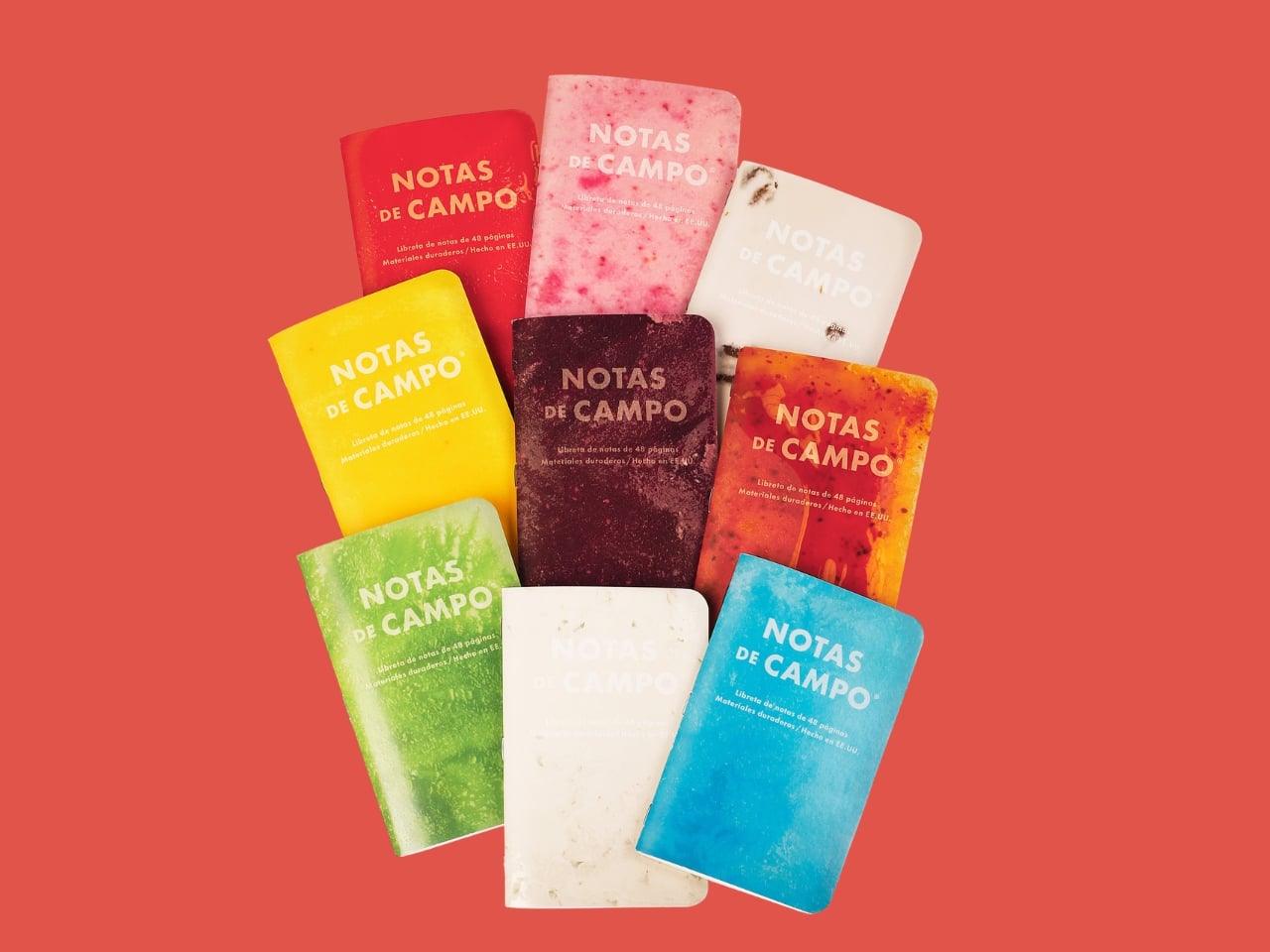
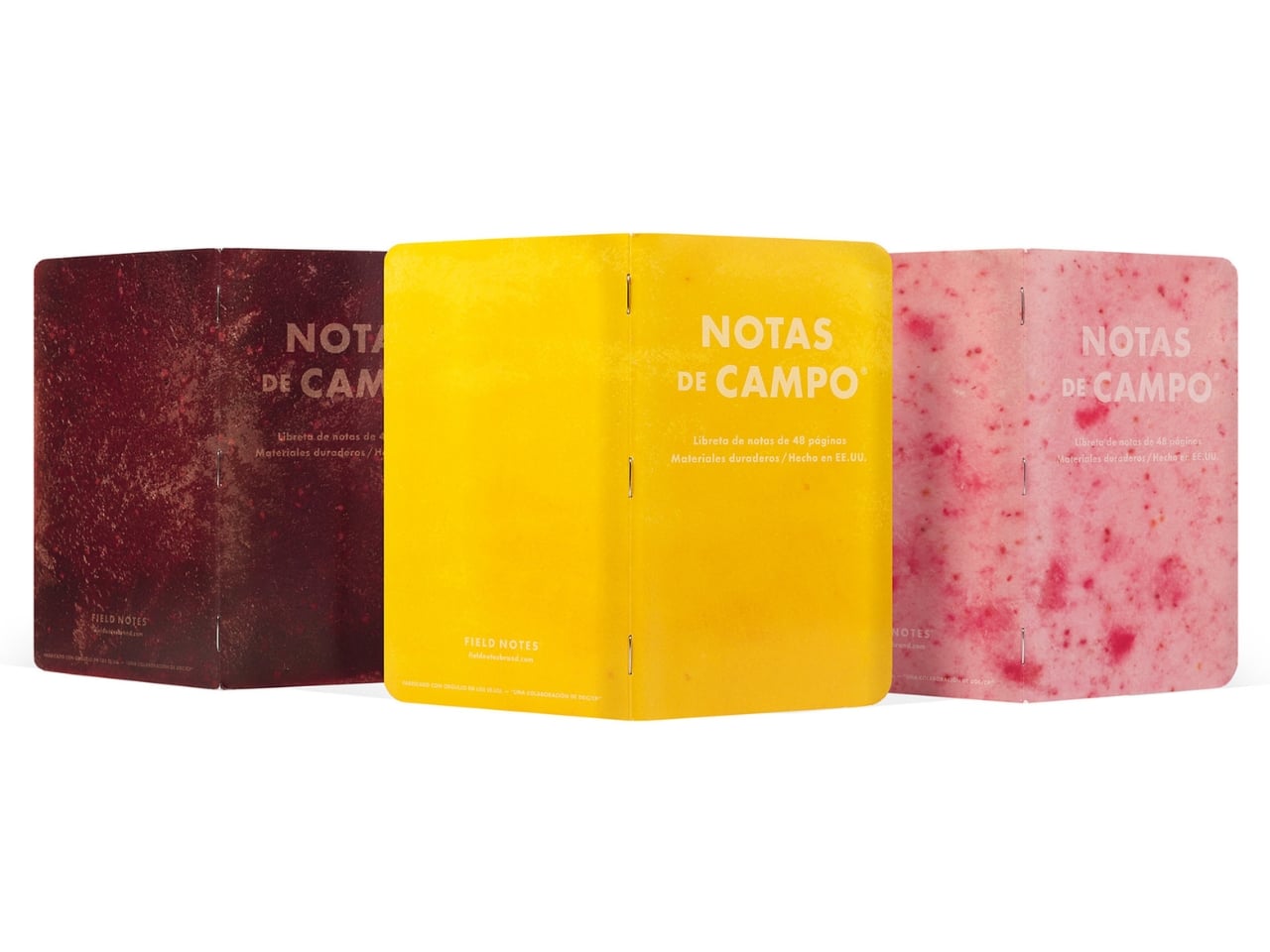
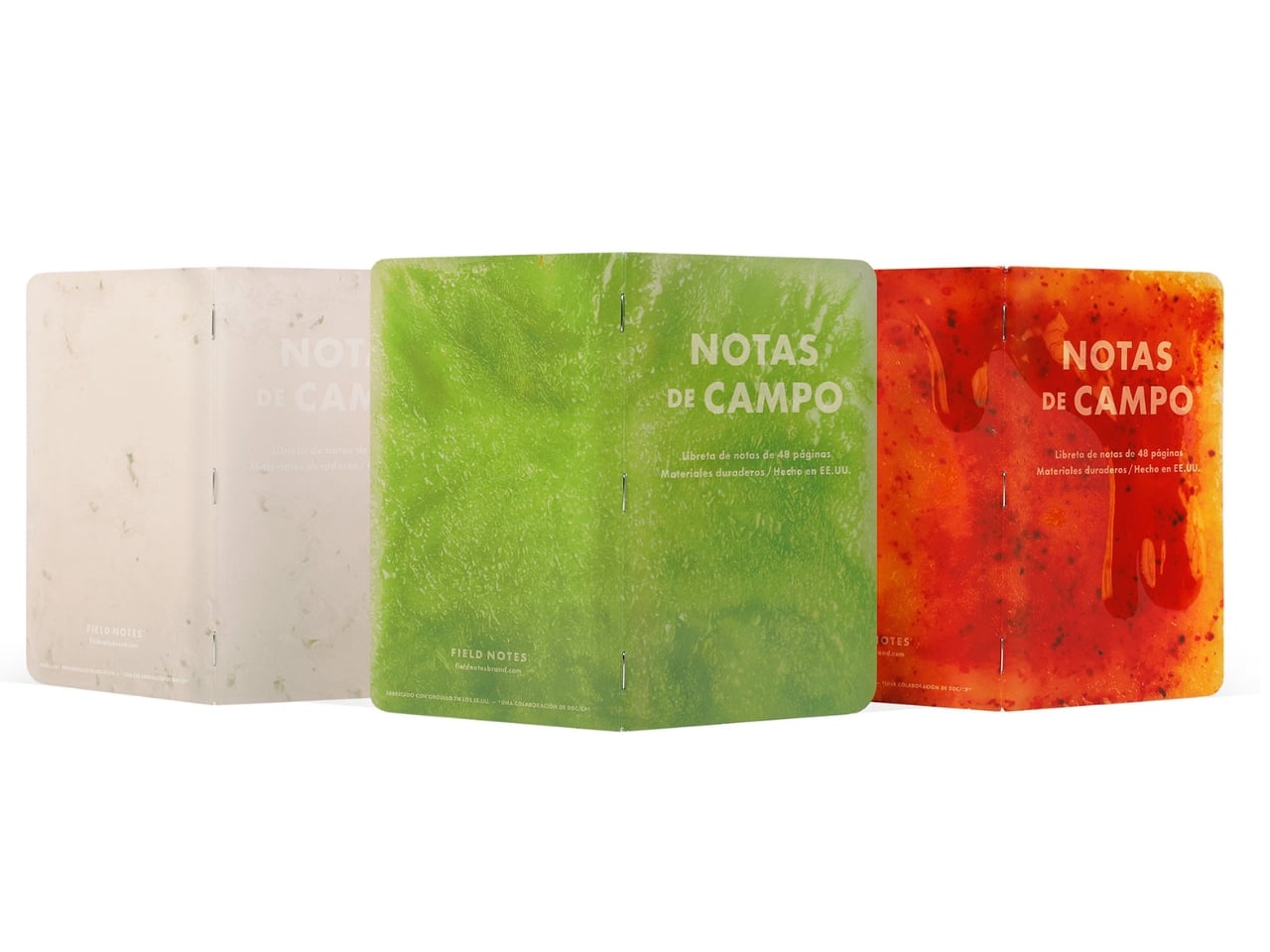
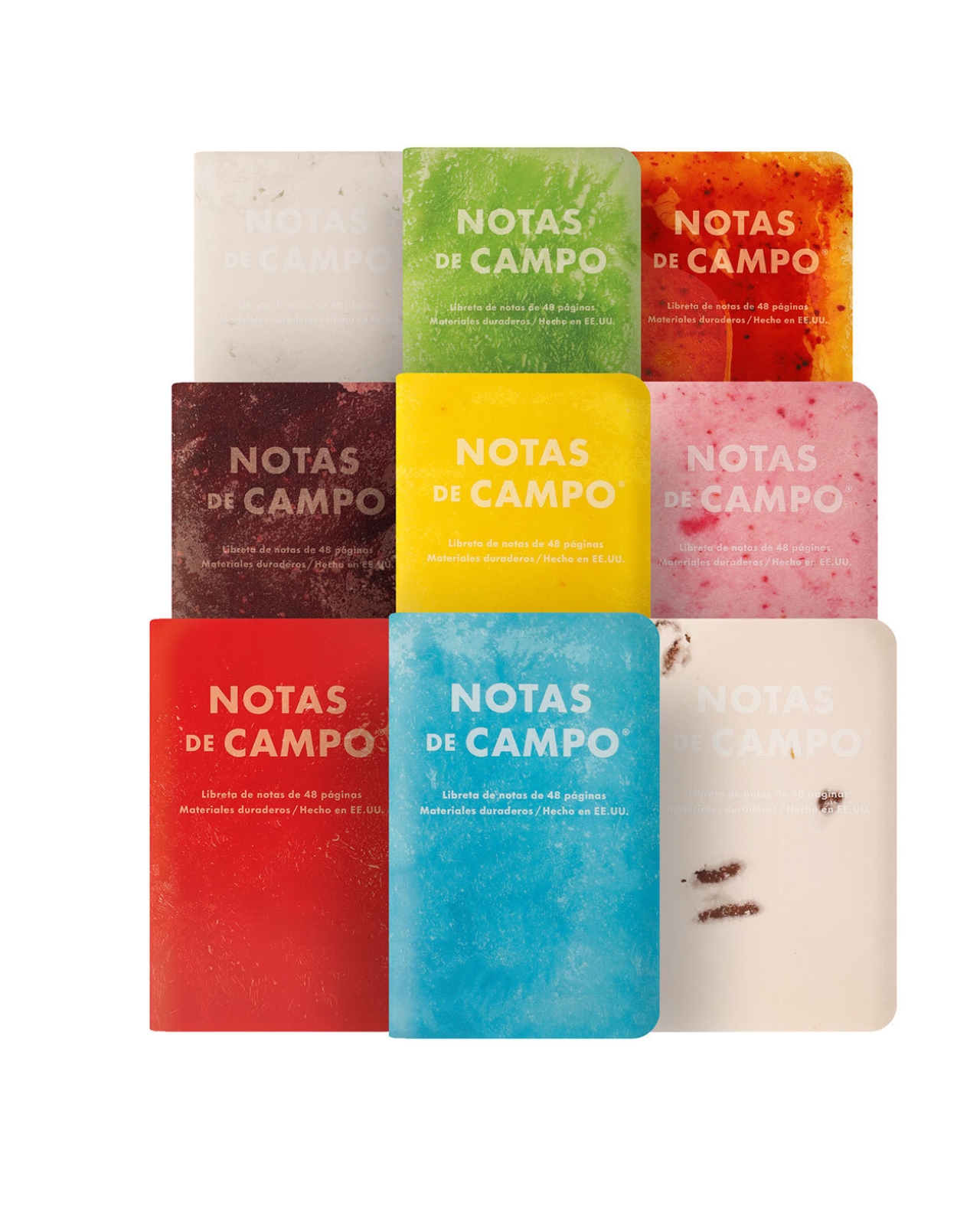
One thing that I’ve always shared when I do my journaling workshops is that this hobby is something that involves a lot of our senses: sight, sound, touch, sometimes even smell (if you have materials that have fragrance). The only one missing, really, is taste, since you probably don’t eat any of your journaling materials. This latest collection from stationery brand Field Notes is probably the closest we’ll get to tasting our notebooks, as they seem to be pretty and cool enough to eat.
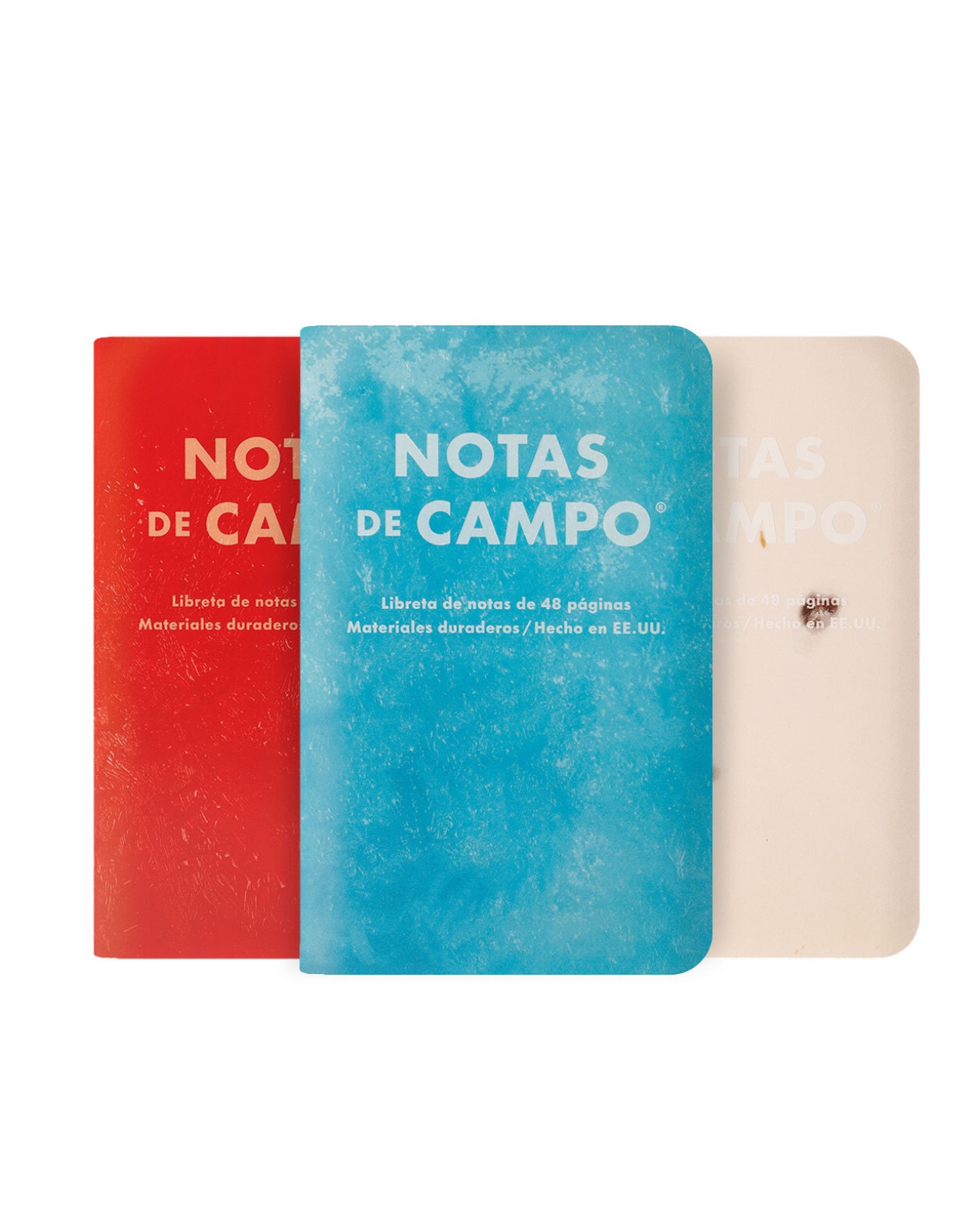
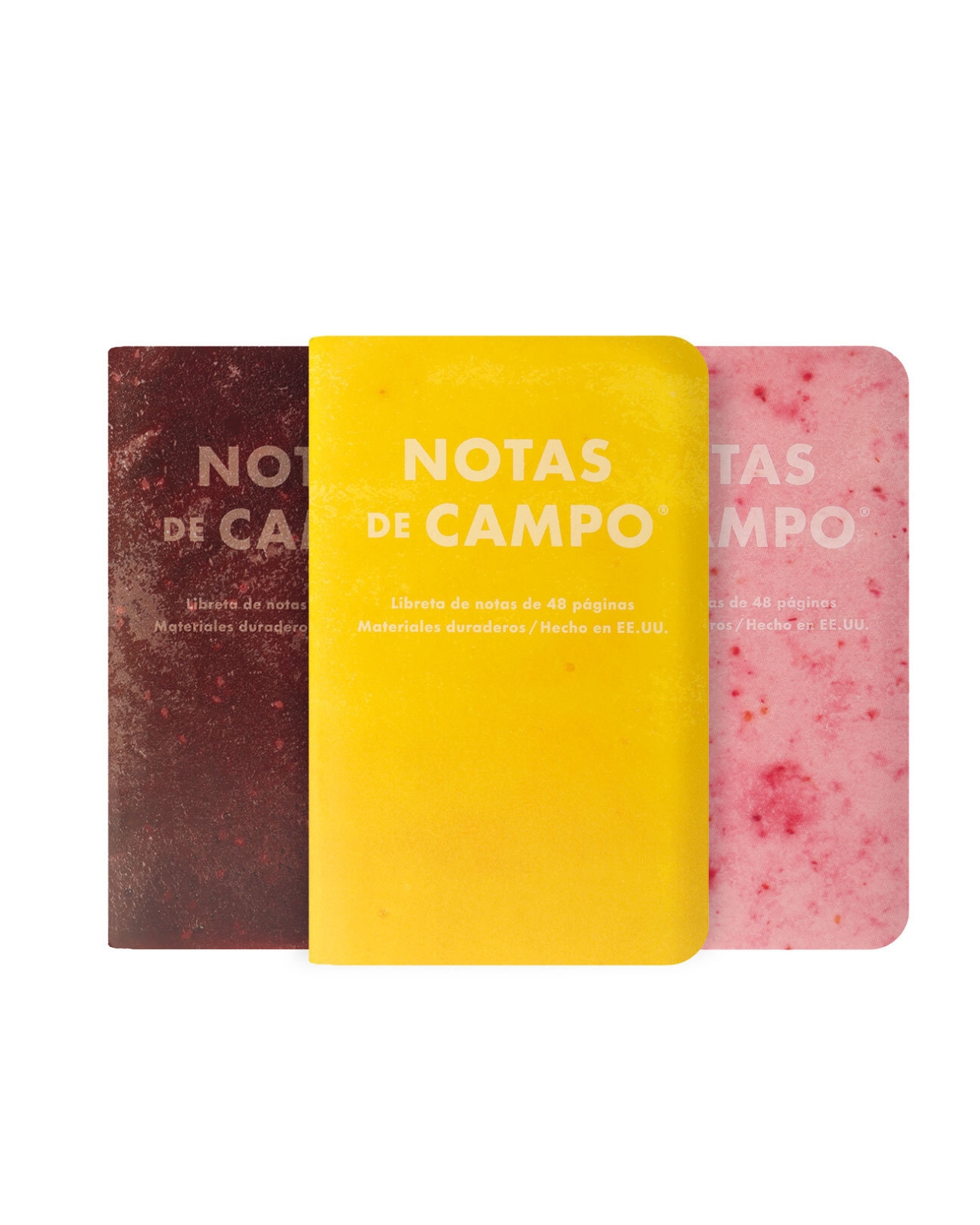
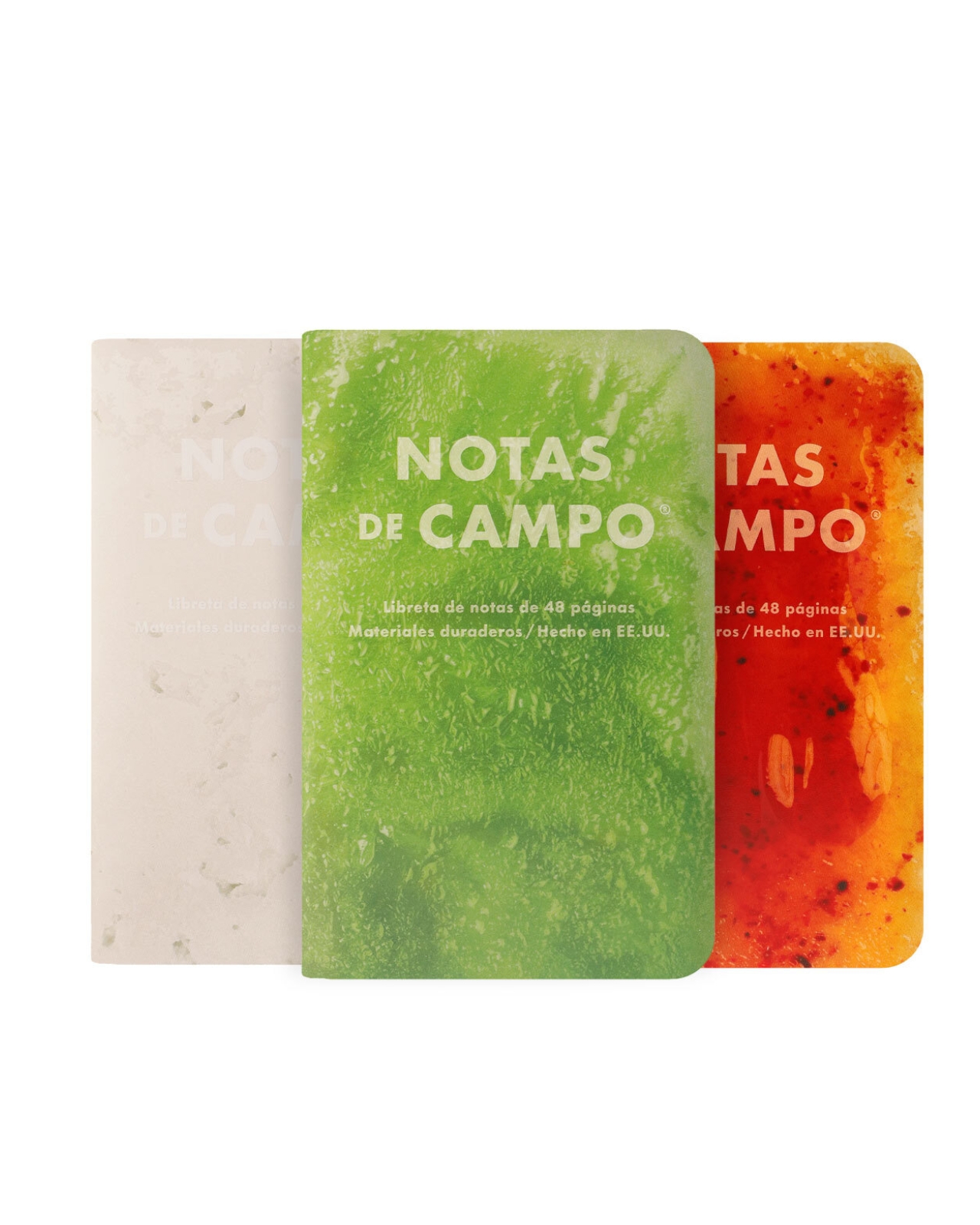
Their 71st Quarterly Limited Edition for Summer 2026 is actually inspired by the iconic frozen fruit treats from Mexico called paletas. Each of the notebooks in the collection is designed to not just look but also feel like one of those popsicle flavors, in one of their most visually playful releases to date. Too bad they’re not actually edible, although you probably can slurp on a frozen treat while you’re using one of these pretty notebooks.
More than just a cool aesthetic, the brand really looked into the history of the paletas, telling the story of how this beloved frozen treat came to be. These frozen treats are actually made from real fruit and fresh ingredients, created by brothers Ignacio and Luis Alcázar and their cousin Agustín Andrade. They’ve become not just a tasty tradition but a cultural landmark, from their small town of Tocumbo, Michoacán, to Mexico City, and eventually reaching the U.S.
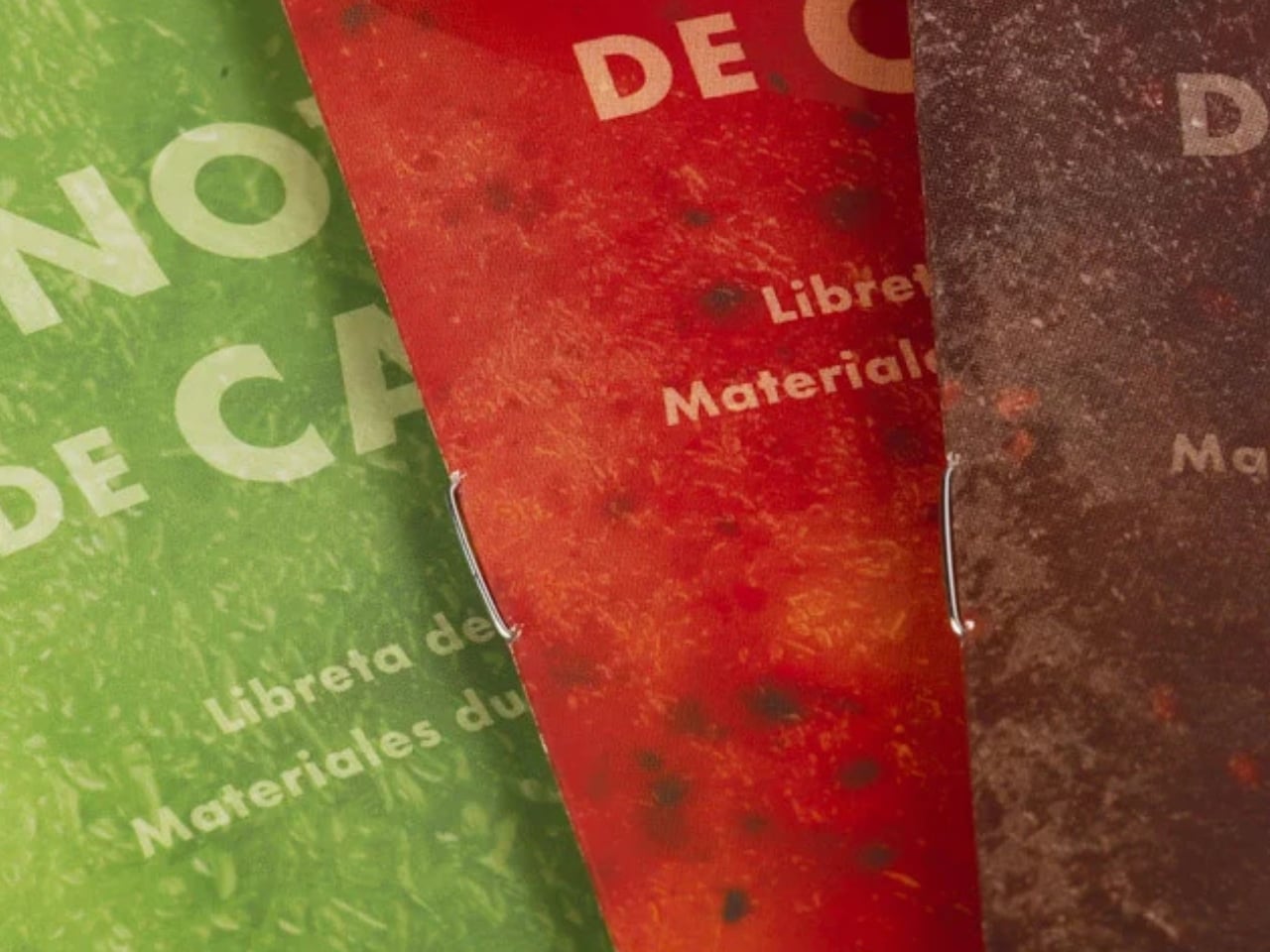
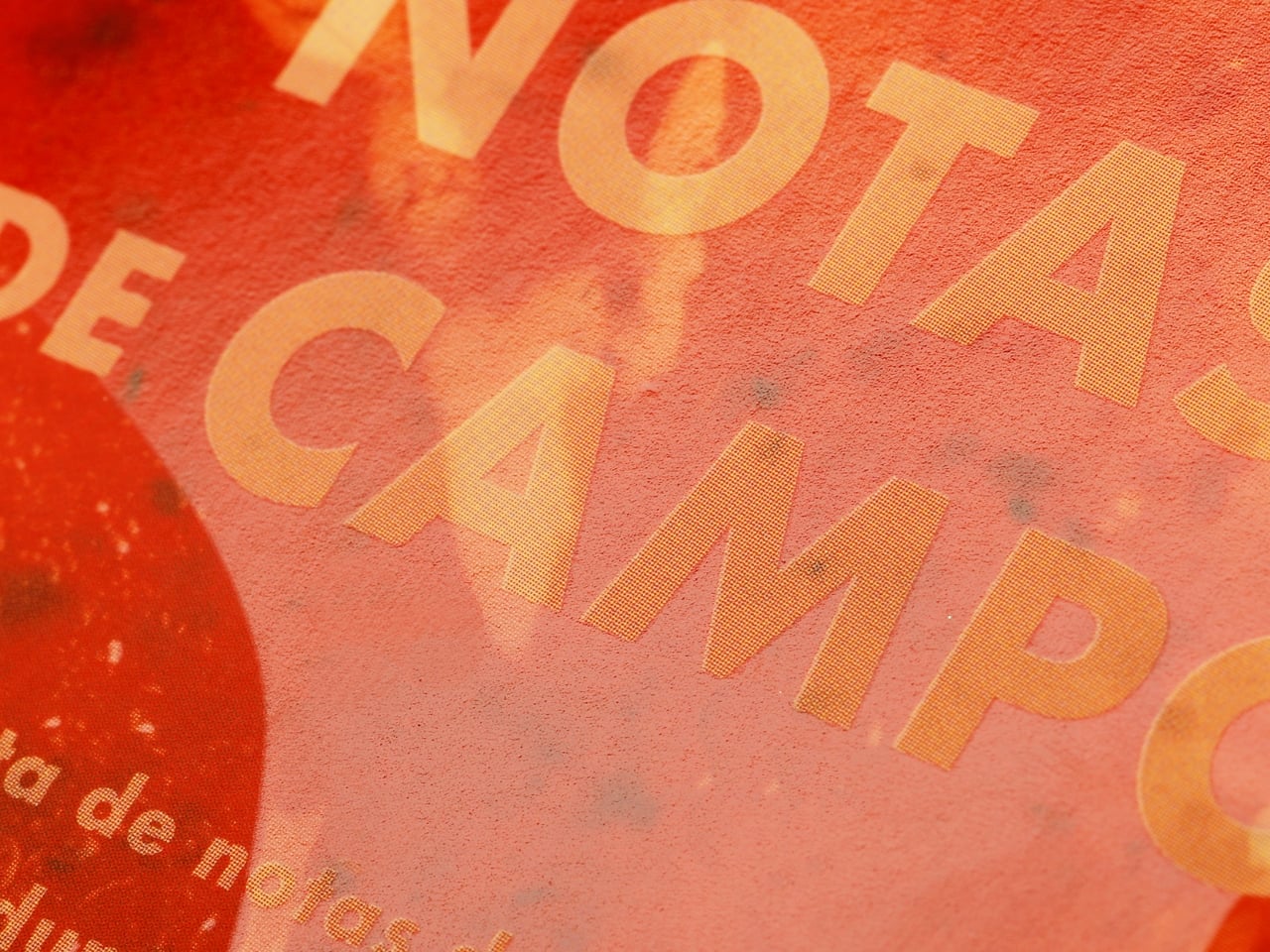
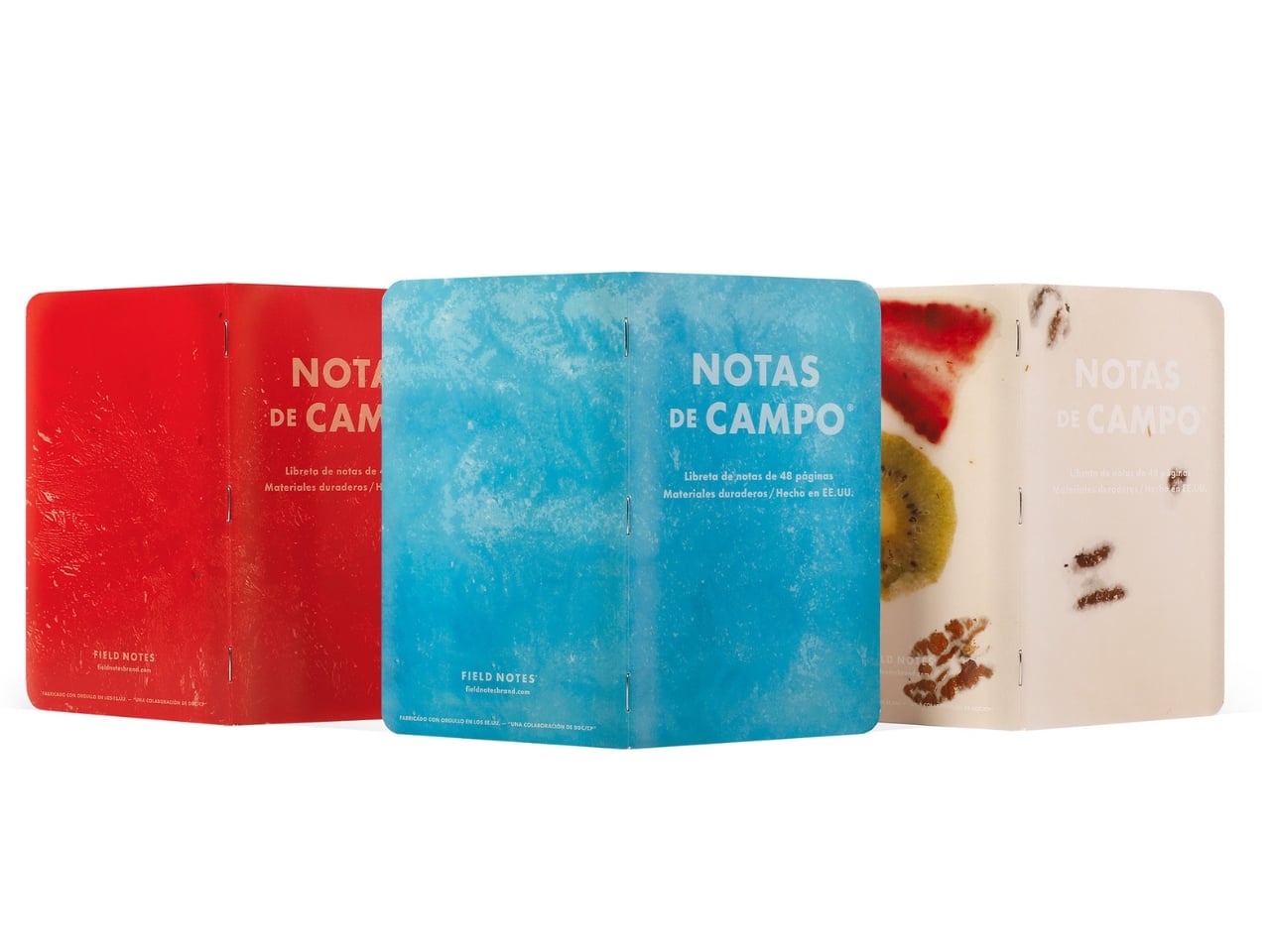
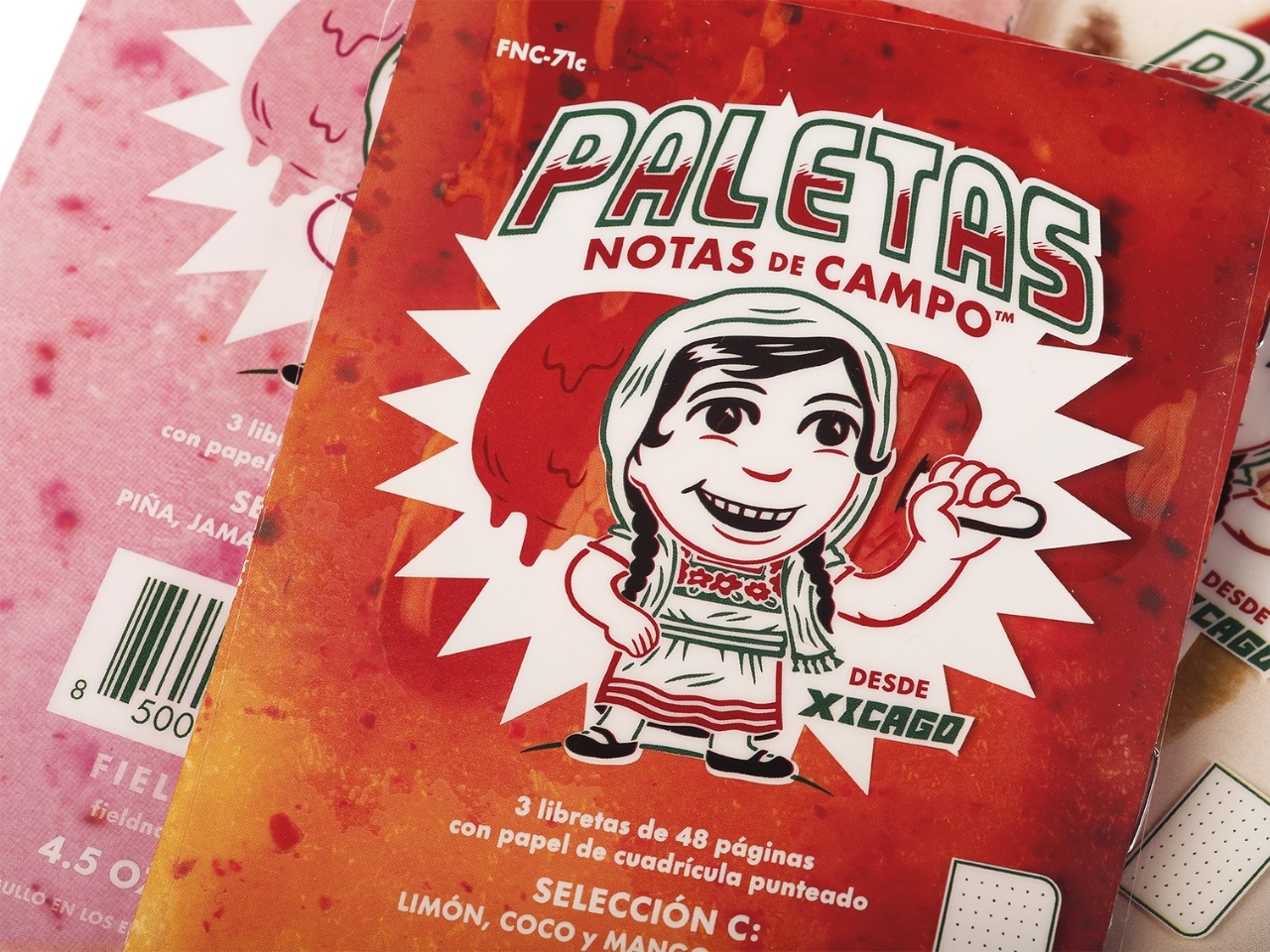
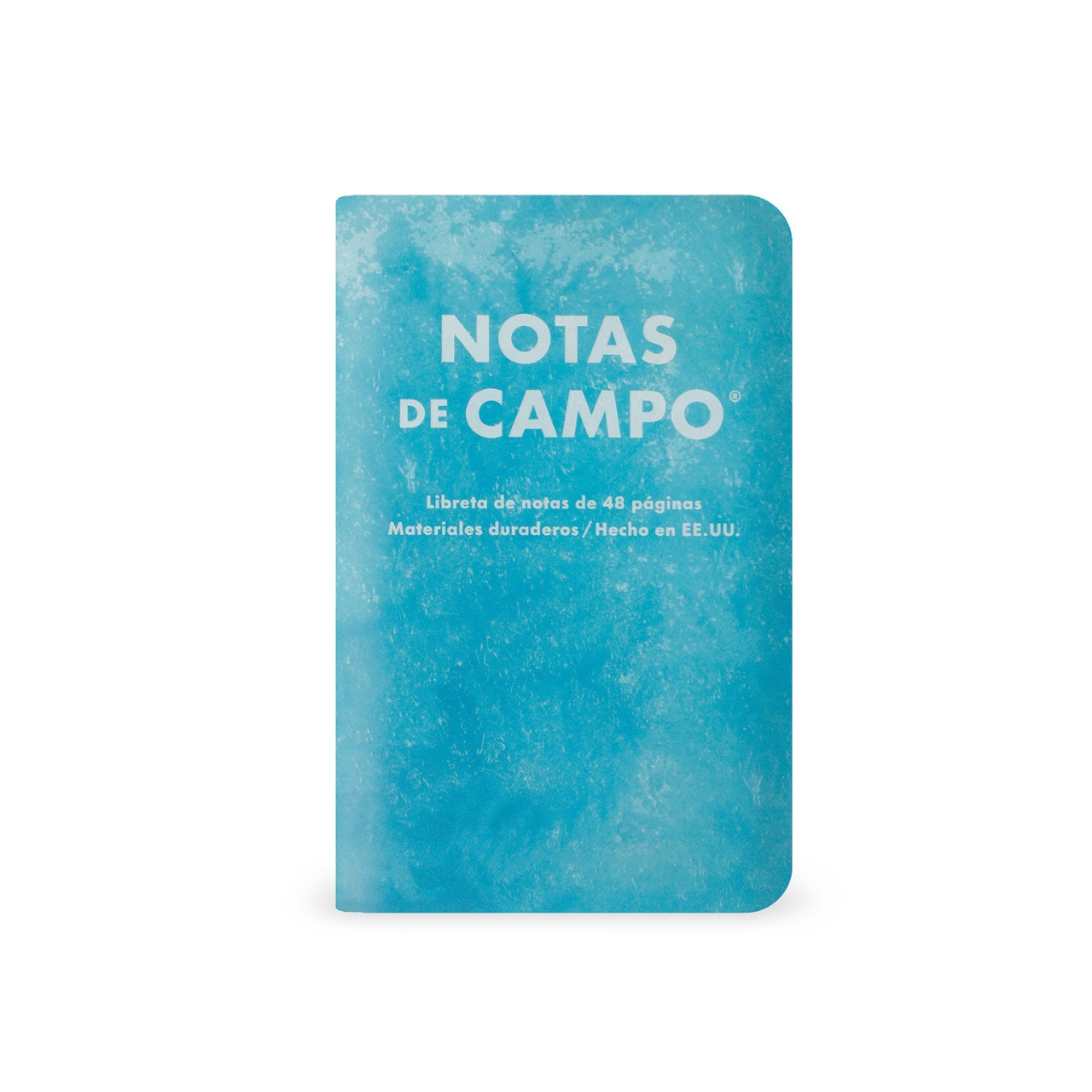
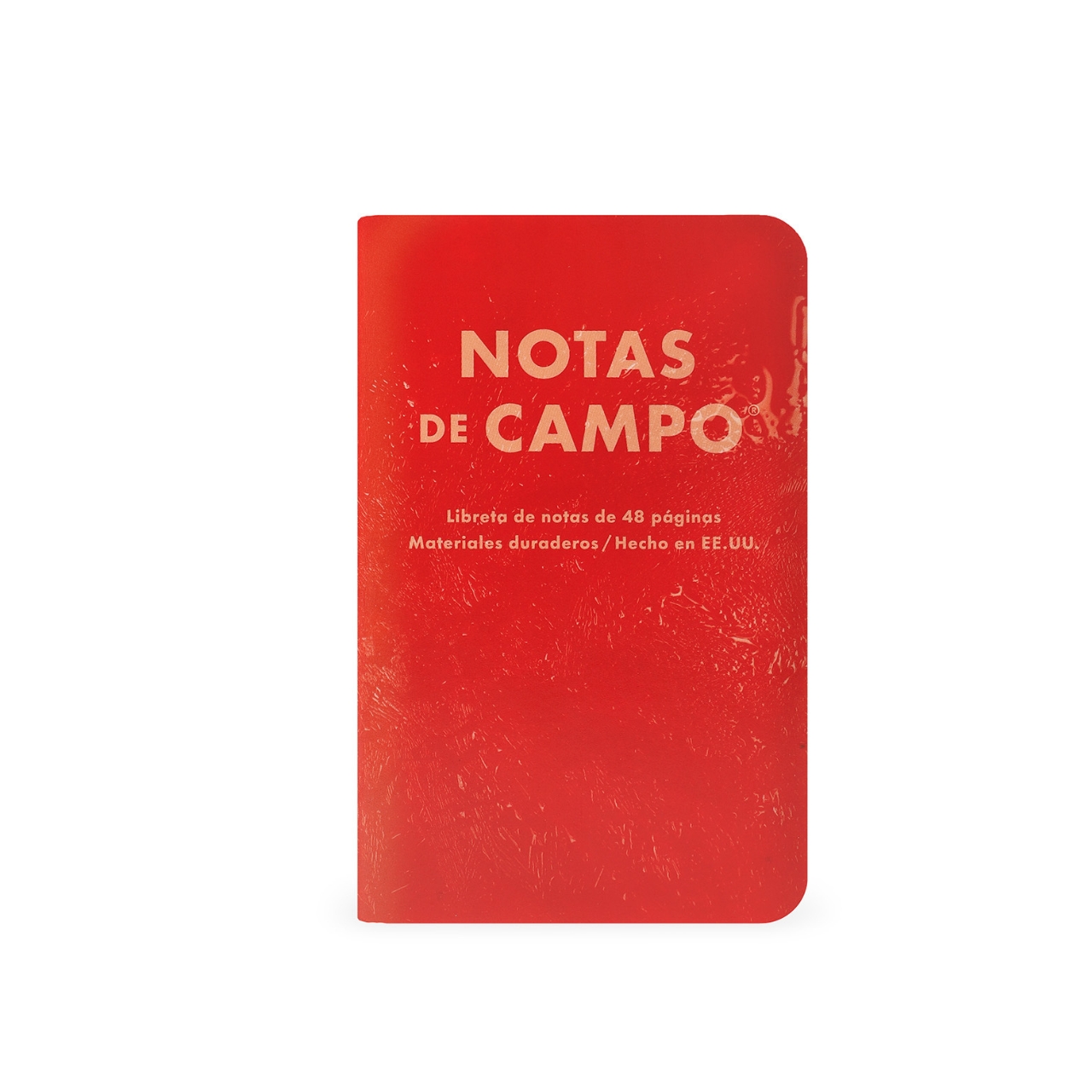
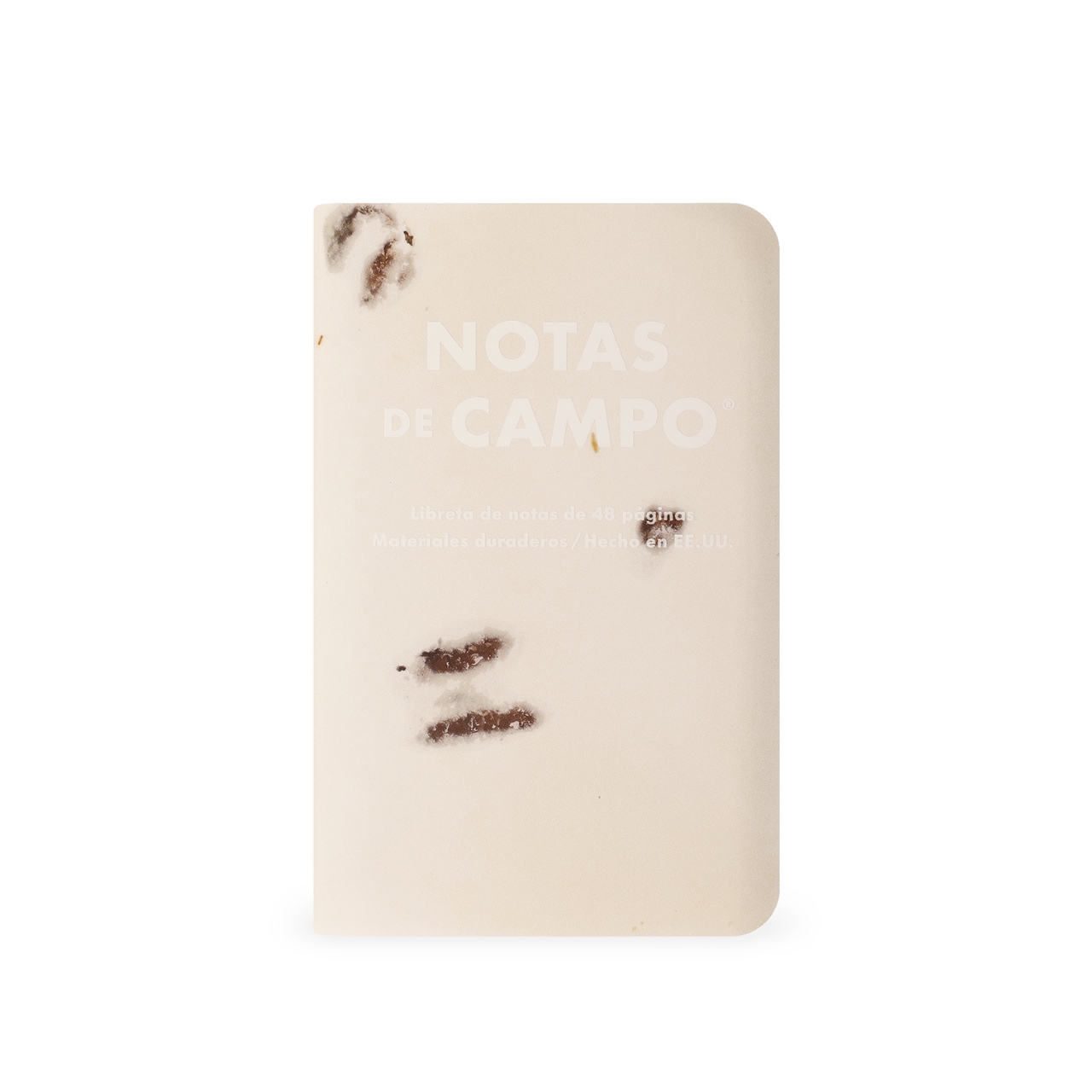
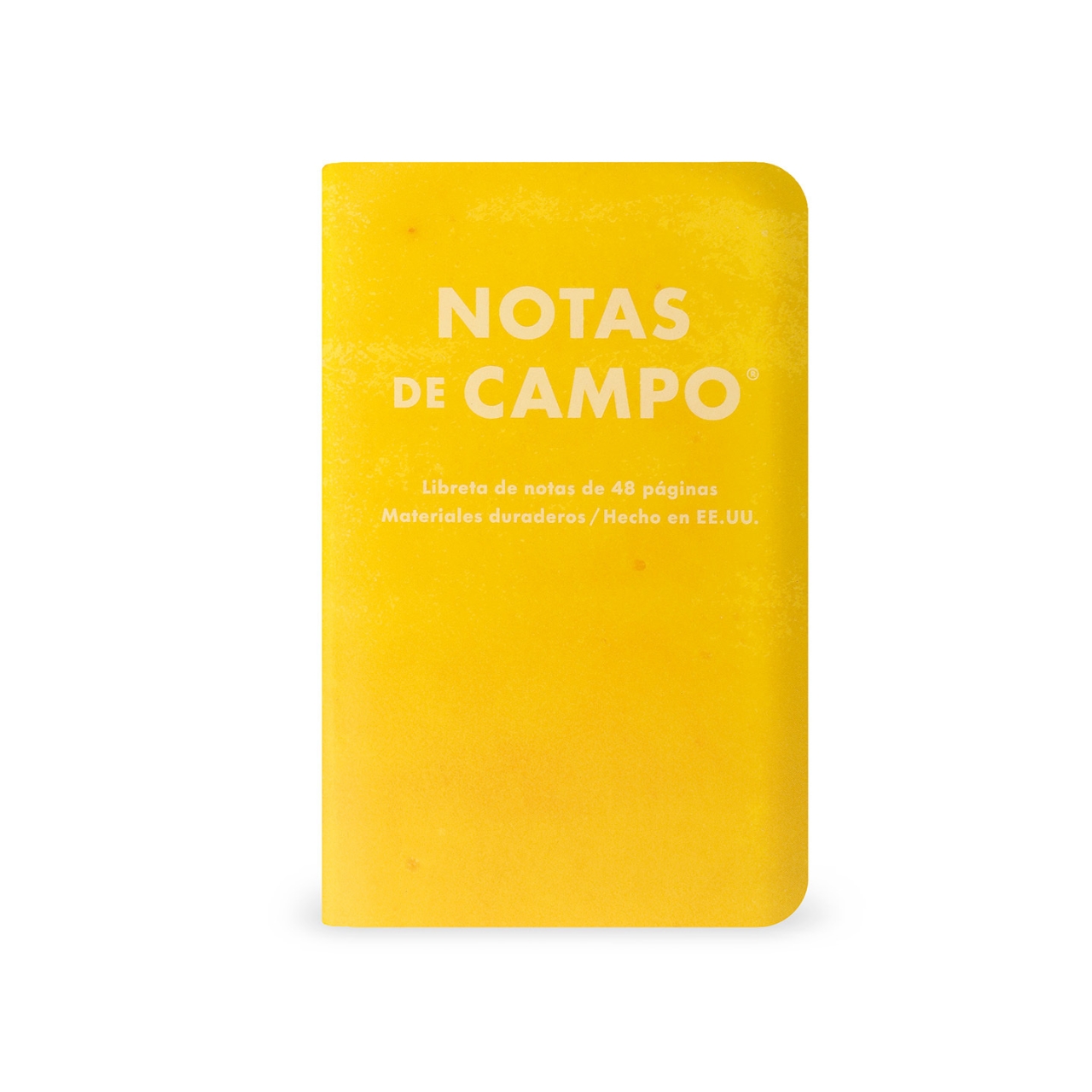
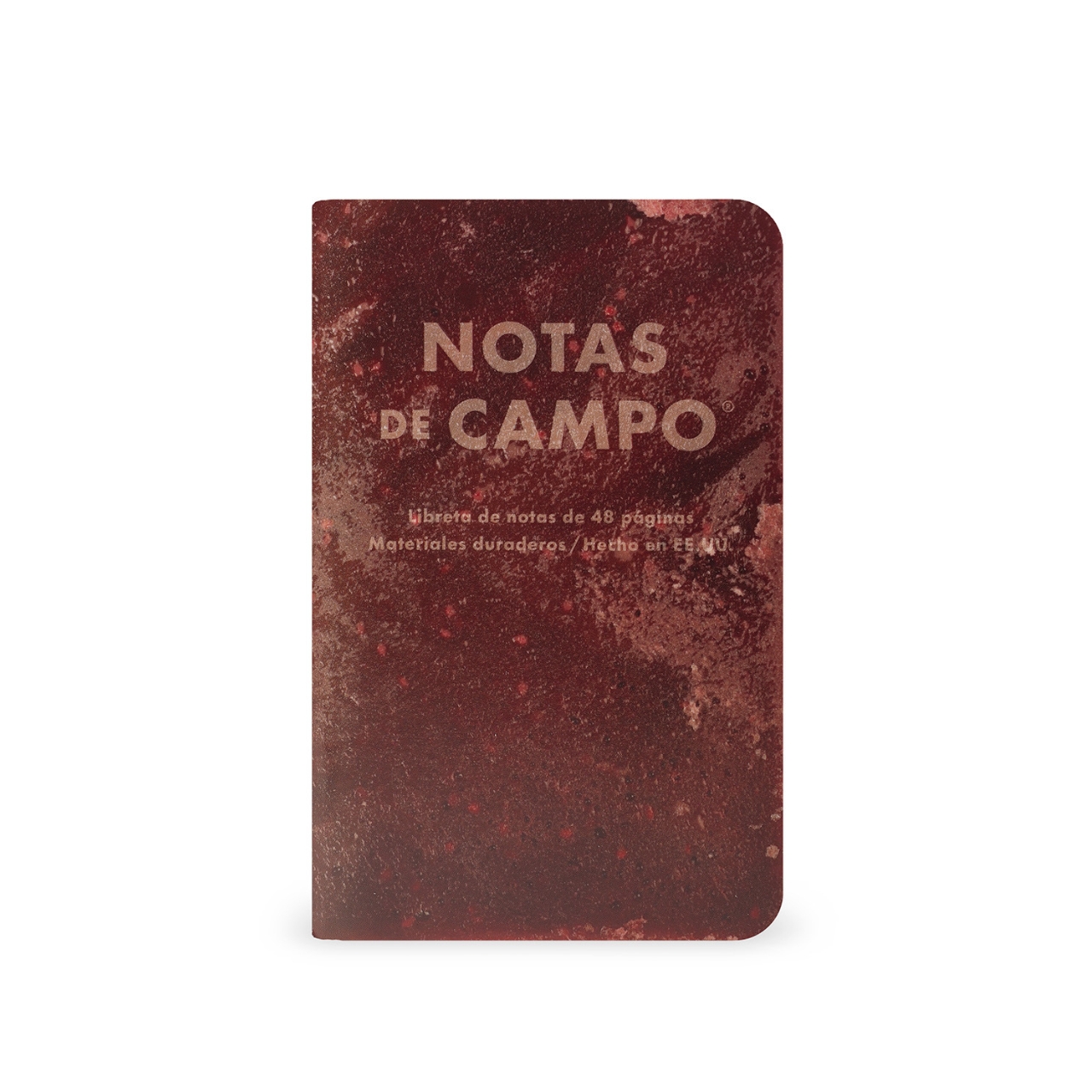
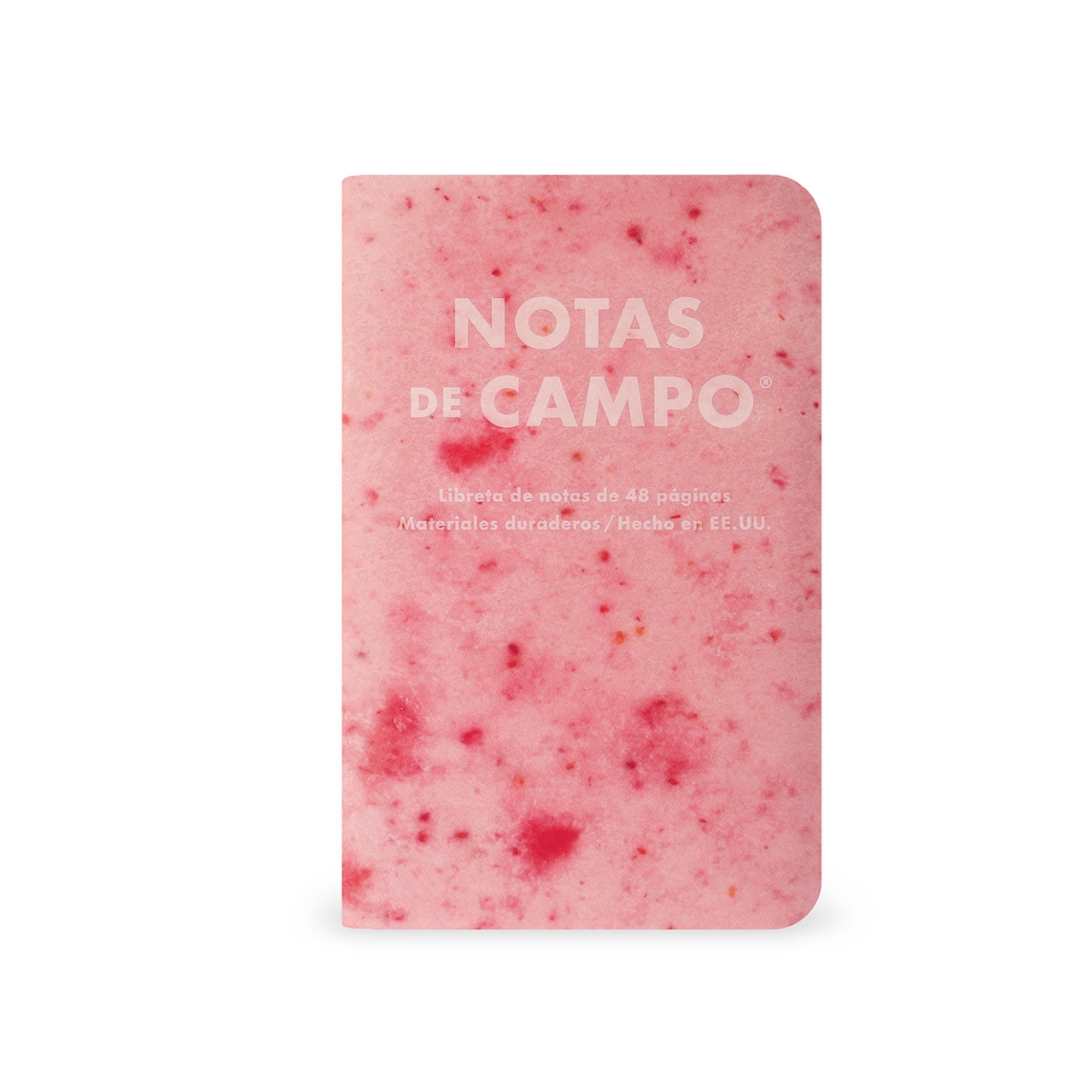
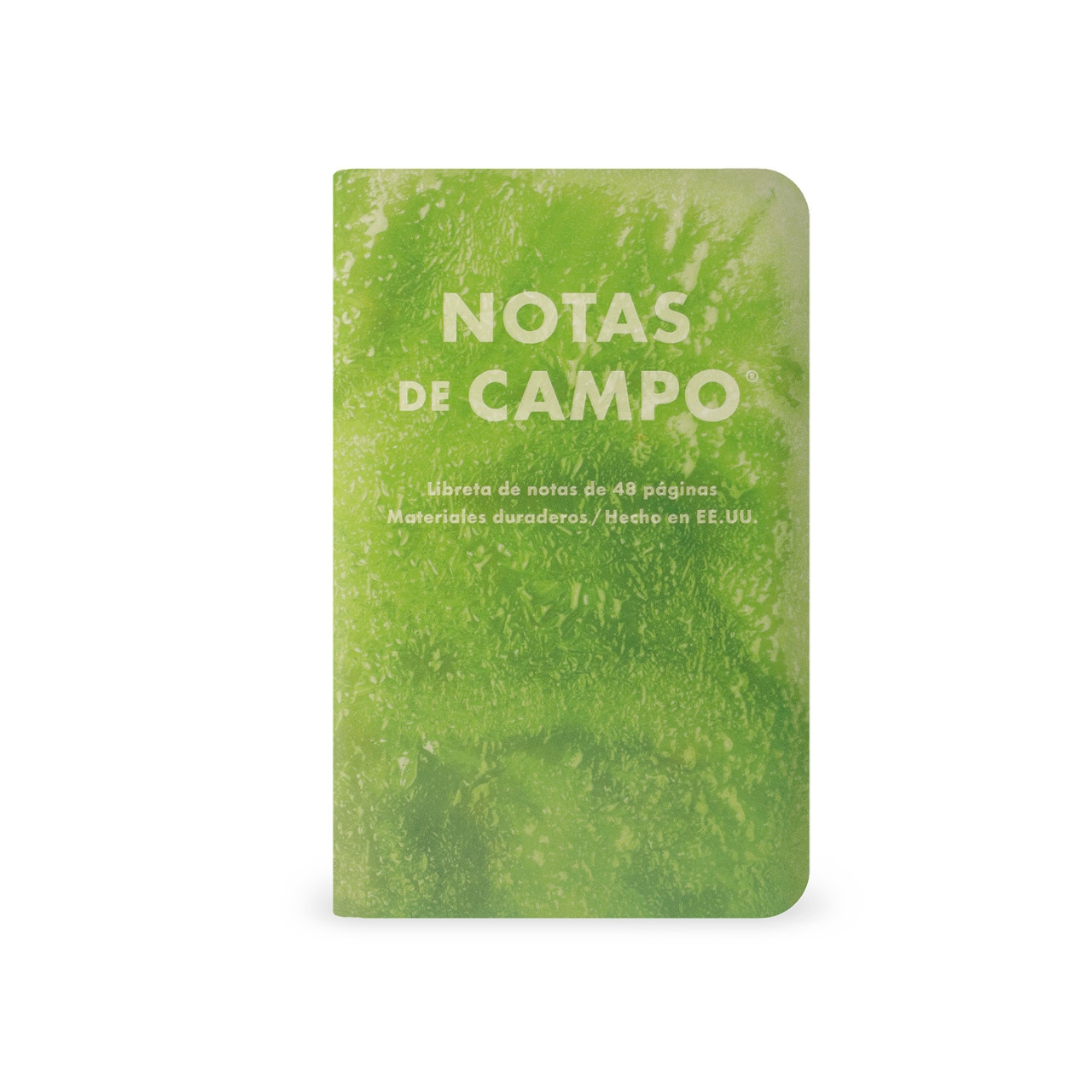
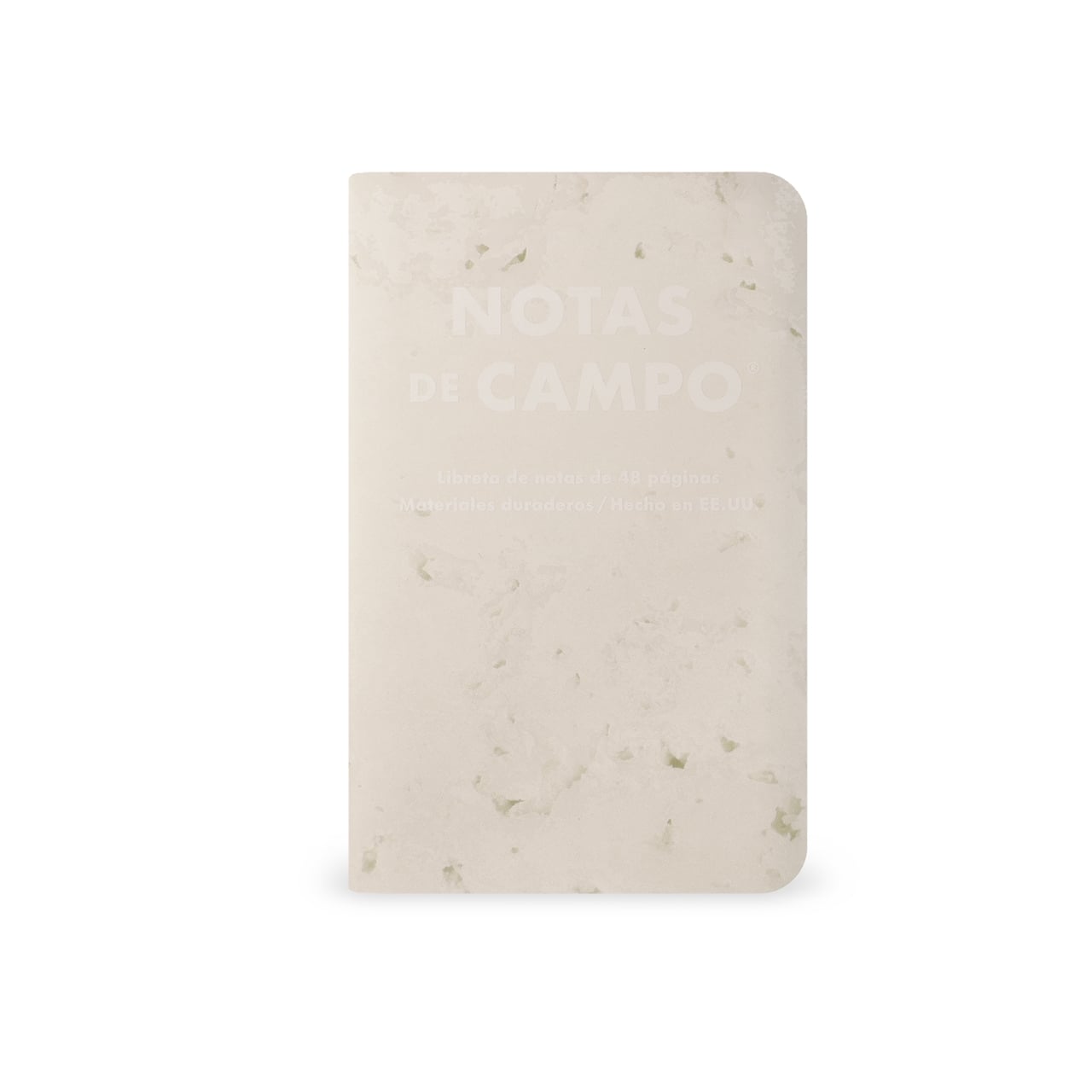
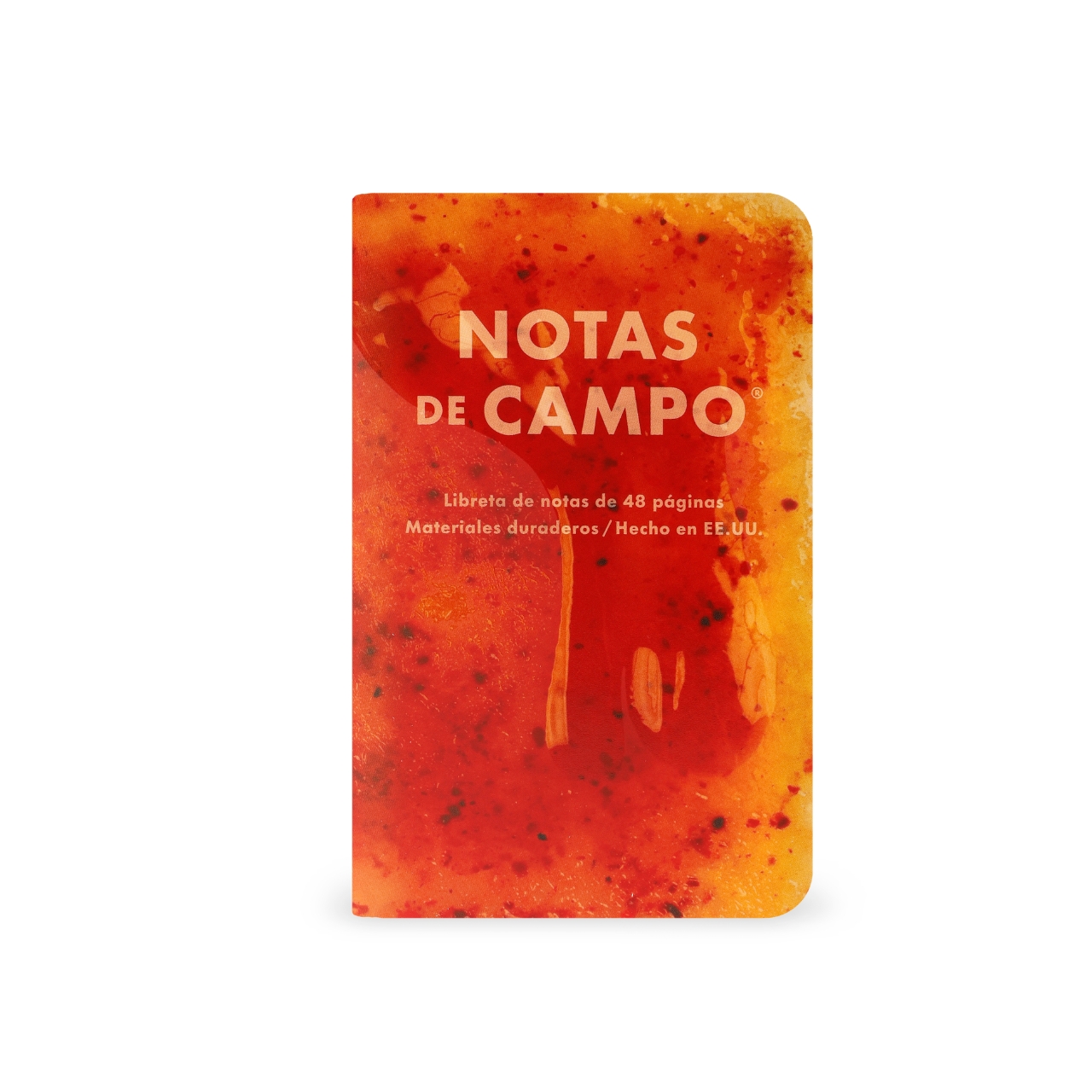
Each of the Field Notes notebooks (or, rather, Notas de Campo) has a combination of shiny gloss and frosty matte varnish, which gives them a texture that feels like you’re actually holding a paleta. There are nine “flavors,” each representing a specific paleta with its own color and personality, sold in three packs of three. Pack A has Chicle (Blue), Sandía (Red), and Queso Crema (White); Pack B has Piña (Yellow), Jamaica (Garnet), and Fresas con Crema (Pink); and Pack C has Limón (Green), Coco (White), and Mango con Chamoy (Red/Orange).
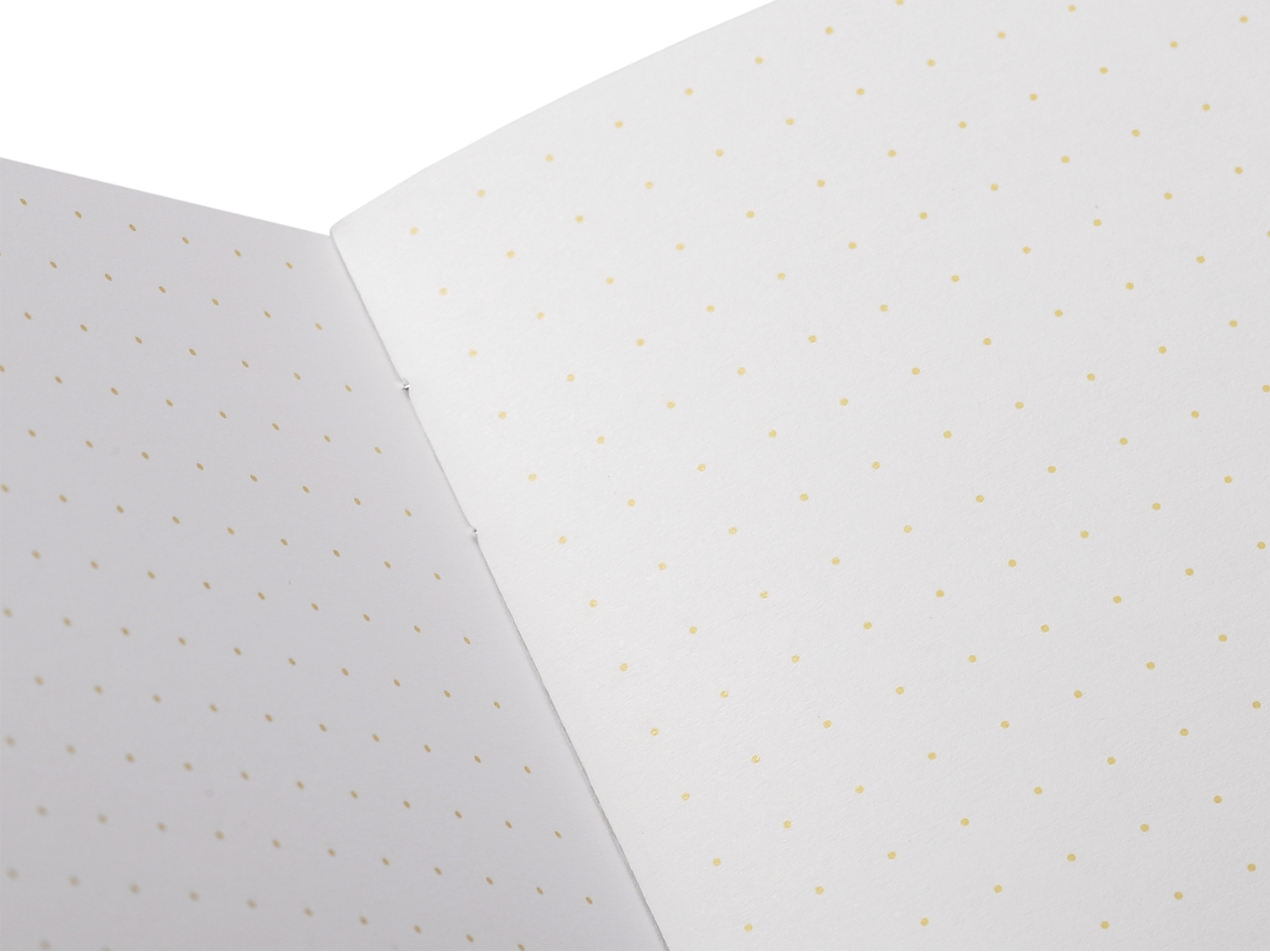
Inside, you get 48 pages of cream-colored dot-grid paper that you can use for note-taking, sketching, journaling, planning, or whatever it is you use notebooks for these days. Printing for this collection uses soy-based inks, which is perfect for sustainability-minded stationery lovers. There is a backing card illustration created by artist Atlan Arceo-Witzl, adding an artisan, handcrafted quality to the collection.
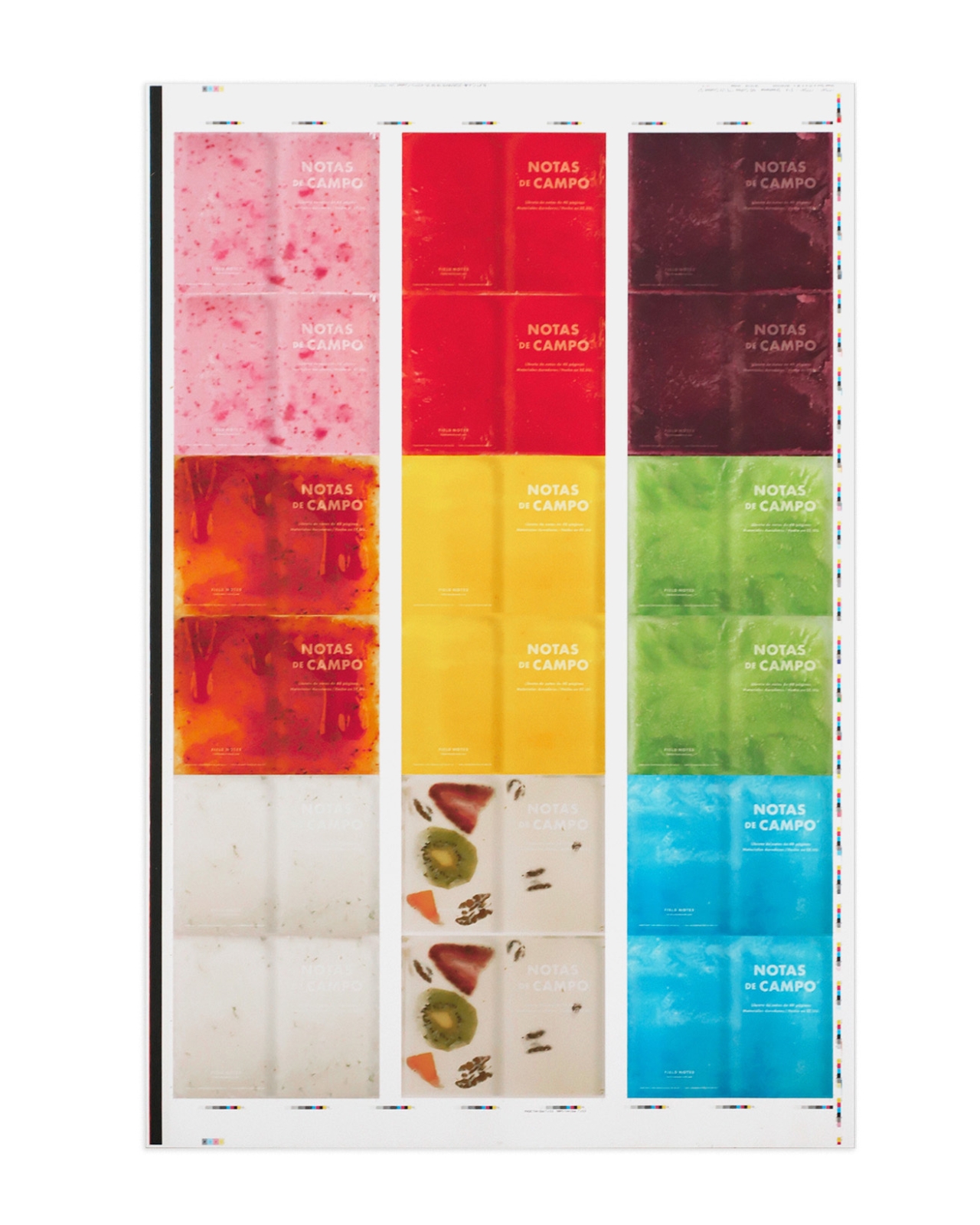
Each pack is priced at $14.95, making it easy to pick up just one flavor trio or go all in and collect all three. For subscribers, Field Notes sweetens the deal even further: you’ll receive the full set of all nine flavors, free U.S. shipping, 10% off on the site, and the special 2026 subscriber box beautifully designed by artist Jennifer Farrell of Starshaped Press. And if you want to display your paleta love on the wall, there are only 100 of the limited-edition Paletas Press Sheets available, showing all nine flavors together in one vibrant, poster-worthy print.
Whether you’re a longtime Field Notes collector, a journaling enthusiast, or simply someone who appreciates beautiful and thoughtfully designed objects, the Paletas edition is genuinely hard to resist. There’s something really special about a notebook that not only gives you a wonderful writing experience but also makes you smile just by looking at it, or, in this case, almost makes you want to take a bite.
And circling back to what I always say in my workshops: journaling is a deeply sensory experience. The Paletas collection somehow manages to hit almost all of them: the vivid, fruit-inspired colors that delight your eyes, the gloss-and-matte texture that begs to be touched, and the crisp sound of the pages as you turn them. The only sense still left out is taste, but that’s what an actual paleta in your other hand is for. Go grab yourself a pack and maybe a mango con chamoy while you’re at it.
Butterflies get all the credit. They show up on tattoos, greeting cards, and garden murals, while their nocturnal cousins get treated like the moment a moth flutters near your porch light is a minor household emergency. It is a genuinely lopsided reputation, because moths are just as varied and, frankly, just as beautiful, with wing patterns that range from delicate lace to full on gothic warning labels.
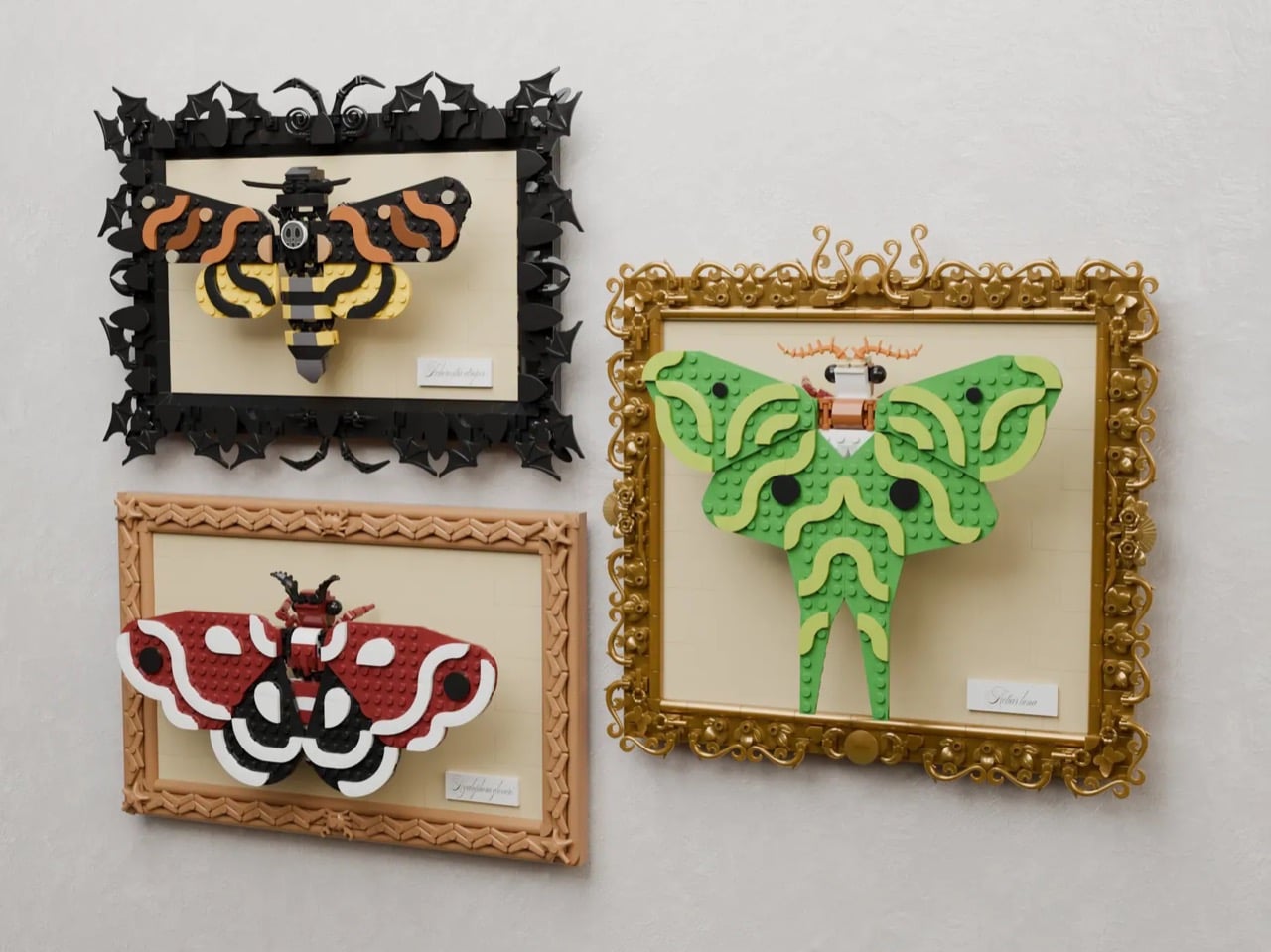
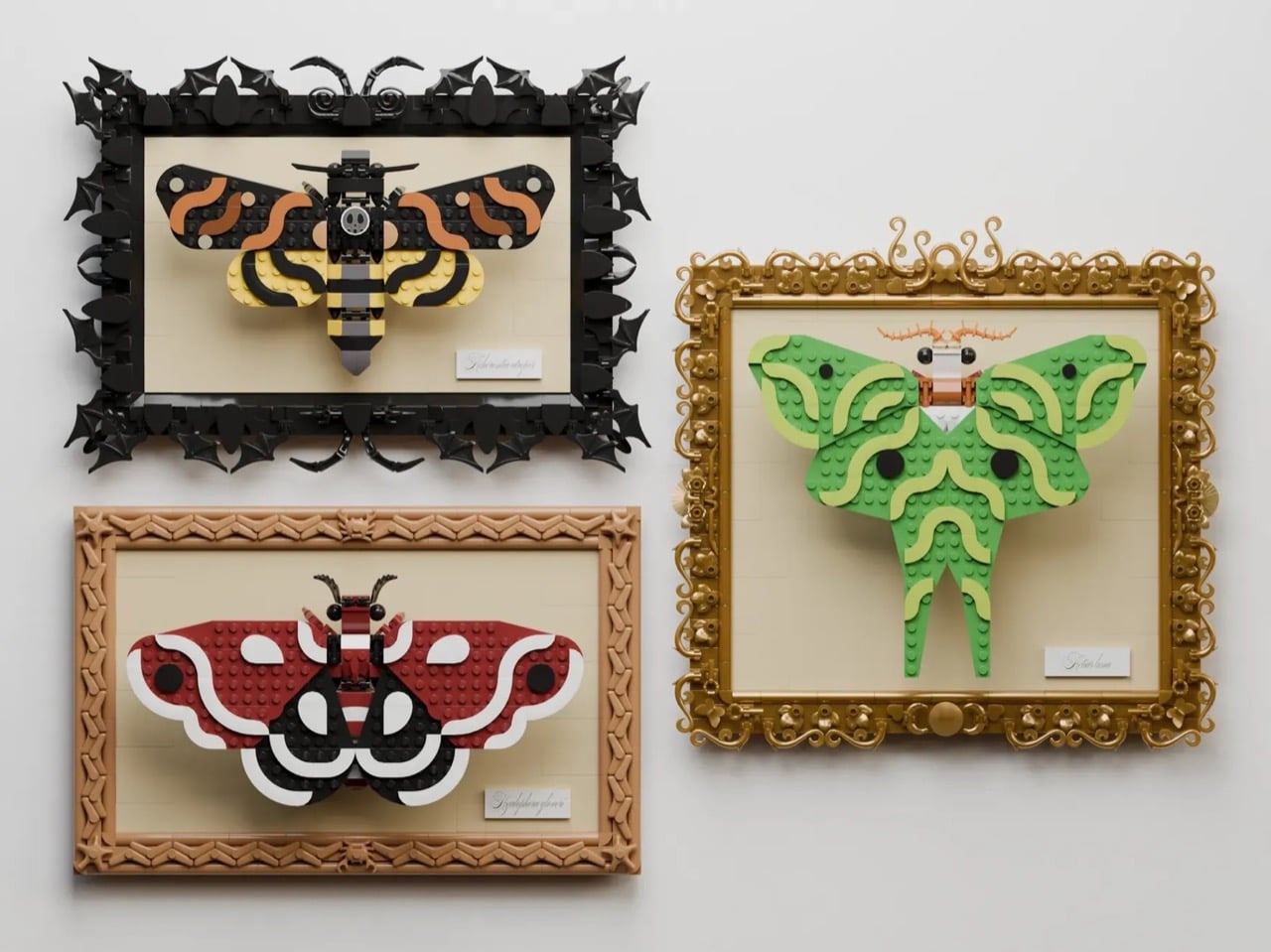
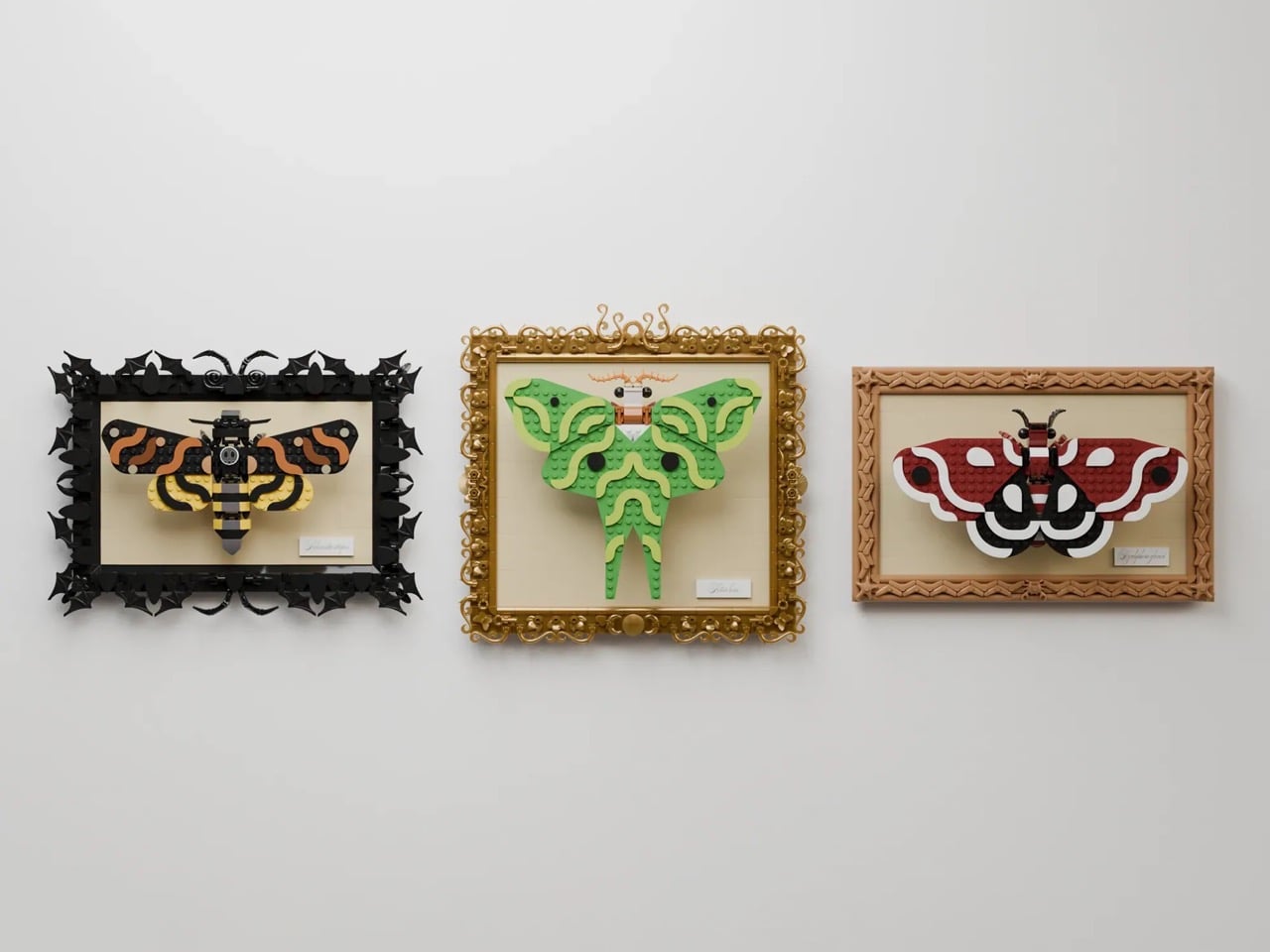
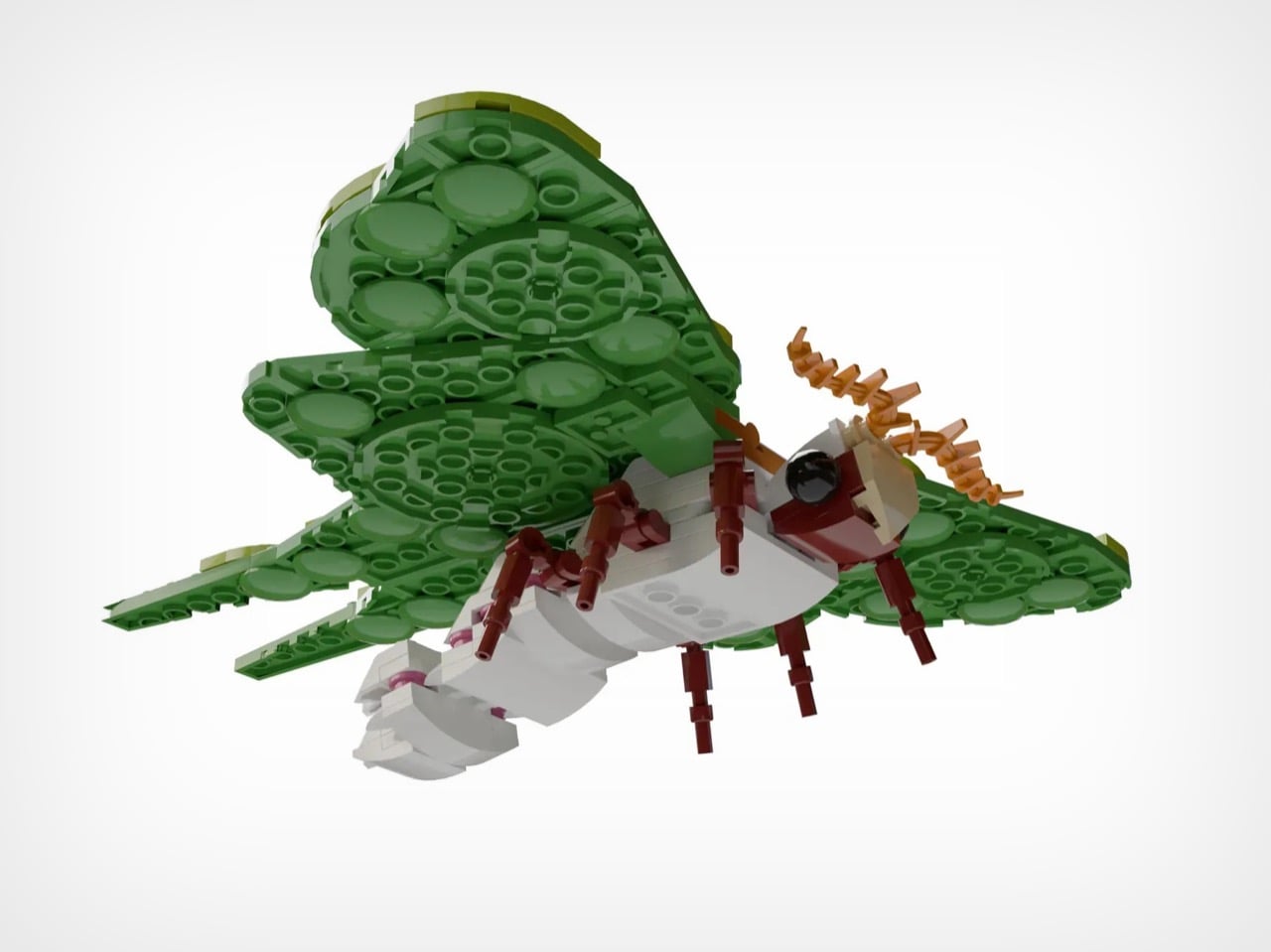
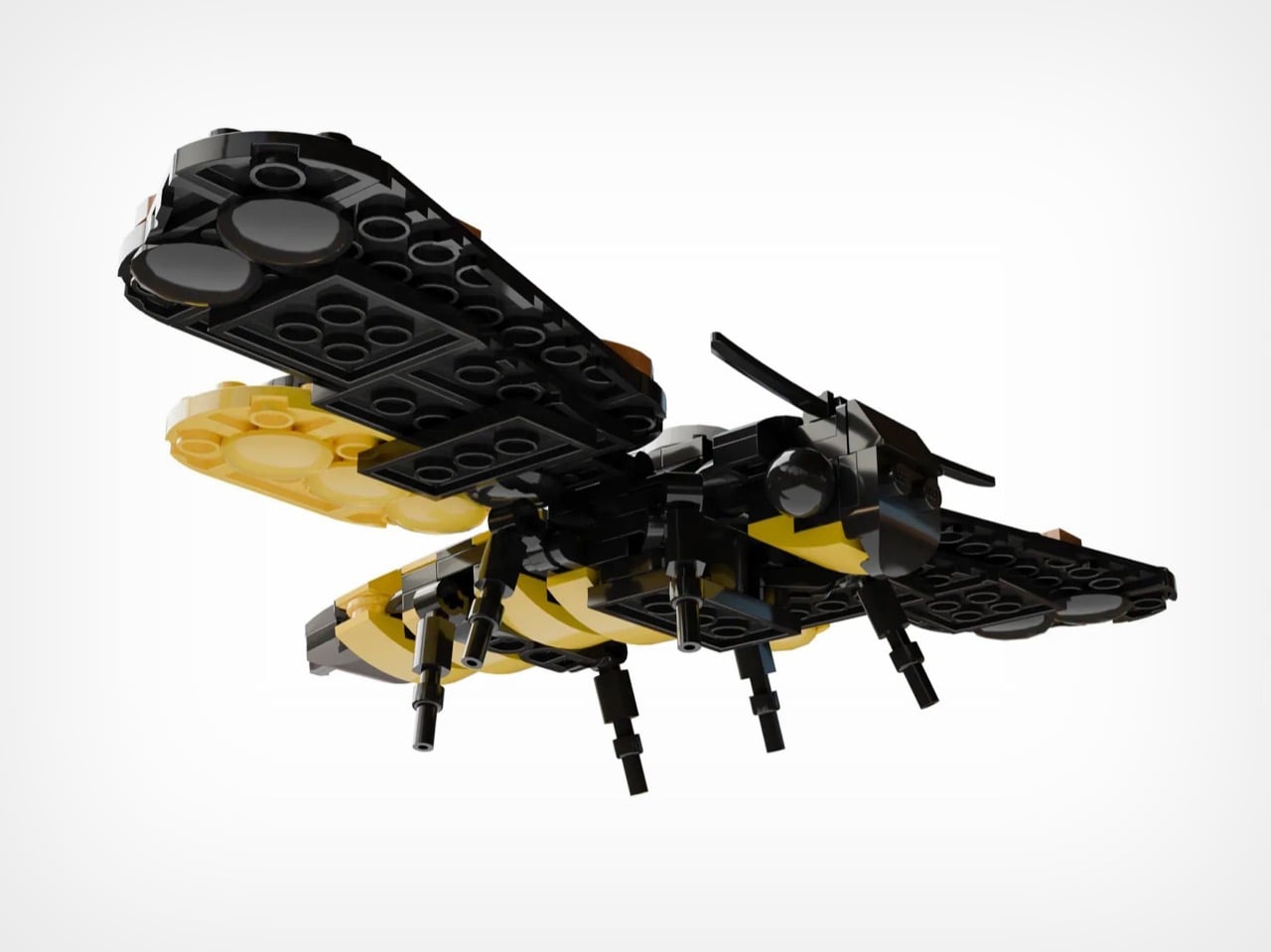
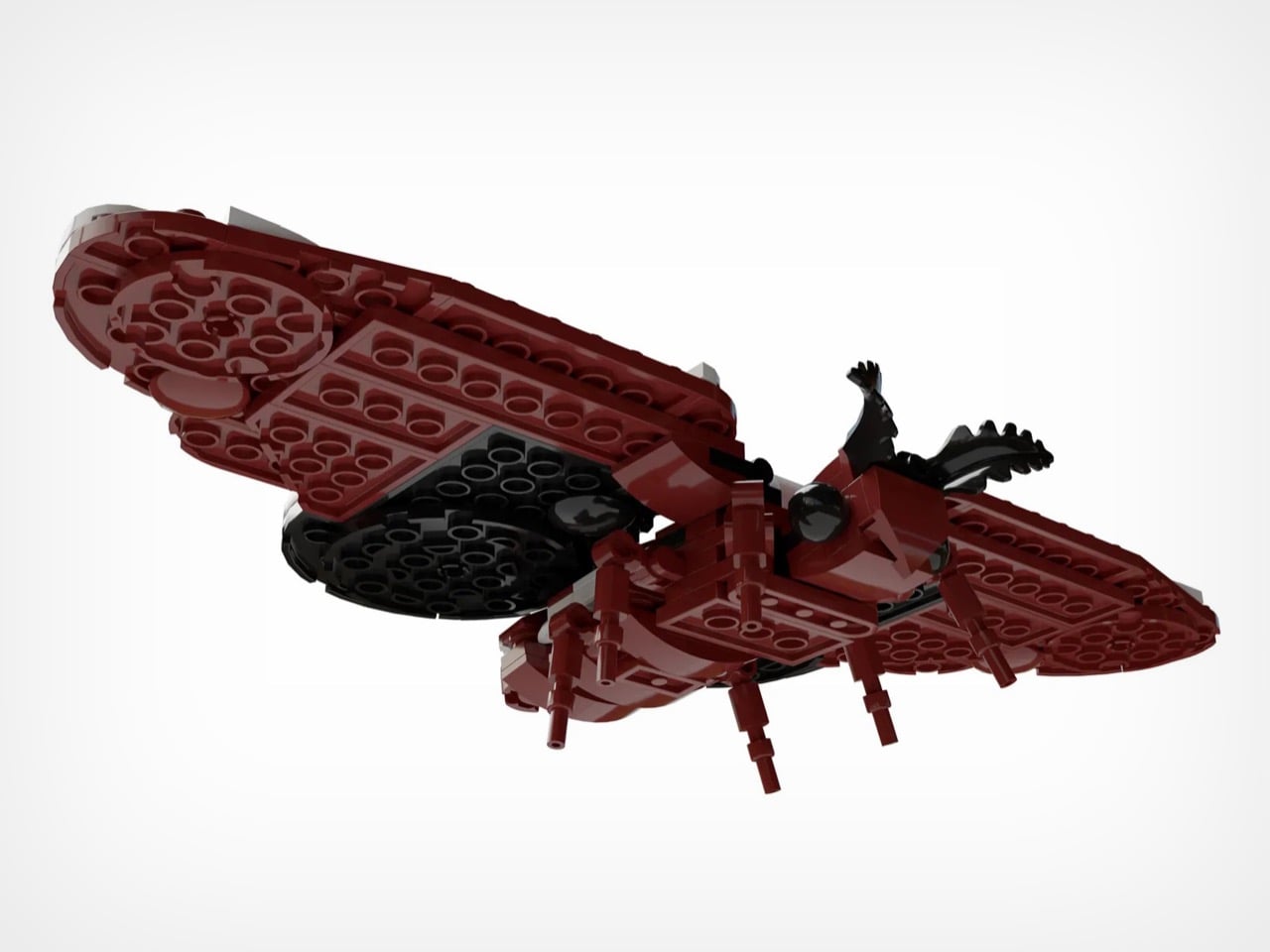
RiinaBuilds seems to agree, and has built a quiet rebuttal in brick form. Framed Moths gathers three real species, the eerie death’s-head hawkmoth, the pastel green Luna moth, and the crimson banded Glover’s silkmoth, and mounts each one in its own frame like a piece from a natural history collection. It is a small, focused idea, but the kind that makes you stop scrolling.
Designer: RiinaBuilds
What sells the whole set is that the frames are not interchangeable. Each one is designed to match the personality of the moth inside it, and that is where the build earns its keep as a piece of actual design thinking rather than just three insects glued to boards. The death’s-head hawkmoth gets a spiked, bat winged black frame that leans full Victorian gothic, appropriate for a moth whose skull shaped thorax marking made it a horror movie mainstay long before LEGO got involved (you have almost certainly seen it staring back at you from the Silence of the Lambs poster). The Luna moth sits in gilded baroque scrollwork that would not look out of place in a palace hallway, while the Glover’s silkmoth gets a warm, wood grain chevron frame, a nice touch given that silkmoth caterpillars spend their entire early lives eating the stuff.
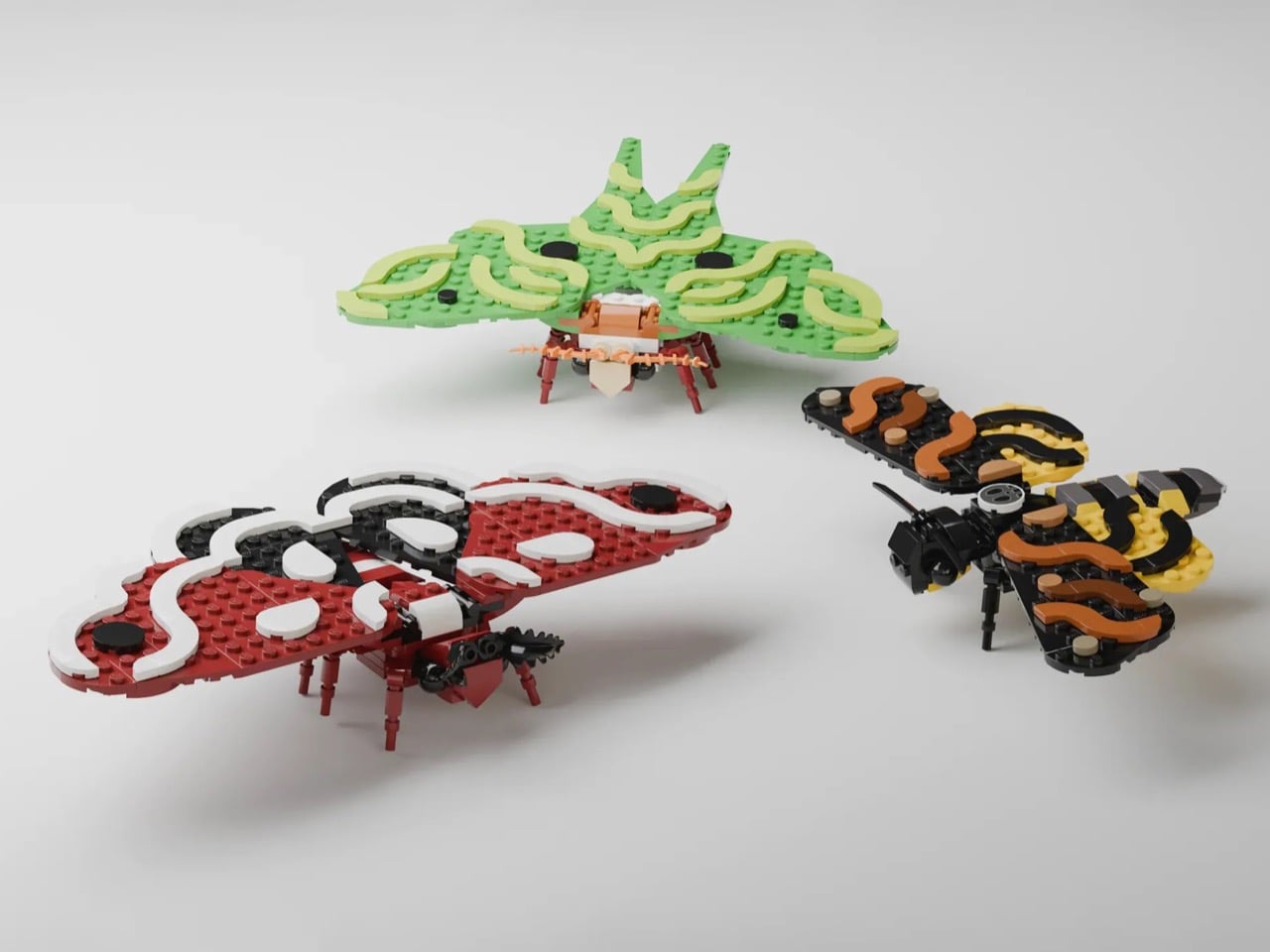
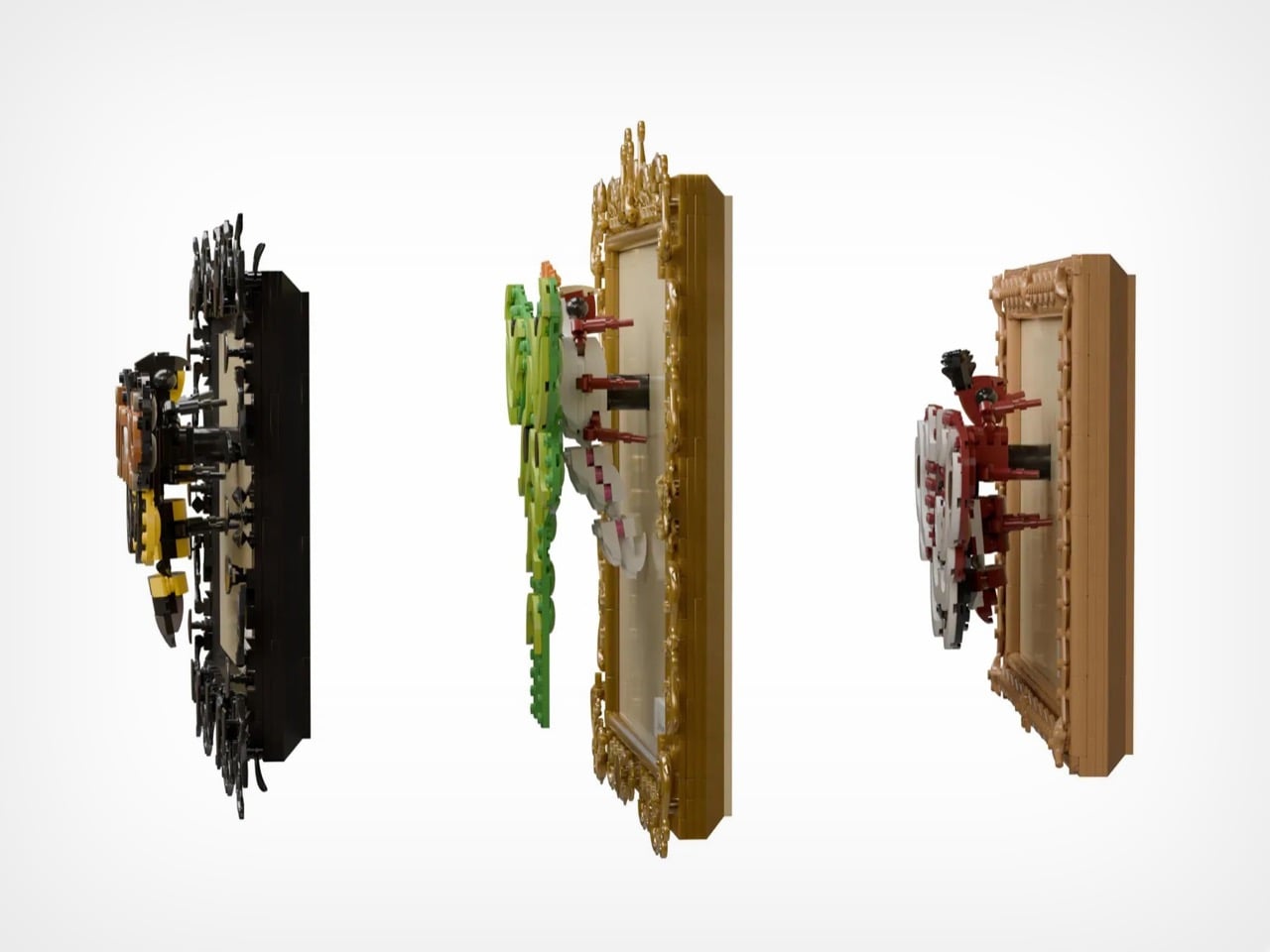
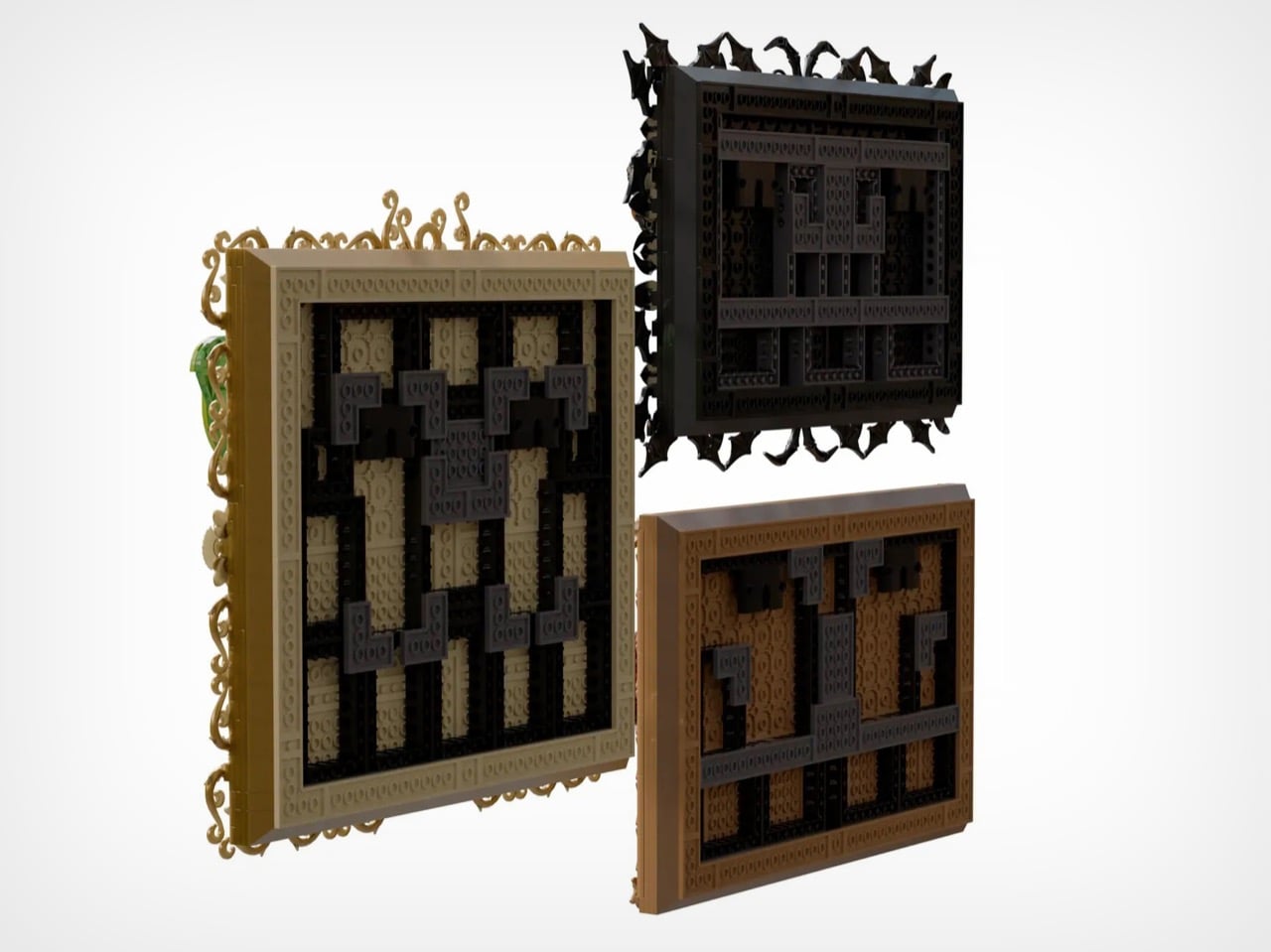
None of these moths are actually glued down. Pop one loose from its backing board and you get a fully realized, freestanding insect, complete with legs, antennae, and a posed body, built to stand or be handled on its own. The frames themselves are doing serious structural work behind the scenes too, with a surprising density of brackets and pins bracing each moth at the correct wing angle, which explains why a set that reads as flat wall art actually adds up to around 2,200 pieces. The wings themselves are built from smooth, studless curves rather than jagged brick edges, letting those looping color bands read as organic rather than blocky, and each frame finishes with a small engraved nameplate in cursive script, bearing the moth’s proper Latin name like a specimen tag in a museum case.
Framed Moths is still early in its LEGO Ideas run, currently sitting at 135 supporters with 425 days left to hit the first major milestone of 1,000 supporters, the threshold that would push it further along the review pipeline. It is a slow climb, but a worthwhile one for anyone who has ever wanted actual taxidermy aesthetics on their wall without any of the ethical baggage. If you want to see these three make it to a real box set, you can head to the LEGO Ideas page and cast your vote here.
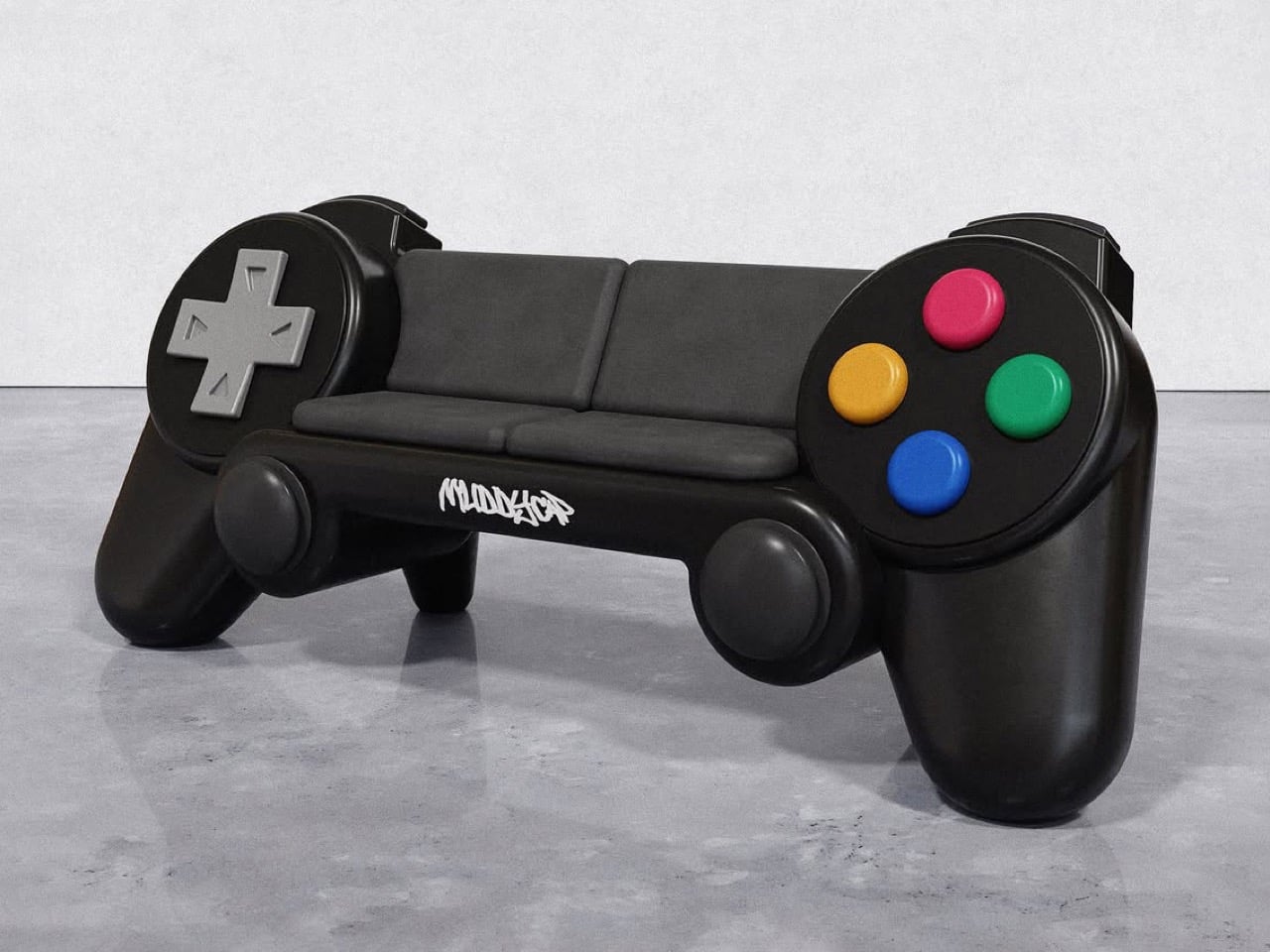
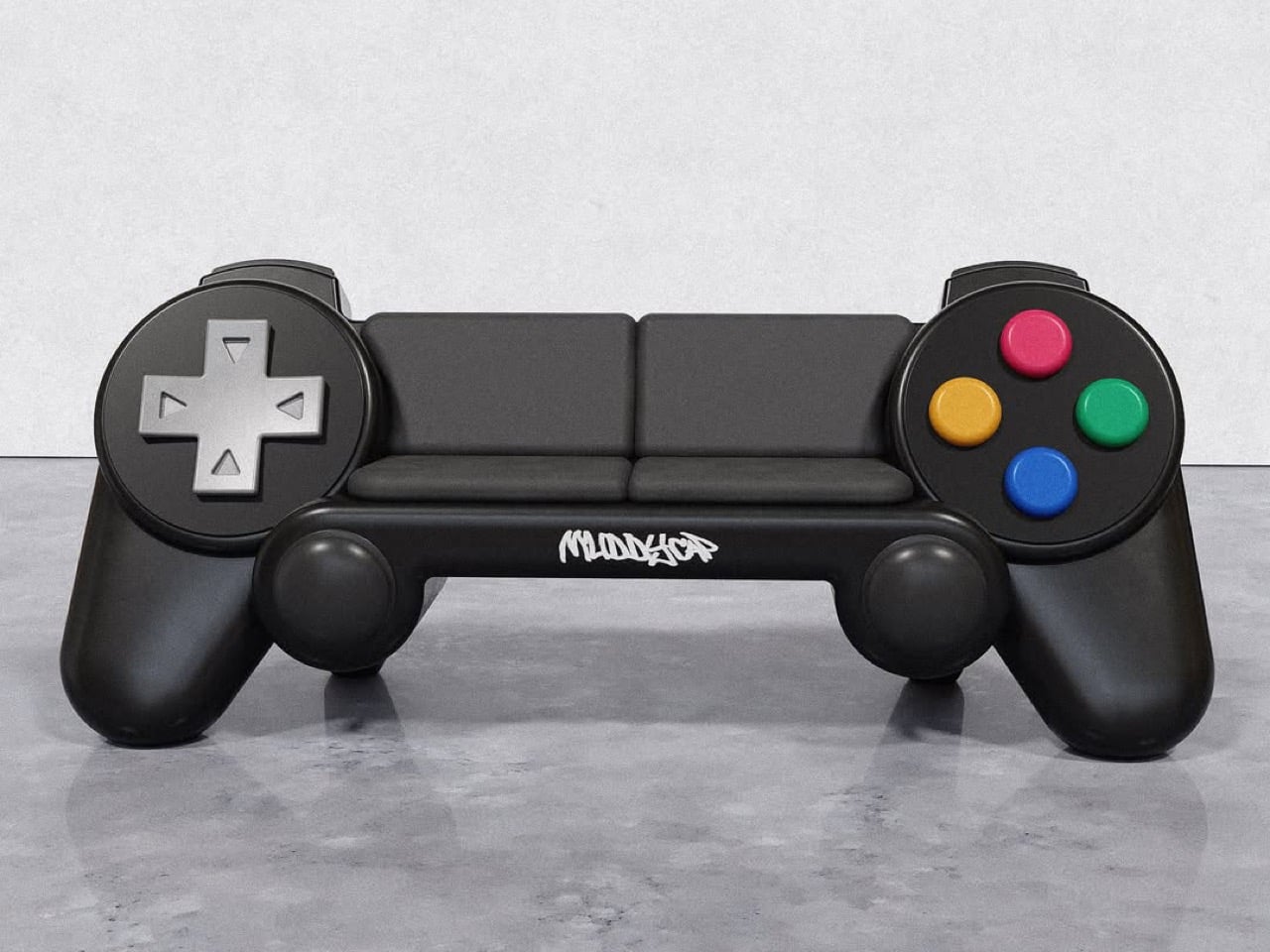
Sofas and game controllers are a match made in heaven. Nothing quite screams ‘relaxing gaming sesh’ like a vacant controller lying on an empty sofa, waiting to be picked up, only to be put down hours later. Meanwhile, you start a gaming session on your sofa seated, inching lower and lower till you’re practically laying down in a position only your spine understands (and contends with). Sofas and game controllers truly are an iconic duo… and Muddycap mashed them into the most brilliant piece of furniture any gaming den could ask for.
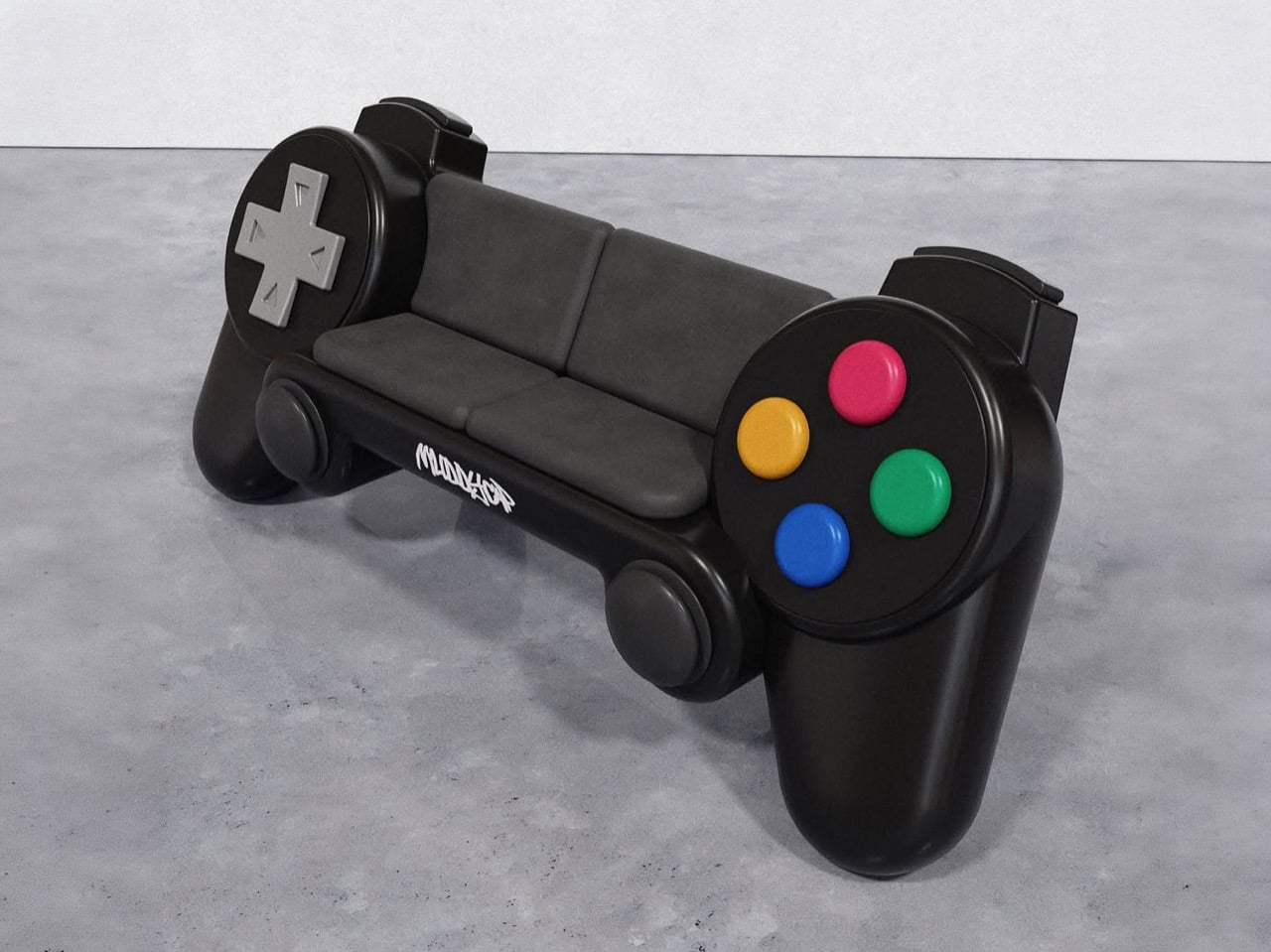
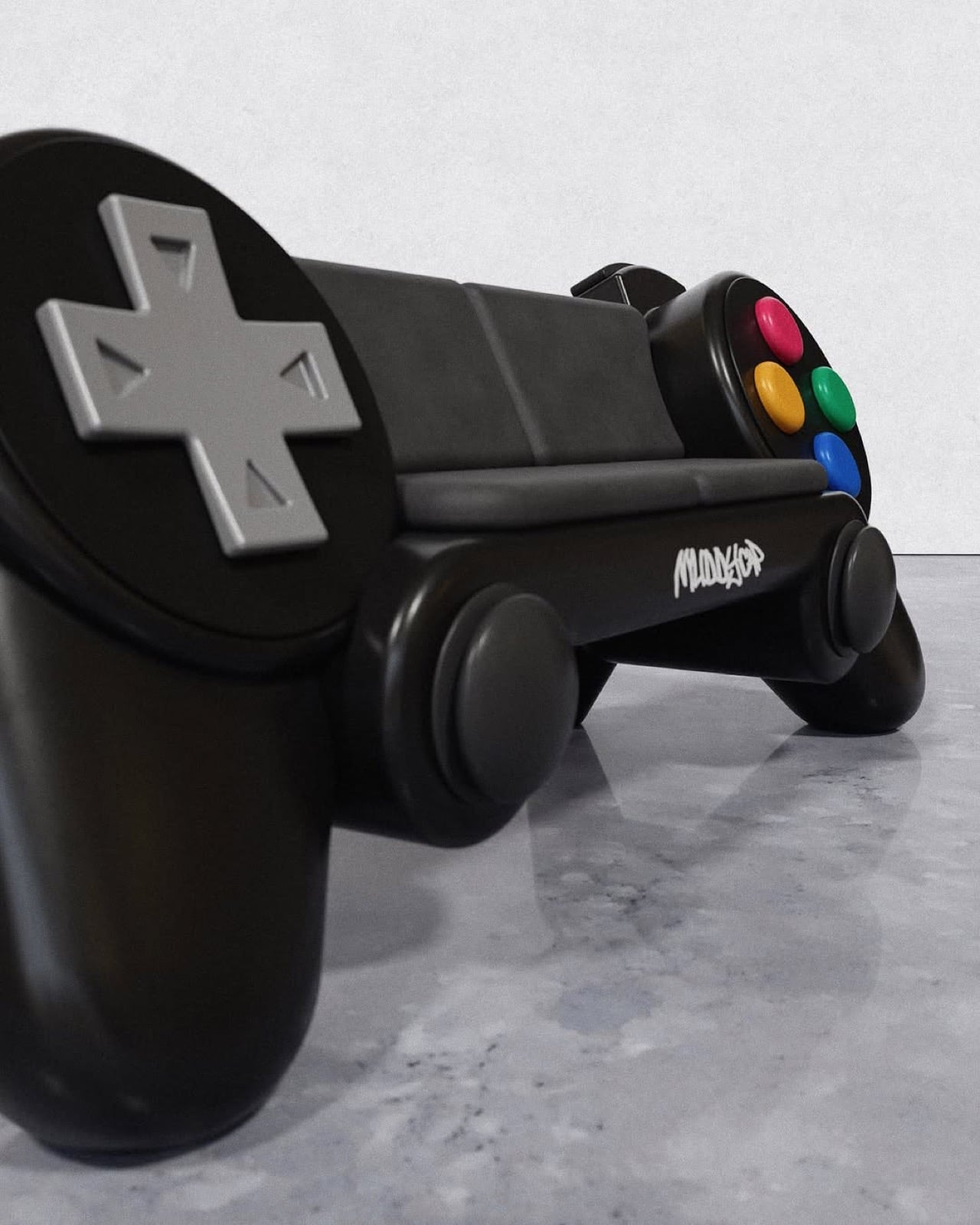
Meet the Controller Sofa, the name is self-explanatory, as are the visuals. Inspired by the DualShock controllers from yesteryears, Muddycap decided to make the most ultimate gaming furniture ever. It seats two, perfect for mano-a-mano or co-op gaming, and absolutely looks the part. The sofa features a massive D-pad on the left, action buttons on the right, joysticks at the bottom, while the grips double as legs. The entire thing in black, because you can’t wipe dorito-dust or wear week-old hoodies on white furniture.
Designer: Muddycap
Muddycap’s mind is a truly wonderful place, looking at any object and saying ‘will it sofa?’ Past attempts have included traffic lights, martini glasses, even a battery icon. Those are just on our blog – their IG page has even more attempts (1,117 to be precise). All of them have a signature visual template – a sofa against a fairly plain background, allowing the sofa’s design to do all the talking.
This one feels like it speaks to a very specific crowd, and my only real gripe with it is that it isn’t a real sofa – just a 3D model for now. That being said, Muddycap’s represented the controller with stunning detail. Apart from being slightly more horizontally elongated compared to other controllers (but that’s only to accommodate 2 people comfortably), every other detail is spot-on. Including even the trigger buttons at the back, which could be storage compartments if you ask me. Nothing elevates a game-controller-inspired sofa more than an ice box packed into its design, for a few cold sodas or brewskis while gaming!