
Meta’s Muse Charm will reportedly cost $300 and come with free Verizon 5G
Meta's standalone AI gadget won't be cheap, but it might come with a free data plan.
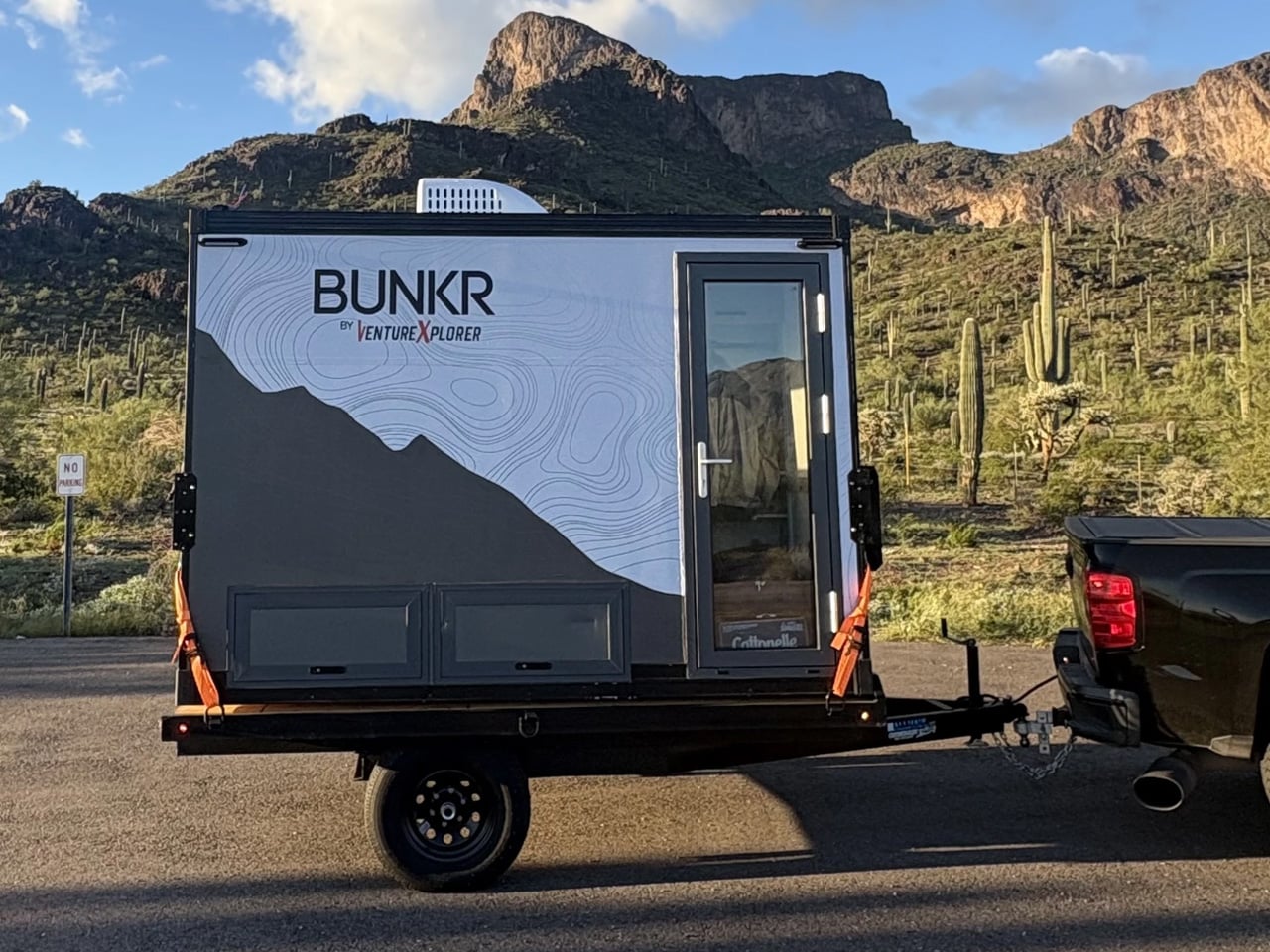
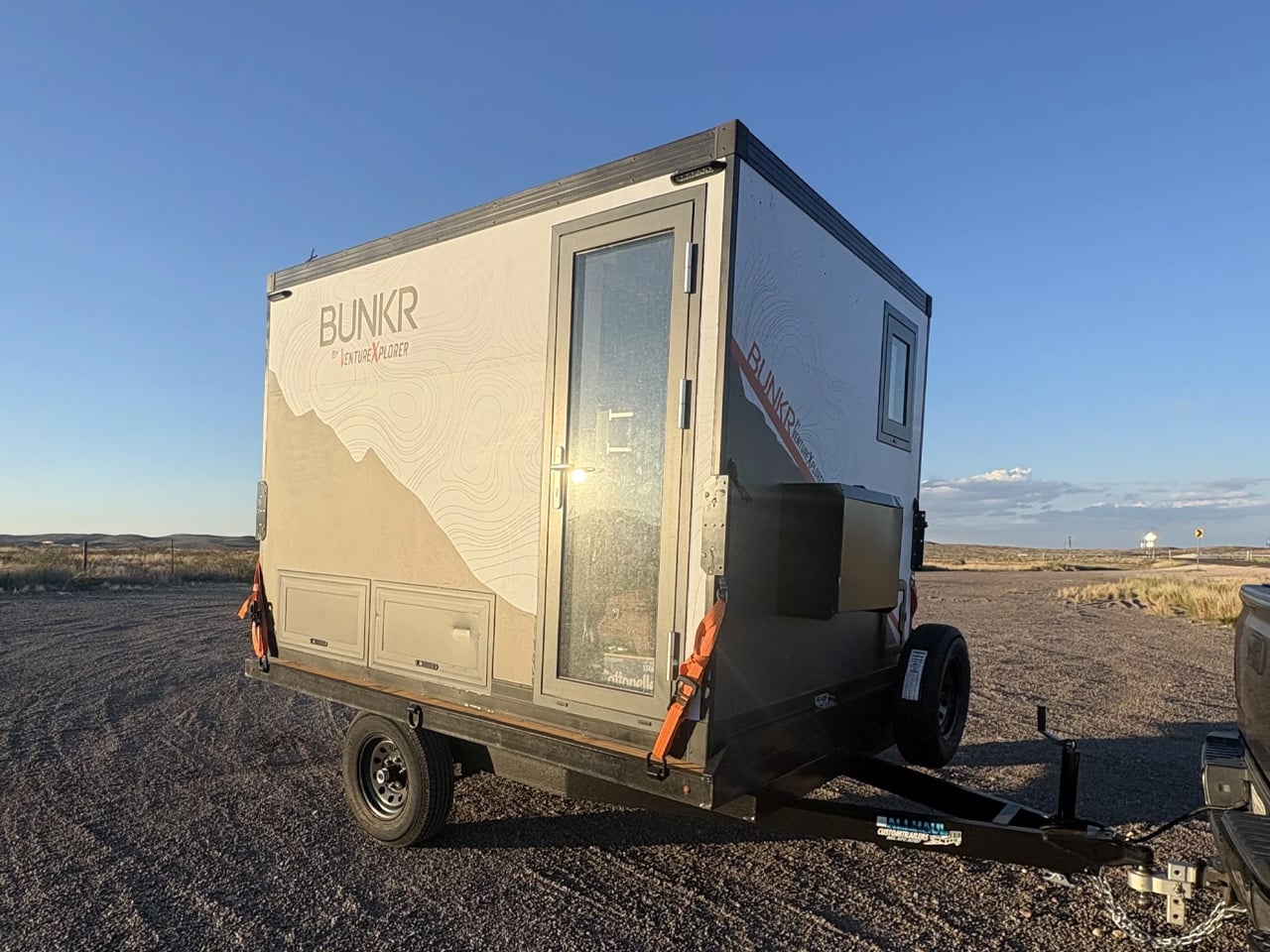
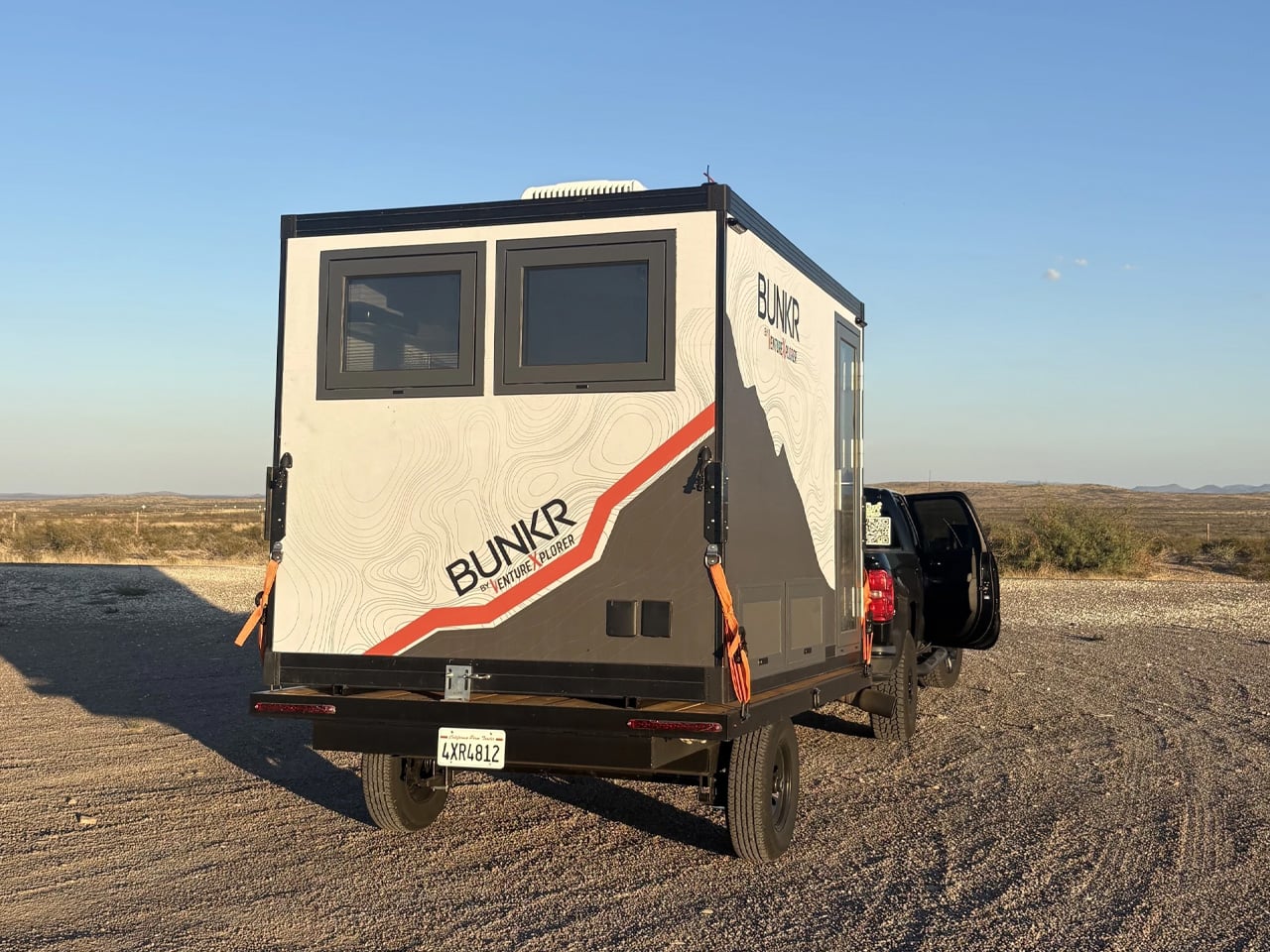
Most campers ask you to buy a trailer that spends its entire life being a camper. VentureXplorer’s Bunkr separates the living space from the thing carrying it. The compact pod can mount onto a compatible utility trailer or stand independently, offering a different proposition from the usual tiny house on wheels. Its appeal is less about squeezing in luxury and more about making shelter adaptable.
The manufacturer lists three starting footprints: 5 by 10 feet, 6 by 12 feet, and 7 by 14 feet. That translates to just 50 to 98 square feet before accounting for walls and fittings. Each pod is built to order, with dimensions and layouts tailored to the intended setup. Crucially, those are different configurations, not one standard model with an identical equipment list.
Designer: VentureXplorer
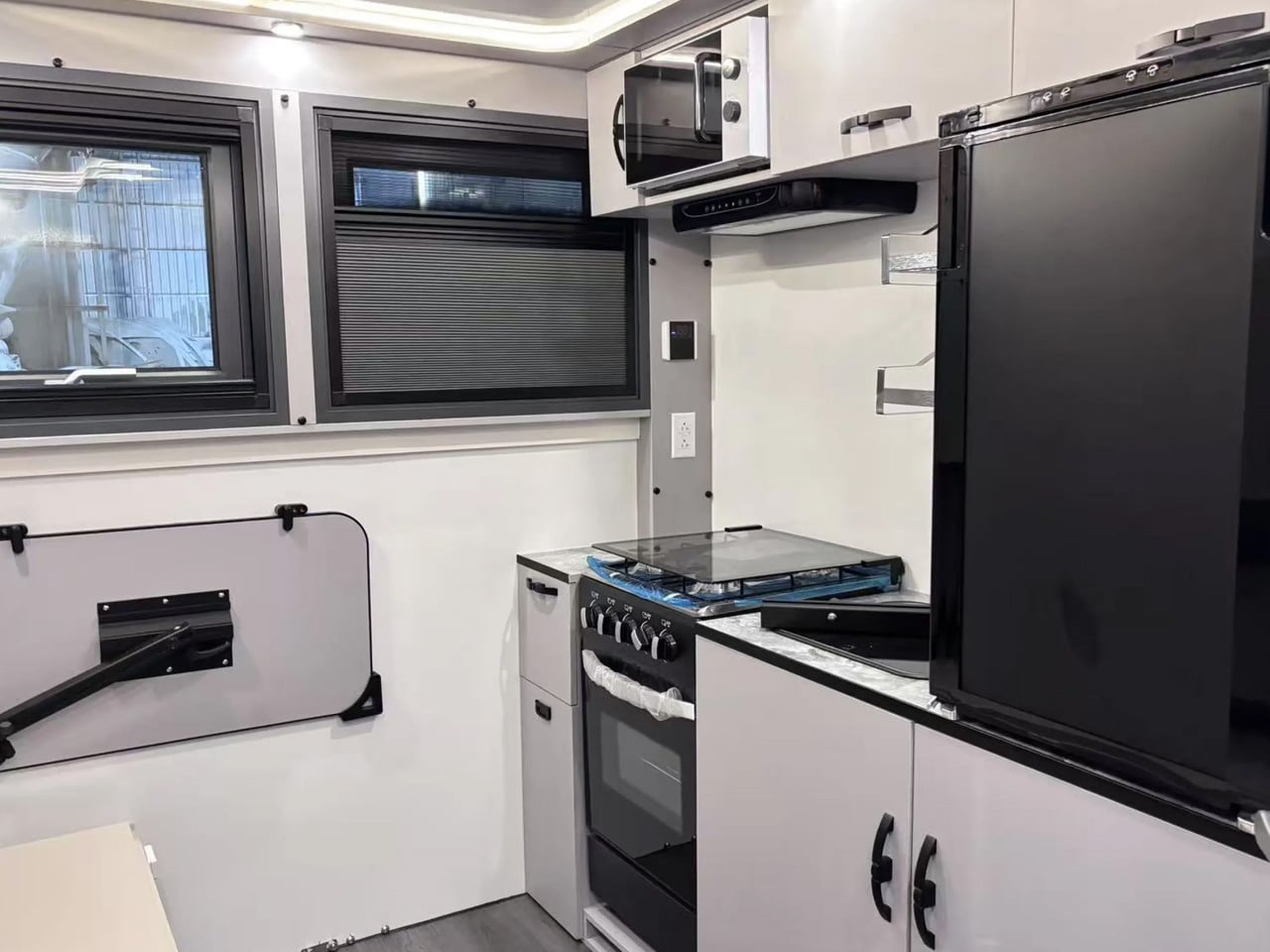
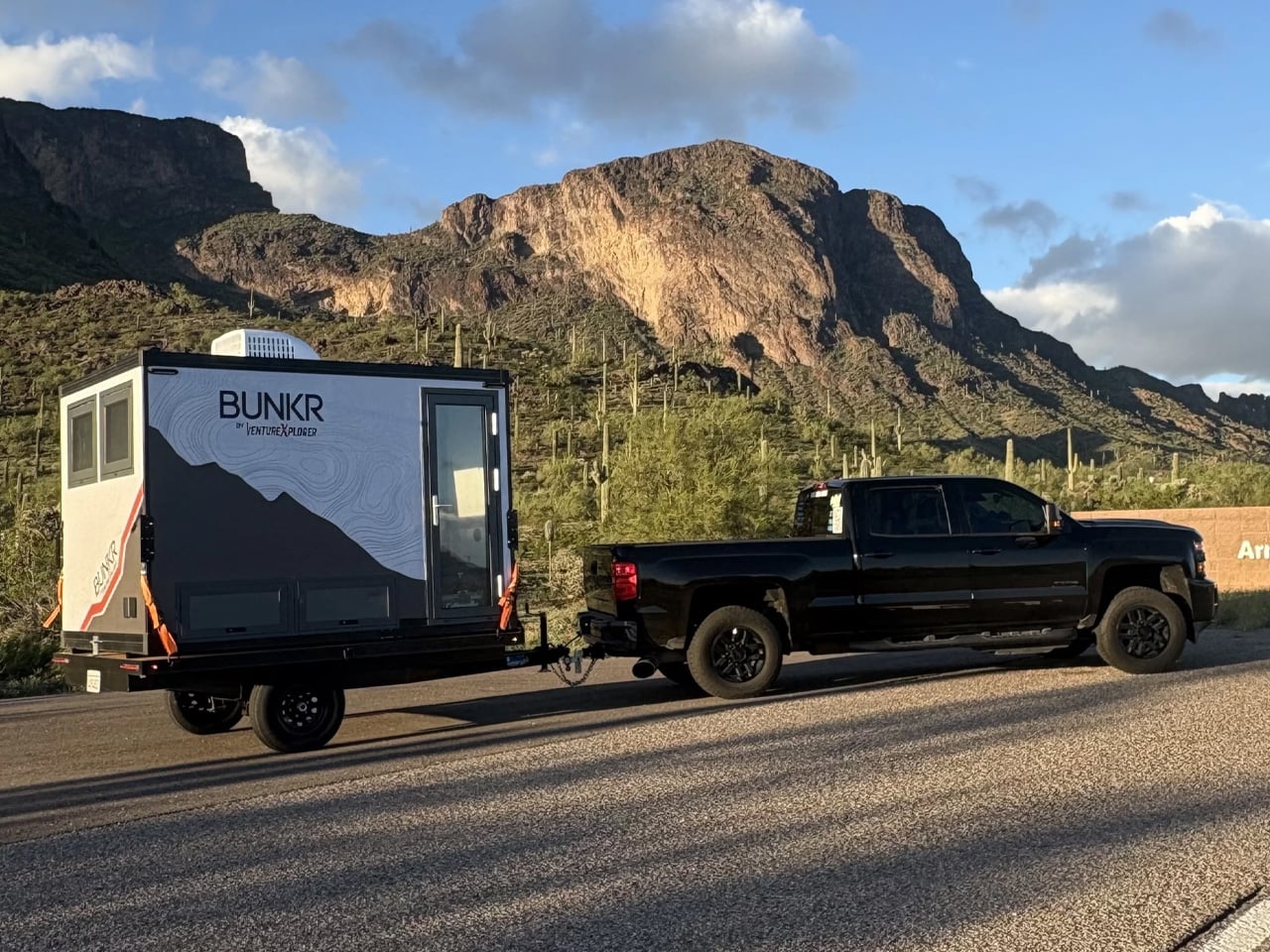
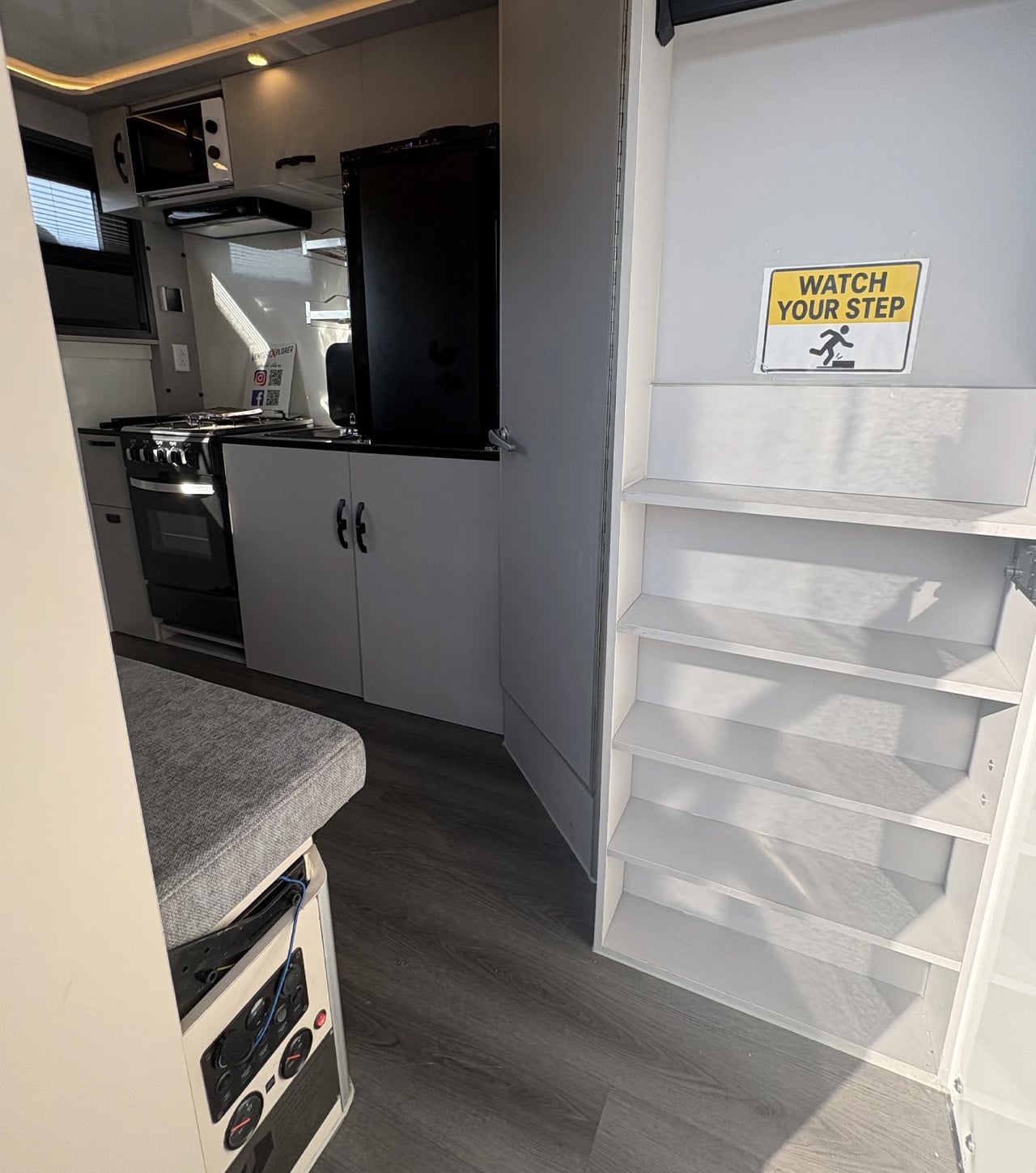
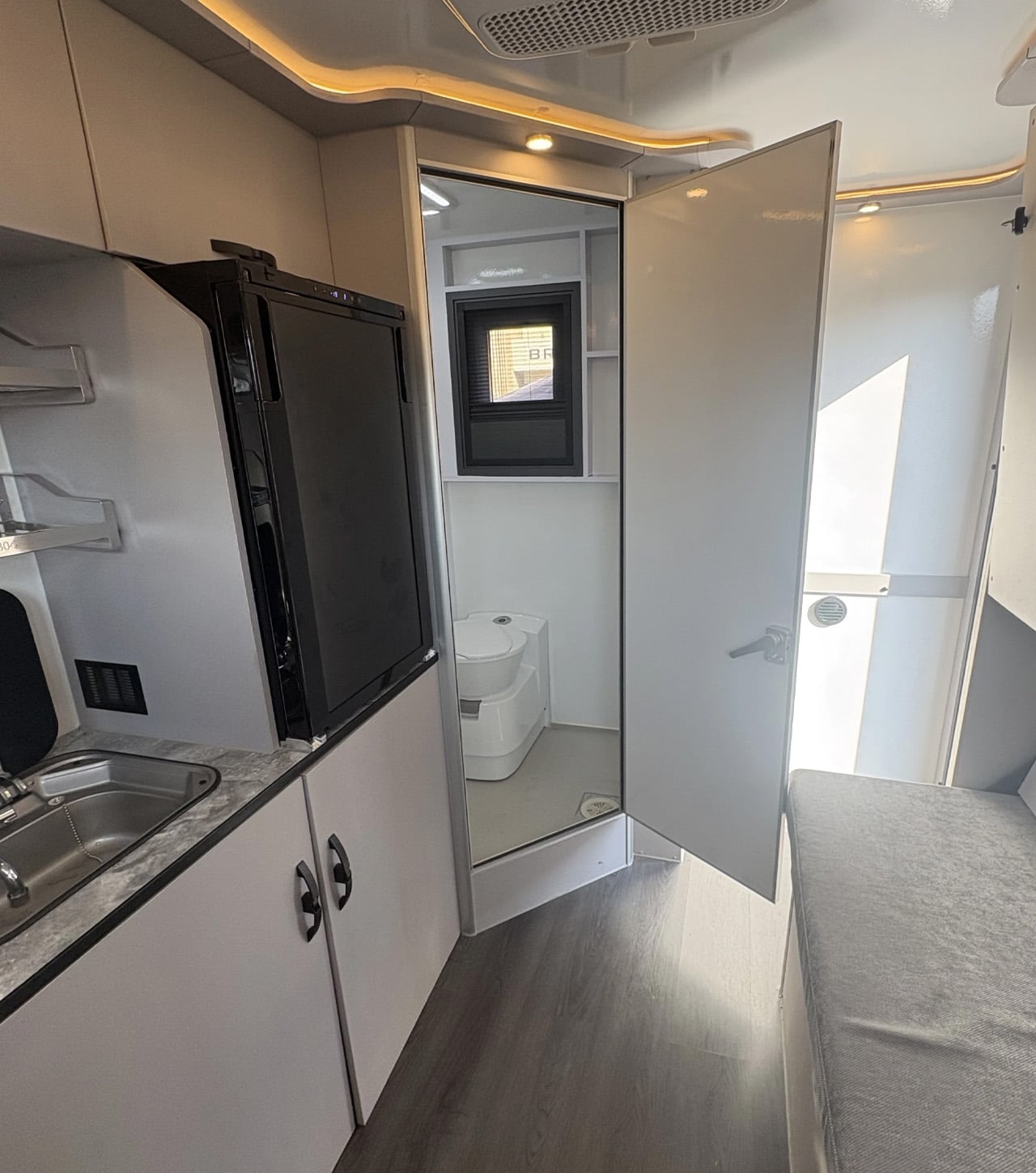
A demonstration unit measures 7 feet wide and 10 feet long. Inside, a sofa converts into a bed, while an upper bunk folds against the wall when not needed. The reported sleeping capacity is two to four people, depending on the arrangement. This is the Bunkr’s most useful spatial trick: keeping sleeping furniture from permanently occupying an already limited living area.
The kitchen takes a surprisingly ambitious approach for such tight quarters. The demonstration build includes a four-burner stove, oven, microwave, refrigerator, and sink. That appliance count comes with a visible compromise: there is little dedicated preparation space. Covers over the stove and sink reclaim work surfaces when those fixtures are idle, but cooking here still means negotiating which function gets priority at any given moment.
A corner wet bathroom combines a toilet, sink, and shower within one waterproof space. Elsewhere, VentureXplorer specifies galvanized steel or aluminum framing, composite panels, and XPS insulation. Cabinetry can use laminated plywood or aluminum. These material choices give buyers alternatives to consider around weight and moisture exposure, although the company’s claims about thermal performance should not be mistaken for independently verified comfort in every climate.
Reported base prices range from $30,000 to $40,000, depending on size, with equipment affecting the final bill. The manufacturer currently quotes a typical production turnaround of two to three months. Buyers should confirm trailer compatibility, finished weight, utilities, and local siting rules before treating the pod as a ready answer to housing, particularly when planning to use it beyond occasional camping trips.
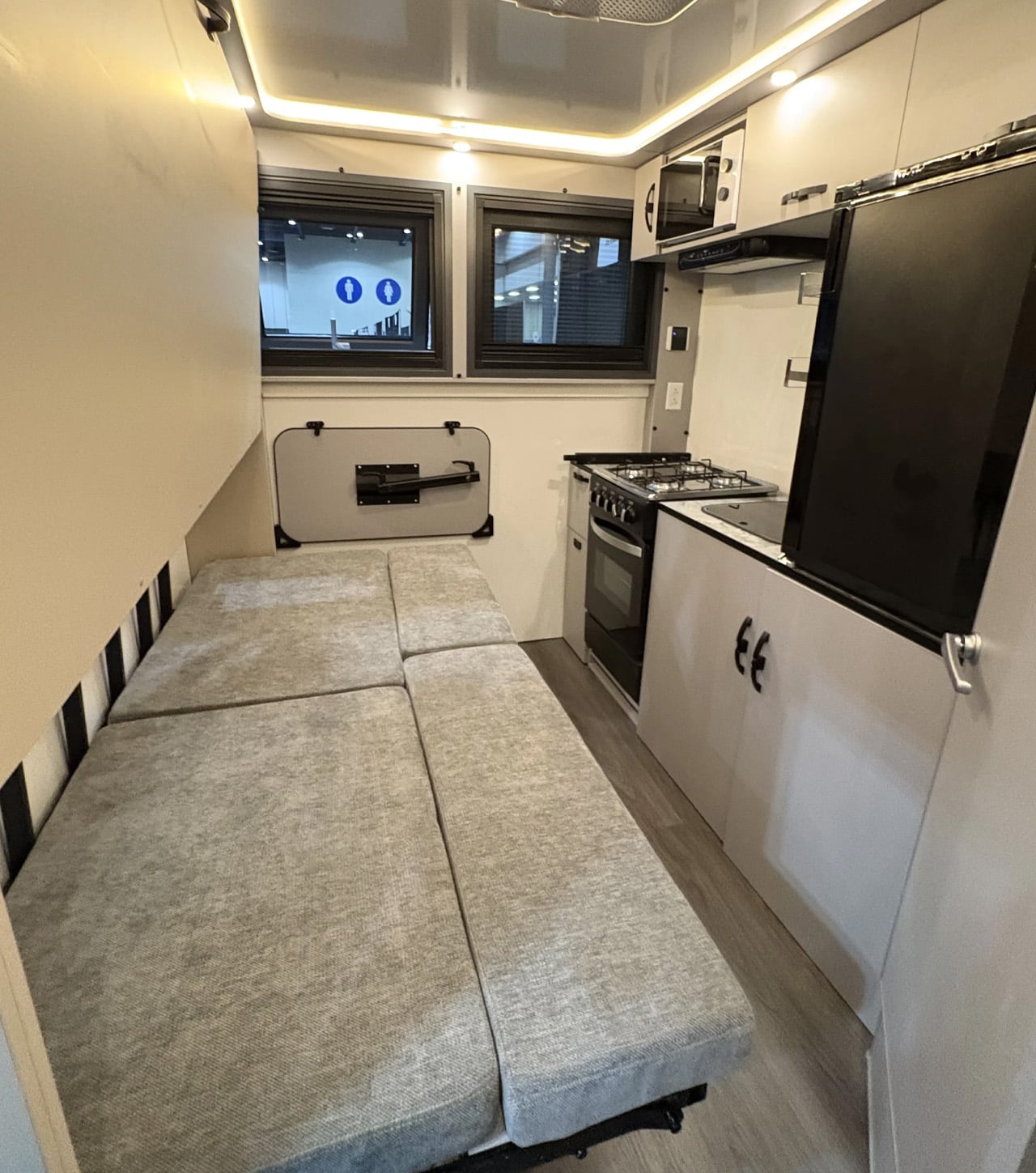
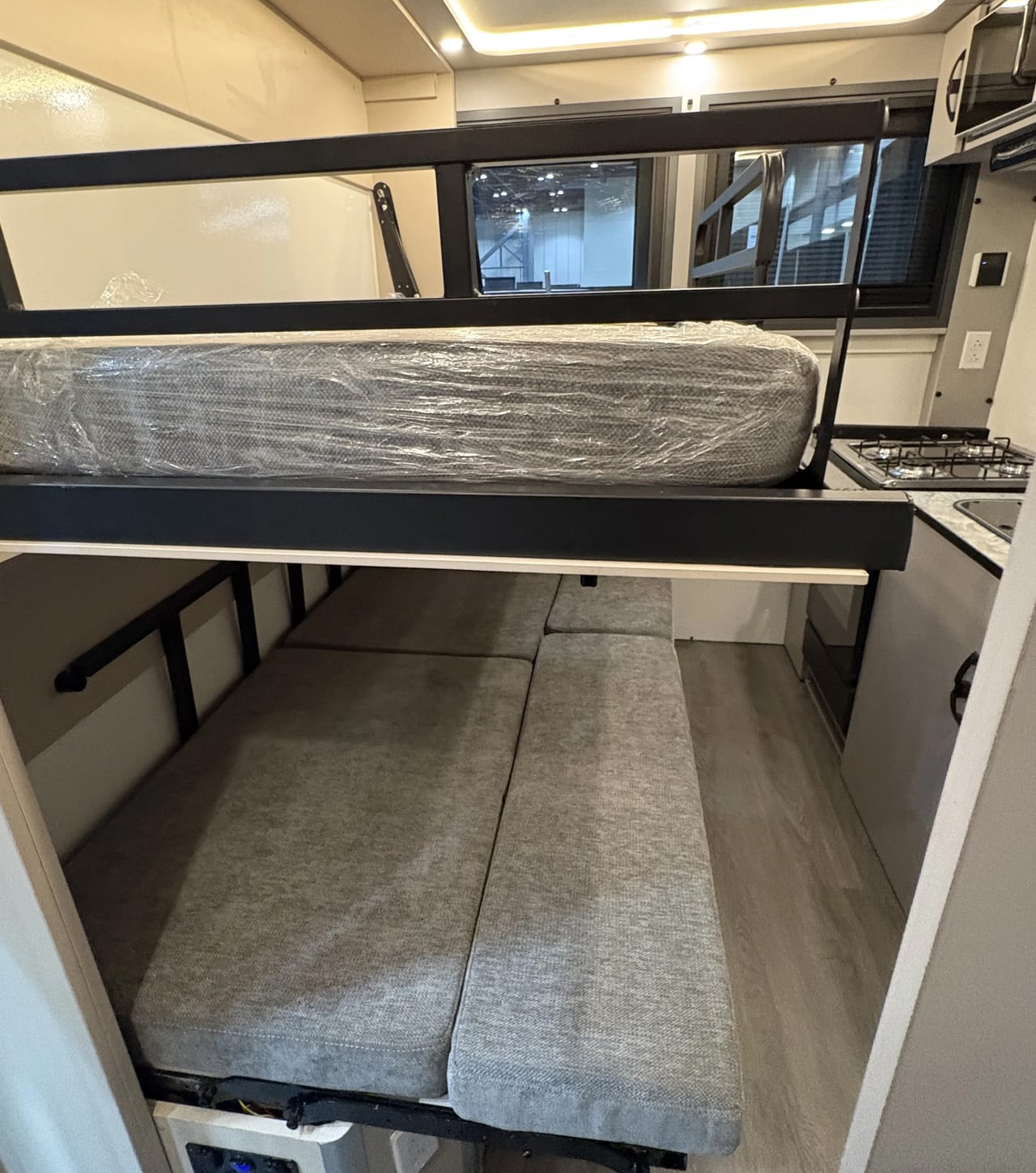
What makes the Bunkr interesting is the separation of cabin and chassis. A trailer can return to hauling duties after the living pod is removed, while the interior can be configured around a particular owner rather than a fixed showroom package. It is a modest, practical kind of flexibility, provided the final layout leaves enough room for everyday life between its many different functions.
The post This Removable Tiny Home Turns a Utility Trailer Into a Camper Without Giving Up Its Day Job first appeared on Yanko Design.
Unless you have been living in a cave, you too haven’t escaped the craze that’s eating up the internet. It’s called Grand Theft Auto (GTA) VI, and it’s finally been released after a 13-year wait for gamers globally. The anxious anticipation has made it the biggest game ever even before its launch, so just about everyone wants to tap into the craze.
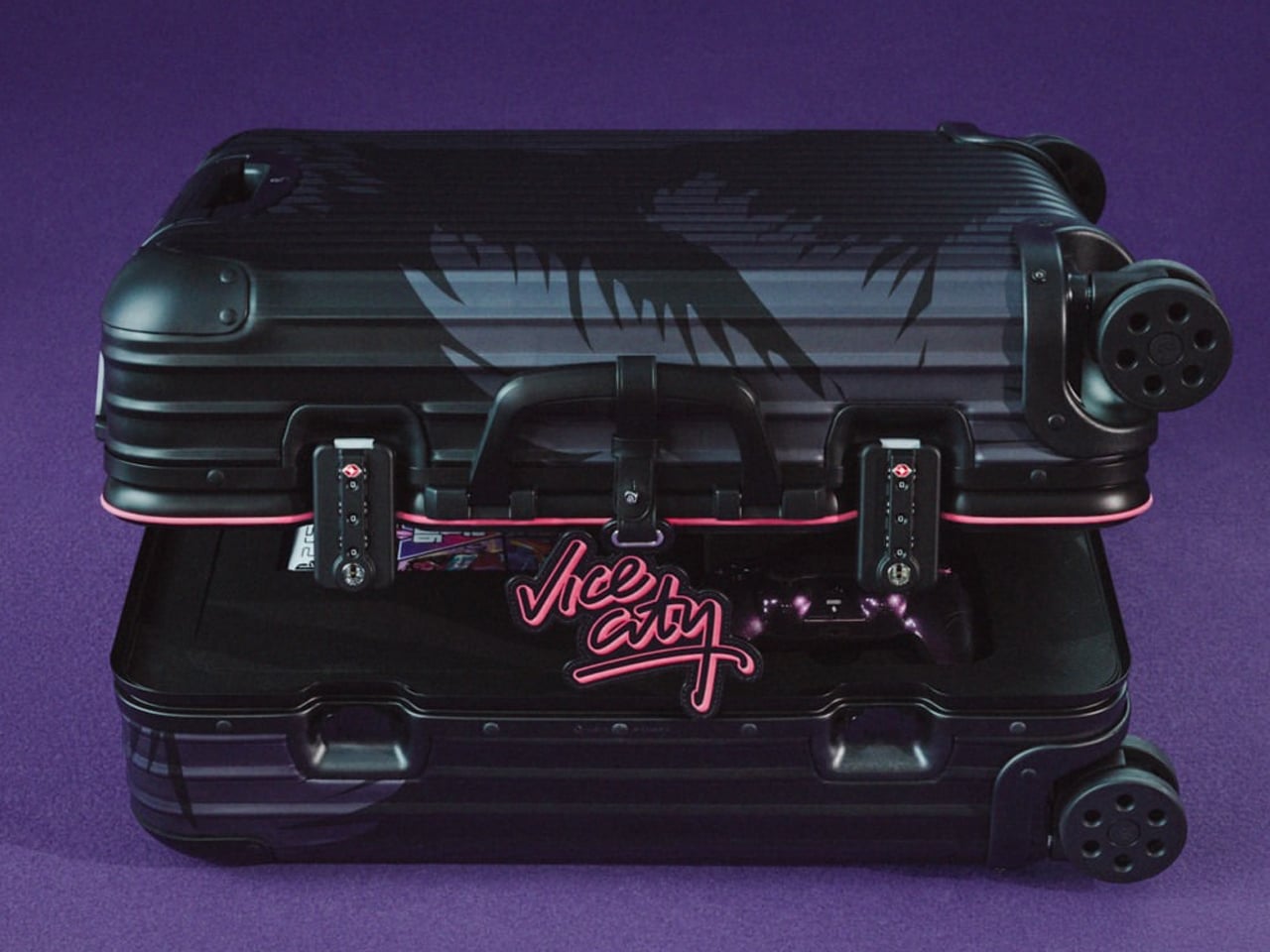
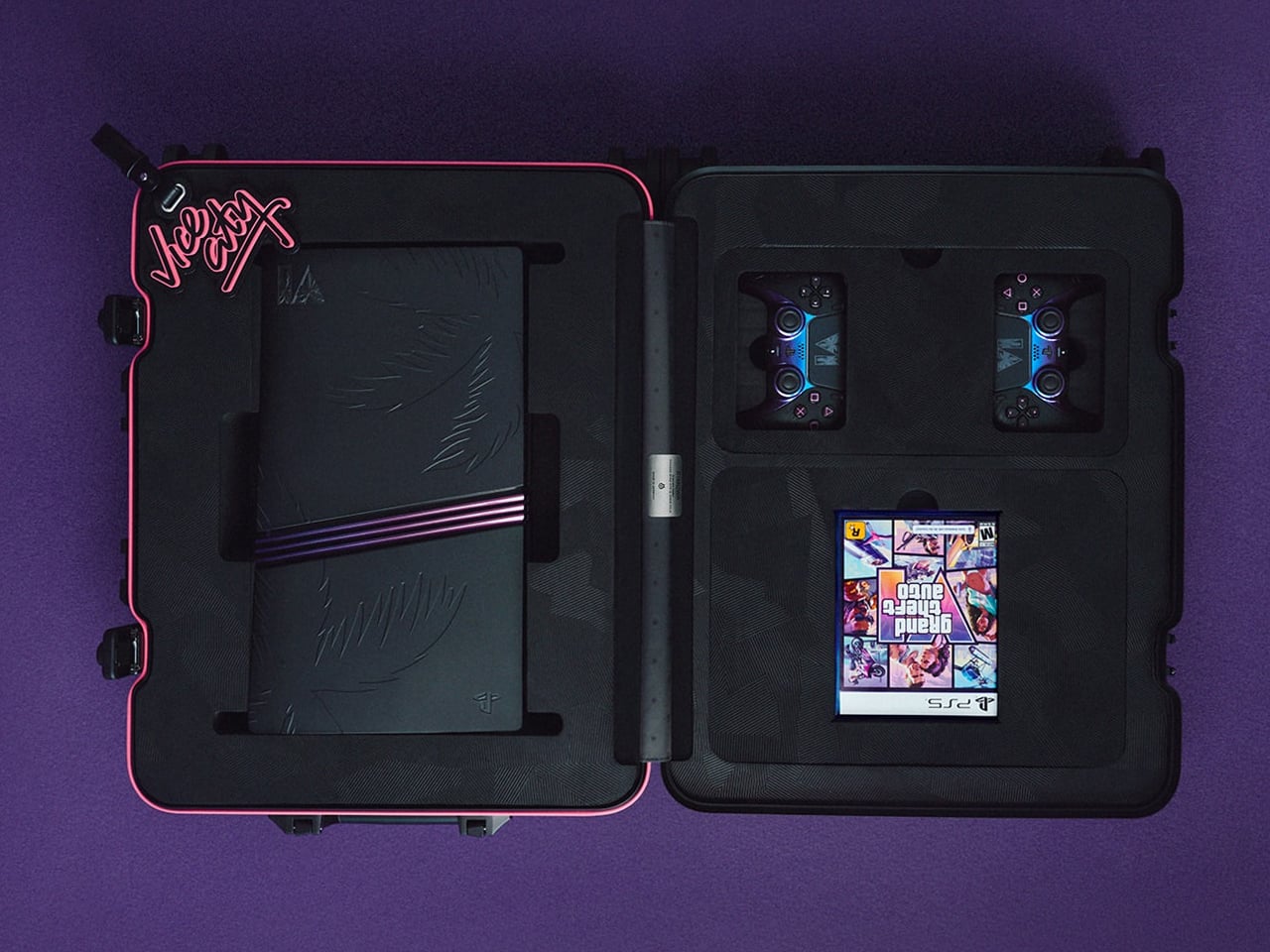
A new duo to jump onto the bandwagon is RIMOWA and Rockstar Games. The two have partnered for a special edition custom PlayStation 5 case, which comes with its controllers and the GTA VI game.
Designer: RIMOWA
The collaborative edition of the PS case, which thrives on the signature style of the luggage manufacturer RIMOWA and a new chapter in the iconic video game franchise’s journey, is not for everyone to get. This custom luggage, according to the information shared by the creators, is strictly limited to an exclusive Friends & Family edition: Reserved for friends and family of both brands. Therefore, the RIMOWA x Rockstar Games Grand Theft Auto VI case will not be available for retail, making it even more elusive and of course that something we wouldn’t be able to ever own.
“Cool, thanks for showing us something we wouldn’t be able to get,” one of the commenters correctly writes on RIMOWA’s latest Instagram post announcing the company’s new partnership that celebrates the already hyped GTA VI.
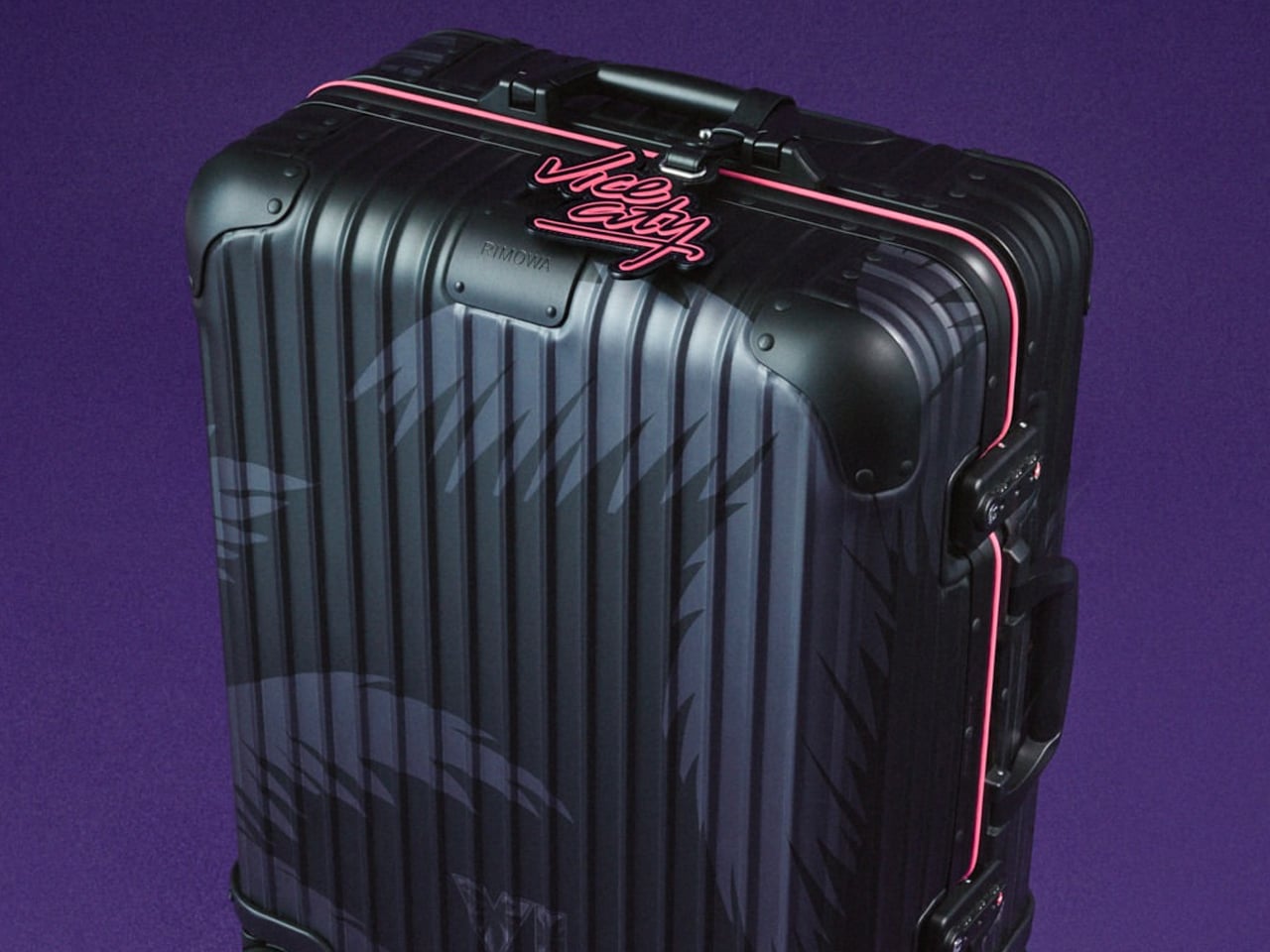
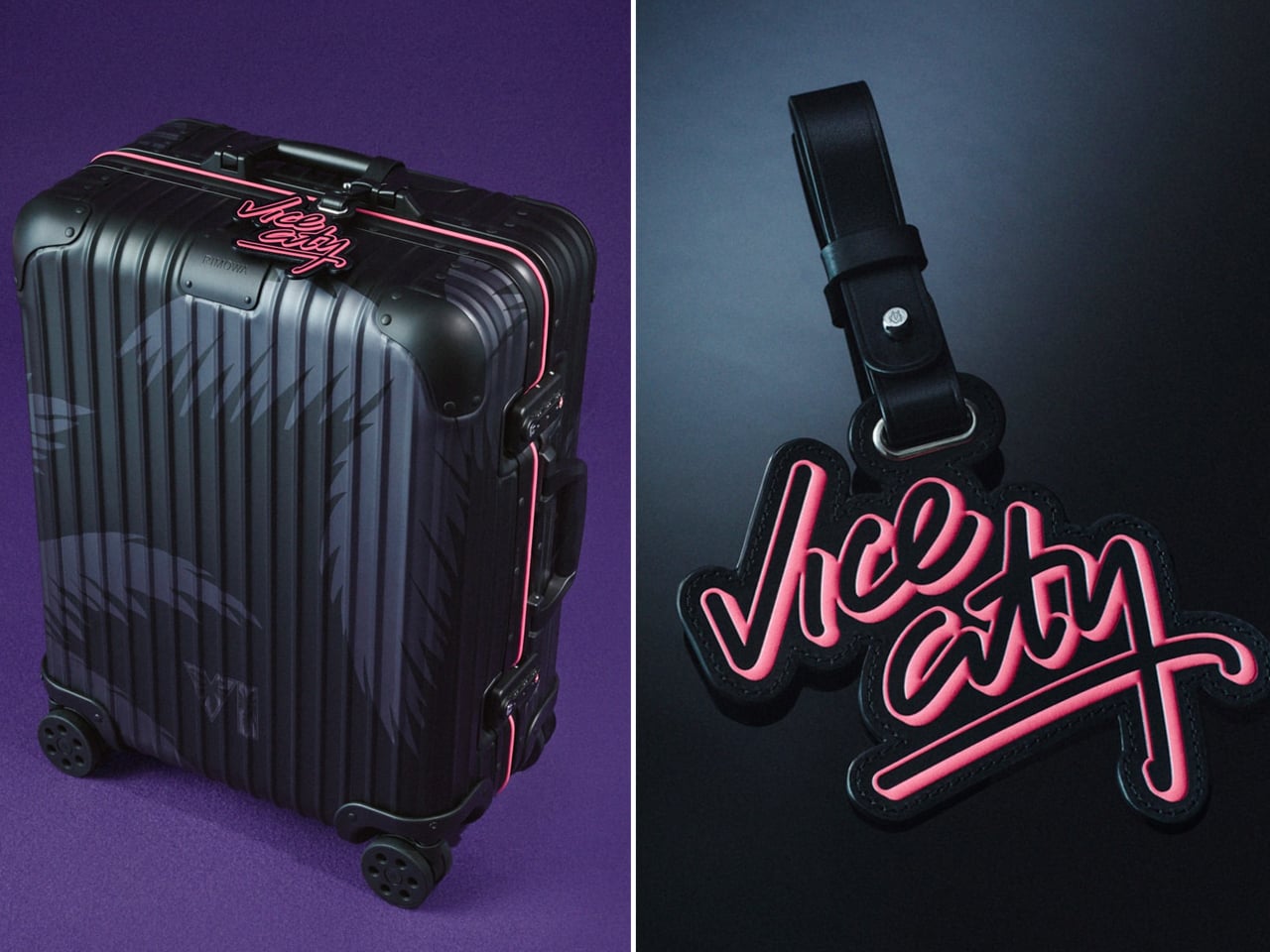
The collaborative case features a dark colored body with pink, blue, and purple accents, reflecting the fact that it’s a setup designed for Vice City. But being a tribute to the upcoming GTA release, it includes the new blockbuster game inside alongside a custom console and its controllers.
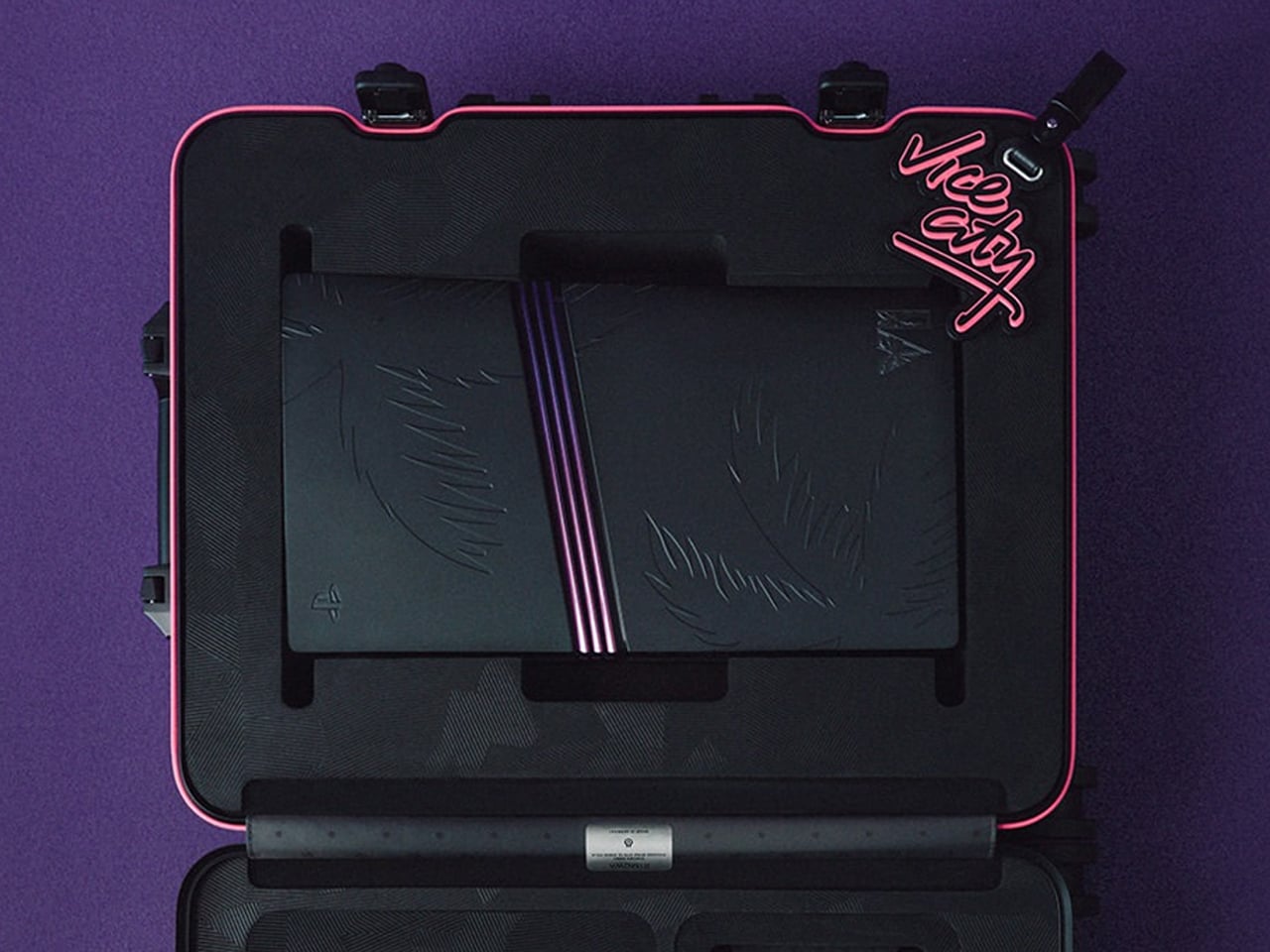
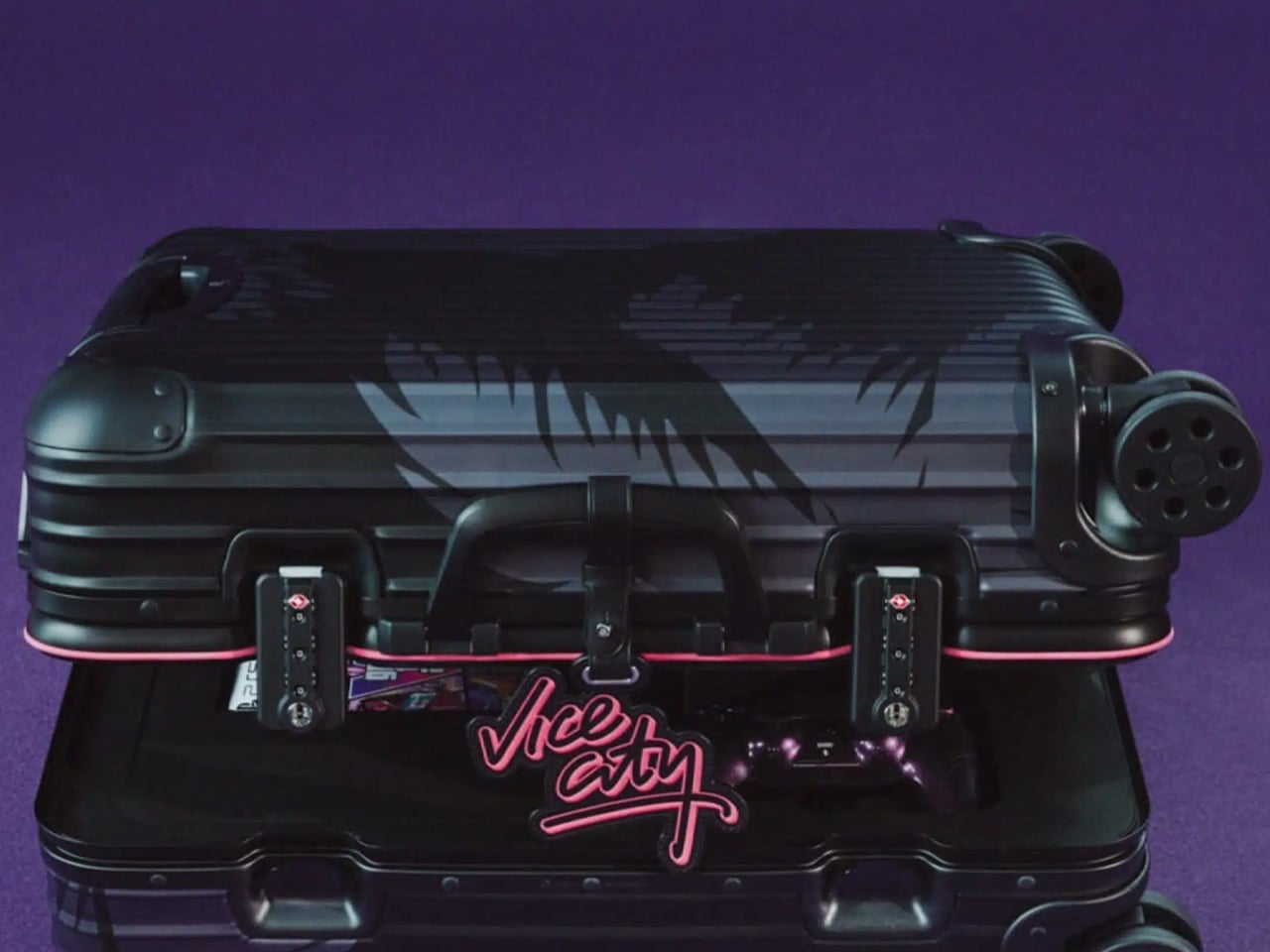
On the outside, the RIMOWA x Rockstar Games Grand Theft Auto VI case comprises the luggage maker’s signature grooves. The dark-themed surface comes with large palm motifs that appear different depending on how the light reflects on the surface. The same palm leaf pattern can also be seen on the PlayStation 5 housed inside. You can see the pink trim highlighting the separation between the two halves of the suitcase, while it features a telescopic handle and caster wheels for easy maneuverability.
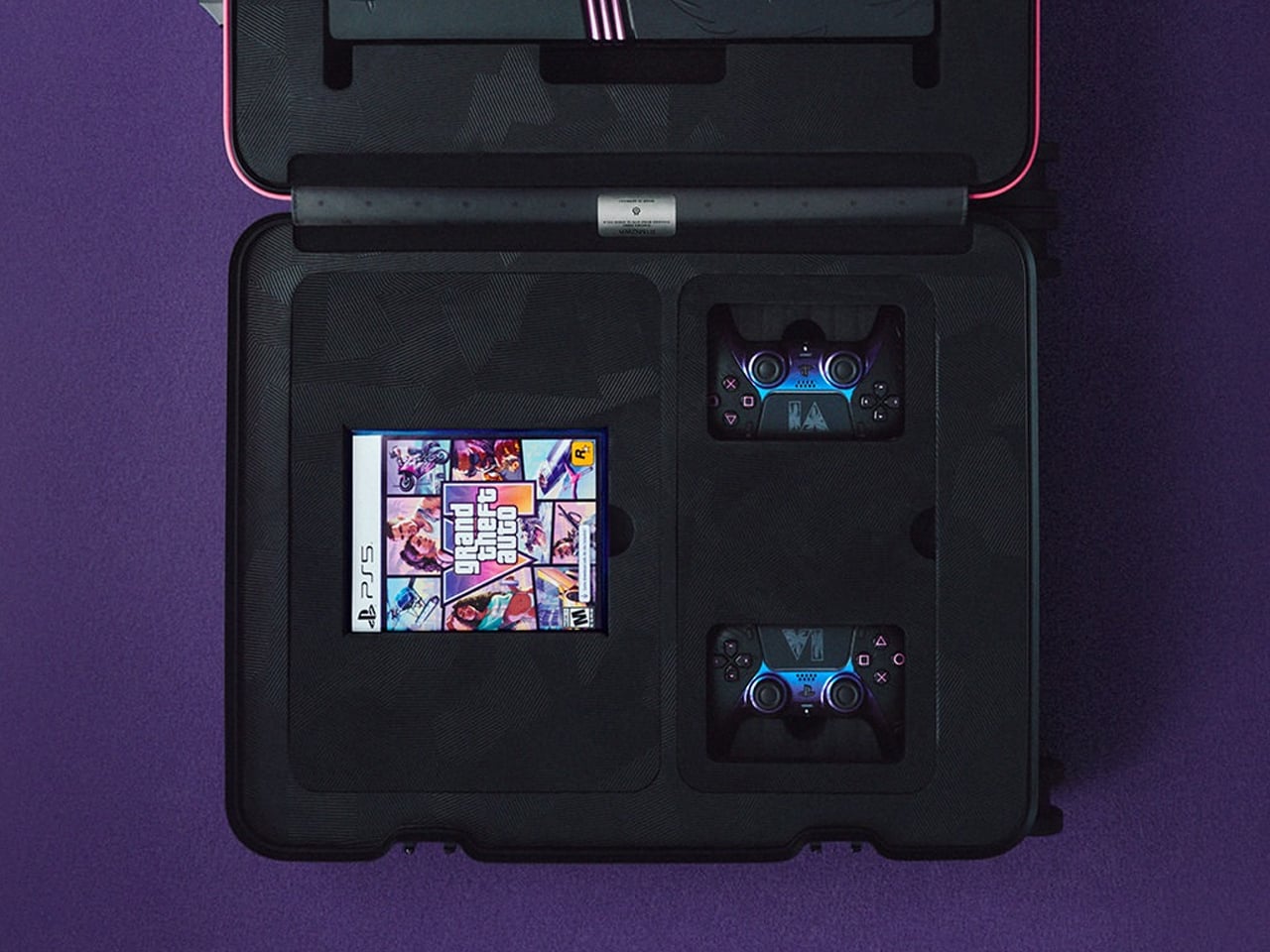
Inside the case, which is a tangible accessory celebrating GTA VI, you get a compartmentalized layout divided into two halves. One of the halves accommodates the PlayStation console, while its controllers and the GTA VI game occupy the other half. The controllers are included into the theme with similar dark and pink color theme of the case and the console and also feature VI marking to signify itself for the collaboration intent.
The post RIMOWA x Rockstar Games GTA VI case features custom PS5 console, its controllers and the game inside first appeared on Yanko Design.

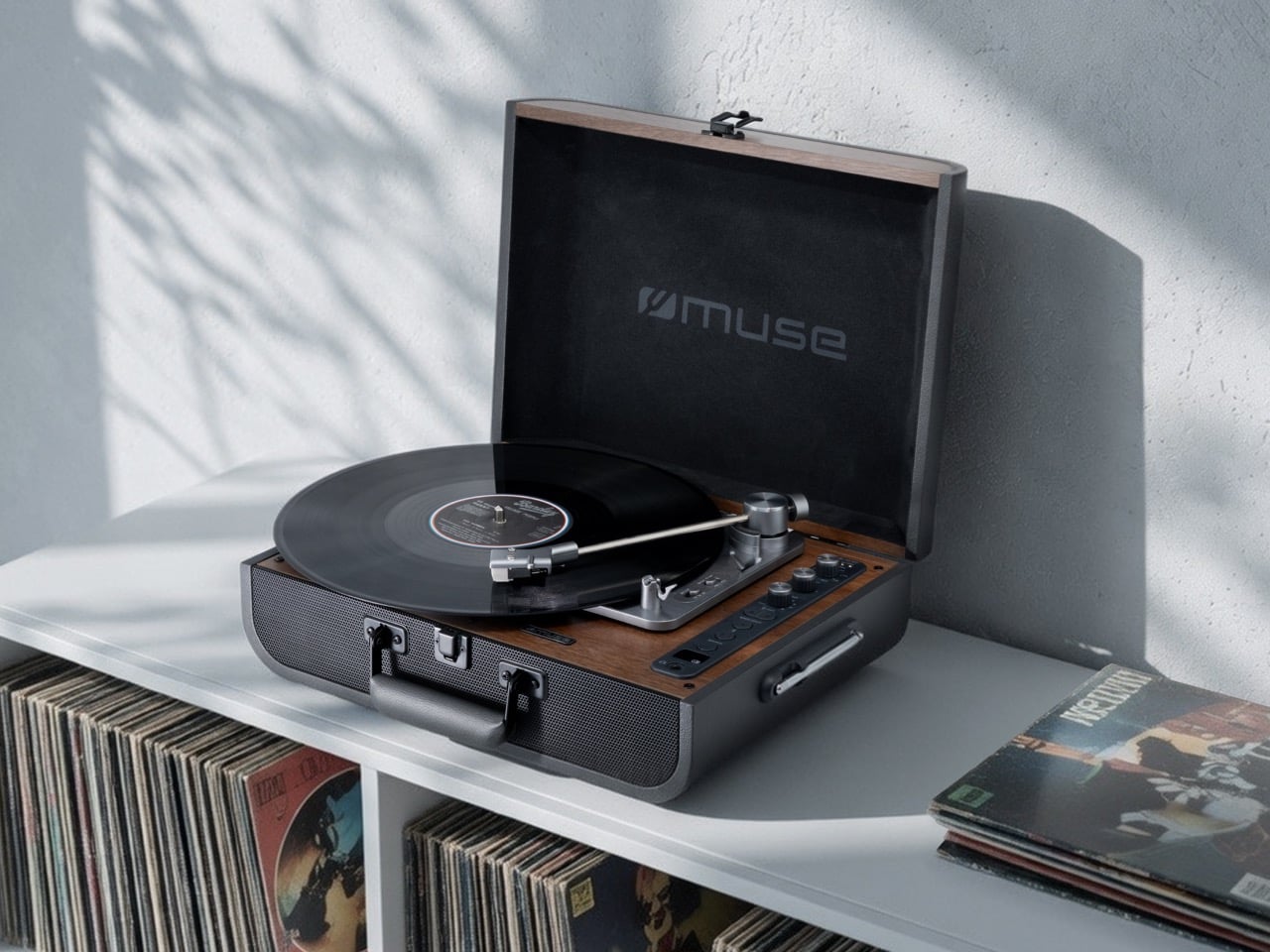
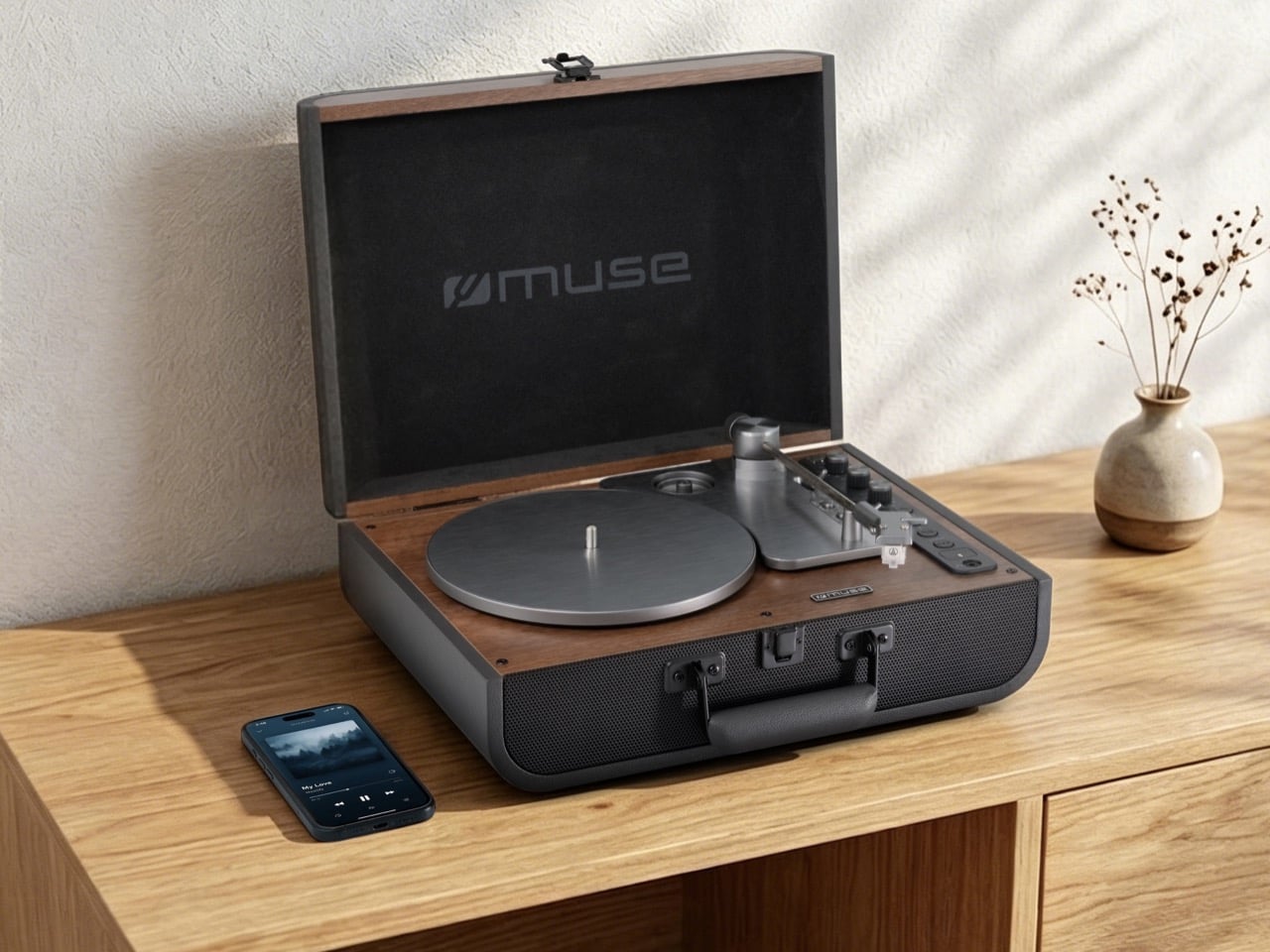
If you started collecting records sometime in the last fifteen years, there’s a decent chance your first turntable was a suitcase player, probably a Crosley, probably in a pastel color, probably bought around the same time as your first Arctic Monkeys record. It looked great on a dresser and sounded like it was playing from the next apartment. The Muse MT-208 AT is a suitcase player built for the version of you that has grown up a little since then. It keeps the latches, the handle, and the grab-and-go charm, then adds an Audio-Technica cartridge, a counterweighted tonearm, and a brushed aluminum deck. Same party trick, better manners.
Oxygen Ltd, a Hong Kong design house, created the MT-208 AT for French brand Muse under lead designer Anthony Aurélien Ribout. The turntable won its category at the 2026 European Product Design Award, and it plays 33, 45, and 78 rpm records through a pair of 7.5-watt speakers. Bluetooth runs both ways, so your phone can stream to it, or it can beam your records to a better speaker across the room. There’s FM radio too, plus a USB port that rips vinyl straight to MP3. The catch for Americans: European retailers list it at €129.95 (roughly $150), with no US listing yet, so start befriending people with Paris addresses.
Designer: Anthony Aurélien Ribout (Oxygen Ltd)
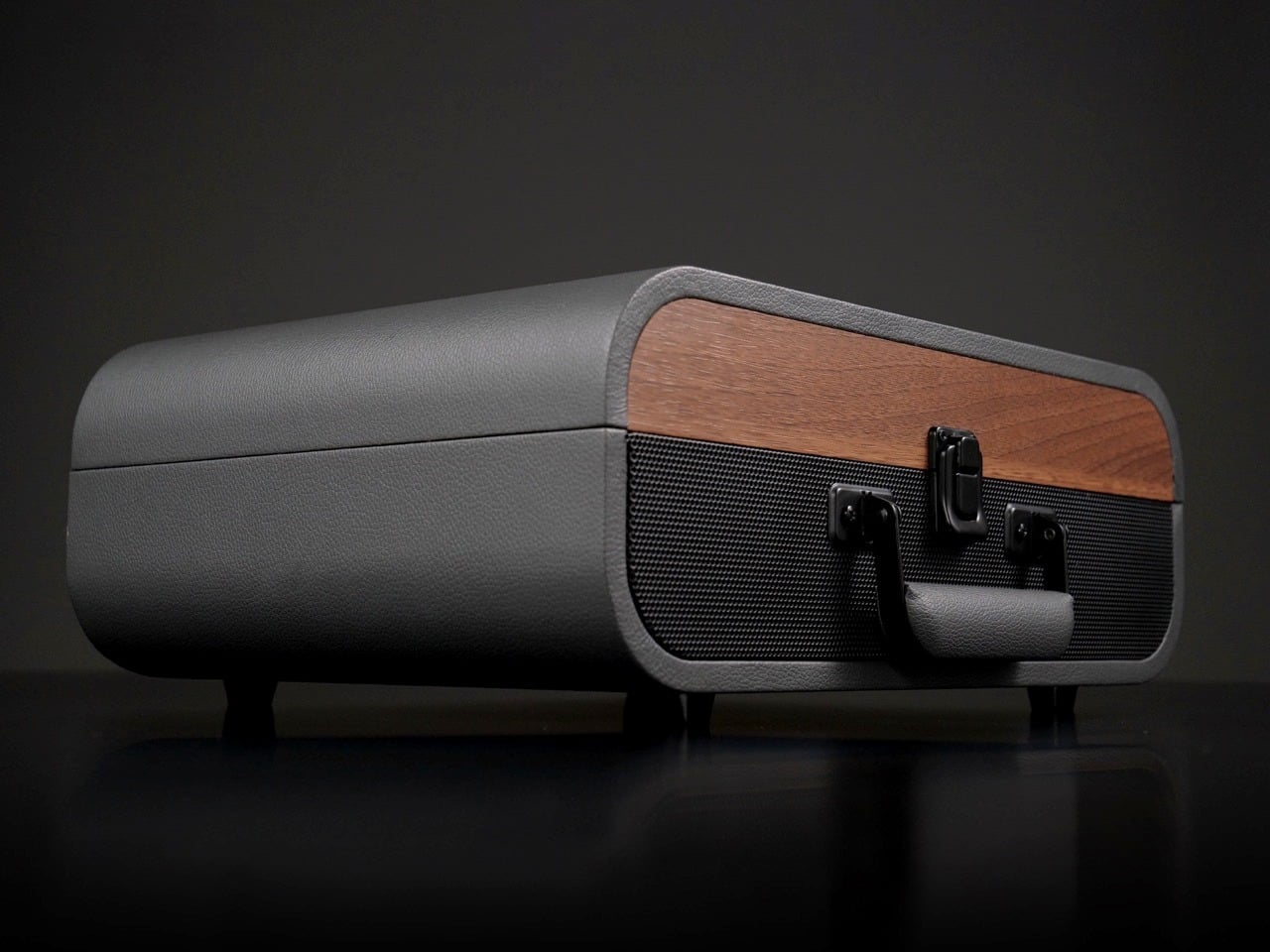
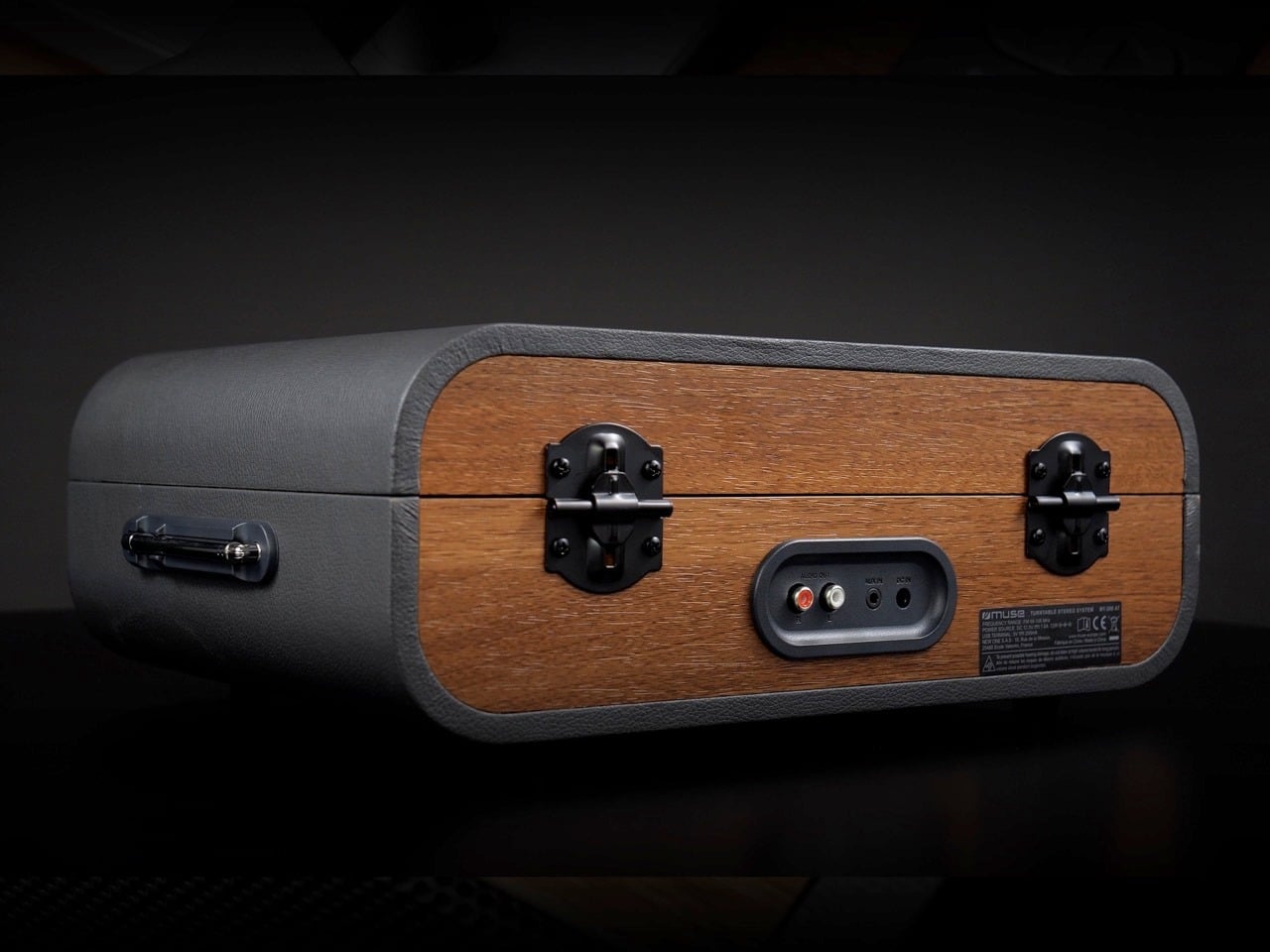
Close the lid and the MT-208 AT looks every bit a 1950s portable, with a dark gray leather-grain case, rounded corners, and fabric speaker grilles across the front. Black latches flank a chunky carry handle, and a walnut-toned band wraps the front edge like trim on an old radio. It measures 14.6 x 5.3 x 10.9 inches (370 x 135 x 276mm), within a hair of the width of a Dansette, Britain’s teenage party machine of the 1950s. It weighs 8.3 pounds (3.8kg), roughly 2 to 3 pounds more than Muse’s entry-level MT-201. That extra heft can be good news on a turntable, since mass can help damp vibration, though weight alone doesn’t tell you how well it’s controlled.
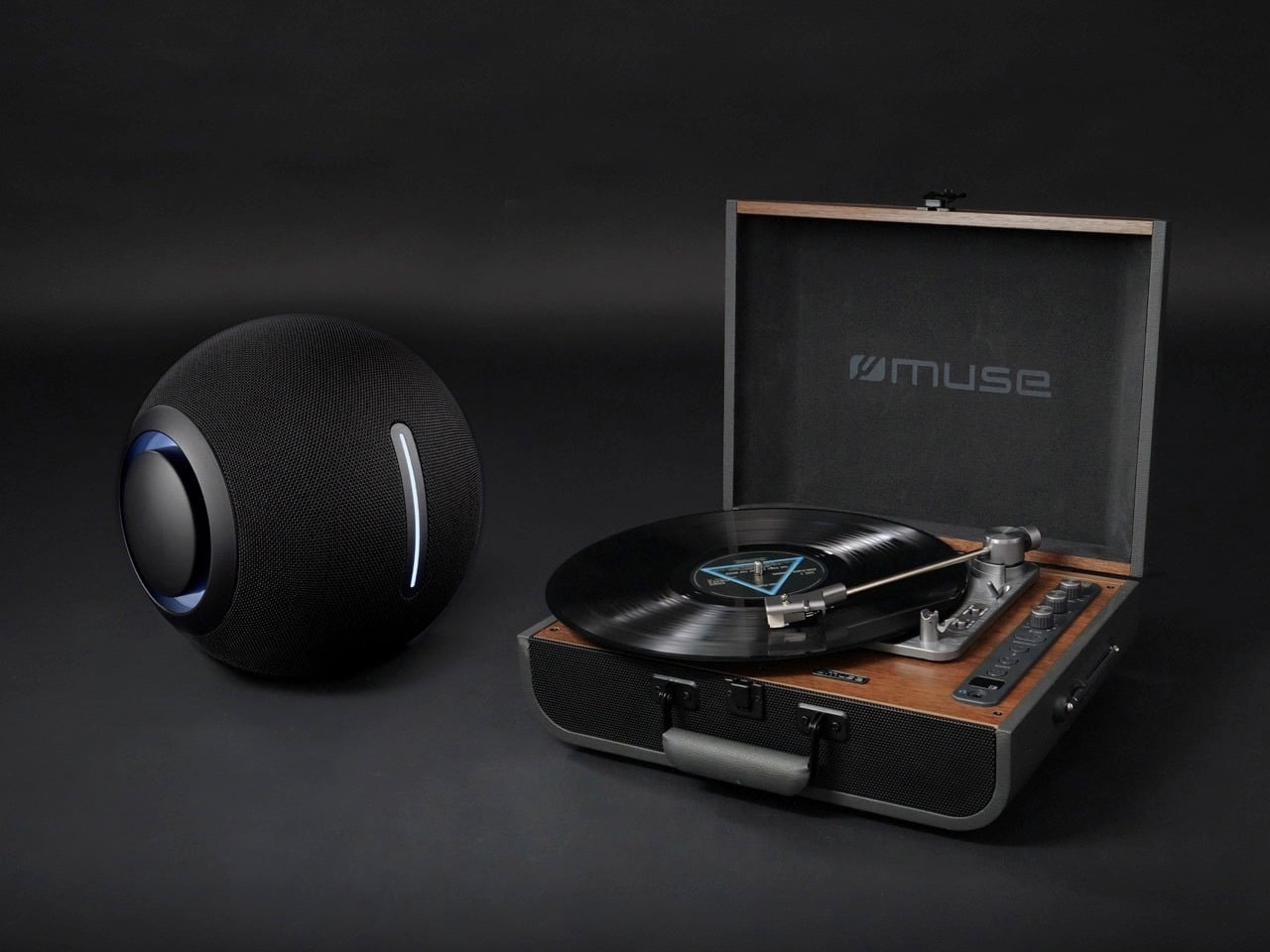
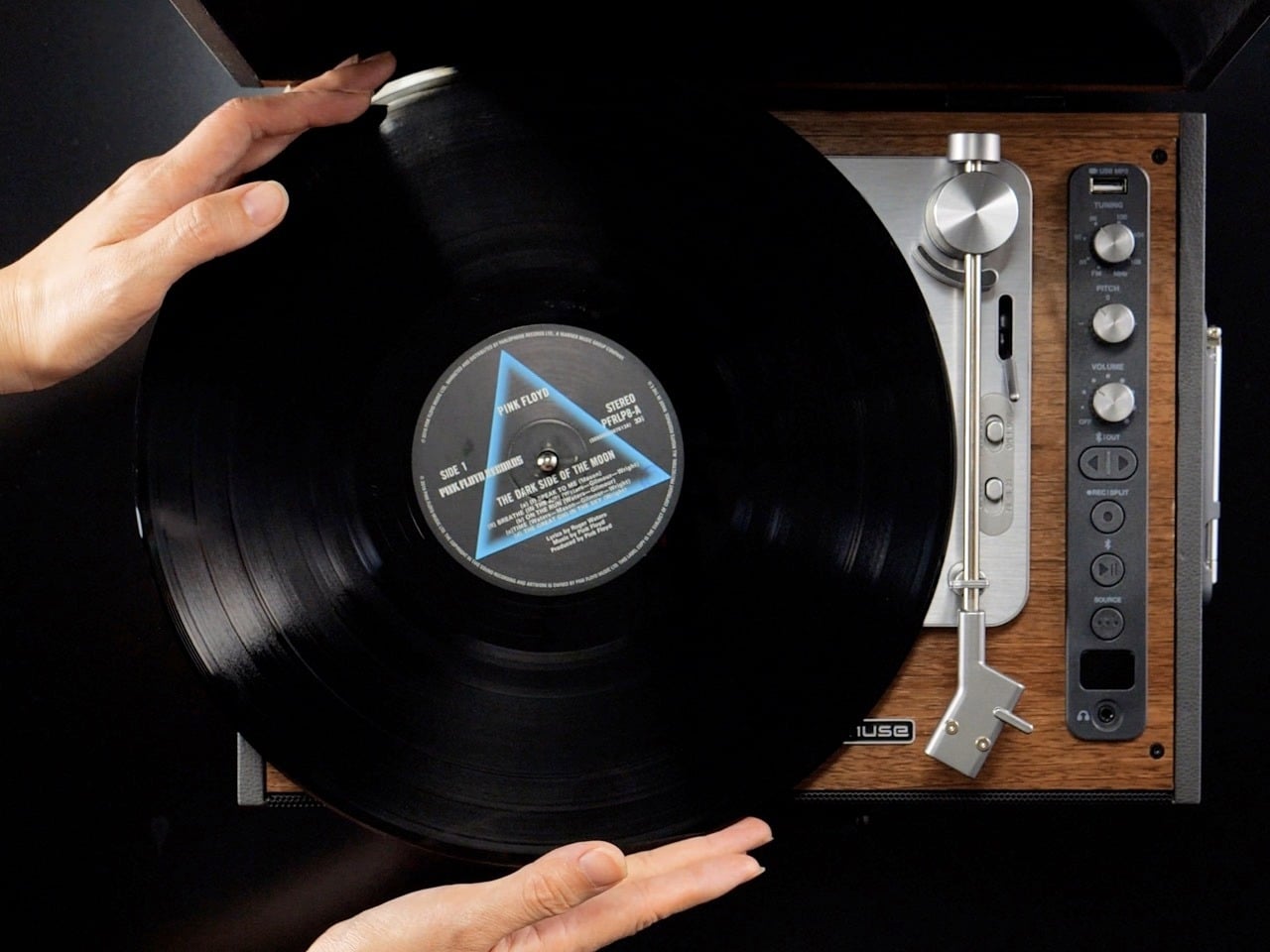
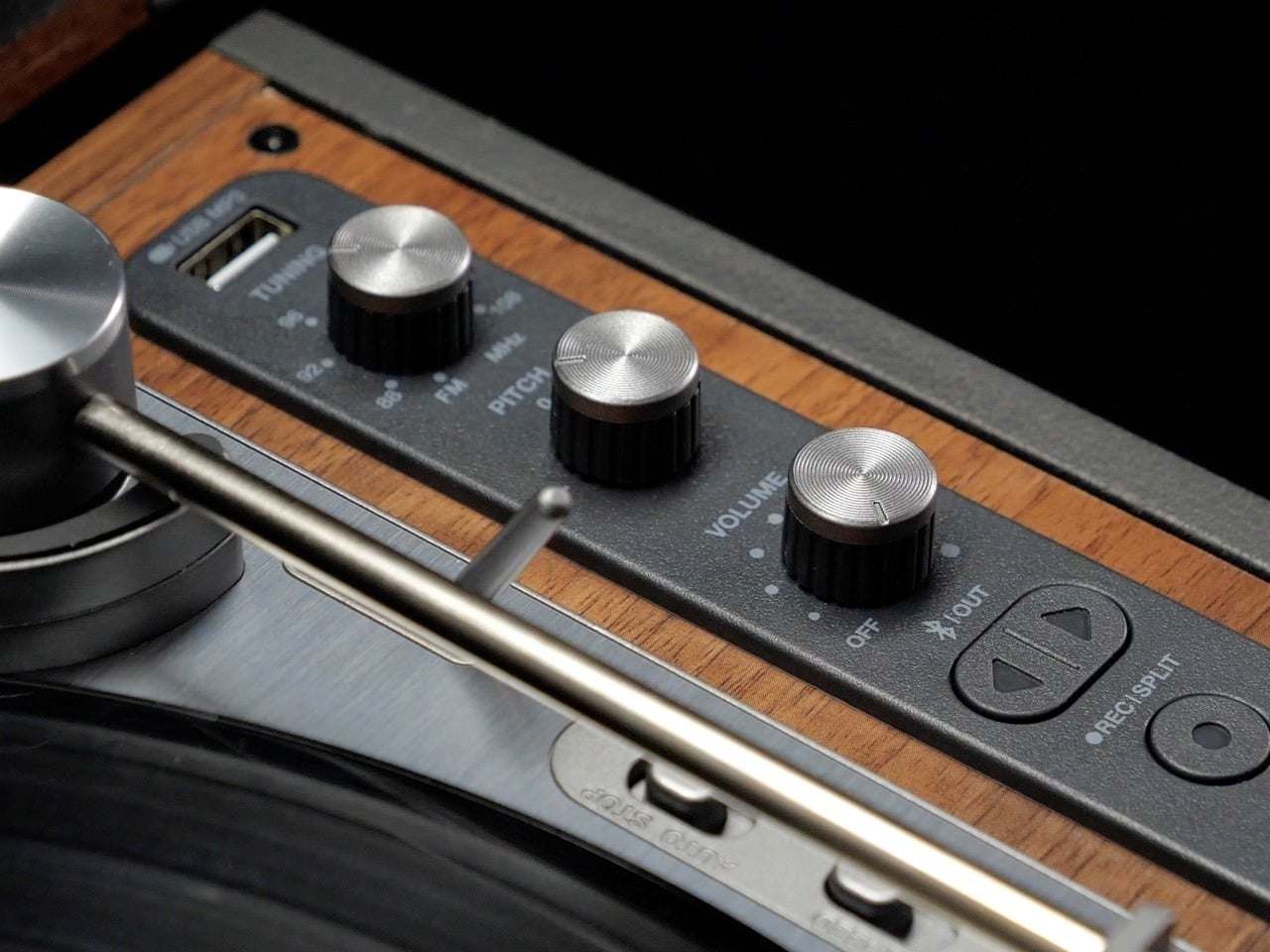
Open it up and the decade jumps forward twenty years. The deck sits on a walnut-toned plinth, with the tonearm mounted to a brushed aluminum plate and a control rail running down the right side. Tuning, pitch, and volume each get a knurled knob topped with a spun aluminum cap, the same concentric-ring finish you’d find on a Marantz or Pioneer receiver from the disco era. The award entry calls the whole thing a 1970s throwback, but I’d call it a mullet: fifties in the front, seventies in the back. It works because the metal goes exactly where your fingers land.
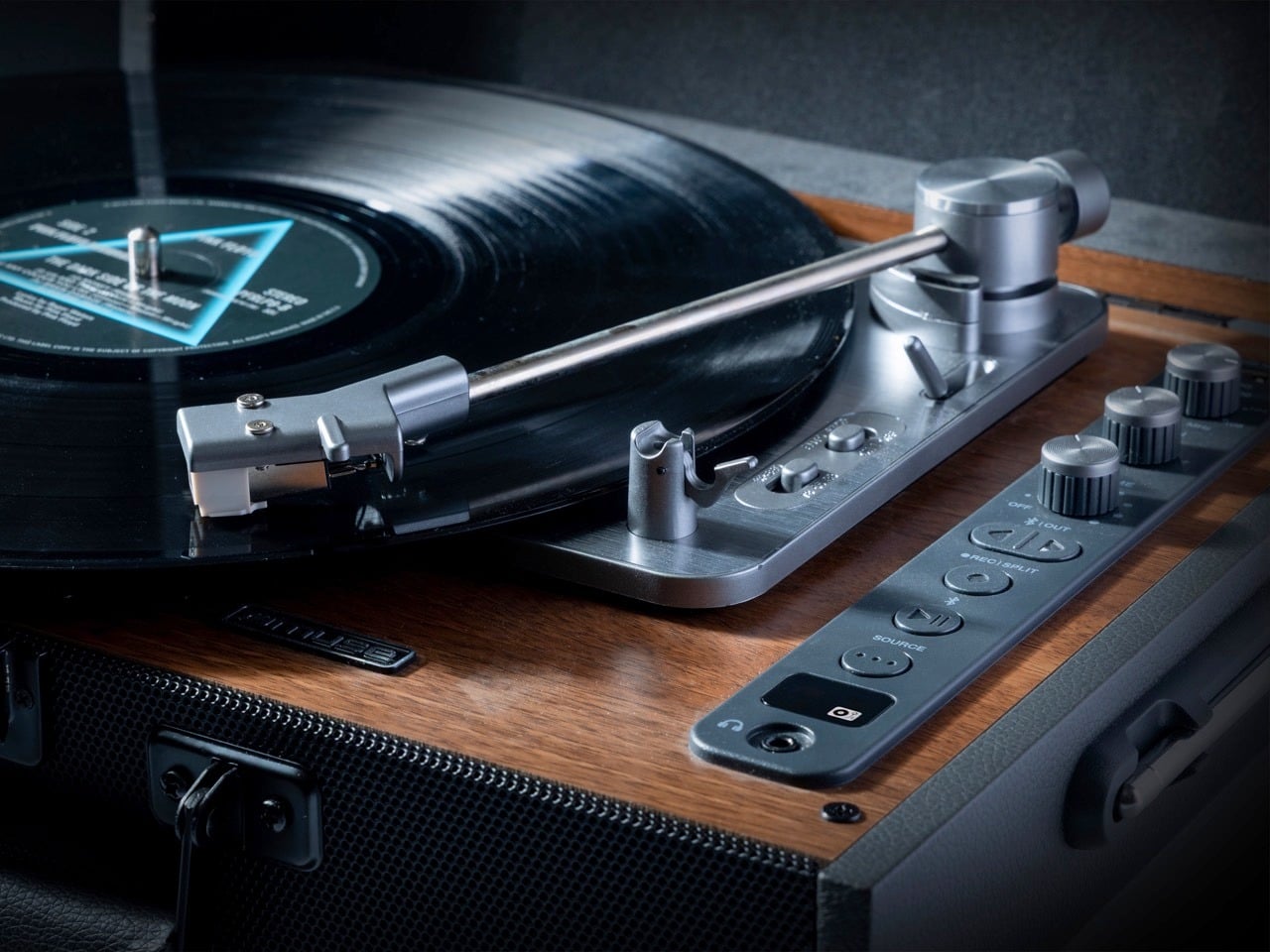
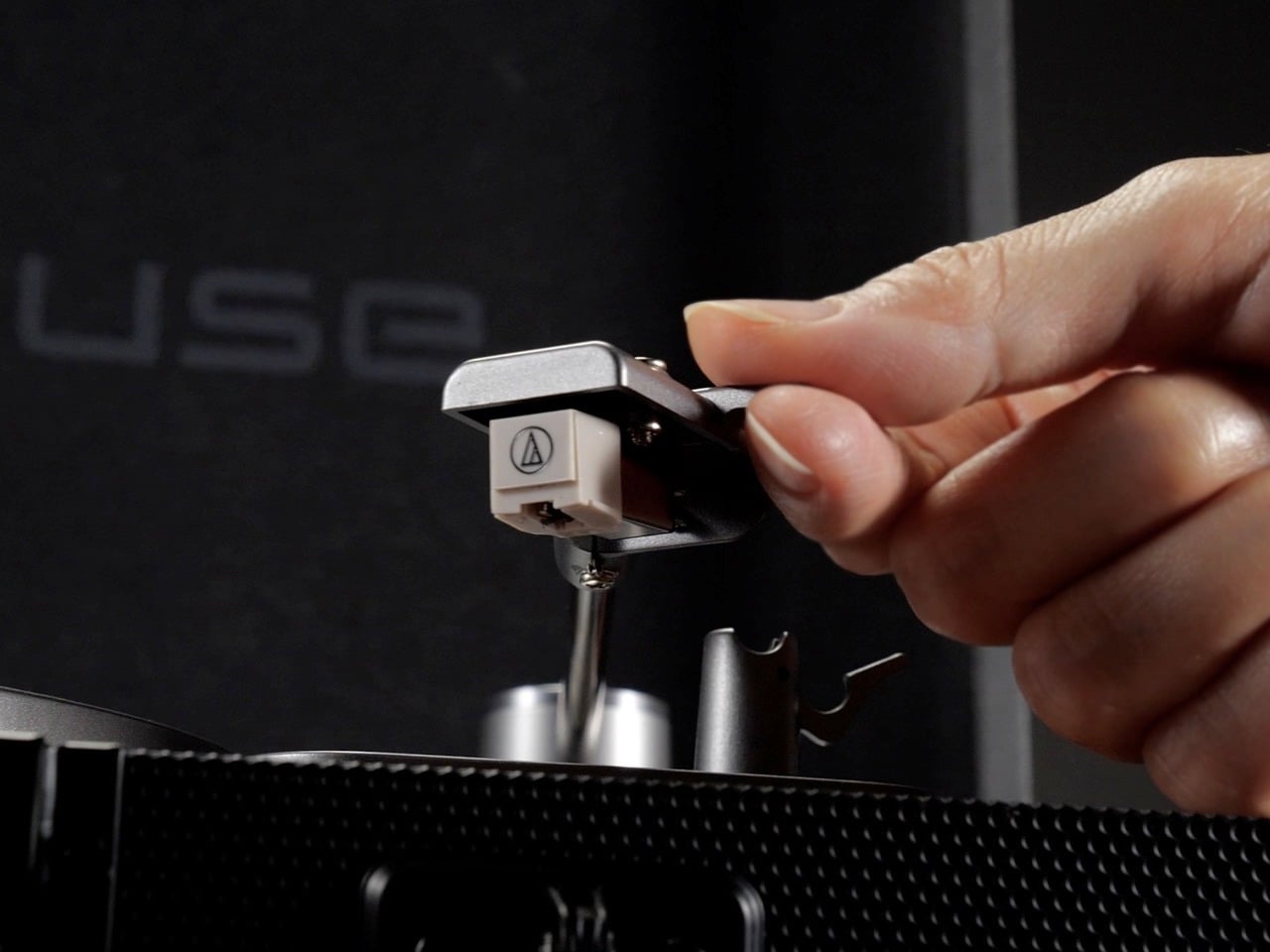
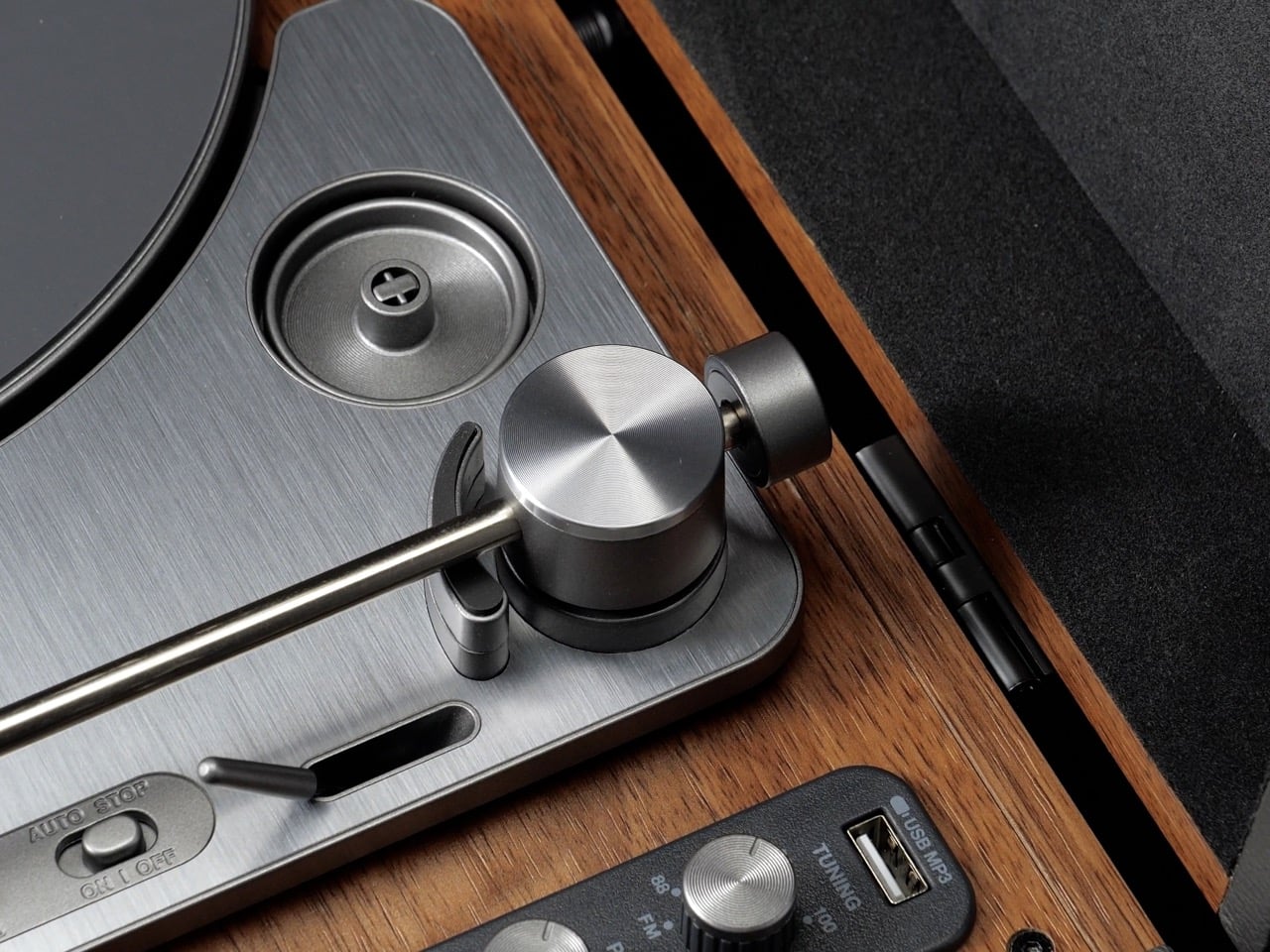
The needle belongs to an Audio-Technica moving magnet cartridge, from a Japanese company that has been making phono cartridges since 1962. It rides on a straight tubular tonearm with a rear counterweight, a cue lever for lowering it gently, and an auto-stop switch so the platter doesn’t spin forever after side A ends. The belt-drive deck handles 33, 45, and 78 rpm, which means your grandparents’ shellac is fair game with a suitable stylus. A pitch knob lets you nudge the speed when a record runs slightly sharp or flat. A built-in RIAA preamp boosts and equalizes the cartridge’s tiny signal, so the RCA output can feed powered speakers with a compatible input.
Bluetooth 4.0 runs in both directions, and the outbound half is the clever bit. Built-in speakers have always been the suitcase player’s weak spot, since two small drivers share a box with a spinning platter. Switch on Bluetooth Out and your record streams to a better speaker across the room, turning the MT-208 AT into a wireless source. Going the other way, your phone can play through its two 7.5-watt speakers. There’s also FM radio, an AUX input, a headphone jack, and a USB port with a REC/SPLIT button for ripping records to MP3.
Oxygen Ltd was founded in 1993 and works largely as an OEM and ODM, industry shorthand for designing and building products that other companies sell under their own names. The firm says it has sold more than 100 million audio devices from its bases in Hong Kong and Zhongshan, Guangdong, and its team mixes French and Chinese designers. That’s how a lot of consumer audio gets made, and the people doing the work rarely get a byline. Here, Ribout and five teammates are named on the award. Oxygen also won a European Product Design Award in 2024 for the ARSK 001, a toroidal aluminum speaker.
The European Product Design Award is a paid-entry, global competition run by the Los Angeles-based Farmani Group, and the MT-208 AT took the Winner title in the Turntables category. It sells for €129.95 (roughly $150) at French retailers like LDLC, with no US listing yet. That’s about triple what a discounted Crosley Cruiser Plus costs on Amazon, and the money shows up in the cartridge, the metal, and the extra pounds. Third Man Records’ Spinnerette proved a suitcase player could land in a museum. The MT-208 AT makes a smaller, friendlier argument: your first turntable can be one you keep.
The post Muse’s suitcase turntable keeps the Crosley look and adds a real Audio-Technica cartridge first appeared on Yanko Design.

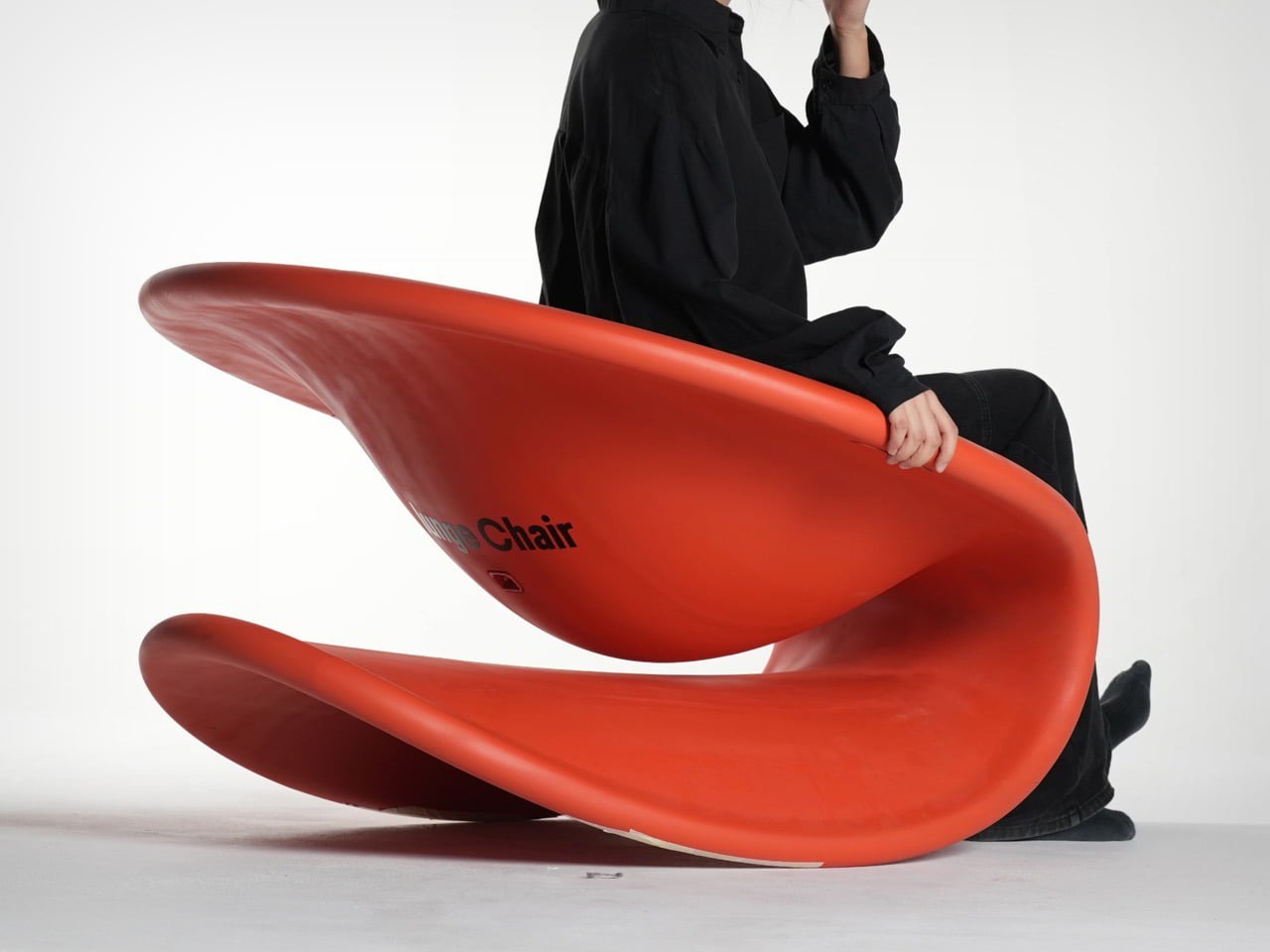
I listen to most of my music hunched over a laptop with earbuds jammed in, which is roughly the opposite of a concert. A live show hits your whole body. The kick drum lands in your sternum, the lights change when the chorus drops, and you sway without deciding to. Seoul-based designer Eunseo Yun wanted to put that feeling into furniture, and the result is the Plunge Chair, a rocking lounger designed to let you hear, feel, and see your music. It also looks like a Panton Chair that got folded in half during a very ambitious yoga session.
The Panton resemblance is hard to miss: one continuous, legless ribbon of shell in a single loud color, bent a whole lot further than Verner ever dared. The backrest drops into a wide dish of a seat, the S curve pinches into a hairpin loop, and the base stretches into a long rocker so you can sway along. Inside, a bass shaker and internal sound chambers are intended to turn the shell into a subwoofer you sit in. Lights would shift color to match the mood of the song, sunny for bangers and blue for breakups. The concept earned a prize at Korea’s GaGu Living Design Competition, which has been scouting young furniture designers since 2005.
Designer: Eunseo Yun
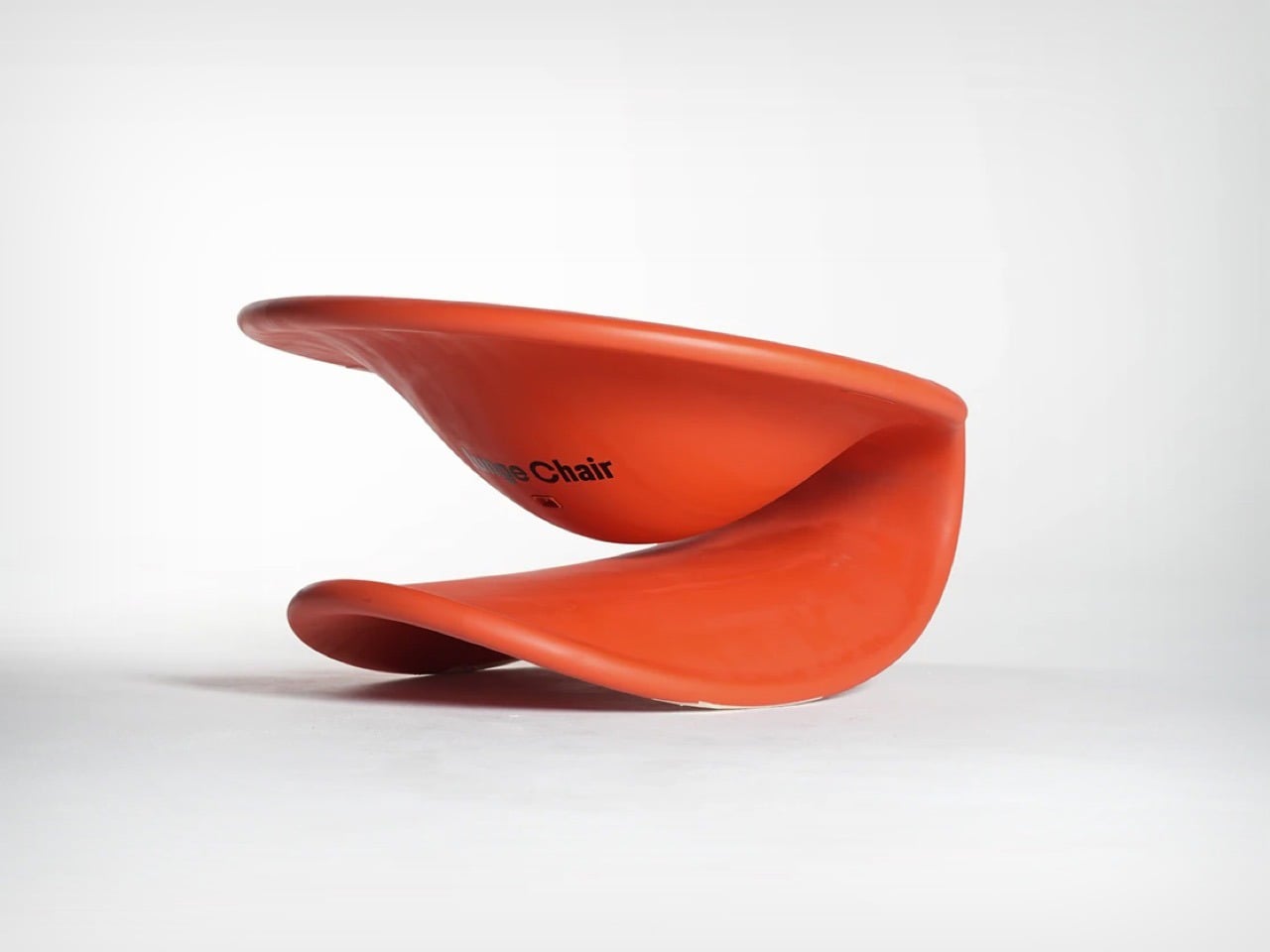
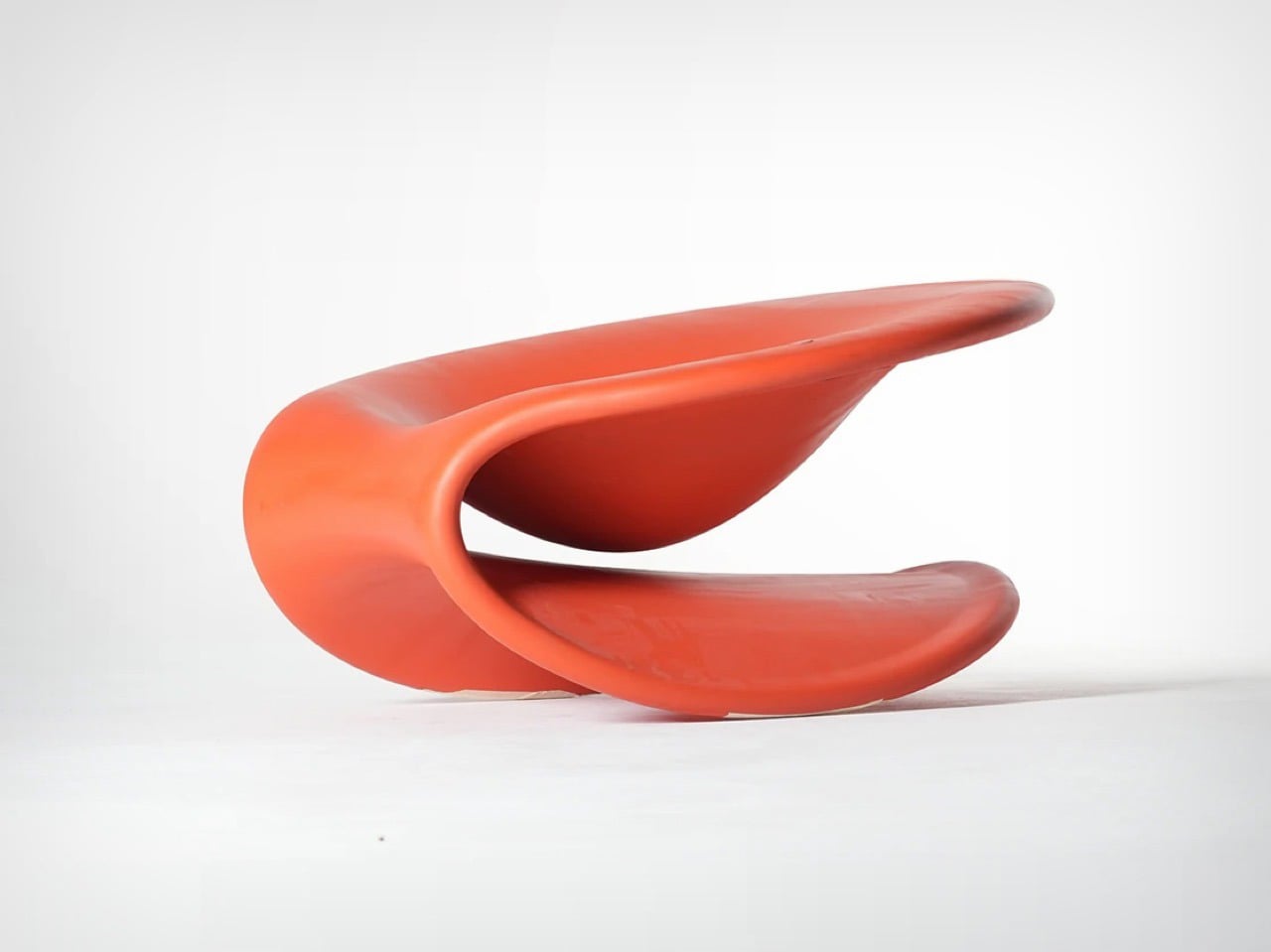
Panton spent the better part of a decade chasing a stackable cantilever chair made from one piece of plastic. Vitra finally launched it in 1967, starting with a pilot run of 150 in glass-fiber-reinforced polyester, and people nicknamed it the free swinger for the subtle flex in its seat. Plunge takes that flex and turns it into actual motion, since the old flared foot now unrolls into a full rocker. The posture changes too. A Panton keeps you upright at the dinner table, while Plunge drops you low and leans you back, which is exactly how you want to sit when a good album comes on.
Folding the S also gives Yun something Panton’s chair never had: a cavity. Curl the ribbon back on itself and you get an enclosed volume, which Yun proposes using as a speaker cabinet with sound chambers, the same instinct behind Trueba Studio’s VIBRYX collection and its speaker-stuffed sofa bases. The rocker could play a part here as well, though its narrow contact with the ground doesn’t establish how much vibration would reach you versus your downstairs neighbor’s ceiling. Even the deep recline has a job, bringing your back, seat, thighs, and arms into contact with the shell so there’s more of you to shake.
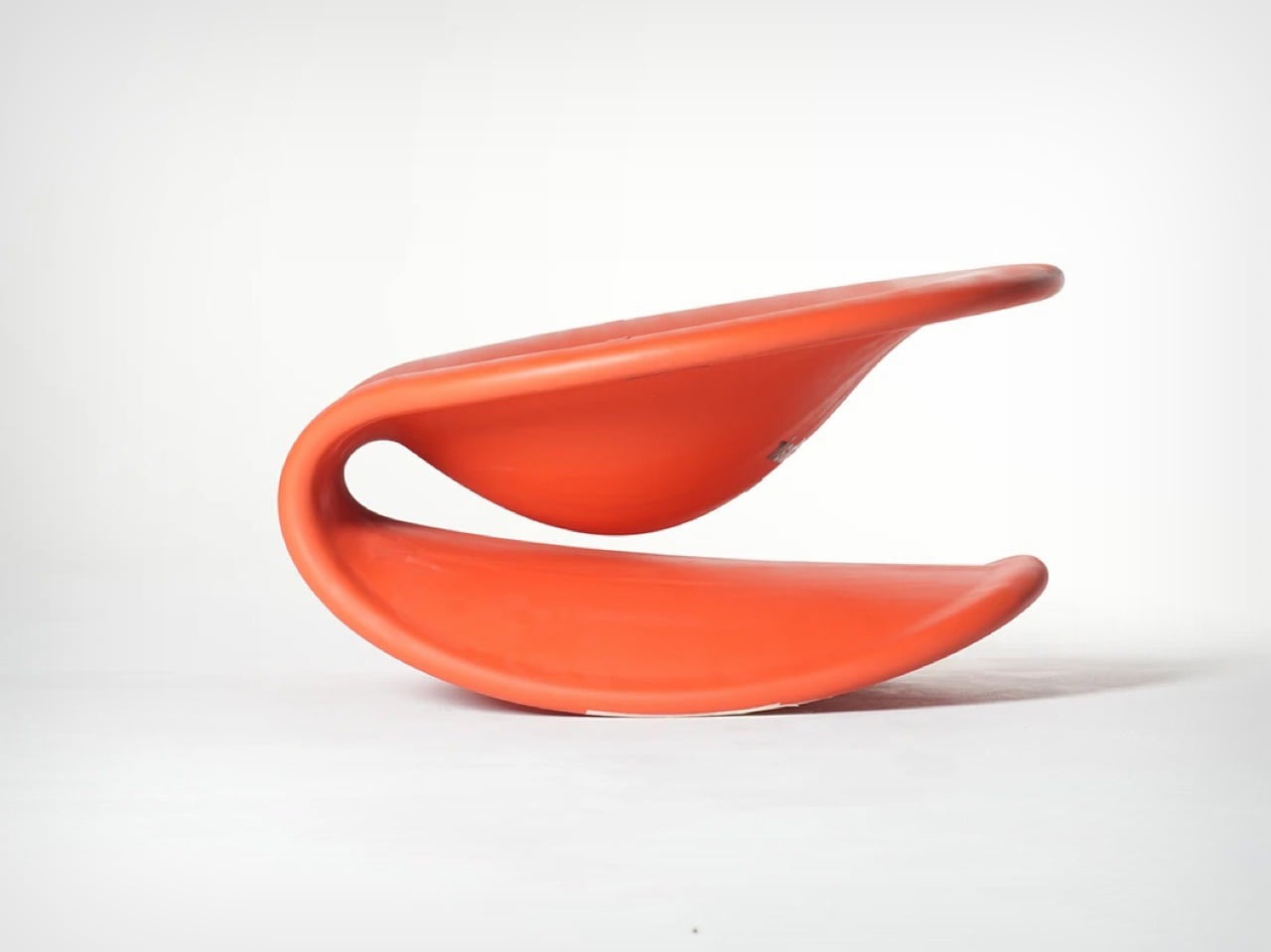
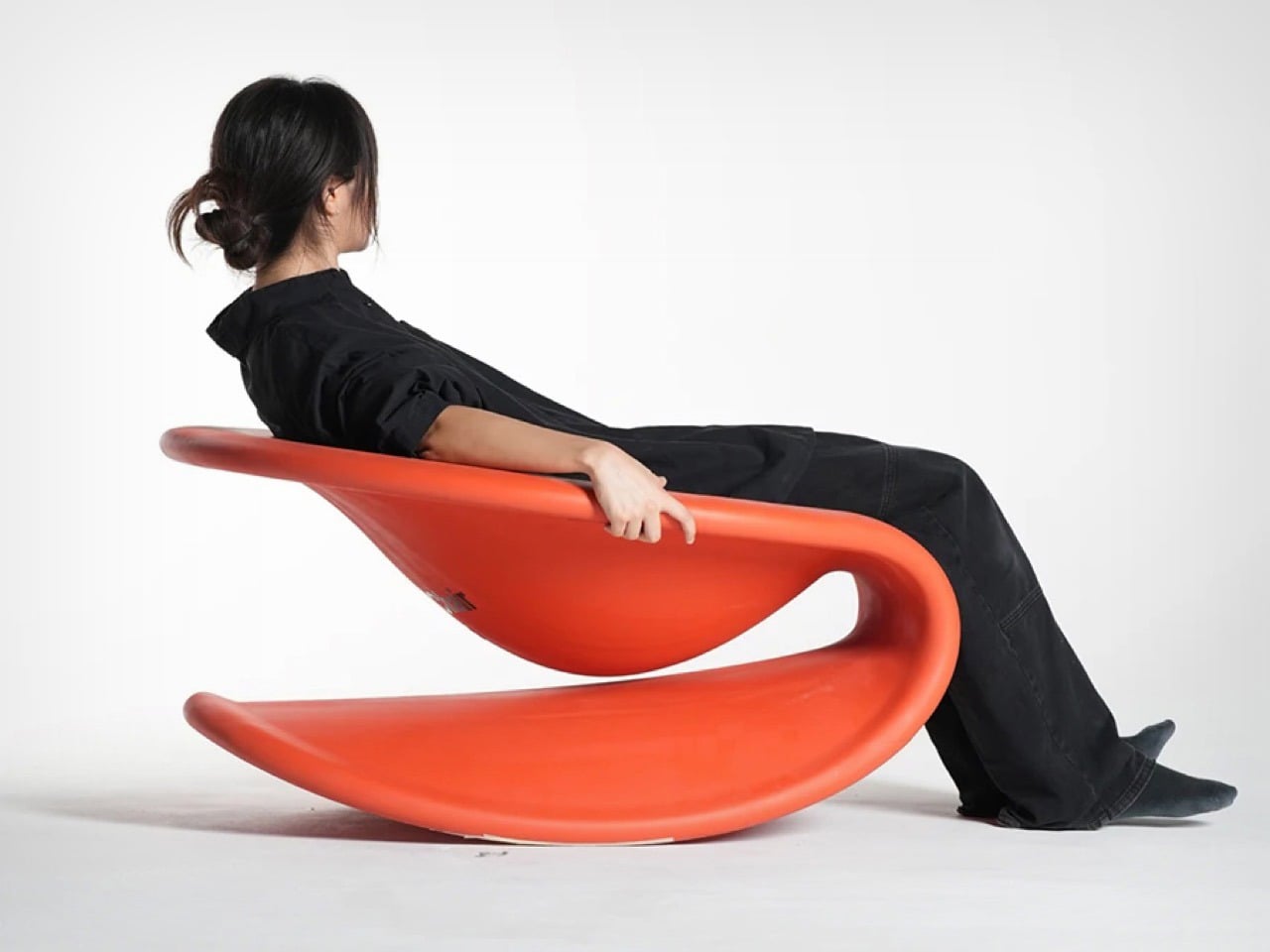
Much tactile audio gear focuses on low-frequency rumble. A Dayton bass shaker bolted under a couch or a SubPac strapped to a studio chair delivers bass you can feel, and Pinju Chen’s Speaker Chair parked a beefy speaker in its base. Yun’s plan is more surgical. Plunge would split a track into its instruments, like vocals, guitar, and bass, and route each one to a different part of your body so you could feel a song’s layers separately. The bass channel gets the most detail in the proposal, with bass, cello, and double bass routed through the shaker and the shell’s chambers toward your hips and legs.
A 2013 UC Berkeley study found that people pair fast, major-key music with lighter, brighter, yellower colors, and slow, minor-key music with darker, grayer blues. Plunge follows that logic, with an app intended to vary the color, brightness, and speed of its lighting for each track, serving up sunshine tones for one song and sea blues for another. Jaewon Choi’s speaker stool kept its visuals on your phone screen, while Plunge’s renders bathe the whole room in color. Panton’s 1970 Visiona 2 installation, built for Bayer aboard a riverboat at the Cologne Furniture Fair, gave every room its own sound and color atmosphere. Plunge proposes squeezing that whole idea into one seat, fitting for the year Panton would have turned 100.
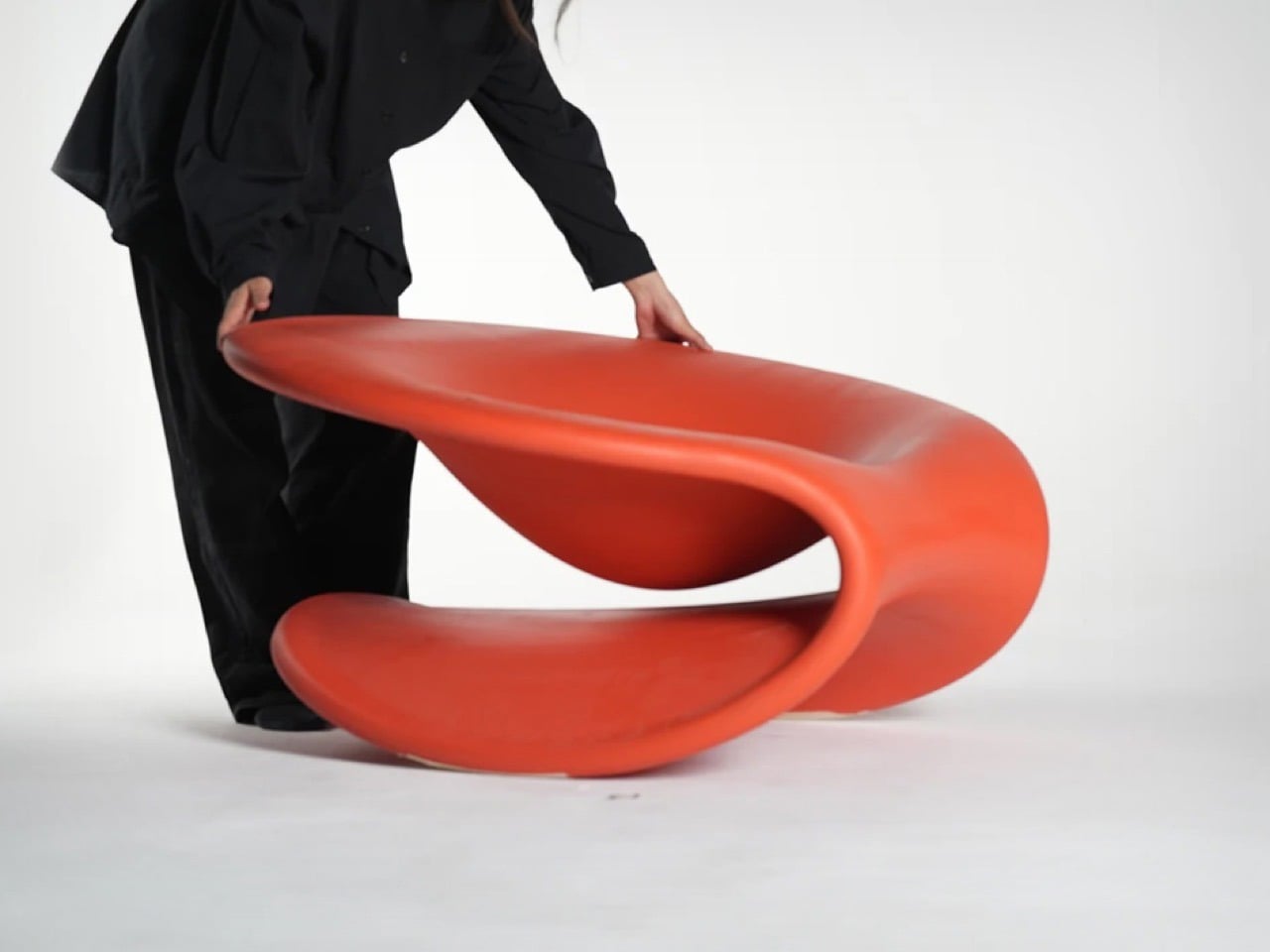
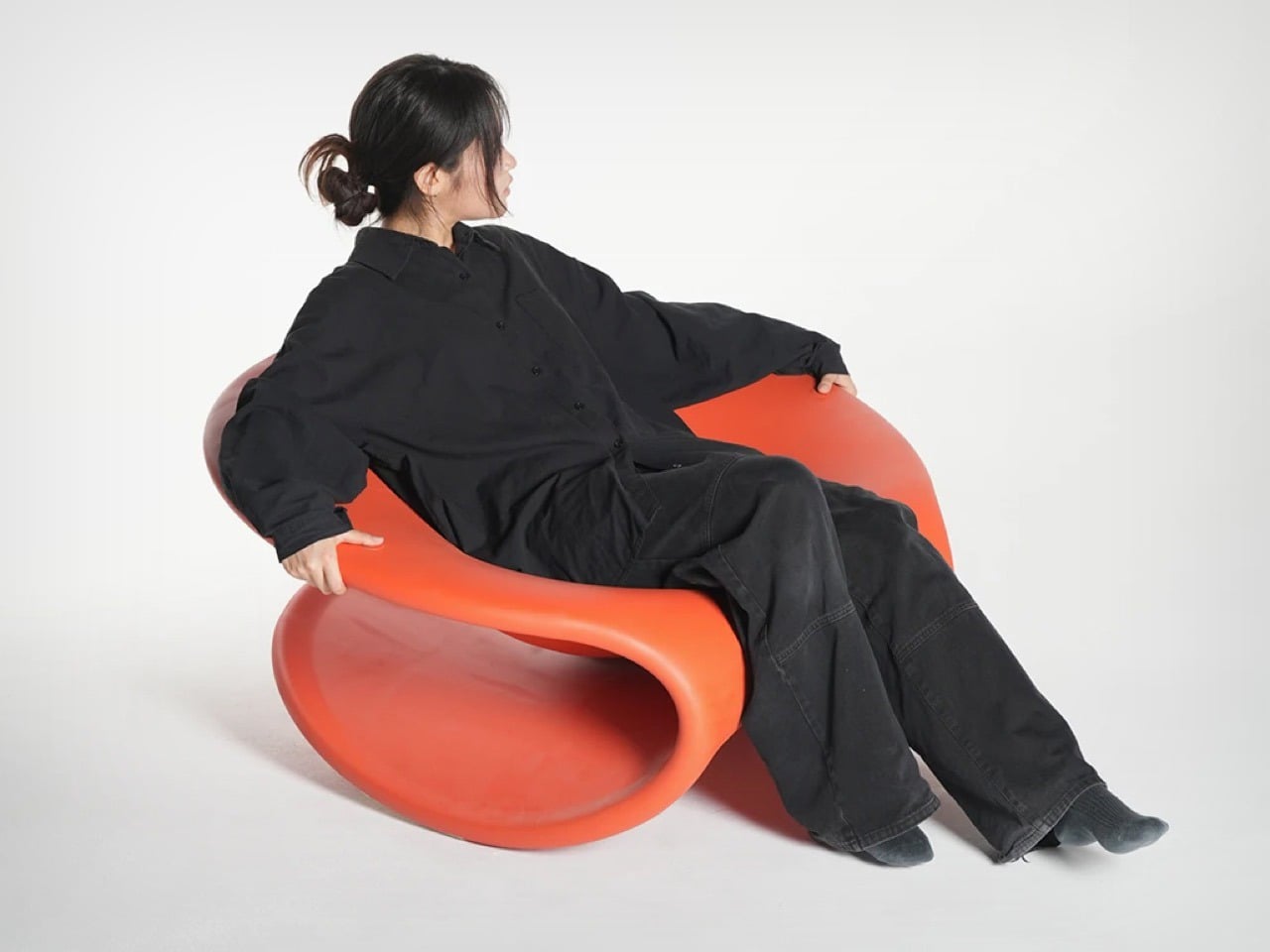
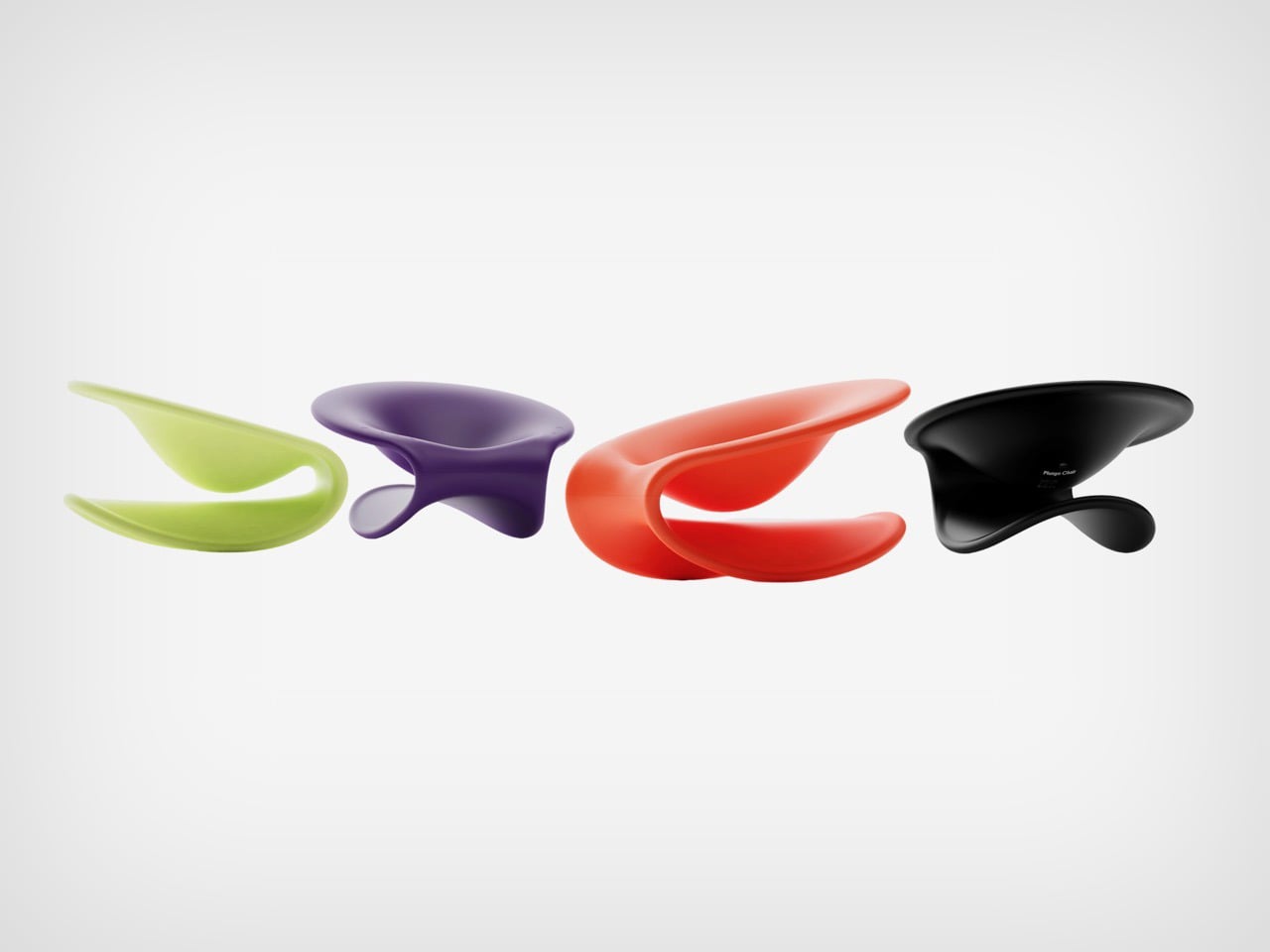
Yun worked out the pose on a row of hand-sized white models, each one testing how tightly the loop could curl and how far the seat could tilt. The full-size prototype was modeled in Rhino, rendered in KeyShot, and 3D printed in roughly 16 segments, which were pinned together with wooden dowels, filled at the seams, and sprayed in a paint booth. Panton built his first full-scale model back in 1958, and Eero Aarnio tested his rocking 1967 Pastil Chair with a polystyrene prototype, so Yun is in good company. The renders add chartreuse, purple, and black to the red-orange prototype. Three of those colors match the hearing, sight, and touch circles in Yun’s own branding.
Furniture that plays music through your body has existed for decades, including in therapy rooms. Norwegian educator Olav Skille built a vibroacoustic chair in the early 1980s, using low frequencies between 30 and 120 Hz, originally to help children with severe disabilities. Plunge takes that idea out of the clinic and puts it to work for pure enjoyment, volume up and lights going. For now it remains a personal project and a full-scale prototype, with no price or release plans, though the GaGu jury clearly agreed the idea has legs, which is funny for a chair with none. Panton’s icon stood still for sixty years, and all it needed was a good playlist and a stretch.
The post This Rocking Chair Has A Built-in Subwoofer That Immerses Your Body In Audio + Lights first appeared on Yanko Design.
Comfort is hard to judge from a photograph. Color, shape, and an oversized logo can make their case immediately, but cushioning asks you to take a leap of faith until you actually try the shoes on. I like being able to see how a design is supposed to work, even if visible engineering can’t tell me whether my feet will approve.
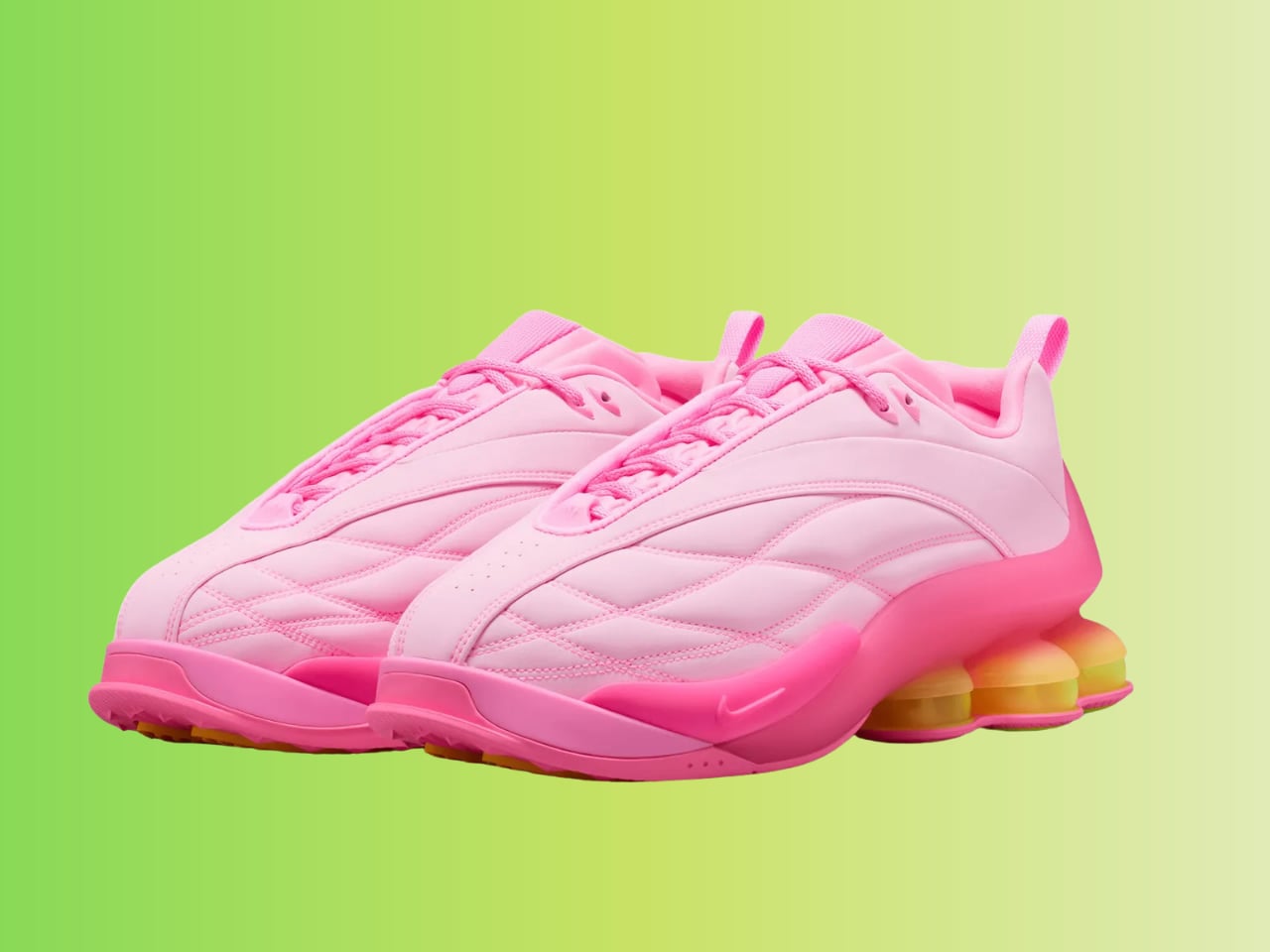
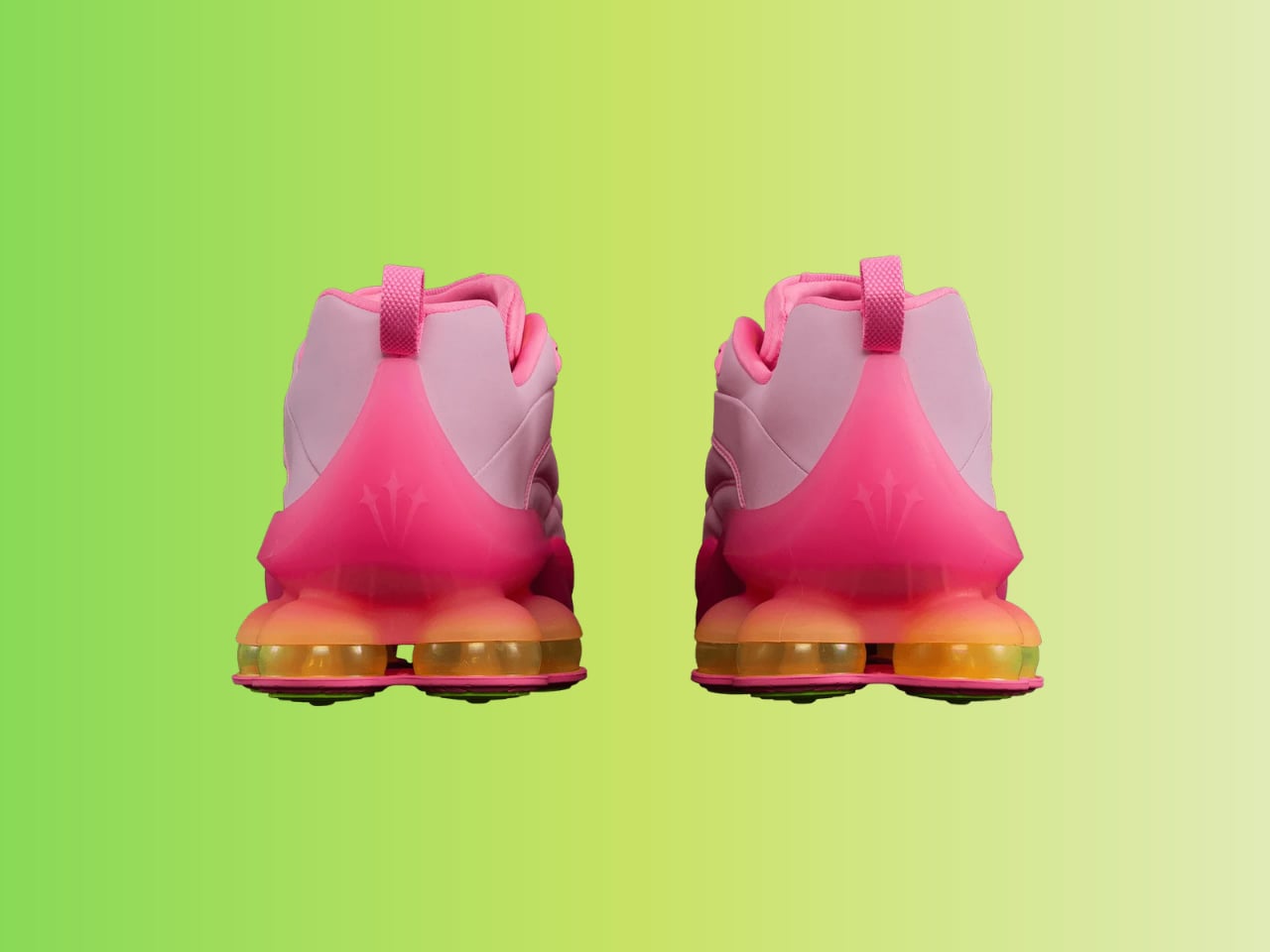
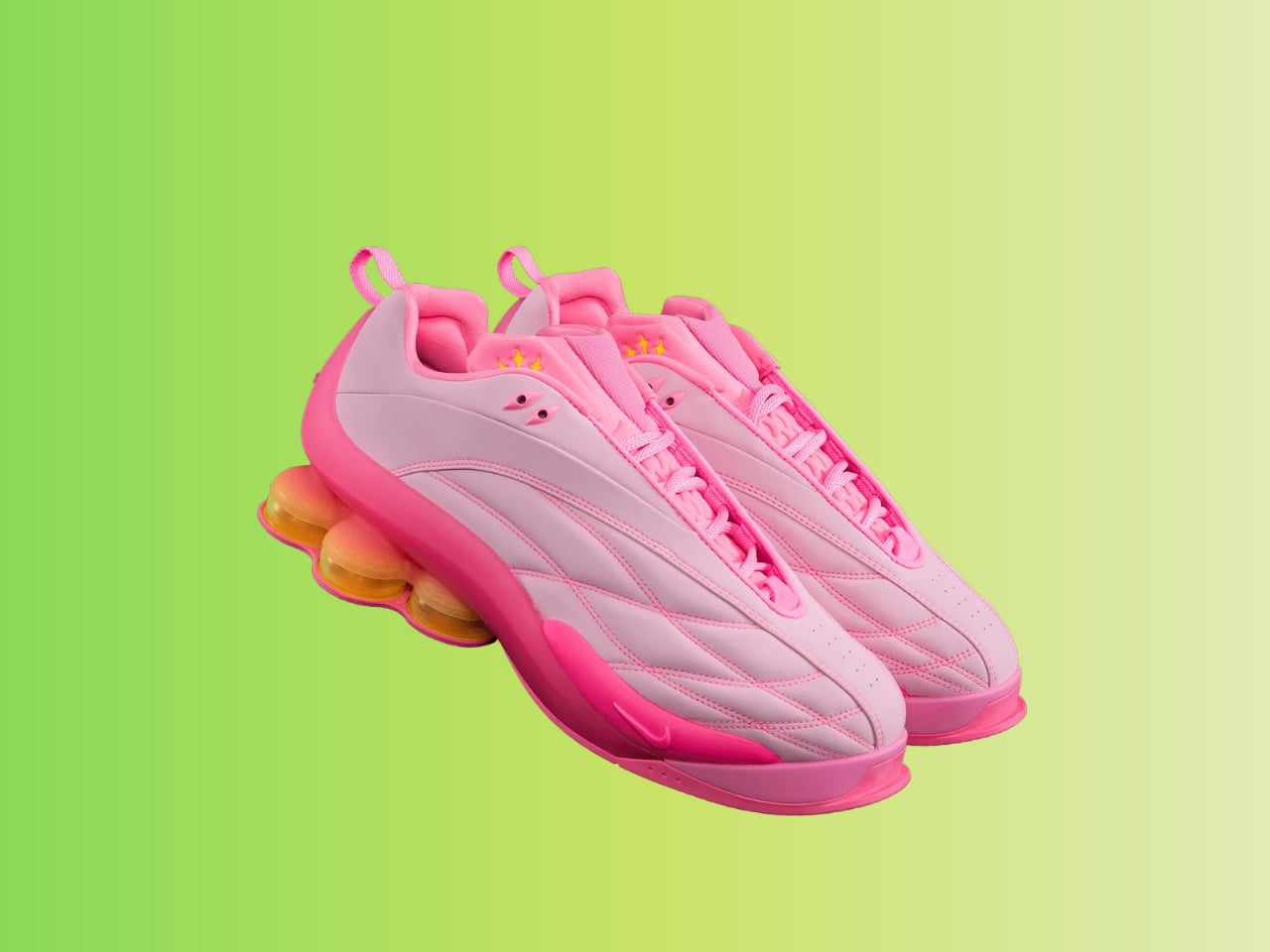
The NOCTA Air Modmax, designed by Drake’s NOCTA label for Nike, makes that engineering difficult to miss. Six exposed Air units sit beneath a pink upper, with translucent yellow-orange pods giving the heel an almost toy-like appearance. According to NOCTA, different pressures help cushion heel strikes and support the transition forward through each step. That’s the practical intention behind the extravagant silhouette. The appeal, for me, is how clearly the cushioning becomes part of the shoe’s character rather than disappearing inside it.
Designer: Nocta for Nike
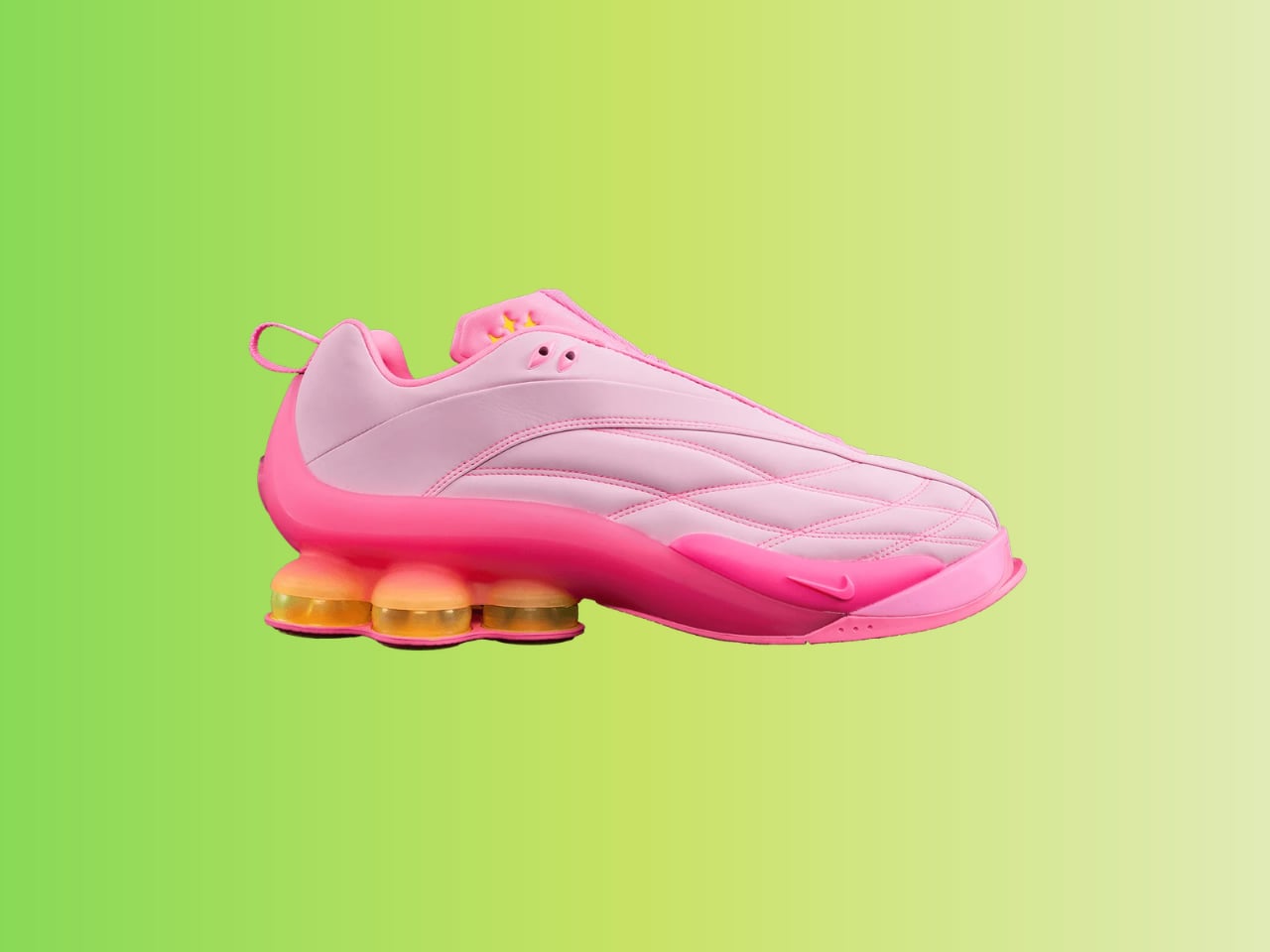
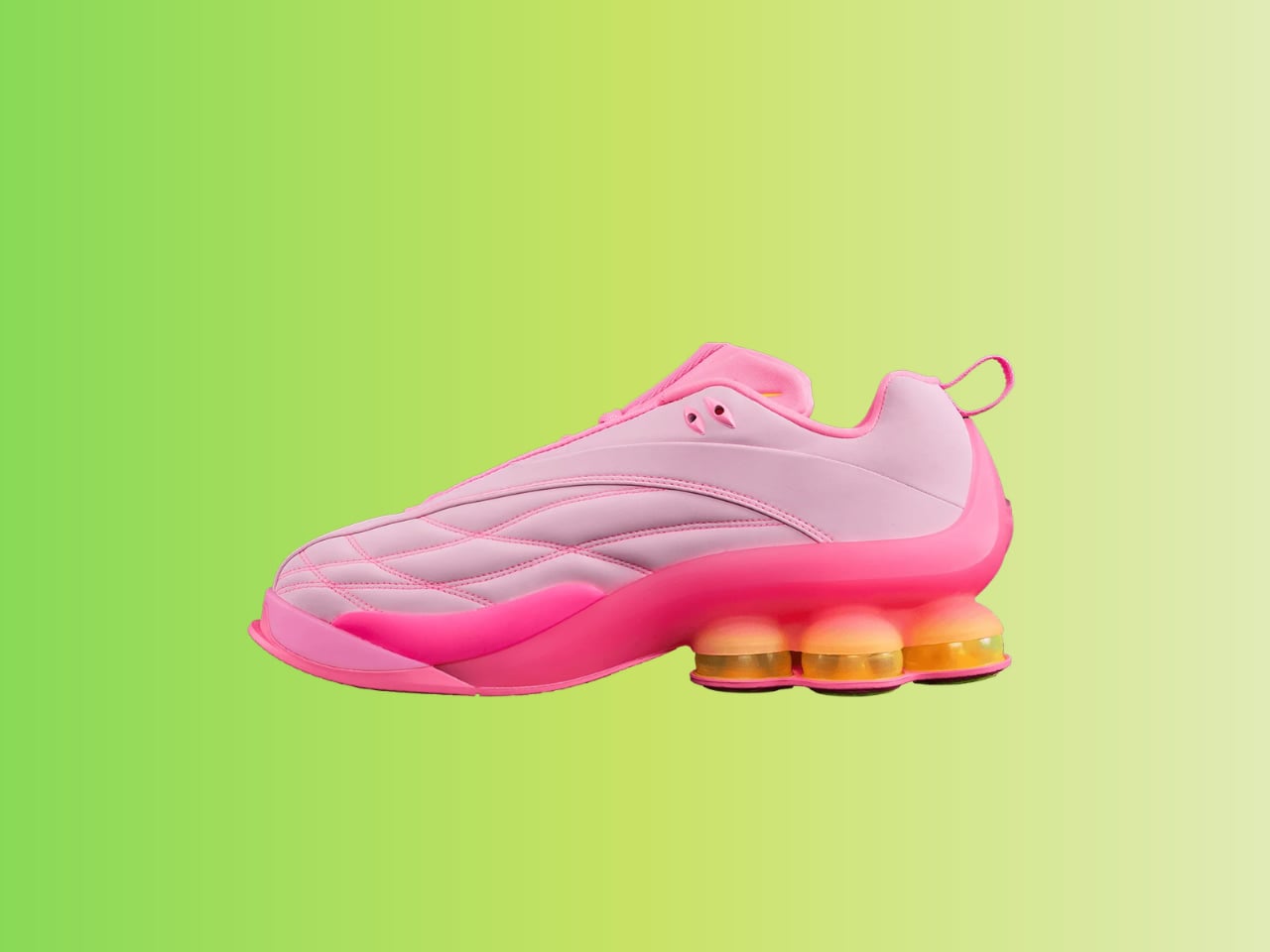
Four rear units are pressurized to 17 psi for heel-strike cushioning, while two units at 7 psi support the transition toward the forefoot, according to NOCTA. Those numbers give the exposed pods a more interesting story than their candy-colored appearance suggests. They explain the intended division of labor underneath the shoe. They don’t, by themselves, establish how comfortable it will feel after an afternoon of walking, which is an important distinction when the engineering is also the main visual attraction.
The supporting structure deserves attention, too. NOCTA specifies a Cushlon foam midsole and a TPU carrier that incorporates a heel cage and midfoot shank for stability. Separate TPU bumpers surround the inner and outer forefoot and toe. In plain terms, the design pairs its cushioning with components intended to hold the foot in place. That’s useful context, because the open spaces around those heel pods could otherwise make the whole arrangement look precarious.
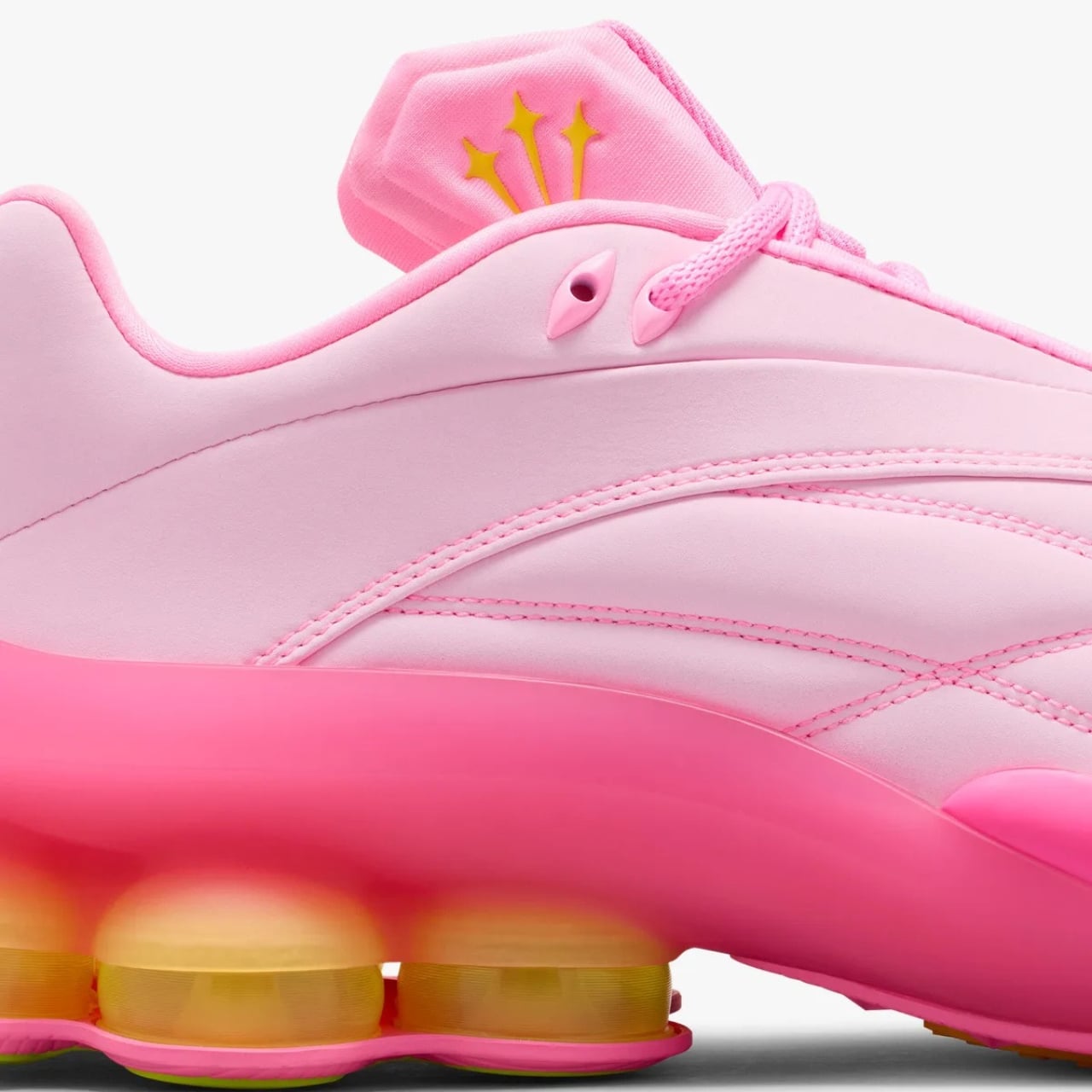
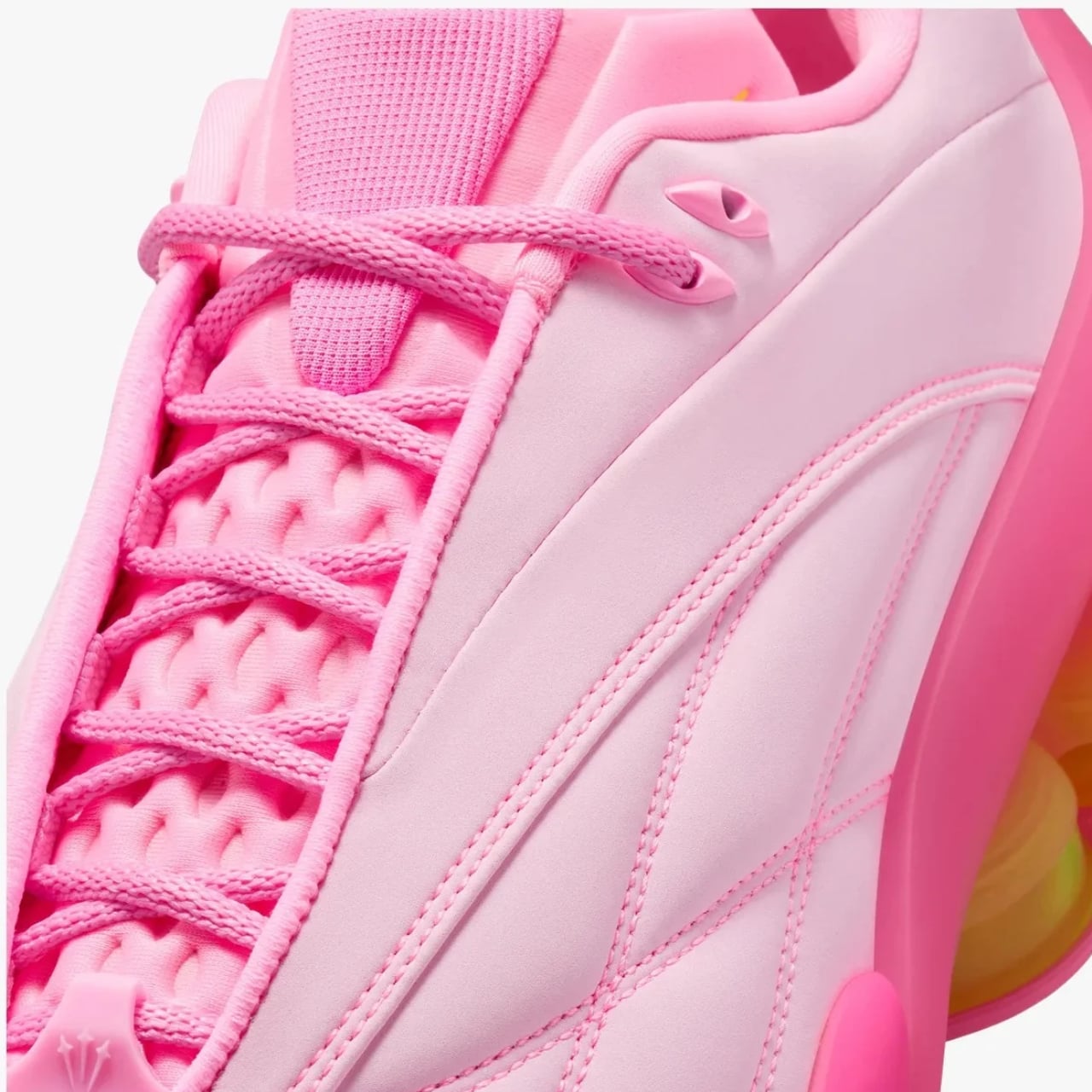
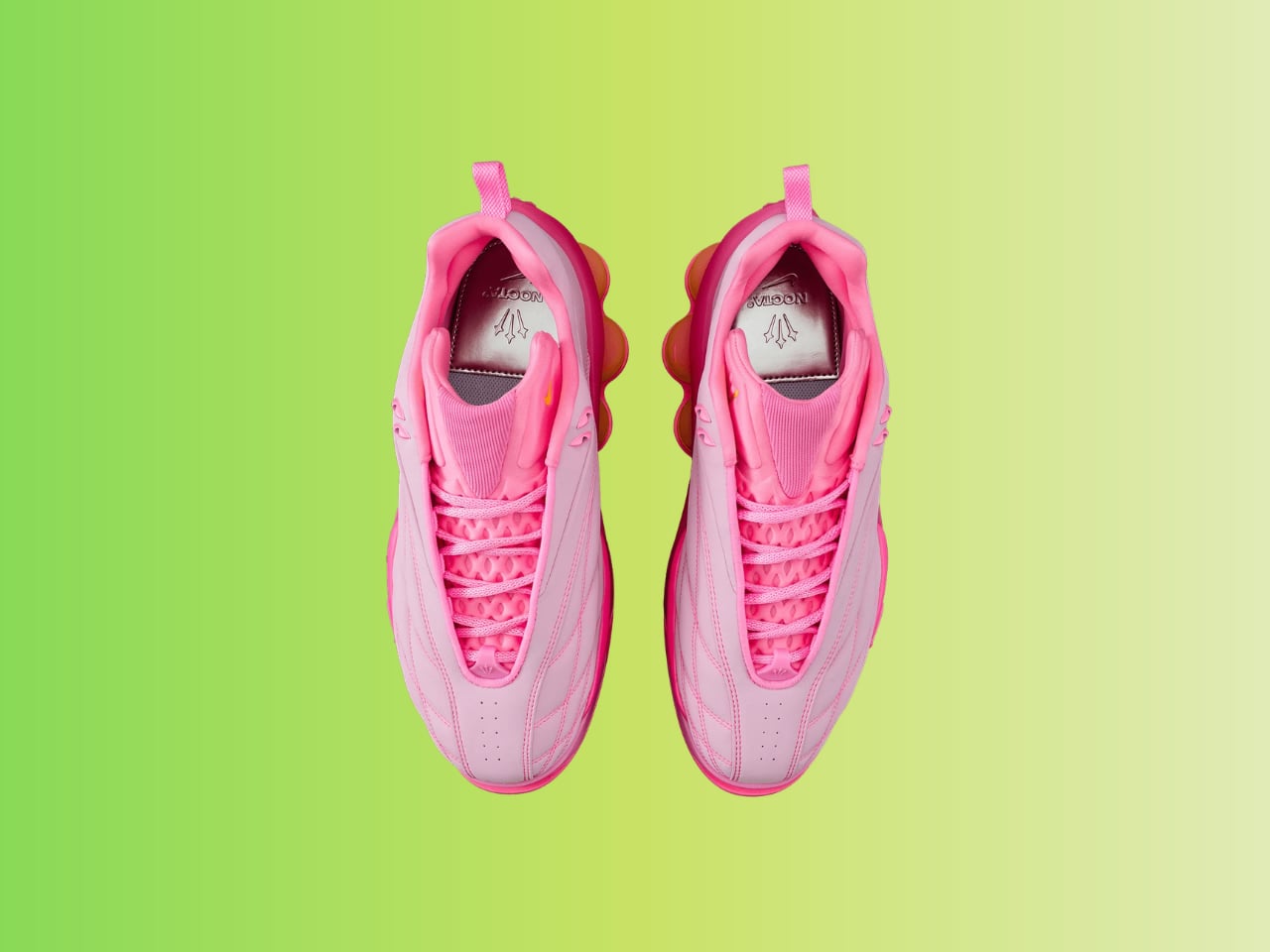
Above that mechanical-looking base, the upper takes a softer visual direction. Nike identifies the material as synthetic leather, and the curved stitching creates quilted panels that remind me of an inflated soccer cleat. Pale pink covers much of the upper, while brighter pink outlines the sole and appears on the laces and collar. The layered shades keep it from reading as one solid block of bubblegum. I’d argue the stitching does more for its character than a larger logo would.
The color choice also makes the construction easier to read. Your eye can separate the upper, its surrounding support structure, and the translucent cushioning without needing an exploded diagram. From the rear, the pink heel structure spreads over the yellow-orange units like a small canopy. It’s playful, almost cartoonish, but visually clear. I’m more interested in that clarity than in whether the palette qualifies as easy to wear. It probably won’t be everyone’s everyday shoe.
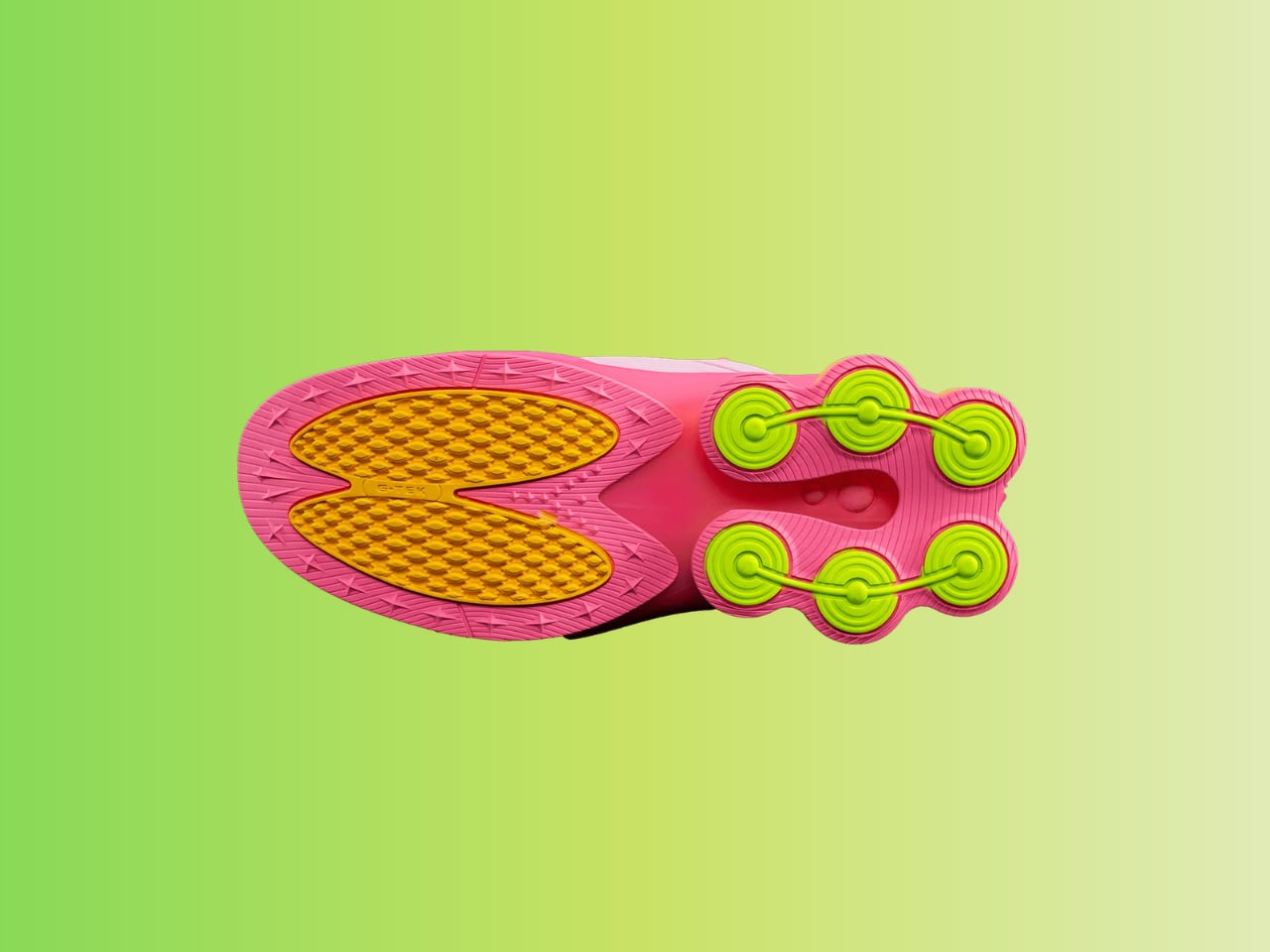
Underneath, NOCTA uses G-Tek rubber with a tread arrangement it calls the Dynamic Alien Pod lug pattern, intended to provide traction. The name is wonderfully excessive. Still, a grip-focused outsole is a relevant detail beneath such an elaborate cushioning system. For anyone considering these as actual footwear rather than a collectible, the less photogenic components matter. A memorable heel can get a sneaker into your shopping cart; it can’t tell you how confidently you’ll move in it.
I appreciate how much of the design’s premise you can understand by looking at it. The exposed units make cushioning part of the silhouette, while the quilted upper keeps the shoe from looking entirely mechanical. I’d wear these with an otherwise quiet outfit and let the pink do its work. They’ve already supplied enough visual conversation without requiring the rest of your clothes to join in.
The post Nike’s Pink NOCTA Air Modmax Refuses to Hide Its Six Air Pods first appeared on Yanko Design.