A $69 Pen-Shaped Electric Screwdriver Just Might Save Your Laptop’s $1000 Repair Bill

Have you noticed everything wants to rent itself to you now? Your car has a subscription for heated seats, your printer snitches on you for buying off brand ink, and your phone battery is glued in so tight that replacing it feels like defusing a bomb. Somewhere along the way “buying” a gadget quietly turned into “borrowing it under manufacturer supervision,” and it’s kind of exhausting when you sit with it for more than five seconds.

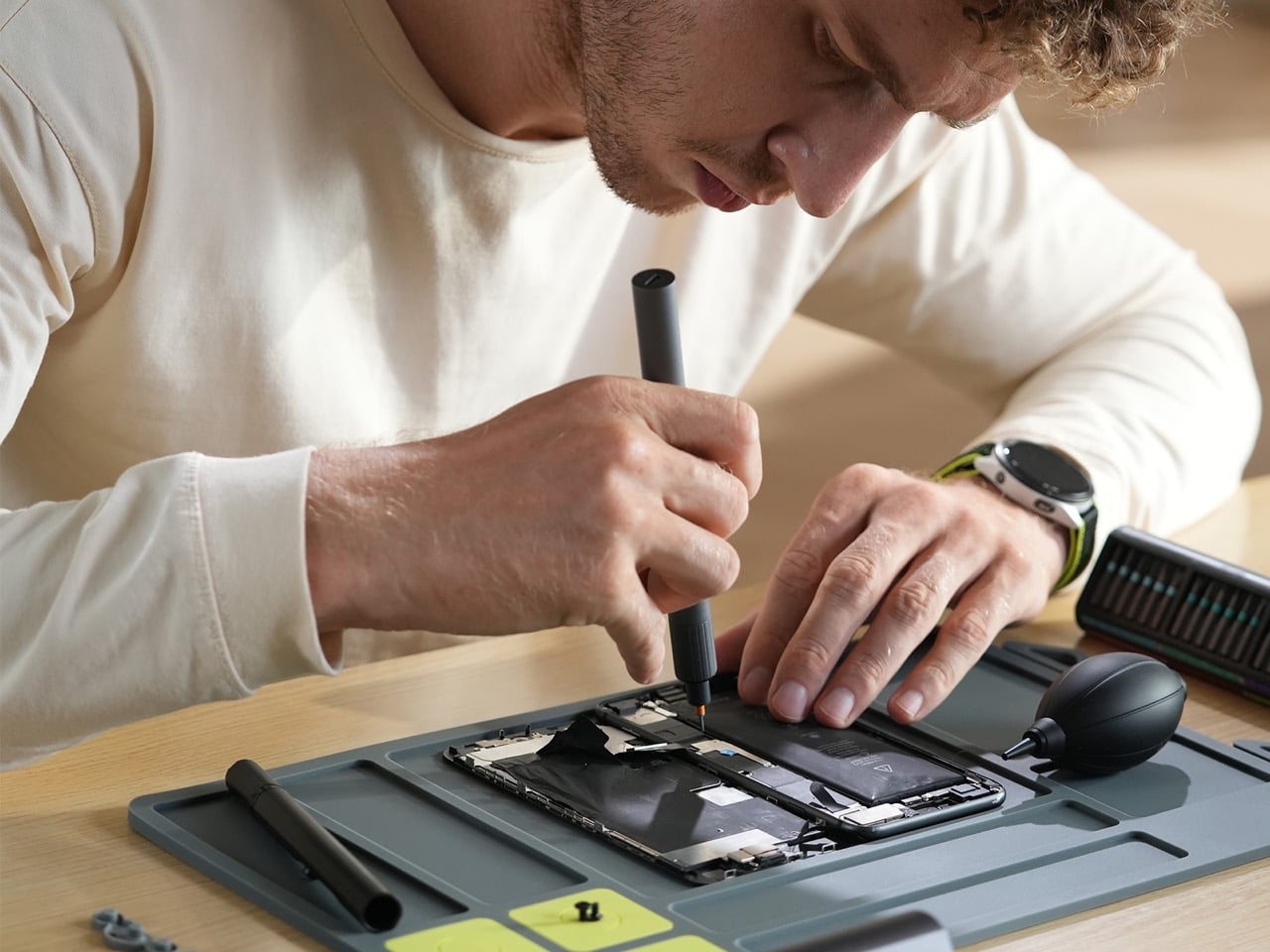
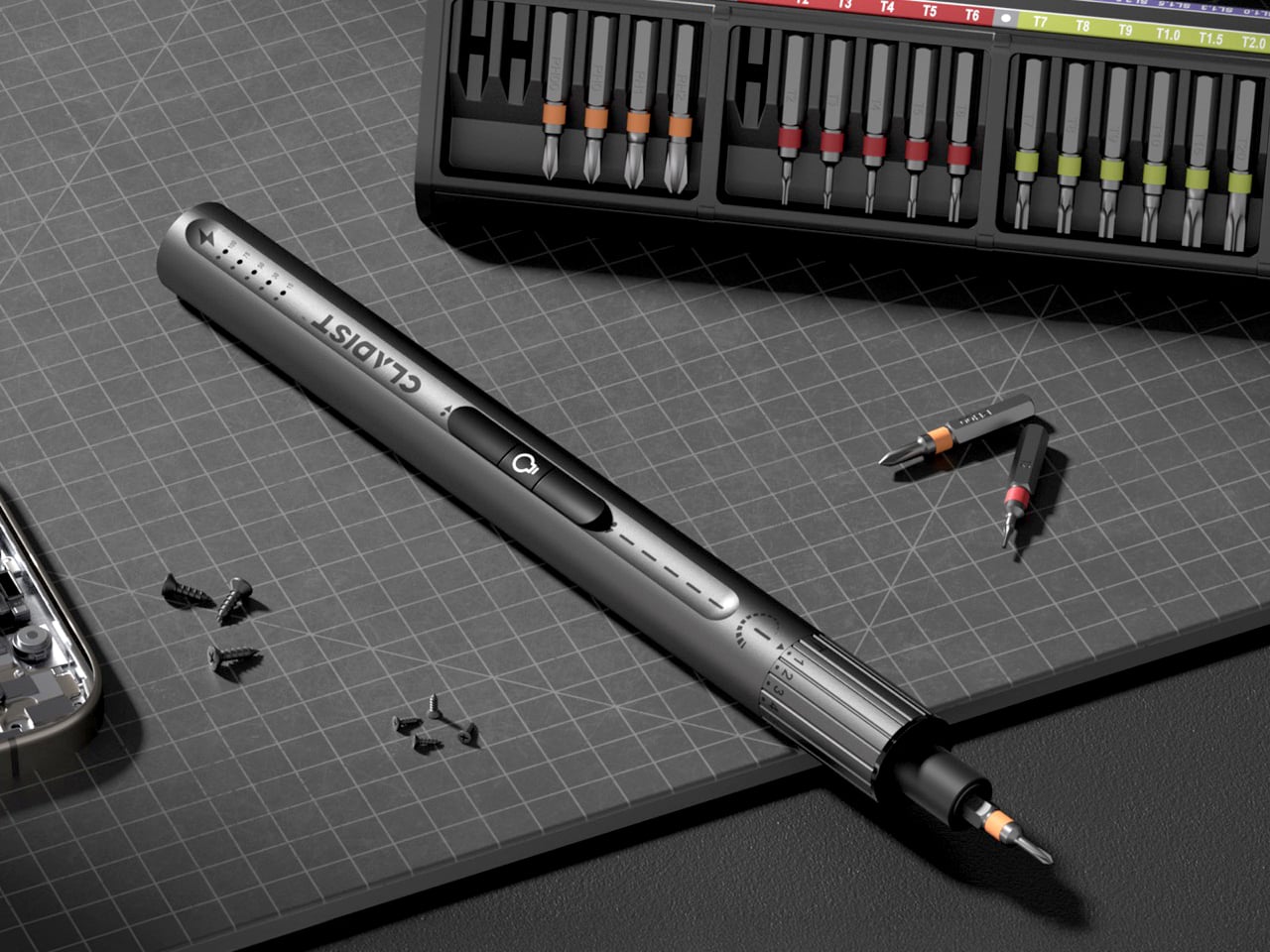
One small, unglamorous way to push back is just learning to open your own stuff again. Which brings us to the Cladist Titan, a pen sized electric screwdriver that treats torque control like a religion. Sixteen calibrated settings take you from featherlight to seized bolt strong, plus a manual mode for when you want to feel every last millimeter of that final turn yourself. Not a revolution. Just a screwdriver that respects what you’re working on.

Designer: Cladist

Click Here to Buy Now: $69 $119 (42% off) Hurry! Only 219 of 2100 left. Raised over $393,700 USD.

None of this would matter as much if new gear were still cheap, but it isn’t, and it’s getting worse on purpose. AI data centers have been eating up memory chips so aggressively that analysts at Gartner are projecting combined DRAM and SSD prices could climb roughly 130 percent by the end of 2026, dragging PC prices up around 17 percent and phones around 13 percent. IDC has phones rising about 14 percent on average this year. Nintendo raised the Switch 2’s US price by fifty dollars and pointed straight at memory costs as the reason. Where sticker prices have stayed flat, plenty of manufacturers have just quietly shipped less RAM and worse cameras instead. So the device you already own is doing more financial work for you than it used to, whether you asked it to or not.

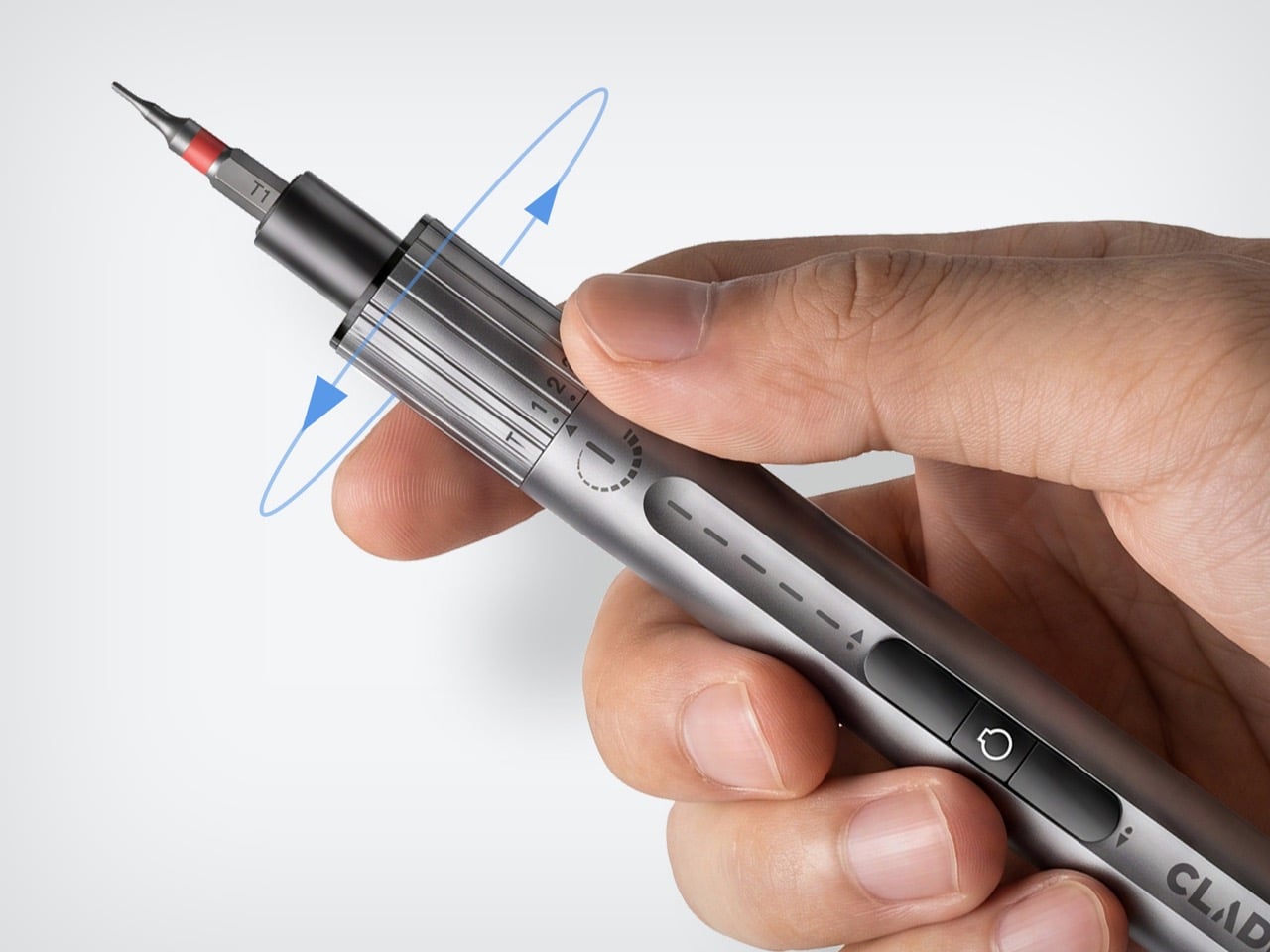
The whole point of the Titan’s torque system is that it stops when it should, not when you notice. Fifteen numbered gears run from 0.05 to 0.65 N·m in small, even steps, each one governed by a mechanical clutch that physically disengages the moment the preset resistance hits. There’s a sixteenth mode too, a dedicated high torque setting that runs continuously up to 0.8 N·m for the stuff that’s actually seized shut, using an electronic cutoff instead of a clutch because that job needs sustained force rather than a polite click. Two different problems, two different solutions, which is honestly more thought than most tools in this price range put into the question at all.

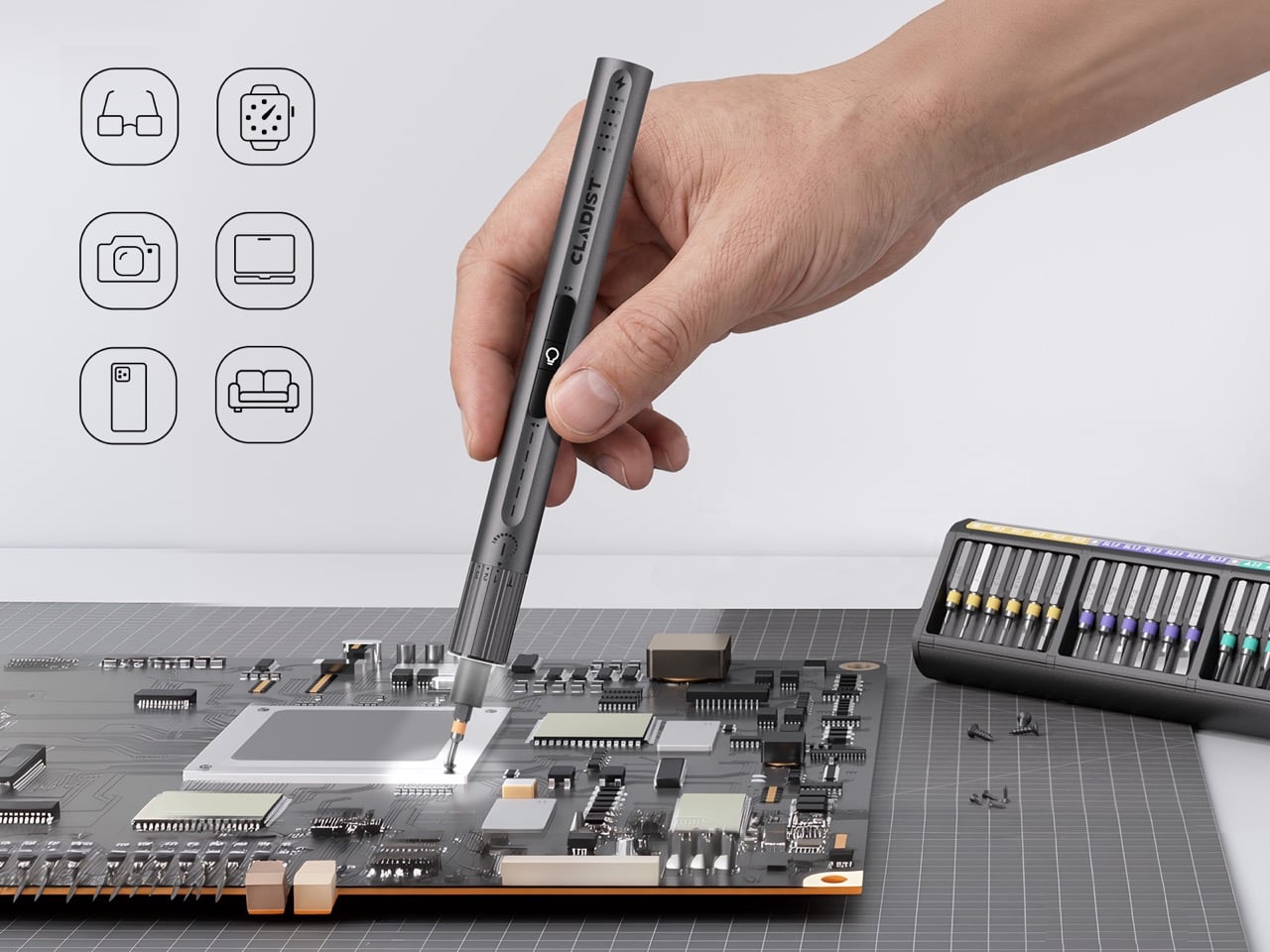
What that range actually buys you is coverage across an absurd spread of stuff you own. The gentlest settings handle eyeglass hinges, watches, and AirPods, the sort of screws that strip if you so much as think about them too hard. Step up and you’re in Switch Joy-Con and SSD territory, then camera bodies and MacBooks, then full PC builds and mechanical keyboards, then small appliances that just need a firm hand. It’s one tool quietly pretending to be six.

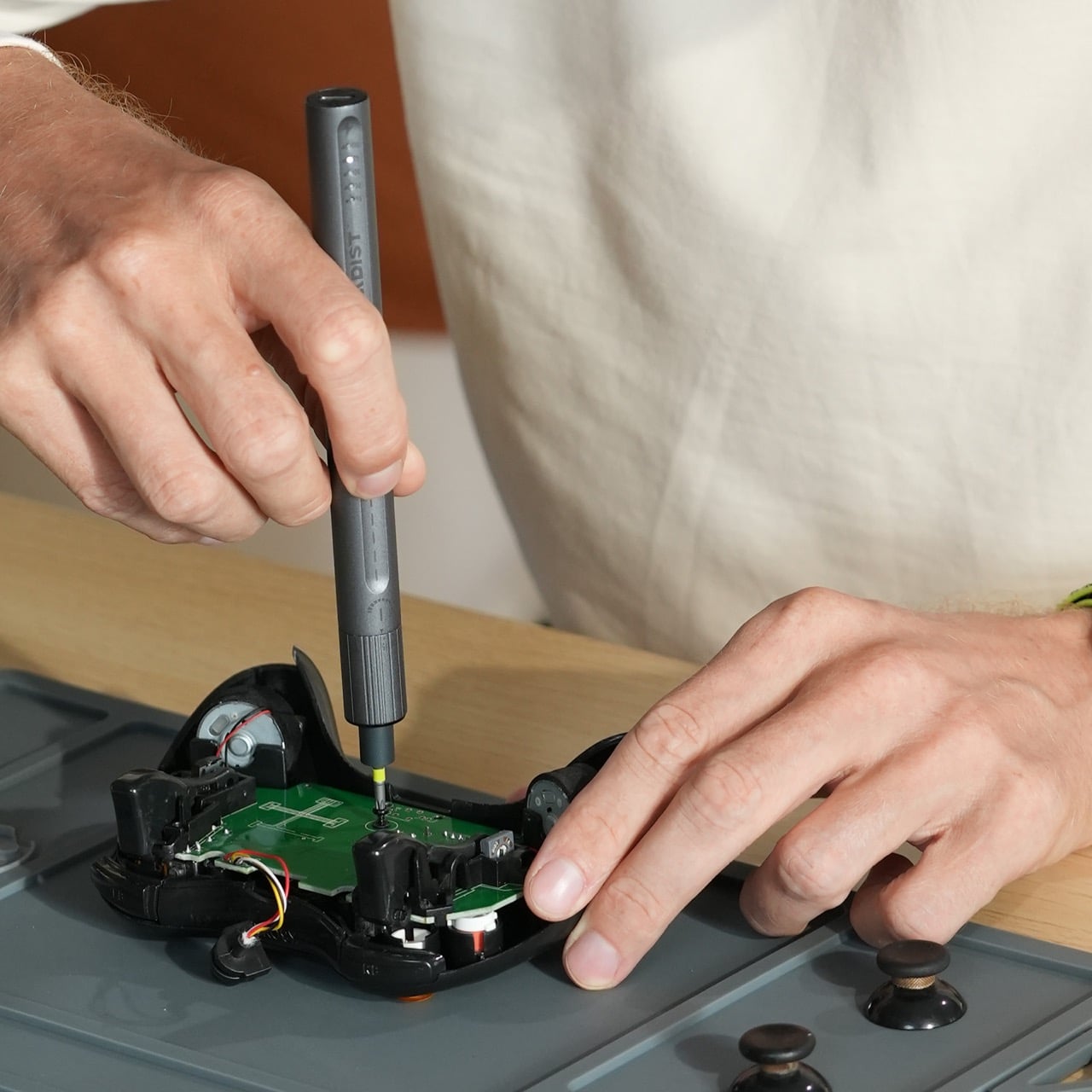
Torque means nothing if the bit slips, so there’s a low runout chuck keeping everything centered through 230 RPM of steady electric spin. Wobble is the actual villain in most botched repairs, not lack of power, and a bit that drifts off center is how you turn a clean fix into a scratched housing.

For the moments electric power isn’t the answer, the drivetrain switches over to manual, giving you up to 3 N·m of hand torque and the kind of tactile feedback you genuinely want on that last careful quarter turn. There’s also a separate manual rod tucked into the kit, with its own magnetic bit holder, for angles the powered body simply can’t reach.

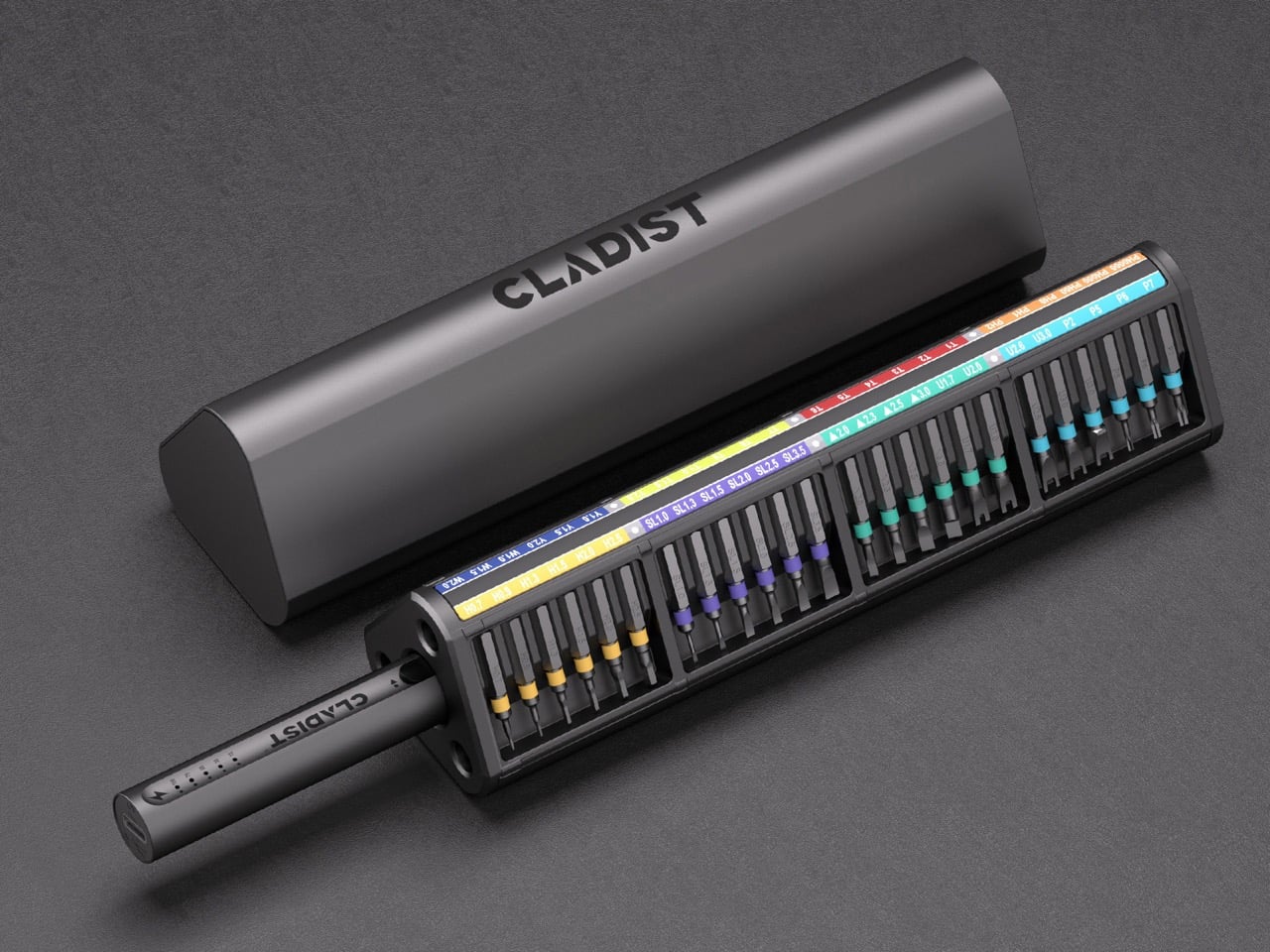
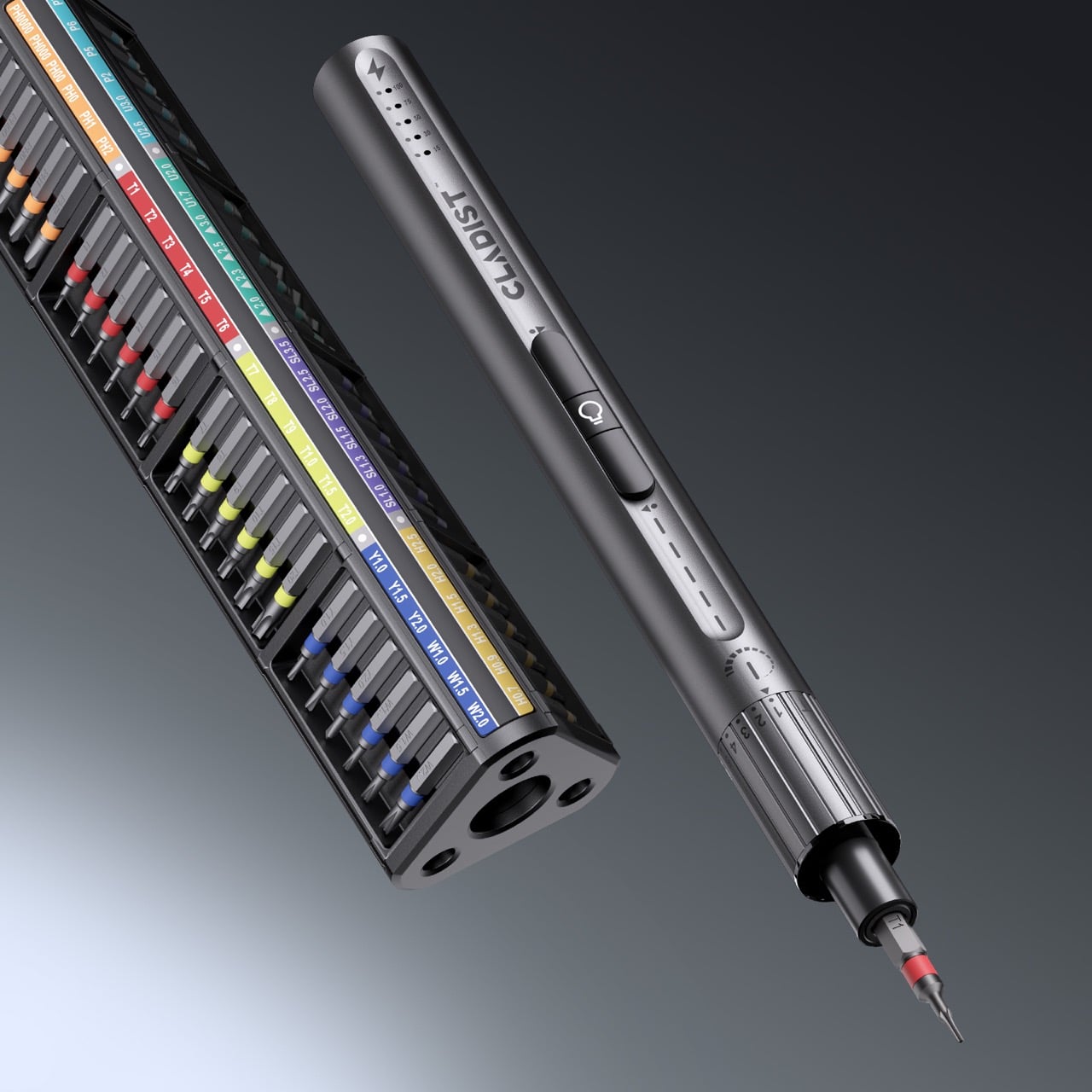
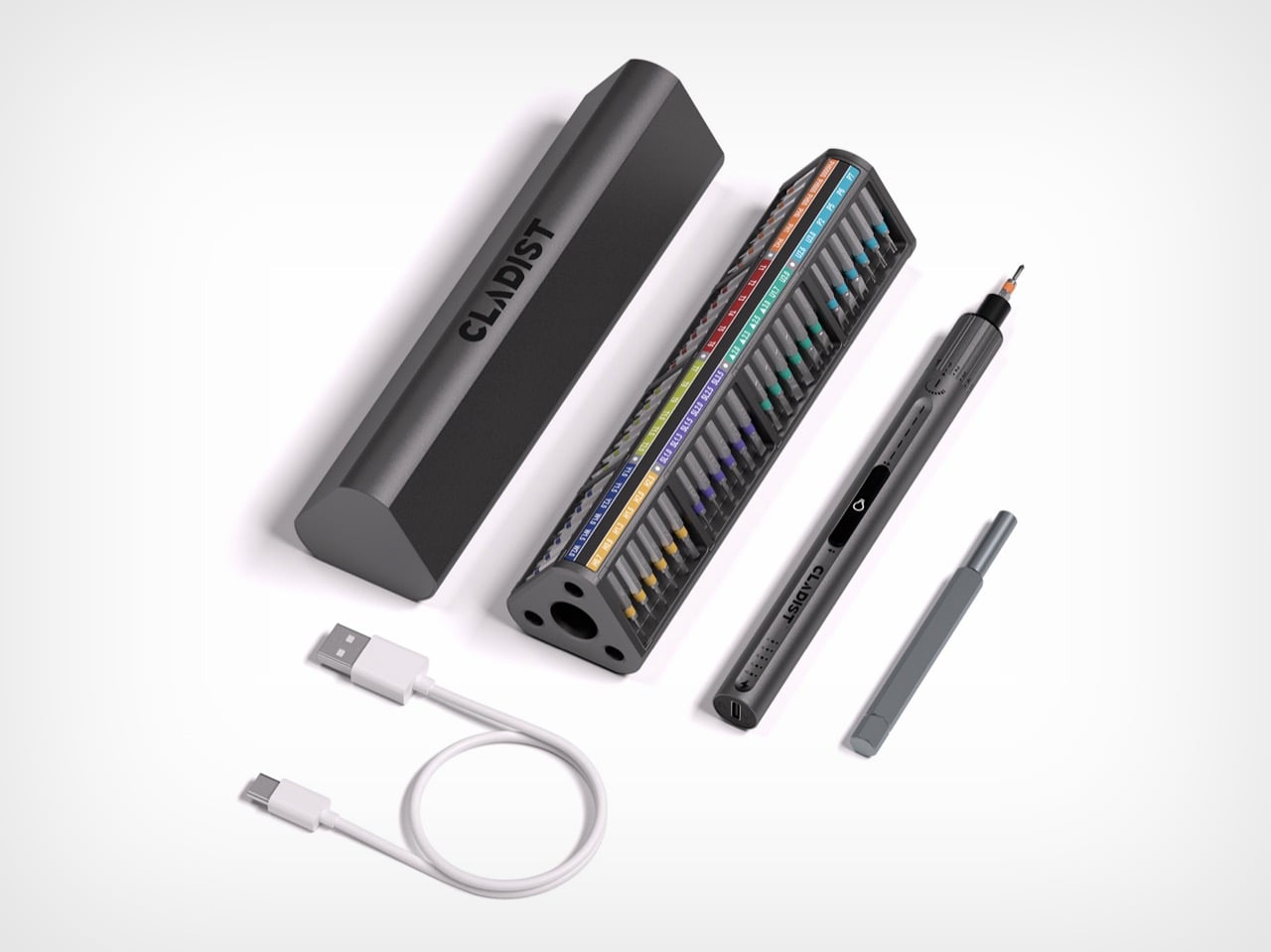
The 48 piece bit set is where this starts to feel a little pointed. Alongside the usual Phillips and hex sizes sit pentalobe, tri point, and security Torx down to T6, the exact screw shapes companies use specifically to keep casual owners out of their own devices. Handing you those bits, color coded and organized in a pop up aluminum case, is a small but deliberate act of putting the lock pick back in your hands.

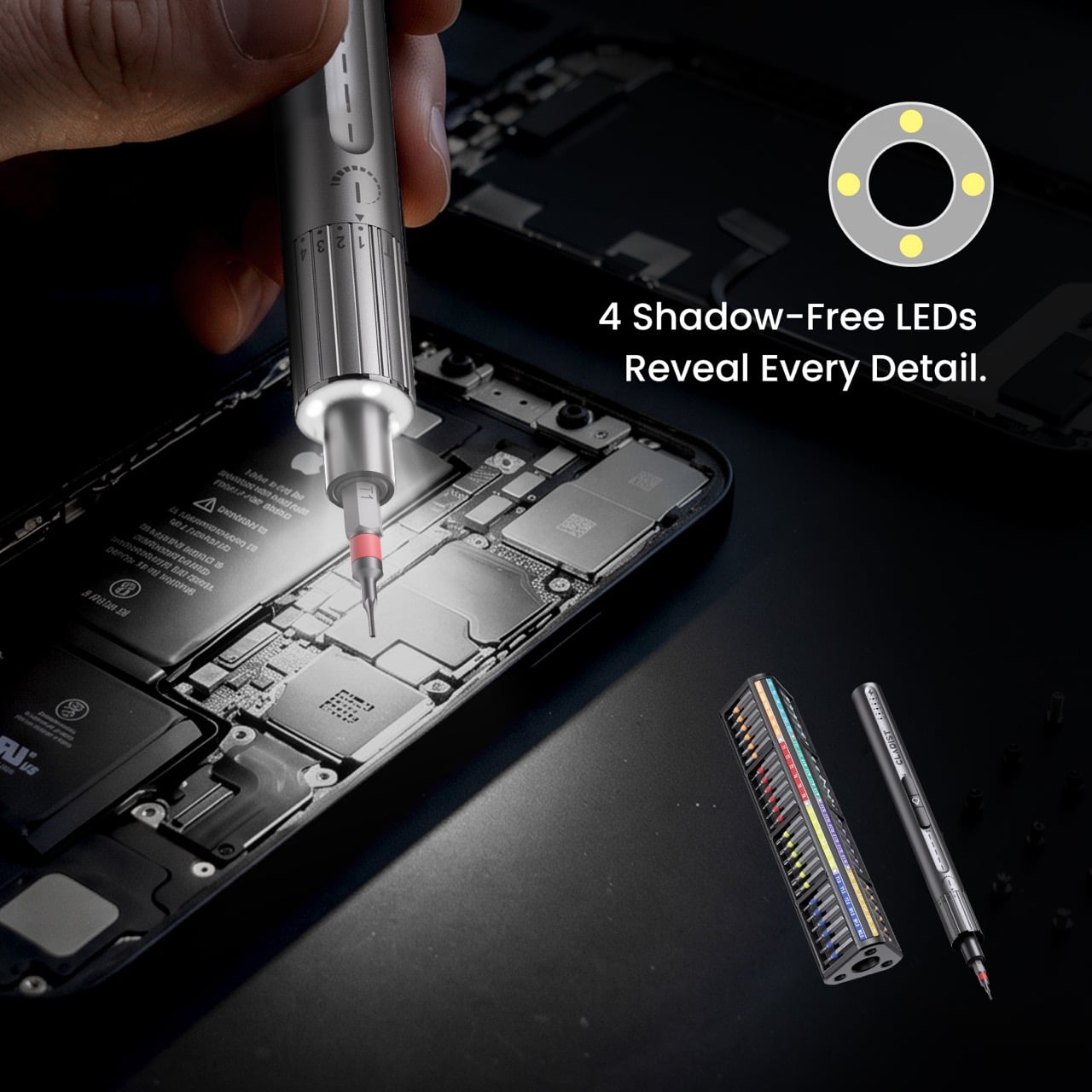
Four LEDs ring the tip for shadow free light in tight enclosures, and a 500mAh battery gets you 700 to 1,000 screws per charge over USB-C, rated for 500 full cycles before it drops to 80 percent capacity, which is a long runway for something the size of a pen.

The Titan itself is currently listed at $69 as an early bird pledge, 42% off a $119 MSRP, and comes with just the screwdriver and 48 bit set. Step up to the $109 Ultimate Kit, 47% off a $206 MSRP, and you add a carbon fiber pry set, a camera care kit, and a magnetic repair mat. Estimated delivery is September 2026, shipping is available worldwide, and Cladist backs the Titan with a one year limited warranty.

Click Here to Buy Now: $69 $119 (42% off) Hurry! Only 219 of 2100 left. Raised over $393,700 USD.

The post A $69 Pen-Shaped Electric Screwdriver Just Might Save Your Laptop’s $1000 Repair Bill first appeared on Yanko Design.

A Coin-Sized Disc Just Reinvented the Multi-Tool Nobody Could Fix

The multi-tool has been around long enough that most people have developed a frustrated relationship with it. You carry one because having a blade, a screwdriver, and a bottle opener in one place sounds practical, and then you grumble when you actually need something. Getting to the right tool means prying at a tightly packed frame with both hands, and that dynamic hasn’t changed much in decades.

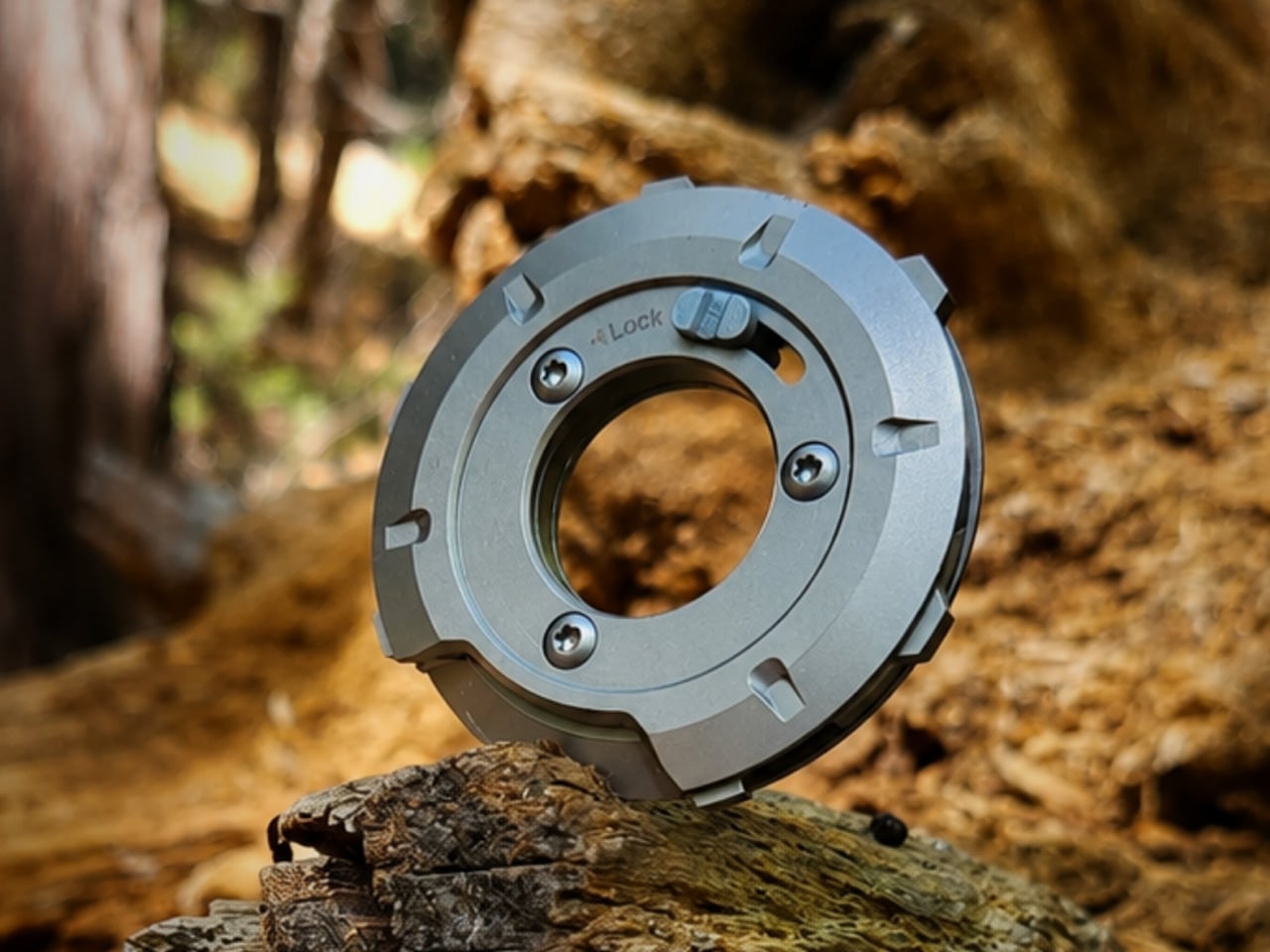
GEO, designed by Invento Design, takes issue with that familiar frustration. Rather than folding tools out from a layered frame, it uses a patent-pending rotating disc mechanism that cycles through five tools, exposing each one through a single opening. It’s a deceptively simple reframing of an old idea, and one that makes you wonder why nobody had taken this approach before.

Designer: Francisco Molina (Founder of Invento Design)

Click Here to Buy Now: $45 $70 (36% off). Hurry, only a few left!

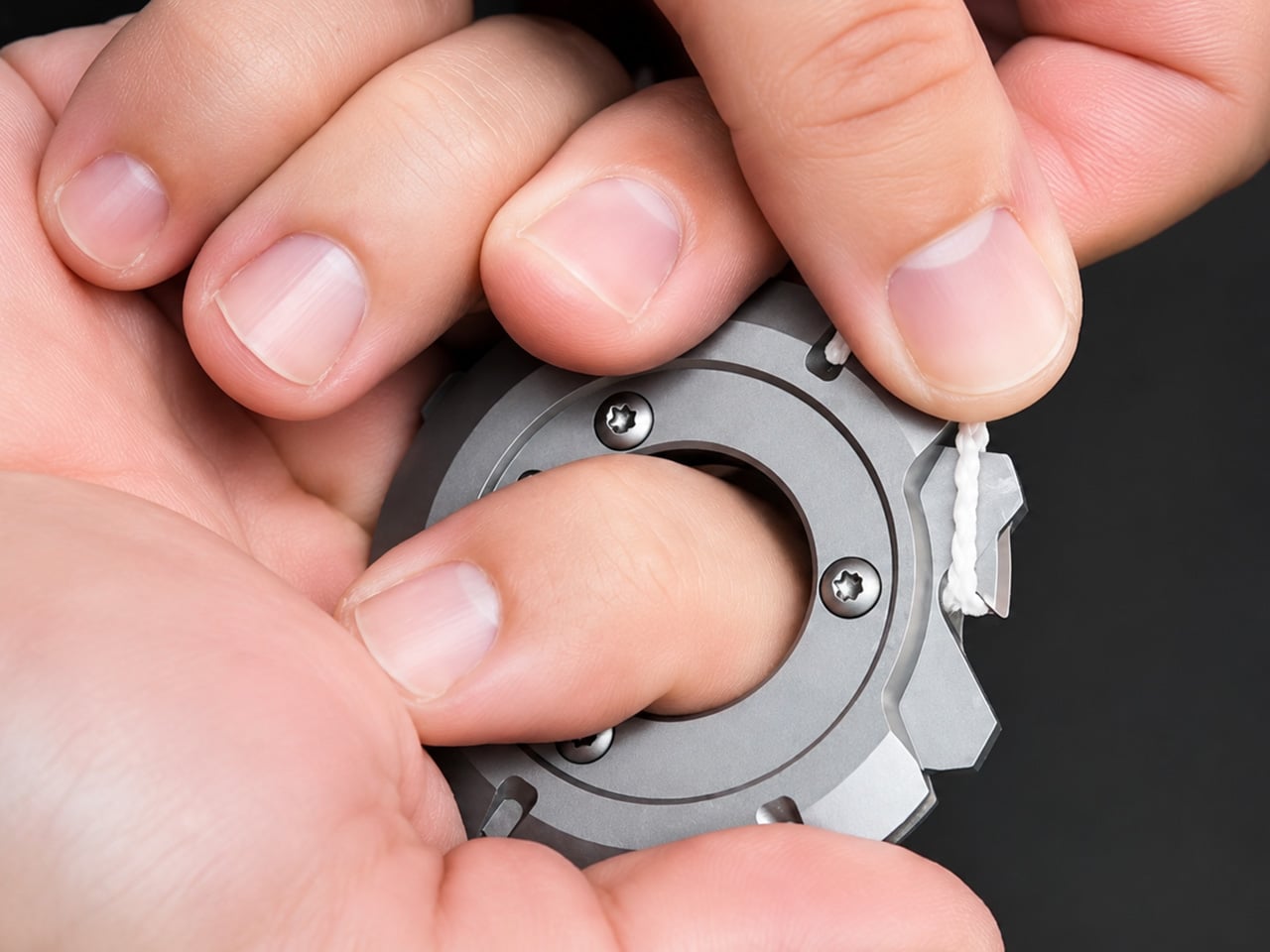
The way it works is fairly intuitive. Outer index levers let you rotate the internal mechanism until the tool you want lines up with the access window. A sliding lock then holds the selected tool in position before you start. The whole operation happens in one hand, without setting anything down first or needing a second hand to hold the frame steady.

The five tools cover a surprisingly practical range of everyday needs. You’d reach for the blade and scraper when a label refuses to peel cleanly, the box opener when a taped-up package isn’t cooperating, the bottle opener at the end of a long day, the flathead driver for a loose screw or a stubborn paint can lid, and the string cutter when scissors aren’t anywhere nearby.

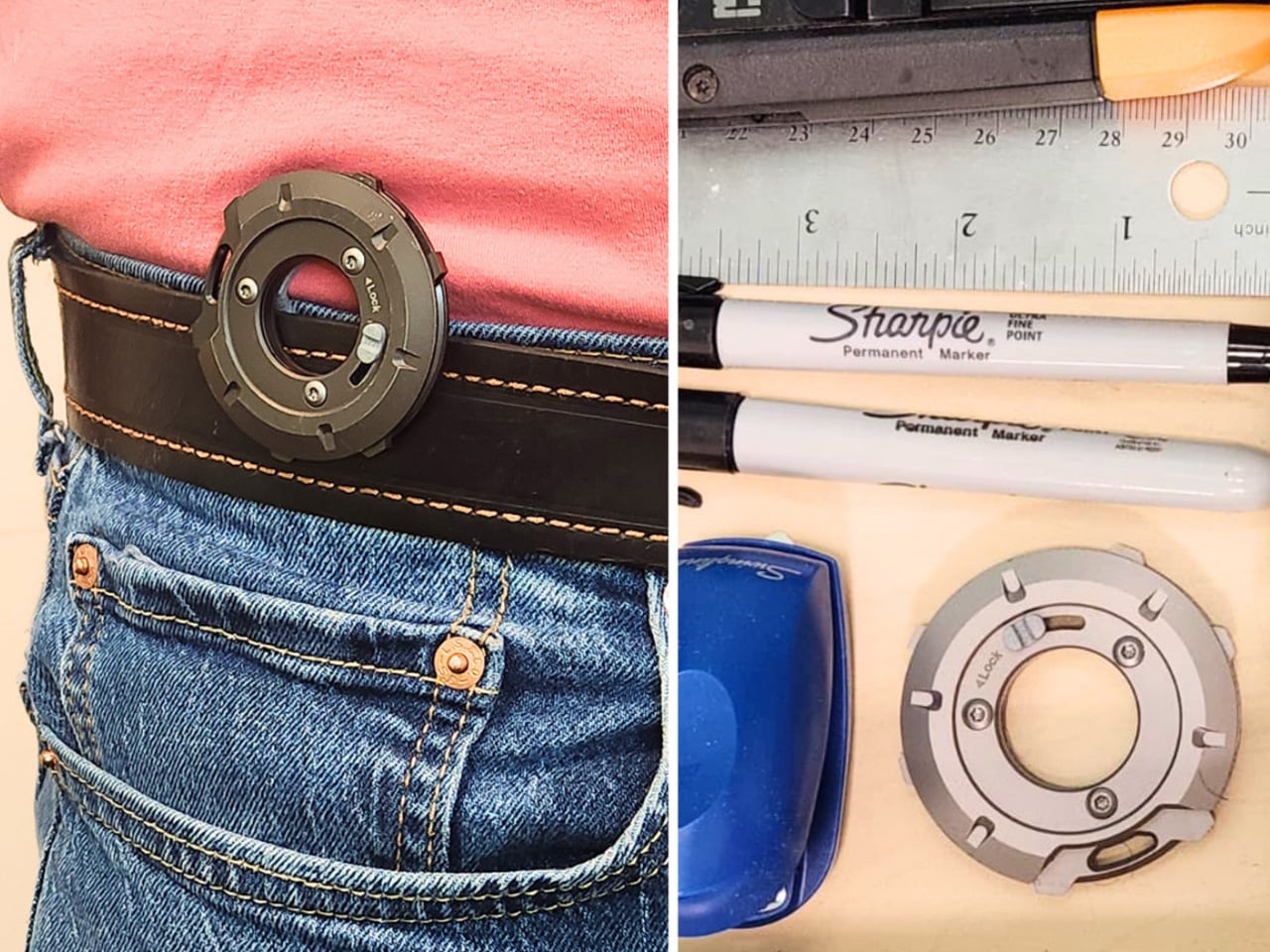
Carrying something with a blade in your pocket raises the obvious question of what happens when it isn’t in use. GEO handles this with a dedicated safety mode, a neutral rotational position where no edges are exposed. The sliding lock serves a separate purpose, preventing the mechanism from turning mid-task. Together, they make it safe enough to pocket, clip to a belt, or drop into a bag.

The form factor makes carrying it a fairly easy decision. At 53.5mm in diameter and only 8.7mm deep, GEO lands somewhere between a large coin and a watch face. The integrated belt clip adds some depth but keeps the total thickness under 15mm. It fits in a jeans pocket, clips to a gear bag, or disappears into a drawer without demanding much space.

There’s something worth noting about how it actually feels to use, too. The rotation isn’t purely functional but also incredibly satisfying. Each position clicks into place with enough tactile feedback that you know exactly where you’ve landed, and the smooth lever action makes it oddly enjoyable to cycle through even when nothing needs doing. It tends to stay in your hand a bit longer than the task requires.

The construction does a good job of reinforcing the premise. GEO’s tool body is milled from 440C stainless steel hardened to 57–59 HRC, placing it in the same material territory as quality kitchen blades. Cover panels come CNC-machined from either 6061-T6 aluminum or Grade 5 titanium, with internal hardware in 304 stainless steel throughout, a quietly serious specification for something this compact.

GEO isn’t meant to replace the full-size tools sitting in workshop drawers or on a fully loaded belt. It’s better understood as something for the other moments: the stubborn tape, the loose screw, the cord that needs a clean cut. Its compact, circular form makes it easy enough to keep close that reaching for it becomes the natural first move rather than an afterthought.

Click Here to Buy Now: $45 $70 (36% off). Hurry, only a few left!

The post A Coin-Sized Disc Just Reinvented the Multi-Tool Nobody Could Fix first appeared on Yanko Design.

This Transparent Box Opener Handles Tape & Tags Without You Ever Putting The Package Down

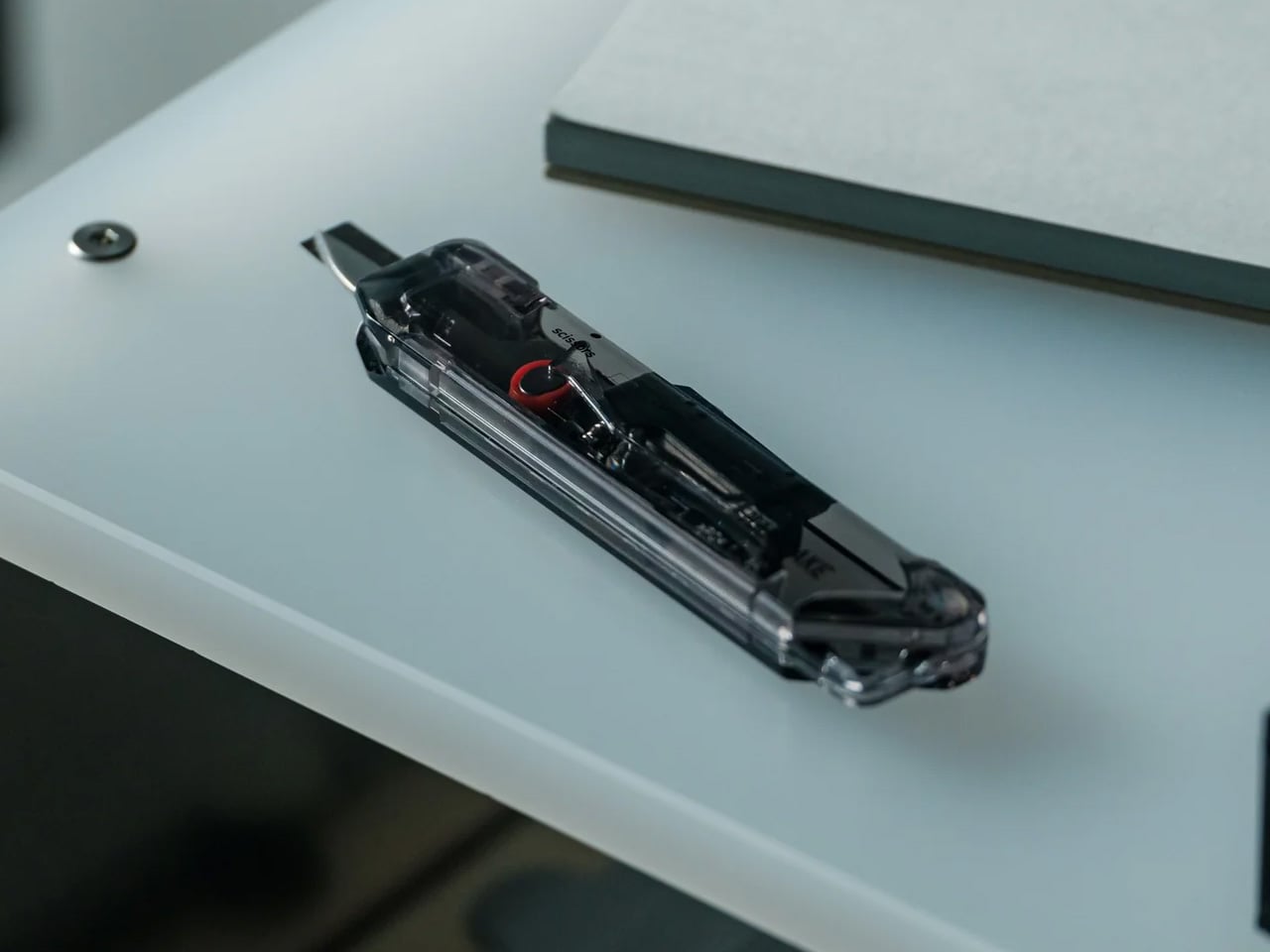
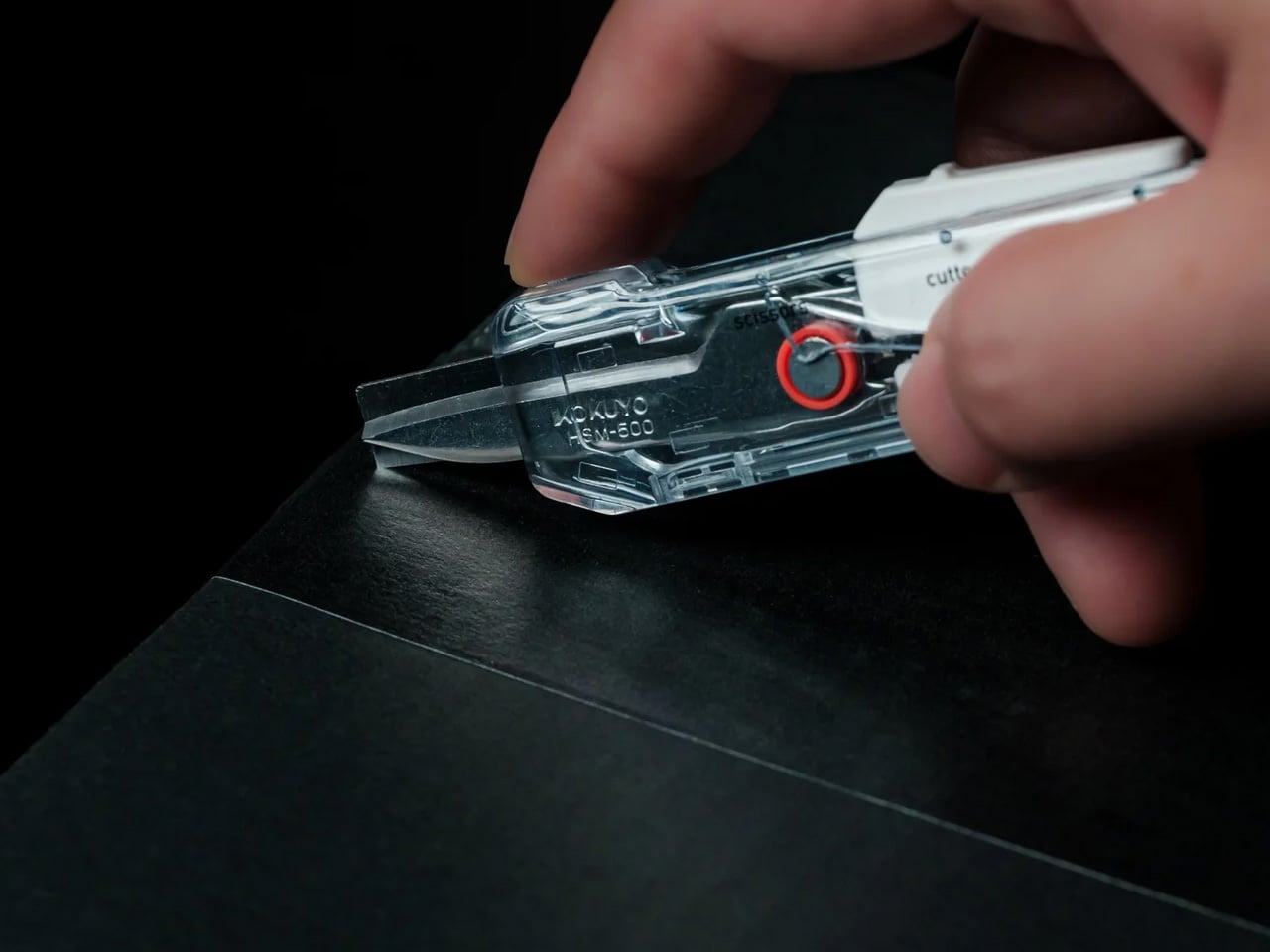
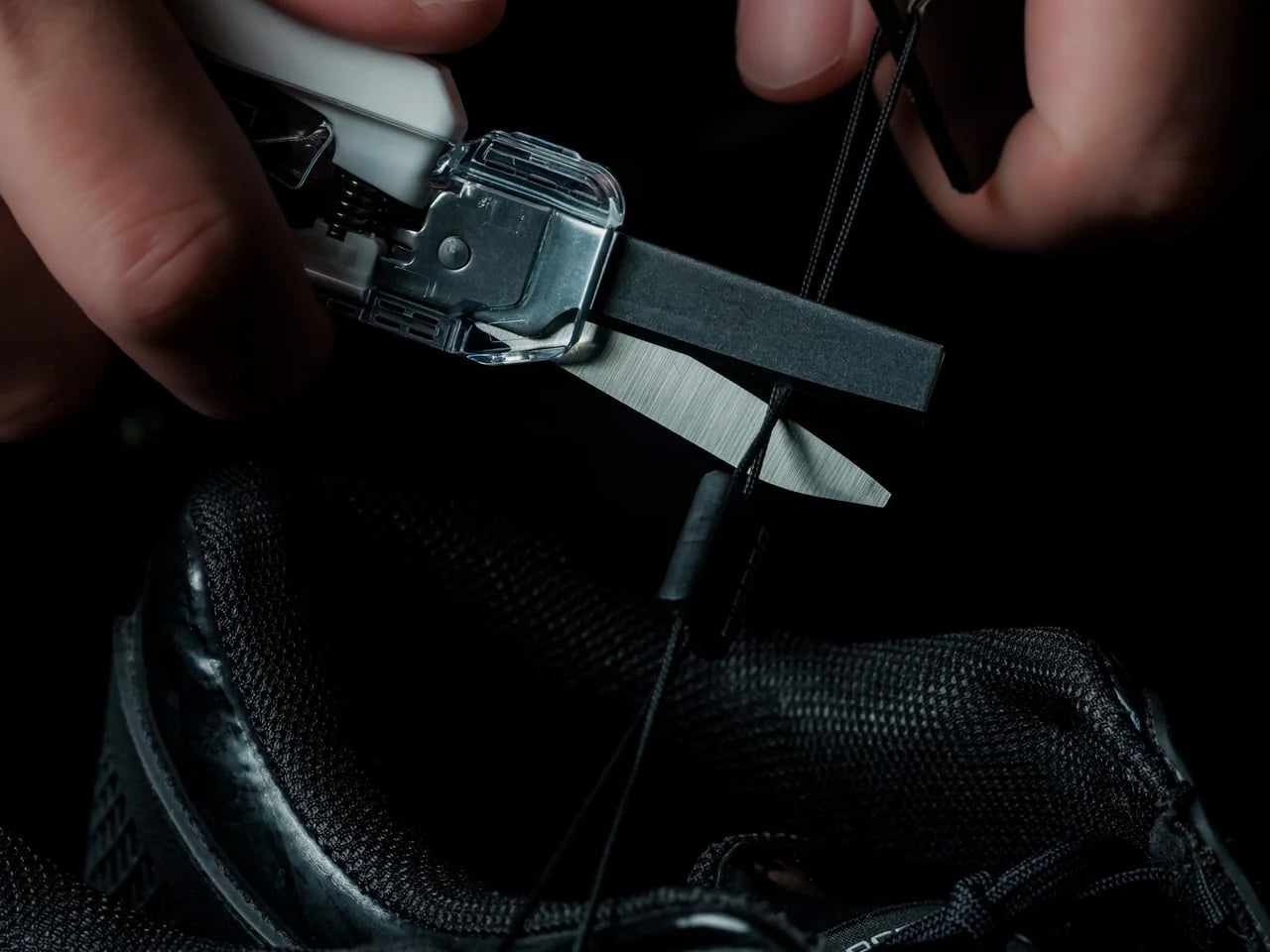
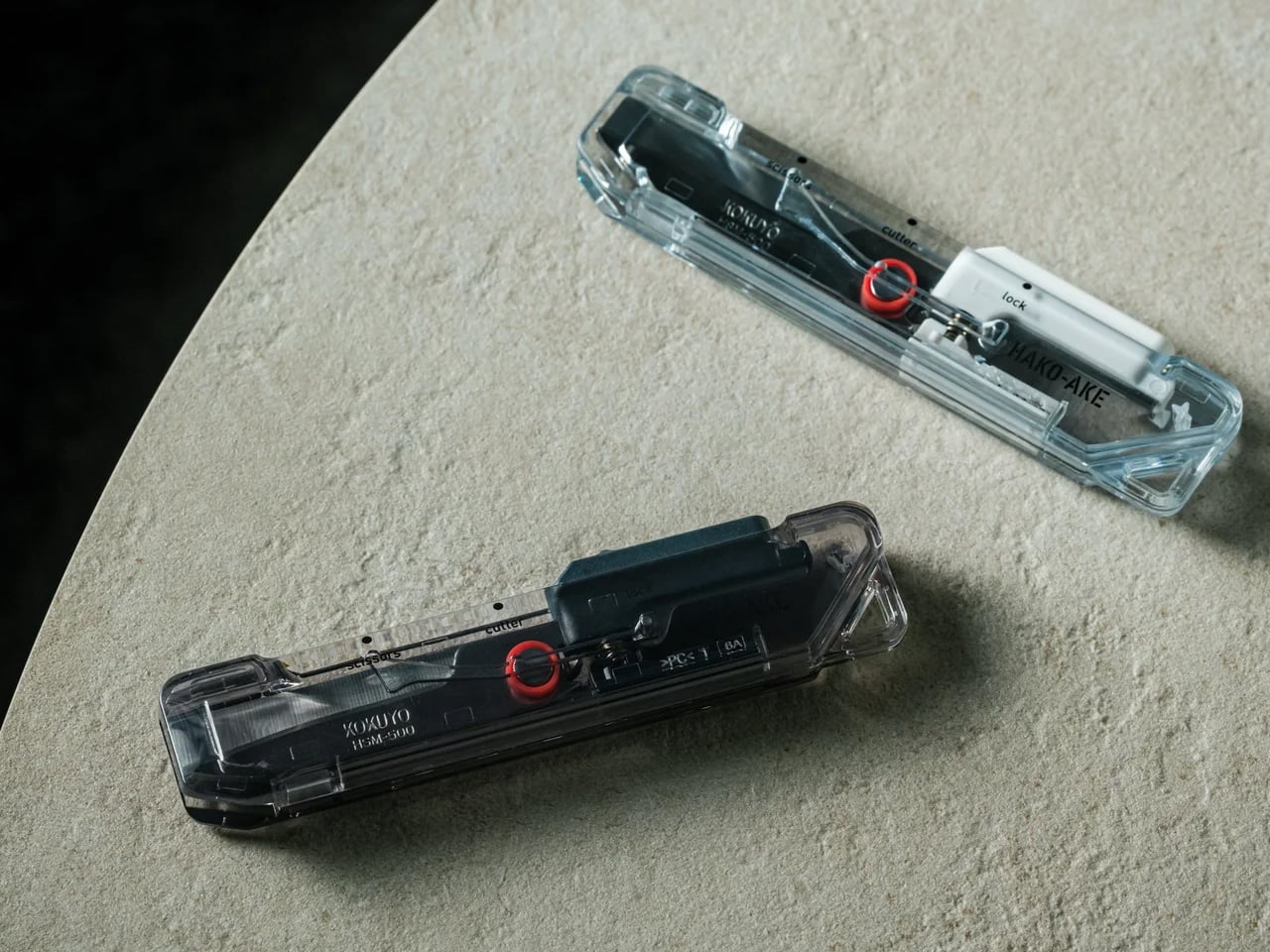
Most box cutters do one thing and leave the scissors somewhere else. The ritual of tearing into a delivery becomes a hunt for a second tool, or a decision to use the first one for everything and hope it does not cut too deep. The ClearSlide Box Opener removes that problem. A blade and scissors in a single compact body, it handles packaging tape and tags in one uninterrupted motion, without putting the package down.

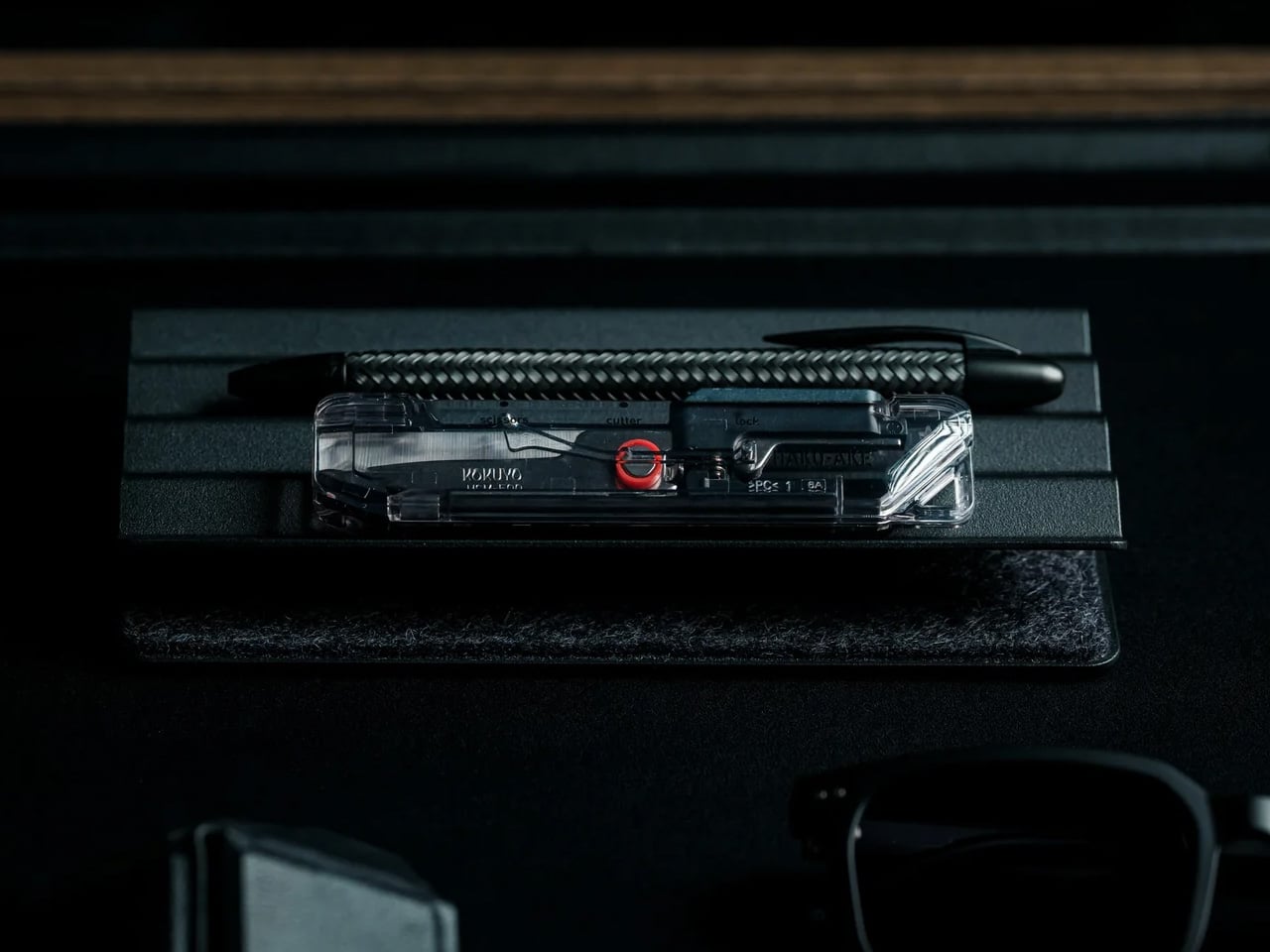
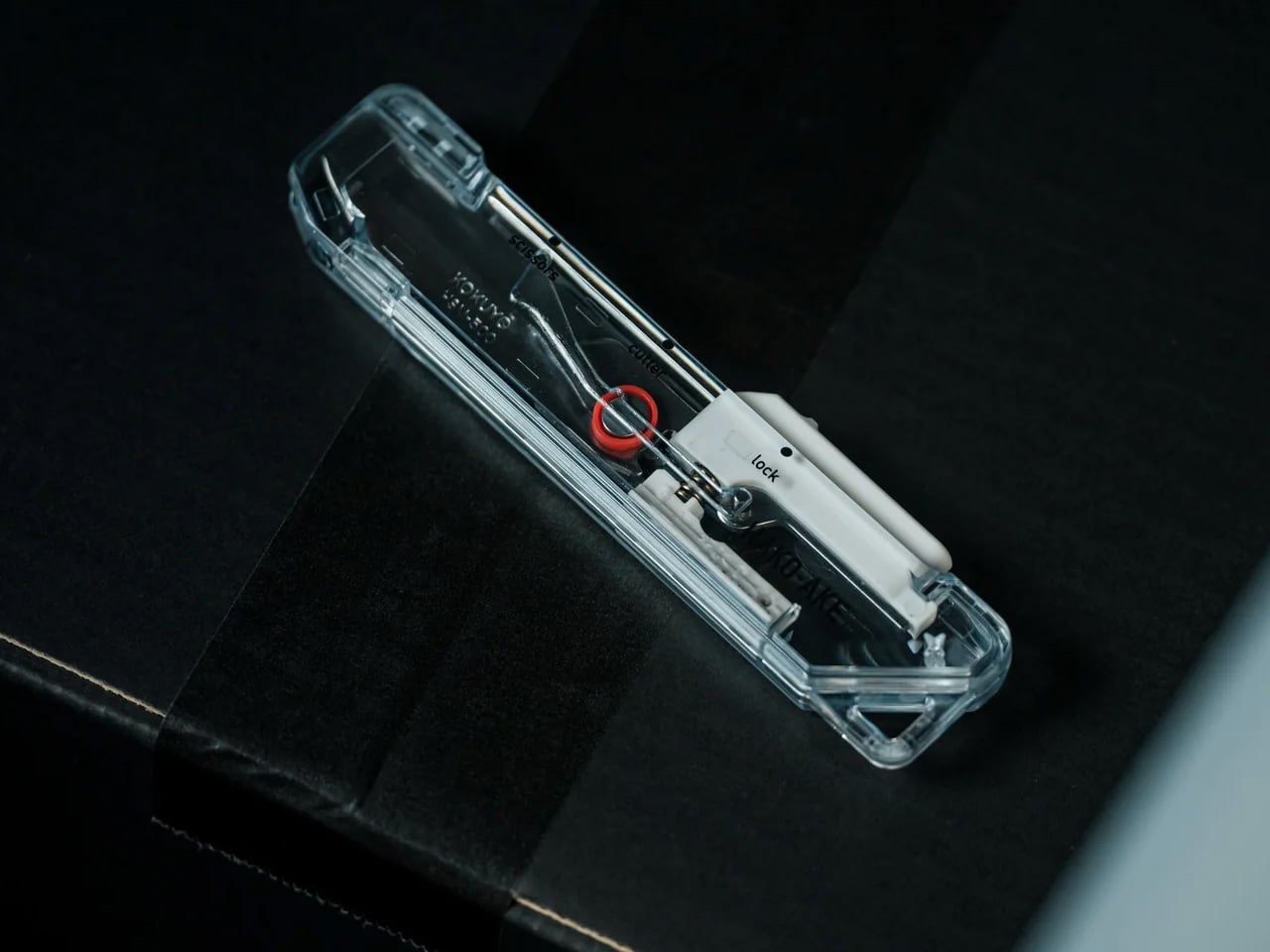
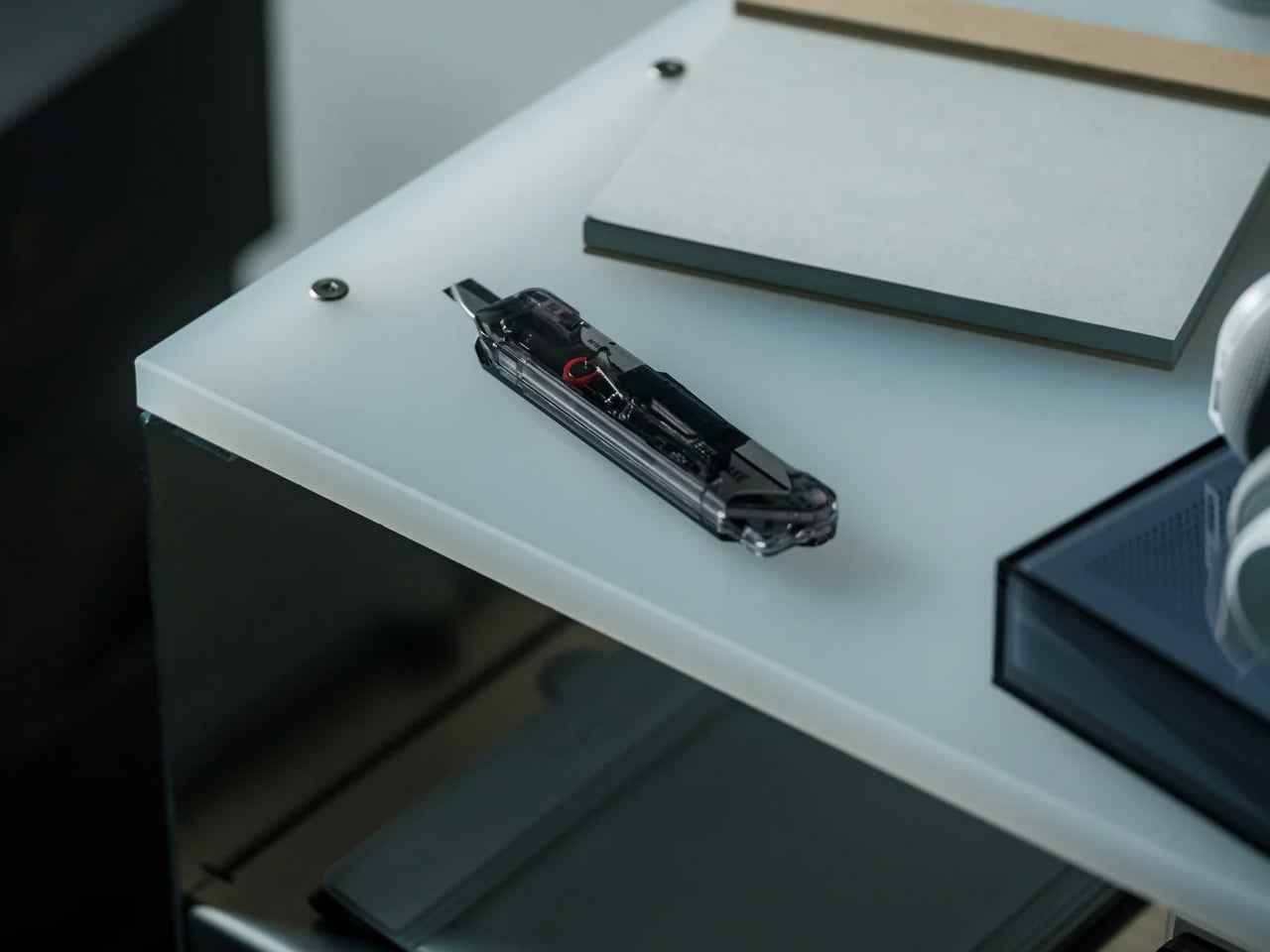
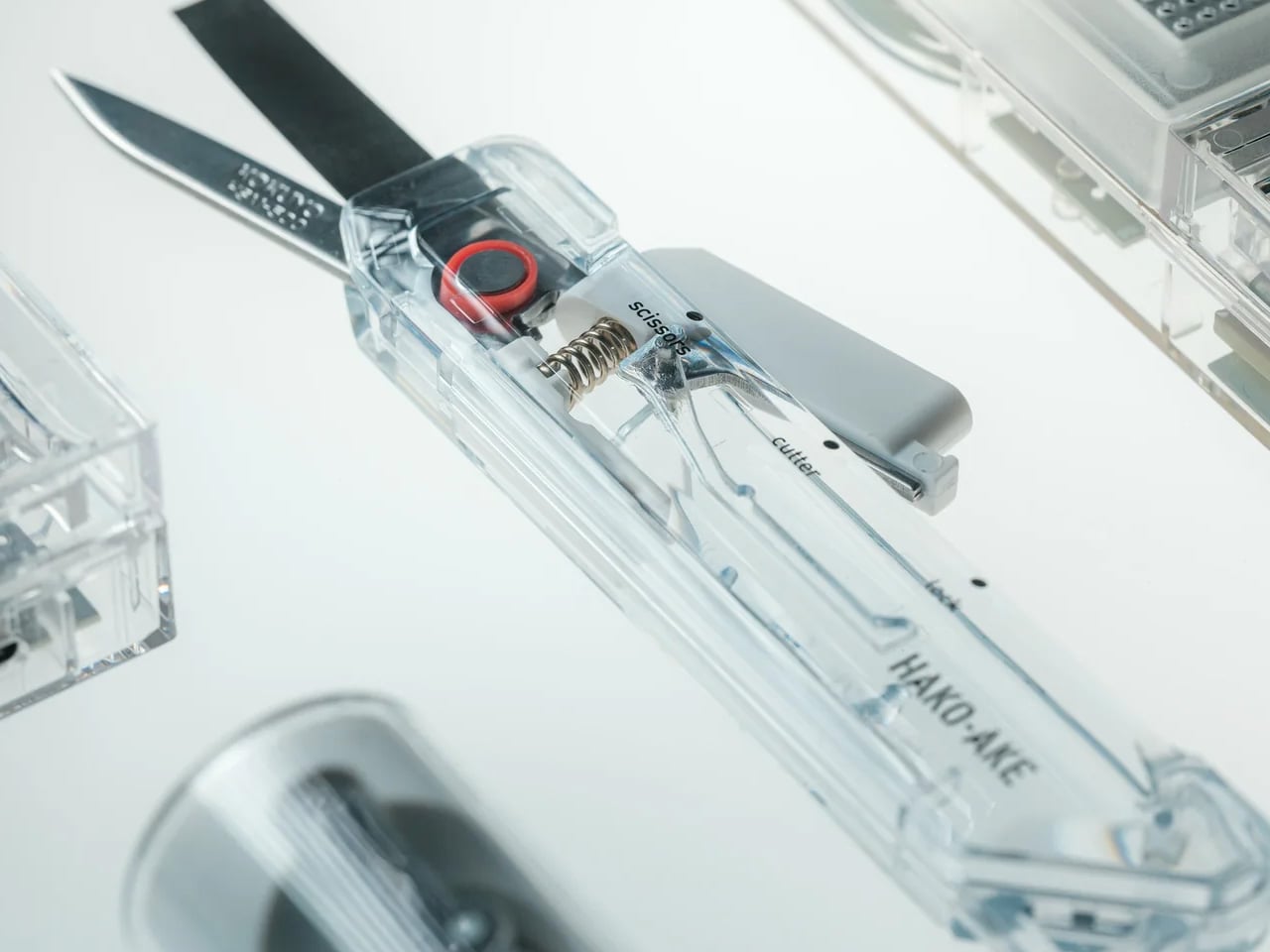
What makes it worth keeping on the desk is the mechanism. A sliding thumb control moves between lock, cutter, and scissors without requiring both hands; each position locks in before releasing cleanly. The blade extends just 0.12 inches, enough to slice through tape without reaching the contents inside. The transparent body shows the internal mechanism’s shift with every adjustment, turning a utility object into something that actually earns its spot next to the keyboard.

Click Here to Buy Now: $30.00

One Tool, Two Functions

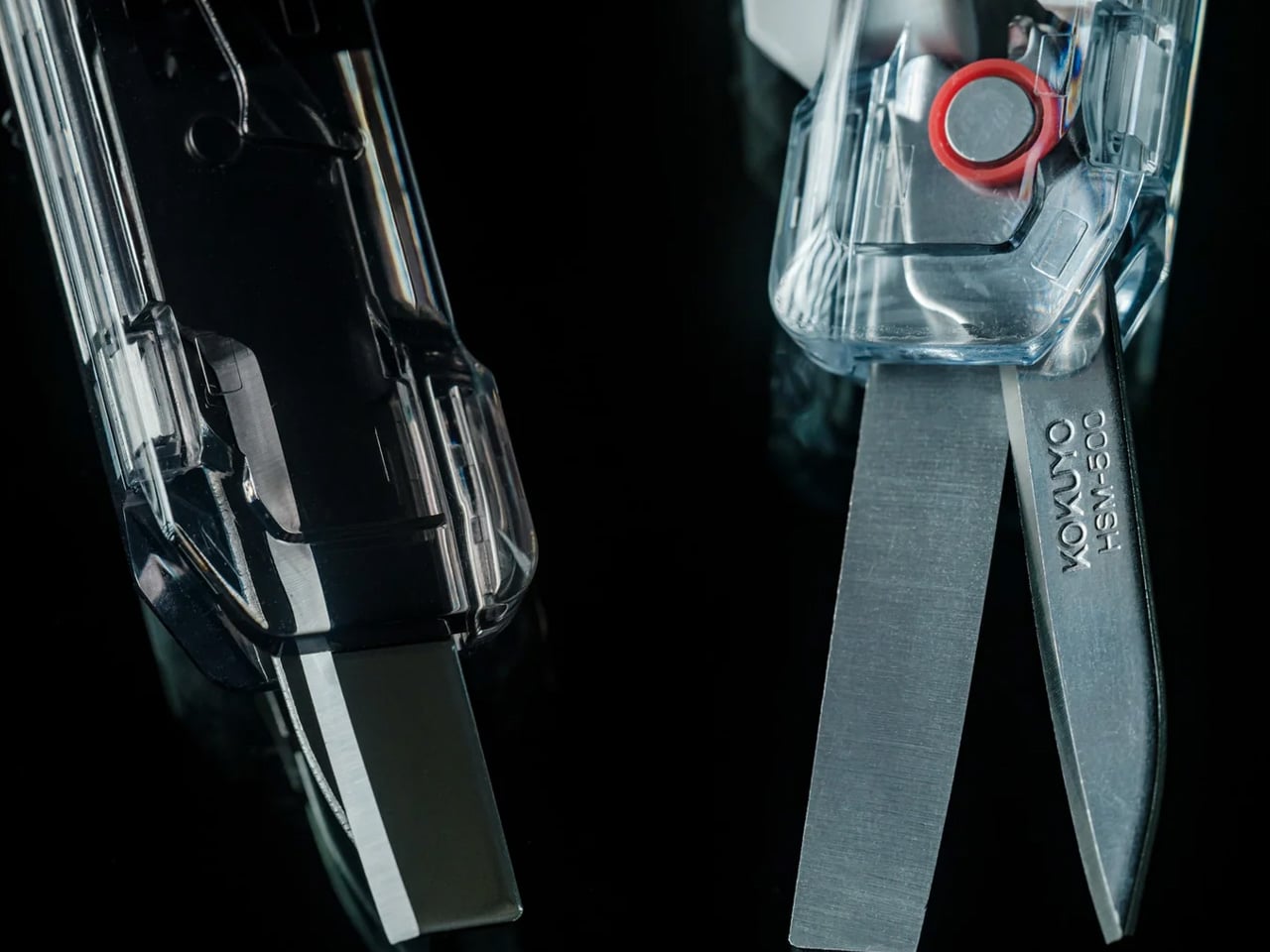
Box cutters and scissors solve the same last step in two different ways. The ClearSlide puts both into a single form factor small enough for a pocket. The sliding mechanism moves through three positions: lock, cutter, and scissors, each one clicking into place before releasing with a clean spring action. That kind of tactile confirmation in something this compact is not common. It changes how deliberate the tool feels in use and removes the uncertainty from every position change.

The blade extension is limited to 0.12 inches, which sounds like a constraint until you consider what it actually prevents. Most damaged deliveries come from a blade that cuts too deep on the first pass. At this depth, the cutter handles tape without reaching the contents underneath, which is the only job it needs to do. The scissors handle the rest: tags, inner packaging, anything that a blade would otherwise make worse rather than better.

Transparent by Design

Most tools hide their engineering inside an opaque body. The ClearSlide does the opposite. The transparent shell makes the internal sliding mechanism visible with every position change, so you can see the active mode before making the cut. It is a functional decision dressed as an aesthetic one, or an aesthetic one that happens to be functional. The result is a tool that communicates clearly and carries a retro-tech character most utility objects never bother developing.

Compact enough for a pocket, fitted with a built-in strap hole for clipping onto a bag, and retractable for safe carry, the ClearSlide is designed to stay within reach. The frustration of opening packages is rarely about the cutting itself. It is about the pause before it: the drawer search, the tool switch, the moment where the delivery wins. This closes that gap. One tool, one pocket, one motion from the moment it arrives at the door.

What We Like

  • Blade-and-scissors combination: replaces two tools with one slim body that handles packaging tape and tags in a single session, without switching grip or setting the package down
  • Single-hand operation: the thumb-controlled slider moves between lock, cutter, and scissors with one hand, leaving the other free to hold whatever is being opened
  • Controlled 0.12-inch blade depth: cuts through tape cleanly while staying clear of the contents underneath, solving the most common frustration of opening deliveries with a standard blade
  • Visible internal mechanism: the transparent body lets you confirm the active mode before every cut, and gives the tool a distinct retro-tech character that sets it apart from every other cutter in a drawer

What We Dislike

  • Blade replaceability: the product does not specify whether the cutter blade is replaceable, which matters for anyone opening packages regularly and expecting long-term performance from a $30 tool
  • Limited color range: Clear, White, and Smoke Black are clean choices, but the transparent body has the visual potential to carry a wider palette than three colorways currently allow

The Tool That Ends the Two-Step

The ClearSlide Box Opener was built around a problem most people have learned to live with rather than solve. Two functions in one tool, controlled by a single thumb, with a blade depth engineered to protect what matters. For something that lives on a desk or clips onto a bag, that level of considered detail at $30 makes it difficult to justify keeping a box cutter and scissors as two separate jobs.

If the current setup involves reaching for one tool and then switching to another halfway through, that is the exact friction this replaces. Pick it up in Clear, White, or Smoke Black. Let the next delivery be the last time the packaging feels harder to deal with than whatever is inside it, and let the scissors that used to live in the desk drawer finally earn a proper rest.

The post This Transparent Box Opener Handles Tape & Tags Without You Ever Putting The Package Down first appeared on Yanko Design.

This 60g Titanium Pen Doubles as a Pocket Repair Station With a Detachable Flashlight and 3-Slot Toolbox

The humble pen is one of the most perfectly designed objects in everyday human history. It’s a simple, durable, pocket-friendly cylinder that most of us carry without a second thought, right up until the moment we actually need it. Its form is so familiar that we rarely stop to question its potential as anything other than a writing instrument. But what if the pen’s silhouette was actually the perfect chassis for something far more ambitious? What if its main job wasn’t to record problems, but to solve them?

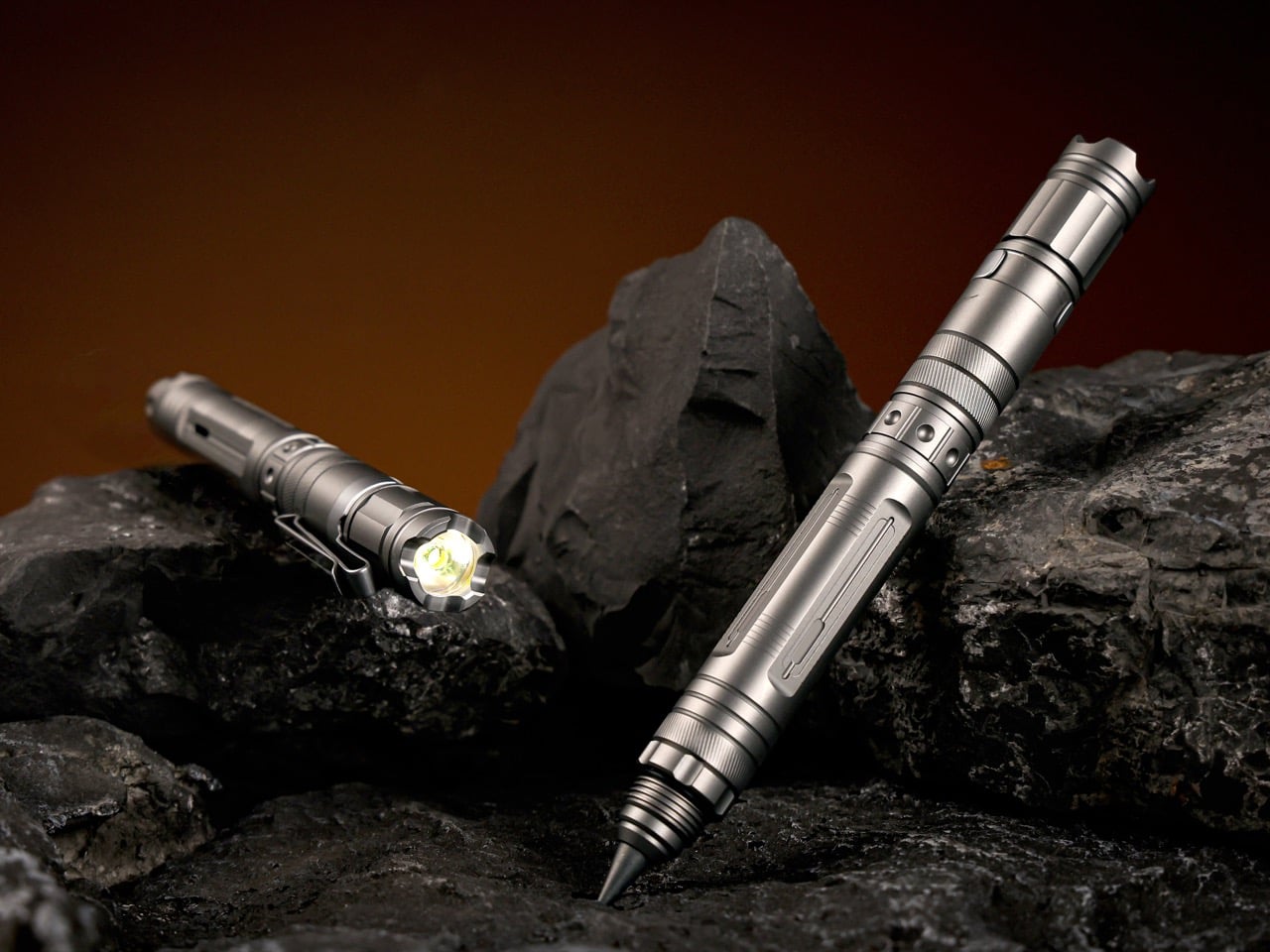
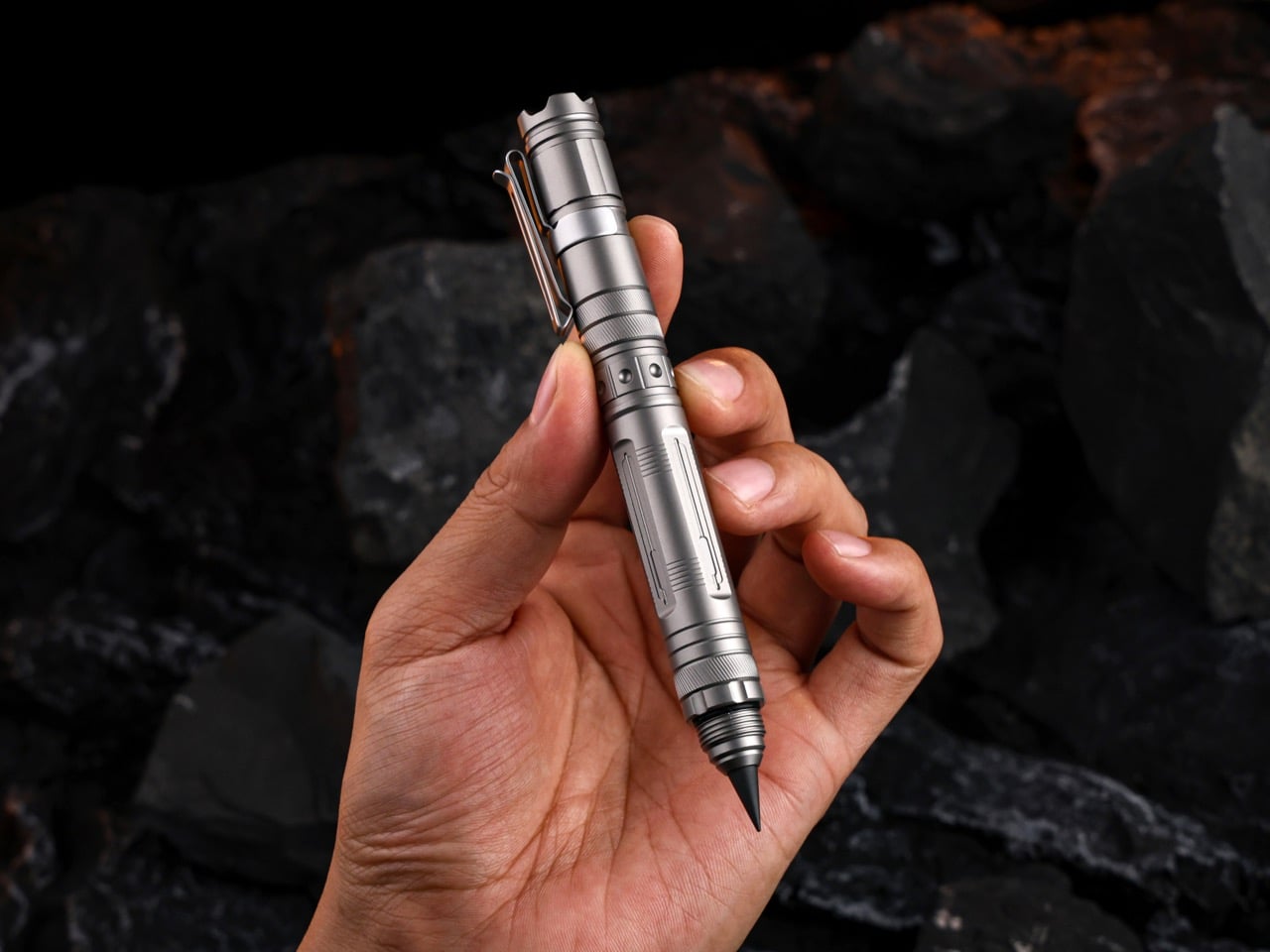
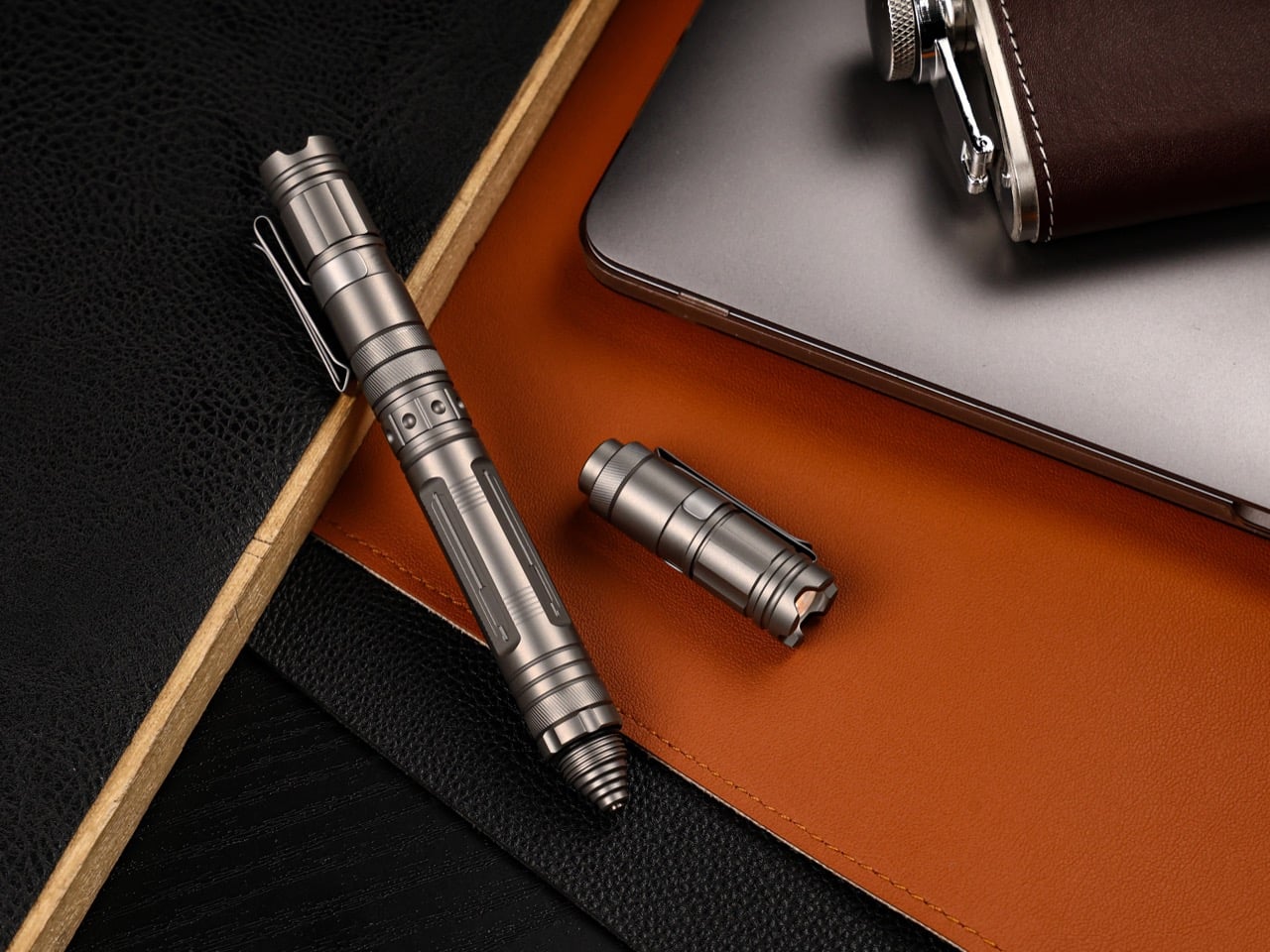
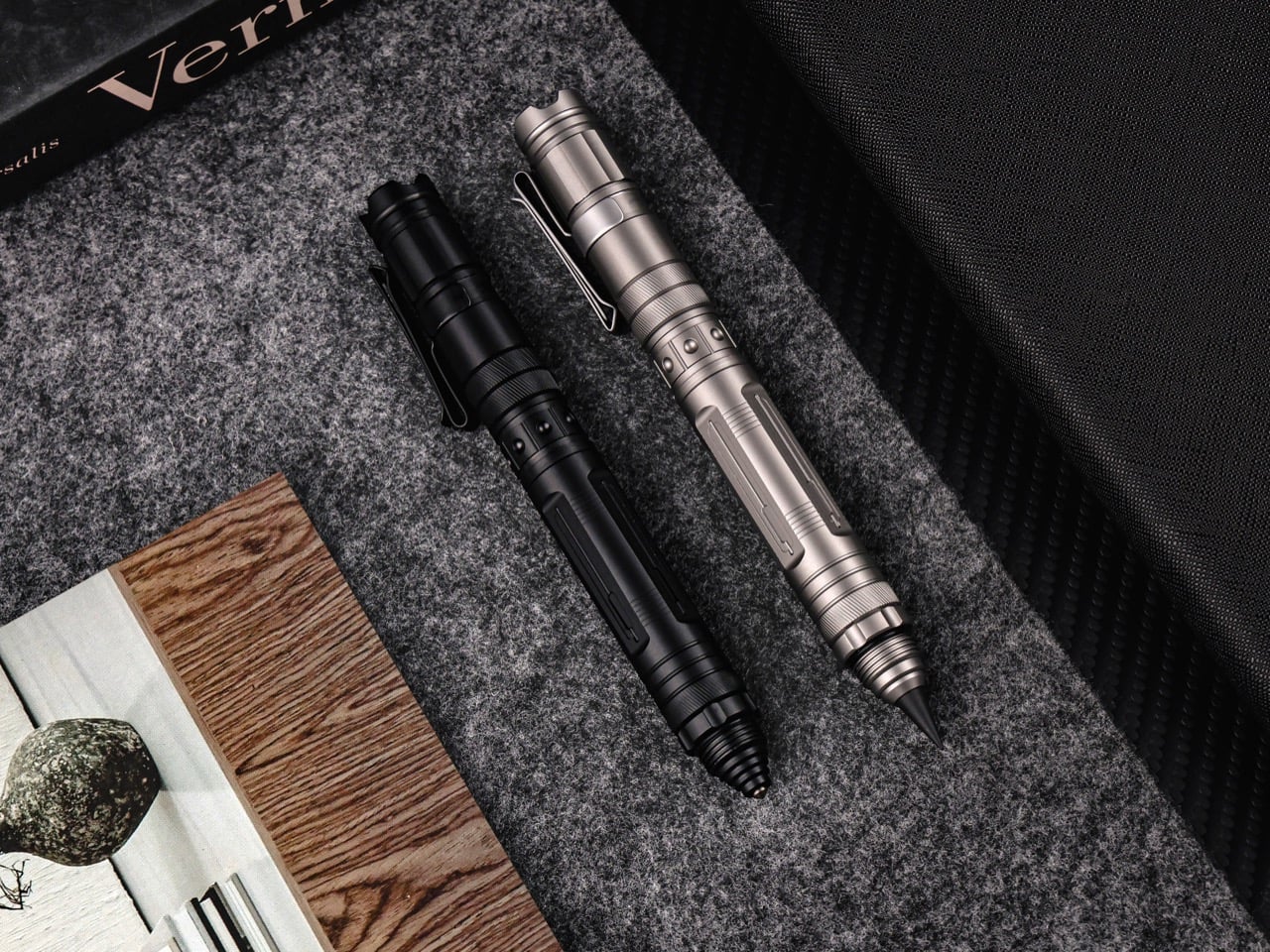
TiMate, the Redwood City-based EDC team behind the BoltLite and CoreLite, spent three design generations building toward exactly this: a Grade 5 titanium pen organized around a four-step repair workflow of illuminating, marking, cutting, and repairing. The body is CNC-machined, IPX-8 waterproof, and houses a detachable flashlight, a three-slot magnetic toolbox, a dual-tip marking system, and a utility blade, all in a 60-gram, 5.31-inch frame. The VeroLite also writes. That’s almost a punchline. But genuinely, it writes well.

Designer: TiMate

Click Here to Buy Now: $85 $119 (30% off) Hurry! Only 69 of 100 units left.

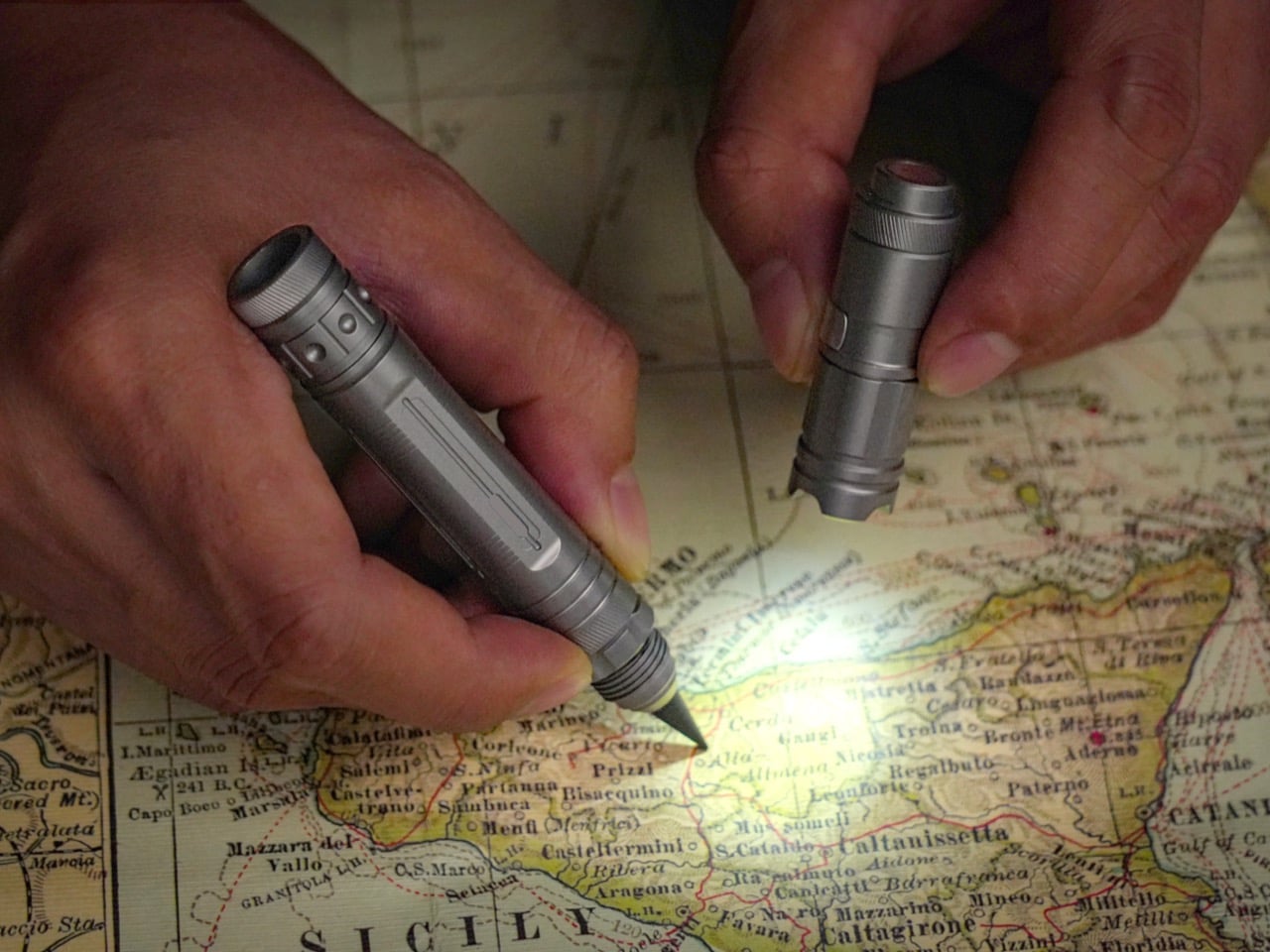
The flashlight module runs a Cree XPG4 LED at a neutral 5000K color temperature with 70+ CRI, which is the difference between reading a wire’s color accurately and just guessing. Three modes cover the range: 9 lumens for close inspection, 150 lumens for repairs and outdoor use, and a strobe for emergencies. IPX-8 waterproof, it charges over USB-C in 40 minutes, running 12 hours on low from a 100mAh lithium cell. The module detaches completely from the pen body via a magnetic joint rated at 3.8 kilograms, redesigned after users flagged the earlier version as too loose. Clip it standalone to a carabiner, rotate the dual-direction clip to aim the beam, or separate it so both hands are free for the repair.

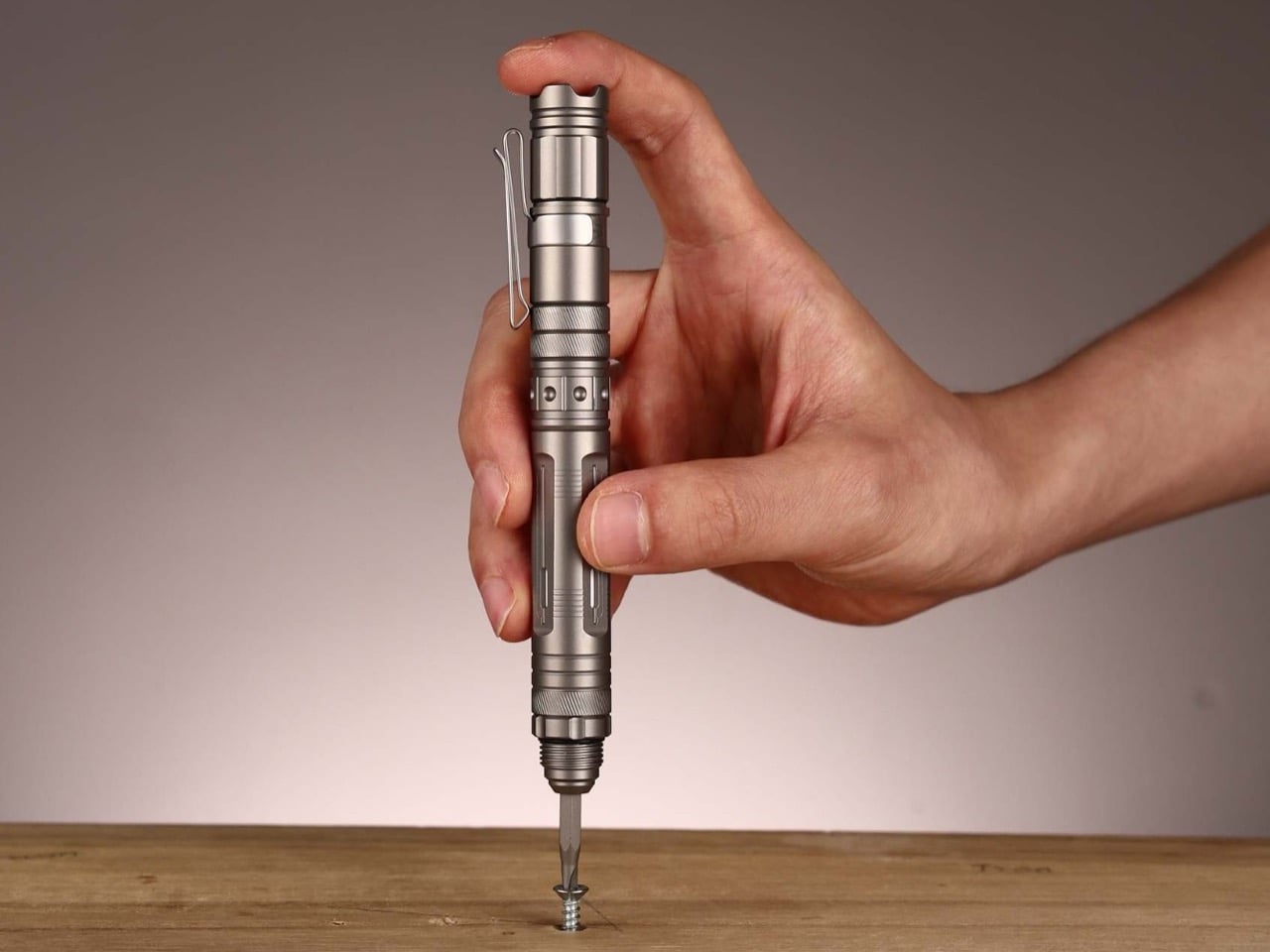
Previous TiMate pens dedicated this midsection to a fixed blade; the VeroLite converts it into a three-slot magnetic platform for standard 4mm screwdriver bits. The compartment is sealed, waterproof, and ships with a Y3, PH2, and PZ1 set. Any standard 4mm bit fits, so your existing collection is already compatible. Three working modes follow: quick-fix with a bare bit in hand, full precision with the pen body as a handle, and two-handed work with the flashlight detached and aimed. Swapping bits is fast.

A single twist of the gear-textured tip selector switches between a graphite core and a tungsten carbide scribe. The graphite is rated for 10 miles of writing, needs no ink or refills, and will outlast the pen in most people’s hands. The tungsten carbide scribe marks metal, ceramic, glass, and stone cleanly and permanently, surfaces where a marker would just skid. One twist separates a quick note from a precise cut line on tile, without looking down. The tactile texture means you can switch mid-repair without losing your grip.

The utility blade is a 1/6-inch chrome steel cutter that loads into the magnetic storage like any other bit, making blade swaps meaningfully safer than a standard box cutter. On a traditional utility knife, the swap puts your fingertips millimeters from the fresh edge; on the VeroLite, the blade handles identically to a screwdriver bit. The clip end functions as a pry tool for paint cans, stuck lids, and loose nails. The tungsten carbide tip doubles as an automotive side-window breaker, so the same tool scribing tile in the morning can shatter a car window later. TiMate calls it a pocket repair station, and the label earns itself.

The body is CNC-machined Grade 5 titanium, 134.9mm long and 14.6mm wide, available in Titanium Gray (sandblasted matte) and Tactical Black (PVD-coated, scratch-resistant). At 60 grams, it’s 15% lighter than the CoreLite, a change driven directly by user feedback about hand fatigue. A recessed contour at the grip zone gives your fingers a natural landing spot, so it feels like a tool rather than a tube. Both finishes share the same machining process, so structural quality is identical. A leather sleeve option swaps the clip for a cleaner desk-carry profile.

The VeroLite retails at $119 and is currently available at a discounted $85 for a single unit. Add-ons include a 20-piece alloy bit set, extra graphite and tungsten tips, replacement blades, a stainless steel necklace for neck carry, and a leather pouch. A Leatherman Skeletool costs around $90 with seven tools, but lacks an integrated light, a marking system, or modular storage. TiMate’s argument is simple discipline: fewer tools, all of which you’ll actually use, organized around a clear workflow. If you’ve ever wished your pen could fix the problem you’re staring at, this one finally does.

Click Here to Buy Now: $85 $119 (30% off) Hurry! Only 69 of 100 units left.

The post This 60g Titanium Pen Doubles as a Pocket Repair Station With a Detachable Flashlight and 3-Slot Toolbox first appeared on Yanko Design.

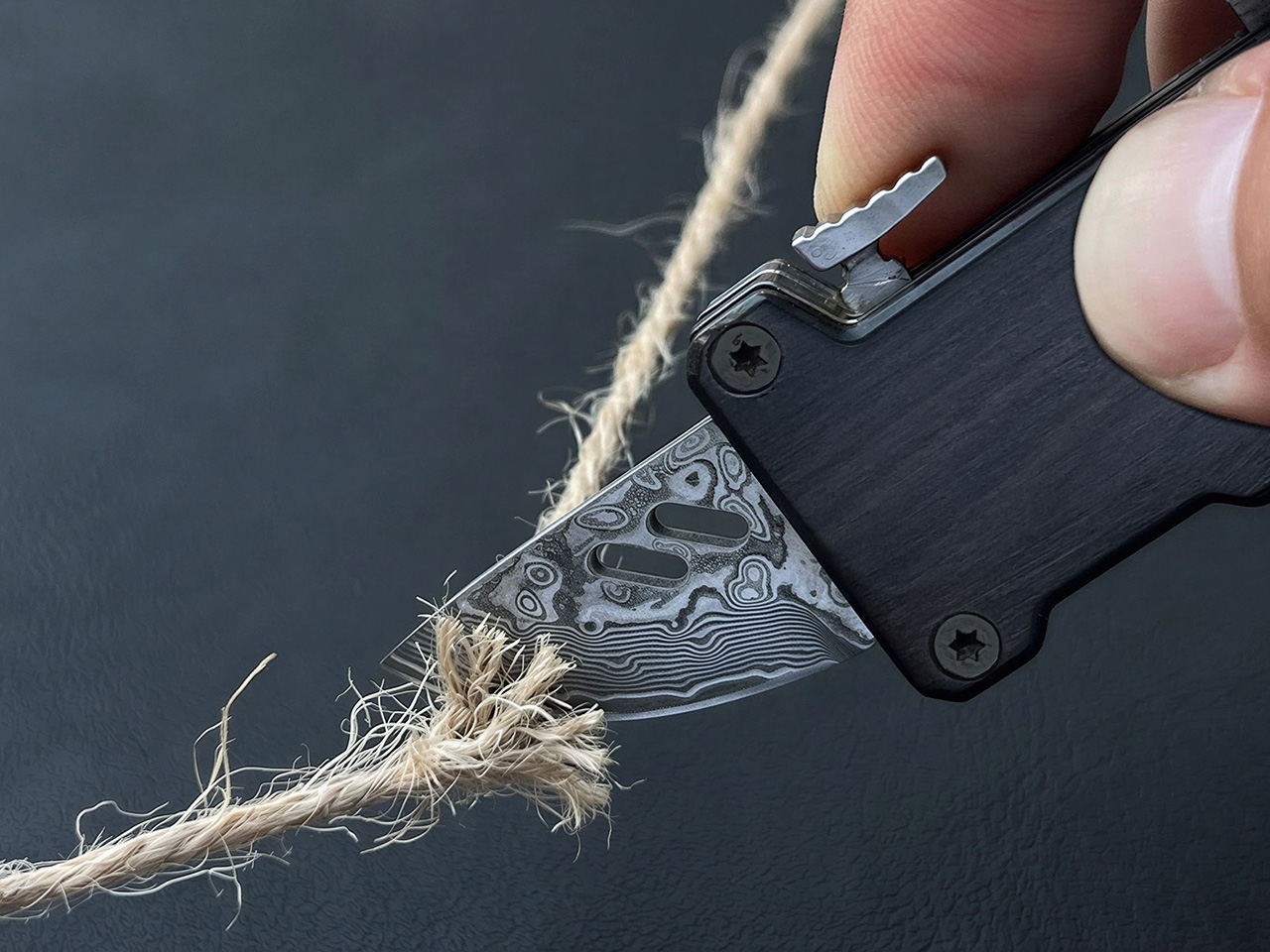
This Damascus Steel compact EDC knife packs two sliders into a 0.6-inch body

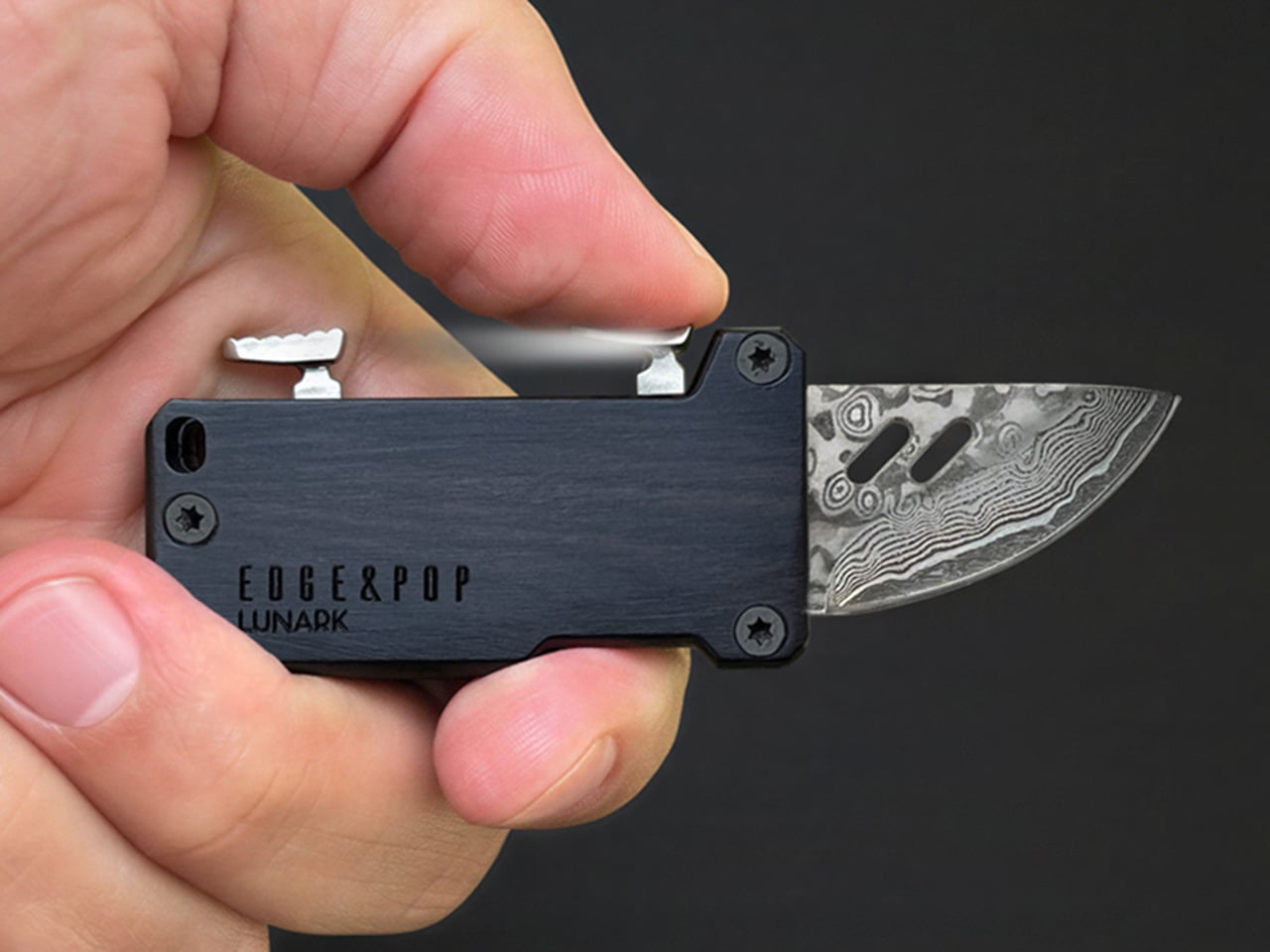
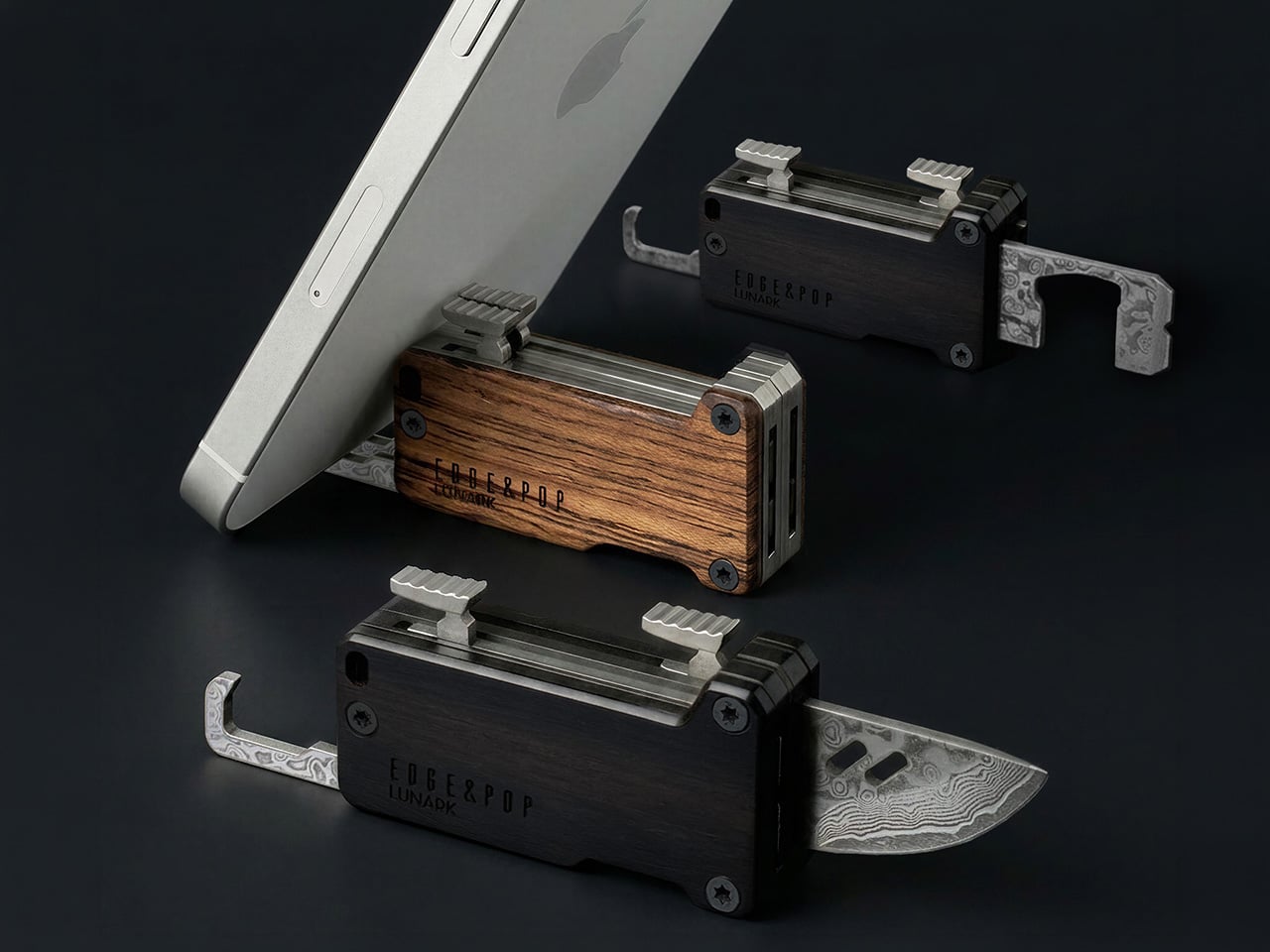
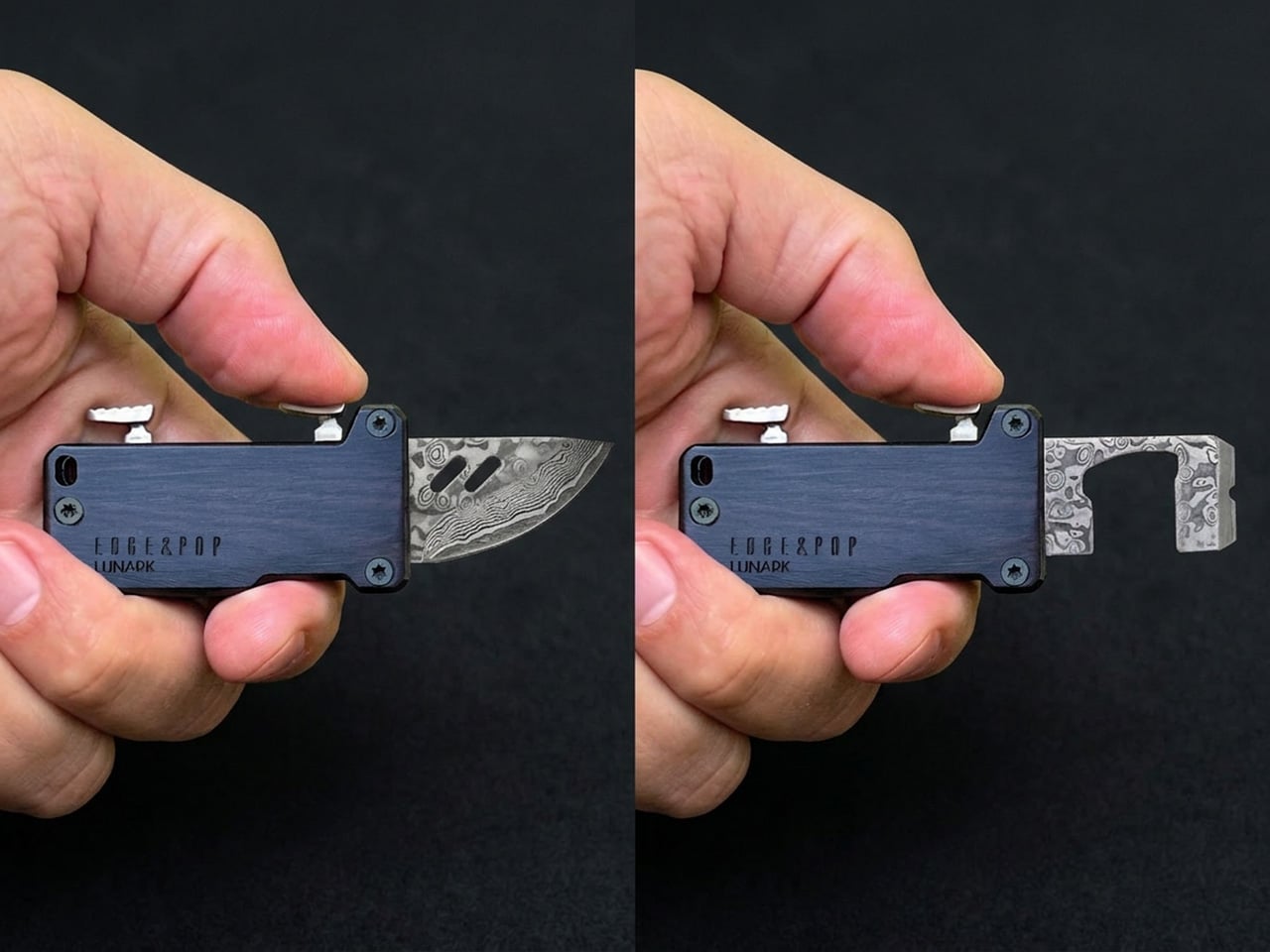
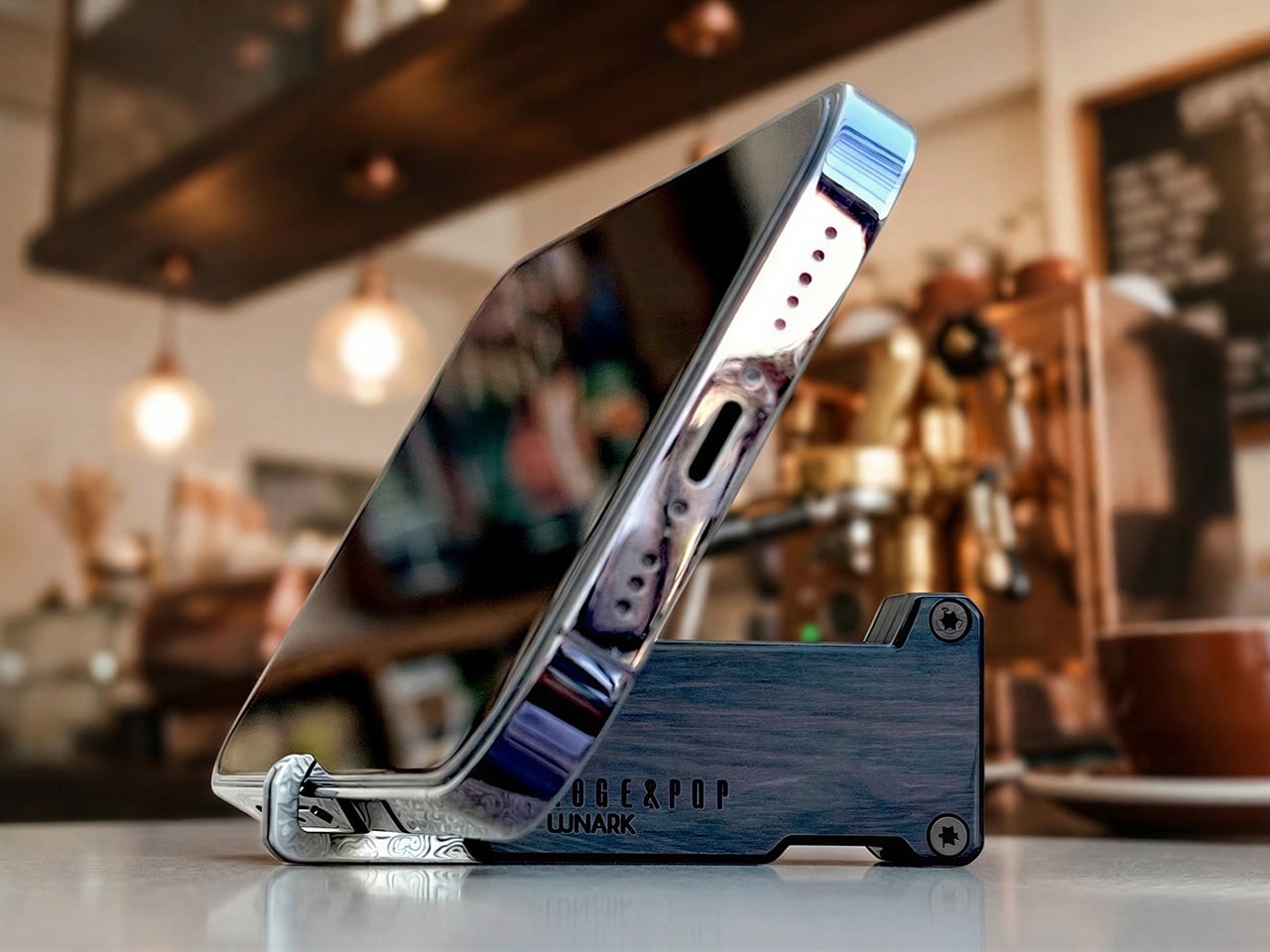
Double sliders in a pocket EDC tool? That’s not something you see often, mostly because fitting two independent sliding mechanisms into a body small enough to actually carry is a nightmare of compromise and thickness. LUNARK’s Edge & Pop Dual pulls it off anyway. Each slider operates independently with its own thumb control, so you can deploy the Damascus blade, pop out the bottle opener, or leave both closed and use the whole thing as a phone stand. The mechanism is clean, the actions are positive, and nothing interferes with anything else. It’s the kind of solution that makes you wonder why more multitools don’t try this approach, until you remember that engineering two sliders into a 0.6-inch-thick handle without turning it into a brick is genuinely difficult.

The blade is 67 layers of Damascus steel over a 9Cr18MoV core, rated 58 to 60 HRC, and the bottle opener uses a dedicated bartender-style slider instead of just being a cutout. When both sliders are retracted, the tool sits flat as a phone stand for devices up to 0.3 inches thick. LUNARK already delivered over 2,000 units of their first product, so they’re not a Kickstarter ghost. The Dual measures 3.1 inches open, weighs 2.5 ounces, and comes with your choice of Ebony or Golden Sandalwood handles against a heat-treated 420 stainless steel frame. It ships January 2027 for $60, and it’s one of the smarter takes on the pocket multitool I’ve seen in a while.

Designer: Allan, LUNARK

Click here to Buy Now: $39 $60 (35% off). Hurry, only a few left!

The Dual is LUNARK’s follow-up to the Edge & Pop One, a single-slider Damascus pocket knife and bottle opener that shipped to over 2,000 owners worldwide. The One earned a solid reputation for sharpness and out-of-the-box quality, with owners specifically calling out the Damascus blade and the compact feel. The Dual takes that foundation and adds a second independent slider, expanding the tool from two functions to three without meaningfully growing the footprint. That second slider is really the whole story here, and it’s where the design jumps from a good EDC knife to something genuinely worth talking about.

Drop-point Damascus with 67 folded layers is impressive on any knife, but packing it into a 1.1-inch, 0.08-inch-thin profile on a tool this compact is a genuine flex. The 9Cr18MoV high-carbon stainless steel core gives it a Rockwell hardness of 58 to 60 HRC, solid enough for daily use without constant sharpening. That covers tape, packaging, rope, leather, and light wood carving without much drama. Damascus patterning also varies with every forge, so no two blades will look exactly the same, which is a nice bonus for the collector side of the EDC brain.

Nobody wants to balance their phone against a coffee mug during lunch. When both sliders are fully closed, the Dual holds your phone in portrait or landscape on any flat surface, supporting devices up to 0.3 inches thick, which covers most phones and small tablets. There’s also a useful bonus in that same closed position: the body can press buttons or pull handles without deploying the blade, making it handy for doorbells or latches when your hands are full.

LUNARK paired heat-treated 420 stainless steel for the frame, rated 45 to 48 HRC, with either Ebony or Golden Sandalwood handles, and the result looks nothing like a tactical tool. The wood finishes bring warmth against the industrial steel, and the rectangular silhouette reads more desk object than gear catalog. Allan, LUNARK’s founder, wanted a refined everyday carry rather than something that looks like it belongs on a Molle pouch. Ebony runs darker and more formal, while Golden Sandalwood brings a warmer natural grain that pairs nicely with the Damascus blade patterns.

Pricing starts at $39 on the Super Early Bird tier, saving $21 off the $60 retail price. That’s a solid entry point for a Damascus EDC with this level of mechanical sophistication, and you still choose your wood handle at a later stage after ordering. For anyone wanting the full LUNARK lineup, the Family Pack bundles one Edge & Pop One (LUNARK’s single-blade knife from last year) with two Edge & Pop Duals for $89, saving $91 against the combined retail of $180. It’s a good option if you want both generations of the tool or have someone in mind who’d genuinely appreciate a gifted EDC.

Click here to Buy Now: $39 $60 (35% off). Hurry, only a few left!

The post This Damascus Steel compact EDC knife packs two sliders into a 0.6-inch body first appeared on Yanko Design.

5 Best Off-Grid Essentials Every Nomad Needs in July 2026

Going off-grid used to mean a specific kind of bargain. You traded reliability for freedom, comfort for silence, and convenience for open space. That trade felt reasonable for a long weekend and increasingly difficult to justify for anything longer. The gear didn’t match the ambition. People who wanted to live this way, genuinely and for extended periods, were left assembling systems that weren’t built to work together and hoping the result held.

In 2026, that bargain no longer applies. A small number of products have quietly redefined what off-grid living can actually look like, and none of them ask you to accept a trade you’d regret by the third day. The five here represent a complete kit. From the base you sleep in to the water you drink to the wrist you wear when your phone goes silent, this is how you leave the grid and mean it.

1. Aboard T4 Electric Travel Trailer

The Aboard T4 is the most capable piece of mobile living infrastructure available at a consumer level. Developed by California-based Aboard RV, it is a 24-foot self-propelled travel trailer built around a hybrid electric drivetrain with more than 200kWh of onboard power. A 41kWh LFP battery handles the daily load. At the same time, a 60kW range-extending generator recharges in under 30 minutes, stretching off-grid capability well beyond a long weekend without requiring any active energy management on your part.

What separates the T4 from anything else in its category is how completely it covers the stack of problems extended off-grid living creates. A 52-gallon fresh water tank, a 35-gallon grey water tank, and a 30-gallon black water tank manage water independently. An induction cooktop, refrigerator, and microwave give the kitchen real function. Two convertible lounges sleep four, a bathroom doubles as a mudroom with two separate entries, and 270-degree panoramic glazing brings the landscape into the interior without asking you to step outside to see it.

What we like

  • 200kWh+ onboard power with a range-extending generator that recharges in under 30 minutes
  • Fully integrated three-tank water system handles fresh supply and waste without any external hookup

What we dislike

  • $80,000 starting price places this well outside casual off-grid use
  • No confirmed release date, with reservations open now via a $100 fully refundable deposit

2. Airflow 8-Panel Fire Pit

A fire at the end of a day off-grid is not optional. It is the thing the day builds toward. The Airflow 8-Panel Fire Pit from Sanyo Works takes that seriously. Holes at the base of each panel channel primary airflow upward through double-walled cavities, triggering a secondary burn that produces a cleaner and more efficient fire than a conventional ring. The result is minimal smoke and a flame that sustains itself with less wood, which means you sit closer and stay out longer.

The eight removable panels give you control that fixed fire pits never offer. Opening or closing sections adjusts how the combustion chamber breathes, letting you dial intensity up or down without constant attention. Sanyo Works brings deep metal processing expertise to this design, and the precision of the airflow mechanics reflects that background in every use rather than in any surface flourish. For a product in a category full of objects that warp and degrade after a season, the Airflow is built to earn its place as permanent kit rather than a single-summer purchase.

Click Here to Buy Now: $325.00

What we like

  • Secondary combustion system produces minimal smoke for a noticeably cleaner and more efficient burn
  • Adjustable 8-panel design gives real control over fire intensity without constant management

What we dislike

  • Eight individual panels mean more components to account for when packing down at the end of a trip
  • Wood-only combustion with no gas compatibility

3. GoSun Flow Solar Water Purifier

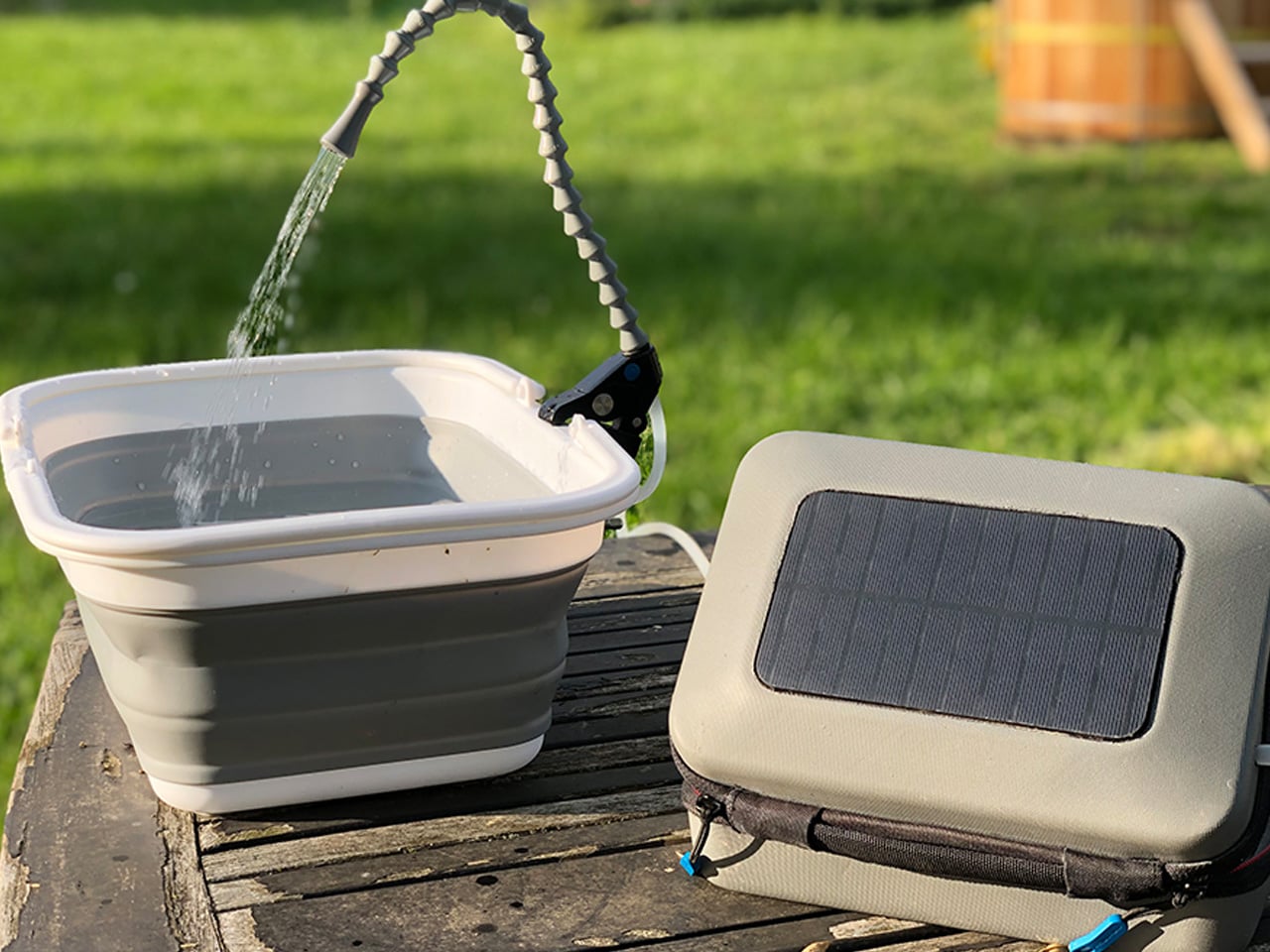
The T4 carries 52 gallons of fresh water, which handles the first stretch of serious off-grid living without a second thought. Extended stays ask for more. The GoSun Flow is a solar-powered water purifier and pump that compresses into a backpack and turns any freshwater source into potable water at one liter per minute, eliminating 99.99 percent of pathogens through a three-stage filtration system. A flexible faucet clamps to branches, tables, or tailgates, turning a stream bank or a riverside clearing into a fully functioning water station.

The detail that changes the conversation entirely is the solar-heated shower. After the integrated solar panel charges the pump’s power bank, the GoSun Flow delivers warm water from whatever source you fed it. On a multi-day off-grid stay, that is not a comfort feature. It is the difference between feeling like you chose this life and merely tolerating it. The filter manages up to 1,000 liters before replacement, USB power covers days when solar input is limited, and the entire system packs back into the bag you arrived with.

What we like

  • Three-stage filtration eliminates 99.99% of pathogens at one litre per minute from virtually any freshwater source
  • Solar-heated shower capability from a system compact enough to carry in a standard backpack

What we dislike

  • Cannot process saltwater, which limits utility at coastal campsites
  • Multiple components mean more parts to track and potentially leave behind in the field

4. Blackout Beam Tactical Flashlight

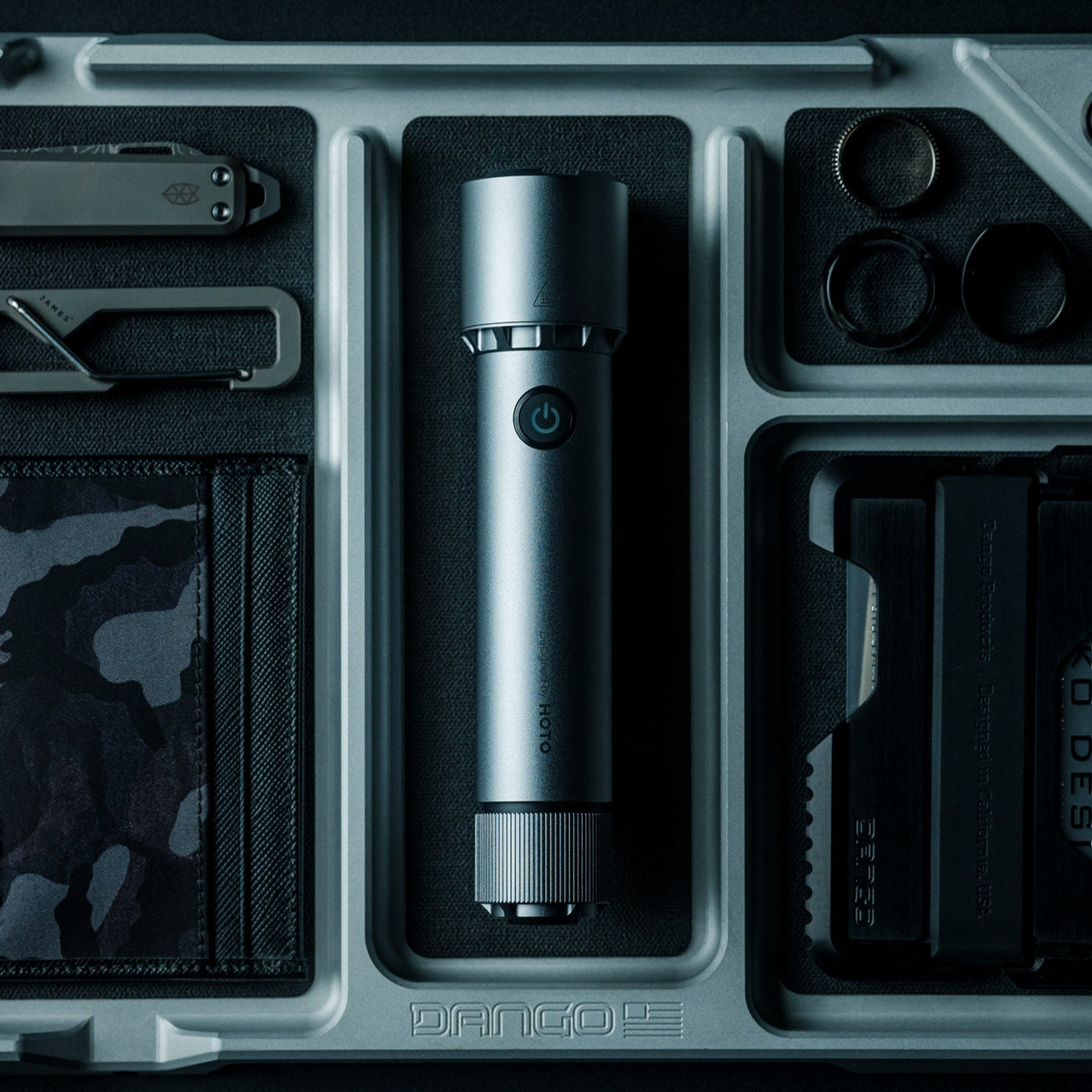
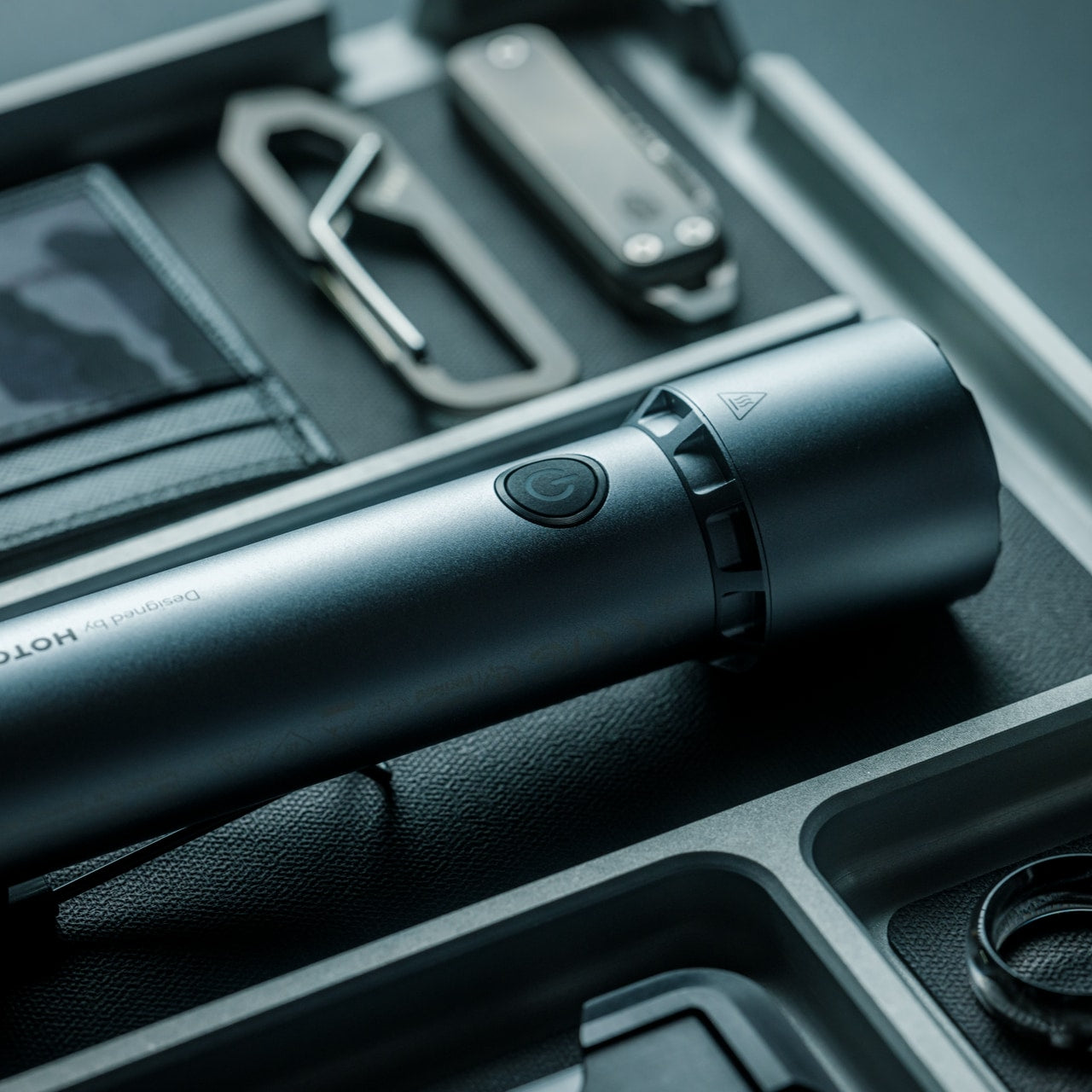
Darkness at a remote campsite is a different quality of dark than anything urban life prepares you for. The Blackout Beam handles that gap with 2,300 lumens of output, a 300-meter beam throw, and a 0.2-second response time that puts light in your hand before your eyes have finished adjusting to reaching for it. The aluminum body carries an IP68 rating for complete water and dust resistance. In a wildlife encounter, a navigation situation after sundown, or a power failure inside the T4, the speed of that response matters more than the lumen count.

What separates the Blackout Beam from a high-output flashlight you’d pick up at a hardware store is the combination of instant response and a design language that earns daily carry well before any emergency arrives. It fits cleanly in a jacket pocket, sits without drama on a surface inside the T4’s interior, and reads as a considered object rather than declared emergency equipment. Off-grid gear that actually gets packed is gear that doesn’t announce its purpose before it’s needed. The Blackout Beam earns that carry without making any demands.

Click Here to Buy Now: $90.00

What we like

  • 2,300-lumen output with a 300-meter beam reach and 0.2-second response built for real outdoor conditions
  • IP68-rated aluminum body handles water, dust, and impact without any concession to portability

What we dislike

  • Maximum lumen output draws battery faster during extended use
  • Tactical aesthetic doesn’t integrate seamlessly into every EDC or interior setup

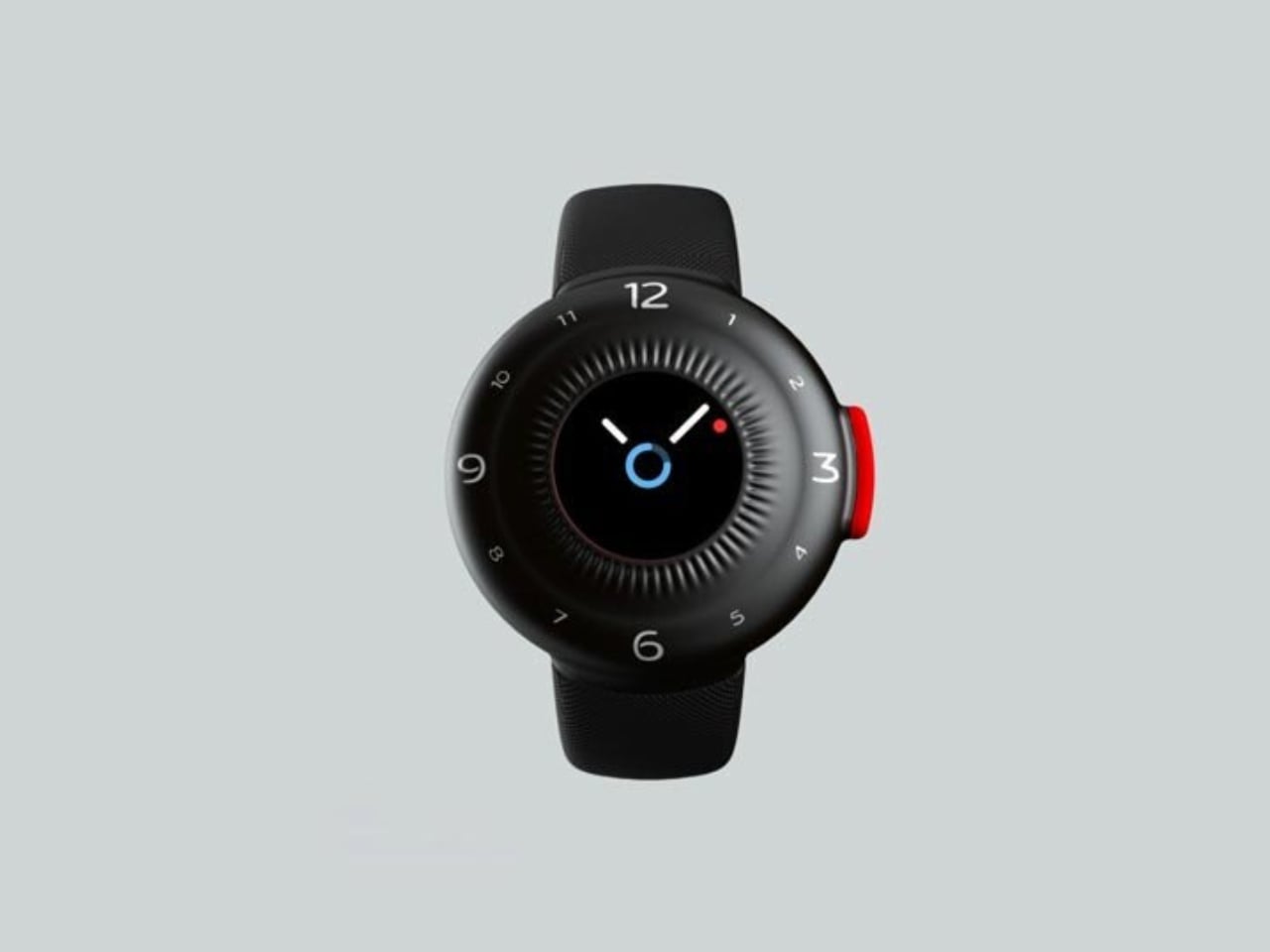
5. O-Boy Satellite Smartwatch

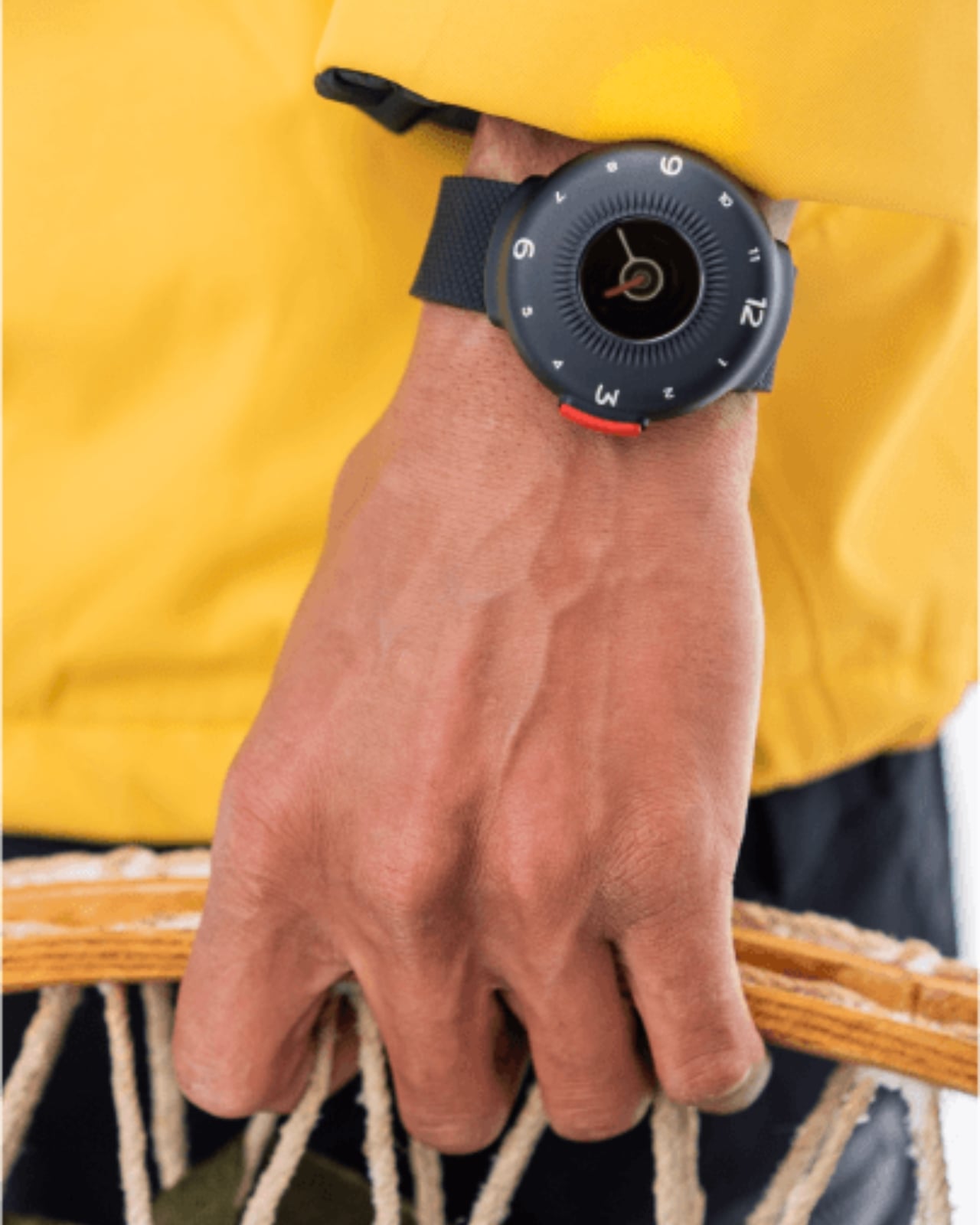
Everything else on this list extends how long you can stay off-grid and how well you live while you’re there. The O-Boy addresses the one scenario none of the others touch. Developed by Brussels-based studio Futurewave, it is a satellite-connected smartwatch built for environments where mobile networks simply do not reach. In those places- mountains, open water, remote work sites- it transmits an emergency alert directly via satellite regardless of what infrastructure exists beneath your feet. No carrier plan covers this. O-Boy does.

What Futurewave got right beyond the technology is the design brief. O-Boy does not read as tactical or survival-coded. It does not look like something that belongs exclusively to alpinists or emergency response professionals. It looks like something a person who spends real time in remote environments would wear on an ordinary day, which is the only design decision that makes its safety layer genuinely accessible. The people who most need satellite-backed coverage are not always those who identify with extreme sport. O-Boy is built for anyone who travels further than their phone can follow them.

What we like

  • Satellite connectivity transmits emergency alerts from locations with zero mobile network coverage
  • Utilitarian design reads as wearable well beyond strictly tactical or adventure-specific contexts

What we dislike

  • Satellite communication functionality typically requires an ongoing subscription service
  • Smartwatch form factor means battery management becomes a daily consideration in the field

The Grid Was Always Optional

These five cover the full range of what off-grid living actually asks of you. The T4 provides the foundation. The GoSun Flow extends it to wherever fresh water runs. The Airflow firepit anchors the evening. The Blackout Beam handles the dark. The O-Boy covers the distance your phone cannot. Each product solves a specific problem this life has always created, with enough design intelligence that the solution feels like an upgrade rather than a workaround.

That is the shift that defines where off-grid living stands in 2026. The gear has finally caught up to the ambition. Staying further out, for longer, without giving anything meaningful up is no longer a matter of tolerance or planning around known deficiencies. It is a matter of choosing the right five things. The grid was always optional. These are the five that make leaving it feel like the obvious call.

The post 5 Best Off-Grid Essentials Every Nomad Needs in July 2026 first appeared on Yanko Design.

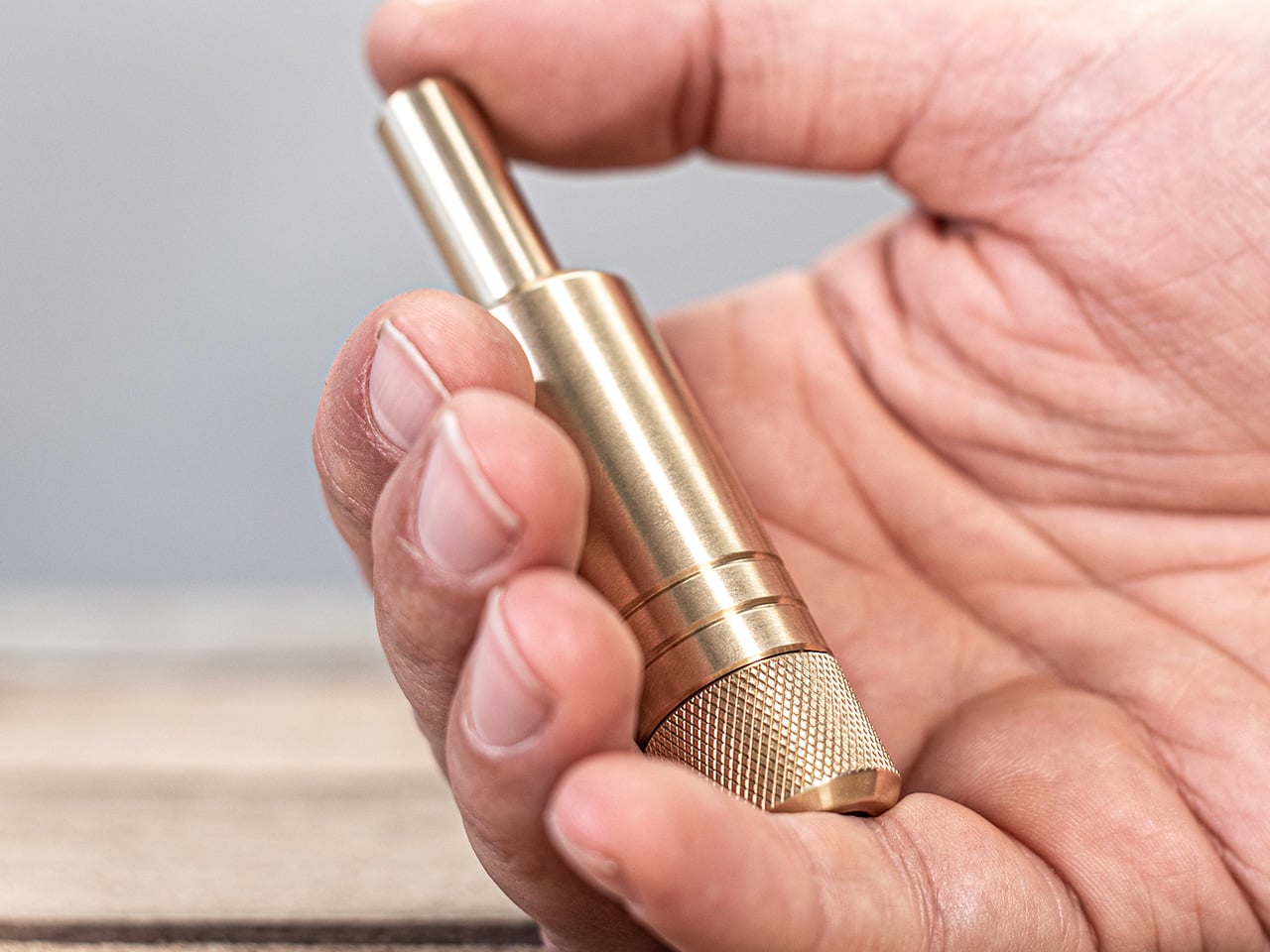
Ultra-silent brass fidget piston is built with such precise tolerances that air becomes the spring

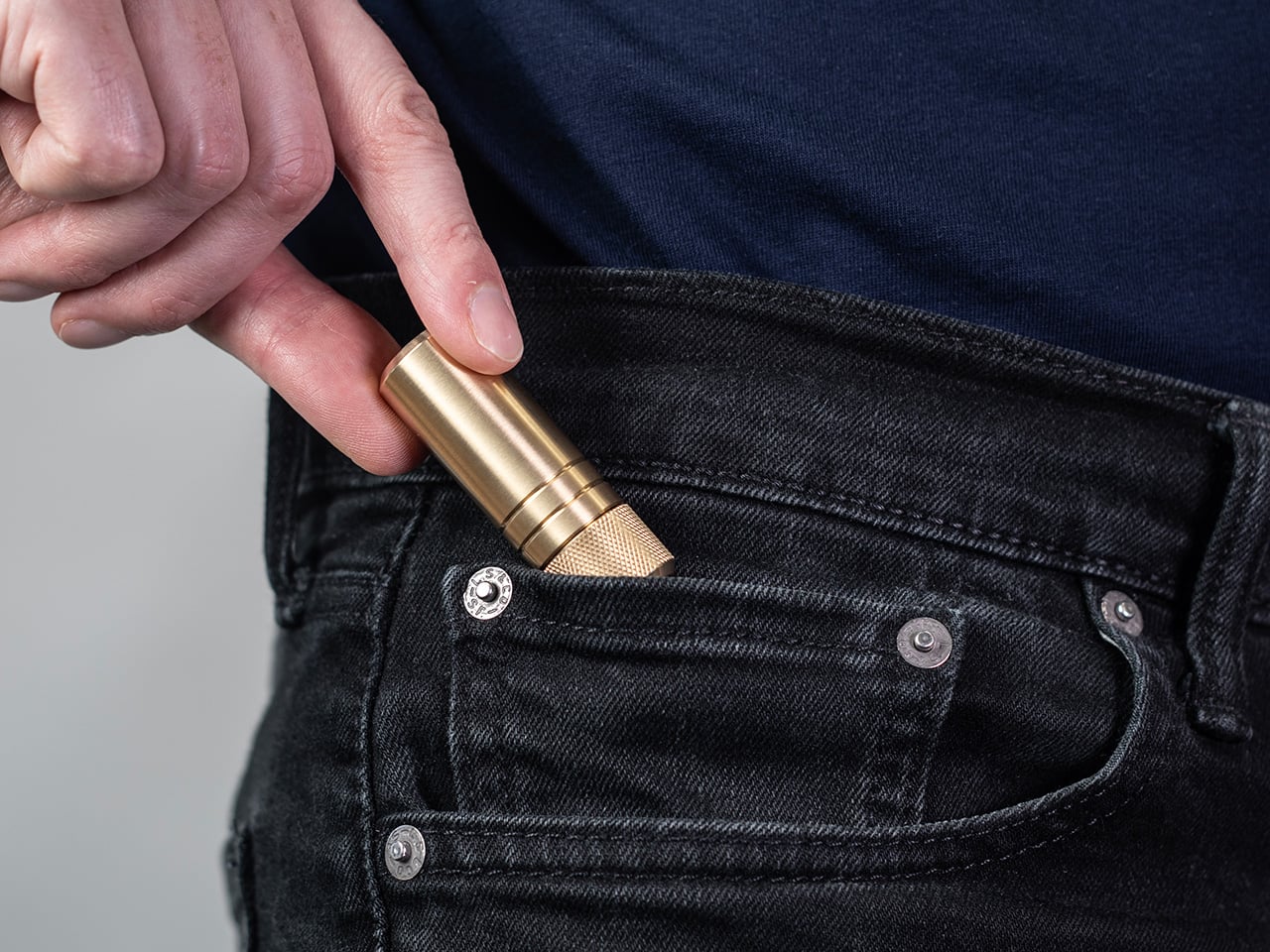
Pneumatics is an industrial workhorse, a brute-force technology that uses compressed air to power everything from factory robots to freight train brakes. It is almost always loud, powerful, and hidden deep inside a machine’s guts. The idea of holding it in your hand, of feeling its power at a small, personal scale, has always been out of reach. It was a force to be used, not a phenomenon to be experienced. MetMo, however, specializes in turning these forgotten industrial principles into beautiful, handheld objects.

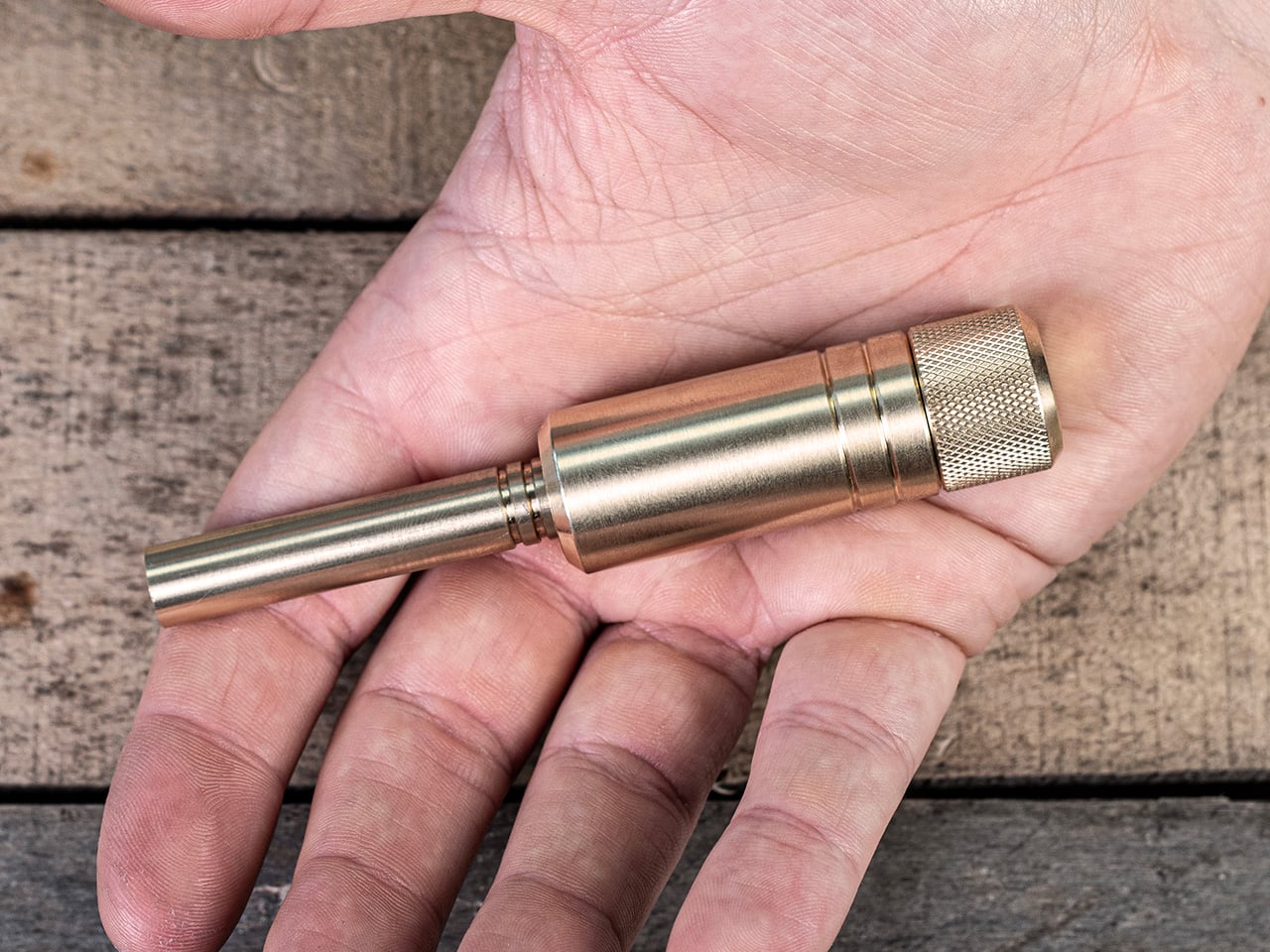
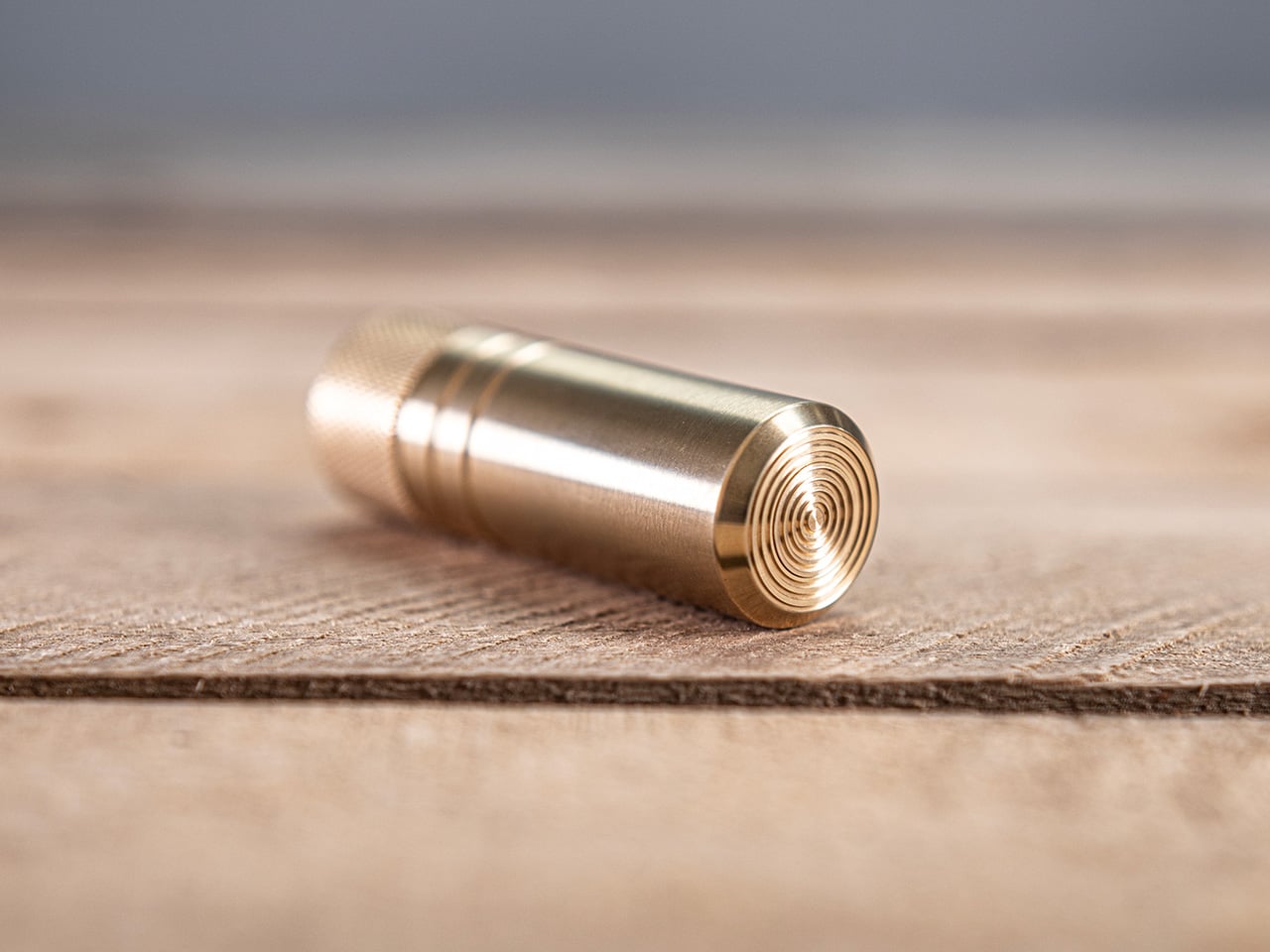
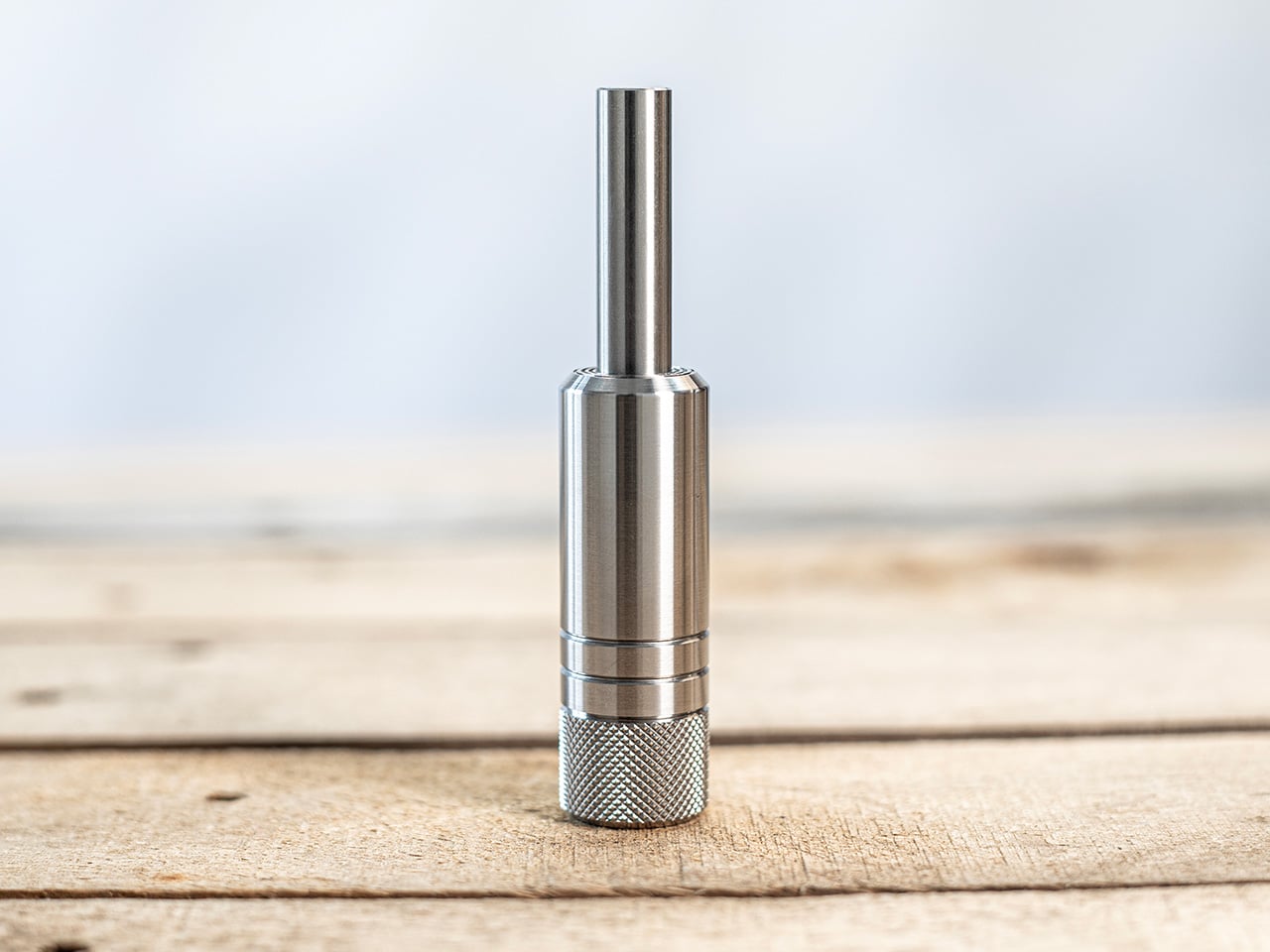
The MetMo Piston is what happens when you shrink a pneumatic system down to pocket size and machine it from solid brass. The slow, satisfying resistance you feel when you press down is the feeling of air compressing in a perfectly sealed chamber. The silent rebound is that same air expanding, pushing the piston back with a gentle, inevitable force. For anyone who appreciates engineering, it is a tiny, working demonstration of physics. For everyone else, it is just an incredibly satisfying object to hold and press.

Designers: Sean Sykes & James Whitfield (MetMo)

Click Here to Buy Now: $89.99

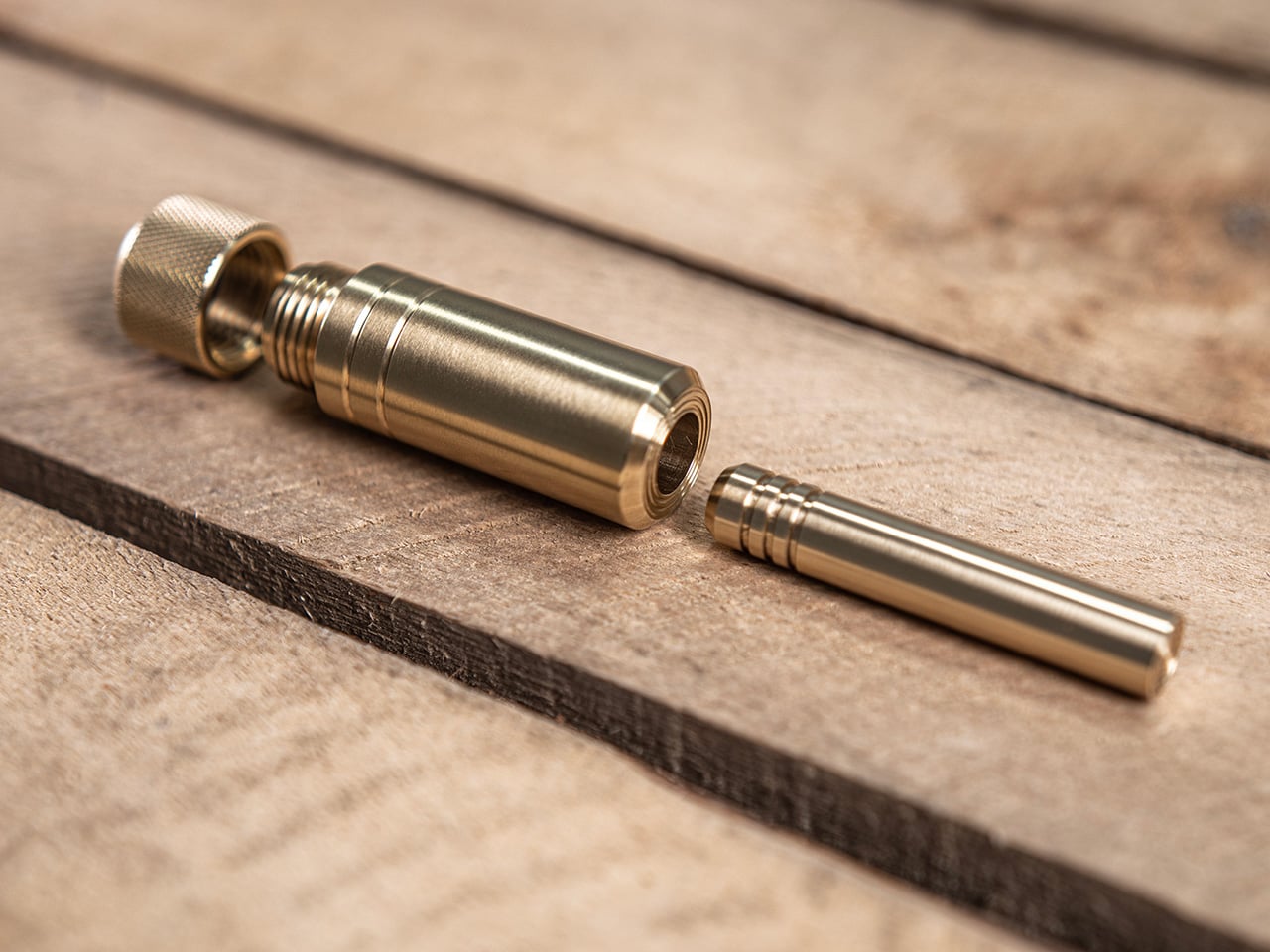
The mechanism itself is deceptively simple, which is why MetMo felt it important to reiterate – no springs, no magnets. A precision-machined piston pin slides into an equally precise cylinder block, and the tolerances between the two are so tight that air cannot escape, even under pressure. When you press the piston down, you are compressing the air trapped inside the chamber, and that compressed air is what pushes back against your thumb. No hidden parts, springs, neodymium magnets, mechanical detents. The feedback is purely pneumatic, the same principle that powers much larger systems like robot arms, hammer drills, and train brakes… scaled down to something you can operate with one hand.

What separates this from every other fidget object on the market is the sheer precision required to make it work. No sourcing ball-bearings from AliBaba to make $2 fidget spinners. MetMo machines each component from solid HTB1 brass, a high tensile alloy chosen specifically for its wear resistance and smooth surface finish. The piston pin and cylinder block are both machined to tolerances typically reserved for aerospace engineering, because even a microscopic gap would let air escape and ruin the pneumatic seal. The fit is so precise that when you press down and feel that cushion of resistance, you are experiencing the literal limits of what air molecules can do when trapped in a perfectly sealed chamber. It’s engineering you can feel through your fingertips.

The Piston also features a secondary interaction that might be even more satisfying than the press itself. Spin the knurled housing, and the piston pin rotates on what MetMo calls an aerodynamic bearing, a thin cushion of air that forms between the pin and the cylinder block. The result is a nearly frictionless spin that feels almost supernatural, like the object is hovering inside its own housing. It is the same principle used in precision scientific instruments, and experiencing it in a handheld desk toy is quietly mesmerizing. You can spin it for minutes at a time, and the motion stays smooth, silent, and hypnotic.

One of the best practical benefits of the Piston is its complete silence. If you have ever been stuck in a meeting next to someone clicking a pen, you understand why this matters. The pneumatic mechanism operates without any noise at all, which means you can fidget freely without disrupting anyone around you. It is a desk toy that respects shared spaces, and that alone makes it more thoughtful than most of its category competitors. The tactile satisfaction is entirely private, which is exactly how it should be.

MetMo also included a pressure release valve that lets you adjust the drop speed and rebound behavior of the piston. Tighten it for a slow, controlled descent, or loosen it for a faster, bouncier response. It is a small detail, but it transforms the Piston from a fixed experience into something you can tune to your own preference. For people who appreciate control over their tools and objects, that adjustability is a quiet but meaningful touch.

The MetMo Brass Piston is priced at £59.99 GBP ($81.23 USD) and is available directly from MetMo’s UK workshop. It is machined from solid brass, although there’s a stainless steel version priced at £94.99 ($126.4 USD) too, hand-assembled to order, and backed by MetMo’s 200-year guarantee. For anyone who thinks with their hands, who values mechanical honesty over gimmicks, or who simply wants a desk object that does one thing exceptionally well, this is one of the most compelling fidget toys I have come across in a while.

Click Here to Buy Now: $89.99

The post Ultra-silent brass fidget piston is built with such precise tolerances that air becomes the spring first appeared on Yanko Design.

The 5 Best Camping Gear of July 2026

Summer is the most unforgiving season to find out your gear isn’t up to the job. The heat is relentless, the trails are at peak capacity, and every extra ounce you’re carrying becomes personal by mile three. The best camping products aren’t the ones with the longest feature lists – they’re the ones that solve a real problem, disappear into your pack, and earn their spot back every single trip. These five picks do exactly that.

July 2026 has been a quietly strong month for outdoor gear worth paying attention to. None of these products are flashy for the sake of it. They’re well-reasoned objects designed by people who clearly spend time outside – a five-function flashlight that costs less than dinner, a grill plate that packs flat as a paperback, a fire pit stand that respects the ground beneath it. Together they cover a surprising spread of camp needs without turning your bag into dead weight.

1. 5-in-1 EDC Flashlight

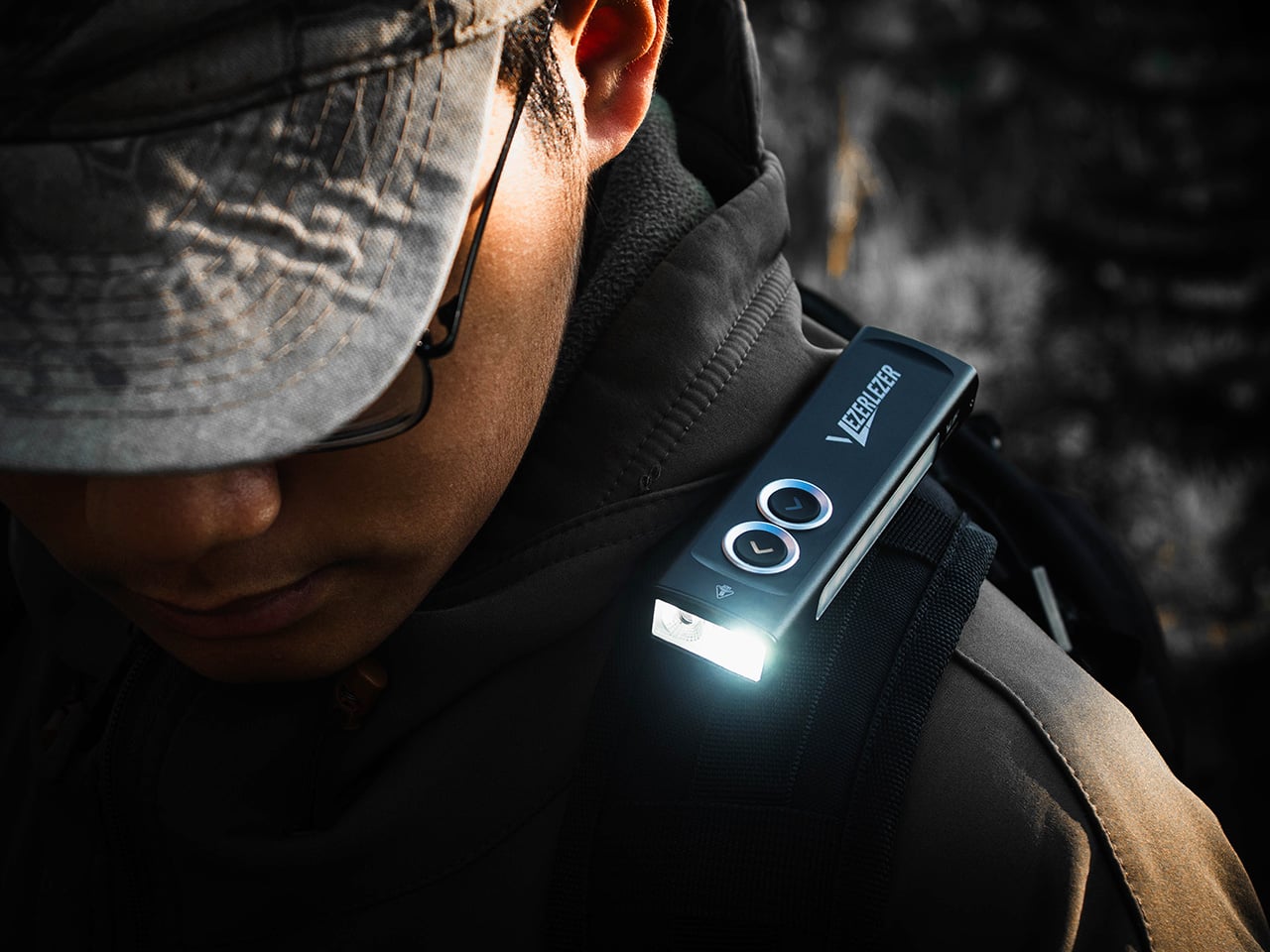
Person in a cap and dark jacket with a small rectangular device clipped to their shoulder strap, emitting a bright light at the bottom.

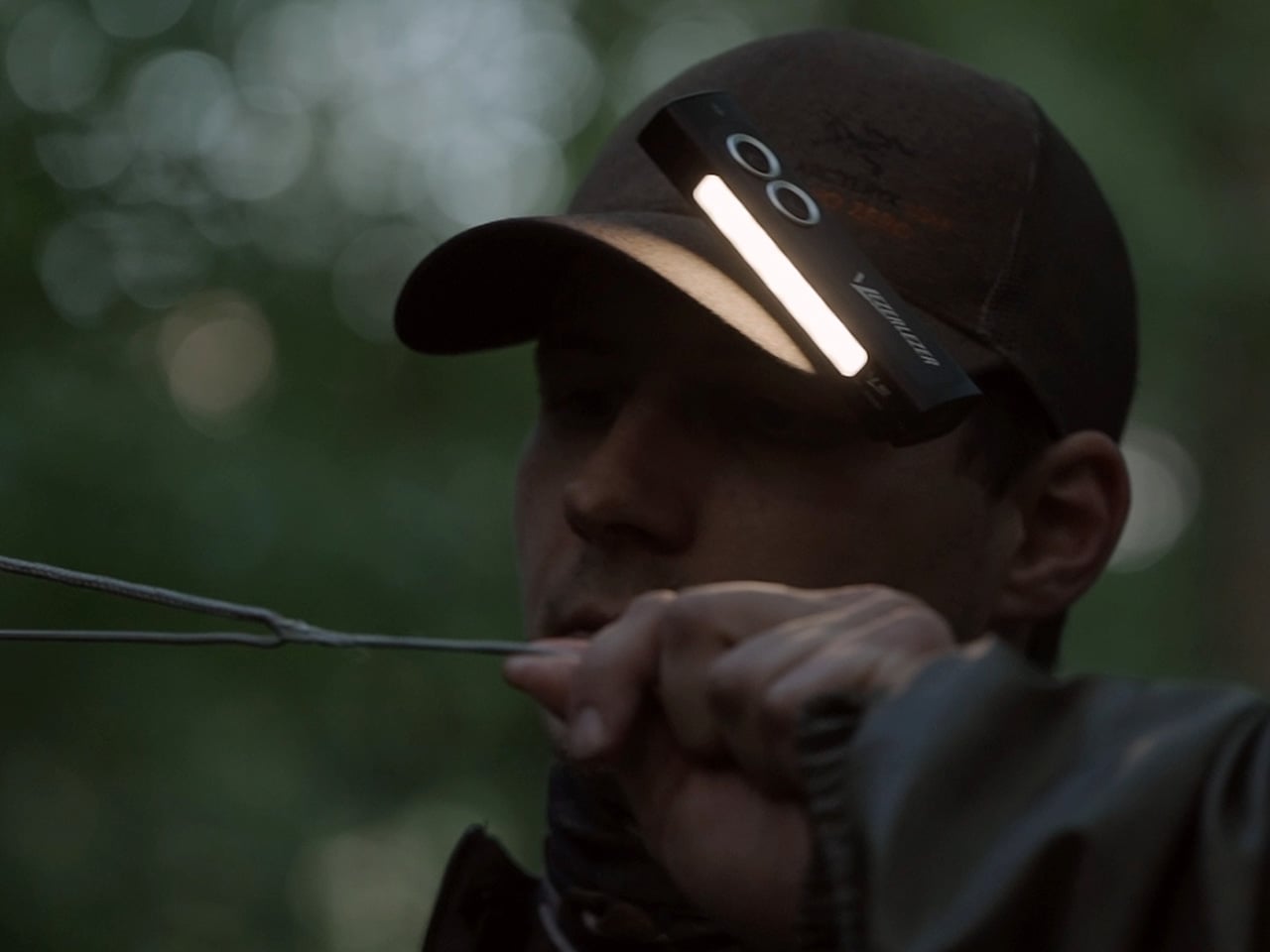
Archer wearing a cap with a mounted headlamp, drawing a bowstring in a dim forest light.

For under $20, this flashlight does something most multi-tools twice its price fail to manage -it stays genuinely useful across completely different situations. The 1,300-lumen main beam is bright enough to light a campsite perimeter, navigate a midnight trail, or serve as a serious deterrent in an unexpected encounter. The UV mode is quietly one of the most underrated additions in any outdoor tool: scorpion detection in arid terrain, stain checks in a tent, and quick gear inspections that a standard beam simply can’t offer. Five functions, one body, one price point that removes every excuse not to carry it.

What really sets this apart from the sea of budget flashlights is the green laser. Whether you’re pointing out trail features in low light, doing a clear-sky star trace with a group, or signaling across a campsite, the laser gives the tool a second personality that standard lights don’t have. It lives comfortably on a keychain or clipped to a carabiner, which means it’s the kind of EDC piece that becomes automatic – you stop thinking about it and just always have it. At this price, losing it stings far less than losing a $90 flashlight, which matters more than people admit.

What we like:

  • 1,300-lumen output is genuinely strong for the price category
  • UV mode adds practical utility well beyond standard lighting

What we dislike:

  • Five modes cycled through a single interface takes a learning curve in the dark
  • Long-term durability at this price point is worth watching over a full season

2. Portable Fire Pit Stand

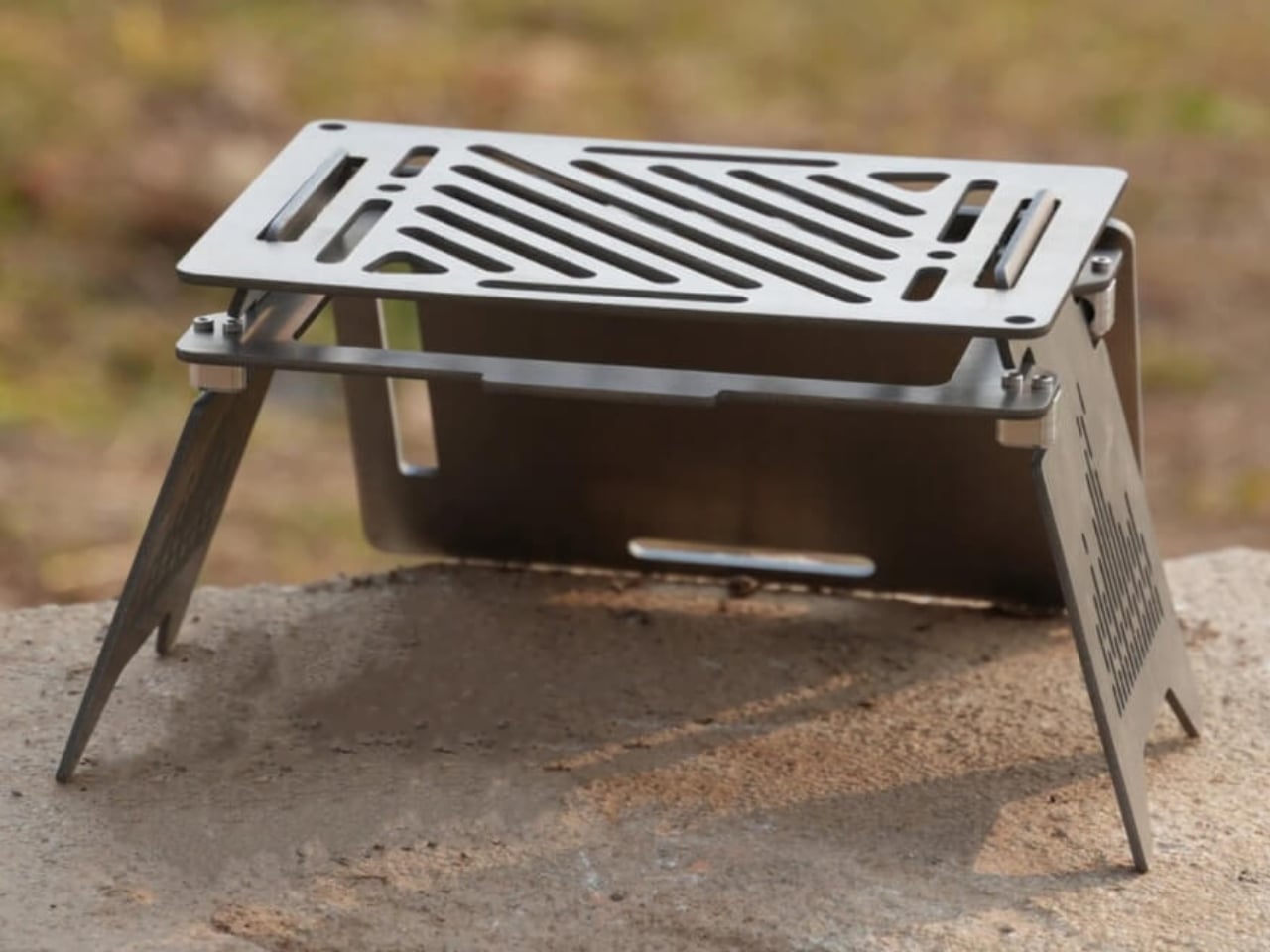
A fire pit stand sounds like a camping luxury until you’re on a site that specifically prohibits ground fires – a dry meadow, a wooden deck platform, a national park with strict leave-no-trace rules. This portable stand elevates your fire off the surface below it, protecting the ground from direct heat damage and keeping ash contained in a way that a loose ring of rocks never quite achieves. It also makes the whole camp setup look considered rather than improvised, which counts for more than it sounds when you’re spending three nights in the same spot.

The portability design is what makes this more than a base-camp accessory. It folds or collapses into a compact carry form that works for car camping and overlanding without demanding dedicated storage. Setting it up is fast, and the elevated position actually improves the fire’s performance – air circulation underneath the fuel means a cleaner, more consistent burn through the night rather than the smothered, smoky result of a fire sitting directly on compacted ground. For anyone who builds a fire as part of the ritual of camping rather than just a heat source, this stand makes that ritual a lot more intentional.

Click Here to Buy Now: $119.00

What we like:

  • Elevates fire off the ground, meeting leave-no-trace standards on most sites
  • Improved airflow beneath the fire produces a cleaner, more consistent burn

What we dislike:

  • Adds weight that dedicated ultralight backpackers will feel over a long carry
  • Works best with manageable fuel sizes; very large logs can be awkward to balance

3. The Chopsticks Maker

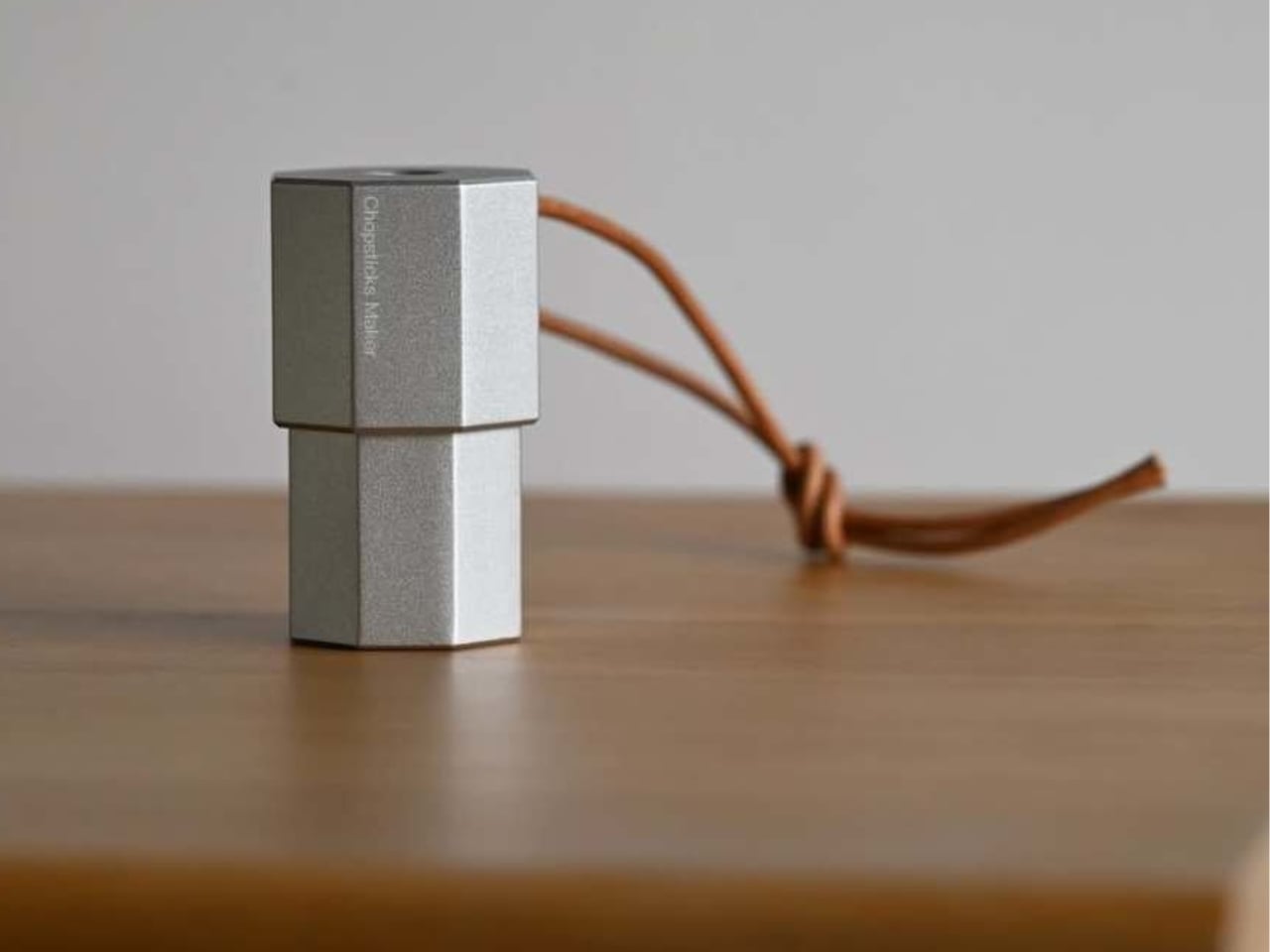
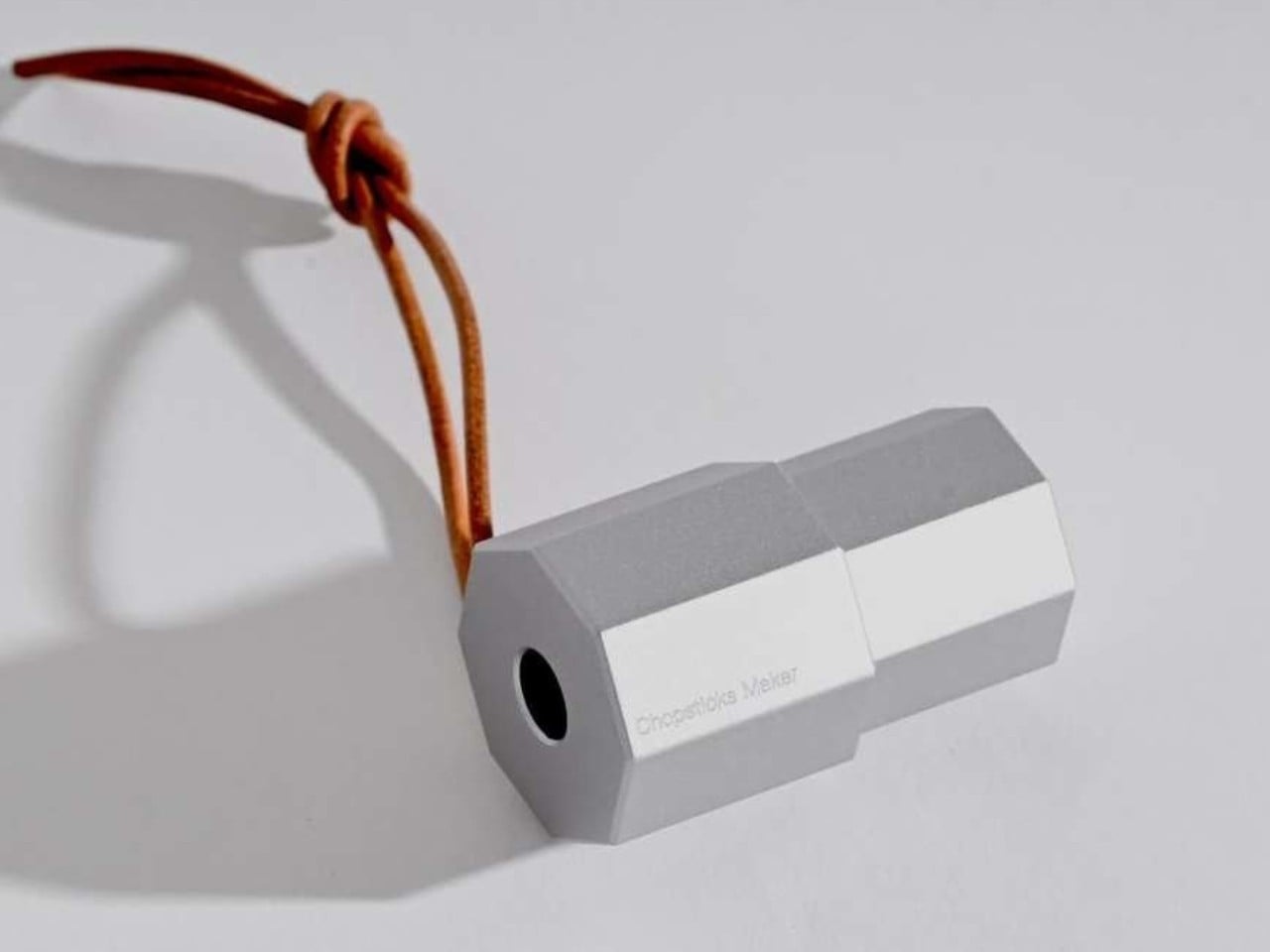
The best camp tools are the ones where the form has been interrogated as hard as the function, and this cutlery set is a clear example of that principle at work. Drawn from the geometry of a pencil sharpener, the design nests every component inward in a compact, cylindrical body that takes up less space than a granola bar and doesn’t produce the loose-rattling frustration of a roll-up pouch at the bottom of a bag. It’s the kind of solution that makes you wonder why camp cutlery looked like it did for so long – the problem wasn’t hard, it just needed someone to think about it differently.

Beyond the cleverness of the form, this is a practical piece of kit that pays off most at the end of a long trail day when patience for fiddly gear is essentially zero. The nesting mechanism keeps everything secured during transport, so there’s no digging for a stray fork or knife at dinnertime. For solo campers and minimalist packers in particular, this delivers the full utensil experience without the footprint or the assembly drama. It’s also the kind of object that earns quiet admiration at a campsite – a small, well-made thing that communicates that you’ve thought about your gear rather than just grabbed it.

What we like:

  • Pencil-sharpener nesting form is genuinely space-efficient and well-reasoned
  • Secure internal assembly means no loose components rattling around in a pack

What we dislike:

  • Reassembling cleanly takes some practice in the first few uses
  • Best suited for solo use; group trips would require multiples

4. Compact Modular Grill Plate

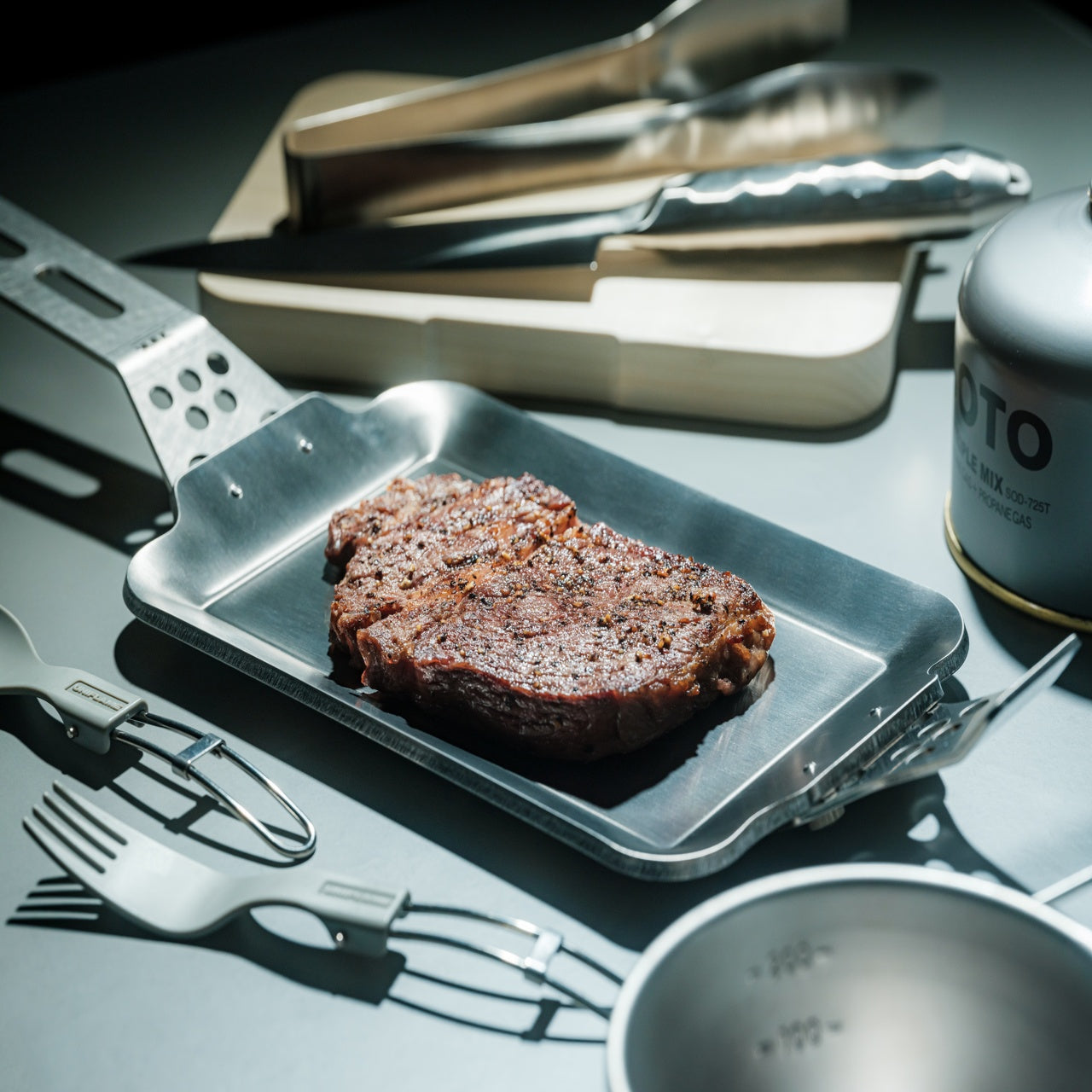
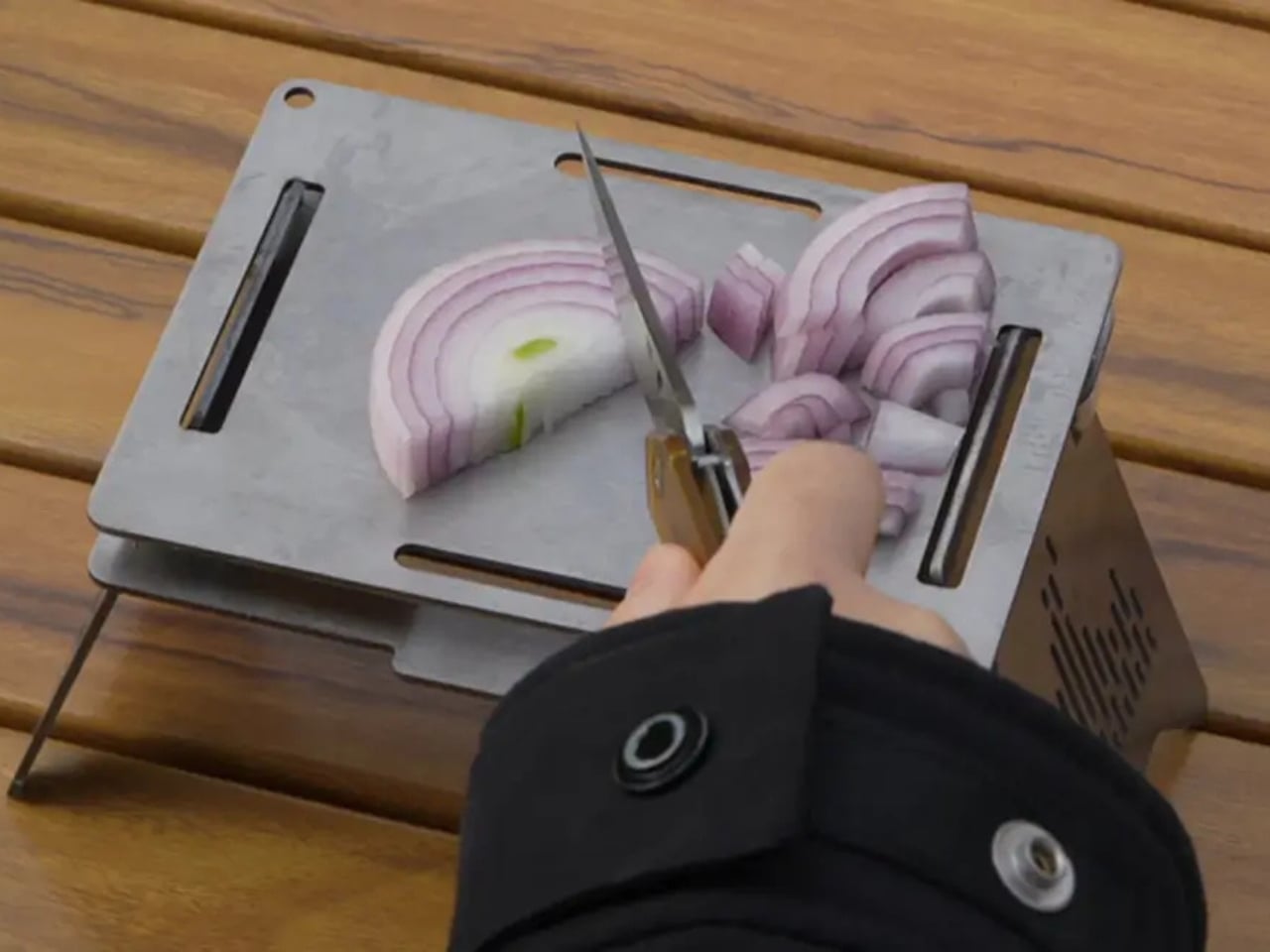
Most camp grill solutions force you into a choice between portability and an actual usable cooking surface. This modular plate refuses that trade-off. It packs flat, assembles fast, and gives you a legitimate grilling surface over an open fire or camp stove without demanding a dedicated stuff sack or adding meaningful weight to the load. Anyone who has tried to cook a piece of fish or a proper piece of chicken on a wobbly, undersized grate understands immediately what a well-designed flat grill plate changes about the whole experience.

The modular configuration is what makes this more versatile than a single-use accessory. It adapts across different heat sources and cooking setups, which matters on trips where the terrain and conditions aren’t always cooperative. Cleanup is also more straightforward than a traditional grate – the flat surface doesn’t trap debris in the same way, and a flat piece of steel is simply easier to wipe down or rinse in the field. For anyone who treats camp cooking as something more than fuel intake, this plate raises the standard of what’s achievable without a kitchen, and it does it without adding the kind of bulk that makes you leave things behind.

Click Here to Buy Now: $100.00

What we like:

  • Flat pack profile adds minimal bulk and fits naturally into a camp kitchen kit
  • Modular design adapts to open fire and stove setups with equal ease

What we dislike:

  • Cooking surface area may feel limited when cooking for more than two people
  • Requires a stable heat source; uneven ground setups need more care

5. Flextail Tiny Pump 2X

Anyone who camps on an inflatable sleeping pad knows the specific indignity of inflating it by mouth – it takes longer than it should, leaves you lightheaded, and is a particularly poor way to start an evening outdoors. The Flextail Tiny Pump 2X is about the size of a thick marker, rechargeable via USB-C, and moves enough air to inflate a full sleeping pad efficiently without any of that effort. It is genuinely one of those products that feels disproportionately capable given how small it is, and once it’s in your kit, it’s the kind of thing you stop leaving behind.

Where the 2X specifically earns its designation is in the reversal to vacuum mode. Packing down an air mattress or inflatable camp pillow by hand is slow, incomplete, and eats into your morning breakdown time – which is real time when you’re trying to make miles before it gets hot. In deflation mode, the pump draws air out and compresses your inflatables faster and tighter than manual effort allows, which translates directly into better overall pack compression. For anyone who values a fast, tidy morning strike as much as a comfortable setup the night before, this small pump genuinely changes how the rhythm of a trip feels from first light.

What we like:

  • Dual inflate and deflate functionality in a USB-C rechargeable, pocket-sized form
  • Vacuum mode compresses inflatables significantly tighter than manual packing

What we dislike:

  • Battery capacity is best matched to smaller inflatables; large mattresses may need a recharge mid-session
  • The compact size makes it easy to misplace inside a busy gear bag

Gear That Earns Its Place Every Trip

None of these five products are trying to do everything at once – and that’s exactly what makes them worth adding to a July kit. The best camp gear in 2026 is defined by restraint: a tool that does its specific job better than anything else its size, then gets out of the way. That’s a harder design brief than it sounds, and each of these picks meets it cleanly. They don’t ask for more space or attention than they deserve, which is the quietest compliment you can pay a piece of outdoor gear.

The through-line across all five is an understanding that the field is not the place to figure out your gear. The flashlight needs to be second nature at 2 a.m. The grill plate needs to be set up before your fire burns down. The pump needs to be in your hand before your patience runs out. These products were designed with that understanding built in, which is why they belong in a real pack rather than a product photography setup.

The post The 5 Best Camping Gear of July 2026 first appeared on Yanko Design.

The 5 Details Every Great EDC Design Shares in 2026

Cheap knives and great knives can share a steel type, a similar price bracket, and even a similar silhouette, yet one gets carried every day for years while the other sits in a drawer after a month. The difference rarely comes down to one dramatic failure. It comes down to five small decisions that most buyers never learn to check for, decisions about lock geometry, screw heads, pivot bearings, dimensional proportion, and low-light findability. Spend enough time with a stack of 2026 releases side by side and the pattern gets impossible to unsee.

I spent the better part of last week breaking down those five decisions using five knives currently earning their keep in pockets around the EDC community, each one chosen because it executes a single detail without compromise. None of these are the flashiest releases of the year, and none needed to be. What ties them together is a kind of restraint, the willingness to spend real machining time and material cost on a part of the knife most buyers never think to inspect. A locking mechanism gets tuned for years of one-handed use rather than a flashy debut video. A screw gets sized and disclosed rather than hidden behind a proprietary driver. That restraint is expensive to execute and easy to skip, which is exactly why so few knives manage all five at once.

1. The Lock: Why Button and Crossbar Mechanisms Made the Liner Lock Feel Dated
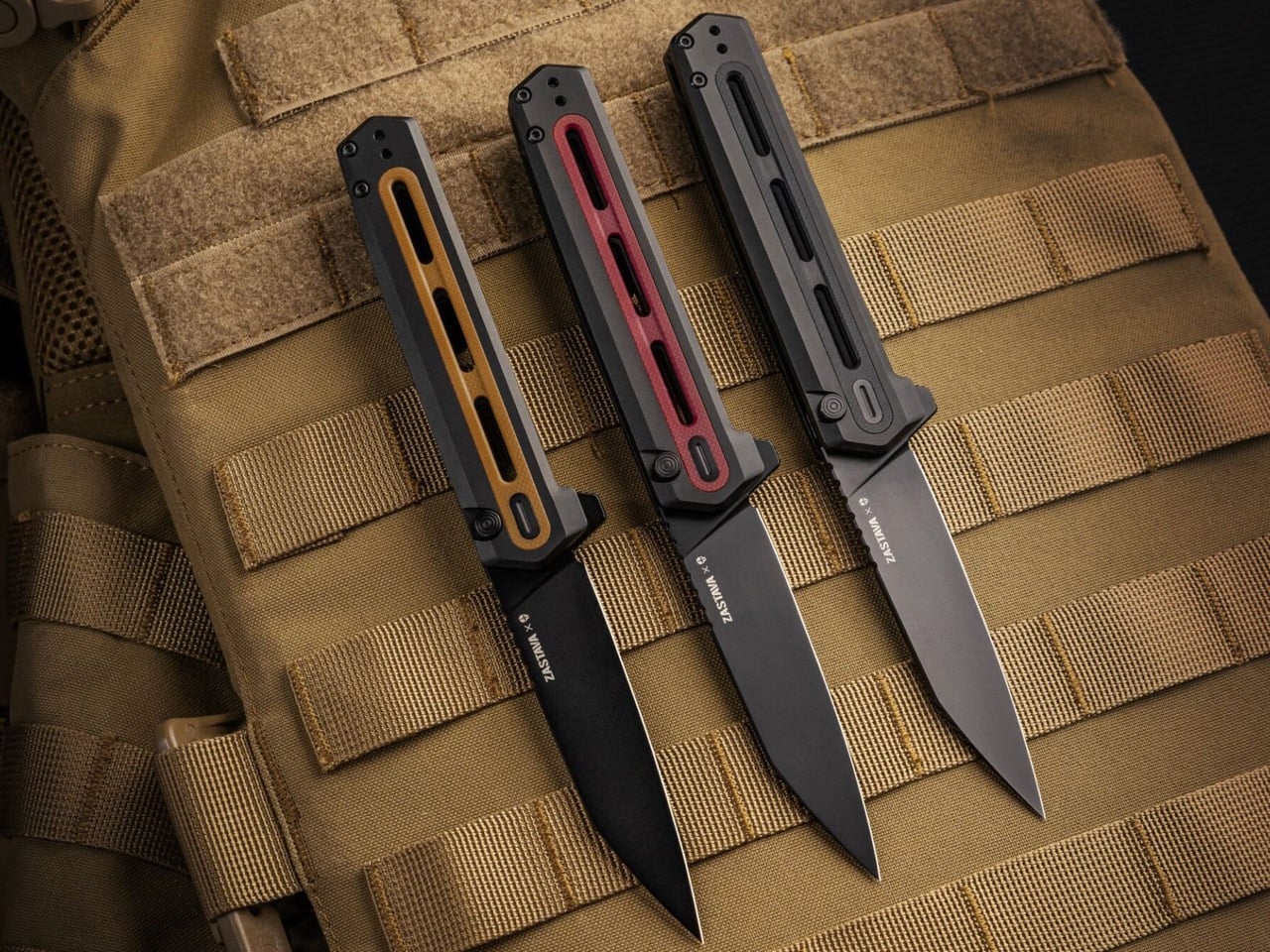
Liner locks and frame locks have one quiet flaw nobody talks about until they’ve sliced a thumb pad on a fast close. To fold the blade back down, your fingers have to reach across its path and nudge the lock out of the way, which is fine ninety nine times out of a hundred and a genuine hazard on the hundredth. Button locks and crossbar locks solve this by moving the release off the blade’s line entirely. Press a button or pull a bar mounted on the spine, and the blade drops shut without your fingers ever crossing the edge. It sounds like a minor ergonomic tweak until you realize it’s the same logic that made Benchmade’s AXIS lock a cult favorite for two decades, just freed up for everyone else to build on now that the patent has expired. That single expiration is why crossbar and button locks have exploded across mid-tier knives in the last two years, and why a lock type that used to signal premium exclusivity now signals a maker who’s simply paying attention.

Tekto’s F4 Echo, a collaboration with Zastava Arms USA that leans hard into the gunmaker’s rifle heritage, runs exactly this kind of button lock, and it’s tuned well enough to matter. Press the button and the CPM S35VN blade drops free with none of the mushy half-engagement that plagues cheaper button locks, then a flick of the flipper tab snaps it back open with the same crisp confidence. Closing it is a one-handed motion, thumb on the button, palm rolling the spine shut, no crossed fingers anywhere near the reverse tanto edge. It’s a satisfying click too, the kind that turns into an idle fidget habit whether there’s anything to cut or not. At $199.99 it isn’t chasing budget-tier button locks racing to the bottom on price. It’s proof the mechanism has fully arrived at the mid-tier, executed with a materials upgrade to match, and Tekto clearly built it for people who’ll notice the difference immediately.

Click Here to Buy Now: $170 $199.99 (15% off with code YANKO). Hurry, deal ends in 48-hours! Free FedEx 2Day shipping within the USA.

2. The Pivot: Why Ceramic Bearings Turned Washers Into a Warning Sign
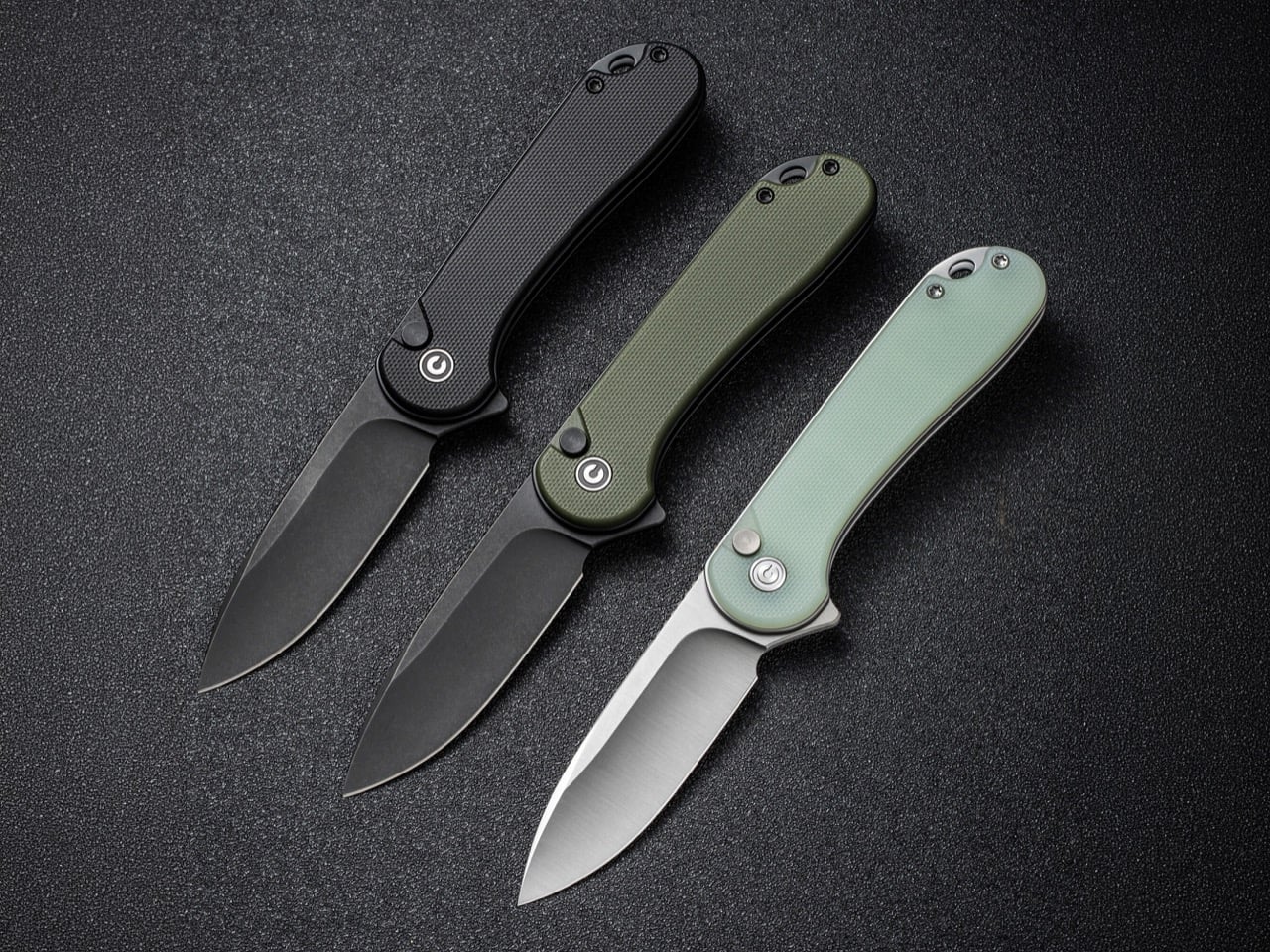
Pull apart any budget folding knife from a decade ago and you’ll almost always find phosphor bronze or Teflon washers wrapped around the pivot, a setup that works fine until grit, lint, or a humid afternoon gets between the layers. Washers rely on flat surface contact, so any contamination turns a smooth flip into a gritty drag that needs a hard wrist snap to force open. Ceramic bearings solve this by replacing that flat contact with a caged ring of hardened balls that roll instead of scrape, cutting friction dramatically and staying consistent even when the knife is dirty. They also can’t rust the way steel bearings eventually do, so a knife that’s been caught in the rain still deploys glassy smooth a year later. This used to be the detail separating a $50 knife from a $300 one, and in 2026 that gap has mostly closed. Once ceramic bearings became cheap to source and simple to cage correctly, there was no honest excuse left for a stiff pivot at any price.

Civivi’s Elementum earned its reputation as the reset button for budget EDC largely by being one of the first sub-$50 folders to ditch washers for a caged ceramic ball bearing pivot outright. The Elementum II carries that same pivot forward while adding a tuned button lock, and the bearing underneath does most of the work on how the knife actually feels in hand. Flick it open and it glides with none of the initial stiffness a washer knife needs to work through, and the closing motion rides that identical smooth pivot rather than some separate mechanism bolted on for the button. At 2.96 inches of Nitro-V steel and under $100 across most configurations, it’s proof the bearing upgrade never had to live exclusively at the premium end of the market. Civivi more or less forced the rest of the budget category to either match that pivot or explain why they hadn’t.

3. The Glow: Why Tritium Slots Separate Findability From Decoration
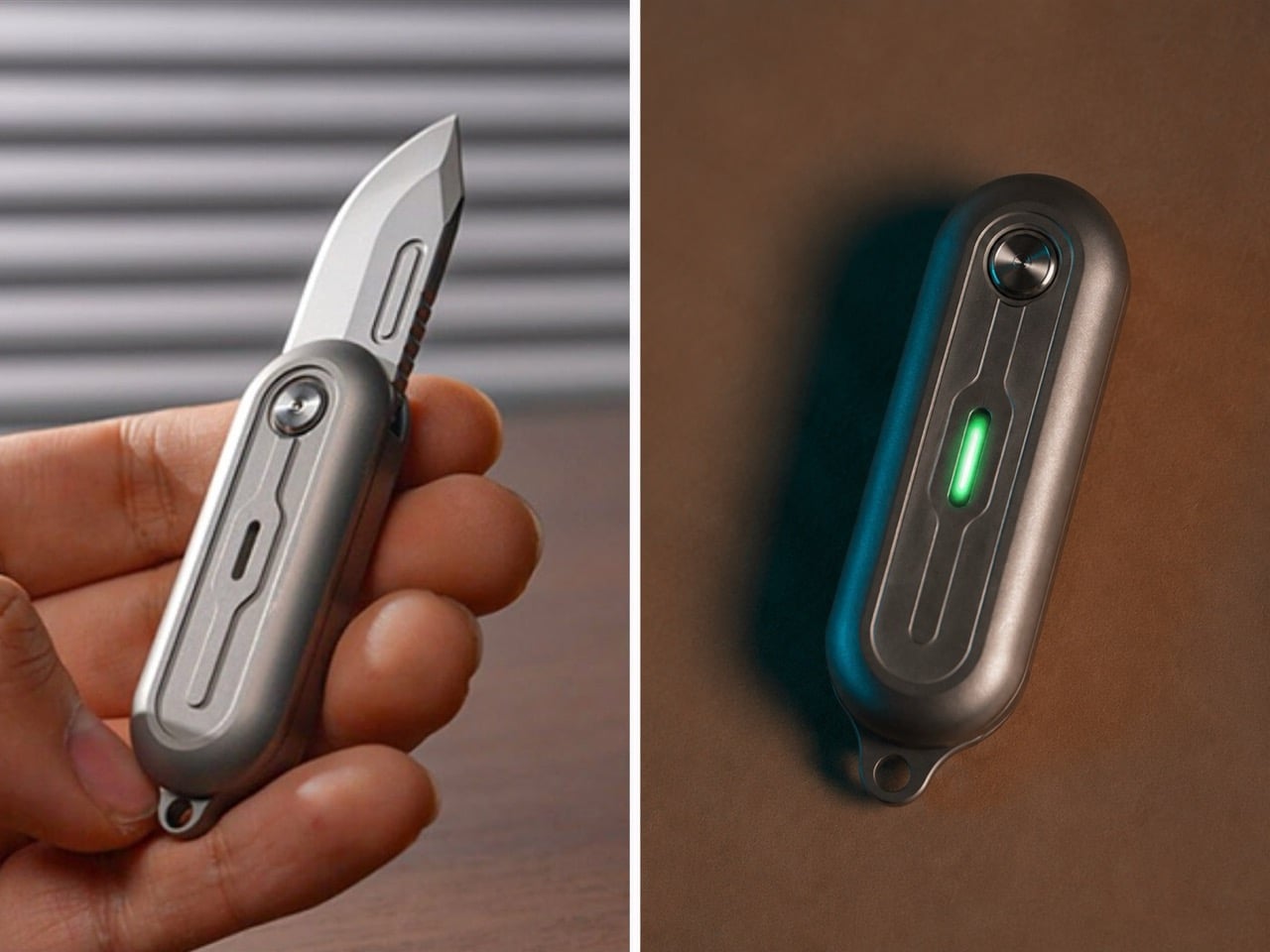
Tritium vials are sealed glass tubes filled with a radioactive gas that emits a faint, self-powered glow for roughly 25 years with no batteries and no charging required, and EDC makers have been drilling slots for them since around 2020. Plenty of that early adoption was pure theater, vials tucked into handle scales where your palm covers the glow the moment you pick the knife up, or embedded on a blade spine where they serve no purpose beyond looking tactical in a product photo. A well-placed slot solves an actual problem instead. Drop a knife in a dark bag, a glove box, or beside a bed at 2am, and a tritium vial is the difference between patting around blind and spotting a faint green dot exactly where you left it. Vials run $15 to $40 each, so a maker adding two of them made a deliberate call. Decoration gets bolted on wherever there’s leftover space, while findability gets placed exactly where your eye needs to land first.

TiNova II puts that logic to its intended use. The two tritium slots sit on the flat faces of its Grade 5 titanium scales, and depending on the finish, you get either raw sandblasted titanium letting the glow read plainly or a black-coated version that makes those same vials do most of the visual work in a dark pocket or bag. At 2.54 inches closed and just 59.3 grams, this is a knife built for keychain duty first, exactly the kind of small object that goes missing in a junk drawer or backpack pocket without a locator built in. The D2 steel blade deploys with a 360 degree spin off a ball bearing pivot, more fidget toy than tactical folder, but the tritium slots keep it from being purely a novelty. It’s a genuinely small detail on a genuinely small knife, and it’s exactly the kind of detail that separates a maker thinking about how the object gets used at night from one just checking a spec sheet box.

4. The Footprint: Why 8 Inches Became the Serious EDC’s Sweet Spot
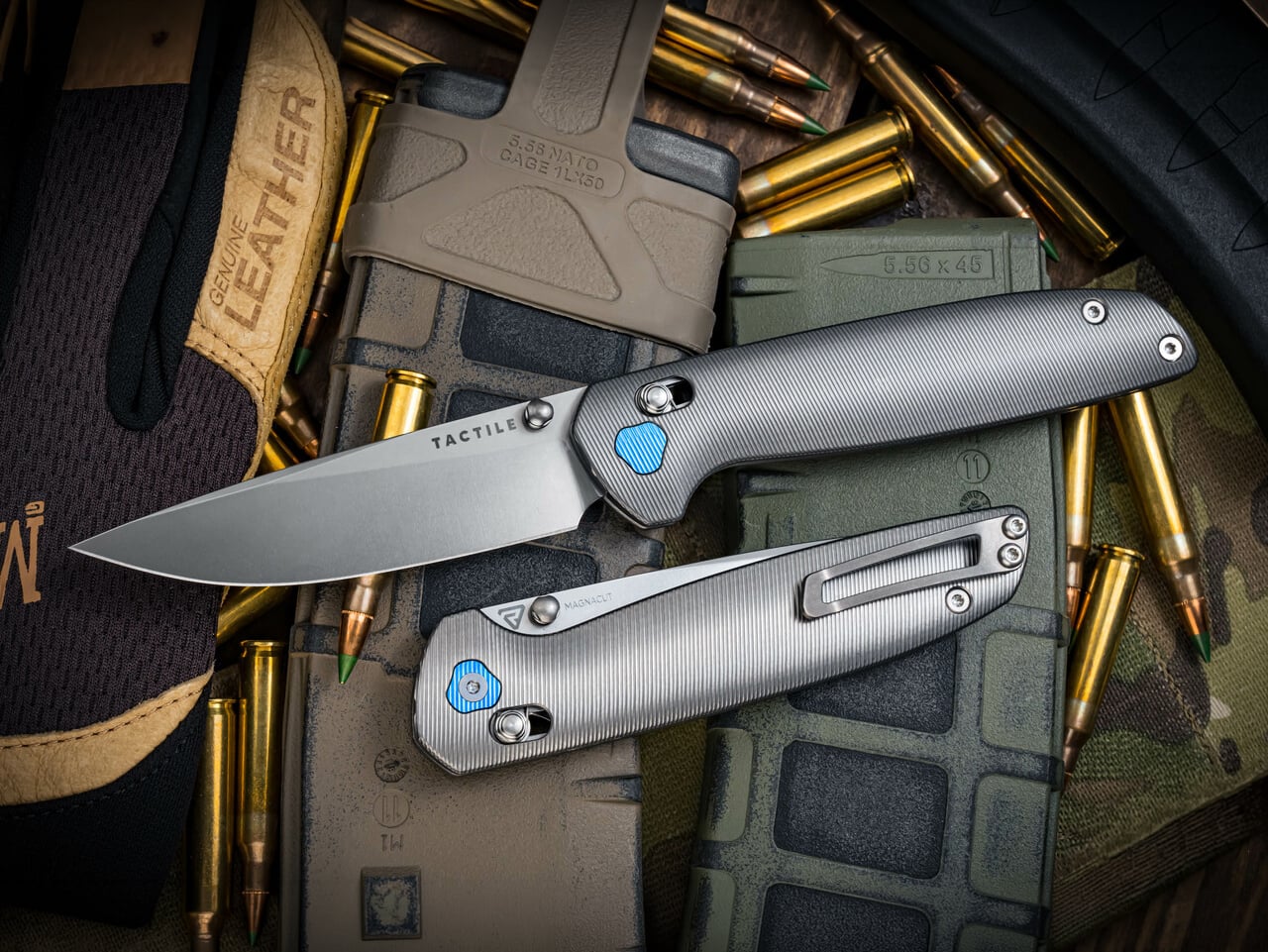
EDC has spent the better part of a decade chasing extremes in either direction, keychain folders under 4 inches closed competing with hard-use tank knives pushing past 9 inches open, both categories treating size as the headline spec. Somewhere in the middle sits a range most serious knives have quietly converged on, an overall open length around 8 to 8.3 inches paired with a blade close to 3.5 inches. That proportion isn’t an accident or a coincidence across brands. It’s large enough to give a full four-finger grip real purchase on the handle, yet compact enough to disappear into a front pocket without printing through the fabric or announcing itself in a waistband. The blade length lands right at the edge most carry jurisdictions still consider reasonable, long enough for food prep, package handling, and cordage work without crossing into knife-you-have-to-explain territory. Novelty chases a headline number. Dimensional maturity chases the number that actually gets carried every day.

Tactile Knife Co.’s Maverick sits almost exactly on that mark, running 8.18 inches open with a 4.7 inch closed length and a 3.5 inch CPM MagnaCut blade that splits the difference between edge retention and rust resistance better than almost anything at this price. Richard Rogers designed the knife’s tri-lobe handle shape specifically to fill a full-size hand without adding bulk, and the crossbar lock keeps the release off the blade’s path the same way the better button locks do, so drawing and closing it one-handed never feels like a negotiation. At 3.9 ounces in titanium, it carries with enough presence to feel substantial without dragging a pocket down, which is the entire argument for this dimensional range in one knife. Tactile built it in Dallas alongside its better-known pen line, and the proportions read like a team that already understood exactly where the size ceiling for daily carry actually sits.

5. The Fastener: Why Torx Screws Signal a Maker That Expects You to Stick Around
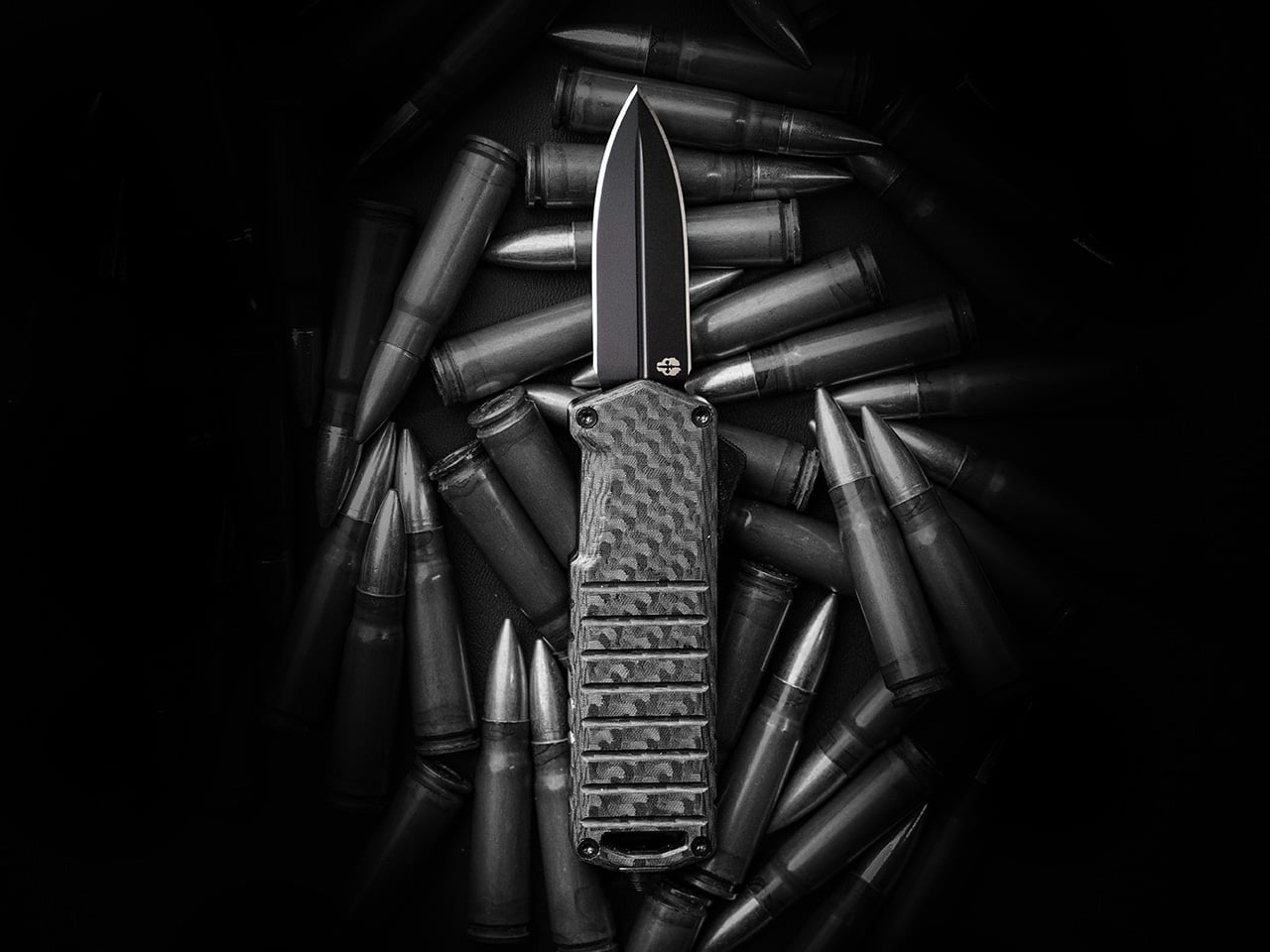
A screw head sounds like the last thing worth judging a knife on, but it quietly tells you how a maker feels about your relationship with the tool over the next decade. Torx resists cam-out under torque, distributes pressure evenly across the star pattern, and doesn’t strip the way a Phillips head does after the third disassembly. Cheaper knives lean on Phillips because the drivers are everywhere, or worse, they use a proprietary bit tucked into a tiny plastic bag that gets lost within a month, quietly forcing you back to the store when the pivot finally needs a clean. The real tell in 2026 isn’t whether a knife uses Torx at all, since most premium builds do by now. It’s whether the maker actually tells you the size. A listed T6 or T8 is an invitation to keep the knife running for years. A vague “tool included” is a maker who’s already planning for you to lose it and buy another knife instead.

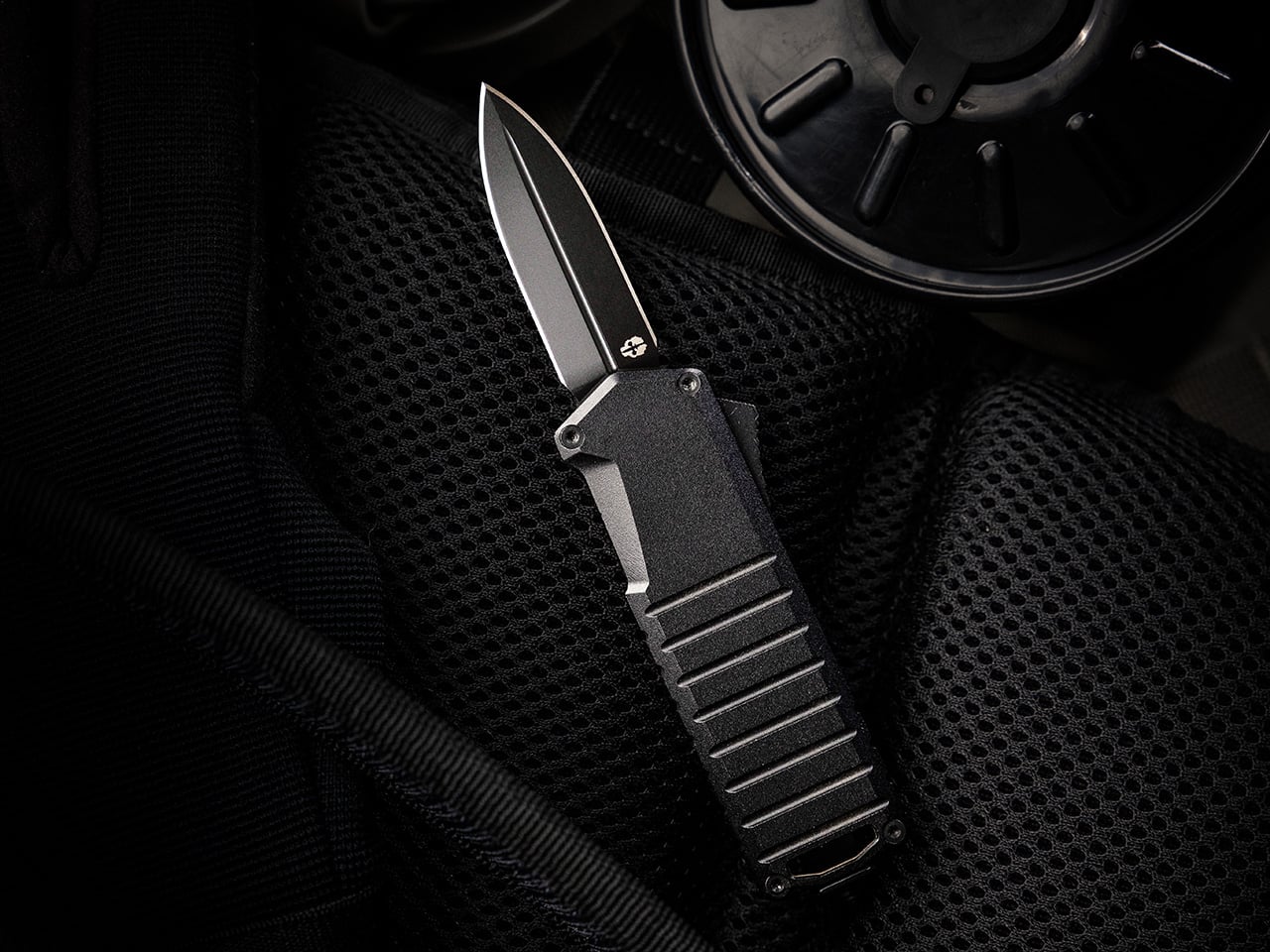
Tekto builds the A2 Badger around that same philosophy, running Torx head screws visible on all four corners of the chamfered aluminum handle rather than hiding the hardware or pressing it in permanently. That transparency matters more than usual here, since the Badger is an OTF, a mechanism with more moving parts than a standard folder and one that benefits from an owner who’s actually willing to open it up and relube the slide over time. At 2.18 ounces with a titanium coated D2 blade under two inches, the Badger was built specifically to slip past the length restrictions that plague OTF knives in restrictive states, and Tekto backs that engineering with a full warranty against material or manufacturing defects. Standard Torx hardware on every corner means an owner can actually service the thing rather than just carry it until something inside finally gives out. It’s a small, unglamorous decision, and it’s exactly the kind that separates a knife built to last from one built to sell once.

Click Here to Buy Now: $119 $139.99 (15% off). Hurry, deal ends in 48-hours! Free FedEx 2Day shipping within the USA.

The post The 5 Details Every Great EDC Design Shares in 2026 first appeared on Yanko Design.
5 Best Packable Outdoor Tools So Light You’ll Forget They’re in Your Bag – Until You Need Them

There is a specific kind of frustration that only comes from a pack that fights you. Zippers that won’t close. Straps digging in because the load is too heavy for a day hike. Gear that solves one problem while creating two others. The five products on this list were chosen with a single constraint: they need to justify their existence in a bag that has no spare room and no patience for dead weight.

Each one earns its place by solving a specific outdoor problem without giving anything back in bulk or effort. The Nimbus Inflatable Umbrella leads the group as its most radical thinker, but the logic runs through every pick here. Weight matters. Packability matters. The kind of reliability that doesn’t require checking before you leave the house matters most. This is the kit you build once and stop thinking about.

1. Nimbus Inflatable Umbrella

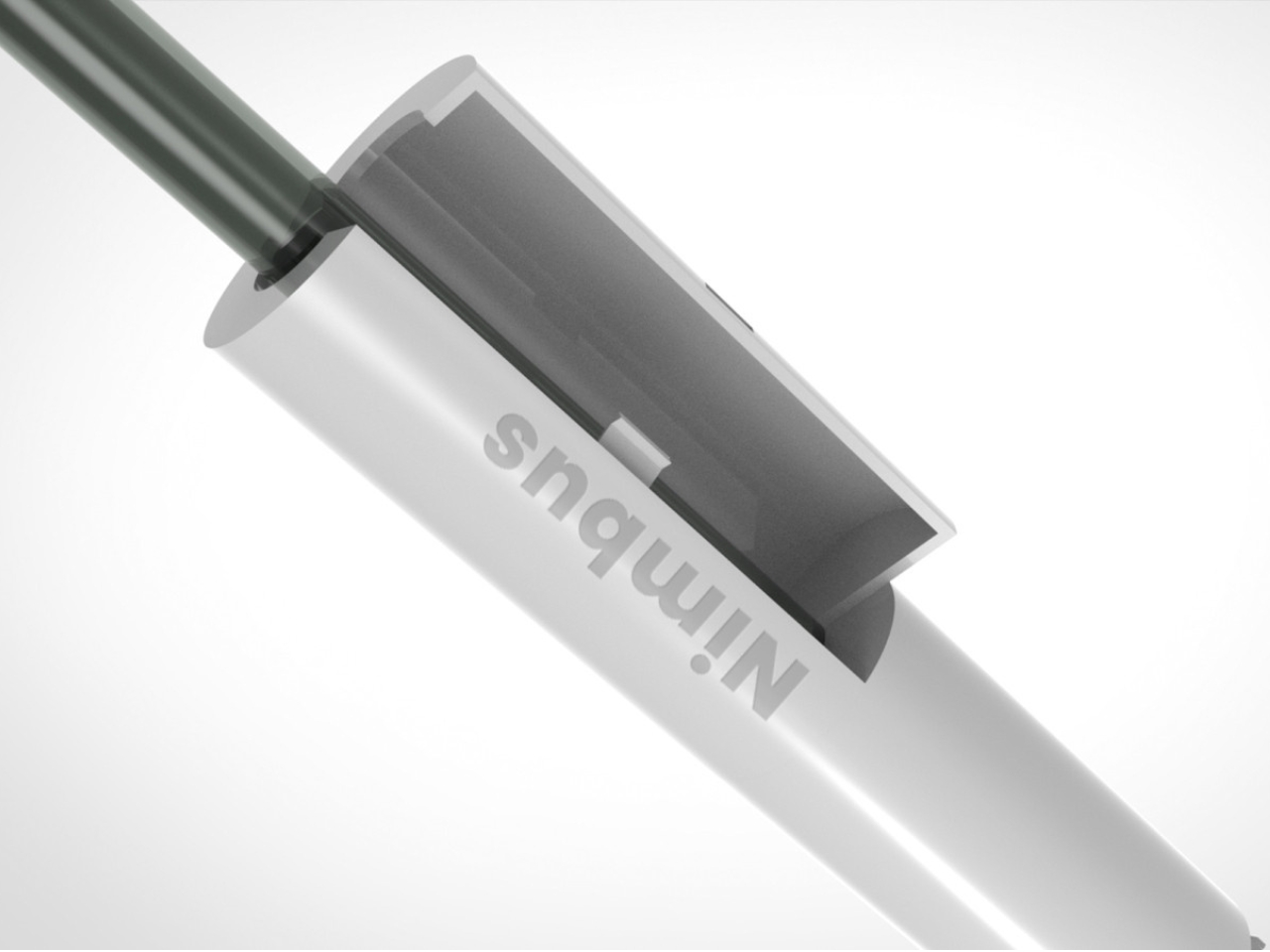
The standard umbrella has one guaranteed flaw: every rib is a failure point waiting for wind. The Nimbus, designed by four SCAD graduate students as part of their Master’s in Design for Sustainability, removes the premise entirely. Made from a single material, recyclable thermoplastic polyurethane, it inflates into structure rather than relying on a metal skeleton to hold its shape. No ribs. No joints. No layered materials that make the whole thing unrecyclable when it finally gives up.

A life cycle assessment puts the Nimbus at 99% lower environmental impact than a conventional umbrella, which is a number worth sitting with. The single-material construction also makes it repairable in ways that standard umbrellas never were, and the design team built in a buy-back program before the product even reached production scale. It has earned recognition from the Green Product Award. While it remains a concept rather than a retail product, the argument it makes is already complete.

What we like

  • Single TPU construction removes every mechanical failure point that standard umbrellas share
  • 99% lower environmental impact verified through a full life cycle assessment

What we dislike

  • Currently a concept product and not yet available for retail purchase
  • Inflation before use adds a step that a conventional umbrella does not require

2. Blackout Beam Tactical Flashlight

A flashlight earns its place in a packable kit by being the one you actually have on you when the light fails. The Blackout Beam Tactical Flashlight makes that case on size before it gets to output. It delivers enough brightness to handle trail navigation and campsite tasks in a body compact enough to sit alongside the rest of this kit without occupying space the rest of the bag has already negotiated for.

Tactical flashlights tend to be engineered for demands most outdoor users will never encounter, which means the camper or day hiker ends up with hardware overspecified for the task. That margin matters more than it sounds. When navigating an unfamiliar trail after dark or searching a tent interior in total darkness, a light that performs beyond what the moment requires is a light that has never let you down. The Blackout Beam earns its slot by being ready before you are.
Click Here to Buy Now: $90.00

What we like

  • Compact form factor carries without claiming dedicated pack real estate
  • Built to a performance standard that comfortably exceeds typical outdoor demands

What we dislike

  • Tactical construction favors utility over refined aesthetics
  • Requires battery management like any powered carry item in an active kit

3. NoxTi Tritium Keychain

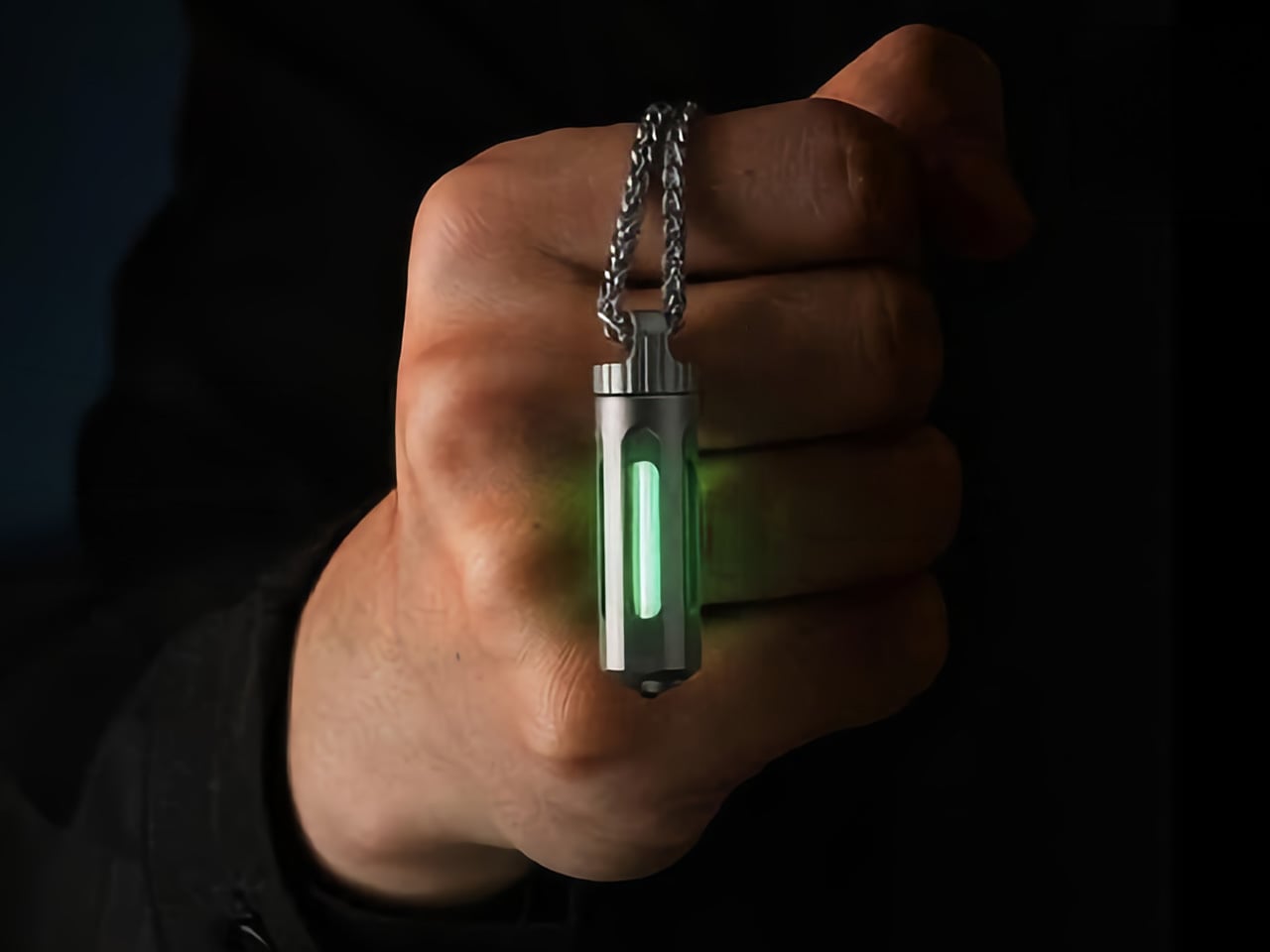
The NoxTi does not run on anything you pack. A 45mm Grade 5 titanium cylinder weighing 10.7 grams, it houses a tritium vial inside a precision quartz tube with 92% light transmission. Tritium is a hydrogen isotope whose beta particle decay strikes a phosphor coating and produces continuous light as a straightforward byproduct of existing. The glow runs for 25 years without a switch, battery, or charge cycle. You add it to the kit and stop tracking it entirely.

In outdoor use, the NoxTi handles a job the Blackout Beam cannot: passive location without activation. It marks your keys at the bottom of a bag, identifies your tent entrance without a search, and stays visible through a full night without being switched on. Six glow colors address different use cases, with red available for night-vision preservation borrowed from military and aviation practice. The ceramic-tipped tail adds a glass breaker for genuine emergency utility without changing the carry footprint.

What we like

  • 25-year continuous glow powered by physics with no battery, switch, or charging required
  • Fully user-serviceable body becomes a permanent platform with swappable tritium cores

What we dislike

  • Intentionally faint glow marks and locates rather than providing meaningful illumination
  • Tritium classification may restrict import or carry in certain countries

4. Camprit TiStove

Five flat titanium pieces. That is the entire TiStove. Two foldable legs and three interchangeable cooking panels that pack completely flat, come in under 1.5 pounds, and assemble without fasteners, threading, or a manual. Camprit’s logic was that most camp stoves lock you into a single cooking method and add bulk to compensate. The TiStove removes that assumption. Three panels reconfigure for boiling, grilling, or open-fire cooking, and the spare panels function as a windshield when conditions require one.

There is no ignition system to fail at altitude, no gas canister threading to seize in cold weather, no proprietary fuel that limits what the trip can include. The TiStove accepts wood, gas, and alcohol, adapting to what the trail provides rather than what you remembered to bring. Titanium picks up color from heat over time, marking each stove with its own record of use. For a camp kitchen with no single point of failure, this is where it starts.

What we like

  • Packs completely flat at under 1.5 lbs with three interchangeable cooking configurations
  • Compatible with any fuel source including wood, gas, and alcohol without modification

What we dislike

  • Requires a separate burner or fuel source since nothing in the system is self-contained
  • Titanium panels need careful packing to avoid surface contact and scratching

5. Aero Spork (0.25 oz)

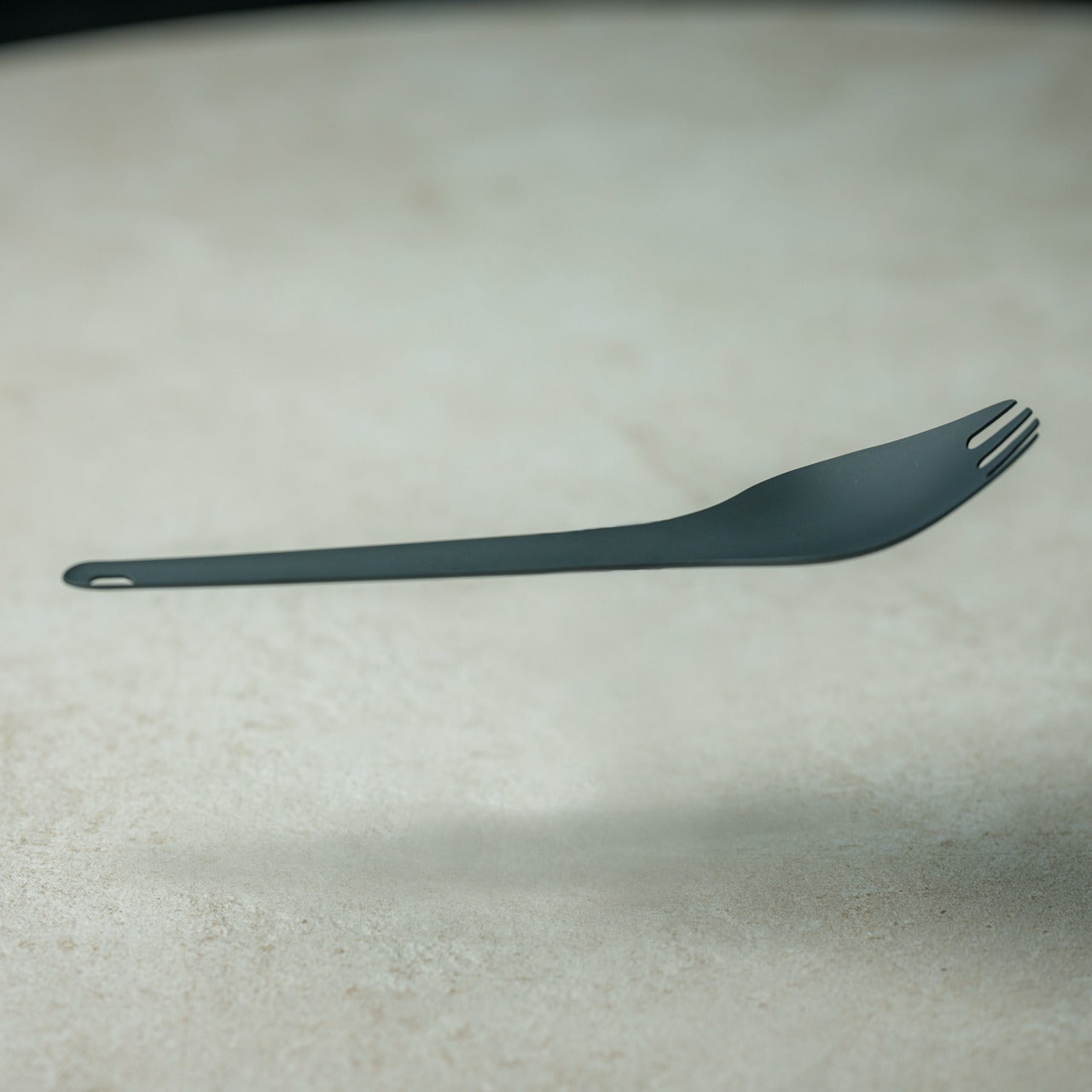
Quarter of an ounce. That figure sounds like marketing until you hold the Aero Spork and realize the engineers took it seriously. Titanium construction at that weight means the tradeoff between durability and gram savings, the negotiation that haunts most ultralight gear, simply does not apply here. The curved ergonomic form handles soup, pasta, and everything in between without requiring the compromises that most sporks impose on at least one function. It does both jobs properly without apologizing for either.

The Aero Spork stacks cleanly, which matters more on group trips than solo ones. When each person brings their own, and the pack reaches capacity, they consolidate without adding bulk. The tapered end handles noodle twirling with enough precision to feel intentional rather than approximate. It is the kind of object whose design becomes invisible because every decision was made correctly. You stop noticing it and start using it, which is the goal of any good tool.

Click Here to Buy Now: $25.00

What we like

  • 0.25 oz titanium construction removes any weight penalty from the carry decision
  • Stackable design scales cleanly for group trips without multiplying bulk

What we dislike

  • Small form factor requires some adjustment from standard cutlery sizing
  • Single utensil format means committing to the spork over carrying separate pieces

The Lightest Kit Is the One That Never Comes Back Out of the Bag

Five products, five outdoor problems, and a combined carry weight that barely registers. What connects them is a refusal to make you choose between function and footprint. The Nimbus reframes what a weather shelter can weigh. The NoxTi removes an entire category of gear from your charge list. The TiStove reduces the camp kitchen to a flat stack of metal. Each one solves its problem at the root rather than working around it.

The best outdoor kits are not the ones with the most options. They are the ones where every item has earned its place, and nothing remains by default. Pull any of these five out of the bag, and you know exactly why it made the cut. Pack all five, and you will start wondering what else you have been carrying that cannot answer the same question. Light is a habit. Once you build it, everything else starts to feel like excess.

The post 5 Best Packable Outdoor Tools So Light You’ll Forget They’re in Your Bag – Until You Need Them first appeared on Yanko Design.