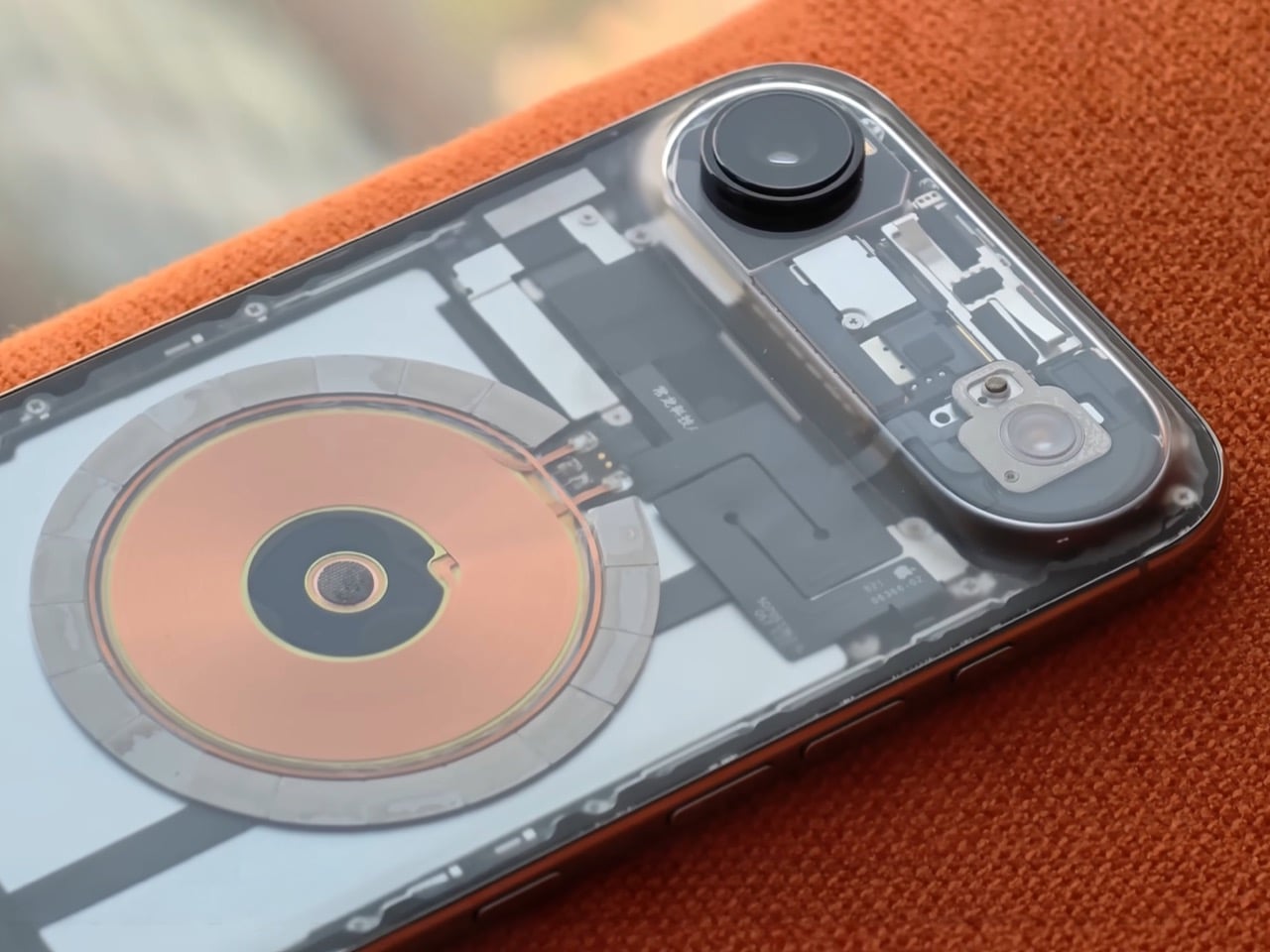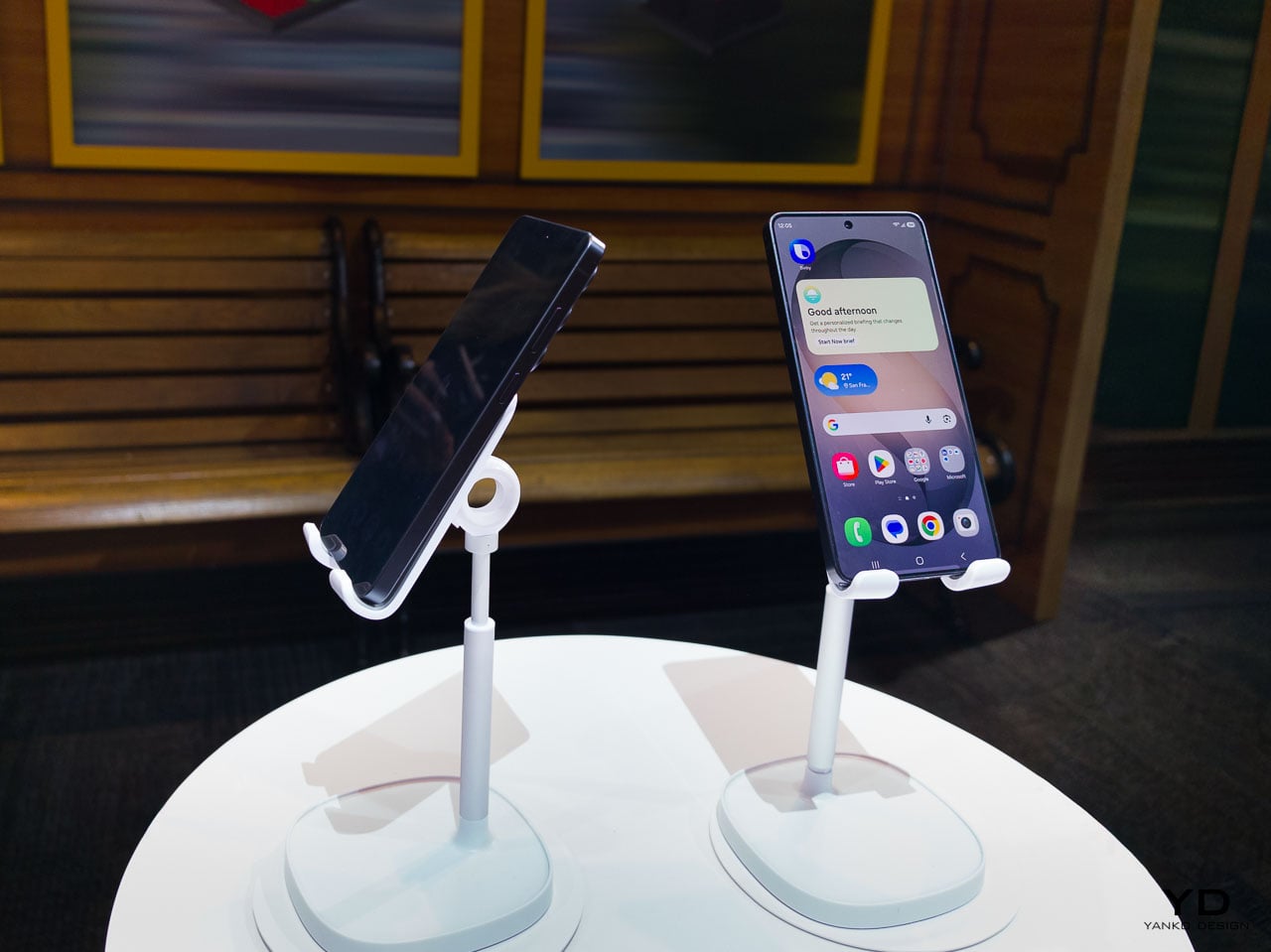
10 Best Phones of 2024 You Can’t Miss – Foldables, Flagships, and Surprises!

Happy Mobile Monday! Today, I am diving into the best phones of 2024, a year that has brought us remarkable innovations in smartphone technology. The TECNO Phantom Ultimate 2, a concept tri-fold, and Huawei’s Mate XT, a production-ready model, serve as unique entries in the foldable market, showcasing ambitious designs that push boundaries. Apple, Samsung, and Google continue to dominate as key players with their globally available devices—each setting a benchmark for quality and user experience. Meanwhile, other contenders like VIVO and TECNO have stepped up to challenge the norm, delivering impressive foldable options and innovative features. Whether it’s the revolutionary AI capabilities, cutting-edge cameras, or foldable technology that truly takes smartphones to the next level, this year’s selection reflects an exciting blend of creativity and technical achievement.

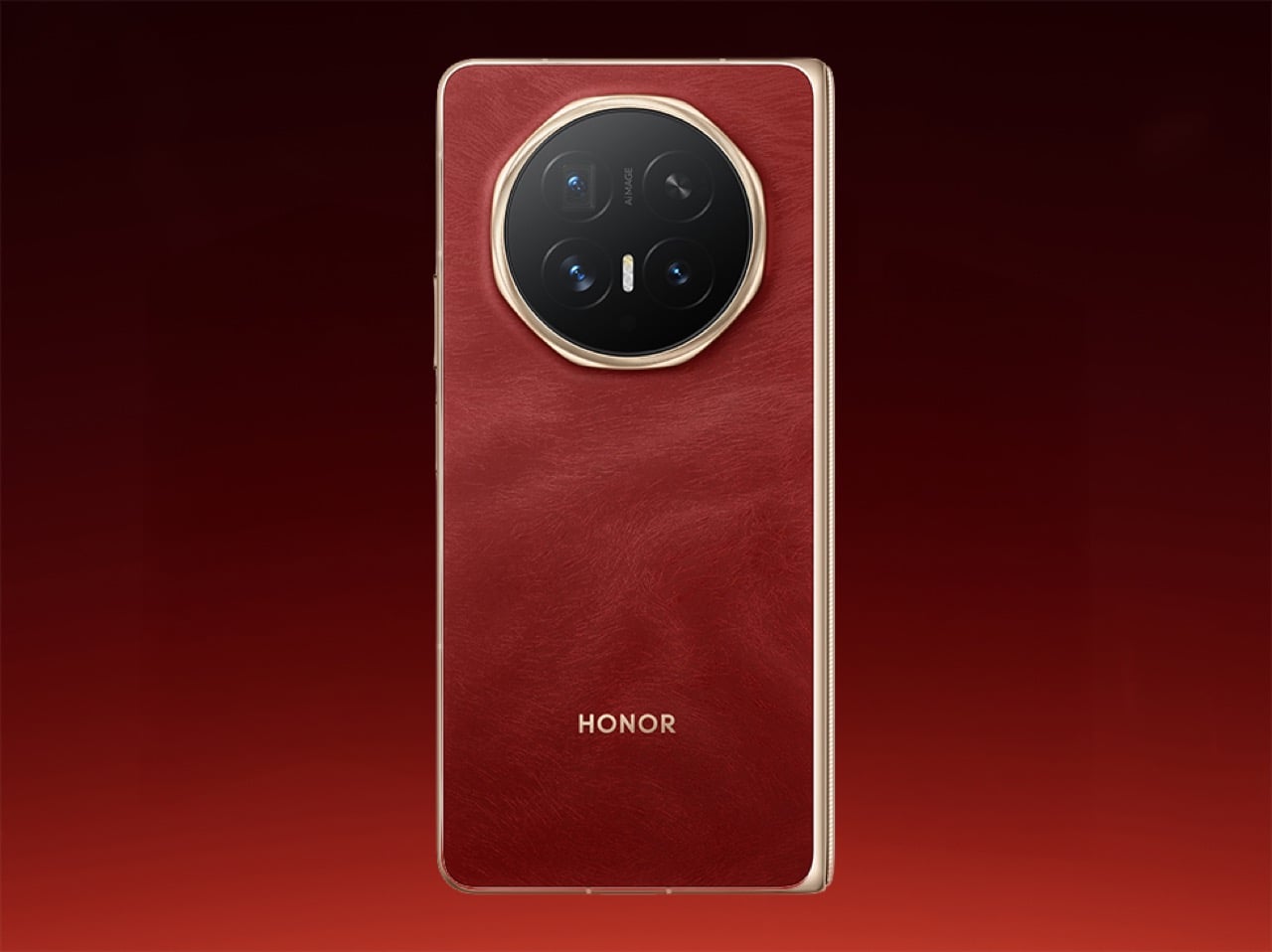
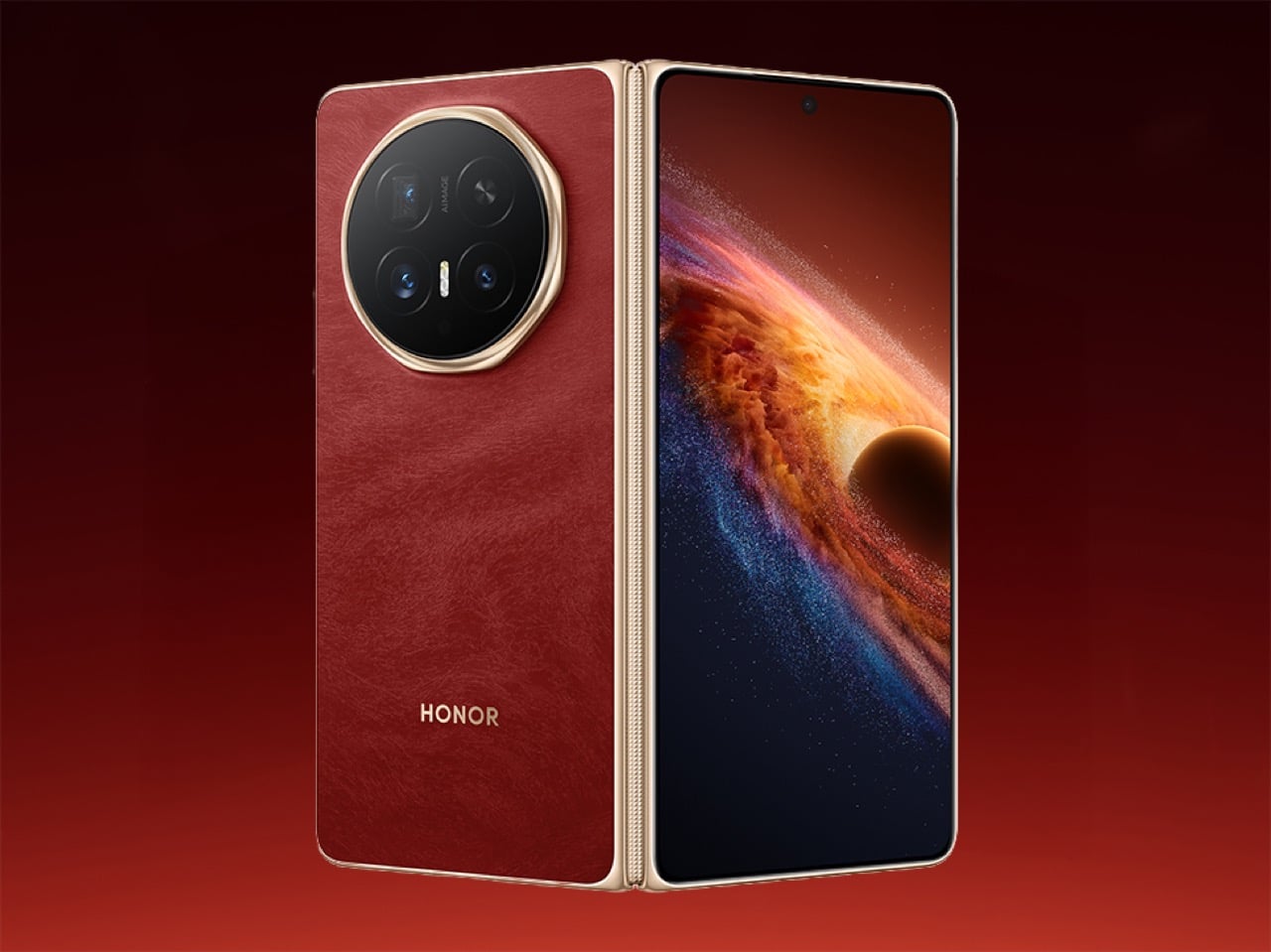
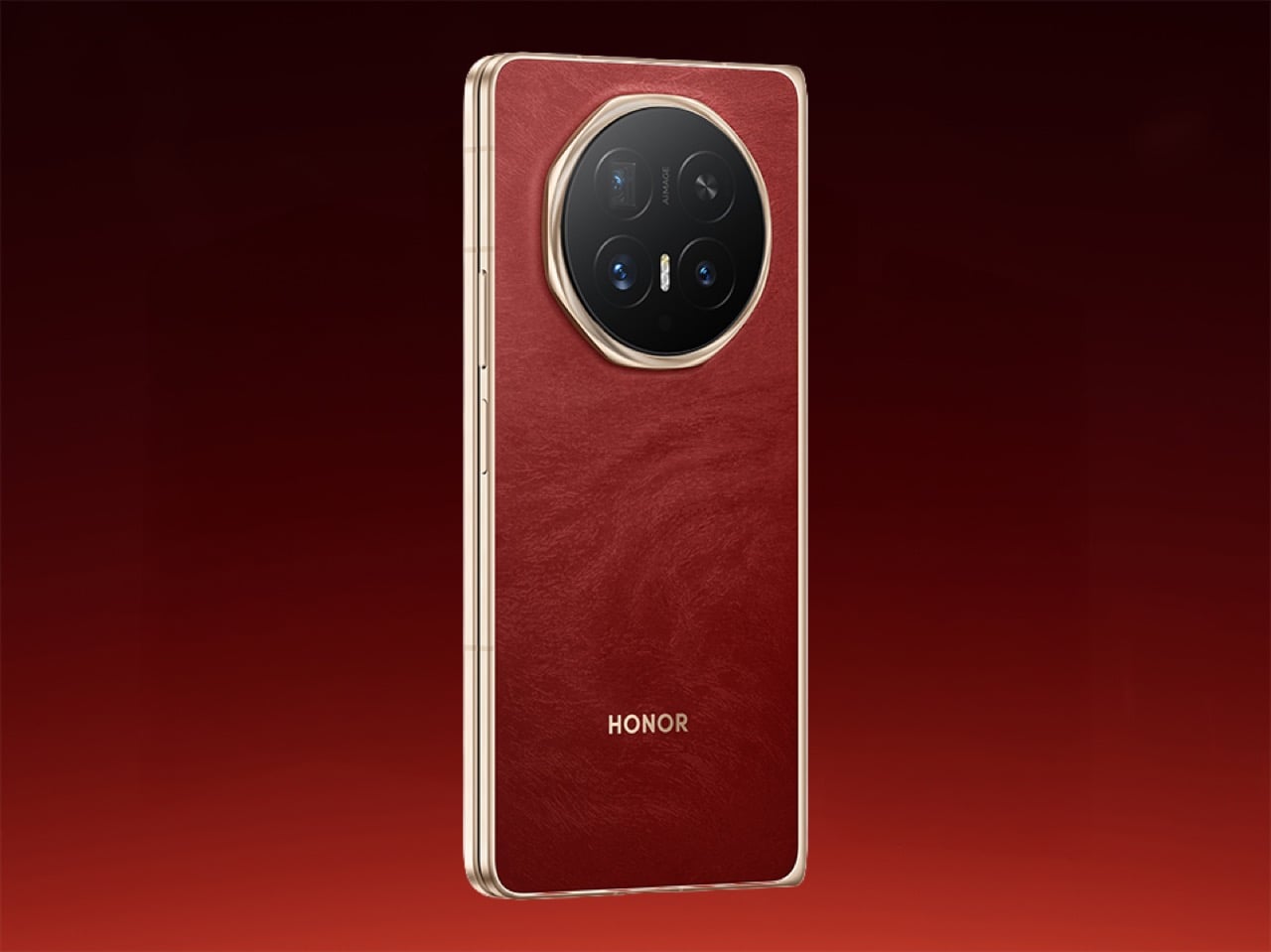
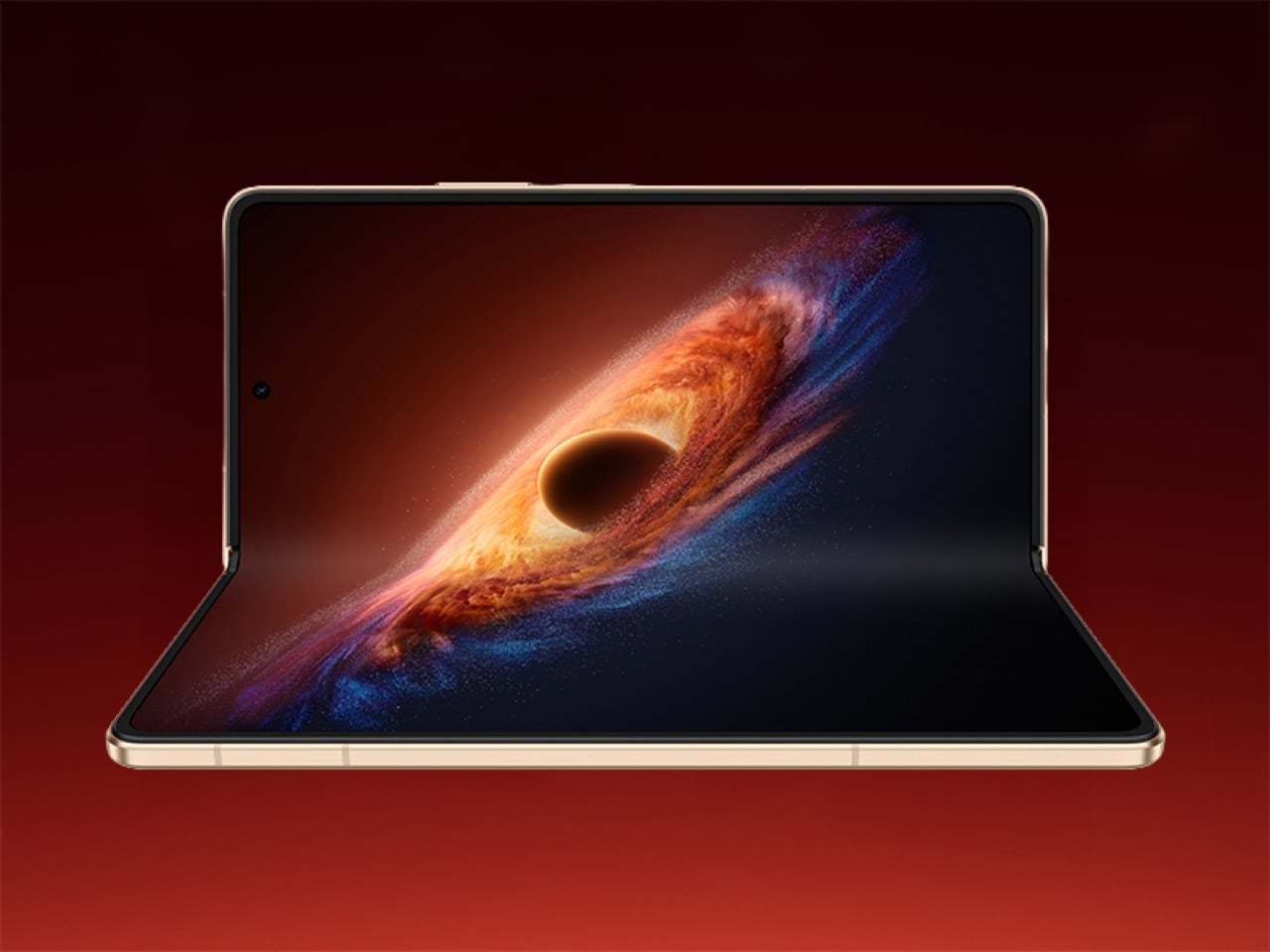
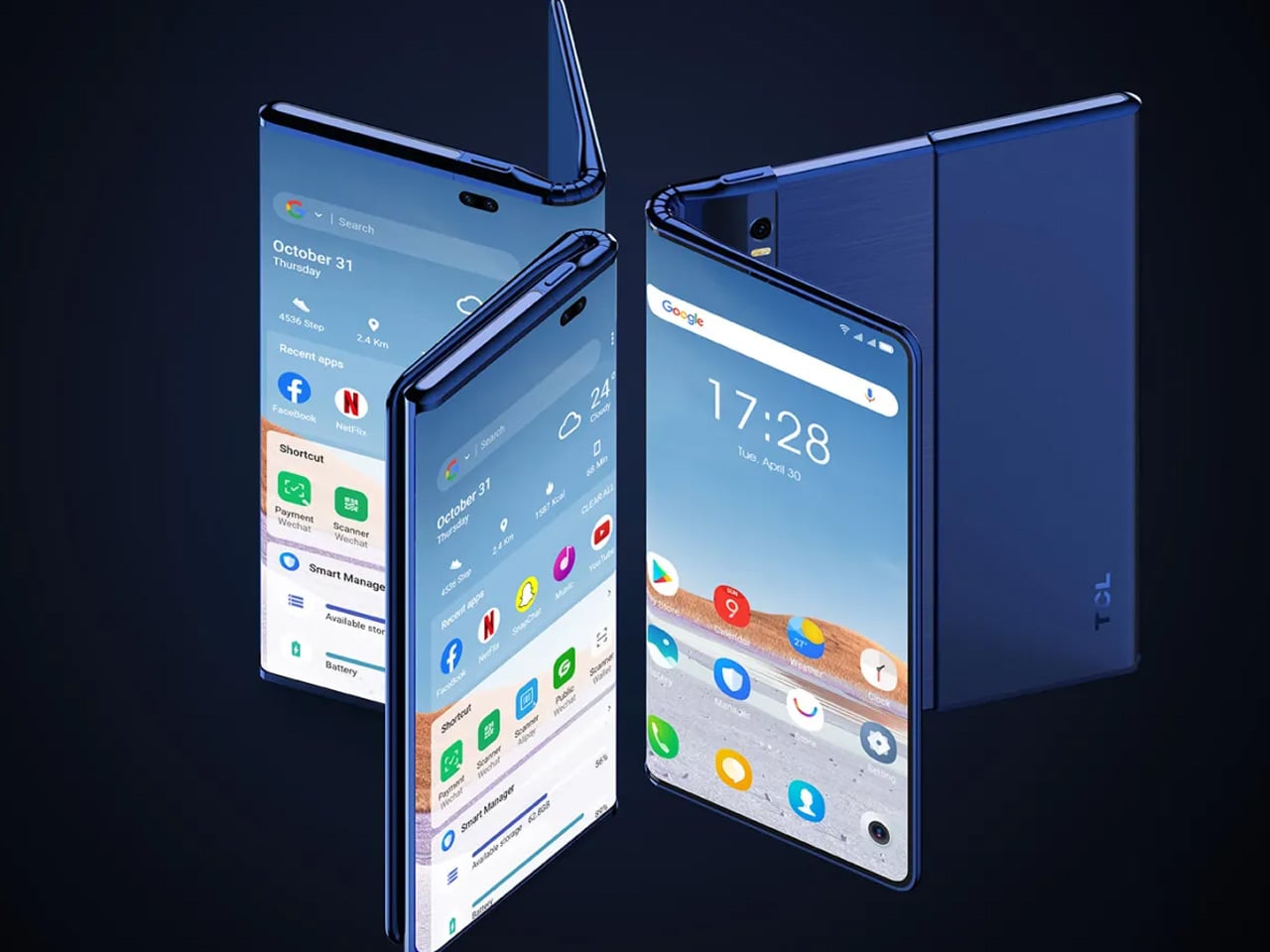
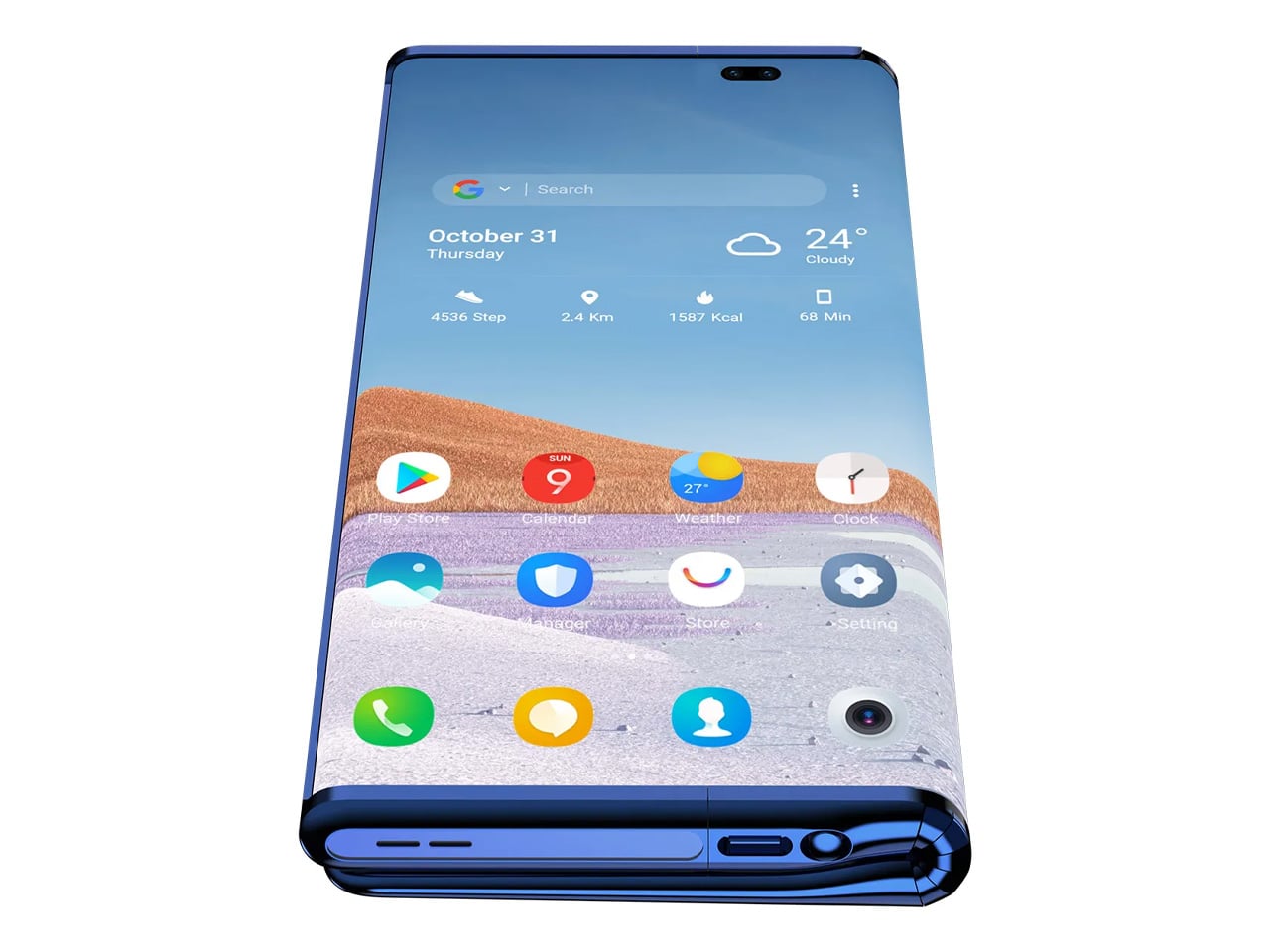
Huawei Mate XT

A true innovation in foldable technology, Huawei’s Tri Fold redefines what it means to multitask on the go.

The Huawei Mate XT introduces an impressive three-part foldable design, seamlessly transitioning between smartphone and tablet modes. It features a high-grade aluminum frame and glass back for a premium feel. When unfolded, its 10.5-inch OLED display is ideal for productivity and media. The hinge mechanism ensures a smooth and durable experience, further supported by Huawei’s engineering prowess. With the latest Kirin chipset, the Tri-Fold easily runs multiple apps, supported by 5G connectivity for lightning-fast internet speeds.

Why is it noteworthy?

The Huawei Mate XT stands out for its unique tri-folding screen, offering versatility that regular foldables can’t match. It’s designed for power users who need more screen real estate without sacrificing portability.

Price & Availability: The retail price is $2,499. It is available in China.

What We Love:

  • Expansive 10.5-inch OLED display.
  • Versatile tri-fold design perfect for productivity.
  • XMAGE camera system for impressive photography.

Not So Great:

  • Available only in China with a wait list spanning over 5 million units pre-ordered.
  • It is heavier compared to standard foldables, making it less pocket-friendly.
  • Steep price from $3,499 to over $5,000 from resellers.

iPhone 16 Pro and Pro Max

Apple’s latest iteration brings groundbreaking camera, video, and audio capabilities, all powered by the new A18 Pro chip.

iPhone 16 Pro and Pro Max

The iPhone 16 Pro and Pro Max elevate Apple’s design and user experience with 6.1-inch and 6.7-inch ProMotion OLED displays for fluid visuals. Powered by the A18 Pro chip, these phones excel in gaming, augmented reality, and multitasking. The Pro lineup includes a r 5x optical zoom, and both models feature larger sensors for improved low-light shots. Spatial Video recording allows for immersive content capture, further enhancing the media experience. The improved audio system and Apple’s new Adaptive EQ enhance the sound experience on calls or playing media.

Apple iPhone 16 Pro Max Camera Controll

Apple iPhone 16 Pro

Why is it noteworthy?

The iPhone 16 Pro and Pro Max embody Apple’s latest technological advancements, focusing on enriched user experiences in both photography and video. Integrating the A18 Pro chip improves performance and ensures seamless multitasking, efficient power use, and impressive AR applications. These phones are ideal for users who prioritize cutting-edge media capabilities and a premium build.

Price & Availability: Retail price starts at $1,199 for the Pro and $1,399 for the Pro Max. It is available globally through Apple stores and major carriers.

What We Love:

  • A18 Pro chip provides top-tier performance.
  • Periscope zoom lens for the Pro Max with 5x optical zoom.
  • Spatial Video feature for immersive video capture.
  • ProMotion display for smooth interaction.

Not So Great:

  • Periscope zoom is limited to the Pro Max model.
  • Slightly bulkier design compared to previous models.

Samsung Galaxy Z Fold 6

Samsung’s tried and tested foldable design returns with refined features for a seamless experience.

The Galaxy Z Fold 6 exudes a maturity that offers elegance, performance, and reliability, providing a seamless and refined experience. The 7.6-inch foldable AMOLED display delivers an expansive canvas, perfect for multitasking, while the 6.2-inch cover screen remains practical for quick tasks when folded. Equipped with the Snapdragon 8 Gen 3 processor, it ensures smooth performance across all applications. Samsung has also improved the hinge design, resulting in a more durable, streamlined folding mechanism. The Z Fold 6 also includes S Pen support, allowing users to jot down notes or sketches effortlessly.

Samsung Galaxy Fold6

Why is it noteworthy?

The Galaxy Z Fold 6 is a refined evolution of Samsung’s foldable line, offering both productivity and entertainment in a sleek package. Its expansive screen and S Pen functionality make it ideal for power users, and improvements in durability and the folding mechanism make it more reliable for everyday use.

Price & Availability: Retail price: Starting at $1,899. Available globally through Samsung and major carriers.

What We Love:

  • Improved hinge design for better durability.
  • Expansive 7.6-inch foldable display for enhanced productivity.
  • Snapdragon 8 Gen 3 processor for reliable performance.
  • S Pen support for additional functionality.

Not So Great:

  • It’s still a relatively high price point.
  • The foldable design adds bulk compared to traditional phones.

Pixel 9 Pro and Pixel 9 Pro XL

Google’s AI-centric flagship delivers the future of smartphones today with enhanced personalization and performance.

The Pixel 9 Pro and Pixel 9 Pro XL focus on bringing AI advancements front and center. Powered by the Tensor G4 chipset, these devices deliver adaptive user interfaces, real-time translation, and personalized photography features. The larger 7.6-inch display on the XL offers an immersive viewing experience, while the enhanced camera system leverages AI to improve low-light shots and video stabilization. The UWB chip enhances smart home integration, allowing for precise spatial awareness. The high-quality OLED display provides a smooth 120Hz refresh rate.

Why is it noteworthy?

The Pixel 9 Pro and Pixel 9 Pro XL bring Google’s latest AI capabilities to the forefront, making them ideal for users looking for a smart and adaptive experience. The improved camera system, combined with the Tensor G4 chipset, ensures stunning photography and smooth performance across all applications. With enhanced personalization features and cutting-edge technology, these devices represent the pinnacle of Google’s innovation in 2024.

Price & Availability: The retail price of the Pro starts at $1,099 and $1,299 for the Pro XL. It is available globally through Google’s online store and major carriers.

What We Love:

  • Tensor G4 chipset for enhanced AI capabilities.
  • Superior computational photography for stunning images in any setting.
  • UWB chip for advanced smart home integration.
  • High-quality OLED display with a smooth 120Hz refresh rate.

Not So Great:

  • Battery life could be improved, especially on the XL model.
  • Limited color options at launch.

Not So Great:

  • Battery life could be improved, especially on the XL model.
  • Limited color options at launch.

iPhone 16

Apple’s latest iPhone 16 brings enhanced photography, customizable controls, a new camera control button, and impressive performance with the A18 chip.

Apple iPhone 16

The iPhone 16 refines Apple’s approach to design and performance, featuring a 6.1-inch Super Retina XDR display and enhanced camera capabilities. The A18 chip boosts overall efficiency for battery life, gaming, and multitasking. Smart HDR 6 and an improved night mode deliver excellent photography. The new customizable Action Button replaces the mute switch, allowing quick access to frequently used features like the camera or flashlight.

Apple iPhone 16

Why is it noteworthy?

The iPhone 16 is designed for users seeking premium performance in a compact form factor. Its A18 chip and enhanced camera system provide an optimal blend of speed, power efficiency, and intuitive photography tools. The customizable Action Button is a unique feature that makes day-to-day use convenient.

Price & Availability: Retail price starts at $899. It is available globally through Apple stores and major carriers.

What We Love:

  • A18 chip for efficient performance and battery life.
  • Smart HDR 6 for vibrant and detailed photography.
  • Customizable Action Button adds convenience.
  • Sleek and familiar Super Retina XDR display.

Not So Great:

  • Lack of periscope zoom found in the Pro lineup

TECNO Phantom Ultimate 2

TECNO takes on the foldable competition with an ultra-thin tri-fold concept that rivals Samsung and Huawei.

The TECNO Phantom Ultimate 2 is a concept that pushes the boundaries of foldable technology, offering an ultra-thin tri-fold design poised to disrupt the market. Its seamless design features three segments that fold in harmony, creating a pocket-sized device that expands into a full-fledged tablet experience. The OLED panel is bright and sharp, making the most of its flexible form factor. TECNO has equipped the Phantom Ultimate 2 with a new cooling system to maintain optimal performance despite its thin profile while focusing on durability to ensure that the unique folding mechanism withstands everyday use.

Why is it noteworthy?

The Phantom Ultimate 2 stands out in the crowded foldable space with its daring tri-fold design, making it a bold alternative to Samsung and Huawei’s offerings. Its sleek and thin build, coupled with TECNO’s attention to durability and cooling, provides an elegant solution to common foldable issues.

Price & Availability: Currently a concept, with limited availability anticipated in select markets in late 2024.

What We Love:

  • Ultra-thin tri-fold design for portability.
  • Bright and sharp OLED display.
  • Innovative cooling system for performance stability.

Not So Great:

  • As a concept, availability is uncertain.
  • Durability in real-world use remains untested.

Samsung Galaxy S24 Ultra

Samsung’s Galaxy S24 Ultra offers a refined design, powerful performance, and an industry-leading camera system, setting a new standard for flagship smartphones.

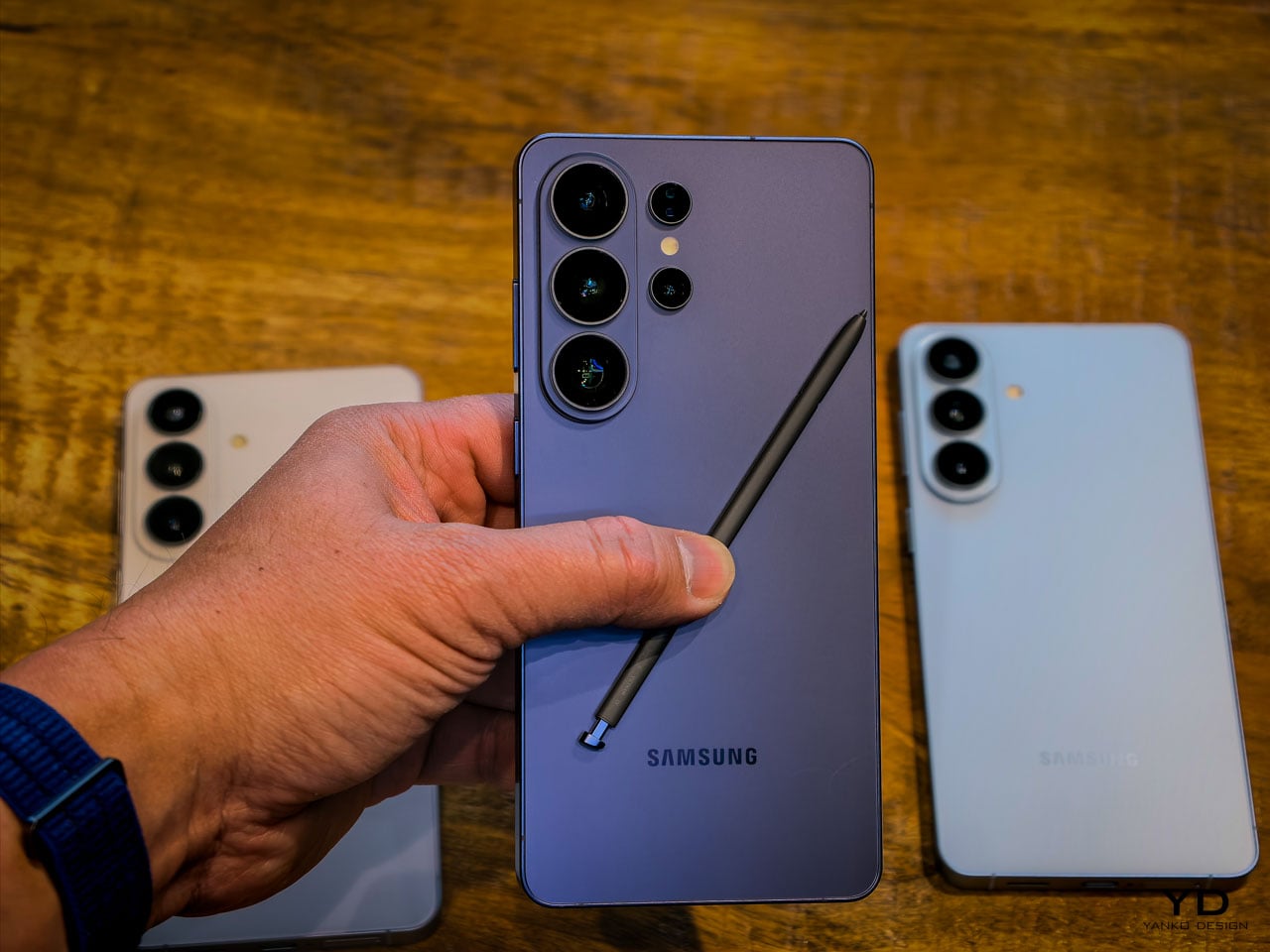
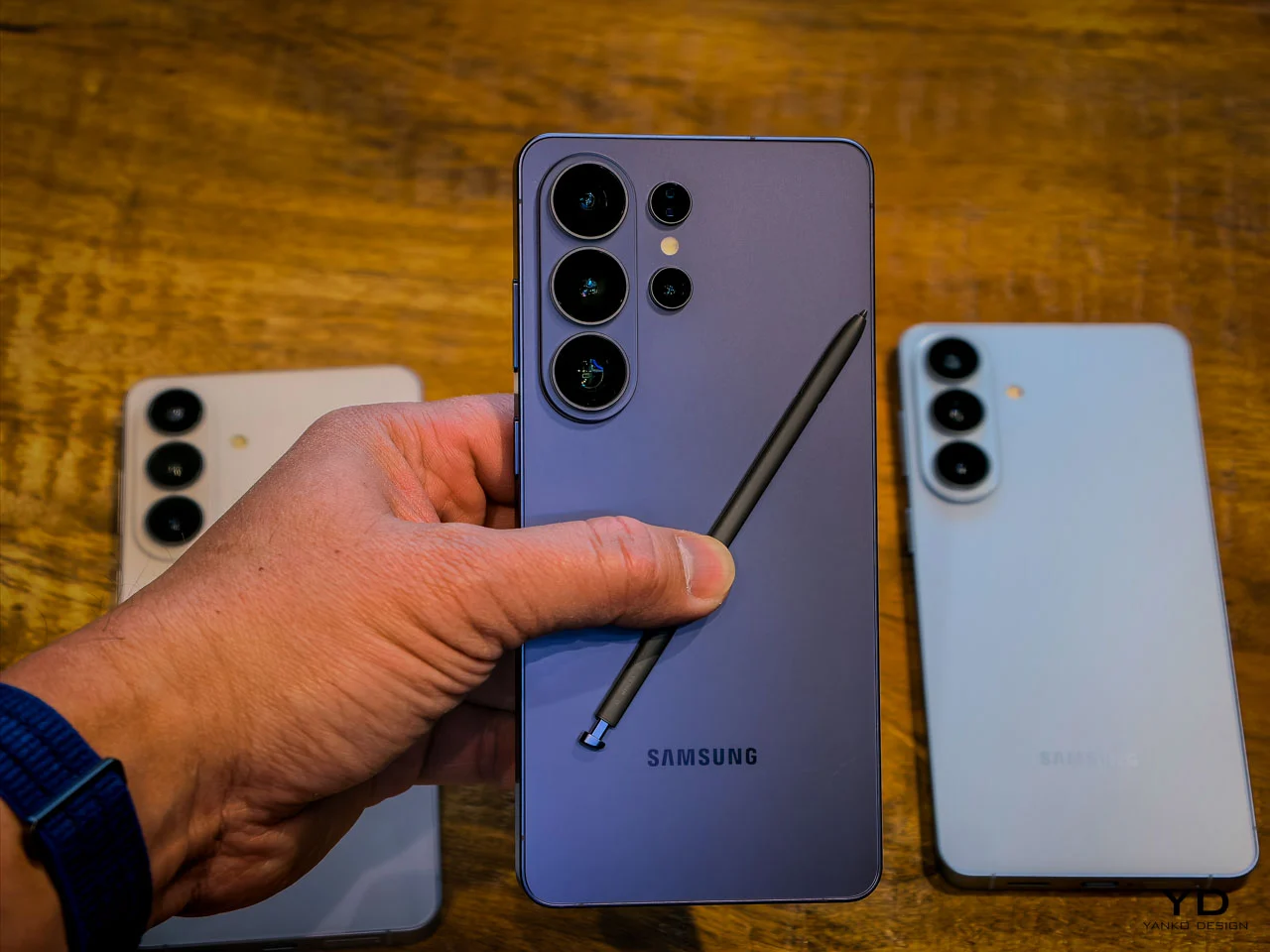
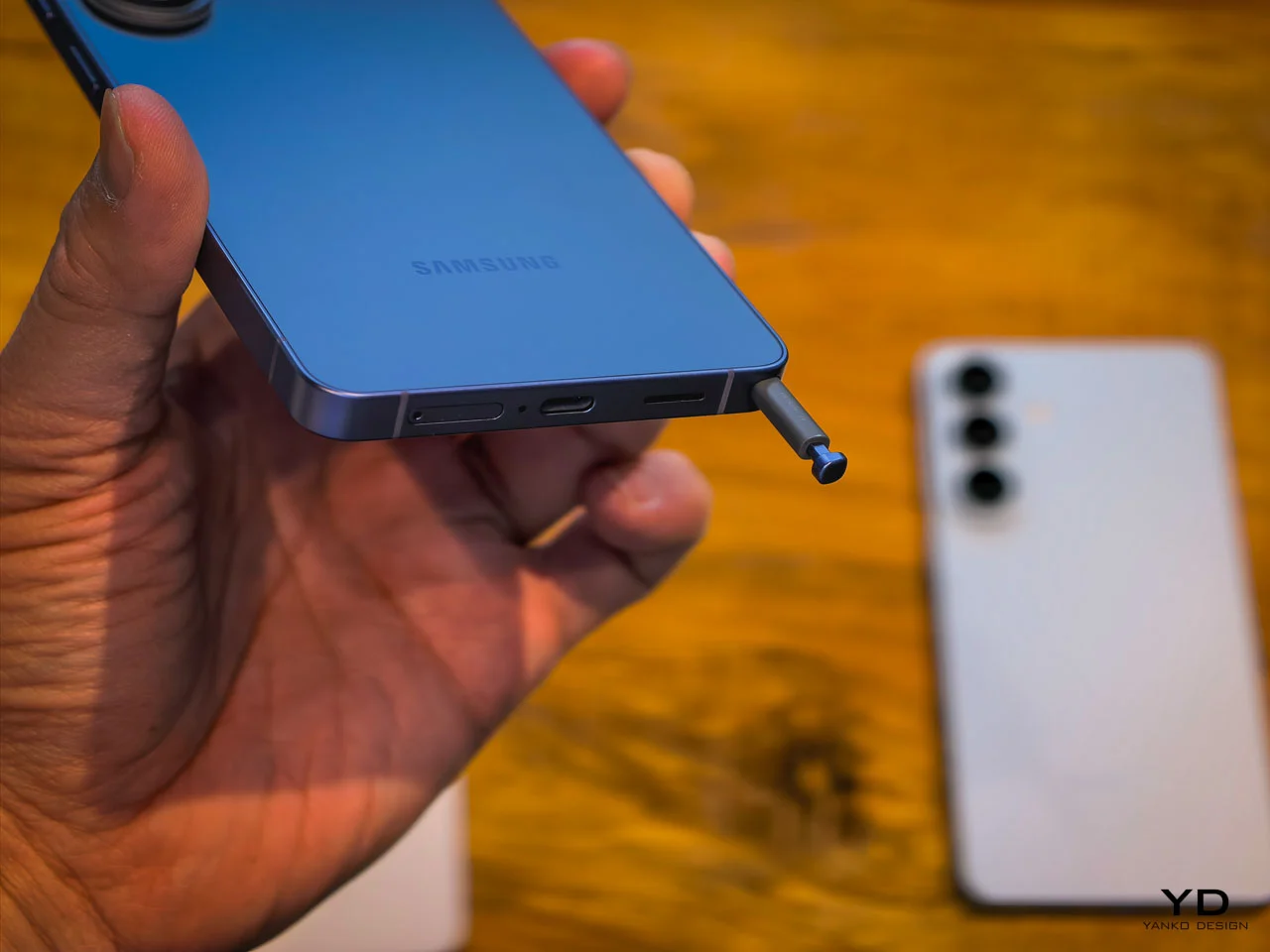
The Galaxy S24 Ultra continues Samsung’s tradition of pushing the boundaries of mobile technology. With a stunning 6.8-inch Dynamic AMOLED 2X display, this device delivers exceptional brightness and color accuracy, perfect for media consumption and productivity tasks. Powered by the latest Snapdragon 8 Gen 3 chipset, the Galaxy S24 Ultra excels in multitasking, gaming, and overall performance. Its 200MP camera system has also been enhanced, featuring improved image processing for crystal-clear photos, even in low light. The S Pen remains integrated, allowing users to jot down notes or create sketches seamlessly.

Why is it noteworthy?

The Galaxy S24 Ultra delivers top-tier specs, featuring a powerful 200MP camera and integrated S Pen for added functionality. It combines precision, versatility, and user-friendly features, making it an ideal choice for those seeking a premium smartphone experience.

Price & Availability: Retail price starting at $1,299. Available globally through Samsung and major carriers.

What We Love:

  • 200MP camera system for incredible detail.
  • Integrated S Pen for added functionality.
  • Snapdragon 8 Gen 3 chipset for top-tier performance.
  • 6.8-inch Dynamic AMOLED 2X display with stunning brightness and color accuracy.

Not So Great:

  • The large size and sharp corners make it uncomfortable for extended use and less practical for carrying in pockets.
  • Charging speed is slower compared to other flagship devices.

VIVO X Fold 3 Pro

VIVO’s X Fold 3 Pro pushes the envelope of foldable phone design, putting the competition on notice with its performance and innovative features.

The VIVO X Fold 3 Pro is designed for users who demand the best of both worlds—smartphone portability and tablet functionality. With a stunning 8.03-inch AMOLED main display and a 6.53-inch cover display, this foldable offers ample screen space for productivity and entertainment. VIVO has utilized its new hinge design, which has improved durability and reduced the visible crease, making it nearly seamless when unfolded. Powered by the Snapdragon 8 Gen 3 processor, the X Fold 3 Pro delivers a smooth performance experience, while its camera system, developed in partnership with ZEISS, offers exceptional mobile photography capabilities.

Why is it noteworthy?

The VIVO X Fold 3 Pro impresses with its seamless design and flagship performance. The enhanced hinge mechanism and partnership with ZEISS for the camera system make it a formidable contender in the foldable market, ideal for users who want an immersive display and high-quality photography in a foldable form.

Price & Availability: Retail price starting at $1,799. Available in select markets globally.

What We Love:

  • 8.03-inch AMOLED display for an expansive viewing experience.
  • Improved hinge design reduces the visible crease.
  • ZEISS-engineered camera system for outstanding mobile photography.
  • Snapdragon 8 Gen 3 for top-tier performance.

Not So Great:

  • Heavier than some other foldables, making it less portable.
  • Limited availability in certain regions.

Google Pixel 9 Pro Fold

Google enters the foldable market with the Pixel 9 Pro Fold, the thinnest, brightest, and most powerful foldable yet.

The Google Pixel 9 Pro Fold takes the established Pixel brand and turns it into a sleek foldable that stands out for its slim profile and stunning display. At just 5.5mm when unfolded, this is the thinnest foldable on the market. The device features a bright and vivid 7.4-inch AMOLED display with a 120Hz refresh rate, offering vibrant colors and smooth animations. The new Tensor G4X chipset powers the Pixel 9 Pro Fold, providing powerful performance for all applications, including AI-based optimizations that improve battery efficiency and multitasking. The improved hinge mechanism is designed to be both durable and ergonomic, making the foldable experience intuitive and enjoyable.

Pixel 9 Pro Fold: 8-inch (204 mm) Super Actua Flex display (LTPO) and 2076 x 2152 OLED at 373 PPI

Why is it noteworthy?

The Pixel 9 Pro Fold is more than just Google’s entry into the foldable market—it represents a significant leap in design and performance, combining Google’s AI capabilities with a foldable form factor. Its incredibly thin design, powerful chipset, and stunning display make it one of the most attractive foldable options available today.

Price & Availability: Retail price starting at $1,599. Available globally through Google’s online store and major carriers.

What We Love:

  • Advanced audio recording features for high-quality sound capture, perfect for content creators.
  • Stunning 7.4-inch AMOLED display with a 120Hz refresh rate.
  • Tensor G4X chipset for powerful performance and AI capabilities.
  • Durable and ergonomic hinge mechanism.

Not So Great:

  • No dust resistance, which may affect durability over time.
  • The ultra-thin design compromises overall structural rigidity, making it potentially more fragile than other foldable.
  • Sharp corner edges may be uncomfortable for prolonged use.

TECNO Phantom V Fold2 5G

TECNO’s Phantom V Fold2 5G blends precision with innovation in foldable technology, delivering a versatile and premium experience.

The TECNO Phantom V Fold2 5G is a testament to TECNO’s commitment to pushing the boundaries of foldable design. Featuring a vibrant 7.8-inch AMOLED foldable display, it offers a stunning visual experience that rivals the best in the industry. The outer 6.3-inch screen remains highly usable, giving users the convenience of a traditional smartphone when folded. Powered by the Dimensity 9200 chipset, the Phantom V Fold2 provides seamless multitasking capabilities, perfect for productivity and media consumption. TECNO has also integrated advanced hinge technology, making folding and unfolding a smooth and reliable experience.

Why is it noteworthy?

The TECNO Phantom V Fold2 5G stands out with its balance of precision engineering and innovative features. The foldable AMOLED display delivers a stunning visual experience, while the Dimensity 9200 chipset ensures smooth performance. TECNO’s focus on hinge durability and usability makes this device a strong contender in the foldable market.

Price & Availability: Retail price starting at $1,499. Available globally through TECNO’s official channels and select partners.

What We Love:

  • Advanced hinge technology for a smooth folding experience.
  • 7.8-inch AMOLED display for stunning visuals.
  • Dimensity 9200 chipset for efficient multitasking.
  • Practical outer display for convenient use.

Not So Great:

  • Limited color options at launch.
  • Slightly heavier than some competitors.

2024 has been a year of groundbreaking advancements from tri-fold concepts to AI-powered innovations; the devices on this list highlight the best of what technology has to offer today. Whether you’re after cutting-edge features, enhanced productivity, or sleek design, this lineup of phones has something for everyone.

Do you agree with our choices? Are there any phones on your wish list, or do you already own one of these? We’d love to hear your thoughts and see how your favorite devices compare to ours!

The post 10 Best Phones of 2024 You Can’t Miss – Foldables, Flagships, and Surprises! first appeared on Yanko Design.

This Retro iPhone Case turns it into a Makeshift Old Windows PC with Clippy and Internet Explorer

Quite literally the opposite of Back to the Future, this iPhone 16 Pro case is more like “Forward to the Past”.

When you buy a phone, chances are you spring for a case immediately for one of two reasons – to either protect your phone, or to personalize it. However, Printables user Retron Print may have invented a new reason to add a case to your phone. Meet the iPhone Retro Case – a case that takes your cutting-edge smartphone and transforms it into a marvel of old-school technology. The two-part case sandwiches your phone in between, turning it into an old-timey CRT monitor (albeit with a functional main camera and dynamic island). To complement the case’s old-school design, Retron Print also equipped the phone with a retro home screen and custom icons and widgets. Although I’d personally love to have the iPhone stick to a Macintosh-based system, this one is unabashedly Windows, with a non-functional Clippy icon on the screen. Quite a downgrade from Siri and Apple Intelligence, no?

Designer: Retron Print

The beauty of the case is that it justifies every aspect of its retro design without compromise. Look at monitors from times of yore and they often had thick, chunky bezels. While most monitors came with a ‘chin’ which would either house a floppy disk reader or just control buttons, this retro case shifts the asymmetric chin to the side, with front-facing buttons that actually work. Built cleverly into the case’s mechanism are buttons that face forwards, but trigger the action and volume buttons on the side of the iPhone. The detailing’s prebuilt into the case’s design, and all you need to really do is 3D print and then assemble.

On the front, the case features an oval frame reminiscent of old CRT monitors, although it doesn’t obstruct the screen in any way. It’s a small but meaningful detail that gives the case a distinctly vintage vibe. Around the back, long, deep grooves evoke the look of classic desktop computers and also provide better grip. These thoughtful design elements ensure that while the case embraces nostalgia, it still offers the user a modern experience with improved functionality and tactile appeal. Meanwhile, speaker systems are accounted for too, with slots on the top and bottom that let you listen to audio from your iPhone.

When it comes to color options, Retron Print suggests using filament in shades like sandy beige, gray, or light brown to fully capture the retro essence. These muted tones are reminiscent of the classic electronics from decades past, enhancing the nostalgic appeal. This attention to detail extends to the print process itself. The case’s front and back panels are best printed on a textured print plate, adding an extra dimension to the overall look and feel, while the buttons should be printed on a smooth plate to maintain their tactile nature.

For those eager to bring a bit of retro flair to their iPhone, the case is available for iPhone 14 and iPhone 15 models. You can purchase the STL files for just $10 on Printables.com and print the case yourself, although this just includes the retro case’s 3D files and not the wallpaper and app icons. When it comes to color options, Retron Print suggests using filament in shades like sandy beige, gray, or light brown to fully capture the retro essence. These muted tones are reminiscent of the classic electronics from decades past, enhancing the nostalgic appeal.

However, commercial use of this model is restricted. To sell prints of this design, users must become a member of the Retron Print Commercial Club, ensuring that the creator, AndrzejG, receives credit and support for their work. This stipulation ensures that while the model is available for personal use, it remains protected against unauthorized distribution.

The post This Retro iPhone Case turns it into a Makeshift Old Windows PC with Clippy and Internet Explorer first appeared on Yanko Design.

iPhone 17 concept dreams of an interesting direction Apple will never take

Apple is both famed and notorious for its meticulous attention to detail and it has been hailed as a champion of product design in the tech industry. It rarely makes big changes to its design language, but when it does, it holds on to that aesthetic for years. It held onto the notch for six years before giving way to the island on the iPhone 15, and it still uses the square camera design it first introduced on the iPhone 11 back in 2019. That’s not to say that the iPhone 17 next year couldn’t be different from this year’s iPhone, and this concept tries to explore designs that could make sense but will probably never happen under Apple’s watch.

Designer: Mohamed Mahdy

Apple has championed minimalism for its most recent products, barely adding any vibrant colors or textured finishes to its iPhones and MacBooks, save a small number of special editions. It has left the doors wide open for case makers to offer those flavors to people who do want them, but it has reserved for itself classier aesthetics. Of course, it’s not like Apple has never embraced more eye-popping hues before, as proven by the candy iMac G3, the colorful iPhone 5c, and the current generation of vibrant flat-screen iMacs.

This Apple iPhone 17 conceptual design dares to venture into unknown territory with a design that, almost doesn’t look like Apple if not for the telltale logo. It does have the flat design of the current iPhones, but rather than a smooth and featureless chassis, it adds a bit of texture that looks almost like fabric. This can perhaps be an opportunity for Apple to use more sustainable recycled materials rather than just plain metal.

The biggest deviation, however, is the camera design, a pill shape that runs across the width of the phone. It has four cameras, something that has yet to happen on any iPhone, arranged in a row with the LED flash and 3D time-of-flight sensor in the middle. This design is one possible solution to the design puzzle that Apple will have to face when it does add another camera sensor to next year’s iPhone. It also fixes the wobbling problem that most smartphones have because they push the thick camera bump off to the corner.

Interesting as it may seem, it does feel unlikely that Apple would go this far if it ever does finally change the iPhone 17’s design. The changes are far too great and the benefits are far too few. It’s still an interesting thought experiment, of course, one that does try to at least stick to the general design of current iPhones. Chances are, however, that the company won’t be ready to make such a drastic leap, even with sustainability and ergonomics at stake.

The post iPhone 17 concept dreams of an interesting direction Apple will never take first appeared on Yanko Design.

Samsung Galaxy S25 Ultra Leaks: Rounded Corners, Slimmer Design, and Internal Upgrades Revealed

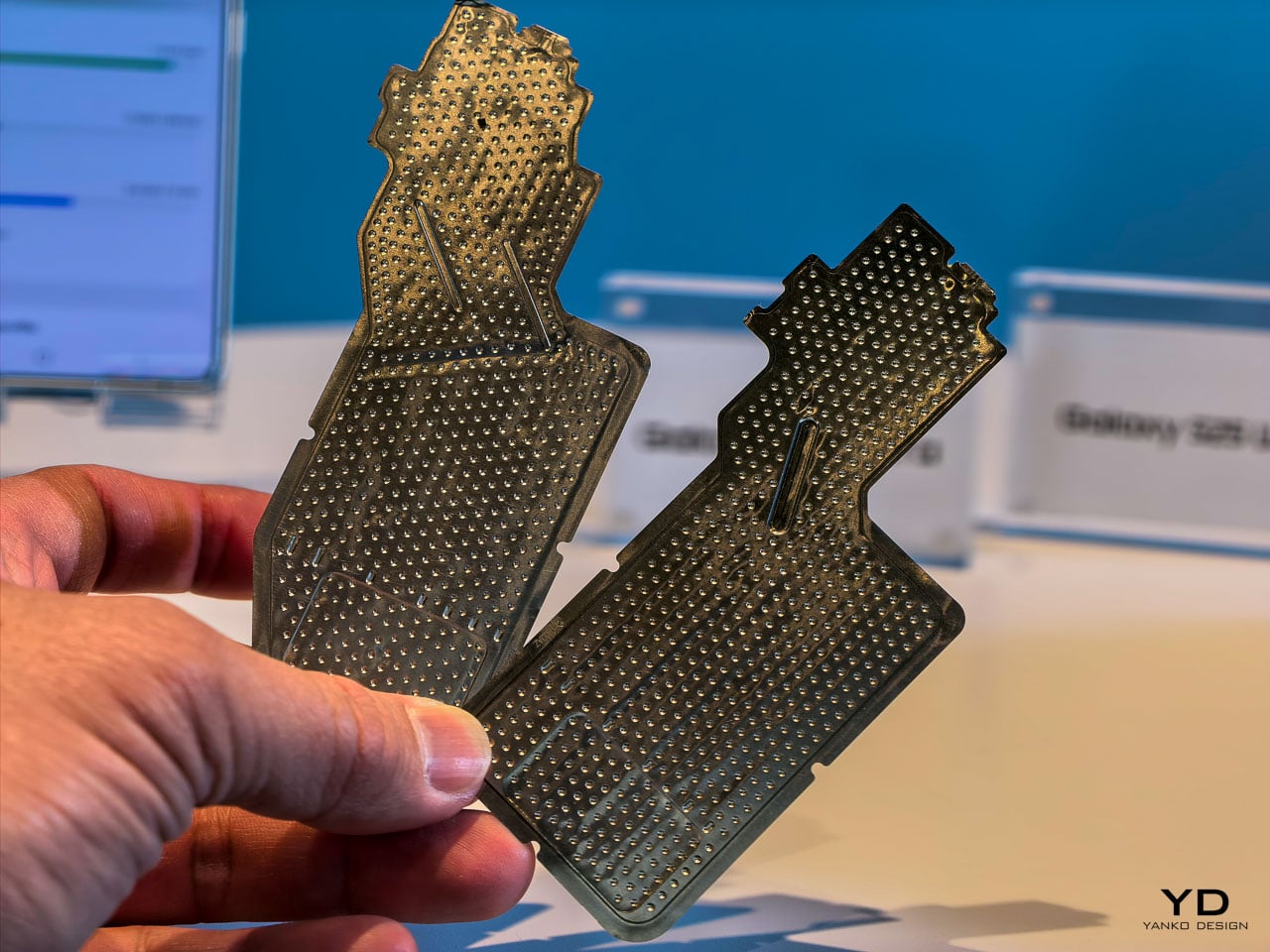
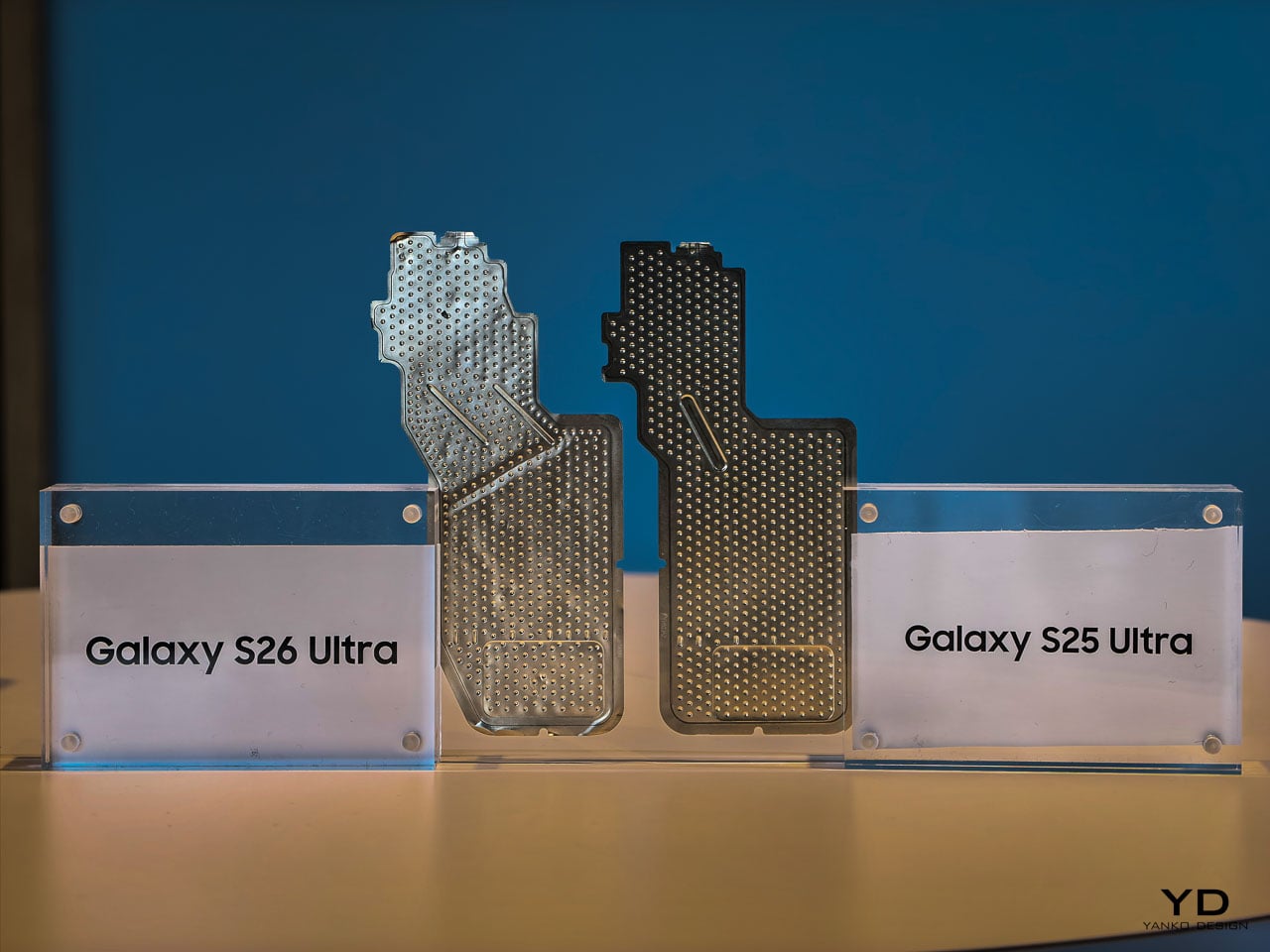
According to the latest leaks, Samsung’s Galaxy S25 Ultra is shaping up to introduce key design changes. The shift from sharp, angular edges to more rounded corners is the most notable update aimed at improving comfort and usability. In addition to these changes, the device is expected to be taller, narrower, and thinner than its predecessor, the Galaxy S24 Ultra. These refinements reflect Samsung’s focus on delivering a more ergonomic and user-friendly flagship device while also maintaining the powerful performance the Ultra series is known for.

Designer: Samsung

Design Changes

The most significant design shift is the move to rounded corners, which replaces earlier models’ sharp, boxy edges. This change is expected to make the phone easier to handle and more comfortable for prolonged use. Samsung seems to be addressing feedback from users who found the sharp edges of the Galaxy S23 and S24 Ultra too rigid. The S25 Ultra also features slimmer bezels, which offer a more immersive display without increasing the phone’s overall size. Combined with the sleeker profile, this design update focuses on comfort and practicality without compromising the premium aesthetic.

The Galaxy S25 Ultra is also rumored to be slightly taller, narrower, and thinner than the S24 Ultra, enhancing its handling and comfort in daily use. These updates mark a shift in Samsung’s design philosophy, prioritizing usability while maintaining the premium quality and performance that users expect from the Ultra series.

Other Rumored Specs

Beyond the design changes, the Galaxy S25 Ultra is expected to feature some serious hardware upgrades. It will likely be powered by the Snapdragon 8 Gen 4 chipset, which will deliver improved performance and energy efficiency thanks to its 3nm architecture. The device is also rumored to feature the new Adreno 830 GPU, making it a powerhouse for gaming and graphic-heavy applications. Users can expect smoother performance, particularly in multitasking and gaming scenarios.

Sources: Online Solitaire x Xleaks7

Additionally, the S25 Ultra will reportedly come in both 12GB and 16GB RAM configurations, ensuring plenty of power for multitasking and AI-driven applications. Samsung’s development of thinner memory chips allows these RAM options without increasing the device’s bulk, maintaining the slim profile that defines the Ultra line. The device will be a performance powerhouse while still focusing on sleek design.

Why’s the S24 Ultra Noteworthy?

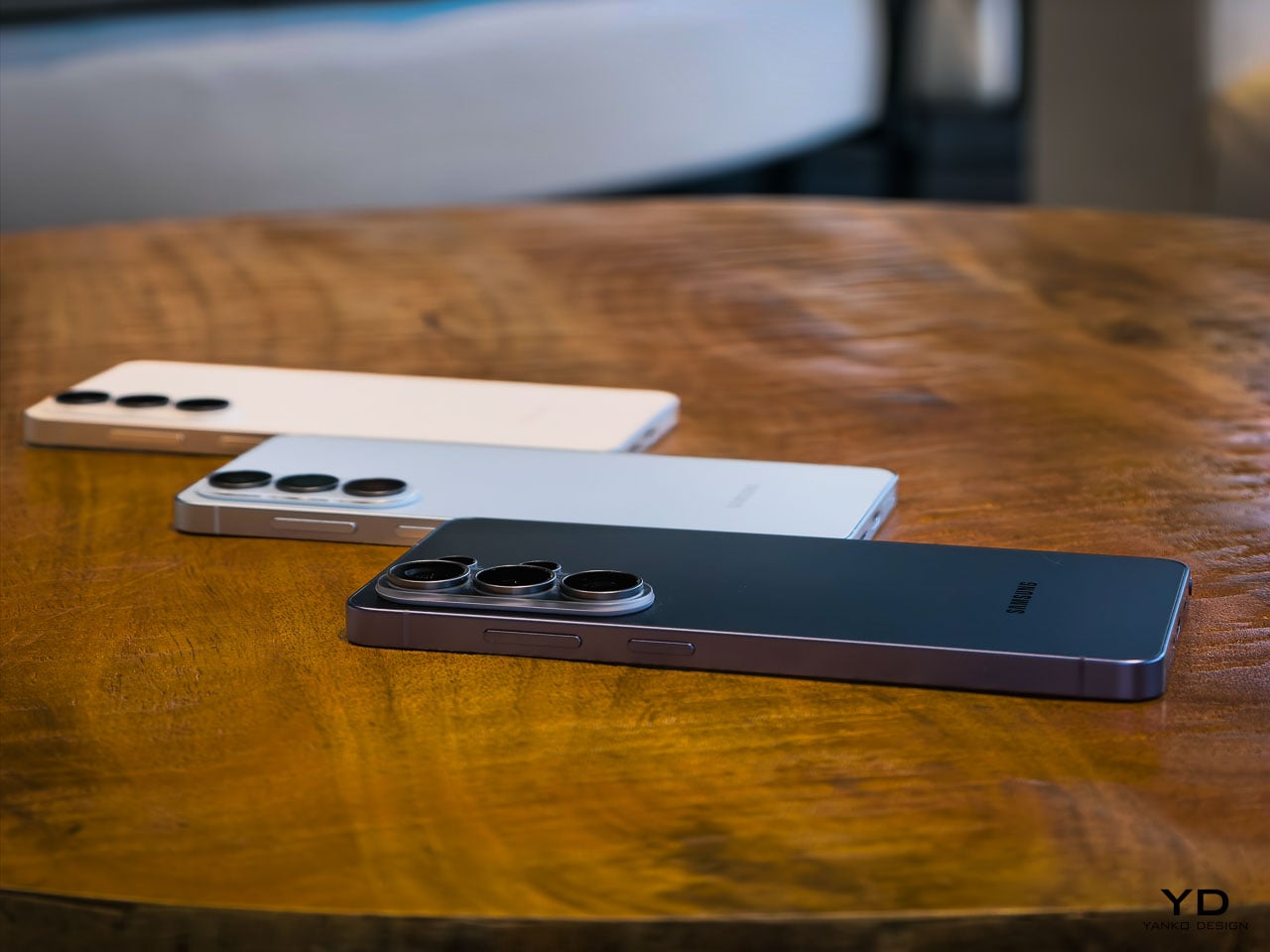
The Galaxy S24 Ultra is notable for being one of the most feature-packed devices Samsung has ever released. Thanks to the S-Pen, its incredible display, and its versatile camera system, it’s a powerhouse in productivity, creativity, and media consumption. Integrating AI tools makes it even more dynamic, giving users smarter ways to interact with content, from photo editing to overall system efficiency. For users who need a device that can do it all, the S24 Ultra has been a top contender.

Yanko Design’s Take on the Galaxy S24 Ultra: 5 Things We Love

1. S-Pen Integration

The Galaxy S24 Ultra continues Samsung’s tradition of integrating the S-Pen into its Ultra series, making it an excellent productivity tool. Whether you’re sketching, taking notes, or remotely controlling the camera, the S-Pen enhances the overall experience, offering functionality beyond that of a typical smartphone.

2. Versatile Camera Setup

With a 200MP primary sensor, the S24 Ultra offers one of the most powerful and flexible cameras on the market. Its ability to shoot in various lighting conditions and impressive zoom capabilities provide professional-grade results in a compact form.

3. Display Quality

The 6.8-inch Dynamic AMOLED 2X display remains one of the best in class, offering deep blacks, vibrant colors, and smooth 120Hz refresh rates. This makes media consumption and gaming highly immersive experiences.

4. Battery Life

The S24 Ultra’s 5000mAh battery ensures users can get through a day of heavy usage, whether streaming, using the S-Pen, or multitasking between apps, without worrying about recharging mid-day.

5. AI-Powered Features

Samsung’s recent software updates have enhanced the AI capabilities of the S24 Ultra. Features like scene optimization and enhanced object removal tools in the camera app make it a great choice for users who love to edit photos and videos on the go.

3 Things We Dislike

1. Weight and Bulk

The Samsung Galaxy S24 Ultra weighs 233 grams, making it slightly heavier than many other flagship smartphones on the market. This weight, combined with its large 6.8-inch display and durable titanium frame, contributes to its premium feel but can also make it feel bulky for users who prefer a more streamlined and lightweight design. The size and weight can be particularly noticeable when using the phone one-handed for extended periods.

This bulkiness is one of the aspects that some users might find uncomfortable, especially when compared to lighter devices, although the premium materials like titanium and Gorilla Glass are designed to offer enhanced durability.2. Slow Charging Speeds

While the S24 Ultra provides reliable battery performance, its wired and wireless charging speeds lag behind some competitors. Faster charging would make the phone more convenient for users who are constantly on the go.

3. Sharp Edges

The S24 Ultra’s sharp, boxy design can feel uncomfortable in the hand, particularly during prolonged use. This is an area where we hope to see Samsung address user feedback with the rumored rounded corners of the S25 Ultra.

Is It Worth the Upgrade?

With the rumored design changes, like rounded corners for better comfort and slimmer bezels, the Galaxy S25 Ultra promises a more ergonomic experience. Powered by the Snapdragon 8 Gen 4 chipset and featuring up to 16GB of RAM, it offers significant performance improvements. But is that enough to warrant an upgrade? Whether you’re an iPhone user, a previous-gen Samsung owner, or loyal to Android, these refinements in design and power could make the S25 Ultra the flagship device you’ve been waiting for. Will these upgrades convince you to take the plunge?

The post Samsung Galaxy S25 Ultra Leaks: Rounded Corners, Slimmer Design, and Internal Upgrades Revealed first appeared on Yanko Design.
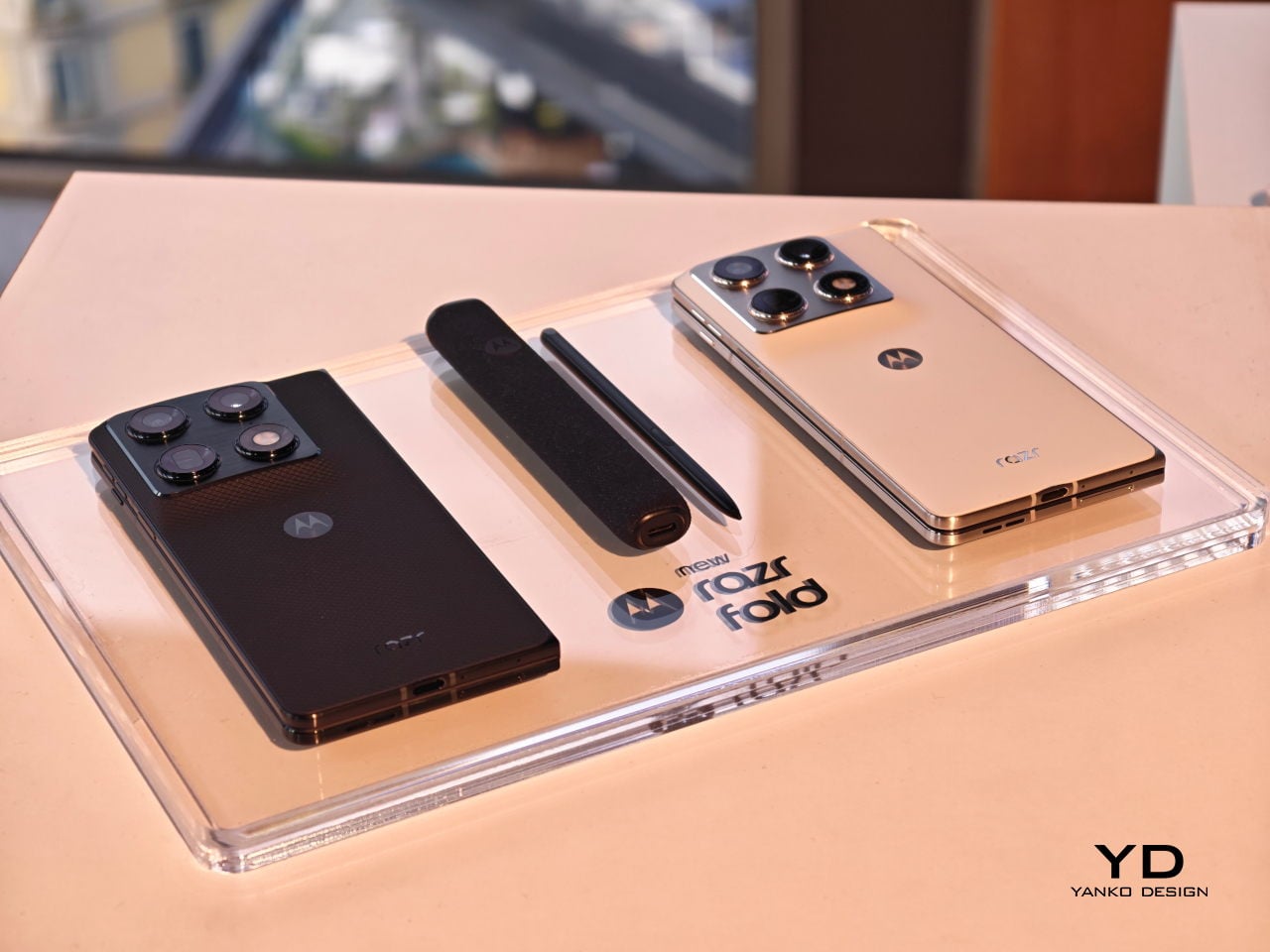
Pixel 9a leaked renders look pretty barren without the distinctive camera bar

With the Pixel 6 in 2021, Google embarked on a new design language and visual identity for its smartphones. Like it or not, and some definitely didn’t, the camera “visor” has become an identifying mark of the Pixel phones since then, something that no other brand dared to even try. It underwent a few refinements until it was finally replaced by the camera “bar” in this year’s Pixel 9. Some loved it, some despised it, and some even wanted to have the old visor back. It seems that Google isn’t done playing around with the design just yet if these early unofficial renders for next year’s “mid-release” Pixel phone. And if the Pixel 9a is any indicator of the direction that Google will take in the future, it’s bound to split camps yet again.

Designer: Google (via AndroidHeadlines and OnLeaks)

It’s not that hard to understand how divisive the Pixel camera design is. On the one hand, it is big, visible, and distracting, but on the other hand, it is executed elegantly, balances the phone on your desk, and gives your index finger something to rest on when holding the phone. What both camps will probably agree is that the camera visor or bar is an identifying mark of the Pixel phone, and it’s something the Pixel 9a might lack.

Based on the first CAD renders made from leaked information, the next mid-range Pixel phone will ditch the camera bar for a flatter design. Curiously, the cameras aren’t placed closer to the upper left corner of the phone’s back even without the bump, and it seems to be in the exact same position if it did have that bar. It’s almost as if Google just did a magic trick like pulling out the tablecloth from under the cameras, leaving them in the exact same place. At the same time, however, the camera island isn’t completely flush with the rest of the phone’s back as it has a raised lip around the oval, perhaps for protection. Whether it will make the wobble is something that can only be tested with an actual unit.

Other than that, the rest of the Pixel 9a’s design is pretty similar to the Pixel 9, down to having only two cameras on its back. The exact dimensions of the upcoming phone remain undisclosed, so we don’t know yet how bigger or smaller it is compared to the Pixel 9. The bezels around the display, however, do look a little thicker, giving it a less premium appearance overall.

The Pixel “a” series often carries the design from the same generation, so it would be surprising to see this big a change for the phone. It could also be Google’s strategy to further differentiate the Pixel 9a from the Pixel 9, giving it an aesthetic that definitely looks more “mid-range” than the flagship models. You can still see signs of the Pixel DNA if you look hard enough, but other than the position and orientation of the cameras, it’s almost too easy to pass the Pixel 9a over for some more visually interesting mid-tier phones.

The post Pixel 9a leaked renders look pretty barren without the distinctive camera bar first appeared on Yanko Design.
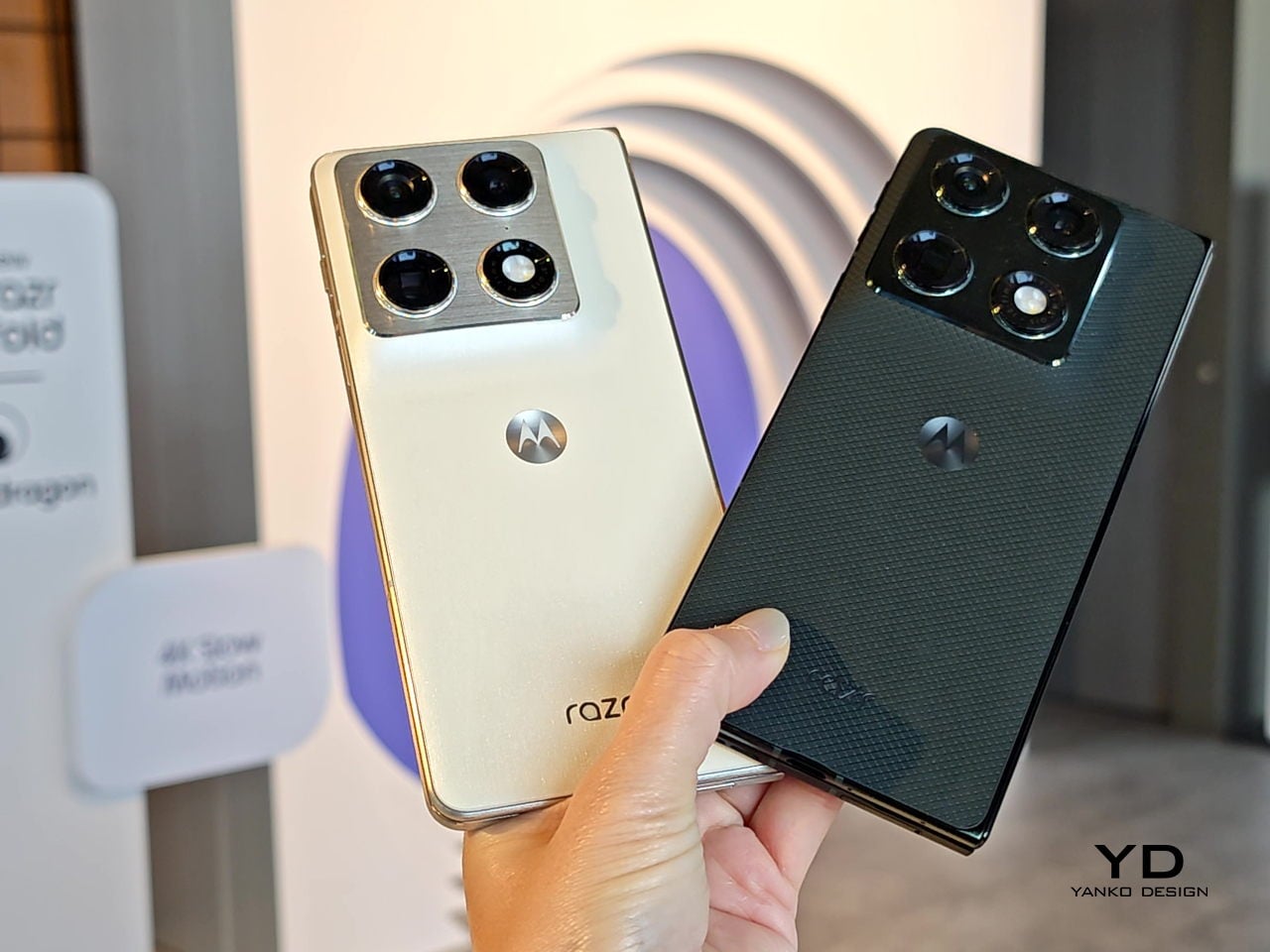
Forget the iPhone 16 Camera Control, this Gimbal Attachment gives any smartphone a DSLR experience

A shutter button, a built-in gimbal for landscape and portrait shooting, a zoom wheel, an integrated LED ring light, a tripod setting, and even an external battery pack to boost your phone’s battery. The Snappy offers way more for photography enthusiasts than the iPhone 16 does. It attaches onto any smartphone, giving you a bona fide DSLR-like experience, complete with an ergonomic grip. When you don’t need to shoot content, the Snappy pops right off, turning your handheld camera back into a daily driver smartphone.

Designer: Buddiesman

Click Here to Buy Now: $89 $149 (40% Off) Hurry! Only 21 of 520 left. Raised over $101,000.

Just three weeks ago, Apple debuted the iPhone 16 line-up, adding one crucial new hardware feature to their phones – a Camera Control ‘button’. Designed to help intuitively capture photos without having to fiddle with on-screen controls, the capacitive button lets you perform a variety of actions from zooming, switching between presets, adjusting focal length, or even accessing other key camera features. With the Camera Control, Apple’s reinforced its idea that the smartphone is a great camera first, and then a good mobile device… the only problem is that great cameras are more than just fancy lenses and sensors. Enter the Snappy mobile grip, a device designed to transform the way we take photos on our phones. With its motorized gimbal providing single-axis stabilization, Snappy quickly becomes a trusted companion for anyone tired of blurry images or shaky videos. Unlike larger gimbals such as DJI’s Osmo, Snappy brings stabilization in a small, portable form—making it a solution that fits right into your pocket.

Designed by Buddiesman, a Hong Kong-based manufacturer of photographic gear, Snappy’s centerpiece is its motorized, spring-loaded clamp that securely grips your smartphone. This clamp adjusts easily to accommodate a range of phone sizes, so you won’t have to worry about removing your phone case to make it fit. The ergonomic grip attached to the clamp gives the device a comfortable feel, while an articulated arm allows the phone to be rotated seamlessly between landscape and portrait modes with the flick of a thumbwheel. Powered by a brushless motor, this feature also gives the Snappy stabilizing gimbal-like abilities, ensuring your phone stays level, even during handheld video shoots.

Plug your phone in and it literally feels like a professional camera-mimicking rig for your phone. Use any phone you want with the Snappy and it gives you the added benefit of being able to intuitively capture content the way you would with a more pro-facing device like a DSLR or mirrorless camera. A shutter button on the top lets you easily take photos and record videos without fumbling to touch the screen or hit a volume button to take the shot (like you would with most smartphones). The grip feels instantaneously comfortable, allowing you to point and shoot with a single hand. Worried you’ll accidentally drop your phone? The Snappy has a built-in strap that lets you secure it to your hand too, so even the largest, heaviest of phones don’t put too much strain on that wrist of yours.

If there’s something a photographer hates more than phone cameras, it’s the flashlight on phone cameras. The flashlight is way too coarse, and no self-respecting photographer uses it unless absolutely necessary. To fix that, the Snappy comes with its own multi-LED built-in ring light. Located just beside the phone’s lenses (where you’d expect the MagSafe ring to line up), users can toggle between cool and warm light settings simply by tapping the touch-sensitive zone inside the ring, adjusting brightness to get the perfect shot regardless of the lighting conditions. This feature is perfect for low-light environments where smartphone cameras traditionally struggle.

For even greater flexibility, Snappy allows users to detach the grip from the main body, turning it into a wireless remote. With a range of up to 10 meters (33 feet), you can take photos and videos from a distance, offering a new level of creativity and control in framing your shots. With the remote detached (or even with the remote unit still on), the Snappy can be used as a tripod of sorts, propping your phone up so you don’t need to hold it in your hands. Perfect for using as a phone stand while reviewing the footage you’ve shot, or propping your phone up to take a remote video/photo while you stand away from your camera, this feature gives the Snappy one remarkable ability that neither phones nor DSLR cameras have, barring actually buying a tripod of course. And just in case you’re a tripod purist, the Snappy has a tripod mount too. Want to add accessories to your smartphone camera? The Snappy also includes a cold shoe mount for attaching additional peripherals like microphones or even external lights just in case the ring light on the device isn’t enough.

The Snappy relies on a built-in battery that powers this entire experience. Although the battery’s capacity (and use time) is a bit of a mystery, the folks at Buddiesman tout that the Snappy can transform into a power bank for your smartphone when you’re running low on juice. Just connect your phone to the Snappy’s charging port via a USB-C cable and it instantly begins recharging your phone, giving you the benefit of a gimbal that also enhances your phone’s battery life along with its camera capabilities.

Currently available on Kickstarter, early adopters can secure a Snappy with a pledge of $89, while the retail price is set to be $149 once it hits the market. The $89 kit includes the Snappy itself, although you can upgrade to a bundle that also includes an add-on tripod and an external light that mounts into the Snappy’s cold shoe adapter. With its combination of user-friendly design and professional-grade features, Snappy could very well bridge the gap between smartphones and traditional cameras, bringing the best of both worlds to your pocket. They say the best camera is the one that’s in your pocket. No matter whether it’s the Google Pixel, a Samsung Galaxy, or even older variants of the iPhone, the Snappy turns your phone’s camera into a makeshift pro-grade shooter that’s perfect for turning average photos and videos into polished content.

Click Here to Buy Now: $89 $149 (40% Off) Hurry! Only 21 of 520 left. Raised over $101,000.

The post Forget the iPhone 16 Camera Control, this Gimbal Attachment gives any smartphone a DSLR experience first appeared on Yanko Design.
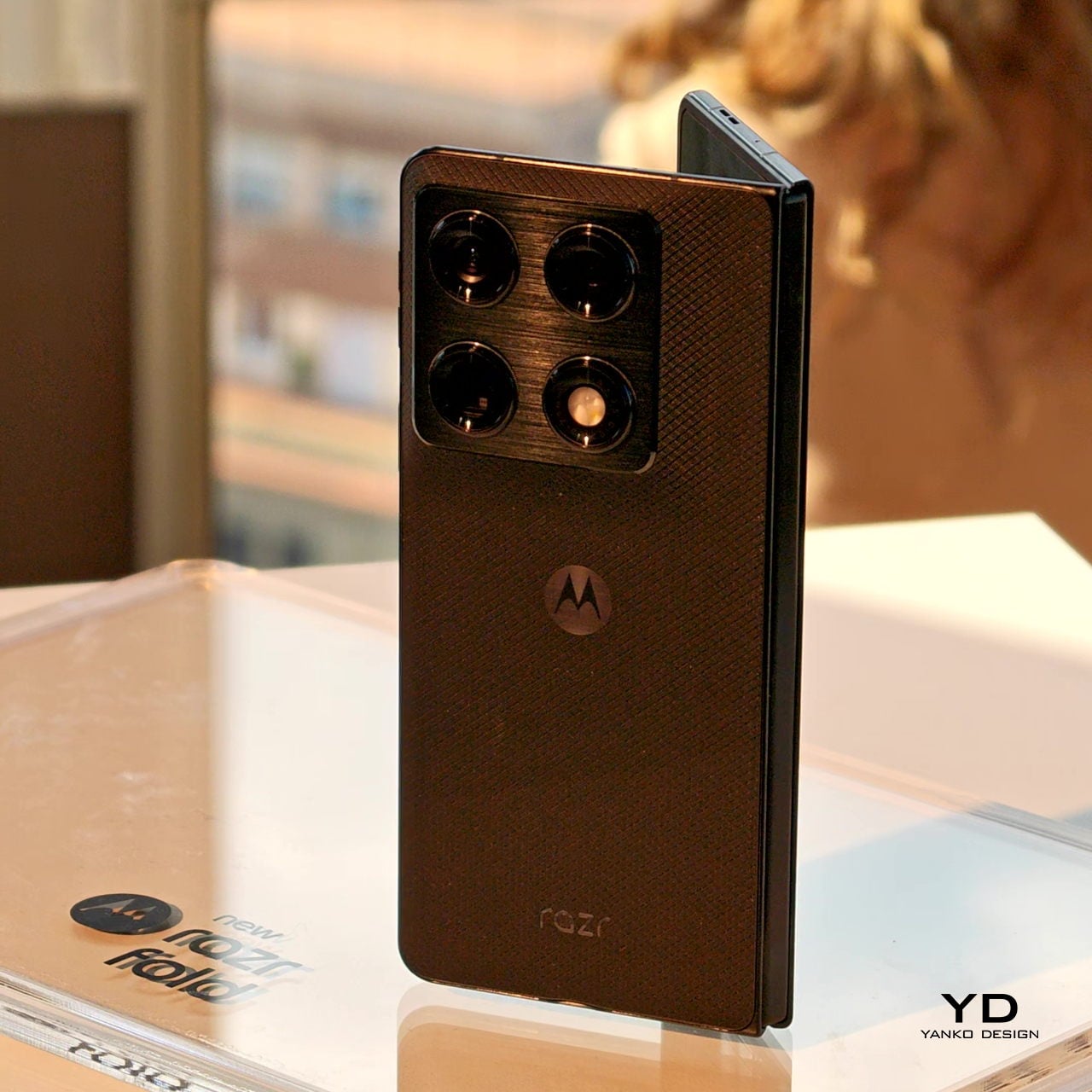
Galaxy S24 FE tries to make AI and minimalist design more accessible

Ever since it relaunched the ill-fated Galaxy Note 7, Samsung has been launching a new “Fan Edition” S series flagship every year. The Samsung FE series is supposed to bring the most wanted features of its high-end phones down to a more affordable price tag, which means it does have to cut some corners to reach that price point. Cameras and battery life have always been the main focus of the Galaxy FE phones, but this year brings an unsurprising addition to that set. With the Galaxy S24 FE, Samsung is making an even bigger push for its Galaxy AI suite, trying to push it to more people with a handset that won’t kill their budget too much.

Designer: Samsung

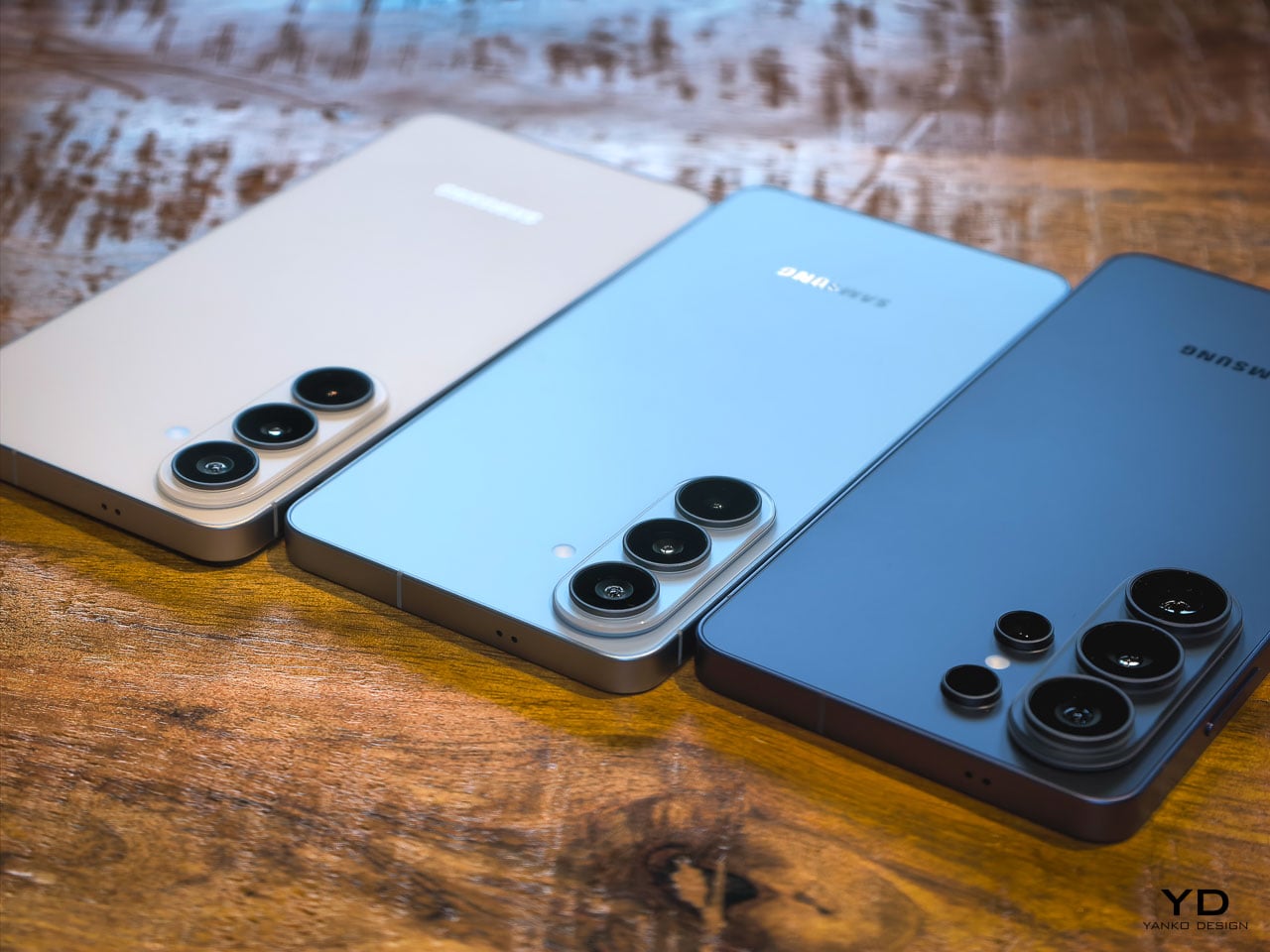
In terms of design, the Galaxy S24 FE strangely stands in between the Galaxy S24+ and the Galaxy S24 Ultra. It has an unapologetically large 6.7-inch screen, but its actual size is made even bigger by the wider bezels you won’t see on the more premium Galaxy S24 series. It does at least have the same elegant minimalist design as the Galaxy S24 and Galaxy S24+ with its rounded corners, flat edges, and flat front and back.

Of course, the “Fan Edition” phones come with plenty of compromises if you compare them to the standard flagship. In this particular case, the Galaxy S24 FE has a slightly dimmer screen that has fixed refresh rates of either 60Hz or 120Hz only, an underclocked mid-range Exynos 2400e processor, and only 8GB of RAM. That said, it does have a larger 4,700mAh battery compared to the 4,000mAh battery on the Galaxy S24, and it has almost similar 50MP main and 12MP ultra-wide cameras. The 3x telephoto camera, however, only has an 8MP sensor.

Unsurprisingly, a lot of the focus in this release is on Galaxy AI and the features that it enables. Those include retouching photos, making amusing compositions, and of course, Circle to Search with Google. Hopefully, the phone’s modest specs will be able to catch up with the demanding AI features without making the phone too hot to handle.

What is surprising is that Samsung is making the same support commitment it made with its more expensive phones, namely seven generations of OS upgrades and seven years of security updates. The phone also uses some materials made from recycled plastics, aluminum, glass, and rare earth metals, which is pretty impressive for a “cheaper” variant of a flagship phone. All of these come with a $649.99 price tag for 128GB of storage ($709.99 for 256GB), which isn’t all that bad considering you’re getting a solid phone from a reputable brand.

The post Galaxy S24 FE tries to make AI and minimalist design more accessible first appeared on Yanko Design.
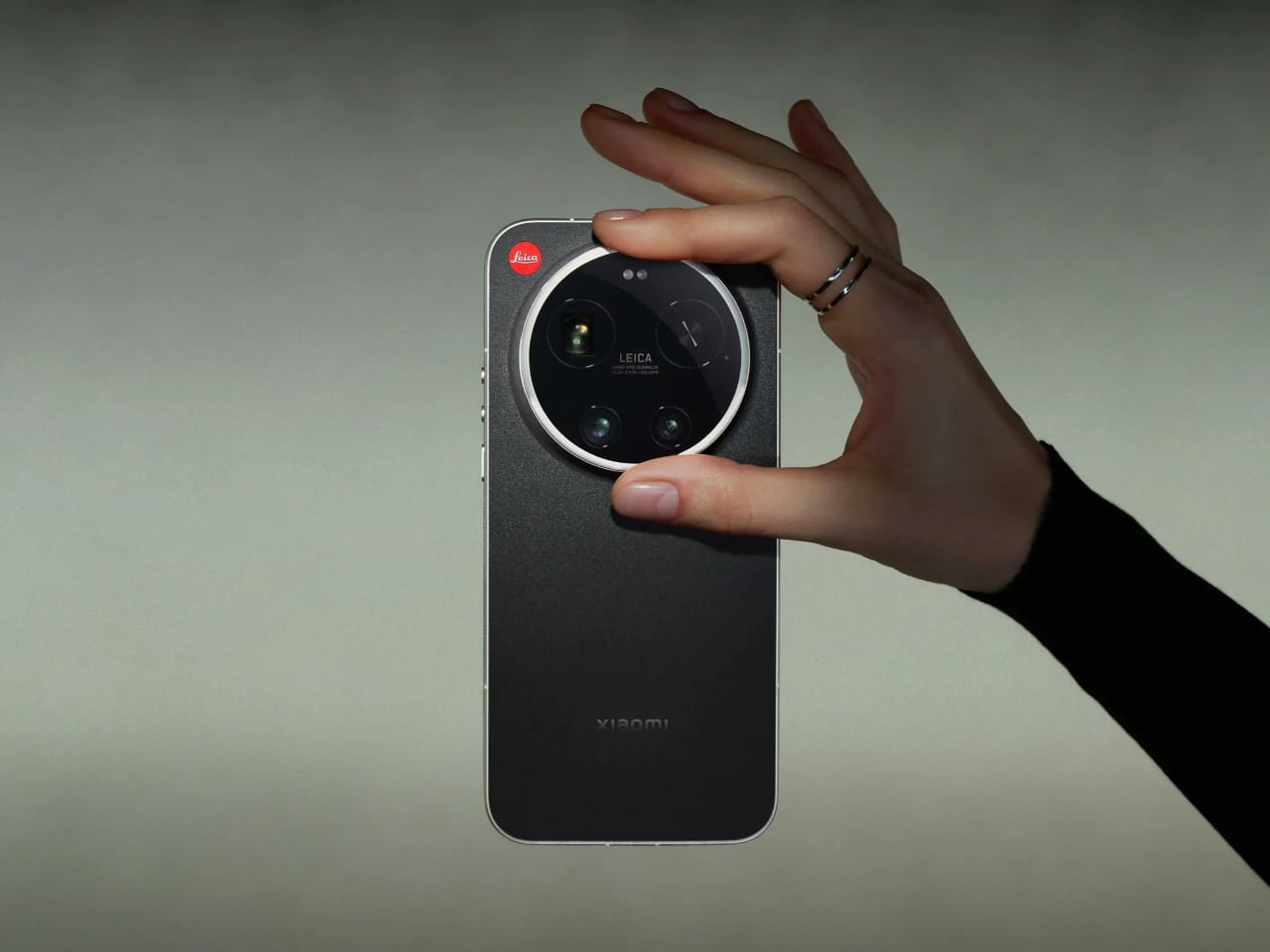
Xiaomi 14T Pro Review: Flagship Features Without the Flagship Price

PROS:


  • Solid camera performance

  • Fast wired and wireless charging capabilities

  • Bright and easy-to-eyes display


CONS:


  • Uninspiring color options

  • Minor hardware upgrade from the predecessor


RATINGS:

AESTHETICS
ERGONOMICS
PERFORMANCE
SUSTAINABILITY / REPAIRABILITY
VALUE FOR MONEY

EDITOR'S QUOTE:

With its combination of features and competitive pricing, the Xiaomi 14T Pro delivers a well-rounded experience that is sure to satisfy the needs of most users.

2024 has been a year of remarkable growth and innovation for Xiaomi. Building upon its success in the smartphone market, the company has expanded its horizons with the launch of its first electric vehicle, the SU7, back in March. The company then proceeded with the launch of its first-ever flip phone, the Xiaomi MIX Flip, as well as the fourth iteration of its flagship foldable, the MIX Fold 4. Impressive sales figures for the SU7 and the positive reception of the MIX Flip and MIX Fold 4 demonstrated Xiaomi’s ability to capture market shares in diverse product categories. It is clear that Xiaomi wants to take advantage of this moment and solidify its position as a leading global technology brand with the launch of the Xiaomi 14T and 14T Pro. Part of its budget-friendly numbered T series, the Xiaomi 14T Pro boasts flagship features similar to its flagship Xiaomi 14 and 14 Ultra phones, such as cameras co-developed with Leica. But does Xiaomi still have its magic touch or has it spread itself too thin? Read on to find out.

Aesthetics

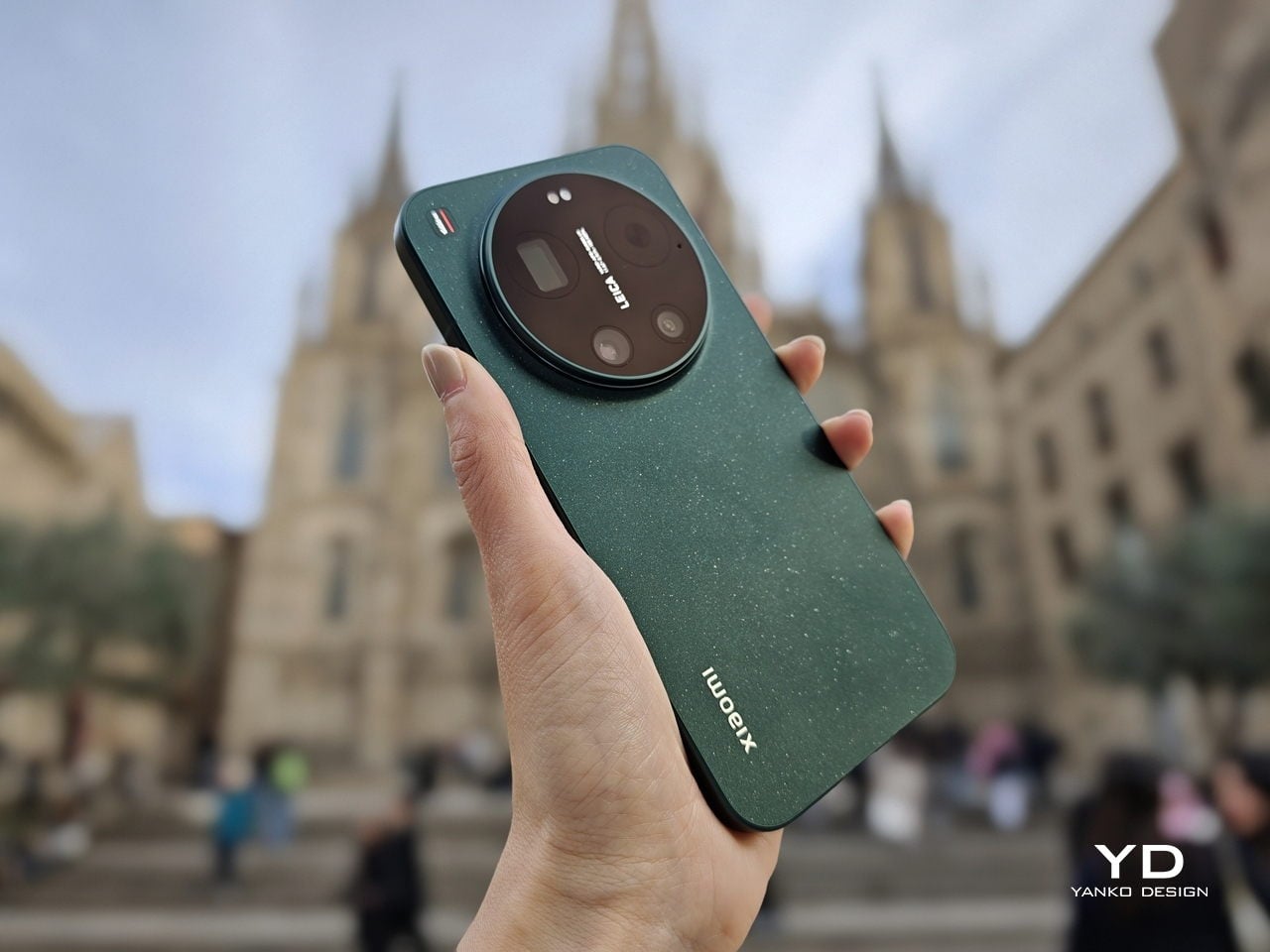
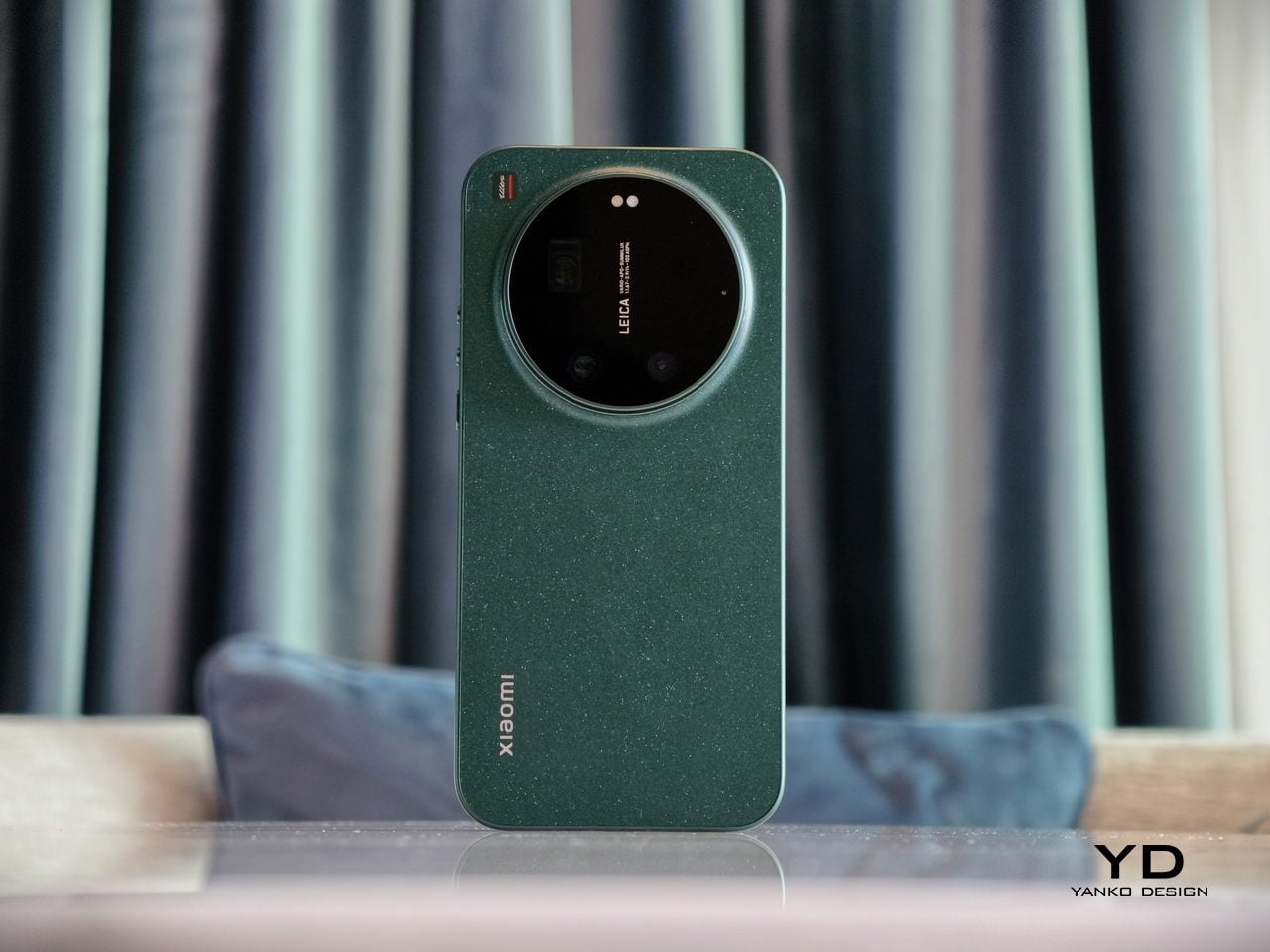
The Xiaomi 14T Pro’s understated design is its strength. While it doesn’t offer groundbreaking aesthetics, its simplicity is elegant. The familiar design language from its predecessor is carried over into this model. Available in Titan Gray, Titan Blue, and Titan Black, but choosing a color shouldn’t be a challenge as they all offer similar aesthetics. I wish Xiaomi had explored more fun color options. We received the Titan Black variant. The matte black back panel is speckled for a light-catching effect and features a velvety texture that resists fingerprint smudges.

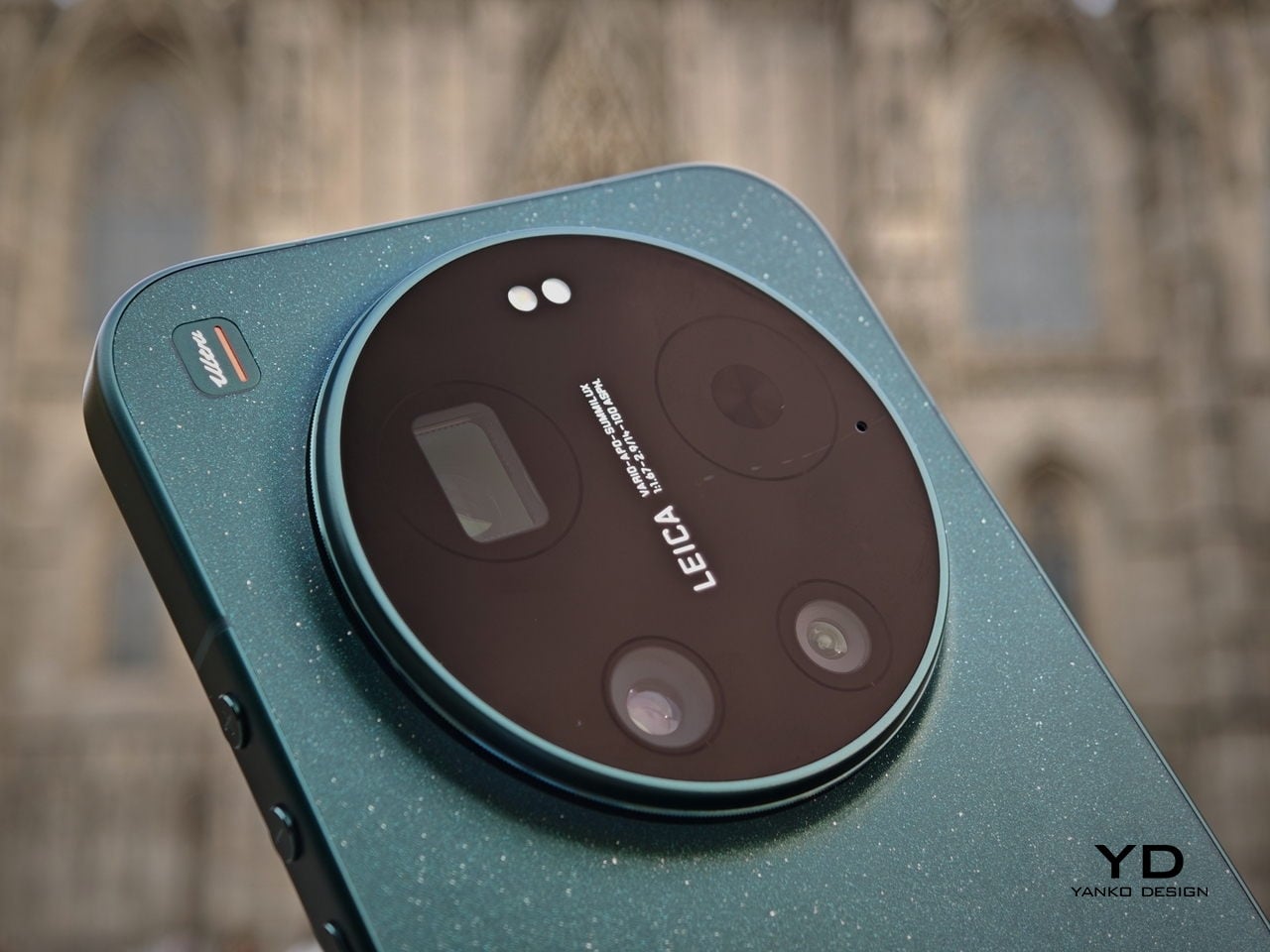
The device’s square camera island is big but maintains a discreet profile that matches the color of the back panel. The camera island’s smooth surface contrasts with the back panel’s textured finish. The arrangement of the cameras and LED light is perfectly symmetrical, centered around the Leica logo. Each camera and LED light is housed in a raised circular enclosure, making it slightly more challenging to clean dust that may accumulate. That said, it carries a sort of LEGO block vibe that makes it stand out a bit, especially from the rest of the Xiaomi 14 series.

The small Xiaomi logo in silver is positioned on the lower left and the regulatory icons and text on the lower right. Overall, 14T Pro offers a clean design, while the matte textured back panel and metallic aluminum alloy frame give it a premium feel. It is simple and direct, a breath of fresh air from the visually noisy designs of recent smartphones.

Ergonomics

Measuring 160.4mm x 75.1mm x 8.39mm and weighing 209g, the Xiaomi 14T Pro leans towards the larger side of the spectrum. Despite its size, the device feels comfortable to hold, whether with one or both hands. All edges slightly curve into the frame giving comfort, while the flat sides provide a better grip when you hold the device in your hand.

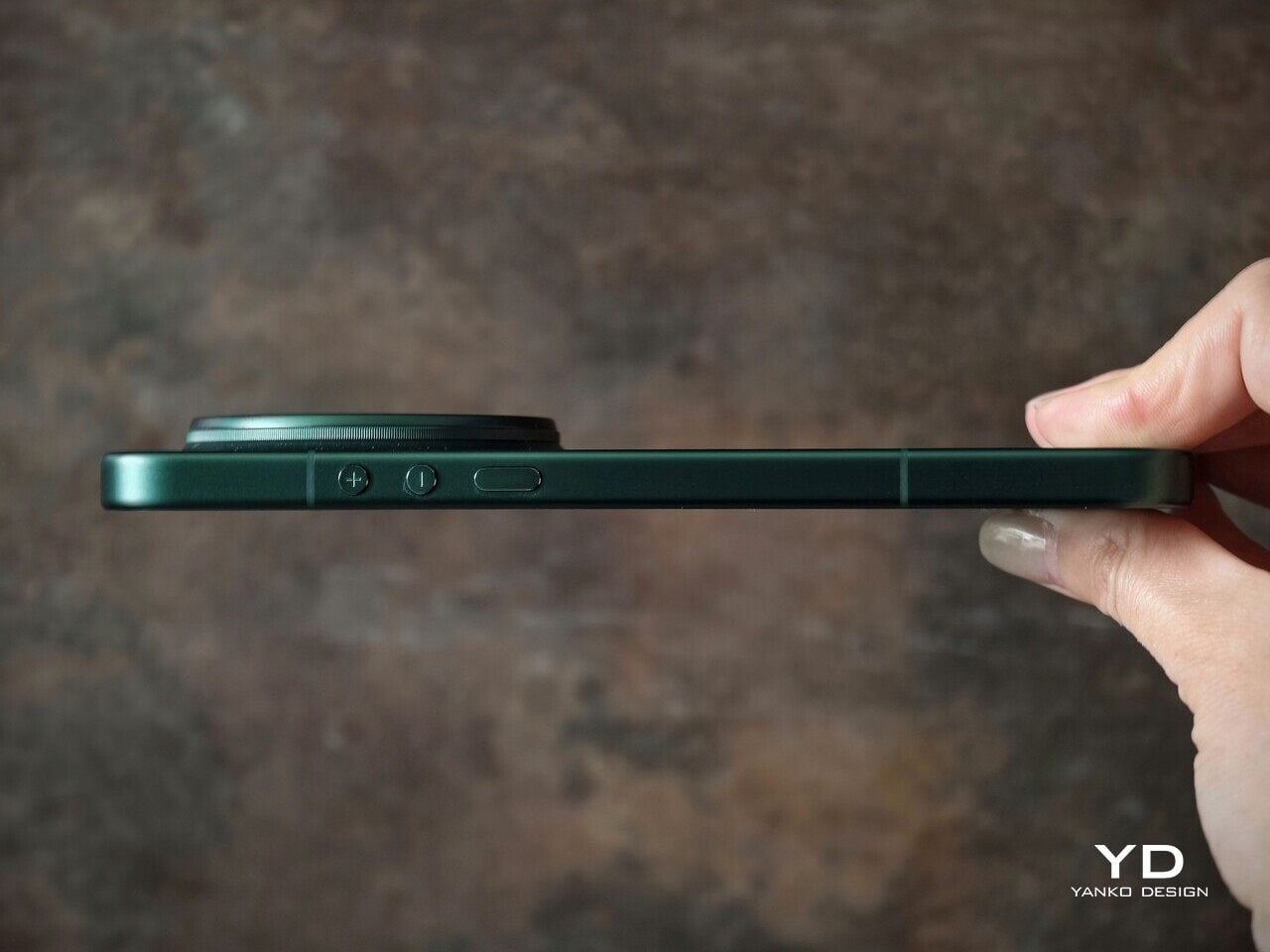
The right side of the phone features volume and power buttons with diagonal engraving, while the left side remains clean except for antenna cutouts. The top houses an IR blaster and speaker, while the bottom accommodates a dual SIM slot, microphone, USB-C port, and speaker. The sides might be busy with these many parts, but they visually blend into the frame and stay out of the way of your fingers or your palm when you hold the phone.

The off-center camera module can cause the phone to wobble slightly on flat surfaces which might be a minor inconvenience if they are sensitive to such details. Nothing that a case wouldn’t fix, of course, and it’s a design trait shared by almost all smartphones these days. The Xiaomi 14T Pro is thankfully not uncomfortable to hold and use despite its large size, though it doesn’t stand out as an example of good ergonomics either.

Performance

Xiaomi’s collaboration with Leica has significantly elevated its camera capabilities, resulting in exceptional photo and video quality. This partnership continues as Xiaomi works with Leica on its more budget-friendly flagship models, ensuring high-quality imaging remains accessible. The 14T Pro features a triple camera setup, including a 50MP main camera with an f/1.6 aperture, a 50MP telephoto camera with an f/2.0 aperture, and a 12MP ultra-wide camera with an f/2.2 aperture. All three cameras offer two Leica photographic styles: “Leica Vibrant” and “Leica Authentic.”

The main camera features a Light Fusion 900 sensor and delivers great photos with nice detail, wide dynamic range, natural colors, and minimal noise in both daylight and low-light conditions. While the dynamic range is generally great, exposure often skews toward the brighter end, leading to washed-out highlights and crushed shadows in some situations. Additionally, HDR performance struggles with motion, especially in low-light environments, leading to blurry images of moving subjects.

Ultrawide (0.6x)

1x

2x

2.3x

The telephoto camera performs well in most scenarios, maintaining good detail and color accuracy. In contrast, the ultra-wide camera produces acceptable photos, but it tends to lack sharpness and detail in challenging conditions.

Telephoto (5x)

Telephoto (10x)

Telephoto (20x)

Portrait mode offers four focal lengths, 23mm, 35mm, 60mm, and 75mm, with the default set to 60mm. While the 60mm and 75mm portraits are captured with the telephoto camera, the 23mm and 35mm portraits are shot with the main camera. All portrait photos I took, regardless of focal length, exhibited impressive subject isolation and pleasing bokeh.

Normal (1x)

Portrait (60mm)

Although color rendering remains consistent across different cameras and magnifications in regular photo mode, a noticeable shift in white balance can be observed between photos captured with the telephoto and main cameras in portrait mode.

Portrait (23mm)

Portrait (35mm)

Portrait (75mm)

On the opposite side, the upgraded 32 MP front camera with f/2.0 aperture takes satisfactory photos, which isn’t that surprising given the hardware. The Xiaomi 14T Pro can record videos up to 8K at 24 or 30 fps with the main camera, while the telephoto and ultra-wide cameras are capable of shooting videos up to 4K at 60 fps. The front-facing camera can record up to 4K at 30 fps and 1080p at 60 fps. The 4K footage from the main and telephoto cameras is impressive, showcasing good detail, realistic colors, and a wide dynamic range, all complemented by excellent stabilization.

While the Xiaomi 14T Pro offers incremental hardware improvements compared to its predecessors, its most significant advancements lie in its AI capabilities. The device supports Google Gemini and introduces Circle to Search, a first for Xiaomi devices. Additional AI features include AI Interpreter, AI Notes, AI Recorder, and AI Subtitles. These AI features and Circle to Search will be available via an over-the-air (OTA) update starting September 26th, which means they aren’t accessible during this review period.

One of the AI features I was able to test was AI Erase Pro, and it was remarkably effective. The tool offers four modes: Manual, Remove Object, Remove People, and Remove Lines. The Remove People mode was particularly impressive, accurately recognizing individuals and color-coding them. Even when people were positioned in a staggered formation, the AI could identify each person. However, while erasing people from the photos worked well, the shadows were left unmanipulated.

The other impressive feature of the Xiaomi 14T Pro is a big 6.67-inch AMOLED flat screen that boasts a 1.5K resolution (2,712 x 1,220), a 144Hz refresh rate, and a pixel density of 446 ppi. Supporting 12-bit color depth, HDR10+, and Dolby Vision, the display delivers sharp, vibrant visuals. Even under direct sunlight, the peak brightness of 4,000 units ensures excellent visibility while the 3,840 Hz PWM dimming reduces eye fatigue. Also, the stereo speaker is plenty loud and produces nice sounds, making the phone great for enjoying movies.

The 5,000mAh battery provides sufficient power for a full day of use. If you need a quick boost, Xiaomi’s 120W HyperCharge technology allows for incredibly fast wired charging, reaching a full charge in about 19 minutes, as stated by the company. Additionally, the 14T Pro supports 50W wireless charging, a much-welcome upgrade. Xiaomi claims that the device can be fully charged with a wireless charger in approximately 45 minutes. My personal experience aligns with these impressive capabilities.

The device runs HyperOS based on Android 14 and Google services are thankfully available out of the box. Powered by MediaTek’s flagship Dimensity 9300+ chipset and paired with 12GB or 16GB of LPDDR5X RAM and 256GB, 512GB, or 1TB of UFS 4.0 storage, the Xiaomi 13T Pro delivers great performance. The device handles multitasking seamlessly, with no noticeable lag or stutter even when running multiple apps simultaneously. Additionally, it does not get hot during extended video shoots or gaming sessions, enhancing the overall user experience.

Sustainability/Repairability

The Xiaomi 14T Pro promises a 1,600 battery life cycle and delivers IP68 dust and water resistance, ensuring both durability and longevity. Its longevity and overall sustainability aspects, however, are not as promising, especially in the area of software updates. This is somewhat disappointing for a company that is becoming one of the industry’s leading players. As the tech industry increasingly emphasizes environmental responsibility, Xiaomi has an opportunity to take a leading role by integrating sustainability into all of its products and, hopefully, it won’t let that opportunity pass it by.

Value

The Xiaomi 14T Pro positions itself as a compelling option for those seeking a high-performance smartphone without breaking the bank. It offers a blend of flagship-level features and a more affordable price point. While its camera may not quite reach the heights of the Xiaomi 14 Ultra, it still delivers excellent results for everyday photography and videography. It delivers much of what it promises on paper, but the real question is whether it is something you will reach for in your next smartphone buy.

Xiaomi is definitely not the only player in this field, including in the mid-range market where there are dozens of brands and models to choose from. And while the Xiaomi 14T Pro is definitely good, it doesn’t exactly stand out in any specific way. It’s a well-balanced phone, no doubt, but it might overlooked when placed side-by-side with other mid-range phones with better cameras, higher performance, or, more importantly, lower price tags.

Verdict

The Xiaomi 14T Pro may not be the most exciting phone, but there is no doubt it offers a tempting value proposition. Its solid camera performance, powerful processor, fast-charging capabilities, and vibrant display make it a compelling option for users who prioritize performance and affordability. It may not offer the absolute pinnacle of smartphone technology, leaving that for its more powerful and more expensive non-T siblings, but it doesn’t lag behind in any significant way either. With its combination of features and competitive pricing, the Xiaomi 14T Pro delivers a well-rounded experience that is sure to satisfy the needs of most users.

The post Xiaomi 14T Pro Review: Flagship Features Without the Flagship Price first appeared on Yanko Design.
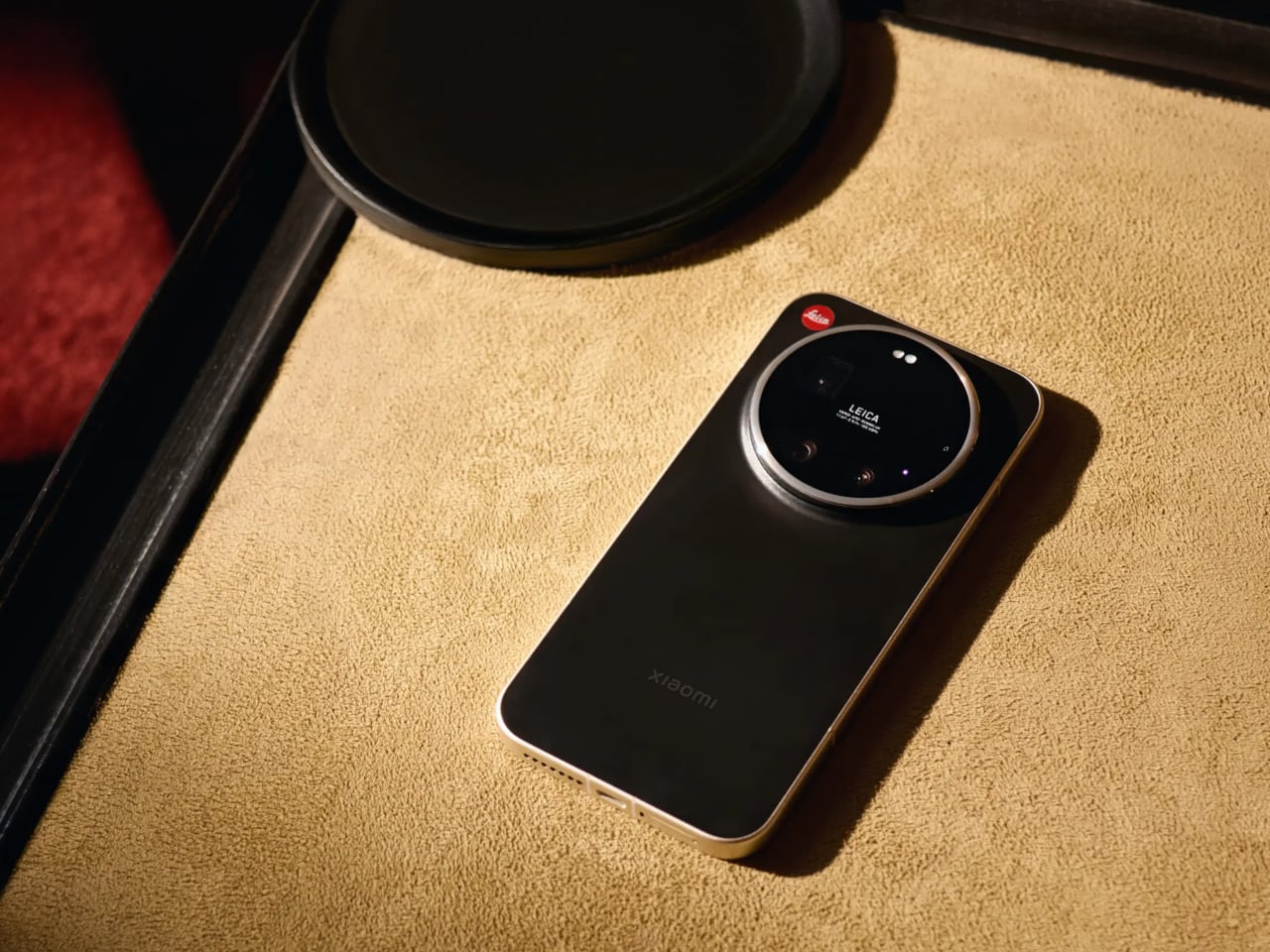
iPhone 16 iFixit teardown reveals a huge step forward in sustainability

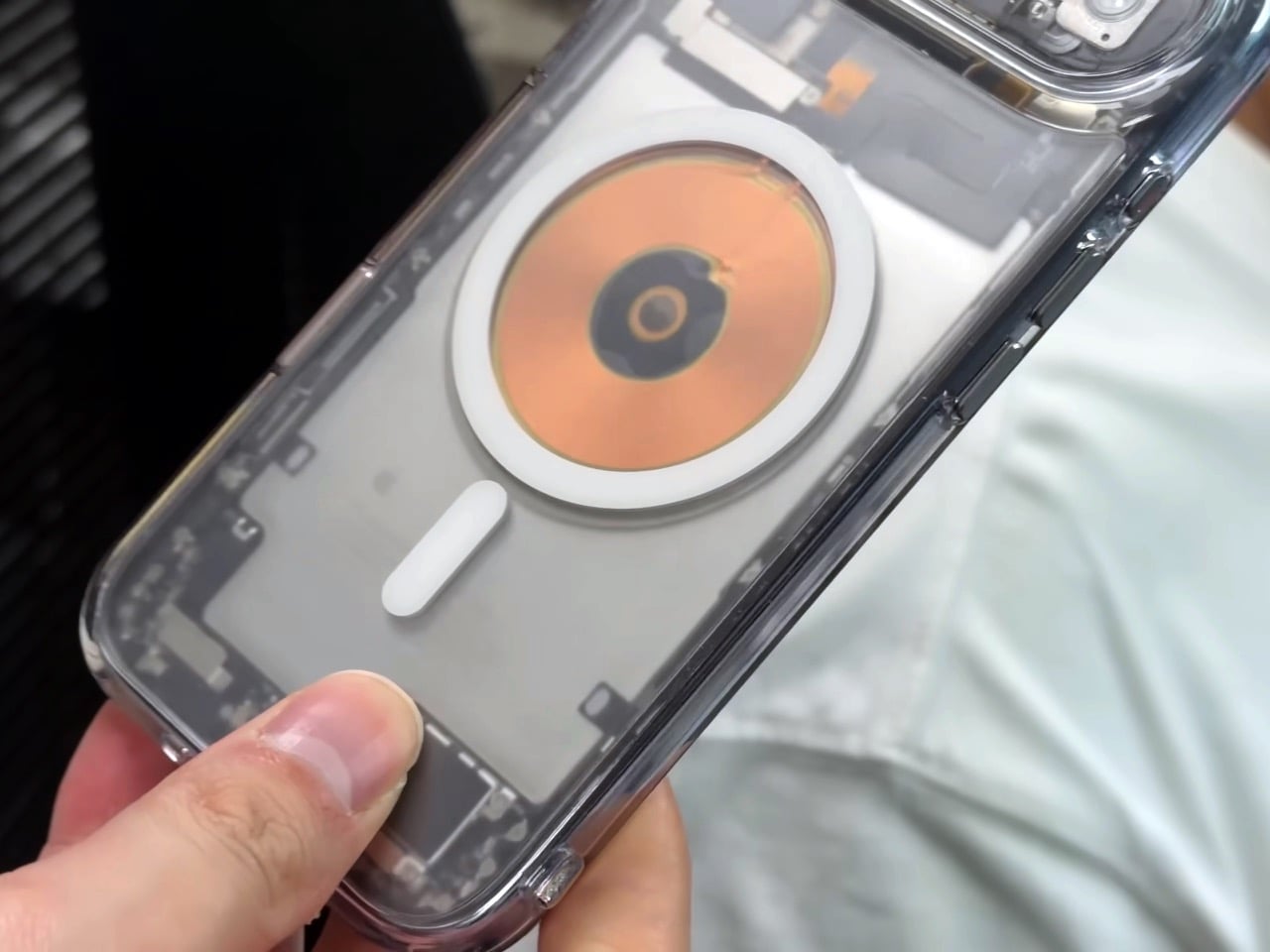
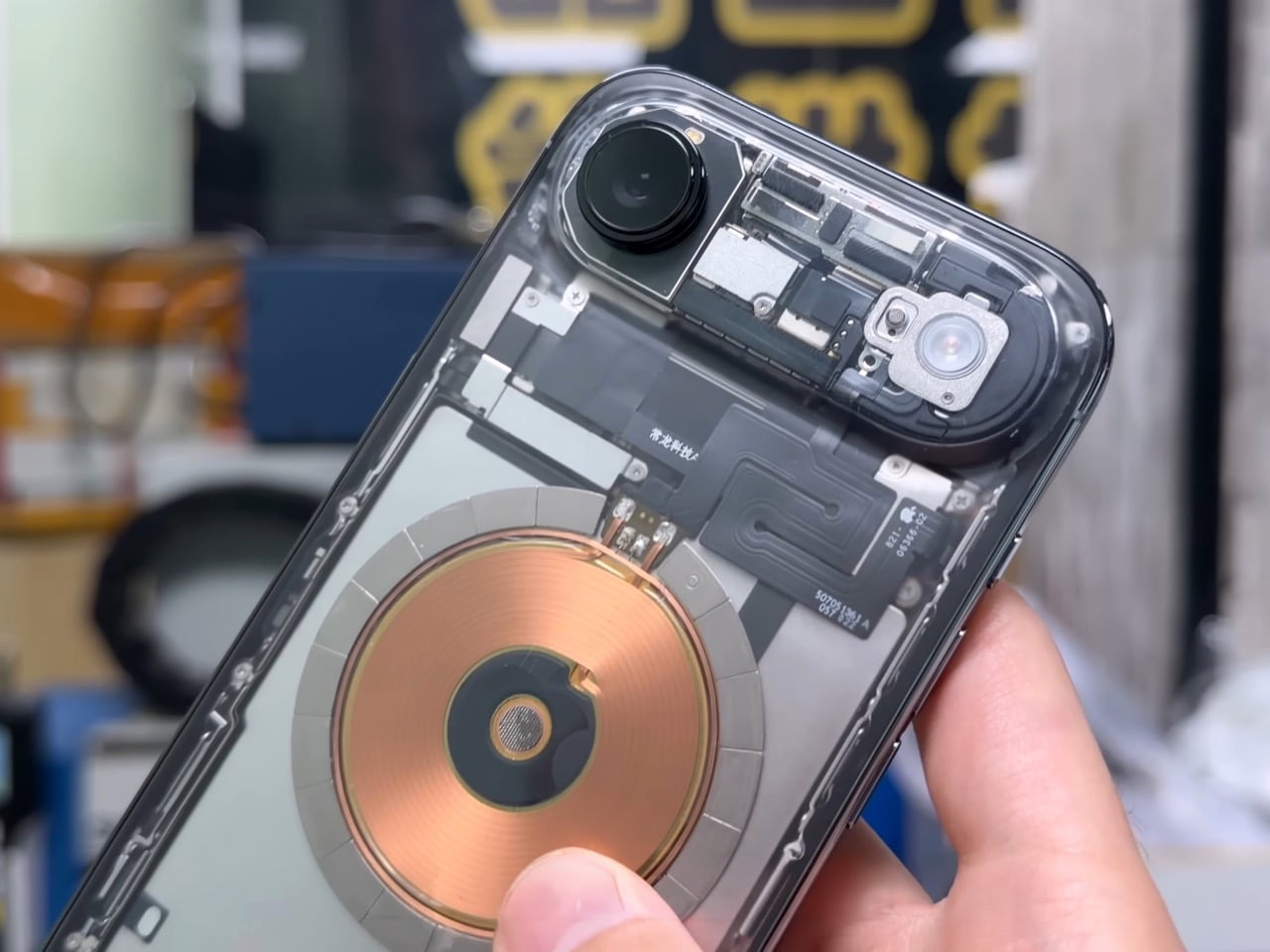
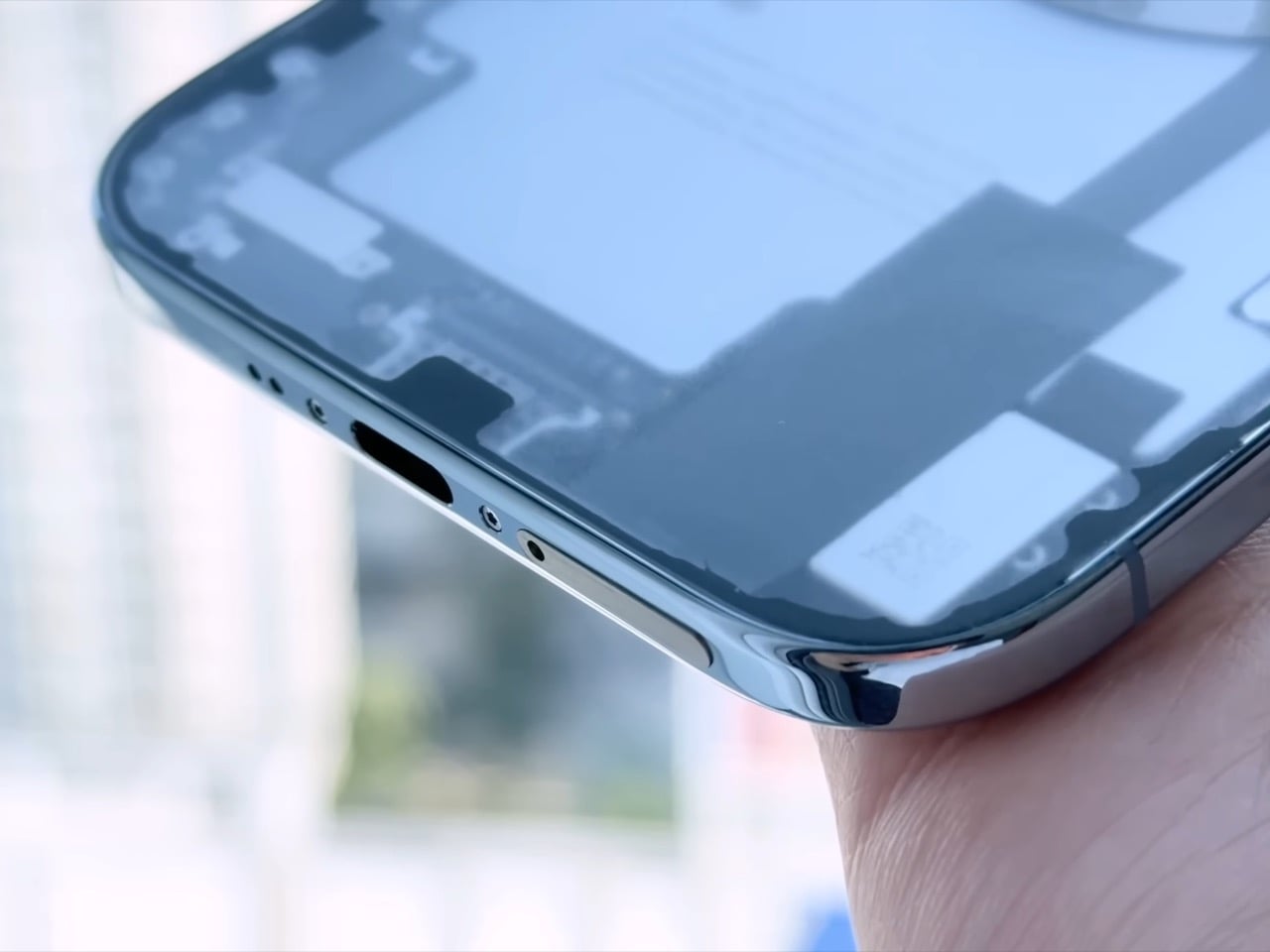
Today’s smartphones may be more advanced and more powerful than ever, but they still suffer from the same ailments that their ancestors experienced more than two decades ago. Screens get cracked, charging ports get worn down, and batteries die. Unlike the mobile phones of the past, however, the complex designs of modern smartphones make it impossible to even just replace a bloated or dying battery. Of course, companies have always defended this practice as protecting their brand and their intellectual property, but thankfully they’ve started turning around, and Apple just made what is perhaps the biggest step in that direction, short of simply letting owners pop off the iPhone 16’s back, pop out the old battery, and pop in a new one.

Designer: Apple (via iFixit)

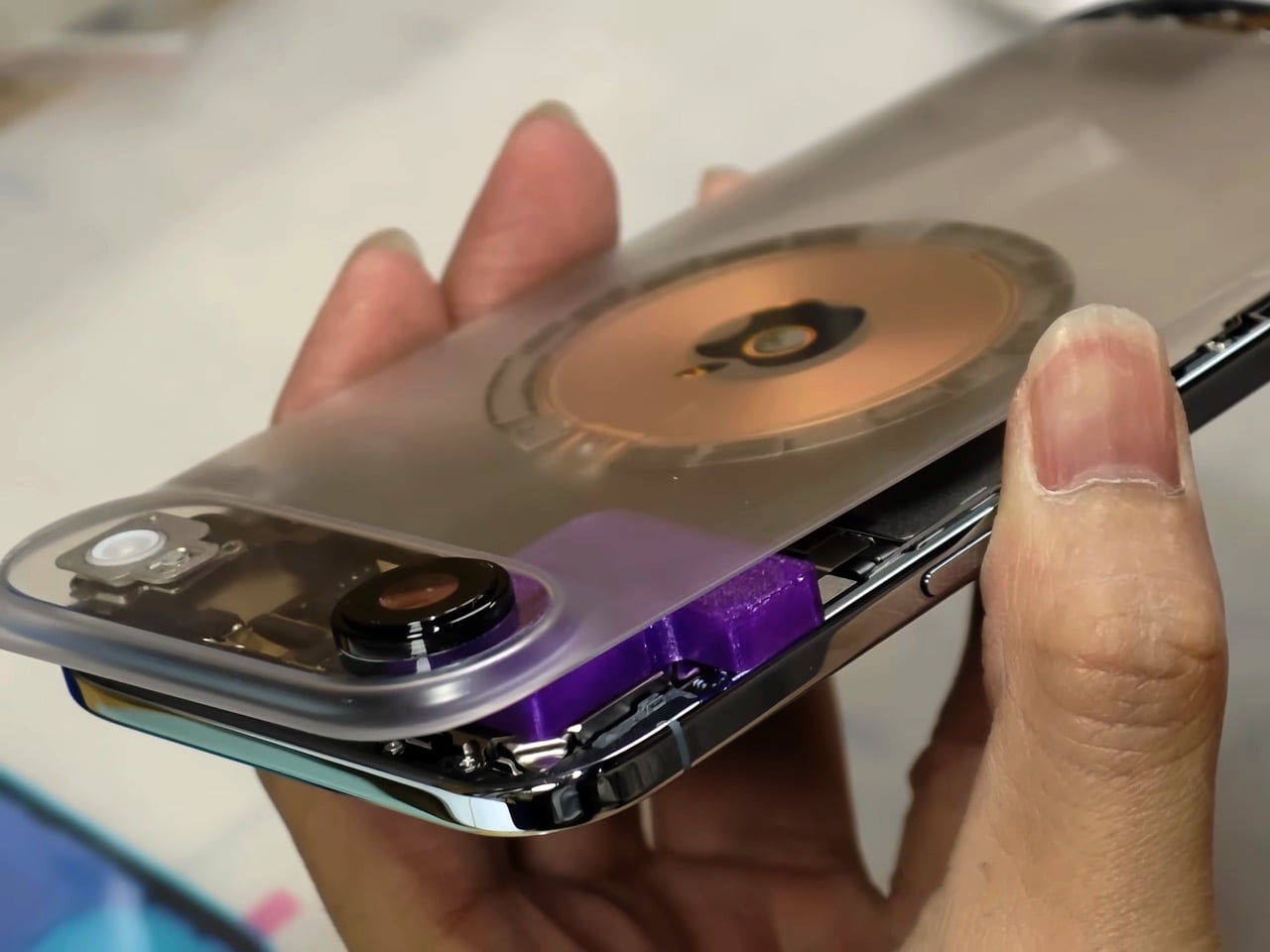
The new “feature” that has the Internet abuzz involves the removable of those unwieldy “pull tabs” that doubled the work since you’d often still have to resort to some isopropyl alcohol at the end of the process. Instead, Apple’s new adhesive can dissolve under low electrical current, which means you can hook up the back of the exposed iPhone 16 or 16 Plus to an ordinary 9V battery and have that adhesive go away in a minute and a half. The voltage actually determines the length of waiting, and iFixit’s test showed that a 20V charge would have the battery ready to be removed in just 20 seconds.

This makes battery replacement significantly easier and less error-prone, though you’ll still have to do some alcohol cleanup to completely remove adhesive residue before installing a new battery. Considering batteries are one of the first things on a smartphone to die from natural wear and tear, they are also the most common parts that need to be repaired or replaced. This major improvement in repairability also improves the iPhone 16’s overall sustainability, as it reduces CO2 emissions in the long run.

The catch is that this groundbreaking adhesive is only available on the iPhone 16 and iPhone 16 Plus. The more advanced Pro models, ironically, still use the pull tab system, but Apple did make a little change to make that process less nerve-wracking. The shells of these batteries are now made of hard steel instead of soft pouches, so the chances of accidentally puncturing these sensitive and volatile batteries are now lower, which is very important since you’ll still need to pry them off without that magical dissolving adhesive.

The rest of the iPhone 16 teardown is pretty uneventful, which also means that Apple has retained its improved DIY repair experience this year. This helped the iPhone 16 garner a 7 out of 10 on iFixit’s repairability scale, which is pretty high for a “regular” smartphone that doesn’t promote the same kind of repairability and sustainability as the Fairphone. Hopefully, this new material will eventually land on the iPhone Pro models next year, becoming a major sustainability feature of all iPhones moving forward.

The post iPhone 16 iFixit teardown reveals a huge step forward in sustainability first appeared on Yanko Design.
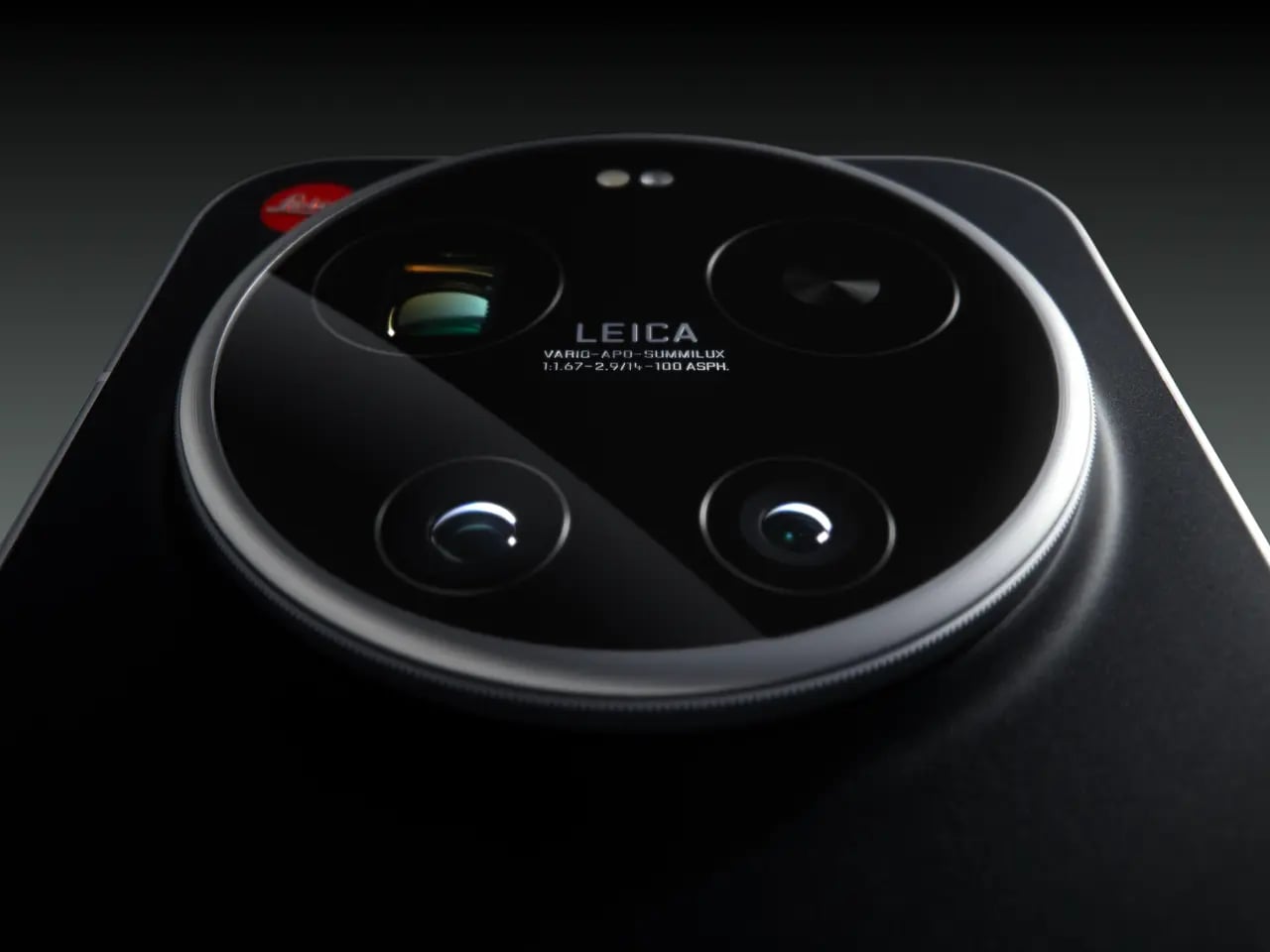
Smartphone-powered tabletop stopwatch concept turns deep focus into a game

Our desks are filled with things that inspire us as well as objects that distract us, with our smartphones as the biggest culprits. Sure, we can probably justify having our phones close to us as necessary for work, but we don’t always need to be looking at them while we’re actually working. Notifications, videos and animations, and scrolling text all take our attention away from more important things, but uninstalling these apps completely induces a different kind of stress and worry. The situation doesn’t have to be black or white, though, and there are plenty of strategies to reduce distractions while keeping our phones still within reach, and you don’t even need the training of an ascetic monk to pull this off. In fact, it can even become a fun mini-game, like this tabletop stopwatch that turns getting into the zone into a dive for treasure.

Designers: Dagyeong Kim, Chanhee Park, Dugyeong Lee, Songhee Kim

There are actually some apps that use a similar method to encourage continuous periods of work without unlocking their phone. The idea is that there is some negative consequences when you pause or stop the timer by using the phone, like some virtual tree dying. These apps, however, still put the smartphone not only within reach but also in sight, increasing the temptation anyway. SINK is a concept that works the same way but adds a twist that not only puts the phone away but also makes the experience a bit more engaging.

1

The inspiration behind SINK is the gaming consoles of old, where you insert a cartridge to play a game. The mechanism is simple and straightforward, removing any ambiguity or complications. In this case, however, it’s your smartphone that is the cartridge, and you slide it into the back of the SINK device to turn it on. The device only works if the phone is in the slot, so you’ll have to go out of your way to retrieve your phone even for just a few seconds.
The “game” in SINK’s case is a deep ocean dive, hence the concept’s name, where the longer you remain focused at work, the deeper your diver goes and the higher points you get. There’s some semblance of a ranking system, but the concept doesn’t clarify if you’re just competing with yourself or with others as well. The latter raises the stakes a bit for those with a bit of a competitive bent, but it might also work the opposite way and discourage others.

Using SINK is quite simple and the device itself has very few controls other than a dial and a slider. Of course, any strategy like SINK or the Forest app will only be effective if you’re actually doing the intended work during the allotted period of time. There’s still an element of self-control, but SINK’s playful design makes it look a bit more fun instead of serious work.

The post Smartphone-powered tabletop stopwatch concept turns deep focus into a game first appeared on Yanko Design.