iOS 26 Hacks: 10 Features Apple Didn’t Tell You About

iOS 26 Hacks: 10 Features Apple Didn’t Tell You About

Apple’s iOS 26 introduces a range of hidden features designed to enhance your iPhone experience. These secret settings provide greater customization, improved functionality, and added convenience. Whether you’re aiming to streamline daily tasks, improve accessibility, or optimize app performance, these features can significantly elevate how you use your device. Below, we explore 10 of these […]

The post iOS 26 Hacks: 10 Features Apple Didn’t Tell You About appeared first on Geeky Gadgets.

Posted in Uncategorized

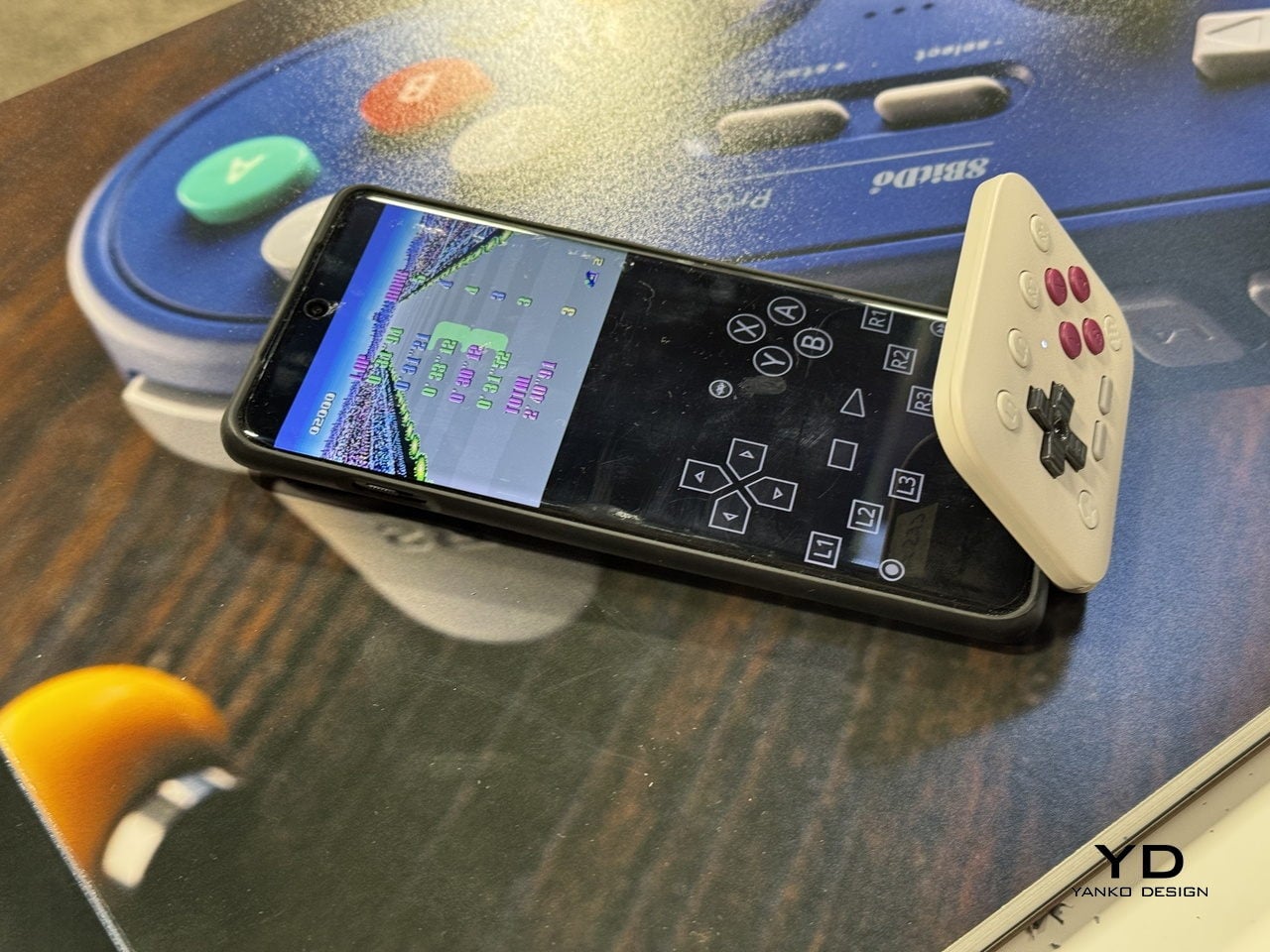
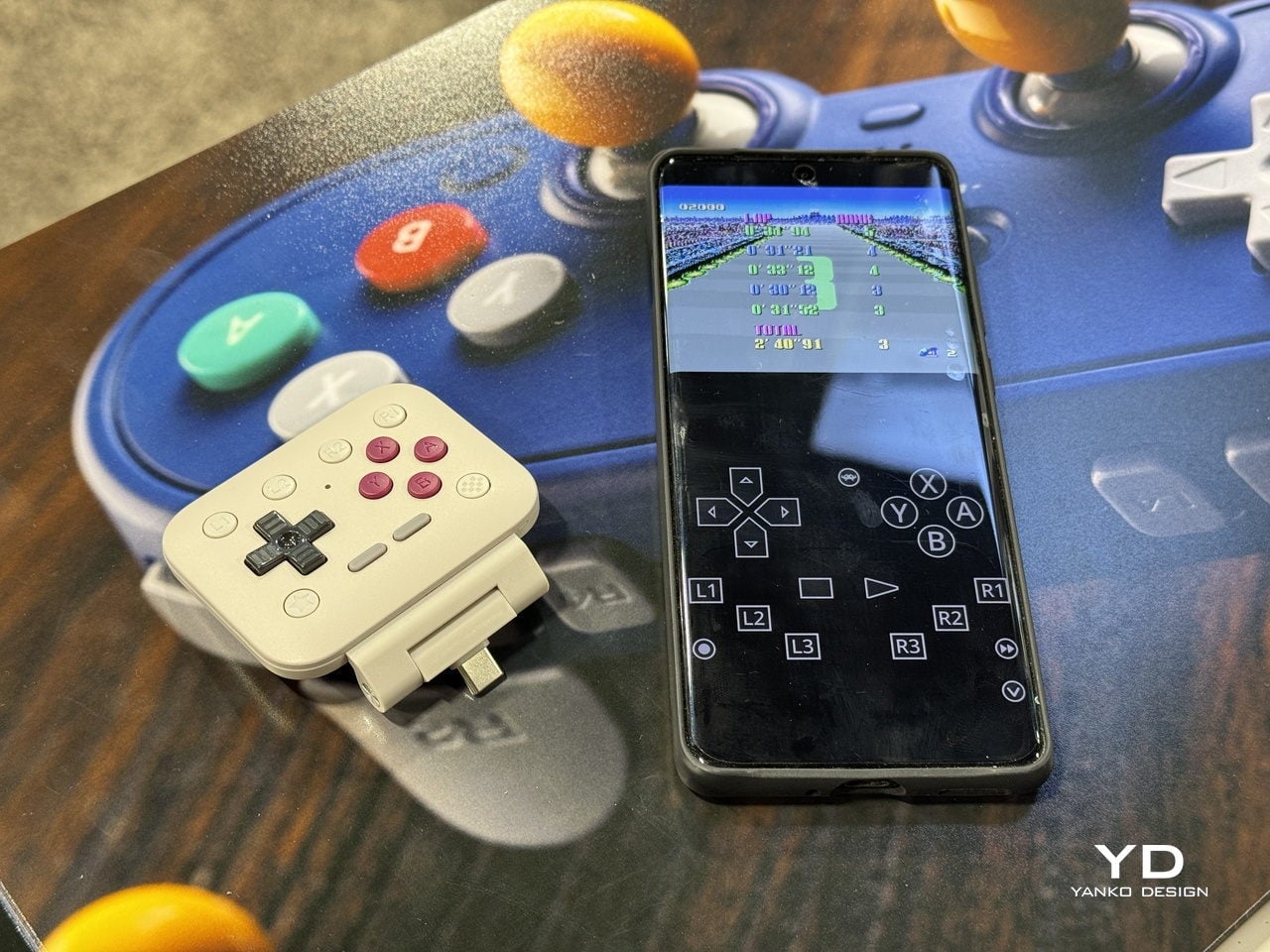
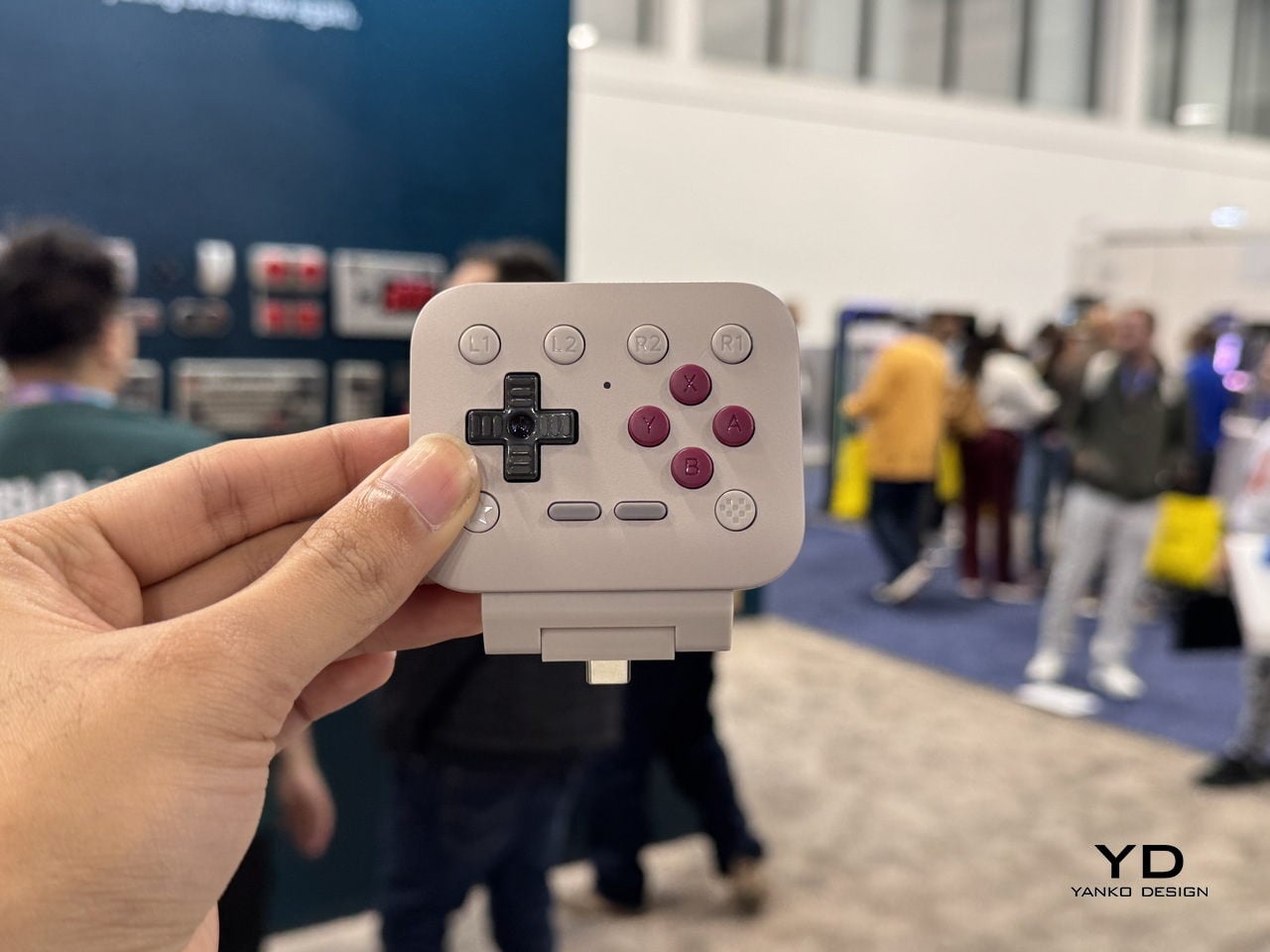
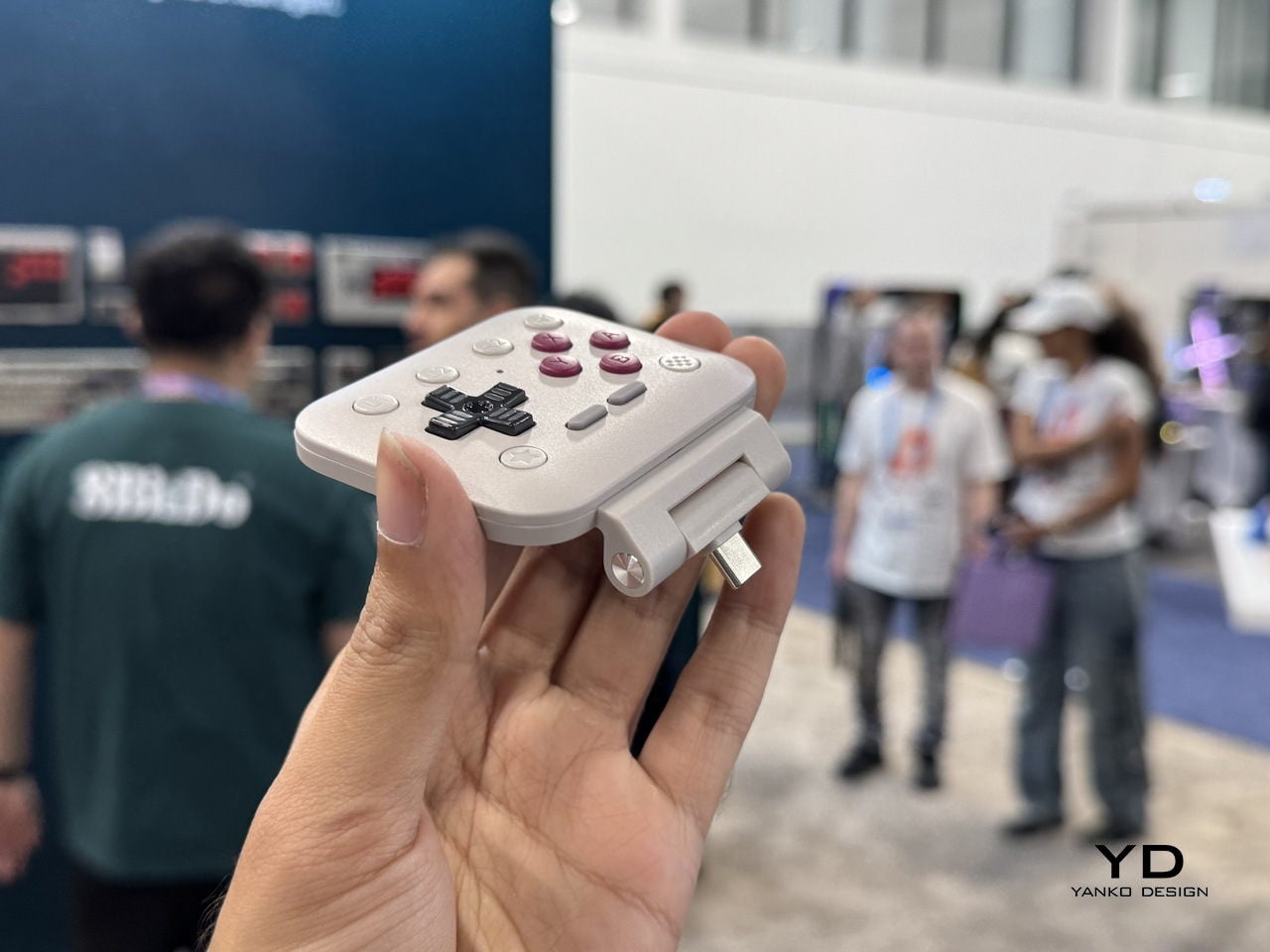
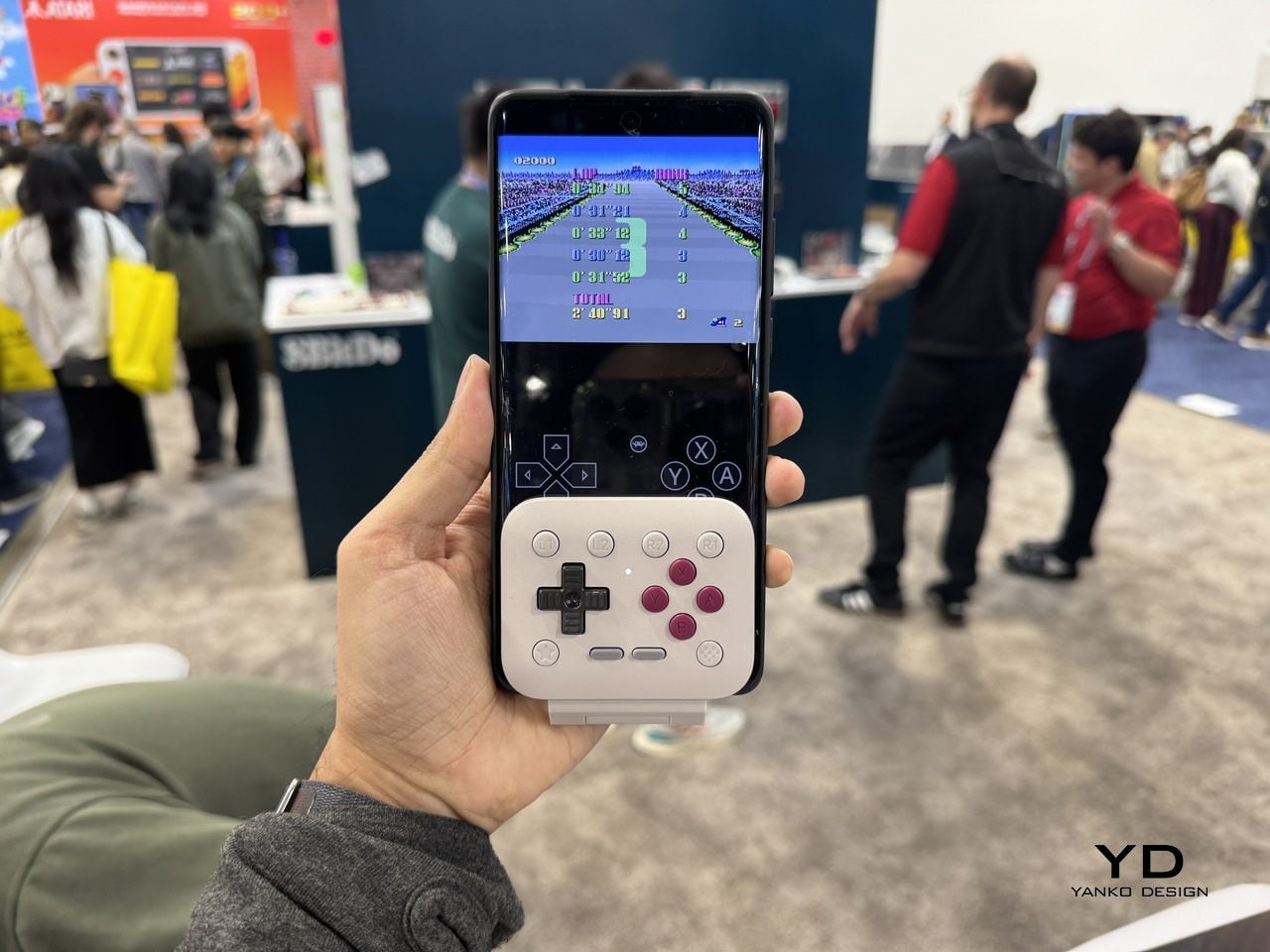
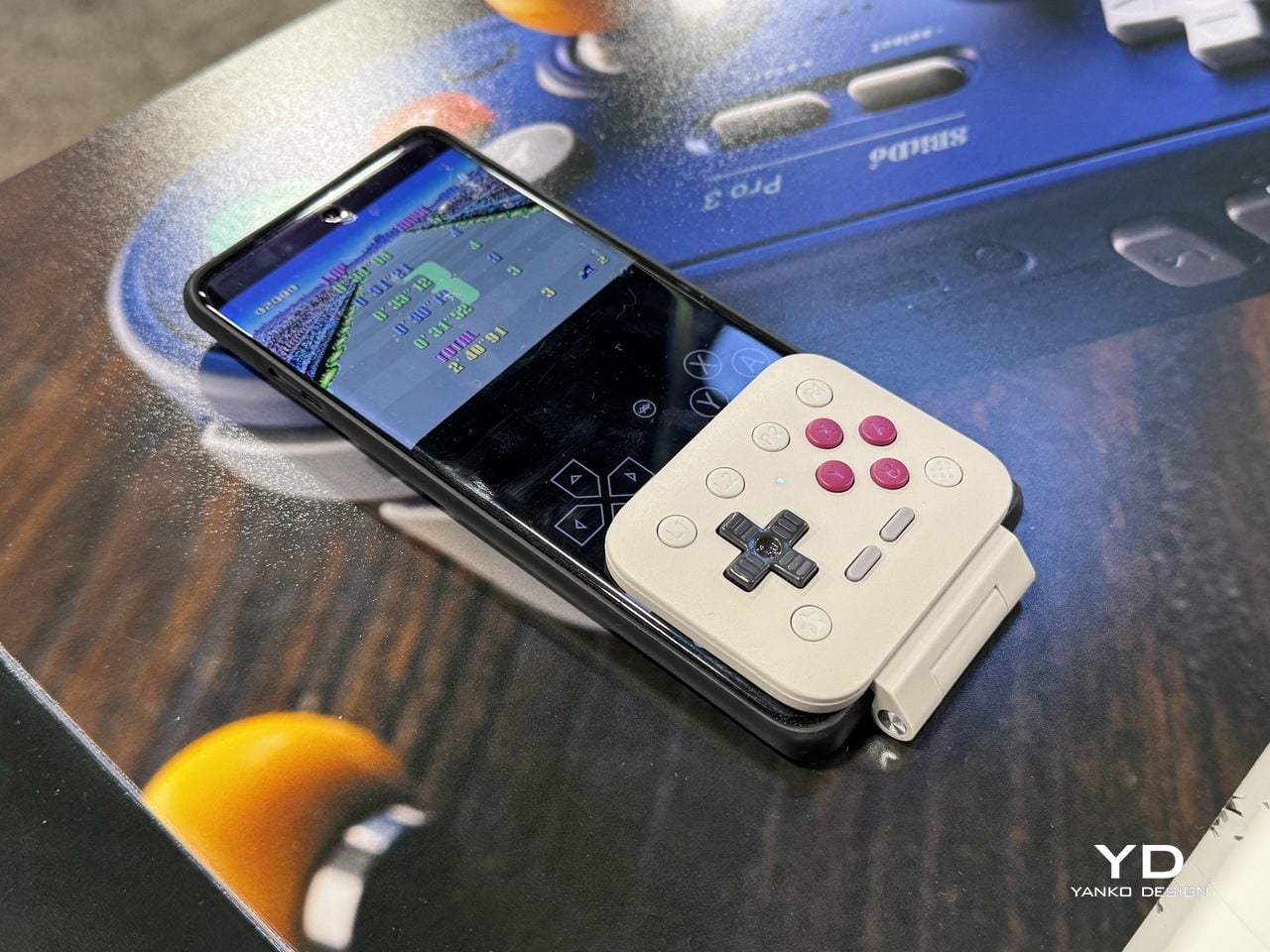
8BitDo FlipPad controller for enjoying portrait games on Android and iOS

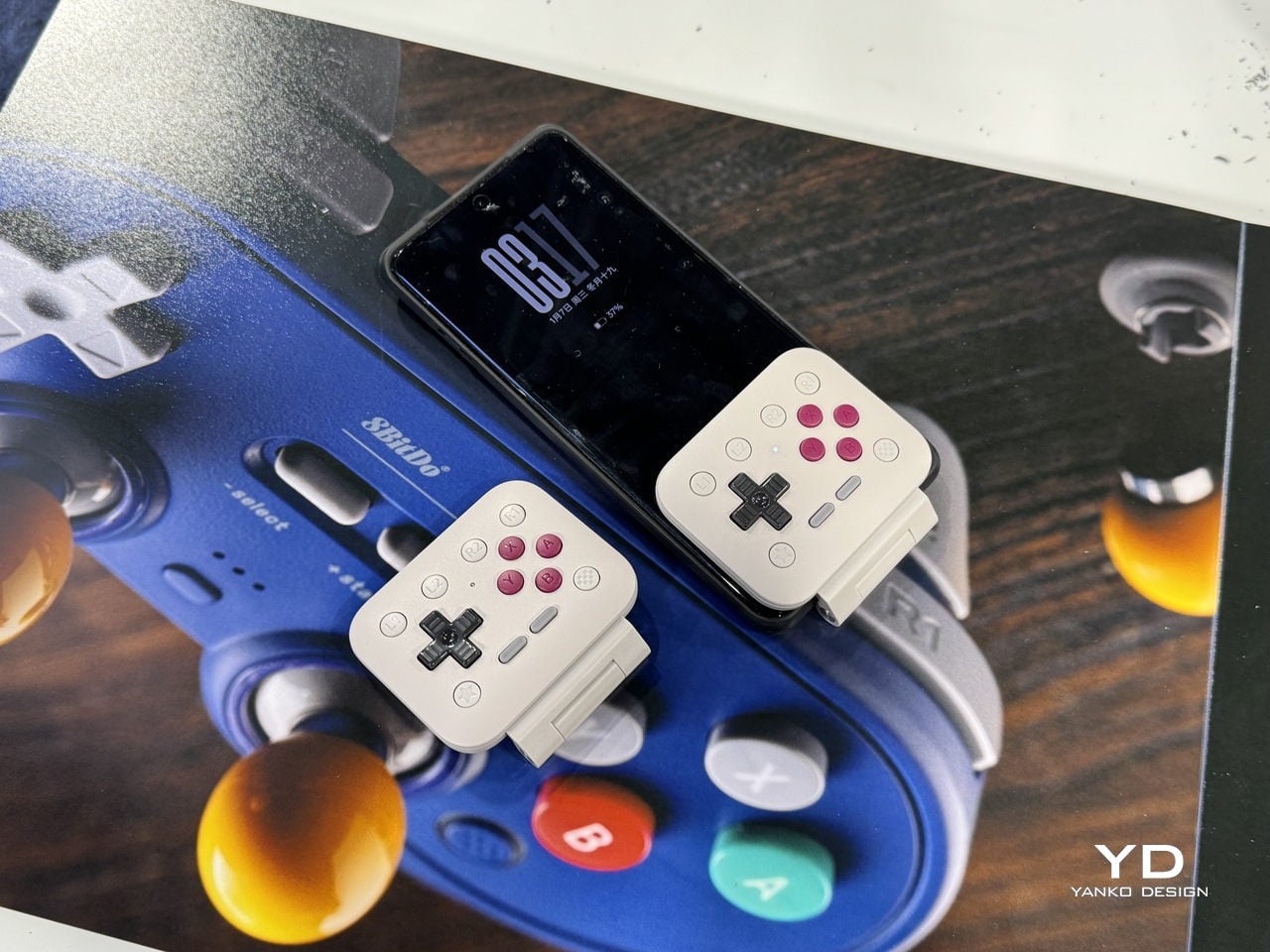
Let’s be honest, most of us casual mobile gamers prefer portrait games that can be enjoyed quickly for a short dopamine boost. Playing platformer or arcade titles that require precise input on-screen are better played with a stylus, giving you the strategic advantage if you’ve got the reflexes to back your skills. 8BitDo is introducing a portrait mode clip-on controller accessory for gamers like me who prefer to keep things minimal.

This flip-style gamepad, designed for Android and iOS (officially supported by Apple) mobile devices, is palm-sized for ultra-portability. Coming to CES 2026, the microcontroller will be officially available in the summer of 2026. There is no word on the release date, nor are there many details, but we’ll share what’s available of this retro-forward accessory that looks inspired by the Game Boy DMG color theme.

Designer: 8BitDo

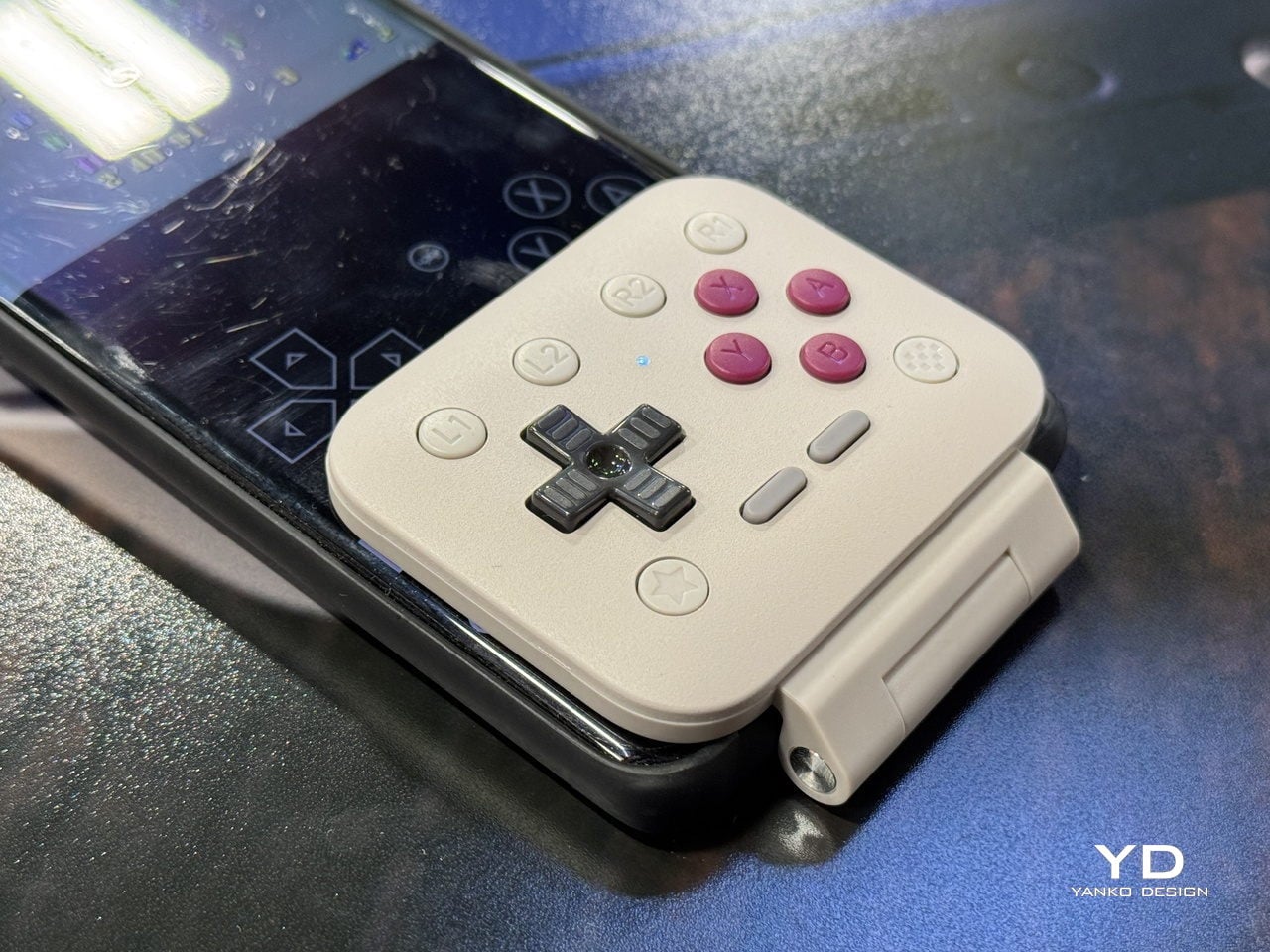
Called the FlipPad, this portrait orientation controller is a good option to have along with your standard mobile controllers that operate in landscape orientation. I can very well imagine playing White Out Survival, Vampire Survivors, Road to Valore: Empires, Subway Surfers, and other mobile games using the compact controller. The USB-C accessory has 12 face buttons and a D-Pad, which should be good enough for portrait games, as they generally don’t demand the shoulder trigger buttons as input.

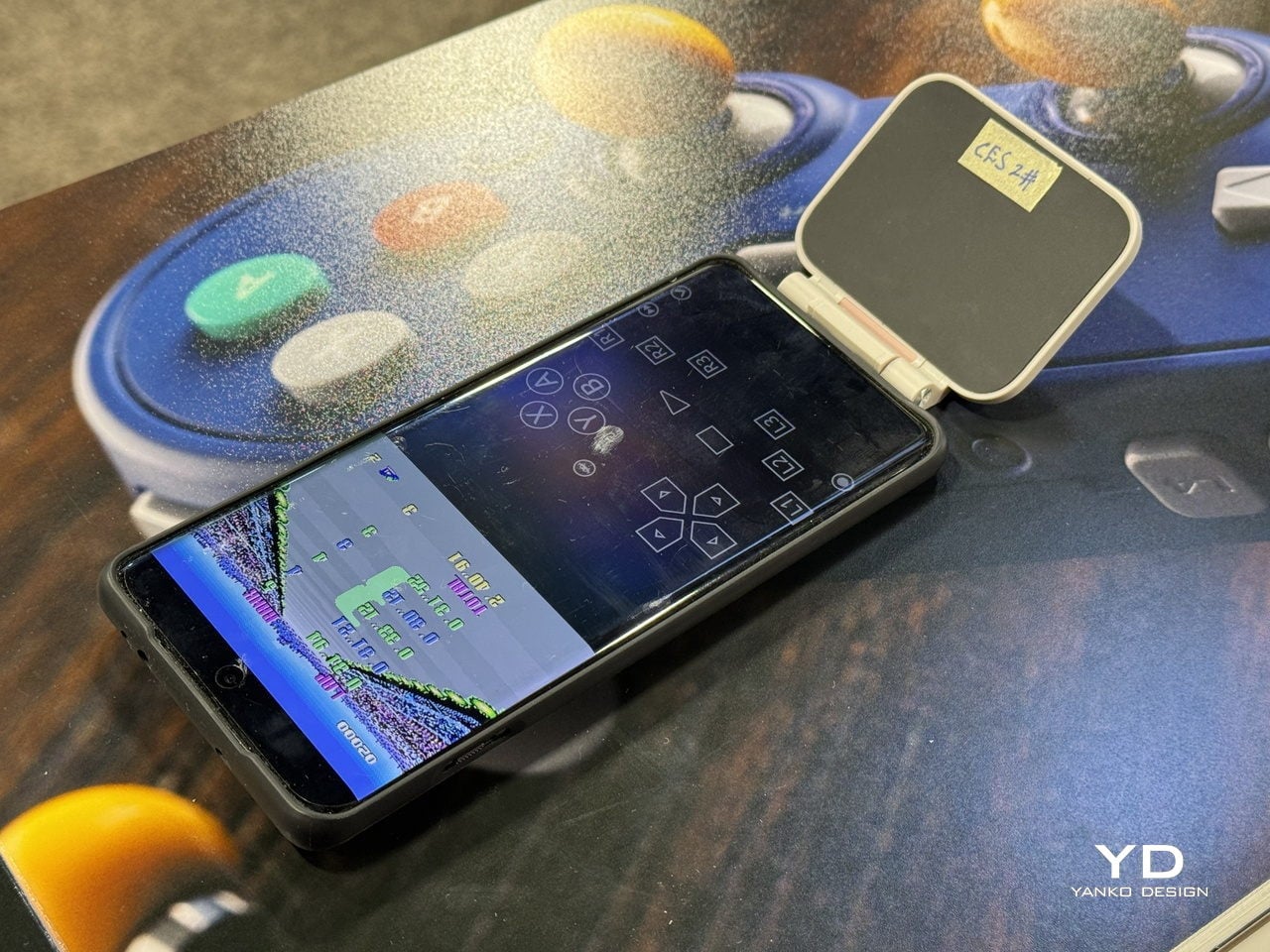
I know most of your mobile gamers will be looking to use the controller for emulators, especially titles that have an on-screen gamepad similar to this. The flip-style controller is designed in a way that it can overlay over the on-screen keyboard for maximum ergonomic comfort. That’s the reason the controller is compatible with most third-party applications and emulators like the Delta Emulator. I presume the controller will come with an in-built rechargeable battery and lack Bluetooth connectivity since it plugs directly into your smartphone via the USB-C port.

For games that are natively portrait-oriented and take up the complete screen, the FlipPad will contract the screen size to accommodate the overlaying gamepad section. It’s more like a physical controller to have the tactile input of the buttons rather than fiddling around with the on-screen buttons.

The post 8BitDo FlipPad controller for enjoying portrait games on Android and iOS first appeared on Yanko Design.

This game controller has a force feedback steering wheel lodged in the middle

Not everyone remembers the unique controllers that never quite made it. As third-party peripheral makers attempt to offer gamers something different to the likes of DualSense and Joy-Cons, they often have to go in a different direction. GameSir’s Swift Drive (apparently a working product name) is definitely that. And if you remember 1998’s JogCon for the PS1, there’s definitely some shared DNA.

It features a compact steering wheel at the center of an otherwise typical controller design. It’s also got force feedback, tech usually found in (full-size!) steering wheel controllers. GameSir says it has a “high precision” Hall Effect encoder built in for “ultra-accurate” steering.

GameSir Swiftdrive hands-on at CES 2026
Mat Smith for Engadget

You will be able to adjust the steering range from 30 to 1080 degrees, but you’d likely want to keep it high – it’s the entire point of this controller. GameSir has added Hall-effect sensors to its more typical joysticks and buttons, while each trigger has its own haptic motor to simulate wheel slip and braking. Several RGB lights across the top of the controller will even attempt to replicate your in-game RPMs, which is a cute touch.

On the show floor at CES, I drove a big rig in a demonstration area that was stripped down to wireframe ramps and curved surfaces. The force-feedback is powerful and it’s a surprisingly satisfying driving experience as I wheeled around, rotating the steering wheel with both thumbs. The steering wheel can also be customized with different plates. It felt like a miniaturized steering-wheel controller and would lock out when I oversteered or stopped. You may be concerned about battery life, but the controller should last 20-30 hours on a single charge.

A GameSir spokesperson said the controller is expected to go on sale later this year, but pricing has not yet been confirmed.

This article originally appeared on Engadget at https://www.engadget.com/gaming/this-game-controller-has-a-force-feedback-steering-wheel-lodged-in-the-middle-034521141.html?src=rss

ThinkPad X1 Carbon Gen 14 Aura Edition Scores 9/10 From iFixit at CES 2026

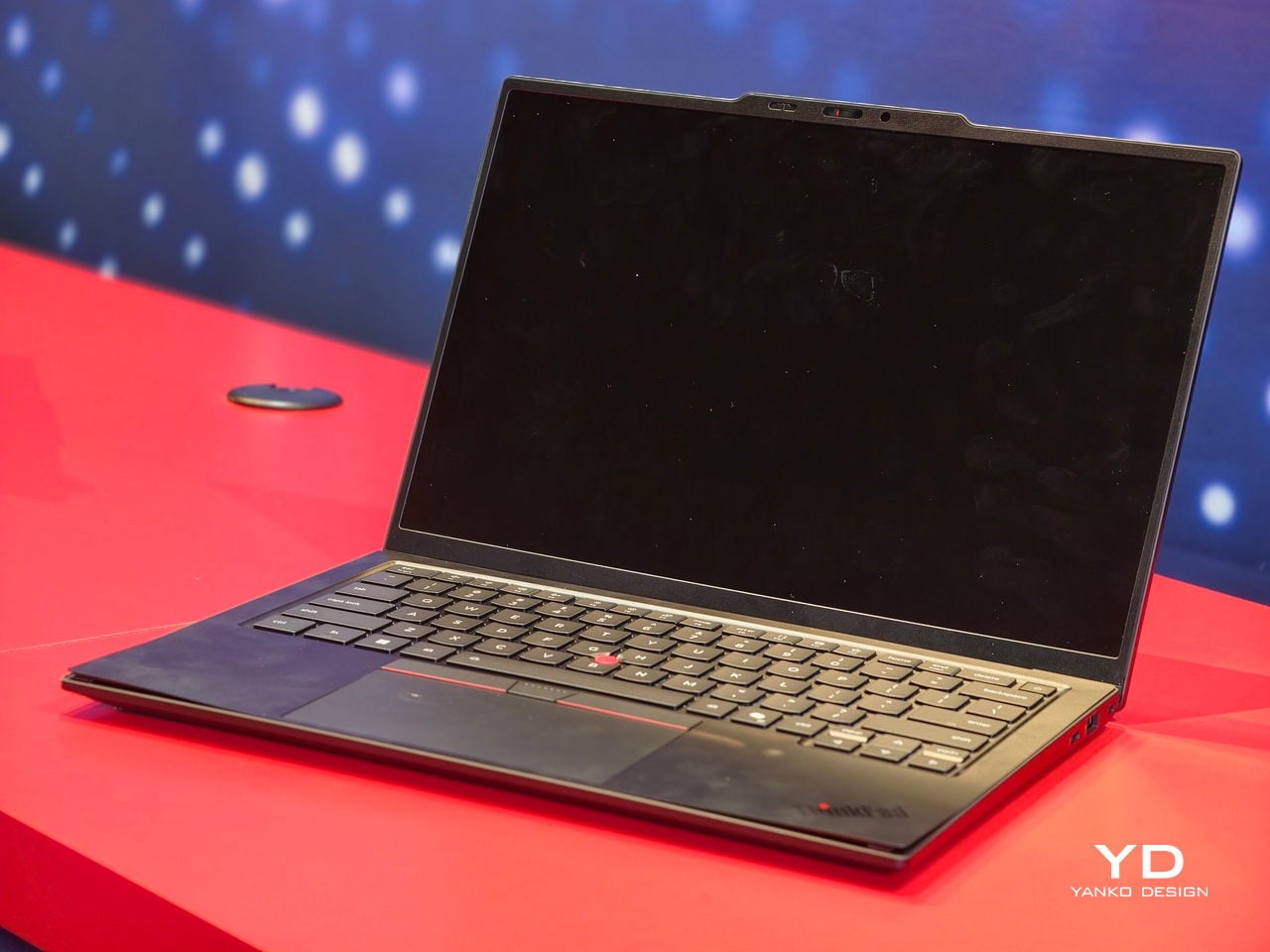
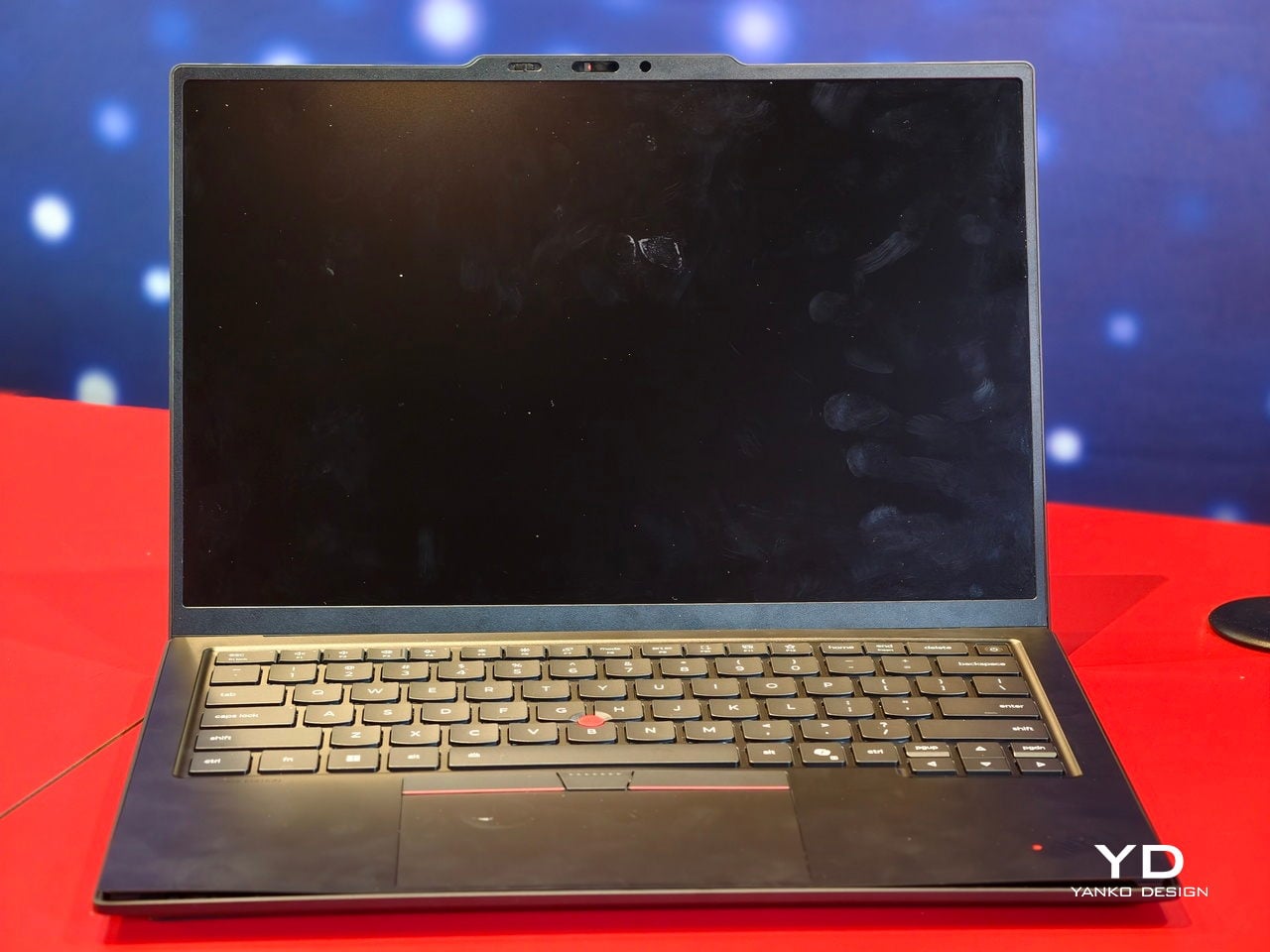
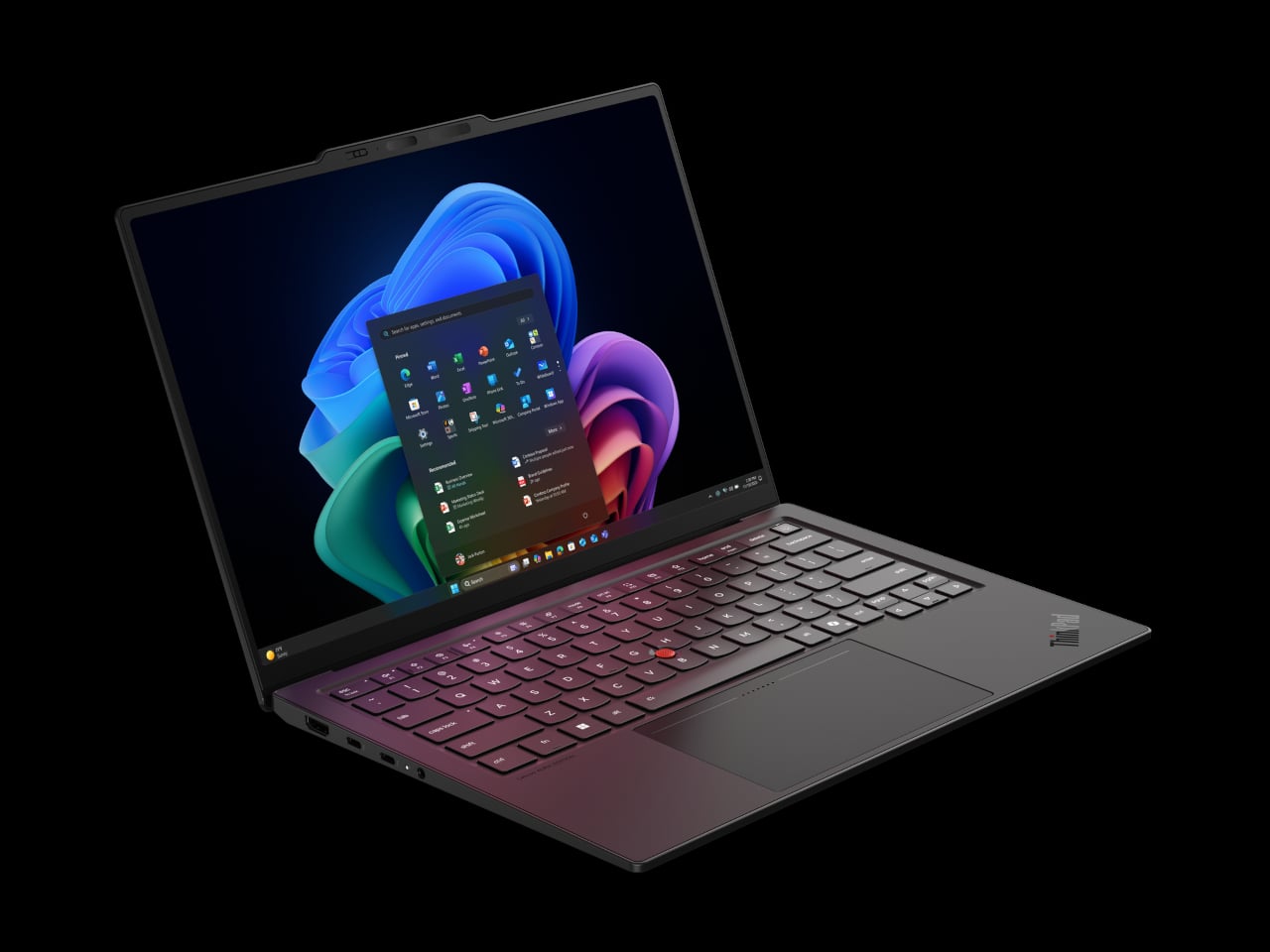
ThinkPad X1 Carbon has been the default answer to “what does a serious work laptop look like?” for more than a decade, with over ten million units sold since 2012. Most look and behave roughly the same. The Gen 14 Aura Edition arrives at CES 2026, when that definition is shifting, and Lenovo’s response is to quietly rework the bones around local intelligence, a new internal architecture, and repairability that does not feel like a compromise.

The first idea is that AI should live on the machine, not just in the cloud. The Aura Edition runs Intel Core Ultra X7 Series 3 processors with an integrated NPU capable of up to 50 TOPS, which means background noise removal, live transcription, or image enhancement can happen locally with less lag and fewer privacy worries. Lenovo’s Aura software layer tunes performance automatically, handles quick media transfers with a tap, and walks users through troubleshooting.

Designer: Lenovo

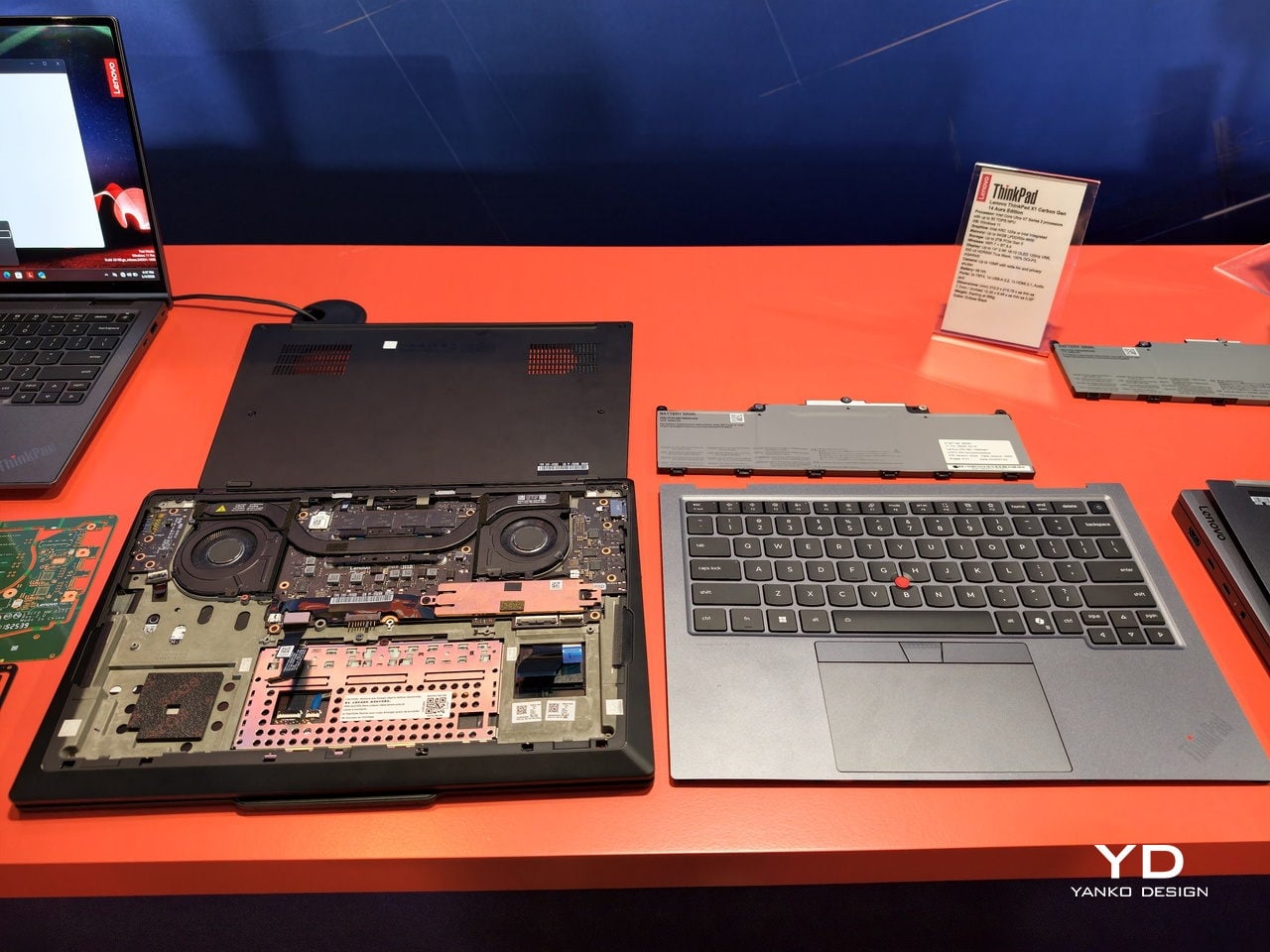
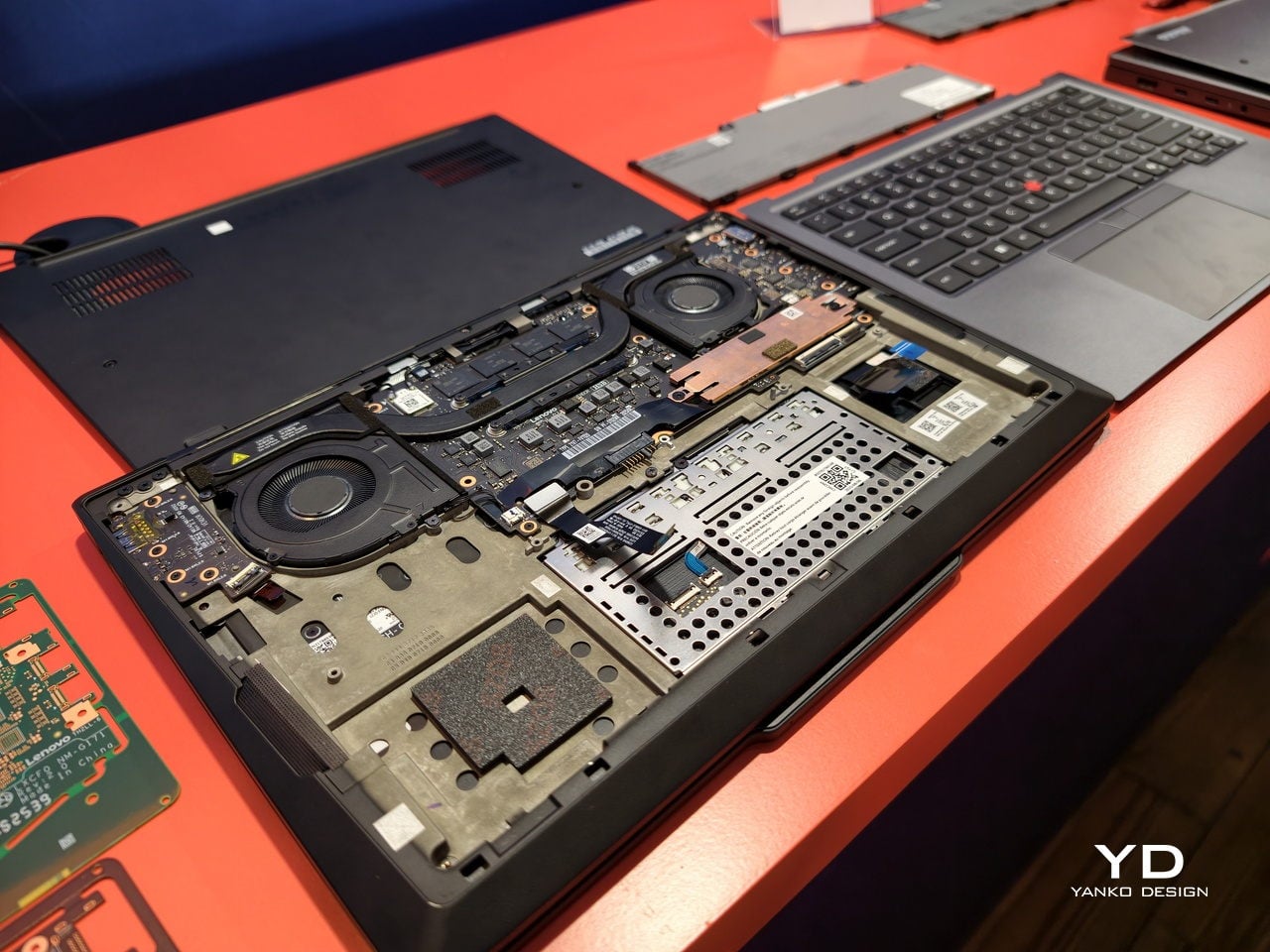
The second idea is Space Frame, a new internal layout that treats the inside as three-dimensional real estate rather than a flat sandwich. By placing components on both sides of the motherboard, Lenovo frees up volume for better airflow and a larger haptic touchpad while keeping the chassis under sixteen millimeters thick. That opens up about twenty percent better heat dissipation and lets the system sustain thirty watts of power, which matters when running heavy workloads.

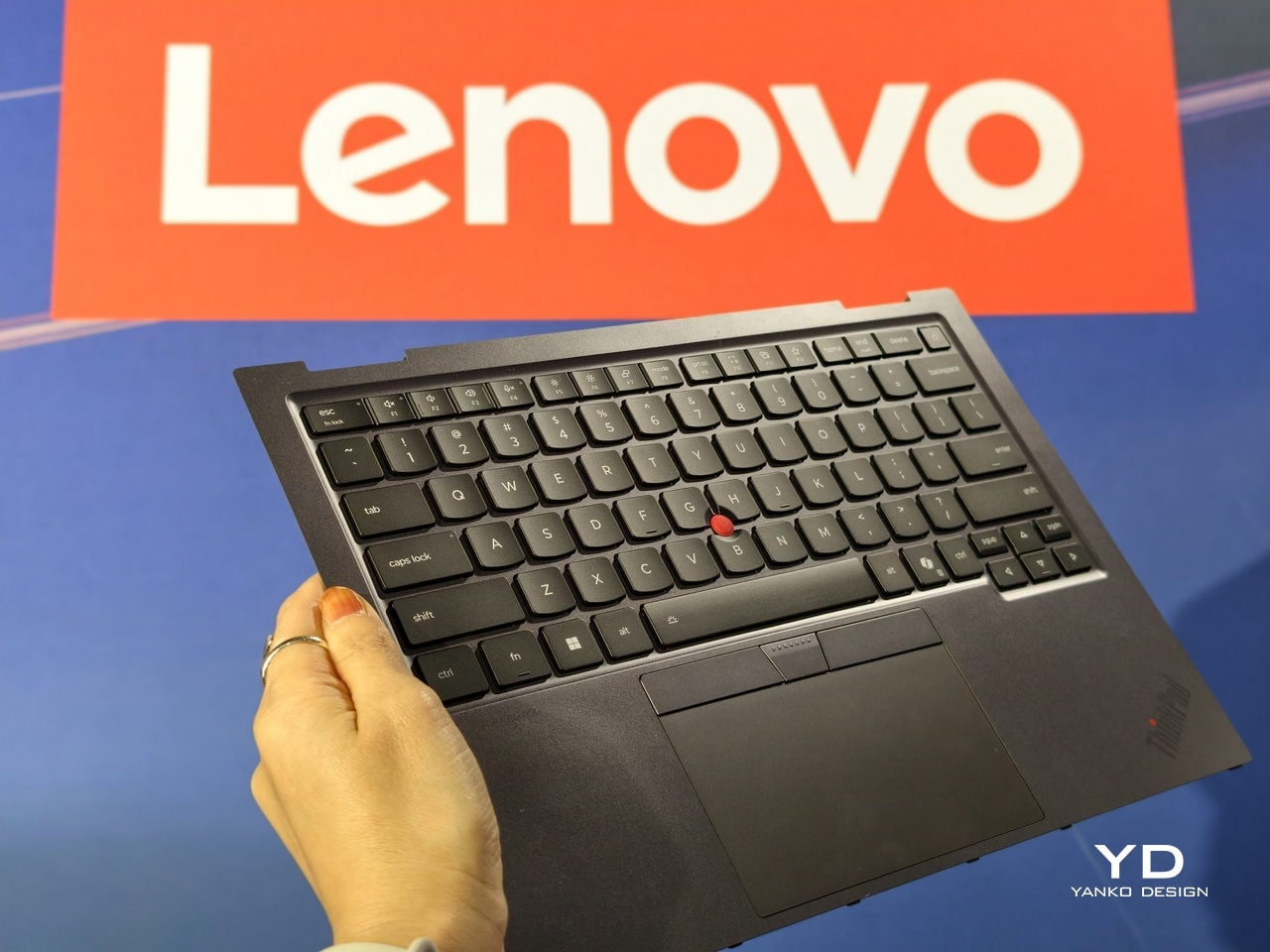
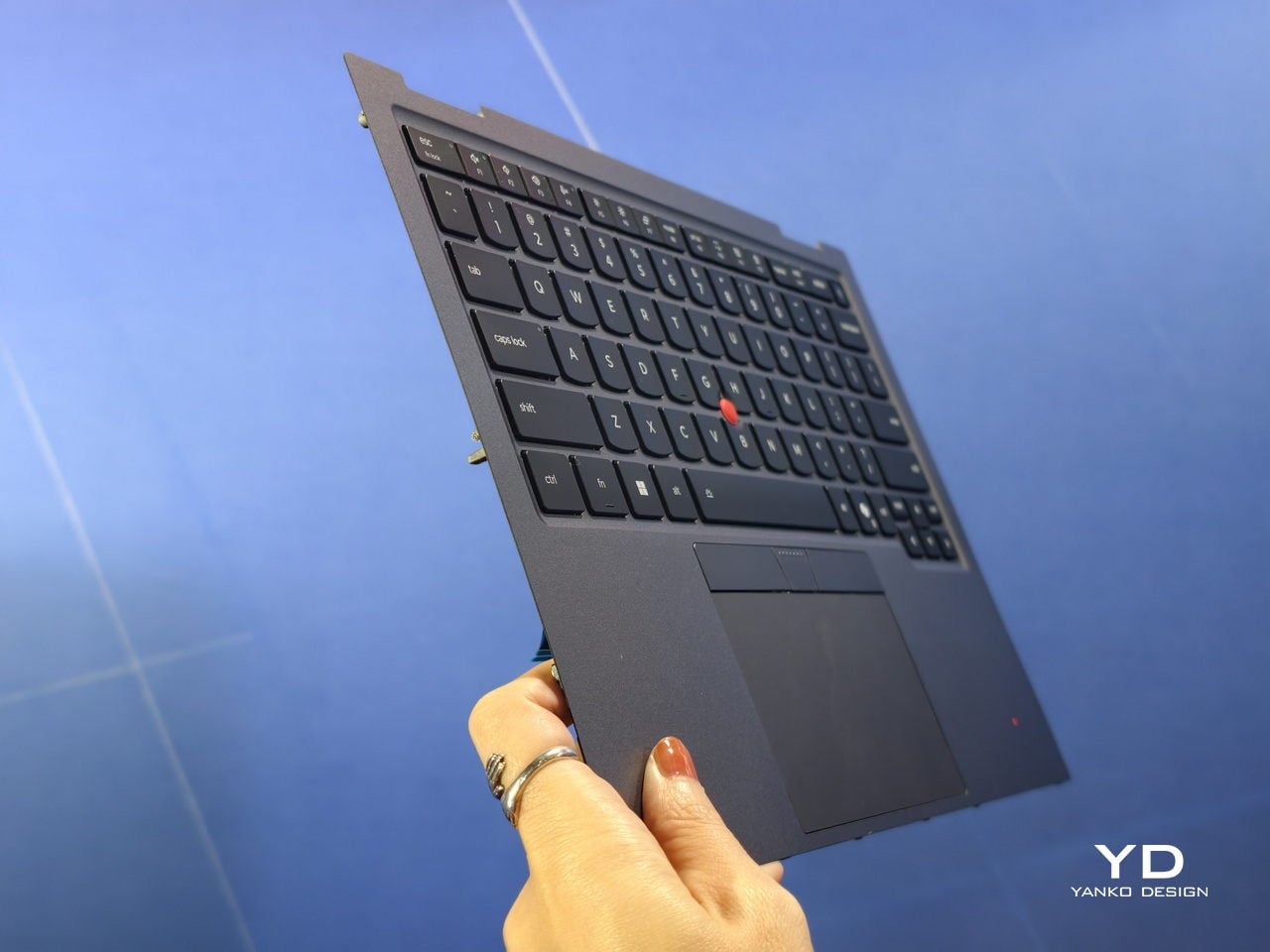
Space Frame also makes room for modular parts. USB ports, the battery, keyboard, speakers, and fans are designed to be replaced as individual units, with a separate daughterboard that isolates some I/O, so a damaged connector does not mean a full motherboard swap. Lenovo says the X1 series now scores nine out of ten from iFixit. For people who keep laptops for years, that means less downtime and fewer machines scrapped for minor issues.

The sustainability story ties in closely. The chassis uses up to seventy-five percent recycled aluminum and ninety percent recycled magnesium in specific components, and packaging is now plastic-free. Those details matter for enterprises reporting on lifecycle impact, and they make the laptop easier to justify to teams skeptical of devices designed to be replaced every few years instead of maintained and refreshed when needed.

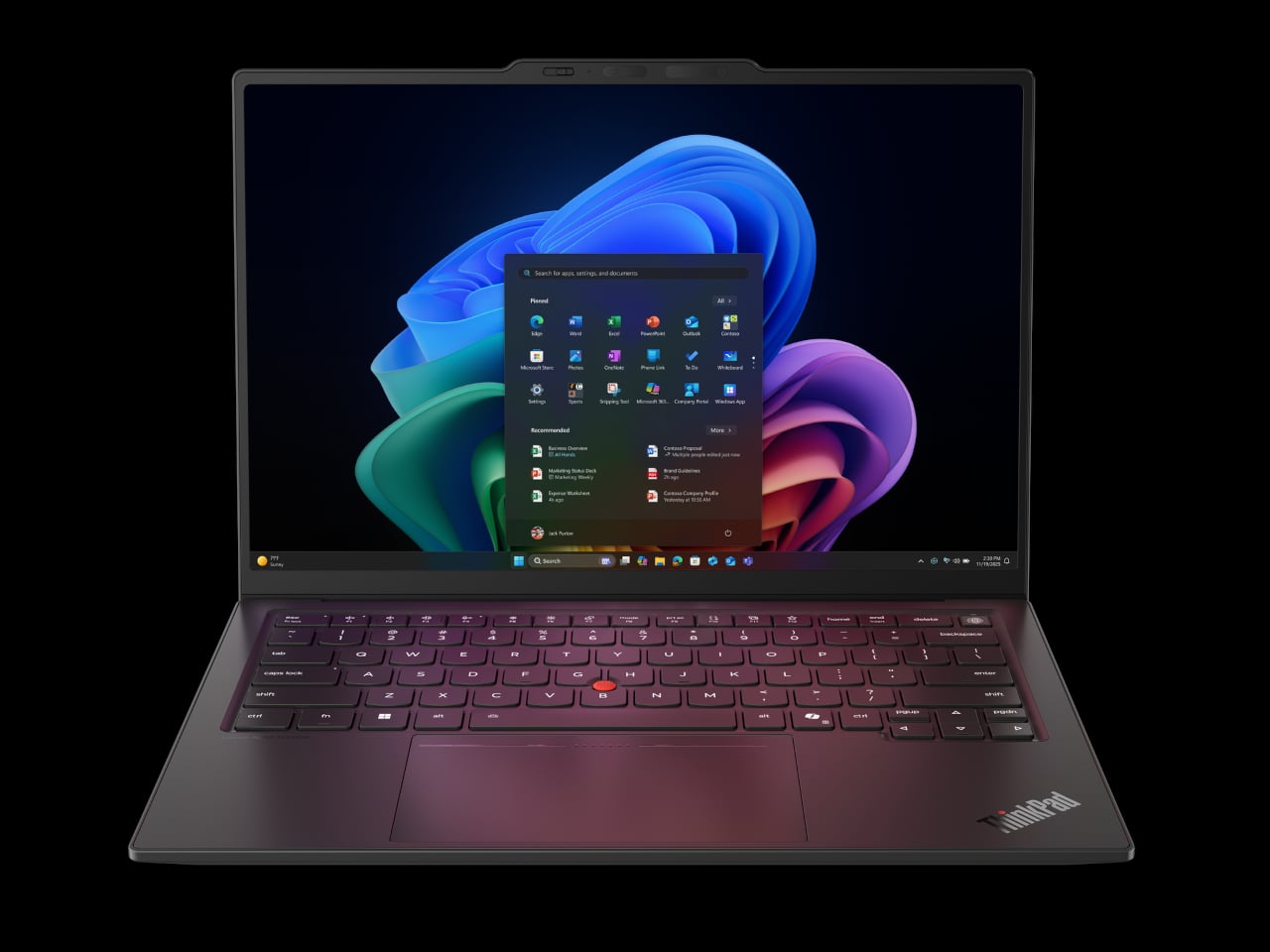
Around those pillars, the X1 Carbon Gen 14 Aura Edition feels familiar. An optional 2.8K OLED display with anti-glare coating, 500 nits, and full DCI-P3 coverage handles color work. A new 10-megapixel camera with a wide field of view and distortion correction makes hybrid meetings less painful. Wi-Fi 7, optional 5G, and three Thunderbolt 4 ports keep it ready for whatever networks and docks come next.

The interesting thing about this generation is not that it is faster or lighter, though it is both. Lenovo is using AI and a new internal design as reasons to make a flagship business laptop that is smarter, cooler, and easier to fix. The ThinkPad X1 Carbon Gen 14 Aura Edition is still the same understated black rectangle, but inside it argues that the future of professional laptops is about longevity, adaptability, and treating sustainability as a design constraint rather than marketing.

The post ThinkPad X1 Carbon Gen 14 Aura Edition Scores 9/10 From iFixit at CES 2026 first appeared on Yanko Design.

Lenovo just revealed a concept for AI-powered smartglasses at CES

Lenovo just revealed a new smartglasses concept design at CES 2026. The appropriately-named Lenovo AI Glasses Concept promises to transform "how users interact with their surroundings and unifies their workflow."

They look like a standard pair of specs and not all that different from something like Meta's Ray-Ban Display glasses. A pair weighs just 45 grams and the battery lasts eight hours, which is just enough time to get through a standard workday.

The glasses are wirelessly tethered to a smart device, which is what does most of the computational heavy lifting. They do include Lenovo and Motorola's proprietary AI platform called Qira, which delivers "sub-millisecond live translation and intelligent image recognition." There's also something called the Catch Me Up feature, which is an AI-generated recap of various notifications from various devices.

The hardware allows for touch and voice control and includes teleprompter software. The concept glasses include speakers, as Lenovo is advertising music playback as a feature.

We don't know when or if these smart glasses will ever hit store shelves. Lenovo tends to drop several intriguing concept designs each year at CES and not all of them make it to market.

This article originally appeared on Engadget at https://www.engadget.com/wearables/lenovo-just-revealed-a-concept-for-ai-powered-smartglasses-at-ces-010057822.html?src=rss

I checked out Motorola razr fold at CES 2026, and I’m excited for its launch

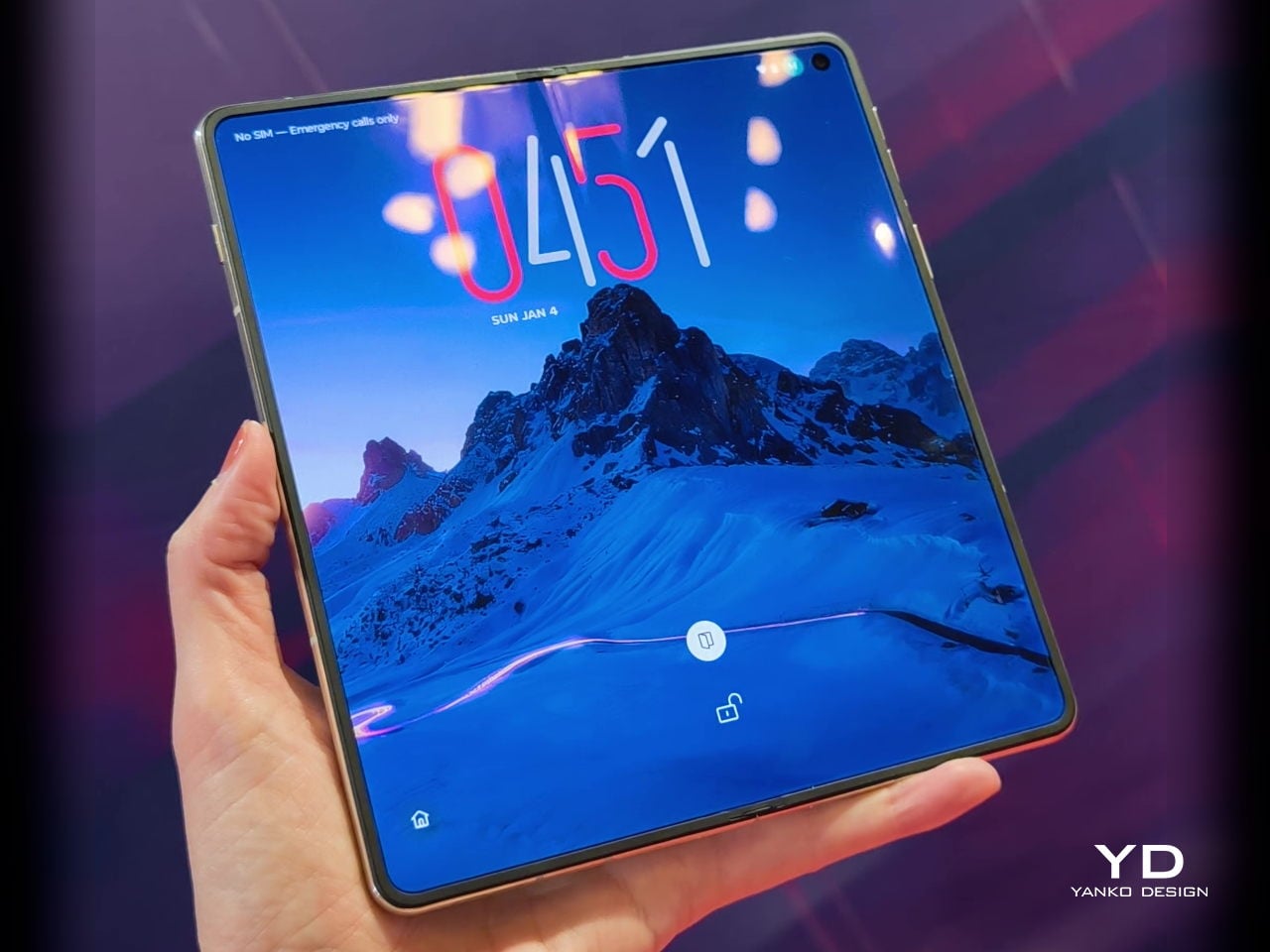
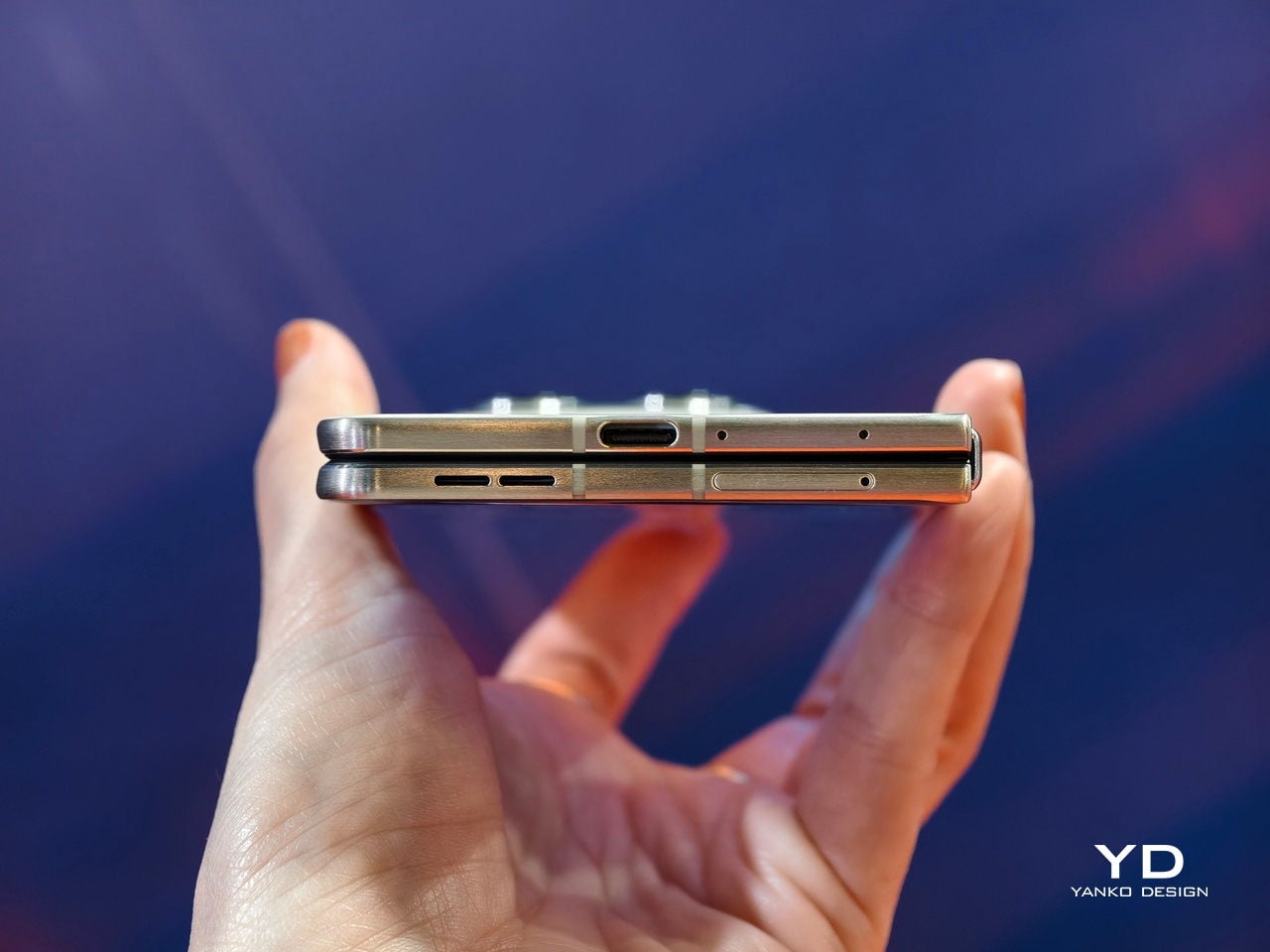
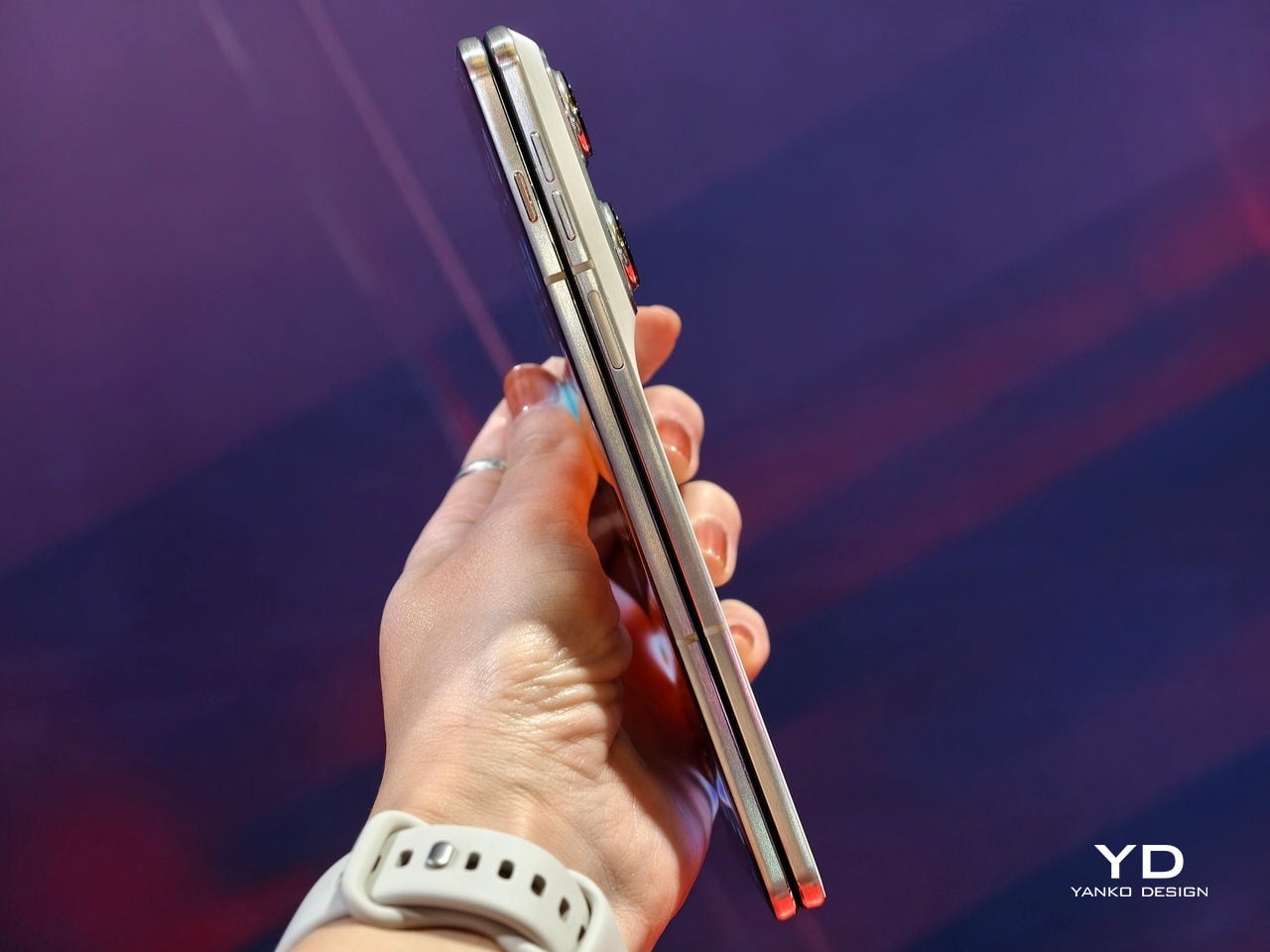
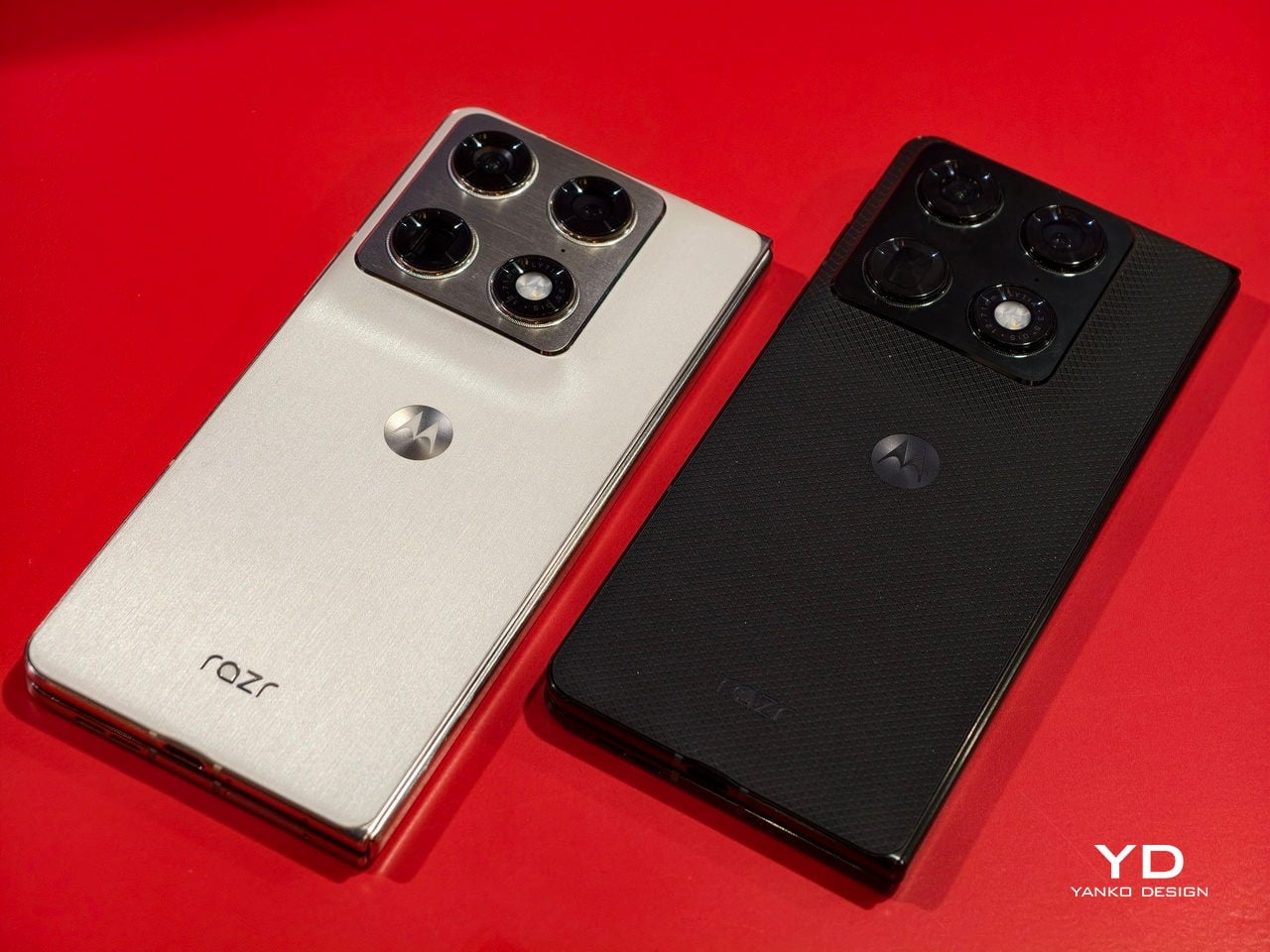
Motorola’s razr has generated quite a bit of attention and gained loyal fans in the niche flip segment. Now, Motorola is expanding the iconic razr family with a bold new chapter in foldable design, introducing the Motorola razr fold as its first book-style foldable. A lot is still under the cover, but here is what we learned from the preview at CES 2026, and even in this early look, the device already feels like a significant step for the razr line.

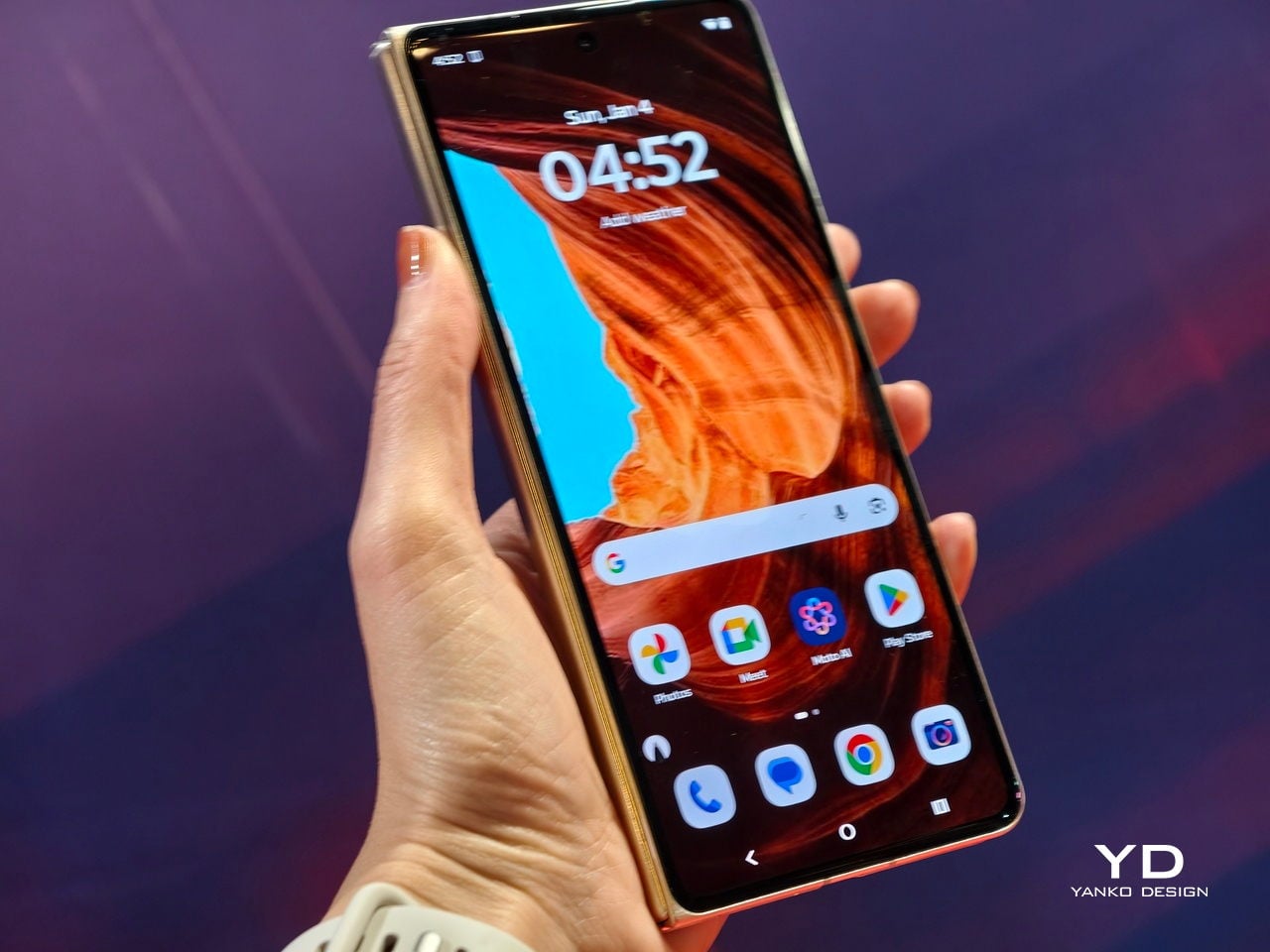
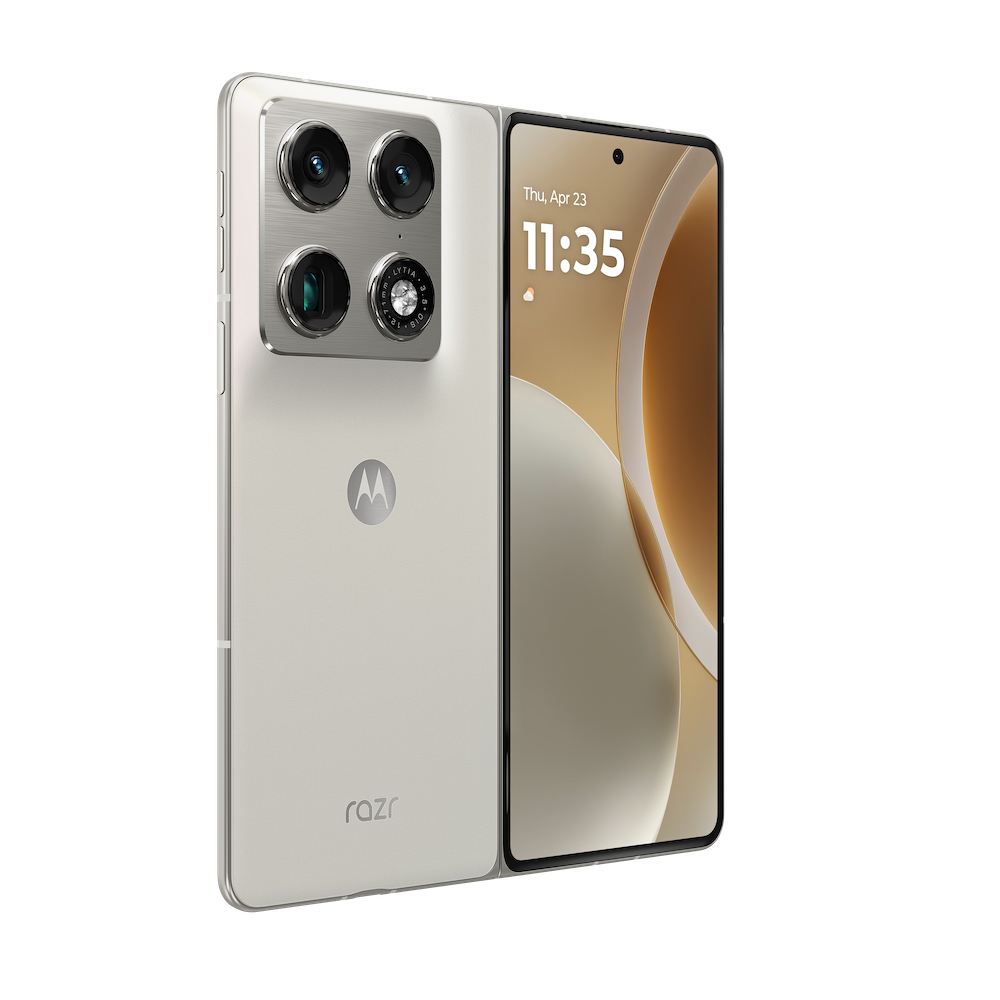
From the outside, the Motorola razr fold presents a slim, striking silhouette anchored by a 6.6-inch external display. This outer screen gives you a familiar candy-bar style experience for everyday tasks and quick interactions, so it behaves much like a standard flagship when closed. It helps the phone feel practical and complete on its own, rather than a secondary screen you only tolerate between unfolds.

Designer: Motorola

Open the device, and it transforms into an 8.1-inch 2K LTPO inner display. This larger panel stretches into a tablet-like space that invites multitasking, media, and creativity in a way a normal phone simply cannot match. Both the outer and inner displays support the moto pen ultra stylus, adding precision for note-taking, sketching, and editing when you want a more deliberate, pen-driven experience.

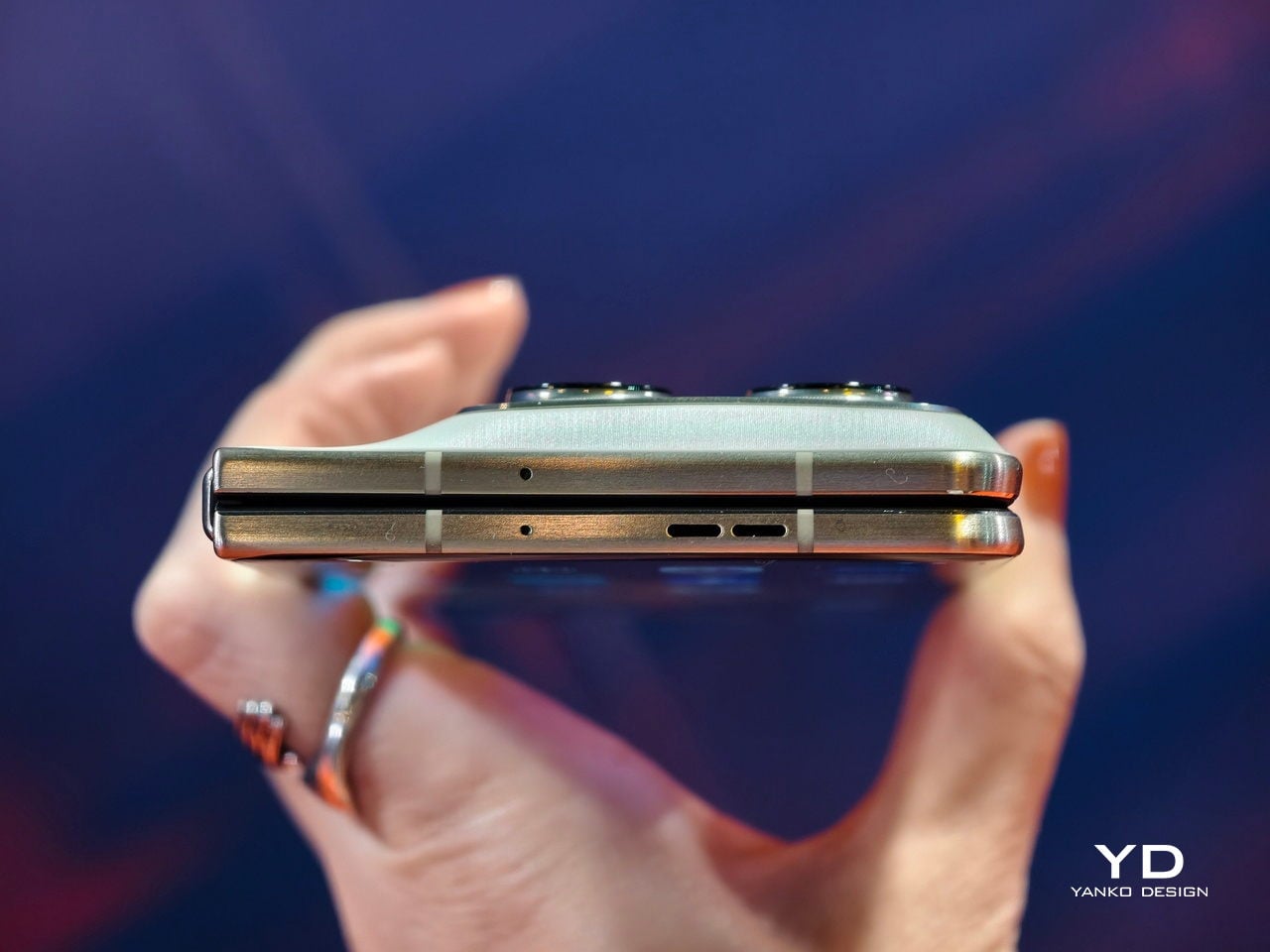
In hand, the hinge feels sturdy yet pleasantly smooth to open and close. It gives a reassuring sense of durability without feeling overly stiff or crunchy during use. The design is not completely gapless when folded, but it comes close enough that the profile still looks clean and modern.

The crease on the inner display is also handled well and is not very noticeable. It tends to fade from view once the content is on screen. This helps the large display feel more like a single continuous canvas rather than a technical compromise.

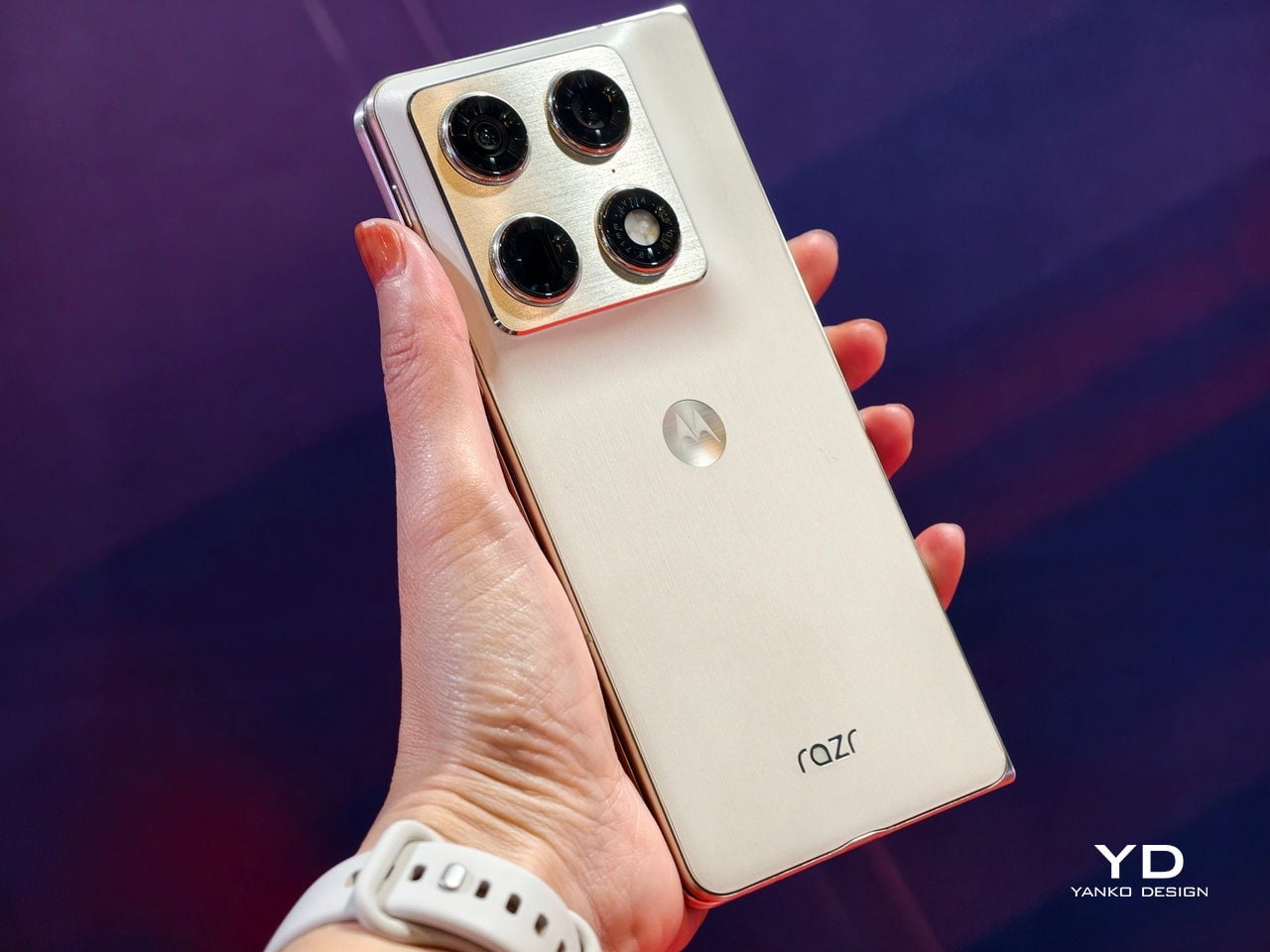
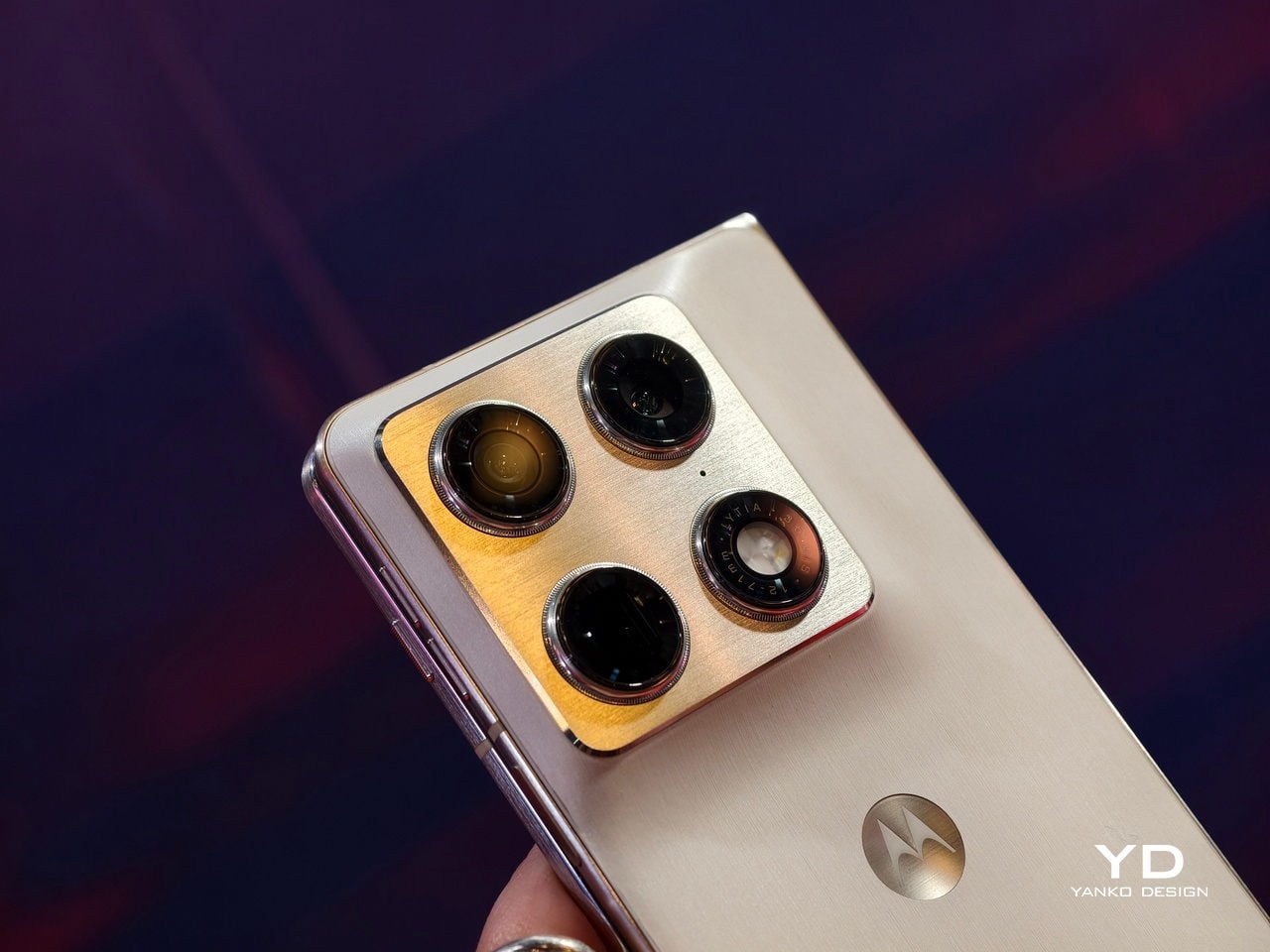
For the camera, the Motorola razr fold is built around a versatile triple 50MP system on its rear. The main 50MP camera features a Sony LYTIA sensor, although the exact model is not revealed, suggesting Motorola is still keeping some details in reserve. Alongside it, a 50MP ultra-wide camera and a 50MP 3x periscope telephoto camera round out the array for sweeping scenes, tight interiors, and distant subjects.

For selfies, the Motorola Razr fold features a 32MP camera in the external display and a 20MP camera on the internal display. The outer selfie camera works with the large cover screen, making it easy to frame high-quality shots while the phone is closed and still feel fully in control. The inner camera is positioned for video calls and content capture when you are using the big internal display, keeping the experience consistent in both folded and unfolded modes.

Motorola offers two colors, PANTONE Blackend Blue and PANTONE Lily White. These finishes give the phone distinct personalities, from deeper and moodier to lighter and more minimal, so the hardware can better match different style preferences. It also has a textured matte back, which is pleasant to touch and helps the device feel secure in the hand, adding a subtle sense of grip and refinement. Although the exact launch timing of the Motorola razr fold remains unknown, it has already been gaining a lot of attention and looks poised to push the razr name firmly into the book-style foldable space.

The post I checked out Motorola razr fold at CES 2026, and I’m excited for its launch first appeared on Yanko Design.

Lenovo updates its Legion and LOQ gaming laptops for CES

Lenovo has brought a slew of updates to its Legion and LOQ line of gaming laptops for CES 2026. The refreshed laptops are all built around Nvidia RTX 50-series GPUs.

The new Legion 7a is both thinner and lighter than the previous generation and is aimed at gamers, creators, and working professionals. Lenovo says the new 7a will be powered by AMD Ryzen AI 400 CPUs and RTX 50-series GPUs, delivering up to 125W of total system power. 

Presumably this means buyers will choose from multiple CPU and GPU configurations, and Lenovo says the 7a will support up to a Ryzen AI 9 HX 470 and up to an RTX 5060 GPU, but precise details on other configurations have not been made available.

The laptop sports a 16-inch OLED display and Lenovo says the laptop's "AI-optimized" performance is ready to handle complex coding, simulation, and 3D modeling projects. The 7a runs on Windows 11 Copilot+ and uses on-board software to dynamically tune power use and thermals depending on the workload the laptop is under. The Legion 7a will start at $2,000, with availability "expected" in April.

Lenovo is also refreshing the Legion 5 line with the Legion 5i powered by the new Intel Core Ultra Series 3 and Legion 5a with a choice of an AMD Ryzen AI 400 or Ryzen 200. Both will offer RTX 50-series GPUs, OLED displays and the same software-based tuning features as the 7a. Lenovo says the 5i can be figured up to an Intel Ultra 9 386H with an RTX 5060 GPU, and the 5a up to a Ryzen AI 9 465 with RTX 5060. Here again we don't yet have details on alternate configurations.

The Legion 5 laptops run on Windows 11 Copilot+, and Lenovo says they are ready for gaming, streaming, building presentations and video editing. Pricing starts at $1,550 for the 5i, $1,500 for the 5a with Ryzen AI 400 and $1,300 for the 5a with Ryzen 200. Lenovo also expects these laptops to be available in April.

At the entry level, the LOQ 15AHP11 and LOQ 15IPH11 target students with RTX 50-series graphics and a WQXGA (2560 x 1600) LCD display up to 15.3 inches. The 15AHP11 will start from $1,150 with availability expected in April, while the 15IPH11 will not be sold in the US.

This article originally appeared on Engadget at https://www.engadget.com/gaming/pc/lenovo-updates-its-legion-and-loq-gaming-laptops-for-ces-010042509.html?src=rss

This $699 FIFA World Cup Phone Is a Limited-Edition Collector’s Dream

The FIFA World Cup 2026 edition is just a few months away, so we can expect that these first few months of the year, we’ll get a lot of product tie-ups and merchandise. After all, the world’s most-watched sports event will be held in the US, Canada, and Mexico. If you plan to watch any of the matches in person or you’ll just be sitting pretty from the comfort of your own home while streaming, Motorola’s newest smartphone may be the device that you need to enjoy the game more.

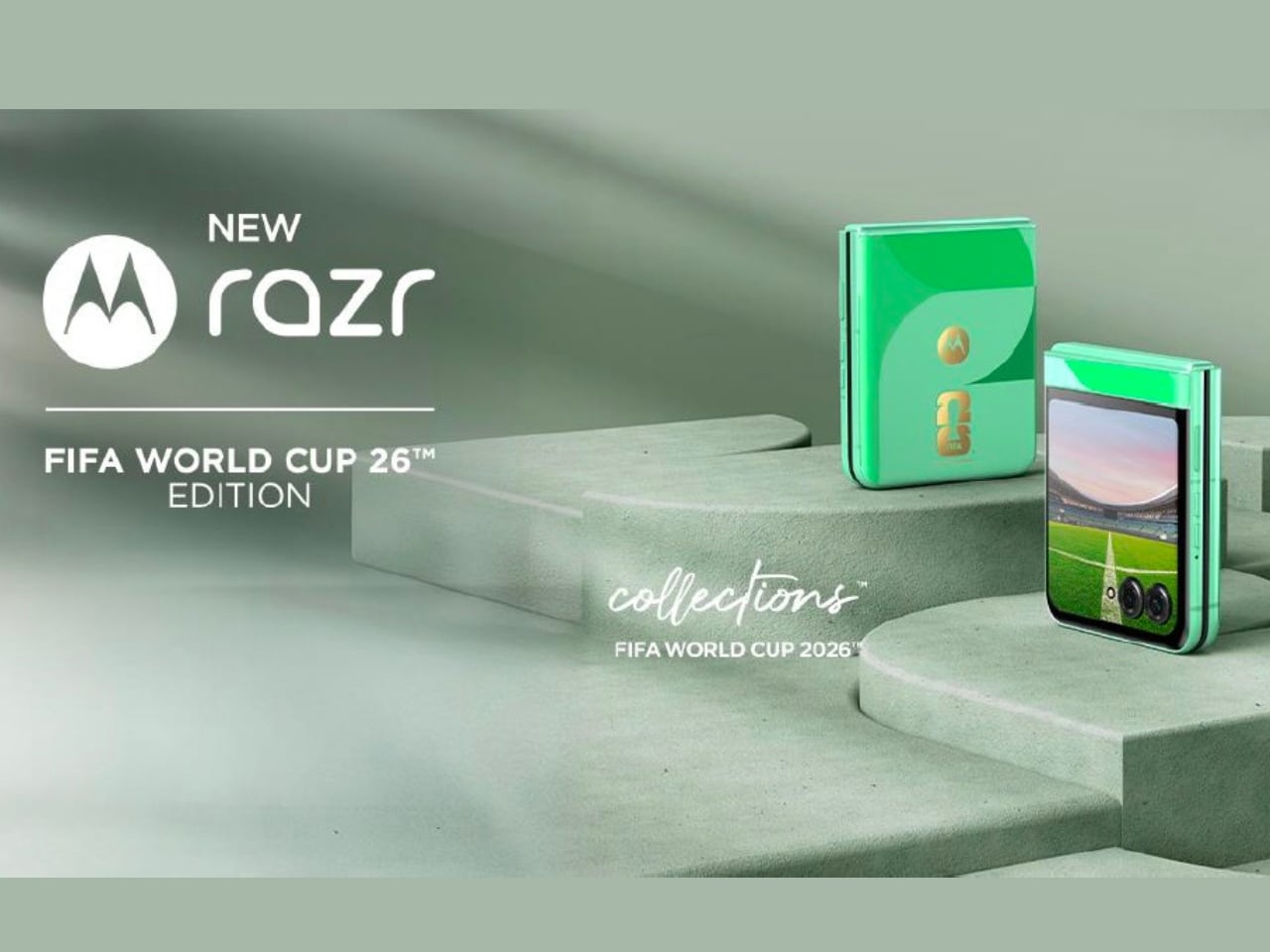
The Motorola razr FIFA World Cup 26™ Edition is a limited-edition collectible device that celebrates the first-ever 48-team FIFA World Cup. It is a mobile phone that’s designed for soccer fans who are excited about the upcoming tournament and for anyone who loves things where technology meets sports culture.

Designer: Motorola
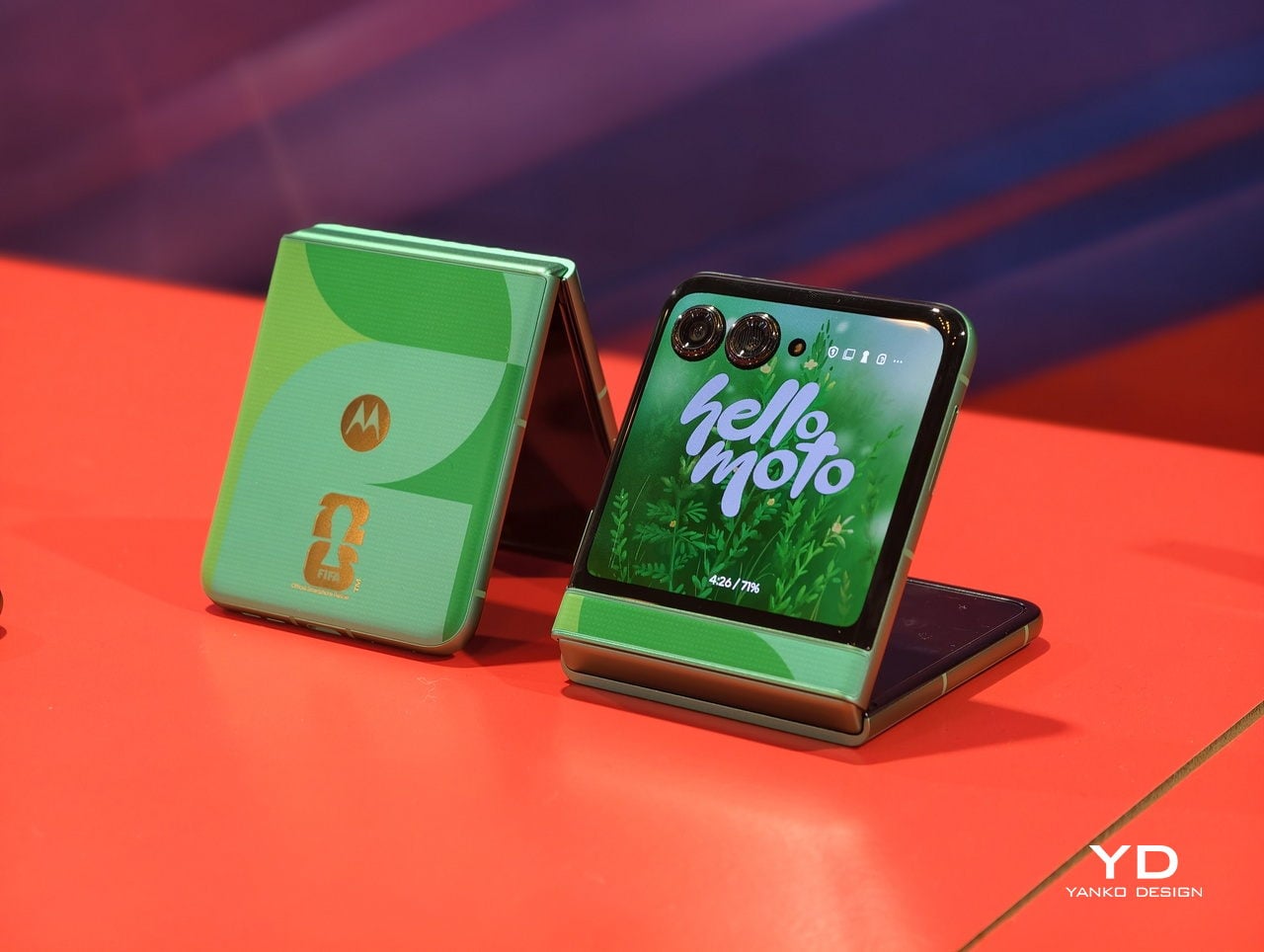
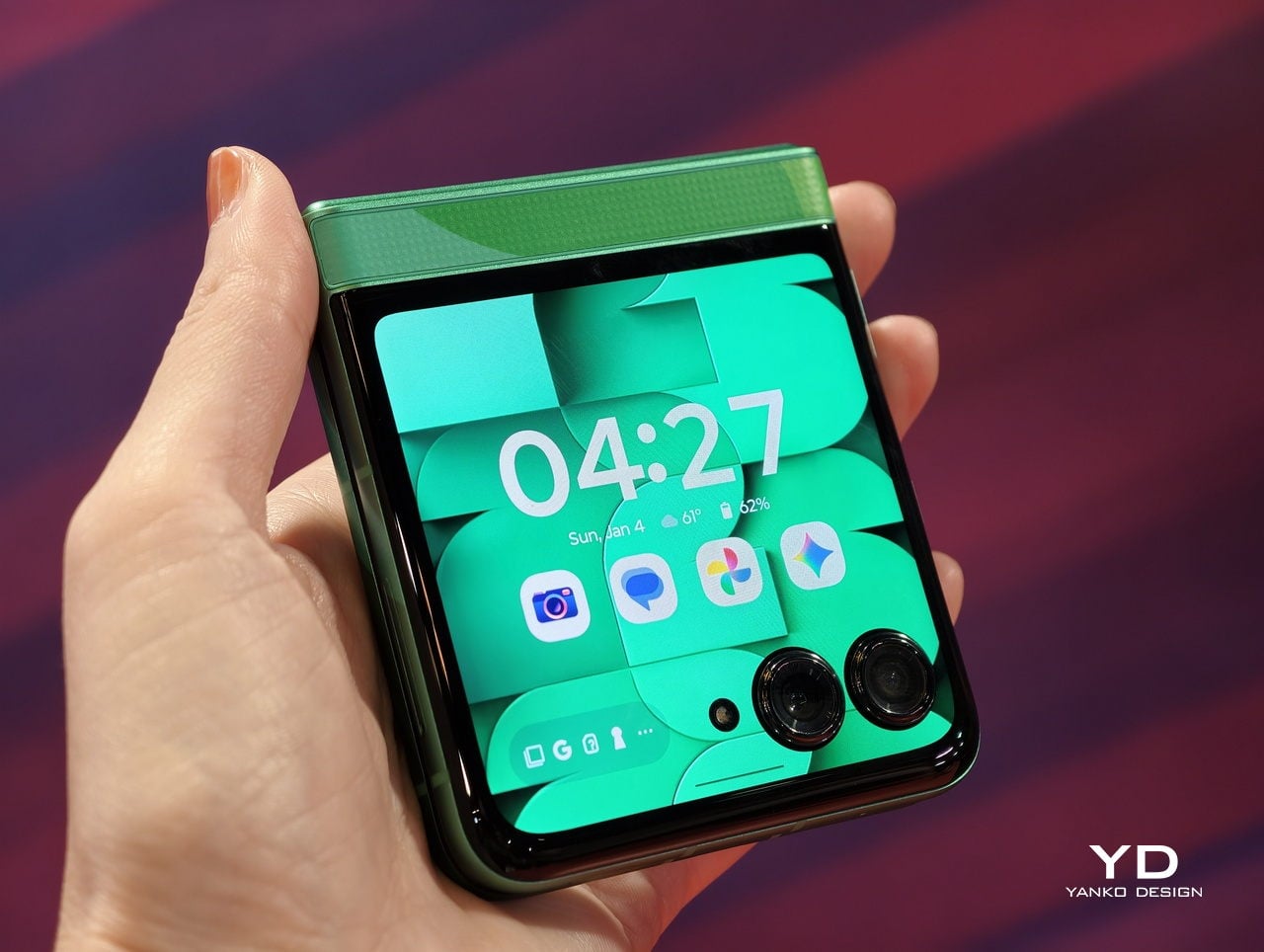
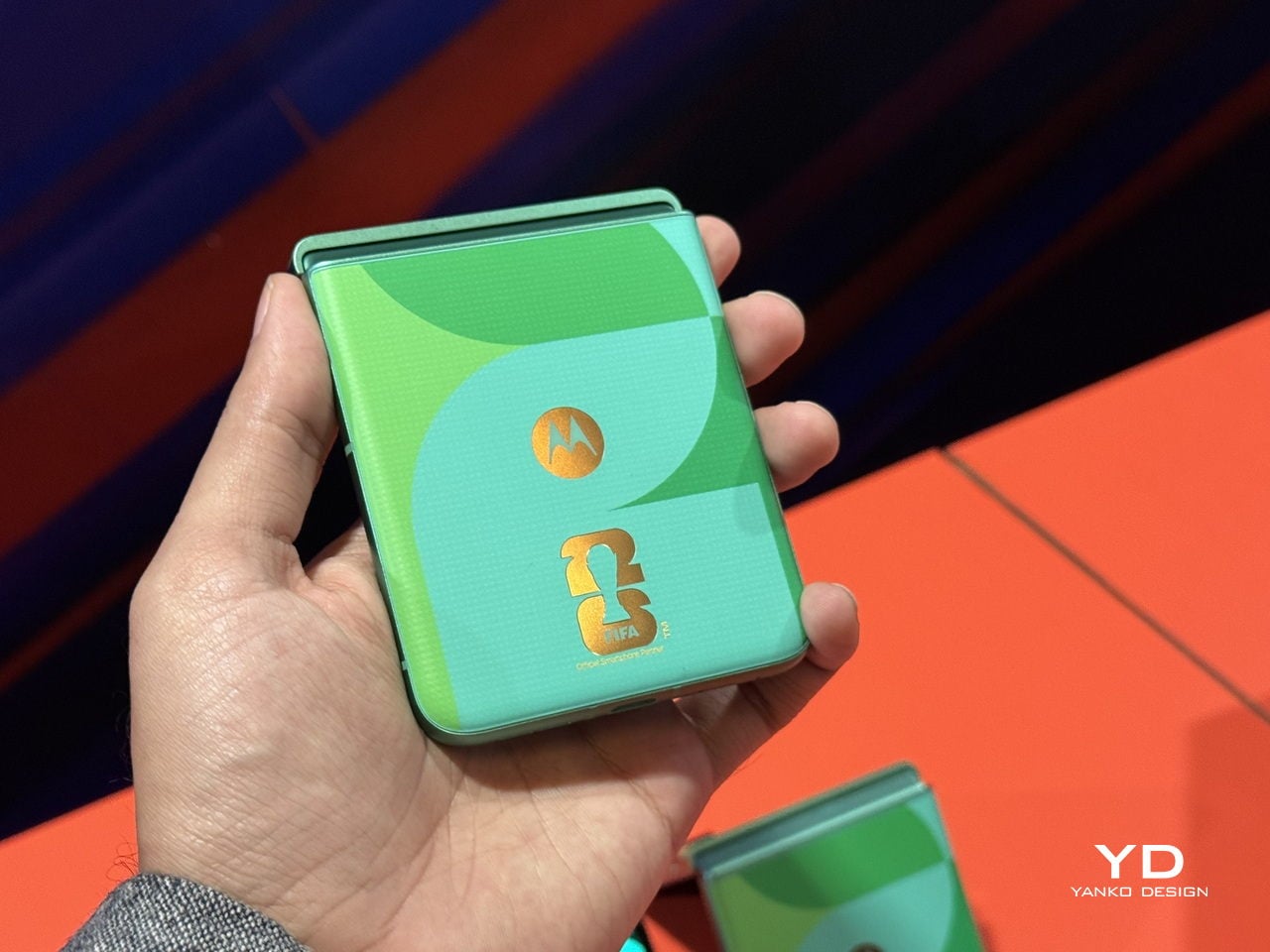
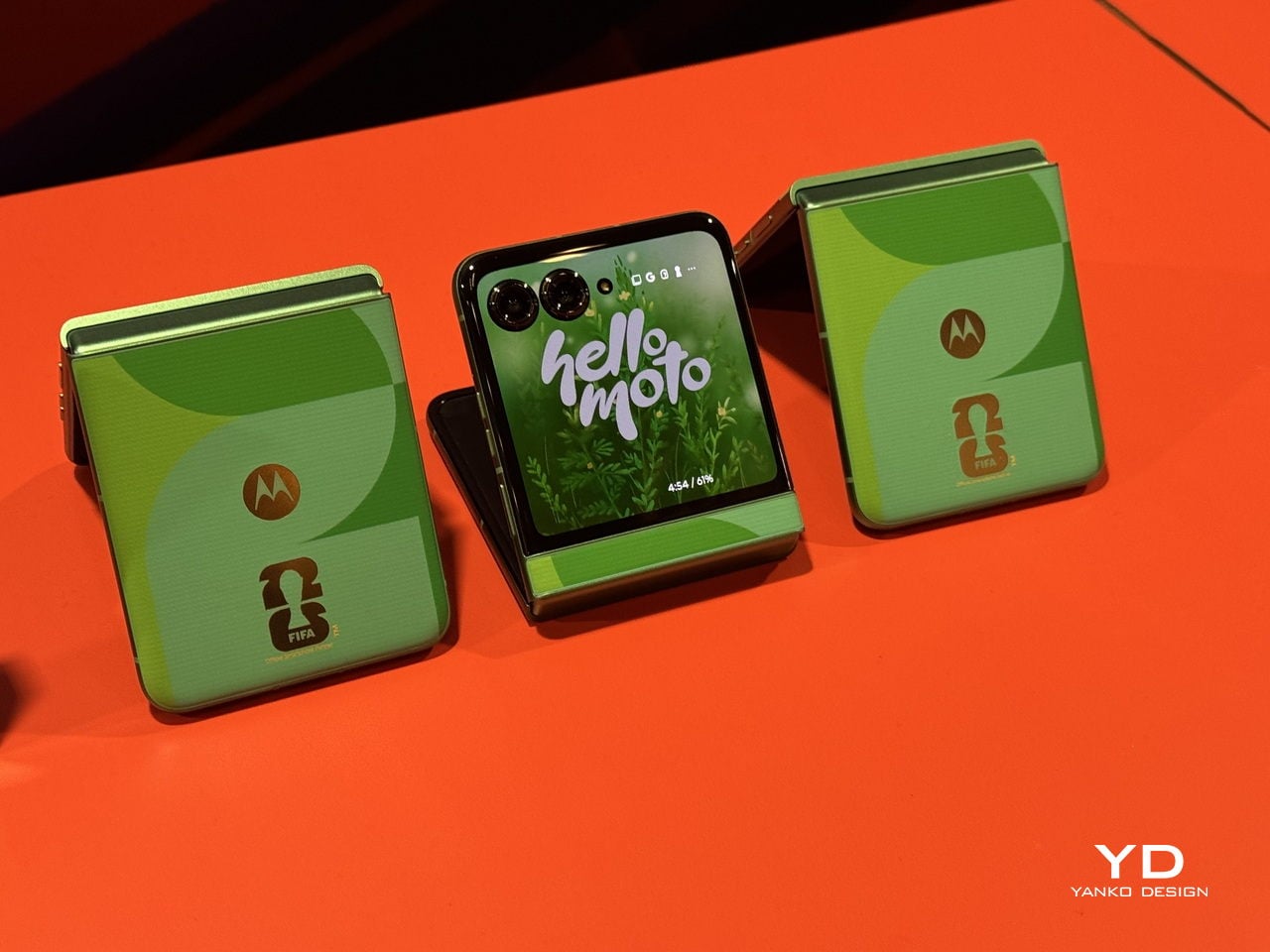
This special razr edition boasts a stunning vibrant green shade reminiscent of a football pitch where all the action takes place. It has a soft-touch vegan leather back cover with multicolor geometric patterns, showing off fluid motion representing energy and inclusivity. Since this is a foldable phone, the pattern is designed to flow seamlessly across the device, giving you a unified, continuous look whether it’s folded or open.
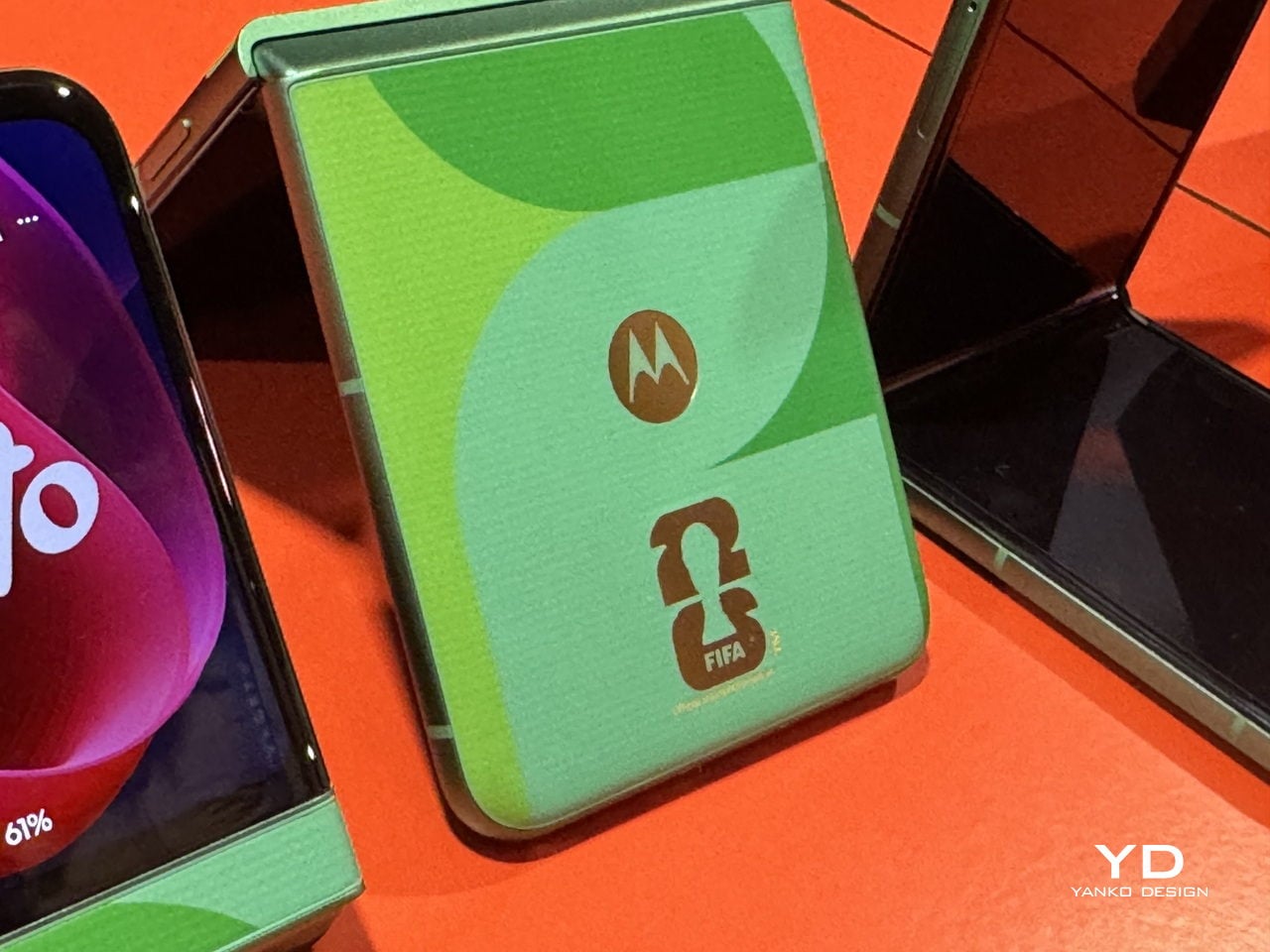
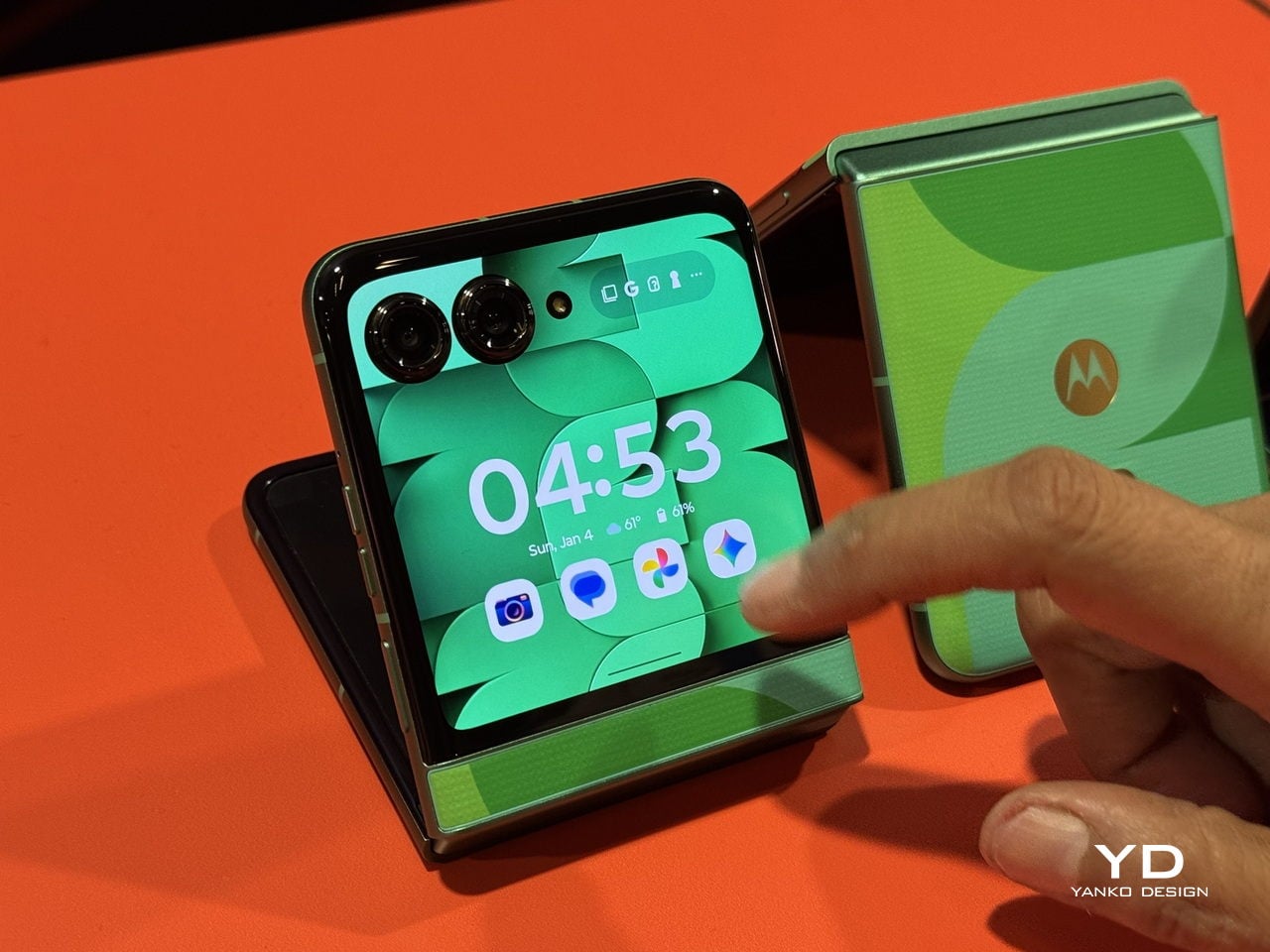
The main display is a 6.9″ Foldable AMOLED screen with HDR10+, FHD+ resolution, adaptive refresh rate up to 120Hz, and stunning 3000 nits peak brightness. This should be perfect for when you’re watching the football matches on your smartphone. The external display has a 3.6″ pOLED with adaptive refresh rate up to 90Hz and 1700 nits peak brightness. You can stay connected with the latest scores and notifications even without having to open your phone.

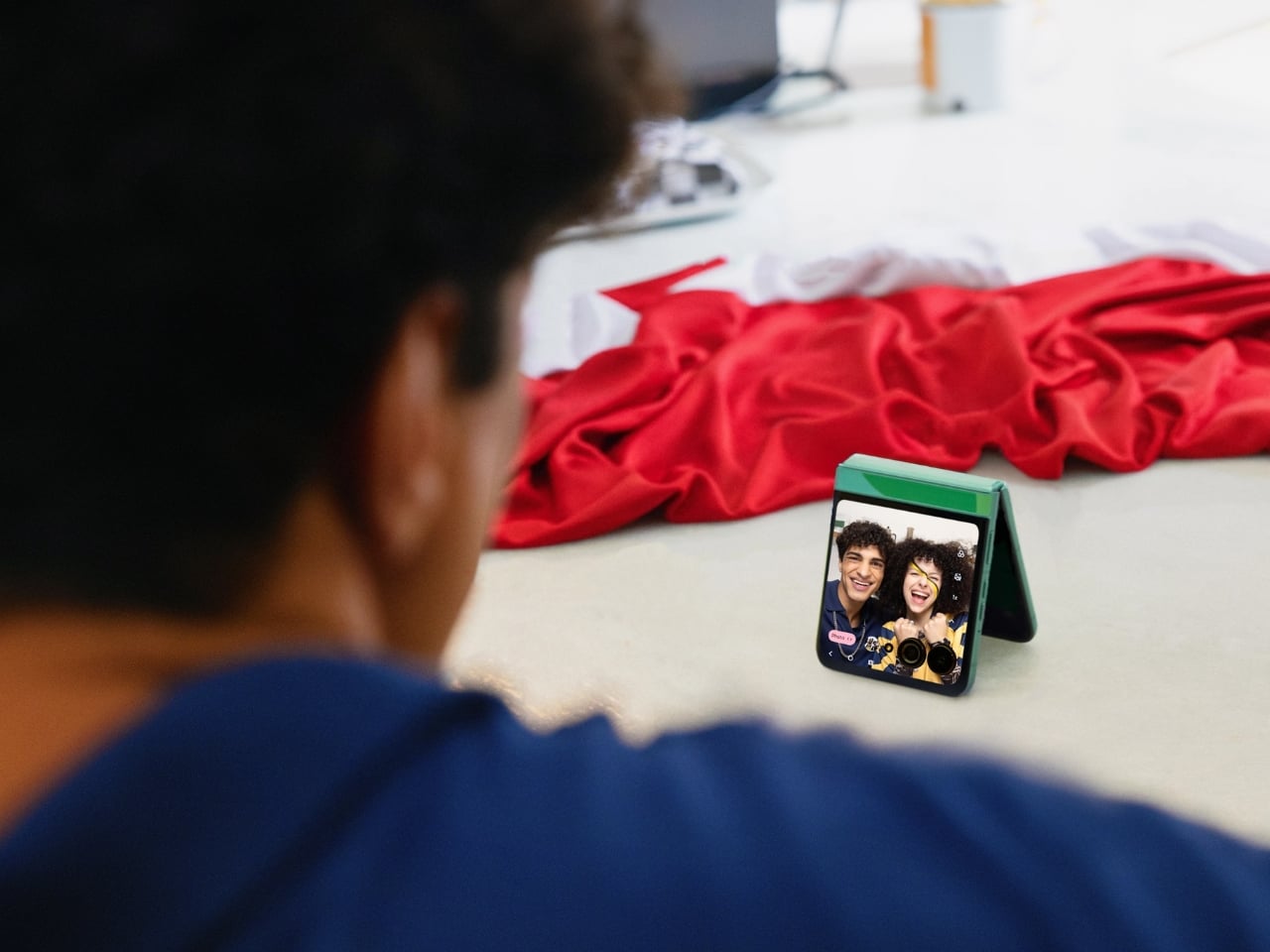
If you’ll be watching the matches live, Motorola wants to make sure your camera system is perfect for those match-day memories. It has a 50MP main camera with a 13MP Ultrawide + Macro Vision Camera with a 120° field of view and a 32MP front camera for those reaction shots. It also has some creative features like Auto Night Vision, 4K UHD video at 30fps, Adaptive Stabilization, and Horizon Lock to get smoother videos. The main camera even includes OIS (Optical Image Stabilization) and Pantone™ Validated Color, ensuring your photos look professional and true to life.
Under the hood, the razr FIFA World Cup 26™ Edition runs on Android™ 15 with a MediaTek Dimensity 7400X chipset and comes with 8GB of RAM and 256GB of storage in the US and Canada. The 4500mAh battery will keep you powered throughout the day, from kickoff to the final whistle, and when you do need to charge, the 30W TurboPower™ charging gets you back in action quickly. There’s also 15W wireless charging for added convenience.

What really makes this device stand out is its durability. It features a titanium-reinforced hinge and IP48 dust and water protection, meaning it can handle submersion in up to 1.5 meters of fresh water for up to 30 minutes. Whether you’re celebrating a goal with friends or caught in unexpected rain while heading to a viewing party, this phone is built to last. The audio experience shouldn’t be overlooked either. With dual stereo speakers tuned by Dolby Atmos® and three microphones, you’ll get immersive sound whether you’re watching matches, making video calls with fellow fans, or recording your own commentary.

Of course, since this is a special edition smartphone, you get FIFA World Cup features that only this phone has. You have exclusive wallpapers to celebrate the tournament, an official tournament theme ringtone, and a FIFA Watermark feature that you can add to your photos and videos before sharing them on your socials.

The Motorola razr FIFA World Cup 26™ Edition will be available starting February 12, 2026, with an MSRP of $699.99 in the United States and $999.99 CAD in Canada. In the US, Verizon will serve as the exclusive carrier partner during the introductory month, and unlocked models will be available on motorola.com, with Amazon.com availability coming later.


For collectors and football enthusiasts alike, this limited-edition device represents more than just a smartphone. It’s a piece of World Cup history you can carry with you. With its eye-catching design, powerful features, and exclusive FIFA content, the razr FIFA World Cup 26™ Edition is the perfect companion for experiencing the tournament’s excitement, whether you’re in the stadium or streaming from home. If you want to showcase your passion for the beautiful game while staying connected in style, this collectible device deserves a spot in your hands and your collection.

The post This $699 FIFA World Cup Phone Is a Limited-Edition Collector’s Dream first appeared on Yanko Design.
Motorola just announced a foldable phone to rival Samsung and Google at CES

Samsung and Google have new competition in the foldable space. At CES 2026, Motorola unveiled its first side-foldable smartphone: the Razr Fold. The handheld sports an impressive 6.6-inch external screen and an 8.1-inch flexible main display. Motorola hasn’t provided dimensions yet, so we don’t know how thick it is yet or how it compares to other foldables in that respect.

We do know, however, that it'll include support for the Moto Pen Ultra stylus. This is actually a fairly big deal, as Samsung dropped the feature for the Z Fold 7. Modern foldables basically double as tablets, so a stylus is always appreciated.

A phone.
A phone.
Motorola

There's a robust camera system here, with a 50MP Sony sensor, a 50MP ultra-wide/macro, a 50MP telephoto, a 32MP external selfie lens and a 20MP internal camera. It also offers the ability to record in Dolby Vision.

The Razr Fold will be available in blue and white. We don't have any information regarding internal specs, pricing or availability. Motorola says that "more specifications will be shared in the coming months."

It's worth noting that while this is the company's first side-folding camera, Motorola has always made top-folding phones. After all, that's what a flip phone is. The company continues to refine this basic idea with its standard Razr line of midrange top-folding smartphones.

This article originally appeared on Engadget at https://www.engadget.com/mobile/smartphones/motorola-just-announced-a-foldable-phone-to-rival-samsung-and-google-at-ces-010015323.html?src=rss