Ecno Evil Unit-1 is rugged, off-road, and wood-free camper you can’t break

If you’re into pomp and show, turn back now. This camping trailer isn’t for you. But if the bare essentials are enough to make your adventures fun, read on. Before that, though, check out the video above. It’s easily the strangest promo I’ve ever seen for a trailer. Cinematically shot 4k videos of full-equipped trailers are impressive, but just wait until you see the Ecno Evil Unit-1 being smashed with wooden planks and sledgehammers. It’s one heck of a demonstration of its structural toughness.

Developed by California-based Ecno Evil, the Unit-1 is a rugged squaredrop off-roader that’s built without wood, yet designed to withstand whatever you may throw at it. The HDPE (High-Density Polyethylene) construction makes the trailer absolutely durable, lightweight, and pretty cost-effective. The cost is also achieved by keeping Unit 1 to its skeleton, with subtle functionality accents only. It avoids the unnecessary camping equipment that the makers believe adventurers already own and should not be burdened further with mandatory gear in their rig.

Designer: Ecno Evil

If you stand by the thought that you should have the choice to furnish a trailer with your own stove, portable toilet, and power backup etc., then the Unit-1 meant to provide a reliable shelter out in the wilderness, should be the trailer you are looking at. Riding behind a capable tow vehicle, it can reach where you want it, providing you with an instant space with basic necessities to live out a few days in nature most conveniently. And more, if you pack it with your cooking and sporting gear.

Of course, the minimalist design and zero-wood construction are the chief highlights of the Unit-1. But you can’t take away the fact that the trailer has an external storage area in the rear, which is detached from the living area inside and makes it a feature to behold, especially for those who fail to keep the clean interior and the soiled gear separate.

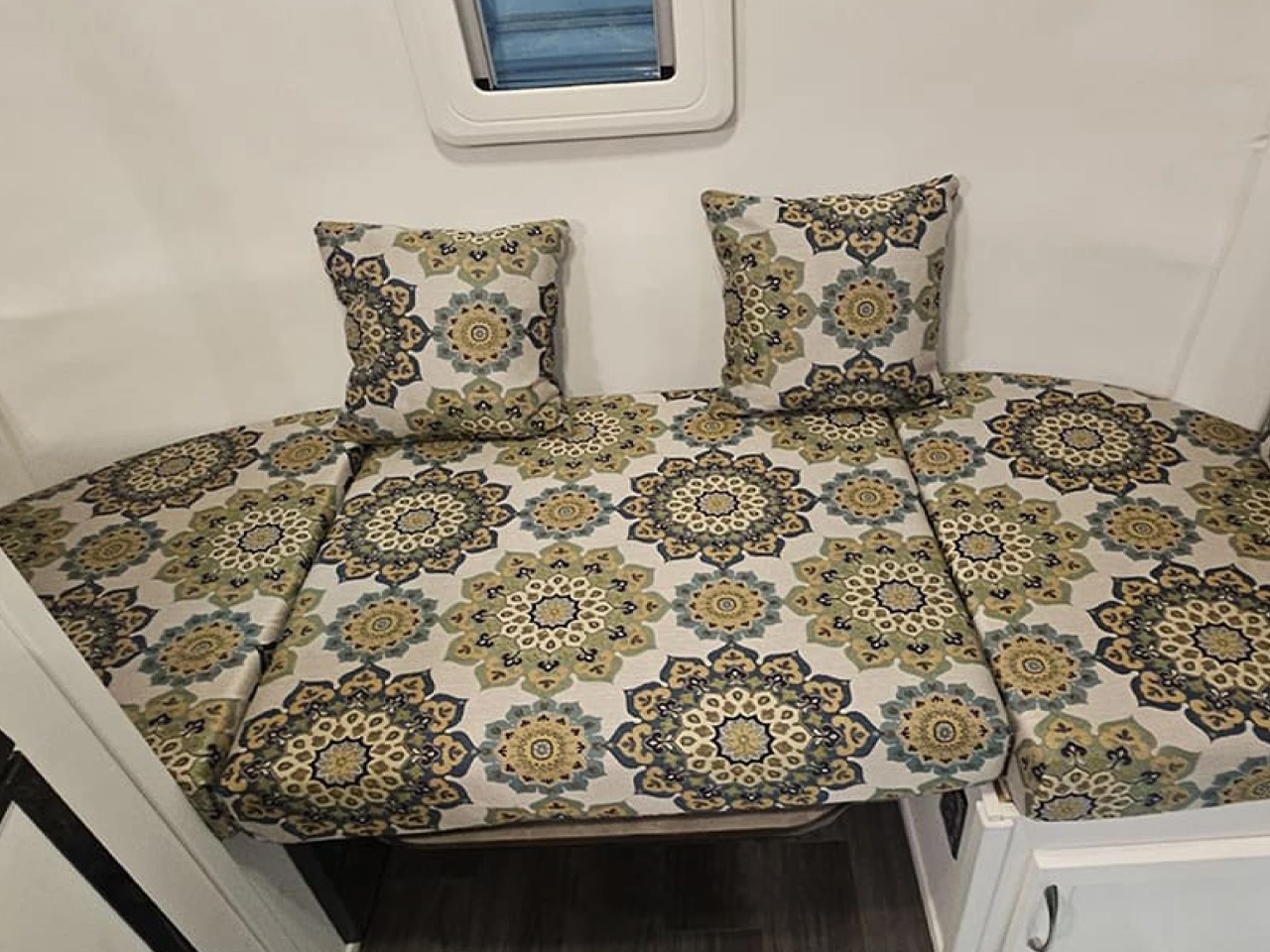
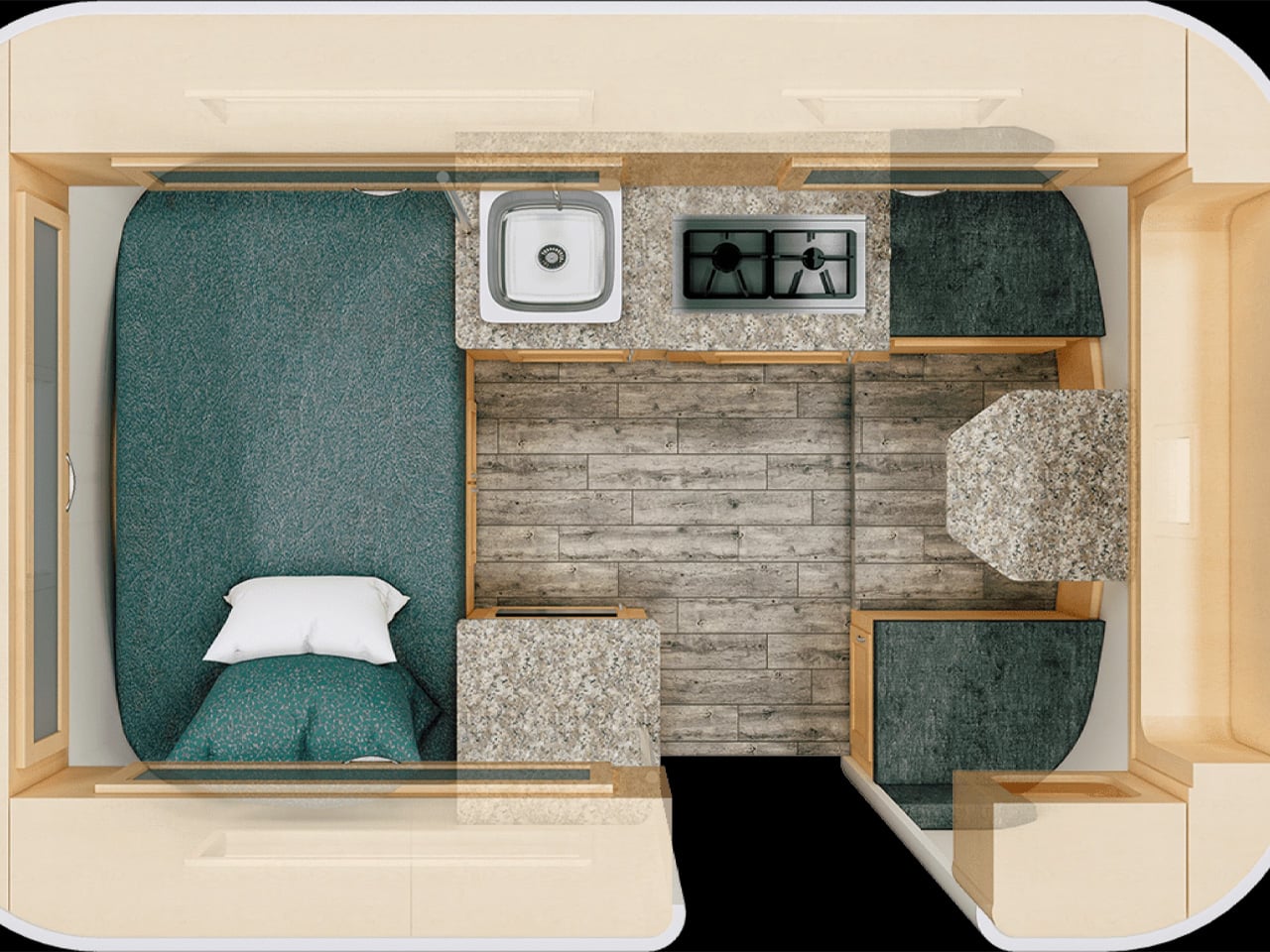
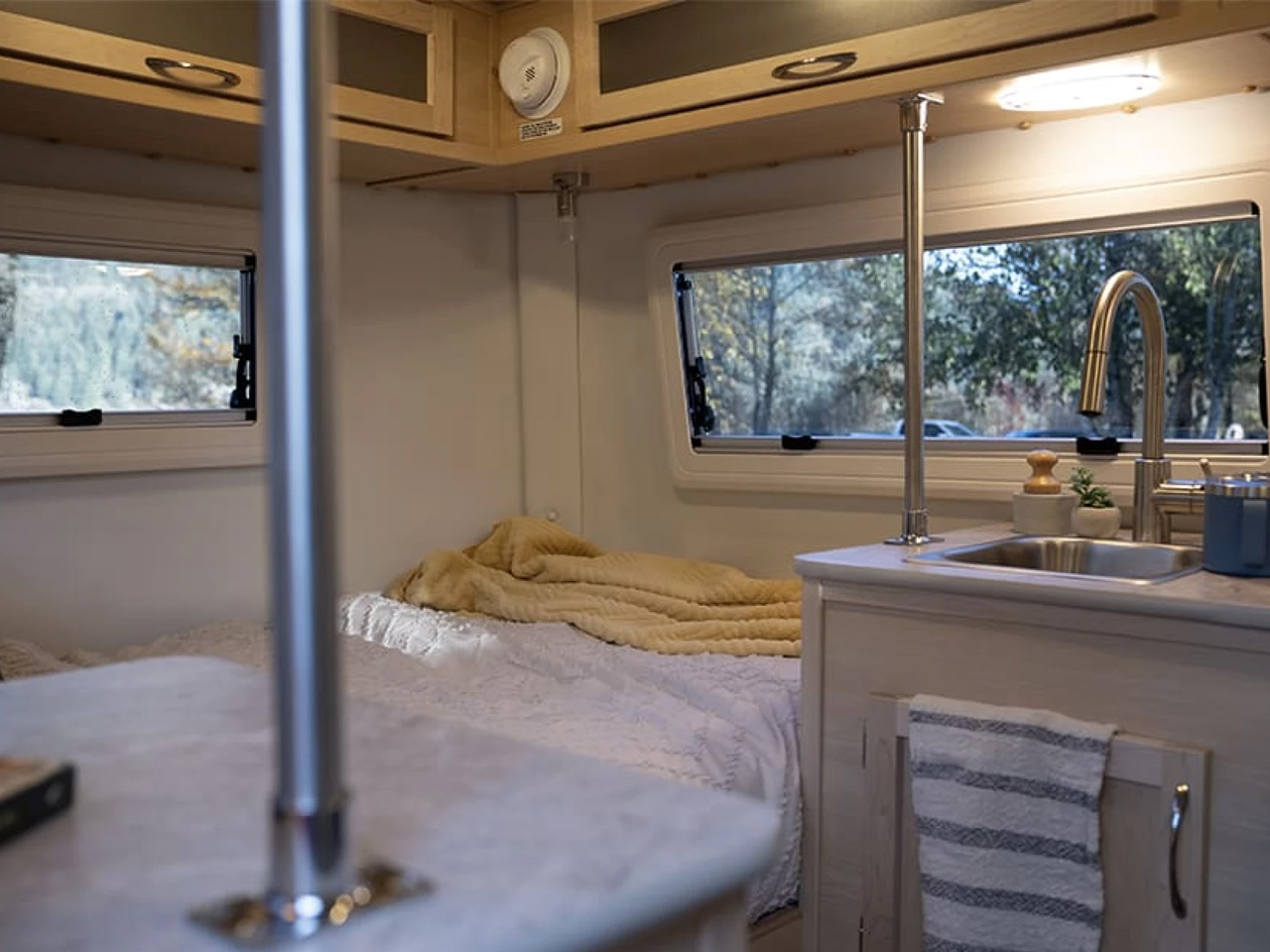
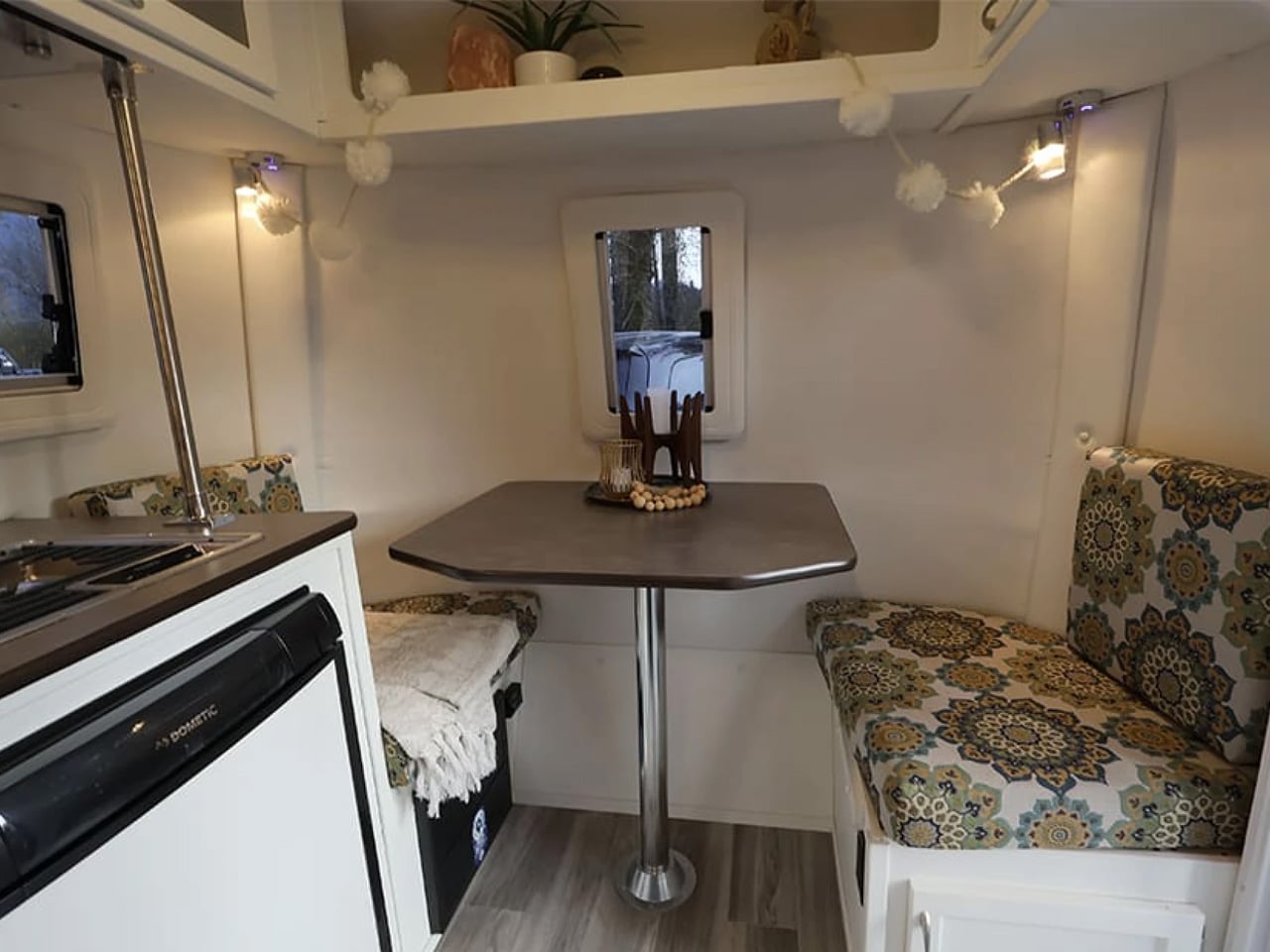
The Ecno Evil Unit-1 is not a very compact cabin; it has a 12.4-foot floor space that sits on a custom aluminum tube chassis. The body is a simple, squaredrop box without interior paneling or exterior cladding. It’s just a durable HDPE camper which, without metal or wood inclusion, is completely resistant to mold, rot, or any such durability issue. The trailer is only provided with a single door entry; the hatch is separate and has two storage units. Two windows, one with the door and the other openable just opposite, make provision of the natural lighting inside, while the 6-inch trifold mattress occupies the floor space under a roof fan and open shelves spanning the interior.

Ecno Evil makes provision for lighting both inside and outside, while providing an option 100-W solar panel and an Ecoflow power unit, if required. At its bare best, the Ecno Evil Unit-1 starts at $13,990. This would be a 4 x 8-foot floor plan. Another option is the 5 x 8-foot model, which starts at $16,490.

The post Ecno Evil Unit-1 is rugged, off-road, and wood-free camper you can’t break first appeared on Yanko Design.

Columbia’s Endor Collection Brings Star Wars Style to Real Life

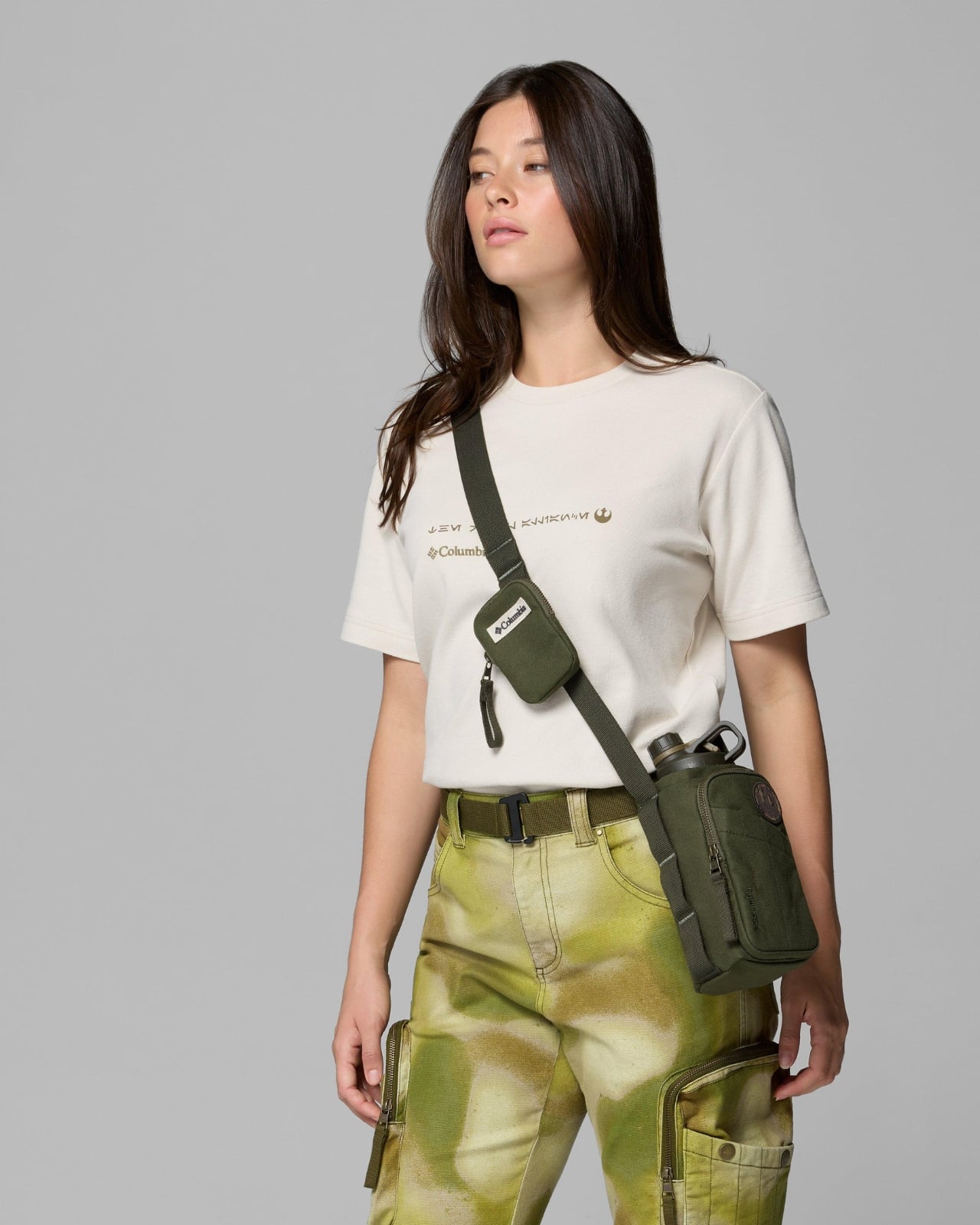
If you’ve ever wanted to dress like a Rebel Alliance soldier without looking like you just walked out of a cosplay convention, Columbia Sportswear has you covered. Their new Star Wars Endor Collection, dropping December 11th, is their most ambitious collaboration yet, and honestly, it’s pretty spectacular.

This isn’t just another brand slapping a logo on a hoodie and calling it a collaboration. Columbia has been partnering with Star Wars since 2016, releasing annual holiday collections that go deep into the details. But this 20-piece Endor Collection takes things to another level entirely. The designers actually visited Skywalker Ranch to see the original spray-painted camo costumes from Return of the Jedi in person. That hands-on research shows in every piece.

Designer: Columbia

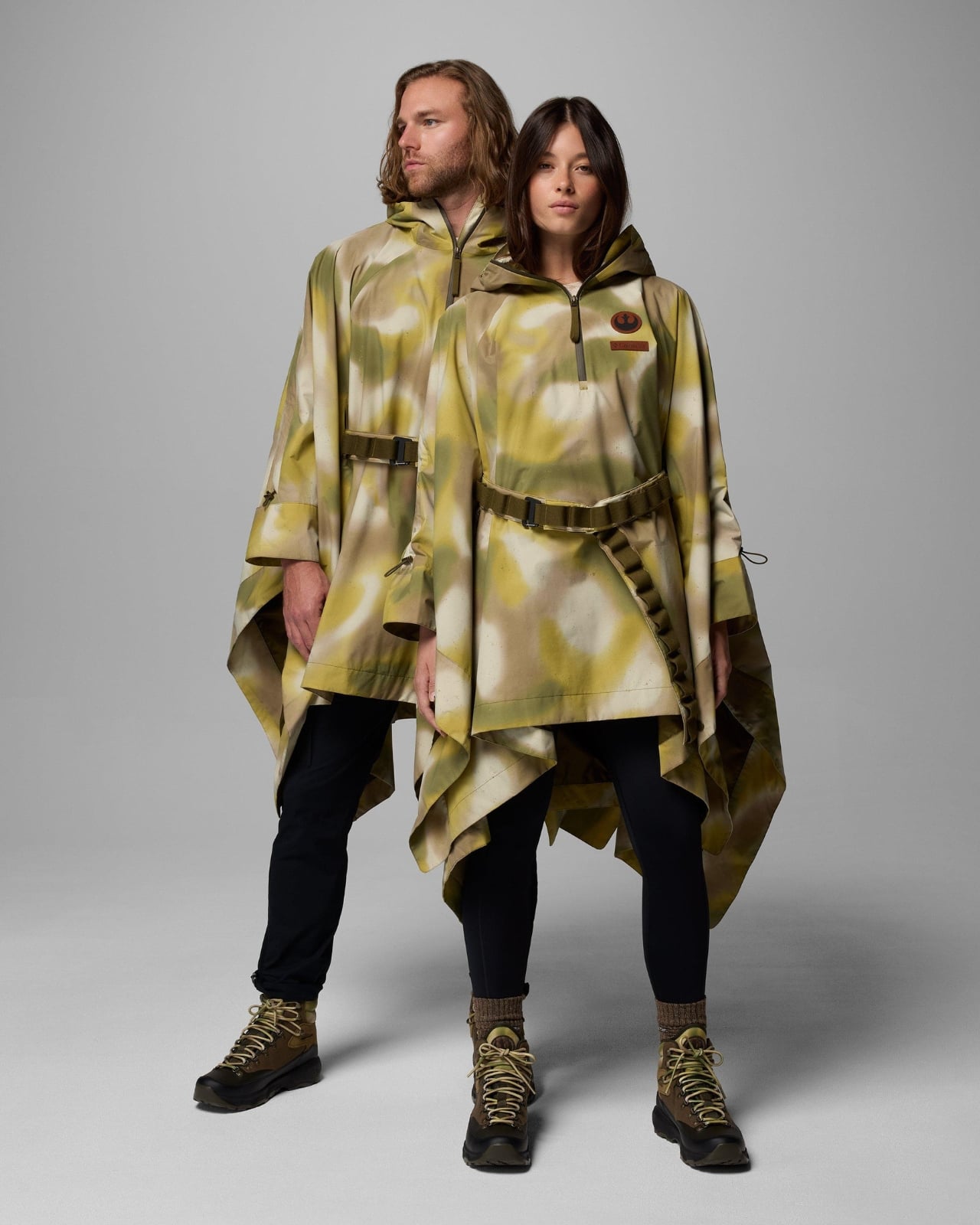
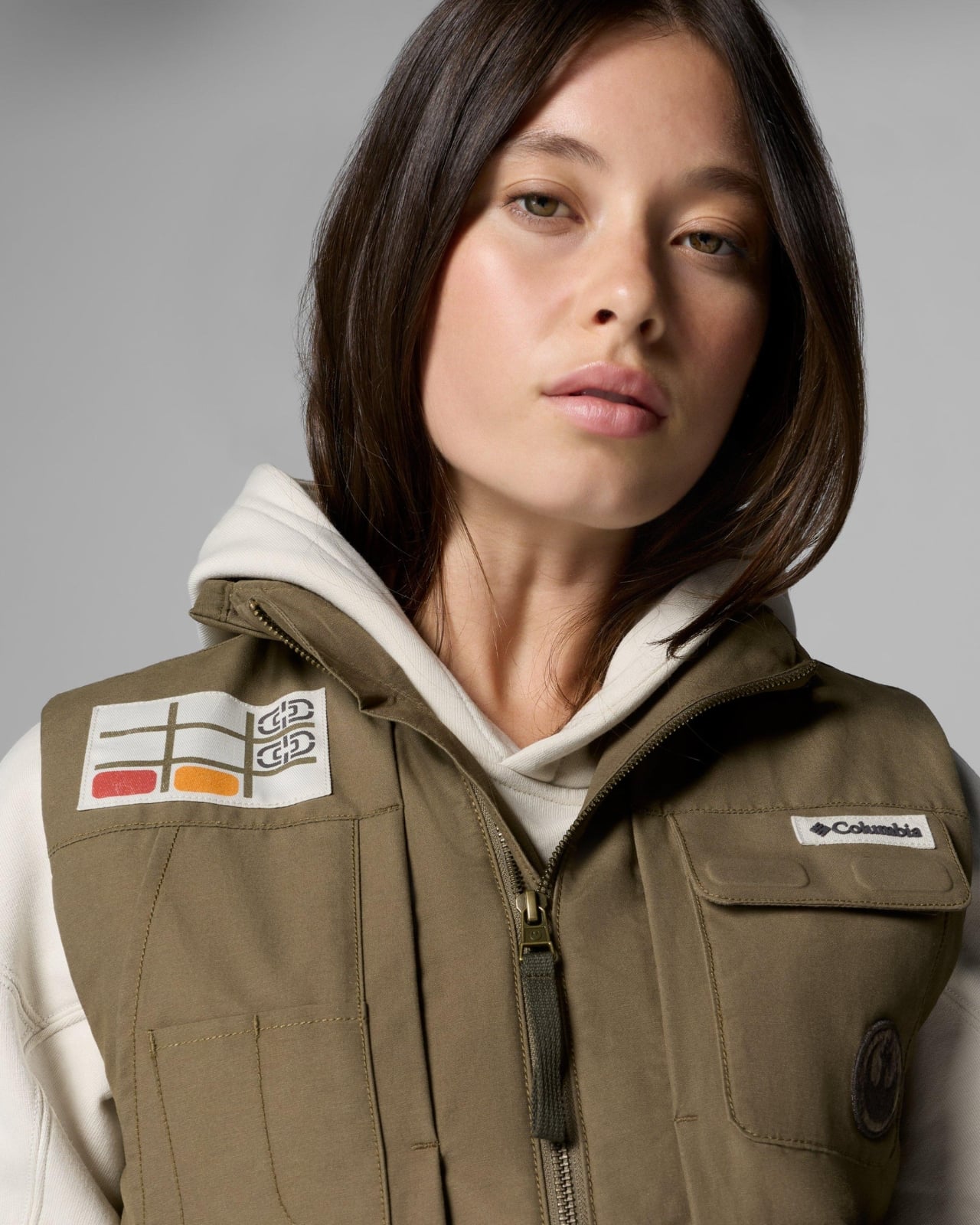
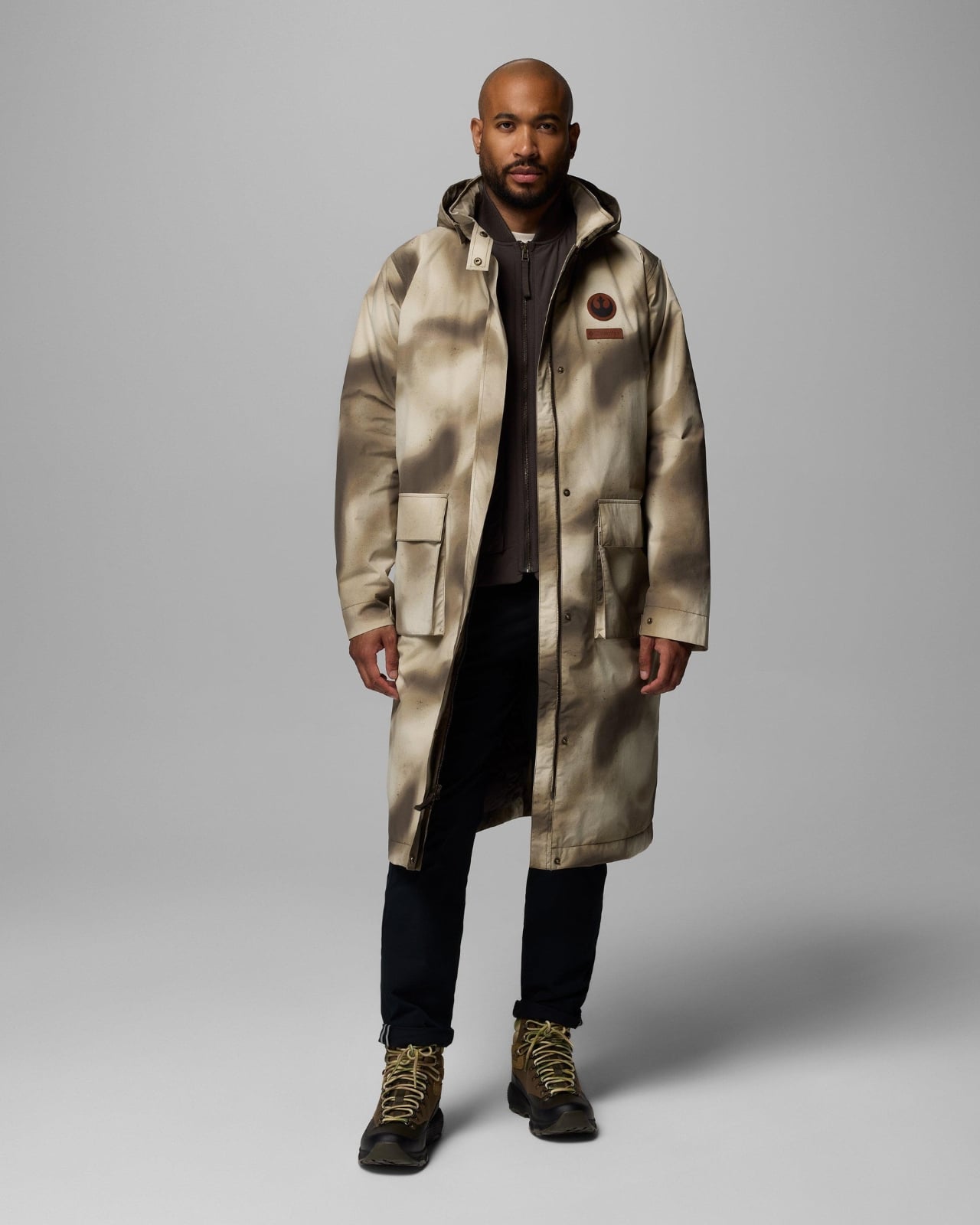
The collection reimagines some of the most iconic looks from the Battle of Endor: Han Solo’s camouflage trench coat, those memorable ponchos Luke and Leia wore, and the Rebel troop uniforms. But here’s what makes it special. These aren’t costume replicas. They’re actual functional outdoor gear that happens to be inspired by a galaxy far, far away. Columbia took their signature performance technology and merged it seamlessly with authentic Star Wars design elements.

Take the Endor Issue Ponchos, for example. They recreate the iconic look from the film, but they’re made with Omni-Tech waterproof fabric and feature bungee-adjustable arms. You could actually wear these hiking in the Pacific Northwest (which, let’s be honest, looks a lot like Endor anyway). The General Han Solo Trench is even more impressive because it separates into three individually wearable pieces, each packed with Star Wars Easter eggs for fans to discover.

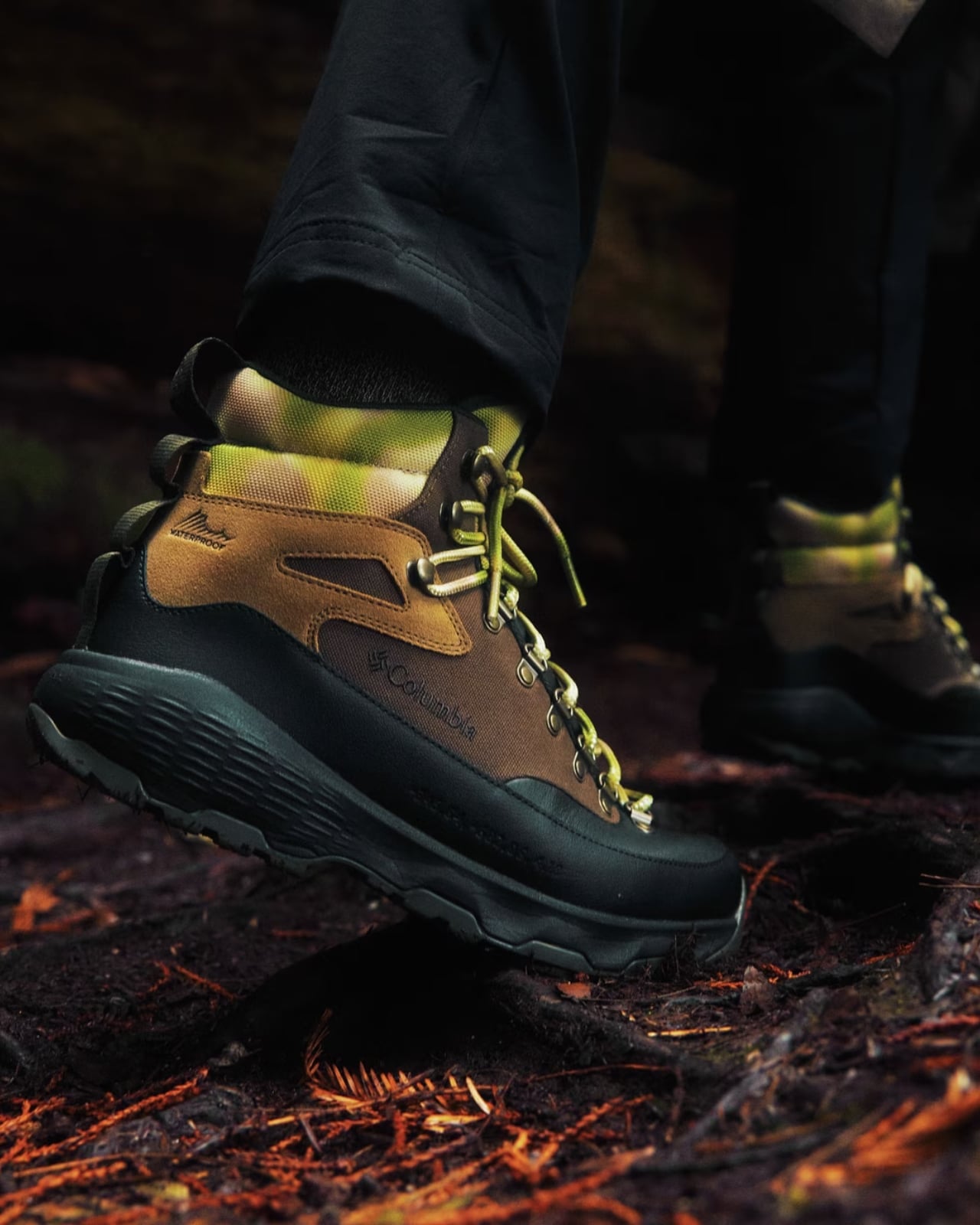
The boots deserve special mention too. The Endor Issue Boots combine technical features like Omni-MAX cushioning, an Omni-Grip outsole, and a TechLite midsole, making them genuinely trail-ready. Following last year’s footwear debut in the collaboration, Columbia clearly learned what works for fans who want both authenticity and actual performance from their gear.

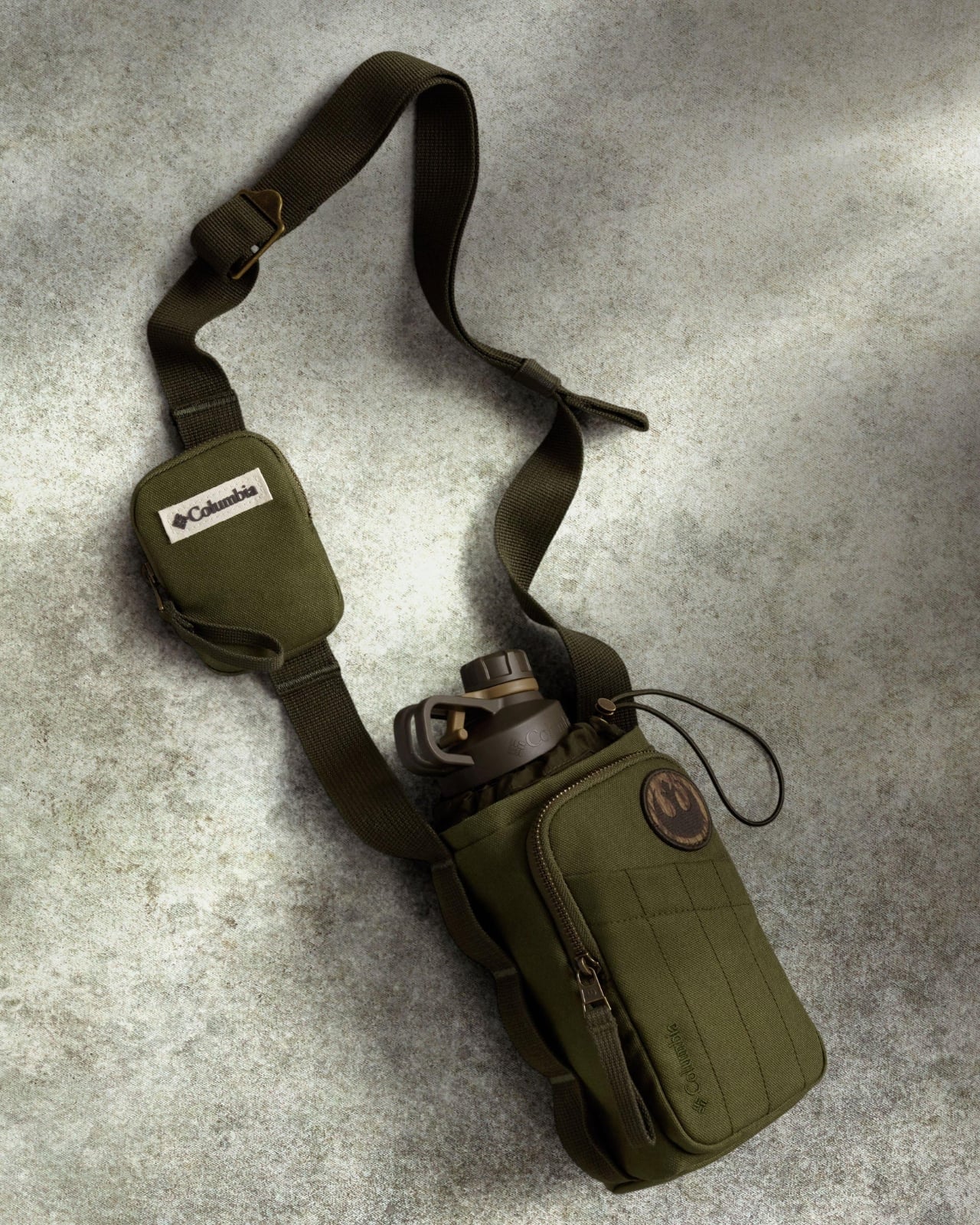
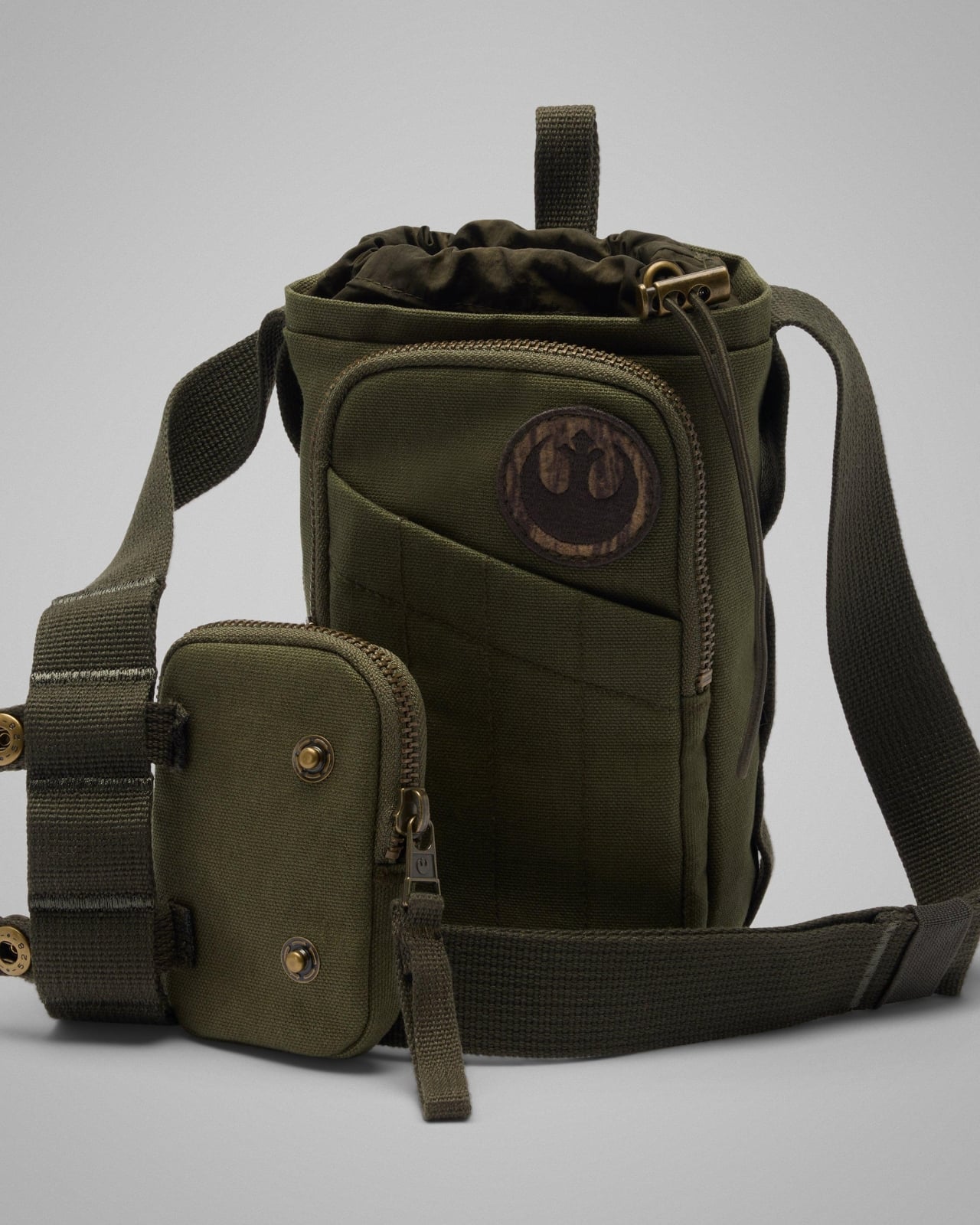
The attention to detail is where this collection really shines. Throughout the pieces, you’ll find carefully placed Rebel Alliance logos, coordinates, and messages written in Aurebesh (the Star Wars alphabet) for fans to decode. The blanket features original concept art, there are Ewok fleece patches, Bright Tree Village references, and even the actual map of the filming location tucked inside the shoebox and printed on long-sleeve tees. It’s like a treasure hunt for Star Wars enthusiasts.

What’s particularly clever is how Columbia captured that organic, hand-sprayed technique used on the original costumes. The designers worked to ensure their versions maintained that same imperfect, authentic look while still being performance-driven outdoor apparel. Balancing costume accuracy with real-world functionality took considerable time and effort, but the result is pieces that feel genuinely inspired rather than gimmicky. The color palette pulls directly from Endor’s forest moon aesthetic: earthy browns, mossy greens, and woodland camouflage patterns that feel both fantastical and wearable in everyday life.

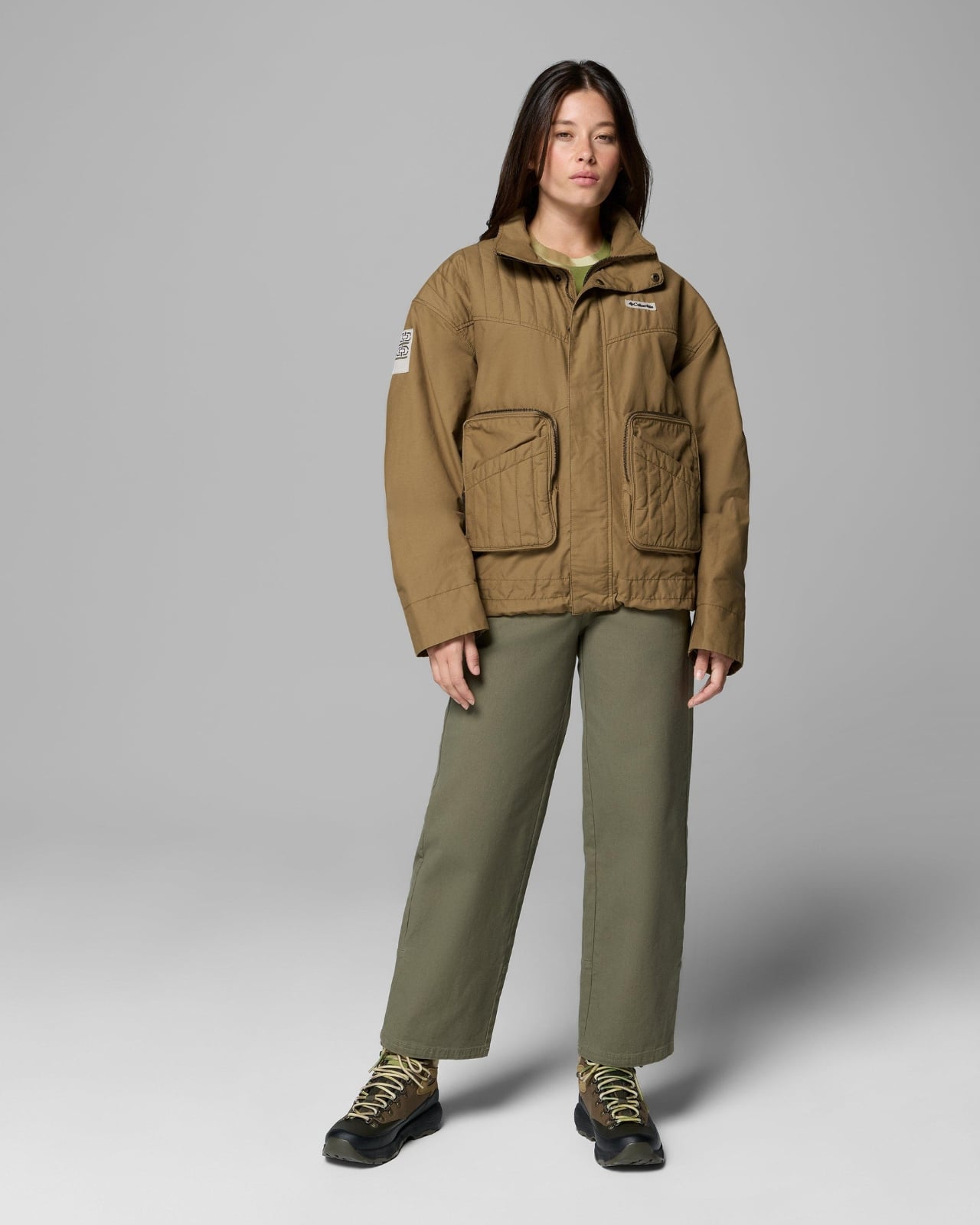
The collection includes everything from the standout trench coat and ponchos to more practical pieces like the Endor Issue Pants (Columbia’s first-ever Star Wars-inspired pants), cargo jackets, reversible jackets, cargo vests, and various pullovers and half-zips. There’s also an Endor Issue Cargo Backpack for carrying your gear, water bottles with themed designs, multiple hat styles including a ball cap and wider-brimmed options, and even a quilted blanket perfect for outdoor adventures or cozy movie marathons watching the original trilogy.

Columbia enlisted Billie Lourd for the campaign, which feels particularly meaningful. Lourd, who played Lieutenant Connix in the sequel trilogy and is the daughter of the legendary Carrie Fisher, was photographed among towering California redwoods with her children wearing Ewok-inspired fleece pieces. It’s a beautiful tribute that connects the collection to Star Wars legacy while showcasing how these pieces work for real families having real outdoor adventures.

The collection launches December 11th at 10 AM EST on Columbia’s website, with early access for members of their free Greater Rewards program starting 30 minutes earlier. It’s the kind of collaboration that shows what happens when a brand genuinely respects both the source material and their customers. You get functional outdoor gear that happens to make you feel like you’re part of the Rebellion, without sacrificing style or performance. And in a world full of half-hearted pop culture collaborations, that’s definitely worth celebrating.

The post Columbia’s Endor Collection Brings Star Wars Style to Real Life first appeared on Yanko Design.

Escape Trailer’s 13-foot fiberglass egg trailer: fun adventures in a small package

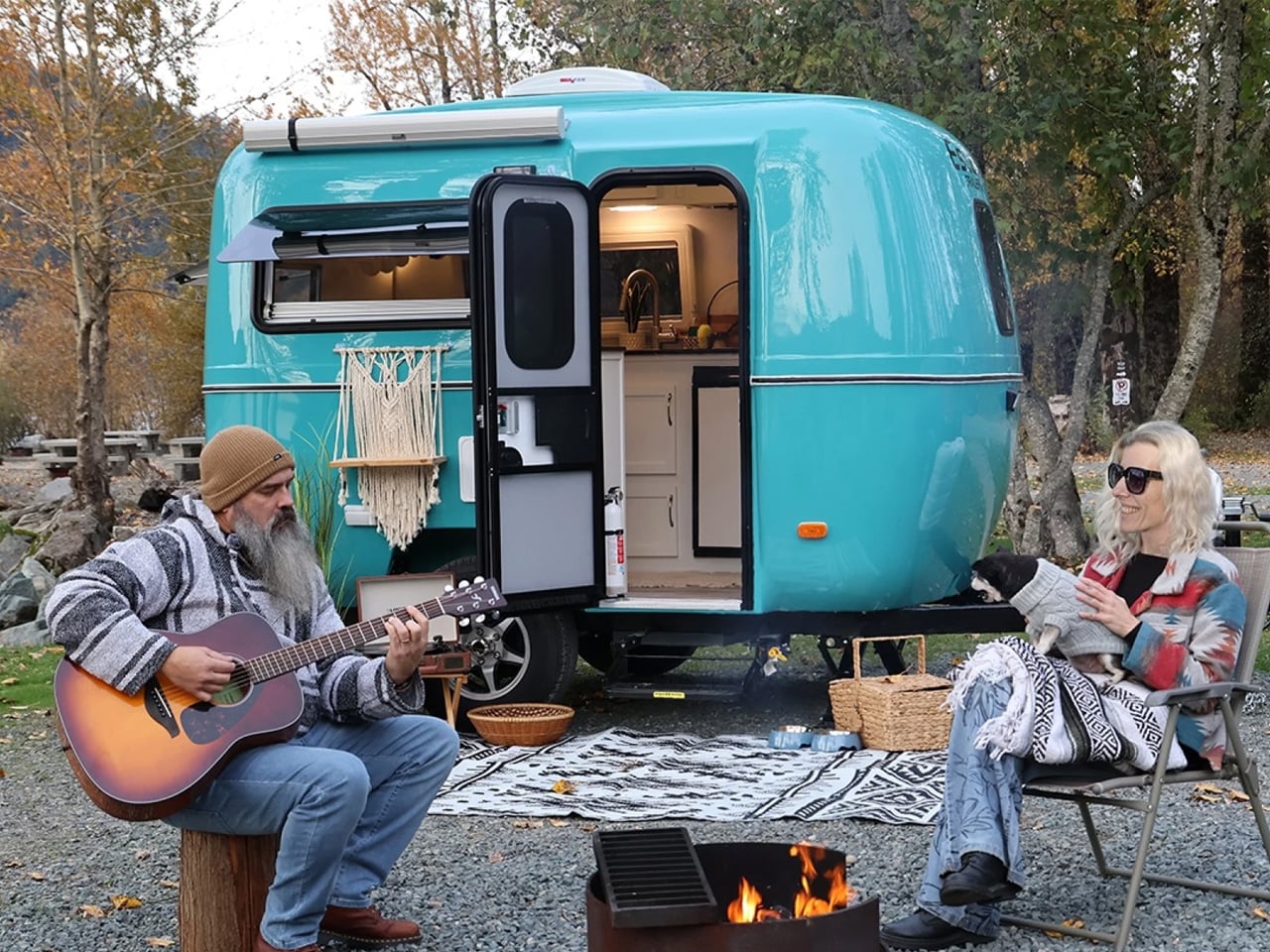
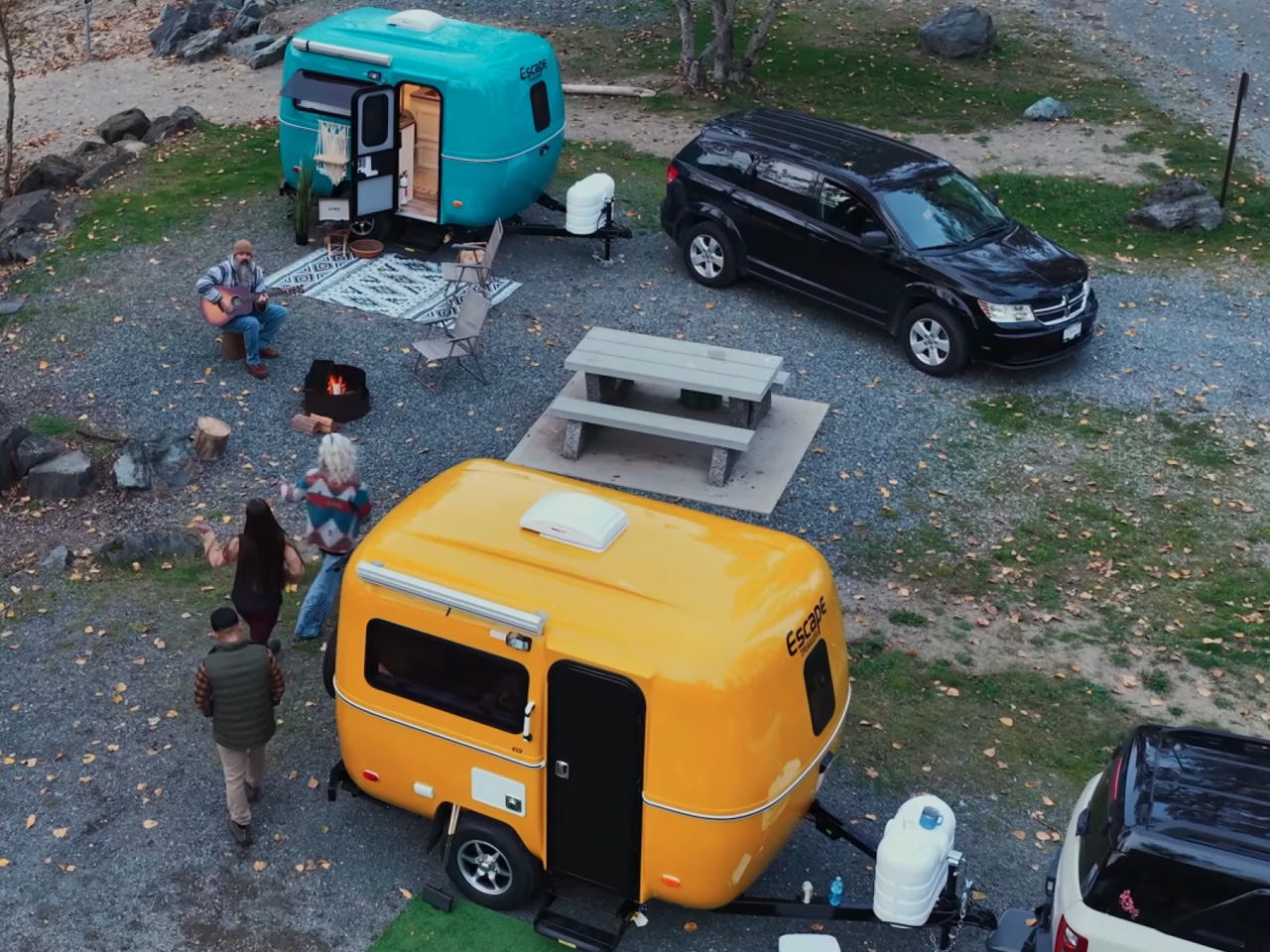
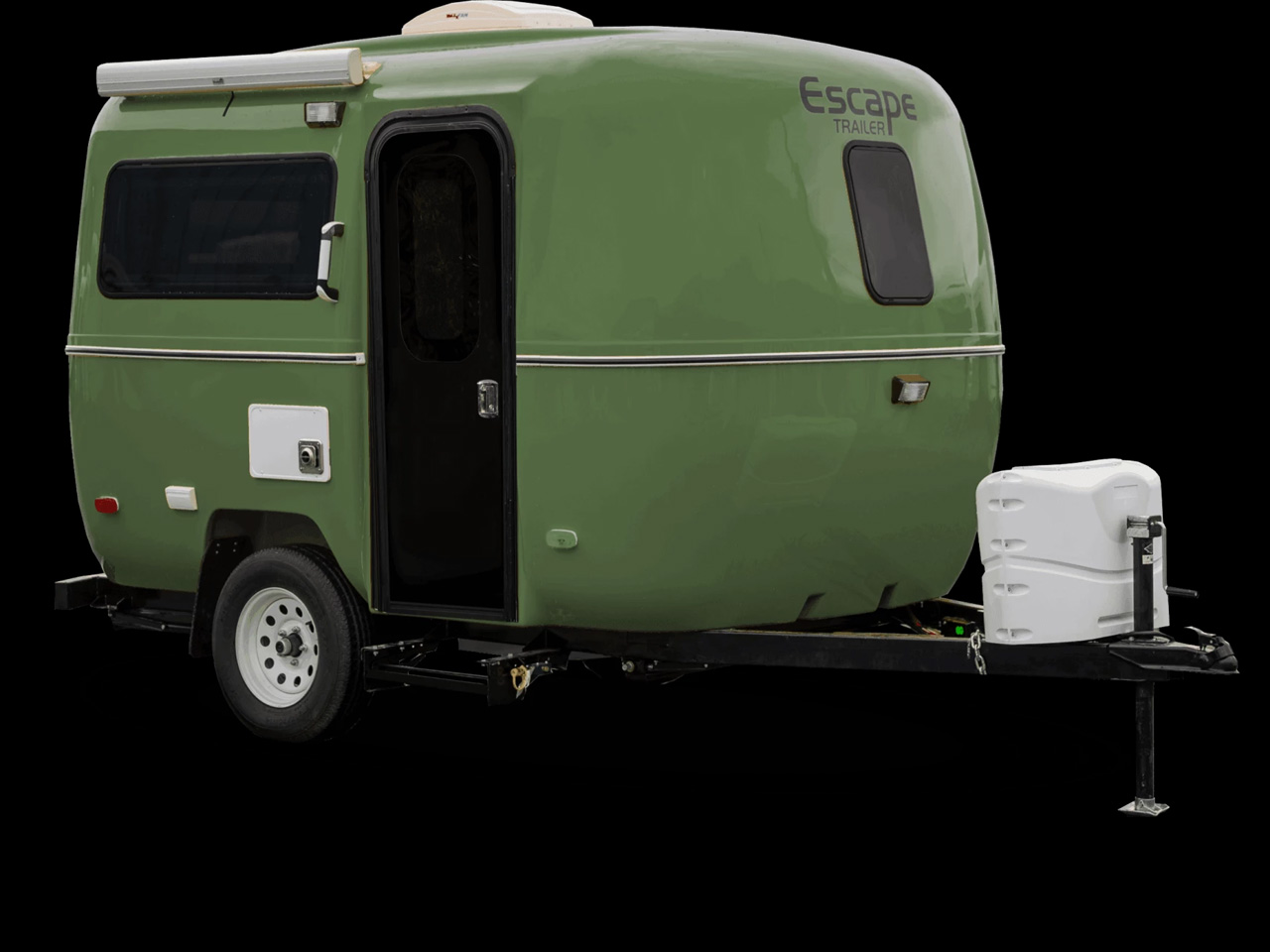
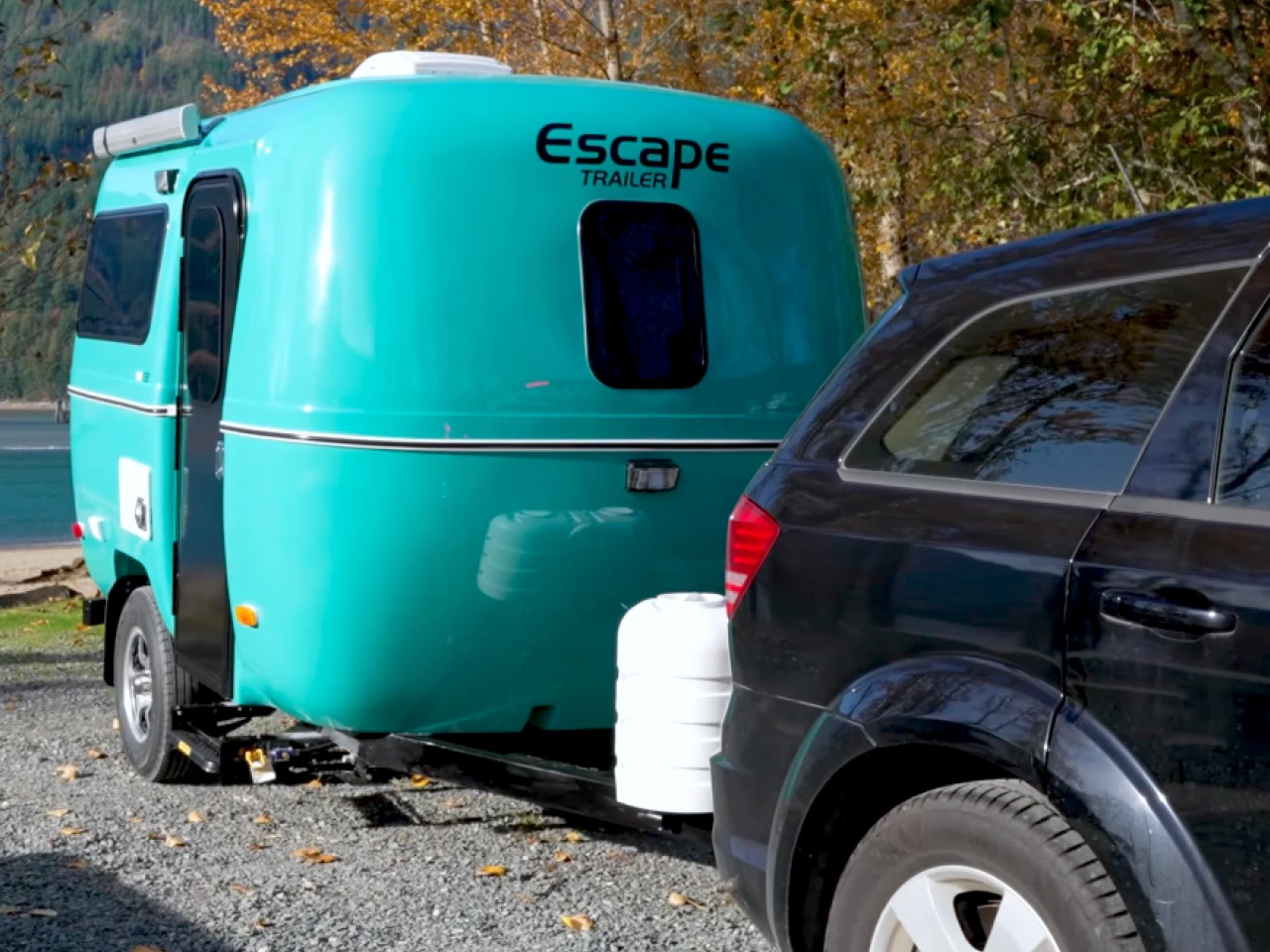
There is a little of everything in an Escape Trailer. It’s compact yet spacious and lightweight yet robust. The Chilliwack, Canada-based trailer manufacturer has been through five fiberglass “egg trailers” and now for the sixth edition, it has launched the Escape 13’, which according to the company is ‘it’s lightest and most compact trailer yet.’

With decades of experience behind their conviction and handling of fiberglass, Escape Trailer has stayed true to its signature construction style allowing it to trim the weight. For the interested, the E13 is built with 100 percent molded fiberglass creating a true one-piece shell. To the tiny camping trailer, it means a lightweight and incredibly durable body, which is fuel-efficient to tow and easy to maintain over the decades.

Designer: Escape Trailer

In the past few days (if we doubted it in any little) a couple of new compact trailers, Escape 13 included, have proven that great adventures can pack well in small packages. A little space can be tailored to feel spacious enough to live without a compromise in convenience and safety. This was substantiated recently by the Scamp X off-road trailer. The first molded fiberglass egg trailer from Scamp Trailers, a popular Minnesota–based RV manufacturer of the ‘70s.

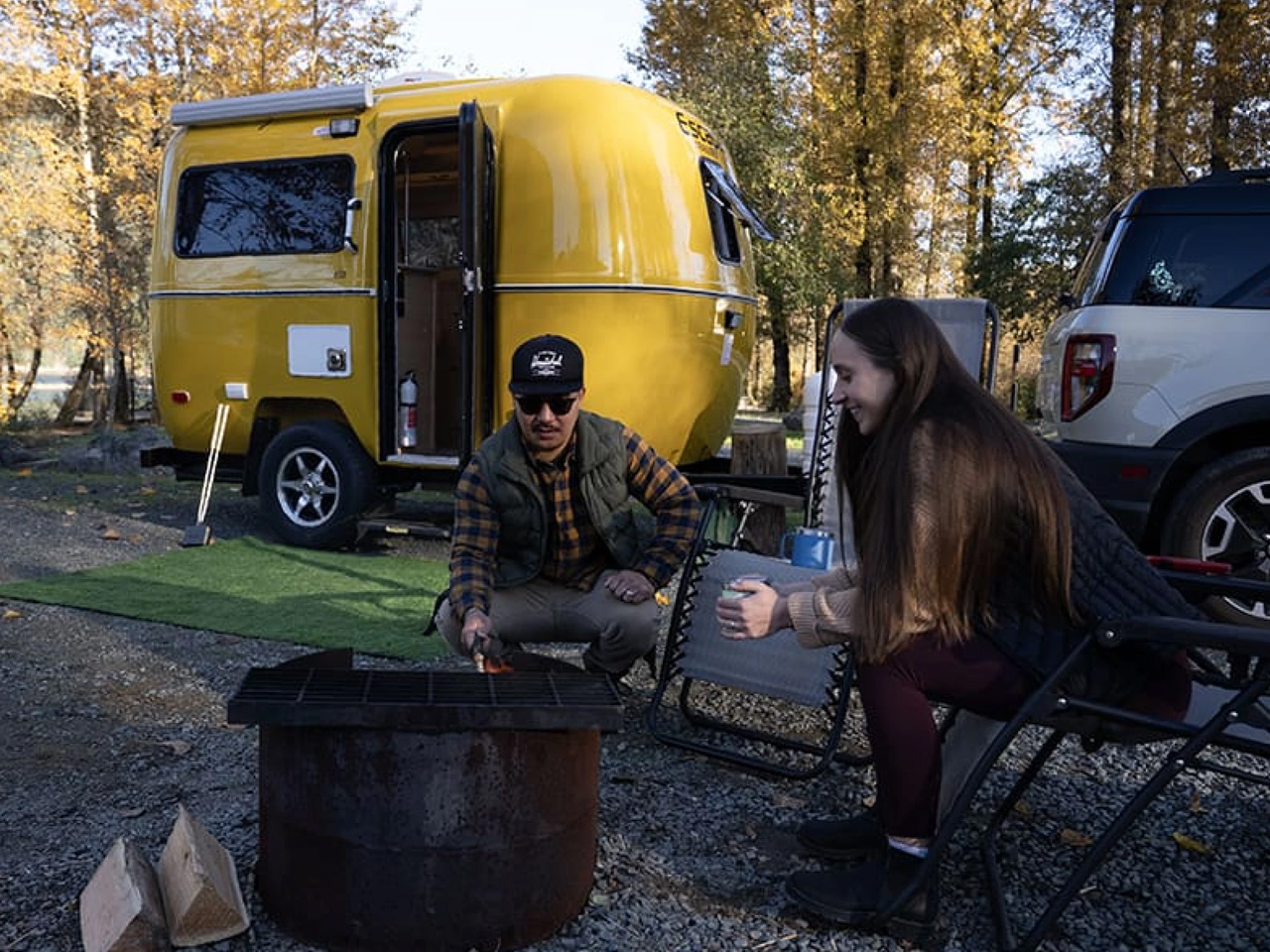
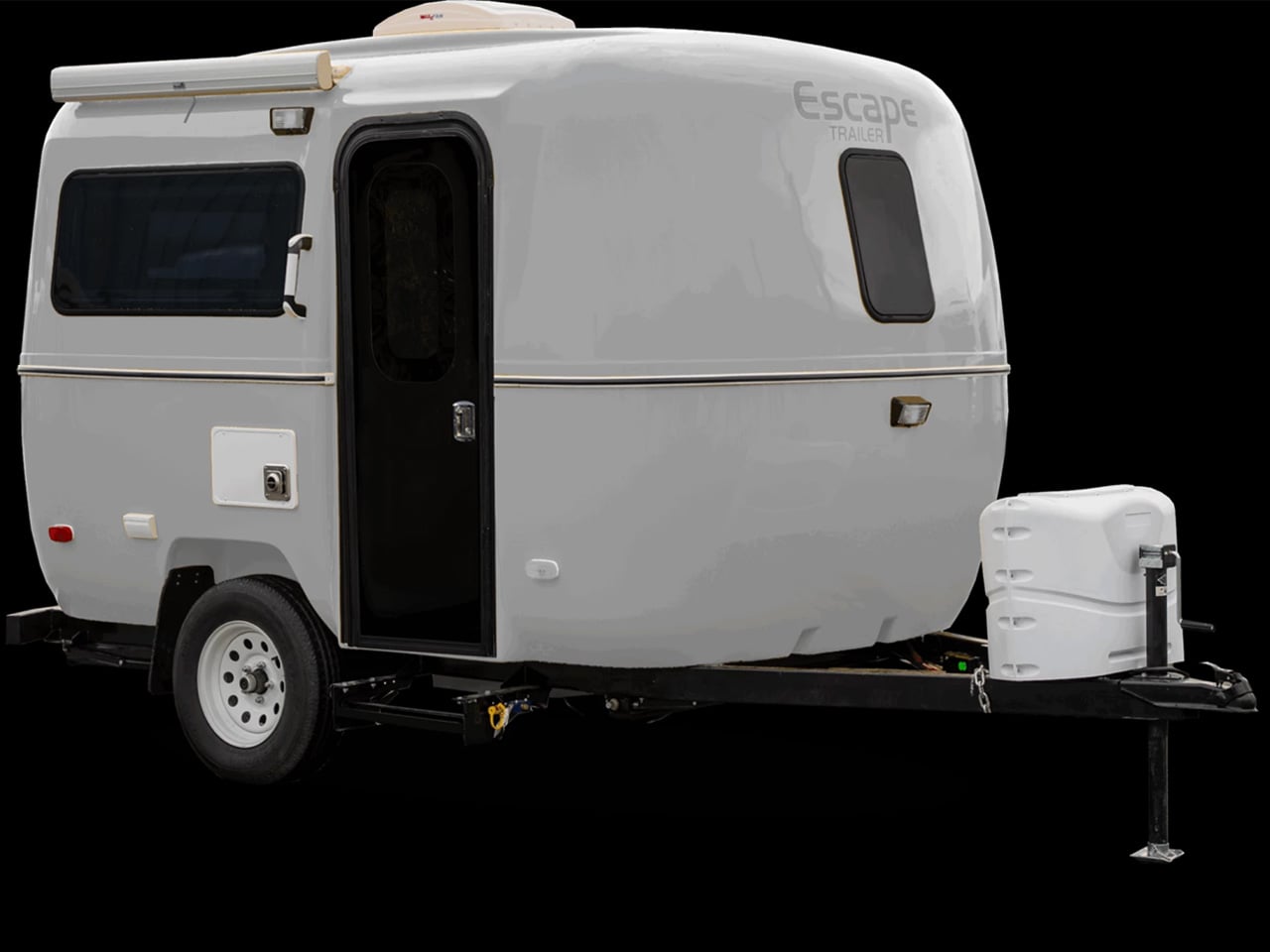
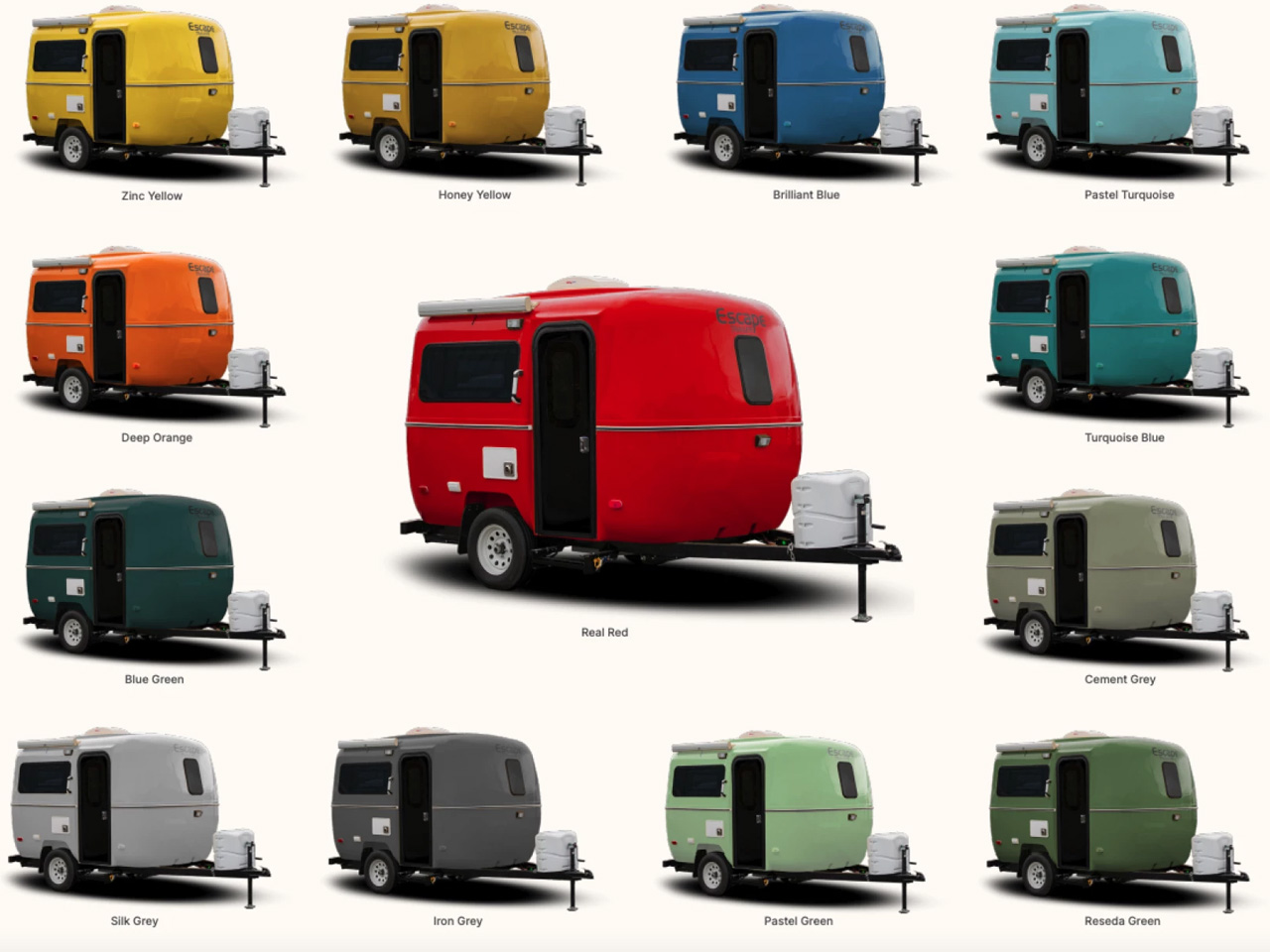
Purpose-built to tread off-the-paved-roads, Scamp X transforms the beloved egg camper into a serious off-roader, which the Escape 13 doesn’t really match up, but the latter’s interior makes up for it. On the outside, the two trailers are molded fiberglass shells but, on the inside, the E13 is created to maximize space and ensures small-scale camping is done right. If you love the vibe, the new trailer comes in 13 different exterior colors to choose from.

At 13 feet, the aerodynamic Escape 13 measuring 13’8” L x 6’7” W x 6’1” H is built on a single 3,500 lb. axle to make towing it easier even with smaller vehicles. With its dry weight of just 1,850 lbs and a GVWR of 2,500 lbs. the camper should be towable easily by small SUVs and even crossovers.

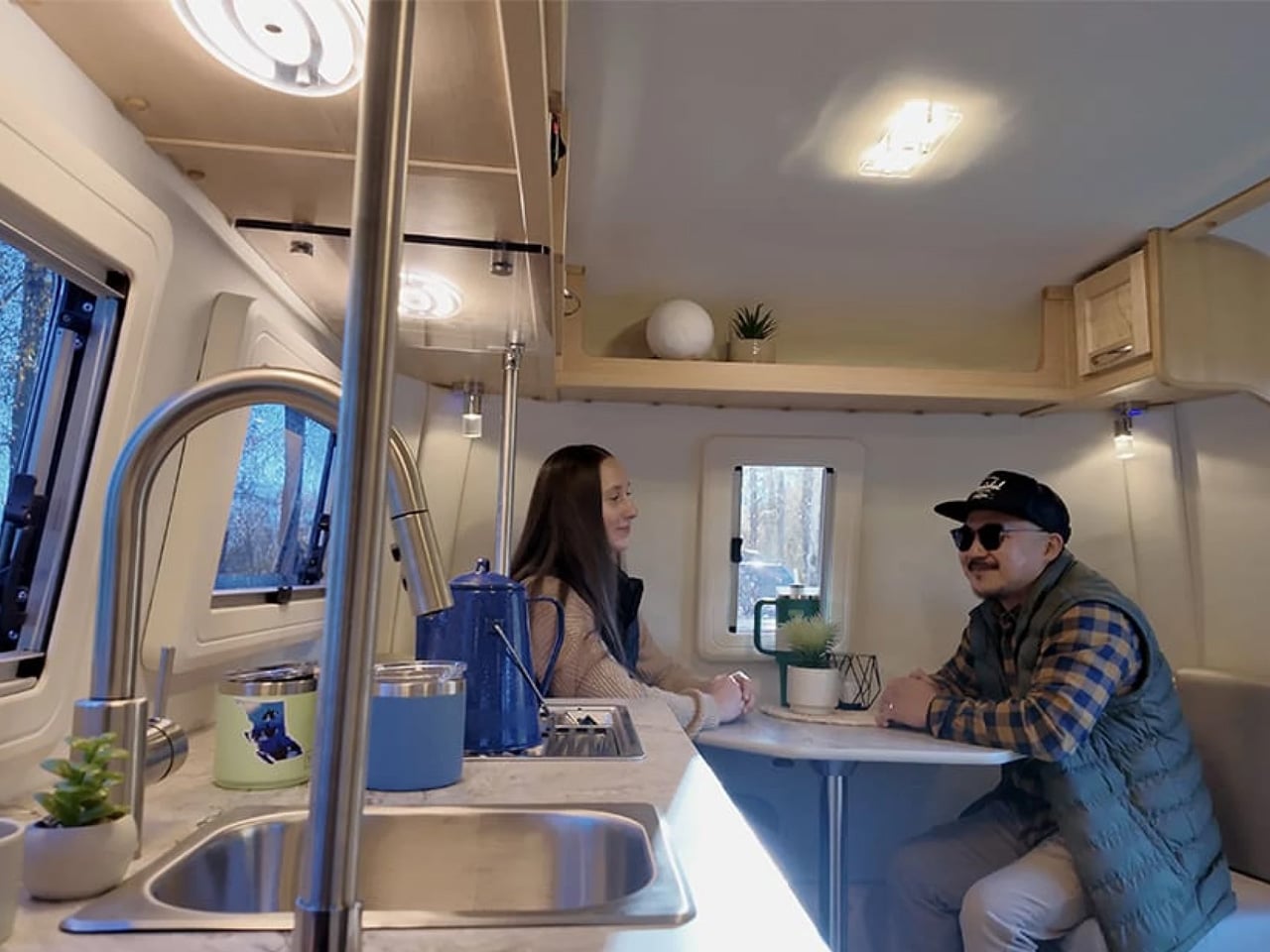
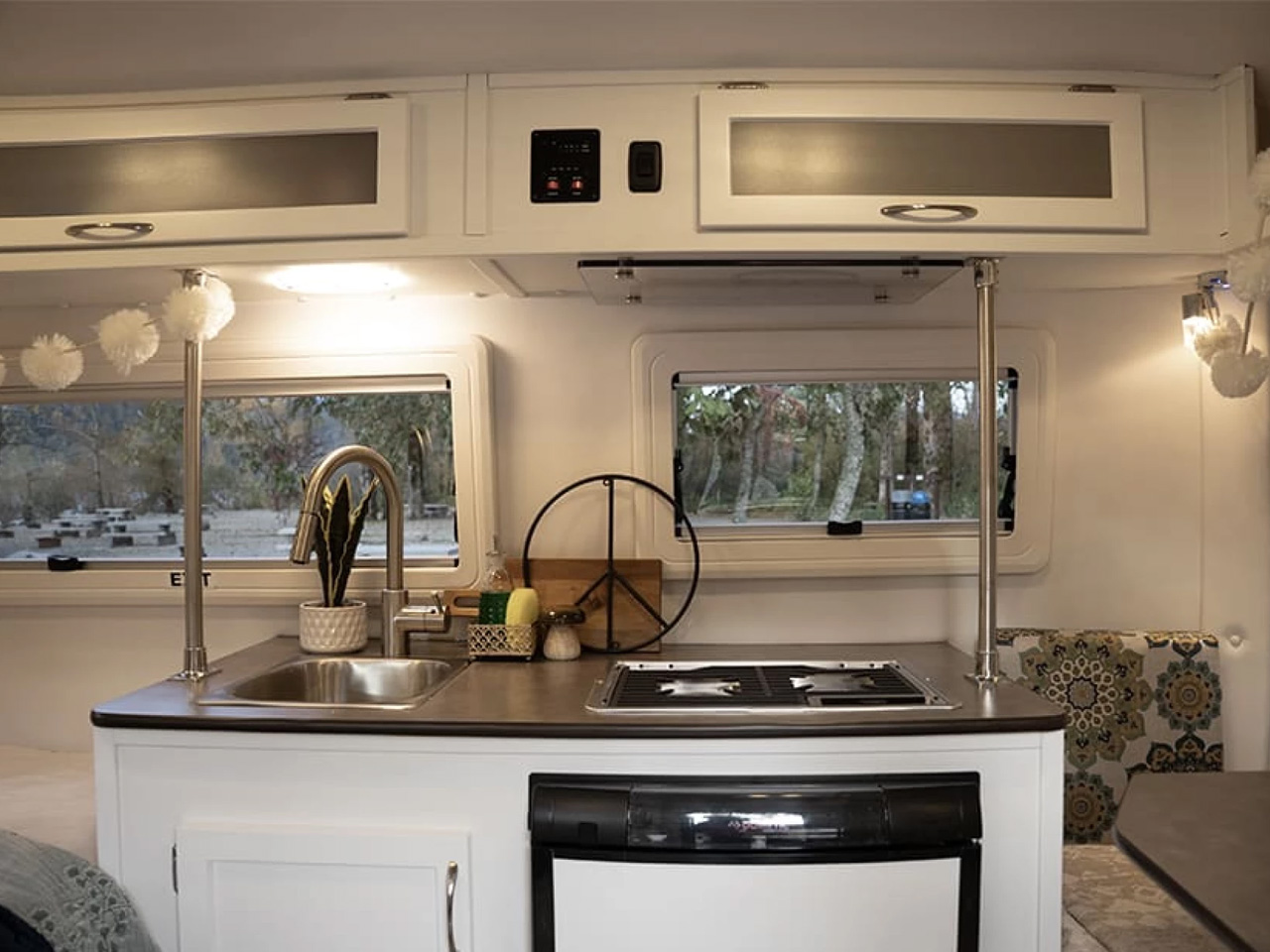
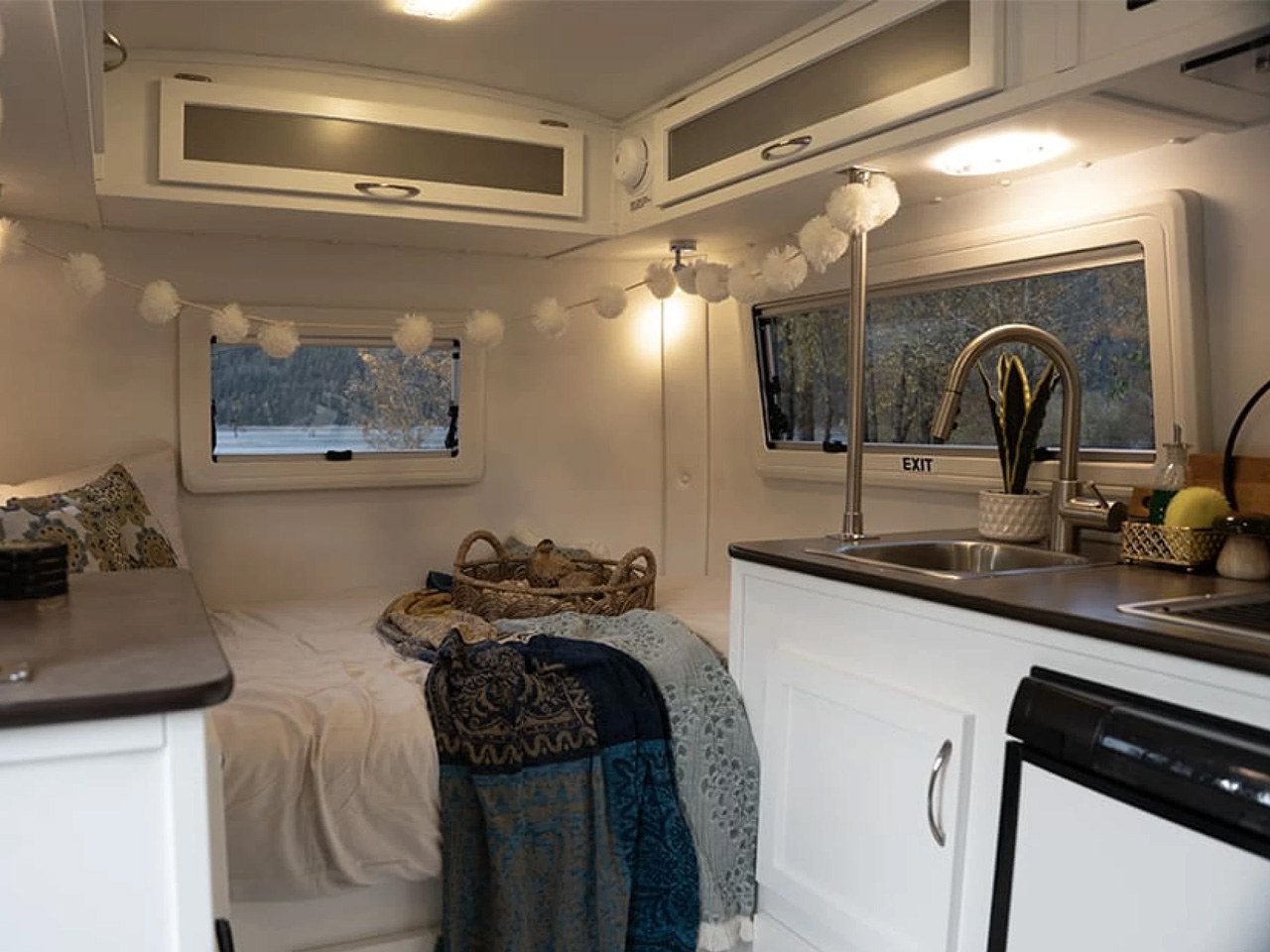
When you hop in through a side entry you witness a small, but surprisingly spacious interior that is planned to sleep three people comfortably. For this, the trailer is equipped with a double bed, a convertible dinette, and a well-equipped kitchen area. The compact galley kitchen has a dual burner stainless steel cooktop, a sink, and a 3 cu.ft. refrigerator.

A 12,000 BTU furnace keeps the residence in a cozy temperature, while Escape Trailer provides the E13 with porta potty that hides away from sight in one of the wooden cabinets. The maple wood cabinetry and overhead compartments span almost the entire part of the interior, sufficing the users’ storage requirements. The trailer features a screen door, while the acrylic windows allow natural light to make the interior feel slightly more expansive. All of this, Escape Trailers is making available starting at CA$33,600 ($24,000).

The post Escape Trailer’s 13-foot fiberglass egg trailer: fun adventures in a small package first appeared on Yanko Design.

7 Best Camping Gear Essentials for Weekend Warriors

Weekend camping trips have evolved beyond basic survival. Today’s outdoor enthusiasts expect gear that performs multiple functions, weighs practically nothing, and looks good doing it. The days of hauling clunky Coleman equipment into the wilderness are fading, replaced by thoughtfully engineered tools that blend form with serious function. Modern camping gear speaks a different language—one where aerospace aluminum meets compact portability, where vintage aesthetics hide cutting-edge technology.

The best weekend warriors understand that quality gear transforms a trip from an endurance test to genuine enjoyment. Every ounce matters when you’re hiking to your campsite. Every feature counts when you’re miles from the nearest outlet or hardware store. The seven essentials gathered here represent a new standard in outdoor equipment: beautifully designed, seriously capable, and built to handle everything from mild evenings to legitimate emergencies. These aren’t gadgets. They’re investments in better experiences outdoors.

1. Lumitwin DL700
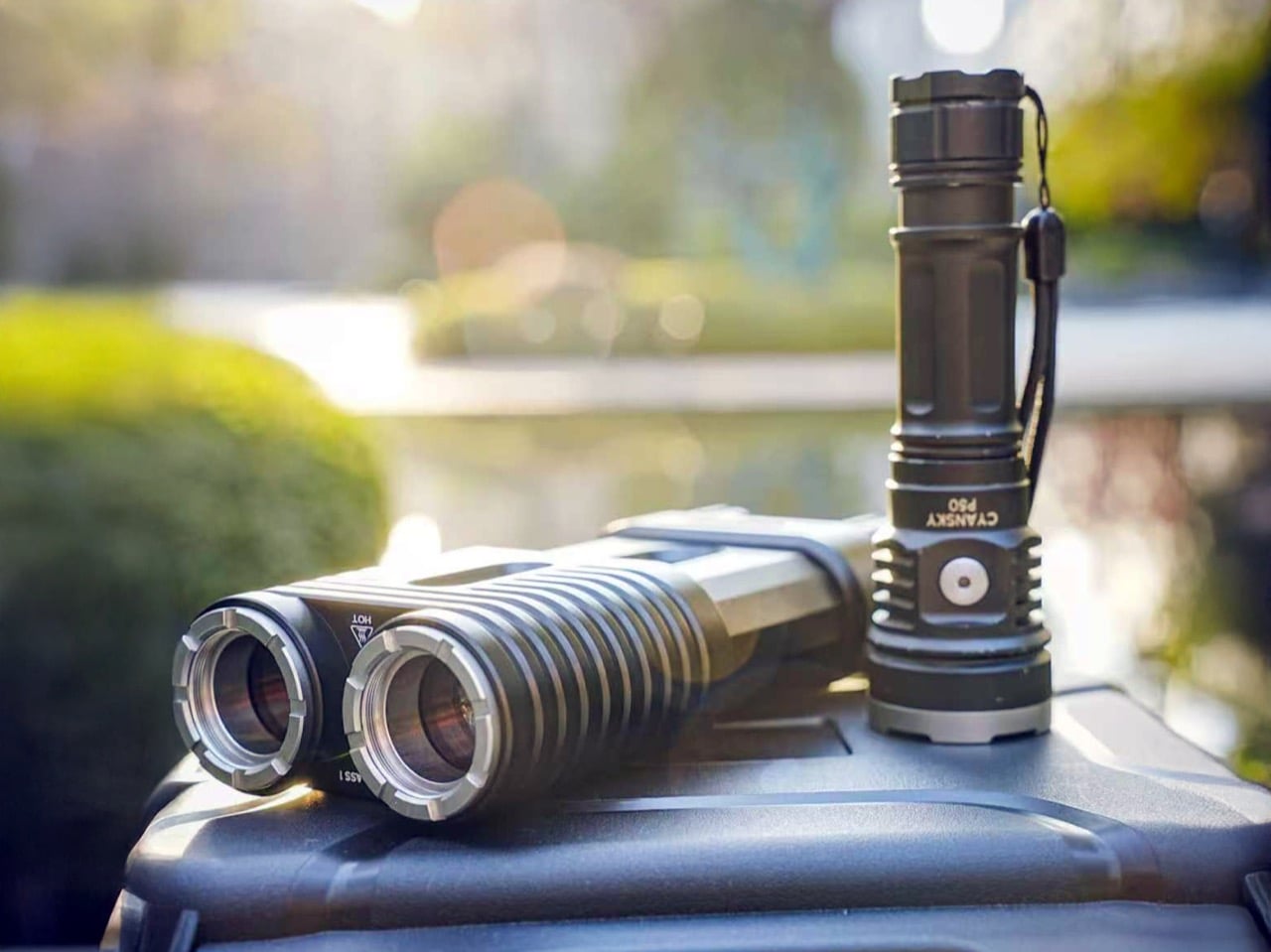
Most flashlights promise brightness. The Lumitwin DL700 delivers distance—an astonishing 2 kilometers of beam throw that turns night into navigable terrain. This isn’t achieved through brute-force LED arrays but through laser-excited phosphor modules housed in dual independently-controlled barrels. Each barrel operates separately, giving you precision control over where and how light gets deployed. The aerospace aluminum body weighs just over a kilogram, substantial enough to feel serious without becoming a burden clipped to your pack.

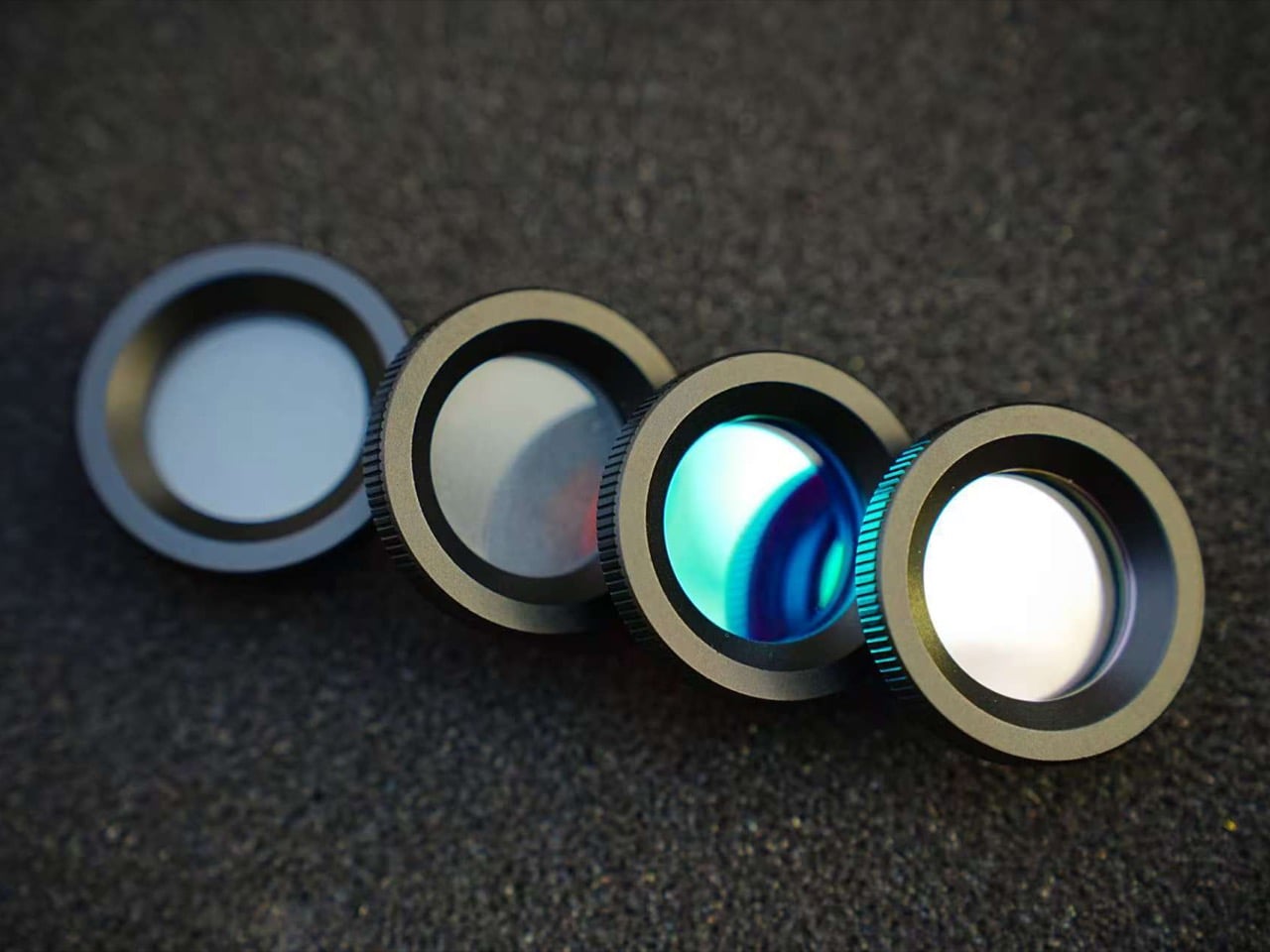
What sets this flashlight apart for weekend camping is its adaptability through swappable color filters. Red light preserves night vision around camp. Green cuts through fog on misty mornings. The flood filter transforms focused beams into area lighting when you need to illuminate your entire campsite. IP68 waterproofing means rain, river crossings, and accidental drops into streams won’t end your light source. The 1-meter drop rating ensures it survives the inevitable tumbles that come with outdoor adventure. This is engineered resilience meeting thoughtful design.

What we like

  • The 2-kilometer beam distance eliminates the anxiety of navigating unfamiliar trails after dark
  • Dual barrels with independent controls offer lighting flexibility that no single-beam flashlight can match

What we dislike

  • At over 1,000 grams, it’s heavier than ultralight backpackers typically prefer
  • The high-performance laser-excited phosphor technology comes with a premium price point

2. RetroWave 7-in-1 Radio

Behind its vintage Japanese aesthetic and tactile tuning dial sits genuinely useful modern technology wrapped in retro charm. The RetroWave pulls off the rare feat of looking like it belongs in a 1970s study while functioning like contemporary emergency equipment. Its seven functions—AM/FM/SW radio, Bluetooth speaker, MP3 player, flashlight, clock, power bank, and SOS alarm—make it the Swiss Army knife of communication and entertainment gear. That retro dial isn’t just decorative; it’s a genuinely satisfying way to tune analog stations without touchscreens or menus.

For weekend warriors, this radio solves the connectivity problem elegantly. Stream music via Bluetooth when you have a signal. Switch to stored MP3s from USB or microSD when you’re off-grid. The hand-crank and solar panel charging ensure you’re never completely powerless, even during extended trips. The built-in flashlight and SOS alarm transform it from an entertainment device to legitimate safety equipment. Its compact form fits easily into any camping setup, bringing both comfort and contingency planning into one beautifully designed package.

Click Here to Buy Now: $89.00

What we like

  • Seven genuinely useful functions in one device eliminate the need for multiple gadgets
  • Hand-crank and solar charging provide power independence when you’re far from outlets

What we dislike

  • The vintage aesthetic may not appeal to minimalists who prefer sleek modern design
  • Shortwave radio feels somewhat redundant for typical weekend camping scenarios

3. Airflow 8-Panel Fire Pit

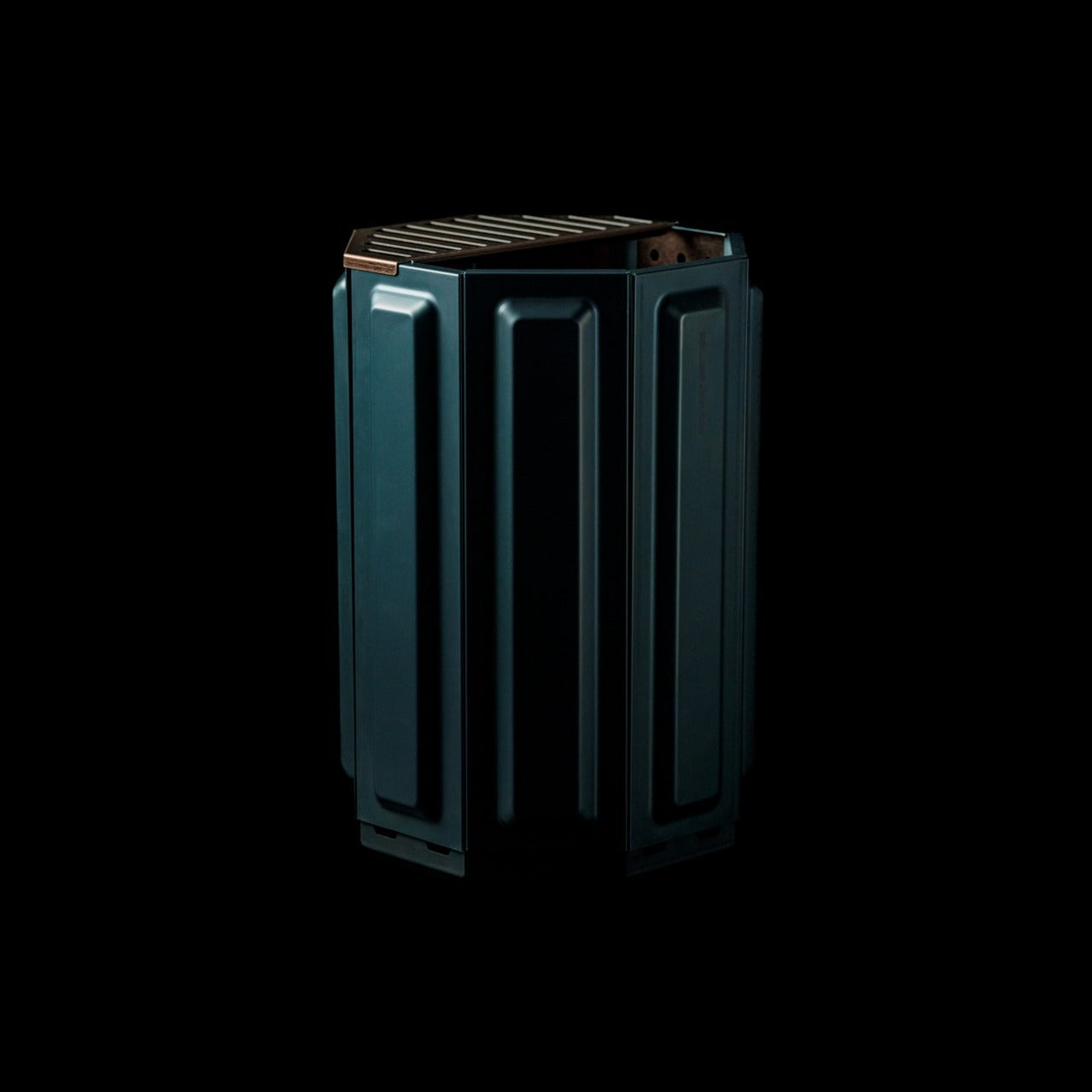
Traditional campfires demand constant attention—poking, prodding, repositioning logs to maintain flames while managing smoke that invariably blows in your face. Sanyo Works reimagined this ancient ritual with engineering precision. Their eight-panel removable fire pit system creates adjustable secondary combustion, fundamentally changing how efficiently wood burns. Fresh air enters through strategically positioned holes at each panel’s base, then ascends through double-walled cavities where it heats before expelling from top vents. This creates a secondary burn that consumes smoke particles before they escape.

The genius lies in adjustability. All eight panels assembled create maximum secondary combustion—hotter fire, minimal smoke, perfect for cooking or cold nights. Remove panels to reduce intensity for ambient warmth without cooking-level heat. The system self-regulates based on your configuration, giving control without complexity. Cleanup becomes genuinely simple since efficient combustion leaves less ash and residue. For weekend warriors who want campfire ambiance without campfire hassle, this represents a significant upgrade over traditional fire rings. It’s campfire culture refined through thoughtful design and metalworking expertise.

Click Here to Buy Now: $325.00

What we like

  • Adjustable panel system provides unprecedented control over fire intensity and smoke output
  • Secondary combustion technology delivers cleaner burns with significantly less ash and residue

What we dislike

  • The eight-panel system adds bulk compared to simple collapsible fire rings
  • Higher initial cost than basic camping fire solutions

4. Compact Modular Grill Plate
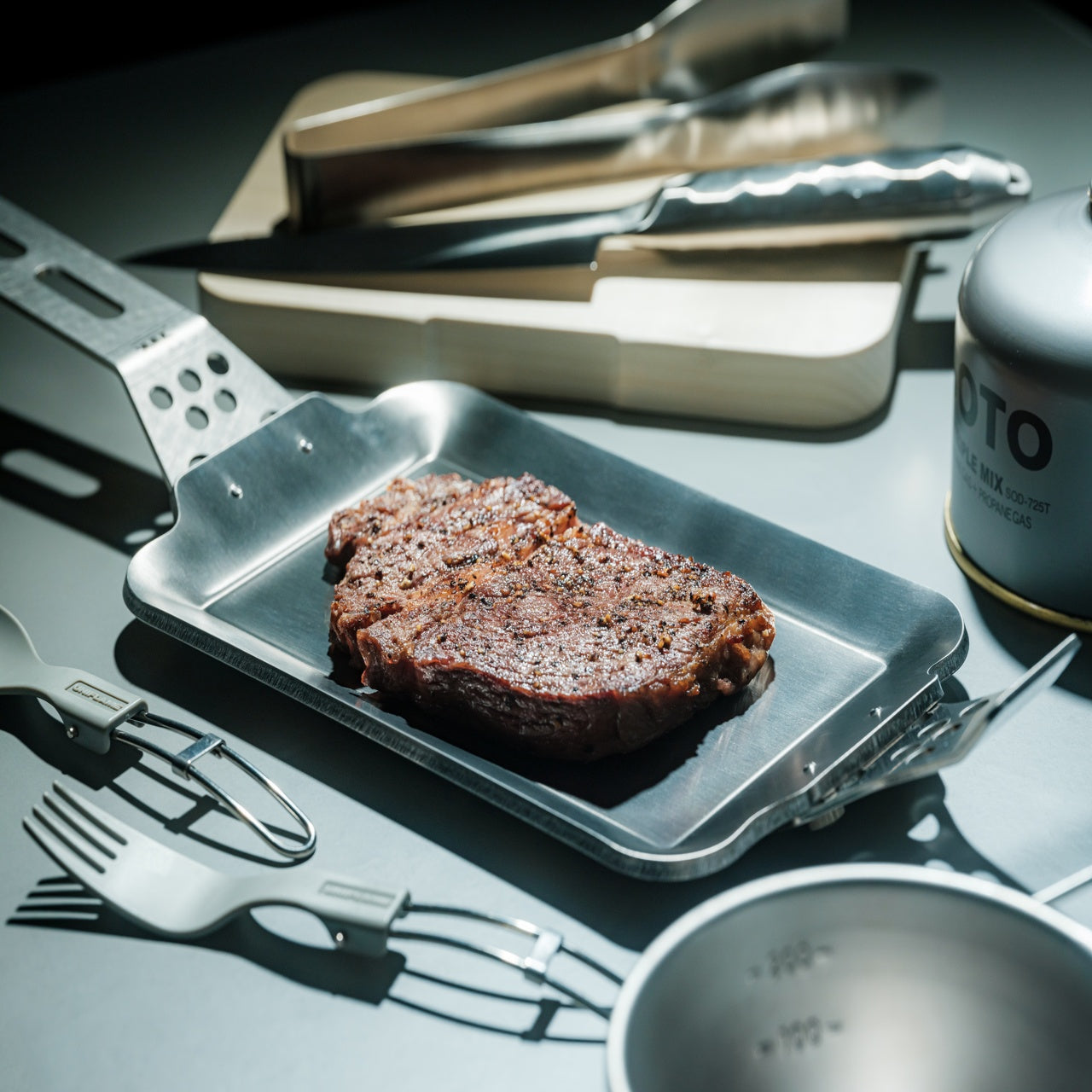
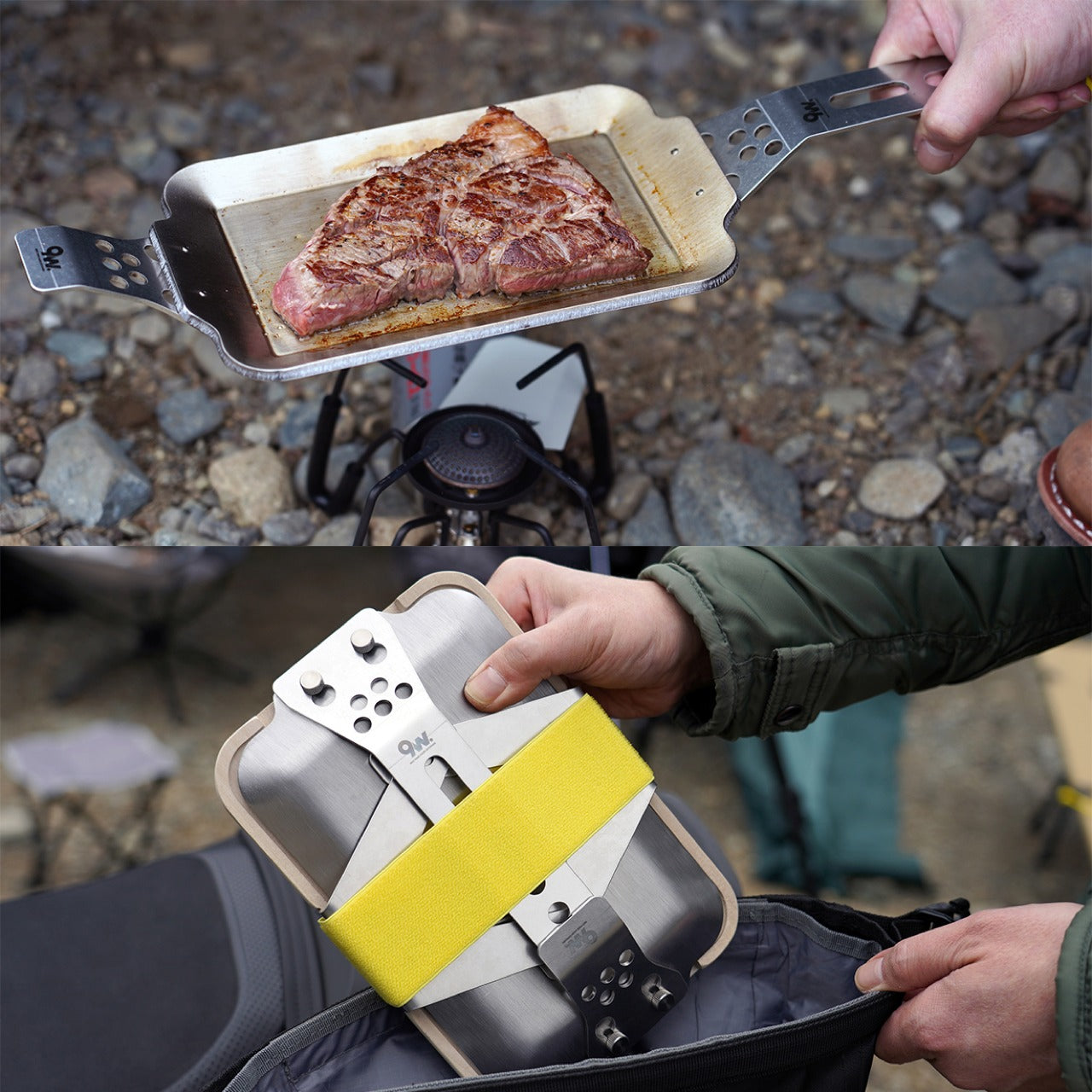
Camp cooking typically involves uneven heating, flare-ups, and food that’s simultaneously burnt and undercooked. This modular grill plate solves the fundamental problem through a three-layer steel construction that distributes heat uniformly across its entire surface. The engineering creates consistent temperature zones, eliminating hot spots that char one side while leaving the other raw. The plate works equally well over unstable bonfires, gas camp stoves, or induction cooktops back home, making it genuinely versatile equipment.

The modular design shines in practical use. Handles swap out depending on your cooking situation—grab the appropriate configuration for direct flame or stable stovetop cooking. Everything breaks down into compact form for transport, fitting easily into camping gear without wasted space. Cleanup becomes straightforward since the flat surface has no crevices or grates where food debris hides. The three-layer construction means this plate will outlast dozens of camping seasons without warping or degrading. It transforms camp cooking from a chore into a genuine culinary opportunity.

Click Here to Buy Now: $89.00

What we like

  • Three-layer steel construction eliminates hot spots for consistently cooked food
  • Swappable handles and compact storage make it truly practical for varied camping situations

What we dislike

  • The solid plate design limits the ability to cook over open flames, the way traditional grill grates do
  • Weight from the three-layer construction adds heft compared to ultralight camping cookware

5. 8-in-1 EDC Scissors

Multi-tools often sacrifice quality for quantity, cramming mediocre versions of many functions into unwieldy packages. These palm-sized scissors flip that equation—they’re genuinely excellent scissors that happen to include seven additional capabilities. At just 13 centimeters, they disappear into pockets or pack compartments while delivering knife, lid opener, can opener, cap opener, bottle opener, shell splitter, and degasser functions. The oxidation film coating provides rust resistance critical for outdoor gear while adding a handsome matte black finish.

The brilliance lies in maintaining scissor quality while adding utility. These cut properly through packaging, rope, fabric, food—without the awkward compromises typical of combination tools. The additional functions feel natural rather than forced, positioned where your hands naturally grip during use. For weekend camping, this becomes the tool you reach for constantly: opening packages, cutting cord for tent guy-lines, preparing food, and opening beverages. It’s the kind of simple, elegant solution that seems obvious only after someone’s designed it. Compact capability without complexity.

Click Here to Buy Now: $59.00

What we like

  • Maintains excellent scissor functionality while adding seven useful tools in a palm-sized form
  • Oxidation coating provides rust resistance and an attractive finish, perfect for outdoor conditions

What we dislike

  • The compact 13cm size may feel small for users with larger hands
  • Individual tools sacrifice some capability compared to dedicated single-purpose versions

6. TriBeam Camp Light
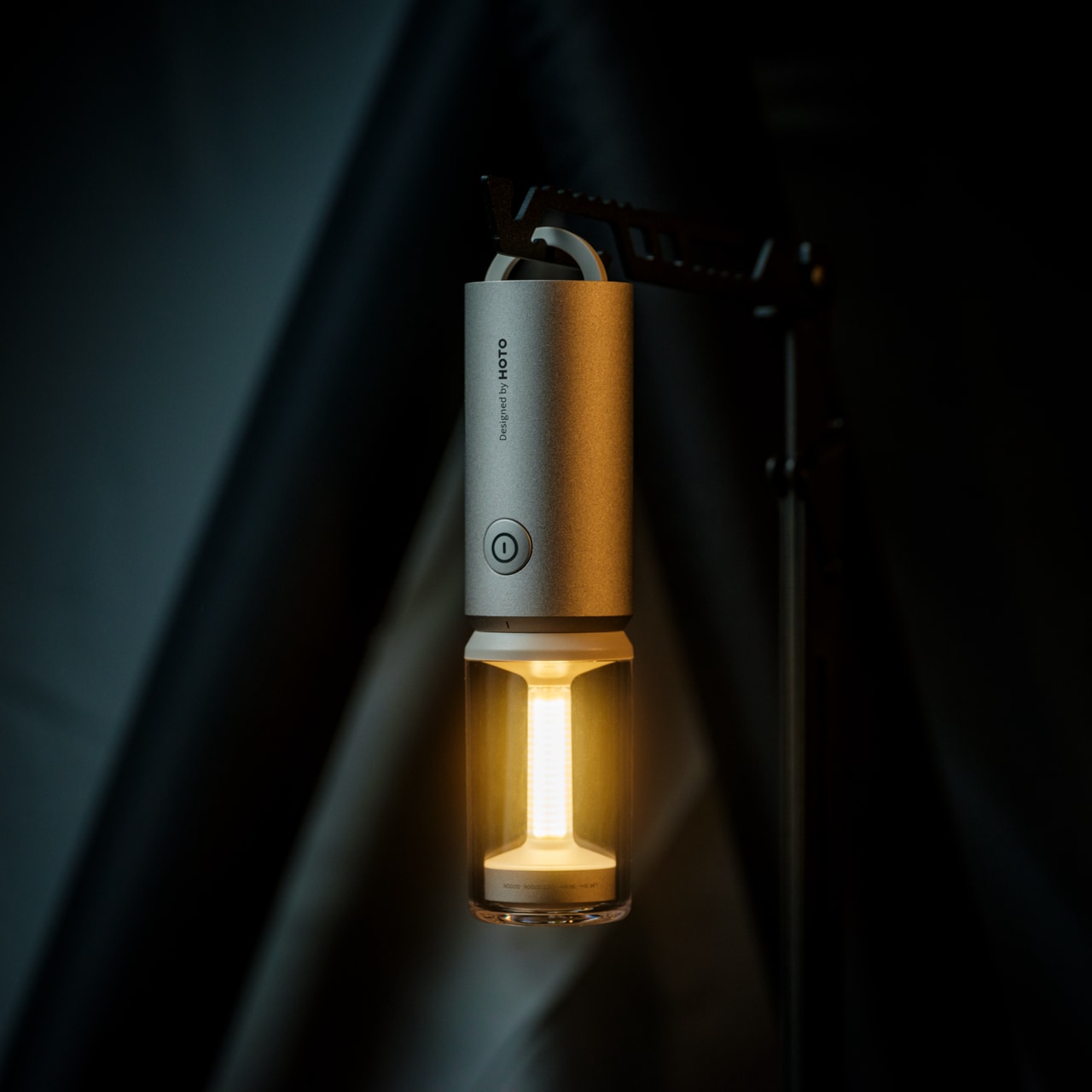
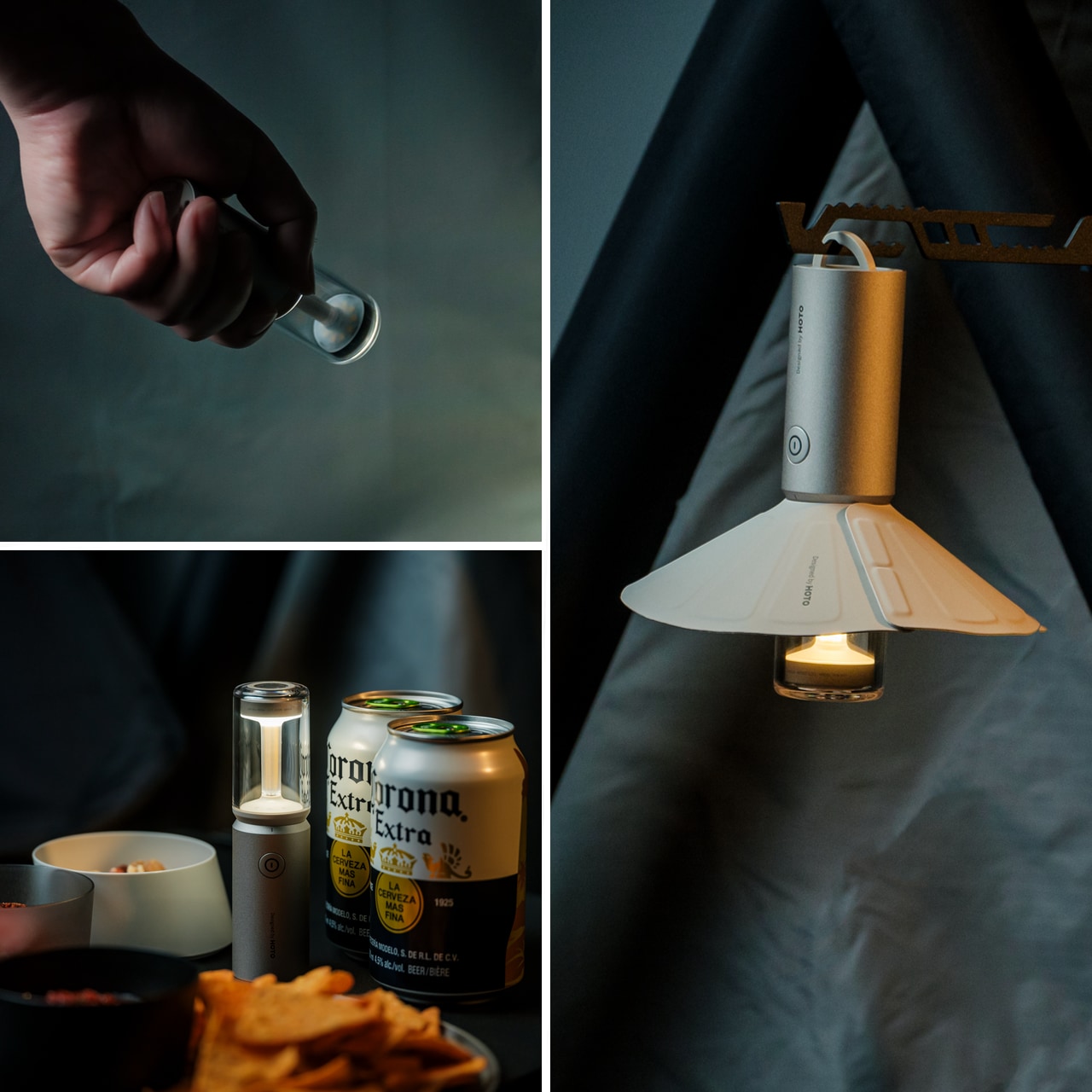
Lighting for camping requires three distinct modes: focused beam for navigation, diffused area light for camp activities, and soft ambient glow for winding down. Most camping lights force you to choose one or carry multiple devices. The TriBeam delivers all three in an award-winning design that weighs just 135 grams and stands 12.8 centimeters tall. A single intuitive button cycles through Camping, Ambient, and Flashlight modes. Brightness adjusts from a gentle 5-lumen glow to a powerful 180-lumen focused beam.

The runtime impresses—up to 50 hours on a single charge, depending on brightness settings. For weekend trips, that typically means charging once before departure, then forgetting about power management entirely. The compact build slips into jacket pockets or pack side compartments, always accessible when light conditions change. The design earned awards not through gimmicks but through solving the fundamental lighting problem elegantly: one light, three genuinely useful modes, beautiful industrial design. It’s the kind of gear that enhances experiences simply by working perfectly when you need it.

Click Here to Buy Now: $65.00

What we like

  • Three distinct lighting modes cover every camping scenario, from trail navigation to ambient evening light
  • Up to 50 hours of runtime eliminates anxiety about battery life during weekend trips

What we dislike

  • Maximum 180-lumen output may feel insufficient for users accustomed to ultra-bright tactical lights
  • Single-button control through three modes and multiple brightness levels has a learning curve

7. DraftPro Top Can Opener

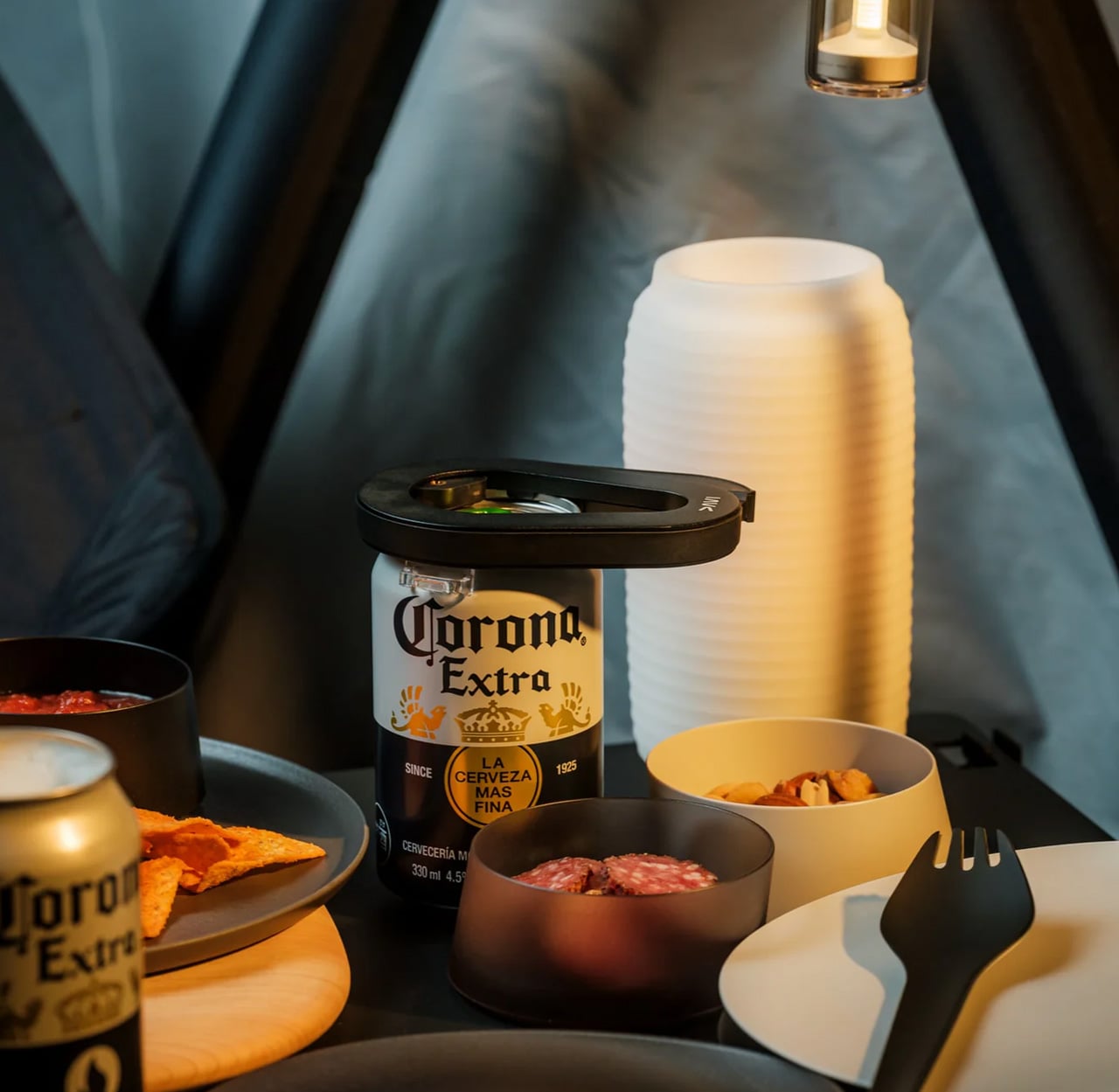
Most camping gear focuses on survival and function. DraftPro focuses on experience. This award-winning can opener from Japanese designer Shu Kanno completely removes can tops, transforming canned beverages into glass-like drinking vessels. The wide-mouth opening releases aromatics and allows taste to develop fully rather than funneling liquid through a small opening. The smooth edge eliminates the sharp rim typical of conventional openers, making drinking genuinely pleasant.

Beyond elevating beer and sparkling water, DraftPro adds practical versatility. Drop ice directly into opened cans for rapid cooling on hot days when your cooler isn’t keeping up. Mix cocktails directly in the can without dirtying shakers or glasses—combine ingredients, stir, enjoy, then recycle. The lightweight design packs easily, works with domestic and international can sizes, and requires no particular technique to operate. It’s the rare piece of camping gear that improves everyday enjoyment rather than just solving problems. Weekend warriors who appreciate their beverages will find that this changes the camping drink experience entirely.

Click Here to Buy Now: $59.00

What we like

  • Complete top removal creates a glass-like drinking experience that enhances aroma and flavor
  • Enables direct ice addition and in-can cocktail mixing for expanded beverage options

What we dislike

  • Adds another single-purpose tool to packing lists for minimalist campers
  • Smooth edges still require careful handling despite being safer than traditional can openings

Bringing It All Together

Modern camping gear has reached a fascinating inflection point where design excellence and functional capability merge seamlessly. The seven essentials gathered here represent this evolution—tools that perform beautifully because they’re designed thoughtfully, not despite it. Each piece solves specific problems weekend warriors actually encounter: inadequate lighting, communication gaps, inefficient fires, uneven cooking, missing tools, versatile illumination needs, and enhanced drinking experiences. These aren’t luxuries. They’re refinements that transform outdoor time from roughing it to genuinely enjoying it.

The best gear becomes invisible through perfect function. You stop noticing the flashlight’s weight because its beam lets you navigate confidently. The radio disappears into camp routine, providing exactly what you need when you need it. Fire, cooking, lighting, and convenience all happen smoothly, letting you focus on why you’re outside in the first place. Weekend warriors understand this truth: quality gear doesn’t diminish the outdoor experience through over-engineering. It enhances it by removing friction between intention and enjoyment. Invest in tools that work beautifully, and every weekend becomes better spent.

The post 7 Best Camping Gear Essentials for Weekend Warriors first appeared on Yanko Design.

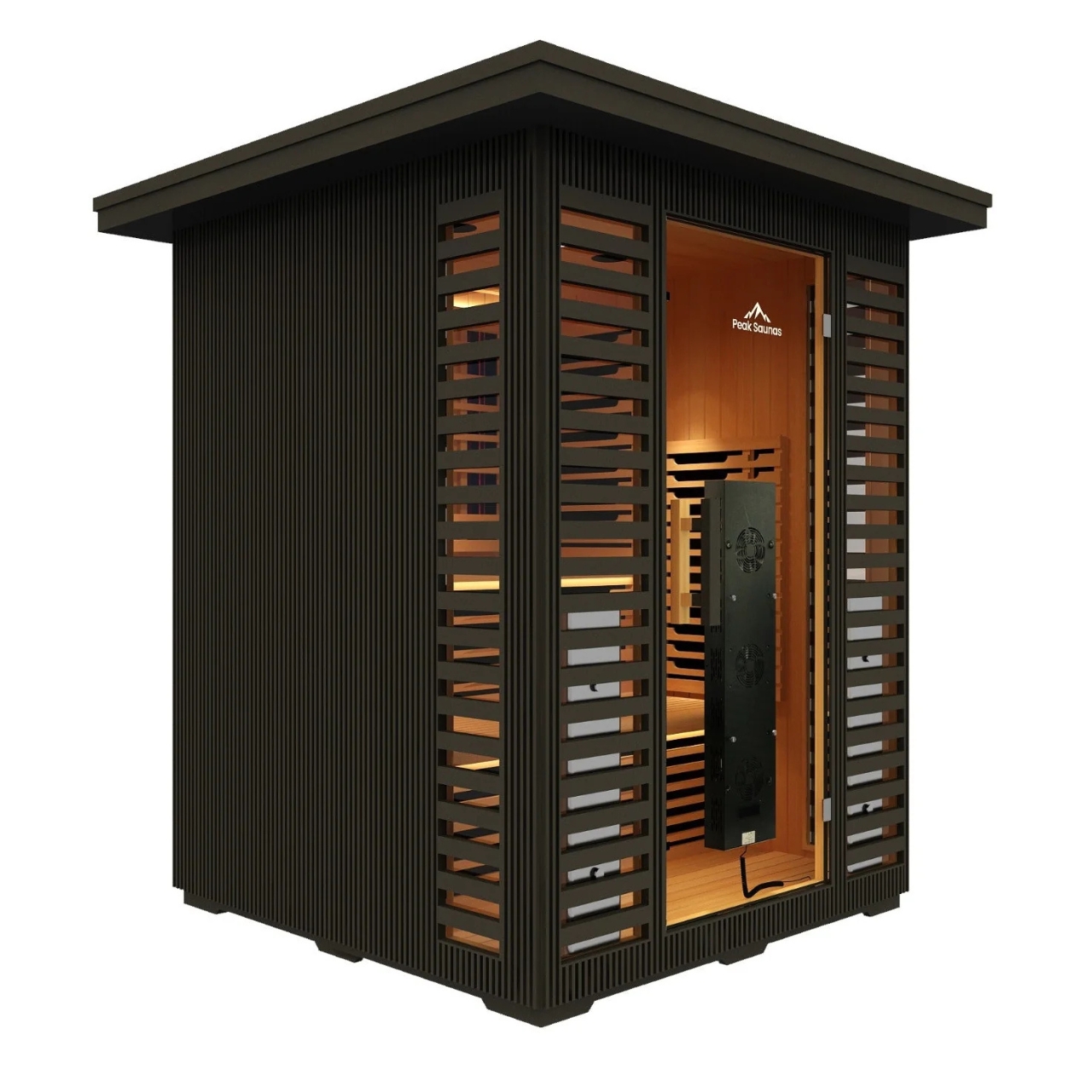
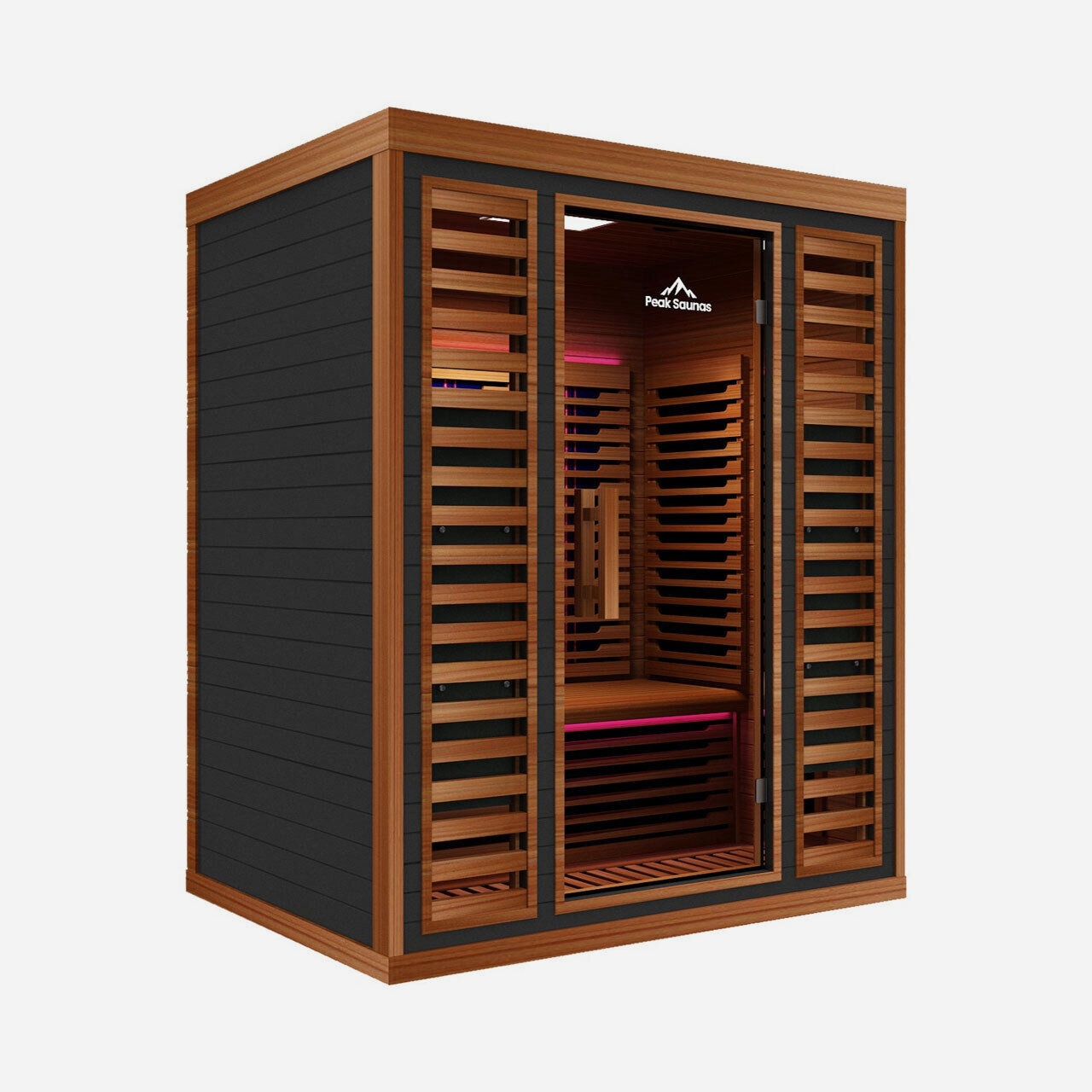
Peak Saunas Pack Medical-Grade Wellness Tech Into Your Home

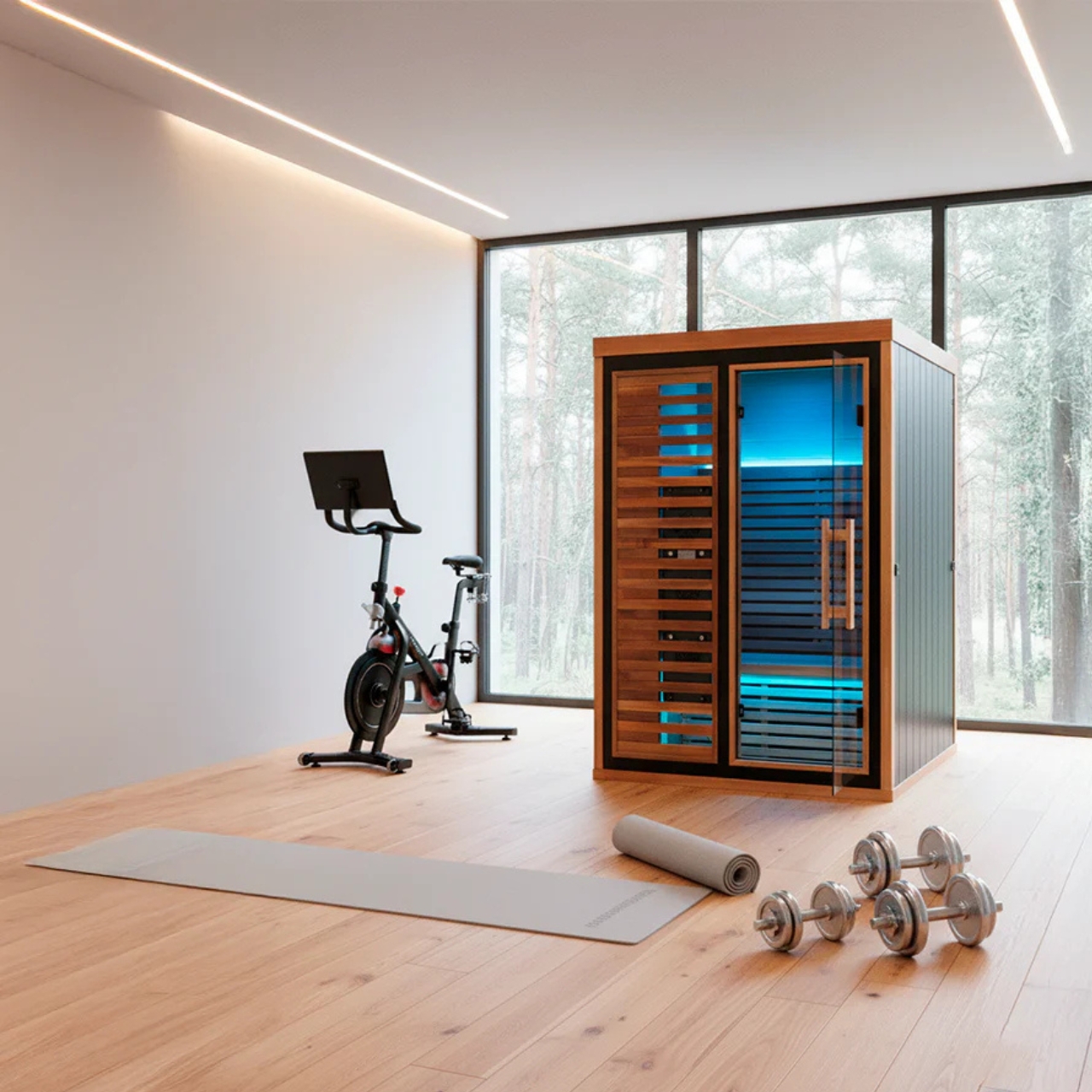
Remember when saunas were those wooden boxes at the gym that smelled faintly of eucalyptus and other people’s sweat? Yeah, those days are over. Peak Saunas is changing the game with infrared saunas that look like they belong in a luxury wellness retreat, not your basement.

Here’s the thing about Peak Saunas: they’ve managed to pack every feature you’d expect to pay thousands extra for into sleek, minimalist designs that actually fit in modern homes. We’re talking medical-grade red light therapy, WiFi app control, oxygen ionizers, and upgraded Bluetooth speakers, all included as standard. Most premium brands would nickel and dime you for these add-ons, but Peak just builds them in from the start.

Designer: Peak Sauna

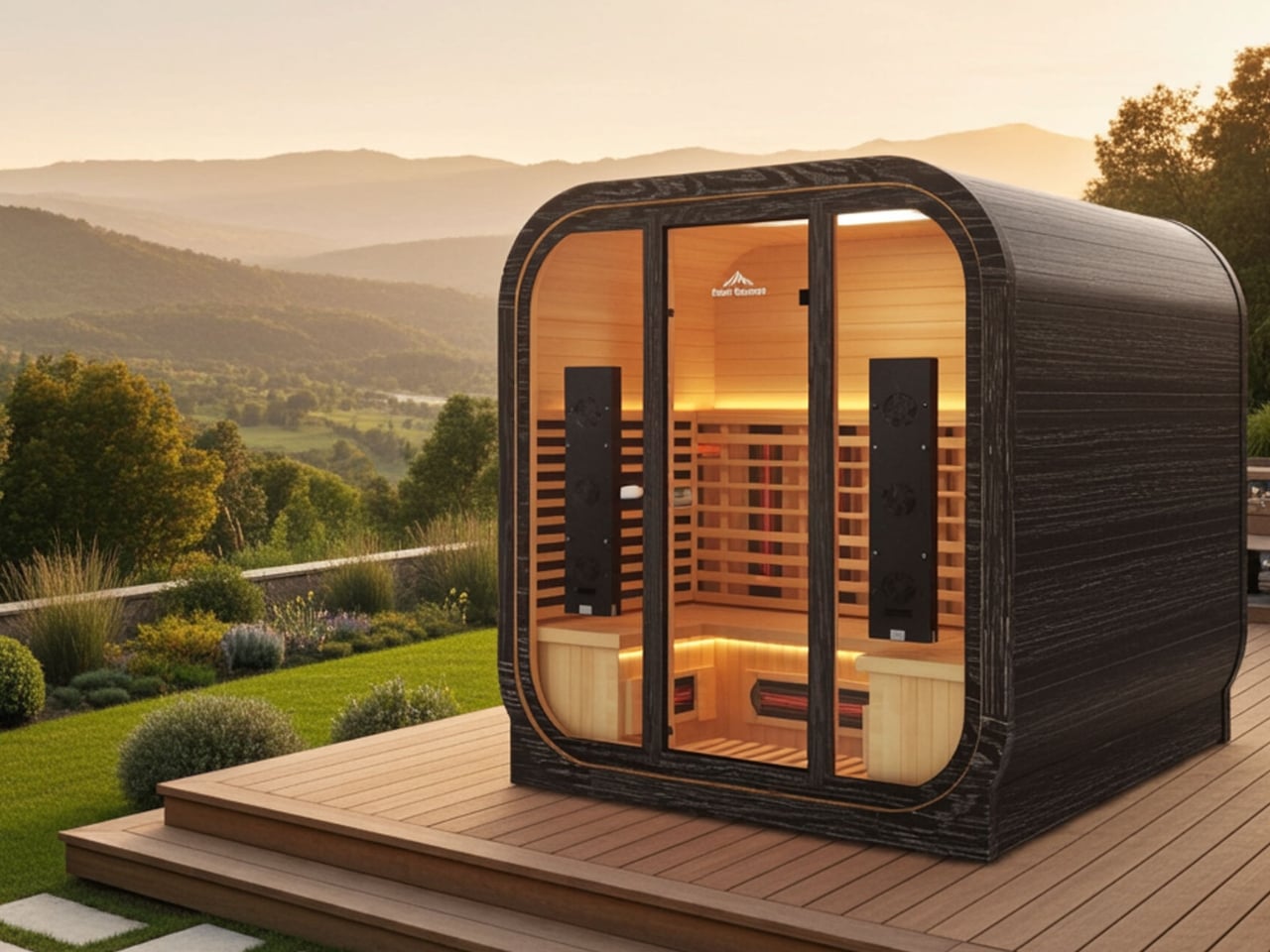
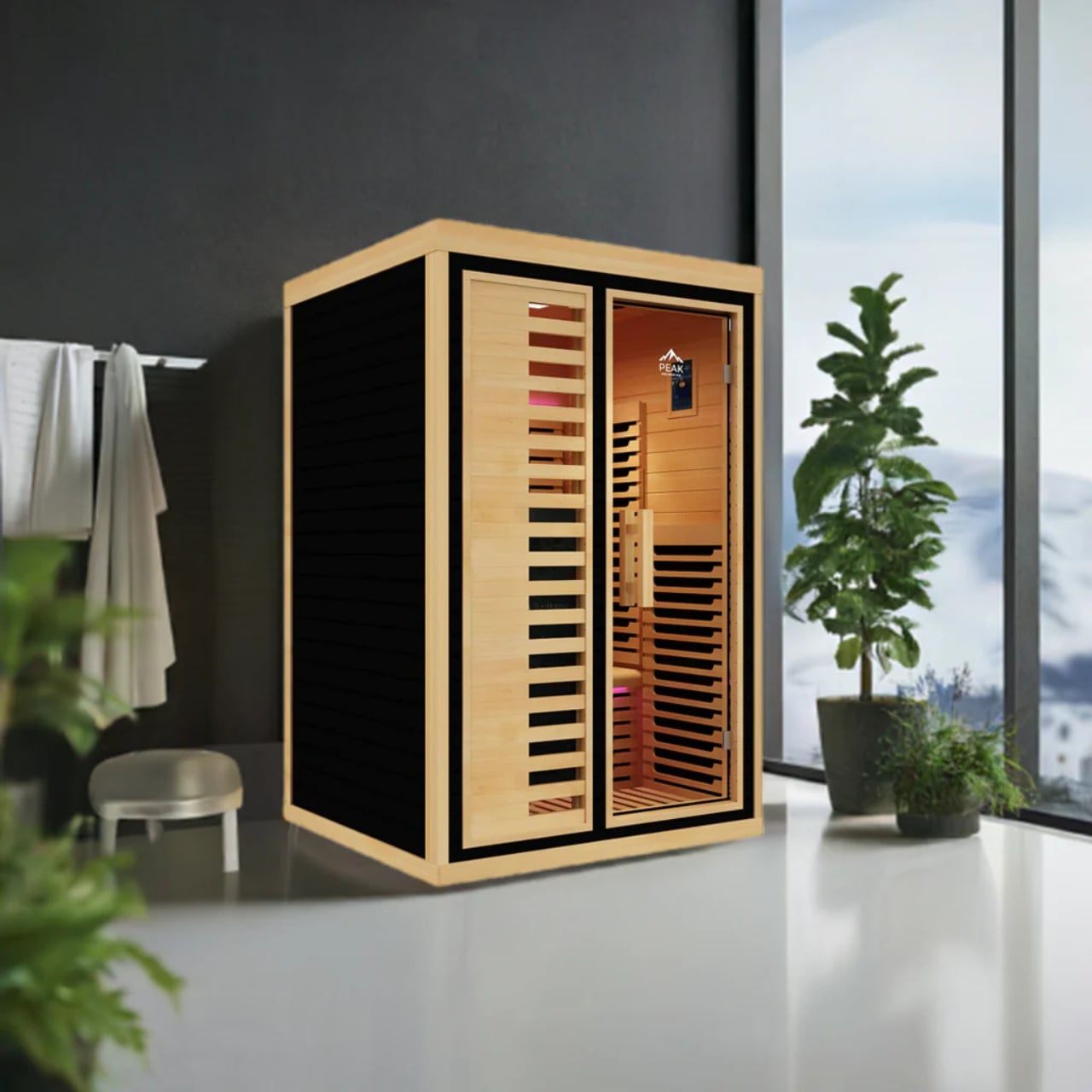
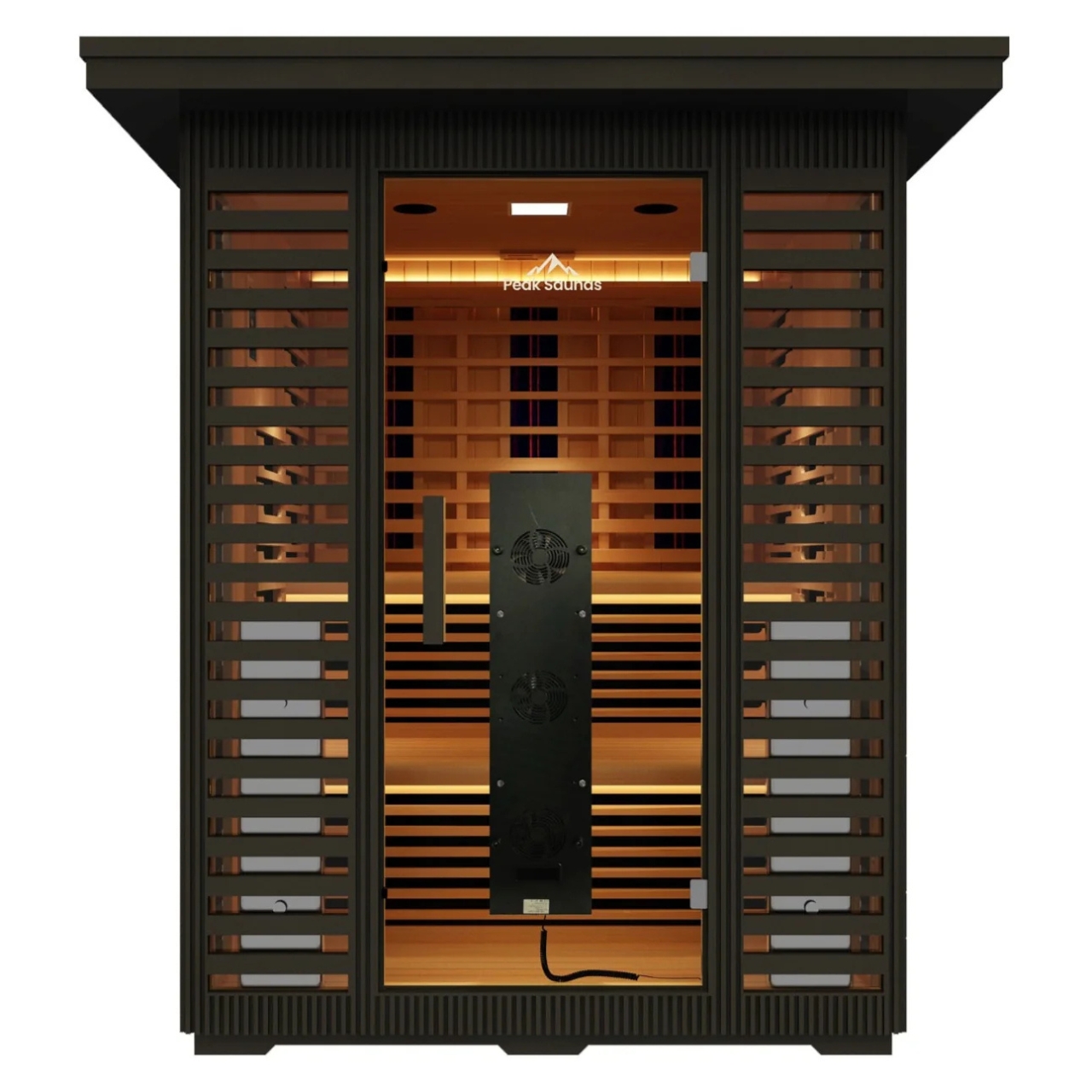
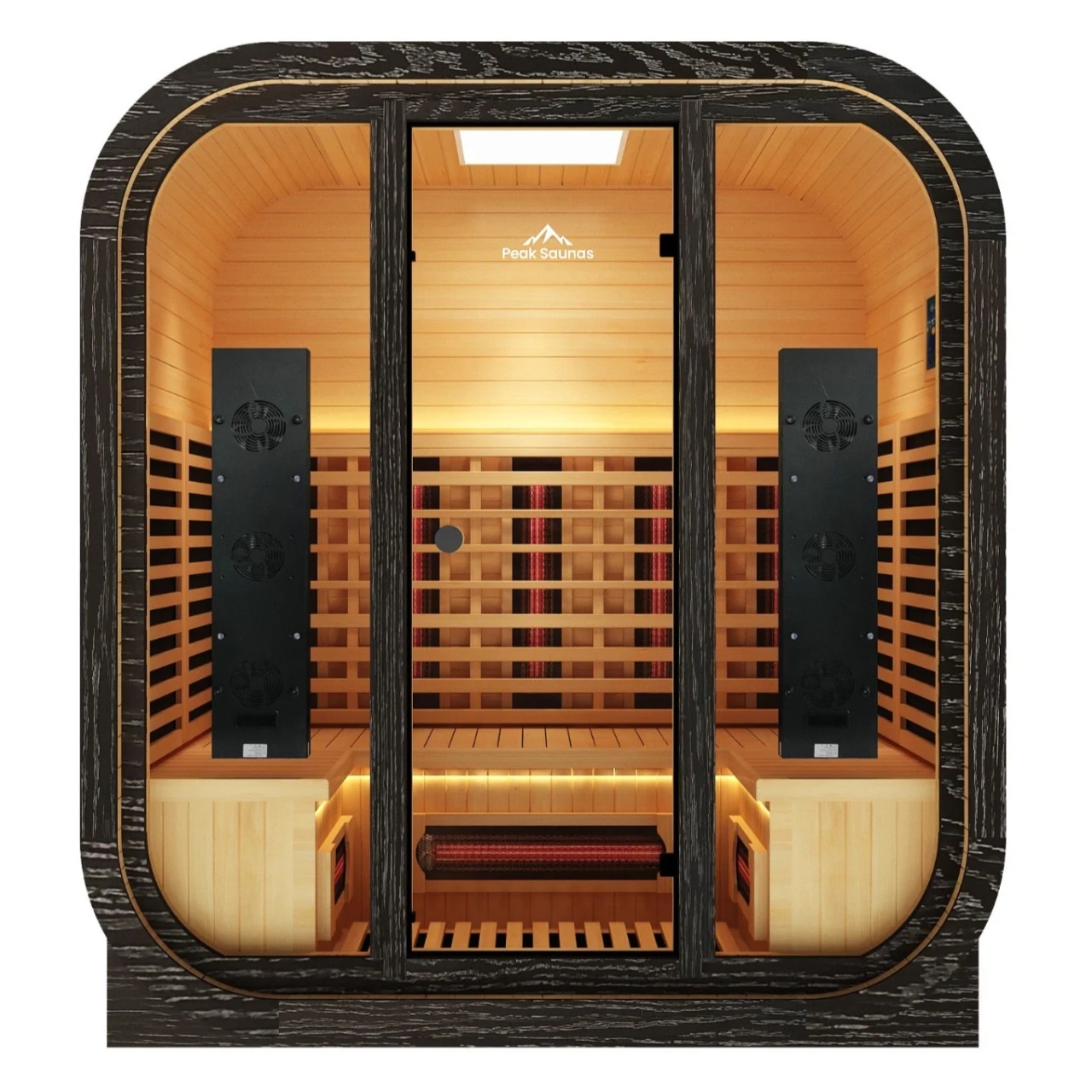
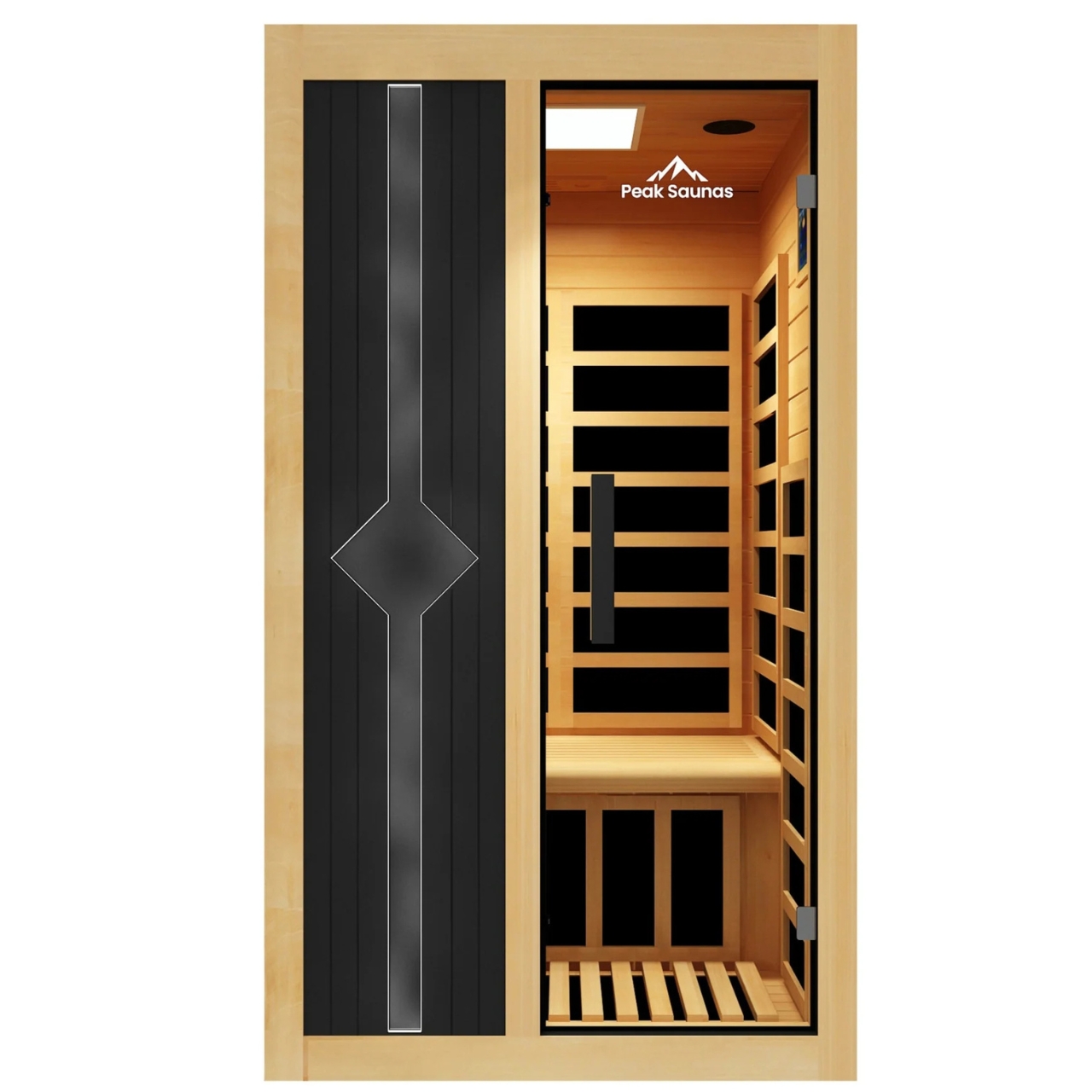
The lineup ranges from solo sanctuaries to couple-friendly spaces. The Rainier and Shasta are perfect one-person pods, while the Fuji and Everest offer two-person capacity for those who prefer company during their sweat sessions. If you’ve got the space and want to go all in, the Denali and Matterhorn models comfortably fit three people. And for the bold? There’s even the Patagonia, an outdoor model designed to handle whatever weather you throw at it.

What makes these saunas genuinely interesting from a design perspective is how they’ve solved the assembly problem. Anyone who’s ever tried to build flat-pack furniture knows the special kind of frustration that comes with cryptic instructions and missing hardware. Peak uses a modular, snap-together system with tongue-and-groove panels that apparently goes together so smoothly even non-DIY types can handle it. No special tools, no construction expertise required. Just you, the instructions, and maybe a friend to help hold things steady.

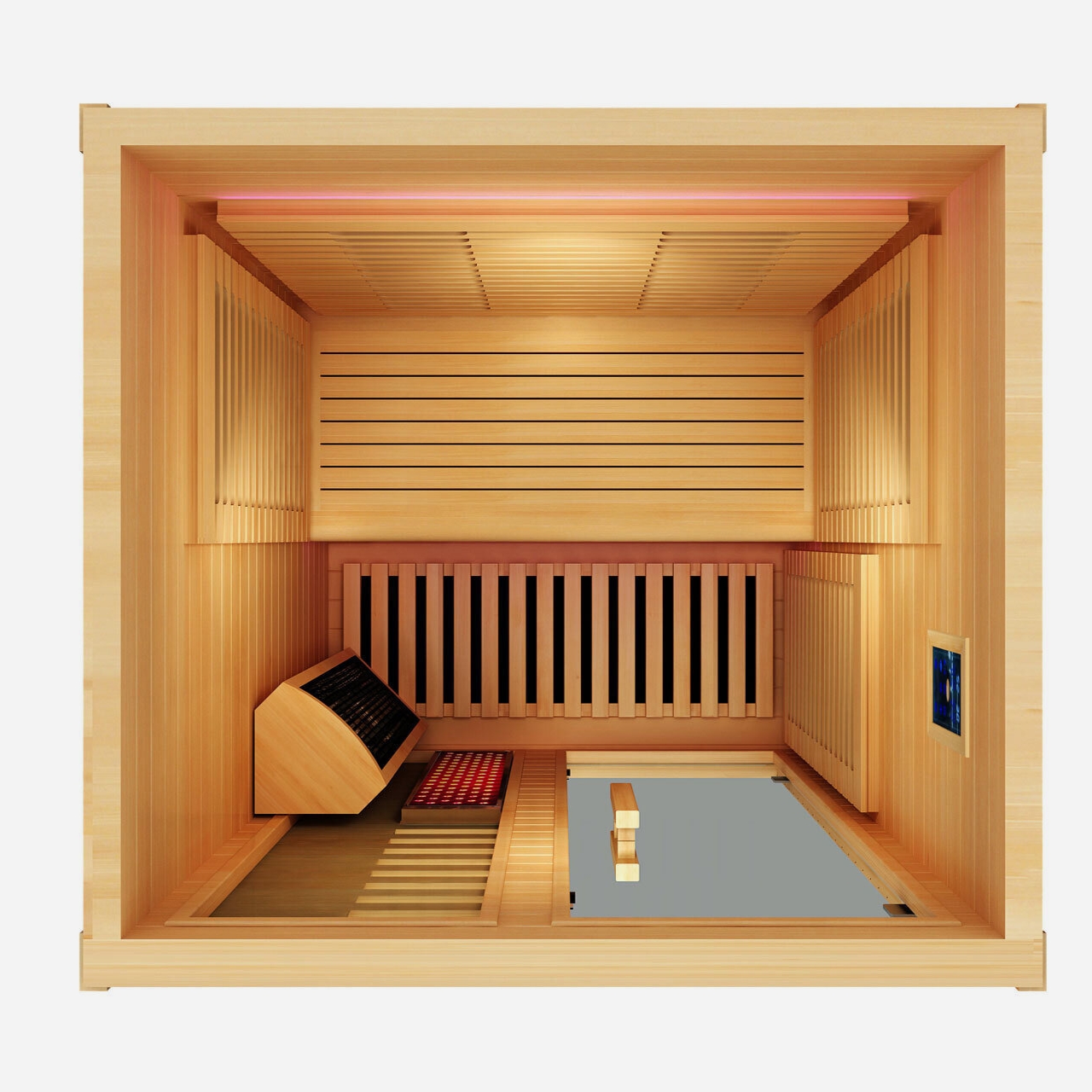
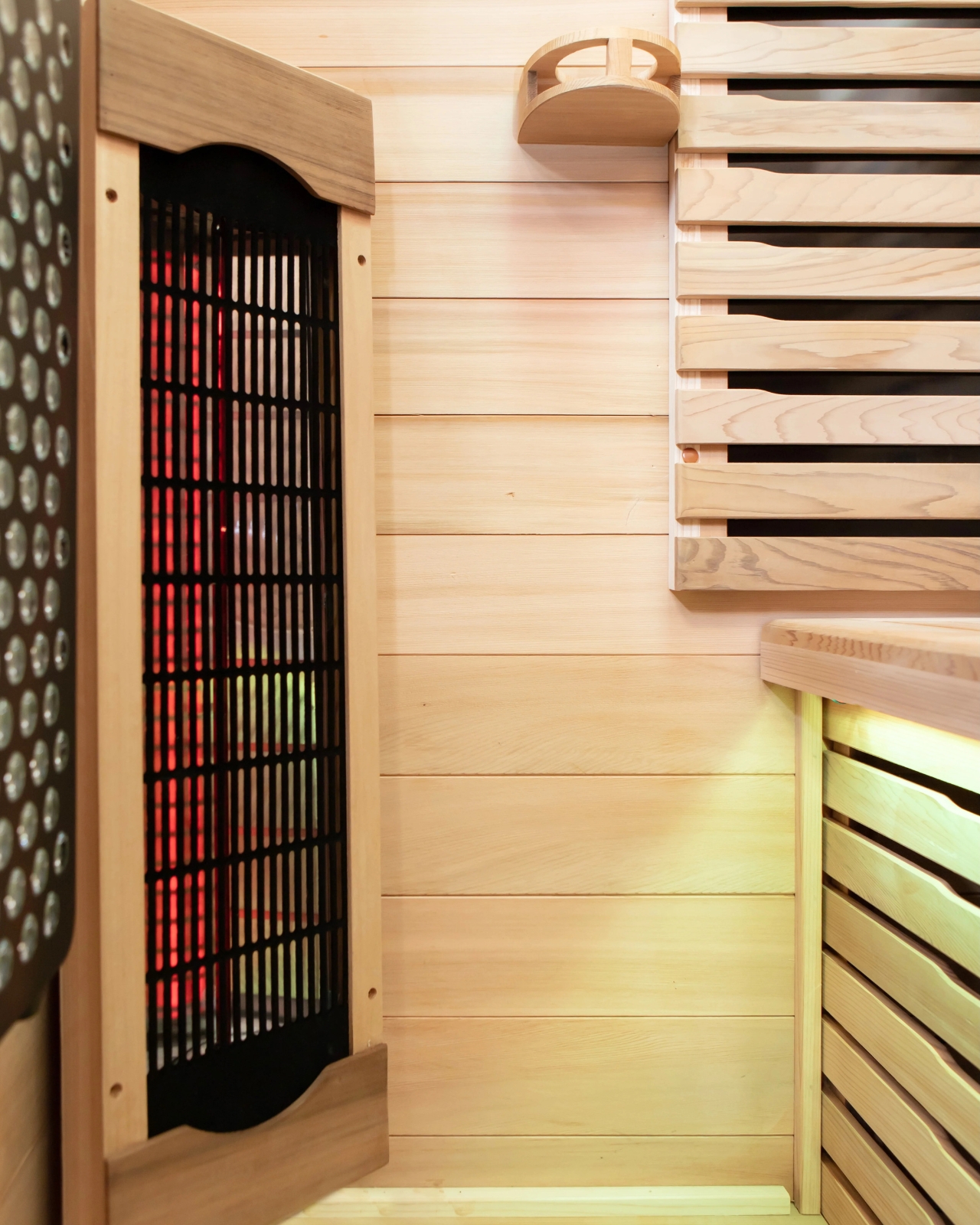
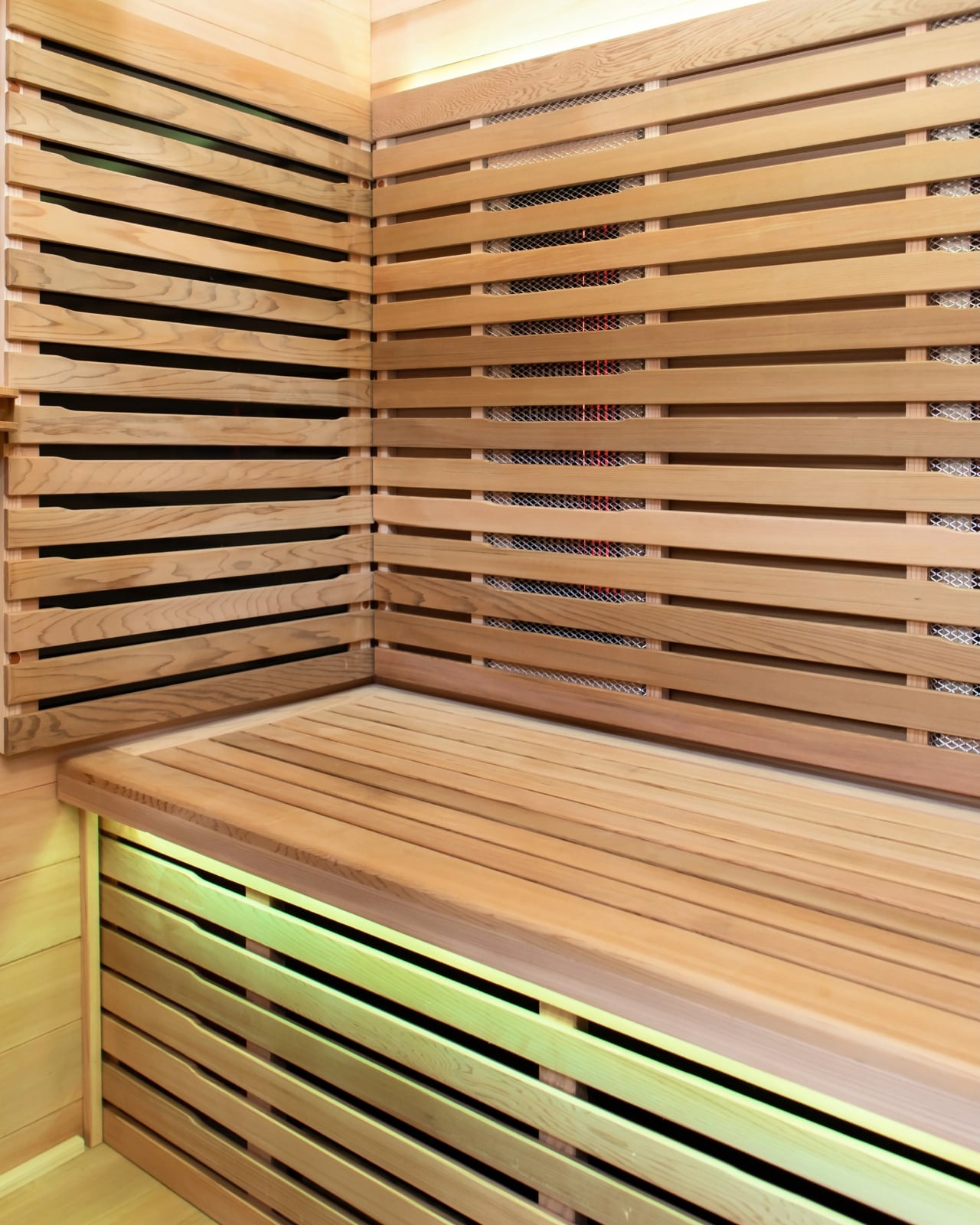
The tech integration is where Peak really shines. Each sauna connects to WiFi and comes with its own app, so you can preheat your sauna from your phone while you’re wrapping up work or finishing dinner. There’s something oddly satisfying about walking into a perfectly heated sauna instead of sitting there waiting for it to warm up. The full-spectrum infrared heating covers 360 degrees, from halogen and quartz heaters delivering near, mid, and far infrared wavelengths (700 to 25,000 nanometers, for the spec nerds out there) plus advanced carbon panels for consistent heat distribution.

Then there’s the red light therapy component, which has become increasingly popular in wellness circles. Peak includes XL medical-grade panels as standard equipment, not as an expensive upgrade. Red light therapy advocates swear by its benefits for skin health, muscle recovery, and overall wellness. Whether you’re a believer or skeptical, having the option built in gives you room to experiment without dropping extra cash.

The construction quality deserves attention too. Peak uses ethically sourced Canadian wood (either Hemlock or Red Cedar depending on the model) with no volatile organic compounds, which means cleaner air inside your sauna and better long-term durability. The wood naturally resists moisture and bacteria, making maintenance refreshingly simple. All electrical components come with EMF shielding, addressing concerns about electromagnetic field exposure during those long, relaxing sessions.

Peak hasn’t forgotten about ambiance either. Built-in chromotherapy lighting lets you bathe in whatever color suits your mood, from calming blues to energizing reds. Bluetooth speakers let you soundtrack your sessions with music, podcasts, or meditative sounds. There’s even an oxygen ionizer working quietly in the background to keep the air fresh. The company backs everything with a lifetime warranty, which speaks to their confidence in build quality and longevity. They claim these saunas are designed to last over a decade with daily home use, which is exactly what you want to hear when making this kind of investment.

What Peak Saunas really represents is the democratization of luxury wellness. The same features you’d find at high-end spas or exclusive fitness clubs are now available for your home, without the recurring membership fees or awkward small talk in the steam room. It’s wellness technology meeting thoughtful design, packaged in a way that actually makes sense for real homes and real people. Whether you’re an athlete looking for better recovery, a stressed professional seeking a daily escape, or someone who just really loves the idea of sweating in a beautiful wooden box while scrolling through your phone (no judgment), Peak has created something worth paying attention to. The sauna experience has officially gone mainstream, and it looks pretty good doing it.

The post Peak Saunas Pack Medical-Grade Wellness Tech Into Your Home first appeared on Yanko Design.

This Cordless Leaf Blower Looks Like A Sci-Fi Weapon, But Does The Job Effortlessly

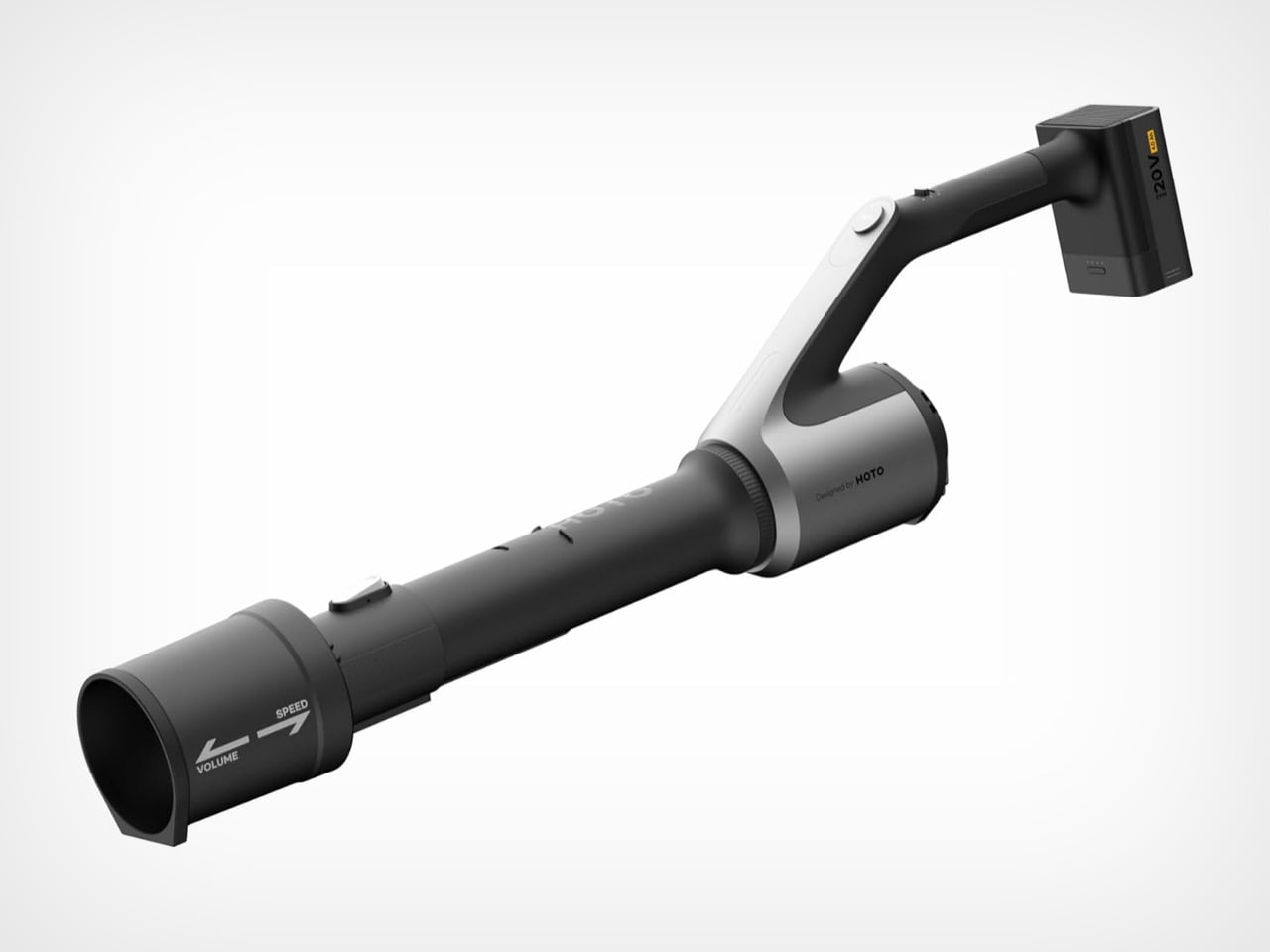
Most yard tools look like they were designed in 1987 and never got the memo that aesthetics matter. Bosch green, DeWalt yellow, Milwaukee red, all shaped like someone welded a tube to a motor and called it done. Then Hoto shows up with a 20V leaf blower that looks like it fell out of a District 9 prop truck, all sleek curves and matte surfaces, the kind of thing you’d expect to see mounted on a space marine’s hip rather than hanging in a suburban garage. It’s aggressively not a traditional leaf blower, and that’s either going to appeal to you immediately or make you wonder if form just murdered function.

Here’s the thing, though: weird-looking tools only get a pass if they actually work. A beautifully designed blower that can’t move wet leaves is just expensive wall art. Hoto’s betting that 720 CFM and 120 MPH in a 7-pound package will back up the sci-fi vibes, aiming squarely at people with small yards, patios, or garages who want something that doesn’t scream “big box store clearance aisle” every time they pull it out. Whether that gamble pays off depends on what you’re actually trying to blow and how much you care that your tools look like they belong in a Dyson showroom.

Designer: Shanghai HOTO Technology Co., Ltd.

Click Here to Buy Now

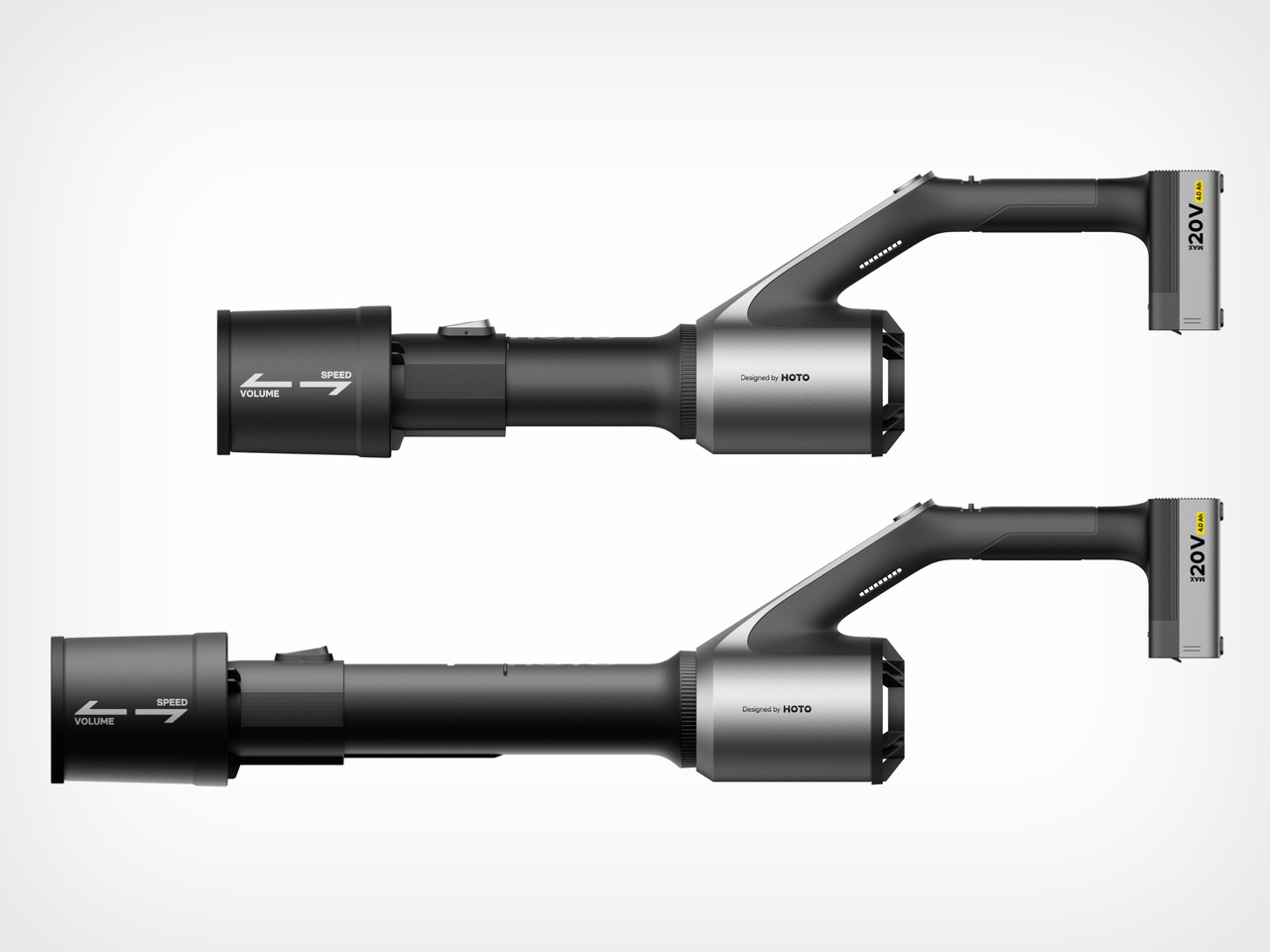
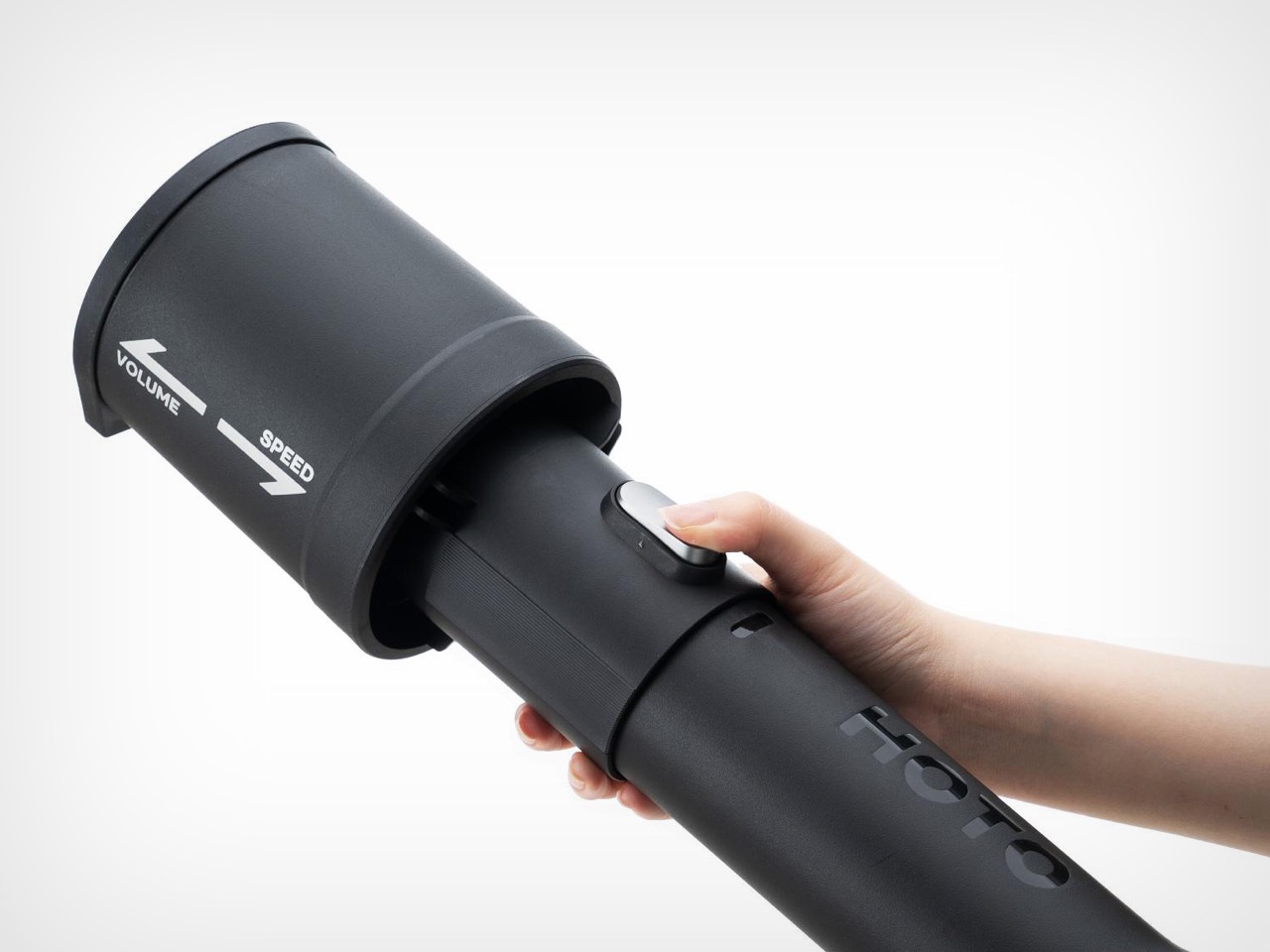
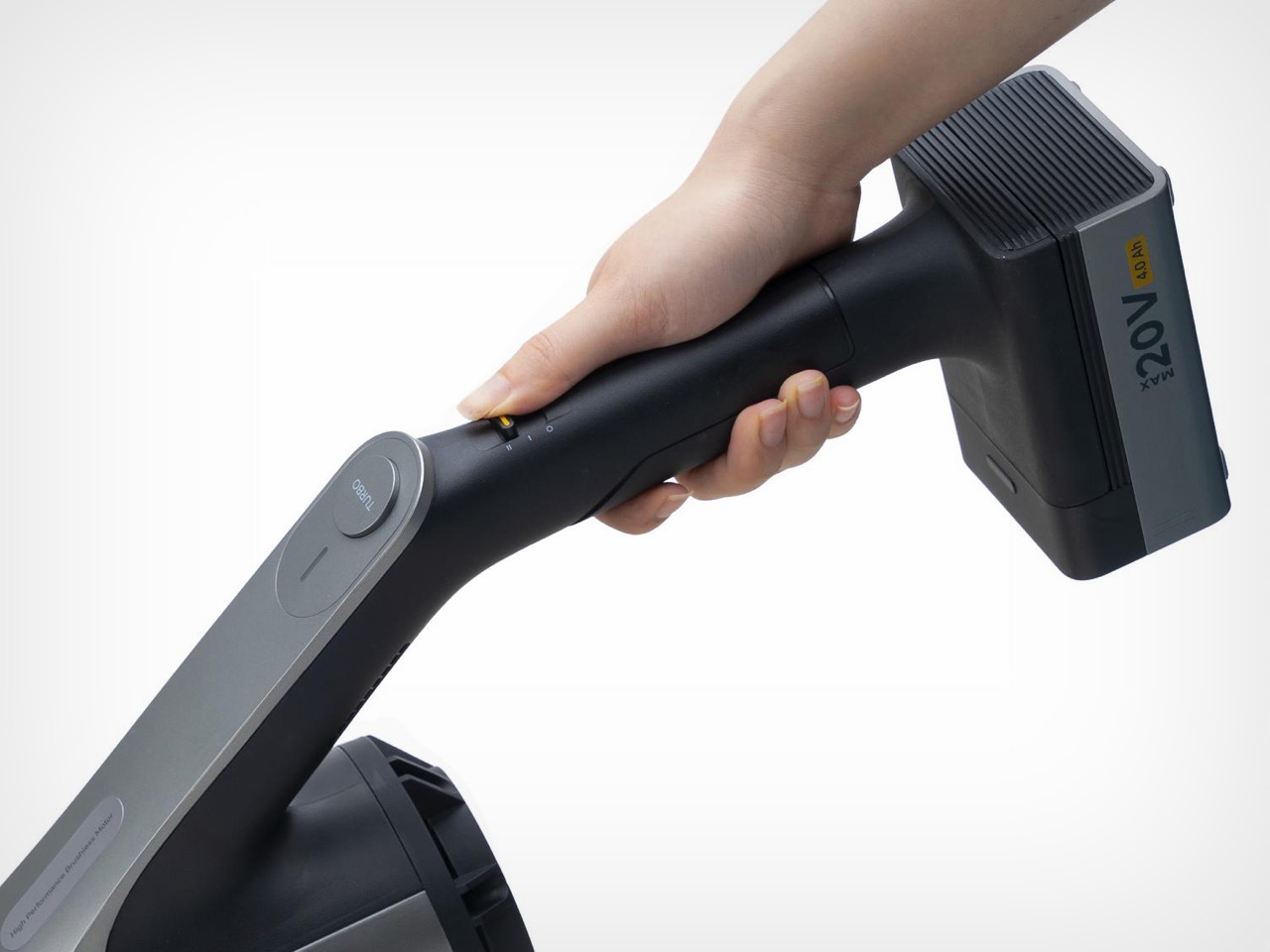
At around seven pounds with the battery, it’s not feather-light, but the weight is distributed in a way that makes it feel more like a wand than a cumbersome piece of equipment. It’s a one-handed affair, easily maneuverable around patio furniture or into tight corners. Firing it up is a simple affair with three distinct power levels. On the lower two settings, it’s perfect for sweeping out the garage, clearing sawdust from a workbench, or herding dry leaves across a driveway. It handles these everyday tasks with a quiet confidence, making quick cleanups feel genuinely effortless. The real surprise is how much air it moves without the high-pitched whine that makes your neighbors hate you.

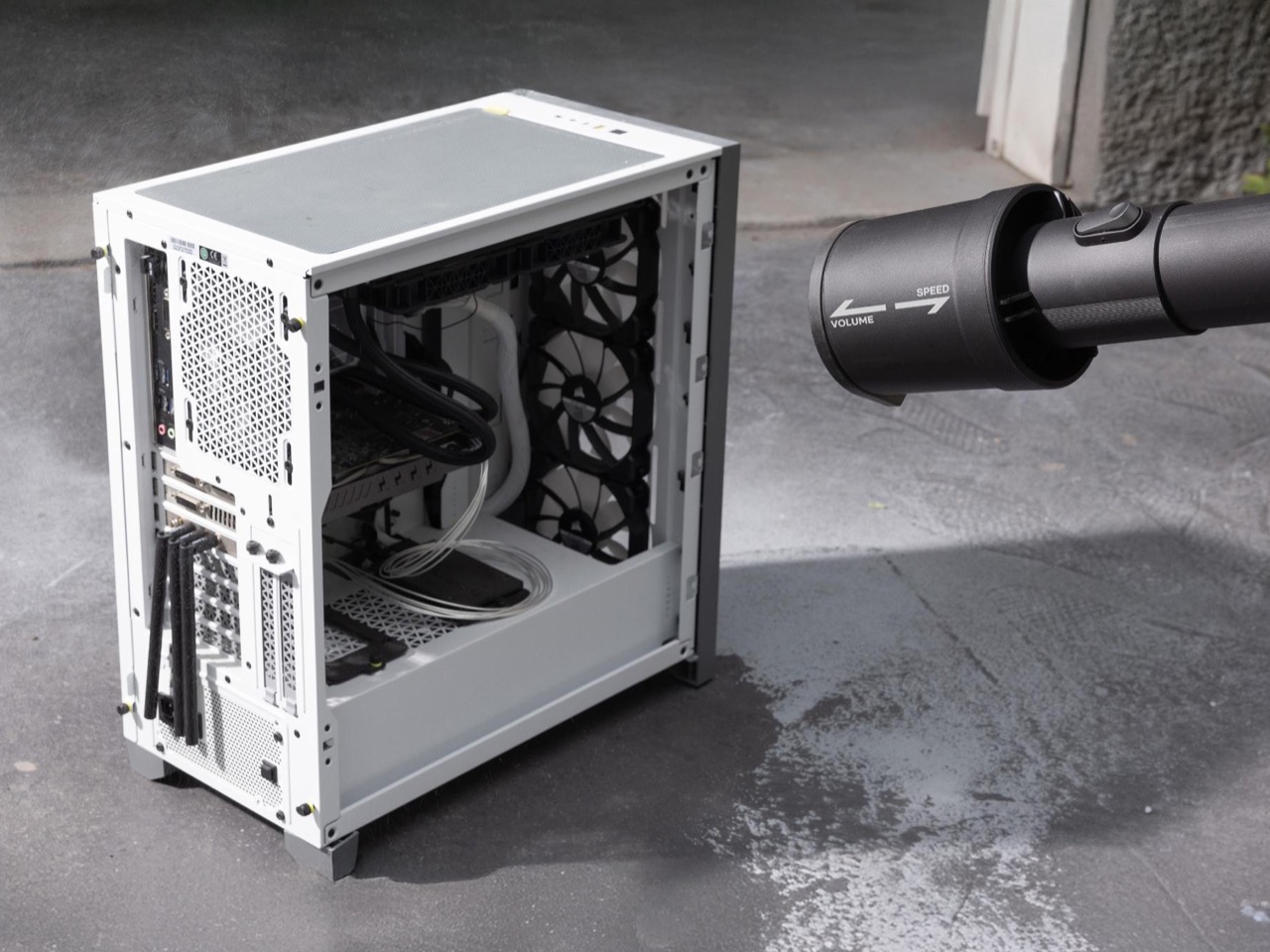
Crank it up to its turbo mode, however, and you get a glimpse of both its power and its limitations. That 720 CFM figure feels legitimate for a few glorious, deafening moments as it blasts stubborn debris and even light, fluffy snow off a car. But this is a 20V tool, not a 56V monster, and that burst of power comes at a cost. The battery, a 4,000 mAh pack, will give you a solid 20-30 minutes of runtime on the lower settings, but leaning on the turbo button drains it in about four minutes. This isn’t the tool for clearing a quarter-acre of wet, matted-down leaves. It simply doesn’t have the endurance.

But that’s the point. The Hoto 20V blower isn’t trying to compete with the gas-guzzling beasts used by professional landscapers. It’s for the person who values design, convenience, and having the right amount of power for modern living spaces. The battery even charges via USB-C, a welcome touch that means one less proprietary charging dock cluttering up your life. It’s a tool designed for the 90% of jobs that don’t require overwhelming force, and it does them exceptionally well while looking cooler than any other blower on the block.

Click Here to Buy Now

The post This Cordless Leaf Blower Looks Like A Sci-Fi Weapon, But Does The Job Effortlessly first appeared on Yanko Design.

Scamp X: After 54 Years, the Iconic Egg Camper Finally Goes Off-Road

After more than five decades of crafting lightweight fiberglass travel trailers in Backus, Minnesota, Scamp Trailers has unveiled something entirely new. The Scamp X marks the company’s first purpose-built off-road model, transforming the beloved “egg camper” into a rugged adventure machine that refuses to let pavement dictate your destination. The most striking update sits underneath. Scamp swapped its traditional axle for a Timbren independent long-travel suspension system, giving each wheel the freedom to articulate over challenging terrain without transferring shock to its twin.

This setup works alongside beefy ST235/75R15 off-road tires and an impressive 18 inches of ground clearance. The approach and departure angles measure 17 and 22 degrees, respectively, making genuine backcountry exploration accessible to drivers who previously limited themselves to established campgrounds. Outside, the Scamp X sheds its cheerful aesthetic for something more tactical. A black Fiamma awning replaces the usual chrome fittings, while a custom roof rack provides mounting points for up to 400 watts of solar panels. That power feeds directly into the camper’s electrical system, making extended boondocking trips genuinely viable.

Designer: Scamp

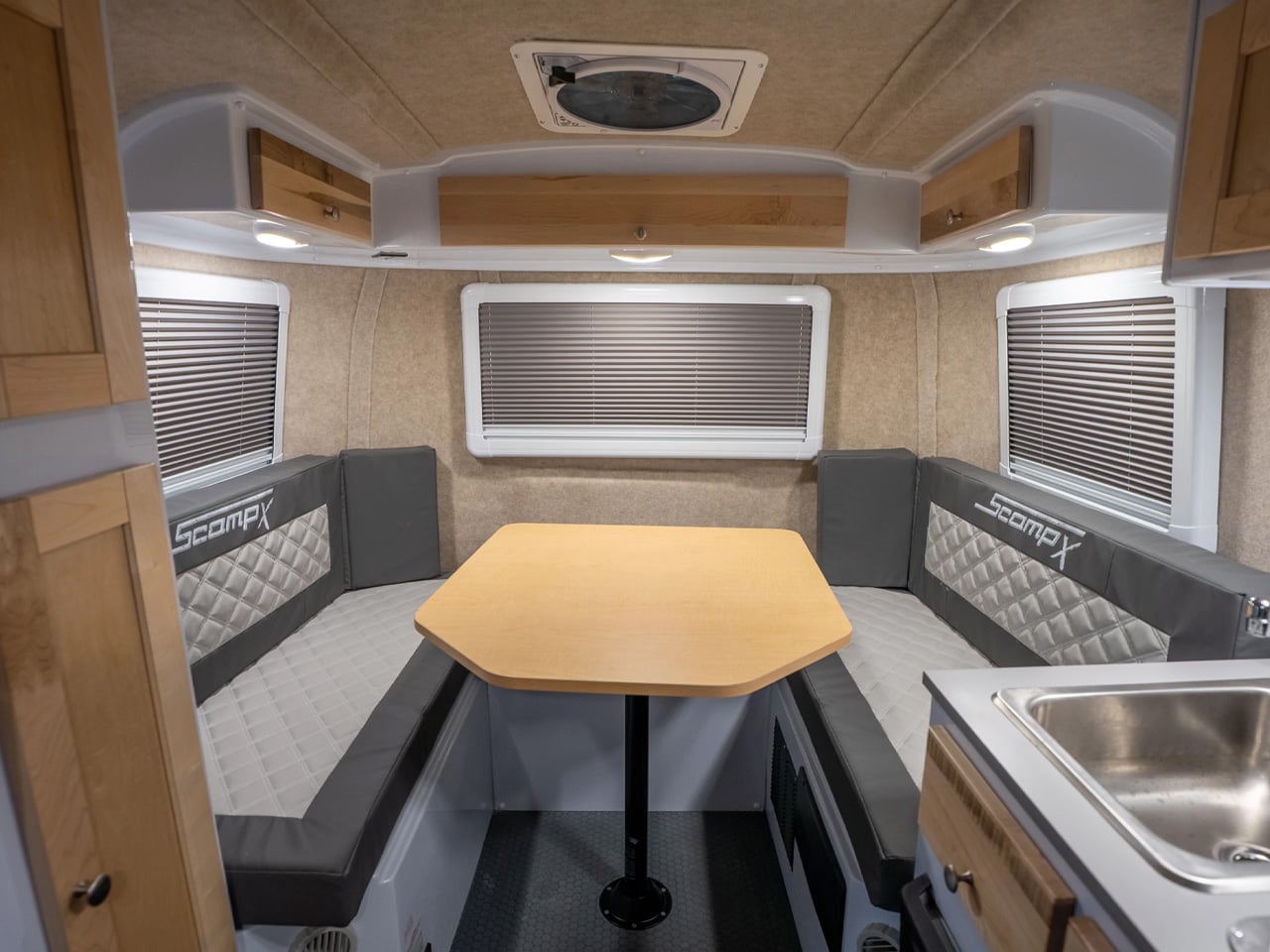
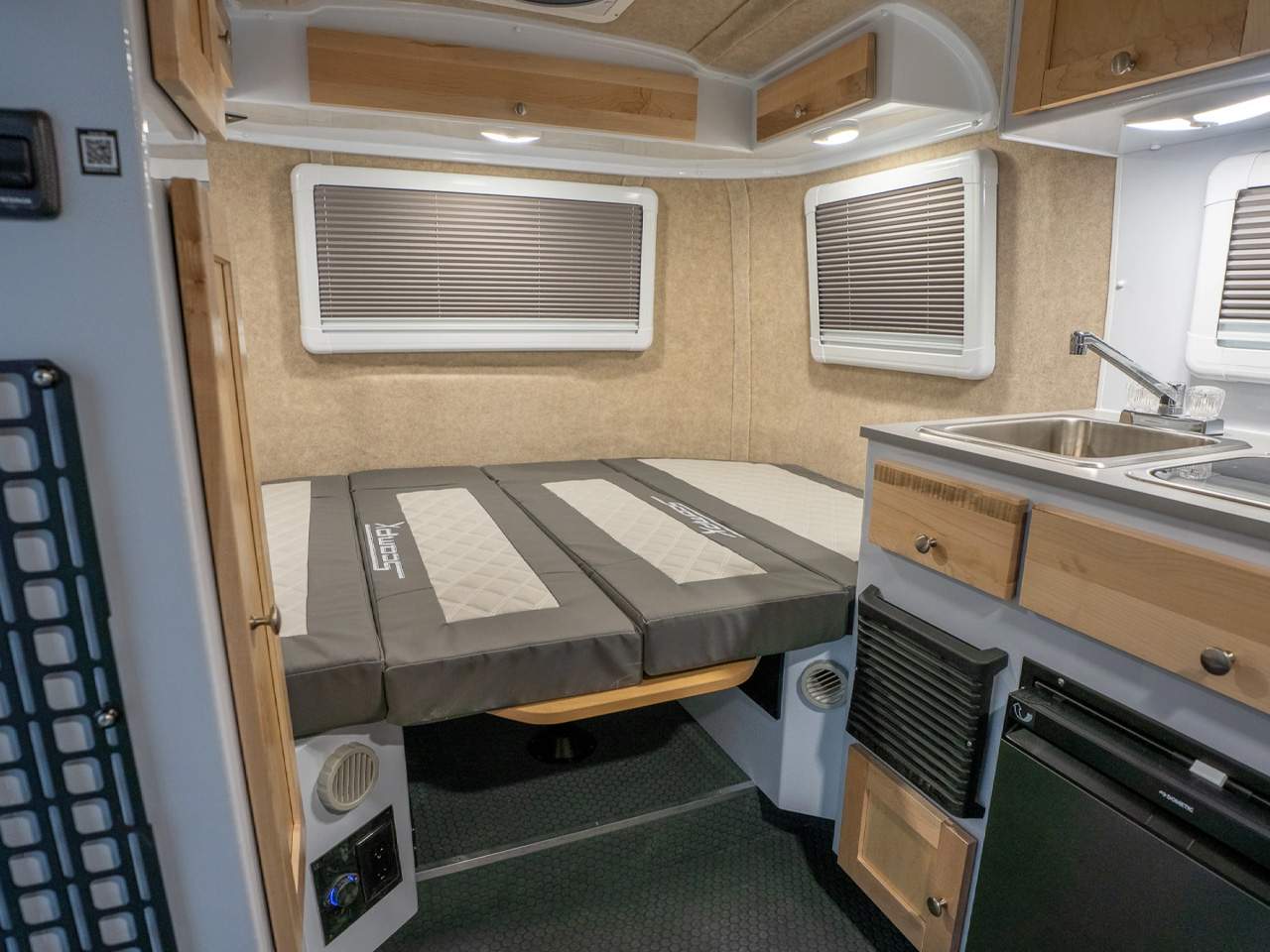
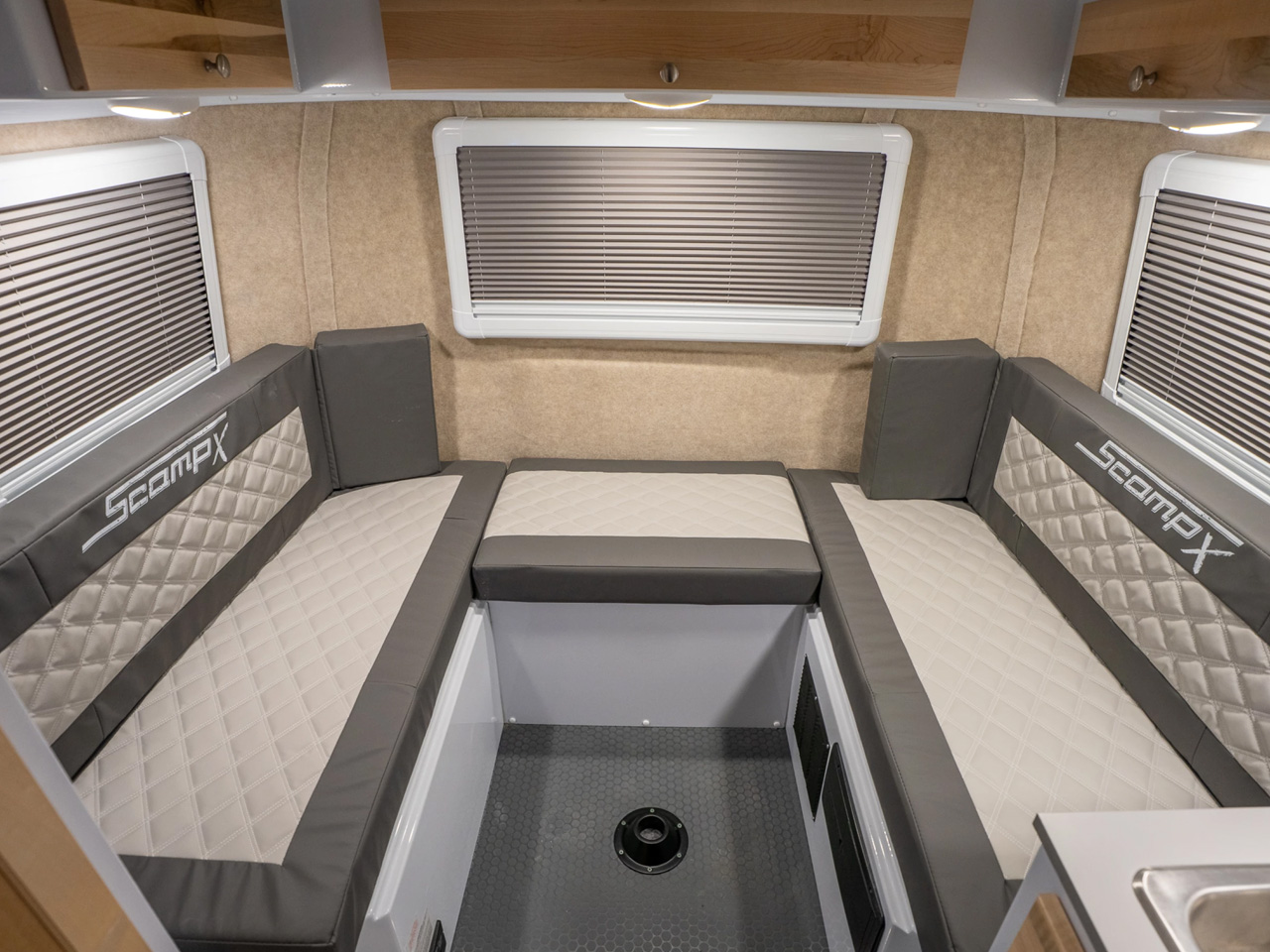
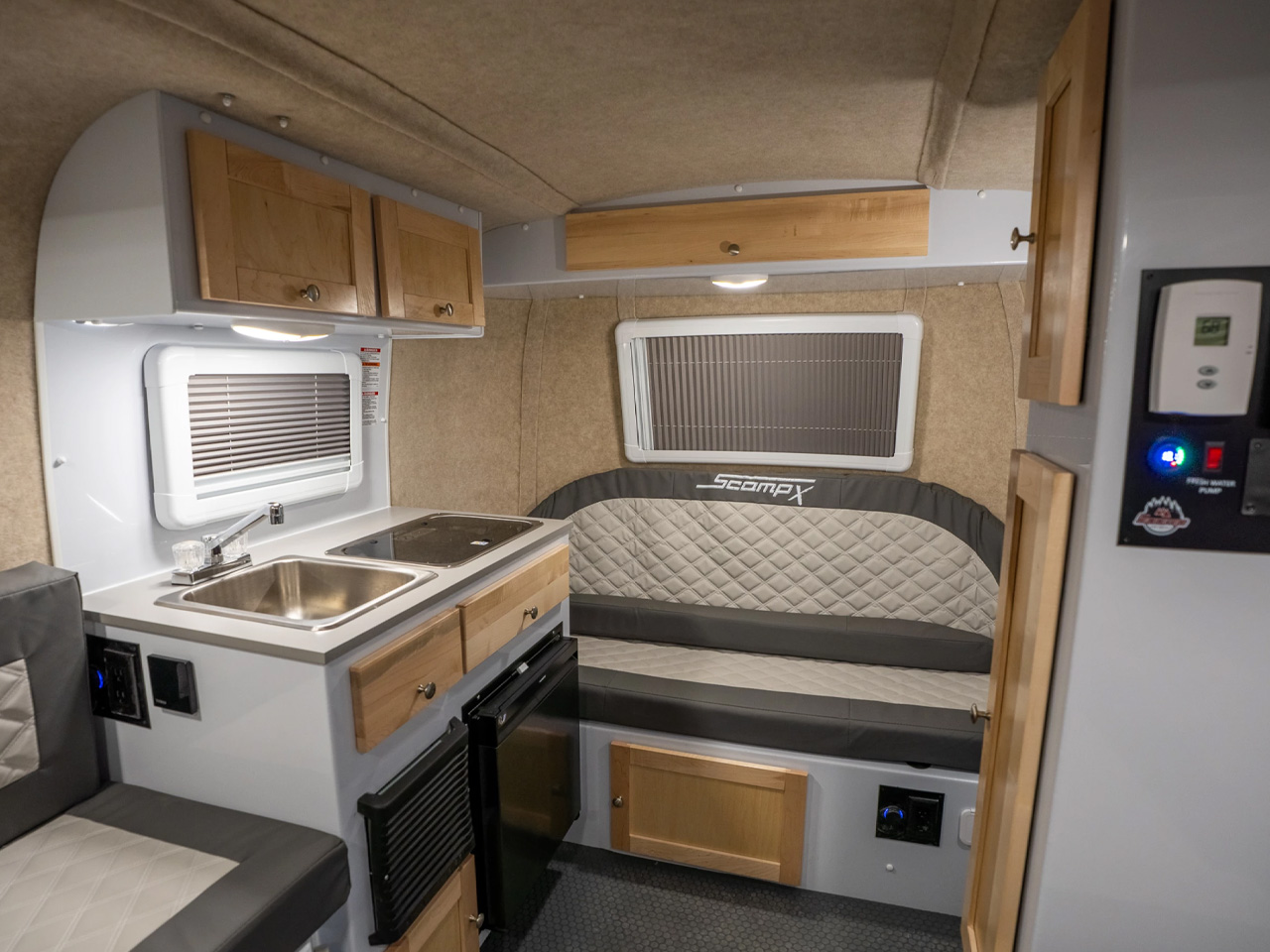
Up front, an optional Strongberg storage rack offers space for generators, extra gear, and all the equipment serious off-roaders accumulate over time. A lock-and-roll articulating hitch comes standard, ensuring the trailer can follow your vehicle through uneven terrain without binding. The interior received equal attention during the redesign. Scamp replaced the standard dinette layout with a U-shaped configuration that maximizes seating and social space. New cushions in updated fabrics complement a fresh countertop design, while rubber coin flooring throughout the cabin stands up to muddy boots and wet gear far better than traditional carpet or vinyl.

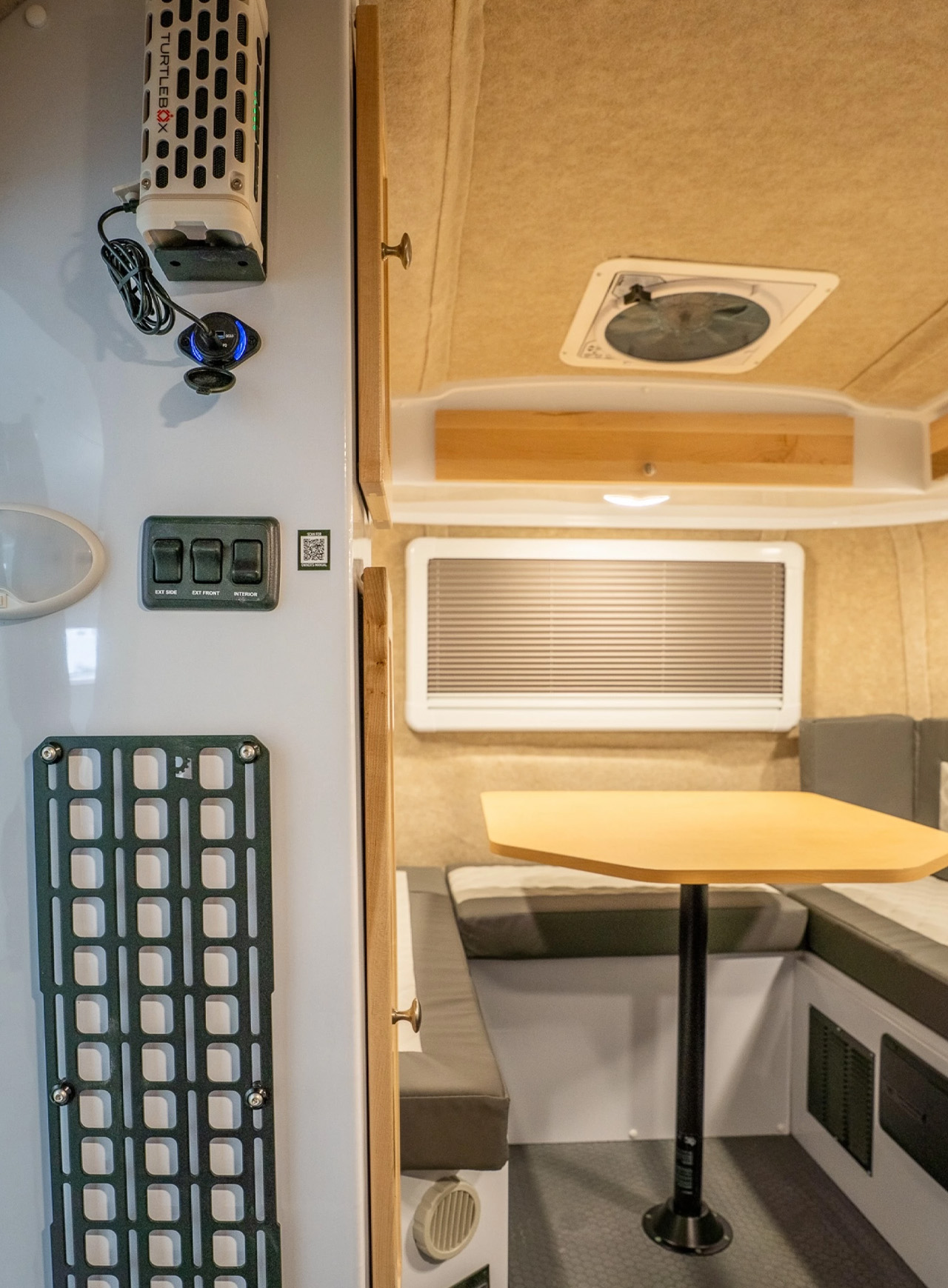
The air conditioning unit hides beneath the rear dinette bench, freeing up valuable wall space. A portable Bluetooth speaker mounts into the design, and an accessory panel puts electrical connections exactly where modern adventurers need them. Two floor plans accommodate different camping styles. The Trek eliminates the bathroom, prioritizing living space for those comfortable with campground facilities or portable solutions. The Altitude offers the same U-shaped dinette and updated finishes but incorporates a front bathroom for travelers who prefer full amenities.

The Scamp X arrives as the Minnesota manufacturer expands its Backus factory to meet growing demand. Current production sits around 650 units annually, with wait times stretching to 14 months. The company sells directly to customers without dealer networks, maintaining control over quality and customization. Traditional Scamp models range between $19,000 and $40,000, depending on length and options. Pricing for the X hasn’t been officially announced, though the extensive upgrades suggest a premium over standard models.

For “Scampers,” as the devoted community calls themselves, the X represents something many have requested for years: the ability to take their iconic egg-shaped trailer beyond maintained roads and into genuine wilderness. Whether it succeeds in attracting a new generation of off-road enthusiasts while satisfying longtime fans remains to be seen, but Scamp’s willingness to evolve after 54 years suggests they’re serious about this next chapter.

The post Scamp X: After 54 Years, the Iconic Egg Camper Finally Goes Off-Road first appeared on Yanko Design.

This Tent Just Solved Camping’s Most Annoying Problem

Remember when camping meant wrestling with tent poles at dusk while mosquitoes feasted on your ankles? Or trying to decipher those cryptic instruction diagrams that somehow never matched the pile of canvas and metal at your feet? Well, South African brand Alphago just released something that makes all that struggle feel wonderfully obsolete.

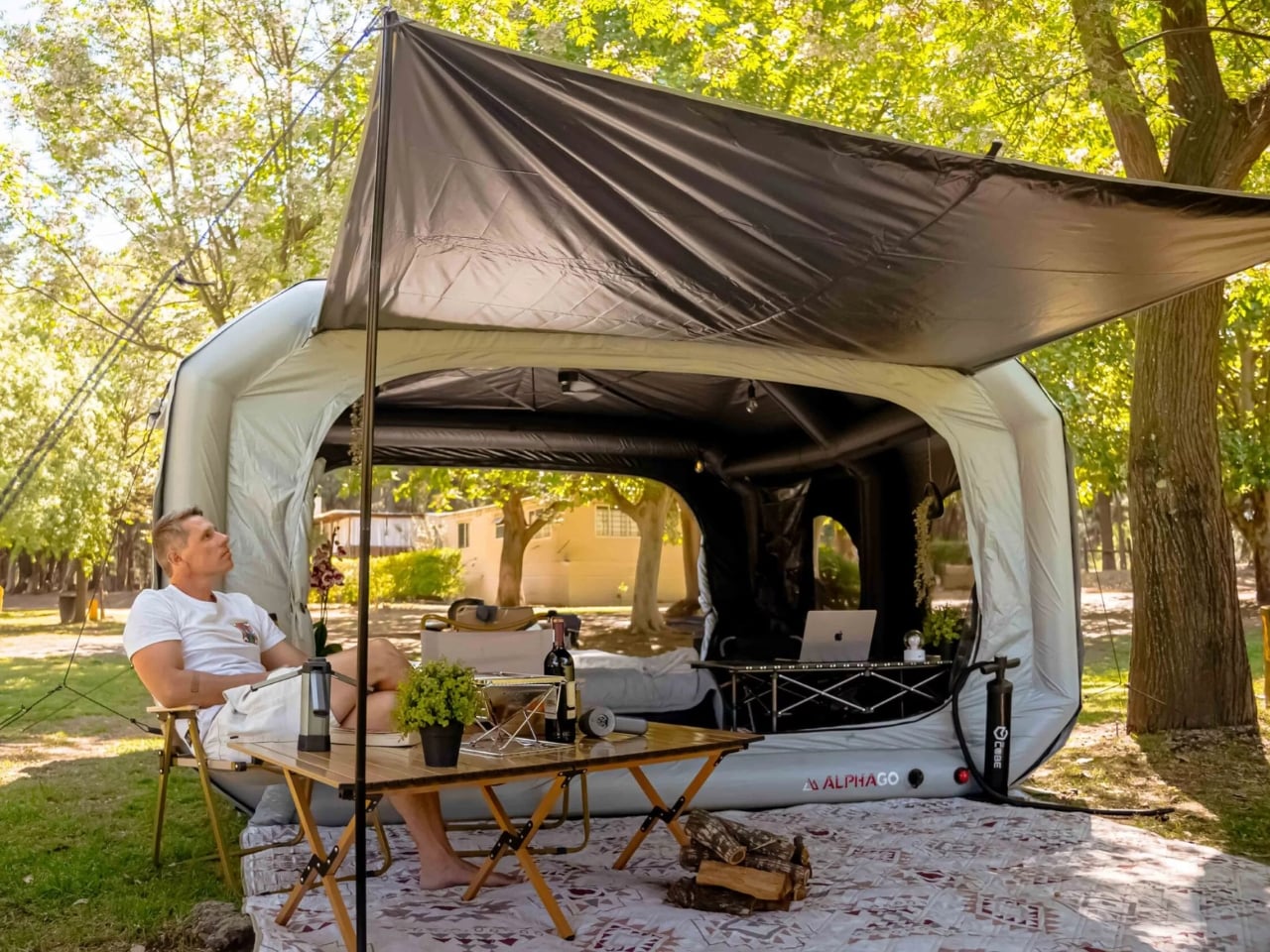
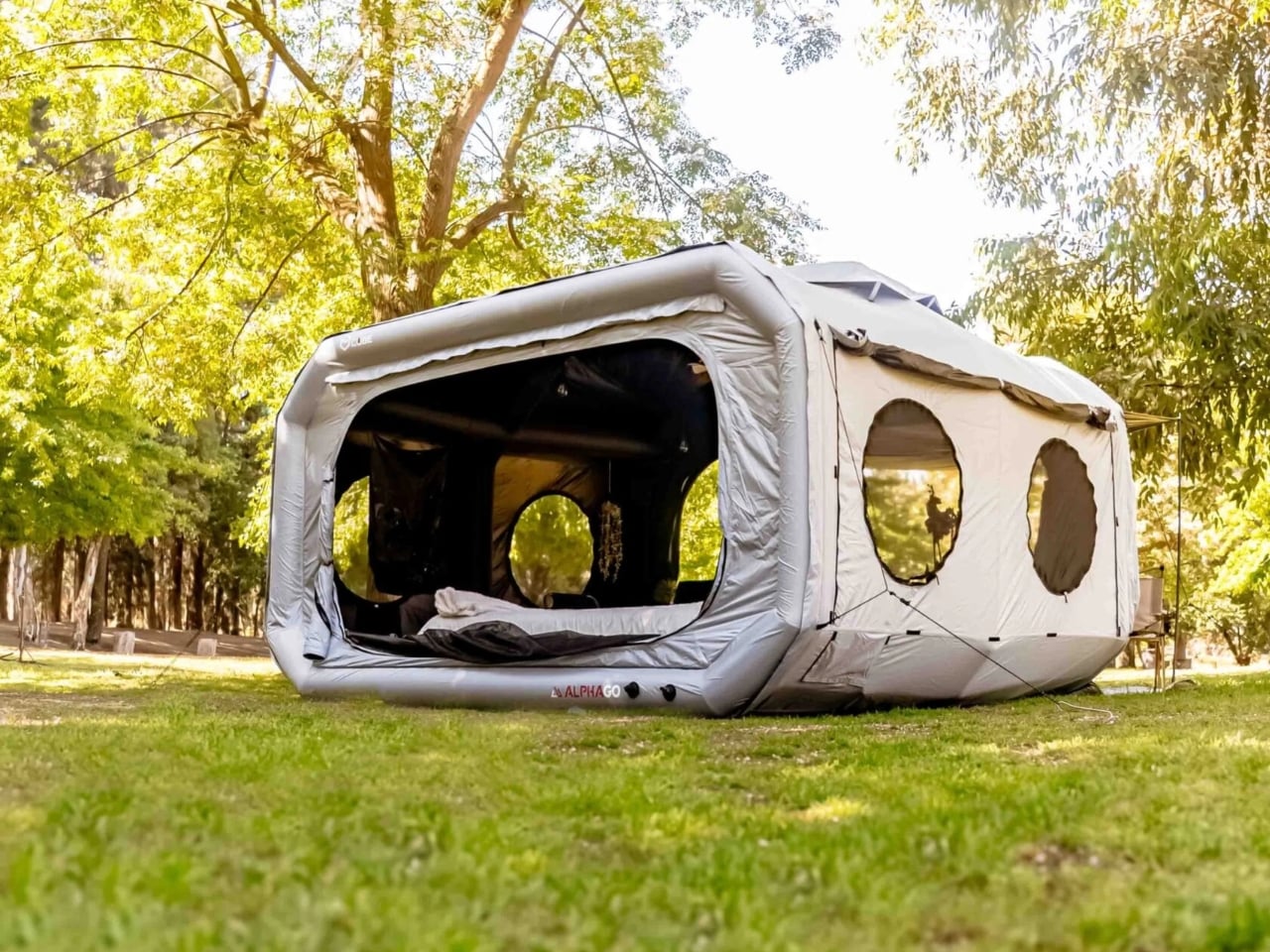
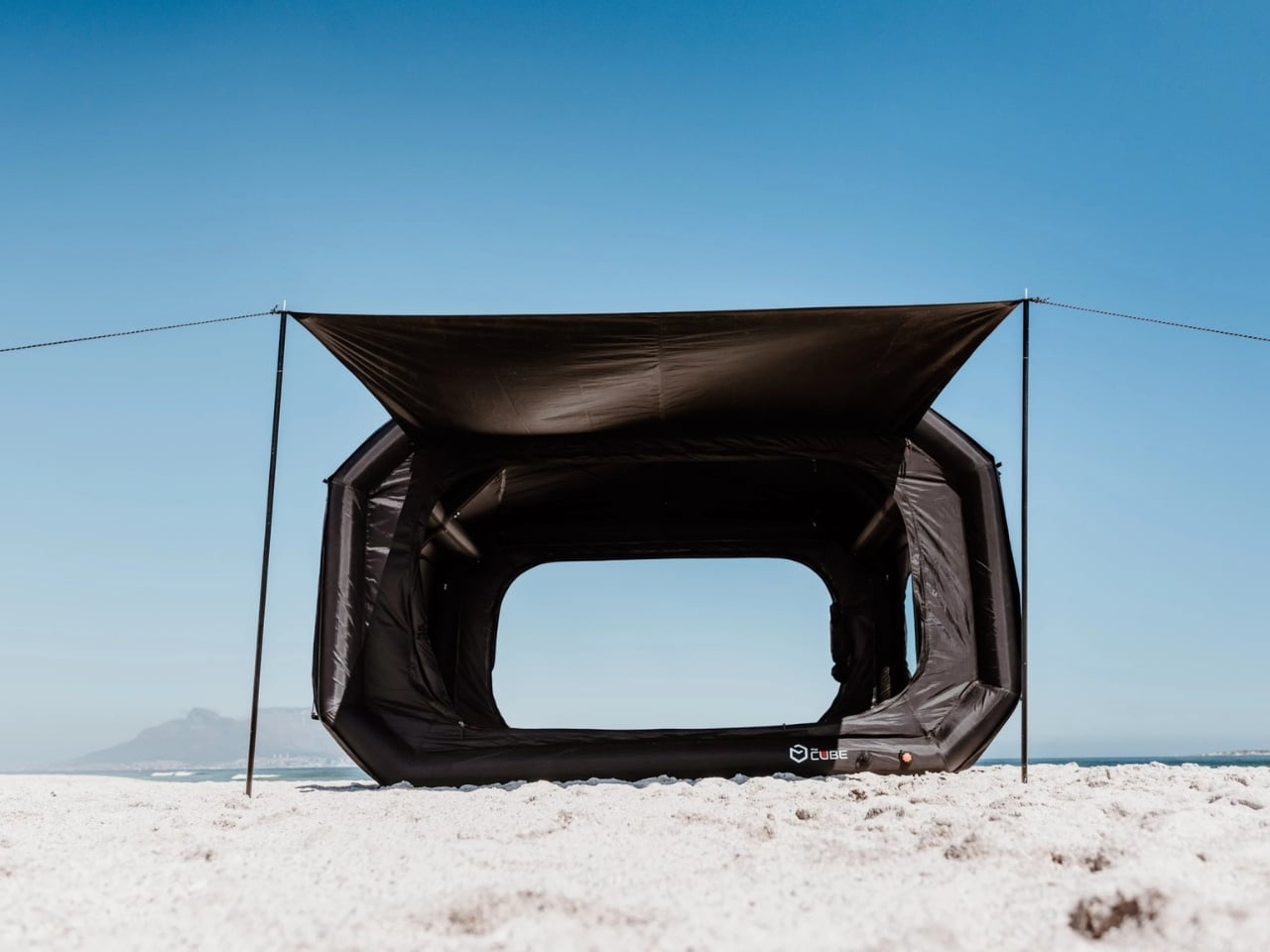
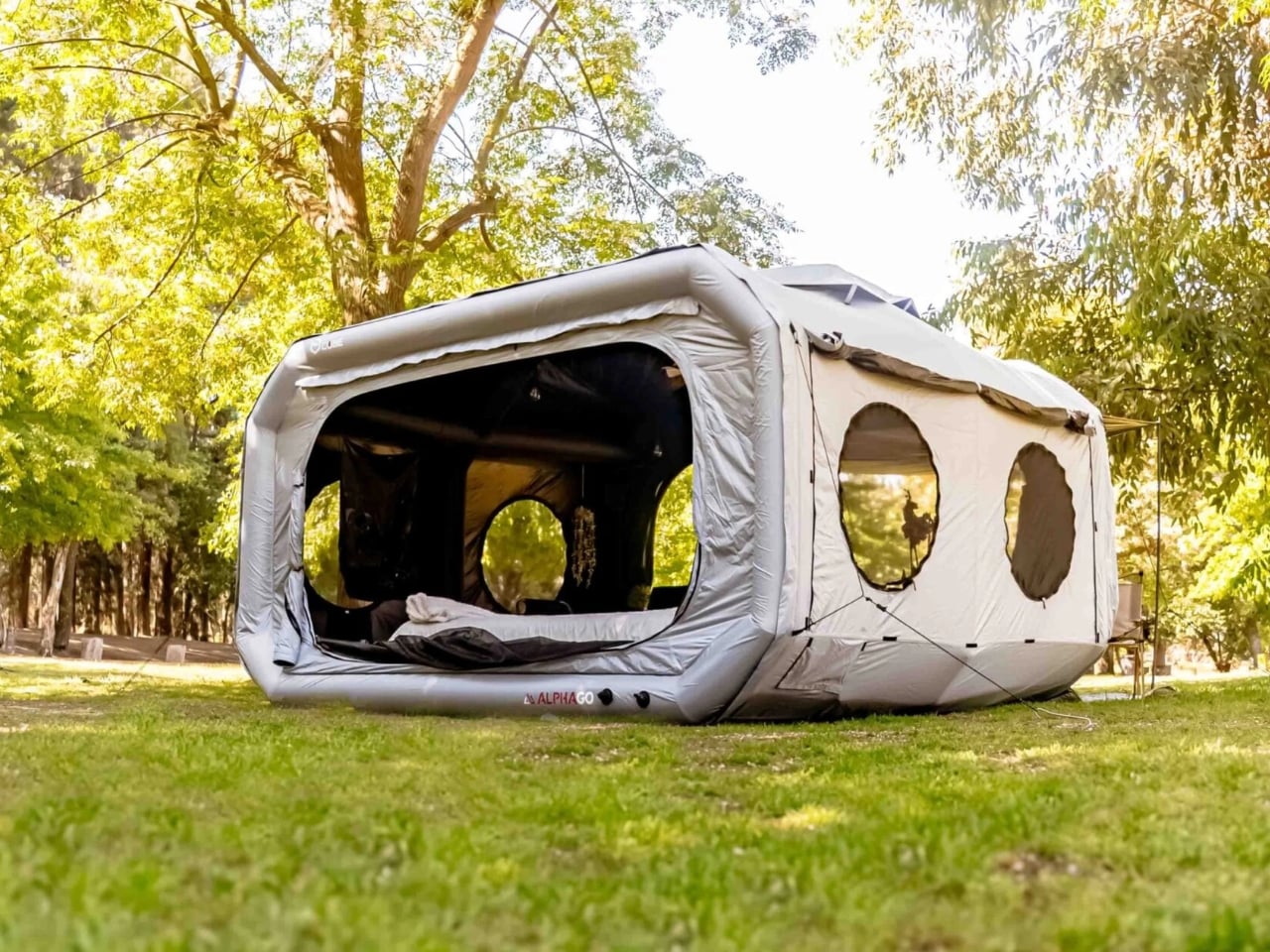
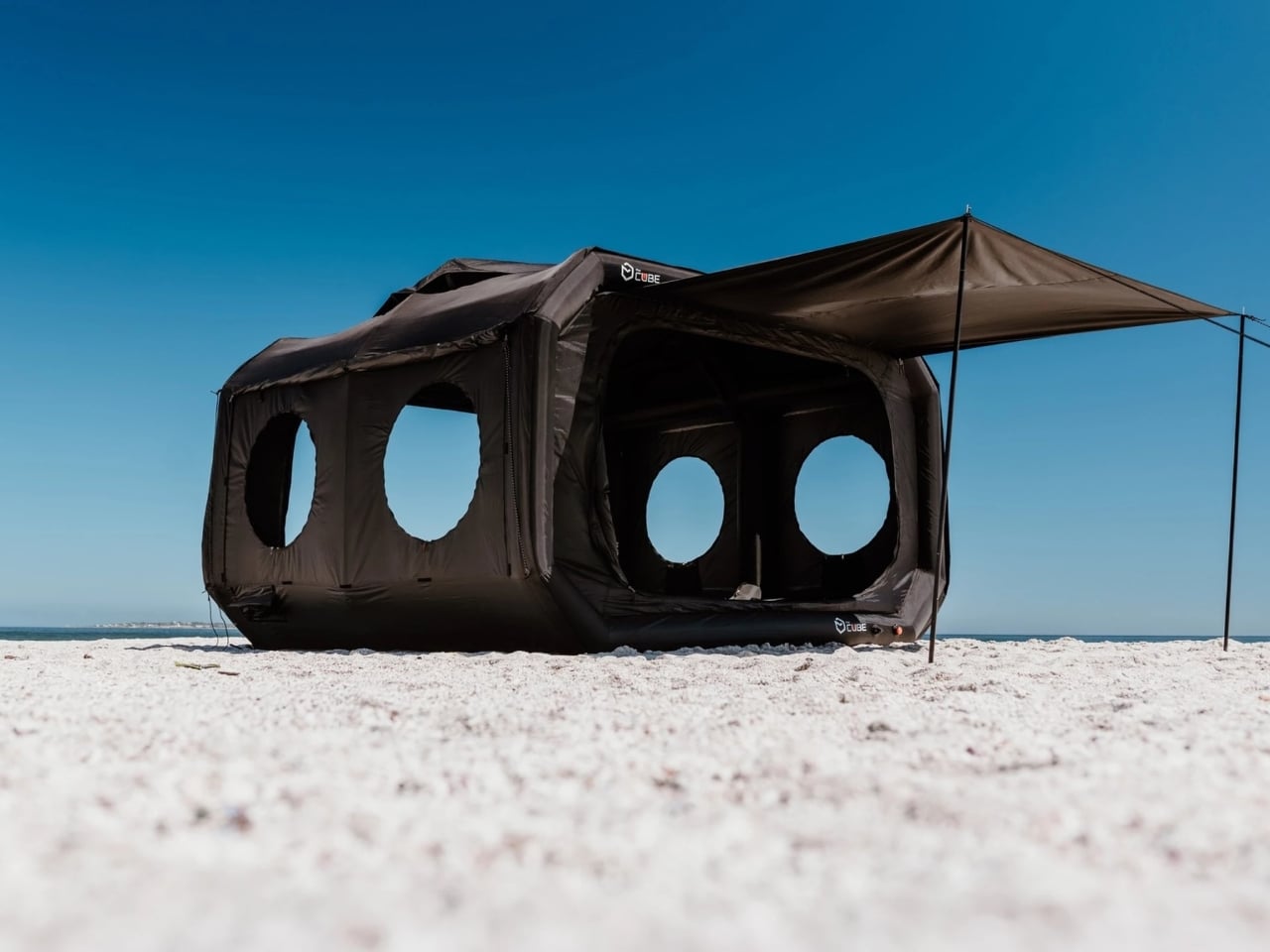
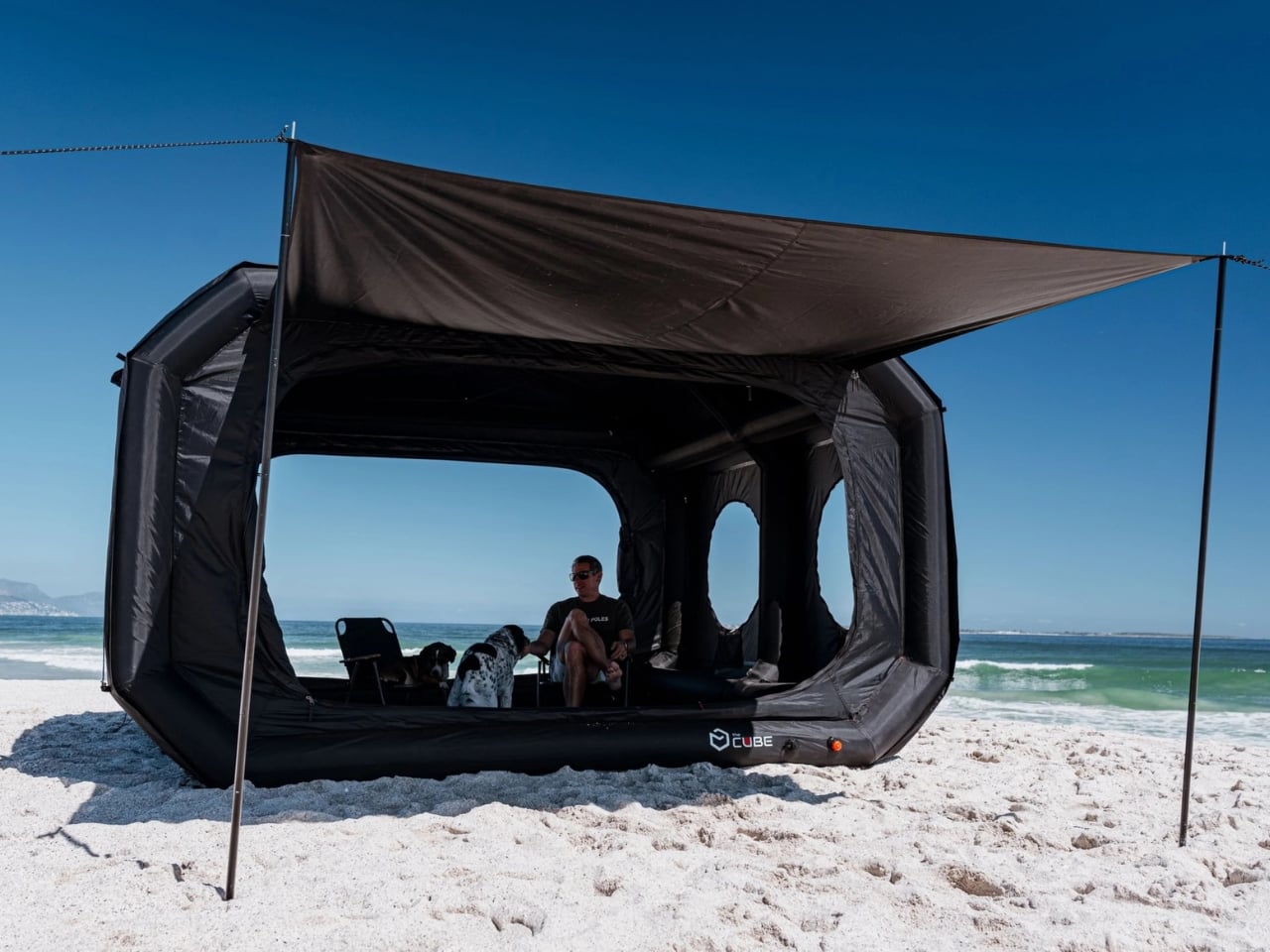
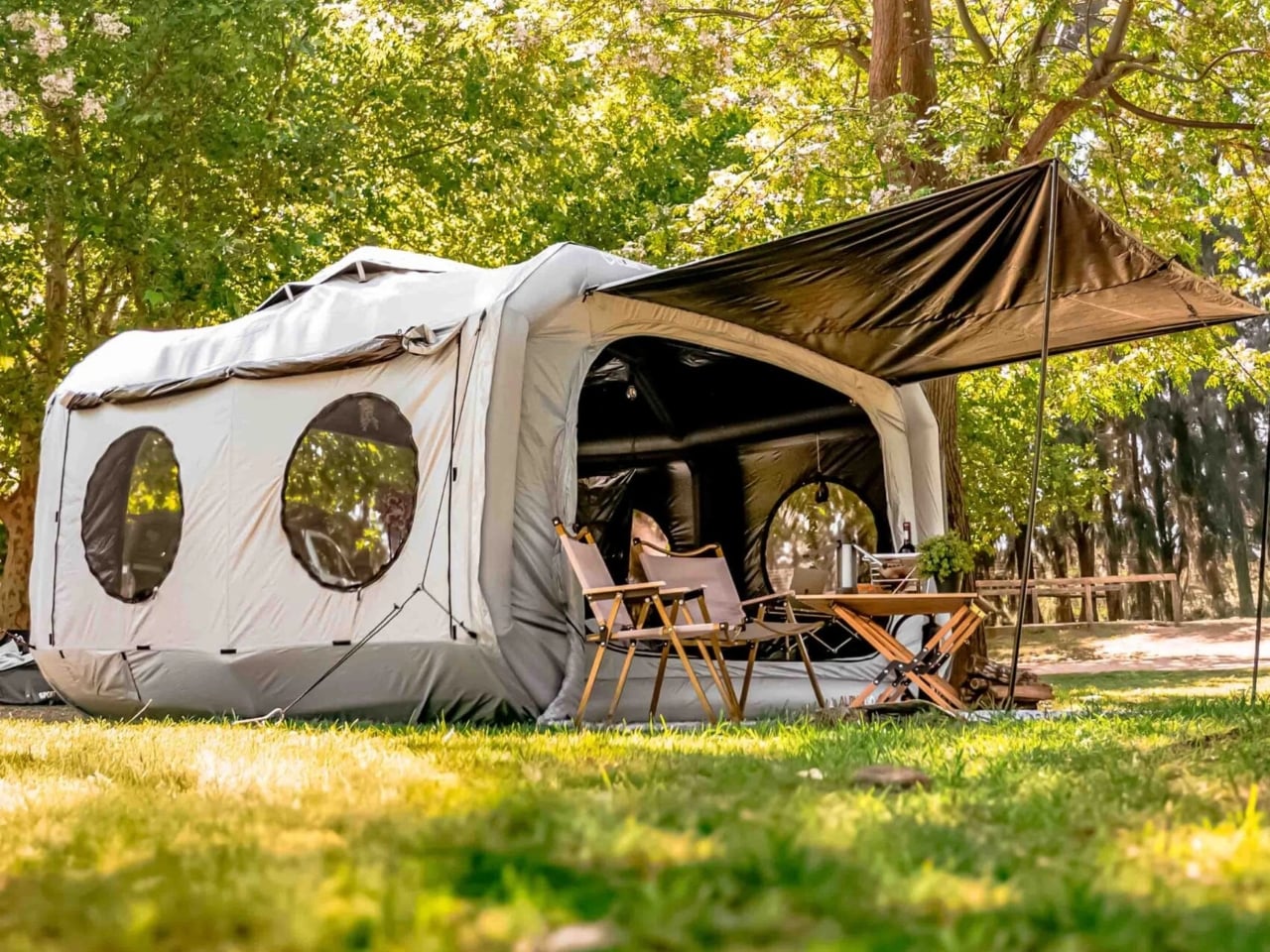
Meet The Cube, an inflatable tent that basically sets itself up while you crack open a cold drink and enjoy the view. We’re talking four minutes from bag to fully erected shelter, and the only tool you need is your finger to press a button.

Designer: Alphago

Here’s how it works: instead of traditional poles, The Cube uses an air tube frame system that inflates via a wireless electric pump. One button press, and the tent whooshes to life like some kind of architectural magic trick. No hammering stakes at odd angles, no accidentally threading poles through the wrong sleeves, no arguments with your camping buddy about which end is the front. Just push, wait, and watch your home away from home take shape.

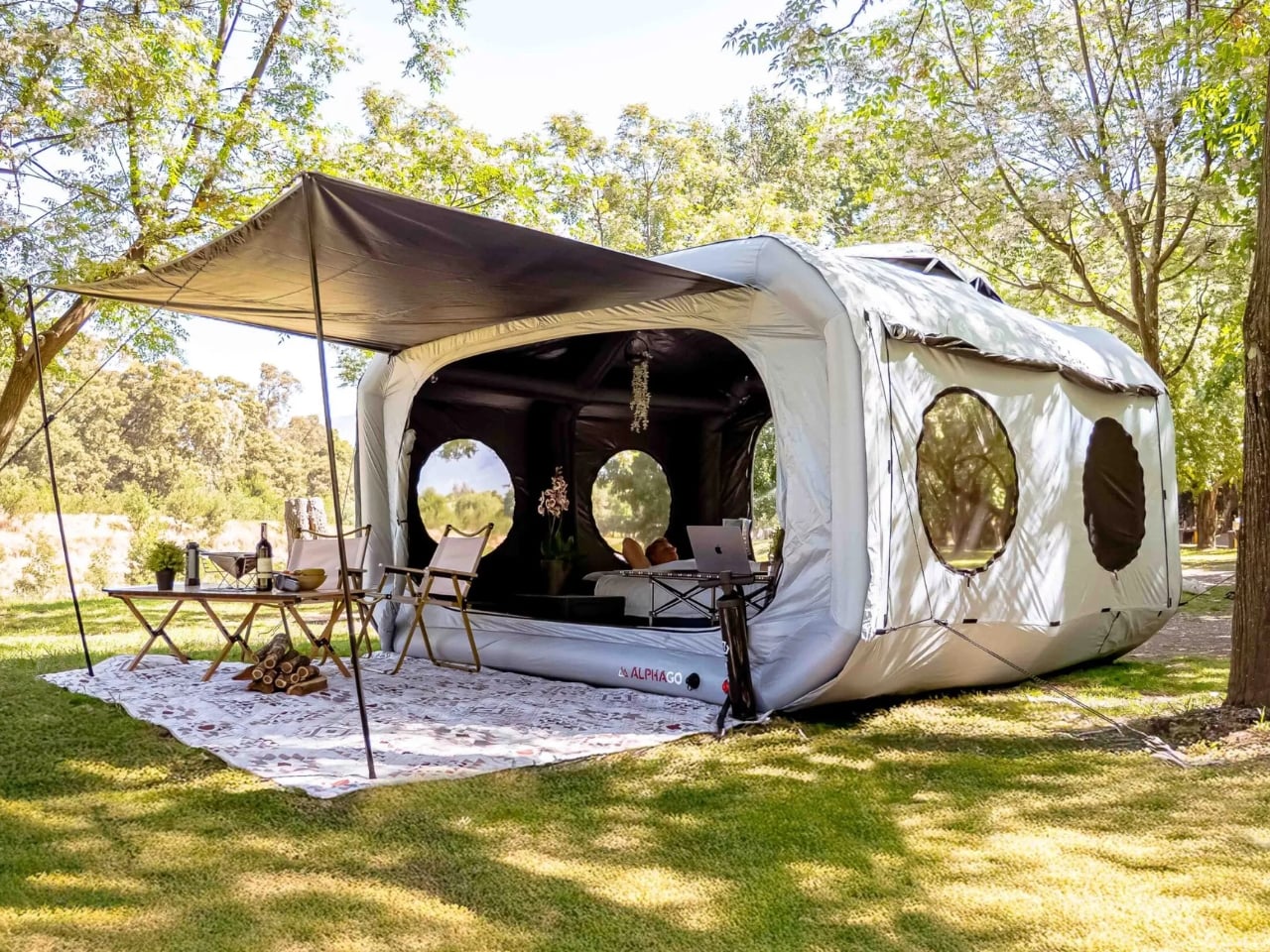
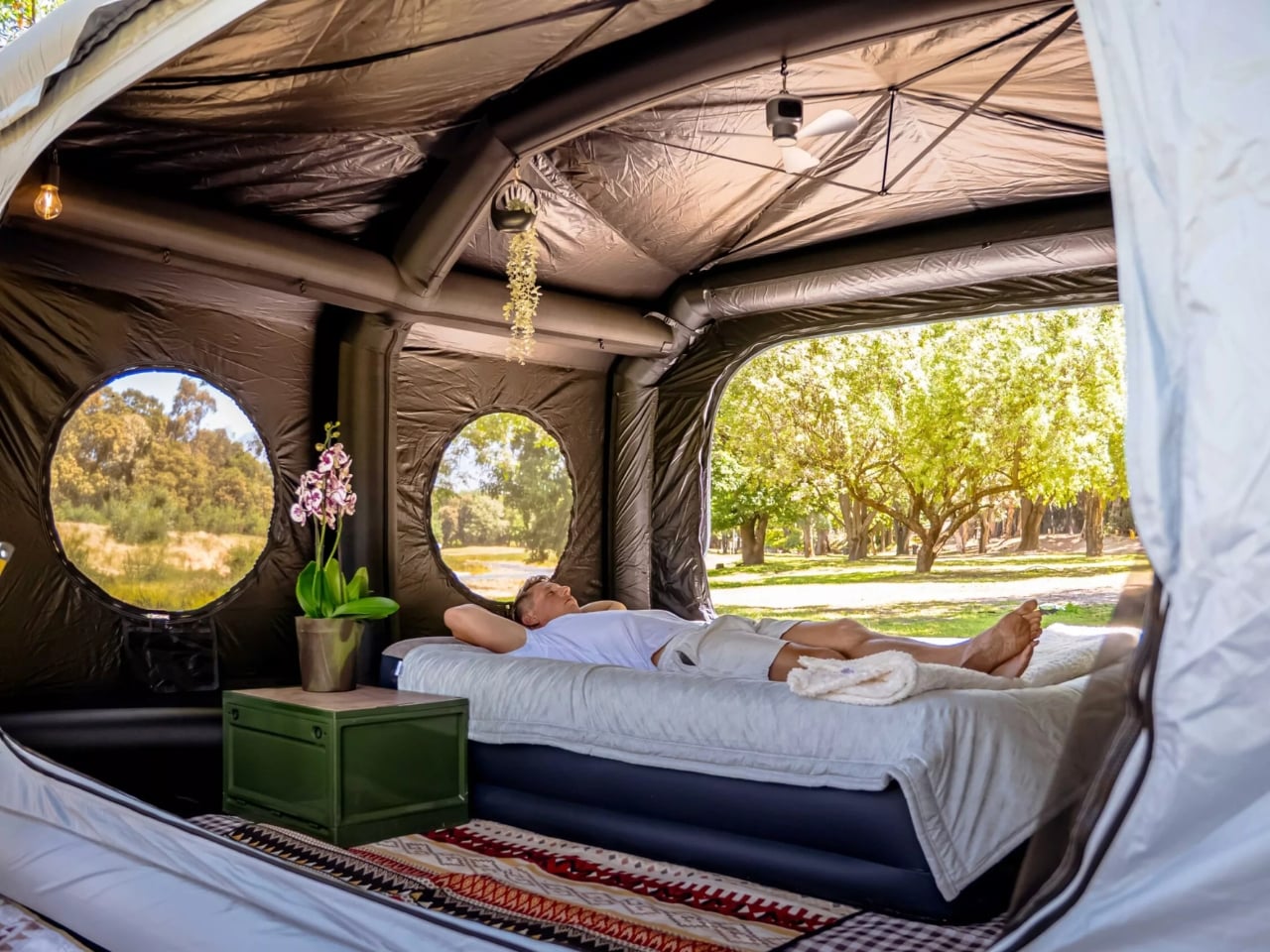
But what really sets The Cube apart isn’t just the speed. It’s the fact that this thing is actually designed for comfort, not just survival. The stretched, oversized design puts this firmly in glamping territory rather than roughing-it camping. We’re talking about a spacious interior that doesn’t force you to hunch over or play tetris with your gear. The modular design means you can customize your setup depending on whether you’re solo adventuring or bringing the whole crew.

Weather resistance is where The Cube really flexes. The tent features an ultra-rigid airframe that stands up to wind and rain, with a WeatherTec system that includes welded floors and inverted seams to keep you dry even when the weather turns nasty. Both the front and back come with three layers: privacy screening, mosquito netting, and weather panels, so you can adjust your exposure to the elements based on conditions and mood.

The attention to practical details is impressive. Some versions come with camping tables, side tables, and even storage solutions like cupboards with plates, bowls, cups, and cutlery drawers. It’s like someone actually thought about what you need when you’re living outdoors for a few days, rather than just providing a roof over your head. Now, is this traditional camping? Absolutely not. If your idea of connecting with nature involves minimalist gear and earning your shelter through physical labor, The Cube probably isn’t for you. But if you’re someone who loves being outdoors without sacrificing comfort, or if you’ve been put off camping by the sheer hassle of setup and teardown, this is a game changer.

The design also speaks to a broader shift we’re seeing in outdoor recreation. As remote work becomes more normalized and people seek experiences beyond traditional tourism, there’s growing demand for gear that bridges the gap between adventure and comfort. The Cube fits perfectly into this zeitgeist of “soft adventure,” where the goal is experiencing beautiful places without the suffering that used to be considered mandatory. From a design perspective, there’s something satisfying about how elegantly The Cube solves a genuine problem. Traditional tent design hasn’t changed much in decades, but by borrowing from inflatable architecture and modern materials science, Alphago created something that feels genuinely innovative rather than just incrementally better.

Is it affordable? That depends on your camping commitment level, though Alphago has offered specials with significant discounts. Think of it less as a tent and more as portable architecture, an investment in stress-free outdoor experiences for years to come. The bottom line: The Cube represents where outdoor gear is heading. Smarter, faster, more comfortable, and designed for people who want nature without the nature-induced backache. Sometimes innovation isn’t about reinventing the wheel. Sometimes it’s about admitting that tent poles were kind of a pain, and maybe we can do better.

The post This Tent Just Solved Camping’s Most Annoying Problem first appeared on Yanko Design.

When a Neighborhood Reclaimed Its Lost Shore With 9,200 Face Masks

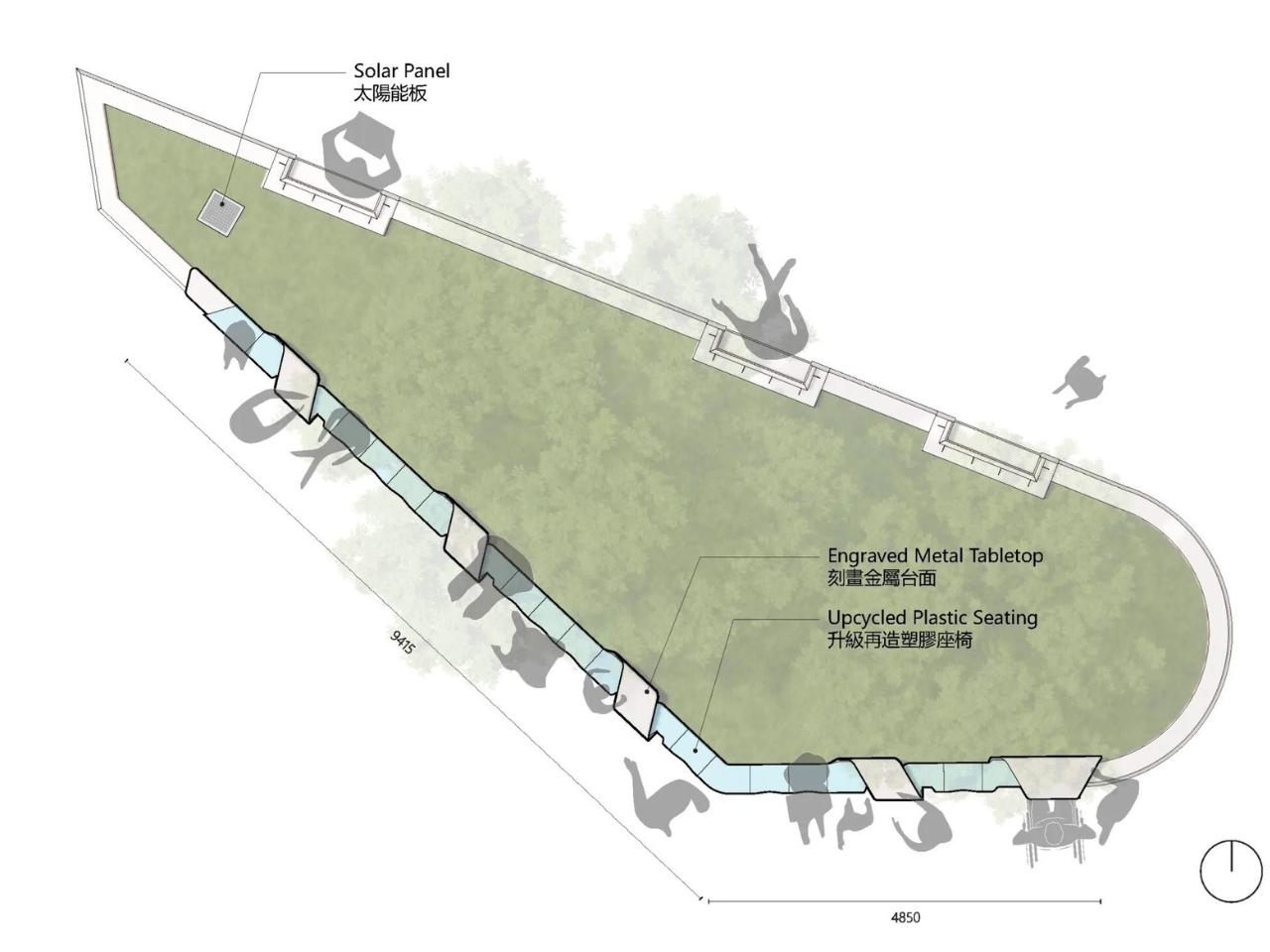
Here’s something you don’t expect to sit on: surgical masks. Nearly 10,000 of them, to be exact. But that’s exactly what Design PY created in Hong Kong’s Tai Kok Tsui neighborhood with Tidal Stories, a spiraling urban installation that quite literally traces where the ocean used to be.

The concept is brilliant in its simplicity. Tai Kok Tsui was once a coastal area, but over a century of land reclamation pushed the shoreline further and further away. Today, most people walking through this district have no idea they’re treading on what was once underwater. Design PY decided to make that invisible history visible again through a helical seating structure that maps the old coastline right onto the public space.

Designer: Design PY

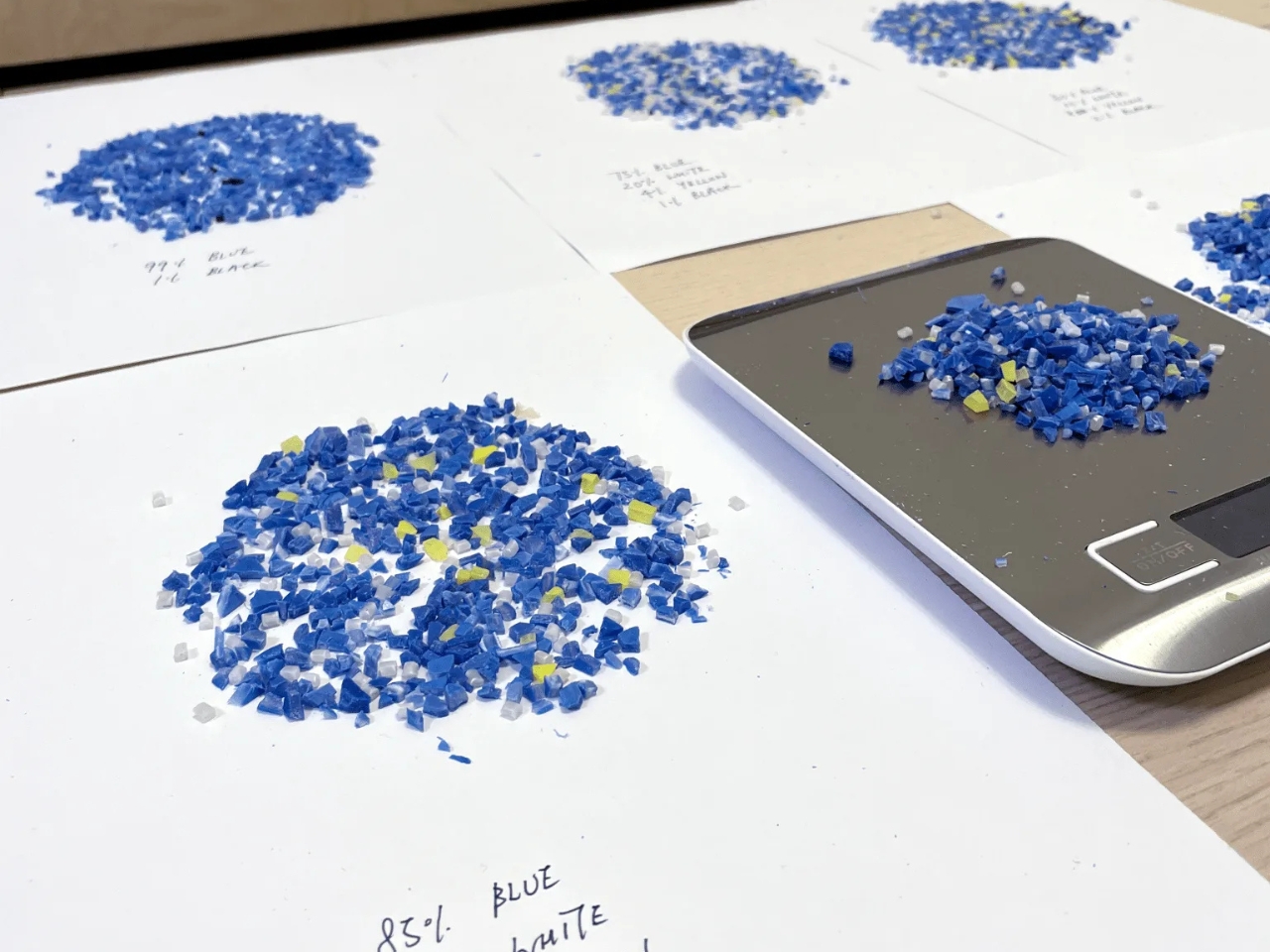
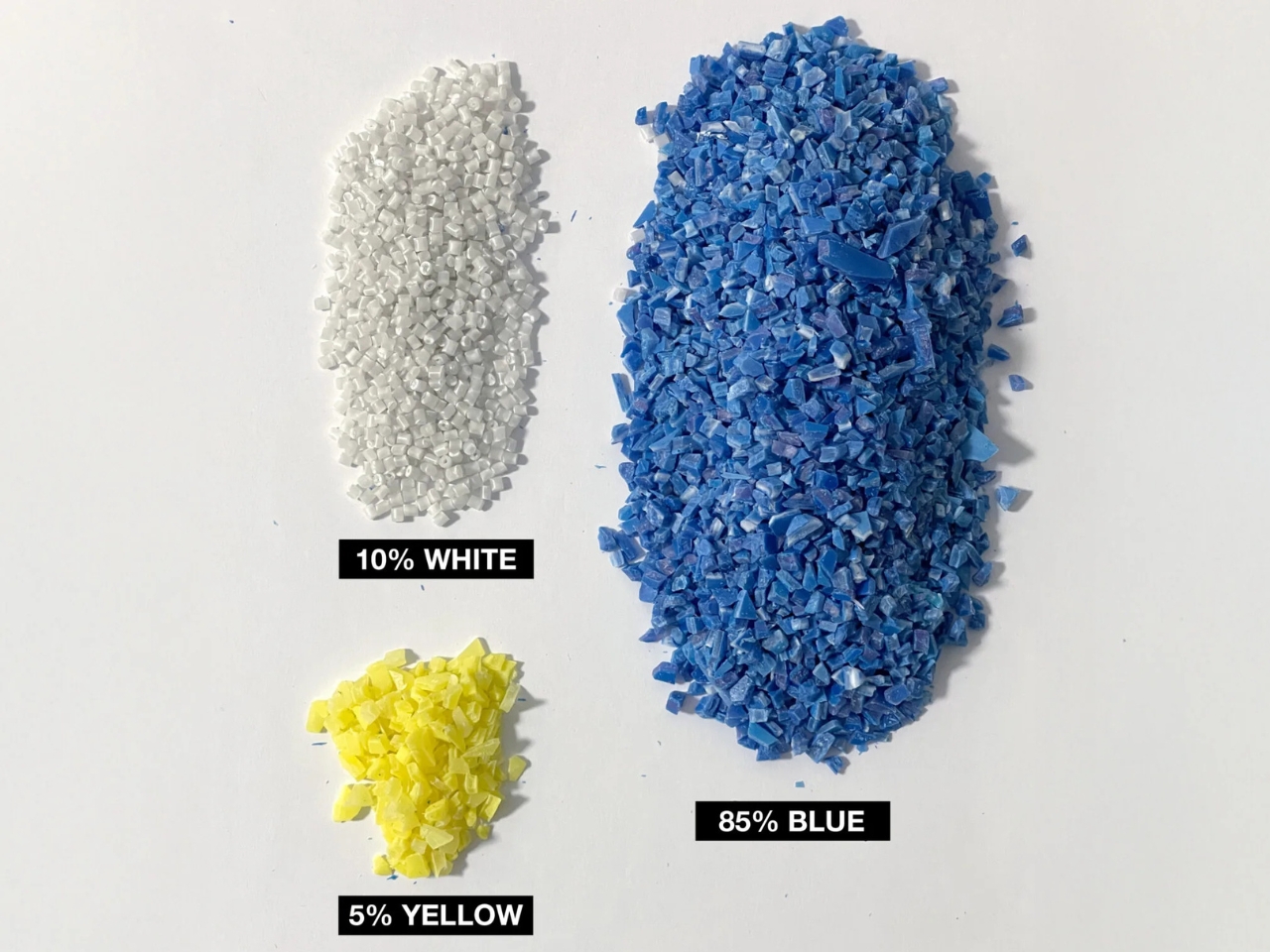
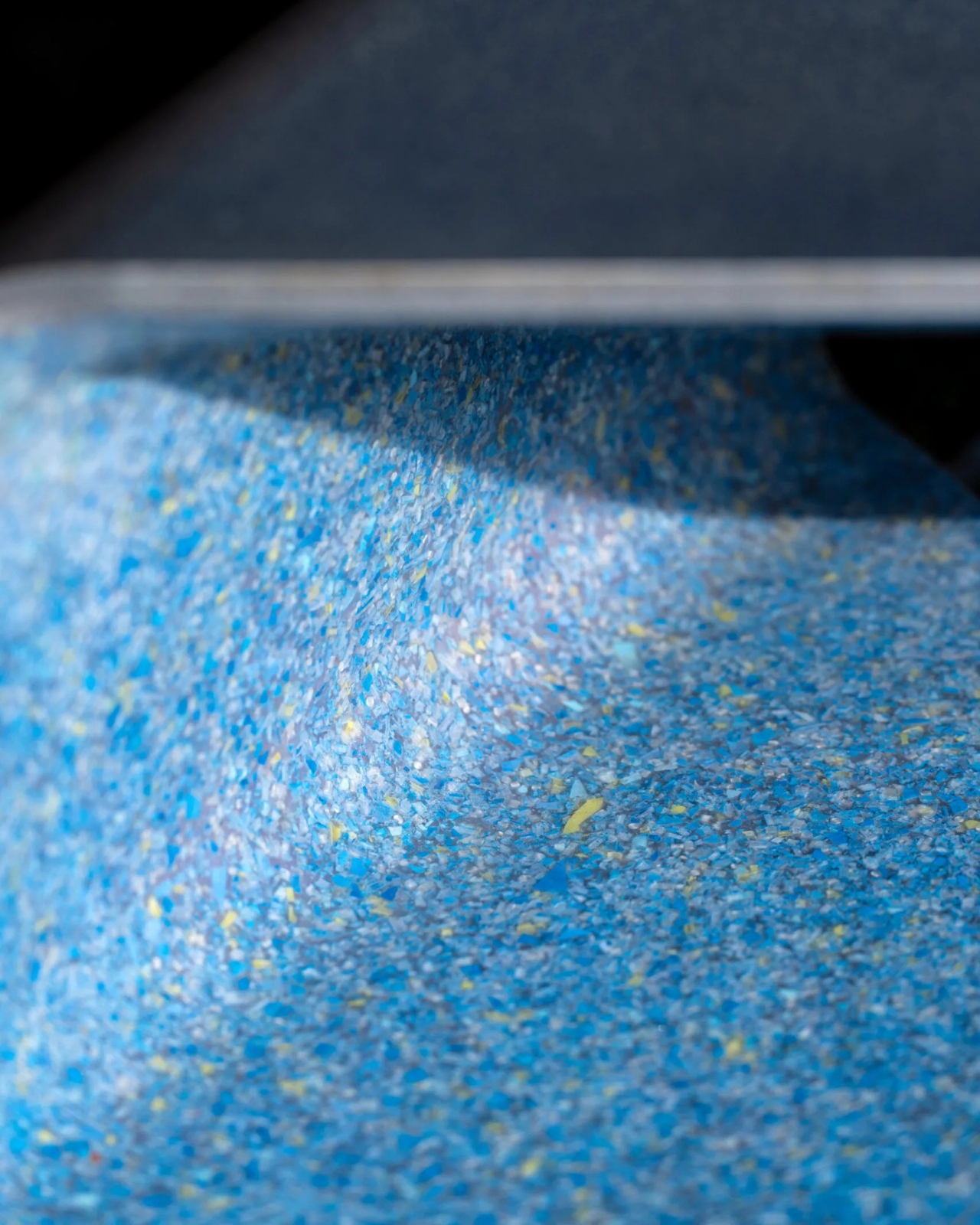
What makes this project especially clever is how it tackles two challenges at once. First, there’s the environmental angle. The pandemic left us with a staggering amount of medical waste, and those 9,200 upcycled surgical masks in the installation are just a tiny fraction of what ended up in landfills and oceans. By incorporating them into public furniture, Design PY transforms waste into something functional and meaningful. Second, there’s the cultural preservation piece. Urban development often erases neighborhood memory, but Tidal Stories brings it back in a form people can literally interact with every day.

The installation isn’t just about looking pretty or making a statement (though it does both). It’s actually being used. Elderly residents rest on the benches. Nearby workers grab lunch there. People passing through stop to sit and chat. The design reactivated what was basically a forgotten corner of the neighborhood and turned it into a gathering spot.

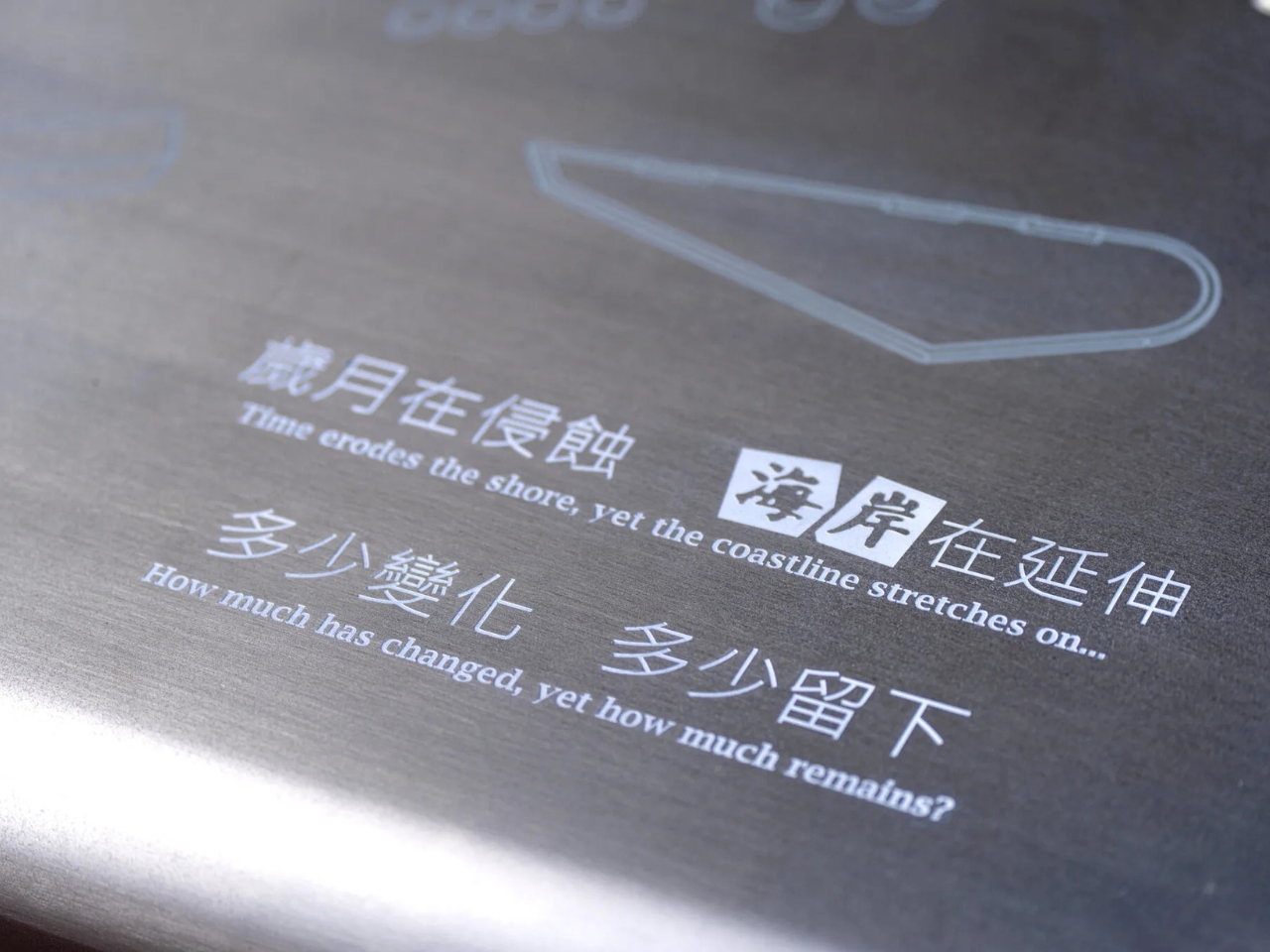
But here’s where it gets even more interesting. The metal tabletops aren’t just tables. They’re engraved with references to Tai Kok Tsui’s industrial and coastal past, functioning as both amenities and educational tools. The whole installation doubles as an informal museum, hosting architectural tours and community events that help people understand how their neighborhood evolved from fishing village to dense urban district.

This kind of design thinking feels especially relevant right now. We’re all grappling with questions about sustainability, about how to deal with waste we’ve created, about preserving cultural identity in rapidly changing cities. Tidal Stories doesn’t just answer these questions theoretically. It shows what’s possible when you combine circular design principles with community engagement and historical awareness.

The helical form itself is striking. It curves and spirals through the space, creating natural gathering points and visual interest without overwhelming the neighborhood’s existing character. You can see the installation from different angles as you approach, and each perspective tells a slightly different story about the relationship between past and present.

What’s refreshing about this project is that it doesn’t lecture. It invites. There’s no heavy-handed messaging about environmentalism or preservation. Instead, it creates an experience that lets people discover the layers of meaning on their own terms. Maybe you just want a place to sit. Maybe you’re curious about the unusual materials. Maybe you start reading the engravings and realize your neighborhood used to look completely different. All of these are valid ways to engage with the work.

The use of surgical masks as a primary material might seem gimmicky at first, but it makes perfect sense when you think about it. The pandemic was a collective experience that generated collective waste. Using that waste to create something that serves the collective good completes a kind of circle. Plus, it’s a reminder that design solutions don’t always require pristine new materials. Sometimes the most sustainable choice is working with what we already have too much of.

Tidal Stories proves that urban furniture can be so much more than benches and tables. It can be a history lesson, an environmental statement, a community hub, and a work of art all at once. That’s the kind of multifunctional thinking we need more of as cities continue to evolve.

The post When a Neighborhood Reclaimed Its Lost Shore With 9,200 Face Masks first appeared on Yanko Design.

LuneUp Ceramic Basins Can Double as Barbecue Grills

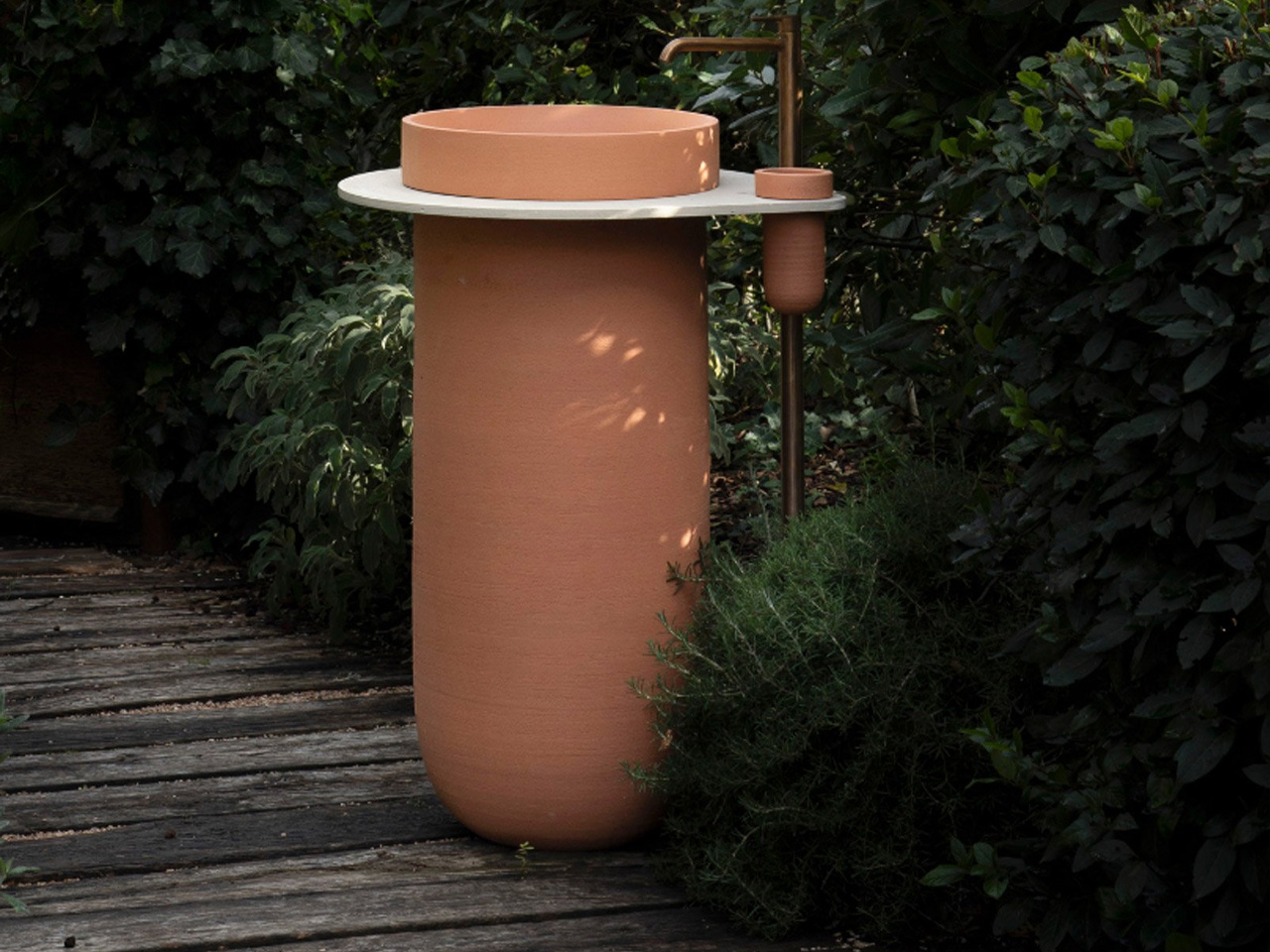
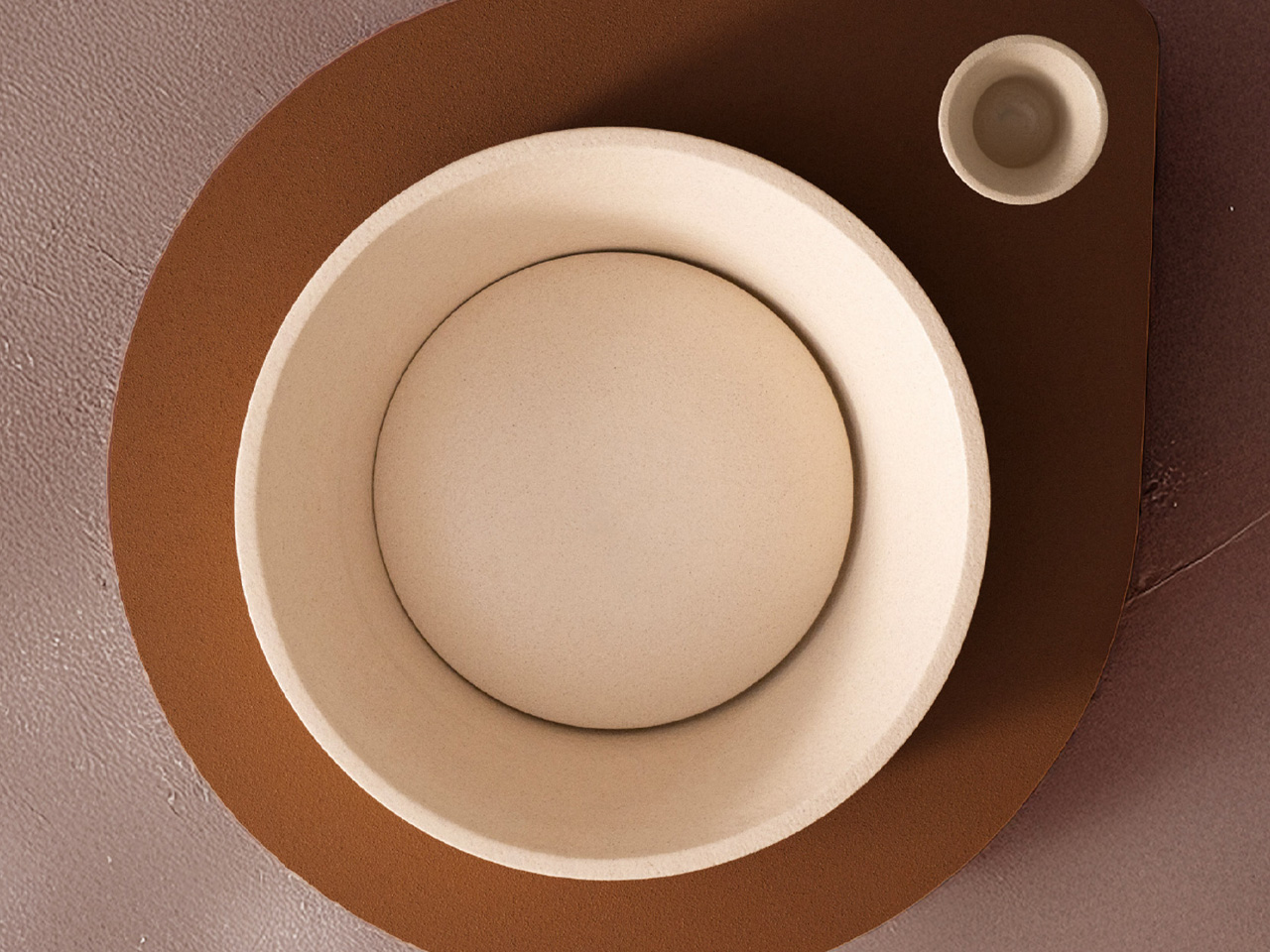
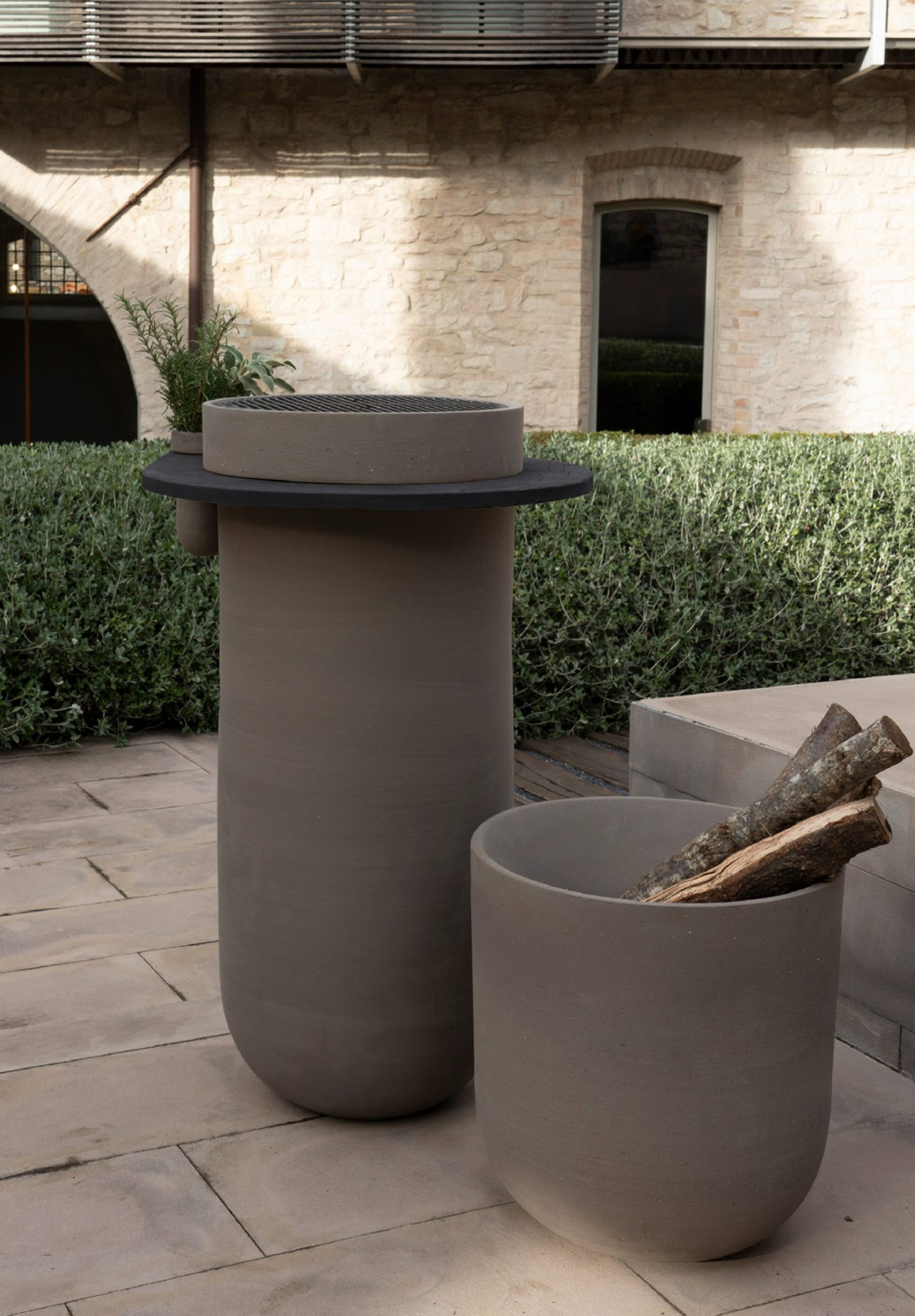
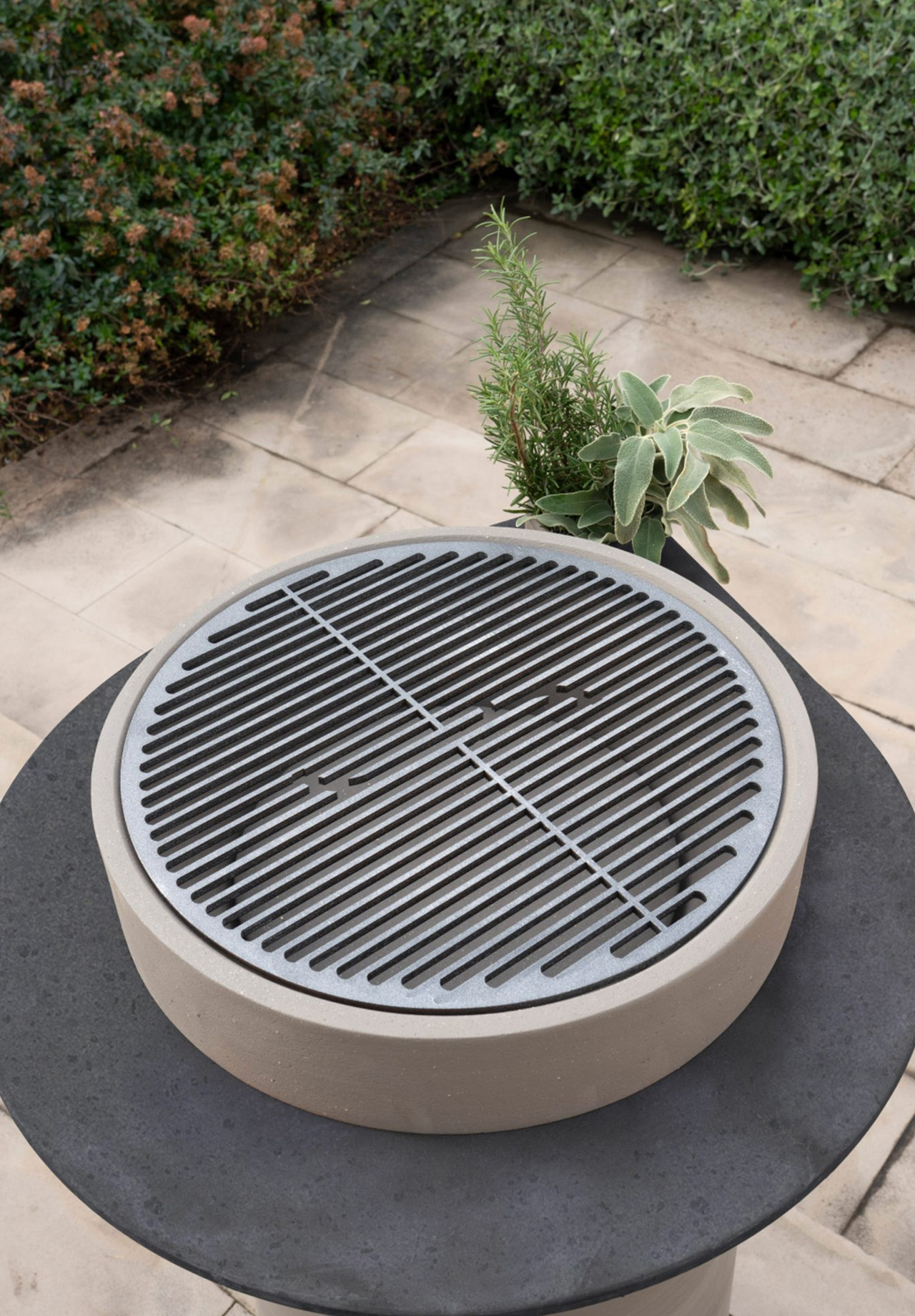
Italian bathroom brand Terzofoco has launched LuneUp, a versatile system of hand-thrown ceramic pedestals that challenges conventional thinking about bathroom design. Created by designer Emanuel Gargano, this modular collection transforms ceramic from a simple finishing material into a central living element that works both indoors and outdoors. The LuneUp concept centers on customization, allowing users to select from interchangeable elements, including washbasins, planters, and even barbecues, all supported by sculptural ceramic pedestals.

This total-living system approach means the same foundational pieces that hold a washbasin in your bathroom can support outdoor cooking equipment on your terrace. The design deliberately blurs the line between functional bathroom fixture and lifestyle furniture. Gargano’s vision extends beyond traditional bathroom boundaries, with ceramic elements serving as supports for various configurations. Each piece is handcrafted using traditional throwing techniques, ensuring an artisanal quality that brings organic variation to every installation. The system includes various heights and formats, from freestanding basins to console configurations, offering remarkable possibilities for contemporary spaces.
Designer: Emanuel Gargano for Terzofoco

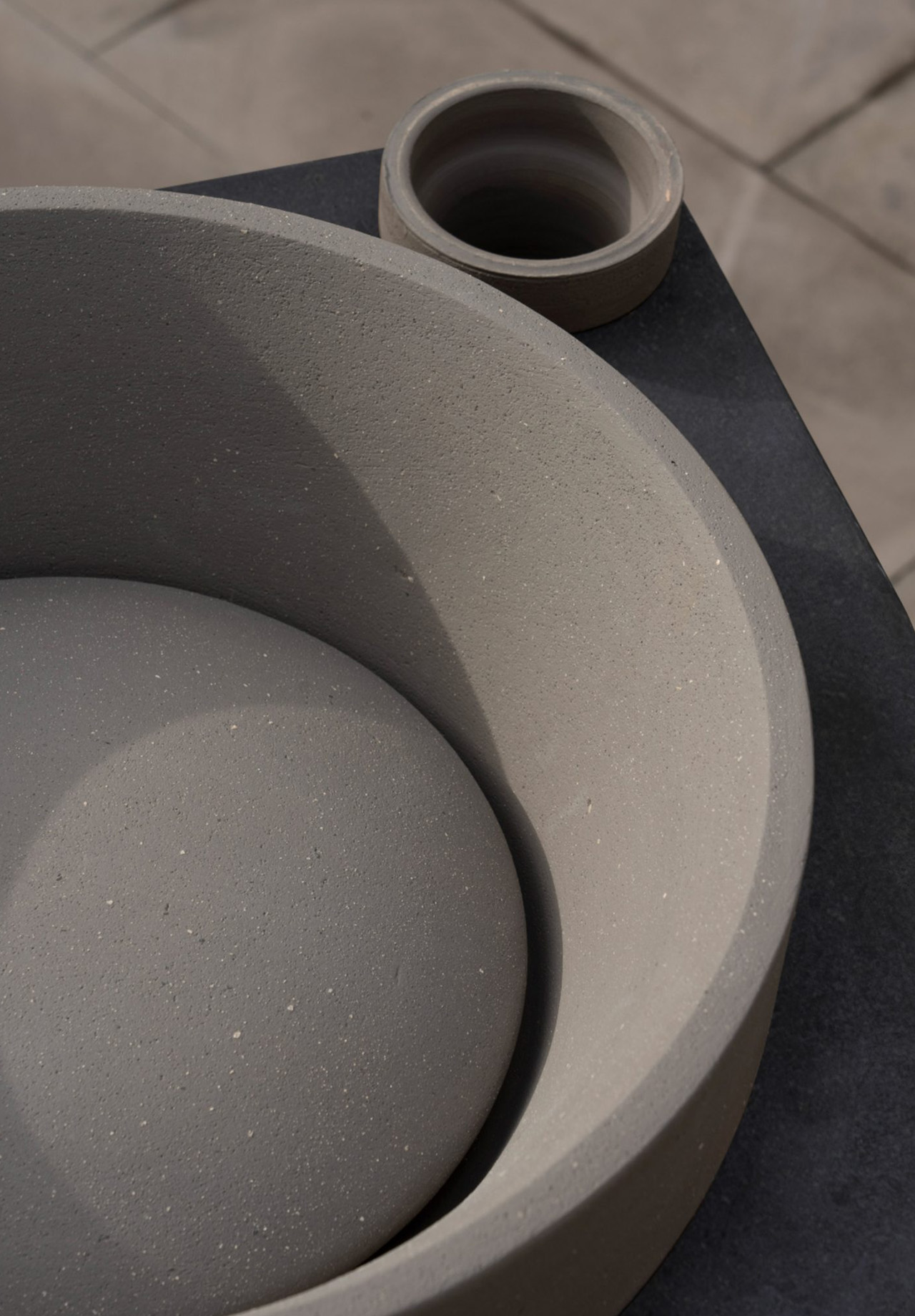
The LuneUp Bench composition features an aluminum top that doubles as both a surface and a seat, bringing unexpected versatility to what might otherwise be purely utilitarian pieces. Available finishes include Terra rossa, Raku clay, and Terra nera, each bringing distinct character while maintaining the system’s cohesive visual language. The LuneUp Pouf adds another dimension, functioning as both a ceramic laundry container and a stool. The minimalist aesthetic enables these pieces to stand alone or be combined into more intricate arrangements, adapting to various spatial needs and personal preferences. The modular system is so versatile that its offering ranges from a single wash basin to more complex combinations that serve multiple functions simultaneously.

What makes LuneUp particularly compelling is its rejection of bathroom design conventions. Rather than treating ceramic as decorative tile or simple basin material, Gargano positions it as structural and sculptural. The hand-thrown quality brings organic variation to each piece, ensuring no two installations look identical. This artisanal approach aligns with growing interest in craft-based design within the luxury bathroom sector, where consumers increasingly value pieces that showcase maker’s marks and individual character over mass-produced uniformity.

Terzofoco presented the collection at Milan Design Week in April 2025, where it attracted significant attention for its innovative approach to modular bathroom systems. The industry took notice earlier when the LUNE vanity unit earned recognition as one of the top 10 products at the Salone Internazionale del Bagno in June 2024. This acknowledgment from one of the bathroom industry’s most prestigious events validated Gargano’s unconventional thinking and confirmed that the market was ready for designs that transcend traditional category boundaries.

The system’s indoor-outdoor flexibility addresses contemporary living patterns where boundaries between interior and exterior spaces continue to dissolve. A ceramic pedestal holding a washbasin inside can support a planter outside, creating visual continuity across different zones. The barbecue option takes this further, suggesting that design languages typically confined to bathrooms can migrate to entertaining spaces. Photography by Gian Domenico Troiano captures the system’s sculptural qualities, emphasizing how light plays across the ceramic surfaces and aluminum accents. The images show LuneUp pieces in various settings, from traditional bathroom contexts to outdoor terraces, illustrating the system’s adaptability. Communication design by Simone Scimmi Design Studio presents the collection with clarity that matches its minimalist aesthetic, allowing the ceramic work itself to take center stage.

The post LuneUp Ceramic Basins Can Double as Barbecue Grills first appeared on Yanko Design.