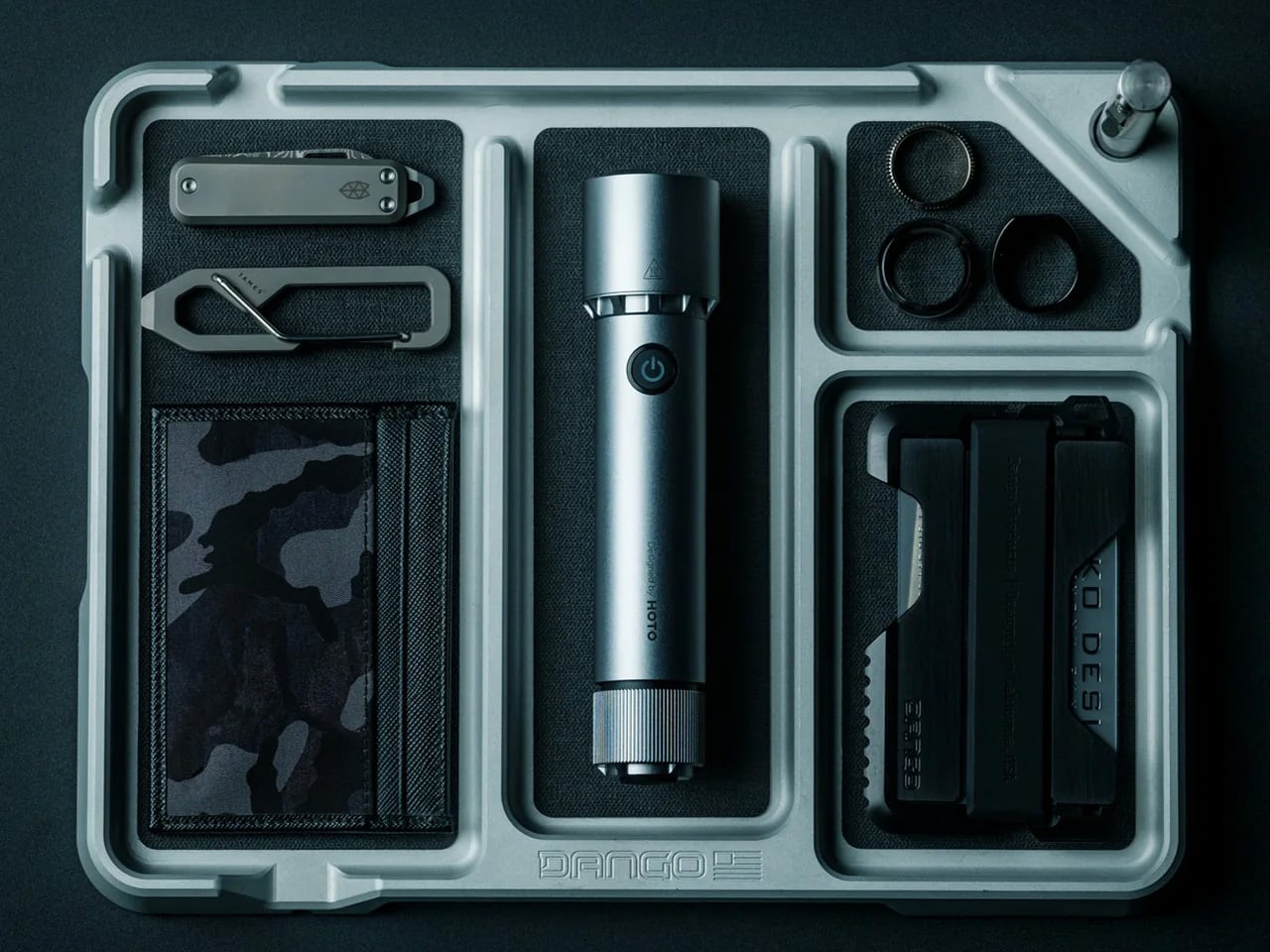
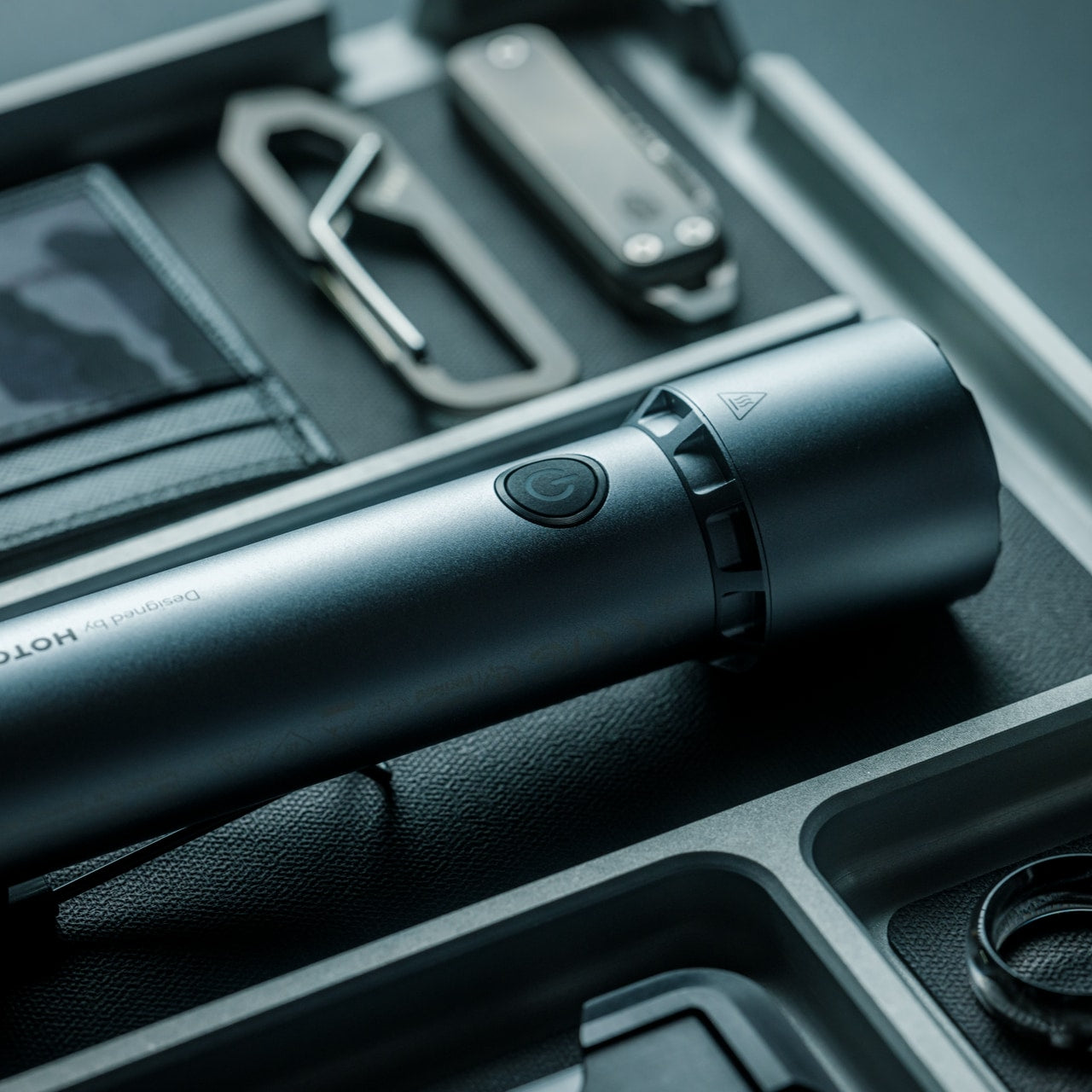
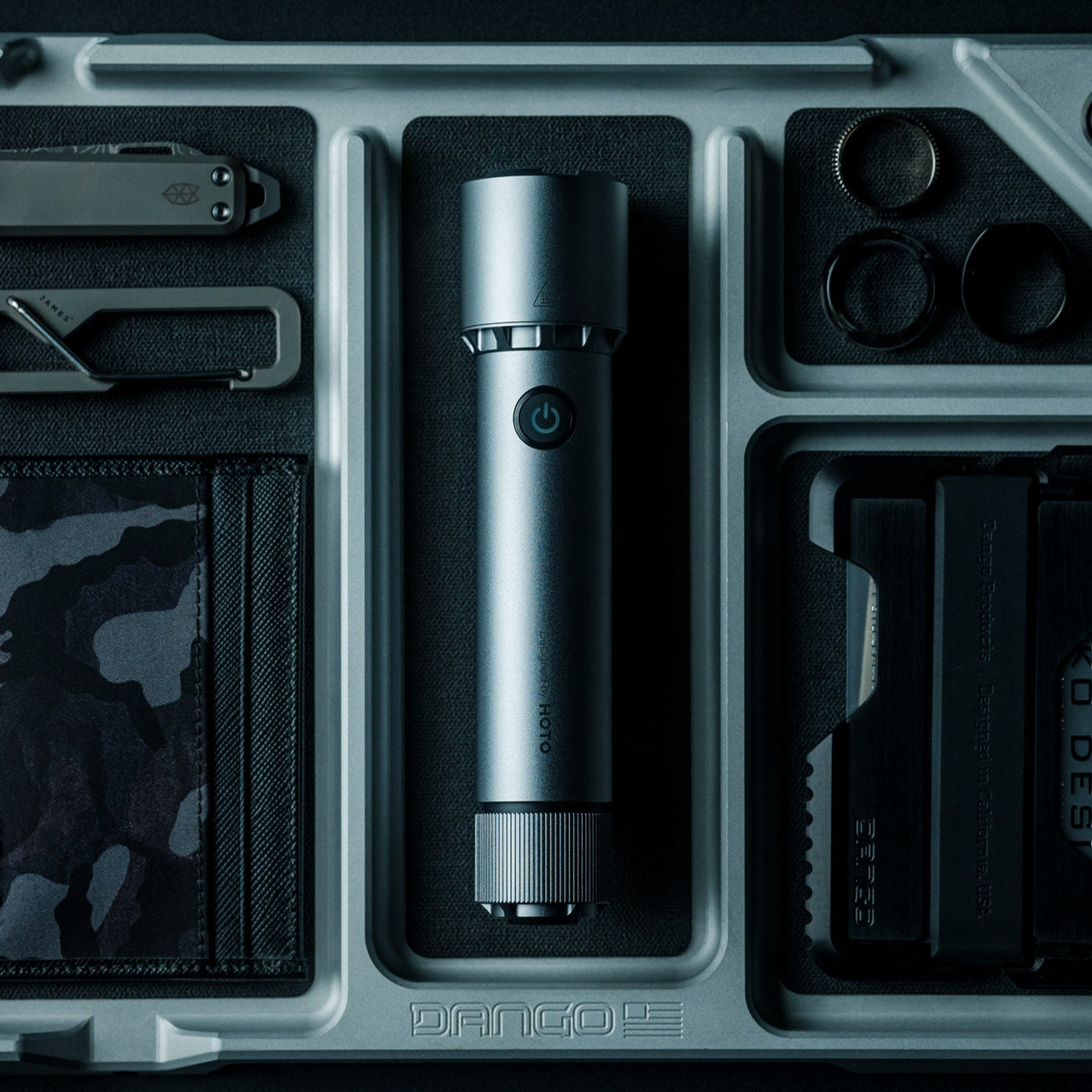
Some flashlights live at the back of a junk drawer, half-dead batteries and all, and then some tools earn permanent nightstand status. The BlackoutBeam Tactical Flashlight belongs in the second category. With 2300 lumens and a 300-meter throw, it outperforms gear twice its size, and it does it inside a body slim enough to slide into a jacket pocket without a second thought.
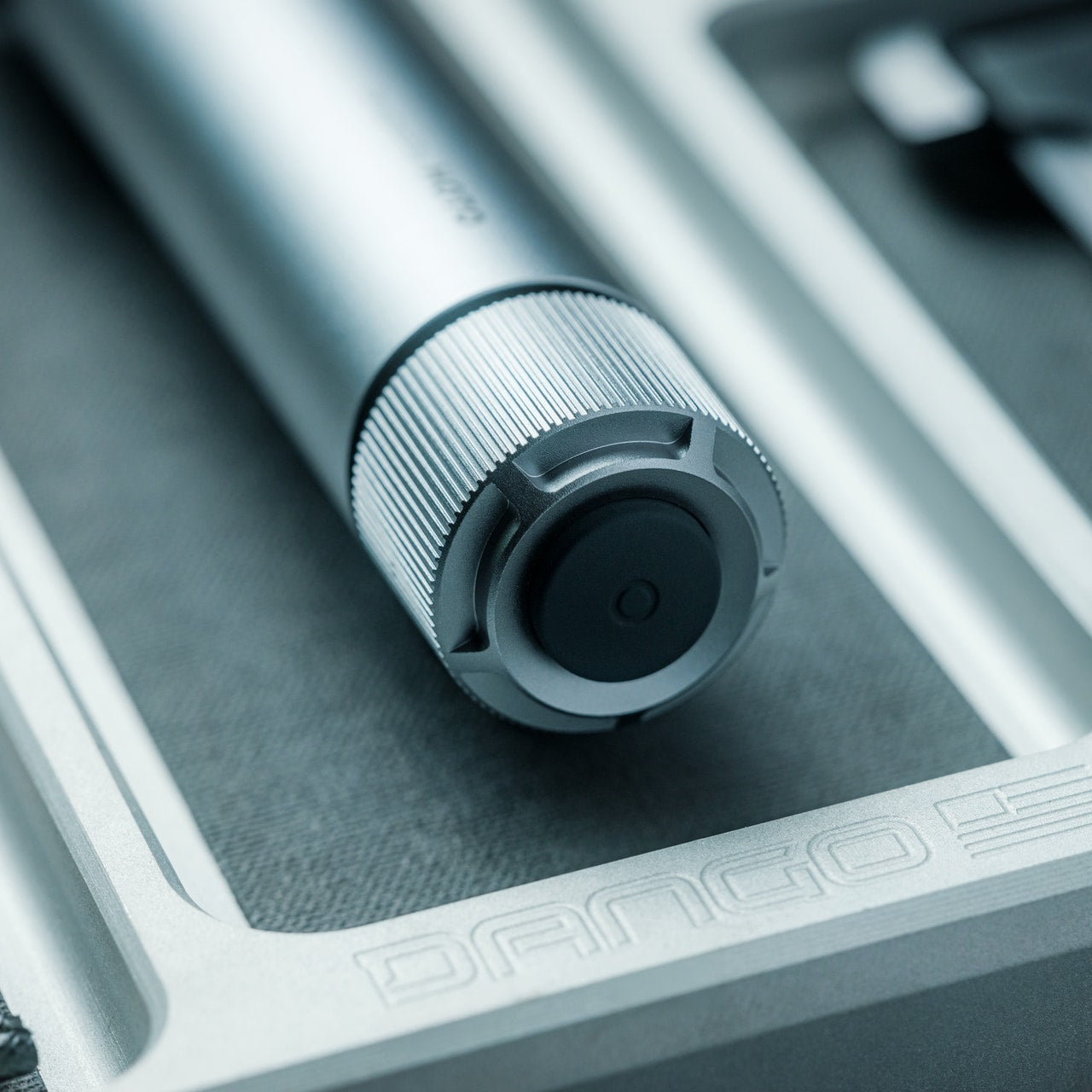
What makes it worth talking about is not just the output. It is the combination of IP68-rated aluminum construction, a 0.2-second activation time, and a 6500K daylight beam that together closes the gap between tactical hardware and everyday carry. This is not a flashlight you grab when nothing else is available. It is the one you reach for first, every time, because it was built to perform before you even think about it.
What separates BlackoutBeam from the crowded EDC flashlight market is the combination of brutal output and surgical design. Three brightness levels cover everything from close-up task lighting to long-range situational awareness. A strobe mode and a focused pinpoint beam add tactical flexibility that most everyday carry flashlights simply do not offer. The 6500K color temperature mimics natural daylight, which matters when you need to read a situation quickly rather than fumble through warm, orange-tinted light.
The one-handed design works in gloves, which tells you everything about the intended use case. This is a flashlight engineered for genuine emergencies, not the kind you imagine while browsing gear forums. A storm takes out the power. Your car stops on an unlit road. Something moves in the yard at 2 a.m. BlackoutBeam activates in the time it takes to blink, and it does not stall when you need it most.
Dual Power, No Dead Ends
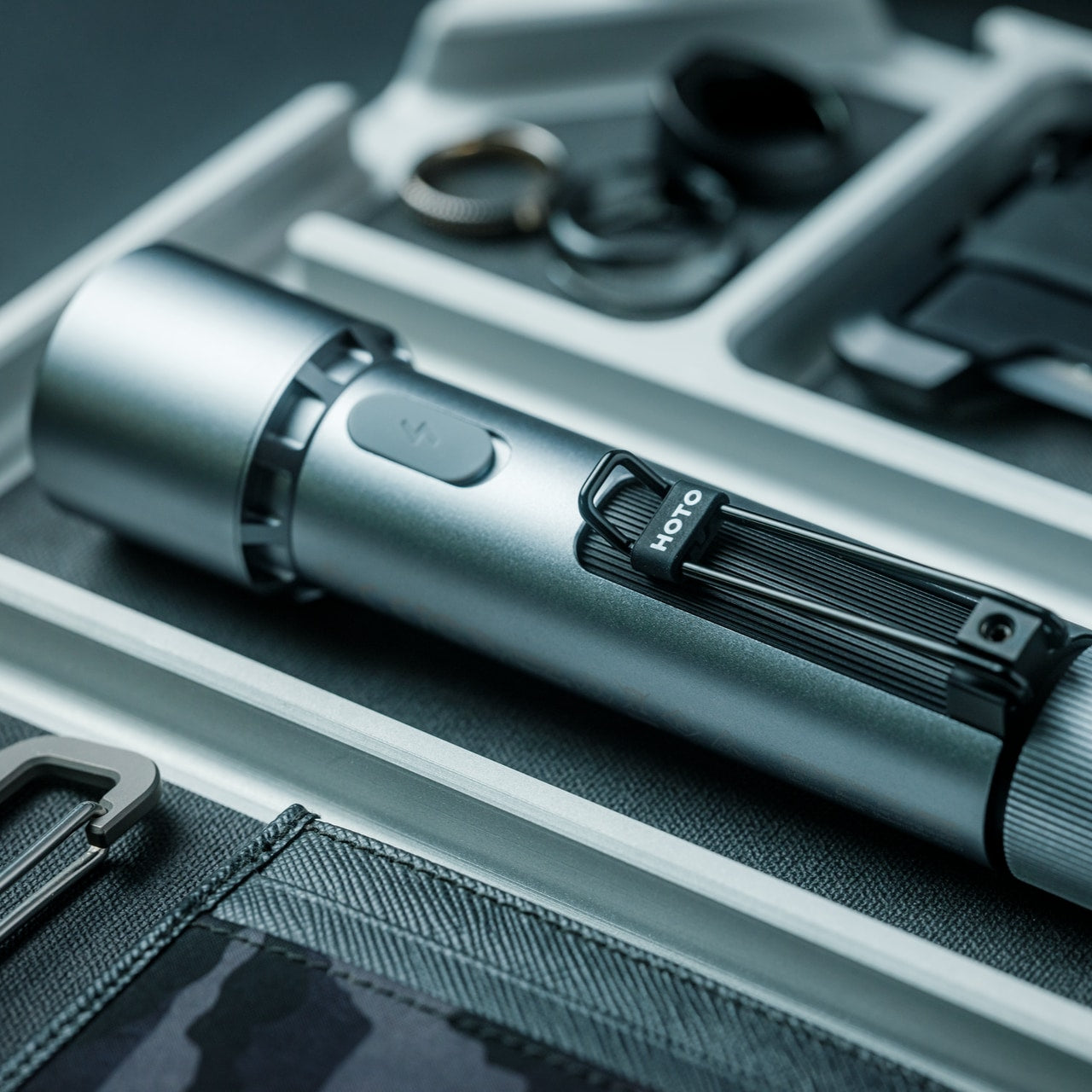
Power management is handled with the same care as everything else. A 3100mAh lithium-ion battery recharges via USB, folding into the same charging routine as your phone and laptop. When the grid goes down entirely, two CR123A backup batteries ensure the flashlight is never stranded. That dual-power system is rare at this price point. Most lights at $90 force a choice between one option or the other.
At $90, BlackoutBeam sits at the crossroads of EDC practicality and award-winning industrial design, a combination that rarely arrives in the same package. Slim enough to slide into a go-bag, refined enough for a nightstand, and powerful enough to change the outcome of a real emergency. Most flashlights cover one of those bases. This one covers all three without a single compromise.
What We Like
2300 lumens with a 300-meter throw: the output is genuinely serious for a flashlight this slim, covering everything from a dark room to a wide outdoor perimeter without switching tools
0.2-second activation: no warm-up, no delay; it works at the exact speed an emergency demands
IP68 waterproof and dustproof aluminum build: not just splash-resistant, but rated for full submersion, which puts it well above most EDC flashlights at this price
Dual power system: USB recharging for daily life, CR123A battery backup for when the grid is gone; genuine redundancy rather than a marketing afterthought
What We Dislike
Stock is critically limited: the product page lists only one unit available, which means this is essentially a last-chance purchase rather than a reliable restocking situation
No published runtime figures: the page details brightness levels and battery specs but never states how long the 3100mAh cell actually lasts at full 2300-lumen output, which is information any serious buyer needs before committing at $90
Buy It Once, Carry It Forever
The BlackoutBeam was designed for the moments when everything else falls short. That is not marketing language. It is a design brief backed by 100 international awards and a track record that earns its reputation. If you have been carrying a flashlight bought out of convenience rather than confidence, this is the upgrade worth making. The difference between the right tool and a forgotten one matters more than most people realize until it is too late.
Pick up the BlackoutBeam Tactical Flashlight while stock lasts. With only one unit currently available, this is not a purchase to schedule for later. The flashlight you carry in an emergency is not the place for compromise, and BlackoutBeam is proof that the right tool never has to sacrifice how it looks to deliver exactly what it promises when the moment arrives.
The 4th of July has a way of surfacing the gear you wish you already owned. The flashlight nobody can find. The pocket tool left at home. The radio that needs Wi-Fi to work. This year, instead of defaulting to another box of sparklers, consider something that earns a permanent spot in someone’s daily carry. These seven picks are design-forward, genuinely useful, and built for long days outdoors.
The range runs from ten dollars to under a hundred, spans keychain carry to campsite audio, and skews toward objects that solve problems the recipient didn’t know they had. A 4th of July gift isn’t really about the holiday — it’s about summer. Long evenings, unfamiliar parks, parking lots that feel like a mile from the fireworks. The best EDC is already in your pocket before you realize you needed it.
1. NoxTi Titanium Glow Keychain
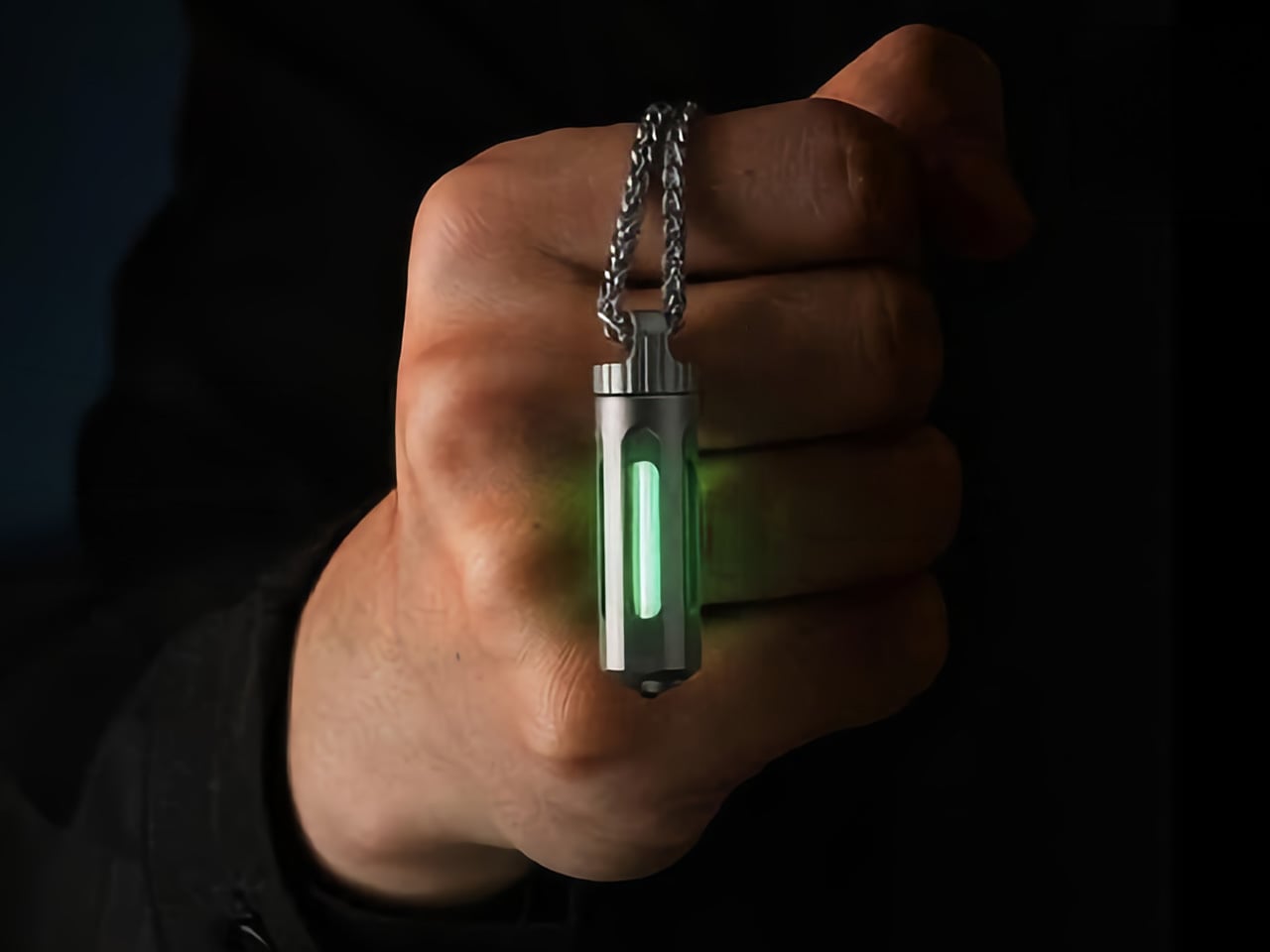
Most keychain tools solve for function and ignore everything else. The NoxTi starts from a different premise entirely. Inside a 45mm Gr5 titanium body machined to aerospace tolerances lives a tritium vial — a hydrogen isotope that releases beta particles, which strike a phosphor coating and produce light. No batteries. No charging. No switch to press. The physics simply runs, continuously and silently, for 25 years. Six color options span Apple Green, the brightest to the human eye, through Ice Blue, Red, Sunset Orange, Violet, and Ocean Blue.
At 10.7 grams, roughly two US pennies, the NoxTi disappears on a keychain until darkness falls and it becomes the most visible thing in your pocket. The quartz tube transmits 92% of available light and will still be optically clear in 2050. A ceramic-tipped glass breaker sits at the tail end for emergencies. When the tritium dims after two decades, you press the old vial out and slide a new one in. The titanium body is designed to outlast every other item in your carry, twice over.
What we like
Tritium glow requires no battery, no charging, and no activation — just physics running without interruption for 25 years
User-serviceable vial replacement means the titanium body becomes a permanent carry piece that improves rather than degrades over time
What we dislike
The glow is intentionally faint — this is a locator light, not a work light, and that distinction matters when gifting
The tritium version costs nearly double the luminescent model; the difference only reveals itself in complete darkness
2. CasaBeam Everyday Flashlight
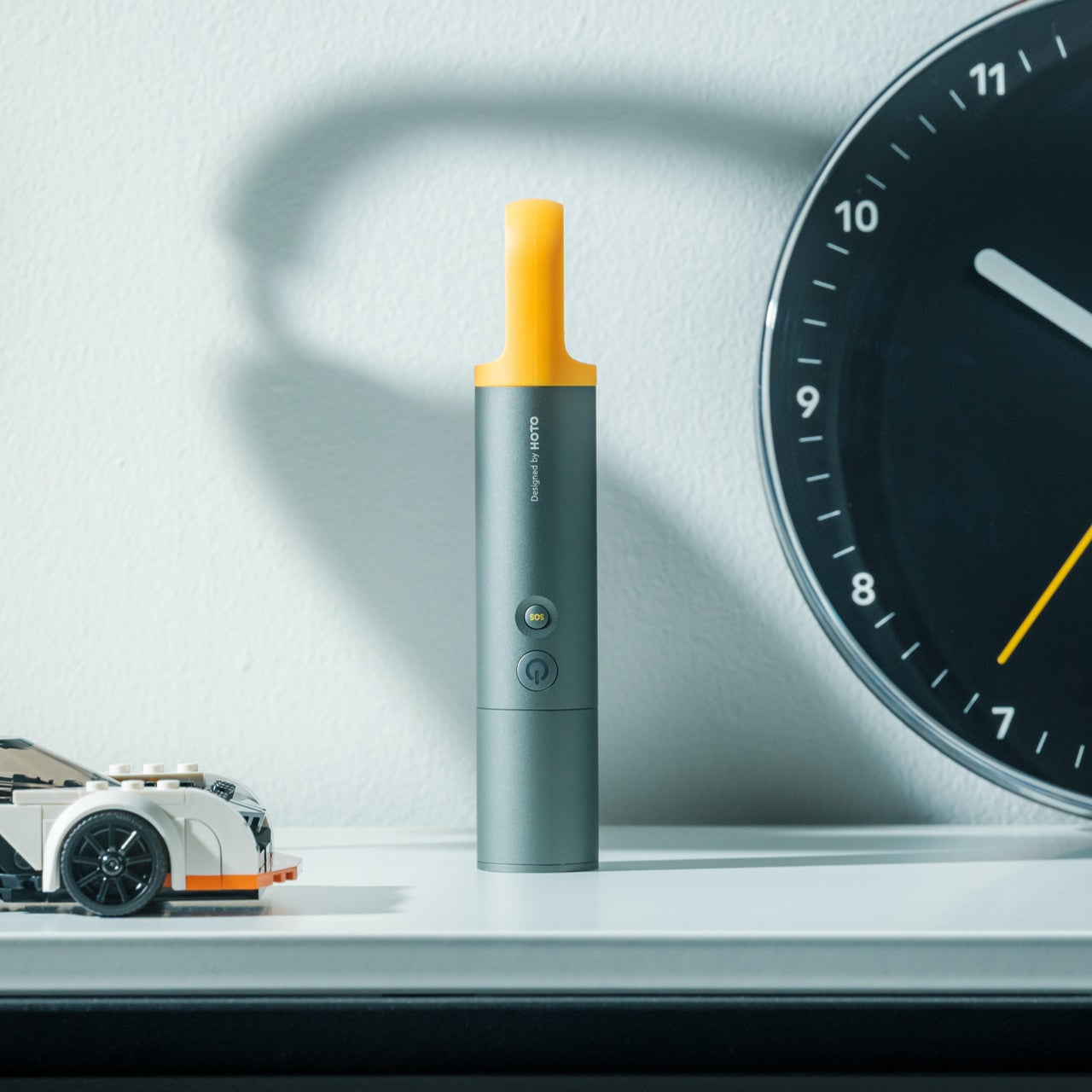
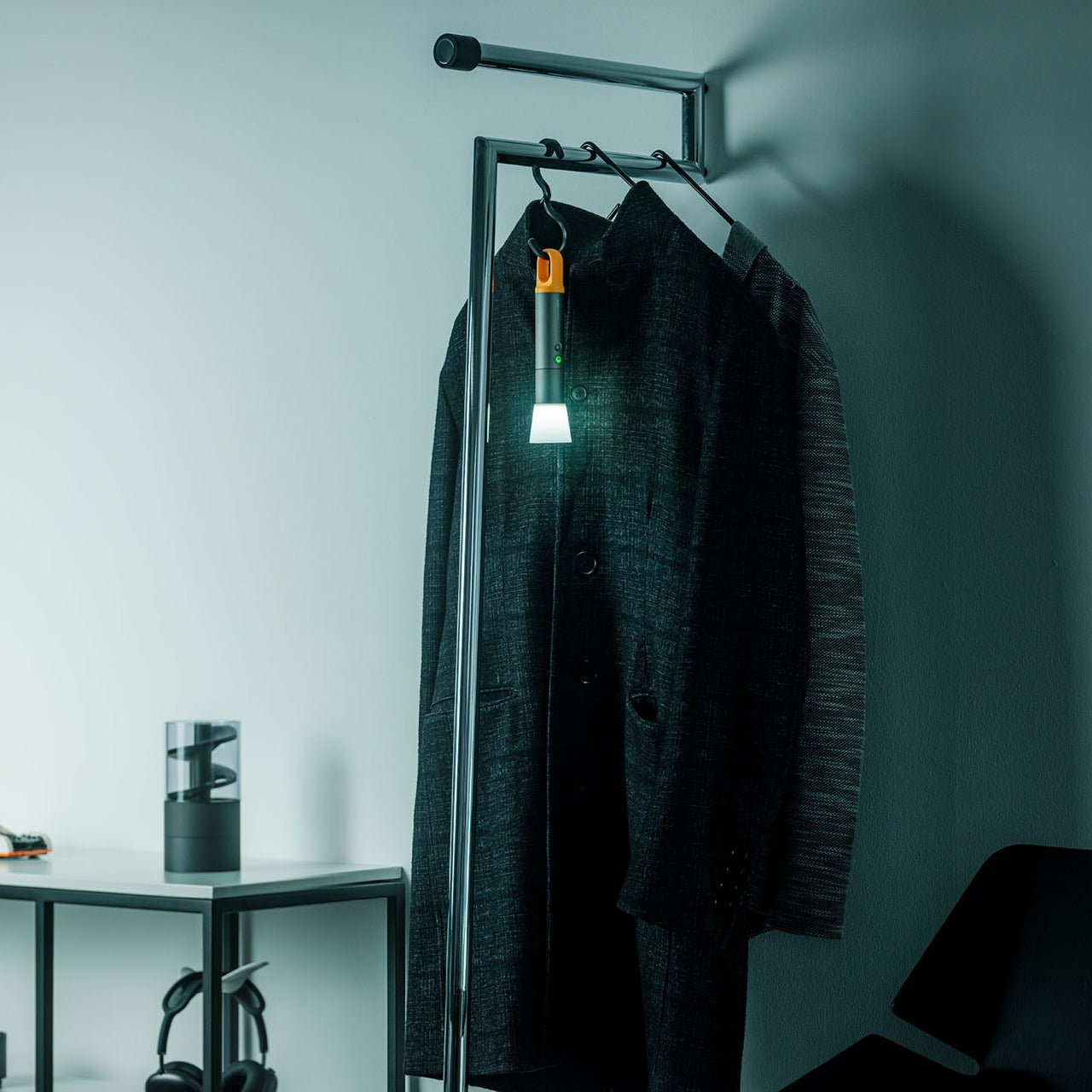
A 1,000-lumen output with a 200-meter throw sounds like overkill for a walk to the fireworks lot. It isn’t. The CasaBeam’s core trick is what happens when you stand it upright: it becomes a lantern, casting ambient light across a blanket, a tailgate, or a campsite without requiring a second device. Twist the front to shift between focused spotlight and wide floodlight. Five lighting modes handle everything from reading fine print on a map to signaling across a dark field.
The form factor is the story. Cylindrical, compact, no exposed bezels or tactical knurling — it reads as a designed object rather than a piece of survival gear. That matters when the gift lives on a kitchen counter for 50 weeks a year and earns its place the other two. The dual-mode beam and standing lantern configuration solve two distinct problems with a single product and no attachments required. Most flashlights beg to be put away. This one earns a shelf spot.
1,000 lumens and an upright lantern mode solve two distinct lighting problems within a single compact form
Clean cylindrical profile reads as a designed object rather than tactical gear, earning permanent display rather than a drawer
What we dislike
Battery life at maximum output isn’t specified, which becomes a real concern during extended outdoor use
No integrated power bank function means a phone running low still needs a separate solution
3. Cubik
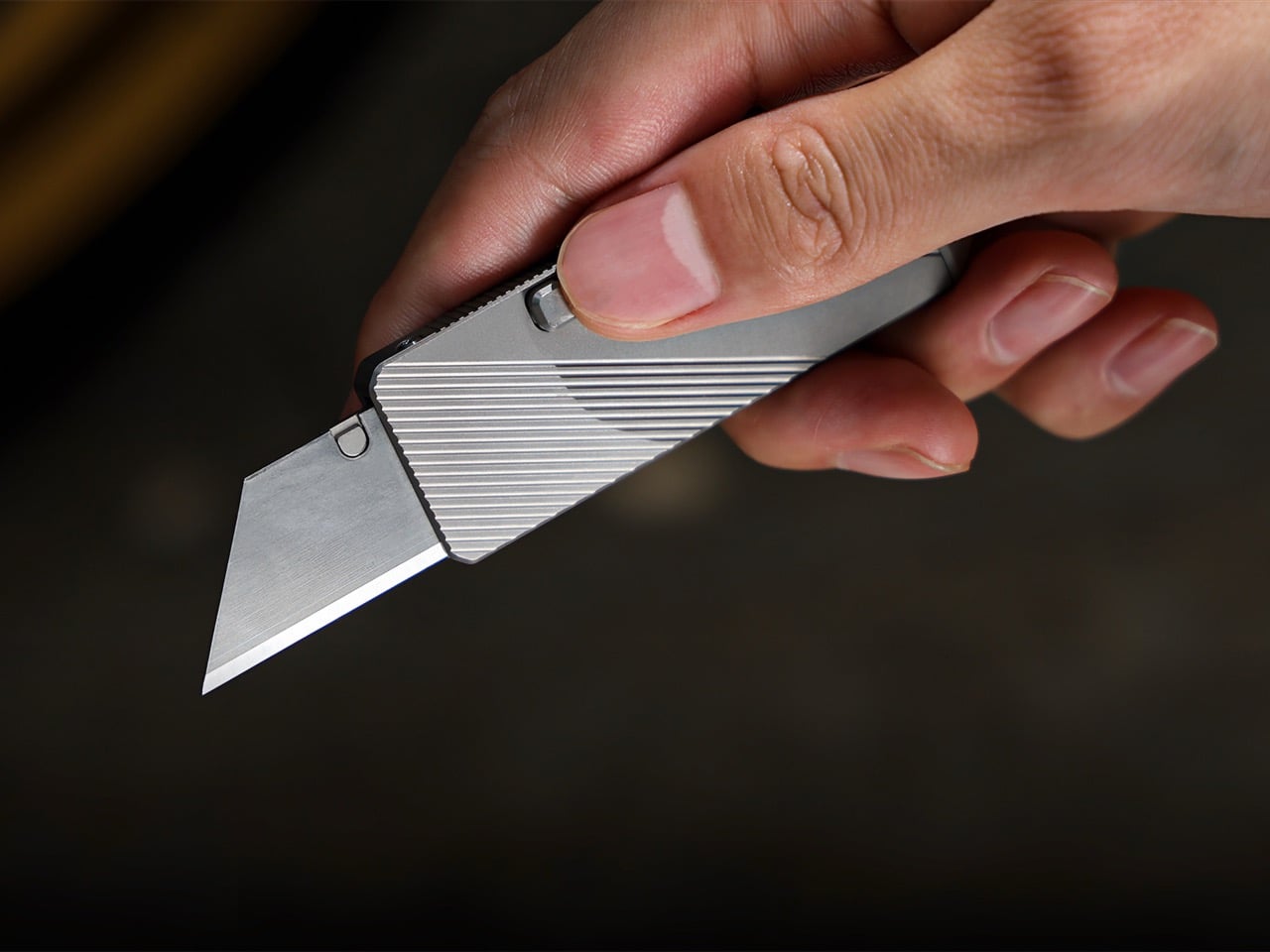
Knife design has explored most of its available territory. Springs, flippers, bearings, assisted openers — the variations are incremental. The Cubik does something genuinely different. Press the trigger, tip the handle down, and the SK5 trapezoid blade drops into place using nothing but gravity. Release and it locks. No spring to rust, no bearing to fail, no mechanism that requires maintenance over years of carry. The outer body is fully machined titanium at 1.65 ounces, measuring 2.6 inches long and 0.2 inches thin.
The swappable blade design turns a potential limitation into a genuine advantage. When an edge dulls, you replace it rather than resharpening. Five blades come included, and the trapezoid format is dual-ended — when one tip wears, flip it. Remove the blade entirely, and the handle clears TSA checkpoints. Tritium slots on both sides accept glow vials for low-light visibility. A tungsten carbide glass breaker sits at the rear end, and a pocket clip handles daily carry. The Cubik removes friction from every step except the cut.
What we like
Gravity deployment eliminates springs and bearings, making the mechanism nearly impervious to the wear that compromises most folding knives over time
TSA-friendly with blade removed, making it genuinely packable for any travel scenario without sacrificing the handle as a daily tool
What we dislike
Gravity deployment requires a deliberate wrist motion that takes practice — less intuitive than a flipper under real pressure
SK5 is functional blade steel but won’t match the edge retention of higher-alloy alternatives at this price
4. Gerber Shard
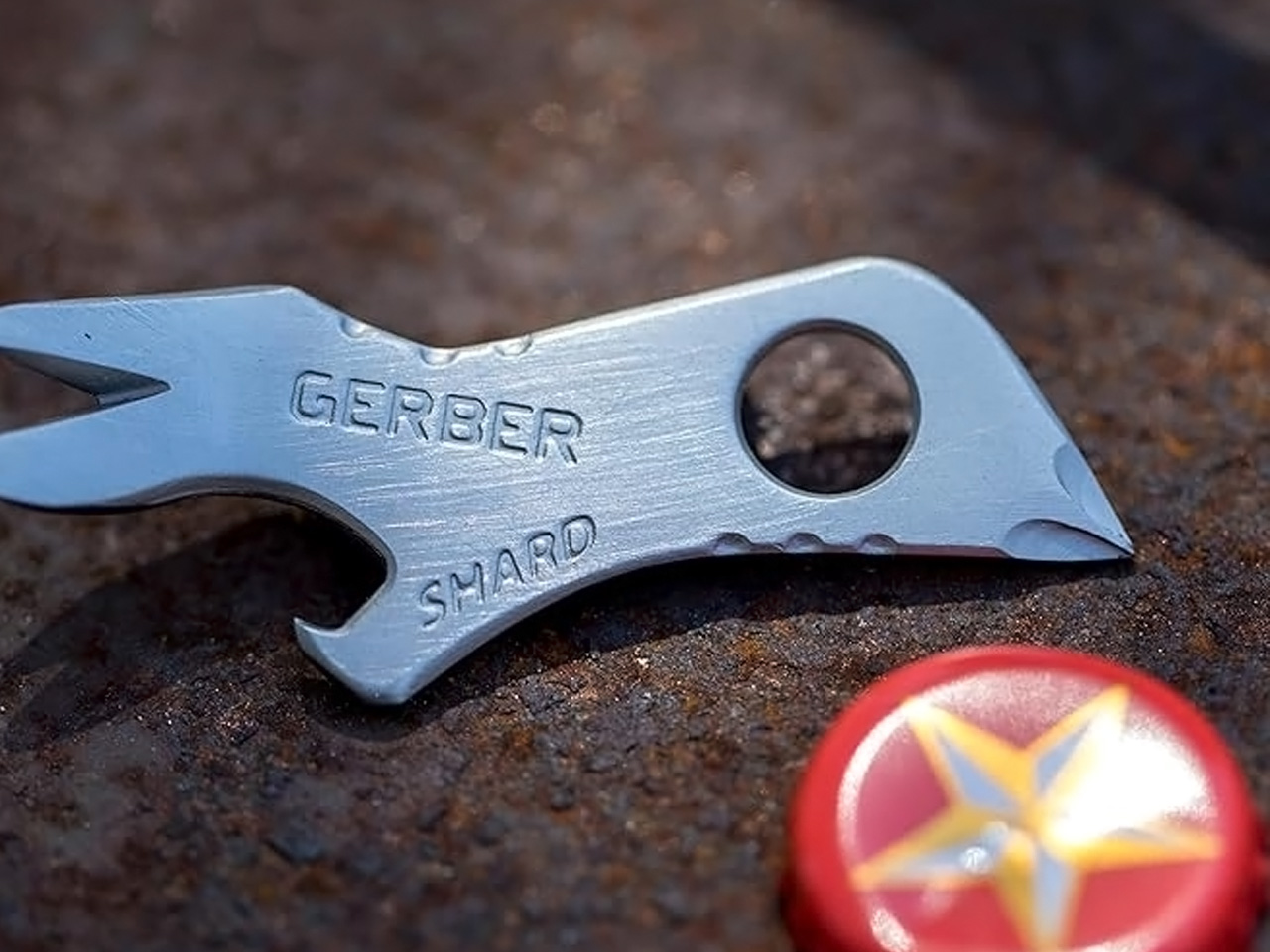
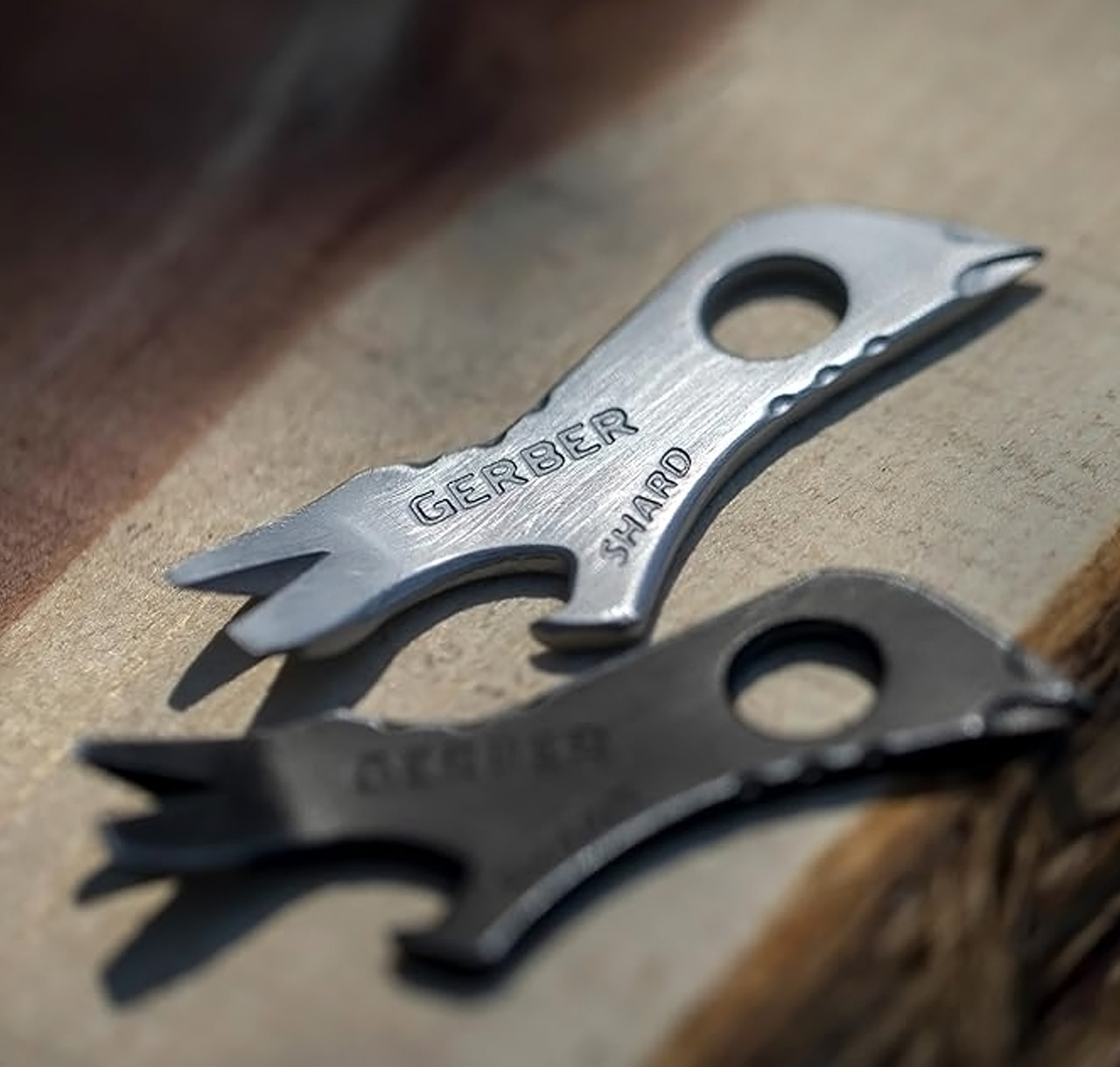
There is a specific kind of gift that costs almost nothing and immediately becomes indispensable. The Gerber Shard is exactly that. Seven functions in a 2.75-inch titanium nitride-coated steel body: small flathead, medium flathead, cross driver, pry bar, wire stripper, lanyard hole, and bottle opener. The coating handles sweat, saltwater, and general outdoor abuse without corrosion or tarnish. Gerber backs it with a limited lifetime warranty. At roughly ten dollars, the case against it is genuinely difficult to construct.
The airline-safe design is the detail that separates the Shard from every competitor at this price point. No blade means it travels in carry-on luggage, clears international security, and stays in a bag that never gets checked. Most multitools get confiscated at security checkpoints or packed reluctantly into checked bags. This one goes everywhere without a second thought. Clip it to a keychain, a zipper pull, or a lanyard and forget it exists until someone nearby needs exactly what it offers.
What we like
Airline-safe and TSA-compliant, seven functions that travel literally anywhere without planning around security
A limited lifetime warranty from an established brand at a price that removes any justification for not owning one
What we dislike
Seven functions cover the daily basics but won’t satisfy carry needs that demand pliers or a dedicated blade
Small size reduces leverage on stubborn fasteners — torque-heavy tasks require a full-sized tool regardless
5. RetroWave 7-in-1 Radio
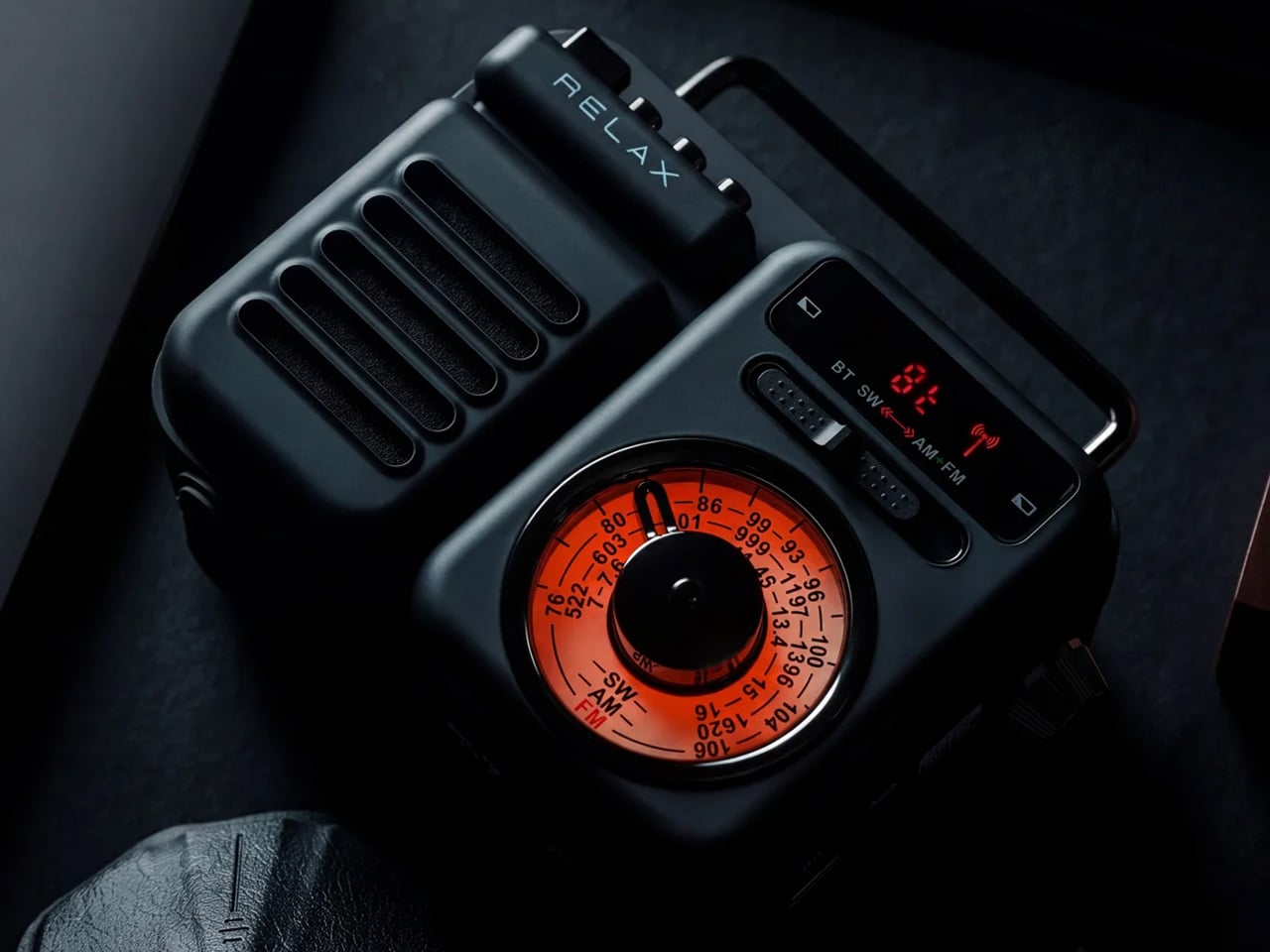
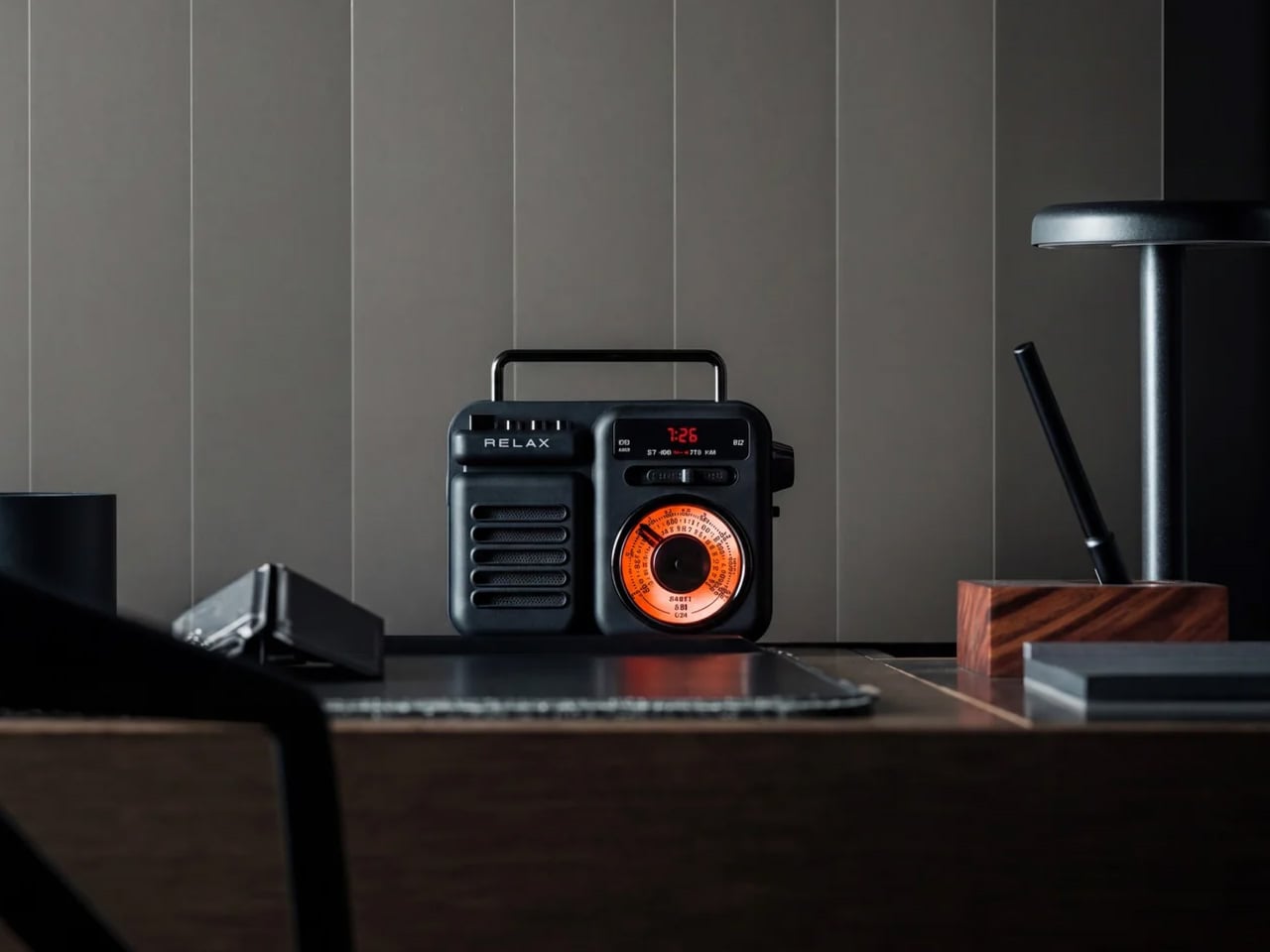
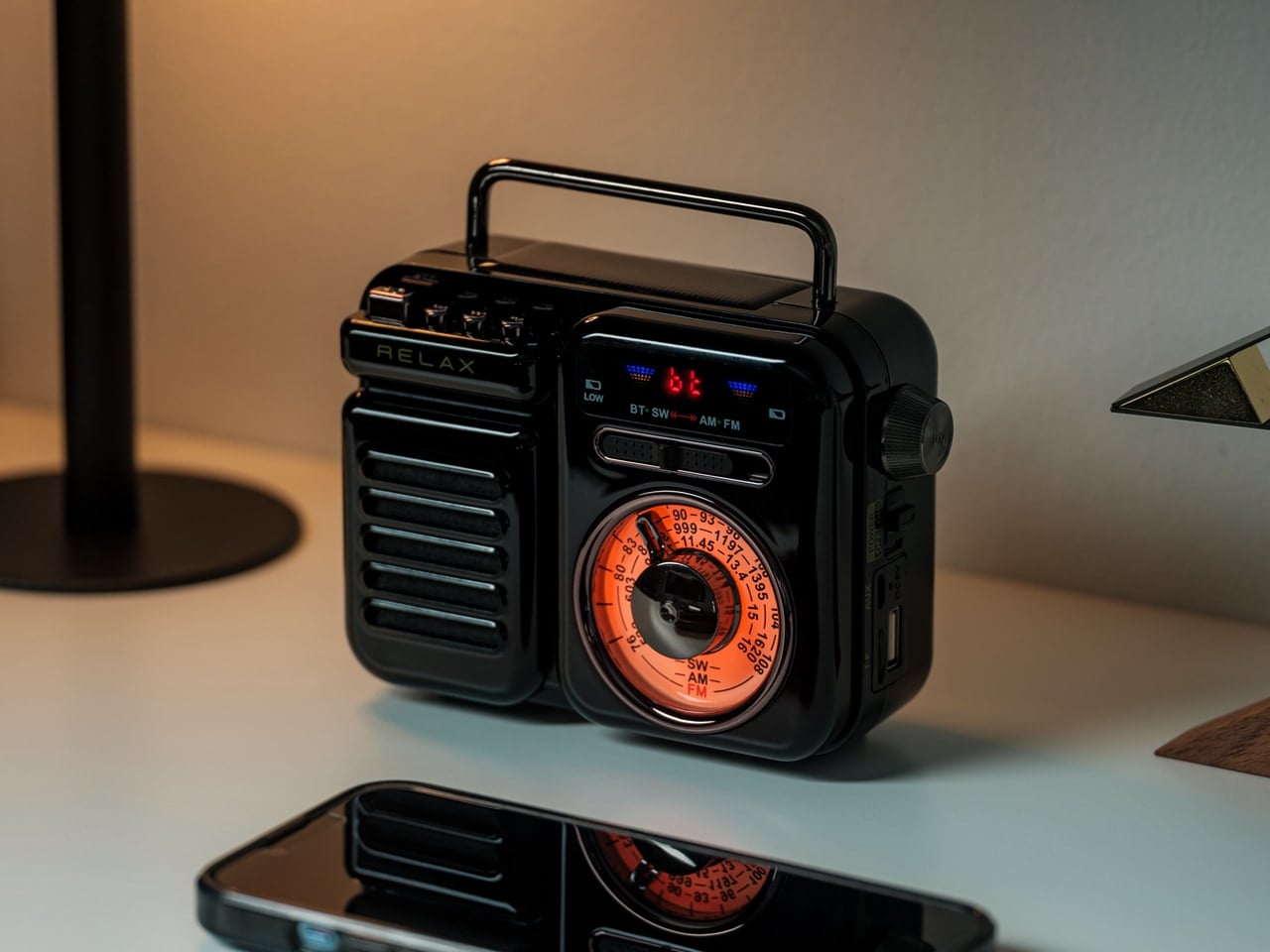
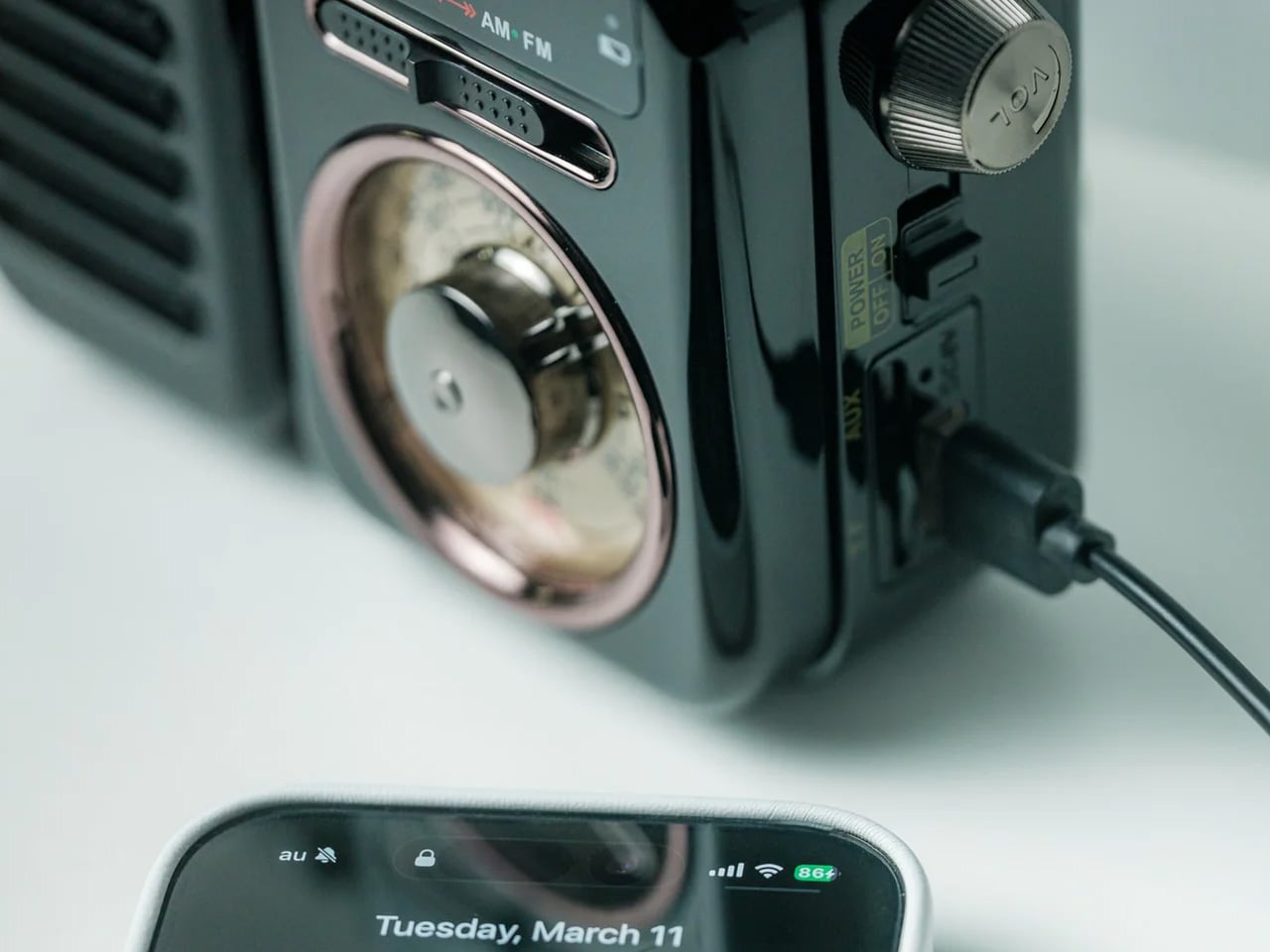
Smart speakers go quiet when the Wi-Fi drops. Phones drain exactly when you need them. The RetroWave Radio is built for the moments modern devices quietly fail. FM, AM, and shortwave radio run analog without internet. Bluetooth and microSD handle streaming and offline playback. A 2000mAh battery charges your phone when outlets aren’t available. A hand crank and solar panel keep the radio running when neither power source is reachable. An SOS alarm stays ready in the background, doing nothing until it’s the only thing needed.
The design earns its shelf space long before the power cuts. The retro Japanese-inspired silhouette has genuine tactile weight — a tuning dial with real feedback, proportions that feel resolved rather than nostalgic for effect. On a picnic blanket with fireworks building overhead, it handles audio without pulling anyone’s phone from their pocket. During a summer storm a week later, it handles the emergency without requiring a different device. Up to 20 hours of radio playback, six hours of emergency lighting, and one object that earns its place every day between holidays.
Hand crank and solar charging mean the radio keeps working when power and signal both fail — a genuinely rare capability at this price
The retro Japanese silhouette earns its shelf presence on design alone, before any function is considered
What we dislike
2000mAh power bank capacity is modest — enough for an emergency top-up, not a full phone charge from zero
Shortwave reception quality depends on antenna position and local interference, requiring some adjustment in new environments
6. Loki Nav Compass
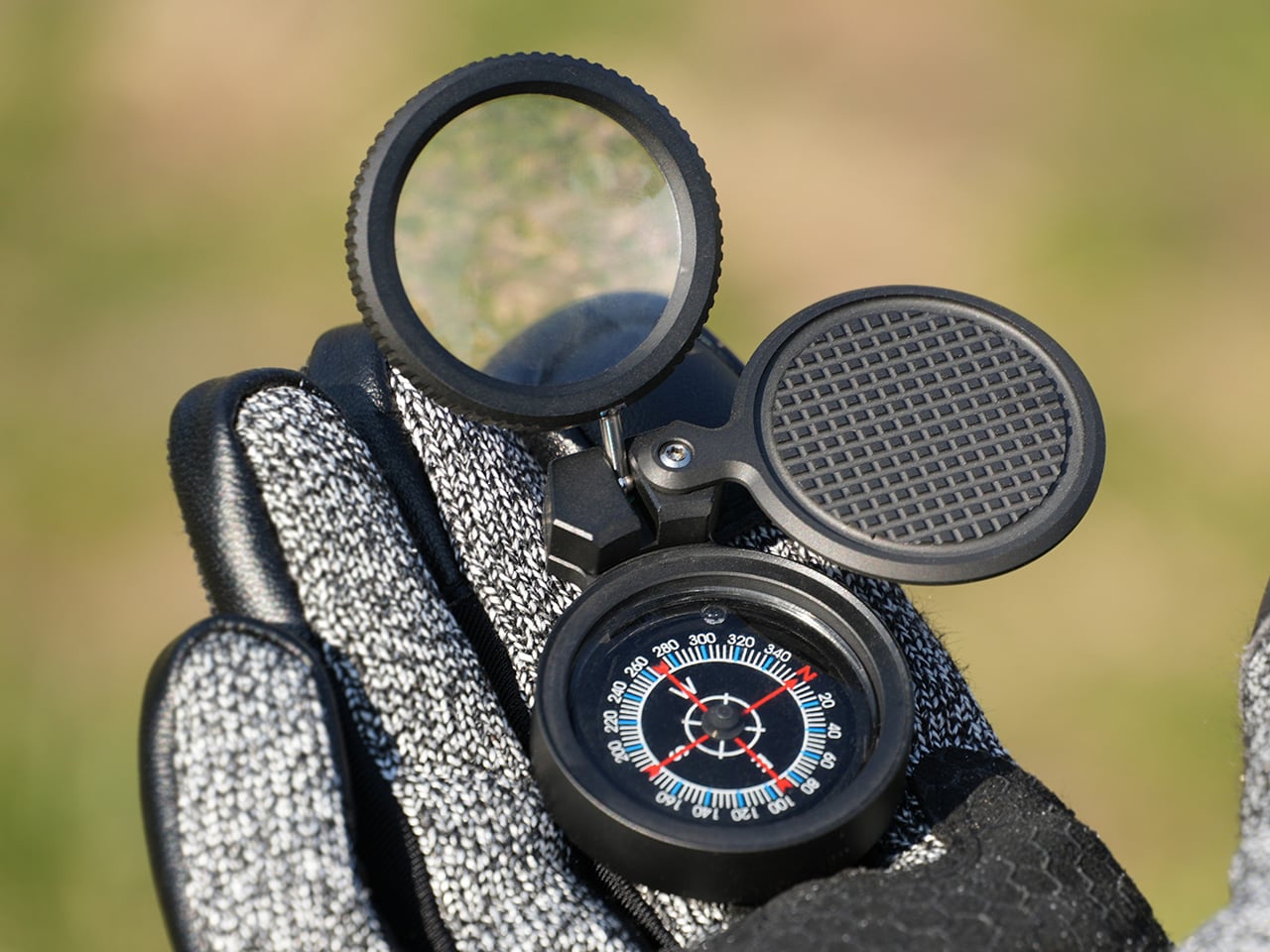
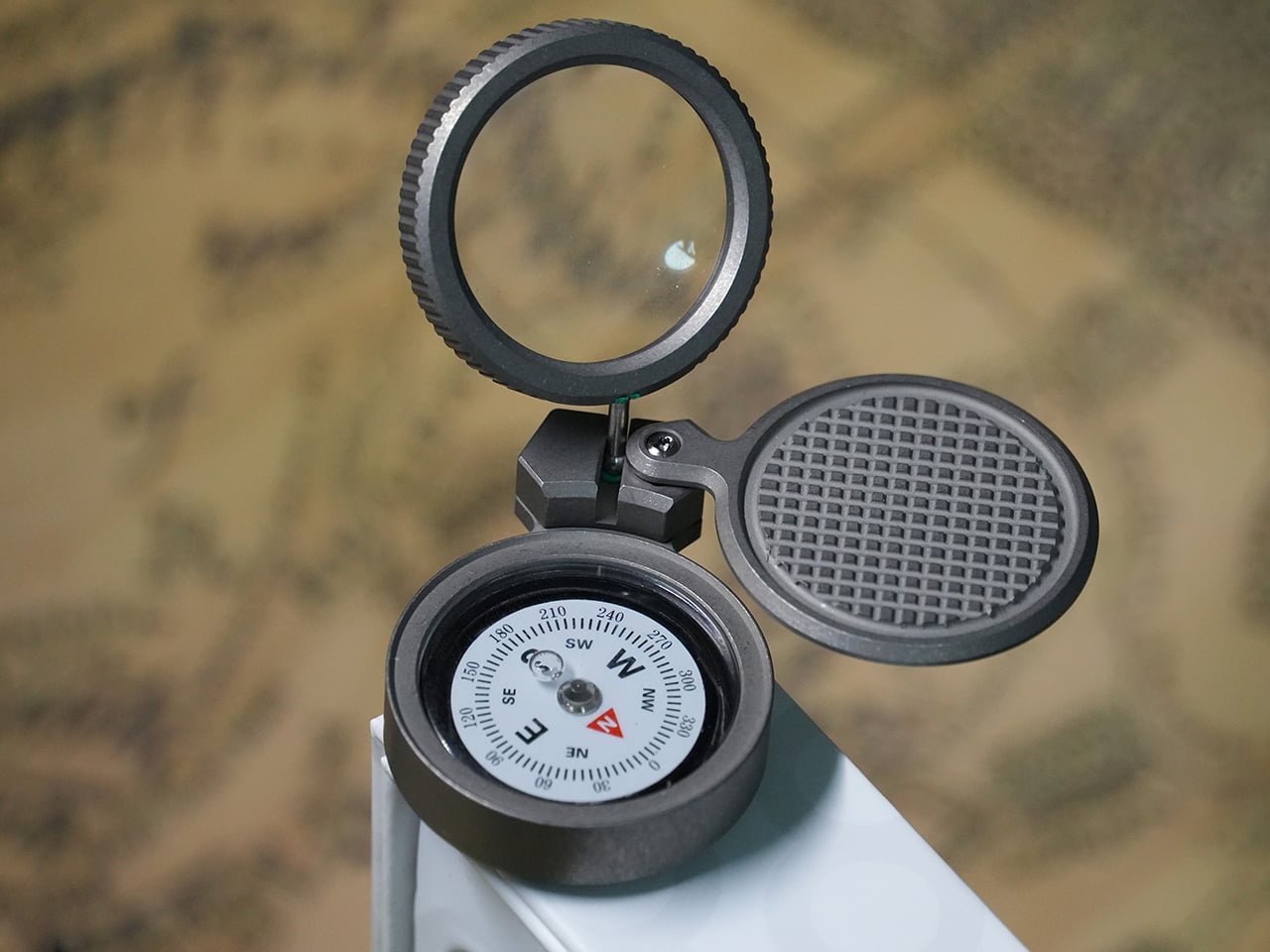
Grade 5 titanium, 48 grams, IPX8 waterproof to one meter for thirty minutes. The Loki Nav by EckDesign compresses a serious navigation system into a 46.5mm body you forget is in your pocket until the phone battery dies on a trail with no cell signal. Three interchangeable oil-filled compass modules create built-in redundancy where most compasses offer only one. The cap houses a 12x magnifying loupe, an emergency signal mirror, and a wood file for making fire-starting tinder from available material.
The design logic rewards attention. Every component earns its inclusion. The loupe rotates to protect its lens between uses. The mirror deploys without disassembly. Compass modules swap through a base hole using a toothpick — no tools, field-serviceable in seconds. For a day that starts in a park and ends on a hiking trail, or begins with fireworks and continues into unfamiliar terrain after dark, analog navigation that requires no signal and no battery is a quiet, specific kind of reassurance that no smart device can replicate.
What we like
Three interchangeable compass modules create a navigation system with real redundancy — reliability treated as a first principle, not a feature mention
IPX8 waterproofing and Grade 5 titanium construction match the durability demands of any outdoor carry without adding weight that defeats the purpose
What we dislike
At 48 grams in titanium, noticeably heavier than a basic compass — the weight is justified, but worth factoring into ultralight setups
Compass module swapping via toothpick requires some practice to execute cleanly under field conditions
7. Orbitkey Key Organiser
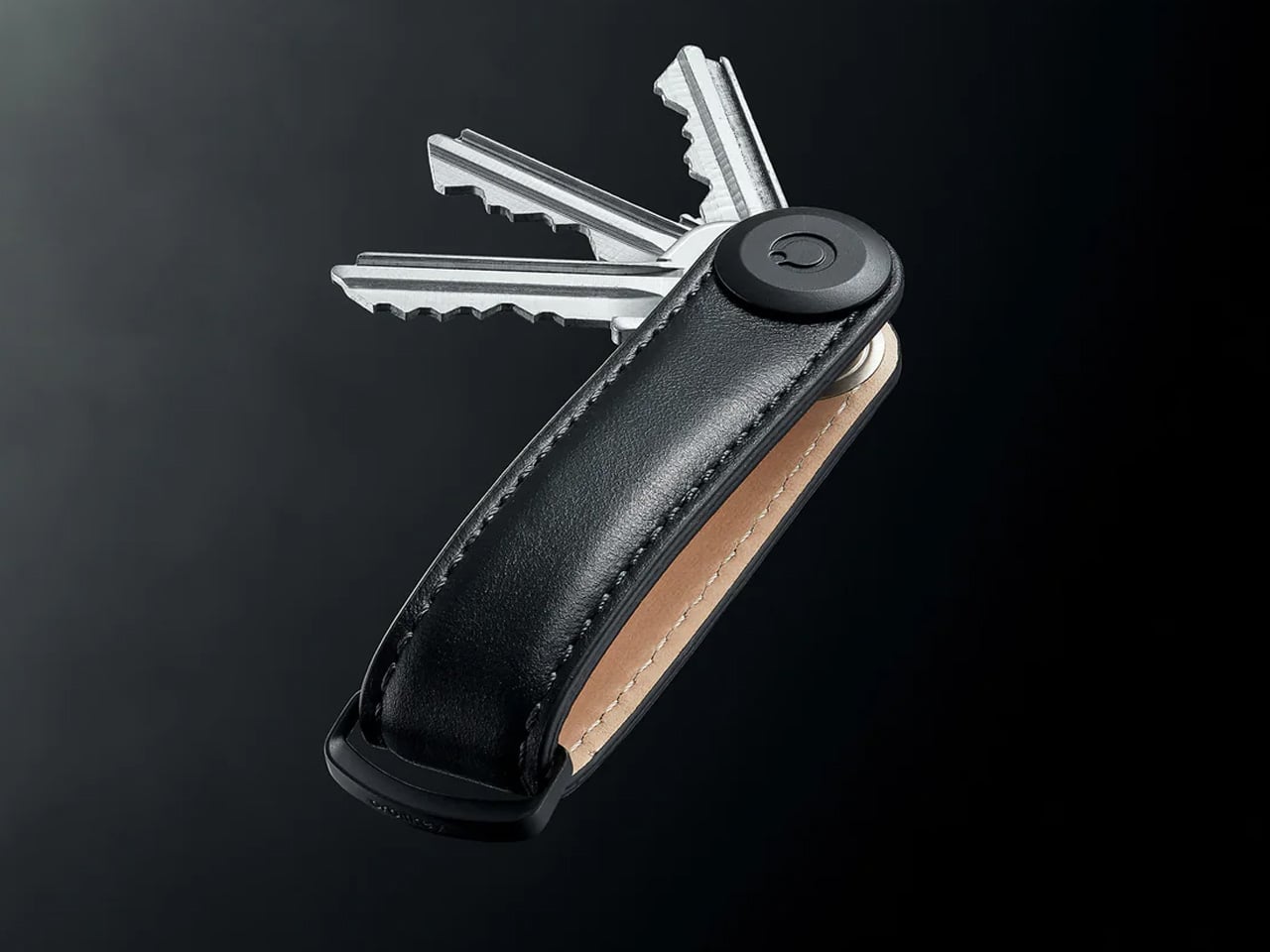
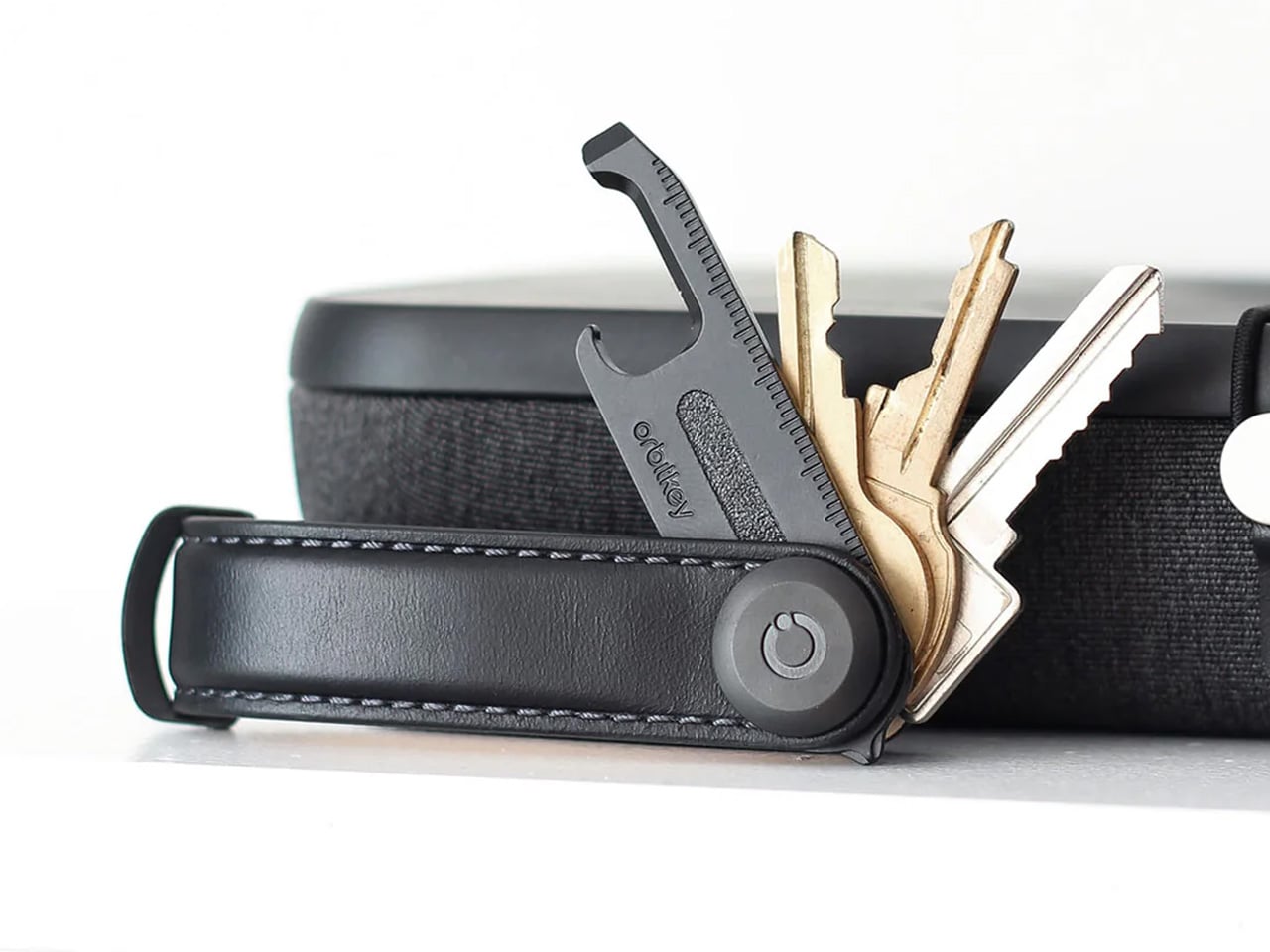
Standard key rings solve the wrong problem. They keep keys together while ensuring they jingle constantly, press metal ridges into pockets all day, and resist every attempt to add or remove a key without a fight. The Orbitkey stacks two to seven keys flat inside a full-grain leather spine with stainless steel hardware, held under tension. Closed, it sits flat and produces no sound. In a pocket, it disappears. Five colorways run from black dress leather to warm cognac.
The gift case for the Orbitkey is strong because the problem it solves is one most people have accepted rather than noticed. Hand one to someone who has carried a key ring for years and watch the change happen within a week. The full-grain leather develops its own wear pattern over years of daily carry — a position on longevity that most keychain products decline to take. One week in, returning to a standard key ring feels genuinely regressive. That’s the kind of product worth giving.
What we like
Tension stacking eliminates key jingle — a quality-of-life improvement that compounds quietly across every single day of carry
Full-grain leather construction ages into character rather than showing damage, signaling a product designed to outlast the trend cycle
What we dislike
Initial key installation requires a screwdriver and careful threading — not difficult, but not intuitive on the first attempt
Oversized or irregularly shaped keys may not stack cleanly within the system’s flat geometry, worth checking before purchase
The Best Gifts Are the Ones That Outlast the Holiday
The best 4th of July gifts aren’t themed — they’re useful in ways that outlast the holiday by years. Every product here earns a permanent spot in daily carry rather than a drawer by August. The NoxTi glows on a keychain for 25 years. The Orbitkey replaces a friction point people had quietly accepted. The Loki Nav works when every other tool has gone silent. That’s the standard worth giving.
Spending a long day outdoors with people you like is a design problem, and the solution is reducing friction. Less searching for the flashlight. Less draining someone’s phone for music. Less fumbling with a key ring in a dark parking lot after the show. These seven objects do exactly that — each one eliminating a small problem before it becomes one. That’s the kind of gift that doesn’t get returned, explained, or forgotten.
Most home speakers today have settled into a comfortable invisibility. Whether they’re slim soundbars pushed against a wall or cylindrical mesh towers parked on a bookshelf, the design goal is essentially the same: stay out of the way. They’re meant to be heard and rarely looked at, and even the ones that look interesting rarely offer much to see once the music starts.
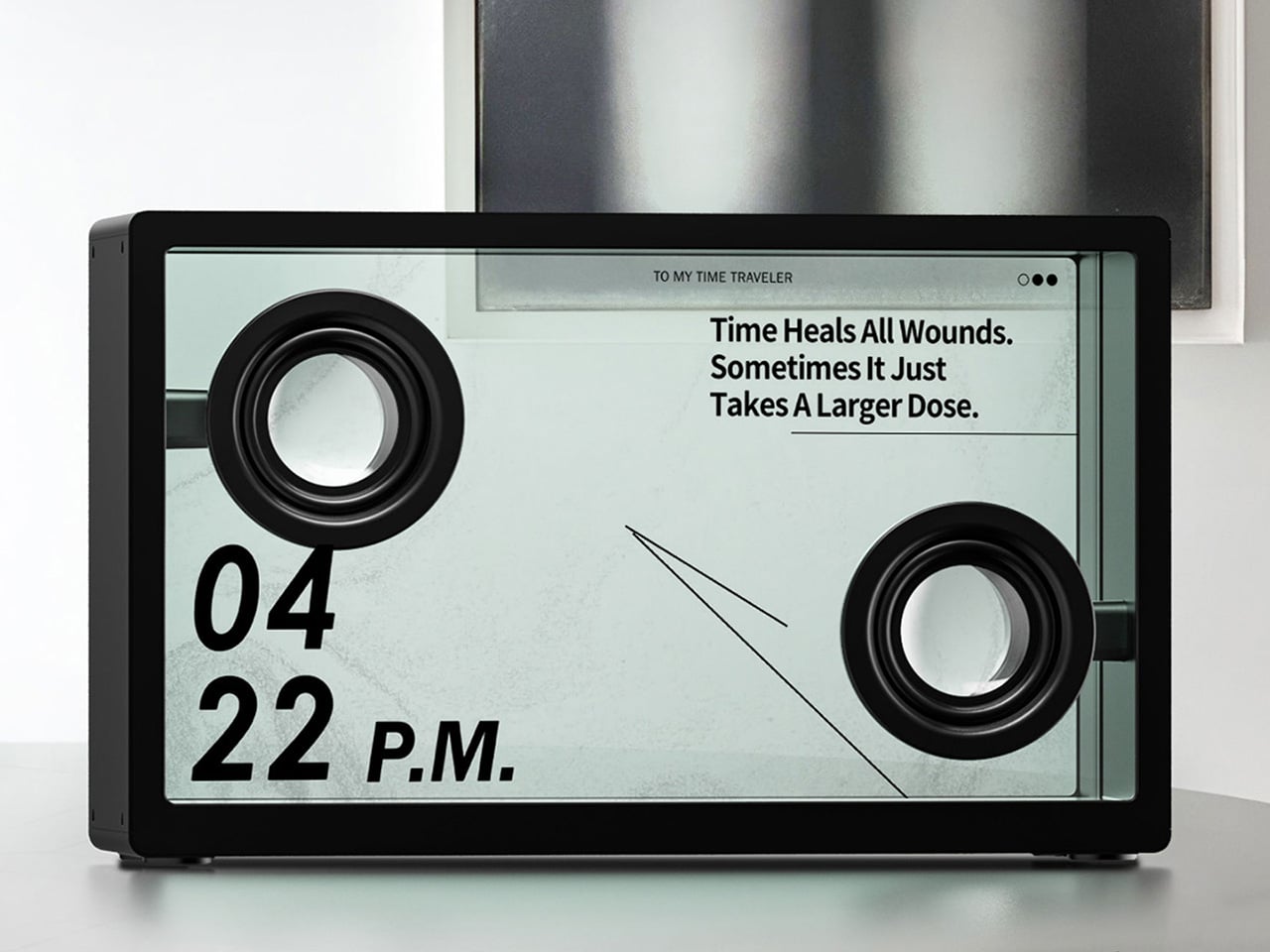
MorningBlues has a clear thesis about music, and it has a lot to do with how the things we listen to can also be things worth looking at. Its SonicGlass A1 is a hi-fi speaker built around a transparent glass driver that lets you watch sound in motion as music plays. It’s the kind of object that sits on a shelf the way art does, with intention, and with something to say even before you press play.
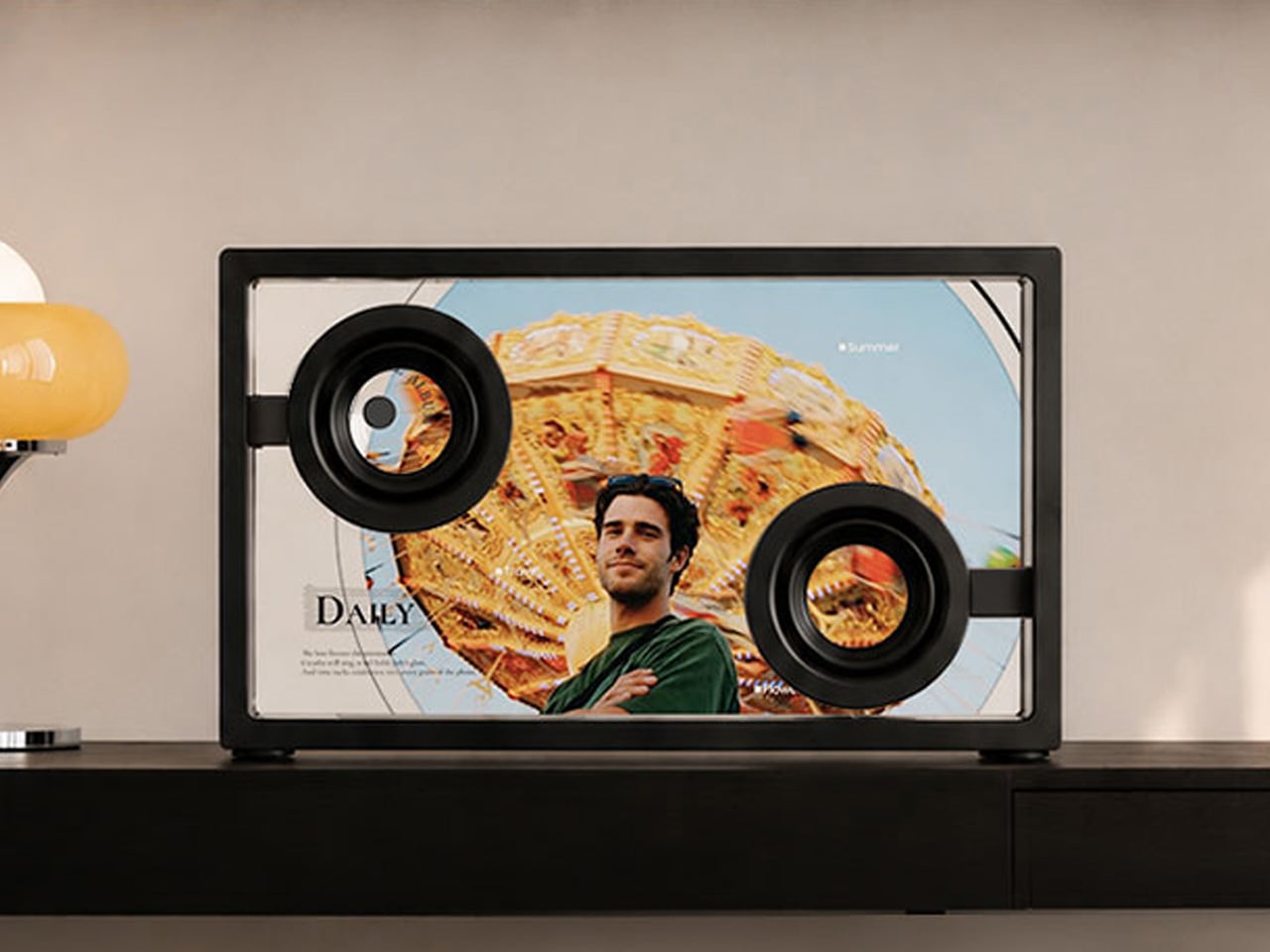
The SonicGlass A1’s front face is a 21.5-inch TFT panel with high-transparency tempered glass, framed in black with over 90% light transmission. The transparent driver sits behind it, fully visible, which is both an acoustic feature and a design statement. There’s no grille hiding anything, no fabric obscuring the view. What you see is the working interior of the speaker, presented like an exhibit rather than concealed like a component.
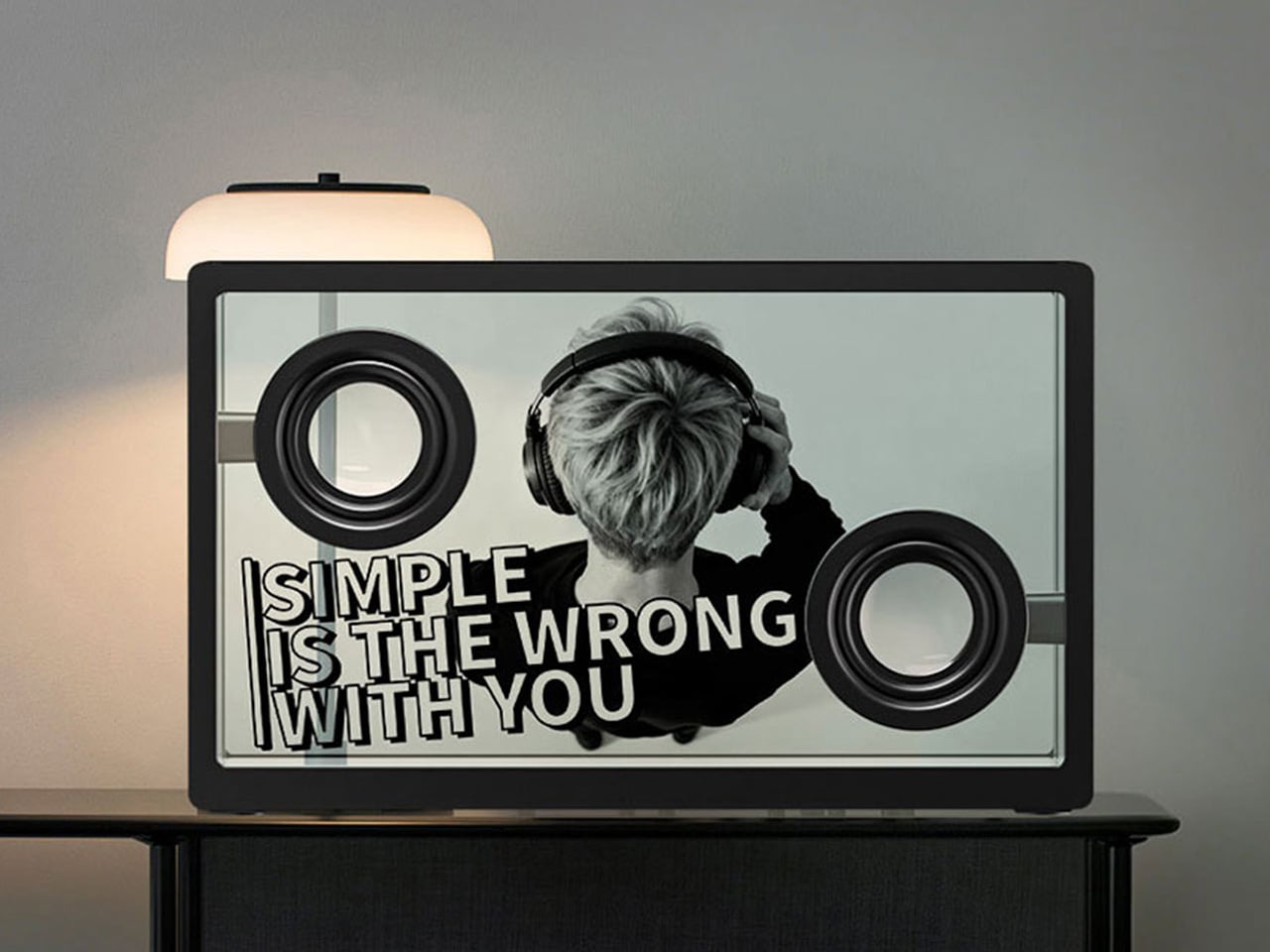
When a song plays, lyrics appear across the glass surface in motion styles drawn from the track’s rhythm, pace, and emotional character. MorningBlues calls this MoodLyric, built on data from hundreds of millions of playbacks to animate text in ways that feel tied to what the song is actually doing. All lyrics are licensed through LyricFind, meaning the display does right by the artists whose words it borrows.
Beyond the lyrics, a feature called SceneSync adds a visual layer that responds to music genres. Pop, hip-hop, R&B, and rock each trigger different visual aesthetics on screen, generated in real time by AI. The idea is that the speaker shouldn’t just play a song; it should match the world the song is coming from. It’s a more cinematic take on the standard music visualizer.
The MorningBlues app lets you upload a personal photo that AI uses to place your face inside a genre-matched music video, displayed on the speaker’s screen. It’s the kind of feature that’s genuinely fun at a gathering, or just for yourself on a slow afternoon. You can also load the speaker with your own photos and videos to use as background content, turning it into a personal display.
When the music stops, the SonicGlass A1 doesn’t go blank. It has ambient display settings that keep it working as a room fixture, with options like ambient backgrounds, dynamic clock faces, and an ASMR sleep mode for winding down at night. That always-on character makes the speaker feel less like a device you switch off and more like something that already belongs in the room.
Pair the A1 with a microphone, and it becomes a home karaoke setup with licensed lyrics scrolling on screen in sync as you sing. The MorningBlues Music Hub 1, a dedicated controller for phone-free playback, rounds out the experience by letting you manage everything from a single tactile device, so your phone doesn’t need to be part of the evening at all. The large glass screen handles the rest.
The SonicGlass A1 isn’t angling to be the most powerful speaker in the room or the one with the most impressive spec sheet. It’s made for people who think about music the way they think about other things they choose to live with, considering both what those things do and how they look doing it. MorningBlues is asking a direct question: what if your speaker was worth watching?
The desk you work at shapes how the work itself feels. Most people know this in theory and ignore it in practice, assembling setups gradually — a keyboard from one order, a charger that just sort of ended up there, a clock that came with the apartment. Over time the surface accumulates rather than improves. The products on this list are different. Each one solved a specific problem clearly enough to make everything around it look like it needed reconsidering.
None of them cost more than $200. The constraint is intentional — this is not a list built around aspirational hardware, but around objects that earn their footprint through daily use rather than shelf presence. A folding mouse that ended the trade-off between portability and performance. A silent recorder that made an entire category of software feel unnecessary. A desk surface that finally stayed organized. Five products, one desk, a noticeably better setup.
1. Inseparable Notebook Pen
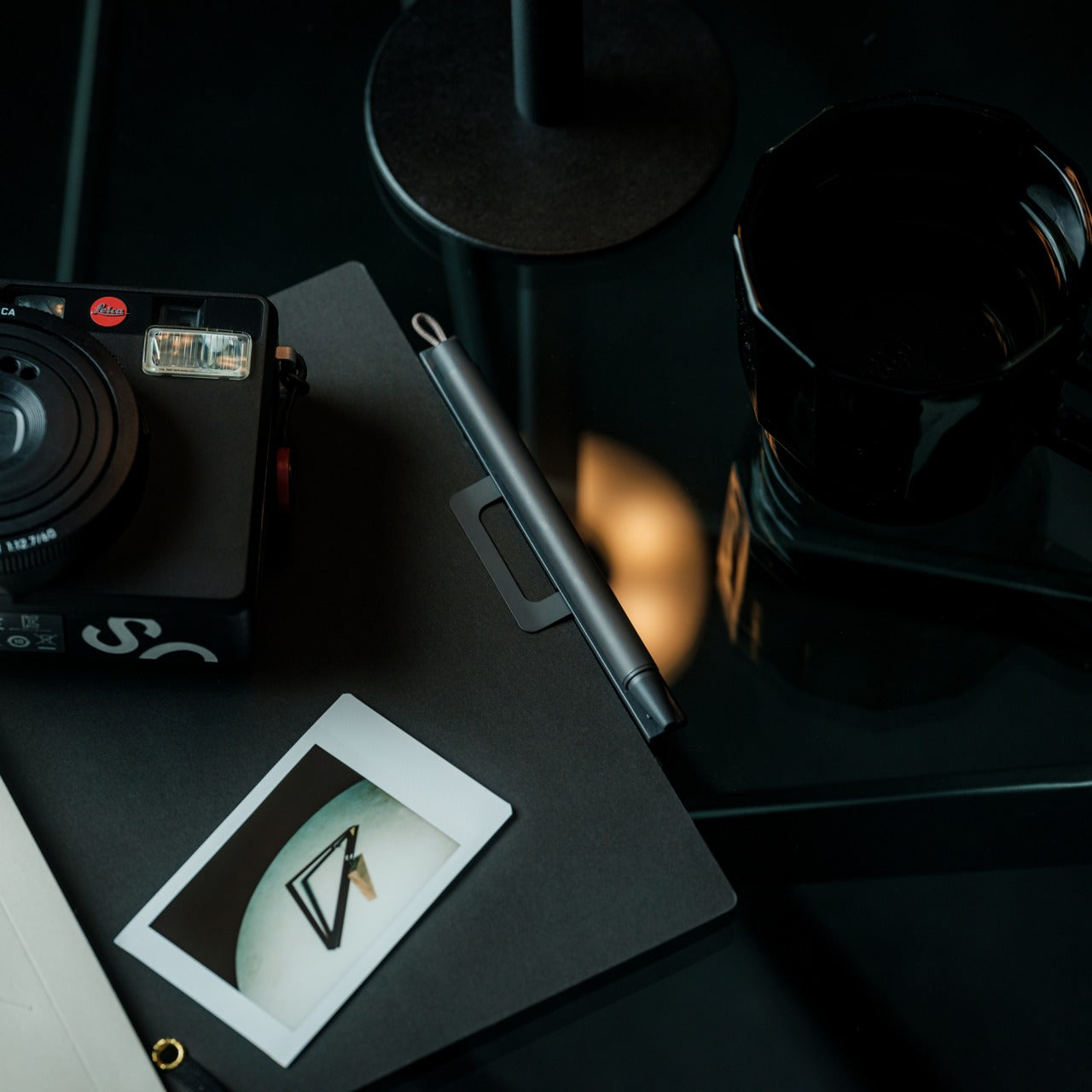
There is a specific frustration that comes with reaching for a pen and finding it has migrated. Not lost, just elsewhere — on the wrong side of the keyboard, inside a drawer that was never meant for it, somewhere between the last meeting and this one. The Inseparable Notebook Pen treats that as a design problem worth solving rather than a personal failing. A magnetic clip attaches the pen directly to the notebook cover so the two move as a single unit, staying together on the desk the same way they travel together in a bag.
What makes it worth noting alongside hardware that costs multiples of its $19.95 price is the standard it holds itself to. The gel ink flows smoothly, and the clip mechanism is solid, but the detail that earns it a place on a considered desk is the built-in silencer — a small component that softens the attach-and-detach motion into something quiet and deliberate. That level of finish on a $20 object is not accidental. It is the difference between a pen that gets used and one that gets replaced.
The magnetic clip keeps pen and notebook permanently paired, removing the low-grade friction of a misplaced writing tool from the daily routine entirely
A built-in silencer turns the attach-and-detach motion into a quiet, considered interaction — the kind of detail that signals a product was designed rather than just manufactured
What we dislike:
Works best as a system with its intended notebook, making it a less convincing standalone pen for anyone who writes across multiple formats or prefers a different paper weight
Gel ink cartridge replacement options are limited compared to more established pen systems, which matters once the initial ink runs out
2. HiDock H1 Lite
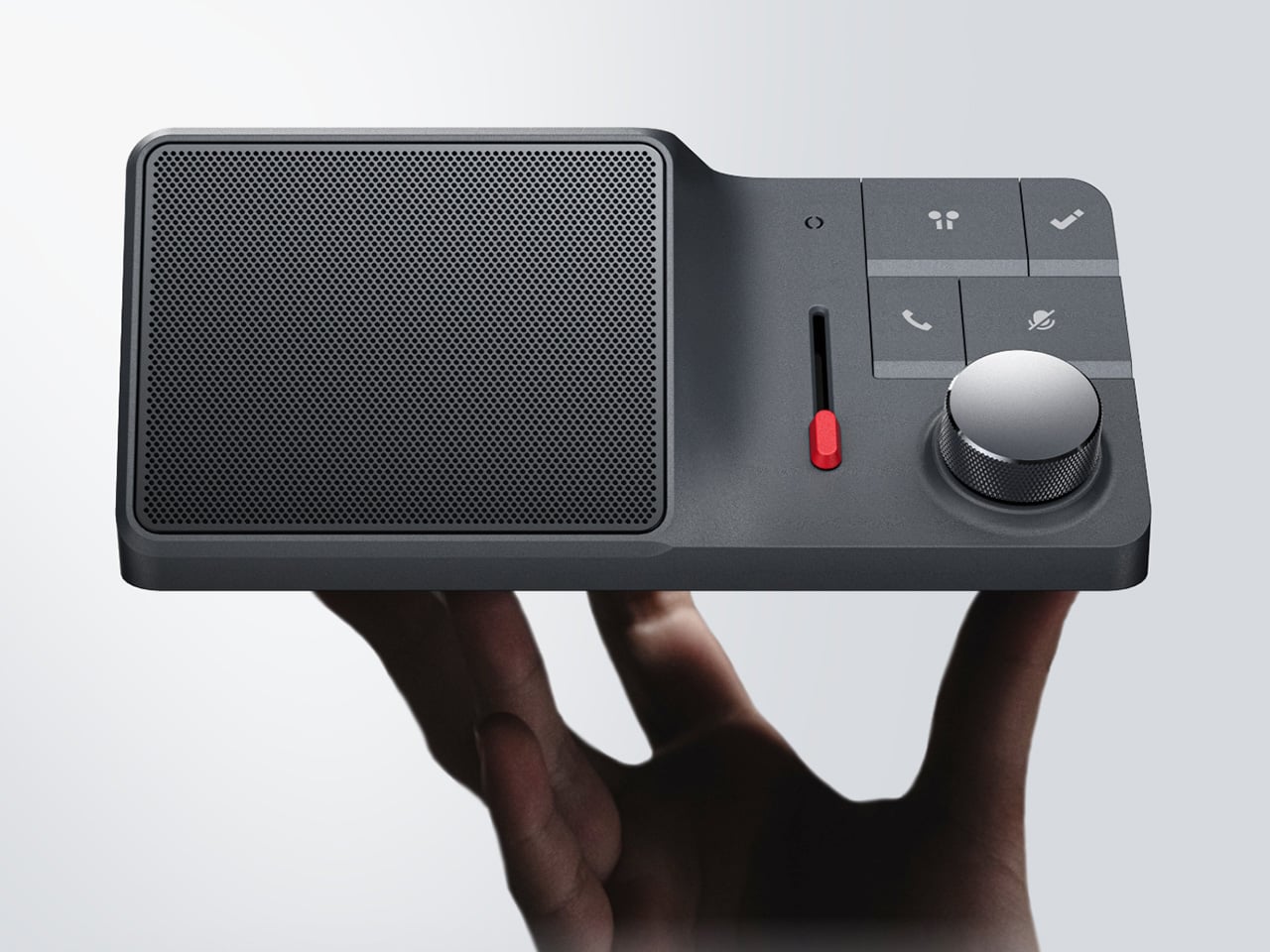
The AI meeting bot problem has a particular texture. It announces itself in the first thirty seconds of every call, dropping a notification into the chat that tells the room someone has outsourced their attention. The HiDock H1 Lite solves this without fanfare — a USB-C desktop audio controller and local recorder that captures meetings completely, both sides of the call, without adding a bot to the session, without cloud permissions, and without telling anyone it is running. You press record. The meeting continues. No announcement, no awkward acknowledgment, no subtext.
The feature that separates it from every other desk recorder is BlueCatch, which intercepts the two-way audio path from Bluetooth earphones so the full conversation is captured rather than just what the microphone picks up. Physical controls — a knob, a slider, a speaker — keep the interaction on the desk rather than inside another browser tab. It transcribes in multiple languages, runs a Call Mode for virtual meetings and a Room Mode for in-person sessions, and at $189 replaces a recurring software subscription with hardware that simply does the job and stays out of the way.
BlueCatch captures both sides of a Bluetooth earbud call locally, producing a full two-way transcript without a bot in the meeting or any platform permission being requested
Physical controls return a tactile dimension to meeting management that software tools have spent years trying and failing to replicate
What we dislike:
USB-C only makes it desk-bound, which limits its usefulness for anyone who moves between locations or works primarily from a laptop bag throughout the day
The AI transcription layer works well once configured, but reaching that point requires a setup investment before language preferences and summary formats feel fully dialed in
3. Satechi 3-in-1 Foldable Wireless Charging Stand with Qi2 25W
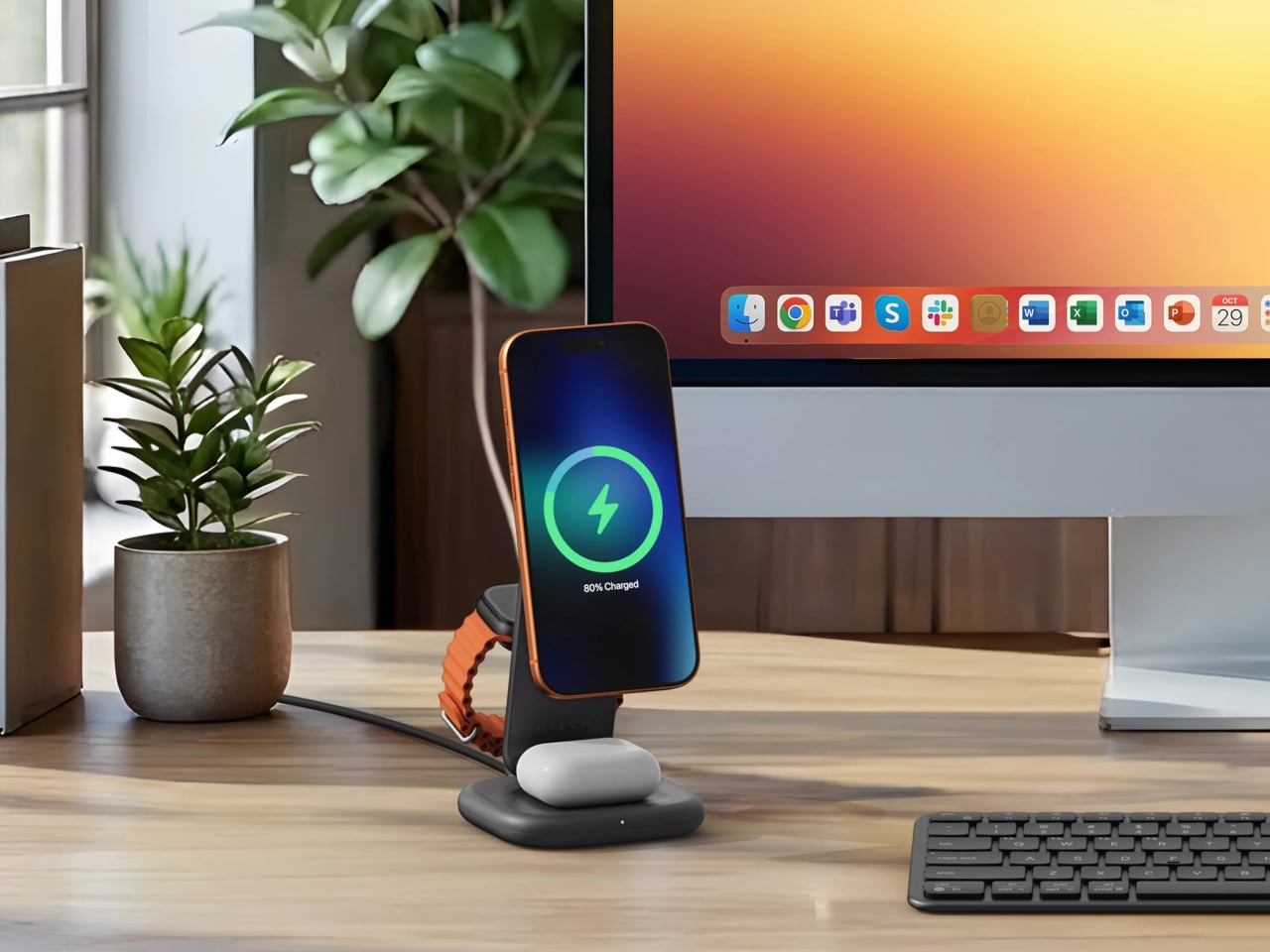
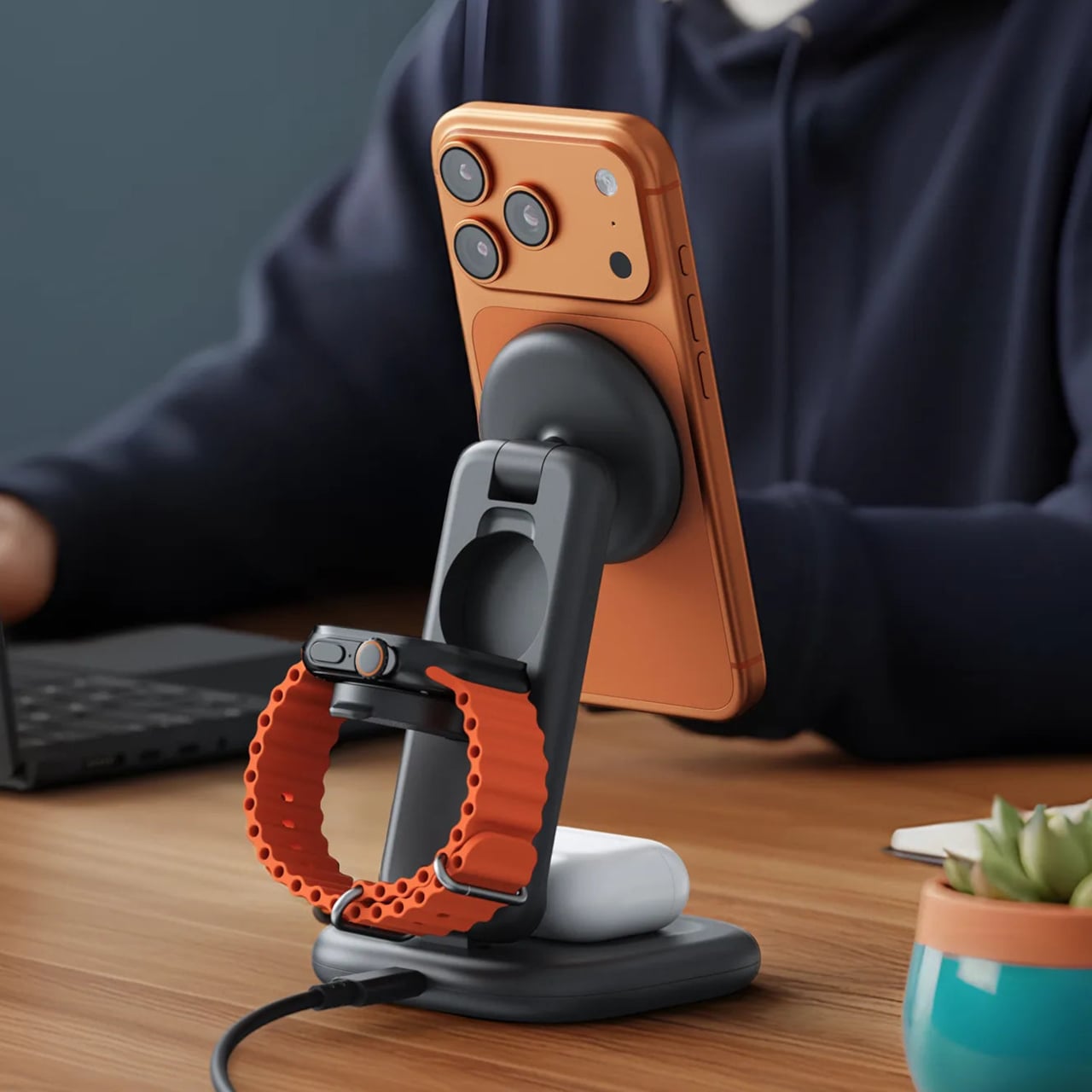
Wireless charging solved one problem and quietly created another. The iPhone pad, the Apple Watch puck, the AirPods tray — each device that joined the ecosystem added something to the nightstand or desk corner, until the cable-free promise was buried under a new kind of clutter. Satechi’s 3-in-1 Foldable Wireless Charging Stand with Qi2 25W clears all of it in one object. iPhone, Apple Watch (Series 7 and later, including Ultra and SE), and AirPods charge simultaneously from a single wall cable, with Qi2 magnetic alignment snapping the phone into position so off-center placement and lost wattage are no longer part of the routine.
The 25W ceiling is a genuine upgrade over the 15W limit that most MagSafe-compatible pads have been stuck at, and the Apple Watch arm carries MFi certification for fast charging. A 45W USB-C adapter ships in the box with US, EU, and UK plug heads — a small detail that matters significantly the first time you unpack in a different country without hunting for a separate travel adapter. At $129.99 in Space Black, the case rests on consolidation: three separate chargers replaced by one that folds flat for a carry-on and behaves identically away from home.
What we like:
Qi2 alignment combined with a 25W output for compatible iPhones represents the fastest wireless option available in the Apple accessory space at this price point
The foldable form and included multi-region adapter make the home desk setup and the hotel room setup identical, removing any need to pack or buy a separate charging solution
What we dislike:
Apple Watch fast charging is limited to Series 7 and newer, so users on older hardware will get standard charge speeds rather than the fast-charge performance the arm is capable of
The value proposition is strongest when all three devices are in use simultaneously — iPhone-only users will find more efficient options at a lower price
4. OrigamiSwift Folding Mouse
The folding mouse has been a category of compromise for years — compact in the bag, frustrating in use. The OrigamiSwift ends that exchange by treating the fold as a serious engineering challenge rather than a marketing hook. At 40 grams, it collapses to 4.5mm flat, thin enough to slip between the pages of a notebook without leaving a visible bump. On the desk, it unfolds in under half a second into a full-sized ergonomic shape that sits naturally in the hand, with tracking precision that has nothing to do with its size.
What earns it a top position here is the way it reframes the conversation around portability entirely. Portable does not have to mean diminished. The OrigamiSwift is as capable on a permanent desk as it is in a carry-on, which is rare in hardware built around constraints. The Bluetooth connection is reliable, the fold mechanism feels deliberately satisfying to complete, and at $85 it asks very little relative to what it returns. Some mice cost three times as much and offer less reason to reach for them.
Folds flat to 4.5mm, thin enough to travel between notebook pages, yet opens into a full-sized ergonomic form that never asks you to adapt your grip
The sub-half-second flip transforms the mouse from travel object to working tool in a single motion that still feels considered after weeks of daily use
What we dislike:
At 40 grams, the weight will feel unfamiliar to anyone coming from a heavier desktop mouse, and the adjustment takes a few days before it stops registering
Bluetooth-only connectivity rules out a wired fallback for tasks where even brief latency becomes friction
5. Orbitkey Desk Mat
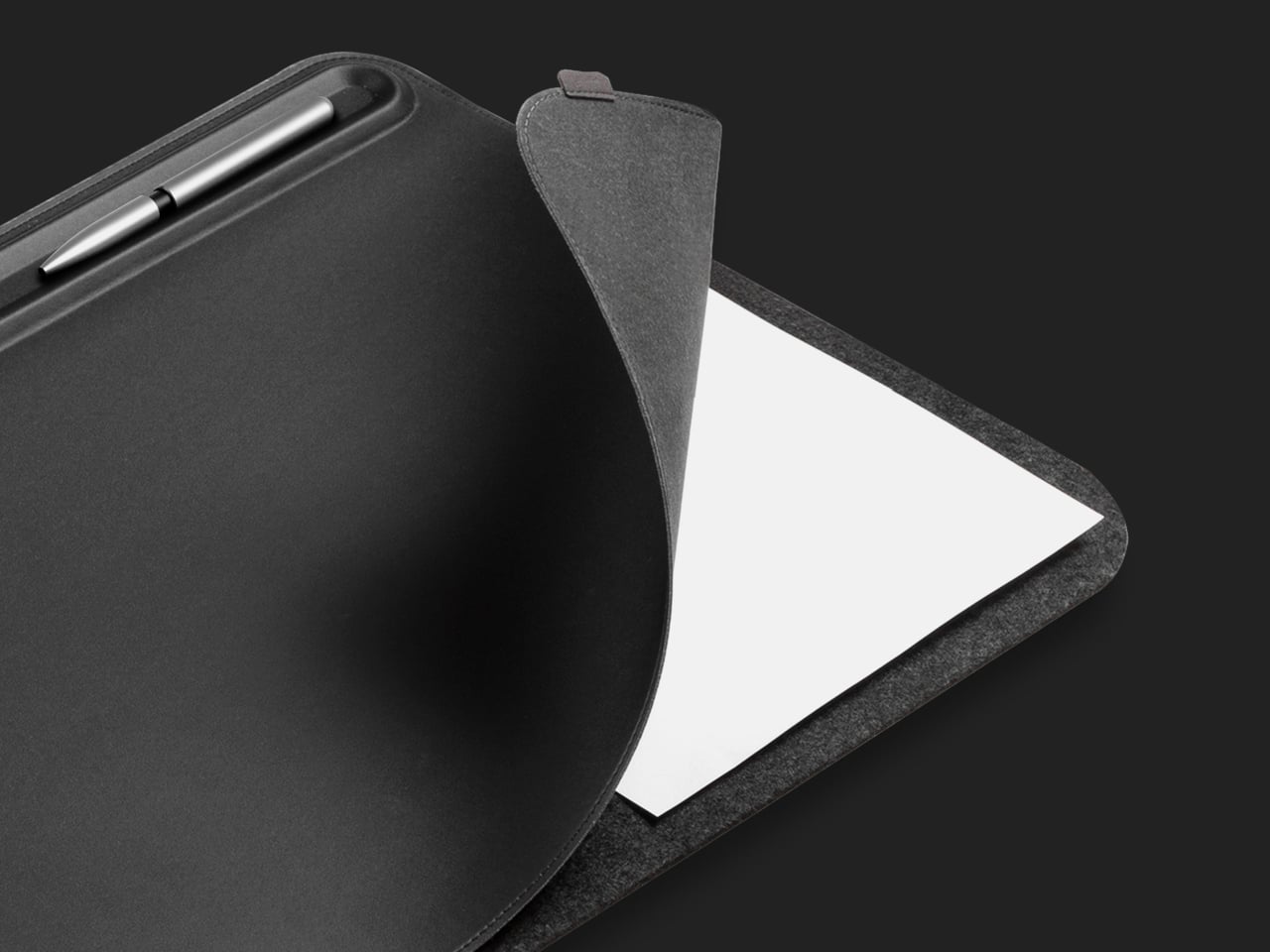
The desk mat is usually the last thing people buy and the first thing that changes how a setup feels. Orbitkey’s version is built on a premise most mats ignore: the surface does not just need better material; it needs a better system. Made from premium vegan leather over 100% recycled PET felt, available in Medium (686 x 373mm) and Large (896 x 423mm), it is water-repellent and wipes clean — the practical baseline. A quick-access toolbar along one edge gives pens, a stylus, and small accessories a fixed address without adding height or vertical clutter to the surface.
The detail that tips it from covering the desk to organizing it is the document hideaway, a sleeve beneath the top layer that keeps loose papers and sticky notes flat and within reach without leaving them visible. One edge pull, and they are back. A magnetic cable holder clips anywhere along the toolbar and adjusts as port locations change across different setups, keeping the charging lead from drifting toward the floor. It ships with a two-year warranty and a 30-day return window, which is the kind of confidence in materials that most desk accessories do not bother extending.
What we like:
The document hideaway removes paper clutter from the surface without removing papers from the desk, which turns out to be a more useful distinction than it sounds across a full working week
The magnetic cable holder moves freely along the toolbar, adapting to cable lengths and port positions rather than committing to one fixed anchor point
What we dislike:
The mat arrives rolled and takes a few days to lie completely flat — reverse-rolling handles most of it, but patience is part of the initial setup
The Medium size works well for compact single-monitor desks but may feel narrow for anyone running a wider multi-display configuration
Five Products, One Decision
A desk that works is not about spending more. It is about choosing things that each solve one real problem rather than approximate several. The Inseparable Notebook Pen keeps the one analog tool you still reach for exactly where it belongs. The OrigamiSwift removes the penalty from portability. The HiDock takes meeting capture back from the software layer. The Satechi ends the three-device charger pile. The Orbitkey gives the surface a structure it was always missing.
None of these objects ask for attention. They do their jobs and stay out of the way until needed, which is the version of design intelligence that actually holds up across a full working week. Five products, each under $200, that together produce a setup that feels chosen rather than assembled. That shift is the one worth paying for.
Hosting a watch party usually means thinking through every sensory detail in the house. The menu has to hit the right balance of easy and memorable, the drinks need to stay cold, the room temperature has to feel right once the crowd settles in, and even the air gets attention, whether that means opening windows early or giving the couch and curtains a quick pass with Febreze before people arrive. A lot of effort goes into creating a space that feels clean, welcoming, and put together without looking like it took effort at all.
Water can undo that illusion fast. Guests might forgive a late pizza delivery or a bowl of chips running empty, but a glass of bad-tasting water has a different effect. It lingers. It cuts through the mood and makes people notice the one part of the hosting experience that feels neglected. That is why home water filtration belongs in the same conversation as food, comfort, and atmosphere, especially around Prime Day when Waterdrop’s offering a practical upgrade that slides neatly into the rest of your summer hosting plans.
Waterdrop X16 Alkaline Mineral Reverse Osmosis System: The Flagship Pick for Big Game-Day Households
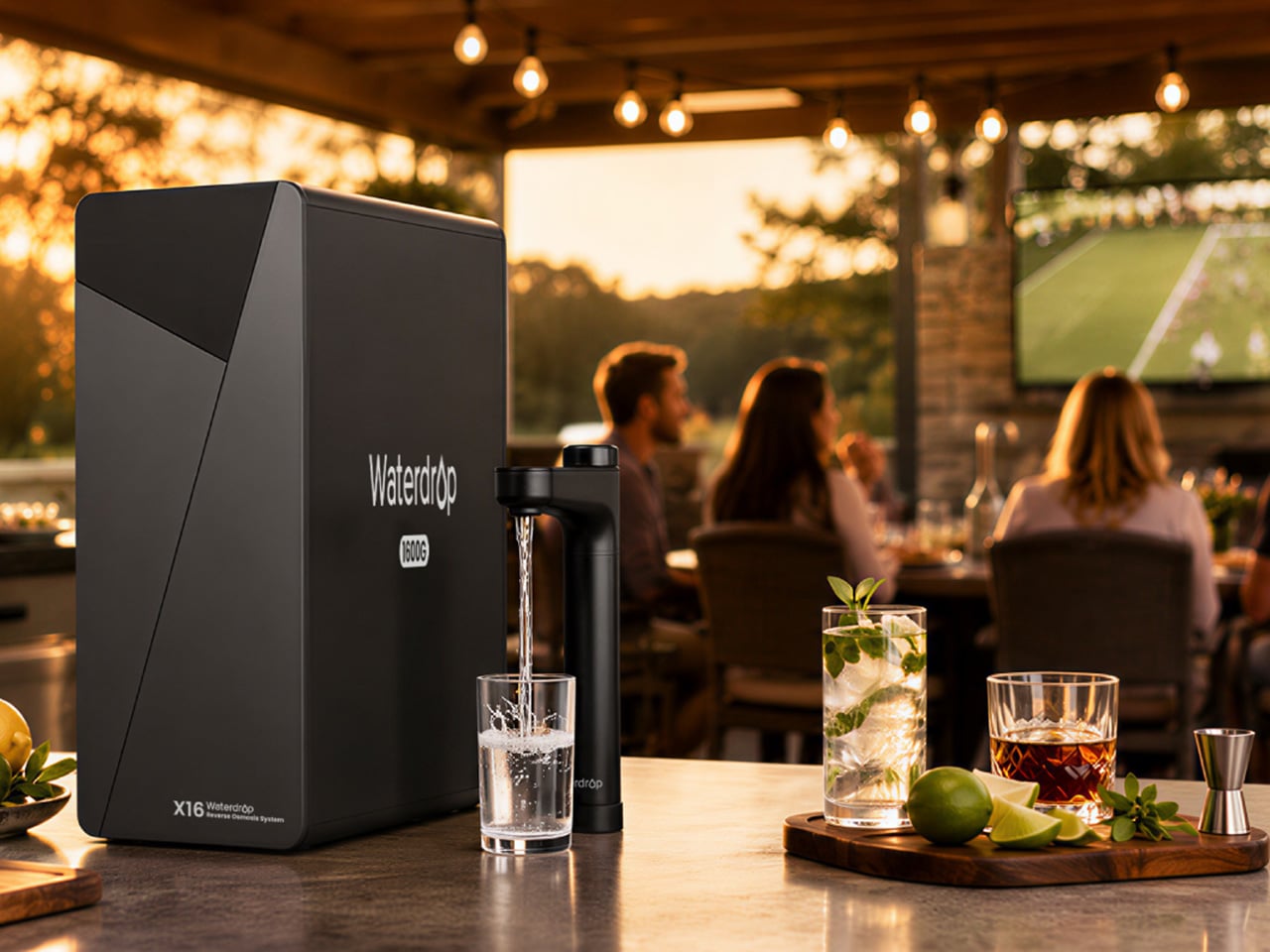
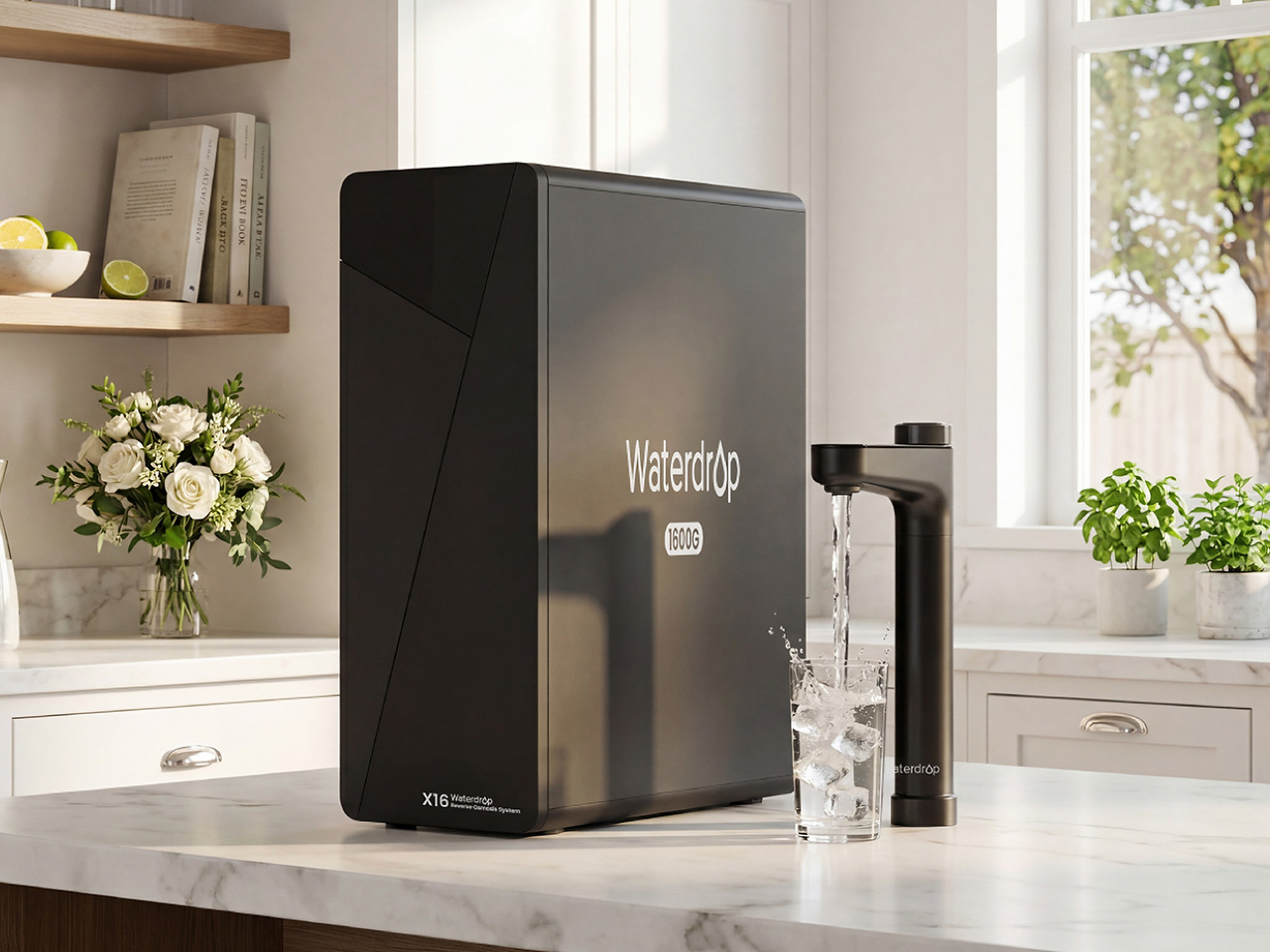
For the household that treats hosting as a serious craft, the Waterdrop X16 is the flagship upgrade that anchors the entire kitchen. This is a system designed for large families and frequent entertainers, people who need a high-volume, high-performance solution that never becomes a bottleneck, even when the house is full. Its tankless design is the first thing that stands out, saving a significant amount of under-sink cabinet space compared to older RO systems. Aesthetically, it is clean and minimal, with a smart faucet that feels like a proper piece of modern kitchen hardware, displaying water quality and filter life at a glance.
The performance backs up the premium design. The X16 pushes out water at a rate of 1600 gallons per day, a spec that translates to filling a cup in about three seconds, so there is no waiting around when multiple people need a drink. Its 11-stage filtration system removes the usual contaminants while adding back alkaline minerals like Ca and Mg, balancing pH to 7.5± , which improves the taste for everyday drinking, coffee, and cooking. The 3:1 pure-to-drain ratio is also remarkably efficient, making it a responsible long-term investment for a home that wants the best water possible without the waste. It is a true kitchen centerpiece for game-day essentials.
Waterdrop G3P800 Reverse Osmosis System: The Family Kitchen Upgrade That Balances Speed and Trust
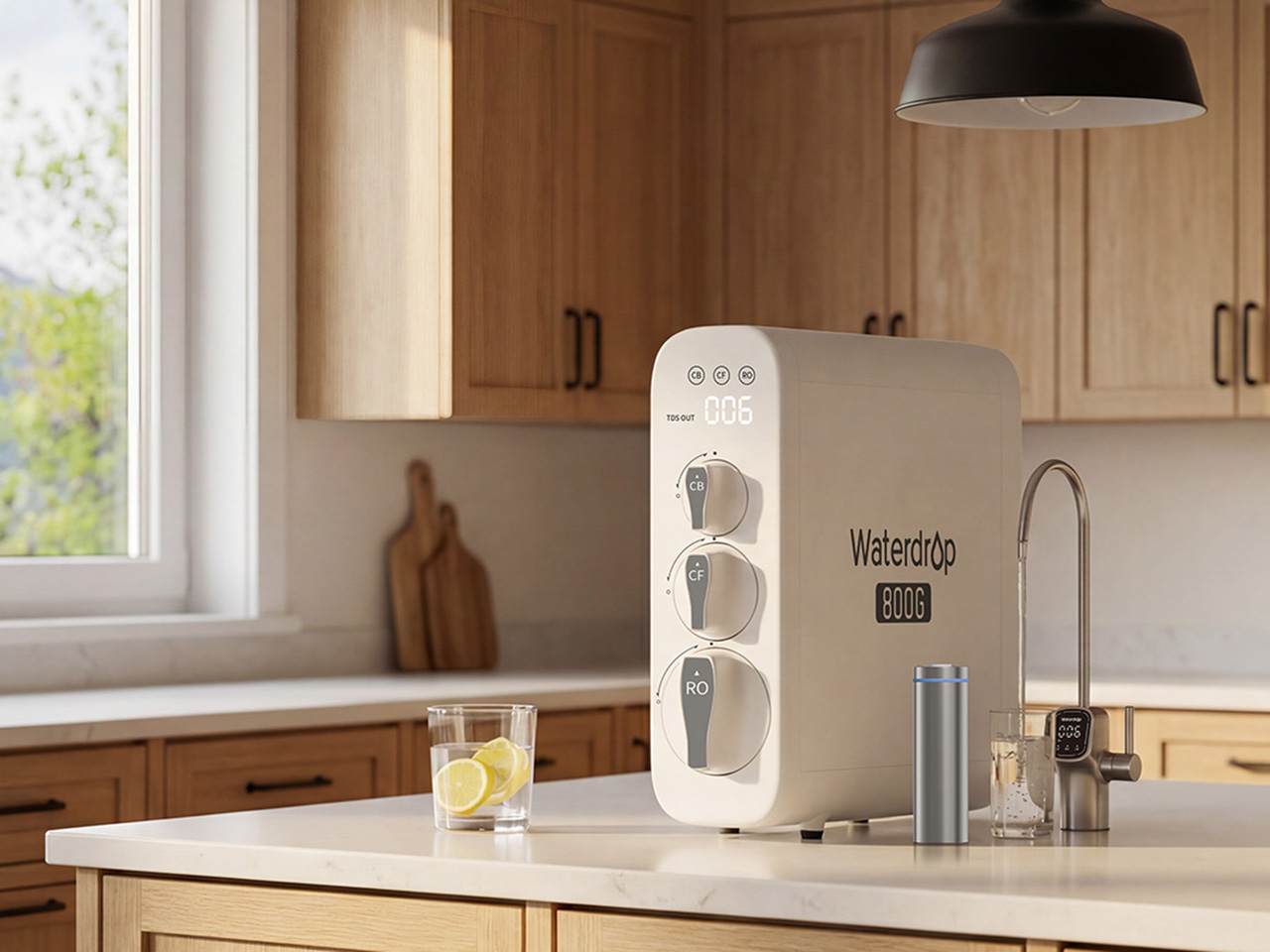
If the X16 represents the top tier of home filtration, the Waterdrop G3P800 is the trusted, family-ready workhorse that brings many of the same benefits to a broader audience. It has become a best-seller on Amazon for a reason, it hits the sweet spot between powerful reverse osmosis filtration and practical everyday convenience for a family of four or five. Like its bigger sibling, the G3P800 uses a tankless design that keeps the under-sink area tidy and accessible, a thoughtful touch for anyone who has dealt with bulky, tank-based systems in the past.
With an 800 GPD flow rate, the system is more than capable of handling daily routines and smaller gatherings without any frustrating lag at the faucet. It provides a steady stream of clean water for cooking, filling water bottles before school, or serving guests during a weekend get-together. For safety-conscious households, the G3P800 is certified against NSF/ANSI standards 42, 53, 58, and 372, offering documented proof of its ability to reduce a wide range of contaminants including chlorine, lead, and TDS. The smart faucet adds a layer of confidence, displaying real-time water quality so you always know the system is working as it should.
Waterdrop M6H Instant Hot Countertop Reverse Osmosis System: The Flexible Choice for Renters and Small Spaces
For a huge number of people, including renters, apartment residents, and office workers, a permanent under-sink installation is simply not an option. The Waterdrop M6H is engineered for exactly this scenario. This countertop RO water filter delivers high-quality purified water without requiring any plumbing or drilling, you just plug it in and fill the tank. It is a self-contained unit that brings the power of reverse osmosis to kitchens, dorm rooms, home offices, and even RVs, making it one of the most versatile home hydration essentials available.
The M6H distinguishes itself further with its instant hot water capabilities. It offers multiple temperature settings, perfect for making baby formula, brewing tea at the right temperature, or getting a quick start on oatmeal or coffee during busy mornings. This feature also makes it a fantastic beverage station for gatherings, allowing guests to make their own drinks without hovering around the stove. The system includes a detachable glass pitcher that can move from the countertop to the dining table or into the fridge, blending the convenience of a portable server with the power of a stationary RO system.
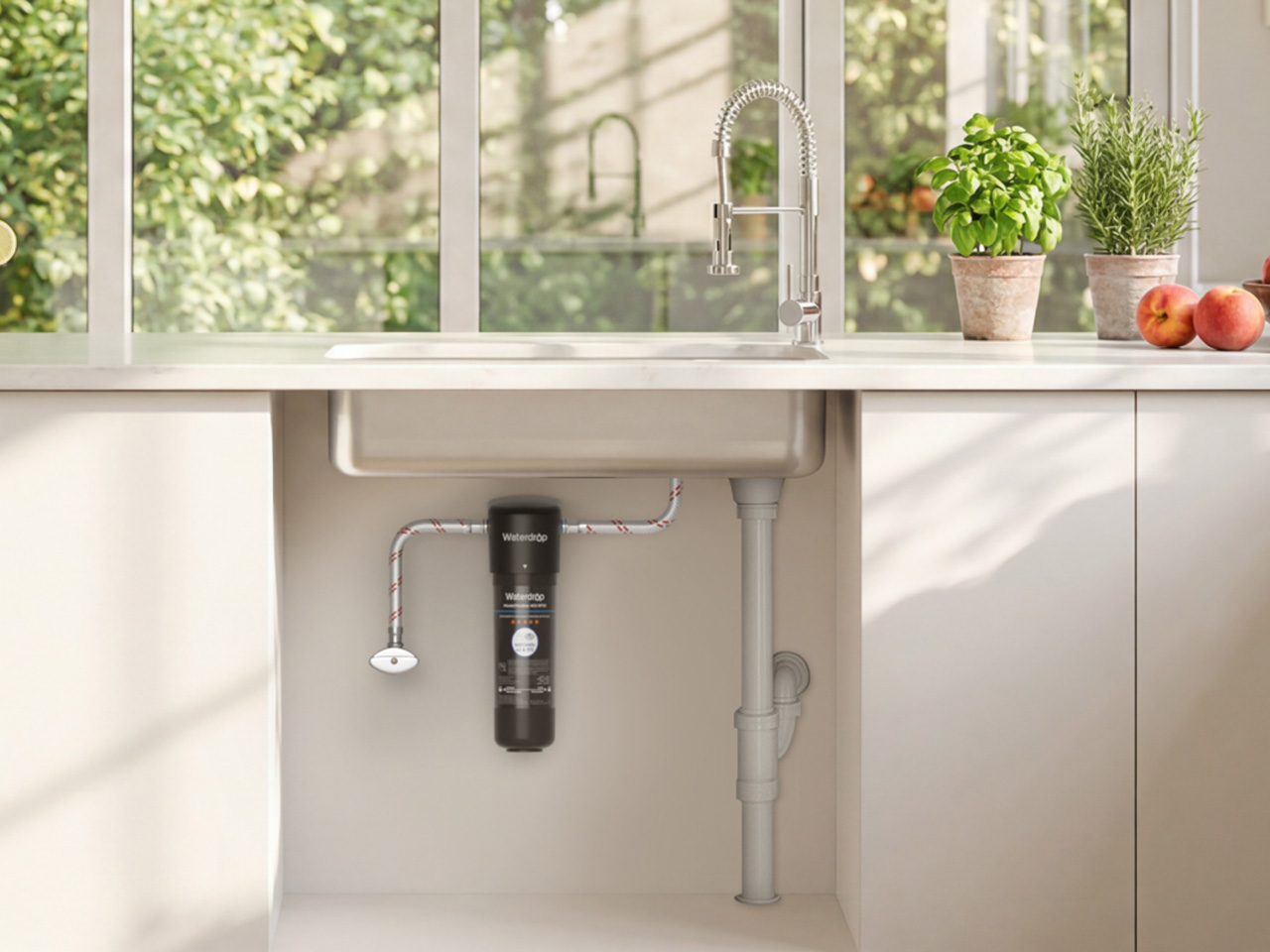
Waterdrop 10UA Under Sink Water Filter: The Easy Entry Point for Better Everyday Water
Sometimes the goal is a simple, effective upgrade, a straightforward improvement over tap water without the complexity or cost of a full reverse osmosis system. The Waterdrop 10UA is that practical first step. It is an under-sink filter designed for budget-conscious households and first-time filter users who want an affordable, low-effort way to get cleaner, better-tasting water for drinking and cooking. The installation is quick and easy, making it a great weekend project that delivers immediate benefits.
While it is a simpler system than the RO models, the 10UA still provides robust filtration that significantly reduces chlorine, taste, odor, sediment, and other common impurities. Its long filter life makes it a low-maintenance choice for busy families who want to set it and forget it. For daily use, it provides a reliable supply of filtered water directly from the existing kitchen faucet, making it useful for everything from filling a pot for pasta to washing vegetables. It is an accessible entry point to better summer hydration for anyone who wants to improve their tap water quality without a major investment.
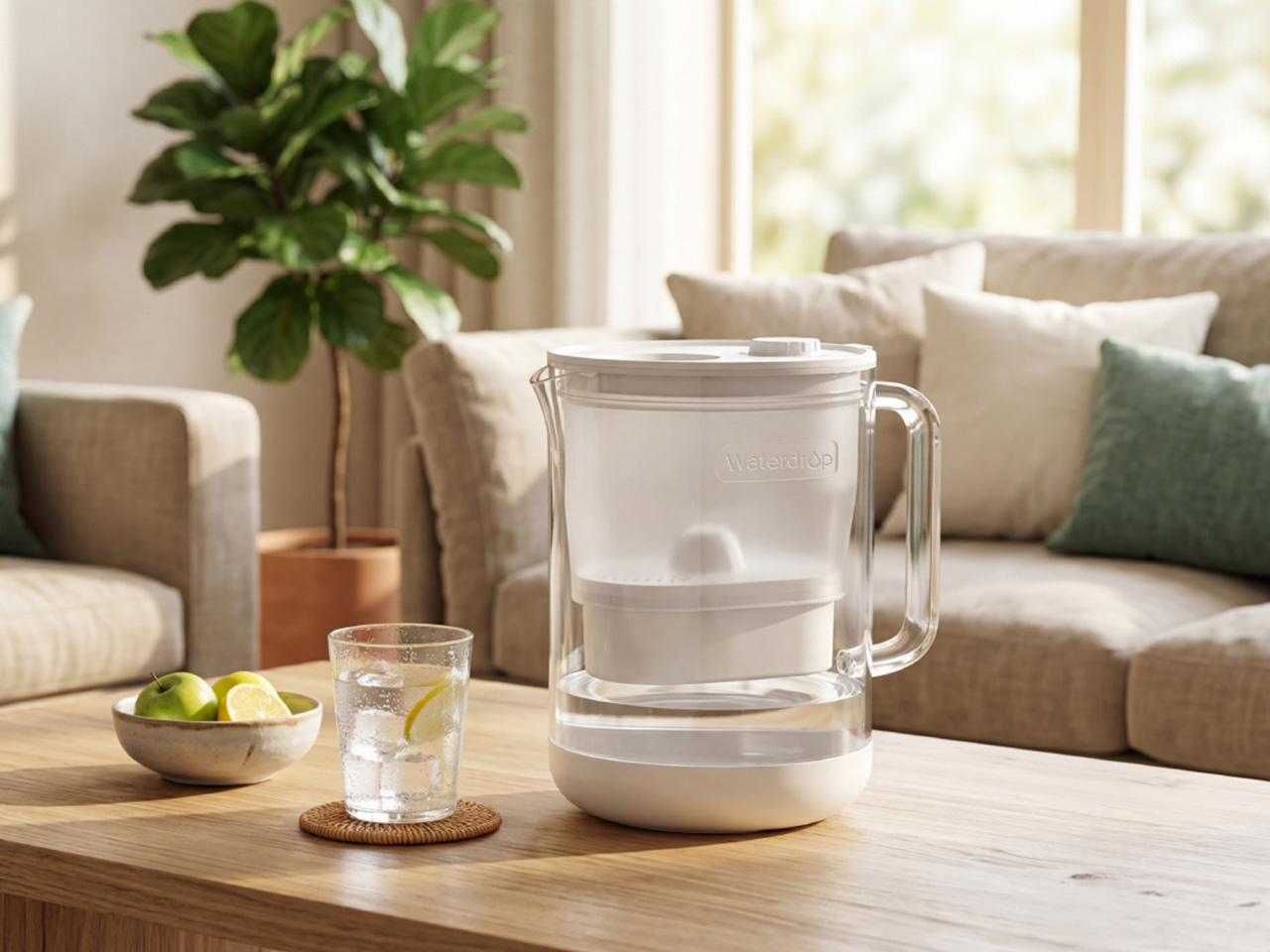
Waterdrop Glass Water Filter Pitcher: The Fridge-Ready Option for Casual Hosting and Daily Use
Finally, there is the solution that fits every space and any occasion, the Waterdrop Glass Water Filter Pitcher. This is the most flexible option in the lineup, designed for families, apartment users, and anyone who wants a simple, portable way to get filtered water. It is perfect for shared moments, easily moving from the kitchen counter to the dining table for a family meal or out to the patio for a backyard gathering. The pitcher’s high-quality glass construction offers a more elevated look for hosting compared to typical plastic pitchers.
The design is both stylish and sustainable, helping to reduce reliance on single-use bottled water. Its 5-stage filtration system works quickly to serve cleaner, better-tasting water with less waiting, which is a noticeable improvement during busy moments. The exceptionally fast flow-rate fills an 8oz cup in under 60 seconds, 10x faster than standard pitchers. That means healthier water in seconds instead of minutes.
A modern creator’s desk looks different from how it did a decade ago. A 3D printer often sits where a sketchbook once lay, and filament rolls where stationery sets would sit. But this new method of creation has introduced its own unique challenge: post-processing. The work of transforming a raw print into a professional-grade model or prototype requires a specialized set of tools, ones designed to handle the unique properties of modern materials without destroying fine details. The old workshop sander and utility knife feel clumsy and oversized for this new scale of making.
This new workflow demands a new class of tool, and HOZO has been steadily building an answer. The company’s ecosystem is engineered specifically for the desktop fabricator, providing a complete pipeline for refining intricate parts. It begins with precise measurement, moves to clean support removal, and ends with methodical surface finishing. Each tool in the lineup, from the NeoRuler to the NeoBlade and NeoSander, is a piece of a larger system intended to bridge the gap between digital design and the tangible, finished object in your hand.
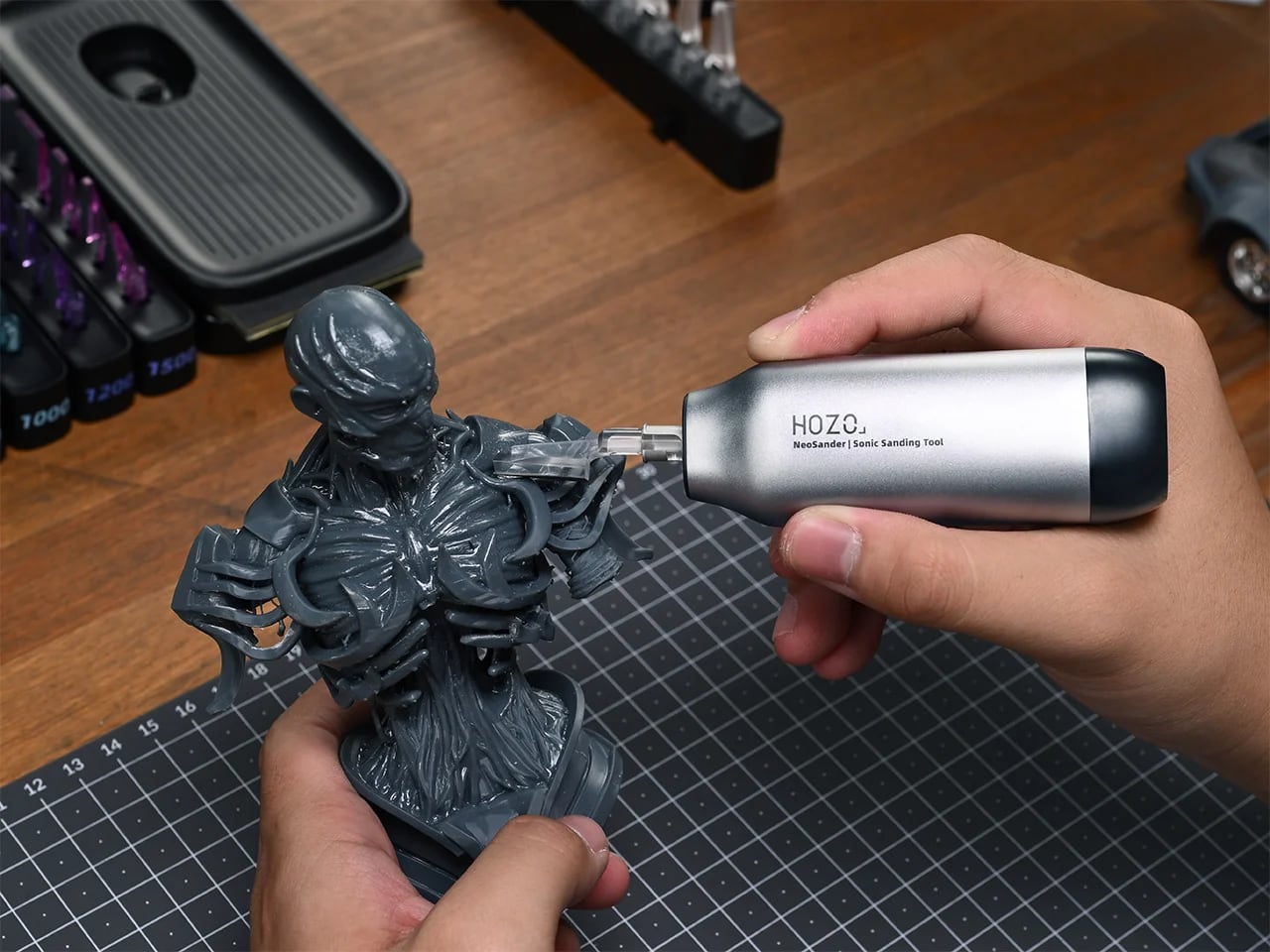
HOZO NeoSander – A Detail Sander That Moves with Linear Precision
The NeoSander addresses the most delicate stage of making, surface finishing, with an engineering approach that is both clever and incredibly practical. Instead of spinning a sanding tip in a circle, a method that generates heat and can easily gouge softer materials like PLA or resin, the NeoSander uses a patented reciprocating linear motor. This allows the head to move back and forth in a perfectly straight line up to 13,000 times per minute. The motion is more like a controlled, high-speed vibration, giving the user an impressive degree of precision for tasks like removing layer lines from a 3D print or smoothing the surface of a detailed miniature without melting or deforming it.
This design focuses on control that is felt throughout the tool. Weighing just 89 grams, it handles more like a stylus than a traditional power tool, reducing hand fatigue during long finishing sessions. The system includes eight different head shapes, designed to fit into tight corners, follow curved surfaces, or sand flat areas with uniform consistency. These heads pair with a wide range of sandpaper grits, from a coarse 180 for initial shaping to a fine 1500 for achieving a near-polished smoothness. For those building a complete system, the NeoSander Premium Combo expands this with a full accessory suite, including a charging dock and a pro case, turning the tool into a permanent and organized fixture on the workbench. It represents the final, critical step in the HOZO workflow, taking over where the NeoBlade’s cutting work ends.
To accommodate different user needs, the NeoSander is available in both a Starter configuration and a NeoSander Premium Combo. The starter kit provides the essential sanding system for precision finishing, while the Premium Combo expands the experience with an additional 64-Piece Color-Coded Sanding Head Collection and a Charging Dock for a more complete workstation setup. This flexibility allows makers to choose the package that best matches their workflow, whether they need a dedicated detail sander or a more comprehensive desktop finishing system. Within the HOZO ecosystem, the NeoSander represents the final step in the making process, taking over where the NeoBlade’s cutting work ends and transforming raw parts into polished finished creations.
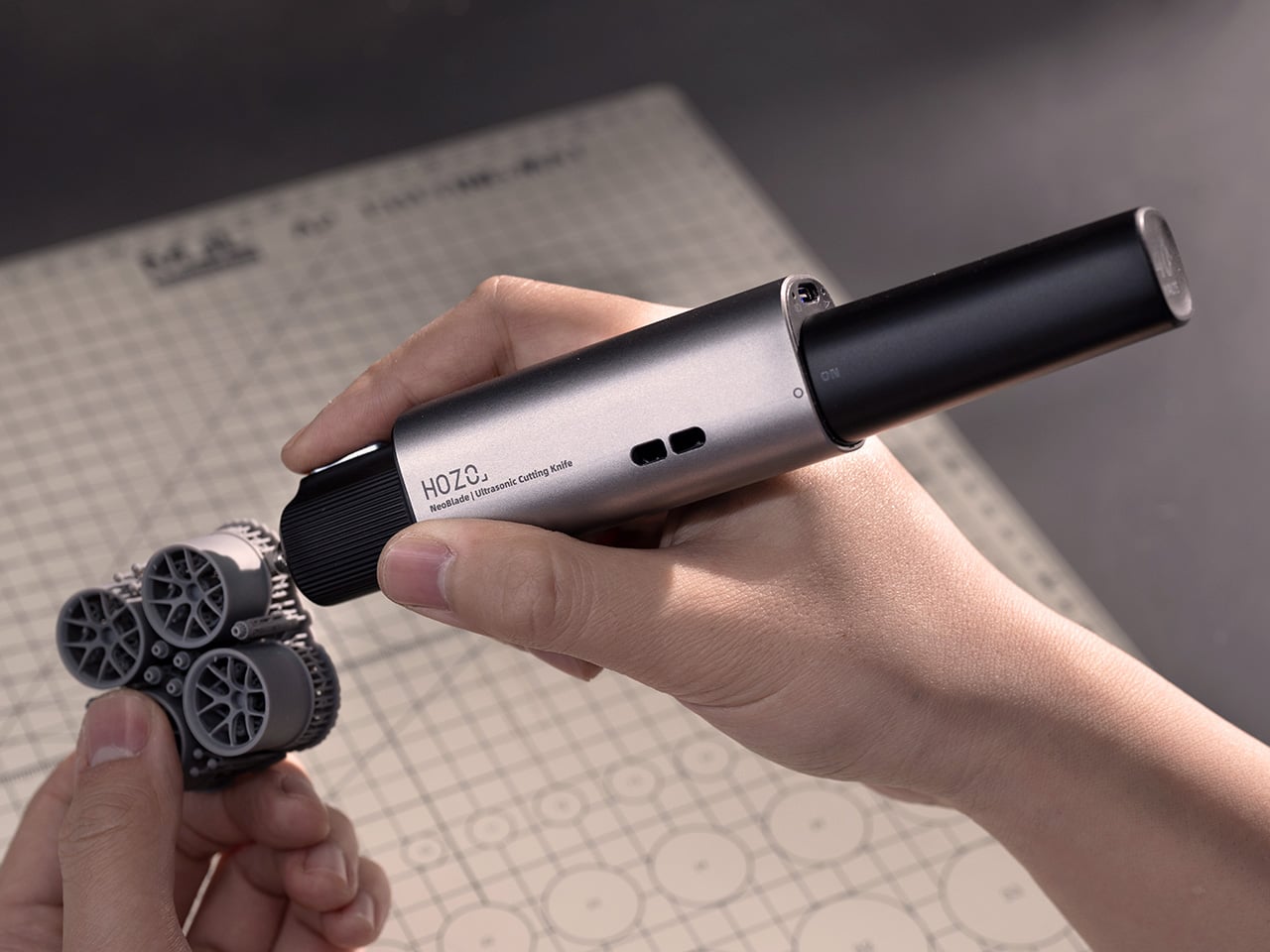
HOZO NeoBlade – The Ultrasonic Cutter for Flawless First Cuts
Long before a project is ready for the delicate finishing work of a detail sander, it needs to be cleanly separated from its supports or trimmed of excess material. This is often the most treacherous part of the process, where a standard hobby knife can snag, skip, or require enough force to send a crack through a delicate print. The HOZO NeoBlade is designed to eliminate this risk entirely by using ultrasonic vibrations to do the work. Its blade oscillates at an incredible 40,000 times per second, creating a micro-sawing action that parts materials with minimal pressure. The user simply guides the blade, and it glides through plastic, resin, or acrylic, leaving a clean, smooth edge that requires significantly less cleanup later.
This technology fundamentally changes the experience of working with detailed components. Because the tool supplies the cutting power, the user can focus entirely on accuracy. The cordless, pen-like form factor makes it easy to maneuver around complex geometries, trimming support nubs from inside tight spaces or cutting intricate patterns from foam board without deforming the material. For makers who need versatility, the NeoBlade Premium Combo offers a complete kit with multiple blade types and a Turbo Dock with battery support, from fine points for detail work to chisel tips for broader cuts. It serves as the perfect counterpart to the NeoSander, handling the initial, gross material removal with the same level of precision that the sander brings to the final surface.
NeoBlade serves as the critical first step in material refinement. It handles support removal, trimming, and precision cutting before the NeoSander takes over for surface finishing, creating a seamless workflow that helps makers transform raw prints and materials into clean, professional-quality results.
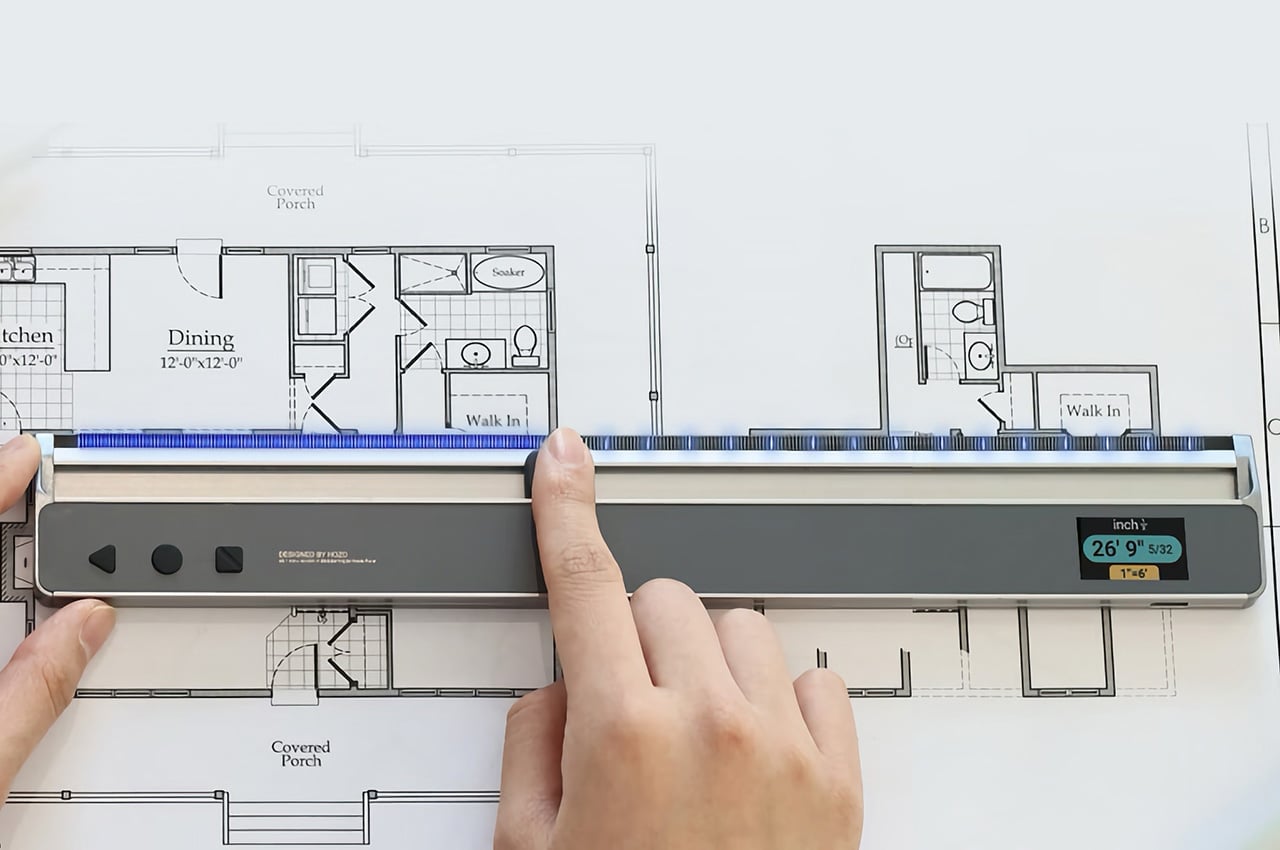
NeoRuler Premium Combo – A Digital Measuring Tool Built for Precision Checks and Fit Verification
Every clean cut and polished finish starts with accurate dimensions, which is what makes the NeoRuler Premium Combo with the NeoCaliper Kit such an important part of this lineup. Rather than functioning as a simple desk ruler, it is positioned as a digital measuring tool that combines scale-based reference with caliper-style precision, making it especially useful for makers working with prototypes, model parts, and 3D printed components. That added caliper functionality gives the tool a more hands-on role in the workflow, allowing users to check widths, depths, inner dimensions, and outer tolerances before moving on to cutting or finishing. In a setup built around precision, that kind of measurement confidence matters early.
Within the flow of the HOZO ecosystem, the NeoRuler Premium Combo works as the checkpoint tool, the one you reach for before NeoBlade trims away excess material or NeoSander refines the final surface. It helps verify whether a part actually matches the intended geometry, whether two pieces will fit together cleanly, or whether a support area has enough clearance before removal begins. That makes it especially valuable for creators who work on assemblies and detailed fabrication, where a small measuring error can ripple through the rest of the process. While the cutting and sanding tools naturally draw more visual attention, this combo plays a quieter but foundational role by making sure the rest of the workflow starts from the right numbers.
For over a century, a modest corner shop at the intersection of Murray and York streets in Melbourne’s Prahran suburb sold milk, bread, and the kind of everyday essentials that knit neighborhoods together. It closed in 2016, briefly reopened as a café, and then sat waiting. Kister Architects founder Ilana Kister saw something in it — and then decided to move in.
The project, aptly named The Corner Shop, is Kister’s own home, designed for herself and her daughters. It is a three-story residence carved out of the original 287-square-metre plot, expanded by an adjacent 90-square-metre lot that became available during construction and was immediately absorbed into the design as a garden. That garden is not a feature — it is the entire logic of the building.
“Making the entry a courtyard was the single most important decision in the project,” Kister told Dezeen. “Entering through the original milk bar door, you land in the garden, not a hallway or foyer. By the time you reach the interior, you’ve already been outside — that sequence sets the tone for the whole house.”
The original shopfront façade has been preserved in full, bottle-green tiles and all. Street-facing windows were replaced with glass bricks — a move that keeps the building reading as a corner shop from the outside while flooding the interior with diffused, dappled light. The external palette layers grey and black render against silvertop ash timber cladding, with climbing vegetation threading through the surface and rooftop planting crowning the upper levels. Wherever you look, something is growing.
Inside, a white perforated steel staircase rises through all three floors, lit from above by a sequence of triangular skylights. Oak covers the floors, walls, and ceilings, anchoring the interior in warmth. On the second floor, three bedrooms, a family bathroom, and a living space are dressed in timber panelling and mossy-green carpet, with floor-to-ceiling windows drawing the outside in. The colour palette is deliberately restrained — natural materials do the work.
The third floor opens everything up. An open-plan kitchen, dining, and living space spills onto a silvertop ash deck with treetop views and sightlines to Melbourne’s city skyline. Below, the back garden holds a swimming pool, outdoor seating, and the kind of quiet that inner-city addresses rarely afford.
Green roofs, vertical gardens, and planted internal screens mean that no matter where you stand in the house, you can see something alive. That is not incidental — it is the brief. Kister built a home where nature is the architecture, and the century-old corner shop is simply its best possible frame.
Most 4th of July gifts end up on a shelf by August. The problem is rarely budget. It is that the average gift guide optimizes for novelty over usefulness, leaving the recipient with something impressive at unboxing and forgotten by Labor Day. The eight picks here work differently. Each one earns its place through daily utility, genuine design quality, or the kind of clever thinking that makes you wonder why it took this long to exist.
These are products built to be used outdoors, shared freely, and carried constantly. Every price is real, every product is available to order in time for July 4th, and every item fits the kind of man who appreciates design as much as function. That is a harder brief than it sounds. These eight cleared it.
1. RetroWave 7-in-1 Radio
The RetroWave is not trying to be a smart speaker. That restraint is exactly what makes it work. At $89, it covers AM, FM, and shortwave reception alongside Bluetooth streaming, a built-in flashlight, a phone charging port, and a weather band — seven functions in a single object with a tactile analog tuning dial and enough visual warmth that it looks right sitting on a picnic table or a porch railing. It runs on battery or USB-C, which matters at any outdoor gathering where outlets are not a given.
What sets it apart from the wave of retro-styled Bluetooth speakers is that the RetroWave functions during a blackout. The weather band and hand-crank charging give it genuine emergency utility that most audio products ignore entirely. On a holiday weekend where fireworks, crowds, and summer storms converge, a radio that can do real work under pressure is a more interesting gift than another Spotify-only device with a personality made entirely of silicone and LED rings.
Seven-function range covers daily and emergency use without feeling cluttered
What we dislike:
The shortwave reception will delight a specific type of person and leave others indifferent
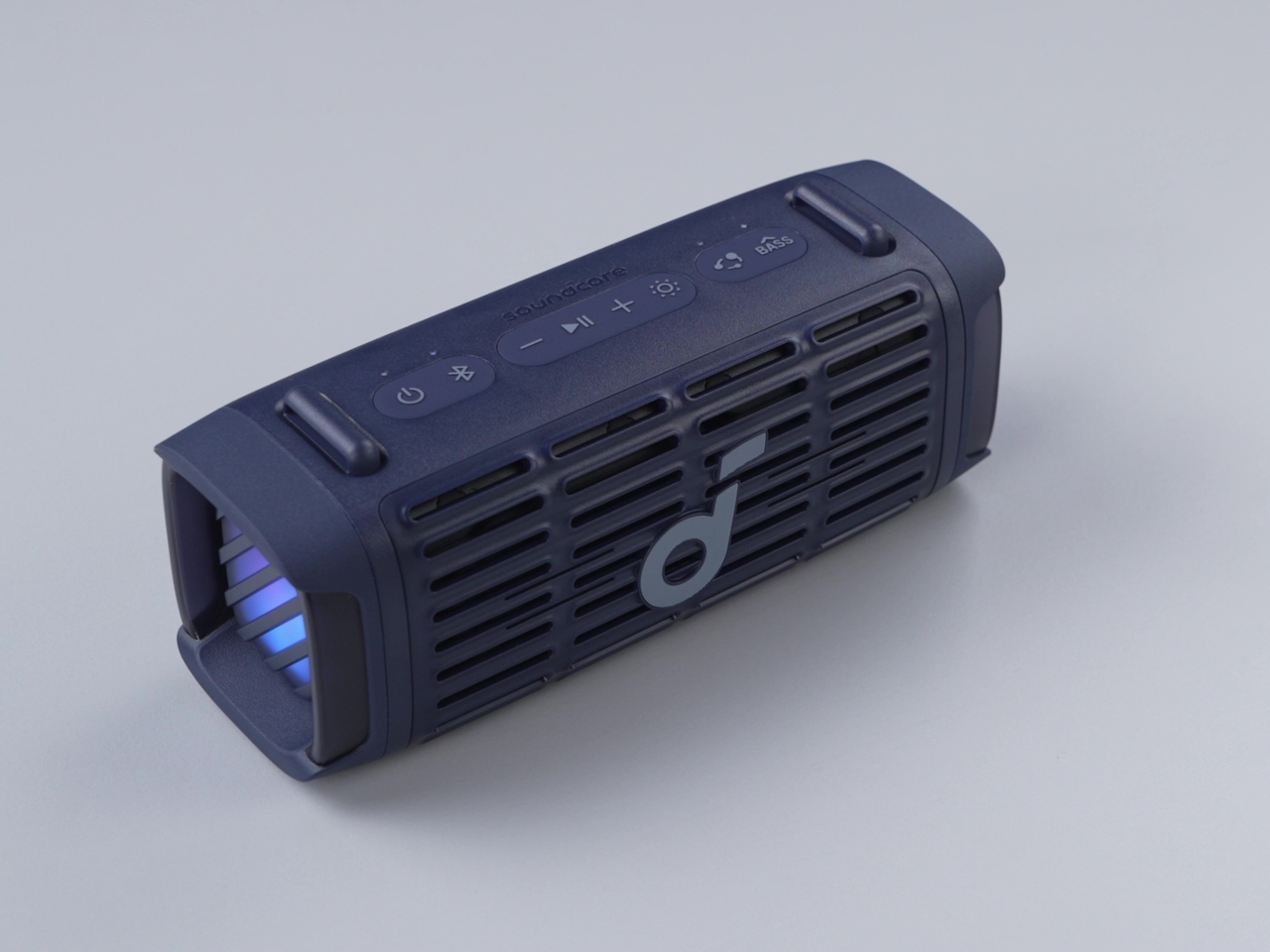
2. Anker Soundcore Boom 3i
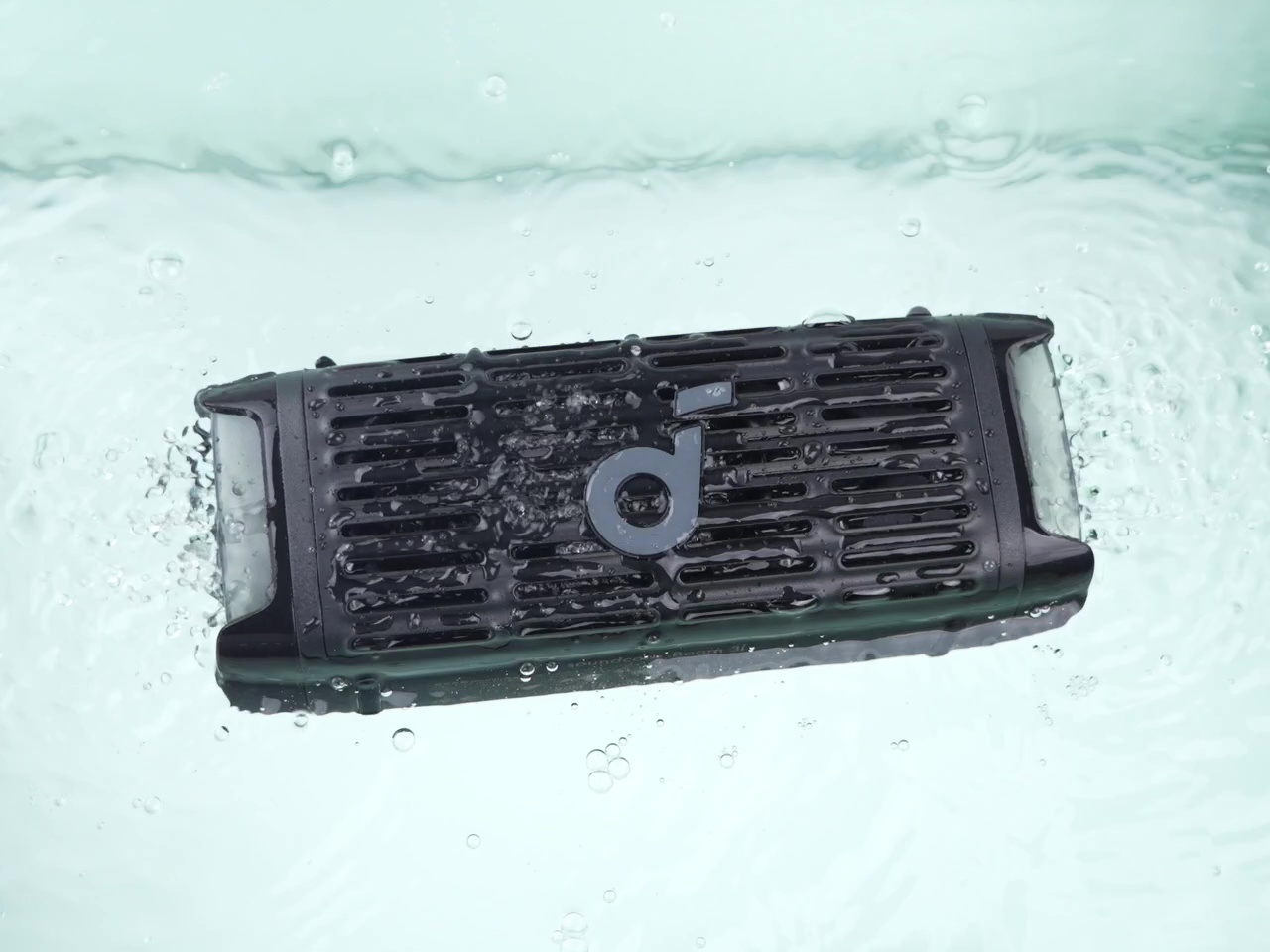
The Boom 3i was designed to survive the kind of afternoon that destroys other electronics. It floats on water. It shakes sand off its housing without clogging the drivers. The IP rating holds up in the rain and in the pool, and while most outdoor speakers are water-resistant in theory and fragile in practice, Anker engineered this one for submersion rather than splashes. It is the Bluetooth speaker you stop worrying about the moment you walk out the front door with it.
The audio output is full and wide for a speaker this compact, with enough low end to anchor a playlist over ambient crowd noise without the distortion that plagues smaller drivers at higher volumes. For a 4th of July gathering where the speaker will inevitably be nudged off a table, handed between a dozen people, and left near the cooler in a wet patch of grass, the Boom 3i is the one pick on this list that was engineered specifically for that set of conditions.
What we like:
Floating capability is the one feature that separates it from every comparable speaker at this price
What we dislike:
The design prioritizes durability over aesthetics, which shows in the bulkier silhouette
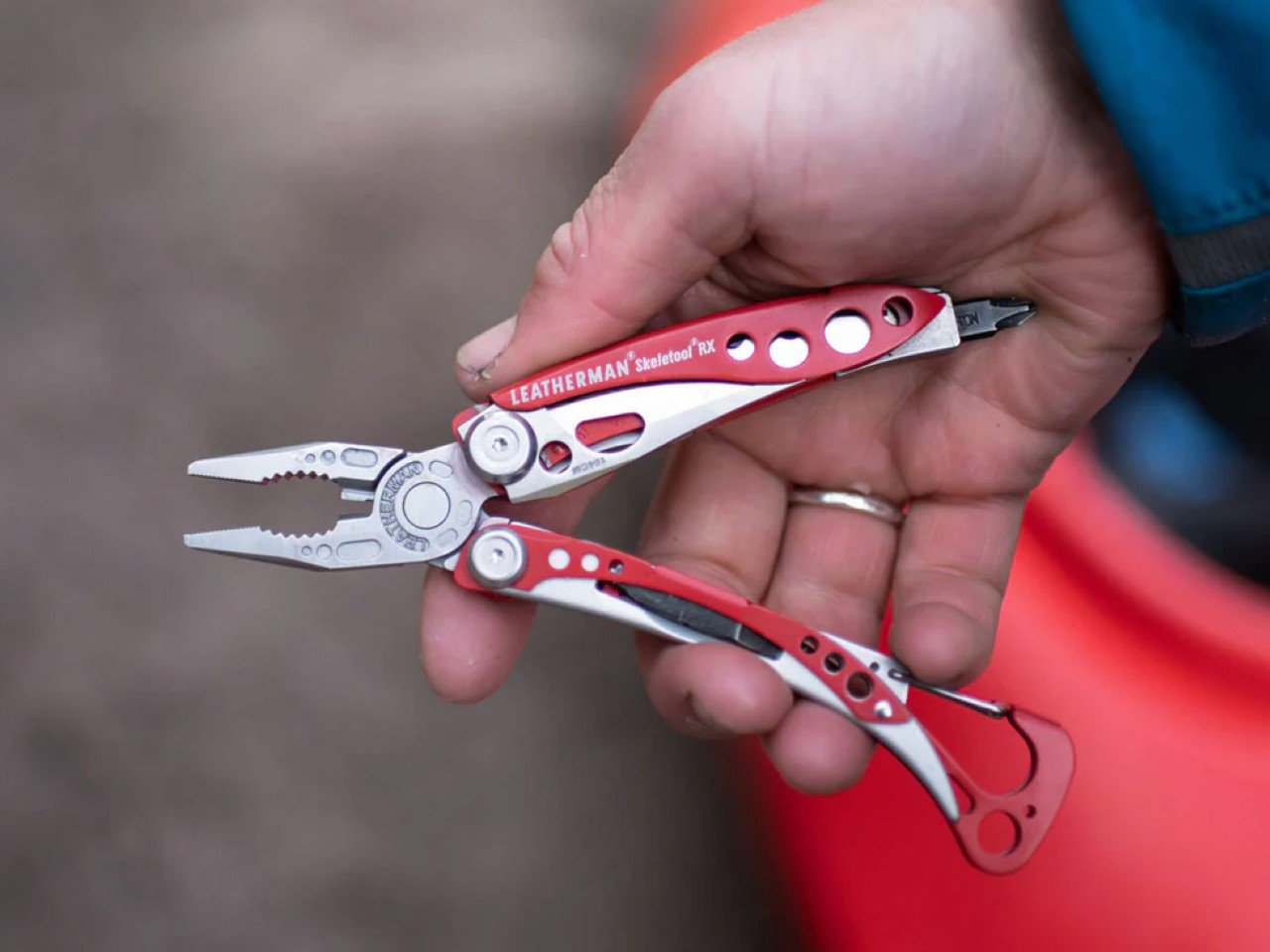
3. Leatherman Skeletool RX
The Skeletool was built around an edit. Leatherman stripped the tool down to seven functions, removed everything that required compromise, and arrived at something genuinely elegant for a multitool: a stainless steel combo blade, needle-nose pliers, a bit driver, a removable pocket clip, and a carabiner that doubles as a bottle opener. That last detail is the most honest acknowledgment a tool manufacturer has ever made that a 4th of July multitool has a very specific social use case. Five ounces, built in Portland, Oregon.
The bottle opener earns its place at a summer cookout, but the pliers and driver mean it stays useful through the entire weekend and the weeks after. Most multitools feel like a design compromise. The Skeletool feels like a design decision. The skeletonized frame that gives it its name is functional rather than decorative, reducing weight without reducing grip. It is one of those tools that looks better the more it gets used, which is the best thing you can say about anything made from stainless steel.
What we like:
The carabiner bottle opener is a genuine design insight rather than a novelty feature
What we dislike:
Seven functions cover most use cases, but it will not satisfy anyone who needs scissors or a saw
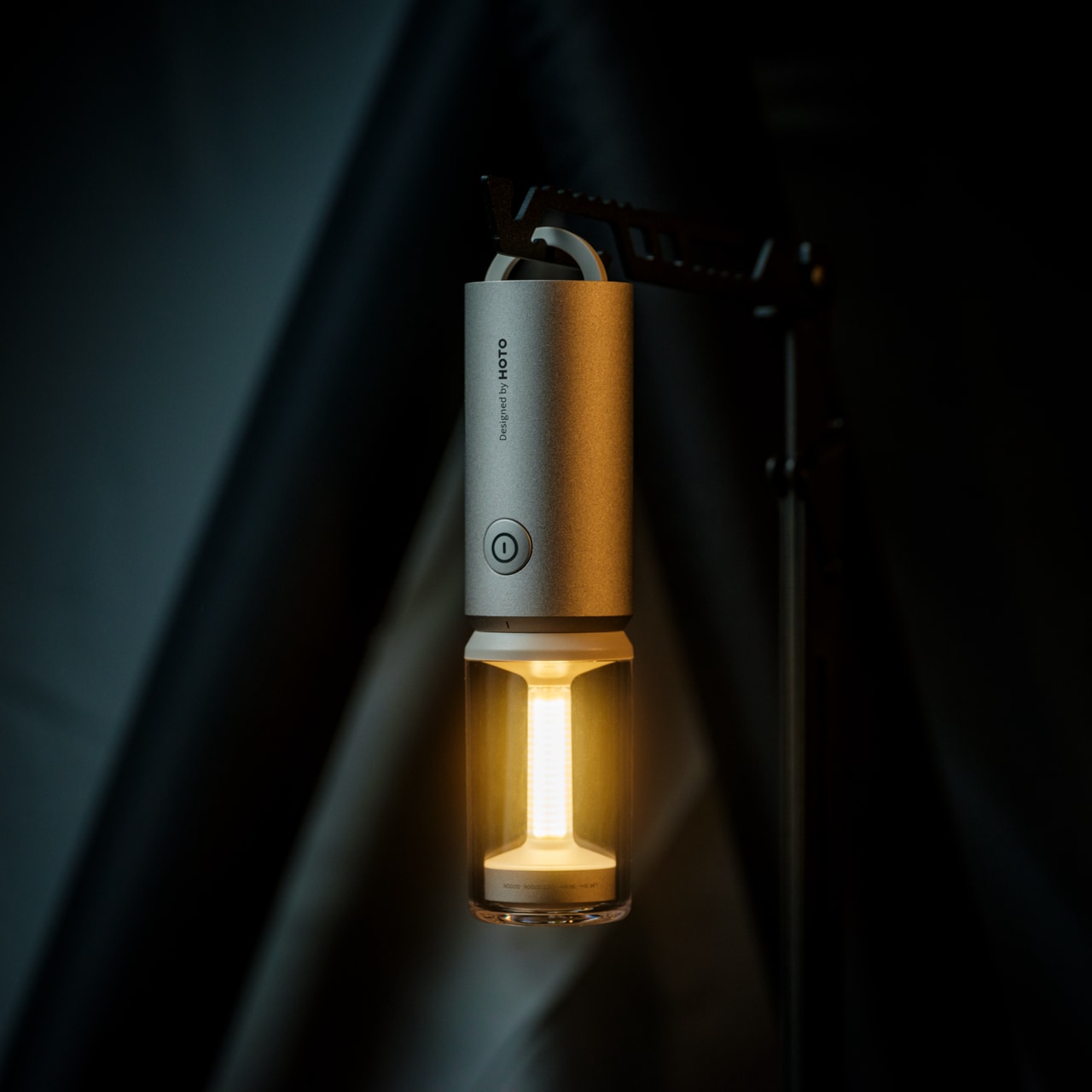
4. TriBeam Camplight
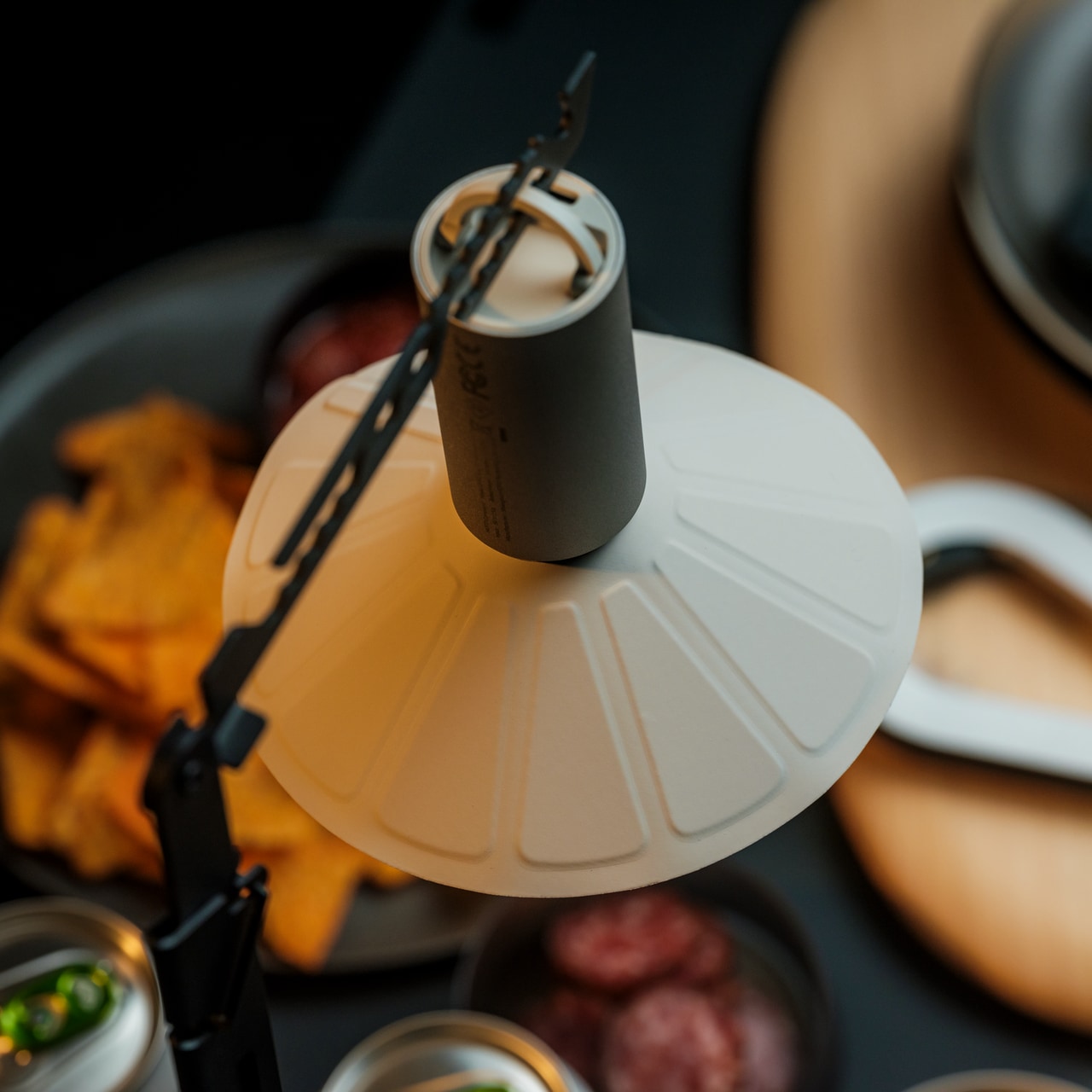
Most camp lights make you choose between utility and atmosphere. The TriBeam refuses that trade-off. At $65 and 135 grams, it switches between a soft ambient glow for conversation, a focused flashlight beam for task lighting, and a diffused lantern mode that fills a campsite evenly. Three distinct lighting behaviors in a single award-winning body that measures just 12.8 centimeters tall and fits in a jacket pocket, which is not something most camp lanterns can honestly claim.
The design is the product. Clean cylindrical housing, no unnecessary buttons, nothing that reads as cheap at close range. It earns its price through the quality of the materials and the precision of three modes that each do their job without bleeding into the others. For anyone spending part of the 4th of July weekend outdoors, whether camping or simply sitting on a dark lawn waiting for fireworks, the TriBeam handles the full range of lighting needs without requiring a second item in the bag.
Three genuinely distinct lighting modes that each solve a specific outdoor scenario
What we dislike:
The compact scale means battery life has limits on multi-night trips
5. Matador Pocket Blanket 3.0
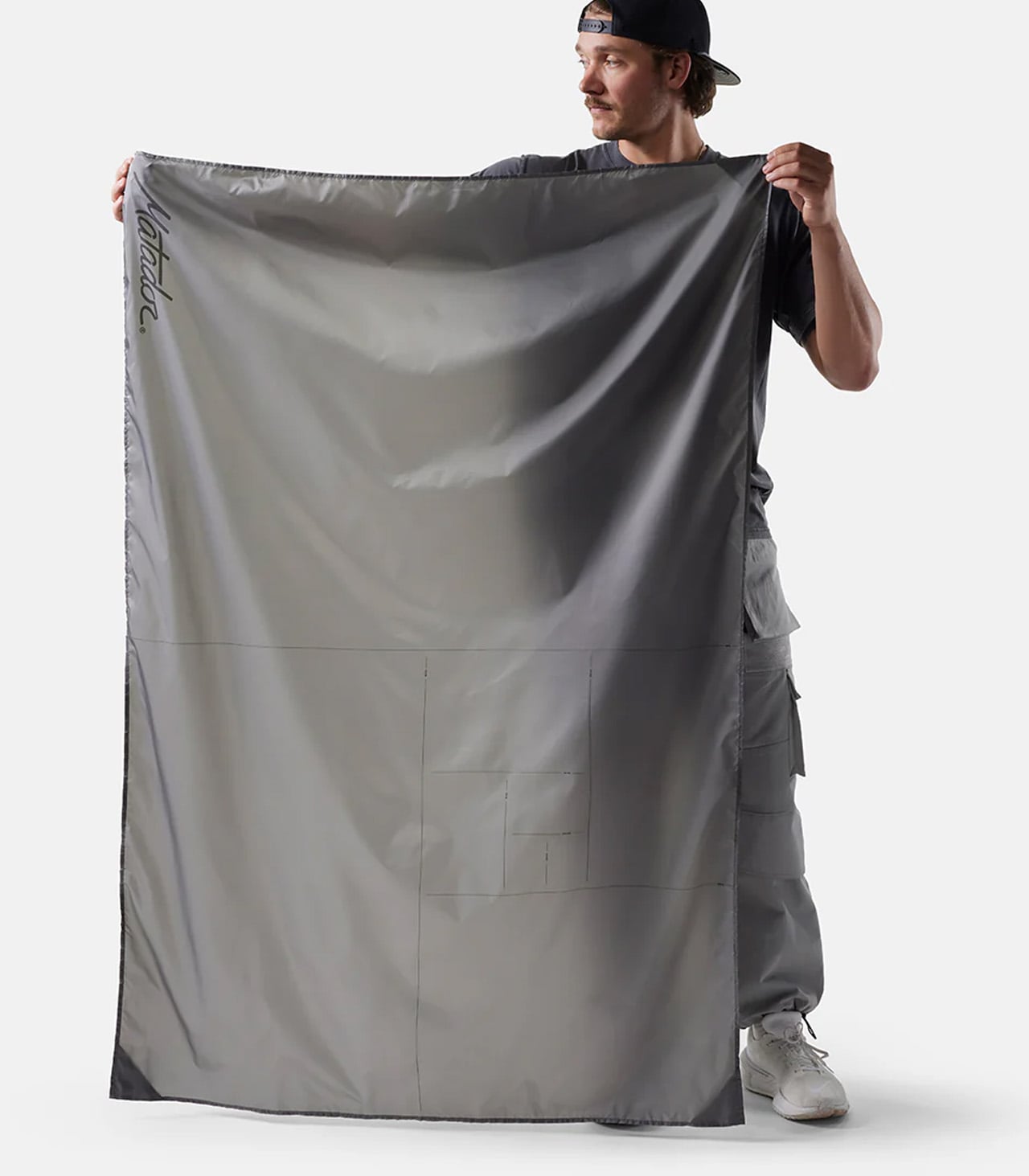
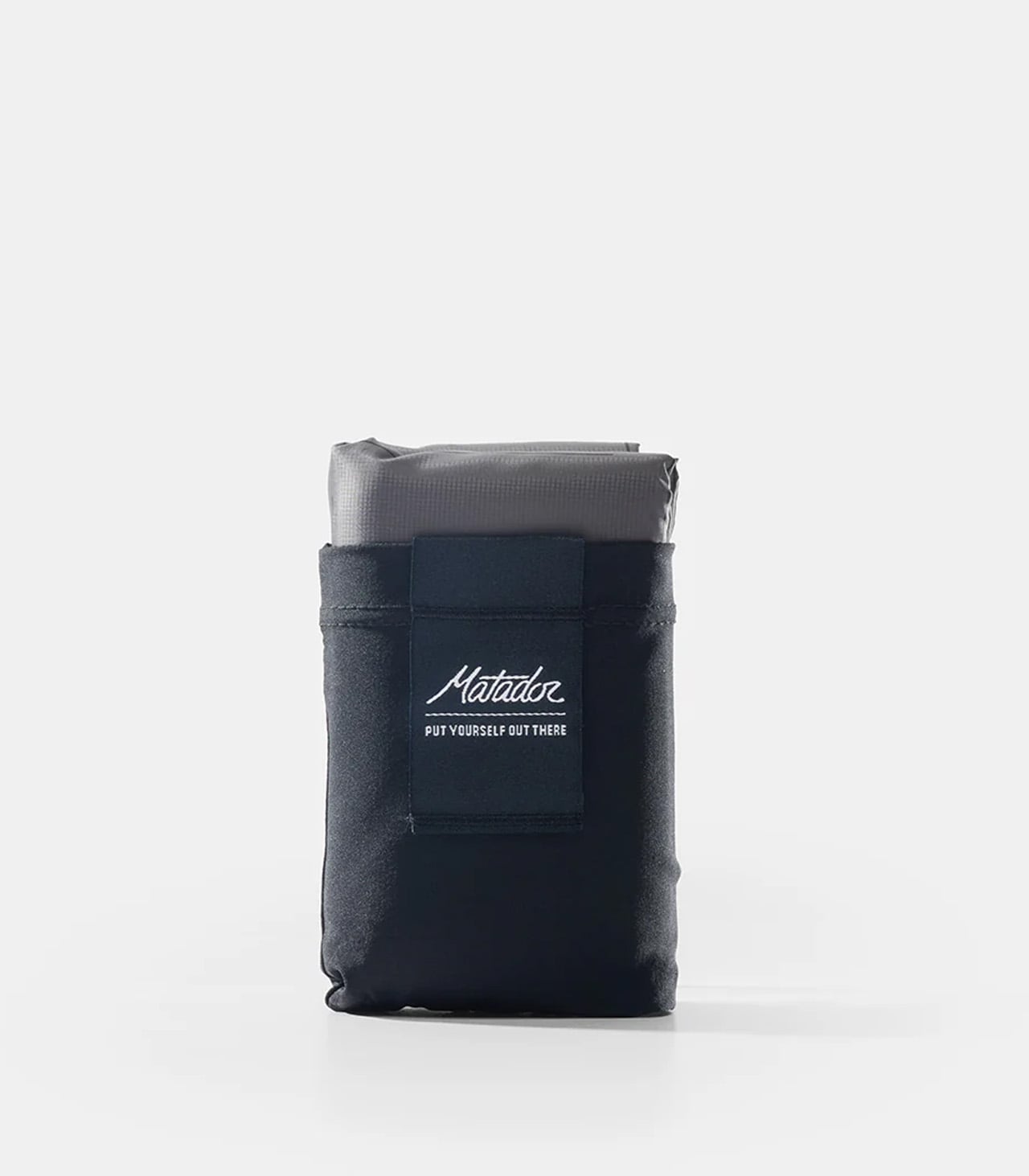
The Matador Pocket Blanket folds to the size of a carabiner pouch. Opened, it seats two to four adults on a water-resistant surface with integrated corner stakes for wind. The bottom layer blocks moisture from wet grass and damp park lawns; the top layer resists sand and water without trapping them. Everything about this object was designed for exactly the 4th of July scenario of sitting on public ground watching fireworks without wearing whatever that ground has been absorbing all afternoon.
The Easy-Pack Pattern built into the blanket’s face guides the refold intuitively, which solves the specific frustration that makes people abandon ultralight blankets within the first month of owning them. At $35 it is the lowest-price item on this list and potentially the most used, because it solves a problem that comes up every single time the weather is good enough to go outside. That ratio of price to utility is rare and worth recognizing when you find it.
What we like:
The built-in refolding guide makes packing it back down a one-attempt operation
What we dislike:
The sizing works well for two adults, but a larger group will want a second one
6. Planbok Waterproof Wallet
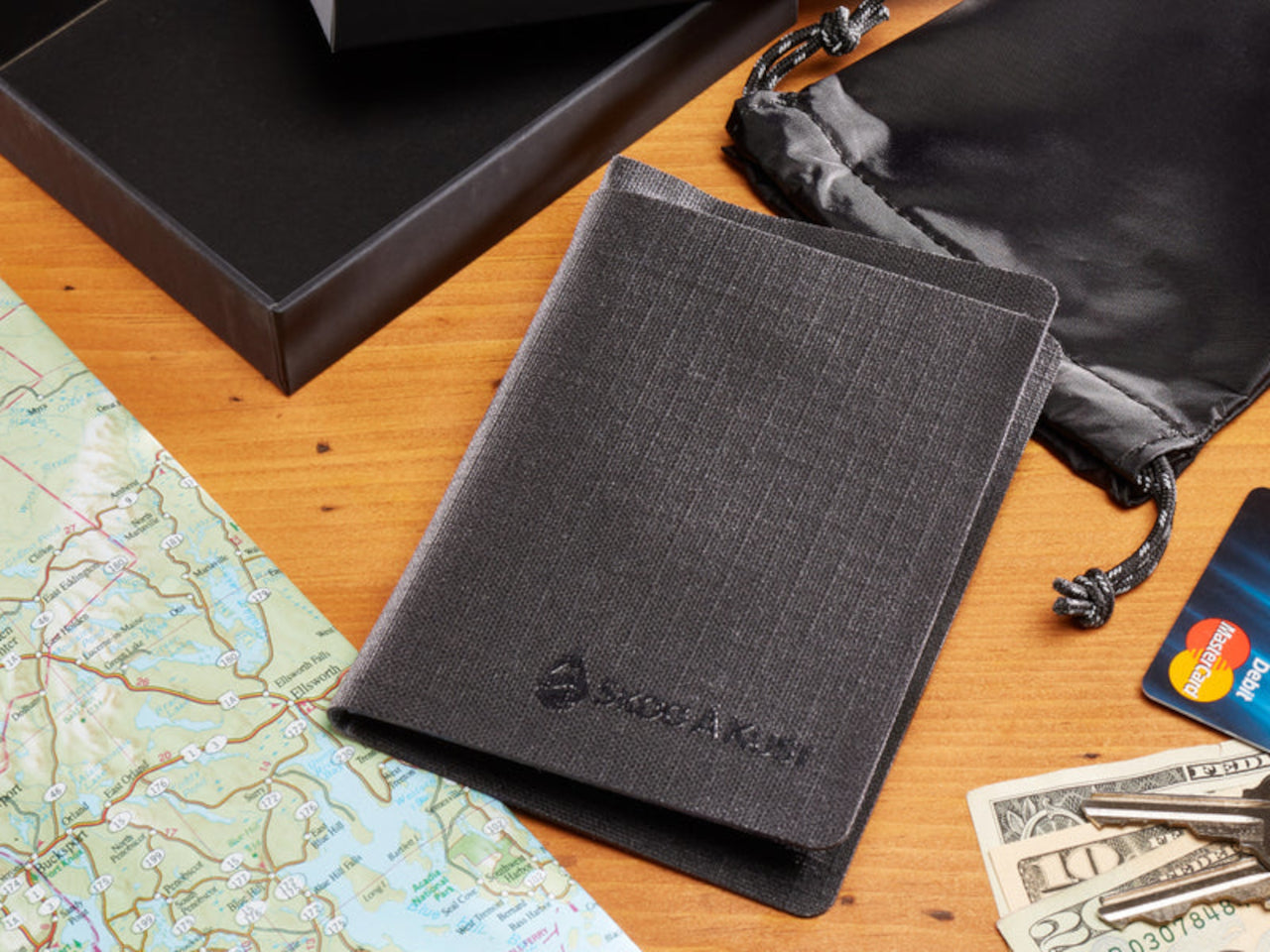
The Planbok is built from 420 denier TPU-coated ripstop nylon with fully welded seams and an IPX6 water resistance rating. It floats if you drop it in the water. That detail separates it from every slim wallet on the market, including the ones that market themselves as water-resistant. The difference between water-resistant and waterproof is invisible until it matters, and on a weekend that involves boats, coolers, rivers, or an unexpected downpour, it matters immediately and without warning.
The profile stays slim enough for a front pocket, cards slide easily, and the construction feels deliberate rather than disposable. It is not a novelty item. It is the answer to the quiet anxiety of carrying a leather bifold to a lake weekend, which is a real anxiety that real people experience every summer without ever quite solving it. Covering a genuine everyday frustration with a well-made object at a reasonable price is precisely the brief that good design exists to fulfill.
What we like:
Buoyancy is a genuine functional feature, not a marketing headline
What we dislike:
IPX6 covers heavy rain but stops short of full submersion, which the floating capability can quietly imply
7. DraftPro Top Can Opener
There is a version of cracking open a cold can on the 4th of July, and there is a better version. The DraftPro, designed by award-winning Japanese designer Shu Kanno and built in Japan, removes the entire top of a can in a single smooth motion, leaving a clean, safe edge and a wide-mouth opening that releases the full aroma of whatever is inside. Beer tastes closer to draft. Sparkling water breathes. A canned cocktail becomes something you can actually build on, adding ice directly into the can or mixing in the source without reaching for a glass or a shaker.
The opening motion is controlled and quiet — not by accident but by engineering — and the grip was shaped to sit naturally in the hand without slipping or requiring a particular angle. Nothing about it reads as a novelty. It is a tool designed with the restraint that Japanese craft disciplines demand: nothing added, nothing wasted, every detail in service of the one thing it exists to do. At a cookout full of people who have never seen one, it will be the most-passed-around object on the table.
Removes the full top cleanly, transforming a canned drink into a genuinely better sensory experience
Works as a cocktail vessel, ice bucket, and open drink in one move with no extra equipment
What we dislike:
Stock is limited — only a few units available at the time of publication, so early ordering matters
8. Nimble SharePower
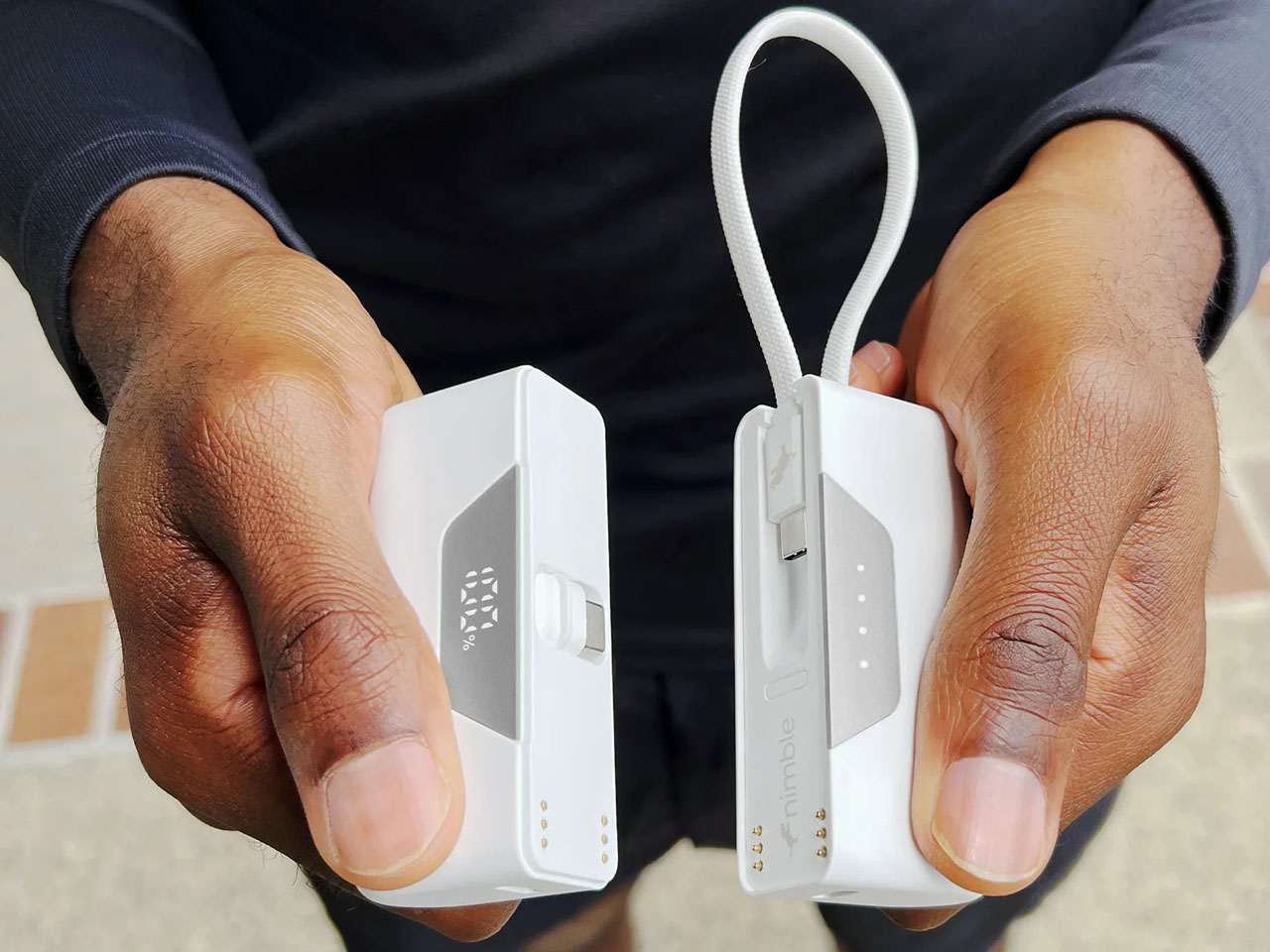
The SharePower from Nimble is a 10,000mAh power bank that splits in half. The two halves are held together magnetically and separate cleanly, with one half housing a battery percentage display and the other using four LEDs to communicate charge level. The braided lanyard connecting them opens into a USB-C cable when the halves are split apart. In joined mode, it delivers 35W charging; split, each half runs at 20W for a single device or 15W across two. The whole unit measures 3.05 by 2.75 inches at under one inch thick.
The concept is obvious in retrospect, which is the clearest sign of a genuine design insight. Every group trip produces the same conversation about who has the power bank and whether anyone can borrow it, followed by a compromise where the original owner gets it back at 30 percent. The SharePower ends that conversation by making sharing a built-in function rather than an inconvenience.
What we like:
The split-mode design solves a social problem that has existed since portable batteries were invented
What we dislike:
The translucent color options are fun in concept but may narrow the gift appeal depending on the recipient
The Only Standard That Matters
Eight products with one shared quality: each one earns its place through a specific design decision rather than a general category promise. The RetroWave works through a blackout. The Boom 3i floats. The Skeletool has a bottle opener exactly where it should. The TriBeam gives you three different lights in one hand. Good design shows up like that — not as a feature list but as a moment where something just works better than you expected it to.
That is the real standard for a gift. Not whether it looks impressive in the box, but whether it gets used on the second trip, the third, the tenth. Most of what is on this list ships before the holiday, which means the only remaining variable is whether you want to give someone something that will still be in their bag come Labor Day.
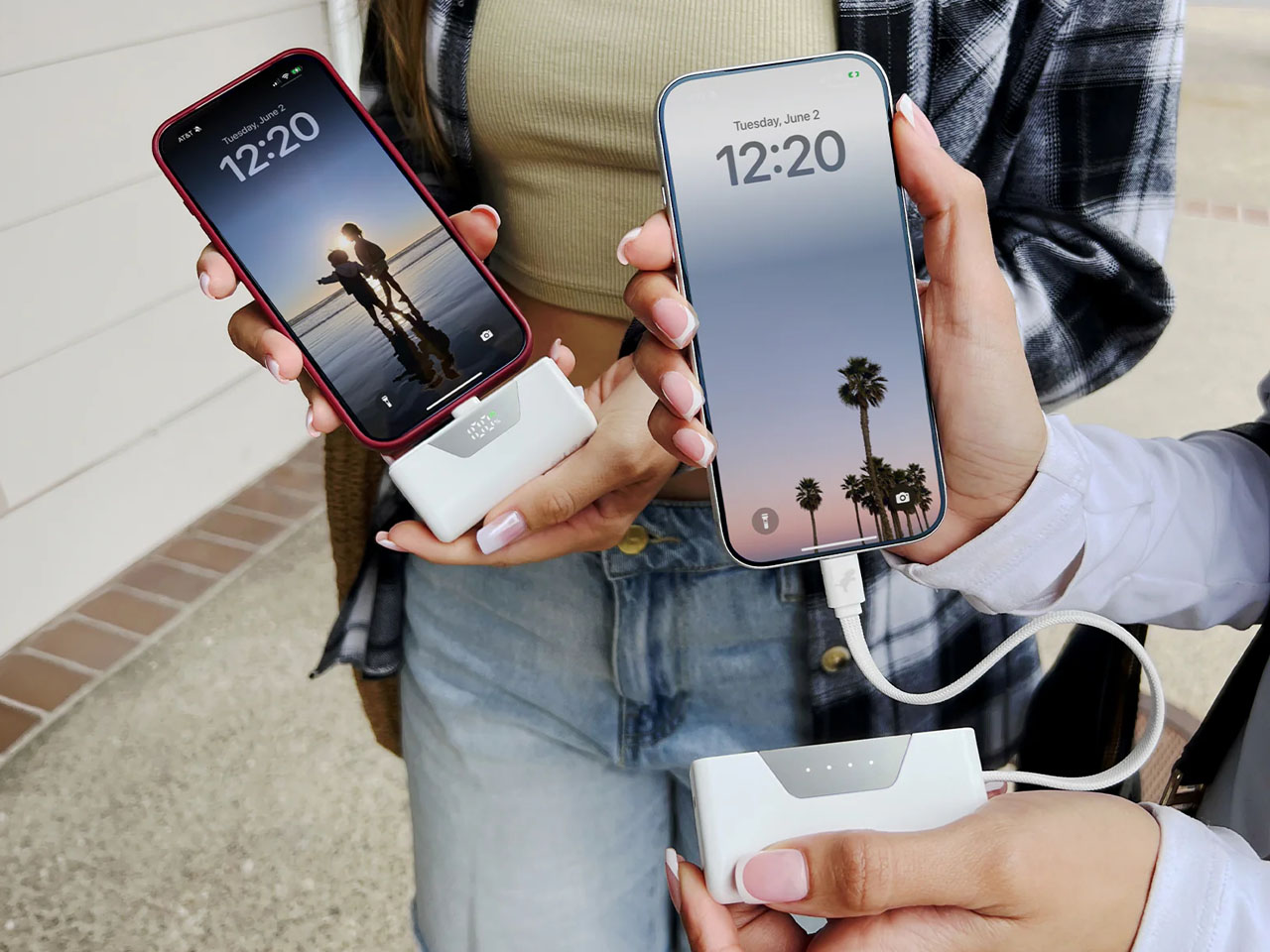
The first wave of magnetic power banks taught us to appreciate convenience. They were clever, handy, and perfect for a little extra power without thinking about cables. But for serious charging, we still reached for a wall adapter. That era is officially closing. The conversation has shifted from simple convenience to genuine performance, with a new generation of devices promising the speed and reliability we once sacrificed for portability. These accessories are built to be daily drivers, not just emergency backups.
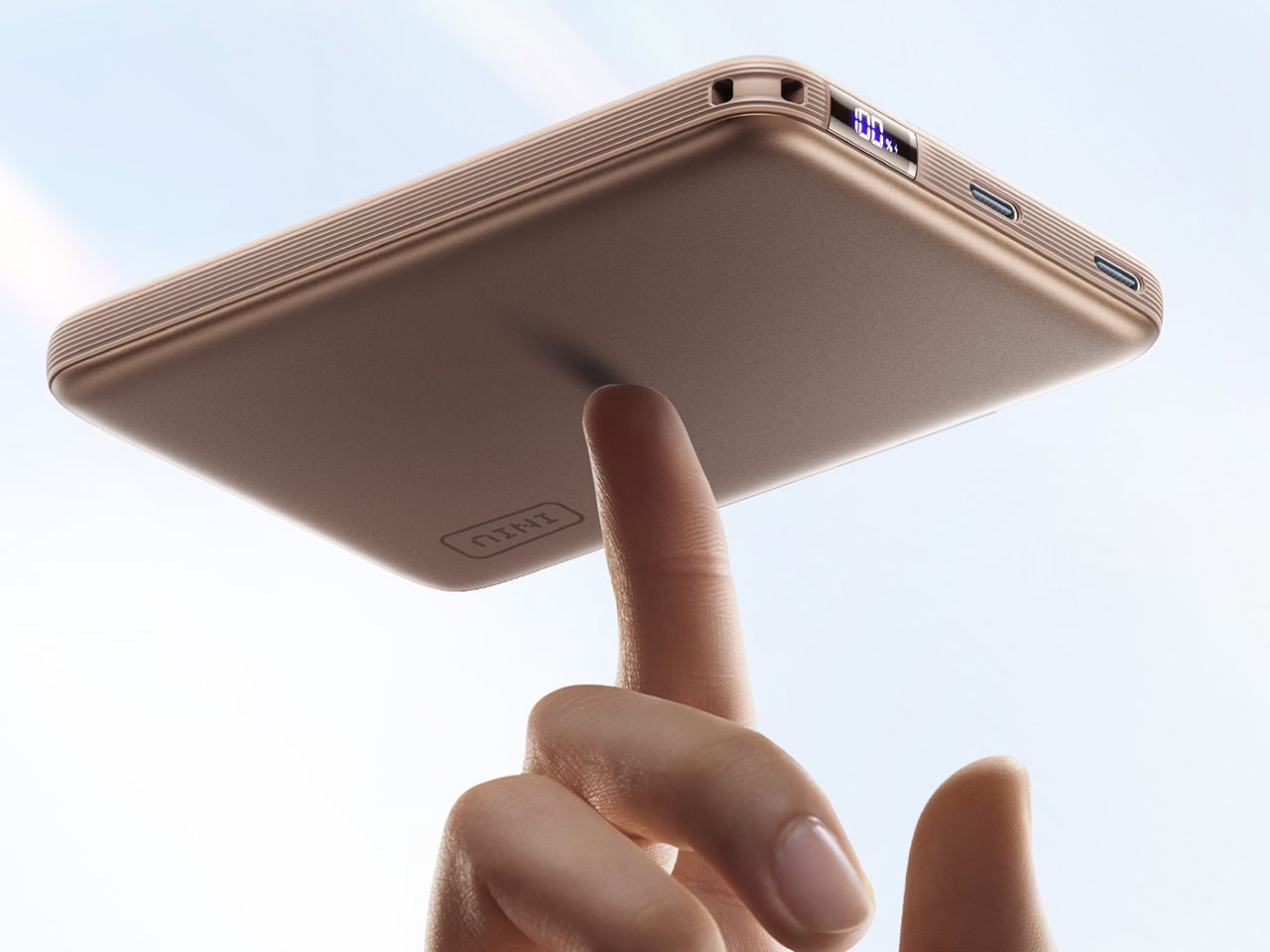
INIU’s SnapGo Air is a direct reflection of this new standard. It arrives with a spec sheet that reads less like a compact battery and more like a dedicated charging hub. With 10,000mAh of capacity, it delivers a full 25W of power wirelessly via the new Qi2.2 standard and an impressive 45W through its integrated USB-C GoCord. This device is engineered around the idea that your portable charger should be just as capable as the one you leave at home, finally aligning the promise of magnetic charging with the power that modern devices demand.
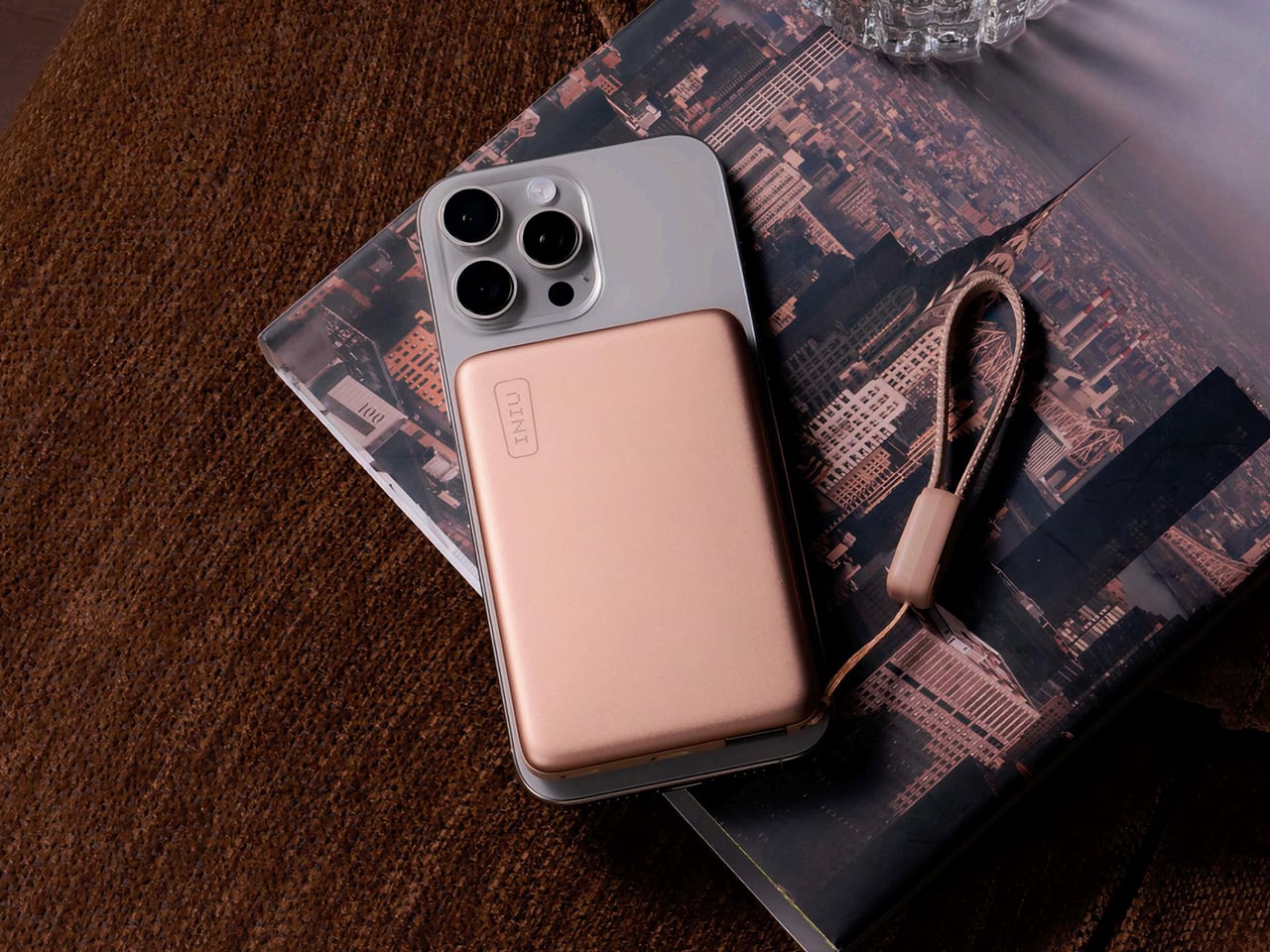
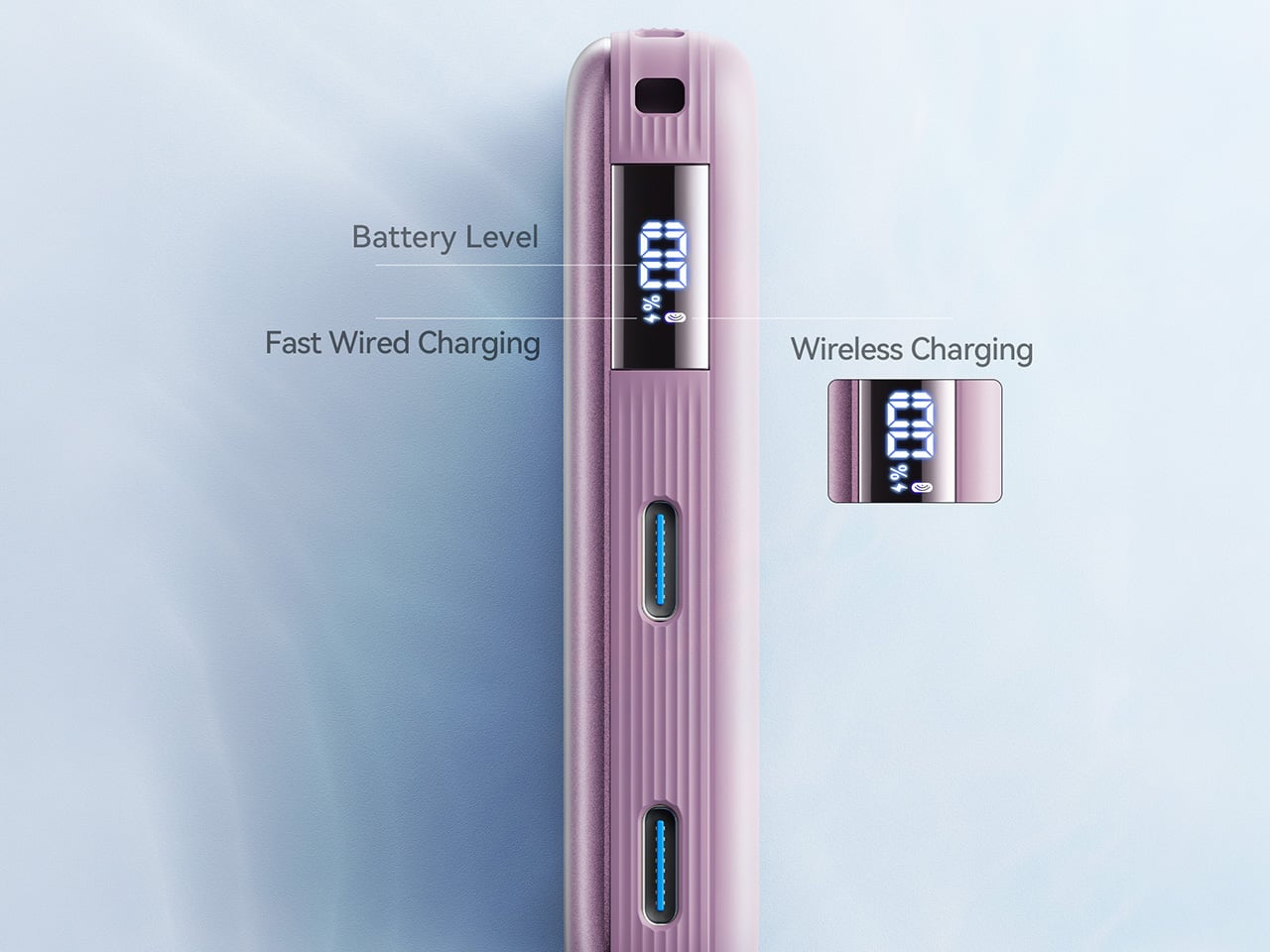
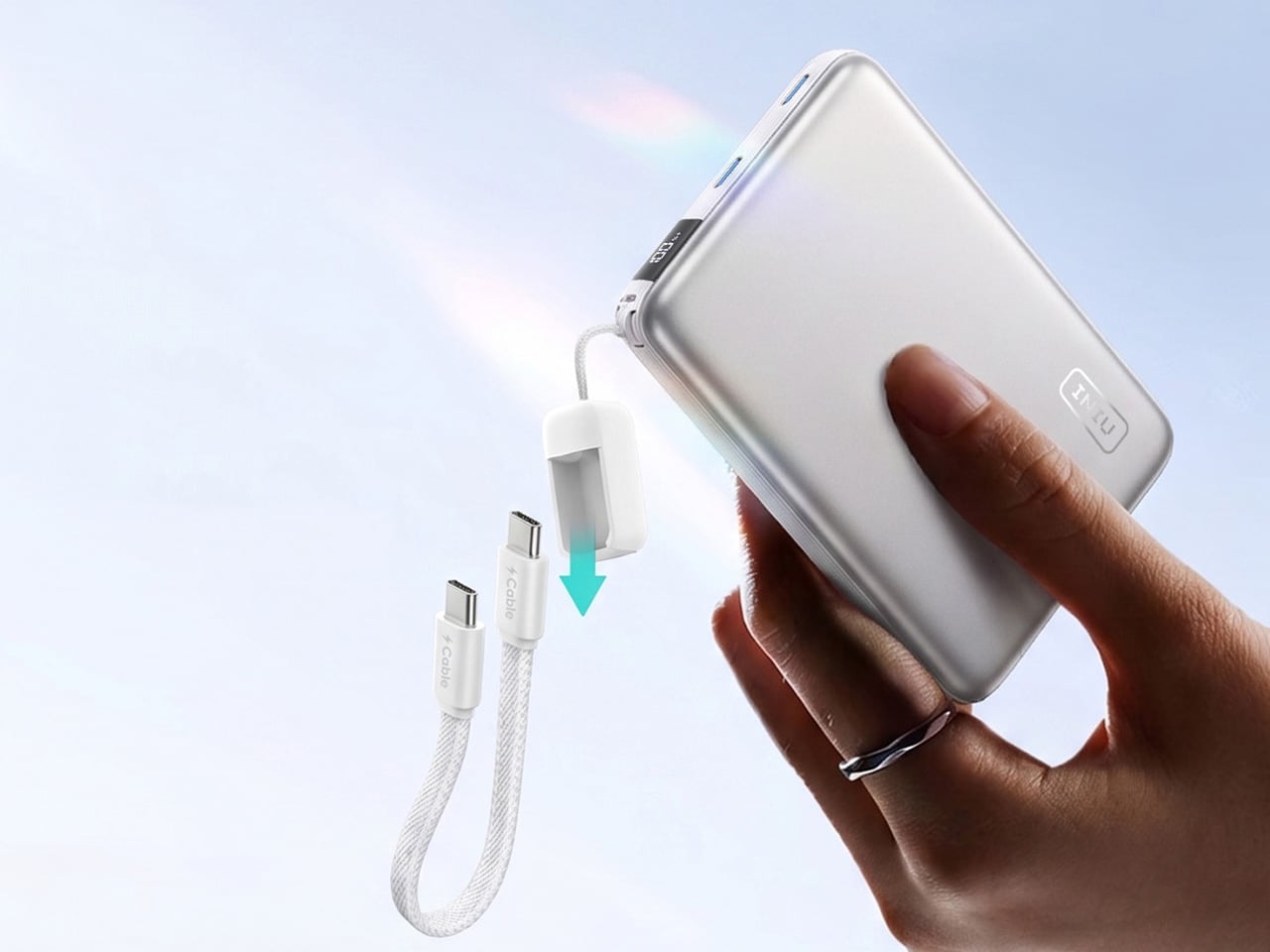
The SnapGo Air is unapologetically design-led, which makes sense for a product that spends most of its life attached to the back of your phone. INIU crafted the body from anodized aluminum with a soft-touch finish, and the result feels premium in a way that most power banks never bother to be. At just 0.5 inches thick and weighing about 195 grams, it maintains a profile slim enough to slip into a jacket pocket or a small bag without any bulk anxiety. The integrated GoCord is color-matched to the body and tucks neatly into a recessed channel, so there are no dangling cables or awkward clips. You get the utility of a built-in cable without the visual mess that usually comes with it. A minimalist LCD display on the side shows battery level and charging status without cluttering the overall aesthetic. The whole package comes in a range of finishes including Metallic Mocha, Soft Lilac, Sunset Orange, and Midnight Navy, giving it the feel of a fashion accessory instead of a generic gadget.
The real engineering here is actually thermal control (which is increasingly becoming a concern given airline and travel regulations). Wireless charging at higher speeds has always come with a heat penalty, and that heat becomes a problem when you’re holding a phone with a battery pack magnetically clamped to the back. INIU addresses this with its Temp Guard 3.0 system, which monitors the internal temperature 9,000 times per second and keeps the surface under 104 degrees Fahrenheit during use. The company claims this is about 14 degrees cooler than typical industry performance, and while I can’t verify those lab numbers without independent testing, the underlying point is valid. If you want people to use wireless charging as their primary method, you have to solve the heat problem first. The SnapGo Air also carries UL certification and INIU’s 18-layer SmartProtect system, which covers everything from overvoltage protection to foreign object detection. In a category where fly-by-night products are common, that level of certification matters.
That being said, the design and engineering doesn’t ignore actual practicality or functionality. The 25W wireless output means you can get an iPhone 17 Pro to 50 percent in around half an hour, which is genuinely fast enough to be useful in real-world situations. The 45W wired output via the GoCord is even faster, and it also means you can charge a wider range of devices including tablets and even some lightweight laptops. The power bank can charge three devices simultaneously, one wirelessly and two through its dual USB-C ports, which is genuinely handy when you’re traveling or working from a coffee shop. A full recharge of the bank itself takes about 1.8 hours, so it cycles back into usable condition quickly.
The INIU SnapGo Air is priced at $54.99 in the US, with regional pricing set at £49.99 in the UK, €54.99 in the EU, and A$69.99 in Australia. Sure, that positions it in the mid-premium end of the magnetic power bank category, but I dare you to find me a power bank that looks good, feels invisible, and performs so well you might just choose it over a wall charger.
The first wave of magnetic power banks taught us to appreciate convenience. They were clever, handy, and perfect for a little extra power without thinking about cables. But for serious charging, we still reached for a wall adapter. That era is officially closing. The conversation has shifted from simple convenience to genuine performance, with a new generation of devices promising the speed and reliability we once sacrificed for portability. These accessories are built to be daily drivers, not just emergency backups.
INIU’s SnapGo Air is a direct reflection of this new standard. It arrives with a spec sheet that reads less like a compact battery and more like a dedicated charging hub. With 10,000mAh of capacity, it delivers a full 25W of power wirelessly via the new Qi2.2 standard and an impressive 45W through its integrated USB-C GoCord. This device is engineered around the idea that your portable charger should be just as capable as the one you leave at home, finally aligning the promise of magnetic charging with the power that modern devices demand.
The SnapGo Air is unapologetically design-led, which makes sense for a product that spends most of its life attached to the back of your phone. INIU crafted the body from anodized aluminum with a soft-touch finish, and the result feels premium in a way that most power banks never bother to be. At just 0.5 inches thick and weighing about 195 grams, it maintains a profile slim enough to slip into a jacket pocket or a small bag without any bulk anxiety. The integrated GoCord is color-matched to the body and tucks neatly into a recessed channel, so there are no dangling cables or awkward clips. You get the utility of a built-in cable without the visual mess that usually comes with it. A minimalist LCD display on the side shows battery level and charging status without cluttering the overall aesthetic. The whole package comes in a range of finishes including Metallic Mocha, Soft Lilac, Sunset Orange, and Midnight Navy, giving it the feel of a fashion accessory instead of a generic gadget.
The real engineering here is actually thermal control (which is increasingly becoming a concern given airline and travel regulations). Wireless charging at higher speeds has always come with a heat penalty, and that heat becomes a problem when you’re holding a phone with a battery pack magnetically clamped to the back. INIU addresses this with its Temp Guard 3.0 system, which monitors the internal temperature 9,000 times per second and keeps the surface under 104 degrees Fahrenheit during use. The company claims this is about 14 degrees cooler than typical industry performance, and while I can’t verify those lab numbers without independent testing, the underlying point is valid. If you want people to use wireless charging as their primary method, you have to solve the heat problem first. The SnapGo Air also carries UL certification and INIU’s 18-layer SmartProtect system, which covers everything from overvoltage protection to foreign object detection. In a category where fly-by-night products are common, that level of certification matters.
That being said, the design and engineering doesn’t ignore actual practicality or functionality. The 25W wireless output means you can get an iPhone 17 Pro to 50 percent in around half an hour, which is genuinely fast enough to be useful in real-world situations. The 45W wired output via the GoCord is even faster, and it also means you can charge a wider range of devices including tablets and even some lightweight laptops. The power bank can charge three devices simultaneously, one wirelessly and two through its dual USB-C ports, which is genuinely handy when you’re traveling or working from a coffee shop. A full recharge of the bank itself takes about 1.8 hours, so it cycles back into usable condition quickly.
The INIU SnapGo Air is priced at $54.99 in the US, with regional pricing set at £49.99 in the UK, €54.99 in the EU, and A$69.99 in Australia. Sure, that positions it in the mid-premium end of the magnetic power bank category, but I dare you to find me a power bank that looks good, feels invisible, and performs so well you might just choose it over a wall charger.