Lotus Effect Vase Lets Stems Drift Across Edges Like Leaves on Water

The lotus effect is a phenomenon where aquatic plant leaves shed water and dirt through microscopic surface structures, staying clean and efficient under heavy rain. The symbolism runs deeper, plants like Victoria regia and white lotus that emerge from murky depths to float serenely on the surface, occupying the boundary between water and air. That mix of resilience, lightness, and boundary dwelling becomes the starting point for a vase that treats support as spatial action rather than neutral containment.

The Lotus Effect Vase is a minimal object that borrows the outline of aquatic leaves and turns it into structure. It combines a circular metallic element, echoing a floating leaf, with a slim cylindrical container, both in stainless steel. It is not trying to imitate the lotus leaf literally; it is translating its posture and presence into a support for cut stems, turning the ring into both a base and a way to guide where the plant can go.

Designer: Fabrício Auler

Most vases center the plant, holding stems upright in the middle of a table or shelf and making the container disappear behind the flowers. This design treats the support as an active part of the composition. The ring and cylinder let the plant lean, angle, and extend, so it stops being in the right place and starts inhabiting different positions relative to furniture and space, with the steel structure visible and intentional rather than hidden.

The circular structure invites the vase to live on edges and thresholds, resting across the corner of a bench, near the lip of a shelf, or slightly off-center on a sideboard. The plant can project into the room, skim along a surface, or cross from one plane to another. It feels closer to how a leaf floats at the boundary between water and air than to a bouquet locked in a vertical cylinder, turning what would normally be a centerpiece into something more provisional and spatial.

1

The choice of stainless steel, cold and permanent, confronts the organic and ephemeral character of the natural. The technical gesture tries to capture the movement of a leaf in a fixed line and ring, freezing a moment of tilt or drift. The living stem then reintroduces change, growing, wilting, and being replaced, so the object becomes a frame for ongoing variation rather than a static centerpiece that always looks the same.

The project extends beyond the object into a small visual system, with circular green forms, modular layouts, and the LOTUS wordmark echoing lily pads on a calm surface. This suggests that the designer is thinking about the vase not as a one-off sculpture, but as part of a family of gestures and surfaces that could populate a room, each one giving plants a slightly different way to occupy space and relate to the furniture around them.

The Lotus Effect Vase quietly questions how we bring nature into interiors. Instead of forcing stems into a single, upright pose, it lets them behave more like they do outside, leaning, reaching, and crossing boundaries. It turns the vase into a small negotiation between leaf and line, water and steel, reminding you that even uprooted and repositioned, a plant can still find new ways to express itself in built scenarios, given the right kind of support.

The post Lotus Effect Vase Lets Stems Drift Across Edges Like Leaves on Water first appeared on Yanko Design.
EMIT Marble Lamp Rises for Work, Glows Green When You’re Done

The typical desk lamp is a metal stalk on a base that does nothing but hold it up, plus a switch somewhere along the cord. Most lamps are either on or off, with the base becoming dead weight that competes with notebooks, pens, and devices for space. EMIT is a concept that treats the base and the shade as active parts of how you work and how your desk feels when you are not working, giving the lamp two distinct postures instead of just one static stance.

EMIT is a desk lamp concept that pairs a carved block of white Carrara marble with a translucent green shade connected by a telescopic metal stem. The name hints at emission and time, and the design leans into that by giving the lamp two distinct postures, one where it behaves like a focused task light and another where it becomes a quiet, glowing object in the corner of your eye when the work is done.

Designer: Alexios Kamaris

The marble base is more than a plinth. Its geometry is reduced to a simple volume with minimal machining, but a recessed pen holder is carved into the top, turning it into a small organizer. A touch sensor is integrated into the body, so you tap the stone to control the light. The base becomes a calm, heavy anchor that still earns its footprint on a crowded desk by holding pens and offering a gestural interface.

In working mode, the telescopic metal stem rises from the marble and holds the green shade above the surface. The shade references traditional desk lamps in silhouette, but is stripped down to a minimal, monolithic hood. In this posture, light is directed down onto the work area, while some of it diffuses through the translucent material, giving a soft edge to the beam instead of a harsh spotlight that flattens everything under it.

When you are done working, the stem collapses and the shade lowers until it almost meets the marble, forming a compact volume of white and green. In this closed state, EMIT switches to a dedicated mode where the translucent glass emits a soft, diffused glow. The lamp stops acting like a tool and starts behaving like a quiet presence, more sculpture than task light, adding a gentle wash of green to the room without demanding attention.

The deliberate opposition between the cold, veined marble and the soft, glowing green shade frames a small narrative about control and looseness, work and rest. The base reads as natural and solid, the shade as artificial and controlled. Together they explore what it means for a lamp to have a day self and a night self, with the telescopic stem literally mediating between the two modes.

EMIT sits on a contemporary desk next to a laptop and a notebook. During the day, it is a precise, marble-anchored task light with a place for your pen and a tap-to-wake interface. At night, it collapses into a compact green glow that keeps the room from going completely dark without feeling like you left a work light on. It is a small reminder that even a lamp can shift its personality, and that good lighting design can choreograph both focus and calm without needing to look like two different objects.

The post EMIT Marble Lamp Rises for Work, Glows Green When You’re Done first appeared on Yanko Design.
EMIT Marble Lamp Rises for Work, Glows Green When You’re Done

The typical desk lamp is a metal stalk on a base that does nothing but hold it up, plus a switch somewhere along the cord. Most lamps are either on or off, with the base becoming dead weight that competes with notebooks, pens, and devices for space. EMIT is a concept that treats the base and the shade as active parts of how you work and how your desk feels when you are not working, giving the lamp two distinct postures instead of just one static stance.

EMIT is a desk lamp concept that pairs a carved block of white Carrara marble with a translucent green shade connected by a telescopic metal stem. The name hints at emission and time, and the design leans into that by giving the lamp two distinct postures, one where it behaves like a focused task light and another where it becomes a quiet, glowing object in the corner of your eye when the work is done.

Designer: Alexios Kamaris

The marble base is more than a plinth. Its geometry is reduced to a simple volume with minimal machining, but a recessed pen holder is carved into the top, turning it into a small organizer. A touch sensor is integrated into the body, so you tap the stone to control the light. The base becomes a calm, heavy anchor that still earns its footprint on a crowded desk by holding pens and offering a gestural interface.

In working mode, the telescopic metal stem rises from the marble and holds the green shade above the surface. The shade references traditional desk lamps in silhouette, but is stripped down to a minimal, monolithic hood. In this posture, light is directed down onto the work area, while some of it diffuses through the translucent material, giving a soft edge to the beam instead of a harsh spotlight that flattens everything under it.

When you are done working, the stem collapses and the shade lowers until it almost meets the marble, forming a compact volume of white and green. In this closed state, EMIT switches to a dedicated mode where the translucent glass emits a soft, diffused glow. The lamp stops acting like a tool and starts behaving like a quiet presence, more sculpture than task light, adding a gentle wash of green to the room without demanding attention.

The deliberate opposition between the cold, veined marble and the soft, glowing green shade frames a small narrative about control and looseness, work and rest. The base reads as natural and solid, the shade as artificial and controlled. Together they explore what it means for a lamp to have a day self and a night self, with the telescopic stem literally mediating between the two modes.

EMIT sits on a contemporary desk next to a laptop and a notebook. During the day, it is a precise, marble-anchored task light with a place for your pen and a tap-to-wake interface. At night, it collapses into a compact green glow that keeps the room from going completely dark without feeling like you left a work light on. It is a small reminder that even a lamp can shift its personality, and that good lighting design can choreograph both focus and calm without needing to look like two different objects.

The post EMIT Marble Lamp Rises for Work, Glows Green When You’re Done first appeared on Yanko Design.
Peak Pouch Turns 5,180 Tons of Park Waste Into Trash Bag Holders

South Korea’s national parks removed trash bins to protect ecosystems and pushed a carry-in, carry-out policy. The unintended side effect is that visitors hide trash in rock crevices or behind trees because they lack an easy way to deal with it. Over five years, 5,180 tons of waste were collected from parks, roughly 200 fully loaded 25-ton trucks, underlining the scale of the problem when good intentions meet poor infrastructure.

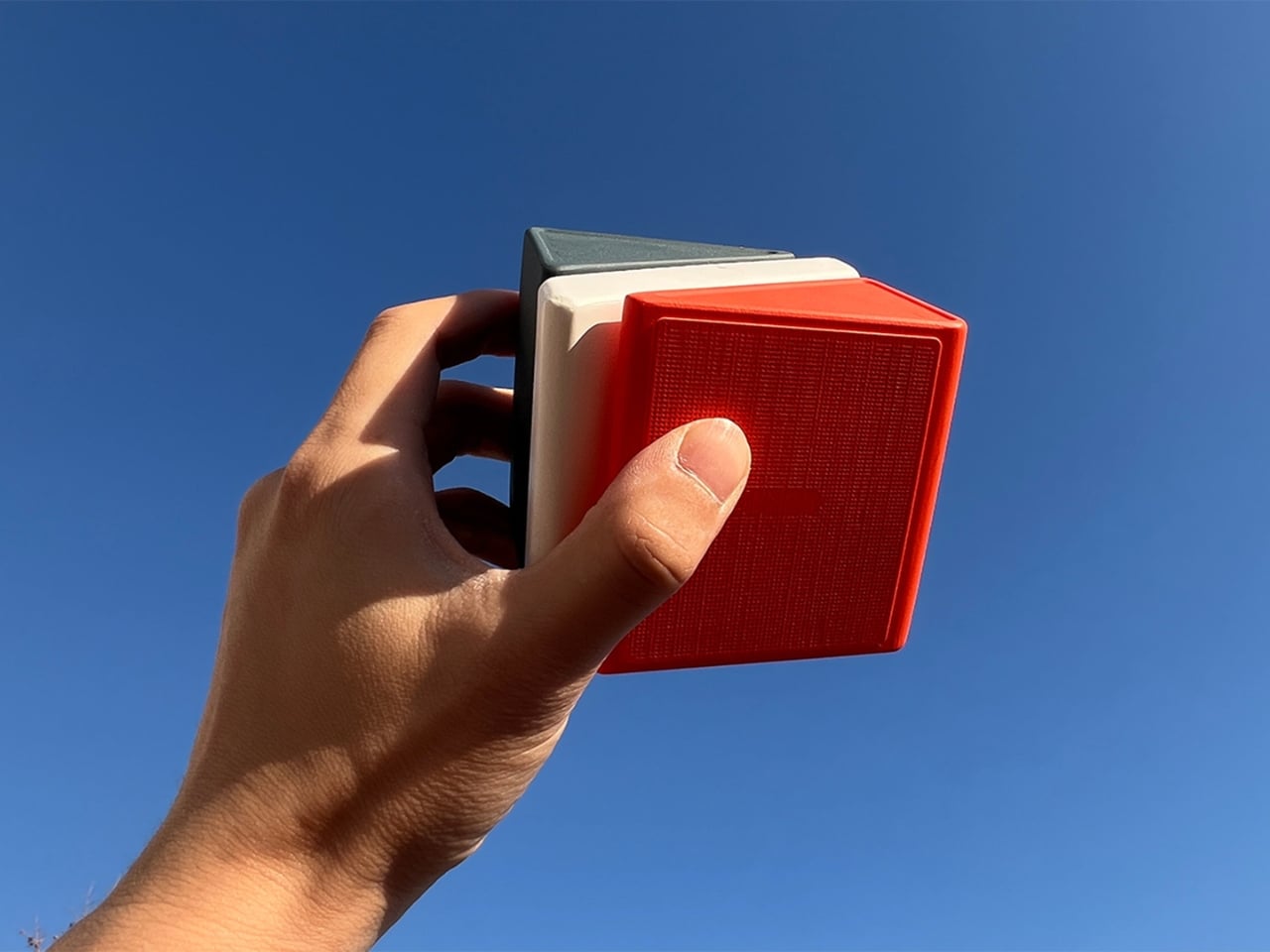
Peak Pouch is part of a National Park Upcycling Project, a portable waste-bag dispenser and bag holder made from waste wood decks and plastics collected directly from the parks. The designers argue that visitors are not short on environmental awareness; they are short on tools and motivation. Peak Pouch turns the abstract idea of conservation into something you can hold and use on every hike, making the right behavior easier than hiding trash.

Designer: Hyunbin Kim

Peak Pouch is a small, organic cylinder inspired by the curves of Baengnokdam crater in Hallasan National Park. The body is a blend of upcycled wood and plastic, with irregular speckles and a rough but warm texture that the designers leave visible. It feels closer to a small stone or piece of bark than a gadget, helping it sit naturally in a hiking context and build an emotional link to the landscape it came from.

The product is built from just three parts for intuitive use. It uses biodegradable roll bags to keep the system sustainable, and the bottom slot uses a simple twist-lock mechanism for refilling. You twist off the base, drop in a new roll, twist it back on, and you are done. The simplicity reduces friction, so carrying and refilling bags does not feel like a chore.

Peak Pouch is designed for immediate access during hikes. A side slit lets you pull and tear bags one-handed while walking, so you do not have to stop and unpack. A sturdy top strap clips to a backpack or belt loop, keeping the dispenser visible and within reach. The idea is to make grabbing a bag when you need one the path of least resistance.

After you have filled a bag, a dedicated holder on the side lets you tie it off and attach it securely, so you do not have to carry it in your hand on the way down. That matters on steep or uneven trails, where having both hands free makes the descent safer and more comfortable. It turns carrying out waste from an awkward burden into something that feels planned for.

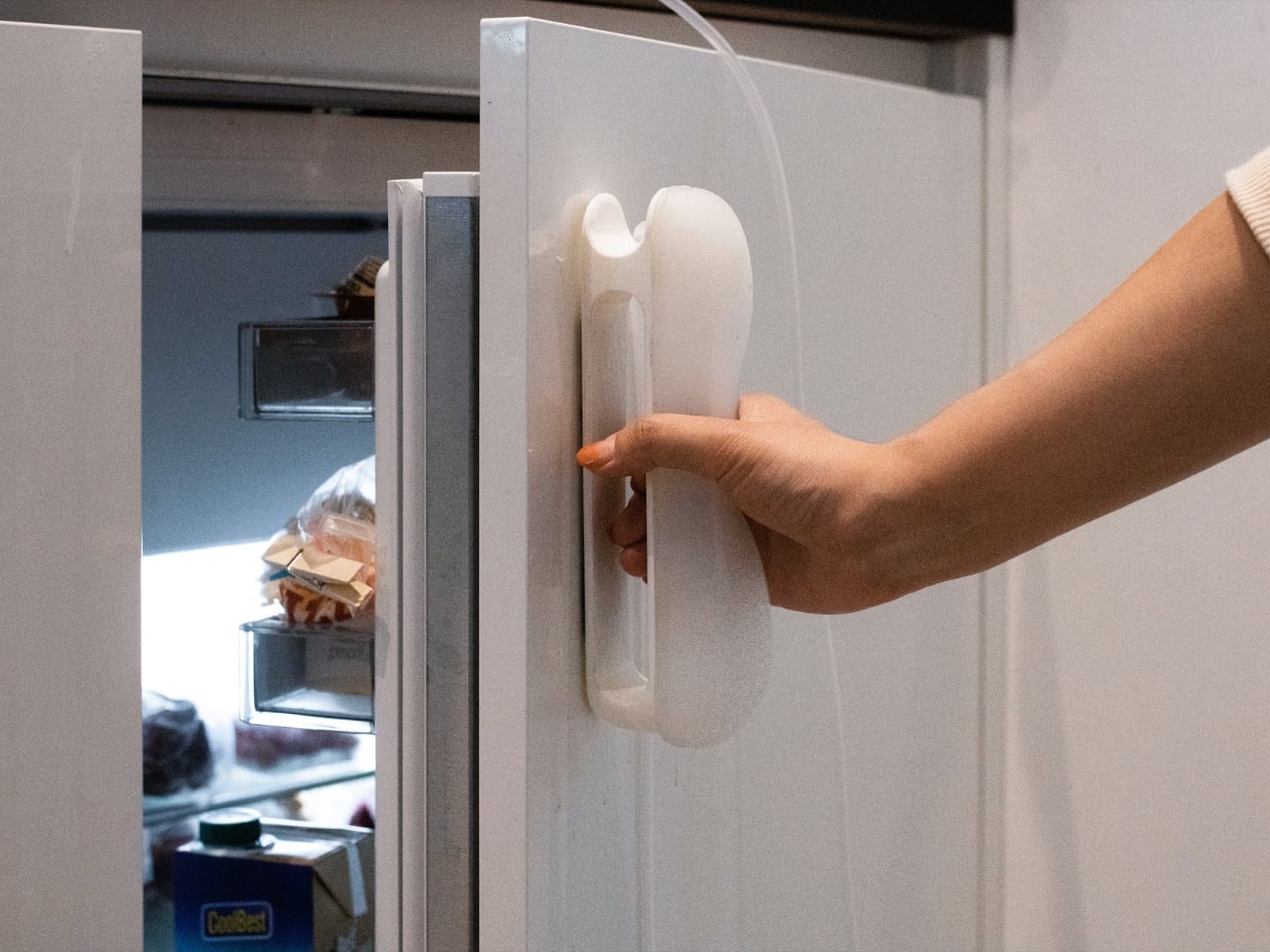
Peak Pouch comes in signature colors derived from the landscapes of major Korean national parks like Halla, Seorak, and Bukhansan, with each park’s name embossed on the body. After the hike, the bag holder’s built-in magnet lets it live on a refrigerator or metal furniture as a memo or photo clip, quietly reminding you of the trail and your role in keeping it clean.

Peak Pouch reframes the park souvenir. Instead of a passive trinket, it is a piece of the park’s own waste turned into a tool that helps you leave less behind. By living on your pack during hikes and on your fridge between them, it nudges you from passive awareness to active practice, one pulled bag and carried-out wrapper at a time, making zero-waste hiking feel like something you choose rather than something you dread.

The post Peak Pouch Turns 5,180 Tons of Park Waste Into Trash Bag Holders first appeared on Yanko Design.
Posha Self-Watering Planter Lets You Forget Watering for Weeks

Most desk plants live in simple pots that depend entirely on memory. Watering is irregular, overwatering and underwatering are both common, and busy workdays do not help. Planters are usually treated as decorative containers, not as systems that could manage themselves. Posha is a self-watering desk planter that starts from a different premise, embedding care into the object instead of into the user’s to-do list or relying on guilt when leaves start to droop.

Posha is a compact desk planter built around a passive self-watering system. It separates water storage from the soil zone, with a concealed reservoir at the base and a wick or capillary pathway that draws moisture upward only as the plant needs it. The roots stay hydrated without sitting in water, which reduces overwatering and stretches the time between refills in a way that suits distracted desk life and unpredictable schedules.

Designer: Ayush Kumar Singh

Early explorations focused on proportions and water behaviour, how much water a compact planter should realistically store, how fast it should release moisture, and how to keep the system stable without adding visual clutter. Several internal layouts were tested to balance soil volume, reservoir capacity, and airflow, so the plant remains healthy while the planter stays small and unobtrusive on a work surface next to keyboards and coffee cups.

The form is deliberately minimal, so from the outside it reads as a simple desk object rather than a technical product. The complexity is pushed inward, where the water chamber, soil separator, and wicking element work together as a single system. The geometry avoids sharp transitions so water can distribute evenly, and the top opening is sized for common indoor plants without making planting or pruning awkward when you need to swap species.

1

Refilling is straightforward and non-disruptive; the water inlet is integrated into the form so it does not dominate the appearance, and the reservoir can be topped up without removing the plant. The system is designed to be reusable and serviceable, allowing the planter to be cleaned or replanted over time rather than treated as a disposable object that gets tossed when the first plant fails or the season changes.

What defines Posha is not a single interaction but how it behaves over weeks of use. The soil stays consistently moist, the plant experiences less stress, and the user interacts with it less frequently but more intentionally. Plant care shifts from a daily responsibility to an occasional check-in, better suited to desks, studios, and workspaces where attention is already stretched thin, and memory is unreliable at best.

Posha demonstrates how small functional decisions, like separating water and soil and hiding the reservoir, can significantly change user behaviour and plant health. By working quietly in the background and doing one job well, the self-watering desk planter supports healthier plants and a calmer relationship between people and the living things they keep nearby, which is a surprisingly meaningful outcome for such a small piece of desk real estate that could have easily stayed simple and decorative.

The post Posha Self-Watering Planter Lets You Forget Watering for Weeks first appeared on Yanko Design.
This House Makes Climbing Between Rooms the Main Attraction

The typical vacation rental is a cabin or beach house sitting on the ground with a yard, a deck, maybe a hot tub, and a hammock scattered around it. Those amenities are usually background, things you walk past on the way to the main house or visit once during the stay. Michael Jantzen’s Elevated Leisure Habitat flips that logic by pulling everything off the ground and turning circulation into the main event, so moving through the complex becomes as much the attraction as the rooms themselves.

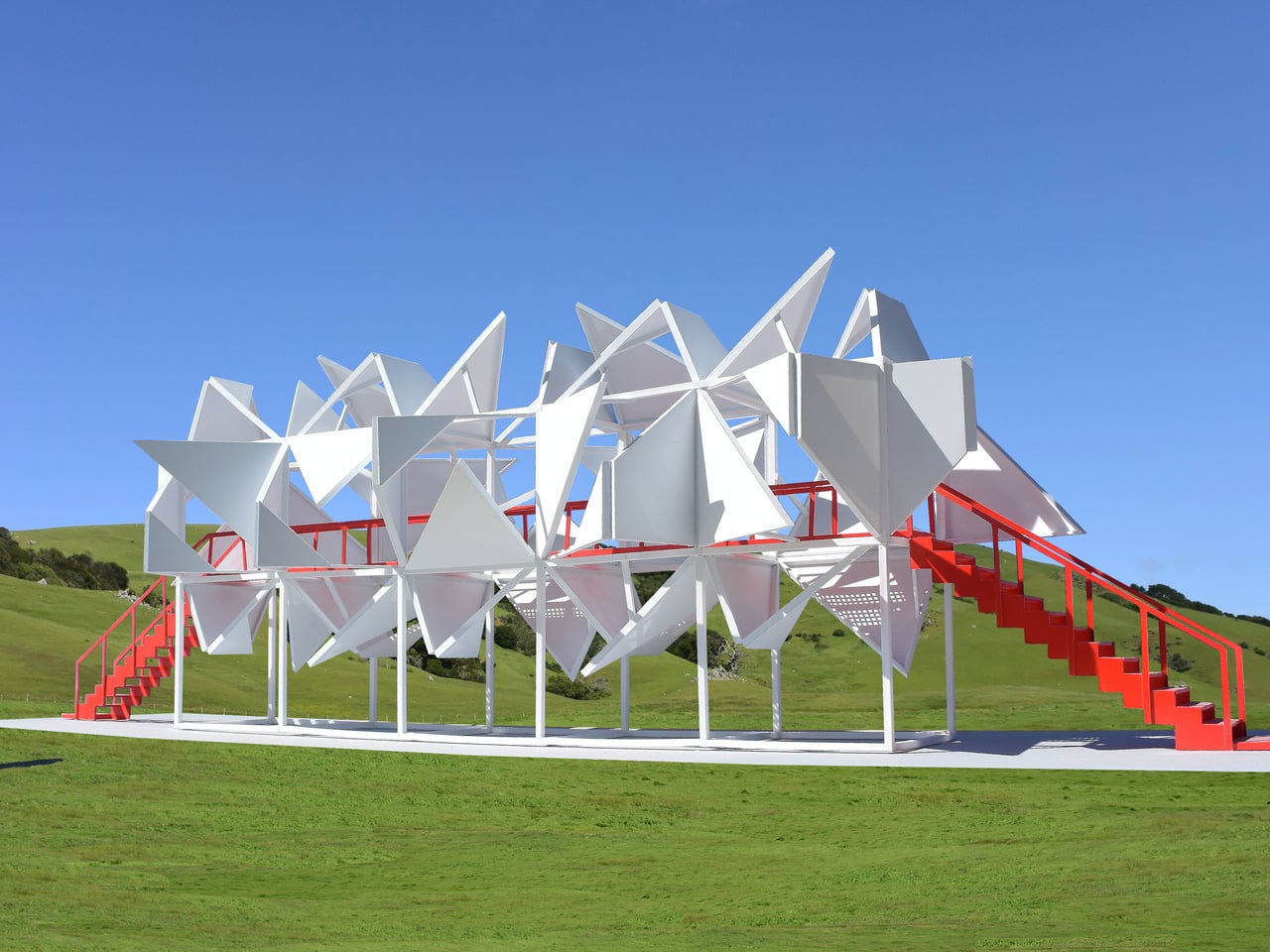
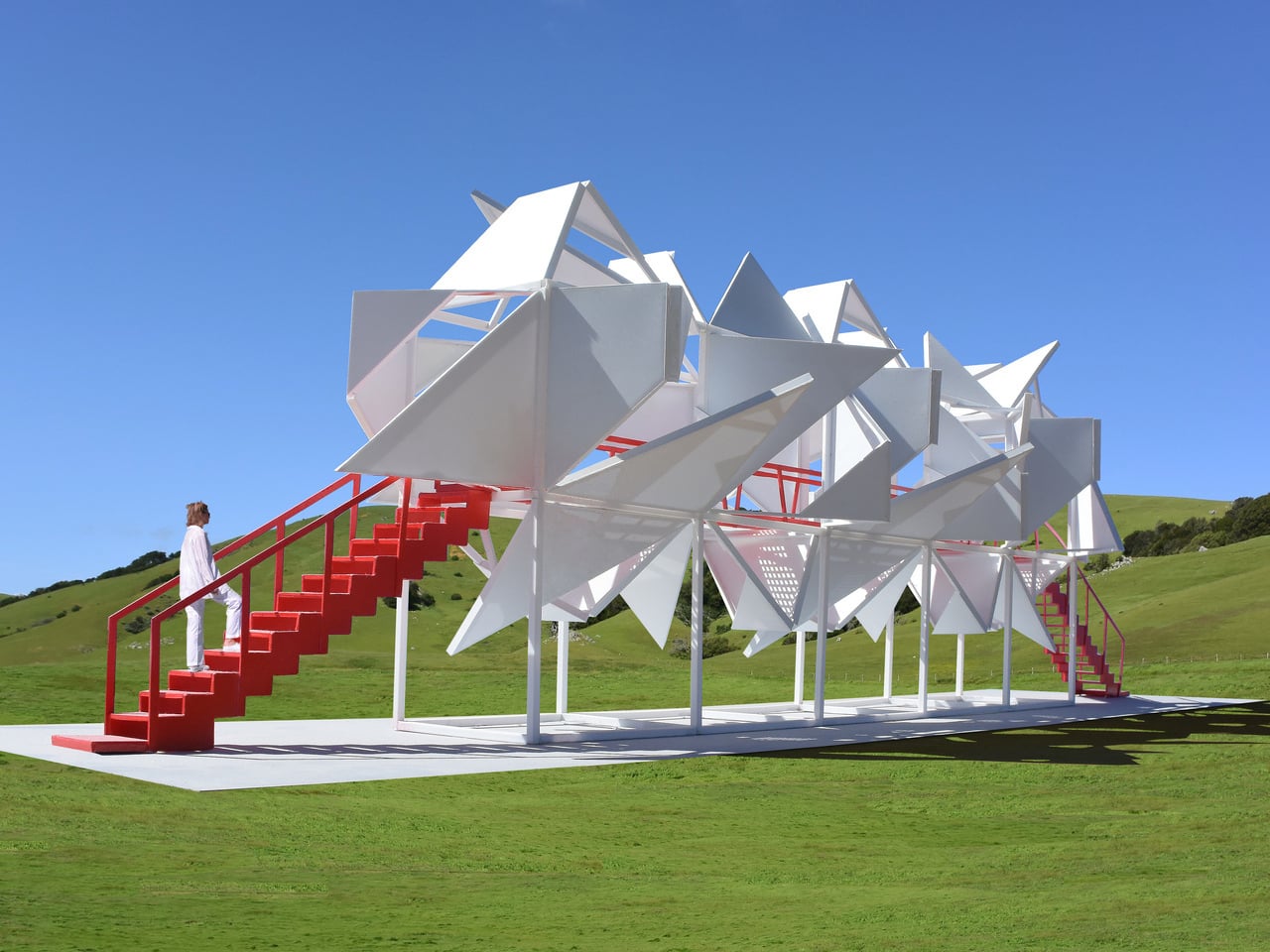
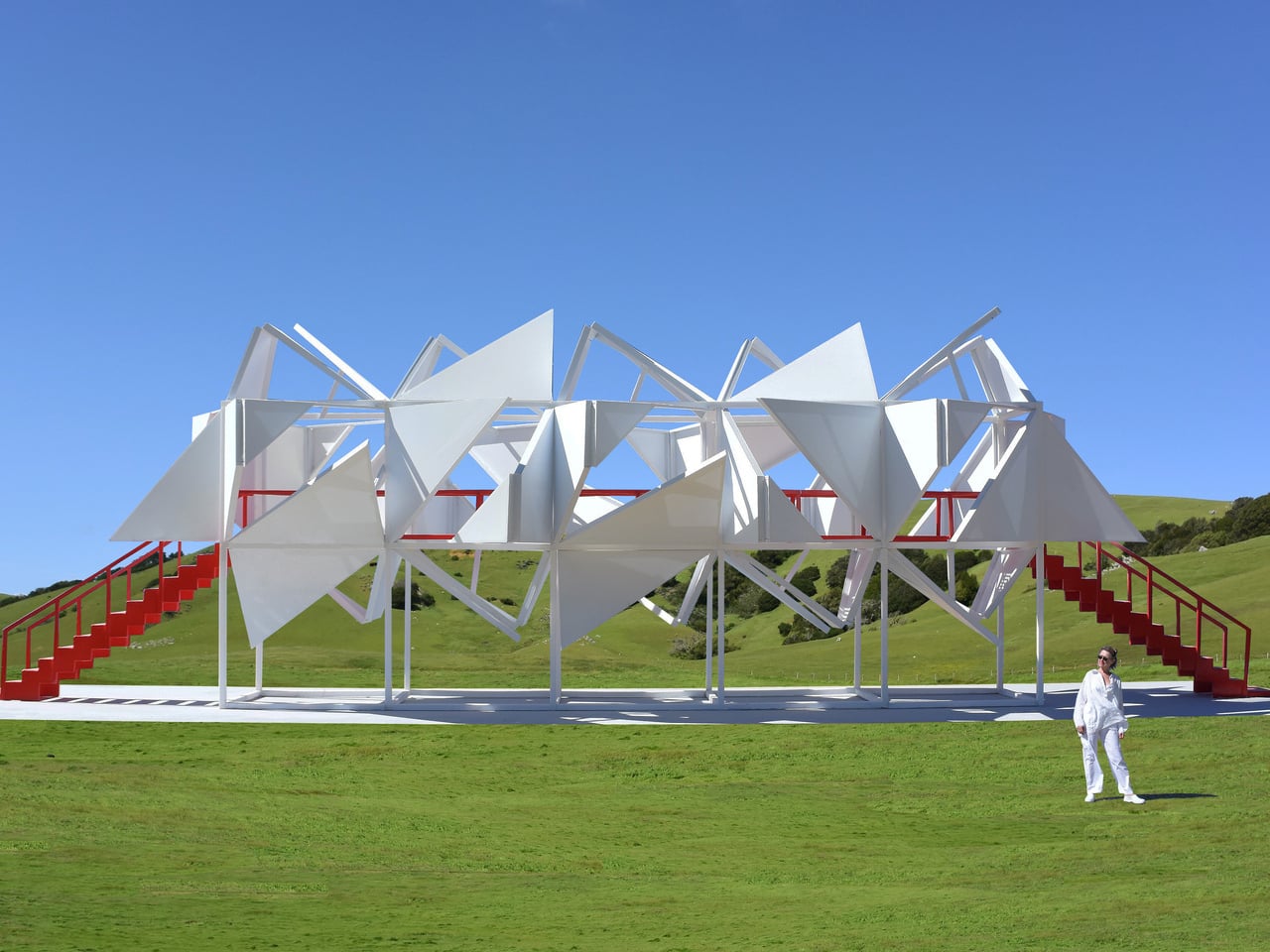
The Elevated Leisure Habitat is a functional art structure meant to be rented as a very special vacation place. This first version is designed for two people and consists of a small central house surrounded by a series of elevated platforms, each dedicated to a single leisure activity. Instead of one building with a yard, you get a loose constellation of outdoor rooms in the sky, linked by stairs and landings.

Designer: Michael Jantzen

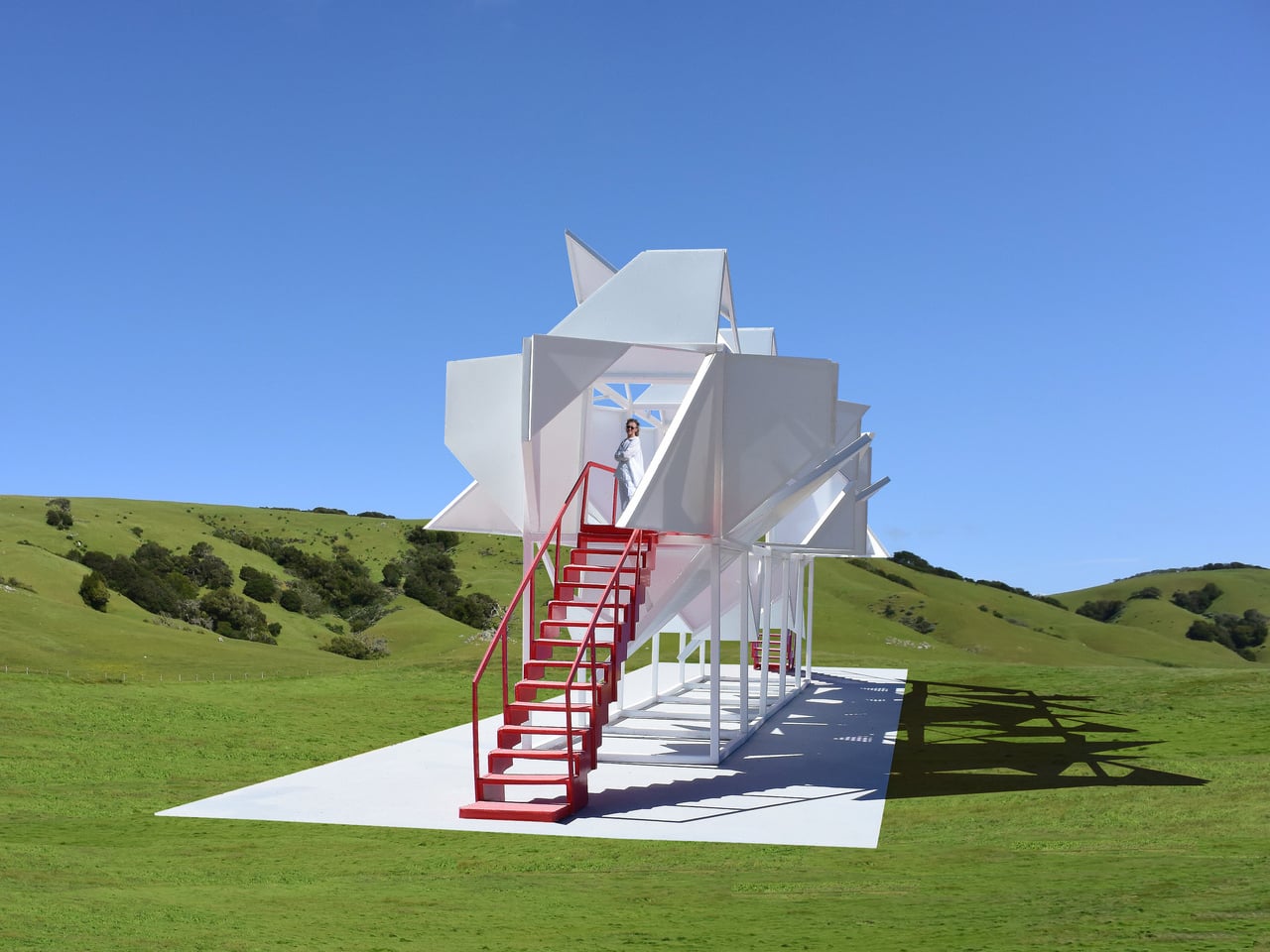
The central house is a compact volume with sleeping space, a desk, a toilet, a shower, and a small food-preparation area. Around it, the elevated amenities include a garden, a hot tub, a picnic pavilion, a porch-swing pavilion, a hammock platform, and a solar-cell array for electricity. All sit on their own stilts at different heights, connected to the house and to each other by a network of stairs, two of which descend to the ground.

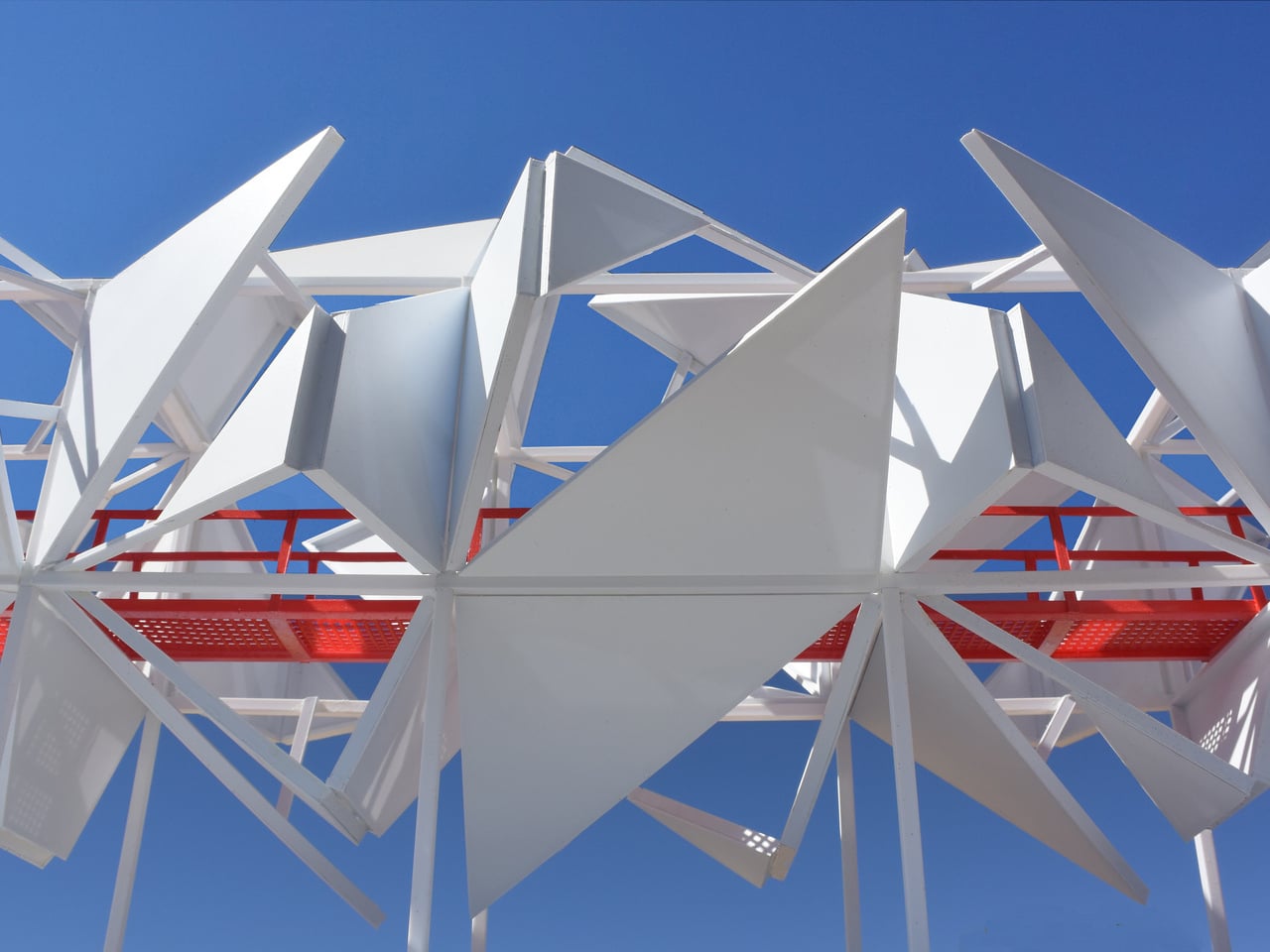
Jantzen leans into archetypal forms. The house is a classic gable-roof silhouette, the pavilions echo that same pitched profile, the garden is a simple tray, and the solar array is a dark plane tilted like a roof. He writes that the aesthetics evolved from using a symbolically conventional, conventionally shaped house and amenities that symbolically refer to their conventional counterparts, turning the complex into a three-dimensional diagram of domestic life.

Simply elevating elements we are used to seeing on the ground and forcing us to climb from one to another creates an unexpected experience. Every trip to the garden, the hot tub, or the hammock becomes a small ascent and crossing. The stairs and platforms choreograph how you move, making the journey between activities as much a part of the stay as the activities themselves, which shifts the feel from a passive rental to an active exploration.

Lifting everything on slender white columns reduces the footprint on the landscape, leaving the ground largely untouched beneath the habitat. The dedicated solar-panel platform hints at off-grid potential, while the garden tray suggests controlled cultivation instead of sprawling lawns. The all-white structure against a green site reads like a deliberate insertion, a piece of land art that happens to contain a working vacation program with real utilities and shelter.

Jantzen describes the Elevated Leisure Habitat as basically a large interactive sculpture that explores new and exciting ways in which to have fun. It sits somewhere between house, artwork, and playground, using familiar icons and a simple structural language to reframe what a holiday stay could be. Instead of retreating into a single enclosed volume, guests would inhabit a small network of outdoor rooms in the sky, climbing and crossing between platforms as if moving through a three-dimensional diagram of leisure itself.

The post This House Makes Climbing Between Rooms the Main Attraction first appeared on Yanko Design.
This Pocket PC Concept Has a Flip-Out Pen and No Gaming Apps

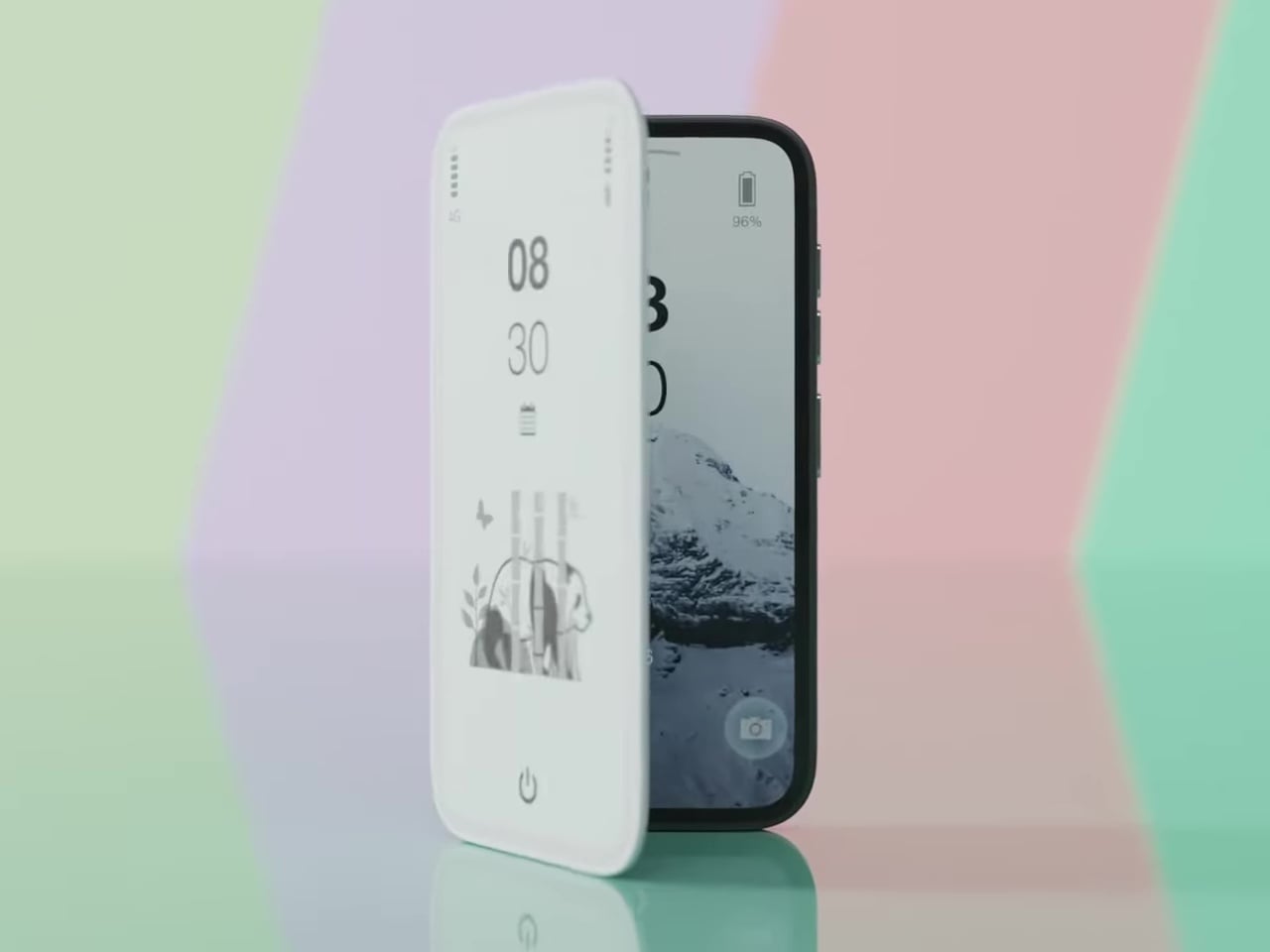
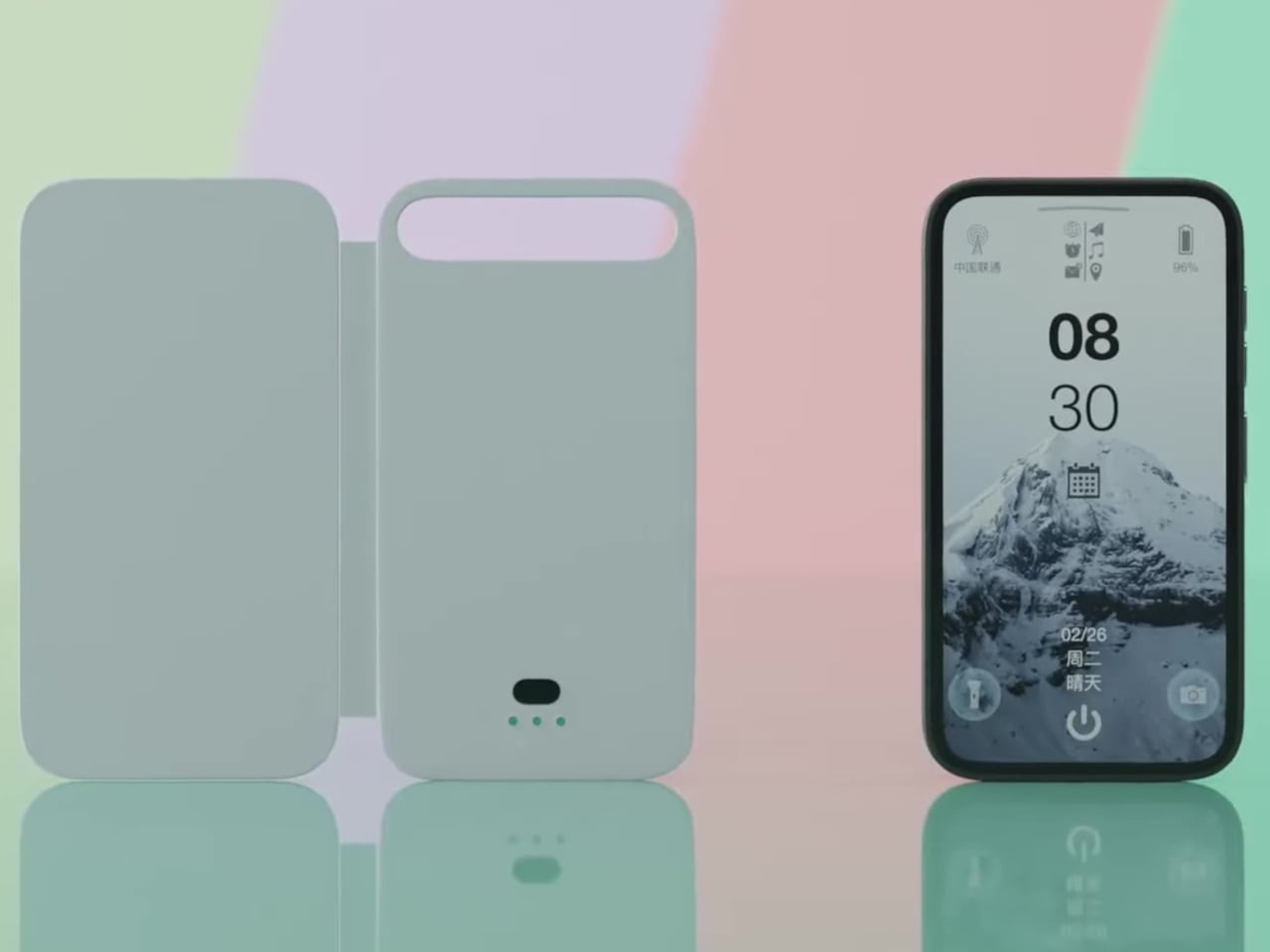
Most students now juggle phones, tablets, and laptops, with messaging and games living right next to textbooks and notes. That mix can be powerful but also distracting, especially in crowded Chinese classrooms where space and attention are both limited. Pokepad is a portable PC concept that tries to carve out a focused, pocketable space dedicated to learning, treating study tools as worthy of their own hardware.

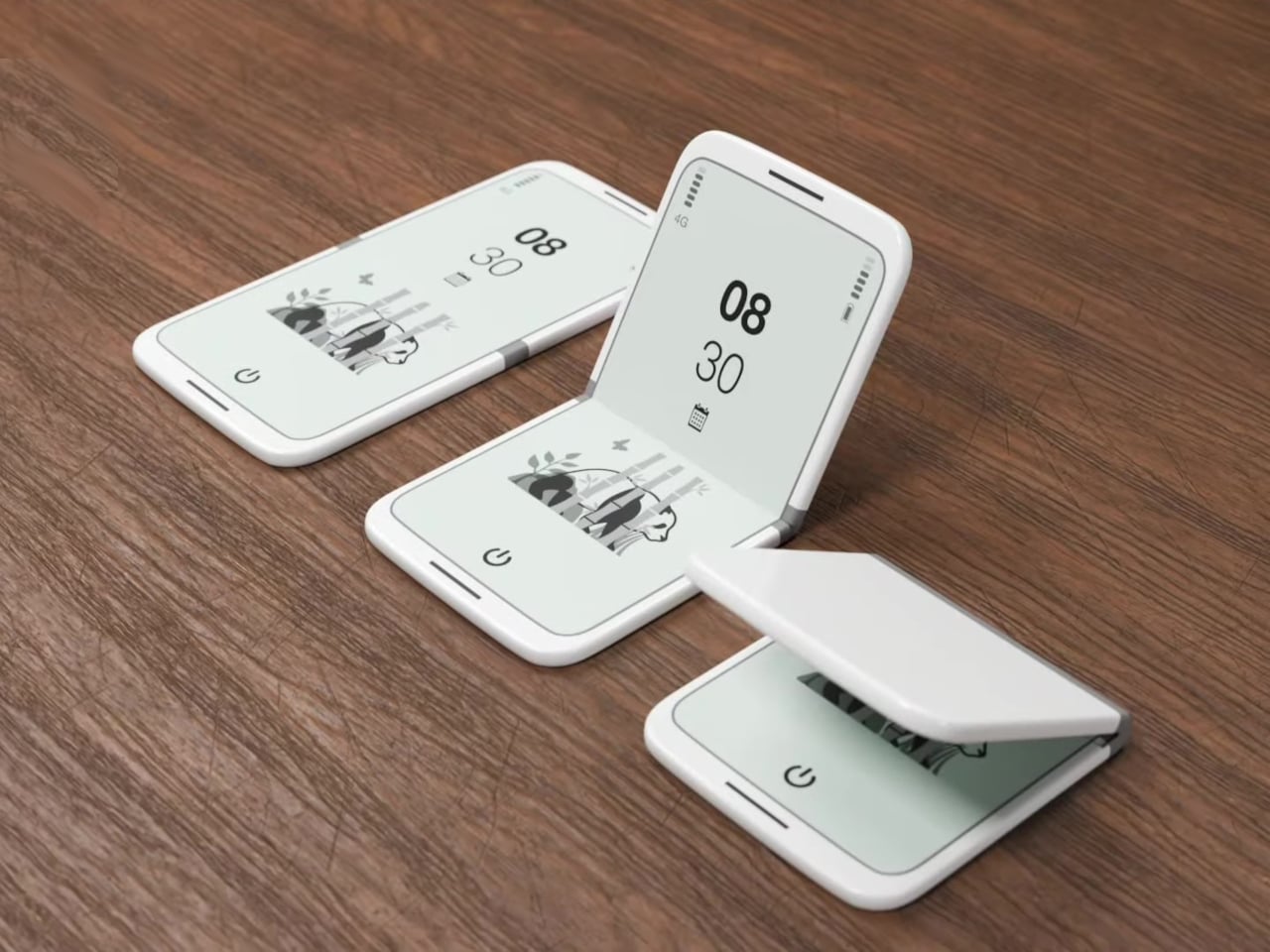
Pokepad is a smart learning device designed specifically for students, intended to cover most of their daily study scenarios. It is compact and portable enough to fit into school bags and coat pockets, and the goal is unrestricted learning, a device that can travel from classroom to bus to bedroom without feeling like a shrunken laptop or a repurposed phone fighting for attention against notifications and app alerts.

Designers: DaPengPeng (DPP), Wengkang Cheng, Qi M

The design team experimented with multiple shapes before settling on a slim rectangular box concept, balancing learning apps, hardware needs, and clever portability. The box footprint keeps it familiar enough to slip into existing routines, yet distinct from a phone, with enough internal volume for a decent battery, speakers, and a pen mechanism, without turning into a bulky tablet that refuses to fit anywhere.

The built-in flip pen is central to the concept. To ensure portability, slimness, and differentiation, the team chose to hide the stylus inside the body, so it flips out when needed and disappears when not. That decision reinforces Pokepad as a pen-first device for note-taking, annotation, and handwriting practice, and avoids the classic problem of separate styluses getting lost in backpacks or rolling off desks during lectures.

The soft-edged, minimal aesthetic uses rounded corners, a single camera module, and a small “100” logo that nods to perfect test scores. Colour options range from clean white and light blue to a more playful red with a textured back for grip. The branding and palette position Pokepad as a study companion rather than a gaming gadget, something that feels at home in a pencil case next to erasers and rulers.

The interface is geared toward classes, homework, notes, a dictionary, and voice recording, rather than a full app store. The idea is to centralise tasks that are currently split across paper notebooks and phones, giving students a dedicated place to scan assignments, jot down ideas with the pen, and review materials on the go, without the constant pull of unrelated apps demanding screen time.

Pokepad takes the idea of a learning device seriously enough to design hardware, UI, and branding around school life, instead of treating students as a side market for general tablets. A pocketable box with a flip pen and a “100” on the back suggests a quieter, more focused path for everyday study tech, where the device earns its footprint by doing one category of tasks well instead of trying to be everything at once.

The post This Pocket PC Concept Has a Flip-Out Pen and No Gaming Apps first appeared on Yanko Design.
This Glowing Drone Fortress Could Save Lives in the Mountains

Picture this: you’re hiking through the Carpathians when fog rolls in and you lose your bearings. Instead of waiting hours for a helicopter rescue team, a drone reaches you in minutes, delivering supplies and guidance while thermal cameras track your location. This isn’t science fiction. It’s the vision behind Lynx, a jaw-dropping architectural concept that’s equal parts rescue station, tourist destination, and gothic cathedral.

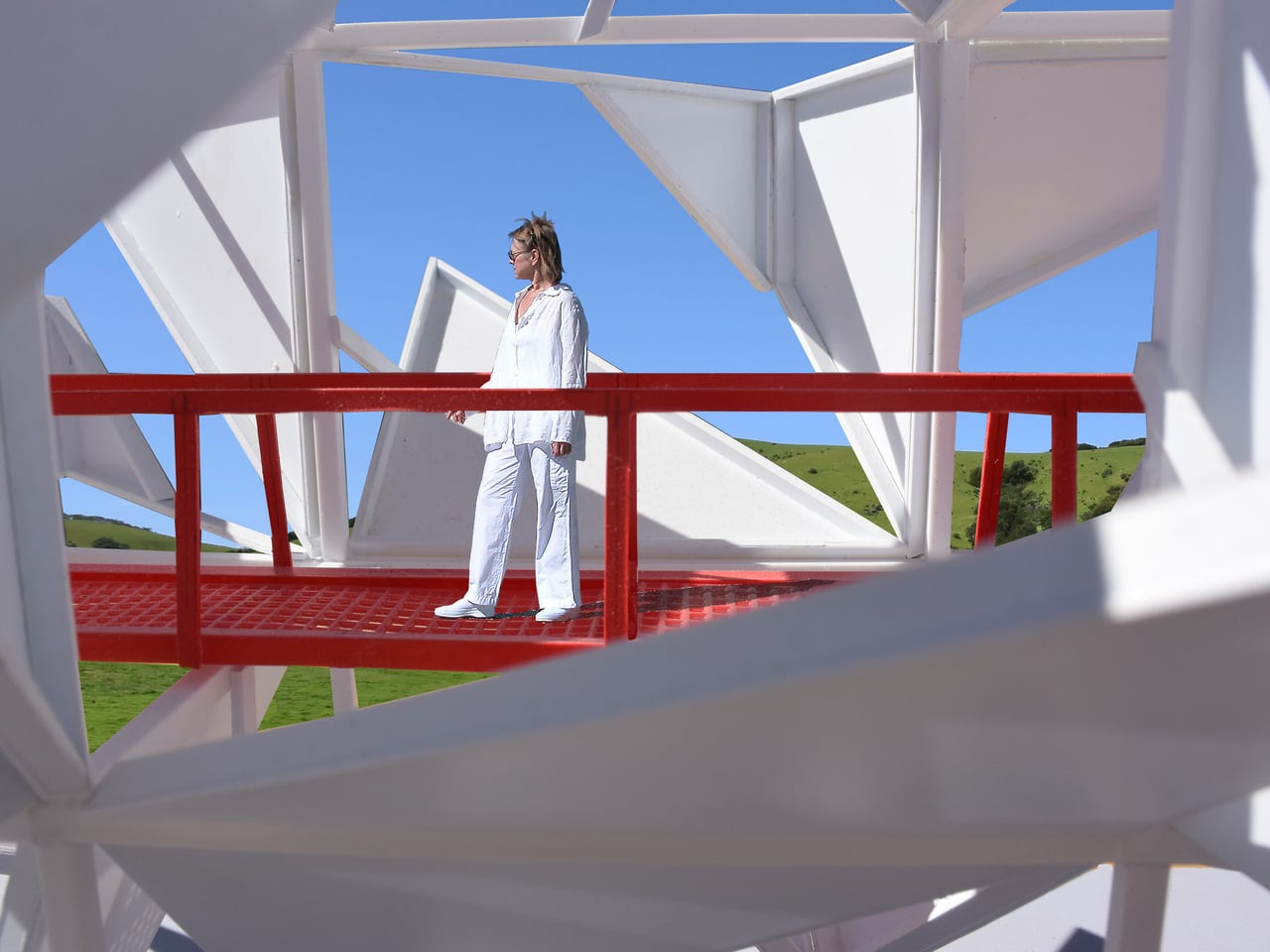
Architect Alina Sanina has designed something that looks like it was pulled straight out of a fantasy epic, yet serves an incredibly practical purpose. These circular stations would perch in remote mountain locations across ranges like the Alps and Pyrenees, acting as autonomous hubs where drones can charge, launch, and coordinate rescue operations. But here’s where it gets interesting: they’re not just utilitarian tech boxes. Each station could house a planetarium, research facilities, viewing terraces, or even overnight accommodations. Think of them as architectural landmarks that happen to save lives.

Designer: Alina Sanina

The design itself is absolutely stunning. Sanina describes the aesthetic as “gothic futurist,” and you can see why. Concentric rings echo ancient fortress layouts, while serrated concrete walls rise in rhythmic peaks that mirror the surrounding ridgelines. It’s architecture that doesn’t fight the landscape but converses with it. The real magic happens in the materials, though. The structure uses a composite that blends concrete with glass inclusions, gradually shifting from solid concrete at the base to increasingly translucent glass as it climbs upward. The result? A building that literally appears to dissolve into the sky.

Those microscopic glass particles aren’t just pretty either. They refract light throughout the day, creating a crystalline shimmer that changes with cloud cover and sun position. Integrated photovoltaic cells turn the entire exterior into an energy-generating skin, allowing these stations to operate completely off-grid in locations where traditional infrastructure would be impossible. Additional roof panels power the drone charging systems and internal operations. Inside, floor-to-ceiling glass opens onto panoramic mountain views, blurring the line between shelter and wilderness. The flexible design means each station could adapt to its location and needs, functioning as an observatory in one spot, a wayfinding beacon in another, or a resort-adjacent public space somewhere else.

The concept emerged from a real and growing problem. In Ukraine’s Carpathian mountains alone, rescue teams conducted over 500 missions in 2024. Sudden weather shifts, communication failures, and treacherous terrain put hikers at constant risk. Traditional rescues require extensive resources: trained teams, search dogs, specialized equipment, helicopters. It’s expensive, time-consuming, and sometimes dangerous for the rescuers themselves. Drones can survey vast territories in minutes, detect thermal signatures through fog or darkness, deliver urgent supplies, and provide real-time communication.

What makes this concept particularly timely is Ukraine’s rapid advancement in drone technology, accelerated by wartime innovation. “The moment for Lynx has come,” Sanina explains. “The technology is ready, aerial routes exist, and there are hundreds of skilled operators. It’s time to imagine how drones can serve rescue, care and human well-being.” It’s a powerful reframing of technology often associated with warfare, repositioning it as infrastructure for care and conservation.

The system would integrate through a mobile app providing hikers with route data, weather updates, and a crucial SOS function. Service drones would deliver essentials like water, food, and medical supplies to remote hiking segments, while separate passenger drones could offer aerial sightseeing tours. The stations would form a networked system, monitoring environmental conditions and coordinating responses across entire mountain ranges.

Lynx imagines a future where drone stations become as commonplace in mountain regions as ski lifts or ranger stations, but far more intelligent and adaptive. It’s infrastructure that doesn’t dominate nature but works symbiotically with it. These aren’t just buildings or tech installations. They’re a new architectural typology entirely, one where technology, tourism, and wilderness protection converge in structures as beautiful as they are functional. In an era when we’re constantly told to choose between technological progress and environmental preservation, Lynx suggests maybe we don’t have to choose at all.

The post This Glowing Drone Fortress Could Save Lives in the Mountains first appeared on Yanko Design.
Lunora Just Solved the One Thing Sleep Trackers Get Wrong

We’ve all been there. It’s 2 a.m., you’re staring at your phone for the third time, and your brain refuses to shut down even though you have an early morning ahead. The usual advice is always the same: put away screens, create a routine, dim the lights. But what if someone actually designed a product that does all of that for you, and looks good doing it?

Enter Lunora, a sleep aid device designed by Prithvi Manoj Bhaskaran that’s honestly unlike anything you’ve seen on your bedside table. At first glance, it looks like a little sculptural figure taking a much-needed rest, complete with a glowing orb balanced on its back. That gentle lean, those smooth curves, it all feels intentional in the best way. This isn’t another gadget screaming for your attention. It’s the opposite.

Designer: Prithvi Manoj Bhaskaran

What makes Lunora interesting is how it approaches the whole wind-down process. Instead of tracking your sleep or buzzing you awake, it focuses on helping you actually get there. The device combines three sensory elements: a softly dimming light, gentle aroma diffusion, and low-distraction sound. Think of it as creating a mini sanctuary that guides your body from alert mode to rest mode, without any jarring alarms or bright screens interrupting the vibe.

The way it works is refreshingly simple. You start your routine, and Lunora does its thing. The light gradually dims, signaling to your brain that it’s time to power down. The aroma diffuser releases calming scents that help cut through mental clutter. And the sound component keeps things ambient without being distracting. It’s all about repetition and ritual, the kind of stuff our bodies actually respond to when we give them a chance.

For anyone juggling late-night study sessions or those particularly brutal stress-heavy days, this kind of product makes a lot of sense. You’re not adding another task to your routine or forcing yourself to follow some complicated sleep protocol. You just let Lunora do the heavy lifting while you focus on actually relaxing. It’s like having a friend gently remind you that yes, it’s okay to slow down now.

But here’s where the design really shines. That leaning posture isn’t just for show. It creates this almost human-like presence that feels comforting rather than clinical. The warm terracotta color and those organic curves make it look more like a piece of art than a piece of technology. You could absolutely see this sitting in a carefully curated room on Instagram, but it’s also genuinely functional. The glowing orb on top doubles as the light source, while the body houses the aroma diffuser, visible in those beautifully detailed close-ups.

There’s something refreshing about a product that doesn’t promise to hack your sleep or optimize your REM cycles. Lunora just wants to help you unwind at your own pace. No data tracking, no app notifications, no performance anxiety about whether you’re sleeping correctly. It’s tech that knows when to step back and let you be human.

In a world where we’re constantly optimizing, tracking, and measuring everything, maybe what we need at the end of the day is something that simply helps us transition. Something that looks friendly, feels calming, and doesn’t demand anything from us except the willingness to slow down. Lunora manages to package all of that into a form that’s both sculptural and functional, the kind of design that makes you stop and appreciate the thoughtfulness behind it.

Whether you’re a design enthusiast who appreciates objects with personality, a tech lover curious about ambient devices, or just someone tired of staring at the ceiling at night, Lunora offers something different. It’s a reminder that good design doesn’t always have to be complicated. Sometimes it just needs to understand what you need, and then quietly help you get there.

The post Lunora Just Solved the One Thing Sleep Trackers Get Wrong first appeared on Yanko Design.
Ovme Smart Mirror System Lets You See, Feel, and Fit Virtual Outfits

The everyday “what should I wear today?” moment has gotten more complicated by online shopping. You can scroll endless outfits, but a screen cannot show how something fits, feels, or plays with what you already own. Ovme is a concept that treats the mirror as a missing link between your closet, your feed, and your actual body, closing the gap between seeing and knowing.
Ovme is an AR smart mirror ecosystem built around three objects: a full-height mirror, a sensor-laden fitting belt, and a haptic tactile table, plus a companion app. The name stands for “Own version of me,” and the system is designed to help you find new styles, feel how they fit, and touch virtual fabrics before you ever click buy or open your wallet.

Designers: Daun Park, Seyeon Park, Chawon So, Yewon Shim, Yejin Hong

The mirror acts like a personal stylist, overlaying outfits on your reflection and pulling from three sources: new looks, your existing wardrobe, and reference images you feed it. You can swipe through categories like formal, sporty, or feminine, and see complete outfits assembled around your silhouette, then save the ones that feel right into a virtual closet for later when you need inspiration or want to revisit.

The fitting belt is a flexible band with sensors that can wrap around your head, waist, or thigh. It measures circumference and applies gentle pressure, tightening or loosening to simulate how a garment would hug or hang on that part of your body. On the mirror, the virtual outfit responds in real time, turning fit from a guess based on size charts into something your body can actually sense.

The tactile table is a slim pedestal with a haptic surface that uses electro-tactile feedback to mimic fabric textures. When you place your hand on it, the system can suggest sensations like smooth silk, textured knit, or structured leather in sync with what you see in the mirror. It attempts to close the gap between seeing a material and knowing how it might feel against your skin or draped over your shoulders.

Ovme also acts as a style diary. It can scan what you are wearing today, score the outfit, and save it to a timeline called My Closet, so you can revisit past looks and see patterns in what you actually wear. A social layer called OvUS lets you browse other people’s saved styles and mood boards, turning the mirror into a place to share and borrow ideas rather than stare at yourself alone.

Ovme treats getting dressed as an ongoing design process, not a daily panic, and uses AR, haptics, and sensing to give online fashion some of the feedback loops of a real fitting room. Whether or not this exact hardware ever ships, the idea of a home mirror that helps you experiment, feel, and remember your style captures a direction that deserves attention, especially as wardrobes become more scattered across platforms and shopping becomes more remote.

The post Ovme Smart Mirror System Lets You See, Feel, and Fit Virtual Outfits first appeared on Yanko Design.