You can now watch a Google DeepMind doc for free

Google is making The Thinking Game, a 2024 Tribeca Festival selection about DeepMind, available for free. The nearly 90-minute documentary offers a glimpse into the AI team's background and breakthroughs.

The film, from the same team as the 2017 AlphaGo doc (also on YouTube), was shot over five years. It chronicles Nobel winner Demis Hassabis' beginnings as a chess prodigy and how that shaped his entry into AI. You'll see DeepMind's journey from building AI that (slowly) learned Pong to one that accurately predicted how proteins fold.

You can watch The Thinking Game below or on YouTube.

This article originally appeared on Engadget at https://www.engadget.com/ai/you-can-now-watch-a-google-deepmind-doc-for-free-184911659.html?src=rss

The Paramount+ Black Friday deal is still available: Get either the Essential or Premium plan for only $3 per month for two months

As streaming platforms continue to raise their prices, Paramount+ is offering a more budget-friendly way to catch up on shows and live sports with a Black Friday streaming deal. Thanks to this new deal, you’ll be able to get two months of access for $3 per month, or a total of only $6. The deal applies to both the Essential and Premium plans, letting new users try out the service without committing to a full subscription.

Paramount+ continues to expand its catalog with a mix of current CBS shows, exclusive originals, classic TV and live sports. The service is available in two main tiers: Essential, which includes ads, and Premium, which removes most of them and adds a few key extras like 4K streaming, offline downloads and live CBS access. Both tiers include select Showtime programming, giving subscribers a taste of the premium network’s lineup.

The Essential plan provides access to more than 40,000 episodes and movies, along with live coverage of the NFL on CBS and UEFA Champions League matches. It supports up to three simultaneous streams, making it a practical choice for households that share accounts. The Premium plan builds on that by offering ad-free on-demand viewing (with exceptions for live broadcasts), higher-quality playback and the option to watch CBS live in participating regions.

Paramount+’s growing library combines new releases with well-known favorites, offering titles from across CBS, MTV, Nickelodeon and Comedy Central. Sports fans get live coverage of key events, while movie watchers can find recent cinema releases from Paramount Pictures joining the lineup throughout the year. The inclusion of Showtime series in both plans adds another layer of variety, with dramas and documentaries available alongside the core Paramount+ content.

If you’re keeping an eye on subscription costs, an offer like this is a practical way to test the service without paying full price. It also gives you time to see whether the Essential plan’s ad-supported setup or the Premium tier’s extras are worth the difference.

If you’ve been watching your streaming spend as prices go up elsewhere, this deal from Paramount+ offers a well-balanced opportunity to experience both plan levels at a lower cost. Paramount+ is one of the best streaming services thanks to its vast selection of original shows like Star Trek: Discovery, Ink Master and Frasier. If you’re ready to stream big shows and live events without a heavy commitment this Cyber Monday offer is one to keep in mind.

There are plenty of other Black Friday streaming deals to consider as well. Here are some of the best ones:

  • Disney+ Hulu bundle — $60 for one year: The Disney+ and Hulu (with ads) bundle is on sale for $5 per month for one year (for a total of $60) through December 1. New and eligible returning subscribers can take advantage of this deal, and considering the bundle typically costs $13 per month, this deal represents more than a 50 percent discount on the standard monthly price.

  • Apple TV+ — 6 months for $36: Apple TV+ is offering six months of access for only $36 for Black Friday, which comes out to a discounted price of $6 per month for the six-month period. The deal is live now for new and eligible returning subscribers and runs through December 1, giving you a chance to stream shows like Silo, The Morning Show and For All Mankind for less. The biggest caveat to the deal is that you must subscribe directly through Apple and not through a third-party service.

  • HBO Max — one year for $36: HBO Max's Black Friday deal gives subscribers one year streaming for $36 through December 1. This Black Friday streaming deal is on the ad-supported option, which normally goes for $11 per month. With this discount, you're getting it for $3 per month for one year. You can sign up via HBO Max's website or, if you're a Prime Video subscriber already, via that service as an add-on.

  • Sling TV Orange — day pass for only $1: Sling TV launched Day Passes earlier this year, giving users one-day access to a variety of its packages. This deal cuts $4 off the normal price of a day pass for Sling Orange. With that, you get unlimited access for 24 hours to Orange's more than 30 channels that includes ESPN, CNN, TBS and others.

This article originally appeared on Engadget at https://www.engadget.com/deals/the-paramount-black-friday-deal-is-still-available-get-either-the-essential-or-premium-plan-for-only-3-per-month-for-two-months-183036215.html?src=rss

Huawei’s 8,000-Nit Display Is a Design Statement Disguised as a Spec Sheet

Smartphones have become spec sheet battlegrounds. Bigger megapixels. Faster charging. Higher refresh rates. The numbers climb while the actual user experience often stays flat.

Designer: Huawei

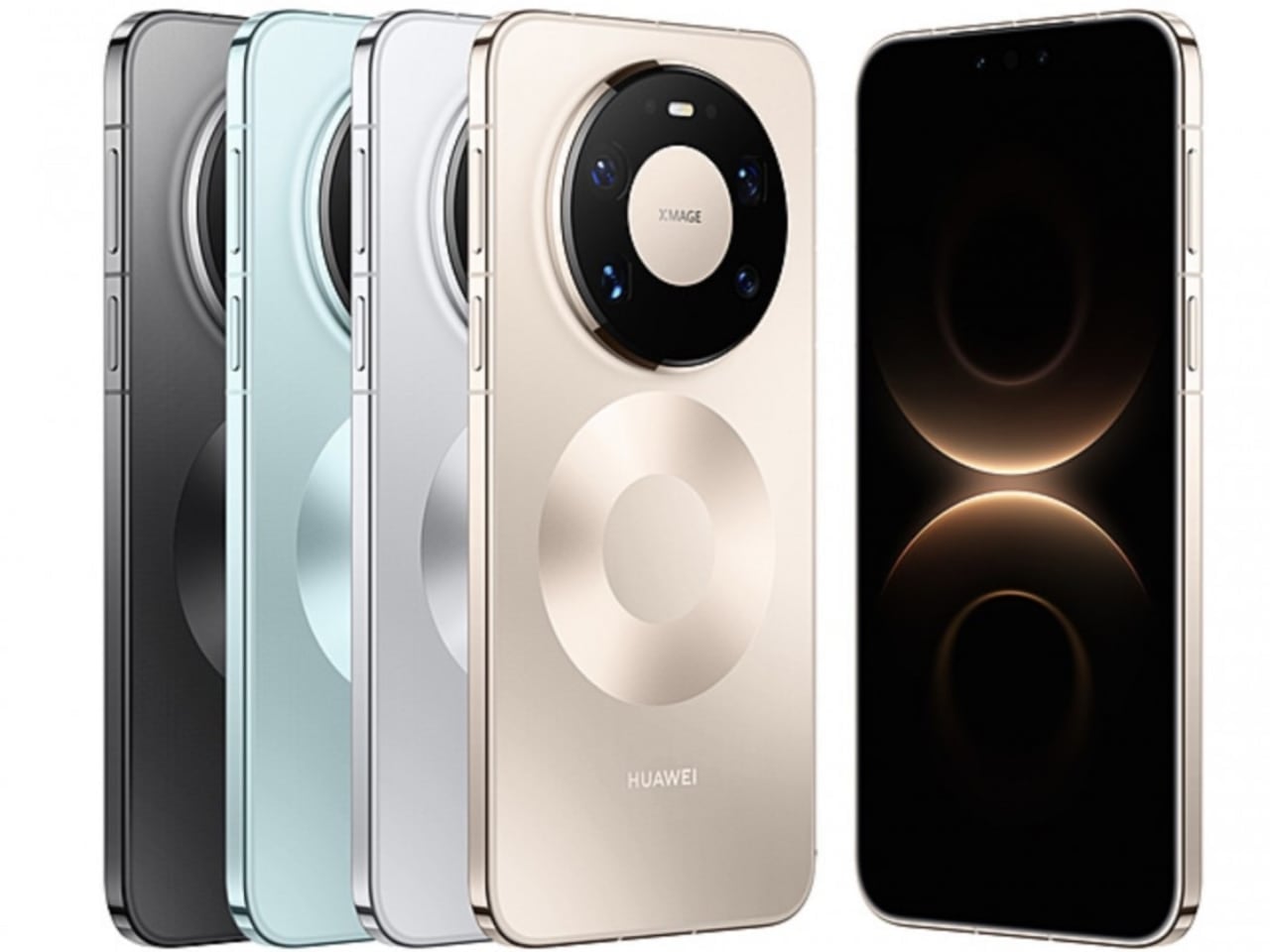
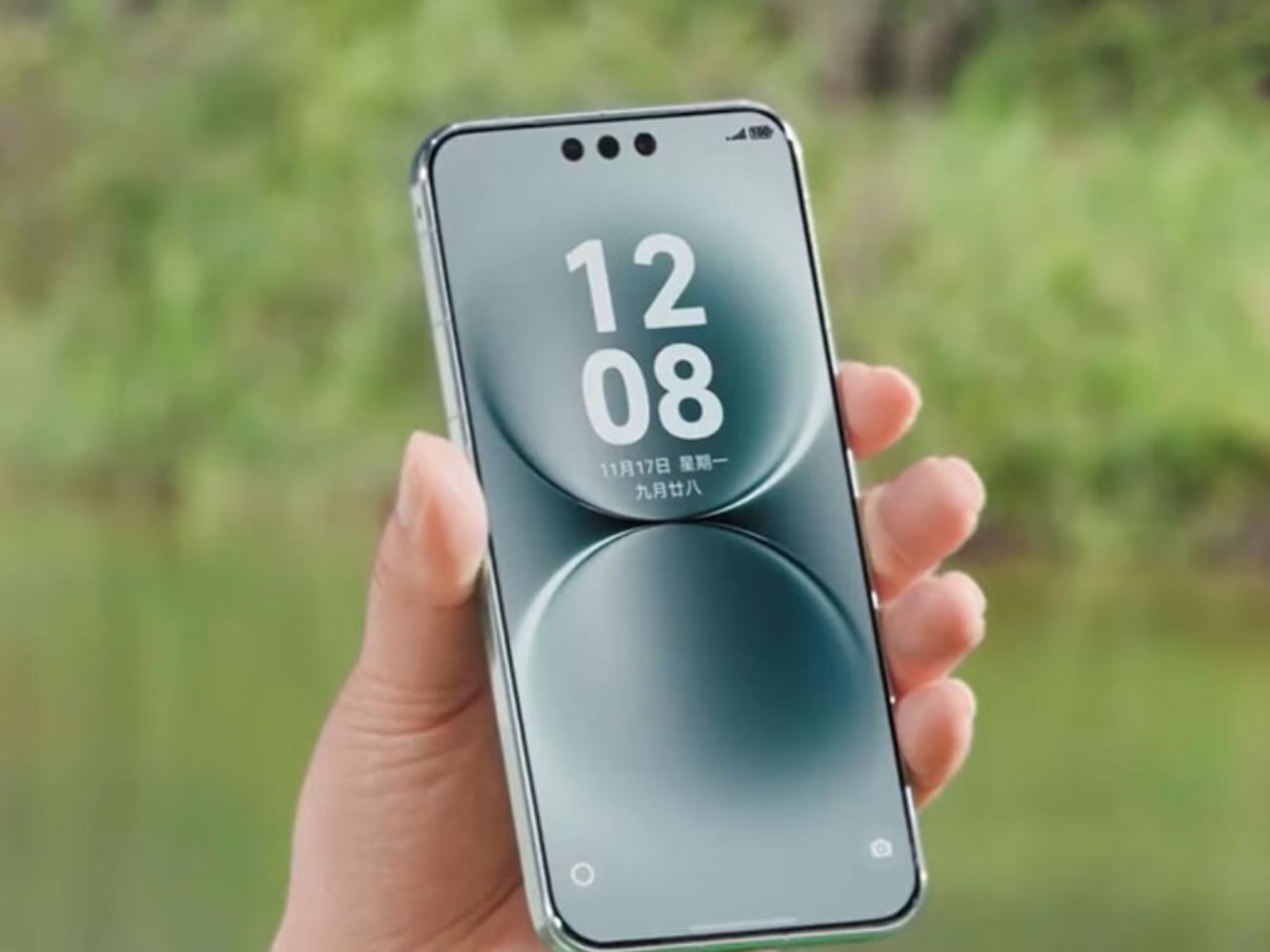
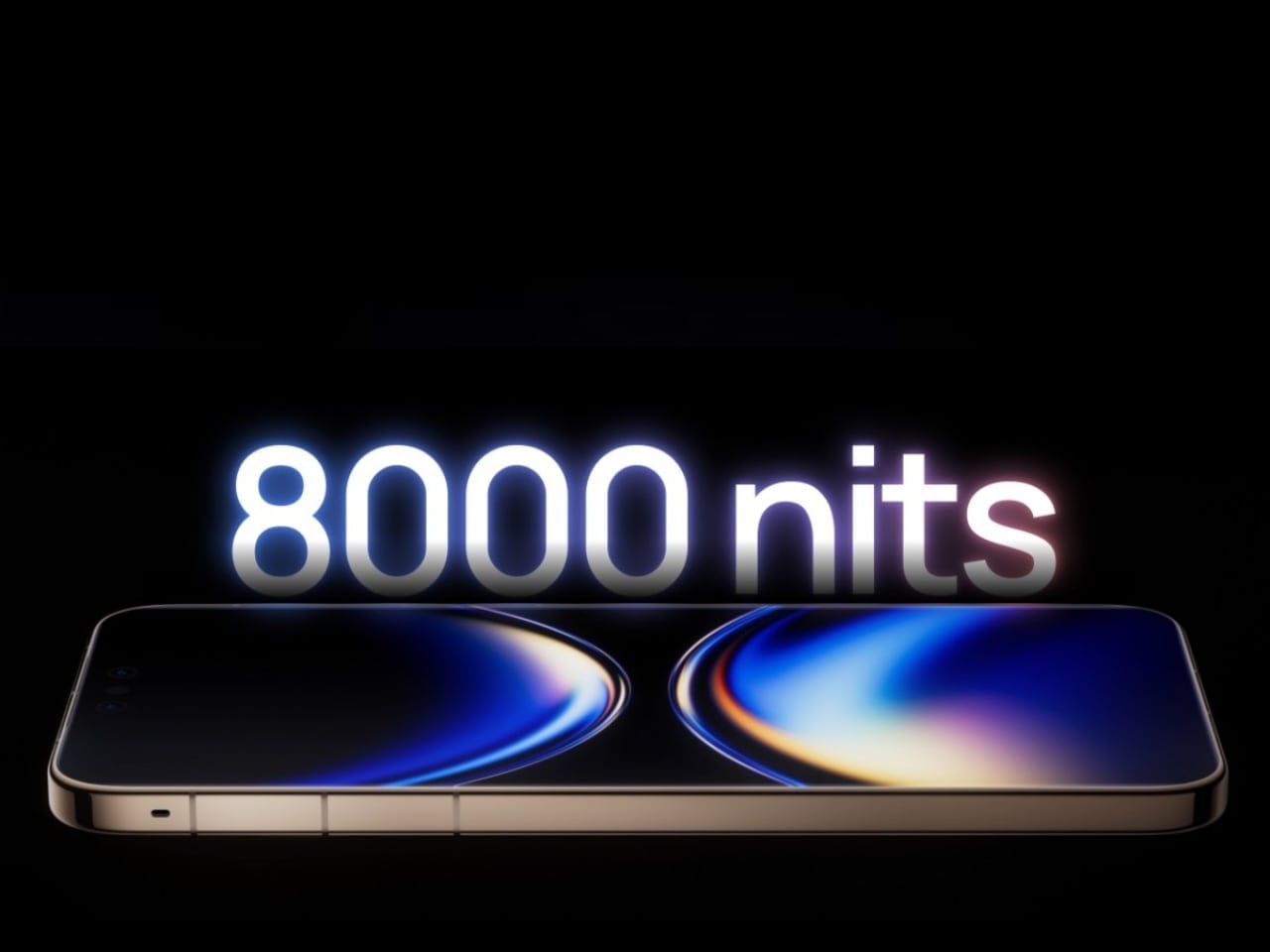
Huawei’s Mate 80 Pro Max arrives with an 8,000-nit peak brightness claim that obliterates every competitor on paper. But peel back the marketing headline and something more interesting emerges: a deliberate design philosophy that treats the display as the phone’s defining character trait, not just another specification to maximize.

When Engineering Becomes Industrial Design

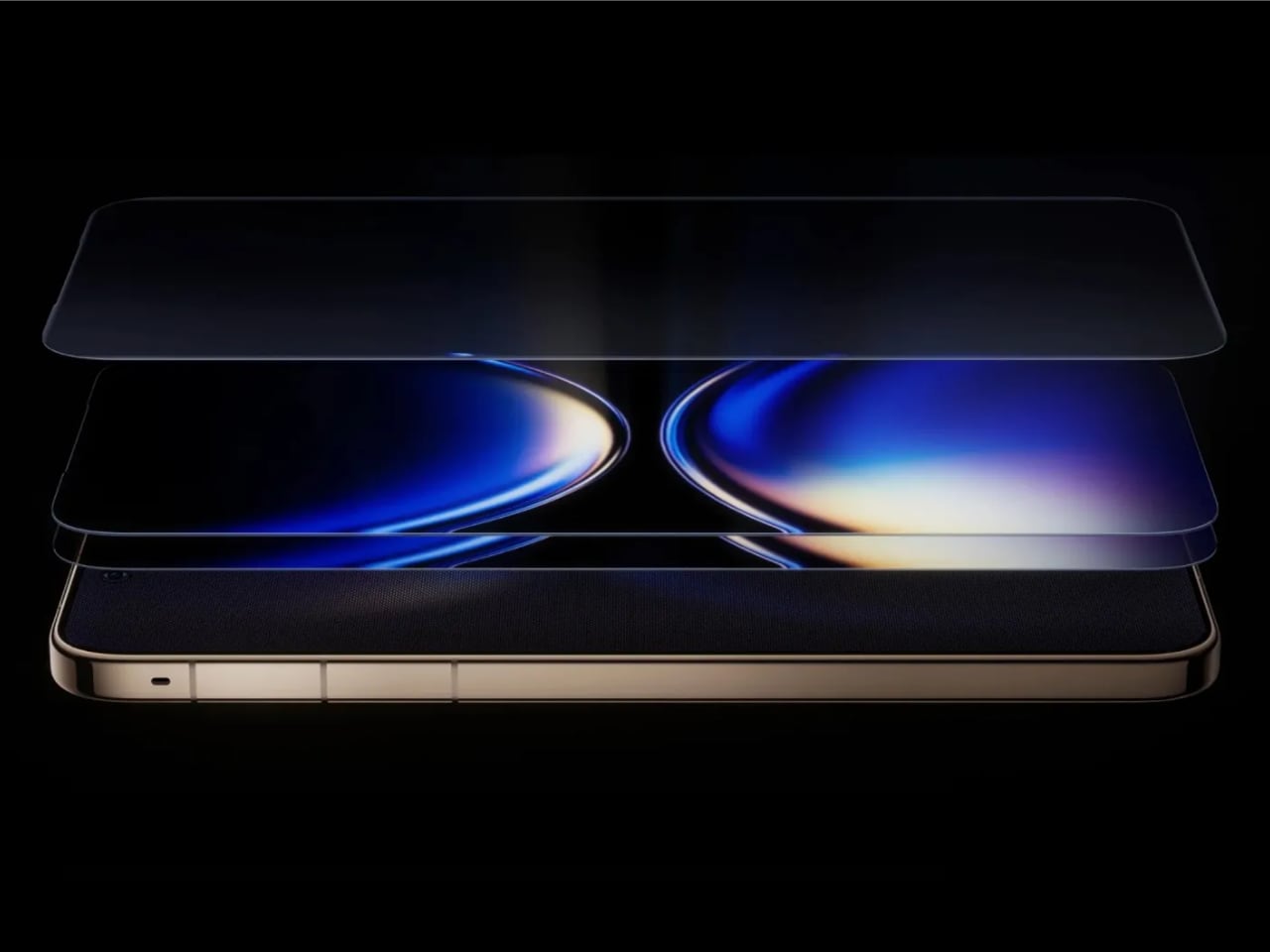
The dual-layer OLED panel represents Huawei’s answer to a fundamental physics problem. Traditional OLED displays push a single emissive layer harder to achieve brightness, generating excess heat and potentially shortening panel lifespan. Huawei’s solution stacks two OLED layers, distributing thermal and electrical load across twice the surface area while hitting brightness numbers that single-layer panels cannot match. The engineering choice has profound visual consequences that extend far beyond the headline specification.

HDR content transforms on a dual-layer panel. Highlights carry genuine intensity while shadows retain depth rather than washing out, creating an almost three-dimensional quality to images that photographers and videographers will immediately recognize. The smartphone has become our primary camera, editor, and viewing screen, and Huawei designed this display to serve all three roles simultaneously.

Eye comfort gets attention too. The 1440Hz PWM dimming rate eliminates the invisible flicker that causes strain during extended low-brightness use, addressing one of OLED technology’s persistent criticisms that cheaper panels still struggle with.

Most users will never consciously notice this detail. Their eyes will thank them anyway.

The “8” That Defines Everything

Huawei’s design team turned the model number into a visual identity, and the boldness of that choice deserves recognition in an industry addicted to safe rectangles and generic camera bumps.

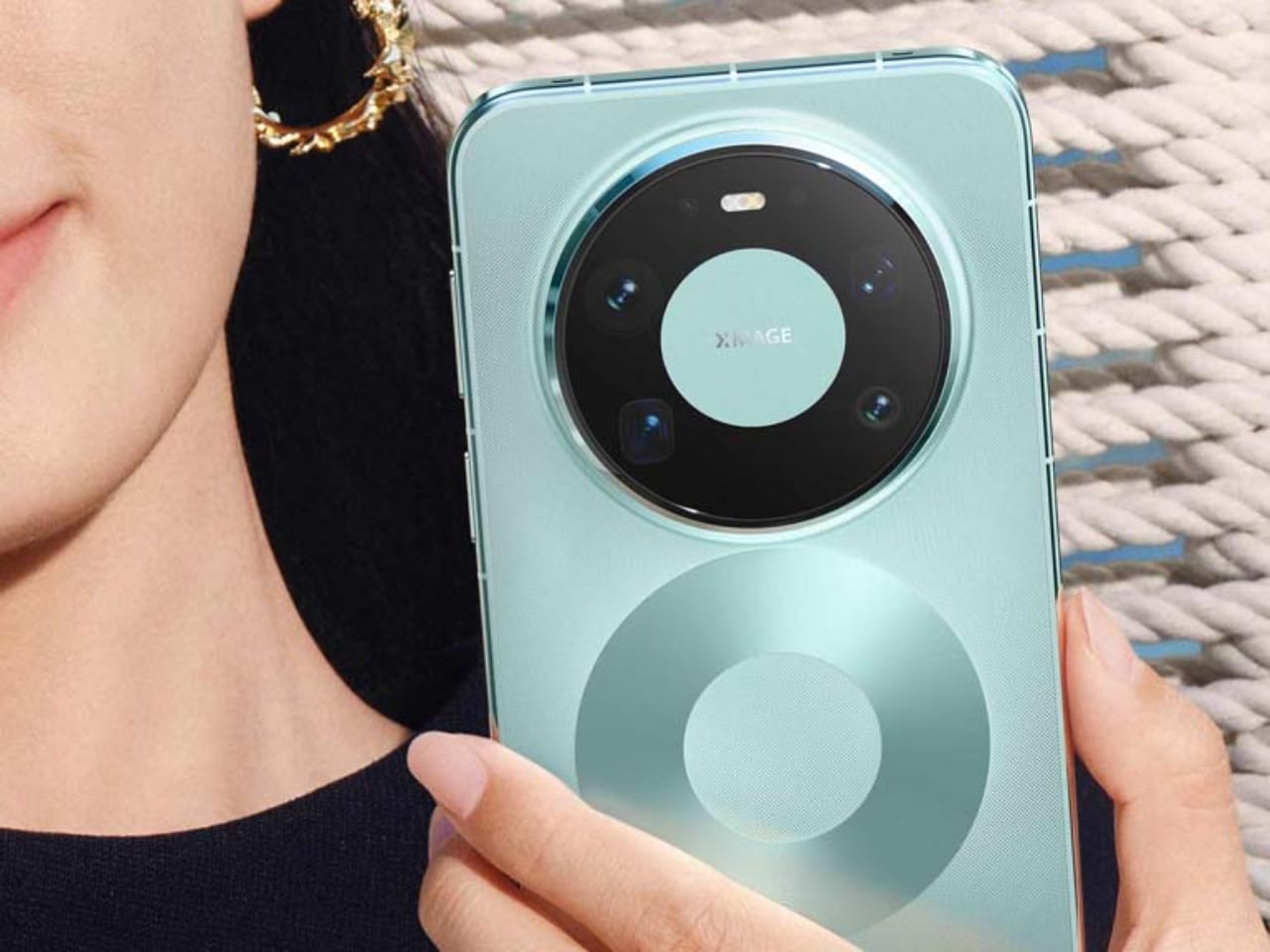
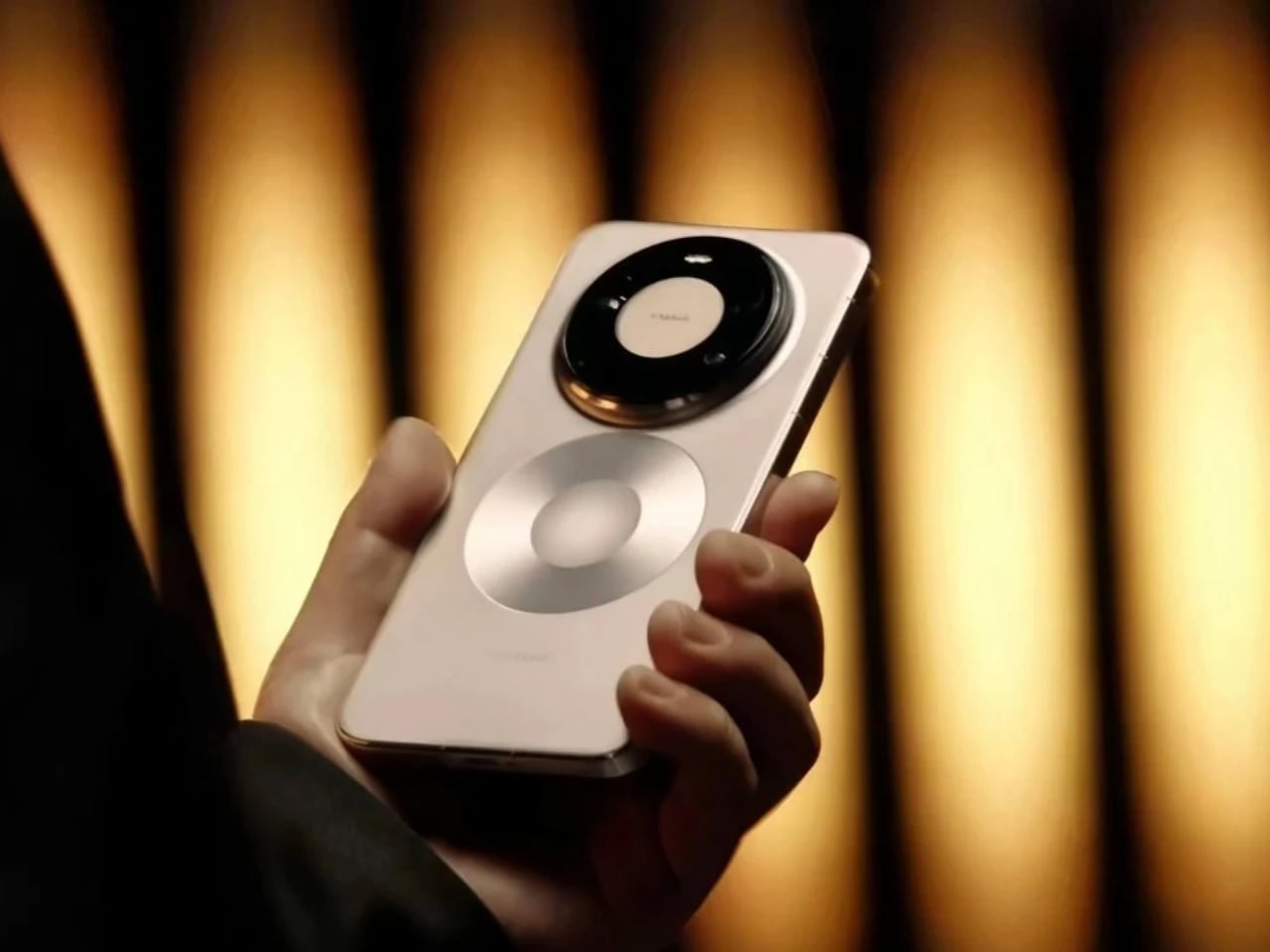
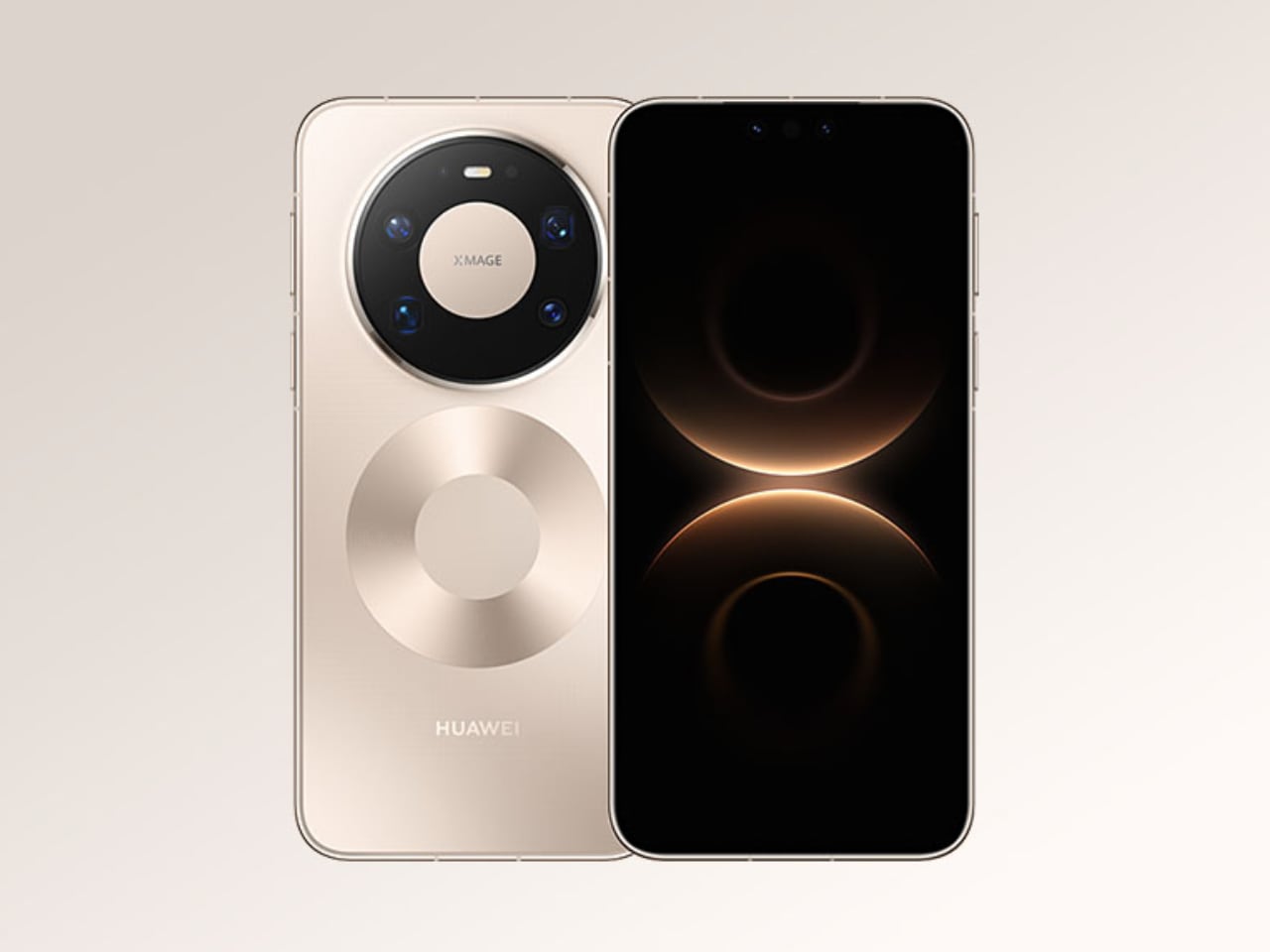
The rear panel features a prominent circle highlighting the wireless charging coils, positioned directly above the circular camera module. Together, these two circles stack vertically to form a figure eight that reads as both functional diagram and brand statement. The phone announces itself at twenty feet. Most manufacturers treat rear panel design as an afterthought, a surface to slap logos onto after engineering finishes the real work. Huawei flipped that relationship entirely, making the wireless charging coils a design feature rather than hiding them under featureless glass.

The flat display edges and squared-off sides follow a broader industry shift away from curved screens. Curves looked elegant but created durability problems and made edge interactions imprecise, and Huawei clearly listened to actual user complaints rather than chasing visual trends. The Mate 80 Pro Max prioritizes function over flowing aesthetics, which reads as mature design confidence rather than trend abandonment.

Materials as Message

Kunlun Glass 2 protects the display. Basalt-infused elements reinforce the frame. Polyamide fiber adds structural rigidity. These materials come from aerospace and automotive applications where failure means more than a cracked screen, and Huawei wants you to know it.

The material palette communicates something specific: this phone is built to survive. Whether the exotic composition actually outperforms conventional aluminum and Gorilla Glass remains unproven through real-world abuse testing, but the conceptual intent lands clearly. Huawei wants buyers to feel they’re holding something more substantial than another fragile glass sandwich that shatters on the first drop.

Competitor Philosophies Compared

Apple’s iPhone 17 Pro Max peaks at 3,000 nits outdoors, emphasizing color accuracy, response time, and ProMotion integration instead. Samsung’s Galaxy S25 Ultra settles at 2,600 nits peak, focusing on S Pen ecosystem integration where stylus latency matters more than brightness records.

Realme’s GT 8 Pro pushed to 7,000 nits before Huawei arrived, representing the aggressive spec-chasing that defines much of the Chinese smartphone market where headline numbers drive purchasing decisions more directly than in Western markets. Different priorities produce different design choices, and Huawei one-upped everyone on brightness while wrapping the achievement in more considered industrial design than the pure spec-chasers typically deliver.

Trade-Offs Hidden in Marketing: 8,000 nits requires power.

More power means bigger batteries, shorter runtime, or aggressive throttling when capacity drops. Huawei’s 6,000mAh battery seems modest against Chinese competitors pushing past 7,000mAh, which suggests either extreme confidence in dual-layer efficiency or accepted runtime compromises that won’t appear until real-world testing begins.

Thermal management creates even thornier long-term concerns that no launch event mentions. Excessive heat degrades organic compounds in OLED panels over time, potentially causing permanent brightness loss and color shift in heavily-used screen areas. The dual-layer architecture should help by spreading thermal load across more surface area, but durability implications won’t become clear for years of actual use. And then there’s the practical question: who actually needs 8,000 nits? Screens above 2,000 nits handle direct sunlight adequately for most tasks, and the extreme peak brightness matters primarily for tiny HDR highlights representing blinding light sources like the sun or reflections.

Real value or marketing trophy? Probably both, depending entirely on how you use the device.

What the Brightness Obsession Reveals

The Mate 80 Pro Max embodies a specific philosophy: the display IS the device, and everything else exists to support the viewing experience. The logic tracks, since smartphones evolved into portable screens that occasionally make calls, and optimizing the primary interaction surface makes intuitive sense. But brightness as the defining metric risks missing what actually makes displays pleasant to use: color accuracy, viewing angle consistency, touch response precision, eye comfort across hours of use. A 2,000-nit panel with superior color science might deliver better daily experience than an 8,000-nit screen with mediocre calibration. Huawei historically nails calibration alongside technical specs, so there’s reason for optimism, but the proof requires hands-on time that marketing materials cannot provide.

For Design-Conscious Buyers

The Mate 80 Pro Max succeeds as a design object beyond its brightness claims. The “8” motif creates genuine visual identity. The material choices communicate premium durability. The dual-layer OLED architecture represents meaningful innovation rather than incremental improvement. HarmonyOS remains the elephant in the room for international users, with no Google Play Services meaning no Gmail, no Maps, no YouTube without workarounds, and limited global availability makes the device theoretical for many potential buyers regardless of how compelling the hardware appears.

For those who can access and actually use the Mate 80 Pro Max within its intended market, the display technology offers real advantages for outdoor use, HDR content, and photography demanding accurate highlight reproduction. The design language makes a statement that Apple and Samsung’s safer approaches simply don’t attempt. The brightness arms race continues, and competitors will push toward and beyond Huawei’s record within months.

What matters more than any single number is whether manufacturers use these capabilities to create genuinely better experiences, or simply chase specifications for their own sake. The Mate 80 Pro Max suggests Huawei understands the distinction, even if the marketing still leads with the biggest number.

Display Technology Comparison

Specification Huawei Mate 80 Pro Max iPhone 17 Pro Max Samsung Galaxy S25 Ultra Realme GT 8 Pro
Peak Brightness 8,000 nits 3,000 nits 2,600 nits 7,000 nits
Display Technology Dual-layer OLED Single-layer OLED Single-layer OLED Single-layer AMOLED
PWM Dimming 1440Hz 480Hz Variable 2160Hz
Refresh Rate 1-120Hz LTPO 1-120Hz ProMotion 1-120Hz LTPO 1-120Hz LTPO
Resolution 1320 x 2848 1320 x 2868 1440 x 3120 1264 x 2780
Glass Protection Kunlun Glass 2 Ceramic Shield Gorilla Armor 2 Gorilla Glass Victus 2
Design Philosophy Brightness as identity Color accuracy first Stylus integration Spec leadership

The post Huawei’s 8,000-Nit Display Is a Design Statement Disguised as a Spec Sheet first appeared on Yanko Design.

Microsoft just released a bunch of software updates for the ROG Xbox Ally

Microsoft just released a spate of software updates for ASUS ROG Xbox Ally and Ally X handheld consoles. Perhaps the most notable feature is the introduction of default game profiles, which are available in a beta mode starting today.

These are performance profiles tailored to specific games so they run perfectly on the handhelds. Once enabled, the software will automatically balance the frame rate and power consumption to strike the perfect balance. This means that players won't have to head into the settings to make manual adjustments.

These profiles are currently available for 40 of the more popular games on the platform, including Fortnite, Gears of War: Reloaded and Hollow Knight: Silksong. Microsoft says that using the default game profile while playing Silksong, for instance, will add an hour of battery life. To that end, the profiles are only used when playing on battery. I hope this becomes a regular part of the Ally experience and comes to many more titles.

There's a new search filter that lists games by how they perform on the device, which is sort of a riff on Valve's "Steam Deck Verified" badge. Microsoft also boasts that gamepad responsiveness has been improved and that game libraries will now load quicker. The company says this is especially noticeable for "players with large game libraries."

The cloud gaming page should now load quicker and be more responsive. Finally, there's the usual array of bug fixes and performance enhancements. This is a nice little batch of upgrades, just in time for the holidays.

For the uninitiated, the ROG Ally and Ally X are handheld gaming consoles that run an Xbox-adjacent version of Windows 11 and can play pretty much any Xbox game. We praised the "top-notch performance" in our official review. These handhelds are the real deal, and consumers agree. Sales have been so robust that ASUS recently began ramping up production.

The success of these consoles should ensure more software updates down the line. Microsoft has already committed to adding game save indicators for crossplay. It also plans on improving sleep and wake reliability and upgrading the formatting options for microSD cards. The more powerful Ally X is getting AI upscaling next year.

This article originally appeared on Engadget at https://www.engadget.com/gaming/xbox/microsoft-just-released-a-bunch-of-software-updates-for-the-rog-xbox-ally-164802697.html?src=rss

Realme GT8 Pro Review: A Flagship You Choose With Your Heart

PROS:


  • Ricoh GR partnership on the main camera

  • Distinctive design with modular camera island

  • Outstanding battery life and charging speed

CONS:


  • Ricoh GR mode is limited to the main camera

  • Ultra-wide and front cameras lack autofocus

  • Software support is good, but not class-leading for the price range


RATINGS:

AESTHETICS
ERGONOMICS
PERFORMANCE
SUSTAINABILITY / REPAIRABILITY
VALUE FOR MONEY

EDITOR'S QUOTE:

This is a phone you pick with your heart as much as your head, because you really have to want that design story and the GR experience.

The announcement of Realme’s partnership with Ricoh was a surprise, and now the highly anticipated Realme GT8 Pro is here with another twist in the form of an interchangeable camera plate on its back. This is not a subtle move, and it signals that Realme GT8 Pro is not trying to be just another sensible flagship. Instead, it arrives as a phone that wants to make a statement the moment you turn it over in your hand.

At the same time, this is still a serious piece of hardware built around the Snapdragon 8 Elite Gen 5, a huge 7000 mAh battery, and a vibrant 6.79-inch display. Realme is clearly aiming to step out of its value-focused comfort zone and into the premium flagship ring, where expectations are much higher, and mistakes are more visible. The real question is whether this bold, personality-heavy approach makes the GT8 Pro a genuinely great all-around phone, or a beautiful experiment that only a certain kind of user will truly appreciate.

Aesthetics
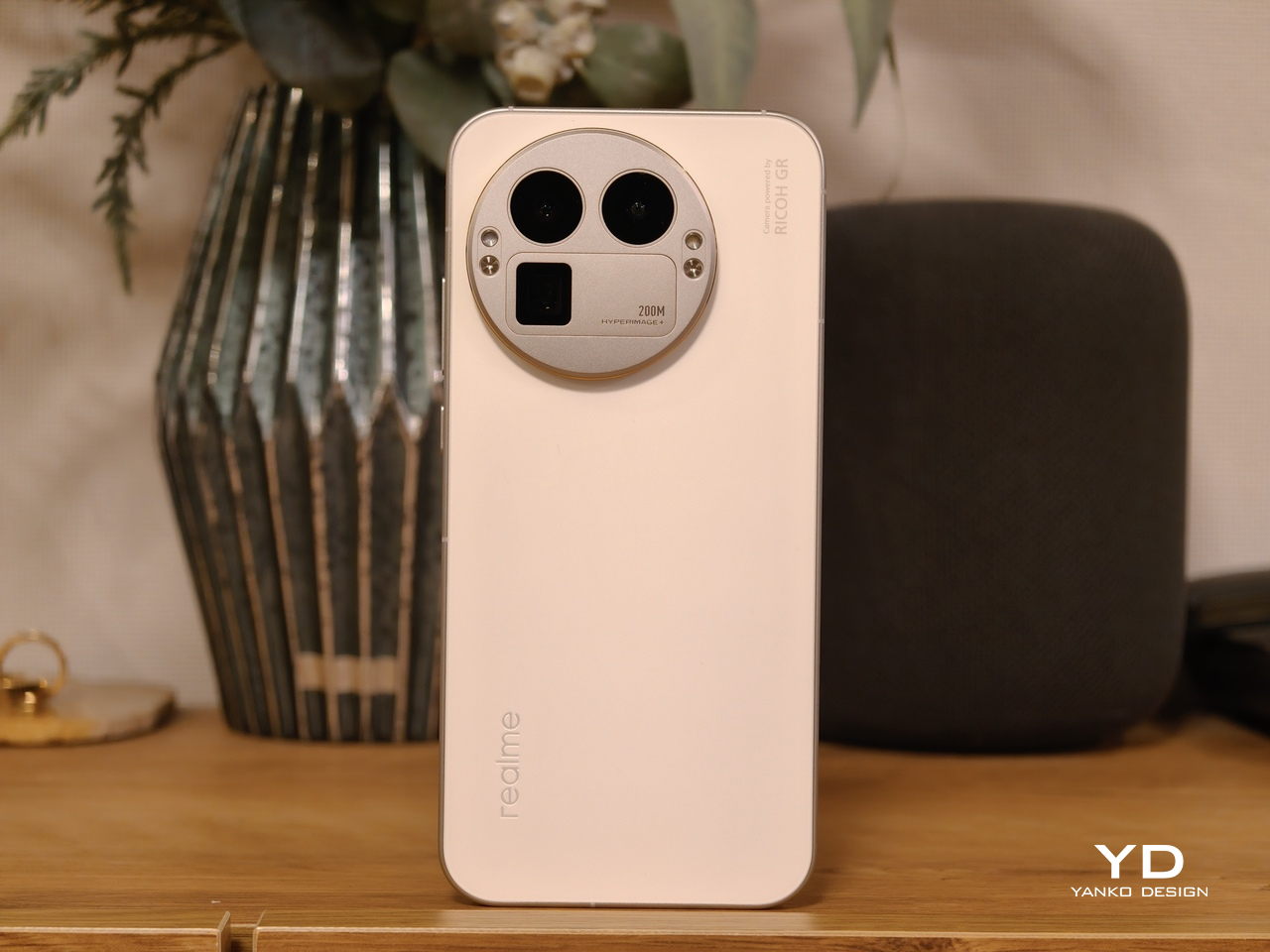
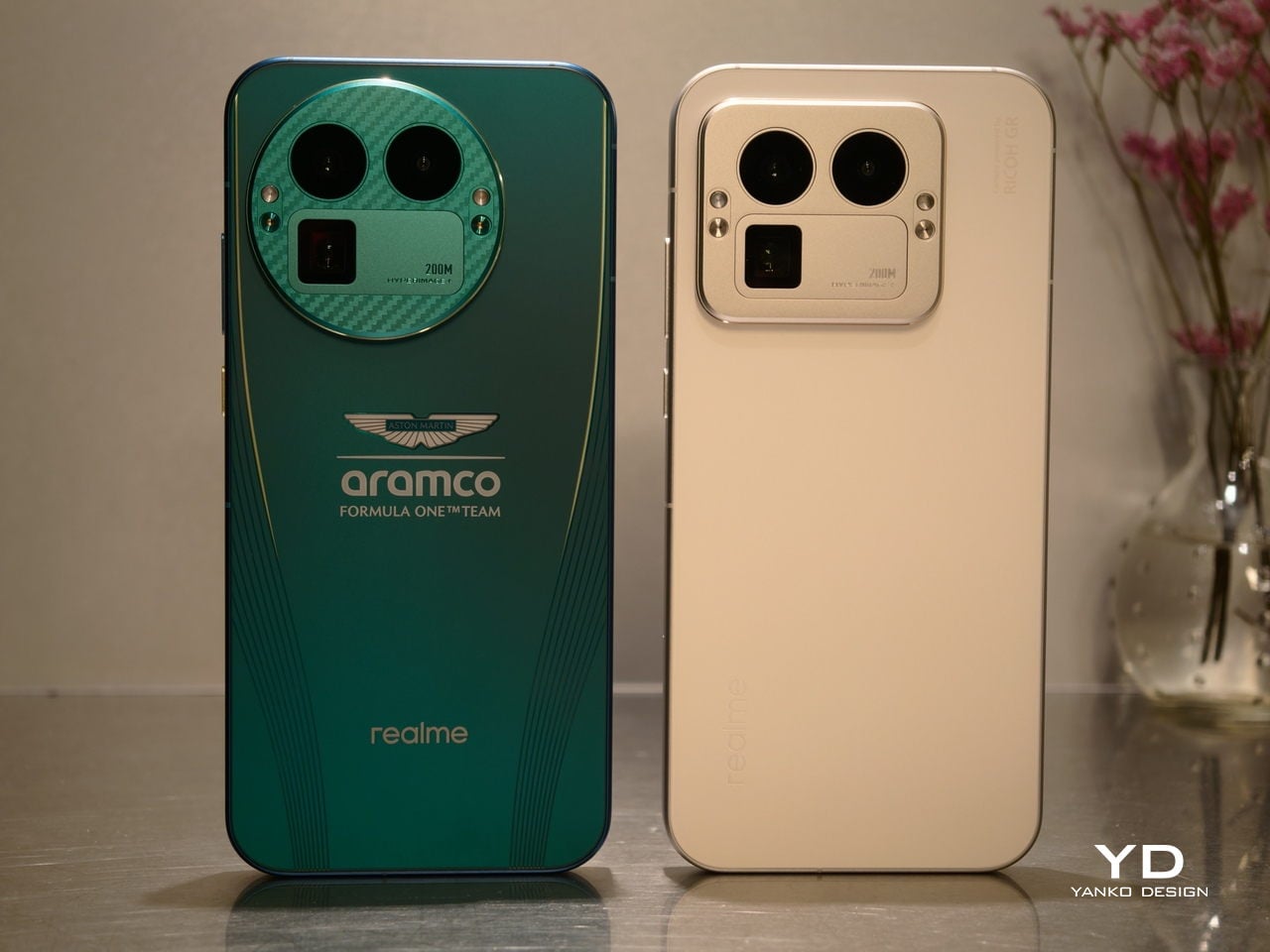
Pick up the realme GT8 Pro, and the first thing your eyes lock onto is the camera island. Realme has turned the rear camera housing into a modular design object that you can swap and restyle. Different camera decoration plates change the shape and graphic language of that camera bump, which means the back of the phone becomes a kind of customizable badge. It feels more like a piece of streetwear design than a typical rectangular slab, and it sends a clear signal that this phone sees photography and personality as central to its identity.

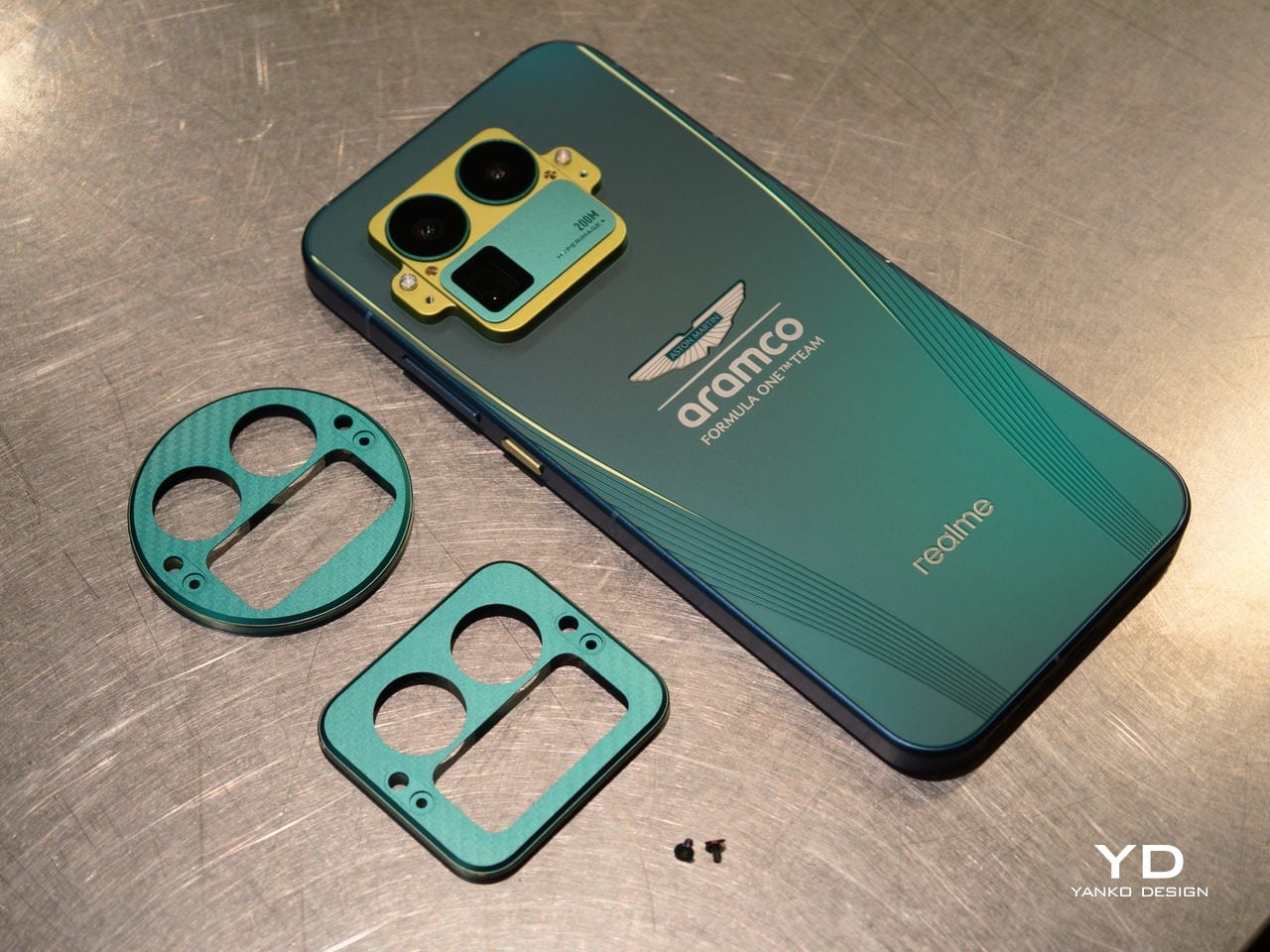
The plate is held in place with two tiny screws. The design that comes with the Diary White colorway we received is a round silver colored plate, and Realme also sent a separate rectangular silver colored plate. Realme has even released the 3D design file to invite people to create their own camera plate designs for the GT8 Pro. It is purely non-functional, and you could easily call it a gimmick, but it is a playful gimmick that fits the character of this phone and gives designers and tinkerers something fun to explore.
Realme keeps the core lineup tight with two main colorways. Diary White pairs the aluminum frame with a glossy glass back panel that catches reflections like a piece of polished ceramic. Urban Blue switches to a vegan leather back panel that brings a more tactile, fashion-focused vibe and feels closer to a premium accessory than a slab of tech. Both finishes are tuned to catch light and attention rather than fade into the background, which reinforces the GT8 Pro’s role as a visual statement.

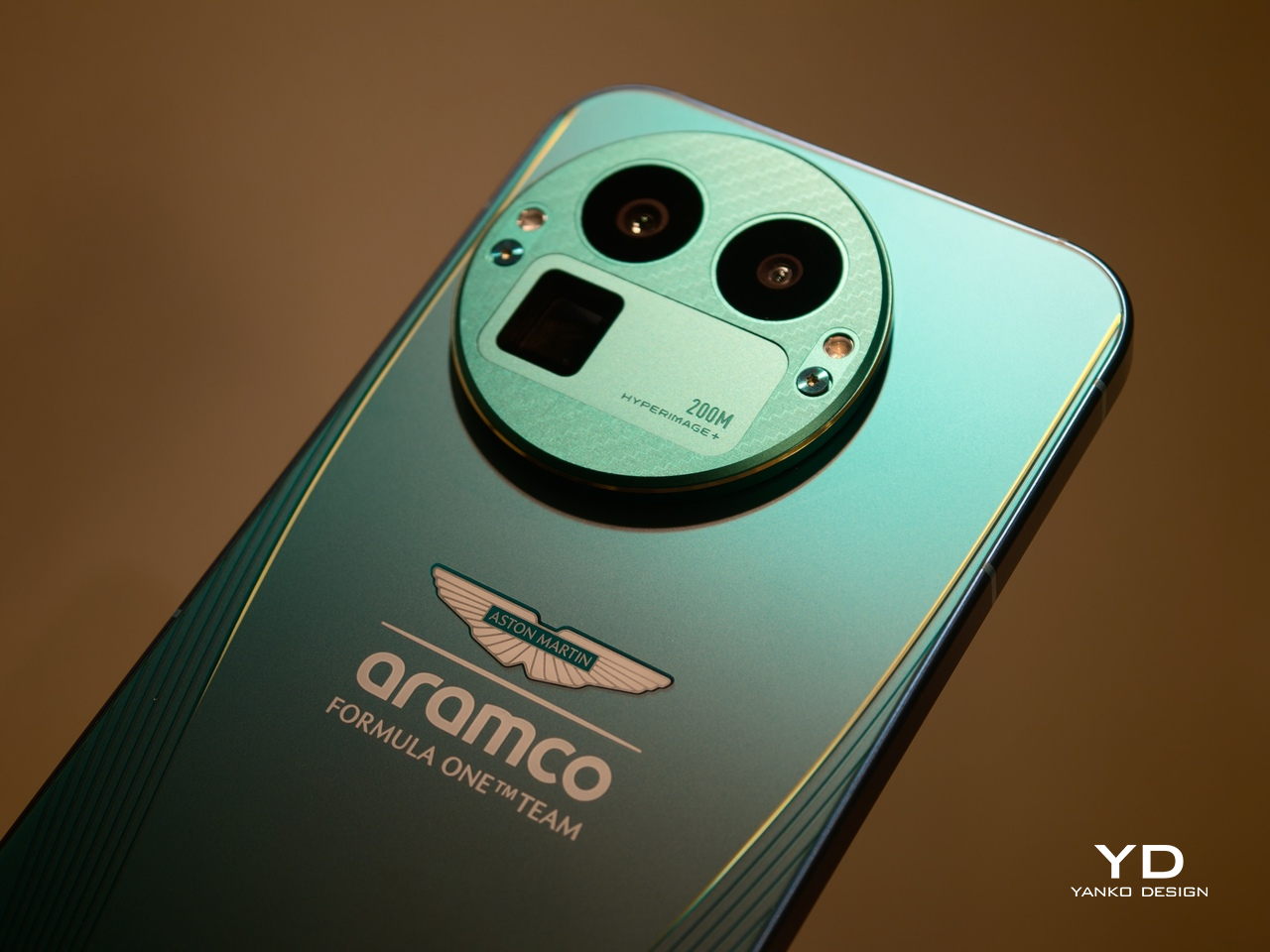
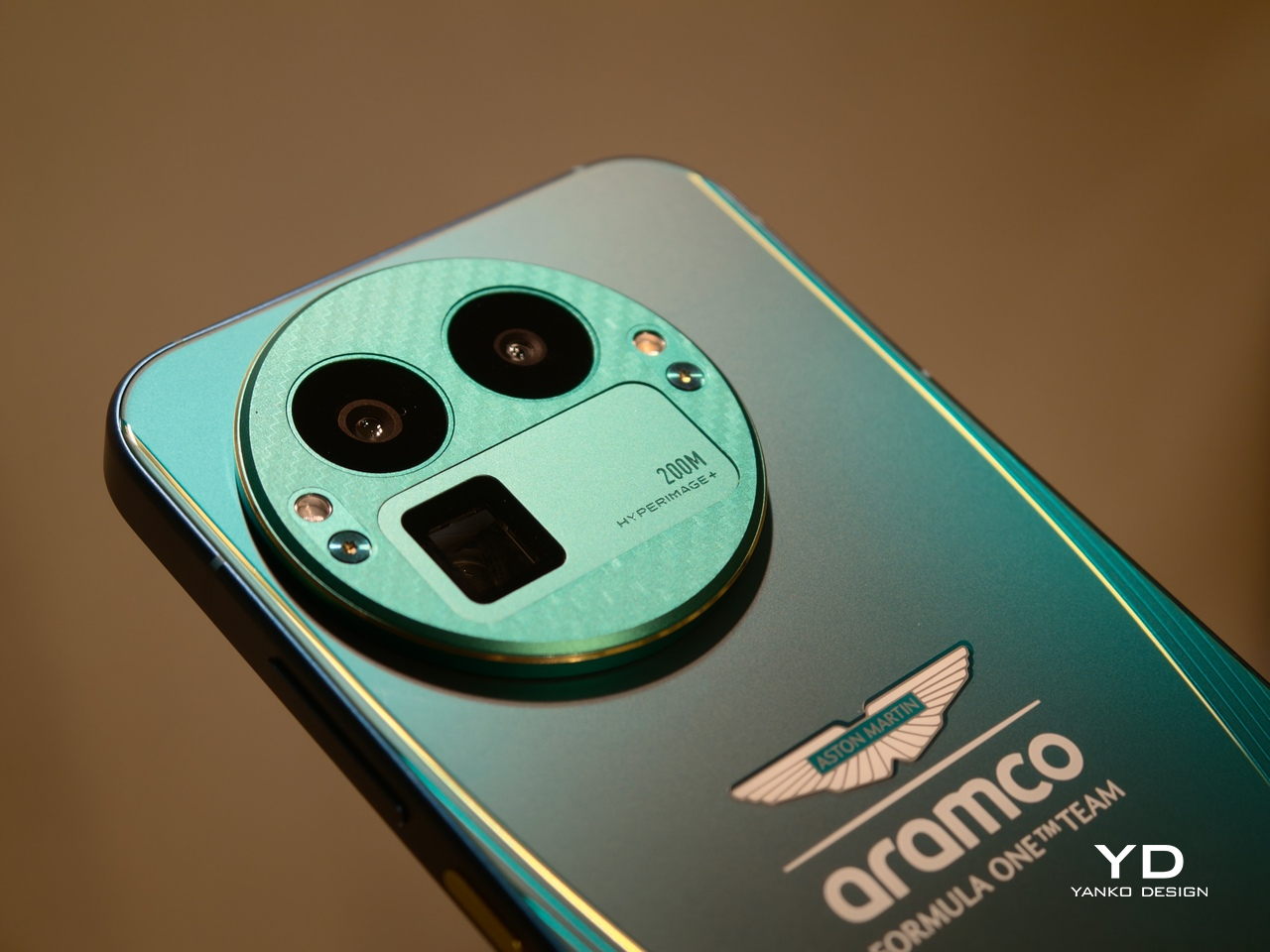
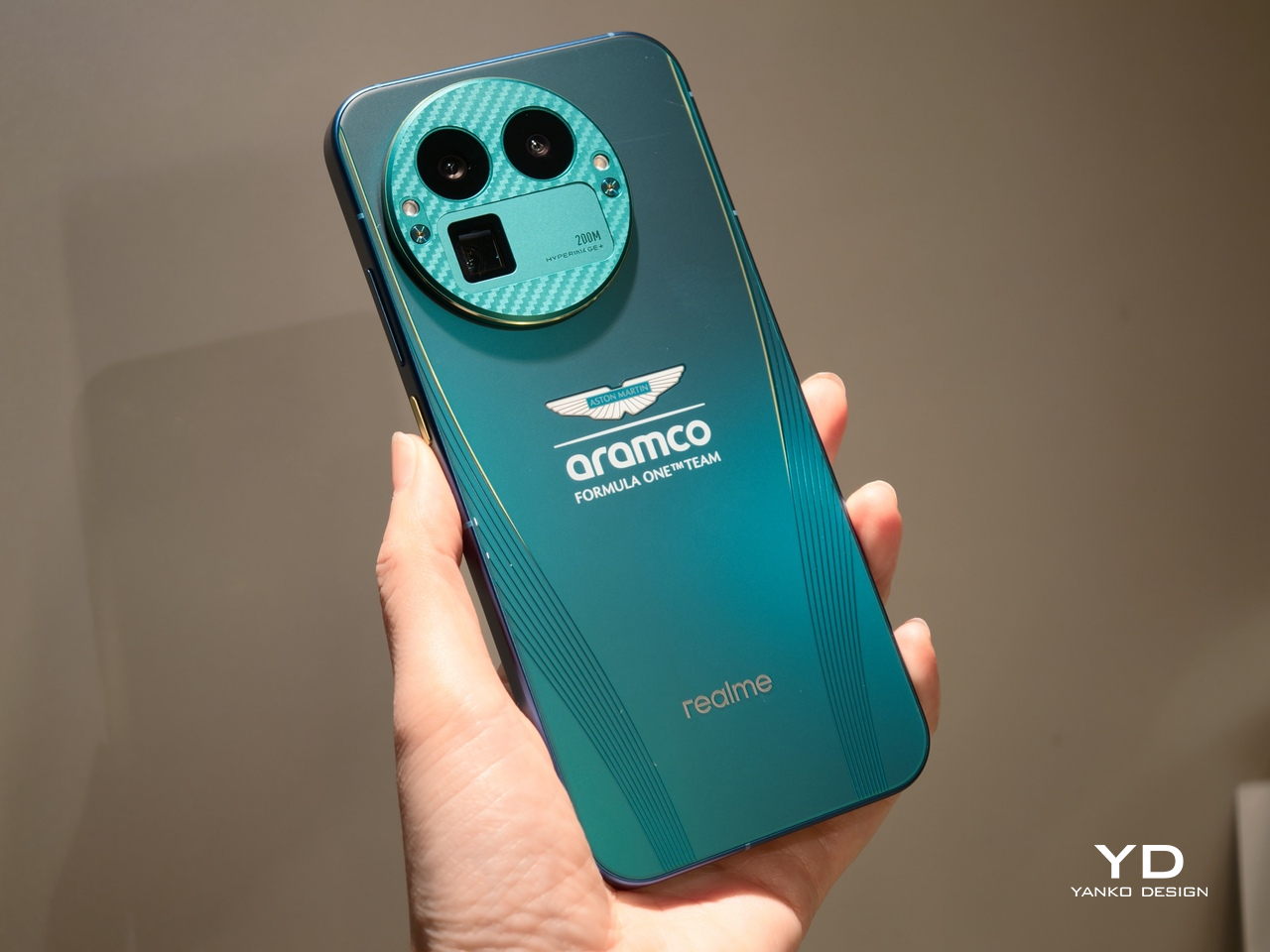
On top of these two color variants, Realme offers the Dream Edition as part of its three-year partnership with the Aston Martin Formula 1 team. This special version comes dressed in Aston Martin Green with yellow accents and an aerodynamic-inspired design. The phone arrives with a round camera decoration plate featuring a carbon fiber finish, which adds a motorsport texture that feels premium.
Inside the special box, you also get the square deco plate, a SIM ejector tool shaped like a racing car, a Torx screwdriver for swapping plates, two phone cases, and a charger. The phone itself comes preloaded with custom Aston Martin Formula 1 team wallpapers and icons, so the collaboration extends into the software experience as well.

Ergonomics

This is a large phone with a 6.79-inch display and a 7000 mAh battery, so it has real presence in the hand. Both colorways share the same footprint at 161.80 x 76.87 mm, which means you are firmly in big phone territory. You feel that size immediately, yet the curved edges and carefully rounded corners do a lot of work to soften the bulk and make it feel less intimidating.
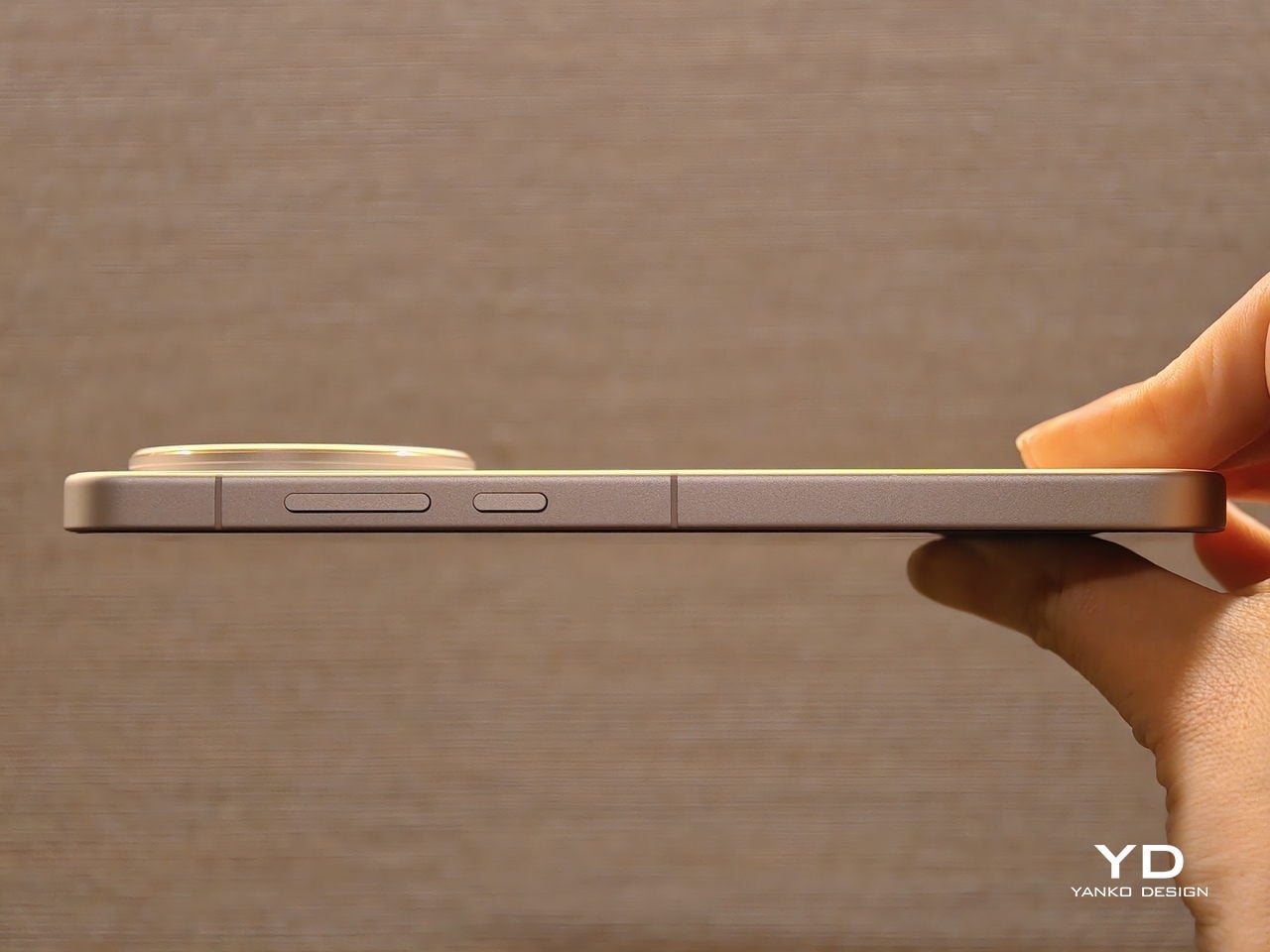
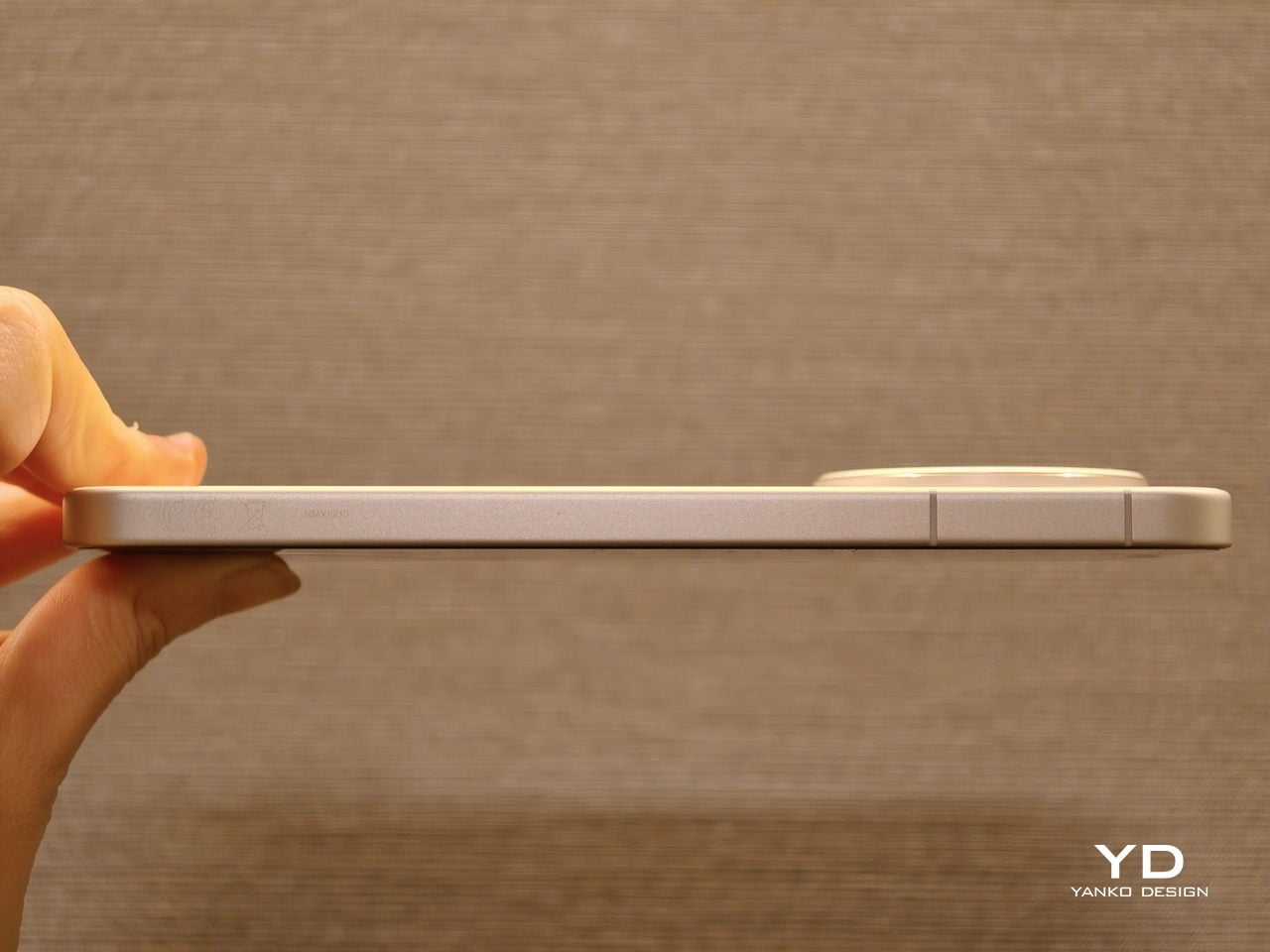
The differences appear when you look at thickness and weight. Diary White comes in at 8.20 mm thick and weighs 218 g, while Urban Blue is slightly thicker at 8.30 mm but actually lighter at 214 g. In practice, these numbers are close enough that you will not notice a dramatic contrast in day-to-day use. Diary White, with its glossy glass back, feels sleek and cool, sliding more easily against your skin and into pockets. Urban Blue with its vegan leather has a paper-like feel with tactile 3D characters, according to Realme, which gives it a more textured, design-forward personality in the hand.
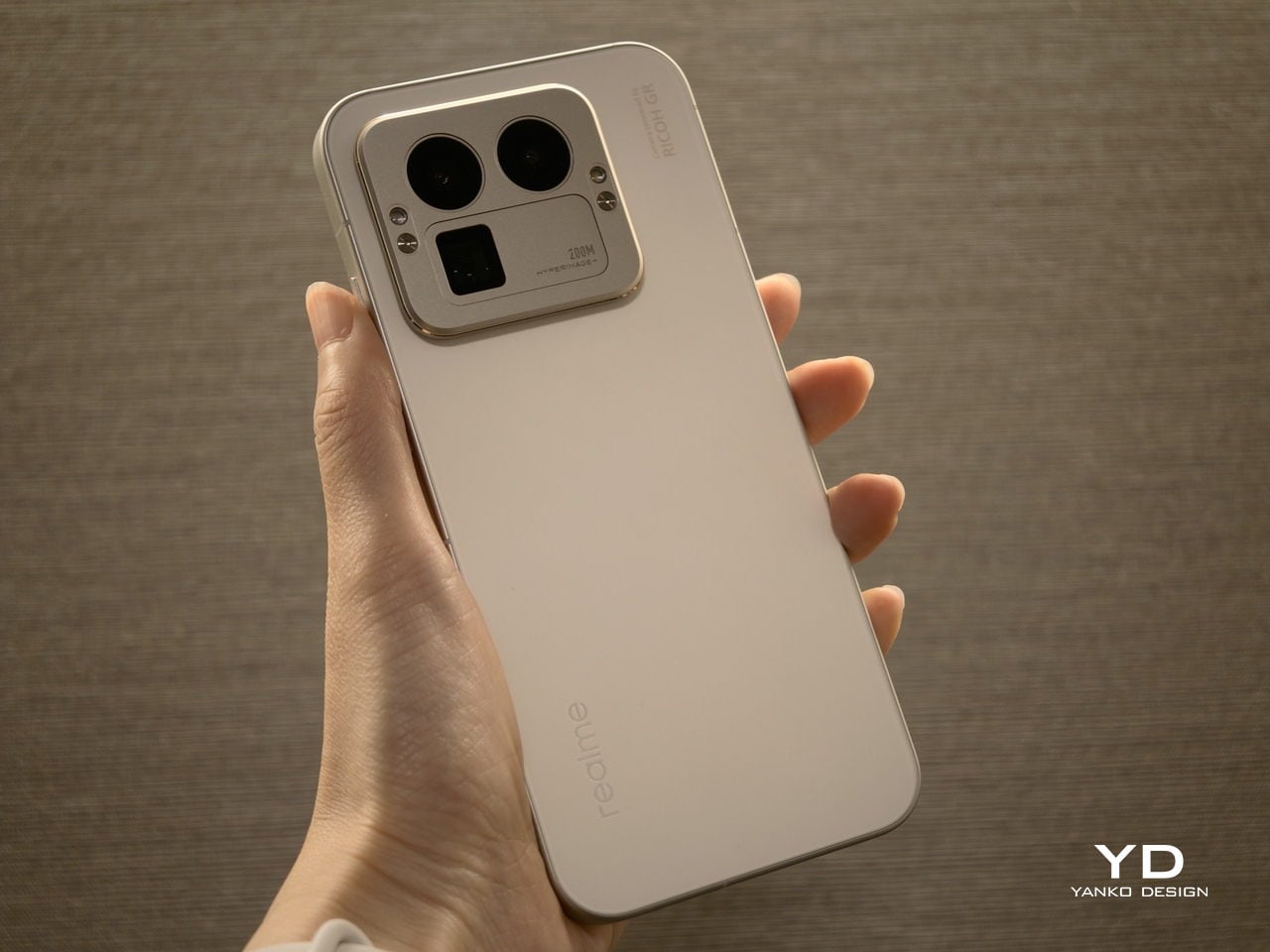
The power and volume keys sit within easy reach on the right side of the frame. Their placement makes it simple to adjust volume or lock the screen without shifting your grip too much, even on this tall device. The fingerprint scanner is located at roughly one-third of the height from the bottom of the display, which makes it easy to unlock the phone and continue straight into navigation with the same thumb movement.

Performance

Inside, the GT8 Pro is powered by the latest Snapdragon flagship chipset, the Snapdragon 8 Elite Gen 5, and that choice sets the tone for the entire performance story. This chip is designed for demanding multitasking, heavy gaming, and advanced AI features, and the phone leans into that with confidence. Realme pairs the main chipset with either 12 GB or 16 GB of RAM, along with 256 GB or 512 GB of fast UFS 4.1 storage, depending on the configuration. On the software side, Android 16 with realme UI 7 sits on top, bringing a colorful, feature-rich interface that still keeps most interactions intuitive and approachable.
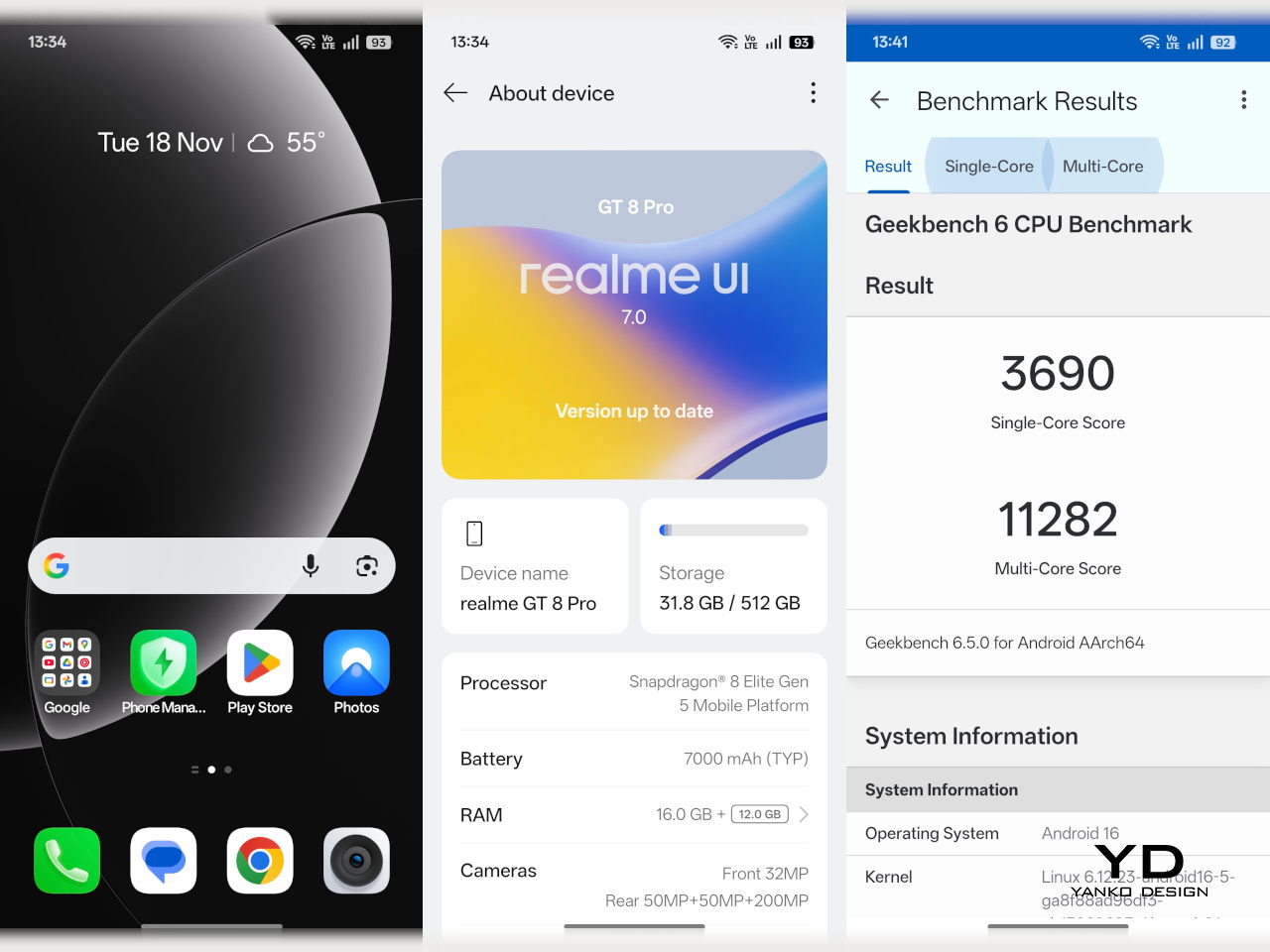
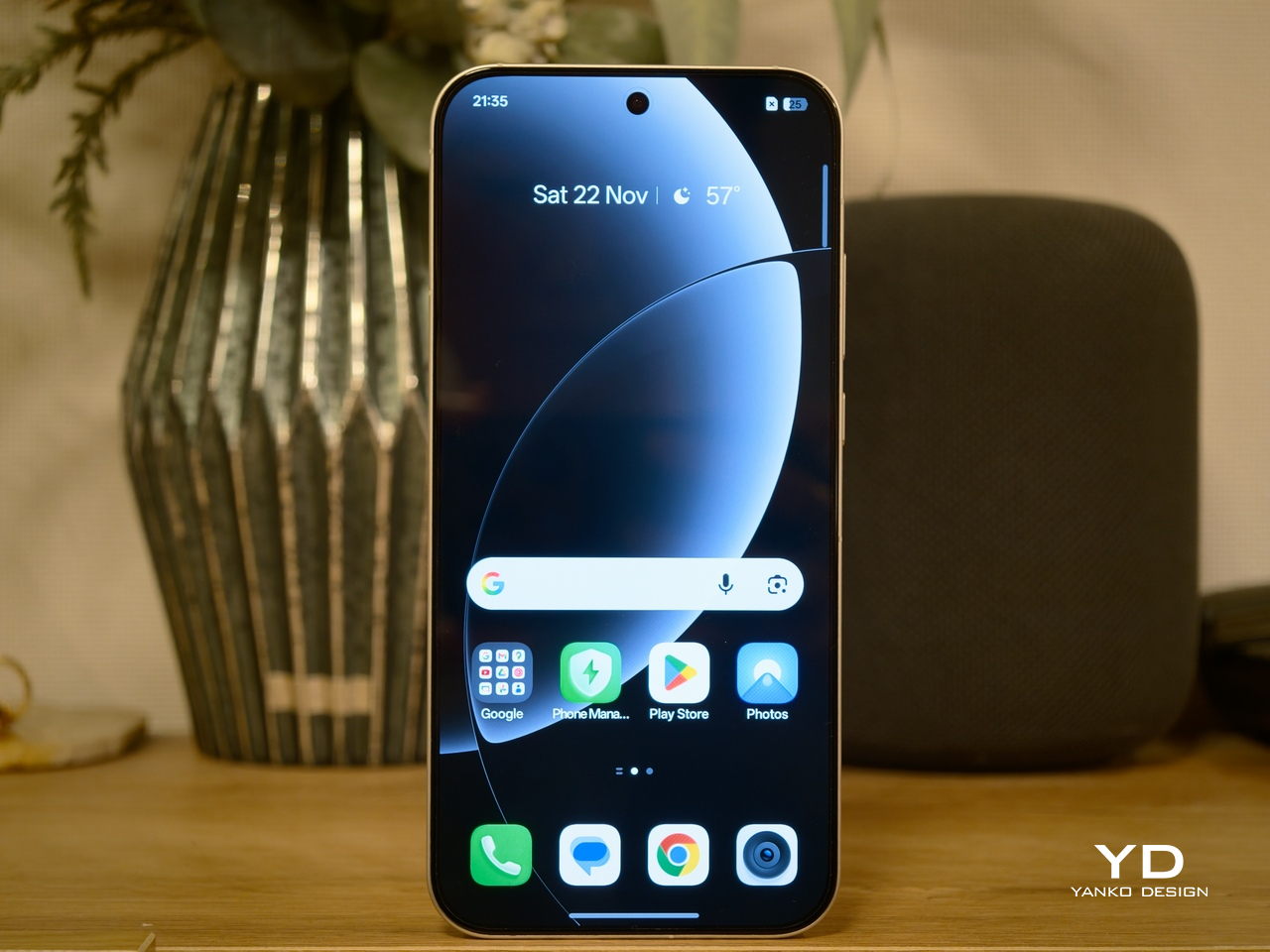
On the front, the GT8 Pro boasts a 6.79-inch LTPO AMOLED panel with a 1440 x 3136 px resolution and a maximum refresh rate of 144 Hz. It supports Dolby Vision, HDR10, and HDR10+, which gives you rich contrast and vivid highlights when watching compatible content. Realme claims a peak brightness of up to 7000 nits and 2000 nits in High Brightness Mode. These numbers are usually achievable only in very specific lab conditions, but in real life, the GT8 Pro display is genuinely very bright and easy to see under strong sunlight. The stereo speakers are loud and clear as well.
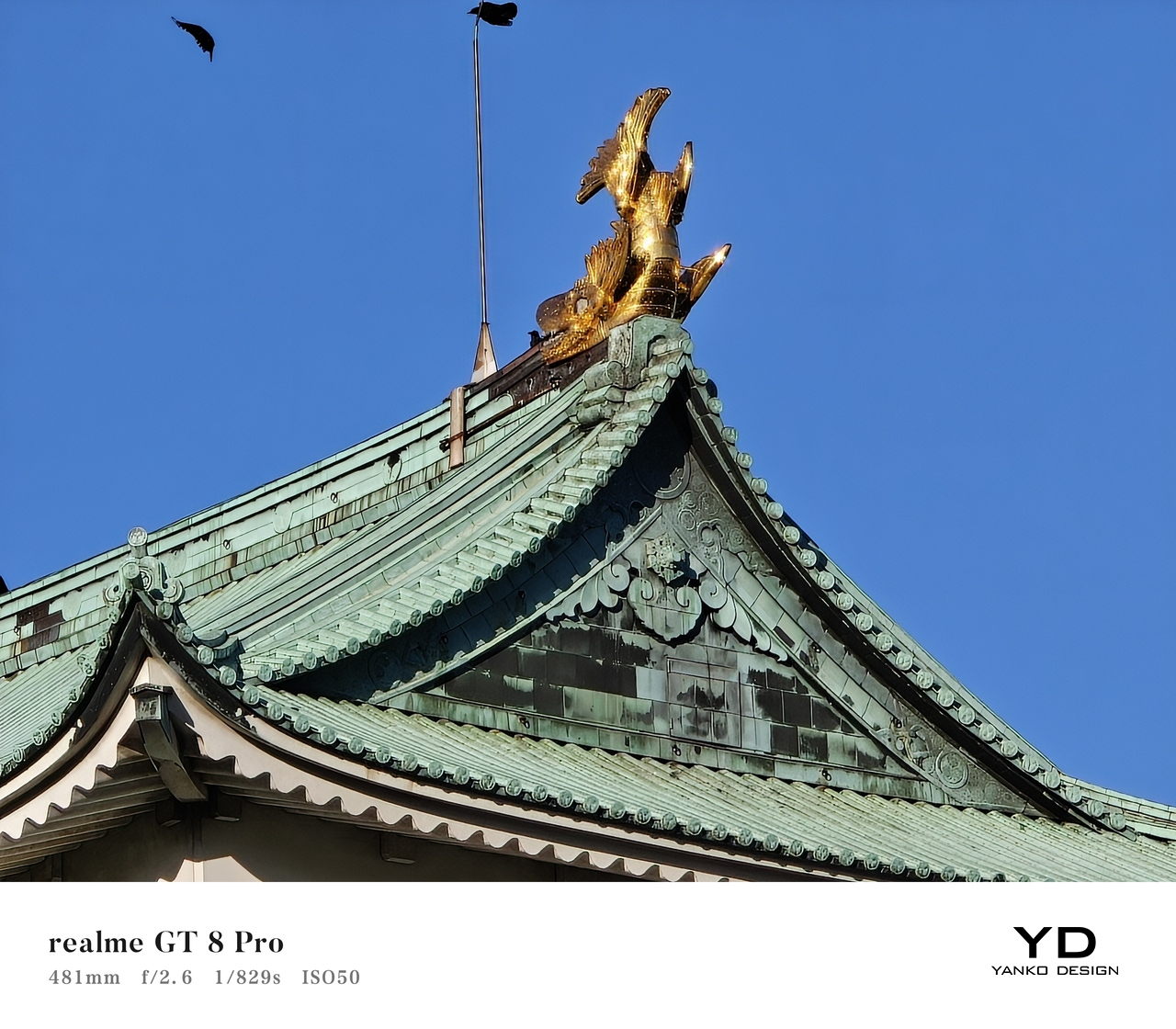
On the back, the Realme GT8 Pro boasts a triple camera system. The main camera is a 50 MP unit with a 1/1.56-inch Sony IMX906 sensor, an F/1.8 aperture, optical image stabilization, and electronic stabilization. The telephoto camera uses a 200 MP 1/1.56-inch Samsung HP5 sensor with an F/2.6 aperture, again with both optical and electronic stabilization. The ultra-wide camera is a 50 MP unit with a 1/2.88-inch sensor and an F/2 aperture.
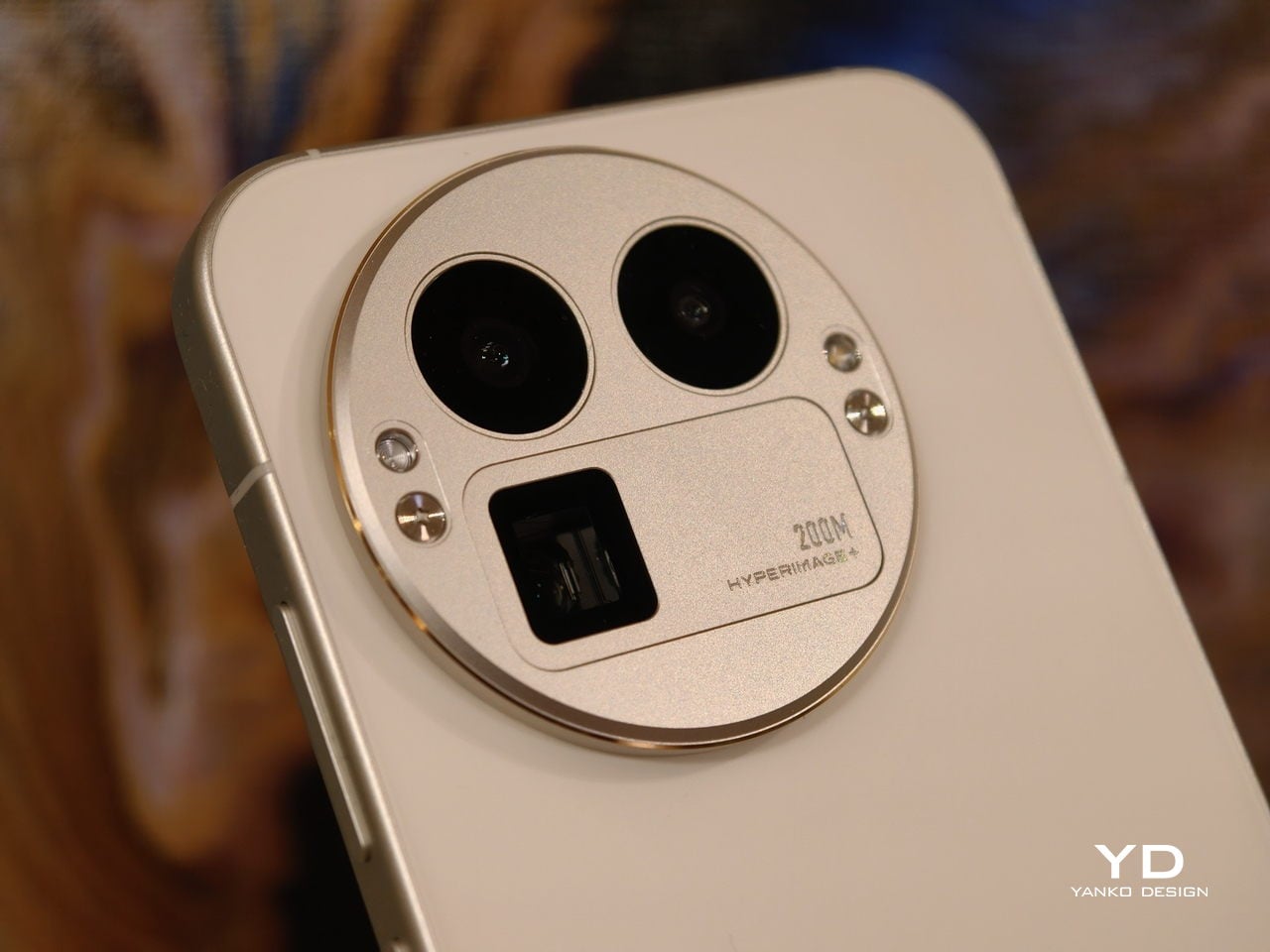
The camera system is where the GT8 Pro tries to carve out a unique identity. Realme has partnered with Ricoh and borrowed the GR branding, a name that carries a lot of weight in the world of street photography. Realme says this partnership has been four years in the making, and that it goes deeper than simply slapping a GR logo on the phone. The goal is to weave Ricoh GR DNA into the GT8 Pro and bring the spirit of GR-style photography into a smartphone.
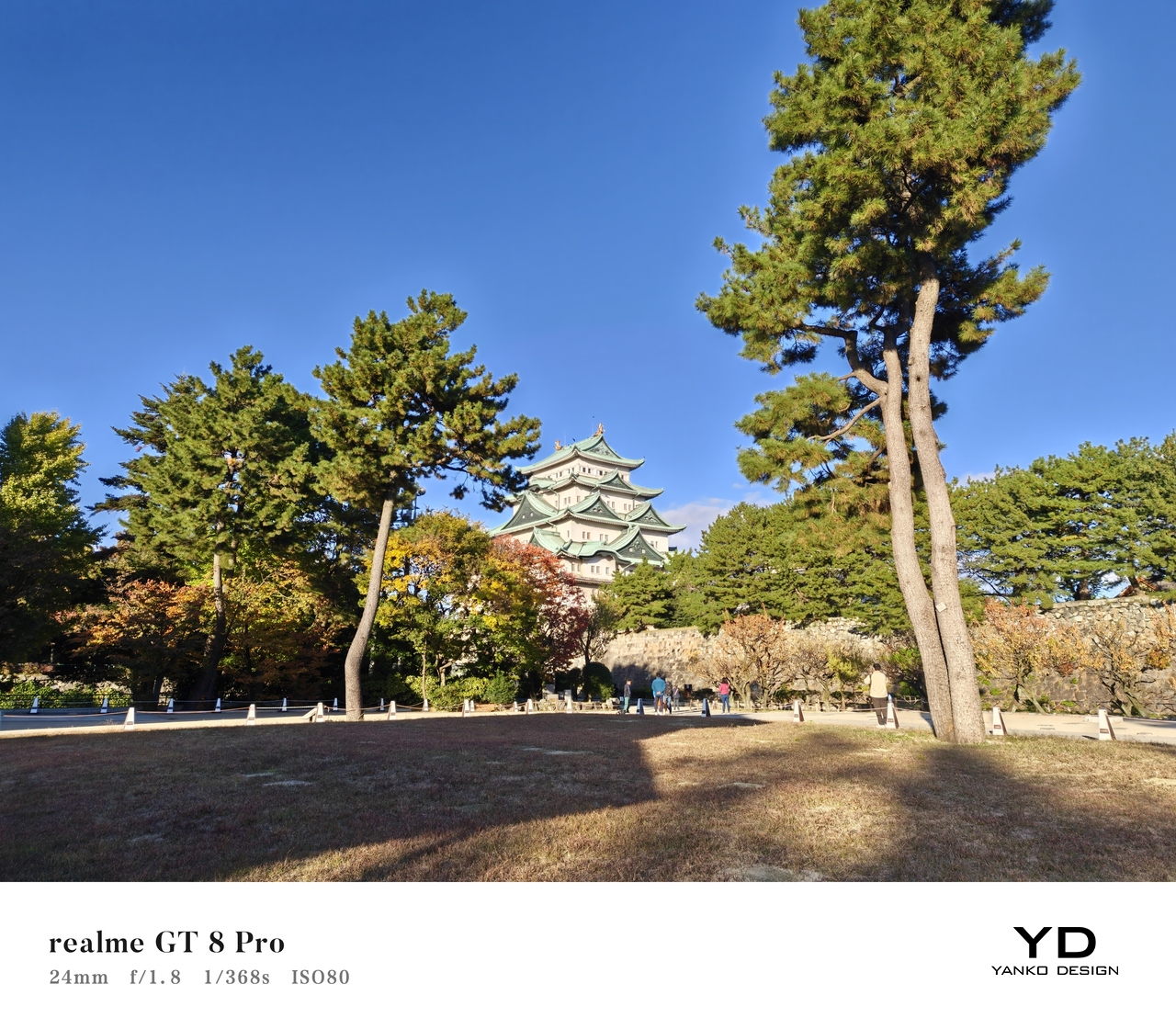
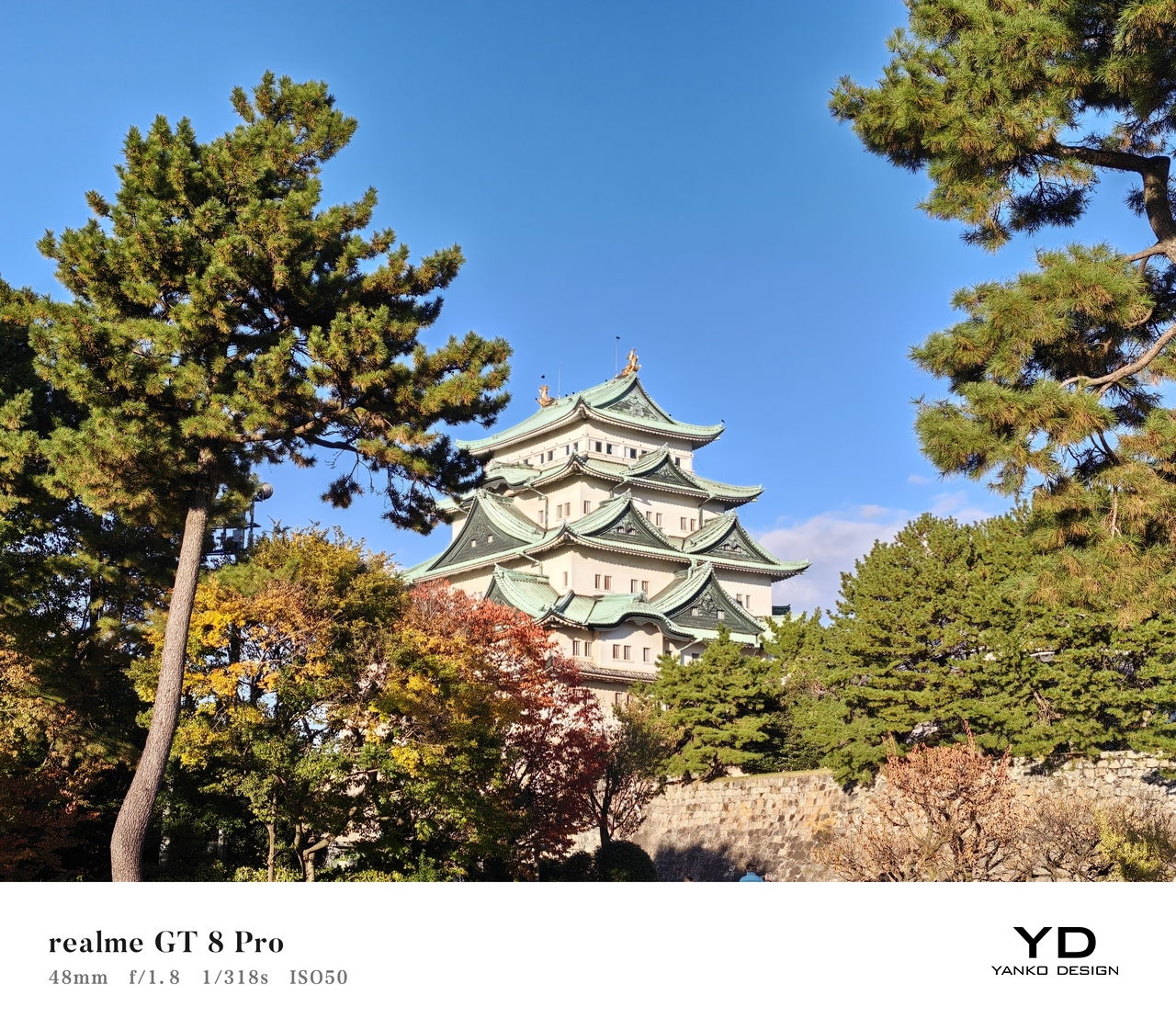
Ricoh GR mode is limited to the main camera and offers fixed focal length presets at 28 mm, 35 mm, 40 mm, and 50 mm equivalents. As someone who enjoys a good telephoto camera, I was initially disappointed that Ricoh GR mode does not extend to the GT8 Pro telephoto lens. However, the more time I spent with the phone, the more this decision started to make sense. As mentioned earlier, Realme and Ricoh are trying to bring the soul of GR photography into the GT8 Pro, and the GR series is best known as an iconic tool for documentary-style, walk-around shooting.
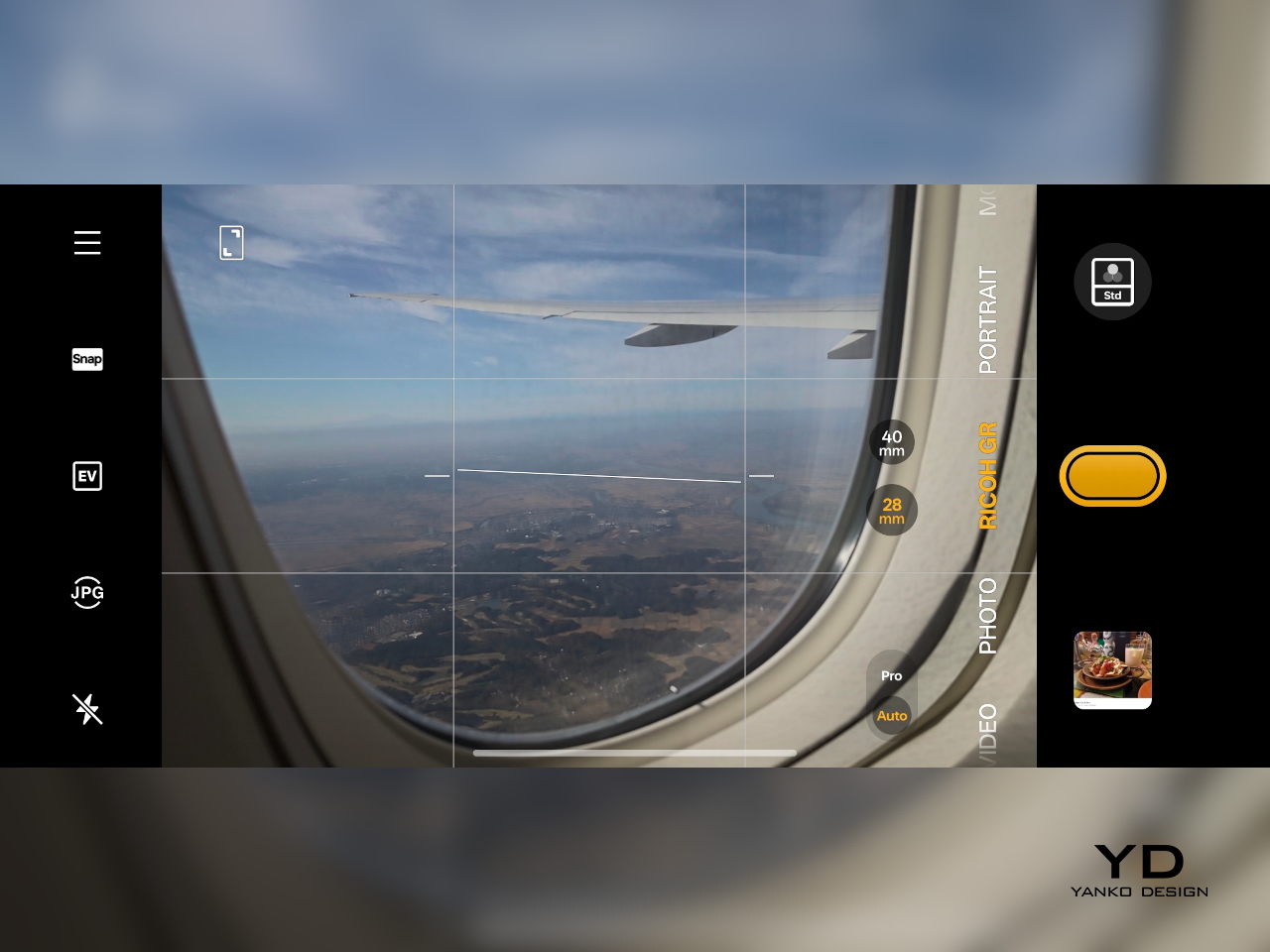
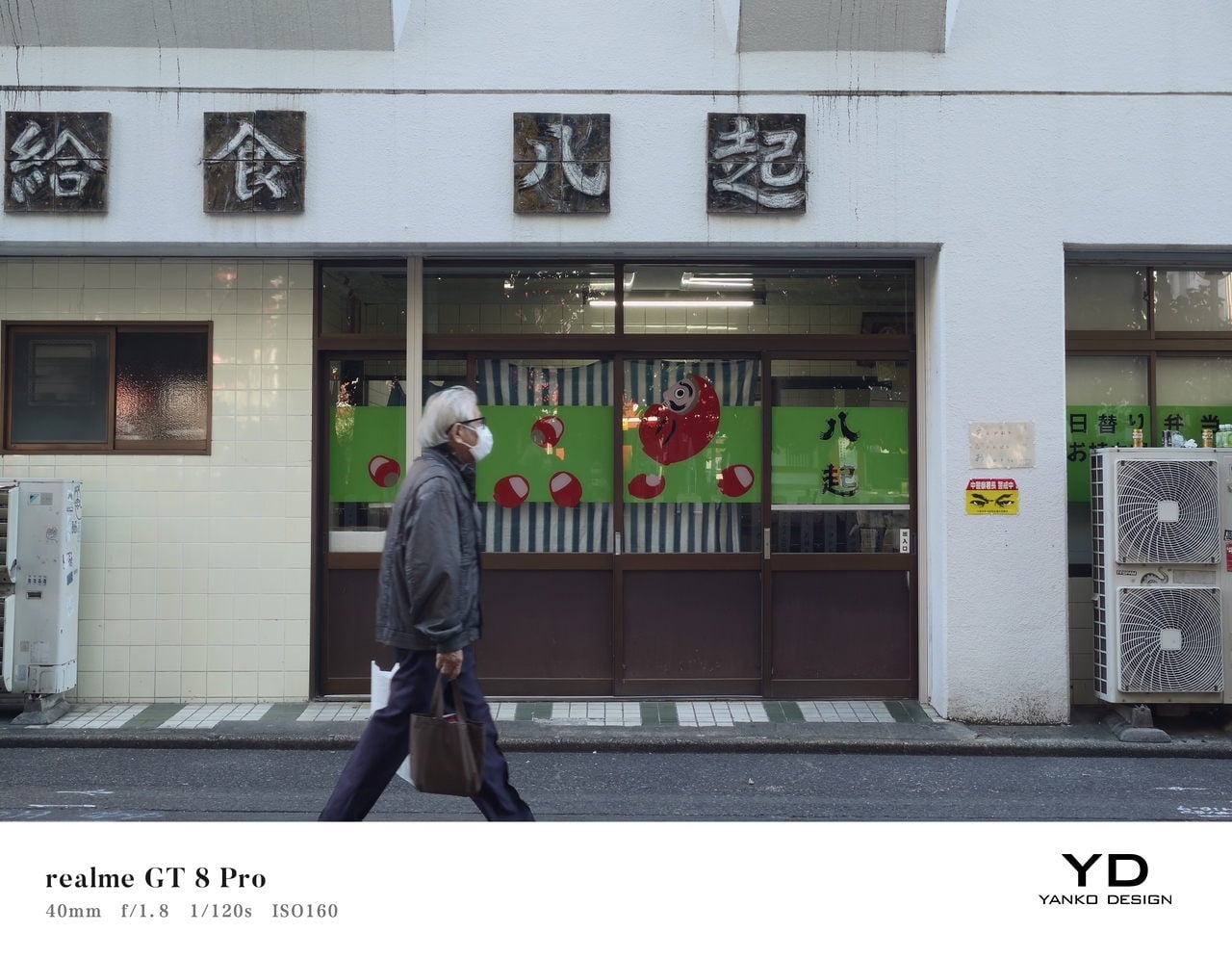
Ricoh GR, Standard

Within GR mode, you get a set of film-inspired looks called Standard, Positive Film, Negative Film, BW, and Hi BW. Each of these can be treated as a starting point rather than a fixed recipe. You can dive in and adjust parameters such as saturation, contrast, sharpness, and grain for each look, then save your tweaks as custom presets, up to six presets in total. It feels very much like building your own GR profiles, which is a big part of the appeal for people who love tuning their cameras and crafting a personal visual style.
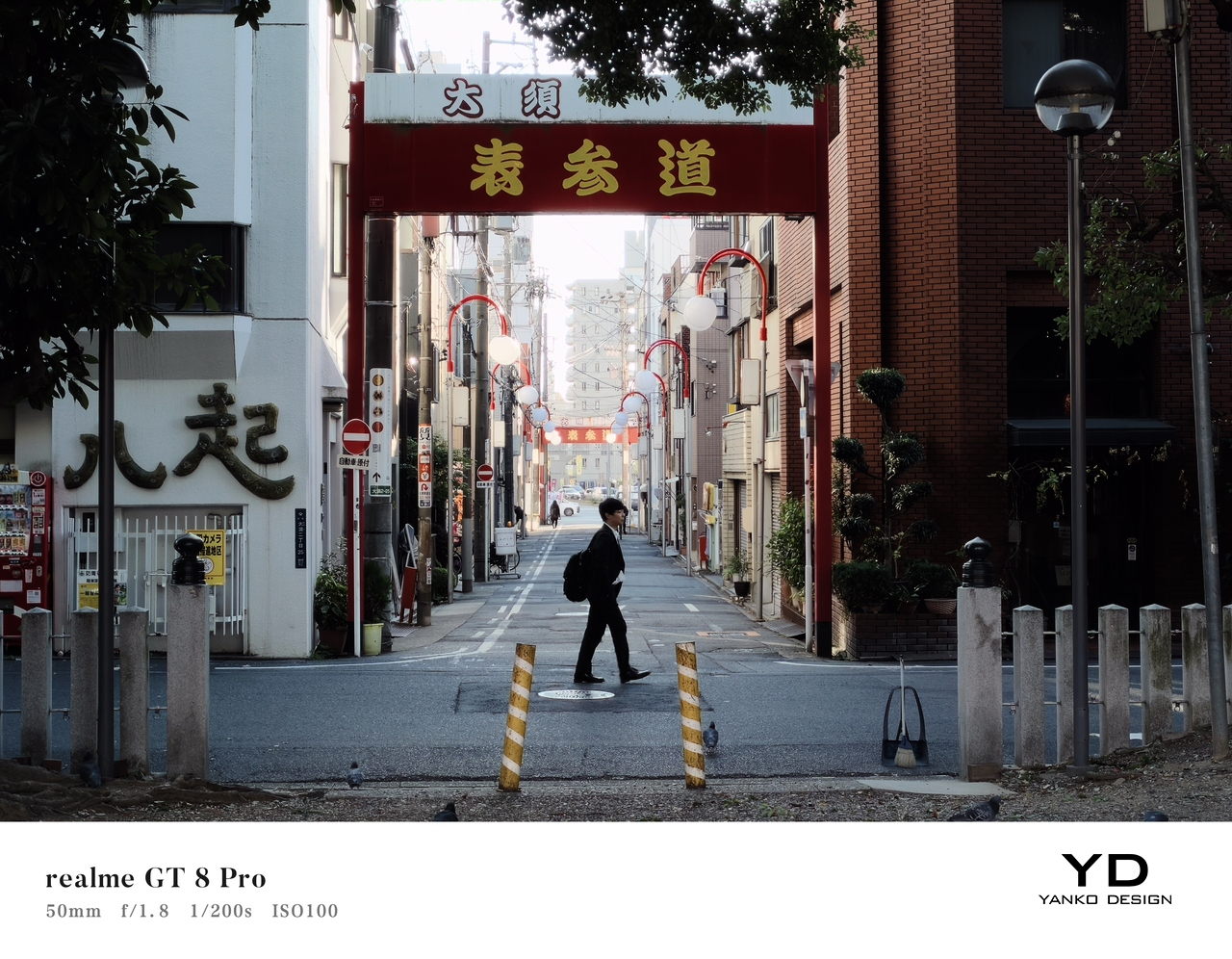
Ricoh GR, Positive Film
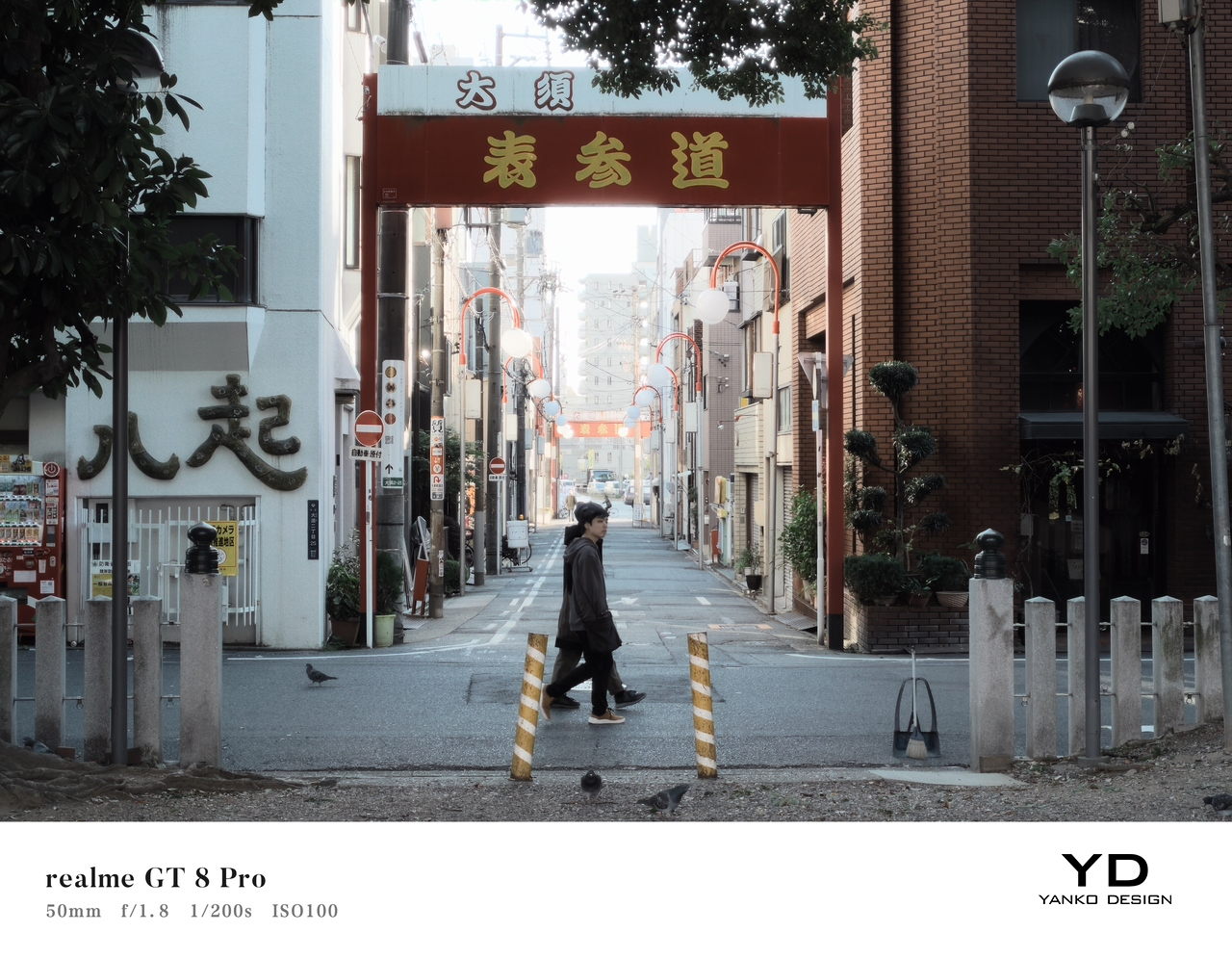
Ricoh GR, Negative Film

Do I still wish for a Ricoh GR mode on the telephoto camera? Absolutely. At the same time, I am quite happy with the Ricoh GR mode on the main camera. The Ricoh GR mode produces photos with a less processed, more natural look, and the ability to fine-tune and save your own presets makes it feel personal rather than generic. There is also a full Pro mode on Ricoh GR mode available if you want manual control, which rounds out the experience and lets you treat the GT8 Pro more like a serious camera than a simple point-and-shoot.
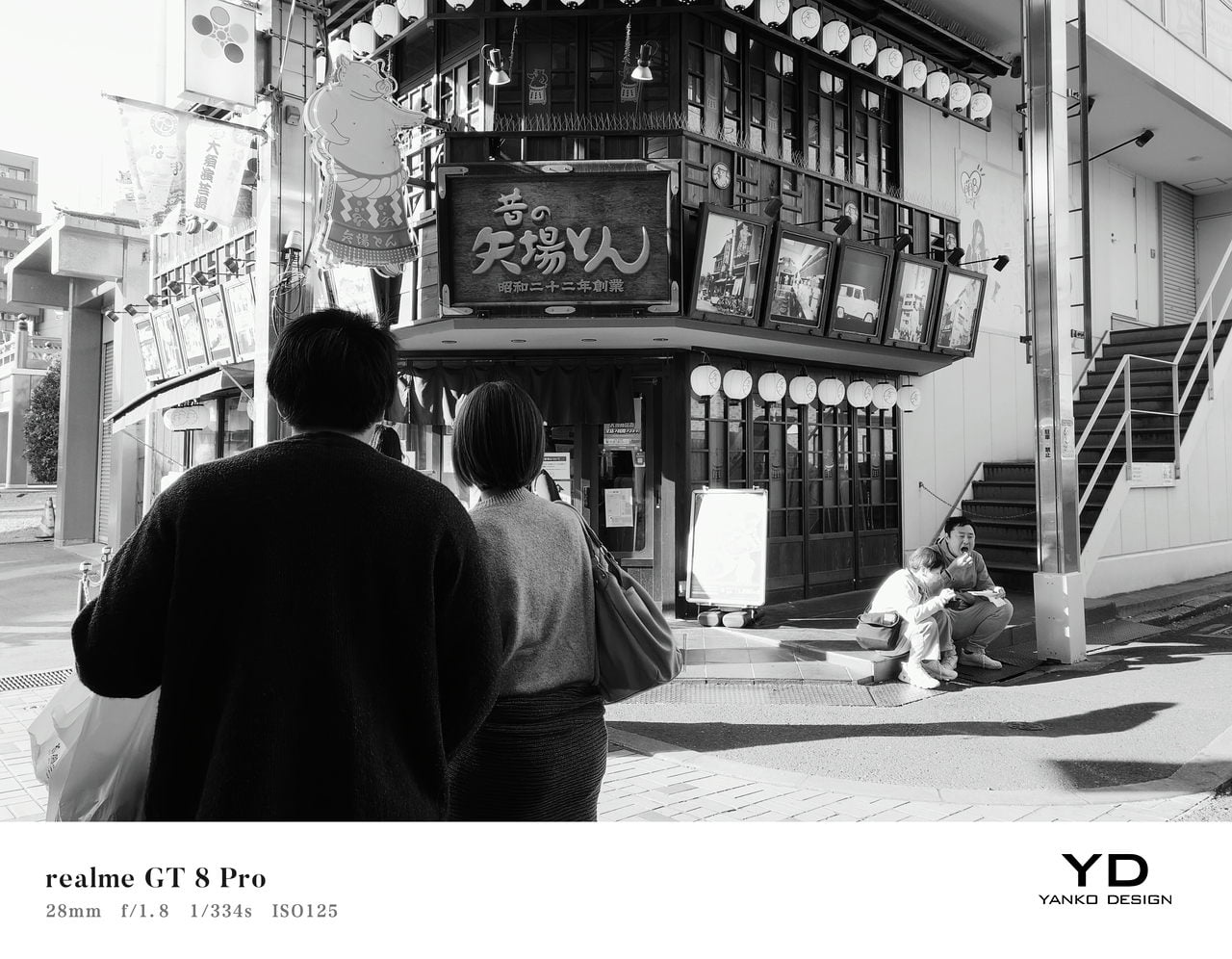
Ricoh GR, B&W
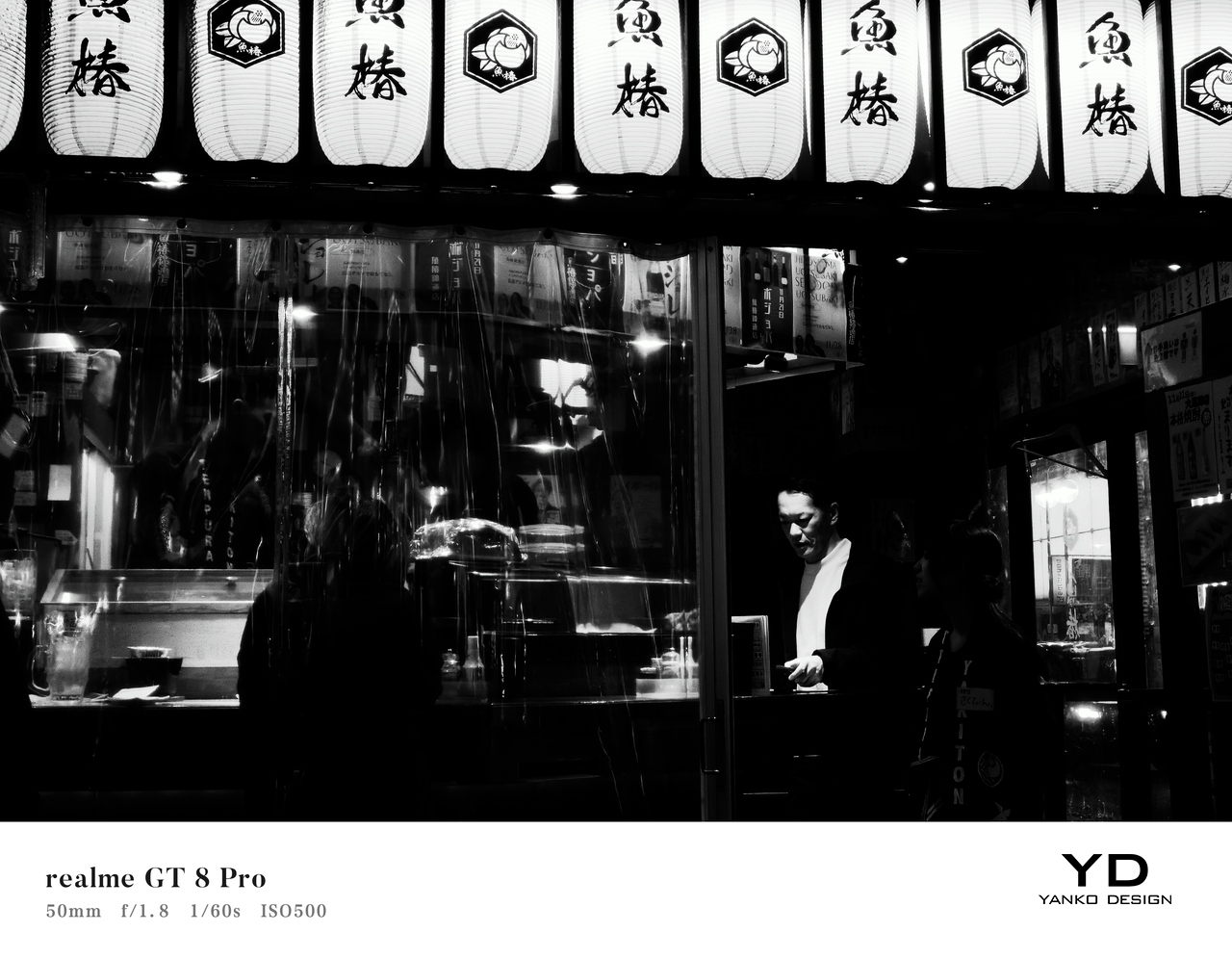
Ricoh GR, High-contrast B&W

Of course, if you just want a quick snap that is ready for social media, the regular photo mode delivers sharp, vibrant images (that could be a bit too much)  with excellent dynamic range. The 200 MP 3X telephoto is excellent too, capturing plenty of detail and holding up well even when you crop in or zoom further digitally. Both the ultra-wide camera and the 32 MP front camera lack autofocus, which is a limitation, but they still produce clean, punchy images.
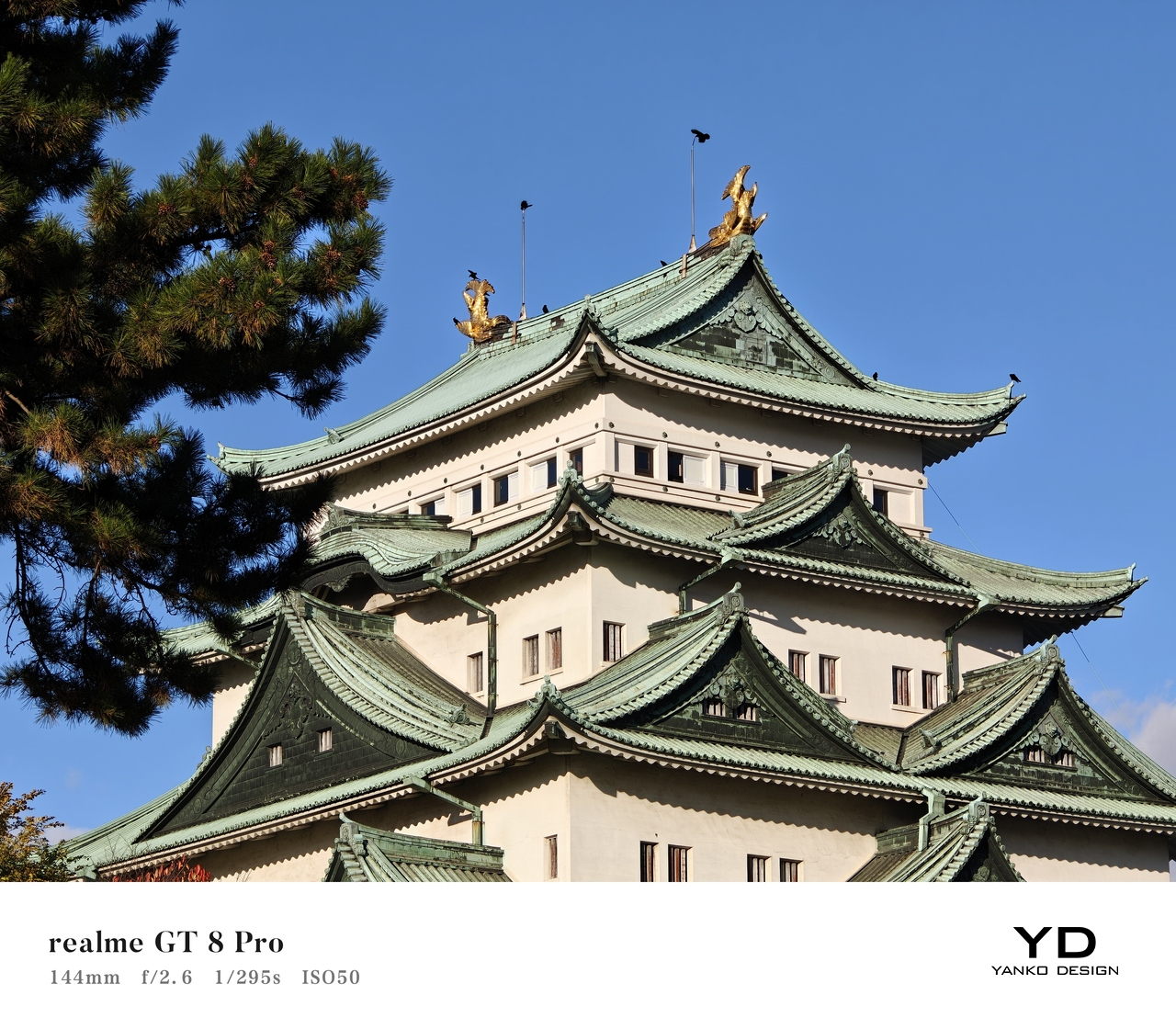
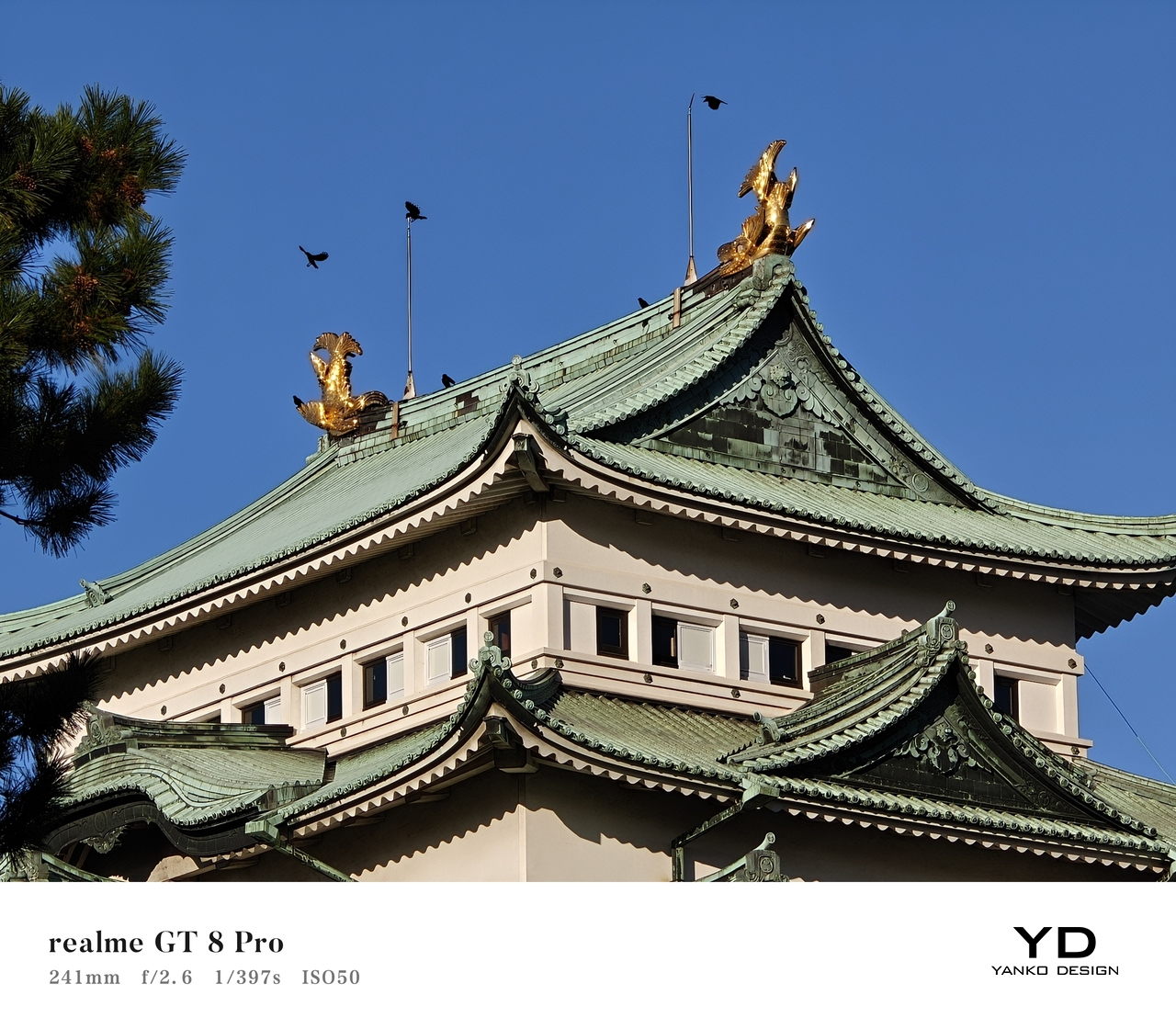
Video recording is equally ambitious. The main camera and the telephoto camera can both shoot 4K video at up to 120 FPS and 8K video at 30 FPS. The ultra-wide and front cameras can record up to 4K at 60 FPS. The footage looks very good, with solid dynamic range and vibrant color that holds up across different lighting conditions. You can even record Log at 4K 120 FPS, which gives you more flexibility for grading.

Battery life and charging are among the most dramatic strengths of this phone. The GT8 Pro carries a 7000 mAh battery, which translates into serious endurance in real-world use. The 120-watt wired charging, using the proprietary SuperVOOC charger that is included in the box, can refill that huge battery from empty to full in around 45 minutes, which feels almost absurd for this capacity. For the first time on a Realme global phone, you also get wireless charging at up to 50 watts. This combination of a massive battery and very fast wired and wireless charging means battery anxiety becomes a rare feeling rather than a daily concern.

Sustainability

The GT8 Pro quietly builds a solid sustainability story around its bold design. The front is protected by Corning Gorilla Glass 7i, and the body carries IP68 and IP69 ratings, which together help the phone survive drops, scratches, dust, immersion, and even high-pressure water jets. A device that can handle more abuse is a device you are less likely to replace early, which is an underrated part of sustainability.
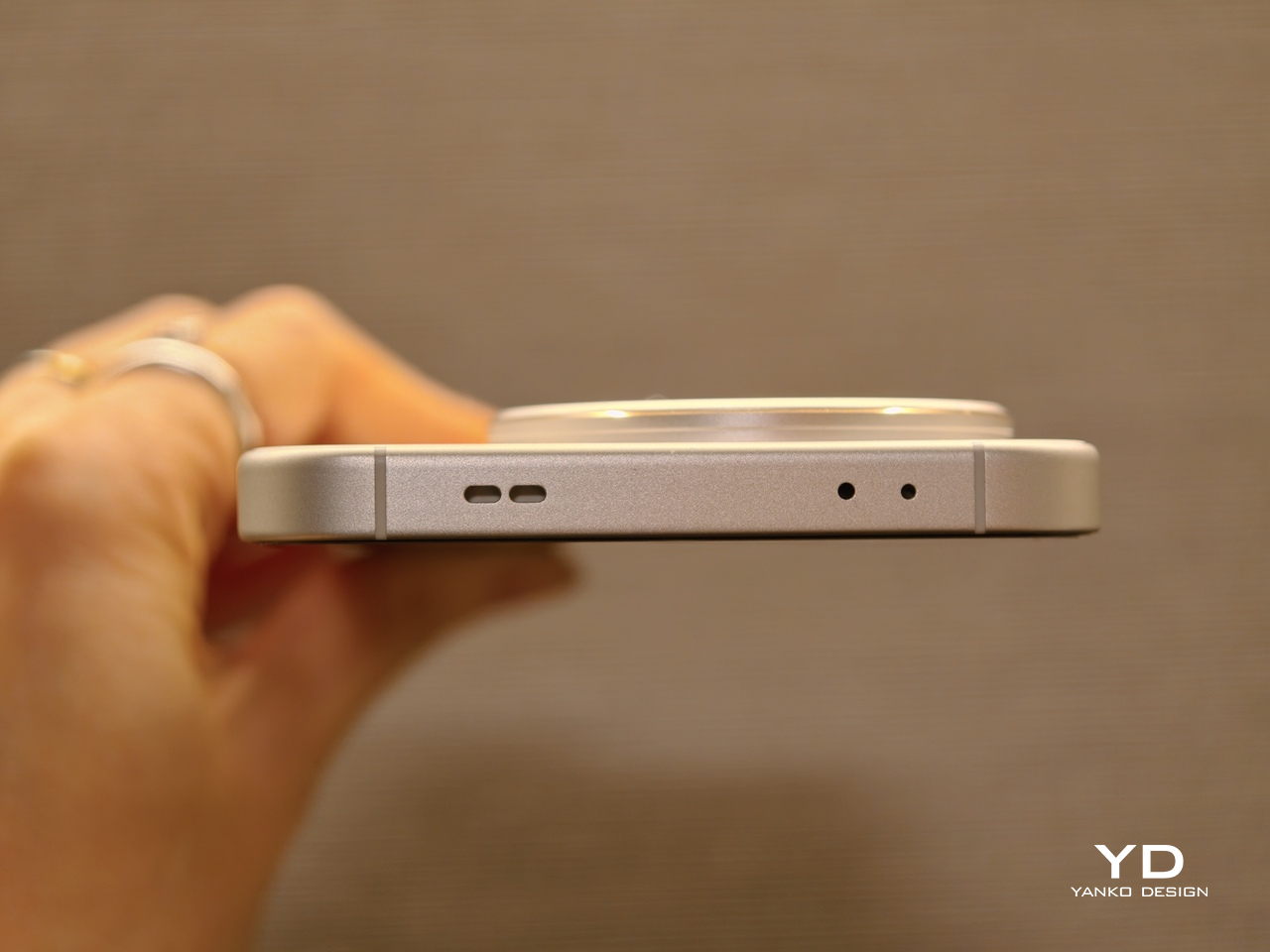
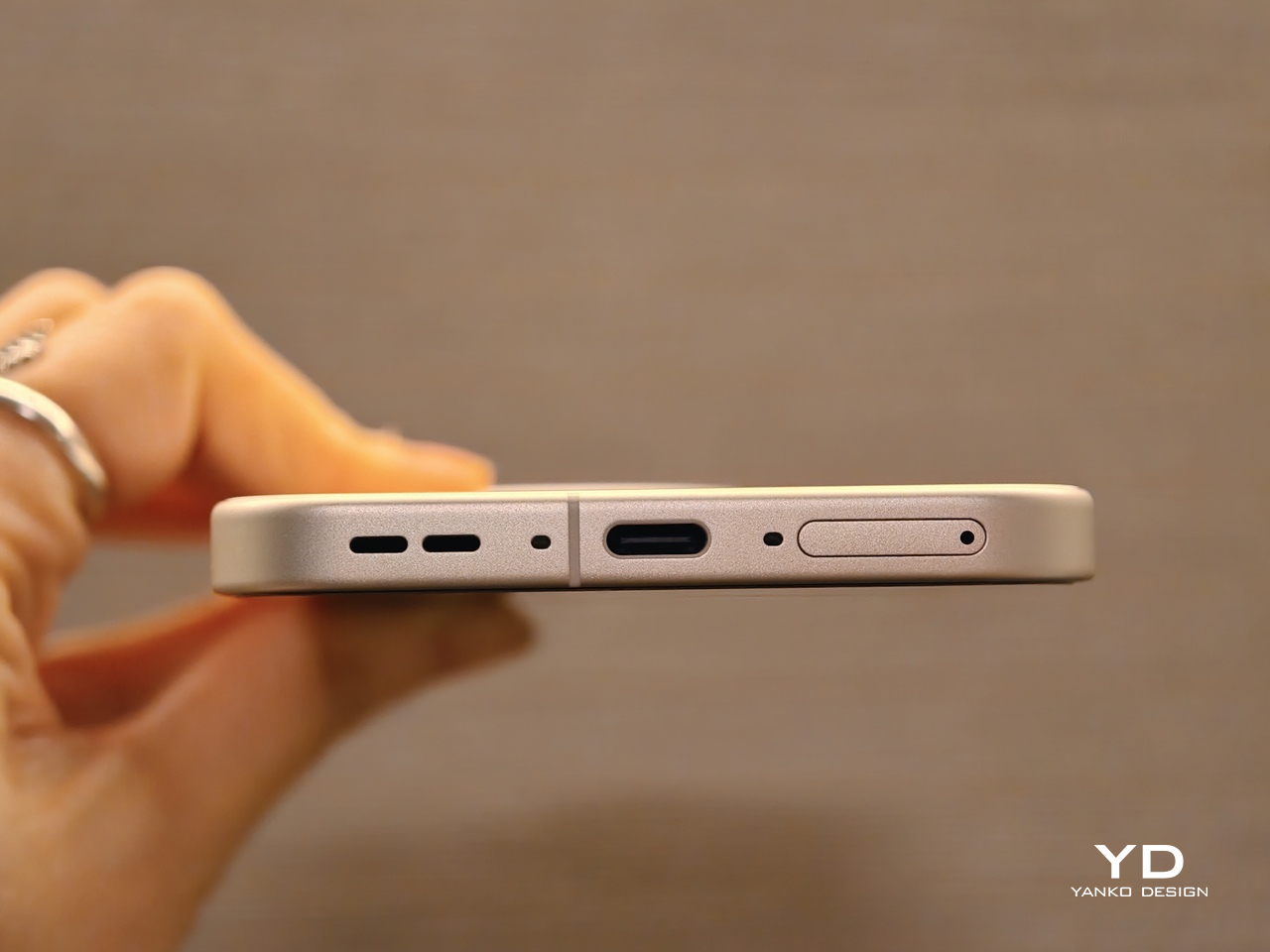
Realme also pays attention to materials. The Urban Blue variant uses a vegan leather style back crafted from a recycled material and natural dye, which gives it both a softer environmental footprint and a more crafted feel in the hand. On the software side, Realme promises four years of Android OS updates and five years of security updates. I do wish Realme offered even longer support at this price range, especially as some rivals are pushing update timelines further. Still, it gives you a reasonable sense of confidence that the GT8 Pro will stay usable and secure for several years.

Value

Realme GT8 Pro is positioned as a proper flagship, and the pricing reflects that ambition. In China, the 12 GB and 256 GB configuration costs 3999 Chinese Yuan, which is roughly $550. In India, the same configuration is priced at 79,999 Indian Rupees, which comes much closer to around $960 at current conversion rates.
That Indian price pushes the GT8 Pro straight into ultra-premium territory. At that level, you are cross-shopping it against flagships from Apple, Google, Samsung, and established Chinese rivals. The hardware feels special, especially with the Ricoh partnership and the modular design, and it ticks most of the boxes for a modern premium flagship. Whether it feels like good value, though, depends a lot on your market and on how much you personally care about the GR experience and the design story.

Verdict

Realme GT8 Pro feels like a flagship that actually wants to be noticed, with its modular camera island and even an Aston Martin Formula 1 edition, yet it backs that flair up with serious hardware. Between the Snapdragon 8 Elite Gen 5, the 2K 144 Hz LTPO display, the Ricoh GR-tuned main camera, and that massive 7000 mAh battery, this is not a phone that cuts corners quietly. It is a device that tries to turn every surface and every spec into a talking point.

That ambition does come with trade-offs. The size and weight will not suit everyone; the GR experience is focused on the main camera rather than the full system, and the pricing in some markets pushes it into direct competition with very established premium players. Still, it feels like a very compelling, characterful choice. In the end, this is a phone you pick with your heart as much as your head, because you really have to want that design story and the GR experience.
The post Realme GT8 Pro Review: A Flagship You Choose With Your Heart first appeared on Yanko Design.
IKEA is releasing a new family of Bluetooth speakers in partnership with Swedish designer Tekla Severin

IKEA has teamed up with Swedish designer Tekla Evelina Severin on a new line of products dubbed the Teklan collection. The collaboration includes three new standalone Bluetooth speakers and two lamp speakers, each clad in Severin's distinctive colorful style. The company originally announced this family of products at the start of the year with an expected launch in early 2026, so it seems they will hit shelves ahead of schedule. The ready-to-assemble furniture giant has already released a few speakers since ending its partnership with Sonos earlier this year, but this feels like a more concentrated push to replace those old Sonos products.

A line of round speakers IKEA is calling the Solskydd will be available in three different sizes, each sporting a colorful geometric design. The smallest of the three will be an 8-inch portable speaker with a rechargeable battery, and will retail for $80, while the larger two, measuring 11 and 18 inches, will sell for $100 and $140 respectively and will require a wall outlet.

The smaller of the two can be displayed either hung or on its accompanying base, while the largest version is designed for wall mounting. The Solskydd will also be offered in a plain white version for customers who prefer a more understated aesthetic. The speakers can all connect to one another as well as any other compatible IKEA Bluetooth speaker for multi-speaker mode. Spotify Tap is also supported, letting users pick up right where they left off in their music from within the Spotify app.

The Teklan collection will also include a set of Bluetooth speaker lamps, called the Kulglass. The $130 lamps, whose shades IKEA says were inspired by soft-serve ice cream, come in shades of either green or red and feature a built-in volume knob.

The line also includes a vibrant take on the budget-friendly Vappeby Bluetooth speaker, which is both waterproof and ultra-portable. The Teklan lineup also includes a slew of braided charging cables. Both of these products were released earlier this year. The new products in the Teklan collection will arrive in December, with exact launch dates varying by market.

This article originally appeared on Engadget at https://www.engadget.com/audio/speakers/ikea-is-releasing-a-new-family-of-bluetooth-speakers-in-partnership-with-swedish-designer-tekla-severin-160800338.html?src=rss

FX orders a Far Cry TV show from Alien: Earth creator Noah Hawley and Rob Mac

The number of video game franchises not being adapted for TV must surely now be nearing the single-figure mark, and we’ve known for a little while that a Far Cry show is on the way too. Ubisoft has now confirmed previous leaks that Alien: Earth’s Noah Hawley and It’s Always Sunny in Philadelphia creator Rob Mac will helm an anthology show based on its long-running FPS series. FX is making it and it will stream on Hulu in the US.

Every Far Cry game is a standalone experience with no obvious narrative links between them (even if a quick Google tells you that hasn’t stopped series devotees from looking for them anyway). Likewise, the plan for the Far Cry TV show is that each season will feature new characters and a new setting.

"What I love about the Far Cry game franchise is it's an anthology. Each game is a variation of a theme, the same way each season of Fargo is a variation on a theme," said Hawley in a press release. "To create a big action show that can change from year to year, while always exploring the nature of humanity through this complex and chaotic lens is a dream come true. I'm excited to partner with Rob and bring our shared irreverent, ambitious sensibility to the screen."

This technically isn’t the first time Far Cry has gotten the TV treatment. The 2013 "Blood Dragon" expansion for Far Cry 3 was the inspiration for Netflix’s 2023 adult animated series, Captain Laserhawk: A Blood Dragon Remix. However, while that show featured plenty of enjoyably chaotic action sequences and deep cut Ubisoft cameos that ensure you’ll never look at Rayman the same way again, there wasn’t much that was obviously Far Cry about it.

Earlier this month, The Hollywood Reporter reported that Noah Hawley had signed a multi-year deal with Disney that will see him produce shows for a number of the corporation’s networks, including Hulu. As well as the Far Cry adaption, the Fargo creator will be heading up the second season of Alien: Earth, which will reportedly go into production in London in 2026.

As for Ubisoft, raising the profile of its various franchises — notably even the ones that haven't had a new game for years — through TV seems to be an ongoing strategy for the French publisher. Back in the summer, Netflix finally greenlit an Assassin's Creed show, five years after penning a deal with Ubisoft, while the long-awaited animated Splinter Cell show started streaming in October and was well received by critics.

The most recent Far Cry game was 2021’s Far Cry 6, which starred Giancarlo Esposito as the dictator Aston Castillo.

This article originally appeared on Engadget at https://www.engadget.com/entertainment/streaming/fx-orders-a-far-cry-tv-show-from-alien-earth-creator-noah-hawley-and-rob-mac-154654744.html?src=rss

CFMOTO 2026 Papio SS mini is a fun inducing retro-modern café racer for the masses

Remember those Japanese mini sports bikes from the ’80s that were pure fun to drive on the streets? Brought into the foray by Honda, the compact two-wheelers had their origins as amusement park rides, eventually turning into recreational rides or urban commuters popular among the young generation.

The small footprint and lightweight credentials gave those bikes an advantage in traffic for hyper maneuverability. They could even be carried in the boot of an MUV and serve as perfect companions for off-road excursions. Now, CFMOTO is bringing back the definitive charm of the mini sports bikes with a retro-modern twist and a whole load of driving fun that many will fancy.

Designer: CFMOTO

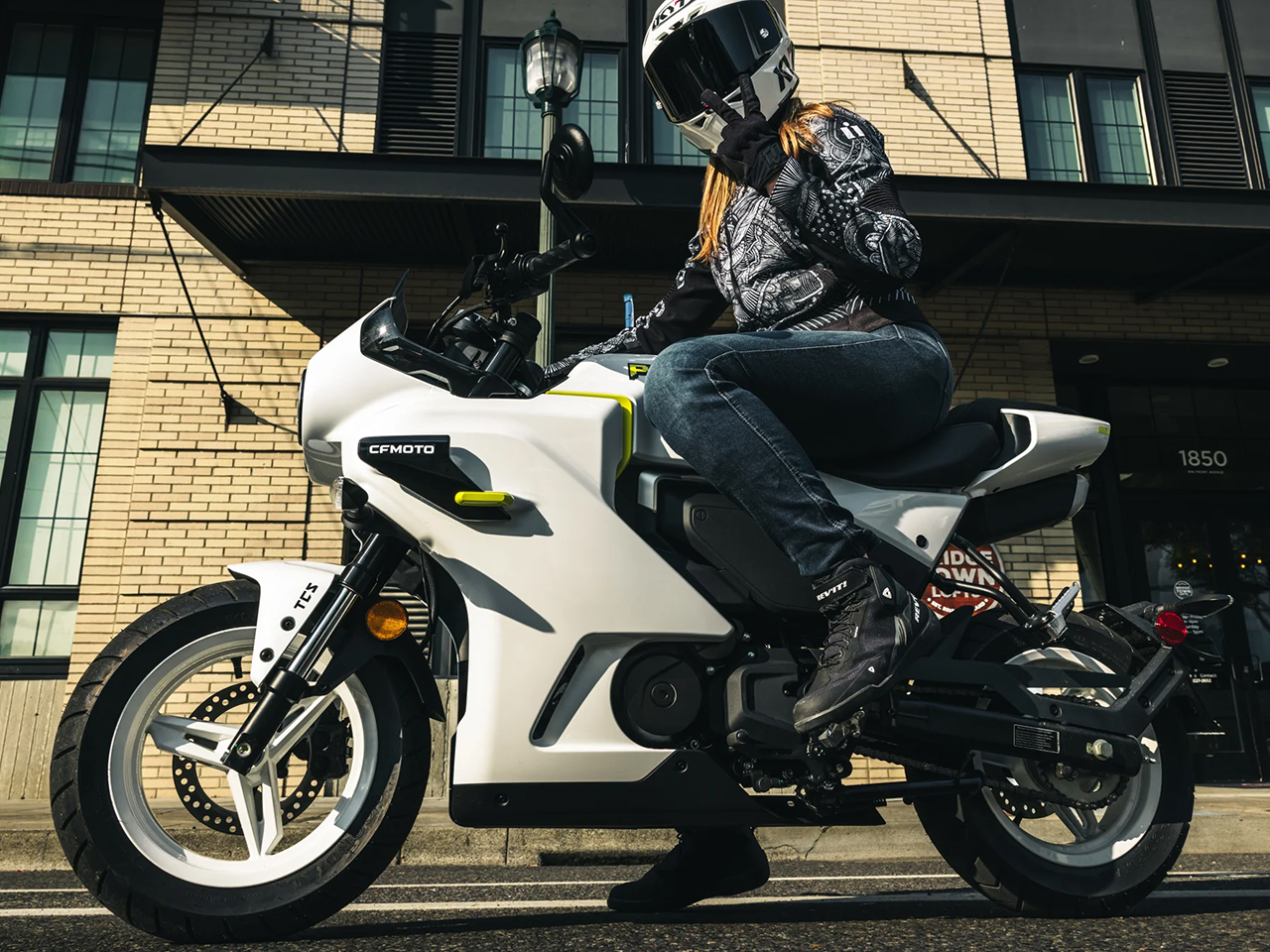
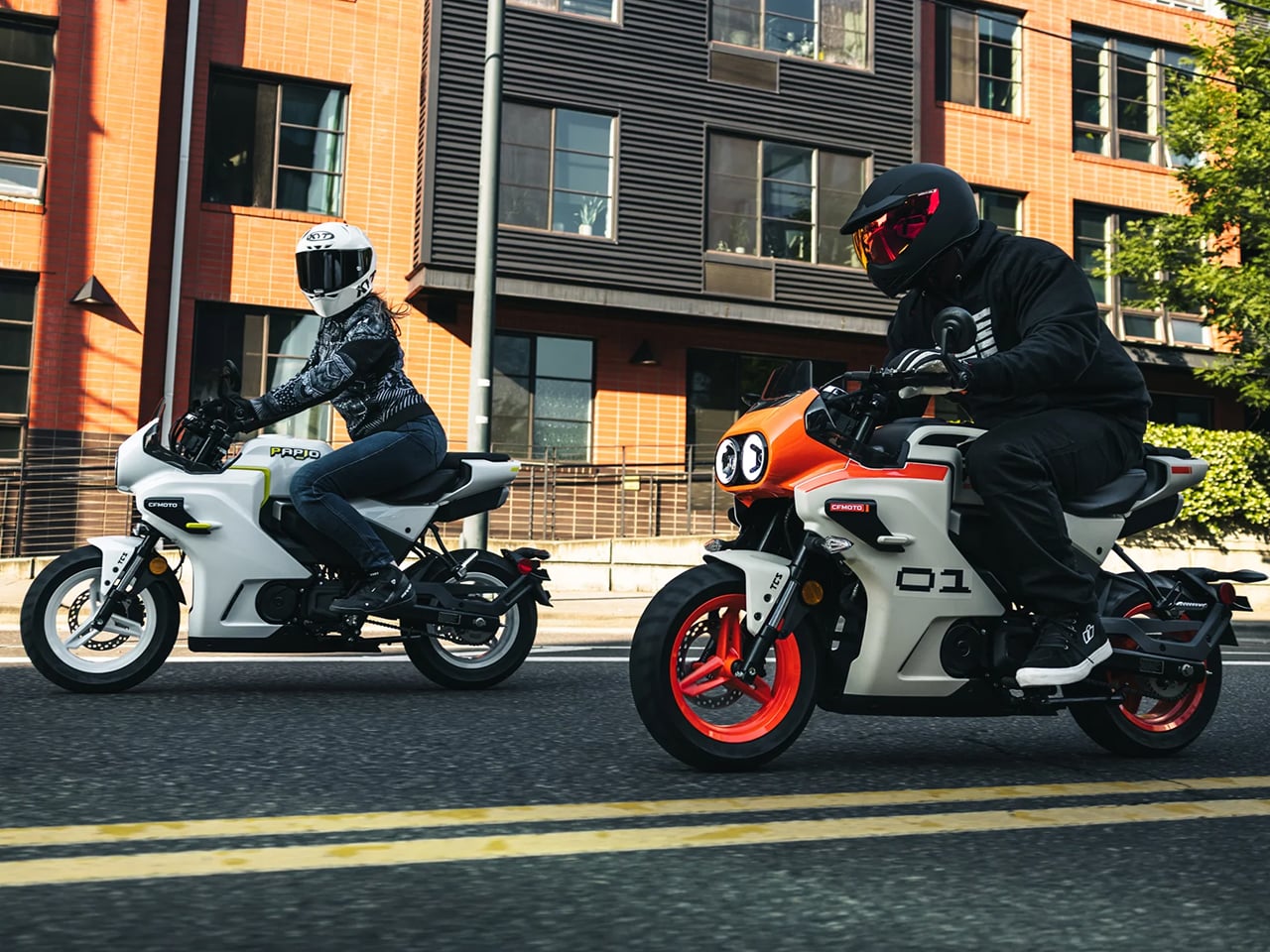
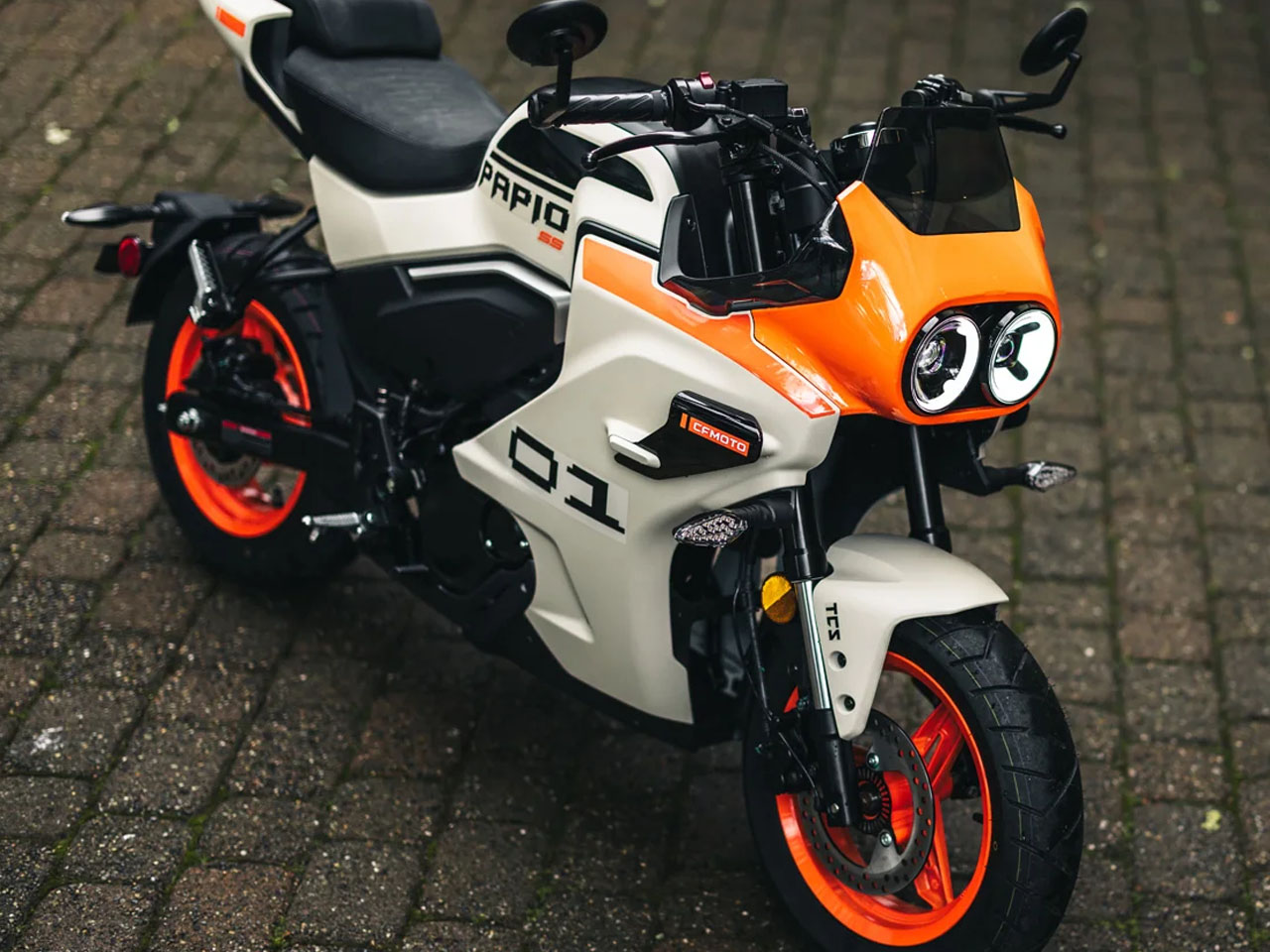
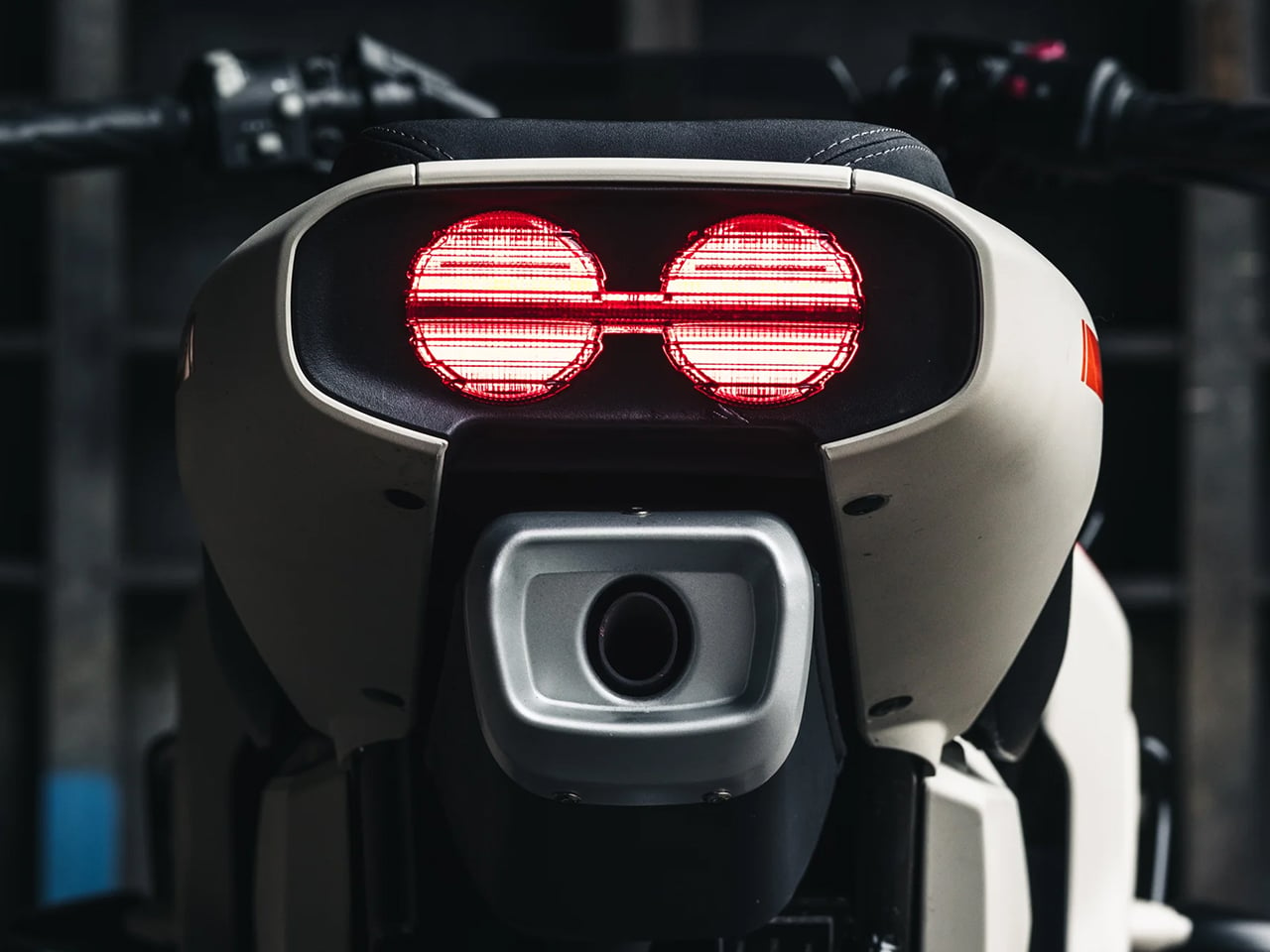
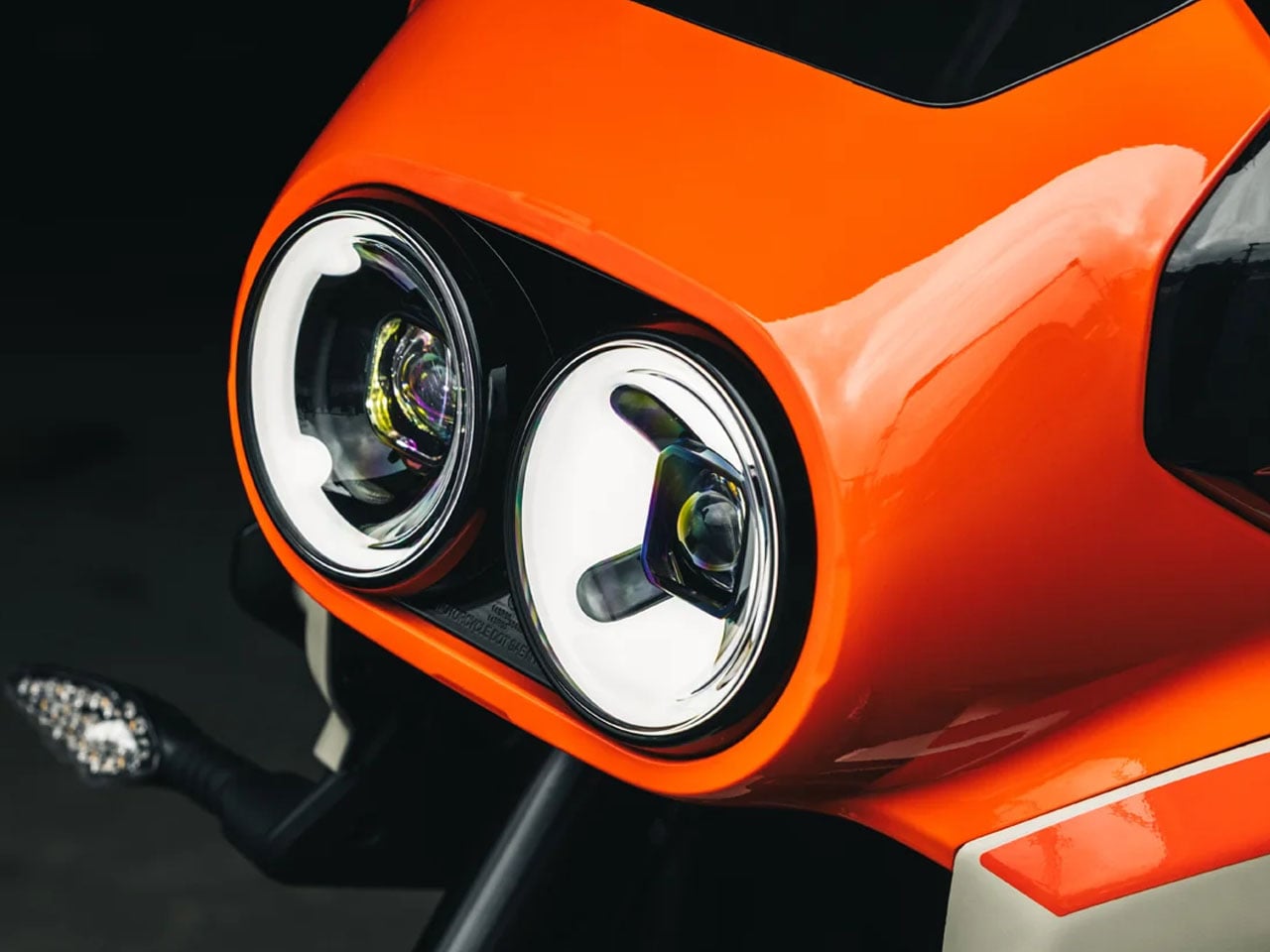
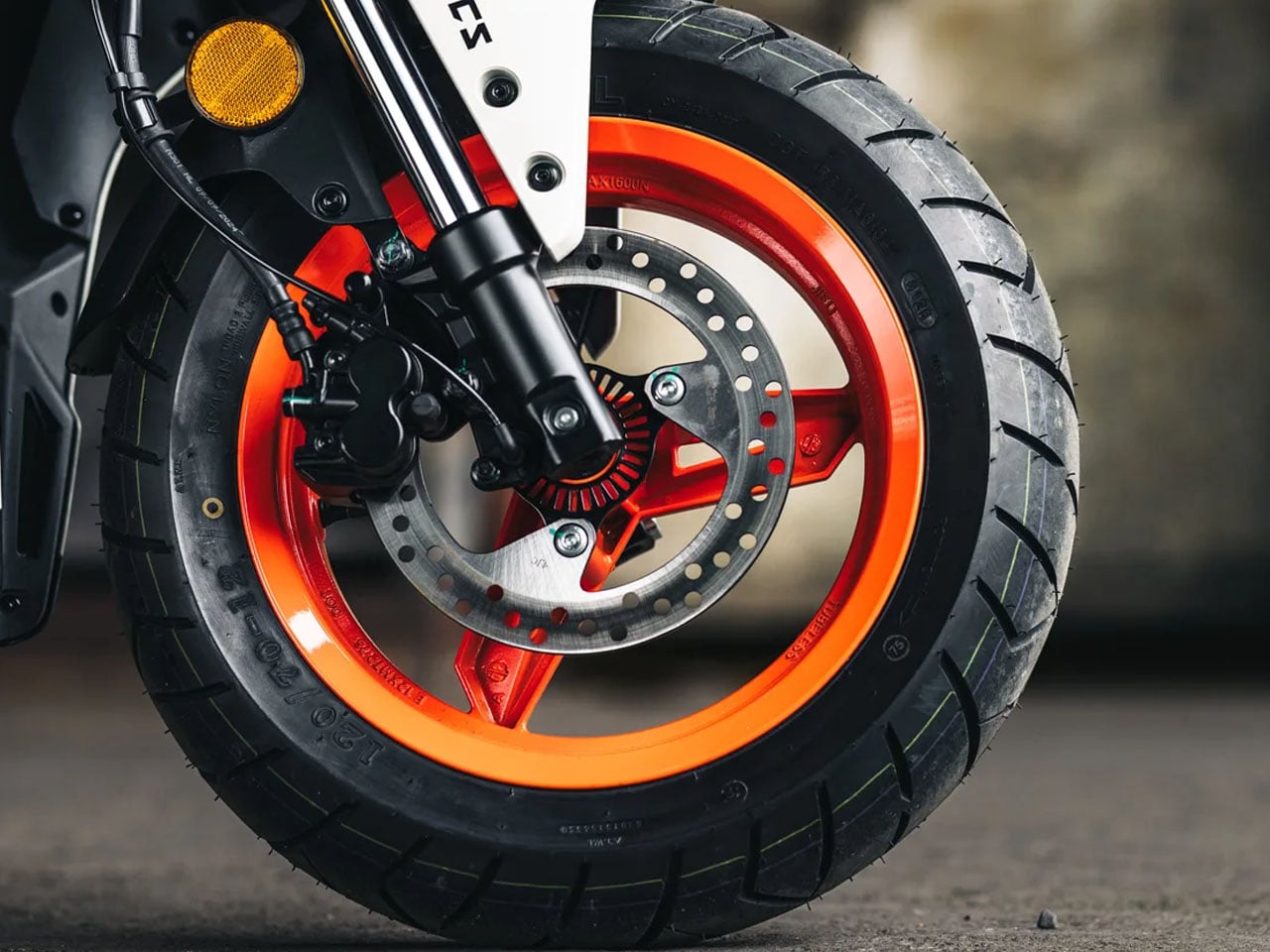
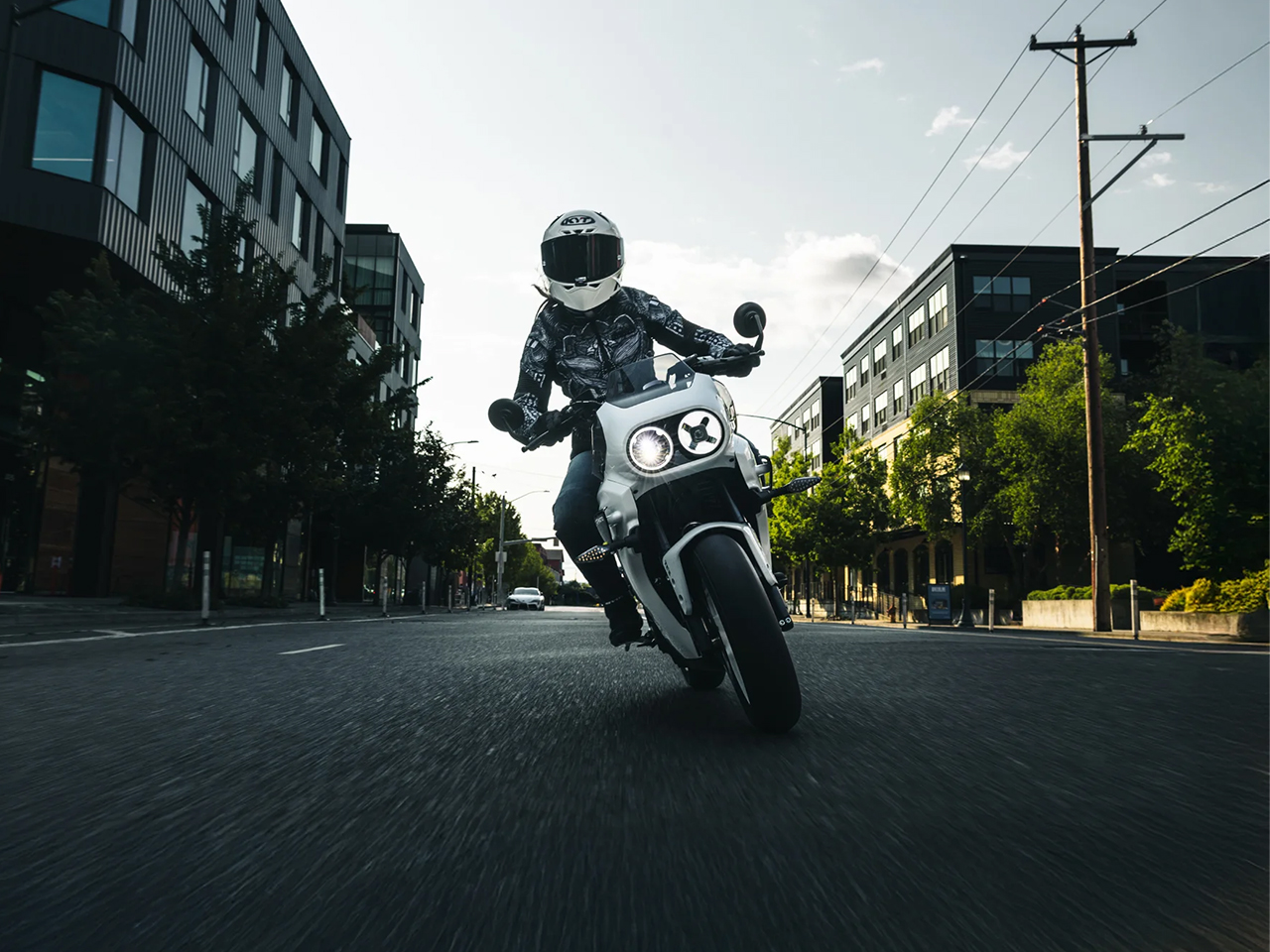
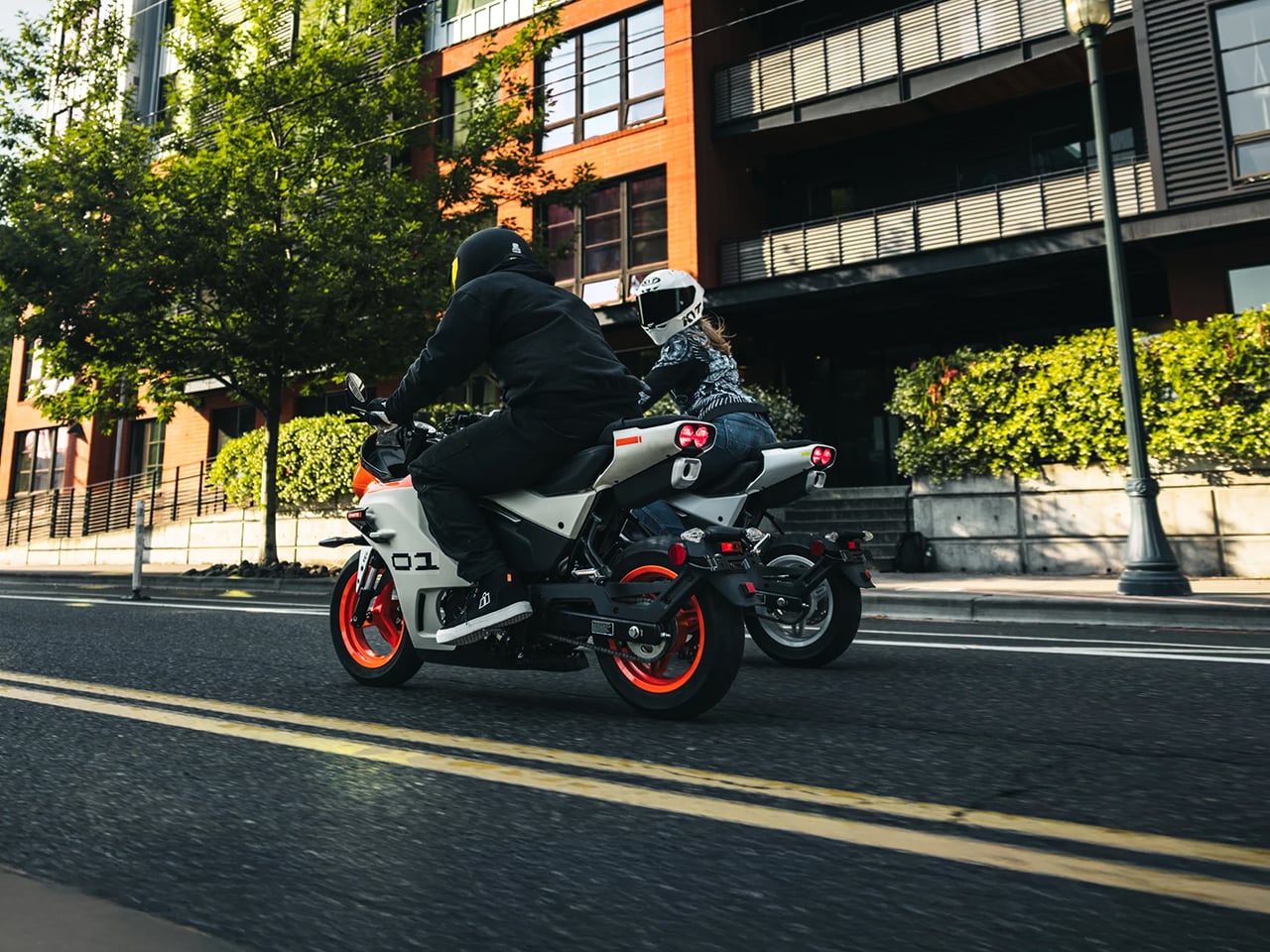
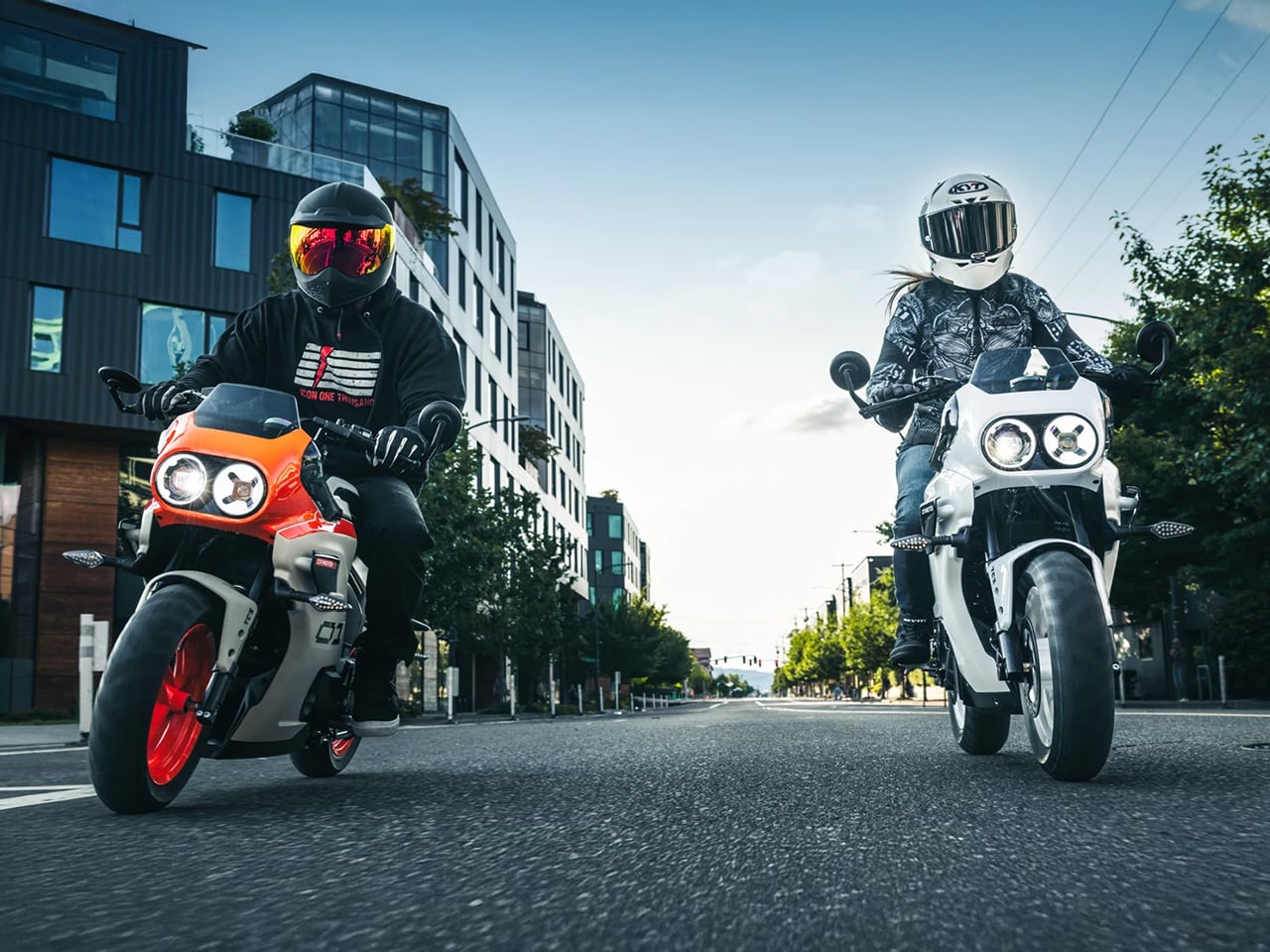
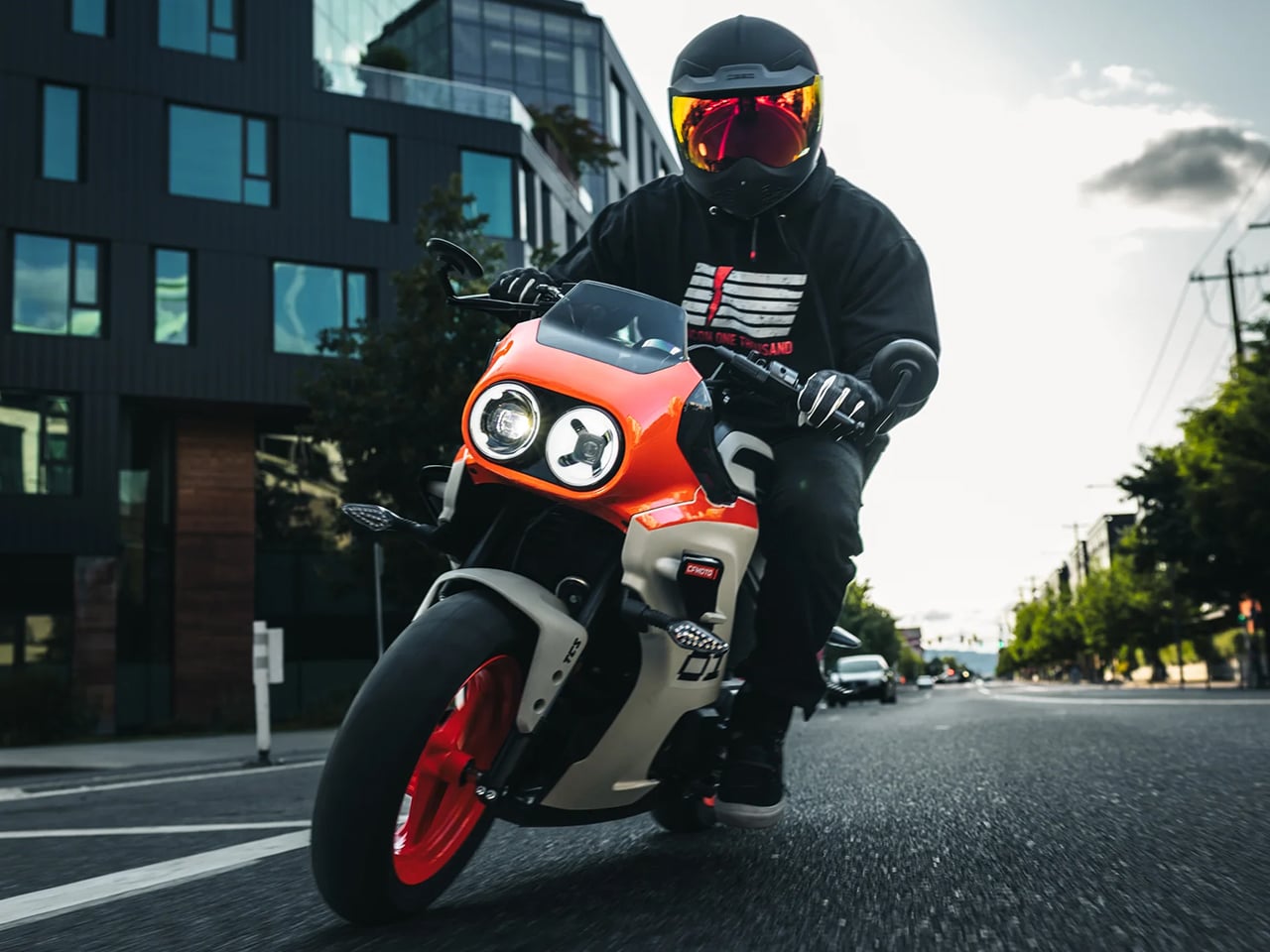
The 2026 Papio SS is a mini bike with the basic layout of a café racer and the inherent functions of an urban rider. This model is a smaller version of the existing 2024 model by the maker, designed to evoke the warmth of the classic era. That is apparent in the orange and beige colors for the skin, contrasted by the pixelated font branding on the sides. Up front, the headlights resemble a wide-eyed creature, while the taillights with the jagged lights give off the 80s bot vibes. The motorbike, weighing 251 pounds, sits somewhere in between the foldable form factor of a Motocompo and the aggressive power-laden personality of a café racer.

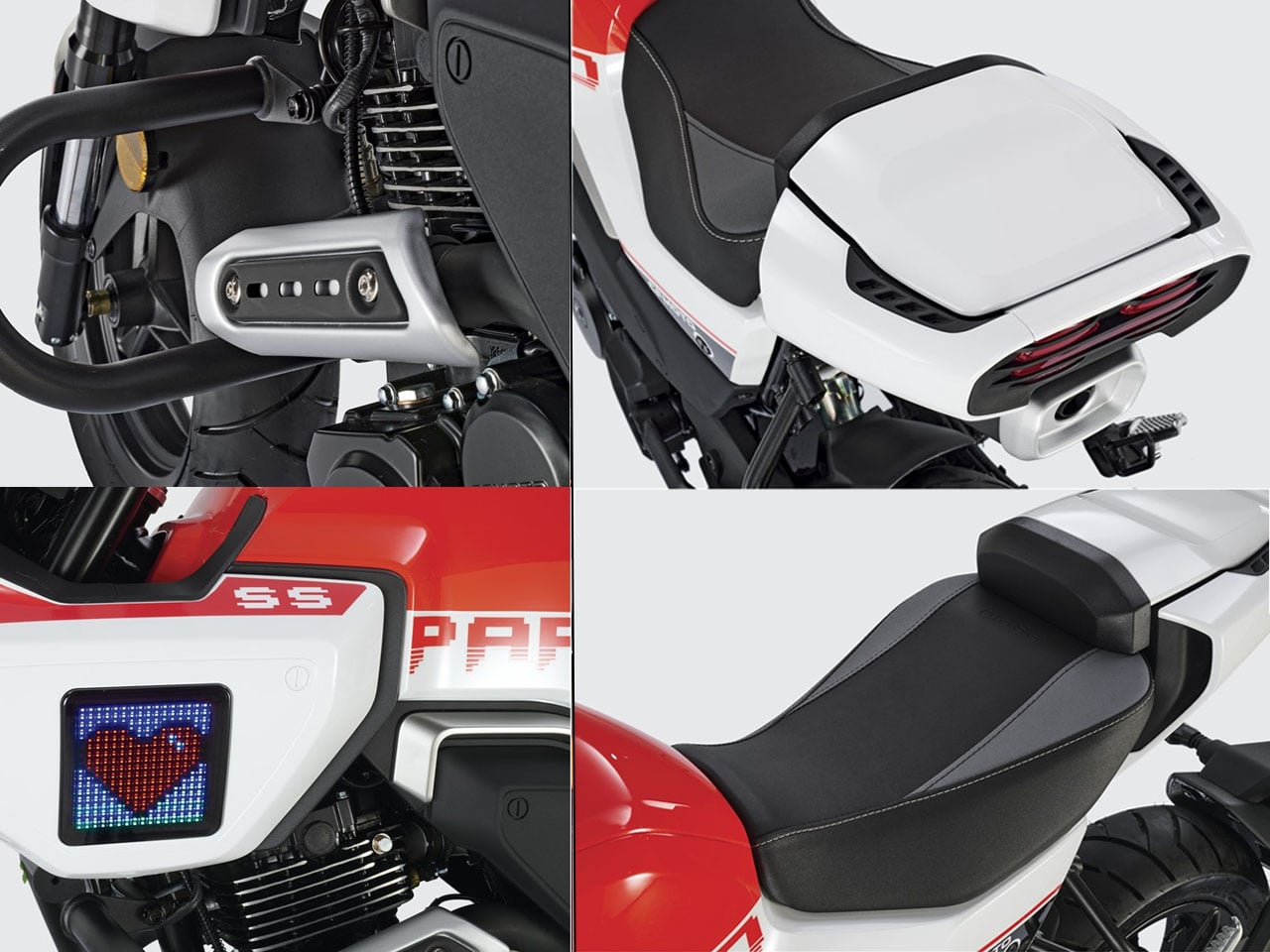
Under the hood, it is propelled by the 126cc air-cooled single-cylinder engine churning out 9.4 horsepower. The fun element comes from the zippy acceleration, and although the top speed is around 56 mph, it serves the purpose well. However, if you love the thrill of high-speed freeway driving, this bike won’t be the best fit. Coming back to the specifications, Papio SS gets a six-speed gearbox which delivers impressive acceleration from the standing start. The handling and comfort of the two-wheeler come courtesy the rear adjustable monoshock, upside-down forks, and dual-channel ABS. Normally, those additions are reserved for the bigger bikes, but CFMOTO needs to be complimented for adding them to this creation.

Loaded with modern divining dynamics like traction control, the user base should not be limited to young riders; rather, veterans will love to take the compact bike for a spin. Visually, the ride looks very balanced and sturdy, riding on the 12-inch wheels. That element is honed with full racing fairing, underbody fairing,  and clip-on bars. Keeping the modernized theme going, the bike gets a digital display and LED pod lights for clear visibility in the darkest of hours. CFMOTO 2026 Papio SS mini bike is set for early 2026 release for a starting price of $3,299 in the US market.

The post CFMOTO 2026 Papio SS mini is a fun inducing retro-modern café racer for the masses first appeared on Yanko Design.
Meta’s Oversight Board is fine with leaving manipulated content on Facebook

Apparently misleading protest videos are welcome to stay on Facebook now. Meta's Oversight Board has ruled that the company was right to leave up a manipulated video that made footage of a Serbian protest look like it took place in Holland and was in support of Rodrigo Duterte, former president of the Philippines. A user reshared it within days of Duterte's March 2025 extradition to the International Criminal Court (ICC) in the Netherlands. 

The original video gained additional audio and captions, including chants of "Duterte" and the song Bayan Ko — which accompanied many Filipino 1980s anti-martial law protests — played in tagalog. About 100,000 users viewed the manipulated video, alongside "hundreds" of shares. 

Meta's automated systems flagged the video as potential misinformation and lowered its visibility for non-US users. However, despite it being added to the fact-checking queue, the "high volume of posts" meant it was never reviewed. Fact-checkers in the Philippines checked some similar viral videos and labeled them as false. It reached the attention of the Oversight Board only after a separate Facebook user reported this video and appealed it when Meta left the content up. 

But the Oversight Board now says it agrees with Meta's decision to leave a completely inaccurate protest video public. It just notes that Meta should have given the video a "High-Risk" label "because it contained a digitally altered, photorealistic video with a high risk of deceiving the public during a significant public event." How something with that description merits staying up on Facebook is very unclear.  

The Oversight Board further states that Meta should have prioritized a video of this nature getting fact-checked. Moving forward, it recommends that Meta create a separate fact-checking queue for any content of a similar nature to what has been fact-checked in that market — and that fact-checkers should have improved tools to more swiftly find misleading viral media. It also wants Meta to better describe its labels for manipulated media so users can understand the criteria. 

Meta notably suspended its fact-checking program in the US in January, opting instead for Community Notes. However, it's now looking at expanding that system other countries and has asked the Oversight Board for advice on locations. 

This article originally appeared on Engadget at https://www.engadget.com/big-tech/metas-oversight-board-is-fine-with-leaving-manipulated-content-on-facebook-151919279.html?src=rss

Disney teases an Olaf robot for its parks

Disney has unveiled a new animatronic in the form of Olaf, the carrot-nosed snowman from the Frozen series of films. The robotic character will roam the streets of the upcoming World of Frozen (coming soon to Adventure World at Disneyland Paris) and make "limited-time special appearances at World of Frozen at the Hong Kong Disneyland resort," Disney wrote on its parks blog. 

Olaf, seen in prototype form in a 30-minute Disney video, can walk on his little snowball legs, emote realistically and speak with visitors. During the video, Disney Imagineering Paris exec Michel Den Dulk removes and replaces the robot's nose and arm, something park visitors will also be able to do. 

To help make Olaf look authentic and toon-like in his movements, the Imagineering team used AI reinforcement learning. That allowed them to teach the robot how to walk and perform "graceful" motions in far less time than it would have taken to program it manually, Disney said. The fact that Olaf has a soft, snow-like exterior also let them "fully articulate his mouth, eyes, and removable carrot nose and arms." 

The timing of the announcement is pretty wild considering that Defunctland, the amusement park history site, just released a four-hour YouTube documentary about the broken promise of Disney's animatronics. The main point was that Disney has announced many such characters but only shows them off at a few special events before shoving them away, Westworld basement-style, never to be seen again. 

A few examples of those are the Wall-E robot in the aughts and, more recently, Groot and Star Wars droids. Those served mainly as marketing pieces for Disney, as they only appeared in the parks for specific tests and then disappeared. Disney even made a robot called Big Dino that was 13 feet tall and weighed 11,000 pounds — though it's probably best that one wasn't roaming around the parks greeting visitors.

This article originally appeared on Engadget at https://www.engadget.com/entertainment/disney-teases-an-olaf-robot-for-its-parks-151017739.html?src=rss