PlayStation XR Glasses Concept Makes a Strong Case for Gaming-Focused AR Wearables

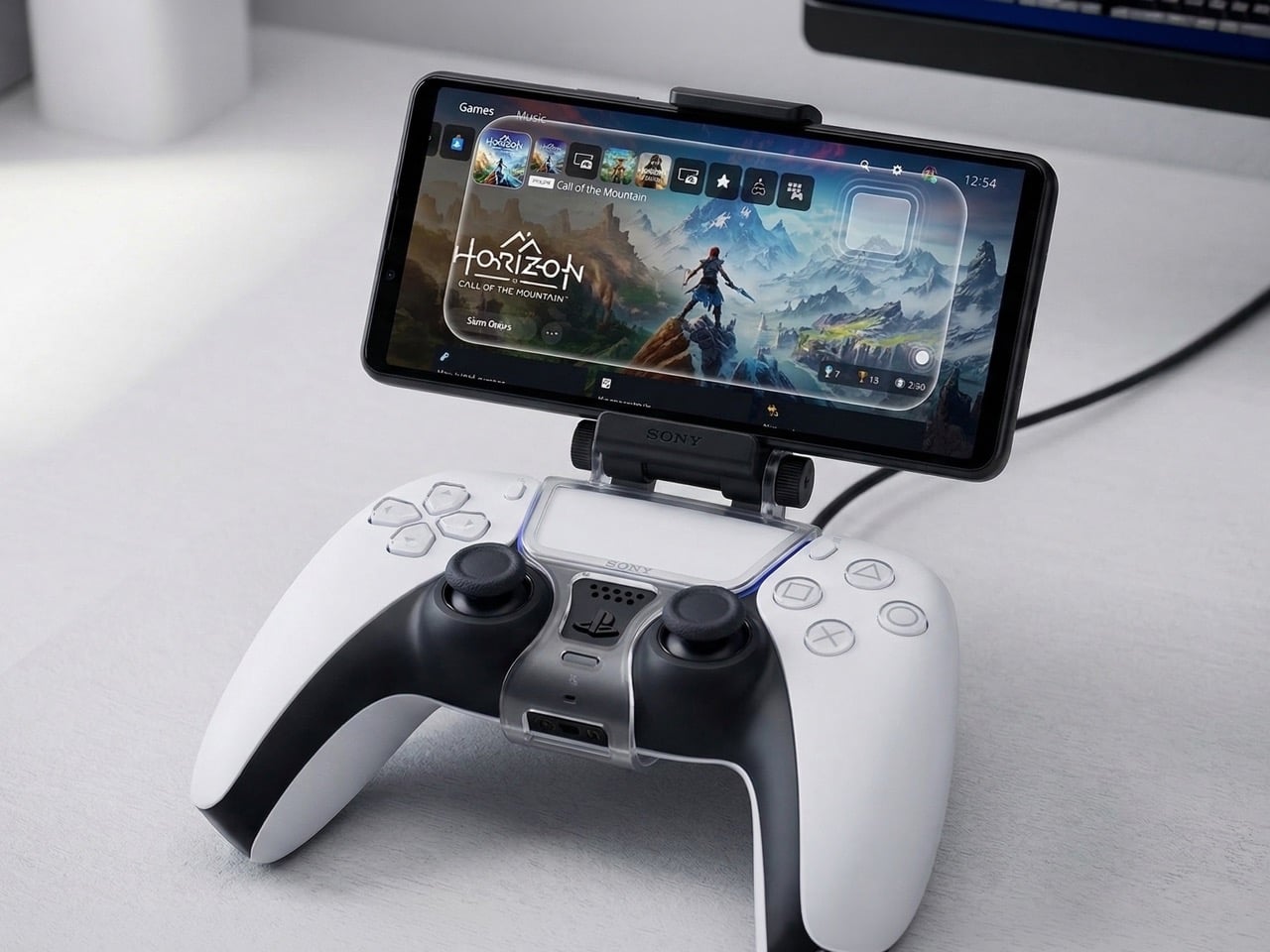
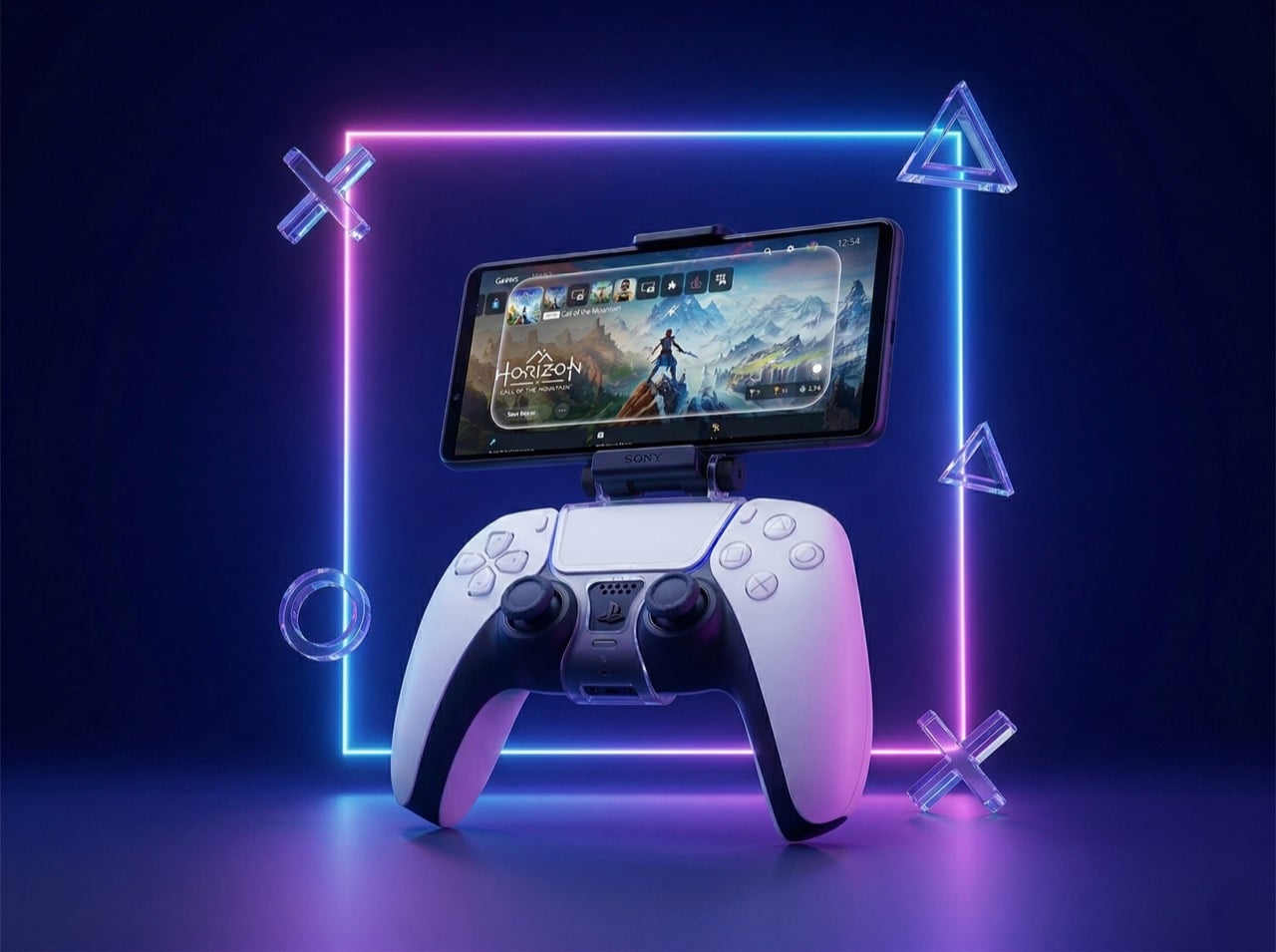
Meta talks about XR glasses as companions for your social life. Snap a photo, answer a call, ask an AI what you are looking at. The PlayStation XR Glasses concept spins that idea toward a different center of gravity. Here, the glasses are not about broadcasting your world. They are about pulling the PlayStation universe closer, shrinking the distance between you, your console, and the screen that usually sits across the room.

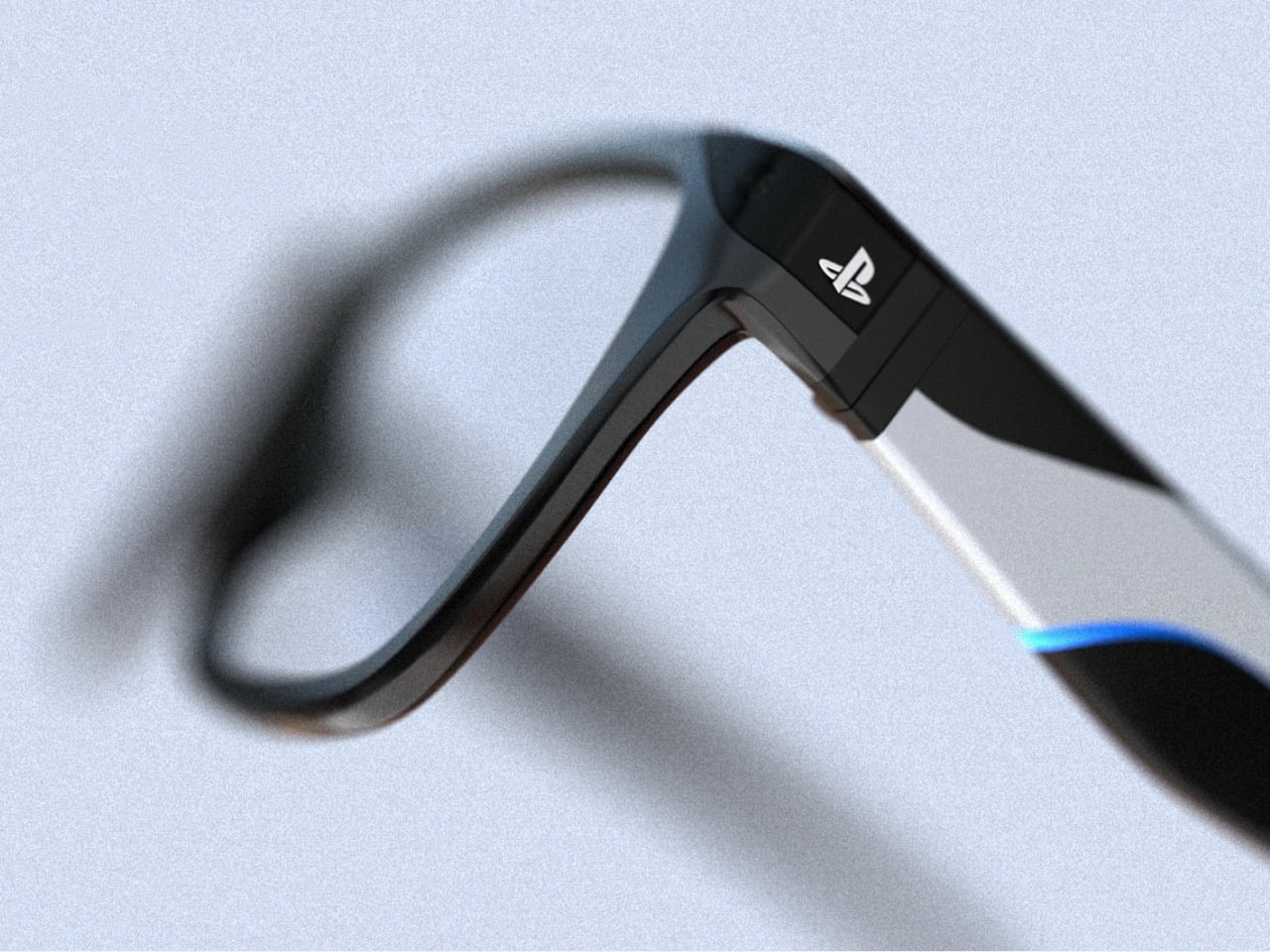
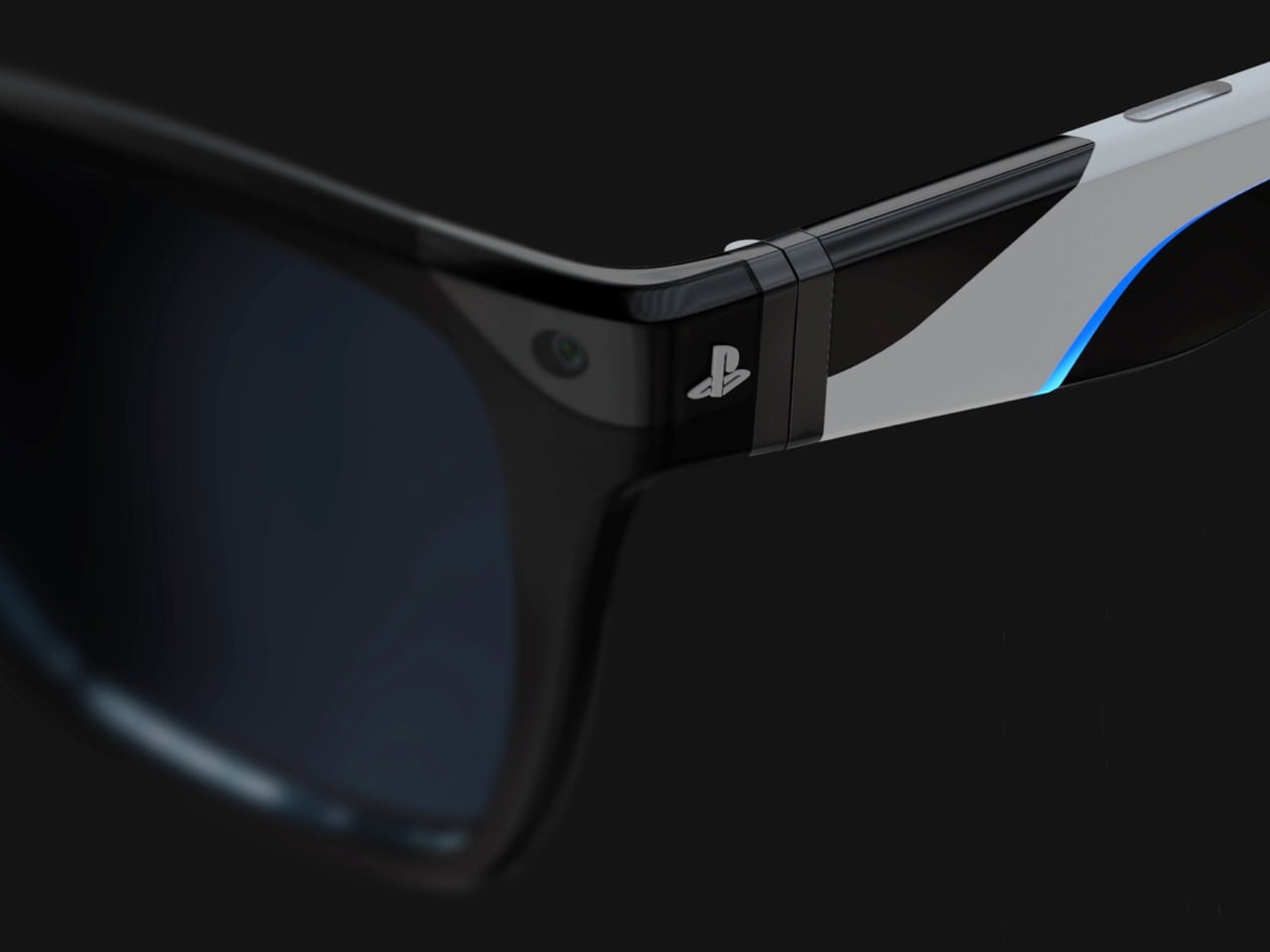
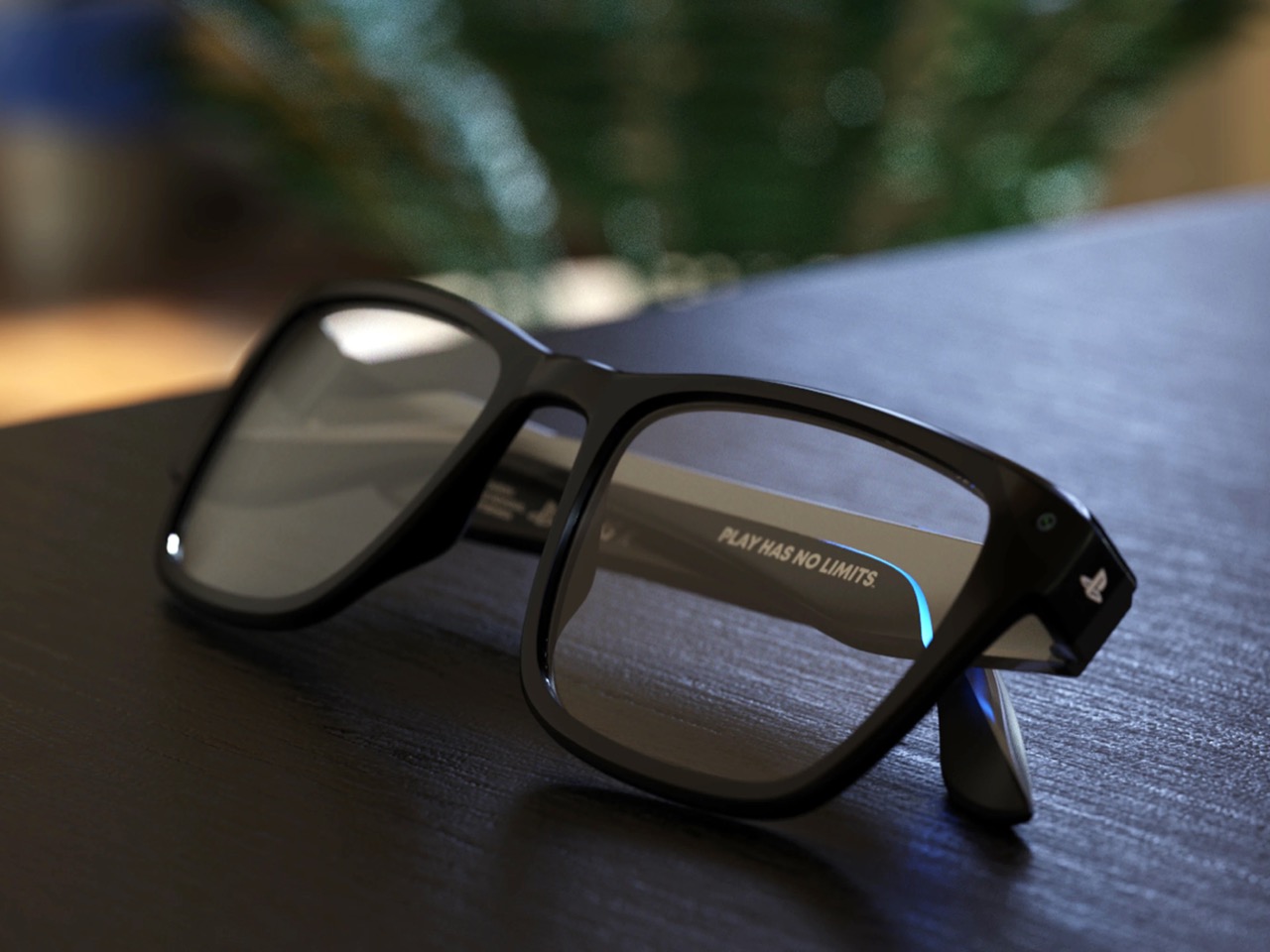
Here, XR is not a spectacle. It is a subtle layer that folds into your existing PlayStation life. Imagine a virtual screen hovering above your TV stand, system notifications floating at the edge of your vision, a familiar PS logo resting by your temple like the Start button you have pressed a thousand times. The fantasy is not about replacing your PS5, but about letting its world follow you from couch to desk to bed, quietly, through something that looks like ordinary eyewear.

Designer: Shirish Kumar

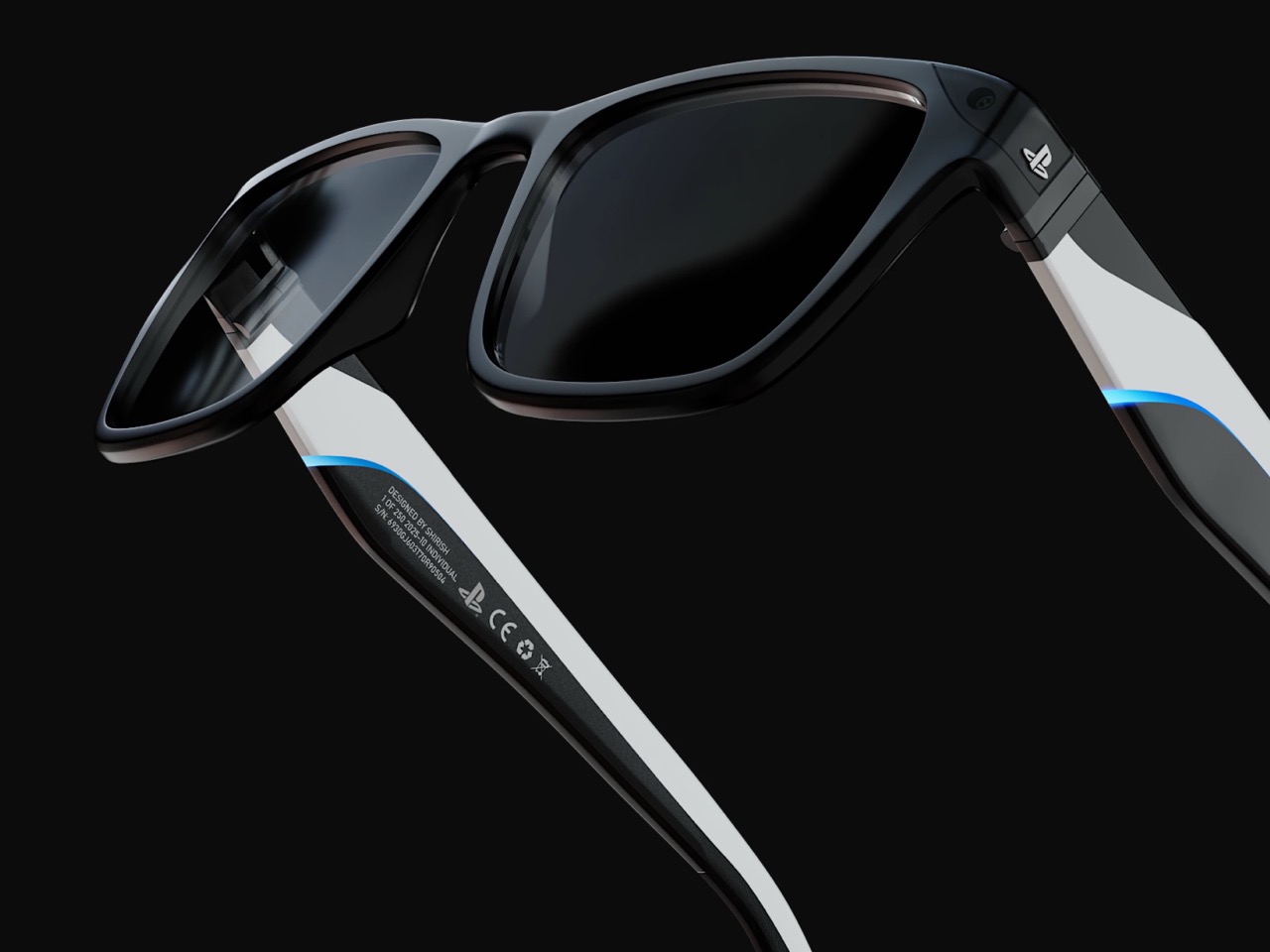
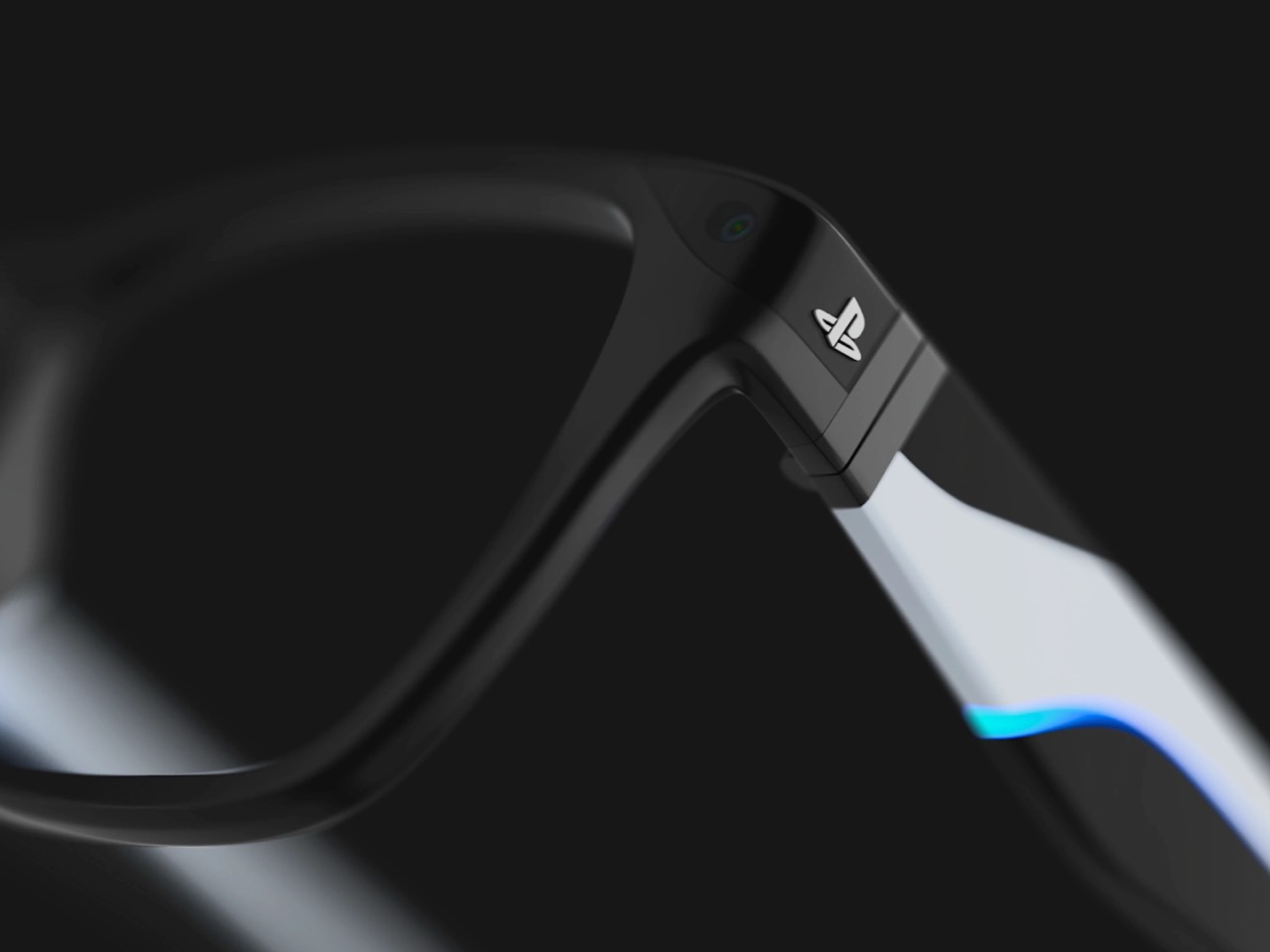
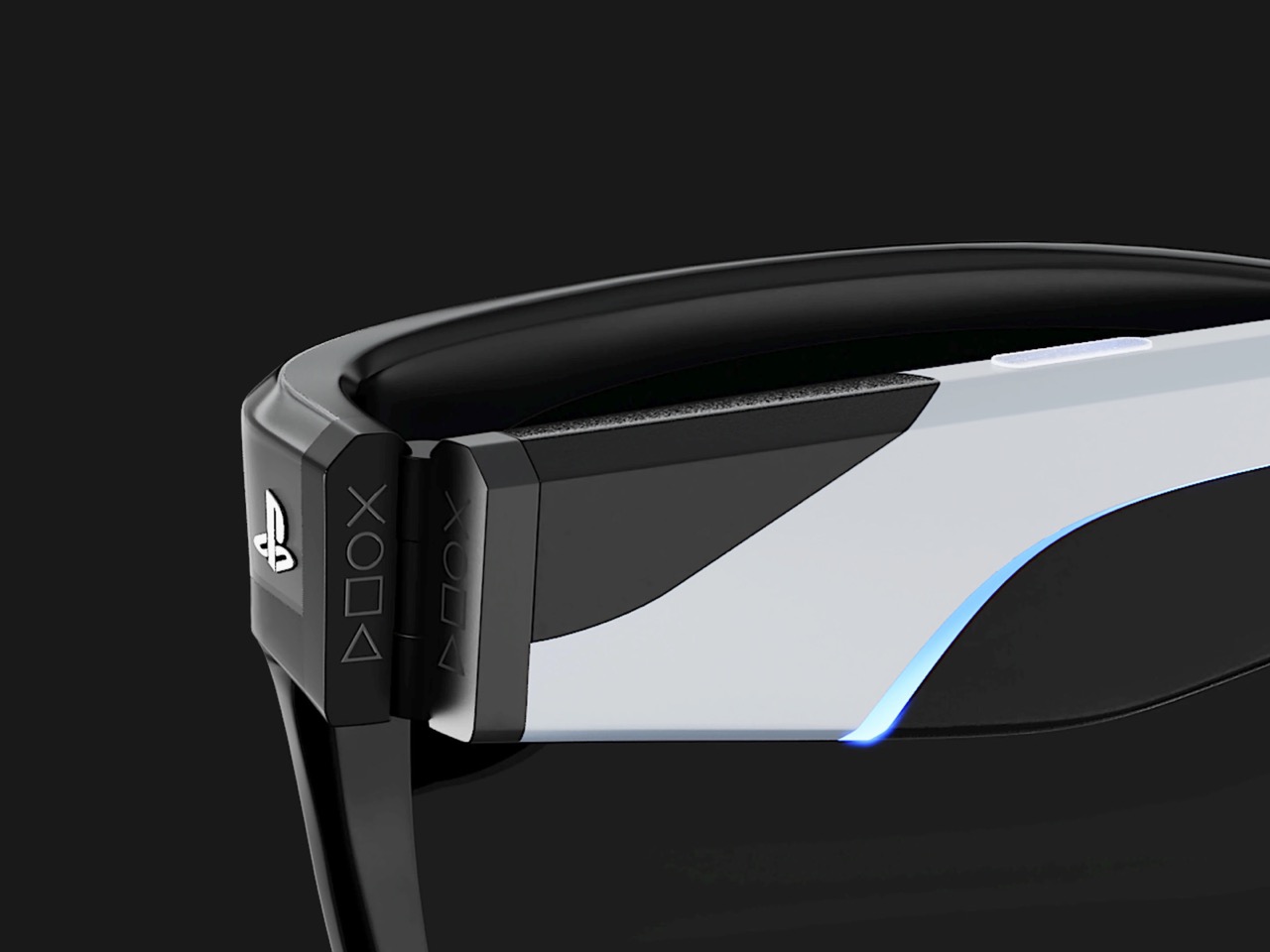
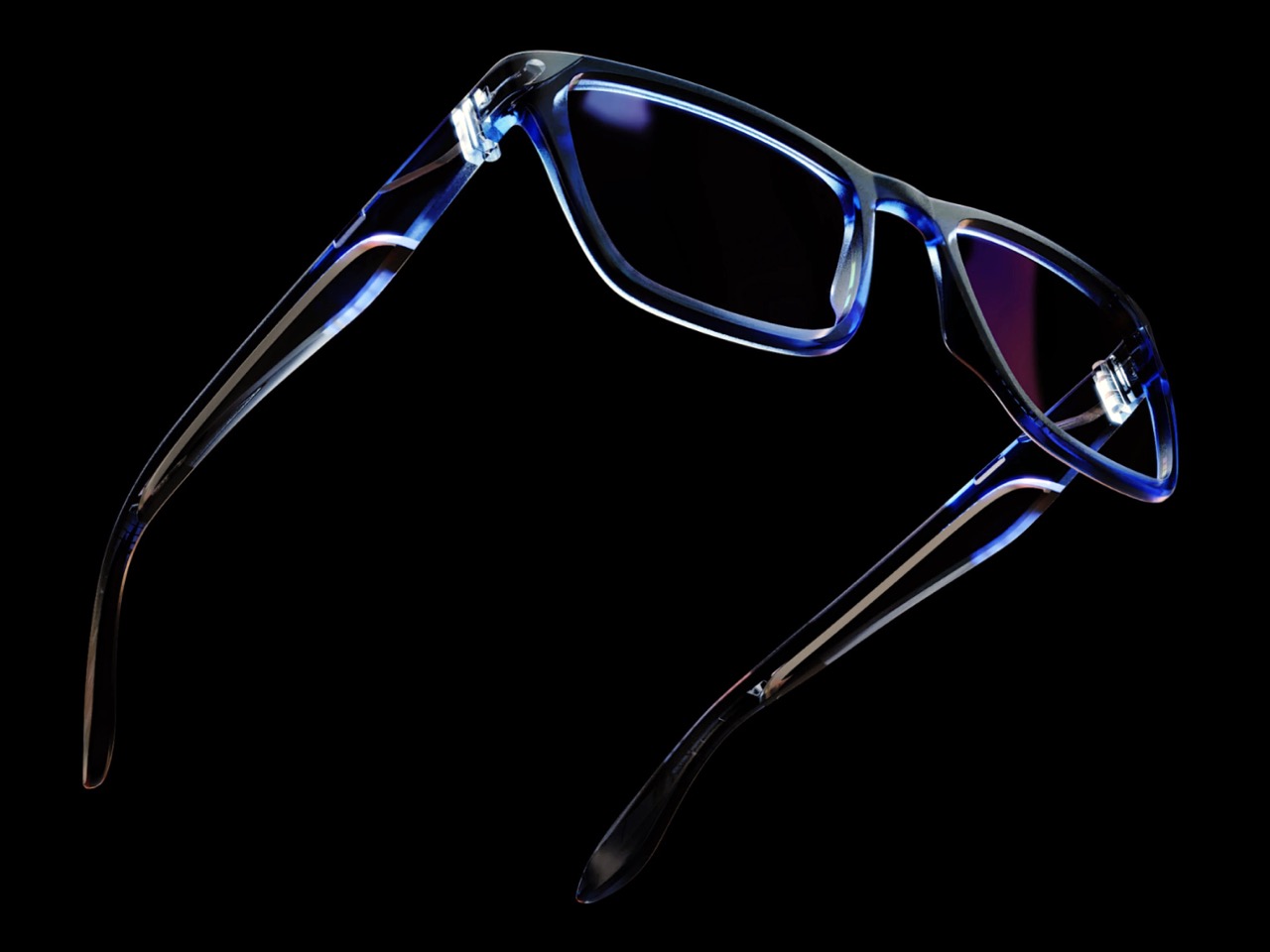
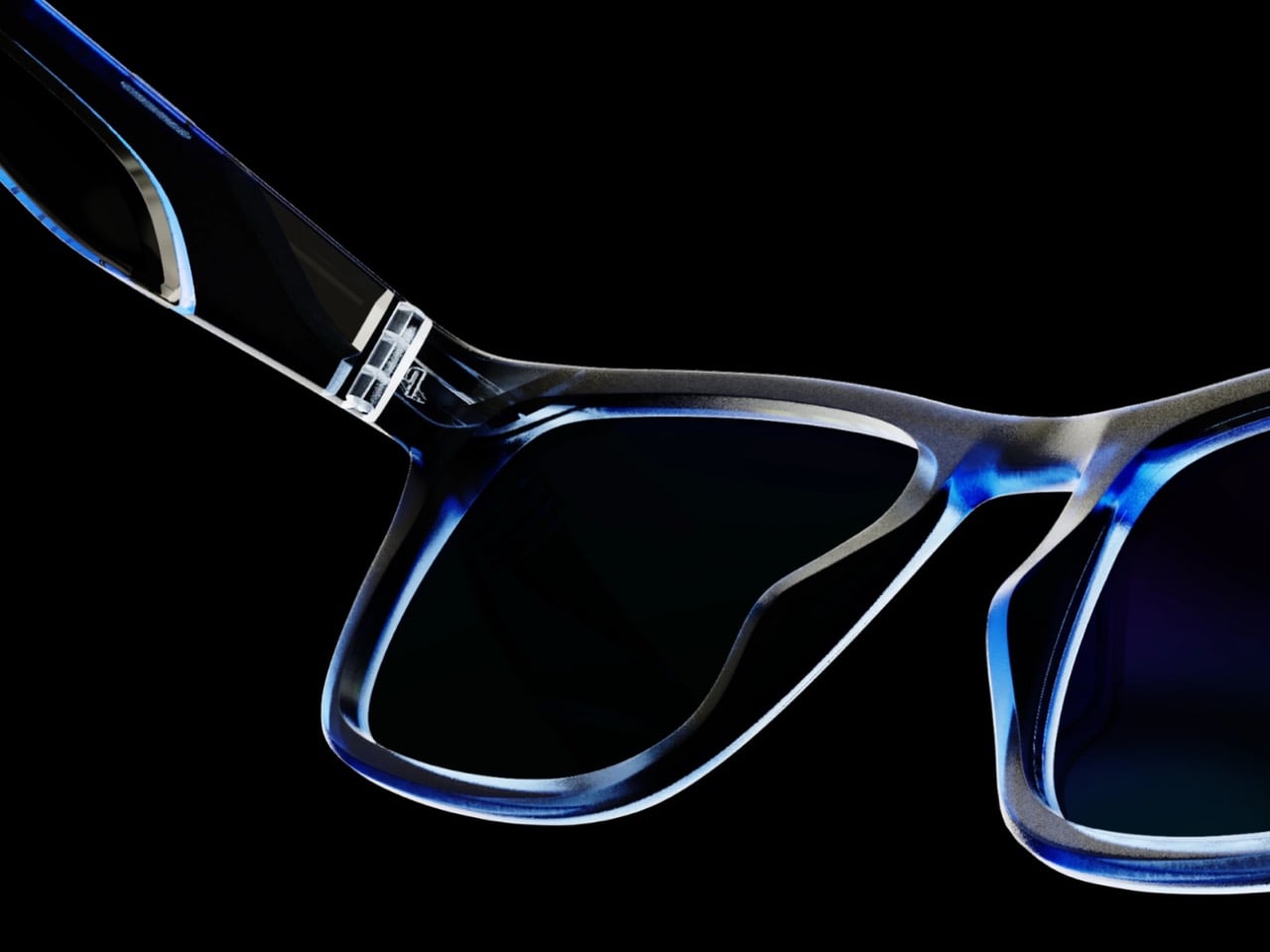
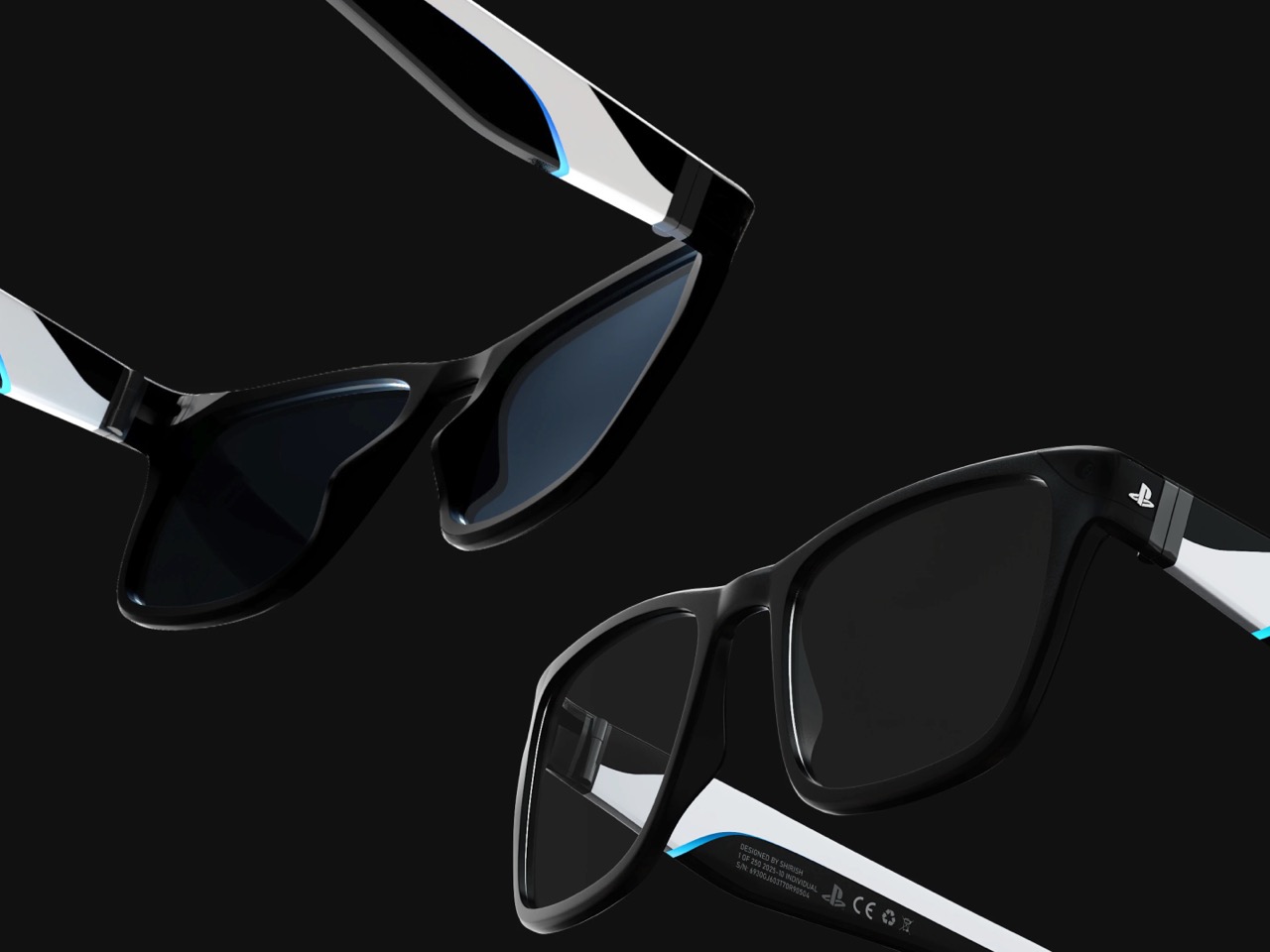
The frames carry the same visual language as the PS5 and DualSense controller, all smooth curves and deliberate angles that look cohesive sitting next to your console. That blue accent lighting running along the temples is pure PlayStation branding, the kind of detail that works because it feels earned rather than slapped on. The folding hinge reveals those iconic button symbols when you open the arms, which is a nice touch that reinforces you are holding a gaming device that happens to look like eyewear. Whether Sony’s actual industrial design team would ever build something this sleek is another question entirely, but as a design exercise, it holds together.

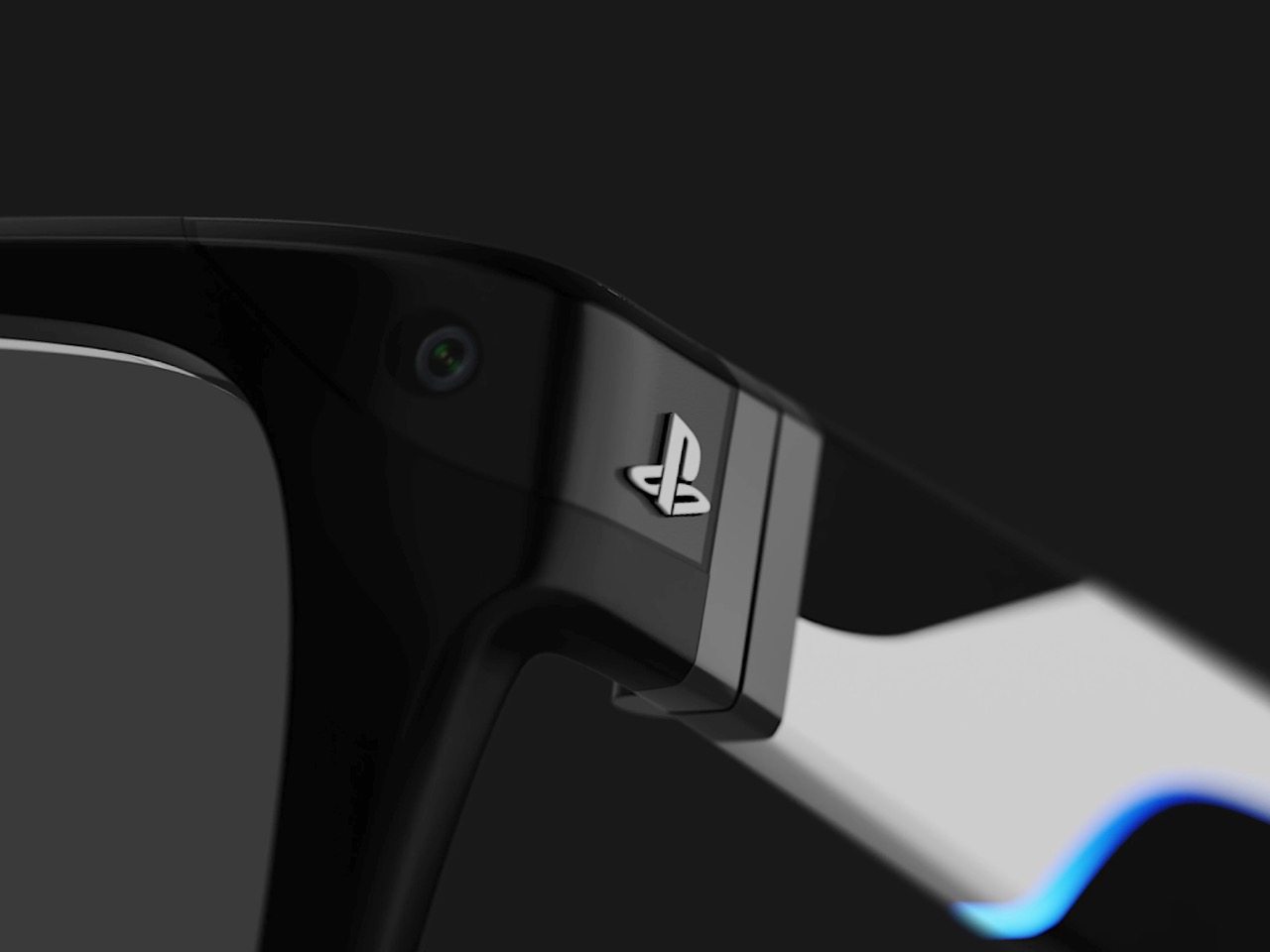
There is a front-facing camera tucked under the lenses for object tracking and AR overlays, auto-adjusting lenses that darken outdoors and clear indoors, embedded sensors for a heads-up display, gesture controls for navigation. The PS logo on the temple supposedly works like a button, tap for Start and hold for Home, mirroring your muscle memory from the controller. All of that sounds good on paper. The real question is what you actually do with these once they are on your face. Existing PlayStation games would almost certainly run as a virtual screen floating in your field of view, basically a private monitor you wear instead of stare at. True AR gameplay where Aloy from Horizon is dodging around your coffee table requires games built specifically for that, and Kumar does not show or describe any of those experiences.

What this concept does well is stake out a different philosophy for XR glasses. Where Meta wants social connectivity and Apple is aiming for spatial computing as a productivity play, this imagines gaming-first hardware that extends an existing ecosystem rather than trying to create a new one. Whether that is enough to justify another screen in your life is the question every XR device has to answer eventually. For now, it is a polished look at what Sony could build if they decided lightweight AR glasses were the next logical step after VR headsets and portable screens.

The post PlayStation XR Glasses Concept Makes a Strong Case for Gaming-Focused AR Wearables first appeared on Yanko Design.

Sony WF-1000XM6 earbuds leak reveals pill-shaped design and angular case

Wireless earbuds are the new normal, branching into bold categories like the Clip-Ons and going strong with traditional ANC options. Flagship TWS earbuds are constantly improving with hardware upgrades every couple of years (depending on the brand) and firmware updates that bring new features and options to explore the tech inside.

Sony has long been a major player in the TWS earbuds market, taking on the likes of Bose, Apple, Samsung, Sennheiser, Jabra, Technics, Nothing, and OnePlus. The WF-1000XM5, released in 2023, is their tough competitor, but the two-year release cycle has made them lag behind a bit in the feature list. Their next flagship earbuds are just around the corner, and their design has leaked to give us critics something to hanker about.

Designer: Sony

Looking to take forward the solid legacy of the 1000XM5s, Sony needs to innovate to reclaim the market share that’s being steadily eaten up by the likes of Technics AZ-100, Bose QuietComfort Ultra Earbuds (2nd Gen), Beats Powerbeats Pro 2, AirPods Pro 3, Samsung Galaxy Buds 3 Pro, and Sennheiser Momentum True Wireless 4. Even though Sony still has solid products, the WF-1000XM6 should bring incremental upgrades that retain the Japanese brand’s supremacy in the market.

The leaked Sony earbuds were listed on Power Buy, a retail website, for a while, but were eventually taken down. However, The Walkman Blog managed to extract all the leaked images and a trail of information that got the internet buzzing. No specifications were mentioned in the listing, so we are still in the dark about the internal hardware of the upcoming flagship earbuds by Sony.

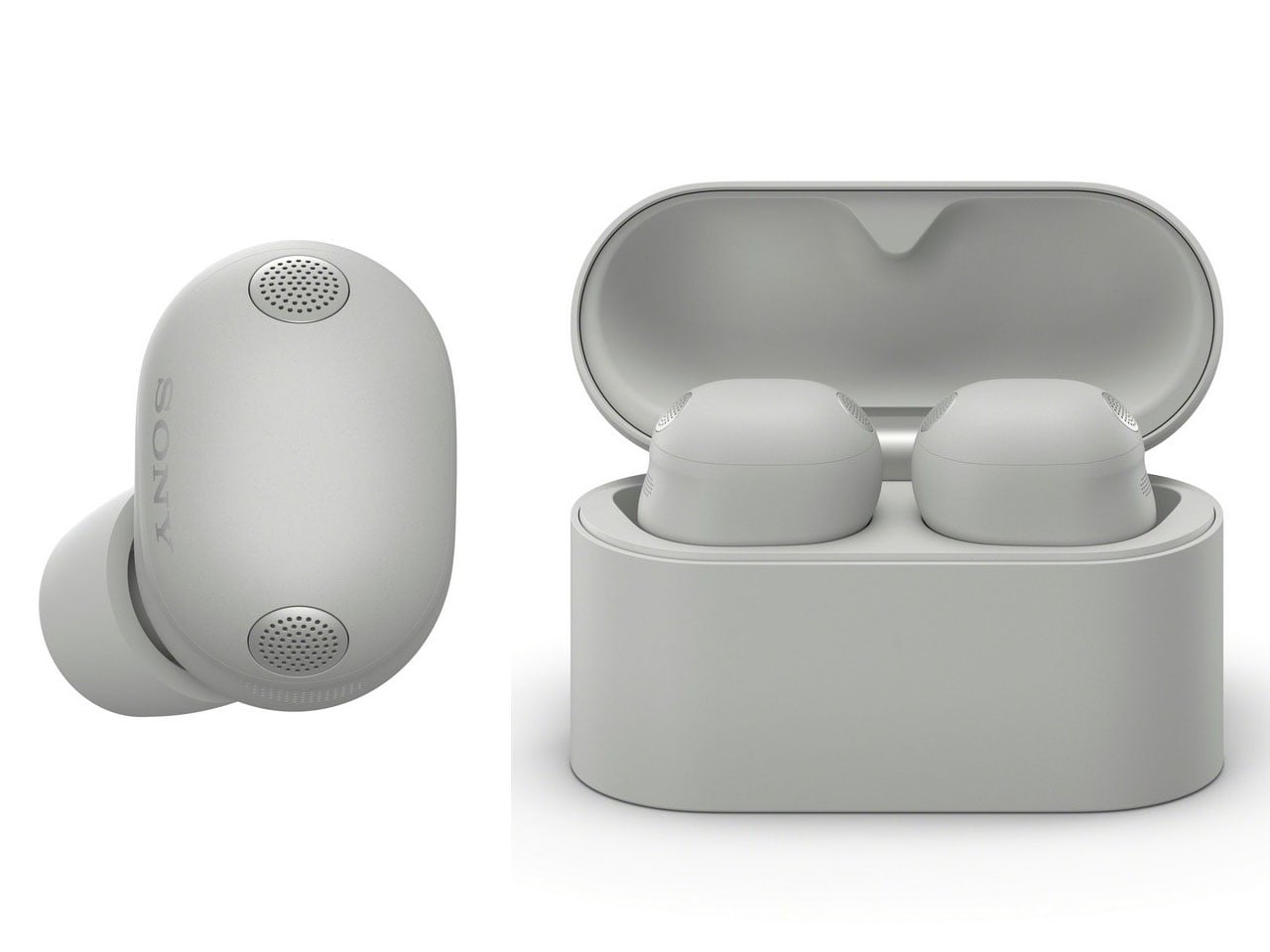
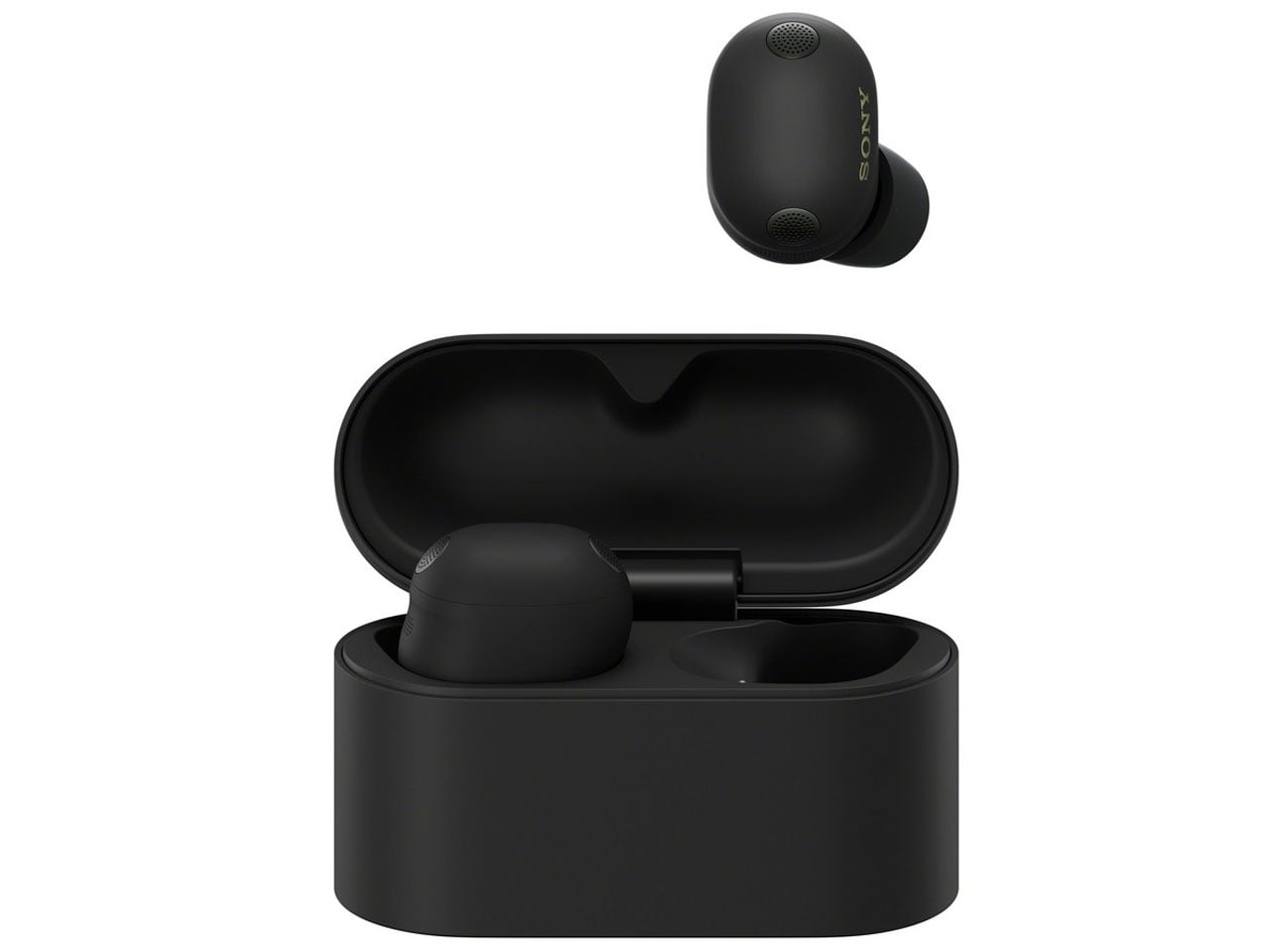
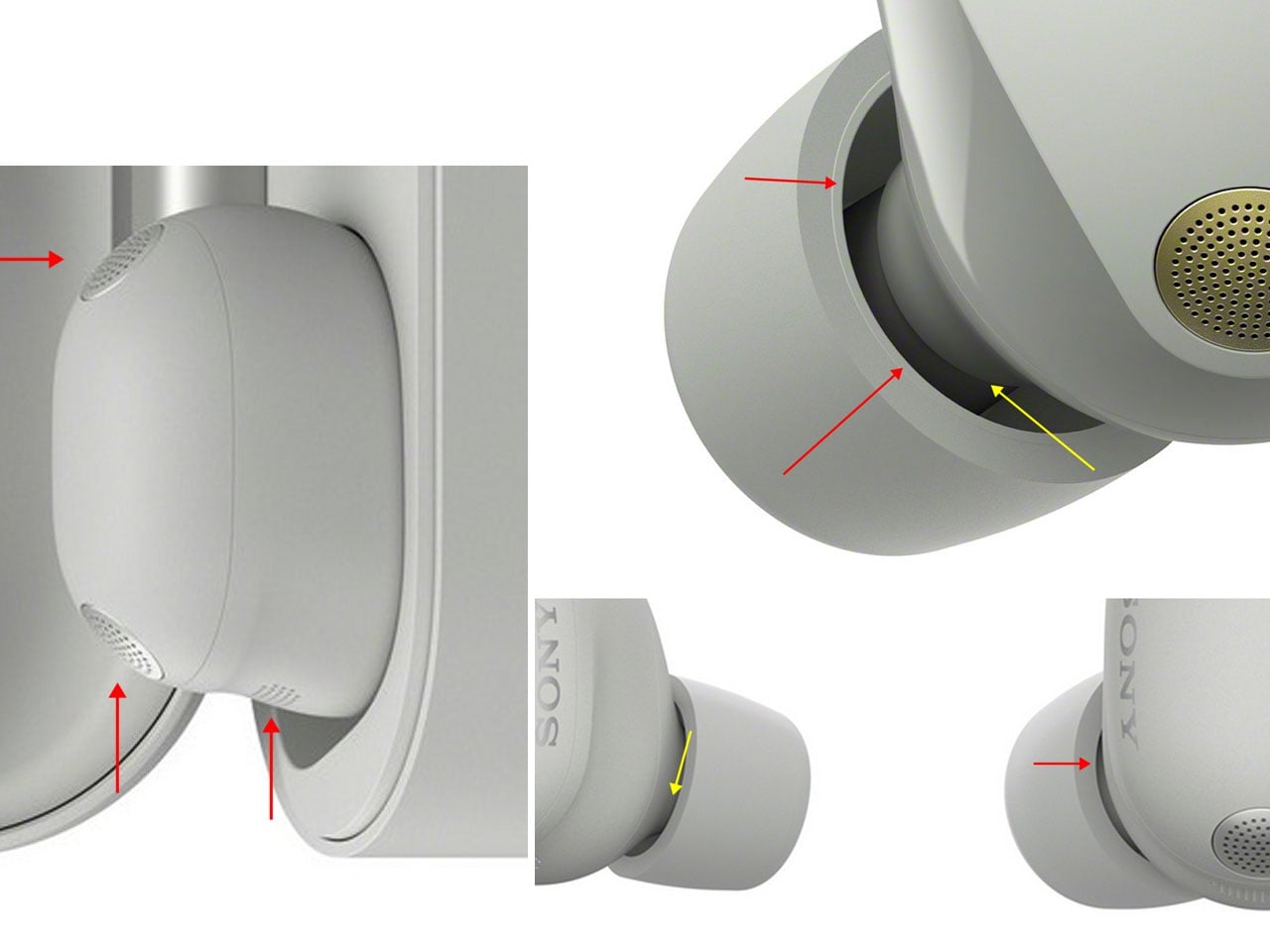
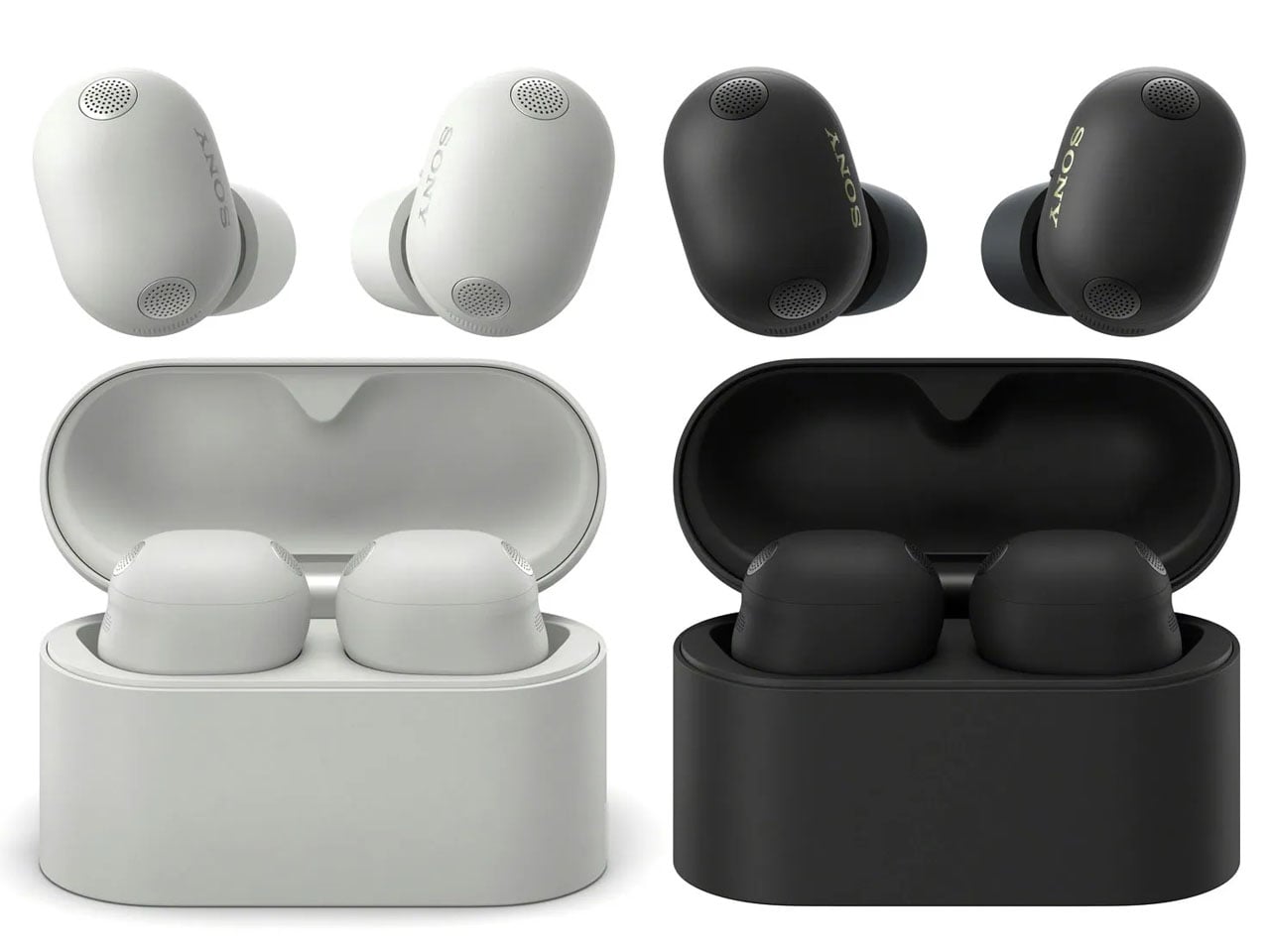
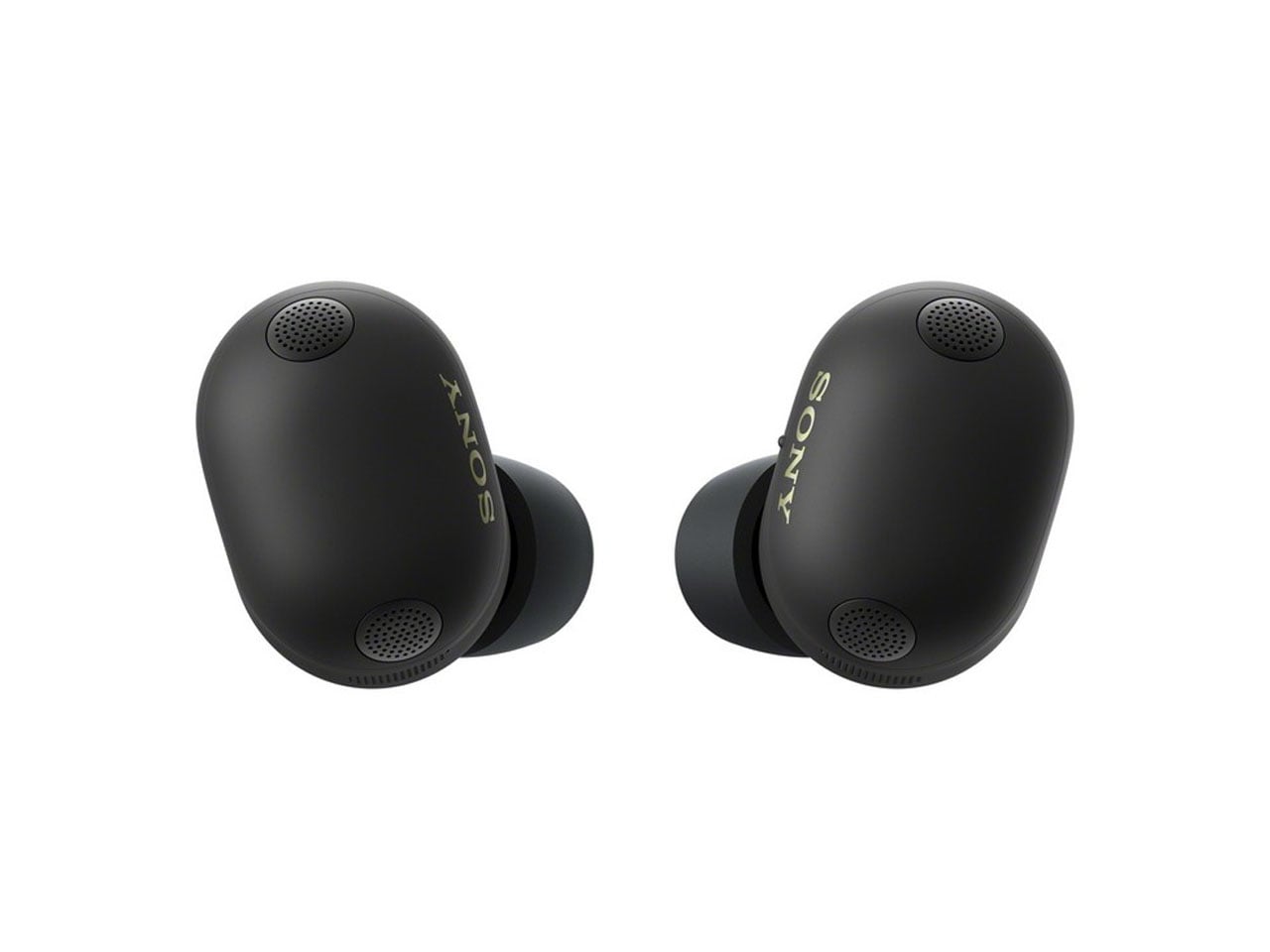
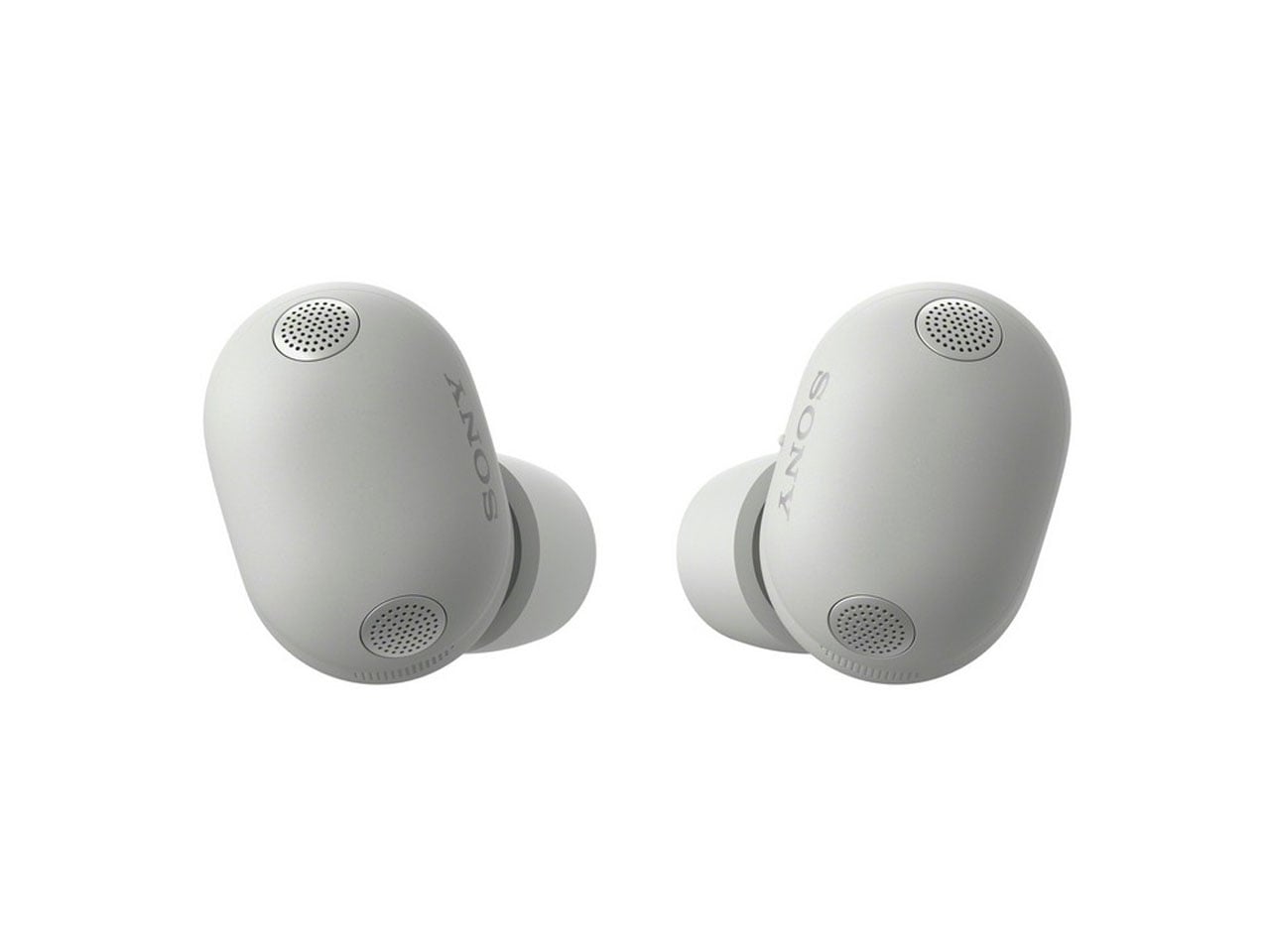
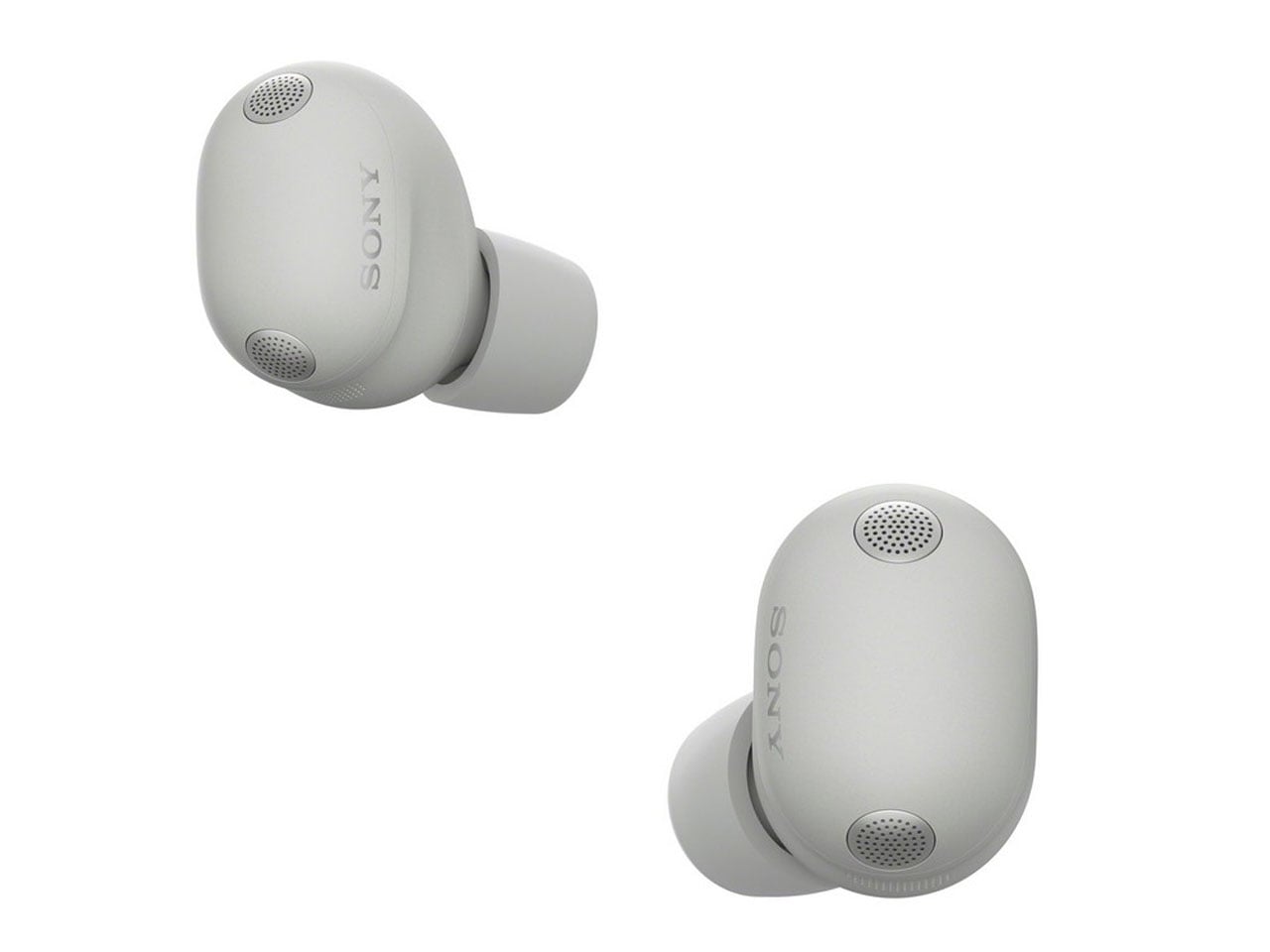
Compared to the contoured XM5, the successors have an elongated oval shape that makes them look bigger, but we’re sure they’re not. The listing mentioned the buds to have an IPX4 rating, which should be good to take them on a rainy day or listen to music by the poolside. Other than that, the earbuds will have ANC and transparency modes, which is predictable and nothing new in current times. From the very clear images, it is apparent that the glossy finish is gone (thank god) and the matte texture looks good with the aesthetics.

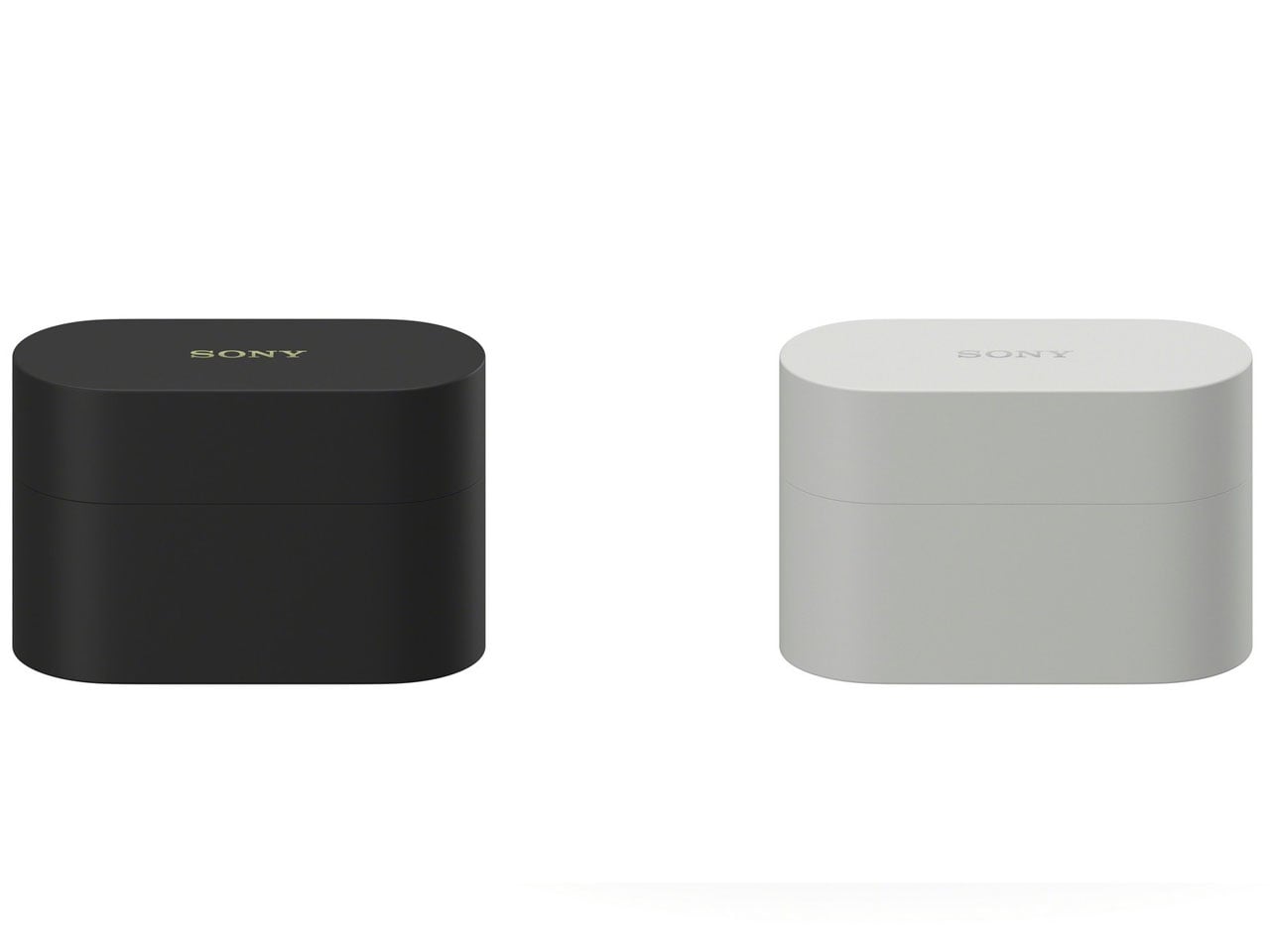
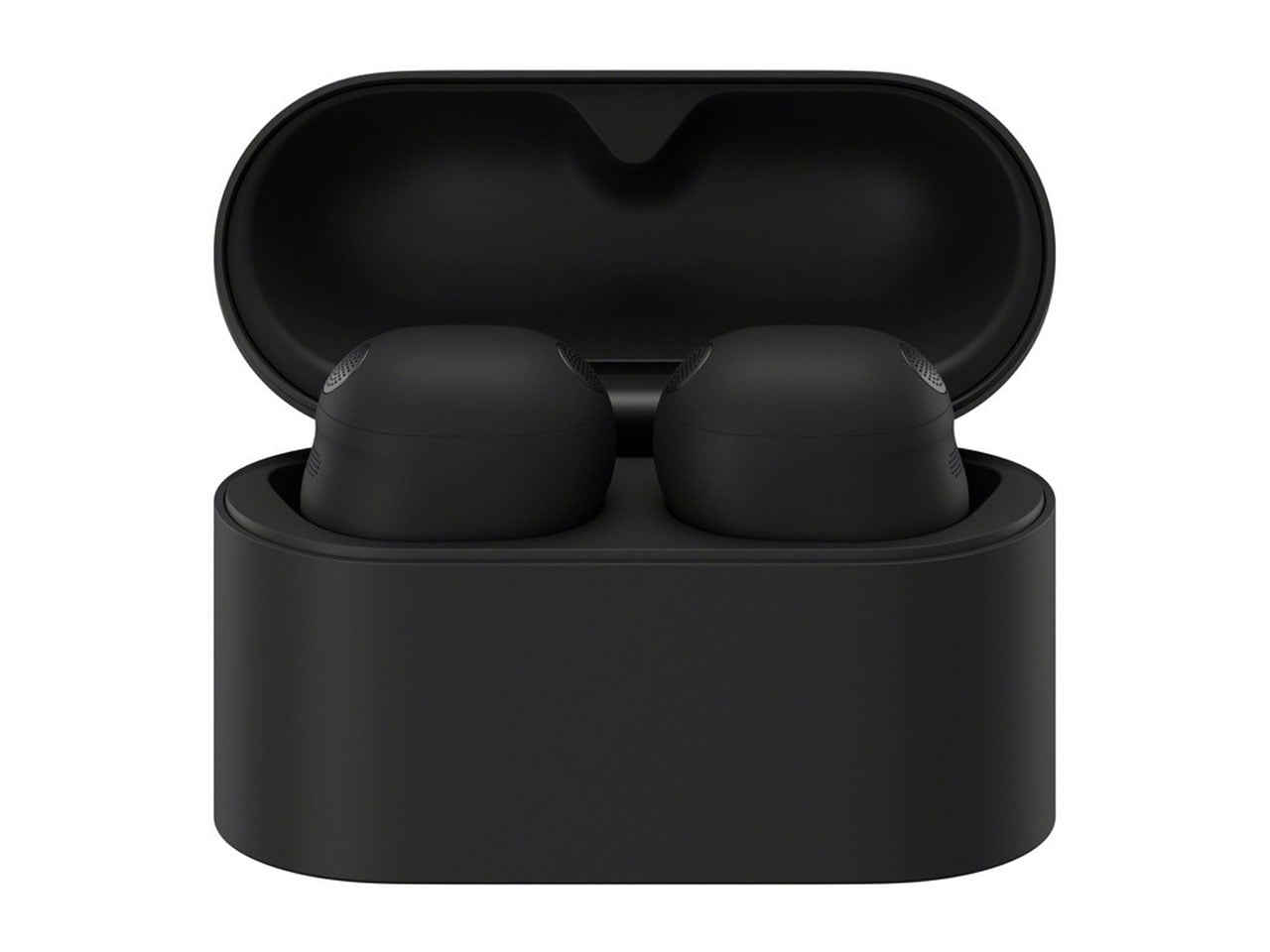
On closer look, one can clearly see three microphones on each earbud (two on top and one on the side), indicating better call audio quality and ANC performance. The charging case has also taken the upgrade route with a more geometric shape compared to the outgoing model. It sure looks bulkier than the older one, but we’ll have to see them side by side to make any conclusions. There are stock eartips on the buds, and we expect to see some good hybrid and silicone tips in the accessories package. If there’s one thing we didn’t love about the XM5s, it’s the eartips, which are fatiguing.

The pill-shaped earbuds will come in two color options: Black and Silver, but we’re sure there are a couple of more colors lurking in the space. Sony has this strategy of revealing more colors after the initial release, so it won’t be surprising if they’ve reserved the peppier options for later.

The post Sony WF-1000XM6 earbuds leak reveals pill-shaped design and angular case first appeared on Yanko Design.

Sony WF-1000XM6 earbuds leak reveals pill-shaped design and angular case

Wireless earbuds are the new normal, branching into bold categories like the Clip-Ons and going strong with traditional ANC options. Flagship TWS earbuds are constantly improving with hardware upgrades every couple of years (depending on the brand) and firmware updates that bring new features and options to explore the tech inside.

Sony has long been a major player in the TWS earbuds market, taking on the likes of Bose, Apple, Samsung, Sennheiser, Jabra, Technics, Nothing, and OnePlus. The WF-1000XM5, released in 2023, is their tough competitor, but the two-year release cycle has made them lag behind a bit in the feature list. Their next flagship earbuds are just around the corner, and their design has leaked to give us critics something to hanker about.

Designer: Sony

Looking to take forward the solid legacy of the 1000XM5s, Sony needs to innovate to reclaim the market share that’s being steadily eaten up by the likes of Technics AZ-100, Bose QuietComfort Ultra Earbuds (2nd Gen), Beats Powerbeats Pro 2, AirPods Pro 3, Samsung Galaxy Buds 3 Pro, and Sennheiser Momentum True Wireless 4. Even though Sony still has solid products, the WF-1000XM6 should bring incremental upgrades that retain the Japanese brand’s supremacy in the market.

The leaked Sony earbuds were listed on Power Buy, a retail website, for a while, but were eventually taken down. However, The Walkman Blog managed to extract all the leaked images and a trail of information that got the internet buzzing. No specifications were mentioned in the listing, so we are still in the dark about the internal hardware of the upcoming flagship earbuds by Sony.

Compared to the contoured XM5, the successors have an elongated oval shape that makes them look bigger, but we’re sure they’re not. The listing mentioned the buds to have an IPX4 rating, which should be good to take them on a rainy day or listen to music by the poolside. Other than that, the earbuds will have ANC and transparency modes, which is predictable and nothing new in current times. From the very clear images, it is apparent that the glossy finish is gone (thank god) and the matte texture looks good with the aesthetics.

On closer look, one can clearly see three microphones on each earbud (two on top and one on the side), indicating better call audio quality and ANC performance. The charging case has also taken the upgrade route with a more geometric shape compared to the outgoing model. It sure looks bulkier than the older one, but we’ll have to see them side by side to make any conclusions. There are stock eartips on the buds, and we expect to see some good hybrid and silicone tips in the accessories package. If there’s one thing we didn’t love about the XM5s, it’s the eartips, which are fatiguing.

The pill-shaped earbuds will come in two color options: Black and Silver, but we’re sure there are a couple of more colors lurking in the space. Sony has this strategy of revealing more colors after the initial release, so it won’t be surprising if they’ve reserved the peppier options for later.

The post Sony WF-1000XM6 earbuds leak reveals pill-shaped design and angular case first appeared on Yanko Design.

Sony WF-1000XM6 earbuds leak reveals pill-shaped design and angular case

Wireless earbuds are the new normal, branching into bold categories like the Clip-Ons and going strong with traditional ANC options. Flagship TWS earbuds are constantly improving with hardware upgrades every couple of years (depending on the brand) and firmware updates that bring new features and options to explore the tech inside.

Sony has long been a major player in the TWS earbuds market, taking on the likes of Bose, Apple, Samsung, Sennheiser, Jabra, Technics, Nothing, and OnePlus. The WF-1000XM5, released in 2023, is their tough competitor, but the two-year release cycle has made them lag behind a bit in the feature list. Their next flagship earbuds are just around the corner, and their design has leaked to give us critics something to hanker about.

Designer: Sony

Looking to take forward the solid legacy of the 1000XM5s, Sony needs to innovate to reclaim the market share that’s being steadily eaten up by the likes of Technics AZ-100, Bose QuietComfort Ultra Earbuds (2nd Gen), Beats Powerbeats Pro 2, AirPods Pro 3, Samsung Galaxy Buds 3 Pro, and Sennheiser Momentum True Wireless 4. Even though Sony still has solid products, the WF-1000XM6 should bring incremental upgrades that retain the Japanese brand’s supremacy in the market.

The leaked Sony earbuds were listed on Power Buy, a retail website, for a while, but were eventually taken down. However, The Walkman Blog managed to extract all the leaked images and a trail of information that got the internet buzzing. No specifications were mentioned in the listing, so we are still in the dark about the internal hardware of the upcoming flagship earbuds by Sony.

Compared to the contoured XM5, the successors have an elongated oval shape that makes them look bigger, but we’re sure they’re not. The listing mentioned the buds to have an IPX4 rating, which should be good to take them on a rainy day or listen to music by the poolside. Other than that, the earbuds will have ANC and transparency modes, which is predictable and nothing new in current times. From the very clear images, it is apparent that the glossy finish is gone (thank god) and the matte texture looks good with the aesthetics.

On closer look, one can clearly see three microphones on each earbud (two on top and one on the side), indicating better call audio quality and ANC performance. The charging case has also taken the upgrade route with a more geometric shape compared to the outgoing model. It sure looks bulkier than the older one, but we’ll have to see them side by side to make any conclusions. There are stock eartips on the buds, and we expect to see some good hybrid and silicone tips in the accessories package. If there’s one thing we didn’t love about the XM5s, it’s the eartips, which are fatiguing.

The pill-shaped earbuds will come in two color options: Black and Silver, but we’re sure there are a couple of more colors lurking in the space. Sony has this strategy of revealing more colors after the initial release, so it won’t be surprising if they’ve reserved the peppier options for later.

The post Sony WF-1000XM6 earbuds leak reveals pill-shaped design and angular case first appeared on Yanko Design.

Sony releases two new Bluetooth turntables to spark Gen Z’s love for vinyl

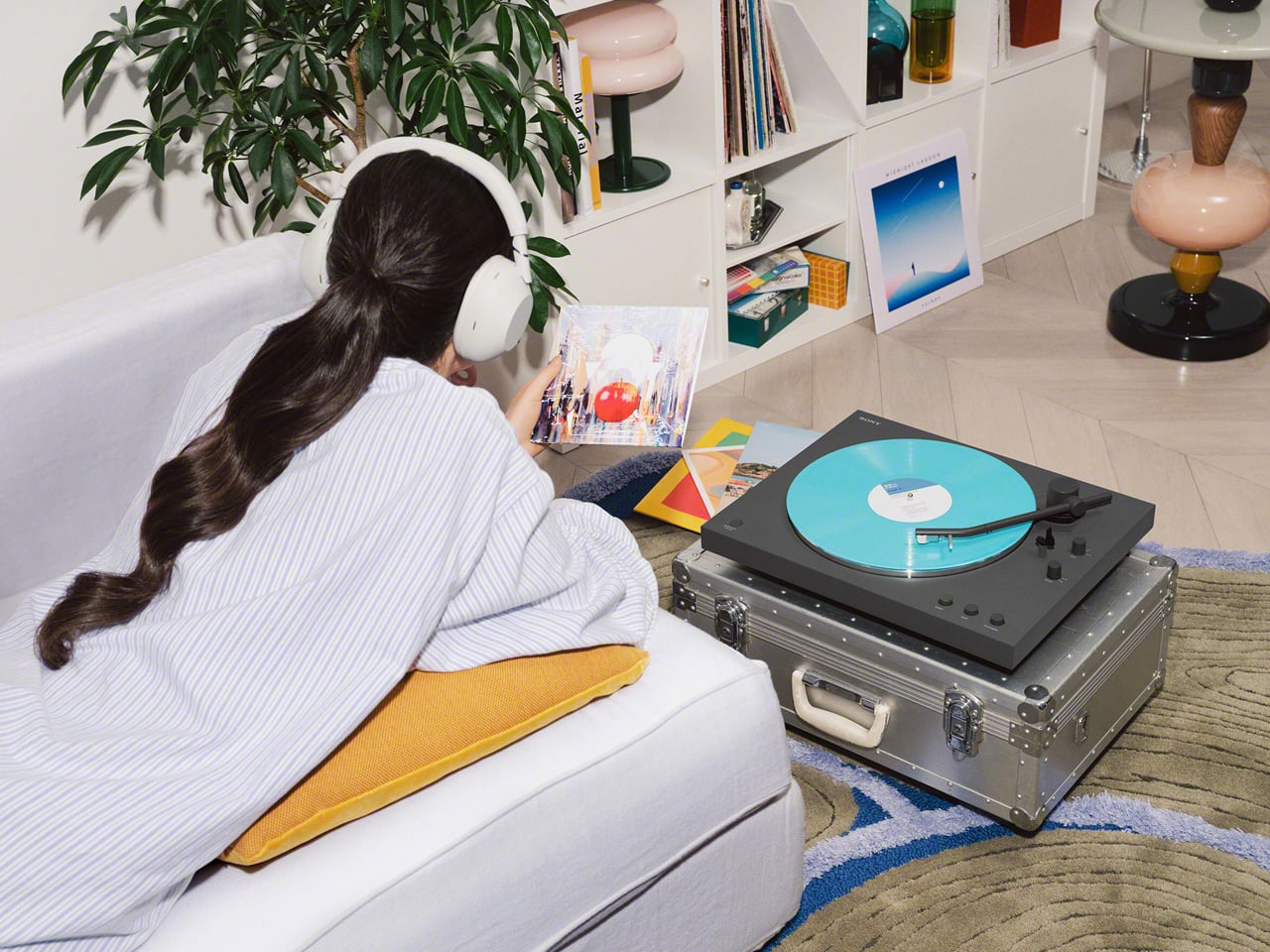
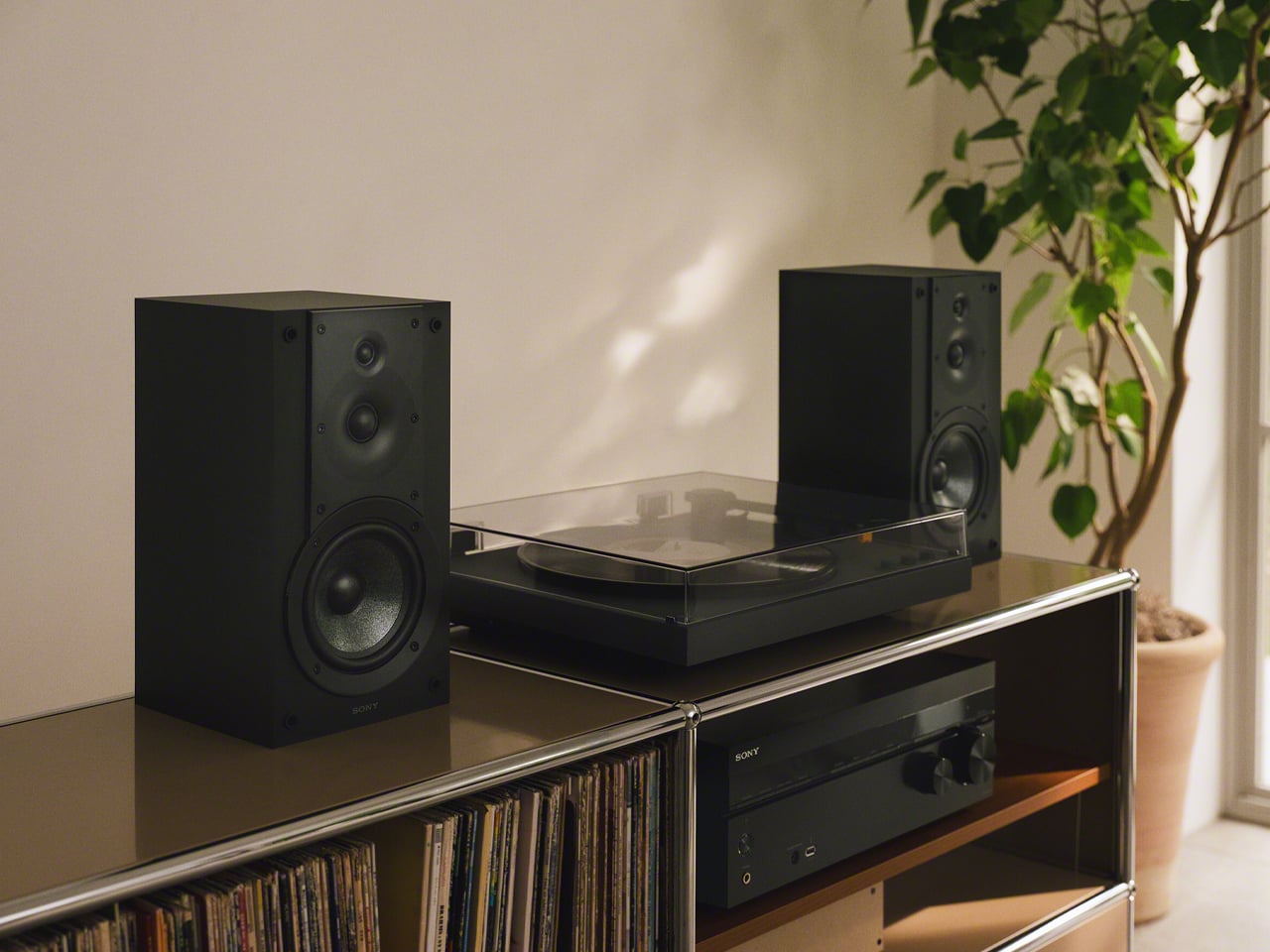
Sony is revisiting the vinyl arena with two new Bluetooth turntables, and for me, it’s resounding confirmation that records have made the comeback we were only speculating about over these years. The new models, the PS-LX3BT and PS-LX5BT, aren’t designed solely for established vinyl audiophiles. With their easy-to-use approach, these Sony turntables are aimed at Gen Z listeners who are just beginning to explore classic record players and CDs.

This is Sony’s first adventure in the vinyl market since the launch of the PS-LX310BT. Released in 2019, the turntable ensured hassle-free Bluetooth connectivity and reliable performance sans complex setups, and the new options are built on the same formula; adding a refined design approach and authentic vinyl sound.

Designer: Sony

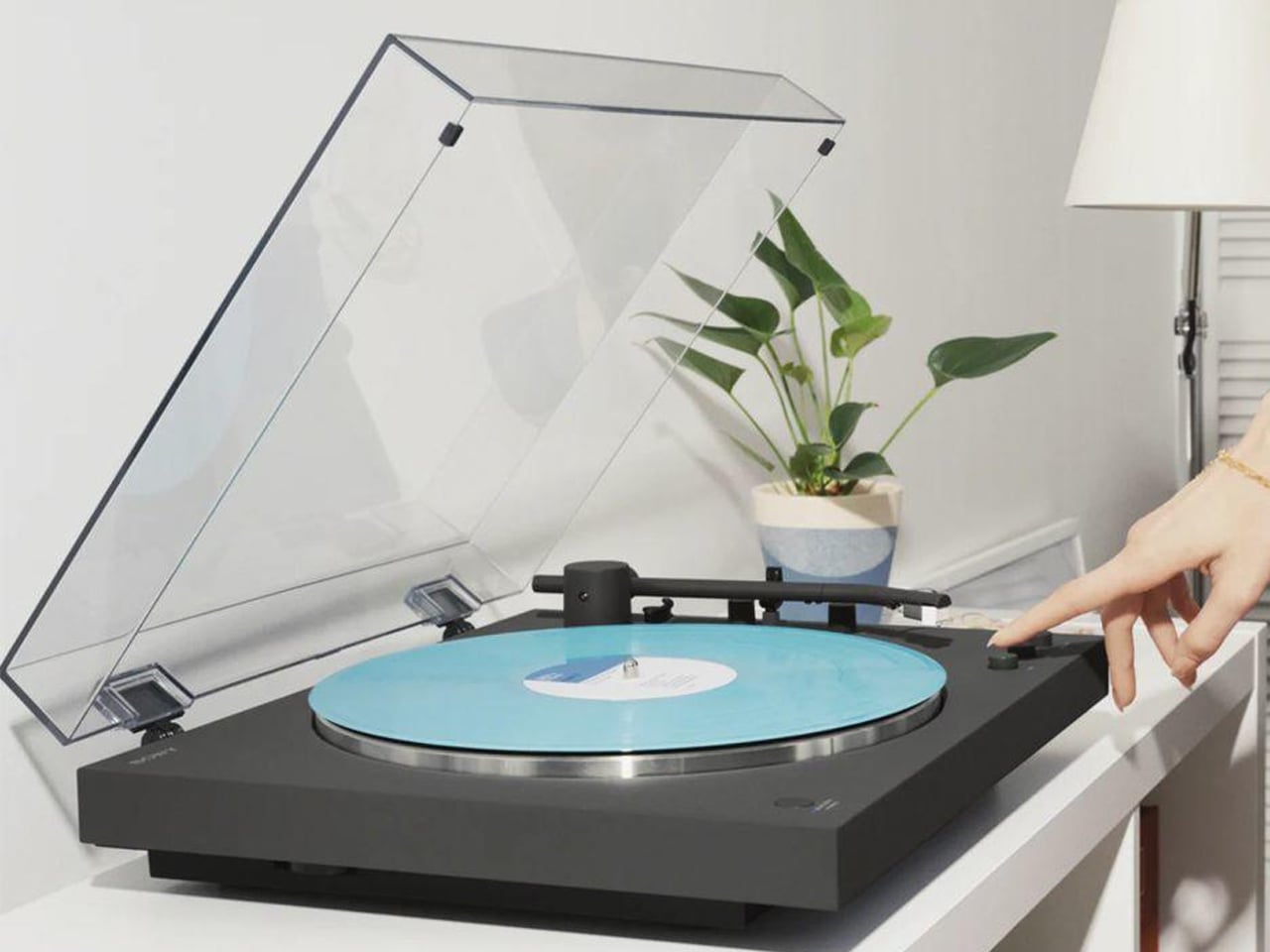
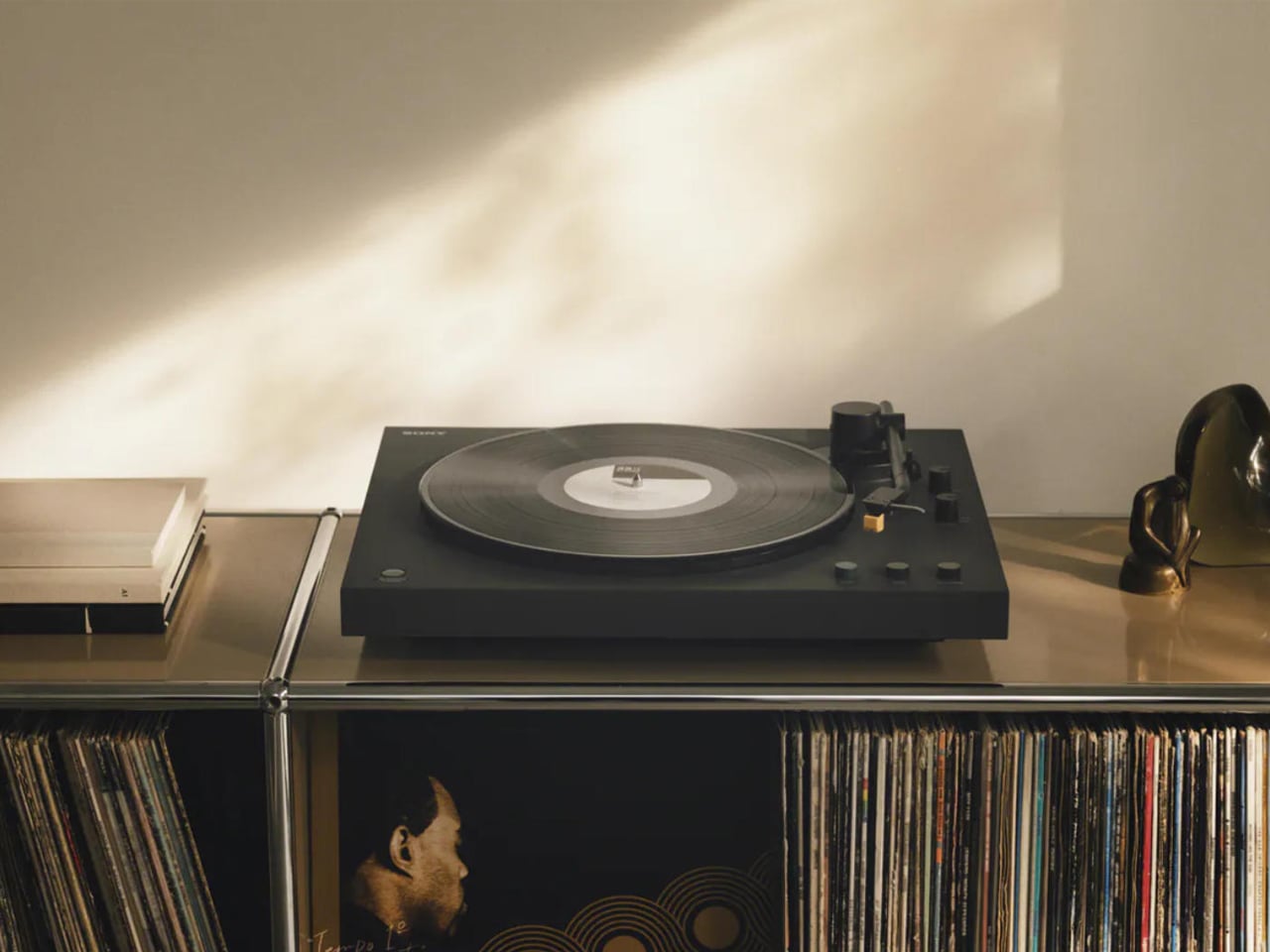
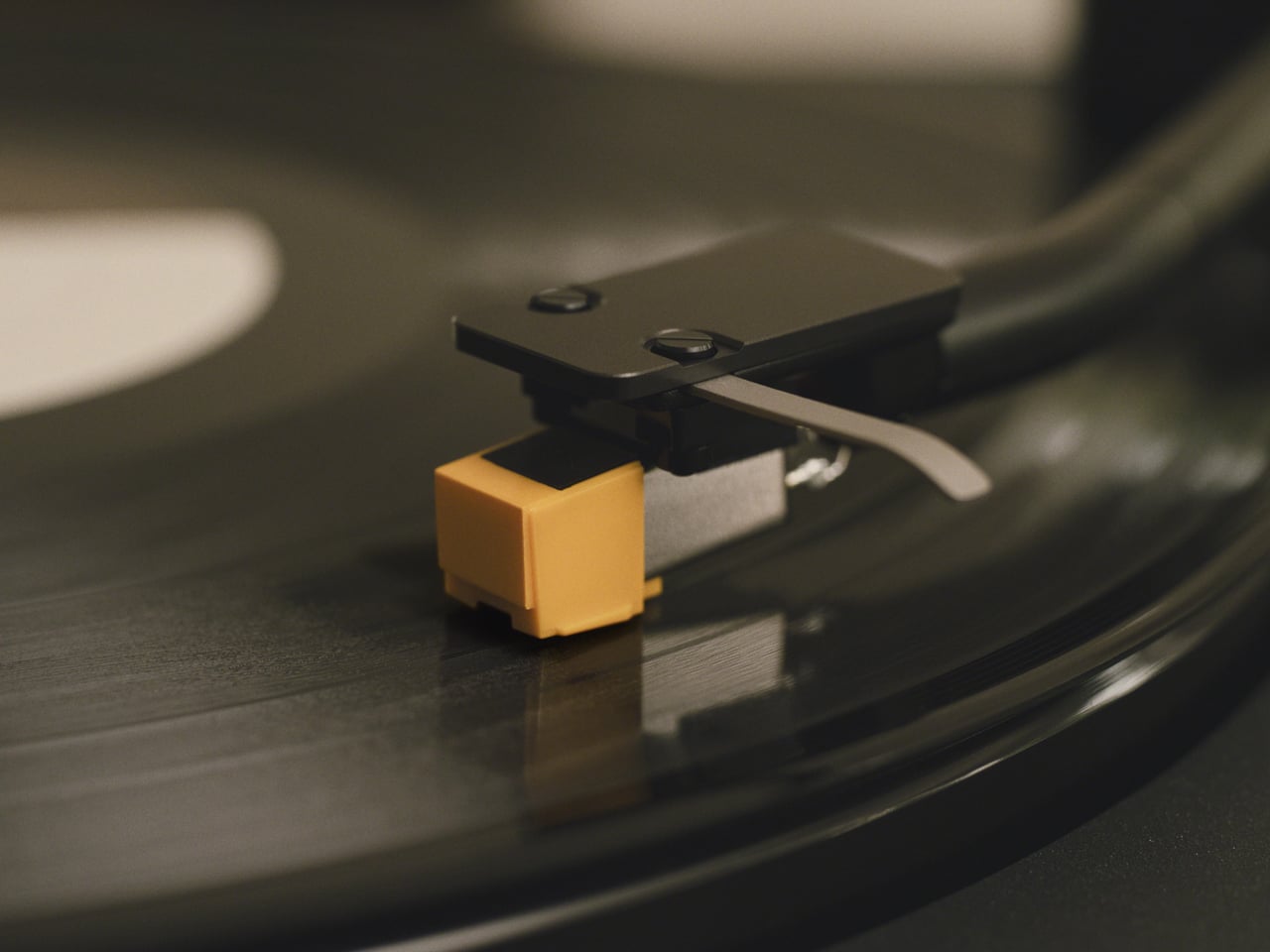
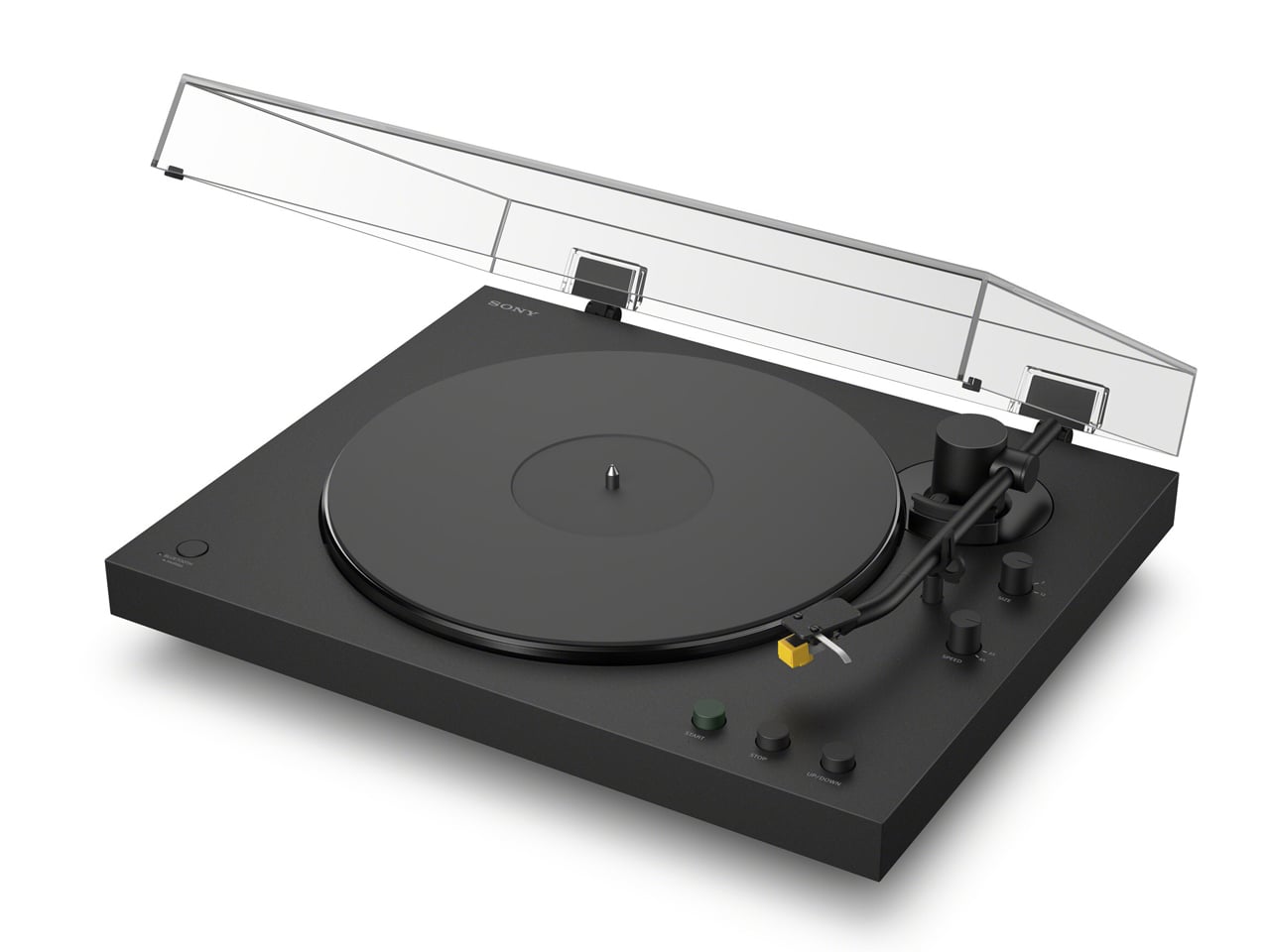
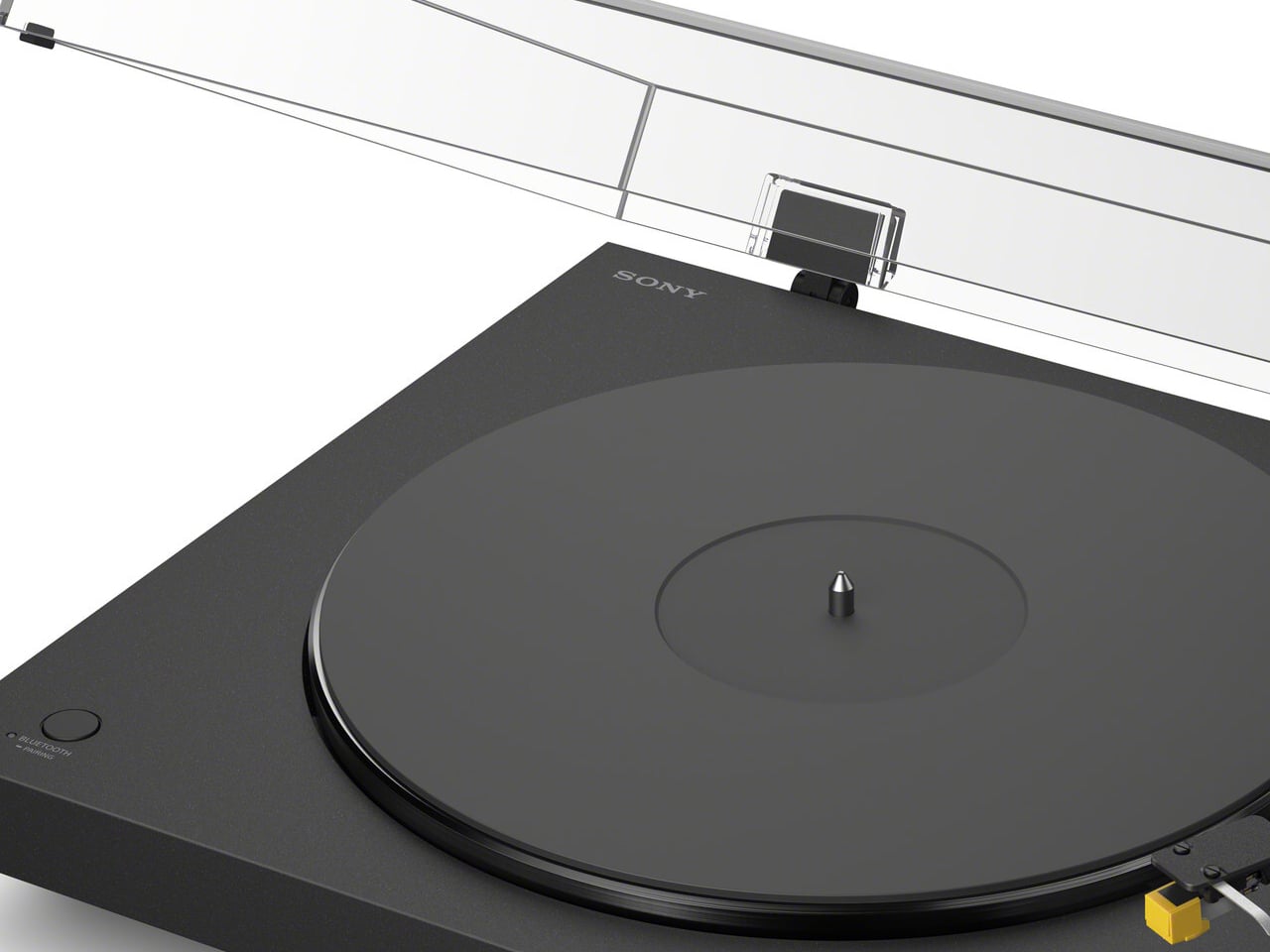
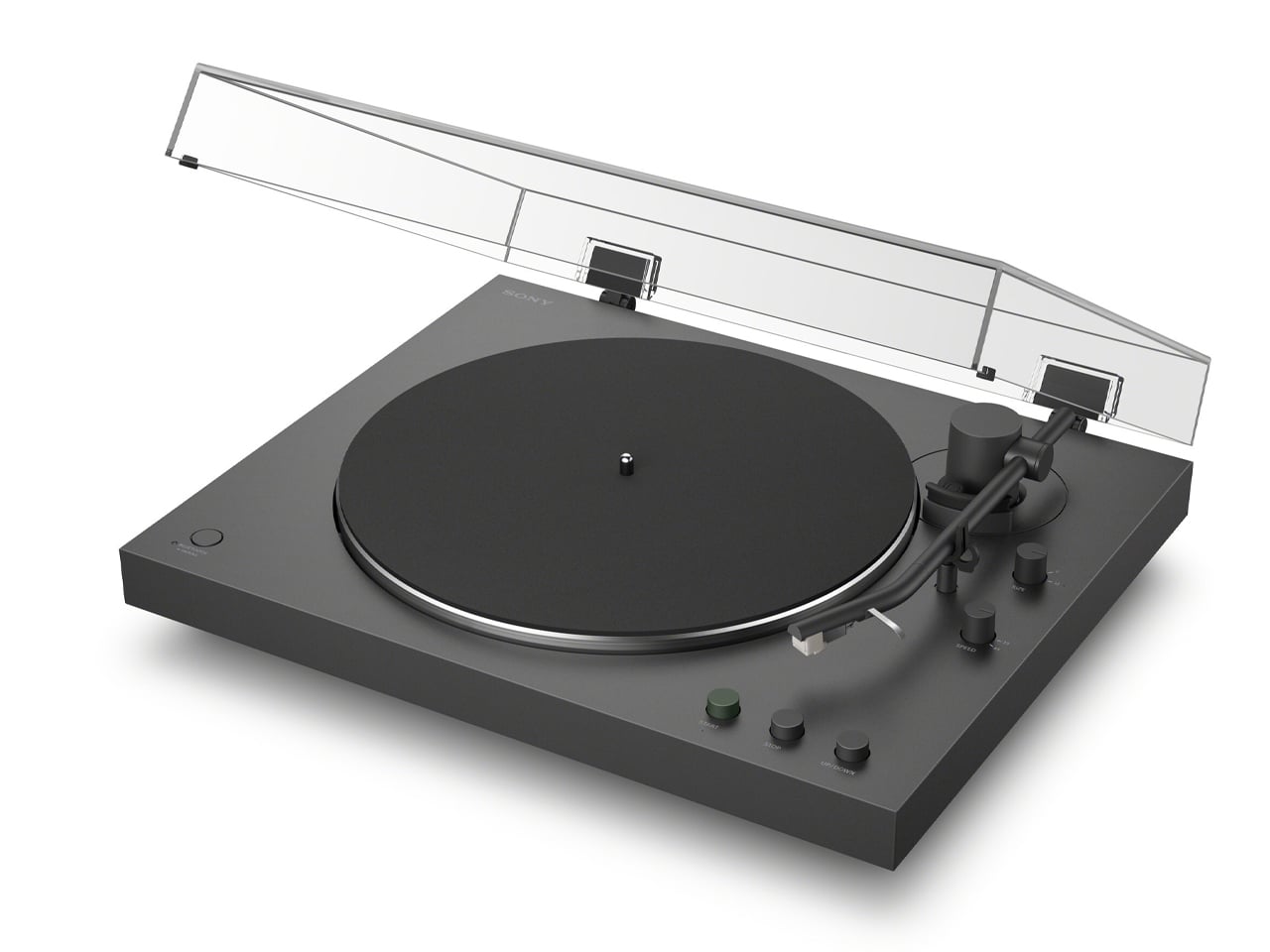
Sony PS-LX3BT and the PS-LX5BT do not have biases. Both the turntables are targeted at first-time vinyl listeners and audiophiles, according to the company’s press information. The units thrive on advanced wireless connectivity options and craftsmanship, standing out visually thanks to the transparent dust cover over the platter. This not only protects the gorgeous thing from dust but also protects the components underneath from accidental damage.

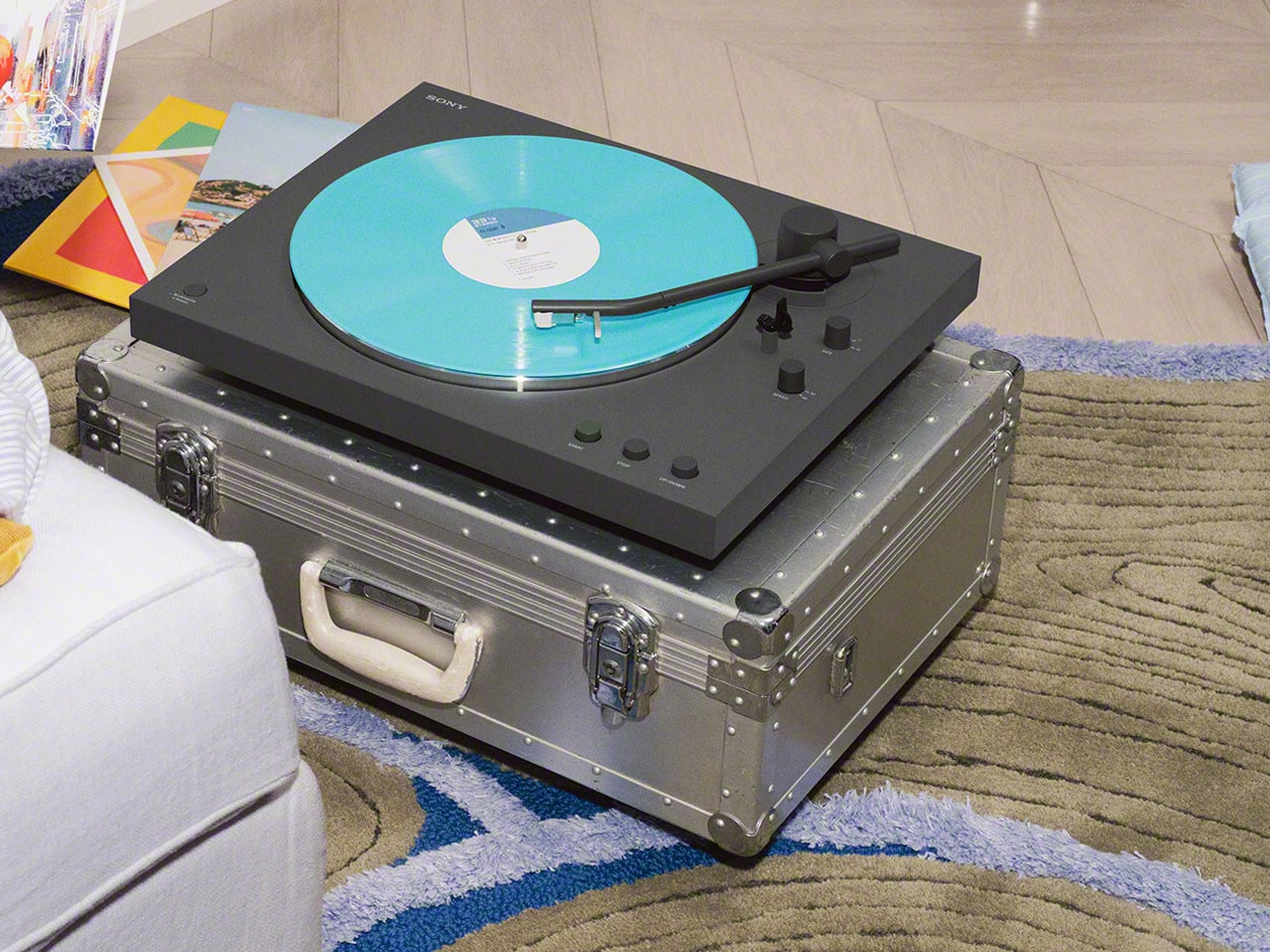
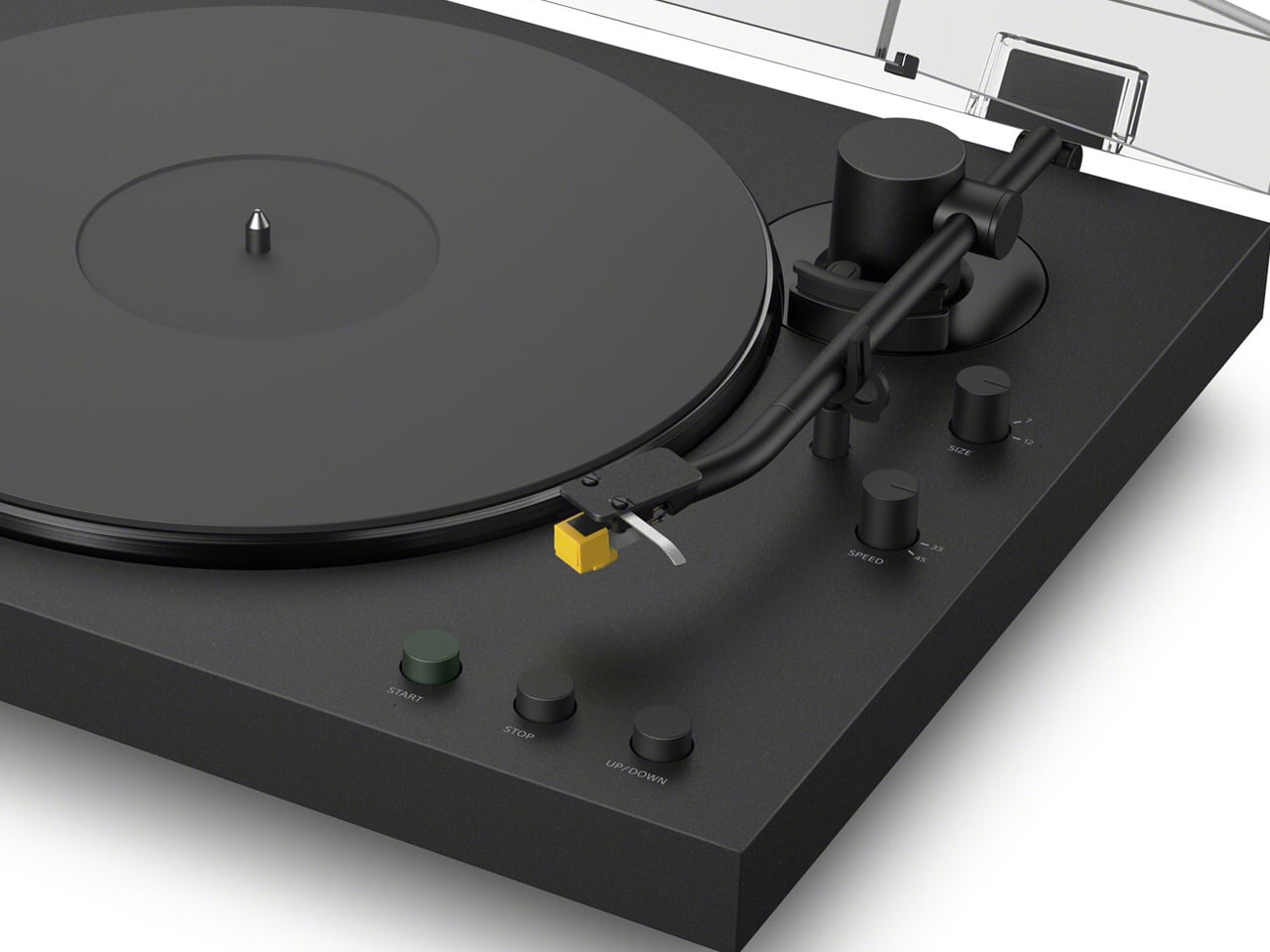
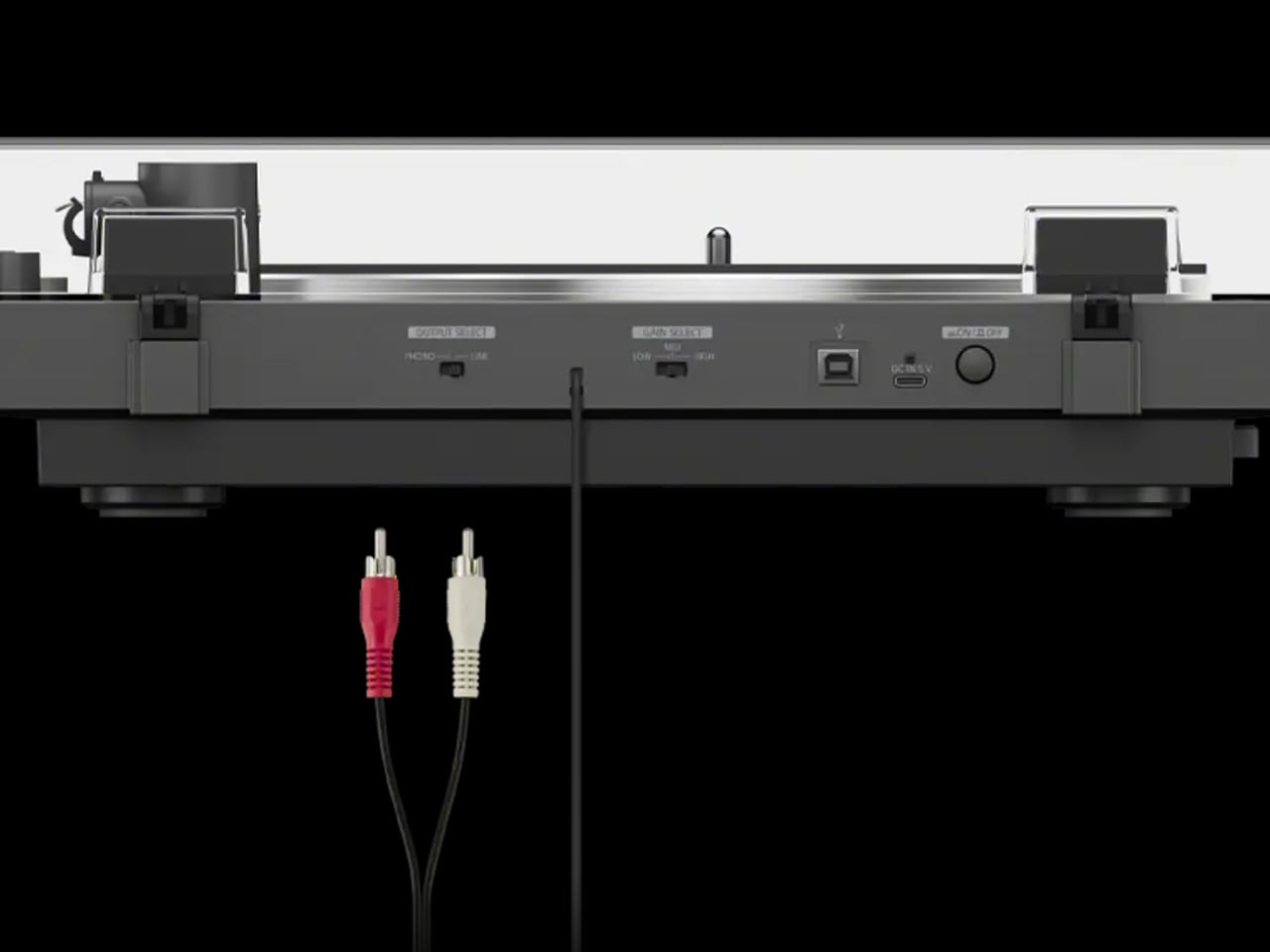
Both units, Sony affirms, are intuitive and easy to operate. A single-button automatic playback and Bluetooth connectivity are configured to allow detailed output in both wired as well as wireless connections. For this, the turntables support aptX, aptX Adaptive, and Hi-Res Wireless Audio, which allow users to connect their devices – headphones and speakers – directly to the turntables without requiring a fully-fledged amp setup.

Even though both turntable supports 33⅓ and 45 RPM records (7″ and 12″) and include built-in phono equalizers to work with powered speakers, they differ in positioning. PS-LX5BT is more premium of the two. It features a slightly more refined look with a unibody design, rubber mat and an aluminum tonearm, offering a premium sound experience. “Engineered to suppress unwanted vibration and preserve audio purity,” it comes with a high-grade cartridge. Priced at a competitive $500, the PS-LX5BT offers audiophile-level wireless audio and features a gold-plated audio jack for wired connections.

The PS-LX3BT, on the other hand, offers “warm analogue sound with smooth tracking” for those enjoyable everyday moments that are rare to create with the turntable,s otherwise cumbersome to use. The turntable is equipped with an audio cable and phono equalizer to be used straight out of the box, no real setup required, even for those just starting out with vinyl. This unit is priced comparatively lower and is available for preorder at $400. Interestingly, both of Sony’s new turntables will be sold in recycled packaging, reflecting Sony’s commitment to sustainability.

The post Sony releases two new Bluetooth turntables to spark Gen Z’s love for vinyl first appeared on Yanko Design.

Sony unveils LinkBuds Clip open-ear earbuds in peppy colors

Open earbuds are the fastest-growing segment of the headphone market, but long before they gained popularity, Sony initially introduced the concept to the market. From their first ever iteration, this style of earbuds has graduated into earhook and clip-style designs. When LinkBuds were first released in 2022, they came in a peculiar design with an ear hook and a circular housing that lets in ambient noises.

After the LinkBuds Open were released in 2024, Sony has now introduced the LinkBuds Clip, featuring an always-clip-on design similar to the Bose Open Earbuds, Edifier LolliClip, Shokz OpenDots One, and the JVC Nearphones. These new flagship earbuds improve on the previous open ear version in every aspect, making them a great choice for people who want situational awareness of their surroundings without any degradation in music quality.

Designer: Sony

Targeted towards active lifestyle users, the buds don’t block the ear canals to hear conversations better, and are ergonomically designed for all-day long wear comfort. The Japanese consumer electronics giant is positioning them as a flagship option for music lovers who are worried about losing their pricy pair of buds during workouts, sporting activities, or adventurous escapades. IPX4 splash-proof rated LinkBuds Clip have a glossy finish with a C-bad connecting the two contoured stems that rest on either side of the ear. While I’m not a big fan of the glossy finish on these, the design looks reassuring, and the buds won’t fall out even after rigorous activity.

The flexibility of adjusting the positioning of the buds depending on the comfort and desired audio output makes the pair recommendable. You can go for a closer proximity to the ear canal for a better sound signature with noticeably more bass, or have a laid-back setup that promotes comfort and consequently a more open input of the ambient noises around. The case of these open-ear earbuds is more or less the same as the LinkBuds Open and Fit, but it doesn’t support wireless charging, which is a bit of a disappointment.

As per independent reviewers who have spent time with the LinkBuds Clip, the touch controls on these are not as good as other Open ear options. The taps can be a miss at times or trigger unwanted action. That said, it is the issue with most touch control earbuds, and for people like me who love physical controls, the features can be a bit of a miss. The sound signature on the LinkBuds Clip is balanced when ideally placed in the ear openings. However, it will be interesting to see how they compare to the next version of Bose Ultra Open Earbuds (released back in early 2024), which are speculated to come out this year.

Battery life on the buds is typically hours that extends to 37 hours with the charging case. The clip-ons have three listening modes: Standard mode for more immersive sound with a lot of detail and clear vocals, Voice Boost mode for listening to the other person in crowded spaces, and the Sound Leakage Reduction mode for lesser disturbance to people in the vicinity.  LinkBuds Clip can be bought right away for $230 in peppy color options like black, greige, green, and lavender. The case covers and fitting cushions in coral green, blue, lavender, and black can be added on for $25 each.

The post Sony unveils LinkBuds Clip open-ear earbuds in peppy colors first appeared on Yanko Design.

Sony’s Upcoming Portable PS6 Aims to Challenge the Steam Deck and Switch 2 in 2027

Sony’s portable gaming attempts have followed a familiar pattern: innovative hardware held back by baffling compromises. The PSP had one analog stick when games clearly needed two. The Vita added that second stick but inexplicably skipped analog triggers and clickable thumbsticks, forcing developers to map essential controls to an awkward rear touchpad. The PS Portal finally nailed the controls by essentially splitting a DualSense controller in half, then rendered the achievement mostly irrelevant by making it stream-only. Project Canis, the rumored PS6 handheld arriving in 2027, needs to break this cycle.

The fundamentals look promising this time. Reports suggest full PS4, PS5, and PS6 compatibility with proper docking functionality, which would position it as Sony’s answer to both the Steam Deck and Switch successor. The recent PS5 low-power mode appearing in firmware updates telegraphs Sony’s strategy clearly: get developers optimizing games for portable performance now, before the hardware officially exists. With AMD’s APUs getting more capable and the handheld gaming PC market proving there’s demand for portable power, Sony actually has a clearer path forward than they did with previous attempts. The question is whether supply chain realities and component costs will force them to compromise again.

Designer: Yousef Popov

Sony recently added a power-saving mode to PS5 games that scales down graphics and frame rates, supposedly for energy conservation. But here’s what’s actually happening: they’re teaching developers how to optimize their games for weaker portable hardware before that hardware even exists. When Project Canis launches, every game with this low-power mode already has a built-in portable profile ready to go. It’s Sony creating a standardized “handheld mode” years in advance, which suggests they’re genuinely committed this time rather than half-heartedly supporting another doomed experiment like the Vita became.

The design remains anyone’s guess at this point. Concept images floating around Behance show sleek interpretations of what a modern PSP could look like, though these fan creations obviously don’t reflect whatever Sony’s industrial designers are actually cooking up. What we do know is that the PS Portal’s controller layout works beautifully, with full-sized analog sticks and proper trigger feedback. If Sony keeps that ergonomic foundation and adds actual processing power inside instead of relying on cloud streaming, they’d have something genuinely compelling. The Portal proved they finally understand that portable controls can’t be compromised versions of console controllers, they need to be the real thing.

The 2027 target might actually work in Sony’s favor despite the RAM shortage threatening to push prices up or launch dates back. Handheld gaming has exploded in ways nobody predicted five years ago. The Steam Deck created an entire category of expensive portable PCs that people happily bought. The Switch keeps selling despite aging hardware because portability matters that much to players. Sony entering this space in 2027 with a device that plays God of War and Spider-Man natively, then docks to your TV for the full experience, feels less like another doomed experiment and more like arriving exactly when the market’s ready.

The backwards compatibility angle could be the real hook though. Running your entire PS5 library on the go would be compelling enough, but reports suggest potential support reaching back to PS1 and PS2 through emulation. Imagine having decades of PlayStation history available on one portable device, from classic JRPGs to current blockbusters. The Switch has proven that players will rebuy old favorites for portability, but Sony wouldn’t need to resell anything if they nail backwards compatibility. Your existing library just works, from launch day classics you bought fifteen years ago to whatever drops next month. That’s the kind of feature that turns a neat gadget into something you’d actually carry everywhere.

The post Sony’s Upcoming Portable PS6 Aims to Challenge the Steam Deck and Switch 2 in 2027 first appeared on Yanko Design.

The best subscription gifts to send to your loved ones this Christmas: Disney+ bundle, MasterClass, Field Notes and more

There are way too many online services and subscriptions to keep track of these days, but the flip side is there’s a tool for just about everything. Time is just about up to get a physical gift shipped in time for the holidays, so below we’ve pulled together some of our favorite digital gifts and subscriptions, including time-tested video, music and gaming services as well as tools to clear your mental space and learn new skills. There are also a few subscriptions that provide ongoing, IRL deliveries, if you think your giftee will appreciate the nostalgic charm of a physical object.

Game consoles are certainly among the most popular gift ideas this time of year. If you know someone who’s been so good that they’re getting a new Nintendo Switch, PlayStation 5 or Xbox Series X/S, one of these subscriptions will make their shiny toy immediately playable out of the box.

There’s no doubt that Microsoft has changed the value proposition for its Game Pass subscription service service. It recently raised the price for its most comprehensive Ultimate tier by 50 percent, to $30 a month. That’s a bitter pill to swallow — but devoted players who have an Xbox as their main (or only) console will still get a ton of value out of Game Pass.

The aforementioned Ultimate tier provides access to more than 500 games that’ll work on Xbox, PC and other supported devices. It’s also the only way to get “day one” release games like Hollow Knight: Silksong Ninja Gaiden 4, The Outer World 2, Call of Duty Black Ops 7; in recent years other high-profile day one releases have included Doom: The Dark Ages, Starfield, Clair Obscur: Expedition 33, Forza Motorsport and numerous others. Game Pass Ultimate subscribers also have access to the highest quality and fastest game streaming Xbox offers. For a slightly less hardcore Xbox fan, though, the $15-per-month Premium tier is also worth considering.

Nintendo’s Switch Online subscription has gotten some nice upgrades in 2025, the year of the Switch 2. As it has for years, Nintendo offers two different Switch Online plans. The basic $20-per-year plan unlocks online play and enables Switch 2 owners to use the system's GameChat capabilities. It also includes more than 100 Game Boy, NES and Super NES games, cloud backups of your saved games as well as the occasional special offers. It also includes access to the rather silly but enjoyable Nintendo Music app, so you can listen to your favorite Zelda or Mario tracks at any time.

The $50 “expansion pack” adds a collection of N64, Game Boy Advance and Sega Genesis games as well as some DLC for games like Mario Kart 8, Animal Crossing: New Horizons and Splatoon 2. But most interesting are the new additions for Switch 2 owners: there’s a small but growing library of GameCube games, including classics like The Legend of Zelda: The Wind Waker and F-Zero GX. Switch 2 owners who have the expansion pack subscription can also upgrade to the Switch 2 versions of The Legend of Zelda: Breath of the Wild and Tears of the Kingdom for free.

A PlayStation Plus subscription is a must-have for any PS5 owners. That’s partially because you need one to play multiplayer games online, but there are plenty of other significant benefits. PS Plus comes in three tiers, but the middle “Extra” plan ($15/month or $135/year) is probably best for most gamers. In addition to cloud storage for saves, online multiplayer support and a couple of free games for your library every month, you get access to the PlayStation Plus catalog, which includes more than 400 PS4 and PS5 games.

There are a number of heavy hitters here, including The Last of Us Part I and II, Ghost of Tsushima, God of War Ragnarok, Death Stranding, Marvel’s Spider-Man Remastered and Returnal alongside lower-profile hits and indie games such as Citizen Sleeper, Sayonara Wild Hearts, Dave the Diver and Humanity. If you know someone who loves older games though, the “Premium” tier ($18/month or $160/year) adds a bunch of titles from the PS1 through the PS4 as well as perks like game trials and PS5 game streaming from the cloud.

Check out the rest of our gift ideas here.

This article originally appeared on Engadget at https://www.engadget.com/the-best-subscription-gifts-to-send-to-your-loved-ones-this-christmas-disney-bundle-masterclass-field-notes-and-more-141830326.html?src=rss
Anicorn x PlayStation’s $780 Mechanical Watch Is The Wildest 30th Anniversary Flex Yet

Anicorn and Sony just dropped a fully mechanical PlayStation watch, and the fact that it exists at all feels like a minor miracle in a market drowning in lazy licensed quartz. Limited to 300 numbered pieces and priced at $780, the PlayStation 30th Anniversary watch launches December 19th with a Miyota automatic movement, a custom rotor, and enough thoughtful design touches to justify the “limited edition” label beyond artificial scarcity. The caseback alone, with its exhibition window and engraved numbering, shows more restraint and craft than most gaming collabs bother with.

What makes this interesting beyond the usual merch cycle is how seriously they treated the design language. The △○×□ symbols sit at 12, 3, 6, and 9 o’clock as three-dimensional applied elements, not flat prints. The PlayStation logo occupies a raised central medallion, and the hands are modeled after the original controller’s Start and Select buttons, which is the kind of nerdy detail that separates fan service from actual design work. The case mirrors the faceted geometry of the 1994 console hardware, finished in that unmistakable matte grey, and the rubber strap carries the button symbols all the way down. It feels like someone actually cared about making this coherent as an object of sheer nostalgia, not just profitable as a limited drop.

Designer: Anicorn

Miyota movements get dismissed sometimes by the Swiss snob crowd, but here’s the thing: they’re reliable, serviceable by basically any competent watchmaker, and when decorated properly, they do the job without drama. The rotor visible through the exhibition caseback gets custom perforation work that echoes disc drive aesthetics, which is a subtle touch that could have easily been skipped in favor of a plain rotor with a logo slapped on. That kind of restraint shows up throughout the design, actually. The dial could have been a chaotic mess of branding and colors, but instead it uses that soft grey finish with selective pops of color on the applied symbols. Legibility takes a backseat to theme, sure, but you buy a watch shaped like a PS1 controller for the vibe, not to check train schedules.
Pay special attention to the case shape. Those faceted, near-octagonal edges are a direct reference to the original PlayStation’s industrial design language, which was all hard angles and serious electronics aesthetics back when consoles still tried to look like they belonged in an A/V rack. Anicorn could have gone with a standard round case and called it a day, but the geometric approach makes the whole thing feel intentional rather than opportunistic. The integrated strap design, with that all-over micro-print of controller symbols, reinforces the “this is a device” impression rather than trying to split the difference between jewelry and gadget. You wear this and people either get it immediately or think you’re wearing some kind of fitness tracker. There’s no middle ground, which is exactly how it should be.

Three hundred pieces worldwide means this will sell out in minutes, probably to a mix of serious PlayStation collectors who still keep mint PS1 longboxes and watch nerds who appreciate limited mechanical releases with actual design thought behind them. The memory card-shaped authenticity cards included in the packaging are pure fan service, but they work because they commit to the bit completely. At $780, you’re paying for scarcity, licensing, and that Miyota movement wrapped in very specific nostalgia. I can almost hear the PS booting sound as I look at this watch! Don’t lie, I’m sure you can too.

The post Anicorn x PlayStation’s $780 Mechanical Watch Is The Wildest 30th Anniversary Flex Yet first appeared on Yanko Design.