This Presenter Remote Will Replace Your Mouse, Mic, AI Translator, and USB-C Hub

The modern workflow is often a series of disconnected actions; typing in one window, clicking in another, and plugging in peripherals just to get started. What’s missing is a central instrument to orchestrate it all, a kind of conductor’s baton for our digital lives. Such a tool would need to do more than just advance a slide; it would need to capture spoken ideas, summon information on command, and translate language in real time, all from a single, intuitive point of control.

This is the thinking embodied in the PowerRider P1, a device that adopts the familiar form of a presentation remote for a far more ambitious purpose. Its slender, metallic body is designed to feel like a natural extension of the hand, but its power lies in consolidating complex tasks into simple actions. A dedicated AI button puts a language model in your palm, ready for quick queries. The integrated microphone turns the device into a voice input tool for instant transcription, while the clever detachable receiver doubles as a complete connectivity hub for power and video.

Designer: EGIOZR Tech

Click Here to Buy Now: $139 $199 (30% off). Hurry, only 18/100 left!
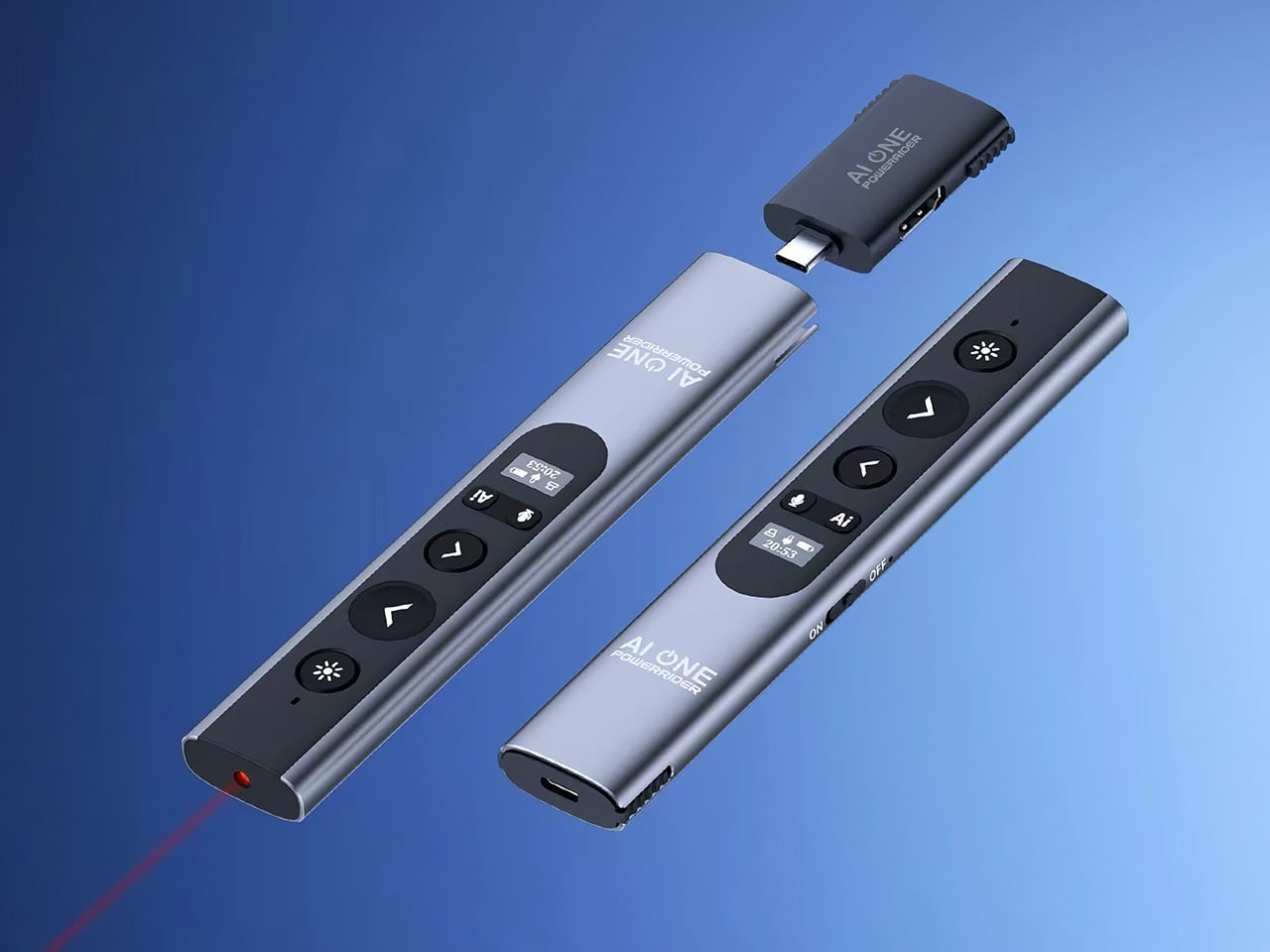
The PowerRider handles the fundamentals of presentation control with a modern upgrade. Traditional laser pointers work fine in a physical room, but they become invisible the moment you share your screen over a video call. The P1 addresses this with five digital highlight modes that appear directly on the shared display, visible to every participant regardless of how they’re viewing. These modes include a digital spotlight, a magnifier for fine details, and an annotation tool for marking up slides in real time. The device still includes a physical red laser for in-person settings, rated for visibility up to 100 meters, but the digital tools are clearly designed for the hybrid meeting environment that has become standard.

Artificial intelligence is woven throughout the device, accessible through a single button press. The AI feature connects to GPT-5 through the companion AI ONE software, offering 14 dedicated productivity categories that range from document conversion and mind mapping to code assistance and image analysis. You can ask questions, generate presentation content, or get real-time help while you’re speaking. The company has made a point of offering this AI access without monthly subscription fees, providing free tokens for everyday use. That decision removes one of the usual friction points with AI-powered hardware, where the upfront purchase is followed by ongoing costs.

Voice input mirrors something we’ve seen in smart remotes for TVs – except now it’s a work productivity feature. The PowerRider captures spoken words and converts them to text in over 50 languages, allowing you to dictate notes, emails, or meeting minutes without stopping your workflow. Real-time translation extends this further, making it possible to present to multilingual audiences with live interpretation. The built-in microphone also serves as a backup audio input for meetings, projecting your voice through any connected speaker system. This transforms the presenter into a wireless microphone when needed, a useful feature for larger rooms or when laptop microphones fall short.

The detachable receiver plugs into a USB-C port and acts as a wireless bridge to the presenter, but it also functions as a compact hub. The receiver supports 4K video output at 60Hz, 100W power delivery for laptop charging, USB-A data transfer, and a standard audio jack. This means you can connect a display, charge your laptop, and maintain wireless control with a single palm-sized dongle. It eliminates the need for a separate dock during presentations, consolidating connectivity into the same system that controls your slides.

The PowerRider weighs 63 grams, light enough to disappear in your hand during long sessions. A small LCD display on the body shows battery level, connectivity status, microphone activity, and the current time, providing at-a-glance information without needing to check your computer. The 280mAh battery delivers up to 10 hours of active use and can remain on standby for a full week. Wireless range extends to 10 meters, using either Bluetooth or 2.4GHz connectivity depending on your preference. Both modes can be toggled with a physical switch, offering flexibility for different environments and compatibility needs.

The device runs on Windows 10, Windows 11, and macOS 13 or later, covering the majority of professional users. It connects to monitors, televisions, and projectors without additional adapters, and the included accessories provide everything needed to get started. The package contains the presenter, the hub receiver, a protective travel case, USB-C and USB-A cables, and a card reader adapter for file transfers.

The PowerRider P1 is available now with early pricing starting at $139, a 30 percent reduction from its standard retail price of $199. A two-pack bundle is offered at $269, and a three-pack configuration reaches $415. Optional add-ons include power adapters ranging from 65W to 140W and an 8K HDMI cable for high-resolution setups. Shipping is calculated at $12 for most regions, with fulfillment expected to begin in October 2026.

Click Here to Buy Now: $139 $199 (30% off). Hurry, only 18/100 left!

The post This Presenter Remote Will Replace Your Mouse, Mic, AI Translator, and USB-C Hub first appeared on Yanko Design.
We’re Officially in the Titanium Travel Case Era, Soft-Shell Suitcases Had a Decent Run…

Pull up the baggage carousel at any major international airport and you will see a parade of soft-shell fabric or hard-shell plastic cases, most of them a muted color palette, most of them indistinguishable from one another, most of them showcasing the abuse of frequent travel (a massive scratch here, ripped fabric there, disintegrated airline stickers, cracked wheels that creak when dragged). That is the baseline the travel industry has accepted for decades. The expectation has been function within limits, not function beyond them.

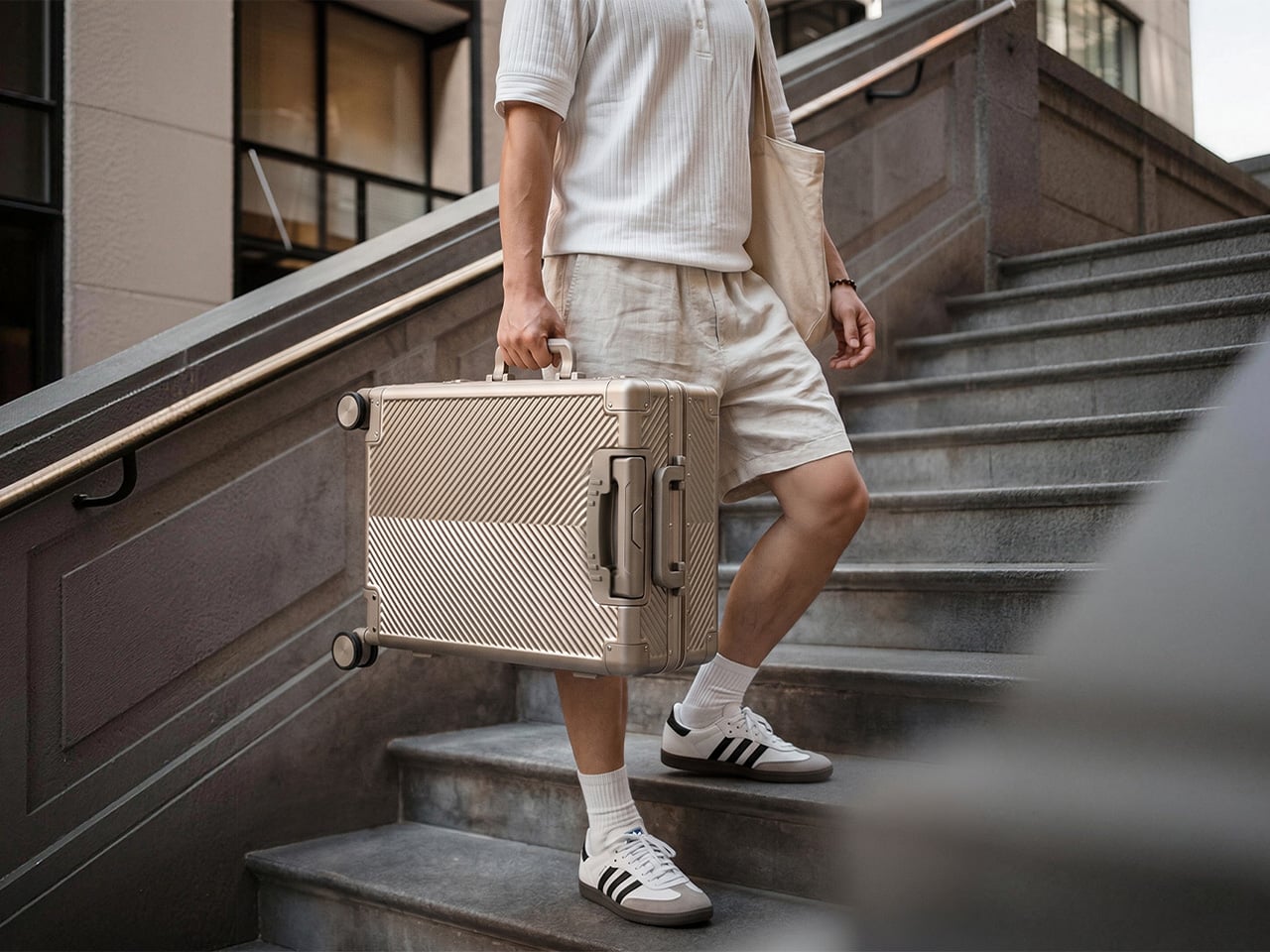
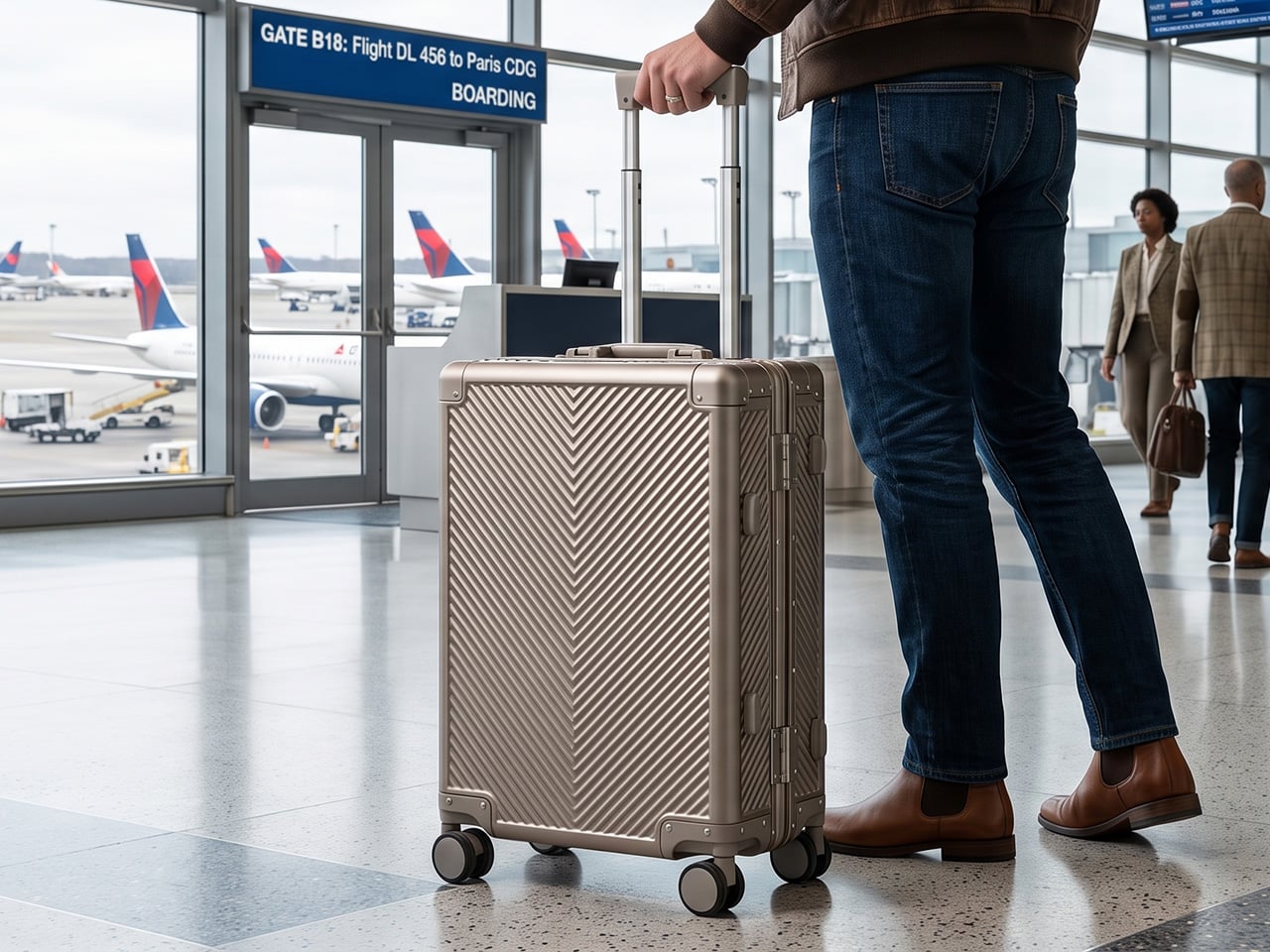
Titaner’s Voyager arrives as the carry-on that resets that expectation entirely. The 20-inch titanium shell is ribbed with chevron patterning that doubles as structural reinforcement, sealed without a single zipper on its exterior, and coated with a hydrophobic treatment that sends water beading off its surface. Designed for travelers who see their gear as long-term equipment rather than seasonal accessories, it signals a broader shift in what premium carry-ons are supposed to be made of.

Designer: Titaner

Click Here to Buy Now: $579 $1079 ($500 off). Hurry, only 19/290 left! Raised over $336,000.

The shell physically, visually, practically, and literally sets the Voyager apart from any other travel carry you’ve currently got stowed underneath your bed or in your closet. Made from Grade 1 pure titanium, the kind typically reserved for aerospace applications and medical implants, the Voyager carries the same corrosion resistance and impact tolerance that have made the material legendary in other industries. Titanium does not rust, does not dent easily, and ages with a patina that adds character rather than degradation. The angled chevron texture machined across its surface does three things at once: it creates visual drama, it distributes impact force across a wider structural field, and it hides minor surface wear far better than a polished or matte finish ever could. This is luggage that looks more refined the longer you own it.

The zipperless body is where Titaner makes its clearest departure from conventional luggage logic. Most hard-shell cases still rely on zipper closures because they are familiar, flexible, and cheap to manufacture. They are also the first thing to fail under repeated stress. The Voyager uses a continuous waterproof gasket seal instead, wrapping the entire case perimeter in a material that keeps rain out and dust at bay. Pop the latches, and the case opens in two clean halves with a 180-degree flat lay. No zipper teeth to snag. No fabric track to tear. Just a mechanical hinge and a seal that either works or it does not. It is the kind of decision that makes soft-shell luggage feel like it was designed around cost, not longevity.

Travel is a series of small interactions repeated hundreds of times: extending the handle, rolling through terminals, lifting it into overhead bins, setting it down on uneven pavement. Titaner has refined each one. The telescoping handle uses a 13-stage adjustment system with no visible punch holes running down the tube, which means a cleaner visual line and a mechanism that locks at every height with a button press at the base. The handle grip itself uses a slow-return damper, so when you let go, it eases back into place instead of snapping against the shell. The eight independent spinner wheels are modular, which means if one gets damaged after years of airport abuse, you replace that single wheel instead of the entire case. Underneath, a spider-web reinforcement structure distributes the stress from each wheel across the corner assembly, so no single impact point can compromise the frame. Even the side feet are trapezoidal, designed to keep the case stable when stood upright and lifted without effort when you need to move it.

Inside, the Voyager offers a layout most frequent travelers will recognize: dual compression straps, zippered divider panels, interior pockets on both halves. The lining is stain-resistant and wipes clean. But the real interior innovation is the optional Waterproof Vault, a removable airtight inner bag with a triple-side zipper seal. Cameras, drones, passports, medication, anything that cannot afford even brief water exposure gets sealed inside. The vault can also be fitted with modular foam inserts for shock protection, turning the Voyager into a hybrid between a carry-on and a protective equipment case. It is the kind of feature that expands the product’s identity beyond clothing transport into the realm of gear protection, where soft-shell luggage has never been able to compete.

What Titaner has done with the Voyager is take the material obsession and mechanical precision that defined its EDC products (pens, multi-tools, pocket knives) and scaled that philosophy up to travel dimensions. The result feels less like luggage in the traditional sense and more like a precision mobility tool. It is cabin-approved at 20 inches, light enough to lift with one hand despite the titanium construction, and visually distinct enough that you will spot it on a carousel from across the terminal. The chevron-patterned shell catches light at angles soft fabric never could. The hardware has the same machined confidence you would expect from a high-end knife or watch. Travelers who have spent years cycling through polycarbonate shells and torn nylon cases will recognize this as something different: a carry-on designed to outlast your travel habits, not replace them every few seasons.

The Titaner Voyager is currently available at $579, discounted over the $1079 MSRP for the base 20-inch carry-on in titanium, with options to add the Waterproof Vault module and additional accessories. The campaign ships internationally, with estimated delivery starting in late 2026.

Click Here to Buy Now: $579 $1079 ($500 off). Hurry, only 19/290 left! Raised over $336,000.

The post We’re Officially in the Titanium Travel Case Era, Soft-Shell Suitcases Had a Decent Run… first appeared on Yanko Design.

A Jewelry Artist Just Turned a 50-Cent Coin Into a World Cup Ball

The 2026 FIFA World Cup is already one of the most logistically ambitious tournaments in the sport’s history. Three host nations. Forty-eight teams. One official ball. And now, one very tiny, very gorgeous golden replica made from spare change.

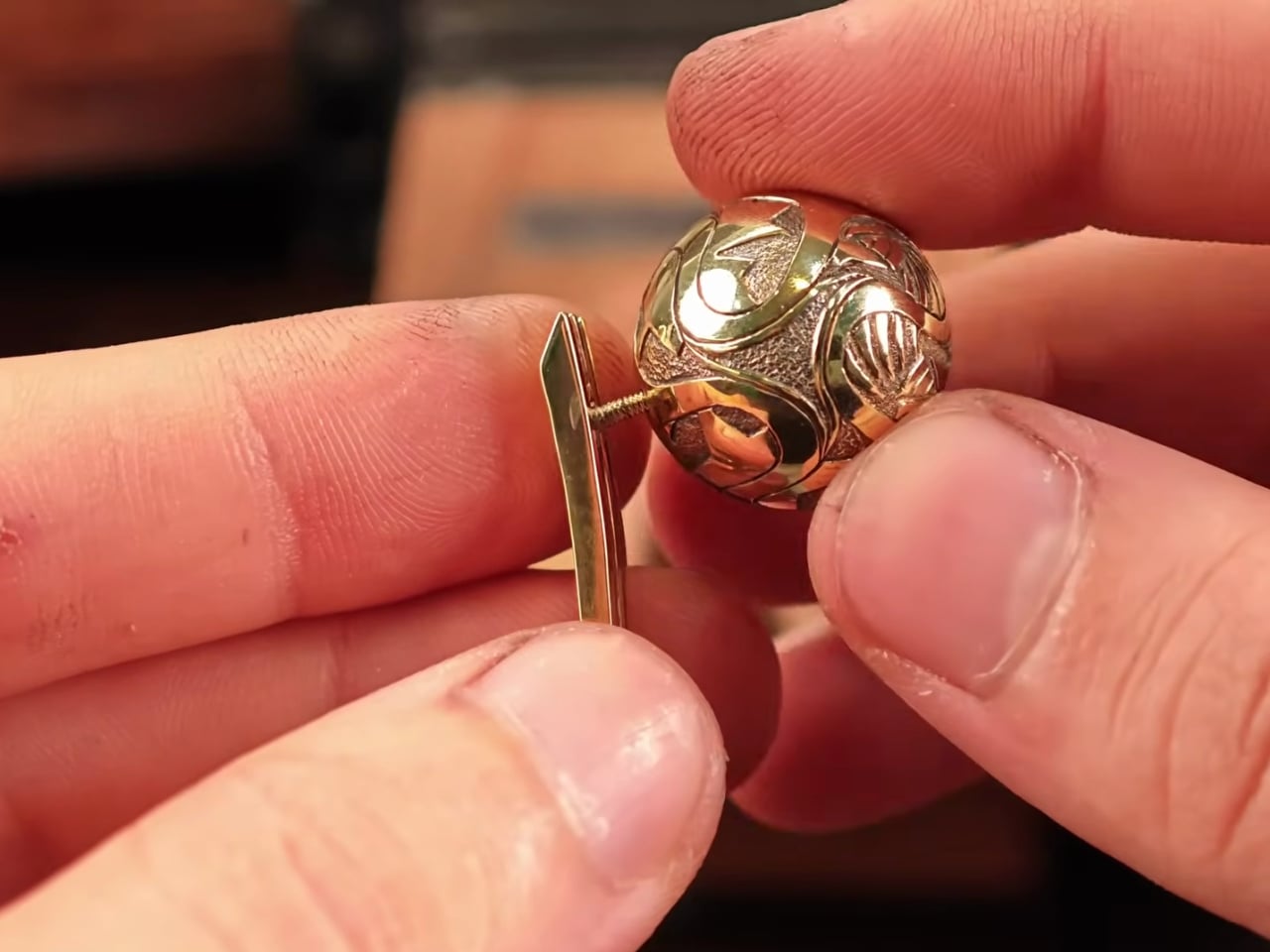
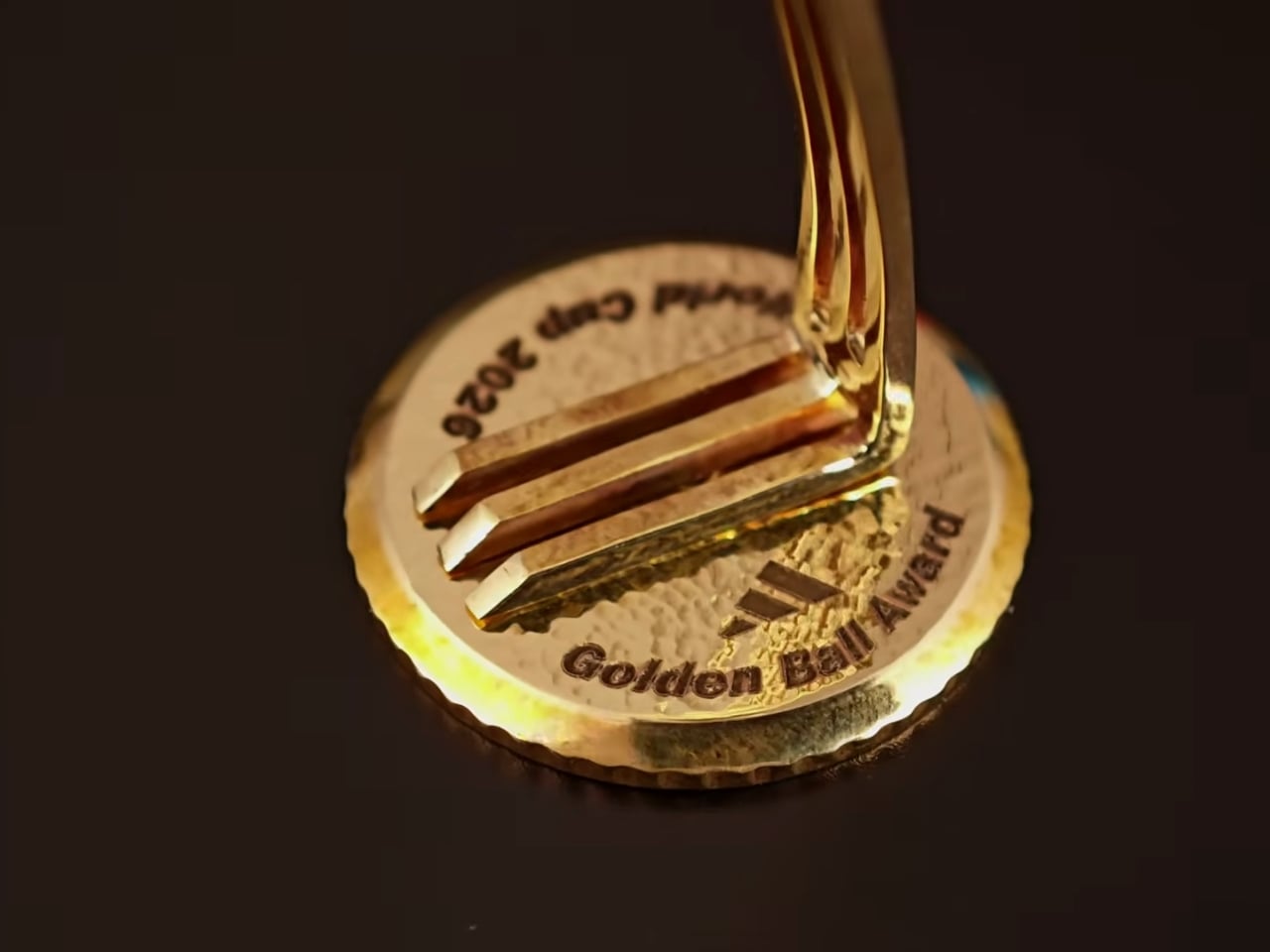
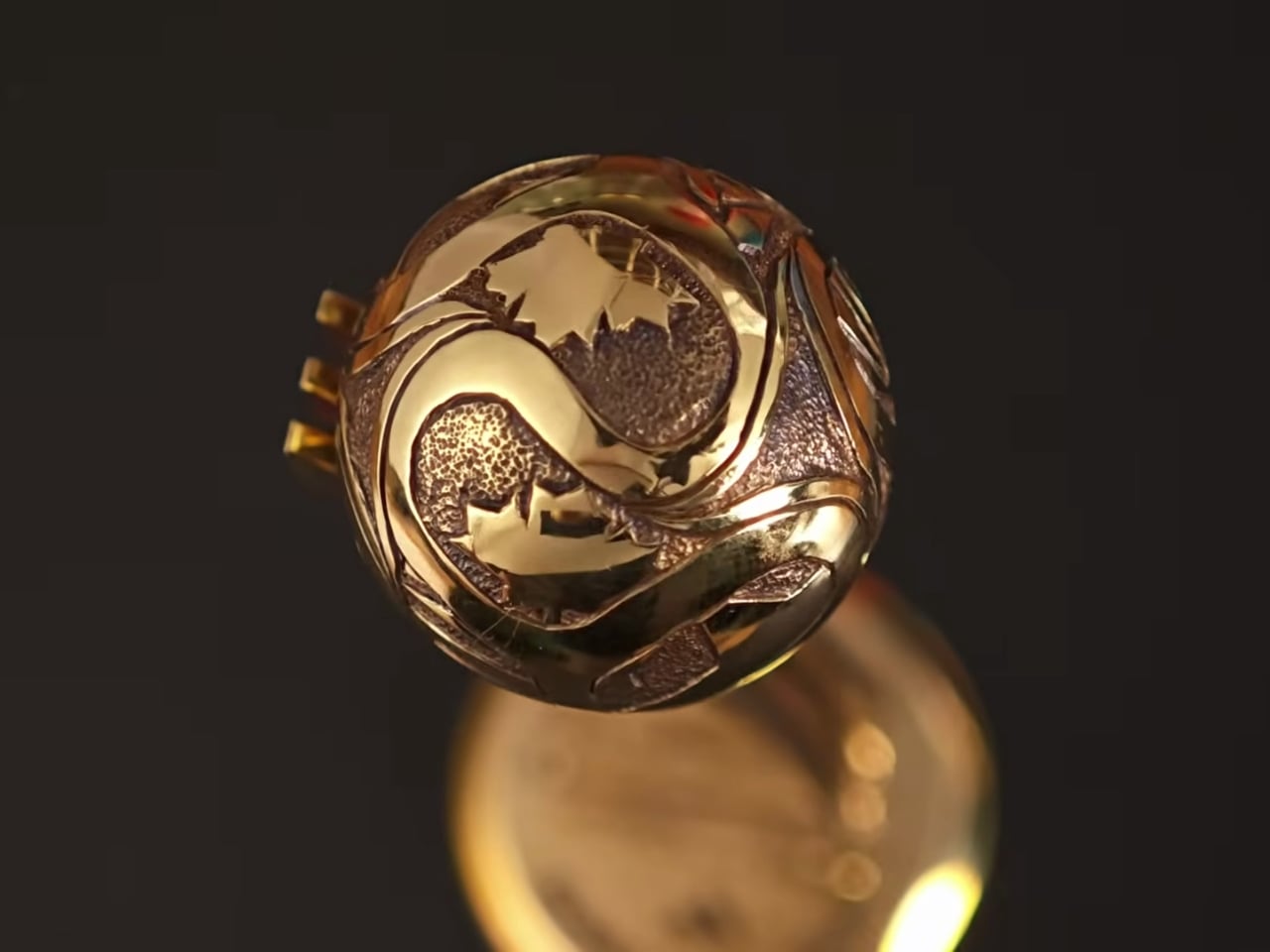
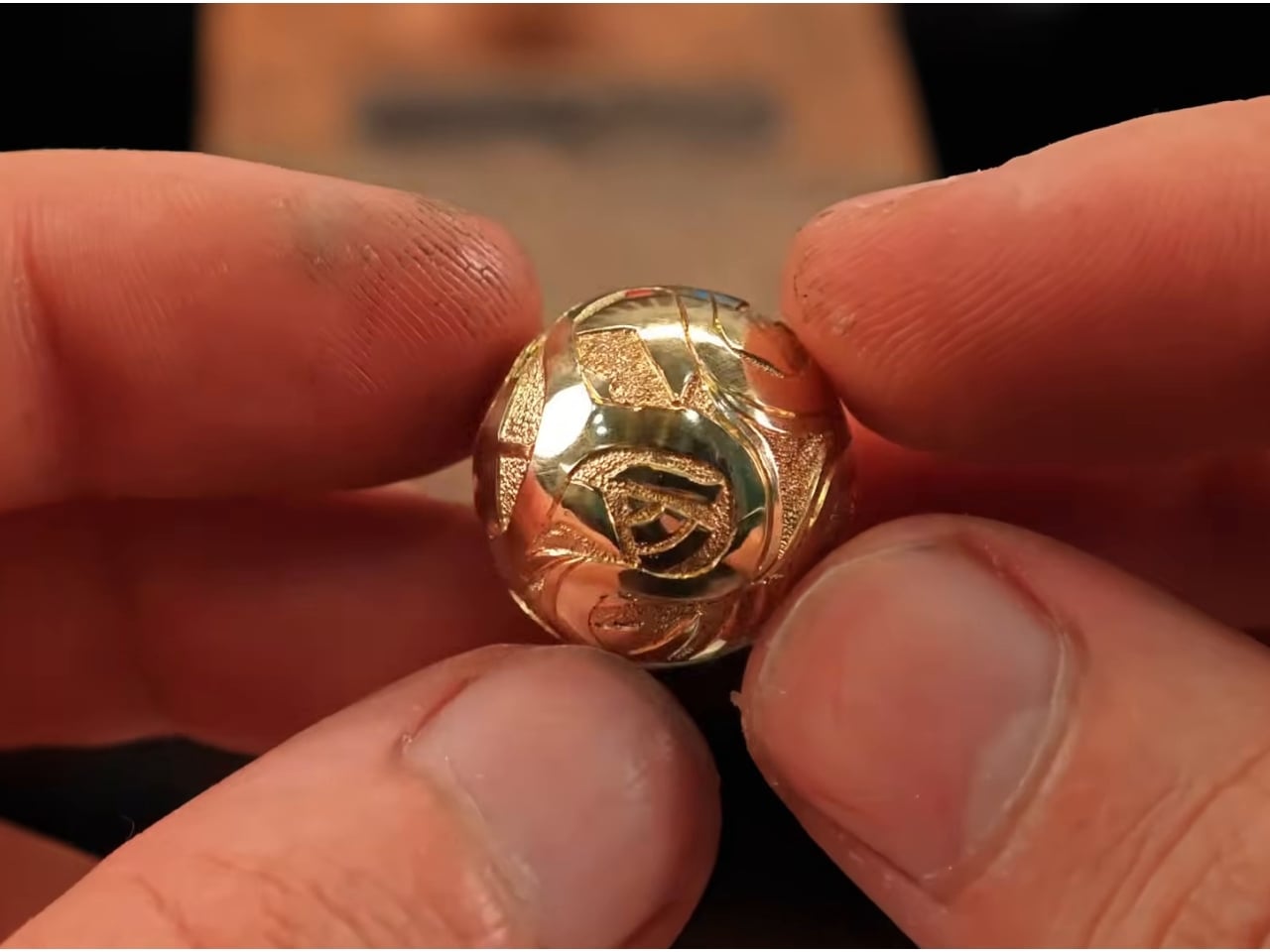
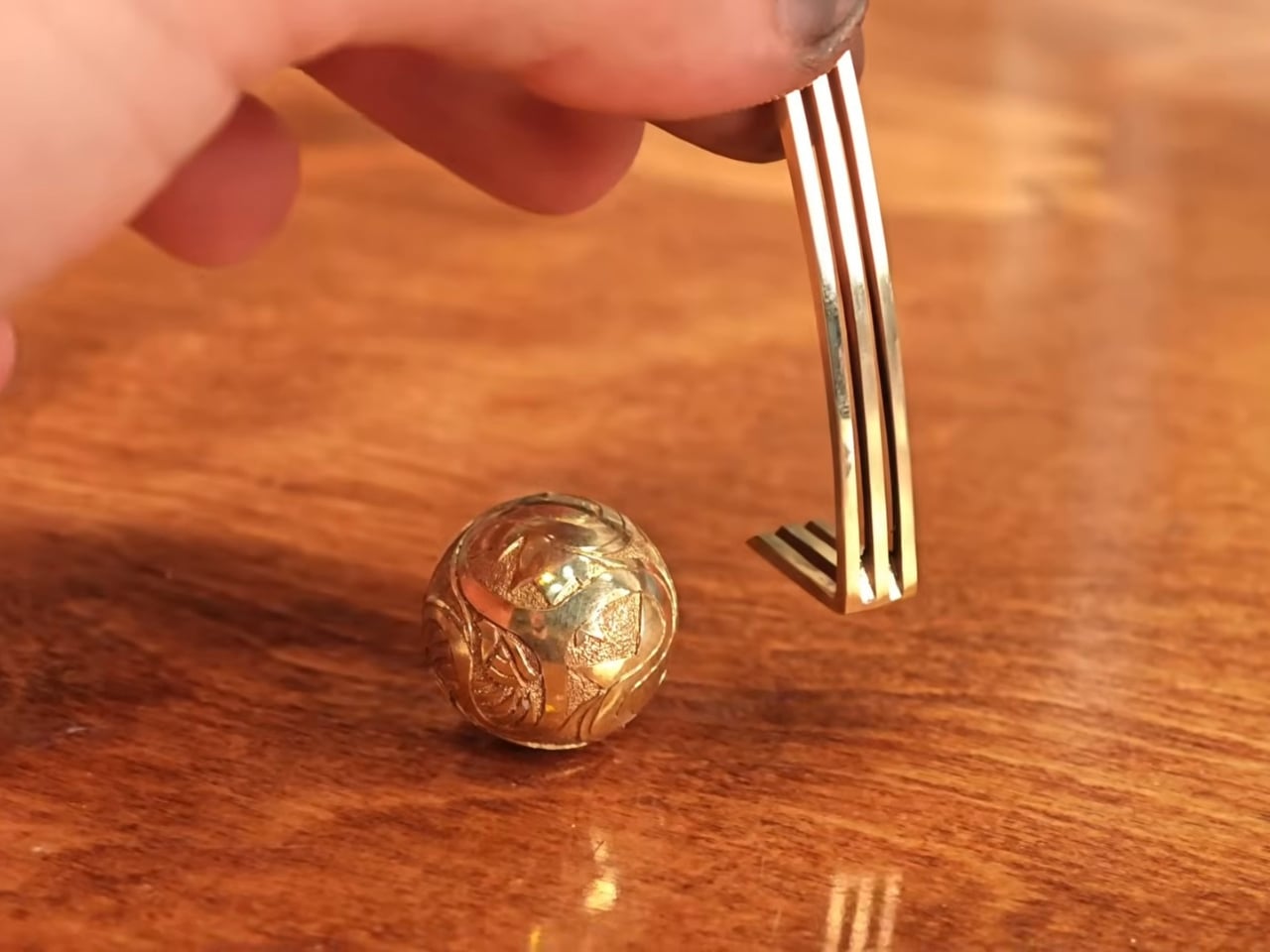
Jewelry artist Soroush JWL recently released a video documenting his process of turning 50-cent Euro coins into a miniature version of the Trionda, Adidas’ official match ball for the 2026 FIFA World Cup. The result is exactly as compelling as it sounds: a palm-sized golden sphere that perfectly mirrors the Trionda’s distinctive flowing panel pattern. It shouldn’t work as well as it does, but it does.

Designer: Soroush JWL

For those not yet deep in the World Cup rabbit hole, the Trionda is a ball worth knowing. Adidas unveiled it in October 2025, and its design carries real intention behind it. The name nods to the three host nations (Canada, Mexico, and the United States), while the curving four-panel form was inspired by “la ola,” the wave. It actually holds a small record: with only four panels, it’s the fewest a FIFA World Cup ball has ever used. Each panel carries iconography tied to a host country. A maple leaf for Canada. An eagle for Mexico. A star for the United States. The craftsmanship baked into the original ball already had layers of meaning long before Soroush got near it with his tools.

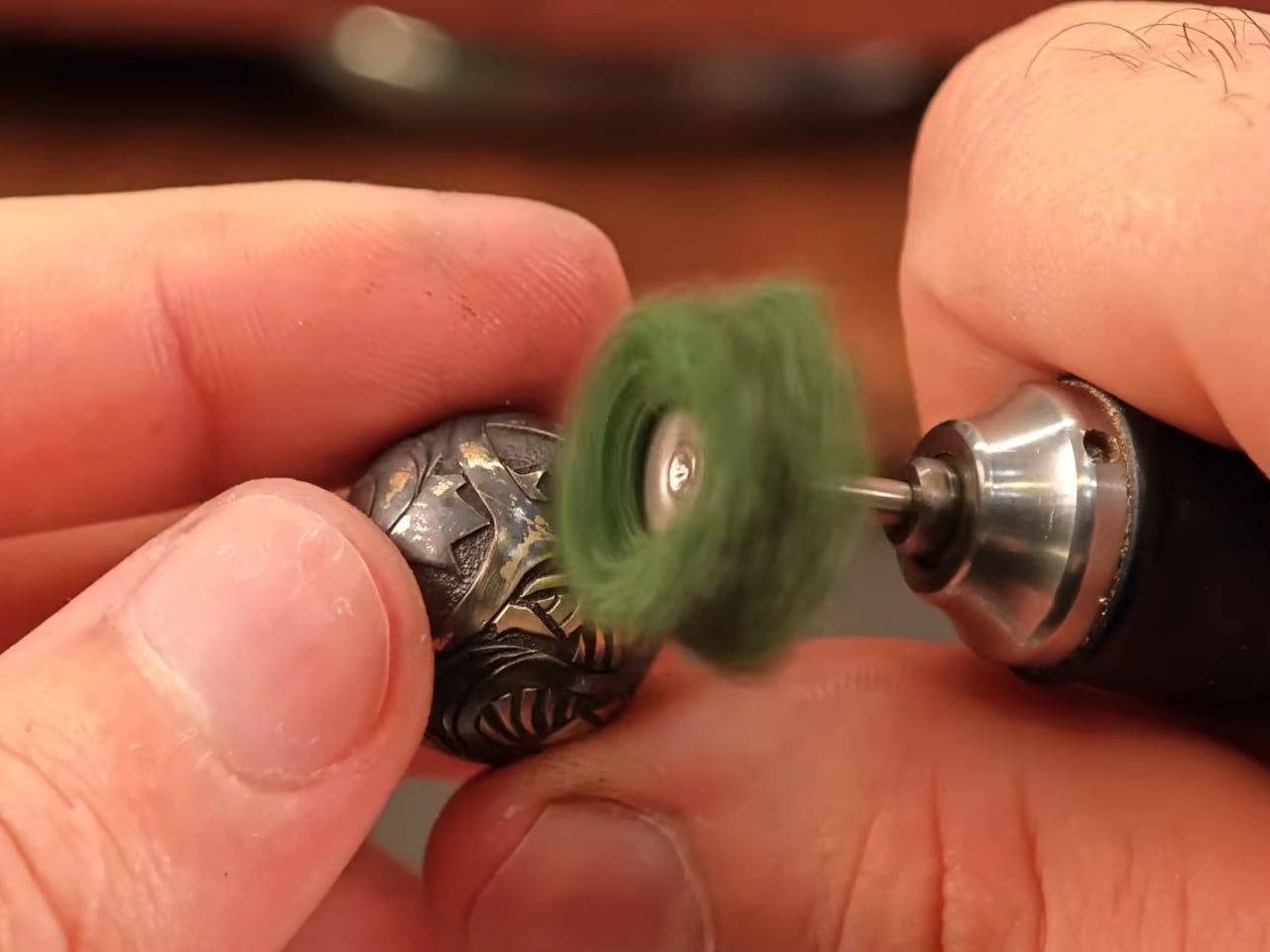
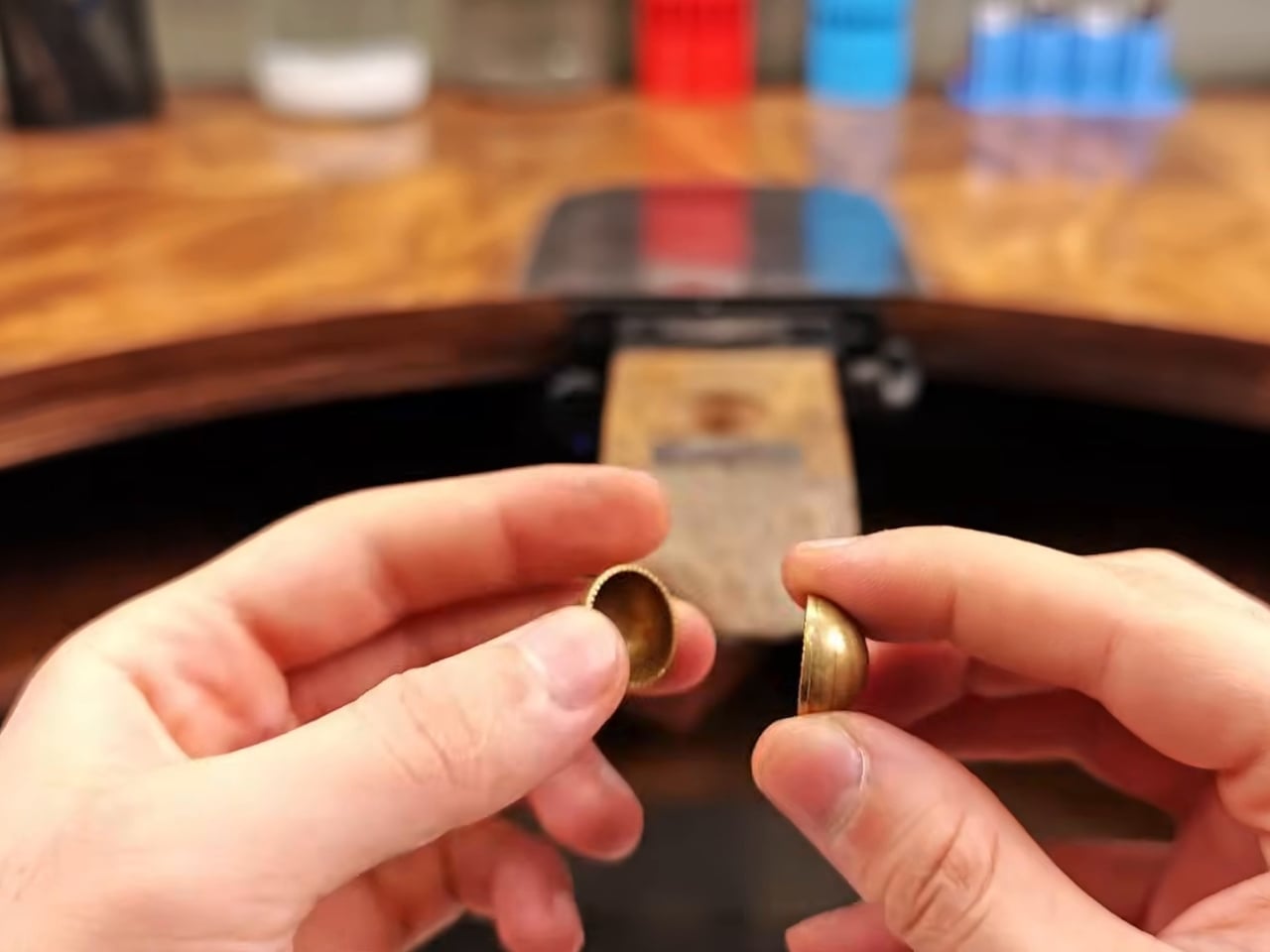
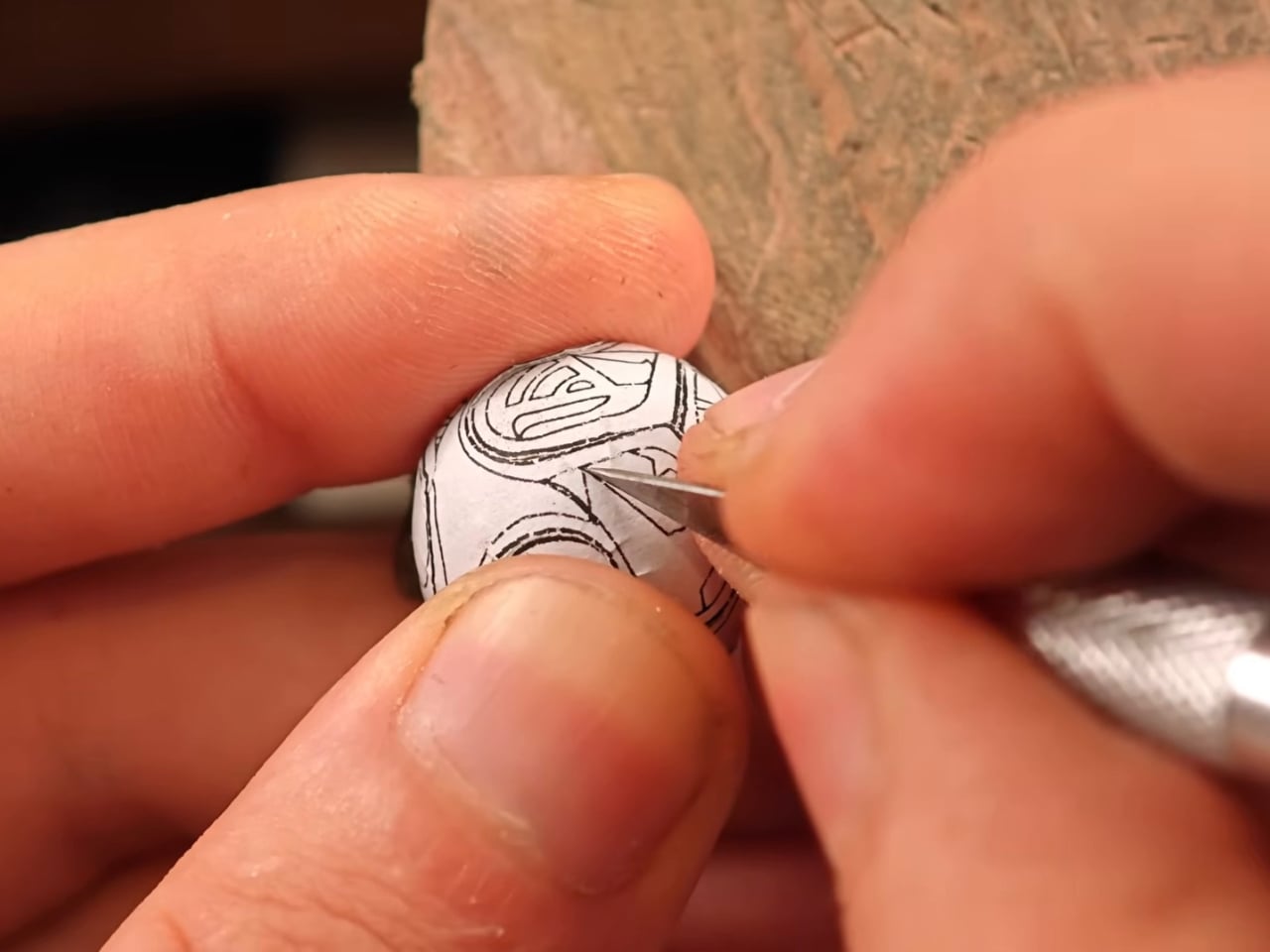
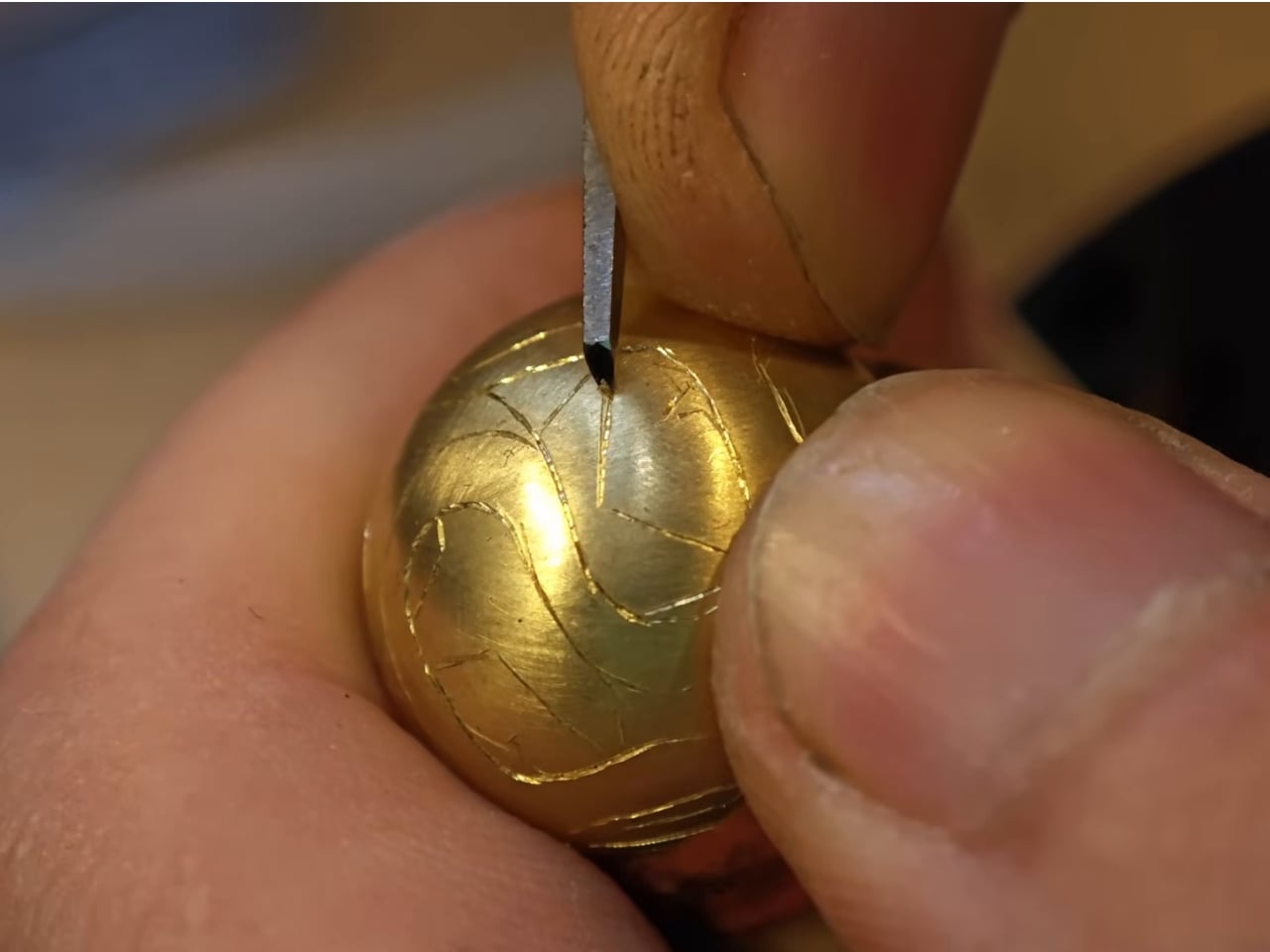
Which is probably part of what makes his replica so satisfying to watch take shape. He splits the coins down the middle, hammers each half into a custom mold, solders the halves together into a sphere, and then begins the painstaking work of hand-carving the Trionda’s twisting surface pattern directly into the metal. No CNC machine. No shortcuts. Just hands, tools, and a very deliberate commitment to getting every curve right.

I have a lot of appreciation for this kind of project because it does two things at once. It is a genuine craft exercise, the kind that demands patience and precision without any automated assist. And it is also a design exercise in disguise. To carve a pattern convincingly, you first have to understand it completely. Soroush had to deconstruct the Trionda’s geometry before he could reconstruct it at a fraction of its size. That level of attention to an object most people only interact with as background detail during a broadcast is, by itself, a kind of tribute.

Soroush JWL has built a following on exactly this kind of work. Previous projects have included a ring engineered to unfold into a bracelet through a series of interconnected scissor mechanisms, a miniature Aladdin’s lamp, and a bolt transformed into a sword. The common thread across all of it is a delight in transformation and an insistence on doing it by hand. His YouTube channel has grown to over 123,000 subscribers, and it is easy to understand why. Watching raw metal become something recognizable, even beautiful, hits a very specific satisfaction center in the brain that almost nothing else does.

More than the craftsmanship, though, it is the timing that makes this feel significant. The World Cup is one of those rare events that genuinely pauses the world for a few weeks and creates objects that carry collective memory. Jerseys. Stickers. Posters. The balls themselves. Soroush took one of those objects and translated it into something permanent and personal, a keepsake that will outlast the tournament by decades.

There is also something quietly ironic about the material choice. The Trionda is engineered for elite play, designed to perform under the highest standards of precision and durability on the world’s biggest stage. Soroush’s version will never see a pitch. It will sit in someone’s hand, catch the light, and make whoever holds it think about what it represents. In some ways, that is its own kind of performance. The World Cup is a design event as much as it is a sporting one. Soroush JWL just made a tiny, golden argument for that point.

The post A Jewelry Artist Just Turned a 50-Cent Coin Into a World Cup Ball first appeared on Yanko Design.
Get Ready for the Keychain Clip That Turns 4 Grocery Bags Into 1

Returning from a grocery run with multiple bags in each hand is one of those small, everyday annoyances that people have accepted as inevitable. The plastic or fabric handles dig into the fingers, usually along the narrowest bones, the load swings unevenly with each step, and somewhere between the car and the front door, your hands remind you that they weren’t really designed for this. It’s not a dramatic problem, but it adds up in a way that genuinely wears on you over time.

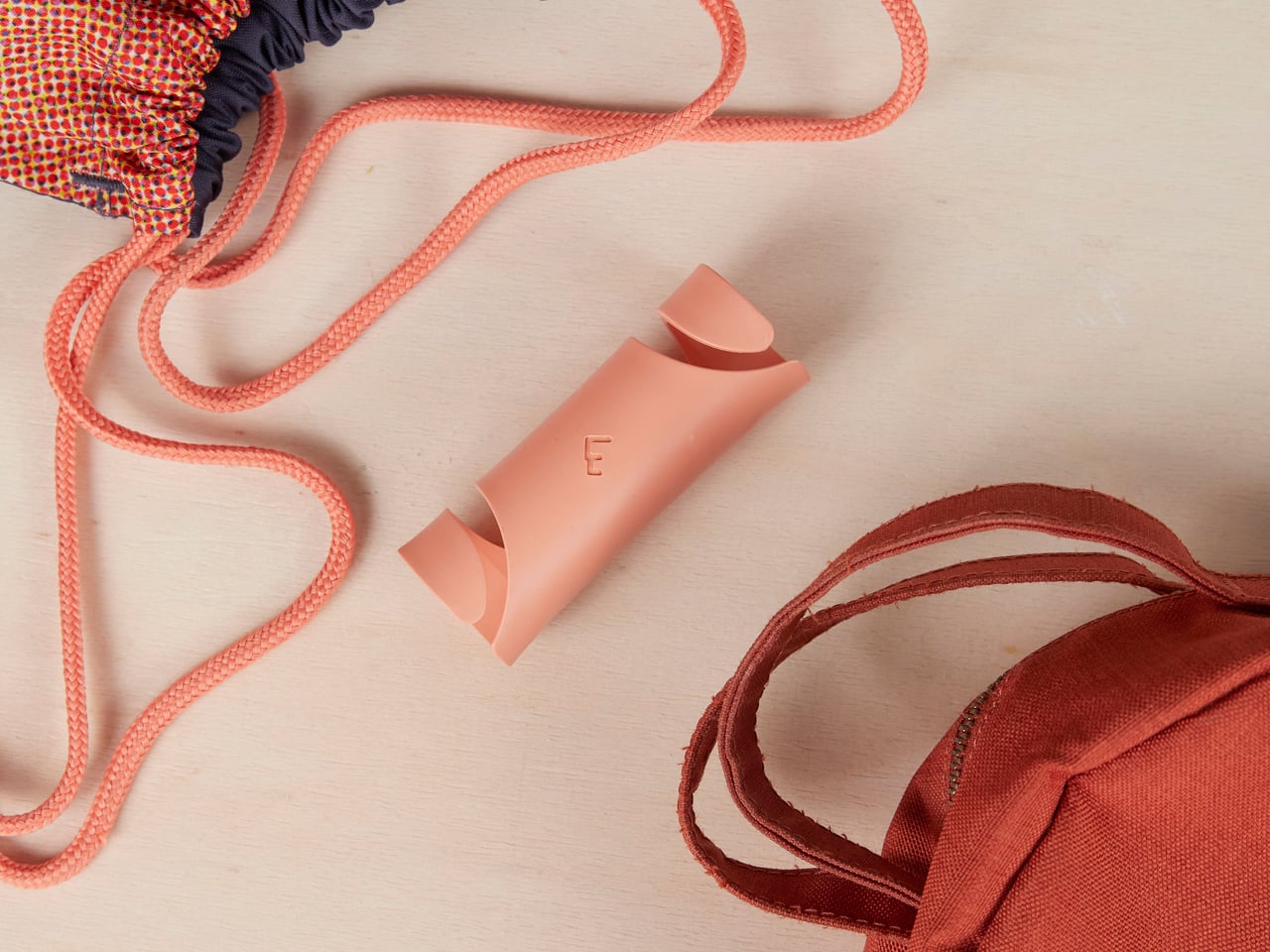
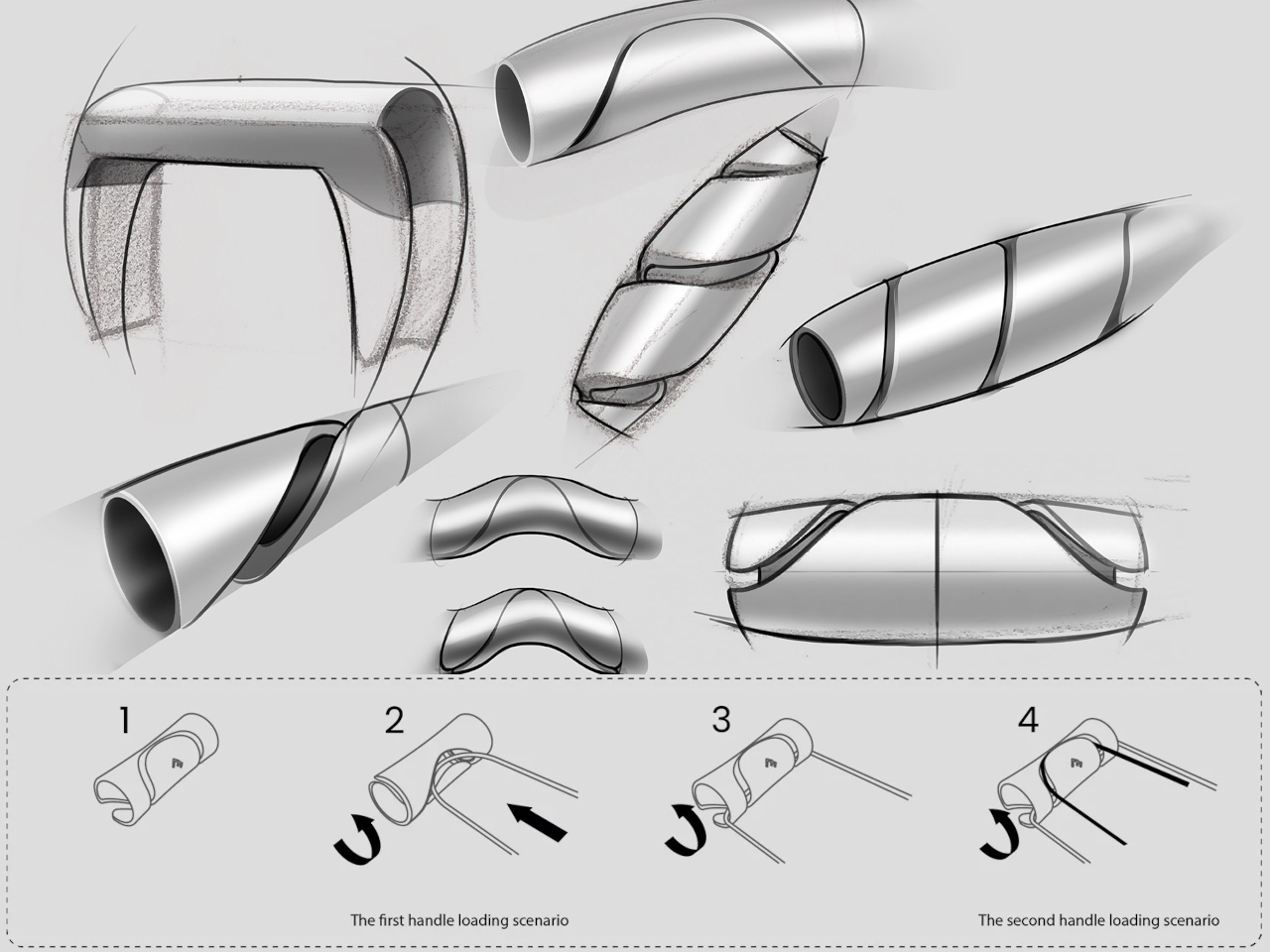
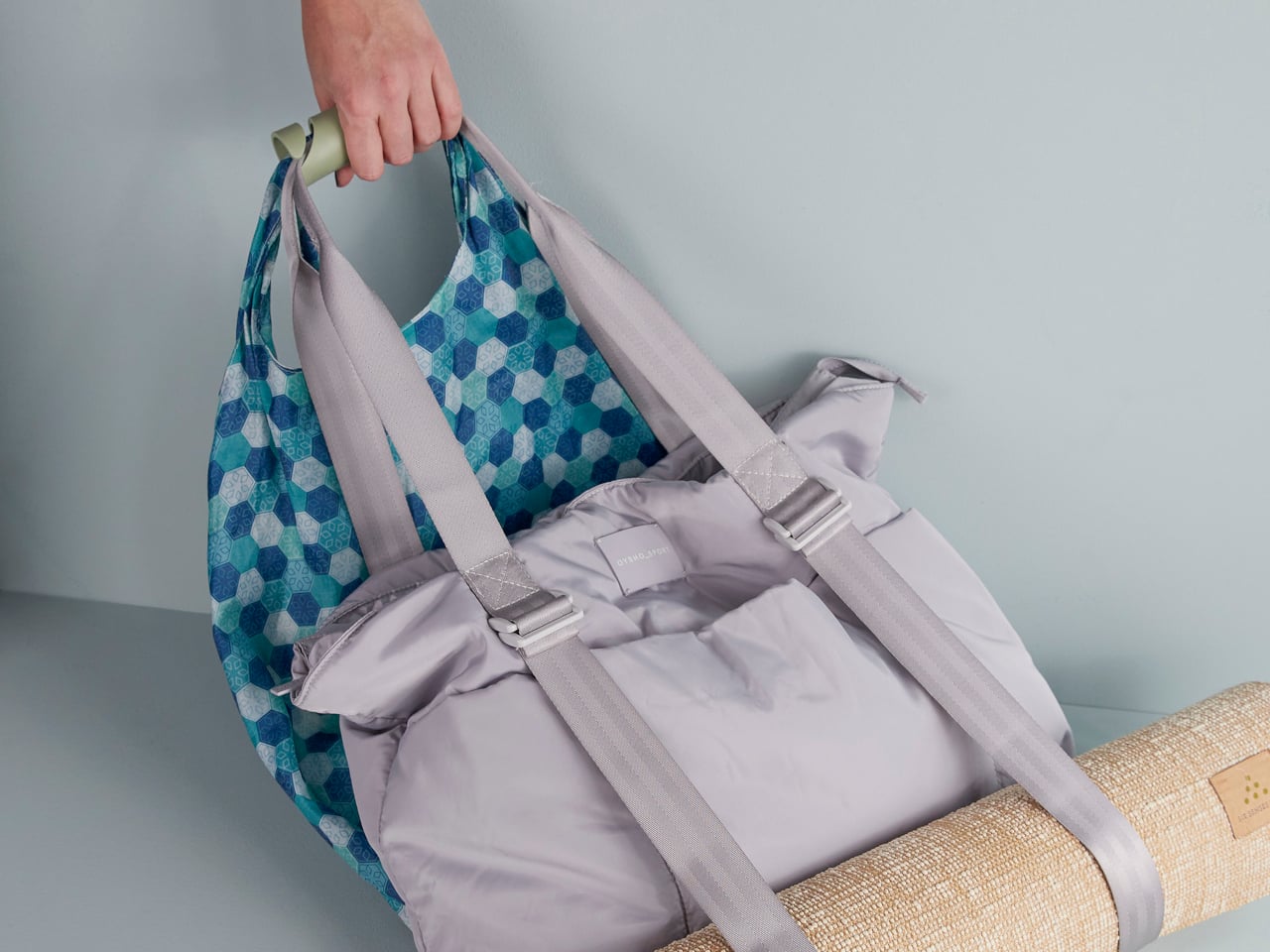
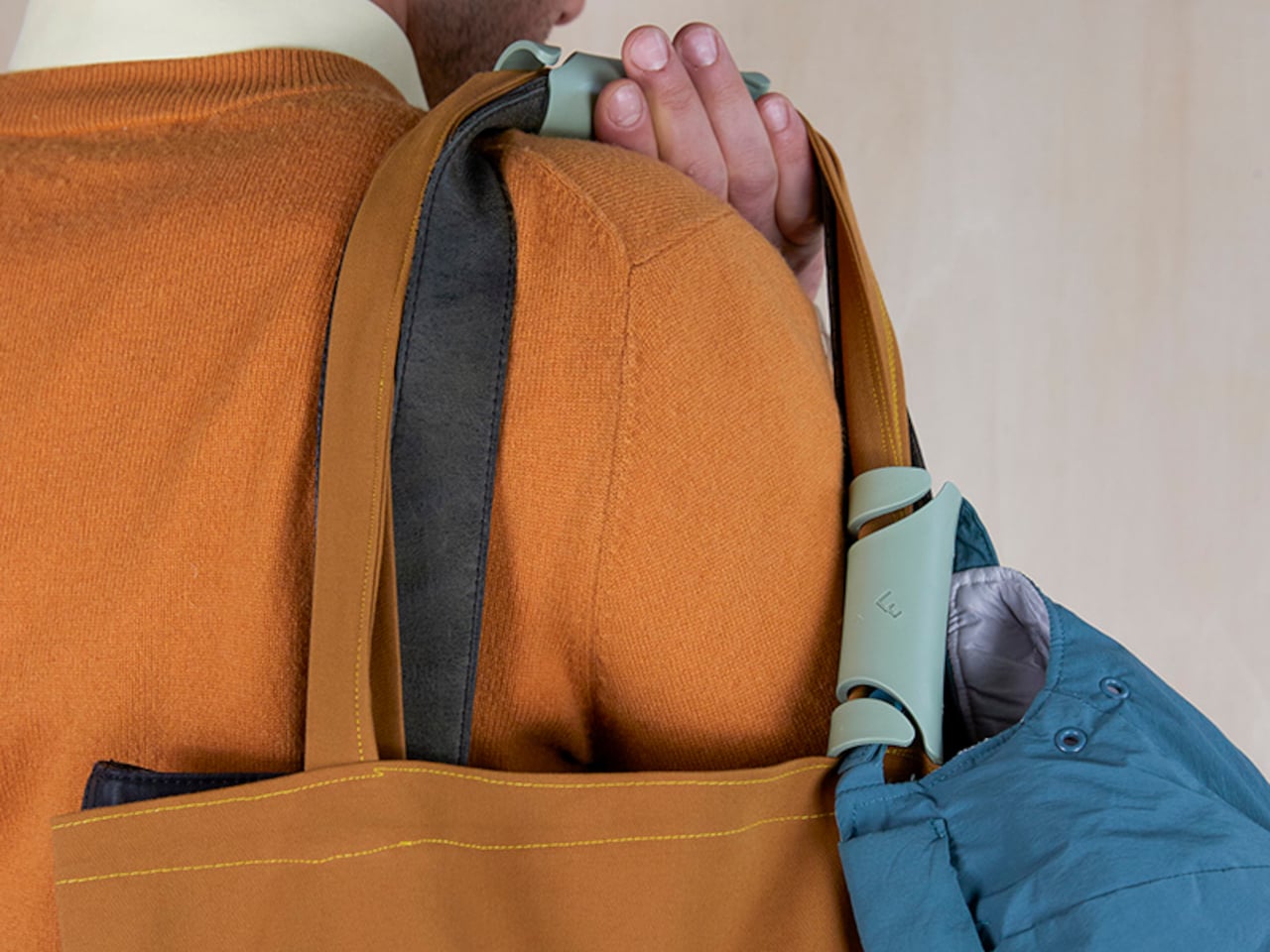
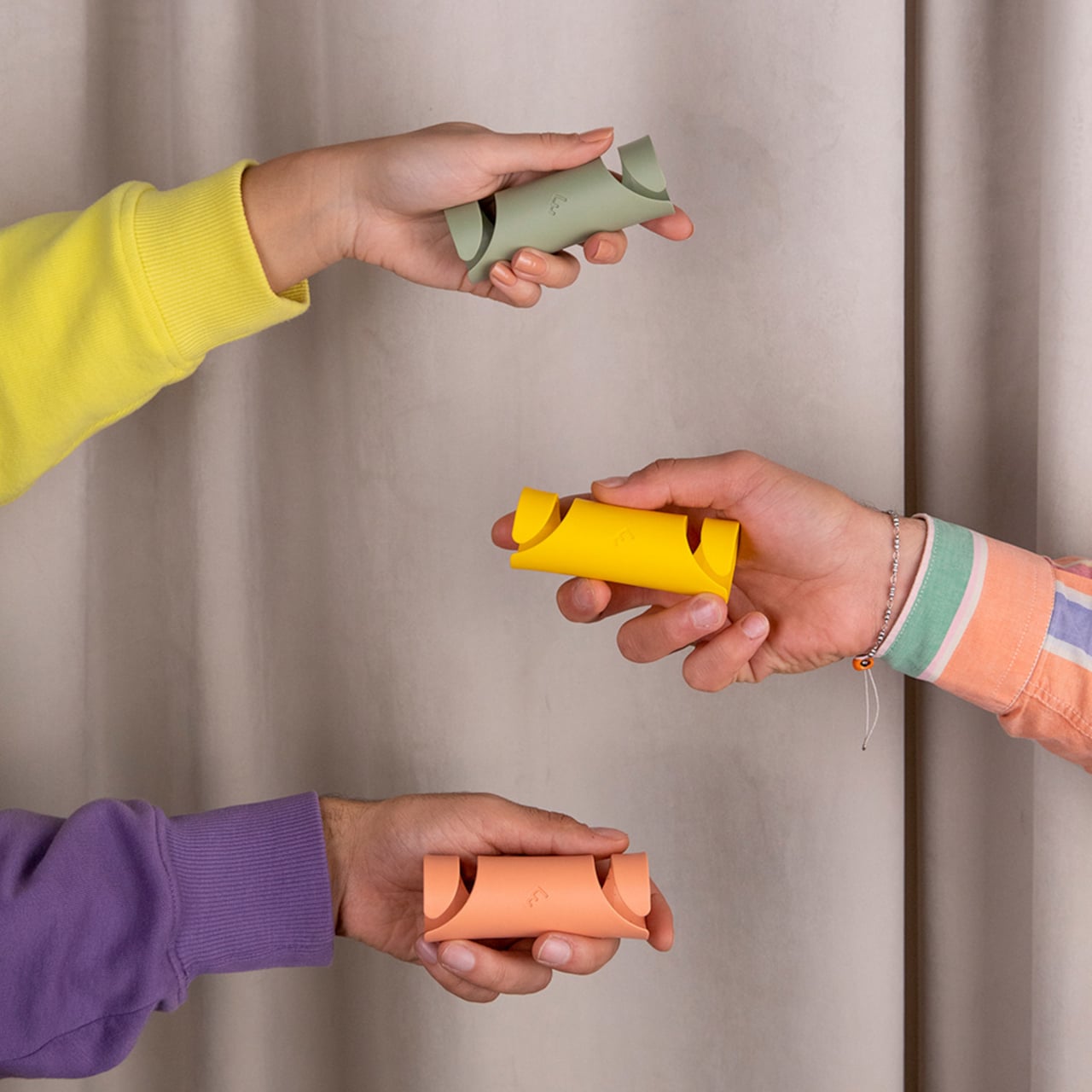
Carryfix is a compact portable handle that collects all those separate bag handles into a single controlled grip. A twist-lock mechanism lets you slide the handles in and out with a simple rotation, gathering paper bags, plastic bags, totes, and fabric handles together regardless of how thick or thin each one is. Four or more bags become one balanced load rather than a shifting, hand-numbing mess of individual handles.

Designer: Mert Sezer (Formeta Design)

The mechanism handles the consolidation, but the handle geometry is where the design work shows. Rather than defaulting to the easiest shape to produce, the grip follows the natural resting curve of the hand, spreading pressure across the entire palm instead of concentrating on the flexor tendons. That’s where standard bag handles tend to cause the most discomfort, and the difference is noticeable fairly quickly, especially on longer walks or when the bags are heavier than planned.

It also solves a secondary problem that most bag carriers ignore. When you set a loaded Carryfix down, the bags stay grouped rather than fanning out and toppling over. That might sound minor until you’ve set down several bags only to watch them scatter across a parking lot floor while you’re still fumbling for your keys. Having them locked in place is one of those small wins that ends up mattering more than the feature list suggests.

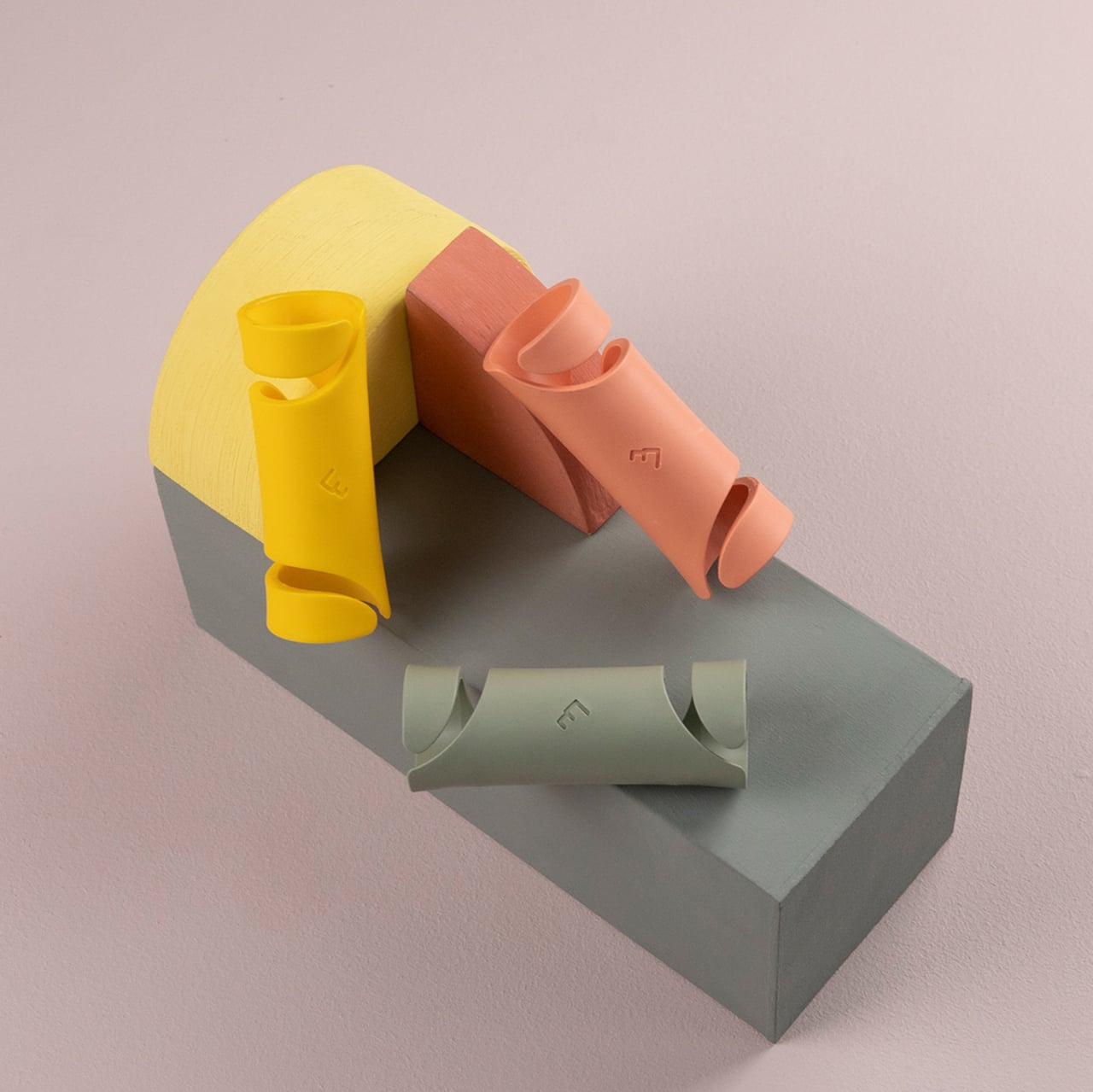
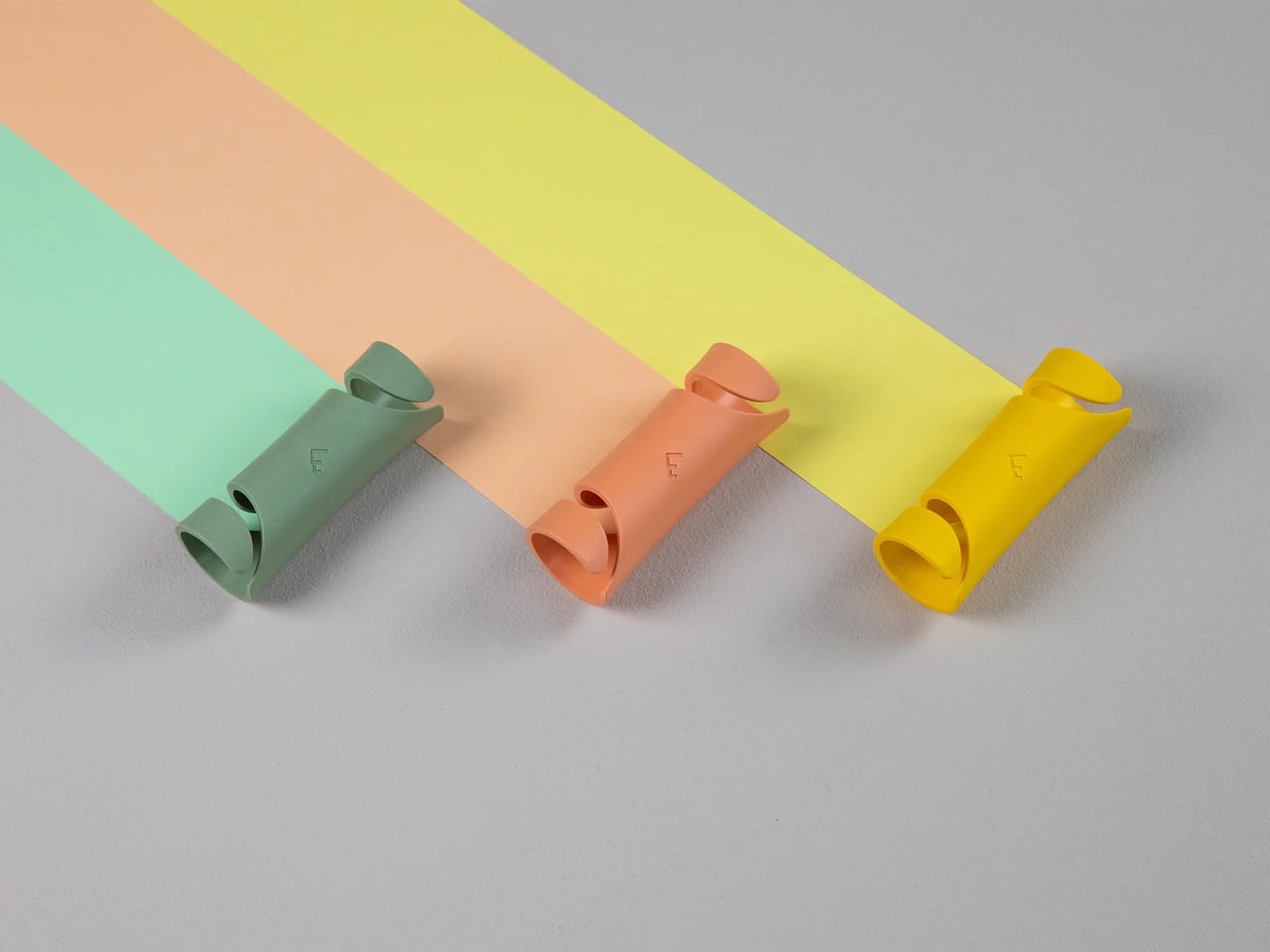
The same principle works just as well beyond the supermarket. Carryfix is compact enough to clip onto a keychain, so it travels with you without requiring any deliberate packing. A beach outing with multiple bags, a trip to the sports ground with gear spread across several carriers, or managing a handful of bags while traveling are all situations where consolidating the load into a single grip makes an immediate difference. It’s already selling across European markets in six color options.

There’s a long history of bag carriers with similar ambitions, most of which solve the handle-cutting problem by adding bulk or requiring a specific bag type. Carryfix avoids both. The compatibility across bag materials and handle thicknesses means it works on whatever bags you happen to have, rather than demanding that your bags be designed for it. Keeping it small enough for a keychain removes the final friction point, since a tool that lives on your keys is one you actually have with you at the moment you need it.

The post Get Ready for the Keychain Clip That Turns 4 Grocery Bags Into 1 first appeared on Yanko Design.
Transparent Purple Makes This $35 Phone Controller Impossible to Ignore

Touch controls on smartphones are a compromise most mobile gamers have learned to live with. They work well enough for casual games designed around them, but the moment you try running a classic arcade title or an emulated game that expects physical buttons, things fall apart quickly. Your thumbs slide off invisible buttons, precision goes out the window, and the whole appeal of playing a retro game on the go quietly evaporates.

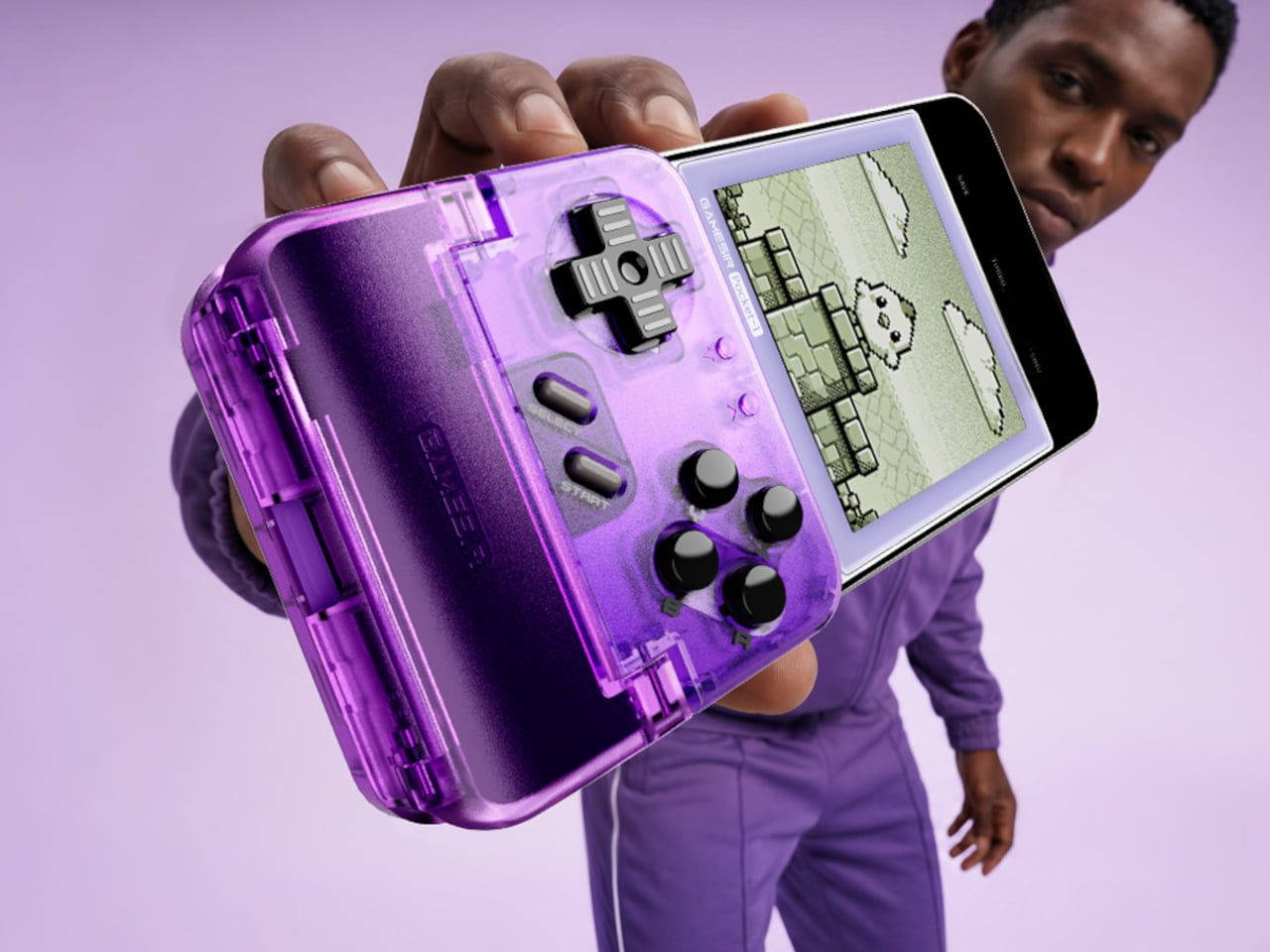
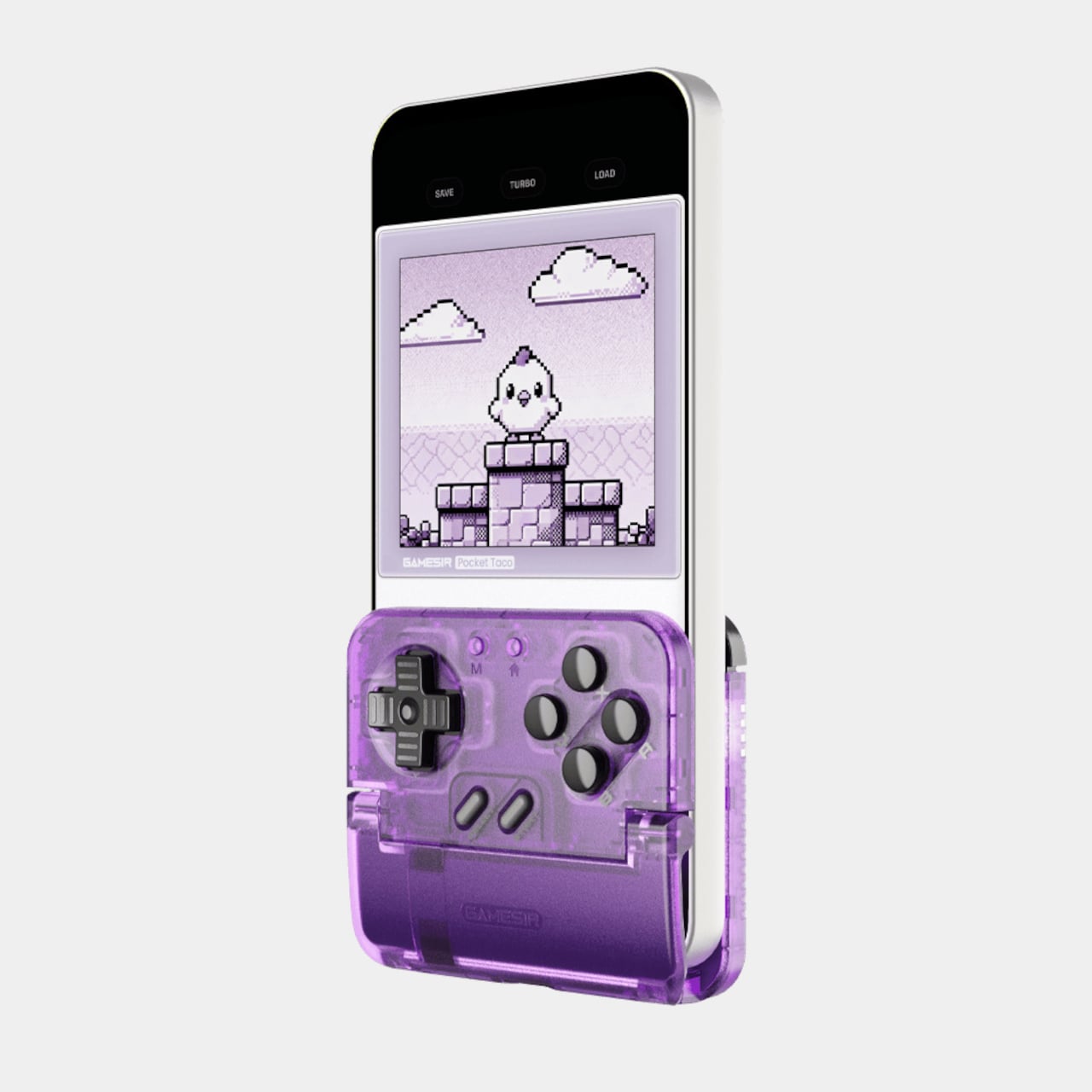
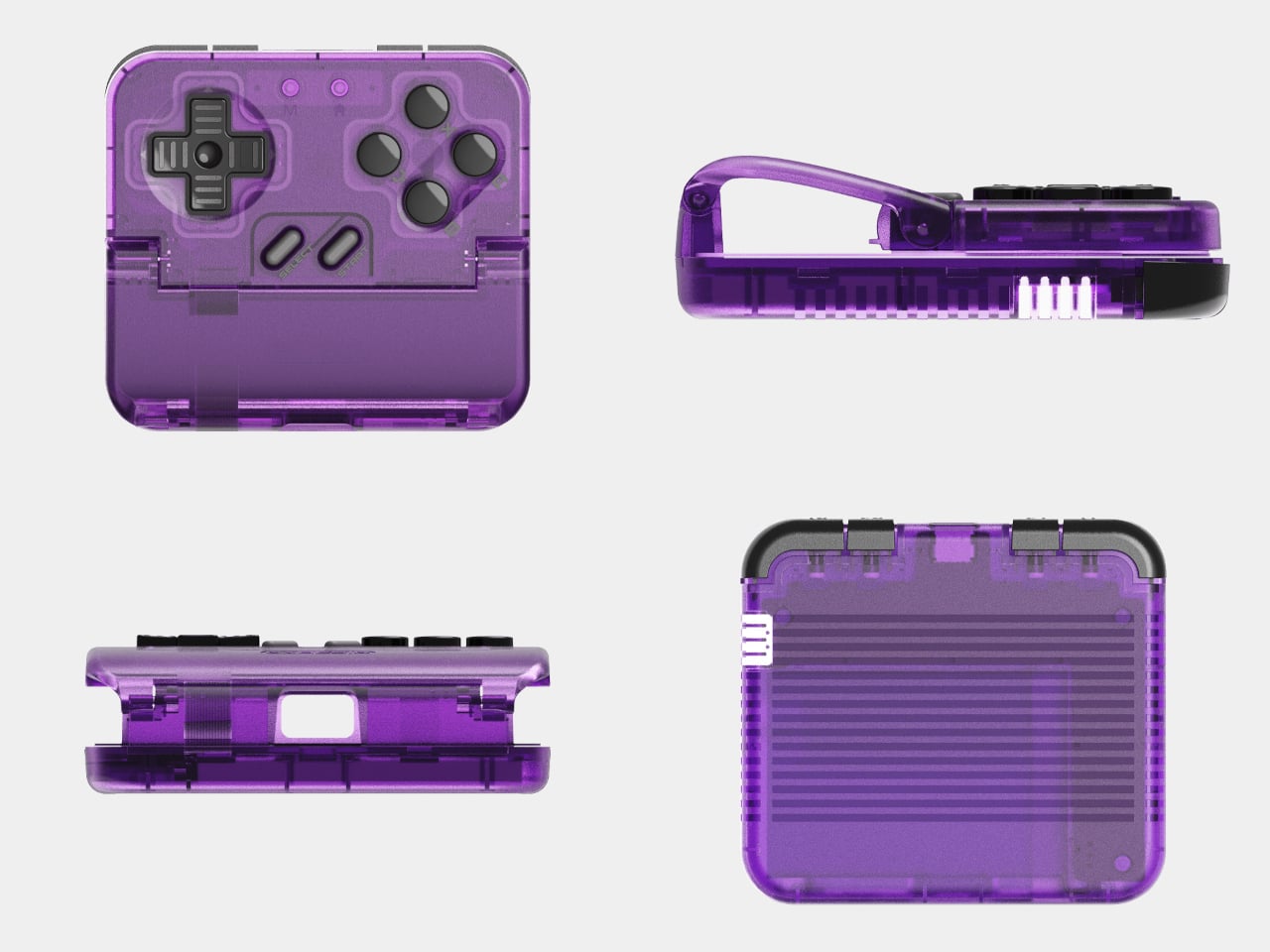
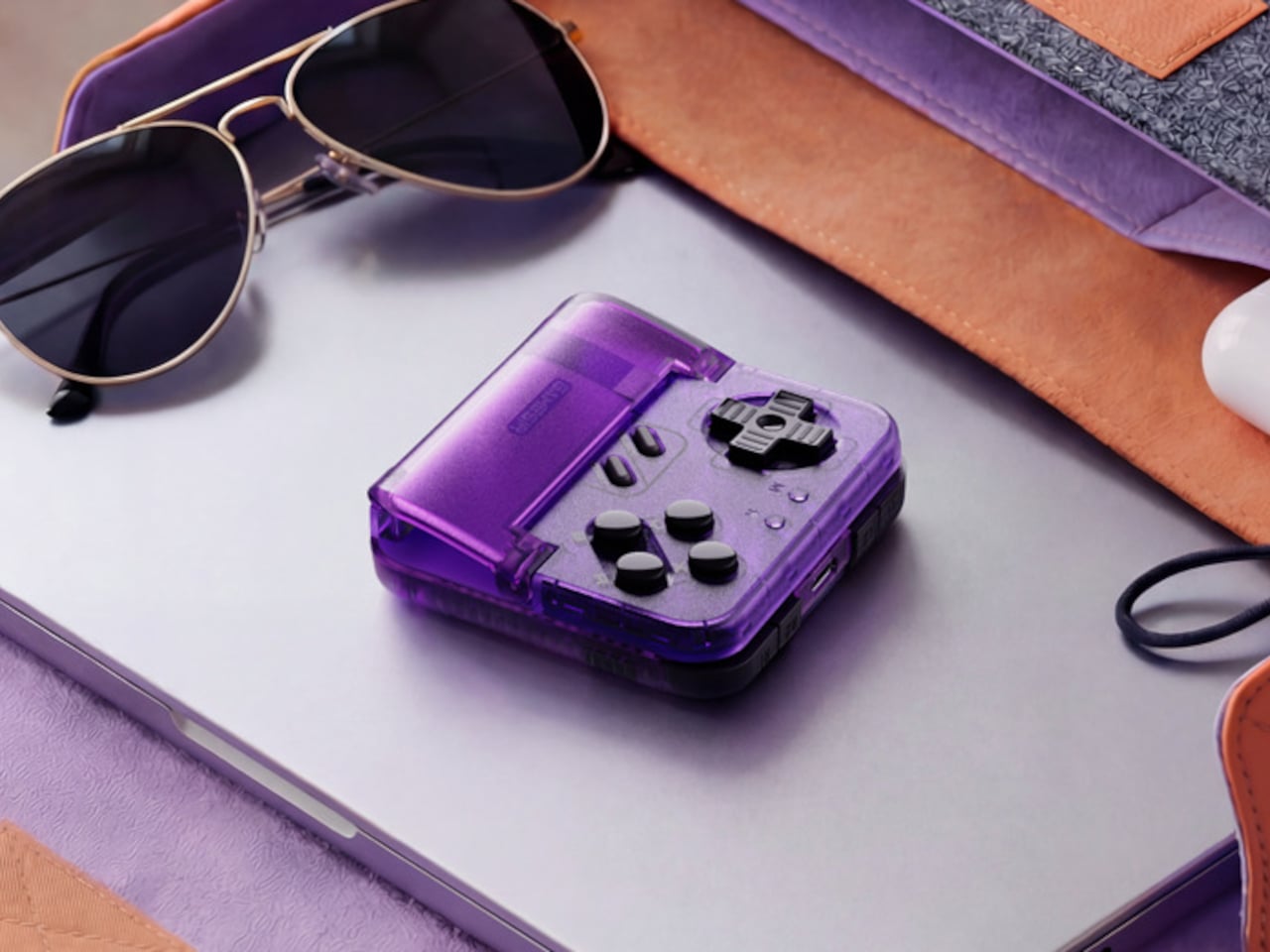
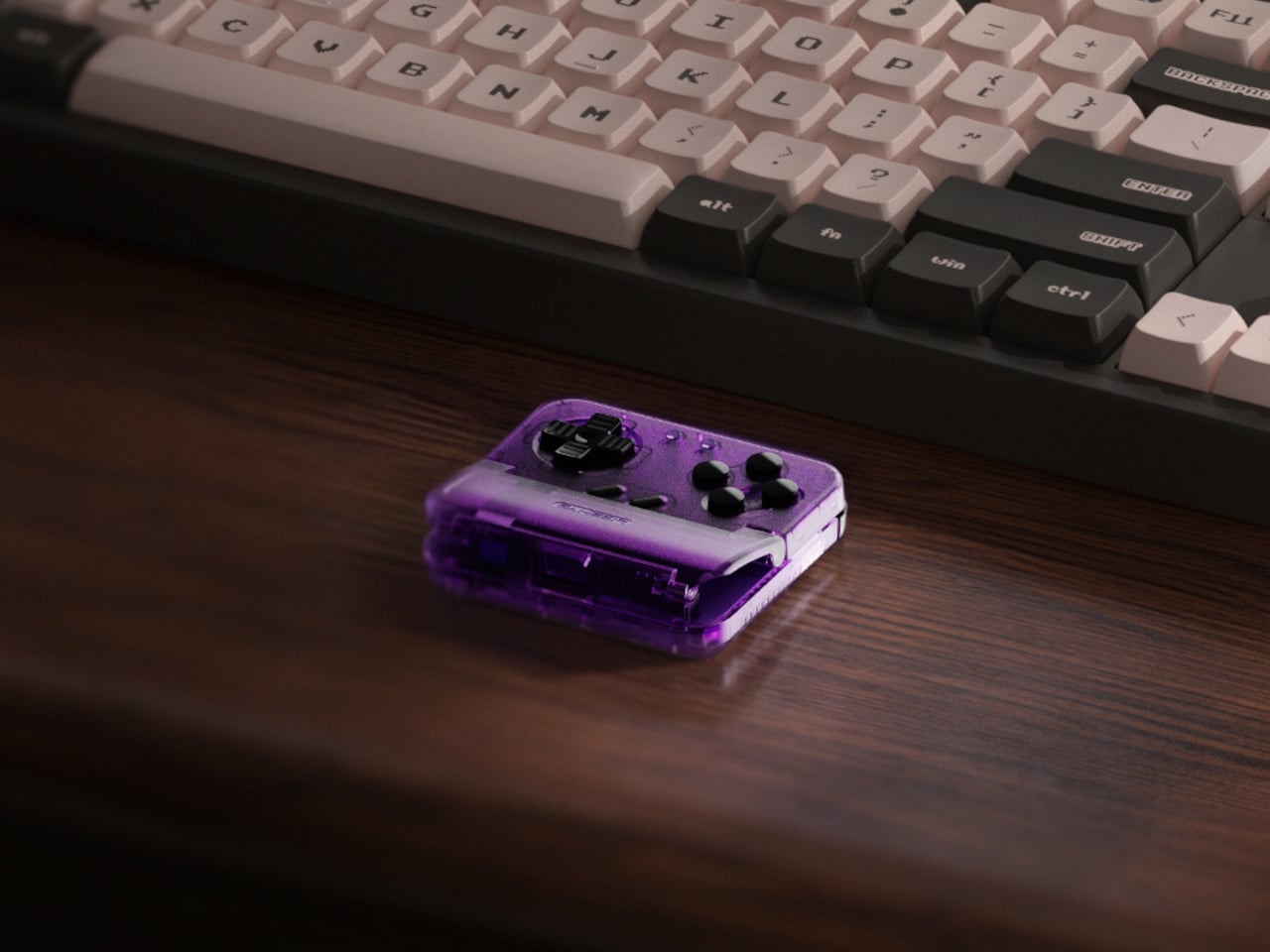
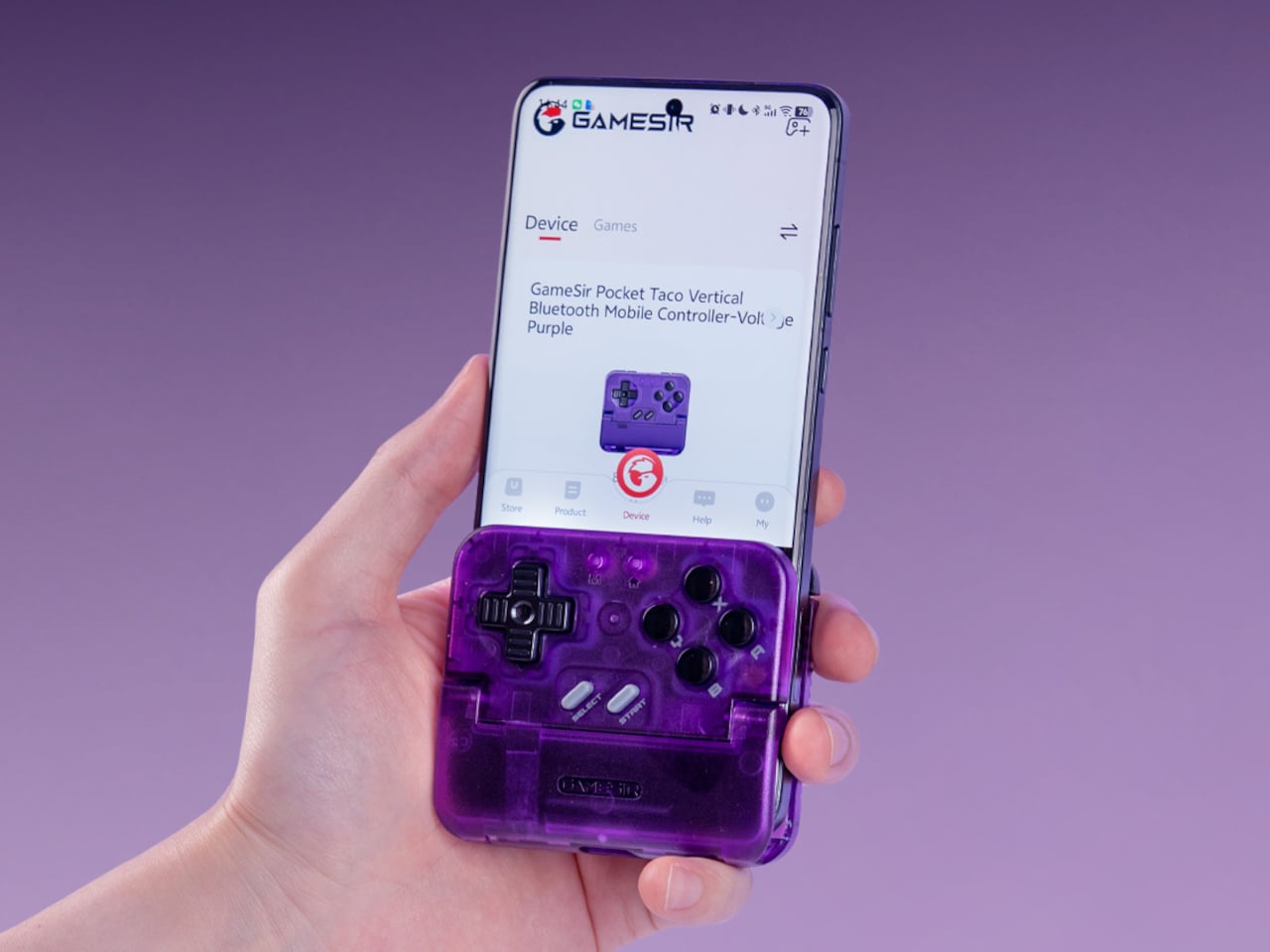
The GameSir Pocket Taco is a clamp-style vertical controller that clips around your phone and instantly turns it into something far closer to a proper handheld console. The design is vertical rather than the sideways landscape grip most mobile controllers use, which puts the phone in portrait style and gives the whole setup that unmistakable Game Boy silhouette. It’s a specific choice that makes a lot of sense for the kind of games it’s clearly built around.

Designer: GameSir

The Voltage Purple colorway is a new option for the Pocket Taco, arriving a few months after the original retro grey version launched. Where the original leaned into a deliberately aged aesthetic, Voltage Purple reads much more confidently as a contemporary gaming accessory. Both versions carry the same hardware and features, so the choice between them comes down entirely to how you want the thing to look in your hand.

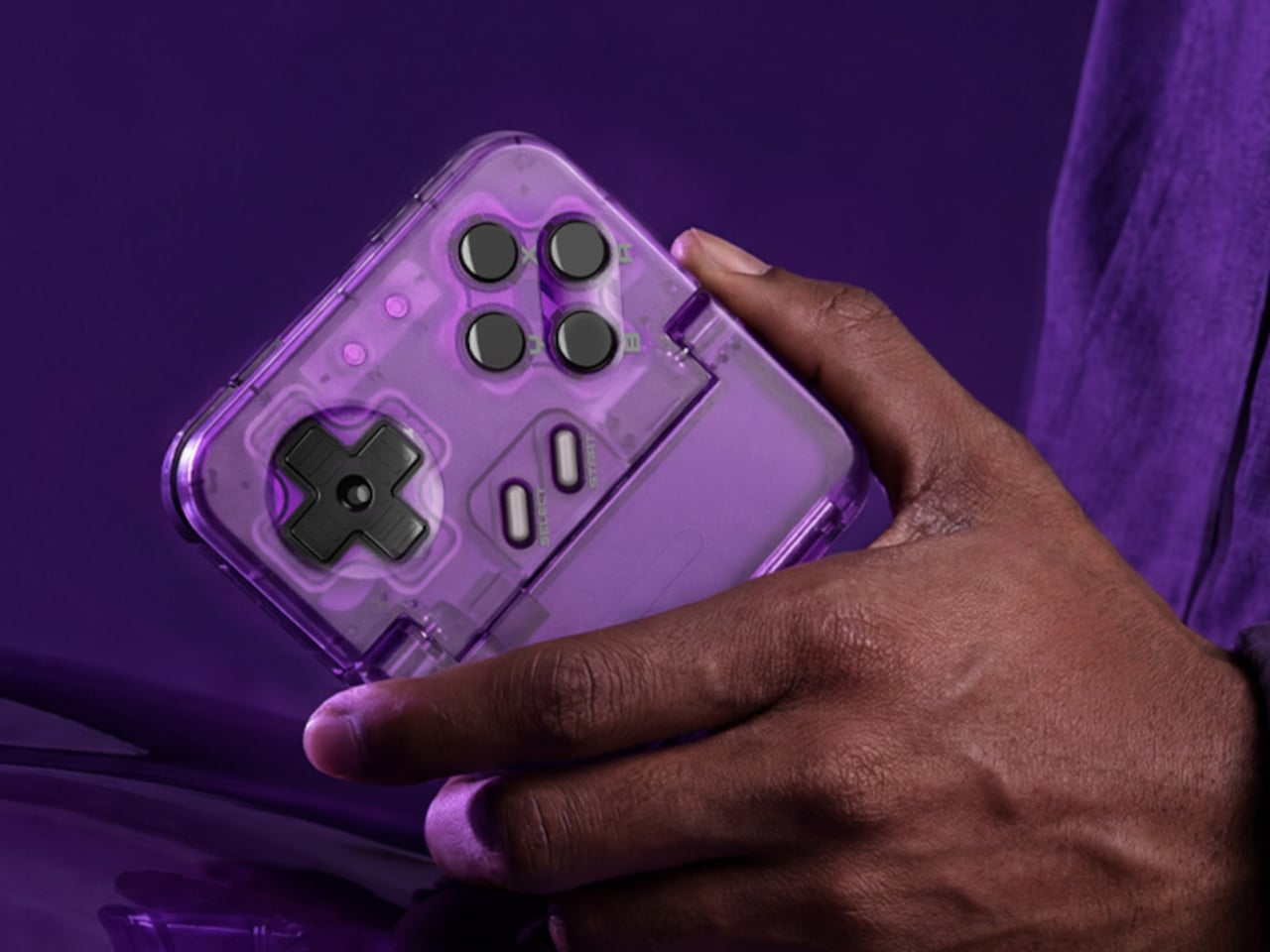
The buttons are the central selling point. Cushioned membrane ABXY and D-pad inputs sit at the bottom of the controller, backed by tactile switch triggers and bumpers, and the whole layout comes together in a way that feels genuinely satisfying for side-scrollers, shoot ’em ups, and anything else designed around a proper gamepad. A turbo function covers all eight main buttons, which the hardcore retro gaming crowd will appreciate immediately.

The Pocket Taco handles some practical concerns that most accessories at this price point ignore. Soft silicone pads line the phone clamp area to prevent scratches, a hollow gap at the bottom aligns with your phone’s charging port so you can top up during longer sessions, and the whole thing powers on automatically when you unfold it and shuts off when you close it. At 62.2 g, it barely adds any noticeable weight.

The GameSir App extends the experience further with button remapping, D-pad diagonal lock, and G-Touch and V-Touch functions for on-screen input simulation. There’s also a keyboard mode built in, letting you switch input types for games or apps that need it. A 600 mAh battery handles cordless sessions, and the package includes a storage box, a charging cable, and a lanyard so the whole thing stays organized between uses.

The Pocket Taco in Voltage Purple retails for $34.99, while the original grey version currently sits at $29.99. The $5 difference comes down entirely to the color choice. At 78mm x 70.9mm x 20.7mm, it slips into a pocket or bag with the storage box without much fuss, which keeps the pitch for daily carry entirely believable for anyone who tends to game in short bursts throughout the day.

It’s not a controller for every kind of mobile gaming. If you spend most of your time in landscape-format games that already support proper controller input, a horizontal grip will serve you better. But for anyone running emulators, arcade titles, or vertical shoot ’em ups on their phone, the Pocket Taco fills a gap that the rest of the mobile controller market has mostly ignored.

The post Transparent Purple Makes This $35 Phone Controller Impossible to Ignore first appeared on Yanko Design.
The $99 Gadget That Clears 3 Devices Off Your Nightstand

The nightstand has become a staging ground for technology. Between a phone, a white noise machine, a lamp, and whatever book you’re pretending to read before you fall asleep, it tends to get crowded. That clutter has gotten to the point where some people start their mornings already stressed from looking at the pile, which is counterproductive for something that’s supposed to help you rest.

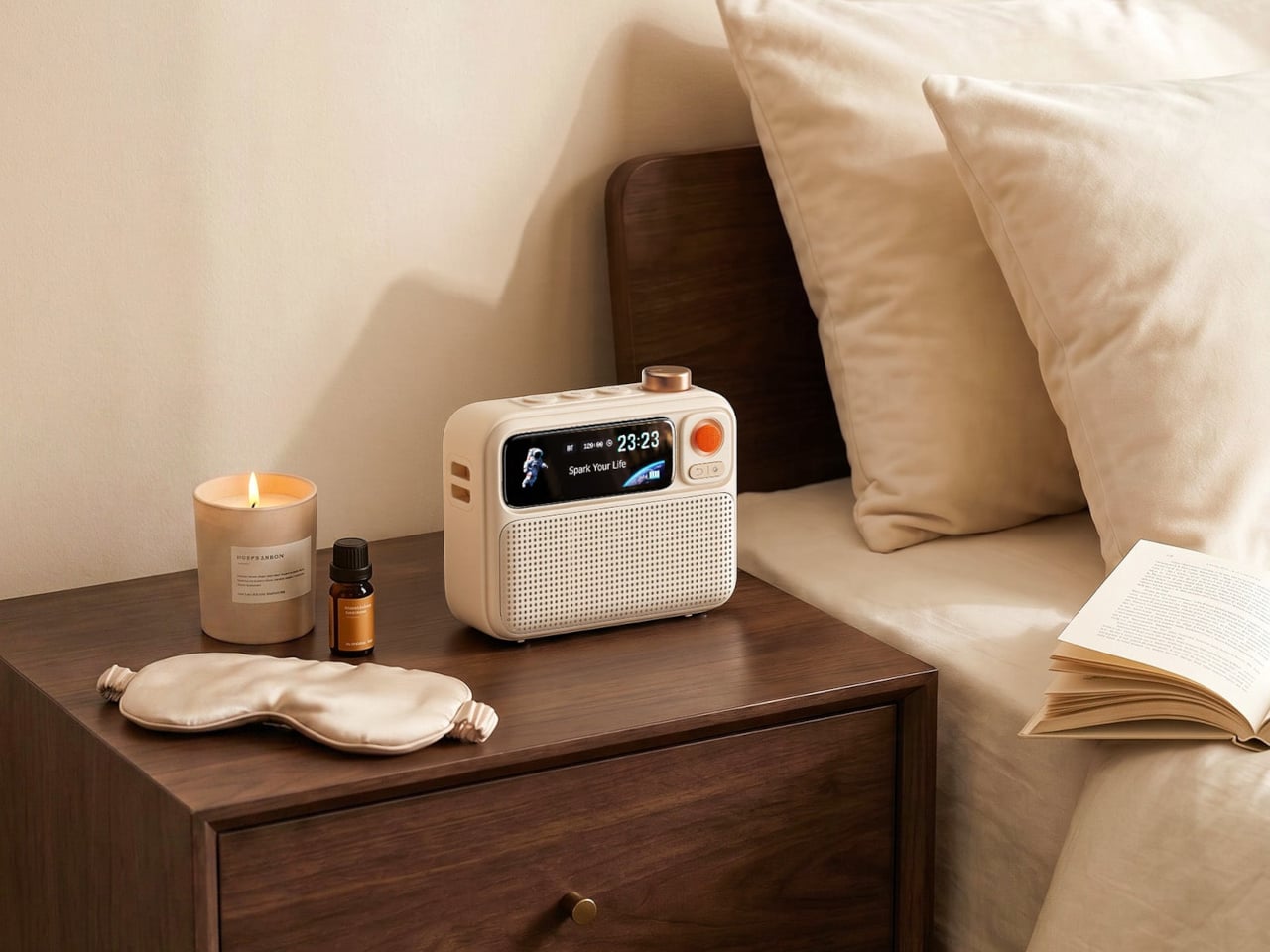
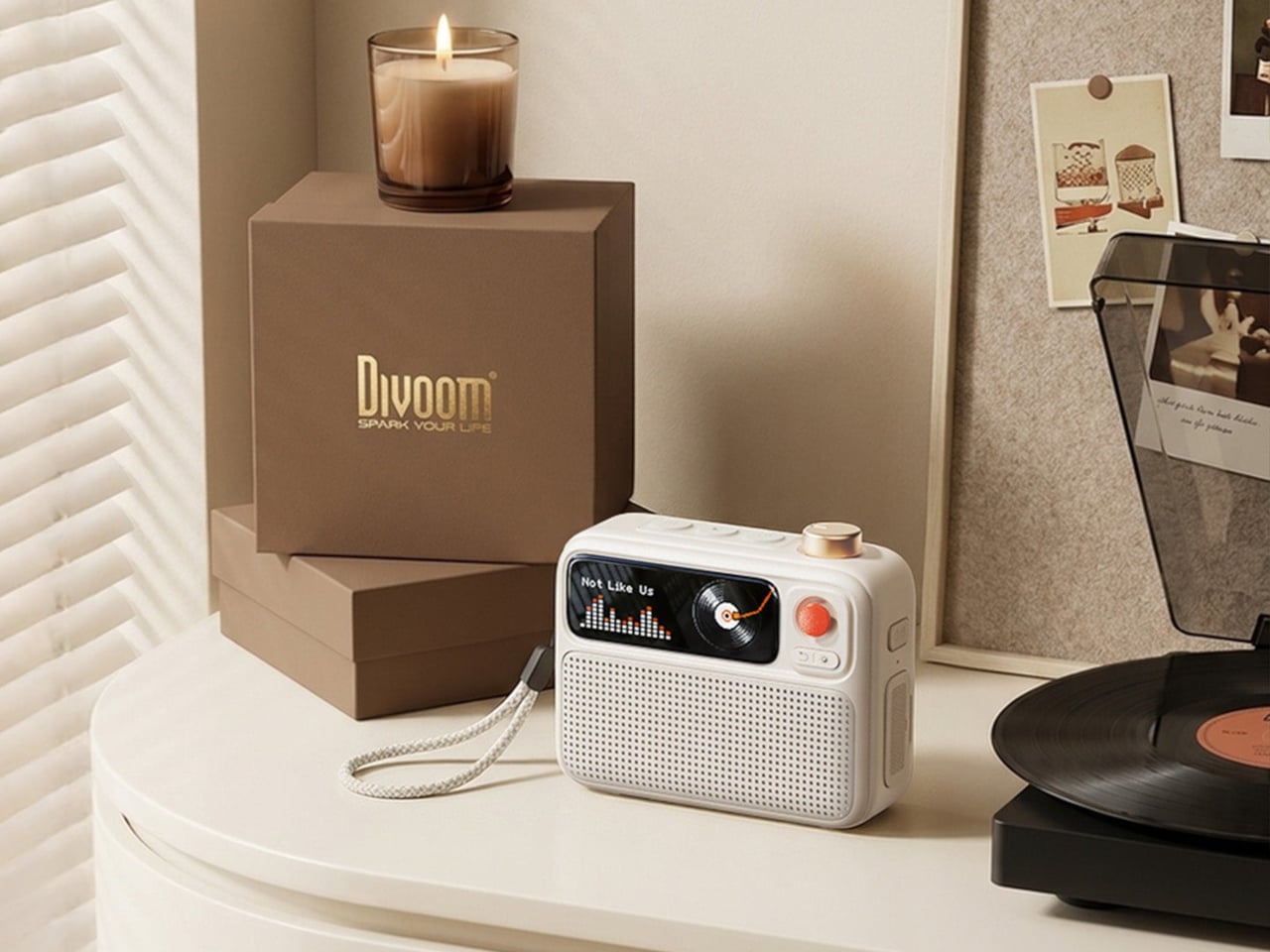
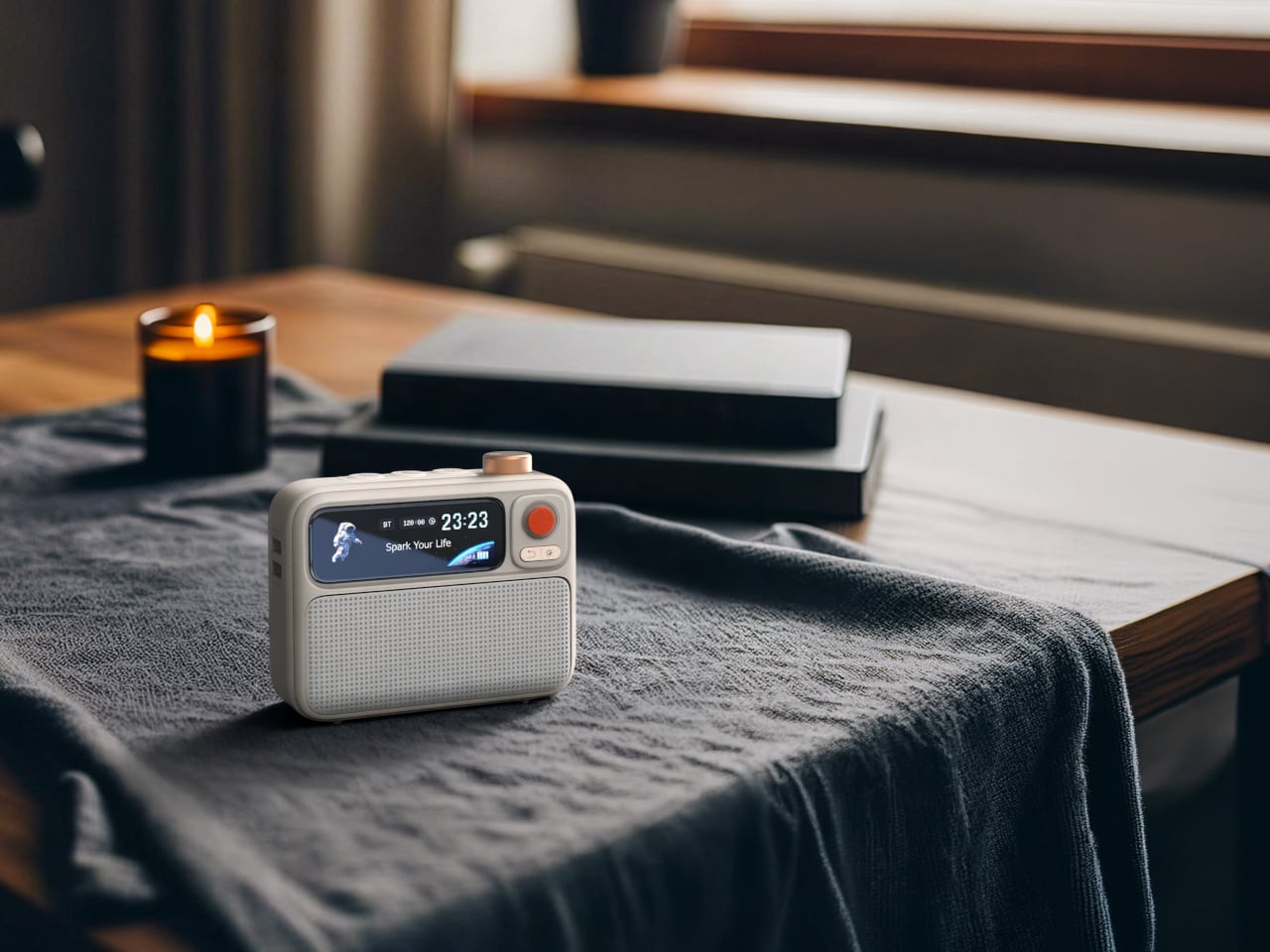
The Divoom FlowToo works around that problem by collapsing three bedside staples into a single compact device. It’s a Bluetooth speaker, white noise machine, and alarm clock all at once, with a customizable display that rounds the whole thing out. Rather than adding another device to the pile, it’s designed to clear some of it, while actually improving on each of those functions rather than just combining them with asterisks.

Designer: Divoom

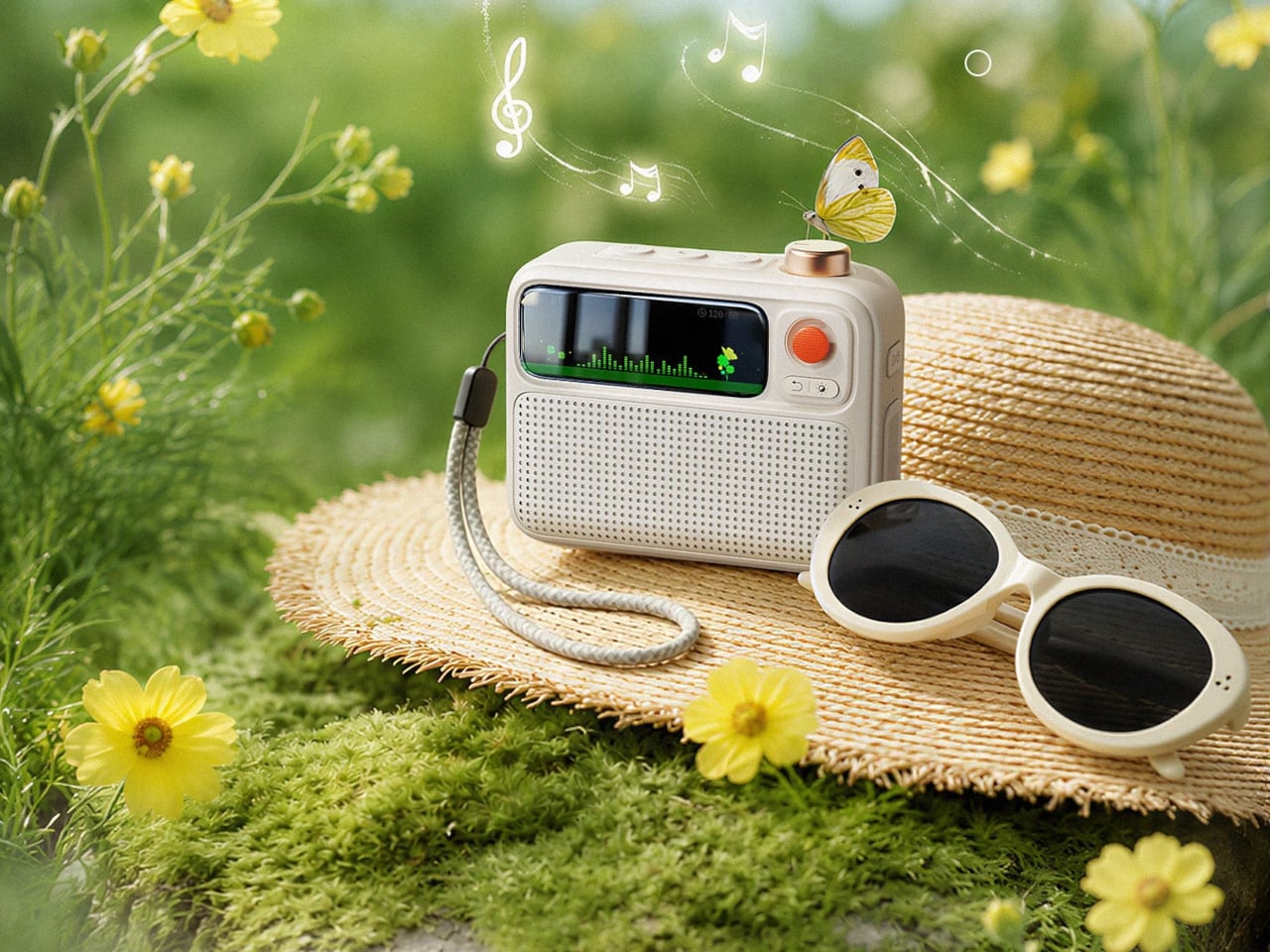
The speaker runs through a 10W amplifier and 45mm full-range driver, which makes it a genuine music speaker rather than the obligatory audio feature most alarm clocks bolt on as an afterthought. You can stream music from your phone over Bluetooth and get enough volume to fill a bedroom without things getting harsh. For a device that lives on a nightstand, that sets it apart from most of the competition.

The FlowToo’s more than 90 built-in sounds cover what people actually reach for at night, from rain and ocean waves to forest ambience and other calming tones. These aren’t just sleep aids; they work just as well for focusing during the day when you need background noise that doesn’t pull your attention elsewhere. The library is large enough that finding something to suit your preference won’t take long.

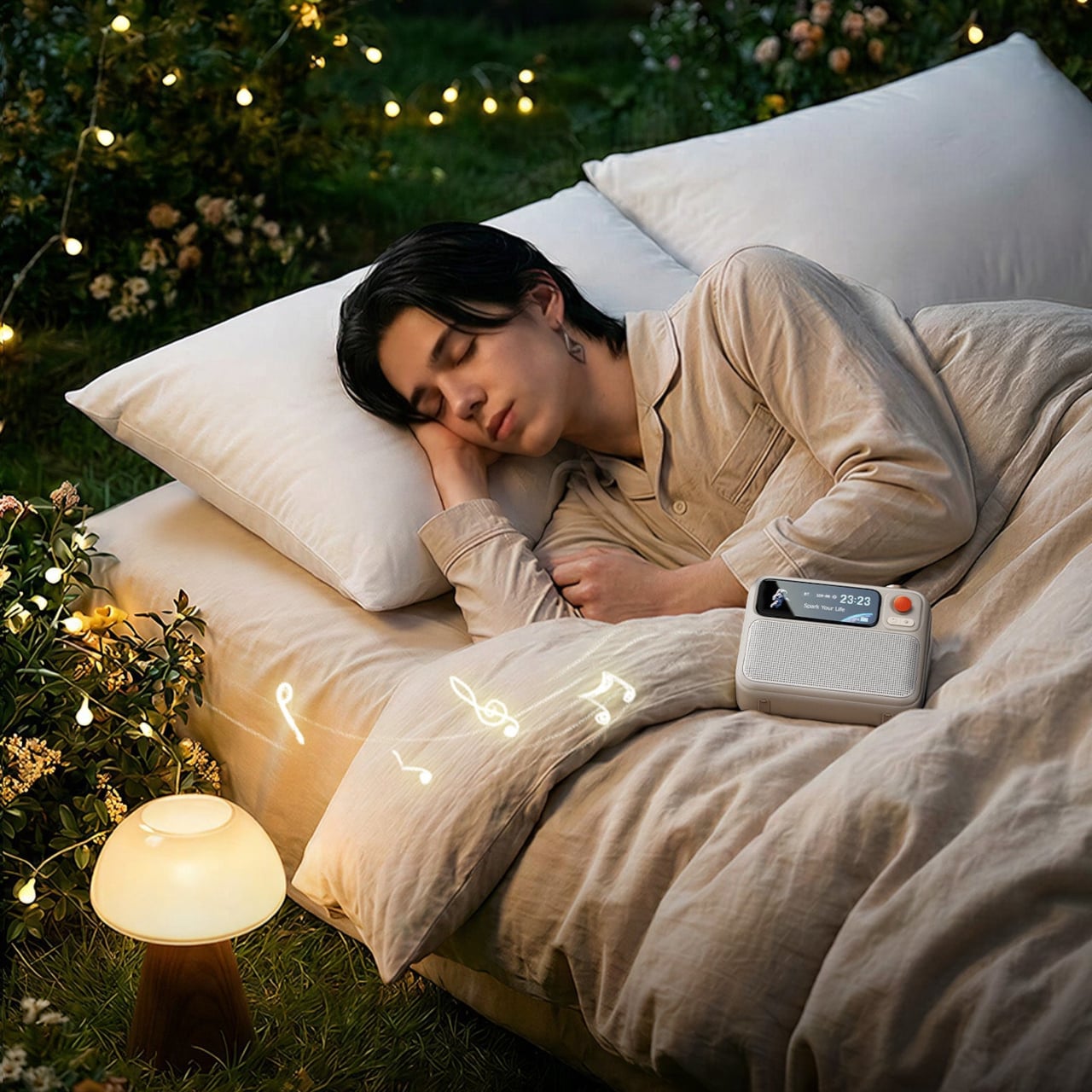
Getting out of bed is the harder side of this equation, and the FlowToo handles it carefully. Rather than a jarring alarm tone, it wakes you gradually with natural sounds that grow louder while a gentle light fills in from the display. The idea is to bring you up without jolting you out of sleep, which tends to leave you considerably less wrecked for the rest of the morning.

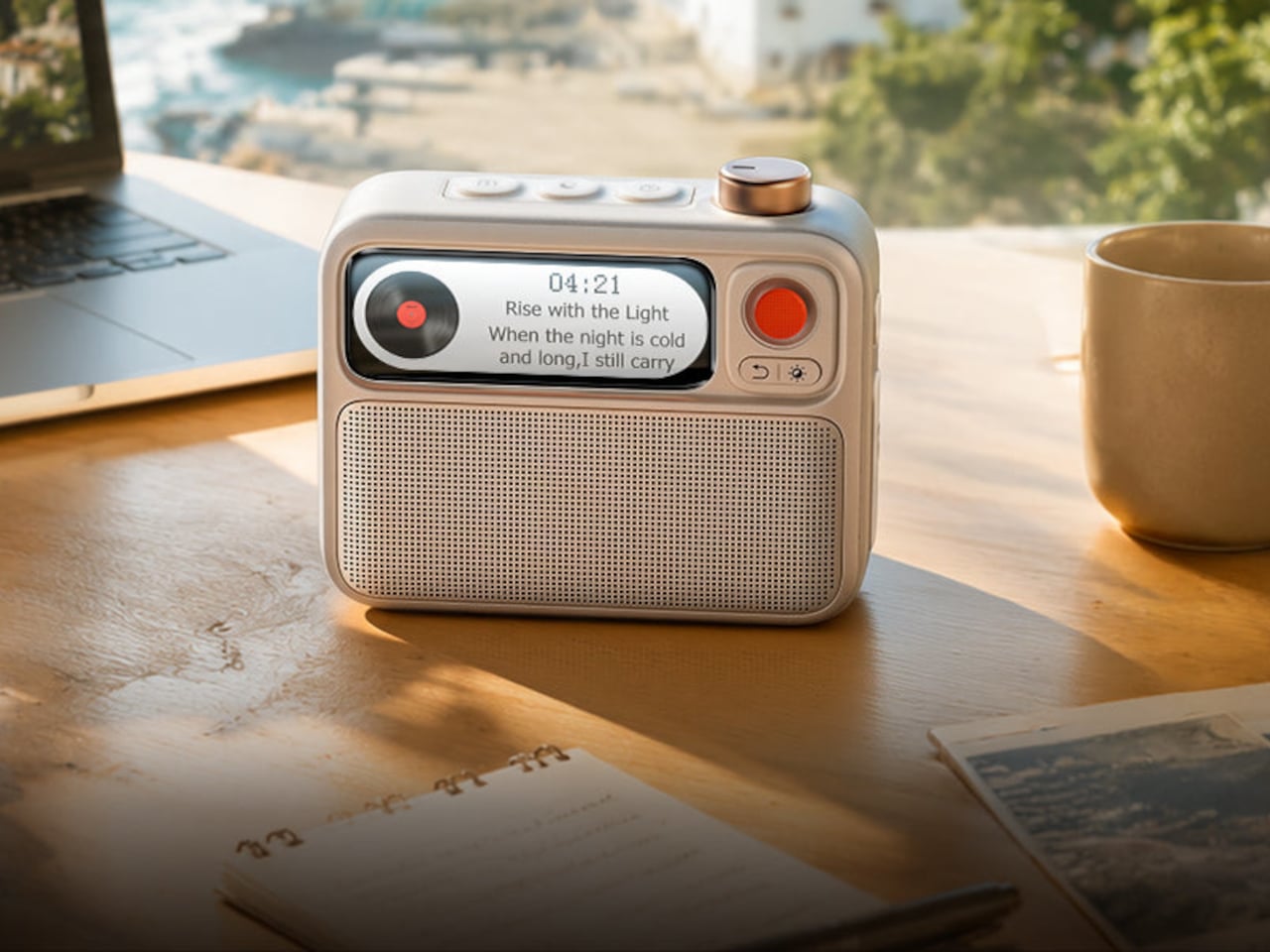
The 2.26-inch smart display is where the FlowToo takes on a bit more personality than a typical clock radio. It can show multiple clock face designs, music visualizers that react to what’s playing, sleep scene animations, and mood lighting to set a different tone in the room. The Divoom App lets you swap between these, set alarms, and choose sounds from your phone, which keeps the device simple to operate.

The FlowToo comes in White and Black and currently retails for $99.99. It’s compact enough to sit comfortably beside most beds without taking over the surface. The overall look is clean and rounded rather than clinical, which makes it easier to accept as a permanent bedroom addition instead of something that feels like a tech purchase trying too hard to belong on a nightstand.

There are more focused devices for each of those individual functions, and some will argue that a dedicated white noise machine sounds better or that a standalone speaker gets louder. That’s fair enough. But most people aren’t looking for world-class performance across every category; they’re looking for something reliable and pleasant that takes up less space, starts their morning decently, and doesn’t require them to manage four different apps.

The post The $99 Gadget That Clears 3 Devices Off Your Nightstand first appeared on Yanko Design.
Dasung Made a Phone Screen for People Who Hate Screens

Screens keep getting sharper and brighter, though the one complaint that never goes away is eye fatigue. LCDs and OLEDs are impressive, but both still rely on backlit panels aimed directly at your eyes, hour after hour. The e-reader crowd has long known that E-Ink is easier to live with, though swapping your daily phone for a dedicated E-Ink device is a trade-off most people aren’t willing to make.

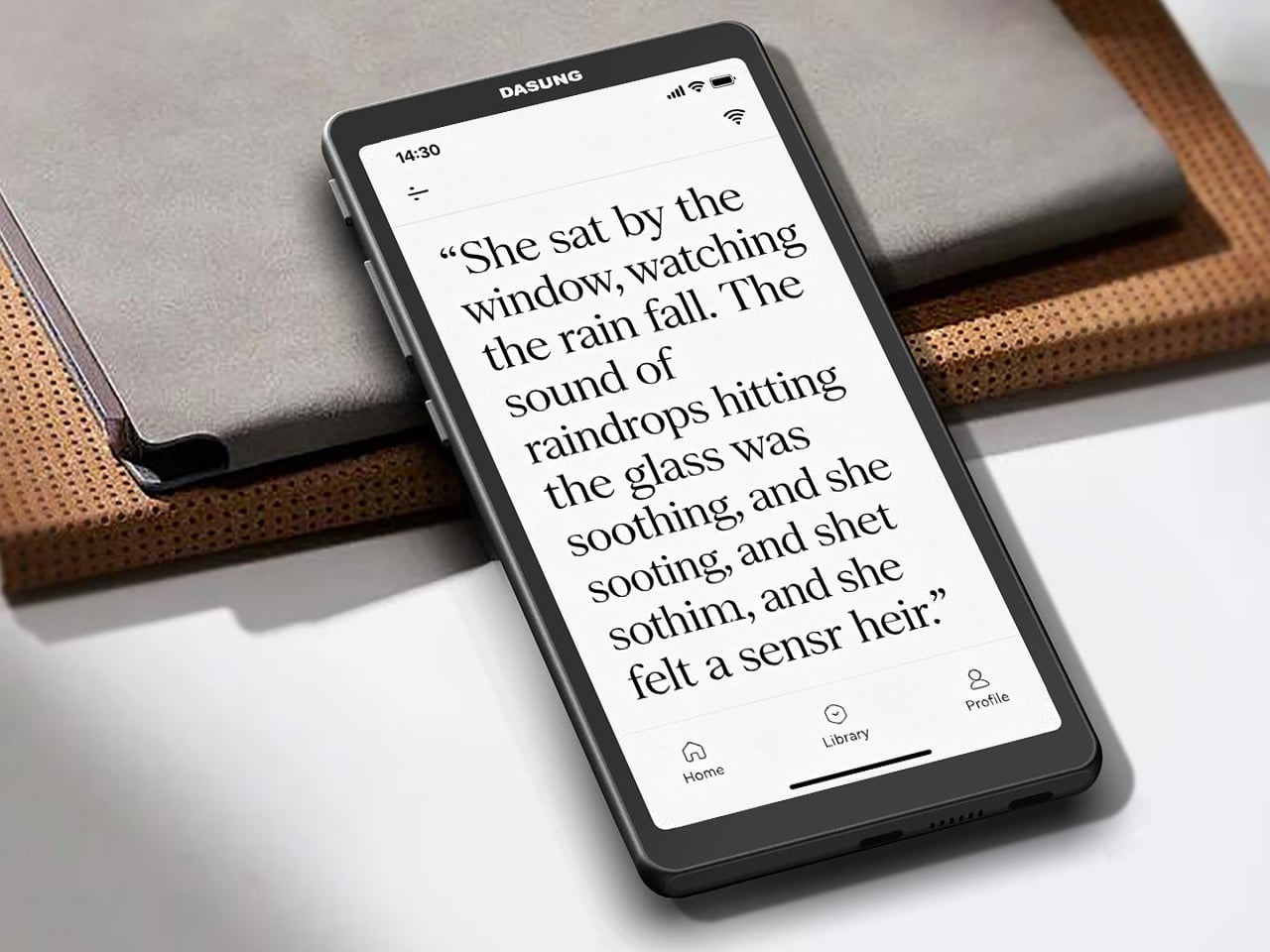
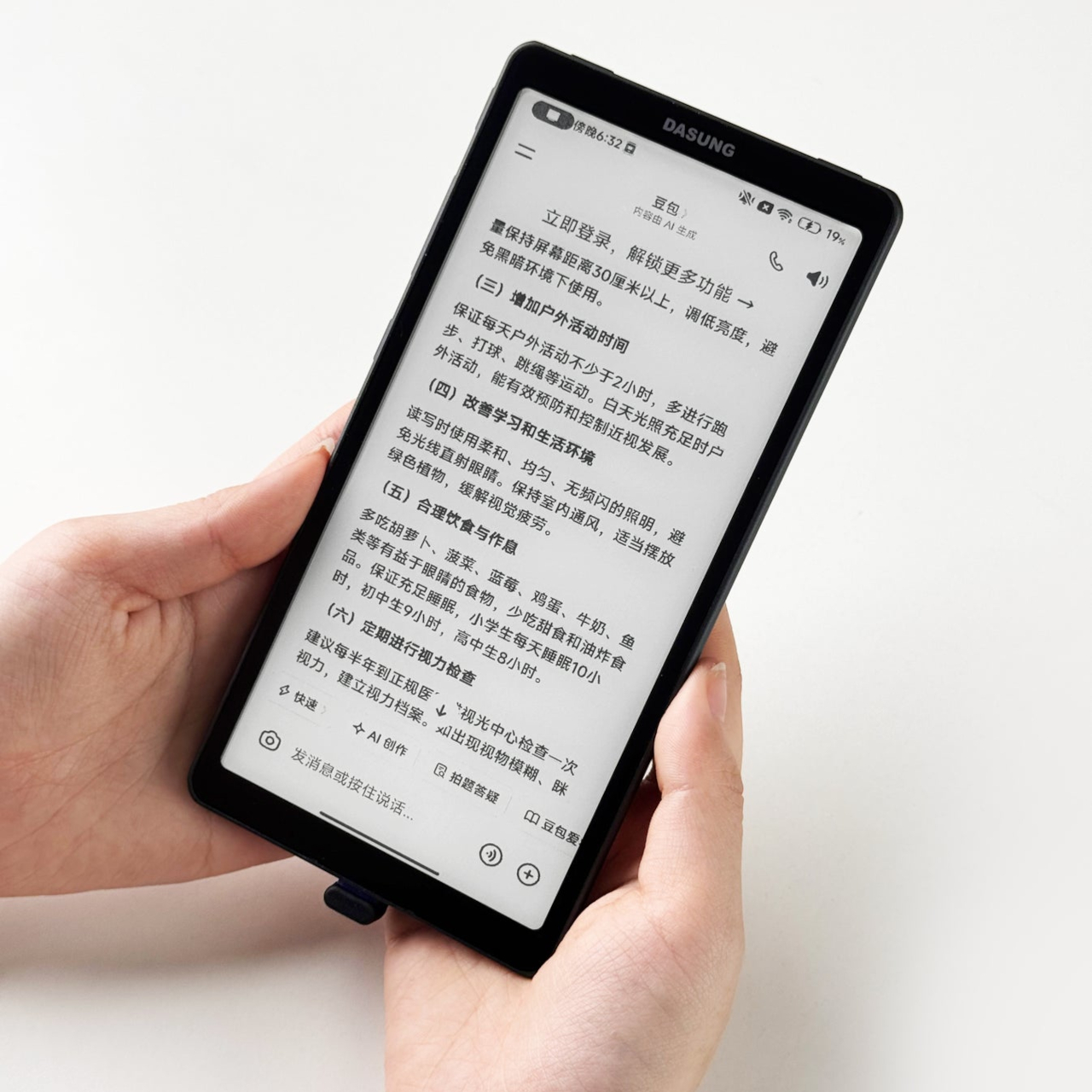
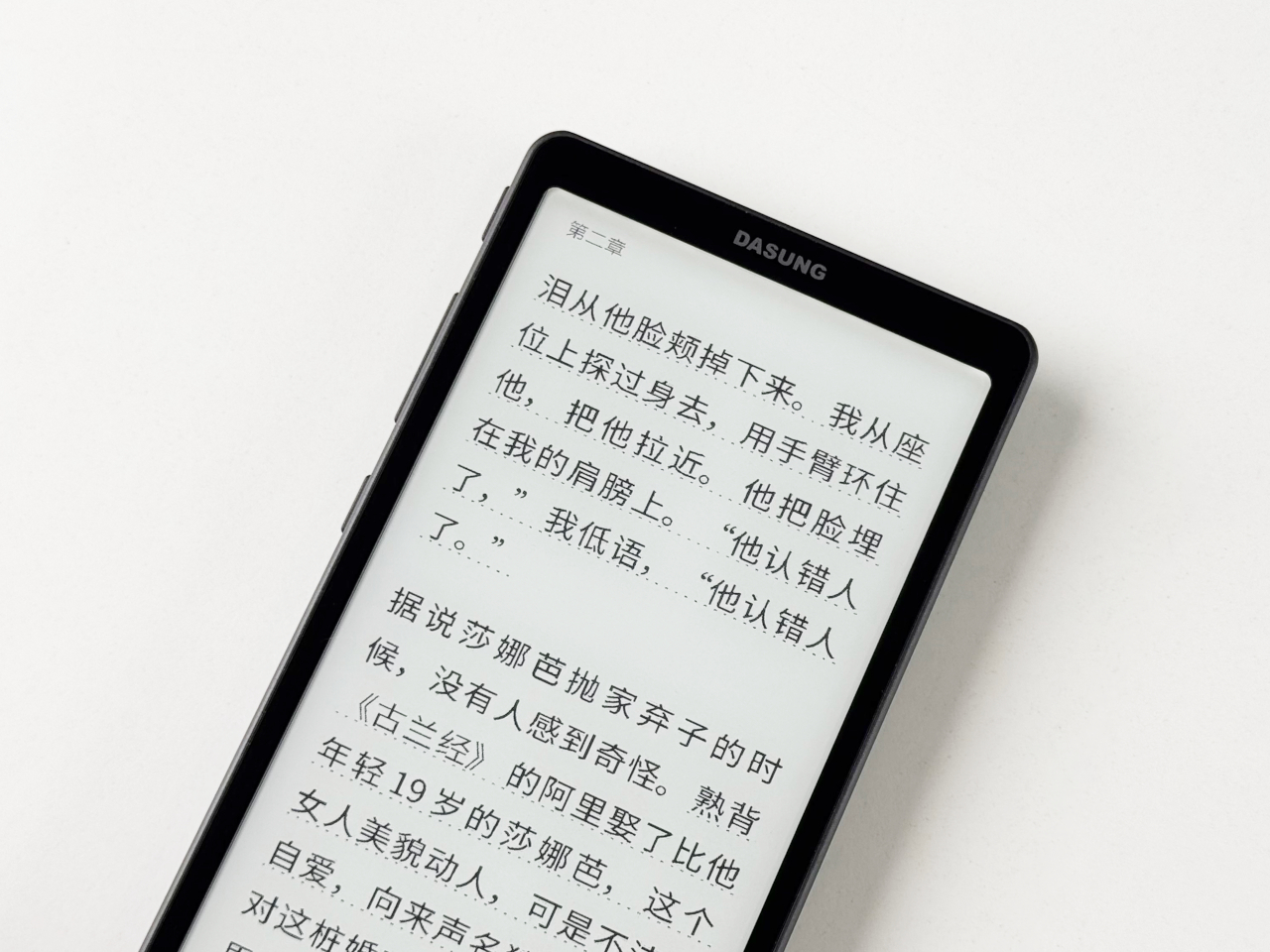
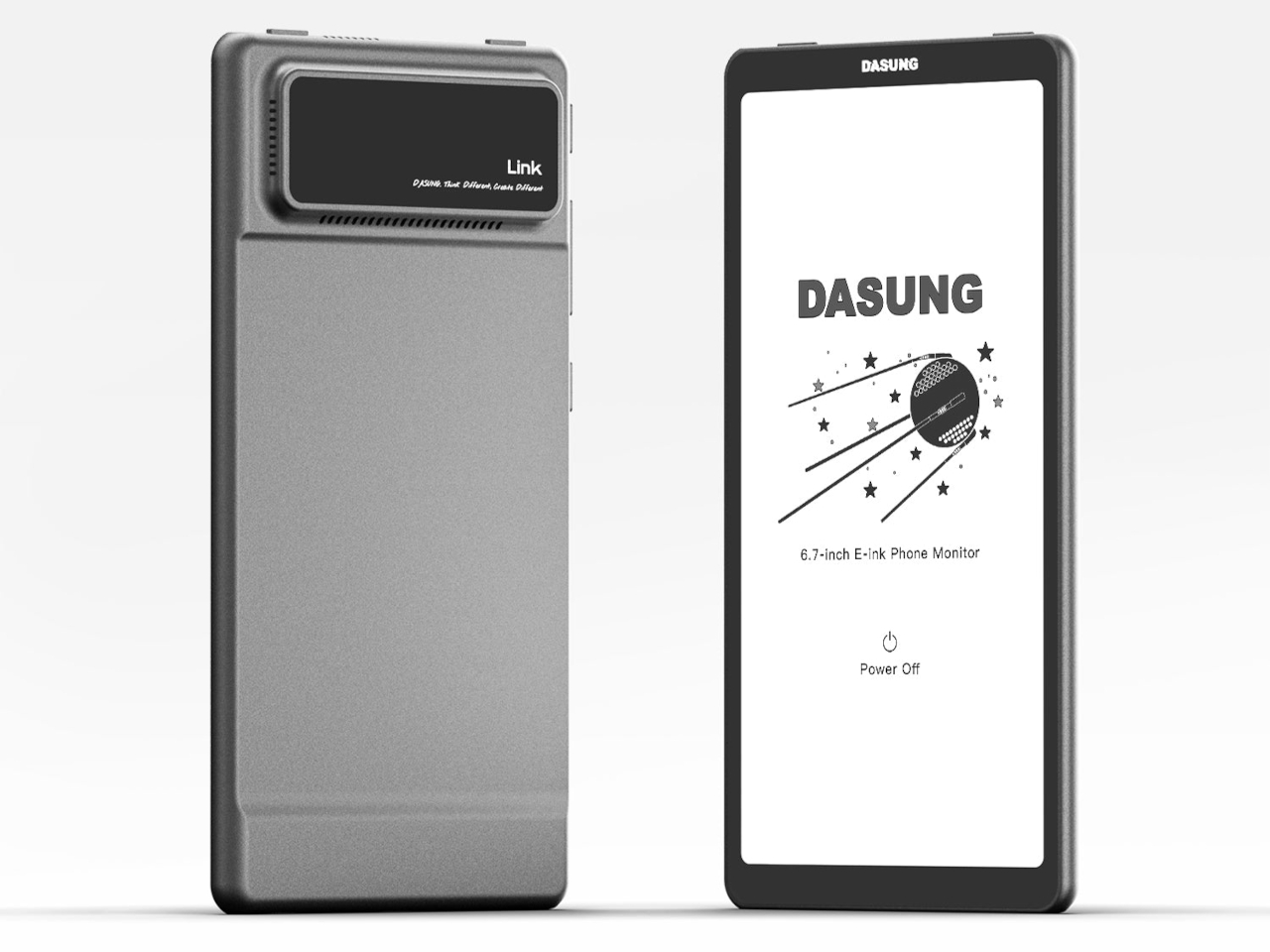
The Dasung Link 2 offers a different answer to that familiar problem. Rather than replacing your smartphone with an E-Ink device, it works alongside whatever phone you already have, mirroring its display onto a 6.7-inch monochrome E-Ink screen. The idea is straightforward: keep your apps, your contacts, and your habits, but read, scroll, and type on a surface that feels far closer to paper than any OLED ever will.

Designer: Dasung

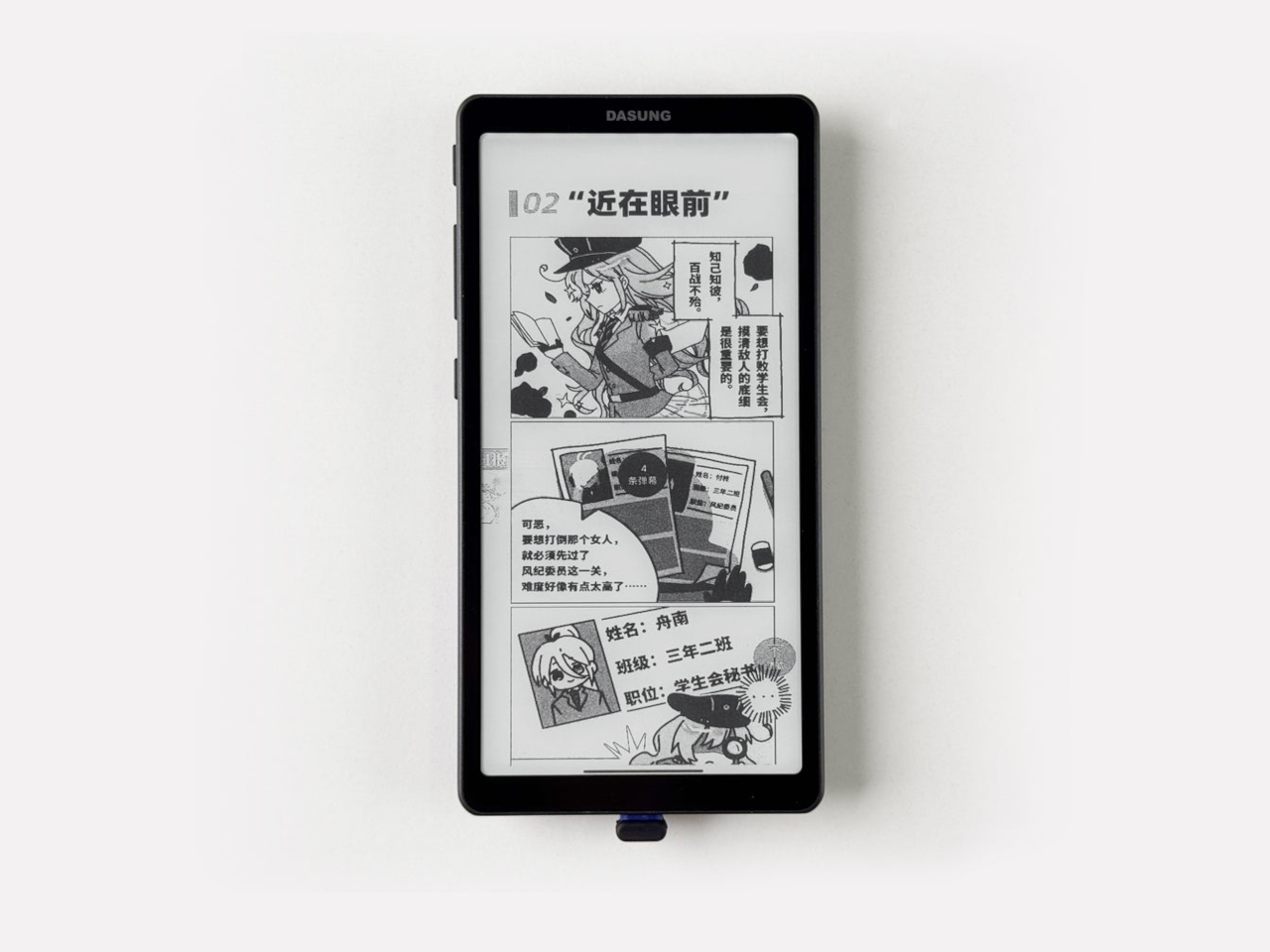
What makes the Link 2 practical as a daily companion rather than just a reading gadget is DASUNG’s 60Hz refresh technology. Most E-Ink screens run at a fraction of that speed, producing noticeable lag when scrolling or typing. At 60Hz, the Link 2 handles those tasks with minimal ghosting, making it comfortable for messaging, browsing, and even light video, things that would have been genuinely frustrating on earlier E-Ink displays.

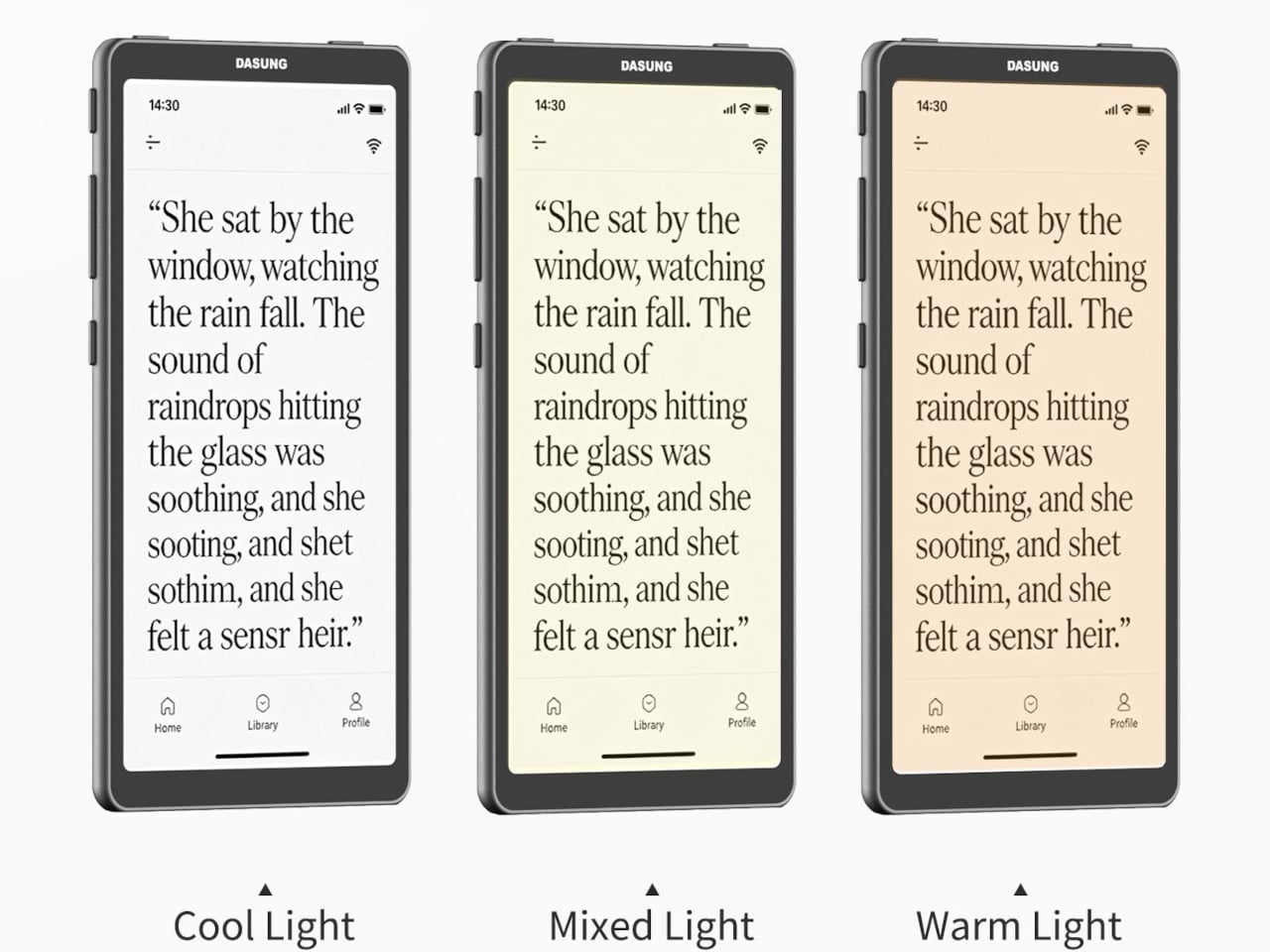
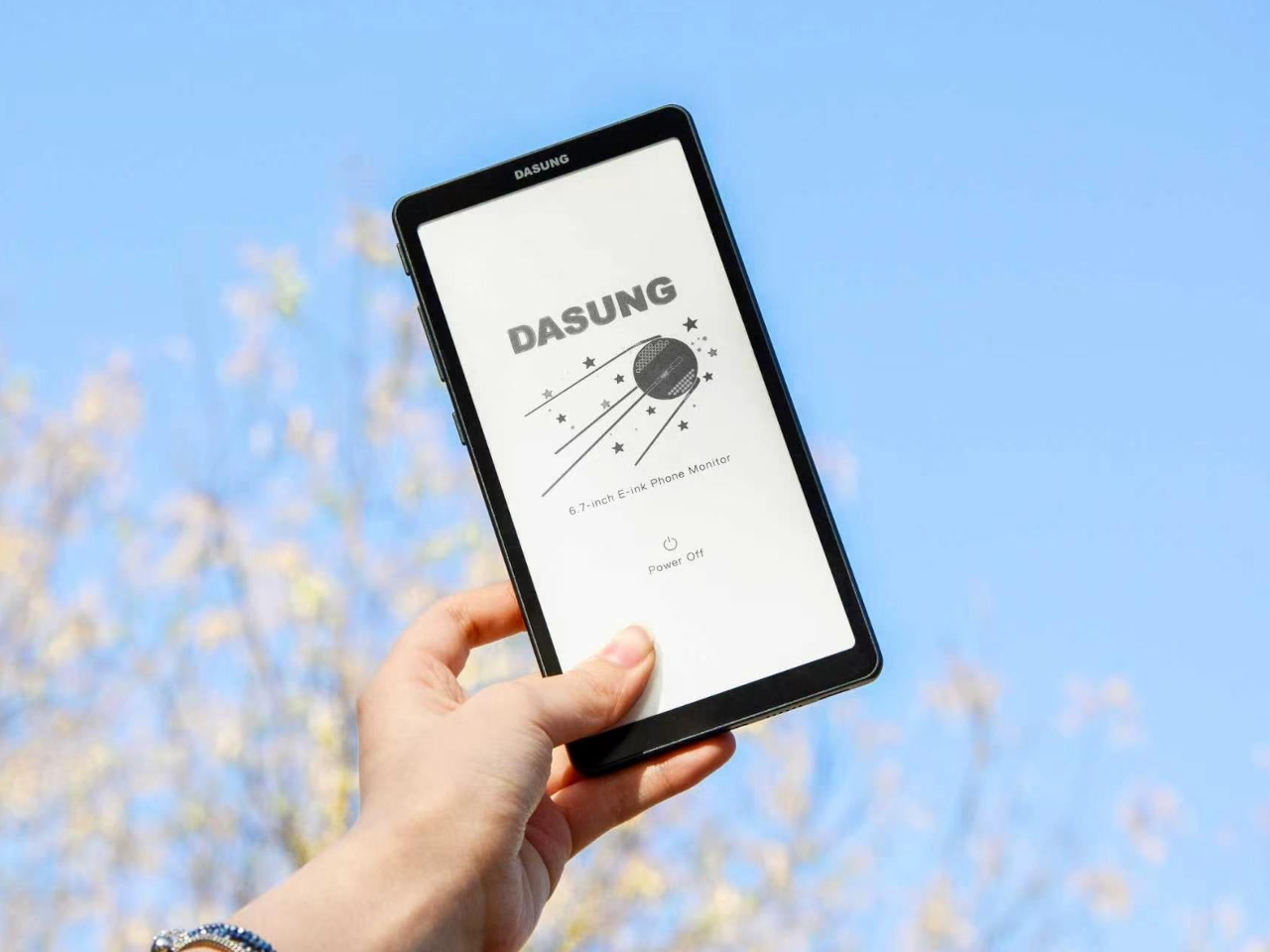
The screen measures 6.7 inches at 300 PPI, putting it in the same resolution range as premium e-readers. Text is sharp, and the display reflects ambient light the way paper does, staying legible in bright outdoor conditions where most LCD phones need to max out their brightness just to stay visible. For low-light reading, an adjustable dual-tone front light handles the darker hours without harshness.

The Link 2 also supports reverse touch, which lets you interact with your phone directly through the E-Ink screen’s surface without picking your phone up separately. Physical keys on the body handle quick contrast and image adjustments, so you aren’t hunting through menus when the light around you changes. It makes a secondary screen feel less like a burden and more like a natural tool.

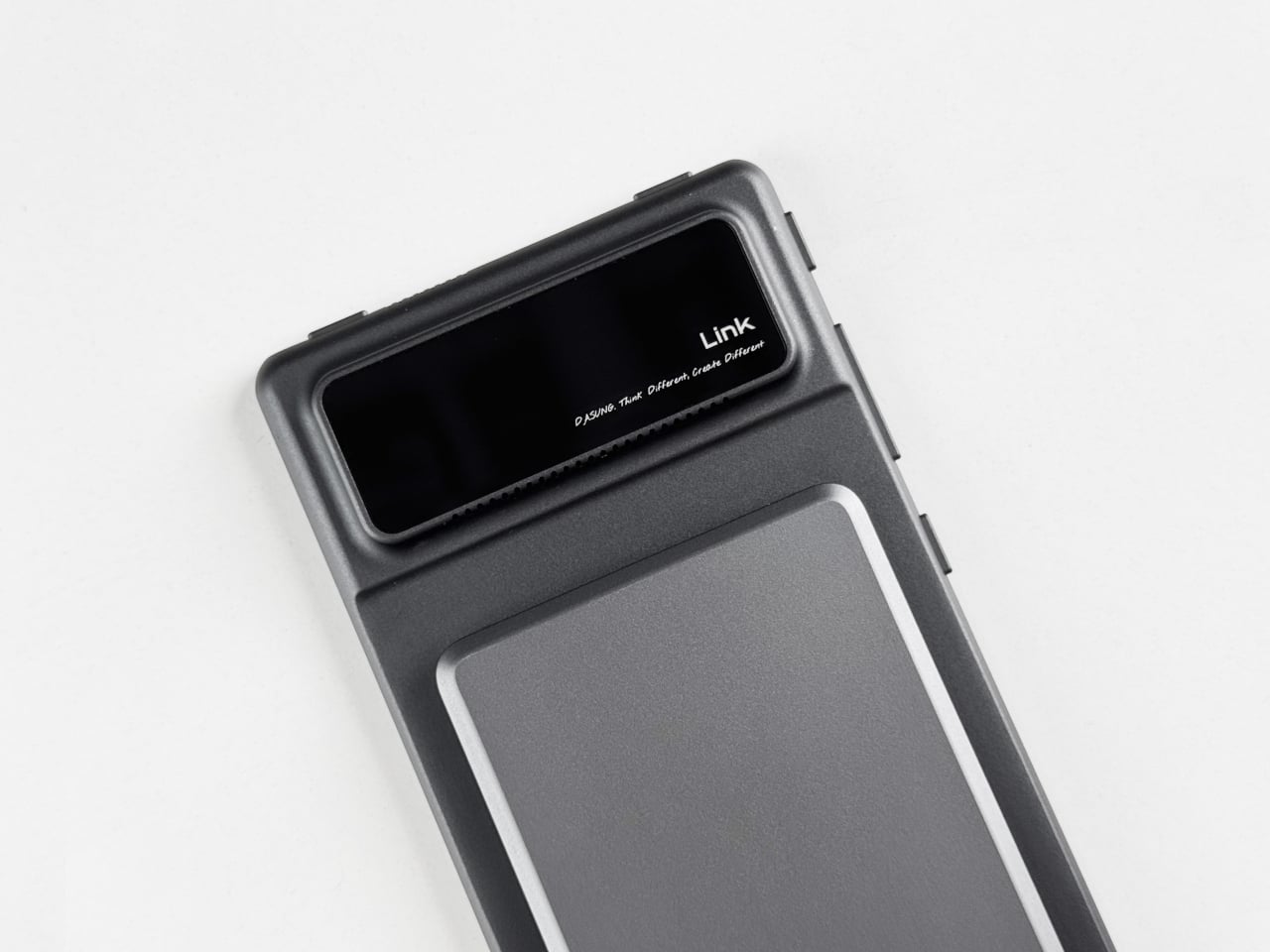
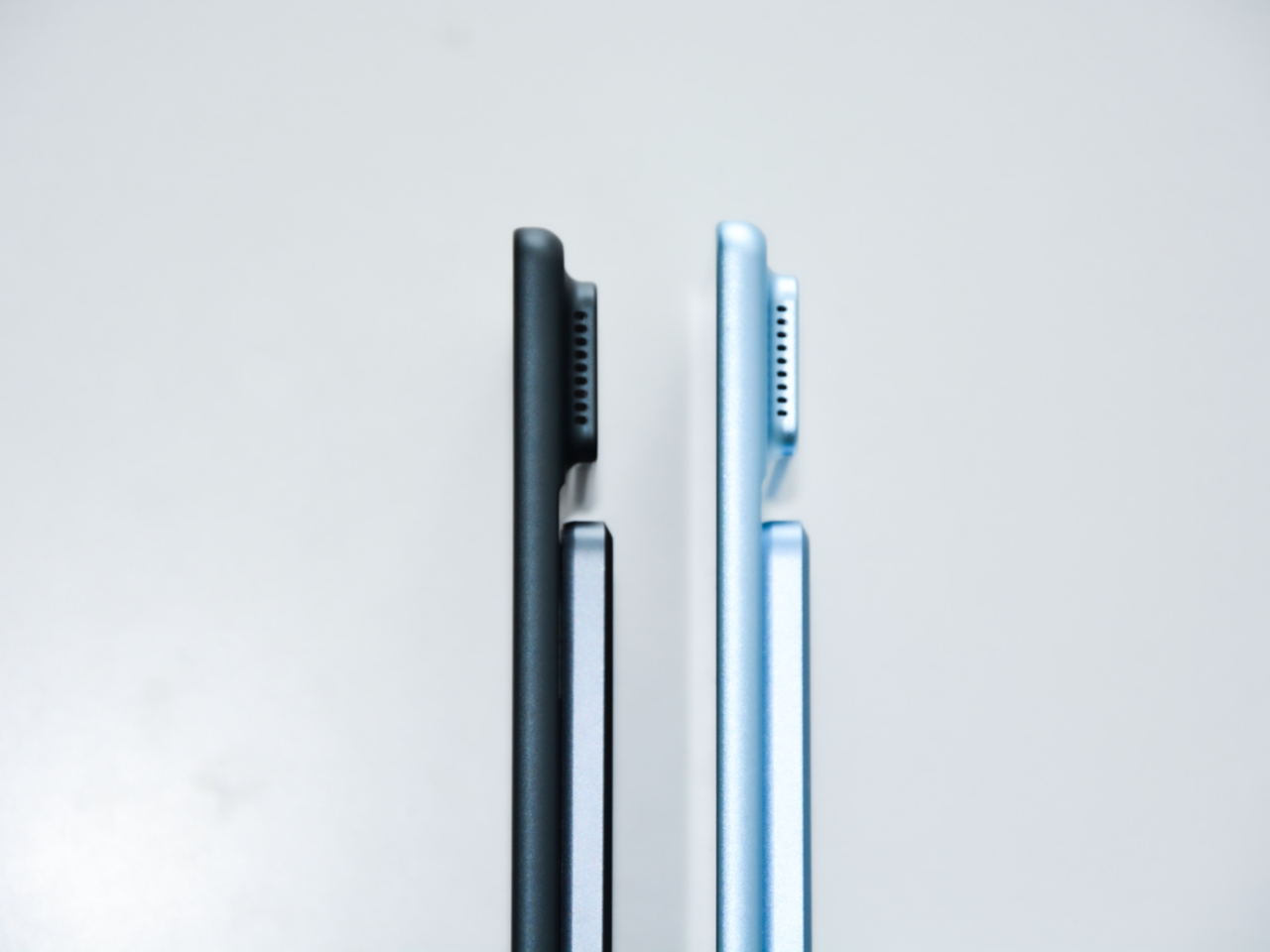
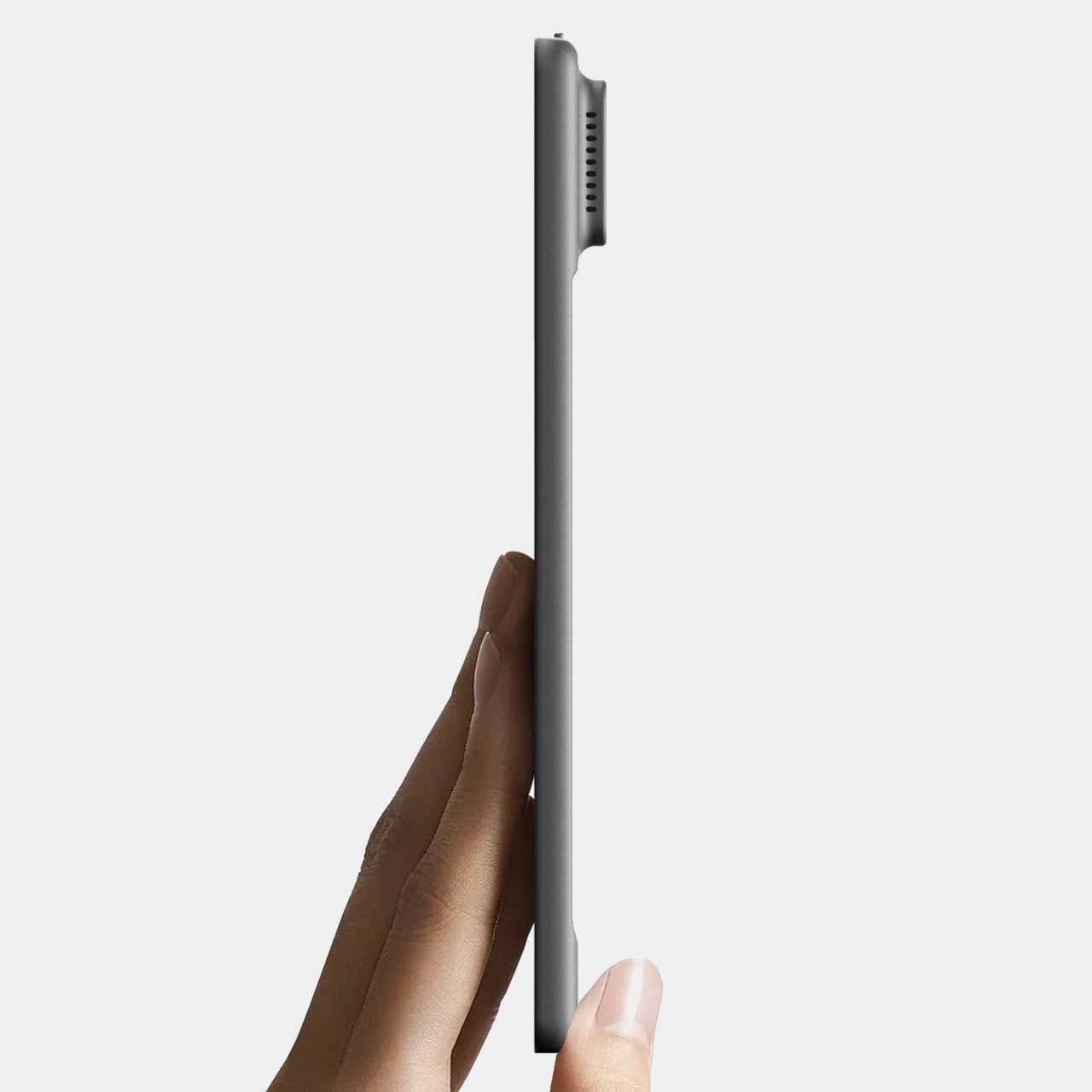
The hardware is built from metal and kept thin and light enough to slip into a pocket alongside your phone. It connects wirelessly for screen mirroring and works with magnetic power banks, which helps on longer outdoor outings where a wall outlet isn’t nearby. Compatibility spans Android 12 and later, modern iOS, and HarmonyOS, so it isn’t tied to any single phone brand or operating system.

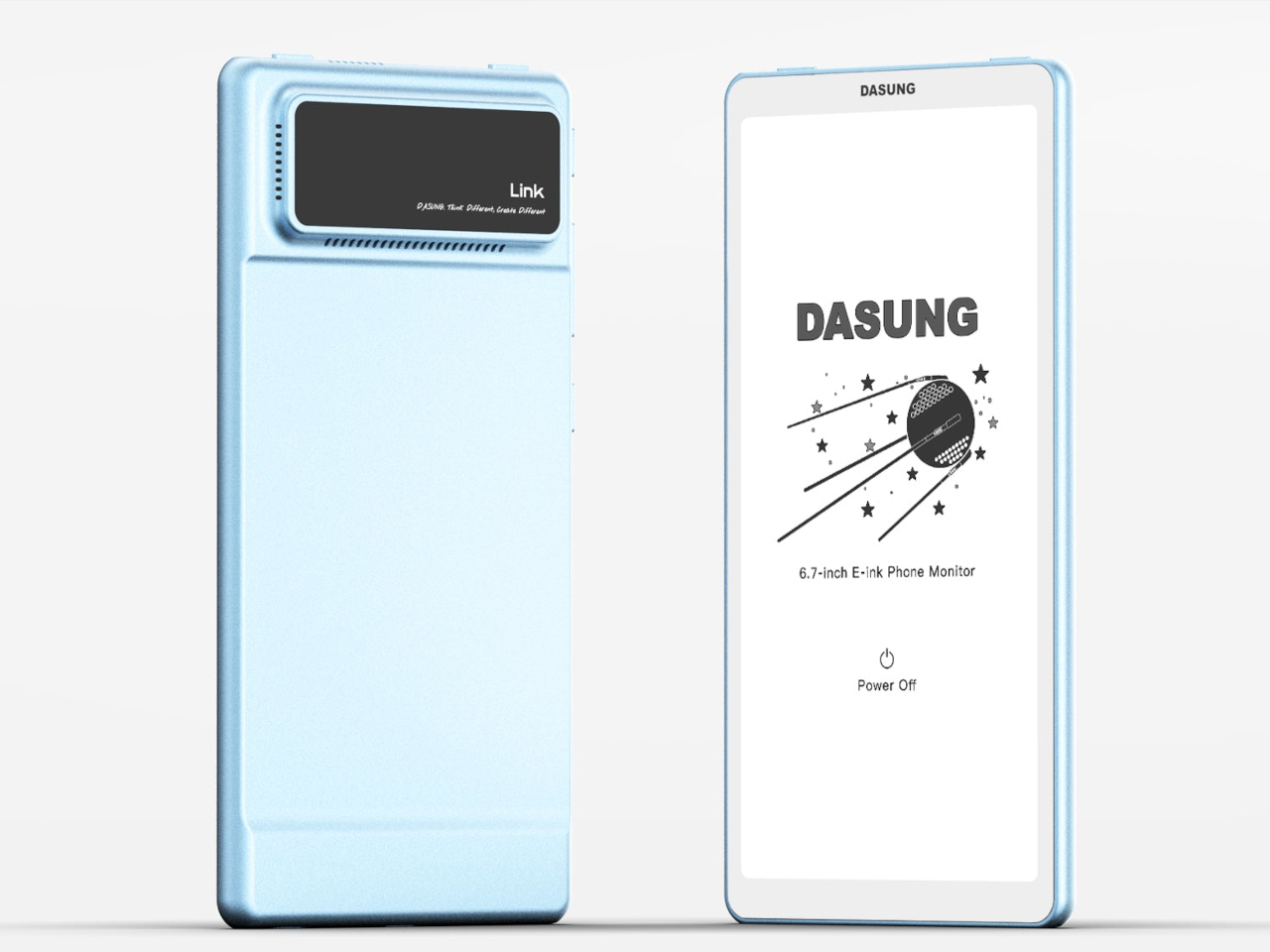
One thing worth noting is that the Link 2 doesn’t operate independently. It relies on your phone’s processing power, RAM, and installed apps to function, so it’s less a standalone gadget and more a screen you borrow for your phone. The battery-free model starts at $329, with the battery-equipped version available at $349, both offered in Space Gray and Glacier Blue.

It’s admittedly a niche proposition, and the limitations are real. Monochrome E-Ink isn’t ideal for color photos, and carrying a second screen is an extra thing to manage throughout the day. But for anyone who spends long stretches reading articles, messages, or documents on their phone, shifting that habit onto a paper-like surface rather than a glowing backlit display is a genuinely compelling idea.

The post Dasung Made a Phone Screen for People Who Hate Screens first appeared on Yanko Design.
This $163 Pokémon Carry-On Has a Window Just for Your Plushies

There was a time when collecting plushies and stuffed toys was limited to actual children. Or if you’re an adult who does collect them, you don’t announce it to the world for fear of being laughed at. But now, it seems like everyone who loves these toys proudly displays them on their bags, backpacks, and even attached to their clothing. There’s no age limit to enjoying them, whether it’s a Labubu, a pop-culture stuffy, or of course, your precious Pokémon. The plushie revolution is very much alive, and it’s being embraced by collectors, fashion lovers, and fans who wear their passions with pride.

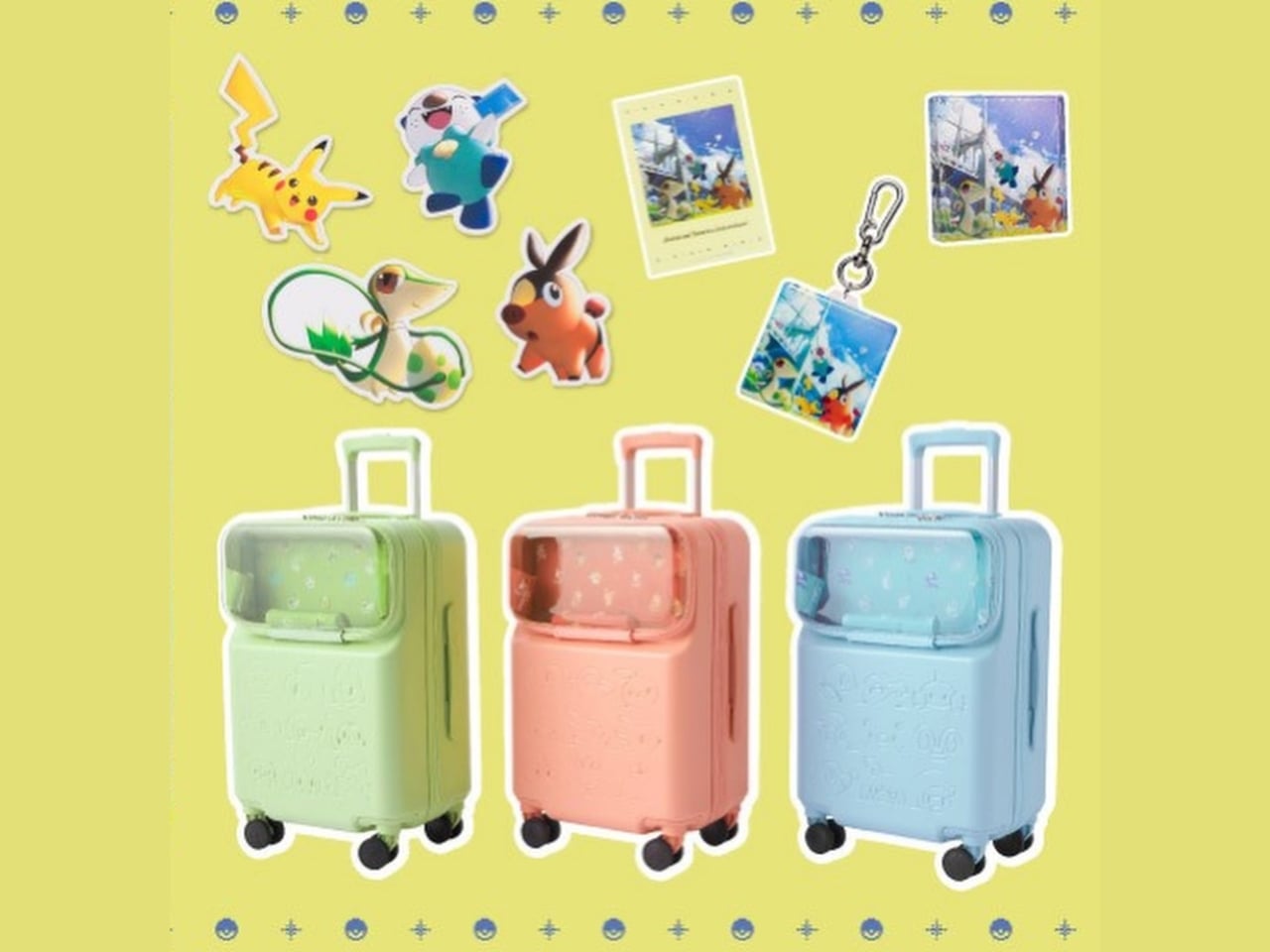
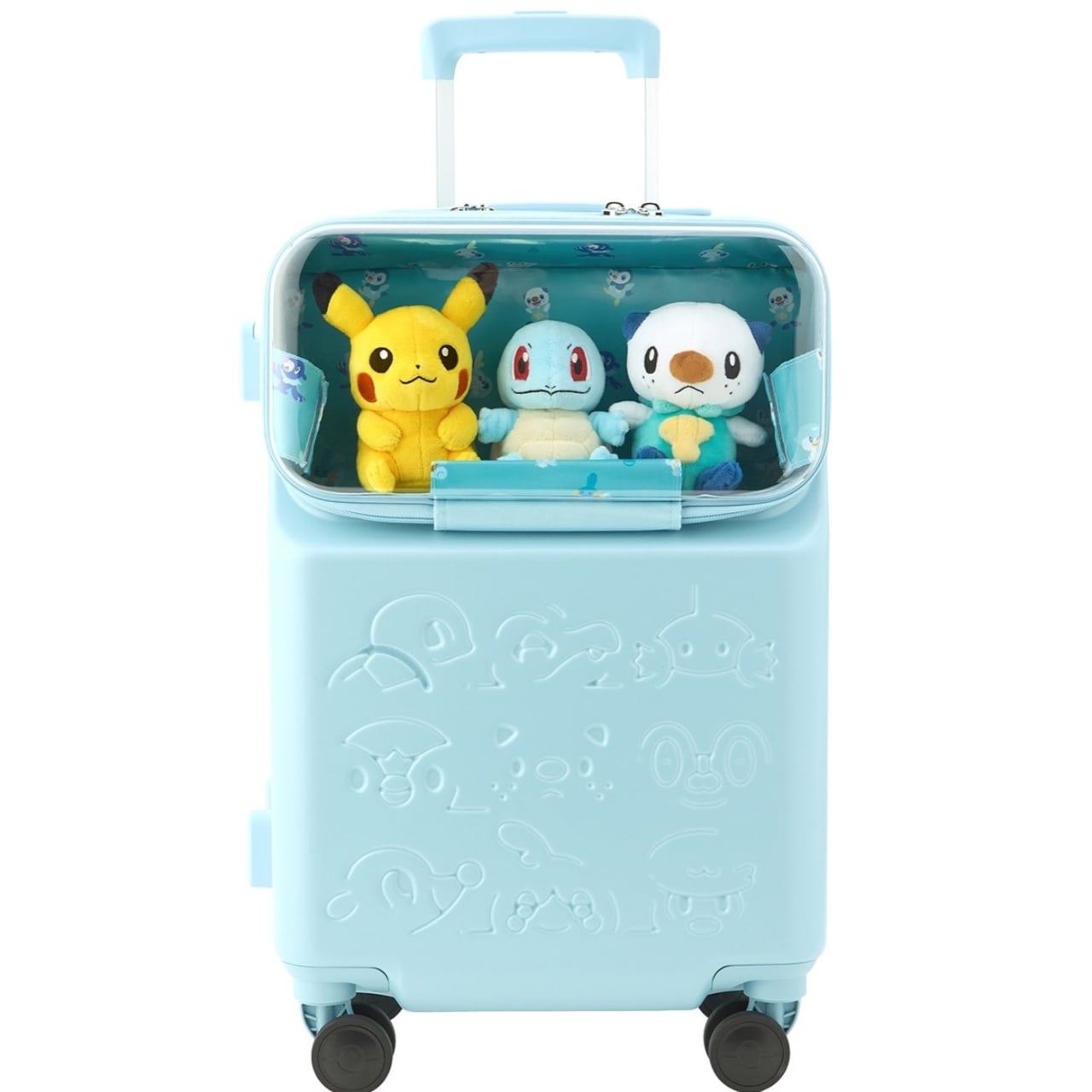
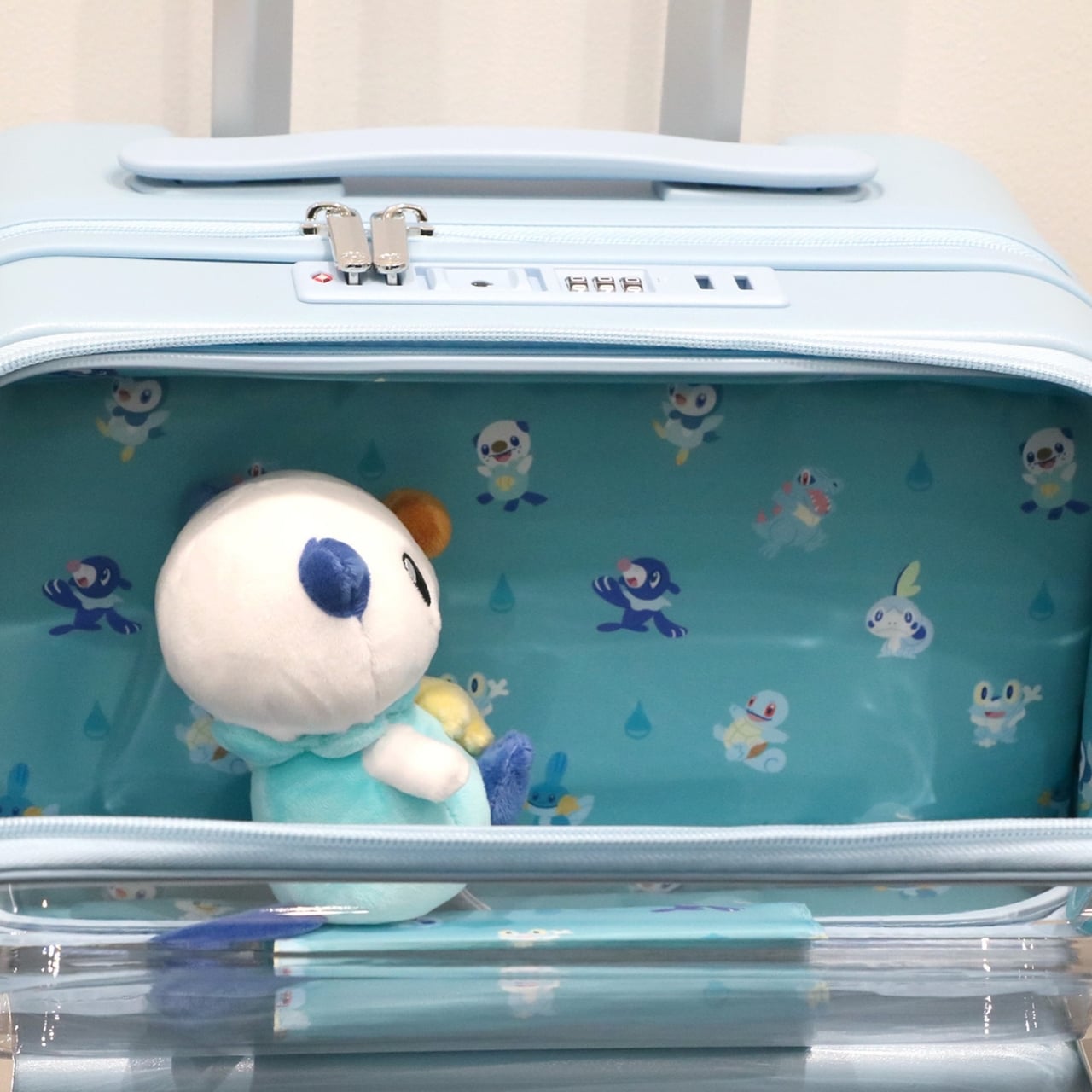
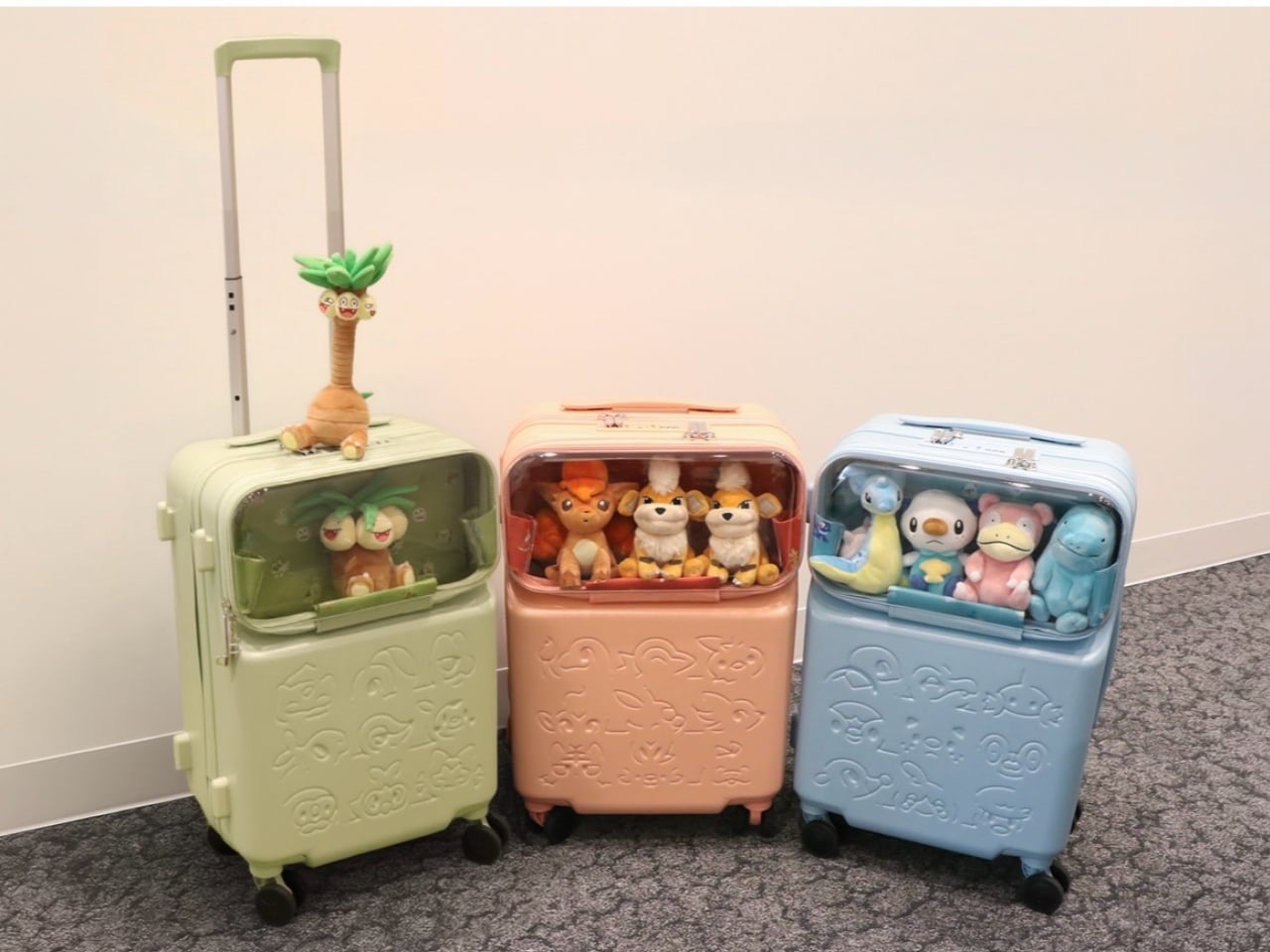
The Pokémon Company understands this need to constantly display your favorite plushies, even while traveling. As part of their 30th anniversary merchandise collection, they will be releasing the Pokémon Timeless Adventure Suitcase. Aside from having design elements connected to these creatures that you want to catch, the main feature of the suitcases is that they have a clear, see-through compartment where you can display all your favorite Pokémon plushies and toys, even while you travel domestically or internationally. Think of it as a tiny, rolling showcase: your very own mobile Pokémon display on wheels.

Designer: The Pokémon Company

It might seem a strange piece of luggage to own if you’re not into plushies, but those who love them will appreciate this seemingly odd design addition to their suitcase. I’m pretty sure I’d be “ooohing” and “aaahing” if I saw all these different Pokémon displayed when I’m traveling. It can even be a source of conversation and connection between Pokémon lovers everywhere. And yes, it’s also a not-so-subtle marketing strategy, since I’d probably want to buy one or a few of the plushies I’ll see peeking through that little window.

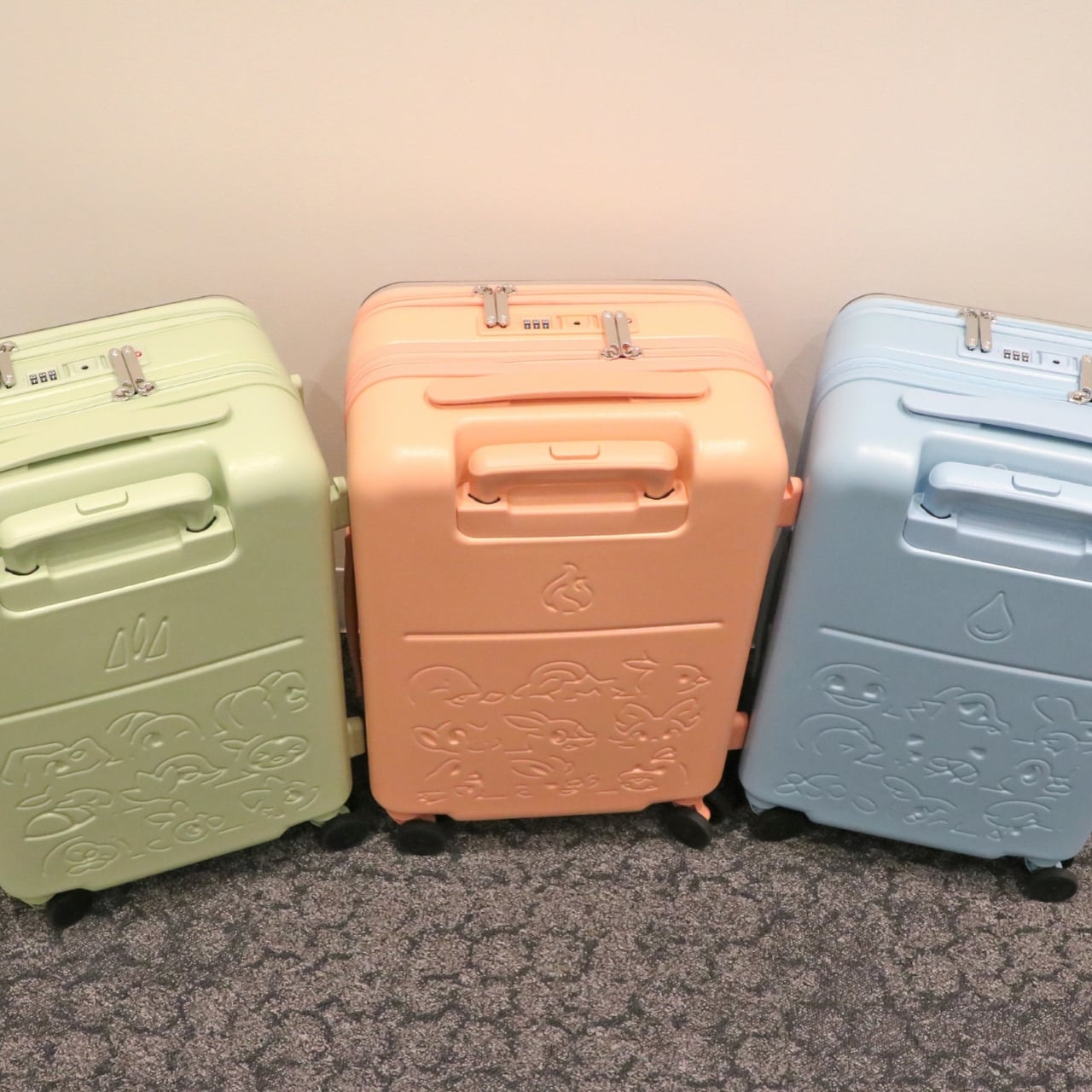
The suitcases are available in three designs, representing different elements in the Pokémon world. There’s grass (green), fire (red), and water (blue). And if you’re deep into the lore, you know that these represent the Unova region starter Pokémon: Snivy, Tepig, and Oshawott. The lining of each suitcase carries starter-themed design elements, but of course, you don’t have to match them when displaying your various plushies. The interior is just as thoughtfully designed as the exterior, making this a carry-on that truly celebrates the artistry of the franchise from the inside out.

Priced at ¥26,400 (approximately $163 USD), this is undeniably a premium collector’s item. But considering the craftsmanship, the thoughtful design details, and the fact that it’s part of a milestone anniversary release, the price feels entirely justified for any dedicated Pokémon fan. It’s not just luggage; it’s a statement piece that doubles as a display case and a conversation starter all at once.

This carry-on luggage is just one of the ways to let your fandom flag fly as you travel in style. It will be available to buy on the official Pokémon Center Japan website starting July 2 and in-store by July 4. Unfortunately, this is Japan-exclusive merchandise, so unless you actually live there or you know someone there, you will be unable to get your hands on these cute suitcases.

For Pokémon fans and collectors alike, the Timeless Adventure Suitcase is more than just a travel accessory. It’s a celebration of everything that makes this franchise so enduring and beloved. Thirty years in, and Pokémon still finds ways to surprise and delight fans in the most unexpected, joyful ways. Whether you’re a casual traveler who simply loves the aesthetic or a hardcore collector who has been with the franchise since the very first game, this suitcase gives you a way to carry your love for Pokémon with you wherever you go. So if you have a connection in Japan or you’re feeling adventurous enough to explore international shipping options, this might just be the carry-on upgrade your collection and your travels truly deserve. After all, why blend in at the baggage carousel when you can make every Pokémon fan in the terminal stop and stare?

The post This $163 Pokémon Carry-On Has a Window Just for Your Plushies first appeared on Yanko Design.
This USB-C Dongle Just Let You Control an iPhone From Windows

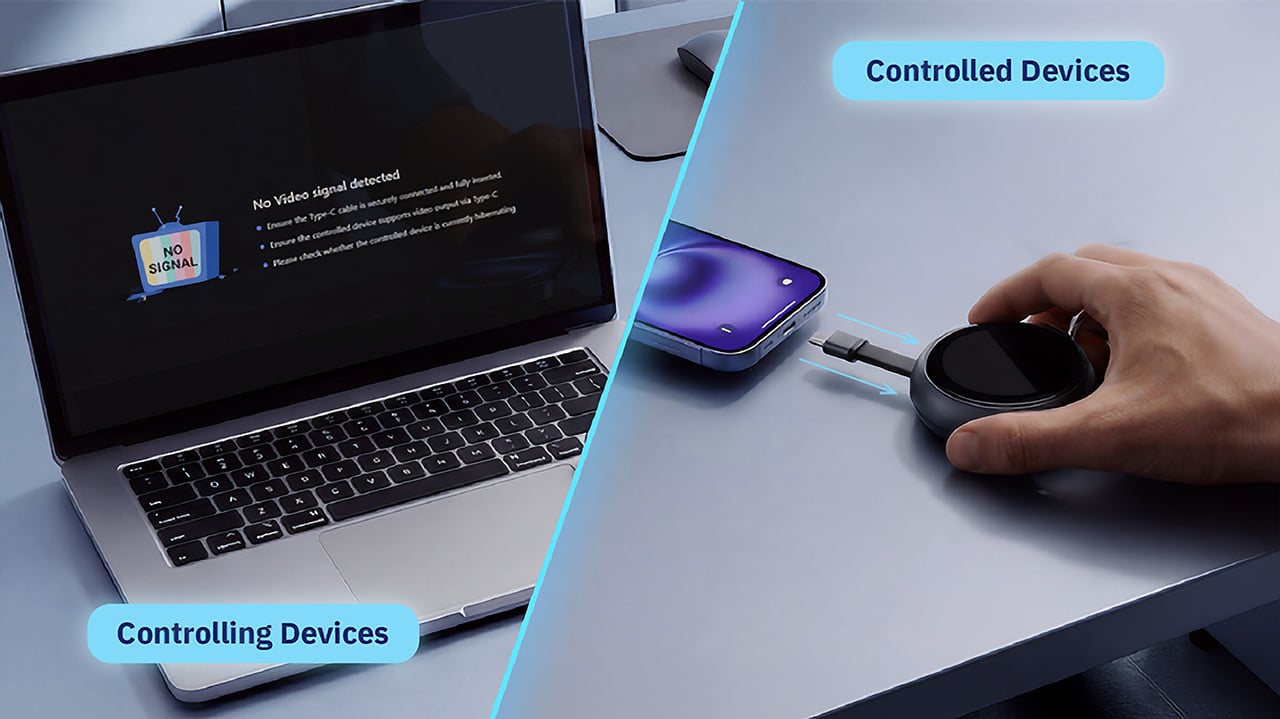
Remote work has fundamentally changed how often people need access to devices they aren’t sitting in front of. The tools built for this, however, haven’t kept up. Software-based remote access drops the moment a device sleeps or the screen locks, traditional KVMs demand a tangle of HDMI, USB, power, and Ethernet cables, and phones and tablets have been left out of the picture entirely.

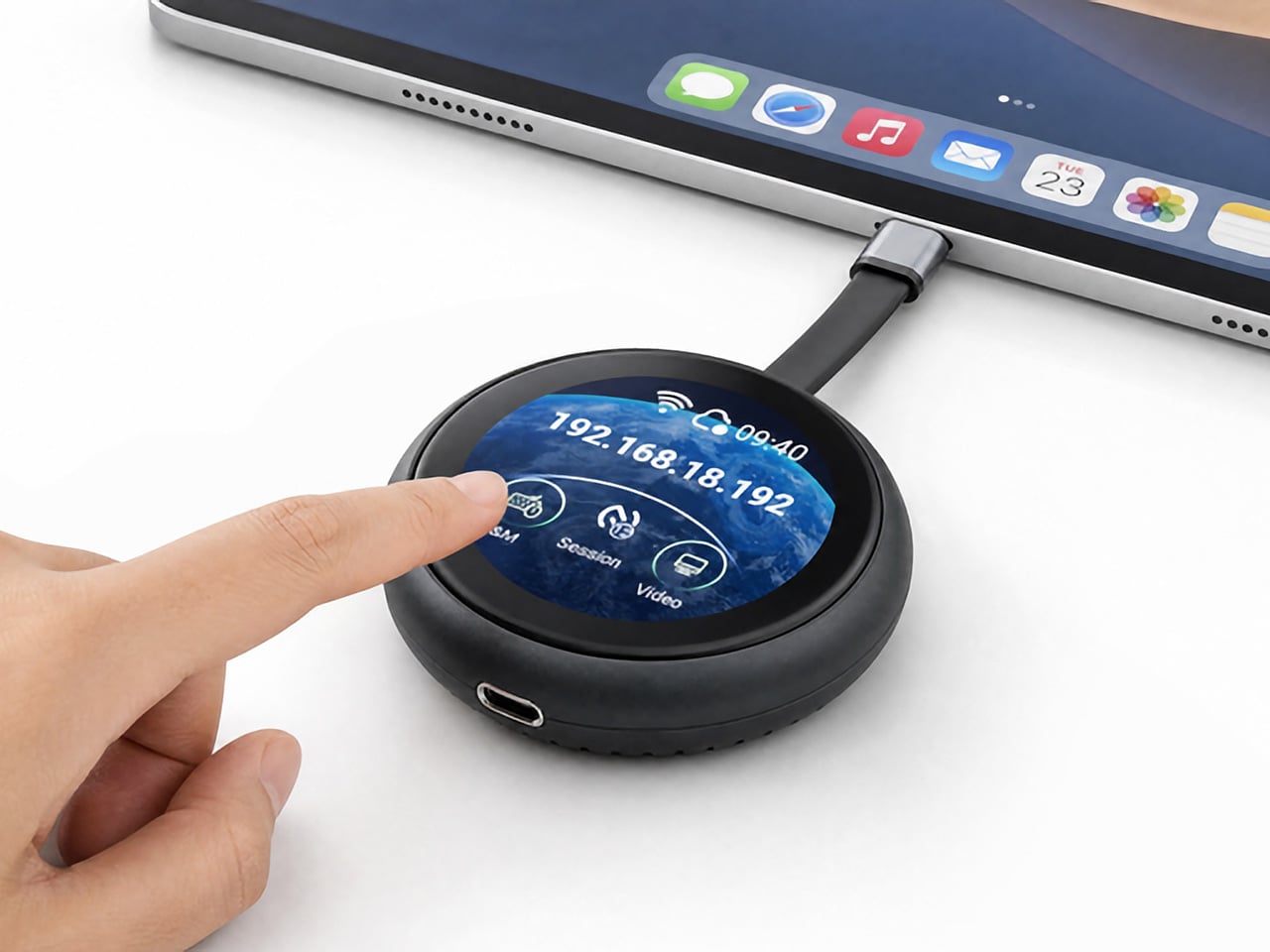
GL.iNet, the Hong Kong-based networking company behind a range of popular OpenWrt routers, has built the Comet Q to tackle all three of those problems at once. Officially designated the GL-RMQ1, it’s described as the world’s first browser-based, pocket-sized remote-control device built specifically for USB-C devices, covering laptops, phones, tablets, and Mac minis. You plug it in, open a browser, and you’re in.

Designer: GL.iNet

Click Here to Buy Now: $89 $129.9 (31% off). Hurry, only 866/2500 left! Raised over $1 million.

What sets the Comet Q apart is that it operates at the hardware level, not through software installed on the target device. That distinction matters more than it sounds. Traditional remote desktop software relies on the operating system and an active network connection, failing the moment a device sleeps, locks, or loses Wi-Fi. The Comet Q keeps working through all of that, as long as the device stays powered on and hasn’t entered a hibernation state that cuts off its HDMI/USB output.

That control comes through a single USB-C cable that simultaneously carries video, data, and power, doing away with the HDMI dongle and USB hub that traditional KVMs require. Video output reaches up to 2K at 60 fps with two-way audio, and a built-in USB-C passthrough port means the device being controlled stays charged throughout the session. It’s a genuinely pocket-sized setup that actually earns that description.

Where the Comet Q breaks new ground is with mobile devices. No KVM was ever built for them, and if something went wrong remotely, there was no clean solution short of being physically present. It connects directly through the USB-C port, working with iPhones from the iPhone 15 onward (excluding the iPhone 16e and later budget models), iPads, and a wide range of Android phones and tablets, provided the port supports DisplayPort Alt Mode.

All of that also means the OS combination no longer matters. Users can control an iPhone from a Windows PC, a MacBook from an Android tablet, or an iPad from a Linux machine. Developers can manage test devices without being at their desks, IT teams can monitor a fleet of phones from one interface, and content creators can run a dedicated recording device from anywhere in the same room.

There’s a surprisingly personal side to this. If you’ve ever tried walking a parent through a tech problem over the phone, knowing you could take over their screen remotely would have saved everyone a lot of stress. The Comet Q makes that possible, and since Wi-Fi credentials can be preset before shipping the device, the person receiving it doesn’t need to set it up.

Accessing the Comet Q doesn’t require any downloads. From a laptop or desktop, any browser pointed to glkvm.com is enough to take full control, with no account creation needed. When controlling from a phone or tablet, the GLKVM app, available on Windows, macOS, App Store, and Google Play, handles touch gestures more precisely. A 1.8-inch circular touchscreen on the device also makes initial setup possible without opening a laptop.

Security runs through every layer of the design. Each session ends the moment the Comet Q is physically disconnected, leaving no residual access or background processes behind. Built-in support for Tailscale, ZeroTier, and WireGuard VPN keeps remote connections encrypted and firewall-friendly, while two-factor authentication adds yet another layer on top. Remote access that works through hardware rather than software has been a long time coming for phones and tablets.
Click Here to Buy Now: $89 $129.9 (31% off). Hurry, only 866/2500 left! Raised over $1 million.
The post This USB-C Dongle Just Let You Control an iPhone From Windows first appeared on Yanko Design.