Design You Can Feel: ASUS Ceraluminum Blends Technology with Tactile Artistry

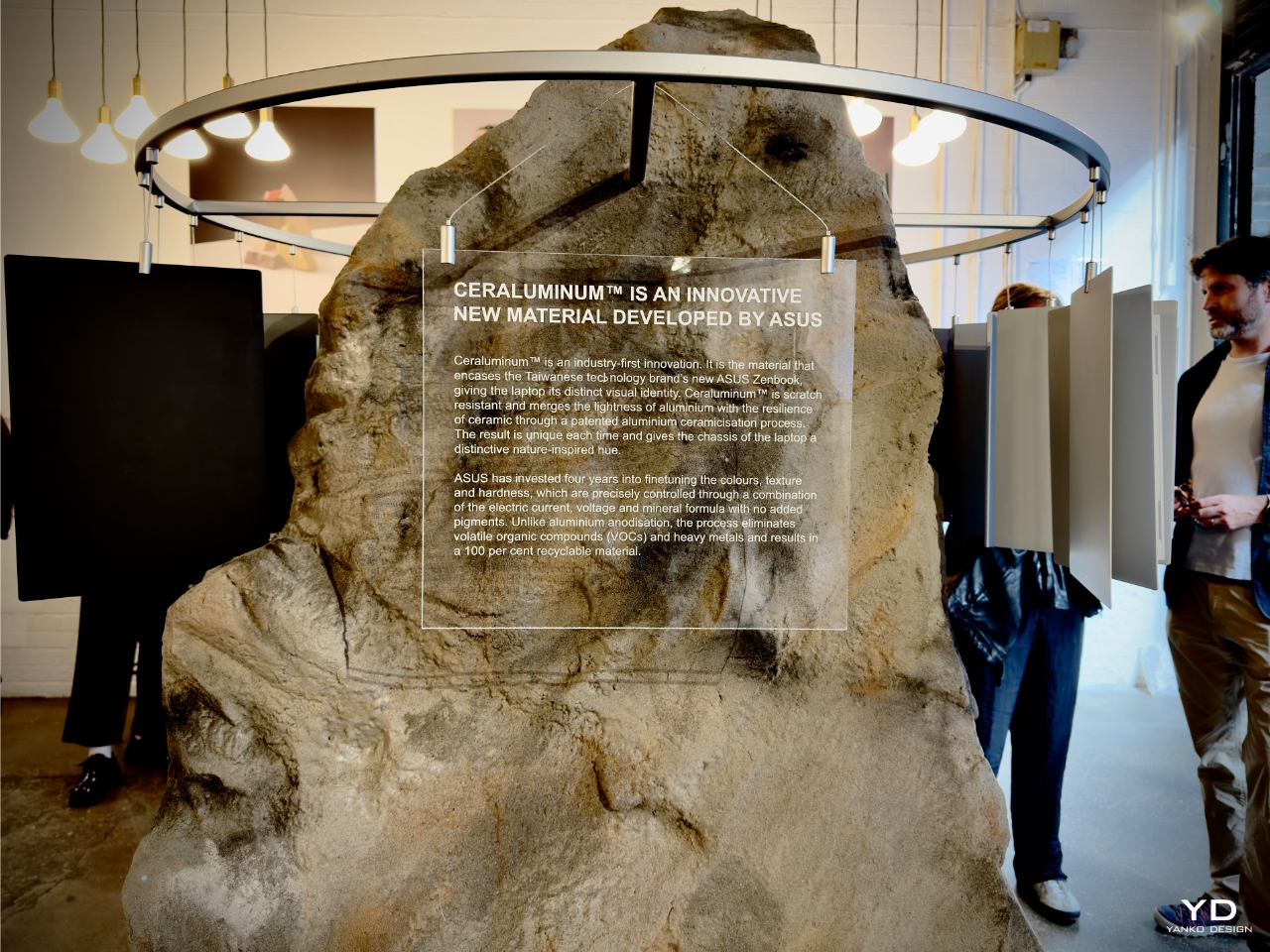
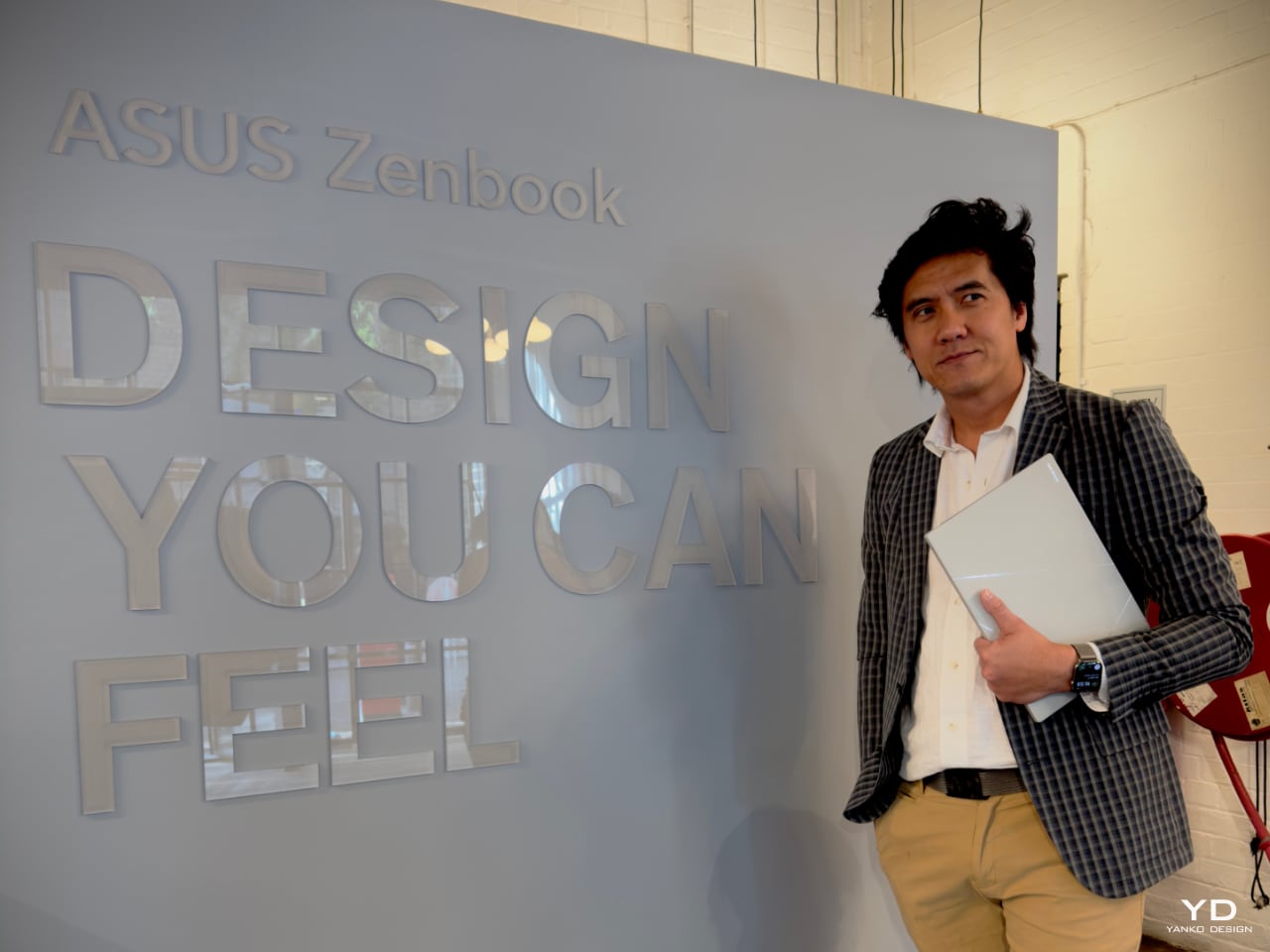
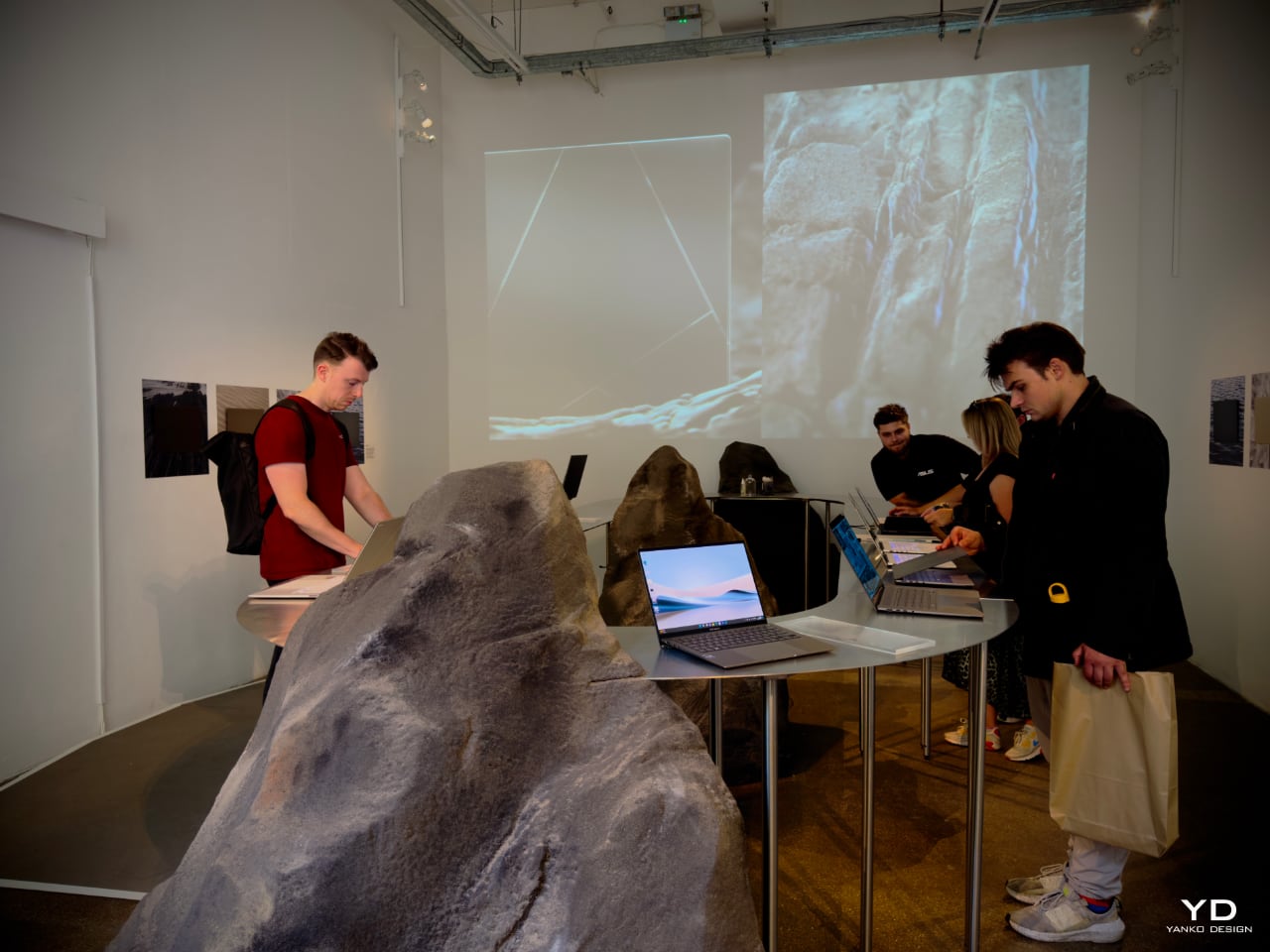
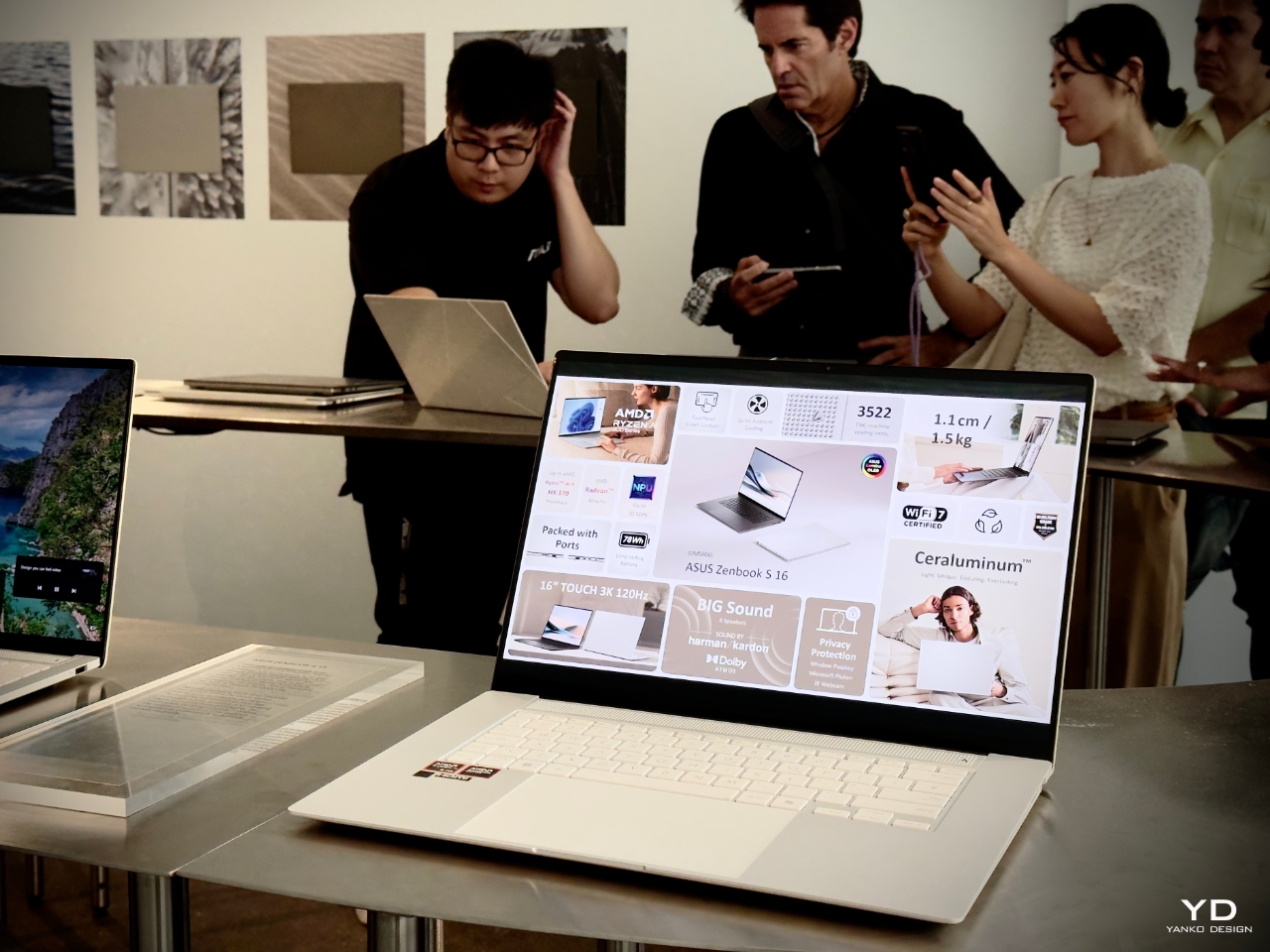
ASUS has long been recognized for its forward-thinking approach to technological innovation. With Ceraluminum, the company shifts focus, moving beyond performance metrics and engaging users on a sensory and emotional level. At the “Design You Can Feel” exhibition during the London Design Festival, ASUS presented this unique material in an artistic context, blending technology, material science, and human-centered design. This exhibition explored how technology doesn’t need to feel cold or distant but can foster emotional engagement and tactile experiences that draw users in.
Designer: ASUS

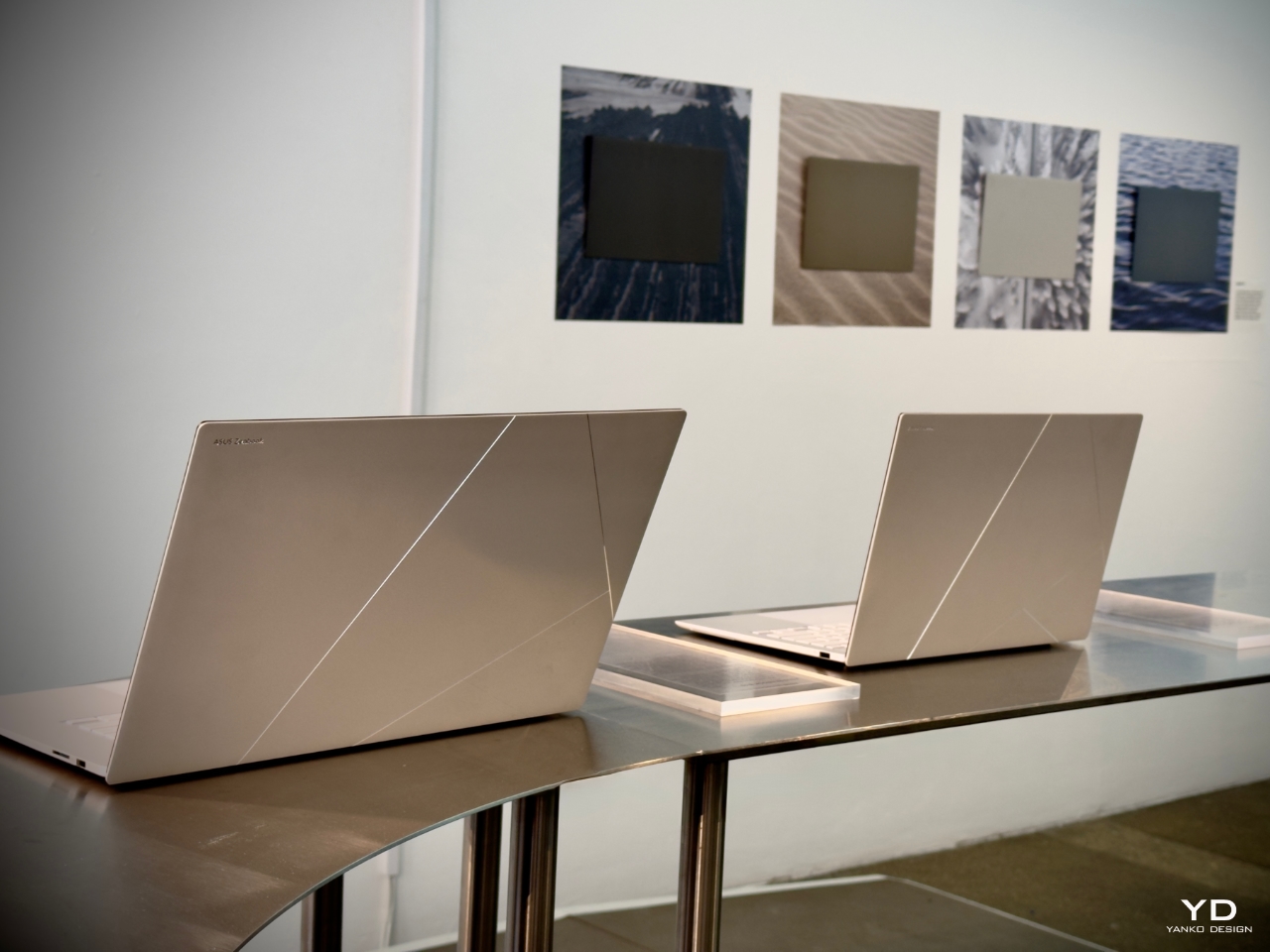
At the core of this shift is Ceraluminum, a revolutionary material that merges aluminum’s structural benefits with the tactile qualities of ceramic. With its four-year development, this material represents a significant leap forward in the functionality and aesthetics of ASUS’s products. Ceraluminum invites users to touch, explore, and experience their devices in a more intimate, human-centered way. It’s a breakthrough that combines art and technology, reshaping how we engage with our tech.

Ceraluminum: A Material with Presence

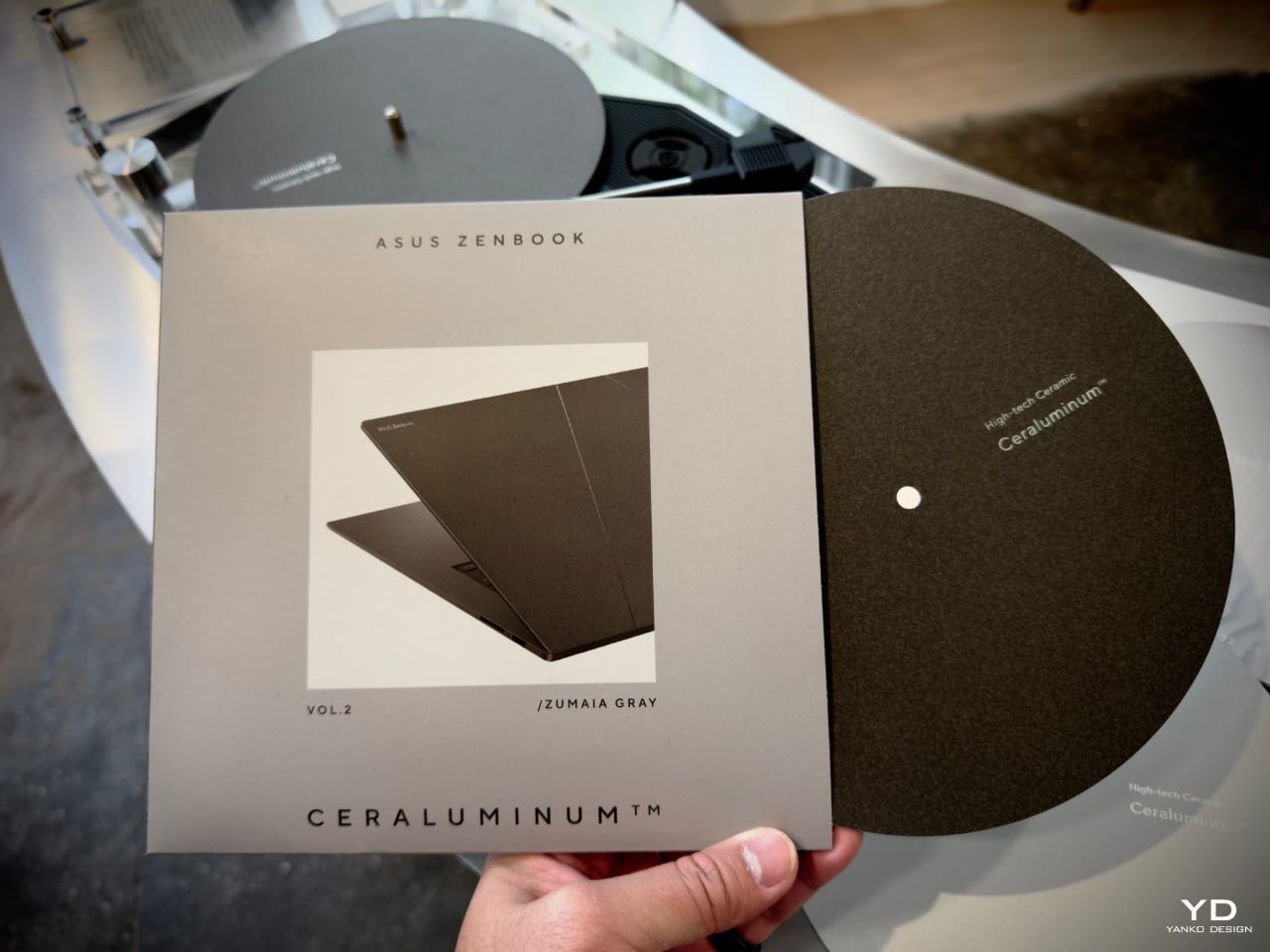
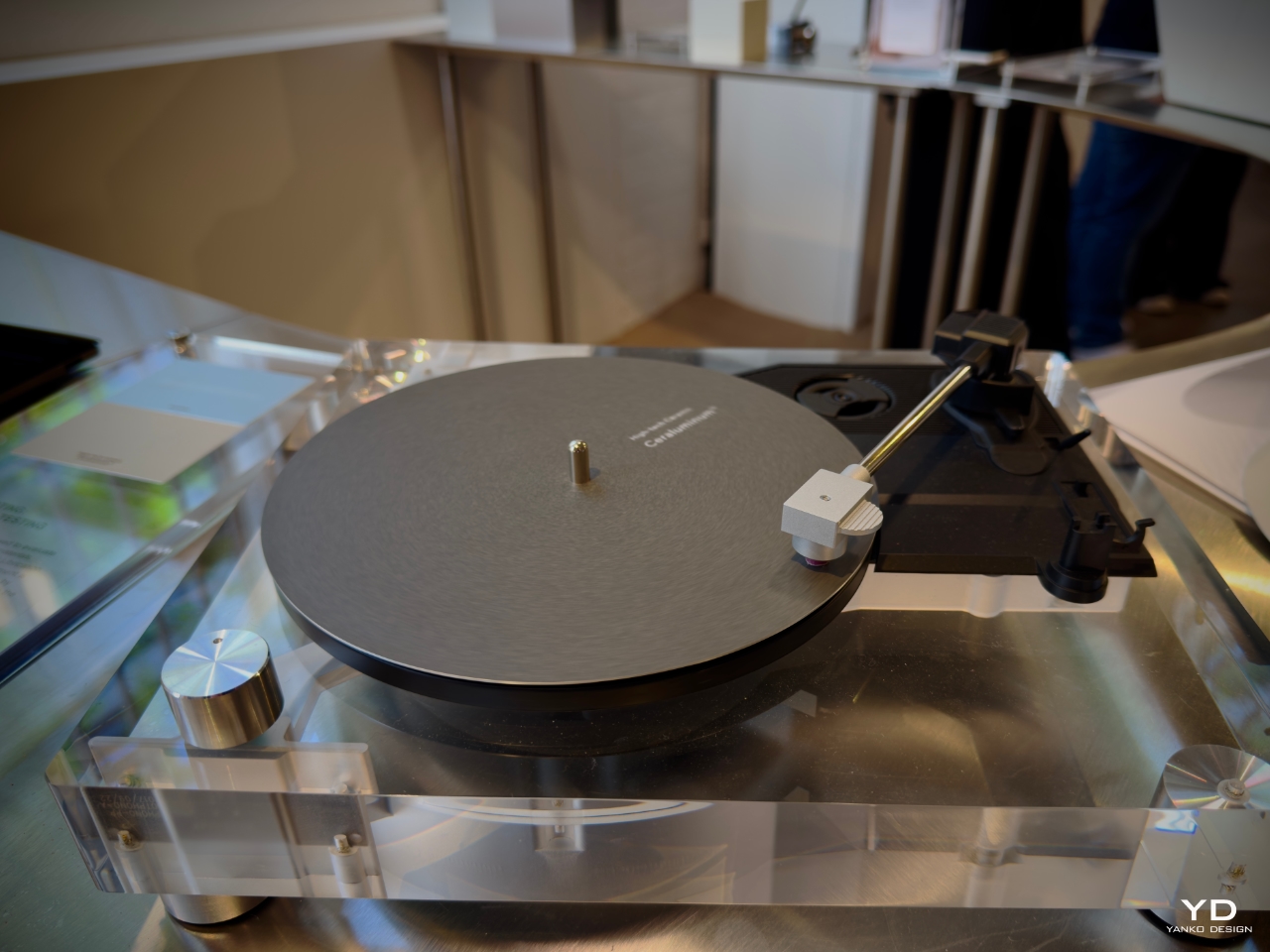
Ceraluminum reflects ASUS’s focus on creating materials that enhance functionality while fostering a more personal and tactile user experience. From my interpretation of their design philosophy, ASUS aims to develop materials that resonate emotionally with users, evoking a sense of warmth and connection—without suggesting metaphysical attributes like having a soul. Unlike traditional metals that feel cold and impersonal, Ceraluminum exudes warmth and tactility. It absorbs light and reduces glare while offering a textured, matte finish that invites interaction. Chief Design Officer Mitch Yang elaborated on the significance of this during the panel discussions, emphasizing that the texture and feel of Ceraluminum are key to fostering a deeper connection between users and their devices.

Developed through a unique micro-arc oxidation (MAO) process, Ceraluminum begins as lightweight aluminum and is transformed into a hybrid material through a high-voltage plasma discharge. This creates a ceramic oxide layer that maintains aluminum’s strength and lightness but offers ceramic’s hardness, scratch resistance, and tactile warmth. This unique combination gives ASUS’s devices a distinctive feel and presence, setting them apart from the sea of cold, reflective metal gadgets on the market.

Yang explained further, “Ceraluminum allows us to create devices that don’t just look good but feel meaningful to the touch. It changes how users interact with their technology, inviting them to explore the material with their hands, not just their eyes.”
SUSA: Embodying Calm Technology
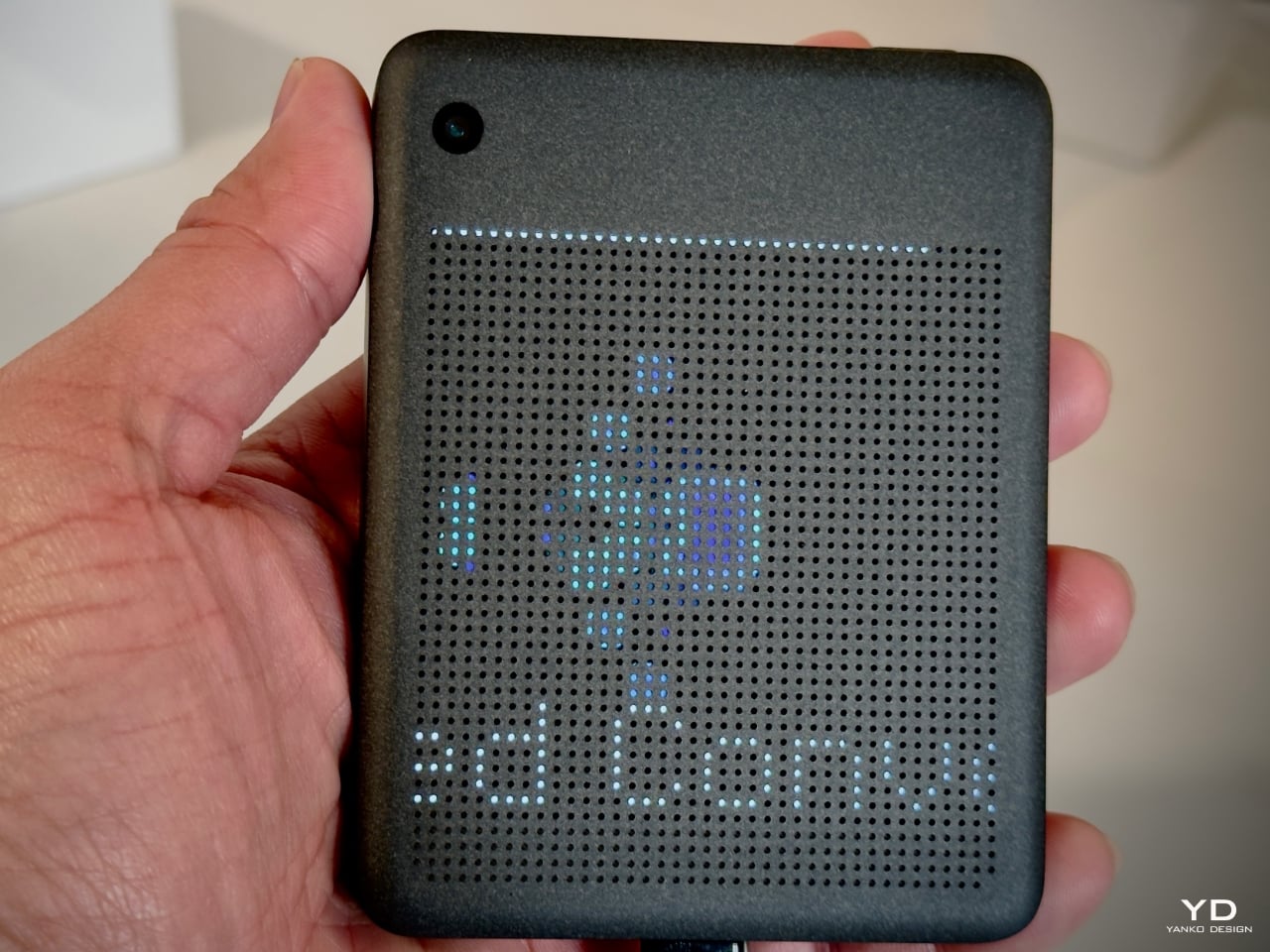
At the center of the “Design You Can Feel” exhibition was SUSA, a conceptual AI-powered device designed by London-based Future Facility. This device embodies ASUS’s philosophy of calm technology, where tech is designed to be intuitive, unobtrusive, and calming rather than overstimulating. Encased entirely in Ceraluminum, SUSA represents the potential of this material to facilitate more mindful, tactile interactions with technology.
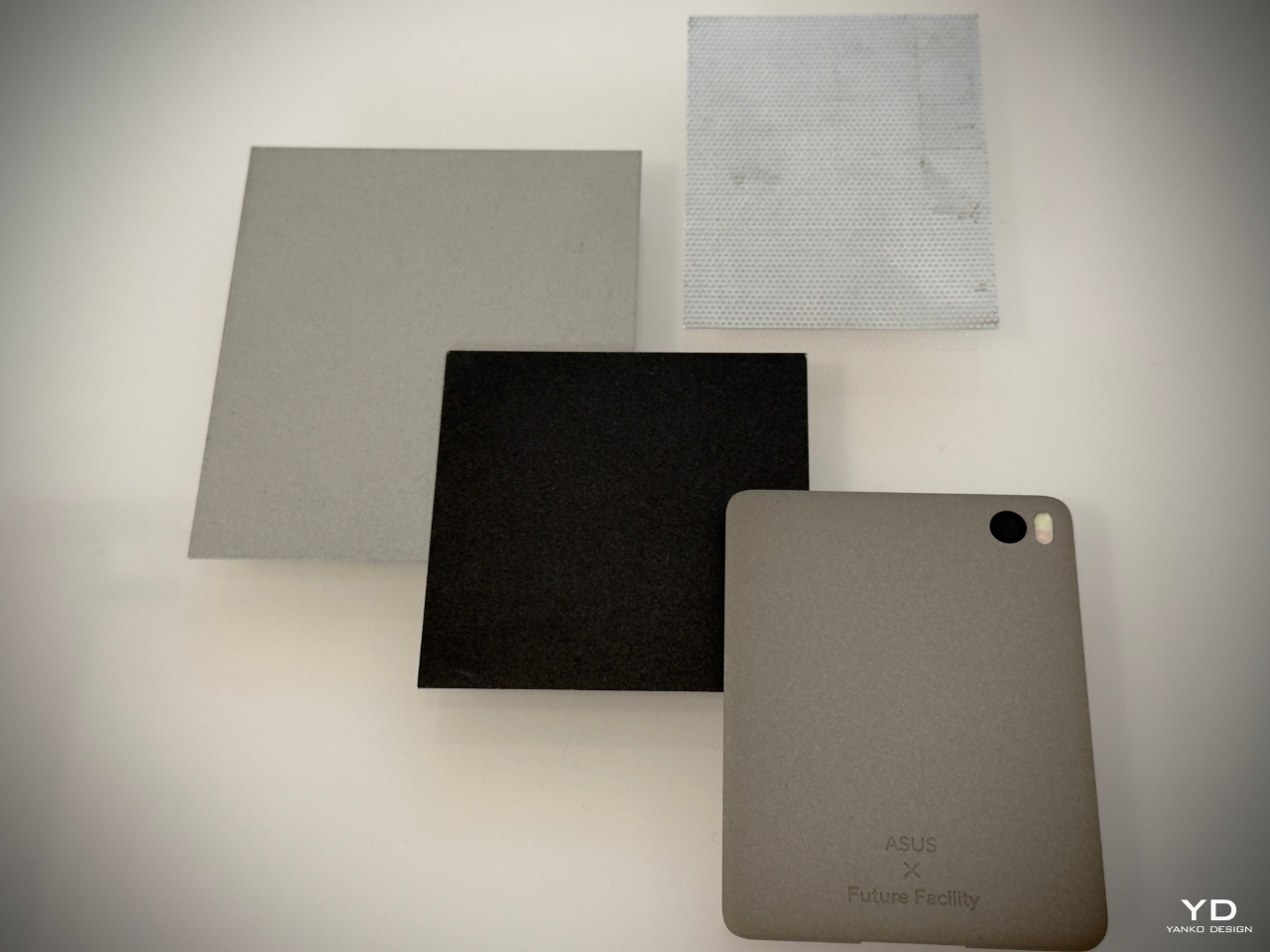
SUSA’s design is deliberately minimalist. It features a perforated screen that subtly filters its digital display, minimizing distractions while maintaining core functionalities such as photography, navigation, and calls. By encouraging users to engage with the physical object rather than becoming consumed by the screen, SUSA promotes a more intentional relationship with technology.
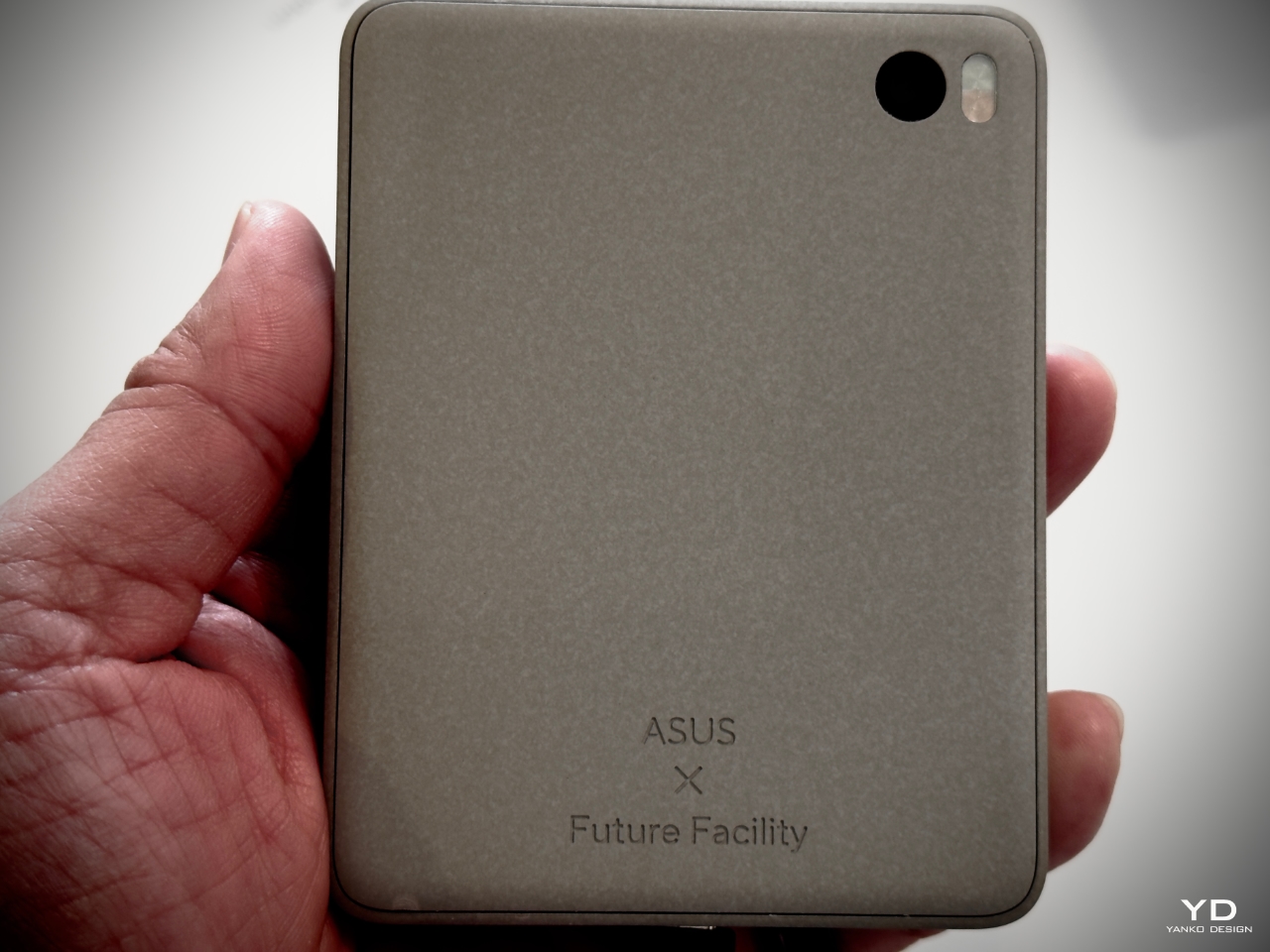
Leo Leitner, a designer at Future Facility, explained this during the panel discussion, stating, “SUSA is a reflection of how we can rethink the role of digital devices in our lives. By using Ceraluminum, we create a product that feels more natural and calming. It’s about slowing down, encouraging the user to focus on what’s important rather than being overwhelmed by constant notifications.”
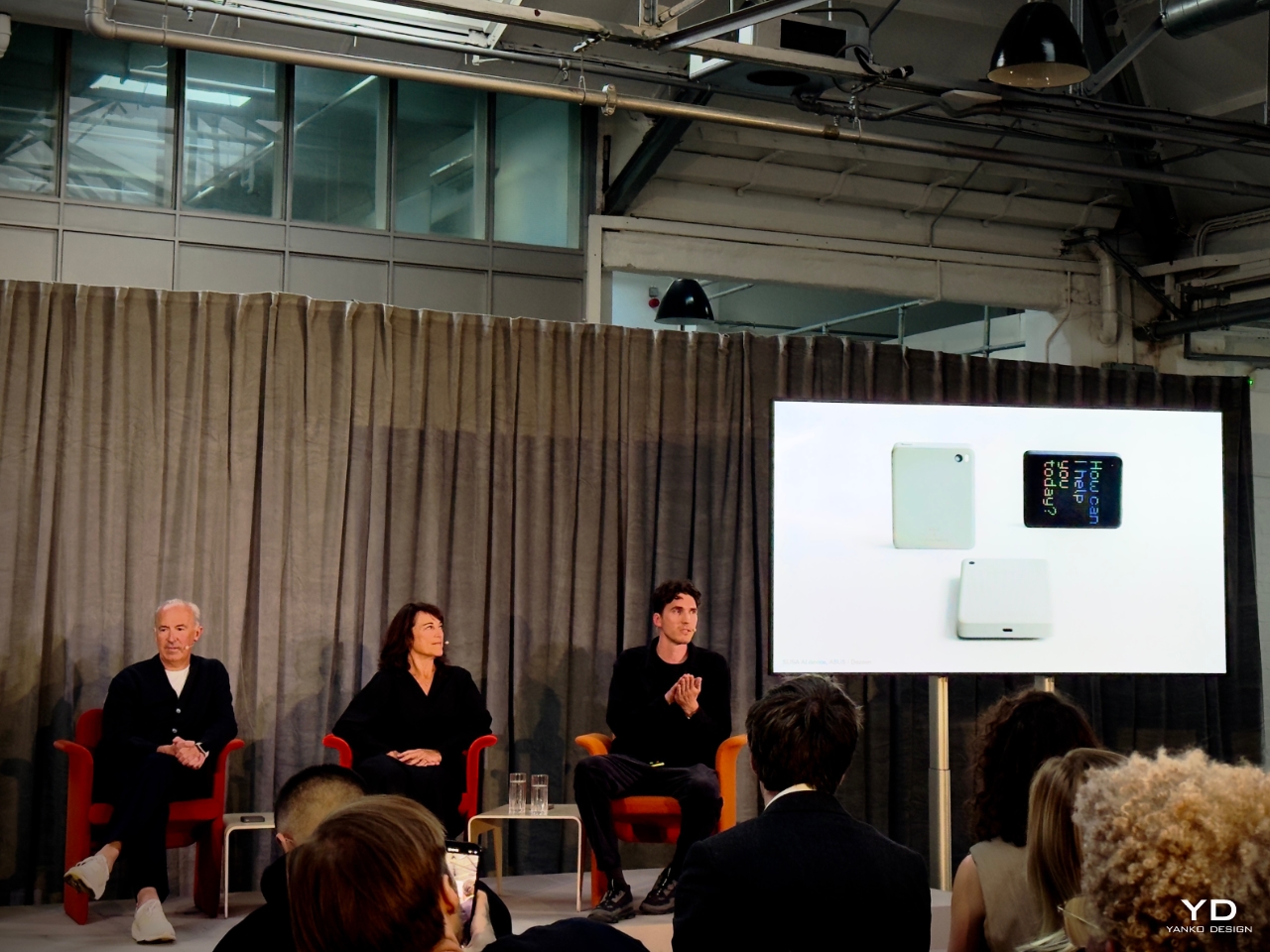
Kim Colin, also from Future Facility, expanded on this by adding, “The tactile nature of Ceraluminum allowed us to create a product that feels inviting and grounded. It shifts the focus from what the device can do to how it feels when used. That tactile warmth is crucial to fostering a more mindful, human-centric interaction.”
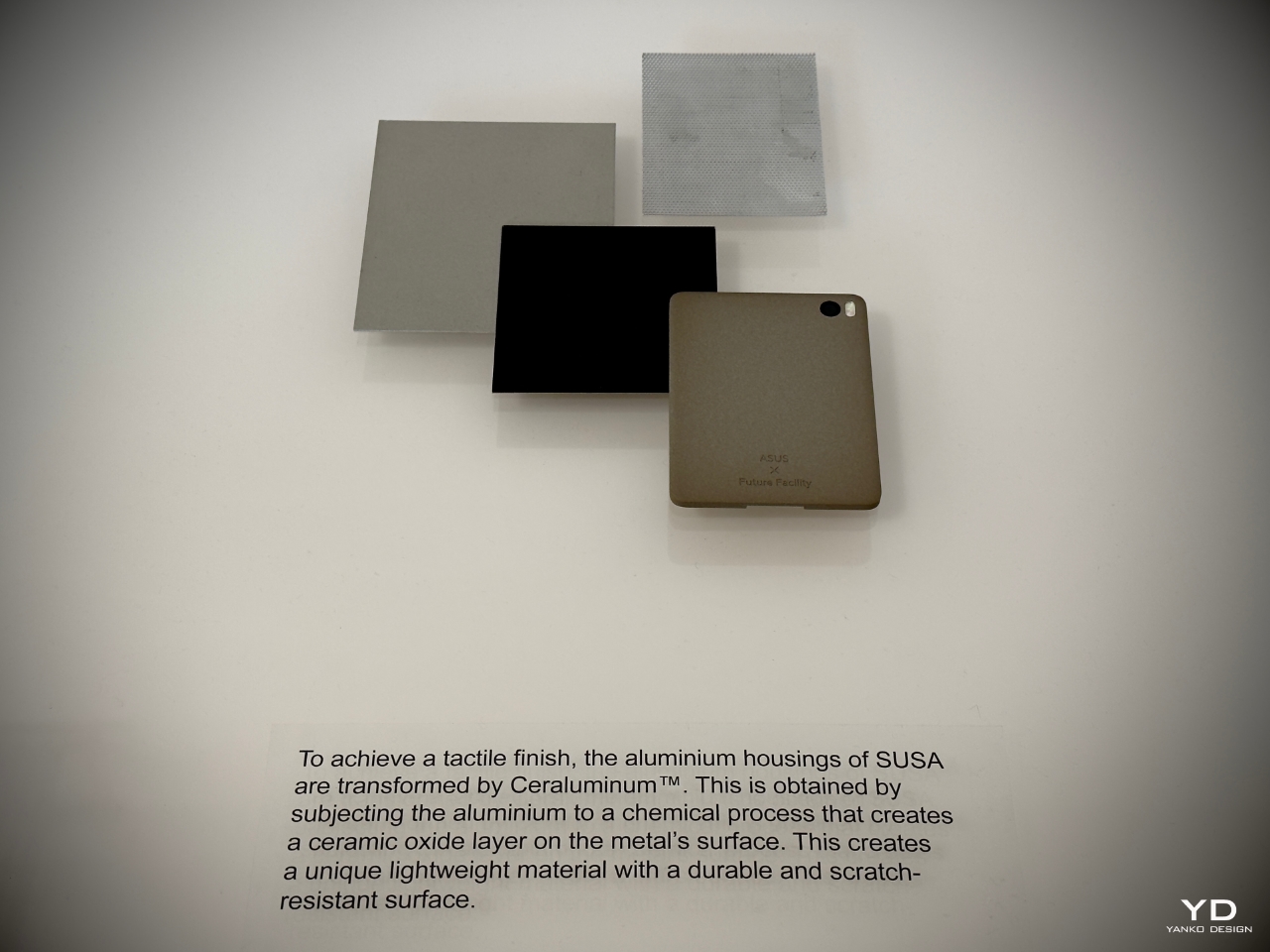
SUSA is more than a concept. It represents a future where technology is integrated into our lives in ways that promote mental well-being, offering a calming influence rather than a constant source of overstimulation.
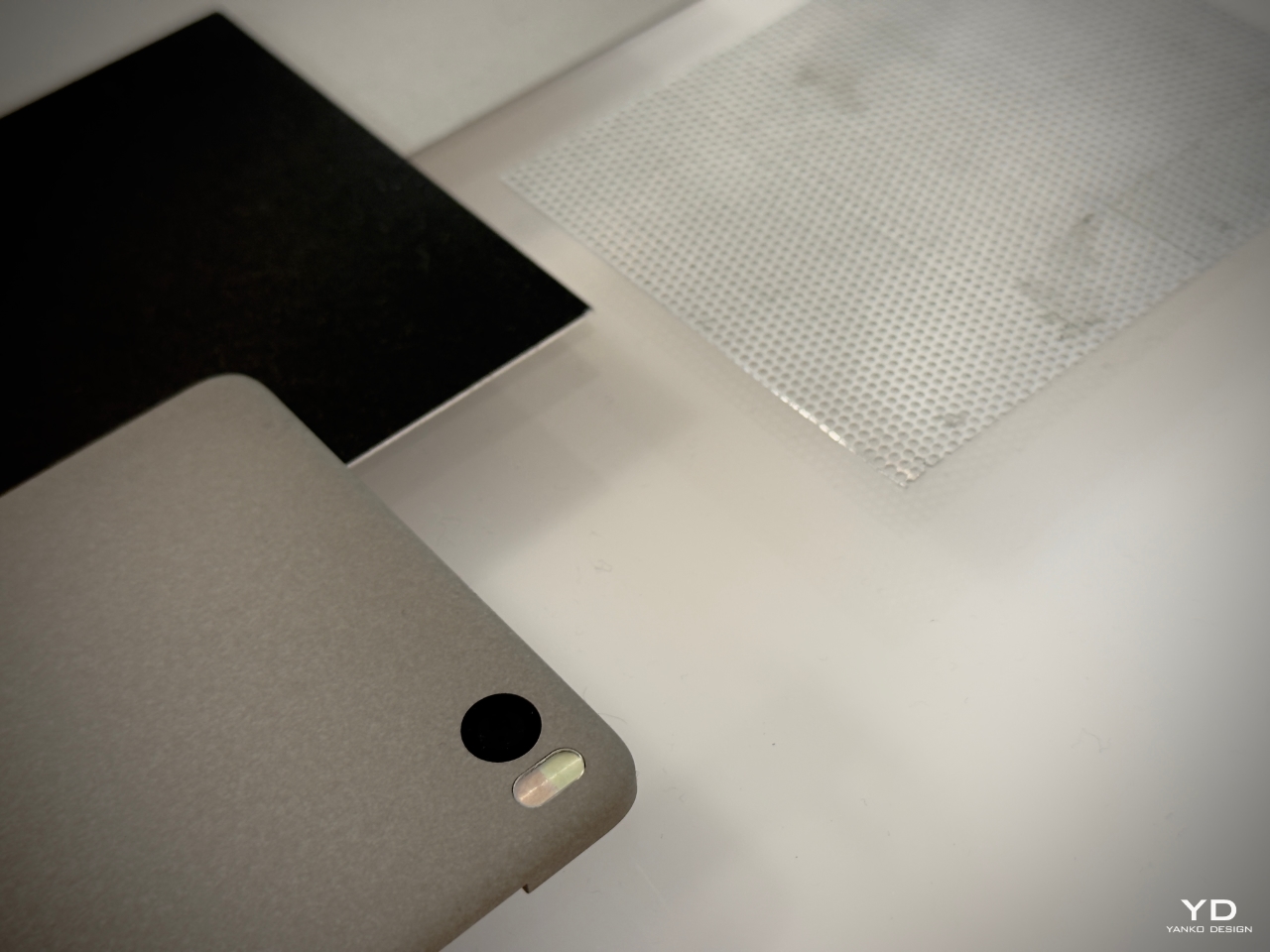
Collaborations with Global Designers: Ceraluminum Through the Eyes of Art

The “Design You Can Feel” exhibition also served as a platform for international designers to reinterpret and manipulate Ceraluminum in their own creative ways, showcasing its versatility beyond traditional tech applications. By inviting leading artists and designers to explore the material, ASUS highlighted how Ceraluminum can inspire new forms of user interaction. Each designer’s work emphasized tactile engagement and explored how material science can evoke emotional responses while remaining functional.
Giles Miller Studio (UK) approached Ceraluminum from a design perspective that blurred the lines between industrial application and artistic expression. Miller’s work focused on transforming the surface texture of Ceraluminum, turning it into a canvas for intricate patterns and reliefs. By manipulating its reflective qualities, Miller demonstrated how Ceraluminum could become a material that protects and decorates, elevating everyday technology into something more visually dynamic.

Designer: Giles Miller Studio
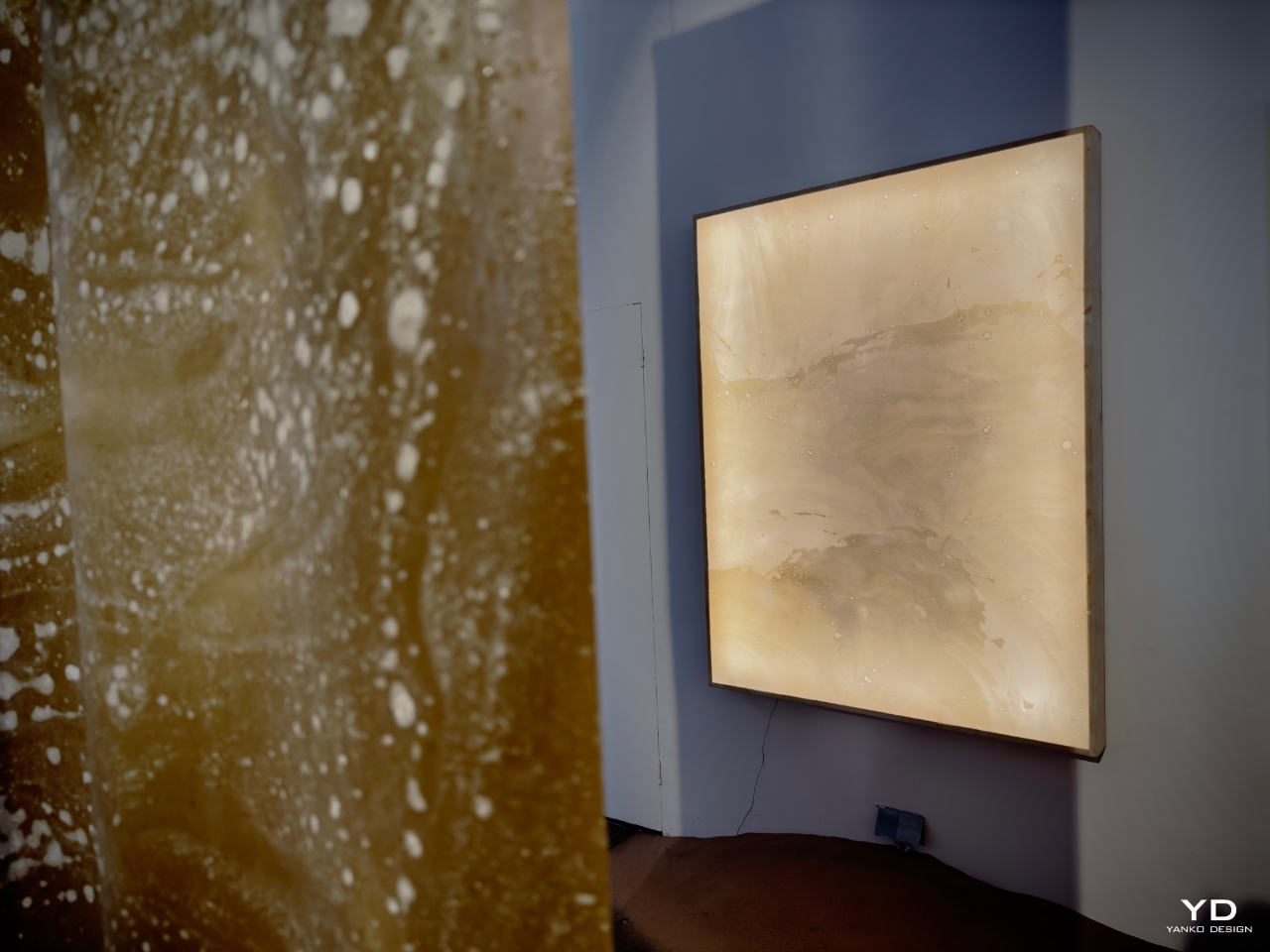
The studio used light to reveal hidden details in the material, inviting users to interact with their devices in new ways. Miller explained during the panel that they wanted to capture the subtle shifts in light as users moved their devices, turning a practical surface into an artistic experience. “Ceraluminum gave us the ability to create a surface that changes with the viewer’s movement, transforming the device from an object of utility into something more engaging,” Miller noted. This emphasis on the material’s light-reflecting properties invited deeper emotional engagement, making the device feel more personal.

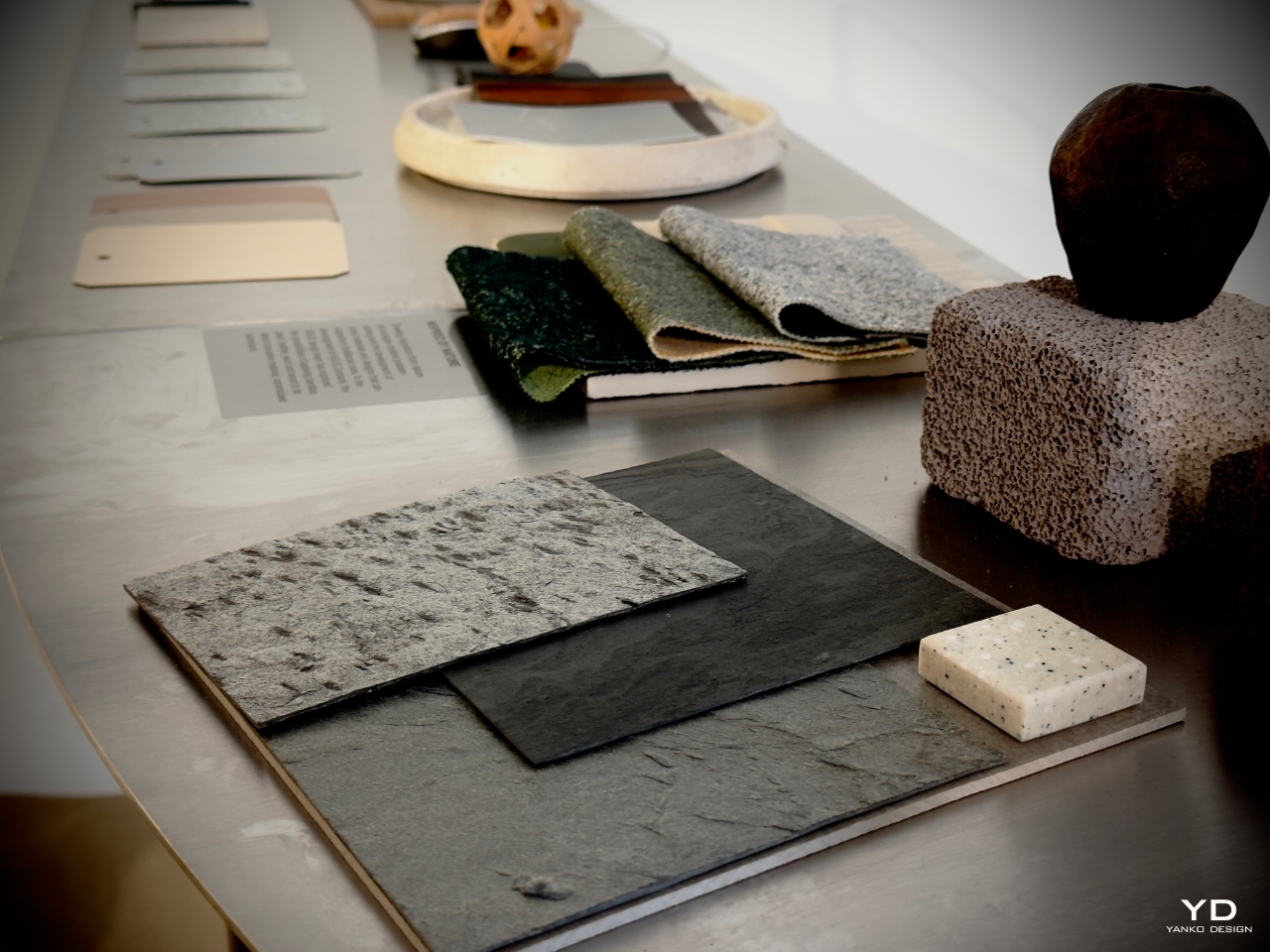
Natural Material Studio (Denmark) took an organic approach to Ceraluminum, focusing on its ability to mimic natural textures. Their contribution aimed to highlight the material’s matte finish and tactile softness, drawing inspiration from natural elements like stone and sand. By working with Ceraluminum’s porosity, they created objects that felt grounded and familiar, offering a contrast to the typically sleek, hard surfaces of most technology.

Designer: Natural Material Studio
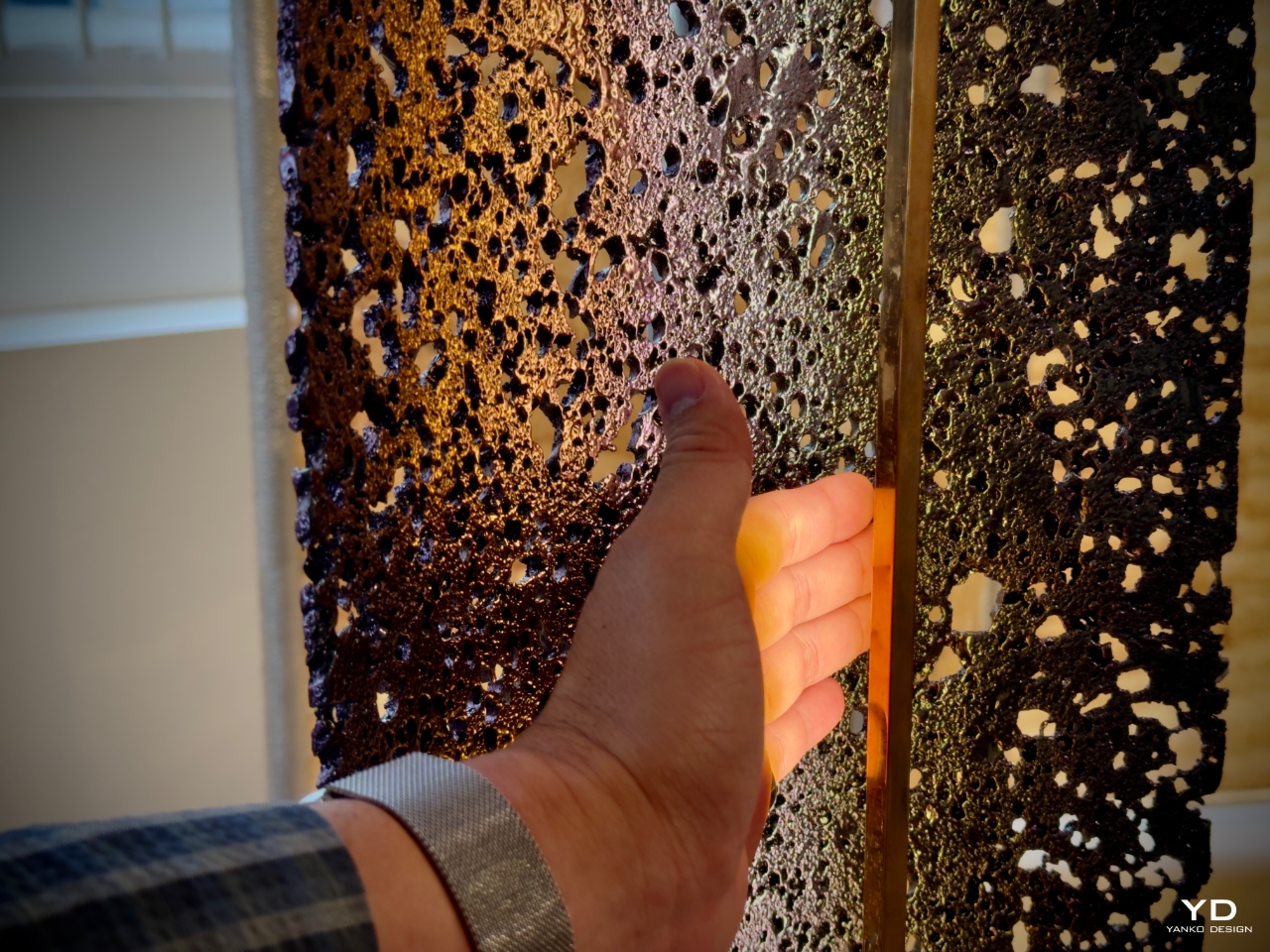
The goal was to craft a sensory experience that reminded users of nature. Their work emphasized the tactile qualities of Ceraluminum, offering an experience that felt like the material had been shaped by natural forces rather than human technology. “We wanted the object to feel as if it had always existed—like a pebble-shaped by the sea,” the studio shared during the exhibit. Their designs provided a sense of calm, reinforcing ASUS’s broader mission to create technology that connects users to the natural world while still harnessing advanced materials.

Nice Workshop (South Korea) explored the application of Ceraluminum in larger-scale objects with their “Aluminium Formwork Series”. Moving away from electronics, they demonstrated how Ceraluminum could be used in furniture design by applying ASUS’s ceramicization process to aluminum forms. This process resulted in furniture pieces with a textured, stone-like finish that invited touch and interaction. Founder Hyunseog Oh said their goal was to make aluminum—a traditionally cold, hard material—feel softer and more approachable.

Designer: Nice Workshop
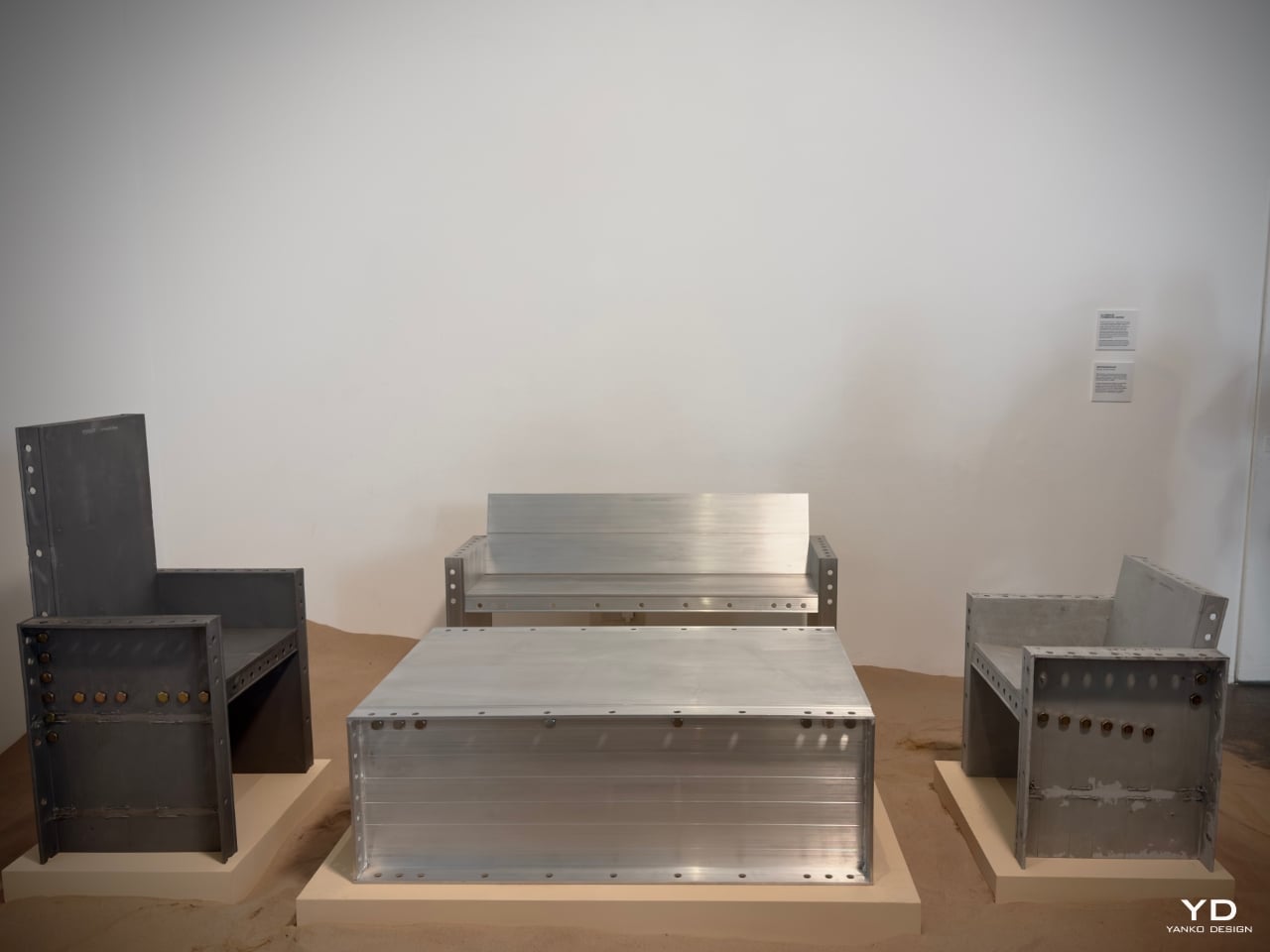
Their work showed how Ceraluminum’s unique texture could be adapted to everyday objects, making them more inviting and user-friendly. “We wanted people to feel comfortable interacting with furniture in the same way they interact with their devices,” said Oh. This exploration of Ceraluminum’s versatility in non-tech applications expanded the material’s potential, proving it could enhance electronics and the physical spaces we inhabit.

Fernando Laposse (Mexico) brought a sustainability-focused lens to the exhibition, concentrating on how Ceraluminum could be repurposed and recycled to reduce environmental impact. Known for his work with natural fibers, Laposse saw potential in Ceraluminum’s longevity and durability. He explored how the material could be integrated into sustainable design practices, offering a responsible alternative to more wasteful production methods.

Designer: Fernando Laposse

Laposse’s work aligned with ASUS’s vision for creating long-lasting products that reduce waste and contribute to a circular economy. By focusing on Ceraluminum’s recyclability, he highlighted its potential to contribute to sustainable design efforts. “Ceraluminum’s strength and durability mean it can be repurposed, not discarded, ensuring that our devices leave a smaller environmental footprint,” Laposse explained. His approach resonated with ASUS’s commitment to sustainability, demonstrating that high-tech materials and responsible design can coexist.

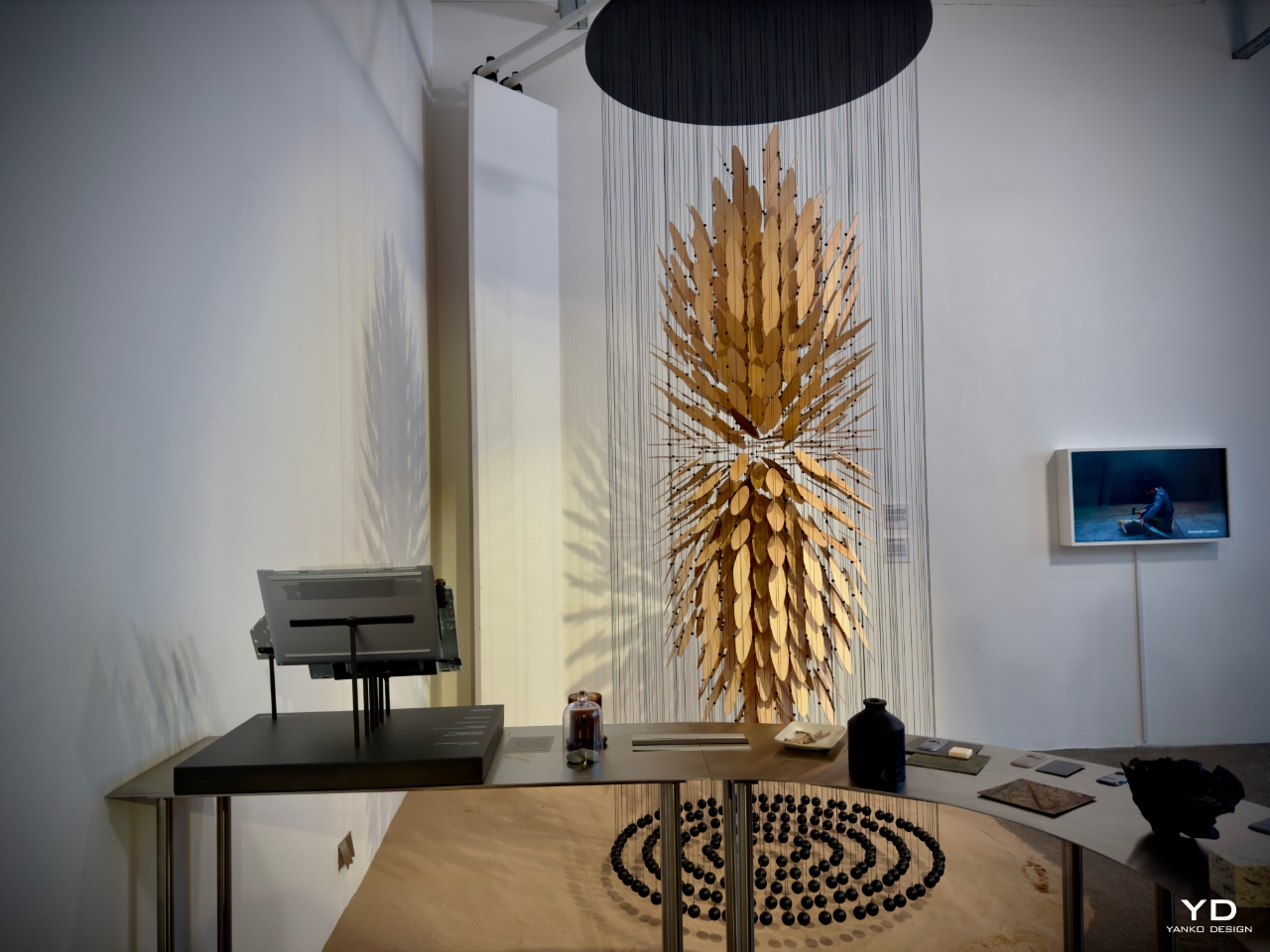
Studio Furthermore (UK) embraced a more experimental approach, pushing Ceraluminum’s potential beyond the traditional limits of material design. Their contribution focused on the material’s transformation through ceramicization, exploring how different textures and surface treatments could evoke new tactile experiences. By experimenting with forms and patterns, Studio Furthermore demonstrated how Ceraluminum could serve as a medium for creative exploration, where users could discover new ways to interact with their devices.
Designer: Studio Furthermore

The studio’s work underscored how Ceraluminum is durable and capable of provoking emotional and tactile connections. By emphasizing the material’s sensory qualities, they invited users to engage more profoundly and rigorously with their devices. “We wanted to encourage users to touch and feel their devices, not just see them as tools,” the studio remarked. Through their experimental processes, Studio Furthermore showcased how Ceraluminum could foster more profound, more meaningful interactions between users and the objects they use every day.
Final Thoughts: A Sensory Future for Technology and Design
ASUS’s “Design You Can Feel” exhibition and the development of Ceraluminum represent a forward-thinking approach to how technology integrates into our lives. With this material, ASUS bridges the gap between the tactile and the technological, offering users an experience that goes beyond performance to touch the soul of design.
Ceraluminum’s durability, tactile warmth, and matte finish go beyond aesthetic choices; they reshape how we interact with devices moving forward. This material reflects ASUS’s commitment to creating devices that resonate emotionally, offering comfort, engagement, and fostering a deeper connection.
Through collaborations with global designers, ASUS has highlighted the potential of Ceraluminum to transform not just technology but how we live, interact, and engage with the objects around us. As we move forward, Ceraluminum is poised to lead a new design wave that prioritizes emotional resonance, environmental responsibility, and the fusion of art with cutting-edge material science.

The post Design You Can Feel: ASUS Ceraluminum Blends Technology with Tactile Artistry first appeared on Yanko Design.
Concord’s disastrous launch reportedly leads to its director’s self-demotion

The ripples from Concord’s seismic implosion are still fanning out since Sony decided to take the game offline earlier this month. Now, the game’s director has reportedly decided to bow out gracefully. Kotaku reported that game director Ryan Ellis of Firewalk Studios told staff members that he’s stepping down from his position. Ellis, who cofounded Firewalk after a stint as the creative director of Destiny 2, will remain with the studio but only in a support role.

Meanwhile, the staff at Firewalk are still waiting to hear what Sony plans to do with their underperforming game. Just two weeks after Concord’s release, Sony pulled the team shooter offline on September 6 and issued refunds to everyone who bought the game for the PlayStation 5 or PC from Steam and the Epic Games Store. Sony said in a statement that it pulled the game in order to “explore options, including those that will better reach our players.” Naturally, Kotaku reports that a lot of Firewalk’s staffers are worried about the status of their jobs in the wake of Concord’s disappointing release.

The extremely poor sales of Concord make it one of the biggest bombs in industry history. Analysts estimate that it only sold 25,000 copies on Steam and for PS5 in its first six days.

This article originally appeared on Engadget at https://www.engadget.com/gaming/playstation/concords-disastrous-launch-reportedly-leads-to-its-directors-self-demotion-215515013.html?src=rss

Elago’s Pager Case for the AirPods 4 may have VERY unfortunate timing, but it looks cute

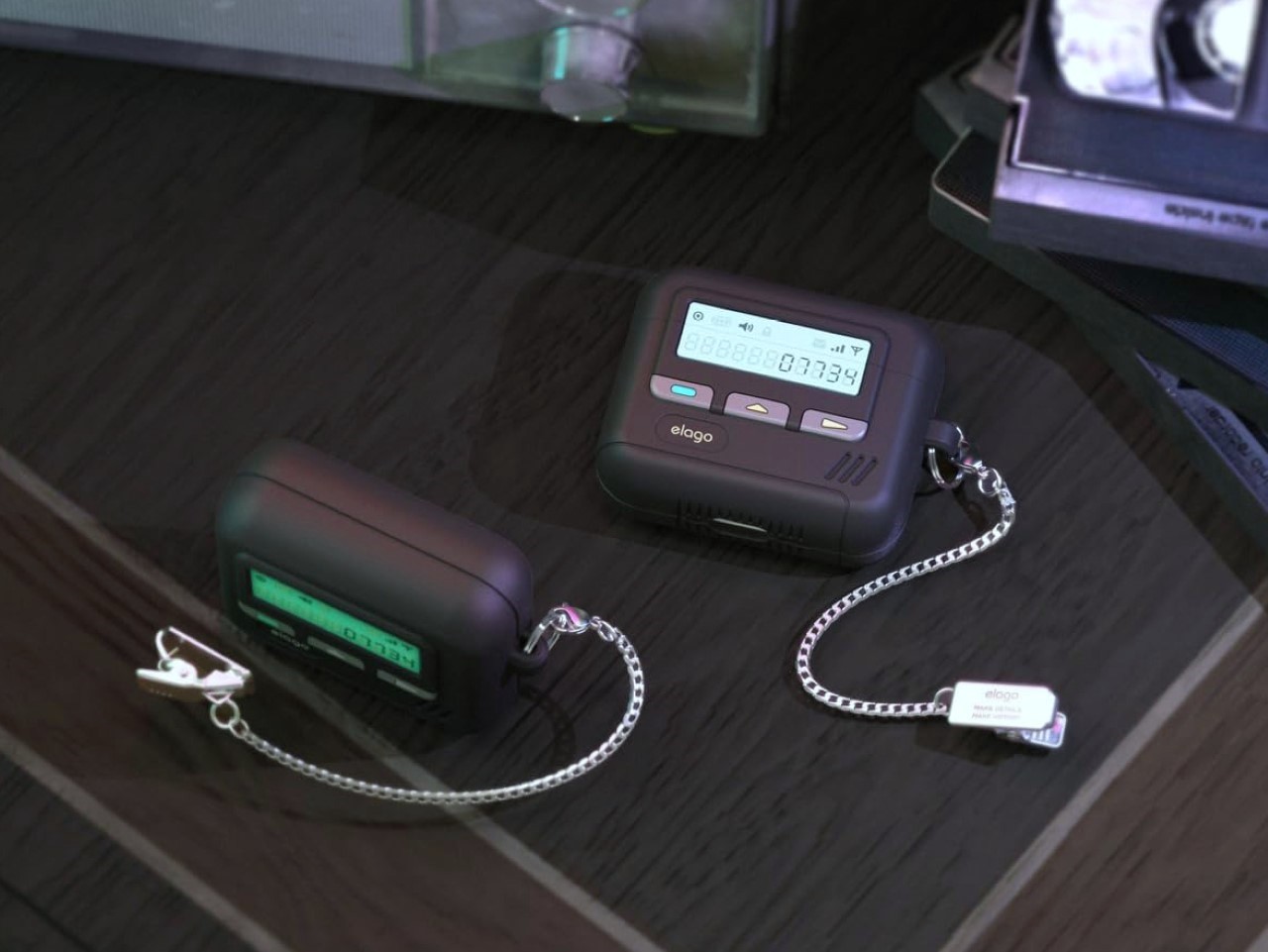
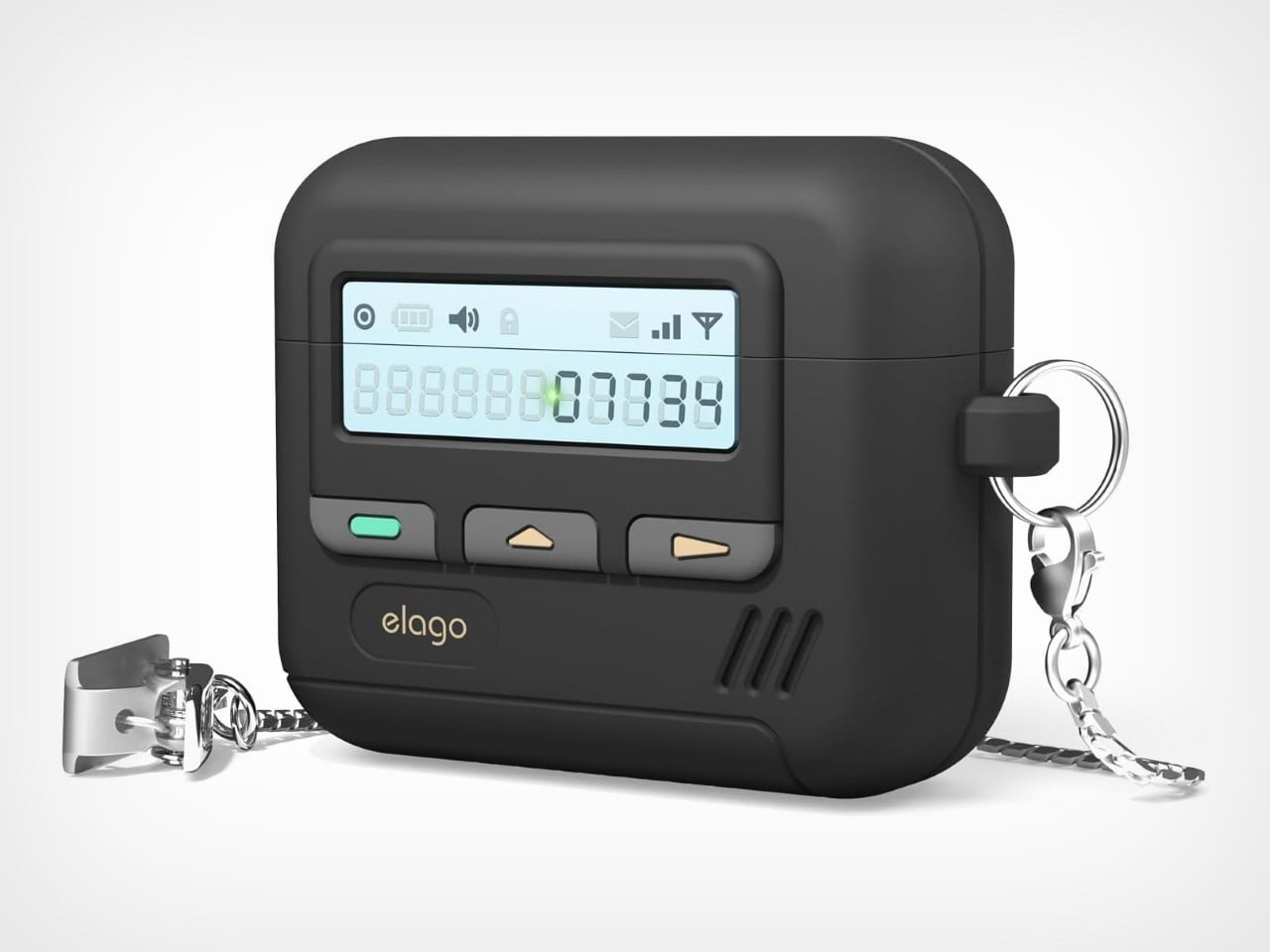
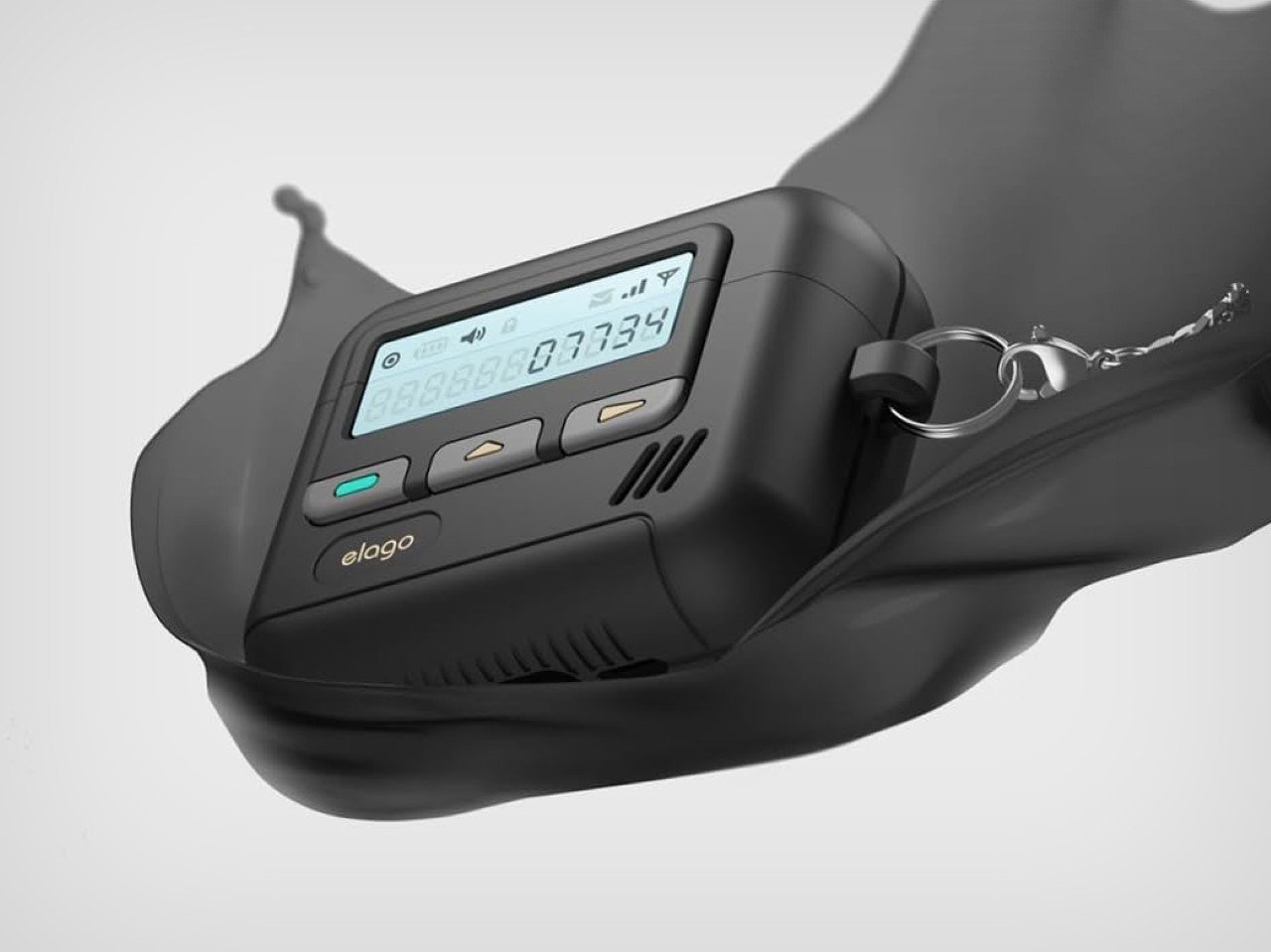
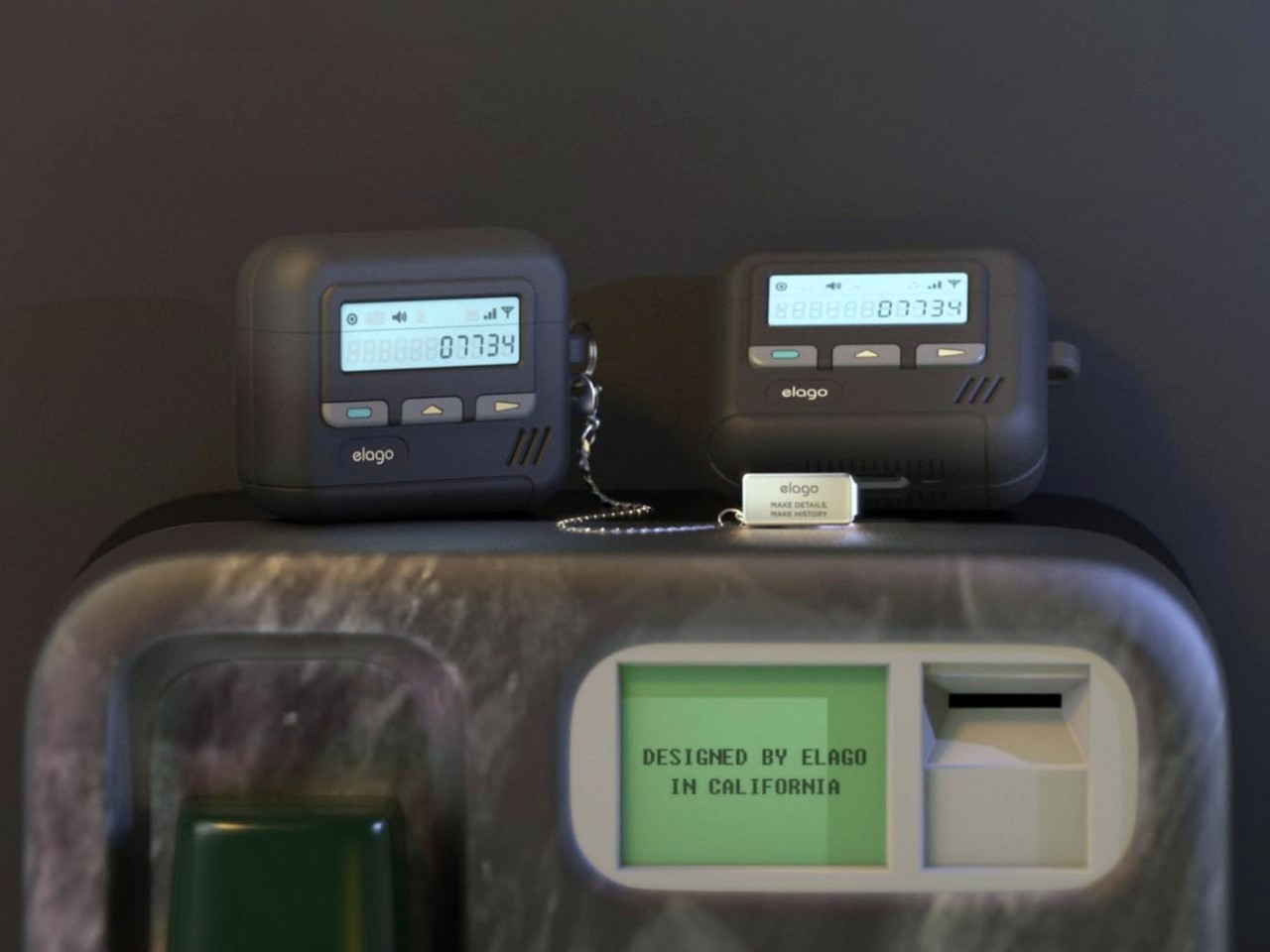
I’m sure the folks at Elago had no idea pagers would be a hot geopolitical topic around the time they announced their cute AirPods cases but we definitely live in unprecedented times! Designed to look like the famed device from the pre-cellular era, this silicone cover-case fits around the AirPods 4, transforming it into a piece of retro tech! The cover is a part of Elago’s ongoing series that has turned the AirPods into mini iPod Shuffles, Macintoshes, and even the Apple Watch into a makeshift iPod Classic.

Designer: Elago

Click Here to Buy Now

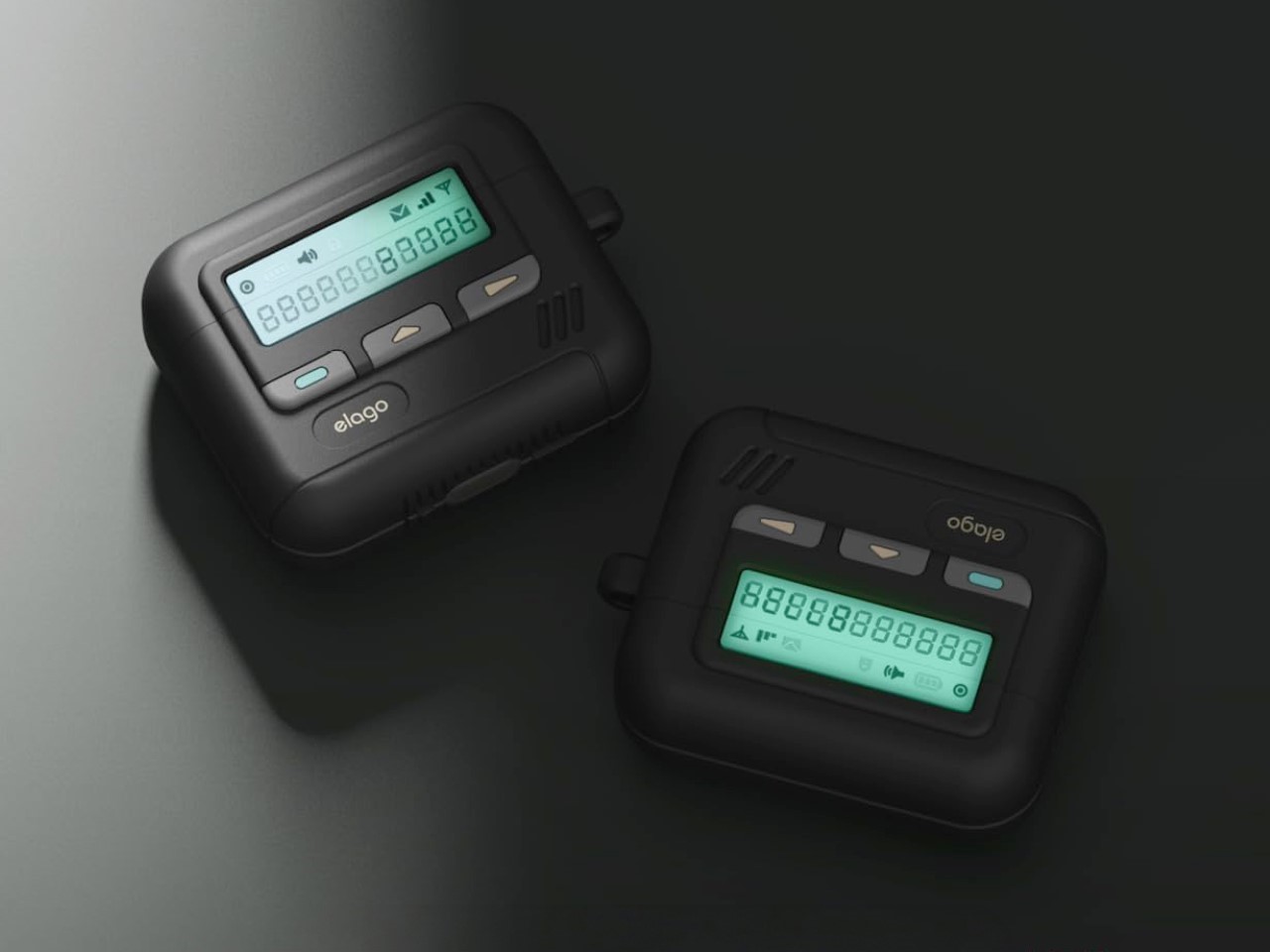
Designed to be compatible with the AirPods 4 which launched just last week, this cover case is yet another part of Elago’s throwback design series. This time, the cover case looks like a pager, complete with a screen that reads Apple’s signature “Hello” but in seven-segment calculator-speak. The screen (which glows in the dark) is accompanied by faux buttons too, along with a chain and clip that you can use to attach the AirPods to your pant pocket.

For those born after the turn of the millennium, pagers were the evolutionary step right before portable cellular phones. Unlike cell-phones or mobiles that let you have conversations with other people, pagers were simply beepers. You’d give your pager number to people, and they’d call your pager. The screen would notify you that you received a call from someone, and you’d then have to find a landline phone to call them back. It wasn’t convenient, but it was compact, had a battery that lasted several days, and was a great way to get notified of a call without getting distracted by having to answer it. You’d see the number and call them back whenever convenient.

This cover case, like all of Elago’s cases, comes made from silicone, known for its rubbery soft exterior and impact resistance. The shock-proof silicone cover makes it a perfect pick for people who want to protect their AirPods from bumps, scratches, or any impact-based damage. Moreover, the screen (and buttons) even glow in the dark, mimicking the backlight of pager displays back in the day, while also allowing your AirPods to be visible and accessible in the dark!

The Elago Pager Case comes at a very ill-fated time, following the series of pager explosion attacks that occurred in Lebanon over the weekend. Although it seems like pagers might not be having a good media cycle for now, these cases may be a cute option once the news dies down and pagers are again remembered for what they truly are… being the iconic communication device of the early 90s, with doctors even today using them in the hospital wards and operation theaters over actual phones.

Click Here to Buy Now

The post Elago’s Pager Case for the AirPods 4 may have VERY unfortunate timing, but it looks cute first appeared on Yanko Design.
Black Mirror season 7 cast revealed in a cryptic computer message

Get ready to question humanity’s control over the technology that surrounds us because another season of Netflix’s Black Mirror is in the works. Earlier today, the official Black Mirror X page revealed the cast of the new season coming next year along with some other interesting clues and Easter eggs.

The video features an old, flickering computer screen that appears to unload a complete data dump of the entire cast for season 7. Some of the names that jumped out at us includes Oscar nominee Paul Giamatti, Doctor Who star and Oscar winner Peter Capaldi (he won in 1995 with his live action short film Franz Kafka’s It’s a Wonderful Life), Awkwafina, Issa Rae, Tracee Ellis Ross and Rashida Jones. 

The list also included some of the cast who played virtual crew members of the USS Callister from the iconic fourth season episode of the same name. The names from the USS Callister episode that appeared on the list include Cristin Milioti, Jimmi Simpson, Billy Magnussen, Milanka Brooks and Osy Ikhile.

We’ve known for a while now that series creator Charlie Brooker has been planning to revisit the crew of the USS Callister. The season 4 opening episode starred Jesse Plemmons as the chief technology officer named Robert of a top tier game studio and a big fan of a Star Trek-esque TV show called Space Fleet. By day, he gets pushed around and little credit for the company’s success from his colleagues and staff. He uses immersive virtual reality technology to play as Space Fleet Capt. Robert Daly away from work on a virtual starship and takes out his frustrations and anger on the crew in increasingly cruel and inhumane ways. The crew members were replicated in the game using his boss and staff members’ DNA that Robert obtained without their permission or knowledge. The crew revolt and escape to the open Internet while leaving a seething “Capt. Robert” stranded in the game.

Of course, this wouldn’t be a true Black Mirror reveal if it didn’t contain some clues and hidden items in the teaser. The loading screen features the studio name Tuckersoft, a reference to the game studio in the interactive “Bandersnatch” movie. The cast names are listed in alphabetical order by first name but they’ve been broken into eight groups. There are some cryptic phrases between the scrolling group names like “Too soon?”, “A rose for a rose” and “Shields 58 percent.”

Could these be episode titles? The latter definitely sounds like a reference to the USS Callister and Brooker and company love symbolic episode titles taken from songs for their tech hell stories like “Shut Up and Dance” and “Hang the DJ.” The new Black Mirror episodes haven’t even landed yet and they’ve already screwing with our heads.

This article originally appeared on Engadget at https://www.engadget.com/entertainment/streaming/black-mirror-season-7-cast-revealed-in-a-cryptic-computer-message-203343148.html?src=rss

The Immersed Visor aims for spatial computing’s sweet spot

An Austin-based startup best known for its VR and mixed reality workspace software for other companies’ headsets now has hardware of its own. The Immersed Visor appears to sit somewhere between a Vision Pro Lite and Xreal Plus: a lightweight head-worn device that creates a high-resolution spatial computing environment on the cheap (well, relatively speaking).

Teased to death for months, Immersed founder Renji Bijoy finally unveiled the Visor at an Austin event on Thursday. The device, a bit more than glasses but much less than a full headset, gives each eye the equivalent of a 4K OLED screen. It has a solid 100-degree field of view. It supports 6DoF tracking (meaning it responds to motion on different axes, not just simple head rotations), and it offers hand and eye tracking and support for over five screens in a virtual or mixed reality environment.

Simulated view of virtual screens while wearing Immersed Visor.
Immersed

In the presentation, Bijoy revealed that the Immersed Visor only weighs 186g, slightly less than an iPhone 16 Pro. It’s 64 percent lighter than the Meta Quest 3 (515g) and around 70 percent lighter than the Apple Vision Pro (600 to 650g). Weight and ergonomics have been drawbacks for many early adopters of VR and mixed-reality tech. (That includes some customers of the $3,500 Vision Pro.) So, trimming the Visor’s weight to about the same as a high-end smartphone could, in theory, help it succeed where competitors struggled. Part of that comes from (in borrowing a trick from Apple) a wired battery pack you stash in your pocket.

But unlike those devices, the Immersed Visor doesn’t include an app store or onboard experiences like games. Instead, it’s tailored for work: link it to your Windows, macOS or Linux computer (wirelessly or wired), and get stuff done on its immersive array of virtual screens. Its 6DoF tracking means you can stand up, lean or twist, and the virtual screens will remain planted where you put them, rather than awkwardly following you through space.

Like the company’s workspace app for Meta Quest and Vision Pro, you can operate either in a passthrough view of your space or an entirely virtual one. (It includes pleasant virtual environments like a mountaintop ski resort by a cozy fire.) You can also work with others in a shared space.

The device runs on the Qualcomm XR2+ Gen 2 chip, which debuted at CES 2024. The chip supports up to 4.3K per-eye resolution and can handle content up to 90fps.

The Immersed Visor on a table.
Immersed

Immersed has chosen an unconventional pricing scheme. The device starts at $1,050 to buy outright. But you can get it for $400 upfront if you agree to a subscription model: $40 monthly for 24 months or $60 monthly for a 12-month term. Oh, and that model doesn’t ship until “six months after” October, meaning April 2025. If you want a device that starts shipping next month — i.e., the “Founder’s Edition” — that price increases to $1,350 outright or $700 plus the monthly subscription fee (same prices as the later-shipping version).

In theory, the Immersed Visor could hit a sweet spot for many spatial computing-curious folks who want something cheaper than the Vision Pro, with a higher resolution than the Meta Quest 3 and that’s (perhaps) less like a beta product than Xreal’s AR glasses. Whether it succeeds on those points, well, we won’t have a clue until we get some hands-on time. As far as I can see, no major media outlets (including Engadget) have shared hands-on demos of the device. As this year’s wave of absurdly hyped AI gadgets reminded us, big promises mean nothing if you end up with a $1,000 paperweight.

You can watch the presentation below and, if it tickles your fancy, pre-order from Immersed’s website.

This article originally appeared on Engadget at https://www.engadget.com/ar-vr/the-immersed-visor-aims-for-spatial-computings-sweet-spot-201031456.html?src=rss

Brazil threatens daily fines for X and Starlink for ‘non-compliance’ with ban

One day after X started to come back online for some people in Brazil, the country’s Supreme Court is threatening the social media company and Elon Musk-owned Starlink with hefty daily fines. In a new order posted online, Supreme Court judge Alexandre de Moraes ordered regulators to “reactivate” blocking of X and said that the two companies could be hit with close $1 million a day in fines for not complying.

The latest order from Moraes, who has been publicly sparring with Musk for months, comes after X became accessible again in Brazil for many users on Wednesday. The company said in an earlier statement the change was "an inadvertent and temporary service restoration" that happened as a result of changing network providers.

Following Brazil’s ban last month, X reportedly shifted to using Cloudflare’s servers in the region, which made it more difficult for Brazilian ISPs to carry out the block. The company said Wednesday it made the change in network providers in order to “to provide service to Latin America” and that it expected its service in Brazil to go offline again “soon.”

Now, Moraes says that X could be fined the equivalent of $921,000 a day, beginning September 19, for each day of “non-compliance” with the ban. Starlink, which previously saw its Brazilian bank accounts frozen amid the dispute, faces “joint liability” if X doesn't pay, according to the order. Moraes also ordered the country’s internet regulator to “take immediate measures to prevent access to the platform by blocking the ‘CDN Cloudflare, Fastly and EdgeUno’ servers, and other similar ones, created to circumvent the court order that suspended the operation of the old Twitter in Brazil.”

X didn’t immediately respond to a request for comment.

This article originally appeared on Engadget at https://www.engadget.com/social-media/brazil-threatens-daily-fines-for-x-and-starlink-for-non-compliance-with-ban-194542476.html?src=rss

YouTube is now showing ads when you pause videos

Google has found another way to turn your eyeballs into money: by turning paused YouTube videos into a new real estate for ads. A YouTube communications manager told The Verge they’ve seen “strong advertiser and strong reviewer responses” since they “rolled out Pause ads to all advertisers.”

YouTube first started looking at using ads on pause screens in 2023 with select advertisers. Google’s chief business officer Phillip Schindler announced last April that advertisers loved the new ad concept. YouTube’s viewers aren’t as enthusiastic about the idea.

Reddit users posted screenshots of the new pause screen ads and to say they aren’t happy with the ads is the understatement of the year.

The new ads aren’t just showing up on the website. Ads also pop up when you pause videos on the YouTube mobile app, according to others on the site.

Pause screen ads are not a new concept. Streaming services like AT&T’s DirecTV and Hulu show ads when the screen is paused if you have one of the lower tier subscription plans. Some Amazon products like the Fire tablets also show ads on the lock screen and Amazon announced last May that it plans to expand its ad space offerings for living-room devices, according to Amazon’s official blog.

This article originally appeared on Engadget at https://www.engadget.com/entertainment/youtube/youtube-is-now-showing-ads-when-you-pause-videos-193622495.html?src=rss

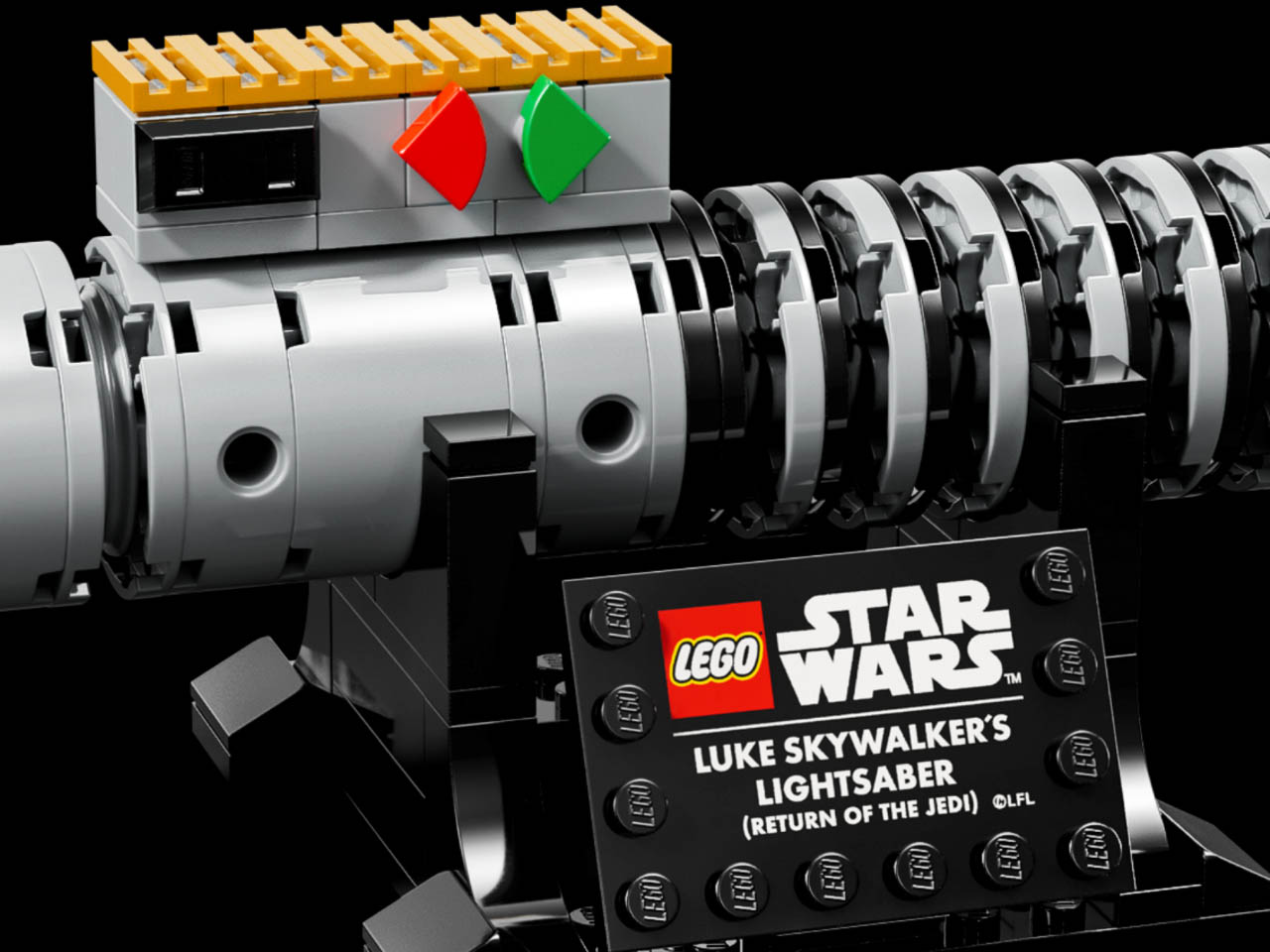
Intricately detailed LEGO Luke Skywalker’s Lightsaber ready to adorn your desk

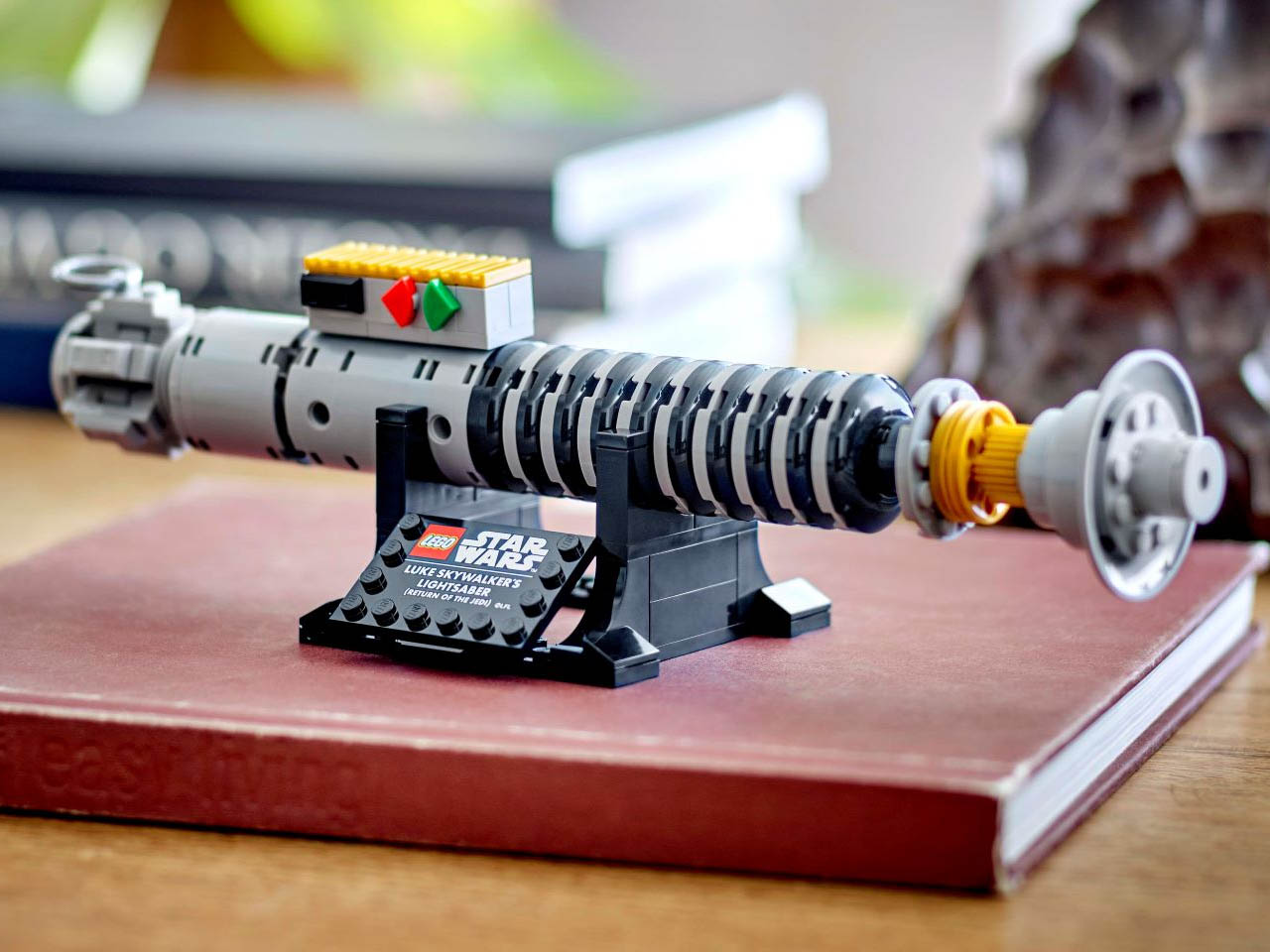
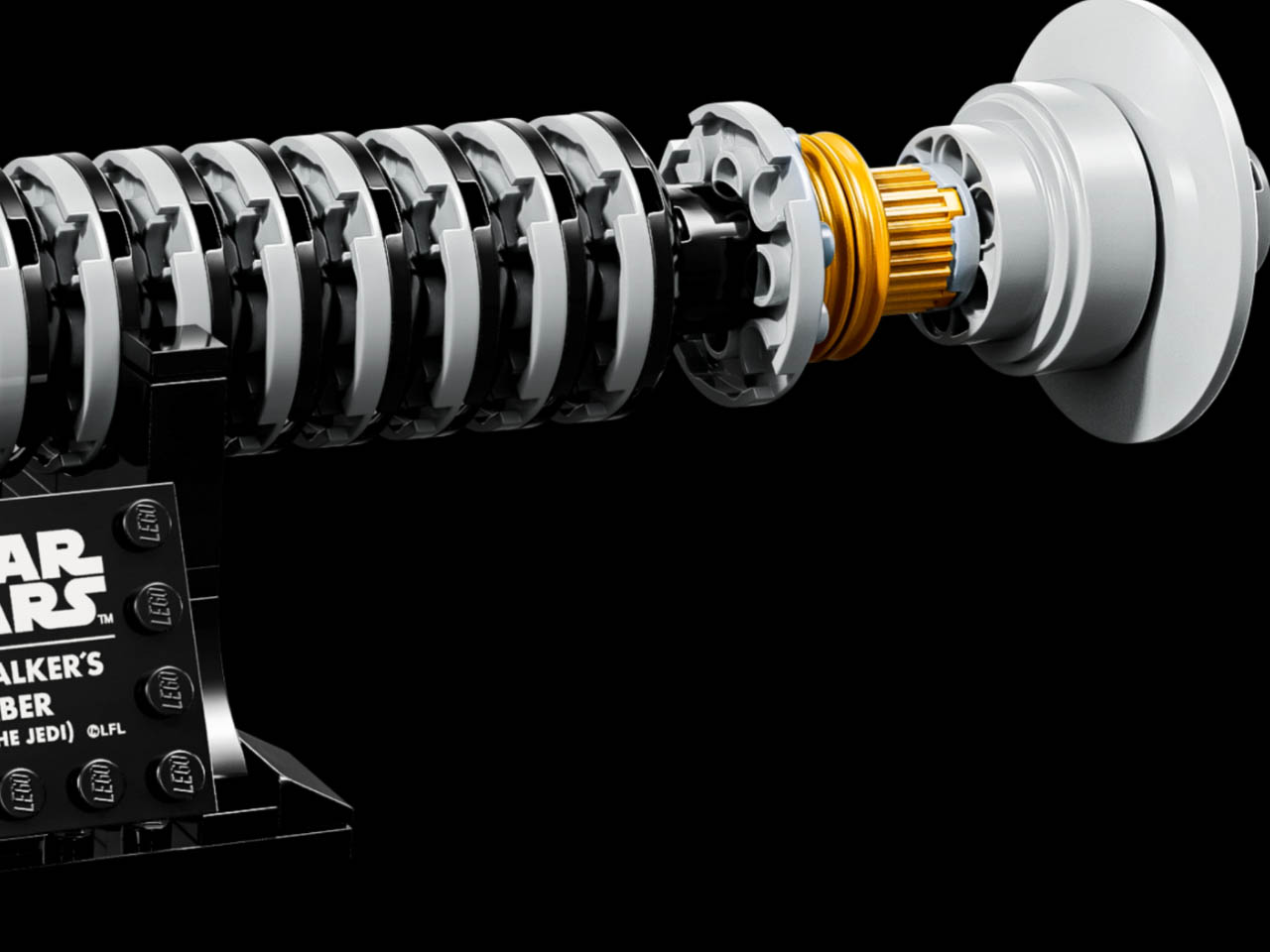
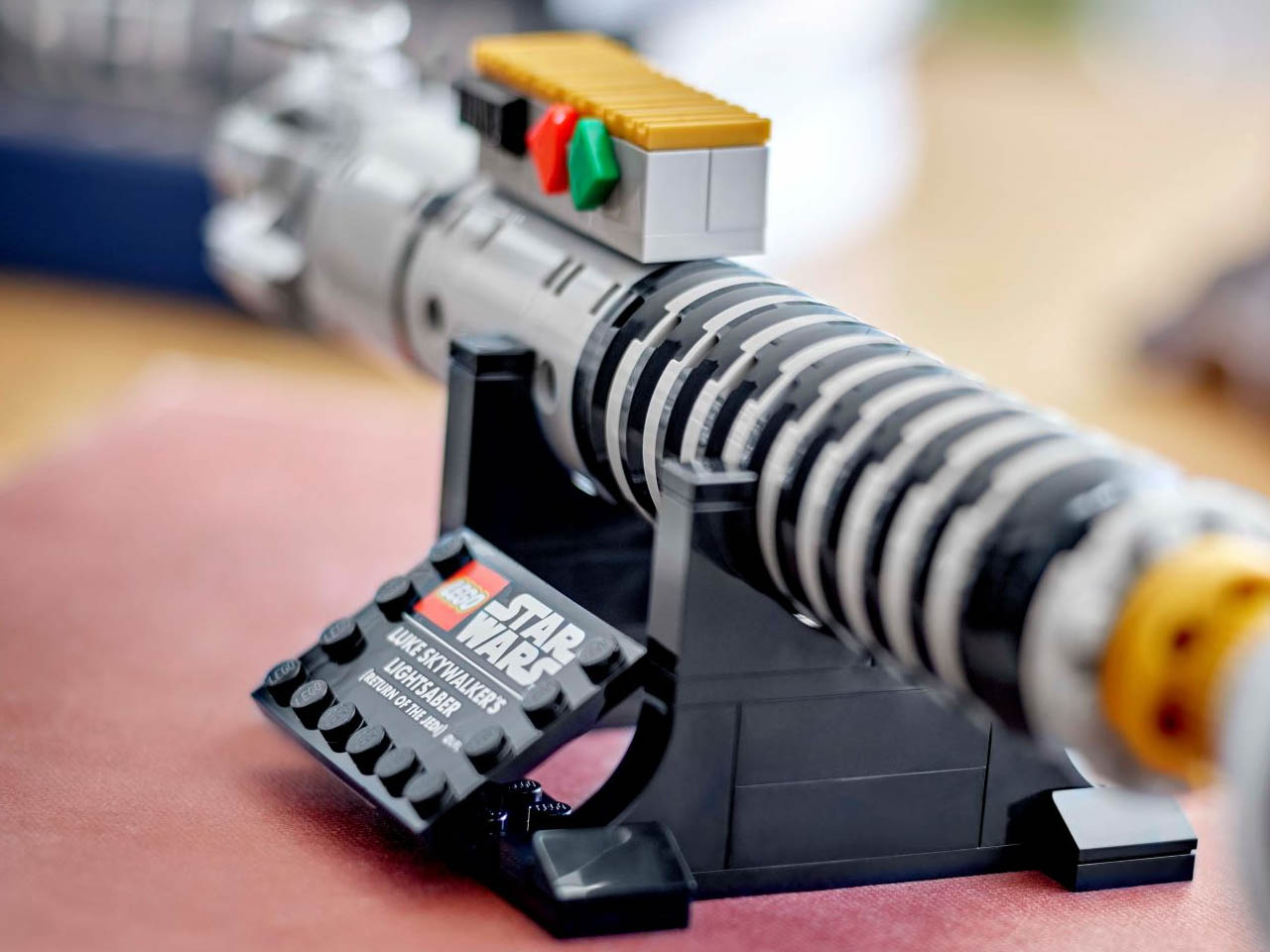
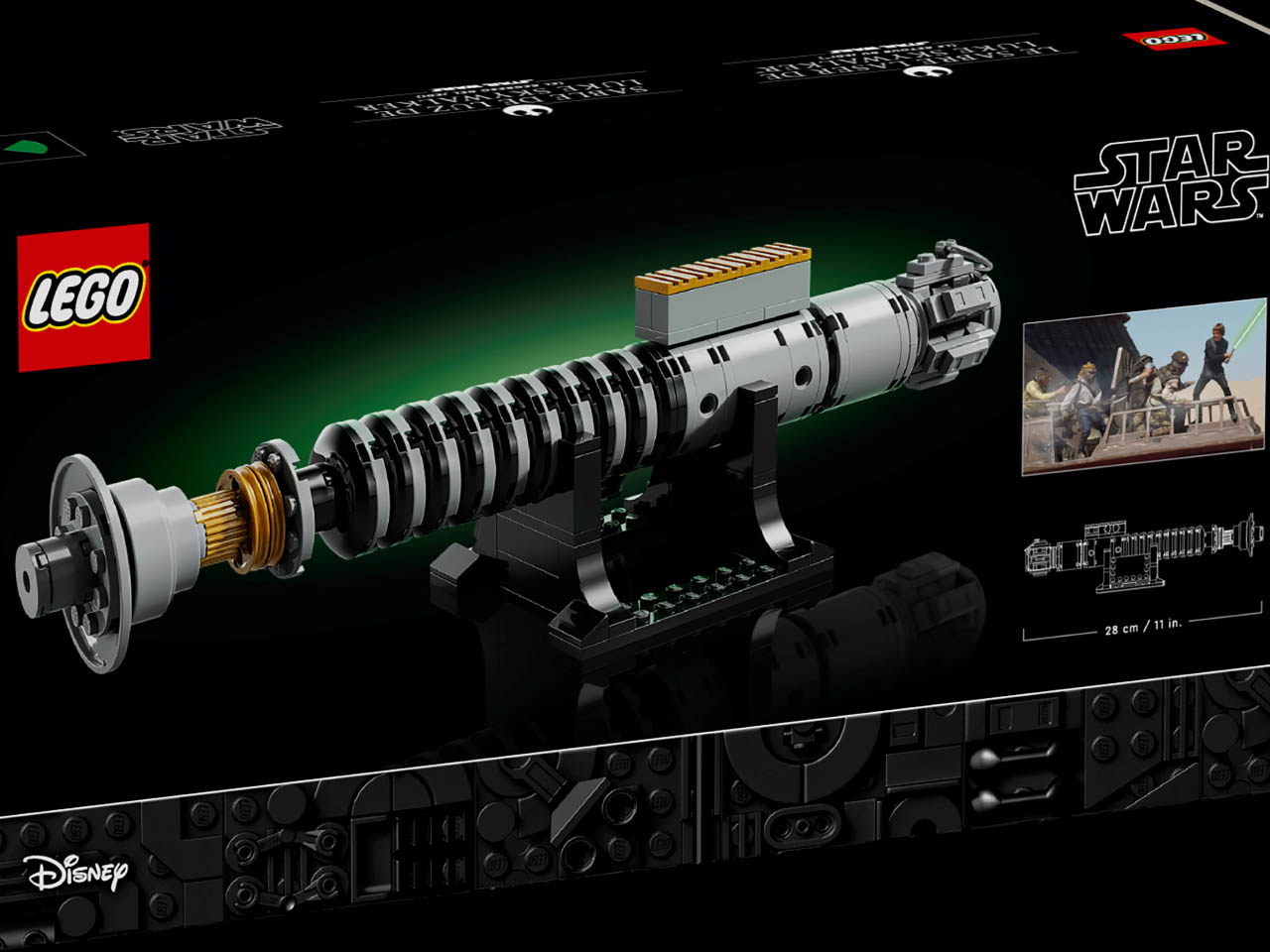
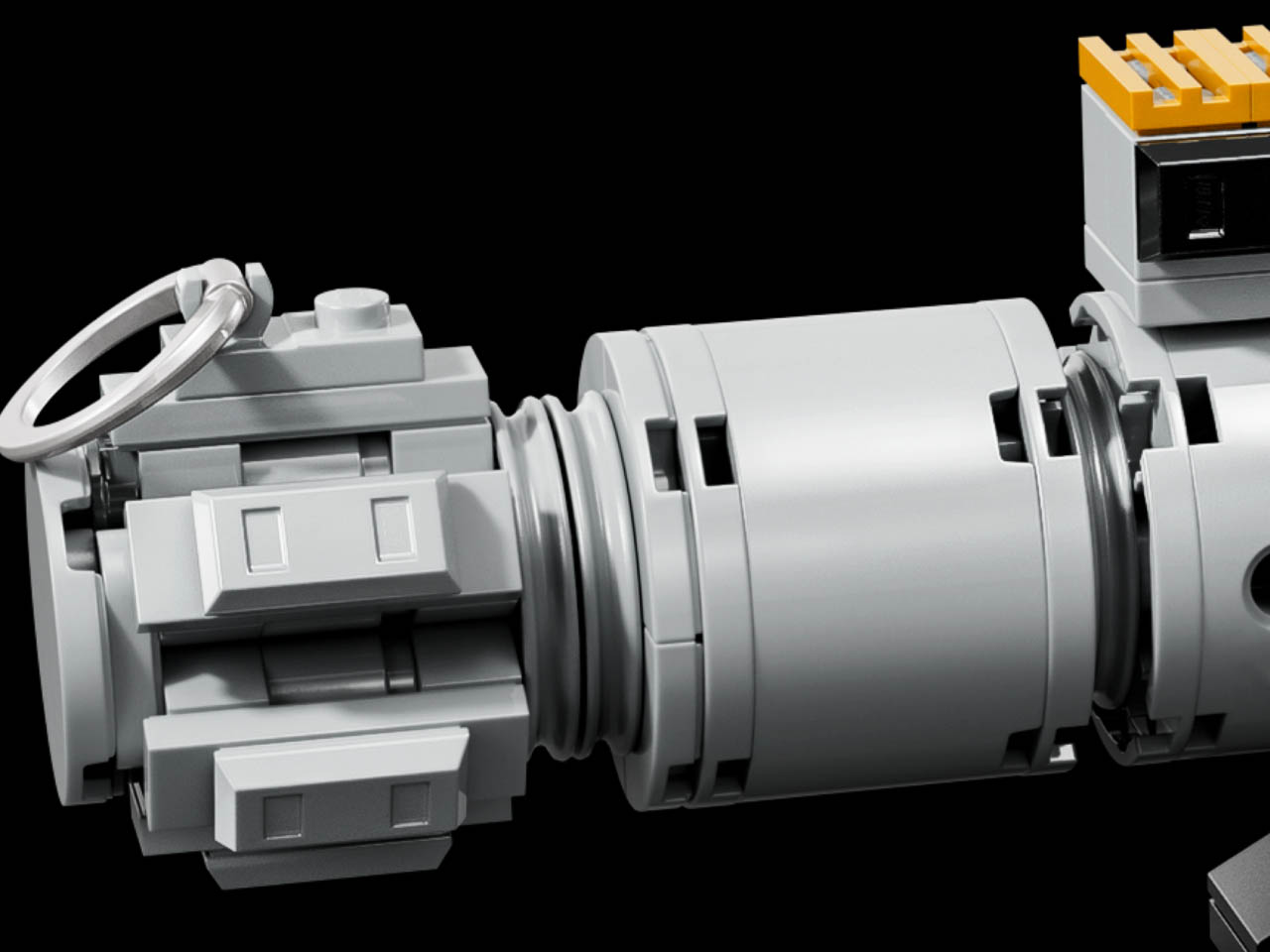
Remember the deleted scene from the Return of Jedi where Luke constructed the hilt at the beginning? The very first Lightsaber seen then has now taken LEGO form as an official set named LEGO Star Wars Luke Skywalker’s Lightsaber (40730) that cannot be bought standalone but comes as a complementary gift with the UCS Jabba’s Sail Barge (75397) LEGO set.

This Lightsaber is an intricately detailed recreation of the very first fighting weapon seen in the Star Wars saga used by Jedi. Sci-fi fans will want to sport this one on their work desk or living room shelf since it comes with a nameplate and sturdy stand.

Designer: LEGO Group

The realistic build model comes with instantly recognizable details of the revered weapon destined for intergalactic supremacy. This LEGO set is a part of the official LEGO Star Wars building kit for people who love to indulge themselves in immersive DIY projects for weekend relaxation. It is the third one in the series of buildable hilts of which the first one came in 2020. Comprising 145-LEGO pieces, the lightsaber in signature colors measures over 10 inches and 3 inches in diameter. The saber is built around the central core which is made up of 4×4 bricks, just like the 6346097 Yoda’s Lightsaber and 40483 Luke Skywalker’s Lightsaber.

Luke Skywalker’s Lightsaber is going to be up for grabs for Insiders starting October 3-5. The general public can get their hands on this compact LEGO set from October 6-10 until the units last. This brings us to the 3,942-piece Jabba’s Sail Barge set that comes with details including the folding down vessel, lifting sails and top deck. It has a very authentic interior adorned with a cockpit, prison cell, armory, kitchen and entertainment room equipped with Jabba’s bed. The LEGO set is priced at $500, so you’ll have to get this one if you desperately want to add Luke Skywalker’s Lightsaber to your collection.

The post Intricately detailed LEGO Luke Skywalker’s Lightsaber ready to adorn your desk first appeared on Yanko Design.
Cruise resumes operations in California, thankfully with human drivers

Autonomous vehicle outfit Cruise is slowly returning to operation in California following an incident in which a pedestrian was struck and dragged by a robotaxi for approximately 20 feet in October 2023. The company posted on X that it is reintroducing human-operated mapping vehicles to the streets in Mountain View and Sunnyvale. Its next stated goal is "to progress to supervised testing with up to 5 AVs later this fall."

The past year has not been a pretty picture for Cruise, which was acquired by GM in 2016. On October 2 last year, a pedestrian in San Francisco was hit by a human driver who fled the scene, but the impact put her in the path of a Cruise driverless taxi that dragged her 20 feet and ultimately stopped on top of her leg. After the incident, Cruise was stripped of its license to operate autonomous vehicles in California. The company stopped all operations of both its driverless cars and its manned robotaxi service in order to engage in a comprehensive safety review.

CEO Kyle Vogt resigned in November, followed by the exit of co-founder and chief product officer Daniel Kan. GM announced plans to slash Cruise's funding and to restructure leadership based on external safety reviews. Nine more members of Cruise leadership were dismissed in December, and nearly a quarter of the company's workforce was also cut that month. The final blow was an investigation by the Department of Justice and the Securities and Exchange Commission in January 2024, questioning whether the company failed to disclose additional details about the accident during reviews with regulators.

Since then, however, Cruise has gradually been bouncing back. Vehicles with drivers returned to Arizona in April and to Houston in June. The re-emergence in Texas was paired with an announcement that GM would invest $850 million into Cruise in support of its operational costs. Now it's rejoined the California market, if in an extremely attenuated capacity. These new excursions have all been preliminary and none of the driverless cars have returned to the streets yet. But Cruise still has a long road ahead to prove its safety credentials and win back public trust.

This article originally appeared on Engadget at https://www.engadget.com/transportation/cruise-resumes-operations-in-california-thankfully-with-human-drivers-191522681.html?src=rss

God Of War: Ragnarok’s PC port is out and it fixes one of the game’s most annoying quirks

The long-awaited PC port of God of War: Ragnarok is out. This comes nearly two years after the game was released for PS4 and PS5 to positive reviews. This is a pretty big deal on its own, but the port has a feature that not even the original console release had. Players can finally tell Kratos’ son Atreus to shut the heck up, as first reported by Kotaku.

In the original release, Atreus was like Ocarina of Time’s Navi on Adderall. He was, in a word, talkative. Even worse? He tended to ruin puzzle solutions by offering up hints unprompted. Many players complained that this happened even when they weren’t attempting a puzzle. 

In any event, the settings tab includes an option to reduce puzzle hints. This applies to the babbling Atreus, but also other companions throughout the game. I’m no game designer, but adding a mute button to some characters doesn’t seem like a difficult fix. In other words, bring this to the console versions Sony. Digital children should be seen and not heard.

The PC port also brings some other features to the table. There are now audio descriptions for the game’s cinematics and a set of streamer gifs to use on Twitch or YouTube. Of course, the port integrates with both NVIDIA and AMD’s upscaling tools, with support for ultrawide monitors. Let’s hear it for playing games as nature intended, with a ridiculous aspect ratio of 32:9.

The port needs a massive amount of hard drive space, anywhere from 175GB to 190GB, so start the install early in the morning for an afternoon play session. It’s available now via Steam and the Epic Games Store. As a bit of bad news, the PC specs required to play this game are on the beefy side, so performance on the Steam Deck will likely be underwhelming. Redditors are saying that it runs, but is only playable in 30FPS on the lowest settings.

This article originally appeared on Engadget at https://www.engadget.com/gaming/pc/god-of-war-ragnaroks-pc-port-is-out-and-it-fixes-one-of-the-games-most-annoying-quirks-185925455.html?src=rss