Top 5 Cool Clocks & Watches That Are The Most Unique Time-Telling Devices You’ve Seen

Through the years, clocks and watches have gone through major innovations. The time-telling designs today don’t just simply tell the time, they also perform a whole bunch of other functionalities and activities for you, while also managing to look super cool and sleek. If you’re someone who geeks out on cool watches and clocks, then you’ve hit the right spot. We’ve curated a collection of unique, functional, and aesthetically interesting time-telling pieces for you. From a moon-inspired clock for your bedside table to a retro-inspired watch amped with the rare Nixie VFD tubes – these time-telling designs are a far cry from the typical products you see on the market.

1. NIXOID NEXT

Designed by Nixiod, the steampunk-inspired NIXIOD NEXT features the rare Nixie VFD lamps that were discovered 25 years ago. The uber-cool watch design merges retro and futurism, combining the tech of retro tubes with the appeal of a modern wristwatch avatar. The design is the best of both worlds – the past and the present.

Why is it noteworthy?

The NIXIOD NEXT integrates an accelerometer which illuminates the VFD tubes when moved toward the user. The tubes were discovered in a warehouse, from the time of the USSR, establishing it as a historic limited-edition collectible.

What we like

  • Equipped with charging points on the back, so it is quite easy to charge
  • Amped with a  scratch-resistant sapphire case

What we dislike

  • When the watch changes from hours to minutes, there is a 1.5-second pause, during which the hour and minute cannot be seen together

2. Moon Rocket Wall Clock
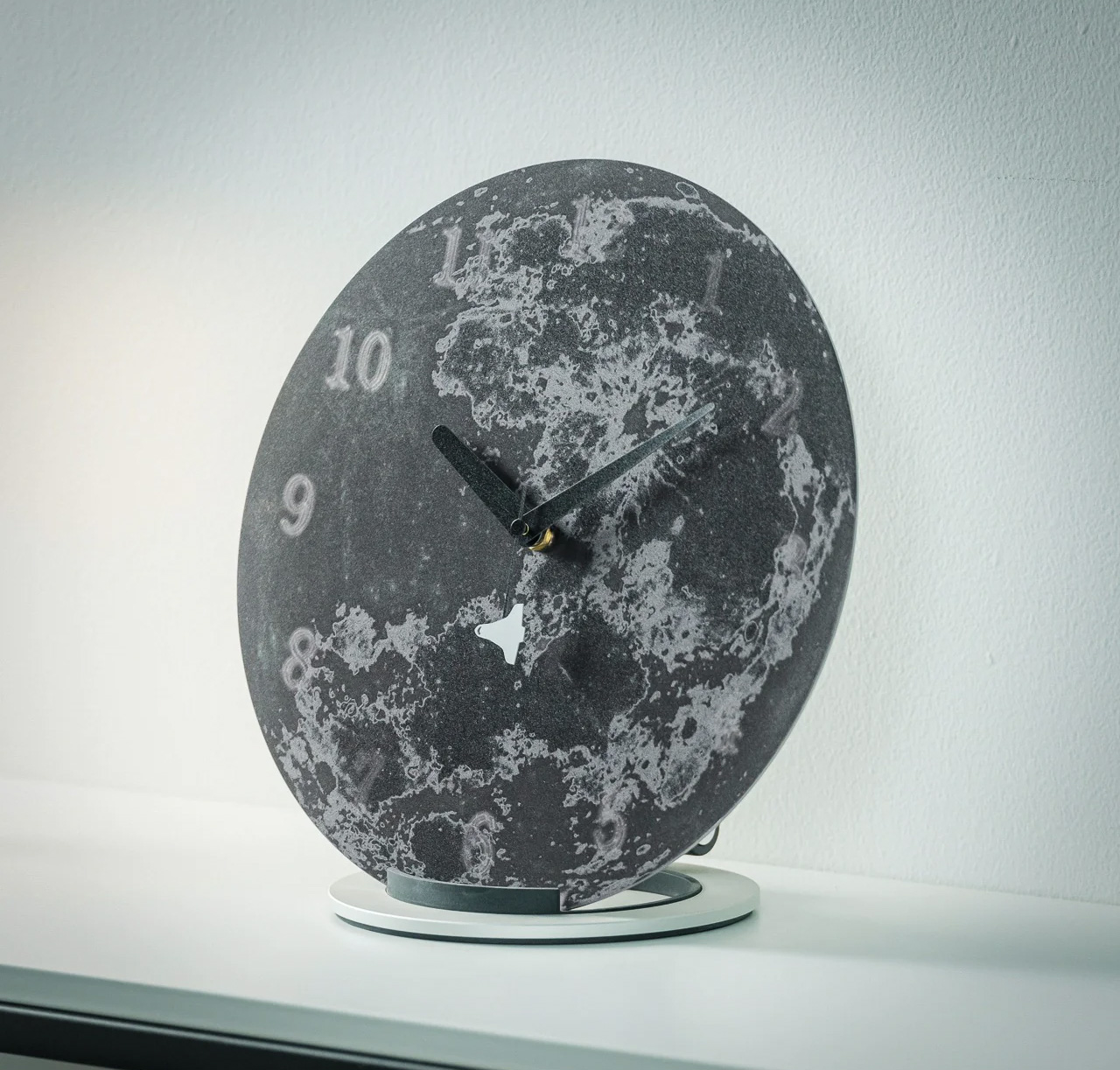
Called the Moon Rocket Wall Clock, this unique-looking clock adds the allure of outer space to your home. The clock is made from specially polished stainless steel, and it features a circular shape that perfectly captures the beauty of the moon. Numbers float around the edges of the clock. The clock has a minimal form that merges perfectly with your home.

Click Here to Buy Now: $325

Why is it noteworthy?

The numbers on the clock are much like the moon, they wax and wane, creating a stunning effect. The lovely clock helps you tell time and gently reminds you to live life freely and dynamically, adopting the spirit of adventure, the way a rocket ship does when it moves towards the moon.

What we like

  • The numbers float around the edges, merging with the moon
  • The clock’s second-hand features a small rocket, adding a lovely little touch

What we dislike

  • If the clock is wall-mounted, it may be tough to read the floating numbers

3. Rolling World Clock

Dubbed the Rolling World Clock, this one-hand device is a great choice if you work on international time, and have to deal with different clients in different timezones. The Rolling World Clock has a minimal and sleek ethos, so besides telling the time, it also makes a visually interesting addition to your desk.

Click Here to Buy Now: $49

Why is it noteworthy?

With the Rolling World Clock, you can access different timezones through a one-handed movement. You can move the clock until you reach the city, which is the time you need to check. The watch hand adjusts to the correct timezone automatically.

2What we like

  • Cuts down the need to use a screen to check on multiple timezones
  • It makes time-telling a simple affair

What we dislike

  • The clock showcases only 12 cities, so you will need to calculate the time zones outside the clock’s interface

4. Jewelry Display Clock
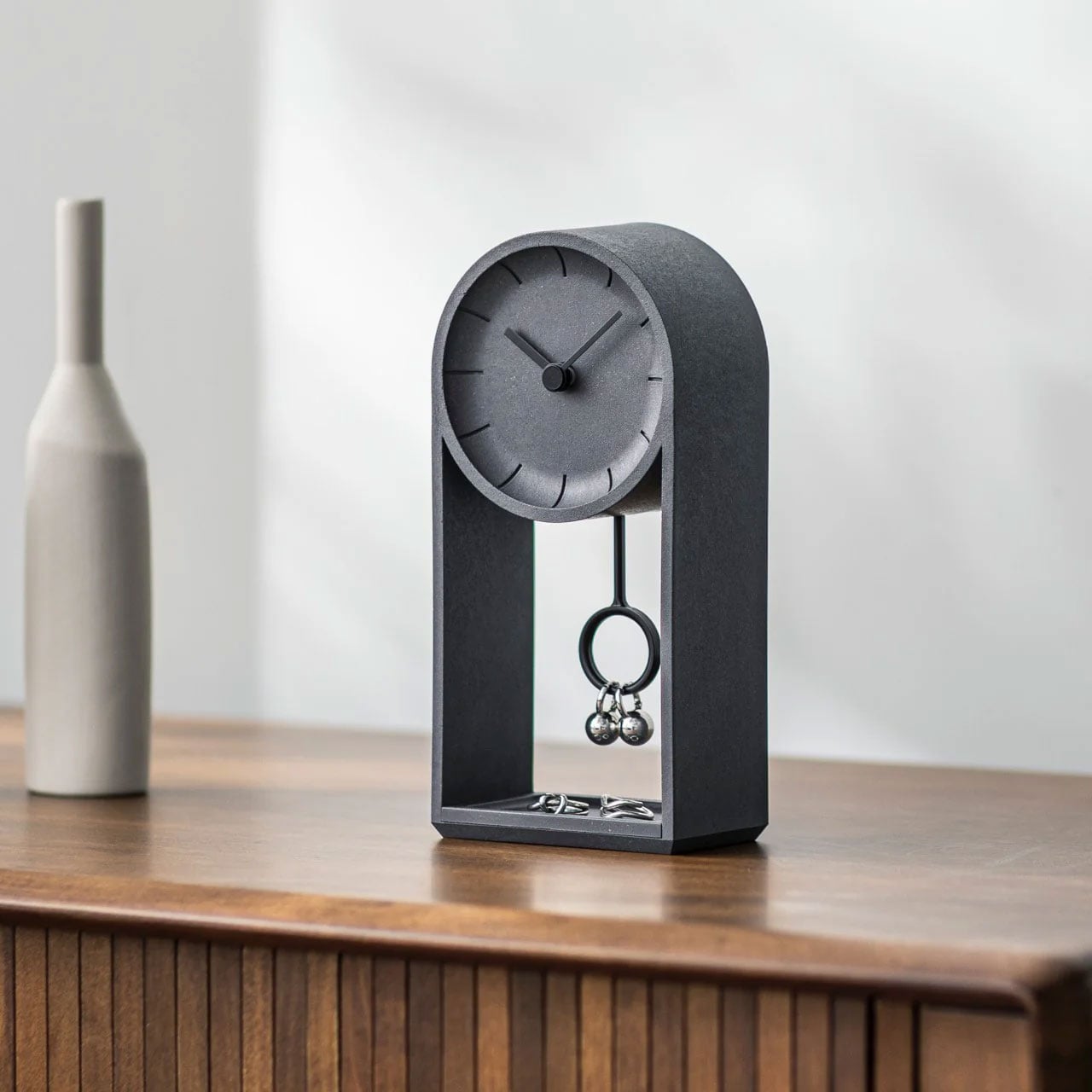
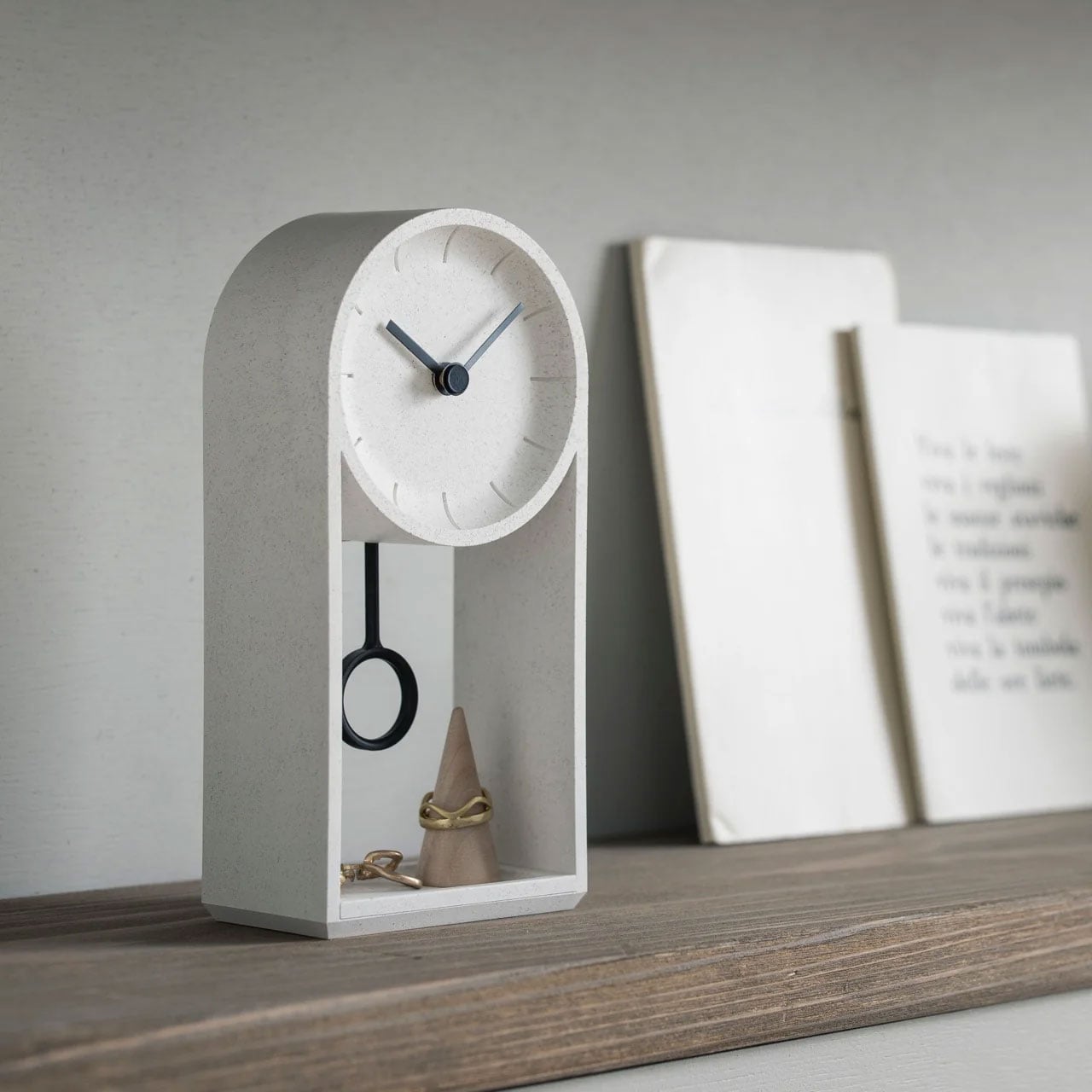
Say hello to the Jewelry Display Clock – a versatile product that lets you safely store your precious jewelry while also showing you the time. You can also display your earrings as a pendulum. This innovative design tells the time for you, while also helping you securely store your personal belongings, and offering easy accessibility to them.

Click Here to Buy Now: $49.00

Why is it noteworthy?

The multifunctional product will make a beautiful addition to your dressing or bedside table. It neatly organizes your accessories and belongings for you, while also letting you swiftly tell the time.

What we like

  • Classy and clean design amped with a quartz movement for precision
  • Built from bioplastic which includes rice husks

What we dislike

  • The space for storing jewelry isn’t much, you can only store 3-4 pieces easily

5. Author Clock

This innovative device is called the Author Clock, and it really is a novel new way to tell the time. This one-of-a-kind contemporary clock displays the time using interesting literary quotes every minute. The clock transforms time-telling into a unique and playful event, allowing you to read important moments in literature and writing history.

Why is it noteworthy?

The clock contains thousands of different quotes from a wide range of authors. The Author Clock is a truly whimsical and creative way to check and tell the time. It is a must-have for the bibliophiles out there, who love reading and collecting books.

What we like

  • Contains a collection of 2000 quotes from authors spanning six centuries

What we dislike

  • In comparison to other lightning-fast gadgets, the response time is quite slow

The post Top 5 Cool Clocks & Watches That Are The Most Unique Time-Telling Devices You’ve Seen first appeared on Yanko Design.
This Brilliant 5-in-1 Laptop Case + Stand will have you throw out every other laptop accessory you own

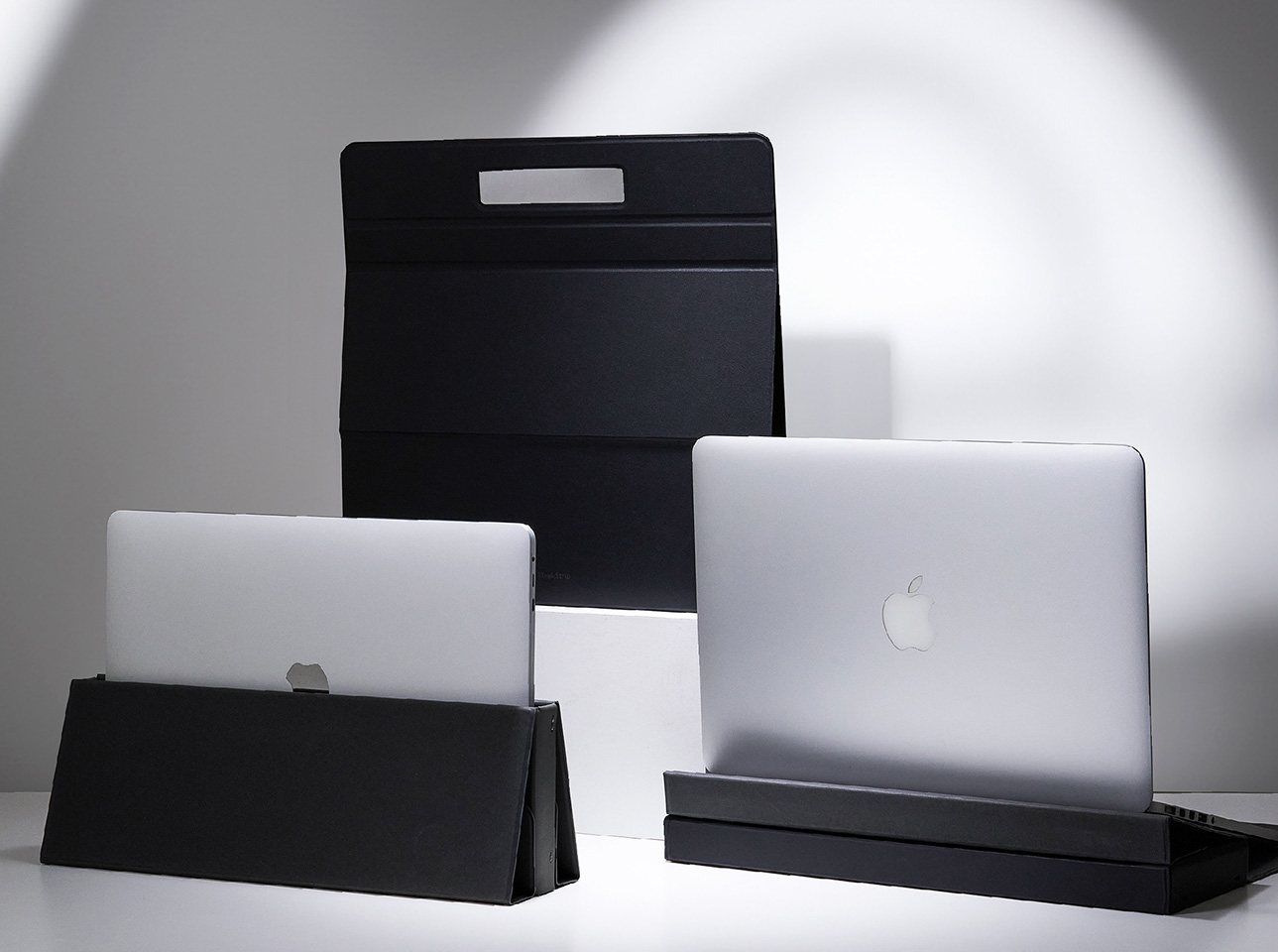
There’s no other way to describe the Trinity Laptop Sleeve than to use the words ‘sheer genius’. A simple origami-inspired sleeve, the Trinity shapeshifts into 5 different forms, going from a portfolio cover to a vertical stand, a 15° angled dock, a 30° angled dock, or even a handheld carry-case. No hinges, no fancy mechanisms. Just some really great design thinking and flawlessly simple execution.

As a laptop user myself, I have two stands (one with a cooling fan, and another made of metal). I also happen to have a separate laptop sleeve, a laptop bag, and I’m currently on the market for a laptop stand that I can use to stash my laptop vertically on my workplace to cut the visual clutter. I’ve described 5 products in just the last two sentences, all of which exist as separate entities, perform separate roles, and aren’t connected to each other. The folks at SleekStrip very casually changed that. The Trinity is an incredibly simple laptop sleeve that lets you carry, dock, or prop up your laptop. Its patented design is made to hold slim laptops (working with all Apple MacBook models from recent years), protecting it from bumps and scratches while you carry it around either independently or inside a laptop bag. When the time comes to use the laptop, you can either open up the Trinity and dock your laptop vertically (sort of like the Nintendo Switch), or use the Trinity as an angled laptop stand.

Designer: Stella Chang Chien of SleekStrip

Click Here to Buy Now: $63 $80 (21% off). Hurry, only 3/45 left!

The Trinity was made for the minimalist who appreciates a bit of multifunction. You don’t NEED to own a bulky laptop stand along with a separate case, dock, etc. With just clever thinking and a bit of inspiration from the art of origami, it’s entirely possible to build a product that serves all those purposes – and serves them well. The fact that the sleeve has 5 functions in 1 would justifiably have you wonder whether it actually compromises somewhere, but truth be told, it really doesn’t. Each feature, be it the sleeve itself, or the dock, or the stand, is immaculate. When carrying your laptop, the Trinity gives it ample protection. When in vertical dock mode, it has enough space for proper airflow. And when used as an angled stand, the Trinity gives you not one, but TWO angle options (with the second one also providing a wrist-pad to rest your hands while typing).

Constructed with a hard shell exterior, the Trinity sleeve provides robust protection against bumps and scratches. The inner lining, made from soft, anti-slip vegan leather, ensures that the laptop stays secure and scratch-free. Additionally, the sleeve incorporates inner foam bumpers that absorb shocks and facilitate better heat dissipation when the laptop is in vertical stand mode. The outer shell is crafted from premium water-resistant vegan leather, offering a sleek, durable surface that can withstand daily wear and tear while maintaining an elegant appearance.

Embedded magnets allow for seamless transitions between the Trinity’s various modes. These magnets are strategically placed to enable quick and easy adjustments, whether you’re switching to a vertical stand to save desk space or adjusting the tilt for more comfortable typing. This level of convenience, combined with the product’s minimalist aesthetic, makes the Trinity sleeve a compelling choice for those who prioritize both form and function in their workspace.

The Trinity sleeve comes in two sizes – for 13-14 inch and 15-16 inch laptops. The smaller sleeve is offered in three colors — Midnight Black, Pebble Gray, and Slate Blue, while the larger 15-16 inch version is exclusively available in Midnight Black, reinforcing its sleek and professional look. Despite its multifunctional design, the Trinity sleeve remains lightweight and portable, making it an ideal companion for on-the-go professionals who need to maintain a tidy and efficient workspace wherever they are.

Click Here to Buy Now: $63 $80 (21% off). Hurry, only 3/45 left!

The post This Brilliant 5-in-1 Laptop Case + Stand will have you throw out every other laptop accessory you own first appeared on Yanko Design.

This Retro Open-front CD Player also has an Ambient Lamp, FM Radio, and Bluetooth Speaker

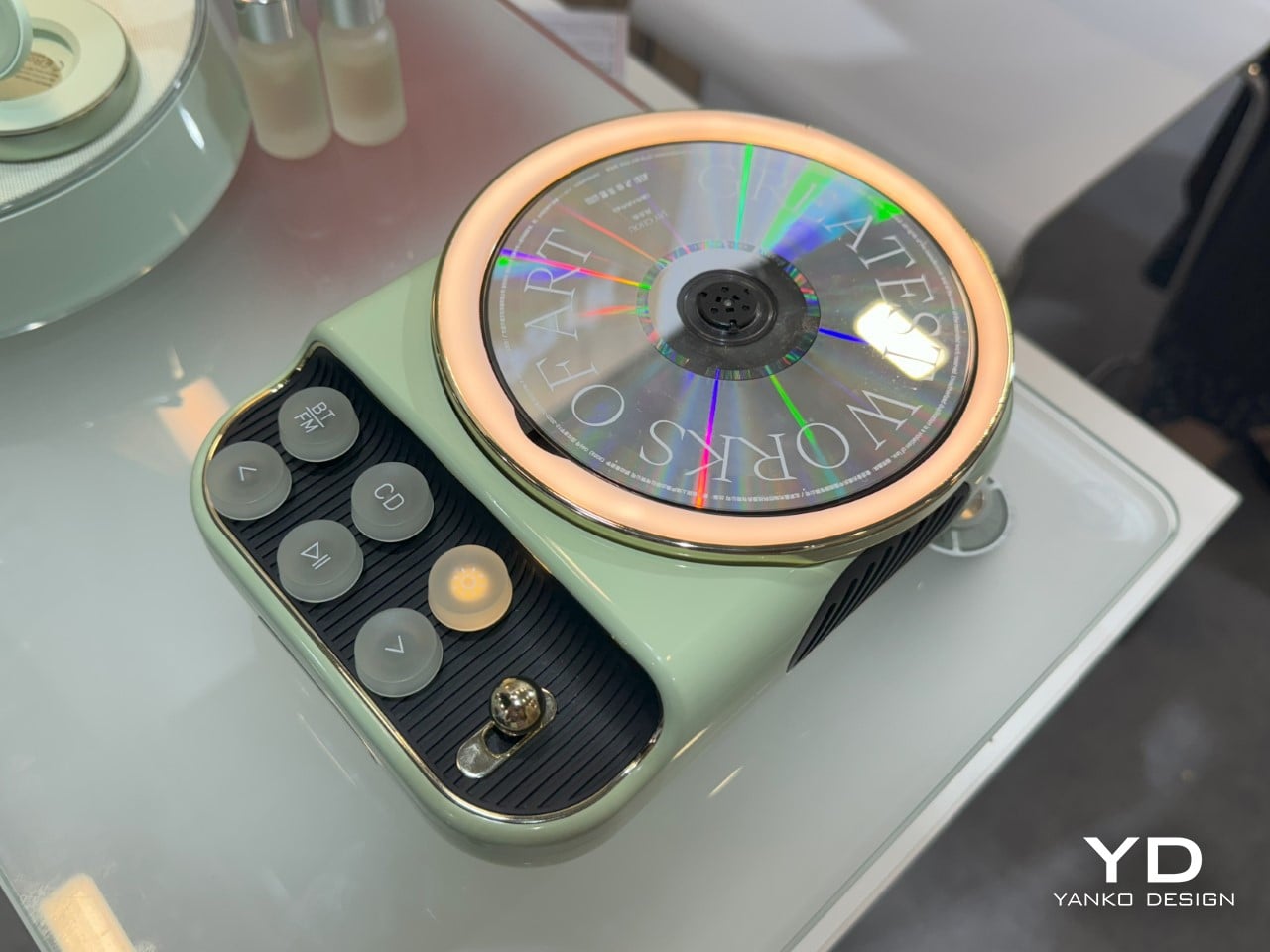
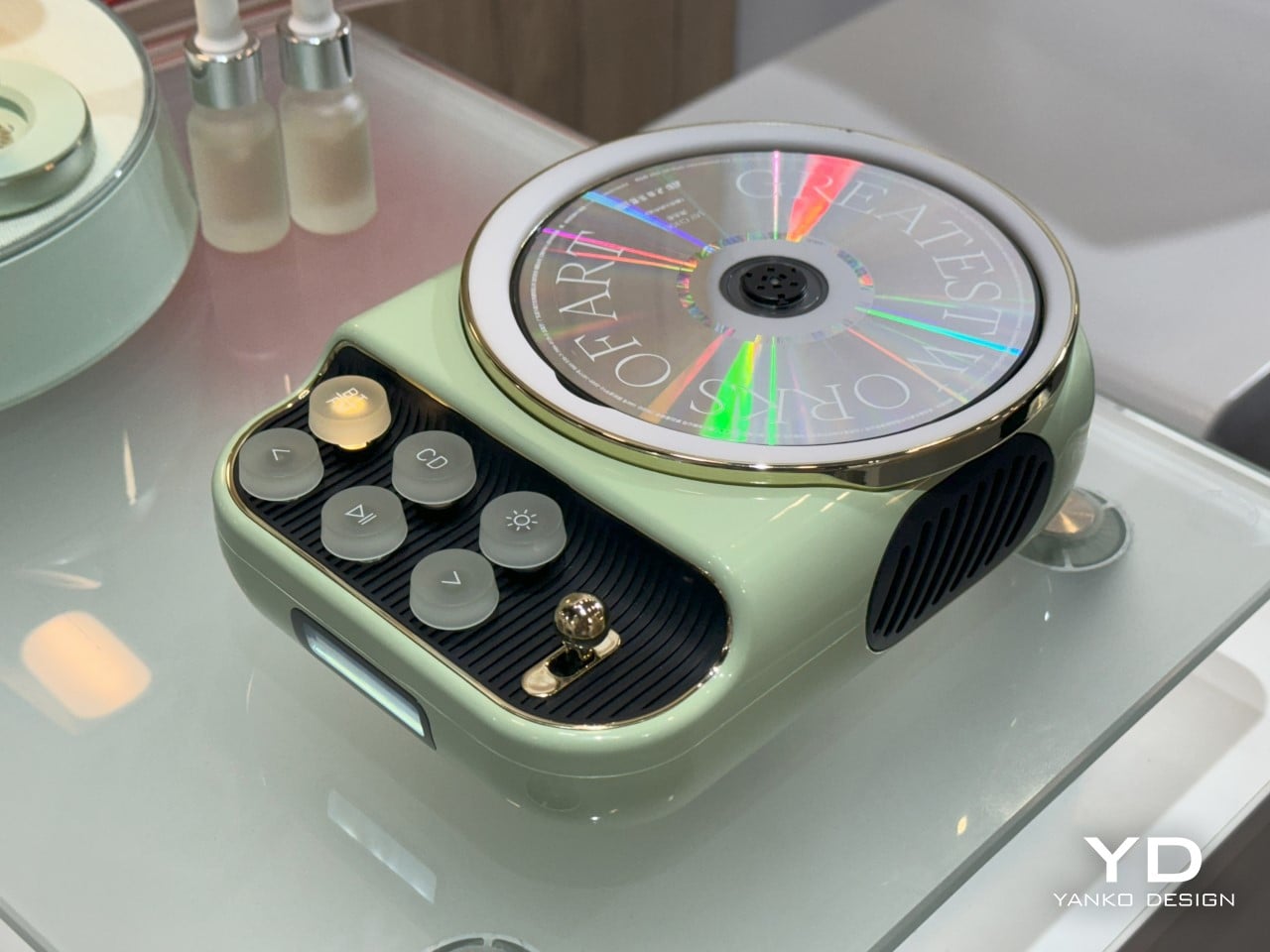
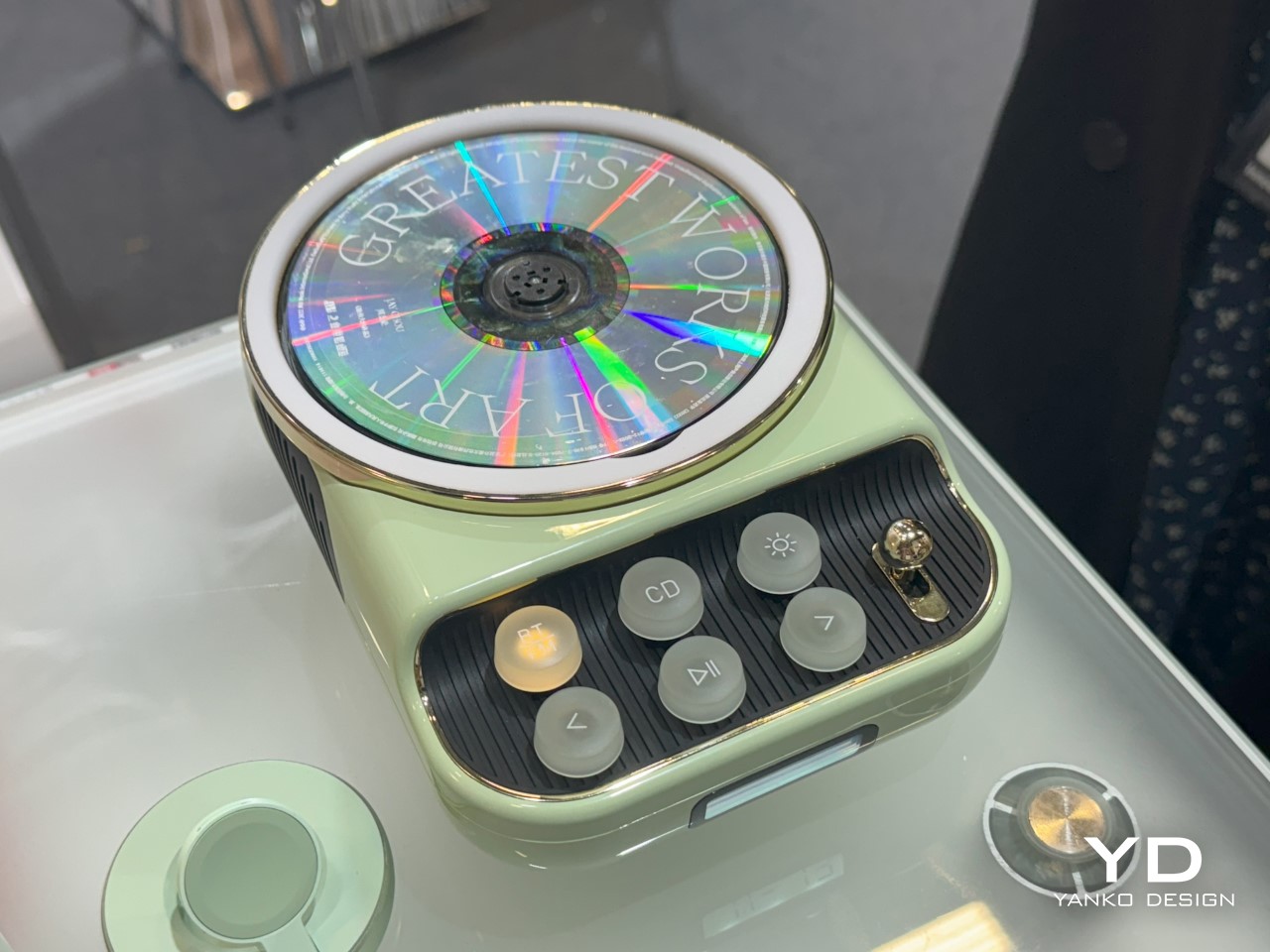
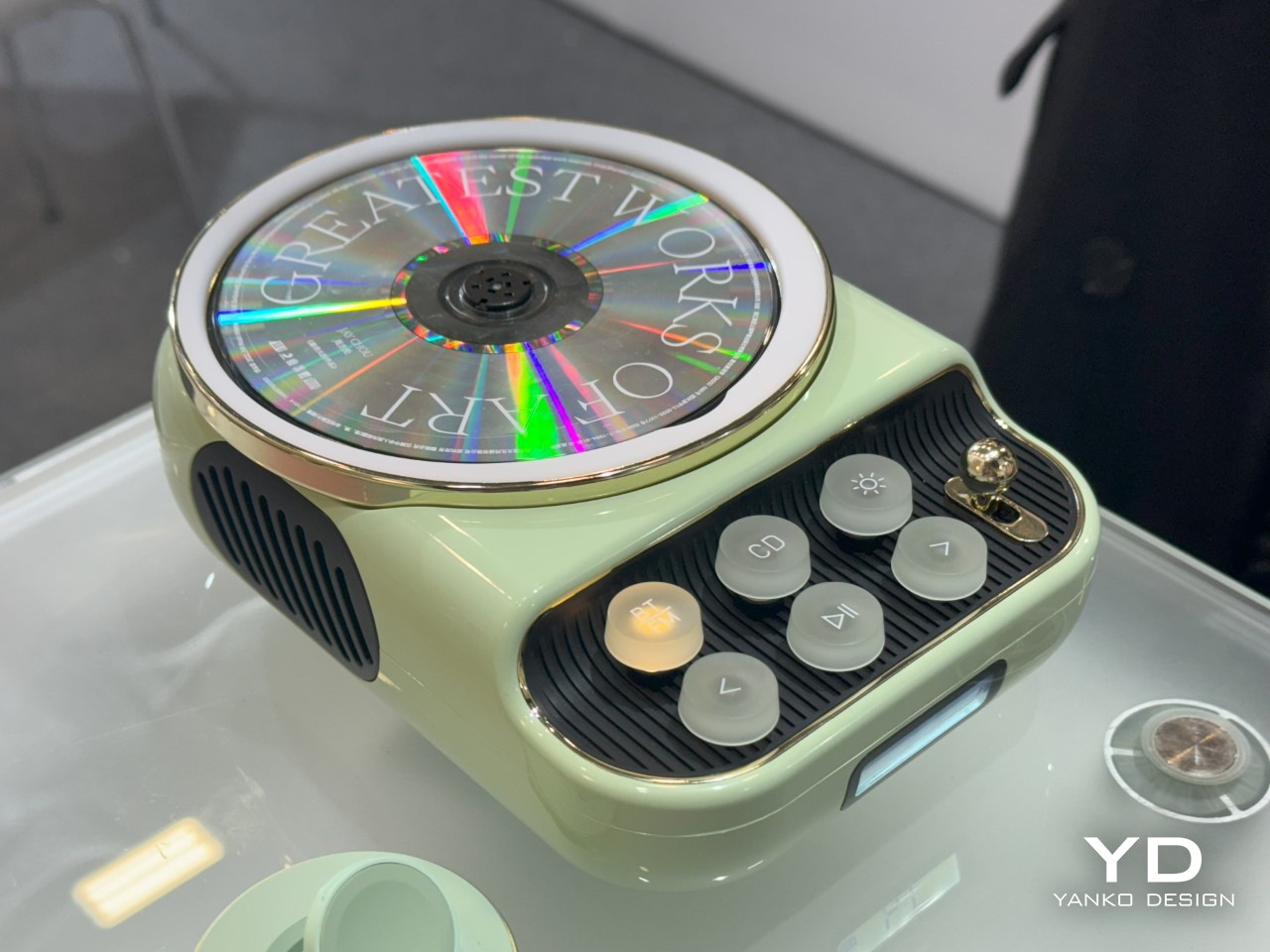
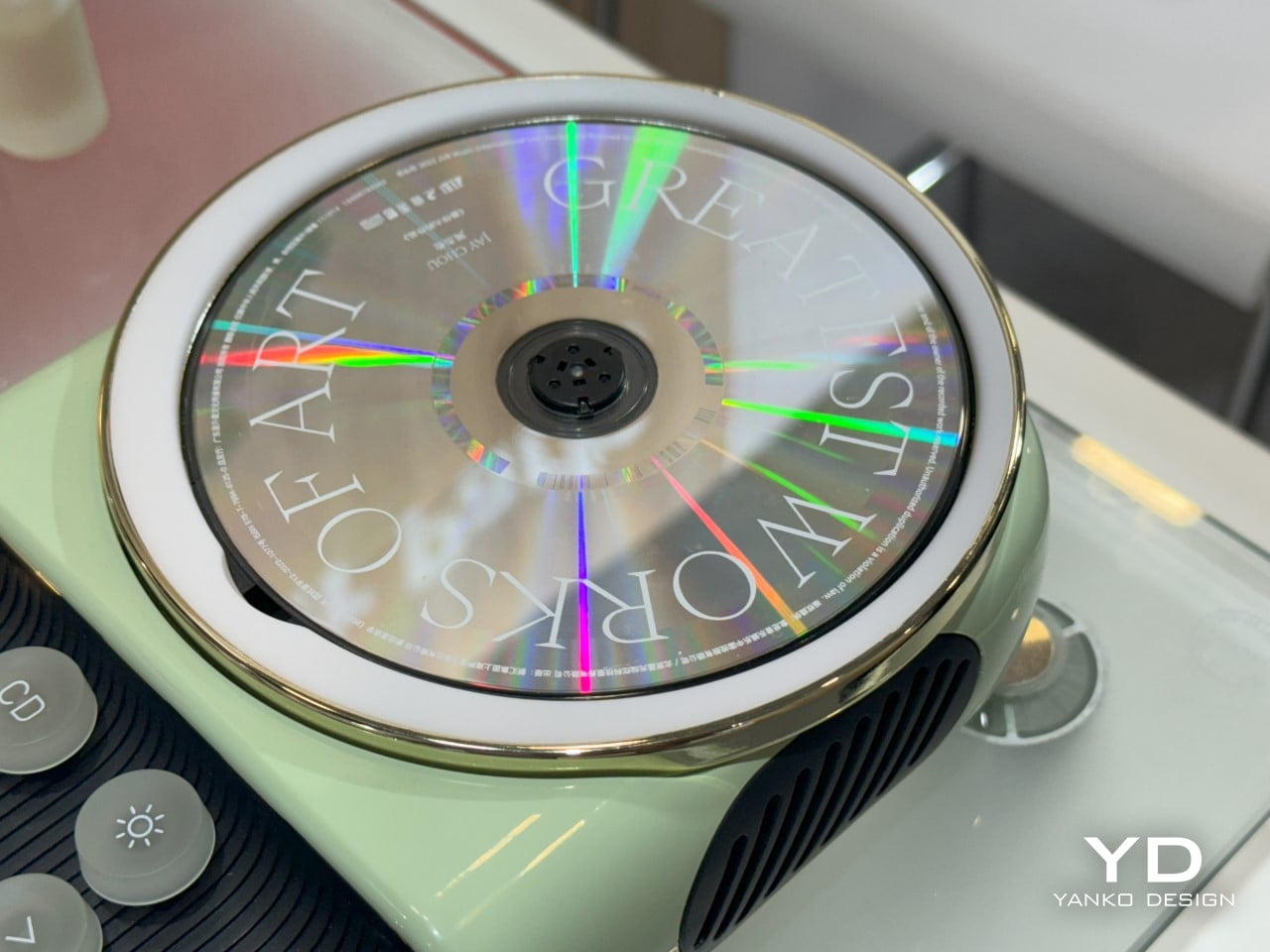
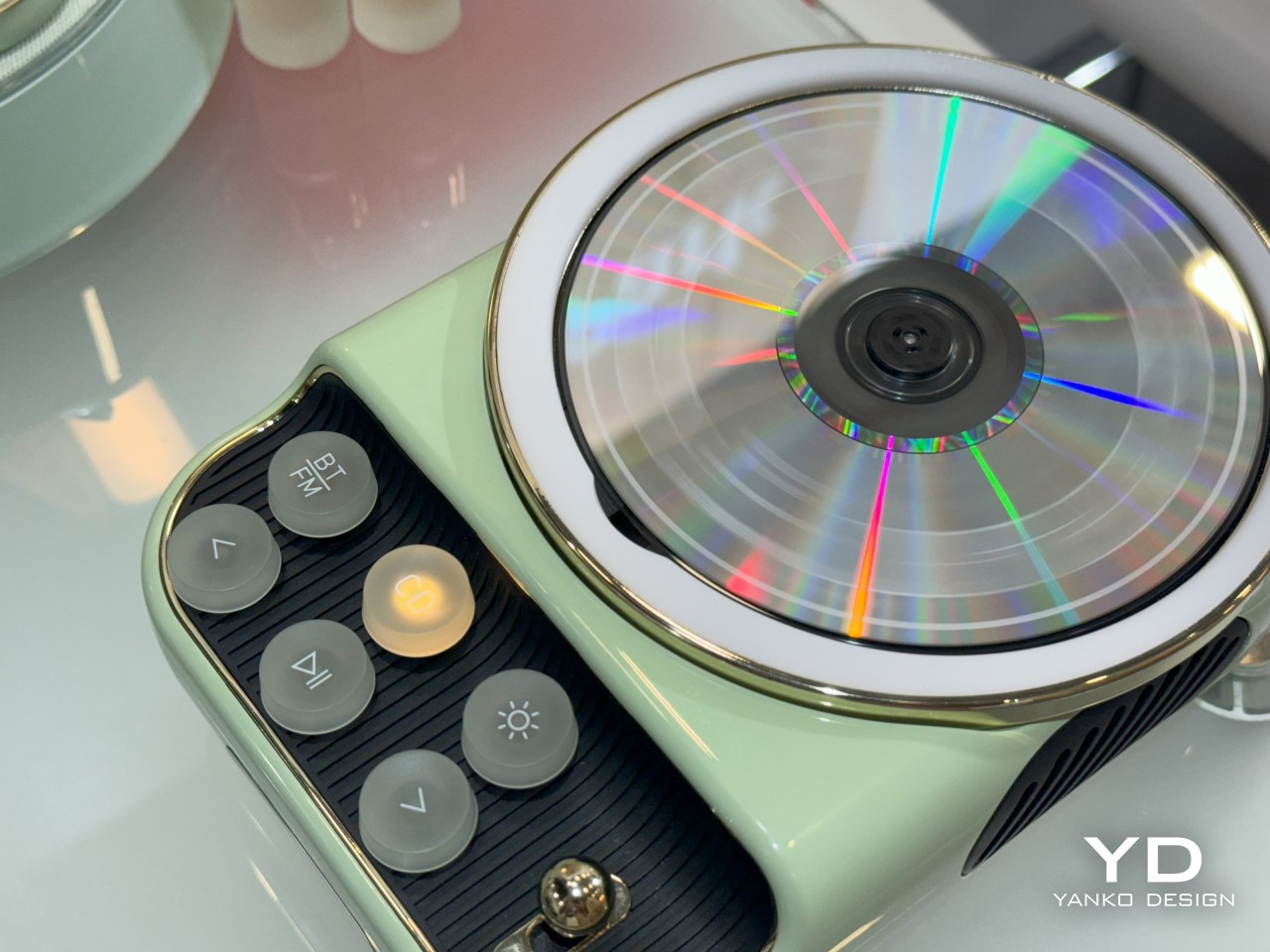
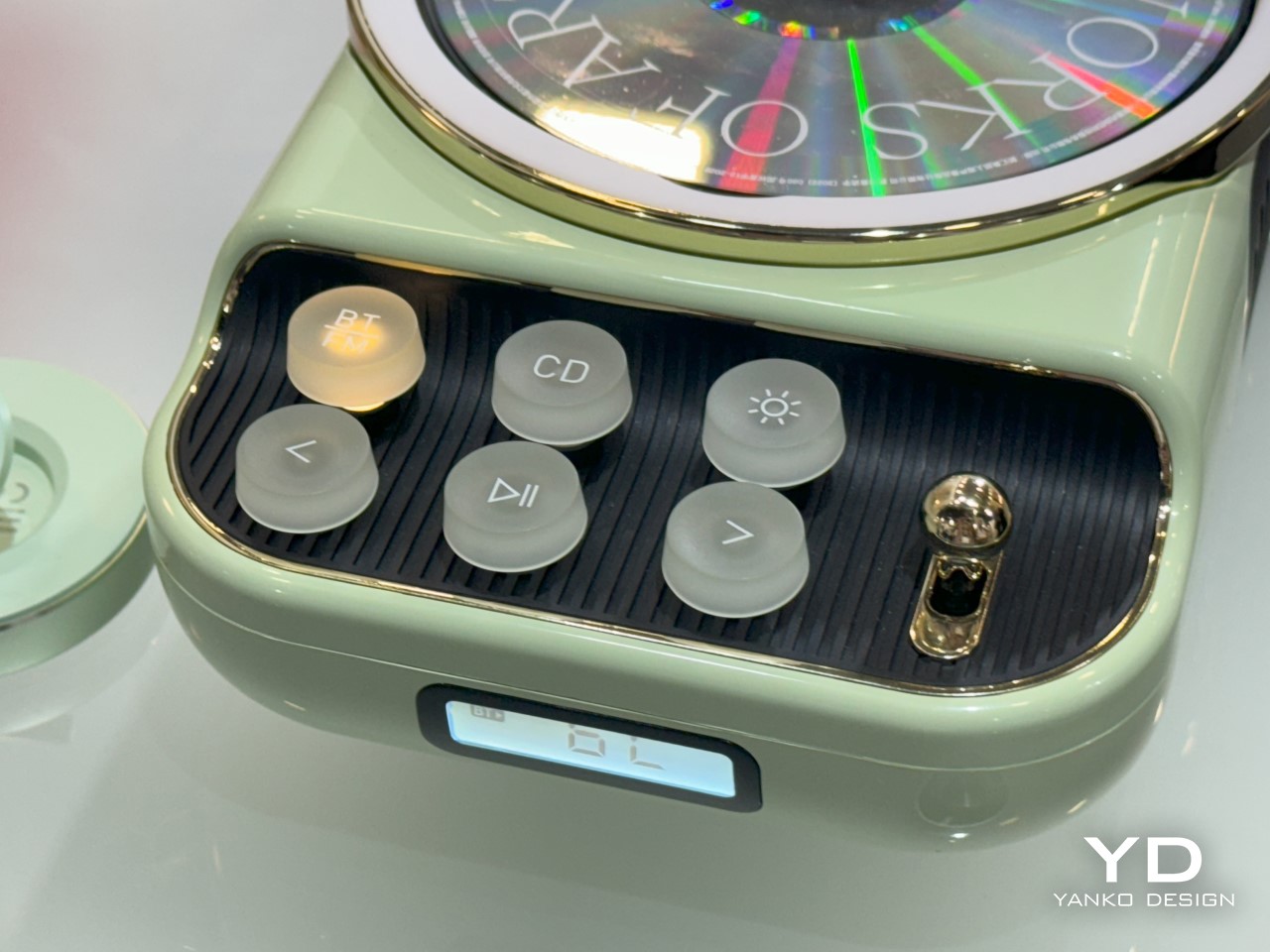
They say history always repeats itself. Vinyls are making a comeback right now, which means in a few years cassettes and CDs will make a resurgence all over again, and when compact discs do enter the mainstream, you’re going to be glad you had this cute CD player from Semetor. Spotted on the floor at IFA 2024, the K8 is a playfully retro CD player that embraces the design aesthetic of European appliances in the 50s. Designed with an open top that allows the CD to sit on its platter like a vinyl on a gramophone, the K8 comes with a few translucent typewriter-inspired buttons that let you control music playback. But wait, it’s 2024, and just being a CD player obviously won’t cut it… which is why the K8 also has an FM radio, a Bluetooth-enabled wireless speaker, and even an ambient lamp built into its adorable design.

Designer: Semetor

The K8 isn’t a cutting-edge CD player… but it’s cute. It has the adorable demeanor of one of lofree‘s older products, with its retro aesthetic that’s brought about by its rounded form and use of pastel shades. What instantly grabs your eye first is the open-top CD player. While most players usually conceal the CD within a casing, this one does not. You see the CD spin as you play music, and the disc’s radial spectral finish looks absolutely gorgeous.

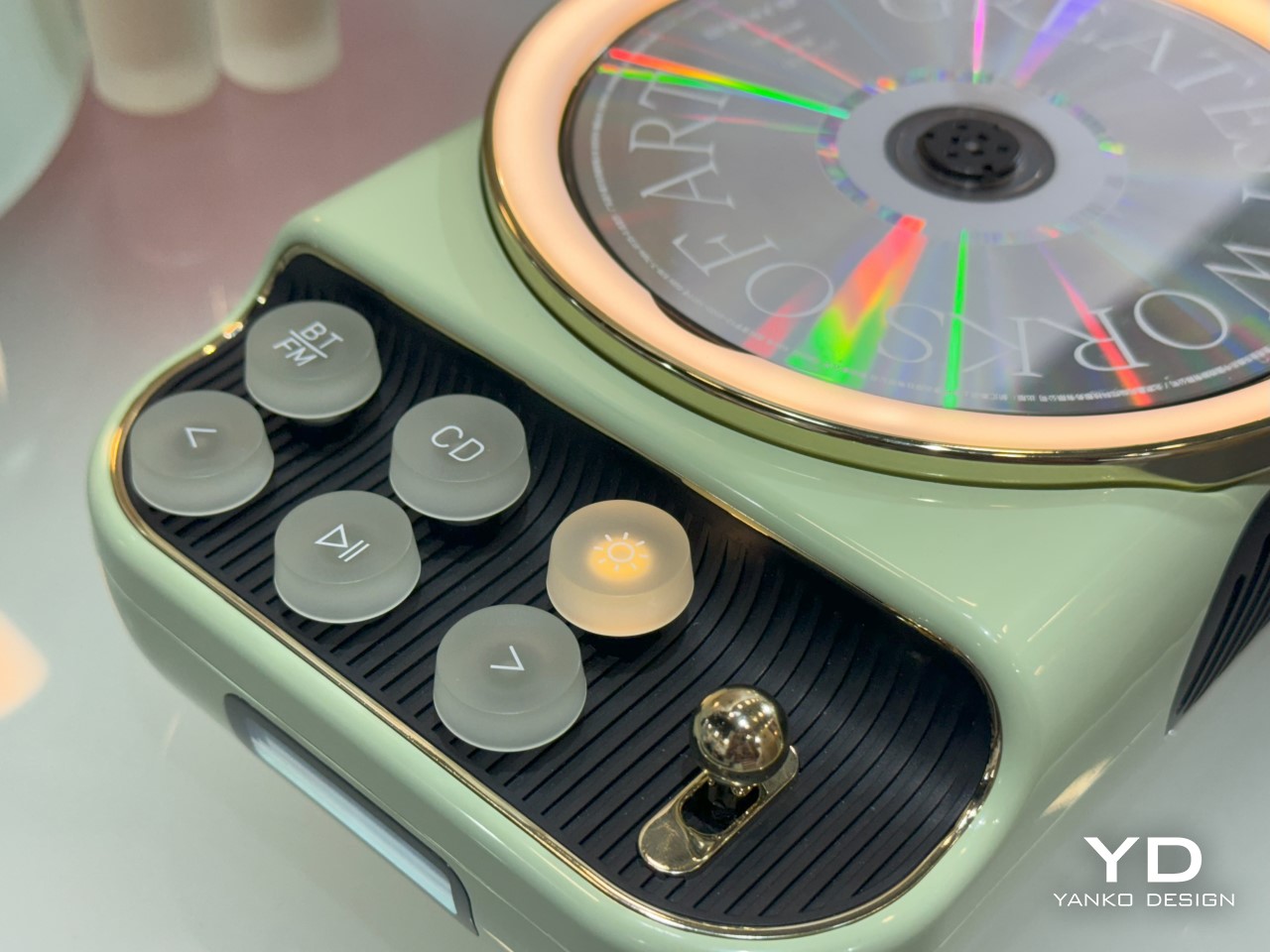
Playback is easy. For running a CD, just hit the CD button on the panel, and use the controls below to play/pause, or skip tracks. A BT/FM button lets you toggle the Bluetooth player or FM radio. Backlights in the button glow to let you know which mode you’re in, and a seven-segment LCD screen on the bottom allows you to see things like track number (for CDs) or radio station (for FM). A gold-plated ‘gear’ on the right side lets you switch on or off the K8.

If all that wasn’t enough, the K8 also packs a warm glow-light for ambient lighting. Hit the button on the top right and a halo around the CD player lights up. It isn’t enough to light a room, but it does bestow a warm wash of golden light in the immediate vicinity, perfect for late-night listening. Pair it with a nice soft jazz CD and you’re absolutely set!

The post This Retro Open-front CD Player also has an Ambient Lamp, FM Radio, and Bluetooth Speaker first appeared on Yanko Design.
Nothing CMF speaker gets see-through aesthetics of the big brother in a classic radio-inspired form

Nothing’s story has been nothing short of inspirational considering their ethical intent towards the marketplace and its consumers. Their sub-brand CMF adapts the same values for the lower segment of the market that serves the budget segment of the market.

While we’ve been awed by the Nothing Sound (1) and Nothing Bass (1) concepts – envisioning the see-through aesthetics of what a Nothing branded would be like. Since Nothing and CMF are already a strong force to reckon with for competitors, a portable speaker is something that we cannot count out from Nothing’s scheme of things.

Designer: Abdelrahman Shaapan

Unlike its big brother, CMF by Nothing doesn’t rely on transparent aesthetics to create a unique statement. Rather the brand focuses on core functionality and accessibility for a greater chunk of the market. The phones, watches and earbuds in the line-up have the signature papaya orange influence but nothing that’s see-through actually. In the concept world that is not the limiting factor and this CMF Speaker takes due advantage.

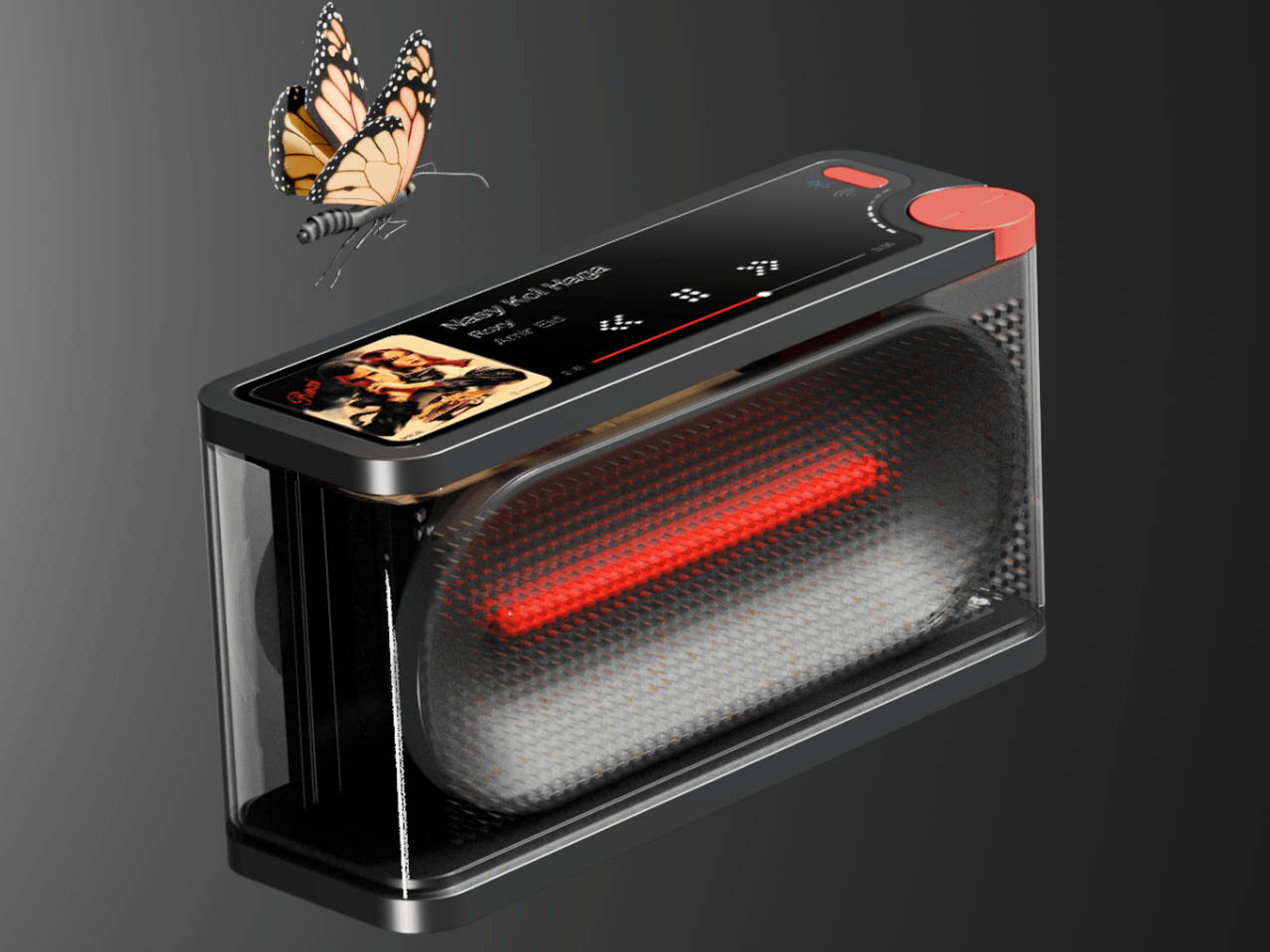
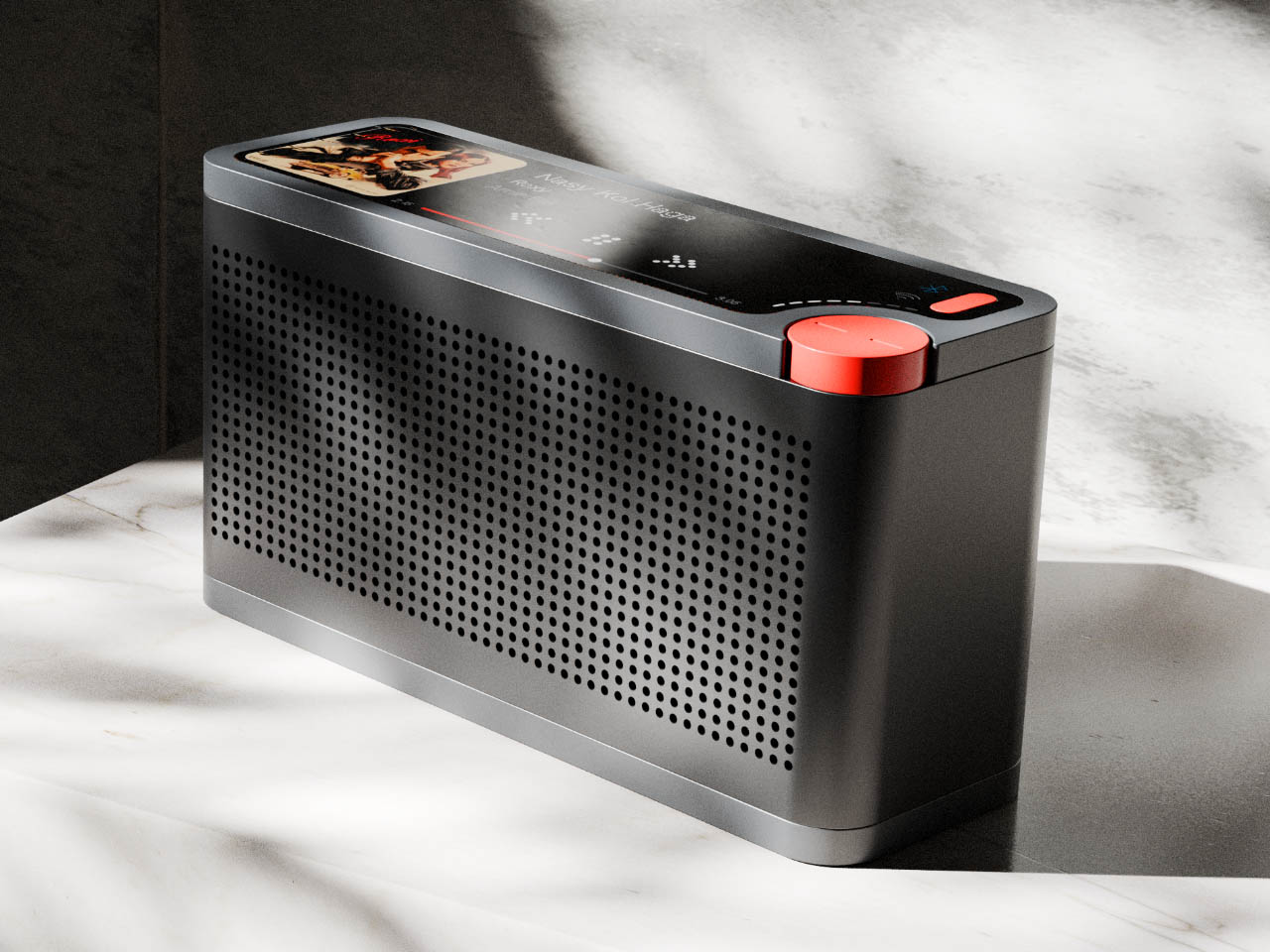
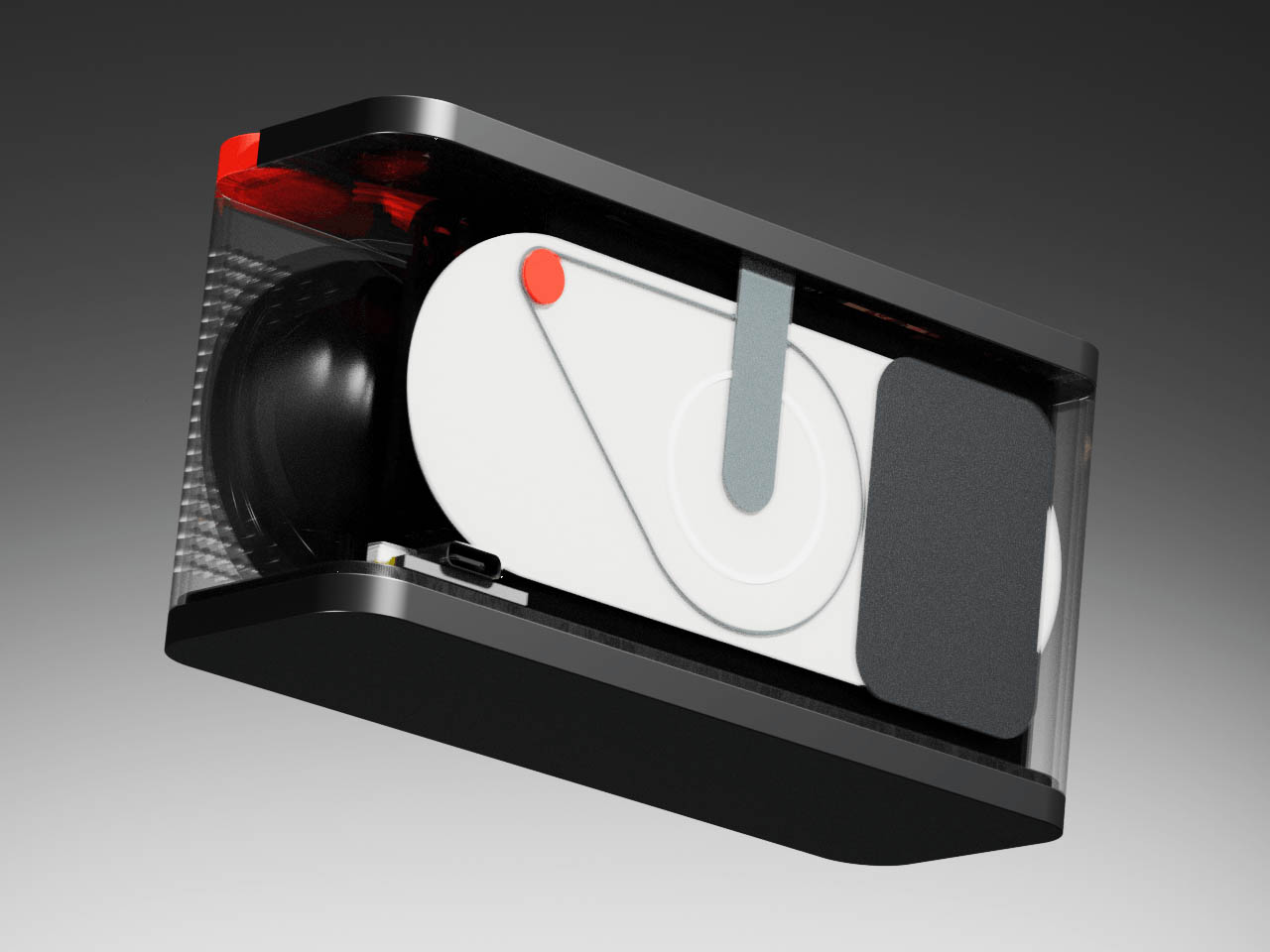
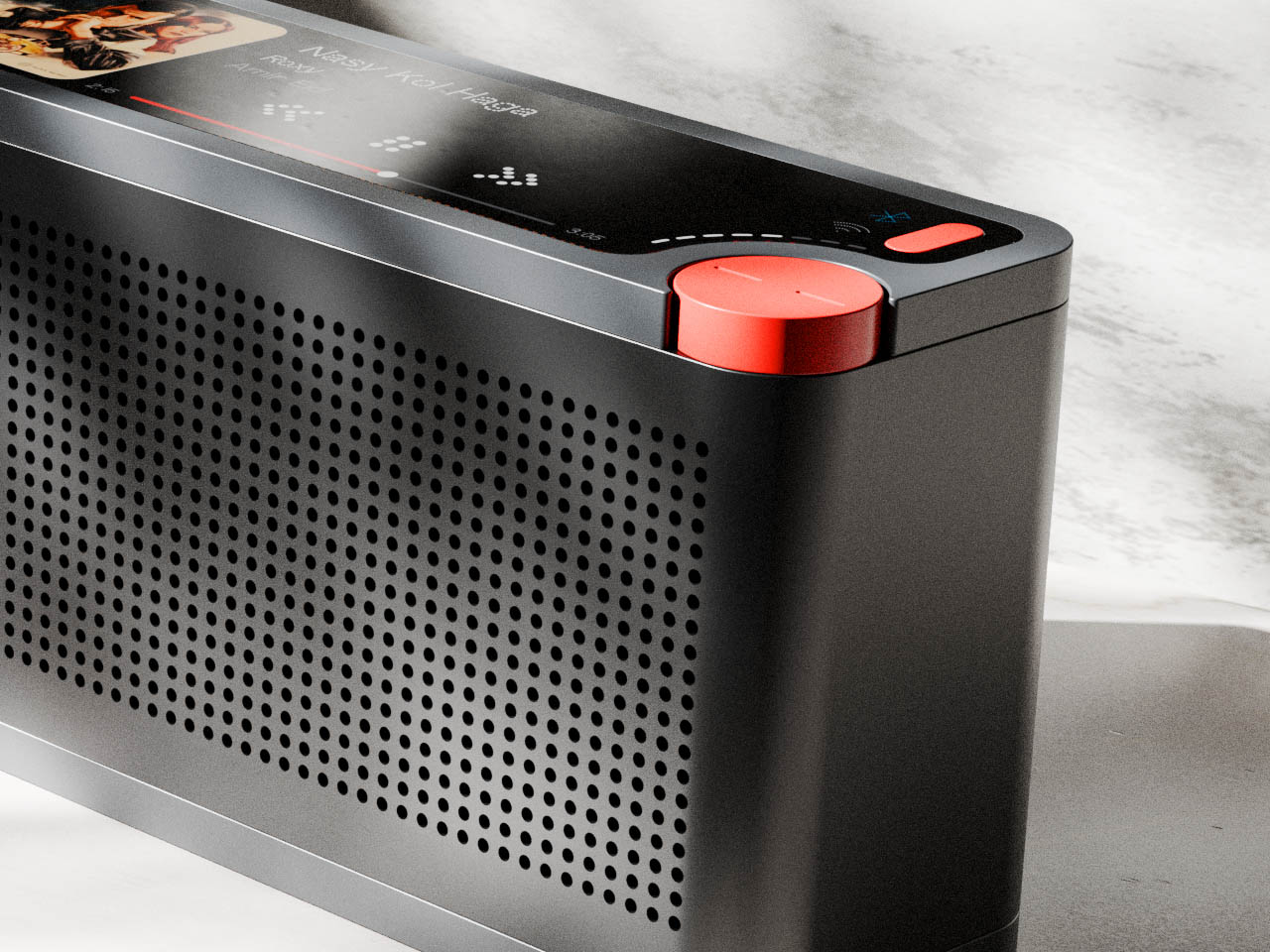
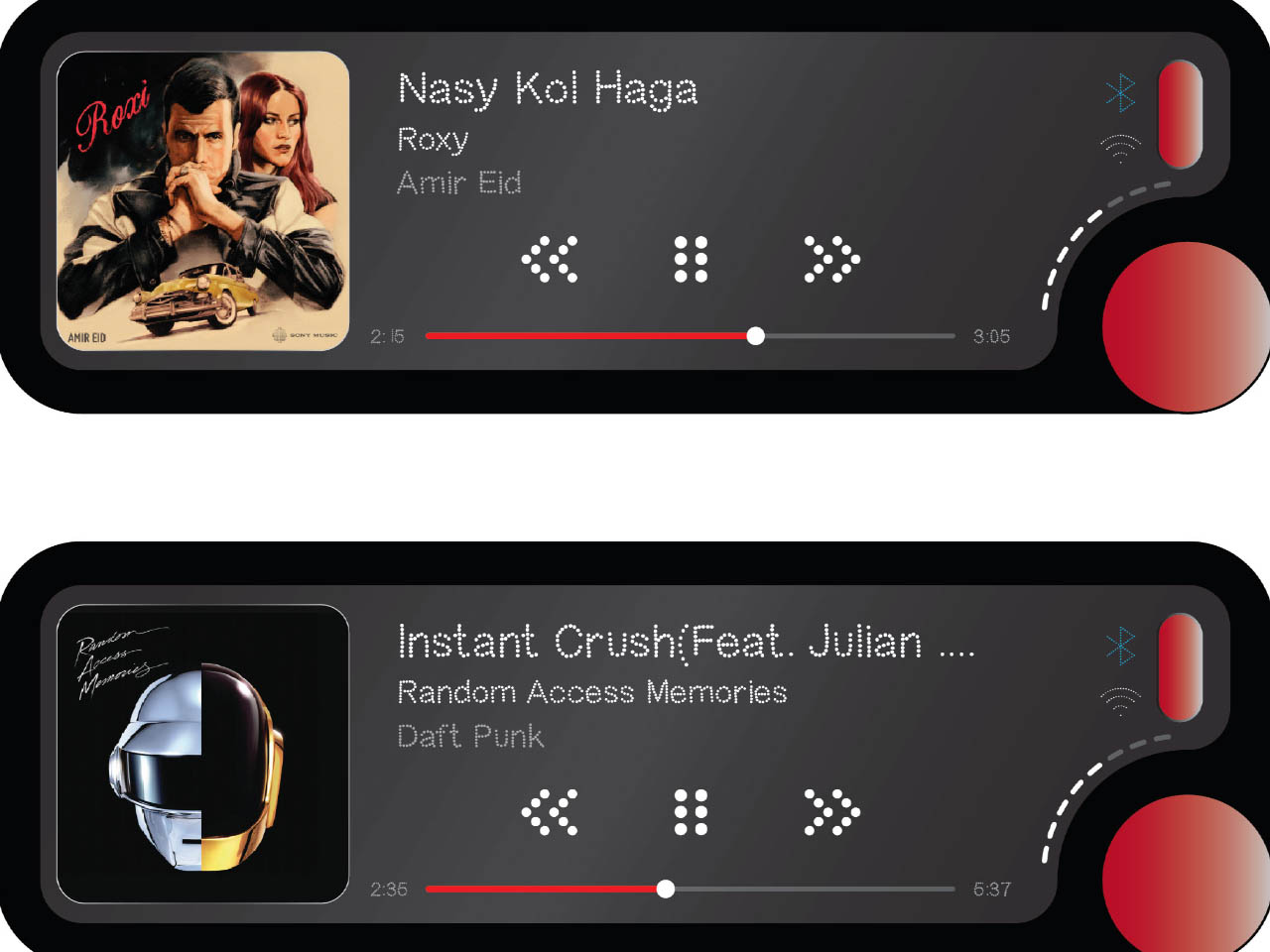
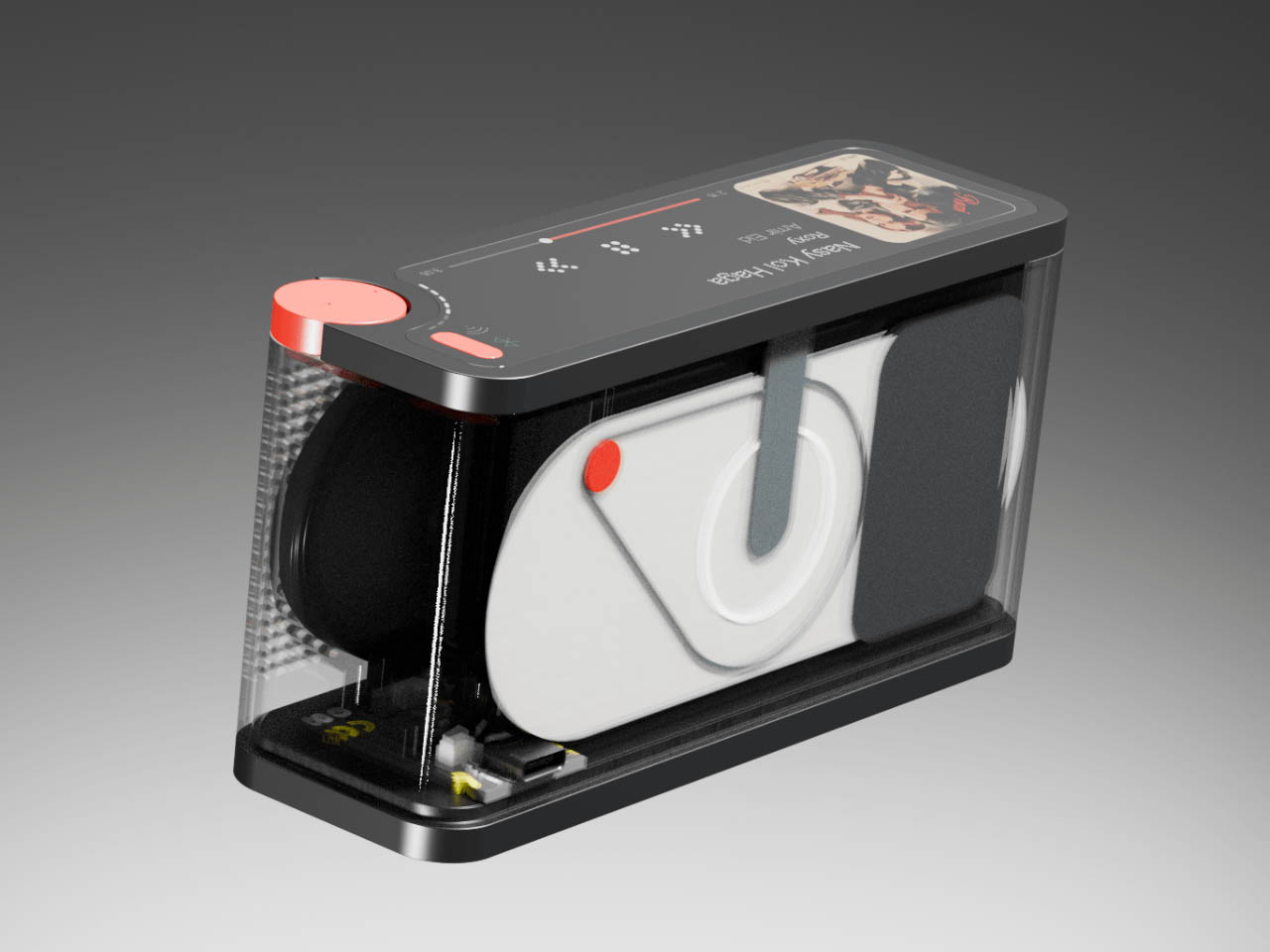
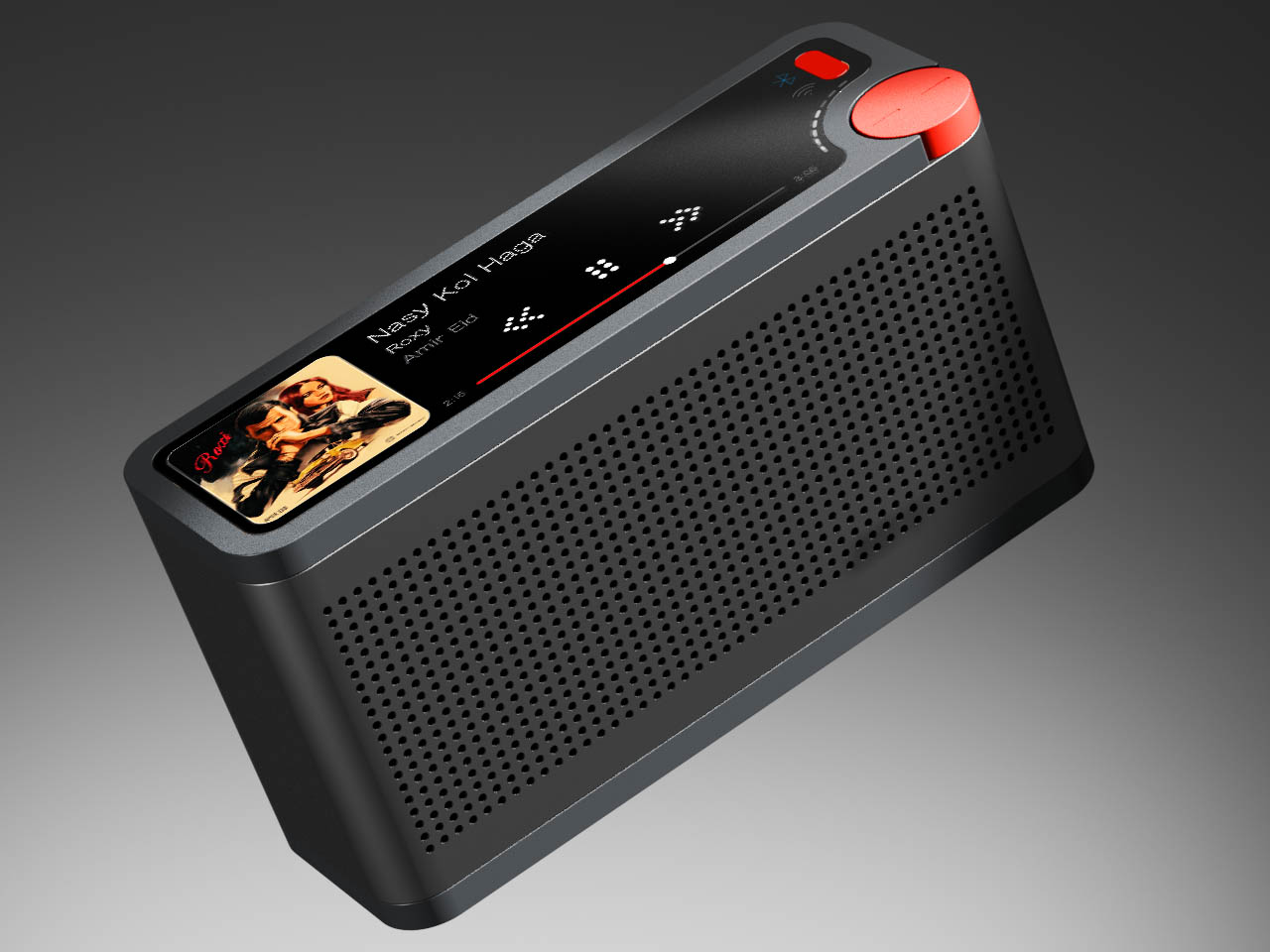
Not only does it break the convention of a portable speaker design but also fuses form with function with maximum conviction. The music accessory has the playback information including Albumart, now playing controls and track selection buttons displayed on the touchscreen, along with the Bluetooth toggle and volume knob on one side. The frosted cover panel on all sides keeps the innards semi-transparent and the USB-C charging port is positioned on the rear to keep visual integrity intact.

The front portion is reserved for the grill that conceals the drivers and the back side also has a Nothing-inspired baseplate on which the driver housing is mounted. Abdelrahman has borrowed the classic radio look for this speaker, and I appreciate this nostalgic element. Even though we will never see a transparent CMF speaker (Nothing Speaker still I’m hopeful), this is a good starting point for a budding audio accessories brand to derive inspiration.

The post Nothing CMF speaker gets see-through aesthetics of the big brother in a classic radio-inspired form first appeared on Yanko Design.
High-Flying Designs: The Tug-of-War Between Comfort and Profit in Airline Seating

Air travel has always been one of the crowning glories of human innovation, proving that mankind can conquer almost anything if they put their minds to it. Over the decades, the aviation industry has been pushing the envelope of speed, efficiency, and safety, but much of the evolution doesn’t happen only on the outside of airplanes. Interior design has also been changing at an even more rapid pace, and a more visible struggle can be seen beyond seat class boundaries. Comfort, luxury, cost-efficiency, and profitability have always been the goals of all airlines, but these sometimes conflict with each other, creating an almost never-ending tug-of-war between maximizing airline profits and ensuring passenger comfort. We take a deeper close into the design philosophies and elements that define airline seating and the effects they have on the economy, the planet, and of course, human comfort.

Designer: James Lee (Butterfly Seating)

Minimalism vs. Luxury: A Deep Dive into Design Philosophies

Airline seat design has always fluctuated between two extremes, often exemplified by the division between economy and first-class sections. You have minimalism that focuses on efficiency and functionality on one end, and you have luxury that emphasizes premium experiences almost to the point of exclusivity on the other end. Of course, both philosophies are ideal to have in both seating classes to different degrees, but they also have different priorities that define the final seat design.

Designer: Aviointeriors (via Jason Rabinowitz)

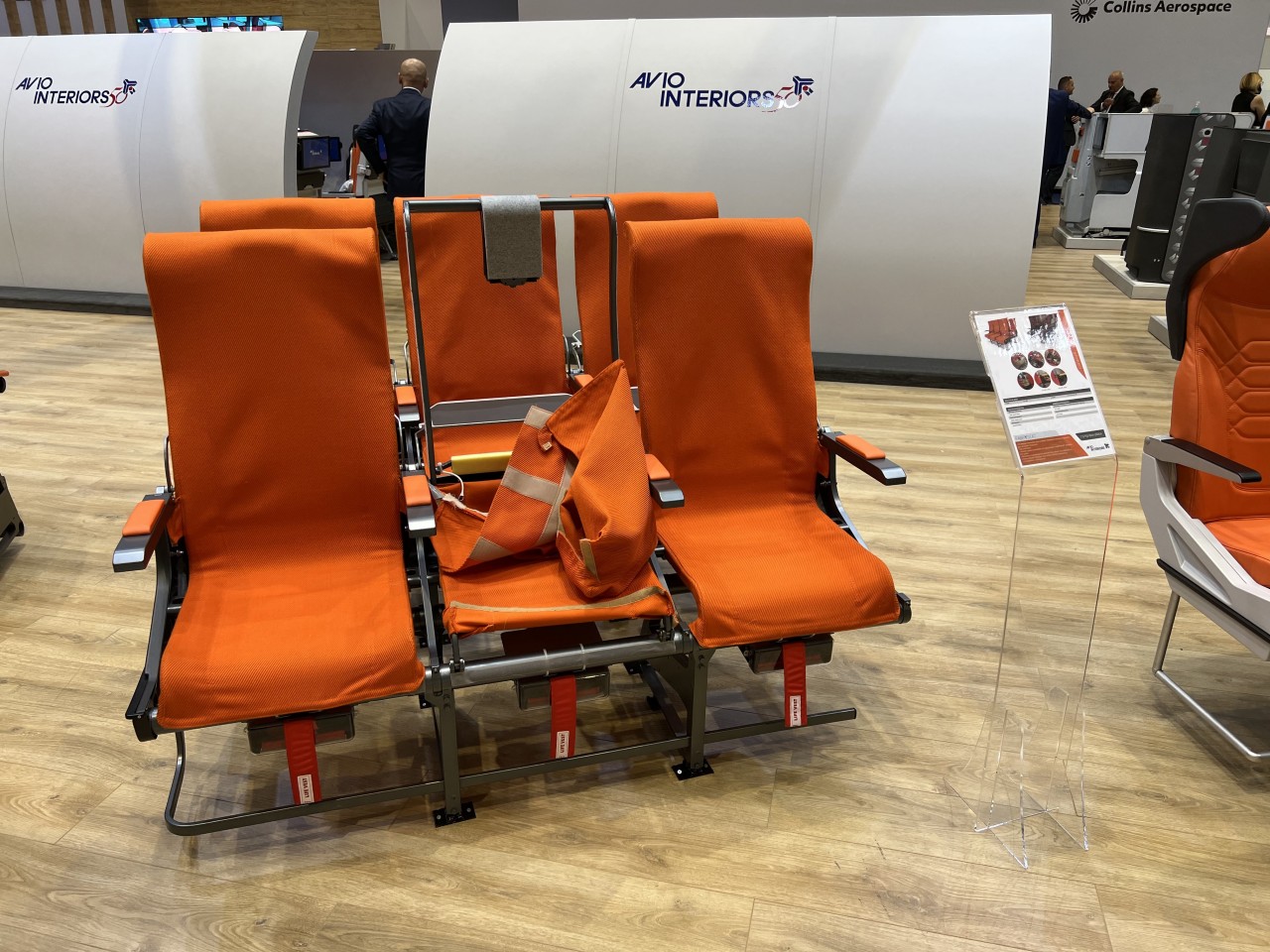
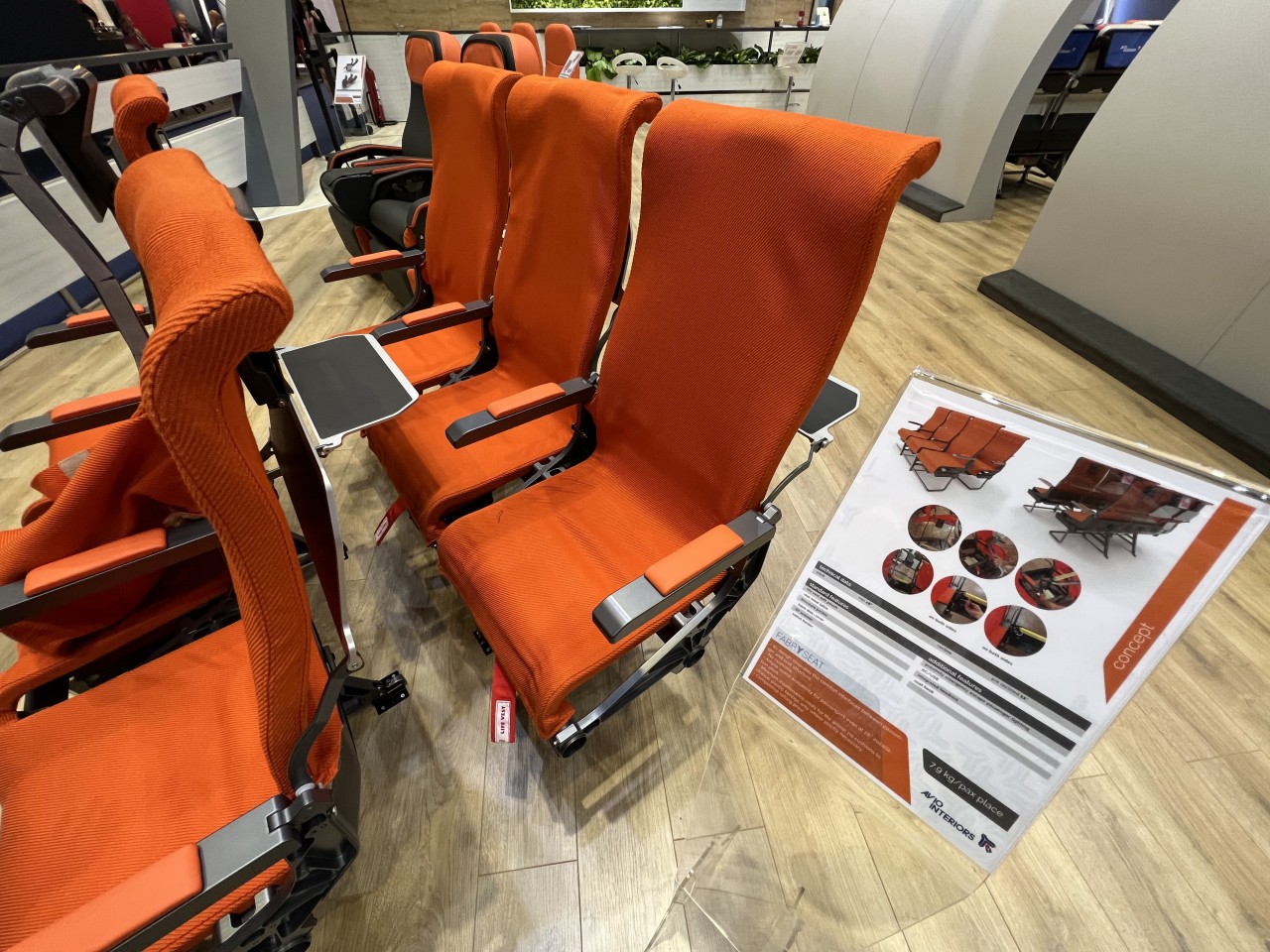
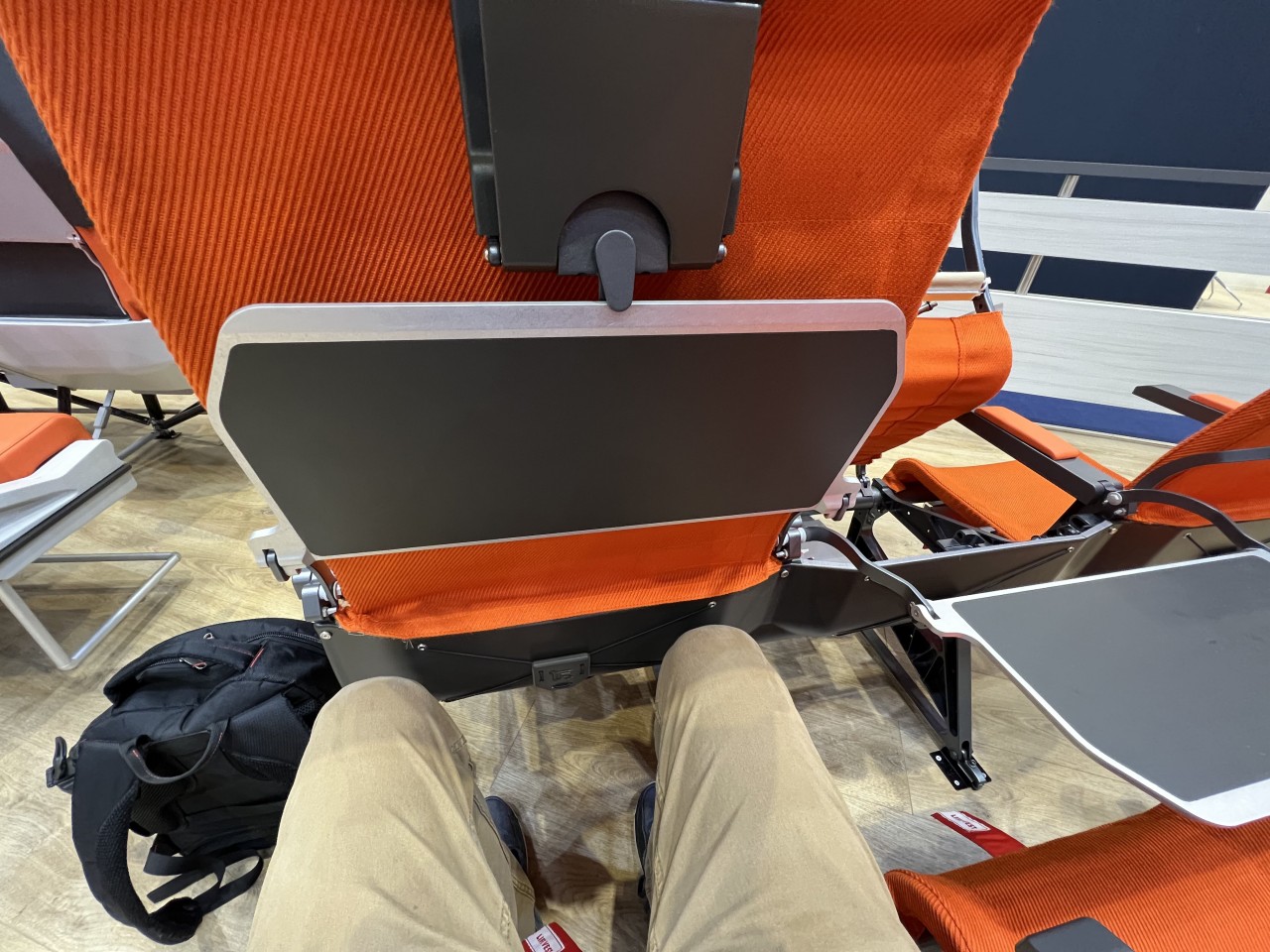
Minimalist seats, for example, prioritize space efficiency and cost-effectiveness in order to both lower ticket prices as well as increase profits. By minimizing the space occupied by seats, using more lightweight materials, and adopting streamlined designs that are easier to clean, airlines can minimize operation costs while also increasing ticket sales and, therefore, increasing Revenue per Available Seat Mile or RASM figures. This is mostly seen in economy class seats and budget airlines, of which the likes of Ryanair and Spirit Airlines are best known. Aviointeriors’ 7.5kg “FABRYSEAT” concept is an example of extreme minimalism, pretty much just a metal frame with a fabric covering and a small headrest.

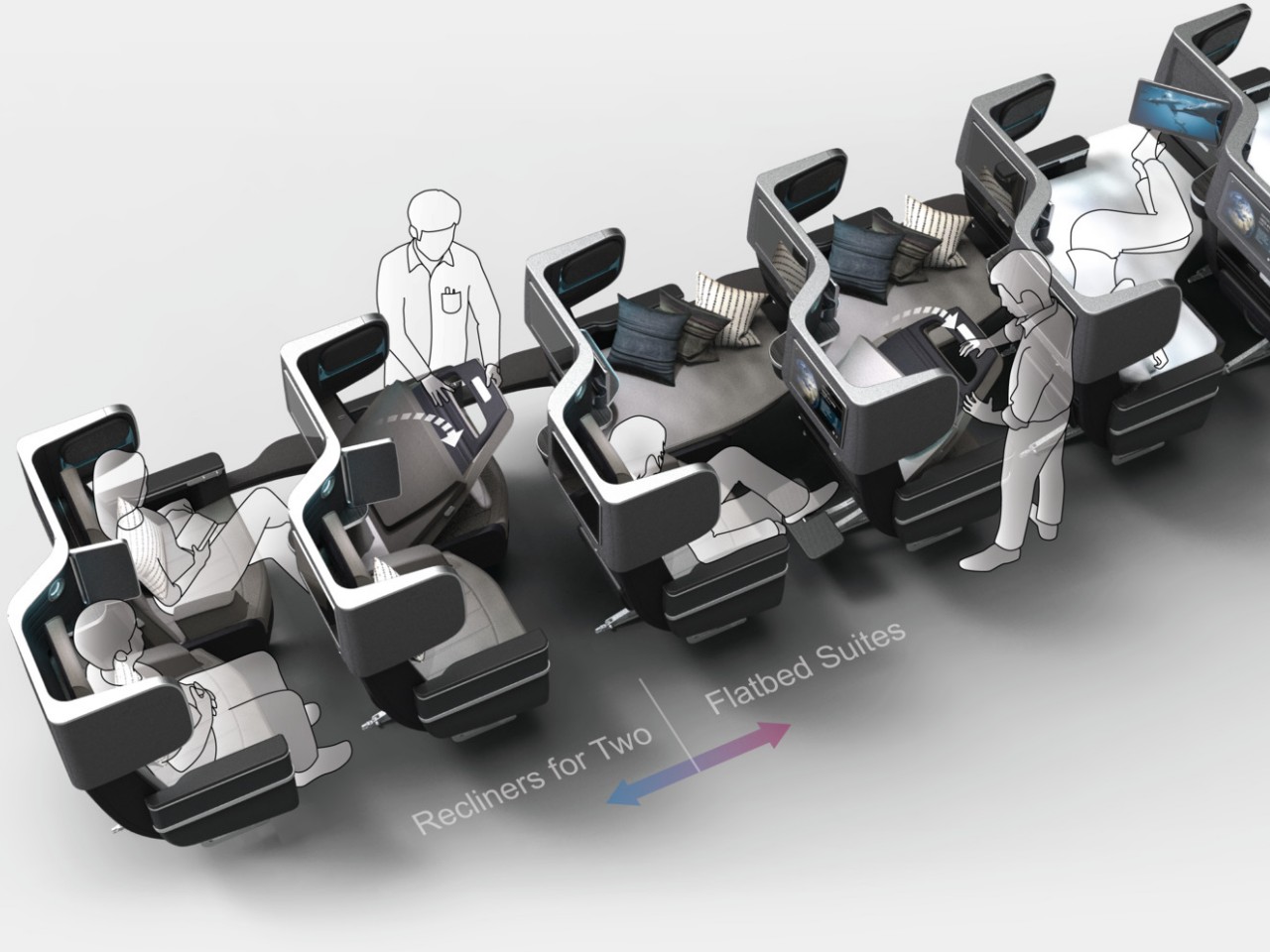
On the opposite end of the spectrum, luxury designs put comfort and convenience above all, even if it means increasing costs for both the company and the passenger. There is enough space to completely recline the seat into a bed and airlines offer extra amenities not available to other passengers. Given the price involved, these luxuries are only offered to business and first-class passengers, and Singapore Airlines and Etihad Airways are perhaps the most popular examples of such premium experiences.

Designer: Etihad Airways

Economic Impact of Different Seat Designs

Just like how airplanes themselves require a delicate balancing act to stay airborne, every aspect of seat design has an overall effect not just on passenger comfort but also on the airline economy in general. Two of the most important elements to be considered for seat configurations are the seat pitch and the seat width. Seat pitch, which refers to the space between one seat and the one in front of it, and the width of the seat not only affects passenger comfort but also how many passengers you can fit in the cabin.

You might think that having more seats and more passengers will always be beneficial for the airline, but that isn’t always the case. Cramped spaces are likely to also decrease customer satisfaction, leading to lower customer loyalty, and more seats and passengers will also weigh the plane down as well, requiring more fuel, interior modification, and, in the long run, higher operating costs. The duality between these two elements isn’t always clear-cut as well. For example, United Airlines has an Economy Plus that offers more legroom but at a higher price. This conundrum is at the heart of that tug-of-war that both airlines and even regulators face, balancing profit maximization and passenger satisfaction.

Designer: United Airlines

Ultra-Luxirious First-Class Seats vs. High-Density Economy Seats: A Few Case Studies

With dozens if not hundreds of airlines in operation around the world, there are just as many seat designs available that cover the spectrum between extreme minimalism and posh luxury. There are, however, a few that have stood out over the years, almost becoming representatives of these two design philosophies. Of course, business is more complicated than that, and most airlines have different sections or even aircraft that cater to different audiences and budgets.

On the luxurious side of flights, Etihad Airways is quite famous for its “The Residence,” offering a three-bedroom suite, a shower, and even a personal butler. Singapore Airlines’ Suite isn’t far behind with its full-length bed, 32-inch TV, and privacy sliding doors. Both airlines offer hotel-like amenities and luxuries available to those who can afford the rather steep price tag.

Designer: Singapore Airlines

Designer: Etihad Airways

Conversely, Ryanair and Spirit are poster children for high-volume, low-cost economy seats, with seat pitches averaging 30 inches or lower. Most of the designs are minimalist and utilitarian, employing mass-produced materials to keep costs low and tickets affordable. It might sound uncomfortable, but these configurations are quite popular with budget travelers, especially frequent flyers who simply need to get from A to B without much fuss.

Designer: Ryanair

Designer: Spirit Airlines

Sustainability in the Air: Balancing Eco-Friendly Designs with Cost and Comfort

These days, it’s no longer enough to be cost-effective or luxurious. Sustainability has become a major consideration in airline seat design, and to some extent an added complication. Companies and designers now also have to consider using eco-friendly materials that won’t compromise comfort and cost, and that’s not always an easy feat even for normal product designs.

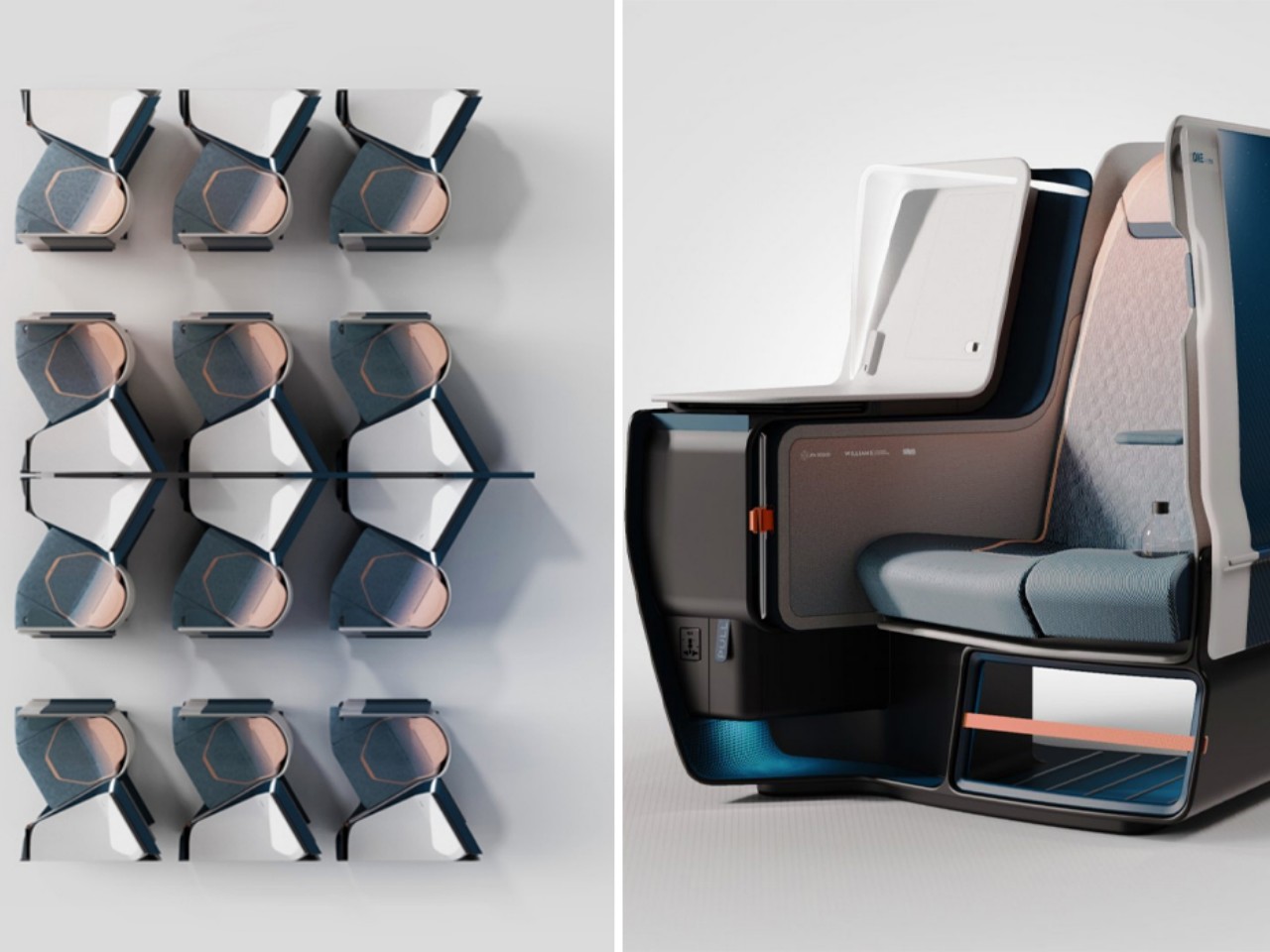
There are a few airlines that have started that arduous journey, like Air New Zealand’s use of plant-based leather alternatives, or Recaro’s SL3510 carbon fiber-reinforced plastic to make seats lighter. There are also other concepts that not only utilize lightweight materials but also apply simpler structures and mechanisms to reduce the number of parts needed. Lighter and recycled materials can help lower a plane’s overall carbon footprint, but these materials can sometimes also cost more, so airlines have to balance the pros and cons of these as well.

Designers: JPA Design x Williams Advanced Engineering x SWS Aircraft Certification

Successes and Failures: Lessons From Both Past and Future

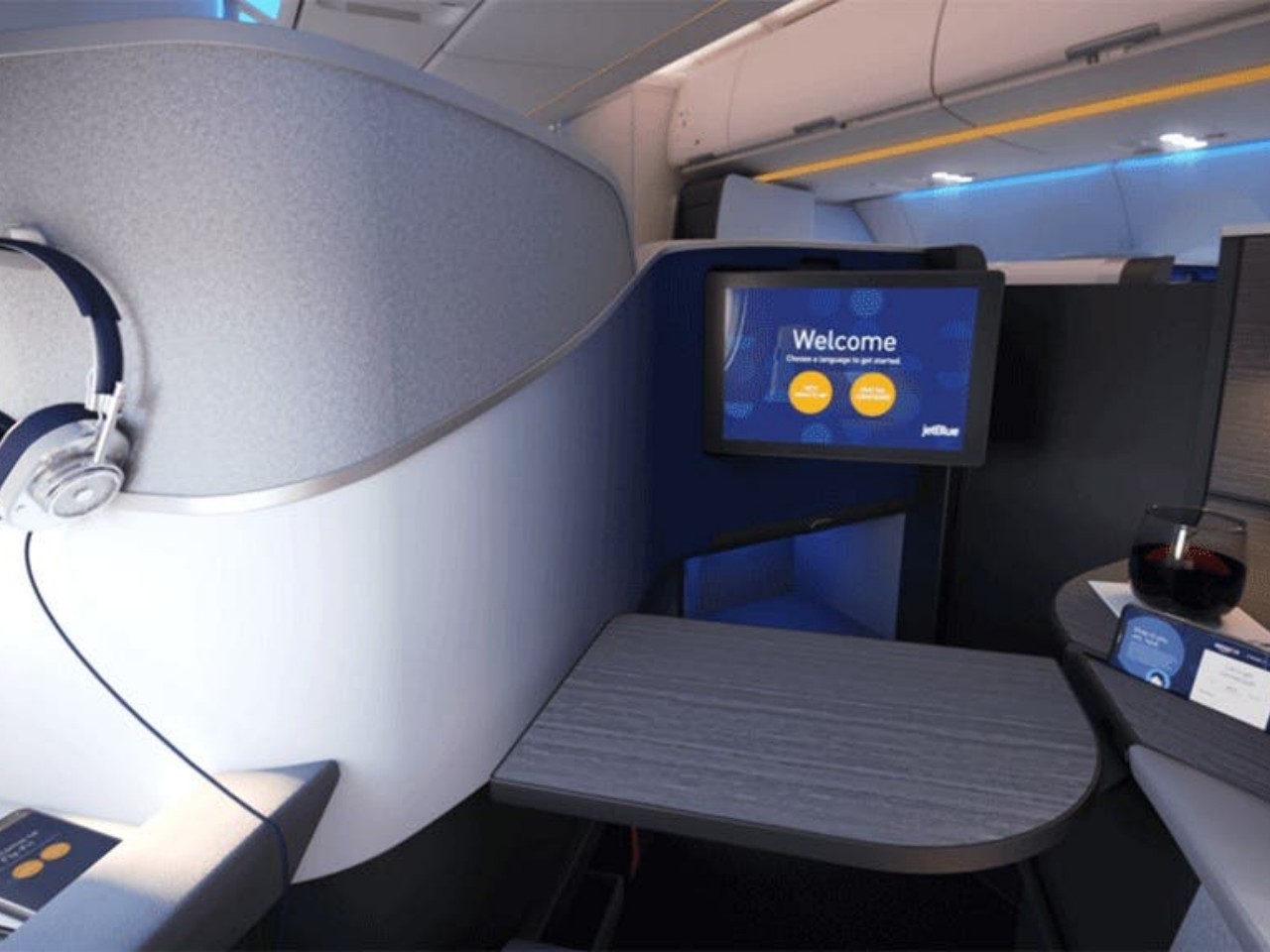
Aviation history is filled with stories of winners and losers, not just in flyer programs but also in seat designs. Some have become more notorious than others, while the rest served as lessons to be learned. JetBlue, for example, coined its own “Mint” business class, offering lie-flat seats and artisan dining to its transcontinental flights, a move that proved to be quite successful and popular with business travelers. In stark contrast, American Airlines’ decision in 2017 to reduce its seat pitch to below 30 inches was faced with much backlash that the company eventually backtracked.

Designer: JetBlue

Even in the realm of concept designs, there are a few that seemed to be too far-fetched and uncomfortable that they were immediately met with ridicule and even contempt. While not everyone will oppose having more seats on a plane to accommodate more passengers, a few designs seemed to prioritize that over passenger comfort, feeling like they were more interested in helping airlines game more profit instead.

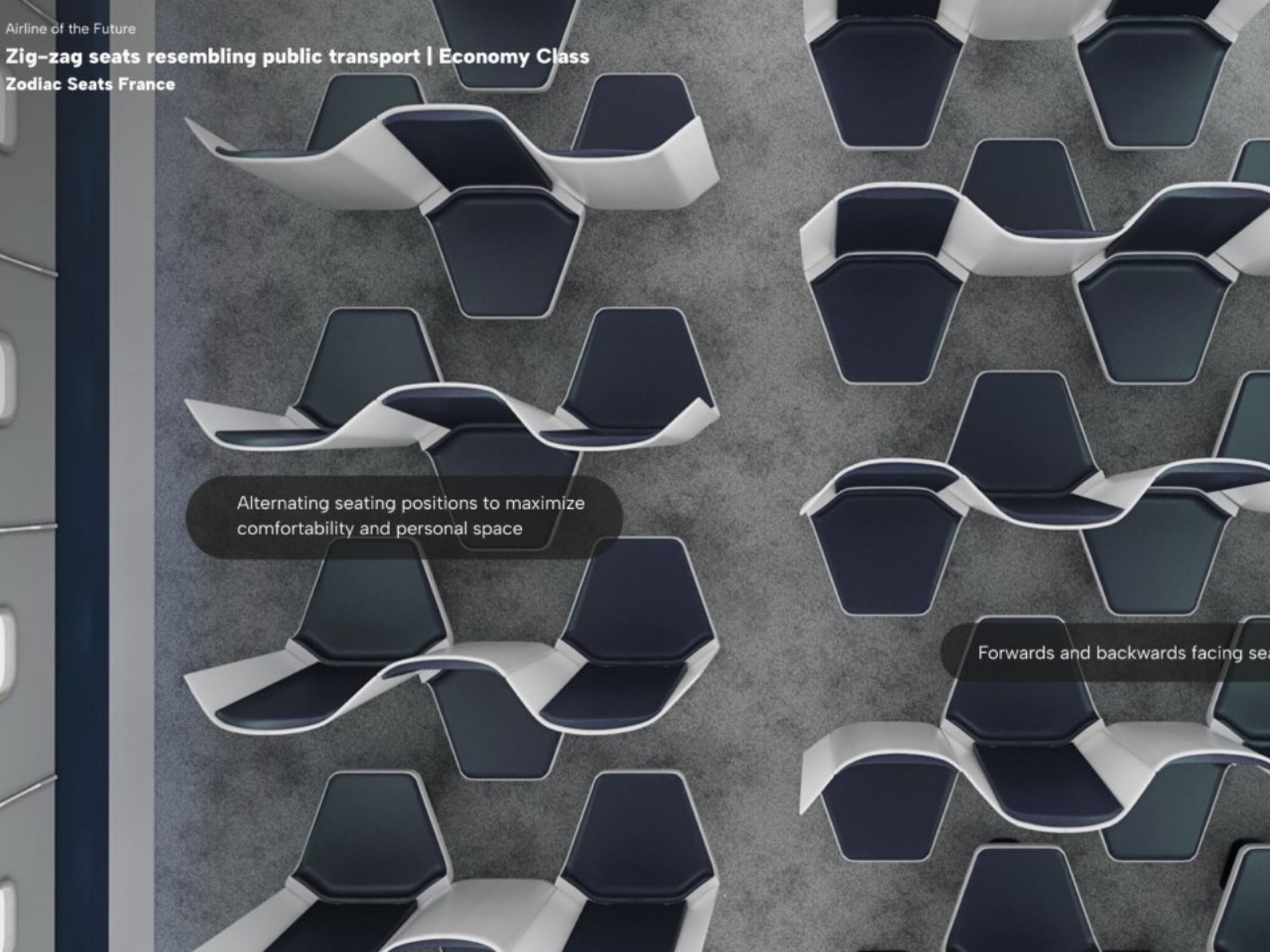
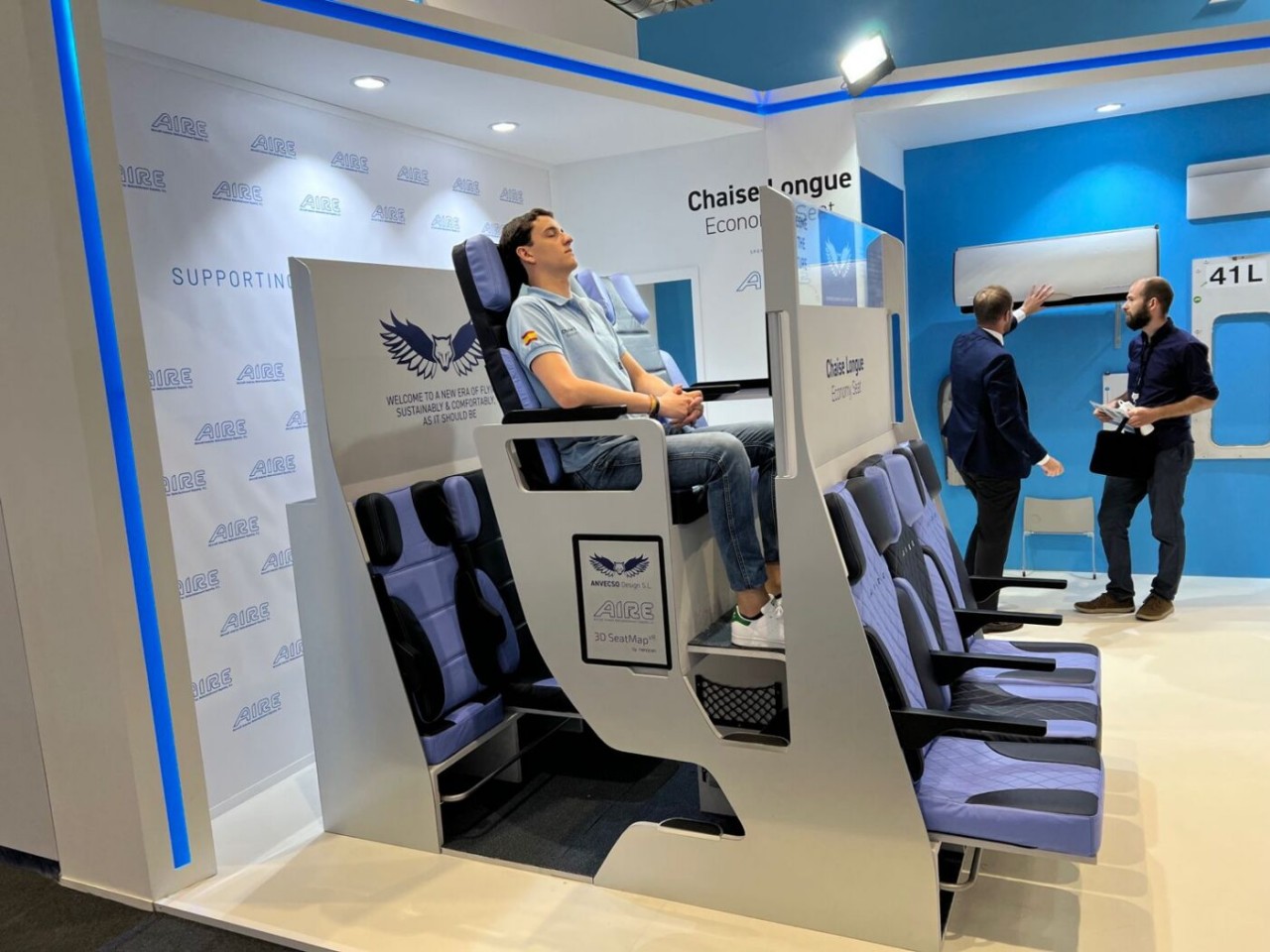
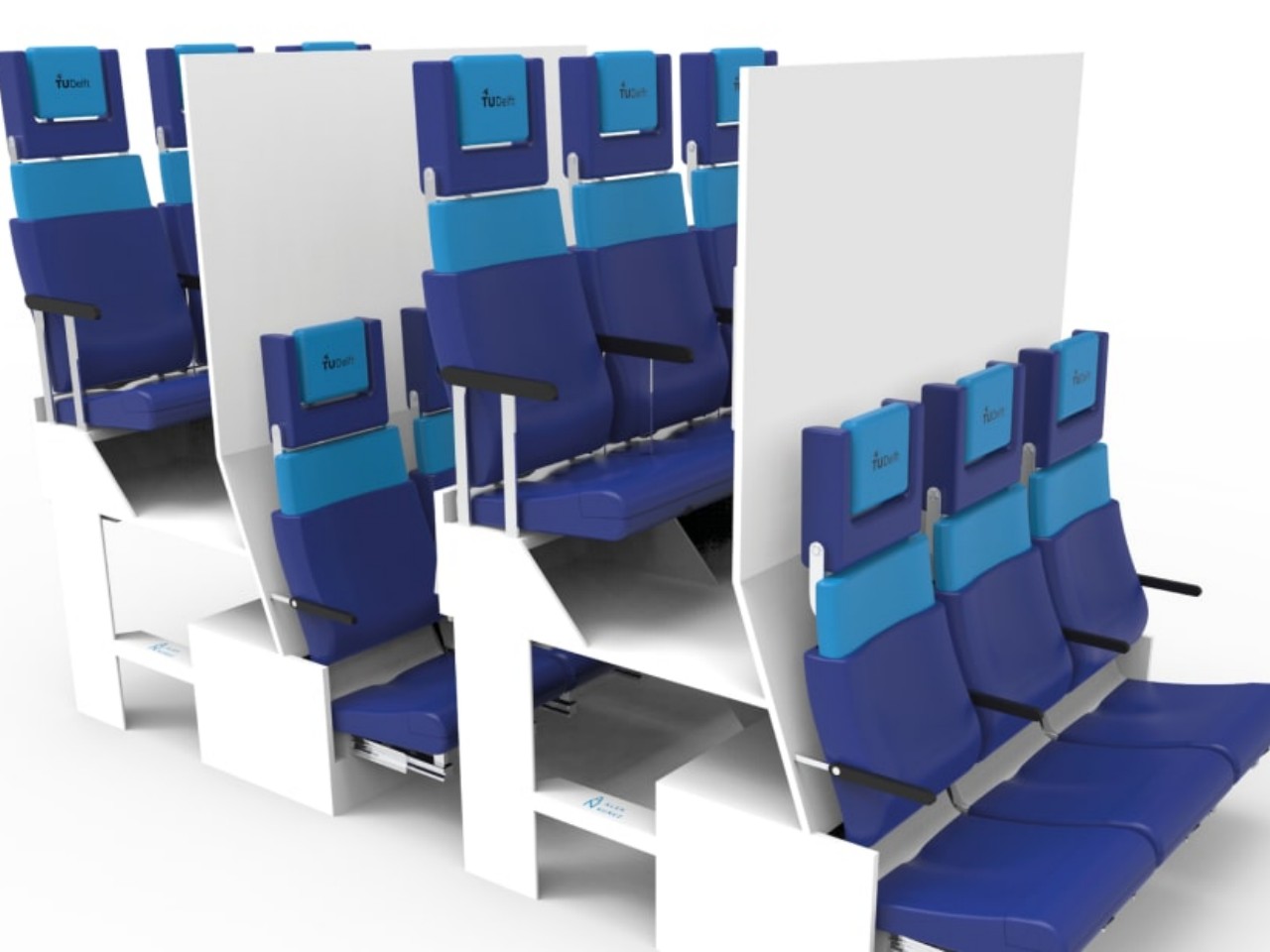
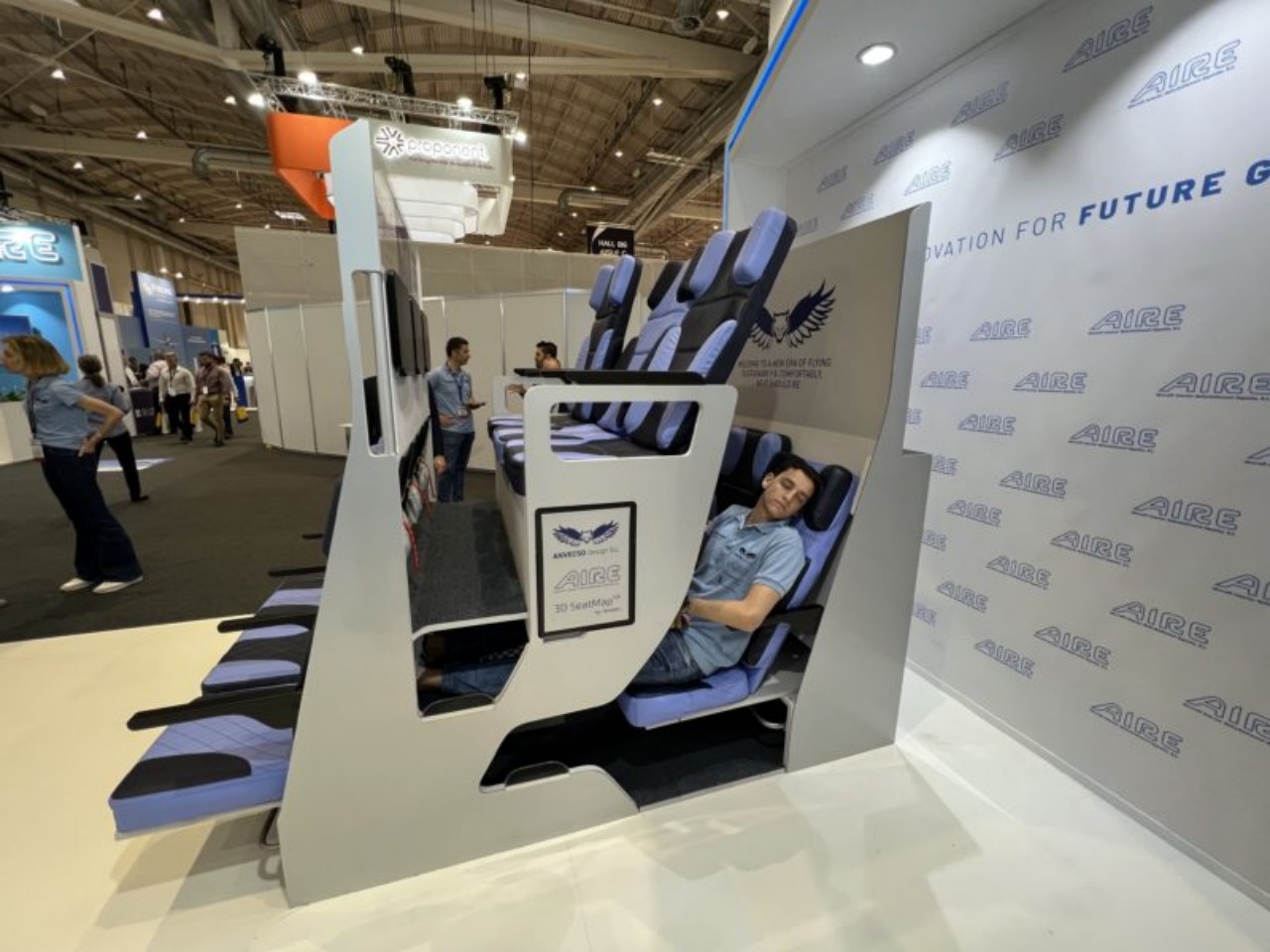
The Economy Class Cabin Hexagon concept, for example, made use of a zig-zagging layout that would make some passengers, some of whom might be complete strangers, awkwardly facing each other. The Chaise Longue design, on the other hand, implemented the “double-decker” idea that would theoretically give more legroom for people on the “lower” decks but also make them feel more cramped and almost claustrophobic. Neither concept has so far been implemented, but there are also plenty of examples out there that miss the mark, one way or another.

Designer: Zodiac Aerospace

Designer: Chaise Longue

Final Thoughts

The design of airline seats is not a simple matter of choosing a form and a set of materials. There’s an ongoing tug-of-war between comfort and profit that also keeps changing over time. One generation might focus on comfort and luxury while succeeding generations might prioritize economy and efficiency. There’s also the matter of sustainability and eco-friendliness that is becoming just as important as these two factors. Airlines and designers must continually innovate and push the boundaries, looking not just for new materials but for better layouts and structures as well. Customers and regulators must also be vigilant that the interests of companies don’t overtake the experience of passengers. In the end, success in this domain hinges on understanding and anticipating passenger needs while crafting an economic model that sustains profitability amidst the ever-competitive skies.

The post High-Flying Designs: The Tug-of-War Between Comfort and Profit in Airline Seating first appeared on Yanko Design.
Top 5 Innovative Key Holders and Organizers to Never Lose Your Keys Again

If you’re someone who loses your keys easily or are always wondering where have you placed them this time, then this collection of clever and highly functional designs is for you. Well-designed key holders and organizers are the much-needed solution for you. We’ve curated a bunch of nifty and handy EDC designs that serve as compact and ingenious holders and organizers for your keys. These thoughtful designs are created to ensure you always have easy access to your keys and are never in fear of misplacing them. From the world’s smallest EDC key organizer to handcrafted AirTag Carabiners – these are the EDC designs you need for your keys.

1. AirTag Carabiners

Named the AirTag Carabiners, this sophisticated and minimal design is a new and improved replacement of the typical metal carabiners. These sleek carabiners are precision-made, and packed in a neat and compact body, ensuring you never lose your keys again. The carabiners are portable and quite easy to carry.

Click Here to Buy Now: $119

Why is it noteworthy?

The carabiners are handcrafted, and designed to be durable and sturdy. Each piece is different from the other since manufacturing conditions will manipulate the final design, creating unique and one-of-a-kind pieces.

What we like

  • Made using premium-quality metal
  • The carabiners are lightweight and easy-to-carry

What we dislike

  • Attaching and detaching the AirTag can be tedious, and isn’t very user-friendly

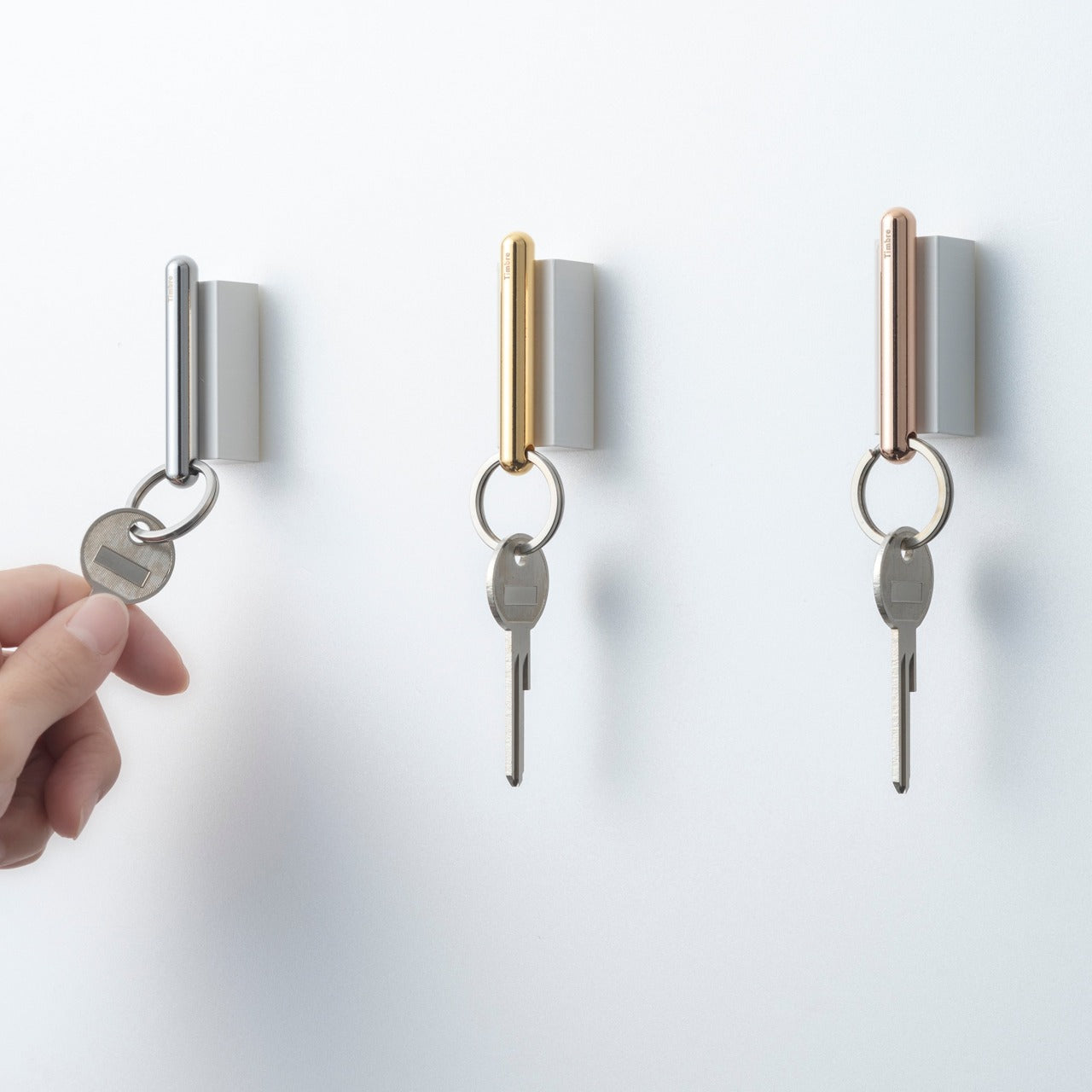
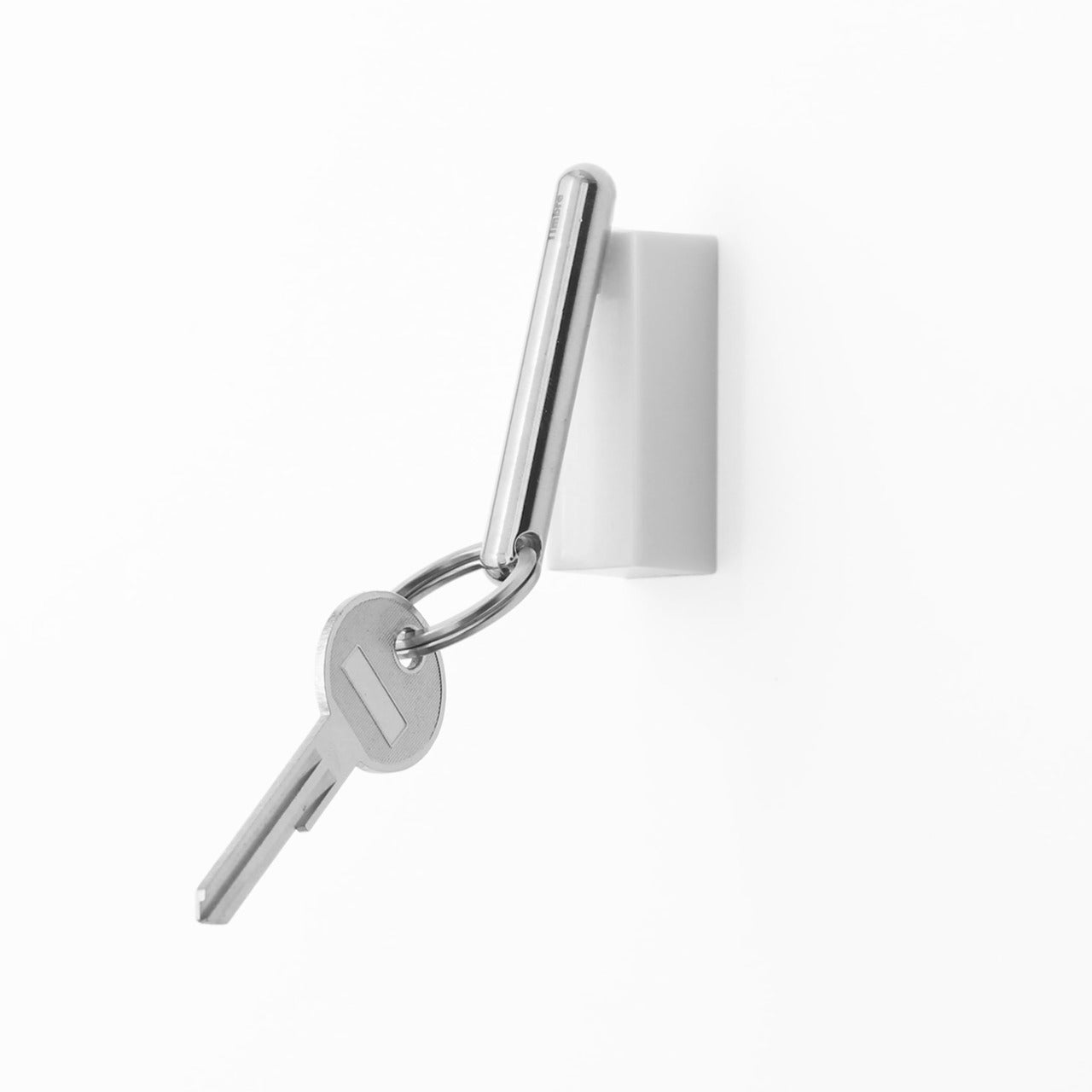
2. Magnetic Key Holder Marubo

Called the Magnetic Key Holder Marubo, this unique key holder provides your ears with a quick yet satisfying experience when you return it to its proper position. The satisfying key holder helps you develop the good habit of returning keys to where they belong. The sound it creates when returned to its home serves as positive reinforcement.

Click Here to Buy Now: $39.00

Why is it noteworthy?

The key holder is the simple positive feedback itself. The key holder is made from iron with a chrome finish. It is paired up with an ABS resin base, which supports a strong neodymium magnet that prevents the keys from falling off.

What we like

  • Elegant appearance and minimal form

What we dislike

  • Might not be strong enough for heavier or too many keys

3. MICRO

Named MICRO – this is the world’s smallest EDC key organizer ever. It is a lightweight, compact, and minimal key holder designed for all your key-carrying needs. The EDC tool is a minimal and portable accessory that keeps your keys organized and neat. It can fit in your pockets, cutting down the need for bulky conventional key rings.

Why is it noteworthy?

MICRO is made from stainless steel, and it can hold as many keys as possible. The key organizer is inspired by the original key ring, making it the smallest key holder ever. Its organized and compact body makes key-carrying a complete breeze.

What we like

  • Easy-to-use and minimal form
  • Equipped with 12 rubber spacers, 3x male/female micro, 3x extenders, and multi-tool

What we dislike

  • The size is pretty small, so it can be lost easily

4. Rhinokey

Called the Rhinokey EDC key organizer, this is one of the most compact key organizers out there. You can stack all kinds of keys the way you want – car keys, bike keys, and house keys. The key organizer is equipped with a bunch of other multitools, meeting all your everyday EDC needs. You can use the Rhinokey for screwing, prying, opening bottles, and wrenching.

Why is it noteworthy?

The Rhinokey is also equipped with a bit holder, file, and rule for when you need to use these different tools. The EDC holder is mindfully designed and is equipped with a mini light to help you open the door in the dark, without removing your phone.

What we like

  • Compact and highly functional design
  • Built from grade 5 titanium

What we dislike

  • The LED mini light isn’t bright enough to be utilized in the dark

5. Ekster Key Holder

Designed by Ekster, this innovative key holder is compact and keeps all your keys organized, secure, and easy to access. There is space for 3-8 keys, and the key holder protects your other valuables as well, keeping them safely inside your pockets. You can make the key holder completely unlosable by also adding a Key Tracker.

Why is it noteworthy?

The Ekster Key Holder makes it super easy to have access to the right key. You can organize all your keys in a compact, silent stack, allowing you to flip through it with just one hand. You can now bid farewell to keys annoyingly jingling in your pocket, or the jabbing in your legs.

What we like

  • Made from Space-grade 6063-T5 aluminum
  • Offers easy access to your keys

What we dislike

  • The Key Tracker is not included

The post Top 5 Innovative Key Holders and Organizers to Never Lose Your Keys Again first appeared on Yanko Design.
Top 5 Impressive (And A Little Weird) Tech Devices and Trends We Saw at IFA 2024

The thing with technology is that oftentimes it’s designed for scenarios that may not necessarily be common. Technology can sometimes be ‘weird’ until it becomes so popular that its weirdness wears out – like seeing enough people on the subway wearing the Apple Vision Pro. Your mind accepts new things as reality after a while, but up until that moment, things seem unique and eye-catching. That’s the beauty of events like IFA, where you’re much more likely to see a flying car than you are in the real world (and to be honest, I did). In fact, here are 5 unique pieces of innovation I spotted at IFA and why they may not be unique for too long. With how rapidly the world is changing, these designs may just become a new normal moving forward… but until then, let’s appreciate them for how ahead of their times they are.

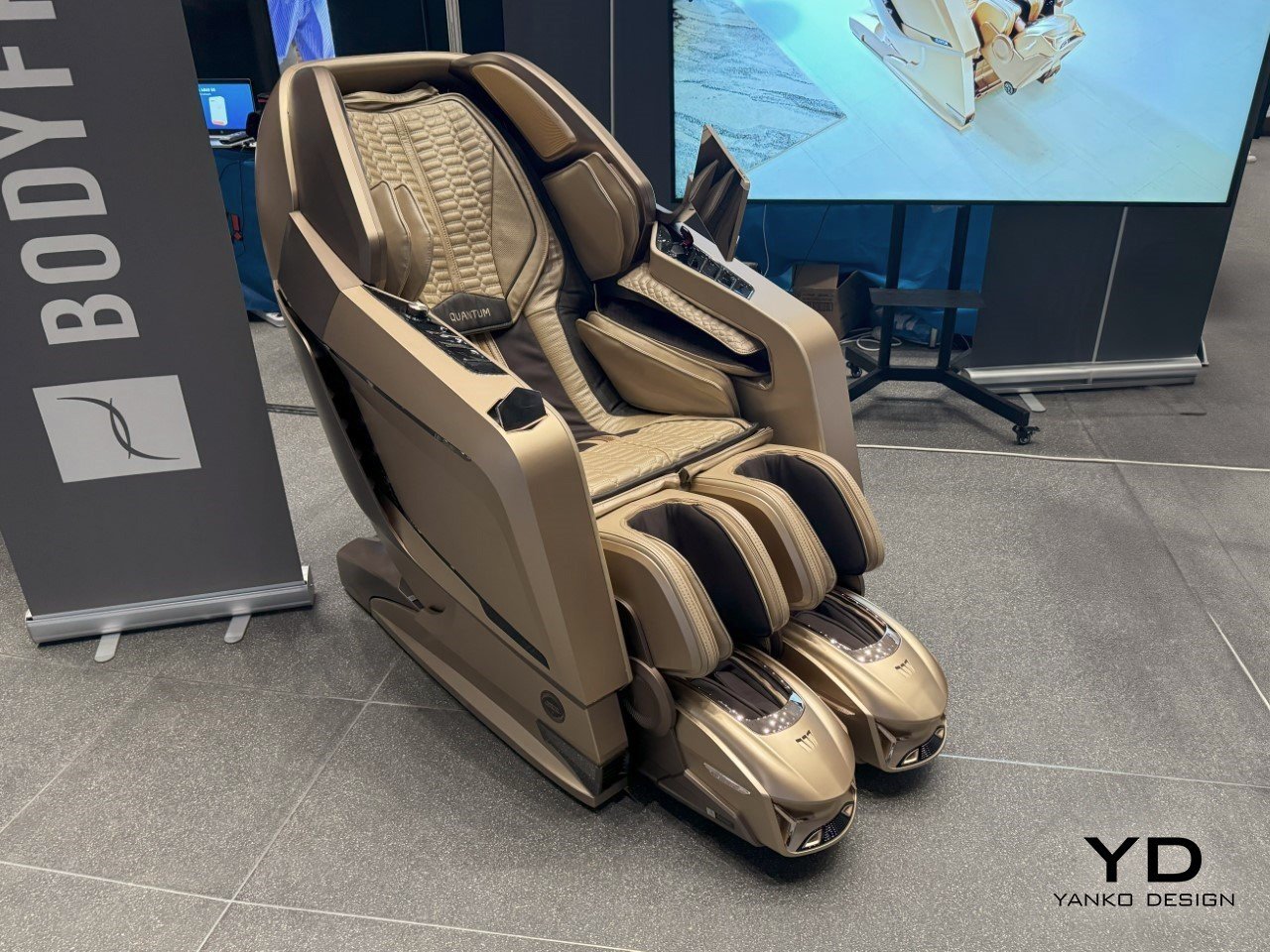
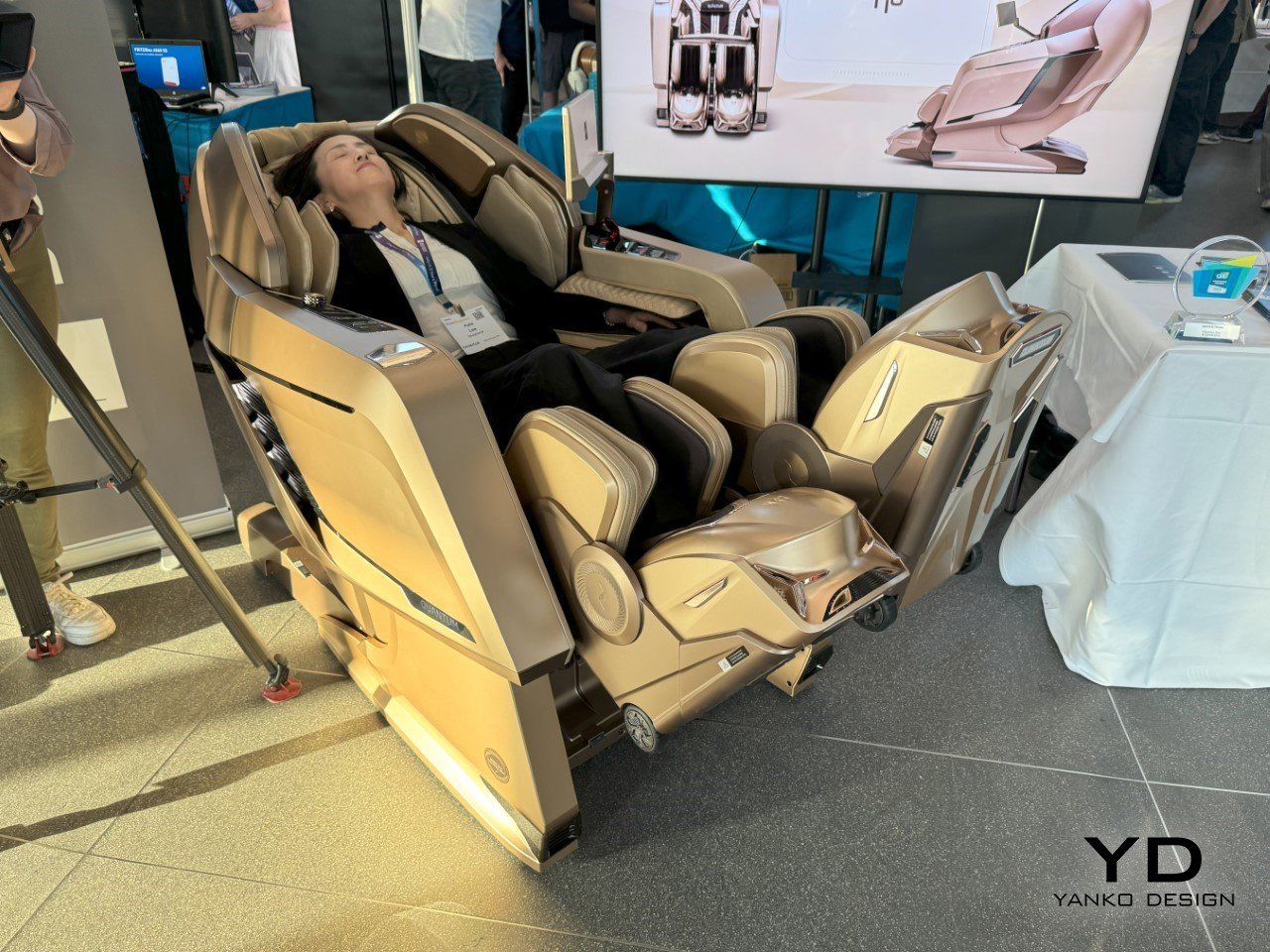
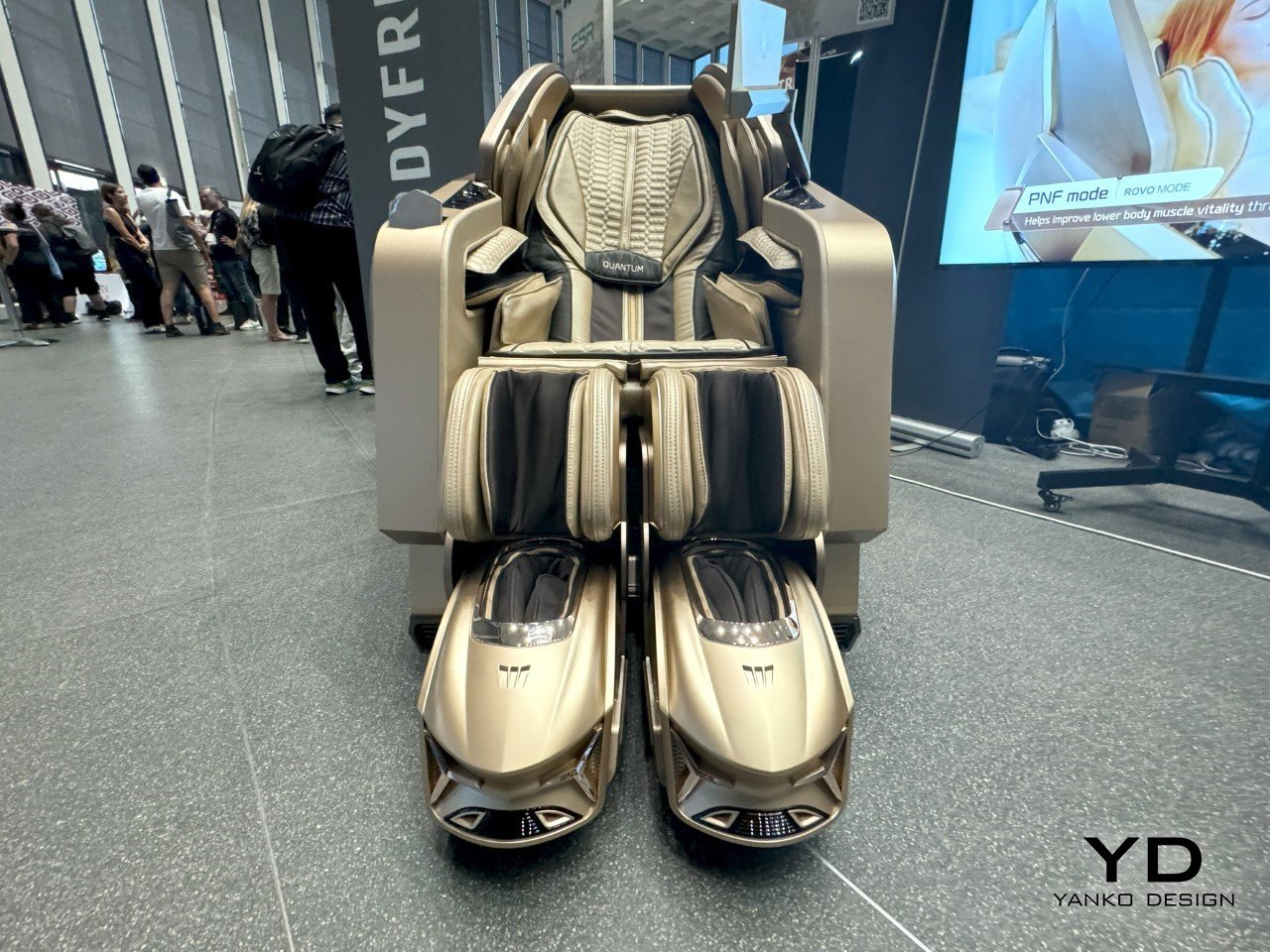
1. Bodyfriend Quantum Robot Massage Chair

Comfort never looked this strange – meet the Quantum from Bodyfriend, a robot massage chair designed to be your personal physiotherapist. The world’s only massage chair with independently moving legs, the Quantum gives you a soothing massage while stretching your limbs and preventing joint stiffness. It’s ideally designed for people with mobility issues (i.e., the elderly), but as an ‘elderly’ 33-year-old, this was heaven-sent for my millennial lower back pain.

The Quantum’s XD-PRO thermal module and Finger Moving Massage Module combine to deliver an impressively lifelike touch. Rather than simply kneading your muscles with broad strokes, the chair makes subtle, carefully measured movements—80 in total, each at 1.25mm intervals. 81 air pockets and heat therapy zones get you up to a toasty 50°C, massaging you at the intensity you choose. Meanwhile, you’re quite literally in the lap of luxury thanks to the Bang & Olufsen audio units packed into the side that caress your mind with soothing audio. You might look a tad bionic while in the chair, but you’ll come out feeling absolutely zen. Don’t get too zen though, the Quantum chair costs a whopping $15,000.

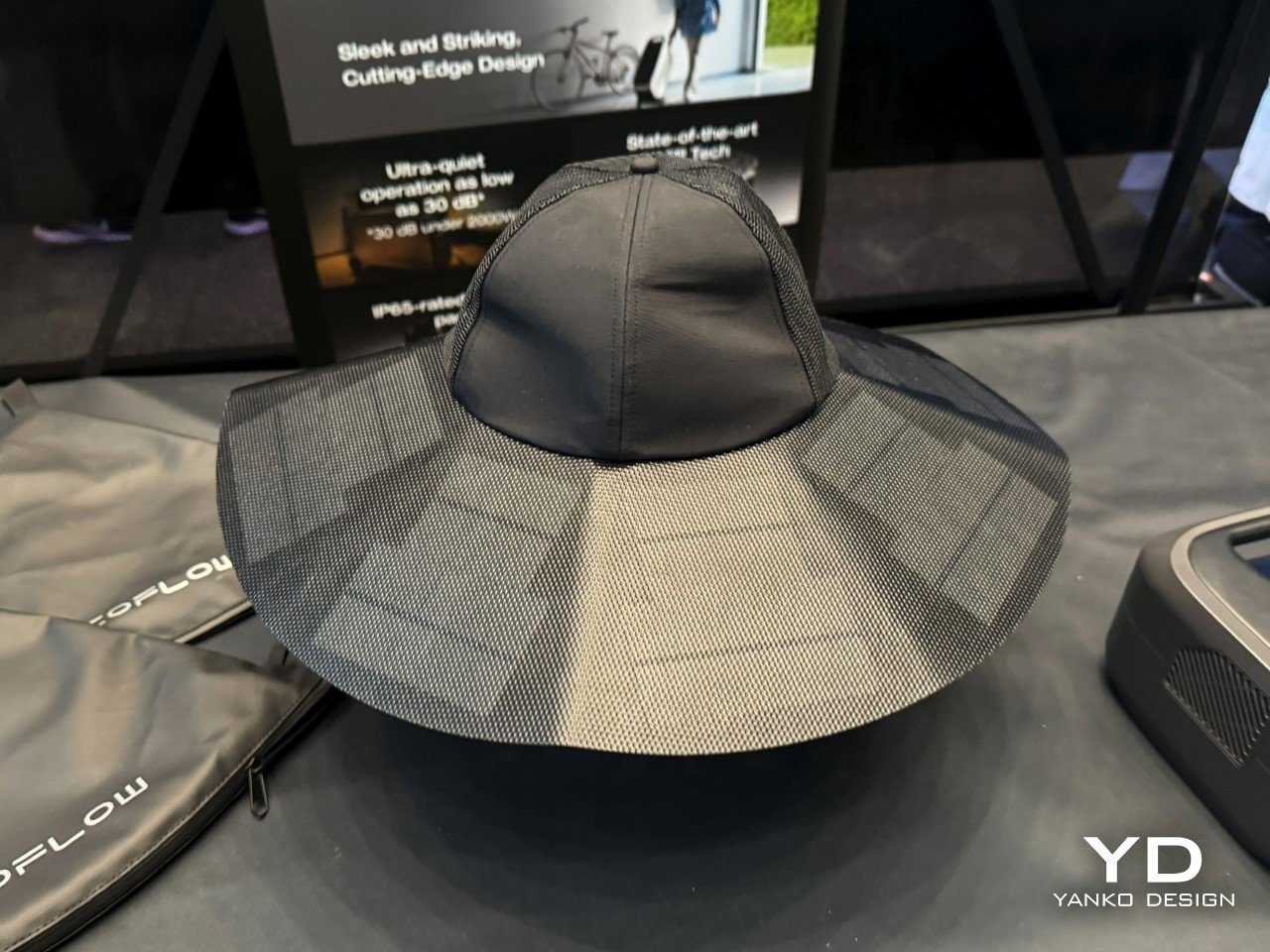
2. EcoFlow Solar-Panel Power Hat

You could be stuck on a desert island with just a phone and this hat, and you’d be good. Behold the EcoFlow Power Hat, a sun-hat with solar panels embedded into the rim. Aside from providing you with shade on an incredibly sunny day, the hat comes with USB-A and USB-C ports, allowing you to juice your devices. It charges a phone in under 4 hours; and the best part, it’s IP65 water resistant too, so you could keep your head shielded and batteries at max capacity even in the rain. The entire hat weighs a mere 13 ounces, folds for easy travel, and comes in 2 sizes, fitting most heads. Say hello to an entire era of ‘wearable’ chargers.

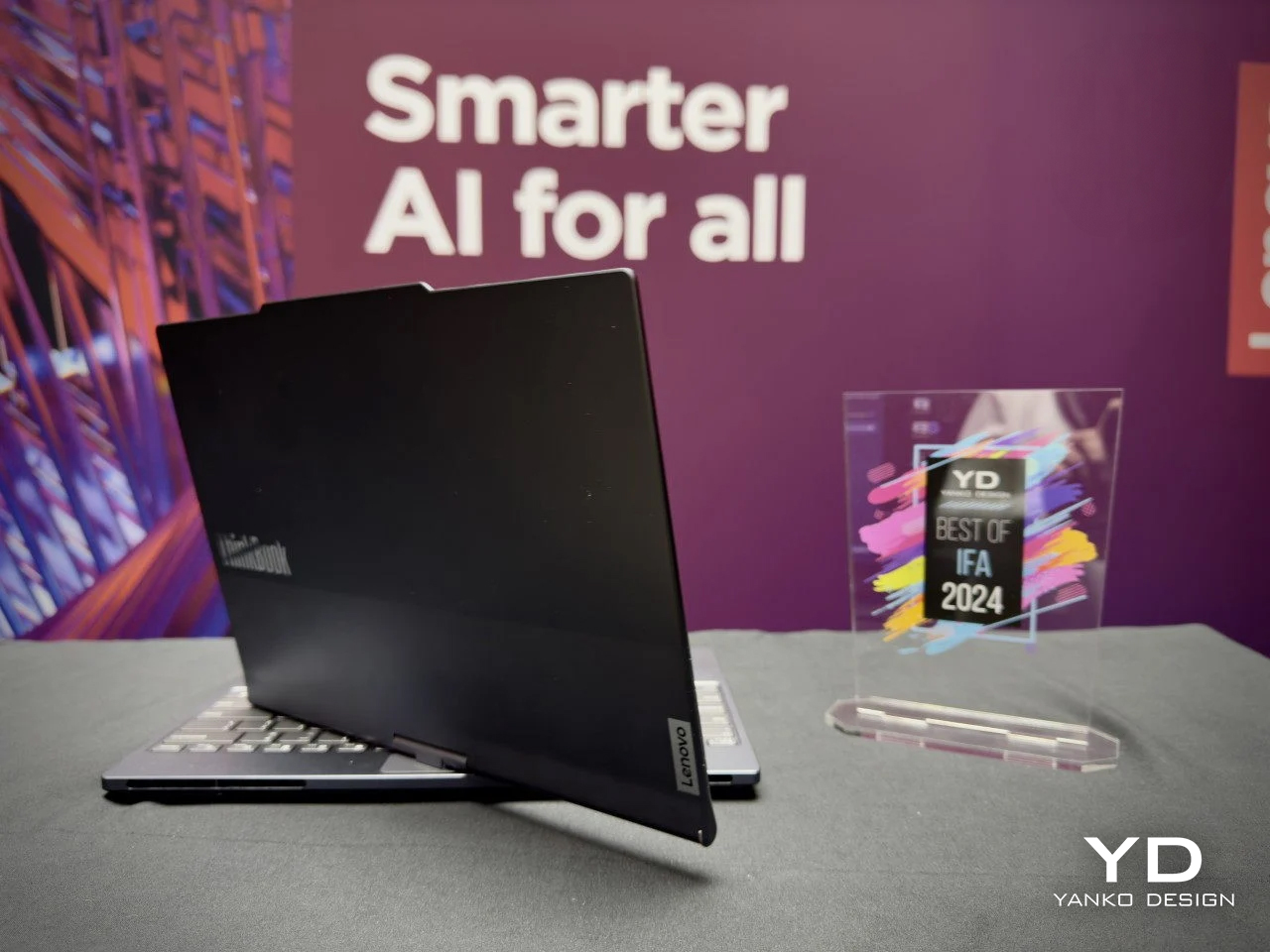
3. Lenovo Auto-Twist AI PC Concept

Center Stage on the MacBook just got shown the stage exit. Instead of having a wide-angle camera that can zoom in on subjects within its frame as you move around, Lenovo’s Auto-Twist AI PC actually has a motorized screen that moves up and down, and rotates 360° to track you. Think laptop screen with its own gimbal. Powered by 3 high-torque DC motors, the screen can practically follow you around as you present on video calls, or even go into laptop or tablet modes with voice commands. When you’re done working after an exhausting day, a voice command lets you shut your laptop screen hands-free… although it isn’t as satisfying as slamming the screen shut in protest or celebration. Does your laptop NEED an AI-powered subject-tracking screen? Don’t bother asking that question because after building phone bracelets and transparent ThinkBooks, there’s really no stopping Lenovo’s bizarre but beautiful R&D team…

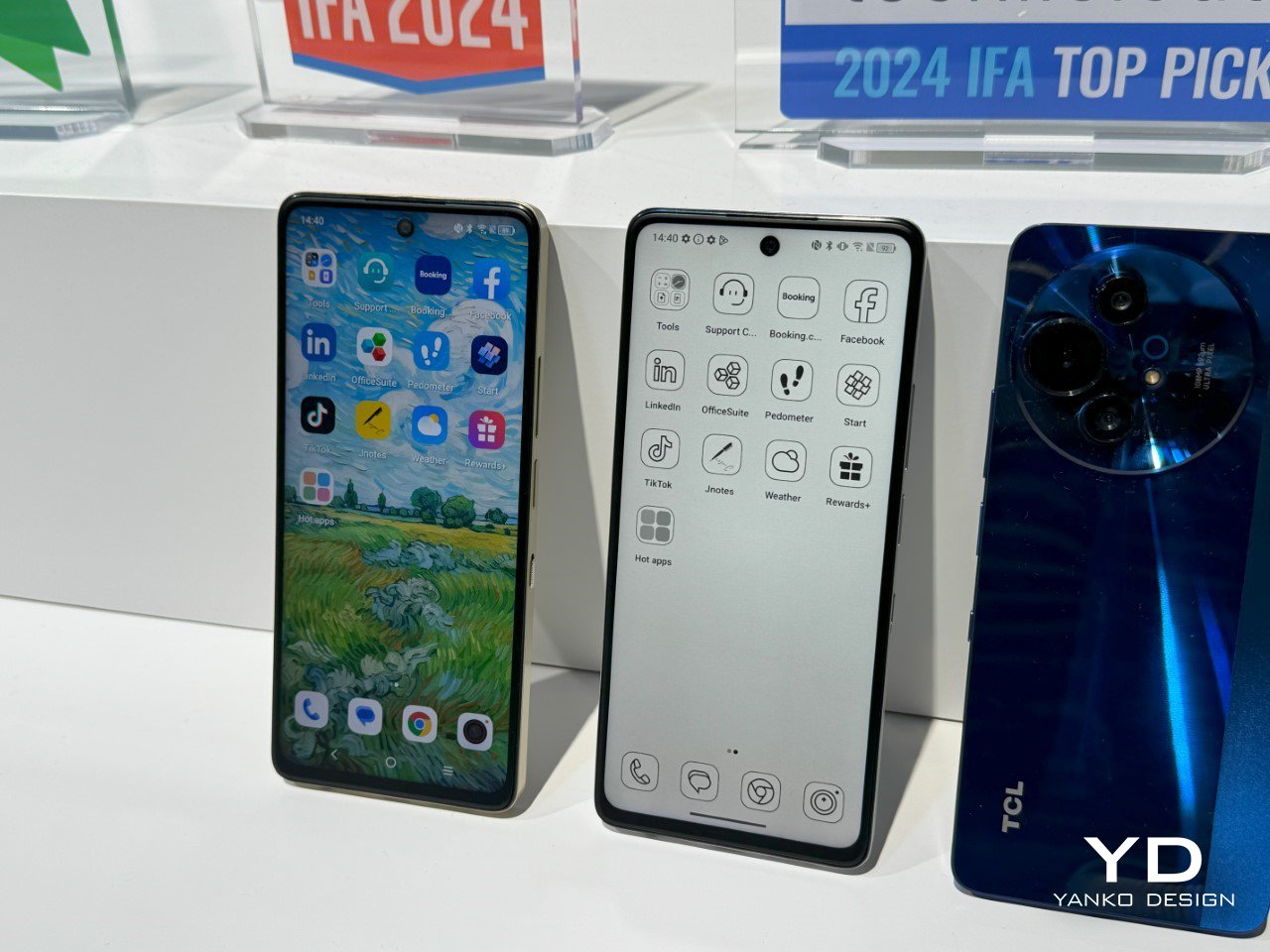
4. TCL 50 Pro Nxtpaper 5G Phone

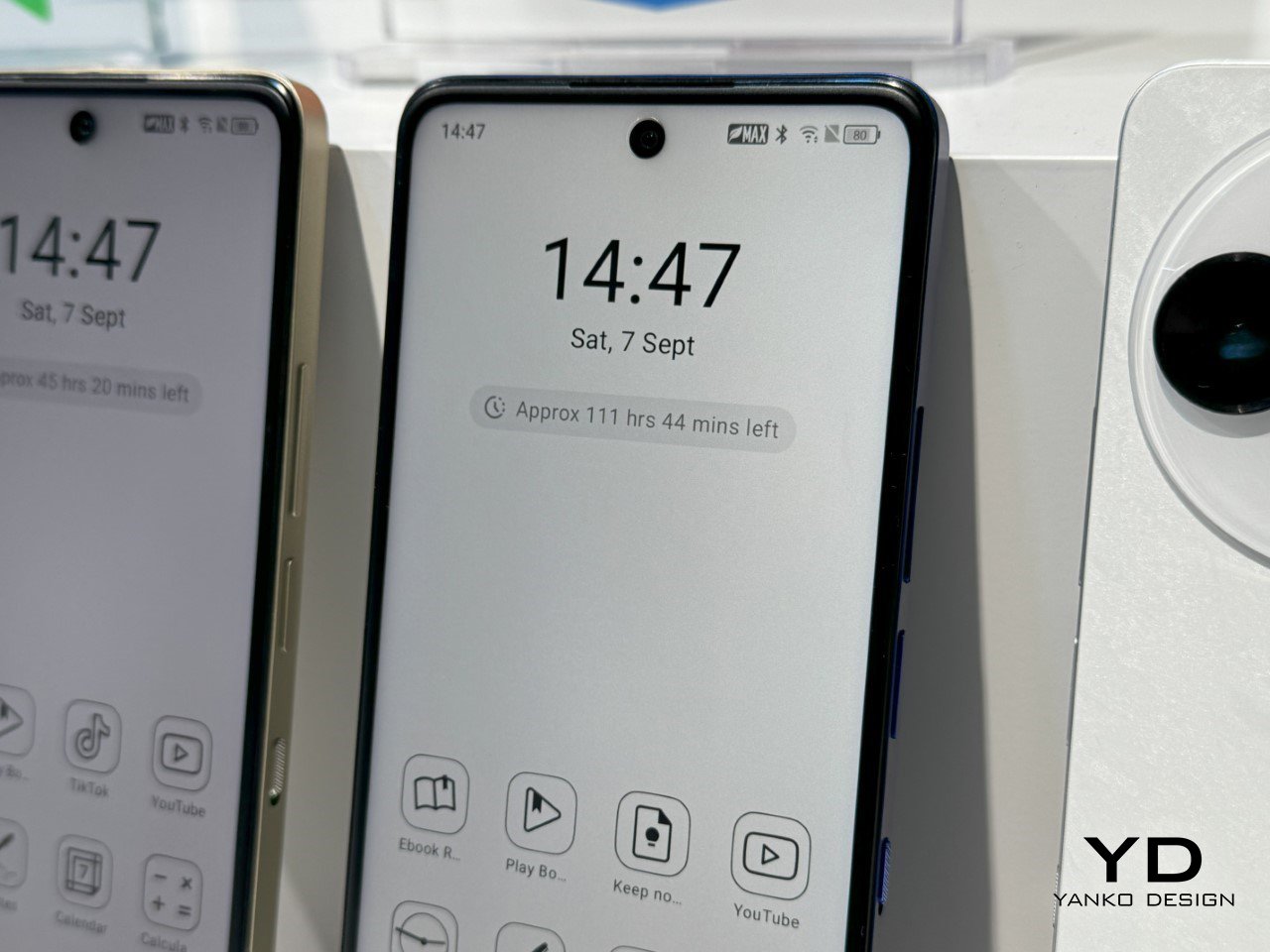
You know what’s unique in today’s world? Having a phone that lasts an entire week on a fully charged battery. And no, I’m not talking about that bonkers thick phone from Energizer with an 18,000mAh battery. I’m talking about this sleek number from TCL. Although the company isn’t known for their phones, they’re definitely trailblazers in the display department, which is why all the innovation in this phone lies in its unique display. Meet the TCL Nxtpaper display, a gorgeous screen with a 120Hz refresh rate and a matte finish that feels luxurious to the touch. The screen, however, has a secret in the form of a mechanical switch that lets you go from full color into ink paper mode, effectively turning your smartphone into a low-power e-reader of sorts.

The color display magically transitions into a monochrome one with a high contrast you usually see on devices like the Kindle. This does two things – firstly, it makes the phone perfect for reading documents or cutting visual clutter to focus on text… but secondly, it radically increases your phone’s battery life from a day-long to nearly a week-long. In fact, you’ll see the battery life mentioned in clear numbers right on your home screen. Sounds too good to be true, right? Well, TCL made the impossible happen!

5. HONOR Magicbook Art 14 (with Magnetic Camera)

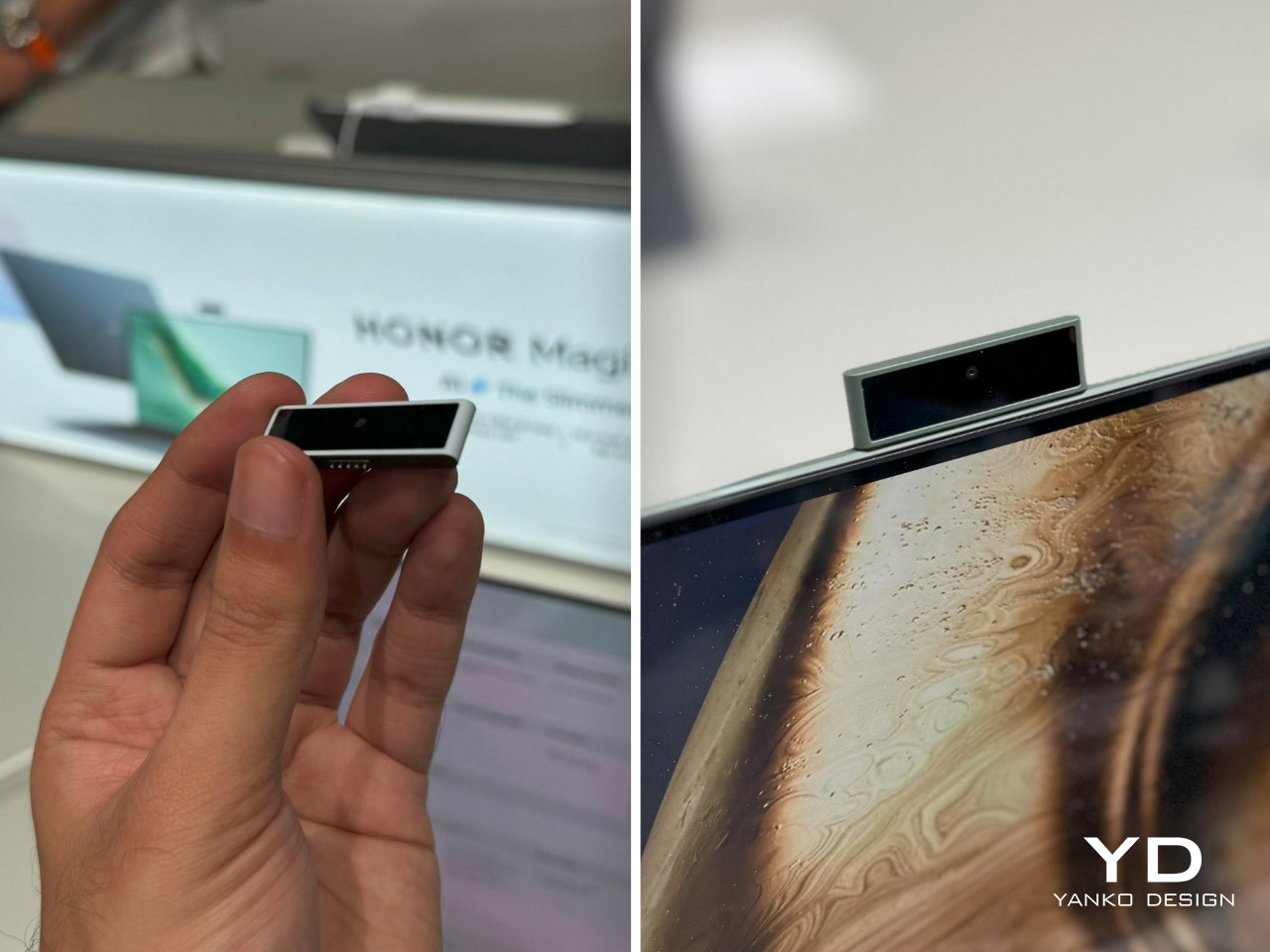
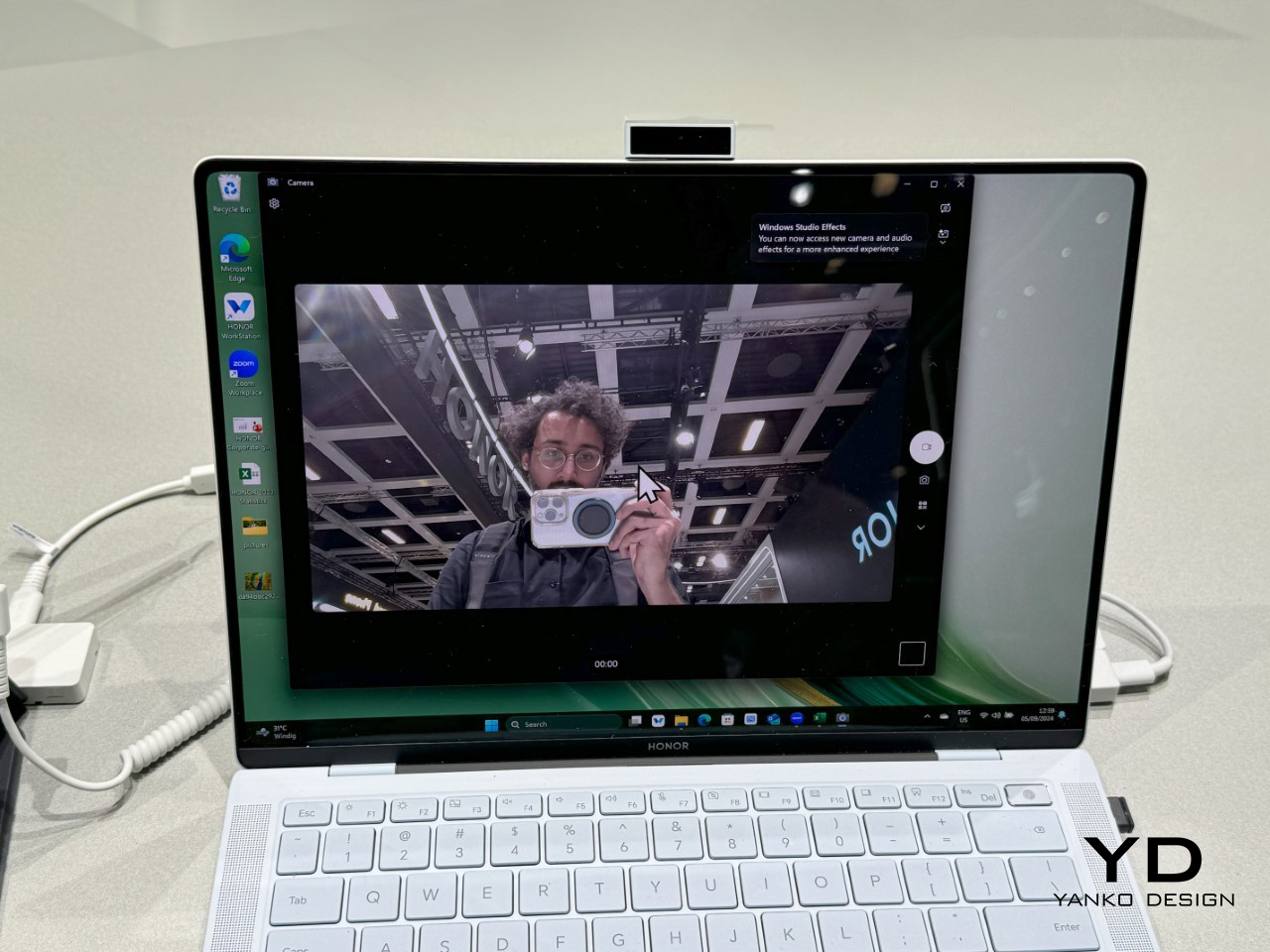
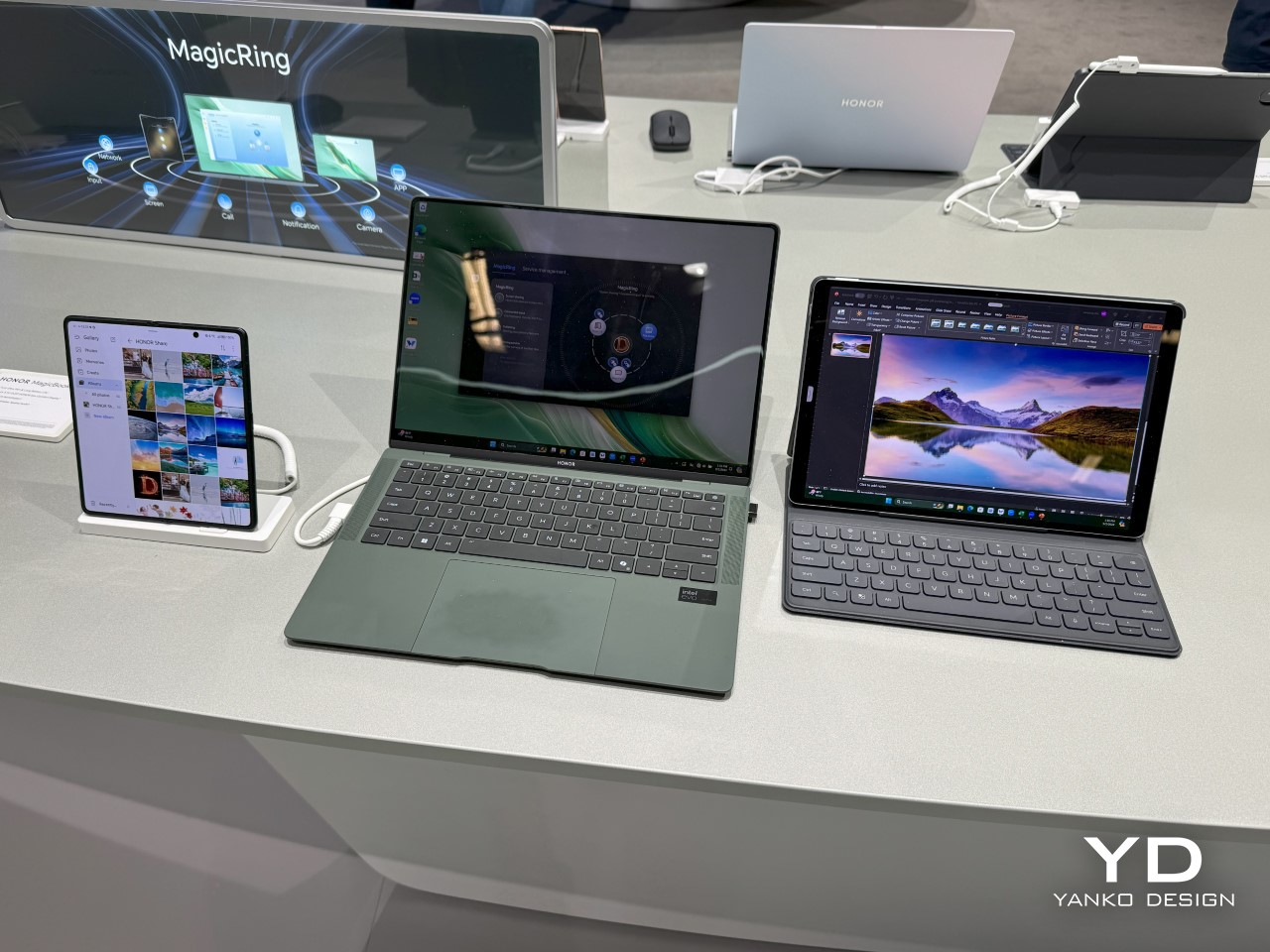
We’ve seen laptops try to fight thick bezels in the past. Some have just ditched the webcam entirely (like my Acer ROG Strix G15), others opted for the notch (a la MacBook), while Honor’s always tried to be different. Their previous version of the MagicBook put the camera inside a faux pop-out key in the keyboard… something that later turned out to be less popular because of the weird chin-facing angle. However, Honor’s decided to counter that with an idea that it explains is better. Instead of tucking the camera away inside the keyboard, Honor’s Magicbook Art 14 tucks it underneath the keyboard. Look on the side (near the ports) and you’ll find the camera tucked away inside the chassis. Pop it out and it’ll magnetically snap on top of the screen (where webcams deserve to be), giving you an instant webcam just when you need it. No Bluetooth, no connectivity issues, nothing. The webcam uses magnets to align perfectly, and pogo-pins to transmit video at 1080p. Flip it over and dock it in place and the webcam becomes a front-facing camera, or flip it back for a traditional selfie-style webcam. The webcam doesn’t have any batteries inside (making it super thin and lightweight), which means you can just pull it off the top of your screen when you want privacy. Just don’t lose it, because Honor doesn’t sell the webcam separately.

The post Top 5 Impressive (And A Little Weird) Tech Devices and Trends We Saw at IFA 2024 first appeared on Yanko Design.
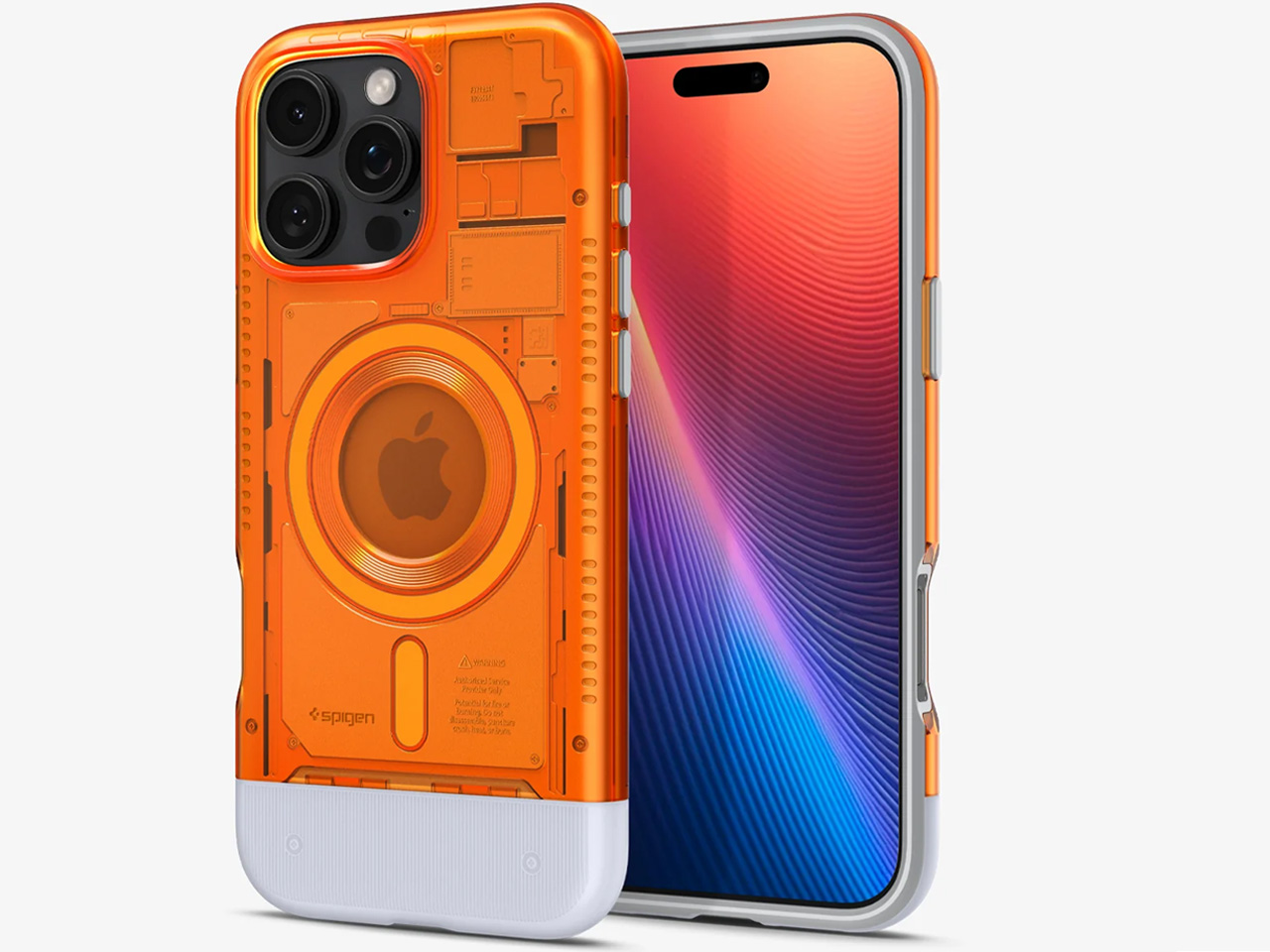
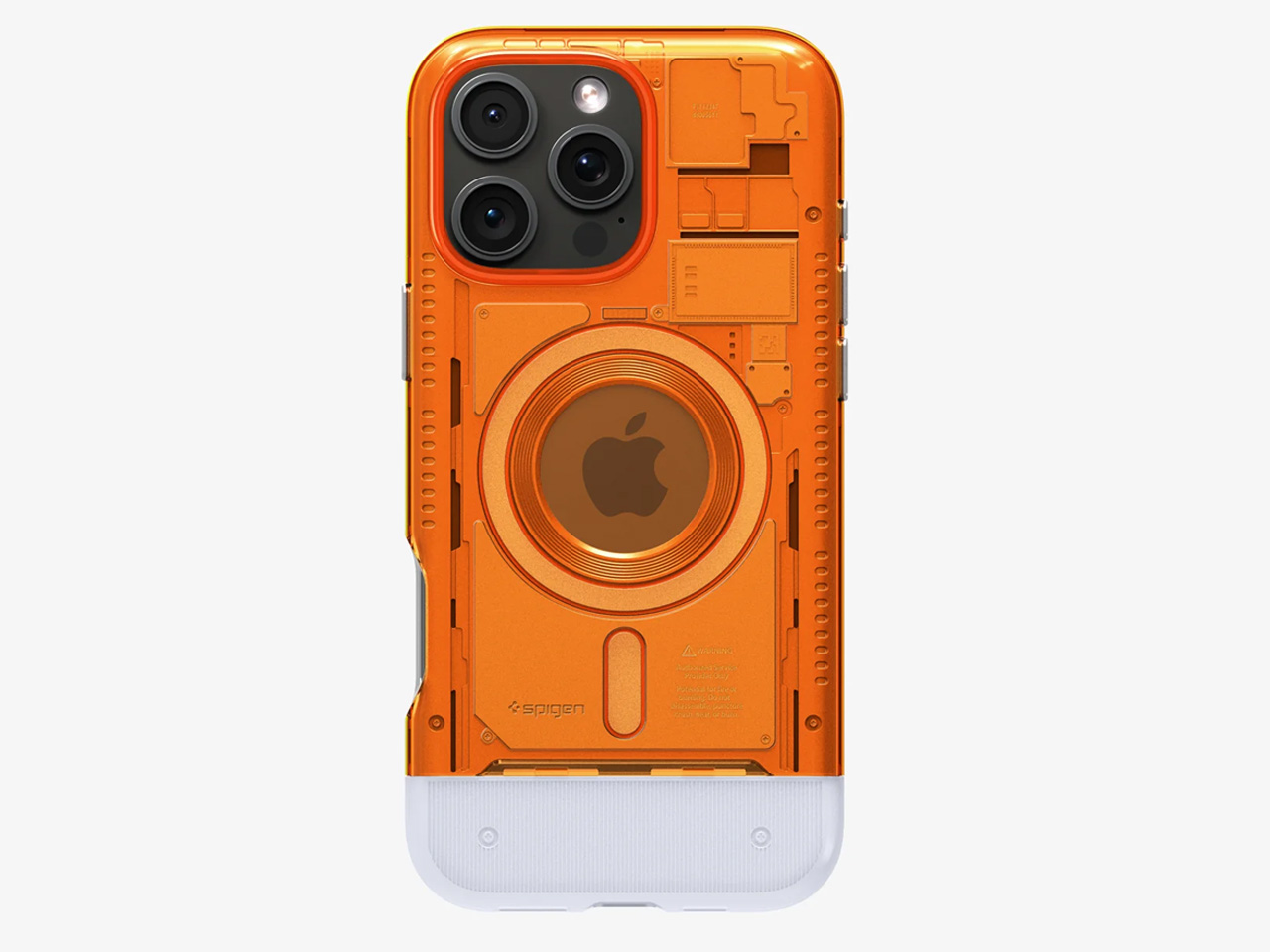
Spigen unveils iPhone 16 Cases with gorgeous iMac G3-inspired nostalgic transparent design

Apple launches a new iPhone lineup every year and accessories makers step up to the challenge, delivering the finest MagSafe-compatible protective cases, ensuring the new iPhones stay safe and secure while looking good. At the launch of the new iPhone 16 devices, accessory maker Spigen – a name trusted by iPhone users for over a decade – has launched compatible cases to protect, accessorize, and power the new Apple devices.

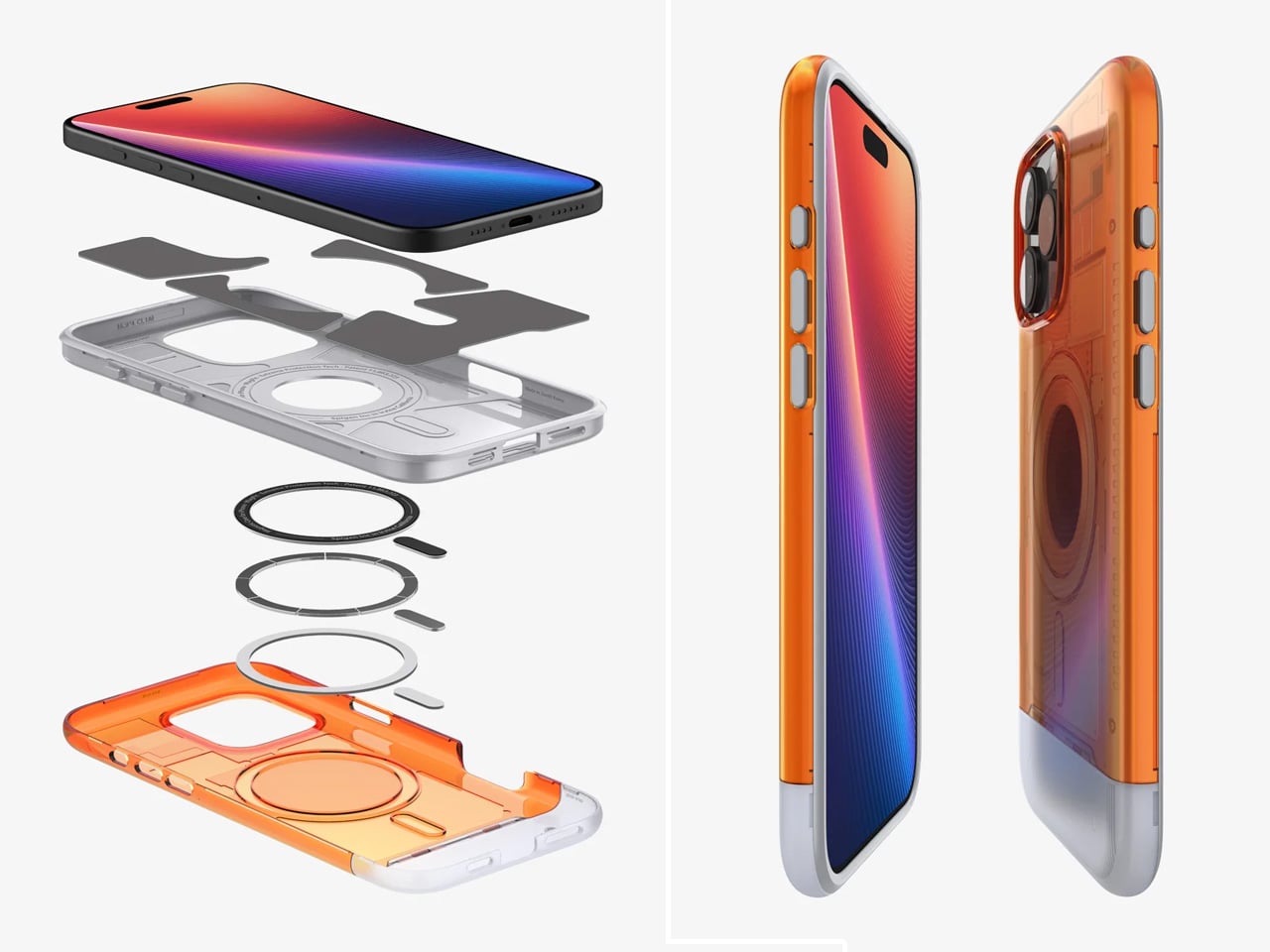
To ensure the protective iPhone 16 cases remain essential to the users, Spigen has plenty of options, and most of them comply fit in its MagFit ecosystem: Cases that protect and keep the secured iPhone compatible with MagSafe charging and the world of snapping accessories. All these Spigen covers take care of the size alteration and the new capture button of the iPhone 16.

Designer: Spigen

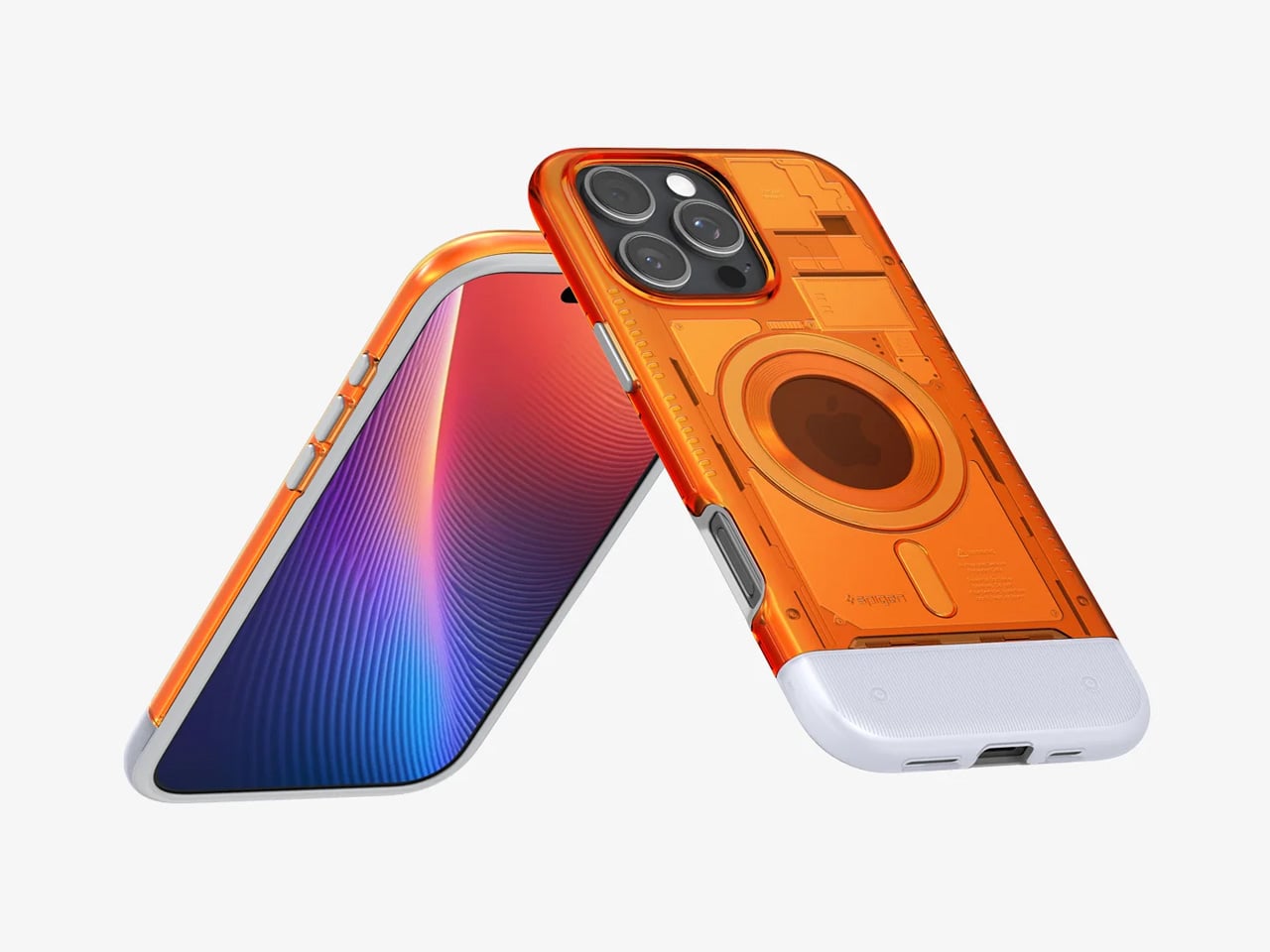
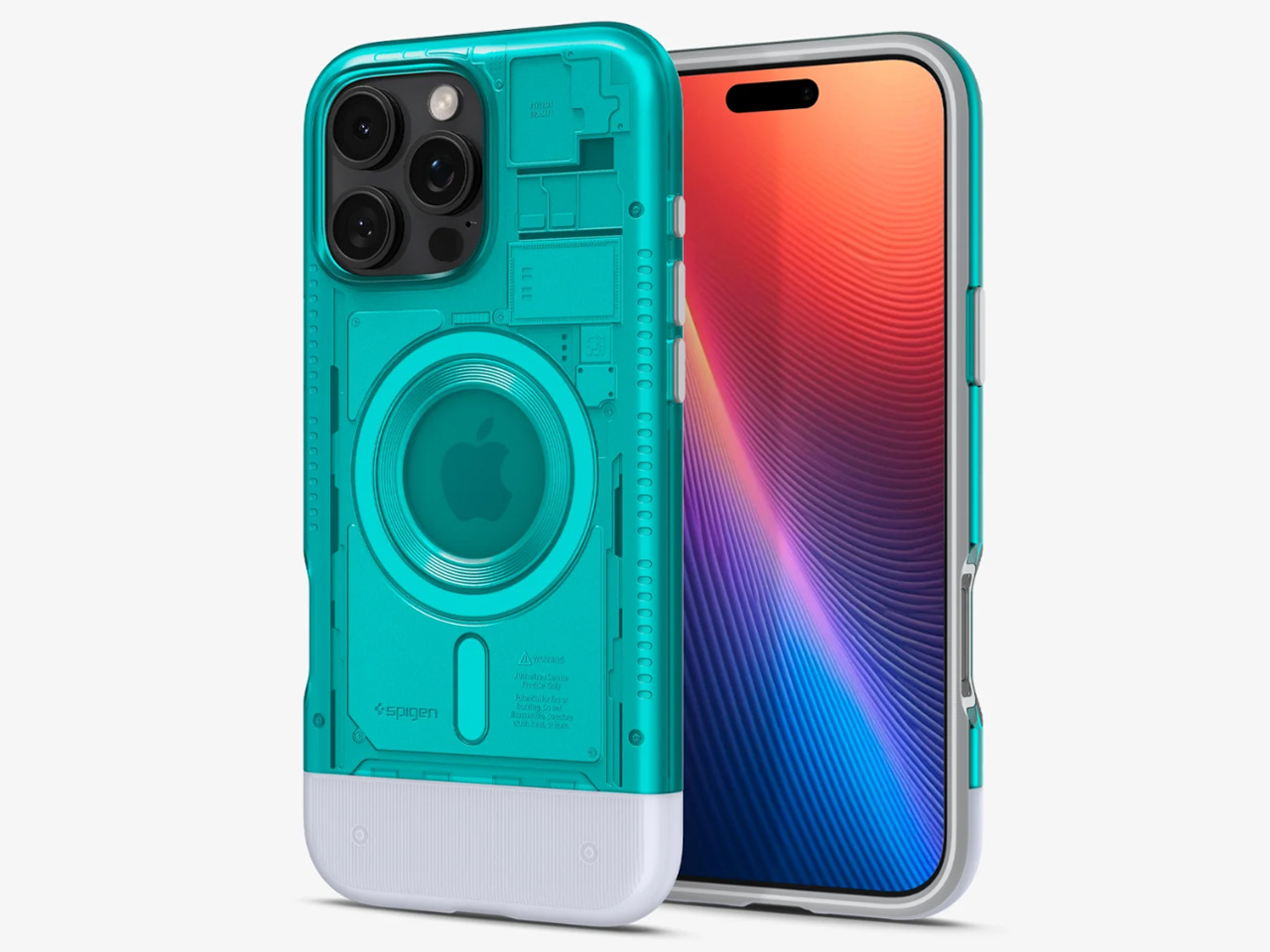
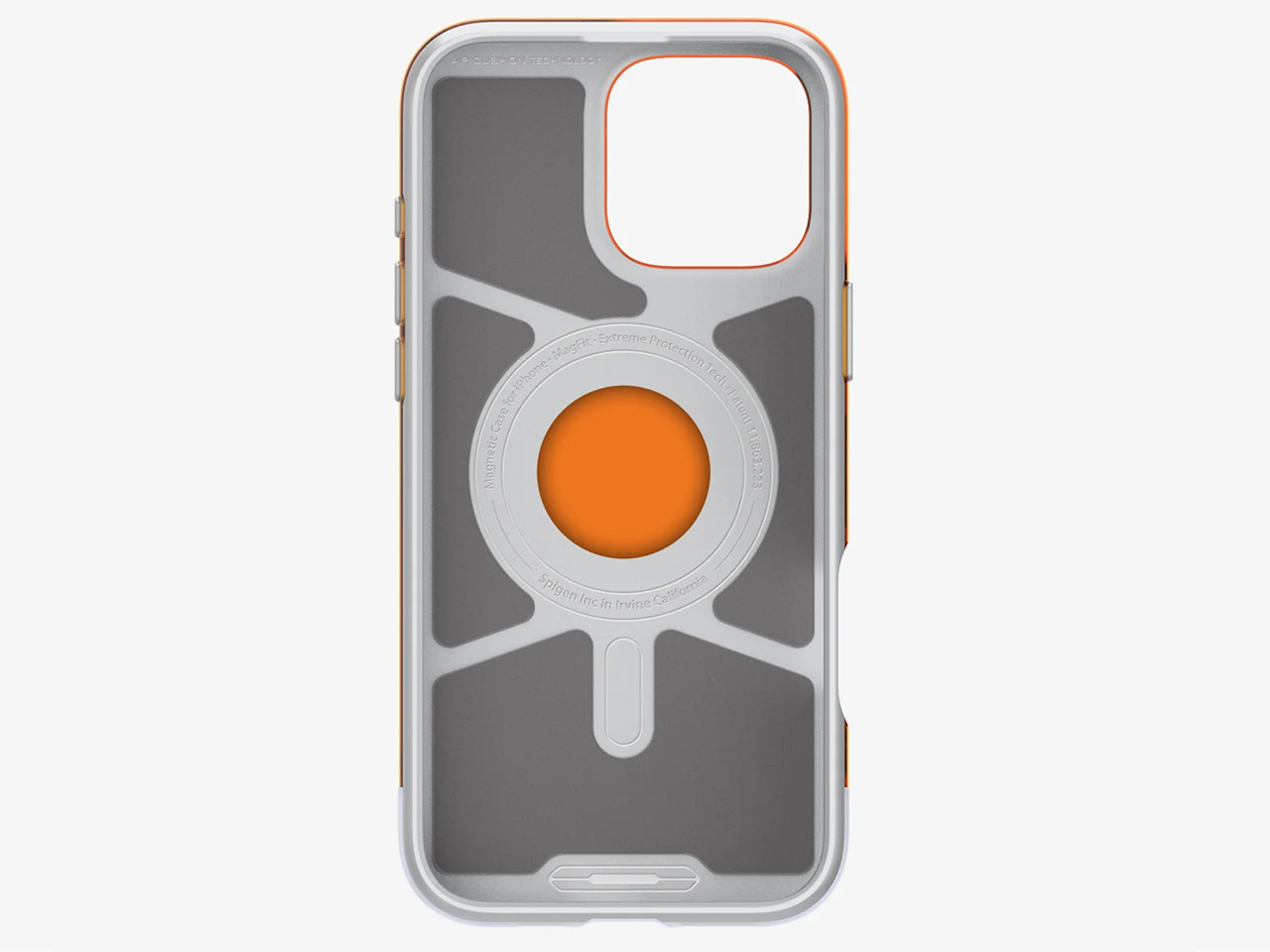
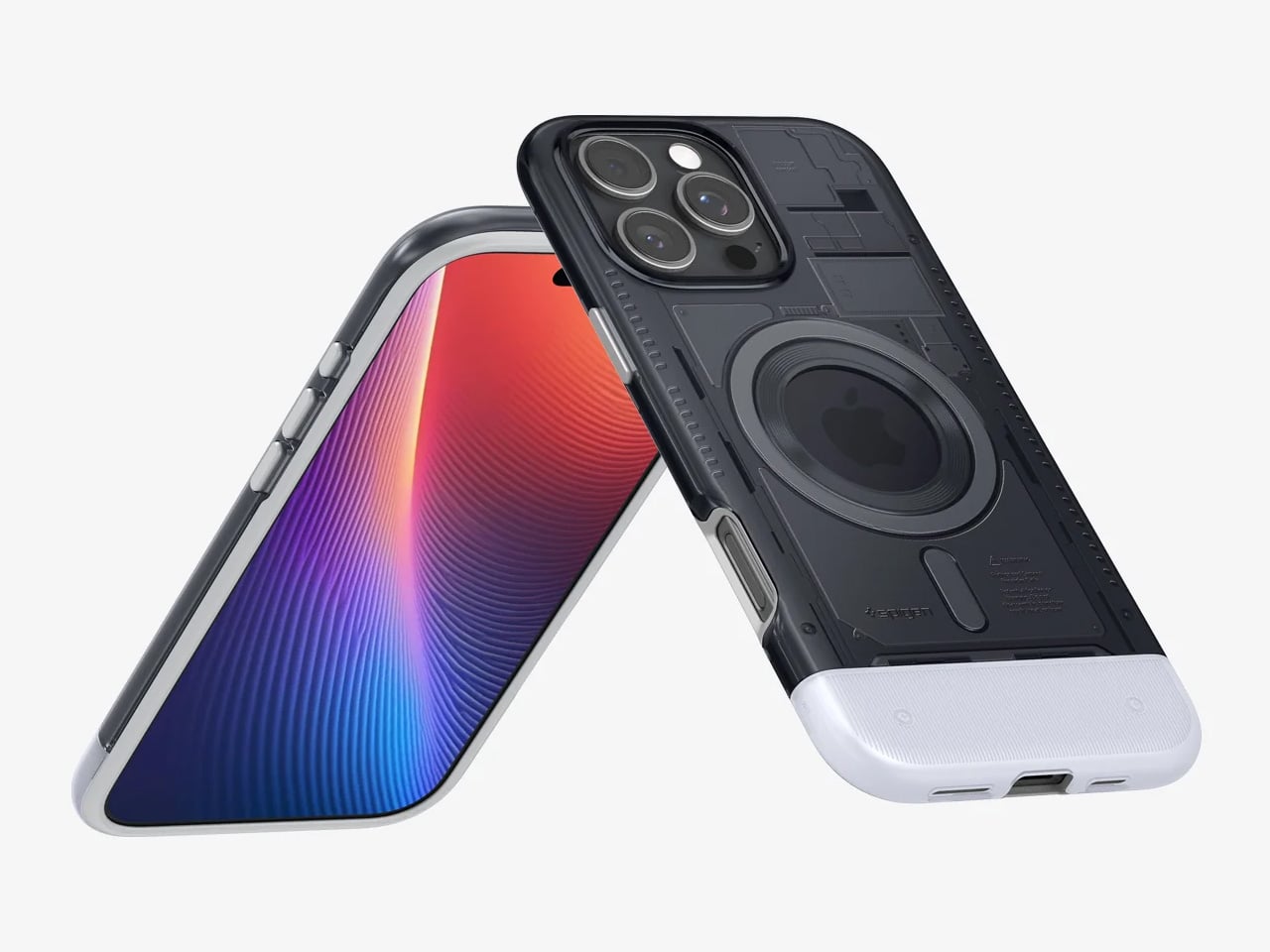
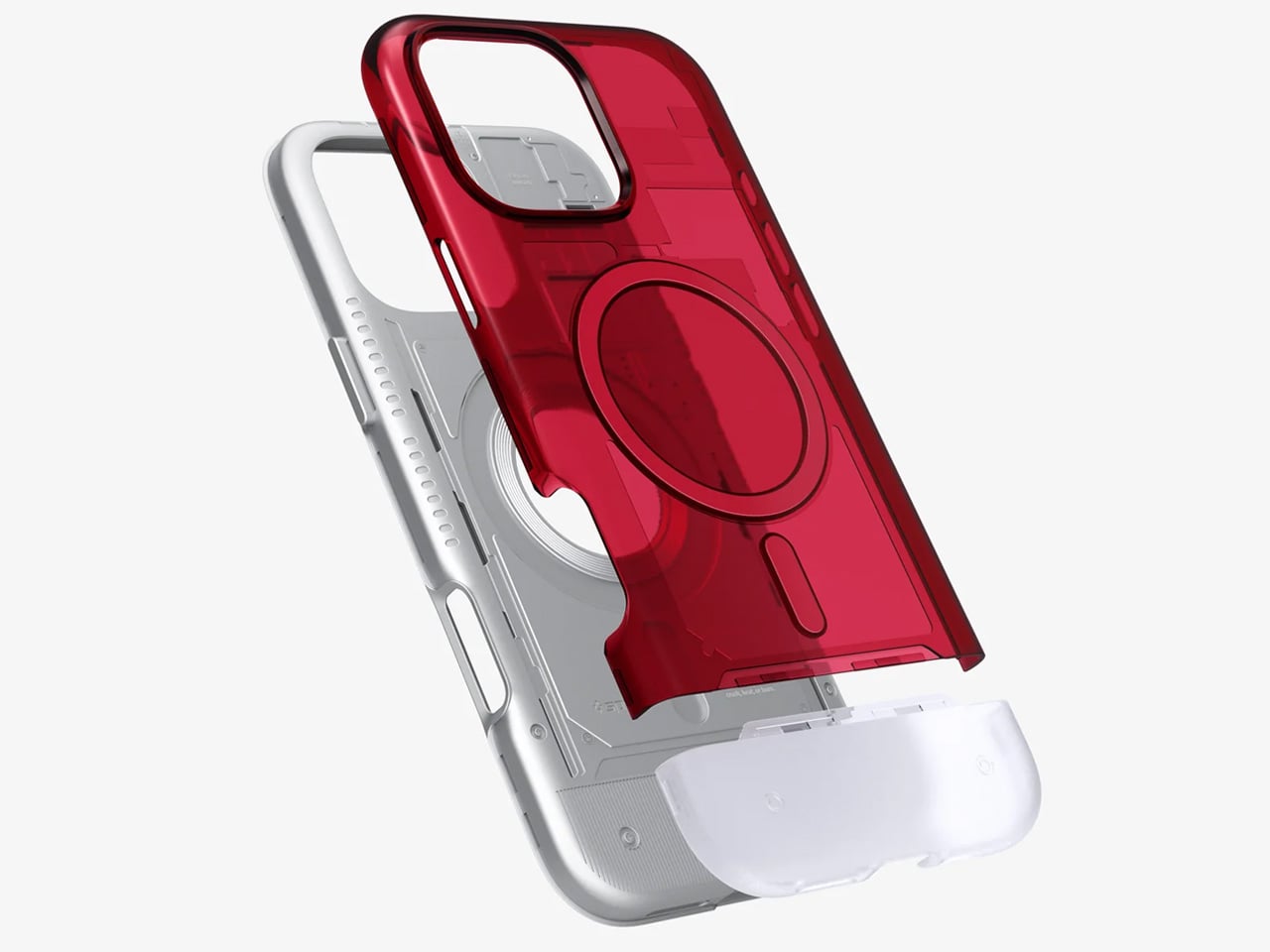
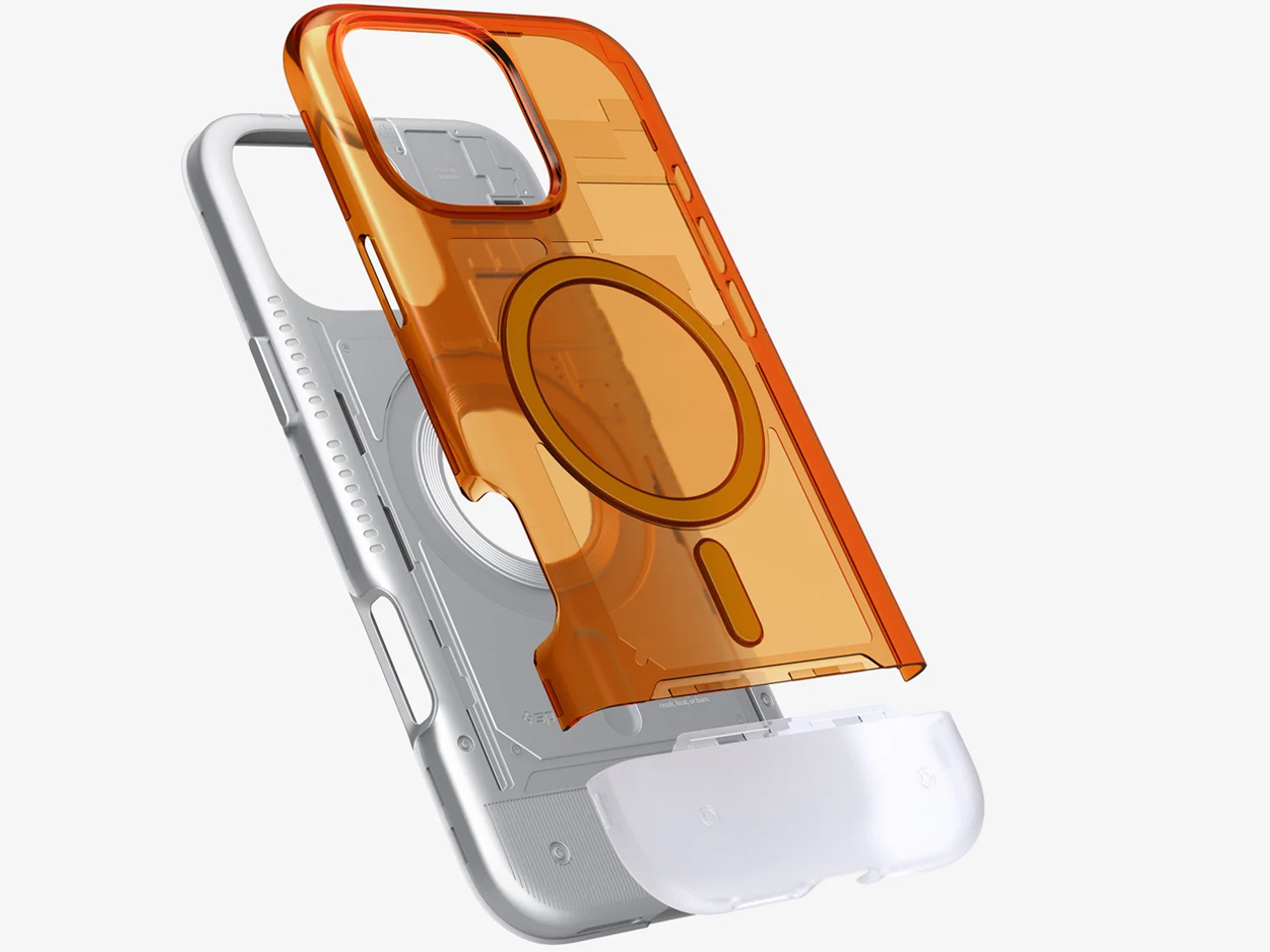
Leading the pack, and for me, the most outstanding option in the collection is the iconic iMac G3-inspired case. Dubbed the Classic C1 and priced $59.99, this tribute to one of the most fashionable computers of the day, the C1 like the iMac G3 itself is all about the candy colors. Available in four color options – tangerine, Bondi blue, graphite, and ruby – and made from a two-piece PC and TPU, the iPhone 16 cases with its retro translucent design, are from the MagFit ecosystem and fashioned out for total MagSafe compatibility.

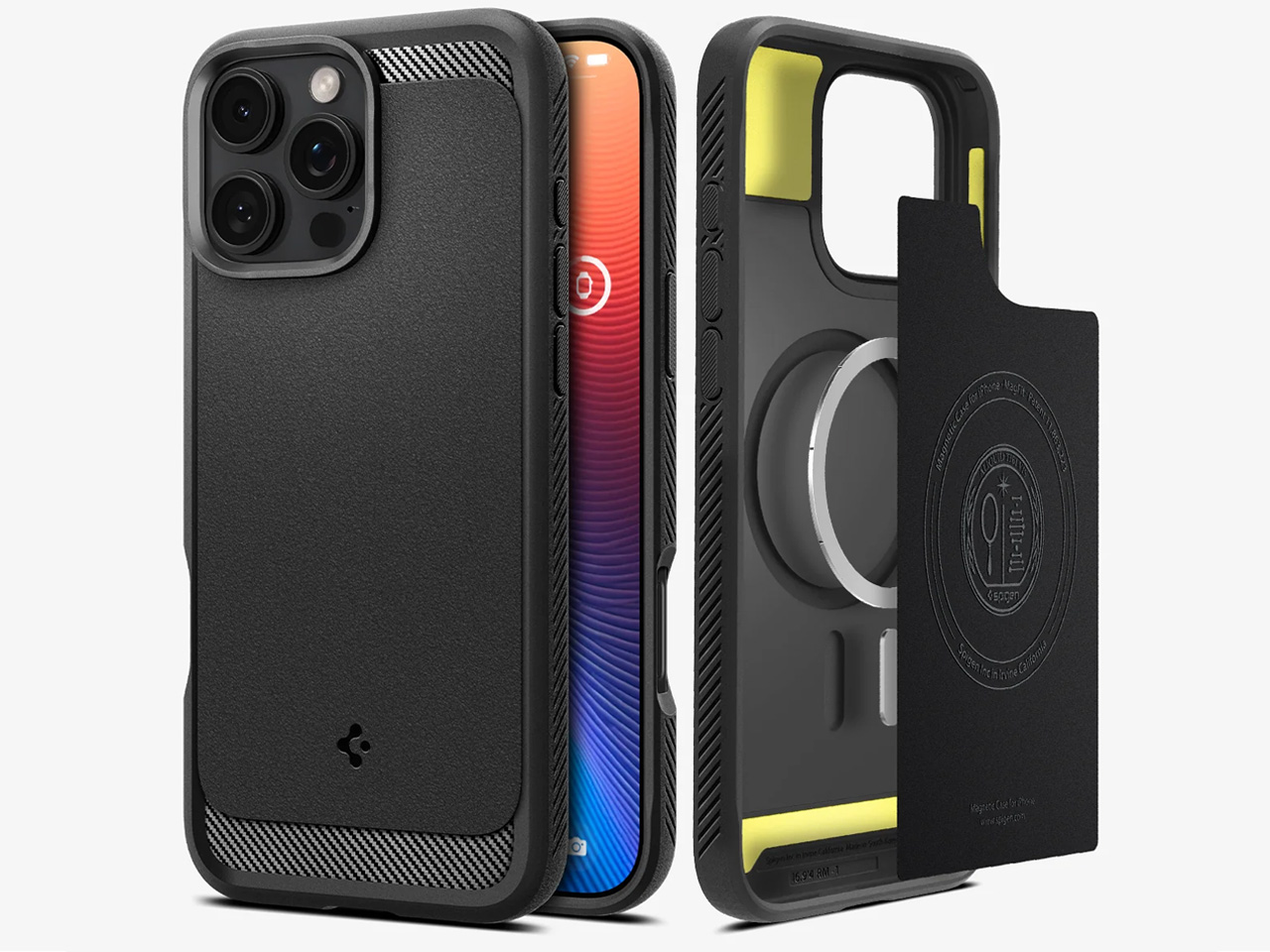
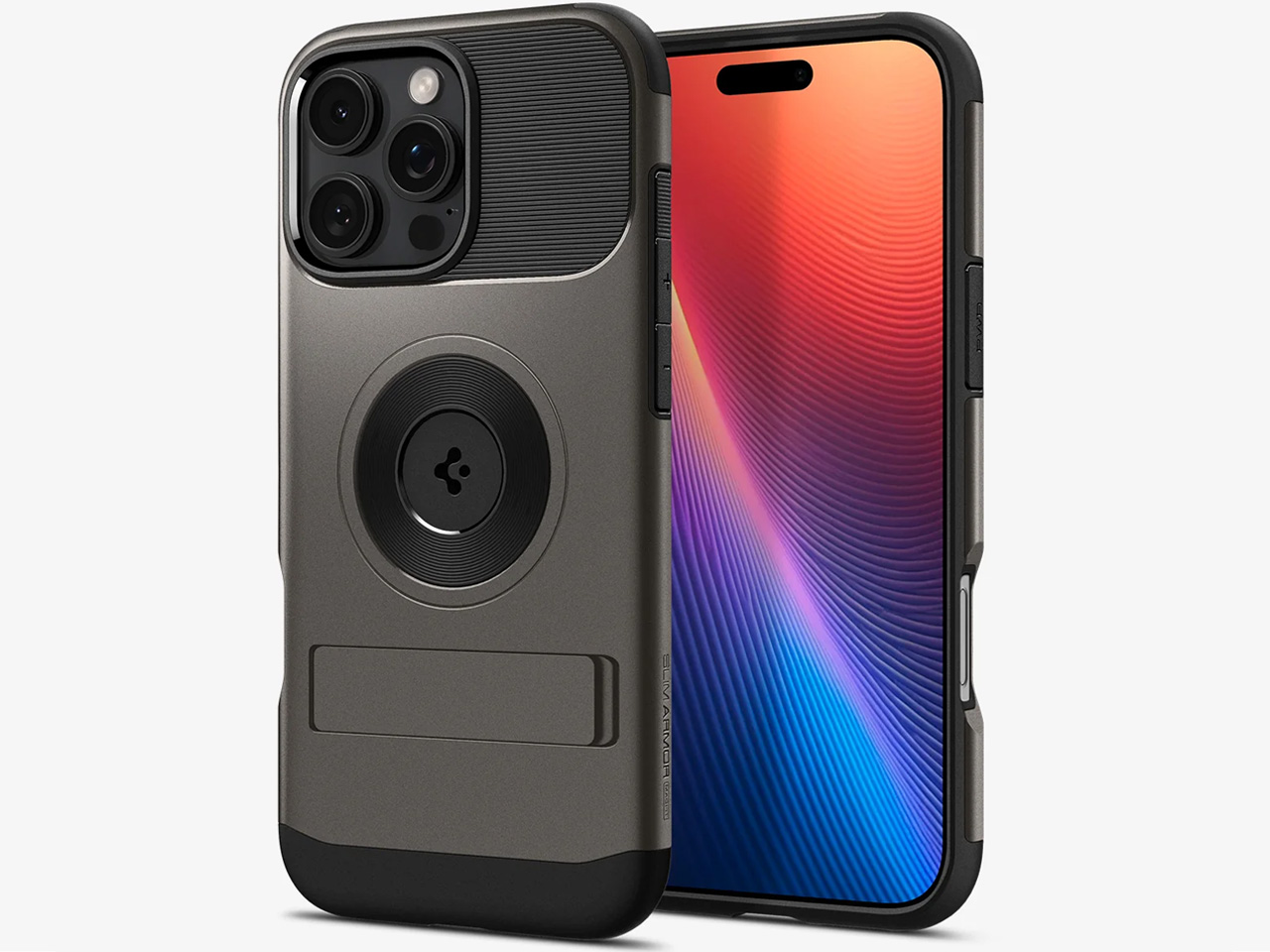
If you’re not the type who would want to travel back in time with the retro translucent design of the C1, but want a rugged phone case for additional protection against accidental falls; Spigen has the Rugged Armor (MagFit) priced at $39.99. Delivered with carbon fiber detailing and multi-layered bumper protection on all corners, the Armor is ready to take a punch. Moving on, with slimness in its name is the Slim Armor. This $54.99 case is MagSafe compatible and despite the form factor it conditions your iPhone to be in safe custody.

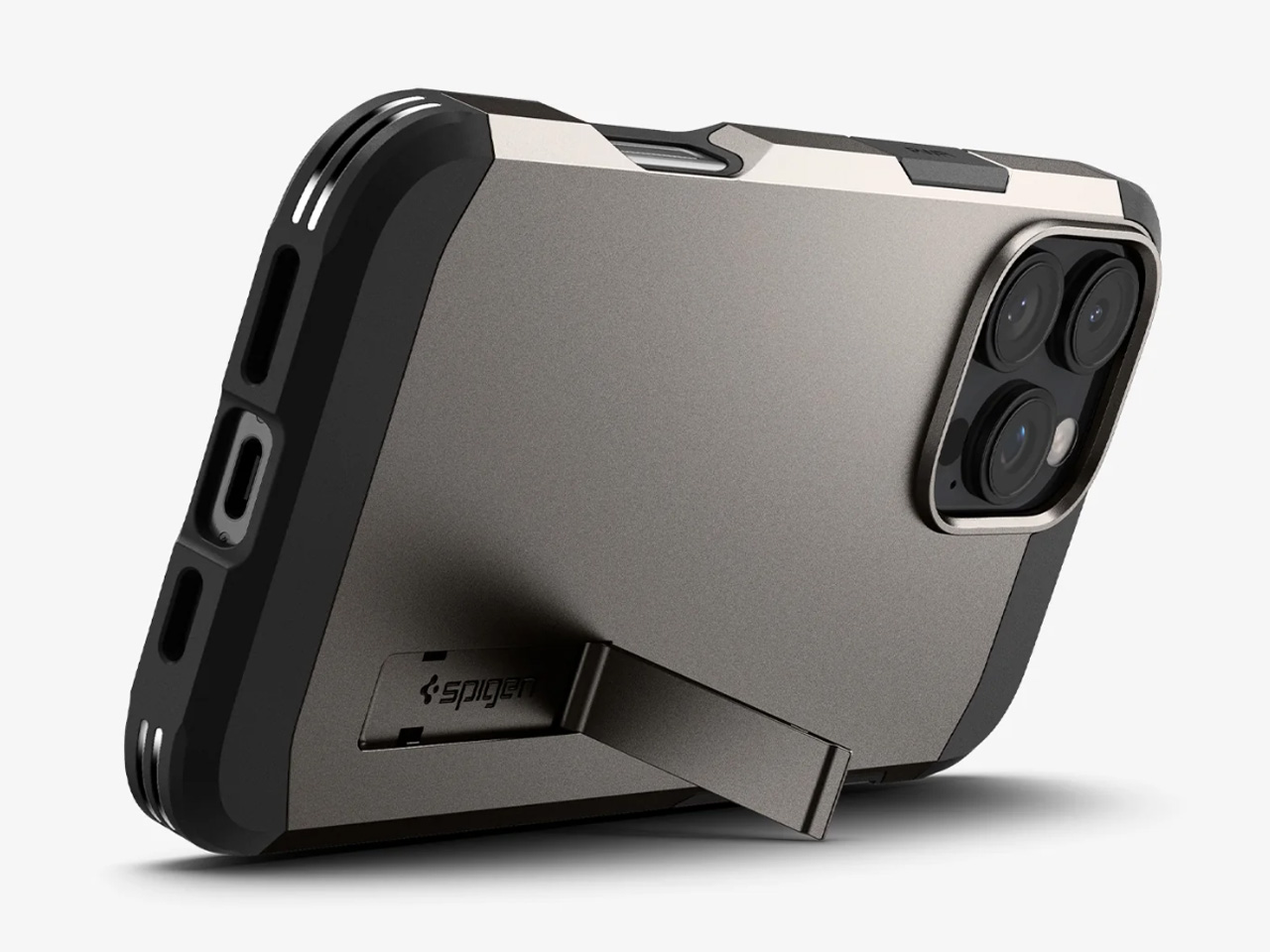
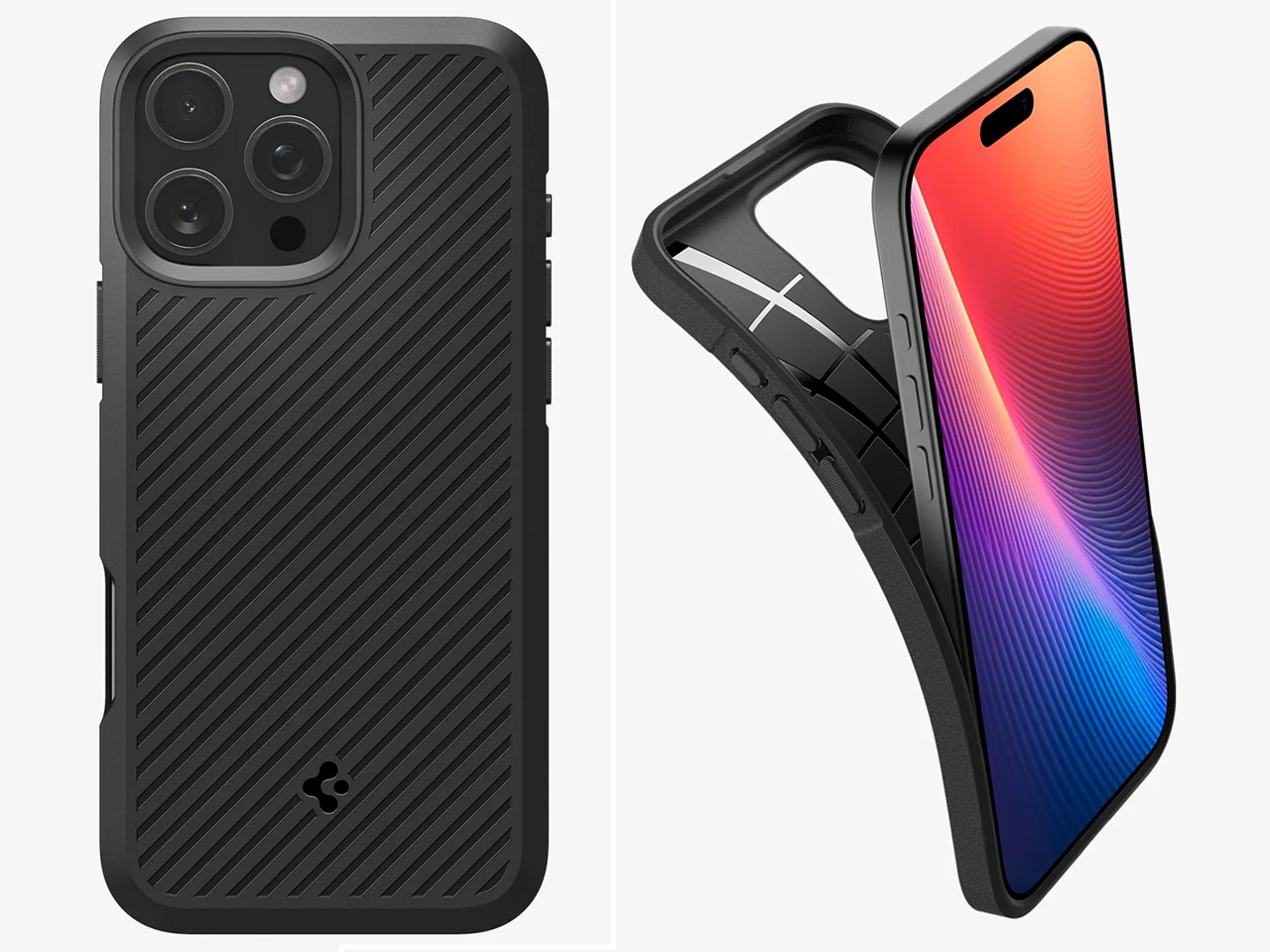
AI is the buzzword of late, and even the accessories maker wants to jump onto the bandwagon. To that accord, Spigen Tough Armor AI ($59.99) arrives with the power of artificial intelligence to protect the iPhone 16. Featuring XRD foam construction on the corners and thousands of impact data for trusted defense, the case is thrown in with a kickstand for undeniable user convenience. If you’re not willing to shell out 40-50 bucks for a protective iPhone 16 cover, Spigen has a more economical Core Armor in the collection. At $29.99, the Core Armor gives your iPhone 16 a sleek matte finish and grooves for extra good grip.

The post Spigen unveils iPhone 16 Cases with gorgeous iMac G3-inspired nostalgic transparent design first appeared on Yanko Design.
Sony PlayStation 5 Pro: A Sleeker Beast with 30 Teraflops of Power for 4K Gaming

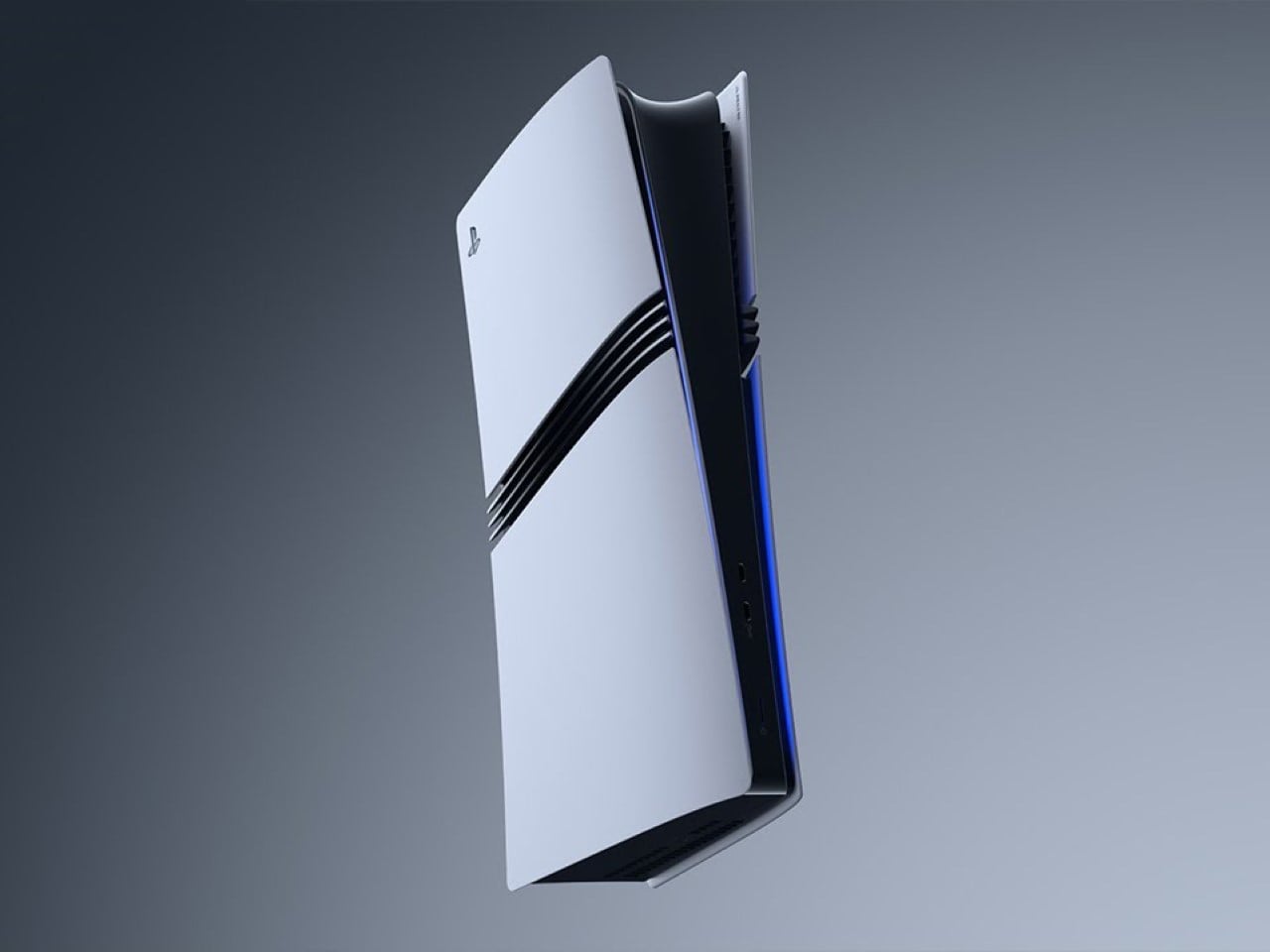
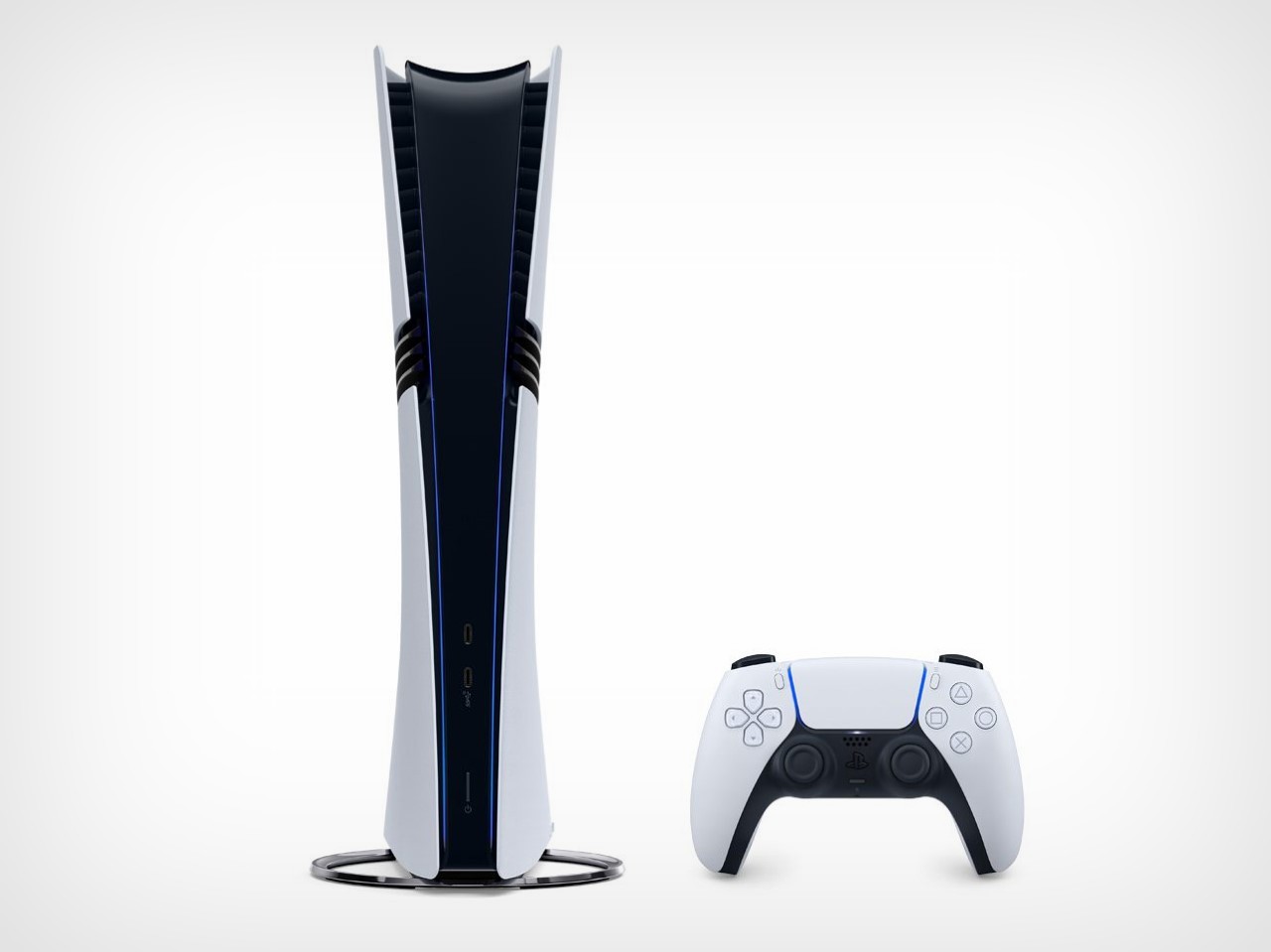
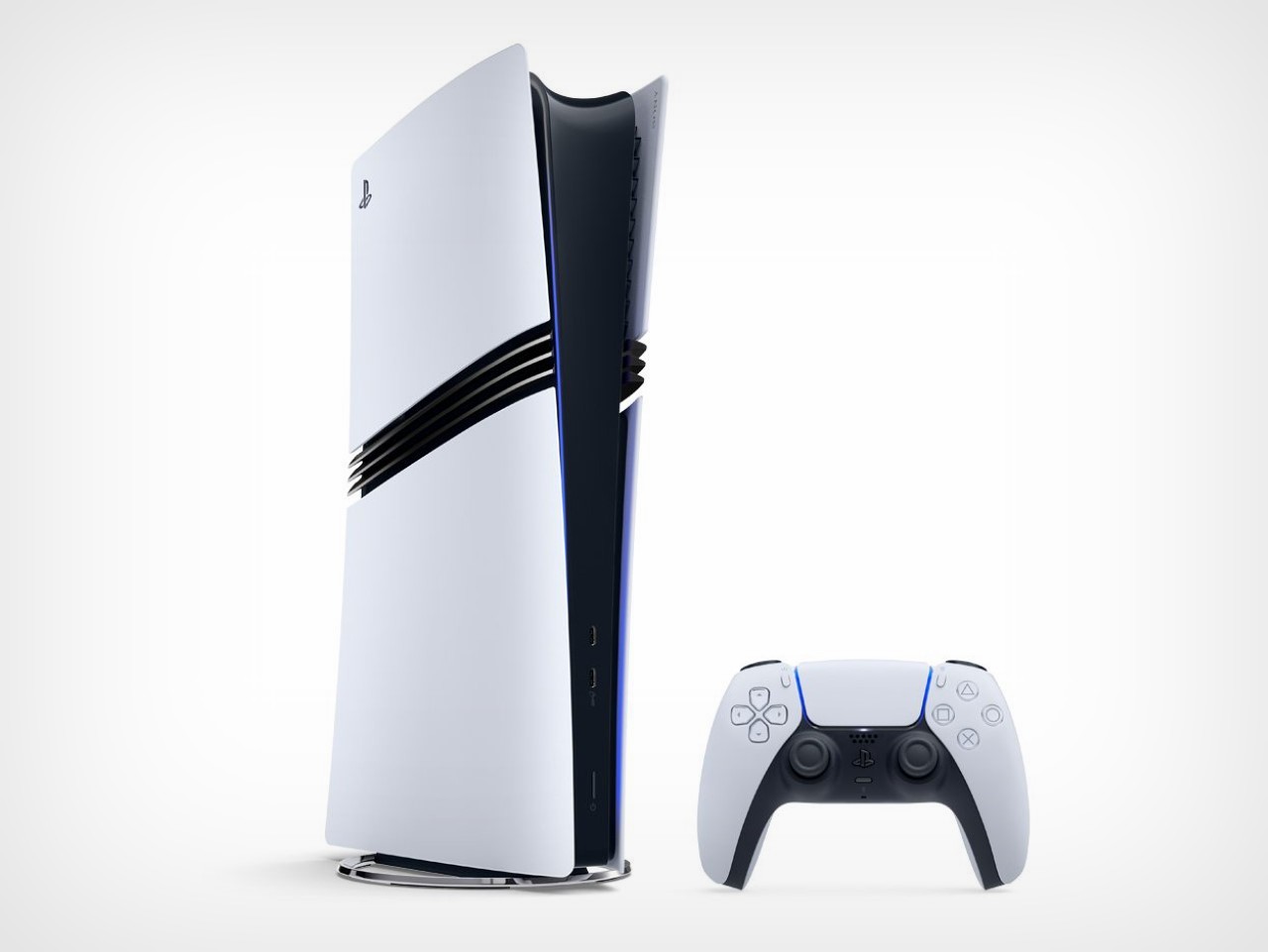
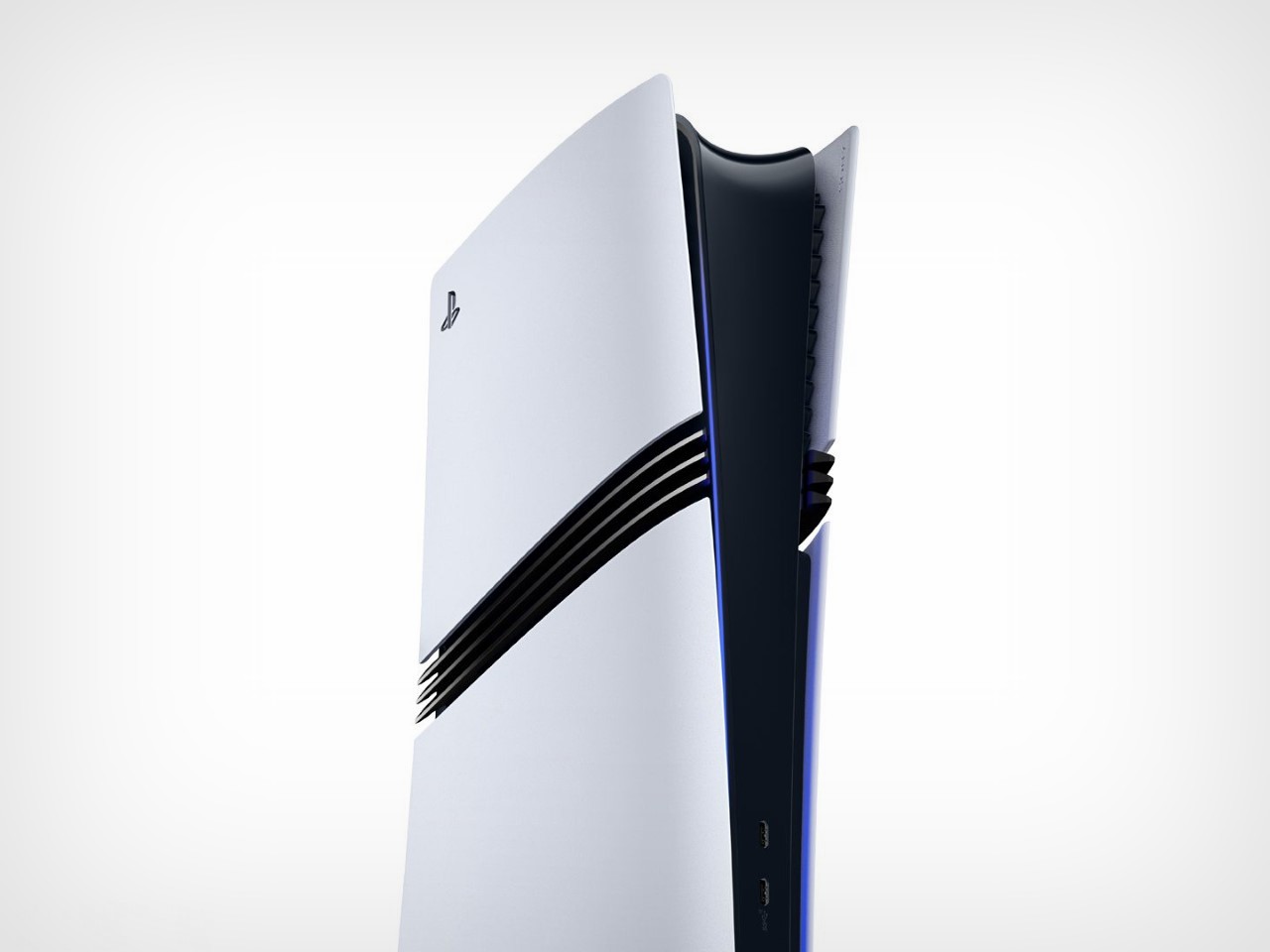
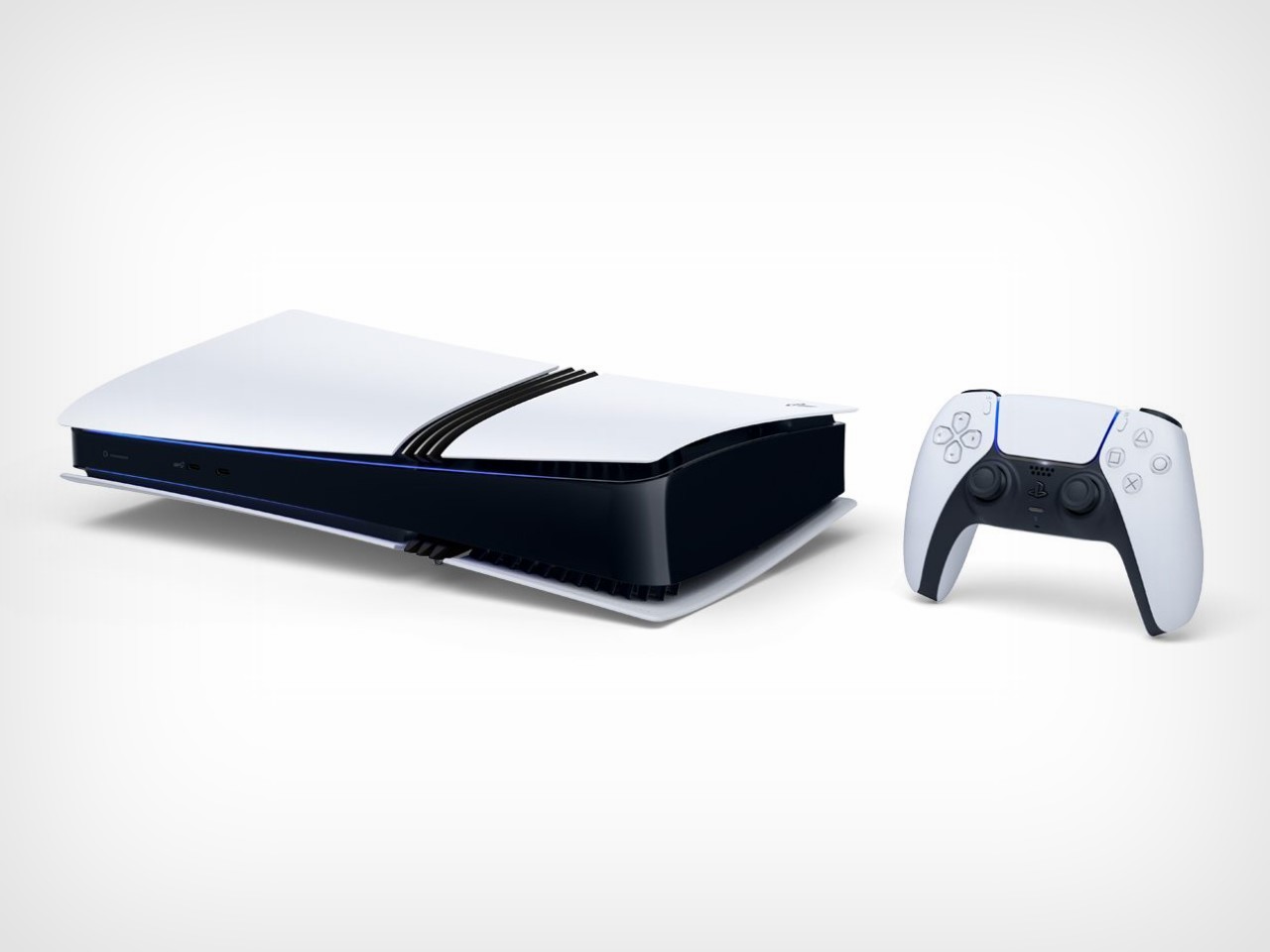
Sony’s freshly announced PlayStation 5 Pro is a power-packed upgrade designed for those who want the most visually striking gaming experience possible. Building on the already solid foundation of the PS5, this souped-up version aims to enhance everything from resolution and frame rate to ray tracing, while staying cool and quiet under pressure—literally. It’s set to hit shelves in November 2024, and with a starting price of $599, it’s clear Sony is positioning the PS5 Pro as the ultimate way to play for those who demand more from their console.

Designer: Sony

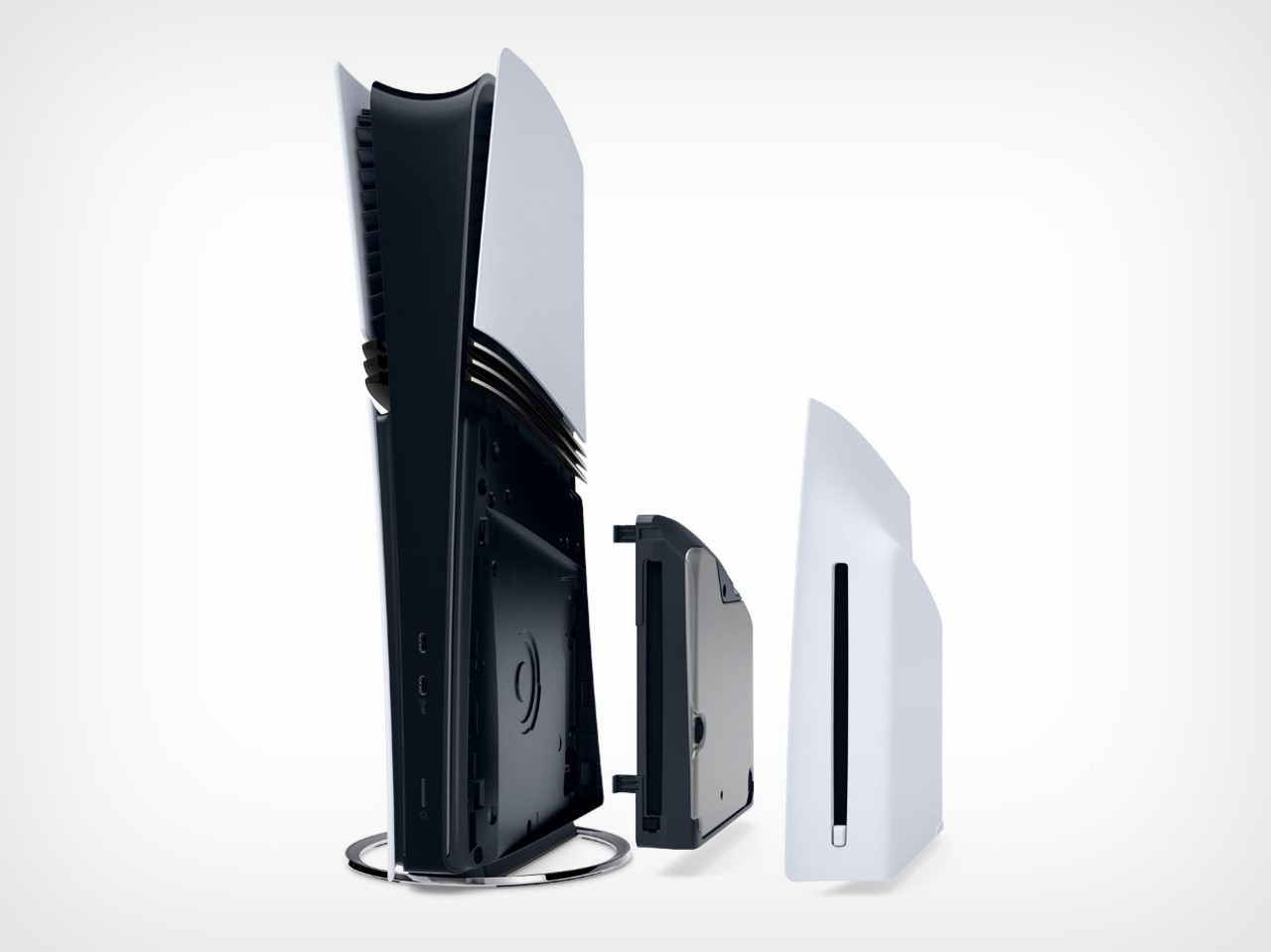
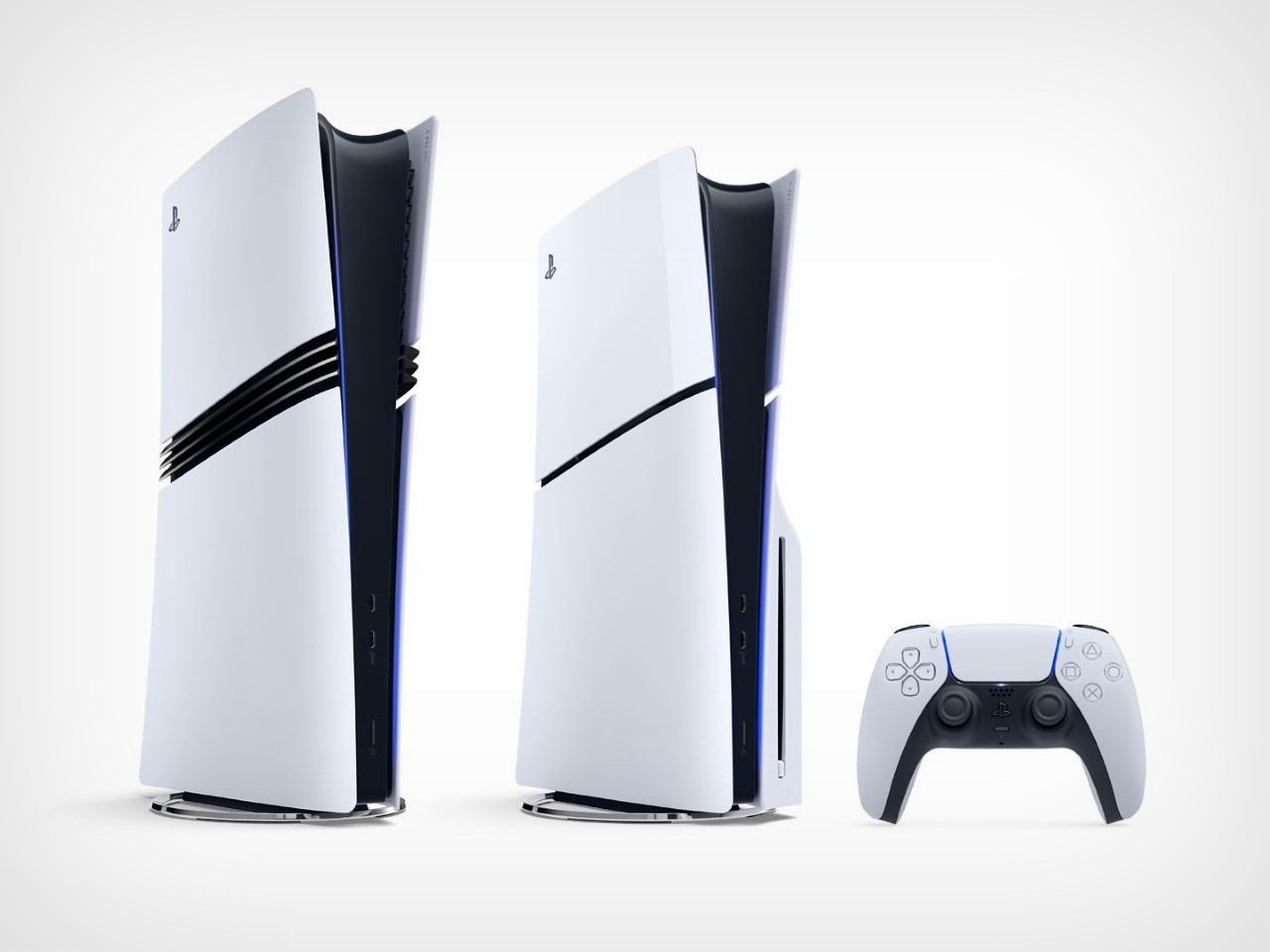
The PlayStation 5 Pro maintains the futuristic aesthetic of its predecessor, but with subtle refinements that make it stand out as a premium device. Its sleek curves and striking black-and-white color scheme are still present, but Sony has gone the extra mile to give the Pro a more streamlined silhouette. The PS5 Pro is slightly slimmer and more compact than the original, addressing one of the biggest complaints about the base PS5’s bulky design. The matte finish on the Pro model adds a touch of sophistication, and the improved vent placement ensures better airflow without compromising the console’s overall elegance. Whether it’s sitting vertically on your media stand or tucked horizontally under your TV, the PS5 Pro feels more like a deliberate piece of decor than a tech box, blending form with function seamlessly. Even the revamped LED lighting—now offering customizable colors—adds an extra layer of personalization for gamers who care about their setup’s vibe.

Under that gorgeous sleek white shell lies a custom RDNA 3.5 GPU, boasting a whopping 30 teraflops of graphical power. That’s nearly triple what the base PS5 offers. Translation? Games will look and run better—significantly so. The PS5 Pro is built to handle true 4K gaming at 60 frames per second without breaking a sweat, and it even flirts with 8K resolution for those fortunate enough to own one of those displays. It’s a level of visual fidelity that makes even the most graphically demanding games, like Spider-Man 2 and Final Fantasy XVI, feel like butter.

The CPU also gets a significant upgrade, featuring an 8-core AMD Zen 4 processor clocked at 4 GHz. The result? Faster load times, smoother performance, and an all-around snappier experience, especially in open-world games or titles with heavy physics and particle effects. If you’re tired of waiting in menus or watching progress bars crawl across the screen, the Pro has your back.

Remember the term ‘ray tracing’ everyone threw around when the PS5 first launched? While the base PS5 gave us a taste of what real-time lighting and reflections could do, the PS5 Pro is fully leaning into advanced ray tracing. Ray tracing is now 2.5 times more efficient, which means better lighting, reflections, and overall realism in games that support it. Picture walking through neon-soaked streets in Cyberpunk 2077 or exploring the vast wilderness of Horizon Forbidden West—but with reflections so sharp you could almost swear you’re looking in a mirror. Sony hasn’t left the frame-rate-focused players out in the cold either. The PS5 Pro introduces new gameplay modes to suit different preferences. If you’re all about visuals, the Fidelity Mode lets you enjoy games at 4K with maxed-out ray tracing, running at 30 fps. On the other hand, if you’re more of a competitive gamer looking for the smoothest experience, the Performance+ Mode delivers up to 120 fps at a slightly lower resolution. Fast-paced shooters like Fortnite and Call of Duty will feel incredibly responsive and fluid.

It’s a nice touch from Sony, acknowledging that not every gamer wants the same thing out of their console. Some of us want eye-popping visuals, while others want the fastest response times—and the PS5 Pro is prepared to juggle both with ease.

A common complaint about the original PS5 was its relatively limited storage, with the standard 825GB SSD filling up faster than expected, especially given the size of modern AAA games. Thankfully, the PS5 Pro steps things up with a 2TB SSD. That’s double the storage, meaning you won’t have to keep deleting games every time you want to install something new—unless, of course, you’re really into downloading entire game libraries. On the thermal front, Sony has reworked the cooling system, implementing more advanced liquid metal tech to ensure the Pro stays cool during marathon gaming sessions. Gone are the days of worrying about your console sounding like a jet engine taking off mid-boss battle.

Here’s the best part – your PS5 Pro is designed with backward compatibility in mind. Existing PS5 games won’t just work—they’ll run better. Thanks to the Pro’s additional power, many older titles will see improvements in frame rates, load times, and overall performance. Some developers are even offering patches that optimize their games specifically for the PS5 Pro, allowing fans to experience their favorite titles with upgraded visuals and smoother gameplay. Future titles, like the hotly anticipated Ghost of Tsushima 2 and The Last of Us Part III, will be optimized from the ground up for the PS5 Pro. Expect them to take full advantage of the new hardware, delivering worlds that are richer, denser, and more immersive than anything we’ve seen on a PlayStation console before.

At $599, the PS5 Pro is priced higher than the base PS5, which currently sits at $499. But for that extra hundred bucks, you’re getting significant upgrades that future-proof your gaming setup for years to come. Preorders begin in October, and you can expect the PS5 Pro to officially drop in November—just in time for holiday gaming marathons or, you know, to start that inevitable Elden Ring replay with maxed-out graphics. You’ve finally got a great excuse to splurge on that 4K TV you’ve been eyeing.

The post Sony PlayStation 5 Pro: A Sleeker Beast with 30 Teraflops of Power for 4K Gaming first appeared on Yanko Design.

Top 5 AI Innovations at IFA 2024 That Redefine User Experience

Are we in an AI bubble? Almost definitely – every next booth at IFA had AI written on its banner and in its pamphlets. Walking around IFA proved that innovation is still going strong, but AI has become more of a marketing term than an actual feature. Whether it’s AI-powered dishwashers, or AI in something as small as a GaN charger, it’s easy to drop marketing jargon to make your product look better than your competitor – but is it truly game-changing AI? Well, after 5 days at IFA, here are 5 products we saw that make proper use of Artificial Intelligence in ways that are meaningful to users, and authentic to the term “AI”.

1. Plaud AI NotePin

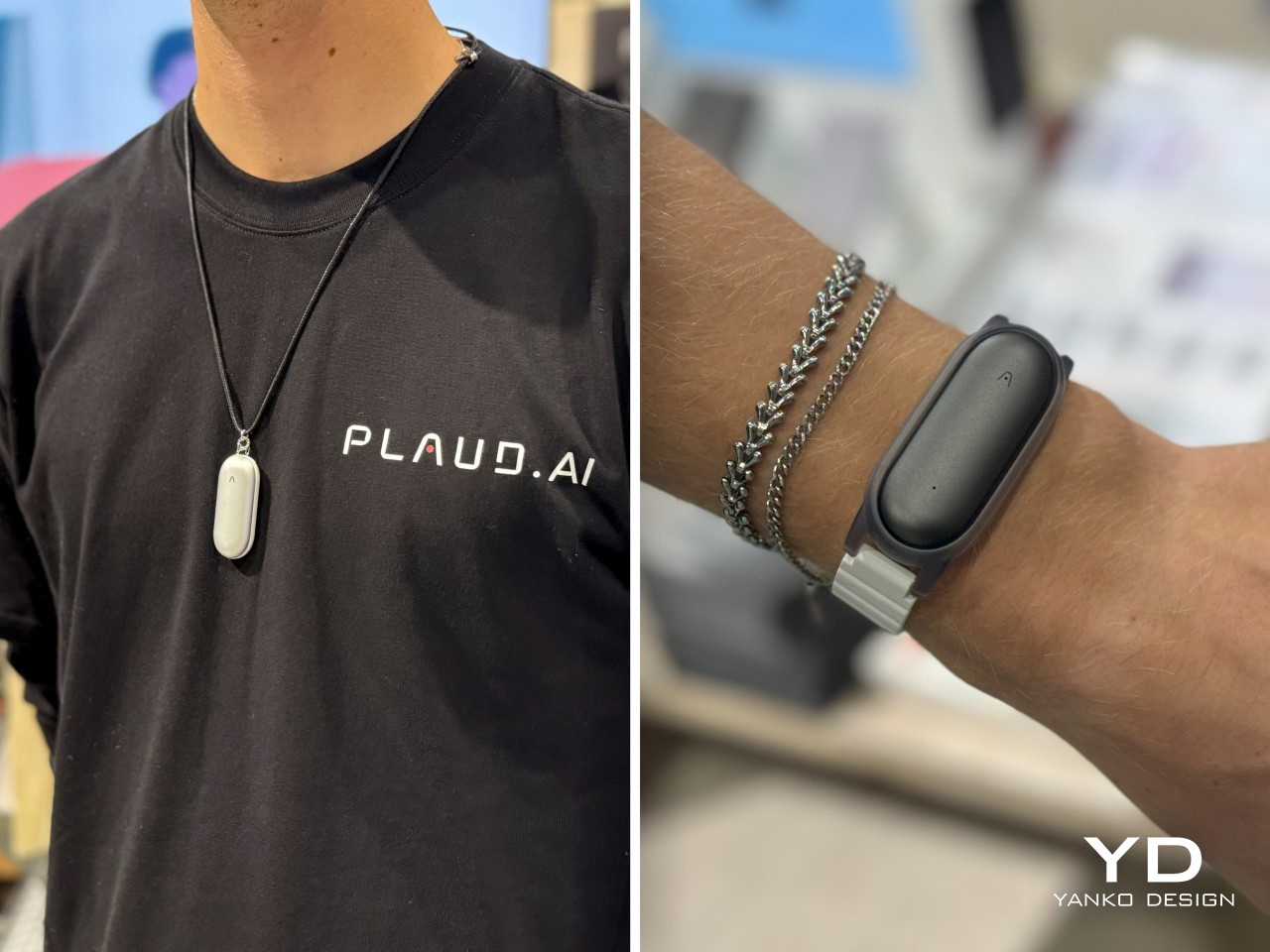
Showcased at IFA (although the product will begin shipping very soon), the PLAUD NotePin builds on the company’s successful Plaud NOTE device that first launched last year. Leveraging AI models like ChatGPT and Anthropic’s Claude, the NOTE could record meetings as well as phone calls, and translate/transcribe them in mere seconds. With the NotePin, the company hopes to make this technology even more portable. Encased in a tiny metal pendant, the NotePin is like your own assistant you can wear around your neck or even on your wrist. It lets you record everything from personal notes to meetings, leveraging GPT 4o and Claude 3.5 to bring AI to your recordings. You can give your NotePin a grocery list and it’ll meaningfully link you to a place where you can buy it online, or give it a task list and it’ll add it to your calendar. The NotePin comes in two colors – silver and dark gray – and has the ability to be worn on your wrist, around your neck, or even attached to your lapel.

2. Timekettle W4 Pro AI Interpreter Buds

Built on the broader vision of the Babel Fish from Hitchhiker’s Guide, the W4 Pro interpreter buds allow you to speak and understand as many as 40 different languages and over 90 accents. Built by the folks at Timekettle (known for their incredible translators since 2016), the W4 Pro are AI-powered interpreter earbuds. Wear one and give one to another person and the two of you can seamlessly have a conversation in two separate languages. A 3-mic array ensures crystal clear audio capture, and Timekettle’s proprietary algorithm gives you 95% accurate results. Where the AI comes in is both at a processing and a post-processing level. When you speak, instead of translating entire sentences (which can take very long), the W4 Pro breaks sentences up into meaningful segments, translating them instead. This turns out to work much faster, with just a 0.2-second delay between speaking and translating. Once you’ve had a conversation, Timekettle also applies AI to the entire transcript, allowing you to extract meaningful information and insights from your conversation – super helpful in meetings with multi-lingual professionals.

3. Honor’s AI across Phone/Tablet/Laptop

I strongly believe that we’re at a time when AI vision can make or break a company. With ChatGPT and Google Gemini sucking so much air out of the room, it’s difficult for smartphone brands to implement AI on their own, but Honor seems to have found an incredible niche. Demonstrated during their keynote on both the 5th as well as 6th of September at IFA, Honor highlighted a few standout AI features on their devices. The phones, tablets, and laptops have AI-powered two-way noise canceling – this means the device not only cancels noise on audio going out, but also on audio coming in. So you could be talking to someone who’s in a noisy environment, and your AI noise canceling will process their noisy audio. Other AI features include their drag-to-search on the Magic V3 folding phone and the MagicPad 2 tablet… but by far the most impressive use of AI is in Honor’s deepfake detection technology that works for both audio as well as video deepfakes. Relying on an ability to catch scammers and phishers in the act, the Magic V3, MagicPad 2, and MagicBook Art 14 all have this new technology working seamlessly to prevent you from being scammed or frauded by deepfake calls.

4. Google Gemini in Pixel Devices

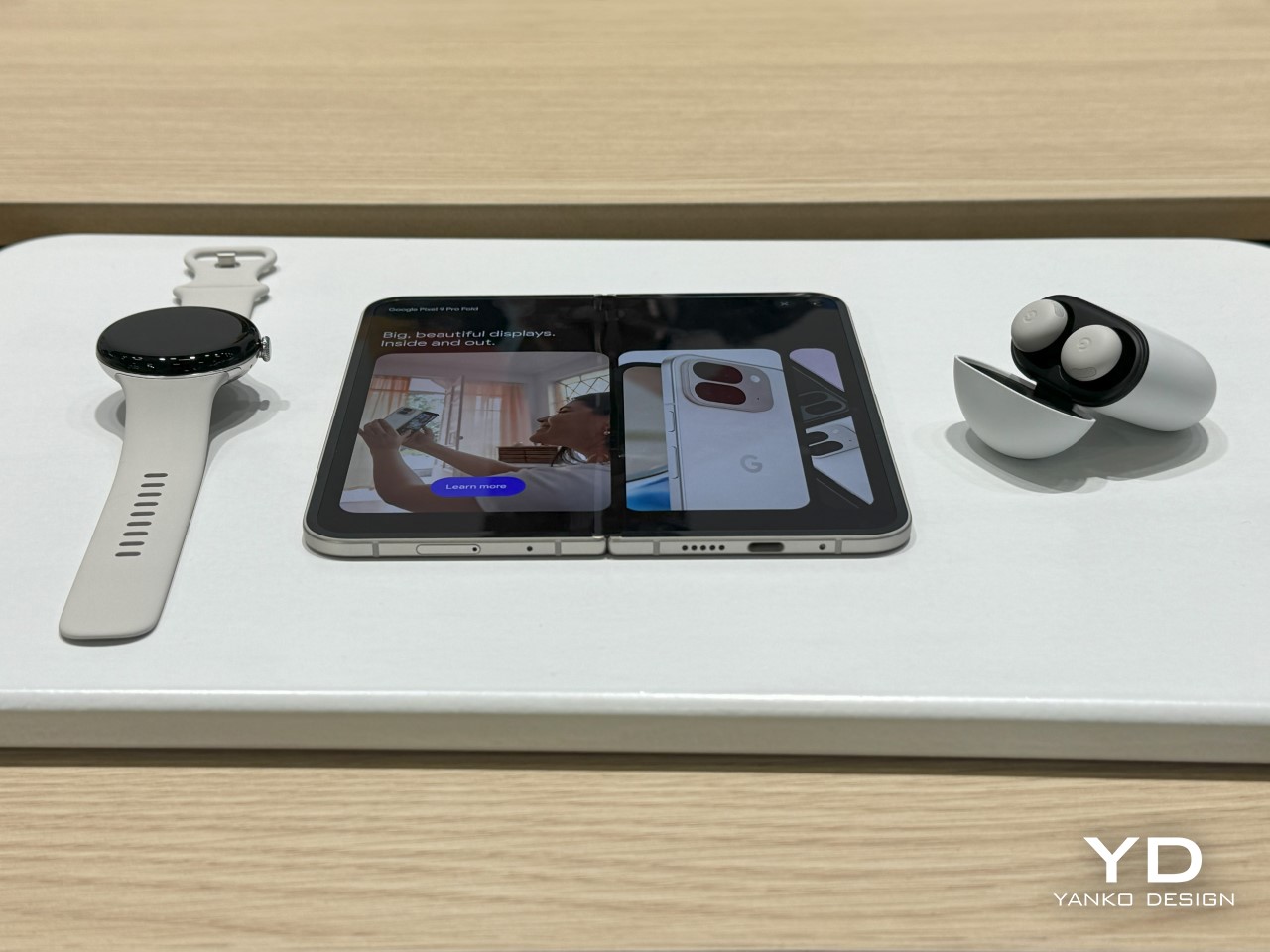
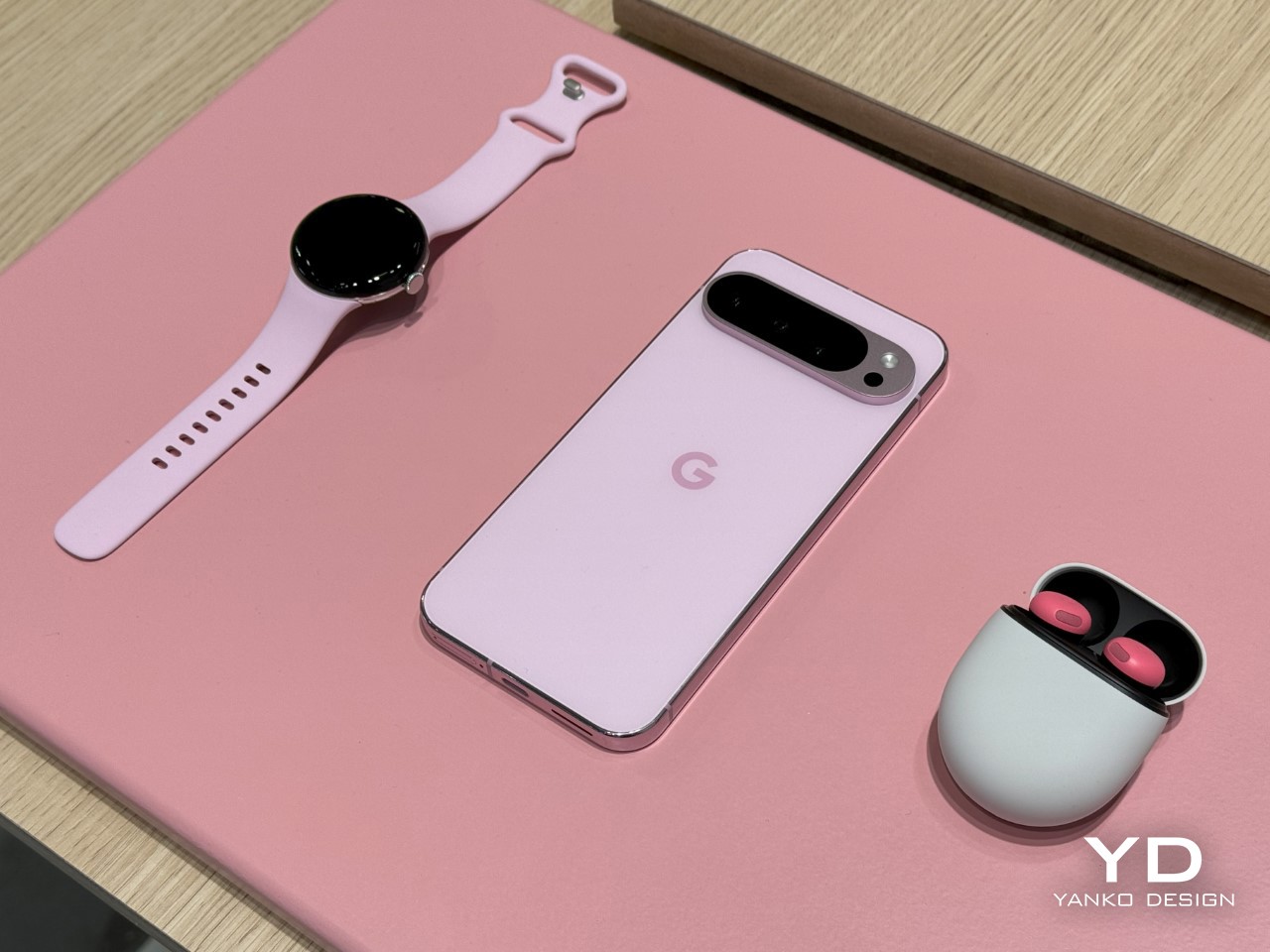
Talking about AI is incomplete without talking about its biggest players – Google. With a dedicated booth at IFA this year, Google invited people to play with their latest devices, the Pixel Buds, the new Pixel Watch, and the Pixel 9, 9 Pro, and 9 Fold devices. It’s different hearing about AI features in a keynote versus actually seeing them in real life, which is why Google had a dedicated Gemini space at their booth, where consumers could go and get a first look at the new Gemini features coming on Pixel devices later this year. This included the new powerful voice assistant, along with Google’s upgraded AI image-editing tools, as well as the newly unveiled Pixel Studio feature.

5. Samsung SmartThings and AI-powered Bixby

Samsung unveiled several AI-powered features at IFA 2024, highlighting its commitment to “AI for All.” The SmartThings platform showcased AI capabilities for security, sustainability, and device control, including the Map View for home monitoring. The Bespoke AI appliances offered personalized solutions, like the Family Hub refrigerator with image recognition and recipe suggestions. Samsung also introduced a timely upgrade to its AI voice assistant, Bixby, at IFA 2024. The enhanced Bixby delivers more personalized services based on the user’s voice and location, allowing for greater interaction with home appliances and devices. It adapts to the user’s daily routines, offering tailored solutions, whether adjusting appliance settings or integrating with other SmartThings-enabled devices.

The post Top 5 AI Innovations at IFA 2024 That Redefine User Experience first appeared on Yanko Design.