For parents, probably the last instrument that they would want their kids to take up are the drums since they know they’ll be in for months or even years of ear-splitting noise. But over the years and with the advent of electric drums, there have been quieter options for people who want to practice their craft and not disturb the people they live with.
Designer: Roland
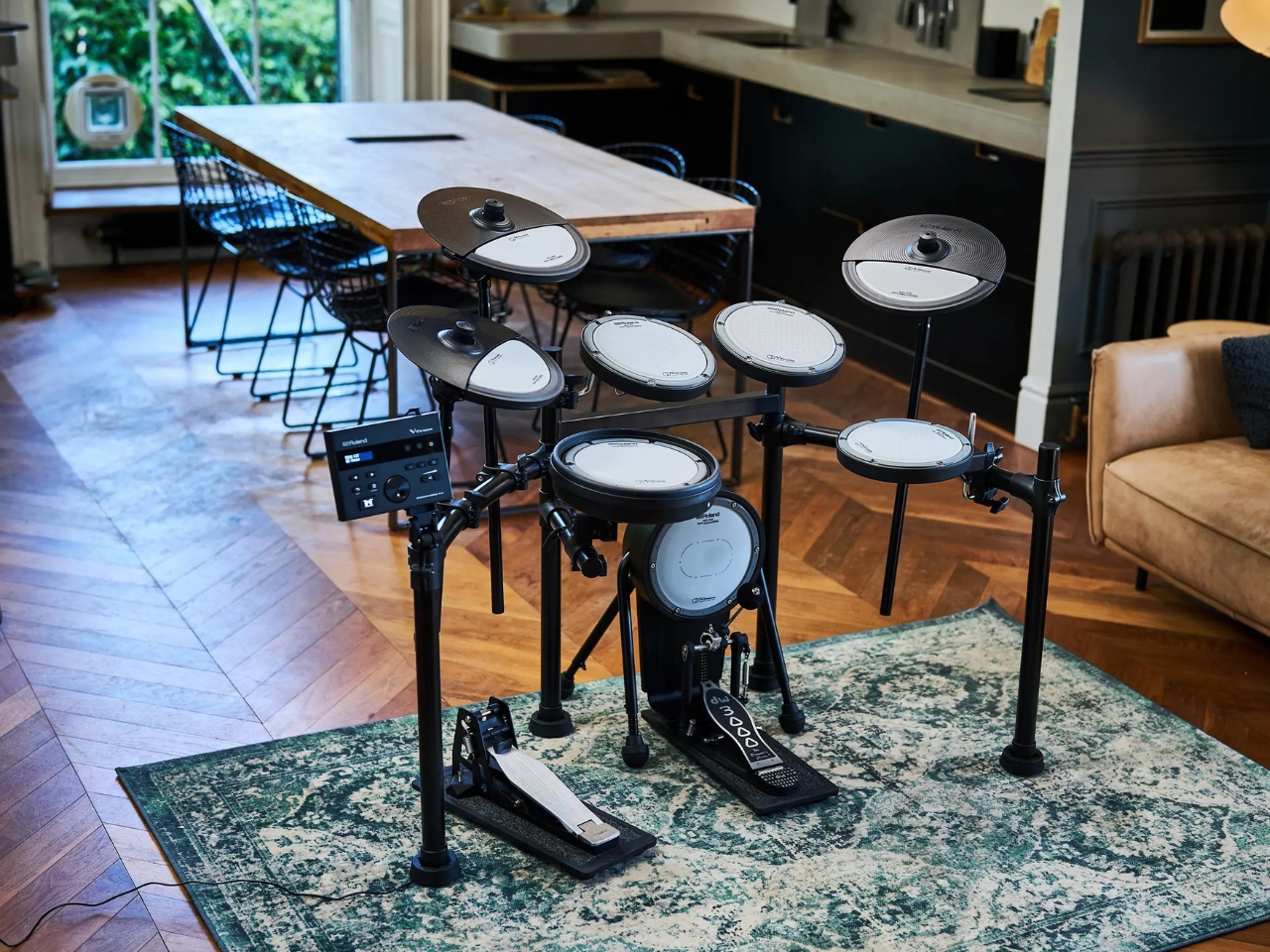
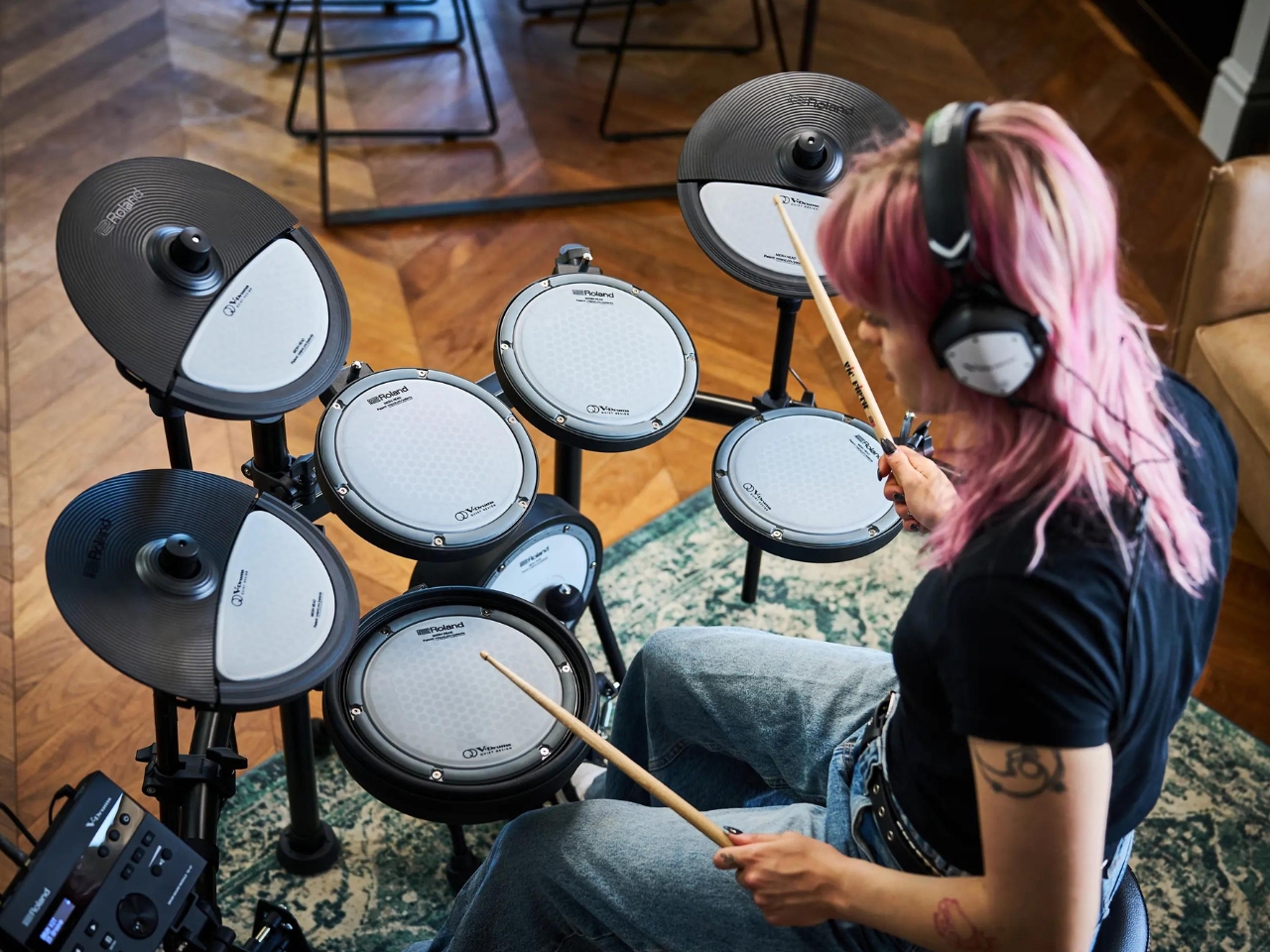
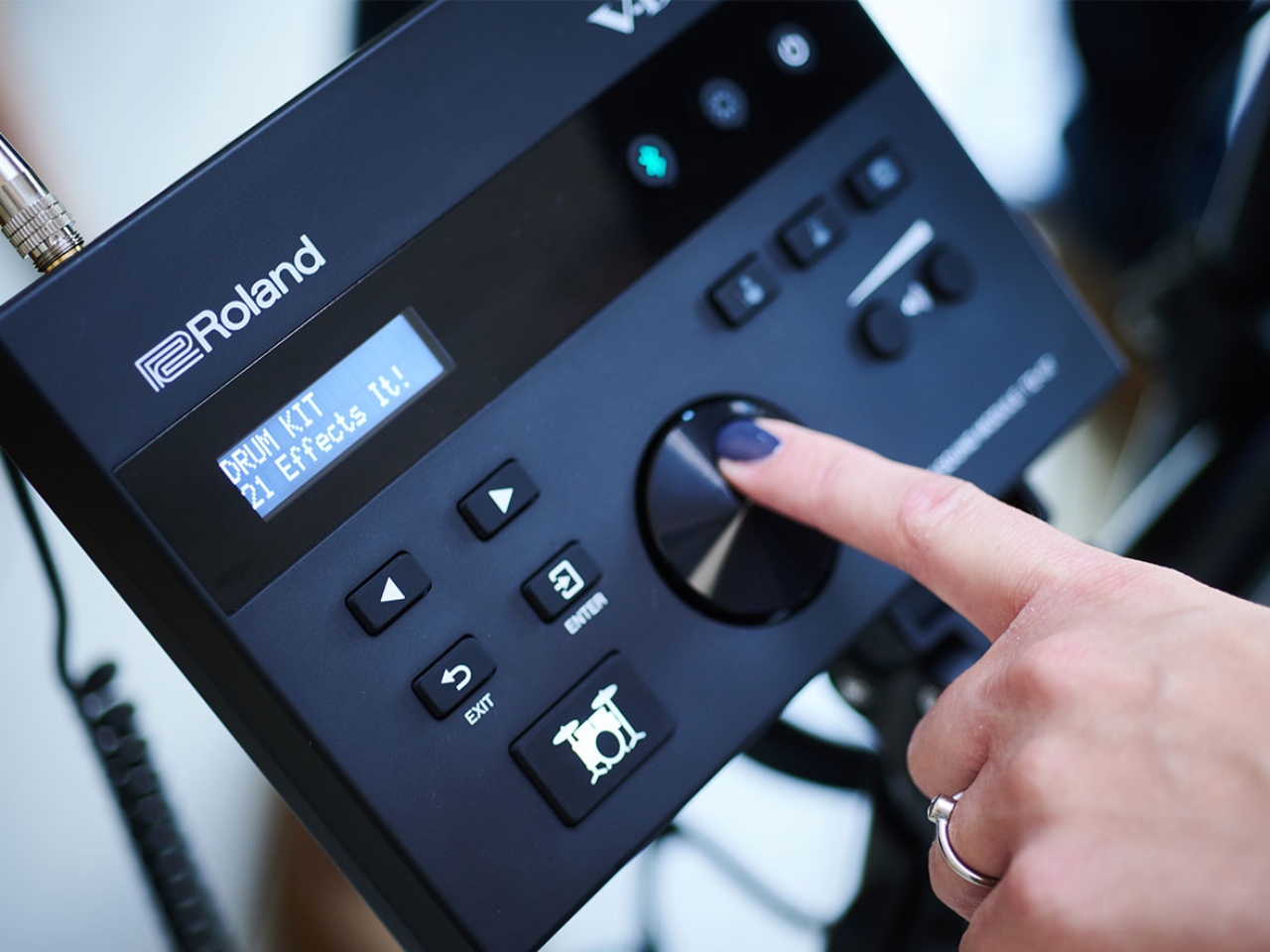
The V-Drums Quiet Design from Roland claims it is “the lowest playing noise in the history of electronic drum kits.” Of course it is not completely silent but it is able to reduce the playing noise levels by 75% compared to their previous V-Drums. Users have the option to play the set with the existing TD-07 control module or to choose another V-Drums module. There are several features that makes this electronic drums kit less noisy.
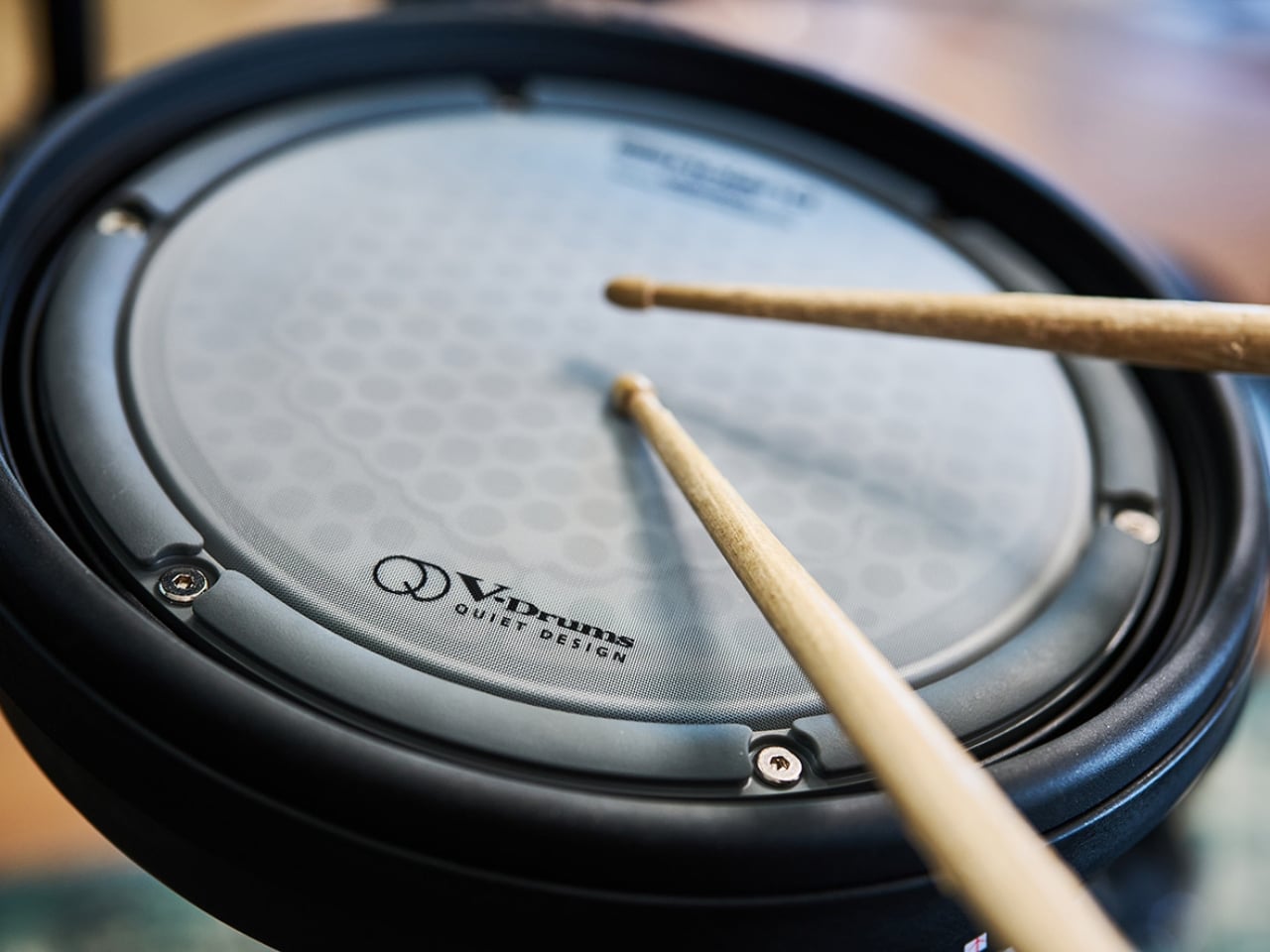
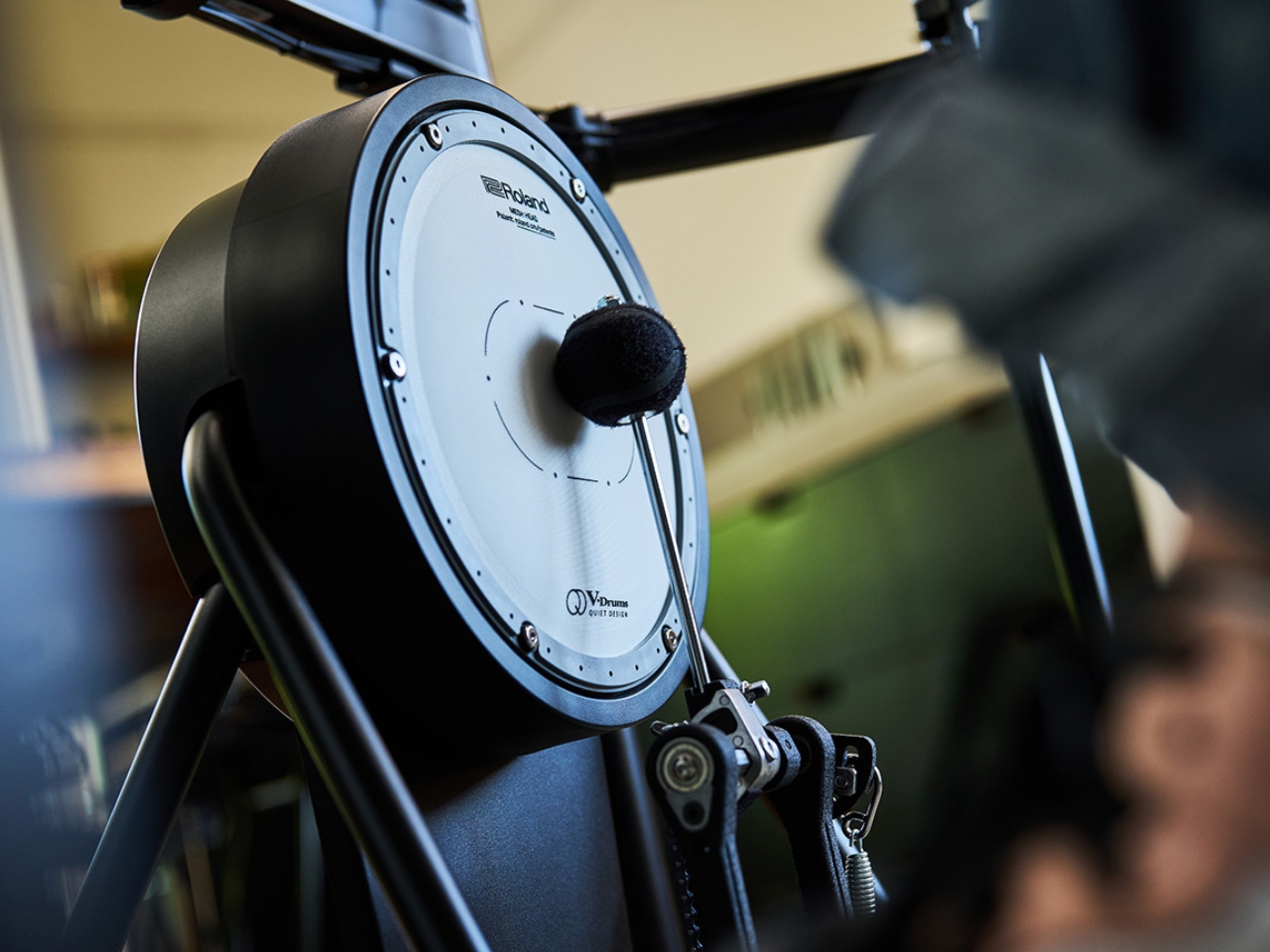
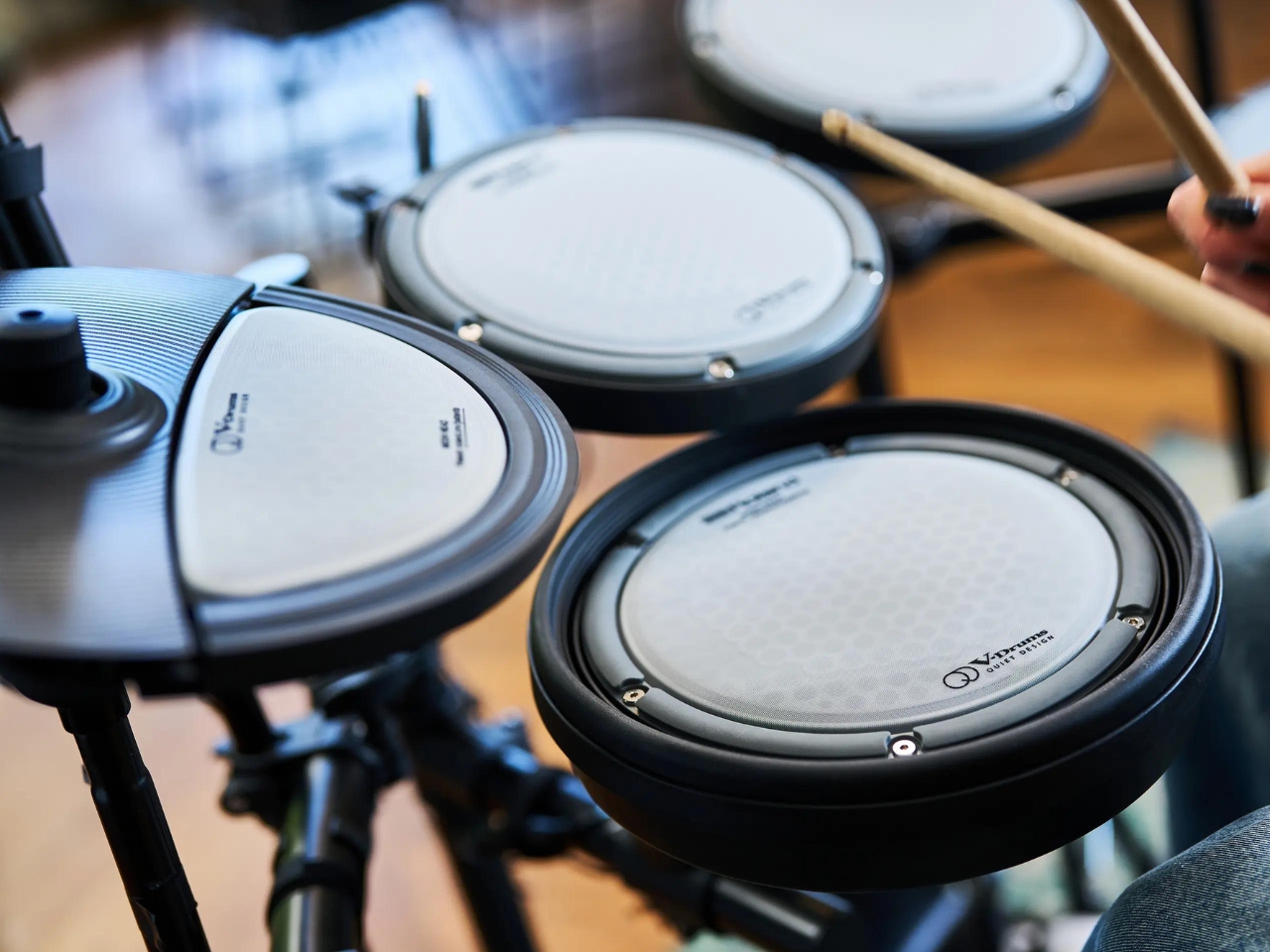
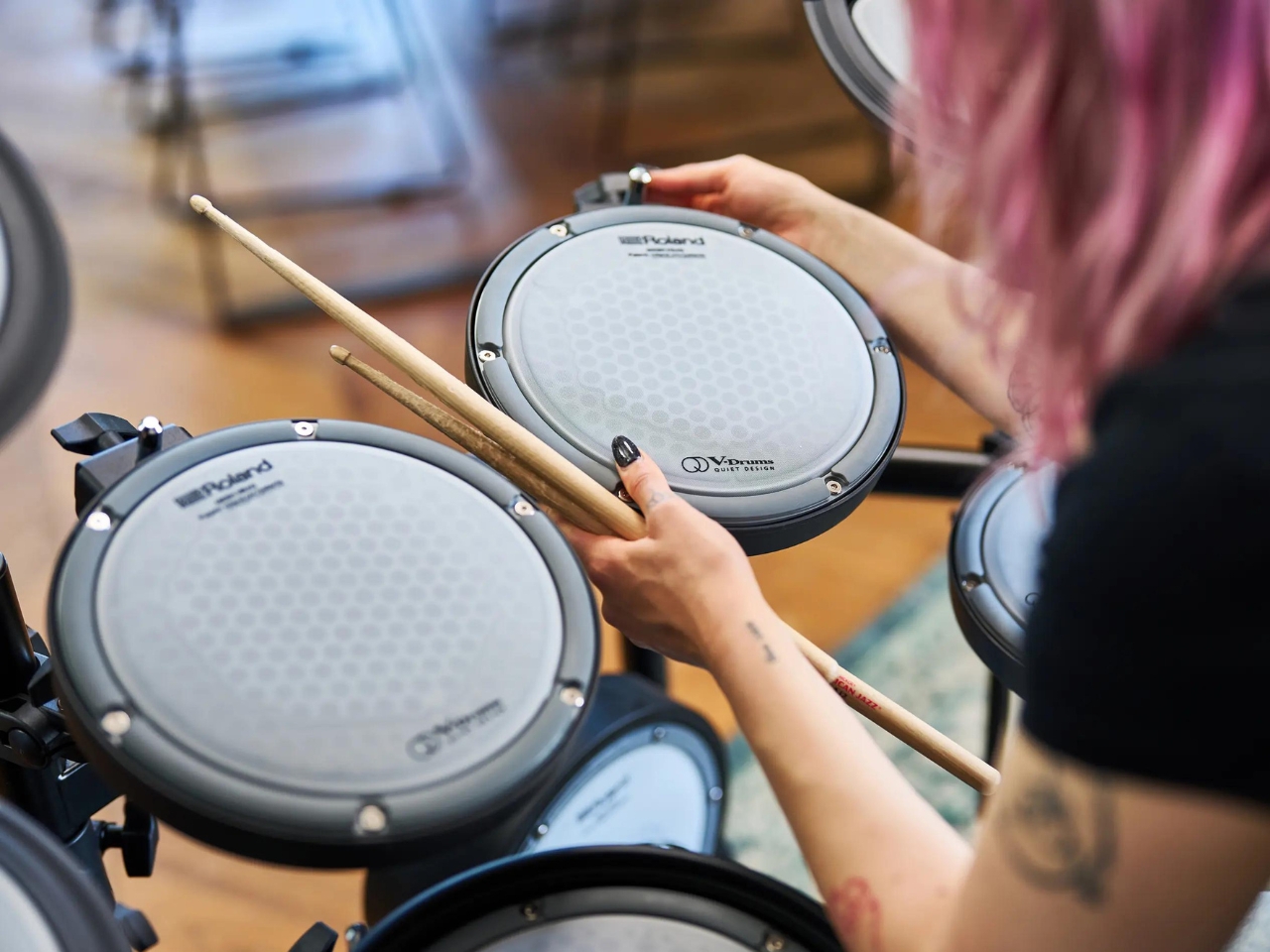
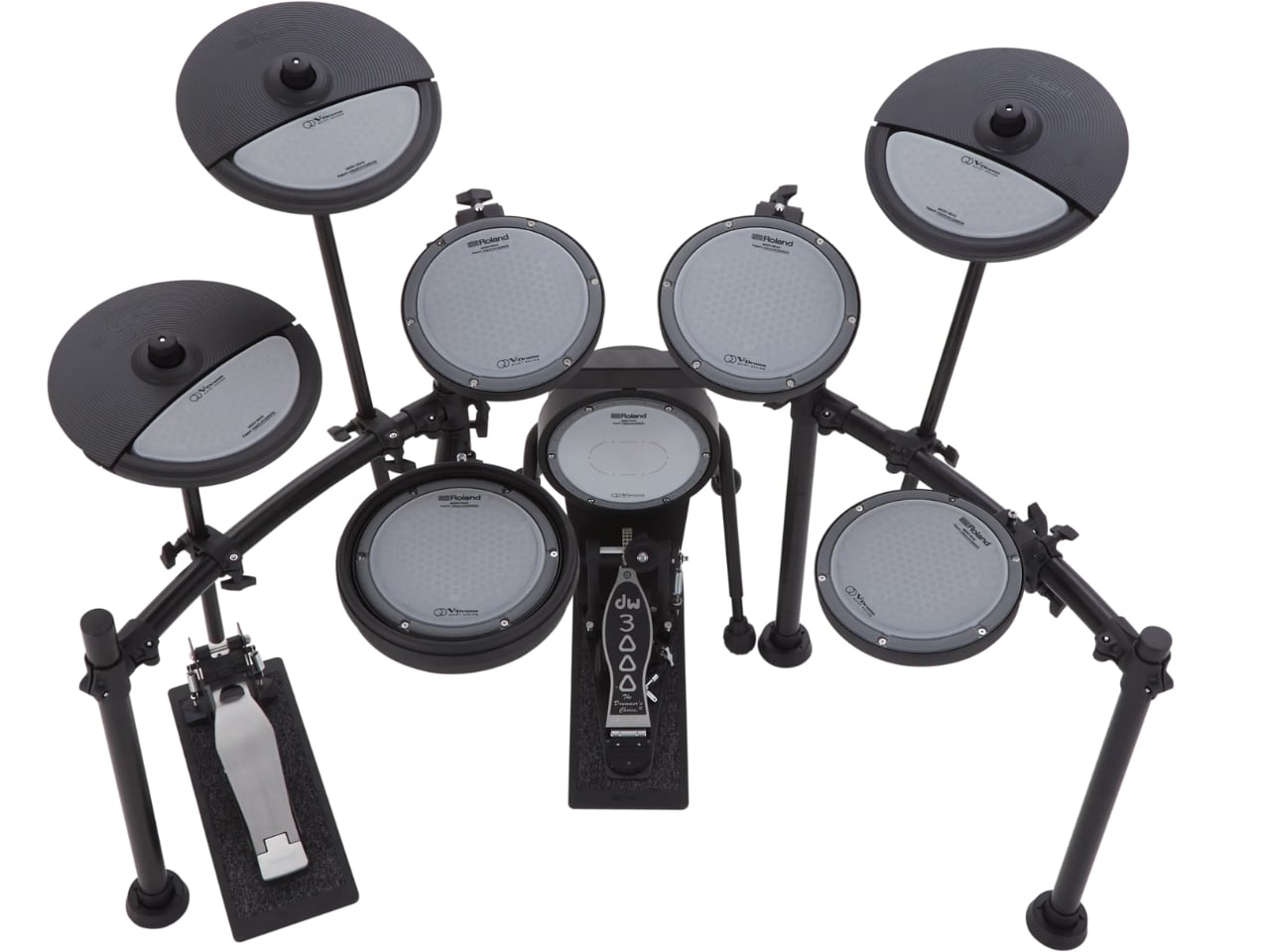
For one, the system snare and tom pads have a honeycomb rubber insert that is noise-absorbing and on top of it, there is a mesh head and strategically placed vents under the playing surface. The rim of the snare is actually triggered independently from the head and has soft rubber so your rim shots are not jarring for the people around you or near you. The set also has three cymbal pads that have the same materials mentioned above, with the crash and ride ones having independent bow and edge triggering while the hi-hat has a foot pedal to give it ultra-quiet operation. The kick drum has a triple-later cushion with a double-ply mesh in a floating frame set so the vibration and noise transfer is less.
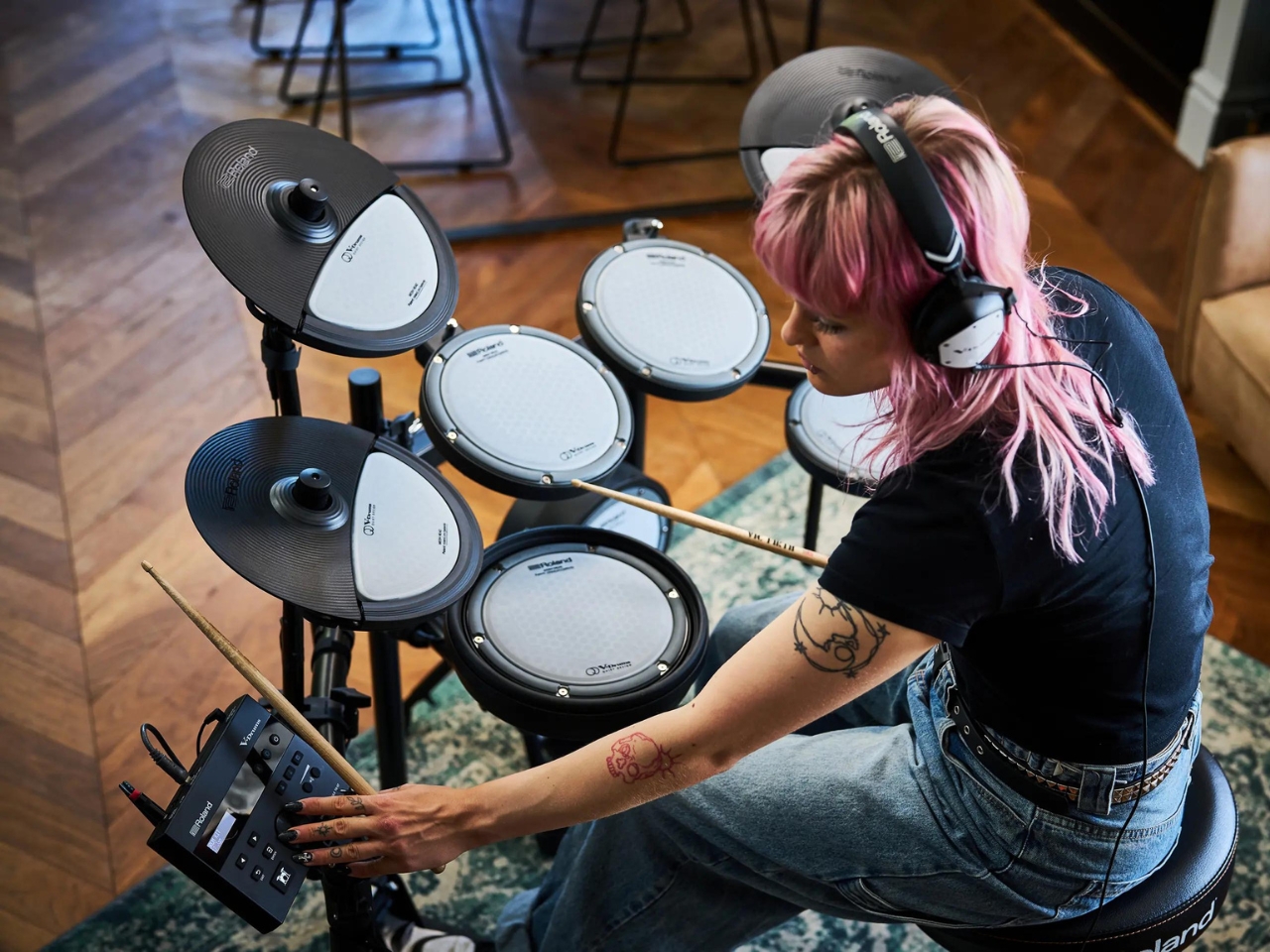
All the features basically confines the sound to the headphones that you’ll wear while playing. The entire kit even has a noise-dampening stand with isolating rubber feet which keeps the sound levels “similar to an average conversation”. This is a gift for both the drummer and the people living with them.
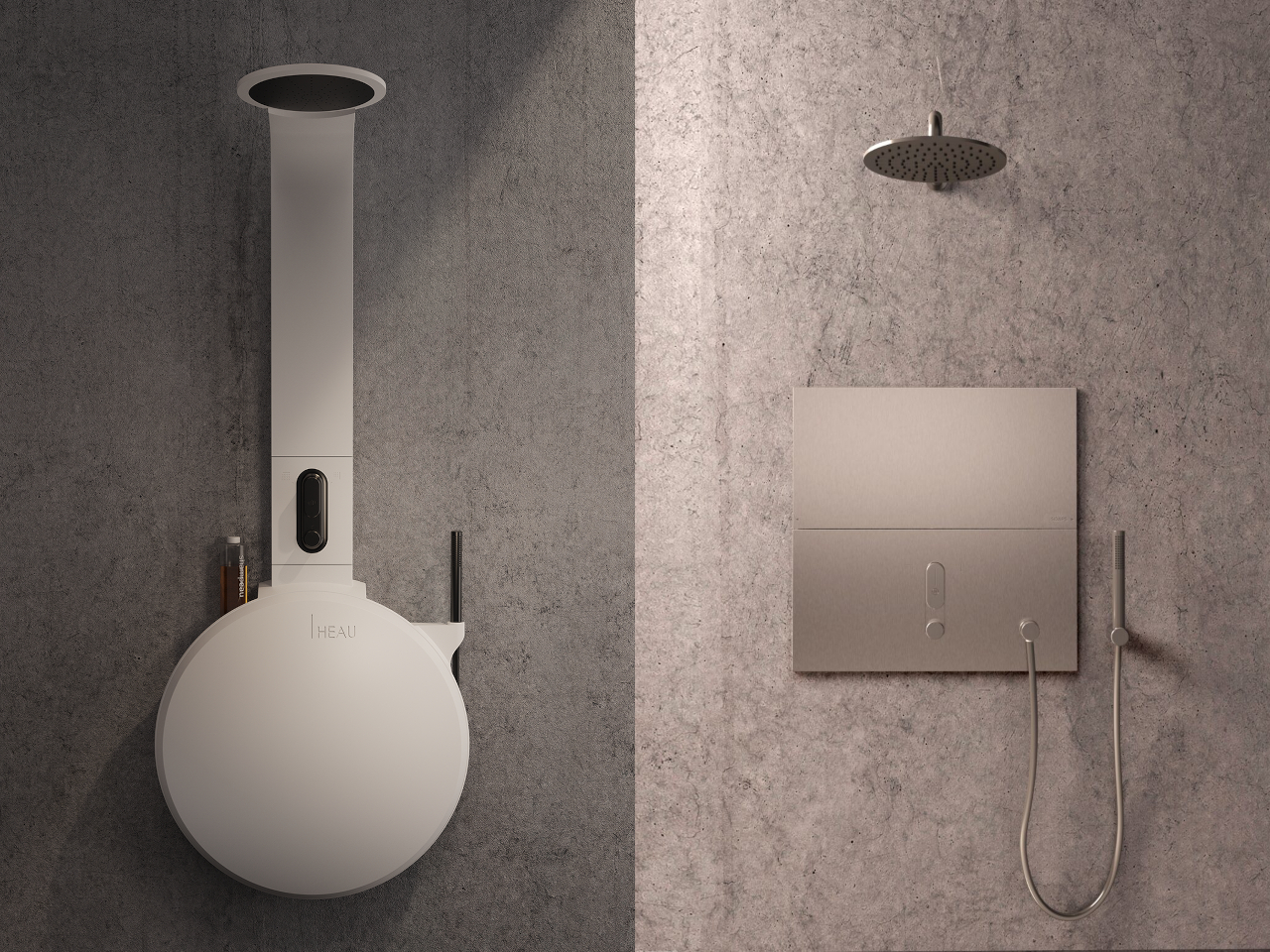
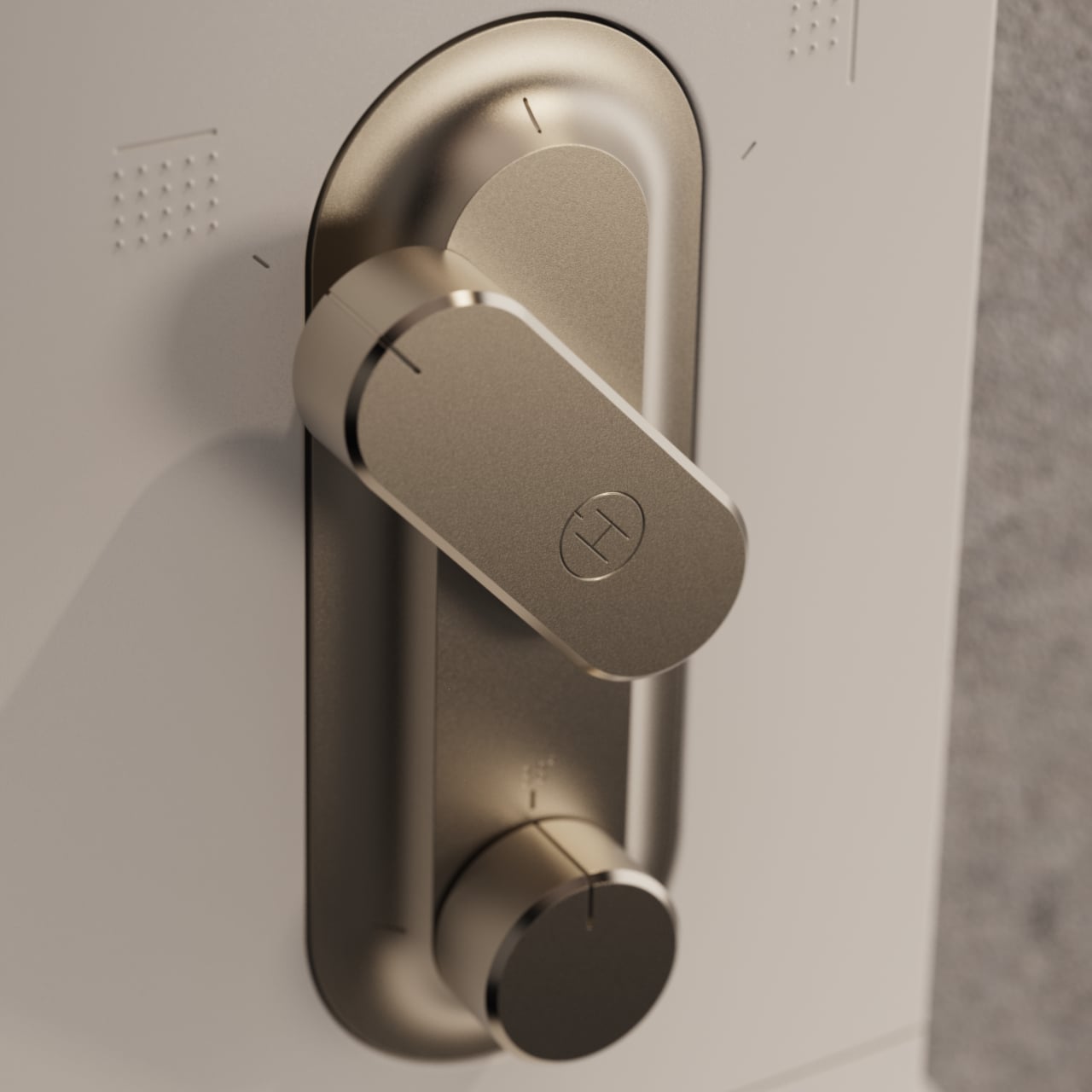
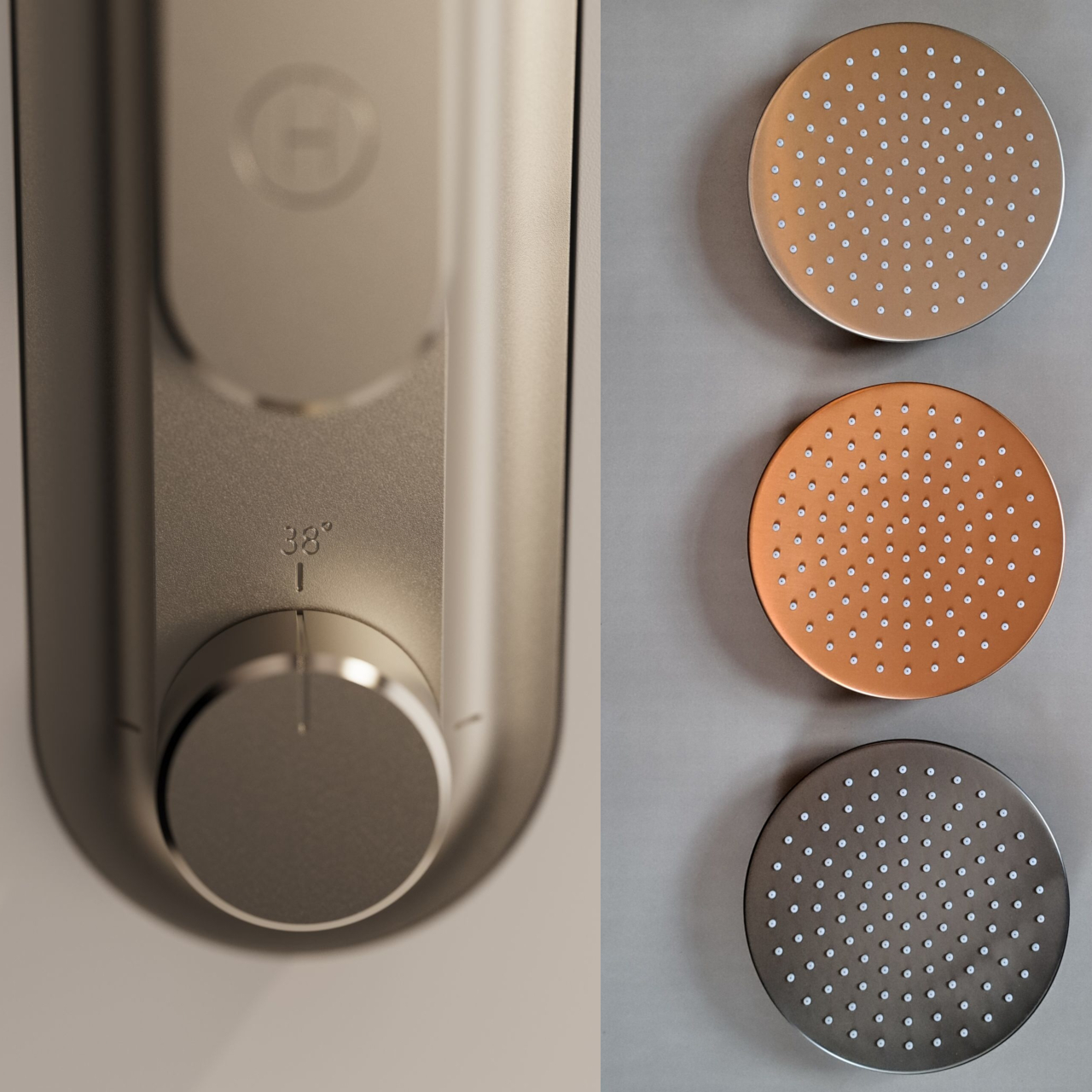
Taking showers with heaters is always a hit and miss for me, sometimes learning my lesson the hard way. There have been several times that a cold blast hit me so I’ve learned to not go under yet and wait for the water to turn hot. However, that also means that we’re wasting a lot of water if that happens every day. Apparently, an average person wastes 4000 liters and 110 kilowatt-hours of energy every year, according to startup Heau.
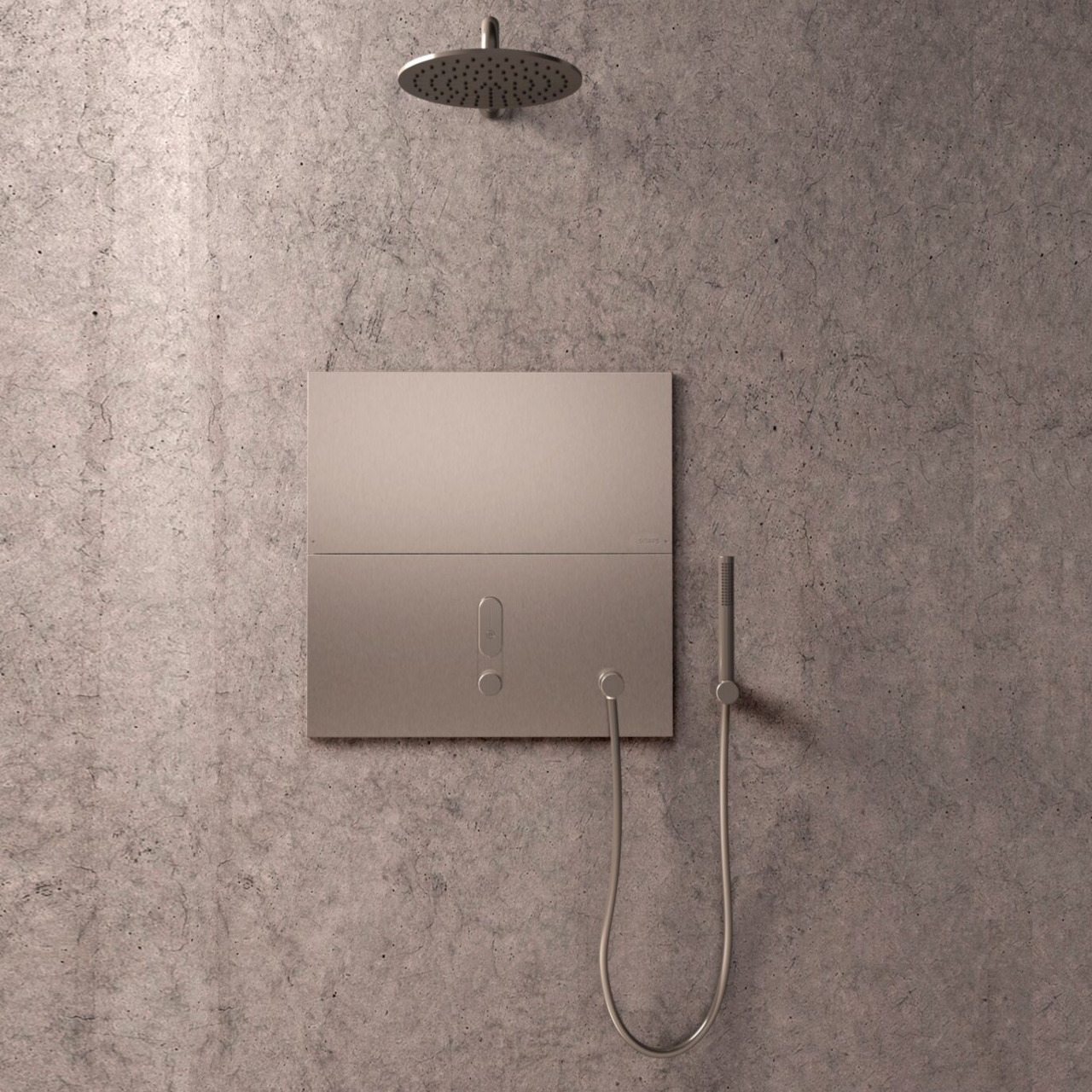
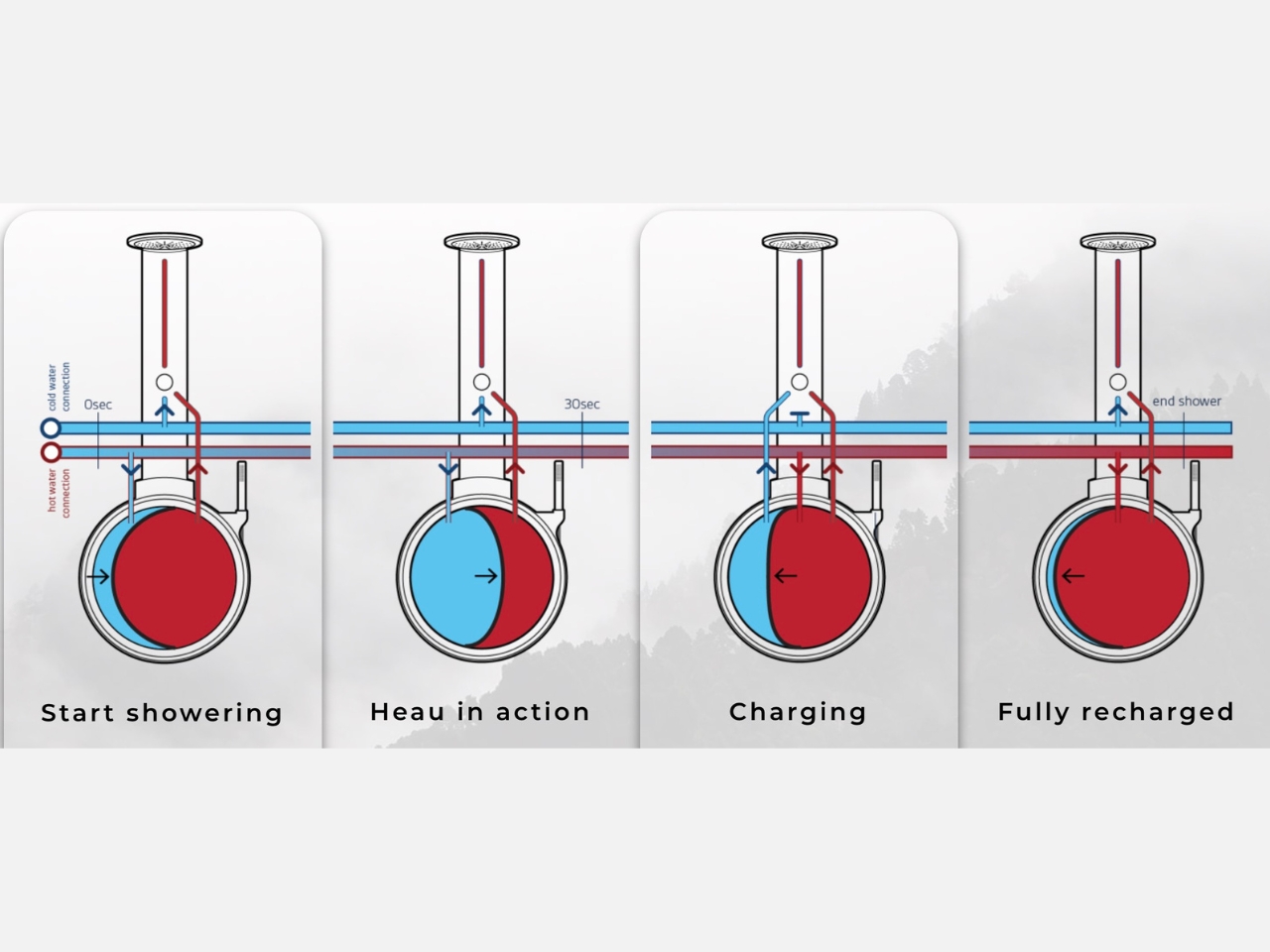
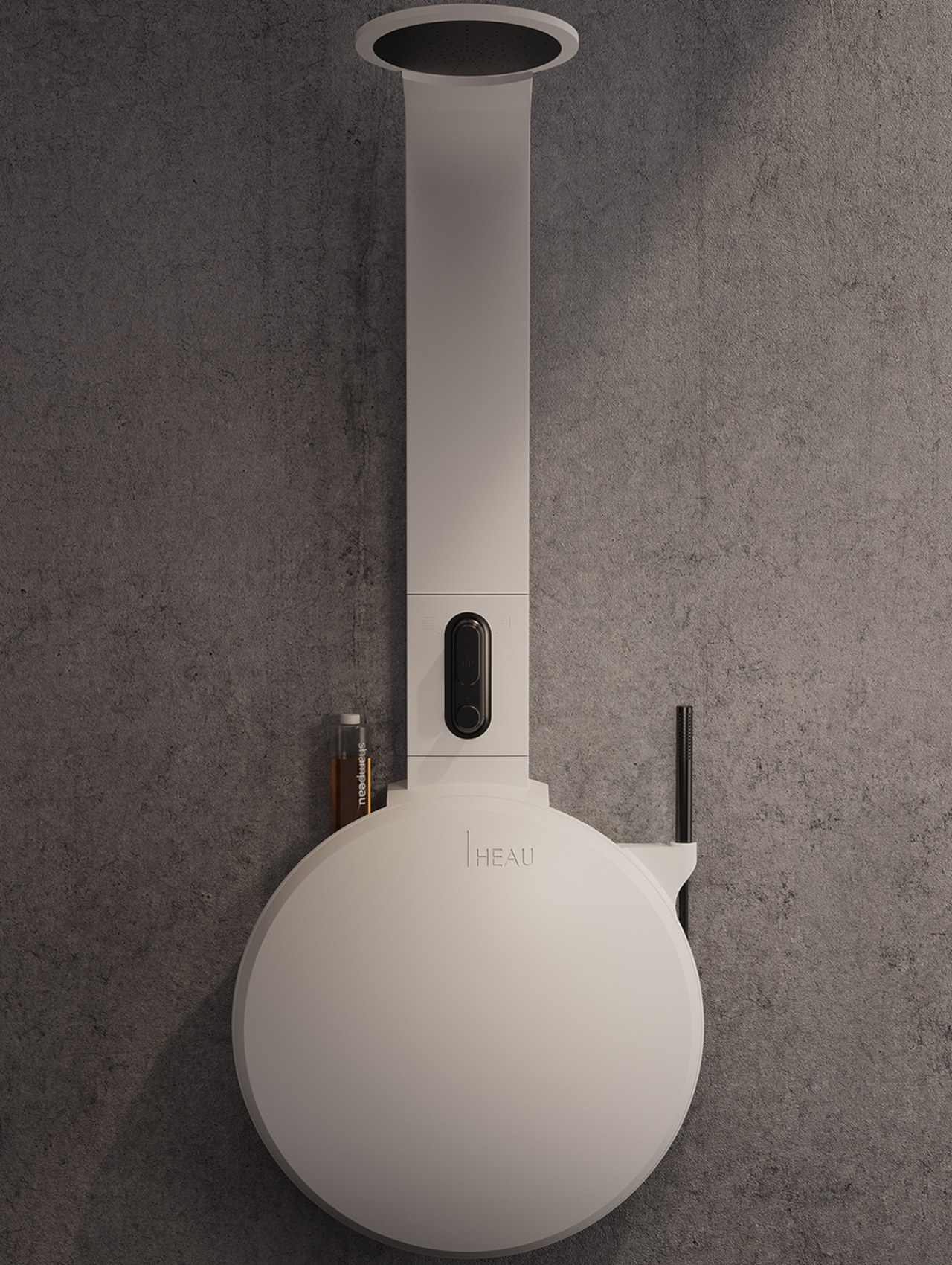
The patented Heau system says they’re the world’s first shower with instant hot water. This way it helps you save on the water that’s wasted as you wait for it to heat up while still enjoying the comfort of hot water instantly as soon as you turn on the shower. Most people wait for around 1 minute after they turn on the shower since that’s when the water becomes comfortably hot. What they came up with is a two-compartment system that is able to store the heat from your previous shower so it’s already hot when you turn on your current shower.
The hot water from the end of a shower is stored in a vacuum chamber and keeps it hot up to three days because of a special insulation. When you take your next shower, the system detects the cold water and sends it to the left compartment which then applies pressure through a flexible membrane. It is sent to the mixing valve so you get your instant hot water. When the water in the pipes is already hot, the system is able to shut off the hot water inlet and can recharge it since it sends the water to the right hand compartment.
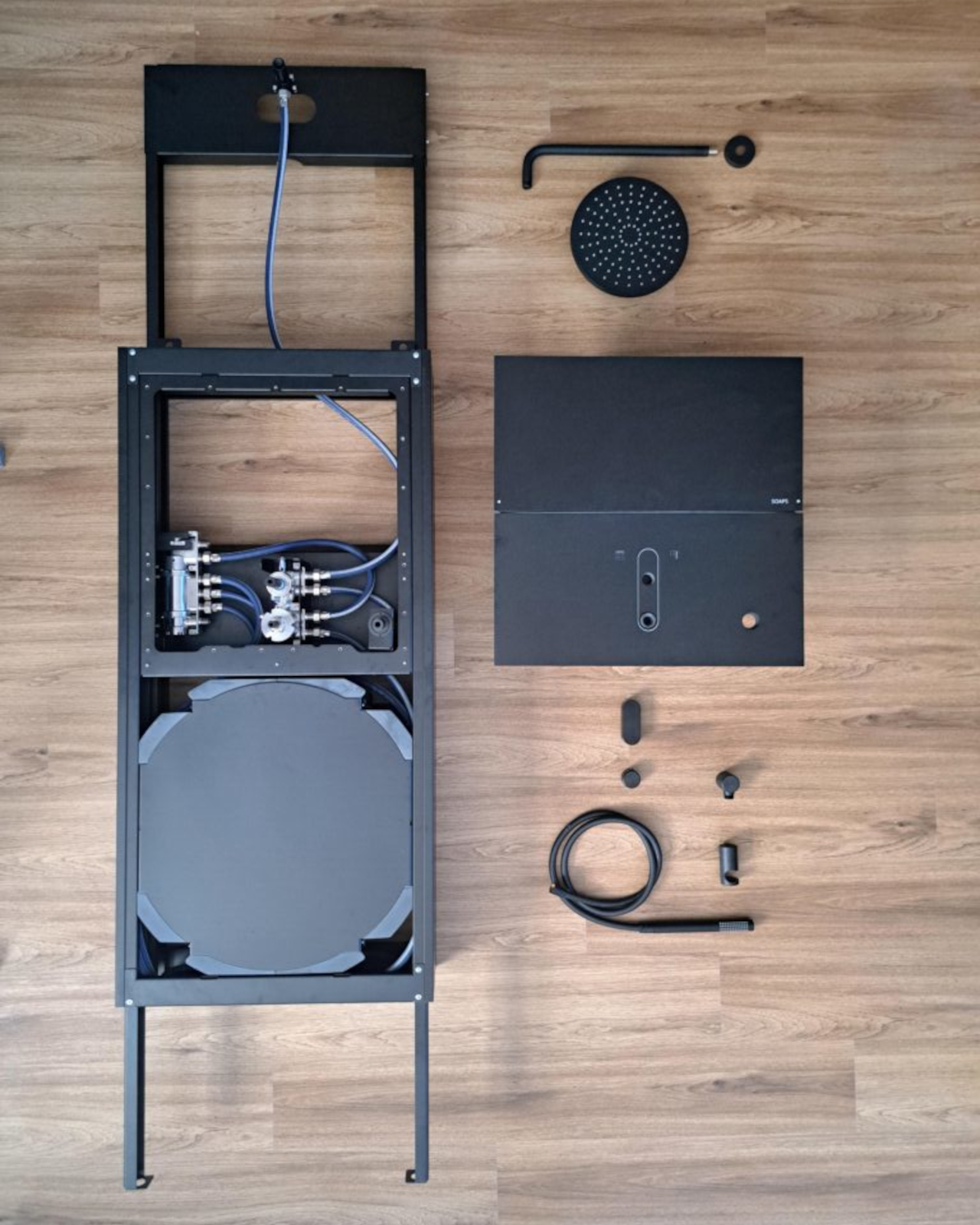
The installation of the system is similar to the water storage for hanging toilets and it can work with any type of shower. Heau is still currently in the startup stage but they’re targeting the shower system to be available by 2025.
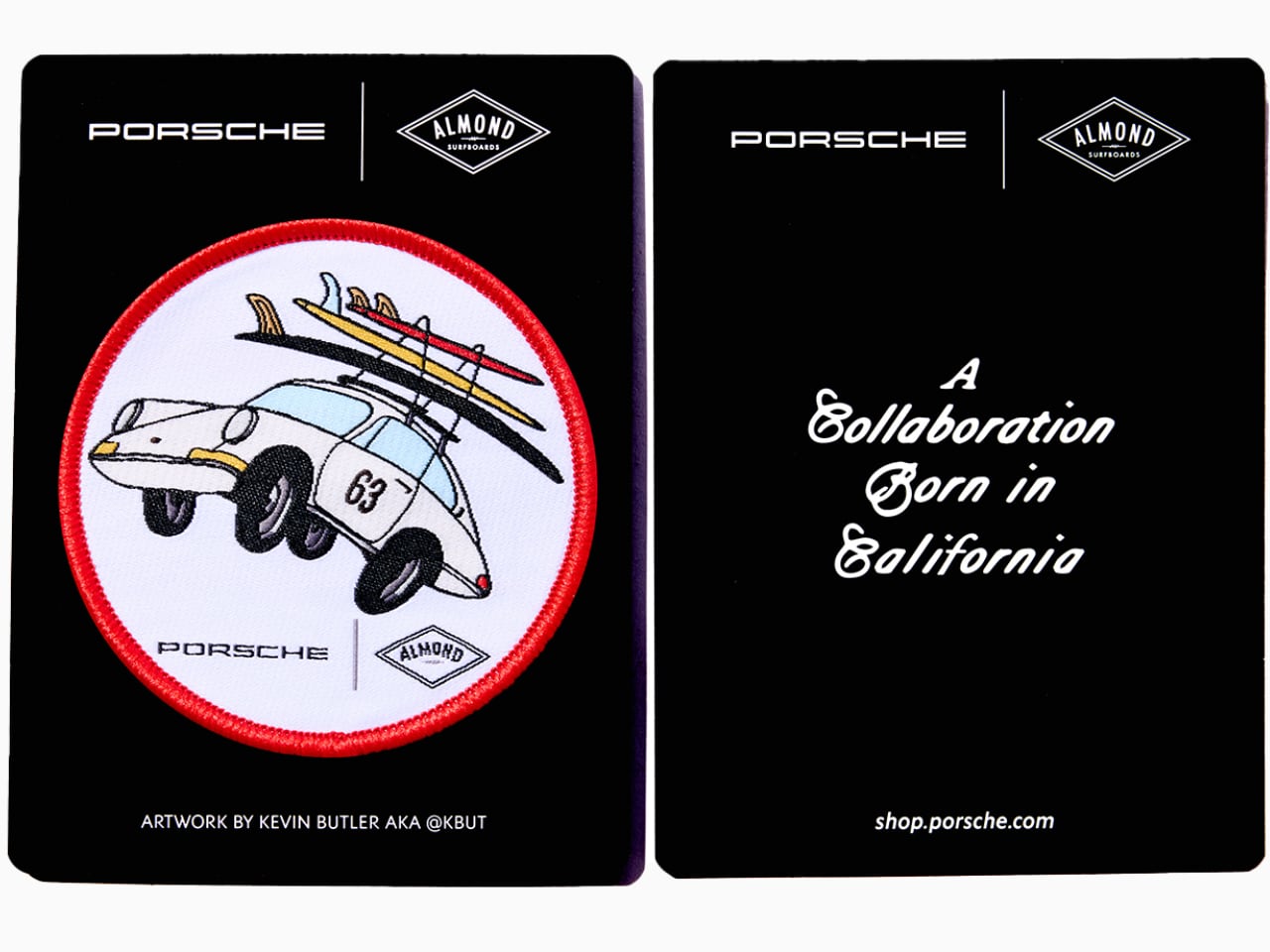
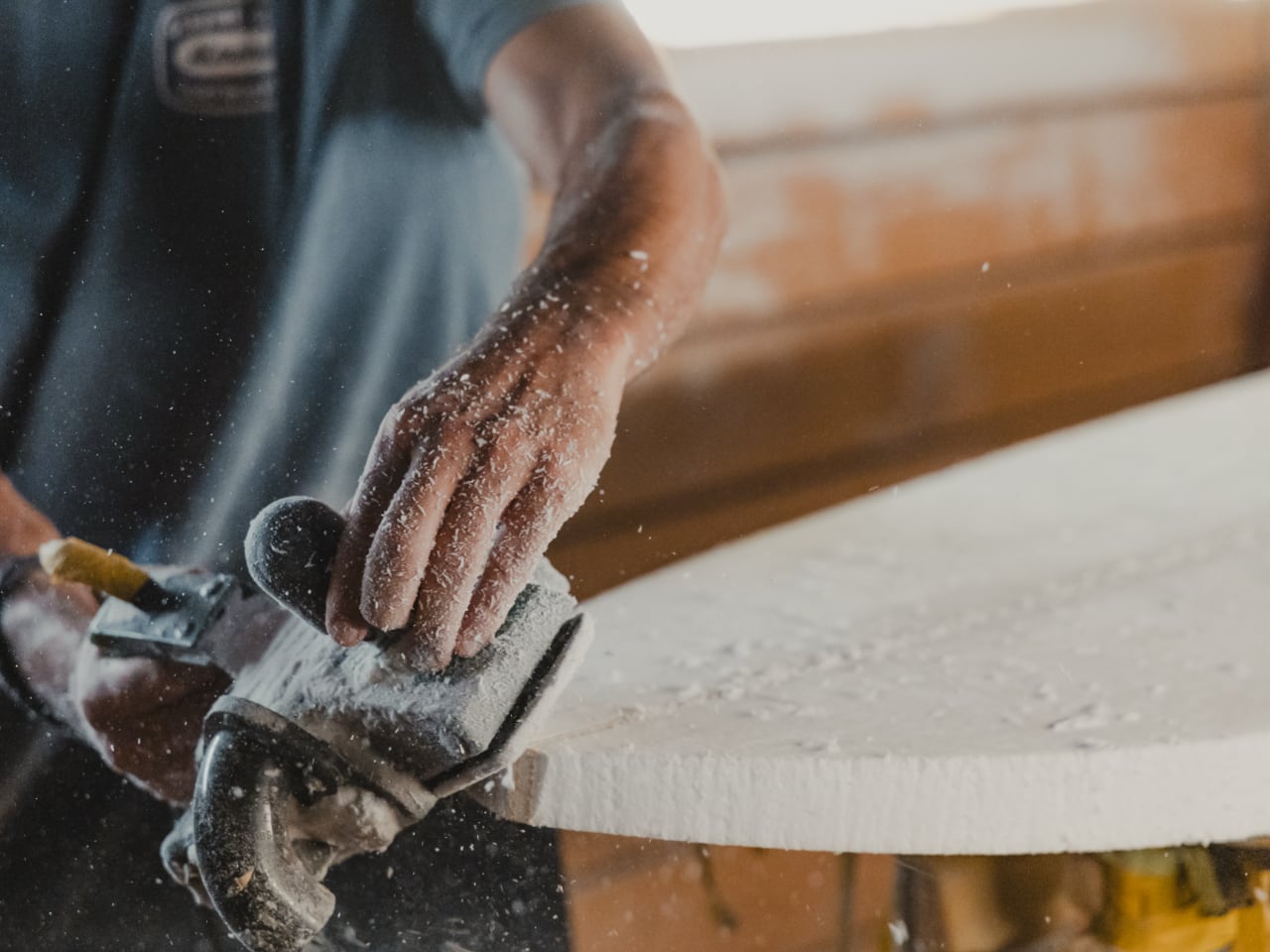
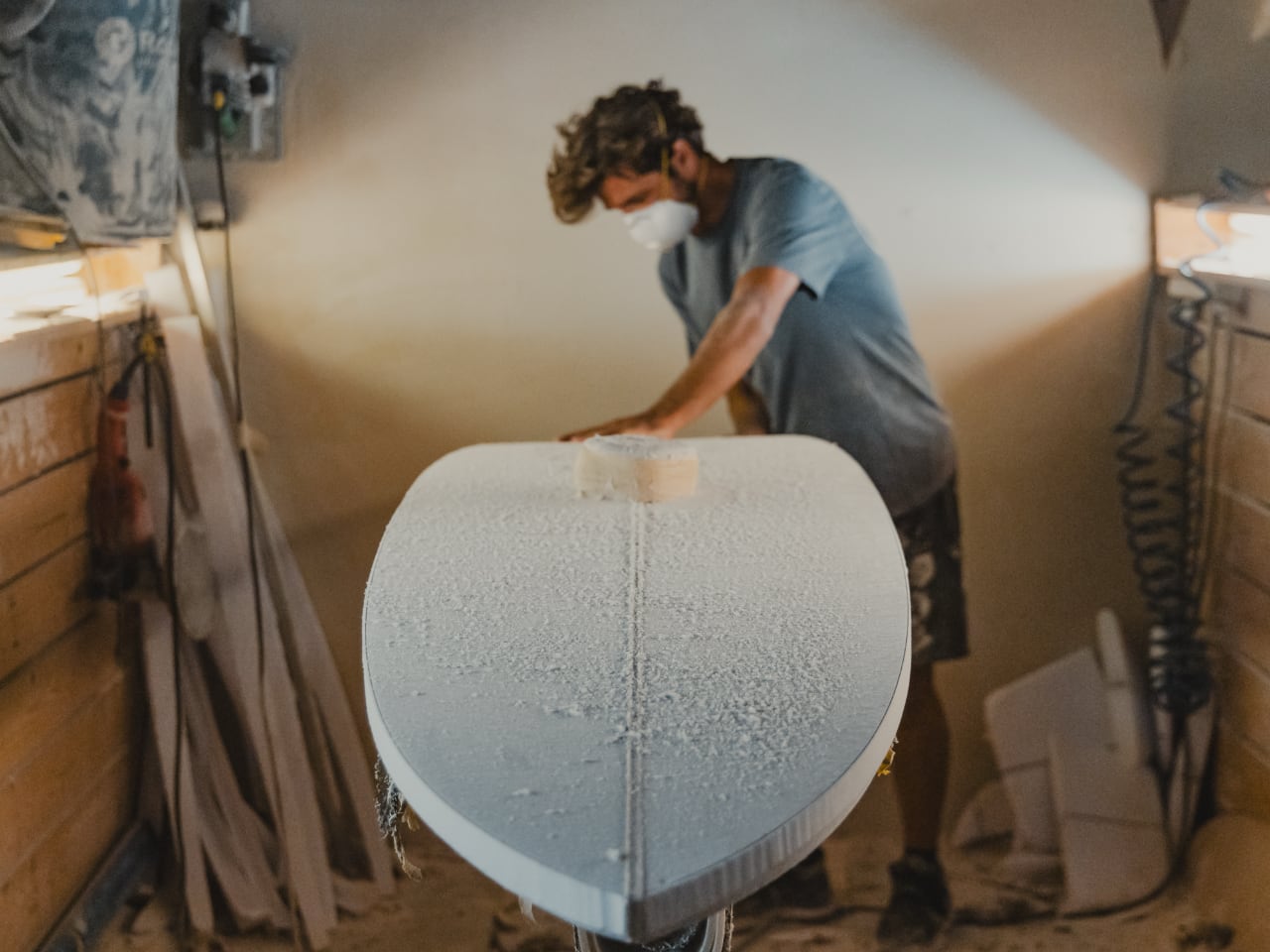
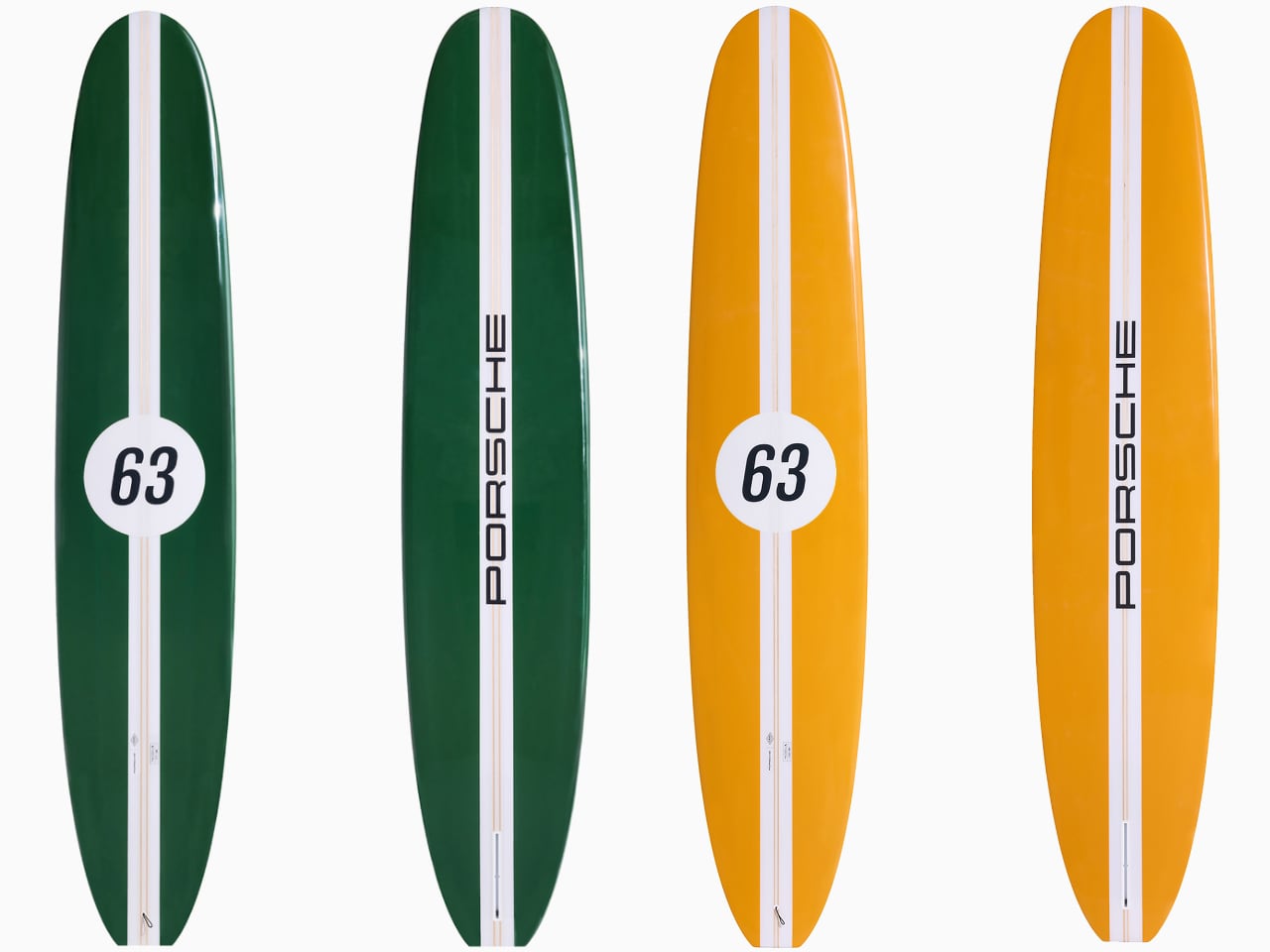
When Porsche partnered with Almond Surfboards to create a limited-edition surfboard collection, it was an inspired fusion of German engineering and California surf culture. This collaboration merges precision design and a laid-back lifestyle in a collection that balances craftsmanship with bold, iconic aesthetics.
Designers: Porsche + Almond collection
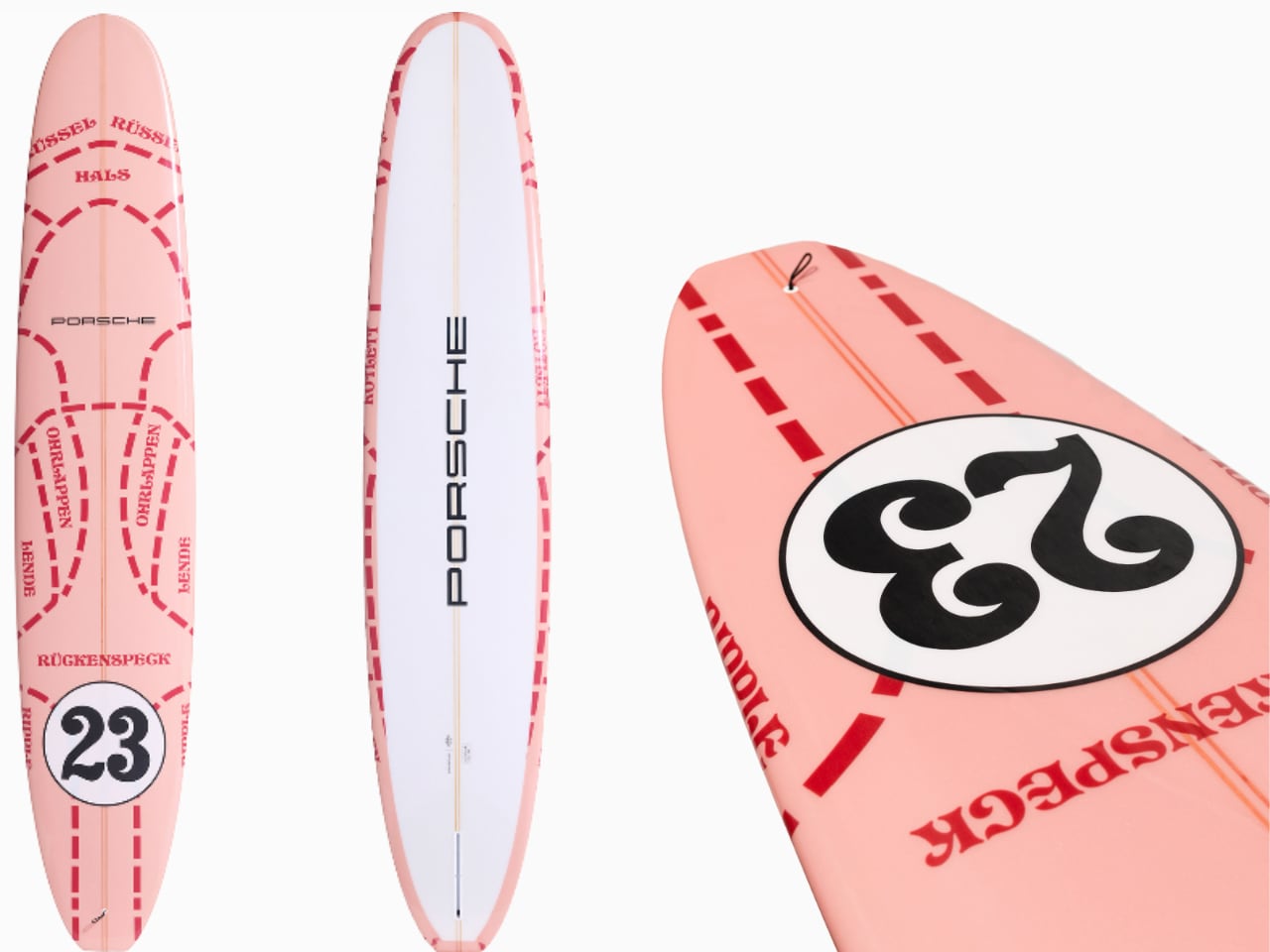
Each board is hand-shaped in Costa Mesa, California, and showcases the iconic Porsche 911 colors from the 1960s: Bahama Yellow, Irish Green, and Polo Red. These bold, classic hues evoke the timeless appeal of Porsche’s storied motorsport past. Additionally, the Pink Pig livery, famously featured on the 917/20 at Le Mans, injects a sense of playful rebellion, bridging a connection between race tracks and ocean waves.
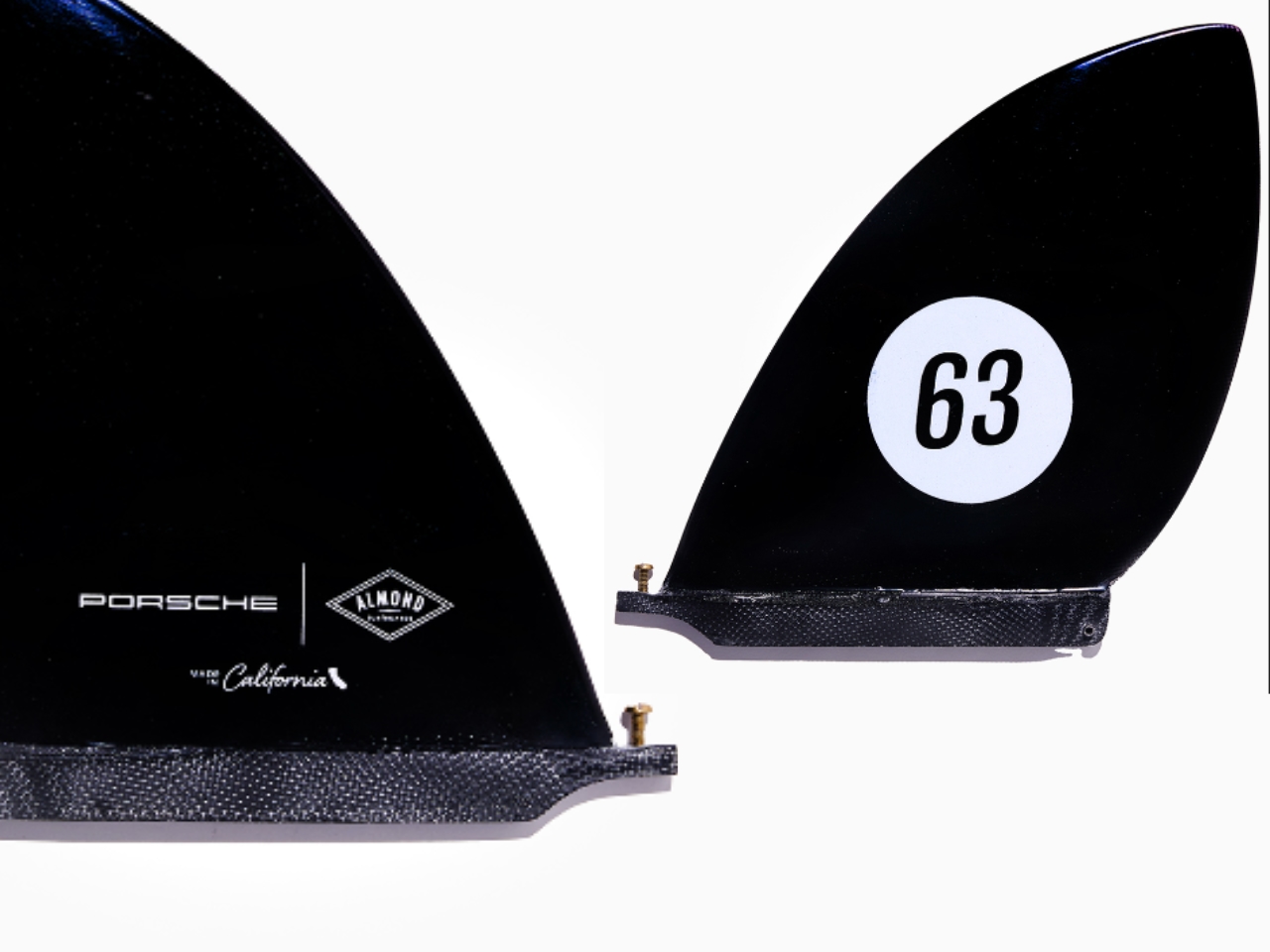
The attention to detail extends beyond color. Each board is meticulously numbered with 63, paying homage to the debut year of the first Porsche 911. These boards are designed for peak performance, crafted to carve through waves with the same finesse that a Porsche car cuts through corners.
Iconic Liveries: A Visual Legacy
Porsche’s racing liveries have left an indelible mark on motorsport culture. The Pink Pig livery, first introduced at Le Mans in 1971, caused a sensation with its butcher-style markings, a nod to fun and boldness in racing design. While it didn’t take first place, the livery remains unforgettable. Porsche’s knack for creating visual identities that speak beyond speed is part of what makes its designs iconic.
Other liveries, such as Gulf Racing and Martini Racing, tell their own stories of endurance and triumph on tracks like Le Mans and the World Endurance Championship. These designs represent Porsche’s relentless pursuit of innovation and excellence, and now, those same livery styles are reflected in the surfboard collection—offering Porsche fans a chance to connect with the brand in an entirely new way.
Numbers That Matter: The Significance of 63
The number 63 carries deep significance for Porsche, symbolizing the birth of the 911 in 1963. This number isn’t merely a historical reference—it reflects Porsche’s enduring philosophy of design and innovation. On the surfboards, the 63 serves as a reminder of Porsche’s legacy and how that spirit has been translated into everything from cars to lifestyle products.
Personally, the number 911 has long been significant in my life. Over a decade ago, I managed to score a mobile phone number that starts with 917 and ends with 911—a perfect numerical tribute to one of Porsche’s most famous models. Every time I give out my number or see it on my business card, it feels like a small but meaningful connection to Porsche’s history.
Crafting the Boards: Surf Meets Precision Engineering
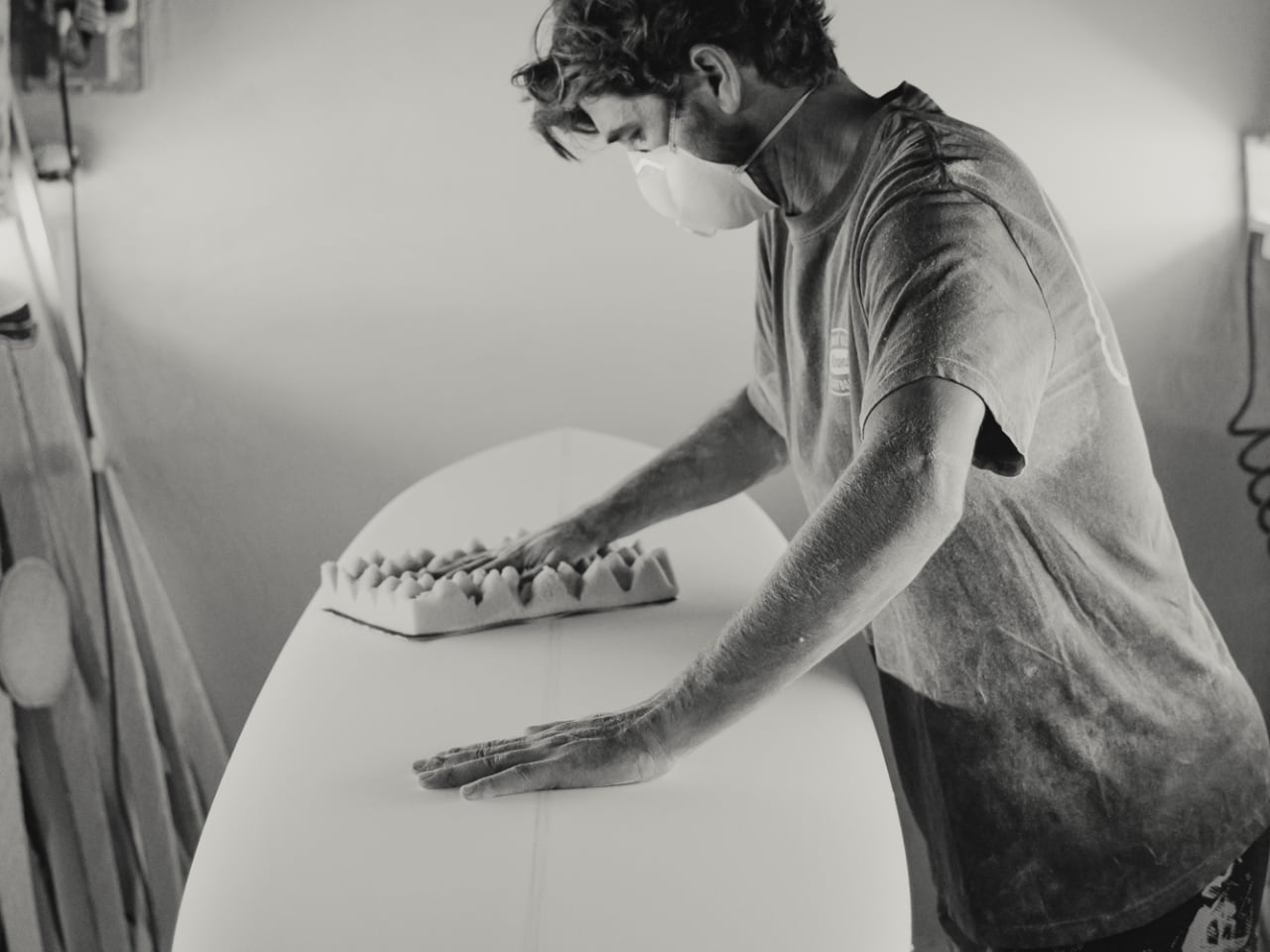
The shaping process of the surfboards in the Porsche x Almond collection mirrors the craftsmanship seen in Porsche’s cars. Each board is shaped from polyurethane foam, reinforced with basswood stringers, and wrapped in fiberglass cloth. The combination of these materials delivers durability, performance, and aesthetic beauty. Just like Porsche’s vehicles, each board is crafted with purpose, delivering on form and function.
Almond’s influence is felt deeply here, as their approach to surfboard crafting draws on the traditions of California surf culture. Known for their hand-shaped boards and commitment to craftsmanship, Almond brings a design ethos rooted in authenticity, simplicity, and a connection to the ocean. This influence transforms the boards into more than sporting equipment—they represent a lifestyle. Almond’s surf culture emphasizes longevity and timeless style, blending seamlessly with Porsche’s commitment to performance and precision.
The hand-foiled fiberglass fins are a nod to Porsche’s engineering precision. Crafted from 36 layers of fiberglass, these fins reflect a focus on fine detail, much like the assembly of a high-performance car engine. The inclusion of custom wooden wall brackets for display reminds us that these surfboards, much like Porsche’s vehicles, are as much art as they are machines for performance.
A Personal Connection: Pikes Peak and Porsche’s Racing Spirit
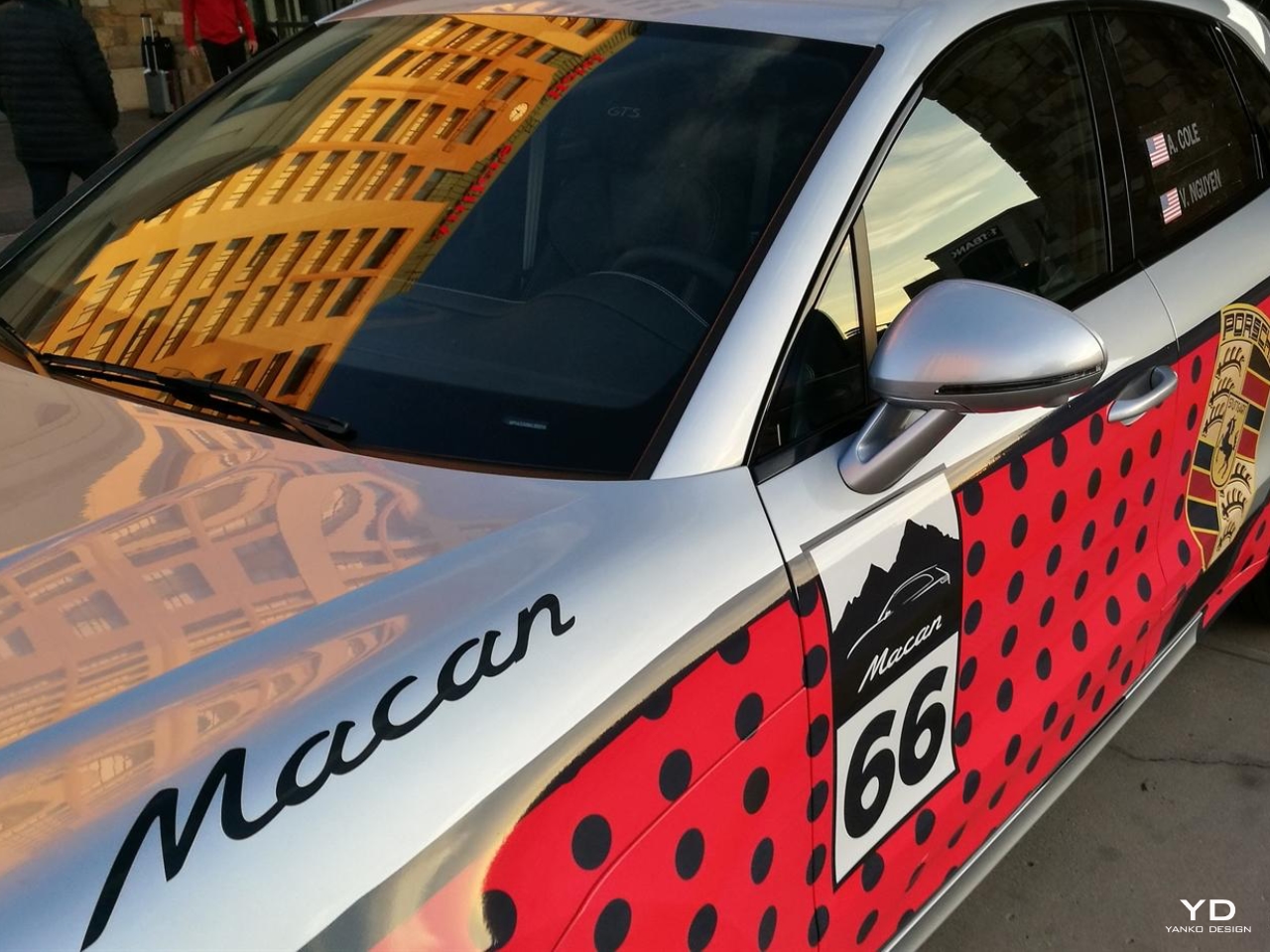
In 2016, I was fortunate to experience firsthand Porsche’s racing heritage on a drive I’ll never forget. While scaling Pikes Peak in a Macan GTS, wrapped in liveries designed to reflect Porsche’s racing history, I had the surreal honor of seeing my own name emblazoned on the car. This wasn’t just a typical drive—it was a full immersion into Porsche’s racing spirit, taking me from Pikes Peak to Mount Evans, a journey that pushed the Macan GTS and my own driving skills to their limits.
The livery on the Macan GTS was designed to reflect Porsche’s legacy at Pikes Peak. It’s a vivid reminder of how Porsche integrates its heritage into every aspect of its modern vehicles, creating a sense of continuity between the brand’s past, present, and future. Porsche’s emphasis on precision, balance, and driver engagement could be felt in every twist and turn of the climb.
Surfboards as Lifestyle: Porsche’s Expanding Design Language
What makes the Porsche x Almond surfboards special is how they expand Porsche’s design language beyond the road. These boards are an extension of Porsche’s identity. The Bahama Yellow, Irish Green, and Polo Red colors signify past 911 models and represent Porsche’s ability to merge motorsport heritage with contemporary design aesthetics.
Almond’s surf culture influences the design of these boards by bringing a sense of authenticity, simplicity, and connection to nature. The boards are shaped by hand, emphasizing craftsmanship, just as Porsche’s vehicles are assembled with precision. This collaboration showcases how Porsche’s design philosophy can transcend its automotive roots and enter new realms, like surfing, while staying true to the brand’s core values.
Porsche’s visual identity has always been about creating a lasting impression, from racing stripes to the Pink Pig motif. The Porsche x Almond collection is the next step in that journey, extending the brand’s influence from the race track to the waves of California.
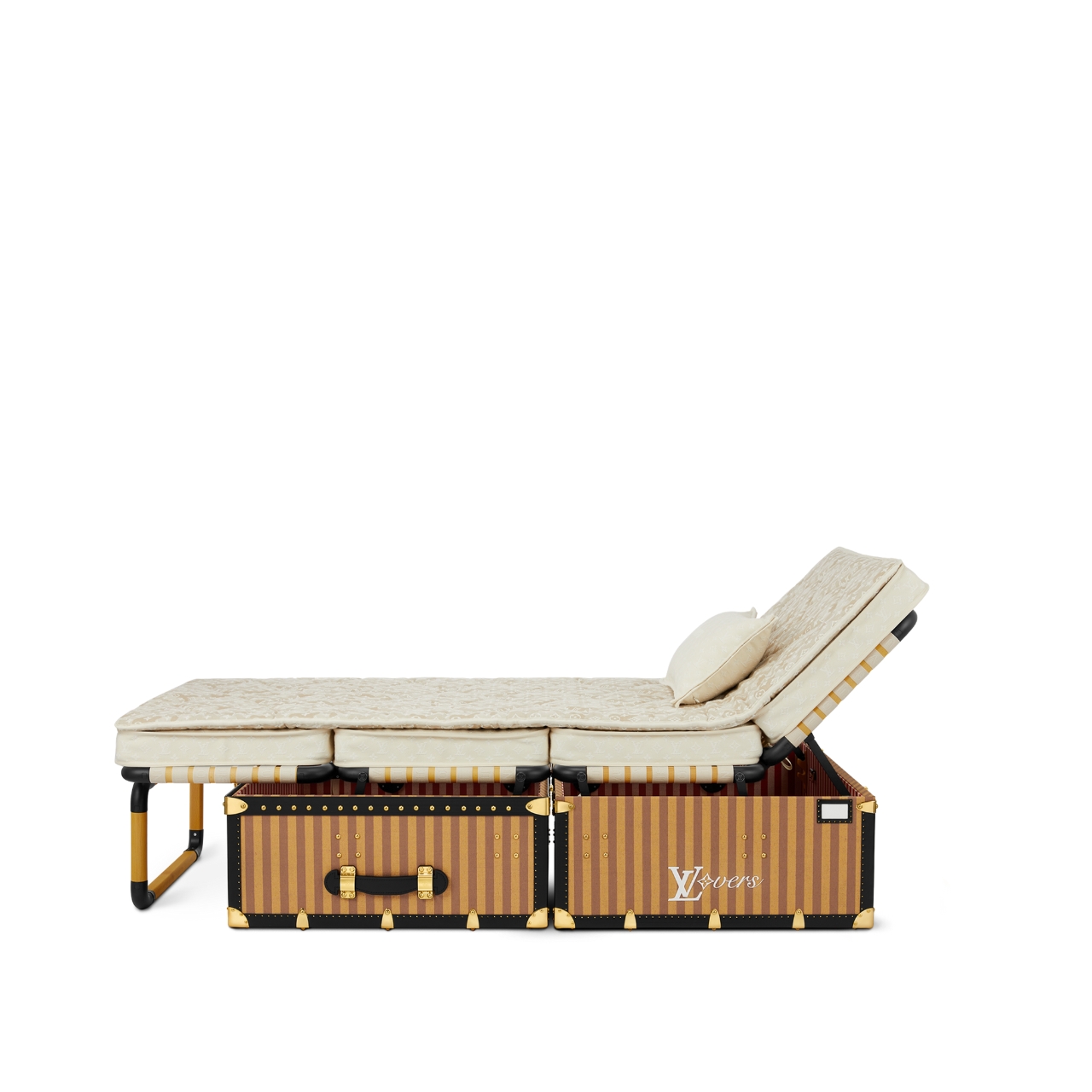
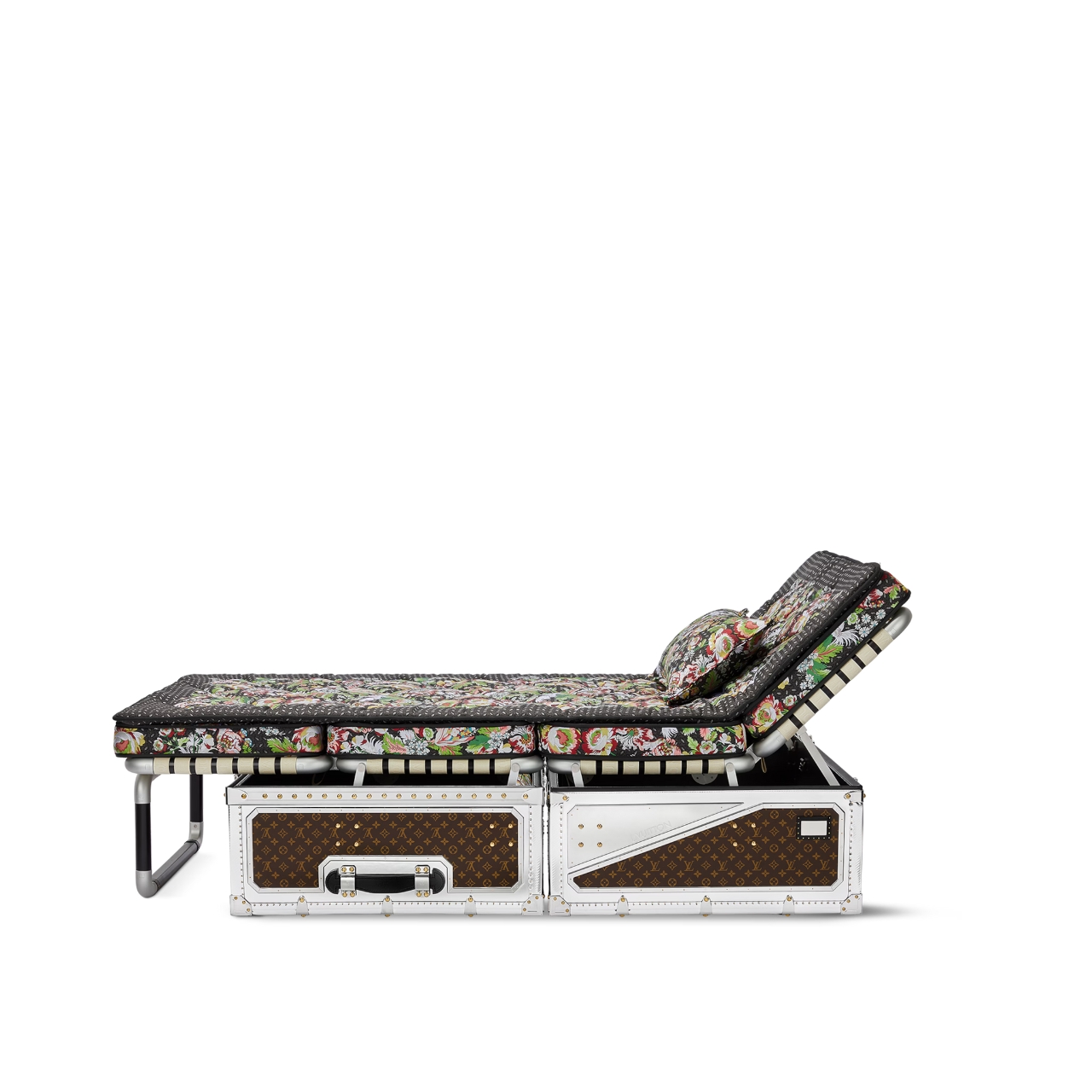
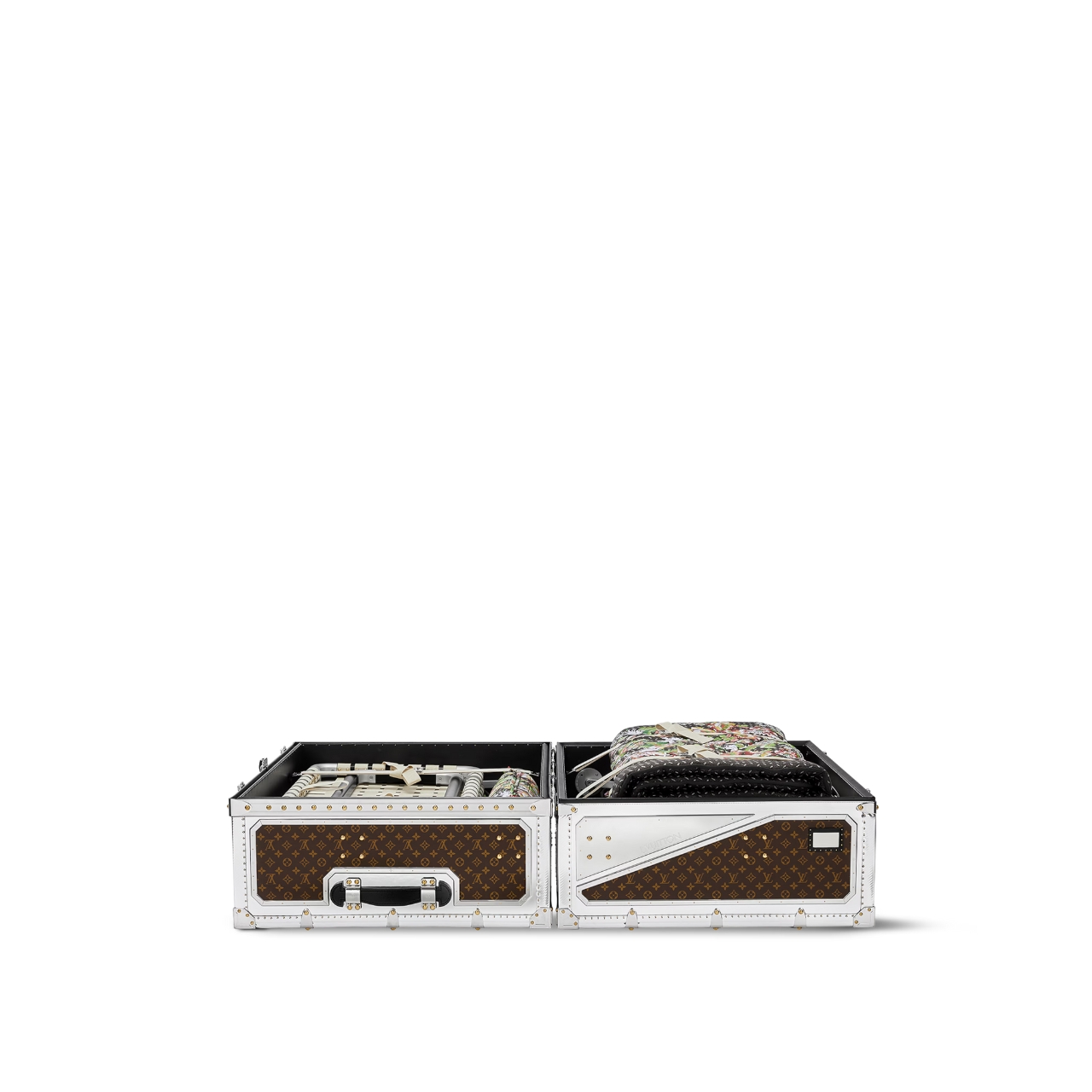
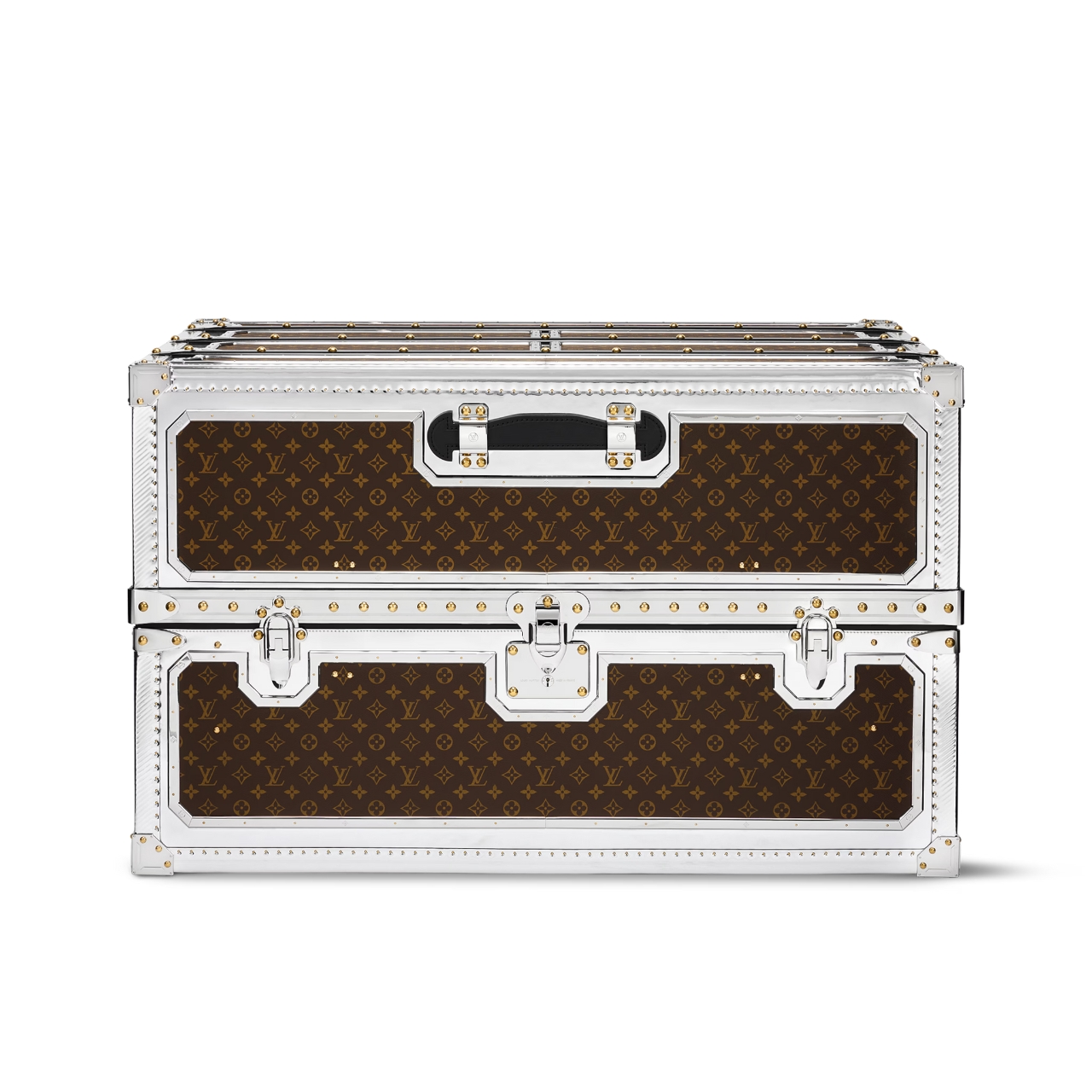
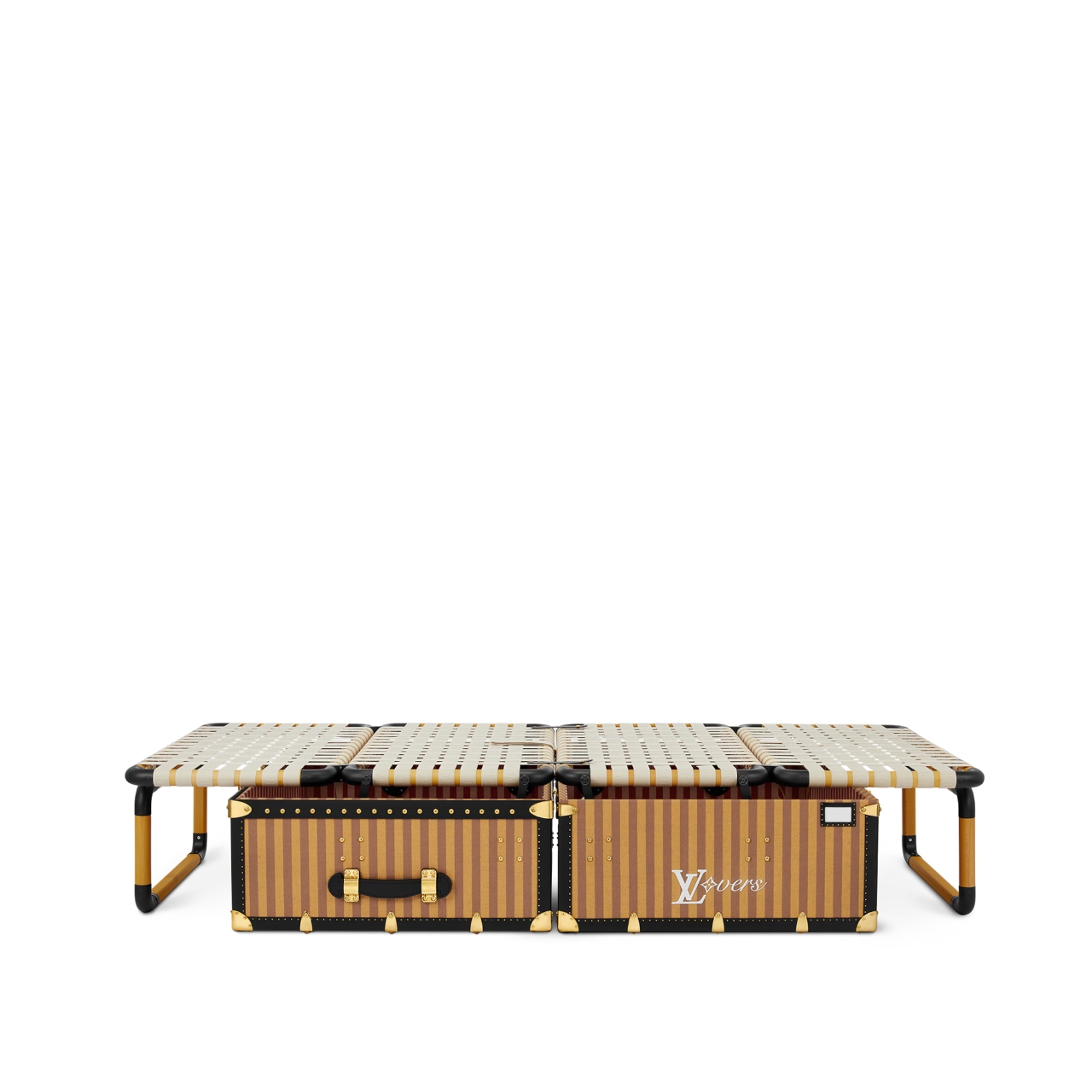
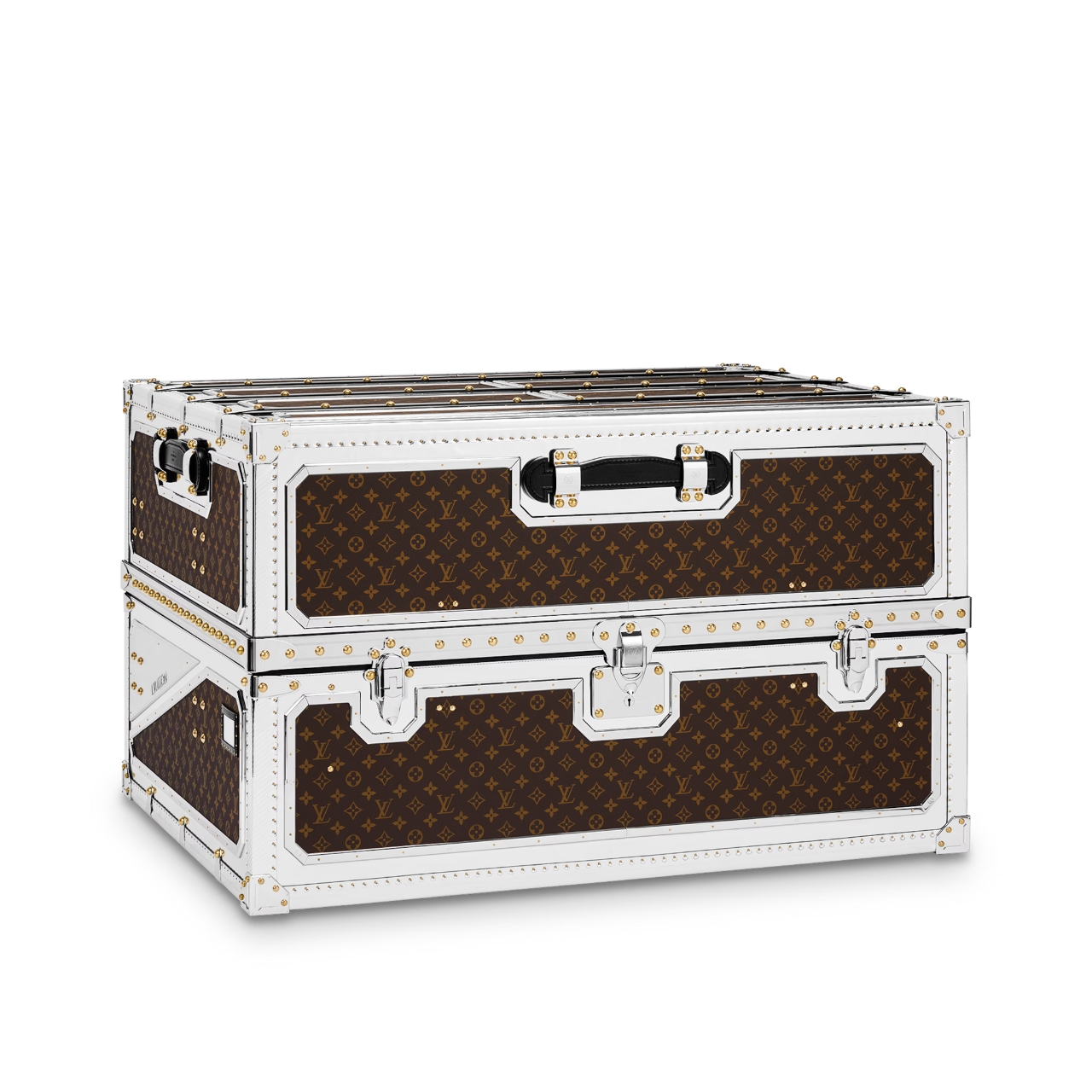
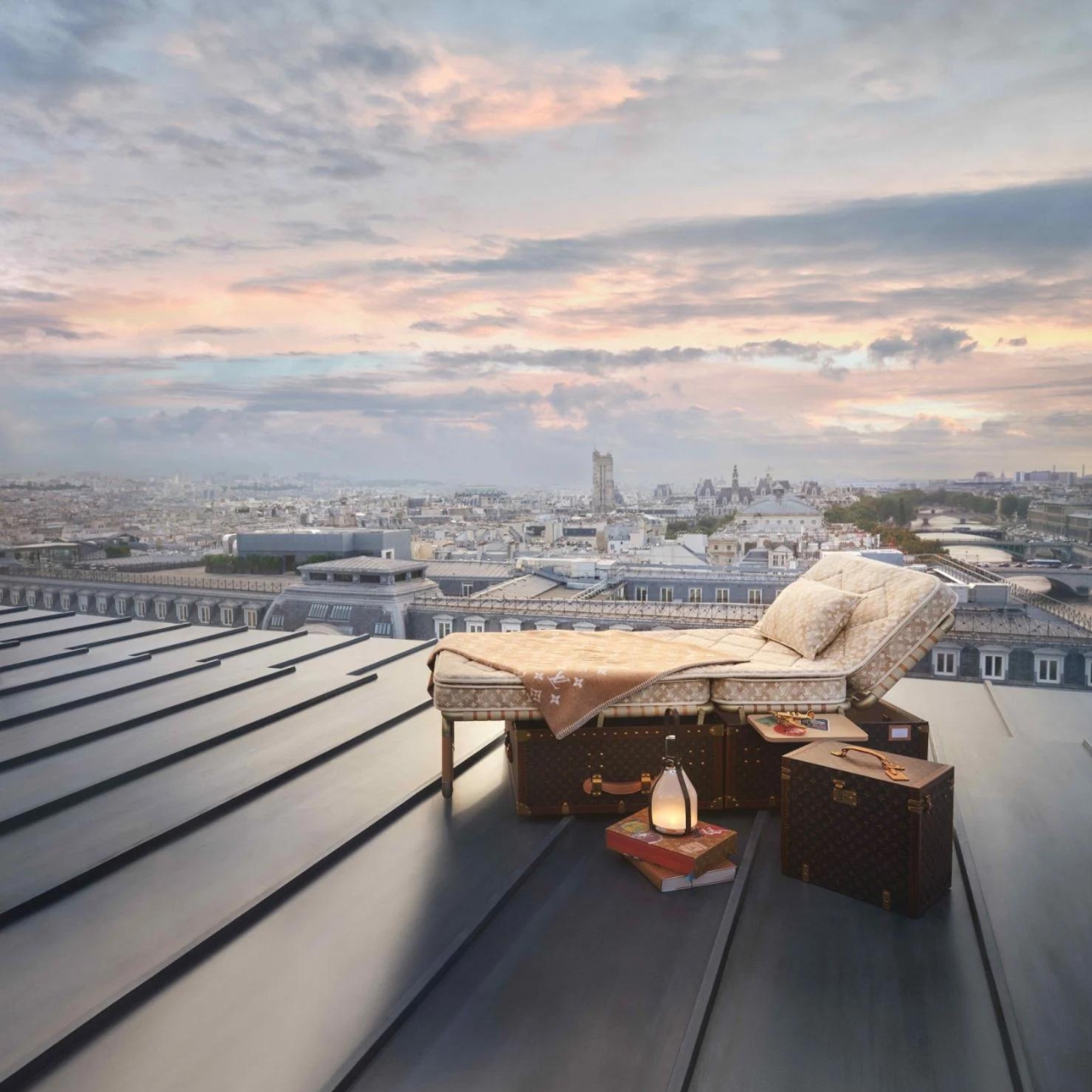
When you see the words “globetrotting explorers” now, you probably think of rich people hopping on and off airplanes and moving from one luxurious hotel to another. But back in the 19th century, Louis Vuitton thought of a portable bed that still had some creature comforts for frequent travelers and even military officers that were always on the go. Thus the iconic Malle Lit or Bed Trunk was born. Now it has been updated with a modern touch by two of LV’s artistic directors.
Designers: Nicolas Ghesquière and Pharrell Williams
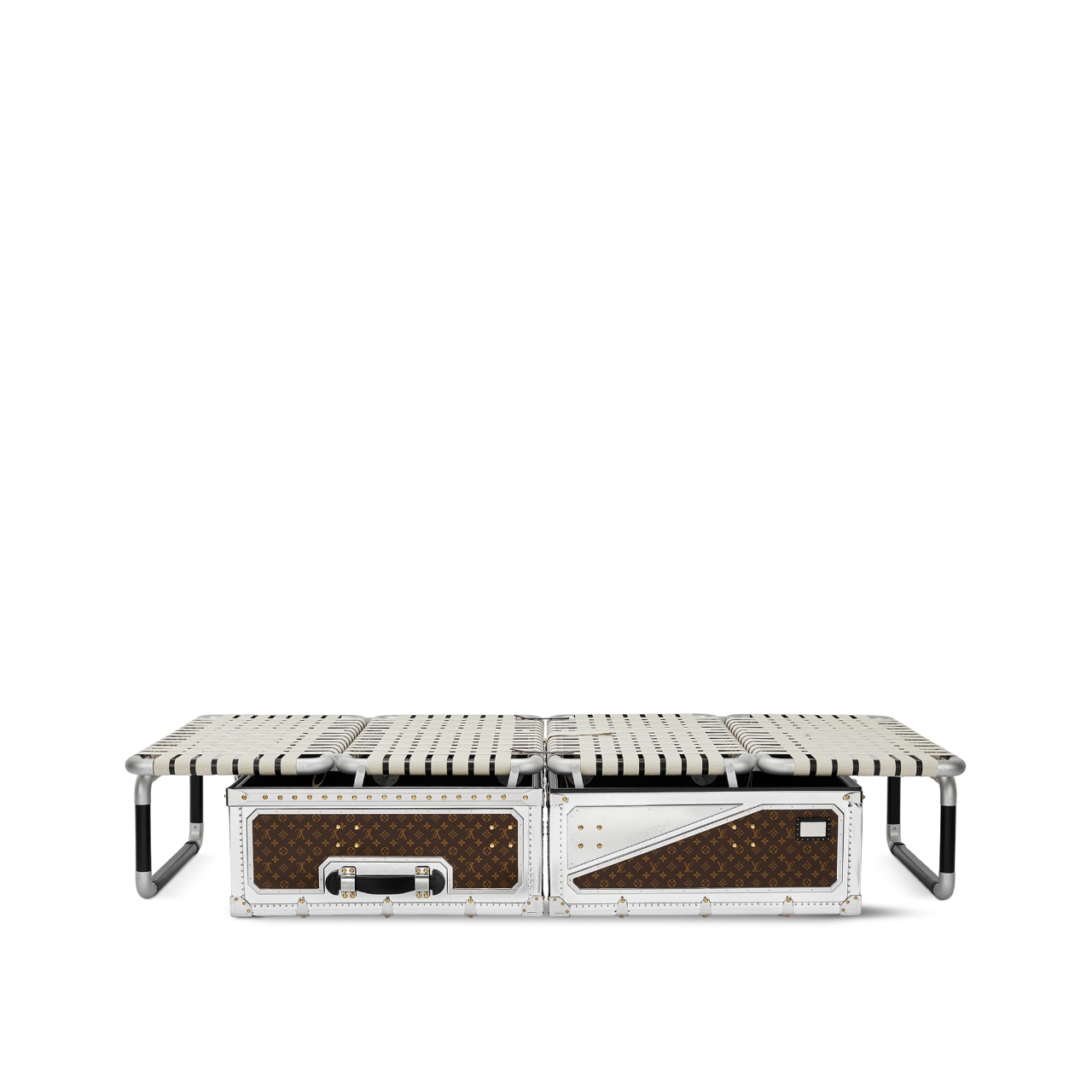
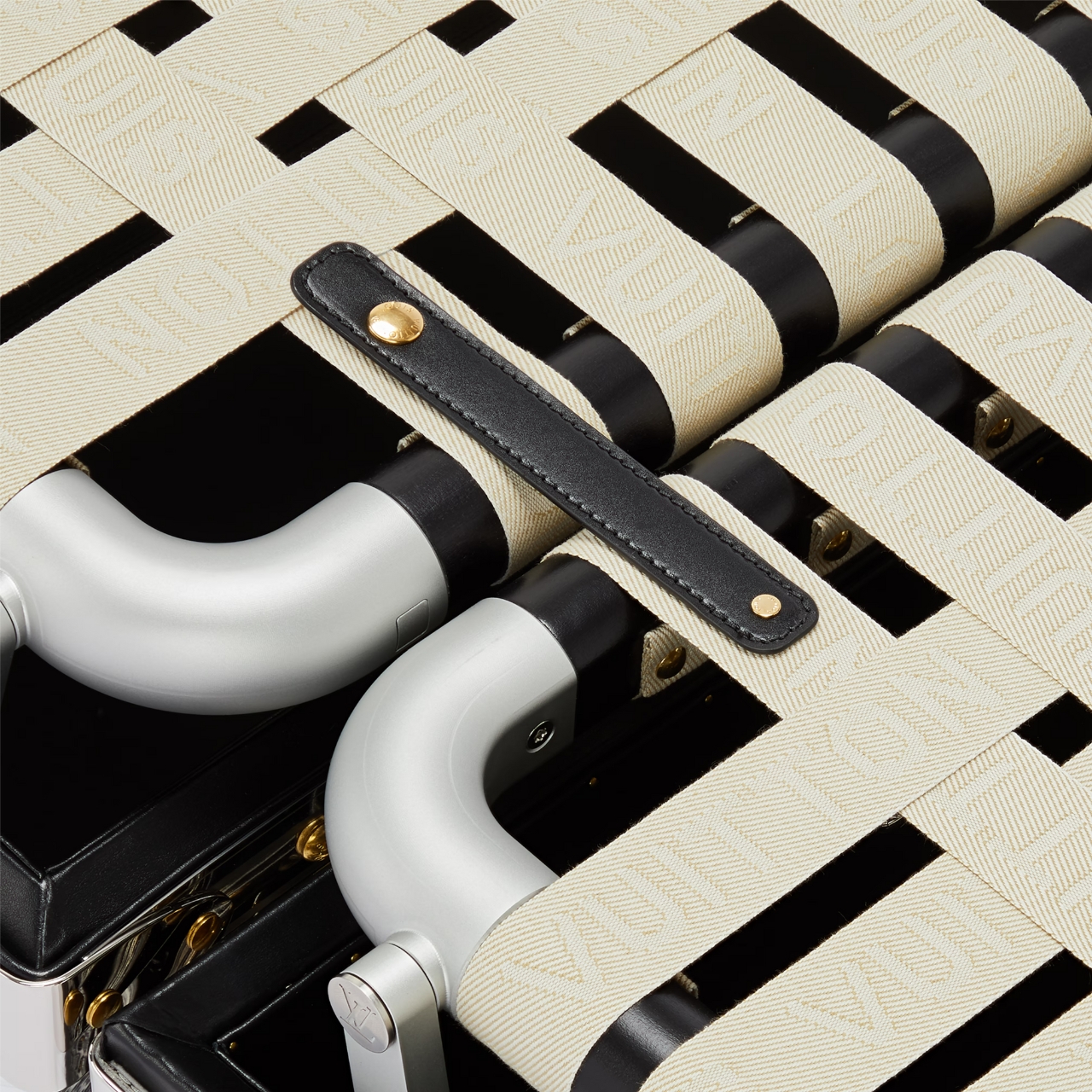
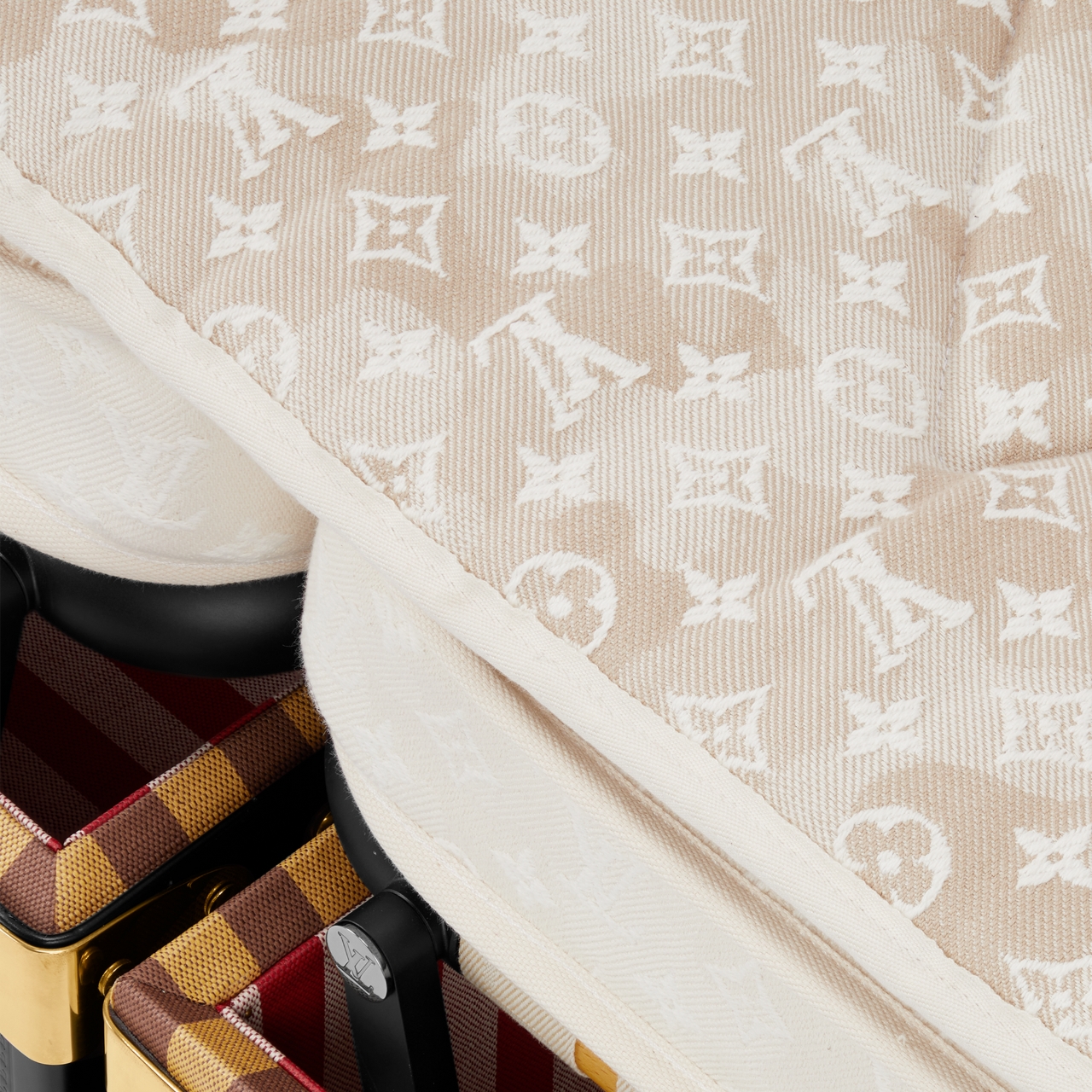
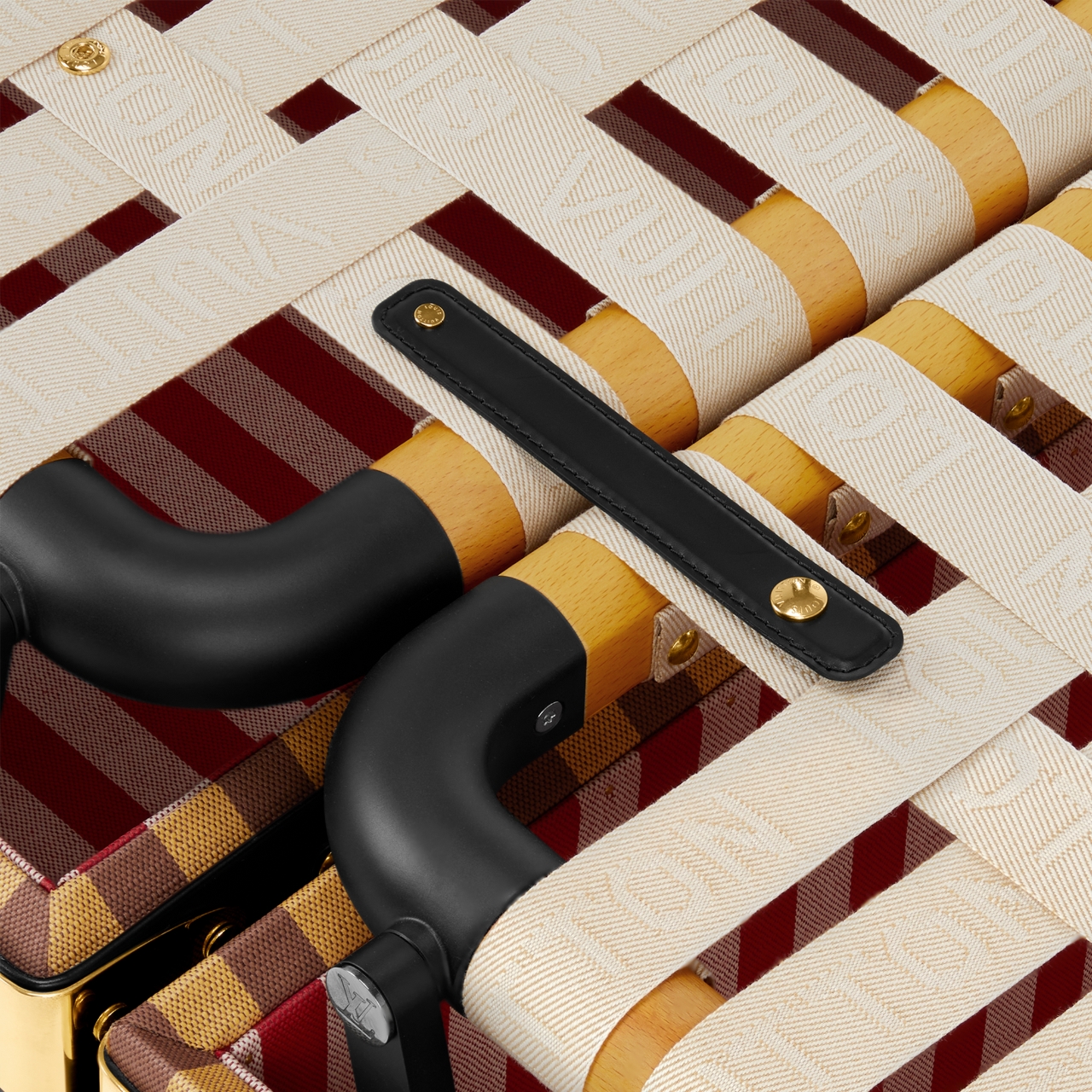
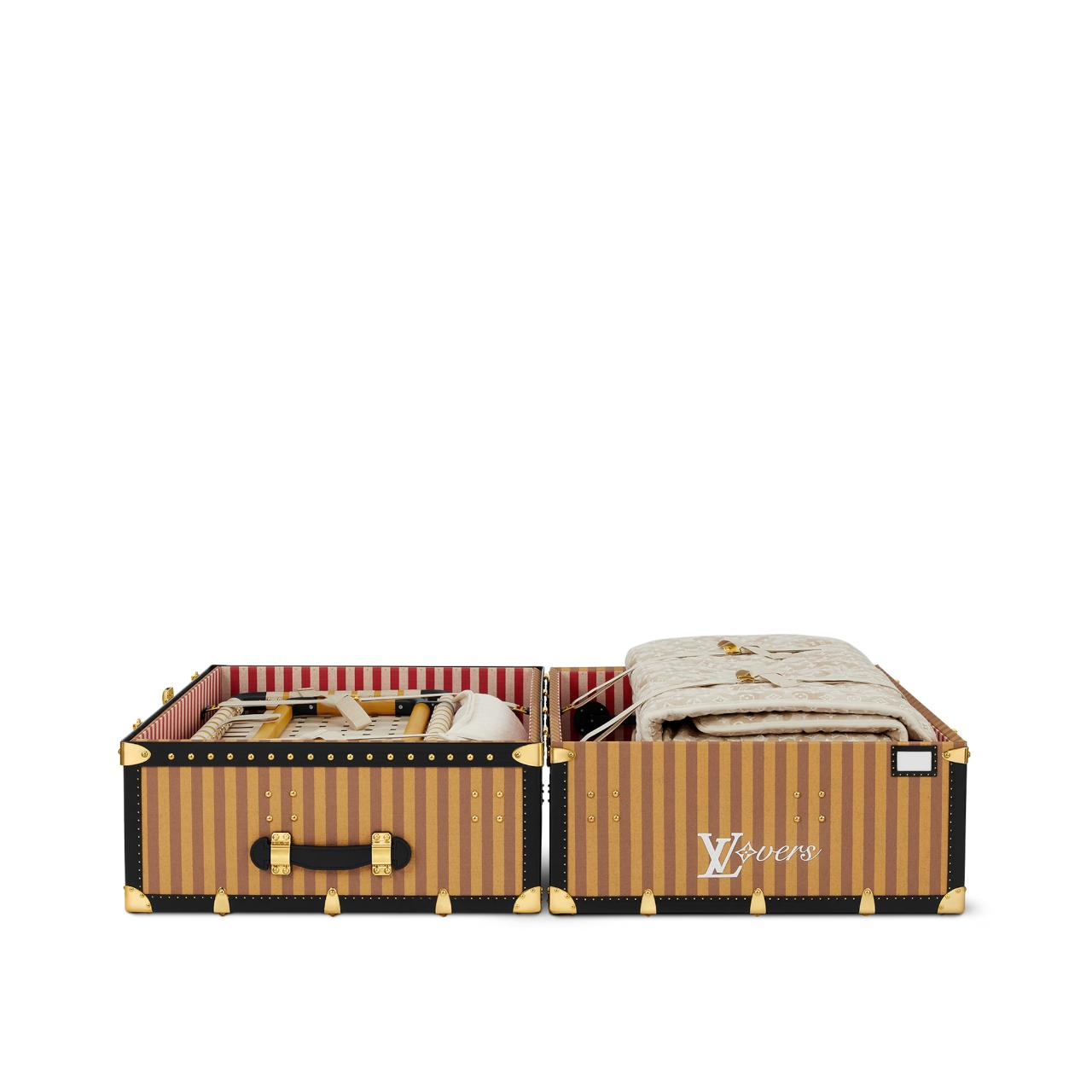
A few months ago, the Bed Trunk was re-introduced to a new generation of Louis Vuitton fans and was meant to be a supplementary bed or a daybed in the living room. Even though the use of it may have evolved already, the updated version still retains some aspects of this traveling trunk, like the foldable aluminum and beech wood structure as well as the internal mattress and mattress cover elements. Aesthetically though, and maybe purpose-wise, it has been elevated so to speak to more contemporary standards. And of course, expect the price tag to be astronomical.
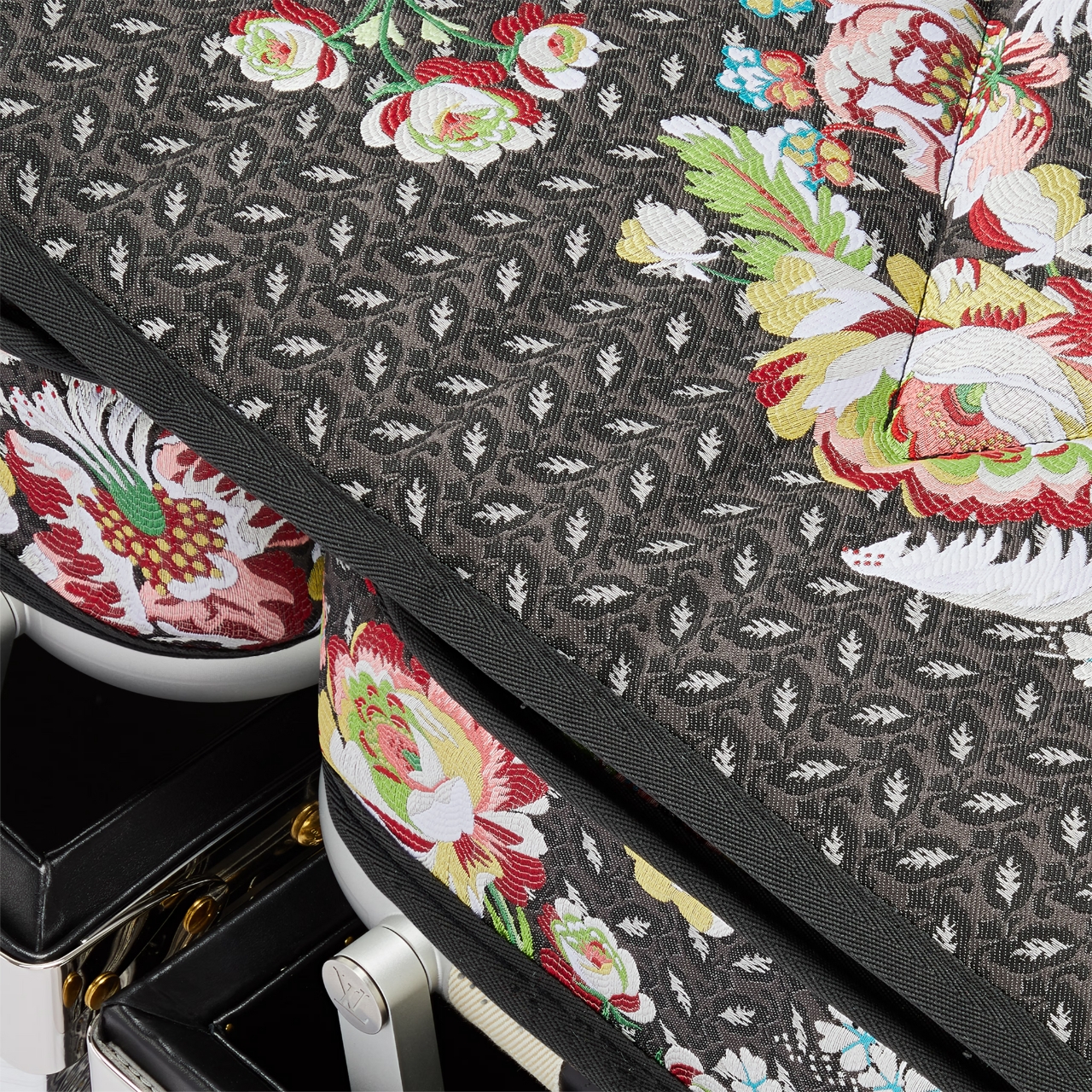
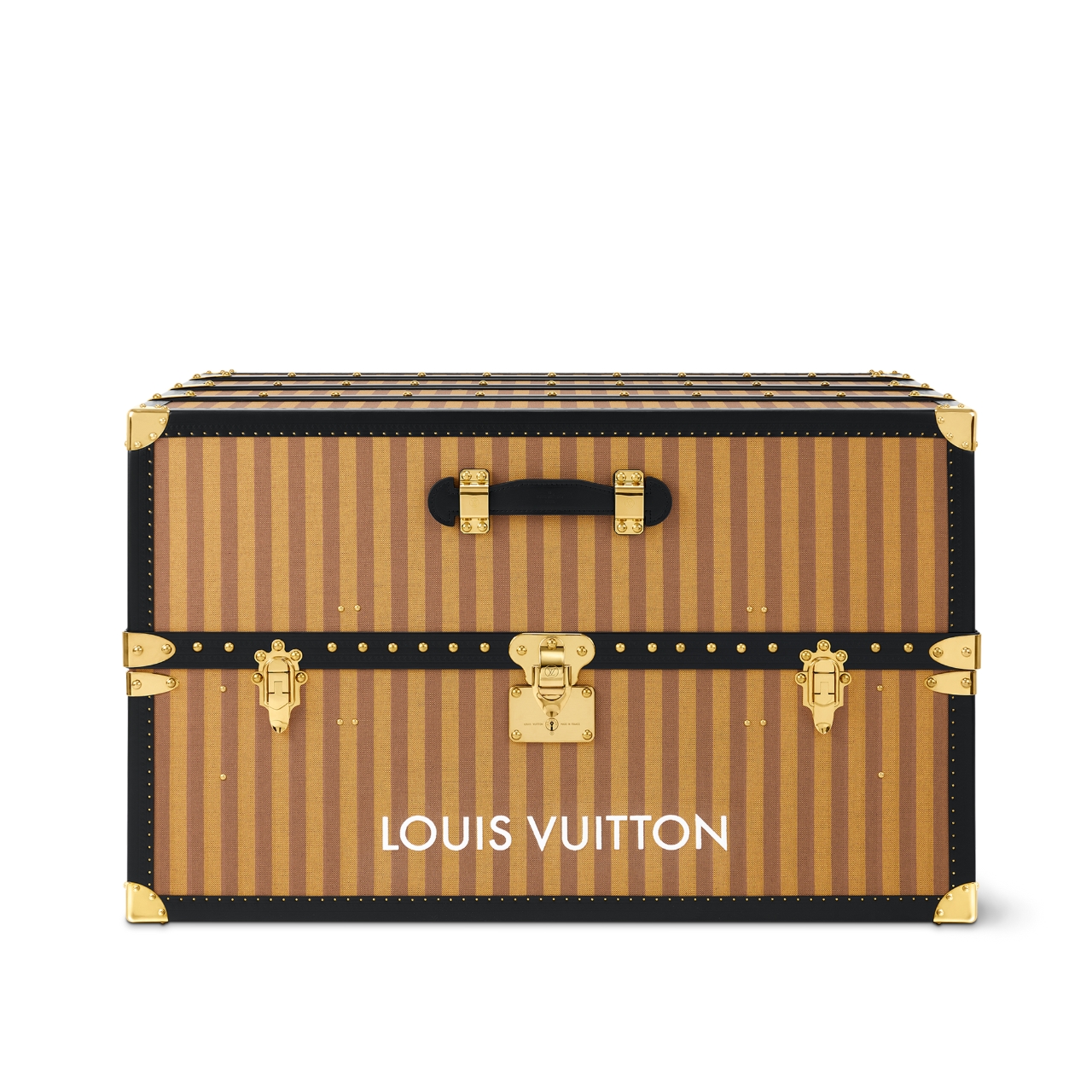
Nicolas Ghesquière, the women’s creative director, has a more futuristic take on the iconic bed, adding engrave metal plates, modernized corner pieces, and an outer shell that is inspired by the 2023 Cruise collection. But inside the trunk, you get a floral-patterned mattress which is actually a version of a jacket from the 2018 Spring/Summer collection.
Renowned musician Pharrel Williams, who is also the Men’s Creative Director for LV, was inspired by the classic Bed Trunk designs, putting distressed striped paterns on the outside and red and white stripes on the inside. He has his LV Lovers brand embroidered on the jacquard mattress and pillow and put on blond wood elements and black aluminum hardware to show ooff the contrast.
With one in eight individuals globally aged over 60, it’s important to design products that specifically cater to our elderly population. As most senior citizens are healthy, active, and financially stable, they are expected to represent around 20% of the global population by 2050. Explore these guidelines for developing inclusive products, considering diverse user needs, especially those of the elderly.
Simplicity in design is crucial, especially for senior-centric products. Complexity and confusing features should be avoided at all costs. Interfaces should be kept simple to minimize confusion, with easily readable and clear fonts enhancing the overall user experience. Moreover, it’s imperative to provide clear instructions to ensure they can easily comprehend how to use the product correctly.
Gita, a robot, acts as a loyal companion and practical aid, especially for seniors. It eases the burden of carrying heavy items, making grocery trips and errands more manageable. Its ability to provide a seating option offers rest during walks, promoting outdoor mobility and encouraging seniors to stay active. With its user-friendly design and approachable appearance, Gita fosters a sense of independence and companionship for the elderly, supporting their well-being and enhancing their quality of life.
2. Health Monitoring
Advancements in technology offer the essential security and assistance required for senior citizens living independently. As many seniors deal with chronic health conditions that necessitate regular monitoring, product design has advanced. Through wearable devices and smartphone technology, vital parameters can now be tracked, facilitating health management and providing respite to caregivers, thereby ensuring peace of mind.
These three smart devices cater to seniors’ needs, offering medication reminders, comfortable reading, and easy communication. Familia aims to restore dignity and confidence to the elderly with its minimalist design and user-friendly interface. The smart clock dispenses medication with a playful cuckoo bird reminder, the lamp doubles as an illuminated magnifying glass, and the digital mirror serves as a communication tool and family photo frame. While designed for seniors, these objects promote inclusivity and reduce stigma around aging challenges by appealing to users of all ages.
Nobi, an AI-powered ceiling light, enhances elderly lives by monitoring safety, detecting, predicting, and preventing incidents like falls or respiratory issues. Its user-friendly design seamlessly blends into interiors, encouraging the adoption of high-tech care technology. Nobi serves as a vigilant companion, continuously monitoring the environment to identify potential hazards and alert designated caregivers when needed. It can detect respiratory issues, and coughs, and even predict falls before they happen, ensuring timely assistance and intervention. With Nobi, seniors feel safe and supported, leading dignified lives with continuous assistance.
3. Ergonomic Design
Designing products with ergonomic features is crucial to reduce strain, particularly for seniors. For instance, opt for ergonomic seating, like high-backed chairs with lumbar support, ensuring firm and comfortable cushioning to maintain healthy posture. Prioritize ease of use and comfort, as seniors may have reduced strength while avoiding low seating and armrest-less chairs.
This luxurious chaise lounge cleverly conceals a motorized wheelchair, offering comfort and elegance to those with mobility issues. Resilience, with its sleek design and smart materials like Resilient gray and Classy chrome, symbolizes independence and confidence for the elderly. It’s part of a larger mobility system, including the self-driving “Brio” vehicle, seamlessly integrating style and functionality for indoor and outdoor use.
When designing devices that require charging, it’s crucial to prioritize either long battery life or easy recharging to minimize the frequency of charging or battery replacement for seniors. This proves beneficial for seniors experiencing mobility challenges and memory impairment.
5. Added Safety Features
Inclusive product design often incorporates added safety measures, such as non-slip surfaces, automatic shut-off mechanisms, and appropriate emergency buttons, to enhance overall product value. These small yet critical features serve multifunctional roles, particularly benefiting seniors.
6. Durable Materials
When catering to the needs of senior citizens, selecting durable materials that withstand breakage from falls or accidents is crucial. Given that seniors may use products more frequently or with greater force due to age-related changes, opting for durable materials ensures the product will withstand prolonged use and maintain its integrity over time.
The T’ROI chair, developed in collaboration with a retirement home in Basel, Switzerland, addresses the challenge of sitting and standing for the elderly. Featuring extended arms, it provides support for individuals to sit and rise without assistance, promoting independence and dignity. Sturdy materials ensure safety, while its comfort enhances the overall experience for users.
When designing products, prioritize comfort by considering aspects like cushioning, grip, and weight distribution. Ensure ease of use with a manageable weight, ergonomic grip, and slip-resistant design, promoting inclusivity. Proper cushioning enhances the comfort level and overall user experience.
8. Integration of Assistive Technology
When designing specifically for seniors, integrating assistive technologies such as voice control or magnification features enhances usability, making products more accessible to this demographic. Additionally, using large or oversized buttons with high contrast aids in easy visibility and operation, especially because seniors may experience declining vision.
This cutting-edge self-driving wheelchair, equipped with a detachable walker, empowers users to navigate comfortably as they age, addressing the challenges of mobility that come with aging. Cobi seamlessly combines the features of walkers, canes, and electric wheelchairs into one sleek solution, promising greater independence and mobility for seniors while challenging societal perceptions of aging. Its autonomous operation, with instant braking capability, ensures convenient transportation without external assistance. Using laser projection technology, Cobi effortlessly navigates obstacles, while its cushioned seat, low backrest, and retractable footrest provide comfort during transit. Upon reaching their destination, users can detach the mobility device from the walker, enabling exploration of inaccessible areas. The height-adjustable walker, featuring a rubber grip and built-in flashlight, aids navigation in dark environments, while Cobi autonomously returns to its charging station when not in use, ready for the next journey.
This cork planter with assistive functions serves as both a lantern and a health tracker for the elderly. Known as Fanoos, it embodies an intuitive design with a detachable lantern and emergency button for medical needs. Fanoos tracks health status, adjusts lighting preferences, and offers portability for nighttime use, enhancing safety and comfort for users.
9. Inclusive Design
Products should address a wide range of abilities, including those of individuals with disabilities. Inclusive design guarantees accessibility for seniors with varying capabilities, accommodating those with disabilities or impairments.
A walker designed for seniors incorporates a built-in box for their furry companions, addressing social isolation. This concept combines mobility and companionship, featuring a spacious pet carrier atop the walker. With versatile handle movement, a secure brake button, and rechargeable LED lights for safety, this design enhances outdoor walks for seniors and individuals with limited mobility.
Collecting feedback from senior citizens or the specific end users of the product throughout the design process is highly recommended. This ensures that areas for improvement are identified and that the final product adequately meets their specific needs and is comfortable to use.
These factors can guide designers in creating products that are functional, practical, and customized to meet the specific needs and preferences of senior citizens.
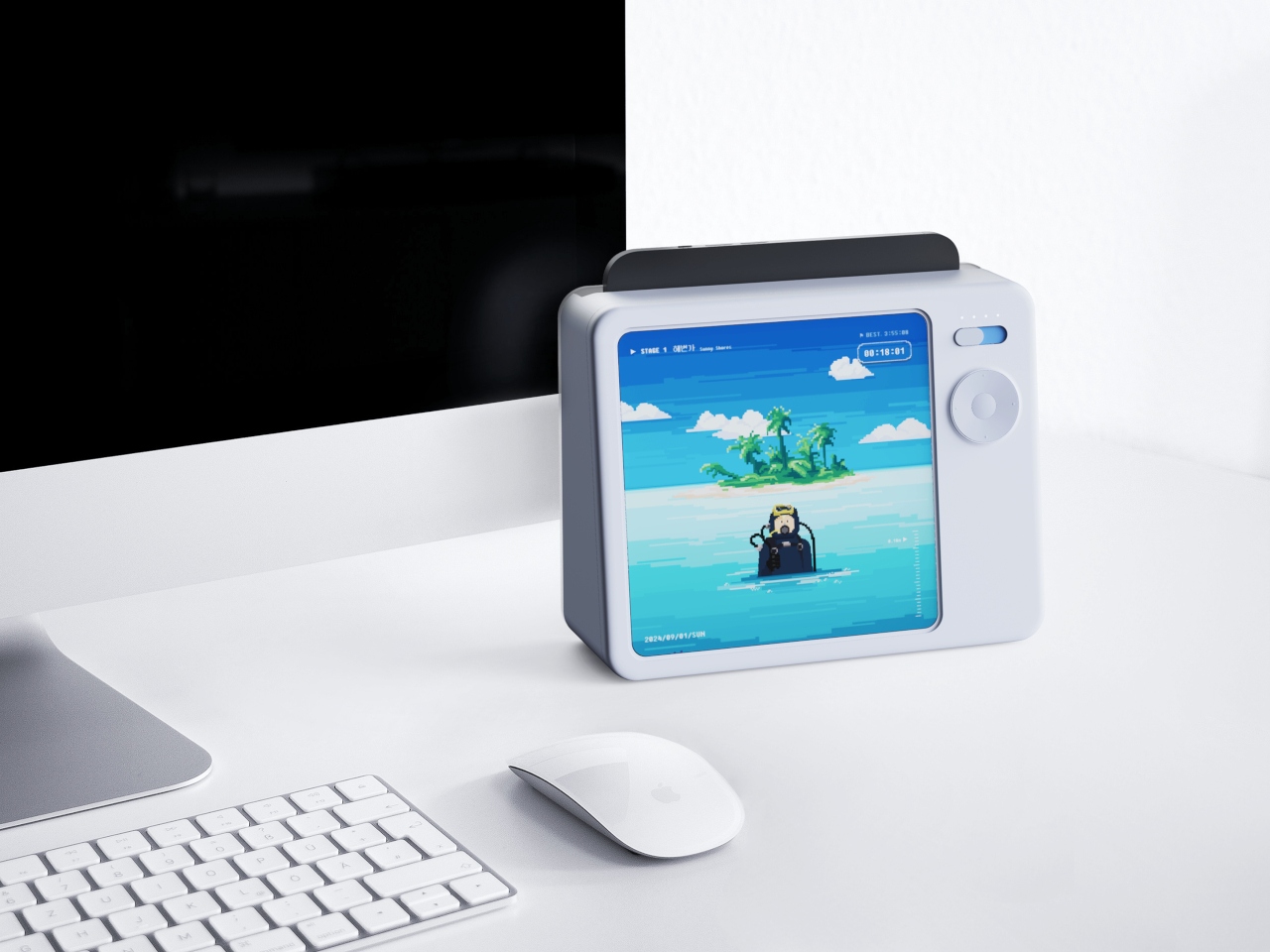
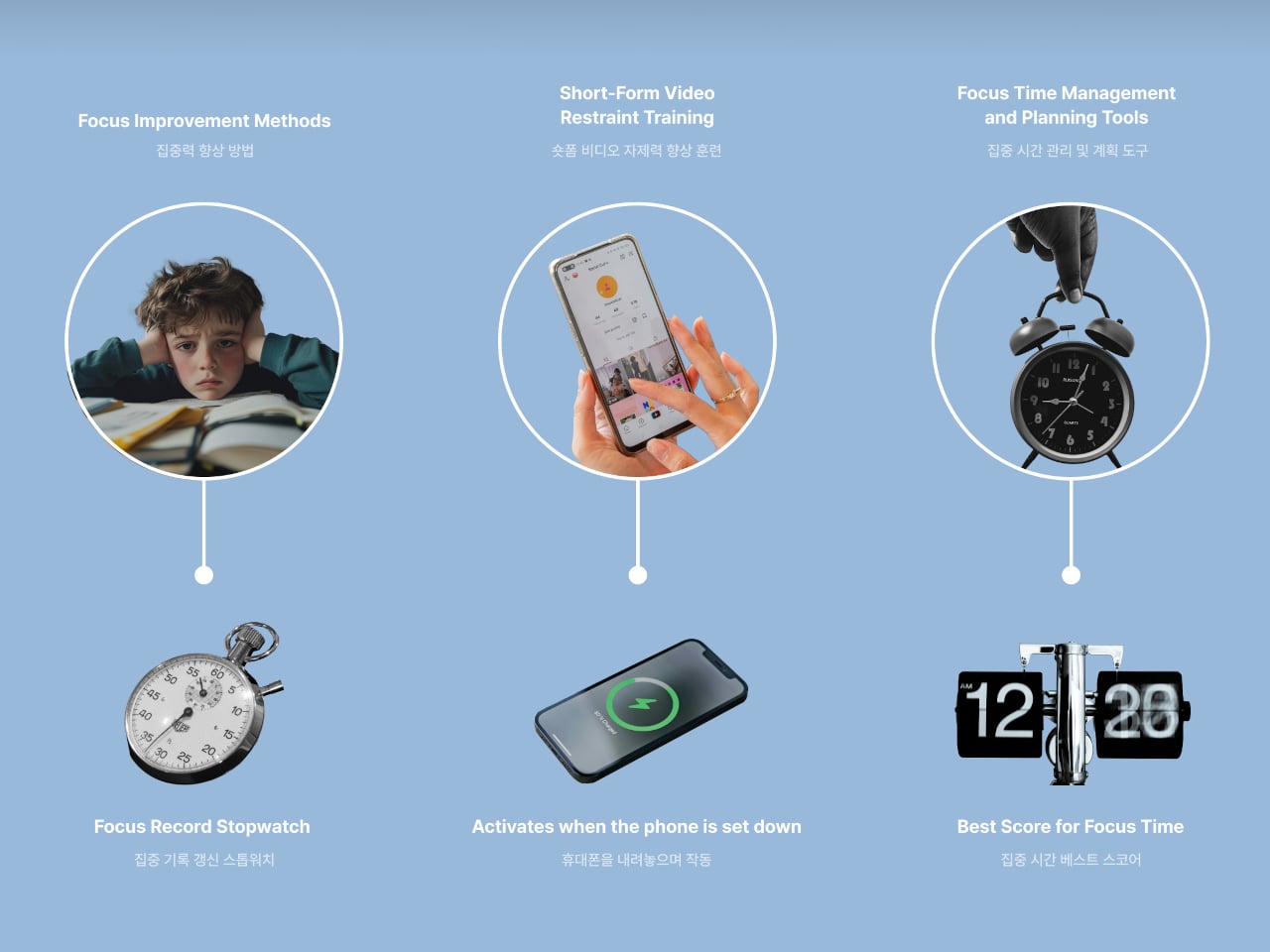
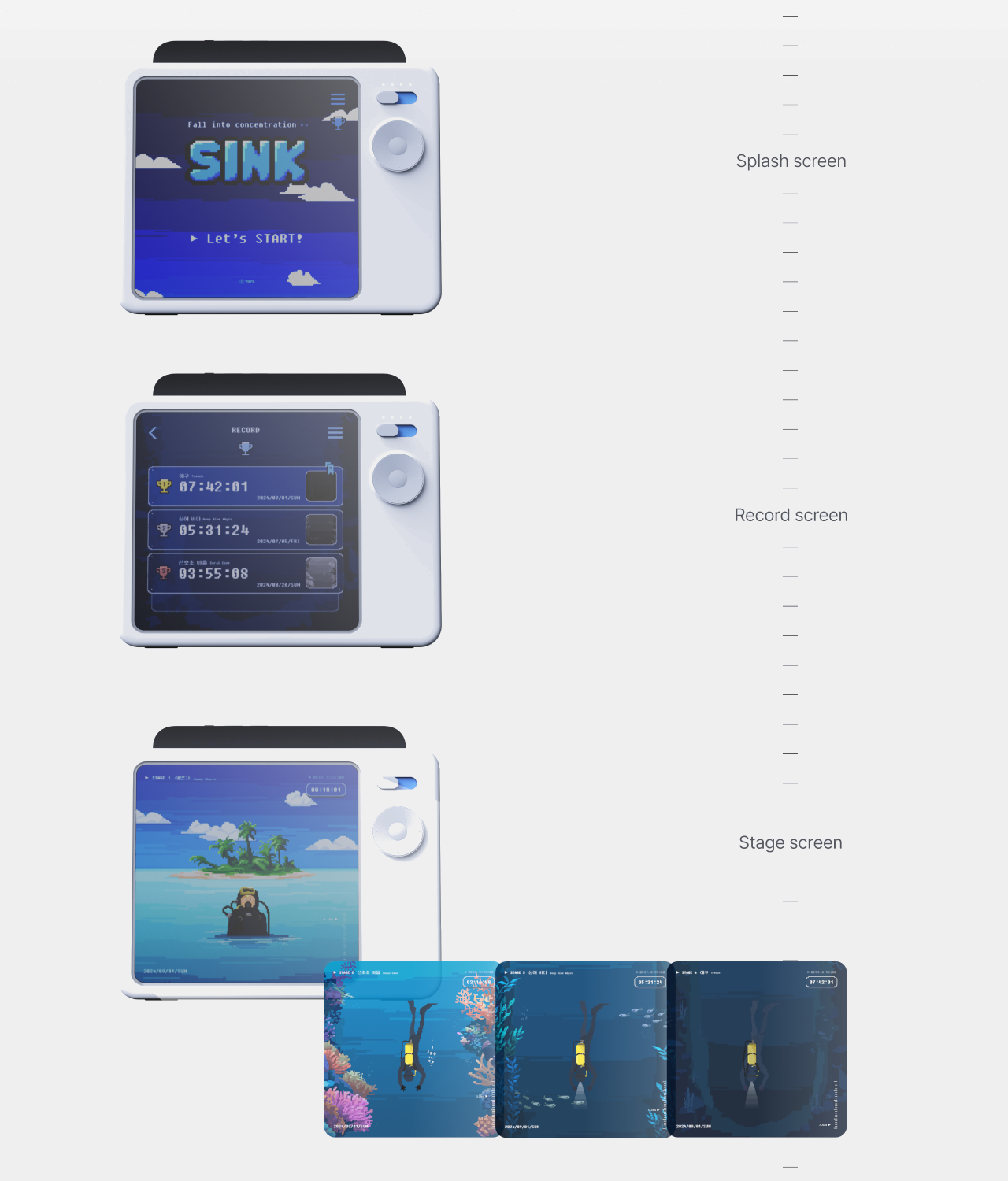
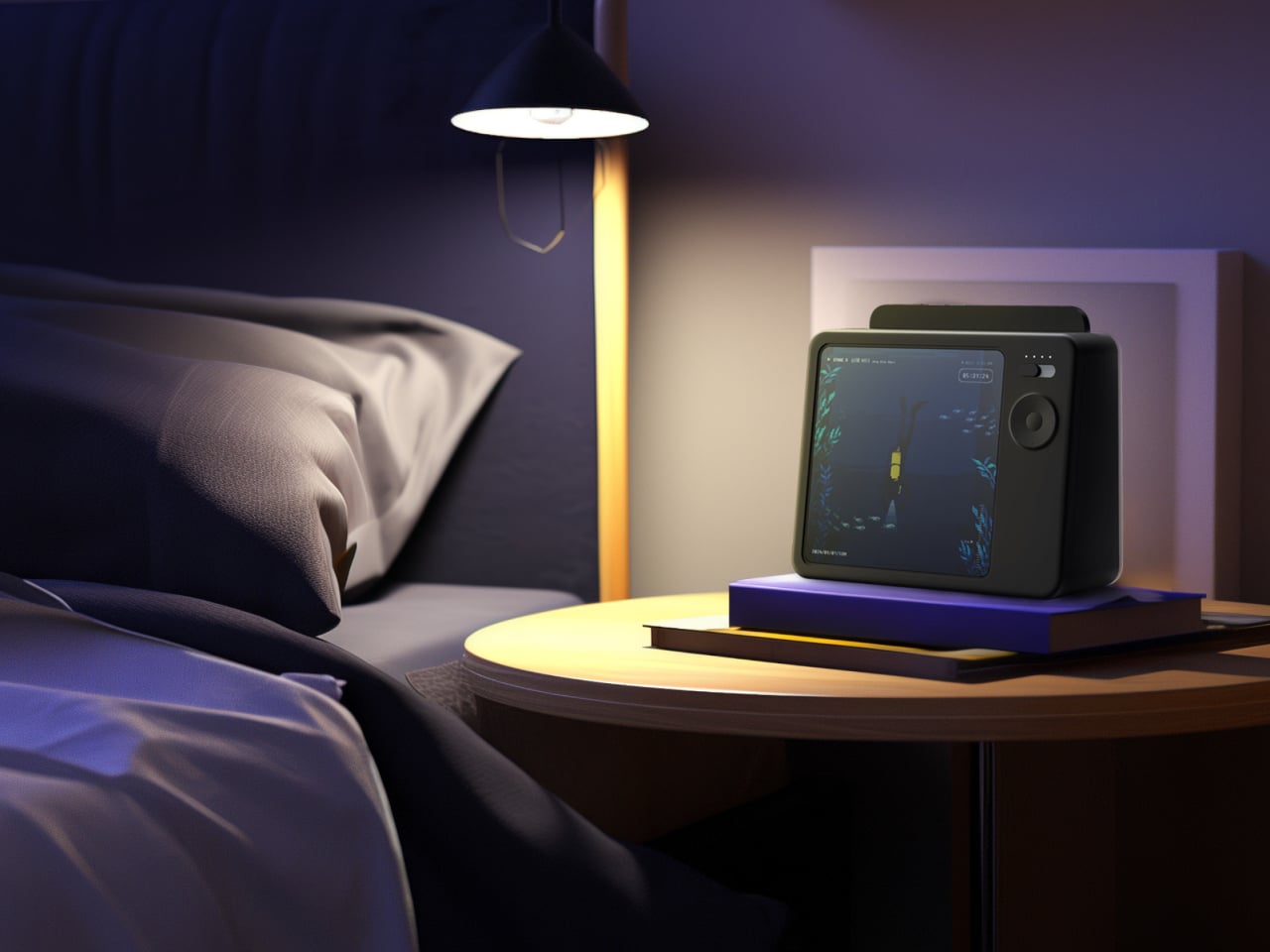
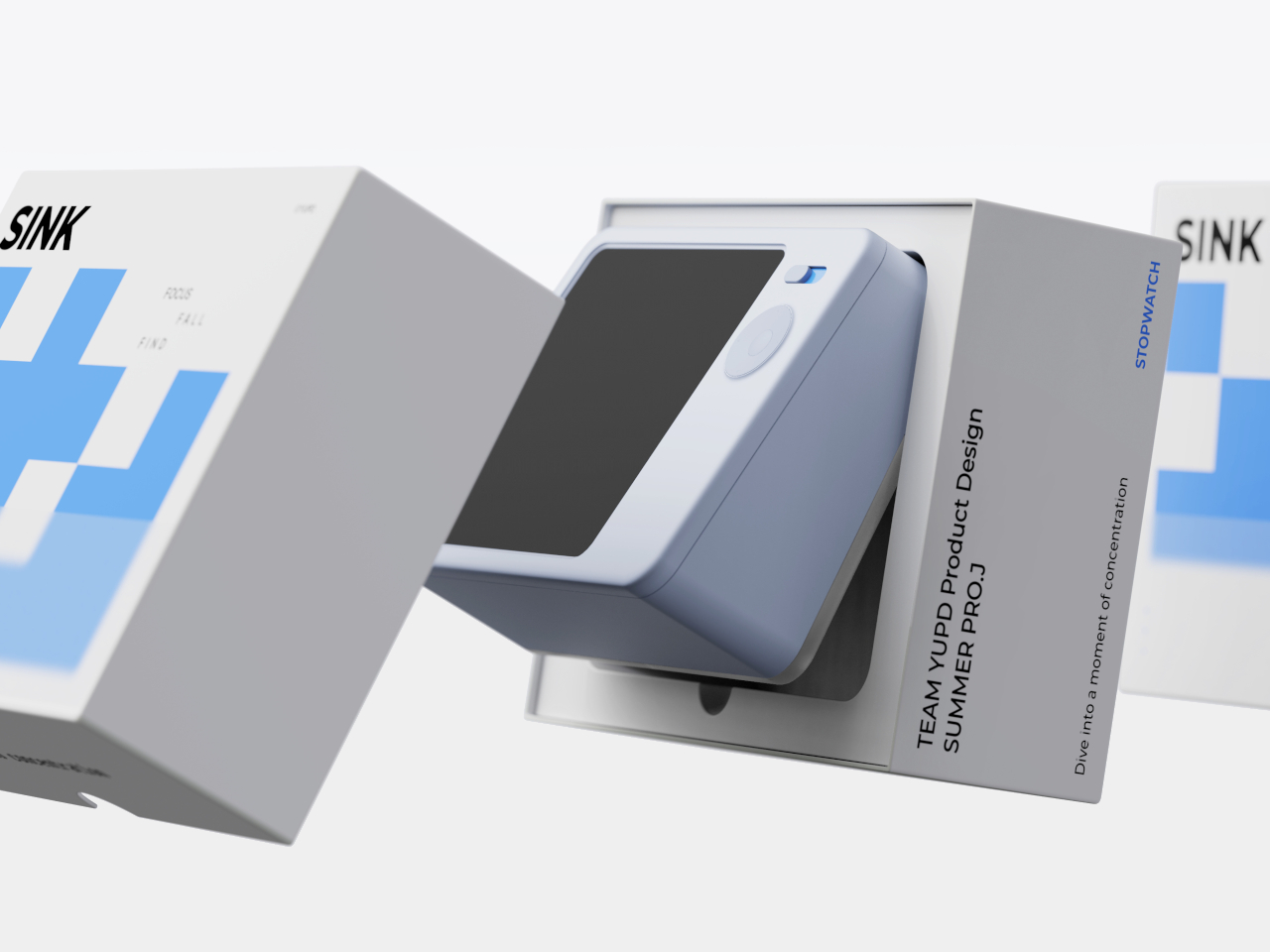
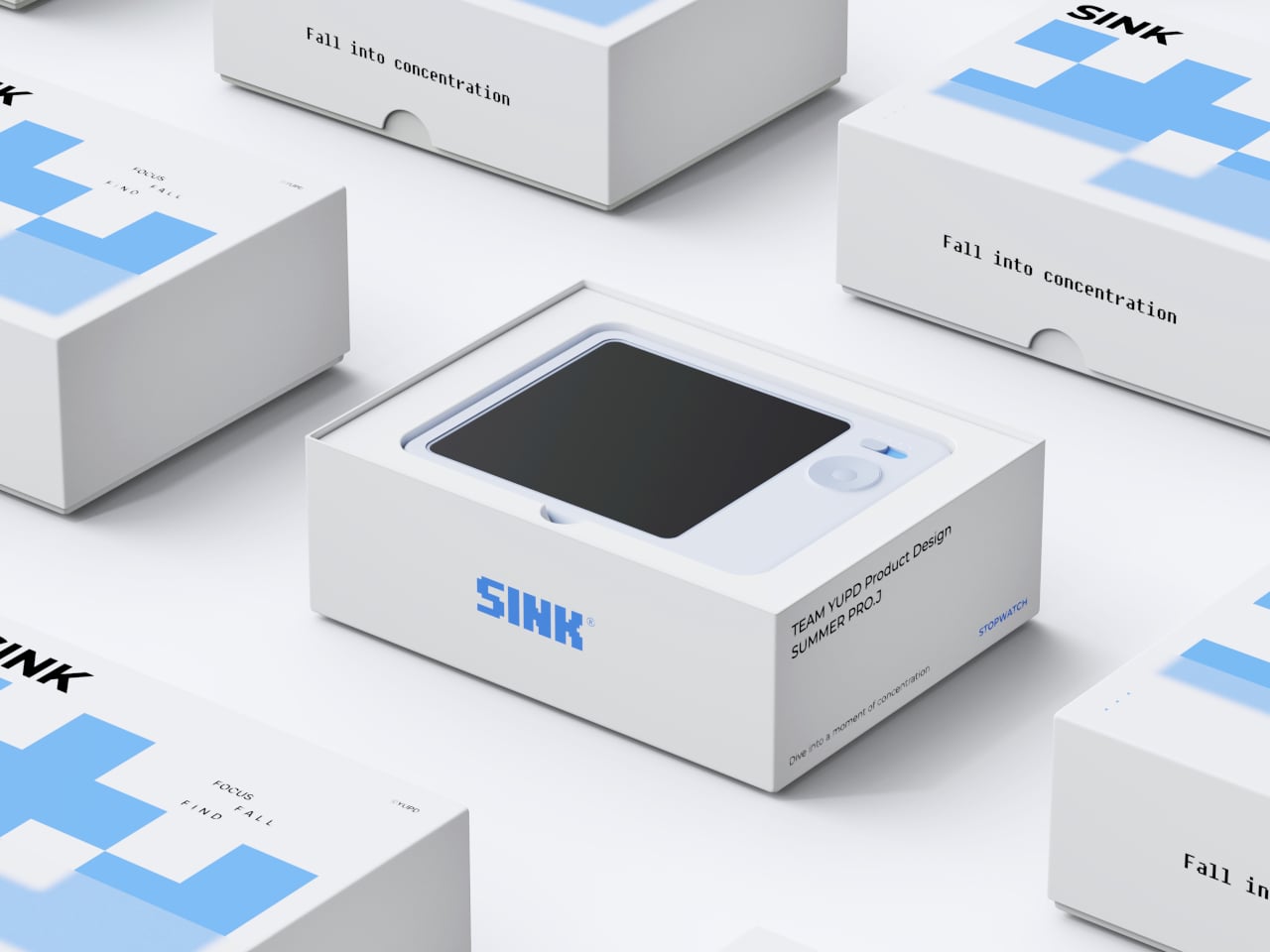
Our desks are filled with things that inspire us as well as objects that distract us, with our smartphones as the biggest culprits. Sure, we can probably justify having our phones close to us as necessary for work, but we don’t always need to be looking at them while we’re actually working. Notifications, videos and animations, and scrolling text all take our attention away from more important things, but uninstalling these apps completely induces a different kind of stress and worry. The situation doesn’t have to be black or white, though, and there are plenty of strategies to reduce distractions while keeping our phones still within reach, and you don’t even need the training of an ascetic monk to pull this off. In fact, it can even become a fun mini-game, like this tabletop stopwatch that turns getting into the zone into a dive for treasure.
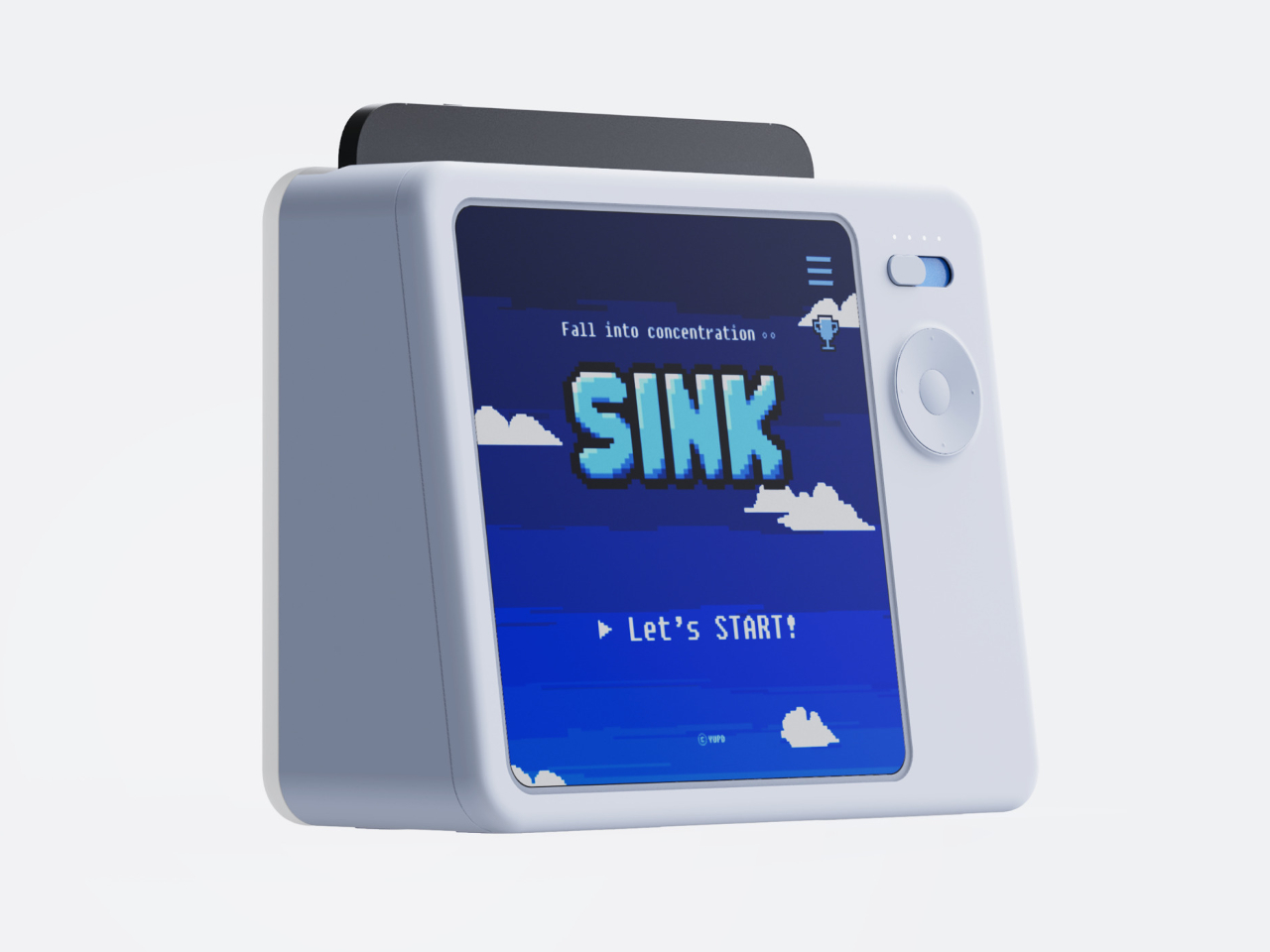
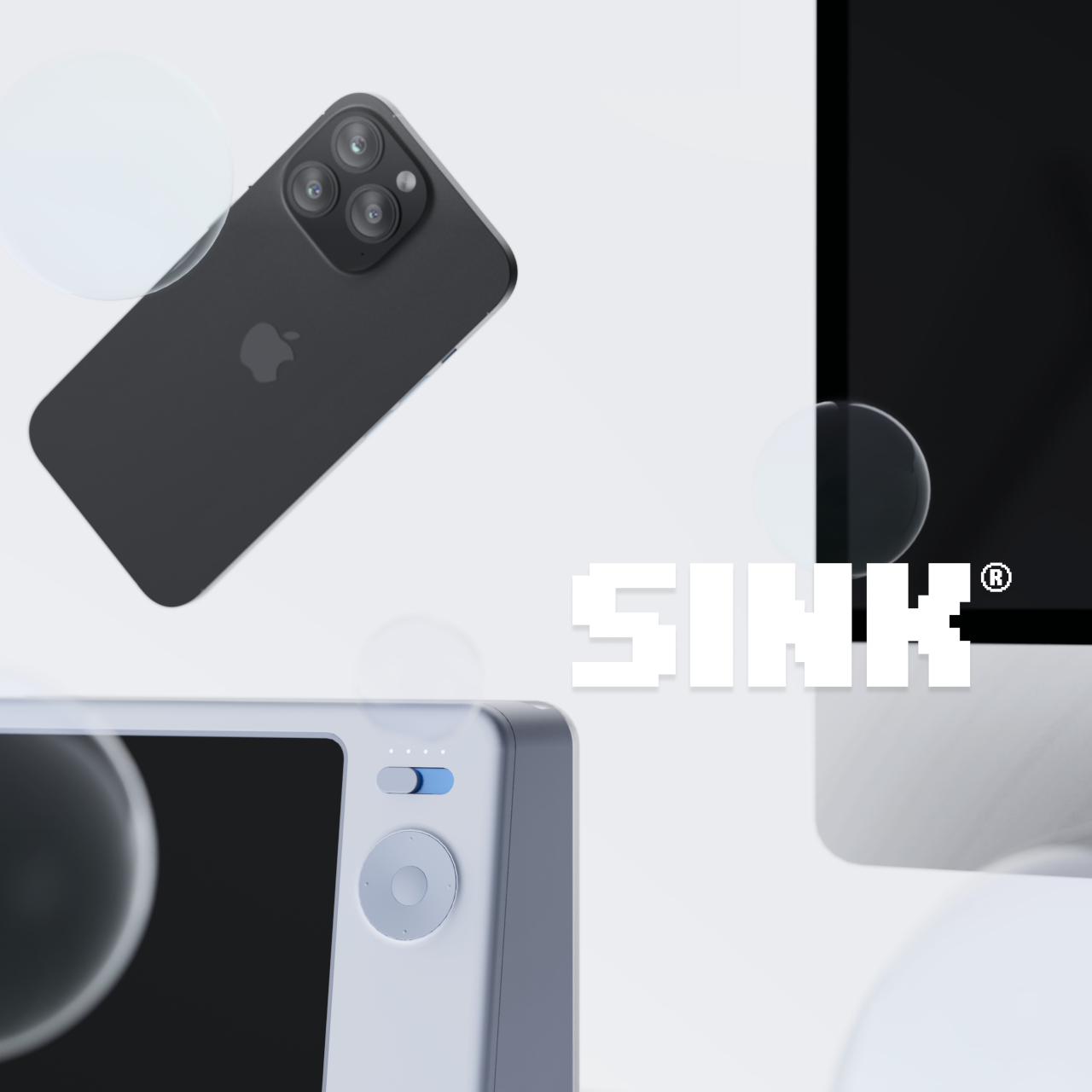
There are actually some apps that use a similar method to encourage continuous periods of work without unlocking their phone. The idea is that there is some negative consequences when you pause or stop the timer by using the phone, like some virtual tree dying. These apps, however, still put the smartphone not only within reach but also in sight, increasing the temptation anyway. SINK is a concept that works the same way but adds a twist that not only puts the phone away but also makes the experience a bit more engaging.
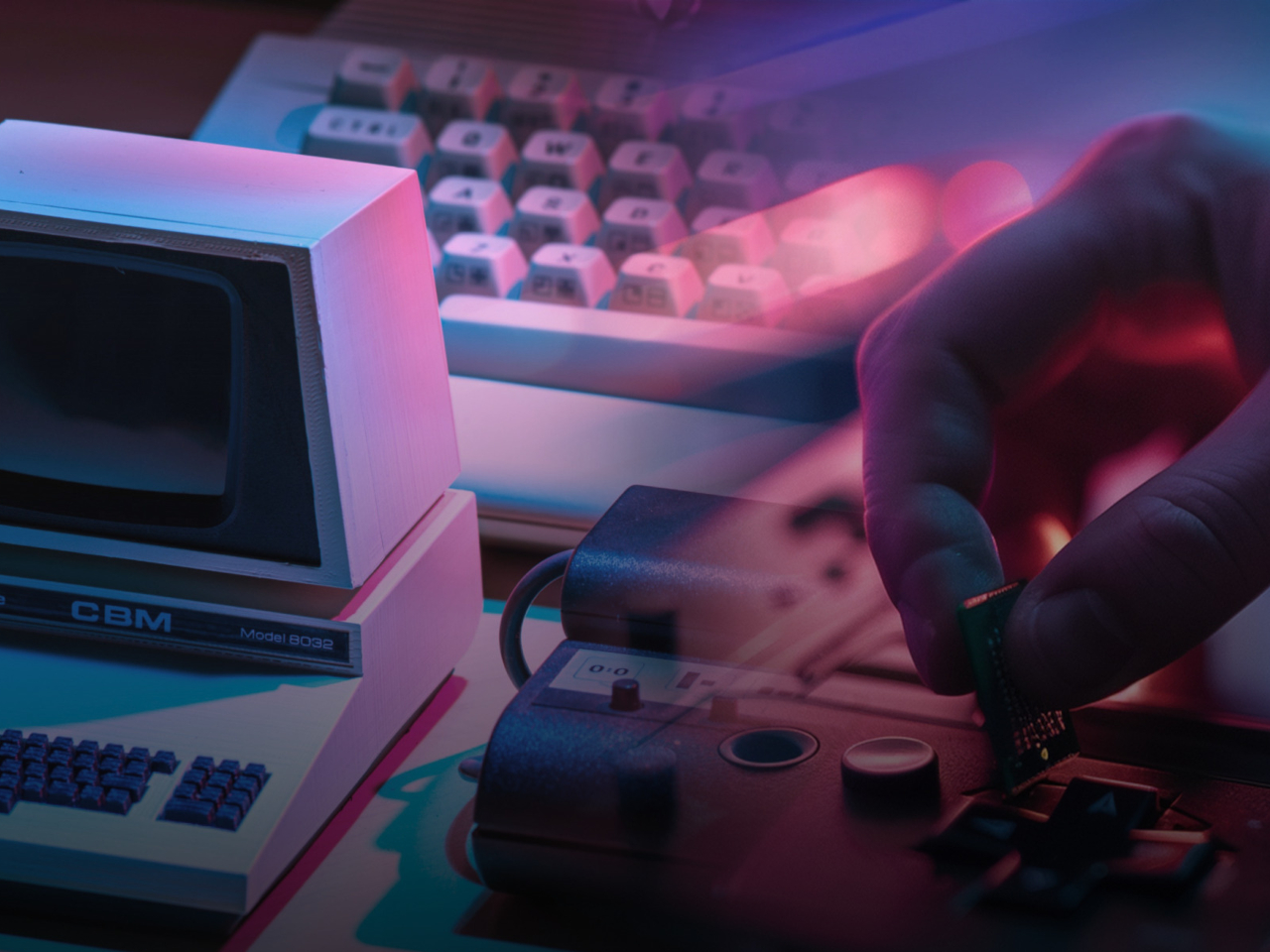
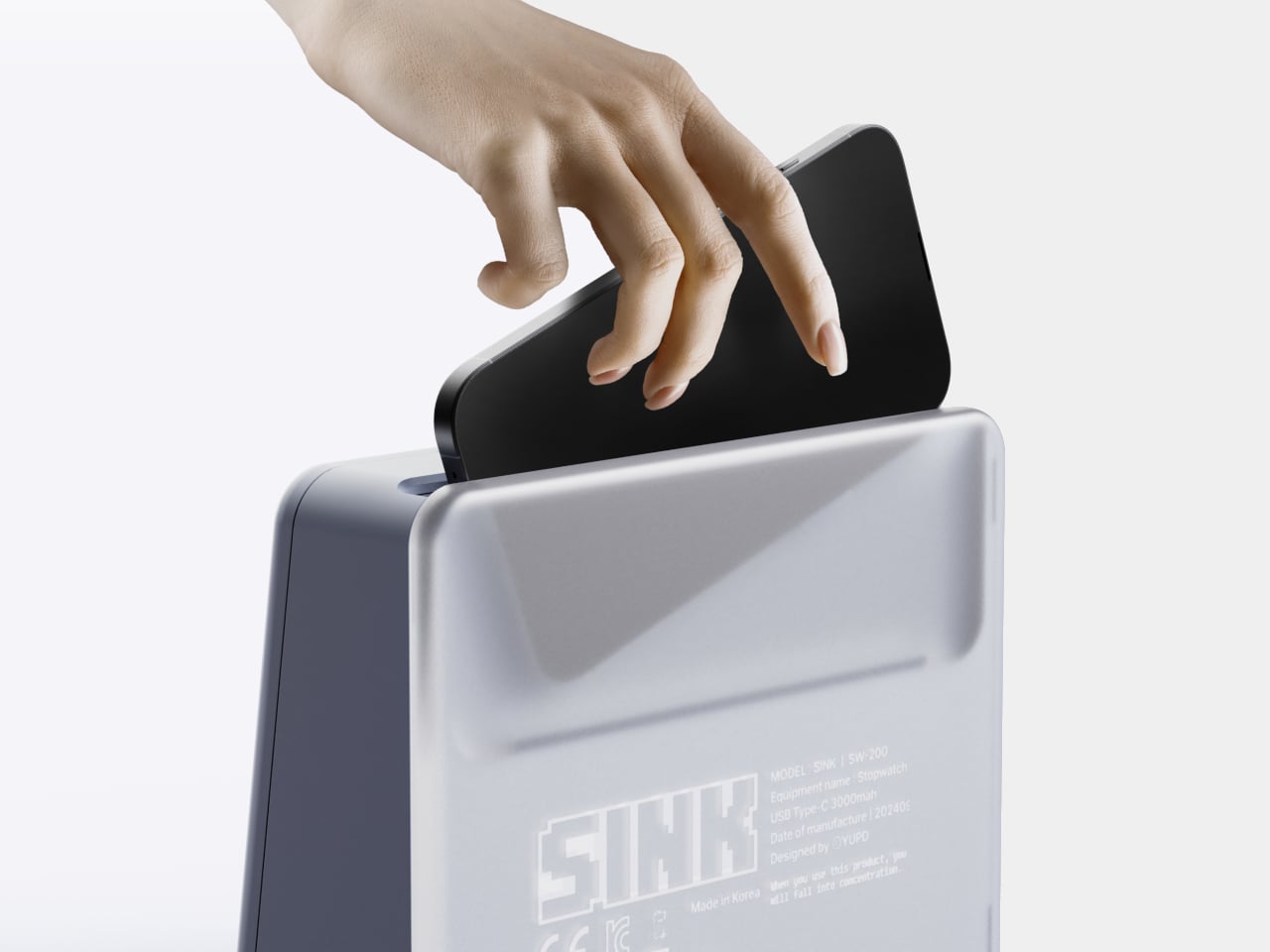
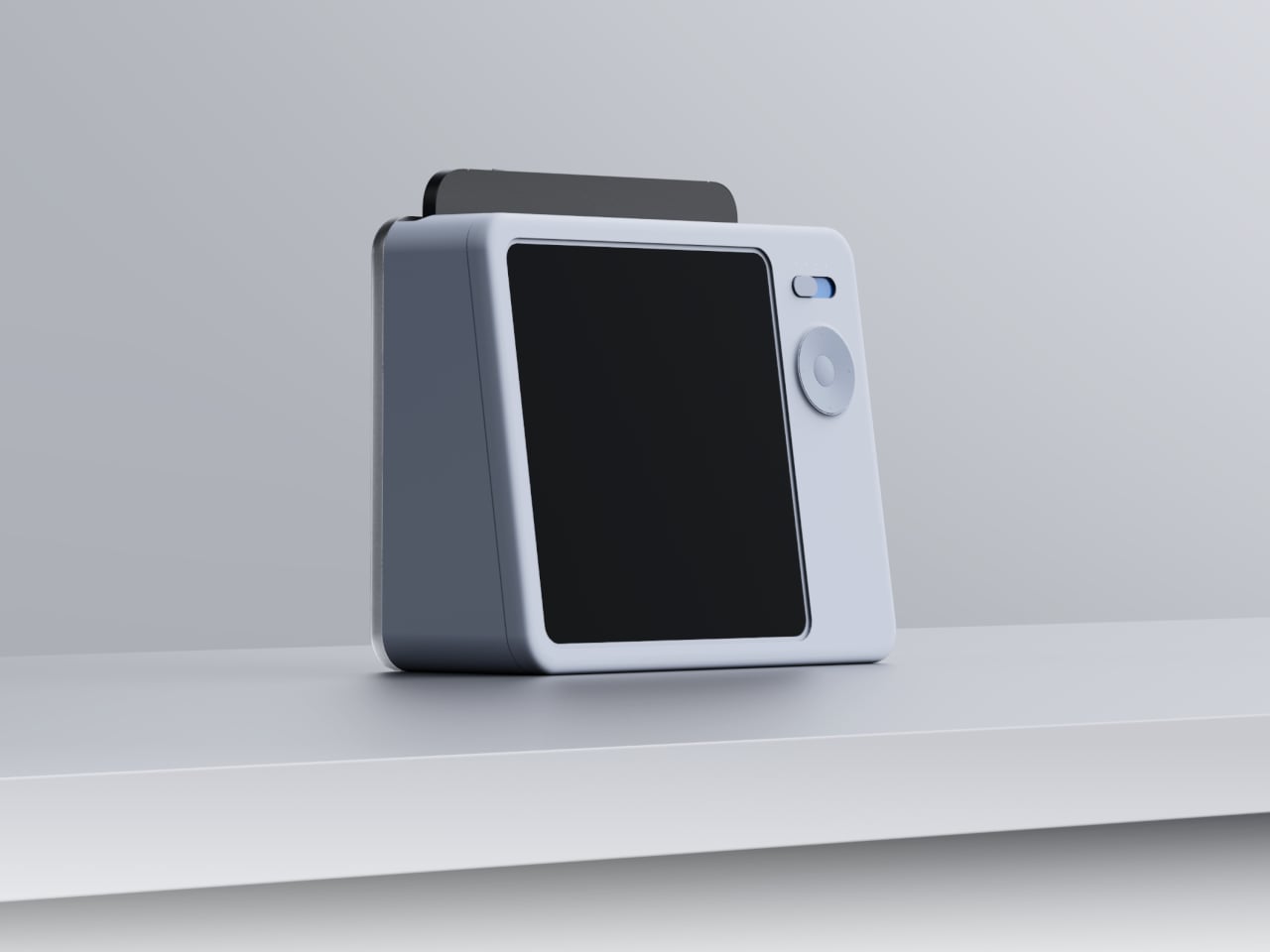
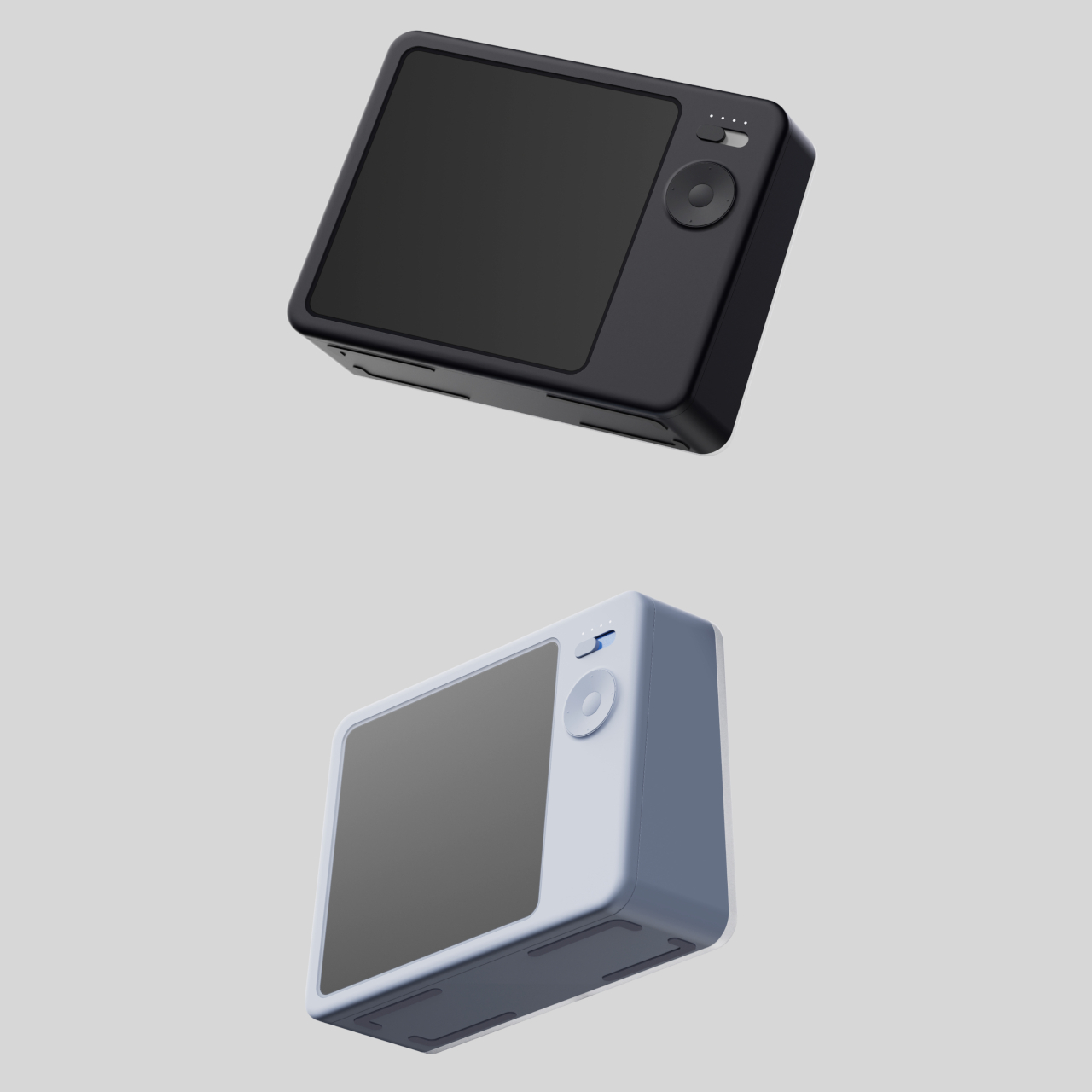
The inspiration behind SINK is the gaming consoles of old, where you insert a cartridge to play a game. The mechanism is simple and straightforward, removing any ambiguity or complications. In this case, however, it’s your smartphone that is the cartridge, and you slide it into the back of the SINK device to turn it on. The device only works if the phone is in the slot, so you’ll have to go out of your way to retrieve your phone even for just a few seconds.
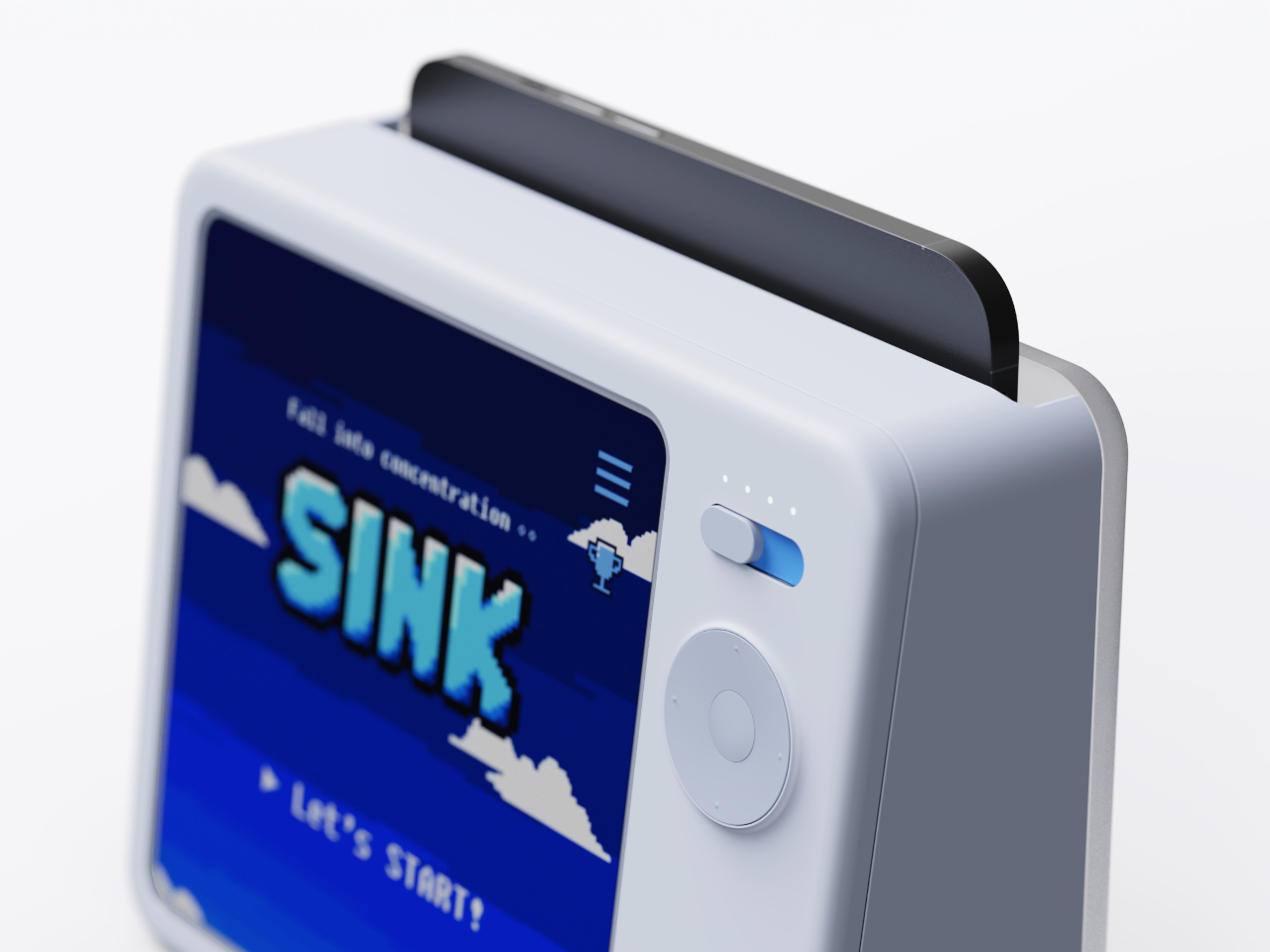
The “game” in SINK’s case is a deep ocean dive, hence the concept’s name, where the longer you remain focused at work, the deeper your diver goes and the higher points you get. There’s some semblance of a ranking system, but the concept doesn’t clarify if you’re just competing with yourself or with others as well. The latter raises the stakes a bit for those with a bit of a competitive bent, but it might also work the opposite way and discourage others.
Using SINK is quite simple and the device itself has very few controls other than a dial and a slider. Of course, any strategy like SINK or the Forest app will only be effective if you’re actually doing the intended work during the allotted period of time. There’s still an element of self-control, but SINK’s playful design makes it look a bit more fun instead of serious work.
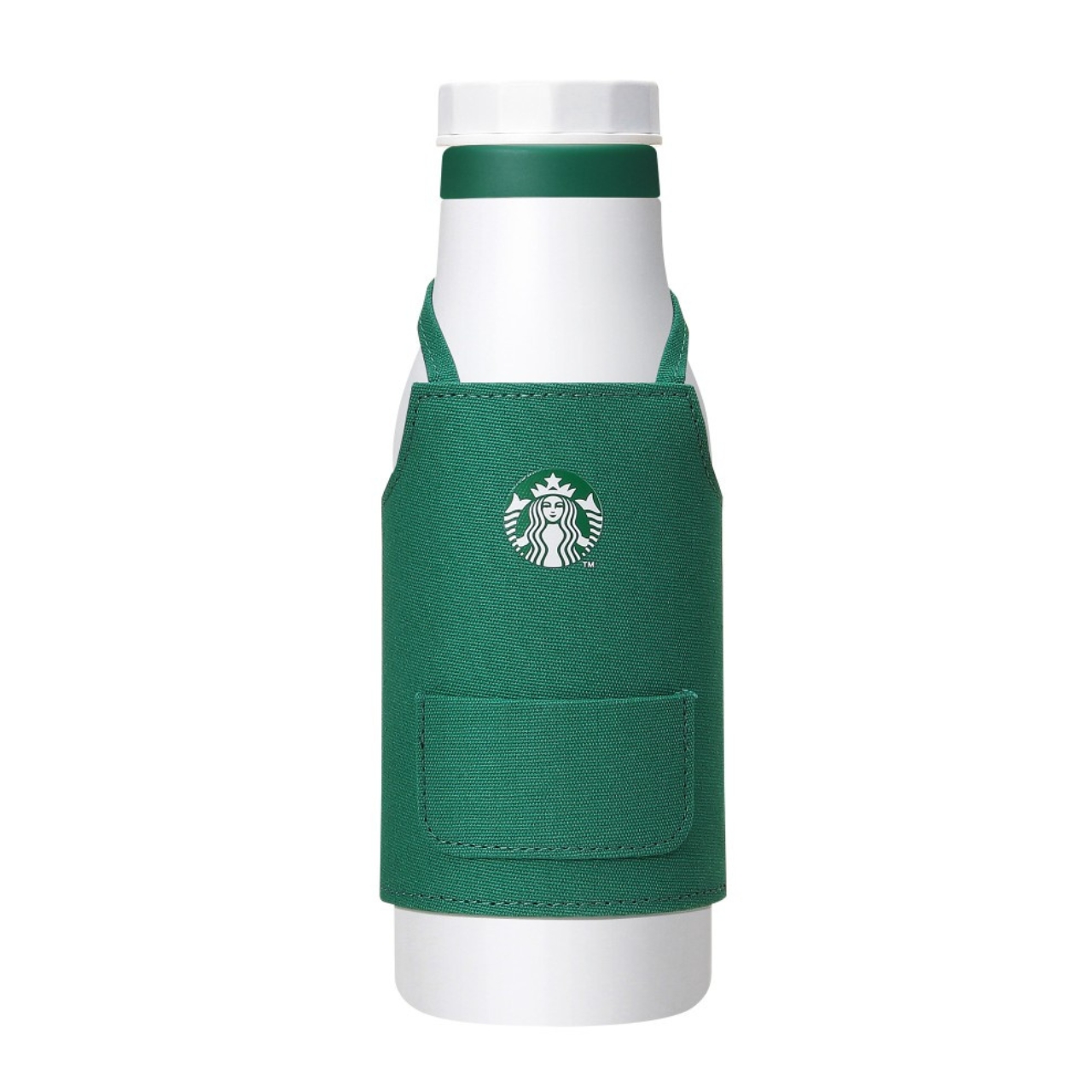
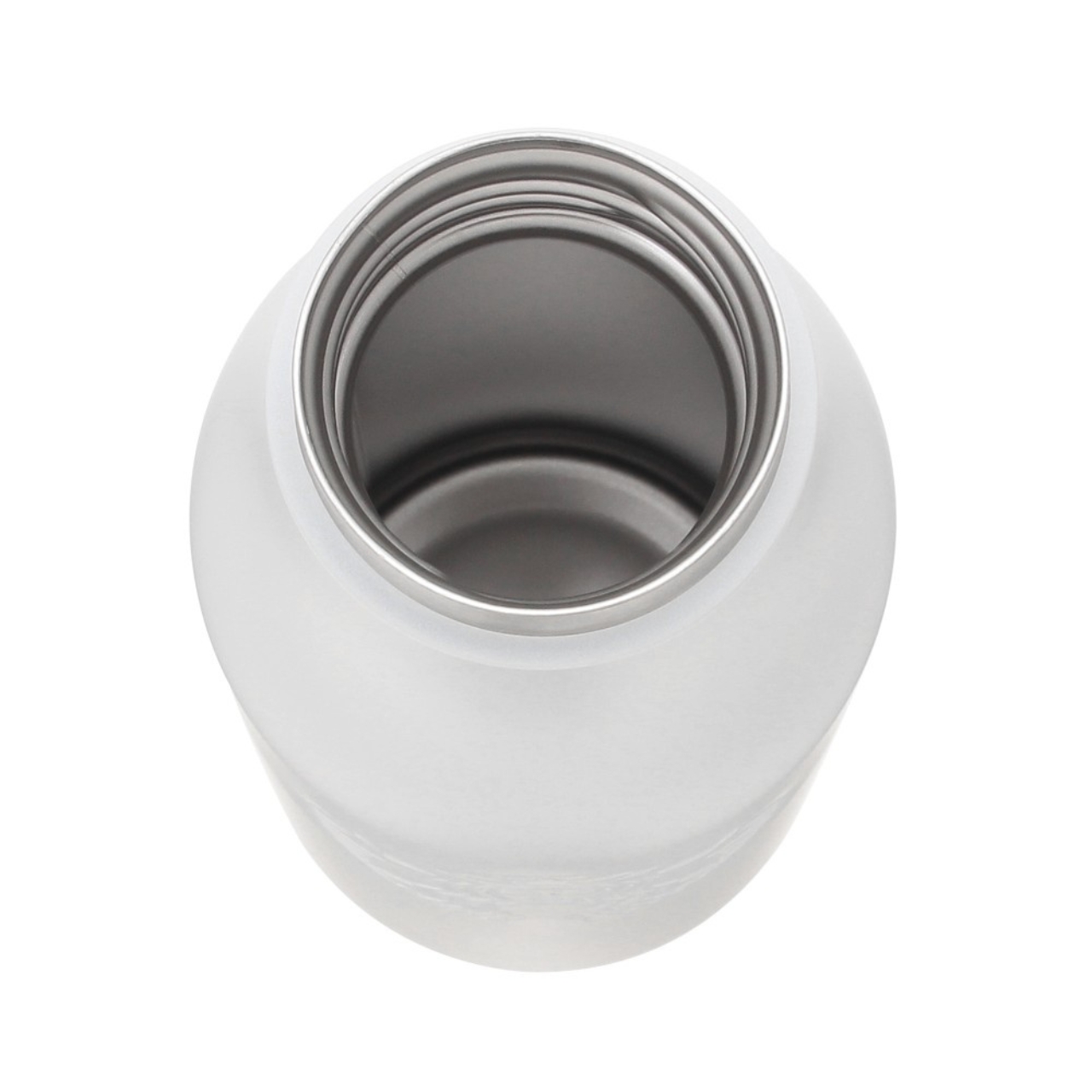
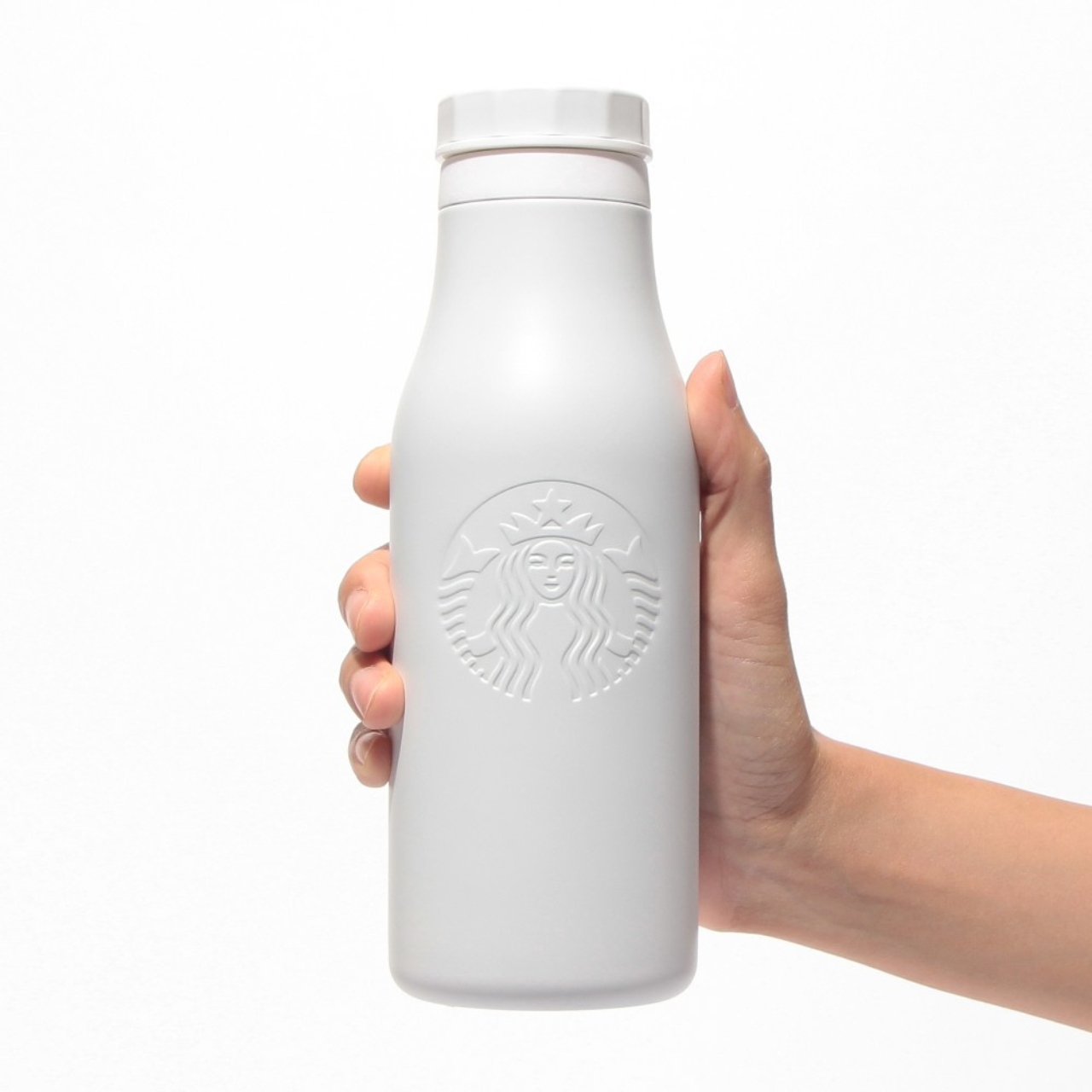
Whenever I see the latest Starbucks merch that drops in Japan, I kind of regret not living there so I can get easy access to these cute collectibles. Eventually they become available in various online stores in my country but they’re more expensive of course, even for a semi-collector like me. The Starbucks Japan online store is celebrating its 10th anniversary this year and they released a customizable tumbler that you can customize and make look like a cute inanimate barista.
Designer: Starbucks
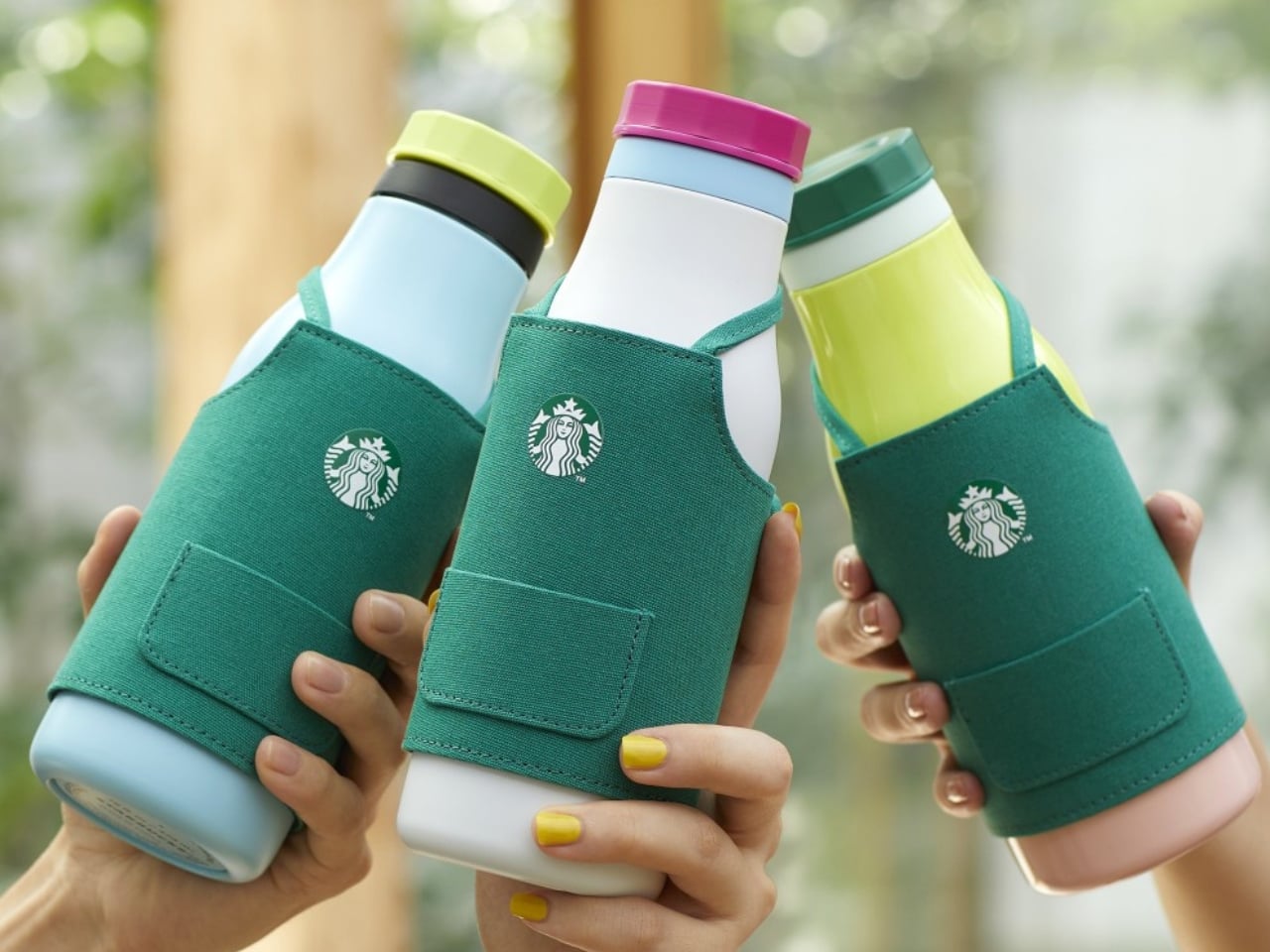
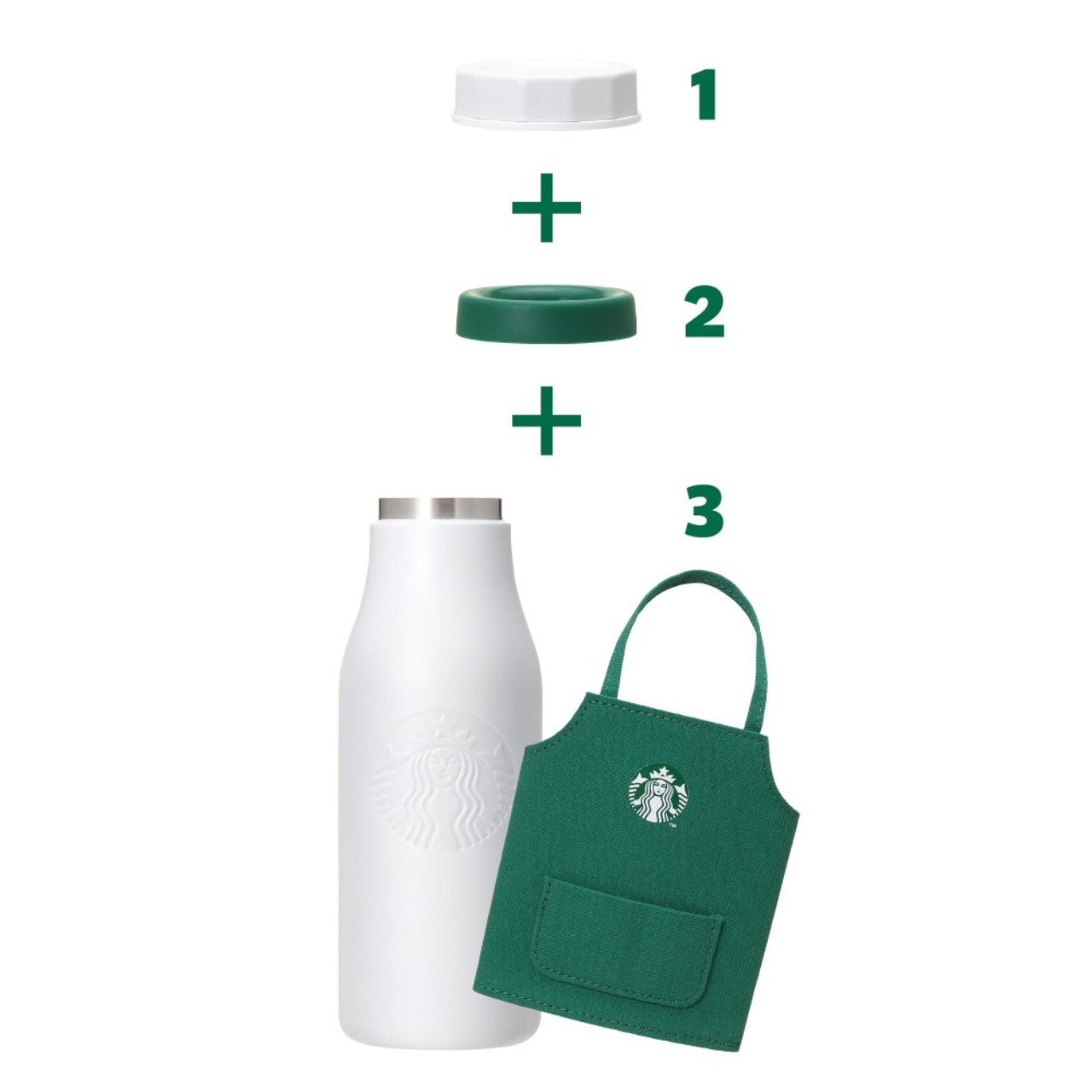
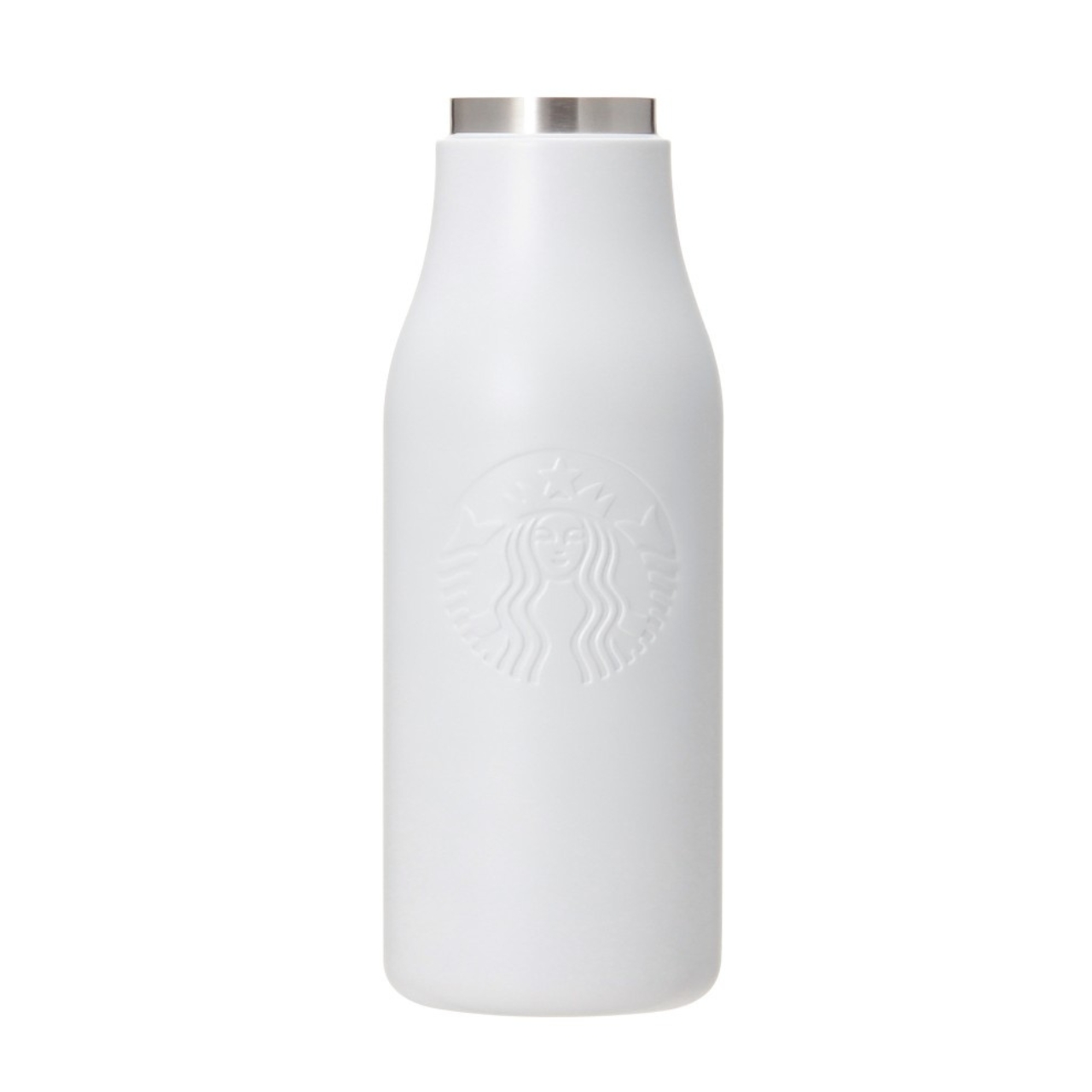
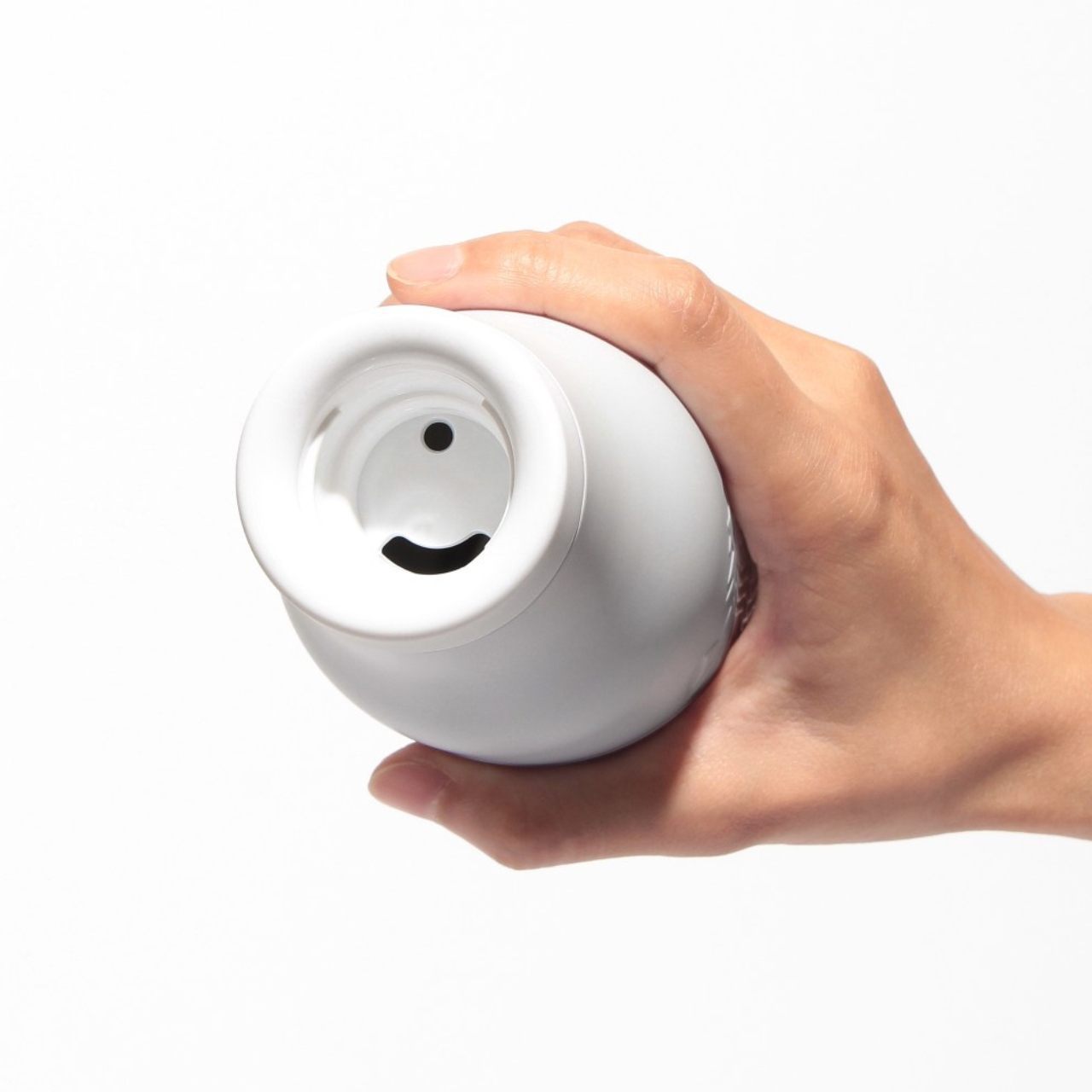
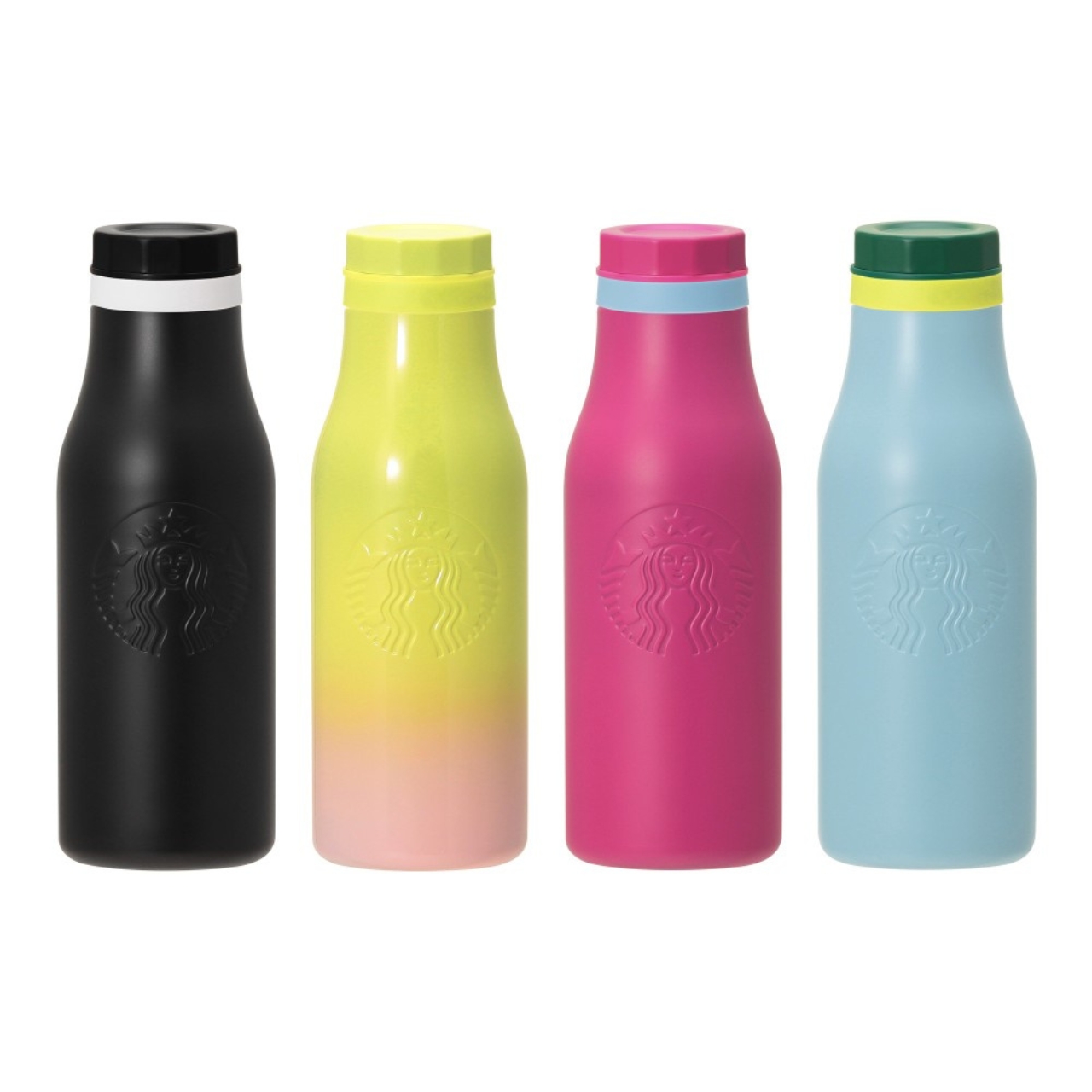
The My Custom Stainless Steel Bottle Barista is an online store exclusive product that you can customize and order with a possible 343 combinations. When you take a look at the basic tumbler, it just looks like any other regular tumbler but the joy comes in creating one according to your color preference and then dressing it up with other accessories to make it more like you. This is supposedly like how you would customize your drink if you’re that kind of Starbucks drinker.
When you place your order online, you can choose what color your cap, drinking rim, and bottle will be. There are seven color options – black, white, light green, green, pink, blue, and gradated pink-yellow. But the cutest customization here is that you can dress up the tumbler in a barista apron in its iconic green color. The apron is not just decorative but also functional as it can help you hold your drink if it’s too warm or too cold. There’s also a pocket where you can place notes, cards, or the beverage ticket that comes with your online order that lets you enjoy a free refill when you go to your Starbucks.
They also want you to add even more personalized touches to your tumbler like ribbons, patches, pins, and stickers, although they don’t seem to be selling things like that. Maybe they’ll do so eventually, like how Crocs sells things like Jibbitz charms. I’m still hoping someone from Japan will send me one of these cool steel bottles, no matter what the color combinations are.
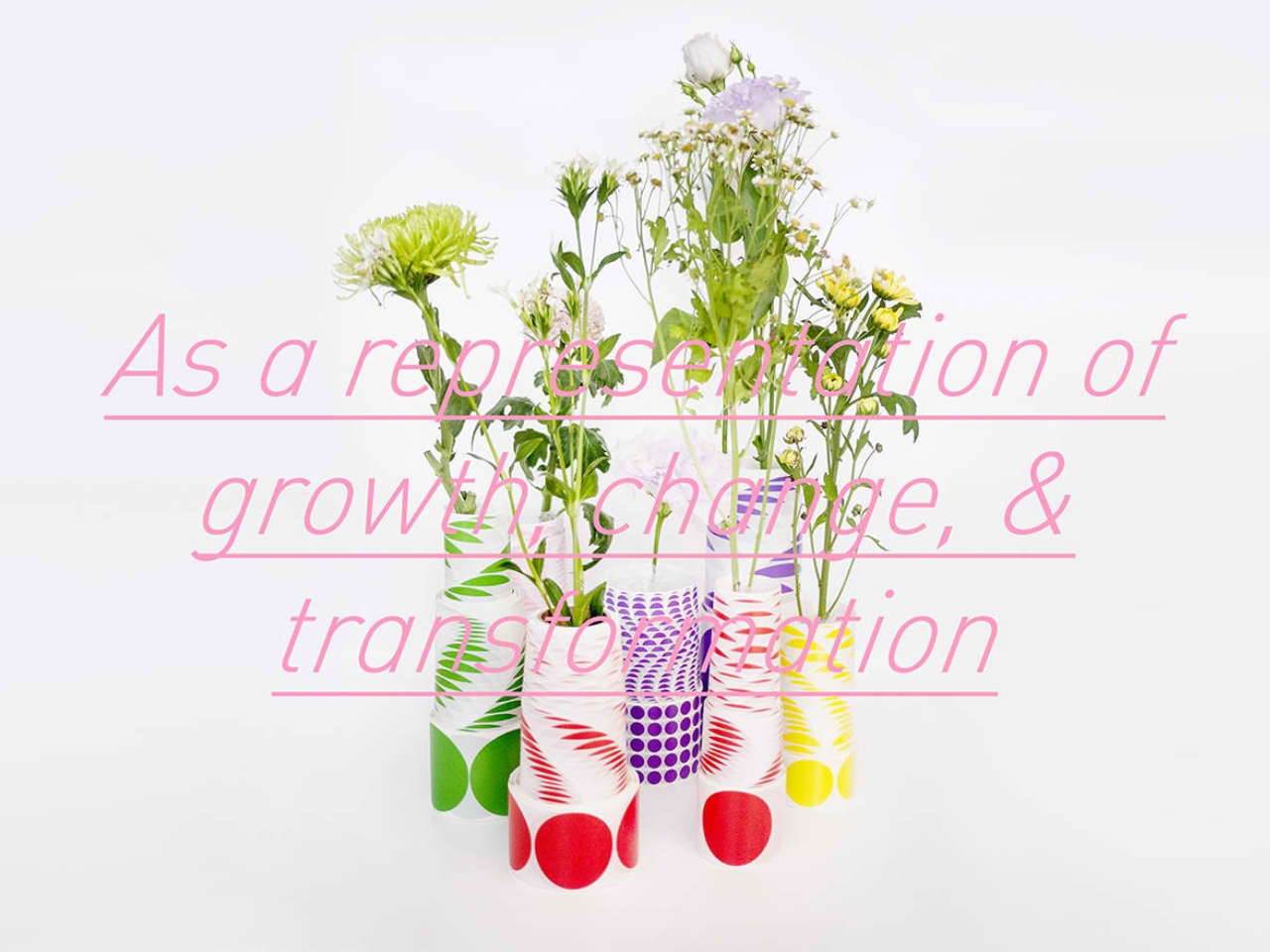
Vases usually take a back seat to the flowers and plants that they house since the main attraction are the flora. Usually they are just functional or if they do have designs, they’re not always that eye-catching and can sometimes be minimalist. But who says you can’t have attractive flowers and also beautiful vases with various colors and patterns?
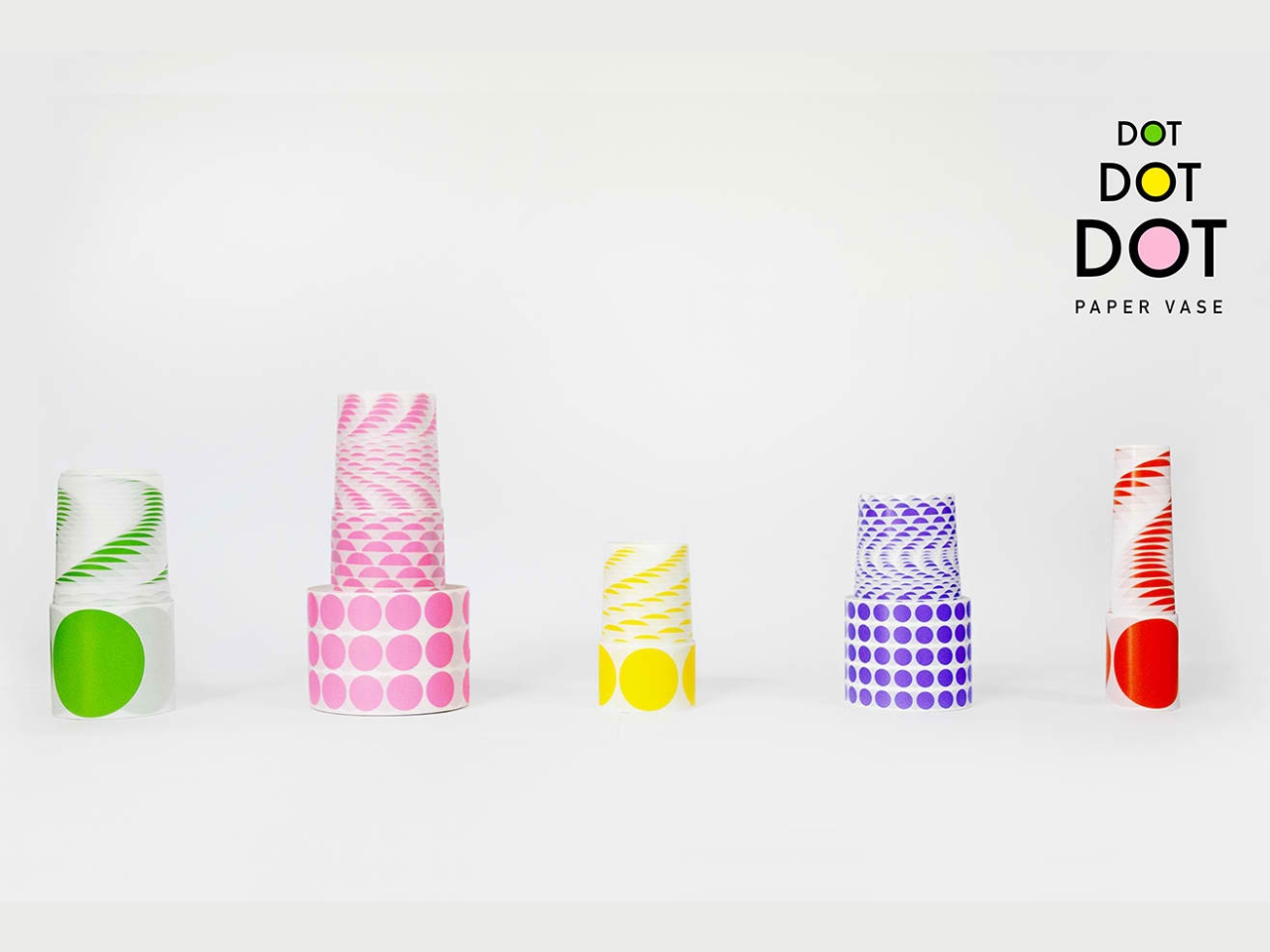
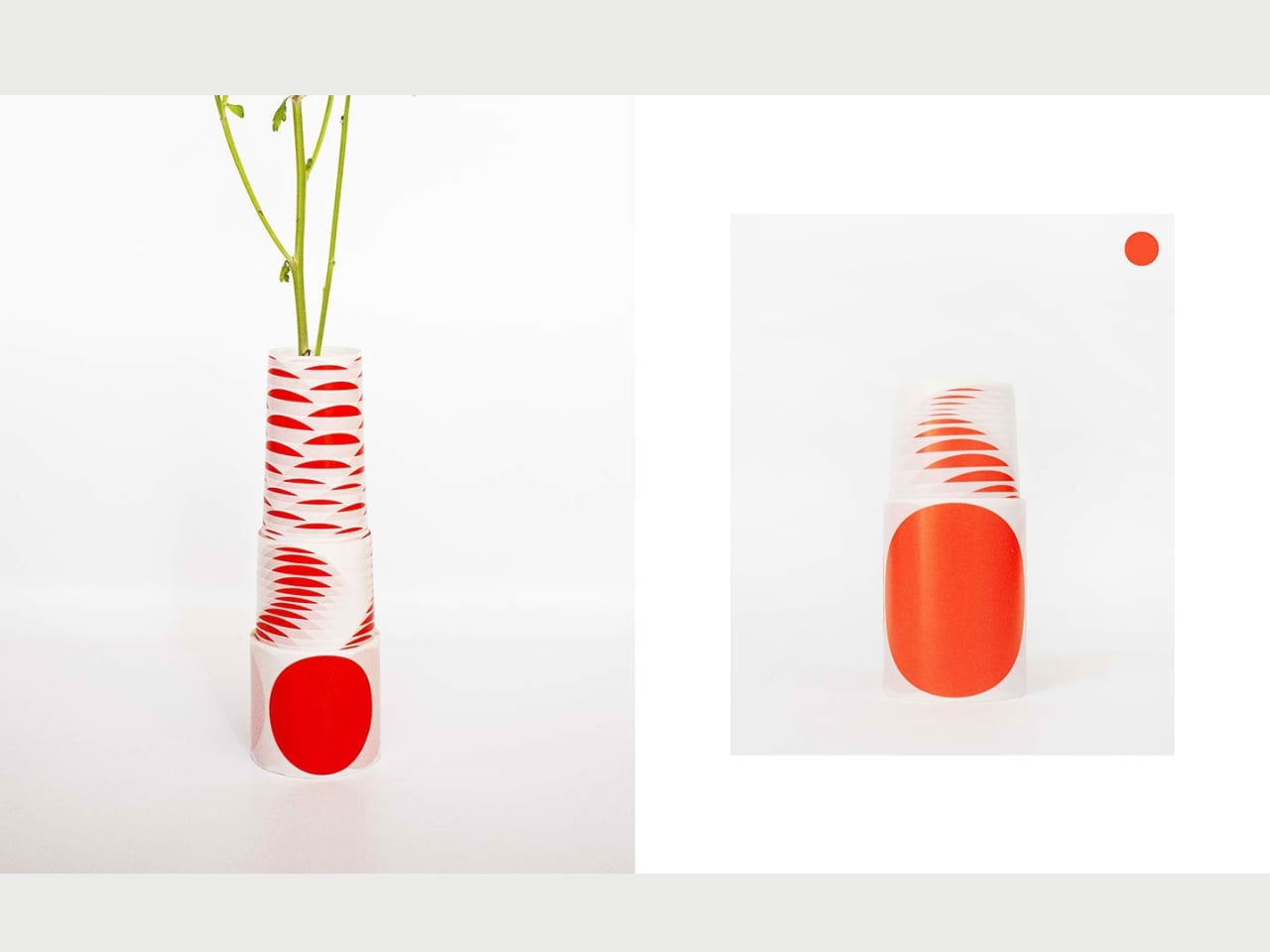
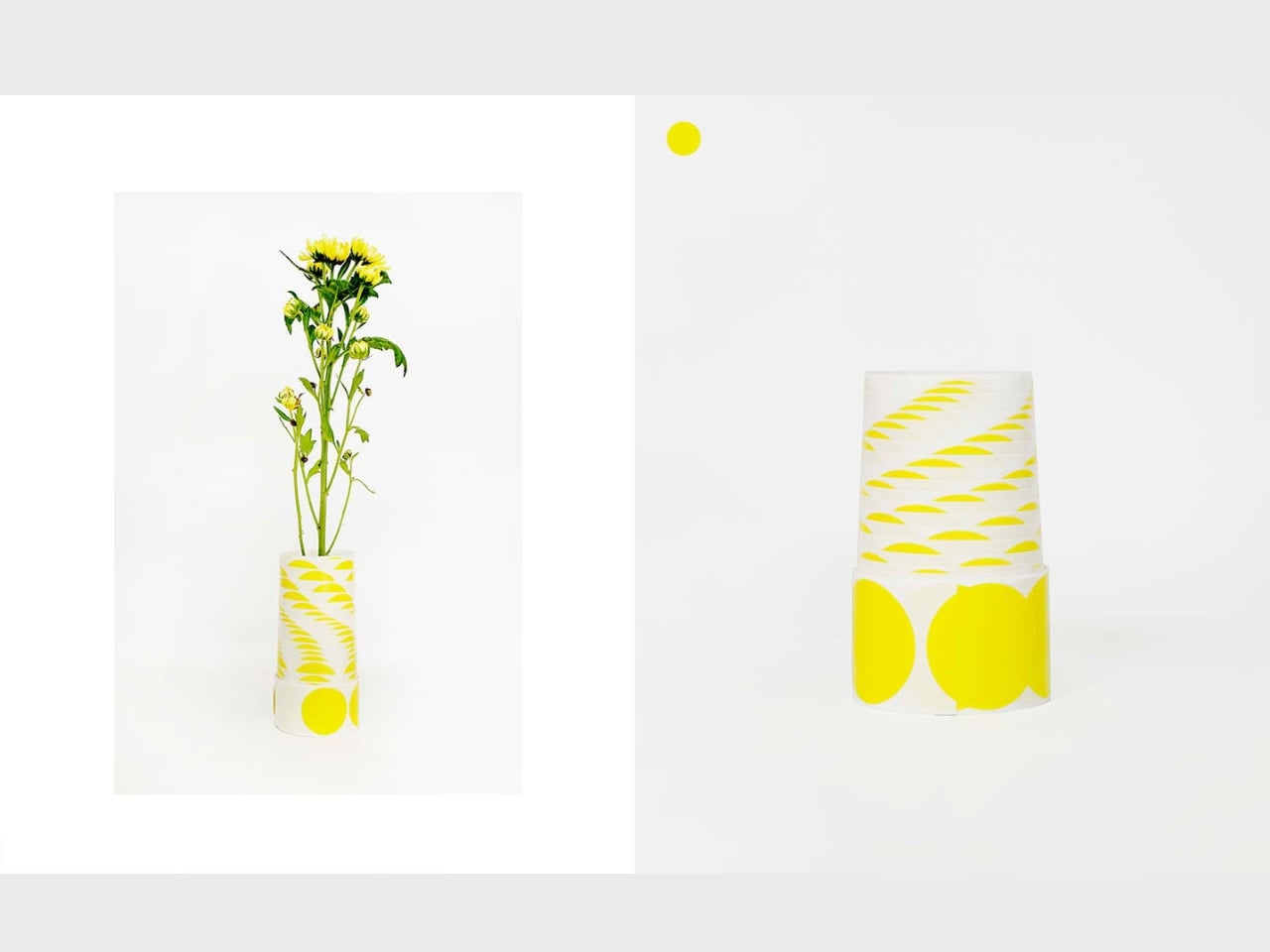
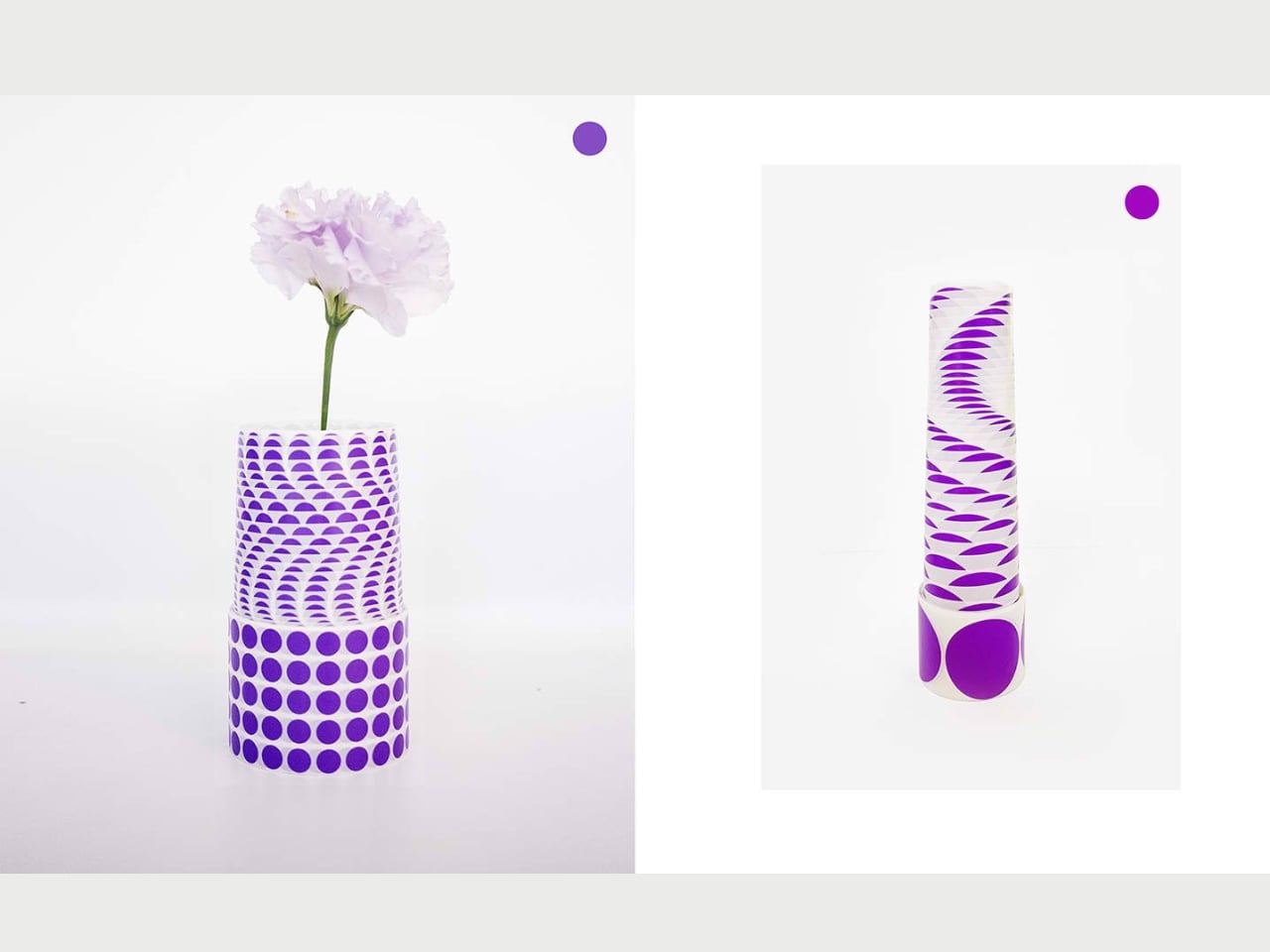
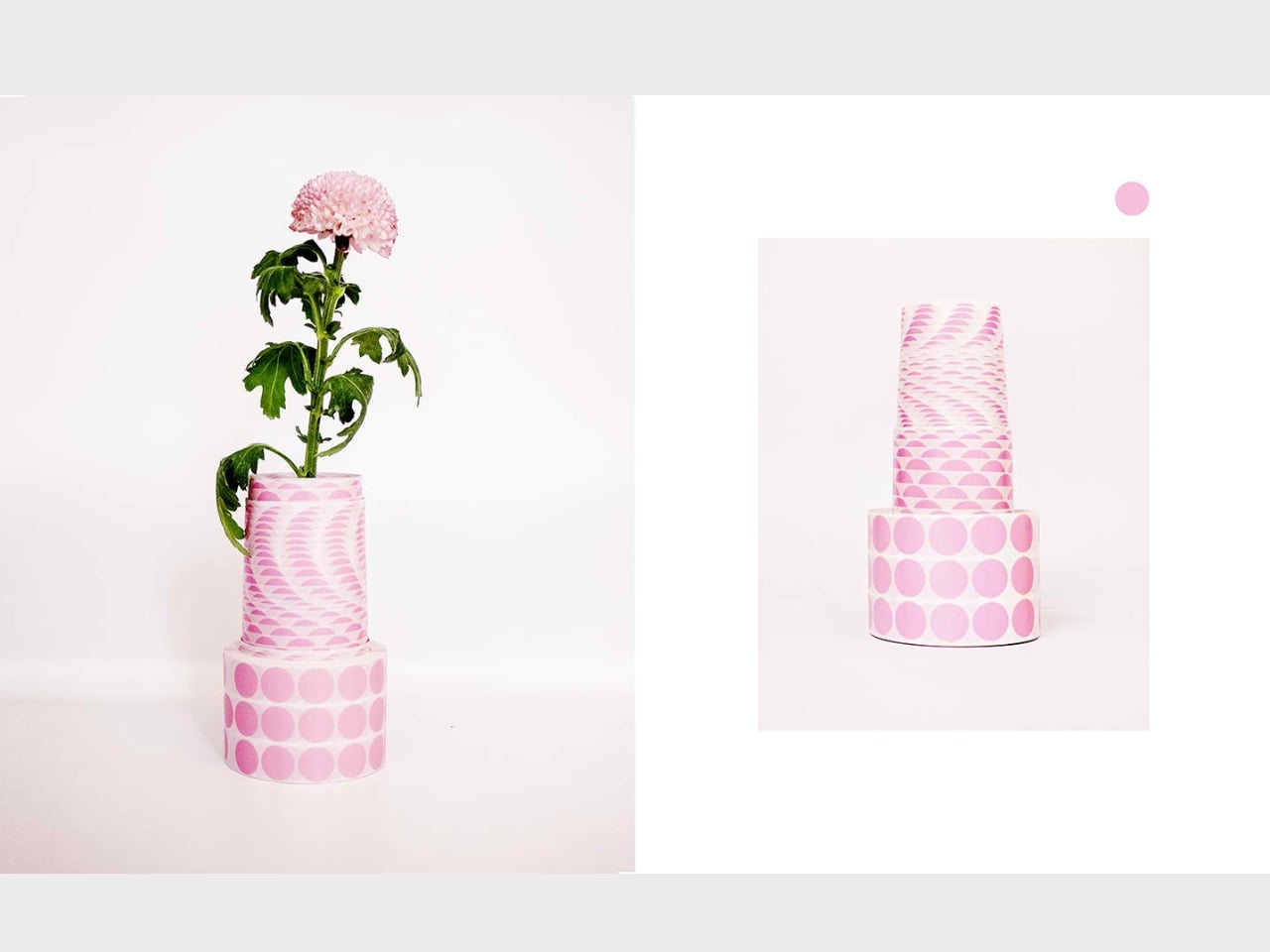
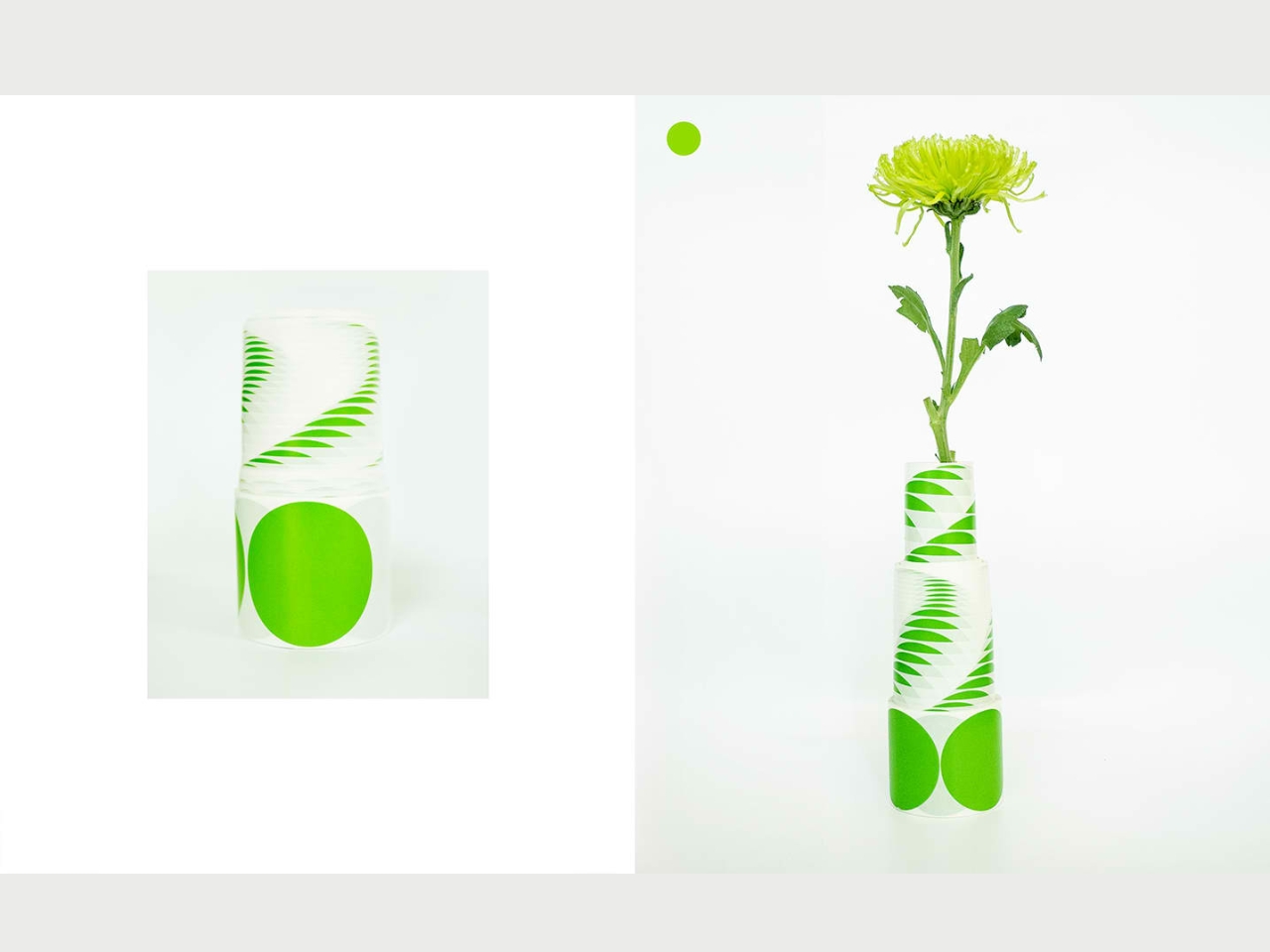
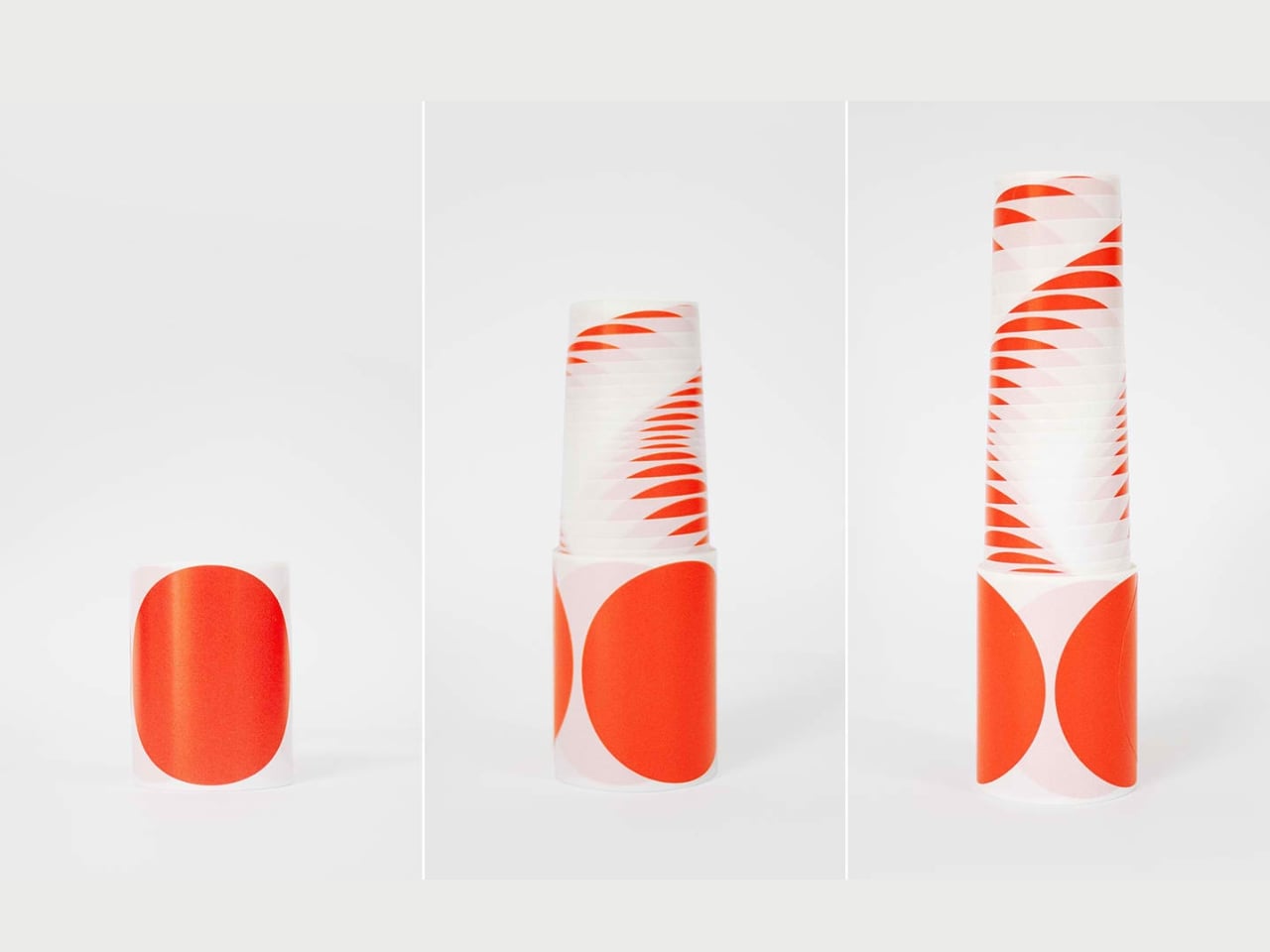
The Dot Dot Dot Paper Vase is one kind of vase that will catch your attention even before you put flowers or plants in them. From its name of course you can deduct that they are made from paper but it’s not just any ordinary paper but ones that have different colors, patterns, and shapes. It can spark creativity in the “viewer” and can also serve as an interactive canvas together with what you’ll put in it.
Since the material is paper, you will also be able to fold, shape, and decorate it in any way you want. You can use it to either complement the flora that you’ll put in it or provide a startling contrast to add to the visual smorgasbord. Minimalists will probably not be that fond of it because of the vibrant colors and the textured patterns.
The paper vases have different colorways like green, red, violet, yellow, and pink, but always with the white color creating patterns. There are also different shapes like circles, spirals, half moons, and lines. They can add an artful feel to your space aside from serving its function as a vessel.
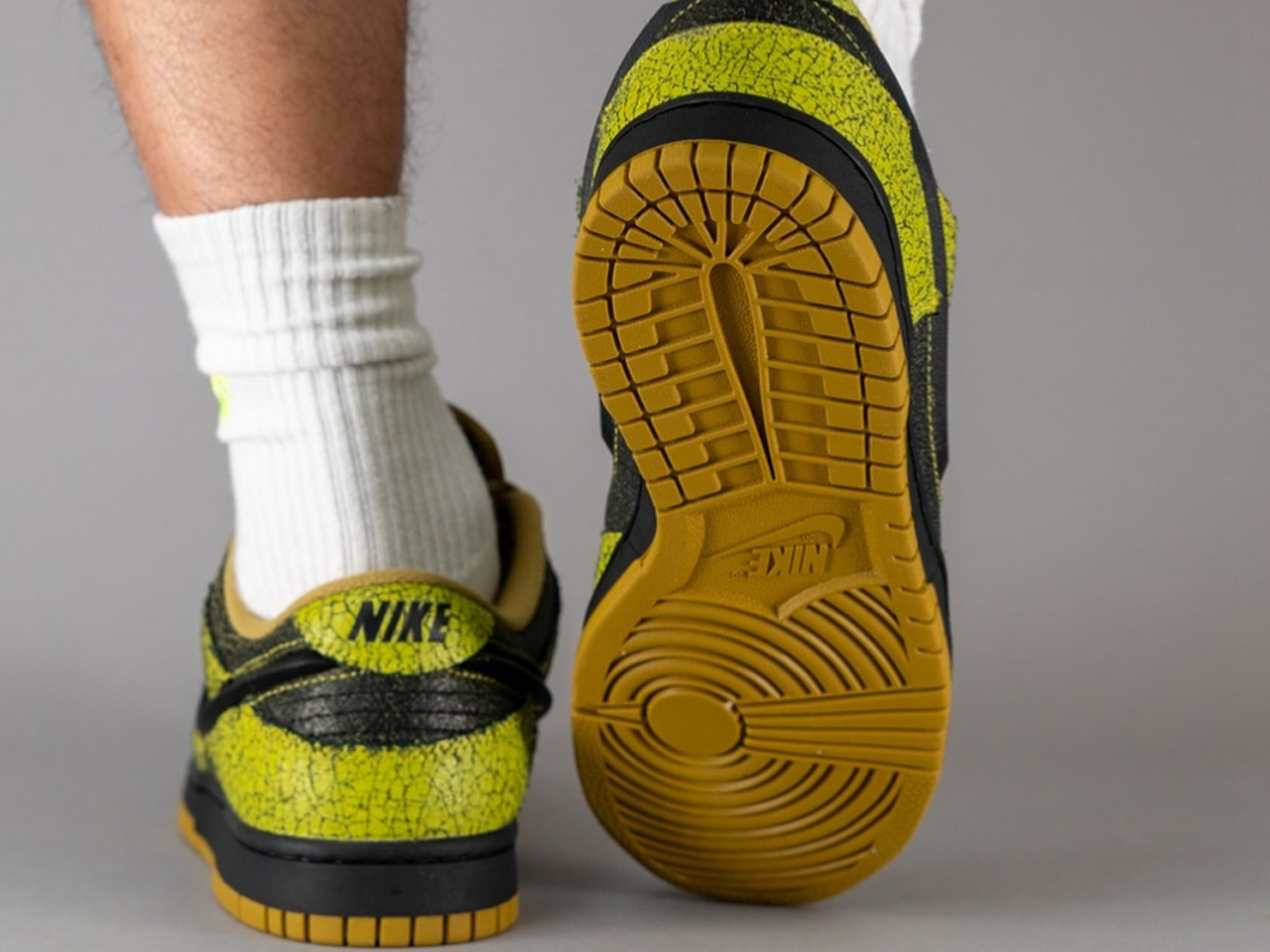
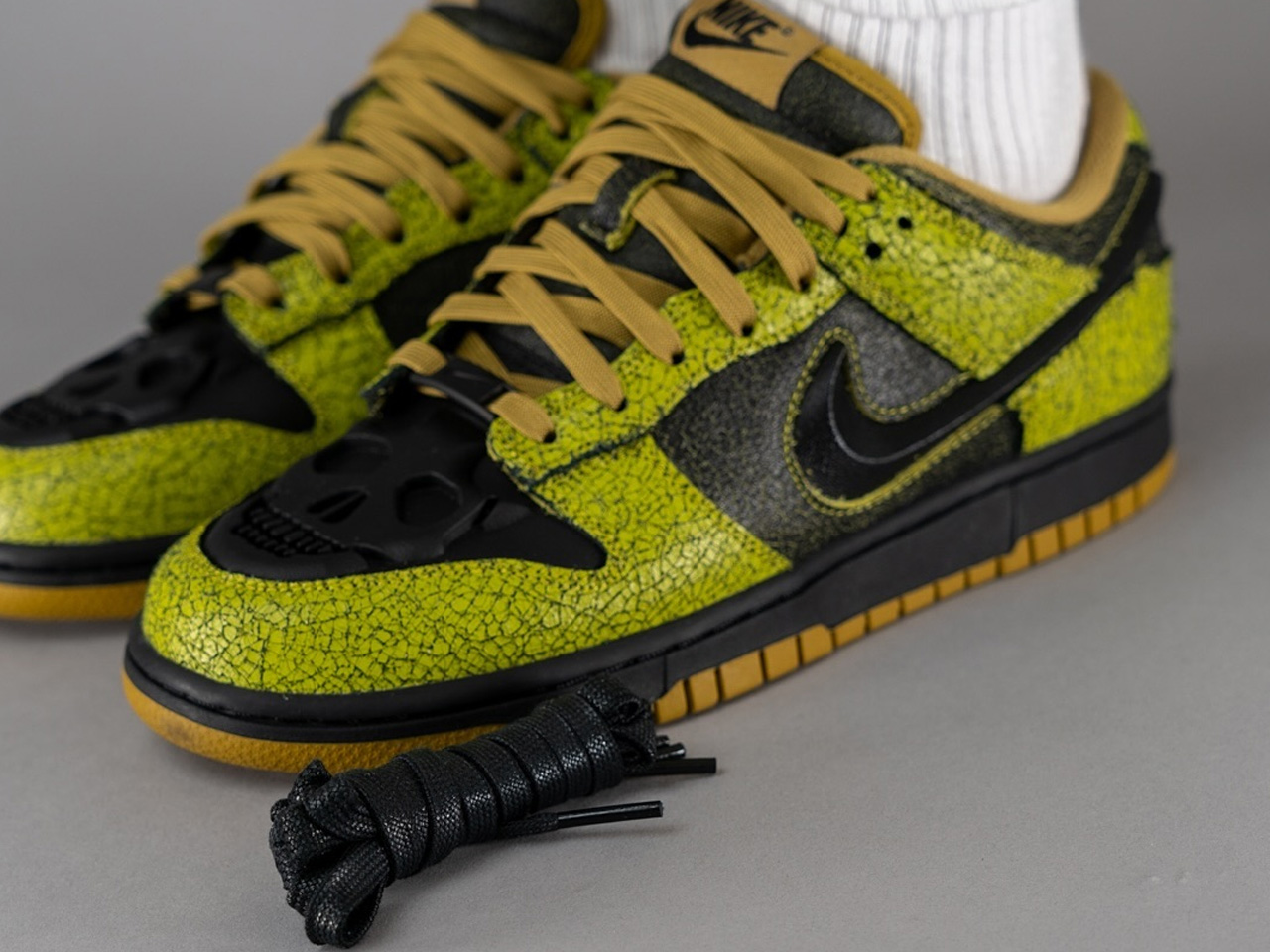
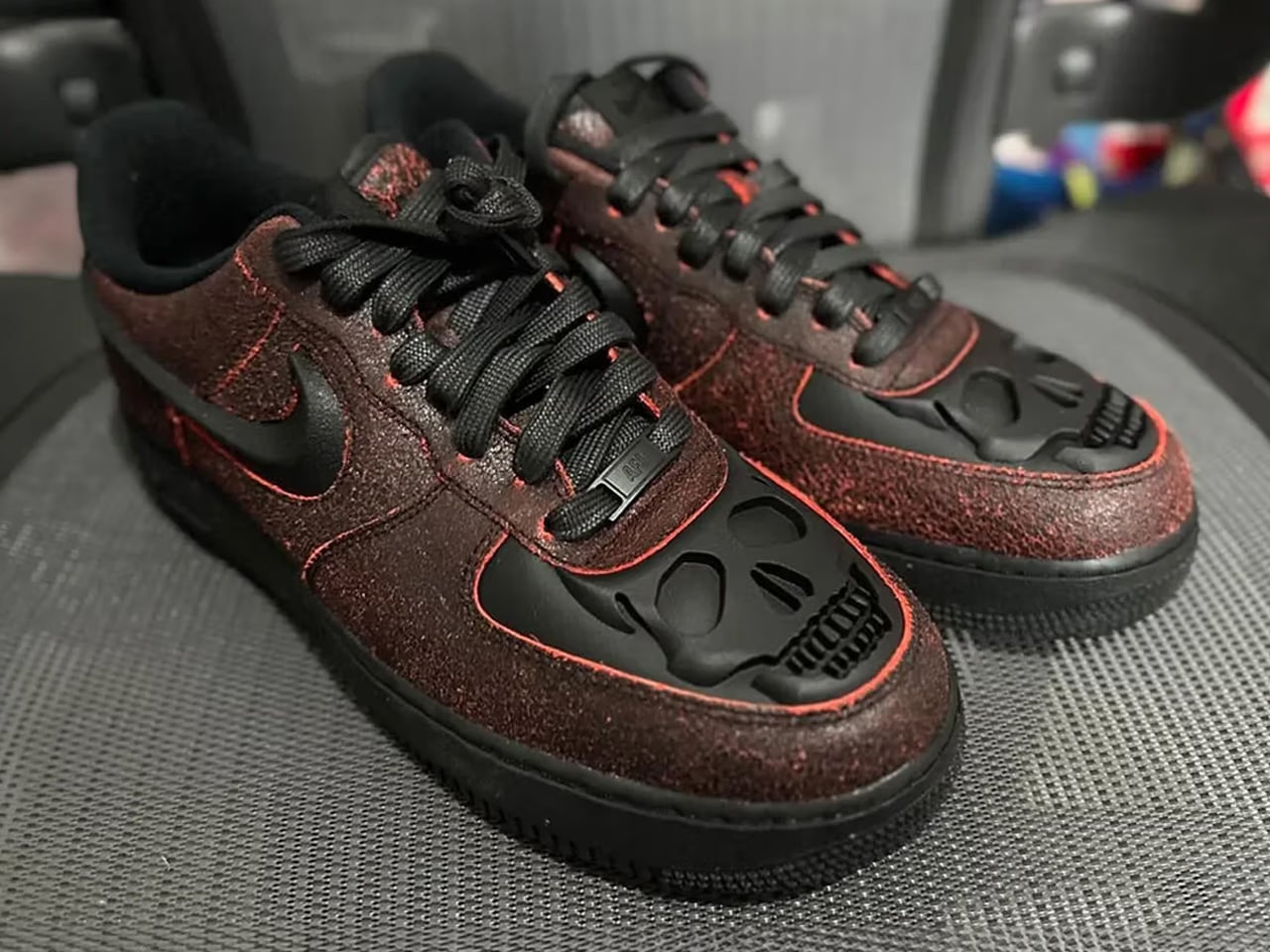
Nike is all set to give fans a reason to spook up the neighborhood this Halloween with the introduction of not one but two eerie edition kicks. Just earlier this month, the Swoosh company took wraps off the Halloweenized model of the Air Force 1 Low, and now we are here with the Nike Dunk Low “Halloween,” offering a frightful take on the court favorite.
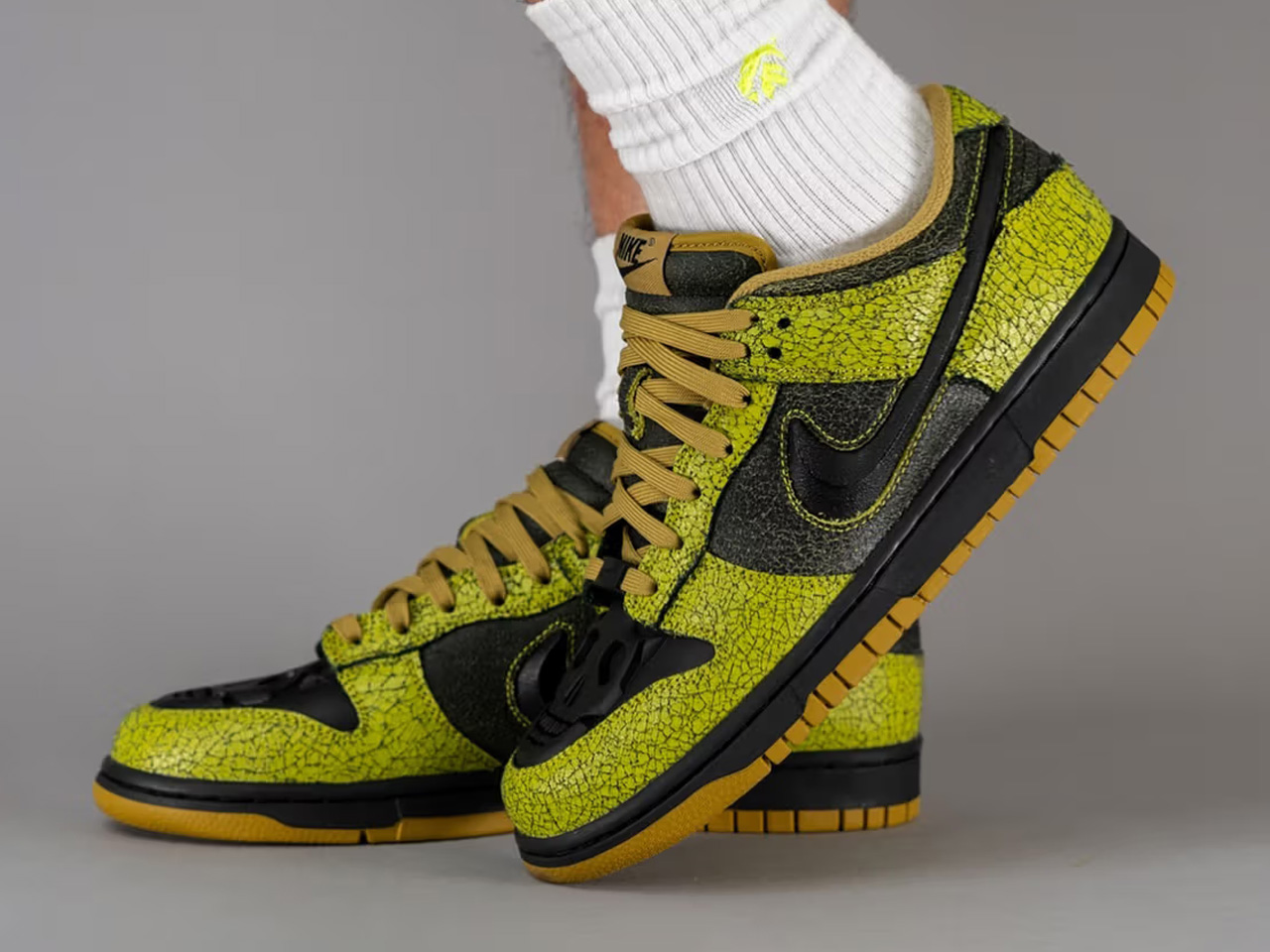
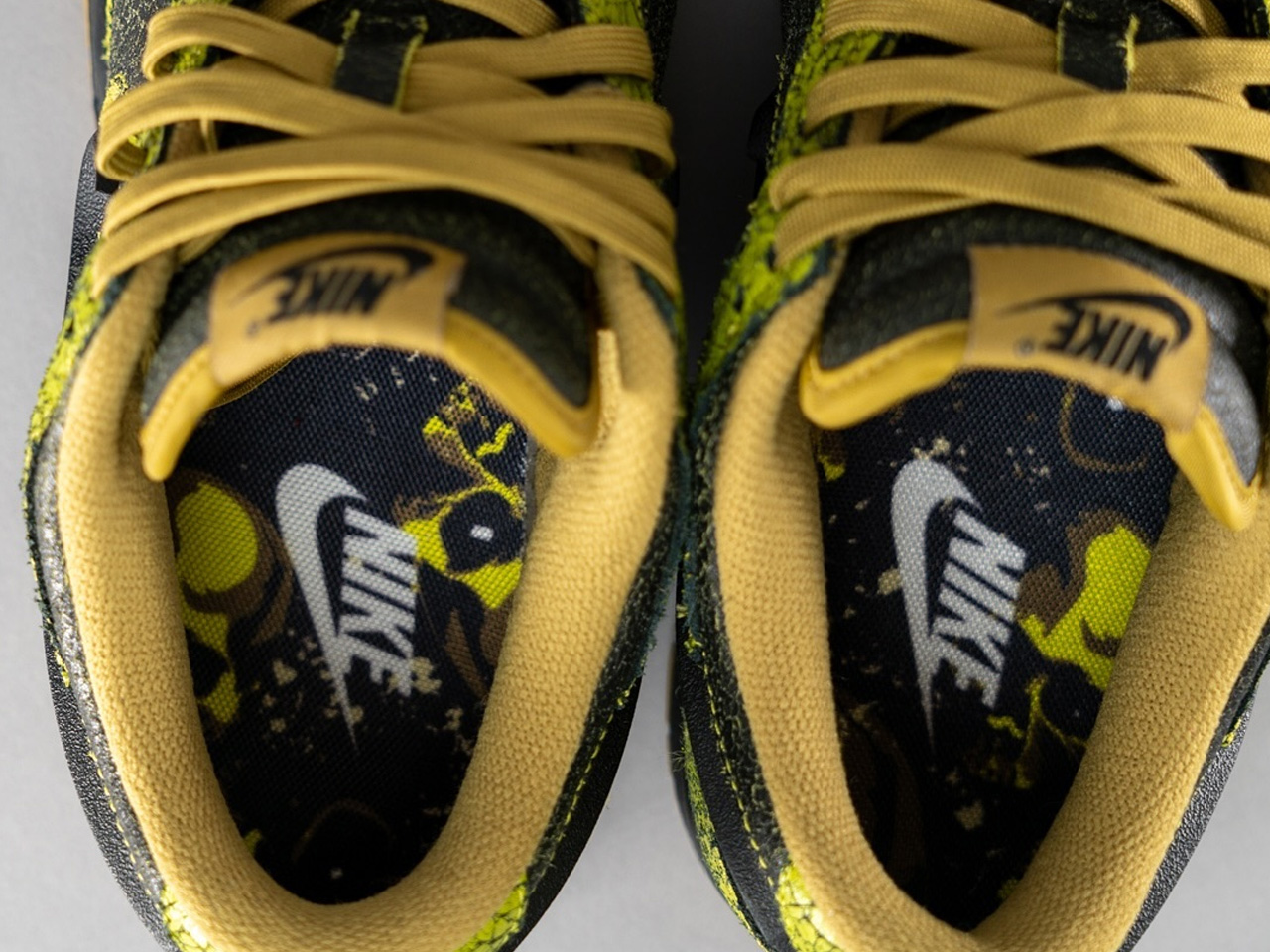
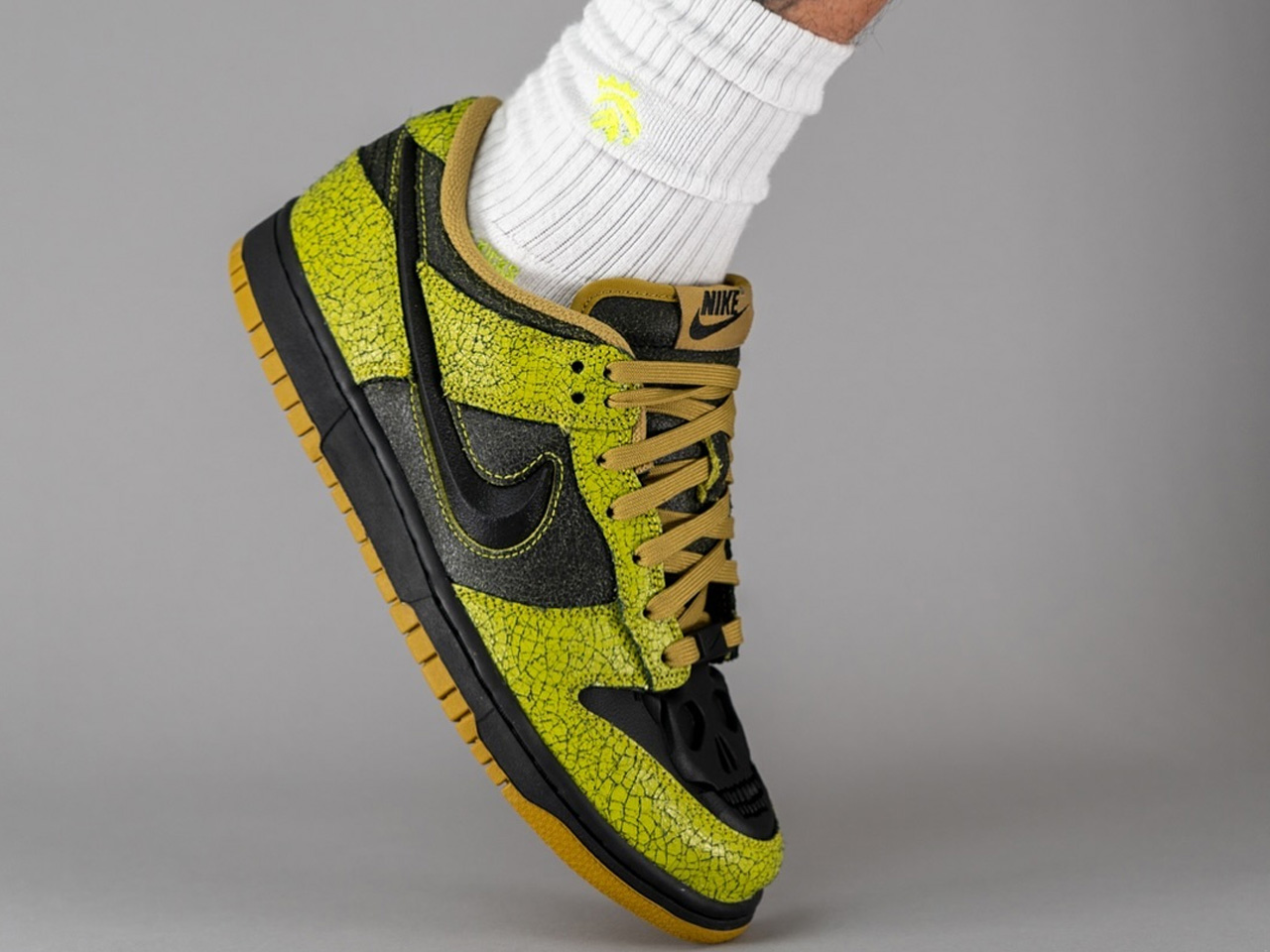
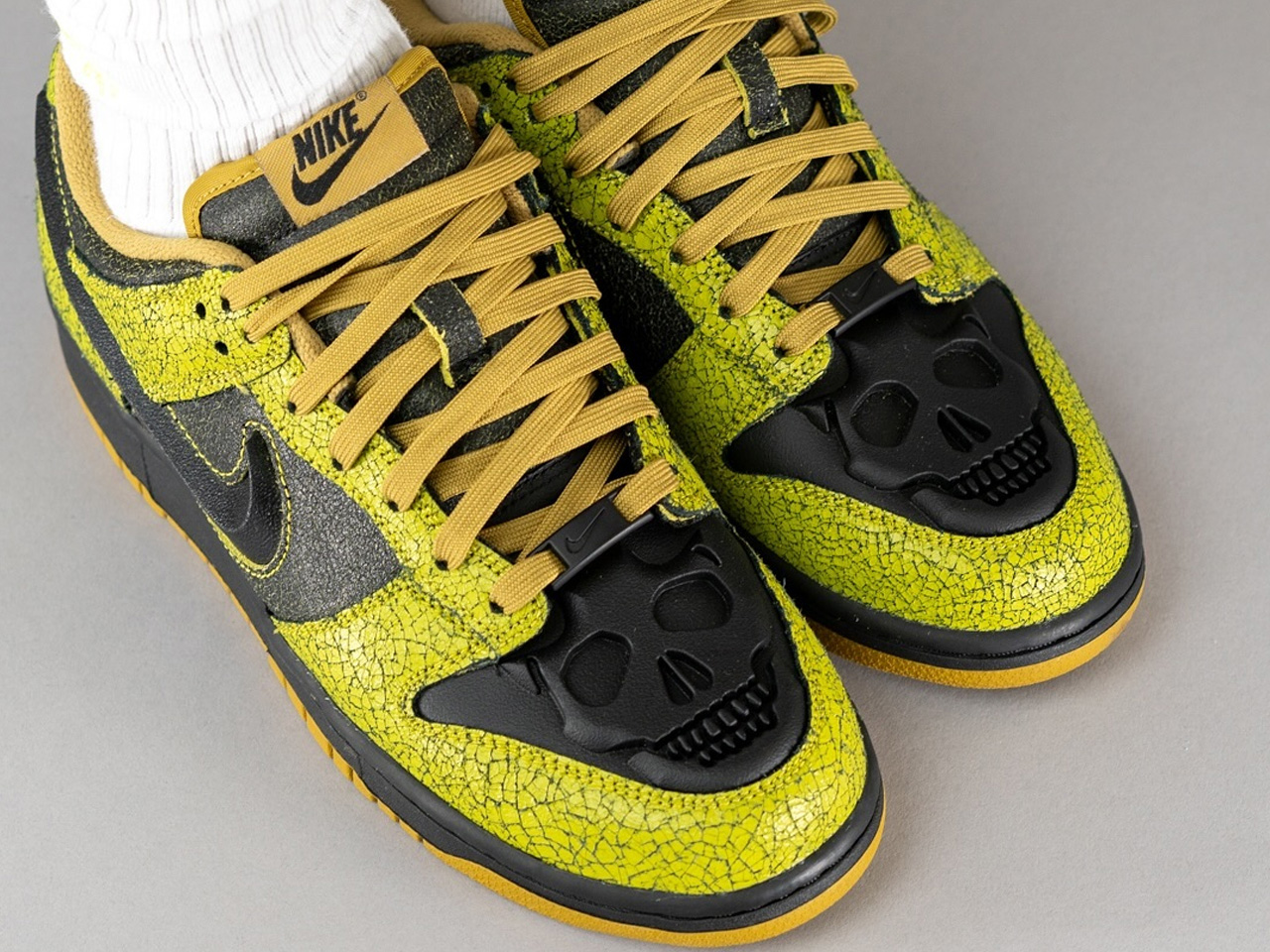
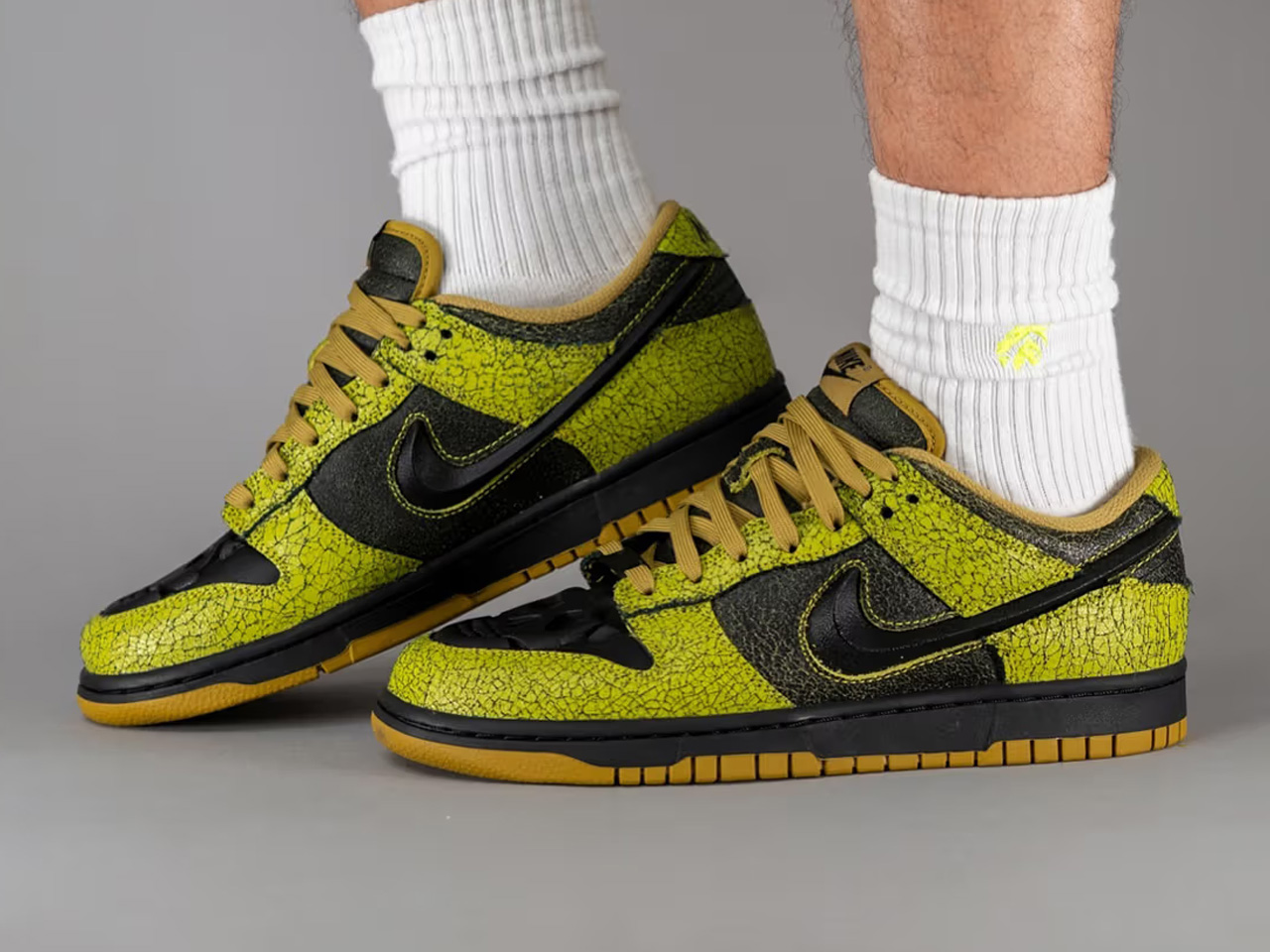
Designed with the scary style statement, not specifically for the court alone; the street-smart Dunk Low silhouette captures the spirit of Halloween very nicely with Bright Cactus, Black, and Green Curry colorway, embellishing the cracked leather upper and other unnerving antics of the pair.
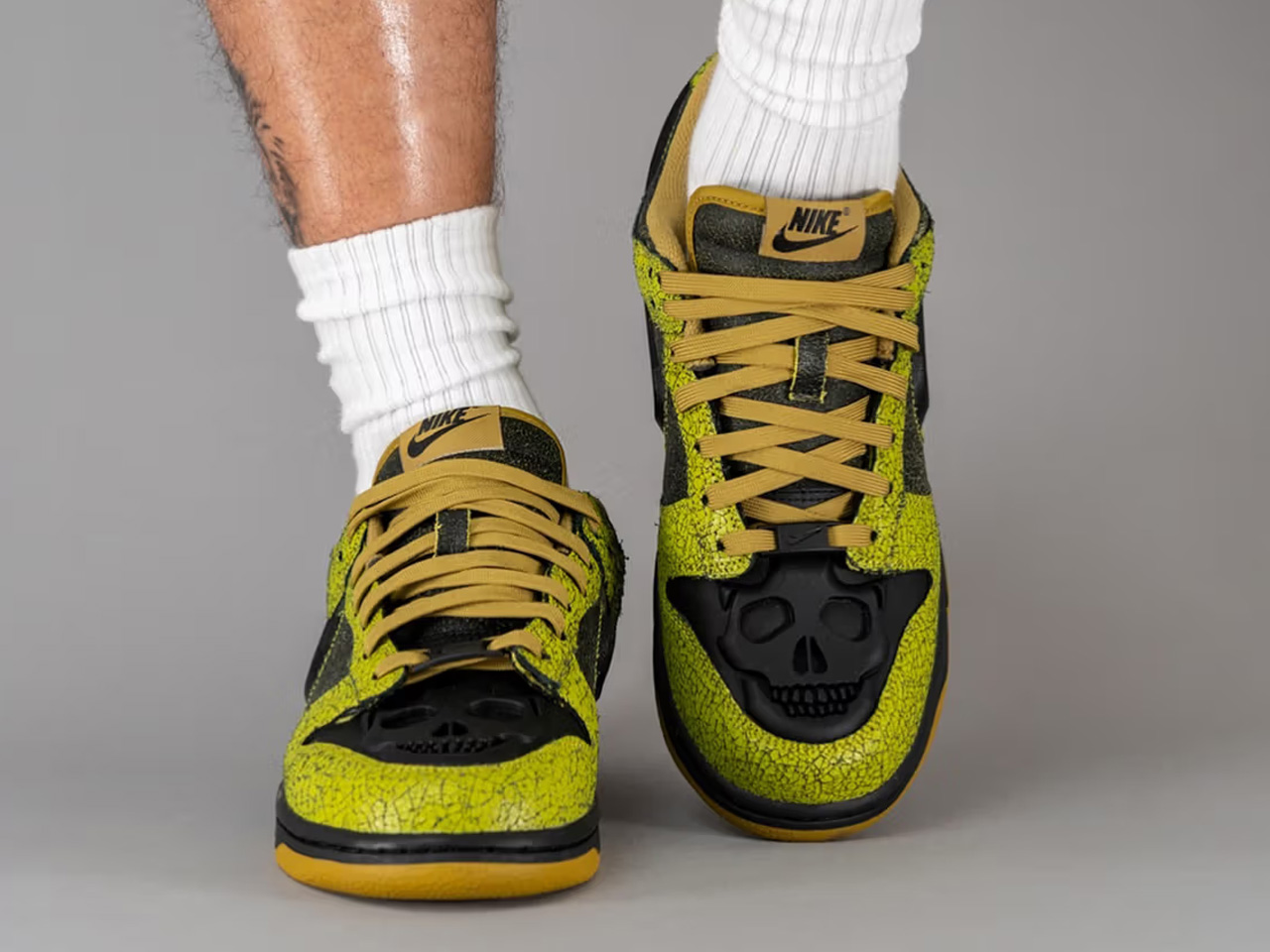
Designed for the holiday with its “Halloween” color scheme, the limited-edition Dunk Low Halloween, carries many fan-favorite aspects to give the creeps. First up, the cracked leather upper contrasts with a molded skull motif (with a 3D effect) on the black toe box. The shoe is marked with eye-catching textured black material on its tongue and the laterals while orange laces and the gum soles give the shoes a vintage aesthetic.
The look is completed with a long-molded Swoosh logo appearing in the same color and material as the toe box. This look of the Dunk Low is not very different from the Black and Crimson colorway of the Nike Air Force 1 Low “Halloween” iteration which carries a similar human skull modeled on the toe box. This is not a coincidence; Nike wants the season’s spooky spirit to flow down the customers with the same highlight.
That said, the Dunk Low Halloween is not just tweaked with seasonal appropriateness to blend festive flair with sneaker culture. It has been dealt with all the aspects of the lineup to ensure there is no compromise in comfort. For the interested ones, the Nike Dunk Low Halloween is slated for release on October 26, 2024. It will be available via Nike SNKRS and a few other retailers starting at $130. Nike Air Force 1 Low Halloween will also hit the market around the same time for a starting price of $140.
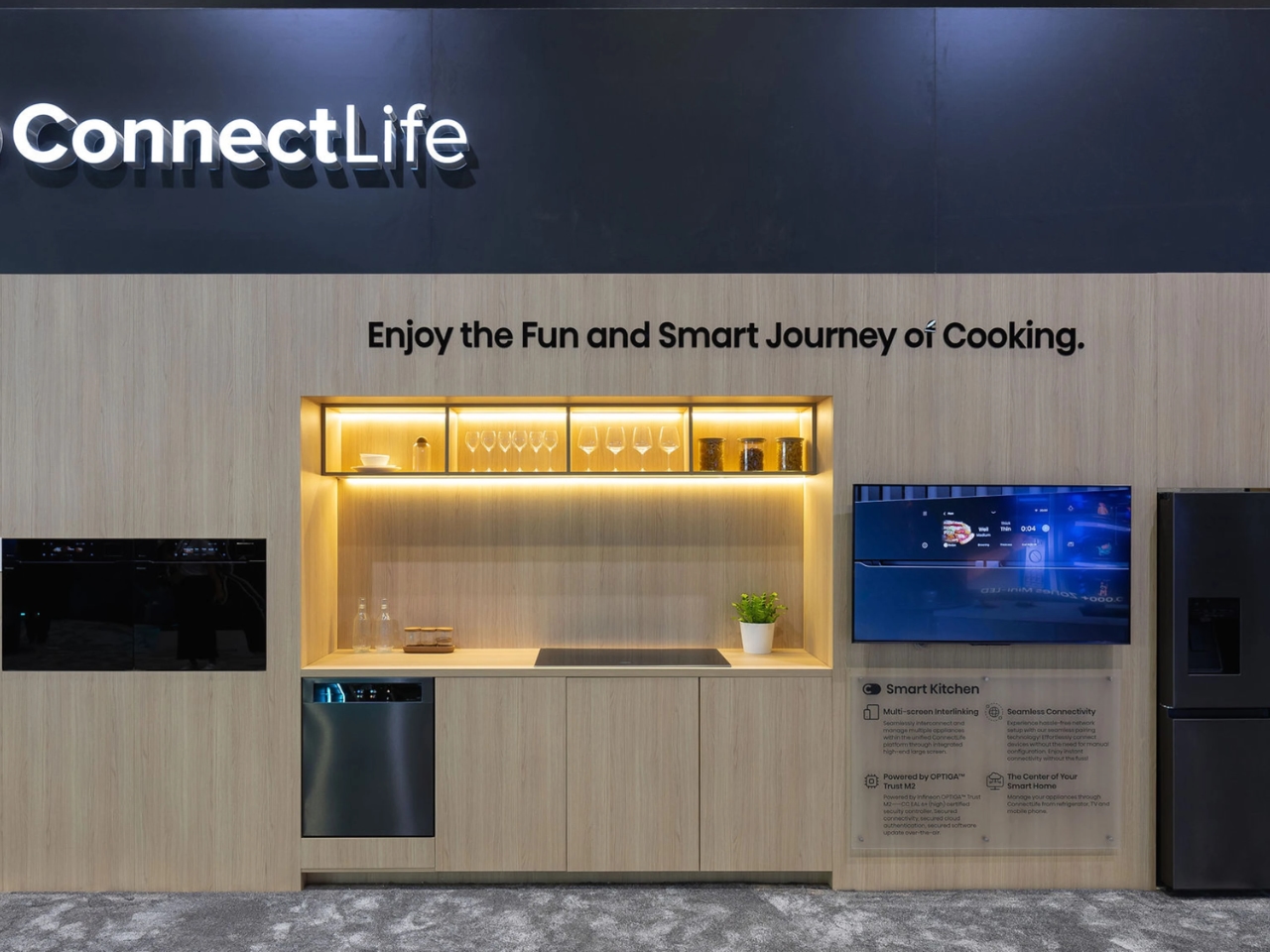
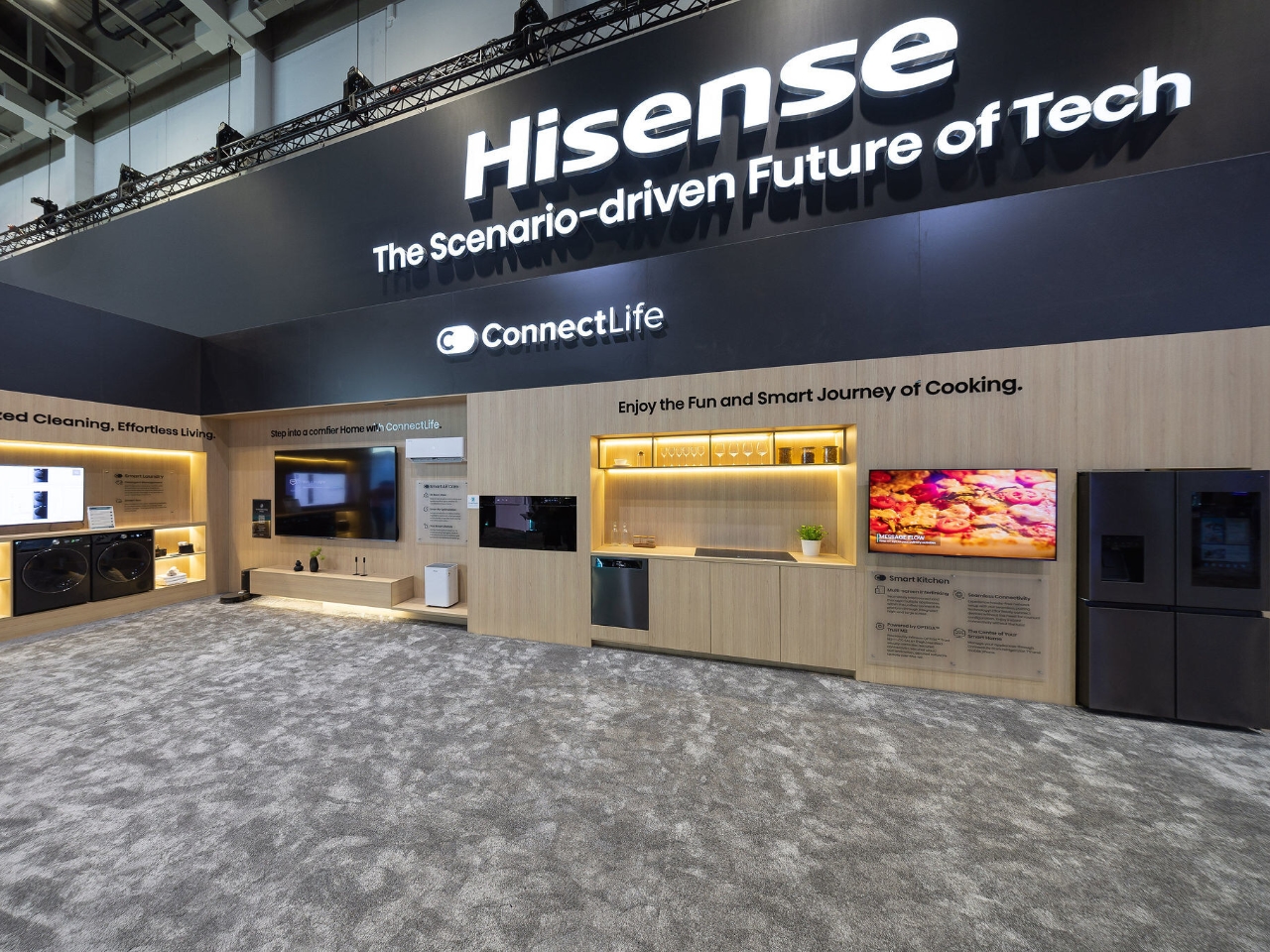
At IFA 2024, Hisense captivated audiences by unveiling their ConnectLife ecosystem—an interconnected smart home platform that integrates appliances, entertainment systems, and climate control into one seamless experience. Leif Lindner, CEO of IFA Management GmbH, separately discussed Hisense’s role in reshaping modern living, highlighting how ConnectLife is pivotal in transforming homes into intelligent spaces that adapt to the user’s habits and preferences. The subsequent product demonstration by Aljosa Cizl, product manager for ConnectLife, gave a practical, hands-on view of how these connected systems operate together to make life easier and more intuitive.
Designer: Hisense
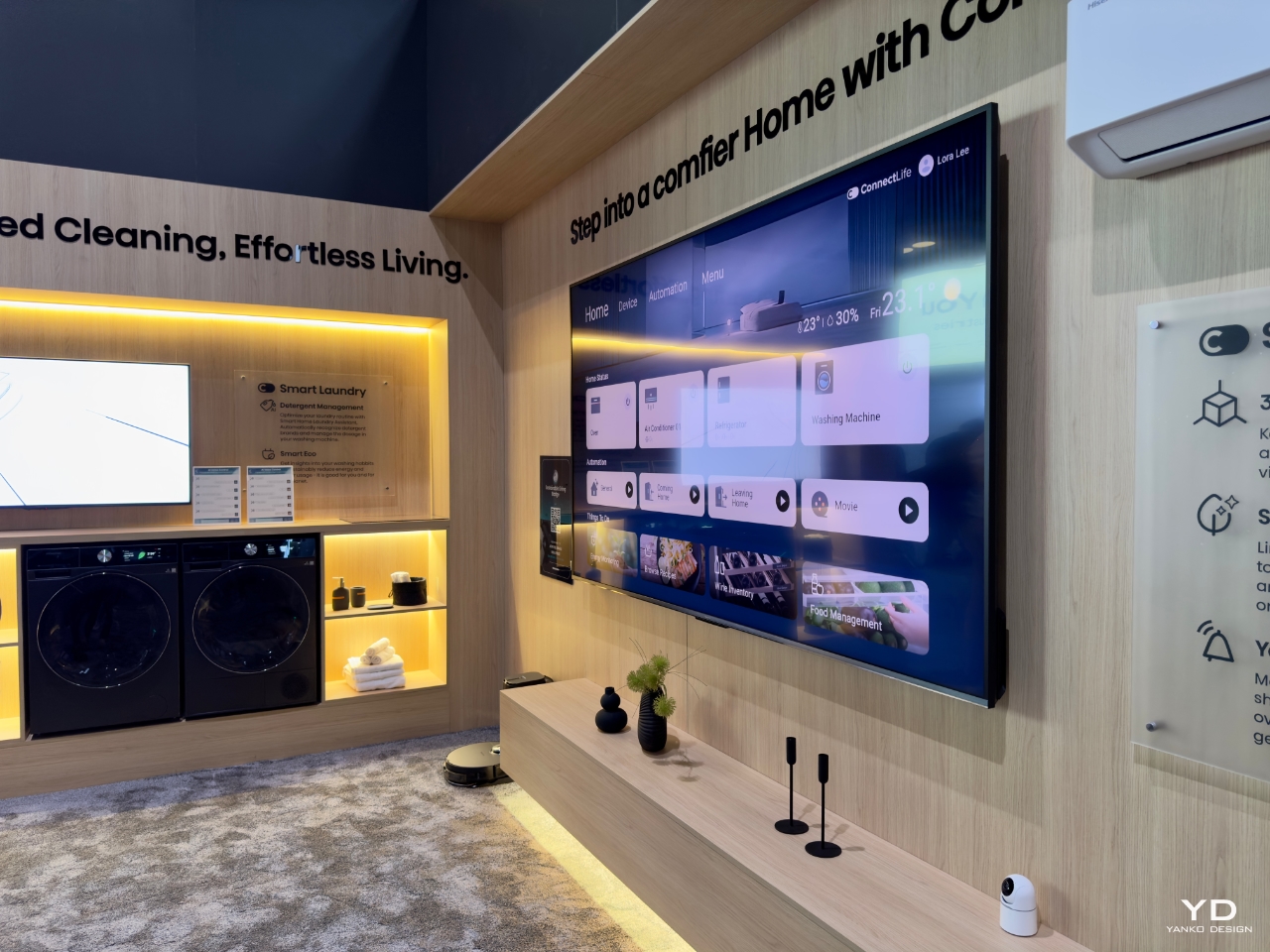
During the walkthrough, Aljosa Cizl, product manager for ConnectLife, showcased how the platform simplifies household management. From a single app, users can control every smart device in the home, from air conditioners and refrigerators to ovens and washing machines. The ConnectLife Hub ensures that all appliances work in harmony, learning from user behavior to optimize energy efficiency and daily routines. Cizl emphasized that ConnectLife is more than just remote control—it’s about making homes respond to daily life without the user needing to intervene at every step.
ConnectLife: The Backbone of a Smart Home
At its core, the ConnectLife platform acts as the brain of the modern home, offering real-time updates, automated suggestions, and remote management of appliances. Whether adjusting climate settings before you arrive home or setting a meal plan that syncs across your kitchen devices, ConnectLife brings everything together in a user-friendly interface that can be accessed through the ConnectLife app.
Hisense Showcases Innovative Scenario-Driven Tech Solutions at IFA 2024 to Transform Everyday Living Experiences
Aljosa Cizl demonstrated how refrigerators, ovens, air conditioners, and other appliances integrate into a smart ecosystem that simplifies the user’s life. For example, the Hisense PureFlat Smart Series Refrigerator can track food inventory, provide meal suggestions based on available ingredients, and sync with the oven to automatically prepare a recipe, all while you’re busy with other tasks. The ConnectLife Hub handles these interactions smoothly and learns your preferences over time, ensuring the home adjusts to your needs automatically.
PureFlat Smart Series Refrigerator: The Heart of the Kitchen
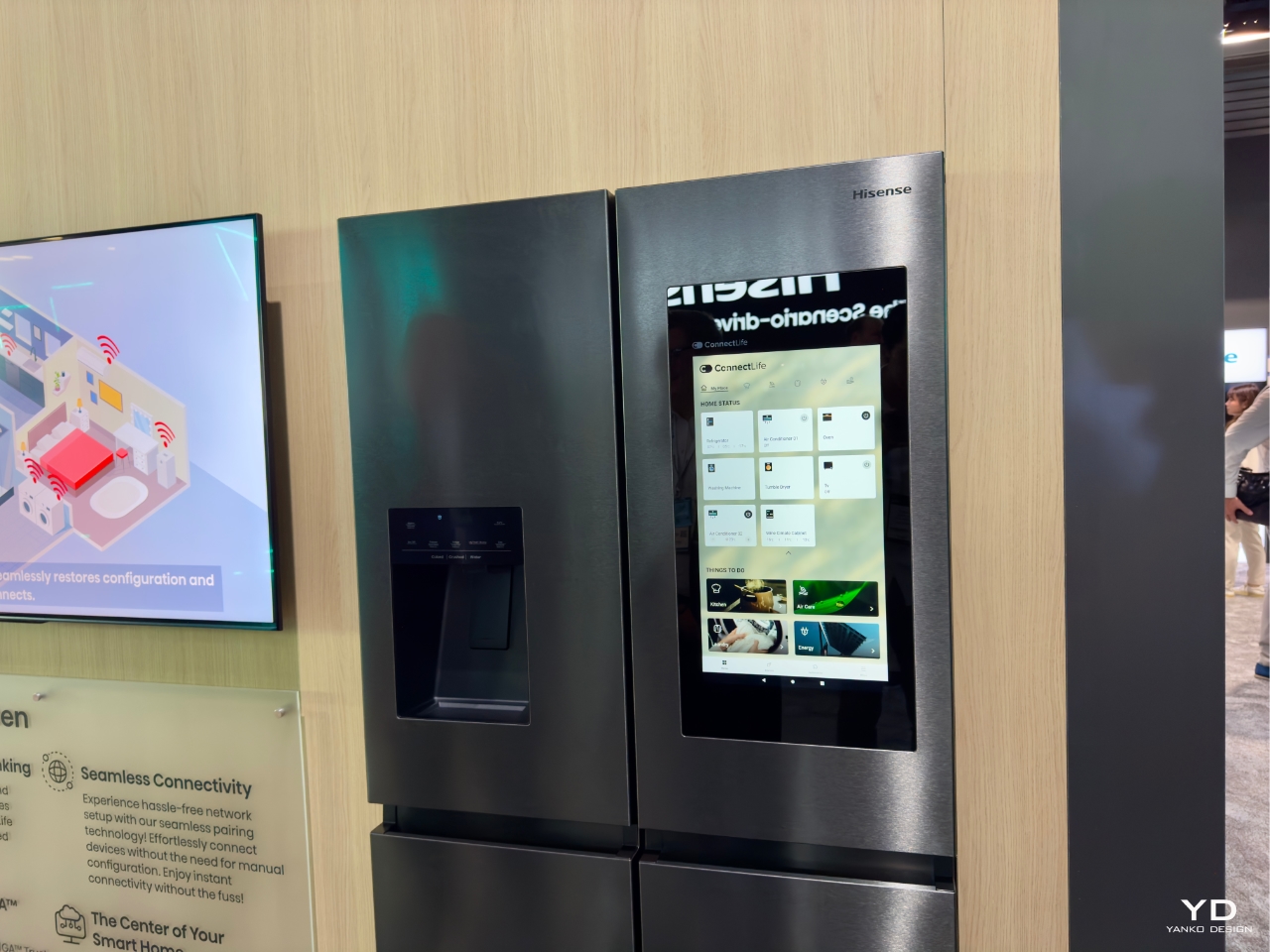
The Hisense PureFlat Smart Series Refrigerator is central to this smart kitchen. Equipped with a 21-inch TFT touchscreen, it acts as the nerve center of the ConnectLife kitchen, keeping track of groceries and suggesting meals through its AI Recipe feature. The system manages ingredients, reducing waste by notifying you of expiration dates and making meal suggestions based on what’s available.
This refrigerator features the My Fresh Choice compartment, offering flexible cooling and freezing options depending on user needs. During the demo, Aljosa Cizl highlighted how the fridge can send recipe instructions directly to the Hi9 Series Oven, ensuring that the entire cooking process—from food storage to preparation—is integrated and automated. The fridge also has an AI Eco Mode that optimizes energy consumption, further demonstrating Hisense’s focus on sustainability.
Hi9 Series Oven: Intelligent Cooking for Any Household
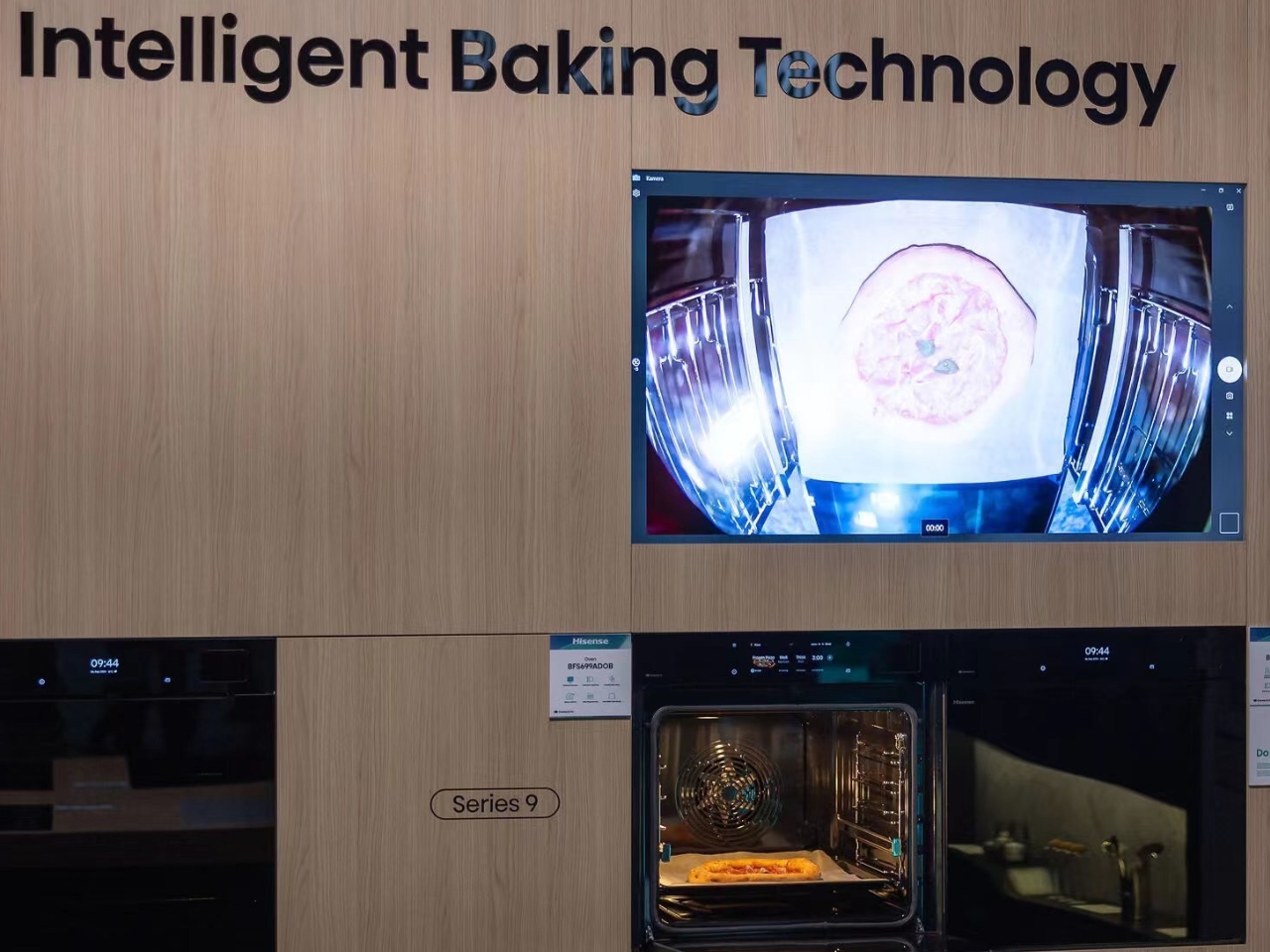
The Hi9 Series Oven is a cornerstone of Hisense’s Smart Kitchen concept. During the demonstration, Aljosa Cizl showed how AI-powered InCamera Technology allows the oven to recognize the type of food inside and adjust the cooking settings for perfect results. Whether baking, roasting, or air frying, the oven offers over 140 pre-programmed recipes accessible through the TFT screen, providing a hands-free cooking experience.
Safety and maintenance are key with features like Auto Door Opening and Auto Lock, while cleaning becomes effortless thanks to Pyrolytic Self Clean and Steam Clean Pro technologies. The oven’s integration with ConnectLife allows you to preheat or adjust the oven remotely, making it easy to manage meals, even when on the go.
Series 7i Washing Machines: Optimizing Laundry Through AI
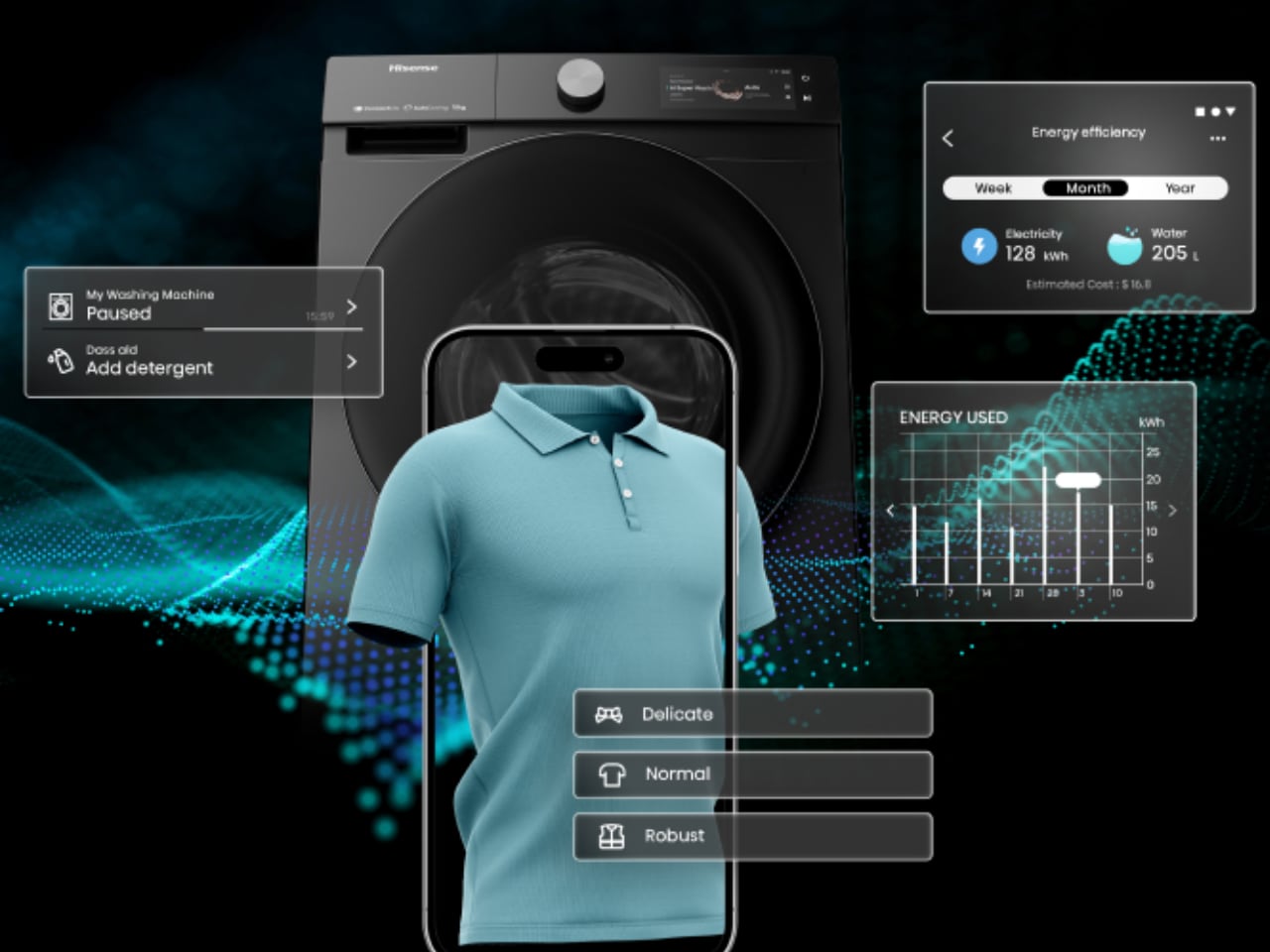
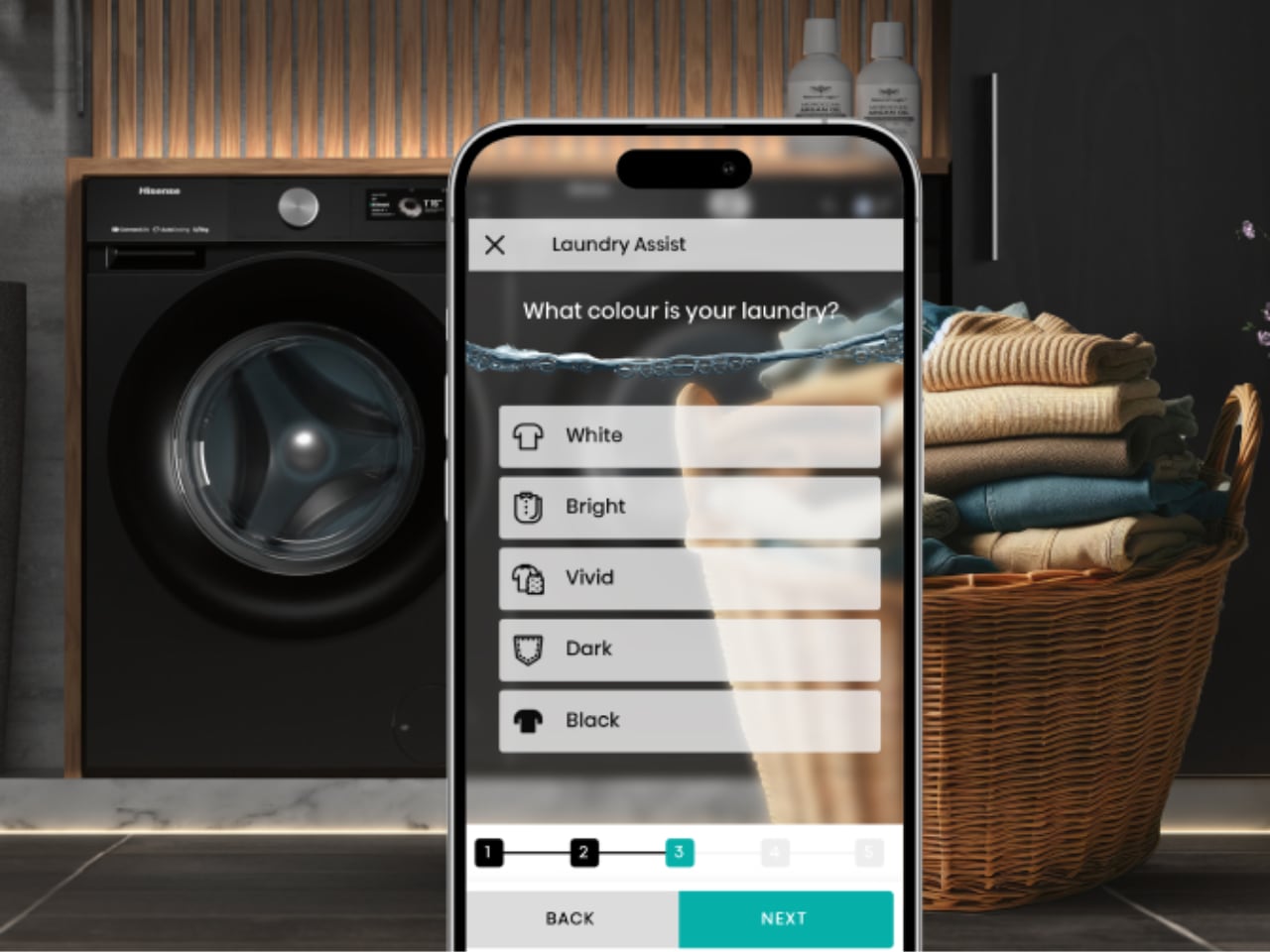
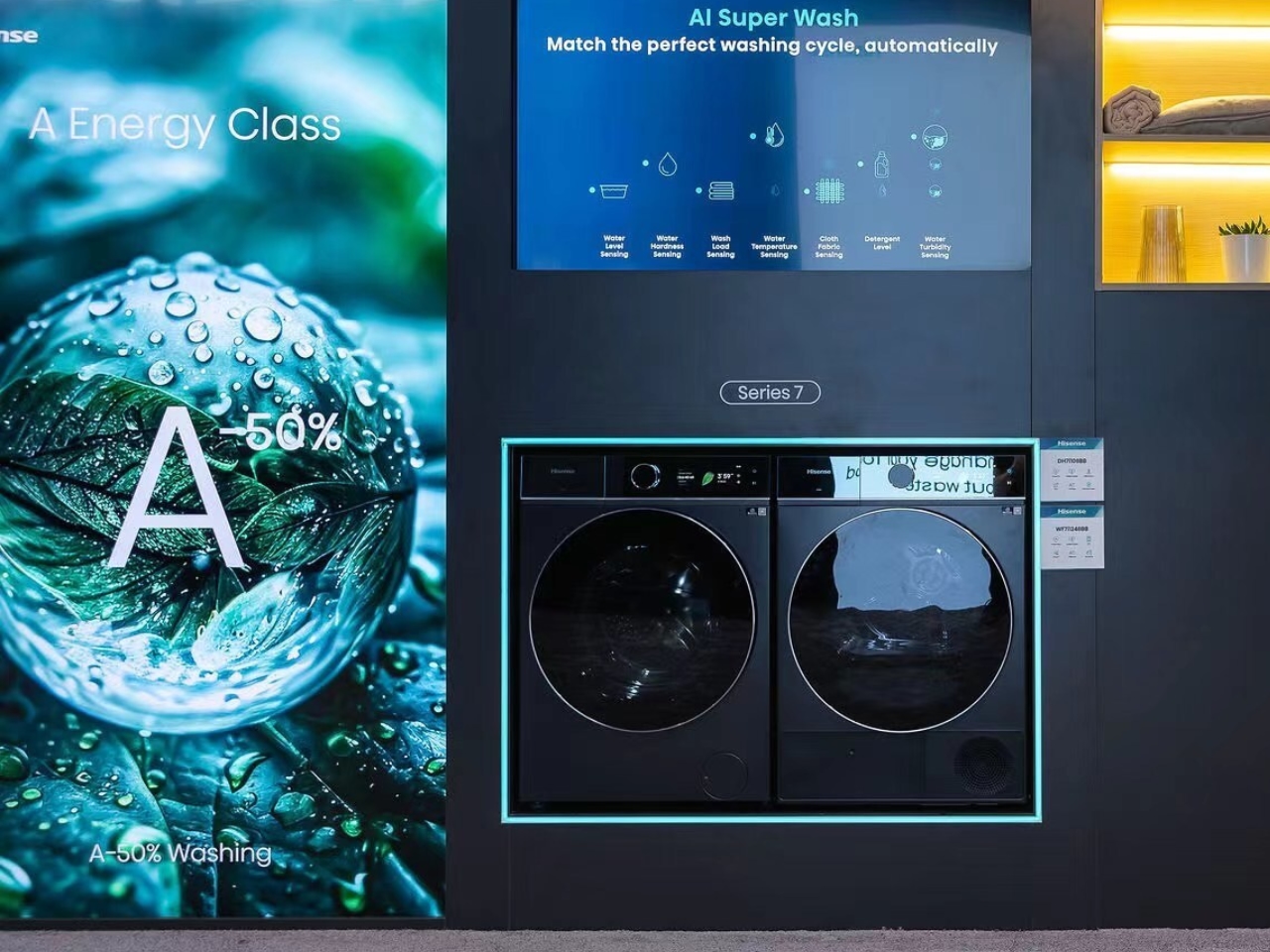
Hisense’s Series 7i Washing Machines continue the trend of AI-powered efficiency. These machines come with AI Super Wash, which adjusts the washing cycle based on fabric type, load size, and dirt level. The iPlay Intelligent Display simplifies user interaction, while the iJet three-channel spray system ensures that clothes are thoroughly cleaned with minimal water use.
For drying, the Series 7i Tumble Dryer uses AI Super Dry and a 3D Humidity Sensor to monitor moisture levels and prevent over-drying, preserving fabric quality. The iFit design allows these machines to fit easily into compact spaces, while ConnectLife lets users manage the entire laundry process remotely, receiving notifications when cycles are complete.
Energy Pro X Air Conditioners: Comfort and Air Quality Combined
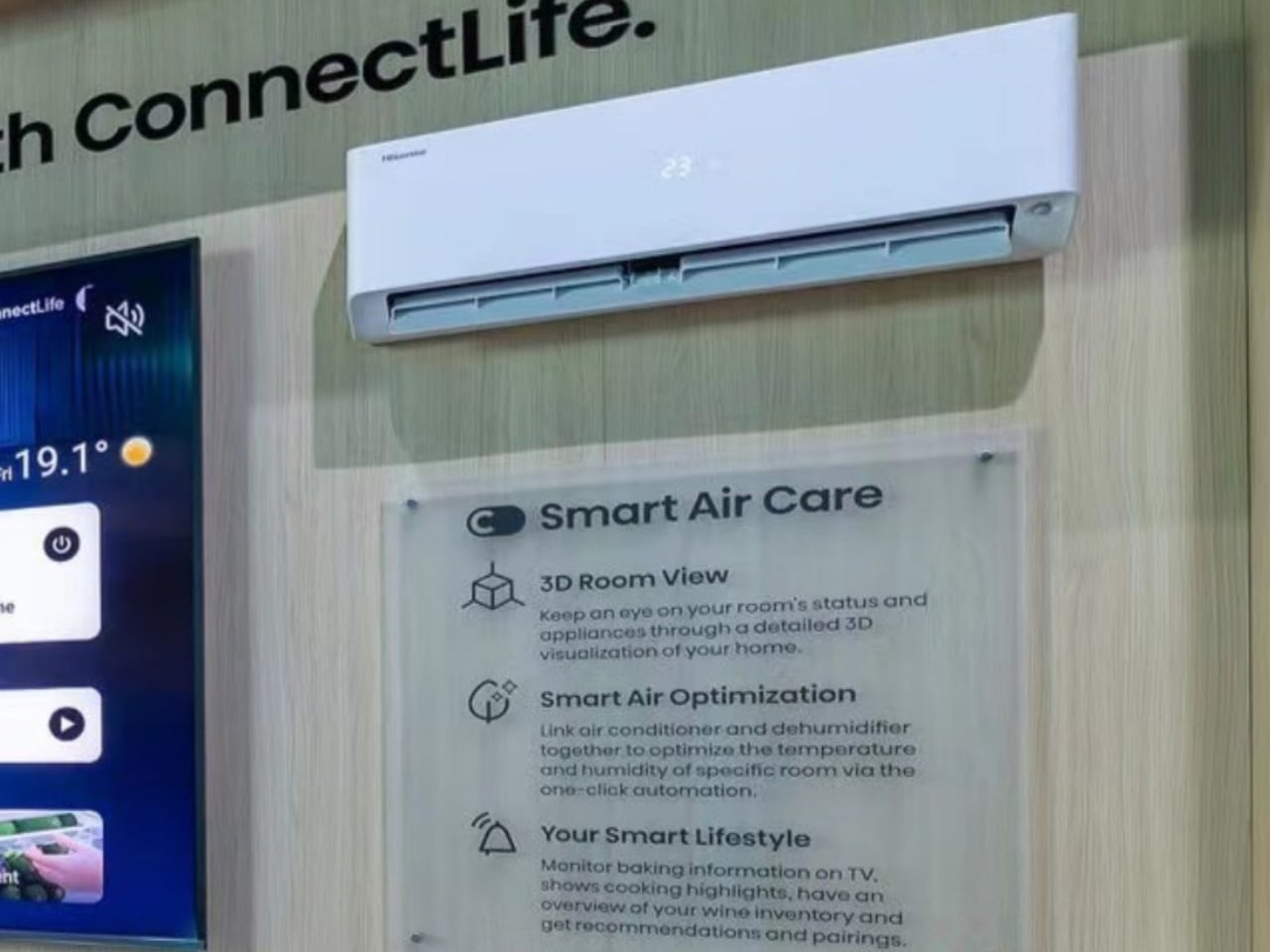
Hisense Energy Pro X Air Conditioners regulate temperature and improve air quality through HI-NANO technology, which eliminates bacteria and allergens. With AI Smart Airflow, the system adjusts the direction of air based on where you are in the room, ensuring comfort while reducing energy use.
The TMS Control System takes climate control a step further by managing both temperature and humidity, providing a comfortable environment year-round. These air conditioners integrate fully with ConnectLife, allowing users to adjust settings from their phones, ensuring that their home is always ready for their return.
CanvasTV: Merging Art and Entertainment
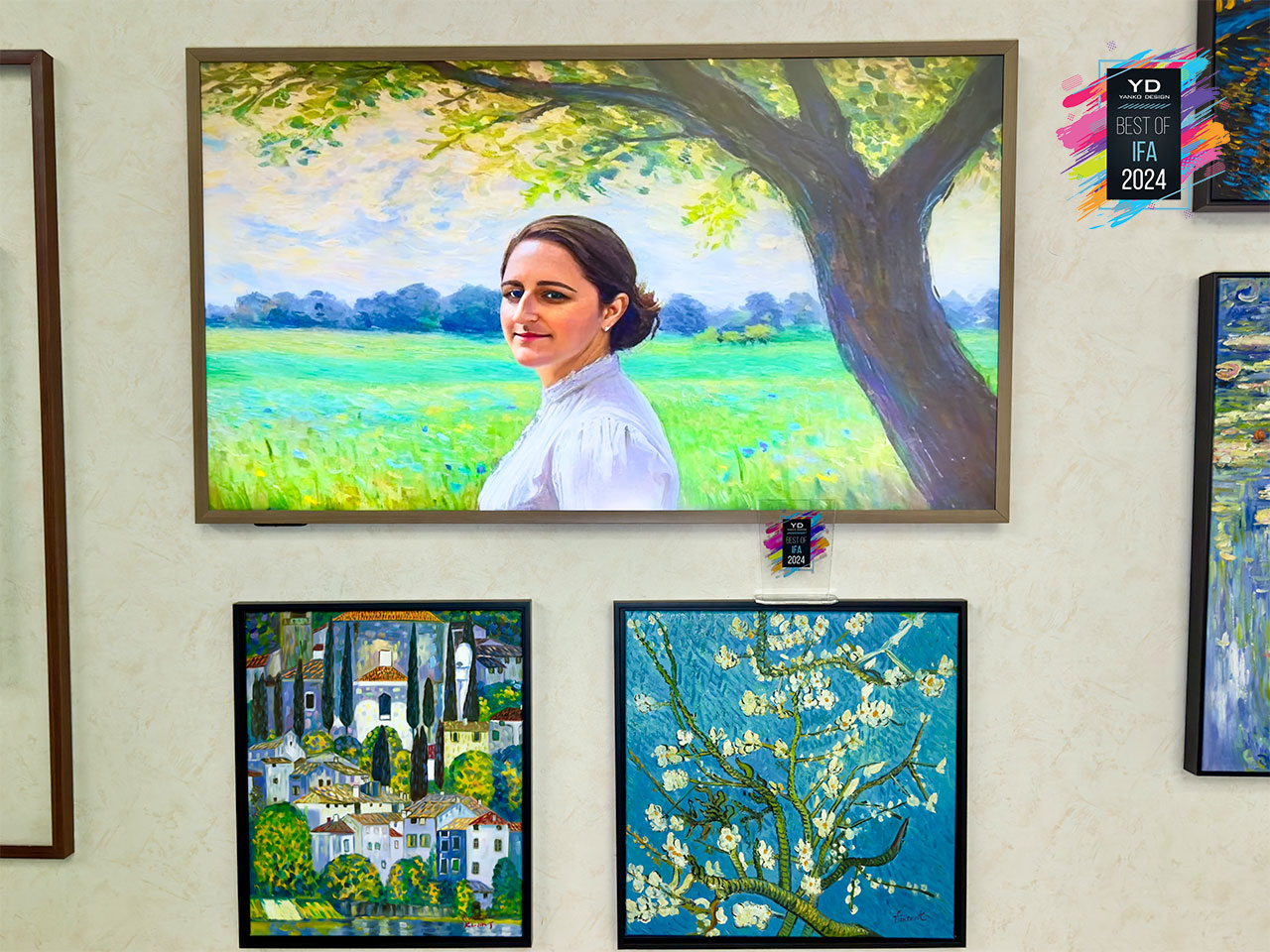
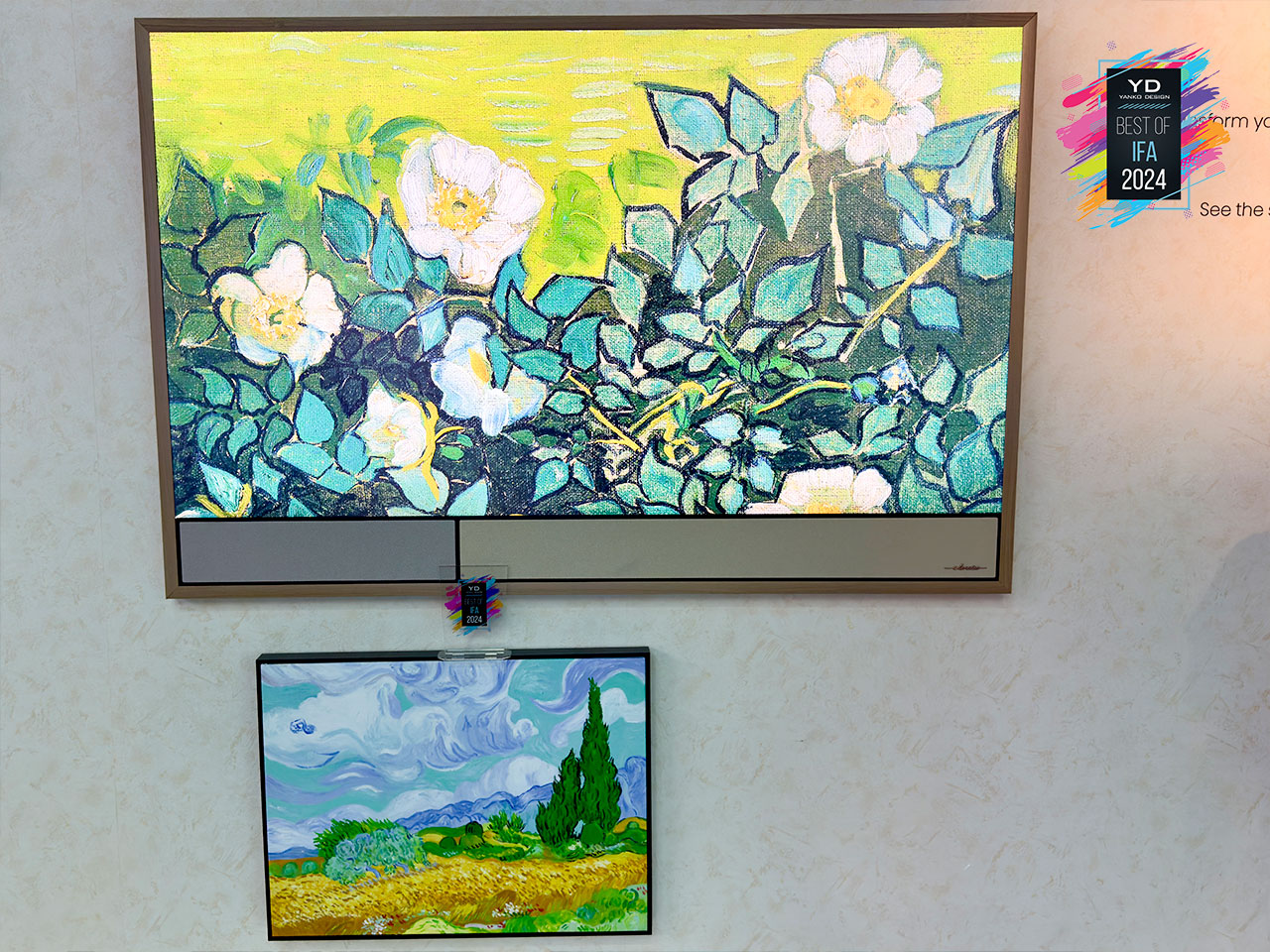
Hisense’s CanvasTV was a highlight at IFA 2024, earning Yanko Design’s Best of IFA 2024 Award. The CanvasTV transforms the living room into a personal gallery with its Art Mode, which displays artwork or personal photos when the TV is not in use. With its sleek UltraSlim Wall Mount, the CanvasTV blends effortlessly into the home’s decor, offering entertainment and aesthetic value.
The Hi-Matte Display ensures stunning visuals in any lighting condition, eliminating glare while providing crisp, vibrant colors through Quantum Dot technology. The RGB light sensor adjusts brightness and color temperature automatically, making the viewing experience seamless at any time of day. Gamers will appreciate the 144Hz Game Mode PRO, which provides ultra-smooth gameplay, supported by AMD FreeSync Premium and Auto Low Latency Mode. More than just a TV, the CanvasTV acts as a central hub for smart home control through ConnectLife, giving users access to all their connected devices with the touch of a button.
ULED U7 and the Black Myth: Wukong Partnership
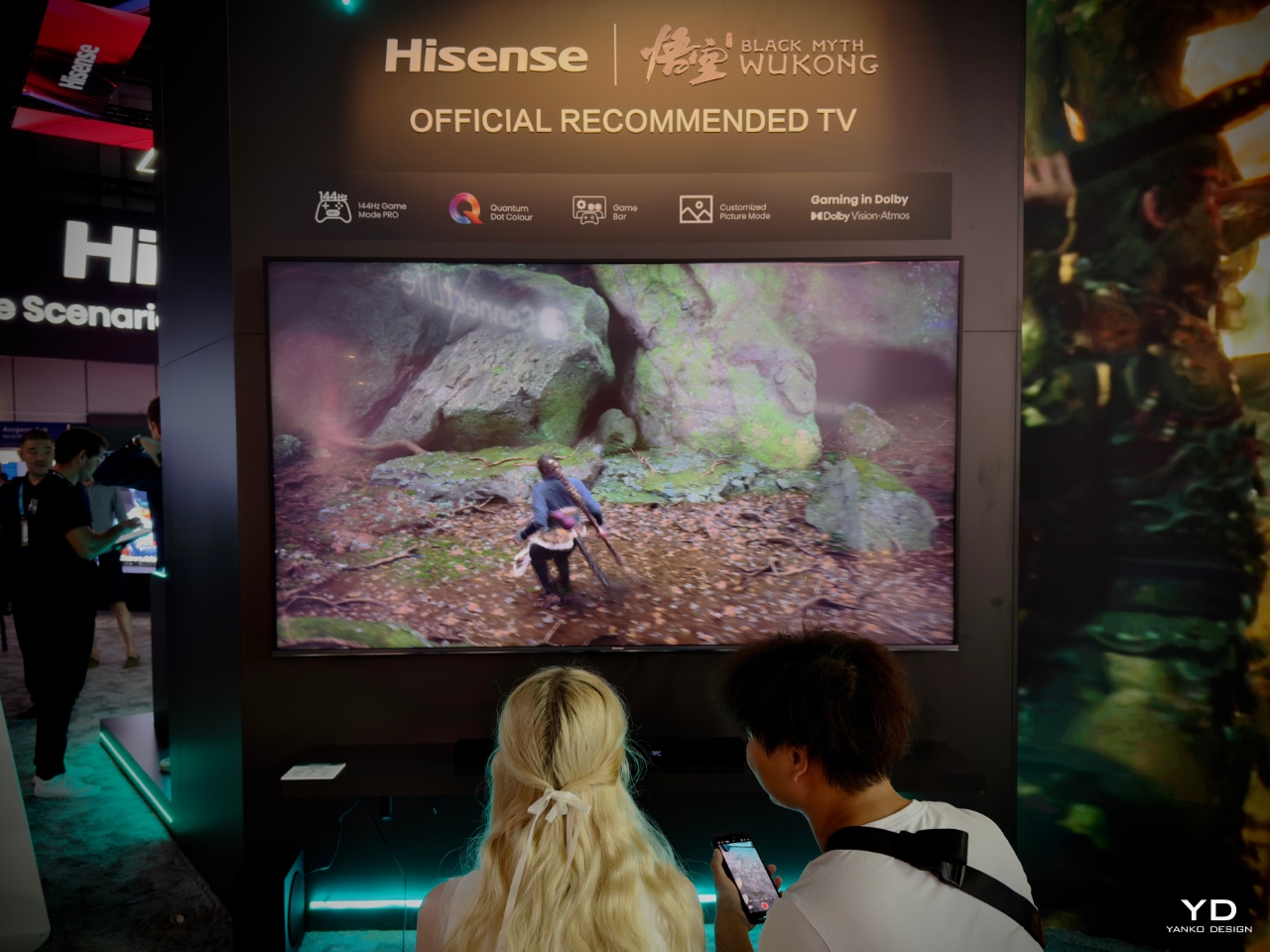
Hisense made waves at IFA 2024 with their ULED U7 series, designed specifically for gamers. The ULED U7 was showcased in partnership with the highly anticipated game Black Myth: Wukong, emphasizing Hisense’s dedication to delivering an immersive gaming experience. This TV has a 144Hz refresh rate and FreeSync Premium, ensuring smooth, responsive gameplay with minimal motion blur, making it ideal for fast-paced action games.
One of the standout features of this collaboration is the exclusive Black Myth: Wukong picture mode, which is calibrated to enhance the game’s visuals. The mode optimizes HDR and color calibration, delivering vibrant colors and rich detail, even in darker scenes. This partnership marks a significant step forward for the gaming and TV industries, demonstrating how high-performance technology can elevate the gaming experience.
ULED X Mini LED 110UX: Cinematic Home Entertainment at Its Finest
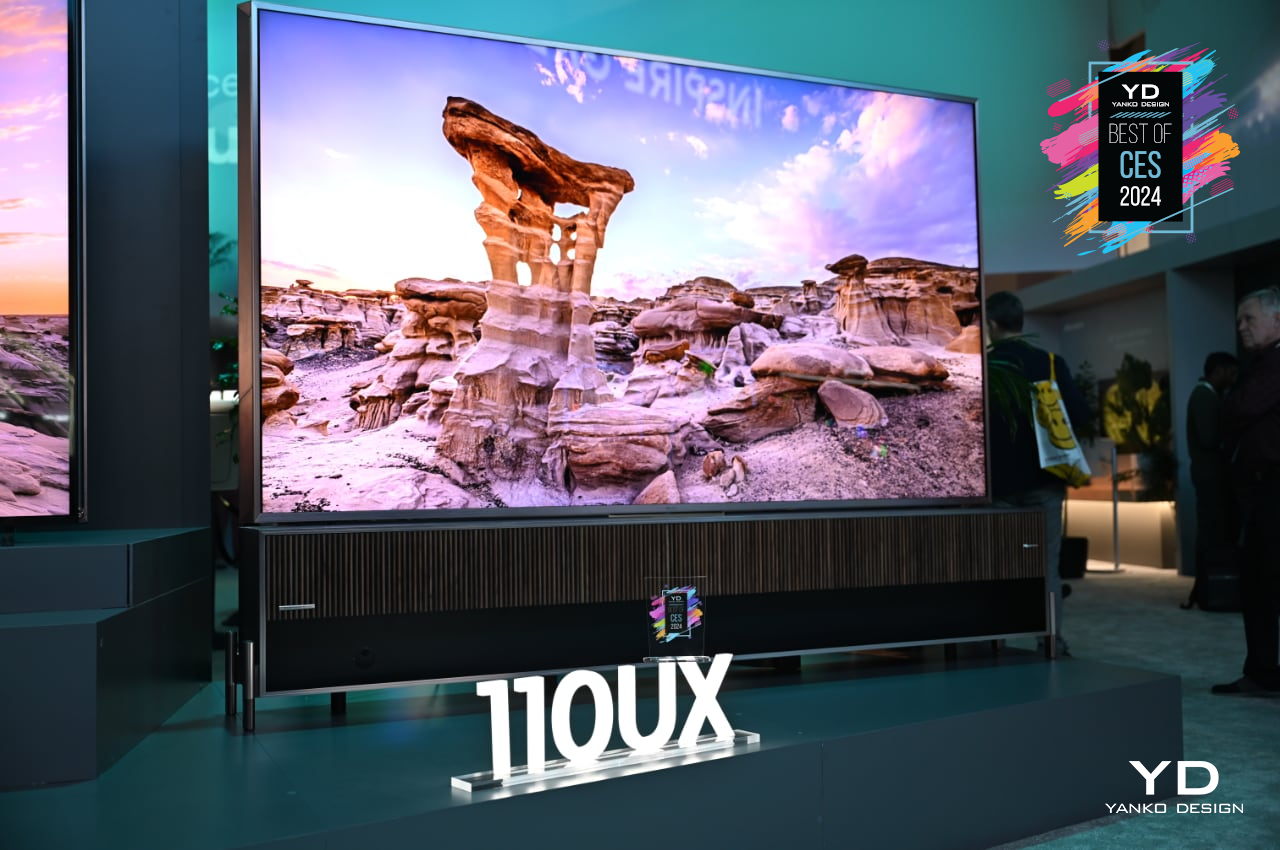
Hisense’s flagship ULED X Mini LED 110UX delivers a true cinematic experience with over 40,000 local dimming zones and 10,000 nits of peak brightness. These features allow for deeper blacks, brighter highlights, and an incredible level of detail, making this TV perfect for movie lovers and sports fans alike. The ULED X is also certified by Dolby Vision and IMAX Enhanced, ensuring viewers experience films the way directors intended.
As part of the ConnectLife ecosystem, the ULED X allows users to control their home appliances directly from the TV. Whether adjusting the room temperature or checking on dinner in the oven, the ULED X goes beyond entertainment, acting as a central hub for smart home management. With Quantum Dot technology delivering vibrant colors and HDR10+ support for incredible contrast, this TV redefines what home entertainment can be.
A Glimpse Into the Future
Hisense’s showcase at IFA 2024 demonstrated their commitment to creating smart homes that are not just technologically advanced but also deeply intuitive. Through the ConnectLife platform, users can now easily manage everything from cooking to entertainment, knowing that their appliances will work in harmony. Whether through the CanvasTV, ULED U7, or PureFlat Refrigerator, Hisense pushes the boundaries of what connected living can achieve. As AI and IoT continue to evolve, Hisense’s ConnectLife platform sets a promising precedent for the future of smart living, bringing homes one step closer to being fully integrated, intelligent ecosystems.














 Intelligent Display simplifies user interaction, while the iJet