7 Best Japanese Kitchen Gadgets That Make Summer Cooking Actually Worth Getting Off the Couch

Summer cooking sits at a particular crossroads. The produce is at its best without much intervention, the kitchen gets warm, and the gap between wanting a good meal and actually making one widens every afternoon. Japanese kitchen design has always understood how to close that gap — not by making cooking faster or simpler in a gimmicky sense, but by making the process feel like something worth choosing. These seven tools operate on that principle.

Each one was selected because it shifts how cooking feels, not just what it produces. Some anchor a weekday morning and make the first meal of the day worth setting time aside for. Others make a Saturday evening in the kitchen feel like the destination rather than a precondition. All of them bring a quality of craft to the work that most kitchen drawers simply cannot match, and that quality is exactly what summer cooking needs most.

1. Iron Frying Plate

The Iron Frying Plate removes the step between cooking and serving. Crafted from 1.6mm thick mill scale steel with a detachable wooden handle, it moves from stove to table without a transfer in between. Eggs arrive still sizzling. Fish comes off the heat in the same vessel you cooked it in, retaining the temperature and texture that plating onto a cold ceramic plate quietly destroys. The cook-and-serve design changes how a meal begins and ends, and the pace of eating reflects that shift immediately.

The uncoated surface requires no seasoning before first use and develops natural non-stick properties through regular cooking. The detachable wooden handle attaches and releases with one hand, making the move from burner to table completely fluid. You stop rushing through dinner because the plate is still doing its job while you are still deciding what to eat first. Retained heat changes the pace of a meal in ways that are difficult to explain until you’ve eaten a few of them this way.

Click Here to Buy Now: $69.00

What we like

  • The cook-and-serve design preserves the temperature and texture that get lost in any transfer to a separate plate
  • The uncoated mill-scale steel develops natural non-stick properties through use, requiring no seasoning and no chemical coatings

What we dislike

  • The iron surface stays hot long after cooking ends, requiring careful handling and surface awareness at the table
  • One plate handles one serving at a time, so a group meal requires multiple units to work at scale

2. Yoshihiro VG-10 16-Layer Hammered Damascus Nakiri

The nakiri is designed exclusively for vegetables, and that singular focus is what makes it work for summer cooking in a way a standard chef’s knife doesn’t. The flat edge makes full contact with the cutting board on every stroke without the tip-lift of a curved blade, producing a clean, complete cut through cucumber, eggplant, and ripe tomato without the drag most home cooks have accepted as normal. The VG-10 core wrapped in sixteen layers of hammered Damascus steel reduces friction through each cut, so nothing sticks or skids.

The full-tang mahogany handle distributes weight evenly from tip to heel, and after fifteen minutes of prep, you feel that balance in a way that poorly weighted knives never let you forget themselves. Summer produce means a lot of repetitive slicing through high-moisture vegetables, and this knife is built for exactly that kind of sustained work. The hammered Damascus pattern is unique to your specific blade, handcrafted by master artisans and certified for commercial kitchen use. The edge holds far longer than most knives in this category.

What we like

  • The flat edge makes full contact with the board on every stroke, producing complete cuts that a curved blade with tip-lift cannot replicate with the same consistency
  • The hammered Damascus surface reduces drag through each cut and produces a pattern that is unique to every individual blade

What we dislike

  • The nakiri is a specialist vegetable knife and is not designed for meat, fish, or anything with bones
  • The Damascus finish requires careful dry storage and periodic maintenance to preserve the layered surface over time

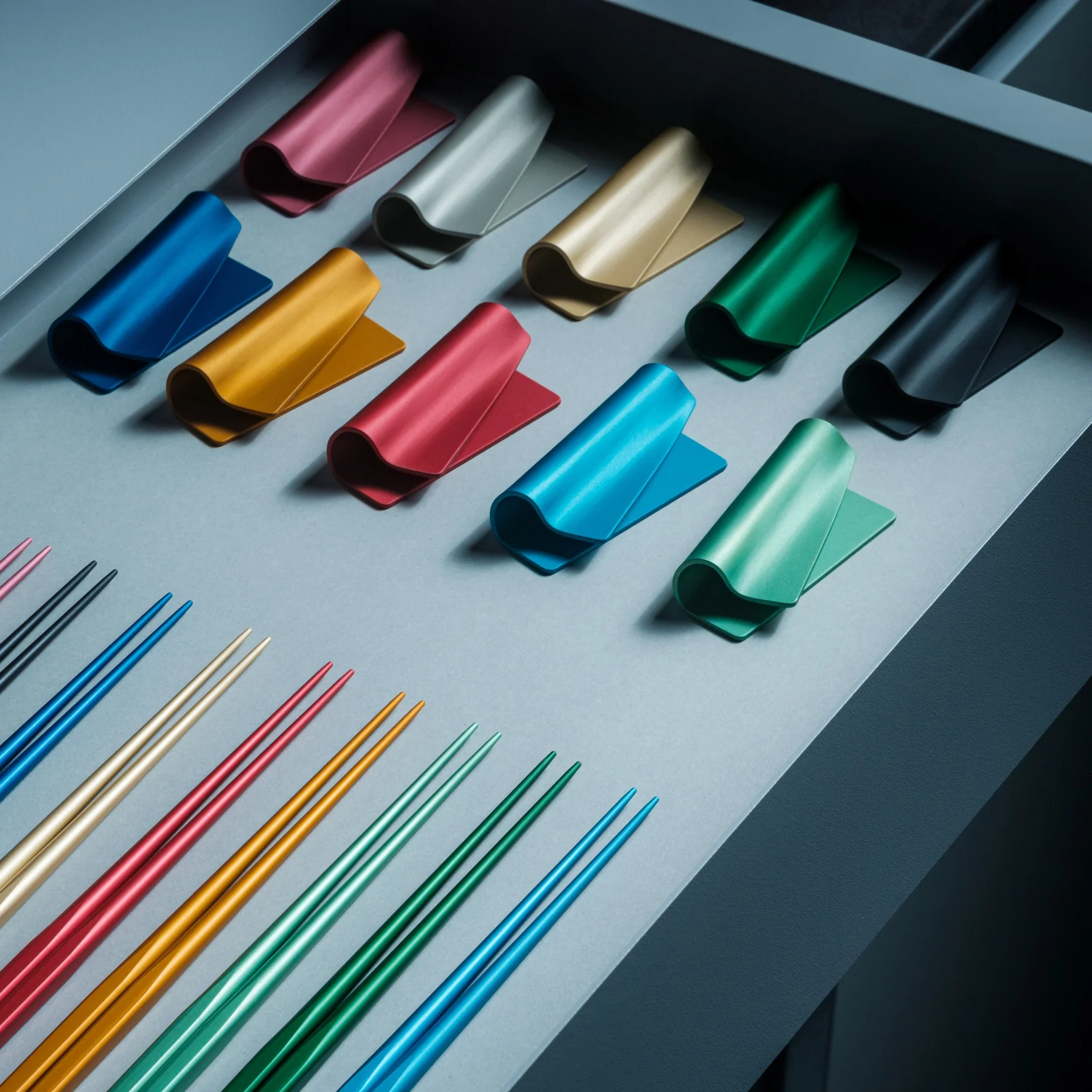
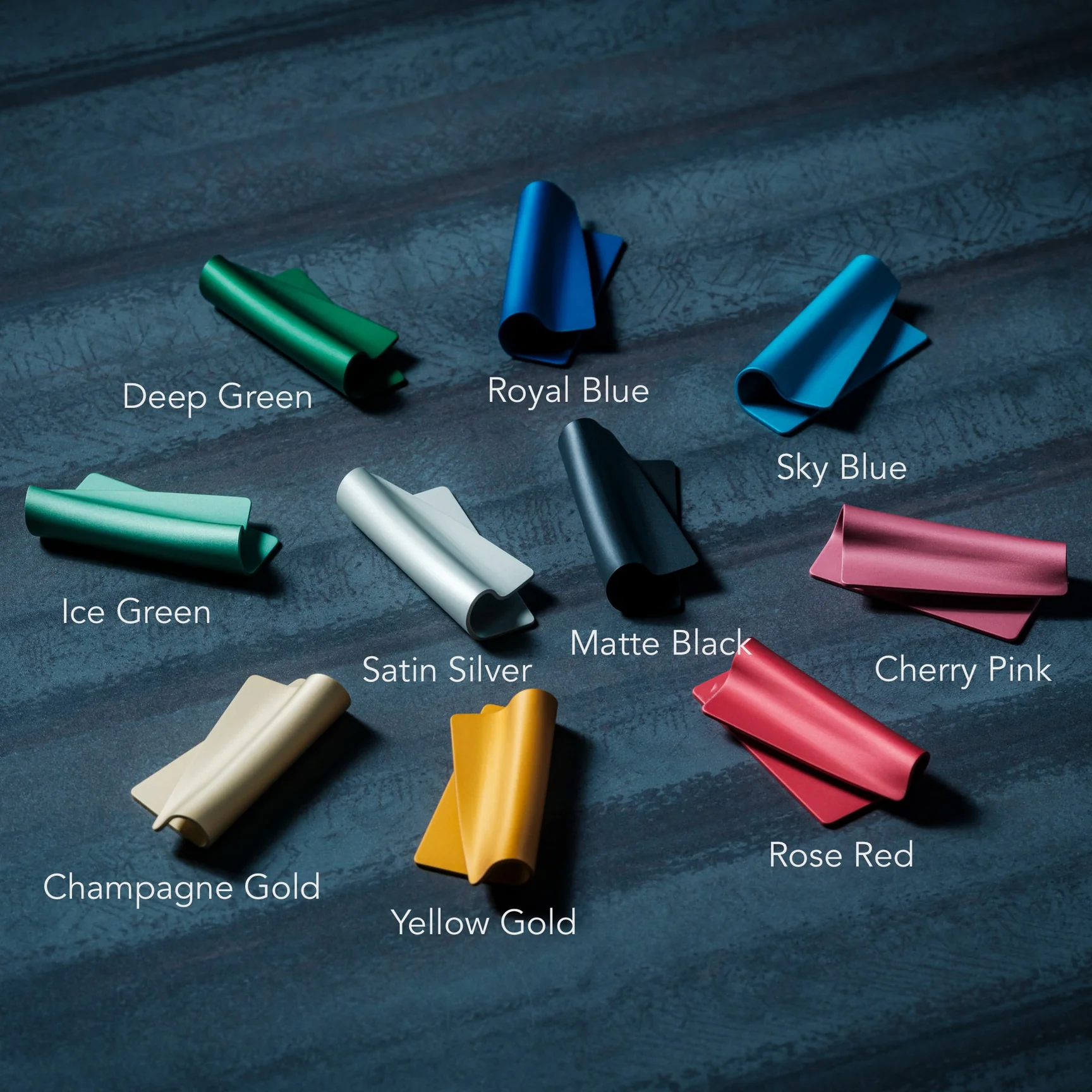
3. Playful Palm Grater

The Playful Palm Grater is shaped like a curled piece of paper and crafted from a single plate of aluminum alloy. It fits in your palm the way you’d hold a stone, close and naturally, rather than the way you hold a box grater, which always feels slightly too large for what it’s doing. That physical closeness changes where your attention goes. You focus on the ingredient and the motion rather than managing an implement that creates more distance from the task than the task actually needs.

For summer cooking, tableside grating transforms garnish preparation from something done in advance and forgotten into something that happens at the table as part of the meal itself. Fresh ginger over cold soba, a small amount of something sharp to cut through a rich sauce, daikon alongside grilled fish. The ergonomic design keeps hands clean and safe from the grater’s surface during use. Compact enough to disappear into any drawer, it adds almost nothing to the counter and changes the experience of finishing a dish.

Click Here to Buy Now: $25.00

What we like

  • The palm-sized form changes how grating feels physically, making tableside preparation natural rather than effortful or awkward
  • Crafted from a single plate of aluminum alloy, the lightweight construction adds virtually no weight or bulk to your kitchen setup

What we dislike

  • The compact size means slower processing for any quantity beyond a tableside garnish amount
  • Not suited for large-volume grating or ingredients that require significant pressure to break down

4. Vermicular Musui-Kamado Rice Cooker

The Vermicular Musui-Kamado pairs precise induction heating with a cast iron pot, and the result is rice with a texture and aroma that standard electric cookers consistently fail to produce. The glossy, aromatic quality is something you notice immediately, something guests will notice before you explain it, and something you stop being able to accept mediocre versions of once you’ve eaten it regularly. For summer cooking, this matters across the full range of meals built around a bowl of rice done properly.

The cold rice bowl, the foundation of a casual sushi spread, the side dish anchoring grilled fish: the rice at the center of those meals either earns everything else on the plate or quietly lets it down. The minimalist design and intuitive controls mean the cooker handles the process in the background without demanding your attention or dominating the counter. This is a daily-use investment that improves a broader range of meals than almost any other single kitchen tool.

What we like

  • Precise induction heating combined with a cast iron pot produces rice with a consistency and quality that standard electric cookers cannot replicate
  • The minimalist design integrates into any kitchen counter without demanding visual attention or commanding the whole surface

What we dislike

  • The cast iron pot is heavier than standard cooker inserts and requires careful hand washing and thorough drying after each use
  • The premium construction comes at a premium price, making this a considered investment rather than an impulse buy

5. Iga-yaki Donabe Clay Pot

Iga-yaki clay comes from Mie Prefecture in Japan, where local earth has been worked into ceramics for centuries. The porous structure absorbs heat slowly and releases it evenly, which creates a cooking environment that metal pots simply cannot replicate. Rice cooked in a donabe tastes different: sweeter, more aromatic, each grain fully cooked and intact. Broth deepens over a lower flame. The exterior stays rough and textured while the interior is glazed smooth, each surface doing exactly what it needs to and nothing more.

For summer cooking, the donabe covers more ground than most tools twice its size. It steams fish with the lid on, makes hot pot for a warm evening on the patio, braises chicken in dashi while you handle everything else, and holds rice at temperature through a long, unhurried meal. The Kamado-san Simply Donabe edition from TOIRO Kitchen is available in several sizes, all made in Japan from Iga clay. This is the vessel most likely to become the one you reach for first, regardless of what you’re making.

What we like

  • Iga-yaki clay retains heat well past the point of turning off the flame, keeping food at temperature through an unhurried meal at the table
  • Versatile across rice, hot pot, steaming, and slow braise — one vessel that covers the full range without compromise

What we dislike

  • Clay donabe requires seasoning before first use by simmering rice water inside, a step that isn’t always clear from the packaging
  • The porous body can absorb strong cooking odors over time and needs to be stored with the lid off after washing to stay fresh

6. All-in-One Grill

Skewers of meat and green onions grilling on a small portable charcoal grill with a metal insert holding a glass bottle.

The All-in-One Modular Grill handles barbecuing, frying, grilling, steaming, smoking, and bottle warming through a system of modules that snap in and out without tools or complicated reassembly between uses. You can move from grilling skewers to steaming dumplings without changing stations or rethinking the setup mid-meal. That flexibility changes how you approach outdoor cooking entirely. You stop planning around the limitations of a single-purpose grill and start cooking whatever you actually want to make, which is how outdoor cooking should feel in the first place.

The portability is real and not aspirational. Every module is engineered to fit together compactly, making it practical to carry to a rooftop, campsite, or garden without second-guessing the decision to bring it along. Each part disassembles quickly for washing when the evening is over, which matters more than it sounds after a long outdoor meal without a kitchen nearby. Available from the YD shop at $449, this is the anchor of a summer cooking setup worth taking seriously. The other tools on this list inform the meal. This is where it actually happens.

Click Here to Buy Now: $449

What we like

  • Multiple interchangeable modules let you move through entirely different cooking methods without leaving the station or swapping out equipment mid-cook
  • The system disassembles quickly after use, making cleanup manageable even in outdoor settings far from a kitchen

What we dislike

  • The full grill with all modules is heavier than single-purpose outdoor cookware, which matters if you’re carrying it any real distance on foot
  • The modular system takes some initial orientation for anyone accustomed to simpler, single-function grills

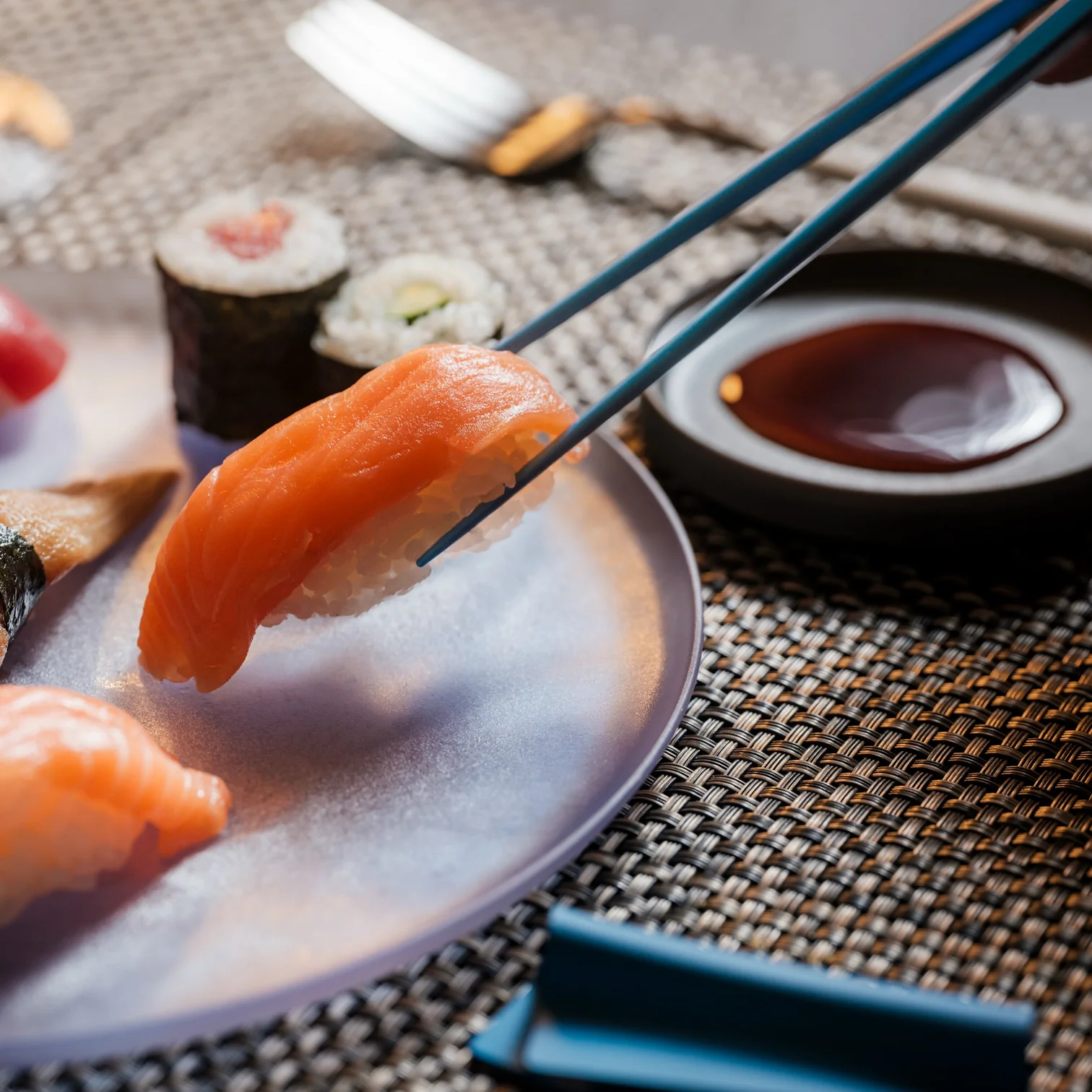
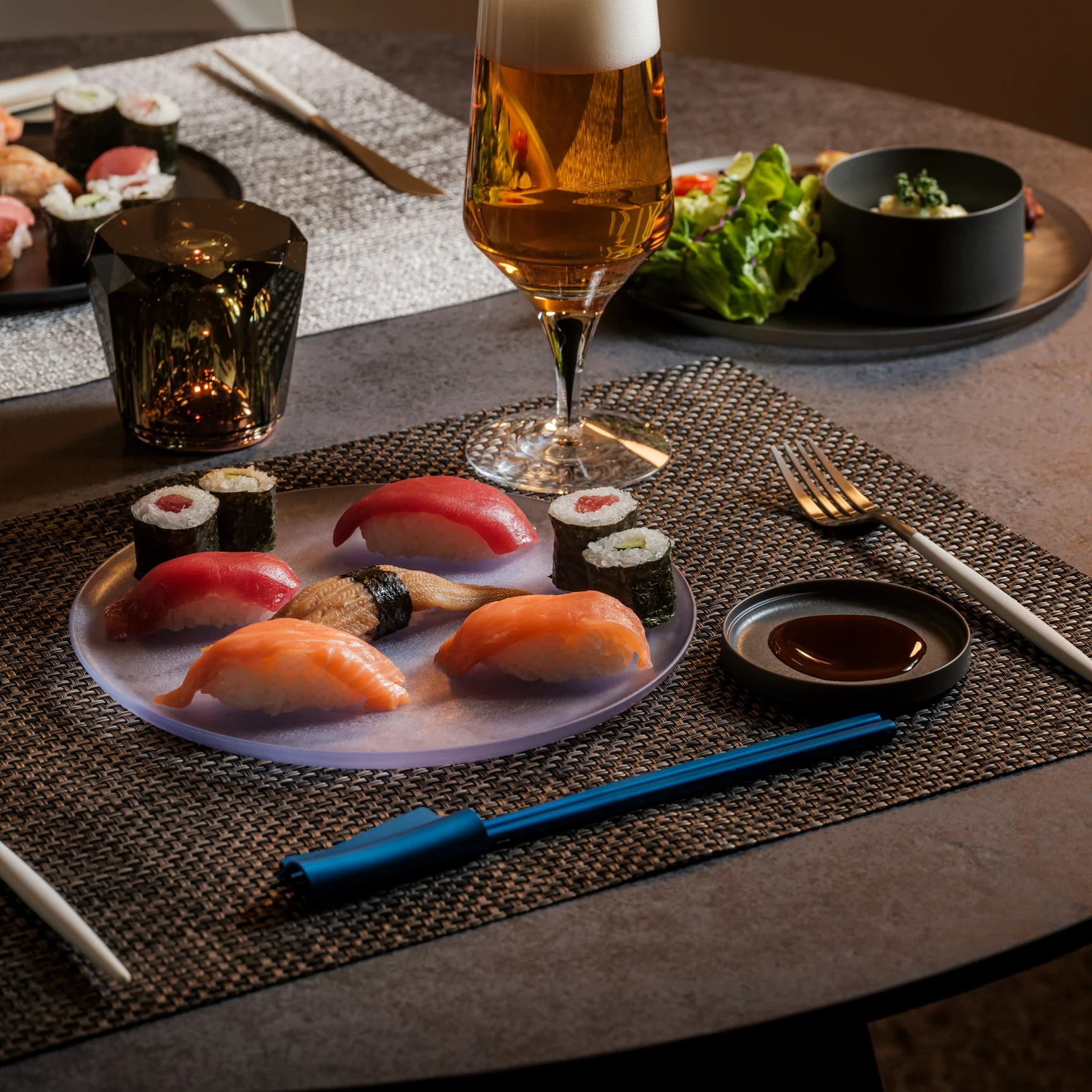
7. Yoshikawa Polished Bamboo Makisu

Most bamboo sushi mats are made from standard green bamboo and fade as they age, gradually becoming something you stop noticing rather than something you reach for with intention. The Yoshikawa Polished Bamboo Makisu works differently. Made from bamboo that has had its outer skin removed and its surface hand-finished, it starts with a warmth and smoothness that typical mats don’t carry and develops a rich amber tone with every use. It becomes more itself the more you cook with it, which is a quality worth paying attention to.

The smooth surface feels different in your hands during the rolling process, and that tactile quality is not incidental. When the tool itself feels considered, the task feels considered too, and the sushi you make reflects that shift in attention. Summer sushi nights stop feeling like a project and start feeling like a practice worth returning to. Available through Yoshikawa’s Japanese store, this is a small investment in a kind of cooking that becomes more enjoyable every time you do it, which is the best argument any kitchen tool can make for itself.

What we like

  • The polished bamboo surface develops a beautiful amber tone and individual character that deepens with every use, unlike standard mats that only fade over time
  • The hand-finished surface creates a tactile quality during rolling that changes the attention you bring to the task

What we dislike

  • Not dishwasher safe and requires more attentive drying and storage than synthetic mat alternatives to stay in good condition
  • More delicate than standard green bamboo mats if handled carelessly during washing or storage

The Best Kitchen Tools Don’t Make Cooking Easier — They Make It Worth Doing

The best argument for any of these tools is the same: they make summer cooking feel like a choice rather than a negotiation. The nakiri makes you want to stay at the cutting board. The donabe makes you want to wait for the steam. The grill makes you want to be outside with something good happening on the surface in front of you. These seven tools don’t just produce better food. They produce the desire to cook at all, which is the harder thing to manufacture.

Japanese kitchen design built its reputation on exactly this idea — that the right object doesn’t just solve a problem but changes your relationship to the task it belongs to. None of these tools will feel like a novelty in six months. They will feel like the obvious choice, the one you reach for first, the one you genuinely miss when you cook somewhere that doesn’t have it. Summer is the right time to find out which one that is for you.

The post 7 Best Japanese Kitchen Gadgets That Make Summer Cooking Actually Worth Getting Off the Couch first appeared on Yanko Design.

This $129 Floating Pen Doesn’t Just Write. It Spins for 30 Seconds

Most pens are designed to disappear into the background of your workday. You toss them in a drawer, lose them in a bag, borrow one from a colleague, and replace them without thinking too hard about it. The Levitating Pen 3.0 operates from an entirely different premise. It hovers an inch above its base at a 60-degree angle, bobbing gently in place, spinning for up to 30 seconds when you twist it – as if the act of writing deserved a little more theater than we’ve allowed it.

That sounds like novelty until you spend a moment with the idea. Then it becomes clear that the point is not just that it floats, but that it changes the ritual around one of the oldest tools on your desk. A pen is still one of the few objects you reach for when a thought feels too quick, too rough, or too personal for a keyboard. When the act of picking it up becomes intentional rather than automatic, the writing changes a little too.

We have optimized so much of work life for speed that wonder now feels almost unprofessional, as if delight has to justify itself through productivity before it earns a place on a desk. The Levitating Pen 3.0 makes a quiet argument against that. It suggests that not every useful object needs to look anonymous, and that a tool can still do its job while reminding you that imagination has practical value too.

Picture it at 8:30 in the morning, before your inbox has fully ruined the day. Your notebook is open, coffee is still hot, and the pen is hovering in that slightly unreal way that makes your workspace feel less like a holding area for tasks and more like a place where ideas might actually happen. You reach for it, feel the small satisfying release of the magnetic hold, jot something down, and return it to the pedestal. Then it settles back into that floating posture again. You are not just putting a pen down. You are returning an object to its stage.

It Started at Earth’s Axial Tilt. Now It’s This.

The original Levitating Pen was angled at 23.5 degrees – a deliberate nod to Earth’s axial tilt, the angle at which our planet leans through space. It was a quiet piece of philosophy built into a physical object. The 2.0 refined the writing experience. The 3.0, now angled at a more commanding 60 degrees, is where the design reaches full architectural confidence. The stand evolved from a base to a stage. The visual language moved from clever to commanding.

That kind of refinement matters because novelty has a short shelf life. Either an object matures into something with conviction, or it remains trapped as a trick. Three iterations over several years is how you tell the difference.

Aerospace Aluminum, Titanium, and One Very Deliberate Trick

The pen is built from aircraft-grade aluminum, titanium, and brass — each material earning its place. The aluminum keeps it light. The titanium gives the body a satisfying density. The brass houses the magnetic architecture that makes the whole illusion work.

The floating effect suspends the pen one inch above the pedestal at 60 degrees, as if frozen mid-motion. Disturb the air around it and it bobs gently in place. That small movement is what gives it life – hypnotic enough to interrupt a thought spiral and reset your attention without ever tipping into gimmick.

The revised pedestal is taller than previous versions, giving the levitation more visual breathing room. The pen’s long, seamless silhouette cuts a sharper line in space than a conventional writing instrument ever could. It resembles a small spacecraft – a comparison that would sound ridiculous if the object did not actually deserve it.

And it still writes. Rollerball with a Schmidt cartridge, fountain pen with a fine 0.5mm nib, or a 2-in-1 that lets you swap between both. The writing experience is precise, not performative. The floating posture gets your attention. The ink earns it.

Why $129 Is Actually the Honest Price

A well-made metal pen already pushes into premium territory on its own. Add a thoughtfully designed stand and you are not far from this number – except most pen-and-stand combinations do not share a visual language, a magnetic levitation system, or the kind of presence that changes how a desk feels when you walk past it.

What you are paying $129 for, with the Levitating Pen 3.0, is the convergence of writing instrument, kinetic object, and desk sculpture into a single resolved piece. For someone who wants their workspace to say something more specific than “functional,” that distinction matters. This is for the founder who still sketches ideas by hand. The architect who cares how an object rests when it is not being used. The designer who believes tools shape attention. If that sounds specific, it is. The specificity is the point.

We spend so much of our lives surrounded by objects that do their jobs and disappear. The Levitating Pen 3.0 does something rarer. It performs its function while changing the atmosphere around it. A good pen records ideas. This one makes room for them.

The post This $129 Floating Pen Doesn’t Just Write. It Spins for 30 Seconds first appeared on Yanko Design.

5 Best EDC Tools Every Designer and Engineer Needs in Their Pocket in June 2026

The best pocket tools don’t announce themselves. They earn their place through precision and purpose, things you reach for so naturally they feel like extensions of your hand. For designers and engineers, the bar is higher. Every object in the loadout gets audited for weight, material, and justification. What makes this particular crop of EDC tools stand out in June 2026 is that each one actually clears that bar.

Titanium still dominates the conversation, but material alone isn’t the story anymore. It’s about the problems these tools solve without calling attention to themselves. From passive illumination powered by atomic decay to precision measurement you can clip to a keyring, the designs here represent a shift in what EDC hardware is expected to do. Smaller, sharper, smarter, and in almost every case, worth more than their weight class.

1. Painless Key Ring

Standard split rings are a small, recurring frustration nobody talks about enough. They warp under thick keys, resist every attempt to add something new, and typically end the interaction with a broken fingernail. The Painless Key Ring addresses all of that with spring-grade SUS304 stainless steel, less than one millimeter thick, formed into a wave-shaped structure inspired by mechanisms used in aerospace equipment. The result delivers twice the strength at half the weight of a conventional ring, with natural gaps built directly into the design.

Made in Japan and sold as a set of one large ring and three small ones, it comes in silver and a dyed black finish that resists wear and scratches more effectively than standard ring coatings. The wave geometry accommodates thicker keys without deforming permanently. It fixes something you’ve been tolerating for years without realizing a better version existed. At $29 per set, it’s the most quietly effective upgrade any designer or engineer can make to what lives in their pocket every single day.

Click Here to Buy Now: $29.00

What we like

  • Wave-spring geometry makes adding and removing keys effortless, including thick or awkwardly cut keys
  • Made-in-Japan precision and a dyed black finish that holds up better than standard ring coatings over time

What we dislike

  • The ultra-thin profile takes some adjustment for anyone used to the familiar resistance of a conventional split ring
  • Available only in silver and black, which covers the basics but leaves little room for material variety

2. Titanium Caliper (37.6g)

Calipers belong on the bench, at the desk, or clipped to a work apron. What they’ve never managed to do is live in a pocket without adding bulk and drawing the kind of attention a working tool shouldn’t need. This titanium caliper changes that. At 37.6 grams, it’s the kind of precision measurement instrument the EDC community has quietly wanted for years without a viable version actually existing. The machining is clean, the material choice is deliberate, and the weight removes every reasonable objection to daily carry.

For a designer who measures things constantly- fastener sizes, material thickness, gaps in a prototype that are definitely off- having a caliper that travels with you reshapes how you move through the workday. Accurate measurement shouldn’t require a trip back to the bench.

Click Here to Buy Now: $59 $96 (39% off). Hurry, only a few units left! Raised over $81,000.

What we like

  • Titanium construction delivers genuine precision at 37.6g, making this the most pocketable caliper in the category
  • A measurement tool that has been conspicuously absent from EDC loadouts finally exists in the right material class

What we dislike

  • Precision jaws need some protection from pocket debris and impact, adding a small layer of carrying discipline
  • The function-specific nature means it earns its space only if accurate measurement is a regular part of your day

3. BlackoutBeam Tactical Flashlight

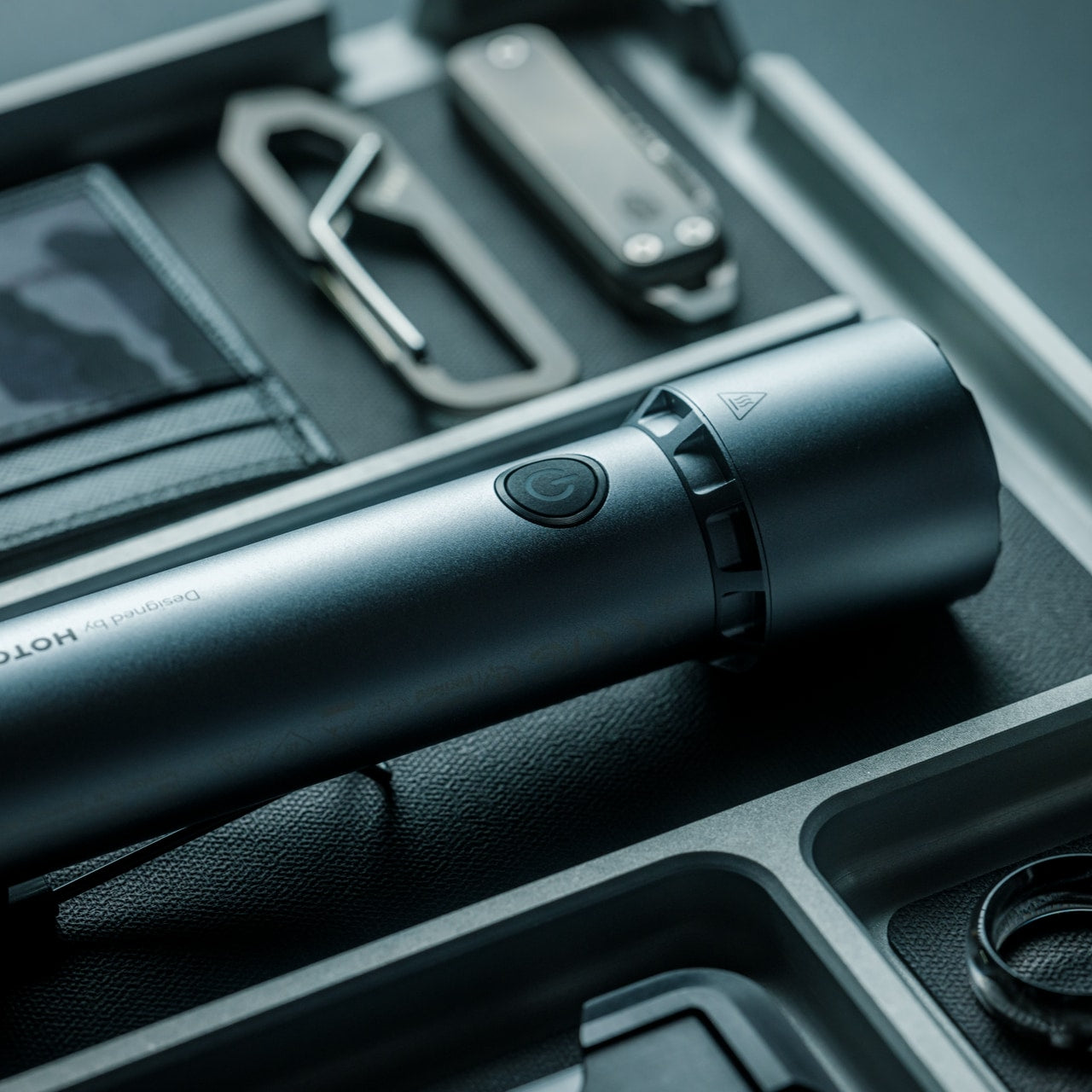
Most flashlights are either underpowered or packed with modes nobody uses. The BlackoutBeam sits squarely between those two failure states. It throws 2,300 lumens across a 300-meter range with a 0.2-second instant-on response time, fast enough to feel reflexive rather than mechanical. Five operational modes, including strobe and pinpoint, handle everything from quiet navigation to emergency signaling. IP68-rated waterproof aluminum construction means rain, impacts, and full submersion are non-issues day or night.

For engineers and designers who work late, move between sites, or spend real time outdoors, the BlackoutBeam functions as both a practical daily carry and a genuine backup tool. A dual power system, USB rechargeable with battery backup, removes the anxiety of running dry when it actually matters. At $89, it’s real money for a flashlight. The output-to-size ratio and the IP68 build quality justify that number without qualification. This is not a novelty purchase. It’s a tool that performs exactly as described.

Click Here to Buy Now: $90.00

What we like

  • 2,300 lumens with a 300-meter throw, and a 0.2-second response deliver professional-grade output in a pocket-sized body
  • IP68 waterproof aluminum construction with a dual power system ensures reliability regardless of conditions

What we dislike

  • Maximum brightness draws battery down faster than lower output modes, requiring more frequent recharging on heavy-use days
  • The tactical aesthetic, though restrained, skews utilitarian and won’t disappear into a more minimal everyday loadout

4. NoxTi Titanium Keychain

Tritium is a radioactive hydrogen isotope with a 12.3-year half-life. As it decays, beta particles strike a phosphor coating and produce a continuous glow without batteries, a switch, or maintenance of any kind. The NoxTi packages that physics into a Grade 5 titanium cylinder measuring 45mm by 12mm and weighing just 10.7 grams. A precision quartz tube with 92% light transmission holds the vial inside a CNC-machined body, available in six color options across two titanium finishes, designed by Xedge.

For a designer or engineer, the NoxTi earns its place on the keychain because it asks nothing of you. No charging schedule, no dead battery, just a reliable glow every time you reach into a dark bag or a jacket pocket at night. A ceramic glass breaker at one end adds genuine emergency utility that you hope never to use. When the vial dims after two decades, you push it out and slot in a replacement.

What we like

  • 25 years of passive illumination powered entirely by material physics, requiring zero maintenance
  • A ceramic glass breaker turns an everyday keychain piece into a real emergency tool

What we dislike

  • The glow is intentionally ambient; it orients you in the dark rather than illuminating a space
  • Tritium is regulated in certain countries, worth confirming local availability before ordering

5. ScytheBlade

Edgelet took the Grim Reaper’s most recognized silhouette and scaled it down to keychain carry without sacrificing what makes that shape perform. The ScytheBlade’s curved blade profile mimics a tiger claw at 46mm deployed, and that geometry serves a real function. Curved blades concentrate cutting force in ways straight edges can’t match, particularly on pull cuts. The full titanium body brings the total weight to just 8 grams, which is about as close to weightless as a real, functional folding knife gets.

For designers who use knives practically- cutting tape, trimming mock-ups, opening packaging at the workbench- the ScytheBlade earns its place through daily carry that disappears and consistent performance that doesn’t. Titanium’s natural corrosion resistance means it survives contact without demanding attention. You won’t notice it until you reach for it, at which point the curved profile becomes immediately relevant in a way a standard straight-edge pocket knife often isn’t.

What we like

  • The 46mm scythe-curved blade concentrates cutting force through geometry rather than size
  • At 8 grams in full titanium, it’s the kind of tool you genuinely forget you’re carrying until the moment you need it

What we dislike

  • The curved profile takes adjustment if straight-blade EDC knives are what you’re accustomed to reaching for
  • Intentionally compact at 46mm deployed, it won’t satisfy anyone who needs more blade length for heavier tasks

The Pocket Loadout for June 2026 Doesn’t Need More Tools. It Needs Better Ones

The through-line across all five tools is restraint. None of them overstate their function or ask you to carry something you’ll resent by noon. The best EDC hardware solves a real problem in the smallest footprint possible. When the material is titanium, the manufacturing is Japanese, or the physics are literally radioactive, the argument for carrying it writes itself. These five tools earn that argument across every scenario a designer or engineer moves through in a given day.

The pocket loadout for June 2026 doesn’t need more tools. It needs better ones. A passive glow that requires nothing of you. A caliper light enough to forget you have it. A key ring that finally works the way it should. A blade that concentrates force into 8 grams. A flashlight that throws 300 meters and answers in a fifth of a second. Five tools, no redundancy, and genuine utility in every situation.

The post 5 Best EDC Tools Every Designer and Engineer Needs in Their Pocket in June 2026 first appeared on Yanko Design.

The Personal Cooling Device That Blows Cold Air Rather Than Just Moving It

Handheld fans have been a summer staple for years, but the basic formula hasn’t changed much. You press a button, blades spin, and air moves. That works fine when it’s mildly warm, but as summers grow hotter and more people spend time outdoors, a fan that simply redistributes hot air starts to feel less like relief and more like a polite gesture against a much bigger problem. And yet for years, that has remained the only option most people know and reach for.

That’s the gap Aecooly is trying to close with the Cold Air Ultra, the brand’s flagship personal cooling device. Rather than simply moving warm air from one side of your face to the other, Aecooly built it around an active cooling system that delivers genuinely cooled airflow, thanks to ultra-fine mist particles that accelerate evaporation to actively draw heat away from the skin. If you’ve ever thought there has to be a fan that actually cools the air, this is that device.

Designer: Aecooly

Click Here to Buy Now: $63.99 $79.99 (20% off, use coupon code “YANKO2026”). Hurry, deal ends in 48 hours!

1

It’s worth noting how the Cold Air Ultra looks, because the design says a lot about what it’s trying to be. The body is compact and upright, with a cylindrical air outlet with a straight, high-pressure duct design, giving it a shape closer to a precision tool than a seasonal gadget and ensuring that the powerful airflow reaches you with zero efficiency loss. Unlike the plastic housing common to most portable fans, the Cold Air Ultra comes in a lightweight body with a premium metallic-inspired finish that’s more resistant to scratches and daily wear, better in hand, and can passively conduct heat away from the motor during extended use.

1

The cooling technology is where the Cold Air Ultra stands apart. An 70,000 RPM brushless motor drives high-speed air that “breaks through” the sticky sweat layer so the mist can evaporate and pull heat away instantly. It’s this dual action of the wind clearing the path for the mist that makes it possible to reduce skin temperature by up to 18°F (10°C) in just 10 seconds, a noticeably different experience from what you’d get with a standard fan.

Two side-by-side thermal camera frames from a HikMicro device showing a person in warm colors; left frame lists center 82.4°F, hottest 100.5°F, coldest 77.8°F, right frame lists center 74.6°F, hottest 103.0°F, coldest 71.9°F, with crosshair markers along a line

What makes the airflow cold rather than simply wet comes down to how the system atomizes water. Rather than using a vibrating membrane to break liquid into droplets, the approach used in most portable evaporative devices, the Cold Air Ultra uses pneumatic atomization: a high-pressure pump forces compressed air through a precision copper nozzle, shearing water into ~20 μm micro-particles at speed. The compression process itself lowers the air temperature before it exits the device, so that what reaches your skin is genuinely cooled airflow, not ambient air with moisture added. The water and air channels are sealed in a patented airtight structure that optimizes flow efficiency and prevents leakage, a design detail that also keeps the electronics fully separated from the water circuit.

Control is handled through what Aecooly calls the “Little Droplet,” a full-color touchscreen built into the front of the body. This enables fast, intuitive, and precise control, allowing users to swipe through the 100-level settings instantly, which is a much more modern and responsive way to manage airflow compared to traditional fans. And with dynamic icons that display battery level, water level, and mist status in real time, you’re never left guessing what’s left.

1

Picture stopping mid-hike to cool down, or waiting on a sweltering subway platform with no breeze in sight. A standard fan doesn’t do much in either of those moments beyond moving hot air around. The Cold Air Ultra is built for situations like these, where getting your skin temperature down quickly during a break or a commute actually makes a noticeable difference to how you feel.

Smart kettle display showing 100% readiness with air/wind icon and finger tapping the lid; side column shows additional status cards with percent values and icons.

Battery life isn’t a compromise here either. The Cold Air Ultra packs a 7,000 mAh cell for up to 10 hours, charges via USB-C in about 2.5 hours, and doubles as a 20W power bank with Quick Charge and Power Delivery support. The magnetic accessory system includes a pointed nozzle and a round nozzle for directing airflow, plus a brush head, each of which can snap on and off without tools. The included lanyard enables hands-free carry, so the device stays accessible during commutes or outdoor use without needing to be held.

Aecooly says the Cold Air system has received the Red Dot Design Award 2026, a recognition that speaks to its functional engineering as much as its considered form. It’s available in a black and a blue finish, and retails for $79.99. For a device that covers personal cooling, emergency power, and outdoor utility in a single package, the price puts it squarely in premium handheld territory.

The standard Aecooly Cold Air at $31.99 $39.99 (20% off, use coupon code “YANKO2026”) brings the same active cooling concept in a simpler package, with a 4,500 mAh battery and five speed settings. It’s a solid introduction to the concept, but the Cold Air Ultra’s touchscreen, 7,000 mAh battery, 20W power bank output, and magnetic tool system make $79.99 feel less like a premium and more like the smarter spend.

Click Here to Buy Now: $63.99 $79.99 (20% off, use coupon code “YANKO2026”). Hurry, deal ends in 48 hours!

The post The Personal Cooling Device That Blows Cold Air Rather Than Just Moving It first appeared on Yanko Design.

5 Japanese Stationery Finds So Satisfying You’ll Delete Every Note App on Your Phone

Note apps are frictionless. That is supposed to be their advantage. You open one in two taps, type something forgettable, close it, and lose it somewhere between screenshots and grocery lists. The problem is that “frictionless” and “memorable” are not the same thing. Japanese stationery designers figured this out long ago, which is why they keep building analog tools that feel more considered than anything a software update has ever produced.

Every product here solves a specific friction point you have probably accepted as normal: a pen that vanishes when you need it, a clipboard that fights back when you add a sheet, a tape dispenser that looks like it escaped from a supply closet. These five finds fix all of that without an app store, a subscription, or a settings menu.

1. Inseparable Notebook Pen

Most pens exist independently of the surface they write on. The Inseparable Notebook Pen rejects that assumption, using a magnetic clip that locks it to your notebook cover every single time. A built-in silencer dampens the attachment so there is no click, no rattle, just a quiet lock into place. The barrel is slim, the gel ink immediate, and the whole system rests on a principle Japan has long understood: the best tools are the ones you eventually stop noticing.

The gap between reaching for a pen and writing is small but real. In a meeting, on a train, mid-thought at a cafe table, that search breaks momentum in a way you feel but rarely name. By attaching itself to the notebook, the Inseparable closes that gap completely. It arrives wherever the notebook goes, leaves when the notebook leaves, and sits almost invisible against the cover. At $19.95, it is a quiet fix for an annoyance most people have long stopped trying to solve.

Click Here to Buy Now: $19.95

What we like

  • The magnetic clip holds firm during transit but releases instantly the moment you need it
  • The built-in silencer makes every attachment feel deliberate rather than mechanical

What we dislike

  • The slim barrel may feel too narrow for anyone who prefers a wider, more substantial grip
  • Ink cartridge options are limited, which restricts customization for specific writing preferences

2. Stalogy Editor’s Series 365-Day Notebook (A6)

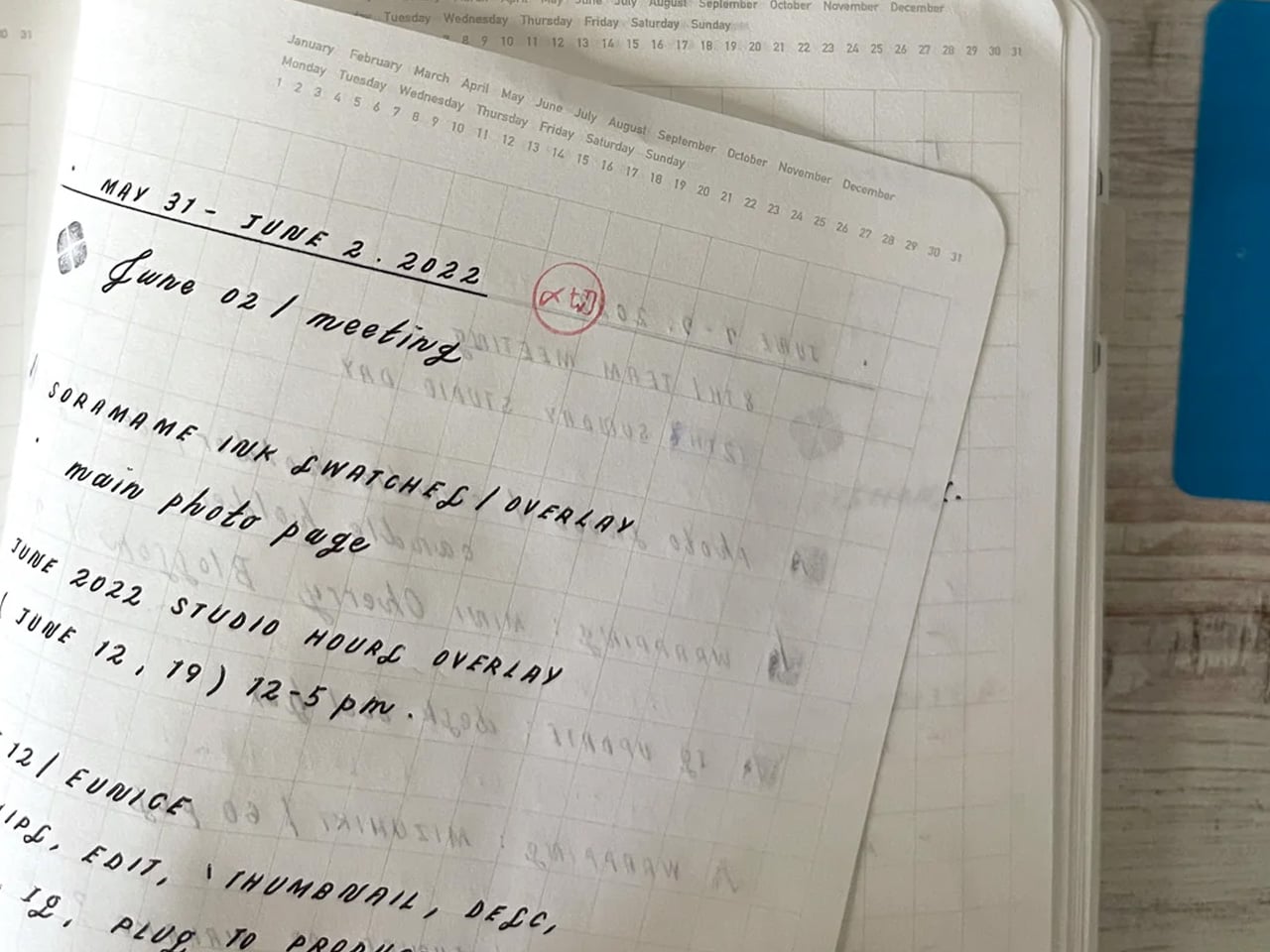
The Stalogy Editor’s Series 365-Day Notebook packs 368 pages into an A6 form factor that still slides into a coat pocket. Each page carries minimal printed detail: faint dates, a light grid, time indicators running along the margin. Use them or ignore them entirely. The paper is ultra-thin but writes with a smooth resistance that makes ink feel like it belongs on the page rather than sitting on top of it. Gel pens, ballpoints, and lighter fountain pen inks all perform cleanly without feathering.

Most planners assume they know how your day should be structured. The Stalogy steps back. The faint markings give you reference points without enforcing a system, which means the same notebook works for bullet journaling, meeting notes, rough sketching, and daily records without ever feeling like you are working against the page. For anyone who has cycled through five different note apps looking for the one that finally fits their brain, this is what that search was actually about.

Click Here to Buy Now

What we like

  • Thin paper keeps 368 pages from becoming heavy, maintaining genuine pocketability throughout
  • Minimal page markings suit both rigid planning systems and completely freeform, unstructured use

What we dislike

  • Heavy fountain pen inks will ghost through the thin paper, limiting compatibility with certain instruments
  • Date and time markings are printed very small, making them difficult to read comfortably in low light

3. MagBoard Clipboard

Most clipboards run on the same tired mechanism: a spring-loaded lever that crushes paper at the top and leaves the rest of the sheet free to shift around below. The MagBoard replaces all of that with a magnetic and lever system that holds up to 30 sheets securely, without the grip marks. The hardcover backing is stiff enough to write on while standing, and the water-resistant surface means it survives bag life in a way paper-covered clipboards rarely manage.

The real advantage is speed. Adding or removing a sheet from most clipboards requires two hands and patience. The MagBoard lets you slide paper in and out cleanly, which changes how you interact with your notes during a meeting or a site walkthrough. It is the kind of improvement that sounds trivial until the first time you need it in a moment where fumbling costs you. At $45, it earns its place on the desk and equally off it.

Click Here to Buy Now: $45

What we like

  • The magnetic system holds sheets flat without grip marks or any pressure damage to the paper
  • The water-resistant hardcover handles bag use and outdoor conditions better than standard clipboards

What we dislike

  • Bulkier than a standard clipboard, which can be a tight fit inside slimmer bags and sleeves
  • The magnetic hold may feel less secure with very thick paper stocks or layered sheets of card

4. Classiky Wooden Tape Dispenser

The tape dispenser is the most overlooked object on any desk. It sits in a corner, accumulates dust, and looks like it arrived from a supply closet rather than a considered workspace. Classiky’s version, cut from varnished Japanese wood with rounded, sculpted edges, refuses that role entirely. The grain is warm, the weight satisfying in the hand, and the mechanism precise enough to produce a clean tear every time. It quietly raises the standard for everything else sharing the same surface.

Classiky is a Japanese zakka brand that applies the same material thinking to everyday objects that most designers reserve for furniture. The Wooden Tape Dispenser is that philosophy made literal: a utilitarian desk tool reconsidered from the outside in, built from a material that improves with handling. The varnished wood deepens over time, picking up warmth from the room and the hands that reach for it daily. At $42, it makes every other object on your desk look like it is still waiting to be properly replaced.

Click Here to Buy Now

What we like

  • The varnished wood looks considered at rest and develops a warmer character with regular handling over time
  • The mechanism produces a clean, controlled tear that most plastic dispensers never consistently manage

What we dislike

  • Sized for standard tape rolls, so it will not accommodate wider washi tape or specialty roll sizes
  • The wood surface will mark with use over time, which reads as earned patina to some and damage to others

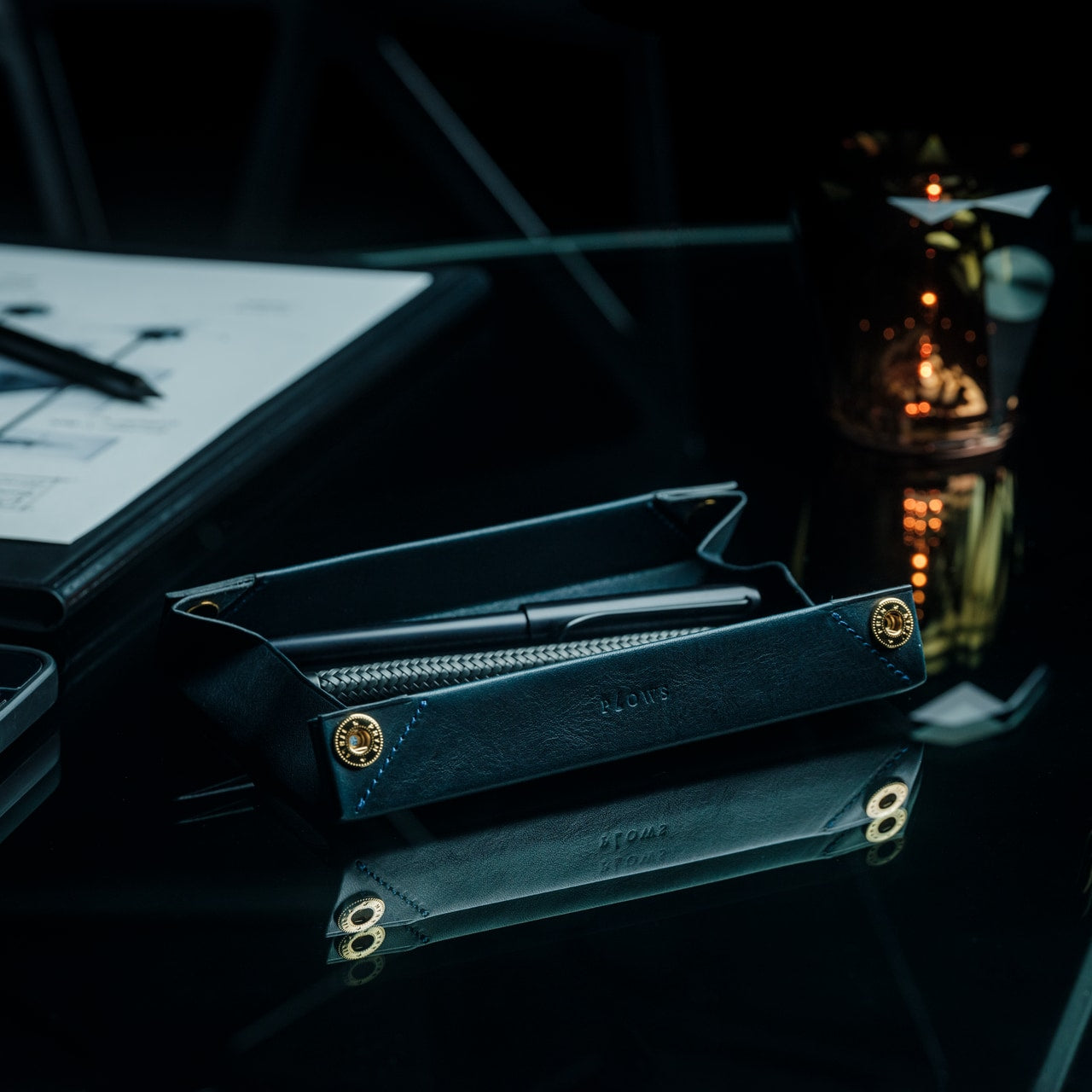
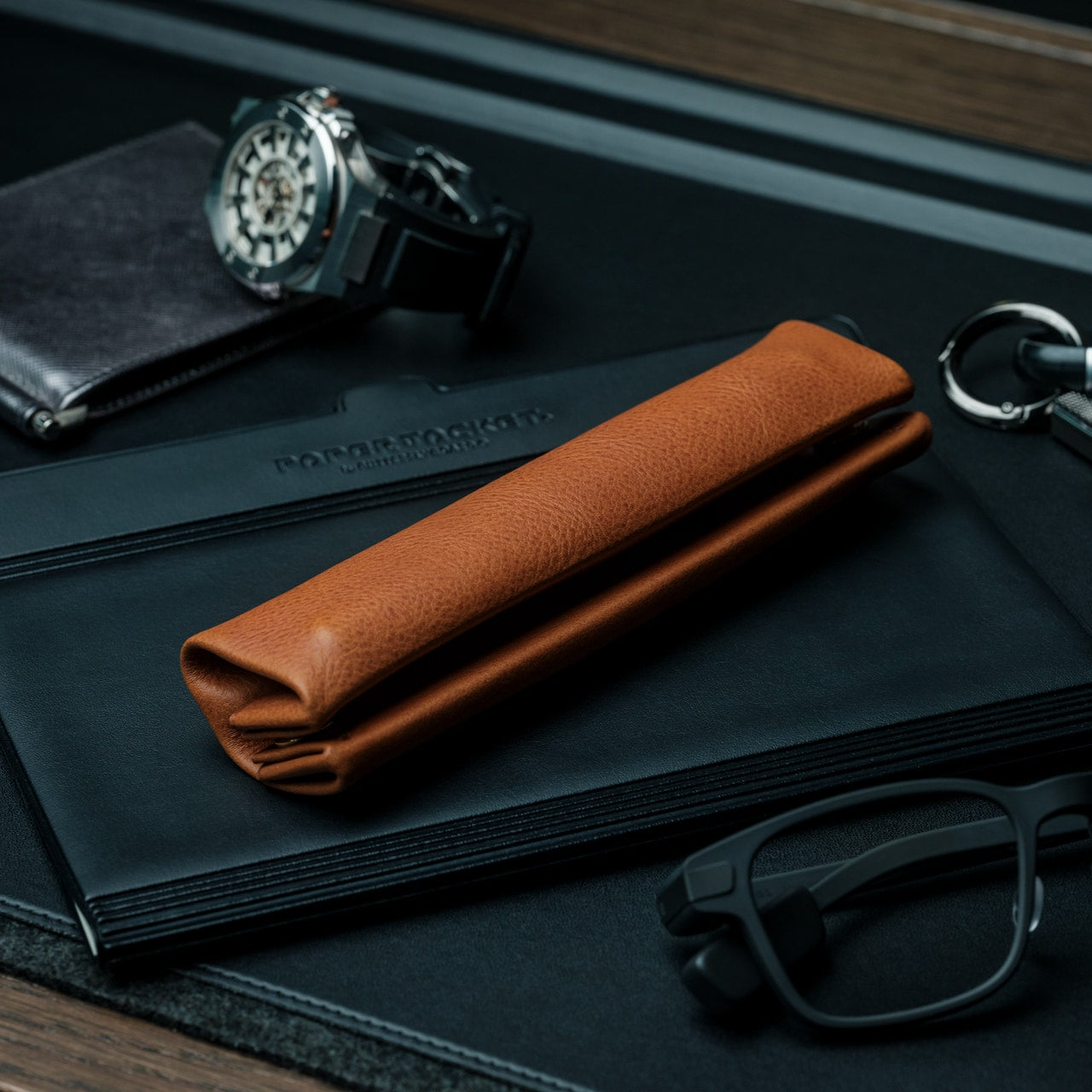
5. Sonic Kakusta Portable Pen Stand

The Sonic Kakusta starts as a flat soft pen case and folds into a triangular desk stand in a single motion. Open, it props pens at a 60-degree angle: steep enough to show pen caps for quick identification, shallow enough that instruments slide out without tipping the whole case over. A built-in divider splits the interior into two sections, and a second divider in the lid creates a small shelf for erasers or sticky notes. Strong magnets hold the stand shape reliably on any flat surface.

For anyone moving between home, office, library, and studio, this is the object that makes carrying stationery feel considered rather than improvised. The case lies flat in a bag without occupying more space than a notebook. On a desk, it becomes a proper display stand, keeping what you need visible rather than buried at the bottom of a pouch. That transition from flat to functional in one fold is precisely the kind of engineering detail that separates Japanese stationery design from everything else in the category.

Click Here to Buy Now

What we like

  • The magnetic lid holds the stand shape firmly, even on slightly uneven or textured surfaces
  • The lid divider creates a genuinely usable small shelf, an extra that most pen cases never think to include

What we dislike

  • The soft material offers limited protection against crushing when a bag is packed tightly around it
  • The triangular footprint when open takes up noticeably more desk space than a flat case would

The Best Tools Don’t Get Updated. They Get Better.

These five objects share one quality that note apps cannot replicate: they get better the more you use them. The wood deepens. The magnetic mechanism smooths out. Each session leaves a trace in the material that accumulates into something that is unmistakably yours. That is not sentimentality; it is the material logic of objects built to outlast a software cycle. Japanese stationery design at its best does not chase novelty. It makes the ordinary interaction between a person and a tool feel like it was worth designing in the first place.

The note app on your phone is not going anywhere. But after a week with these on your desk, you might find you reach for it less. Not because analog is inherently better, but because the right physical tool makes thinking feel different from typing. Slower, more deliberate, more yours. That is a harder thing to engineer than an app. Japan has been doing it for a long time.

The post 5 Japanese Stationery Finds So Satisfying You’ll Delete Every Note App on Your Phone first appeared on Yanko Design.
5 Genius Products Every Cabin Owner Needs This Summer

Cabin living has a particular quality that city life cannot replicate. The quiet is different. The light moves differently through the trees. Time slows enough that you notice it again. Most gear designed for outdoor living treats comfort as an afterthought and beauty as a luxury. These five products disagree with that assumption. Each one was chosen because it earns its place without compromising what a cabin is supposed to feel like.

None were chosen for their marketing or their price tag. Each one was selected because it solves something a cabin summer actually demands — and because the design is good enough to earn a permanent place in the gear bag rather than get quietly left behind after the first trip. Together they cover everything the experience requires: power, comfort, ritual, warmth, and sound.

1. Retro Wave 7-in-1 Radio

The Retro Wave 7-in-1 Radio solves a problem most outdoor audio products miss entirely: it looks like something worth keeping in the cabin even when it is not in use. The housing draws from mid-20th-century Japanese radio aesthetics, with a tactile tuning dial and two colorways, black and warm gray, that sit naturally next to wood surfaces and ceramic cups. Behind that retro face is a 7-in-1 device handling AM, FM, and shortwave reception, Bluetooth streaming, a built-in flashlight, an SOS alarm, and a power bank function for charging other devices.

The 8W speaker delivers warmth rather than raw volume, which suits a cabin setting far better than any portable speaker with a marketing number in its name. The 2000mAh battery carries a 20-hour radio battery life and recharges via USB, hand-crank, or solar panel. That last detail matters more than it might seem: if the grid goes out, the radio keeps going regardless. It is the kind of contingency that feels less like a spec and more like the whole point of the object.

Click Here to Buy Now: $89.00

What We Like

  • The 7-in-1 function set collapses a flashlight, emergency radio, portable charger, weather band receiver, and Bluetooth speaker into one object, which meaningfully reduces what needs to be packed for a cabin weekend.
  • Solar and hand-crank charging options mean the Retro Waves keeps functioning when the power goes out, or the sun disappears, making it as practical in a genuine emergency as it is during a relaxed evening by the fire.

What We Dislike

  • Bluetooth battery life reaches approximately five hours at 75% volume, meaning a full day of wireless streaming will require a recharge before the evening settles in, particularly on overcast days when the solar option is limited.
  • The compact body keeps it portable and well-proportioned, but the speaker volume has a ceiling that wide-open outdoor settings can expose once the environment gets loud and conversation picks up around the fire.

2. ARKEEP Halo Portable Power Station

Most portable power stations are designed to disappear. They are tolerated rather than chosen, the kind of object that earns its place only when something fails. The ARKEEP Halo, designed by Union Suppo Battery, takes the opposite approach entirely. It arrives with eight charging ports: dual 140W PD3.1 inputs, dual 100W USB-C ports, two 22.5W USB-A ports, and wireless charging pads at 15W and 5W. Everything a cabin needs to stay powered, wrapped in a form considered enough to sit on the table rather than hide beneath it.

The lighting feature is where the ARKEEP Halo earns its cabin credentials. The 270-degree ambient glow system adjusts color temperature and brightness to simulate natural light rhythms, shifting from functional daytime white to warmer, lower blue light output as the evening settles in. In a cabin where the goal is to feel less connected to your phone and more connected to your surroundings, that distinction matters more than any spec sheet would suggest. It is the rare power station that actually improves the room it sits in.

What We Like

  • Eight simultaneous charging ports, including dual wireless pads, means an entire group can power up without needing separate charging bricks or arguing over the single outlet by the bed.
  • The 270-degree ambient lighting system means the Halo replaces both a power station and a mood lamp in one form, reducing the number of objects competing for surface space inside the cabin.

What We Dislike

  • Runtime figures for the battery capacity are not prominently published, making it harder to calculate how long the Halo will last during an extended off-grid stay without access to a wall source.
  • The ambient lighting is integrated into the housing rather than detachable, so you cannot use it independently as a standalone lamp if you want to separate the light from the charging station.

3. Houdini x Rumpl Reconnect Puffy Blanket

The Houdini x Rumpl Reconnect Puffy Blanket is built on the idea that a blanket should be able to go wherever the evening takes you. The outer shell is a 2-layer waterproof hardshell rated at 20,000mm H2O with a breathability of 15,000 g/m2/24h, built from Houdini C9 Ripstop. The 200g hollow-fiber insulation handles the warmth underneath. What this means practically is that you can move from the couch to the porch to the tree line without stopping to think about whether the blanket can keep up.

The detail that sets it apart is the Double-snap Cape Clip, which converts the blanket into a hands-free wearable in seconds. Walking to the fire, carrying a drink, collecting firewood — none of those require putting the blanket down. The environmental case is clean too: every blanket is made from 100% post-consumer recycled materials, with each one representing the equivalent of 66 plastic bottles removed from landfills.

What We Like

  • The 20,000mm waterproof hardshell rating means this blanket functions as genuine weather protection across the full range of conditions a cabin summer delivers, not just a cozy indoor accessory.
  • The Double-snap Cape Clip gives you complete freedom of movement at the campfire without choosing between warmth and having your hands available for everything else.

What We Dislike

  • At $200, the Reconnect Puffy Blanket sits at a price point that requires genuine commitment, particularly for anyone who has a habit of leaving blankets behind on outdoor trips.
  • The hardshell outer material, while properly waterproof, has a stiffer initial feel than a soft fleece, and takes a short while to settle and soften around you compared to more familiar blanket textures.

4. Haori Cup

Designer Tomoya Nasuda built the Haori Cup from a single piece of Japanese cedar, reviving the Hakata Magemono craft that has been practiced for over 400 years. The technique involves hand-bending thin cedar strips into curved forms, and the result is a cup where no two grain patterns are the same. Cedar insulates naturally, which means the exterior stays comfortable to hold while the drink inside stays hot. There is no handle required because the material itself solves the problem the handle was invented to address.

In a cabin, the Haori Cup changes what the morning means. Sitting outside with coffee in a vessel hand-bent from Japanese cedar, surrounded by trees not unlike the ones that made it, is the kind of moment that does not require any explanation to anyone who has experienced it. Available in several colorways including a Sakura edition, the cup is light enough to pack without concern and carries a faint, clean forest fragrance that frames whatever you are drinking without competing with it.

What We Like

  • The 400-year-old Hakata Magemono craft means every Haori Cup is genuinely unique, with grain patterns that belong to that specific piece of cedar, which no mass-produced camping mug can replicate at any price.
  • Cedar’s natural thermal properties keep the exterior comfortable to hold with a freshly poured drink inside, solving the basic problem of a hot cup without requiring a sleeve, double wall, or separate handle.

What We Dislike

  • Cedar requires careful hand-washing and thorough drying to maintain the material over time, which is more maintenance than most people expect from a camping cup and adds a small task to the end of a long day outdoors.
  • As a handcrafted artisan object, the Haori Cup carries a premium that places it in the considered-purchase category, and the risk of dropping it on river rock introduces a quiet anxiety that a $12 tin mug simply does not.

5. Harmony Flame Fireplace

A cabin without a fireplace is a room you tolerate. A cabin with one is a place you want to stay. The Harmony Flame Fireplace was chosen because it understands that distinction entirely — not just as a heat source, but as the object the whole evening organizes itself around. Its presence shifts how a room feels before it even does anything. The design is considered enough to look like it belongs in the space rather than sitting in apology for being there.

What the Harmony Flame does is give a cabin its center of gravity. People sit closer together. Conversations slow down. The specific quality of light that a flame produces, warm and mobile and alive, is something no overhead fitting has ever replicated. Whether you place it against the main wall or at the end of a reading corner, the effect is the same: the room stops being functional and starts being somewhere you choose to be. That shift is the whole point of the trip.

Click Here to Buy Now: $240.00

What We Like

  • Its presence functions as the room’s organizing principle, creating warmth and atmosphere that transforms an ordinary cabin evening into the reason you made the drive in the first place.

What We Dislike

  • A fireplace of this quality deserves deliberate placement within the cabin layout to maximize its visual and atmospheric effect — treating it as an afterthought will undercut everything it is capable of delivering to the space.
  • As the centerpiece product in any room it occupies, the Harmony Flame raises the visual standard for everything around it, which means pairing it with careless gear will make the contrast more visible rather than less.

This Is What a Cabin Summer Is Supposed to Feel Like

None of these five products were chosen because they photograph well or carry a recognizable name. They were chosen because they understand what a cabin summer actually is: a specific arrangement of light, warmth, sound, and stillness that most gear interrupts rather than supports. A power station with a lamp inside. A blanket you can wear. A cup made from a single piece of cedar. A fire that earns its center of the room. A radio that makes switching it on feel like a small occasion.

The best cabin gear does not announce itself. It earns its space quietly, does its job without asking for attention, and disappears into the experience of the trip. These five do exactly that. Pack them, and the cabin stops being a place you stay and starts being a place you go back to. That distinction is the whole point of summer in the first place.

The post 5 Genius Products Every Cabin Owner Needs This Summer first appeared on Yanko Design.
This $152 Laptop Backpack Has 7 Features Most Business Bags Skip

The office is no longer a place. For a growing number of professionals, work happens across a rotating cast of locations, on trains, in hotel lobbies, at standing desks in co-working spaces, at airport gates between meetings. What gets carried through all of that has quietly become one of the more personal decisions in a working day. The bag has to hold a laptop, a water bottle, travel documents, chargers, and sometimes a change of clothes, while still looking appropriate in every environment it passes through. Most bags manage the functional half of that requirement passably well; the visual half tends to be where the compromises show.

Nayo Smart designed the Herman Pro around exactly this reality. The half-roll-top silhouette keeps things looking composed from the outside, while the internal architecture handles an impressive amount of organized complexity. A dedicated laptop compartment sits separately from the main storage zone, accessible directly from the back panel for quick retrieval at security. The L-shaped main opening lays nearly flat for visibility and easy packing. A FIDLOCK magnetic buckle secures the flap in one motion, and hidden pockets, a side waterproof sleeve, and a luggage strap round out a carry system built around real transit habits rather than feature checklists.

Designer: Nayo Smart

Click Here to Buy Now: $152.10 $169 (10% off) Free Waterproof Packing Cube included with your Herman Pro

The most immediate visual quality of the Herman Pro, looking at it against the body, is how settled the silhouette stays. Many contemporary backpacks have evolved into highly technical, feature-heavy products that prioritize utility, and the result is often a bag that reads more like field gear than office carry. The Herman Pro’s exterior has been edited rather than accumulated. A clean rectangular body in dark nylon, a structured top flap held down by the FIDLOCK buckle, and a vertical webbing strap running the full length of the front panel make up the entirety of what faces the world. Both colorways, the deep black and the muted forest green, land firmly on the right side of understated, and the structured base gives the bag a stable, planted quality that prevents the slouching common in softer nylon designs.

Beyond durability and weather resistance, equal importance was placed on tactile quality, structure retention, visual texture, and long-term everyday usability, and the parachute-inspired water-repellent NA-TEX fabric was ultimately selected because it balances performance with a more refined and premium visual character. The surface has a matte density to it that holds its character under different lighting conditions, which matters for a bag that moves between a boardroom and a café in the same afternoon. Water beads off without leaving marks or altering the fabric’s structure, the kind of weather performance that earns trust over months of daily use rather than in a single dramatic rain test. A slightly firmer, smoother material at the base grounds the bag both structurally and visually, adding subtle zoning to the exterior without making a statement of it. Tactile quality was clearly weighed alongside durability here, and the difference from a generic nylon backpack is noticeable at first contact.

The L-shaped opening improves packing visibility and access in a way that is genuinely hard to go back from once you’ve experienced it. A conventional top-loader reveals its contents in layers, demanding that you excavate through whatever went in last to find what you need now. The L-shaped zipper runs across the top and down one full side, so the flap swings away and the entire main compartment opens in a single motion, nearly flat. The light gray interior lining amplifies this, creating strong contrast against dark items so headphones, cables, and loose accessories are immediately locatable rather than lost at the bottom. Cameras, over-ear headphones, and a tablet all fit comfortably in the main zone without competing for space with the laptop, which lives in an entirely separate section of the bag.

The independent laptop compartment, accessed directly from the rear panel, is one of the more practically useful organizational decisions in the Herman Pro’s design. Airport security typically means pulling the laptop out in a motion that requires setting the whole bag down, opening the main compartment, and digging through accumulated carry chaos. The back-access panel changes that entirely, allowing the laptop to slide out cleanly without touching the main storage zone. The dedicated laptop and digital device organization helps separate work essentials from personal items, and the compartment fits modern 15-inch laptops without forcing anything, with a padded tablet slot sitting alongside it. What looks like a relatively minor structural decision on paper becomes one of those carry conveniences that is hard to give up.

FIDLOCK’s magnetic buckle system has been appearing across premium outdoor and travel gear for several years now, and its inclusion here reads as a purposeful hardware specification rather than a borrowed credential. The mechanism snaps shut with one hand in a single motion and releases just as cleanly, removing the small but cumulative friction of a conventional buckle from what might amount to dozens of open-and-close cycles across a travel week. Hidden anti-theft pockets add a layer of security for passports and cards, while a hidden front zipper pocket handles flat documents or a transit card in a separate zone entirely. The side waterproof pocket accommodates a water bottle or umbrella without disrupting the bag’s profile from the front. A nylon luggage strap on the rear panel completes the transit toolkit, locking the Herman Pro cleanly onto a roller case handle when the load demands it.

Nayo Smart is a Singapore-based brand operating in a market that has gotten genuinely competitive at this price tier. The Herman Pro starts at $169 for the black colorway, placing it in direct conversation with well-regarded carry brands like Aer, Boundary Supply, and Tropicfeel, all of which have raised baseline expectations around what a commuter or travel backpack should deliver. Reviewers have already been reaching for the “affordable Tumi alternative” framing, which is a pointed comparison given how aggressively Tumi’s pricing has drifted upward over the past decade. The more interesting discussion may not simply be how functional a backpack can become, but how modern business backpacks are evolving alongside changes in work culture, mobility, and contemporary everyday lifestyles, and the Herman Pro fits into that conversation as a considered example of how a business travel backpack can become more organized, more comfortable, and more visually restrained without losing the practical performance that modern professionals expect. Both colorways are available directly through nayosmart.com, in standard 20L and large 25-30L sizing.

Click Here to Buy Now: $152.10 $169 (10% off) Free Waterproof Packing Cube included with your Herman Pro

The post This $152 Laptop Backpack Has 7 Features Most Business Bags Skip first appeared on Yanko Design.
This $152 Laptop Backpack Has 7 Features Most Business Bags Skip

The office is no longer a place. For a growing number of professionals, work happens across a rotating cast of locations, on trains, in hotel lobbies, at standing desks in co-working spaces, at airport gates between meetings. What gets carried through all of that has quietly become one of the more personal decisions in a working day. The bag has to hold a laptop, a water bottle, travel documents, chargers, and sometimes a change of clothes, while still looking appropriate in every environment it passes through. Most bags manage the functional half of that requirement passably well; the visual half tends to be where the compromises show.

Nayo Smart designed the Herman Pro around exactly this reality. The half-roll-top silhouette keeps things looking composed from the outside, while the internal architecture handles an impressive amount of organized complexity. A dedicated laptop compartment sits separately from the main storage zone, accessible directly from the back panel for quick retrieval at security. The L-shaped main opening lays nearly flat for visibility and easy packing. A FIDLOCK magnetic buckle secures the flap in one motion, and hidden pockets, a side waterproof sleeve, and a luggage strap round out a carry system built around real transit habits rather than feature checklists.

Designer: Nayo Smart

Click Here to Buy Now: $152.10 $169 (10% off) Free Waterproof Packing Cube included with your Herman Pro

The most immediate visual quality of the Herman Pro, looking at it against the body, is how settled the silhouette stays. Many contemporary backpacks have evolved into highly technical, feature-heavy products that prioritize utility, and the result is often a bag that reads more like field gear than office carry. The Herman Pro’s exterior has been edited rather than accumulated. A clean rectangular body in dark nylon, a structured top flap held down by the FIDLOCK buckle, and a vertical webbing strap running the full length of the front panel make up the entirety of what faces the world. Both colorways, the deep black and the muted forest green, land firmly on the right side of understated, and the structured base gives the bag a stable, planted quality that prevents the slouching common in softer nylon designs.

Beyond durability and weather resistance, equal importance was placed on tactile quality, structure retention, visual texture, and long-term everyday usability, and the parachute-inspired water-repellent NA-TEX fabric was ultimately selected because it balances performance with a more refined and premium visual character. The surface has a matte density to it that holds its character under different lighting conditions, which matters for a bag that moves between a boardroom and a café in the same afternoon. Water beads off without leaving marks or altering the fabric’s structure, the kind of weather performance that earns trust over months of daily use rather than in a single dramatic rain test. A slightly firmer, smoother material at the base grounds the bag both structurally and visually, adding subtle zoning to the exterior without making a statement of it. Tactile quality was clearly weighed alongside durability here, and the difference from a generic nylon backpack is noticeable at first contact.

The L-shaped opening improves packing visibility and access in a way that is genuinely hard to go back from once you’ve experienced it. A conventional top-loader reveals its contents in layers, demanding that you excavate through whatever went in last to find what you need now. The L-shaped zipper runs across the top and down one full side, so the flap swings away and the entire main compartment opens in a single motion, nearly flat. The light gray interior lining amplifies this, creating strong contrast against dark items so headphones, cables, and loose accessories are immediately locatable rather than lost at the bottom. Cameras, over-ear headphones, and a tablet all fit comfortably in the main zone without competing for space with the laptop, which lives in an entirely separate section of the bag.

The independent laptop compartment, accessed directly from the rear panel, is one of the more practically useful organizational decisions in the Herman Pro’s design. Airport security typically means pulling the laptop out in a motion that requires setting the whole bag down, opening the main compartment, and digging through accumulated carry chaos. The back-access panel changes that entirely, allowing the laptop to slide out cleanly without touching the main storage zone. The dedicated laptop and digital device organization helps separate work essentials from personal items, and the compartment fits modern 15-inch laptops without forcing anything, with a padded tablet slot sitting alongside it. What looks like a relatively minor structural decision on paper becomes one of those carry conveniences that is hard to give up.

FIDLOCK’s magnetic buckle system has been appearing across premium outdoor and travel gear for several years now, and its inclusion here reads as a purposeful hardware specification rather than a borrowed credential. The mechanism snaps shut with one hand in a single motion and releases just as cleanly, removing the small but cumulative friction of a conventional buckle from what might amount to dozens of open-and-close cycles across a travel week. Hidden anti-theft pockets add a layer of security for passports and cards, while a hidden front zipper pocket handles flat documents or a transit card in a separate zone entirely. The side waterproof pocket accommodates a water bottle or umbrella without disrupting the bag’s profile from the front. A nylon luggage strap on the rear panel completes the transit toolkit, locking the Herman Pro cleanly onto a roller case handle when the load demands it.

Nayo Smart is a Singapore-based brand operating in a market that has gotten genuinely competitive at this price tier. The Herman Pro starts at $169 for the black colorway, placing it in direct conversation with well-regarded carry brands like Aer, Boundary Supply, and Tropicfeel, all of which have raised baseline expectations around what a commuter or travel backpack should deliver. Reviewers have already been reaching for the “affordable Tumi alternative” framing, which is a pointed comparison given how aggressively Tumi’s pricing has drifted upward over the past decade. The more interesting discussion may not simply be how functional a backpack can become, but how modern business backpacks are evolving alongside changes in work culture, mobility, and contemporary everyday lifestyles, and the Herman Pro fits into that conversation as a considered example of how a business travel backpack can become more organized, more comfortable, and more visually restrained without losing the practical performance that modern professionals expect. Both colorways are available directly through nayosmart.com, in standard 20L and large 25-30L sizing.

Click Here to Buy Now: $152.10 $169 (10% off) Free Waterproof Packing Cube included with your Herman Pro

The post This $152 Laptop Backpack Has 7 Features Most Business Bags Skip first appeared on Yanko Design.

This $152 Laptop Backpack Has 7 Features Most Business Bags Skip

The office is no longer a place. For a growing number of professionals, work happens across a rotating cast of locations, on trains, in hotel lobbies, at standing desks in co-working spaces, at airport gates between meetings. What gets carried through all of that has quietly become one of the more personal decisions in a working day. The bag has to hold a laptop, a water bottle, travel documents, chargers, and sometimes a change of clothes, while still looking appropriate in every environment it passes through. Most bags manage the functional half of that requirement passably well; the visual half tends to be where the compromises show.

Nayo Smart designed the Herman Pro around exactly this reality. The half-roll-top silhouette keeps things looking composed from the outside, while the internal architecture handles an impressive amount of organized complexity. A dedicated laptop compartment sits separately from the main storage zone, accessible directly from the back panel for quick retrieval at security. The L-shaped main opening lays nearly flat for visibility and easy packing. A FIDLOCK magnetic buckle secures the flap in one motion, and hidden pockets, a side waterproof sleeve, and a luggage strap round out a carry system built around real transit habits rather than feature checklists.

Designer: Nayo Smart

Click Here to Buy Now: $152.10 $169 (10% off) Free Waterproof Packing Cube included with your Herman Pro

The most immediate visual quality of the Herman Pro, looking at it against the body, is how settled the silhouette stays. Many contemporary backpacks have evolved into highly technical, feature-heavy products that prioritize utility, and the result is often a bag that reads more like field gear than office carry. The Herman Pro’s exterior has been edited rather than accumulated. A clean rectangular body in dark nylon, a structured top flap held down by the FIDLOCK buckle, and a vertical webbing strap running the full length of the front panel make up the entirety of what faces the world. Both colorways, the deep black and the muted forest green, land firmly on the right side of understated, and the structured base gives the bag a stable, planted quality that prevents the slouching common in softer nylon designs.

Beyond durability and weather resistance, equal importance was placed on tactile quality, structure retention, visual texture, and long-term everyday usability, and the parachute-inspired water-repellent NA-TEX fabric was ultimately selected because it balances performance with a more refined and premium visual character. The surface has a matte density to it that holds its character under different lighting conditions, which matters for a bag that moves between a boardroom and a café in the same afternoon. Water beads off without leaving marks or altering the fabric’s structure, the kind of weather performance that earns trust over months of daily use rather than in a single dramatic rain test. A slightly firmer, smoother material at the base grounds the bag both structurally and visually, adding subtle zoning to the exterior without making a statement of it. Tactile quality was clearly weighed alongside durability here, and the difference from a generic nylon backpack is noticeable at first contact.

The L-shaped opening improves packing visibility and access in a way that is genuinely hard to go back from once you’ve experienced it. A conventional top-loader reveals its contents in layers, demanding that you excavate through whatever went in last to find what you need now. The L-shaped zipper runs across the top and down one full side, so the flap swings away and the entire main compartment opens in a single motion, nearly flat. The light gray interior lining amplifies this, creating strong contrast against dark items so headphones, cables, and loose accessories are immediately locatable rather than lost at the bottom. Cameras, over-ear headphones, and a tablet all fit comfortably in the main zone without competing for space with the laptop, which lives in an entirely separate section of the bag.

The independent laptop compartment, accessed directly from the rear panel, is one of the more practically useful organizational decisions in the Herman Pro’s design. Airport security typically means pulling the laptop out in a motion that requires setting the whole bag down, opening the main compartment, and digging through accumulated carry chaos. The back-access panel changes that entirely, allowing the laptop to slide out cleanly without touching the main storage zone. The dedicated laptop and digital device organization helps separate work essentials from personal items, and the compartment fits modern 15-inch laptops without forcing anything, with a padded tablet slot sitting alongside it. What looks like a relatively minor structural decision on paper becomes one of those carry conveniences that is hard to give up.

FIDLOCK’s magnetic buckle system has been appearing across premium outdoor and travel gear for several years now, and its inclusion here reads as a purposeful hardware specification rather than a borrowed credential. The mechanism snaps shut with one hand in a single motion and releases just as cleanly, removing the small but cumulative friction of a conventional buckle from what might amount to dozens of open-and-close cycles across a travel week. Hidden anti-theft pockets add a layer of security for passports and cards, while a hidden front zipper pocket handles flat documents or a transit card in a separate zone entirely. The side waterproof pocket accommodates a water bottle or umbrella without disrupting the bag’s profile from the front. A nylon luggage strap on the rear panel completes the transit toolkit, locking the Herman Pro cleanly onto a roller case handle when the load demands it.

Nayo Smart is a Singapore-based brand operating in a market that has gotten genuinely competitive at this price tier. The Herman Pro starts at $169 for the black colorway, placing it in direct conversation with well-regarded carry brands like Aer, Boundary Supply, and Tropicfeel, all of which have raised baseline expectations around what a commuter or travel backpack should deliver. Reviewers have already been reaching for the “affordable Tumi alternative” framing, which is a pointed comparison given how aggressively Tumi’s pricing has drifted upward over the past decade. The more interesting discussion may not simply be how functional a backpack can become, but how modern business backpacks are evolving alongside changes in work culture, mobility, and contemporary everyday lifestyles, and the Herman Pro fits into that conversation as a considered example of how a business travel backpack can become more organized, more comfortable, and more visually restrained without losing the practical performance that modern professionals expect. Both colorways are available directly through nayosmart.com, in standard 20L and large 25-30L sizing.

Click Here to Buy Now: $152.10 $169 (10% off) Free Waterproof Packing Cube included with your Herman Pro

The post This $152 Laptop Backpack Has 7 Features Most Business Bags Skip first appeared on Yanko Design.
This $152 Laptop Backpack Has 7 Features Most Business Bags Skip

The office is no longer a place. For a growing number of professionals, work happens across a rotating cast of locations, on trains, in hotel lobbies, at standing desks in co-working spaces, at airport gates between meetings. What gets carried through all of that has quietly become one of the more personal decisions in a working day. The bag has to hold a laptop, a water bottle, travel documents, chargers, and sometimes a change of clothes, while still looking appropriate in every environment it passes through. Most bags manage the functional half of that requirement passably well; the visual half tends to be where the compromises show.

Nayo Smart designed the Herman Pro around exactly this reality. The half-roll-top silhouette keeps things looking composed from the outside, while the internal architecture handles an impressive amount of organized complexity. A dedicated laptop compartment sits separately from the main storage zone, accessible directly from the back panel for quick retrieval at security. The L-shaped main opening lays nearly flat for visibility and easy packing. A FIDLOCK magnetic buckle secures the flap in one motion, and hidden pockets, a side waterproof sleeve, and a luggage strap round out a carry system built around real transit habits rather than feature checklists.

Designer: Nayo Smart

Click Here to Buy Now: $152.10 $169 (10% off) Free Waterproof Packing Cube included with your Herman Pro

The most immediate visual quality of the Herman Pro, looking at it against the body, is how settled the silhouette stays. Many contemporary backpacks have evolved into highly technical, feature-heavy products that prioritize utility, and the result is often a bag that reads more like field gear than office carry. The Herman Pro’s exterior has been edited rather than accumulated. A clean rectangular body in dark nylon, a structured top flap held down by the FIDLOCK buckle, and a vertical webbing strap running the full length of the front panel make up the entirety of what faces the world. Both colorways, the deep black and the muted forest green, land firmly on the right side of understated, and the structured base gives the bag a stable, planted quality that prevents the slouching common in softer nylon designs.

Beyond durability and weather resistance, equal importance was placed on tactile quality, structure retention, visual texture, and long-term everyday usability, and the parachute-inspired water-repellent NA-TEX fabric was ultimately selected because it balances performance with a more refined and premium visual character. The surface has a matte density to it that holds its character under different lighting conditions, which matters for a bag that moves between a boardroom and a café in the same afternoon. Water beads off without leaving marks or altering the fabric’s structure, the kind of weather performance that earns trust over months of daily use rather than in a single dramatic rain test. A slightly firmer, smoother material at the base grounds the bag both structurally and visually, adding subtle zoning to the exterior without making a statement of it. Tactile quality was clearly weighed alongside durability here, and the difference from a generic nylon backpack is noticeable at first contact.

The L-shaped opening improves packing visibility and access in a way that is genuinely hard to go back from once you’ve experienced it. A conventional top-loader reveals its contents in layers, demanding that you excavate through whatever went in last to find what you need now. The L-shaped zipper runs across the top and down one full side, so the flap swings away and the entire main compartment opens in a single motion, nearly flat. The light gray interior lining amplifies this, creating strong contrast against dark items so headphones, cables, and loose accessories are immediately locatable rather than lost at the bottom. Cameras, over-ear headphones, and a tablet all fit comfortably in the main zone without competing for space with the laptop, which lives in an entirely separate section of the bag.

The independent laptop compartment, accessed directly from the rear panel, is one of the more practically useful organizational decisions in the Herman Pro’s design. Airport security typically means pulling the laptop out in a motion that requires setting the whole bag down, opening the main compartment, and digging through accumulated carry chaos. The back-access panel changes that entirely, allowing the laptop to slide out cleanly without touching the main storage zone. The dedicated laptop and digital device organization helps separate work essentials from personal items, and the compartment fits modern 15-inch laptops without forcing anything, with a padded tablet slot sitting alongside it. What looks like a relatively minor structural decision on paper becomes one of those carry conveniences that is hard to give up.


FIDLOCK’s magnetic buckle system has been appearing across premium outdoor and travel gear for several years now, and its inclusion here reads as a purposeful hardware specification rather than a borrowed credential. The mechanism snaps shut with one hand in a single motion and releases just as cleanly, removing the small but cumulative friction of a conventional buckle from what might amount to dozens of open-and-close cycles across a travel week. Hidden anti-theft pockets add a layer of security for passports and cards, while a hidden front zipper pocket handles flat documents or a transit card in a separate zone entirely. The side waterproof pocket accommodates a water bottle or umbrella without disrupting the bag’s profile from the front. A nylon luggage strap on the rear panel completes the transit toolkit, locking the Herman Pro cleanly onto a roller case handle when the load demands it.

Nayo Smart is a Singapore-based brand operating in a market that has gotten genuinely competitive at this price tier. The Herman Pro starts at $169 for the black colorway, placing it in direct conversation with well-regarded carry brands like Aer, Boundary Supply, and Tropicfeel, all of which have raised baseline expectations around what a commuter or travel backpack should deliver. Reviewers have already been reaching for the “affordable Tumi alternative” framing, which is a pointed comparison given how aggressively Tumi’s pricing has drifted upward over the past decade. The more interesting discussion may not simply be how functional a backpack can become, but how modern business backpacks are evolving alongside changes in work culture, mobility, and contemporary everyday lifestyles, and the Herman Pro fits into that conversation as a considered example of how a business travel backpack can become more organized, more comfortable, and more visually restrained without losing the practical performance that modern professionals expect. Both colorways are available directly through nayosmart.com, in standard 20L and large 25-30L sizing.

Click Here to Buy Now: $152.10 $169 (10% off) Free Waterproof Packing Cube included with your Herman Pro

The post This $152 Laptop Backpack Has 7 Features Most Business Bags Skip first appeared on Yanko Design.