This Novel & Refreshing Preschool Concept In Ethiopia Supports Indoor-Outdoor Learning

Designed by the Brazilian architectural firm Studio MEMM, this preschool concept has been tucked away in the natural setting of Ethiopia. The school is designed to be visually appealing and attempts to strike a serene balance between architecture and nature, creating an educational setting that is conducive to learning, and keeps the students inspired and intrigued. Studio MEMM participated in a competition to design the preschool and the resultant structure is a dynamic building that serves as a natural space for a fun yet valuable education.

Designer: Studio MEMM

While designing the building, the architecture team wanted to create something that not only supports learning but also serves as a playful center where children can engage, interact, as well as imagine and discover new things. The buildings were designed to be stimulating, featuring open windows, that offer constant access to sunlight and fresh air. Expansive classrooms create a space that is free-flowing and open, so the kids don’t feel caged in. The space is intended to encourage coexistence and teaching, while due respect is paid to its natural surroundings. The overall structure was split into smaller volumes, adding fluidity to the entire site. Doors and walls have been designed as moving panels in an effort to add flexibility, while also ensuring easy access to the outdoors.

There were budget constraints, as well as limitations of materials. These issues posed challenges, and hence excavated earth was utilized to build the classroom walls, and the forms on the outside. This earth was excavated from the site itself, and it elevates the auditorium-like landscaping. Since Ethiopia doesn’t always have access to electricity, the studio focused on natural lighting and ventilation quite a bit. Moveable panels were installed to ensure this.

The entire school is made up of a number of classrooms – ranging from small to large. It has been equipped with bleachers with blackboards and open gardens, which also serve as spaces for local community gatherings. Since elements of indoor-outdoor design were incorporated, students can learn inside the school, as well as outside, promoting interactive and novel ways of learning.

The post This Novel & Refreshing Preschool Concept In Ethiopia Supports Indoor-Outdoor Learning first appeared on Yanko Design.


You can now get AI Judy Garland or James Dean to read you the news

I love an account on X (formerly Twitter) called @LizaMinnelliOutlives (shockingly not run by the icon herself) that lists things like famous deaths or agreements. Well, in a twist, the real Liza Minnelli no longer outlives new words from her deceased mother, Judy Garland. The actress and singer has given ElevenLabs, an AI startup with cloning services, permission to recreate her mother's voice for their new Reader App. Garland joins James Dean, Burt Reynolds and Sir Laurence Olivier as deceased stars whose AI voices are in the "Iconic voice collection," thanks to deals with their estates for undisclosed sums. 

The voices will exist solely on the Reader App and people can use them for things like narrating an e-book. "It's exciting to see our mother's voice available to the countless millions of people who love her," Minnelli, the representative of the Garland Estate, said. "Through the spectacular new technology offered by ElevenLabs, our family believes that this will bring new fans to Mama, and be exciting to those who already cherish the unparalleled legacy that Mama gave and continues to give to the world." A sample of Garland reading The Wizard of Oz appears in ElevenLab's promotional video on YouTube — personally, I find it a little bit eerie, but I can see the appeal. 

ElevenLabs released its Reader App in late June to allow users to hear any text on their phone, including messages, PDFs and news articles. It's currently only available in English for iOS users in the United States, United Kingdom and Canada. However, ElevenLabs has a waitlist for Android users and claims it will launch in the Google Play store in the "coming weeks." The company also says it's working on making the app available in every language its Multilingual model supports (29 as of now) and will, subsequently, launch it globally.

This article originally appeared on Engadget at https://www.engadget.com/you-can-now-get-ai-judy-garland-or-james-dean-to-read-you-the-news-160023595.html?src=rss

Pet getting scared of 4th July fireworks? These quirky yet effective Dog Headphones with ANC can help

Fourth of July can be a really fun time for the entire country, but a very stressful time for pet parents who have to deal with the extreme anxiety that dogs feel around those loud bangs and other noises. Dogs are highly sensitive to sound, so any loud noises, be it the pop of a firework or even the bang of a thunderstorm, can cause them high amounts of stress. Kirsten Brand nearly lost her dog Emma when a firework show on the 4th of July caused the pet to get so scared that she ran away from home. “After what seemed like hours, we found my furbaby, Emma, down the street. Thankfully, she had been taken into a garage by a neighbor, to ride out the rest of the firework show,” Kirsten mentioned.

That prompted her to design the Pawnix, a pet ‘helmet’ that covers their ears to dampen loud noises, while also playing calming and soothing sounds via Bluetooth. Sort of like ANC Headphones but for dogs, the Pawnix keeps your pets calm with relaxing audio, while also wrapping around their head to make them feel a sense of physical security and comfort.

Designer: Pawnix

Improved over various iterations, the Pawnix now comes with a foam-padded neoprene design, similar to the laptop sleeves you usually see people carry their MacBooks in. The helmet, shaped to look almost like a bonnet for your pet, wraps around the dog’s head, with pockets for the ears to fit in. The design works equally well for dogs with all kinds of ears, whether they’re erect, semi-erect, or hanging down. 4-way stretch Anti-microbial fabric with durable stitching means the Pawnix can go without being washed, and can definitely endure your dog trying to scratch at it or take it off.

On the inside, a set of audio drivers with active noise canceling and Bluetooth 5.0 let your dog listen to calming soundscapes instead of loud noises. Pop the headphones on, and you can connect your phone to the Pawnix via Bluetooth, choosing from a variety of calming sounds (you can actually find dog-calming tracks on YouTube). Alternatively, just the Pawnix itself should be able to drown out less intense noises like a dinner party with loud music. The Pawnix comes in 4 colors, and 4 sizes too, although there’s also an option to custom-make a Pawnix for even larger dogs.

The post Pet getting scared of 4th July fireworks? These quirky yet effective Dog Headphones with ANC can help first appeared on Yanko Design.

Texas court blocks the FTC’s ban on noncompete agreements

The Federal Trade Commission's (FTC) ban on noncompete agreements was supposed to take effect on September 4, but a Texan court has postponed its implementation by siding with the plaintiffs in a lawsuit that seeks to block the rule. Back in April, the FTC banned noncompetes, which have been widely used in the tech industry for years, to drive innovation and protect workers' rights and wages. A lot of companies are unsurprisingly unhappy with the agency's rule — as NPR notes, Dallas tax services firm Ryan LLC sued the FTC hours after its announcement. The US Chamber of Commerce and other groups of American businesses eventually joined the lawsuit. 

"Noncompete clauses keep wages low, suppress new ideas, and rob the American economy of dynamism," FTC Chair Lina M. Khan said when the rule was announced. They prevent employees from moving to another company or from building businesses of their own in the same industry, so they may be stuck working in a job with lower pay or in an environment they don't like. But the Chamber of Commerce’s chief counsel Daryl Joseffer called the ban an attempt by the government to micromanage business decisions in a statement sent to Bloomberg. 

"The FTC’s blanket ban on noncompetes is an unlawful power grab that defies the agency’s constitutional and statutory authority and sets a dangerous precedent where the government knows better than the markets," Joseffer said. The FTC disagrees and told NPR that its "authority is supported by both statute and precedent."

US District Judge Ada Brown, an appointee of former President Donald Trump, wrote in her decision that "the text, structure, and history of the FTC Act reveal that the FTC lacks substantive rulemaking authority with respect to unfair methods of competition." Brown also said that the plaintiffs are "likely to succeed" in getting the rule struck down and that it's in the public's best interest to grant the plaintiff's motion for preliminary injunction. The judge added that the court will make a decision "on the ultimate merits of this action on or before August 30."

This article originally appeared on Engadget at https://www.engadget.com/texas-court-blocks-the-ftcs-ban-on-noncompete-agreements-150020601.html?src=rss

realme 13 Pro is coming with ultra clear camera powered by HYPERIMAGE+ AI

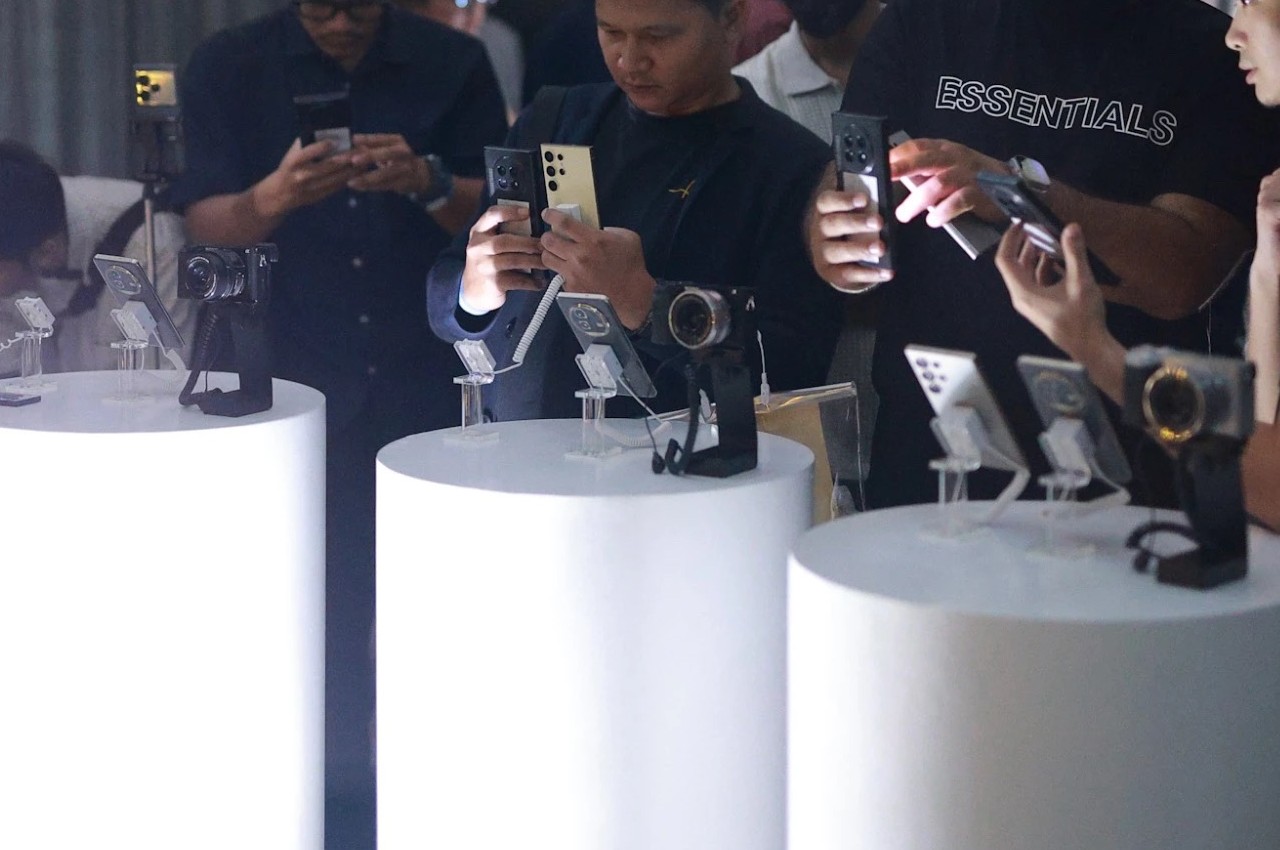
Smartphone cameras have gotten quite powerful, that they might have hit a wall when it comes to hardware. Although they have reached mind-blowing 100 megapixels, sensors have also gotten a little too large for the ever-thinning smartphones. To make up for that slump in optical solutions, manufacturers are turning to software, specifically everyone’s favorite AI special sauce, to produce astounding images and experiences that wouldn’t have been possible with hardware alone. That said, AI alone won’t be enough either, so at its AI Imaging Media Preview Event in Bangkok, realme unveiled a new AI photography architecture that harnesses both powerful optics and powerful algorithms to bring mobile photography to the next level.

Designer: realme

realme’s new HYPERIMAGE+ AI photography architecture, which it claims is a first for the industry, leverages three layers to create its seemingly magical imaging feats. It stands on a solid foundation of powerful hardware, delivered by a new Sony LYT-701, a 50MP sensor with OIS, and a 50MP Sony LYT-600 paired with a periscope-style telephoto lens that lets it zoom in up to 3x without any loss in detail. The hardware alone would have been enough to handle any photography task even in challenging lighting situations, so you can imagine how much more impressive the results would be with help from AI.

HYPERIMAGE+ also utilizes both on-device AI imaging algorithms as well as cloud-based AI image editing to go beyond what the hardware is capable of. HyperRAW, for example, brings image processing capabilities to the high-quality RAW domain, boosting image quality and dynamic range to faithfully recreate light and shadows. AI Pure Bokeh helps in the separation of foreground, midground, and background elements, applying pixel-level segmentation and targeted optimization to create realistic portrait photos, all within seconds. An in the event that the cameras weren’t able to capture enough resolution for rich details, AI Ultra Clarity enhances the image to still produce crystal clear and stunning images.

Oplus_131072

Of course, all these benefits of AI would be meaningless if it doesn’t get into the hands of those who need it the most. Young users, in particular, are always craving stunning photos, striking videos, and unforgettable memories, pushing the boundaries of what their smartphones are capable of. They are, therefore, the perfect audience for this ultra clear camera with AI, and are exactly who the upcoming realme 13 Pro+ will be aiming for. realme’s AI-empowered flagship is set to launch soon, though details are still scant and will be provided closer to the launch date.

The post realme 13 Pro is coming with ultra clear camera powered by HYPERIMAGE+ AI first appeared on Yanko Design.

Microsoft agrees to $14 million California pay discrimination settlement

Microsoft is set to pay $14.4 million to resolve a case alleging retaliatory and discriminatory practices against California workers who took protected leave, such as family care, parental, disability and pregnancy leave. The Civil Rights Department of California (CRD) launched an investigation into Microsoft in 2020, looking into whether the tech giant violated laws such as California's Fair Employment and Housing Act and the Americans with Disabilities Act. The proposed agreement is subject to court approval. 

CRD claimed that workers who took protected leave "received lower bonuses and unfavorable performance reviews that, in turn, harmed their eligibility for merit increases, stock awards, and promotions." The California Department also alleged that Microsoft "failed to take sufficient action to prevent discrimination from occurring, altering the career trajectory of women, people with disabilities, and other employees who worked at the company, ultimately leaving them behind."

Microsoft's payment will go toward workers impacted from May 2017 until the date of the court's approval. The company must also retain an independent consultant for policy and practice recommendations, ensuring that managers don't use protected leave as a determinant when deciding rewards and promotions — managers and HR will need to undergo specific discrimination training. The independent consultant will also work with Microsoft to confirm that employees have a straightforward method to raise complaints if they feel taking protected leave has influenced their standing in the company. Furthermore, the independent consultant must provide an annual compliance report reflecting Microsoft's following of the agreement.  

"The settlement announced today will provide direct relief to impacted workers and safeguard against future discrimination at the company," Kevin Kirsh, CRD's director, stated. "We applaud Microsoft for coming to the table and agreeing to make the changes necessary to protect workers in California."

This article originally appeared on Engadget at https://www.engadget.com/microsoft-agrees-to-14-million-california-pay-discrimination-settlement-140016567.html?src=rss

Tailscale vs OpenVPN which is the best option to secure your NAS?

remote NAS access

Have you ever found yourself needing to access your Synology NAS remotely but worried about security risks? You’re not alone. Many people face this dilemma, especially with the rise of remote work. The good news is that VPN solutions like Tailscale and OpenVPN can help. But which one should you choose to ensure your data […]

The post Tailscale vs OpenVPN which is the best option to secure your NAS? appeared first on Geeky Gadgets.

How to improve AI memory with RAG

improving AI memory with RAG

Whether you are building your own AI application or chatbot being able to improve the memory of artificial intelligence (AI)  is a fundamental building block.  Imagine you’re chatting with a customer service bot about a recent order, and it remembers every detail from your previous conversations. No more repeating yourself or getting frustrated with generic […]

The post How to improve AI memory with RAG appeared first on Geeky Gadgets.

RoboGrocery is the first step towards robots packing our grocery

When I first encountered a self-checkout system in IKEA a few years ago, I sort of panicked because I didn’t know what to do. But after experiencing it and eventually figuring things out, I thought this was such a convenient way to do your shopping, especially if you want to keep social interactions at a minimum. Now if only there was a also a self-packing system since the packing up groceries stuff is the most difficult.

Designer: MIT CSAIL

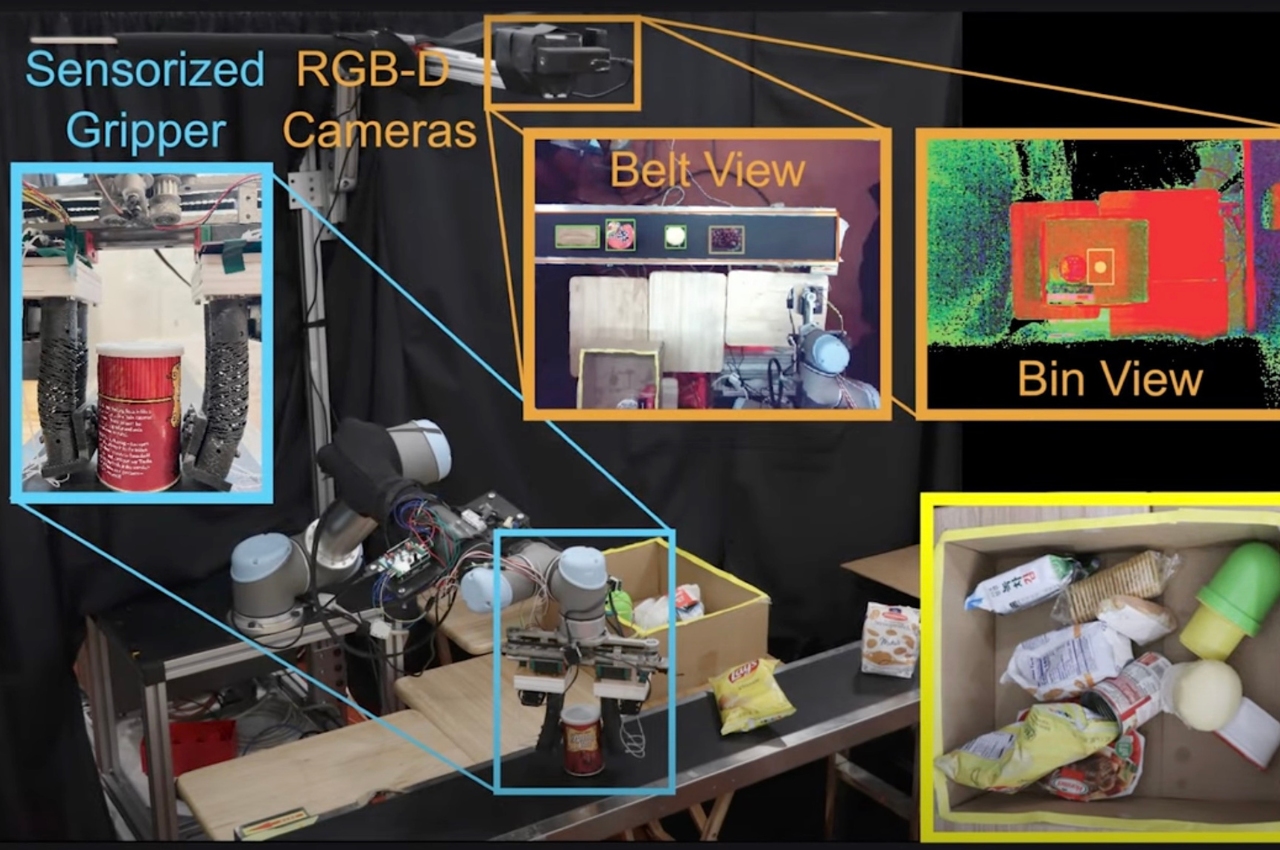
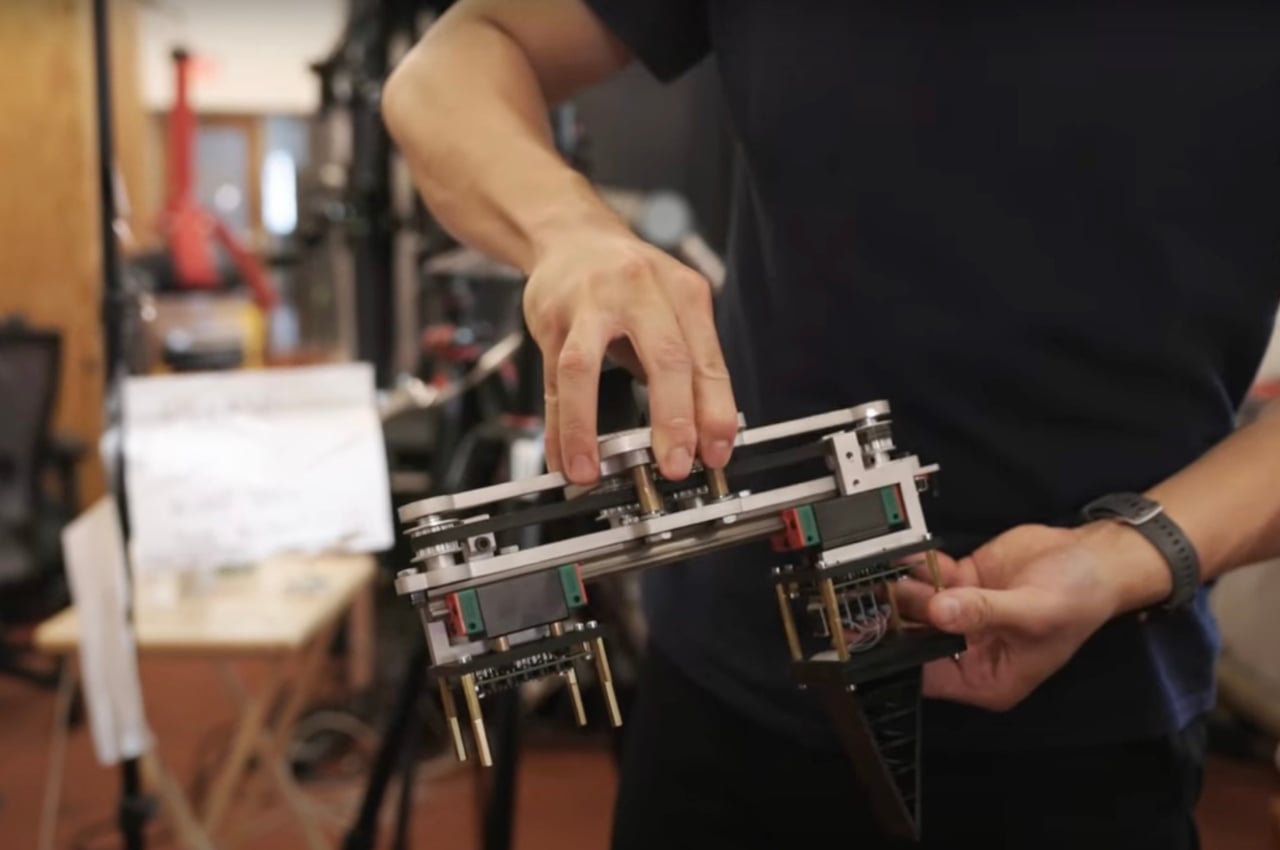
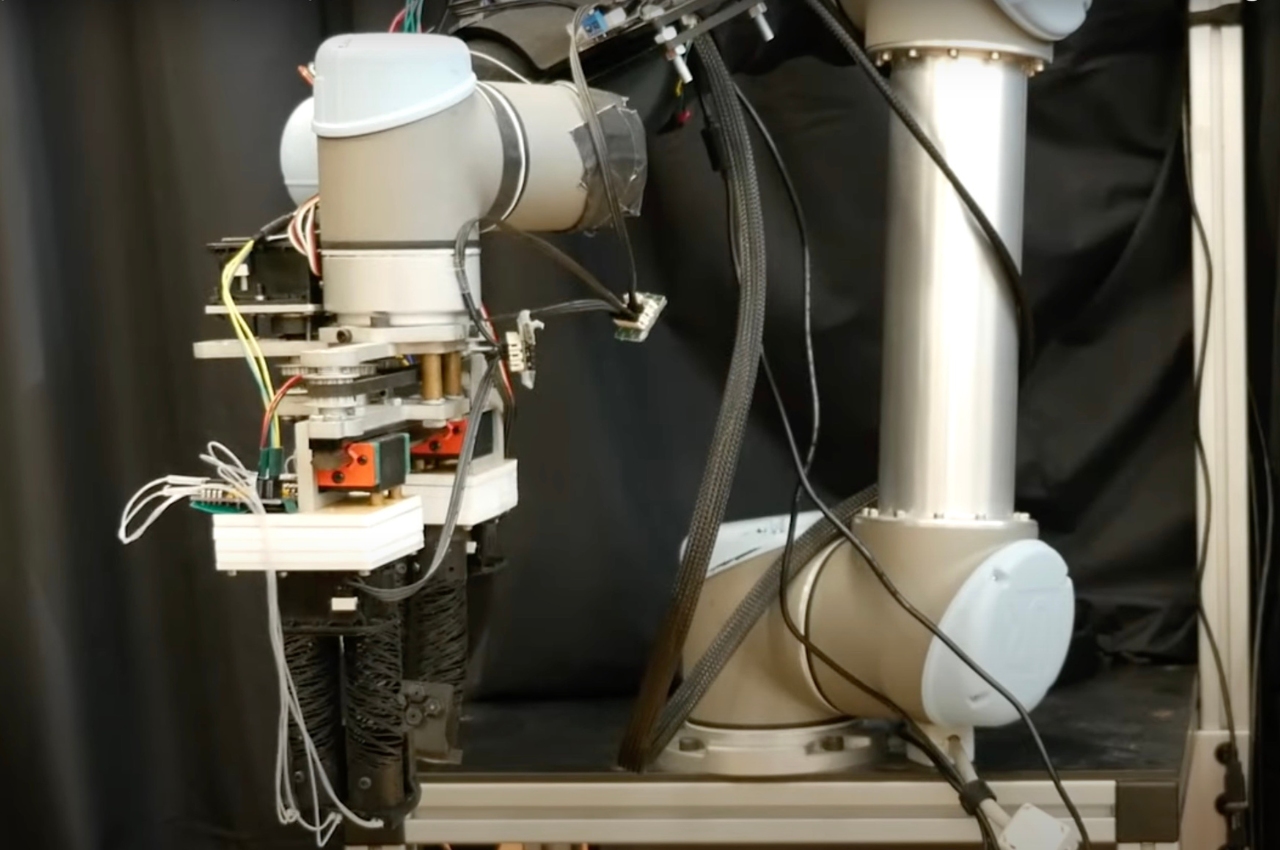
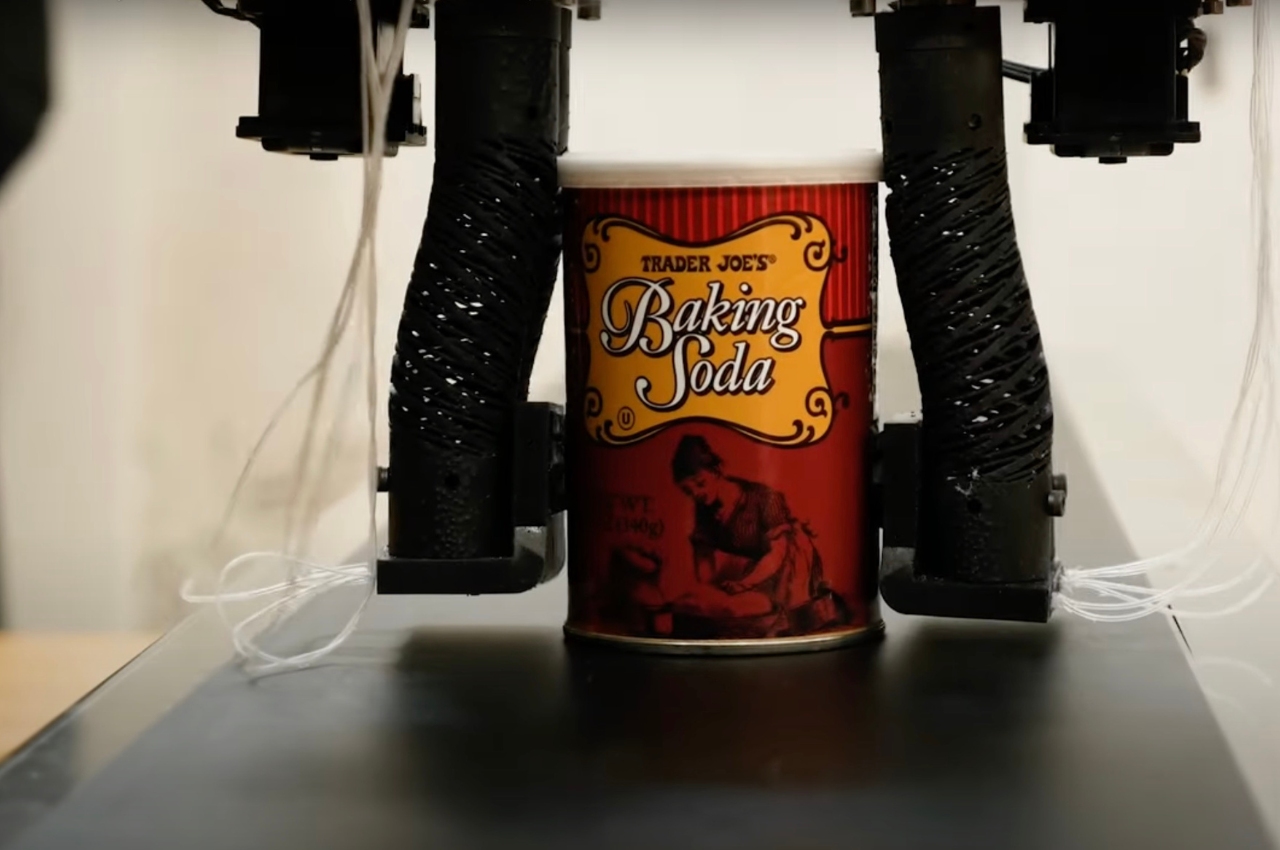
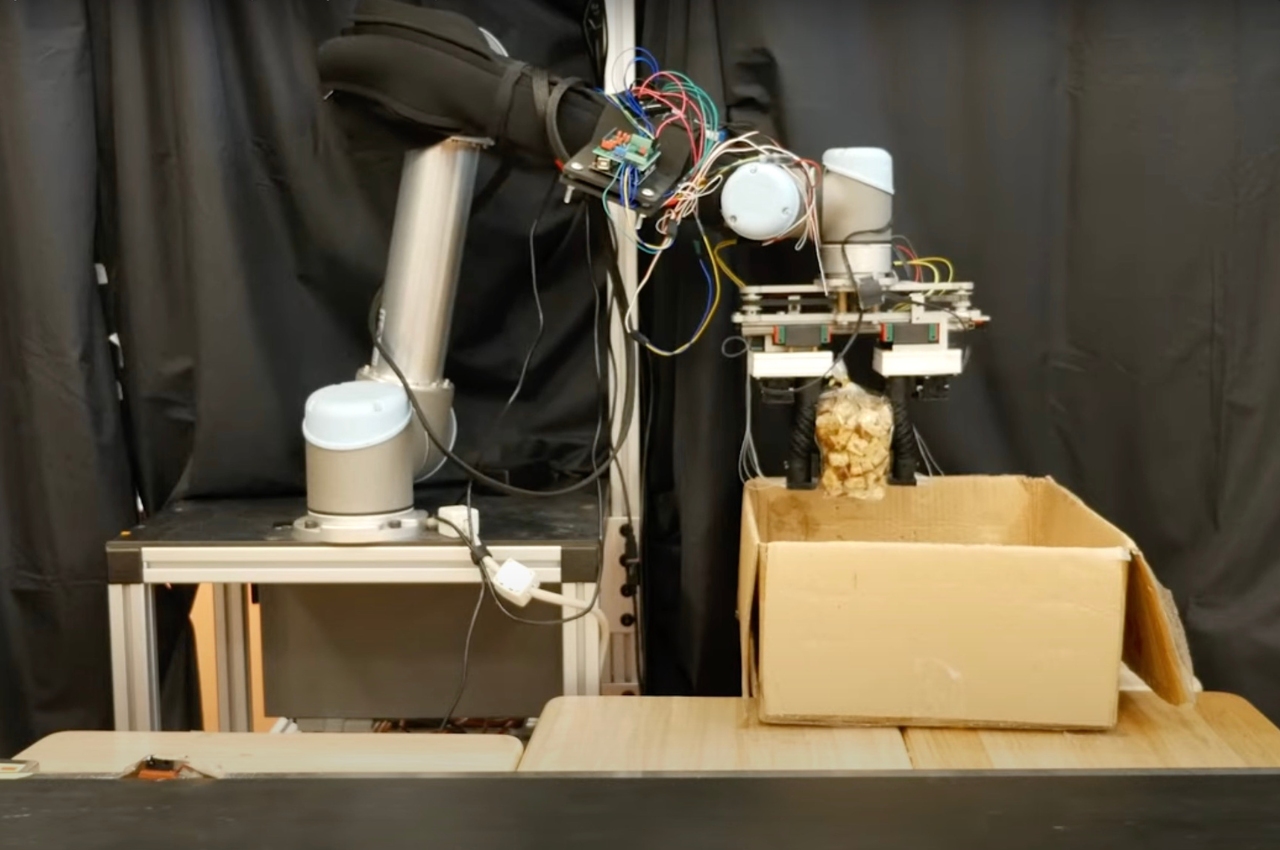
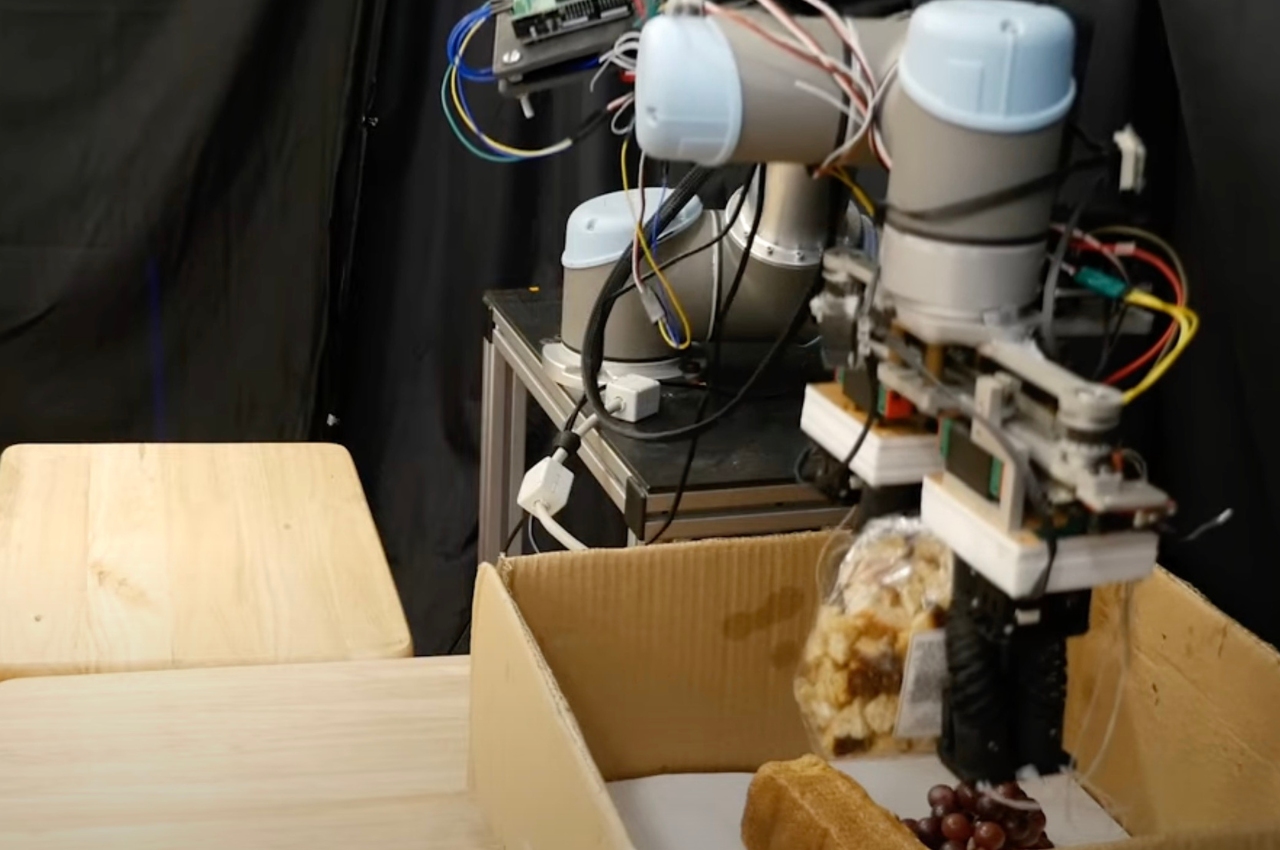
Eventually, this can of course come true and one step towards a system like this is the RoboGrocery. This was developed by MIT’s CSAIL department and uses a soft robotic gripper together with computer vision to help you bag groceries and other small items. It’s still in its early stages of course but seeing how it’s working at this time seems pretty promising.

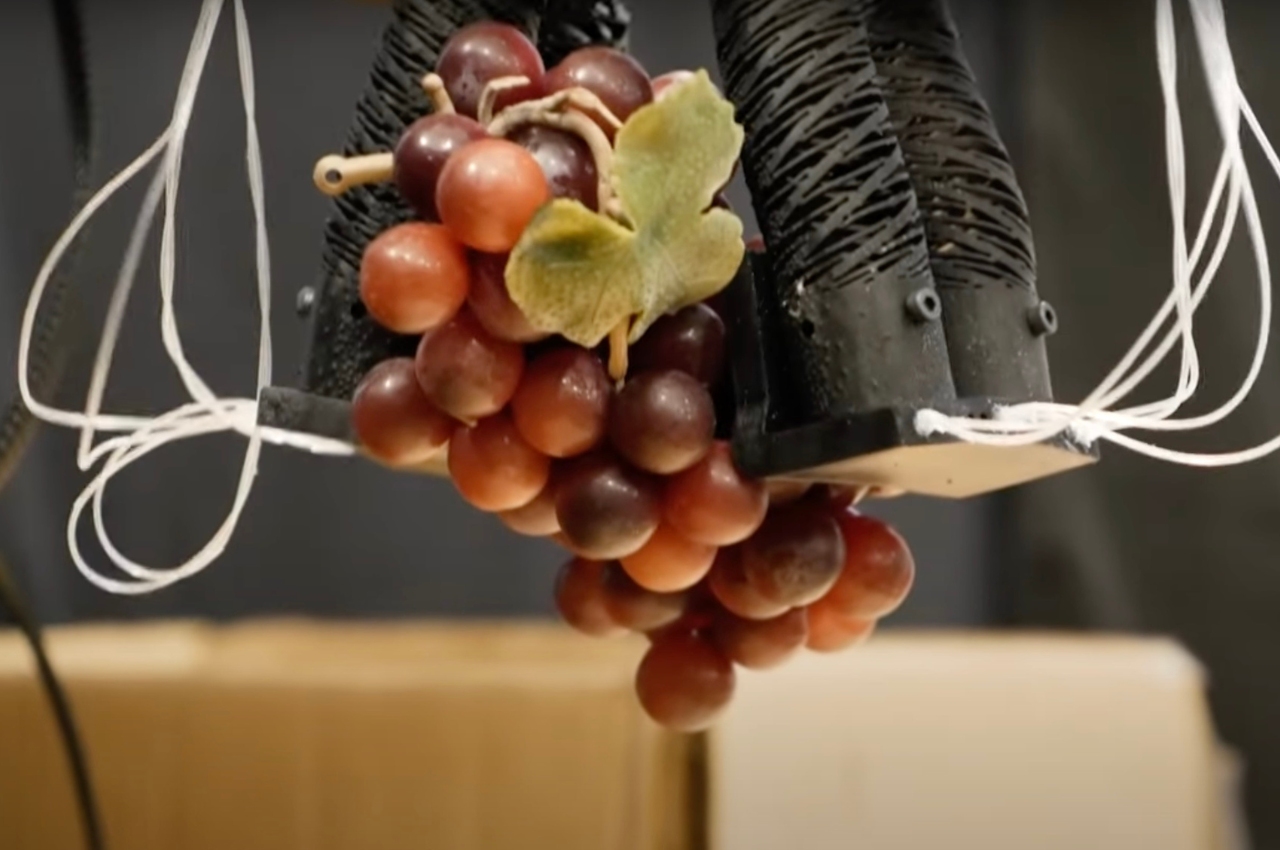
They tested it out by placing 10 objects on a grocery conveyer belt, ranging from soft items like grapes, crackers, muffins, bread to the more solid ones like cans, meal boxes, and ice cream containers. The vision detects the size of the item to determine the order of placing it in a box. The grasper, with the pressure sensors in its fingers, then determines whether the item is delicate and should not be placed at the bottom of the bag.


While we’re still a few steps away from actually having a robot to bag your groceries, it’s an interesting first step towards that. Eventually, after it becomes available for commercial use, they might also be able to develop this for industrial spaces like recycling plants and factories.

The post RoboGrocery is the first step towards robots packing our grocery first appeared on Yanko Design.