Designed by BM partners and 3D-printed using one of COBOD’s BOD2 models, this unnamed home in Almaty, Kazakhstan is deemed as Central Asia’s first 3D-printed house. The home is designed to withstand extreme weather conditions and seismic areas. It is irrefutable proof that 3D-printed homes can handle such challenging situations. And what’s even more interesting is that the home can be printed in five days, while also being cheaper than a conventional home.
To print the walls of the home, the COBOD 3D printer ejected a cement-like mixture in multiple layers from a nozzle, much like typical 3D-printed architecture. But, a very strong cement-like mix was utilized, since Almaty has very strict seismic regulations. This mix can withstand extreme weather conditions and even an earthquake up to 7.0 on the Richter scale.
“To enhance the building’s structural integrity, BM Partners used a special strong concrete mix with a compression strength of almost 60 MPa (8,500 PSI), substantially exceeding the 7-10 MPa (1,015-1,450 PSI) typical of conventional brick and stone used in Kazakhstan,” said COBOD. “This mix, comprising locally sourced cement, sand, and gravel enhanced with the D.fab admixture, a joint development of COBOD International and Cemex, allows for customized concrete formulations tailored to regional needs. Considering Kazakhstan’s extreme climate conditions, varying from minus 57 to plus 49 degrees Celsius (minus 70.6 to plus 120 degrees Fahrenheit), the building incorporates expanded polystyrene concrete as insulation for the walls, enhancing both the thermal and acoustic performance of the wall.”
Once the cement-like mixture has been extruded, and the walls have been constructed, human builds add doors, windows, and furniture to the home. The whole process from the printer setup to the installation of the future takes around two months. The end result is an interior space with a floor area of 100 sq m, all located within on floor. The home has a simple and uncomplicated layout, amped with generous glazing, and a spacious living room. The home perfectly showcases the expansive capabilities of 3D-printed construction. The home is currently priced at roughly US$21,800 making it much cheaper than the cost of average local homes.
In 2022, reports highlighted a significant trend among Iranian students and entrepreneurs: nearly 50% expressed a desire to emigrate, and 62% were undecided about returning home. This emigration wave, driven by the pursuit of better opportunities, underscores a broader narrative of seeking growth despite facing mental, emotional, and physical challenges. Olka, meaning “homeland” in Persian, is a product born from this very spirit of resilience and transformation.
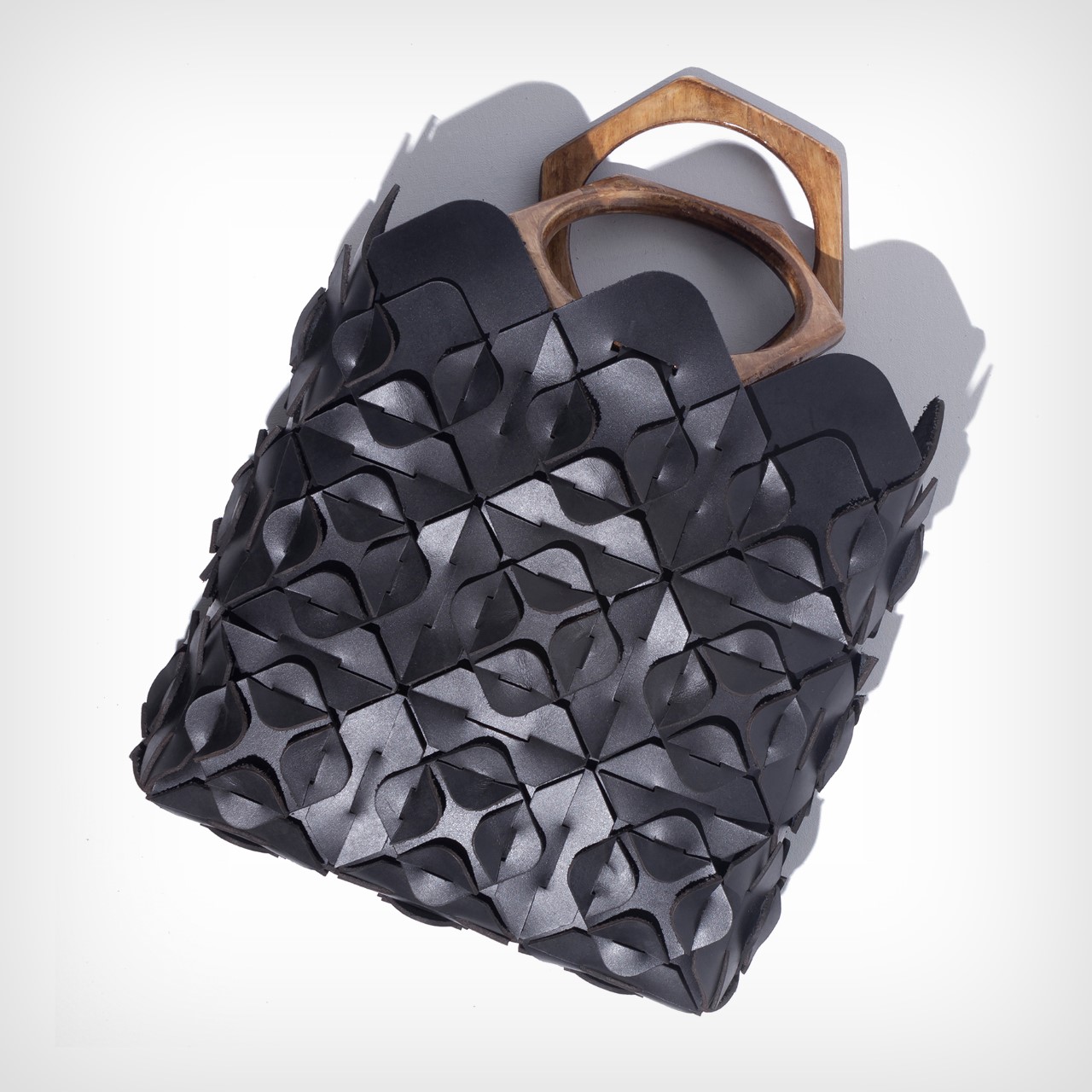
Olka is a bag that symbolizes the journey of Iranian youth who venture abroad to build better lives. Inspired by these stories, it captures the essence of migration as a path fraught with pain yet ripe with potential for growth. The design metaphorically represents this journey, where every slit and seam is a stepping stone toward creating something beautiful, similar to a flower blooming through adversity.
Designer: Maryam Hosseini
Leather, known for its durability, often outlasts the threads used in stitching, which degrade faster, compromising the overall longevity of leather products. Olka addresses this issue innovatively by eliminating stitches altogether. Instead, it uses a modular interlocking system where leather pieces fit seamlessly together. This not only enhances the product’s durability but also streamlines production, as the assembly process is faster and more efficient. Additionally, any damaged component can be easily replaced, extending the bag’s life and making it sustainably fashionable.
One of Olka’s standout features is its consumer-centric design approach. The bag comprises 72 genuine cow leather pieces, each meticulously designed in 2D and 3D using AutoCAD and precisely cut with laser technology. These pieces are interwoven, creating a sturdy, cohesive structure without the need for stitching. Consumers have the option to order the bag in separate components, accompanied by a manual, allowing them to assemble it themselves. This DIY aspect fosters a deep emotional connection and sense of belonging, as users actively participate in the creation of their bag.
Olka also includes a handcrafted inner bag made from genuine cow leather, which can be used independently as a minimalist crossbody bag. This dual-functionality adds to the product’s versatility and appeal, catering to various needs and occasions.
The journey to creating the bag involved extensive research across several domains, including interlocking systems, modular design, consumer behavior, DIY product trends, and the migration patterns of young Iranians. This thorough exploration ensured that Olka was not just a product, but a solution that resonates deeply with its target audience. The primary challenge faced during Olka’s development was ensuring that the interlocked components provided strength comparable to traditional stitching. Additionally, the concept of delivering the bag in separate pieces for consumer assembly required meticulous testing to guarantee ease of use and durability. The successful resolution of these challenges is a testament to the innovative spirit and technical expertise behind the bag.
Apple is integrating GPT-4o, the large language model that powers ChatGPT into iOS 18, iPadOS 18 and MacOS Sequioa thanks to a partnership with OpenAI announced at WWDC, the company’s annual developer conference, on Monday. But shortly after the keynote ended, Craig Federighi, Apple’s senior vice president of software engineering said that the company might also bake in Gemini, Google’s family of large language model, into its operating systems.
“We want to enable users ultimately to choose the models they want, maybe Google Gemini in the future,” Federighi said in a conversation with YouTuber iJustine after the keynote. “Nothing to announce right now.”
The news is notable because even though Apple did mention plans to add more AI models into its operating system in the keynote, it didn’t mention Gemini specifically. Letting people choose the AI model they want on their devices instead of simply foisting one on them would give Apple devices a level of customization that none of its competitors like Google or Samsung have.
This article originally appeared on Engadget at https://www.engadget.com/apple-may-integrate-googles-gemini-ai-into-ios-in-the-future-220240081.html?src=rss
The company says both games will have a free demo (for “a portion of each game”) at launch, but you’ll need to make “a single purchase” to unlock each title’s full experience. Capcom hasn’t announced pricing for the new games. For reference, the App Store’s current installments in the series, Resident Evil 4 and Resident Evil Village, cost $30 and $16, respectively (plus extra for optional DLC).
Speaking of downloadable content, Capcom says Resident Evil 7’s main game and Not A Hero DLC will launch together as a bundle. Optional DLC will include the Gold Edition upgrade, which includes End of Zoe, Banned Footage Vol. 1 and Vol. 2, the 5-Coin Set, Survival Pack and Madhouse difficulty mode.
The iOS and iPadOS versions of Resident Evil 7 will include “enhanced controls with a new Auto Fire feature.” The idea is to make the game more playable on touch screens with an option to automatically fire weapons after aiming at enemies for a set time. The game will also support MFi gamepads.
To play Resident Evil 7, you’ll need recent Apple devices. It only supports the iPhone 15 Pro series, iPads and Macs with Apple Silicon chips (M1 or later). Capcom hasn’t yet provided the hardware requirements for Resident Evil 2.
Resident Evil 7 Biohazard arrives on July 2, and Capcom says you can pre-order it today. However, it isn’t yet live in the App Store at the time of publication.
This article originally appeared on Engadget at https://www.engadget.com/resident-evil-7-and-the-resident-evil-2-remake-are-coming-to-iphone-ipad-and-mac-210355411.html?src=rss
When I was traveling around New Zealand last year, I was treated to a daily visual feast. Everywhere I looked, I felt like I was in a scene from Lord of the Rings. Capturing images and videos on my smartphone camera didn’t do it justice. I was wishing I invested in a good DSLR camera, although taking photos and videos on my mobile device was pretty convenient already. But a higher quality camera would probably have captured these panoramic views better than my “measly” phone camera.
Designers: Álvaro Arregui Falcón, Mireia Gordi i Vila, Lucas Seidenfaden
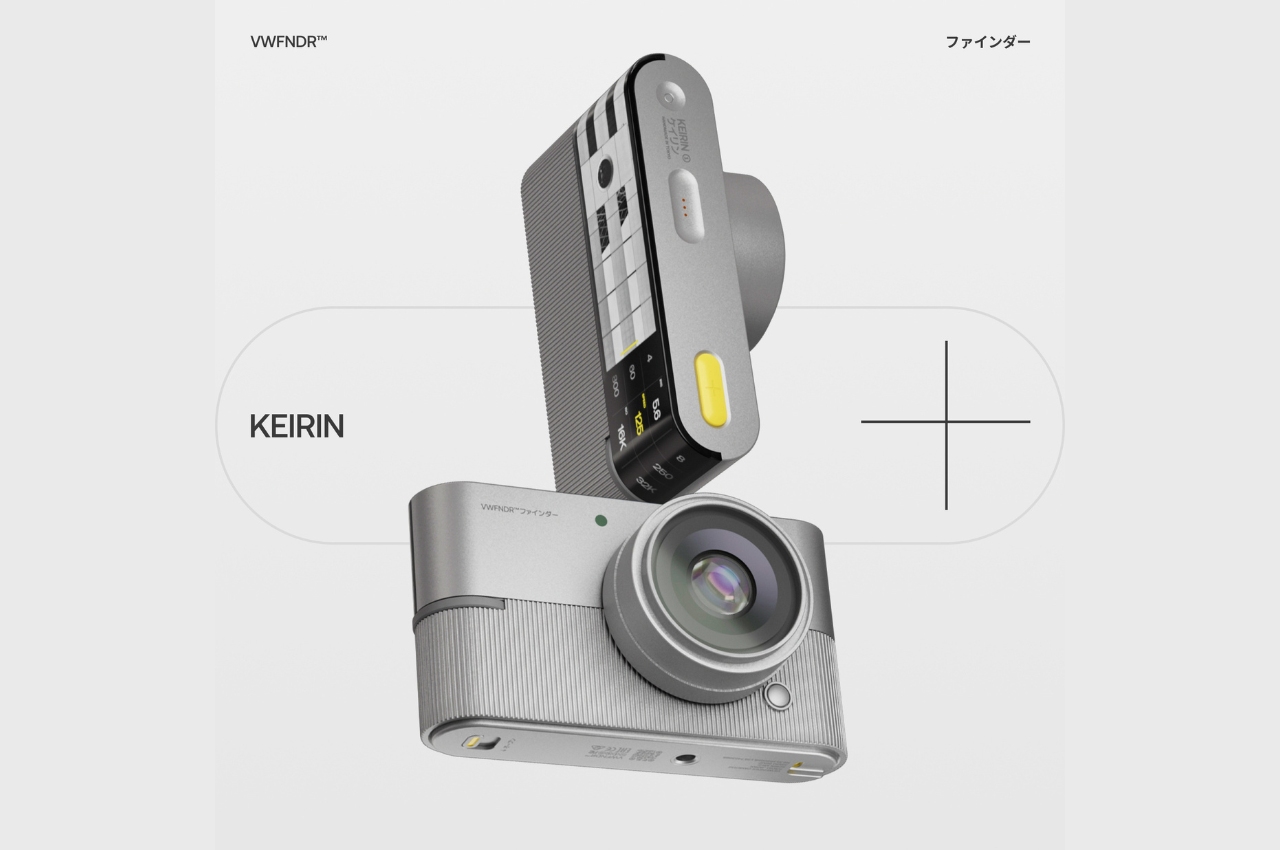
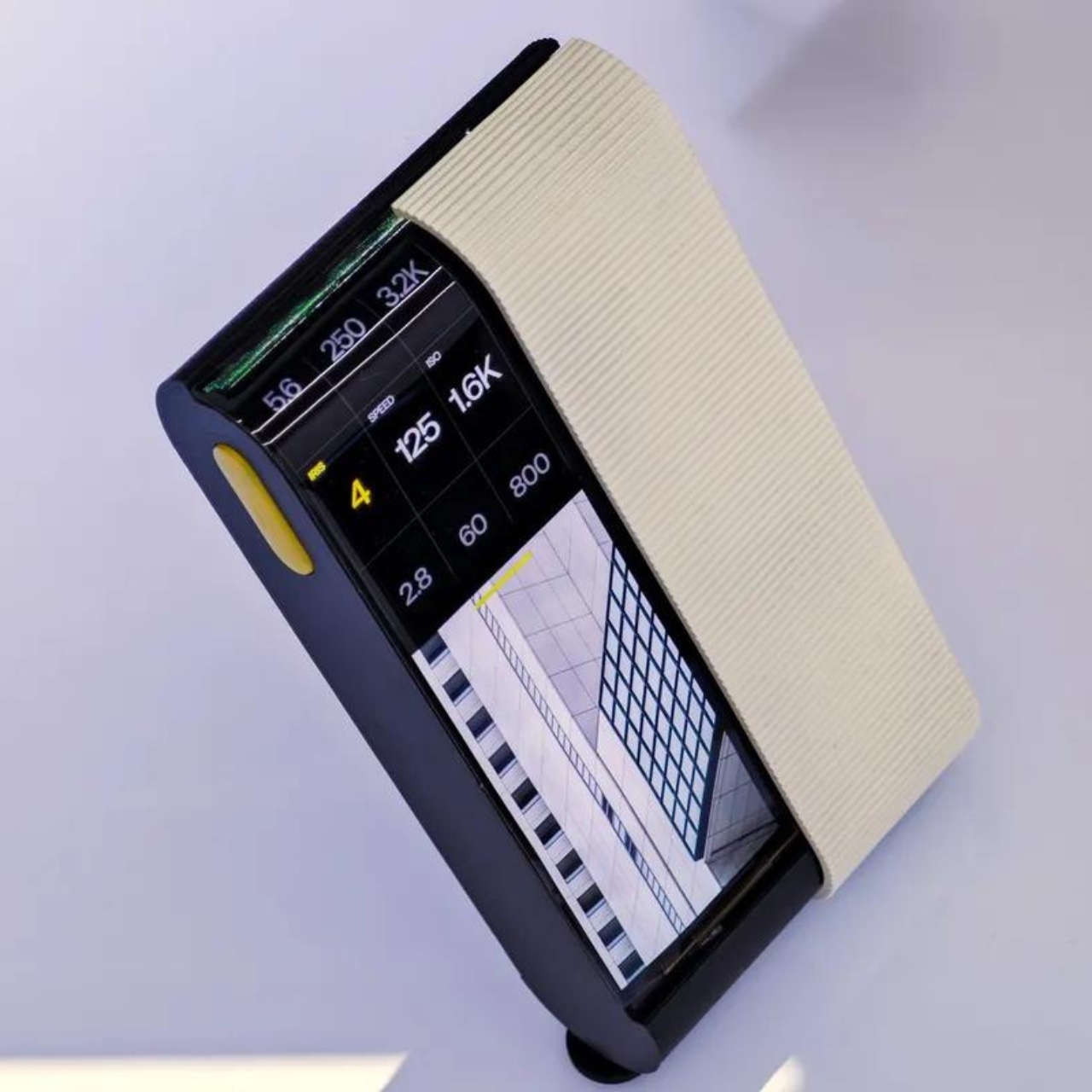
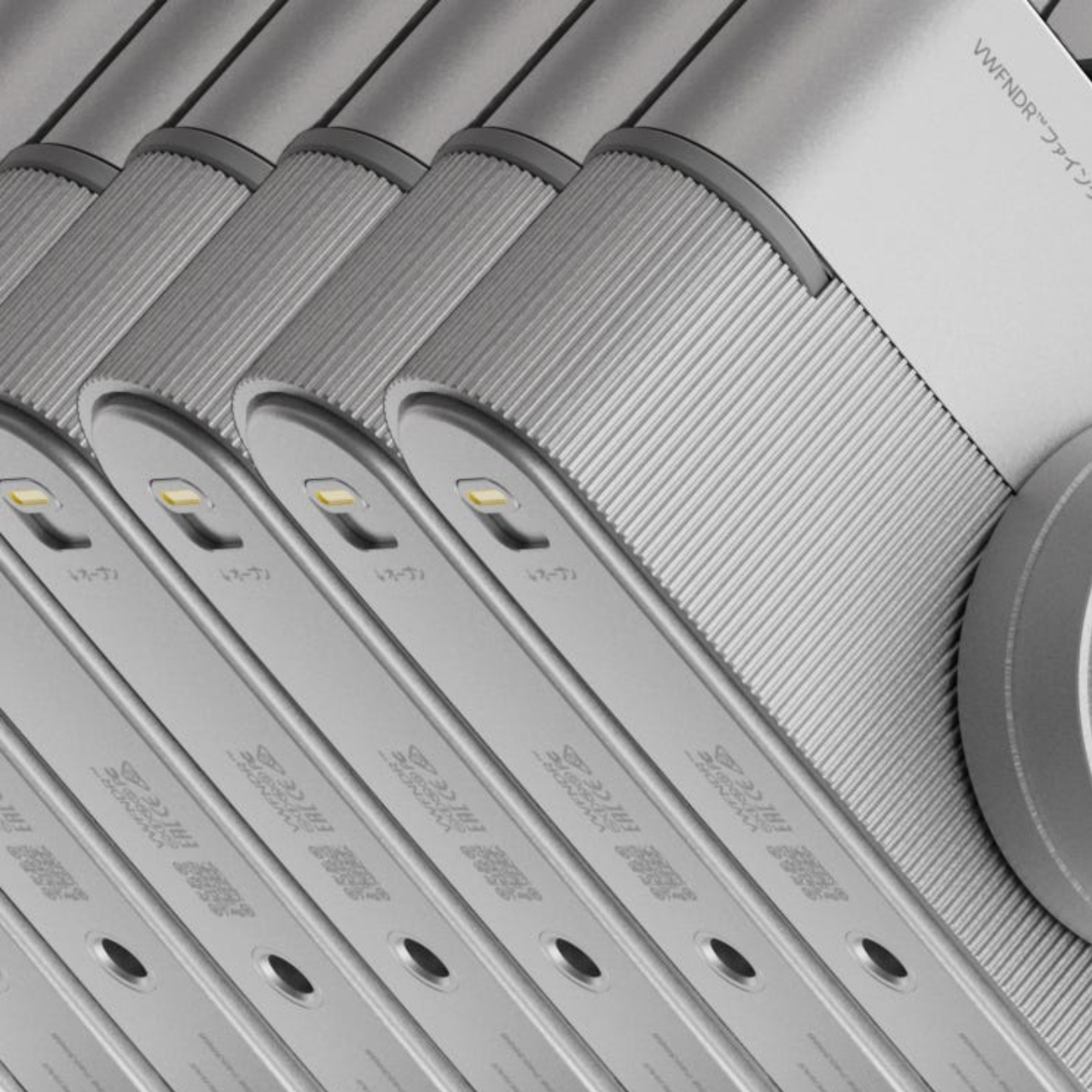
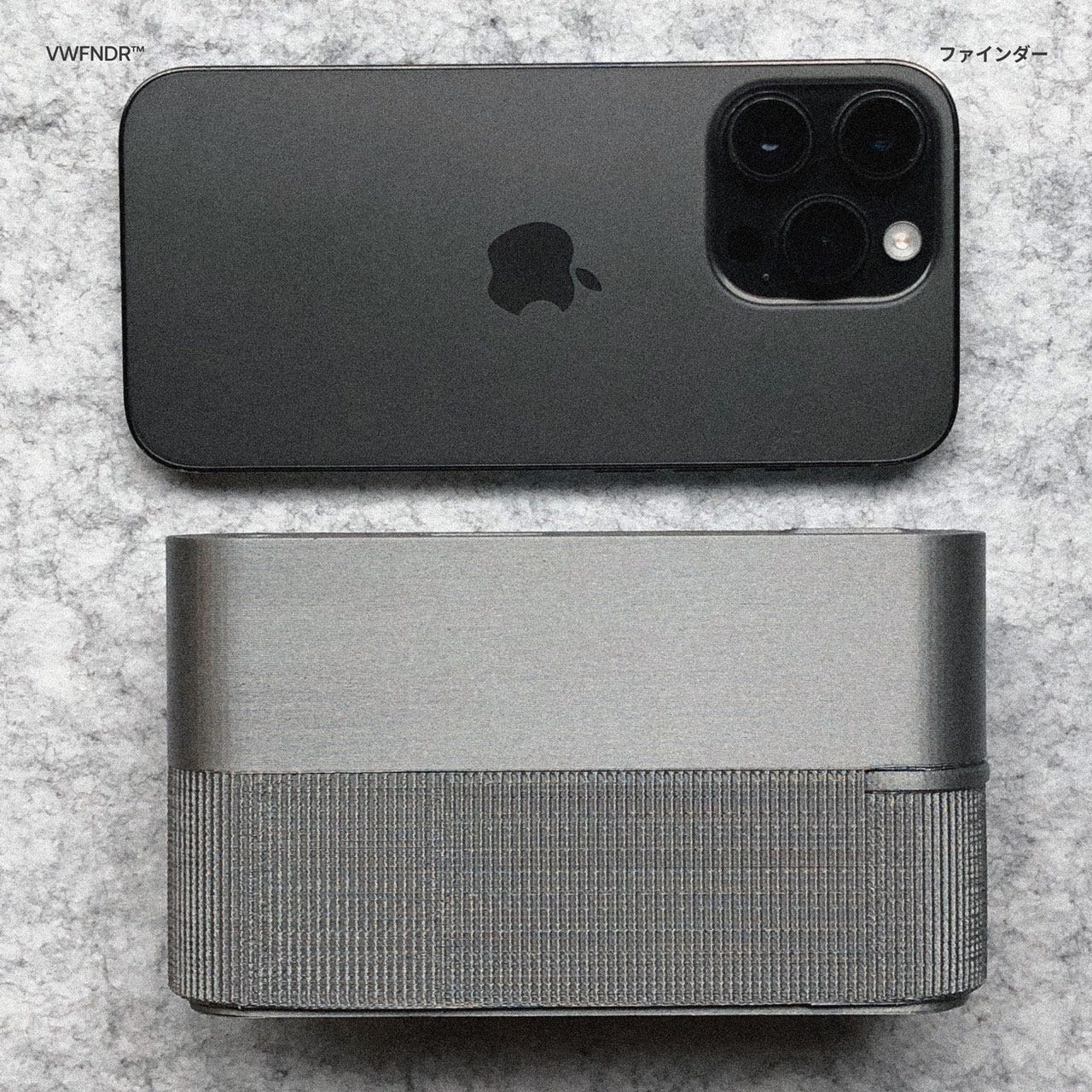
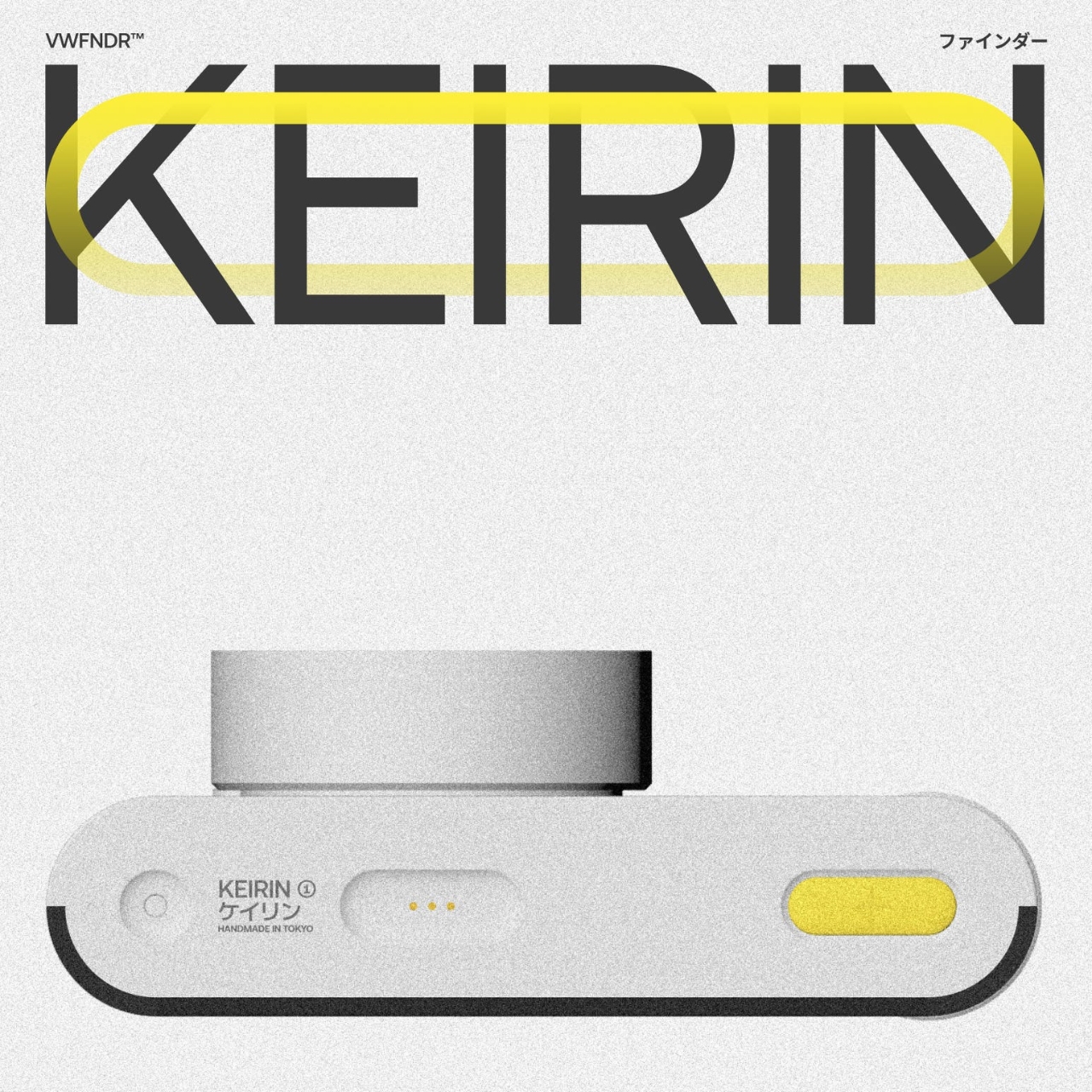
Having something like the Keirin concept camera would also have captured the scenery beter since its focus is panorama photography. The name itself actually comes from the Japanese motor-paced cycle racing which happens in an oval track. The prototype shows that it has a curved OLED touchscreen where all the controls are located and actually wraps around the back panel. The touchscreen idea for the controls should make it easier to learn how to use than the usual manual controls on cameras. It is also pretty compact and almost the same size as a mobile phone.
The prototype tries to show that the design can actually work with the UI that they’re looking to create for the camera. It has a wide rear-mounted screen that you can use as a panoramic viewfinder and swiping through it will bring you the different manual exposure controls. It assumes of course that those who want to use this kind of camera are not the point and shoot kind of photographers but those that want to control things like aspect ratios and exposure in order to better capture panoramic photos.
The plan is for the Keirin to have a 60MP full-frame sensor with a 35mm lens and it needs to have SSD storage and mobile connectivity so your images can be backed up to the cloud automatically. It can also attach other peripherals like a panoramic optical viewfinder and a wireless flash unit. It’s highly unlikely this camera will be a commercially viable product though but it’s a nice idea to have.
After over a decade, the iPad finally got a calculator app. Let’s just get one thing straight – Apple just made the calculator glamorous.
Steve Jobs debuted the iPad back in January 2010, that’s a whopping 14 and a half years ago… and mysteriously enough, the iPad never shipped with an Apple-branded calculator app. Whenever pressed on the issue, Apple spokespeople always had the same answer – they didn’t want to release a calculator app just for the sake of it. They wanted to get it right by designing the best-ever calculator app for the iPad. Up until yesterday, all that felt like deflection, that Apple didn’t quite care about calculators on the iPad (after all, it was an entertainment and visual productivity device). Today, however, Apple is vindicating itself after over a decade of judgment. The new iPad Calculator app debuted at WWDC and it’s INCREDIBLE.
The new Calculator app for the iPad comes with a familiar interface, but uses the iPad’s larger screen to its advantage, delivering more oomph thanks to larger real estate. It has a history feature and built-in unit conversions, but if you have an Apple Pencil lying around, the Calculator experience gets MUCH more interesting.
Pair the Calculator with the Pencil and you get what Apple calls Math Notes, a more interactive, personal experience that takes your hand-written notes and graphs and turns them into computable datasets. Write an equation and the calculator understands your handwriting and solves the equation for you. Draw geometry, label the parts, and add a ‘=’ sign and the app intuitively understands what you want to calculate, giving you the answer. It’s like the self-answering Horcrux book from Harry Potter and the Chamber Of Secrets but on steroids. The app understands what you’re drawing/writing and how you’re doing so too. It mimics your handwriting to deliver answers (so when you write 2+2=, it adds ‘4’ to the end in a similar writing style). You can change parts of your calculations and the answers update in real-time. You can turn equations into graphs, change variables, and watch the graph change in real-time too.
This brilliant reinterpretation of the calculator comes thanks to Apple’s integration of the calculator’s features in its Notes app. It’s nothing like anything we’ve seen before. In fact, we’ve seen ChatGPT and Google Bard (or Gemini) fail in this exact area, with their inability to understand graphs or photos of equations, resulting in hilariously wrong answers. The iPad calculator app sidesteps all that by giving you the ability to intuitively take notes and compute calculations using the Pencil. You don’t need to upload an image from a text book, just draw stuff out instead. Now whether the Math Notes will be able to do all this correctly is something entirely different. It could end up making the same mistakes as GPT and Google, or create unique errors that will only be made evident once the Calculator and Math Notes features roll out with iOS 18 this fall. For one, I can definitely say that math teachers are NOT going to be happy about all of this!
The long-running Assassin’s Creed video game industrial complex has finally reached Japan – and I’ve been waiting. Assassin’s Creed Shadows is set in feudal Japan, in the late 16th century, to be precise, at a time of political upheaval that birthed the ninja. While I didn’t get to play Shadows, at Summer Game Fest 2024, Ubisoft offered a hands-off gameplay demo, revealing how the game will play with two different but equal protagonists.
If you missed the initial reveal, Shadows' protagonists are Yasuke, a powerful outsider samurai who can strike the armor off enemies, and Naoe, an assassin/ninja with a killer “sickle on-chain” kusarigama and those traditional AC killing methods — she has a wrist blade.
Instead of choosing a single character to play the entire game, you can switch between the characters for assassination runs and exploration segments. I prefer my assassinations stealthy, so I was surprised by how intrigued I was with the beastly Yasuke.
Yasuke is based on a historical figure: An African man who served as a retainer to the Japanese lord Oda Nobunaga for roughly a year. Naturally, this is Assasin’s Creed, so the team has taken some liberties with historical fact. Here, he plays the part of an outsider, a foreign-born samurai walking a path of honor. He’s also a powerhouse. What he lacks in parkour elegance and dive drops, he makes up in having the power to cut down powerful enemies, charge through doors and enemies and scare the crap out of locals. As Yasuke walked through a village in the demo, villagers rushed to get out of the towering samurai’s way, bowing respectfully at the side, while children just gawped, frozen still.
As the duo fight to end the corruption rife in Japan, they’ll learn hints and tips on where to find their next assassination target. These will narrow down where you need to search. Once you’ve identified where they are, the characters can then task NPC recruits to hoedown exactly where, although this mechanic wasn’t explained in any detail.
Later in the demo, Yasuke cuts down some abusive guards and goes head-to-head with another samurai, and I got a deeper look into how Yasuke fights. He’ll have a range of weapons, and this time, he was swinging a hulking club, cracking skulls and armor alike.
After Yasuke wins his duel with the samurai opponent – with swords – he’s joined by the other main character, Naoe, the assassin. She moves like an assassin, vaulting up walls and kicking off surfaces before launching her grappling hook into roof awnings directly above her. Like the most recent AC entries, she can utilize Eagle vision for a better view of enemies and obstacles. A new addition in Shadows is the ability to kill light sources like lanterns and fires, so Naoe can easily get up close and assassinate. She’s not the only one with upgrades – I also saw Yasuke wielding a musket-style single-use gun during the demo too.
The game is very pretty, too. I say this as a huge fan of the style of Sucker Punch’s Ghost of Tsushima. Ubisoft’s take is a more detailed one: there are more people simply living in this feudal Japan. The shifting seasons and weather make for even richer environments, too. In a later assassination attempt during the demo, Naoe had her infiltration interrupted by a torrential downpour. I’m not sure yet whether this will affect visibility dynamics, but hopefully, it will have some effect on how you play Shadows.
I’m intrigued. I’ve long carried a torch for the cult ninja seriesTenchu. It offered its own takedown animations (in PS1 graphical glory), grapple hooks and stealth gameplay. It also offered two different characters: a speedy kunoichi assassin and a powerhouse ninja with samurai moves. Doesn't that sound a little familiar?
Assassin's Creed Shadows will land on November 15, coming to PS5, Xbox Series X/S, PC, Mac and iPad.
Catch up on all of the news from Summer Game Fest 2024 right here!
This article originally appeared on Engadget at https://www.engadget.com/assassins-creed-shadows-gameplay-demo-sgf-2024-200016644.html?src=rss
Currently, Unicode 15.1 supports just shy of 3,800 various emoji. But for everyone out there that for some reason thinks that's not nearly enough, today at WWDC 2024, Apple announced the ability to use AI to generate unique emoji based on your prompts.
Called Genmoji, which looks to be an awful portmanteu of the words "generate" and "emoji," these new creations are powered by Apple Intelligence, which is a new collection of AI features coming to the iPhone, iPad and Mac sometime later this year. Similar to creating images with services like Midjourney and Dall-E, users will be able to whip up custom emoji by inputting specific prompts. Once made, they can be shared with others as stickers, reactions in a Tapback or simply embedded in-line in messages.
Apple
While the feature isn't expected to be officially available until later this fall, there don't seem to be any major limitations to what you can dream up. In a teaser at WWDC, Apple showed examples like a smiley face with cucumbers over its eyes and a T-rex riding a skateboard while wearing a tutu. That said knowing Apple, there is sure to be some restrictions for Genmoji made using more graphic prompts like guns or blood.
Now on some level, it could be fun to razz your friends with Genmoji based on their latest mishap. But at the same time, part of the magic of emoji has always been being able to convey a message using the limited number of icons while still getting your point across. Also, it's truly hard to imagine how much added value a bagel with lox Genmoji (see the lead picture above) provides compared to the classic image. But since AI is so hot right now, seeing Apple Intelligence get applied to emoji was probably an inevitability. 🤷♂️
This article originally appeared on Engadget at https://www.engadget.com/in-case-there-werent-enough-emoji-already-apples-genmoji-uses-ai-to-generate-even-more-200011608.html?src=rss
WWDC is always where we learn about the year's biggest updates to Apple's operating systems. Given that the iPhone is Apple's most important product, it's no surprise that iOS takes up a major chunk of the attention each June. WWDC 2024 is no exception, as Apple had a ton of new features and updates to go over, many of which concerned AI (or Apple Intelligence, as the company is calling it).
As part of this new era, Siri is getting a major overhaul. The voice assistant will be able to get much more done as it will be more deeply integrated into your apps and have more contextual awareness. You'll be able to use Siri for things like photo editing, rewriting emails and prioritizing notifications. There's the option to type your Siri commands as well, which is a nice accessibility upgrade.
The language models will be able to rewrite, proofread and summarize text for you in apps such as Mail, Notes, Safari, Pages and Keynote, as well as third-party apps. Image generation will be available too in sketch, illustration and animation styles — so you won't be able to generate realistic images using Apple's tech. Image generation is built into apps such as Notes, Freeform and Pages.
Apple
You'll be able to use natural language prompts to search for photos of certain people. There's also the promise of more intelligent search in the browser and (at long last!) transcriptions of calls and Voice Memos to catch up to a feature Pixel devices have had for a while.
Although Apple Intelligence will pull from your personal information to make sure the systems are applicable to you, it will be aware of your personal data without collecting it, according to Apple software engineering SVP Craig Federighi.
Apple is employing a blend of both on-device and cloud-based AI processing. Your iPhone will handle as much of the legwork locally as it can, with more complex operations being sent to Apple's processing centers. That raises some questions about privacy, one of Apple's central selling points to would-be customers (especially after Apple openly took digs at rivals that use cloud servers for data processing), but Federighi gave some answers to those.
For one thing, the company has established something called Private Cloud Compute. Apple says the aim is to wield the power of the cloud for more advanced AI processing while making sure your iPhone data remains safe and secure.
To use these new features on iOS, you'll need a device that has at least an Apple A17 Pro chipset — in other words, an iPhone 15 Pro or one of this year's upcoming models. Apple Intelligence features will be available for free on iOS 18, iPadOS 18 and macOS Sequoia this fall in US English.
Customization
Apple also focused on customization. You'll be able to make the home screen look more like your own vibe than ever. You'll be able to change the colors of app icons, which can automatically get a different look when you have Dark Mode enabled. Your apps won't need to be locked within a rigid grid anymore either. Your home screen can look almost as messy as you want.
Control Center is getting some big changes. You'll be able to access things like media playback and smart home controls from here. Developers will be able to take advantage of this and offer Control Center management for their apps too. It'll be possible to pin custom controls to the home screen for your most frequently used apps and functions (so you'll be able to switch out the flashlight control for something else, for instance). Custom controls can also be mapped to the physical action button as you see fit.
Messages
When it comes to Messages, there's another nice update in the form of scheduling. When you're catching up on things late at night, you'll be able to time a message to send in the morning, for instance. Those who use emoji reactions in Messages (aka Tapbacks) are getting a nice update too. You'll be able to choose from any emoji instead of the five basic reactions Apple has offered for years.
Text effects (the little animations that show up when you type a certain phrase) are getting an upgrade as well. Meanwhile, Apple will offer satellite messaging support on iPhone 14 and later devices. That's a major update, especially for those who go off the grid often, as messaging will be more useful beyond emergencies. You'll be able to send and receive texts, emoji and Tapbacks via iMessage and SMS.
Apple
There's also a key AI-related change coming to the Messages app. Your iPhone will be able to generate custom emoji based on what you're writing. You might need a PhD in semiotics to decipher some of the "Genmoji" you receive.
There's one other big update for Messages in iOS 18: Apple will add support for RCS (Rich Communication Services) to Messages. RCS is a more advanced messaging protocol than SMS. It enables better media sharing, Wi-Fi messaging, group chats and, crucially, better security thanks to end-to-end encryption. It should allow for more secure, media-rich messaging between iPhone and Android devices.
Apple for years refused to support RCS in order to keep iMessage a walled garden. But after persistent pressure from Google — and more importantly, new EU laws coming into force — Apple promised to start supporting RCS sometime this year. Apple, which is never petty about anything ever, almost completely glossed over the addition of RCS in its the keynote, relegating it to a three-word mention.
Apps
The Photos app is getting is biggest redesign ever, Apple says. It's getting a visual overhaul and one of the key aims is to help you find your photos more easily (filtering out screenshots should be a breeze, for one thing). Your snaps will be organized around memorable moments. Apple Intelligence will power features like Clean Up, which is effectively Apple's version of Google's Magic Eraser tool.
The Mail app will soon be able to categorize emails — just like Gmail has for years. Apple will also organize emails by sender and make it easy to archive or delete every email you get from a certain company. This will be optional, so you can stick to a single inbox if you wish.
Maps, meanwhile, will offer more detailed topographic maps to bring the app more into line with the Apple Watch. This should be useful for planning routes while hiking. As for the Journal app, it will now show stats for things like a daily writing streak.
Wallet is getting a handy new feature that will allow you to send cash without having to exchange personal details. All you need to do is simply tap your phones together. This could be handy for splitting the bill after dinner with a new acquaintance. Tickets saved to Wallet can now include stadium details, recommended Apple Music playlists and other information.
Calendar can show events and tasks from Reminders app, while the Notes app can automatically solve any math equations you enter. The Home app will offer guest access
Another welcome change is the introduction of a dedicated Passwords app. This will work across iOS, iPadOS, visionOS and macOS and make it easier to find saved passwords from iCloud Keychain. Even better, there will also be Windows support via the iCloud for Windows app. Hopefully, this will make it easier for everyone to use a password manager and have unique passwords for every single account — something we strongly recommend.
This being Apple, of course it has some new privacy controls for apps in iOS 18. You'll have the option to lock apps behind an authentication method (i.e., your PIN or Face ID) so that when you pass your iPhone to someone to show them your camera roll, they can't go snooping in your Messages. You can also hide apps — perhaps ones you use for dating — in a locked folder too. Elsewhere on the app privacy front, you'll be able to decide which of your contacts an app has access to instead of giving them absolutely everyone's phone numbers and personal information.
Elsewhere, Apple is bringing Game Mode to iPhone. This aims to boost performance by minimizing background activity, while controllers and AirPods should be more responsive.
During an emergency call, dispatchers will be able to send a request to turn it into a video call or to share media from the camera roll. This, Apple suggests, can help first responders better prepare for an incident. The Health app, meanwhile, has been redesigned to make it easier to access vital info in an emergency.
On the accessibility front, users will be able to navigate their iPhone using eye tracking. You'll be able to set up a custom sound that will trigger tasks using the Vocal Shortcut feature, while Music Haptics aims to give those who are deaf or hard of hearing another way to experience music via the Taptic Engine.
A developer beta of iOS 18 is available today and a public version will roll out in July. As always, iOS 18 will roll out to all eligible iPhones this fall.
If your device can run iOS 17, you'll be able to install iOS 18. The list of eligible devices includes the iPhone 11 and later lineups, along with iPhone Xs, Xs Max, Xr and the second-gen SE.
This article originally appeared on Engadget at https://www.engadget.com/ios-18-gets-a-revamped-control-center-and-loads-of-home-screen-customization-options-172350046.html?src=rss
After all the delays, studio switches and confusion, and following plenty of updates on those spinoff Prince of Persia games, Ubisoft's SGF 2024 presentation included a release... year for its troubled Sands of Time remake. We're not really getting any more details yet, but it's confirmation that the project is still underway. It's just years away, still.
Ubisoft Montreal, which worked on the initial Sands of Time. took over the project from Ubisoft Pune and Mumbai, scrubbing the launch date of January 2021 in the process. Back then, Ubisoft Montreal was apparently "building upon the work achieved" by its studios in India. Last year however, producer Jean-Francois Naud revealed that the project was still "in conception" — so what exactly did those Ubisoft studios make? It sounds like a mess. And this is about a game that's a reboot of a reboot.
Catch up on all of the news from Summer Game Fest 2024 right here!
This article originally appeared on Engadget at https://www.engadget.com/prince-of-persia-the-sands-of-time-remake-is-still-happening-and-its-coming-out-2026-195002200.html?src=rss