The $29 Key Ring That Finally Fixed a 130-Year-Old Problem

While I have a lot of keychains, from pop culture to K-pop to travel-themed, I am truly annoyed with keyrings. To be honest, I don’t have any ability to open and close them, so I have to wait for my brother or a friend to attach my keychain of choice. It’s something we use every single day, yet there hasn’t been any improvement to them for the past hundred years or so, and they cause annoyance and sometimes even pain. That oversight, I think, is finally getting corrected.

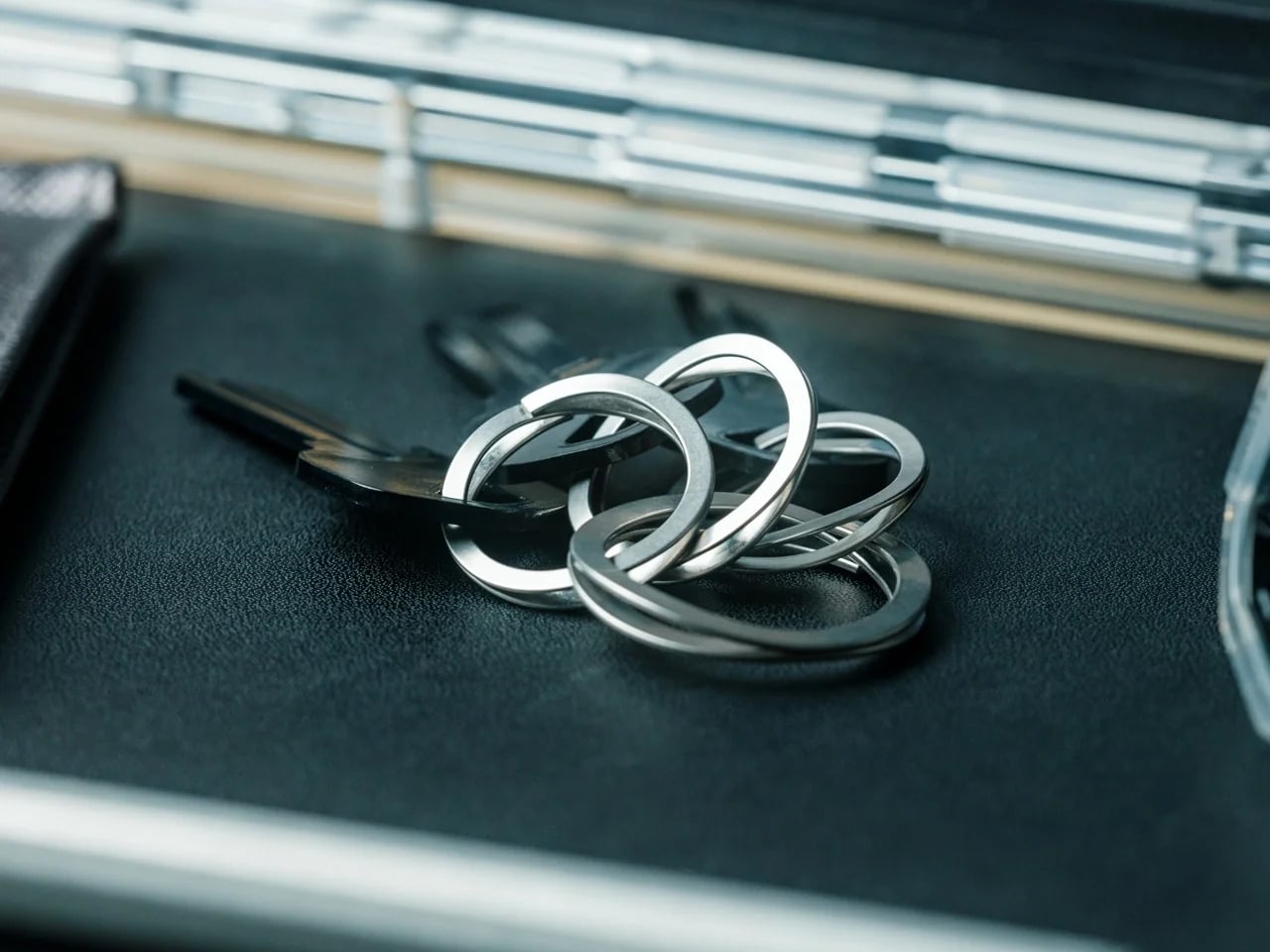
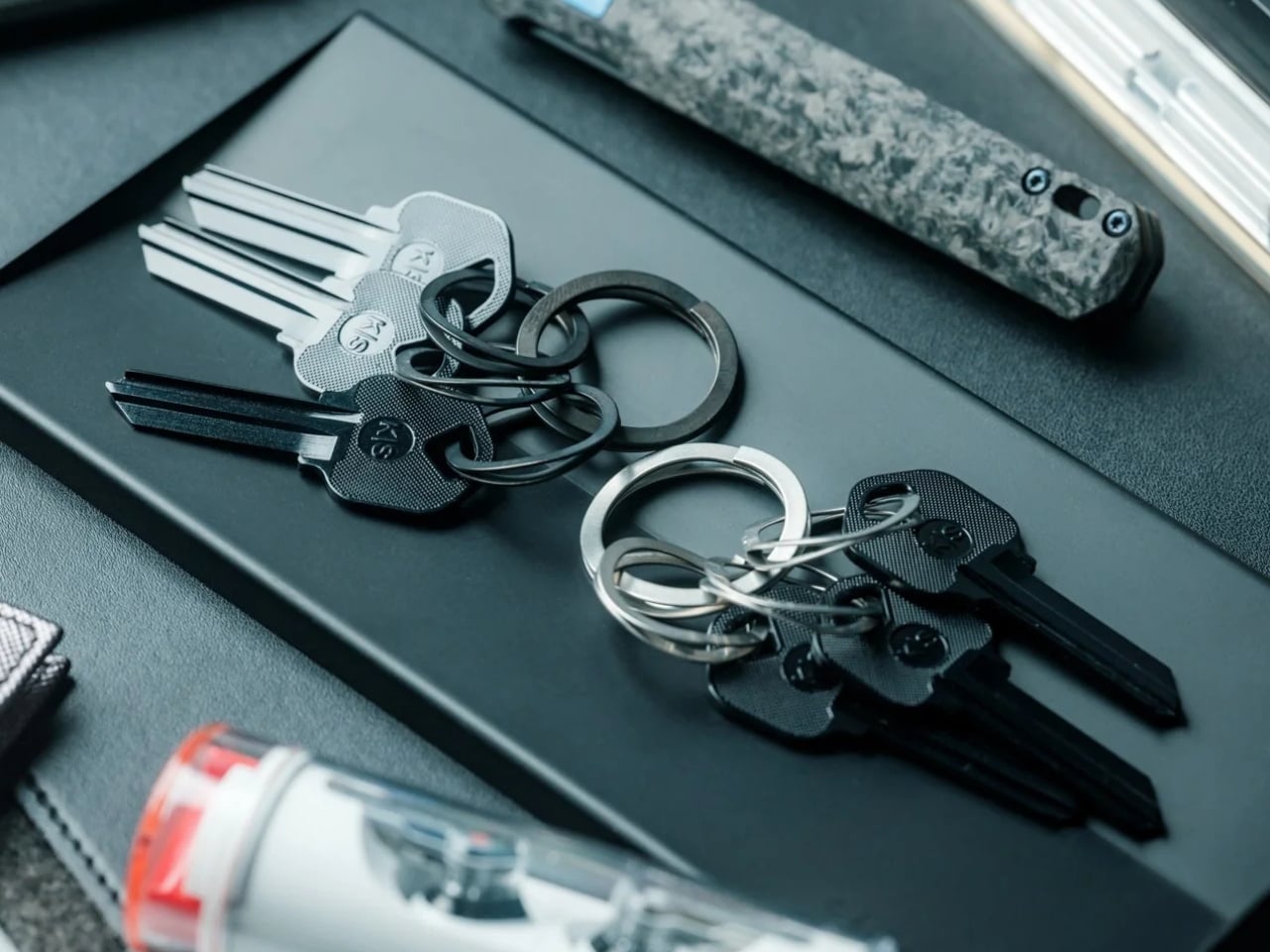
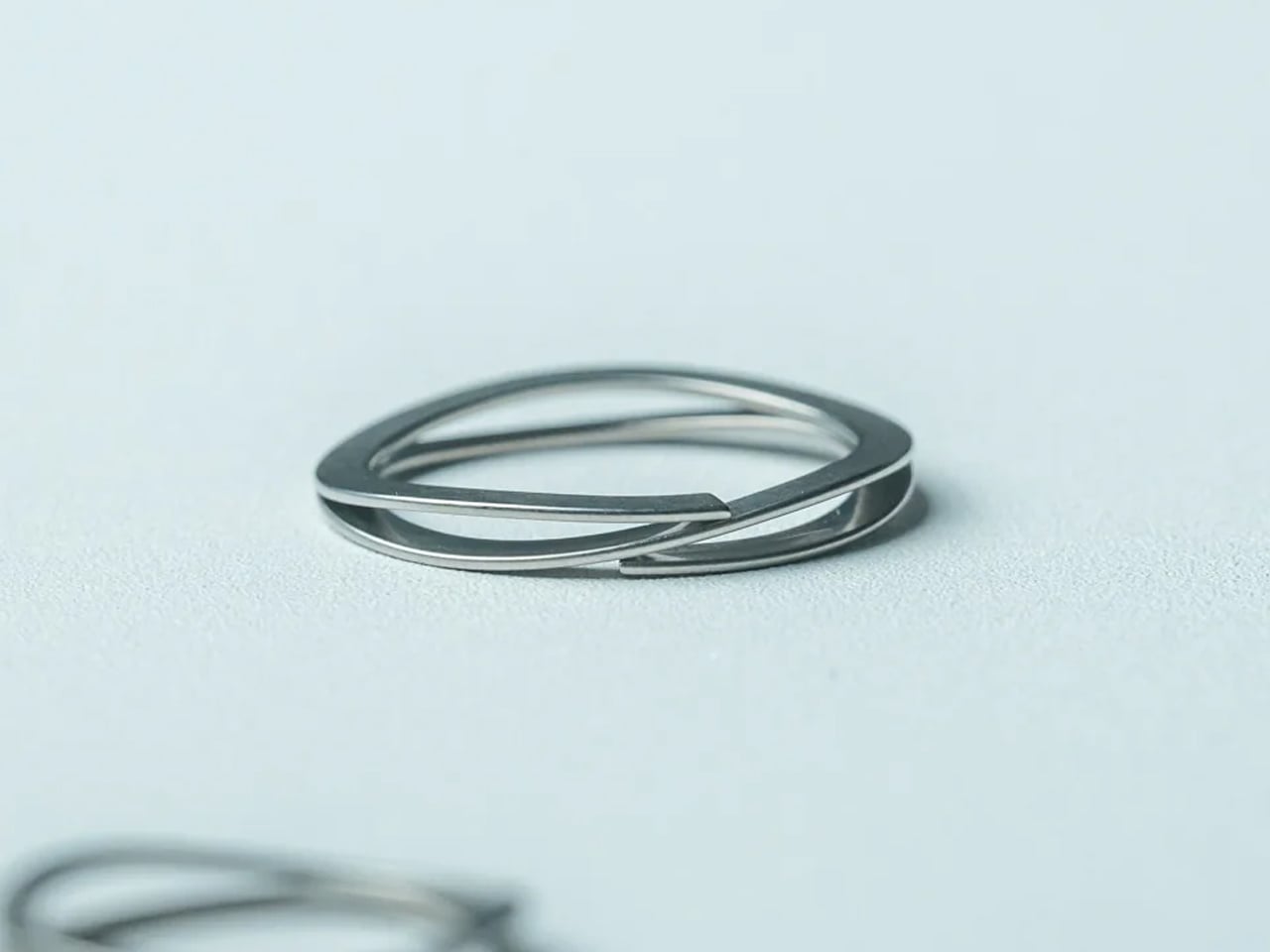
The Painless Key Ring is exactly what its name promises, which is both its greatest strength and possibly why it is not getting the attention it deserves. It sounds almost too simple. A key ring without the pain. But when you consider that the double-coiled split ring design has not meaningfully changed in over 130 years, a product that actually reimagines it from the inside out starts to feel less like a novelty and more like something that was long overdue.
Click Here to Buy Now: $29.00

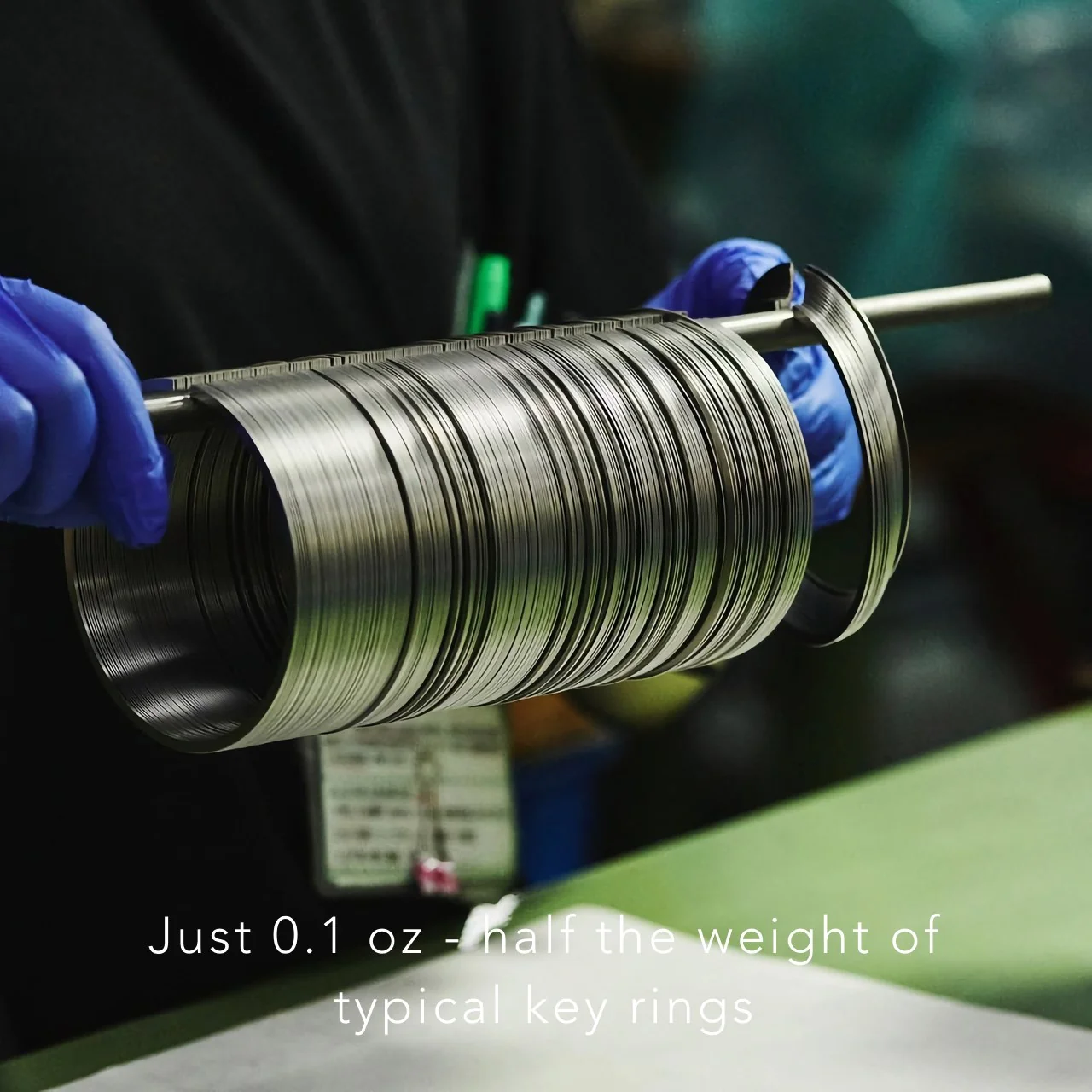
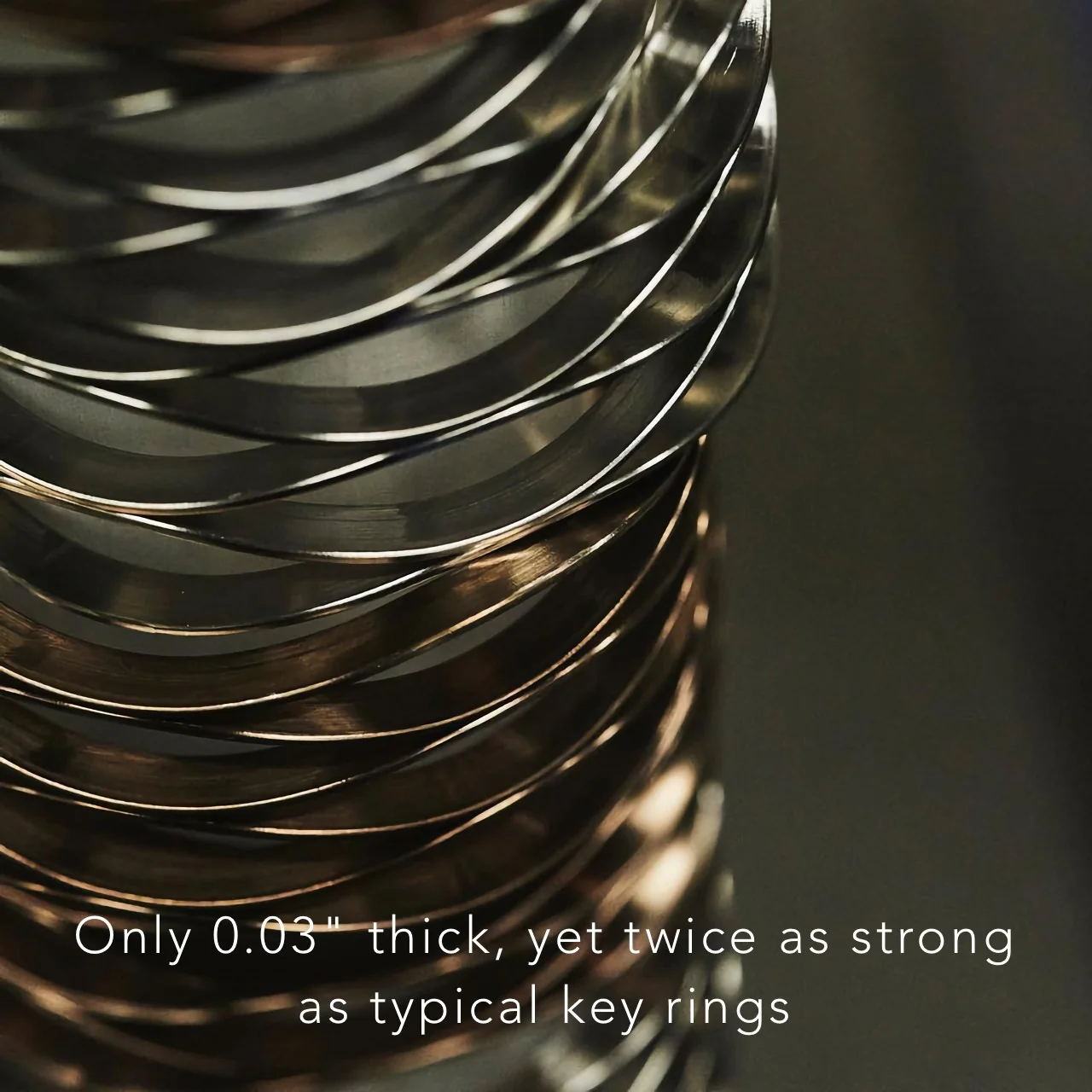
The engineering behind it borrows from places you would not typically associate with your front door key. The coiled wave spring technology used in this ring is the same mechanism found in aerospace equipment and bullet train systems. Japan, where the ring is made, is not exactly known for cutting corners on precision, and that pedigree shows in the numbers. At just 0.1 oz for the large version, it is half the weight of a standard key ring. At 0.03 inches thick, it is noticeably slimmer. And despite being lighter and thinner, it is twice as strong as a conventional ring, thanks to the high-tensile steel used in its construction.

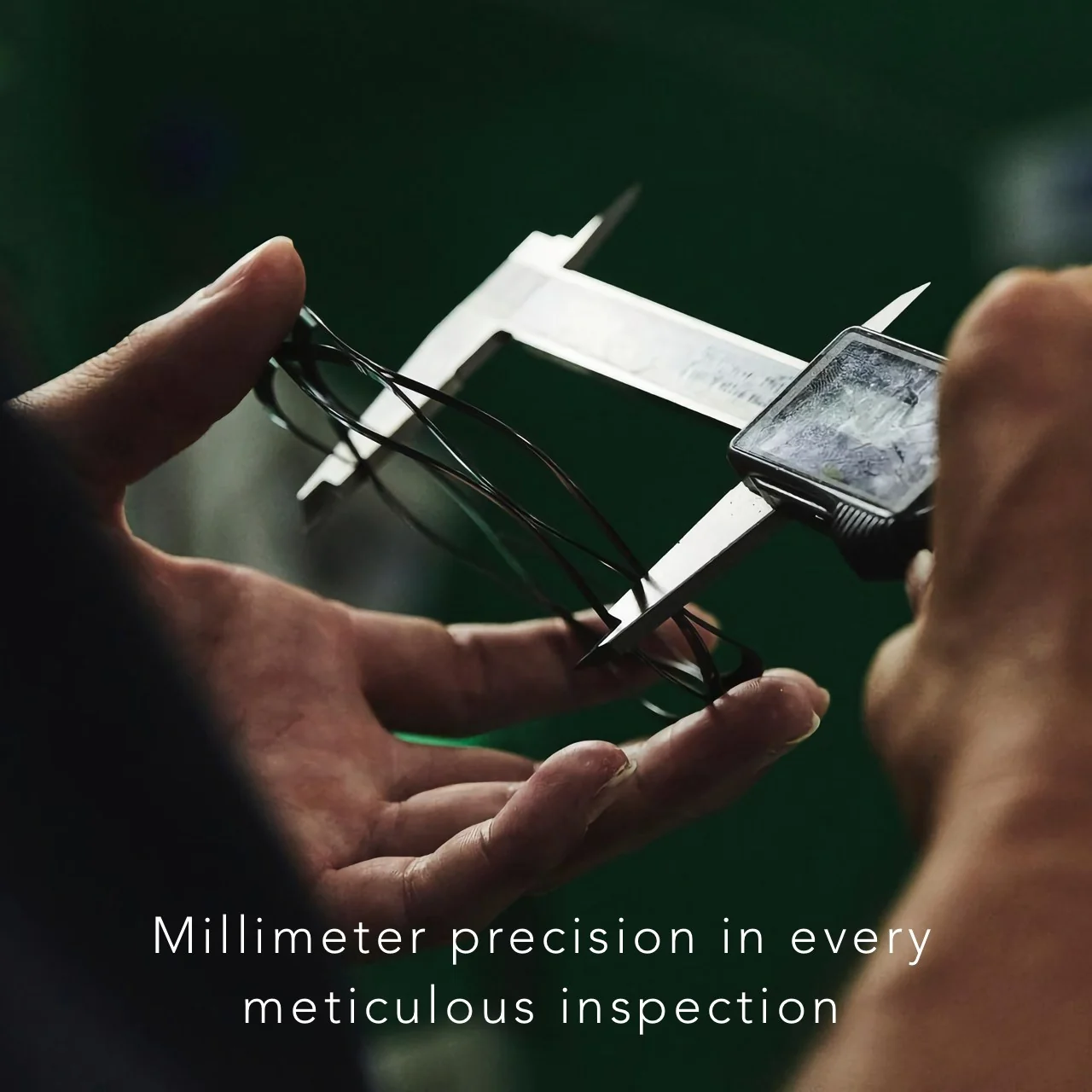
The functional difference comes down to one motion. A traditional split ring makes you hunt for the gap in the coil, wedge a fingernail underneath, and pry it open millimeter by millimeter while the metal digs into your skin. The Painless Key Ring opens when you press the release point. Let go, and it closes. That is the entire operation. No gap hunting, no skin damage, no compromised manicure. The wave spring structure creates what you could describe as a “pre-warped” design, where the natural flex of the ring accommodates keys of any size without warping under stress or losing its shape over time.
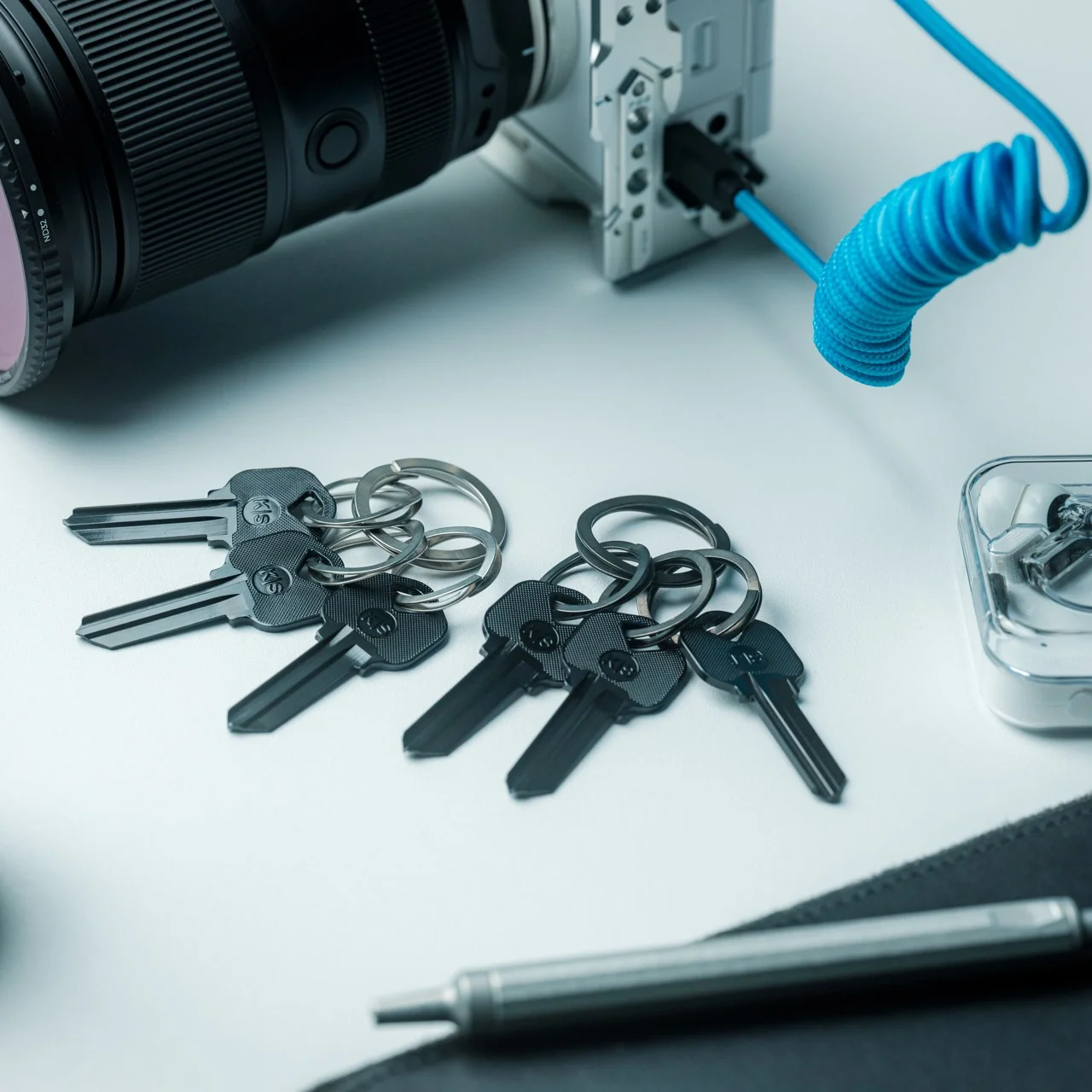
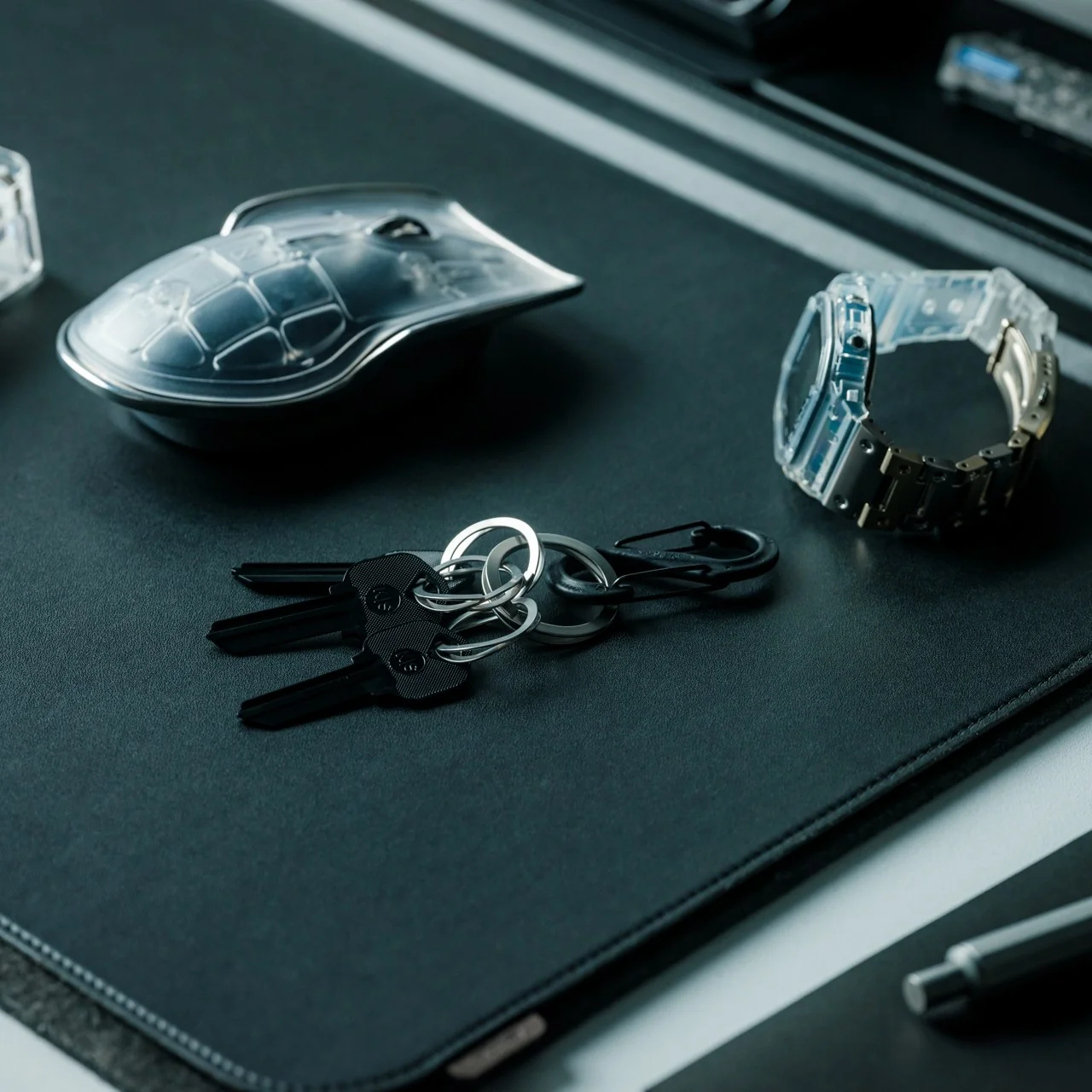
It comes as a set of one large ring and three smaller rings, available in silver and black. The black version is dyed rather than painted, which makes it more resistant to wear and scratches, not just aesthetically different. Both finishes hold up well against the daily context of being thrown into a bag, clipped to a carabiner, or dropped on a desk, which is most of our actual key ring experience.
At $29 for a set, the price sits in a range that feels proportionate to what you are getting. It is not an impulse buy, but it is also not a hard sell when you consider that most people spend more on a single decent pen without much deliberation. The comparison that keeps coming to mind is the razor that replaced the old disposable, or the notebook that made you stop picking up freebies at conferences. Once you use something engineered to actually work, the previous version becomes very difficult to go back to.
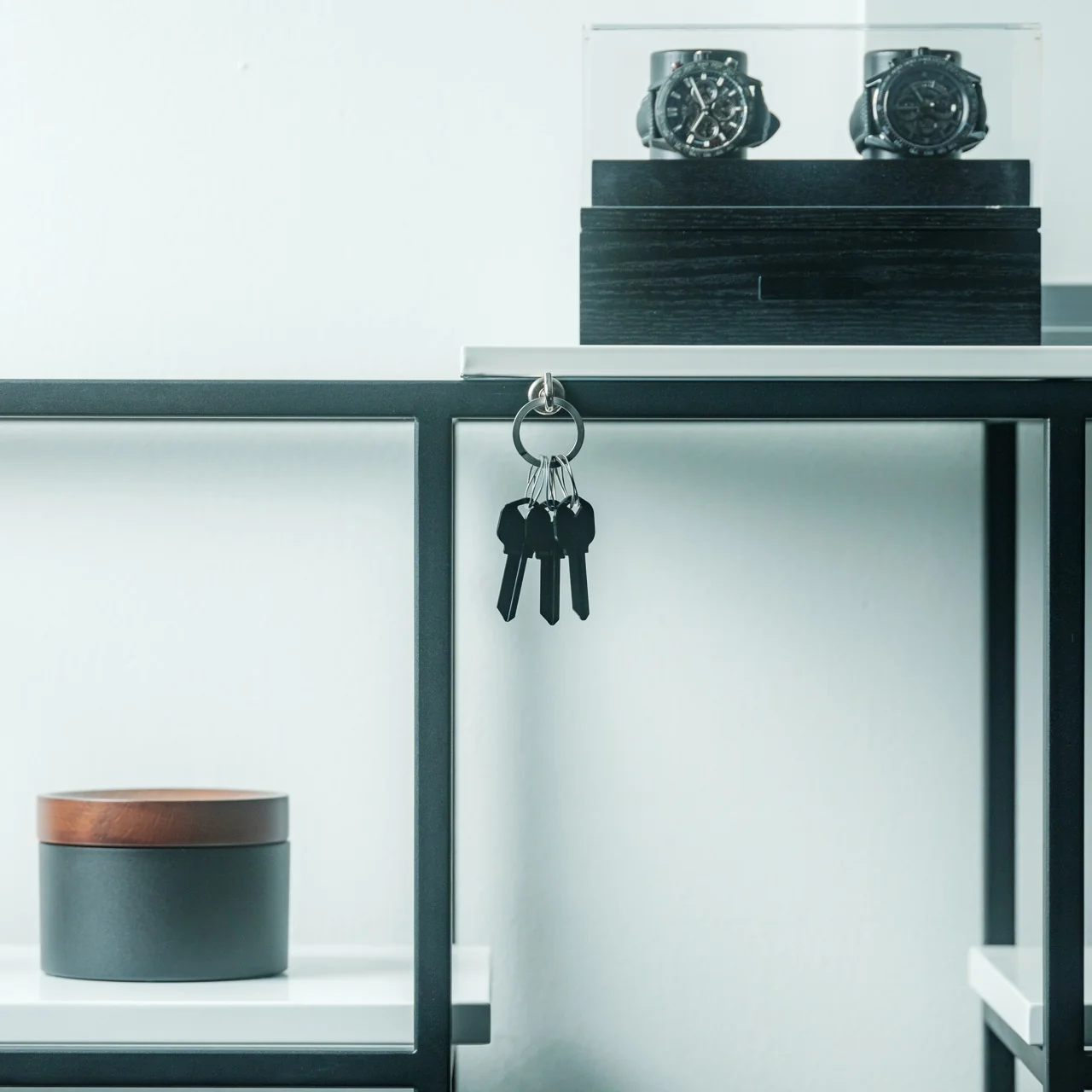
The design community talks a lot about objects that deserve more attention than they receive, and the key ring is probably the most obvious example of that gap. We carry our keys every day without any particular feeling about them, which is fine until you realize that feeling nothing about a daily object usually means it is only doing the minimum. The Painless Key Ring sets a different bar, one that takes the smallest, most neglected piece of your everyday carry and applies genuine engineering logic to it. Whether you are someone who obsesses over EDC setups or someone who just wants to stop destroying their nails every time you need a spare key, the upgrade reads the same either way.
The post The $29 Key Ring That Finally Fixed a 130-Year-Old Problem first appeared on Yanko Design.
You Can Now Own a Piece of Verstappen’s Controversial 2021 Championship-Winning F1 Car

Remember where you were on December 12, 2021? If you’re an F1 fan, chances are you do, because that was the day Max Verstappen snatched his first world title away from Lewis Hamilton on the literal final lap, in the literal final corner, off the back of a safety car restart that stewards are probably still debating in group chats somewhere. I was rooting for Hamilton that day, and honestly, watching it unfold live still ranks as one of the most gutting sports moments I’ve sat through. Verstappen fans got a legend born in real time. The rest of us got years of “what if” conversations that still spark up whenever Abu Dhabi comes up.

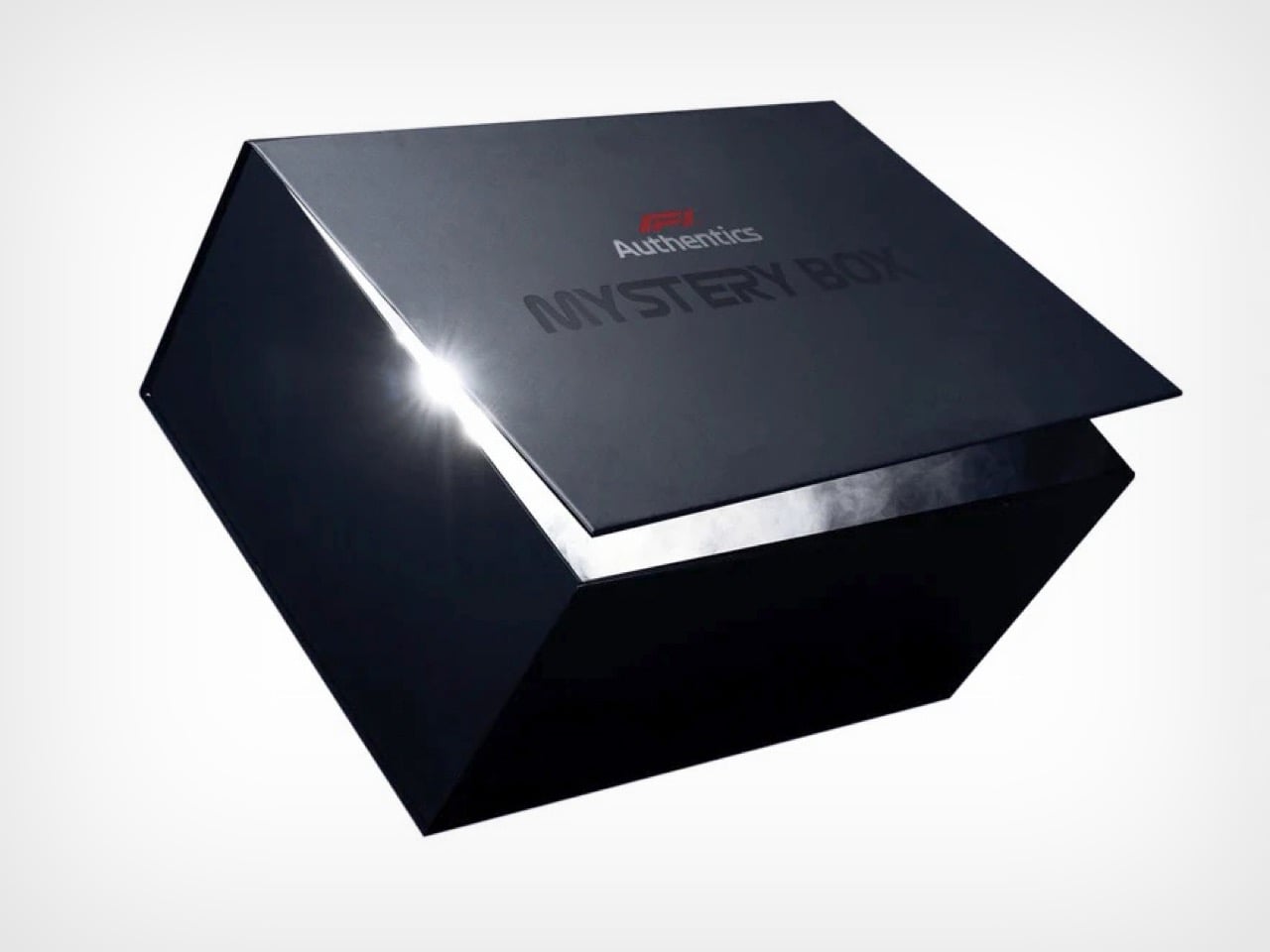
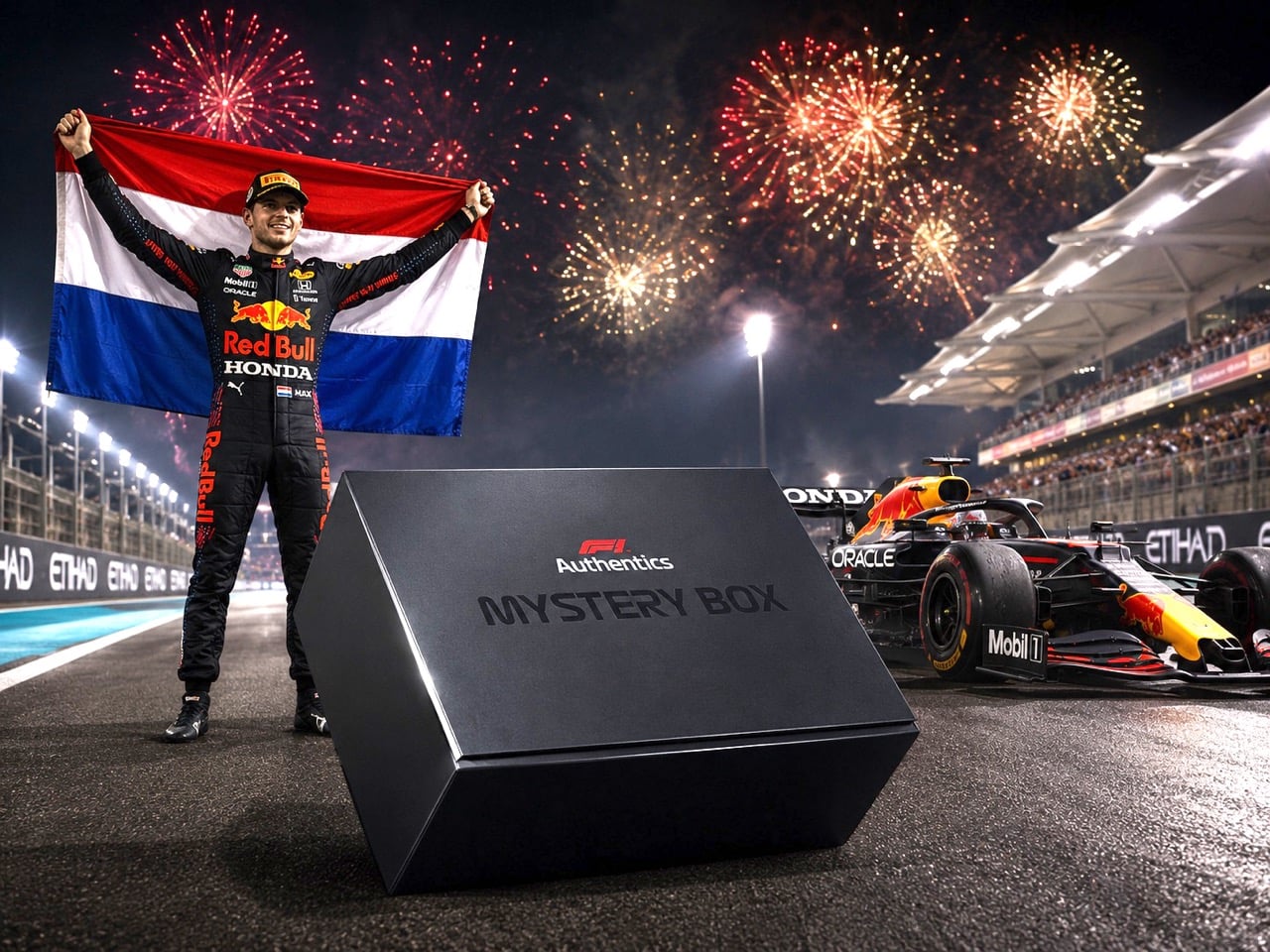
F1 Authentics just gave fans a way to own a literal piece of that chaos. The official F1 memorabilia arm, run by Memento Exclusives, has dropped a new Mystery Box collection where every single box guarantees a genuine piece of bodywork from the RB16B, the Honda powered Red Bull that carried Verstappen to that maiden championship. Only 1,000 boxes exist worldwide, with 500 going up for grabs online, priced around £1,000 GBP ($1,348 USD) a pop, which also happens to be the minimum guaranteed value of everything packed inside.

Designer: F1 Authentics (Memento Exclusives)

That RB16B earned every bit of the spotlight it’s getting now. It was an evolution of the 2020 car, finally sharp enough to go toe to toe with a dominant Mercedes squad, and it carried Verstappen through nine wins across one of the most contentious title fights modern F1 has produced. Hamilton led early, Verstappen clawed the lead back mid-season, and the two arrived at Abu Dhabi dead level on points. We all know how that ended. Owning a fragment of that car means owning a piece of the exact machine that decided, for better or worse depending who you asked, one of the sport’s most argued about championships.

Photo by Batchelor/XPB Images

Somewhere in that run of a thousand boxes sits the real chaos generator, a redeemable ticket for an official F1 replica front wing and nose, pulled from cars across Aston Martin, Cadillac, Racing Bulls, Red Bull, Williams, or Alpine, and valued north of twenty grand. It’s a genuinely wild pull rate, turning what could have been a straightforward memorabilia drop into something closer to a scratch card for grown adults with disposable income and a soft spot for motorsport history.

Photo by Mark Thompson/Getty Images

F1 Authentics has been building toward drops like this all year, following an earlier sold out box tied to Lando Norris’s championship car and a March release that hid an £89,000 racing simulator inside one of just 150 units. F1 memorabilia is getting gamified, and this RB16B drop might be the most emotionally loaded chapter yet, especially if you were the one yelling at your TV that night in Abu Dhabi.

The post You Can Now Own a Piece of Verstappen’s Controversial 2021 Championship-Winning F1 Car first appeared on Yanko Design.
These Contemporary Chairs Turn Sustainability and Stillness Into Design

A chair can be a surprisingly effective storytelling device. Give it a different material, soften a familiar silhouette, or borrow a gesture from somewhere unexpected, and suddenly it becomes more than somewhere to sit. Jaro Kose’s CUT and ZEN chairs approach that idea from two very different directions: one gives discarded material a second life, while the other translates the meditative landscape of a Japanese Zen garden into an upholstered form.

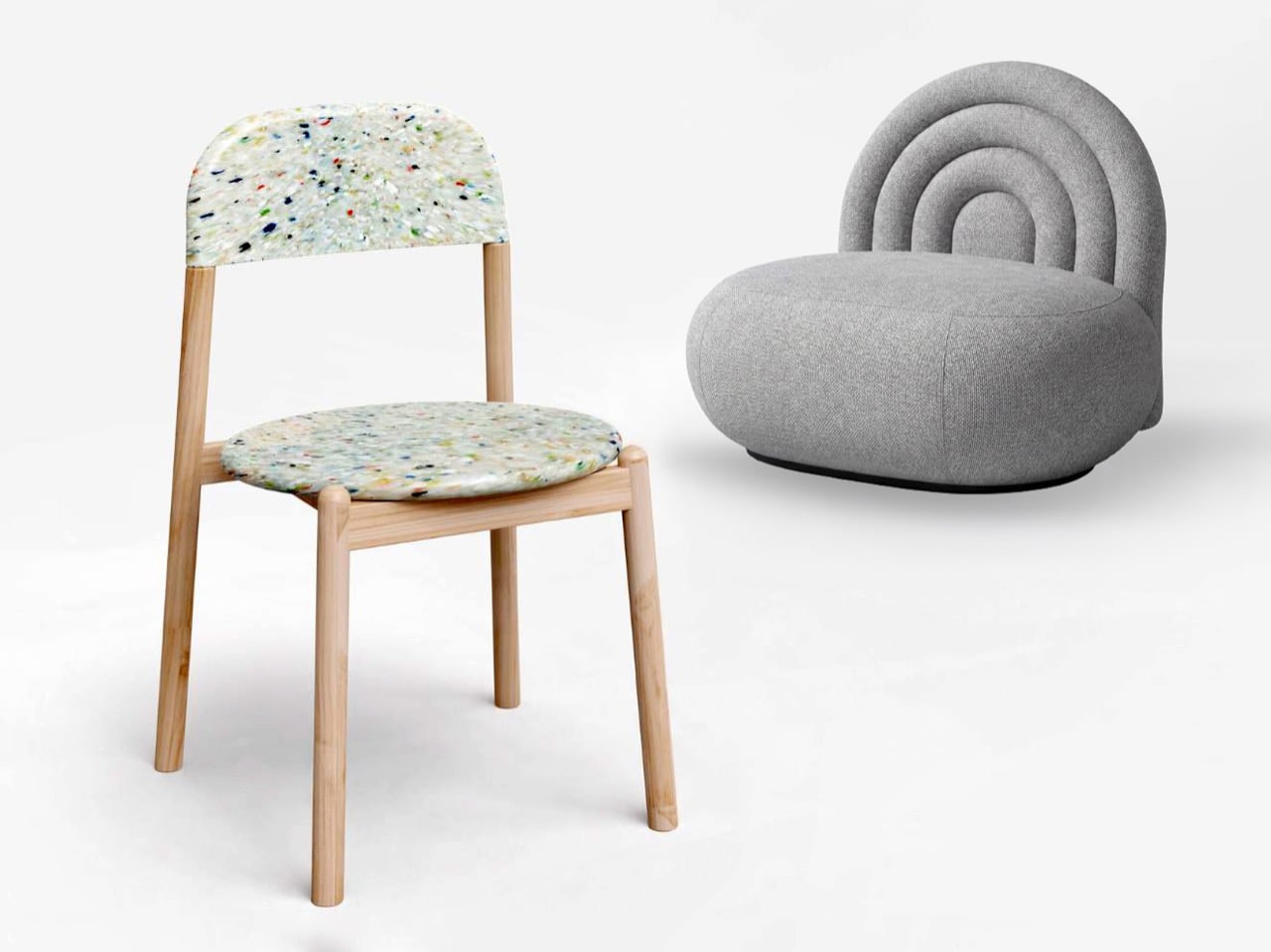
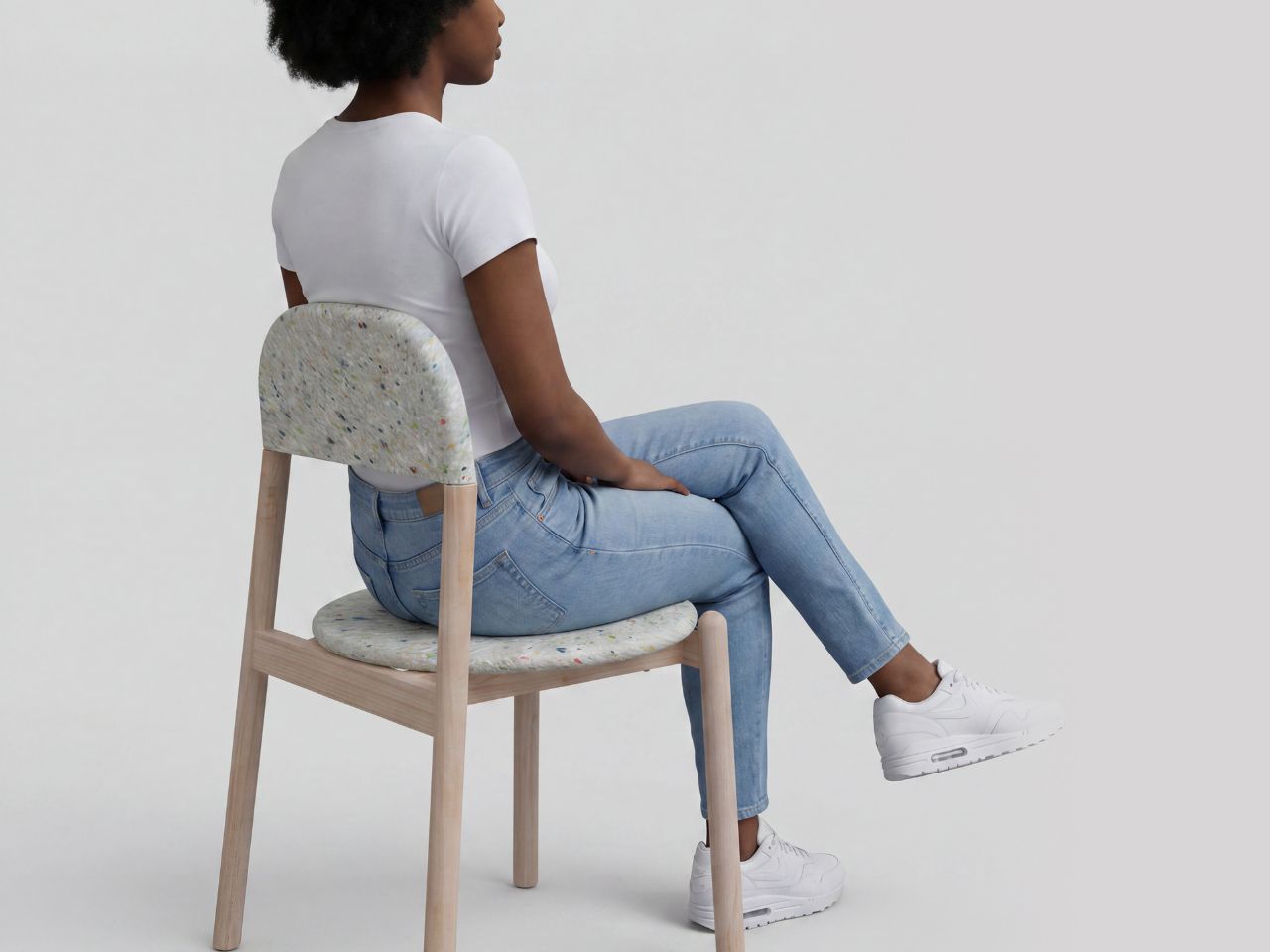
CUT is, at first glance, a fairly restrained wooden chair. Its clean oak frame, gently rounded proportions and broad backrest give it the familiarity of a classic dining chair, while its stackable construction makes it practical enough for both residential and public environments. The design also extends into upholstered and high-chair variations without losing the clarity of the original silhouette. But one version of CUT changes the story through material alone.

Designer: Jaro Kose


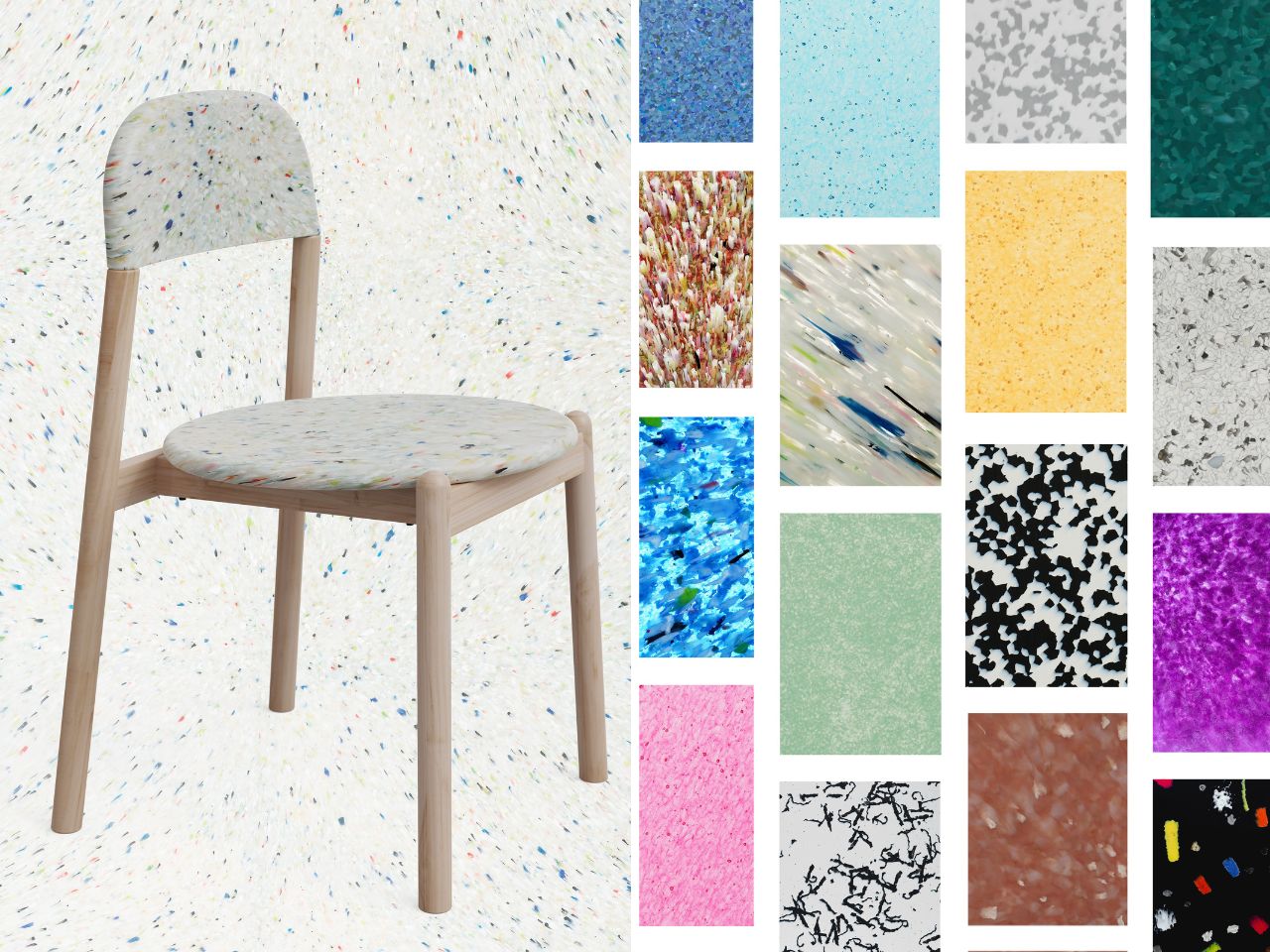
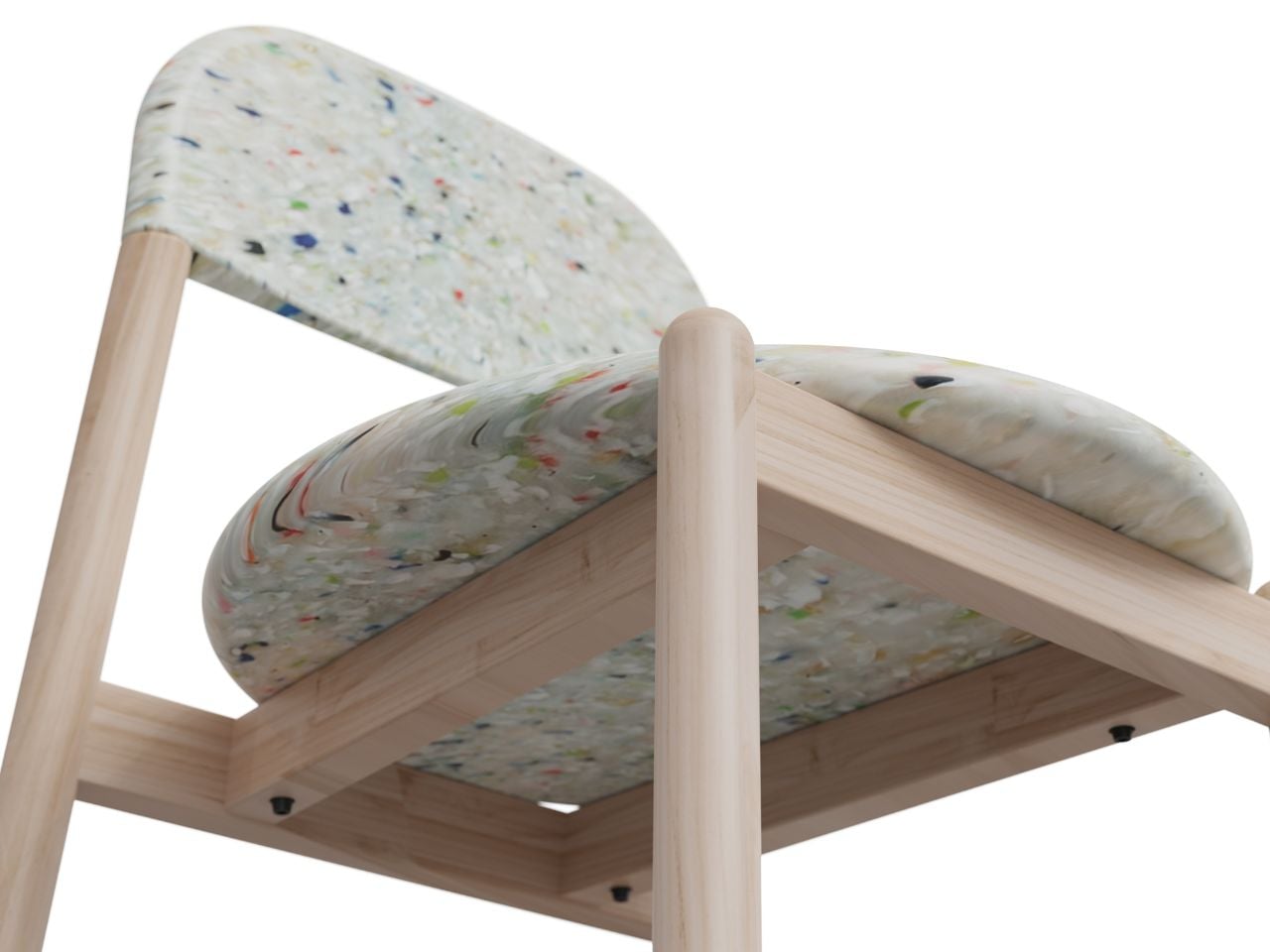
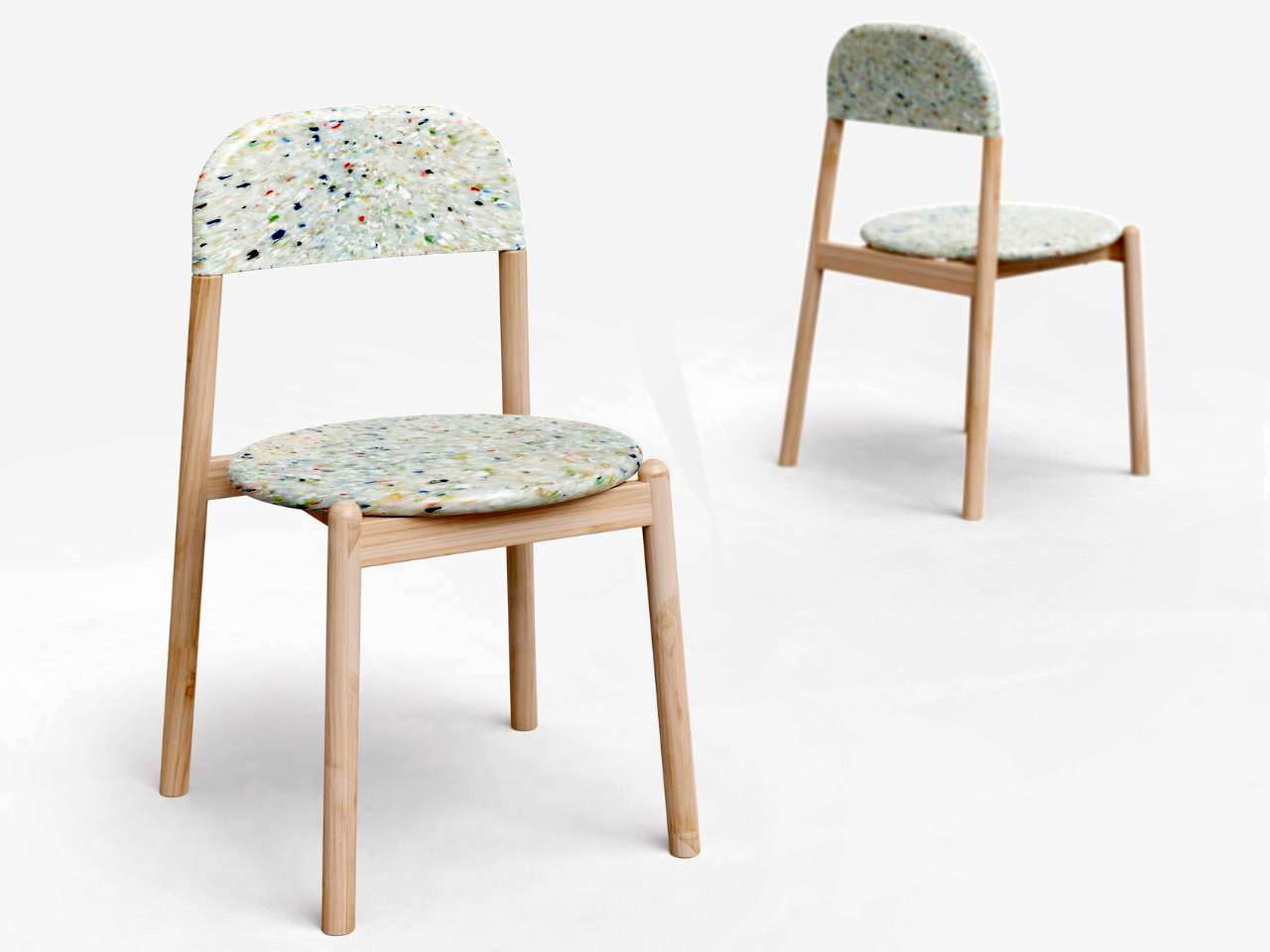
Sustainability plays an important role in Kose’s design approach, particularly in considering how materials are sourced, used and eventually given another life. Reflecting the client’s own commitment to sustainability, a version of CUT replaces the conventional seat and backrest with components made from recycled plastic.

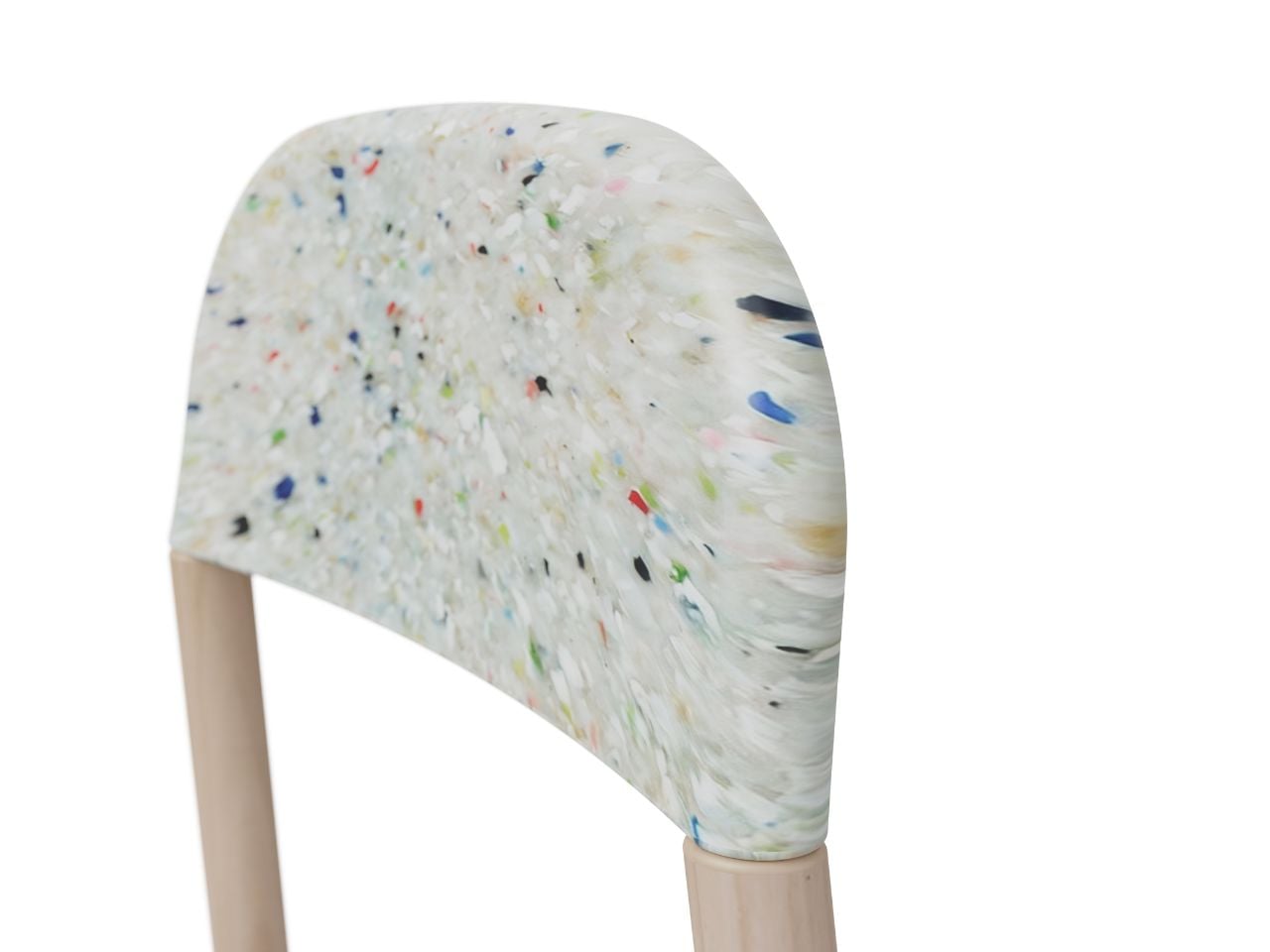
Instead of disguising the material’s previous life, the chair celebrates it. The recycled surface has a visibly speckled texture, almost terrazzo-like from a distance, creating a sharp contrast against the quieter wooden frame. The project explores several possible recycled finishes, turning what could have been treated purely as an environmental choice into part of the chair’s visual character.

There is something appealing about that transformation. A material once categorized as waste returns as the element that gives the chair its personality. Sustainability here is not added as a label after the design is finished; it becomes visible in the object itself. CUT suggests that responsible material choices do not necessarily have to make furniture feel overtly ecological or compromise a refined interior aesthetic. Waste can simply become another raw material to design with.

ZEN moves in almost the opposite direction. Instead of beginning with a material question, the armchair begins with a feeling.

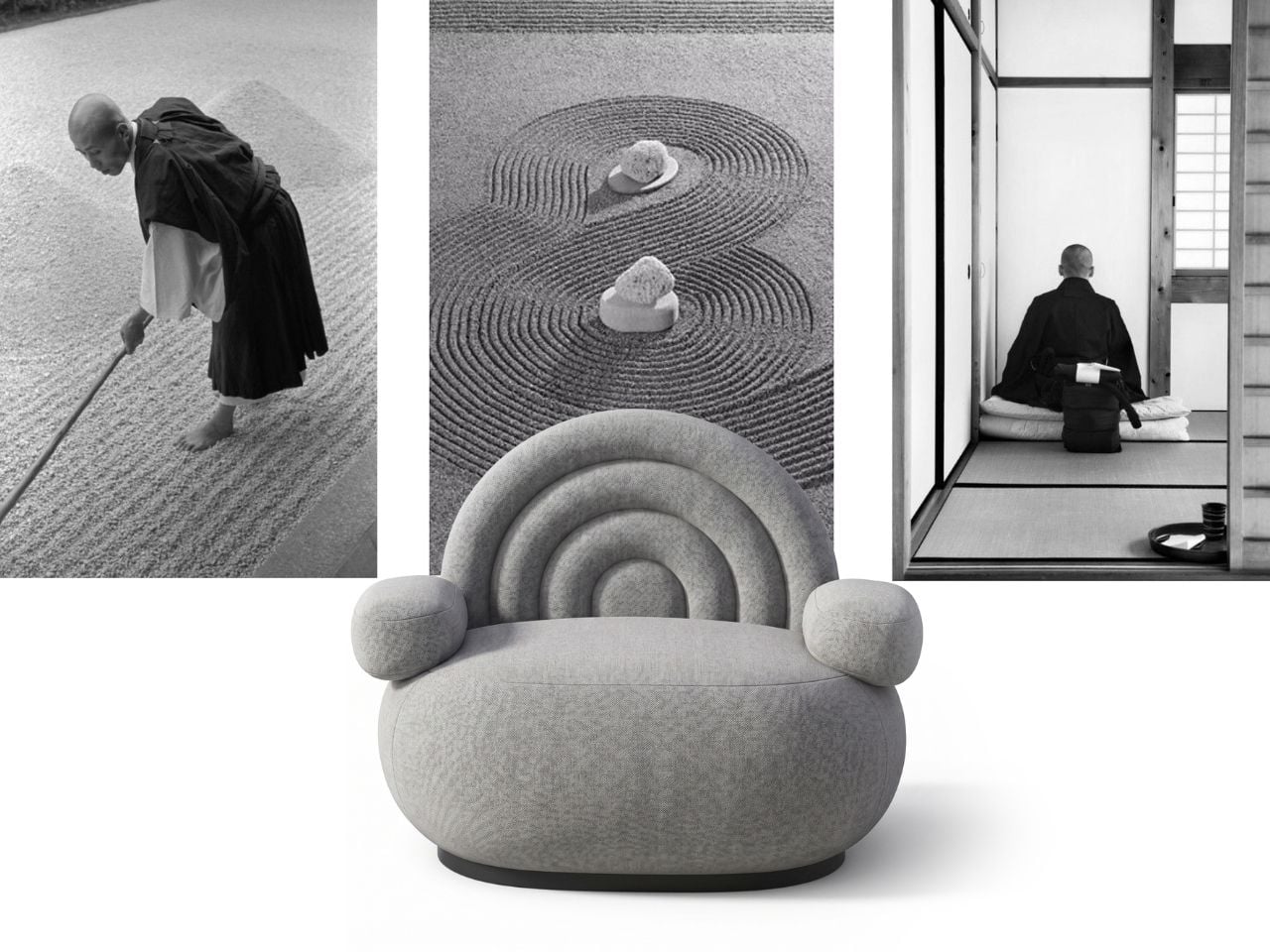
Its inspiration comes from Japanese Zen gardens, spaces historically associated with meditation and contemplation. Their carefully positioned stones and raked gravel create compositions that feel almost motionless while still suggesting movement. Kose translates that relationship into a chair designed around softness, stillness and visual calm.

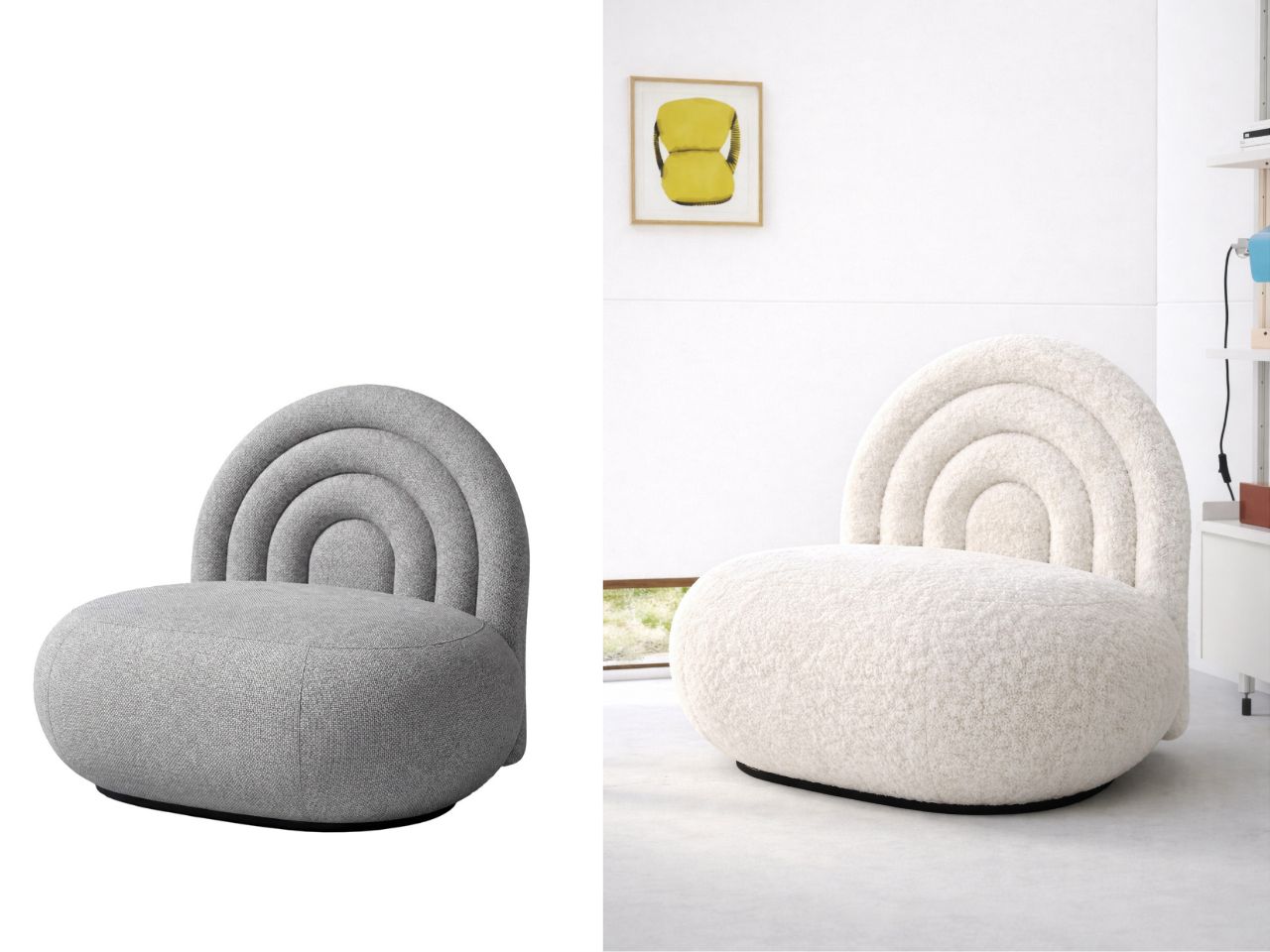
The connection is immediately recognizable. The generous upholstered seat resembles a smooth stone, except here the expected hardness has been replaced with foam and fabric. Behind it, a series of rounded concentric forms creates the backrest, echoing the repetitive lines drawn through gravel around rocks in a Zen garden.

It is a wonderfully literal reference without becoming novelty furniture. The chair still reads clearly as a contemporary lounge piece, but once you understand the inspiration, the relationship between every element becomes obvious. The seat becomes the stone; the backrest becomes the energy radiating around it.

That softness also gives ZEN an interesting presence within an interior. Fully upholstered furniture is already common in contemporary residential spaces, so the material itself allows the chair to blend naturally into its surroundings. Its unusually rounded proportions and graphic backrest, however, make sure it never completely disappears.

CUT and ZEN ultimately tell two stories about contemporary living. CUT asks what happens when designers reconsider the materials we have already used, while ZEN looks at how furniture can encourage a different relationship with our surroundings and ourselves. One gives waste another life. The other turns a meditative landscape into something you can sink into. And both show how a relatively simple chair can carry a surprisingly rich idea.

The post These Contemporary Chairs Turn Sustainability and Stillness Into Design first appeared on Yanko Design.
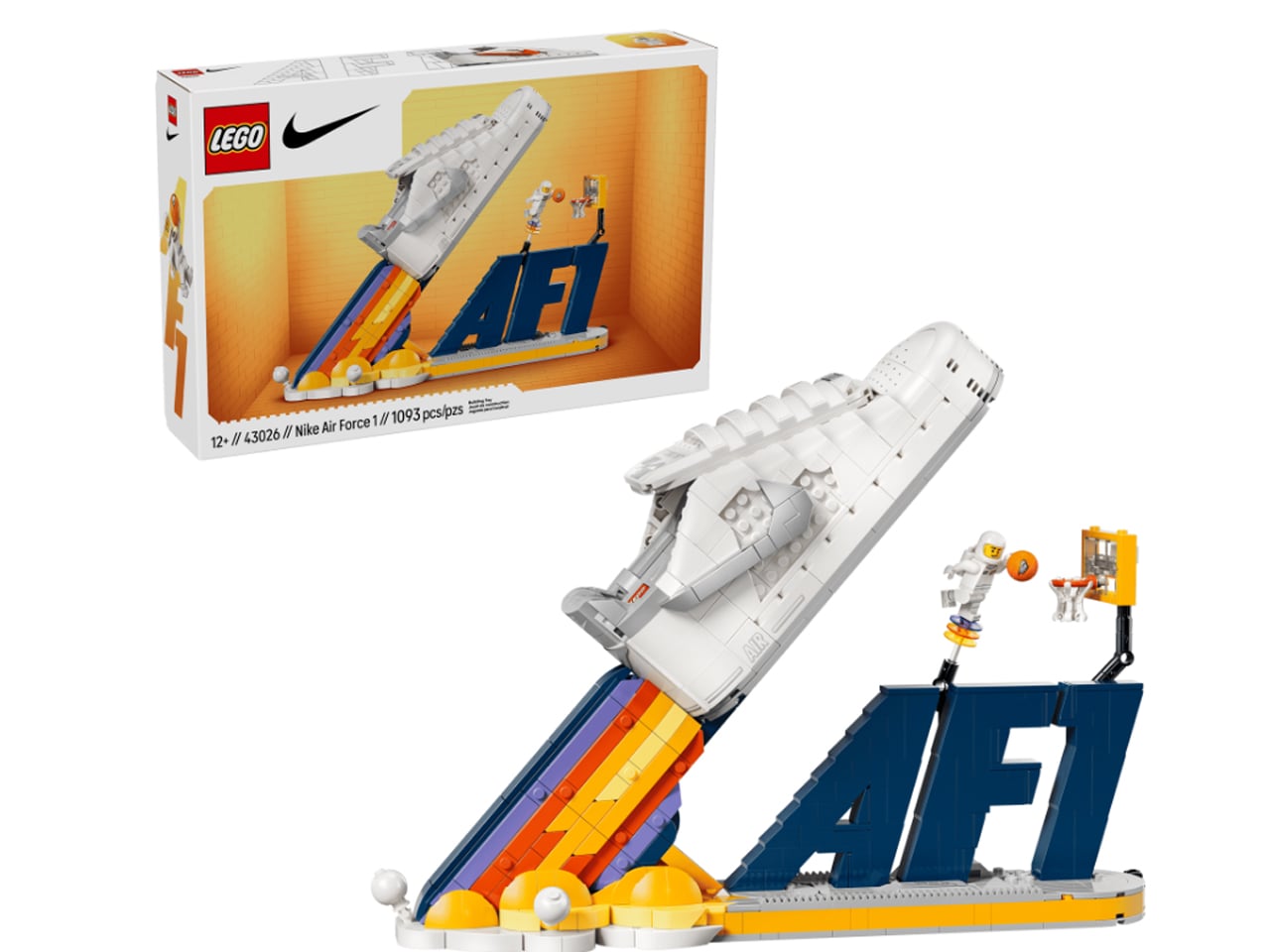
LEGO x Nike Air Force 1 is set for take-off with a 360° dunking minifig onboard

LEGO and Nike are back with their new themed set. This time it’s the Air Force 1 Space-Themed Building Set that seems en route to orbit and beyond, leaving nothing but its exhaust plume behind. If you’ve been following, this is not the first such collaborative model. LEGO x Nike started their collaboration of kicks, bricks, and a whole lot of fan love with the co-branded Nike Dunk x LEGO Set.

Since then, the inspiring duo has not looked back. Giving sneakerheads, builders, and those who live in the spirit of basketball, a new set with playful details almost every year. Ideal for kids aged 9+ and adults alike, over the years, Nike Slam Dunk and the Nike Dunk Trickshot, the bright yellow Air Max Dn, and the iconic Air Max 95 LEGO sets have swayed us big time, and now the AF1 is here with similar intention.

Designer: LEGO x NikeLEGO x Nike

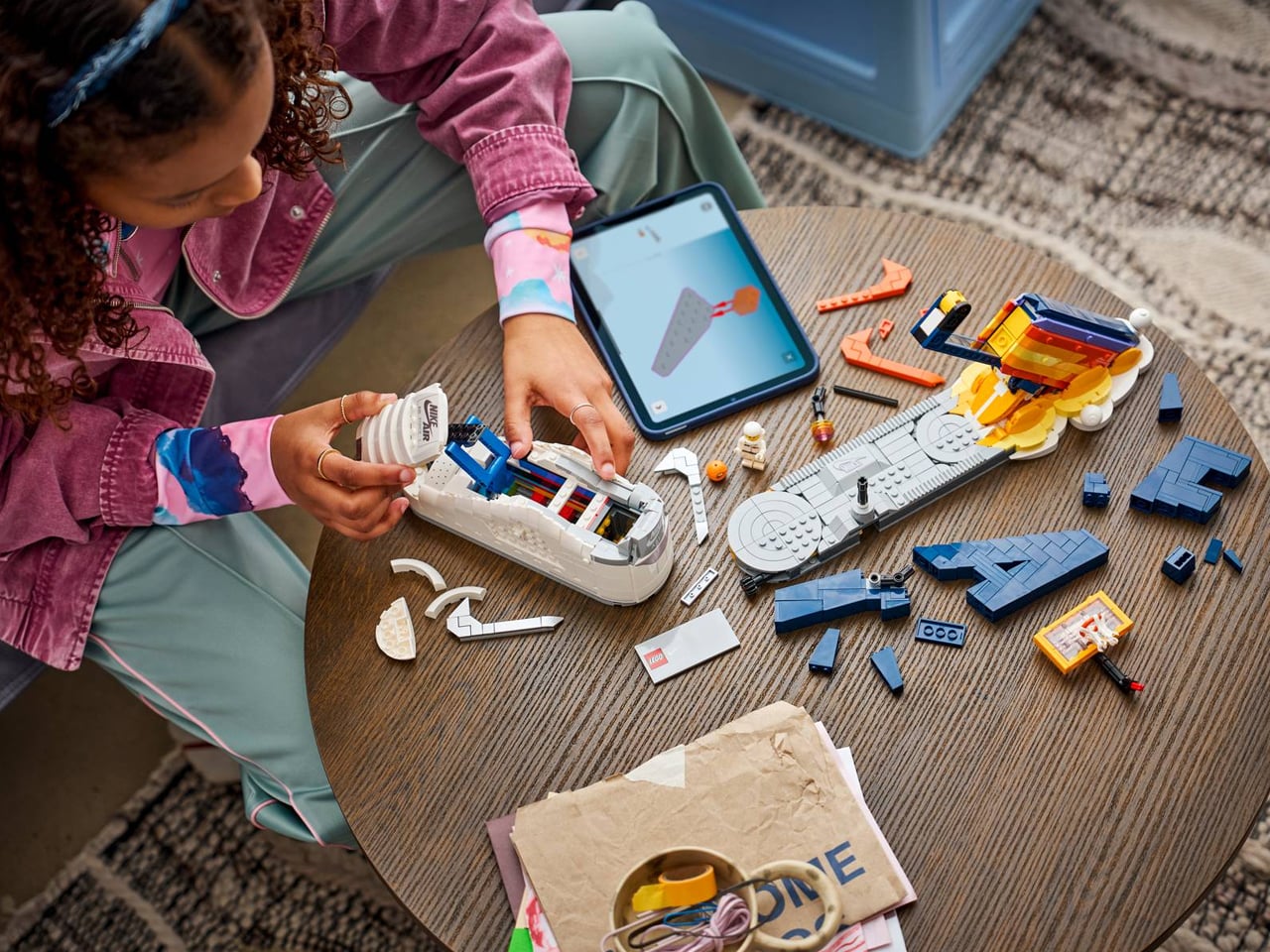
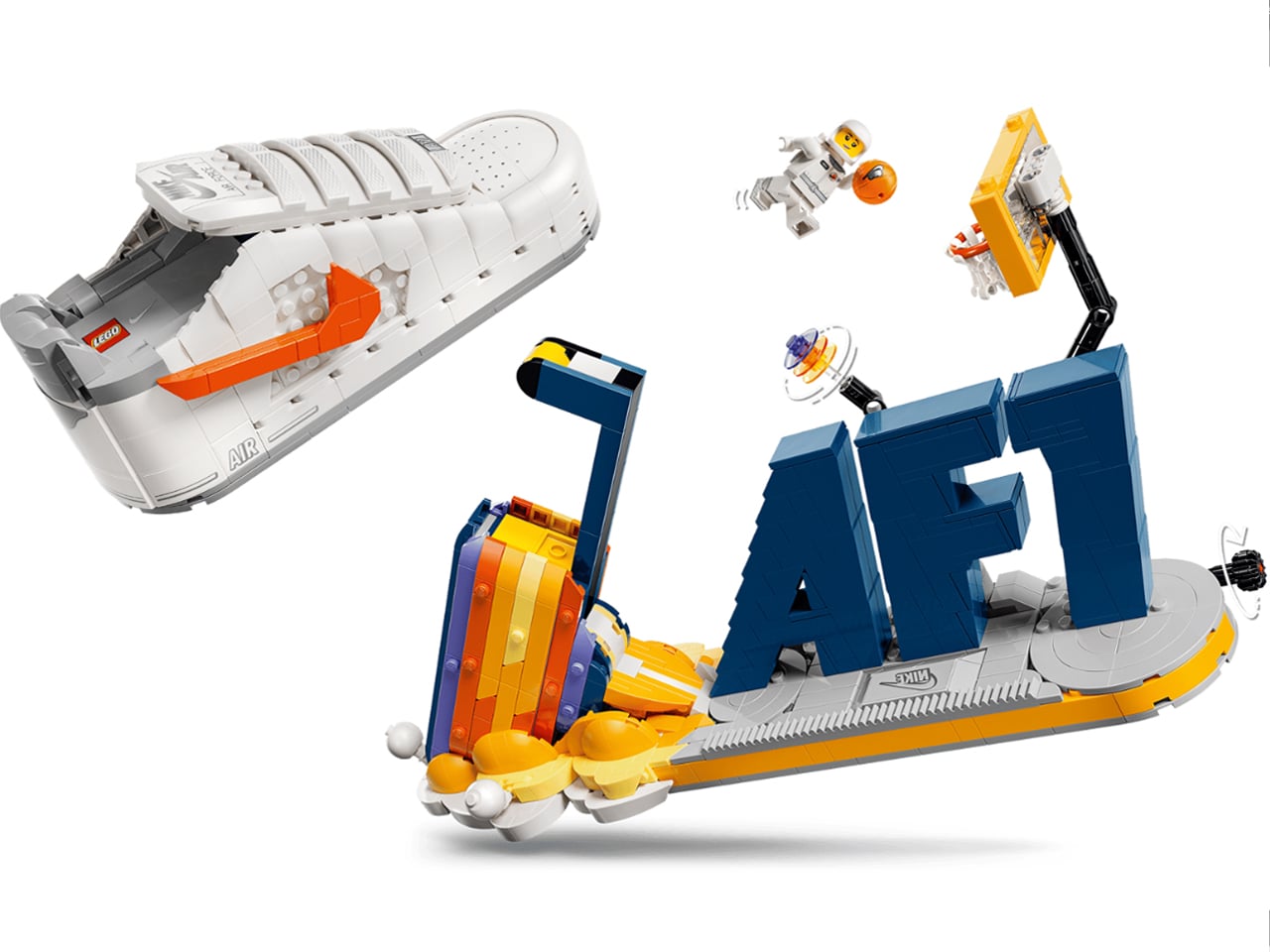
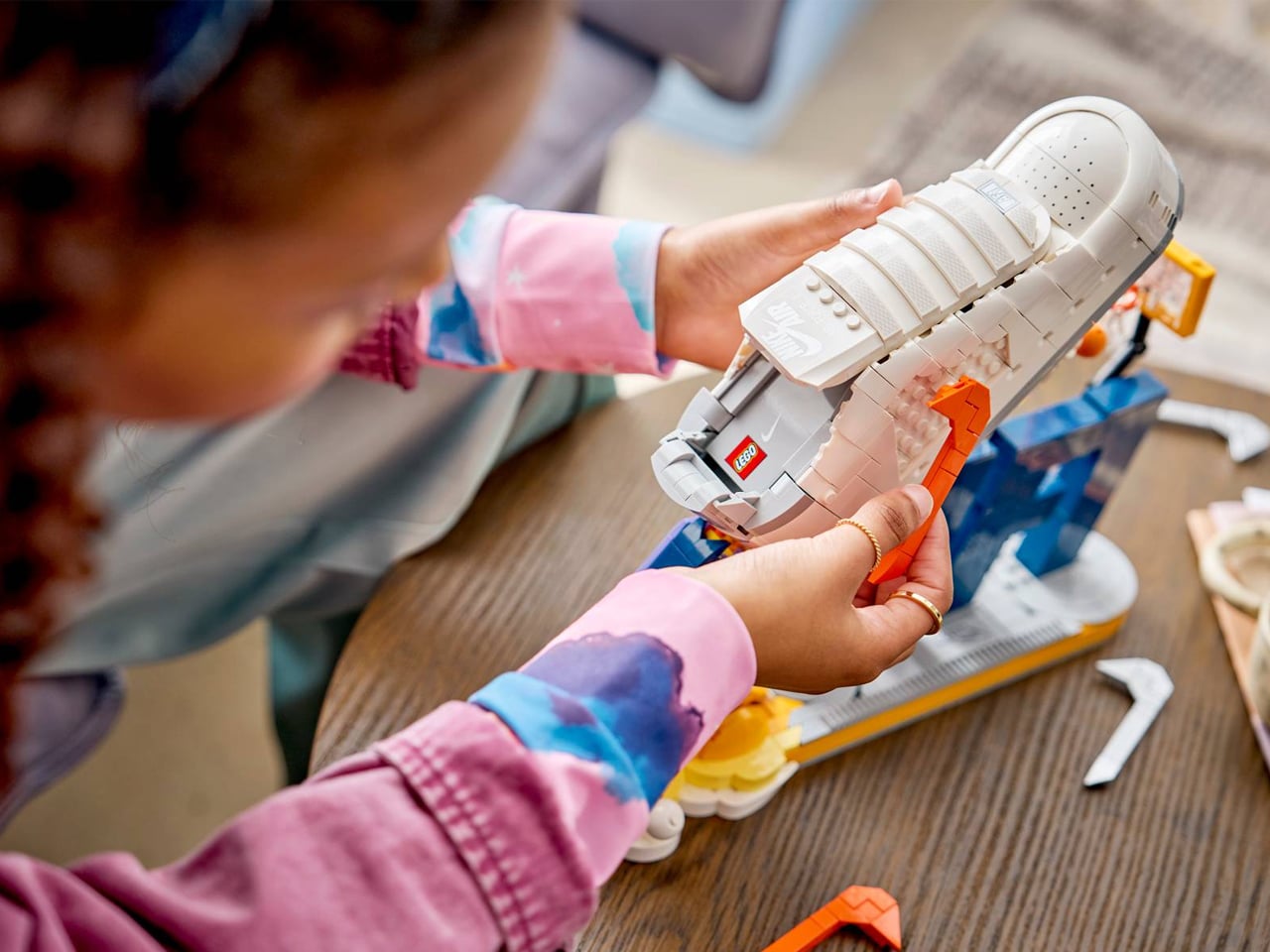
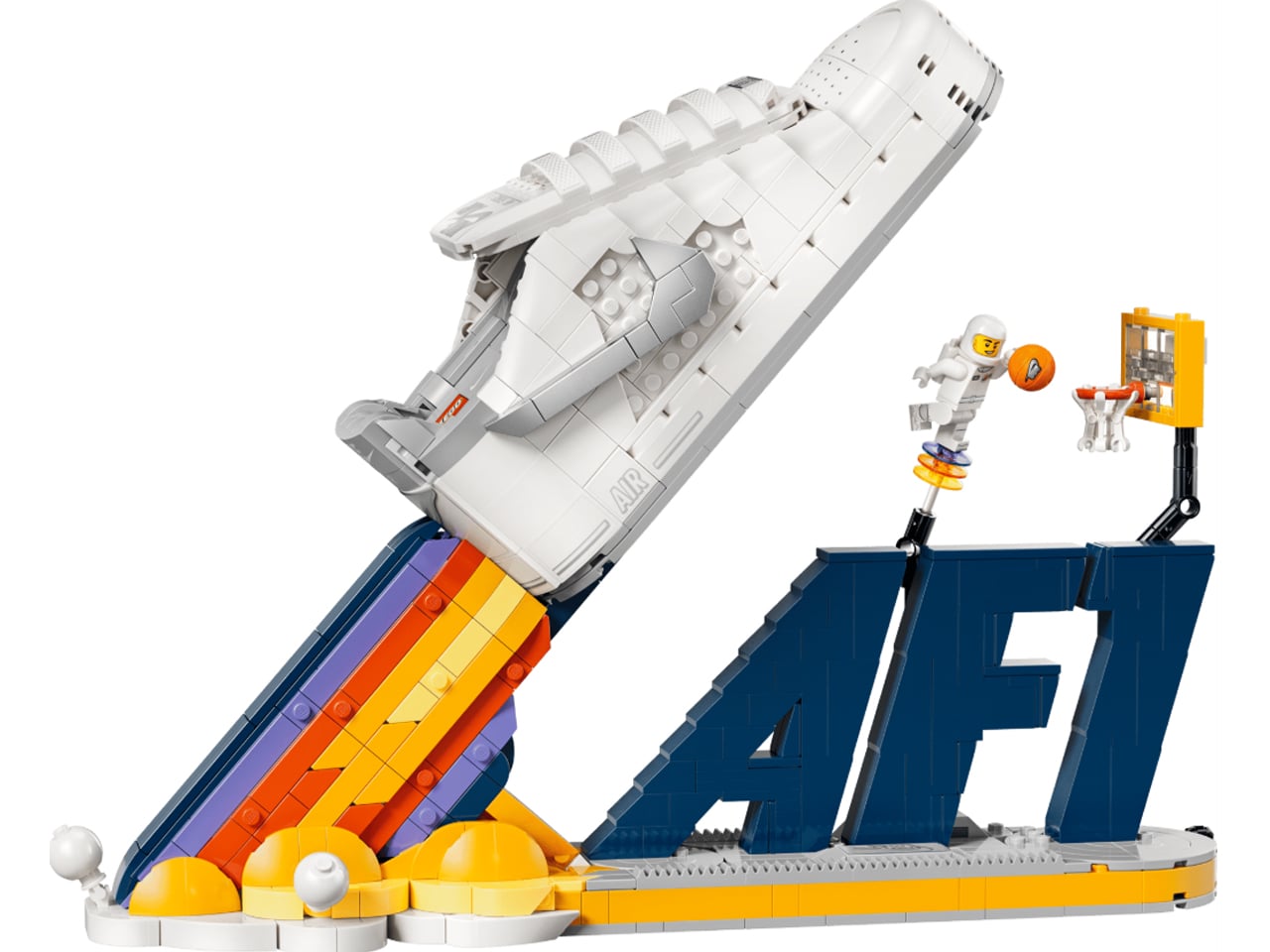
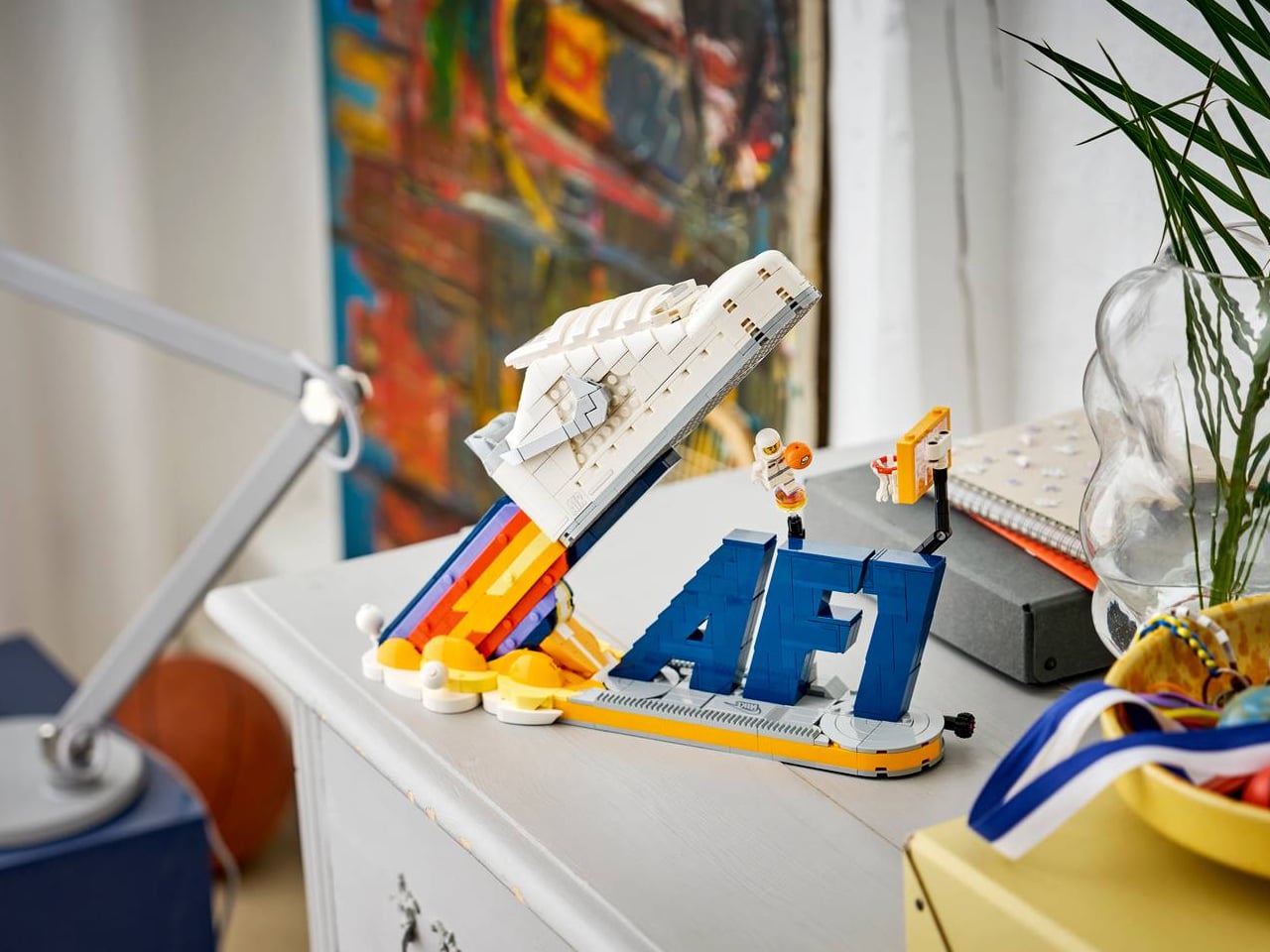
The LEGO x Nike Air Force 1 building set was officially announced with its first look on the LEGO website just recently. A nod to the Nike Air Force 1 sneaker, first launched in 1982, the set comprises 1,093 pieces and measures over 10.5 inches high, 14 inches wide and 4 inches deep. Alongside the sneaker, the interactive set features other antics to make it really interesting to see and fun to build. The space-themed build has the basketball sneaker as the highlight, but it shares base with kinetic display elements that are, of course, an eminent part of the build.

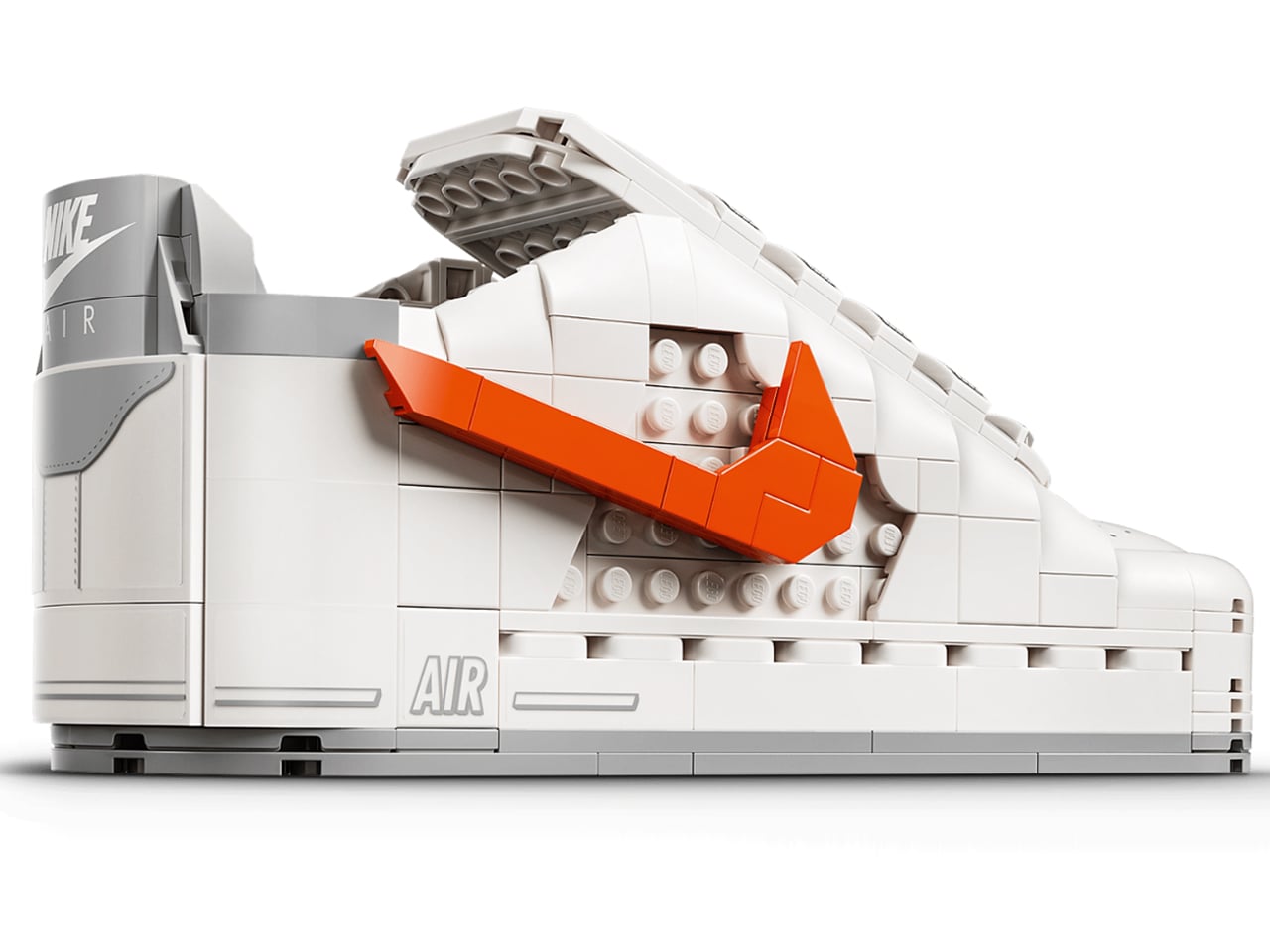
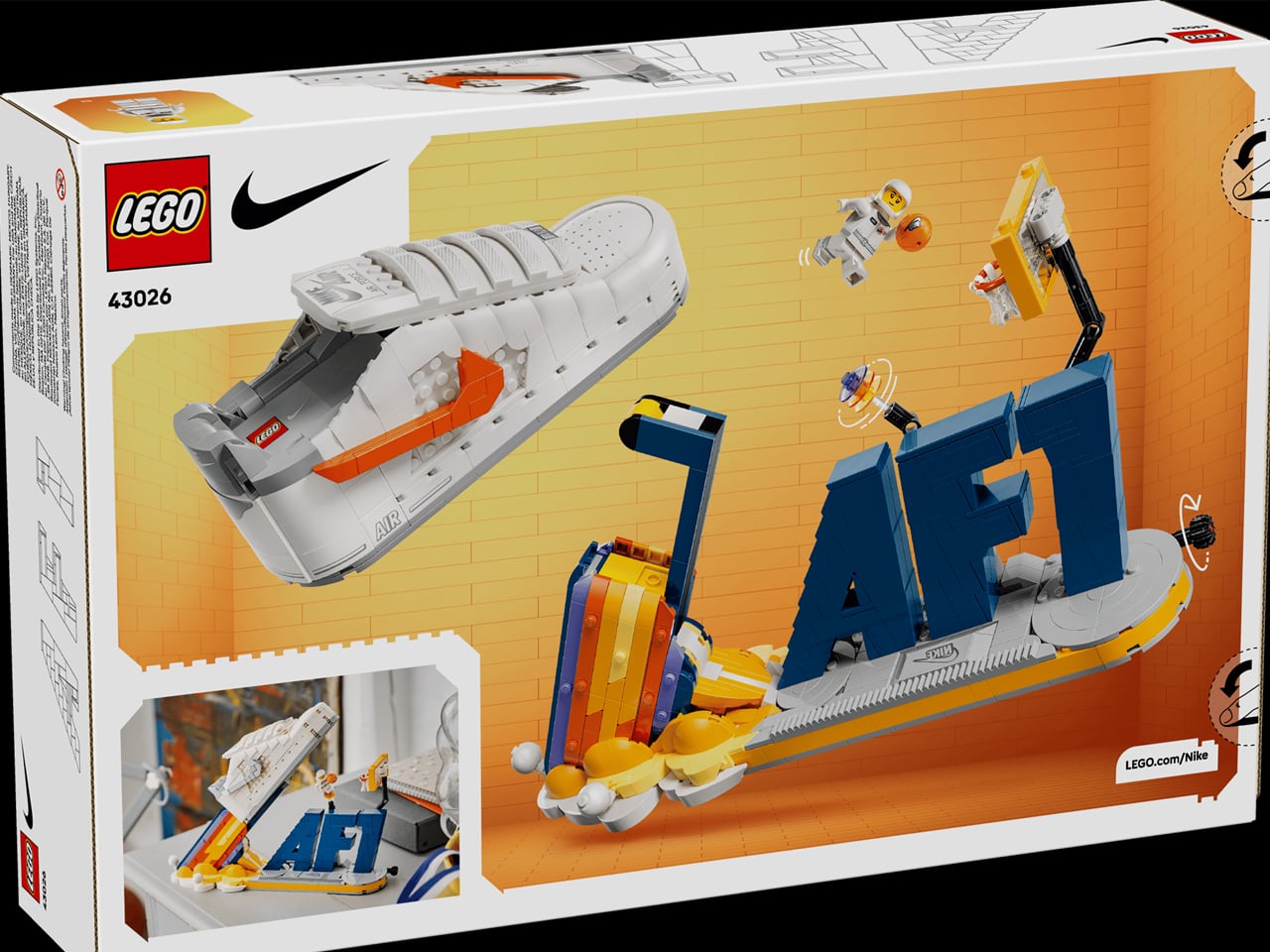
The Air Force 1 itself, ready for launch, comes in a clean white colorway with an orange Swoosh logo. The Swoosh is removable and replaceable with a silver logo, which resembles the heel collar ascent of the sneaker. The set, as mentioned, is not about the sneaker alone. Assembled on a base with traction patterns resembling the Air Force 1 outsole, it is centered around a large blue-colored AF1 sign.

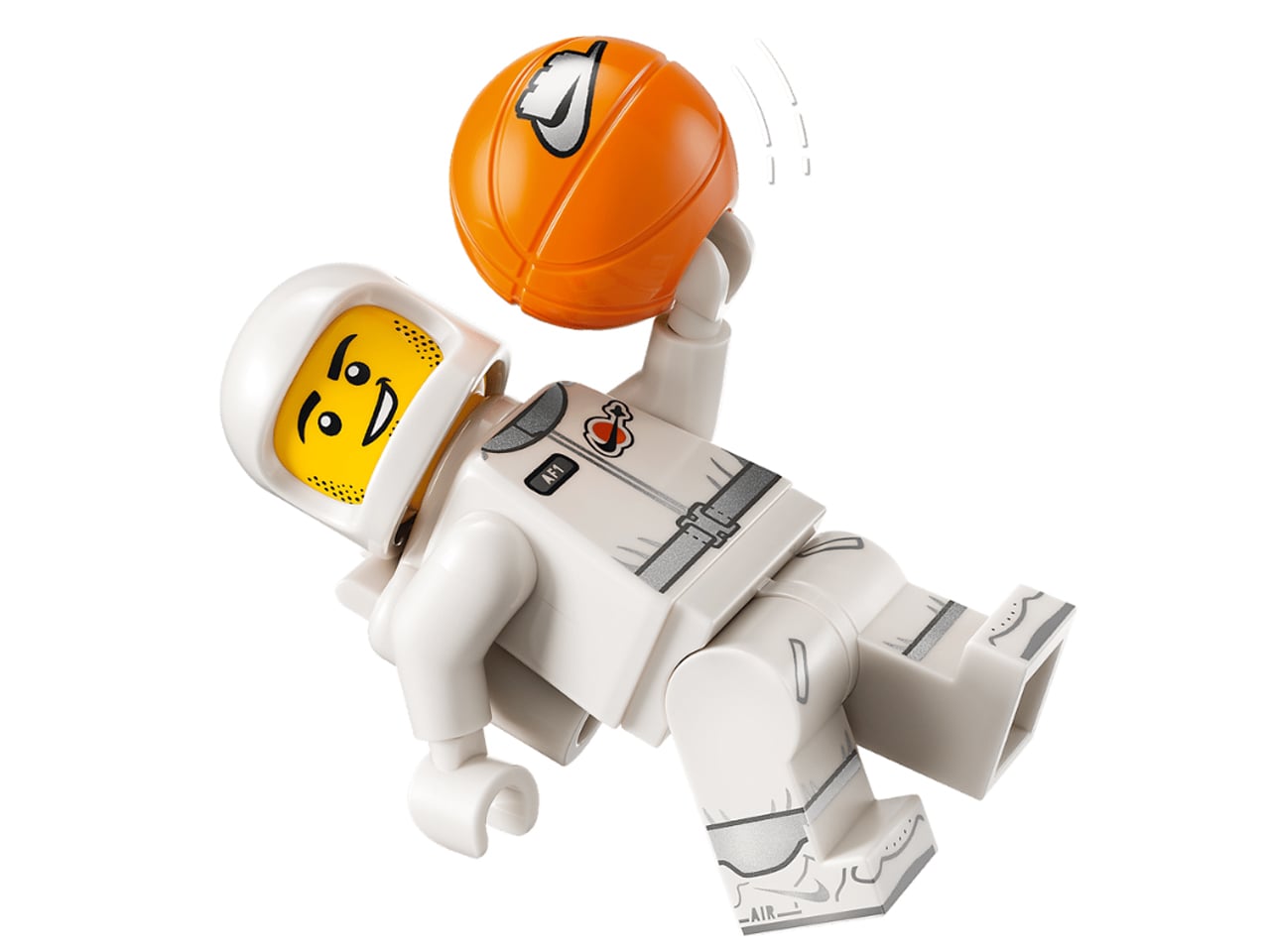
The basketball setting on the base is made interesting with a LEGO spaceman minifigure, with Nike styling, mounted onto a mechanical rig and stationed on the AF1 sign with a basketball hoop just in the front. The minifigure features an interchangeable head and is attached to an integrated dial, which can be turned to let the minifig pull off one of the most difficult basketball moves. It can do a full 360-degree dunk by spinning mid-air before slamming the ball through the hoop.

An eye-pleasing conglomeration in white, blue and yellow, this LEGO x Nike Air Force 1 set will begin shipping from September 1, 2026. It will be available through LEGO for $100; a price point that should push you to get this streetwear decor for your desk, shelf, or bedside table.

The post LEGO x Nike Air Force 1 is set for take-off with a 360° dunking minifig onboard first appeared on Yanko Design.
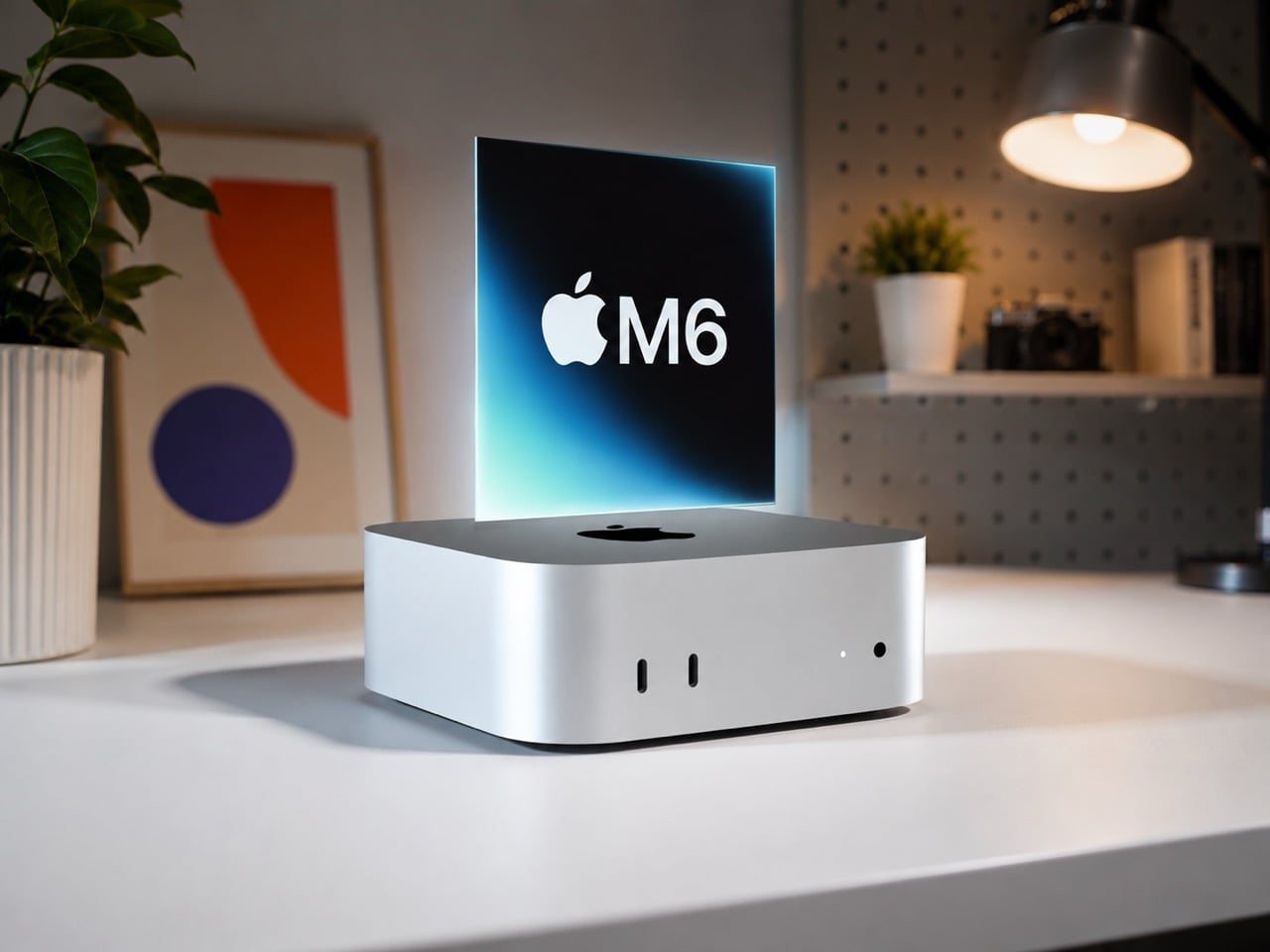
Mac mini M5 May Get Skipped Entirely as Apple Tests M6 and M5 Pro Combo

Feeling like you’ve heard this before? You sort of have. Last year Apple quietly shipped a Mac Studio with mismatched M4 Max and M3 Ultra chips, and buyers barely blinked, since Studio shoppers expect spec weirdness. Now the same move looks headed for the Mac mini, the one Mac people buy precisely because it is simple, affordable, and predictable. According to Bloomberg’s Mark Gurman, Apple is testing units that pair a new M6 chip with a carried over M5 Pro.

That is an odd combination to put inside Apple’s most straightforward computer. The Mac mini has never asked buyers to think twice about chip lineage, and now it may become the clearest example yet of how messy Apple’s silicon strategy has gotten.

Design: Apple

The mismatch traces back to a decision Apple made months earlier, and it has nothing to do with the Mac mini specifically. Apple canceled the M6 Pro and M6 Max outright, choosing to fast track the AI focused M7 lineup instead of building a Pro tier that would have been outdated within months of shipping. That leaves a gap in the middle of the chip family, and the Mac mini’s step up configuration is the one stuck filling it with last year’s silicon. I get the engineering logic. I still think it is a rough position to put a customer in.

Here is the part that will annoy anyone who buys on spec sheets alone. An M5 Pro comfortably beats a base M6 on the multi core and graphics work that Pro tier buyers actually care about, so the generation label is closer to marketing noise than a real downgrade. Performance wise, the pricier mini still wins. But nobody wants to spend more money and watch the box on the shelf next to it wear a newer number. Apple has spent a decade training customers to read chip generations as a shorthand for how current a machine is, and this configuration quietly breaks that shorthand.

There is a supply chain story sitting underneath all of this too, and it is worth naming. The global memory shortage that pushed MacBook Pro prices up by three hundred dollars in June is the same pressure shaping this roadmap. Apple already pulled higher RAM configurations from some Mac mini and Mac Studio models earlier this year, and Gurman’s own reporting notes the mismatched mini’s exact chip and memory setup still depends on how memory supply plays out. None of this is locked in yet. Testing configurations shift constantly, and Apple has not committed to a release window.

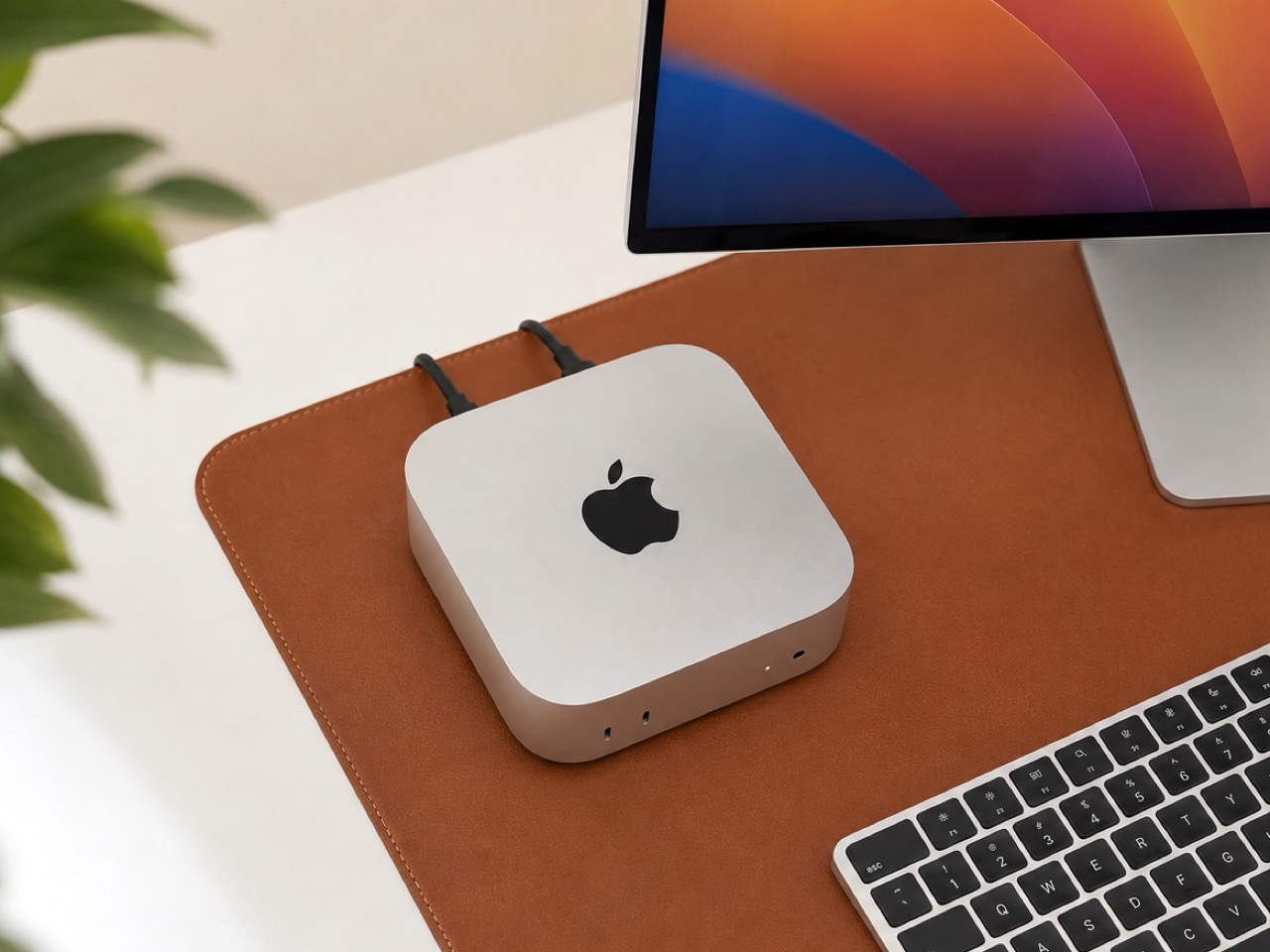
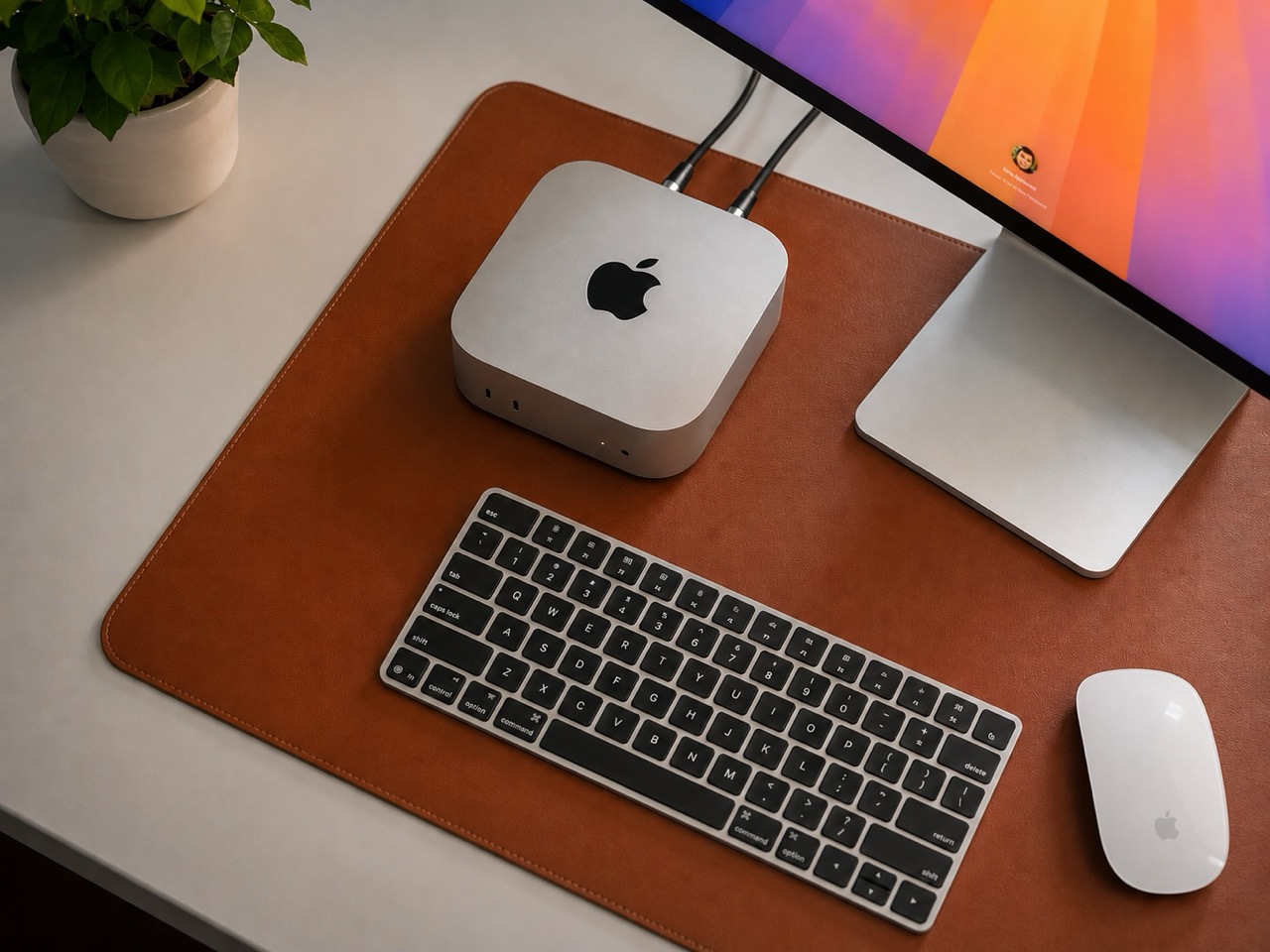
What makes this genuinely interesting from a design standpoint is the mini’s shell. That aluminum box has not changed since the M4 redesign in 2024, and it may end up carrying three chip generations without a single exterior update. Apple has effectively split the Mac mini’s identity in two, treating the outside as a fixed platform and the inside as a variable it can rearrange however the roadmap demands. That is a different kind of product thinking than the tidy, synchronized launches Apple built its reputation on.

Whether that flexibility reads as smart engineering or a confusing shopping experience will depend entirely on how Apple prices and markets the two configurations when they actually arrive. For now, anyone holding out for a clean M5 Mac mini should probably let that expectation go. The machine that shows up later this year might carry a name nobody predicted, wrapped in a body nobody will notice changed at all.


The post Mac mini M5 May Get Skipped Entirely as Apple Tests M6 and M5 Pro Combo first appeared on Yanko Design.