Bubblic Public project offers a modular vehicle for passengers, delivery, mobile farms

When you think of transportation in the near future, you probably dream of flying cars or hoverboards since that’s what we see on sci-fi movies and shows. Even though there are experiments already on that kind of vehicles, we’re probably still a few years away from that. But there are also concepts and experiments on a more grounded, so to speak, kind of public transport that is more practical and realistic but also futuristic.

Designers: Move Lab and ID+IM Design Lab

Bubblic Public is a project that conceptualized a modular and lightweight kind of transportation system. It is meant to be on-demand and can fit the needs of whomever will be hailing the single-module design vehicle. It is basically made up of extendable bamboo stem-inspired chassis and airbags that is flexible enough that it can be used as passenger transport, delivery vehicle, or even a mobile smart farm. It can adjust to the size and needs of the end users during different time periods.

The design inspiration is “like bubbles that appear out of nowhere” since it is meant to show up to users when they order it. It is made of military-grade TPU but is also easily replaceable if some parts are damaged because of its modular design. It has inflated bubble seats when functioning as a passenger transport and the front, back, and side rows can be opened at the top. Package bubbles will be used if it is hailed as a delivery transport.

There will be an app where people can join a rideshare group or ride the nearest available Bubblic Public. That is where you can also hail one for your delivery or smart farm purposes and the vehicle will be transformed according to your need. It is an interesting concept and one that we may actually see in the near future. Maybe eventually there will be even be a flying bubble so it will stay true to its name.

The post Bubblic Public project offers a modular vehicle for passengers, delivery, mobile farms first appeared on Yanko Design.

Foldable heater and camping stove concept attaches to your bike for outdoor adventures

Those who enjoy spending time outdoors regularly or occasionally need to have a lot of tools with them especially if they will be spending the night camping. There are a lot of different products that they can bring along but if you’re just biking, you need some things that are more portable since you can only carry so much. There are also designers that are more into creating concepts and sometimes actual products to cater to this market.

Designer: Andrea Casagrande

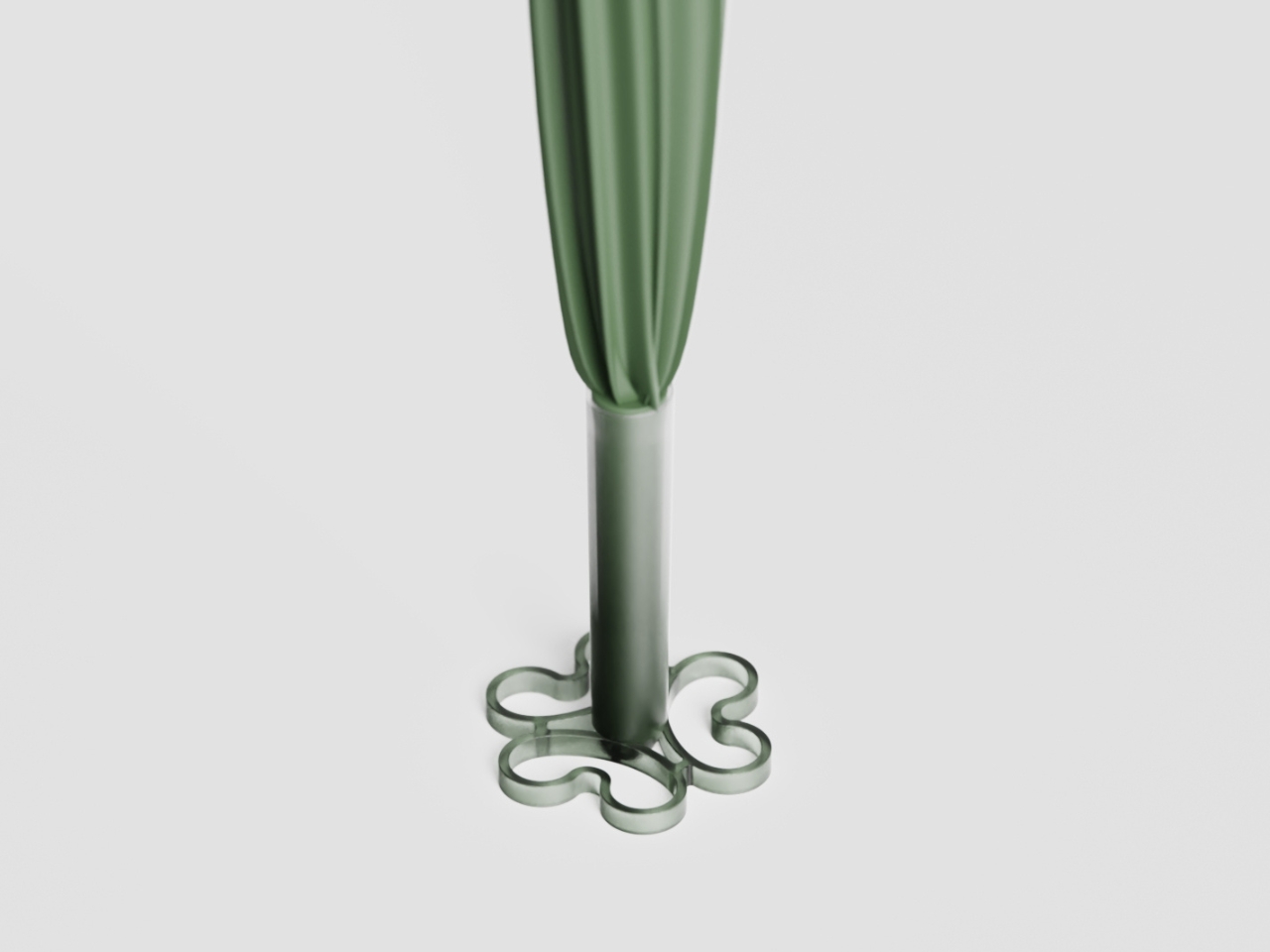
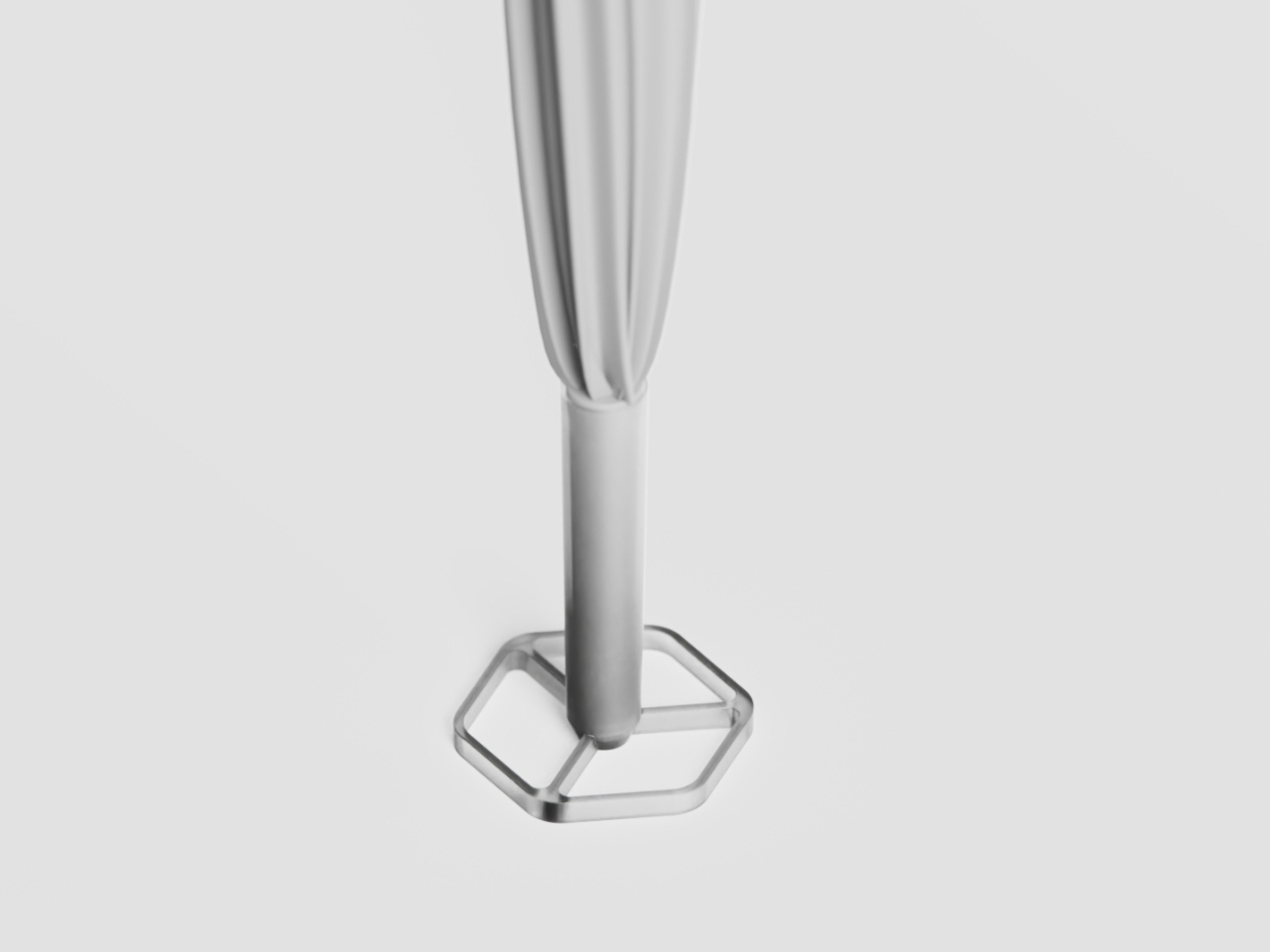
The Leikki is a concept for wood-burning camping stove that is all about portability. The design is inspired by the Risuketin, a traditional Finnish stove found in homes that serve as heaters and as cooking stoves. The designer was also inspired by hexagon shapes since it is “the most efficient way to organize a space symmetrically”. What he came up with is a lightweight stove that is easy to assemble and bring around even if your transportation is only a bike.

The assembly process only takes three basic steps if you’re able to follow instructions easily. Open the gusset face, insert the different grills, and then close the whole thing with a pin. On paper it should be pretty easy and I assume that most hikers and campers are good at following instructions. There’s an upper hole where you can inser twigs and then to insert wood, lift the pan and then put it inside.

The stove can fit different types and sizes of pots and pans and you need to place different support pieces depending on the size. If you don’t have wood to cook, you can take the ash pan, turn it upside down and then place on the top of the grate then use solid fuel or alcohol. It comes with a case which you can strap to your bike and also place other stuff inside that you may need to bring on your trip.

The post Foldable heater and camping stove concept attaches to your bike for outdoor adventures first appeared on Yanko Design.

Espresso machines concept gives you more space in your modern kitchen

Espresso machines are basic necessities for coffee lovers. But most of the ones that are available in the market now follow the iconic traditional design of Italian coffee machines which are luxurious-looking but pretty bulky. And if a kitchen has limited space, then it most likely takes up the entire counter or coffee lovers cannot actually have such machines in their homes.

Designers: Gerhardt Kellerman, Ana Relvao

This concept for an portafilter machine wants to change this traditional design and instead come up with something that rethinks the form factor. The Youn – Ligre gives you your caffeine shot but also makes space in the kitchen for you to be able to do other things rather than just coffee. This machine is as thin as your average computer monitor or small LED TV set but has the usual espresso machine trimmings.

By making the machine simple enough but still highly functional, they were able to conceptualize something that can fit in with small but modern kitchen spaces. It is also made from aluminum so it can integrate easily with other appliances or the aesthetic of your kitchen. It even has a steamer (that looks like a faucet) integrated into it so you get your complete setup.

For noobs that are intimidated by espresso machines, this has an Easy mode so it’s easy to use. For the experts who like more control over various brewing parameters, there is the Nerd mode. It’s a pretty interesting redesign of the usual espresso machines that we get so hopefully someday it will be commercially viable and available.

The post Espresso machines concept gives you more space in your modern kitchen first appeared on Yanko Design.

Meditation device concept hides earbuds inside to help shut off external noise

When I want to shut out the outside world and just focus, I put on a pair of noise-cancelling earphones. Sometimes I also want to meditate and since I live in an area where outside noise is constant, earphones and headphones are pretty helpful. What if you actually have a device that is primarily meant to help you meditate, relax, and get in touch with your inner self, with listening to music just being a secondary function?

Designer: Suosi Design

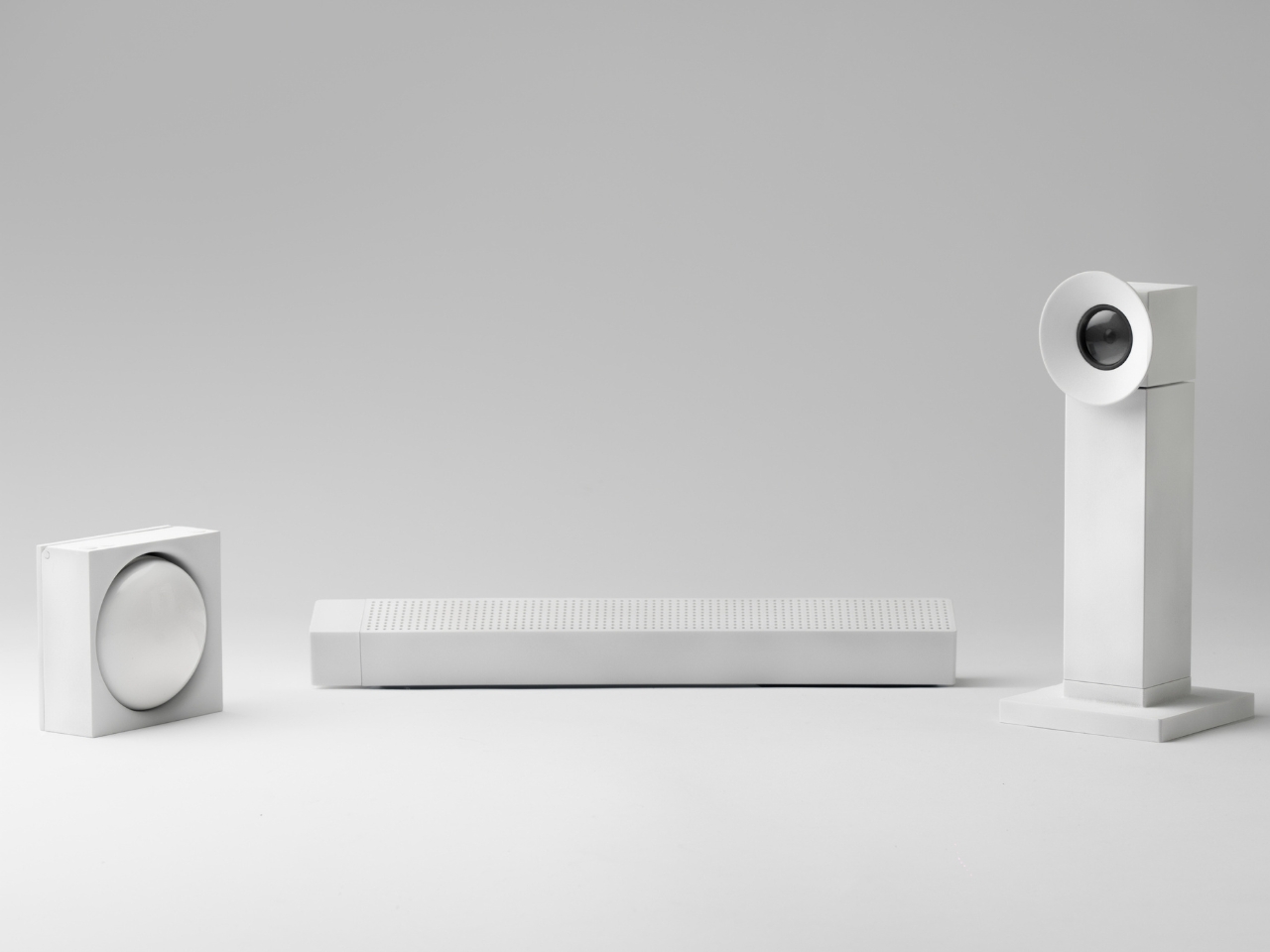
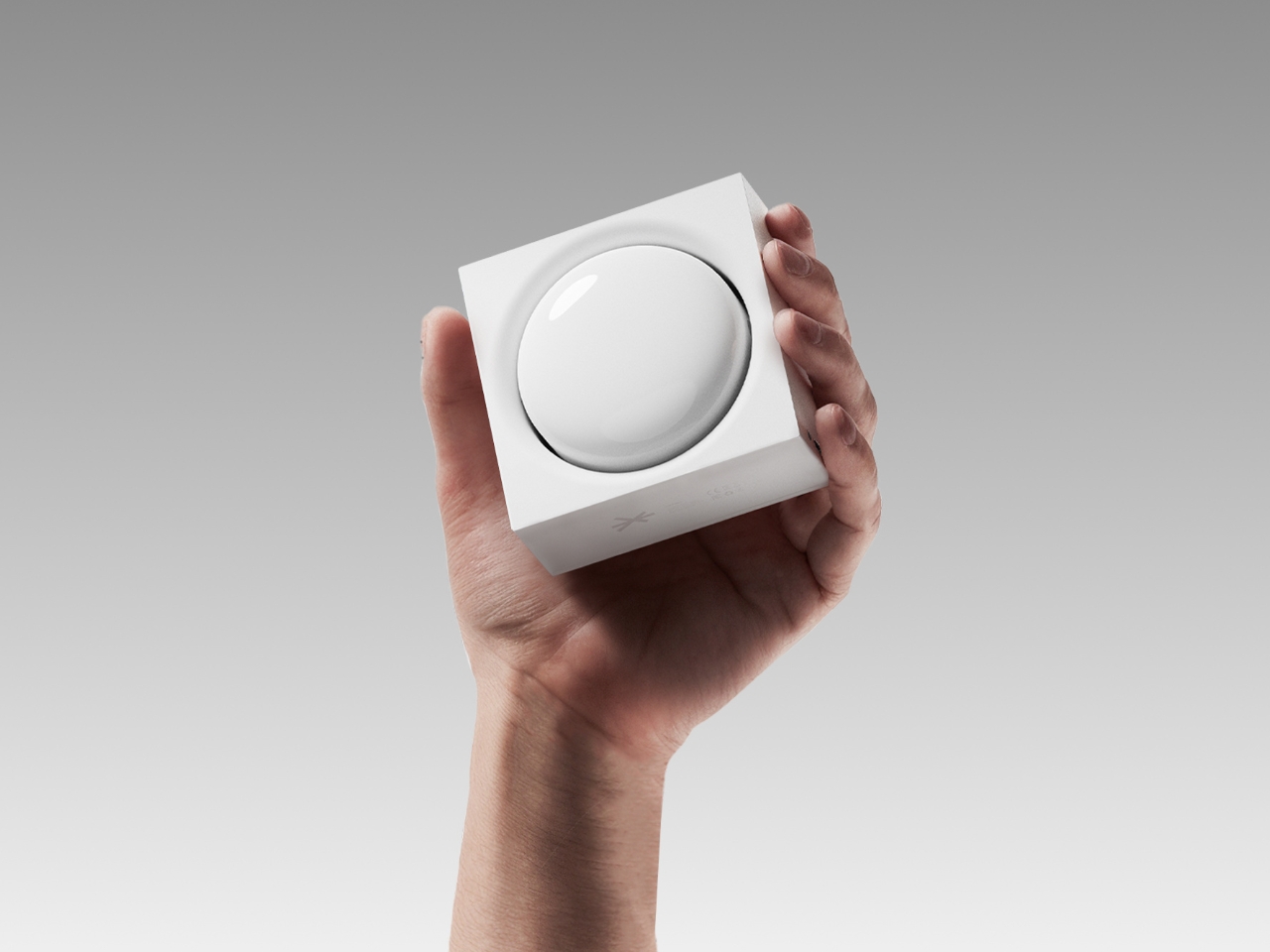
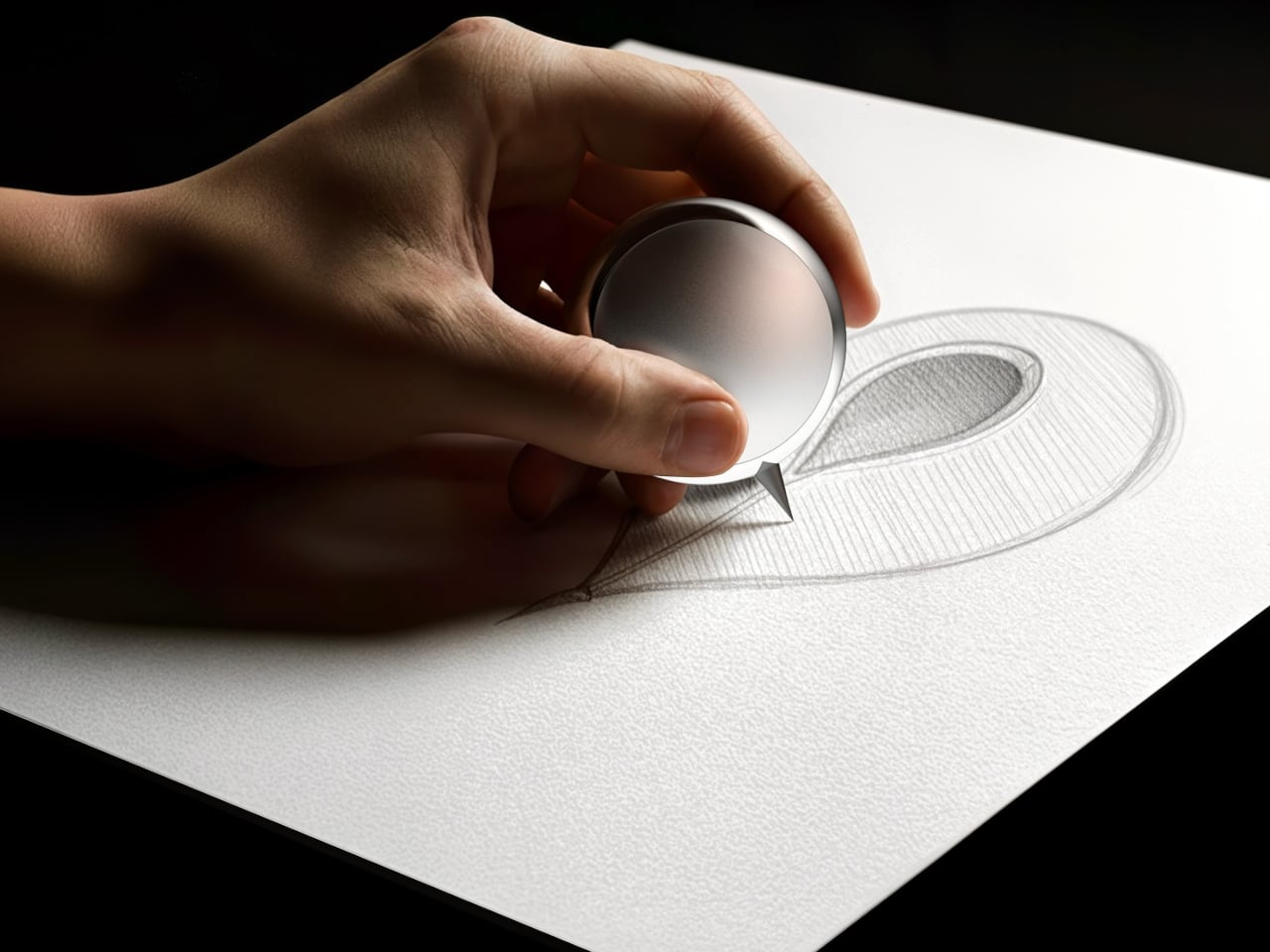
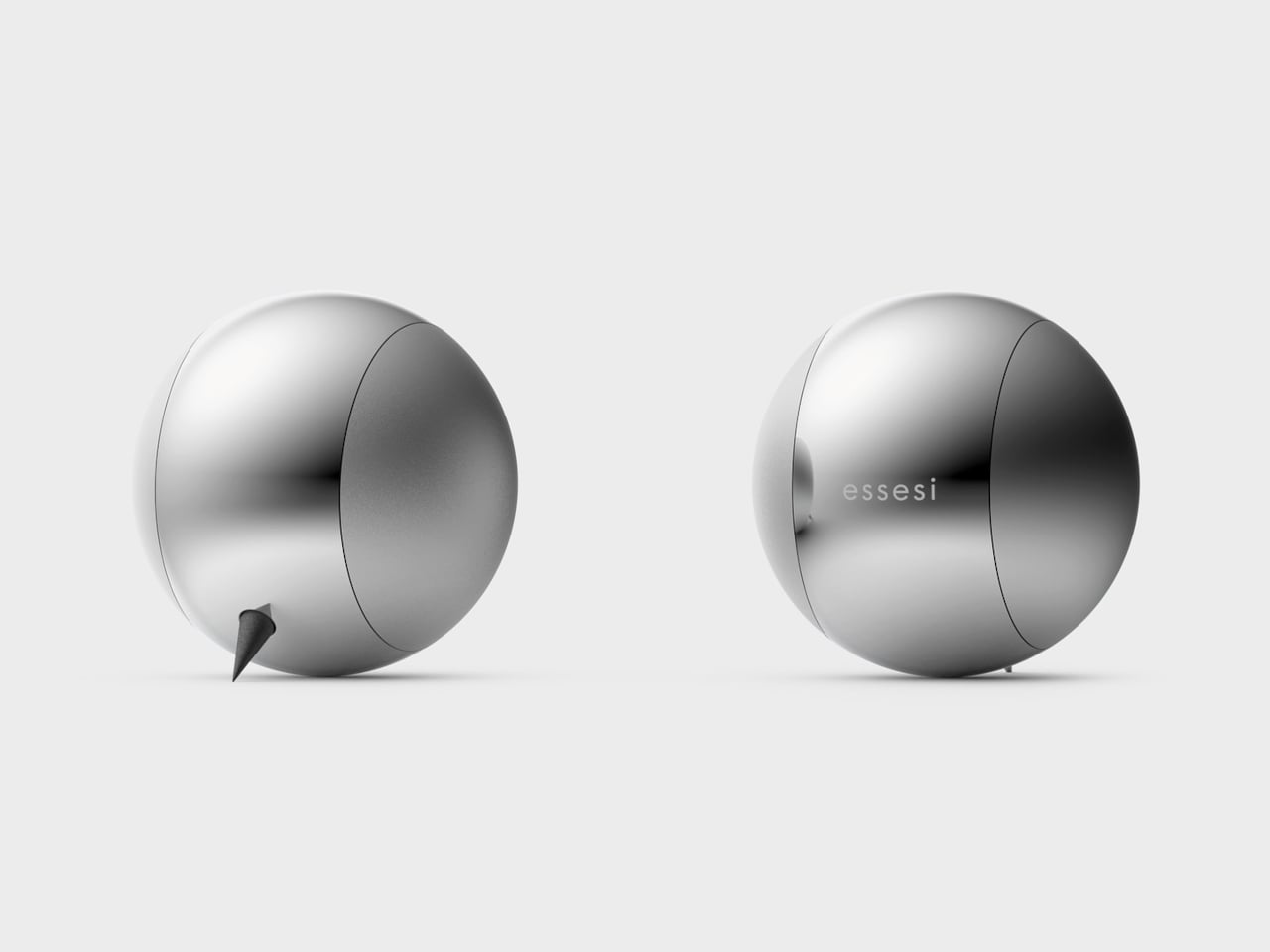
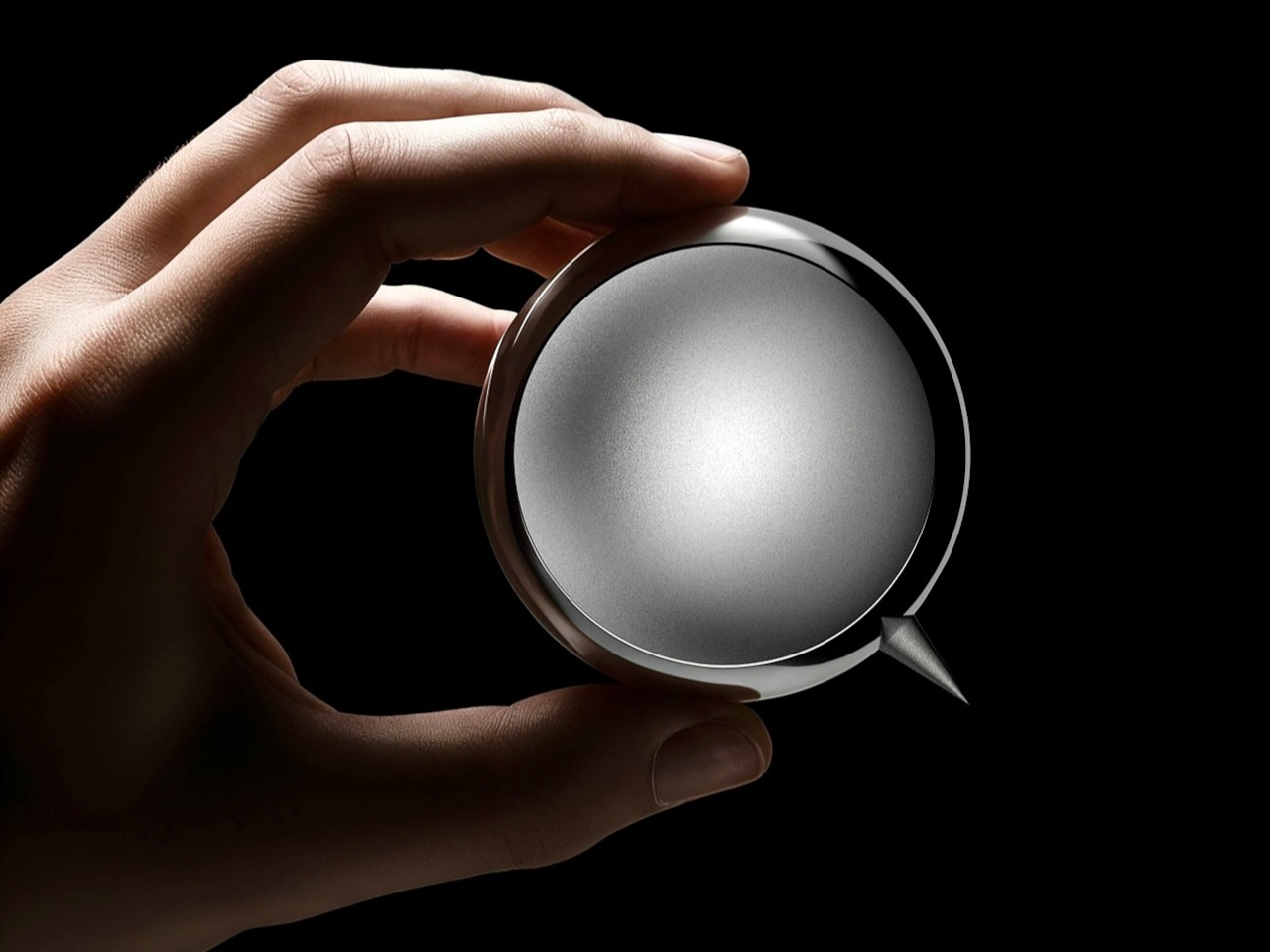
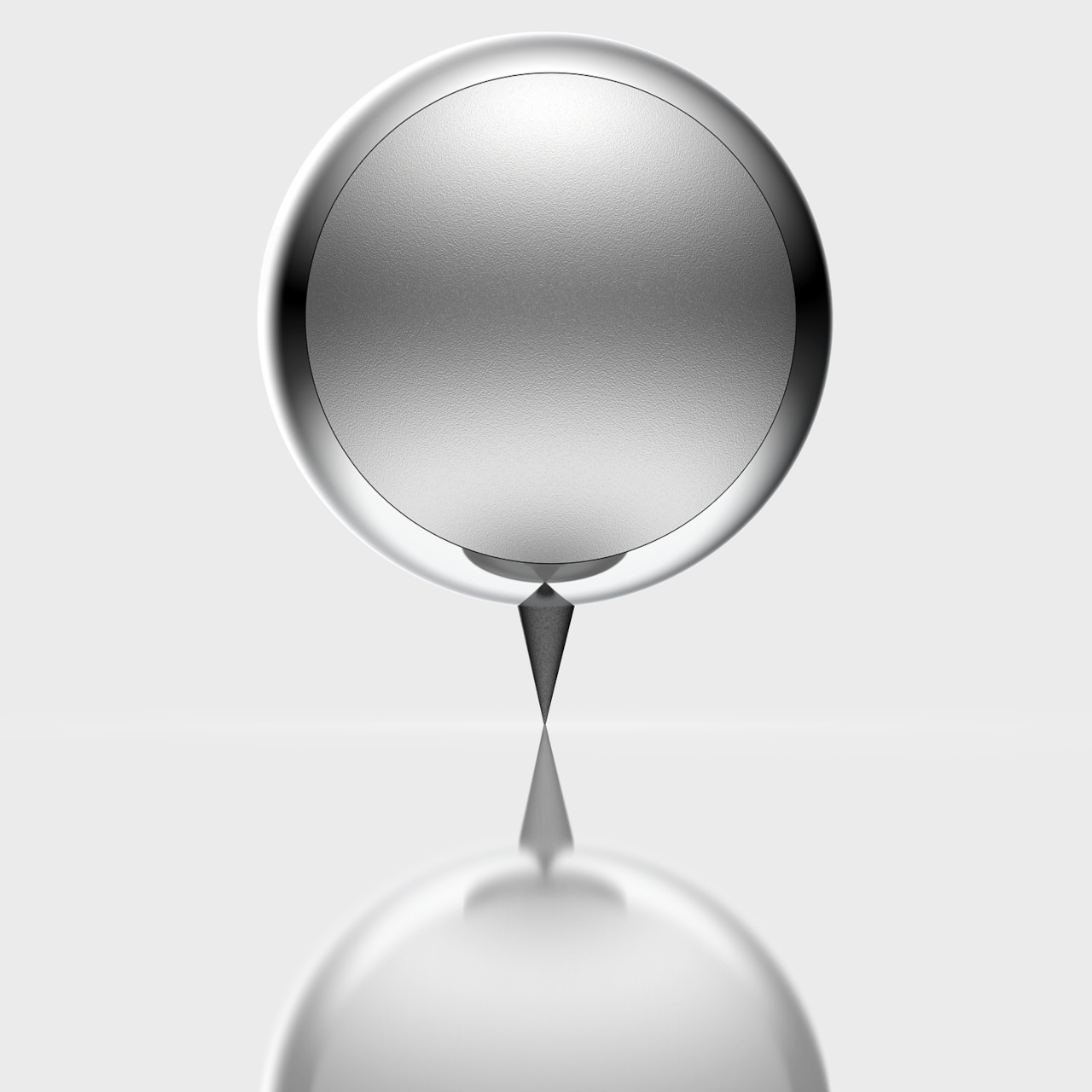
Medispace is a concept for a meditation device inspired by the singing bowls from the Himalayas. Just like the Tibetan bowls that are meant to help you relieve stress and get into your inner self by tapping and touching it, this device is meant to do that but with an urbanite twist. The device is small enough to fit into your palm so it’s easy to make it “sing” as you try to meditate. And what makes it more modern is that there are noise-canceling earbuds that you can use to fully immerse yourself in your meditation.

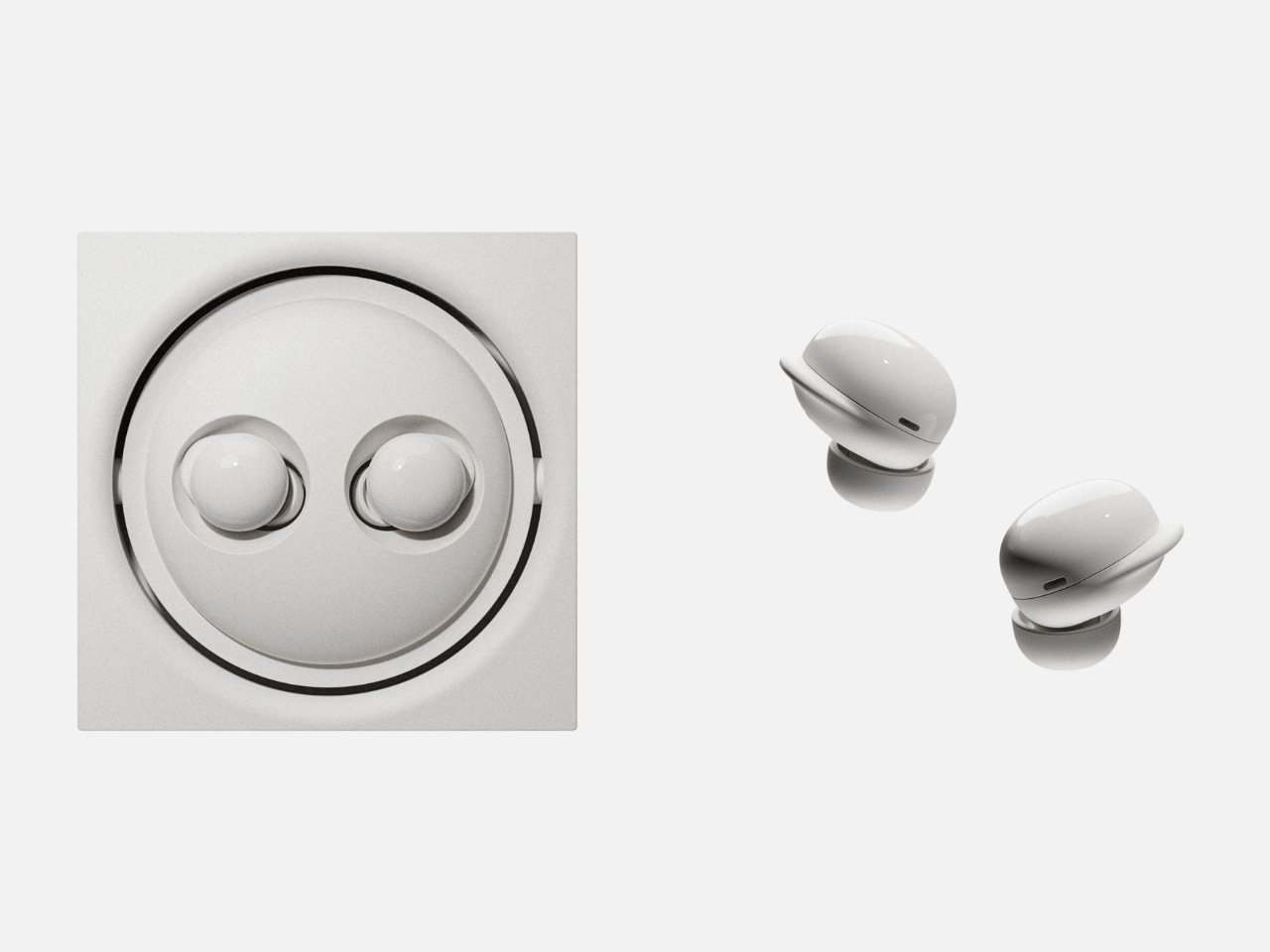
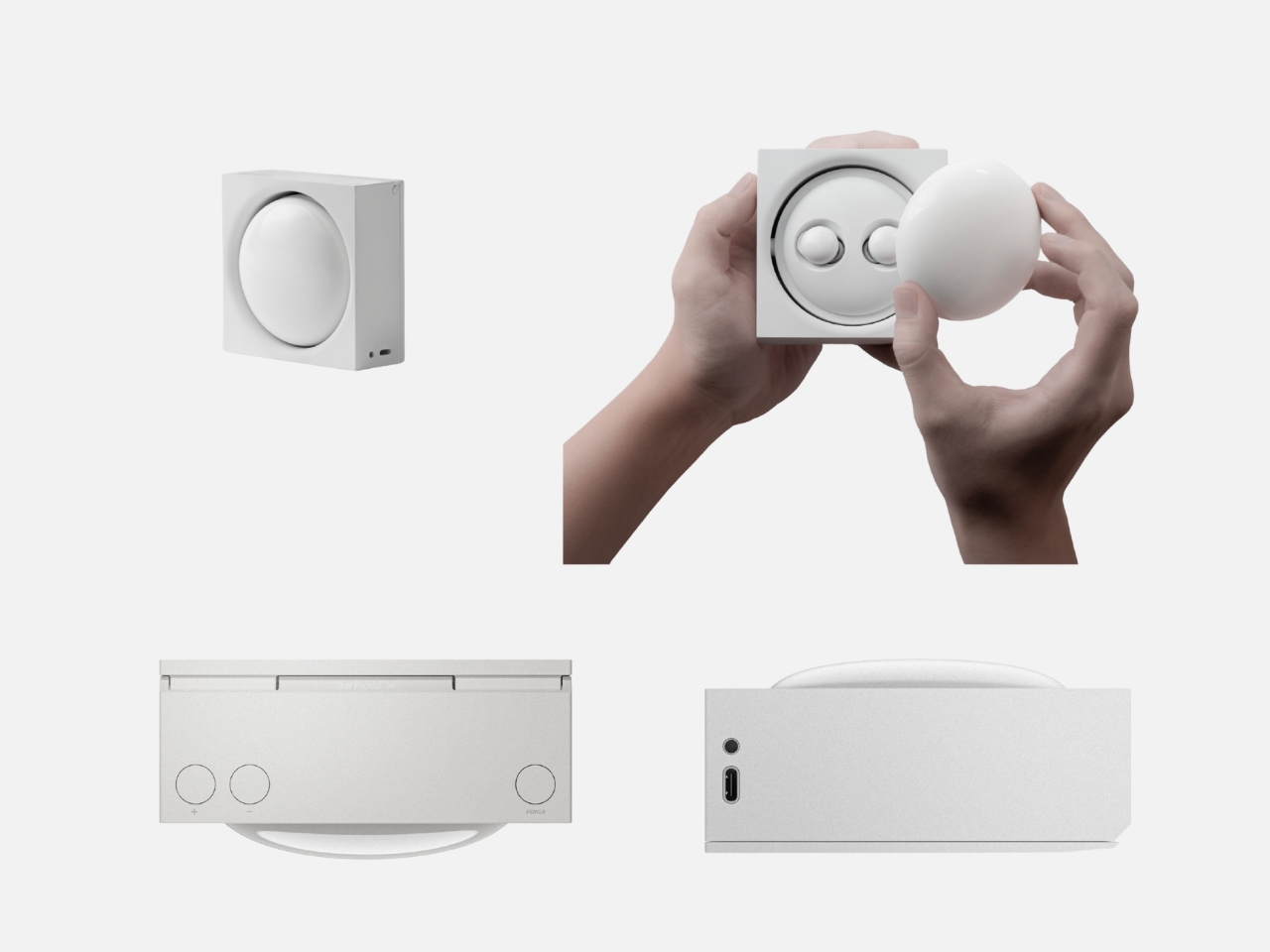
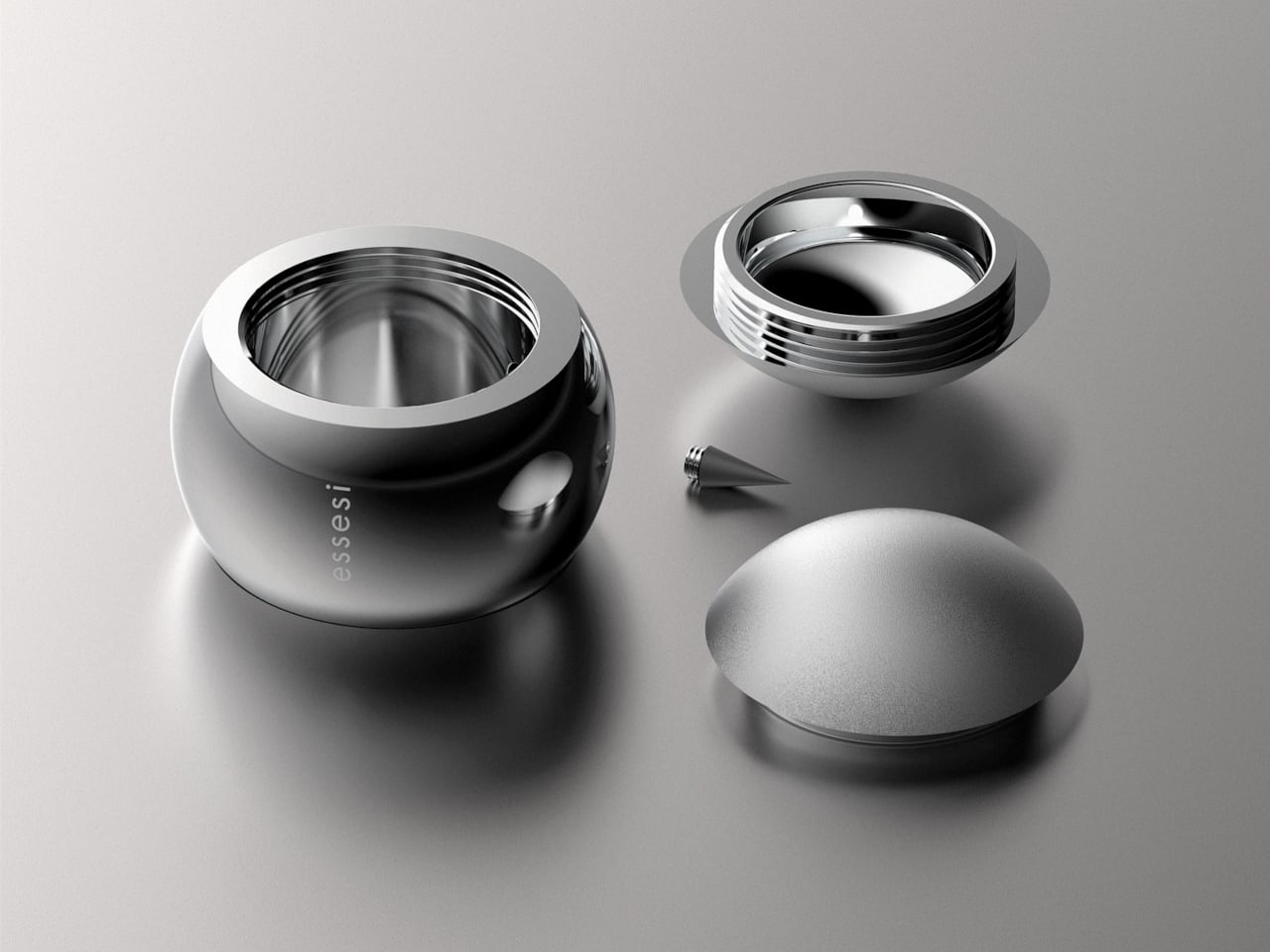
The device is able to simulate more than ten kinds of singing bowl sound changes. This makes you feel like you are actually using one of those Tibetan bowls as you touch and tap the metal disc on top of the Medispace. Inside, it functions more like a charging case for your earbuds which are part of your meditative experience. Medispace itself looks like a night cream moisturizer container which makes sense since that can also be part of your self-care routine. The earbuds look like your typical listening device but a bit bigger and with a seemingly textured/pebbled surface.

It’s an interesting concept to combine a meditative device with earbuds. But since we live in a world that offers up a lot of distractions, we need all the help we can get to shut off the outside world every once in a while and focus on things like deep breathing, meditation, and our inner lives.

The post Meditation device concept hides earbuds inside to help shut off external noise first appeared on Yanko Design.
Meditation device concept hides earbuds inside to help shut off external noise

When I want to shut out the outside world and just focus, I put on a pair of noise-cancelling earphones. Sometimes I also want to meditate and since I live in an area where outside noise is constant, earphones and headphones are pretty helpful. What if you actually have a device that is primarily meant to help you meditate, relax, and get in touch with your inner self, with listening to music just being a secondary function?

Designer: Suosi Design

Medispace is a concept for a meditation device inspired by the singing bowls from the Himalayas. Just like the Tibetan bowls that are meant to help you relieve stress and get into your inner self by tapping and touching it, this device is meant to do that but with an urbanite twist. The device is small enough to fit into your palm so it’s easy to make it “sing” as you try to meditate. And what makes it more modern is that there are noise-canceling earbuds that you can use to fully immerse yourself in your meditation.

The device is able to simulate more than ten kinds of singing bowl sound changes. This makes you feel like you are actually using one of those Tibetan bowls as you touch and tap the metal disc on top of the Medispace. Inside, it functions more like a charging case for your earbuds which are part of your meditative experience. Medispace itself looks like a night cream moisturizer container which makes sense since that can also be part of your self-care routine. The earbuds look like your typical listening device but a bit bigger and with a seemingly textured/pebbled surface.

It’s an interesting concept to combine a meditative device with earbuds. But since we live in a world that offers up a lot of distractions, we need all the help we can get to shut off the outside world every once in a while and focus on things like deep breathing, meditation, and our inner lives.

The post Meditation device concept hides earbuds inside to help shut off external noise first appeared on Yanko Design.
Nature-inspired toy-like calculator tries to get kids more interested in math

With plenty of phones and tablets around, kids are becoming more and more tech-savvy every generation. That, however, doesn’t always mean they are getting smarter or more skilled in other aspects of learning as well, particularly sciences and math that are more closely related to tech. There are plenty of apps that try to teach the basics, including reading and writing, but younger kids also need to develop their sense of touch, which requires more tactile experiences while learning. This calculator tries to pique children’s curiosity and engage not just their minds but also their senses, and it takes inspiration from one of nature’s hardest workers: bees and their geometric honeycombs.

Designer: Mohit Joshi

Calculator designs are not uncommon, but the vast majority of them utilize simple shapes like squares, circles, or even rounded squares, sometimes known as “squircles.” Not surprising, as these tools are designed for adults who value efficiency and performance primarily with aesthetics coming second only. The opposite is true for kids, however, whose short attention spans require designs that are captivating and intriguing, and keeping the design still functional is the challenge.

Some consider the hexagon to be the perfect shape because it isn’t flat like a square, can fit together better than circles, and is more space-efficient than triangles. Nature has a perfect example of this geometric shape in action as can be seen in beehives, particularly the honeycomb structures they form. While the real thing can be dangerous to children, bees are sometimes portrayed in fun and funny ways, especially given how hard they work and how well they guard their honey.

Hive Hex combines this shape and inspiration into a device that should be more interesting to use than even the sleekest and most minimalist calculator. The yellow color alone is eye-catching enough, but the puzzle-like hexagonal keys give a sense of whimsy and playfulness with their unbalanced composition, unlike the symmetrical arrangement of calculator buttons. That said, the non-standard layout of keys could prove to be confusing when the child “graduates” to grownup tools.

This toy-like yet functional calculator is a great example of how a bit of creative design can significantly change how a product appeals to different groups of people. Of course, some adults might criticize the use of calculators in the early stages of math education, but the calculator does more than just help kids solve number problems. The Hive Hex Toy Calculator could help give children a more lasting impression of how math doesn’t have to be boring or even scary, a positive attitude that they could carry with them throughout the rest of their lives.

The post Nature-inspired toy-like calculator tries to get kids more interested in math first appeared on Yanko Design.
Eight-pointed start censer adds a regal and mystical presence to your space

There is no shortage of censers and incense holders these days, and considering how many of them are either designed for the home or for travel, it’s no surprise that the majority of them embrace more minimalist aesthetics. These can fit in almost any kind of interior design theme and they tend to avoid being distracting. Some people, however, prefer to have a different kind of imagery when trying to settle their minds, one that may remind them of worlds beyond what we can see or physically feel. This wood and metal censer may look simple at first glance, but it can easily evoke feelings of awe and wonder thanks to its use of one of the most mystical symbols known to man: a star.

Designer: Rafael Maia

Given their distant and almost ethereal appearance, stars have always symbolized not just the heavens but also the majesty associated with it. Human history is filled with symbolism, art, and jewelry that use these heavenly bodies for inspiration, so what’s to stop modern designers from applying the same tradition to products intended to relax or elevate people’s consciousness to new heights? The eight-pointed star design, in particular, has associations with some religions and is an interesting geometric figure in its own right.

Star of the Orient is a censer inspired by religious themes, though the emotional and psychological effects of the design often apply universally, regardless of people’s inclinations. The censer’s star-like shape can be fully appreciated when looking at it from the top, usually when preparing the incense or cleaning the censer. The repeating pattern of lines radiating from the center and following the shape of the star creates a mesmerizing effect as if the golden star is pulsating and flickering like a real star in the sky.

In addition to this stellar theme, the censer’s tall form is also a bit contrary to the often diminutive sizes of most home censers. It has an almost imposing character, standing majestically on any surface while also blending with its surroundings. The combination of wood and bronze creates a sense of duality, not unlike the separation of the Earth and the sky where the star resides. At the same time, the sustainable materials also give off a guiltless feeling as you focus on the gentle puff of smoke rising from the top.

The censer’s design is simple without falling into the minimalist box. At the same time, the details and non-trivial shape create a point of visual interest that won’t distract you from lofty thoughts. And when you’re not using the censer, the Star of the Orient stands as a majestic piece of home decoration that adds a bit of a mystical accent to your space.

The post Eight-pointed start censer adds a regal and mystical presence to your space first appeared on Yanko Design.
Coffee machine concept brings boxy, colorful aesthetic

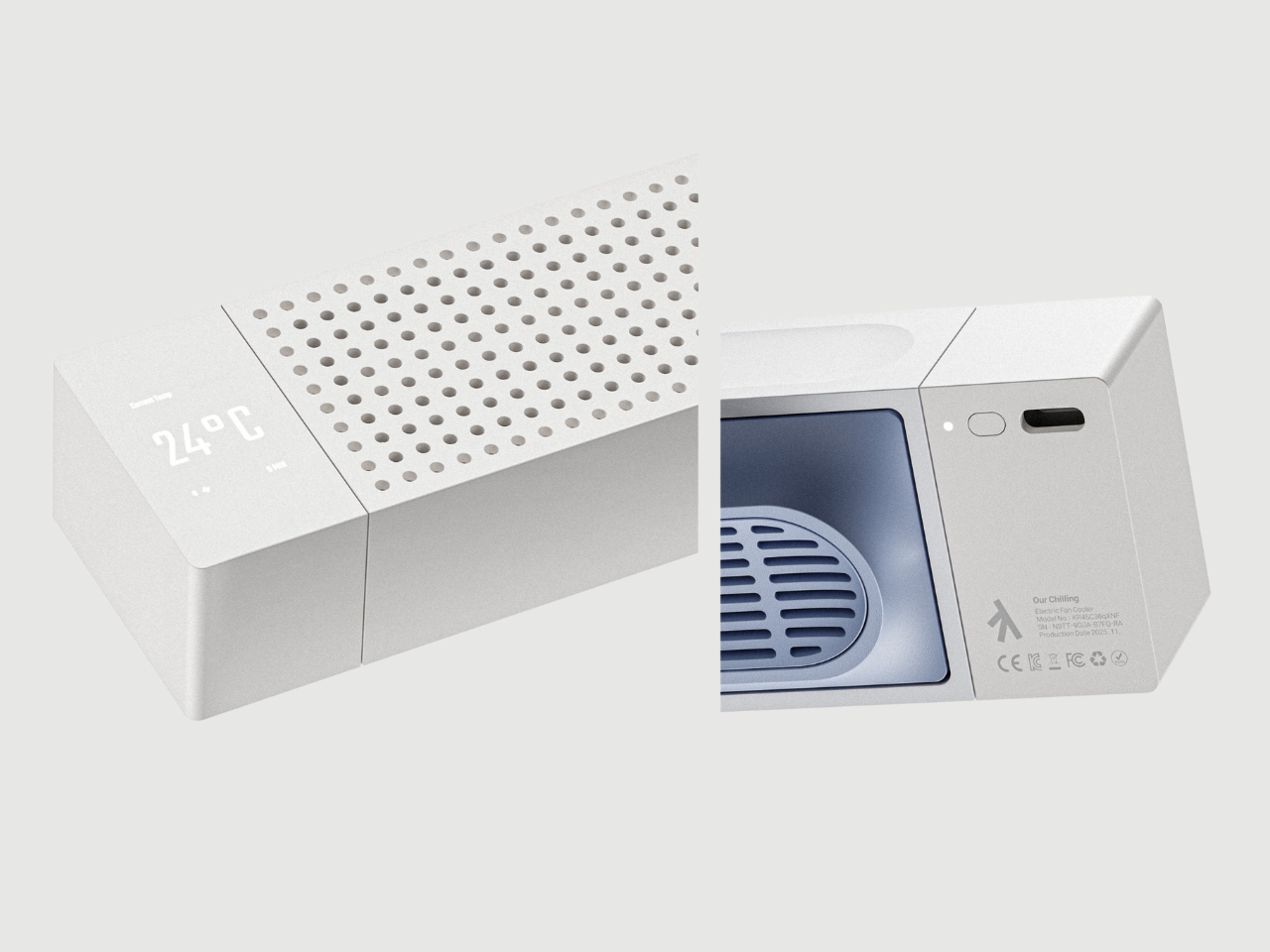
Product designers get inspiration for coffee machines from a lot of different objects: from lamps, to pop culture properties, to other kitchen appliances, to furniture. Of course we can get inspiration from almost anywhere, even though it’s actually far from the thing we’re trying to design. Hong Kong’s urban cityscape, particularly their apartment buildings has been featured in a lot of movies and TV shows and now, you can see semblances of it in this concept for a coffee machine.

Designer: One Object

The FOOD Coffee Machine series is a concept that was inspired by the aforementioned Hong Kong apartment buildings with their colorful and box-like design. The series shows off square and rectangular shapes with various pastel colors to light it up. It is meant to be customizable when it comes to its color and finishes so that it can fit your kitchen’s aesthetic, whether you’re going for a monochromatic or a more colorful vibe.

Velo is the more compact version of the coffee machine with its capsule system, if what you’re into is instant coffee. The water tank is at the back with colorful and modular-looking square and rectangular shapes making up the rest of the machine. Meanwhile the Manua is the espresso machine version with its box-shaped version of a manual coffee filter. The water tank is in the front beside the brew head and portafilter. The colorways are more monochromatic but still with several color options from the renders.

As someone who dreams of having a pretty nice coffee nook and maybe a coffee shop someday, this concept actually fits into what I’m looking for. The colorways and shapes are actually pretty attractive even if I don’t know about the actual functionalities of these machines. Well, as long as they can make coffee, I’m good.

The post Coffee machine concept brings boxy, colorful aesthetic first appeared on Yanko Design.
Hybrid smartwatch concept puts a small E Ink display front and center

Samsung just unveiled its newest batch of wearables, which finally includes the much-awaited Galaxy Ring, so there is naturally some questions again on the significance of such devices. Smartwatches, in particular, have been around for a few years now, but not everyone is sold on the value they bring to our modern lives, especially those who are particularly fond of analog timepieces. It doesn’t have to be an either-or situation when it is possible to make designs that can cater to the different preferences of different people. This hybrid smartwatch concept, for example, doesn’t exactly go the way of classic mechanical watches but still offers enough good things from both worlds to create a design that tries to capture the essence of the moment.

Designer: Ravisankar R

Hybrid smartwatches have been around for a while now as well, though they haven’t gained as much market traction as either pure smartwatches or pure mechanical watches. In theory, this kind of design adds some of the key experiences of smartwatches, like activity tracking and even notifications, while planting its feet purely in the analog realm when it comes to the watch itself. Most of the time, the electronics are shoved off the watch straps or are invisible to the wearer. On rare occasions, a transparent display is overlaid on the watch’s glass, letting the user have a complete view of both faces.

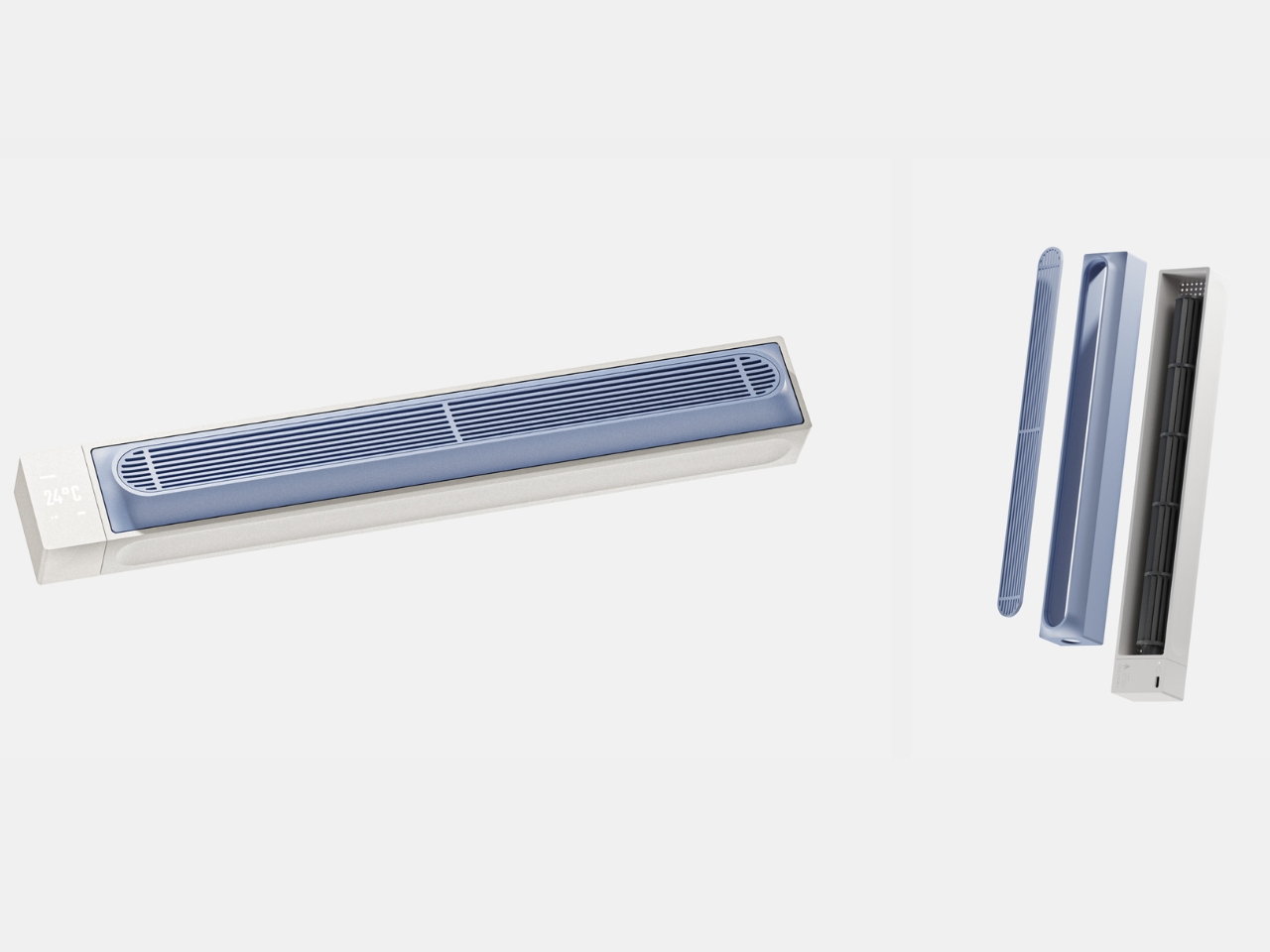
Ksana takes a slightly different approach by making the electronic display completely visible but shrinks it down to a smaller circle that covers only the middle section of the watch. The more interesting detail here is that it uses E Ink display technology rather than the typical LCD or OLED screens on smartwatches. Not only is it more battery-efficient, it also ensures that it displays only essential information, without the distractions of animated graphics and colors.

Beneath that screen is a more typical analog watch with hands driven by mechanical movements. The seconds hand is noted to be quite special in that it glows in the dark to make the watch more usable at night, especially considering E Ink displays don’t give off lights of their own. The smooth and graceful glide of the dials contrasts with the almost frantic imagery of smartwatches, focusing more on the importance of being in the moment rather than stressing over your next appointment.

Ksana doesn’t go for the classic wristwatch aesthetic and adopts a design that’s closer to conventional smartwatches with sportier looks. That’s not to say it doesn’t go for premium materials, like lightweight yet robust aluminum for the clock body, sapphire glass for the protective cover, and recycled materials for the straps. In a way, Ksana is both exceptional and conventional at the same time, bridging times and themes into a single design that helps you focus on what’s essential here and now.

The post Hybrid smartwatch concept puts a small E Ink display front and center first appeared on Yanko Design.
Bent wooden stool requires no screws or hinges to assemble from flat packaging

Flat-packed furniture has become quite the sensation, satisfying both the need for easy-to-assemble mass-produced products as well as a craving for the trendy minimalist design. There are, however, certain limits to those designs, especially because of the need to be flat and tightly packed. Putting them together also sometimes requires a bit of patience and know-how, particularly when small parts and screws are involved. This stool concept design challenges those conventions, however, by using mechanisms that require no extra parts, no screws, and even no glue, yet still delivers a multifunctional piece of furniture that looks unique and distinctive, unlike most mass-produced flat-packed products.
Designer: Joao Teixeira

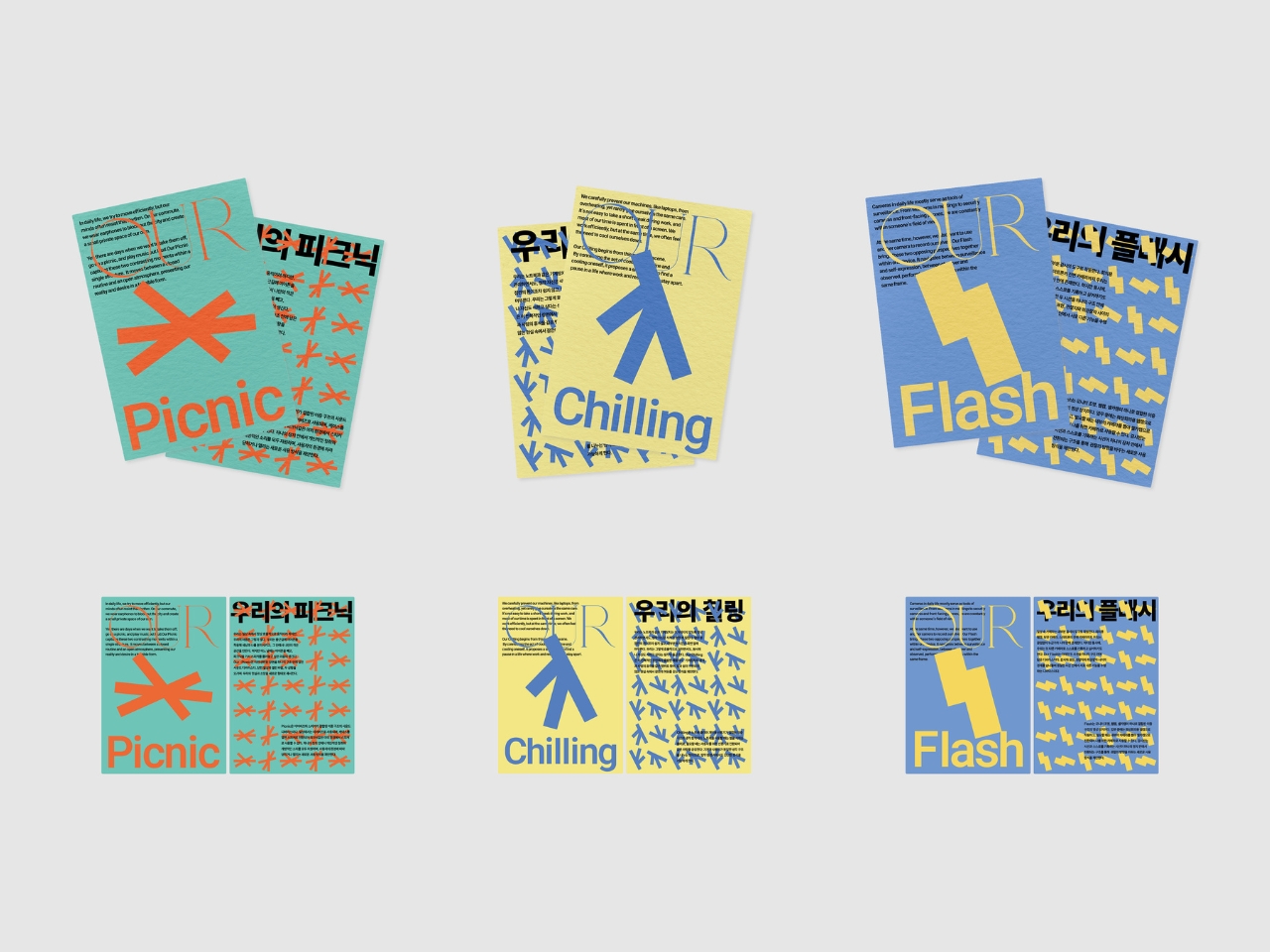
The easiest method to join two separate pieces after they have left the factory would be to either screw or glue them together. The former entails more complicated parts while the other often employs chemicals harmful to the environment. There are, however, techniques that simply use shapes and the force of physics, particularly gravity, to keep two parts together. The dovetail joint, which looks like two puzzle pieces getting wedged together, is one such mechanism, and it is the technique employed by this Flat Stool design.
That in itself is already impressive, but the stool’s real claim to fame is how its sides can curve and bend despite being flat-packed. You’d usually have to resort to tricks like hinges, which you have to screw, to change a wooden plank’s direction, but the Flat Stool uses a rather unconventional design to do the same. Specifically, it uses kerf bending on those bent areas to create a gentle curve that makes it look like the piece was shipped that way right from the start.

The effect is a stool whose sides bend down and inward, attaching to the middle of the slanted legs that also have a kerf bend to them. This creates a loop on both sides, an empty space that can serve as a holding space for books, phones, or other objects that don’t need a flat, horizontal surface to lie on. As a bonus, the kerfs and ribs of the stool are exposed and visible for everyone to see, creating visual accents that make the stool look more interesting.
Admittedly, some might have concerns about how long the dovetail joints will hold over time as the wooden contacts between the joints wear down. The kerfs might also look a bit worrying, especially on the legs, given the decrease in the mass of the wooden boards. Nevertheless, it’s an interesting concept that tries to think outside the flat-packed box to provide a design that isn’t as flat, literally and figuratively.

The post Bent wooden stool requires no screws or hinges to assemble from flat packaging first appeared on Yanko Design.