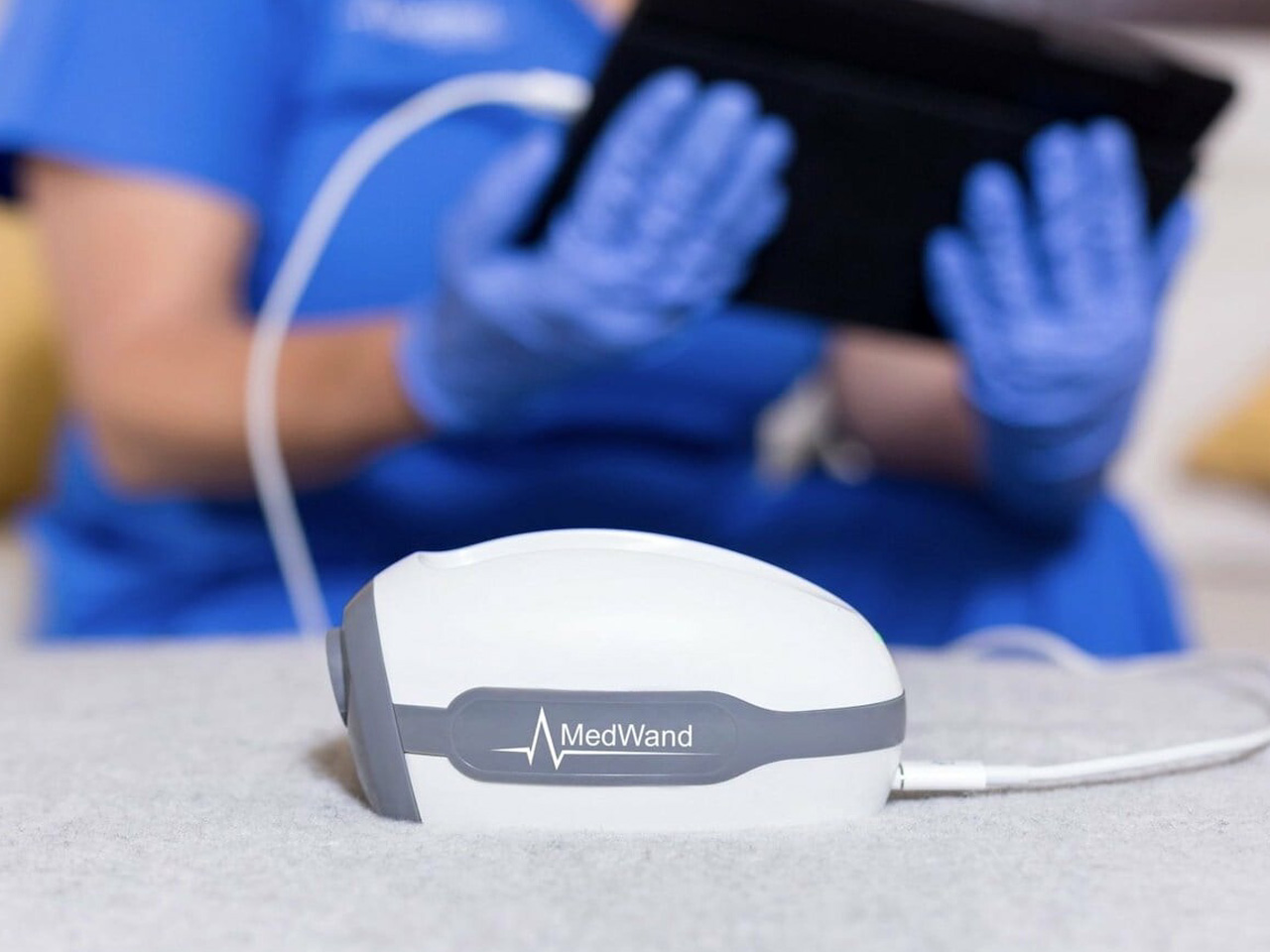
Meet the 323MD medical tablet – your all-in-one solution for seamless patient care. With its versatility and durability, it's healthcare on the go!
The post Introducing 323MD: Your Ultimate Medical Tablet first appeared on Trendy Gadget.
Meet the 323MD medical tablet – your all-in-one solution for seamless patient care. With its versatility and durability, it's healthcare on the go!
The post Introducing 323MD: Your Ultimate Medical Tablet first appeared on Trendy Gadget.
A portable body composition tracker offers detailed health insights anywhere and anytime. The third-generation Fitrus Plus 3.0 retains its portability while introducing numerous upgrades, making it a versatile health companion accessible whenever and wherever needed. It measures body fat, skeletal muscle mass, body mass index (BMI), basal metabolic rate (BMR), heart rate, and body water all at once. This tracker aids in setting attainable fitness goals and tracking progress, which helps maintain motivation and improve health outcomes. Tracking your body’s reactions is crucial for individuals following specific fitness or diet plans. With its portability, the Fitrus Plus 3.0 easily incorporates health monitoring into daily routines, thanks to the additional features of the third generation.
Designer: ONESOFTDIGM CO., LTD.
Click Here to Buy Now: $149 $249 ($100 off). Hurry, only a few left! Raised over $80,000.
These data are obtained from a physical tracker combined with intelligent software. The new Fitrus Plus 3.0 features a significant improvement in battery life, extending from 4-5 days on the Fitrus Plus 2.0 to 20 days. The charging port has been upgraded from Micro 5-pin to USB Type-C. A full charge takes 3 hours. The device features a 1.3” OLED display with a resolution of 128 x 64 pixels. This makes it easy to read data such as body composition, skin temperature, object temperature, heart rate, stress index, and battery life.
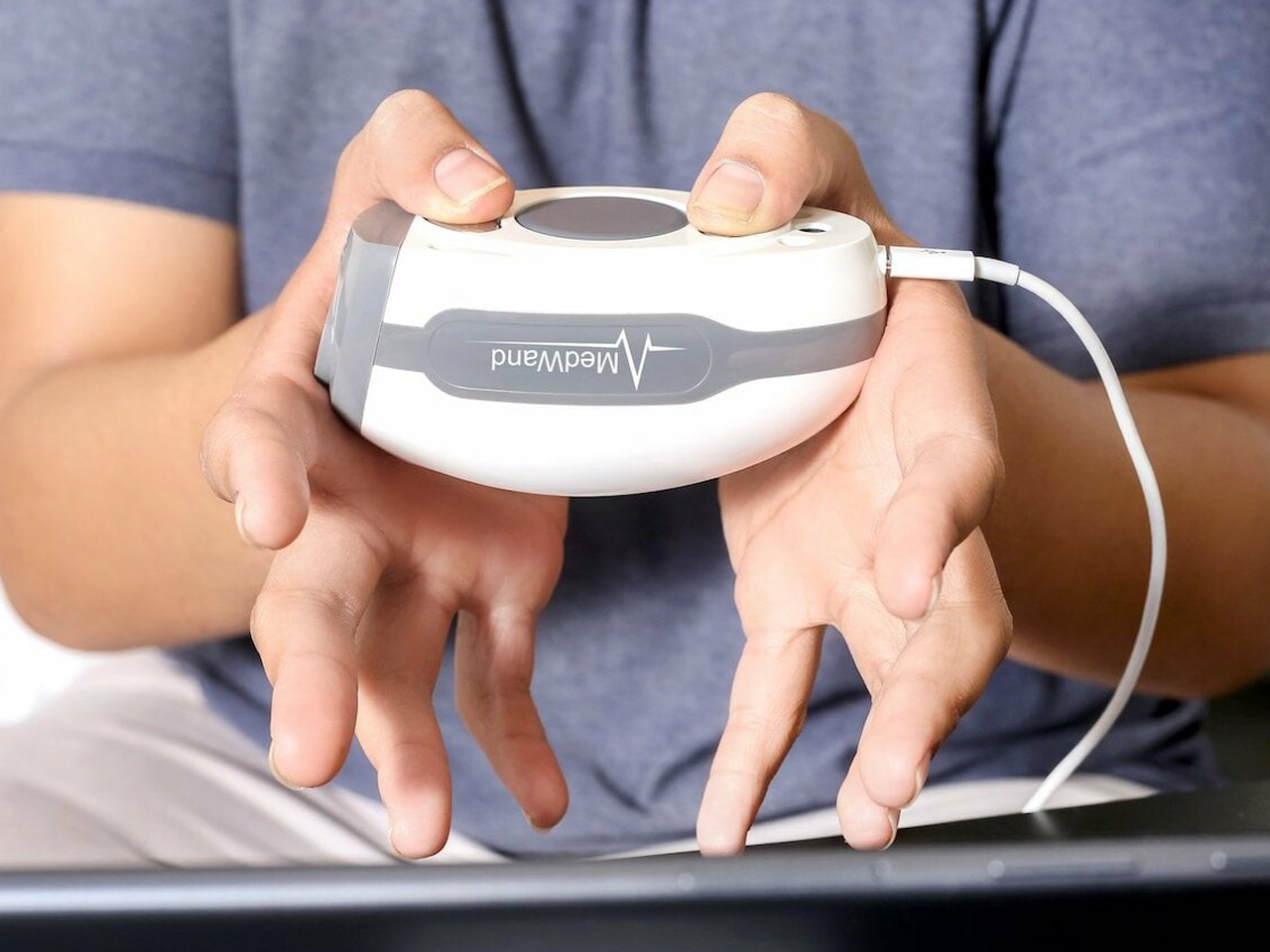
Hold the four electrodes with your thumbs and index fingers, stretch your arms forward. Keeping your elbows straight, and avoid touching your hands together. Wait until the results appears!
The new design is as smooth and user-friendly as the software that powers it. The updated health tracking functions, including protein, mineral, and swelling indexes, make the upgrade from the previous generation worthwhile. These additions allow for a more comprehensive health analysis. Gaining insights into your body’s changes is valuable. However, further benefits can be derived, such as receiving personalized health recommendations for meal plans and workout routines. These are based on the collected and analyzed data. As our bodies change over time, whether we notice it or not, these personalized recommendations continue to adapt, enabling you to achieve your best self.
Like the temperature sensor in the Google Pixel 8, an IR sensor can be used to measure skin temperature without contact. It instantly displays the temperature on the OLED screen, eliminating the need for a smartphone. This device is especially useful for parents with young children, as it can also measure the temperature of soup or milk to prevent burns. Measuring 4.96 inches long, 0.54 inches thick, and 1.34 inches wide, and weighing just 1.41 ounces, the Fitrus Plus 3.0 champions portability. Using the Fitrus is straightforward – hold the four electrodes with your thumbs and index fingers, then extend your arms forward. Ensure your elbows are straight and your hands are not touching. Maintain a straight posture and the results will display. The device automatically turns off after taking the measurement, which adds convenience as you don’t need to turn it off manually.
The Fitrus Plus 3.0 revolutionizes personal health tracking by combining portability with a rich array of health metrics, making it an essential tool for anyone committed to maintaining an active and healthy lifestyle. Its extended 20-day battery life, user-friendly USB Type-C charging, and clear OLED display ensure that users can access detailed insights into their body composition, heart rate, and more anytime and anywhere. With its enhanced features and the ability to provide personalized health recommendations, the Fitrus Plus 3.0 not only tracks health data but also helps users achieve their fitness goals with greater precision and motivation.
The Fitrus Plus 3.0 requires no subscriptions or additional payments. The application for iOS and Android is free, and the company has stated that they have no plans to implement a subscription fee in the future.
Click Here to Buy Now: $149 $249 ($100 off). Hurry, only a few left! Raised over $80,000.
The post This Portable Body Composition Tracker Revolutionizes Fitness and Health Monitoring first appeared on Yanko Design.

Pill boxes and dispensers are becoming more common inside households, especially those with members that require daily medication for their health. The simplest designs are just containers with compartments for different days, but there are also more sophisticated machines that try to automate that routine so that you won’t forget to take your pills. Unfortunately, neither of these solutions takes into account unauthorized or accidental access to those medicines, especially by children for whom those drugs could very well be fatal. This smart pill dispenser concept tries to bring all those concerns together, offering not only a convenient tool but also a safe one for users as well as the people around them.
Designer: Anthony Chupp


The tedious work of taking medication regularly actually starts at the moment you allocate them for each day. Pill boxes and dispensers make it easier to dispense those pills and capsules, but they don’t exactly make it easy to fill them up in the first place. You might drop a pill or two on the floor in the process or, worse, drop them in the wrong compartment, forcing you to lose time trying to double-check and correct that mistake. We’re still a few steps away from a completely automated process that segregates and distributes those pills without human intervention, so any aid toward this part of the process will be significant, even if it still involves manually dropping in pills.


That’s the kind of help that the Cadence concept design offers, using a pharmacy-grade pill sorting plate that makes it easier to put pills where they belong. The specially-designed tray only has an opening for a single day so you don’t accidentally drop medicine inside compartments that have already been filled up. You can also just pour your pills on the tray and then use the built-in spatula to move the exact kind and number toward the opening.


The smart pill dispenser has 30 slots arranged like spokes around a wheel. When it’s time to dispense the day’s dosage, it releases the pills down a dropper shaped to guide the pieces into a cup or glass for collection. And then it turns the wheel so that tomorrow’s pills will be ready for the next round. The button to dispense the pills for the day is located at the top, out of the reach of kids, while locks prevent those same children from accidentally getting into the dispenser itself and scattering its contents.


Of course, it wouldn’t be a smart pill dispenser if it didn’t have any hi-tech features. When connected to a mobile device, Cadence will be able to keep track of your intake, calculating how many doses you have left or how many you’ve missed in that month. The dispenser itself has a small digital clock in the corner to take note of the time, and an LED light strip around the box that gently catches your attention when it comes time to take your medicine. Cadence isn’t exactly a sophisticated smart device, but it’s this balance of digital and analog methods that actually makes the design concept even more effective.


The post Smart pill dispenser concept safeguards your medicine from kids first appeared on Yanko Design.

When I was diagnosed with a certain condition a couple of years ago, it also comes with the tedious (and expensive) “habit” of drinking all kinds of medication. While in my head I know I have to drink these meds at certain times of the day, there are still a lot of times that I actually forget. Sure, we can always add reminders on our phones but sometimes we just snooze those reminders. Or that may just be me. But in reality, people still need all kinds of reminders to take their meds.
Designer: Rume Studio


Ownum Pod is a concept for a device that may be the first one with a smart reminder for medication. This isn’t just an app that can give you notifications when it’s time to take your meds. It’s actually a smart device where you can put your medicine bottle in it and then configure the app to give you reminders when to take it. There is a precision scale inside the device so it knows whether or not you took the correct dosage of your pills or tablets.


The pod itself looks like a smartphone or device charger with a space in the middle to put the medicine bottle. It probably has a standard bottle where you can just store your respective medicine in. And if you’re like me that takes several different meds, you can interconnect multiple pods with just one power cable / charging connection. It has a rubber base and is also modular so you can place double or multiple pods together.


The UI and function seems pretty simple based on the product renders, although there wasn’t much explanation or visuals of the connected app. I don’t know if something like this can help discipline someone like me into taking their meds regularly. But having an option like this may be helpful.


The post Smart device reminds you to take your meds when you have to first appeared on Yanko Design.

Given how much of it is exposed for everyone to see, skin conditions can easily become a source of embarrassment or even depression for anyone. This is especially true for diseases that require prolonged treatment where afflicted people have to endure not only physical but also mental and emotional suffering during that period. Those with chronic conditions such as psoriasis might feel forced to cover up those blemishes, which might not be good for treatment. Those treatment options often revolve around the technical aspects of the medicine or the physiological condition of the patient, disregarding psychological effects. This wearable medical patch, in contrast, offers a solution that isn’t just innovative but, more importantly, human-centric as well.
Designer: 3M x Feathm Design Studio


Psoriasis patients often feel more than just the discomfort or pain brought about by their long-lasting condition. They also feel some level of hopelessness and anxiety from living with the disease. Treatments for psoriasis do exist, ranging from ointments to injections, but patients still have to endure the sight of their disfigured skin while that treatment is still ongoing. Worse, they can’t cover up those affected patches of skin, at least not without unfavorable consequences in the long run.

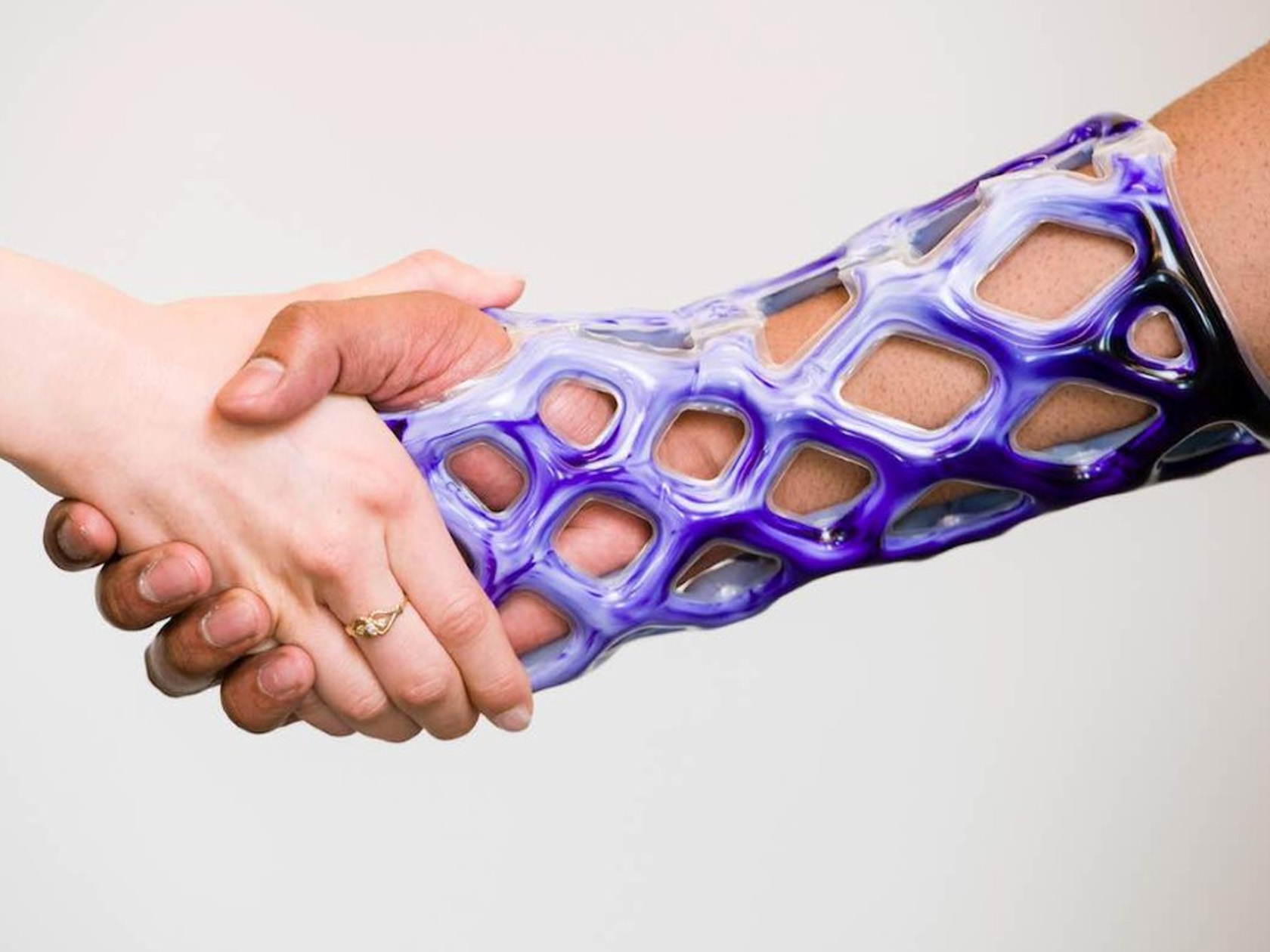
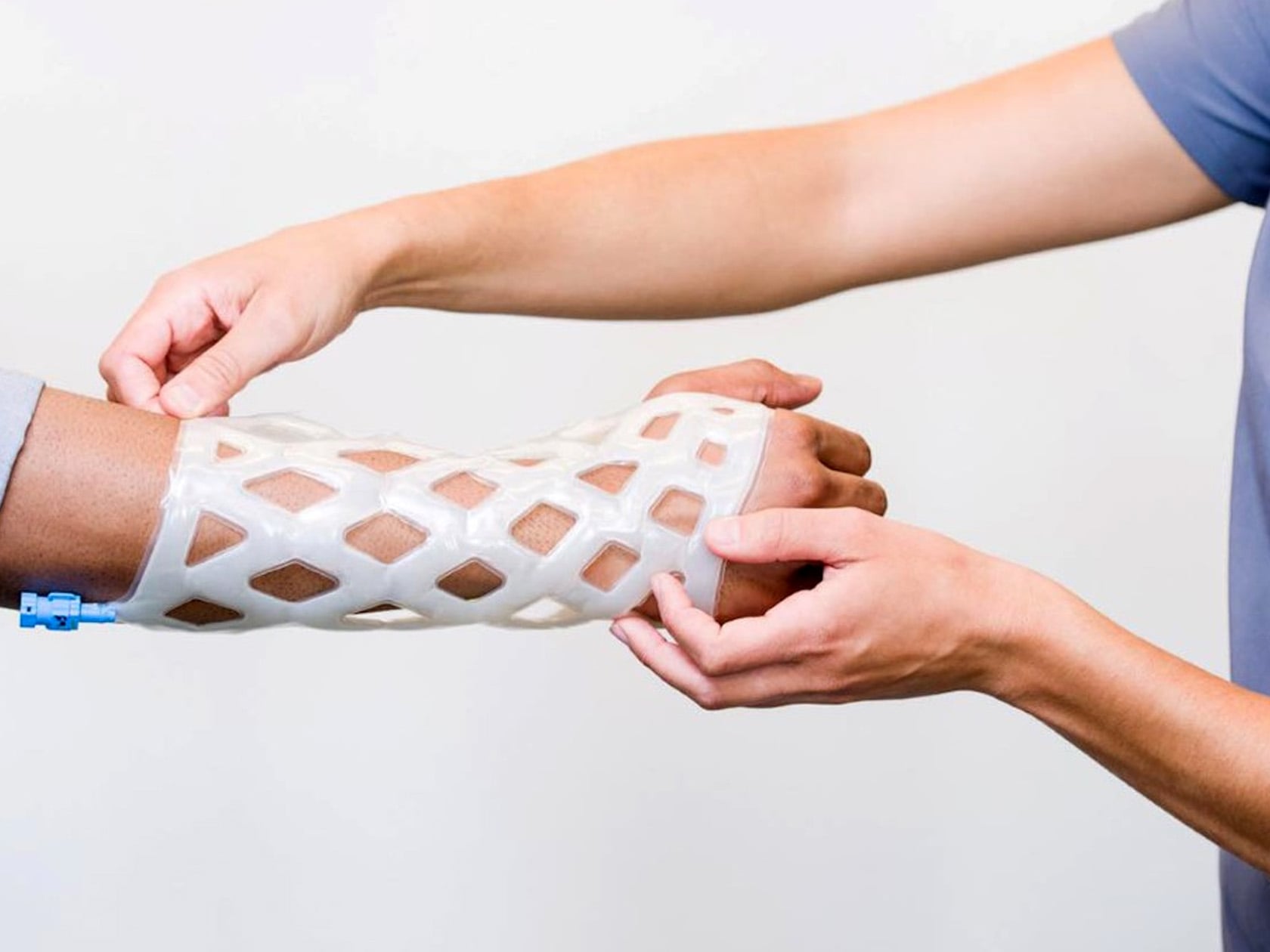
The 3M Psoriasis Prescription Patch design tries to alleviate patients’ suffering by hitting two birds with one stone. For one it’s a medical-grade skin wearable that easily lets people apply the patches in affected places, and although the prototype is shown to have a transparent or translucent surface, it’s not hard to imagine 3M applying its technologies and patents to make the patch seemingly blend with the skin or cover up those areas with more aesthetic designs.


More importantly, the patches can actually administer medicine to the skin, making it trivial to apply the right amount of dosage needed for treatment. In other words, these are patches you will actually have to wear to get better, which will hopefully help increase the patient’s confidence while undergoing treatment. The patches also employ a perforated honeycomb design that makes it easier to tear off sections to match the specific shape of the area that needs to be covered. Perhaps it can even be used to create interesting patterns that call attention to the patch in a more favorable way.
On the surface, it doesn’t seem like a medical patch is something ground-breaking, but it’s an innovation that puts a paradigm shift in dermatological treatment. Rather than just the application of medicine, it focuses on the effects the processes have on the mental and emotional well-being of the patients. And with a disease that everyone will be able to see, it’s even more important to take a human-centered design approach that will not only heal people’s skins but also their spirits.

The post Transparent skin patches promise psoriasis patients better human-centered treatment first appeared on Yanko Design.
Many people try to deny experiencing physical disabilities for fear of making them look weak. This is especially true when it comes to hearing problems that people feel they can simply ignore or wave off easily. Those who do admit to having some hearing disabilities, however, are hesitant to get hearing aids that are expensive, fragile, uncomfortable, and too conspicuous, as if announcing their handicap to everyone around them. That doesn’t have to be the case, especially with today’s advancements in technology, and fortunately, some people are indeed stepping up to design a less obnoxious and more reliable hearing aid, such as this concept that tries to check all the boxes that would encourage more people to wear them and enjoy the world as it was meant to be heard.
Designers: Jitendra Kakade, Nikhil Srikrishnan, Riddhiman Dutta Choudhury


Despite how electronic components can now be so minuscule, most hearing aids still come in a large, two-piece design that, more often than not, clamps to the back of your ear. Such hearing aids are not only uncomfortable to wear, they also tend to put a very visible stigma on wearers, making them feel self-conscious and even ashamed to wear one. This leads to many owners abandoning these devices altogether, willing to sacrifice their happiness for the sake of their image.


Rezonance is a concept design that tries to think of a better solution that isn’t just more discreet but also more affordable and accessible in the long run. Instead of the typical clamping design, Rezonance employs bone conduction technology to be almost invisible. It’s a technology that is already used today on some wireless headphones, so it’s already a proven solution. By using bone conduction, there doesn’t need to be any visible part going into the person’s ear and Rezonance can stay hidden from view behind the wearer’s ear.


Instead of using clamping force to stay in place, the concept suggests an adhesive pad that’s similar to sports tape, ensuring that the material is not only waterproof but also reusable. Additionally, the components used to make the actual hearing aid are claimed to be quite cheap and easily available, which means that the final product itself doesn’t have to cost people an arm in exchange for their ear.


The design doesn’t specify whether Rezonance works only as a single piece or if you will need two for the full audio experience. Even then, it would still be a lot less cumbersome compared to the traditional hearing aid design. Of course, such a design will need to be verified first, especially by professionals, because a design that’s elegant yet ineffective will just end up disappointing and turning away people all the same.


The post Discreet hearing aid concept empowers people with hearing disabilities first appeared on Yanko Design.

When people talk about wearables or wearable tech, they are mostly thinking of smartwatches and fitness trackers, basically those that are worn on your wrist. Technically speaking, however, any kind of technology that can be worn on your body would qualify as wearables, hence the name, but we have been restrained by the limits of current technologies and design trends. Fortunately, it isn’t a dead end yet, and smart rings are starting to become a viable alternative, allowing some people to still keep track of their health while finally being able to wear their favorite classic watches again. These rings reveal the potential of jewelry that could deliver those same features while allowing you to maintain your fashion sense, like this earring that can read your body temperature, something that is still uncommon even on smartwatches today.
Designers: Qiuyue (Shirley) Xue, Yujia (Nancy) Liu, Joseph Breda, Vikram Iyer, Shwetak Patel, Mastafa Springston (University of Washington)

Our bodies are a treasure trove of data, depending on which part you are observing. Smartwatches try to shed light on our health by literally shining light through the skin on our wrists and down to blood vessels. Smart rings largely do the same, though on your finger, of course. While much of your body’s state can be calculated from these areas, some body parts give more accurate biometrics than others. There might still be some debate about it, but some researchers believe that the ears, particularly our earlobes, are a better source for that kind of information.

That’s the medical foundation that the Thermal Earrings are based on, a research project that is attempting to create a new wearable that is both functional and potentially fashionable, especially for women. The device uses two sensors, one that magnetically clips to the earlobe and measures body temperature, while another dangles an inch below it to measure room temperature. Comparing data from these two sources yields a more accurate body temperature reading compared to smartwatches that can’t properly differentiate ambient temperature. This accurate reading is crucial not just for knowing your body’s temperature but, for women, also for keeping track of their ovulation and periods.

The Thermal Earrings’ diminutive design presents both a challenge and an opportunity. It uses up very little power and uses low-power Bluetooth to transmit its data to a paired smartphone. In theory, it can be charged with solar or kinetic energy, but implementing a charging system for that is proving to be a bit tricky. And since only one earring is enough to read the wearer’s body temperature, it raises the question of what the other earring would do. Should it be a simple non-smart decoy to pair with the smart earring or can it also be used to read some other biometric as well?

More importantly, however, the Thermal Earrings open the doors to another kind of wearable accessory. Although the current prototype is largely limited by the electronics it uses, it can already be customized with charms and gemstones. More research into different materials and forms can hopefully lead to more chic styles, ones that ladies won’t be embarrassed to be seen wearing.

The post Smart earrings can read your temperature, paving the way for new wearables first appeared on Yanko Design.
![]()
When Google launched the Pixel 8 Pro, it revealed a feature that seemed to be a solution looking for a problem. It had a temperature sensor, one of if not the first to debut on a smartphone, that was advertised as a way to, well, check the temperature of food or your baby’s water bottle. There were leaks claiming that it could also take your body’s temperature, but that never came to pass, at least until now. Google finally let the cat out of the bag that it was just waiting for FDA approval, so the Pixel 8 Pro is now capable of reading your body temp, though the exact process and usefulness of that feature still remains a big question mark.
Designer: Google
![]()
Why would you want to use your phone to read your own temperature anyway? That’s because many people have been quite obsessed with checking their body temperature ever since the recent pandemic, and short of awkwardly carrying a thermometer with you all the time, using a smartphone is the next best thing. But since the feature would be used to take the place of a medical device, it needed regulatory approval first, which Google finally got.
![]()
![]()
According to the tech giant, the secret to this feature is the infrared sensor that’s positioned right beside its cameras. Before this body temperature feature was finally released, all it was allowed to do was measure the temperature of non-living objects by holding the phone no farther than two inches from the target. Unsurprisingly, there’s only a limited number of applications for such a thermometer, so it was like a feature that buyers were paying for but couldn’t fully use. The narrative now changes with the addition of body temperature readings, but it might not be a clear win either.
![]()
![]()
It uses the infrared radiation, a.k.a. heat, that our body generates to make this reading, but Google claims it does one better than the typical forehead digital thermometers commonly used today. It measures the temporal artery, that is, the artery located on your temple, to get a more accurate reading. Of course, the data is further processed by an AI-powered algorithm before being displayed on the Pixel thermometer app. The process, however, isn’t as quick or as straightforward as those forehead thermometers. You need to first hold the Pixel 8 Pro two inches away from the center of your forehead, wait for the beep to signal the start of the scanning process, and then swipe the phone toward your temple, all in just four seconds. The scanning automatically stops after four seconds, so the accuracy of the reading also depends on how accurate your movements are.
![]()
Although Google is quite confident in the accuracy of this feature, it’s still a bit doubtful how much use it will get in real life. Admittedly, body temperature reading is far more useful than precariously placing your phone so close to a hot object, let alone one that’s giving off smoke or steam. Fortunately, the Feature Drop that delivered this feature on Pixel phones also has other goodies, like Circle to Search which was first announced on the Samsung Galaxy S24 series. Google is also launching a new Mint Green flavor of the Pixel 8 and Pixel 8 Pro, in case you’re still in the market for a new phone, especially one that you can also use as a thermometer.
![]()
![]()
![]()
The post Pixel 8 Pro thermometer can now ready body temperatures, but is it worth it? first appeared on Yanko Design.
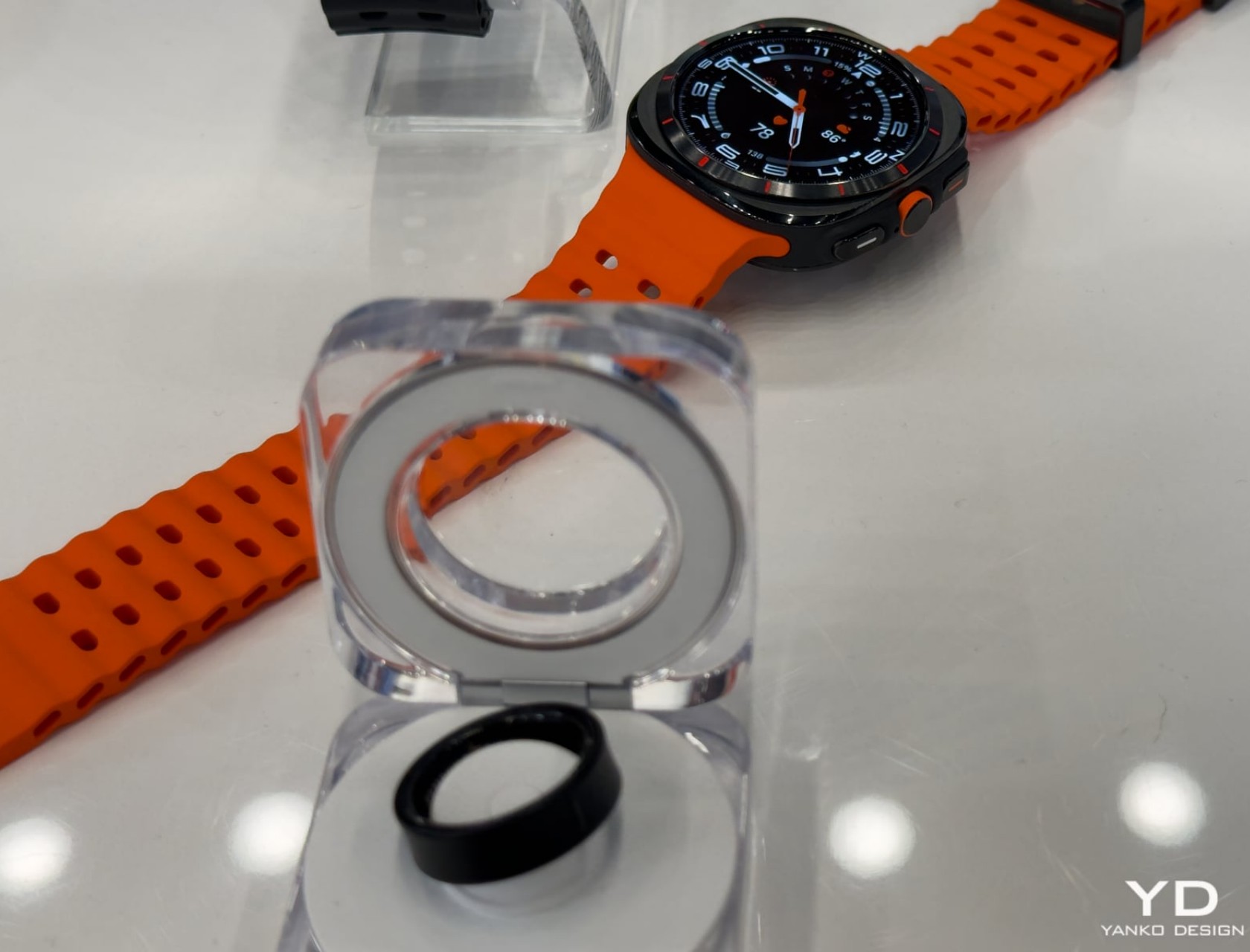
While there seems to be a rising interest in smart rings as condensed fitness monitors, smartwatches are hardly done growing. Smart rings, at least in their current incarnation, promise a discreet way to keep track of your body’s state, but smartwatches have more room for more advanced sensors and features that you can never fit inside a ring. Some of those features might even make the difference between life and death, as proven time and again by Apple Watch anecdotes. Samsung, however, is setting its sights on a more ambitious goal that’s considered to be one of the Holy Grails of home healthcare. In the near future, its Galaxy Watch line could tell the wearer if their blood sugar is dangerously low or high, all without having to prick their skin and draw blood.
Designer: Samsung (via Bloomberg)

Next to heart-related disorders, diabetes is considered to be one of the most serious diseases plaguing people today. In fact, it’s also labeled as a “silent killer” because of how too late a diagnosis often comes. Monitoring one’s glucose or blood sugar levels, after all, is a literally painful procedure that most people would avoid, including diabetics themselves. There is a great and urgent demand for non-invasive glucose monitoring solutions, and Samsung is apparently already eyeing that achievement.
According to the company’s digital health chief, Hon Pak, Samsung is really pushing hard to make this innovation available in a future version of its Galaxy Watch wearables, like the Galaxy Watch 6 pictured in this piece. A non-invasive blood sugar monitor, together with continuous blood pressure monitoring, would definitely put Samsung at the head of the race. Of course, it’s easier said than done, and even the exec can only hope that the technology and the product will be available within the next five years.


It can’t take its sweet time either, because in addition to medical equipment manufacturers trying to cash in on this potentially lucrative future market, Samsung is also racing against Apple. The Cupertino-based company whose Apple Watch has become synonymous with life-saving wearables, has long been reported to be working on a solution as well. Such a smartwatch with a non-invasive glucose monitor will surely be a reality, but whoever gets there first will be able to claim a large share of the market.
Then again, diabetics and healthcare workers probably care less about who launches a design first, as long as a reliable product does indeed arrive. There are already a few non-invasive monitors that indirectly compute glucose levels from other biometrics, but their accuracy is often still in question. A smartwatch might not even be as accurate as those, but anything that will give wearers the faintest clue is still significantly better than not knowing at all until it’s far too late to make a difference.


The post Samsung Galaxy Watch non-invasive glucose monitor will be a live-saving game-changer first appeared on Yanko Design.

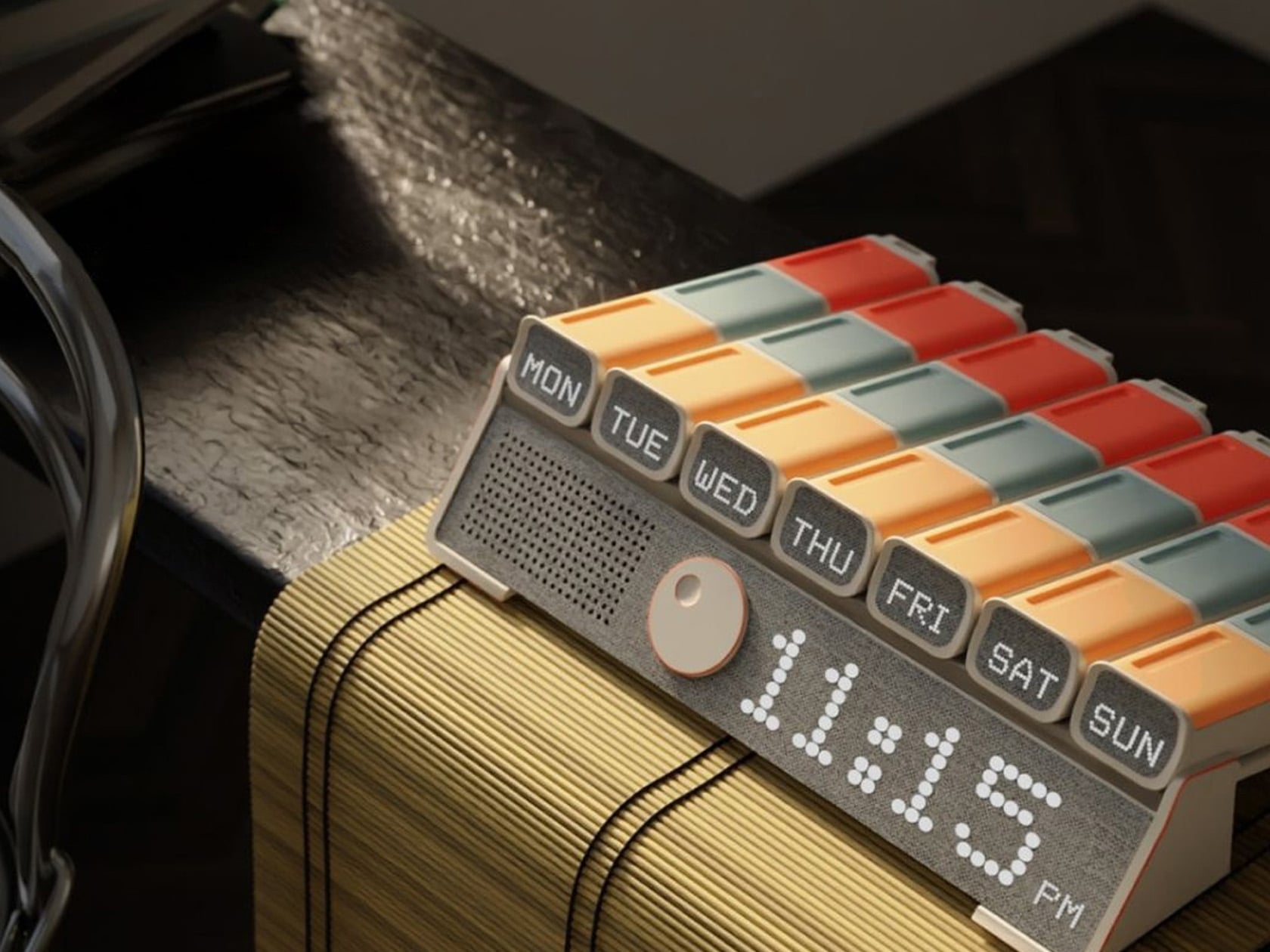
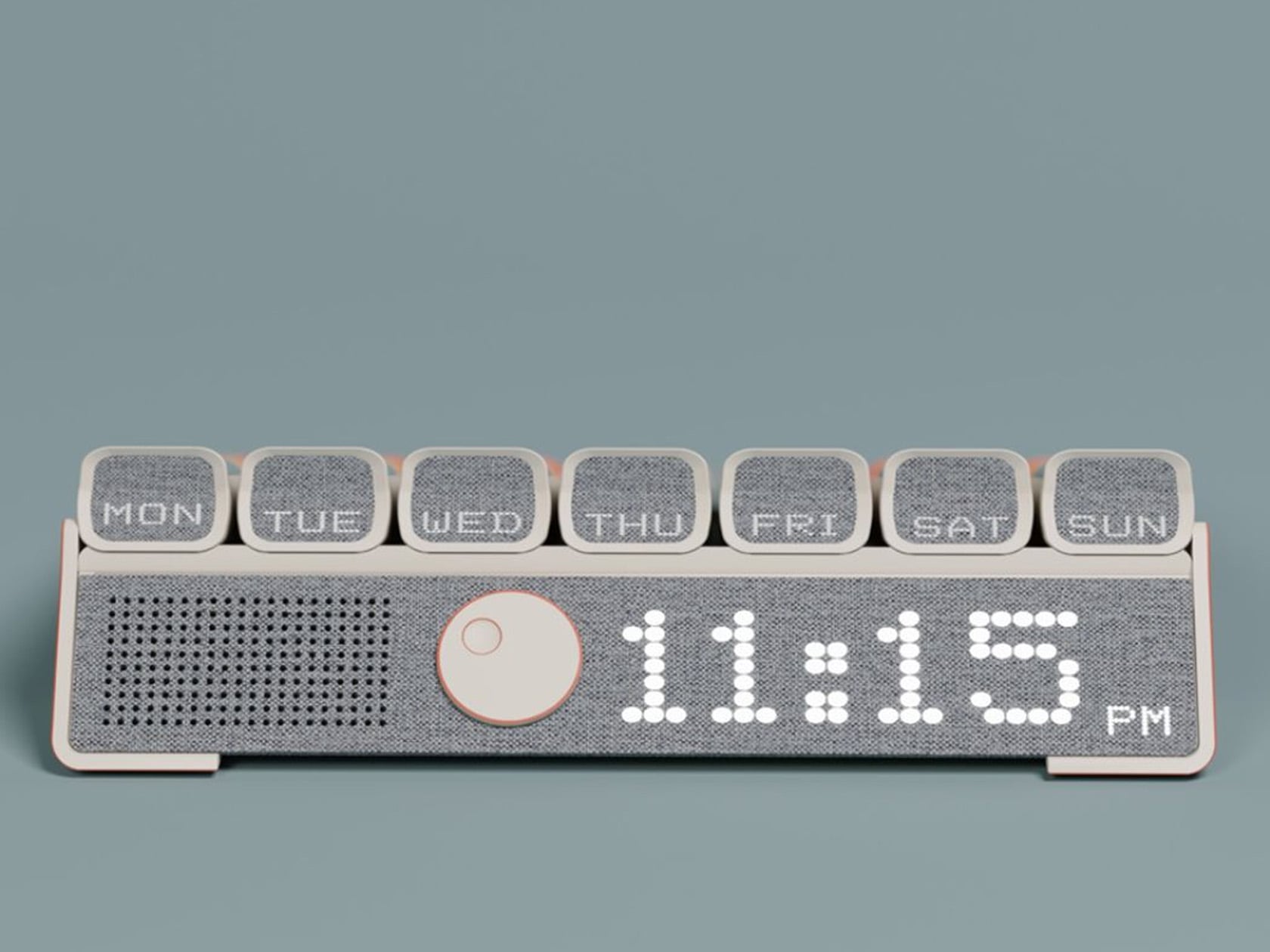
MedEasy, a thoughtful medicine box designed for the elderly, aims to address the challenges faced by seniors in managing their medications independently, focusing on regions in India with a significant population of elderly individuals living alone, such as Tamil Nadu and Nagaland.
Designer: Tarun Pahadiya
The primary goal of the MedEasy project is to create a product that serves as a reliable companion for the elderly, helping them remember, manage, and stock their medicines efficiently. With a focus on addressing the loneliness prevalent among seniors living alone, the product aims to contribute to the well-being of this demographic, which constitutes 5.7% of senior citizens in India.

MedEasy primarily caters to elderly individuals who struggle with proper medication adherence due to memory issues or limited motor activities. This includes elderly family members, individuals living alone with forgetfulness concerns, and those dealing with Alzheimer’s issues. Secondary users encompass caretakers, including nurses, young family members, doctors, and NGO helpers who interact with the product to support the primary users.

Conducting extensive market research revealed key insights, emphasizing the importance of addressing sensory degradation with age, monitoring proper medication dosage, reducing dependence on others for medication, and creating a positive and engaging process for medication adherence. Additionally, the elderly often avoid taking their prescribed doses consciously, necessitating reminders and easy refill and dispensing mechanisms, however, I believe there could be a more emotional approach to motivating them to take their dosages which can be explored, rather than just reminders if they avoid them on purpose.

Inspired by the “less but better” ethos of Dieter Rams, the designer employs a minimalist, functional, and timeless design. The prototype underwent rigorous testing, focusing on the sliding-out day sections, the ambidextrous nature of the product, and the ease of interaction with the opening of cells. The color palette reflects morning, noon, and night cues, fostering a visually captivating aesthetic.

Slide Action: The sliding mechanism allows users to effortlessly remove cells, reducing physical effort while providing a smooth experience.

Physical Controls: The product incorporates minimal yet impactful physical controls for essential functions, ensuring ease of use with scrolling and selection.

Clean UI: Employing a simple and calm visual language to minimize visual complexity, fostering a welcoming approach to enhance user interaction with the product.

App Support: The inclusion of a user-friendly app enhances the medication management experience, providing interfaces for tracking medications, dosages, and schedules. This feature enables remote monitoring and management by caregivers, ensuring timely adherence and reducing the risk of errors.
MedEasy is not just a medicine box; it’s a comprehensive solution that empowers elderly individuals to take control of their medication regimen. By combining thoughtful design, cutting-edge technology, and a user-centric approach, MedEasy contributes to the well-being and independence of seniors, ensuring they can lead fulfilling lives with confidence and peace of mind.


The post MedEasy: A Medicine Box That Reminds The Elderly Of Their Dosages first appeared on Yanko Design.