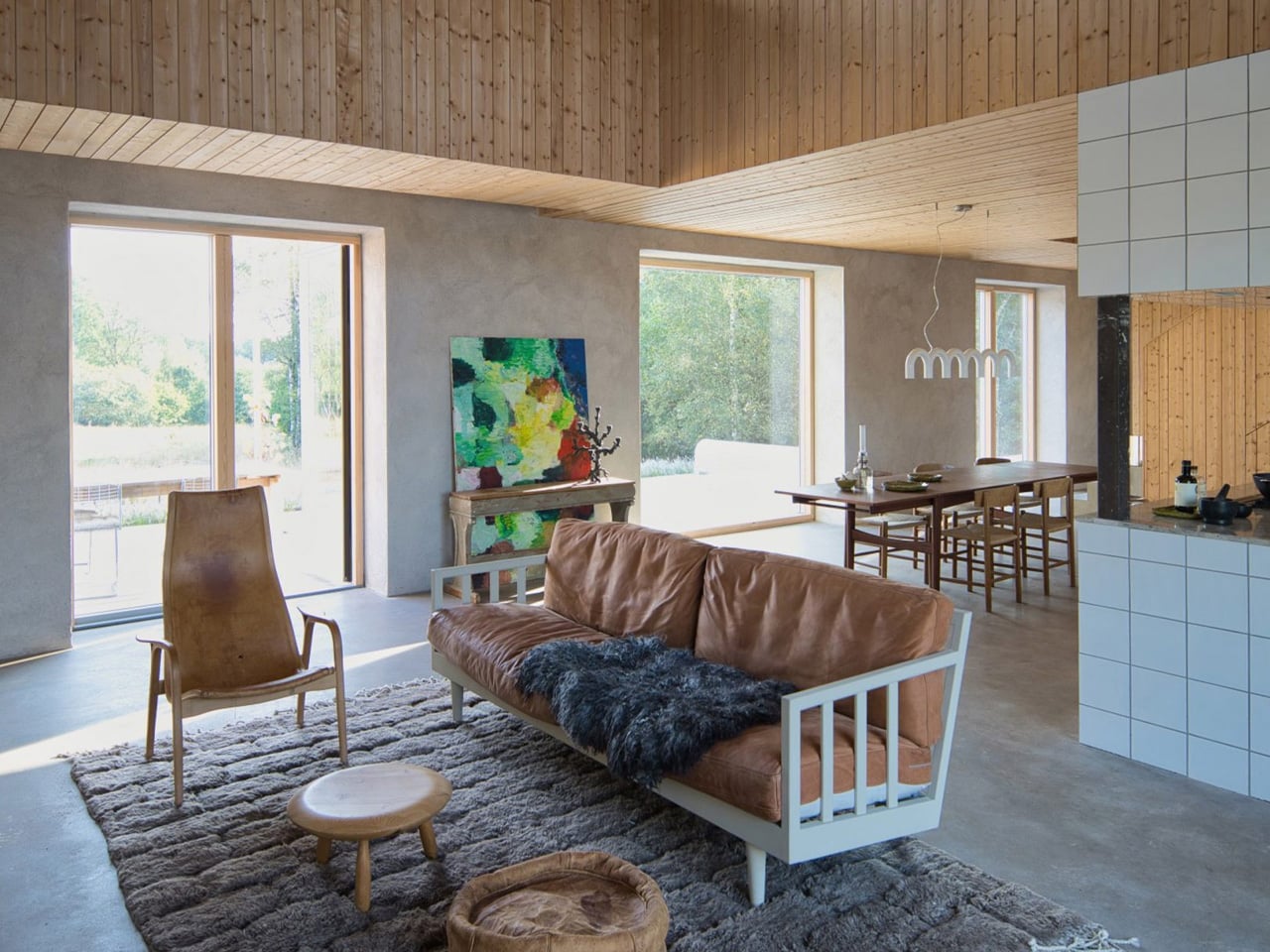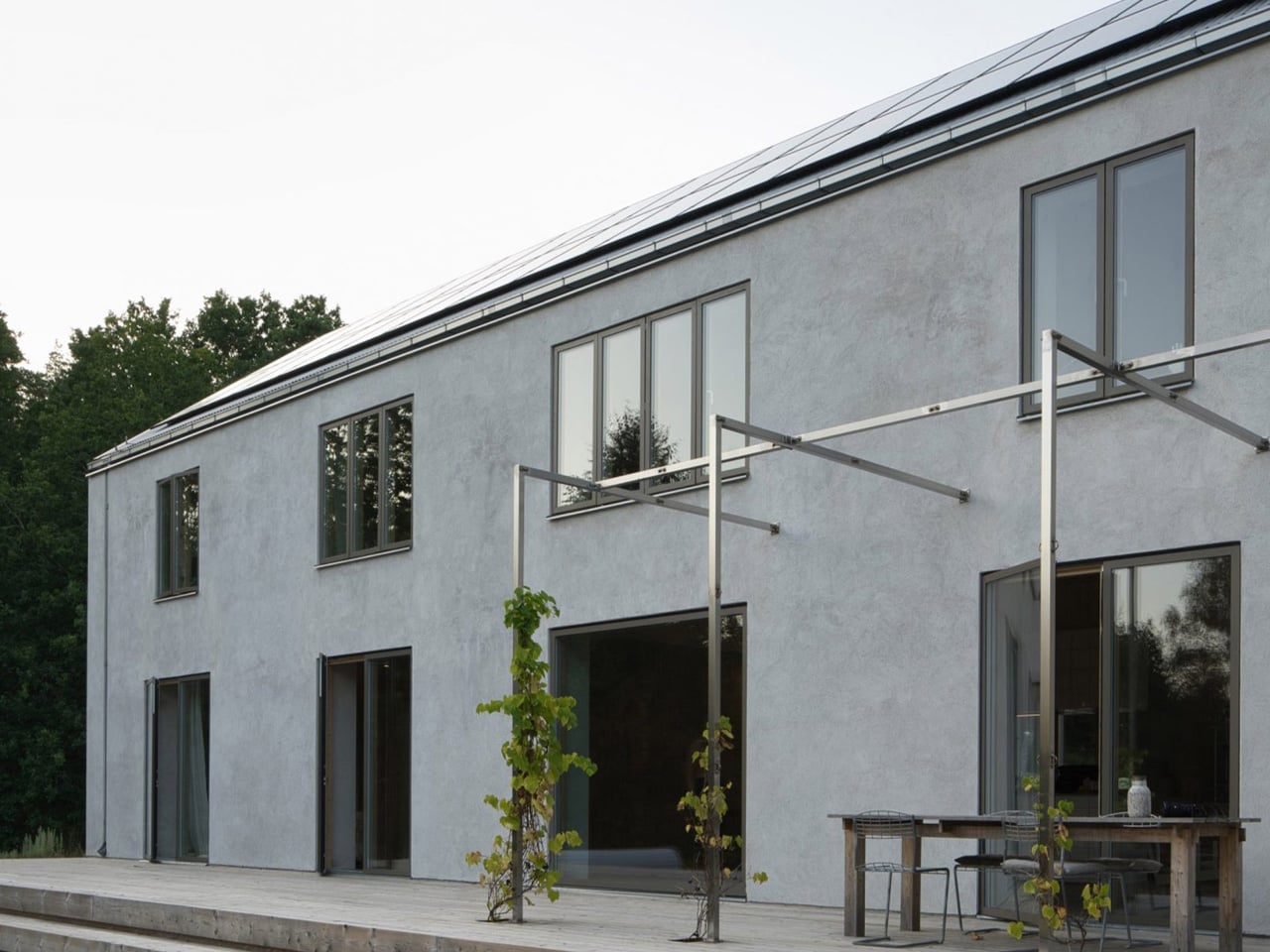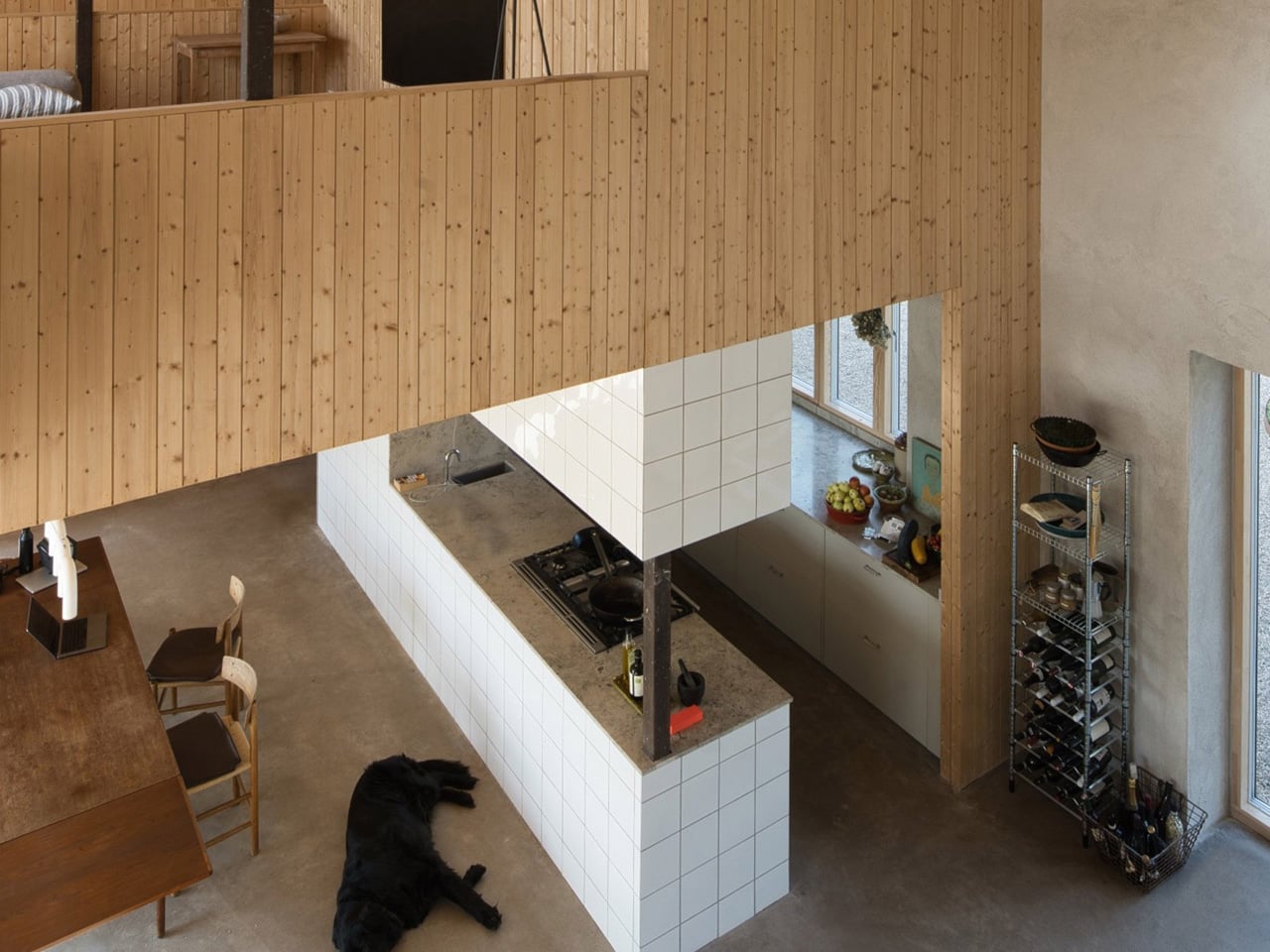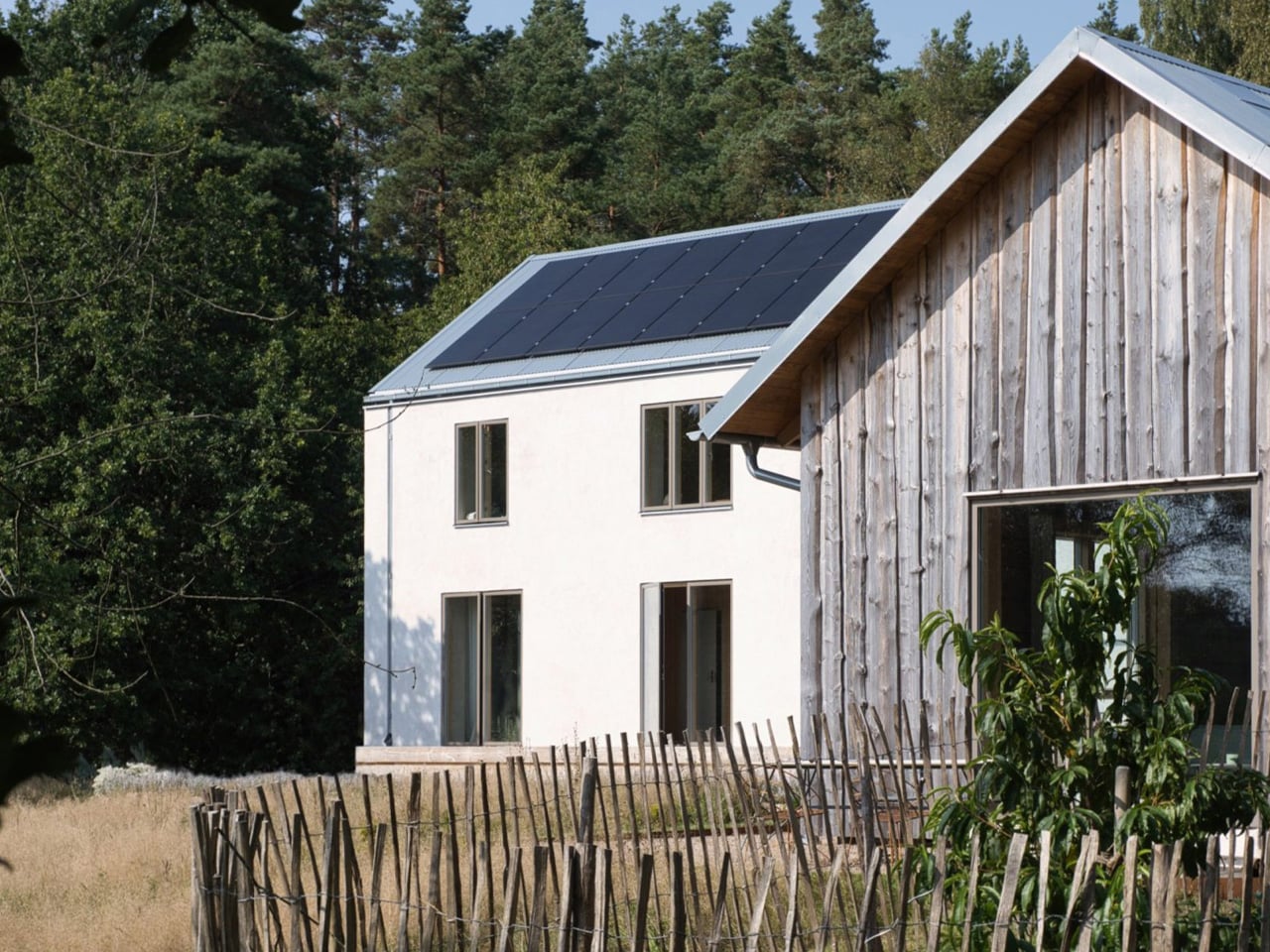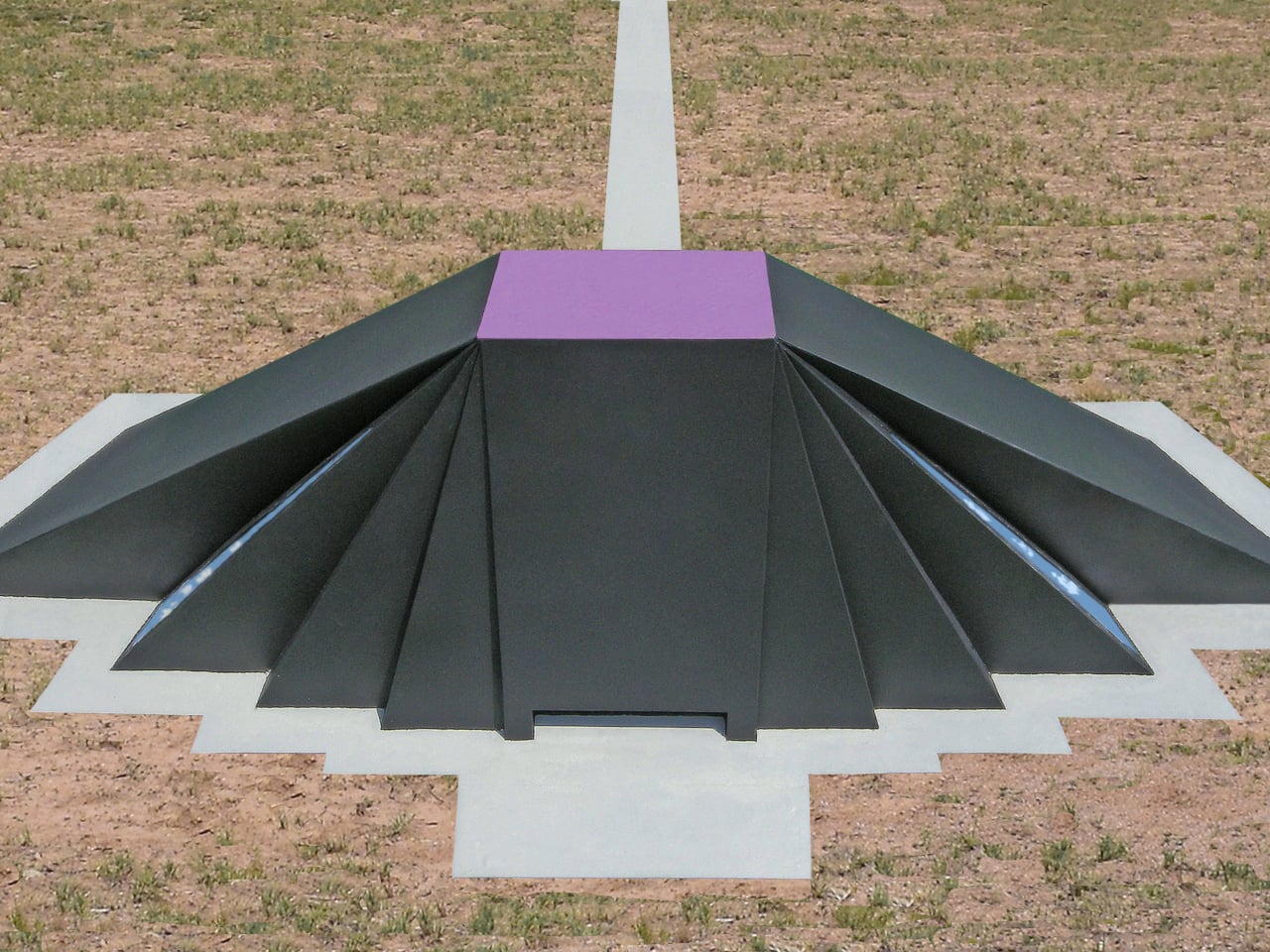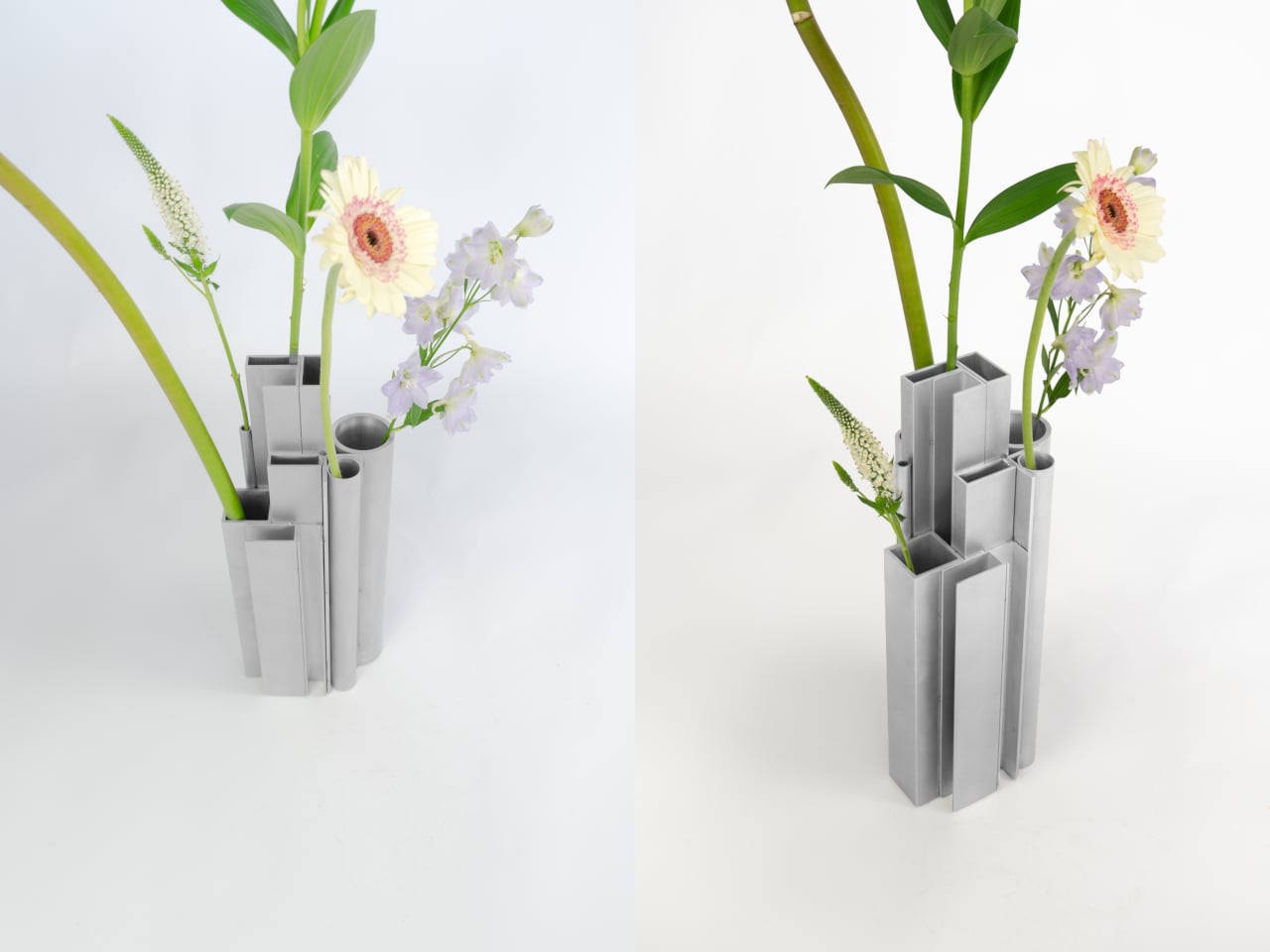
This Seoul Studio Just Grew a Building From Mushrooms


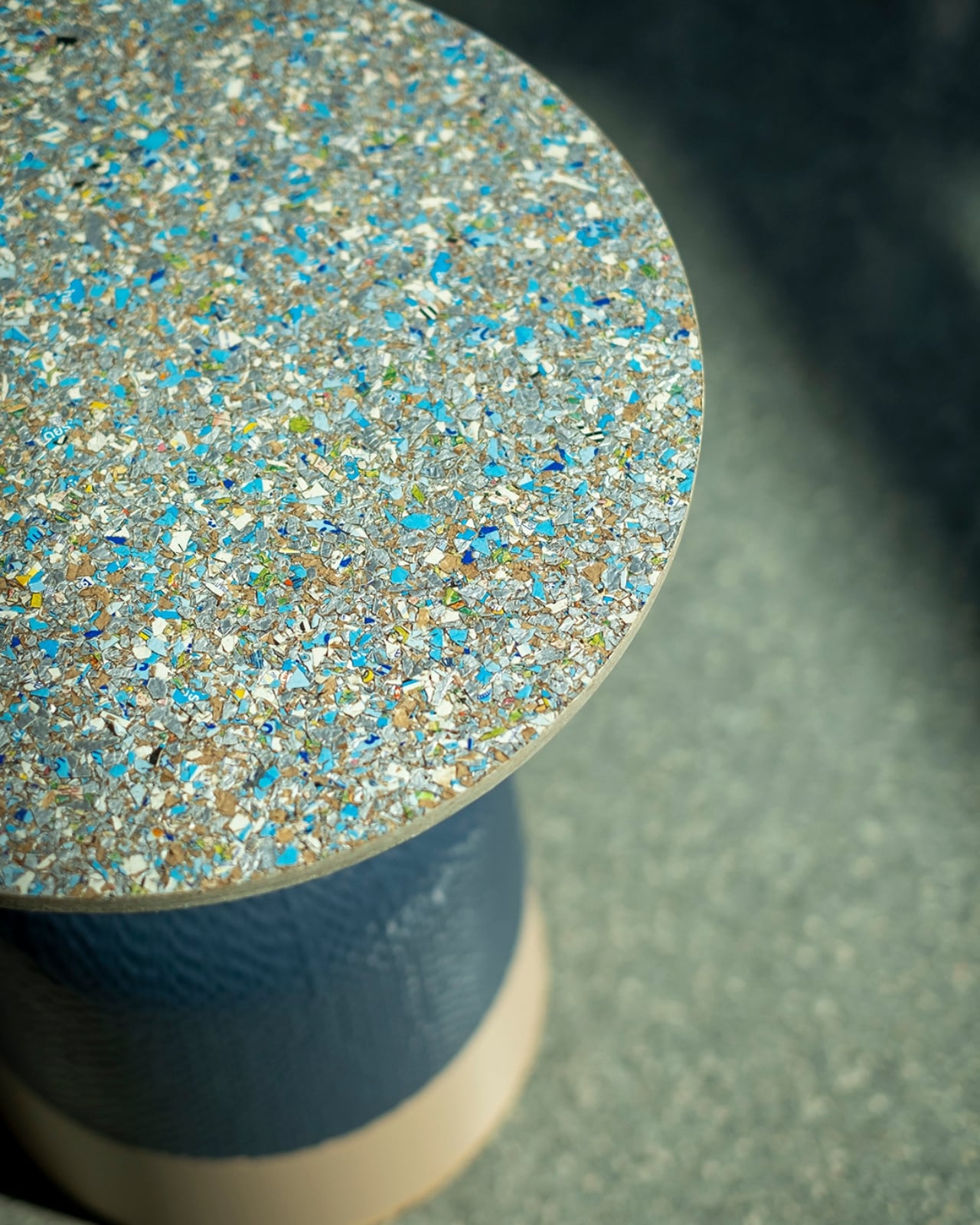
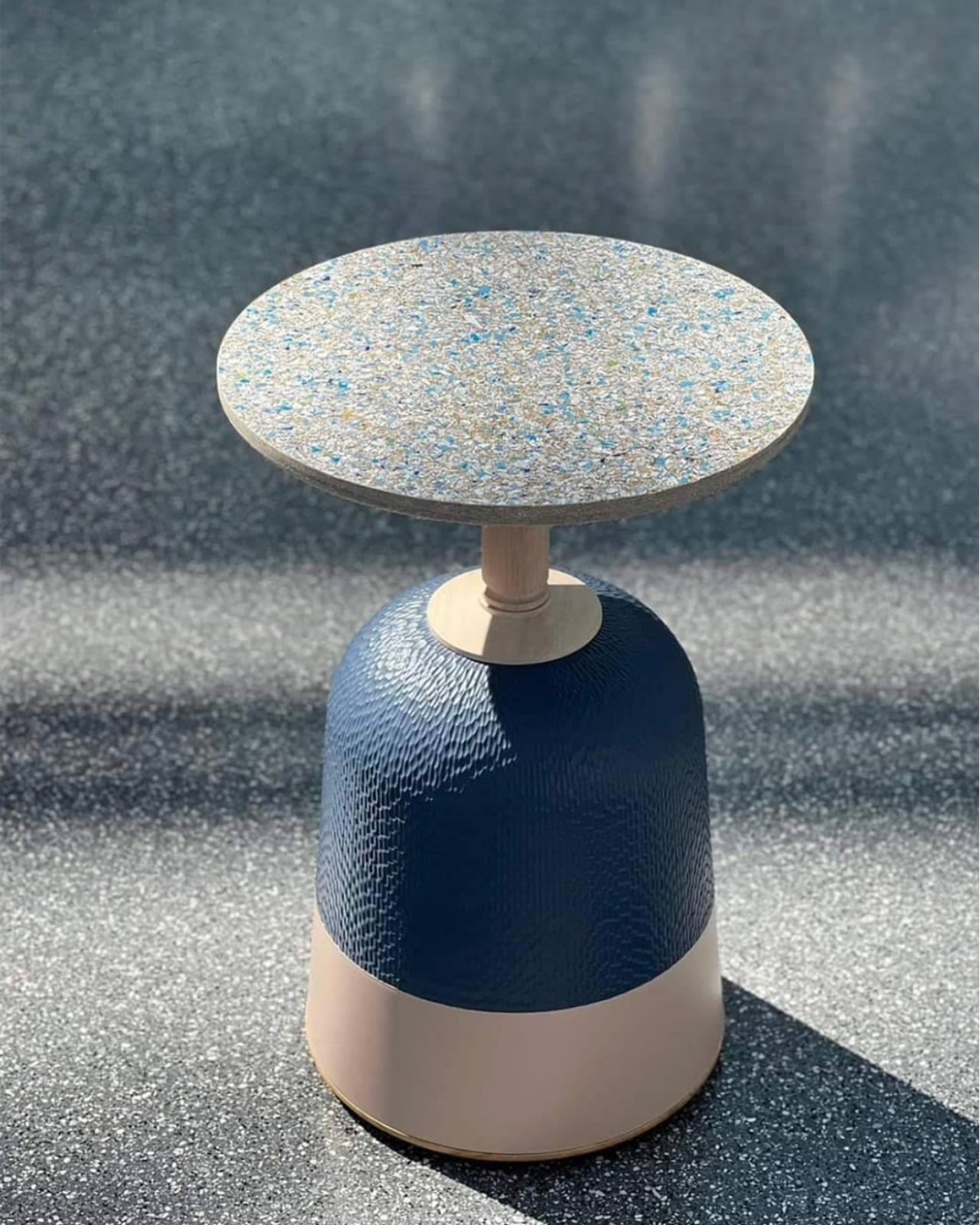
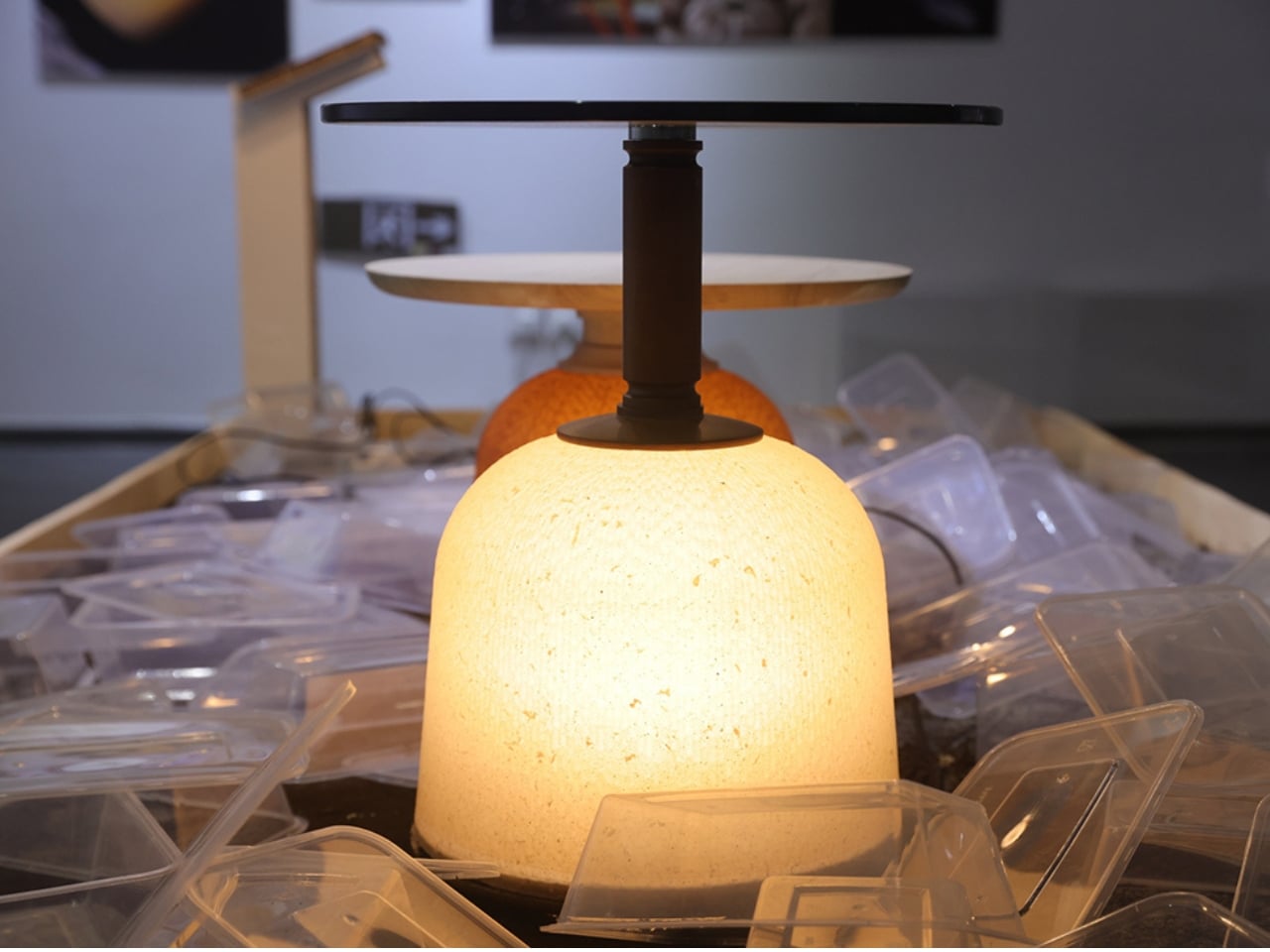
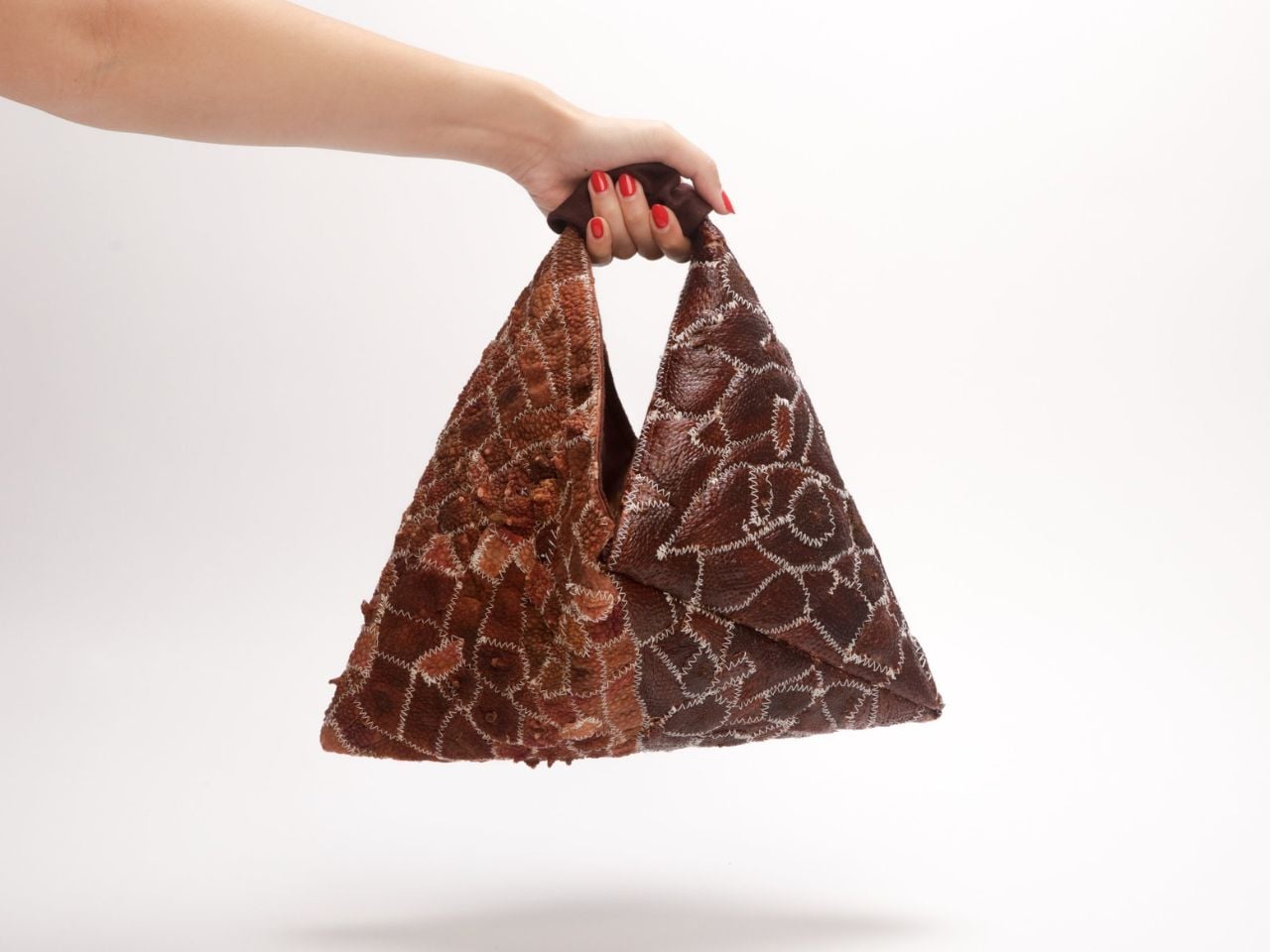
Picture a world where buildings aren’t just constructed but cultivated, where walls grow in custom molds and construction materials come from nature’s own filtration system. It sounds like science fiction, but on the campus of Seoul National University of Science and Technology, that vision became reality in 2024 with the Mycelial Hut.

Designed by Yong Ju Lee Architecture, this project arrives at a critical juncture. The architecture and construction sector currently accounts for the highest carbon emissions among all global industries. After 10,000 years of evolution alongside humanity, architecture entered the 20th century prioritizing efficiency and economy above all else, adopting concrete and steel as its near-exclusive materials. This pursuit of industrial optimization, while enabling rapid development, detached architecture from its ecological roots and intensified the environmental burden of the built environment.

Designer: Yong Ju Lee Architecture

Following the era of environmental crisis and the pandemic, a new approach has emerged to redefine sustainability itself. Organism-based composite materials present fresh possibilities for architecture, challenging the non-recyclable and non-degradable nature of inorganic construction materials. The Mycelial Hut experiments with mycelium, the fungal network that serves as nature’s filter, to reinterpret what eco-friendly architecture can be.

But here’s where it gets really interesting. This isn’t about simply replacing one material with another. The project explores bio-integrated fabrication methods that align growth, decay, and design within a single process. Think of it as architecture that understands its own lifecycle from the moment it begins taking shape.

The Mycelial Hut demonstrates large-scale application of mycelium as a building material through customized molds fabricated by robotic 3D printing. This design-based research produces a bio-hybrid pavilion where a wooden frame serves as the structural backbone while customized mycelium panels form the external envelope. It’s a marriage of old and new, natural and digital, strength and adaptability.

The process itself reads like an experimental recipe. In the initial phase, various types of mycelium substrates were tested to evaluate their workability, growth, and strength. Based on these results, specific molds were fabricated using 3D printing. Then came the innovation that makes this project particularly fascinating: a new workflow combining industrial robotic arms was established to merge digital processes with natural growth systems. The result is a large-scale structure that embodies the coexistence of computation and biology. Robots and fungi working together. Algorithms guiding organic growth. It’s the kind of collaboration that wouldn’t have made sense even a decade ago, but now feels inevitable.

What makes the Mycelial Hut more than just an interesting experiment is how it addresses the real challenges of fungal material application. Mycelium is structurally weak compared to concrete or steel. It grows unpredictably. It needs specific conditions to thrive. These aren’t bugs in the system but features that demand smarter design thinking. By using geometry, custom molds, and a supportive wooden frame, the project demonstrates the feasibility of bio-composites for architectural construction without pretending the material is something it’s not.

The location matters too. Situated on a university campus, this bold installation makes the concept of sustainable architecture tangible and accessible in everyday life. It’s not hidden away in a research lab or showcased only at industry conferences. Students walk past it. Visitors encounter it. The project invites everyone to imagine a future where buildings respond to their environment because they’re fundamentally made from it.

We’re watching a shift in architectural thinking that goes beyond sustainability buzzwords. When your building materials can be composted after use, when construction happens through cultivation rather than extraction, when robots program molds for fungus to fill, you’re not just reducing environmental impact. You’re reimagining what construction can be. The Mycelial Hut suggests that the next revolution in architecture won’t come from stronger concrete or lighter steel but from learning to work with living systems. By combining digital fabrication with biological growth, Yong Ju Lee Architecture has created something that’s both cutting-edge and ancient, high-tech and earthy, experimental and surprisingly practical.

The real question isn’t whether we can build with mushrooms. The Mycelial Hut proves we can. The question is whether we’re ready to rethink our entire relationship with materials, growth, and the built environment. On a university campus in Seoul, that conversation has already begun.

The post This Seoul Studio Just Grew a Building From Mushrooms first appeared on Yanko Design.

Upcycled Plastic Looks Like Swirling Marble in This Modular Shelf

Most shelves are either heavy, hard to move between rooms, or destined to clash with your evolving style as tastes change over time and seasons shift. For anyone who loves to rearrange their space frequently, collect new objects, or simply keep things fresh with seasonal updates, traditional furniture just doesn’t keep up with the pace of modern life and changing interior preferences that come with growth and discovery.

The Plastic Marble Display Shelf, from DLS World Official and WOULD YOU LOVE Seoul, offers a different approach to home storage and display needs. Made from upcycled Tyvek byproducts and designed to be as flexible as LEGO blocks for intuitive assembly, it’s a shelf that adapts to your life, not the other way around. The system’s modularity and material innovation make it stand out from conventional shelving solutions.

Designers: Lim Sungmook (DLS World Official) x Julia, Adi (WOULD YOU LOVE Seoul)

The secret is plastic marble, an upcycled material with swirling, marble-like patterns and a glossy, watery finish that catches light beautifully throughout the day. Each panel is visually unique, with colors and translucency that play with ambient and natural light to create a sculptural presence in any room. Unlike printed laminates or vinyl wraps, the marble effect is a natural result of the upcycling process itself.

The material gives the shelf a premium look while keeping it lightweight and genuinely eco-friendly throughout its lifecycle from production to disposal. The translucent quality and depth add visual interest that changes depending on viewing angle and lighting conditions throughout the day. What would otherwise be industrial waste becomes something you’ll actually want to display prominently in living rooms, bedrooms, or creative studios.

The shelf’s concise clip joint system means you can assemble, disassemble, or reconfigure the entire structure in minutes without any tools or adhesives required whatsoever. Stack modules vertically for a traditional bookshelf, build a wide display for collectibles, or create a custom asymmetrical shape for your specific space. The panels and joints are made from a single material, simplifying future recycling efforts when the shelf reaches end of life.

When you want a change in layout or need to move to a new space entirely, just unclip sections and rebuild in different configurations. The flexibility encourages experimentation with arrangements throughout seasons or as your collection of books, plants, and objects grows. The modular nature means you can start small and add modules over time as your needs and budget evolve.

Whether you’re displaying books, plants, art prints, or collectibles, the Plastic Marble Display Shelf adapts to your specific needs and aesthetic preferences without limitations. Its clean lines and minimalist silhouette blend with posters, photos, and objects to create curated gallery walls. The system’s flexibility makes it perfect for small apartments, creative studios, or retail spaces where storage needs to grow and change frequently.

By transforming Tyvek byproducts into a desirable, durable material with a distinctive visual character that rivals traditional materials, the shelf redefines what upcycled plastic can be beyond basic function. The design discovers new value in discarded materials while offering genuine beauty and practical flexibility for modern living spaces that demand both sustainability and style without compromise or apology.

The post Upcycled Plastic Looks Like Swirling Marble in This Modular Shelf first appeared on Yanko Design.

Only 7% of Materials Get Recycled – These 5 Products Were Designed to Fix That

The circular economy is a sustainable model of production and consumption that aims to reduce waste and extend the life of resources. Unlike the traditional linear system of “take-make-dispose,” it promotes a closed-loop approach where materials are reused, repaired, refurbished, and recycled. This model helps conserve natural resources, lowers environmental impact, and supports long-term economic resilience. A recent report indicates that only 6.9% of the 106 billion tonnes of materials used globally each year are recycled.

Despite growing awareness, the current rates of material reuse remain alarmingly low, highlighting the urgent need to rethink how products are designed and used. At its core, the circular economy focuses on keeping products and materials in use for as long as possible by rethinking how they are designed, used, and repurposed. It aims to eliminate waste and pollution from the start. Some core principles of the circular economy are outlined below:

1. Designing Products to Last and Adapt

Products should be designed with longevity in mind. This means using high-quality, durable materials that can withstand wear and tear over time. A well-made product reduces the need for frequent replacements, helping both the environment and the user’s wallet.

Equally important is making products easy to repair and update. Components should be simple to access, replace, or upgrade without specialized tools. Modular designs that allow users to adapt items for different uses add even more value. By thinking ahead during the design stage, products can stay useful longer and avoid ending up as waste.

Novum 3D is a fully recyclable backpack developed by Vaude, a German outdoor brand committed to sustainability and circular design. Made entirely from thermoplastic polyurethane (TPU), the backpack is 3D-printed using a mono-material approach. This allows each part—from the straps and packsack to the honeycomb back pads to be easily disassembled and returned to the production cycle. By eliminating the use of mixed materials, Vaude addresses a major challenge in the textile industry and moves closer to true material circularity.

The backpack features a honeycomb construction inspired by one of nature’s most stable forms. This design offers high structural integrity with minimal material usage, while providing lightweight comfort and built-in ventilation. Varying degrees of hardness within the 3D-printed structure ensure balanced pressure distribution for ergonomic support. Novum 3D showcases Vaude’s dedication to innovation, proving that eco-conscious design can deliver both performance and comfort for the next generation of outdoor enthusiasts.

2. Designed to Be Recycled

Products should be designed with their end-of-life in mind, using materials that can be easily recycled. Consider choosing mono-materials where all parts are made from the same substance, as it helps avoid the need for complex sorting or separation during recycling.

Equally important is avoiding bonded or composite materials that are difficult to break down. Products should also be easy to disassemble, allowing different parts to be separated and recycled properly. This kind of thoughtful design supports a circular economy by keeping materials in use longer and reducing the amount that ends up as waste.

COSMOPLAST is a modular furniture system from Argentina, designed by Marcela Coppari and grounded in circular design principles—reuse, modularity, and sustainability. The system features geometric plates in various shapes and sizes, including circles, semicircles, squares, and rectangles. These components connect via aluminum tubes of varying heights and 5 cm-diameter connectors made from R-PEAD recycled plastic. Designed for adaptability, the structure supports both vertical and horizontal configurations, enabling users to create tables, shelves, and seating solutions tailored to diverse spatial needs.

Assembly is intuitive and tool-free, using a simple press-fit system and a rubber mallet. The perforated plates allow multidirectional expansion, enhancing design flexibility. Each COSMOPLAST kit includes plate modules, CNC-machined connectors, and laser-cut aluminum tubes finished with epoxy paint, all packaged in a compact textile bag and flat cardboard box. Handcrafted in Argentina, with plastic plates manufactured by Necológica in Necochea, COSMOPLAST offers a refined, sustainable approach to modern, customizable furniture.

3. Reduce Material Consumption

Businesses should focus on reducing their use of raw materials while still maintaining product quality and performance. This can be achieved through strategies like using alternative or recycled materials, designing lightweight products, and improving manufacturing processes to be more resource-efficient.

By cutting down on material consumption, companies not only help conserve natural resources but also lower production costs. These efforts lead to more sustainable products and a smaller environmental footprint. In the long run, this approach supports business success and environmental responsibility.

The Holiday Home in Brasschaat, Belgium, is a compact and sustainable residence designed by Polygoon Architectuur, employing circular construction and bio-ecological building methods. With a total area of 750 square feet, the structure features a unique pentagonal floor plan and a sloped roof that extends the ceiling height to 22 feet, creating a sense of spaciousness within a compact footprint. To minimize impact on the landscape, the home is elevated on eleven timber poles, serving as an alternative foundation system that enhances environmental harmony and mobility.

Constructed onsite in just five days, the home utilizes locally sourced coniferous wood for the frame, selected for its renewability, cost-efficiency, and hands-on suitability. The exterior is clad in bark planks for a vapor-open façade, while the interior is finished with oriented strand board (OSB) to support insulation. Spread over two levels, the layout includes living spaces, a kitchen, and bathroom on the ground floor, with sleeping areas and storage located above.

4. Designing for Zero Waste

Sustainability begins with smart design. Rather than dealing with waste and pollution after they occur, the focus should be on preventing them from the outset. This means rethinking how products are made and choosing materials and methods that avoid generating waste in the first place.

Designing with intention helps reduce emissions, limit harmful byproducts, and lower the risk of spills or environmental harm. By addressing these issues early in the process, companies can create cleaner, more efficient systems that support long-term environmental health and business responsibility. It’s a proactive step toward a more sustainable future.

Calatea Green is a sustainable reimagining of the original Calatea chair by designer Cristina Celestino, created to mark the launch of Green Pea, Italy’s first green retail park. Guided by circular economy principles, Celestino redesigned each element with environmental impact in mind. The chair’s padding is made from recycled PET fabric sourced from plastic bottles that are recyclable and compostable. Its legs use FSC-certified ash wood from responsibly managed forests, while the upholstery is crafted from 100% recycled cotton yarn, certified by the Global Recycled Standard.

To align aesthetics with values, the original tropical Calathea motif has been replaced with a hand-painted design using non-toxic, water-based ink, inspired by Celestino’s roots in Friuli Venezia Giulia, a region known for its native alder tree. The project reflects Pianca’s broader sustainability ethos, which includes sourcing wood from certified forests, using 90% recycled packaging, and powering production entirely through a photovoltaic energy system.

5. Designing for Regeneration

The circular economy is not just about minimizing damage, but it is also about giving back to the environment. It focuses on restoring natural systems by using renewable energy, repairing degraded land, and promoting biodiversity. These actions go beyond sustainability, aiming to renew what has been lost.

By adopting regenerative practices, businesses can contribute to environmental recovery while building long-term resilience. The goal is to create an economy that improves the well-being of people and the planet, not just preserves it. This shift in mindset helps shape a future where nature and industry can thrive together.

Foresta System is a modular acoustic panel system developed by Mogu, designed to combine sustainability with functional interior acoustics. Each panel is made from a unique blend of fungal mycelium and upcycled textile fibers, offering natural sound absorption while remaining lightweight and biodegradable. The panels are entirely free of synthetic materials, aligning with circular design principles. Their organic texture and composition make them ideal for reducing ambient noise in spaces such as offices, restaurants, and retail environments.

The system is supported by a timber frame constructed from wooden branches and modular nodes. These nodes contain integrated magnets, allowing the panels to be easily mounted, repositioned, or removed without the need for tools. This design enables flexibility in layout and ease of installation. Using advanced technologies such as parametric modeling and robotic manufacturing, the Foresta System merges refined wooden aesthetics with innovative biomaterials to create a sustainable and visually distinctive acoustic solution.

Circular design offers more than just sustainable solutions as it redefines how we create, use, and reuse materials. By designing with longevity, recyclability, and resource efficiency in mind, it helps close the loop on waste. As industries adopt these principles, circular design is not just shaping products but also shaping a more responsible and regenerative future for generations to come.

The post Only 7% of Materials Get Recycled – These 5 Products Were Designed to Fix That first appeared on Yanko Design.
3D Printed Bricks That Help Baby Trees Survive Climate Change

Sometimes the best innovations look backward before they move forward. That’s exactly what’s happening with TreeSoil, a project that takes ancient farming wisdom and reimagines it with robots, 3D printers, and a whole lot of computational horsepower.

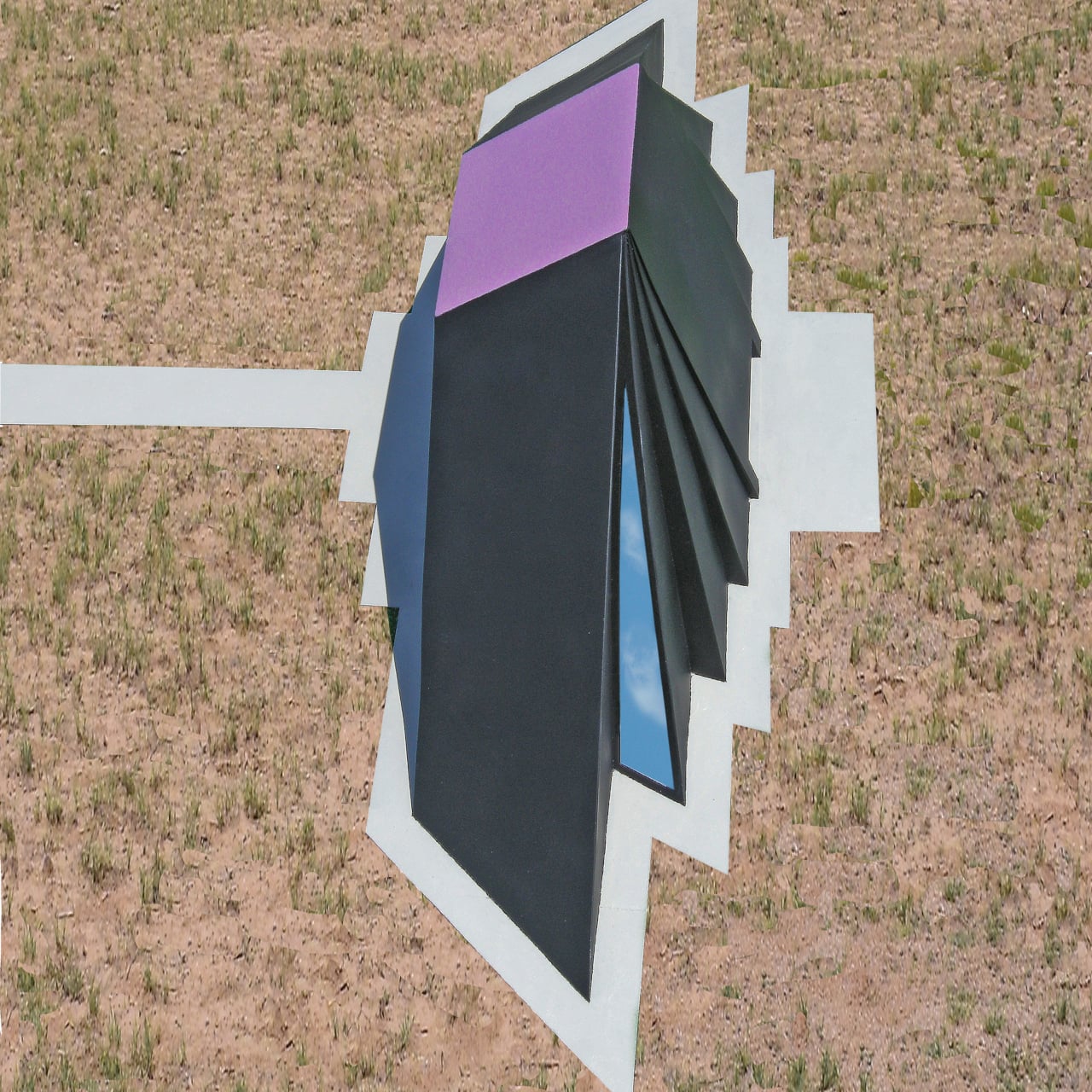
TreeSoil is a robotic 3D printed earthen shelter designed to create microclimates that support the early growth of young trees, developed at the Technion’s Material Topology Research Lab (MTRL) in collaboration with the Tree Lab at the Weizmann Institute of Science. If that sounds like a lot of fancy institutions working together, that’s because this project sits right at the intersection of architecture, material science, and plant biology. It’s the kind of cross-pollination that leads to genuinely exciting breakthroughs.

Designer: Technion’s Material Topology Research Lab (MTRL) x Tree Lab at the Weizmann Institute of Science

The concept is beautifully simple. The project draws on ancient agricultural techniques used in arid landscapes, where stone or earthen enclosures shield crops and saplings from wind, sun, and evaporation. Farmers have been doing this for thousands of years because it works. Young plants are vulnerable, and giving them even a small buffer against harsh conditions can mean the difference between thriving and dying. TreeSoil takes that time-tested principle and asks: what if we could make these protective structures smarter, more efficient, and tailored to each specific sapling and location?

That’s where the robots come in. Each structure is composed of modular bricks produced through large-scale robotic extrusion. Picture a industrial robotic arm equipped with a specialized extruder, methodically building up layers of earthen material into interlocking brick units. These aren’t your standard construction bricks though. Each TreeSoil prototype is informed by local climatic data, optimizing airflow, solar radiation, and moisture retention, with interlocking brick geometry that enables modularity, structural integrity, and efficient on-site assembly.

The material itself is fascinating. The composition is based on locally sourced soil, enhanced with waste-derived fertilizers and bio-based binders, engineered to respond both to the site’s climate conditions and the nutritional needs of the sapling. So the shelter isn’t just a passive structure. It’s actively designed to support the tree it protects, using materials that come from the same ground where the tree will eventually take root.

And here’s where it gets even more interesting. Fully biodegradable, TreeSoil gradually disintegrates into the earth, enriching it as the tree it protects matures. The shelter doesn’t stick around forever as waste or clutter. As the tree grows stronger and develops its own natural defenses against wind and sun, the protective structure breaks down and becomes nutrients for the very tree it was designed to help. It’s a perfect closed loop.

This approach feels especially relevant now, as we’re collectively grappling with how to restore degraded landscapes and support reforestation efforts in increasingly challenging climates. Young trees planted in areas affected by drought, deforestation, or climate change face brutal odds. Traditional reforestation projects often see high mortality rates because saplings just can’t handle the environmental stress.

TreeSoil suggests a path forward that doesn’t require massive infrastructure or ongoing maintenance. The project transforms soil into a modular, interlocking system that mediates between technology and ecology. The bricks can be fabricated on-site or nearby using local materials, assembled relatively quickly, and then left to do their job while naturally returning to the earth over time.

What makes this project particularly compelling is how it refuses to choose sides in the usual nature versus technology debate. Instead, it treats advanced computational design and robotic fabrication as tools that can work in service of ecological goals. The high-tech elements enable precision and optimization that would be impossible to achieve manually, while the low-tech earthen materials and biodegradable design ensure the solution remains grounded in natural systems.

As climate change makes successful reforestation more difficult, innovations like TreeSoil offer a glimpse at how design, technology, and biology might collaborate to give nature a fighting chance. Sometimes helping trees grow isn’t about working harder. It’s about working smarter, with a robotic assist and a respect for the ancient wisdom that got us here in the first place.

The post 3D Printed Bricks That Help Baby Trees Survive Climate Change first appeared on Yanko Design.
3D Printed Bricks That Help Baby Trees Survive Climate Change

Sometimes the best innovations look backward before they move forward. That’s exactly what’s happening with TreeSoil, a project that takes ancient farming wisdom and reimagines it with robots, 3D printers, and a whole lot of computational horsepower.

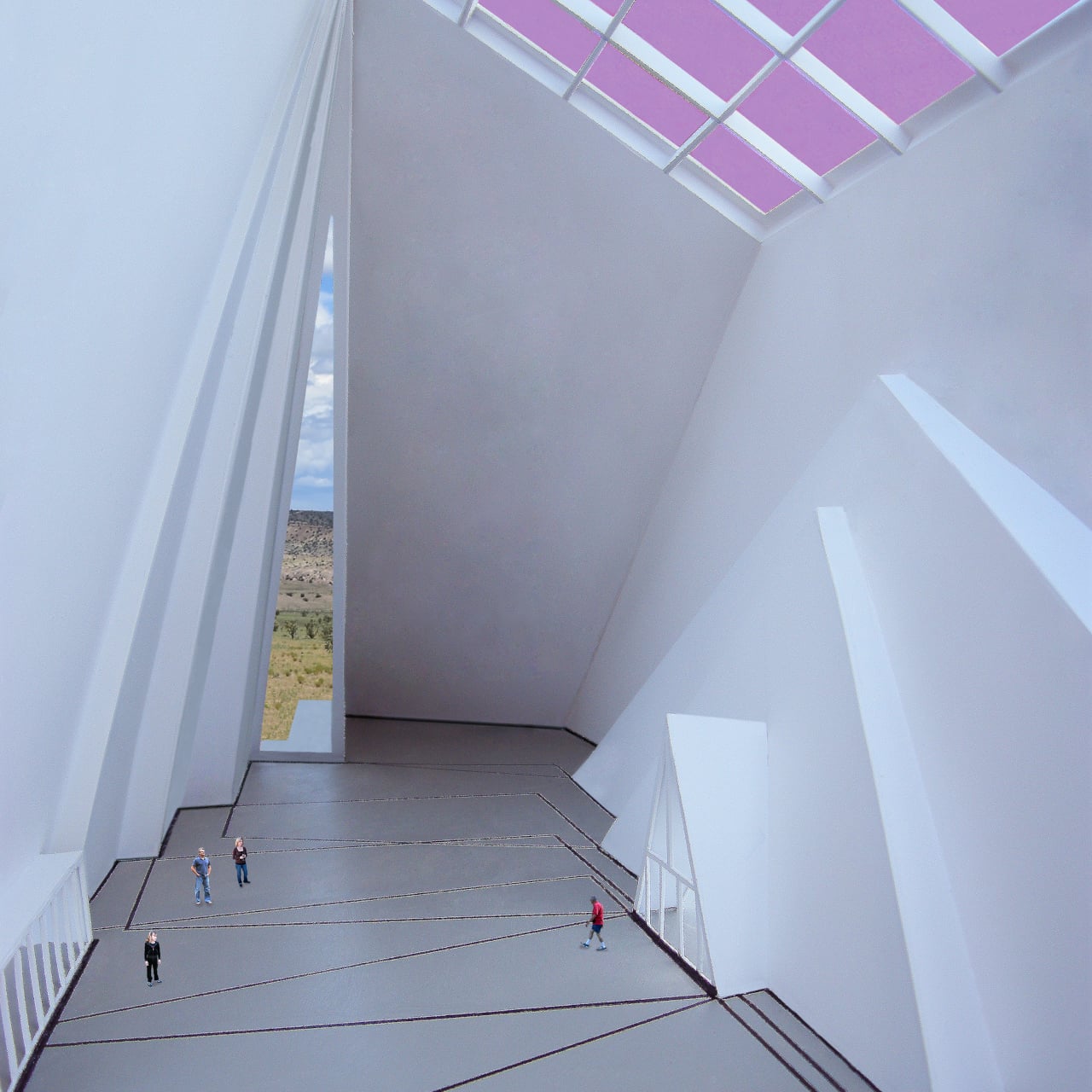
TreeSoil is a robotic 3D printed earthen shelter designed to create microclimates that support the early growth of young trees, developed at the Technion’s Material Topology Research Lab (MTRL) in collaboration with the Tree Lab at the Weizmann Institute of Science. If that sounds like a lot of fancy institutions working together, that’s because this project sits right at the intersection of architecture, material science, and plant biology. It’s the kind of cross-pollination that leads to genuinely exciting breakthroughs.

Designer: Technion’s Material Topology Research Lab (MTRL) x Tree Lab at the Weizmann Institute of Science

The concept is beautifully simple. The project draws on ancient agricultural techniques used in arid landscapes, where stone or earthen enclosures shield crops and saplings from wind, sun, and evaporation. Farmers have been doing this for thousands of years because it works. Young plants are vulnerable, and giving them even a small buffer against harsh conditions can mean the difference between thriving and dying. TreeSoil takes that time-tested principle and asks: what if we could make these protective structures smarter, more efficient, and tailored to each specific sapling and location?

That’s where the robots come in. Each structure is composed of modular bricks produced through large-scale robotic extrusion. Picture a industrial robotic arm equipped with a specialized extruder, methodically building up layers of earthen material into interlocking brick units. These aren’t your standard construction bricks though. Each TreeSoil prototype is informed by local climatic data, optimizing airflow, solar radiation, and moisture retention, with interlocking brick geometry that enables modularity, structural integrity, and efficient on-site assembly.

The material itself is fascinating. The composition is based on locally sourced soil, enhanced with waste-derived fertilizers and bio-based binders, engineered to respond both to the site’s climate conditions and the nutritional needs of the sapling. So the shelter isn’t just a passive structure. It’s actively designed to support the tree it protects, using materials that come from the same ground where the tree will eventually take root.

And here’s where it gets even more interesting. Fully biodegradable, TreeSoil gradually disintegrates into the earth, enriching it as the tree it protects matures. The shelter doesn’t stick around forever as waste or clutter. As the tree grows stronger and develops its own natural defenses against wind and sun, the protective structure breaks down and becomes nutrients for the very tree it was designed to help. It’s a perfect closed loop.

This approach feels especially relevant now, as we’re collectively grappling with how to restore degraded landscapes and support reforestation efforts in increasingly challenging climates. Young trees planted in areas affected by drought, deforestation, or climate change face brutal odds. Traditional reforestation projects often see high mortality rates because saplings just can’t handle the environmental stress.

TreeSoil suggests a path forward that doesn’t require massive infrastructure or ongoing maintenance. The project transforms soil into a modular, interlocking system that mediates between technology and ecology. The bricks can be fabricated on-site or nearby using local materials, assembled relatively quickly, and then left to do their job while naturally returning to the earth over time.

What makes this project particularly compelling is how it refuses to choose sides in the usual nature versus technology debate. Instead, it treats advanced computational design and robotic fabrication as tools that can work in service of ecological goals. The high-tech elements enable precision and optimization that would be impossible to achieve manually, while the low-tech earthen materials and biodegradable design ensure the solution remains grounded in natural systems.

As climate change makes successful reforestation more difficult, innovations like TreeSoil offer a glimpse at how design, technology, and biology might collaborate to give nature a fighting chance. Sometimes helping trees grow isn’t about working harder. It’s about working smarter, with a robotic assist and a respect for the ancient wisdom that got us here in the first place.

The post 3D Printed Bricks That Help Baby Trees Survive Climate Change first appeared on Yanko Design.
3D-printed chairs are made from 100% recycled plastic from donation program

3D-printed furniture is still not as common as regular furniture but we’re seeing a lot of movement when it comes to designs and concepts. Aside from the fact that it’s easy to adapt this in actual production, it can also be sustainable and eventually impactful. Most of these 3D-printing concepts try to create something that’s recyclable or made from recycled materials therefore making it more sustainable than regular furniture.

Designer: Ethan Solodukhin

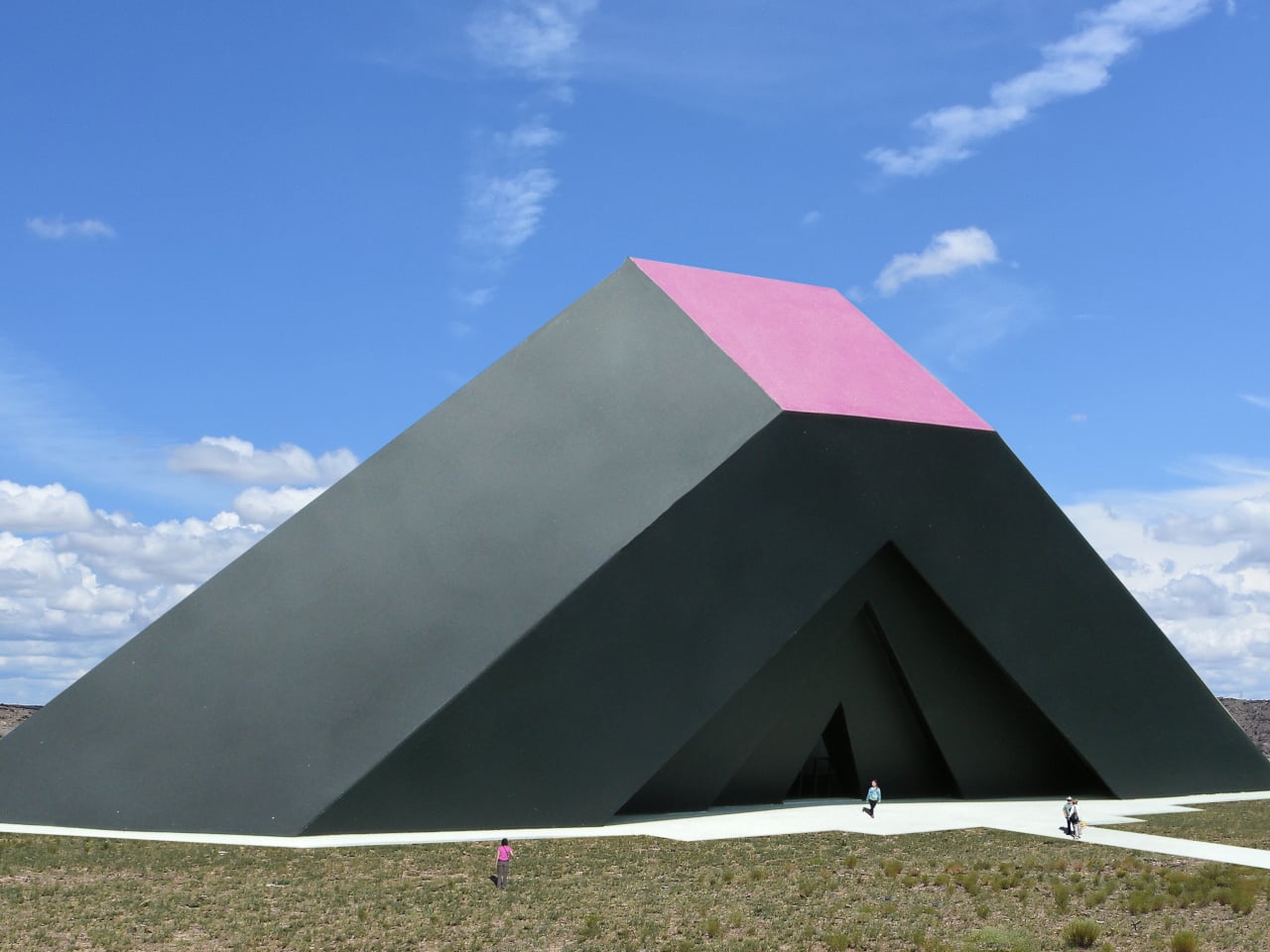
The Revo Chair Concept, with Revo meaning “revolutionary”, is a collection of 3D-printed furniture and is powered by the PlastiVista Atelier program. The program actually encourages homes, schools, and communities to donate their plastic waste and those that can be used for 3D printing converted into filament. The collection includes the Revo Chair and the Stoool (yes that’s not a typo). They are made from 100% recycled plastic.

The Revo Chair uses a single-piece design and it can serve as both an actual chair but when used with a different orientation, it can also serve as storage. The photos show it’s a box-like storage although it’s not really shown how it can be turned into that although the surfaces can be something you can place objects on. The Stoool meanwhile just serves as a seat with its compact surface, although you can probably also use it as a side table if you want to.

The renders of these chairs reminds me of those small, plastic phone holders that you can get for cheap. The question of course for these 3D-printed chairs would be if they are durable enough and comfortable enough for people to sit in for a long period of time.

The post 3D-printed chairs are made from 100% recycled plastic from donation program first appeared on Yanko Design.
Acoustic panels uses textile waste for sustainable production

With the popularity of fast fashion, there is also a lot of textile waste that ends up in landfills and have not been recycled or upcycled. There are several groups that have been advocating for more eco-friendly fashion that includes not supporting these kinds of manufacturers and looking for ways to have better use for household textile waste. You don’t even have to create new clothes from them but find other uses outside of fashion.

Designer Name: Sze Tjin Yek

The Sorbet acoustic panels is one such project, turning all these shredded textile waste into acoustic panels that can be used for homes, offices, and other commercial spaces. Panels like these are important to minimize noise pollution within closed areas for both the mental and physical health of users. But instead of the usual acoustic panels made from open cell polyurethane, these are made textile waste which have the second lowest recovery rate in Australia after plastics.

These panels are made from 100% laundered and upcycled household textile waste. These are durable enough but of course they need to be bonded together and the inventor used a starch-based glue. And since the textile used have different colors and textures, there are three aesthetic options created: Blueberry Lemonade (blue and gold), Red Velvet (red and black(, and Hundreds and Thousands. The third one uses more color options since textiles are of course varied.

This kind of panel is of course more sustainable than your usual ones that use recycled PET and textile fibers bonded with mycelium. The next step would be to create a process that can make this commercially viable and also look at installation methods for it.

The post Acoustic panels uses textile waste for sustainable production first appeared on Yanko Design.
Pixel 9 Pro Fold replacement screen from iFixit arrives with a big caveat

Smartphones today are very complex products, which is why manufacturers have long discouraged or even disallowed owners from opening up theirs just to repair a single part. Most people probably don’t have the skills for that anyway, but the old policies also prevented small third-party businesses from offering more accessible repair services. That has been changing slowly, with more major phone makers finally allowing self-repair to some extent.

Of course, that all hinges on the availability of replacement parts, which isn’t that easy to come by when it comes to official components. Fortunately, the likes of Google have partnered with iFixit to actually sell the most critical parts, opening the doors further to self-repair or third-party services. That includes the new Pixel 9 Pro Fold, though the replacement foldable screen might still be beyond most people’s reach.

Designer: Google, iFixit

A foldable phone probably has the most complex design among smartphones today, especially because of its flexible display panel. Unfortunately, that is probably the component that will break faster, which means it will be the one that will get replaced more often. Even more unfortunately, it’s also one of the most expensive parts of the phone.

The official Pixel 9 Pro Fold replacement screen being sold on iFixit is a prime example of that. Now available for anyone to purchase, the foldable screen alone costs $1,199.99. If it’s your first iFixit self-repair, you might want to buy the screen and a repair kit, setting you back $1,206.99 in total. It’s an eye-watering price tag, especially when you consider that the Pixel 9 Pro Fold itself already costs $1,799.

It doesn’t help that the process for repairing the Pixel 9 Pro Fold is, as expected, a bit convoluted and nerve-wracking for novices. Then again, that isn’t too surprising, given the young age of the technology and the rarity of available parts. Most owners probably won’t do the process themselves but iFixit and Google’s partnership will allow small businesses to thrive making repairs for these devices.

Despite those rather large hurdles, it’s still a significant step forward in making smartphones longer-lasting and more sustainable. There will be more options to get the Pixel 9 Pro Fold repaired, even if they’re pricey. It’s definitely a much better situation compared to the past where even opening up a smartphone on your own marks you for some legal trouble.

The post Pixel 9 Pro Fold replacement screen from iFixit arrives with a big caveat first appeared on Yanko Design.
Clam-shaped kinetic sound sculptures sing of the quality of water

We’ve thankfully become more aware of the quality of our waters, especially with the increase of pollution or drastic changes in the chemical composition of rivers, lakes, and seas. We now have sophisticated equipment and software to monitor such properties, but it might come as a surprise that Mother Nature has her own way of detecting abnormalities in water. Clams, known as nature’s filter feeders, immediately react to sudden changes in water quality, sometimes even faster than scientific equipment.

Taking inspiration from one of nature’s wonder workers, this art installation turns water quality from an incorporeal idea into a tangible representation. Rather than just clamming up, these kinetic sculptures create an eerie melody, as if giving voice to the pain and woes of the water. It creates a surreal yet beautiful manifestation of water quality in a way that you can see and hear beyond just figures and graphs.

Designer: Marco Barotti

Clams aren’t able to filter out toxins (which they turn into pearls), so they would immediately shut close when they detect pollution in the water. Their reaction is sometimes faster than sensors and computers that still have to analyze the data from water samples, though, of course, they won’t be as accurate or specific. This interesting behavior, however, became the inspiration for this kinetic sculpture that, rather than just detecting water quality, translates the data into something just as interesting.

“Clams” is a collection of, well, translucent clam-like objects that have speakers inside. The clams are connected to a sensor that tests the quality of the water in the only way that humans can. Changes in the water quality are translated into sounds that shift over time, creating the semblance of eerie music. The vibrations from the speaker also cause the clamshell to go up and down, making it look like the clams are singing.

The shells themselves are made from recycled waste plastic, adding to the sustainability message of the sculptures. Although the shape of these man-made clams is quite simple, the otherworldly soundscape it produces is quite unique and memorable. It also creates an interesting bridge between media art, data sonification, and environmental awareness, translating intangible concepts and figures into something humans can better appreciate and understand.

The post Clam-shaped kinetic sound sculptures sing of the quality of water first appeared on Yanko Design.
Japanese wooden satellite launched to help curb space trash

The media focus on rocket launches, moon landings, and Internet satellites has inspired many to look to the stars for the future of mankind. There are still plenty of areas on the Earth that can be explored, but our expansion can only expand upward at this point. But even before we get there, we are already filling our outer skies with dozens if not hundreds of small metal objects known as satellites, and their numbers are only expected to grow as we move forward.

Satellites have various applications, from communication to observation, but none of them so far remain in orbit in perpetuity. We are, thus, facing a two-headed problem of a myriad of these objects cluttering the space around our planet as well as plummeting back down, sometimes with disastrous results. To find out if there are more sustainable options, the world’s first wooden satellite just made its extraterrestrial voyage in the hopes of replacing metal with wood in the future.

Designers: Sumitomo Forestry, Kyoto University

Satellites can orbit the Earth for years, but they will eventually be decommissioned and fall back to Earth. Most of their mass will burn up on re-entry, but the burning metal will release dangerous aluminum oxide pollution into the atmosphere. Wood will also burn up, of course, but the effects on the environment will be significantly smaller.

Made from Japanese hinoki or cypress wood, the boxy LingoSat satellite is designed to test the theory of replacing metal satellites with wood-enclosed versions. The sides of the box are held together without screws or glue, using a traditional Japanese craft technique similar to dovetail joints. This method will help minimize the use of metal or potentially toxic materials that would burn in the atmosphere.

The experiment will test how well wood will fare in the harsh environment of space, such as extreme temperature fluctuations, and how well it can shield electronics inside from space radiation. The latter could have useful applications back here on Earth as shielding for semiconductors in data centers. If successful, this design could significantly help solve the problem of space trash and debris falling back down.


The LingoSat wooden satellite launched into space last Tuesday and will be heading to the International Space Station. From there, it will spend six months in orbit at a height of 400km (250 mi) above the Earth. Like any other satellite, it will eventually be decommissioned and fall down but with less fanfare.

The post Japanese wooden satellite launched to help curb space trash first appeared on Yanko Design.