Recycled Swedish rugs get transformed into furniture that honors the textile’s legacy

The timeless craft of Swedish rag rugs, a cherished tradition spanning over 150 years, finds a contemporary reinterpretation in the hands of Stockholm-based designer Lars Hofsjö. Rooted in a rich cultural heritage, these rugs have been woven by generations of women using worn-out clothes, curtains, sheets, and upholstery. The process transforms leftover fabrics into intricately patterned, durable rugs, celebrated for their strength and firm structure, a testament to the adaptive re-use of materials.

Designer: Lars Hofsjö
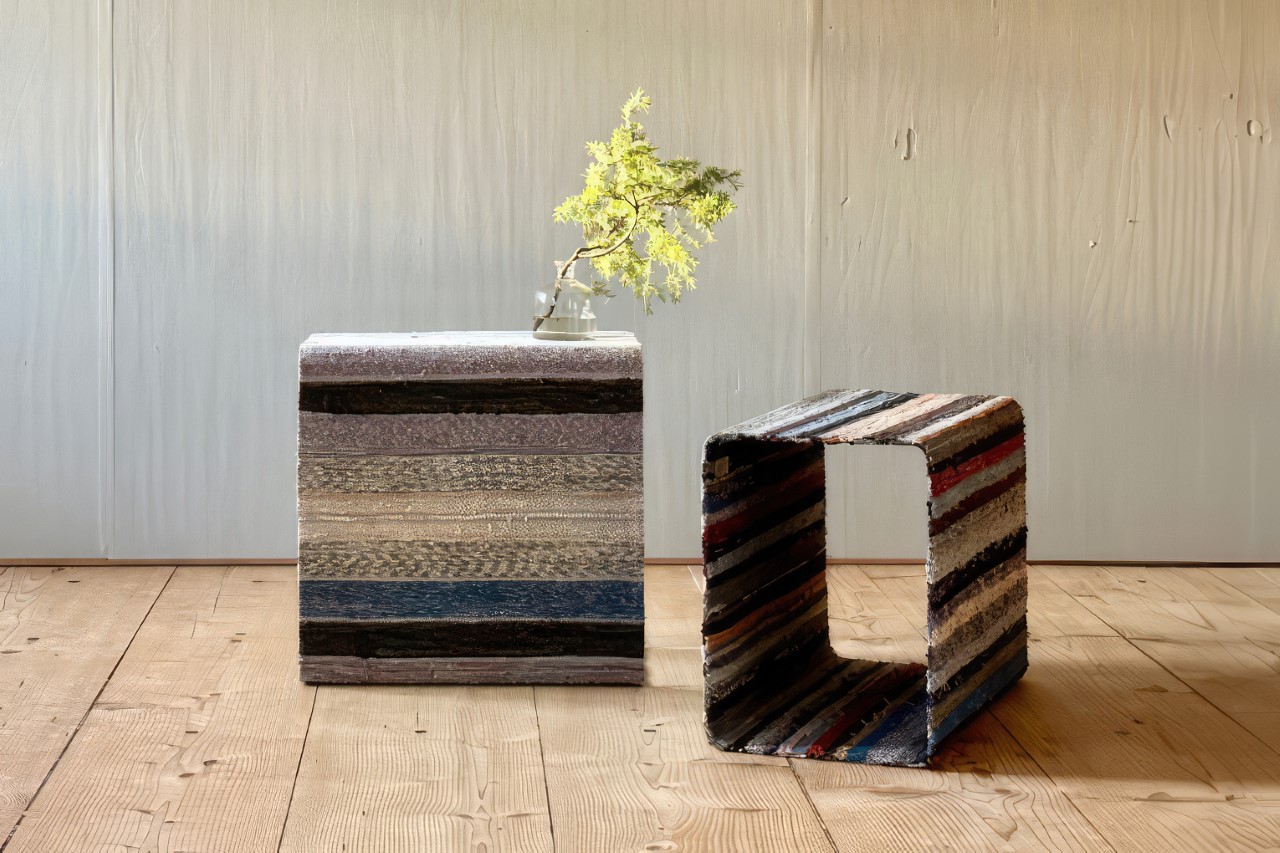
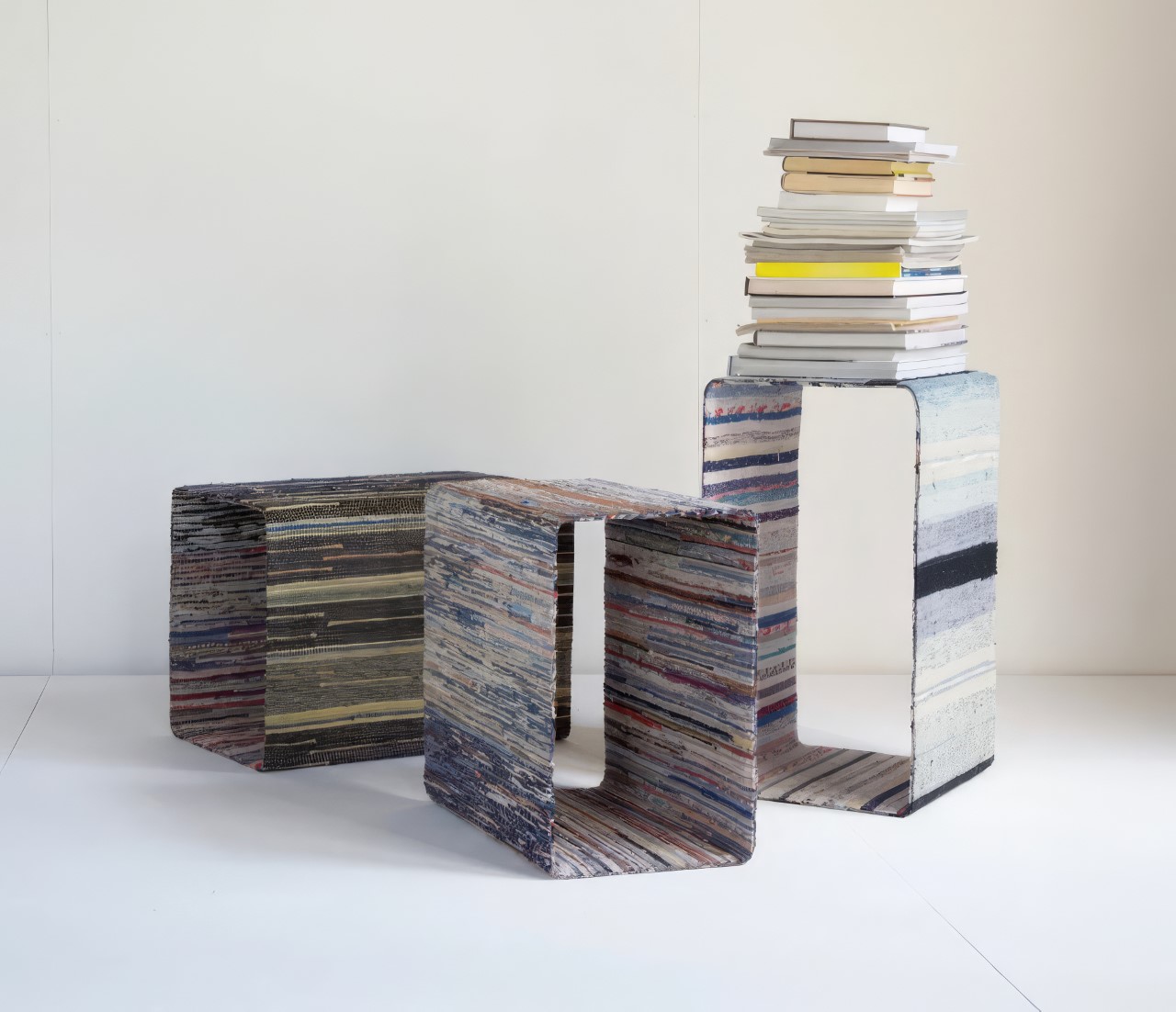
Lars Hofsjö, the creative force behind the Swedish furniture brand Rumbler, has skillfully reimagined these traditional rag rugs into a unique collection of furniture pieces. His approach involved scouring markets, antique shops, and the countryside to handpick rag rugs, chosen specifically for their thinness, tightness, and color. These selected fabrics are then meticulously wrapped around aluminum shapes, crafting plush side tables that blend the rustic charm of the rugs with modern design sensibilities.
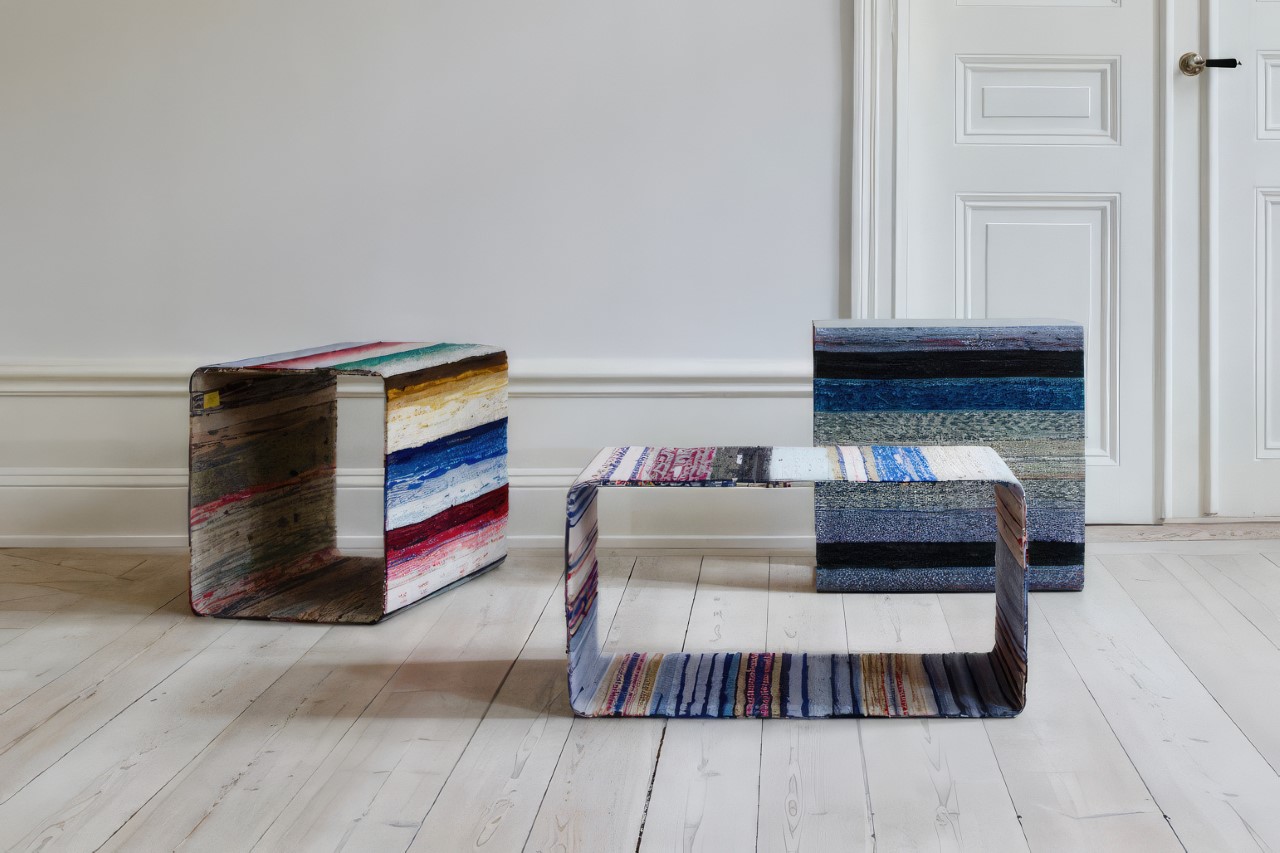
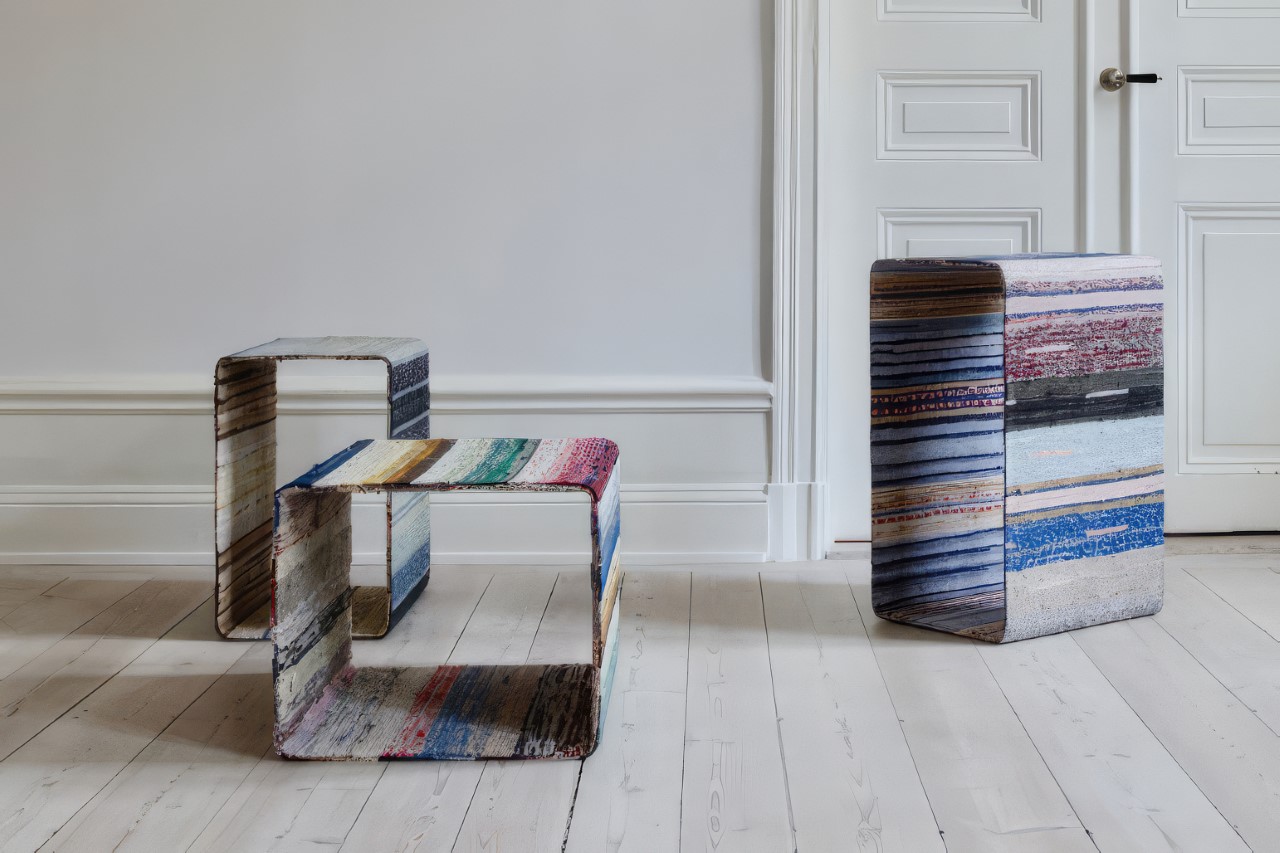
The ‘Torp’ series, characterized by its rectangular shape, is a limited numbered edition, with each piece distinct in quality, palette, and characteristics. Contrasting this, the ‘Dunker’ collection features hexagonal units, accentuated with diverse materials like leather, stone, and wood, harmonizing with the texture of the rag rugs. This blend of materials not only adds a tactile dimension to the pieces but also pays homage to the multifaceted nature of Swedish design, where tradition and innovation coexist harmoniously.
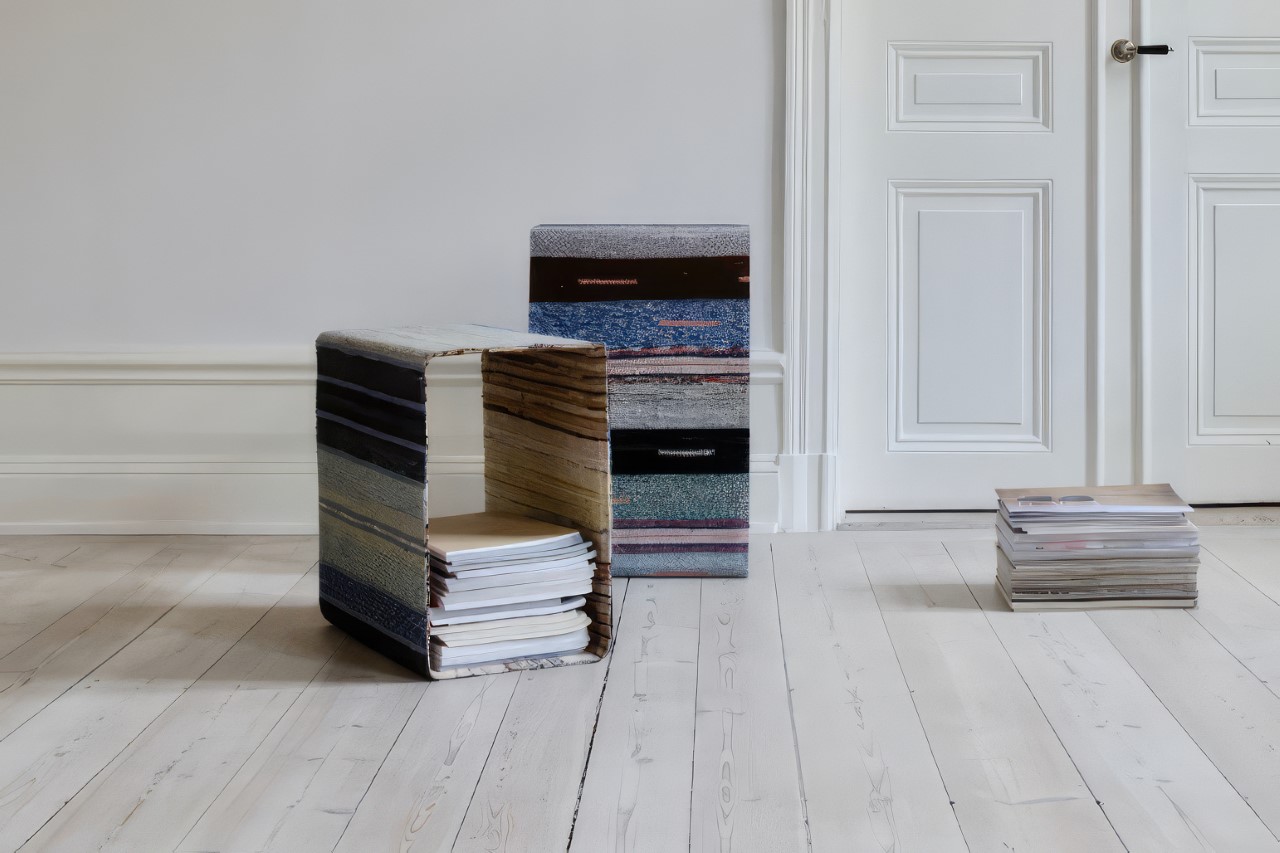
Through his innovative approach, Hofsjö offers a fresh perspective on sustainable design. By repurposing these historical textiles, he not only preserves a vital part of Swedish heritage but also provides a contemporary relevance to the rag rugs, demonstrating their versatility beyond their original, utilitarian purpose. The tables stand as a testament to the enduring beauty of Swedish crafts, bridging the gap between historical craftsmanship and modern living spaces.
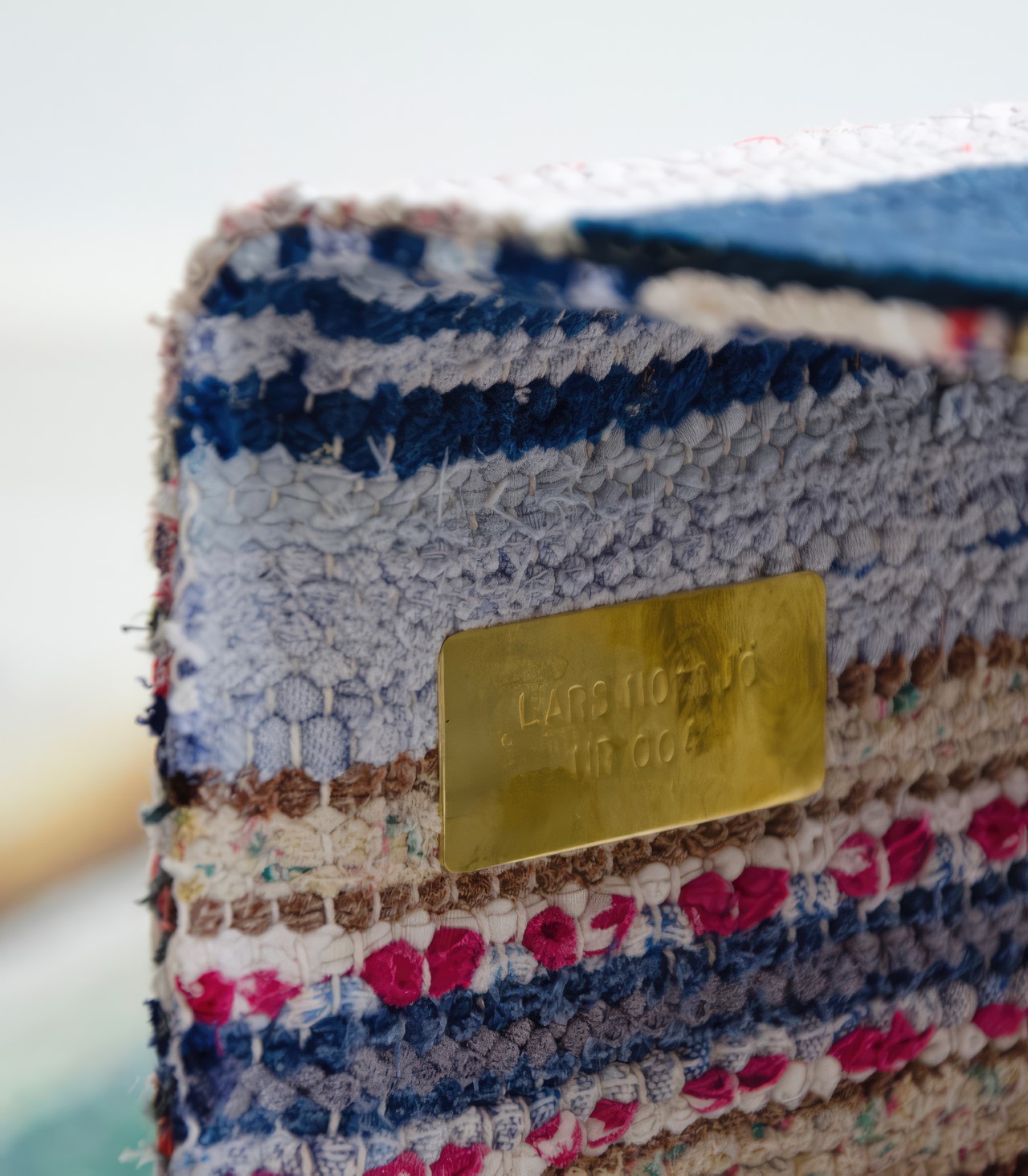
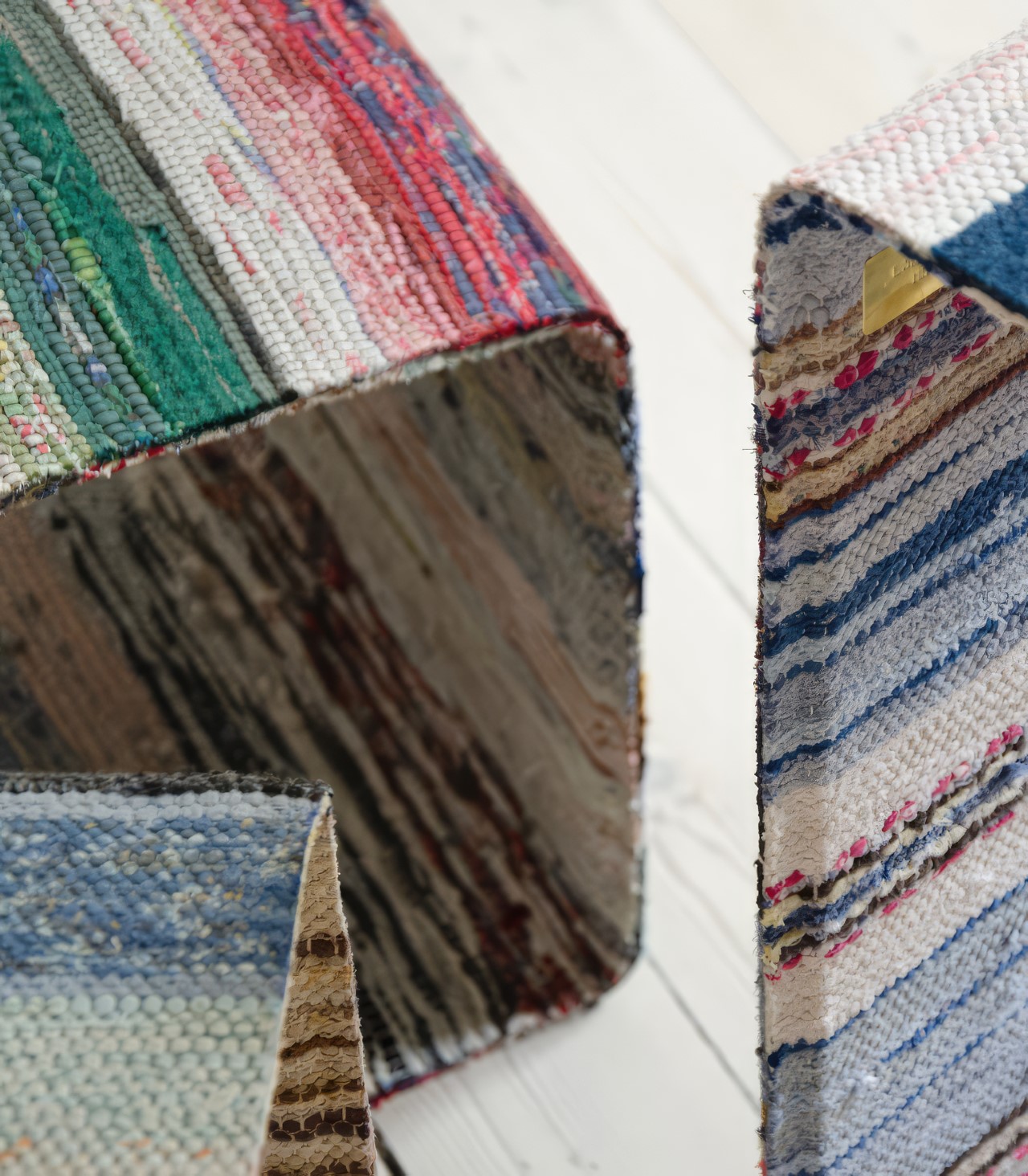
Hofsjö’s work is a remarkable example of how design can be both a custodian of tradition and a catalyst for innovation. It highlights the potential of traditional crafts to inspire contemporary design solutions, underscoring the importance of sustainability in design. By breathing new life into these age-old textiles, Hofsjö not only honors the legacy of the countless unnamed weavers who have kept this tradition alive but also points the way forward for future generations of designers to explore and reinvent.
The post Recycled Swedish rugs get transformed into furniture that honors the textile’s legacy first appeared on Yanko Design.
The Vitra ACX Is The Sustainable + Sleek Office Chair Of The Future With Essentially No Physical Controls

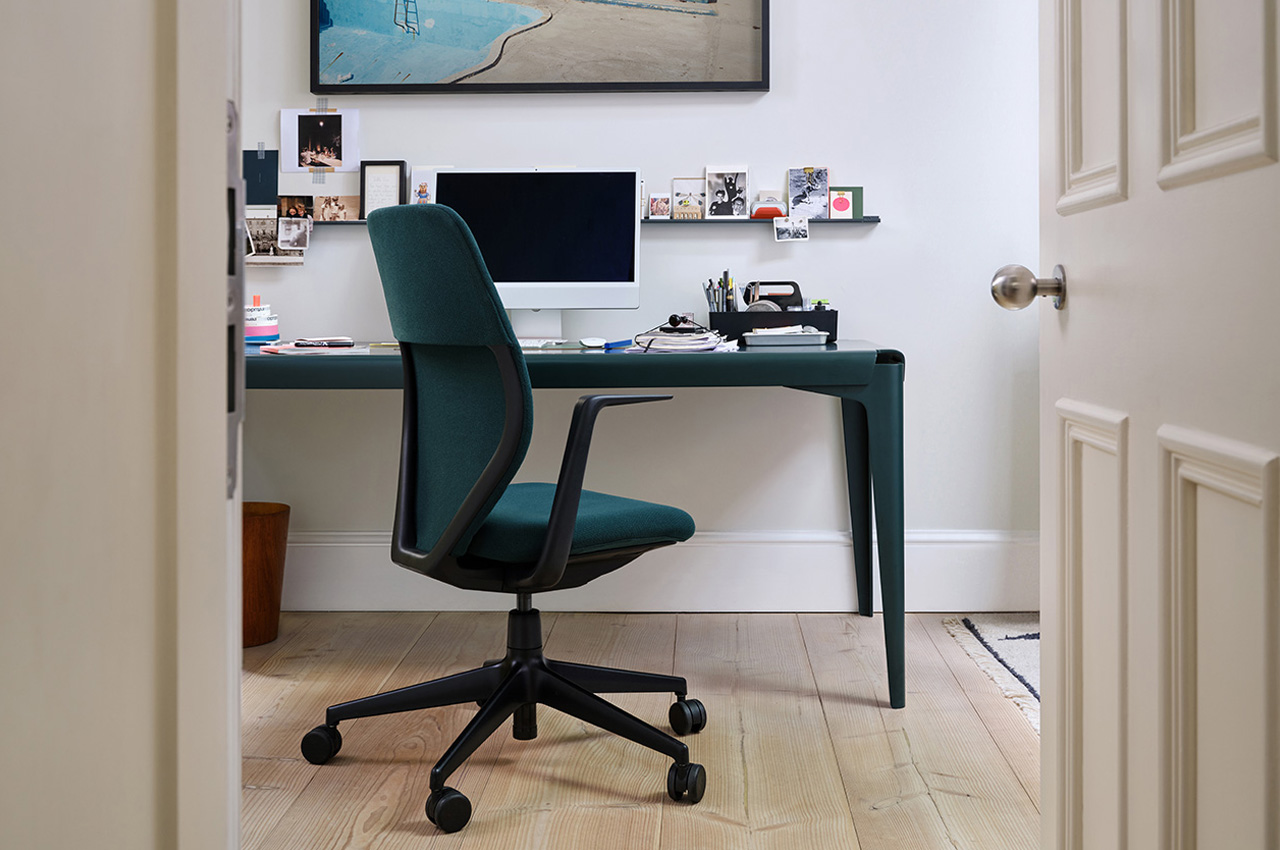
One of the most important pieces of furniture in an office is an office chair. We spend the majority of our day sitting on chairs, whether we’re working in our home office or a corporate one. Hence, this piece of furniture needs to be not only comfortable but ergonomic, and aesthetic as well. It needs to be back to support our backs and butts through a long day of dealing with tasks and completing important assignments. And, an exceptional office chair that would make a great addition to your office is the Vitra ACX.

Designer: Antonio Citterio and Vitra

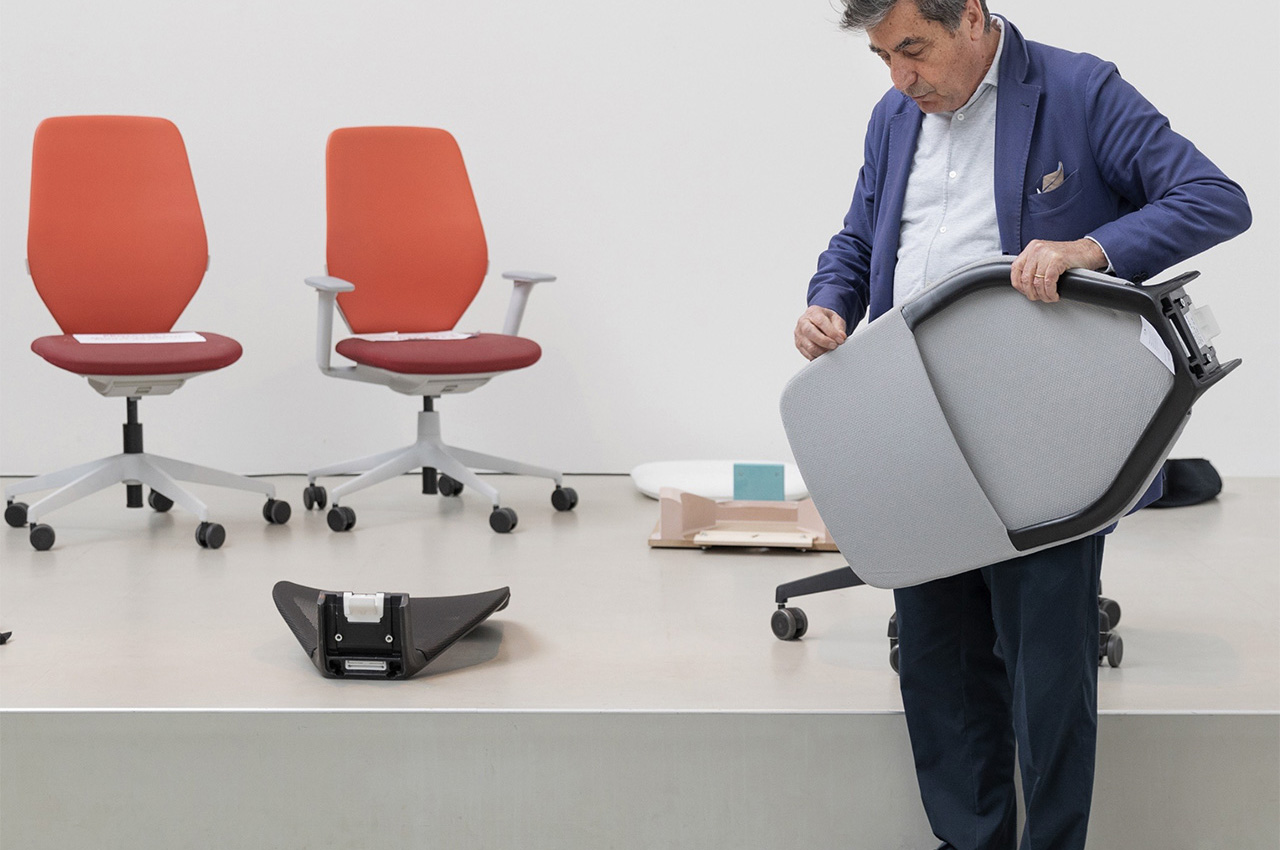
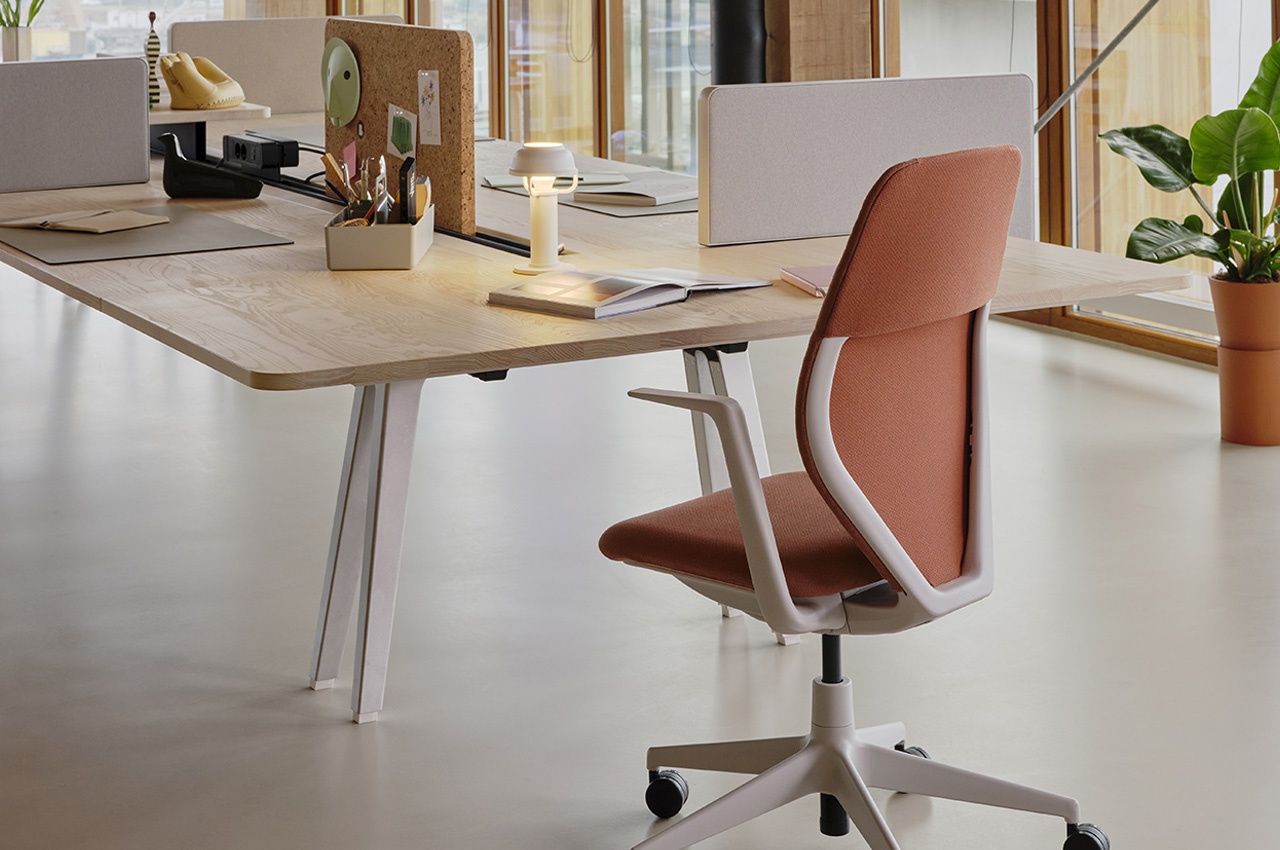
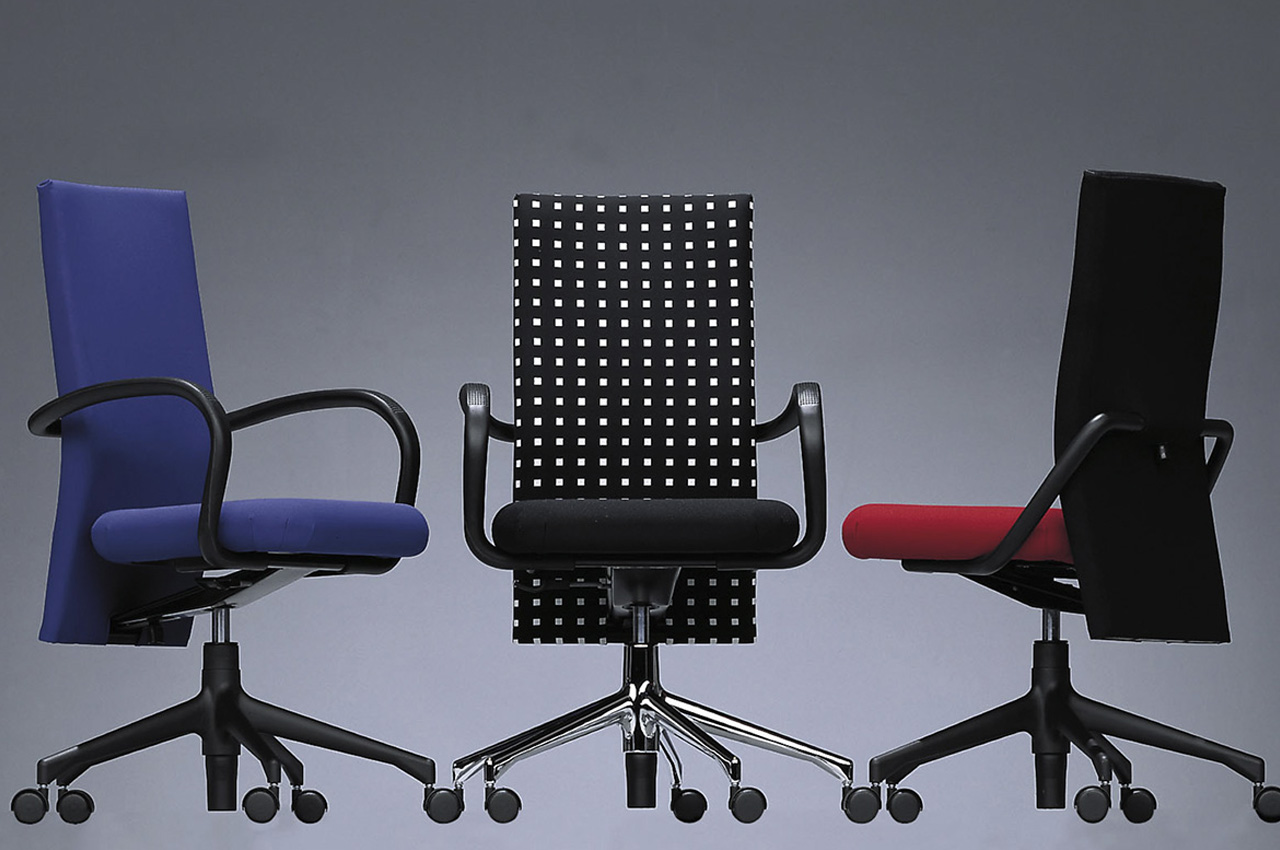
Designed as a collaboration between Antonio Citterio and Vitra, the Vitra ACX is the tenth task chair created by the collaborators. The Vitra ACX is an evolution and culmination of the long-lasting partnership, and it is a neat fit for your home office or corporate office. The goal of the chair is to have a “long service life with the smallest possible carbon footprint”.

Vitra is dubbed as ACX’s most sustainable task chair available, and this claim is backed up by the fact that the chair has a 100% recyclable construction. It is built with a limited number of components to ensure that service and maintenance are simple and efficient. Citterio explains, “The use of up to 100% recyclable materials was the single most important factor in the design process.”

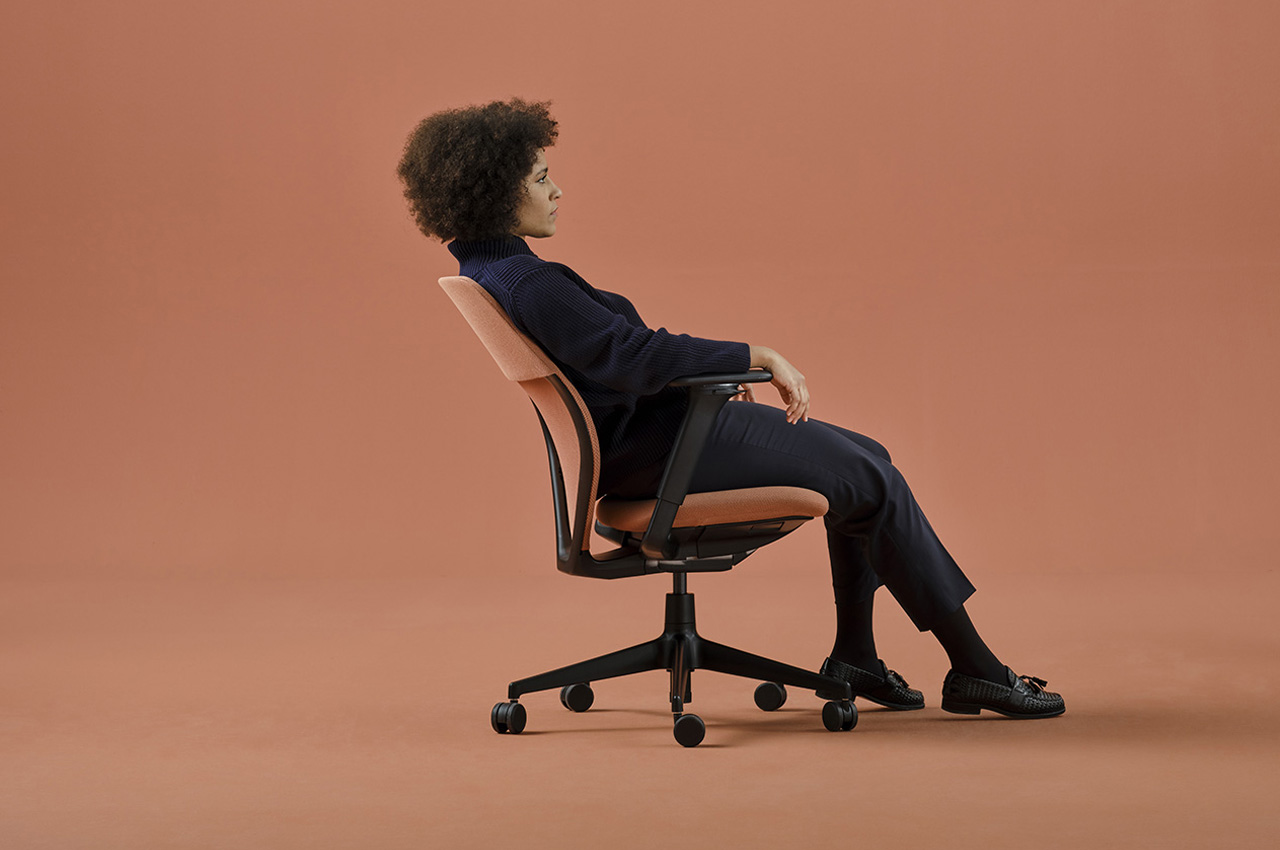
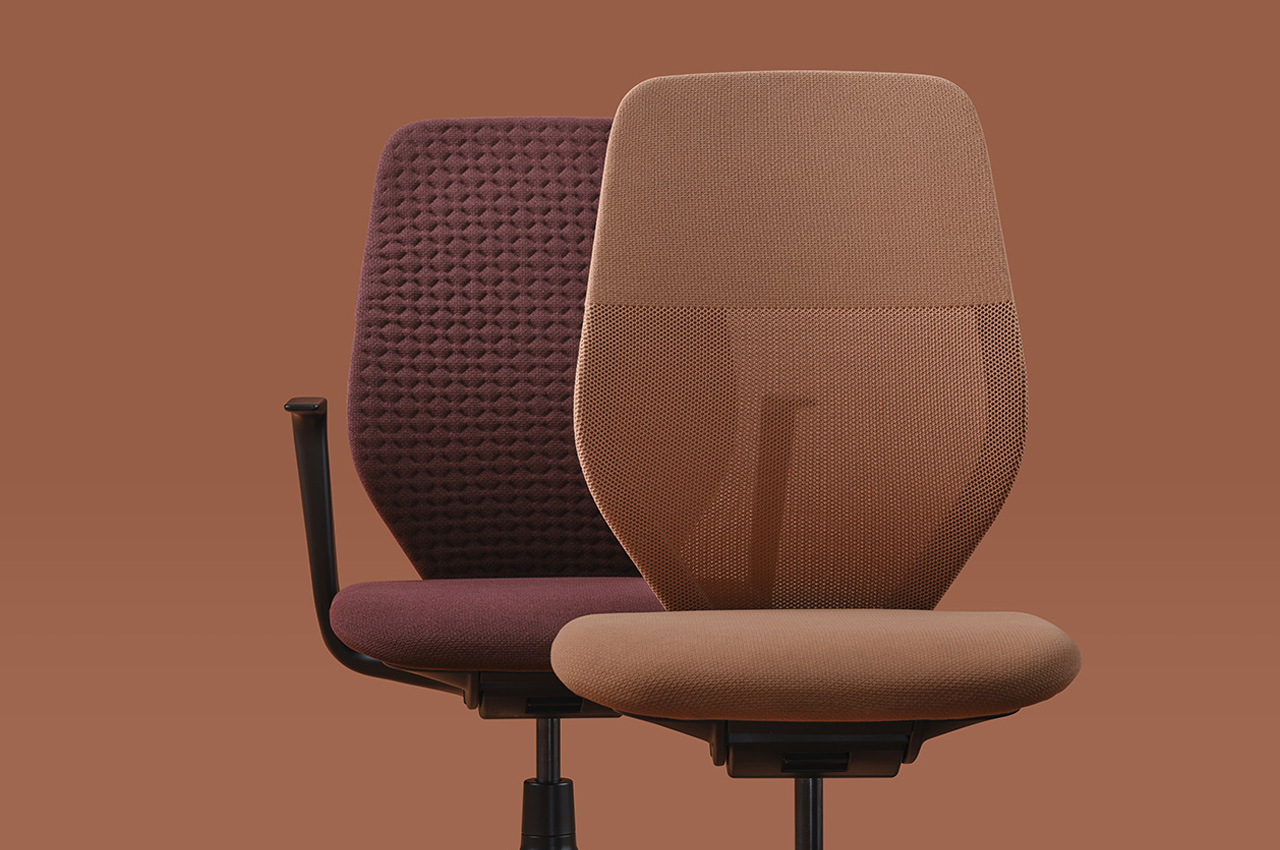
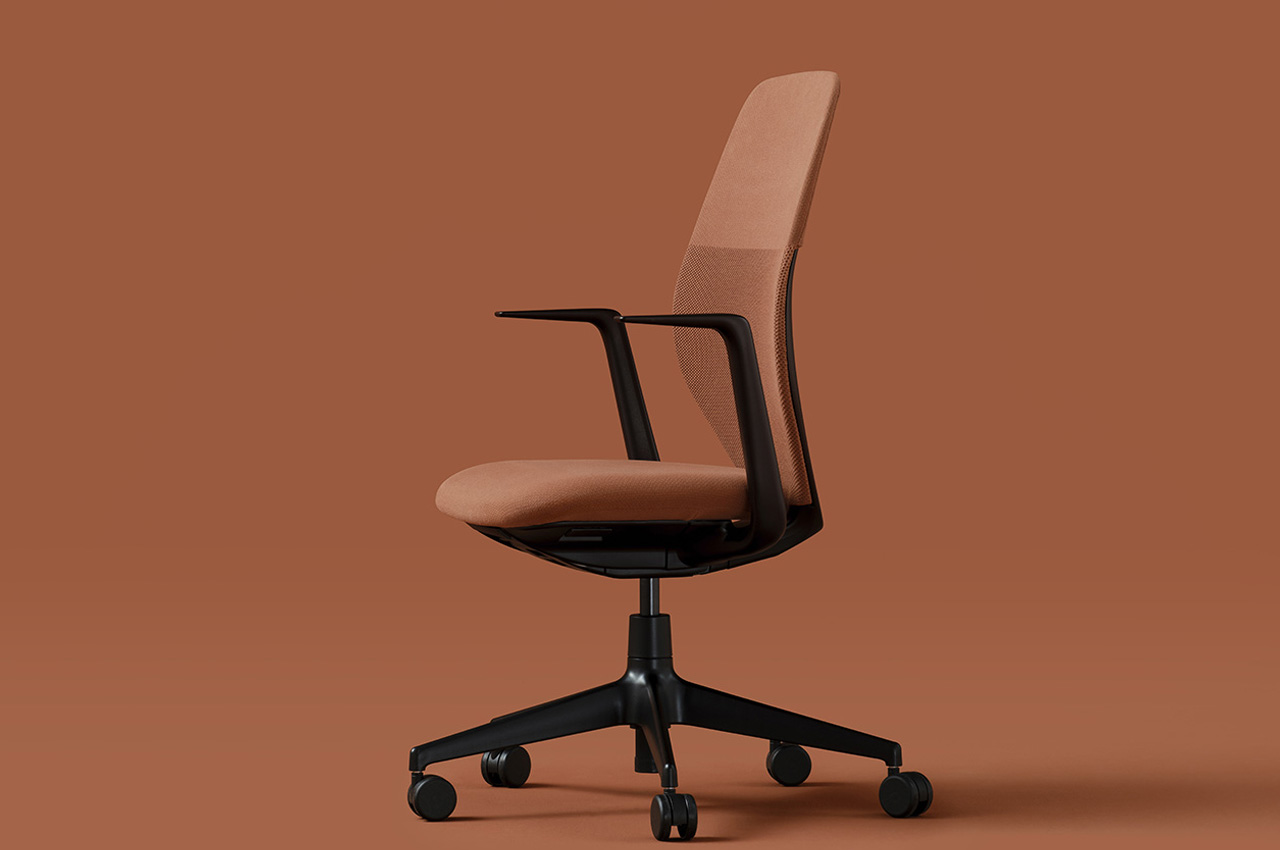
The Vitra ACX features a three-dimensional form-fitted knit that covers the backrest pretty minimally, without causing any intrusions of the seam. The fabric has a tactile imprint design which provides supportive softness. The mesh fabric design is quite airy, and an excellent option for those who want a lightweight fabric rather than a heavily padded traditional support. Also, the Vitra ACX doesn’t feature too many controls. Physical controls have been eliminated resulting in reduced weight, and the eradication of any confusion or doubt when it comes to operating the chair. Instead, ACX is equipped with a mechanism that automatically adjusts itself to the different kinds of users and their body weights. The seat’s height is still manually adjustable though.

The post The Vitra ACX Is The Sustainable + Sleek Office Chair Of The Future With Essentially No Physical Controls first appeared on Yanko Design.

The +52 Stool Explores Lesser-Known Wood Types As Sustainable Alternatives To Commercial Wood Species

Have you joined team stools over chairs yet? Well, if you haven’t then it is high time that you should! I truly believe stools deserve to be given way more credit than they get. Stools are often overlooked, maybe because they occupy minimum space, and aren’t really overbearing. But these traits are what make stools so great in my opinion! I mean, they’re compact, and a great space-saving furniture option for our modern homes. They are also super portable. And, a great stool design to add to your home would be the +52 stool!

Designer: Studio Plastique

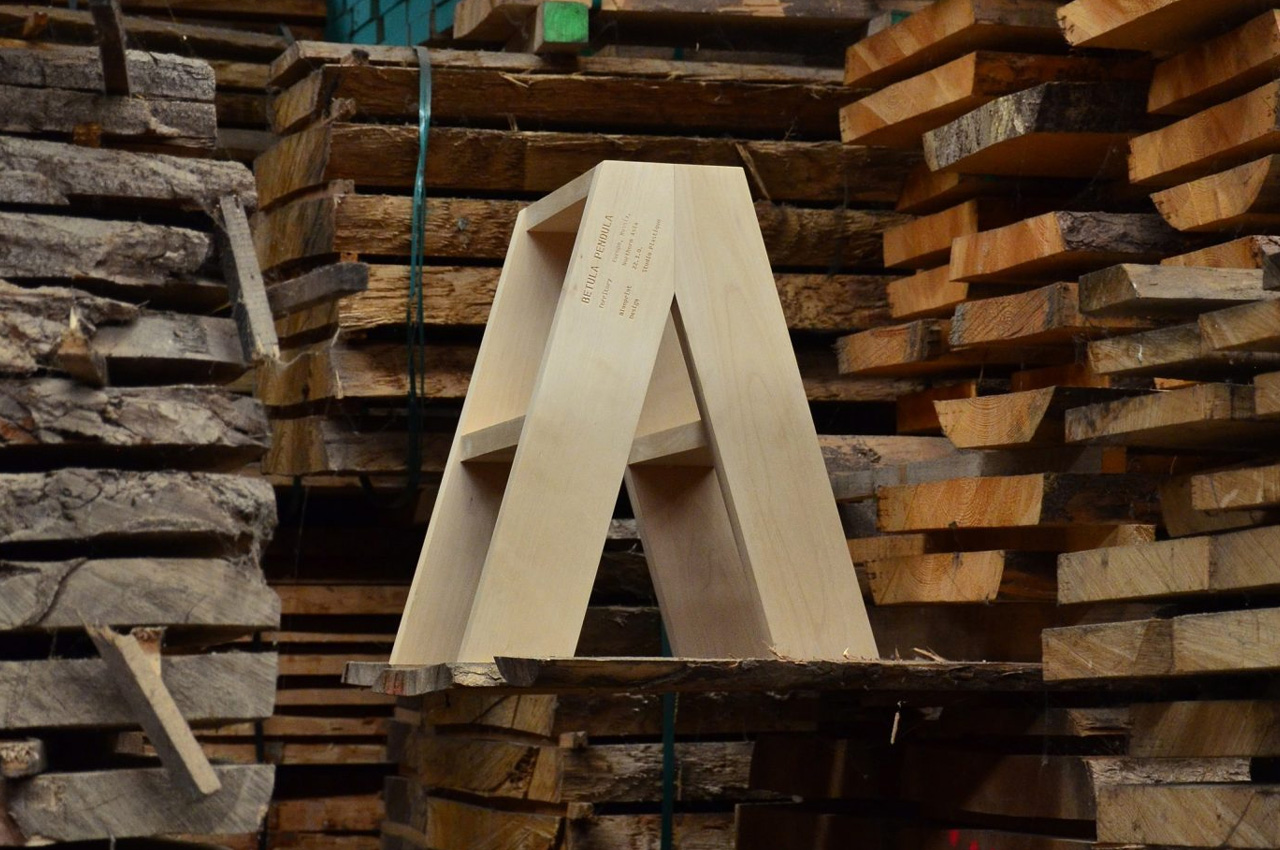
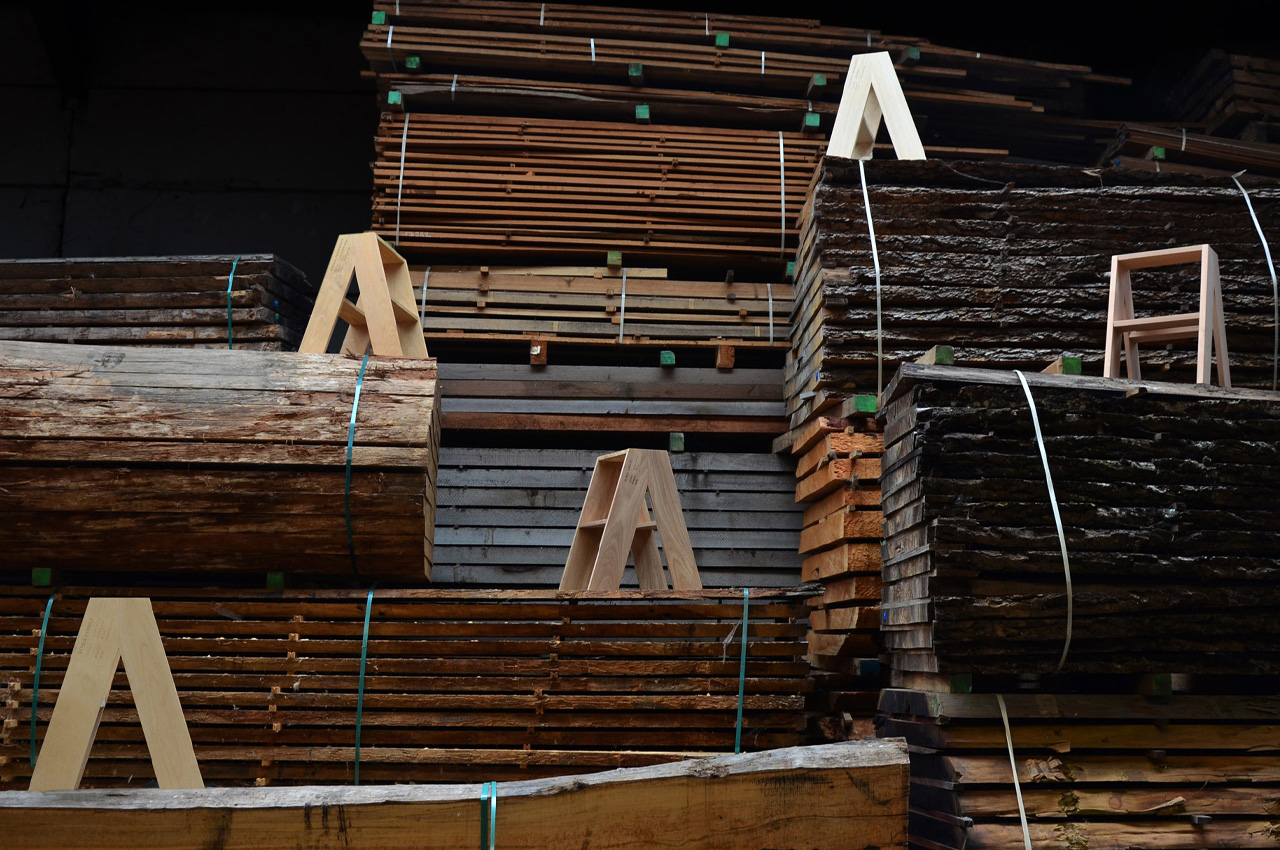
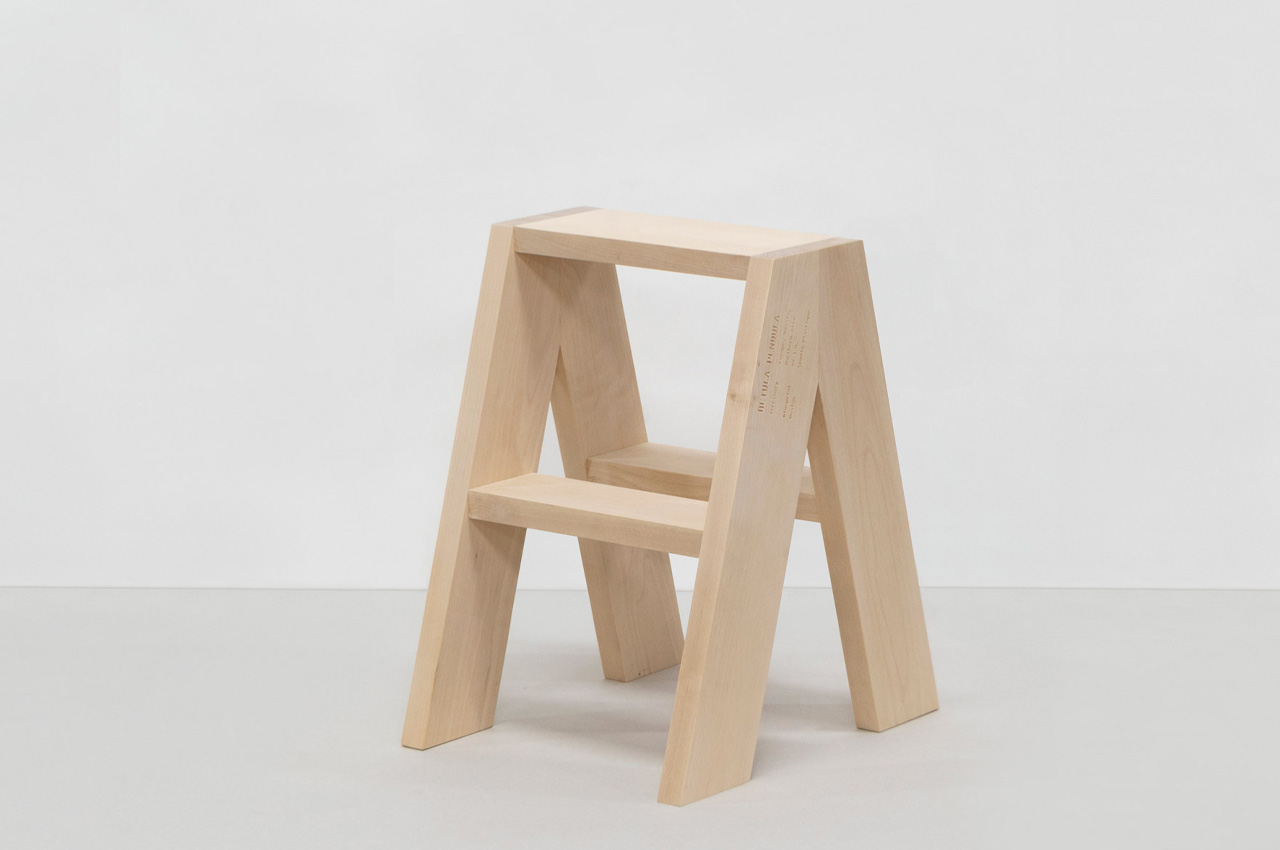
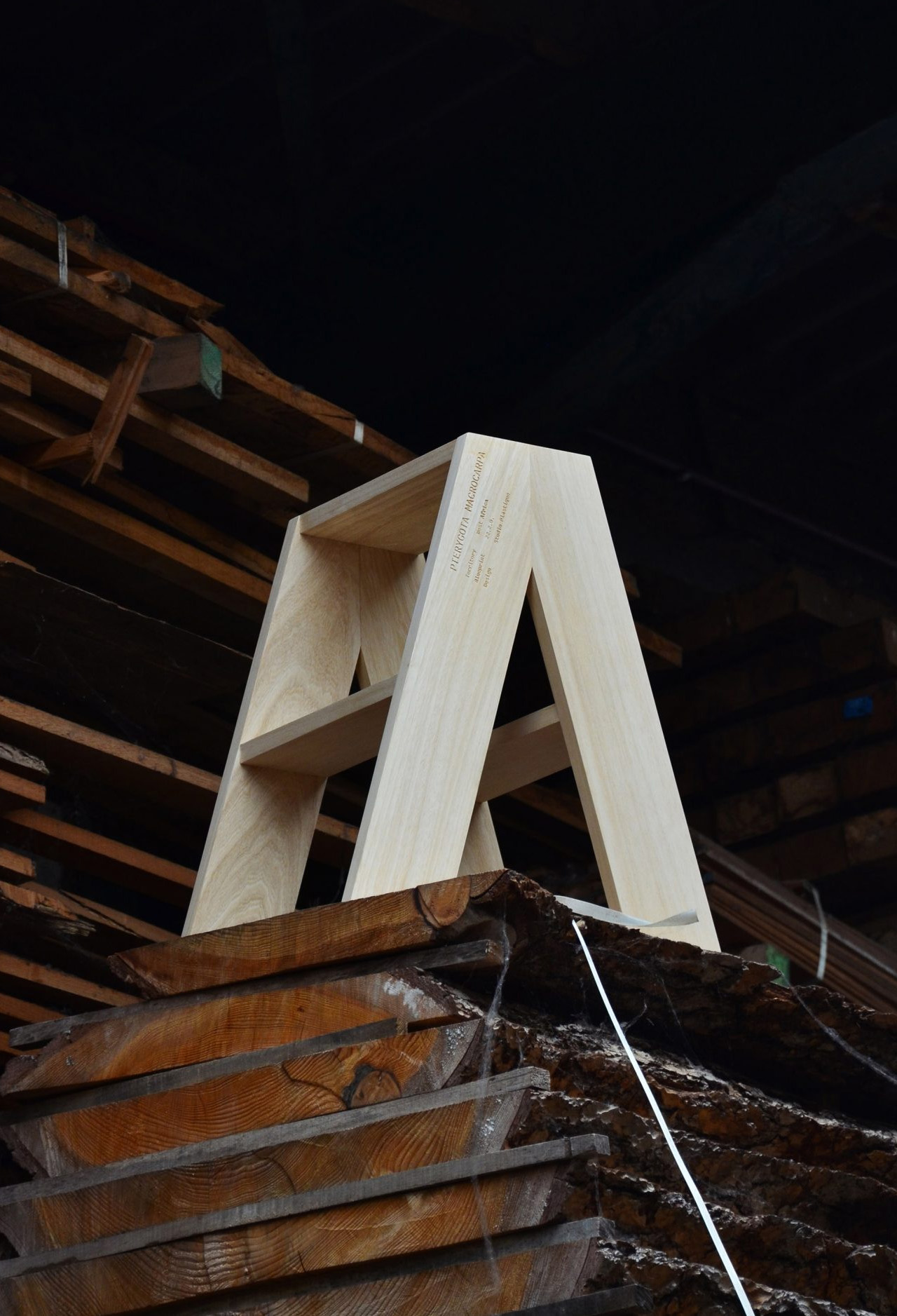
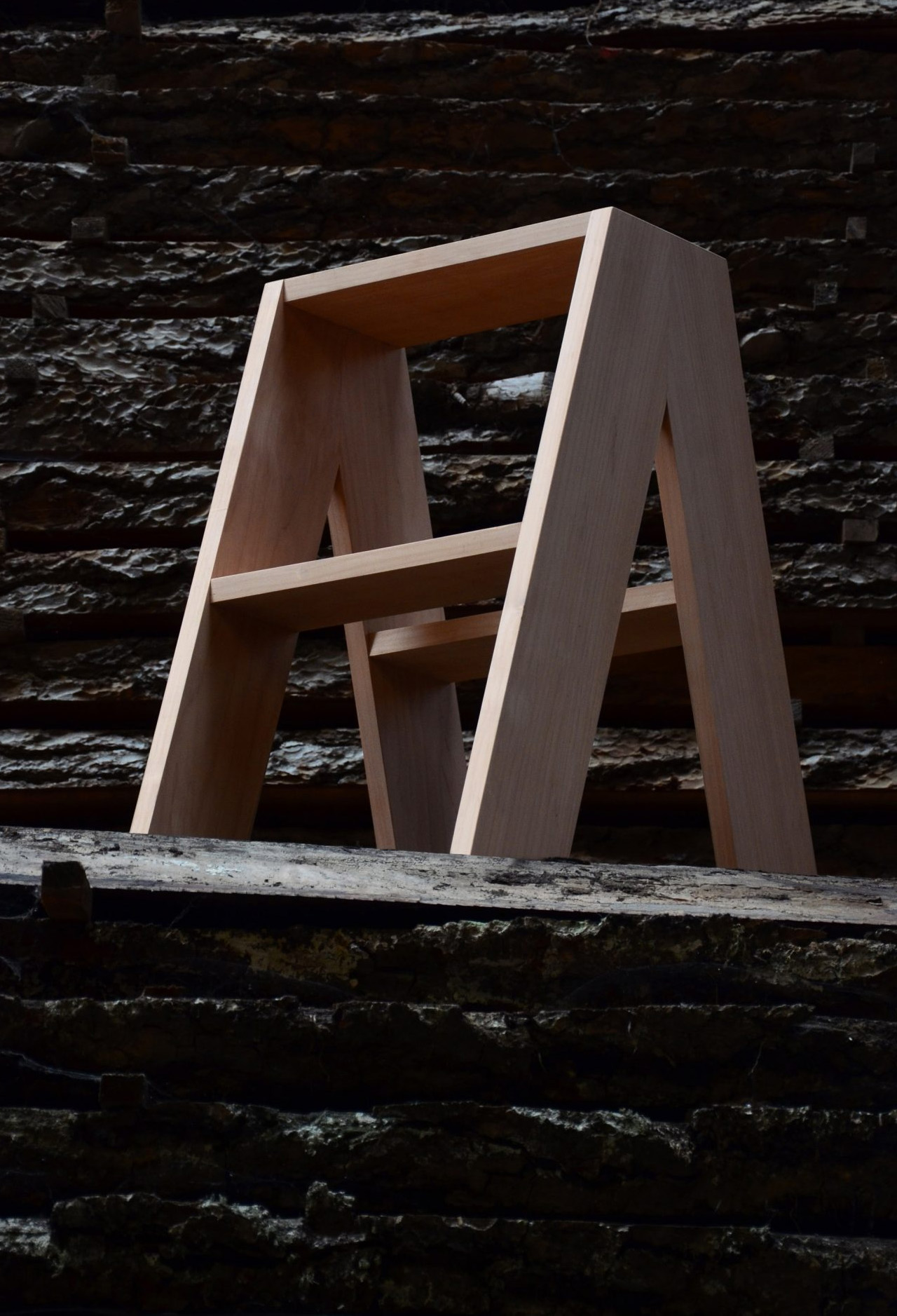
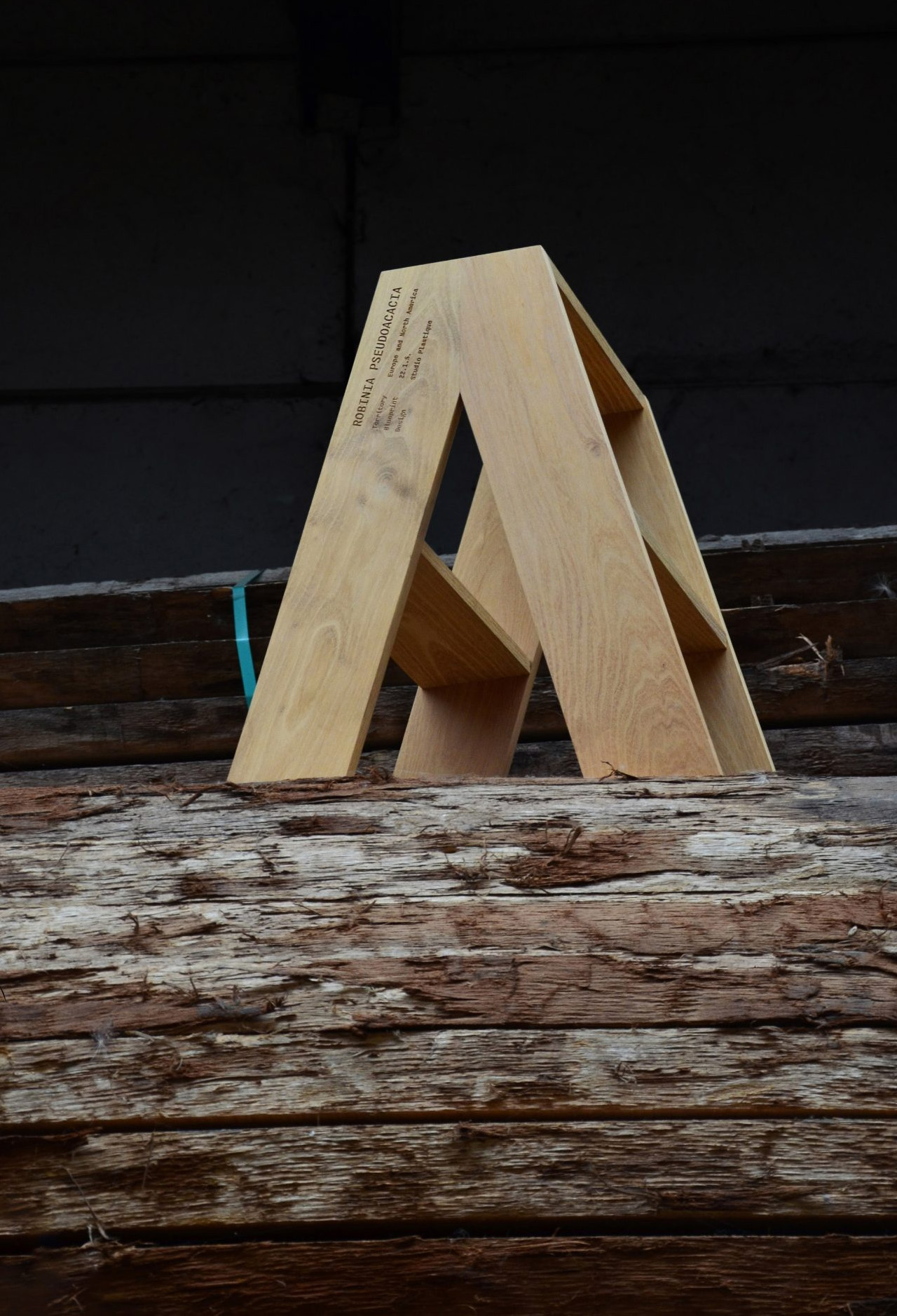
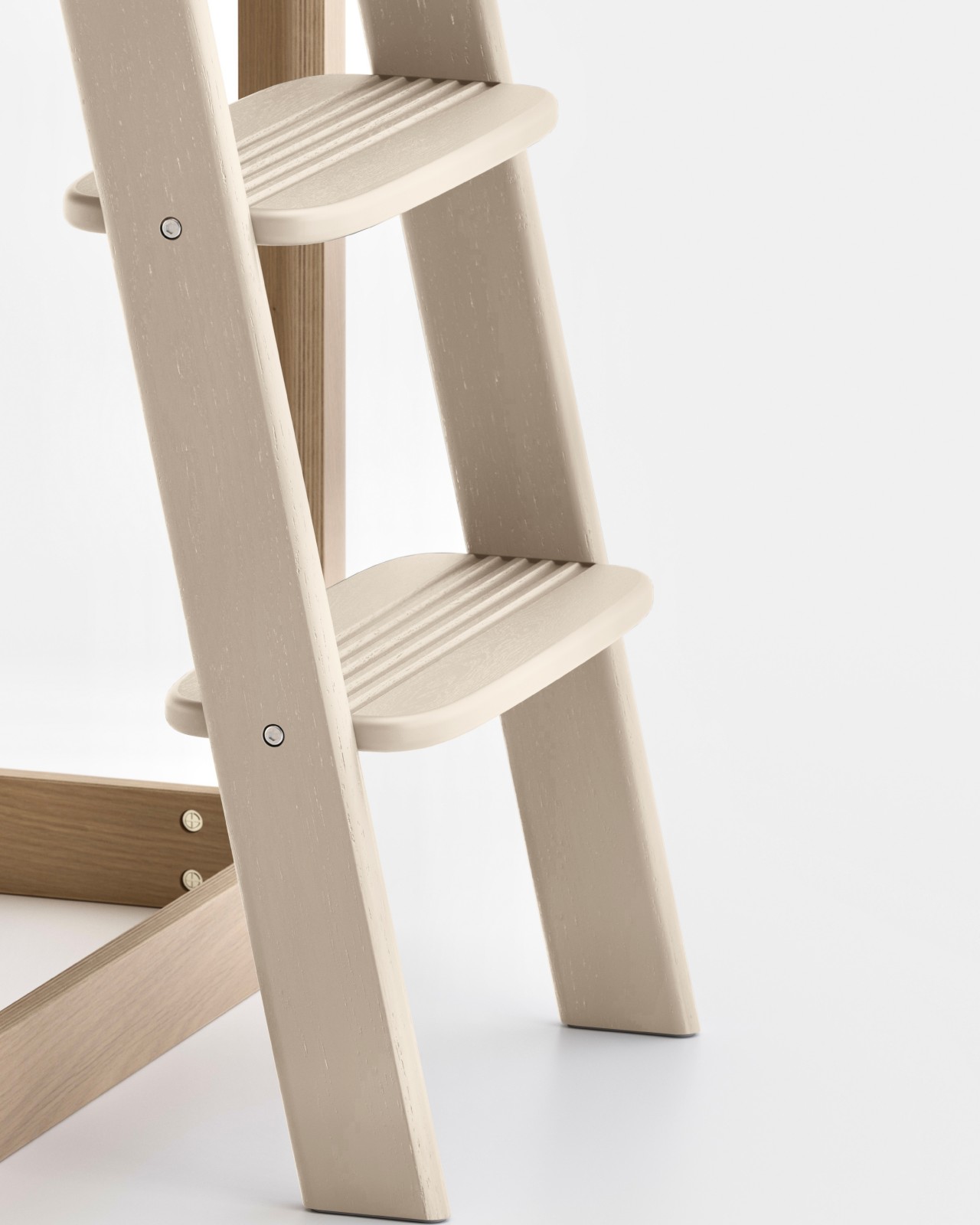
Based in Brussels, Studio Plastique conducted extensive research on current timber designs and manufacturing and transformed that knowledge into a wooden step stool. Dubbed +52 stool, the furniture piece isn’t simply considered as furniture, the studio sees it as a ‘scenario’, via which the scope and potential of undervalued wood types as sustainable alternatives to the typical wood types can be explored and looked deeper into.

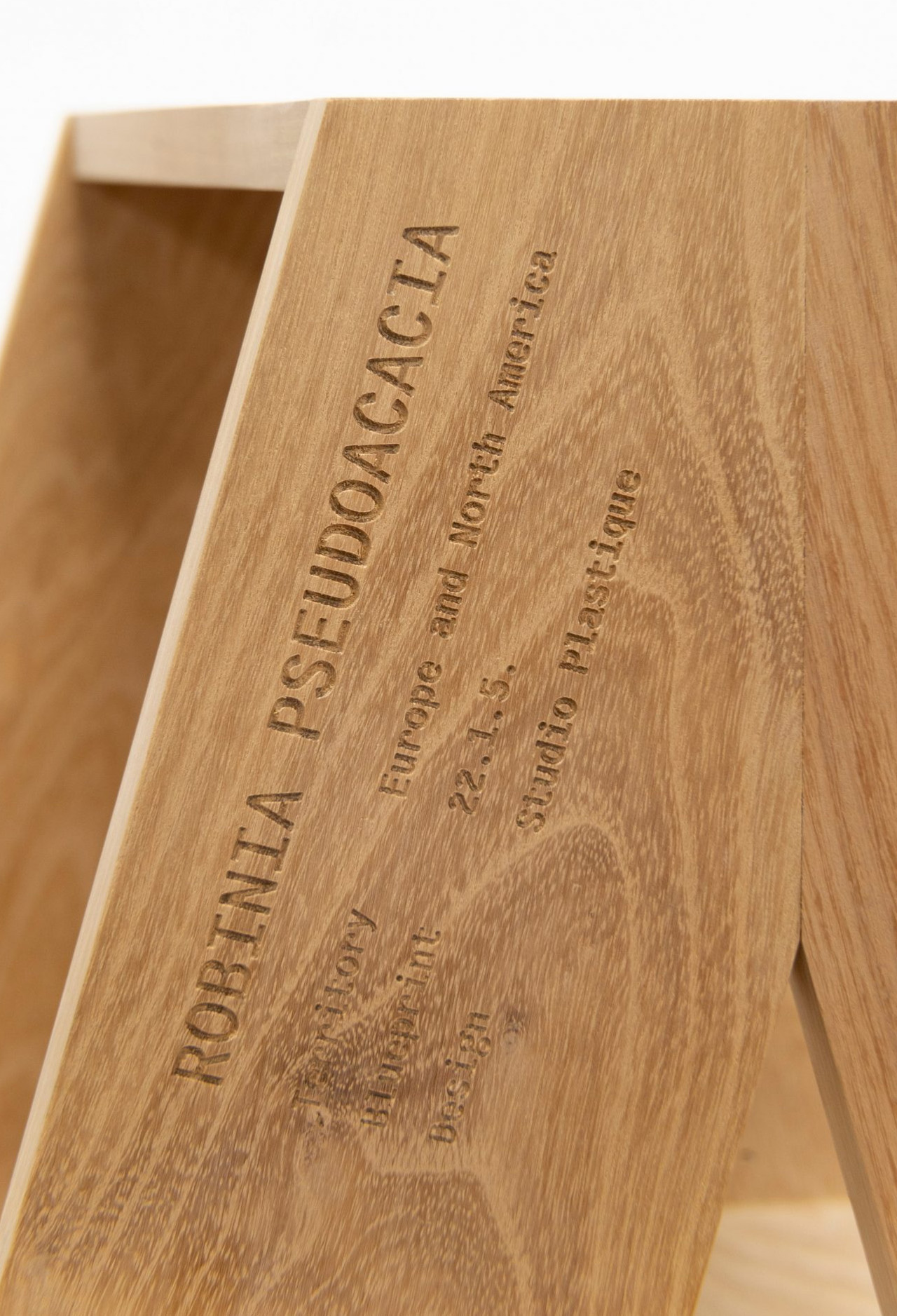
The +52 stool is produced using a variety of non-commercial woods such as elm, koto, willow, acacia, and birch which changes the weight, color, and texture of the stool. The stool was created by Studio Plastique as a solution to the overexploitation of forests that occurs currently in the wood production industry. The stool aims to tackle the complete lack of awareness surrounding lesser-known wood species that aren’t used in the design world.

“With +52 we would like to contribute to an alternative perspective on wood scenarios,” said the studio. “Through our collaborations with stakeholders in the field, we aim to highlight these problematics on the one hand, and on the other propose diversified scenarios.”

The +52 stool is manufactured in varying thicknesses to provide it with structural stability irrespective of the kind of wood it is made from, in turn, offering strength and functionality no matter what. The stool makes for an excellent fit for both casual spaces, as well as more formal spaces since it is a versatile and durable furniture piece that can merge harmoniously with contemporary spaces. The aesthetic of the stool is modern and minimal, and it would complement other furniture pieces well, without creating a stark contrast.

The post The +52 Stool Explores Lesser-Known Wood Types As Sustainable Alternatives To Commercial Wood Species first appeared on Yanko Design.

This Minimal & Multifunctional Furniture Piece Serves As A Bench & A Shoe Rack

Wood has been the material of choice for furniture designers for ages galore. And no wonder! There’s something about wood that instantly adds a sense of zen and calm to any living space it is placed into. It puts your mind at ease while managing to radiate a feeling of warmth and tranquility. It’s a minimal material that holds a strong personality without any additional frills and tassels. I truly believe a well-crafted piece of wooden furniture can add a magical touch to even the simplest of living spaces. Minimal, clean, and almost always soothing, beautifully designed wooden furniture helps add the ultimate finishing touch to a room. And, one such furniture design is ‘Tokyo’ by Teixeira Design Studio.

Designer: Teixeira Design Studio

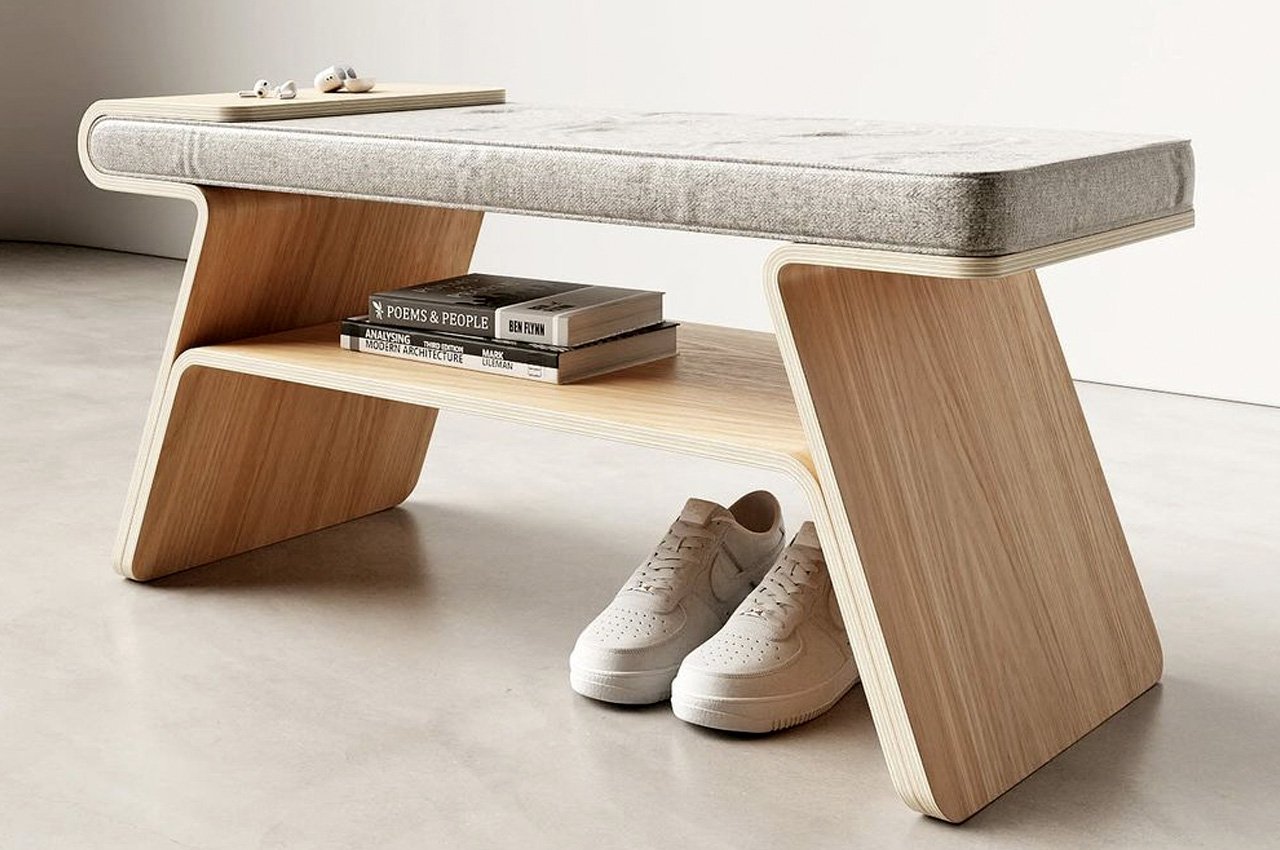
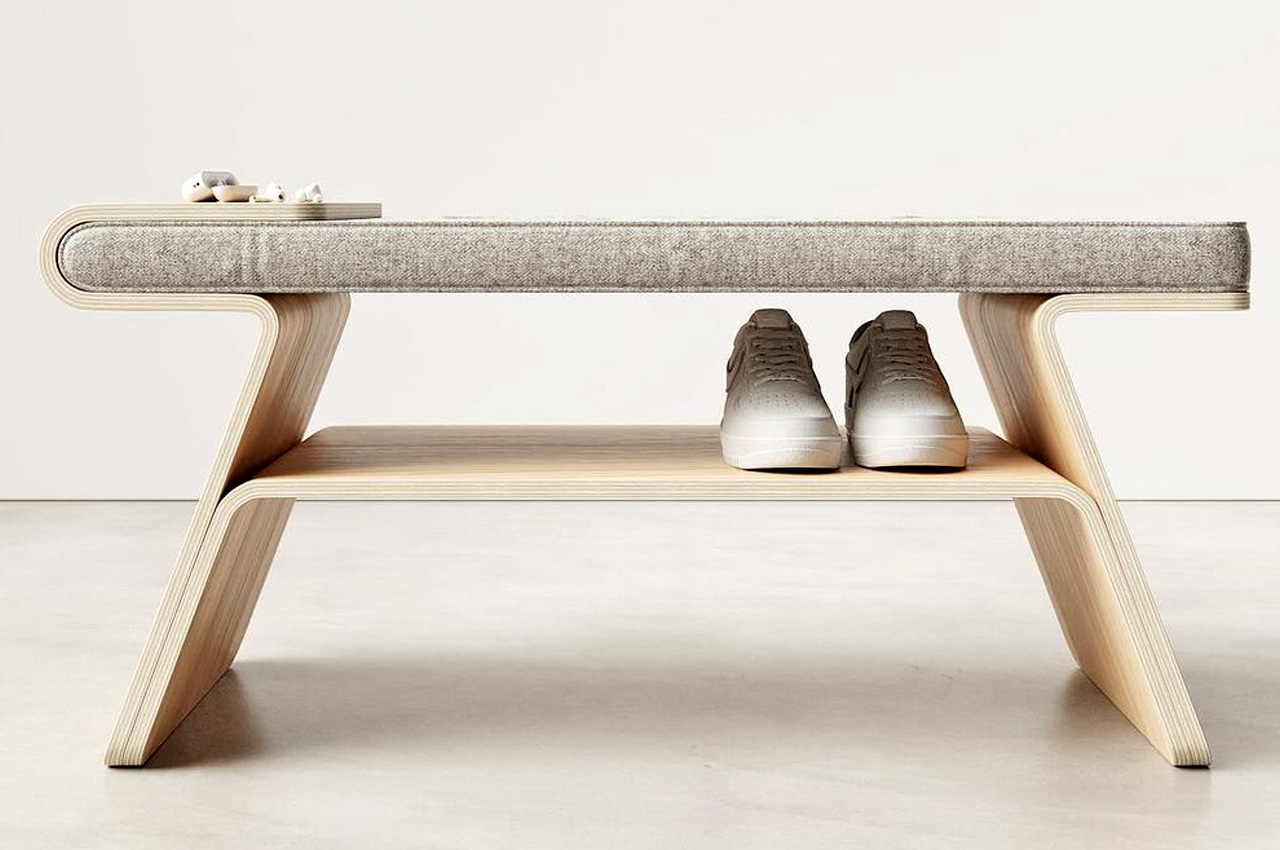
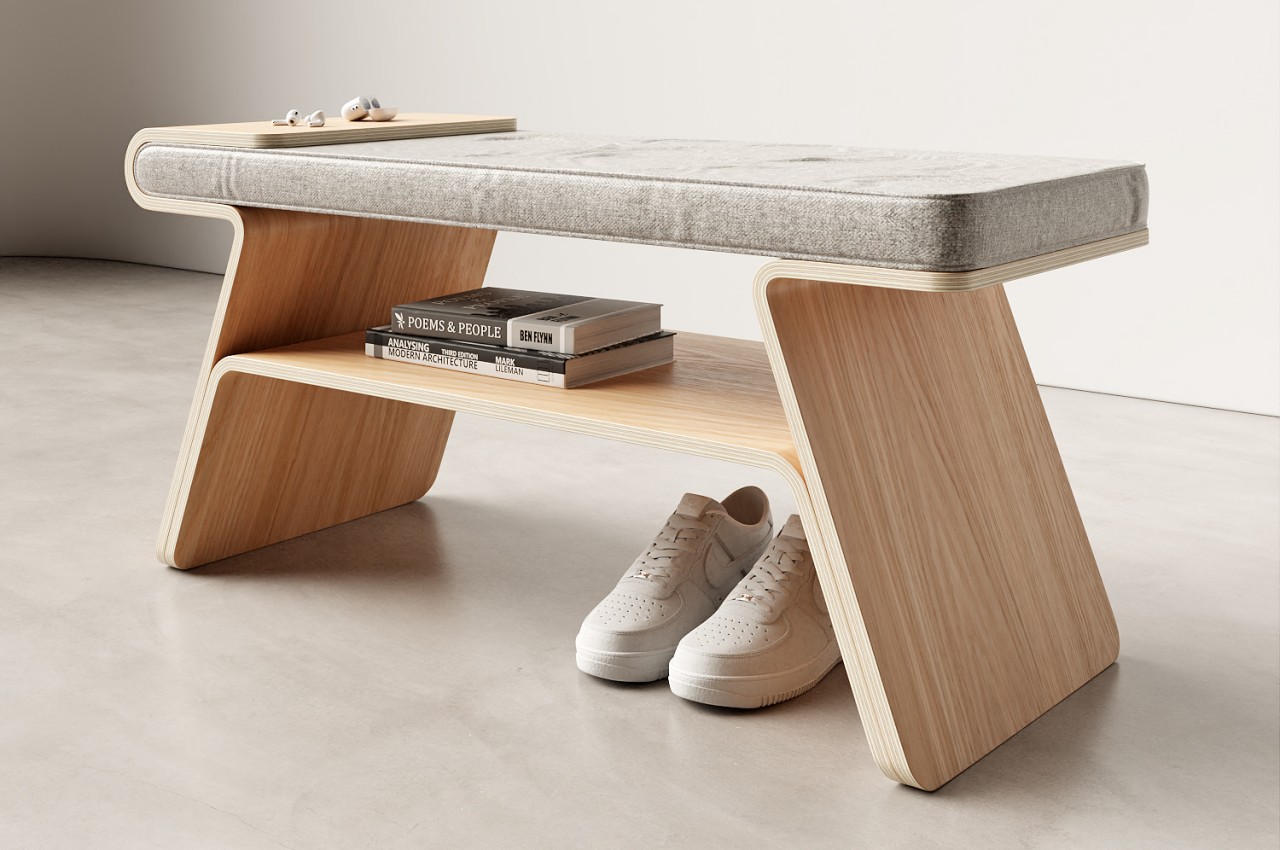
I’m sure you’ve come across Teixeira’s designs on Instagram. They’re always minimal, well-designed, and highly functional. They instantly catch your eye with their sheer simplicity yet excellent utility. And Tokyo is no exception. Tokyo is an ingenious multifunctional design that merges a shoe rack and a bench. It artfully combines two furniture pieces into one individual furniture piece, providing dual functionality while occupying less space.

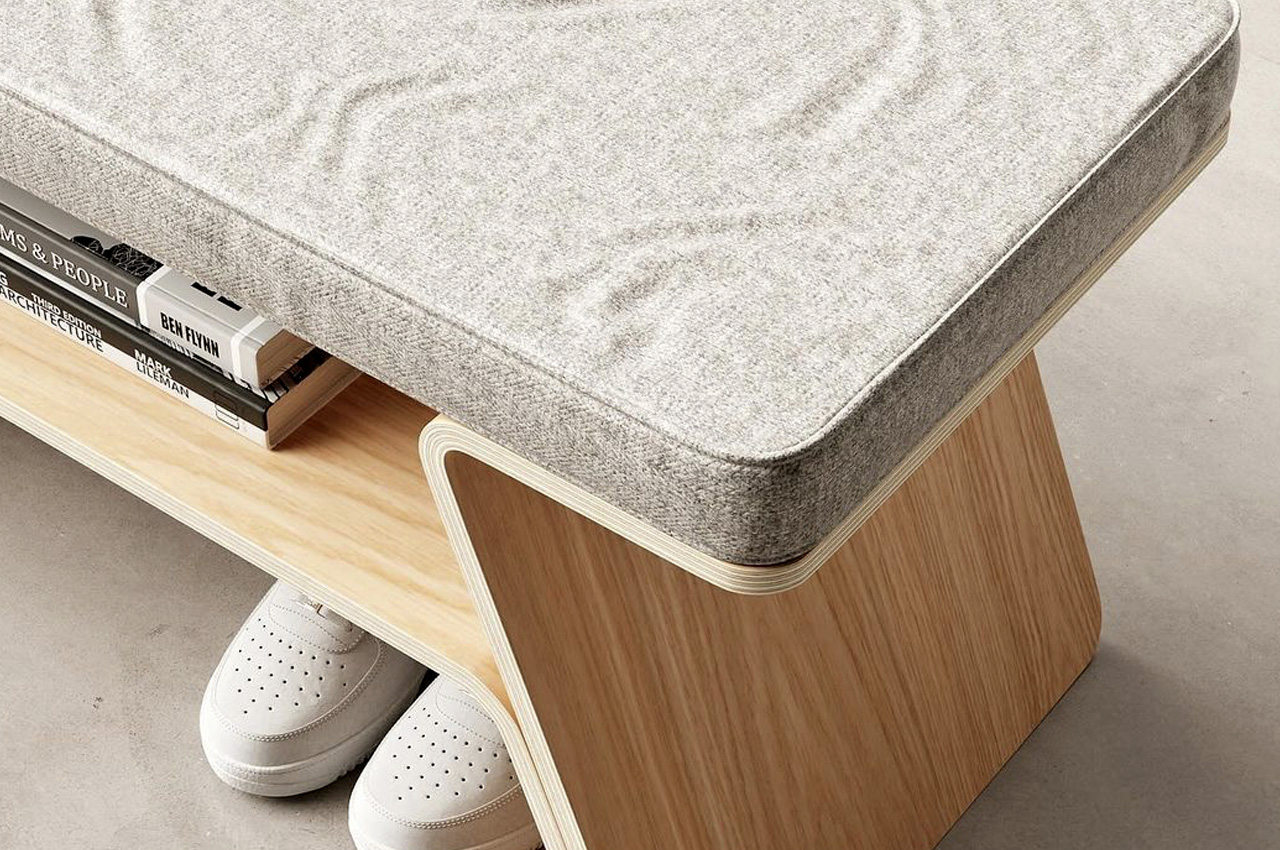
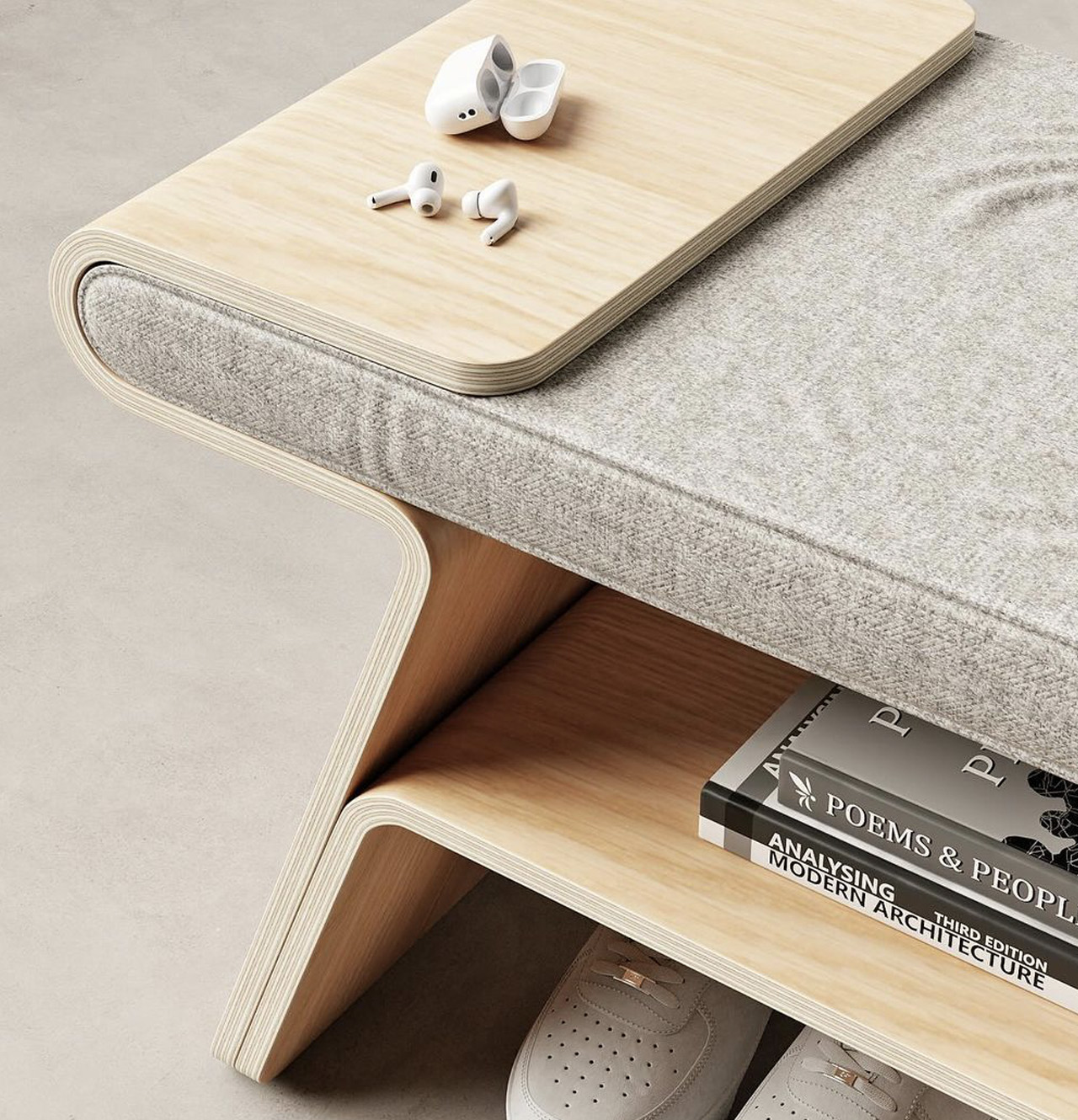
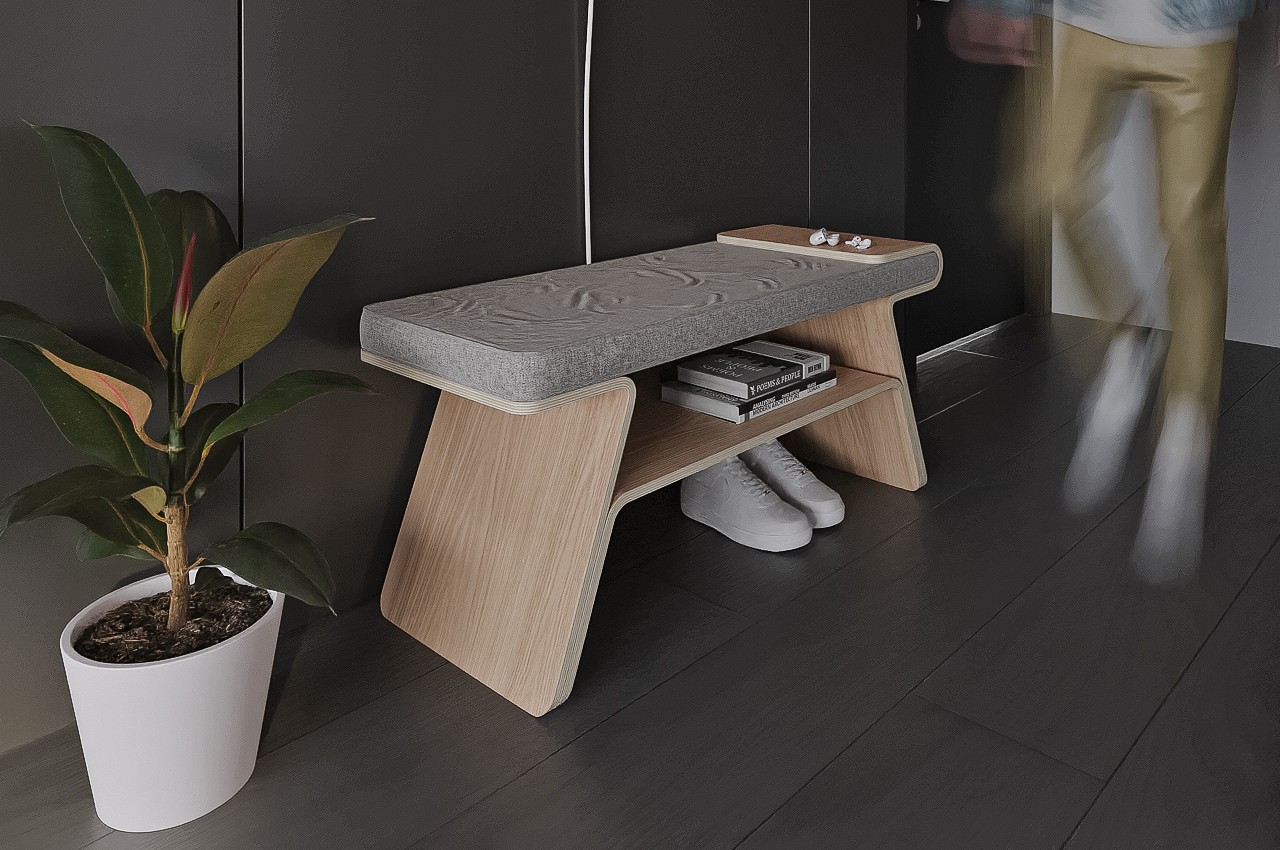
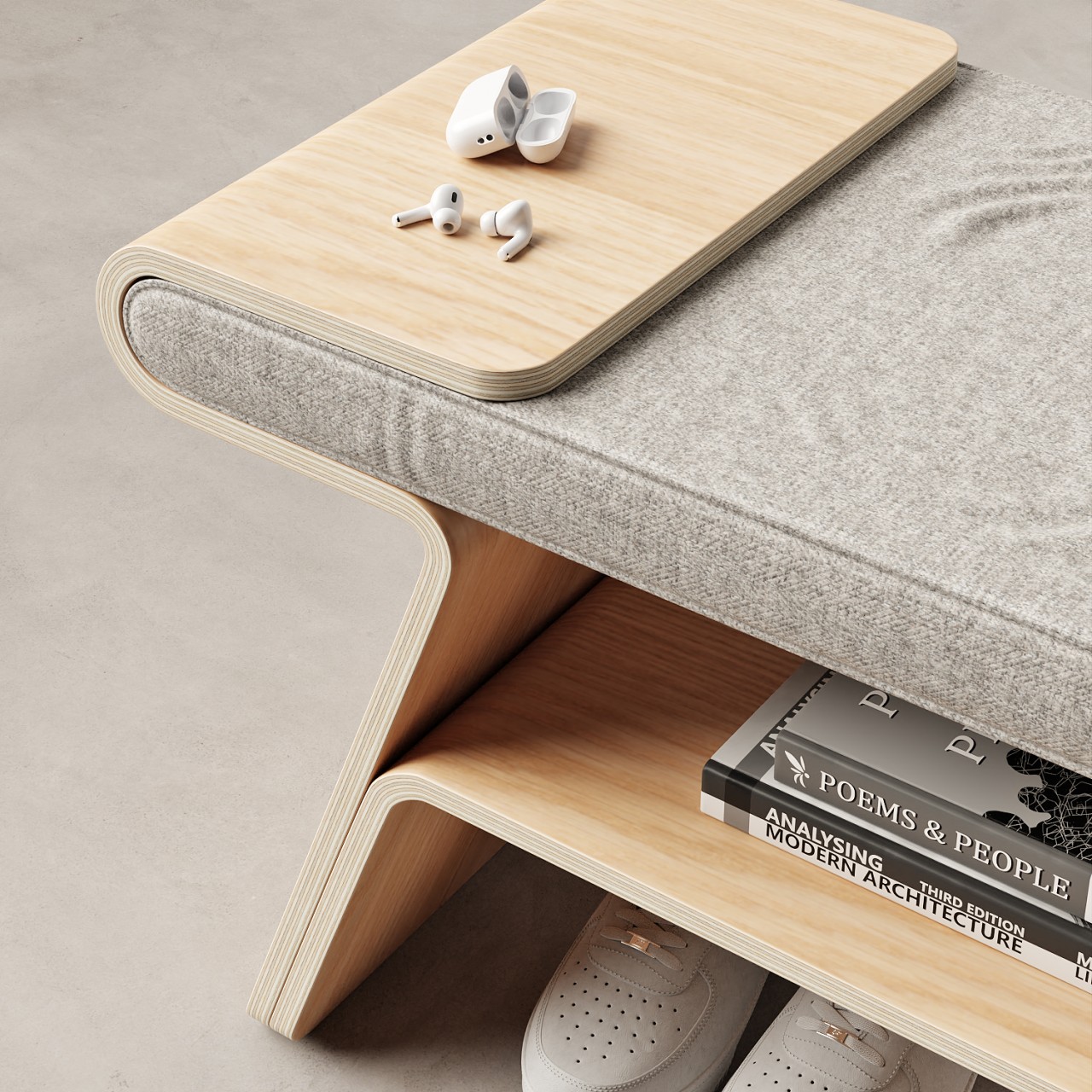
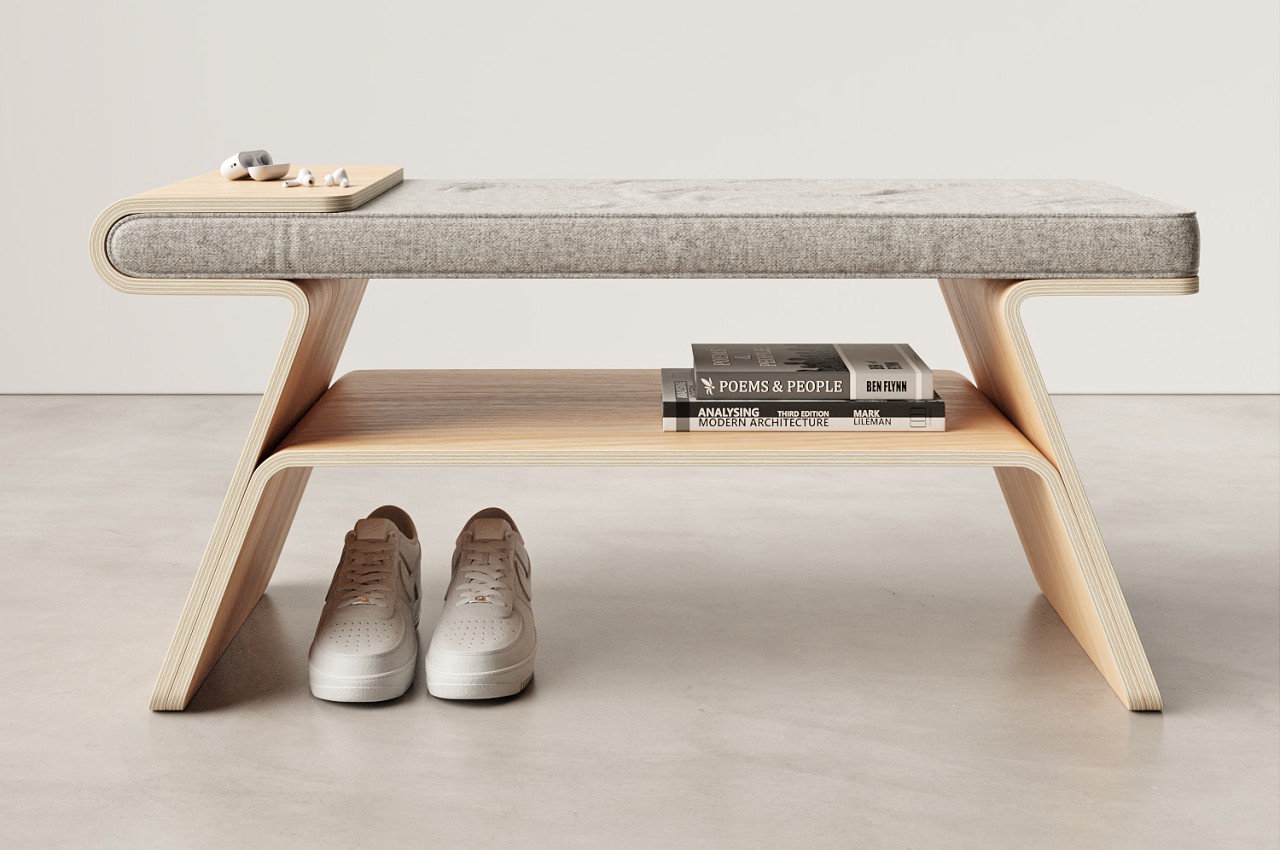
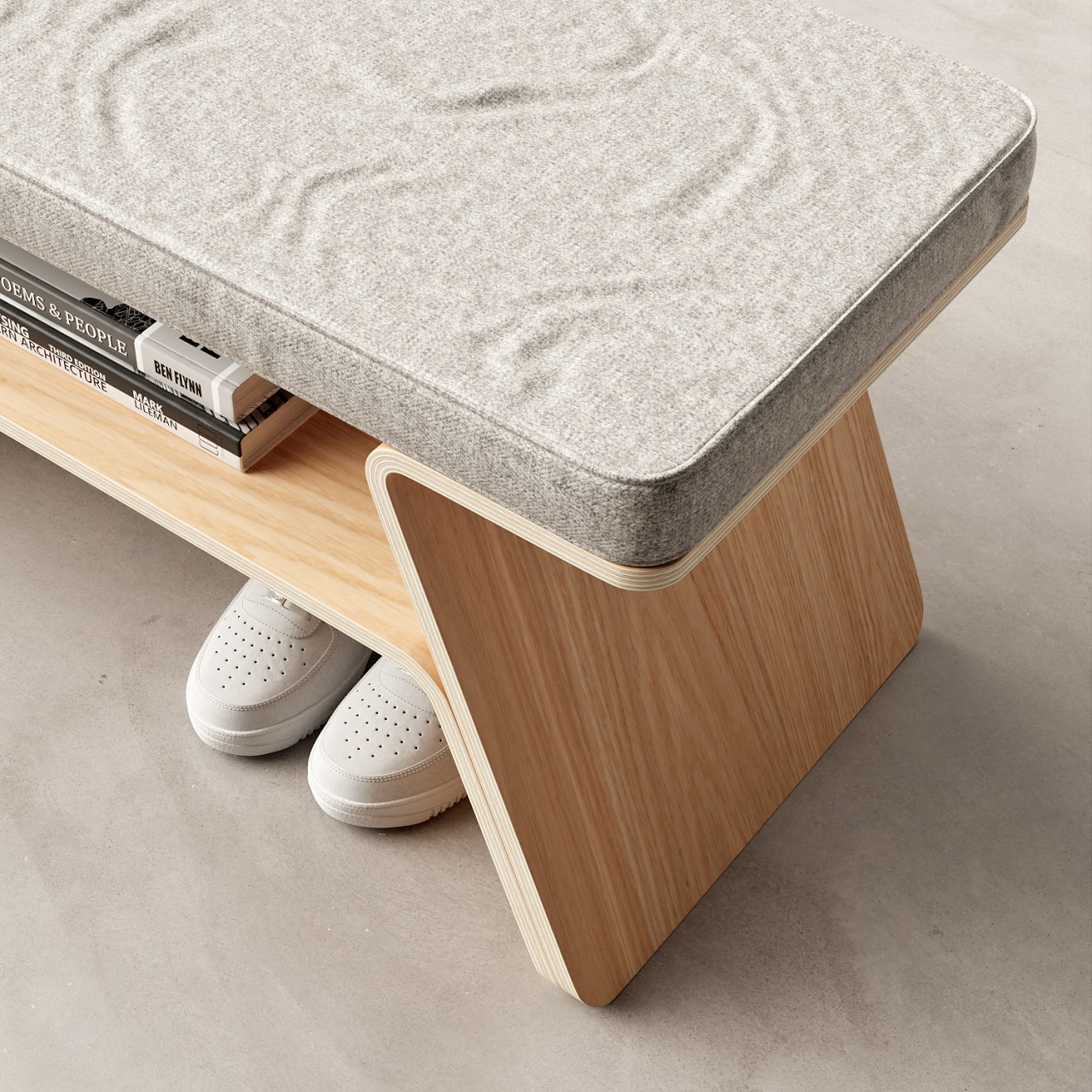
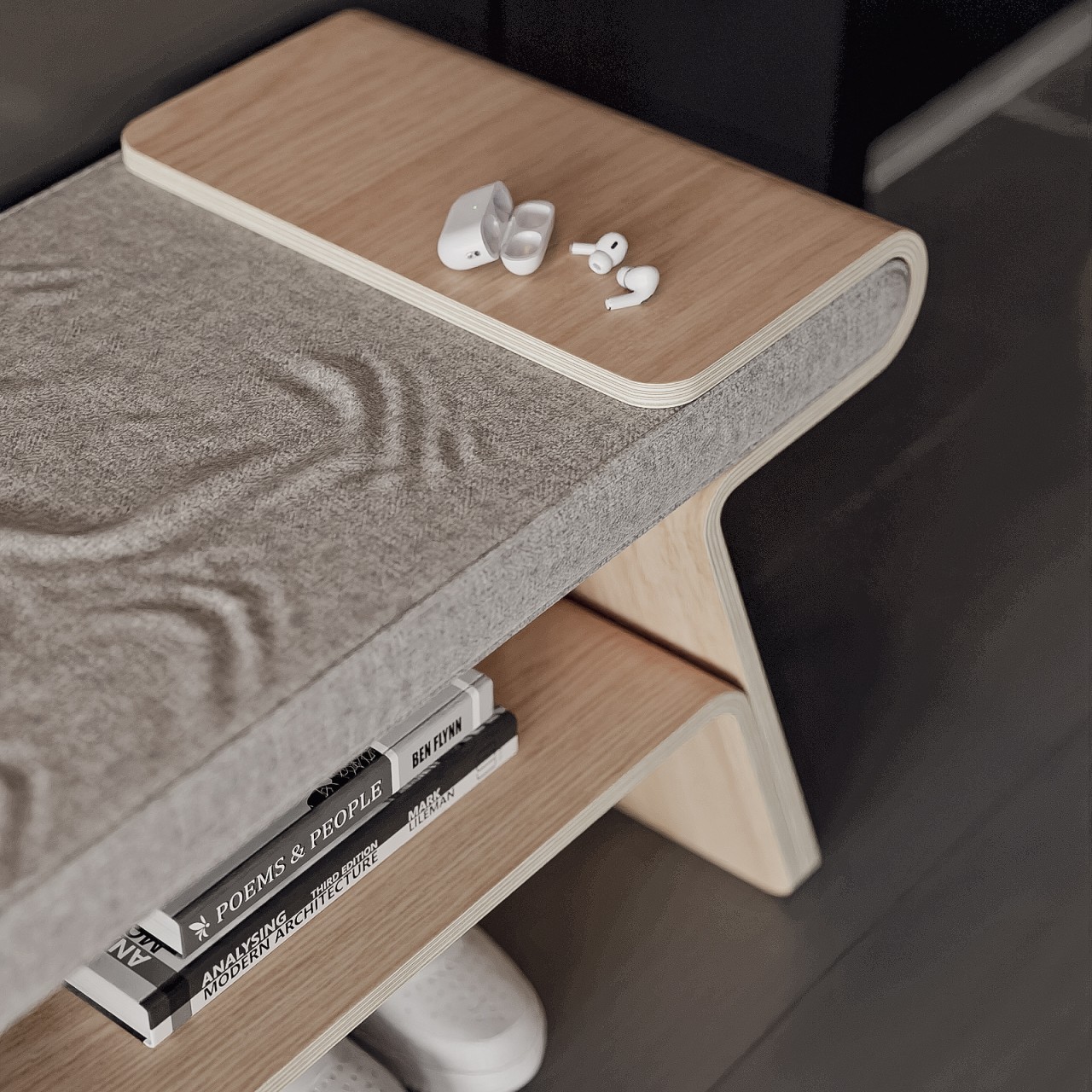
What makes Tokyo unique and special is its side leg, which gently and seamlessly curves, subtly embracing the cushion to create a top tray for daily essentials. This functions as a neat spot to store your souvenirs and other knick knacks. The furniture piece also features a bottom shelf which also serves as a nifty storage space. You can display and store whichever items you please. There is sufficient space to hold all your shoes and serve as a full shoe rack as well, or as a hybrid solution that accommodates your shoes as well as your books and bags.

While designing and creating Tokyo, the designer felt that the form and geometry of the furniture piece reminded him of Japanese architecture, and hence he named it Tokyo. All in all, Tokyo is a minimal and well-designed furniture piece with dual functionality that makes it a great addition to modern homes and contemporary living spaces.

The post This Minimal & Multifunctional Furniture Piece Serves As A Bench & A Shoe Rack first appeared on Yanko Design.

Circular desk concept has an interesting way of measuring the time you spend on it

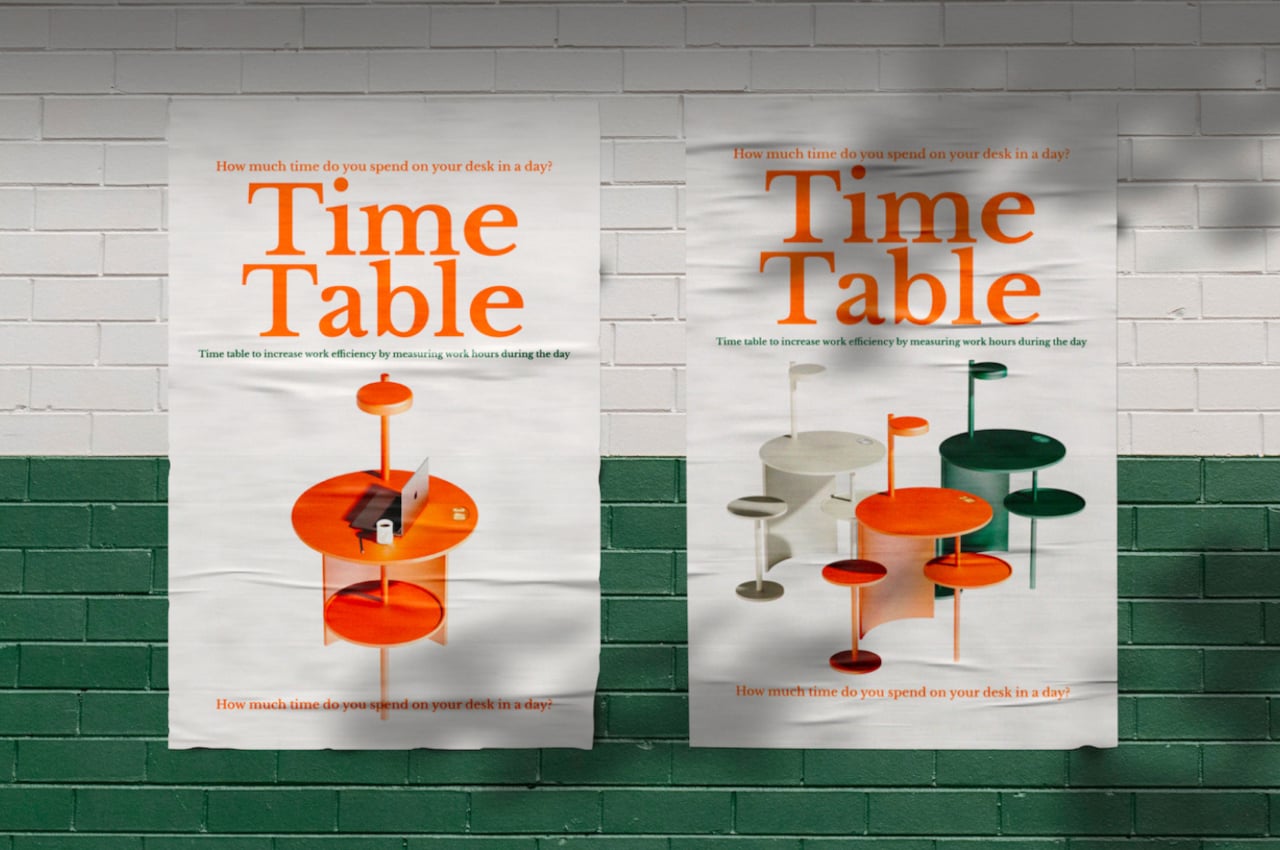
A lot of people feel that there aren’t enough hours in a day without realizing how much time they might be spending or even wasting on unimportant activities. Keeping track of how you spend your time is often one of the first pieces of advice that productivity gurus give because they often reveal how much free time we actually have if we schedule our actions wisely. There is no shortage of time-tracking and logging apps today, but these digital tools are sometimes easily dismissed or ignored because they’re too convenient. This rather unusual table, however, makes the passage of time a bit more visible and tangible, allowing people to have a more personal relationship with the time they invest in work, projects, and other activities.

Designer: Yunseo Jung

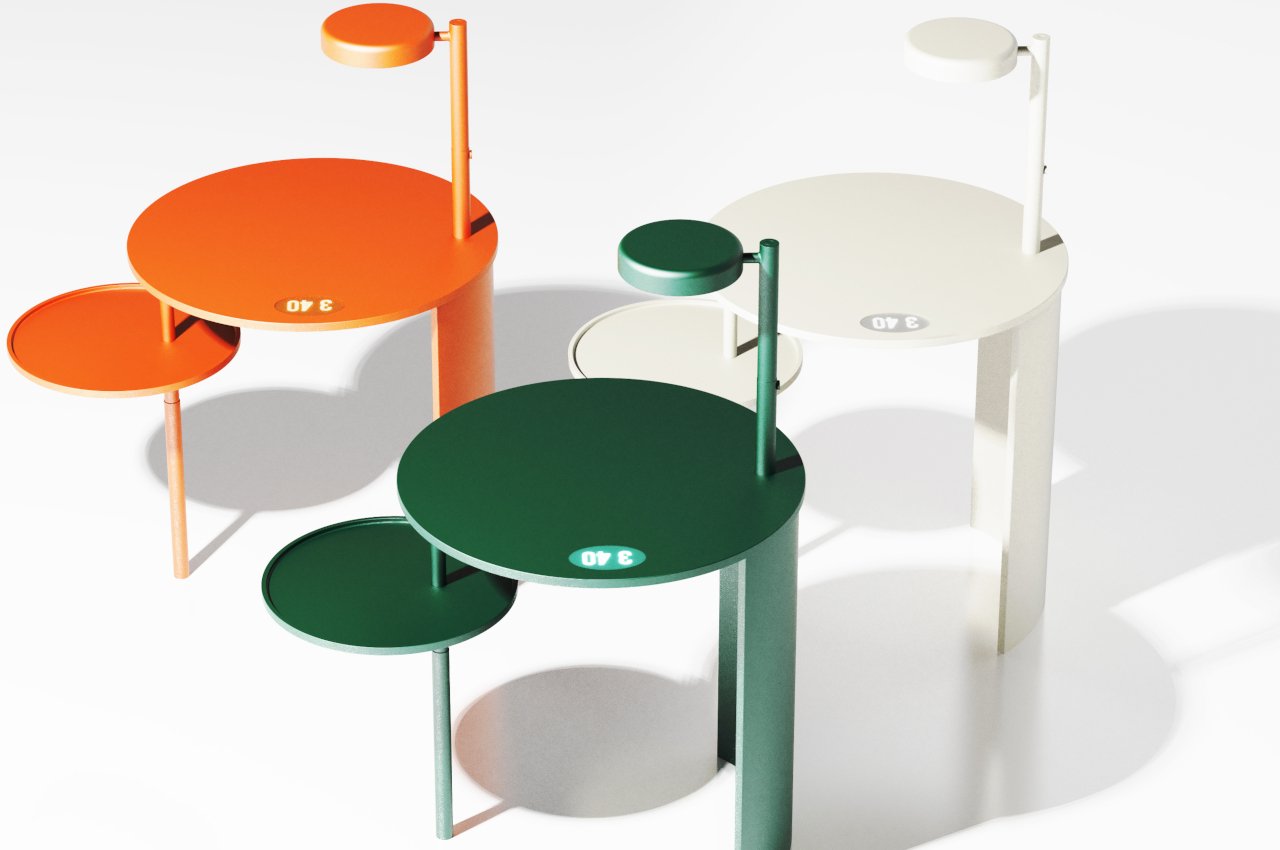
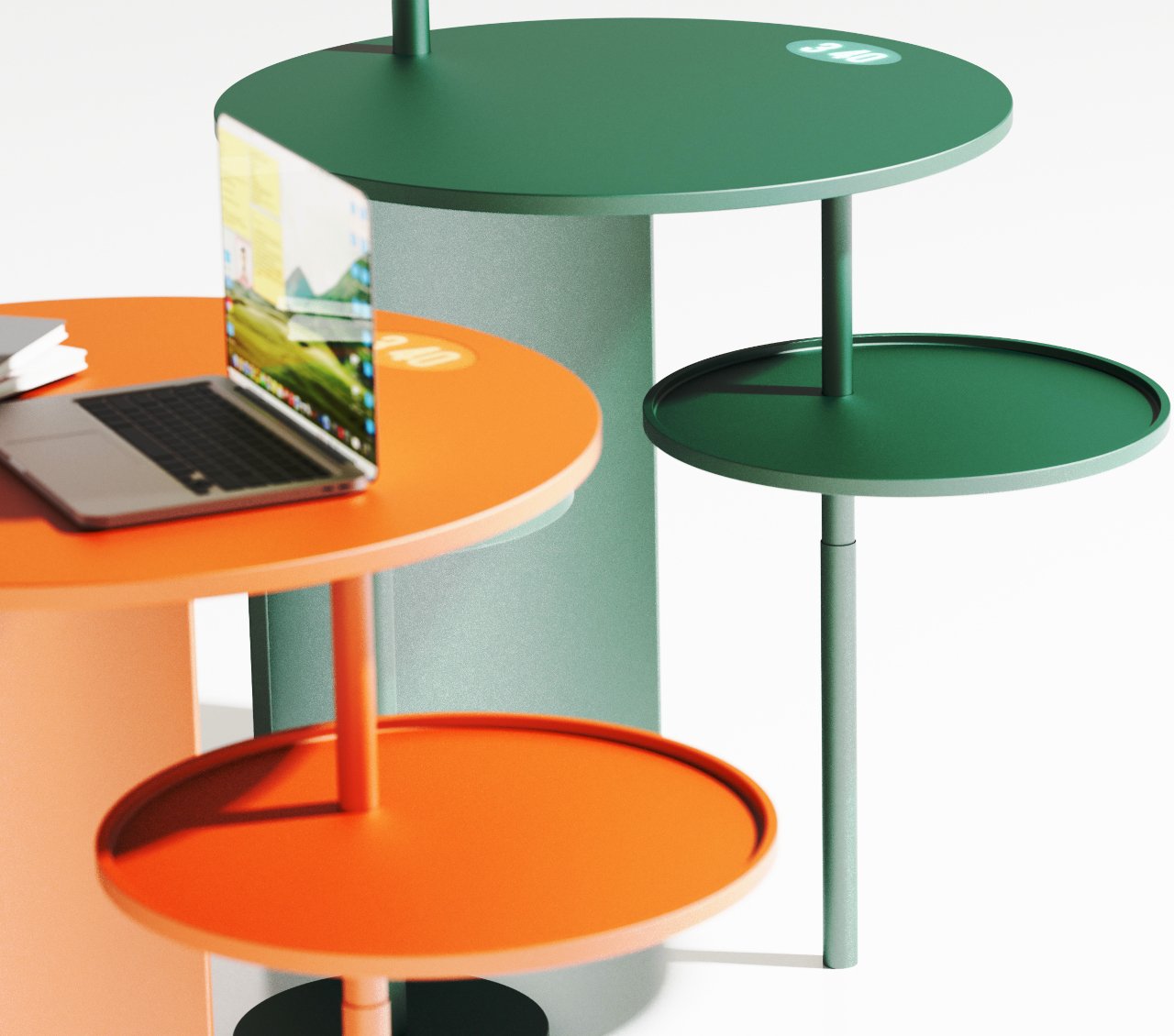
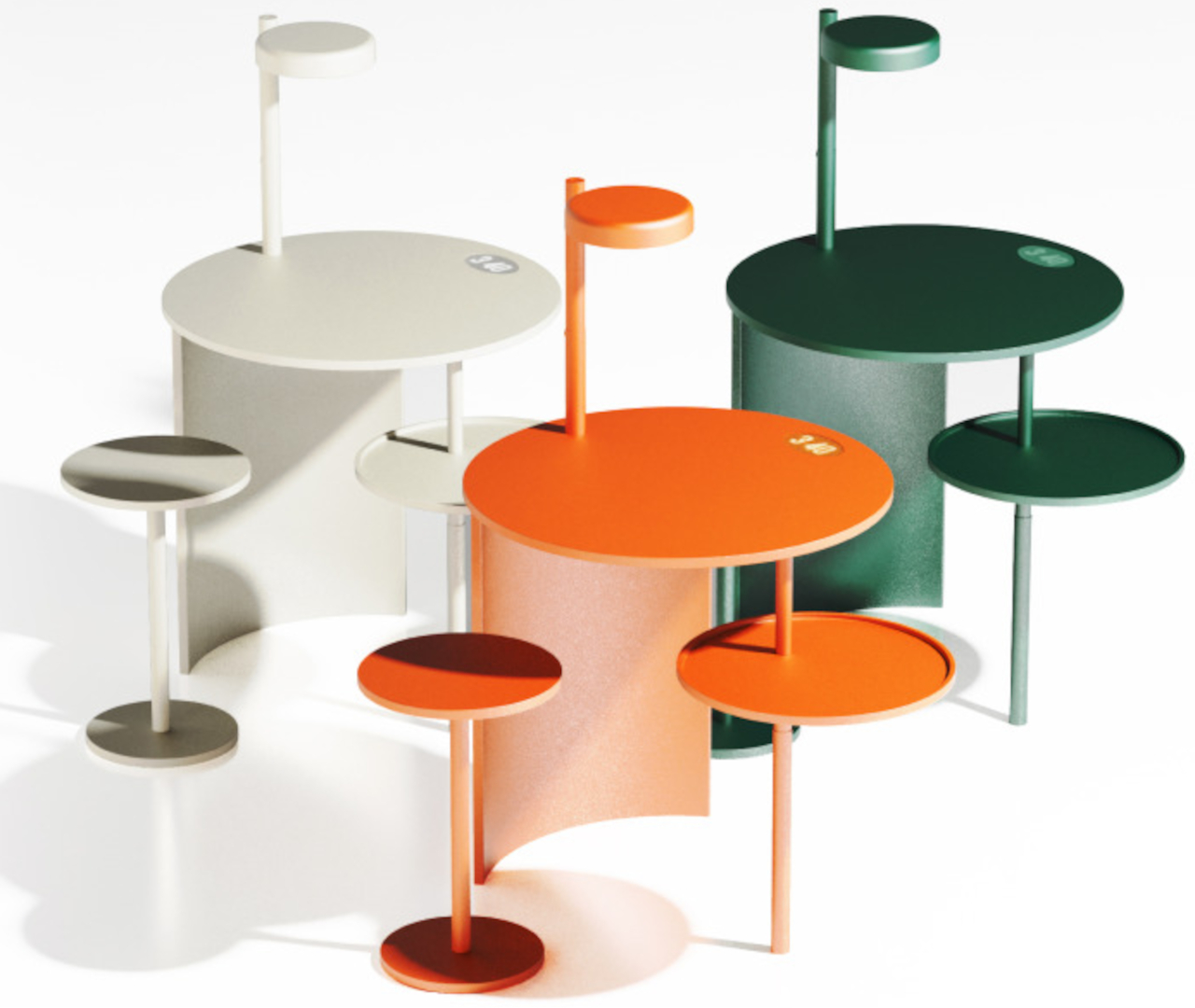
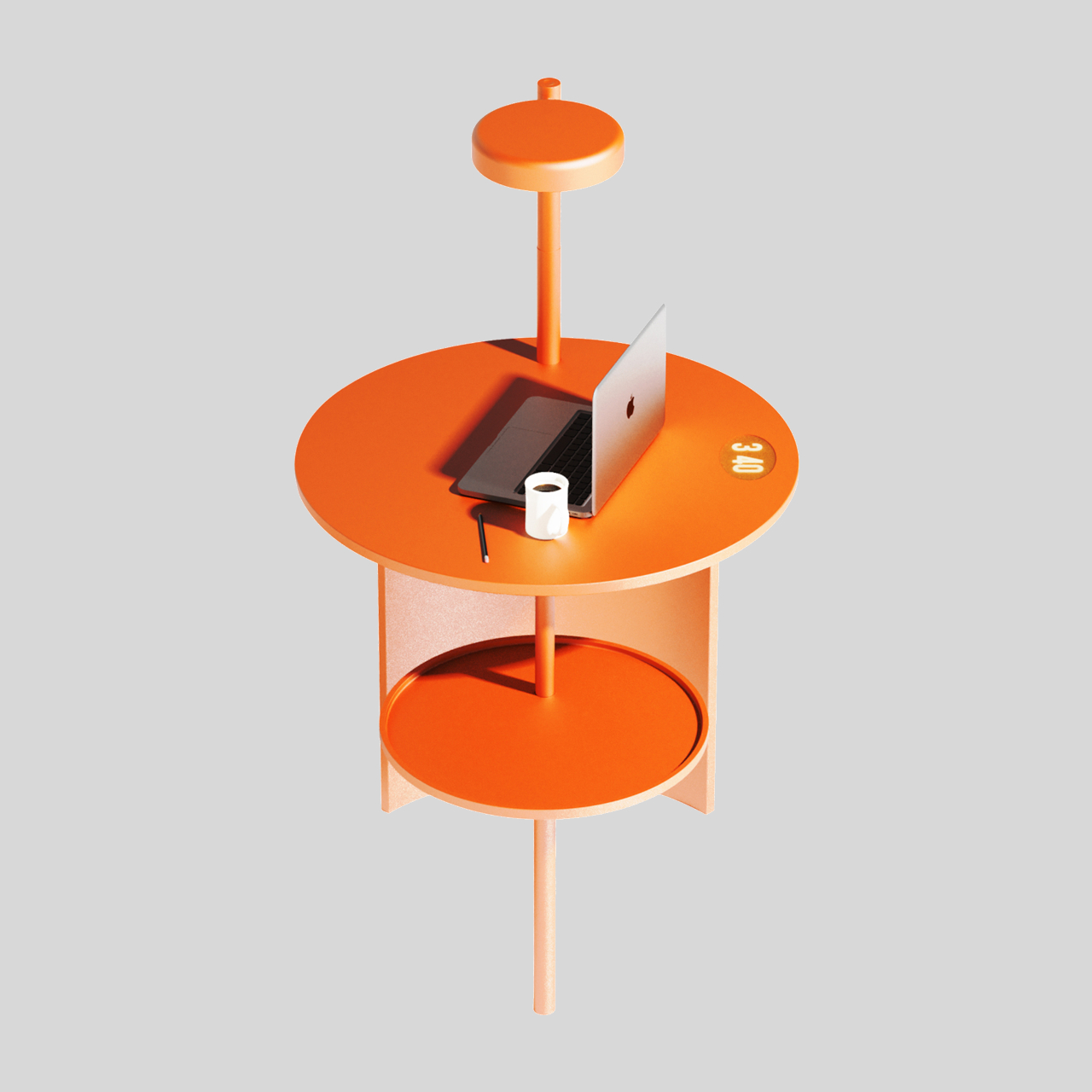
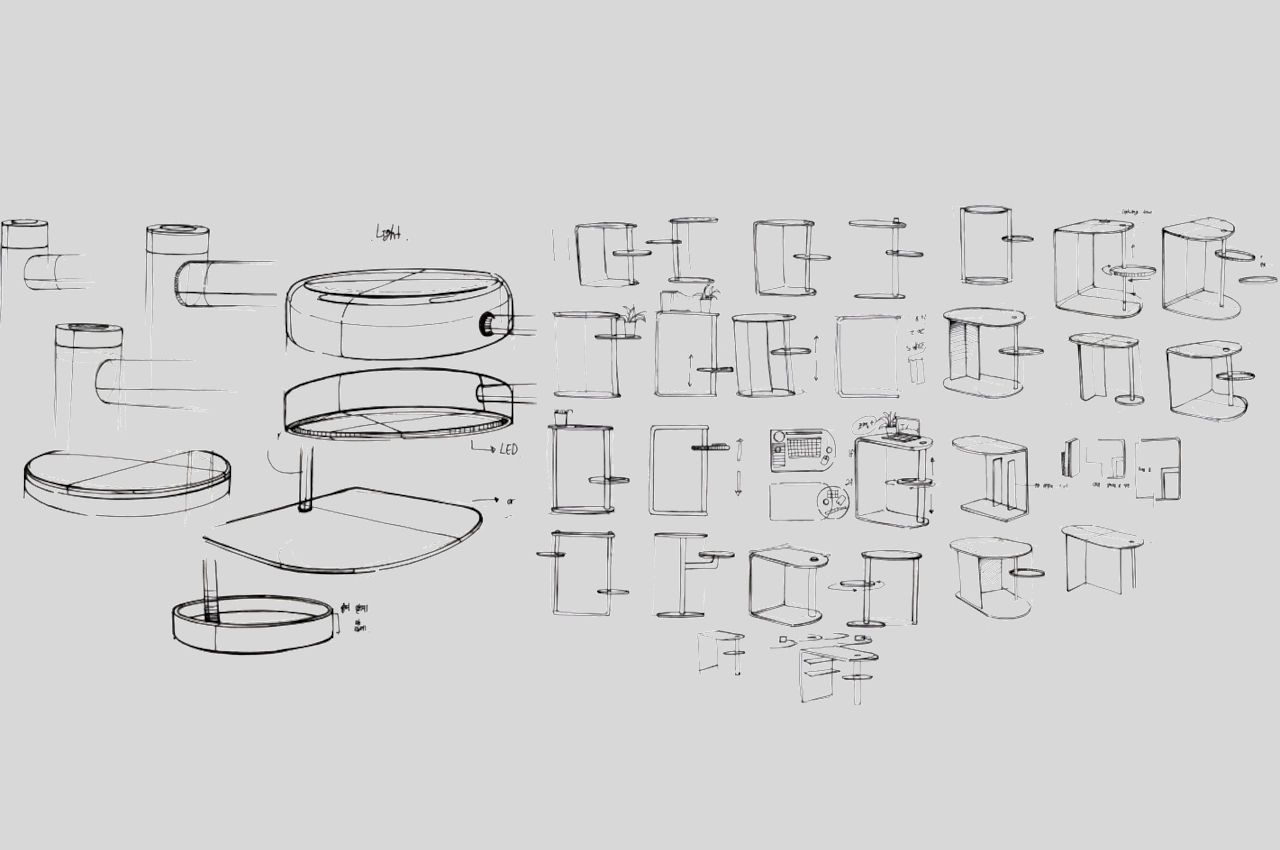
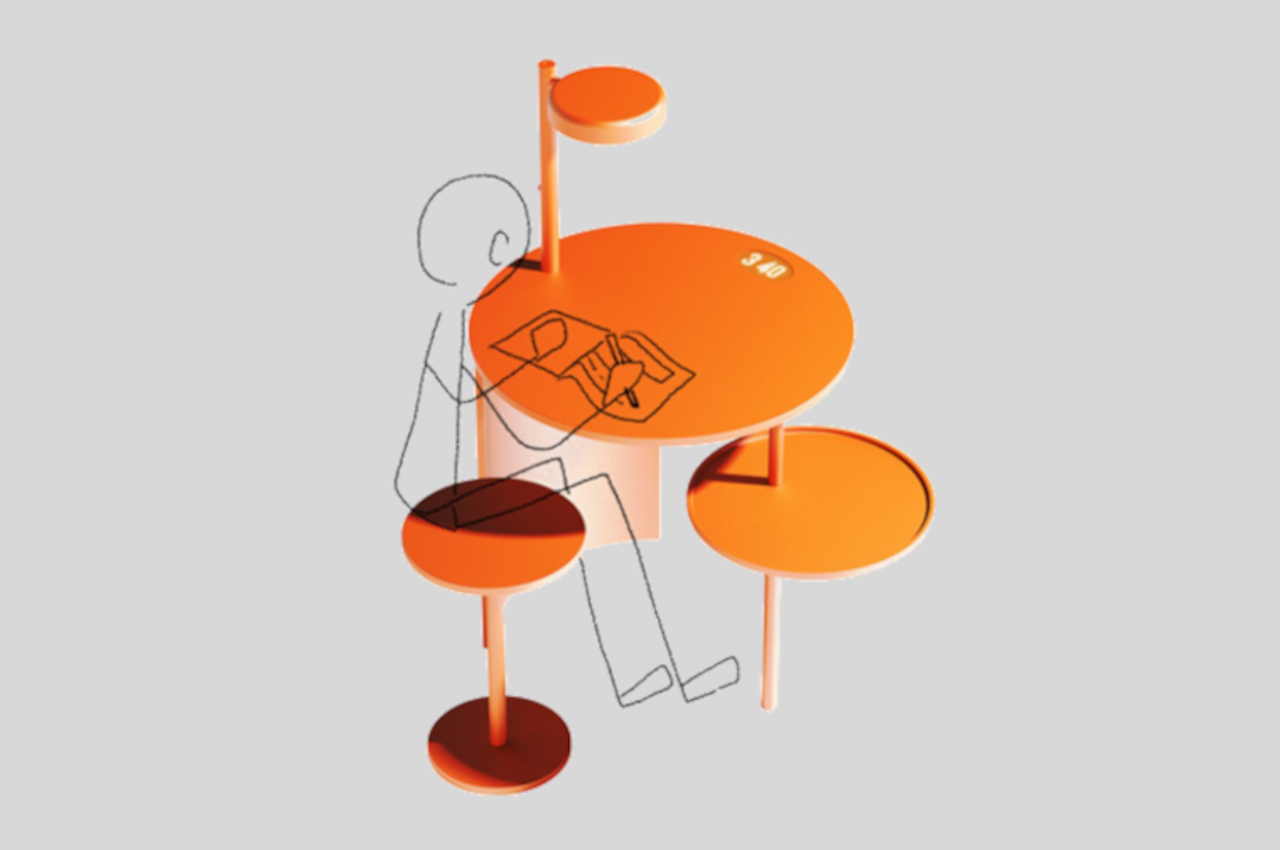
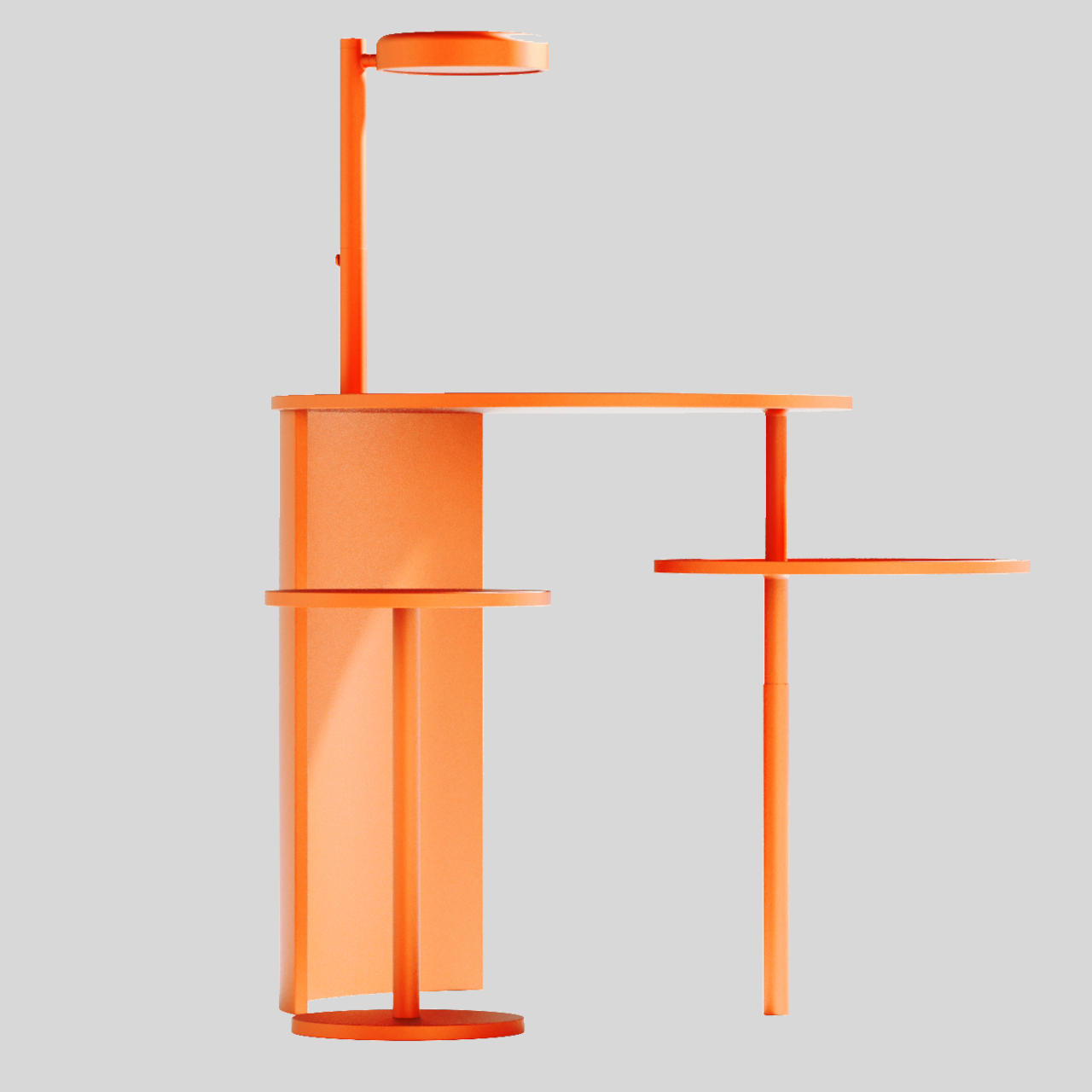
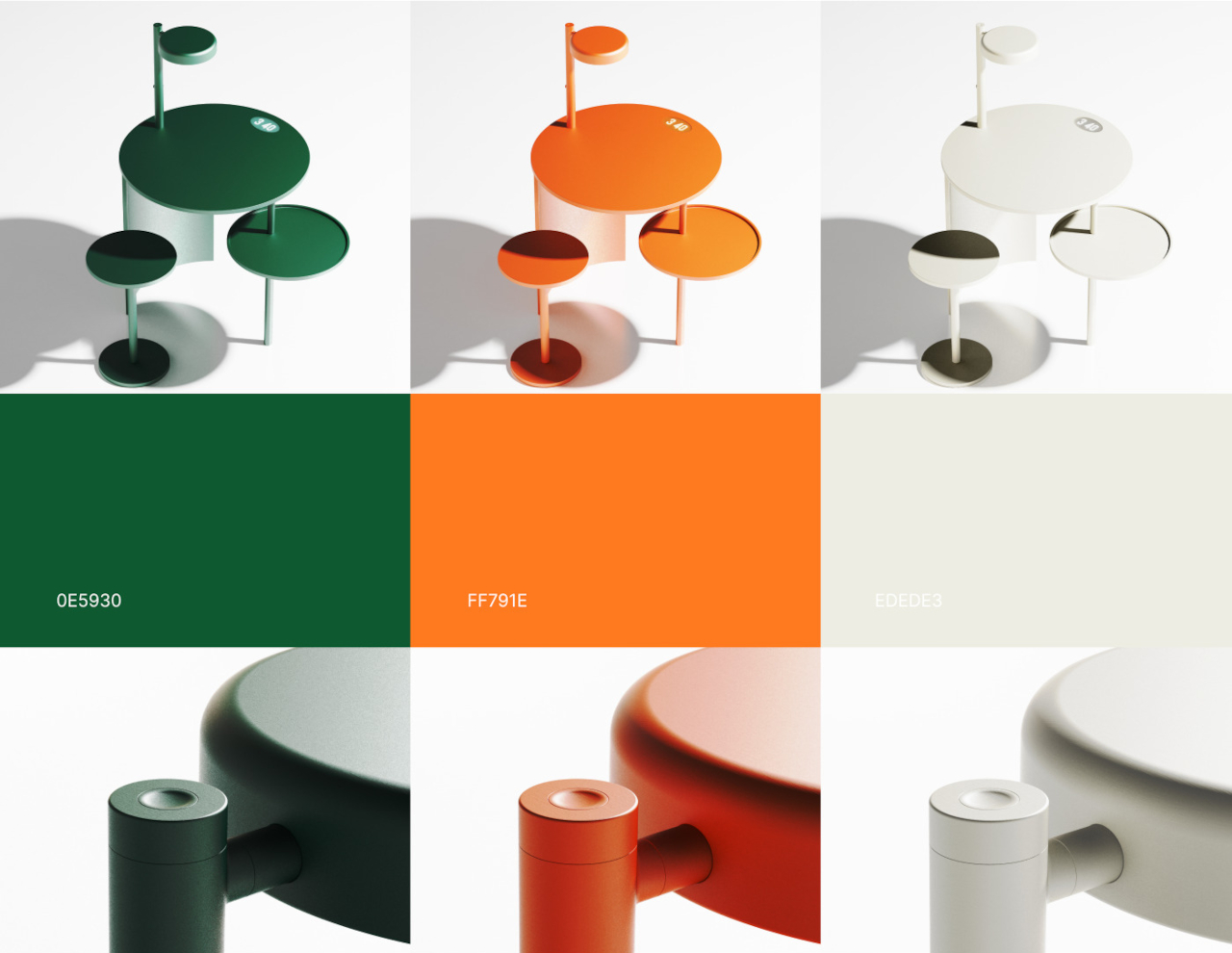
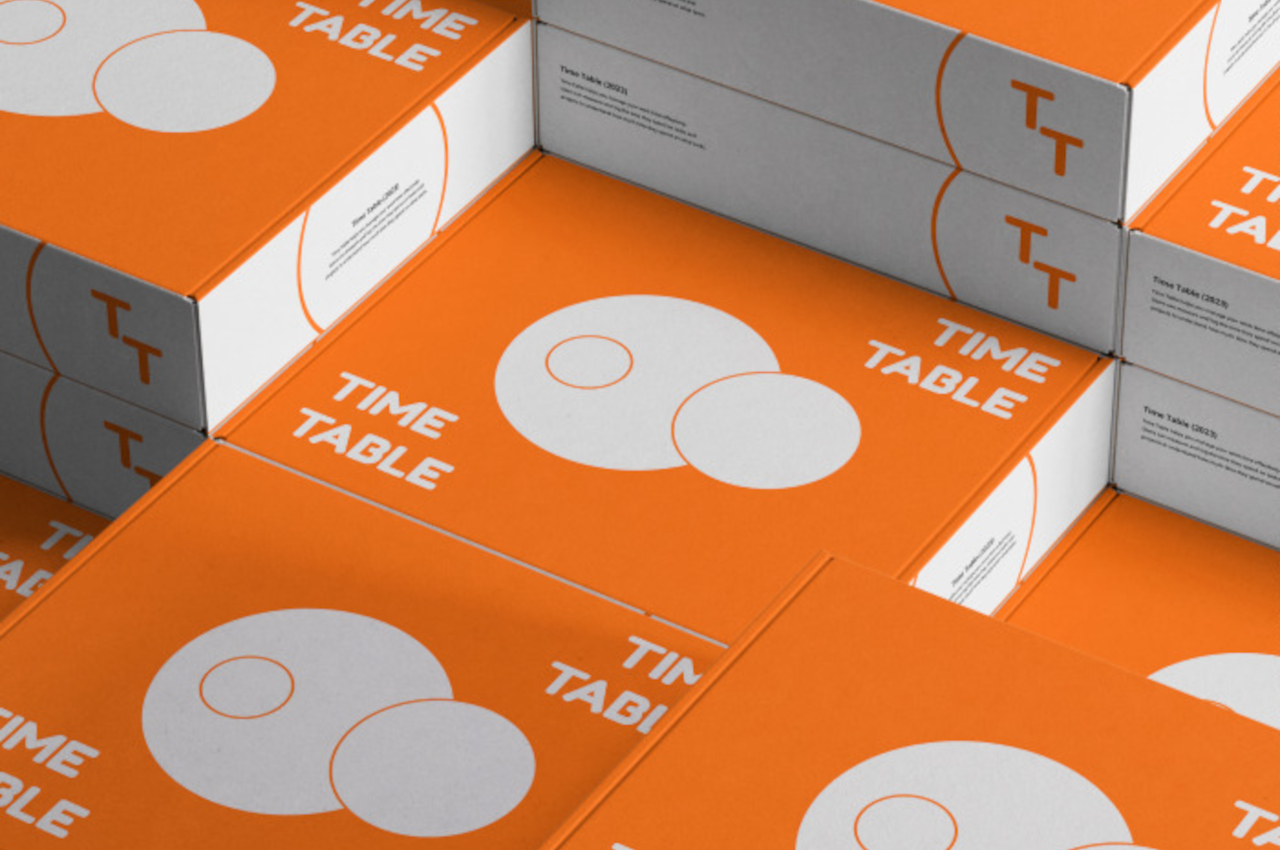
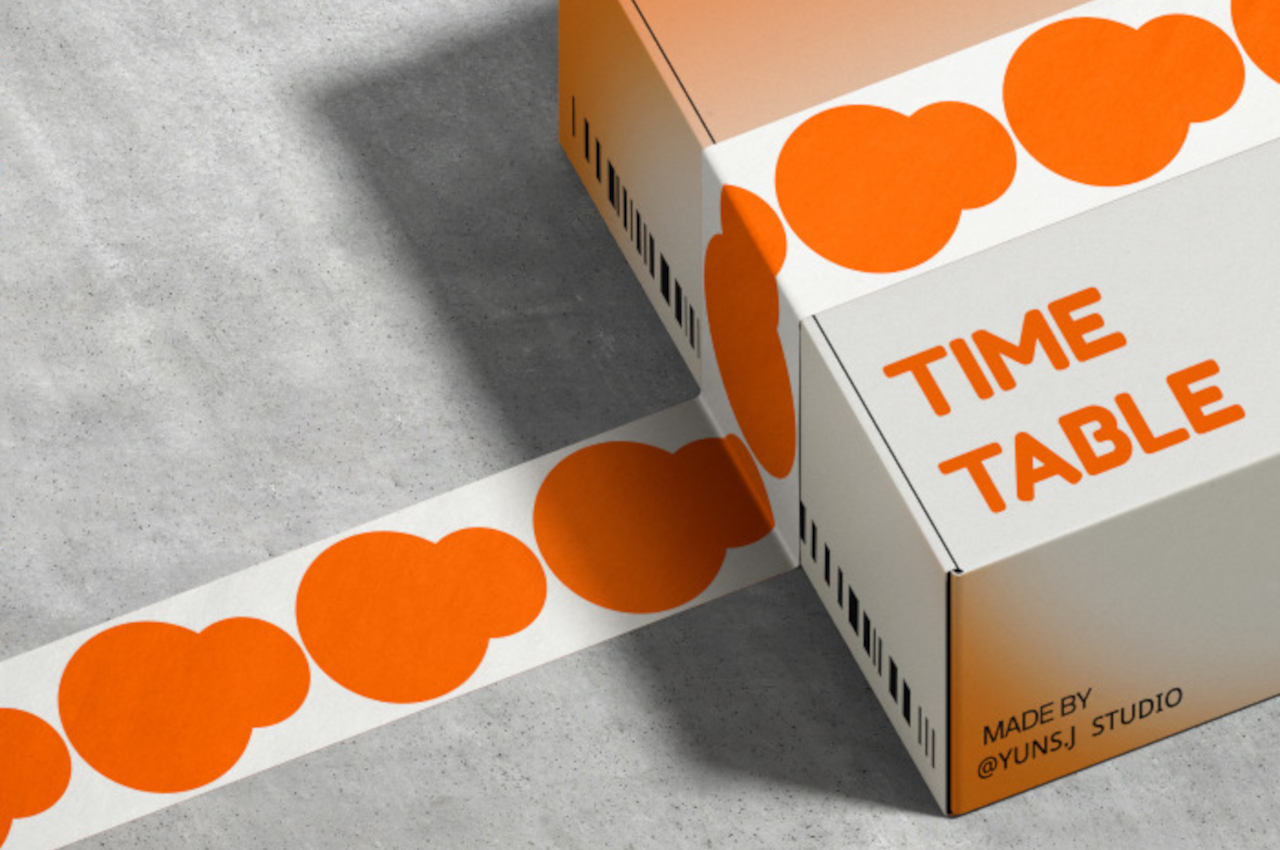
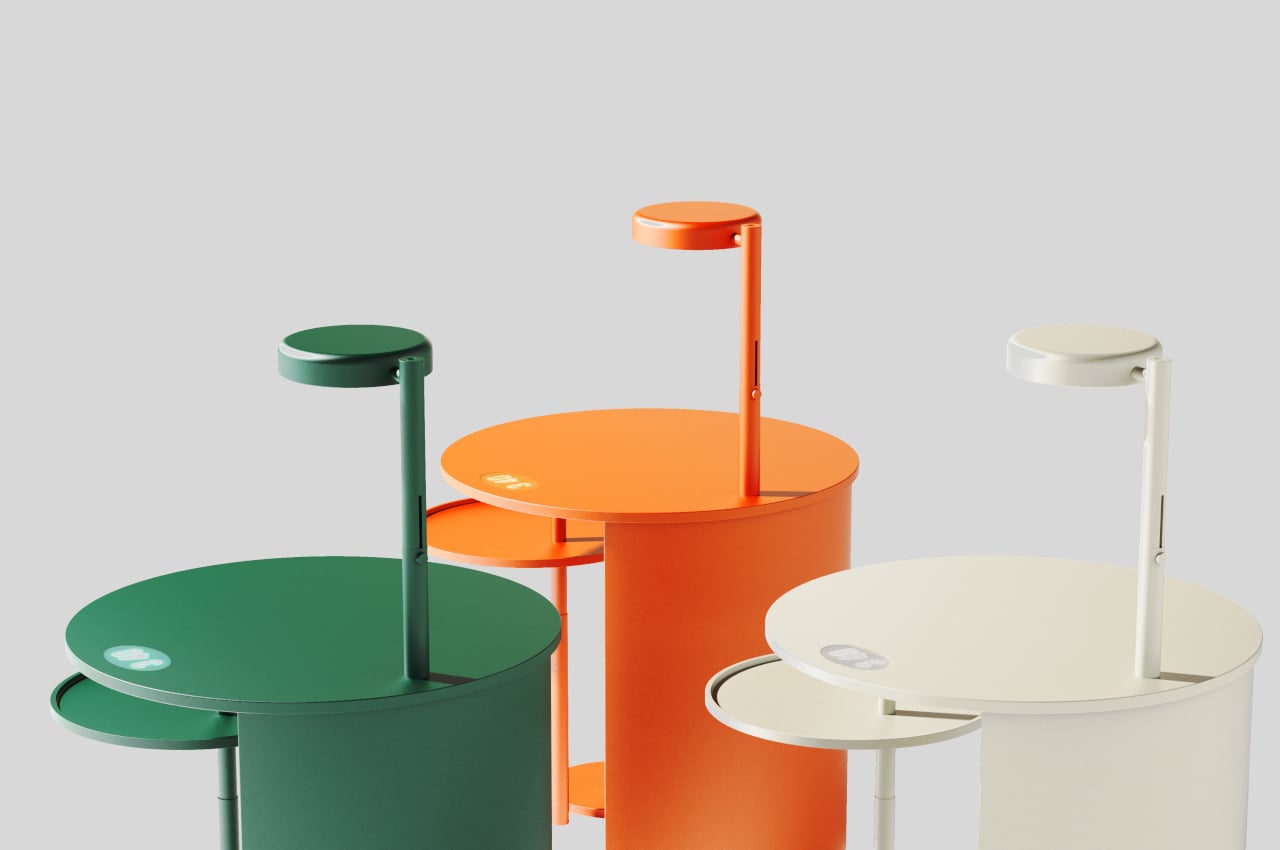
Right off the bat, the Time Table already strikes an interesting visual. Unlike the majority of desks and tables, it’s made almost completely out of circles, from the tabletop to the built-in lamp to the rods that make for its legs and structure. One side of the table shows that leg, but the other side has an arc that functions like a privacy shield. There is also a matching circular tool to complete the set, though such a design isn’t actually novel to this kind of furniture.

While a circular table isn’t exactly rare, the attached “sub table” is. It’s a smaller circular tray affixed to the exposed leg of the table, but that’s not what makes it unique. This sub-table actually moves up and down, changing its elevation as time passes before returning to its base state at the lowest point. Think of it as a time, like a reverse hourglass, that slowly demonstrates the movement of time in a very visual manner.

The basic idea of the Time Table is to let the person sitting in front of it measure, log, and be aware of how much time they’re spending there. You might place some tools related to your work there or anything else that you’ll be able to notice in the corner of your eye. It offers a visual and tangible experience in counting down time without being monotonous like watching seconds tick by. Admittedly, it might also be a bit distracting, which could also be the point of instilling awareness of your time.

Novel as the concept might be, there are also a few issues with the Time Table’s design. The position of the elements, for example, might not be ergonomic or comfortable, with the lamp at a fixed spot and the privacy shield at the side potentially blocking leg movement. Given its design, there seems to also be little room for changing the height of the table, which could be too low or too high for some people. The moving sub-table as a time tracker is definitely an interesting idea, but it could probably be implemented in a different way that doesn’t negatively affect the rest of the table’s functionality.

The post Circular desk concept has an interesting way of measuring the time you spend on it first appeared on Yanko Design.

Space-saving perching seat encourages you to linger but not stay for long

We all need to catch our breaths sometimes, whether to pause after a long walk or to give our arms a rest after carrying a lot of stuff. Sometimes, we might also want to sit a bit while waiting for someone or for some event but the area doesn’t have chairs or even enough space for such furniture. In these scenarios, sitting down might bring a bit of relief, but getting back up again can turn out to be more trouble than it’s worth. The ideal solution would be something that lets you rest your body just a little bit without actually going into a deeper resting state, something that perching seats are made for. This particular design, however, takes that idea even further by offering the bare minimum in style and comfort without taking up too much space and effort to use.

Designer: Addi

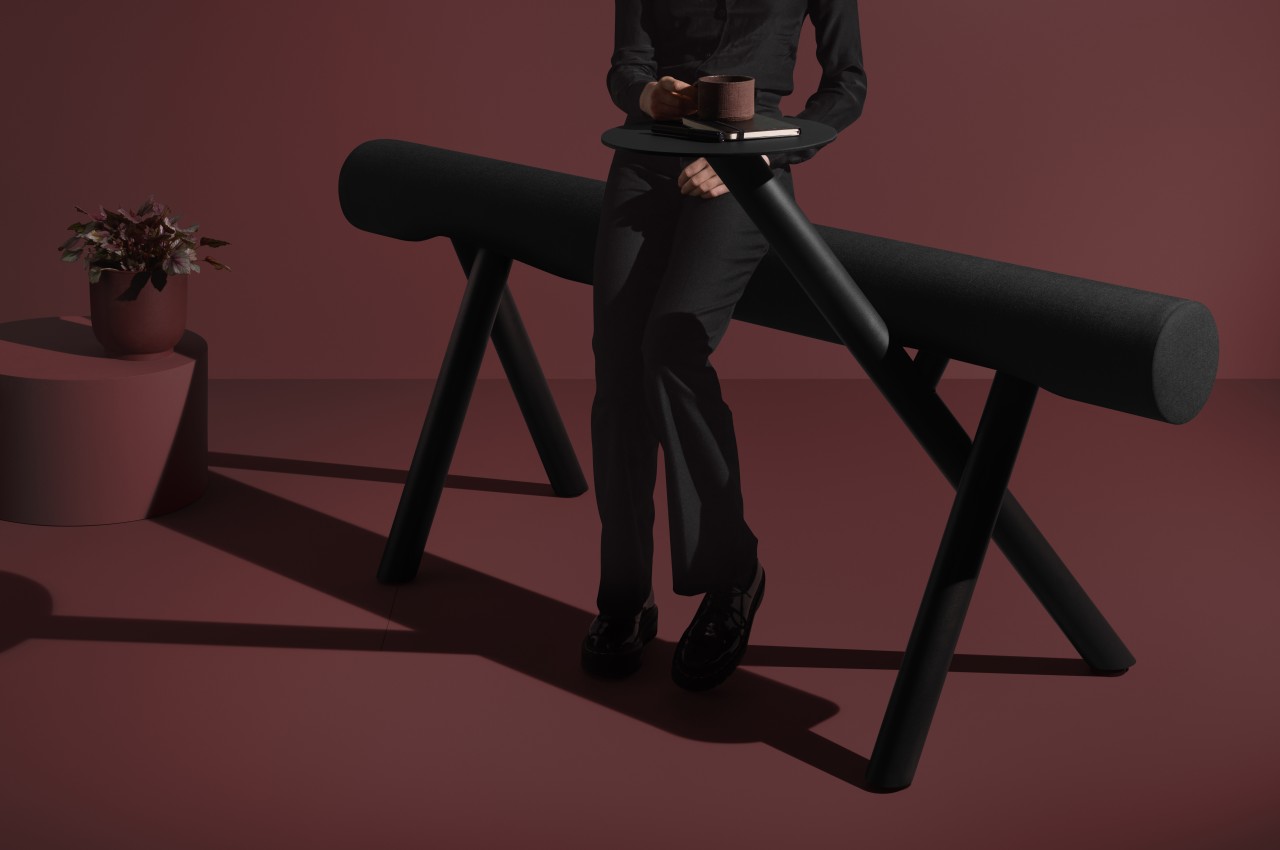
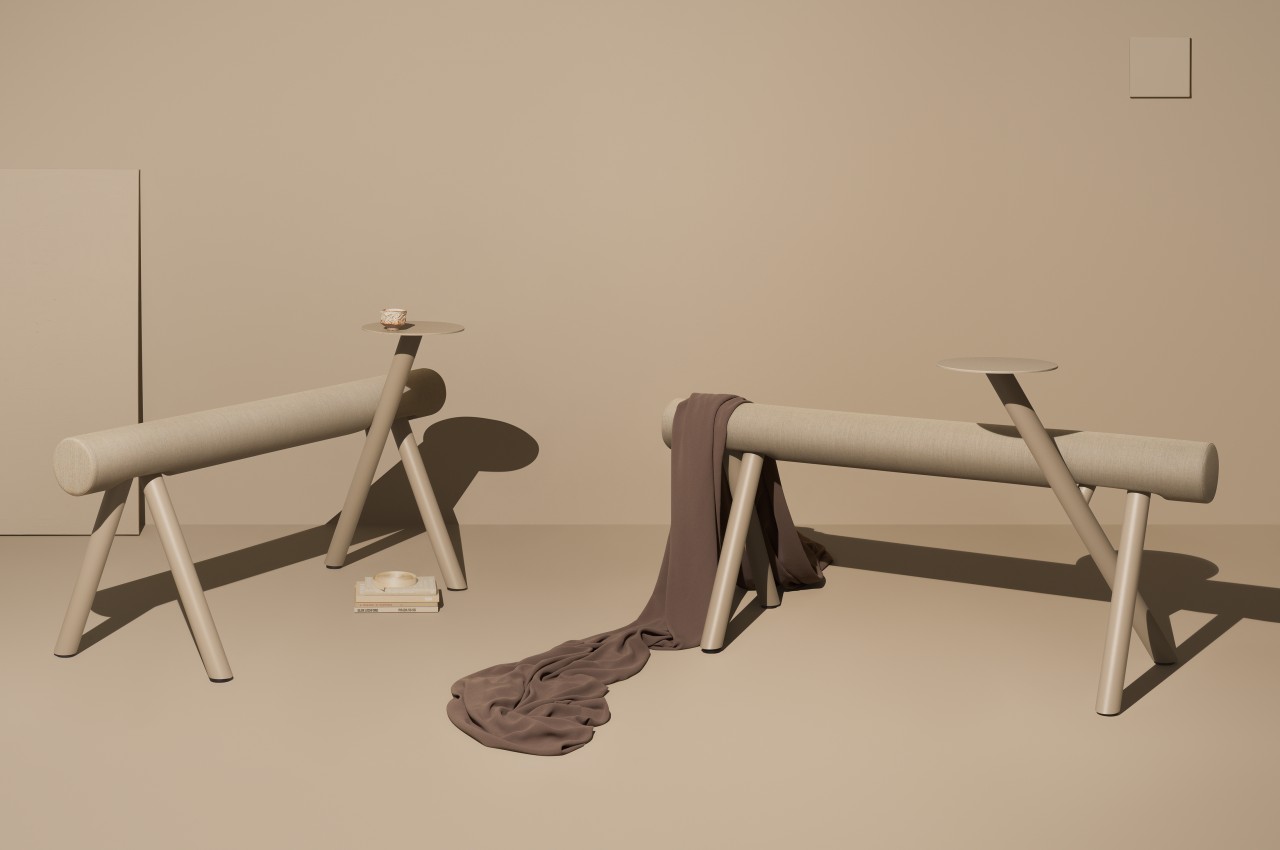
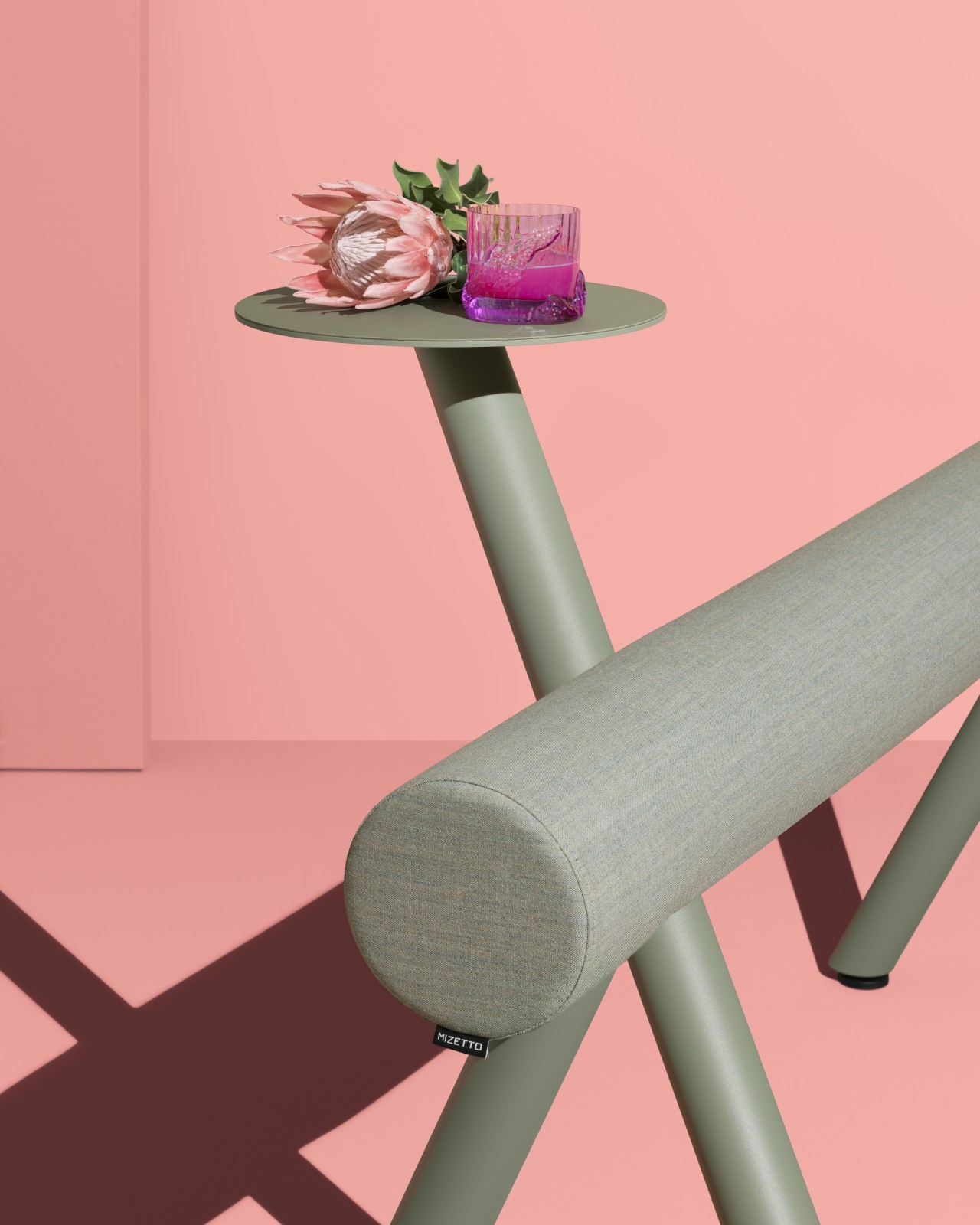
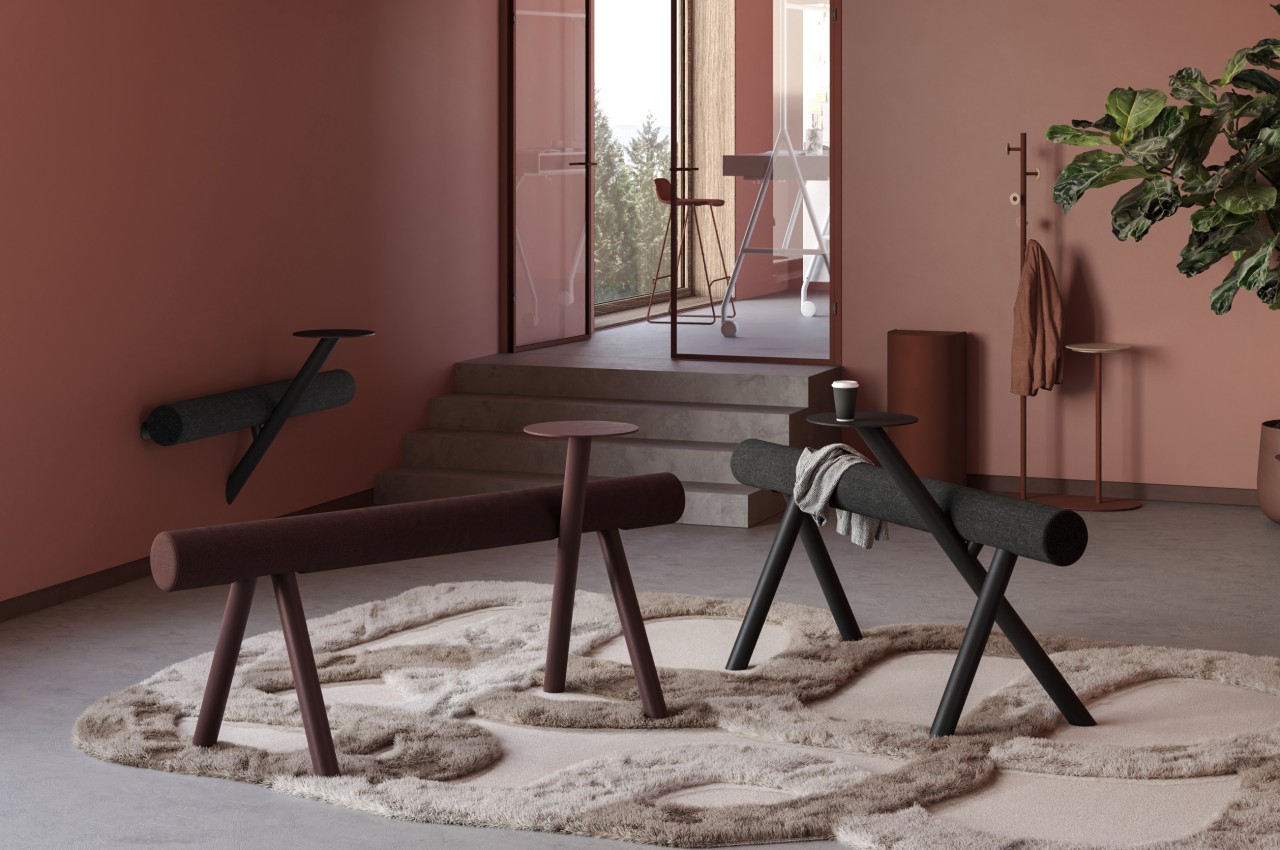
Chairs are designed to provide stability and comfort, taking you into their embrace so that you might not even want to get up anymore. That’s great if you’re at home or in a lounge and have plenty of time to really relax, not so much if you’re waiting for an appointment or taking a brief reprieve from a meeting. This specific need calls for a seat that encourages both rest and movement at the same time, a dichotomy that Lumber fully embraces in its similarly contrasting design elements, like a fallen tree trunk in a forest that you briefly sit on before the next leg of your journey.

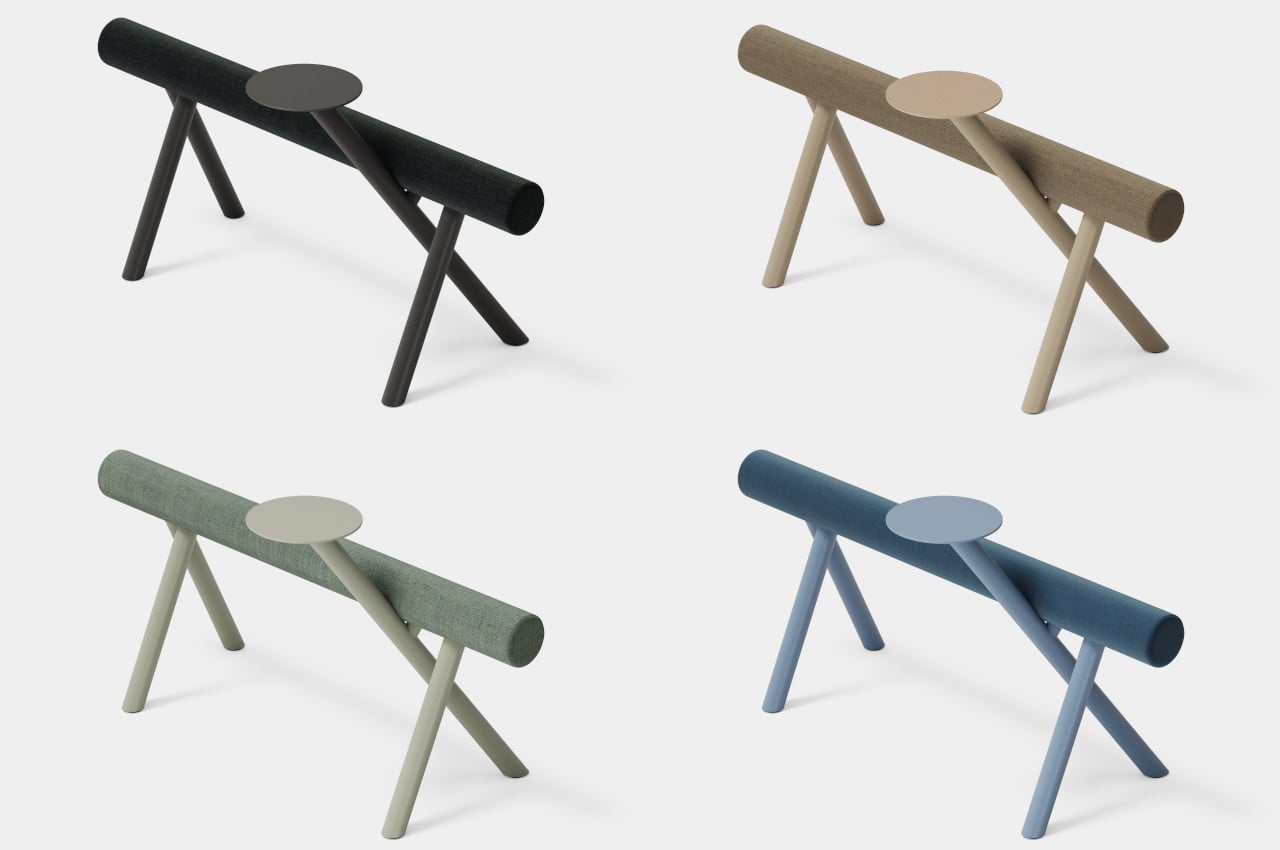
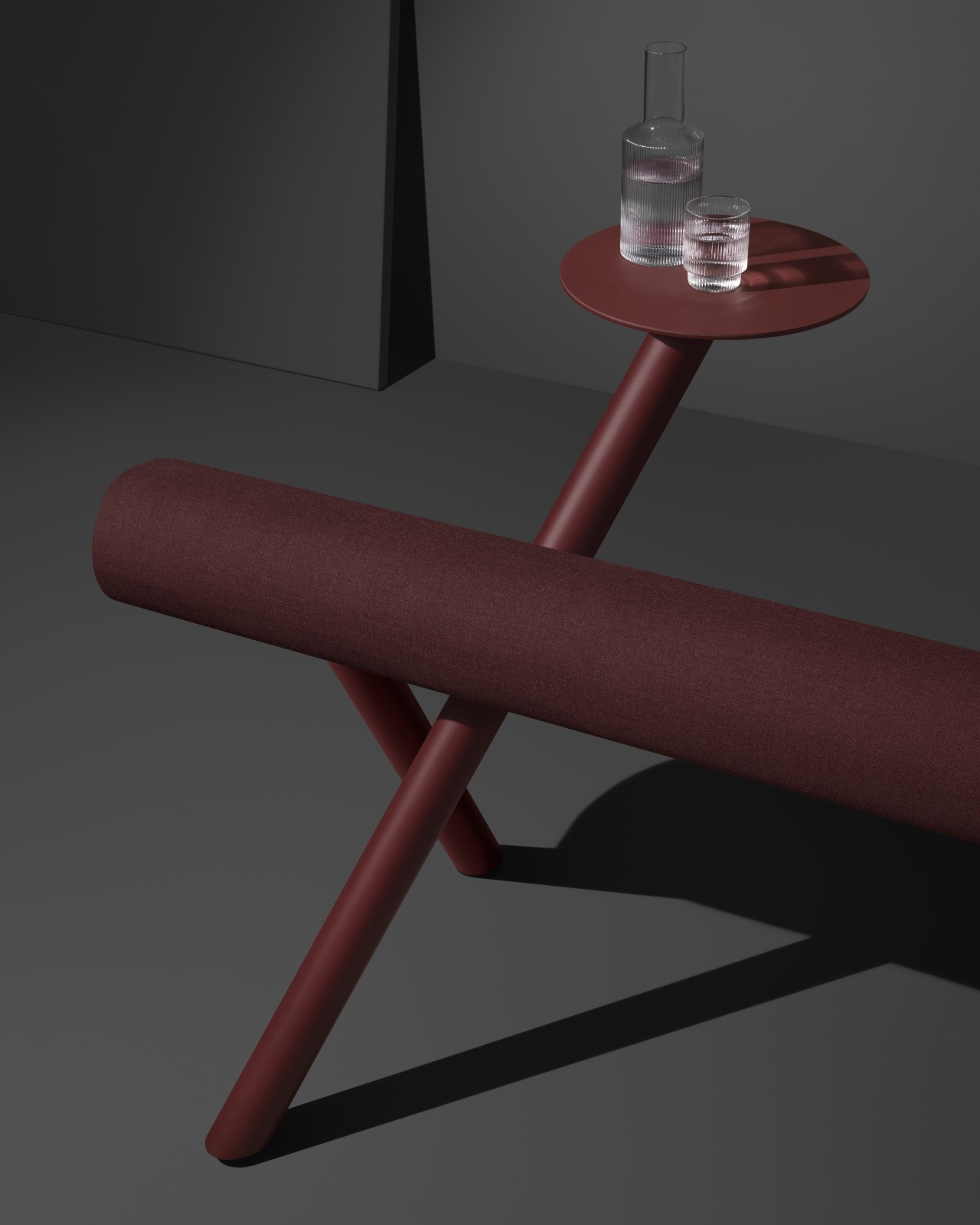
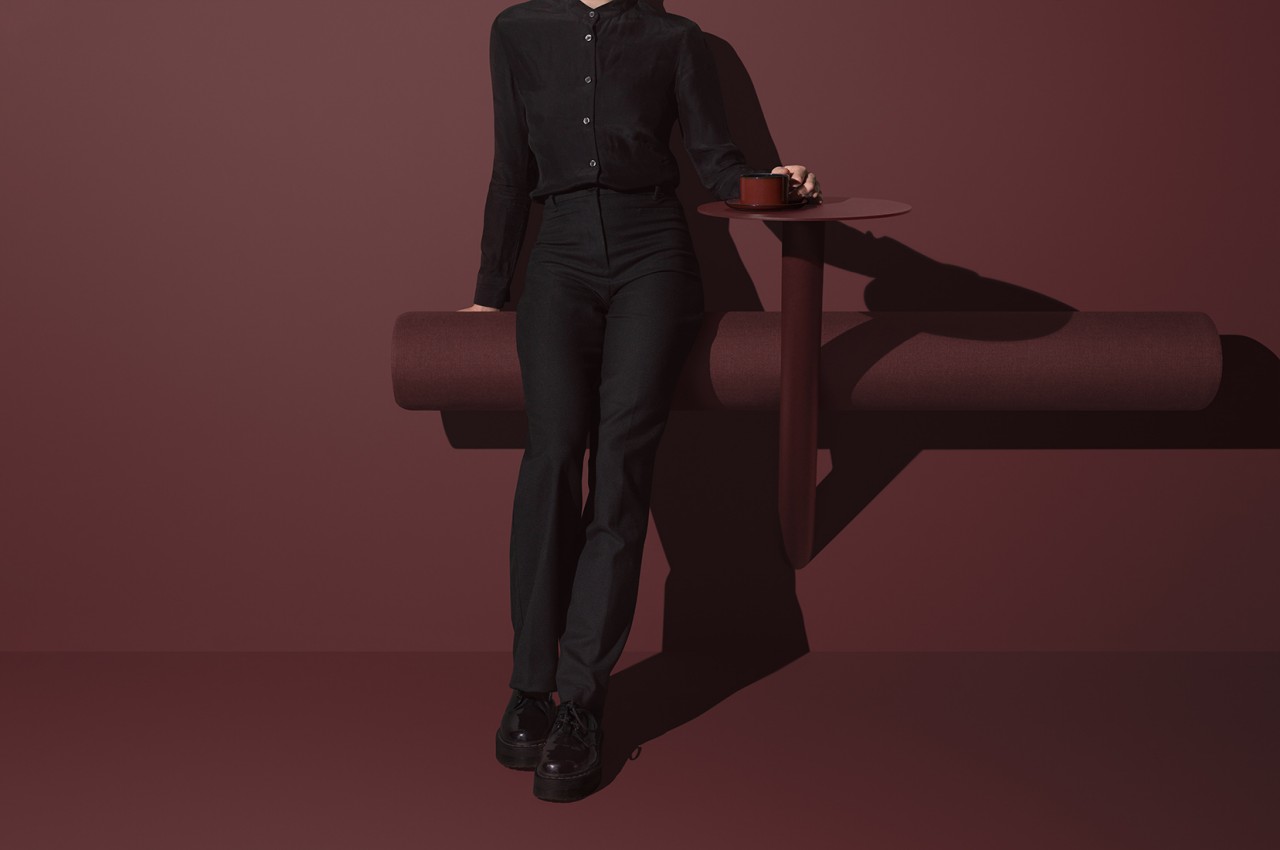
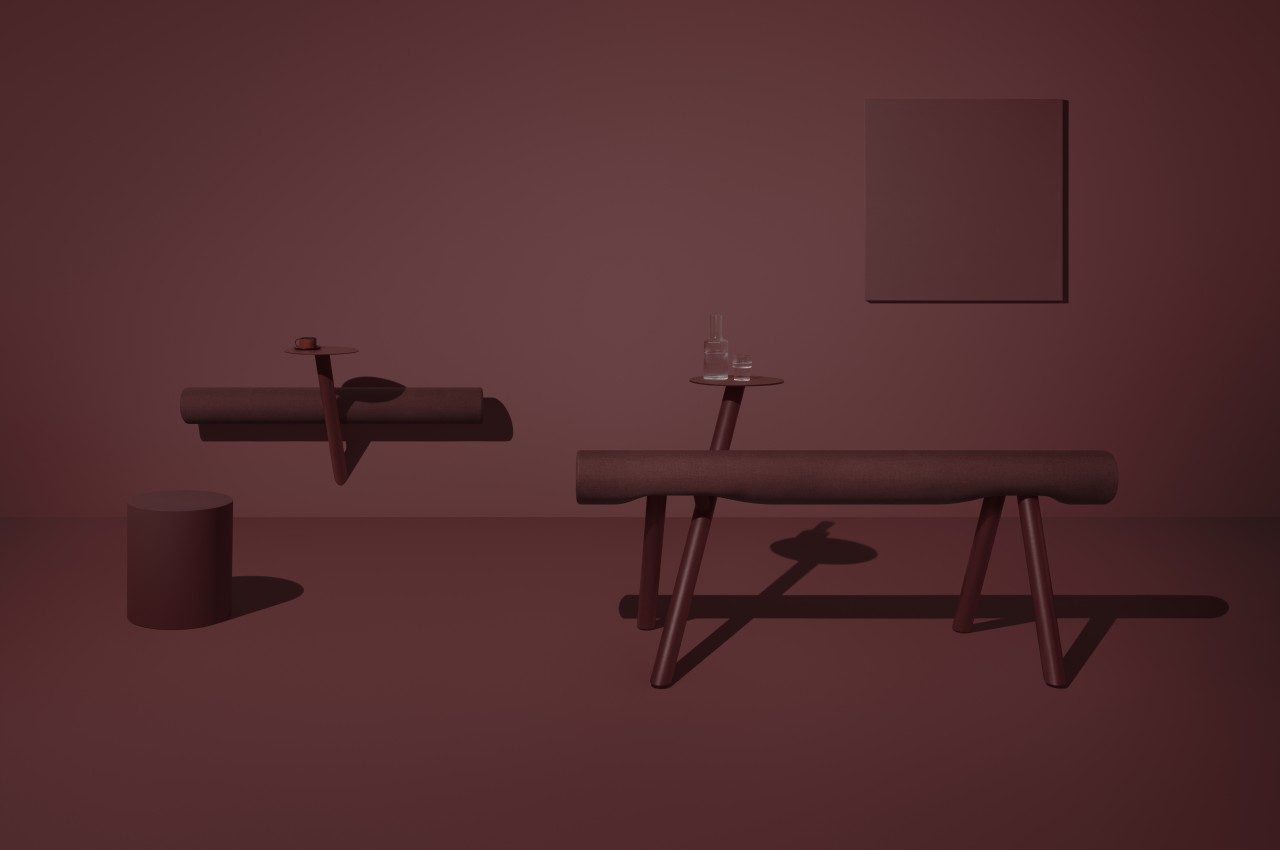
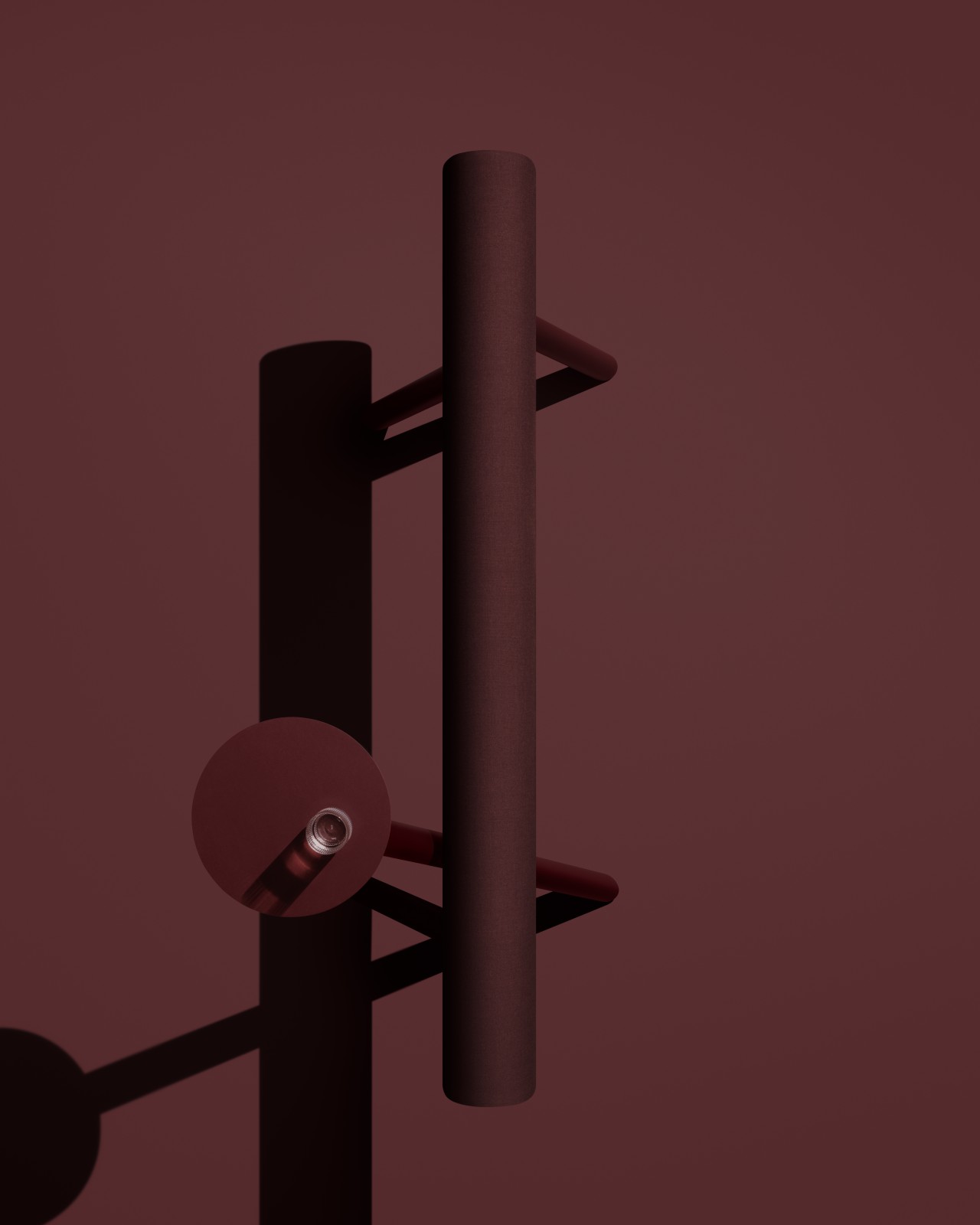
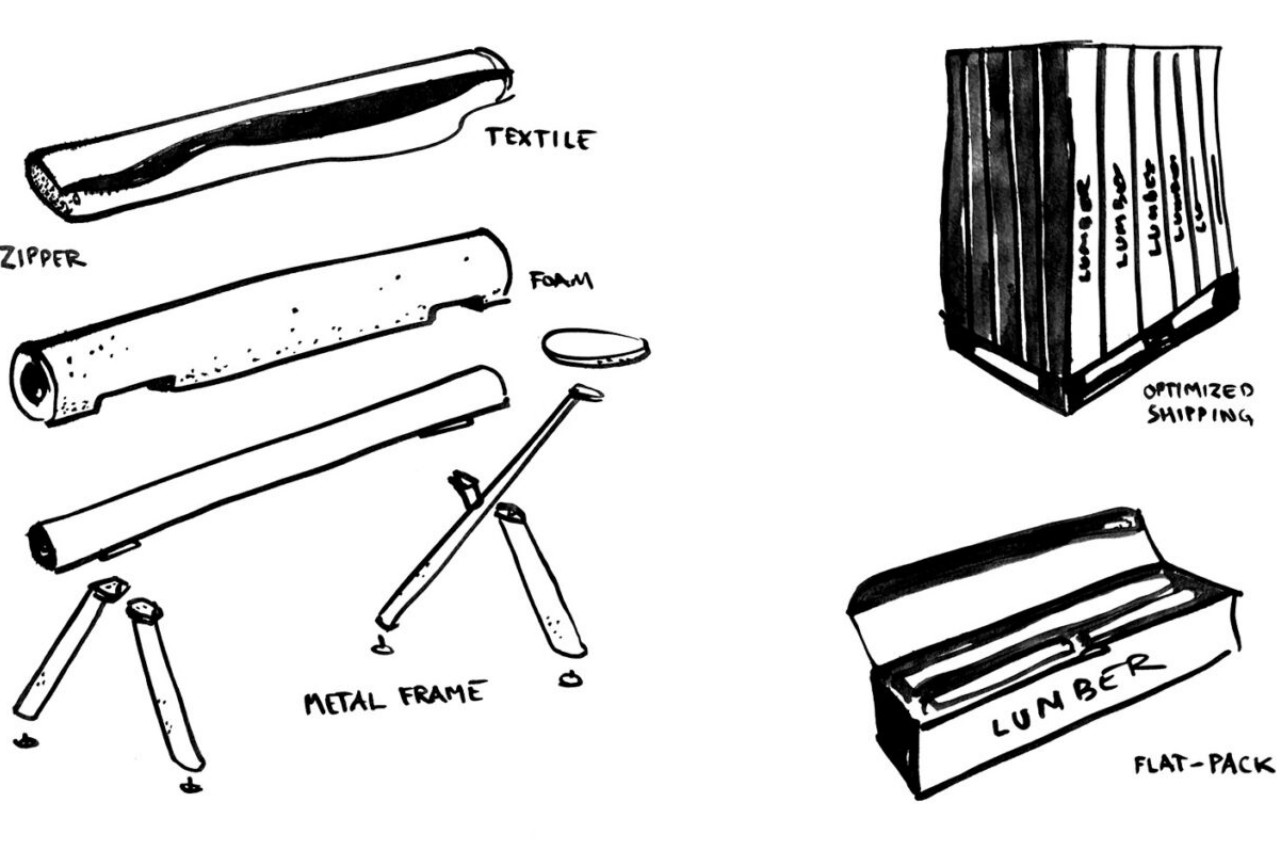
At first glance, you might not even think that Lumber would be something you should sit on, much less comfortable to use. It is, however, truly designed for comfort and convenience, especially with its flame-proof wool upholstery that can be easily removed for cleaning, replacing, or exchanging. Each Lumber perching seat is color-matched, with powder-coated metal legs in deep burgundy, latte, forest green, dusty blue, and black. A side table rises from one leg on one side, a place for your stuff, vases, drinkware, and more.

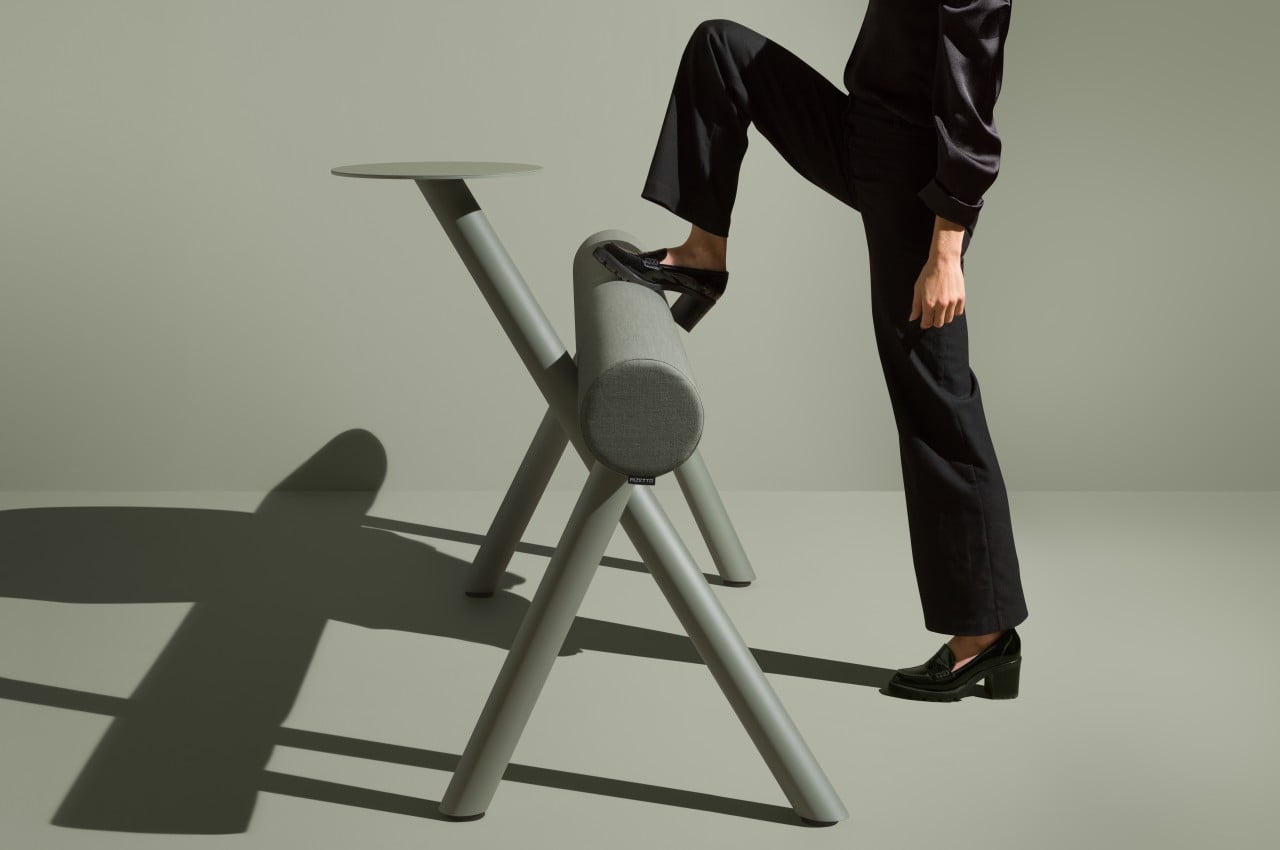
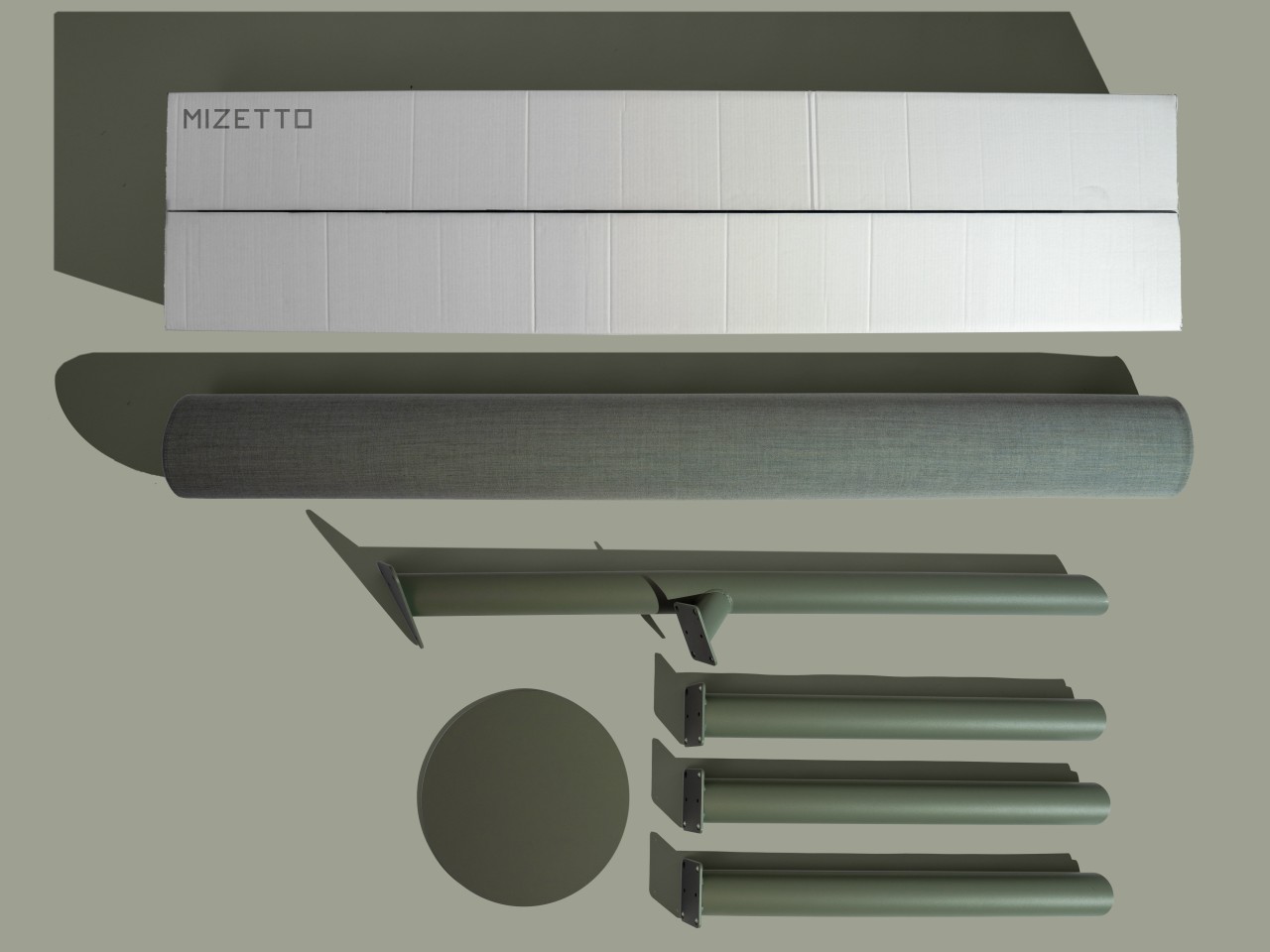
Despite its comfortable materials and stable structure, Lumber’s form suggests movement and activity. That’s no surprise, really, considering its design is inspired by a woodworker’s sawhorse, which is also the reason behind its name. Just like that piece of work furniture, Lumber is pretty barebones, which makes it take up less space. You can try fitting quite a number of these in a room and still have plenty of space to move around. Or you can opt for the Lumber Wall design that can be mounted on a wall to free up even more floor space.

Lumber was designed for lingering and loitering, encouraging you to sit for a while without committing to resting completely. It also makes for an interesting artsy piece that inspires both conversation as well as playful interactions. All these while minimizing not just its physical footprint but also material and packaging, thanks to a design that is inherently both restful yet also dynamic, embracing a spirit of journey even in its manufacturing and product lifecycle.

The post Space-saving perching seat encourages you to linger but not stay for long first appeared on Yanko Design.

Unique chair design mimics how you sit comfortably (if that’s how you sit)

If you have a favorite chair or seat at home, you find a certain sense of comfort when you’re sitting there and doing your thing whether it’s reading, browsing your phone, or even sleeping. You always gravitate to that space because it feels familiar and comfortable. There are even chairs that eventually conform to your shape and it becomes even more a part of you. But most likely this chair or bean bag has the typical shape and design that we’re used to seeing. What if there’s something that looks uncomfortable but may in fact be that kind of chair that you’re looking for?

Designer: Dohui Kim

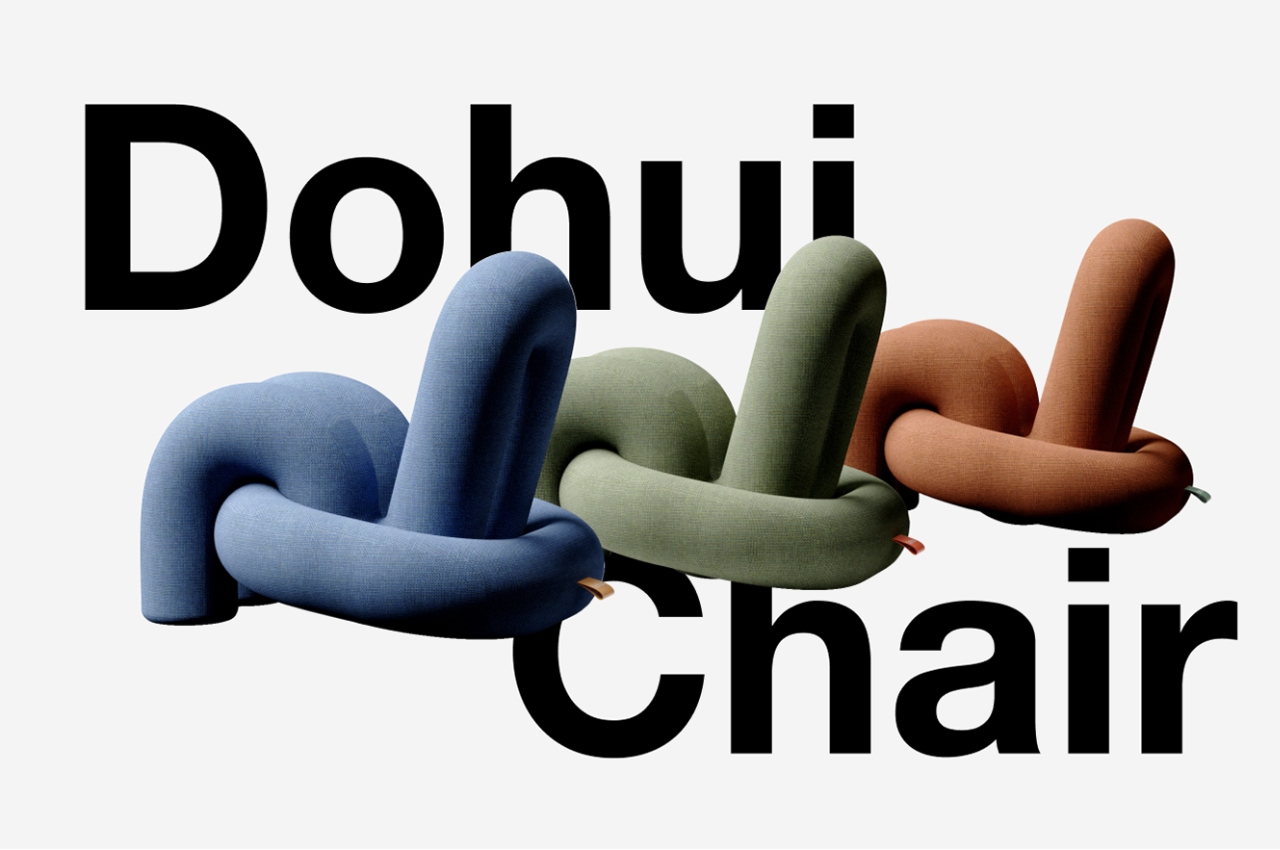
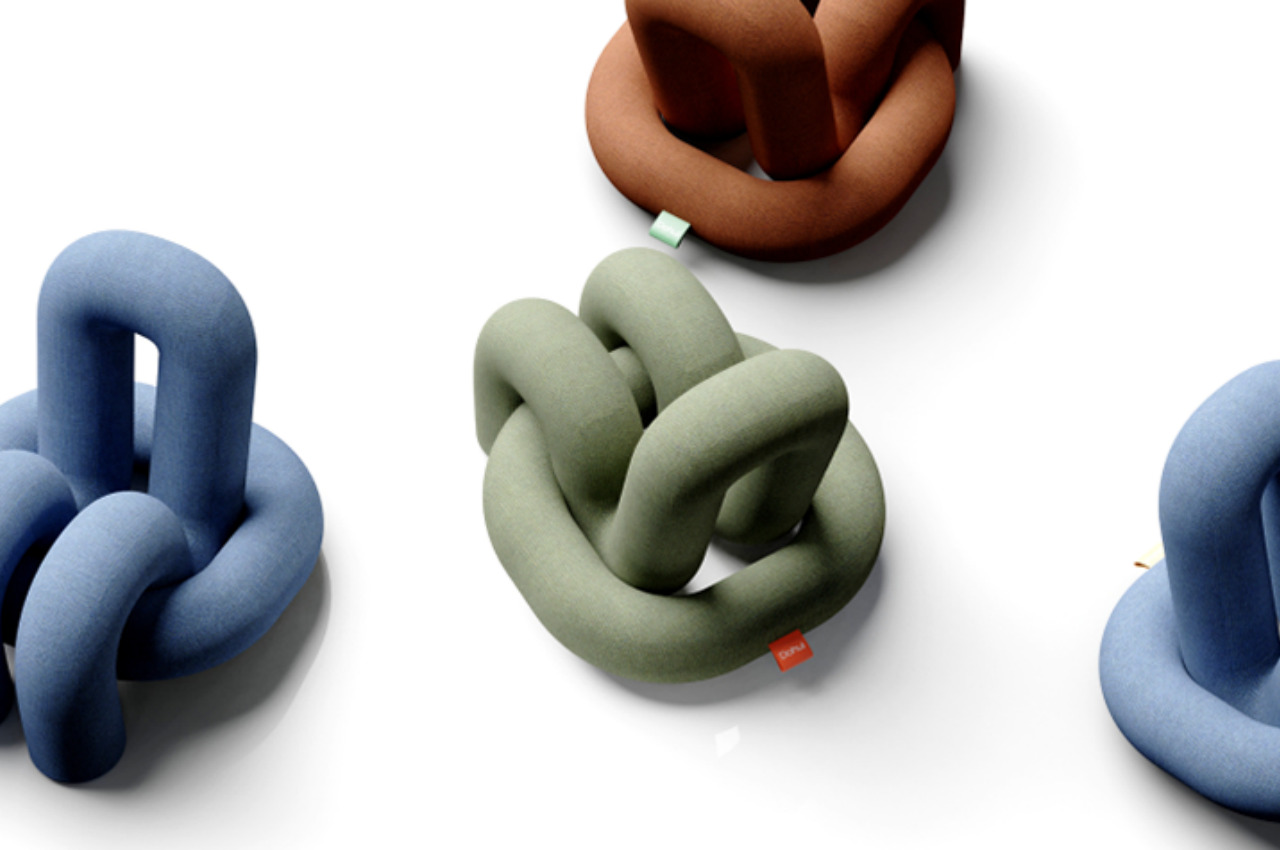
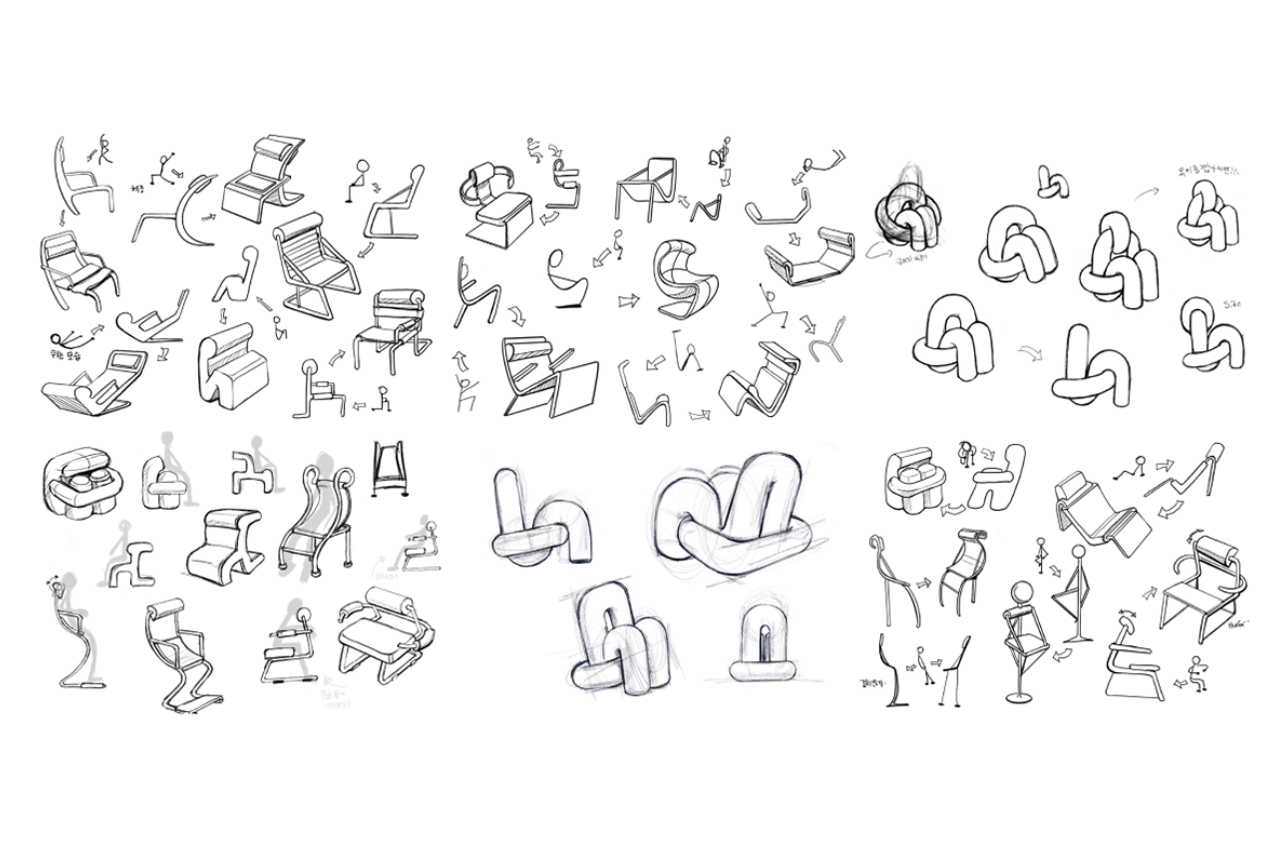
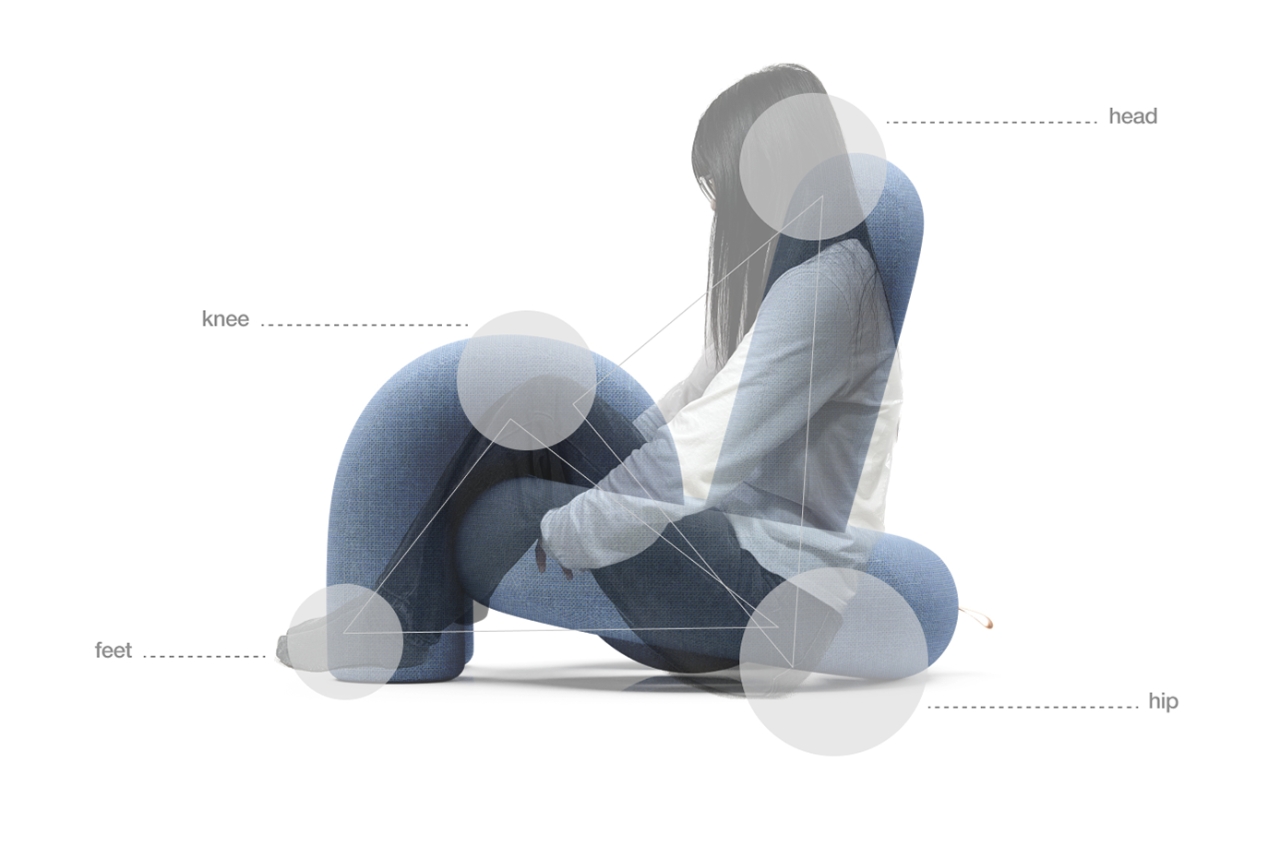
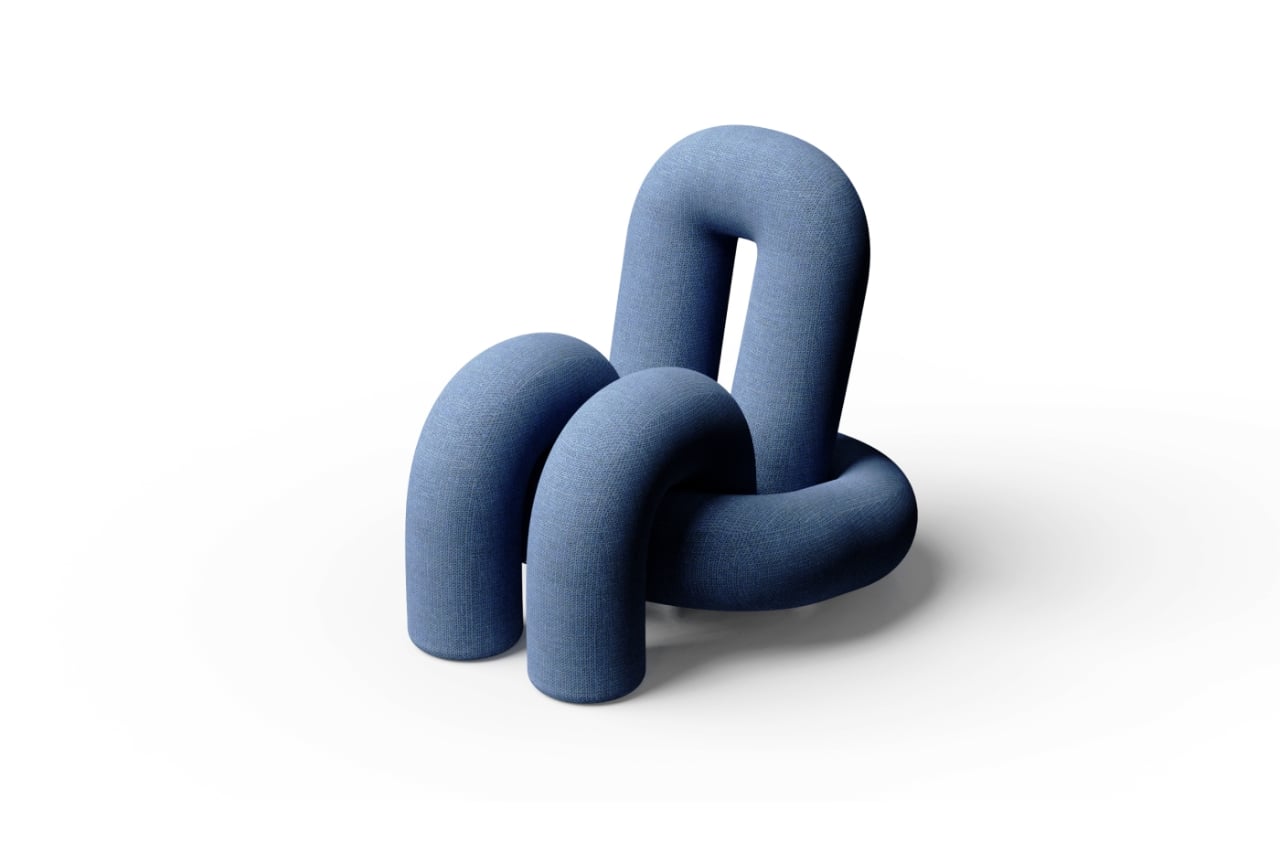
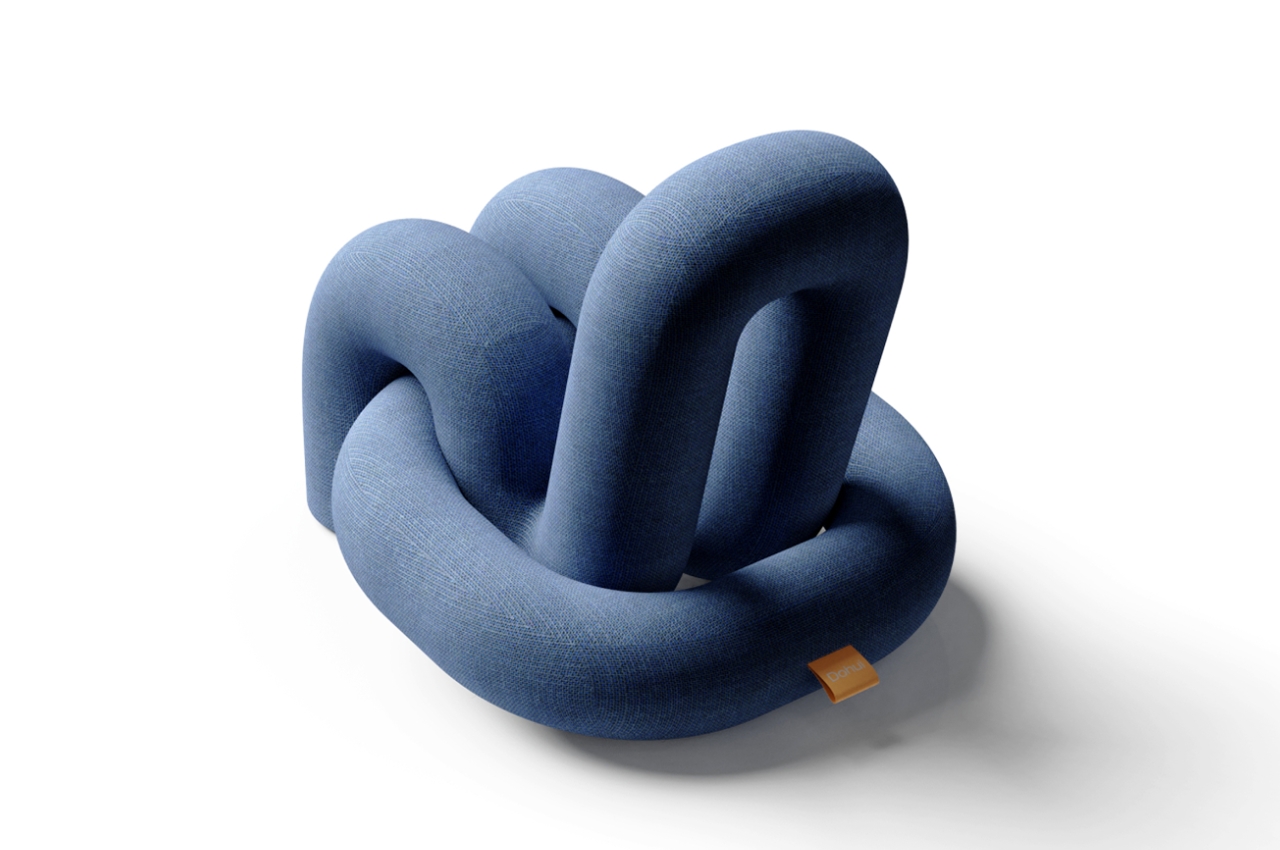
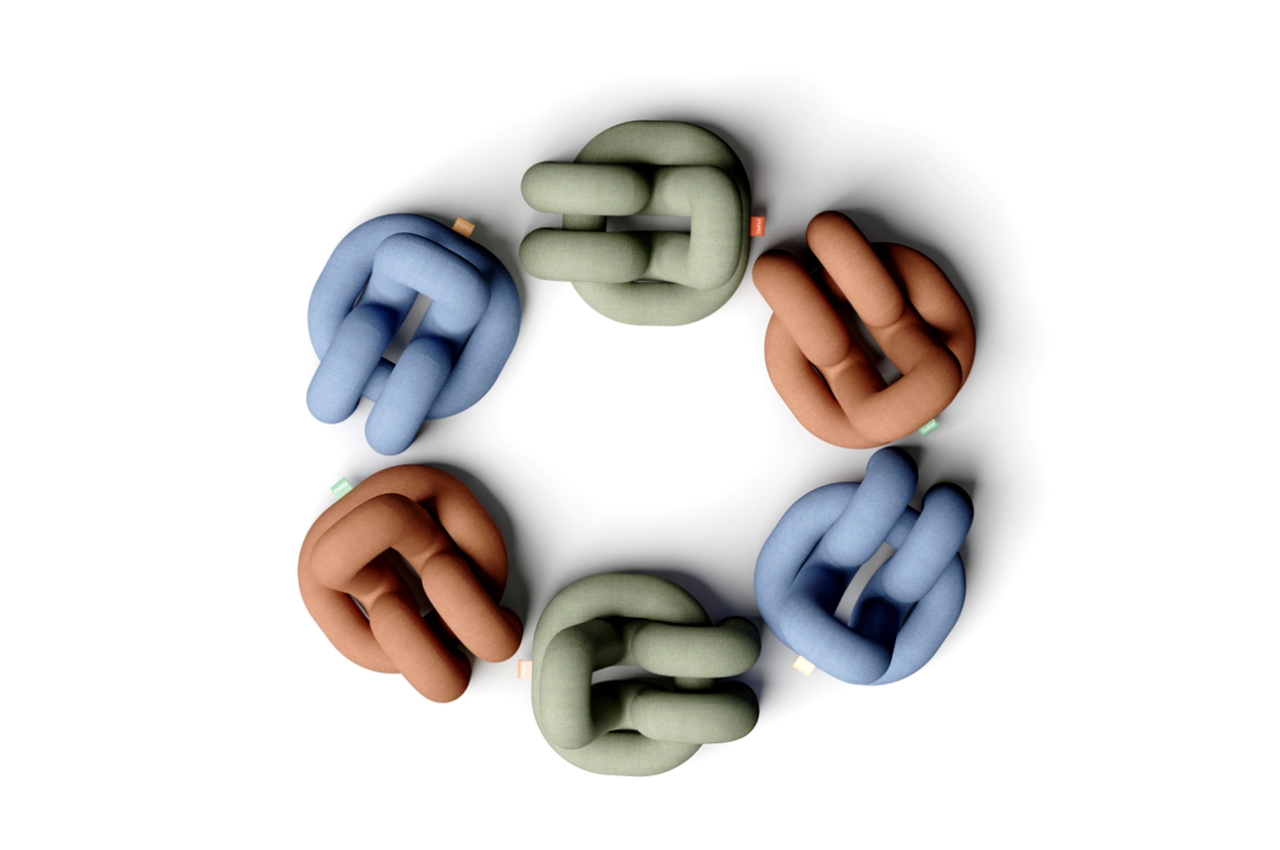
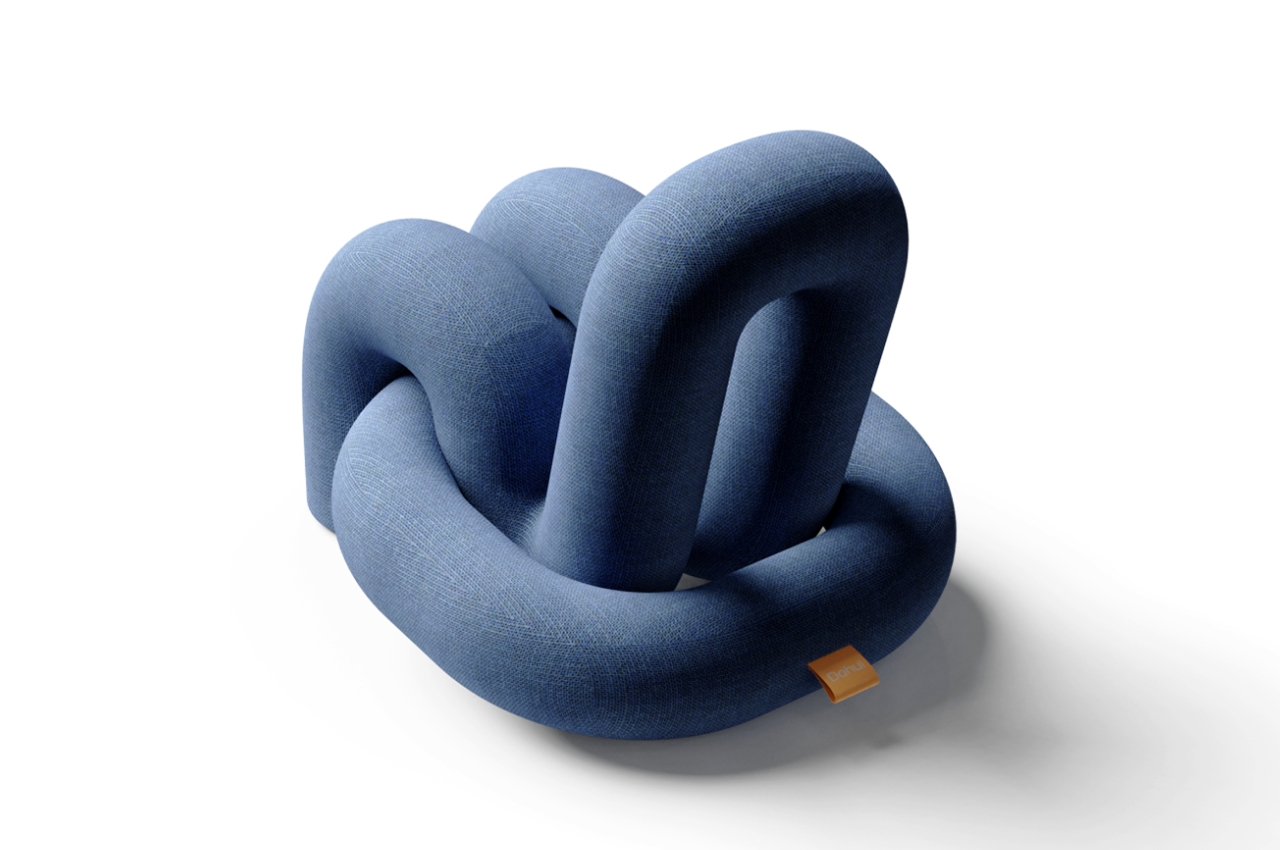
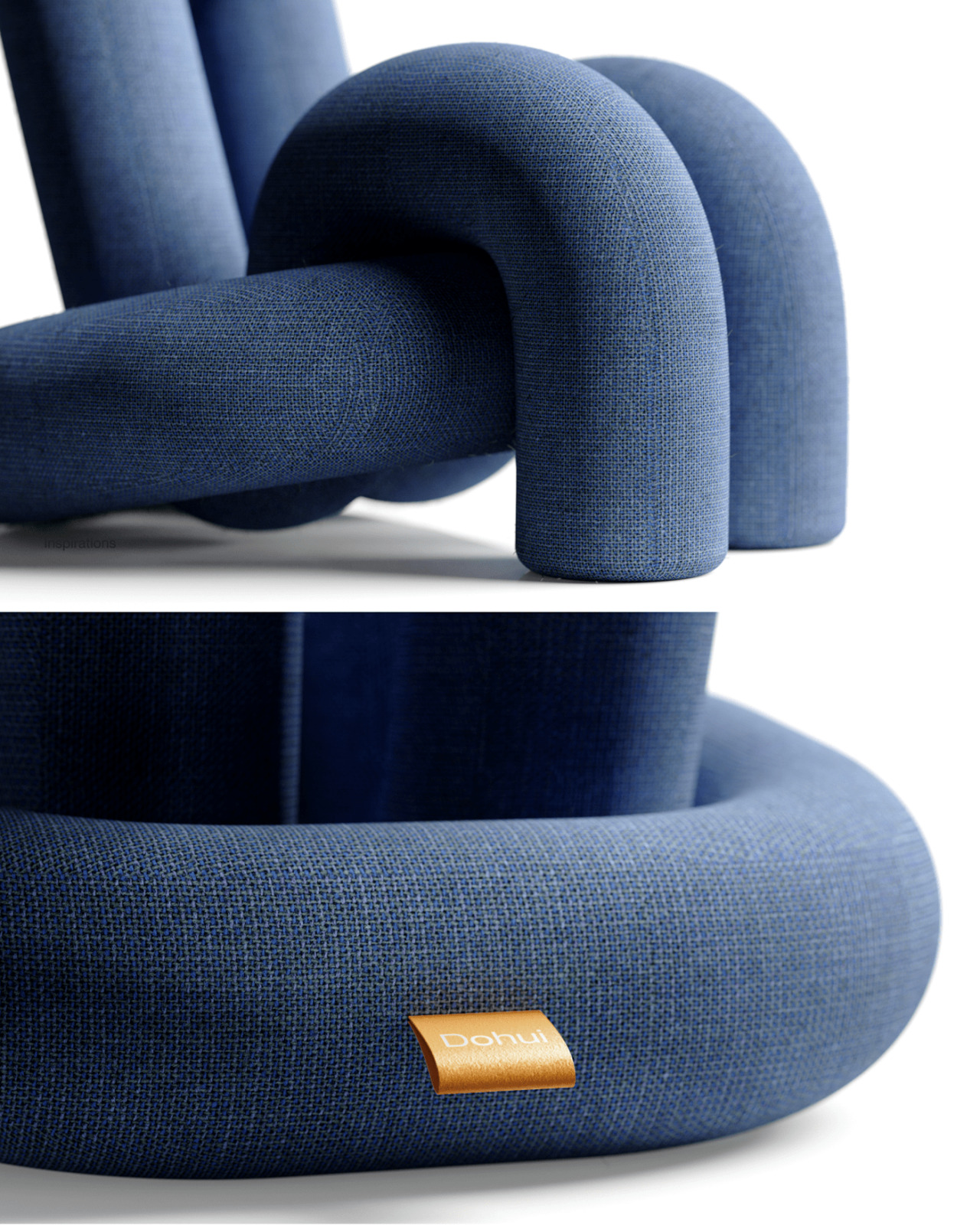
At first glance, the Dohui Chair looks like a piece of art installation shaped like a kind of pretzel. But it is a concept for a chair that is based on a sitting position that apparently a lot of people find comfortable. It is a floor chair so usually people who sit there take on different positions, particularly one that is most pleasant or enjoyable for them. The designer says that we are drawn to things that may be similar to ourselves and the chair is something that she based on a “friendly and affectionate” feeling that is similar to herself.

The chair has a circular base design and then an elongated, pretzel-like body where you can place your body according to the shape it is presenting. Your legs will be curved over the lower part of the chair while your back rests on the top part and your butt fits right into the circle. The product render shows off three different colors: blue, orange, and green. The description says that you can take on different positions while resting on the Dohui Chair, although it’s hard to see how you can do so and there are images showing these different positions.

It seems to be a design that has been well thought of even if it doesn’t look that comfortable to me because of the shape. As someone who prefers my legs to be flat on the floor, I don’t know how the shape can actually help me sit better. But if you’re the type who sits that way or how it conforms to the chair, then this is an interesting piece of furniture that you’ll eventually want to try out.

The post Unique chair design mimics how you sit comfortably (if that’s how you sit) first appeared on Yanko Design.

This reversible mid-high bed concept can grow with your child

Buying furniture as adults can already be quite a stressful endeavor, but buying one for kids doubles or even triples the difficulty. Not only do you have to consider safety and comfort, but you also have to consider how they can grow up fast and make those products useless in just a year or two. That’s why parents might sometimes be tempted to buy more affordable furniture that they can either dispose of, resell, or give away quickly, which is a practical solution but not a smart one. It would be better if the furniture could actually change and adapt to the child’s growing needs, like this mid-high bed design concept that still be used by the same kid after they’ve grown a bit.

Designer: A Su (PUPUPULA)

It might be surprising to learn that there is a lot more variety when it comes to kids’ bed designs. Some types are better for certain ages, while others provide room for more than one person. Like most beds, however, these are often designed with a singular target audience in mind, which means they easily outgrow their use and their charm in just a few years. That wouldn’t be much of a problem if not for the expense and waste that comes with replacing those beds again and again.

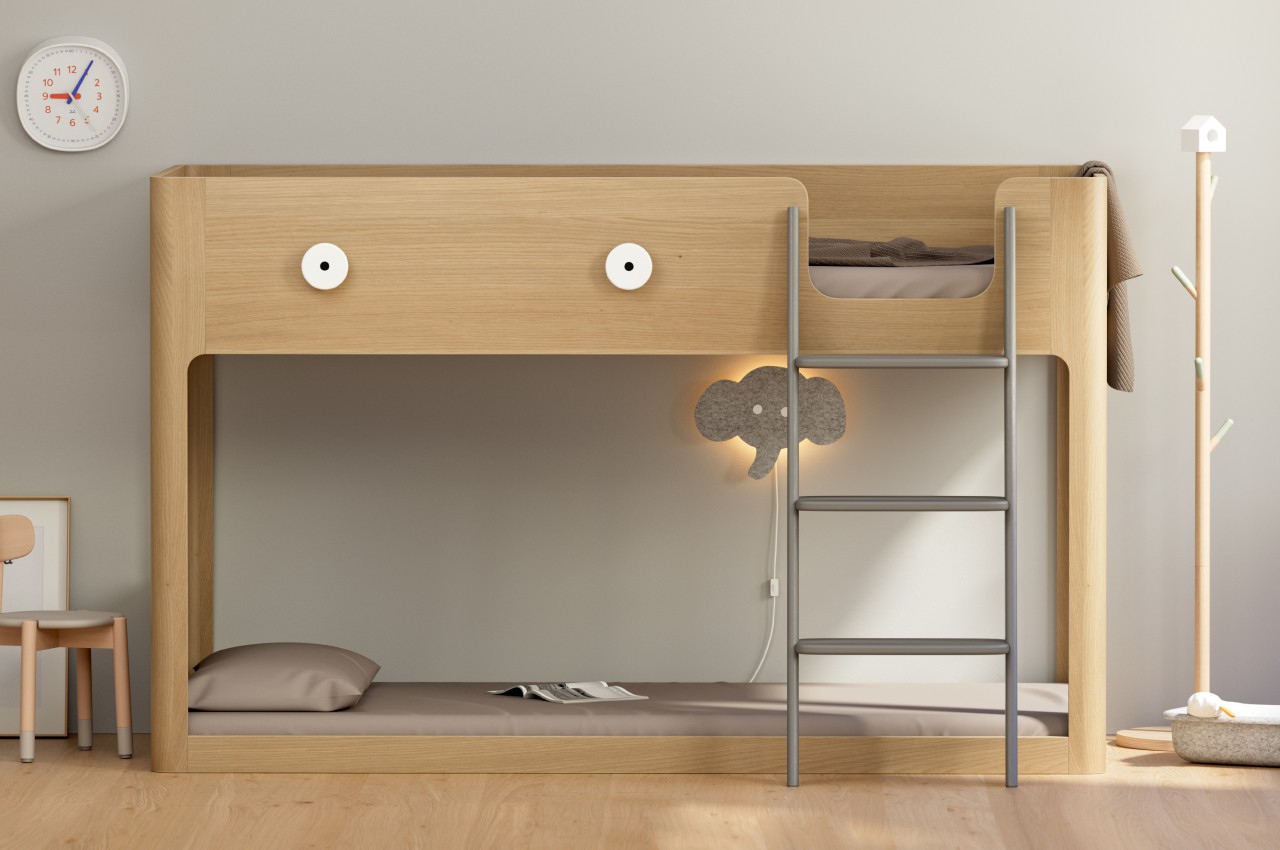
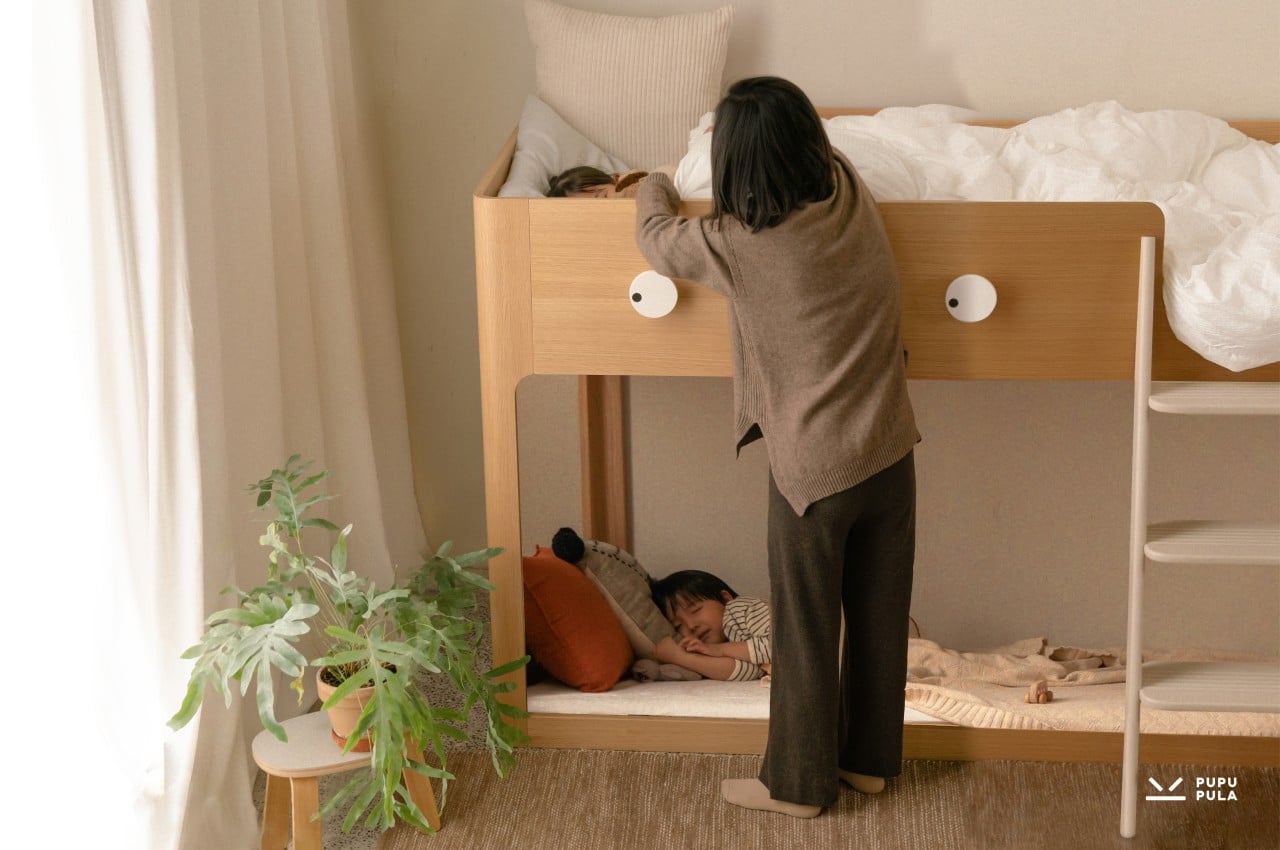
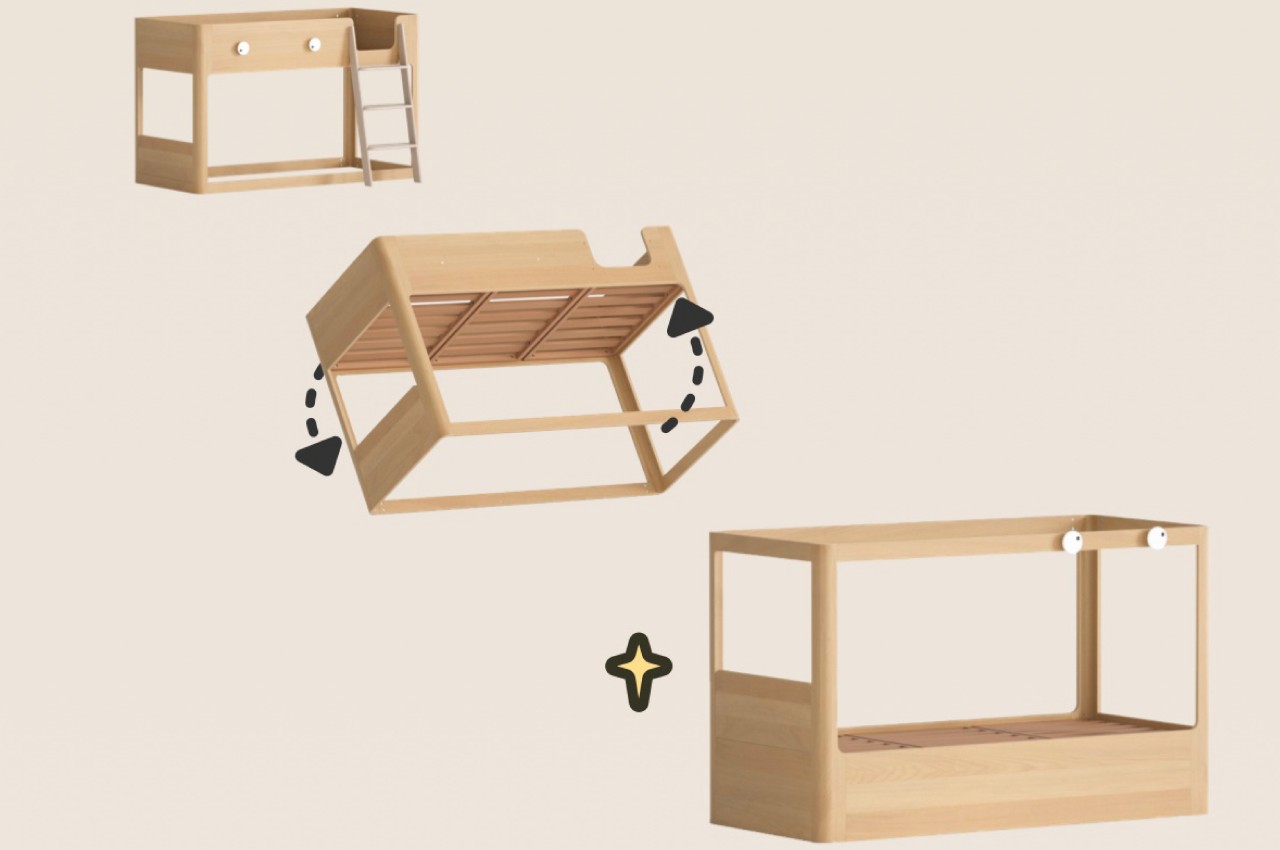
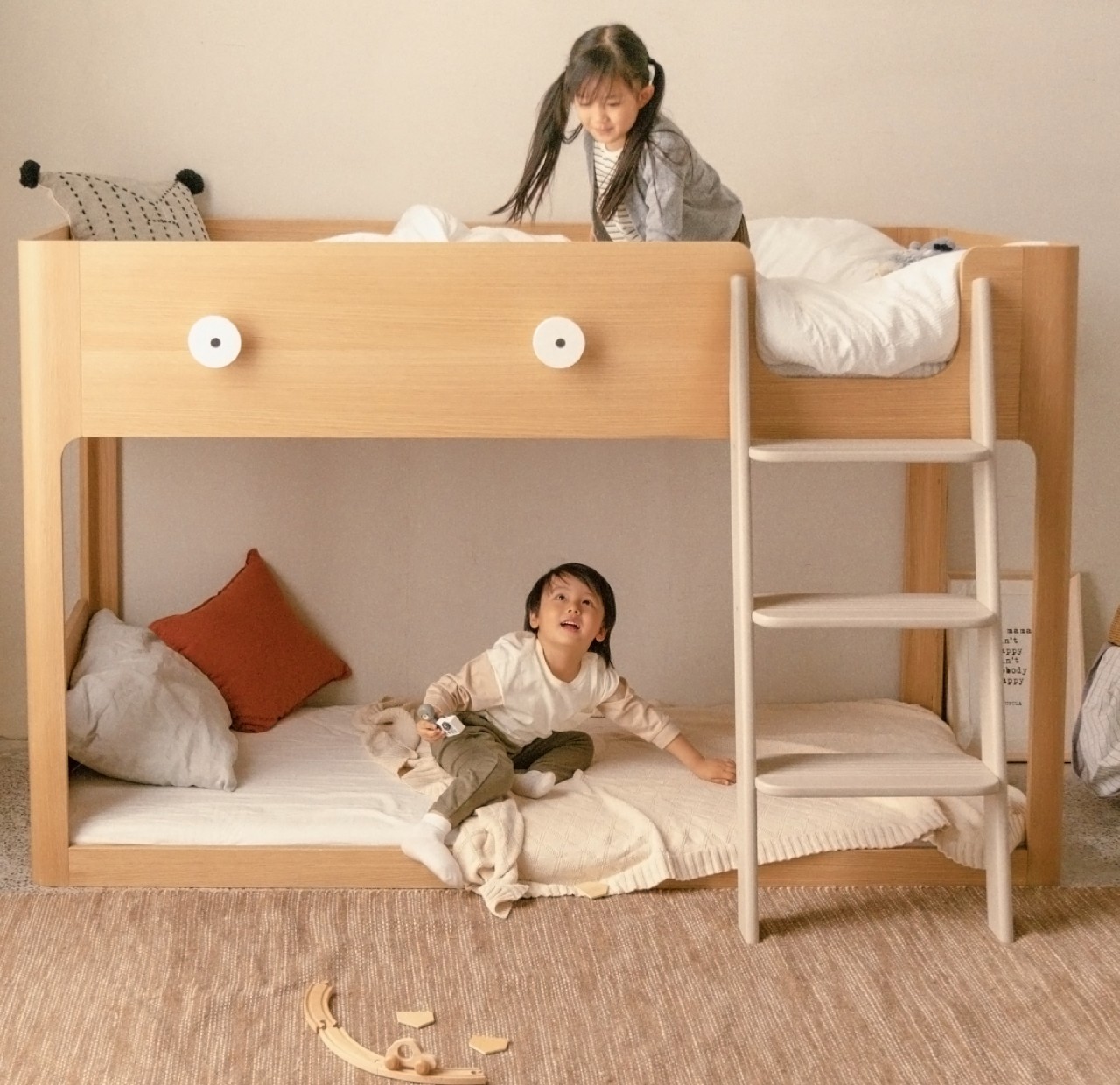
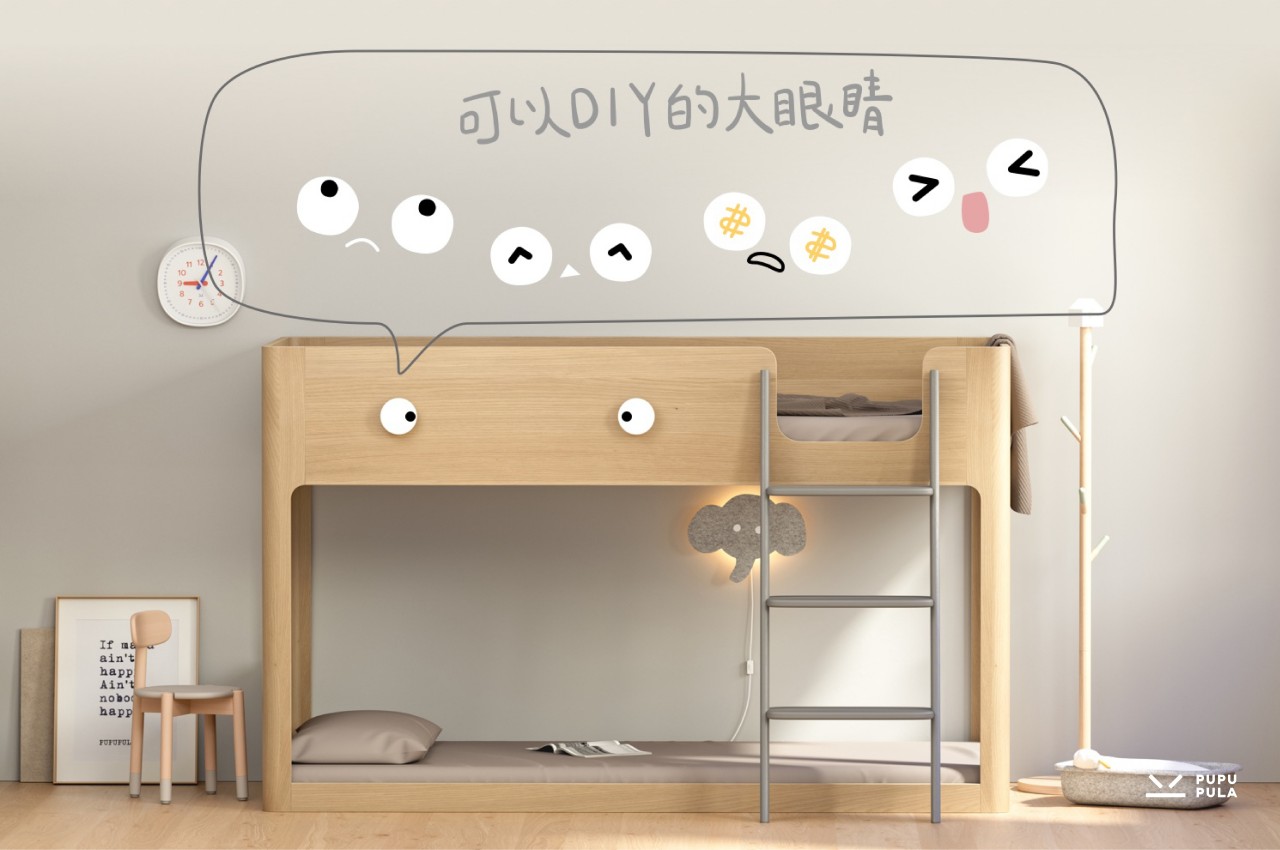
The Big Eyes bed concept solves that problem by employing a design that can change its purpose depending on the number or age of its owners. And it doesn’t employ complicated tricks like modular or moving parts that could actually be dangerous for a toddler. Instead, you can simply flip it over to change it from a mid-high bed to a basic bed and vice-versa.

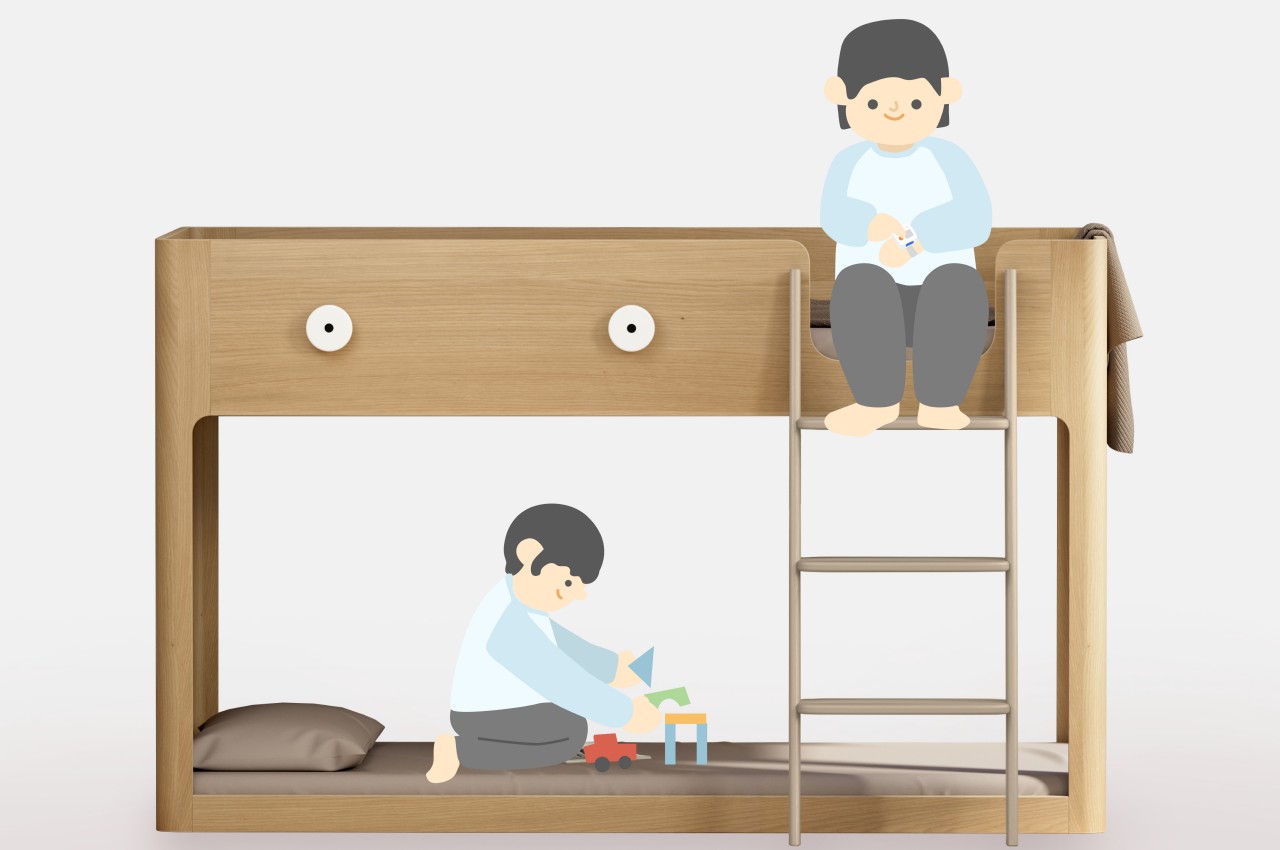
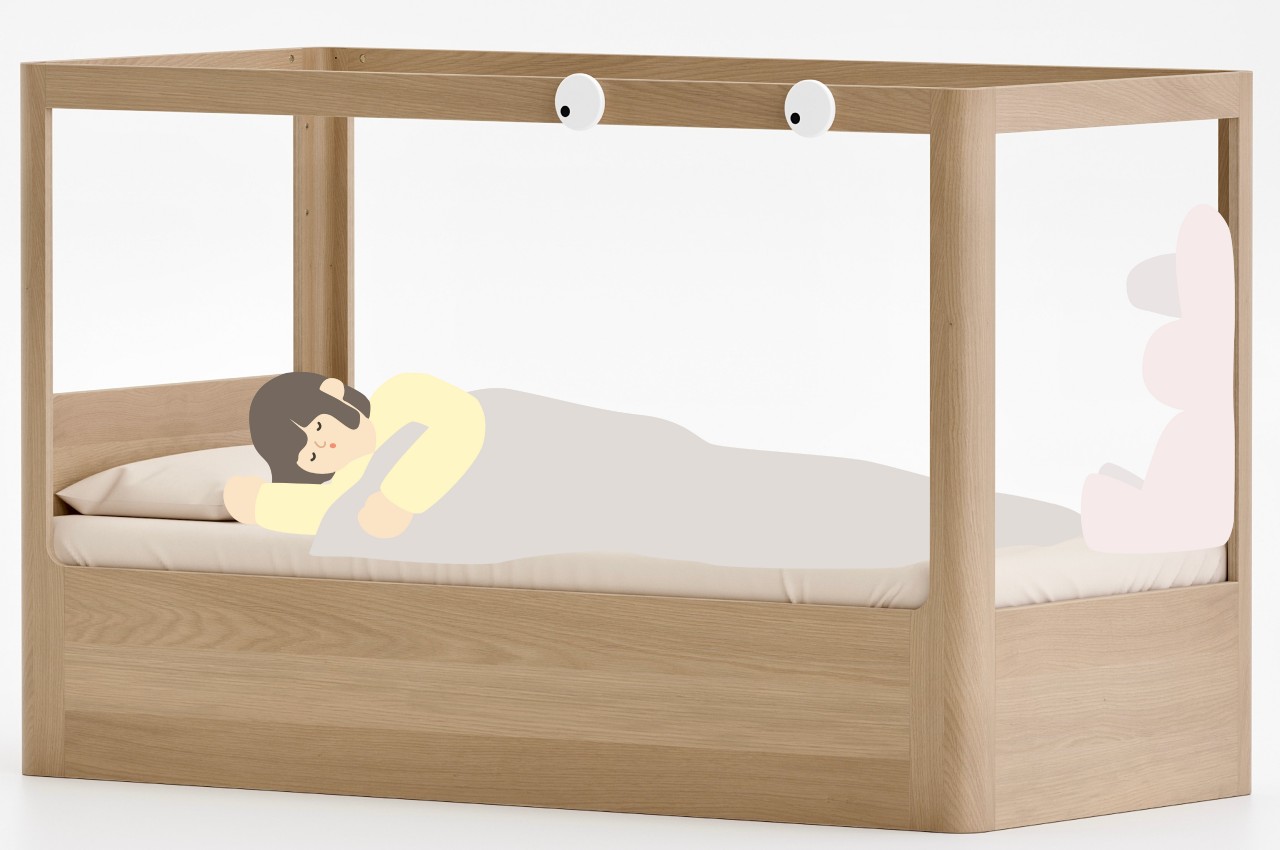
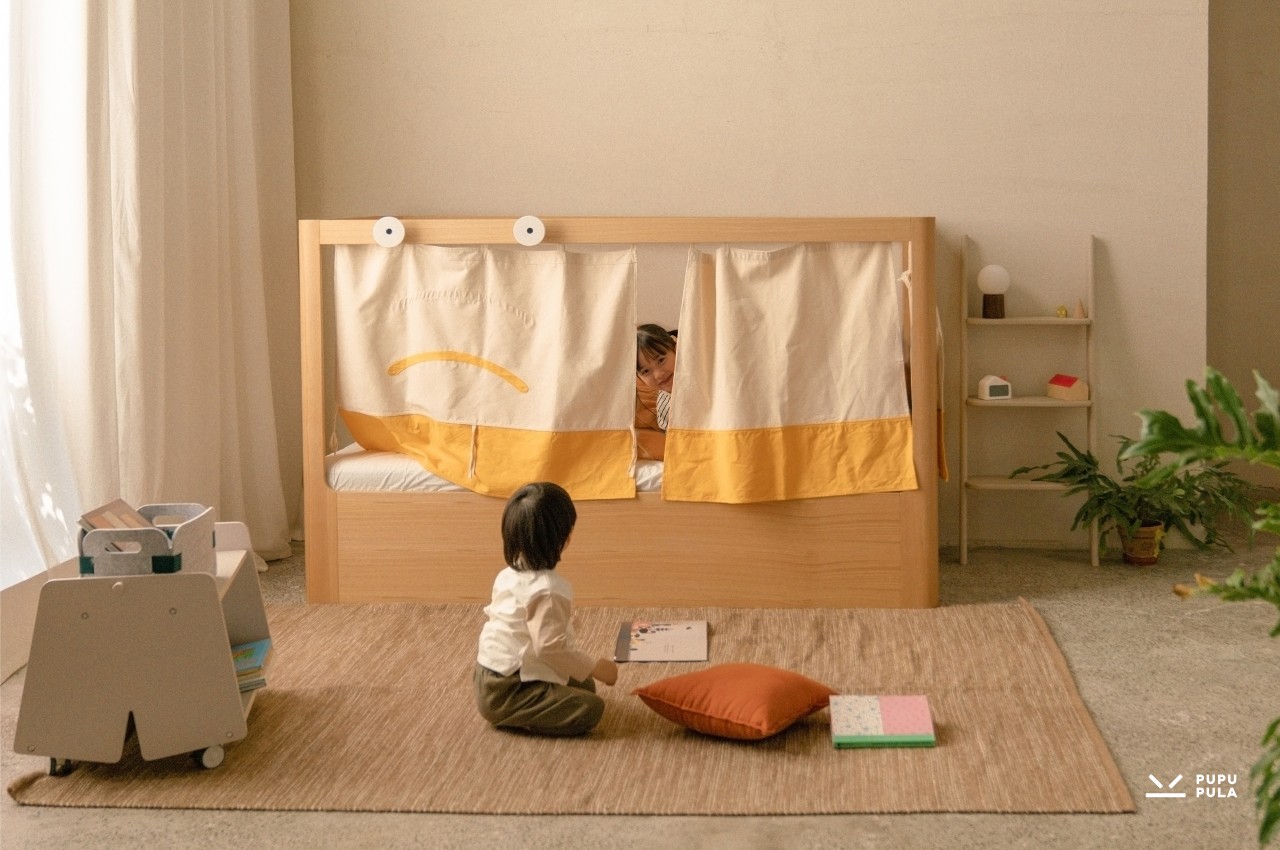
The mid-high bed position is perfect for younger kids or siblings who need to share the same bed space. The top bunk is the main bed, while the bottom space can act as a secondary bed or a spacious play area. Once the child grows up a bit, however, removing the ladder and turning the bed over changes the story completely, with the bottom now acting as a basic bed and the top frame as a place to hang cotton canvas play curtains for some privacy.

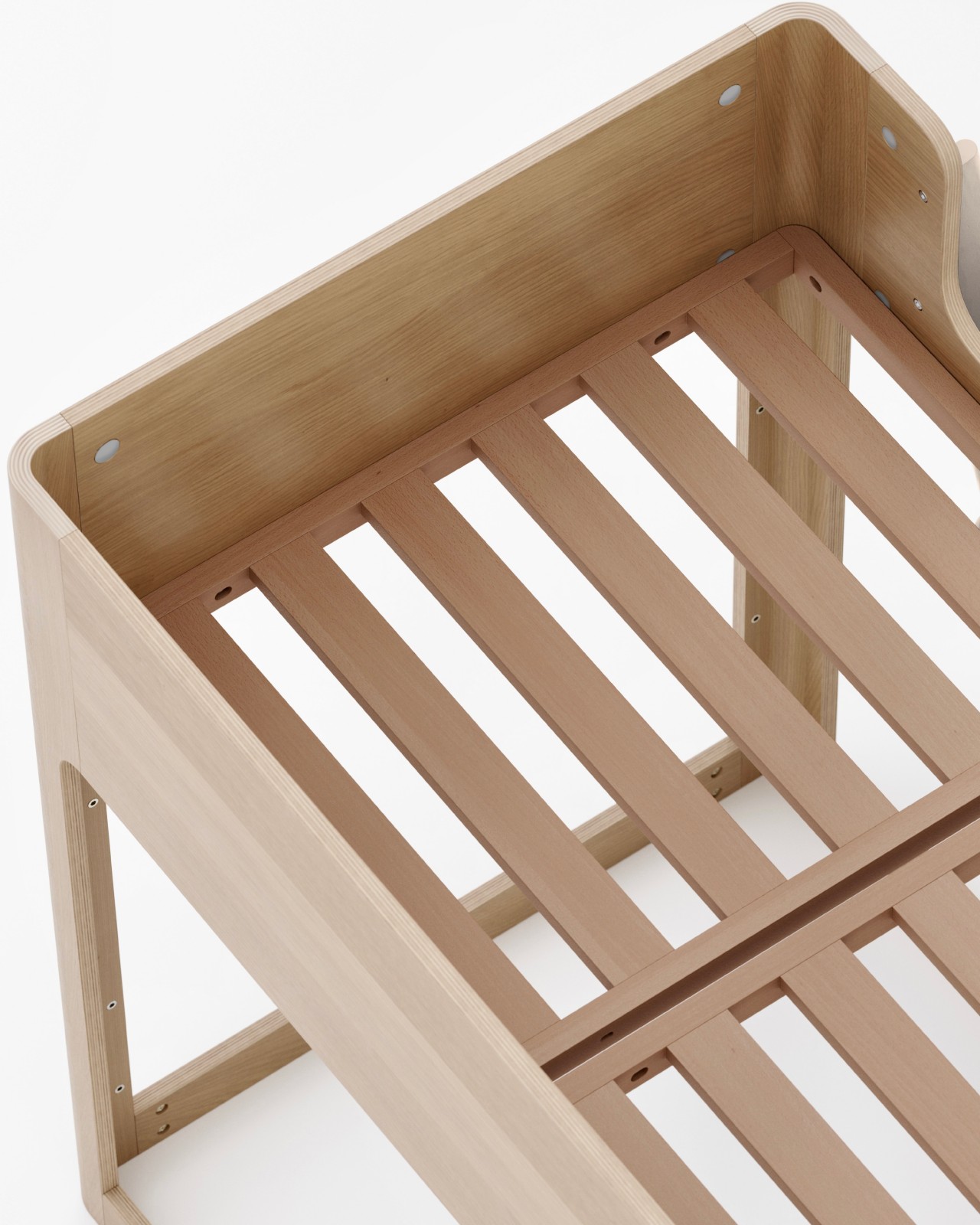
Big Eyes is made of birch plywood, which gives the bed a warm, welcoming tone. There are no moving parts or hidden compartments, making it easier to turn the bed over as needed. The bed’s design is actually quite minimalist, leaving the freedom of decoration and personalization to parents and kids. That same simple design, however, is also its strength, allowing it to have that reversible functionality you won’t be able to pull off on more sophisticated designs.

The post This reversible mid-high bed concept can grow with your child first appeared on Yanko Design.

This chair concept for fast-casual restaurants comes with a coat hanger and bag tray

The way we eat outside has been changing over the past years, and fine dining and fast food are no longer the only choices available. In many parts of the world, “fast-casual” has become a popular option that combines the speed and price of fast food establishments with the quality of full-service bistros. Despite being a category in its own right, the furniture used in fast-casual restaurants doesn’t actually take into account the specific needs of this class of customers and is instead meant for either fast-food chains or full-service establishments. This chair design concept tries to break the mold by introducing a piece of furniture that caters specifically to fast-casual customers who need to hang their coats or keep their bags but can never find such a place with regular restaurant chairs.

Designer: Zhiyuan (Frank) Fang

Fast-food restaurant chairs are often made from plastic, designed to be cheap, easy to move around, and often uninspiring. Customers here are often in a hurry, anyway, so they don’t care so much for the things they’re carrying, presuming they’re even carrying some. Fine dining chairs, in sharp contrast, are elegant and a little more expensive in order to match the restaurant’s ambiance. They, too, don’t have convenient features for keeping your things, because restaurants often have available storage for those near the table or by the entrance. That leaves fast-casual diners to fend for their own most of the time, often resulting in awkward displays of jackets or even forgotten bags or purses.

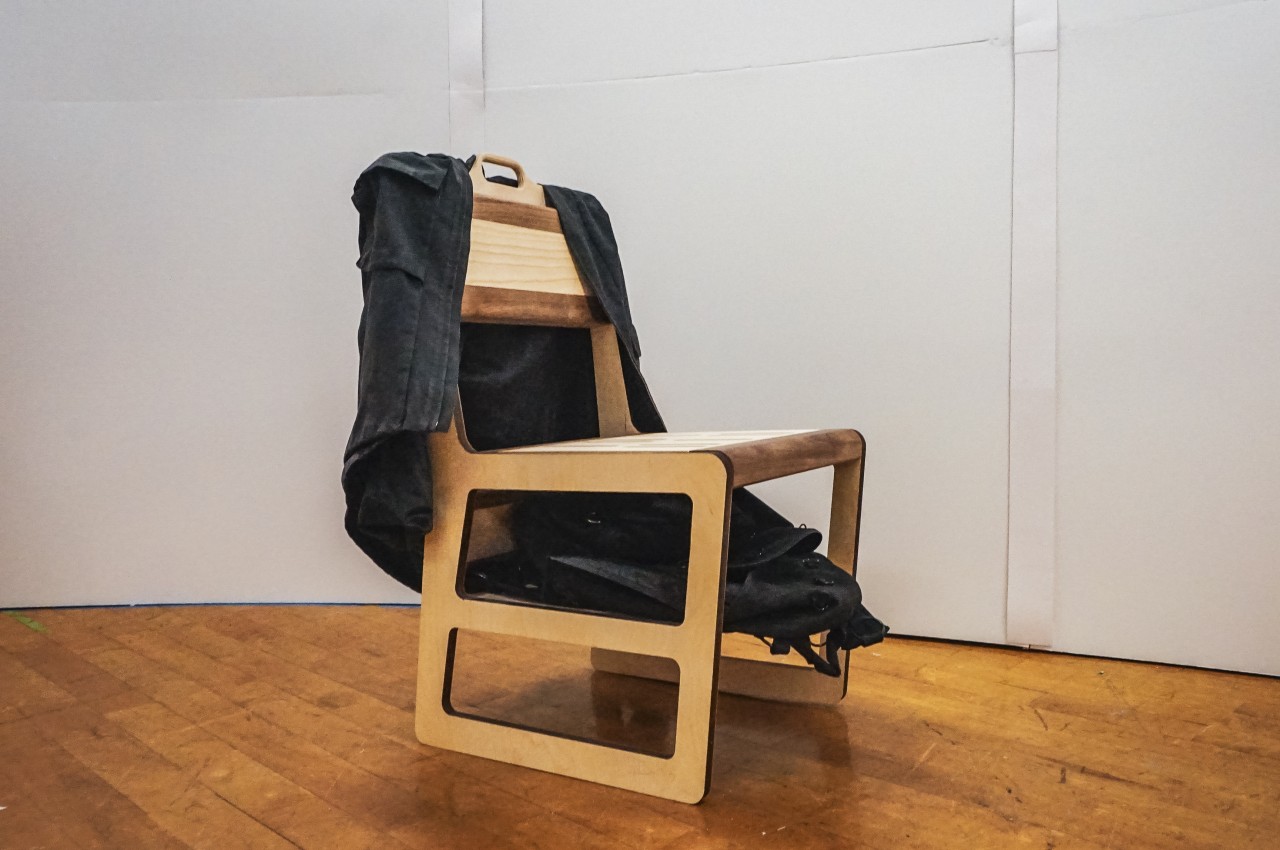
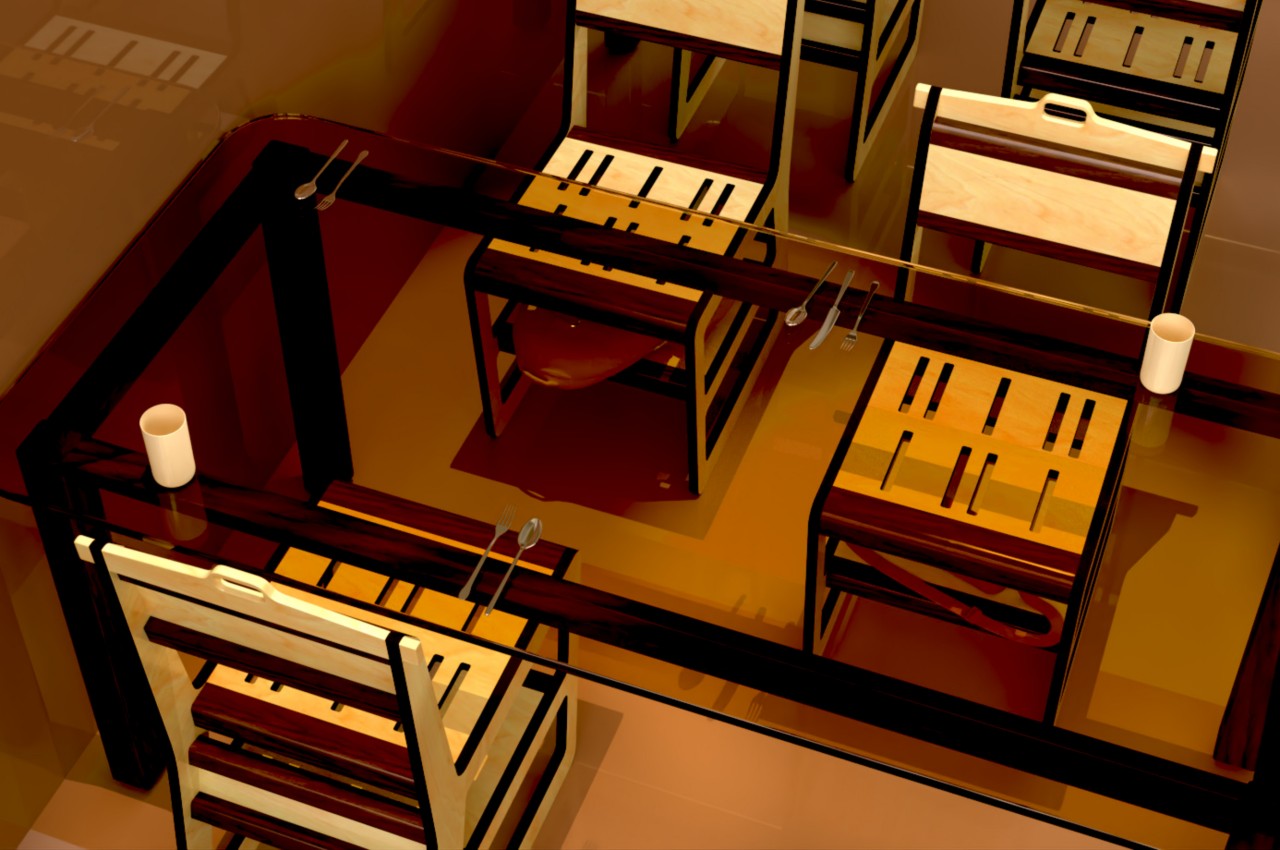
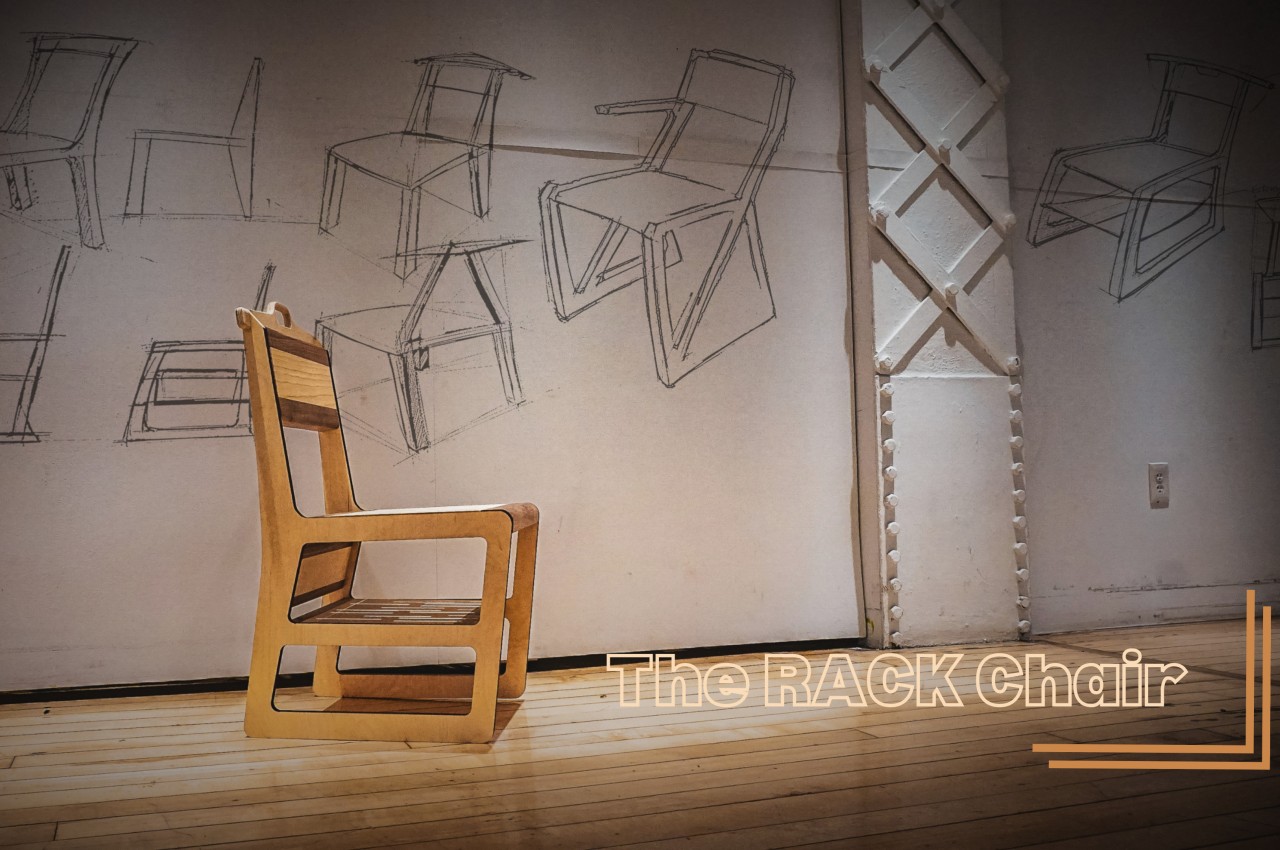
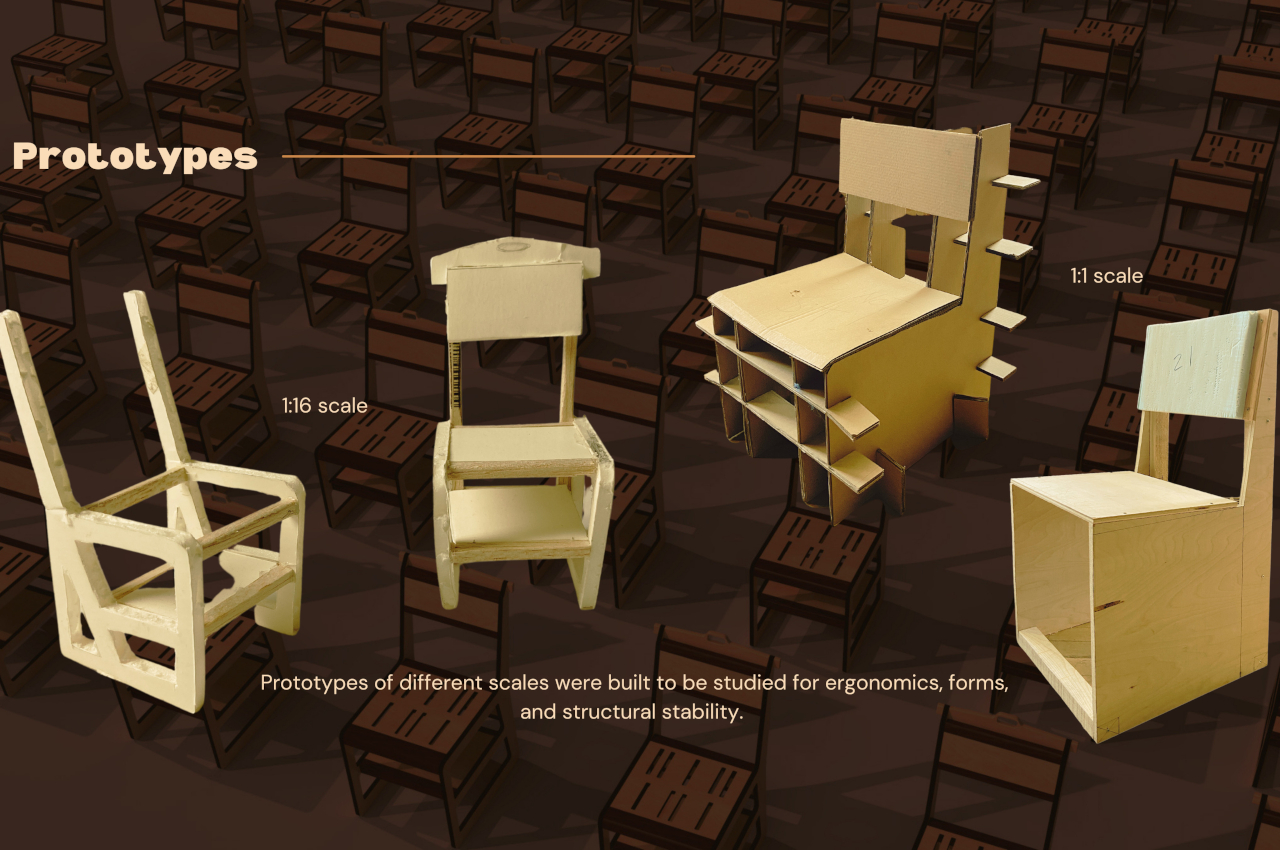
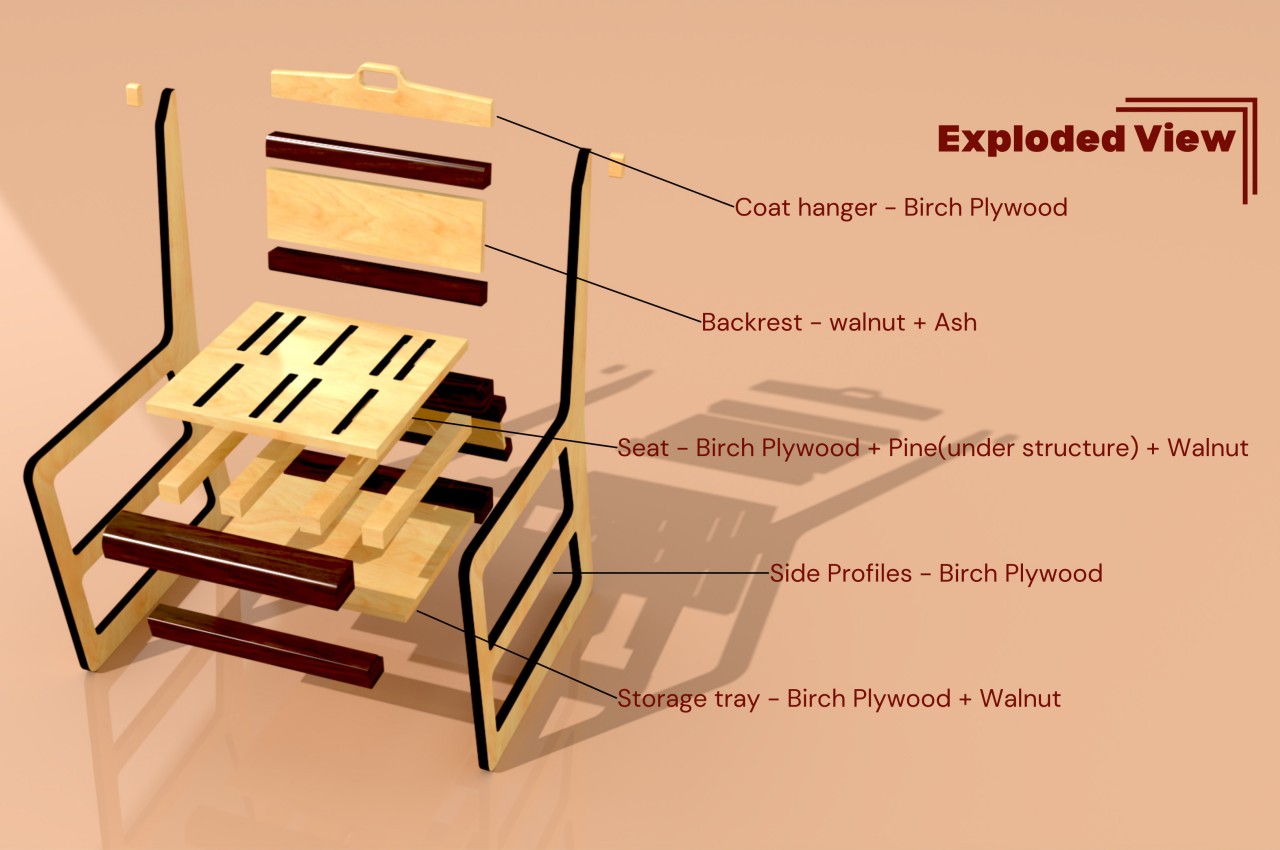
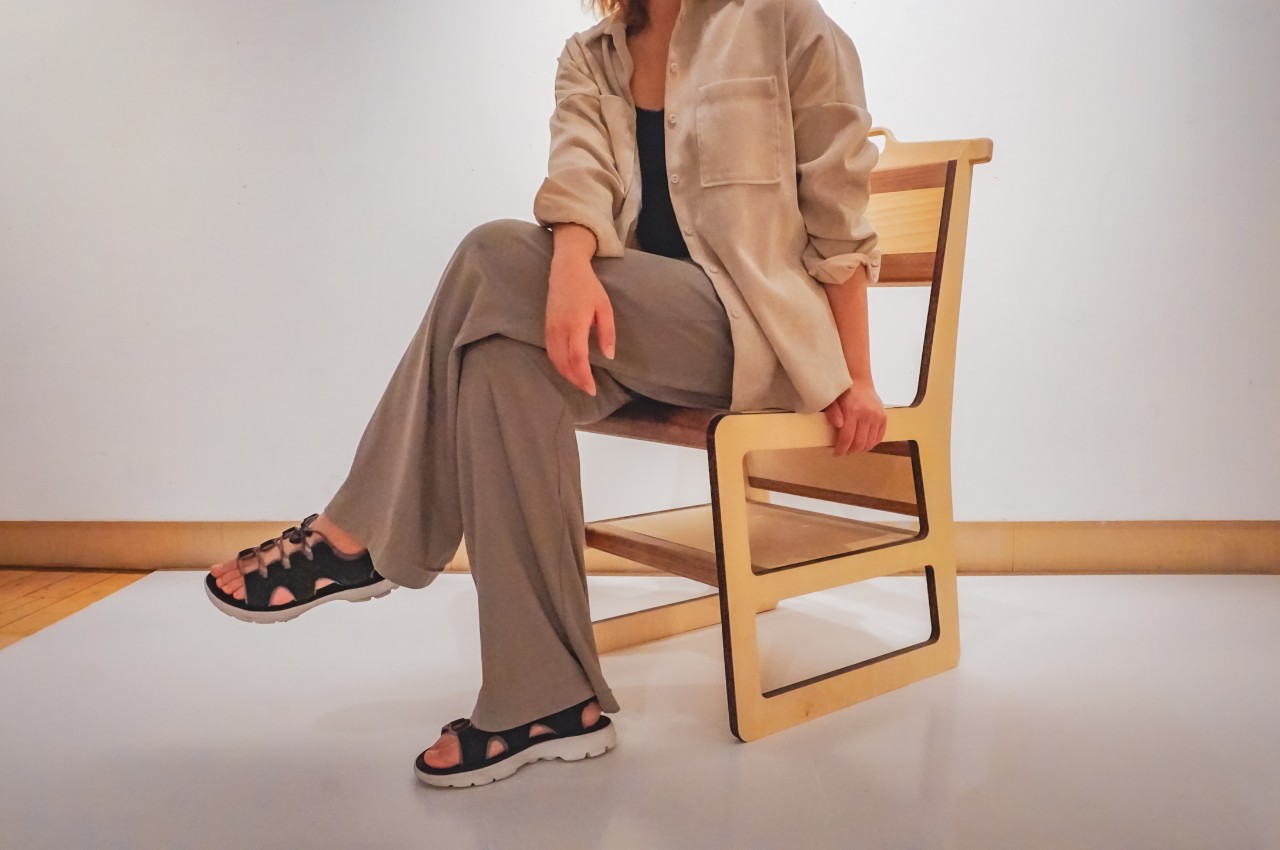
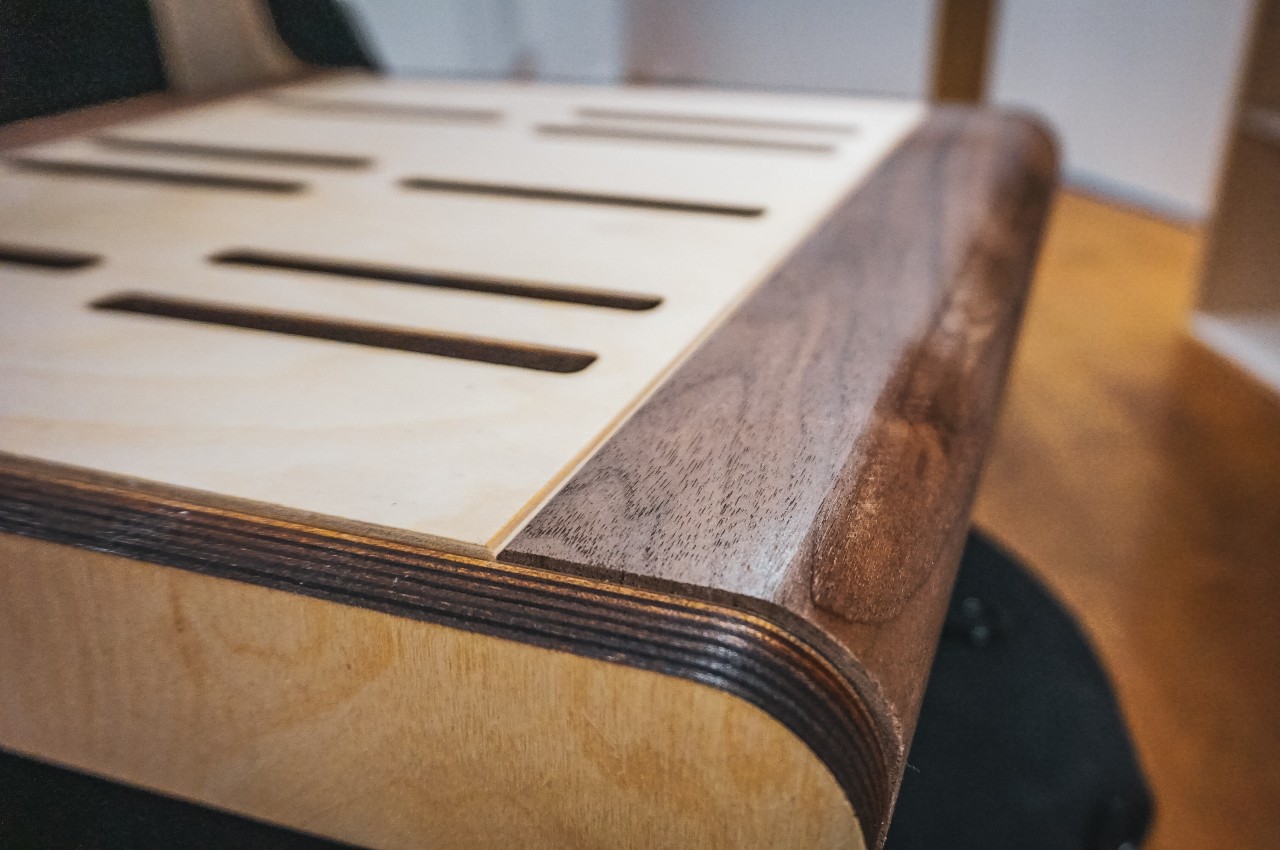
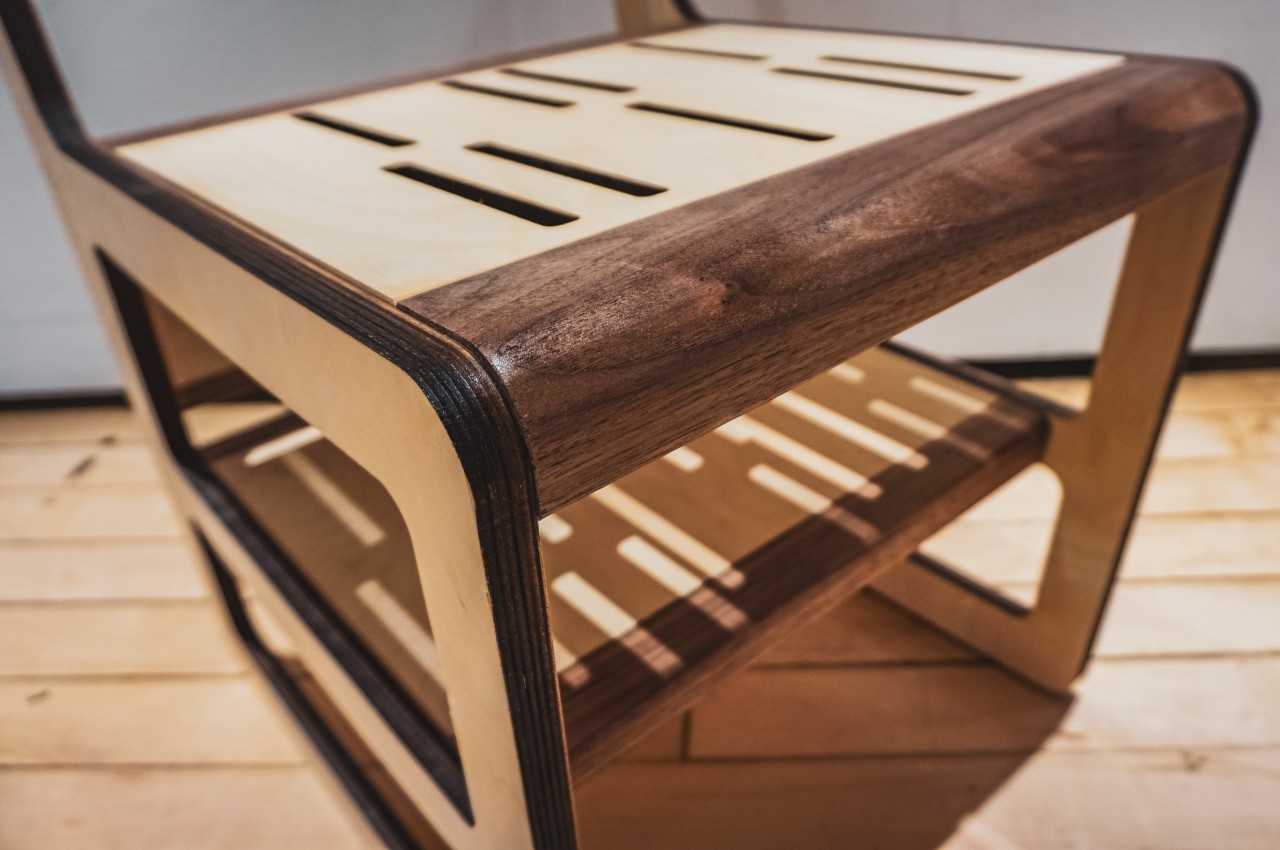
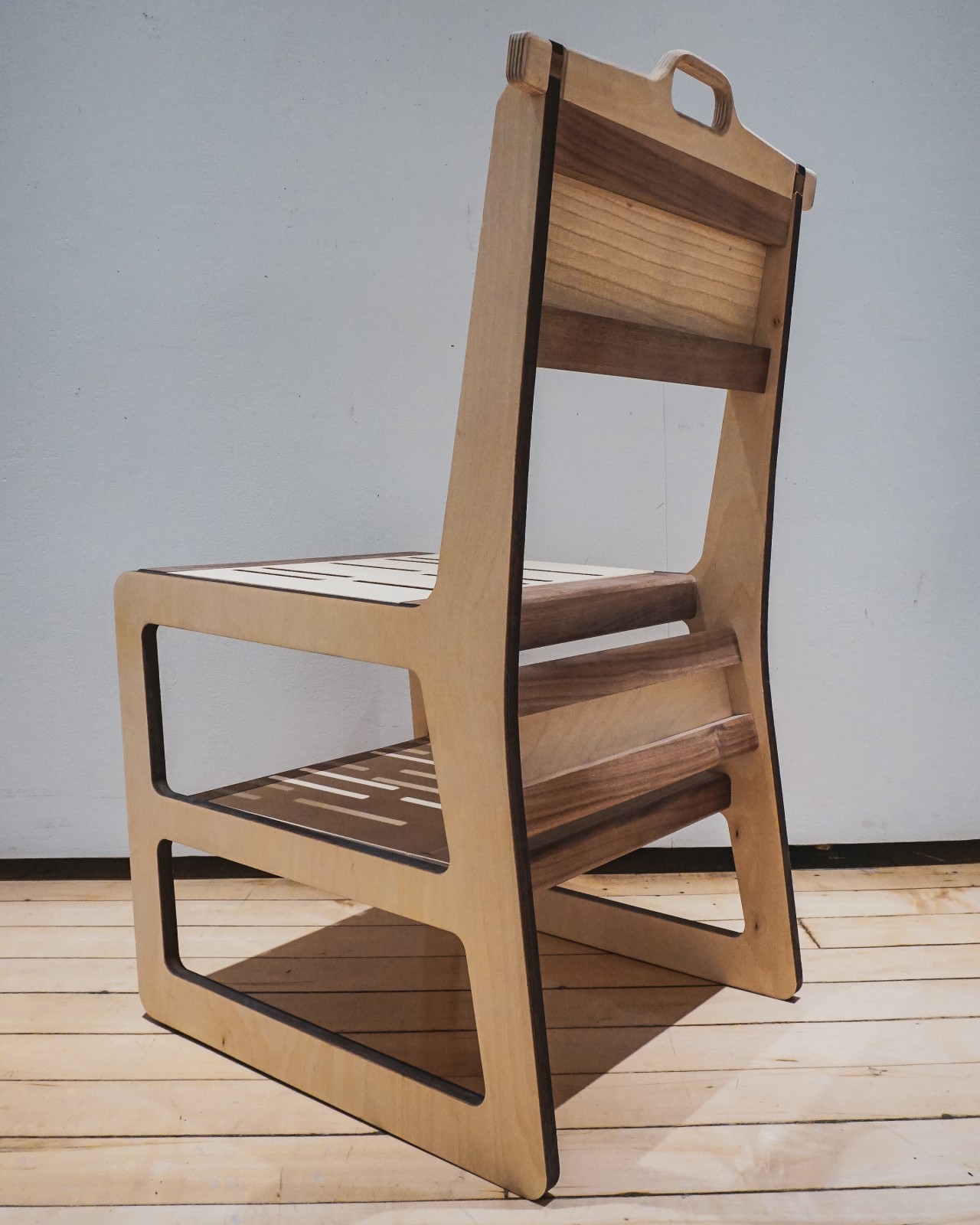
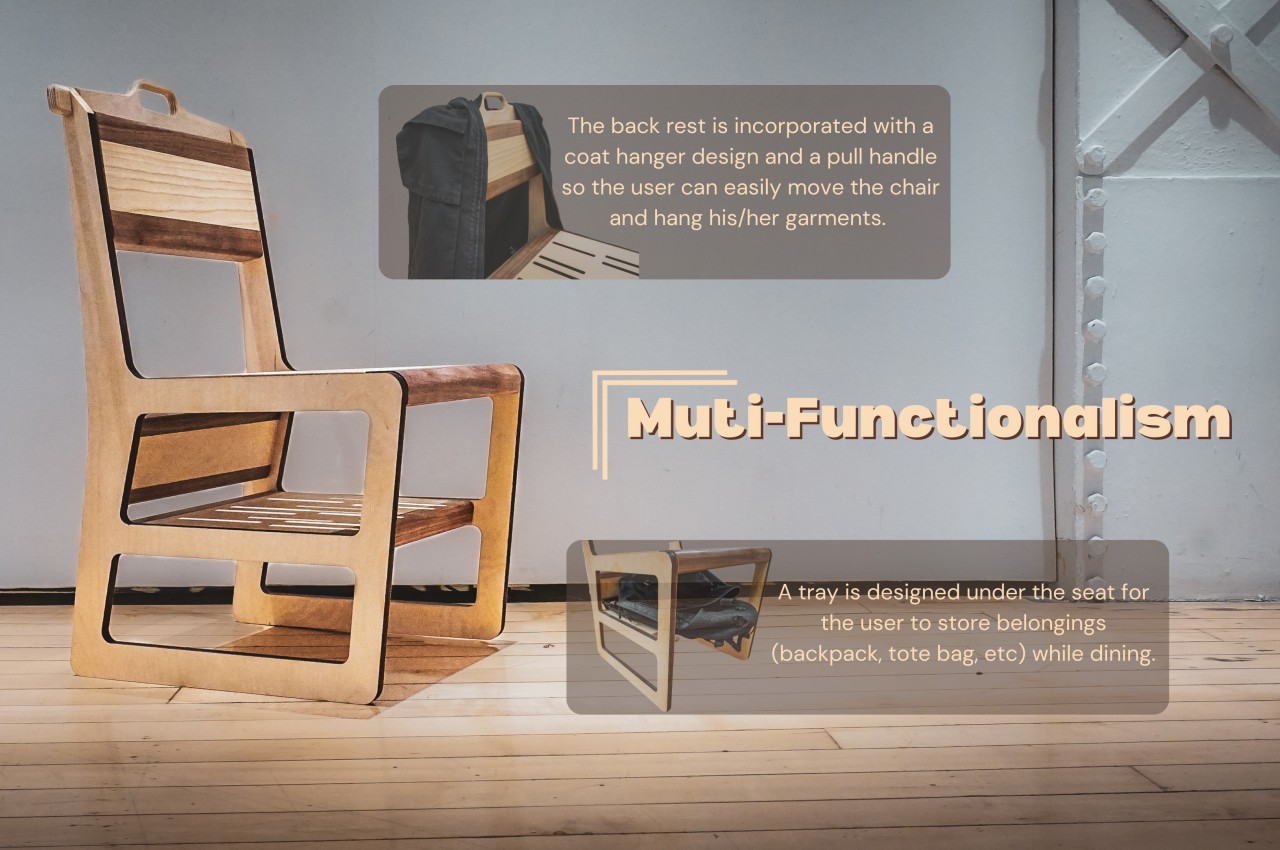
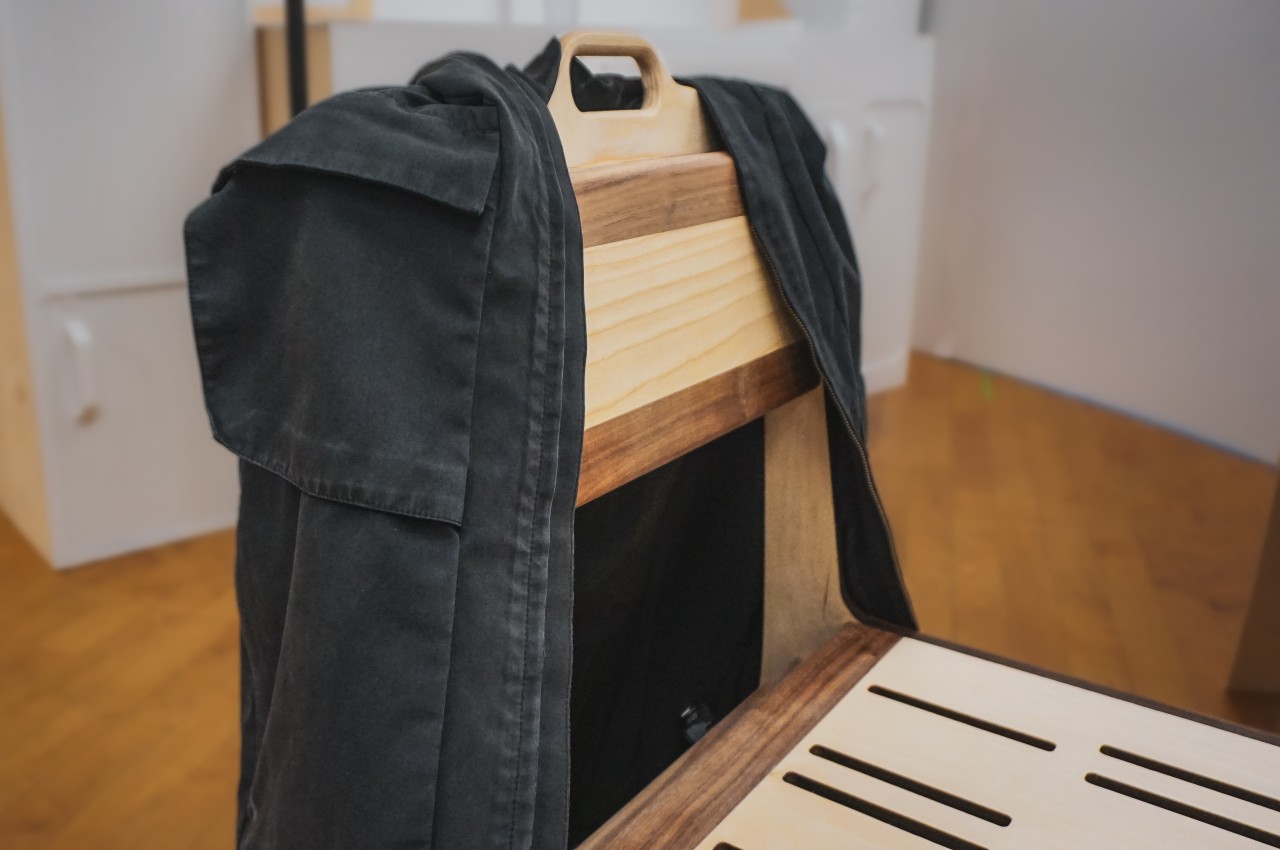
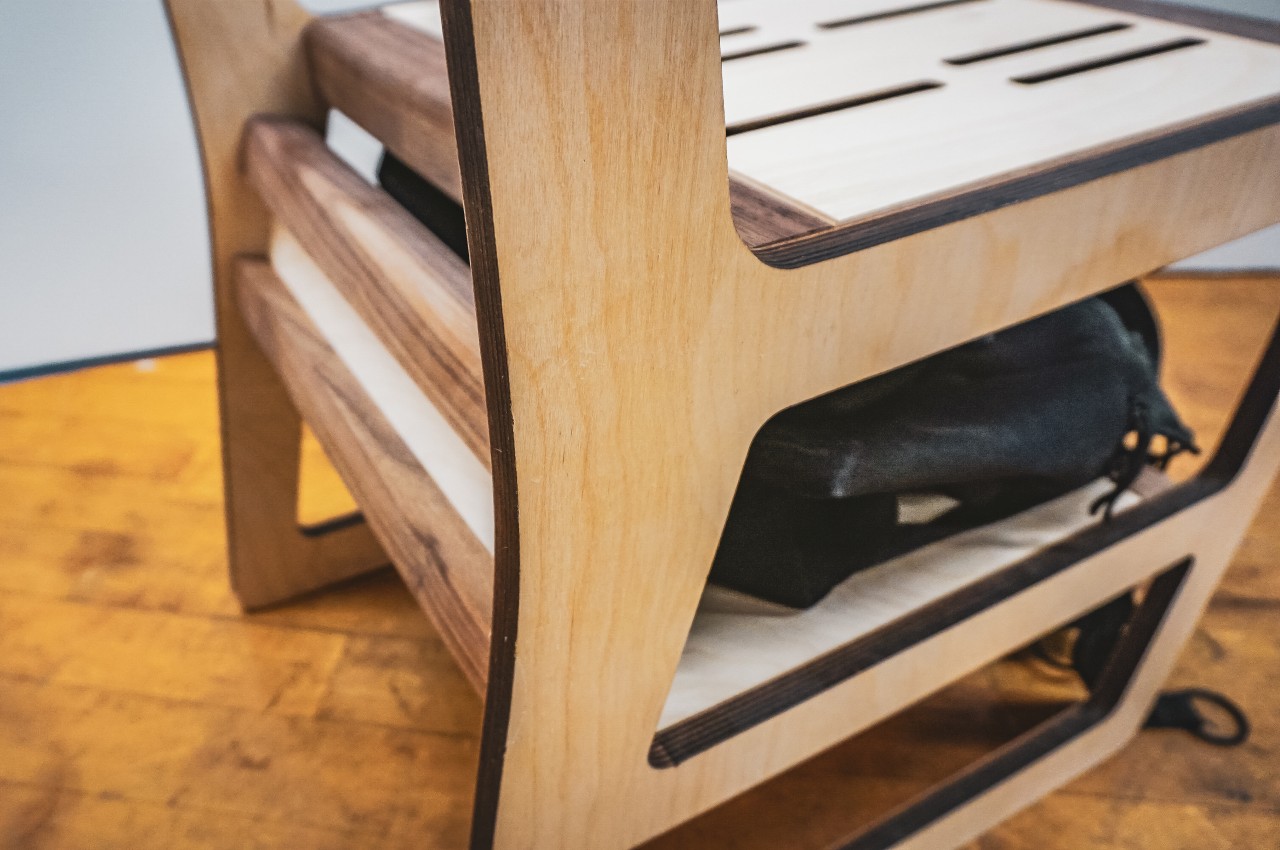
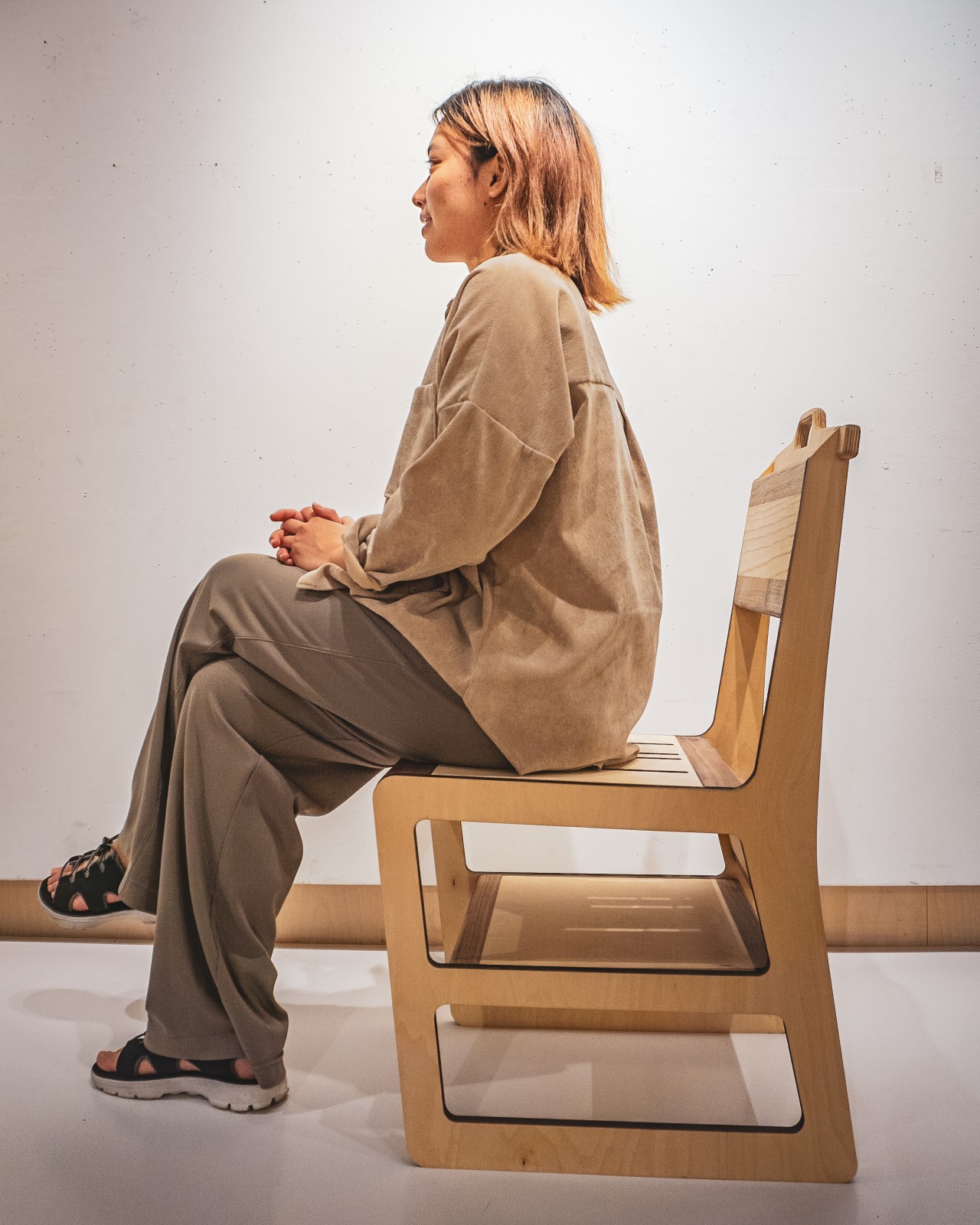
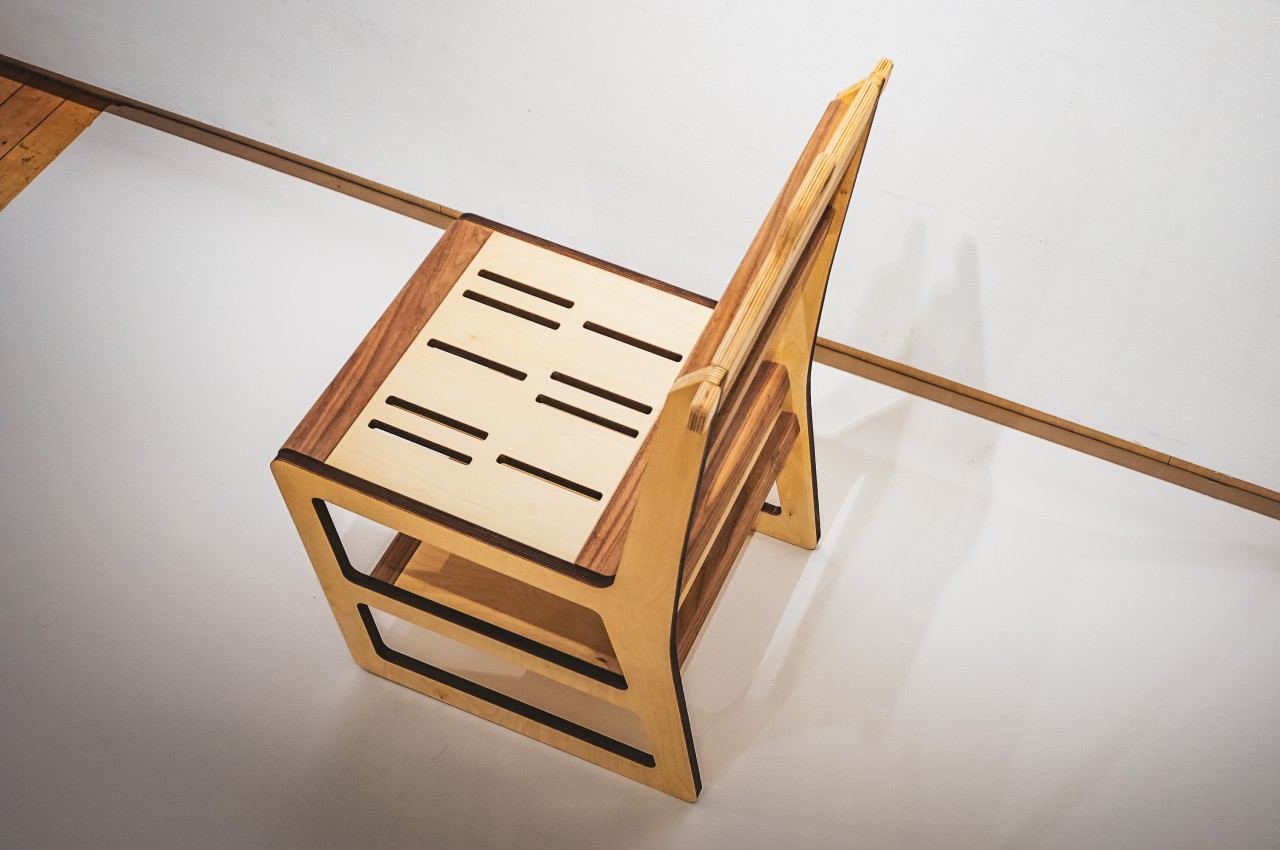
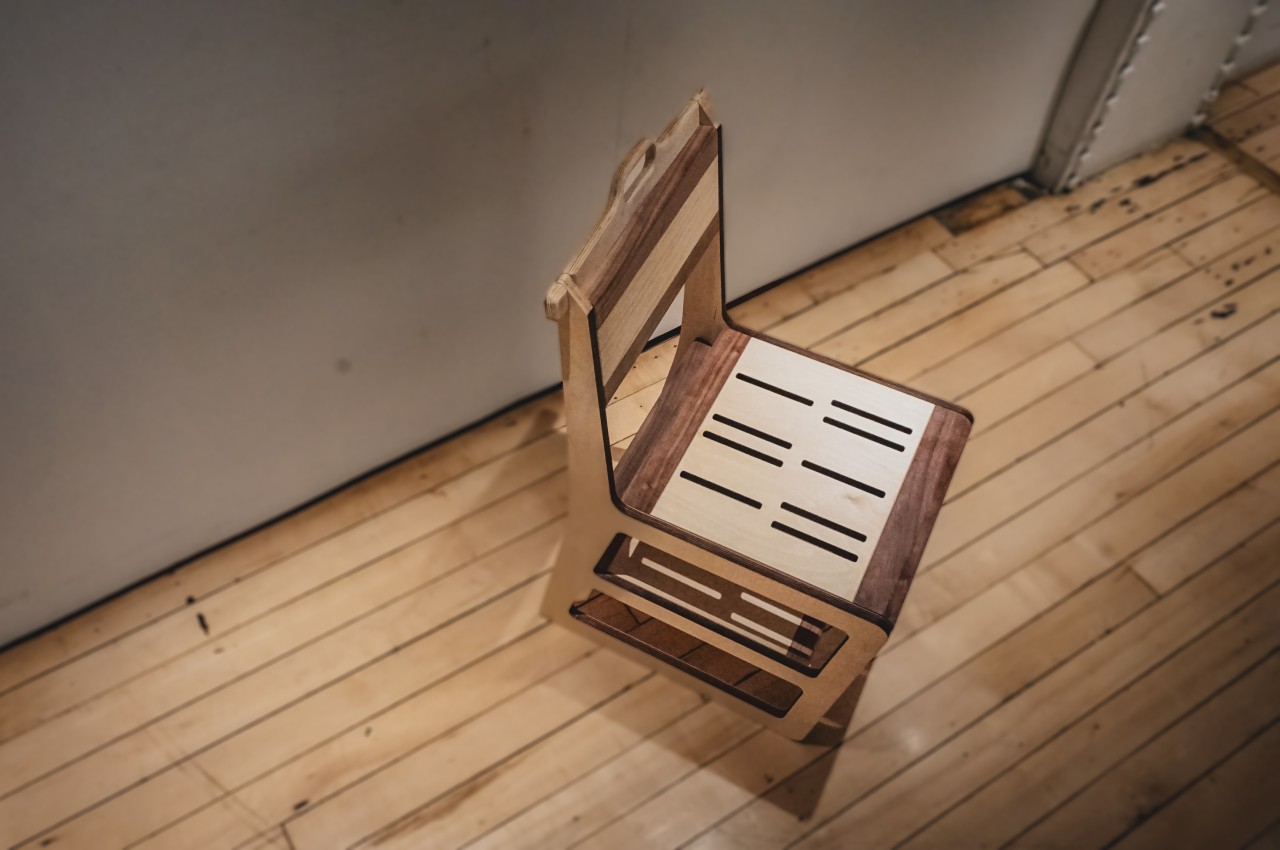
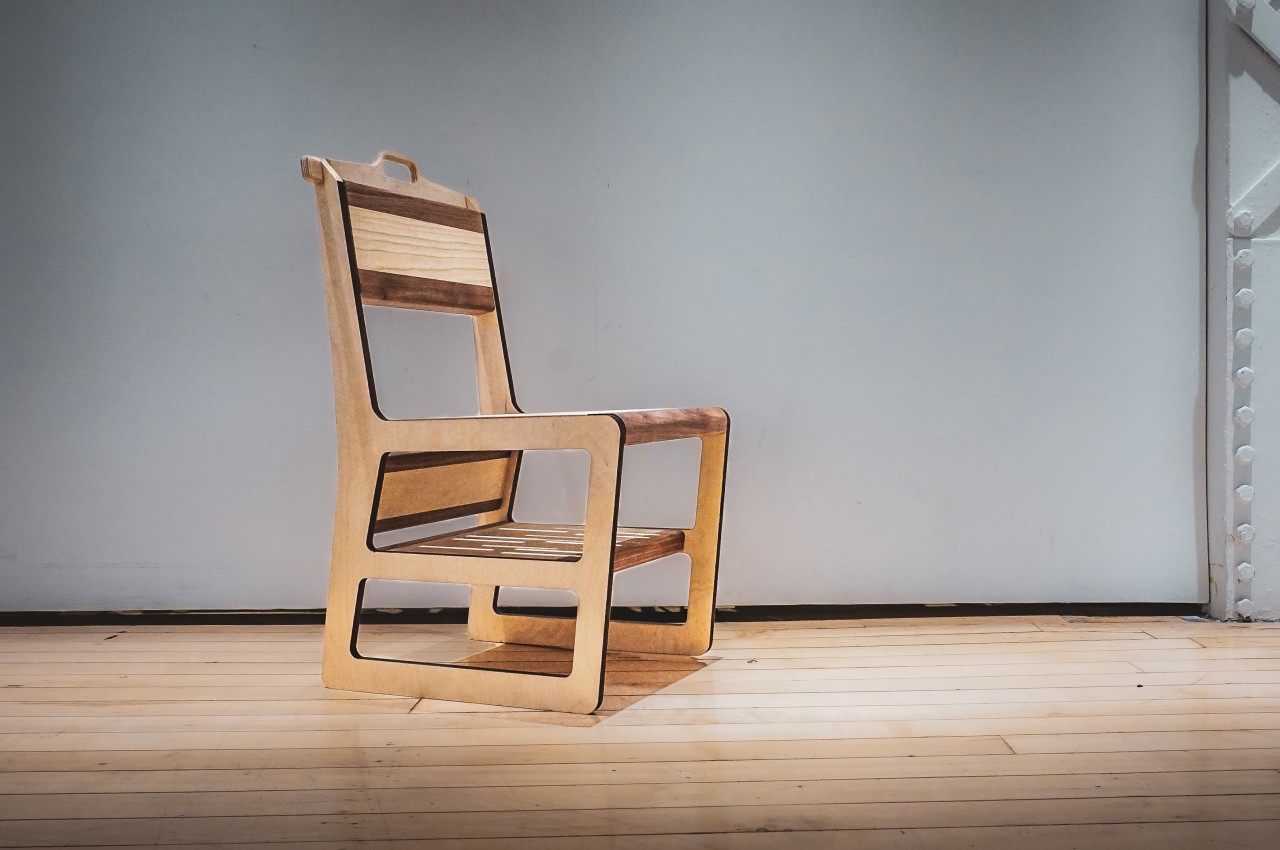
The RACK Chair design was conceptualized with fast-casual restaurants specifically in mind. While the chair might find some uses in other diner types as well, the aesthetics, materials, and features truly shine in this middle-ground of the catering industry. It’s made from a variety of wooden materials, including birch, pine, walnut, and ash, giving it a bit of style and fine character. At the same time, however, the minimalist design and flat-pack-friendly construction are ideal for mass production and use.

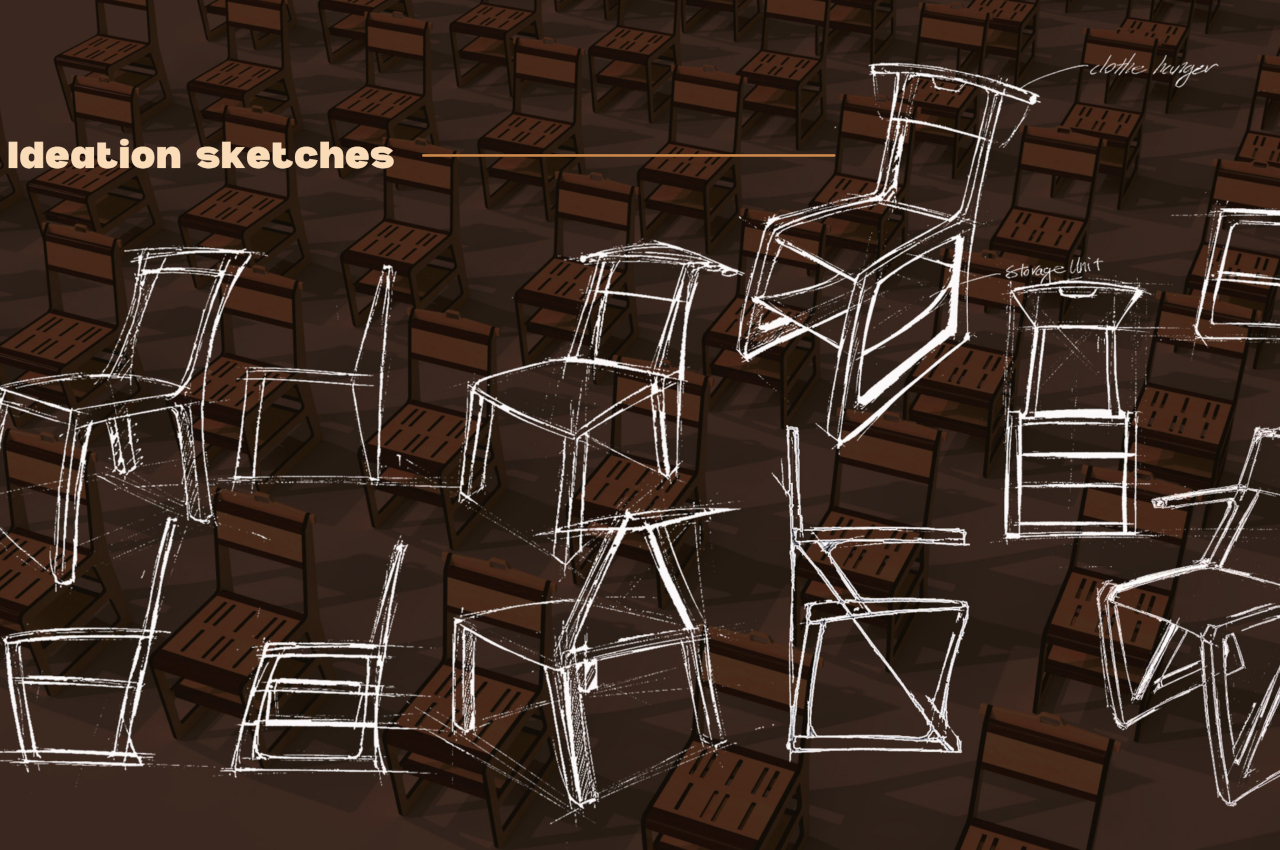
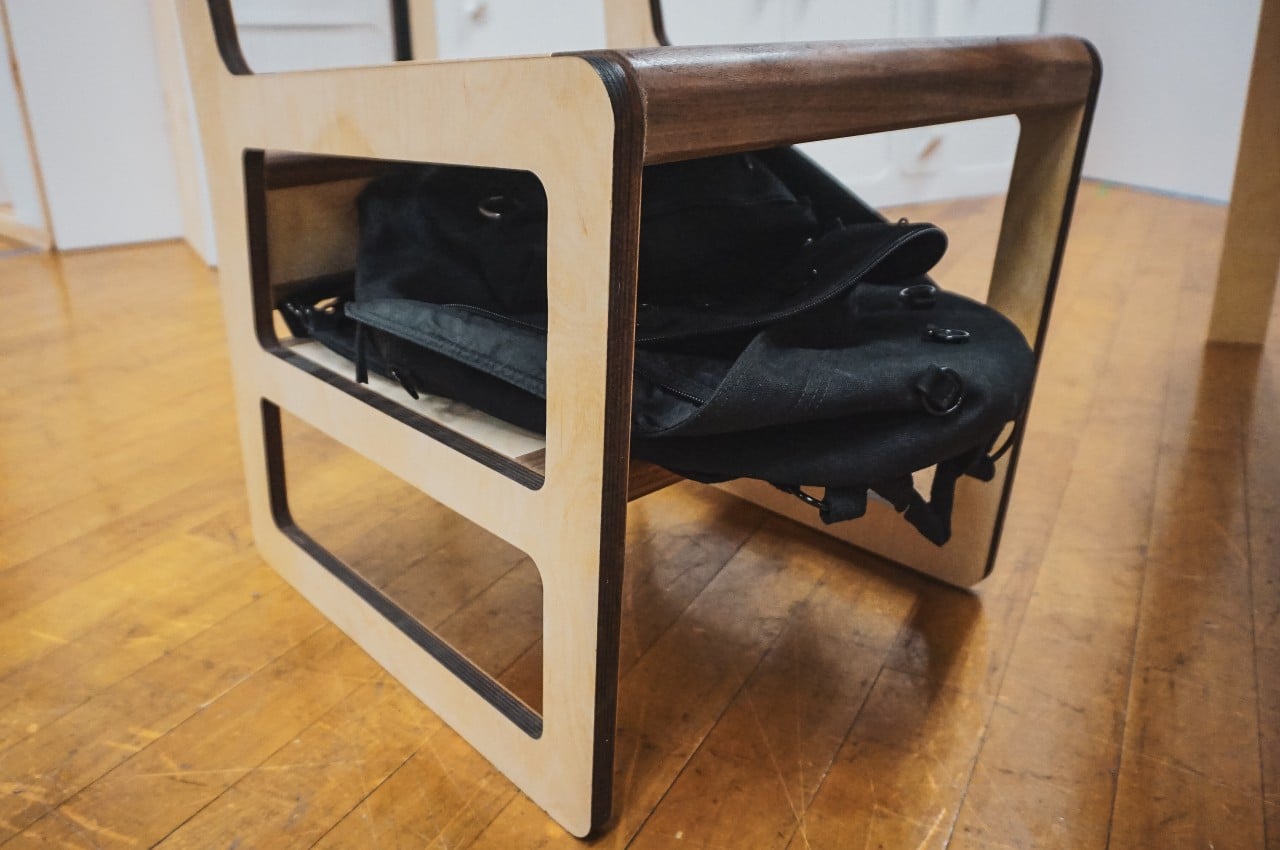
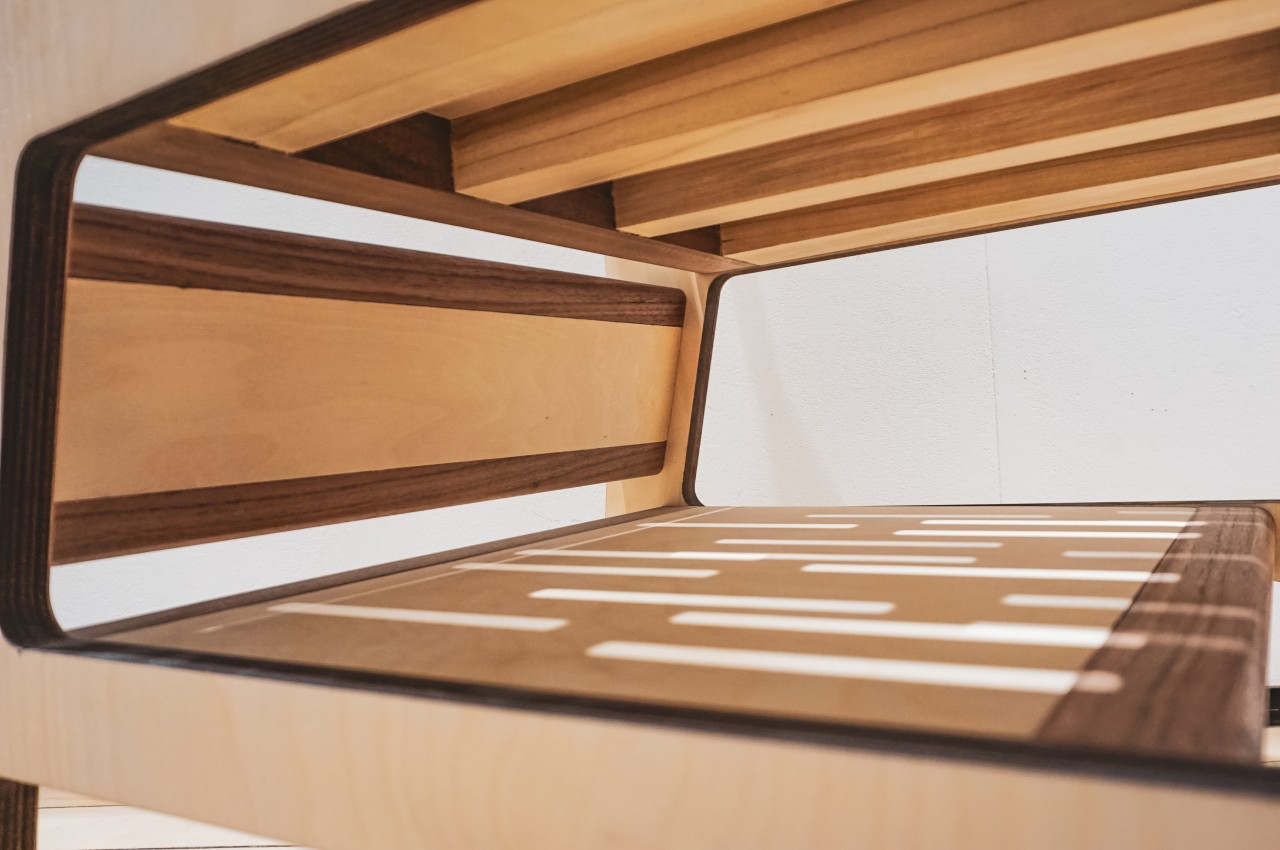
The real distinctive parts of the RACK chair are the integrated coat hanger on the backrest and the storage tray under the seat. While it’s certainly possible to drape coats, jackets, and other clothing over the back of most chairs, they also have a tendency to slip off, sometimes unbeknownst to the owner. The tray offers a secure space to put in purses, document folios, and small bags for each reach, while also blocking unauthorized access from behind.

Some might downplay the impact that these two simple features can bring, but knowing that there will always be a place for your jacket, coat, bags, and things adds tremendous peace of mind and convenience. That in turn, will surely make the experience and location memorable, increasing the likelihood that you’ll be a repeat customer. After all, the last thing you need is to stress over your stuff when all you really want is to enjoy an affordable and delicious meal.

The post This chair concept for fast-casual restaurants comes with a coat hanger and bag tray first appeared on Yanko Design.
This wooden shoe rack doubles as a bench and a tray for transient bodies and objects

A lot of the clutter and missing items in our homes are caused by having no proper place to put our stuff. Whether they’re keys or shoes, small objects can lead to big messes when left anywhere and everywhere. Sometimes, it’s not enough just to have a place to put them; you also have to be smart in where you actually place these objects’ homes. Things that you take with you outside but not indoors are often best left near the door, but that space might not always be the best location for shelves. This design concept offers a rather elegant solution to this multi-layer problem, providing a more permanent fixture for temporary things like shoes, keys, earbuds, and even your own tired body.
Designer: Joao Teixeira

Shoe racks are not an uncommon sight inside houses, apartments, and living spaces. More often than not, their placed by the door to make it easy to put shoes on when leaving and have a convenient spot to leave them after you’ve taken them off. Due to the space these pieces of furniture occupy, however, they usually serve a single purpose only and have almost no other use except for shoe storage. It’s practically wasted space, especially if you don’t have that many shoes there to begin with.

Inspired by traditional Japanese architecture like torii gates, “Tokyo” is a shoe rack that goes above and beyond the call of duty, at least if you want it to. It actually serves two other functions in addition to holding your shoes. The cushioned top serves as a comfy bench, perfect for when you need to sit down to take a breather or put on shoes. There is a small tray on one side that lets you put down your phone, keys, and other knick-knacks for a while. Given the multi-functional design of the concept, it’s something that can easily be placed near the door or against any wall. Yes, it will take up a length of space, but you’re getting three for the price of one.

What’s even more impressive is how this design implements those three functions in a beautifully minimalist manner. Like many of Joao Teixeira’s furniture concepts, it involves using bent planks of plywood to achieve simple yet sophisticated-looking forms. In this case, the two legs are bent at opposite angles, but one of them extends upward and curves embrace the cushion, creating a completely flat and solid surface to act as a temporary holding area for small objects. Structural support is provided by a pseudo three-centered arch, also made from bent plywood, that creates a shelf for larger things.

Admittedly, Tokyo hardly looks like any typical shoe rack, which makes it an ideal piece of furniture to place anywhere. The large empty space at the bottom can be home for taller shoes and boots, while the shelf can hold sandals, loafers, sneakers, and similar footwear. Of course, it could also be used to hide books, foldable umbrellas, or other things you might want to quickly grab before you rush out the door. Either way, this shoe rack and bench in one provides a convenient and charming place for shoes and small items, not to mention a comfortable way to catch your breath after coming back home.

The post This wooden shoe rack doubles as a bench and a tray for transient bodies and objects first appeared on Yanko Design.