Unusual lounge chair uses sponge-filled ropes to mimic a certain insect

The human mind is such an incredible thing, capable of creating wonderful designs and life-changing products. Of course, it is really no match against the unfathomable “mind” of nature, as seen in the sometimes awe-inspiring, sometimes bewildering things we can find in the world, both living and non-living. The complexity of nature’s design has been an inspiration for many of mankind’s creations and inventions, great and small, either just in terms of the basic form or including their function. There are times, however, when such an inspiration takes an odd turn, like this lounge chair that half looks comfy and half unsettling, especially after you learn what the peculiar piece of furniture is inspired by.

Designers: Miray Ozlem ER

At first glance, the lounge already looks unconventional, like someone laid a series of fabric tubes across a metal frame. These “ropes,” as they are called, are indeed soft and cushy, filled with sponge material to give them both volume and softness at the same time. After all, who would want to lounge on a very hard surface, especially for a long period of time?

The entire piece, however, is supposed to resemble a caterpillar entering its cocoon phase, with each rope representing a segment of the insect’s body. It’s definitely an odd association, especially considering how some people might feel uncomfortable with such crawling critters. Then again, they don’t really have to know the details of the design’s inspiration. As it turns out, the way the sponge-filled tubes go over the frame and extends to the back also makes them look like a row of snakes draped over the chair, also not a comforting image for some people.

The lounge’s design is also unusual in that it doesn’t hide the skeletal frame of the chair. In fact, it’s meant to showcase the shiny metal chrome which contrasts and complements the soft fabric of the rest of the chair. At the same time, however, the image induces a sense of discomfort and uncertainty, especially with the gaps on both sides of the chair. Despite the lounge’s width, it’s a seat made for one, and this peculiar design tries to send that message across in a very striking manner.

The post Unusual lounge chair uses sponge-filled ropes to mimic a certain insect first appeared on Yanko Design.
U-shaped power strip concept has an interesting cable management trick

As ubiquitous as power banks might be, there will always come a time when you need the full power of a socket. Those are the times when you’ll discover to your dismay that most wall outlets are woefully ill-equipped to meet the demands of many people with multiple devices. Power strips with their multiple sockets exist for that very purpose, but they’re more like band-aid solutions, inelegant and often ineffective. Thankfully, there are quite a few bold new designs trying to rethink this mostly utilitarian tool, like this curious take on the power strip that literally bends convention into something a little more interesting and more convenient to use.

Designer: Michael Kritzer

“U” is for “unusual,” and that definitely describes the design of the ME-1 power strip concept. While most of its kind adopt a linear shape to reach more people across a table, this one is curved into a shape similar to that of a U-magnet. That association isn’t accidental either, because this power strip can actually stick to metallic surfaces as well, either hanging under tables or sticking off walls.

The change in form isn’t simply for novelty’s sake, though. For one, it saves up space compared to a typical rectangular or linear power strip, it is also visually more pleasant to look at, even with all cables coming out of it. There is also enough spacing between the alternating three-prong plugs and USB ports so there won’t be a problem with bulky plugs and chargers.

As for those cables, the U shape also gives owners a way to keep them in check by wrapping them around either of the “legs.” In fact, the strip’s own cable, which sticks out from the inner curve of the shape’s arc, can be looped around it to avoid ensnaring people’s feet or other objects around it.

While the ME-1 power strip concept does present a more captivating design compared to typical power strips, there are also some questions regarding its practicality. It saves up on horizontal space but it does stick out too much. This iteration also seems to cover only one side of the U shape, leaving the other half underutilized and wasted. Still, it’s an admittedly daring approach to re-imagining something we’ve mostly taken for granted to have a fixed design, and hopefully, the market will soon be filled with more interesting power strips, at least ones that don’t sacrifice utility for appearance’s sake.

The post U-shaped power strip concept has an interesting cable management trick first appeared on Yanko Design.
Space elevator concept will make travel to the stars more accessible

If you’ve watched a lot of science-fiction or future-based movies and TV series, then you’ve seen a lot of products and inventions that may seem impossible and fantastical now. But over the past decades, we’ve seen a lot of advancement in technology that some of these, especially those that were released in the 80s, have actually come true. And those that seem improbable now can actually become reality in the near and far future.

Designer: Jordan William Hughes

This conceptual design for a space elevator seems right out of a movie but it is actually based on data from existing research by physicists and engineers. If this eventually becomes a reality, space travel would become much easier and maybe even affordable. It will be a more viable alternative to the existing space travel that is currently possible with rockets. It will also save a ton of fuel that is currently being utilized.

The concept is for an asteroid in geostationary orbit to serve as the counterweight for this spaceport. The elevator will be connected to the ocean through a robust tether that will transport it from the asteroid to Earth. Drones will be able to go up and down the tether and be able to transport both cargo and people. The idea is for the space station to be more than 26,000 kilometers above Earth and then the spaceport here on our planet to be at sea-level.

The spaceport will also be a movable vessel so it can also not be limited by possible bad weather conditions. The concept art still seems to be pretty fantastical and right out of a sci-fi fantasy movie. But in the next few years, we can see if this is actually something possible.

The post Space elevator concept will make travel to the stars more accessible first appeared on Yanko Design.
Luxury incense holder concept puts a premium spin on a simple design

There’s a great deal of interest in essential oils and diffusers these days, but some people tend to prefer the distinct scent of incense. Incense sticks are simple and economical ways to enjoy such fragrances, but actually using and managing these very thin sticks can be a bit of a hassle, considering the different parts that could be involved. Some incense holders practice extreme minimalism to the point holding the burning stick is really all that they can do. These tend to try to match the incense’s aesthetic by utilizing wooden materials, but there is no hard rule that it is the only way to design incense holders, as this rather classy design concept tries to prove.

Designer: Nikhil Kapoor

The most basic incense holder design is simply a strip of wood that can hold an incense stick at an angle so that its ashes fall in a single place only (presuming there’s no gust of wind). The shape is a bit concave to make sure that the ashes don’t simply roll or fall off. This simplistic design makes the incense holder itself extremely portable, but then you’d also have to carry around a container for unused sticks as well as a lighter or match for lighting the stick.

In contrast, this design concept incorporates all three elements into a single design that quickly sets itself apart not just in function but also in aesthetics. Instead of wood, the design uses metal, most likely polished aluminum, to give the incense holder a reflective and luxurious appearance. The black top surface is probably some heat-resistant material, but it doesn’t take away anything from the product’s elegant looks. The silver and black colors contrast and complement each other nicely, but there is also room for other color combinations as well.

Just as interesting as its uncommon appearance is how a single product performs three functions. A hidden drawer at the bottom reveals space for holding reserve incense sticks, while a hole opposite the spherical stick holder is actually a lighter. This way, you need to bring one and only one thing with you so that you can enjoy your favorite incense scents anytime, anywhere. It would have been nice, however, if there was also a way to store the ashes temporarily so that you can keep your area clean until you’re ready to throw away those ashes in a proper bin.

The post Luxury incense holder concept puts a premium spin on a simple design first appeared on Yanko Design.
Cute table lamp concept mimics a man with an umbrella under the rain

We can take a lot of ideas from nature, but sometimes the source of inspiration can be our own selves. The human figure, after all, is a truly complex design, and it’s capable of portraying a wide range of forms and emotions. Sometimes, that spark even comes from the most mundane of situations, like sitting on a park bench or walking under the rain with an umbrella. The latter is apparently what gave birth to a rather cute little lamp designed to stand on your desk, table, or shelf, generating a sense of playfulness and calm, emotions that some people feel on a rainy day.

Designer: Heeyeol Yang

Different people associate rainy days with different emotions. Some feel lethargic and sleepy while others are their most productive in the midst of the pitter-patter. Some feel a bit of anxiety, especially when trapped under the rain, but there are actually those who can stay still and calm while standing under an umbrella. This is the inspiration for Rain Man, a concept design for a lamp that is truthfully more open to interpretation than what the designer intended.

On the one hand, the name alone directly points to the form that the lamp tries to imitate. The flat cone on top is like an umbrella, while the lever that supports it is the figure’s arm. The lamp itself is an extreme generalization of the human head, and plenty of metaphors can probably be drawn from how a person’s face and presence can light up those gloomy, rainy days.

At the same time, it’s also possible to see the figure a bit differently if you don’t take the name into consideration. The umbrella becomes a wide-brimmed hat commonly found in Asian countries, held high in greeting when coming across another person. In either interpretation, the focus is on the human figure and its relationship with its surroundings, be it rain or shine.

The concept design has other interesting features beyond its anthropomorphic shape. The umbrella (or hat) can be lowered or raised as desired, scattering the light or focusing it toward a single direction. Overall, the lamp has a certain charm that makes it a lovely piece for your living space, greeting you and your visitors with a simple, calm gesture.

The post Cute table lamp concept mimics a man with an umbrella under the rain first appeared on Yanko Design.
Nature-inspired pendant lamps add a minimalist and intricate aesthetic to your space

One of the things that can make your space look more elegant, stylish, and beautiful is to have lamps that will complement and enhance the room. There are a lot of well-designed lamps, light fixtures, and chandeliers out there that you can choose from and there’s always room for more. If you’re looking for something a bit more minimalist but still will stand out when you place it in your room, here are a couple of pendant lamps from Claymango.

Designer: Gamini Rawal for Claymango

The Lily Pendant Lamp is of course inspired by the Lily flower and is designed to represent “love, devotion, and purity”. It streamlines the six petals into just three, achieving a minimalist and simple aesthetic. It also has an eco-friendly finish as it uses rattan as its main material. It can stand alone as just one pendant lamp or you can group it together with other lily lamps if you need something bigger. It can be used for both task and area lighting.

The Spiral Pendant Lamp meanwhile is inspired by the rhythmic movements that the fishes make when they’re looking for food in the ocean. Therefore you get some swirls and twisty forms but still with a minimalist aesthetic, using its bamboo weave design to blend with neutral and boho feels. The fixtures that are designed as a pair can serve both as pendant lamps and chandeliers with the light suspended through the cylindrical diffuser.

These pendant lamps are minimalist but also somehow slightly intricate in design. If you have an aesthetic that fits the lily concept or the spiral concept, these would be a pretty nice addition to the room (if ever they will come out of the concept stage) as they are both functional and decorative.

The post Nature-inspired pendant lamps add a minimalist and intricate aesthetic to your space first appeared on Yanko Design.
Charming hand warmer gives a very literal interpretation of a hotdog

The holidays might be over but some regions are still experiencing the bitter bite of winter or cold weather. Over the centuries, we humans have developed methods to keep ourselves warm, from layering clothing to electronic devices that generate heat. Nowadays, we even have both in the form of wearable technologies that keep our bodies warm and toasty. Sometimes, however, the best solution is one that not only actually solves the problem but also sparks joy. That’s the kind of warmth that this concept device delivers both without and within, warming our hands and our hearts by calling to mind man’s stereotypical best friend.

Designer: MUID

There are a few things in life that make us smile and feel all warm and fuzzy, things such as hot drinks, photos and memorabilia, or our beloved furry companions. Dogs aren’t just naturally warm thanks to their body heat, their companionship and sometimes even their silly antics surface feelings of happiness that can heat us up inside and out. If only we could recreate that experience anytime and anywhere we feel cold.

The Hotdog Hand Warmer is indeed designed to address that desire. Admittedly, it’s not easy to see the resemblance immediately, but once you see the cute dog’s face, you can never unsee it ever again. It doesn’t look like any of those breeds that instantly elicit oohs and aahs, but the simple, almost cartoony face has a more universal appeal. Plus, it’s something that people of all ages will actually be able to appreciate, especially kids who have little to no idea about different breeds.

Of course, it isn’t just a toy to look at, and the literal “hot dog” functions as an easy-to-use hand warmer. It can be charged via USB from a power bank or even a smartphone, making it easily portable and usable anywhere. There’s a simple slider to switch between off and two heat settings to suit your needs and comfort levels. One might wonder why the dog’s ear or nose doesn’t function as buttons for the same purpose, but that’s probably for safety reasons since you’re likely to accidentally press on them when holding the warmer tight.

This Hotdog Hand Warmer concept design isn’t exactly revolutionary, but it’s a fine example of how one can easily humanize even the most mundane or utilitarian of products. Making it resemble something most humans are universally fond of helps drive home the device’s purpose, delivering warmth that isn’t only palpable but also emotional.

The post Charming hand warmer gives a very literal interpretation of a hotdog first appeared on Yanko Design.
Solar-powered streetlights spin and move to chase the sun

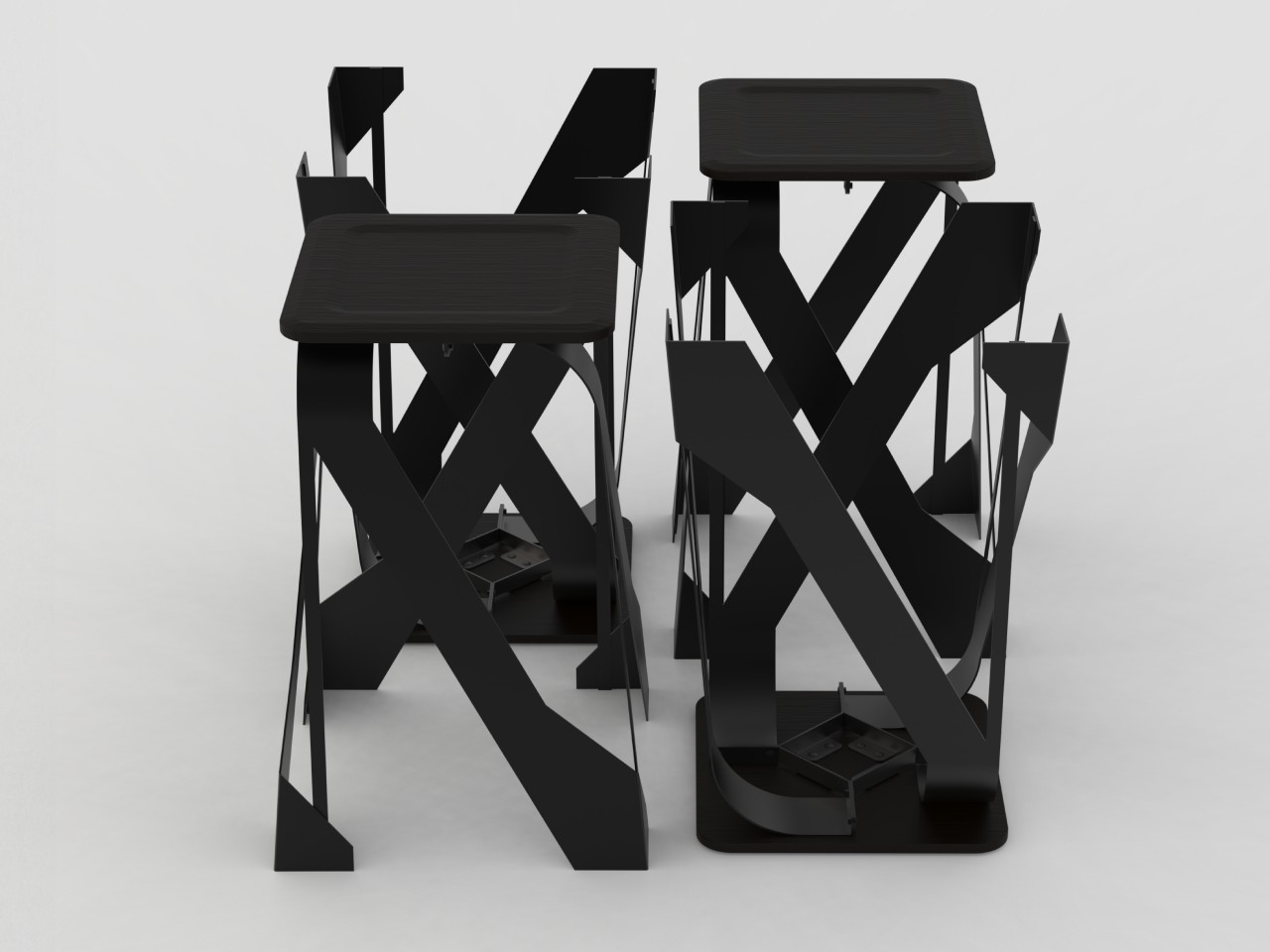
We see plenty of solar-powered products today, ranging from simple lamps to complicated electronics. But despite the sustainability benefits these offer, there’s no escaping the fact that they do need to soak up the rays to actually work. That’s not much of a problem if the devices have large batteries that can be used when the sun is out, but not so much for smaller objects that have to be smarter in how they get some sunlight. The sun, unfortunately, never stays still, and other atmospheric conditions could make an area less exposed from time to time. To help alleviate that problem, this design concept for solar-powered street lamps takes inspiration from Mother Nature in order to seek out the sun where it shines the brightest.

Designer: VANTOT

When people talk about street lights, most will probably imagine lamps on top of posts. These lighting fixtures are designed to be stationary in order to be reliable landmarks as well as to make them more convenient to reach and maintain. That restriction, however, might pose a problem for solar-powered street lamps because they will always be at the mercy of the sun’s location. When clouds cast shadows or buildings rise to block the sun, these lamps might lose their one and only source of power.

The Sunseeker is an experimental solution to that problem that uproots street lights and sets them on a chain rather than on a post. This frees the hanging lights from staying in one spot and lets them move freely along the chain. It might be a strange capability, but it makes sense when you consider that the light sensors on each lamp actually detect where sunlight shines strongest and then move or turn the lamp’s solar panel to face that direction.

It’s definitely an odd feature, but one that can actually be seen in nature. The sunflower, for example, is famous for how it always faces the sun, a trait that is even more important for solar-powered devices. In this manner, the Sunseeker lights can move where the sun is, ensuring that it will always be at peak performance when the day star finally sets.

In addition to implementing a critical function, this sun-seeking behavior puts a playful spin on the lamps, pun intended. Crowds can be amazed and entertained as the circular panels slowly move and spin to match the direction of the sun. But even when they’re staying still, the lamps exude a character that is almost otherworldly, especially with how they look like a fleet of tiny UFOs lining up in the night sky.

The post Solar-powered streetlights spin and move to chase the sun first appeared on Yanko Design.
Ambient lamp can be controlled by touch or smartphone connection

I don’t really think much about the aesthetics of lighting in my house. As long as I get the light that I need at different times of the day, I’m okay. But for those that like mood lighting, lamps are the best way to add more ambience to your room or space. Most of these lamps are well-designed but aren’t really built for a tactile experience. So if you’re looking for both, this concept for a “softer” lamp may be something to look forward to.

Designers: Pinar Aydogdu, Deniz Ozsuslu, Naren Yildirim

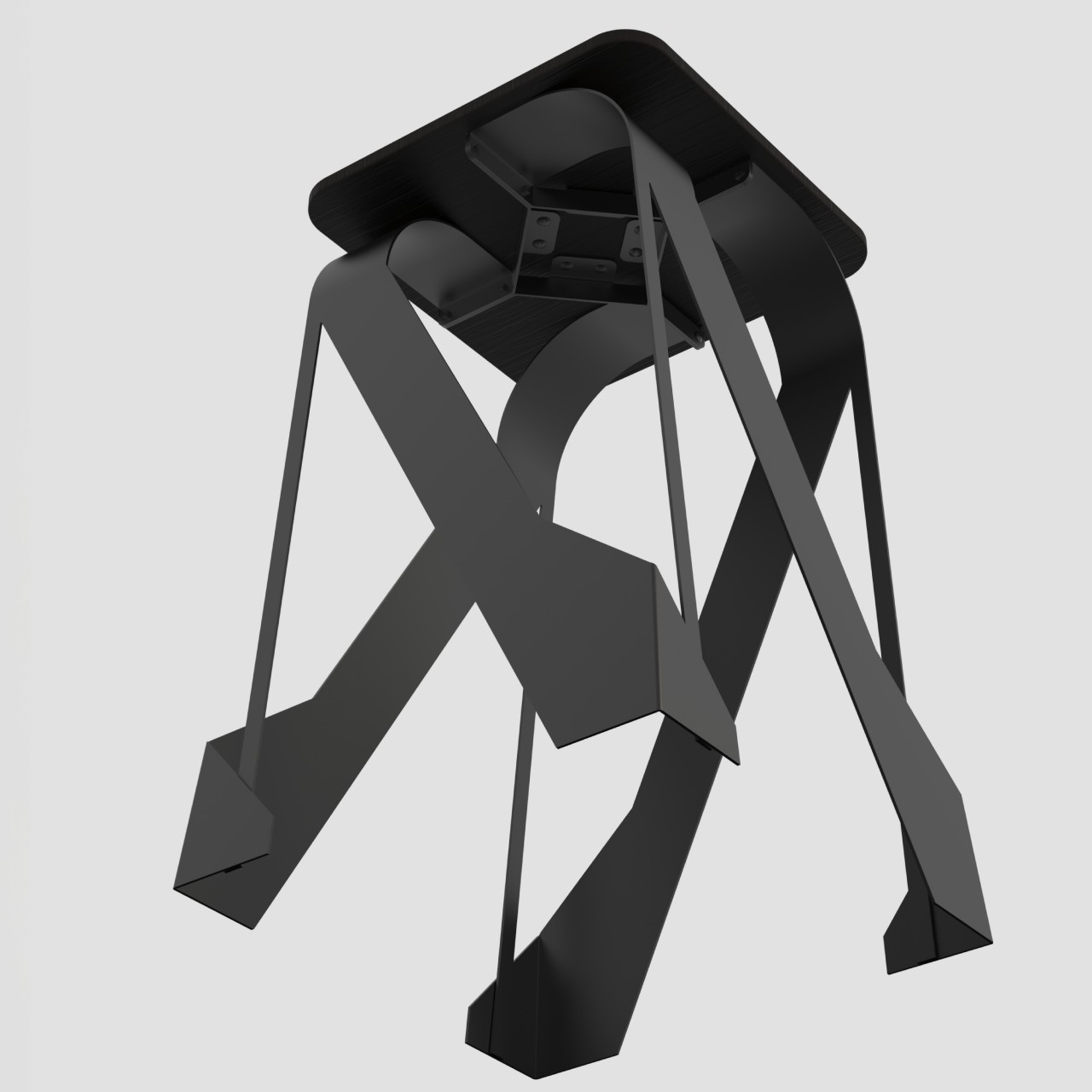
The Pofu Lamp is a concept for a lighting device that also doubles as a charging hub for your devices. But that in itself isn’t what makes it different from other lamps and chargers in one. Its selling point is that you can interact with it by squeezing and touching the lamp which is made from silicone material instead of plastic, giving it a softer and warmer touch. It also uses ABS plastic construction so you get a glossy finish and is able to support magnetic charging stations. You have the option to control it through touch or through your Bluetooth-connected smartphone.

Squeezing the lamp once will turn it on or off while a long squeeze will start the Bluetooth connection. When you do a double spin, you can remove the top and then turn the charging base into a charging hub. The lamp also gives two different modes depending on what you need the light for and maybe your mood as well. You get the usual warm yellow light which you can use at any time of the day and then you get the well-being mode which will adapt the color tones depending on the time of the day like with morning, noon, and evening.

The lamp itself has a triangular dome-like appearance and looks a bit softer compared to other lamps, at least from the product renders we’re seeing. The fact that it has a more tactile approach to controlling it while also having the option to still have a smartphone to control things like power, mode, and device connections. No word yet if this concept will eventually see the light of day.

The post Ambient lamp can be controlled by touch or smartphone connection first appeared on Yanko Design.
Space-inspired everyday products prepare us for a zero-gravity future

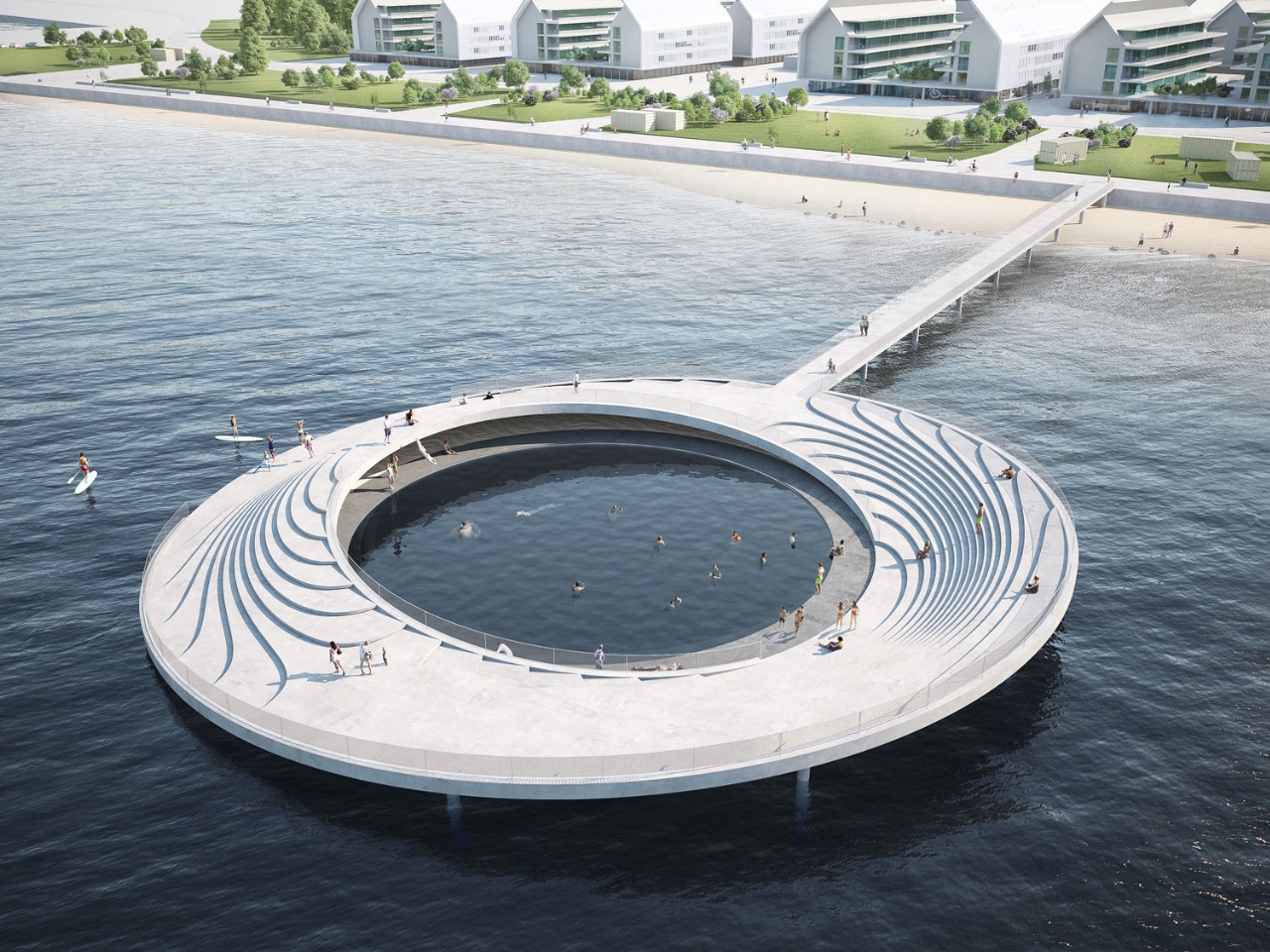
Many people these days dream about living on other planets or at least inside orbiting space stations, but few actually consider how very different life would be outside the Earth’s gravity. Of course, Hollywood tends to romanticize a lot of everyday life, but as astronauts will testify, living in space, even if just to reach the Moon or Mars, is no walk in the park. Even the simplest activities like drinking water can be awkward and disorienting in zero-g, at least if you consider using Earth-bound objects to do so. That’s why this trio of designs tries to reimagine some of the most mundane products we use in daily life and transform them into objects that are ready for our space-faring future.

Designers: Subin Kim, Jagyeong Baek, Jaeyeon Lee

Most of us understand that without gravity, things tend not to stay down, but few actually envision the ramifications of that fact. Products designed on Earth naturally presume an amount of stability, and the way they are handled or controlled is limited in the same manner. For example, a lot of everyday things only have handles on one side or work in a single direction, a presumption that doesn’t make much sense or even becomes counterproductive when the objects are floating in space.

Spatio is a collection of these everyday objects that have been redesigned with zero gravity in mind. Or to put it more simply, it doesn’t make presumptions on where and how it will function, making it work both on Earth, on Mars, or in the International Space Station. Aqua, for example, is a water bottle that replaces a traditional cup that has a single handle on one side only. In contrast, this bottle has four extrusions in cardinal directions that act as handles and a cover that lets you drink by sucking rather than sipping from the lip of a mug.
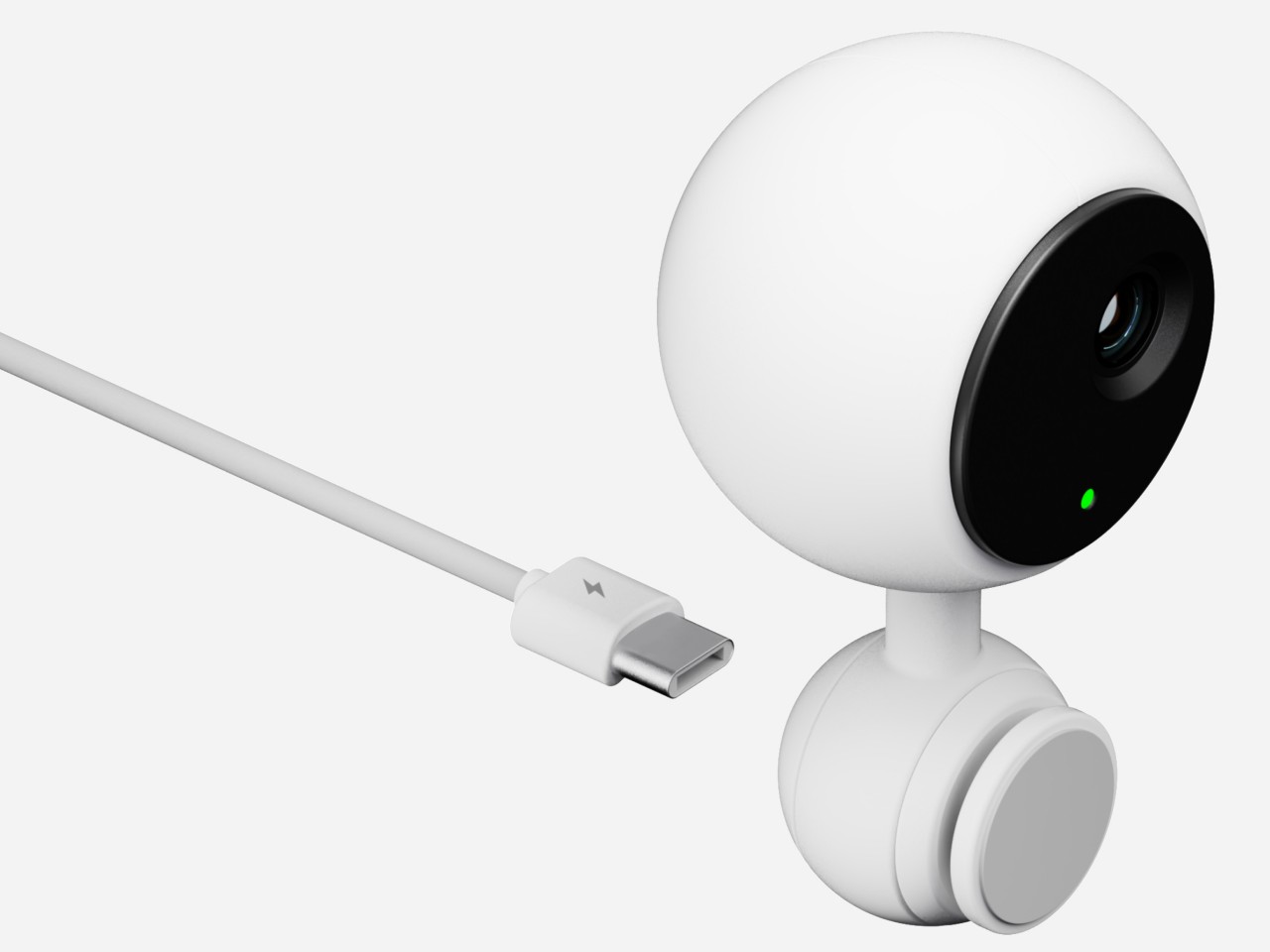
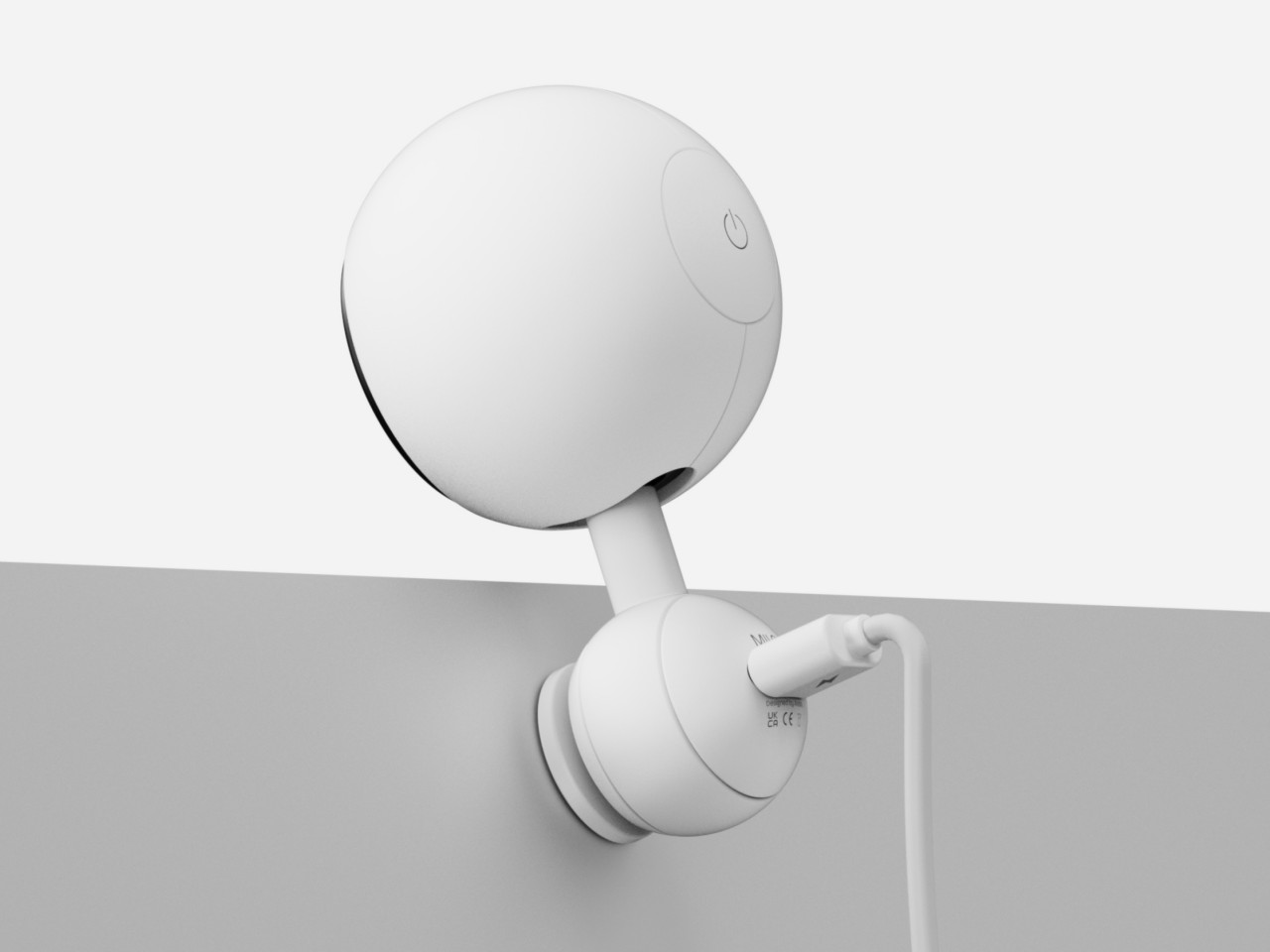
Sonus is a wireless speaker that really defies the traditional design of speakers. Inspired by the moon’s spherical shape, each of the “craters” on its surface pops up a tiny omnidirectional speaker when pressed. The more units that pop out, the louder it gets, acting is an unconventional form of volume control. The important difference is that you don’t have to shift or move the speaker to one side or the other just to reach those controls.

And then there’s Lumia, a star-shaped flashlight that can shine in any direction. Simply turning the central wheel switches the direction of the light so that it works regardless of how you’re holding it. While these products were designed with space living in mind, it’s not difficult to imagine them working just as well on Terra Firma, proving that truly accessible design benefits everyone everywhere, even if they’re living in outer space.

The post Space-inspired everyday products prepare us for a zero-gravity future first appeared on Yanko Design.