Shared calendars scatter across phones, sticky notes live on the fridge, and whiteboards never quite get updated. Most attempts to centralize family logistics involve smart displays that look like tablets or small TVs bolted to the wall, clashing with the rest of the room. A shared calendar deserves to be visible, but not at the cost of turning your kitchen into a control room with glowing screens and exposed cables.
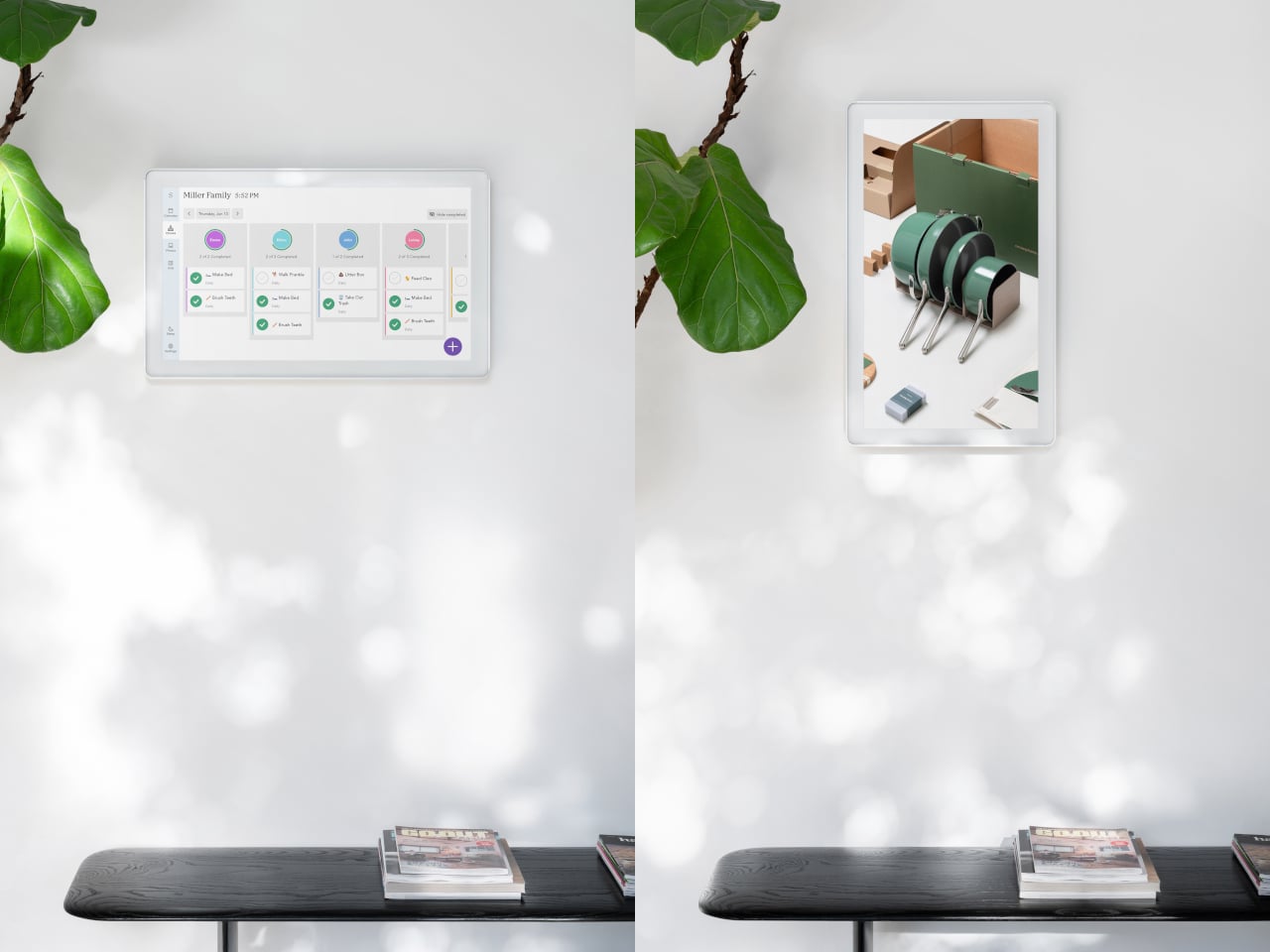
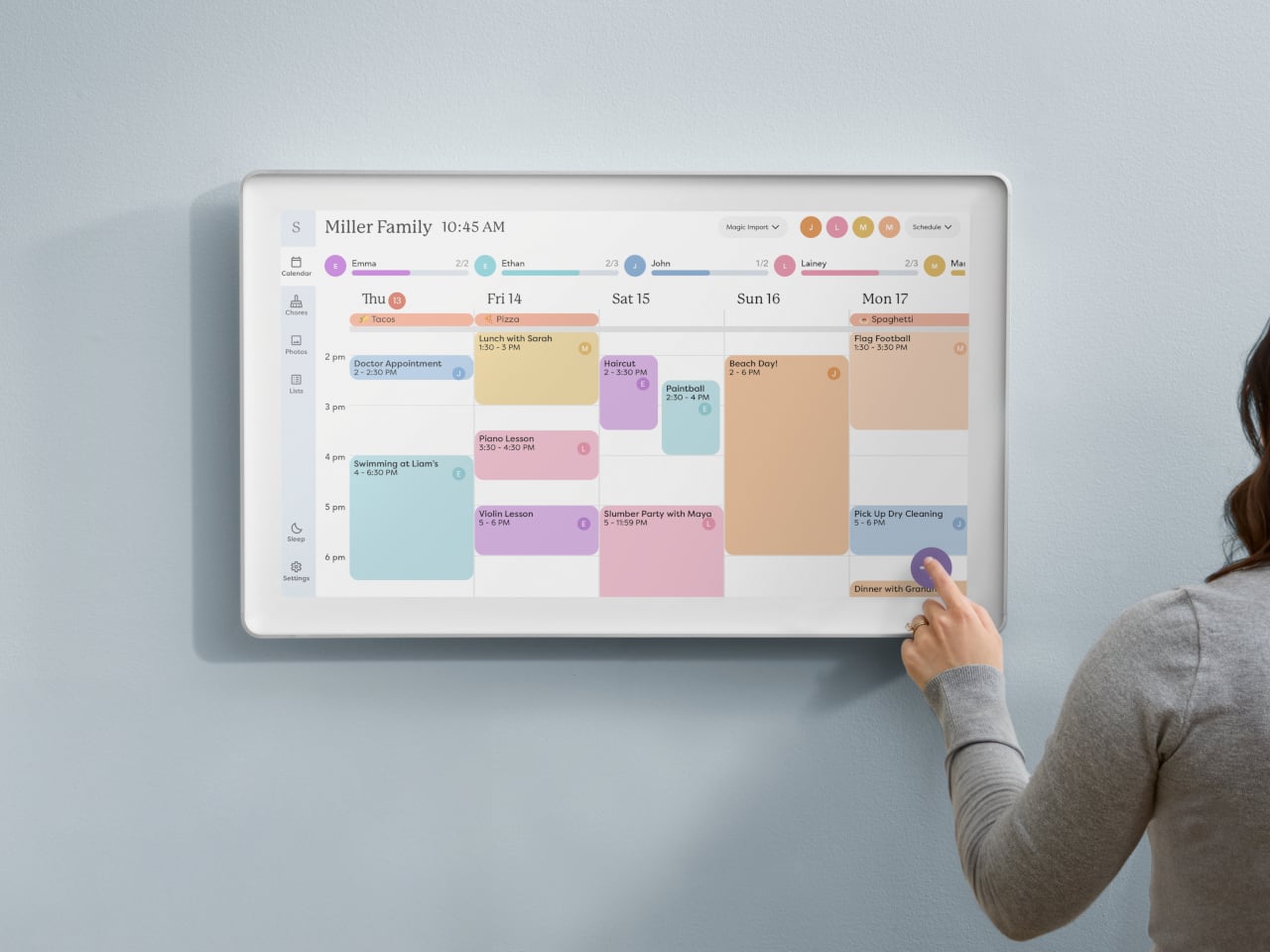
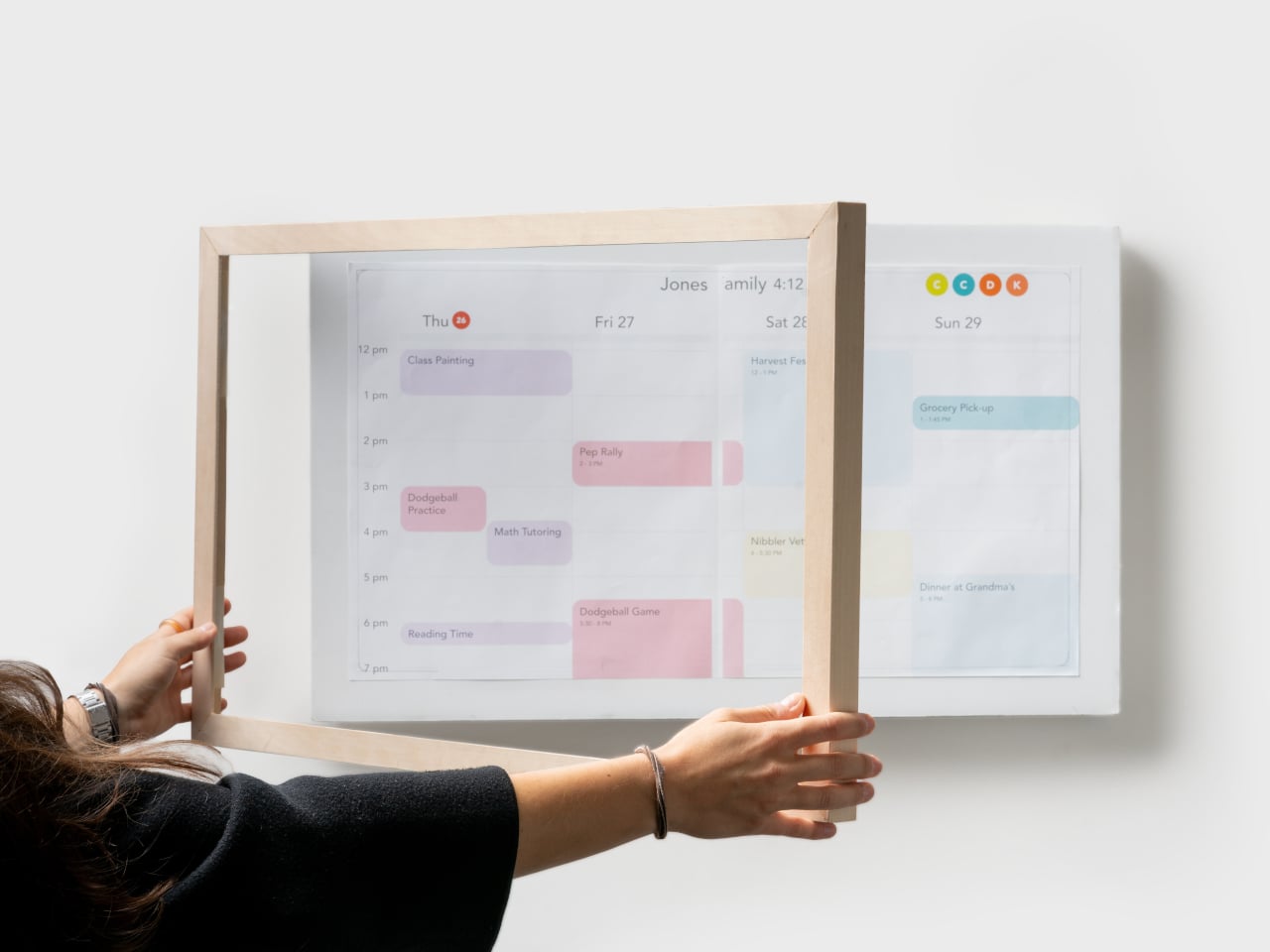
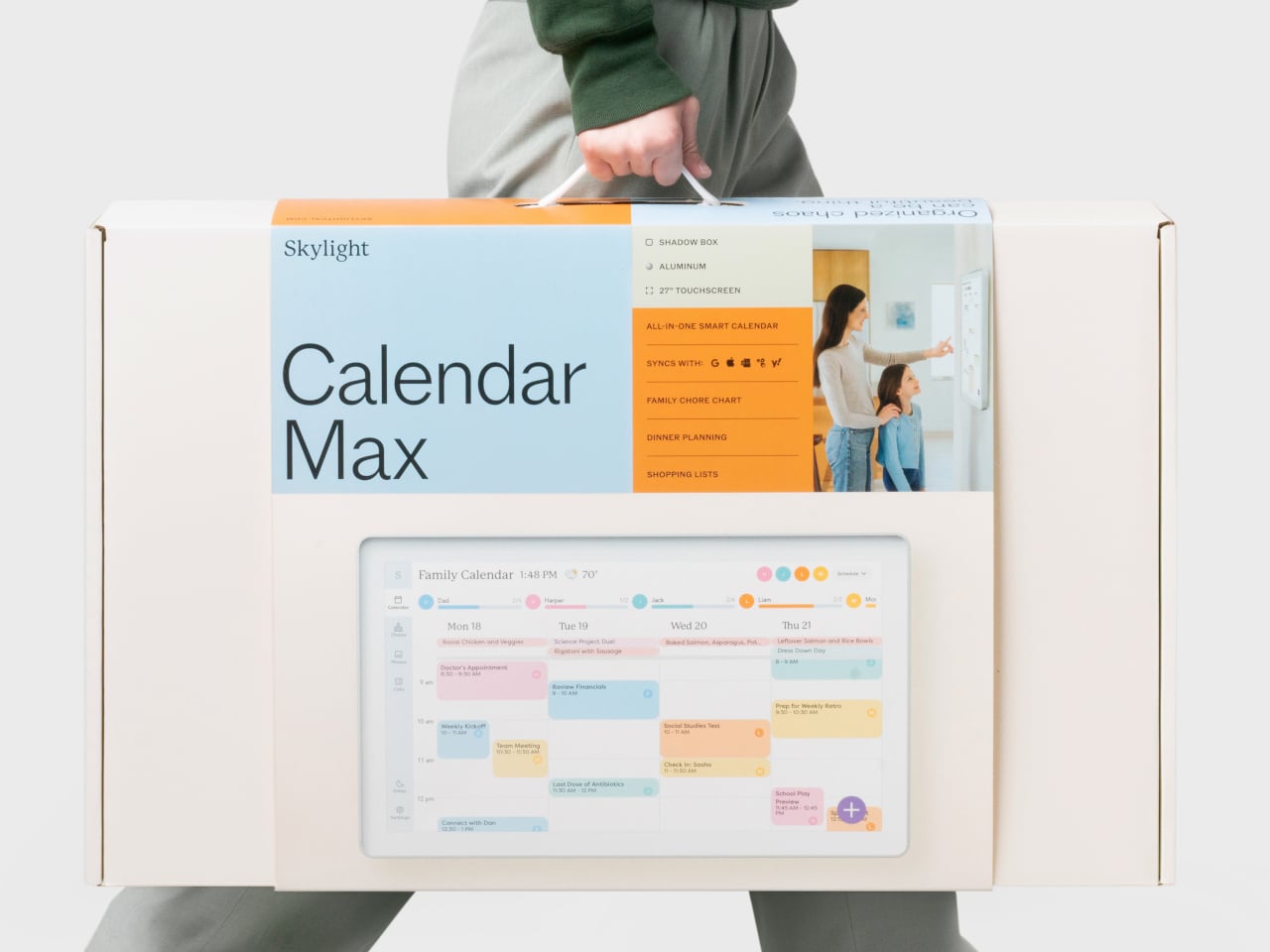
Skylight’s 27-inch Calendar Max is a digital calendar that starts from the wall, not the app. It is a large wall-mounted touchscreen designed to be a central family hub, but the industrial design leans toward a floating frame rather than a black rectangle. The goal is to feel like part of the decor while still being big and clear enough to see from across the room.
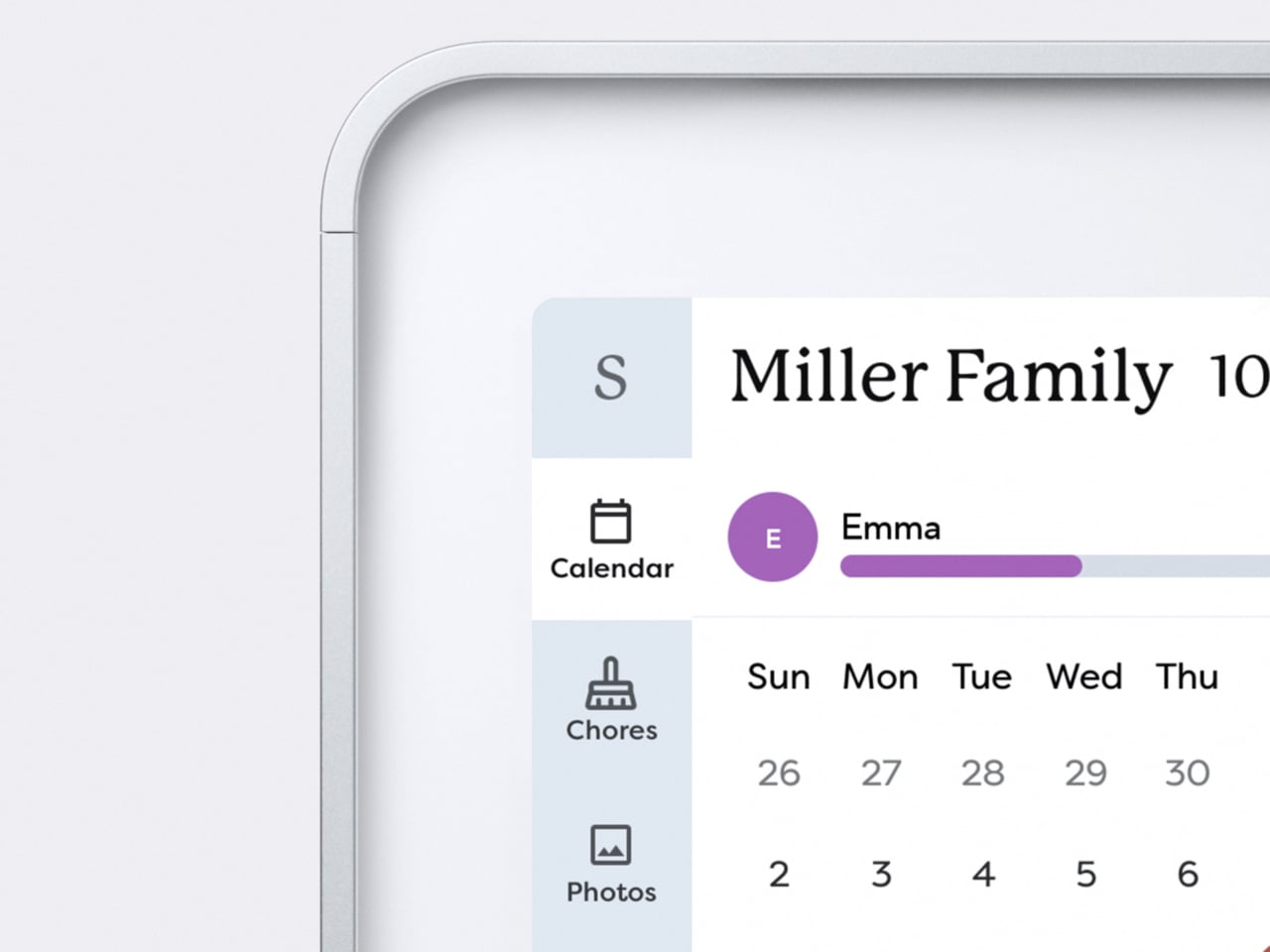
A typical morning means everyone glances at the calendar on the way to coffee. Color-coded events show who is doing what, lists and meal plans sit alongside the schedule, and everything syncs with the digital calendars people already use on their phones. Instead of hunting through apps or checking multiple sources, the day’s plan is just there, big enough that no one can pretend they missed soccer practice.
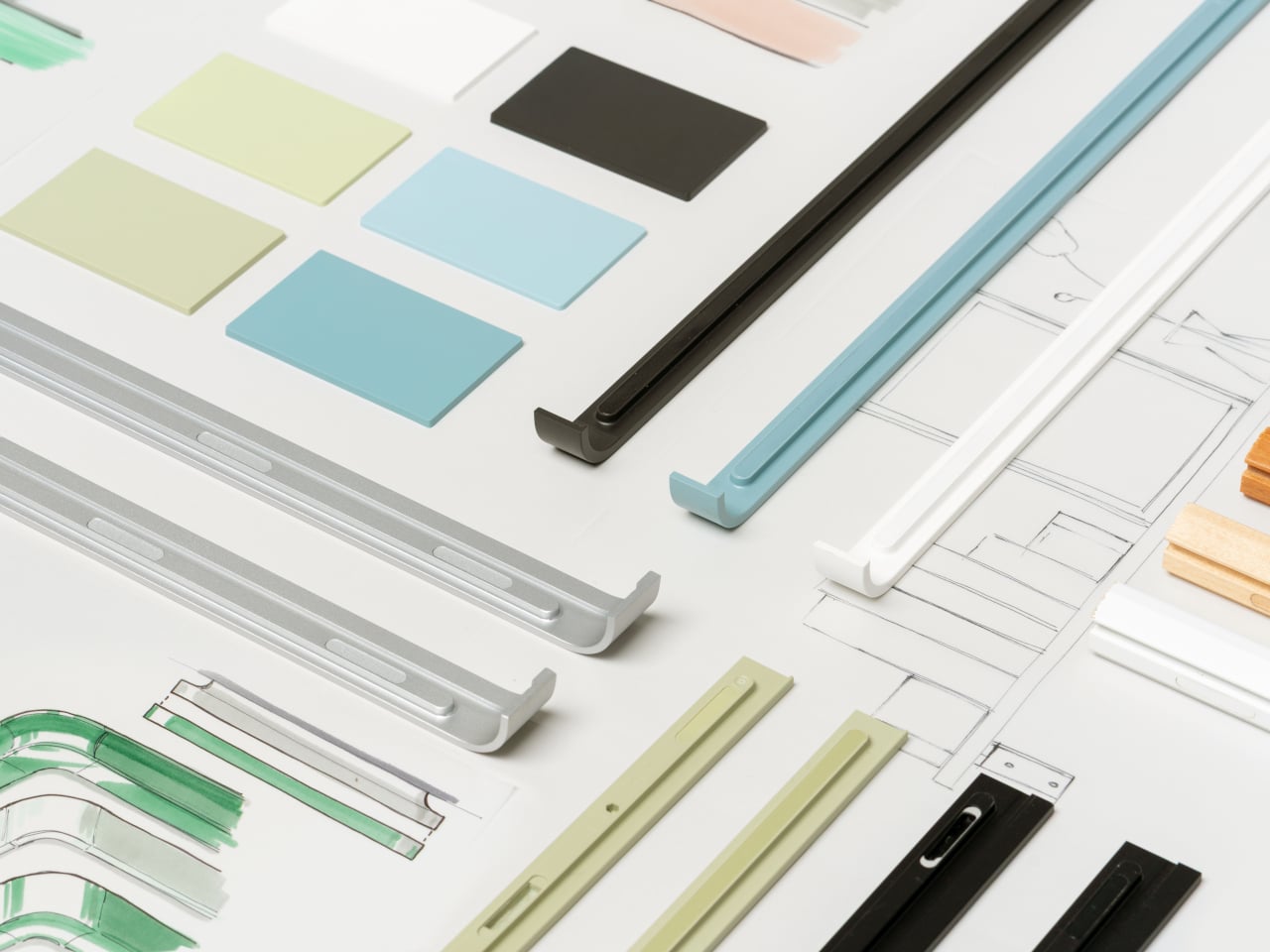
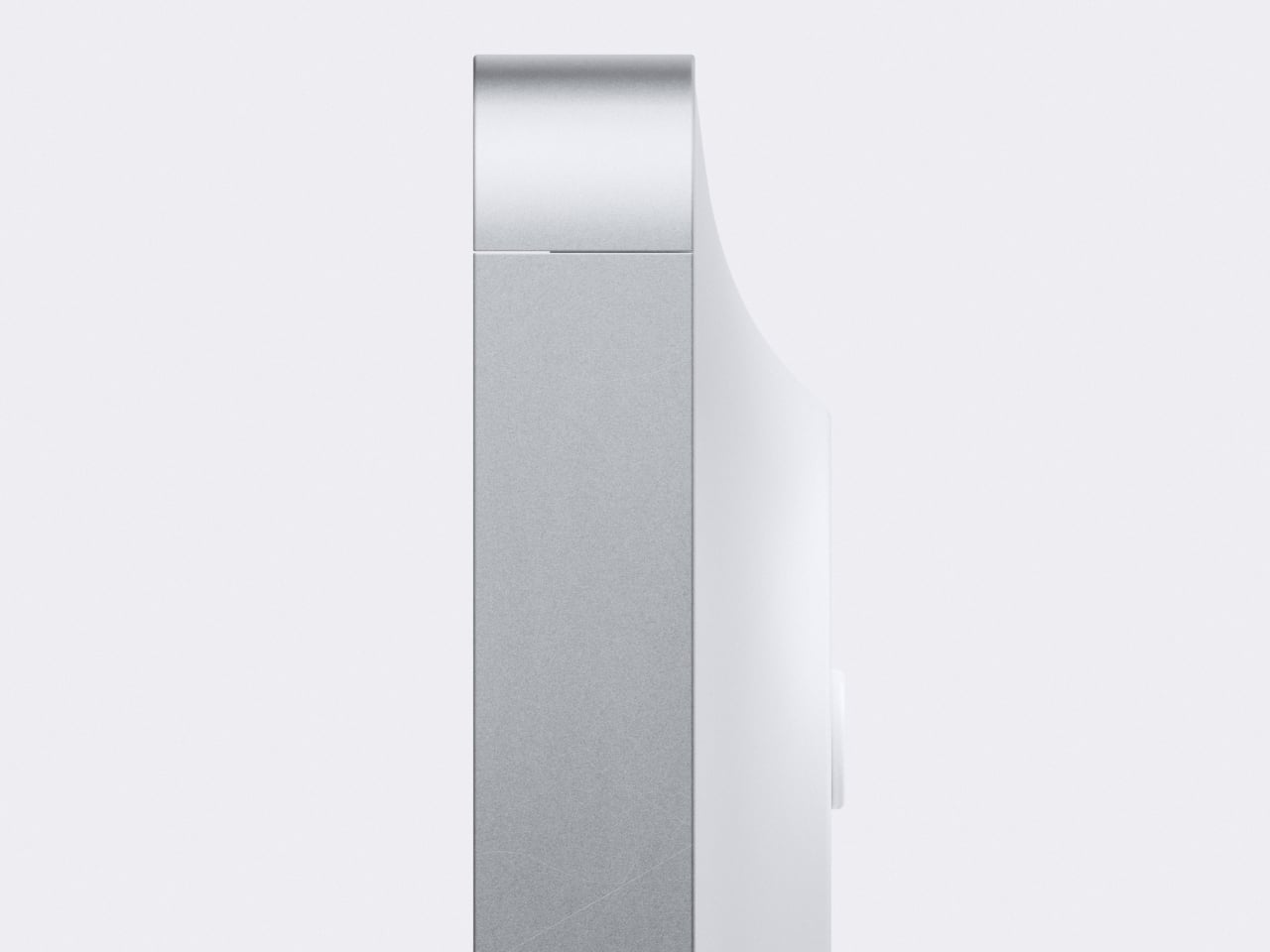
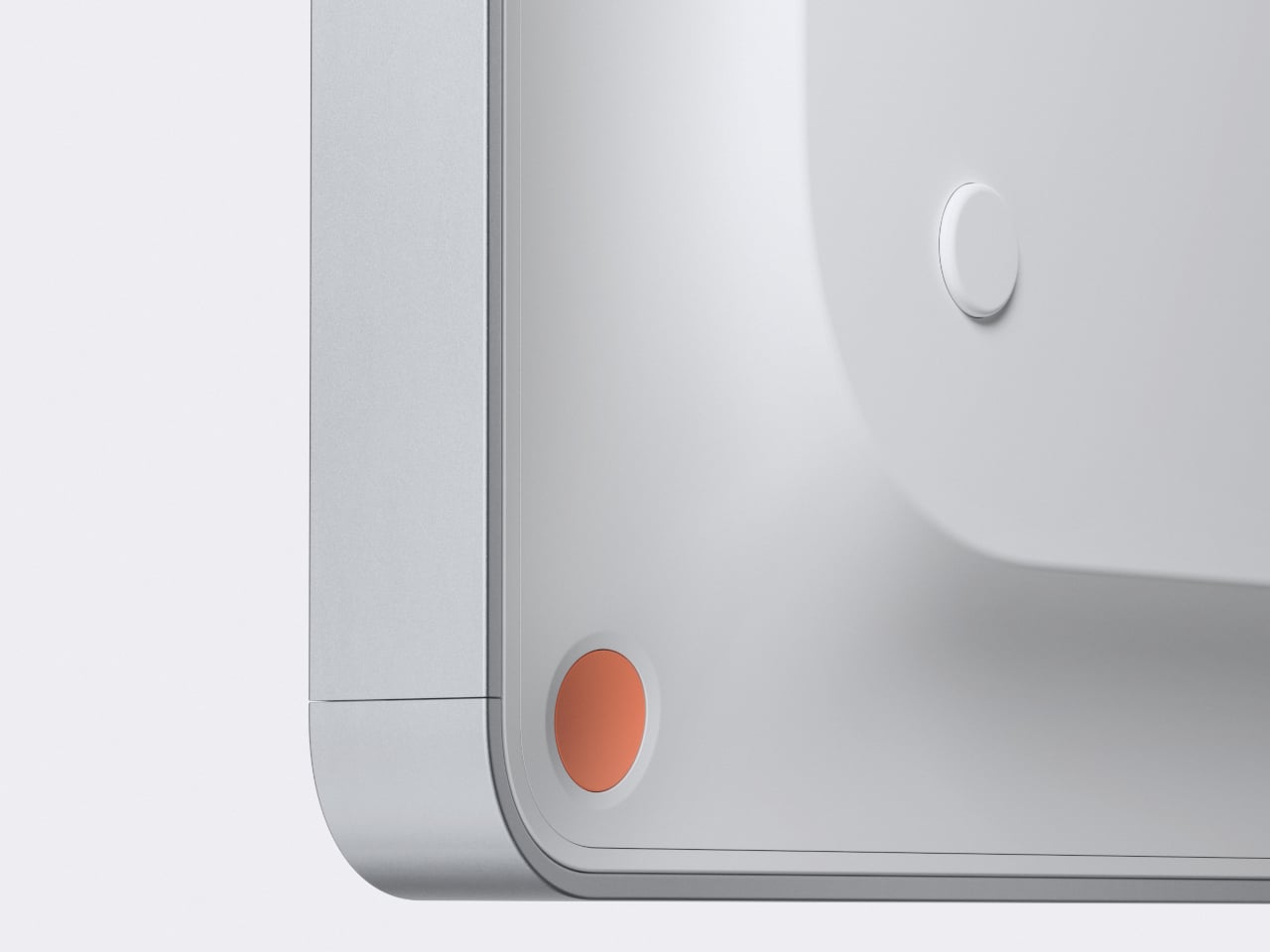
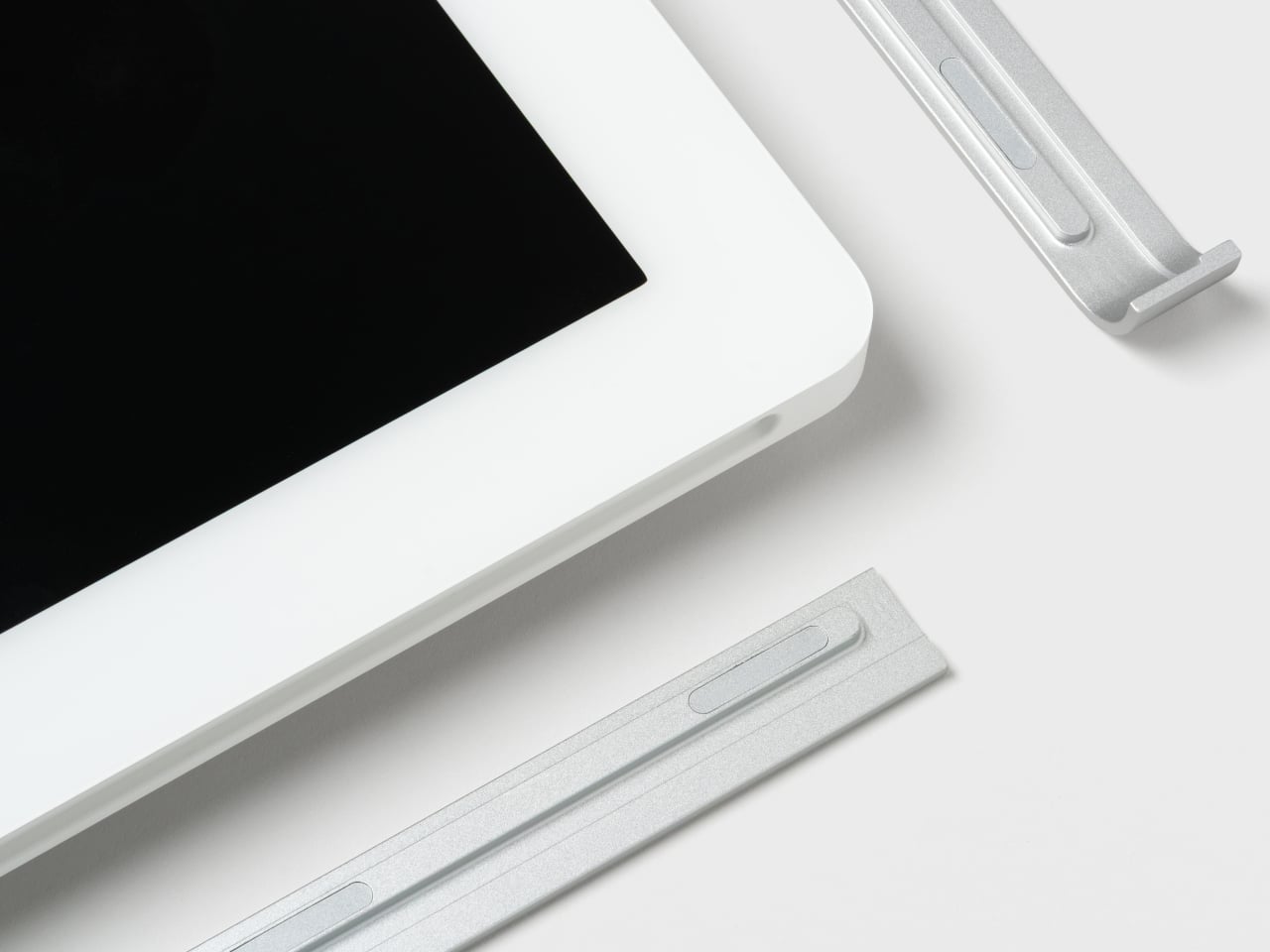
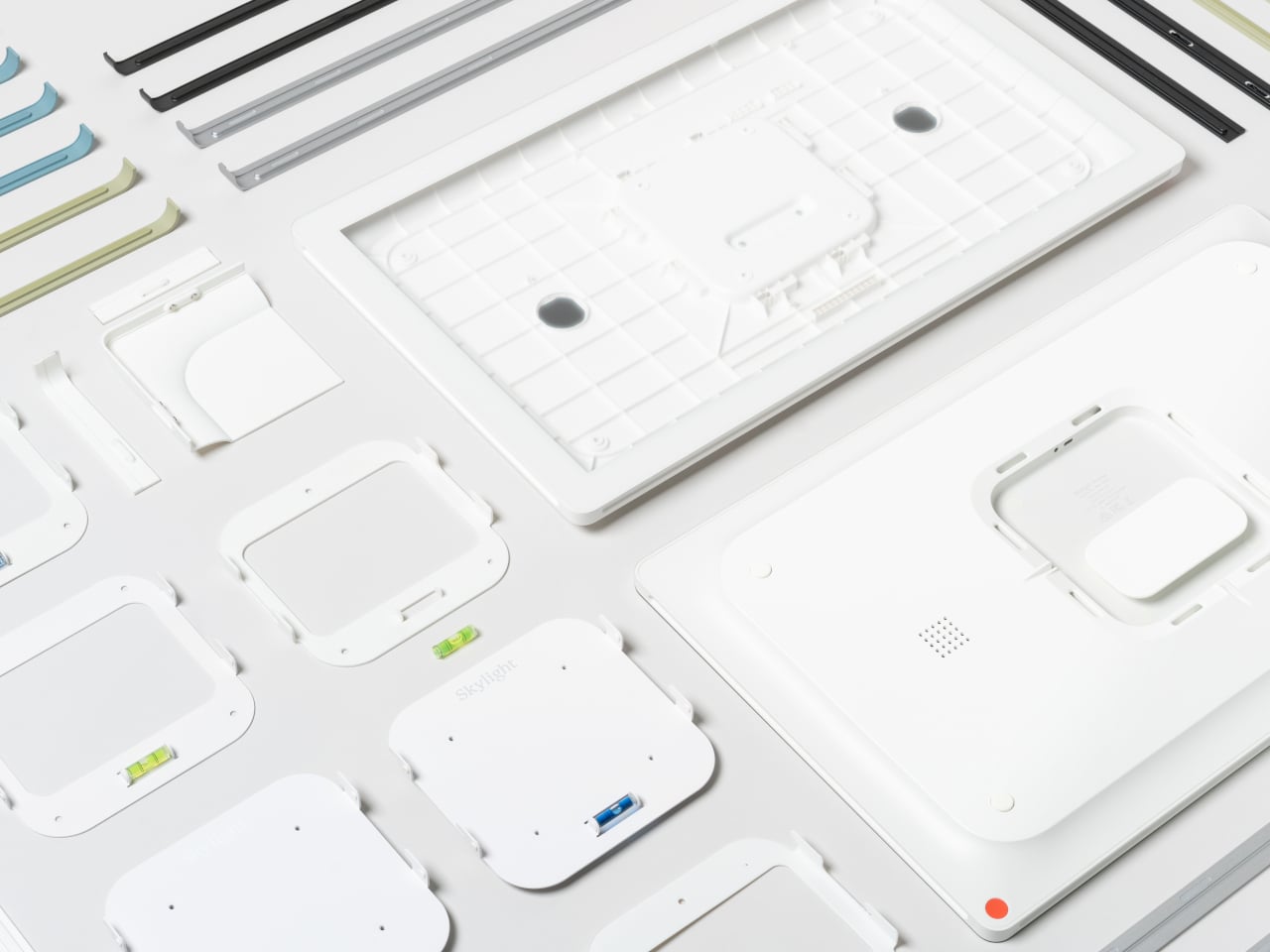
The display sits slightly off the wall, casting a soft shadow that changes with the light, so it reads more like a floating object than a mounted monitor. Magnetically attached frames in aluminum, wood, or plastic let you pick a look that matches your space and swap them later if the room changes, without replacing the hardware. It mostly just means the calendar feels deliberate instead of tacked on.
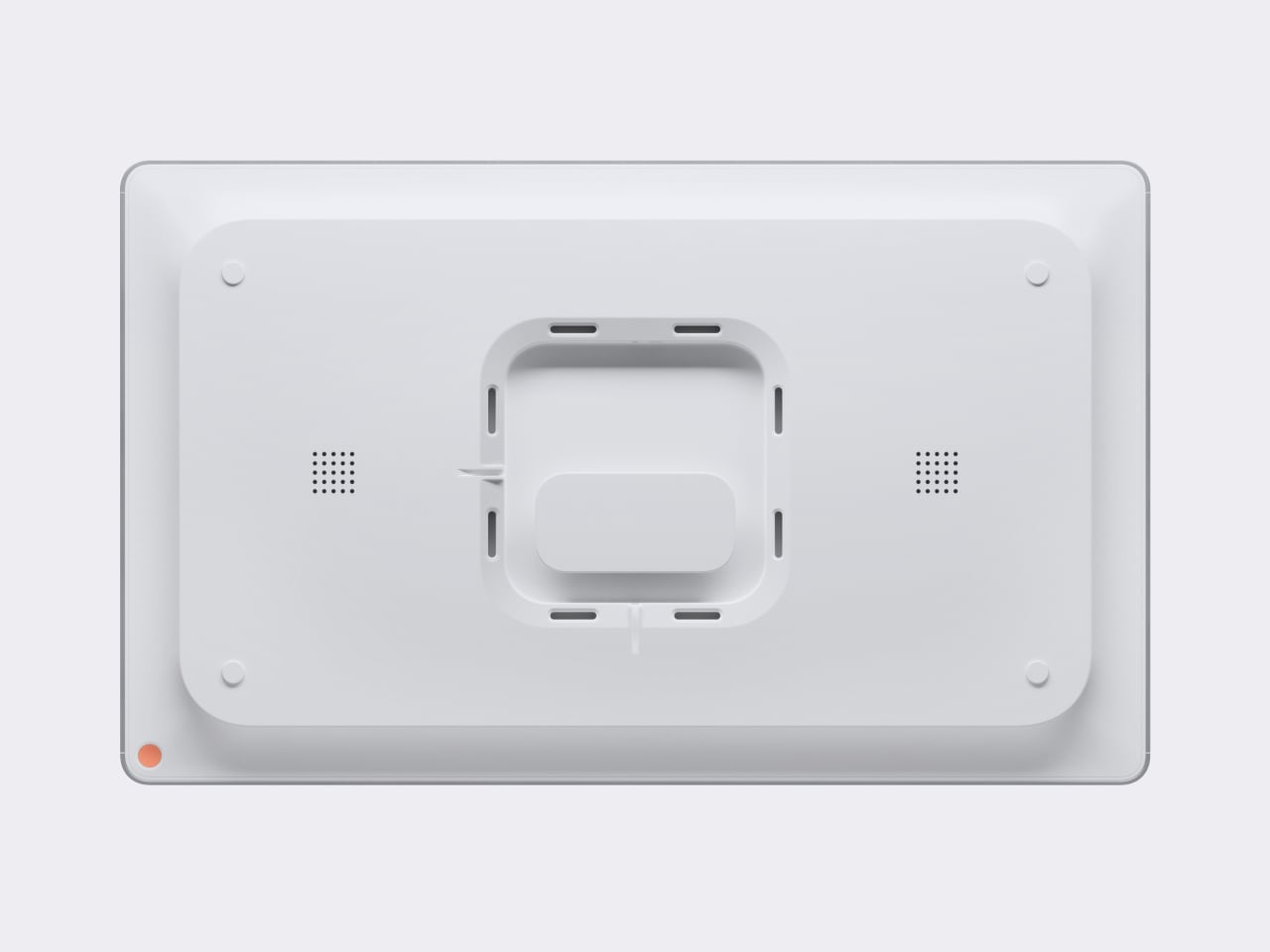
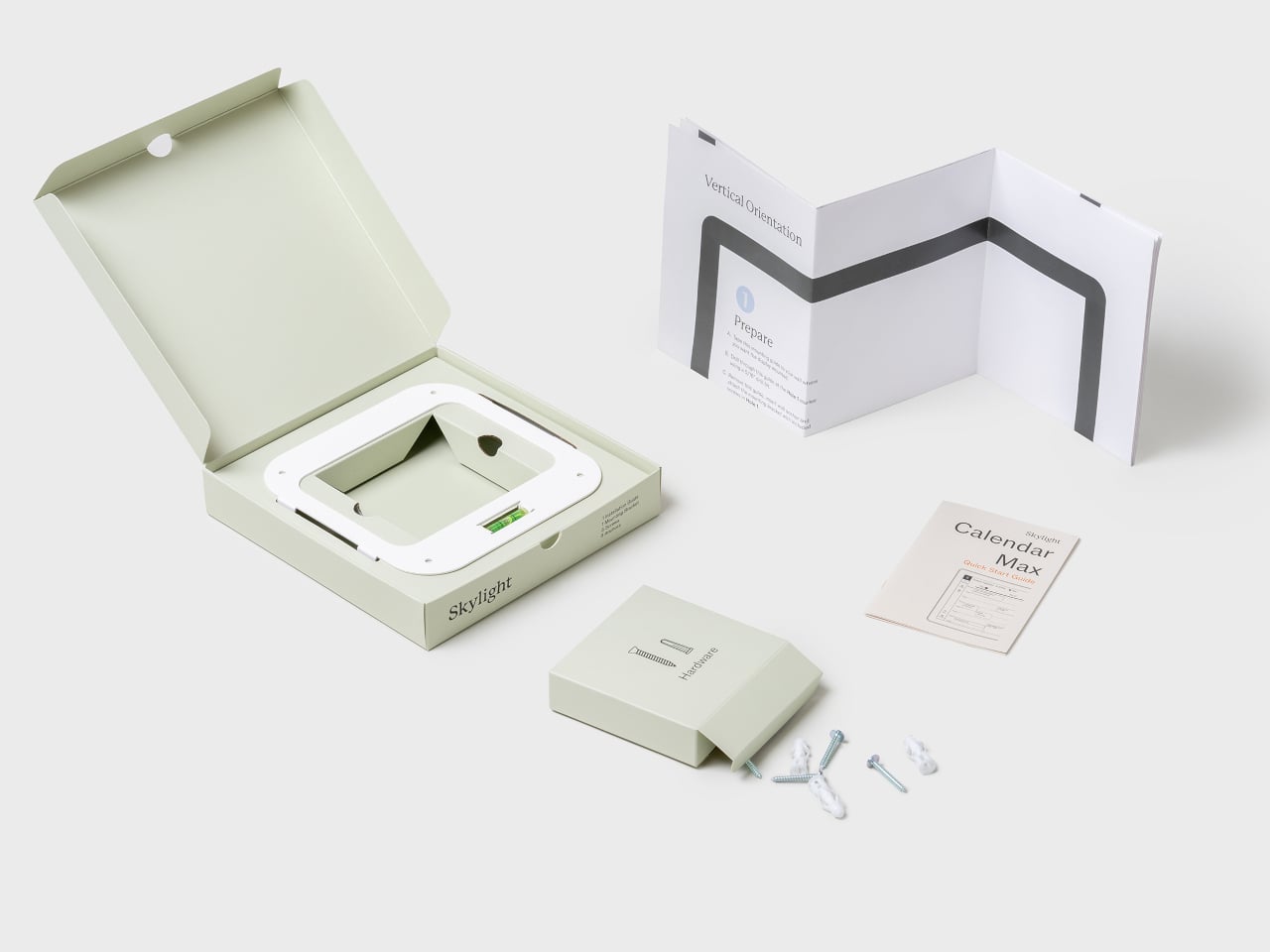
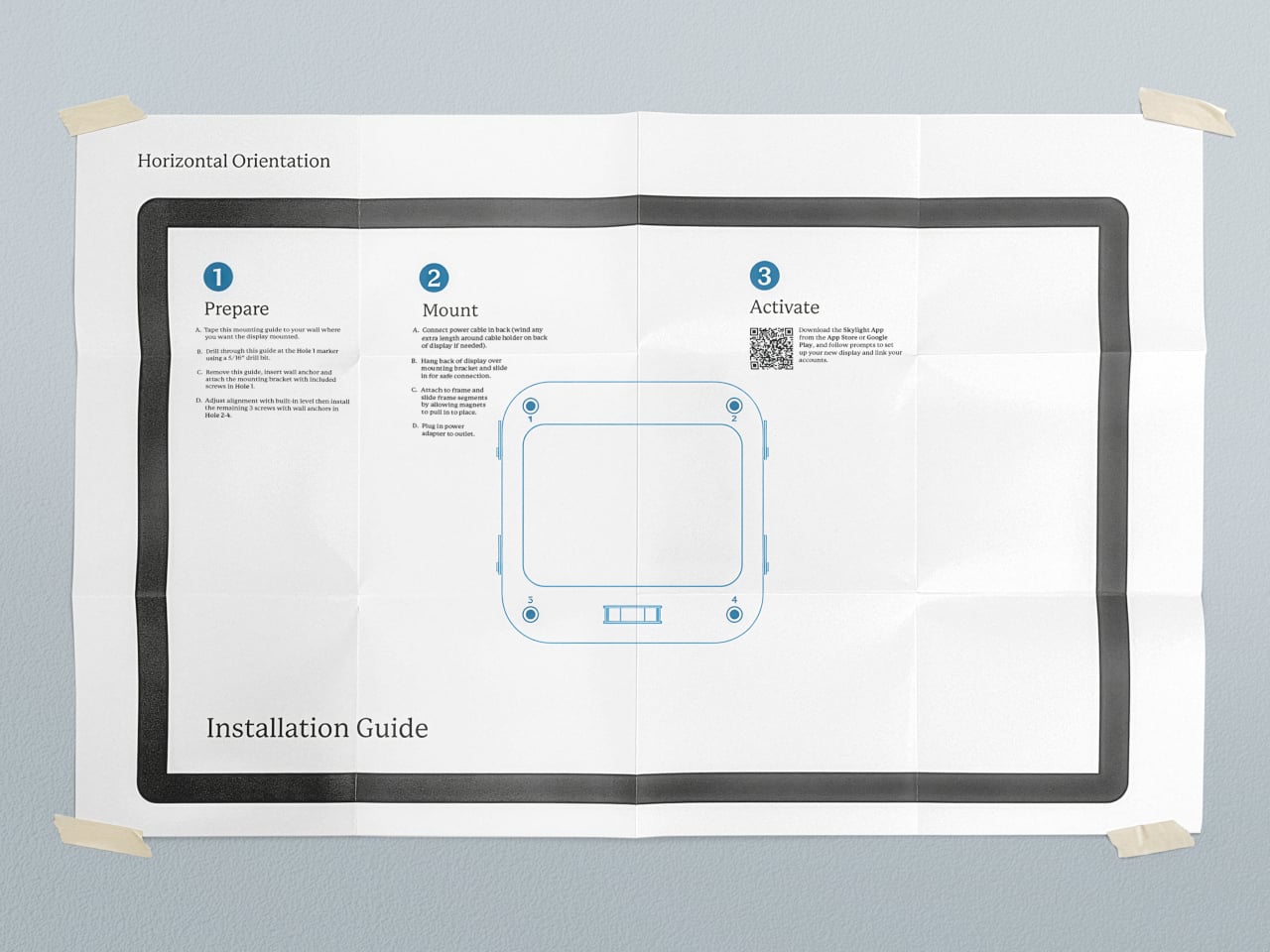
The mounting system uses a dedicated wall plate with cable routing, so once it is up, the calendar sits cleanly with minimal visible wiring. The packaging and installation guide are designed to make the process approachable, more like hanging a large frame than installing AV equipment. That matters when the person putting it up is more interested in family logistics than tech tinkering.
During busy hours, it behaves like a bright, legible planner. When things slow down, it can switch to a photo gallery, turning into a large digital frame that shows family pictures instead of to-dos. That shift helps it feel less like a dashboard that never sleeps and more like a living part of the wall that changes mood with the house.
Calendar Max treats shared schedules, lists, and memories as part of the architecture of daily life, not just data on screens. By paying attention to silhouette, depth, frames, and mounting, it turns a functional object into something you do not mind giving prime wall space. Smart calendars that actually look like they belong in a living room turn out to be surprisingly rare, which makes one that does feel like a meaningful shift.
The digital nomad lifestyle thrives on contradiction. You need professional-grade tools that disappear into a carry-on. Power without bulk. Connection without cables. The freedom to work from a Bali café or a Berlin co-working space demands gear that adapts as quickly as your location changes. The right equipment doesn’t just make remote work possible—it makes it effortless, turning any corner of the world into your office.
This year’s standout gadgets understand that nomadic work isn’t about compromising between portability and performance. These seven designs solve real problems that emerge when your desk is wherever you set down your laptop. They’re built for the constant motion between airports and coffee shops, for the moments when a stable internet connection matters more than a stable address, for professionals who measure workspace in grams and millimeters.
1. HubKey Gen2: Your Entire Setup in a Cube
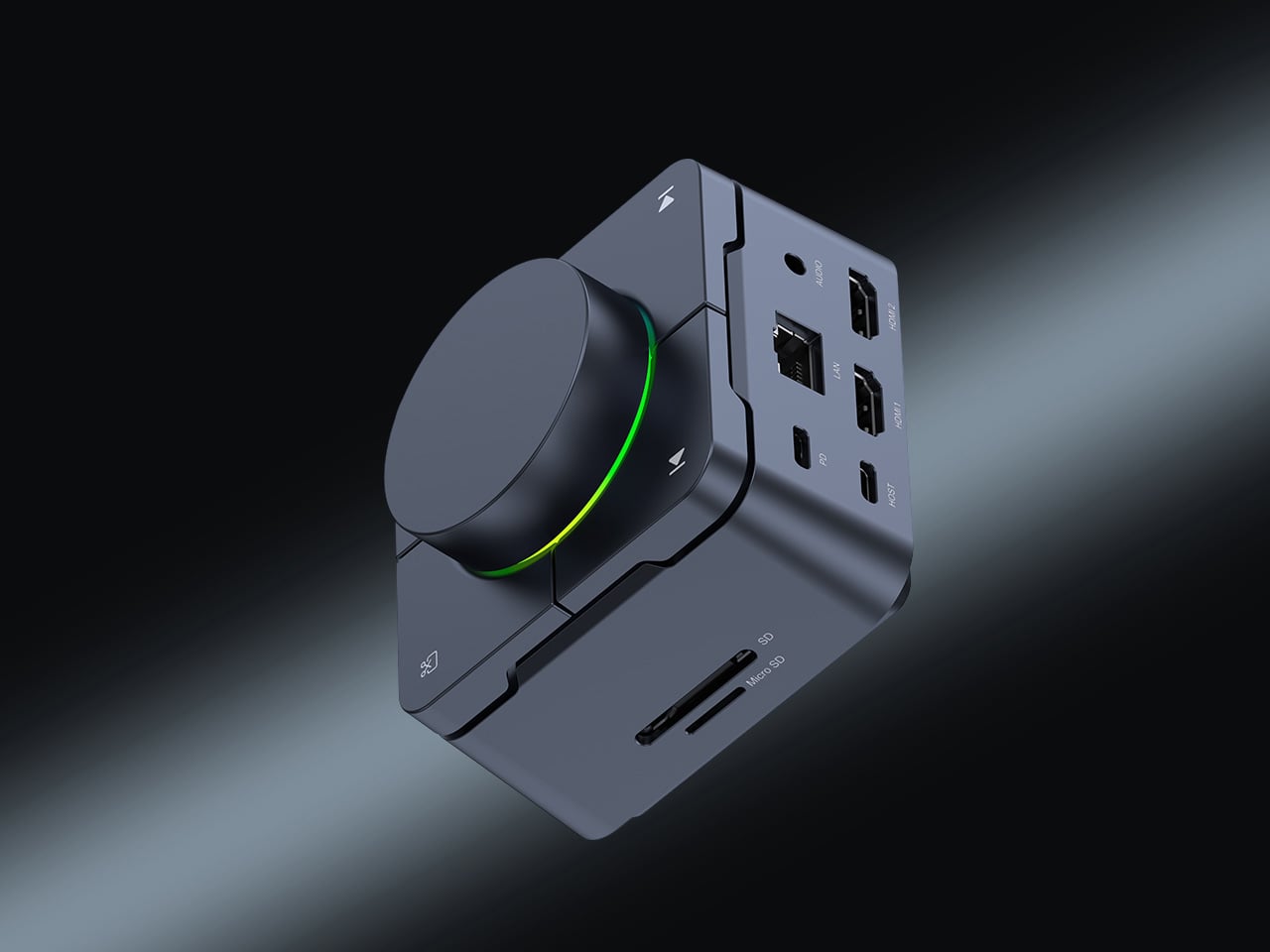
The chaos of the modern nomadic workspace often comes down to ports. Your sleek ultrabook offers maybe two USB-C connections, yet you’re constantly reaching for monitors, ethernet reliability, external drives, and power. What begins as minimalist hardware design becomes a tangle of dongles and adapters stuffed into every pocket of your tech pouch. HubKey Gen2 rethinks this entirely, consolidating 11 different connections into a palm-sized cube that sits exactly where you need it.
Beyond the connectivity sprawl, this device addresses another friction point: the small actions buried in menus and keyboard shortcuts that disrupt your workflow. Four programmable keys and a central control knob transform software commands into physical gestures. Mute your microphone, adjust volume, toggle camera privacy, or switch between tasks with tactile certainty. For someone working across time zones and video calls, having media controls at your fingertips rather than three clicks deep makes the difference between smooth professionalism and fumbling mid-presentation.
What We Like
The 11-in-1 hub eliminates the need for multiple adapters, significantly streamlining your packing list.
Dual 4K display support means you can plug into external monitors at co-working spaces or client offices without compromise.
Physical shortcut keys and a control knob bring immediate access to privacy toggles and media controls.
The compact cube design fits easily in a backpack’s tech compartment without adding bulk.
What We Dislike
The stationary cube format works best on stable desks, which isn’t always guaranteed in nomadic setups.
At a premium price point, it’s an investment that may not suit budget-conscious travelers.
2. OrigamiSwift Folding Mouse: Full-Size Precision in Your Pocket
Laptop trackpads work fine until they don’t. After hours of detailed work—editing photos, building spreadsheets, designing mockups—your fingers cramp and precision suffers. Full-sized mice offer the ergonomic relief you need but consume precious backpack real estate. OrigamiSwift solves this spatial puzzle with origami-inspired engineering that lets a complete mouse fold completely flat, transforming from 40 grams of barely-there weight into a proper productivity tool the moment you need it.
The transformation happens in under half a second. One flip and the mouse springs into an ergonomic form that fits naturally in your palm, ready for extended work sessions, whether you’re at a standing desk in Bangkok or a wobbly café table in Lisbon. When you pack up, it collapses just as quickly into a profile thin enough to slide into a notebook pocket. The Bluetooth connection means one less cable to manage, and the full-size functionality means you’re not sacrificing comfort for convenience.
The foldable design delivers genuine full-size mouse comfort without occupying significant bag space.
Weighing only 40 grams, it’s essentially weightless in your daily carry.
The instant transformation in under 0.5 seconds means you can deploy it as quickly as you open your laptop.
Ergonomic shaping provides the comfort needed for extended work sessions across multiple time zones
What We Dislike
Bluetooth connectivity requires occasional charging, adding one more device to your power management routine.
The folding mechanism, while durable, introduces moving parts that could potentially wear over time.
3. StillFrame Headphones: Creating Focus Anywhere
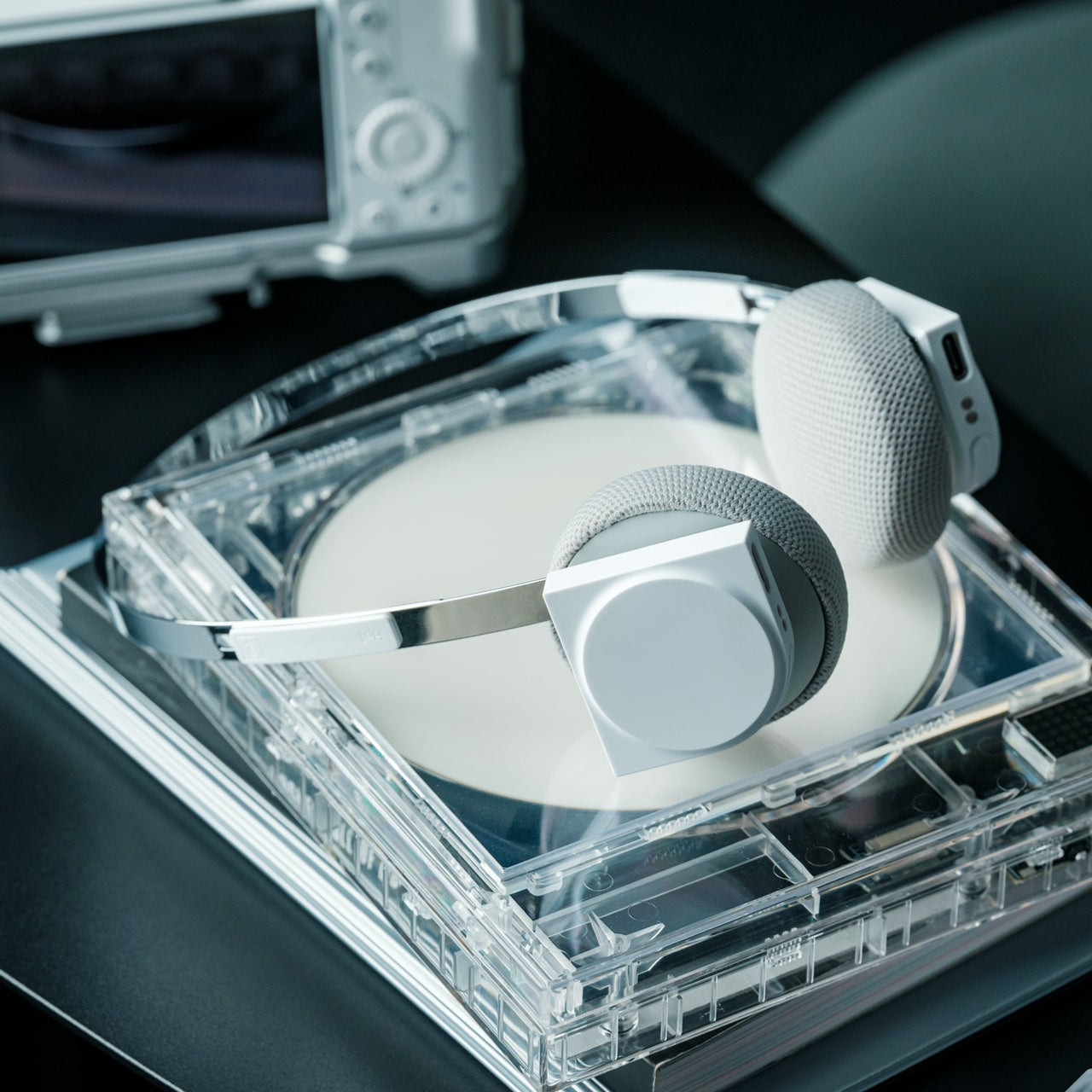
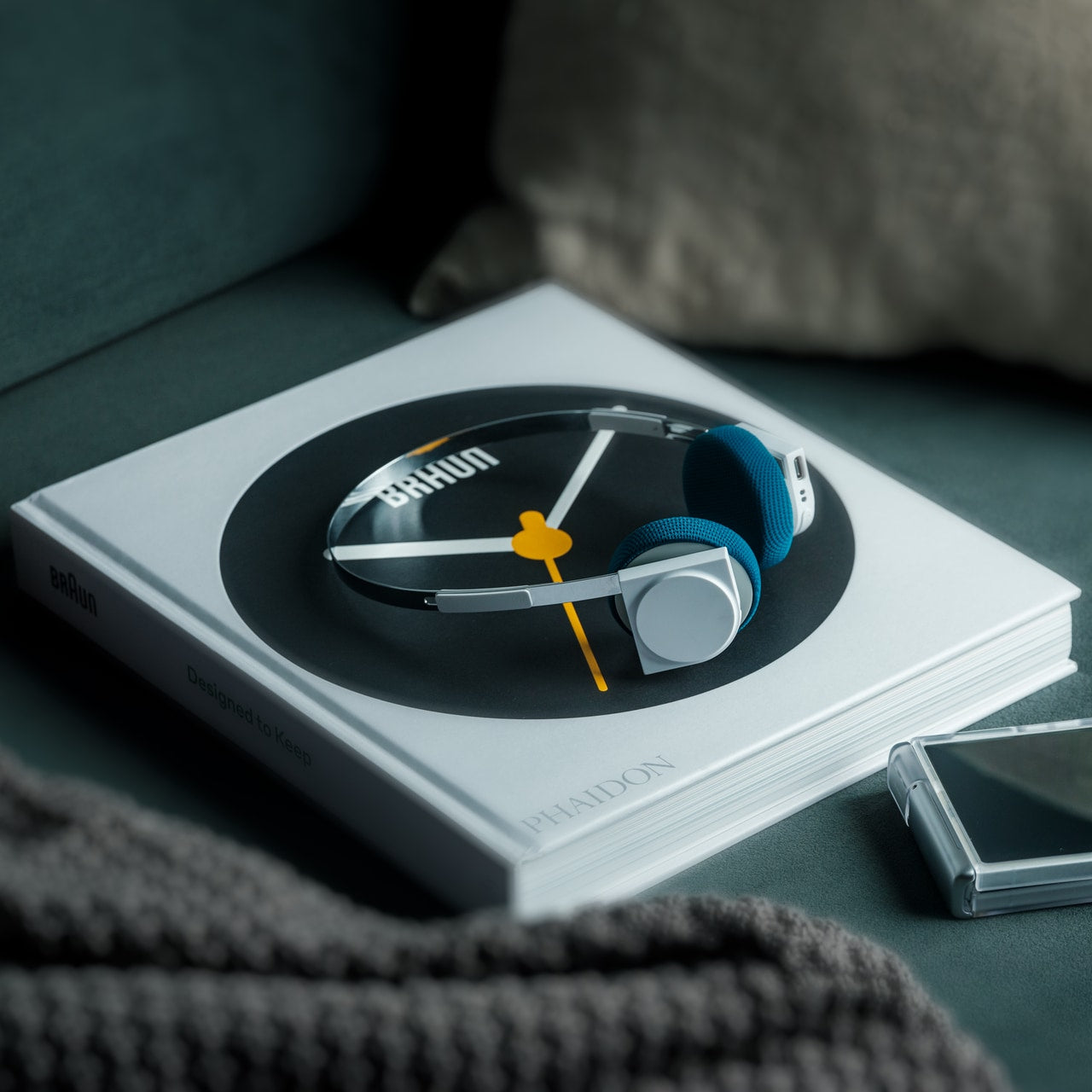
Airports, cafés, co-working spaces—the nomadic office is rarely quiet. Concentration becomes a portable skill, and headphones evolve from accessory to essential tool. StillFrame approaches audio with a design philosophy borrowed from the deliberate era of physical media, when albums were objects you held, and listening was an intentional act. The result sits comfortably between in-ears and over-ears, at just 103 grams, with 40mm drivers that open up soundscapes rather than just pumping audio into your ears.
The real utility emerges in the switching. Active noise cancellation erases the chaos when you need to disappear into deep work. Transparency mode keeps you connected to your surroundings when you’re waiting for a gate announcement or want to stay aware in an unfamiliar city. Twenty-four hours of battery life means you can travel from New York to New Delhi without reaching for a charging cable, maintaining your focus through layovers and long-haul flights.
The 24-hour battery life eliminates anxiety about running out of power during long travel days.
Weighing just 103 grams, these headphones stay comfortable through marathon work sessions.
Both noise-cancelling and transparency modes adapt to shifting environments from silent libraries to bustling streets.
The 40mm drivers create an open soundstage that makes both music and podcasts more immersive.
What We Dislike
The on-ear design may not provide the same noise isolation as full over-ear models in extremely loud environments.
The retro-inspired aesthetic, while distinctive, may not appeal to those preferring more modern styling.
4. Memento Business Card Log: Analog Memory in a Digital World
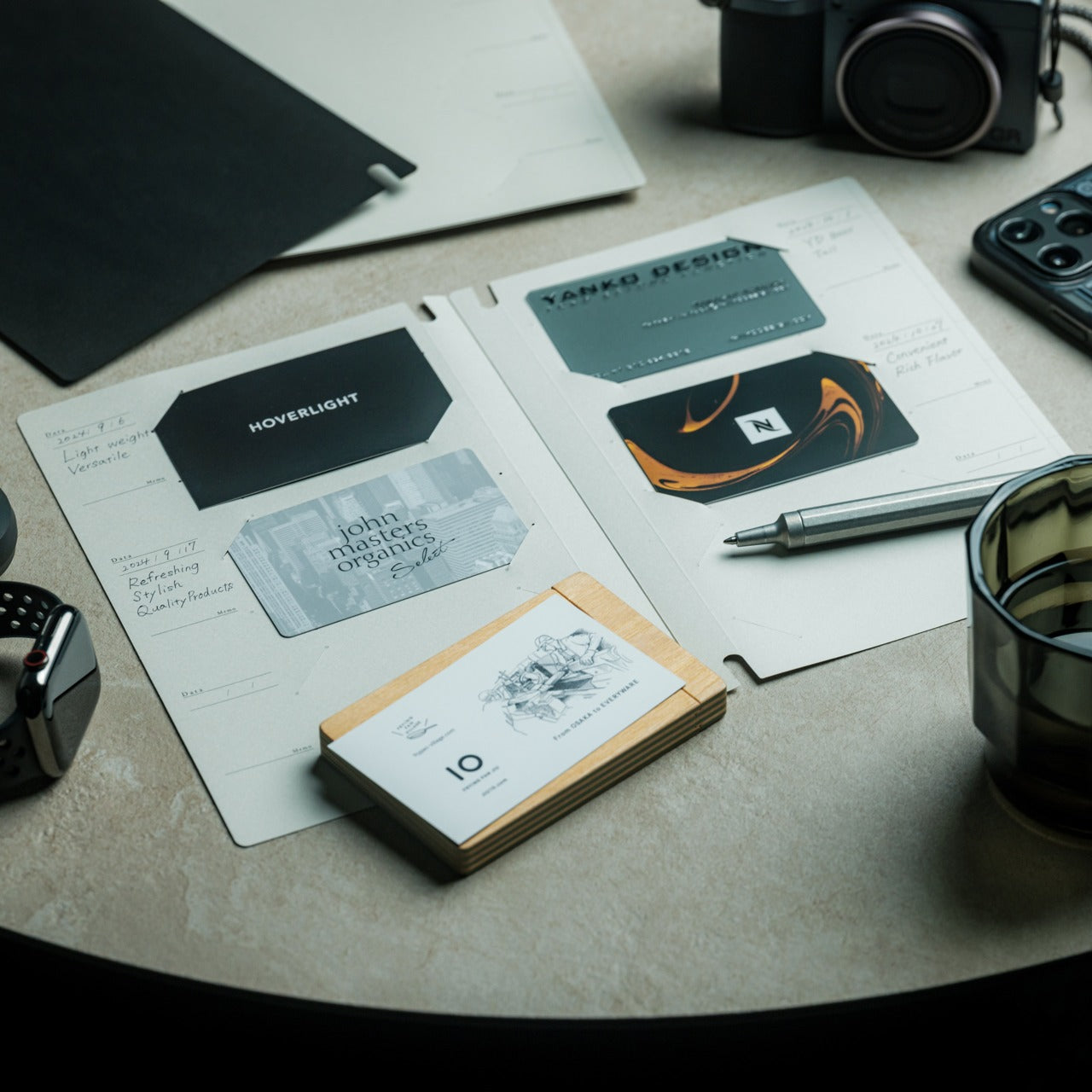
Digital contacts sync across devices, but they don’t capture the texture of a conversation. The nomadic lifestyle means constantly meeting collaborators, clients, and fellow travelers—connections that could turn into partnerships if you remember not just names but contexts. The Memento Business Card Log stores up to 120 business cards using a binding system that lets you reorganize and reference them easily, but more importantly, it provides space for the handwritten details that transform a card into a memory.
Japanese brand Re+g built this organizer around the idea that writing things down changes how you remember them. After a chance meeting at a conference in Singapore or a productive coffee chat in Copenhagen, you can note what you discussed, ideas that emerged, or even just the person’s working style. These annotations become retrieval cues that software contact lists can’t replicate. When you reconnect weeks or months later, those handwritten notes help you pick up the conversation with genuine context rather than generic pleasantries.
The capacity for 120 business cards means you can collect connections throughout extended trips without needing to transfer them.
Handwritten note space beside each card captures conversational context that digital contacts miss.
The unique binding system allows easy reorganization as your network and priorities evolve.
Minimal, tactile paper design from Re+g elevates organization into something you’ll actually enjoy using.
What We Dislike
The analog format means cards aren’t automatically backed up if the log is lost or damaged.
Physical storage takes up more space than purely digital contact management.
5. Inseparable Notebook Pen: Never Hunt for a Pen Again
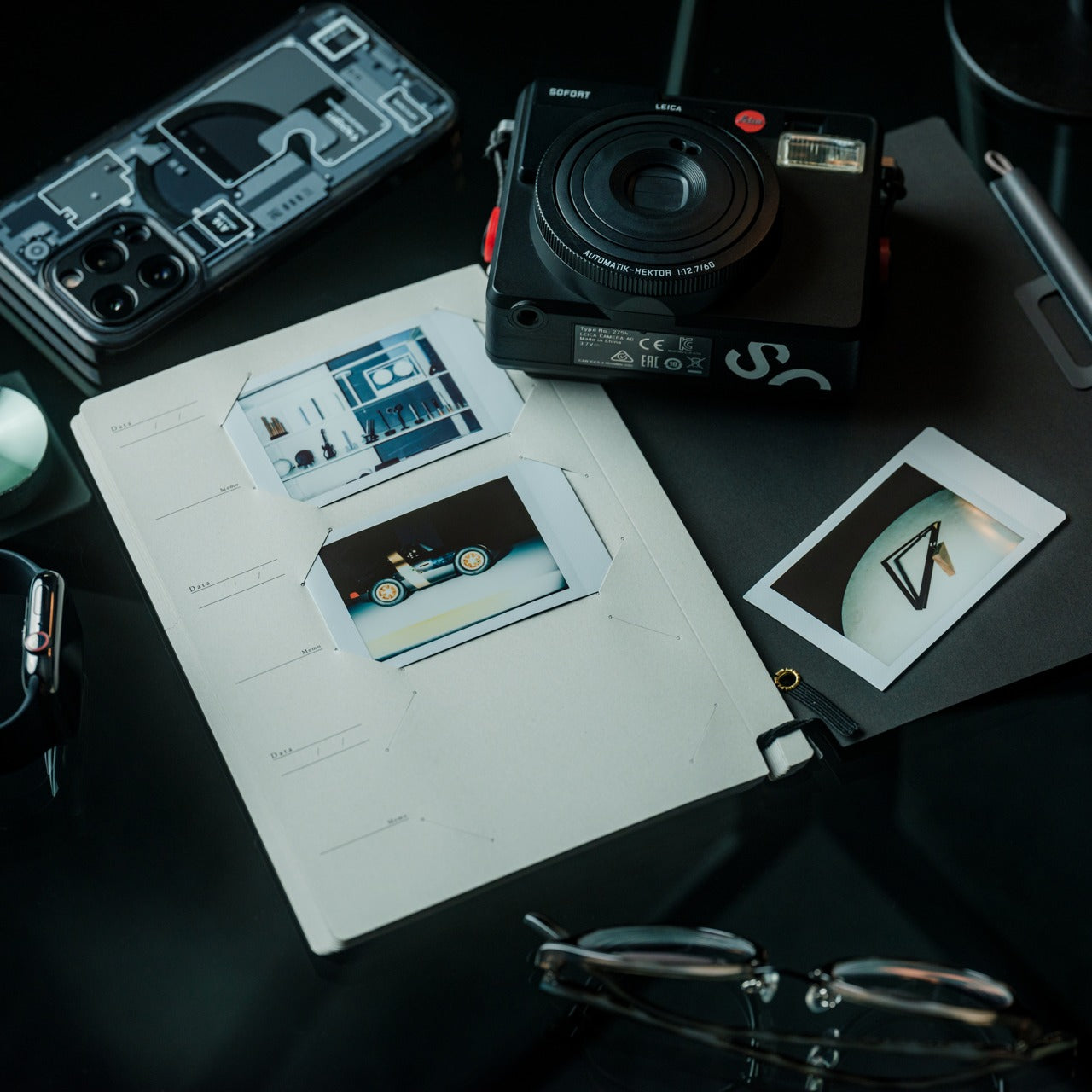
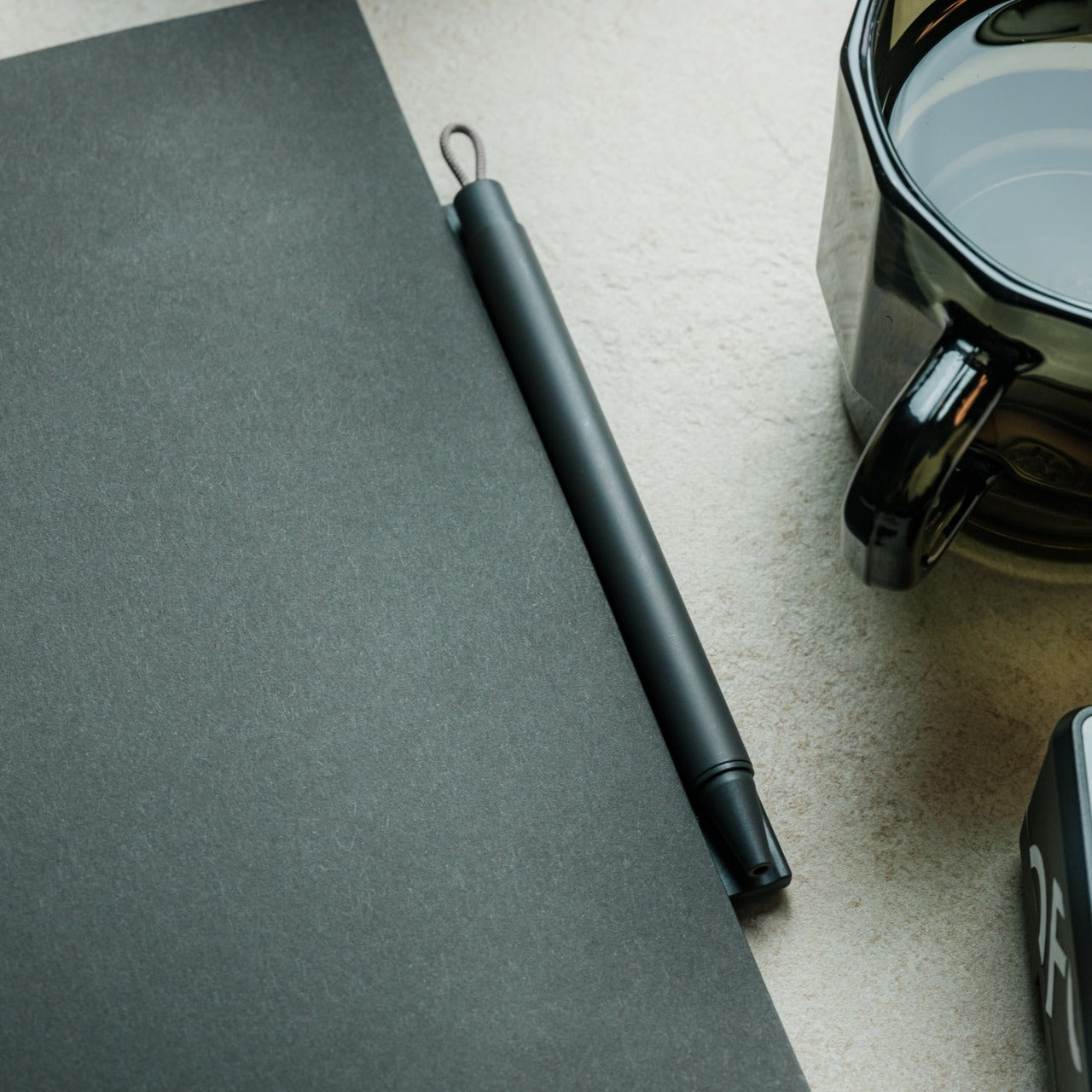
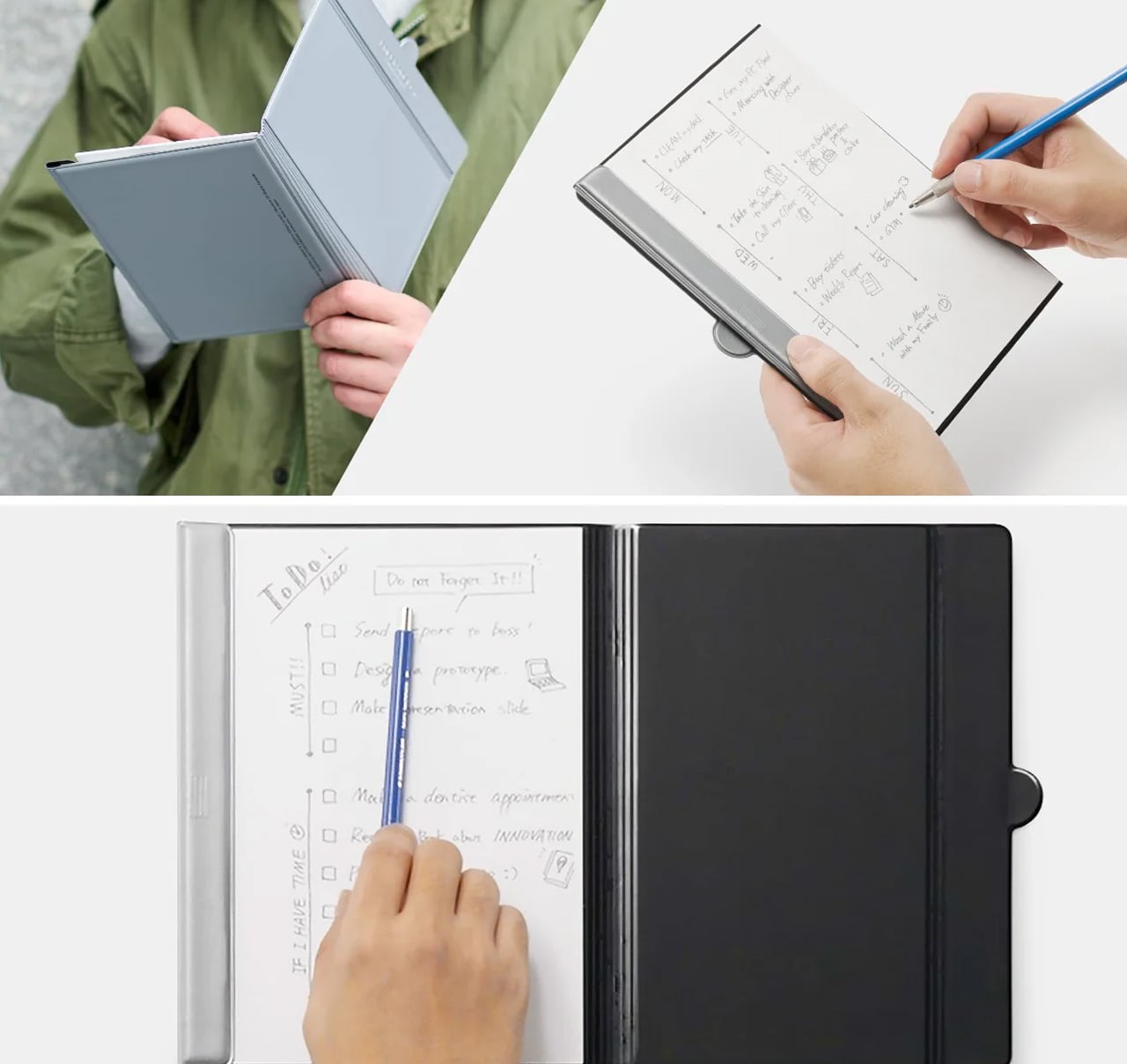
The friction of creativity often isn’t the idea—it’s the split second when you can’t find something to write with. Inspiration arrives during a walking tour, mid-conversation, or while half-asleep on a red-eye flight. By the time you’ve rummaged through your bag for a pen, the thought has scattered. The Inseparable Notebook Pen uses a magnetic clip that attaches securely to your notebook, ensuring your writing tool lives exactly where you reach for it.
The design focuses on seamless integration. A built-in silencer makes attaching and detaching the pen a quiet, satisfying gesture rather than a clumsy snap. The minimalist form fits any notebook style without visual clash, and the smooth ink flow handles everything from quick notes to detailed sketches. For digital nomads who alternate between typing and handwriting—brainstorming on paper before building in software—this pen becomes an extension of your process rather than something you have to think about.
The magnetic clip ensures the pen is always exactly where your notebook is, eliminating lost-pen frustration.
The built-in silencer creates a refined, quiet attachment experience.
Minimalist design complements any notebook without stylistic compromise.
Smooth ink flow handles varied writing needs from rapid note-taking to careful sketching.
What We Dislike
The pen is designed specifically for notebooks with compatible magnetic areas, limiting versatility.
As a single pen solution, you’ll need backup options if the ink runs out mid-journey.
6. MagBoard Clipboard: Flexibility Without Binding
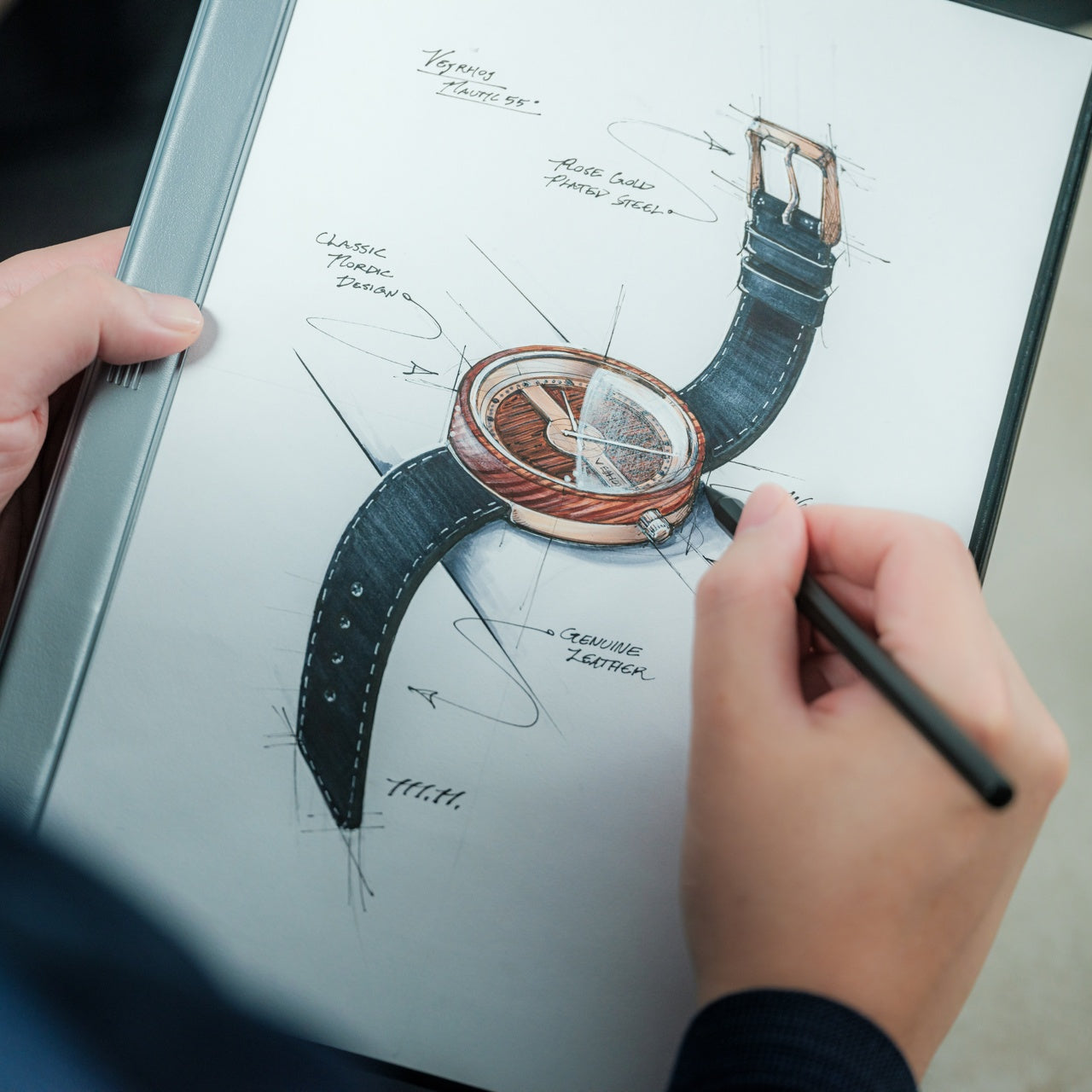
Traditional notebooks lock you into linear page order and permanent binding. That structure helps for continuous journals but frustrates project-based thinking where ideas need to be rearranged, removed, or reordered. MagBoard uses a magnet and lever mechanism to secure up to 30 loose sheets, letting you compose, decompose, and reorganize pages however your thinking demands. The hardcover backing means you can write standing, leaning against a wall, or anywhere without a stable surface.
For nomads juggling multiple projects, this flexibility becomes essential. Keep client notes separate until a meeting, then compile them in order. Sketch design concepts on individual sheets and arrange them spatially before committing to a sequence. Remove finished work without the orphaned pages that haunt traditional notebooks. The water-resistant cover handles the unpredictability of working outdoors or in transit, and the simple cleaning means coffee spills don’t become permanent damage.
The magnetic lever system holds up to 30 sheets securely while allowing instant reorganization.
Hardcover design enables writing anywhere, even standing or without a desk surface.
Water-resistant and easy-to-clean materials protect your work in unpredictable environments.
Complete flexibility to add, remove, or rearrange pages matches project-based workflows.
What We Dislike
Loose sheets can be lost more easily than bound pages if not carefully managed.
The hardcover adds some weight compared to lighter, flexible notebooks.
7. Rolling World Clock: Time Zones at a Glance
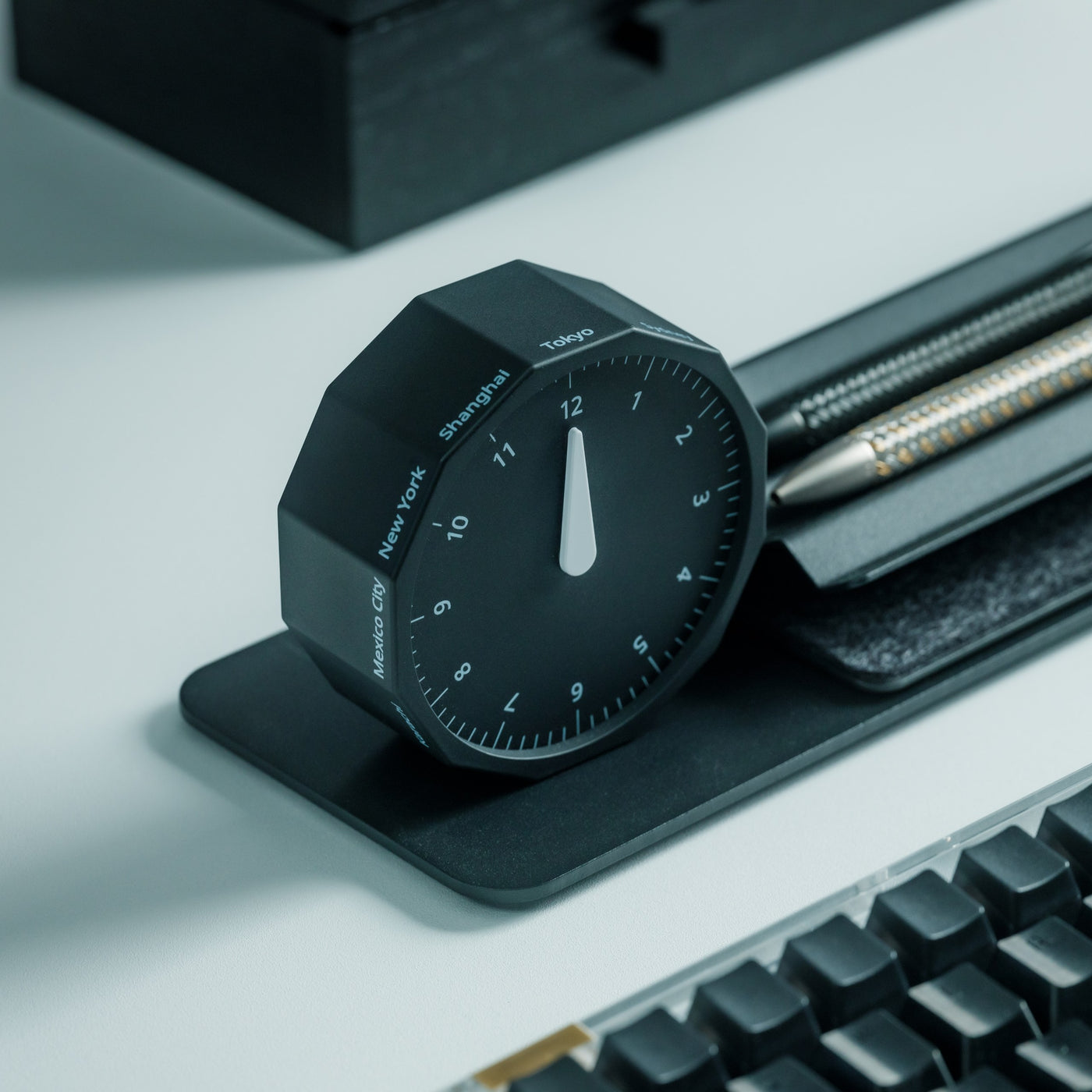
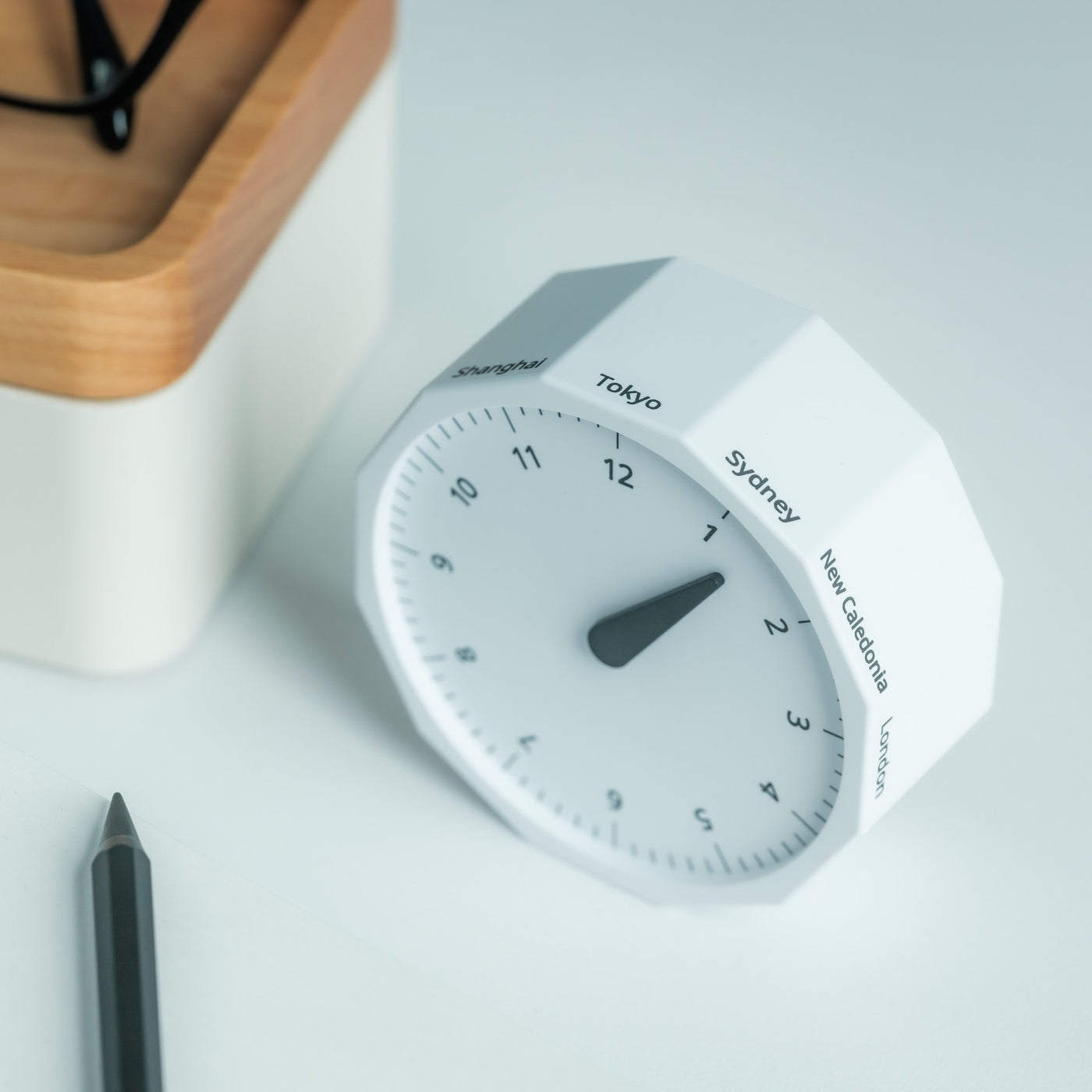
Working across continents means constantly calculating time zones. Is it too late to call your client in Tokyo? When does your team meeting in New York start relative to your current location in Cape Town? Digital clocks and apps provide answers, but they require pulling out your phone and breaking focus. The Rolling World Clock offers a tactile, immediate solution: a 12-sided desktop piece that displays the current time in major cities simply by rolling it to the desired timezone.
Each of the twelve sides represents a location—London, Paris, Moscow, Los Angeles, Karachi, Mexico City, New York, Shanghai, Tokyo, Sydney, Cape Town, and New Caledonia. A single hand shows the hour for whichever city faces up. The minimalist design eliminates digital distractions while adding a physical, almost playful element to time awareness. When you’re working from temporary desks and rented apartments, this small object becomes both functional tool and a reminder of the global nature of your work.
The twelve-sided design covers major global time zones in one compact object.
Physical rolling creates a tactile, screen-free way to check international times.
Minimalist aesthetics work as both functional tool and desk decoration.
Available in black and white options to match different workspace styles.
What We Dislike
Limited to twelve preset cities, which may not include all the locations you coordinate with.
The single-hand design requires some interpretation compared to digital displays showing exact minutes.
Building Your Mobile Office
The nomadic workspace is personal, built piece by piece until it reflects exactly how you work rather than where. These seven gadgets share a common understanding: that portability and capability aren’t opposites. They fit into the rhythms of constant movement, solving the small frictions that accumulate when your office exists in a backpack. Connection without cables. Writing without searching. Time awareness without screens.
The best gear for digital nomads doesn’t announce itself. It disappears into your process, working so seamlessly you forget it’s there until you need it. Whether you’re coordinating across twelve time zones, capturing ideas before they evaporate, or creating focus in chaotic airports, these designs adapt to your location rather than constraining it. Your backpack becomes not just luggage but the architecture of your professional life, carefully curated for the work that matters wherever it happens.
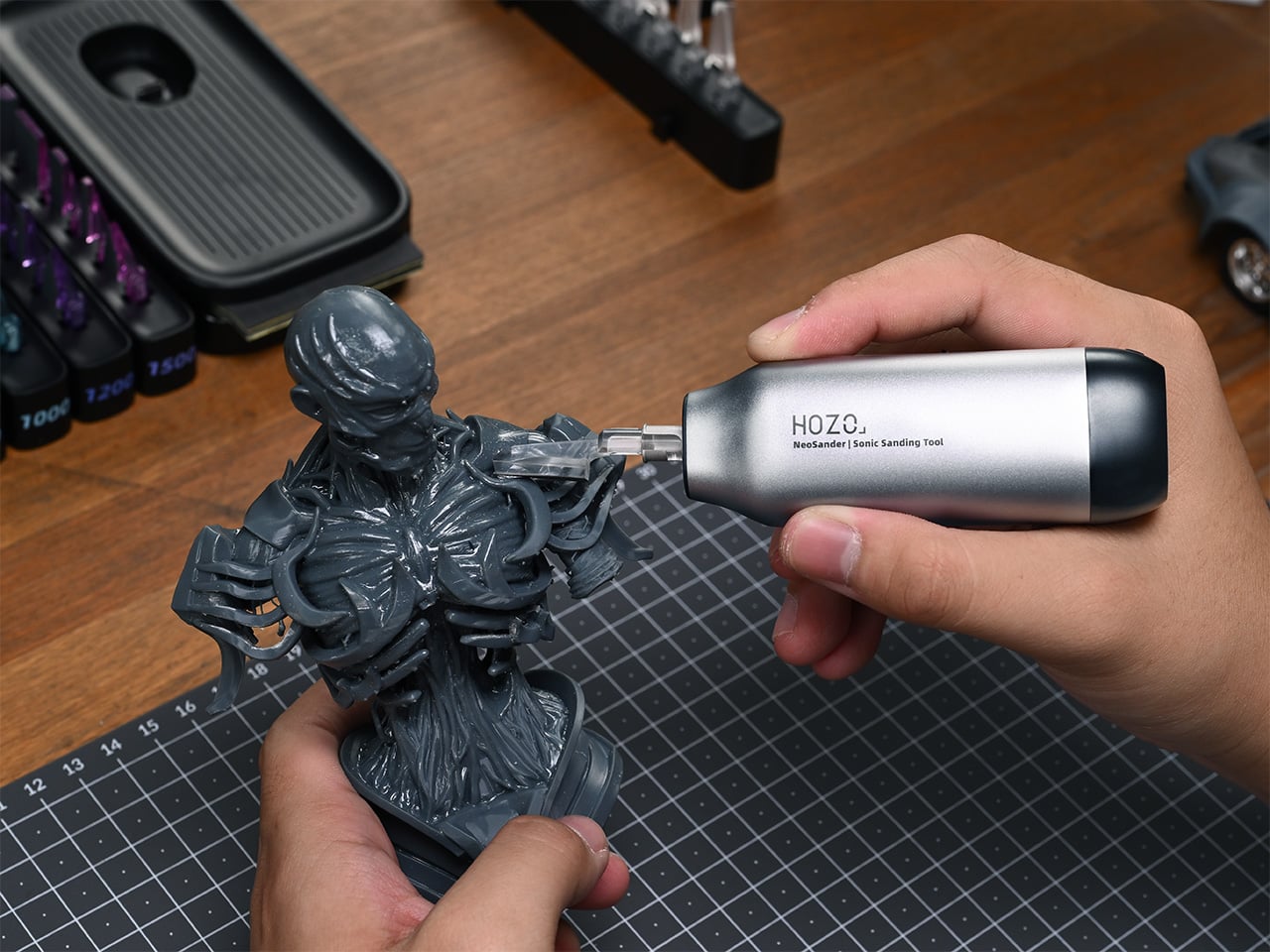
Cleaning up 3D prints, model kits, or small woodworking projects usually means fighting tools that are not really built for it. Rotary tools dig in and melt plastic, big sanders cannot reach corners, and endless hand-sanding sessions leave your fingers numb. The last 10% of a project, the fine details, often takes 90% of the time because the tools are fighting you instead of helping, turning what should be a satisfying finish work into a slow grind.
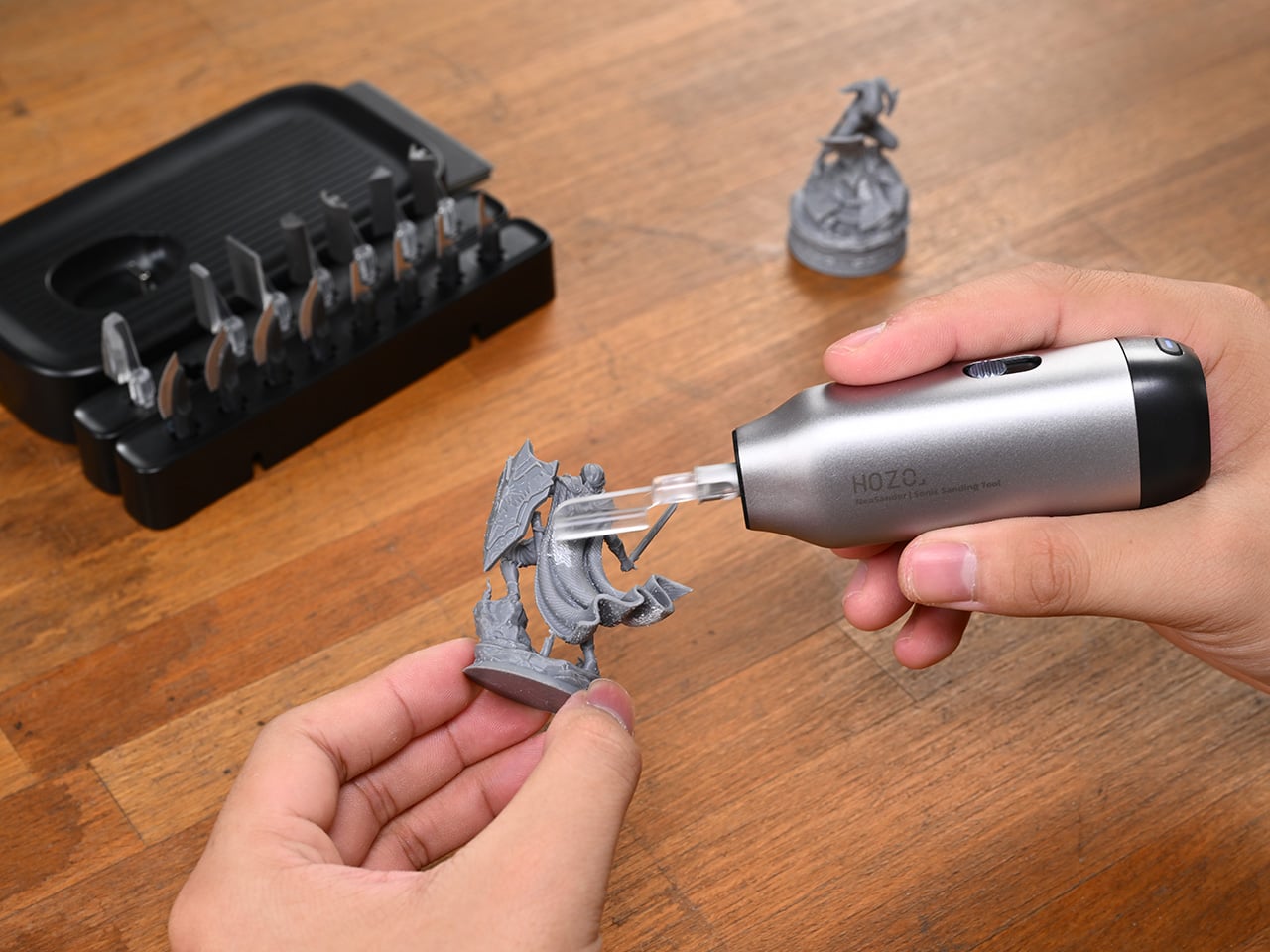
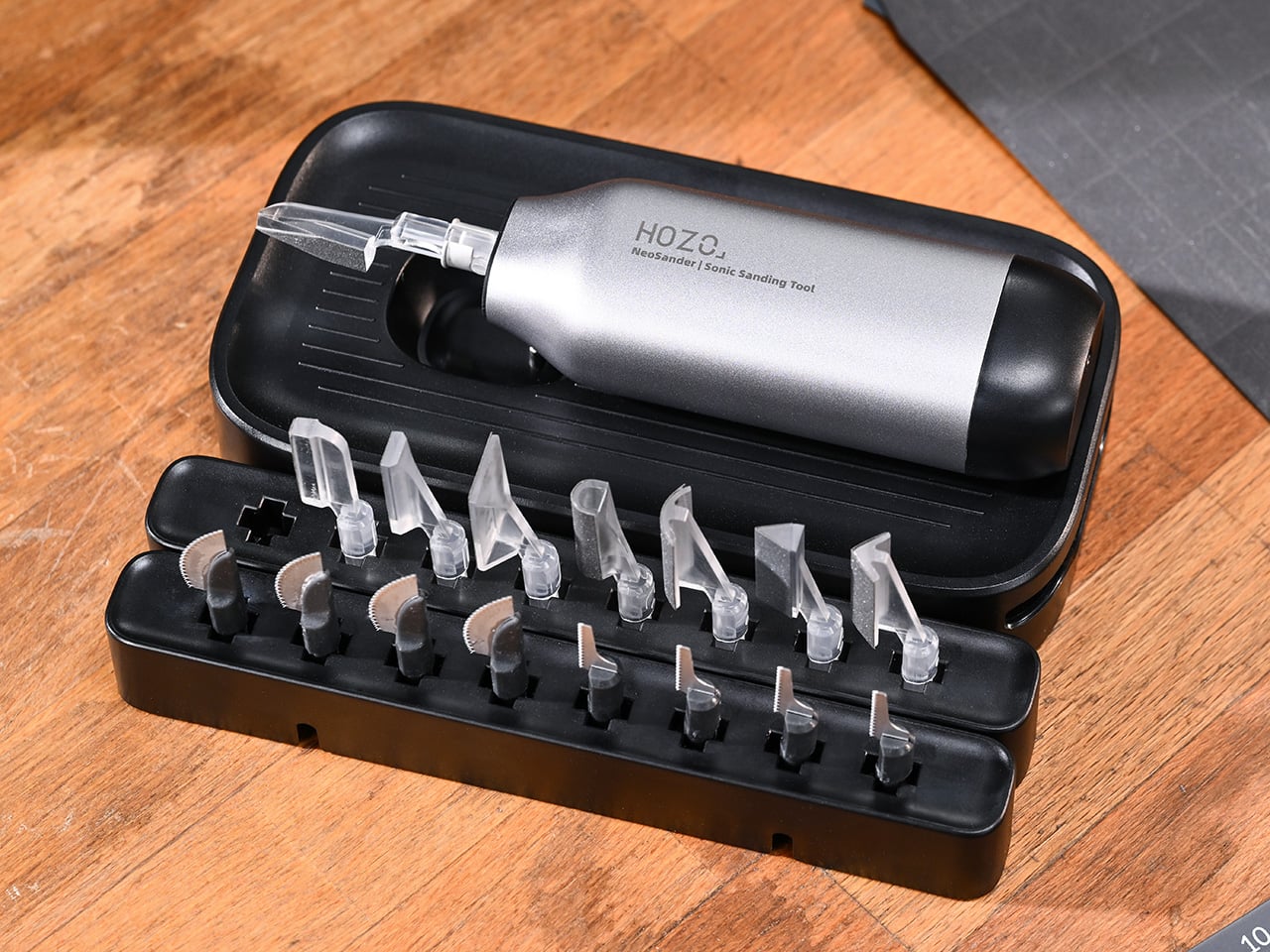
NeoSander is a mini electric reciprocating detail sander built specifically for that last 10%. It is palm-sized, cordless, and powered by a high-speed reciprocating linear motor that drives the sanding head directly at up to 13,000 strokes per minute. Instead of being a shrunken version of a big sander or a repurposed rotary tool, it starts from the question of what fine sanding actually needs: tight, controlled, straight-line motion with minimal vibration and maximum access to awkward spots.
The usual reciprocating design relies on a spinning motor, gears, rods, and linkages that convert rotation into back-and-forth motion. NeoSander’s vertical linear motor pushes the head directly, which means fewer moving parts, less energy lost in the drivetrain, and faster response when you change speed. The stroke length is adjustable from 0.6 to 1.8 mm, so you can dial in tiny, precise taps for delicate edges or longer, faster strokes for leveling and shaping thicker material. As the one and only palm-sized detail sander to achieve a true 13,000 SPM linear motor, NeoSander introduces life-changing technology and delivers a game-changing breakthrough for creators who demand precision in tight, intricate spaces, permanently solving a pain point that rotary tools and other reciprocating sanders have struggled with for decades.
NeoSander’s straight-line motion covers more area efficiently while keeping the workpiece safe from gouges. At 13,000 strokes per minute, it is fast, but the motion is tight and controlled, so it does not kick back like a rotary bit or eat into fragile prints and resin parts. Stepless speed control lets you push forward for low speed and pull back for full speed, giving pinpoint accuracy on fragile edges and more aggressive removal when you are shaping parts that need heavy correction.
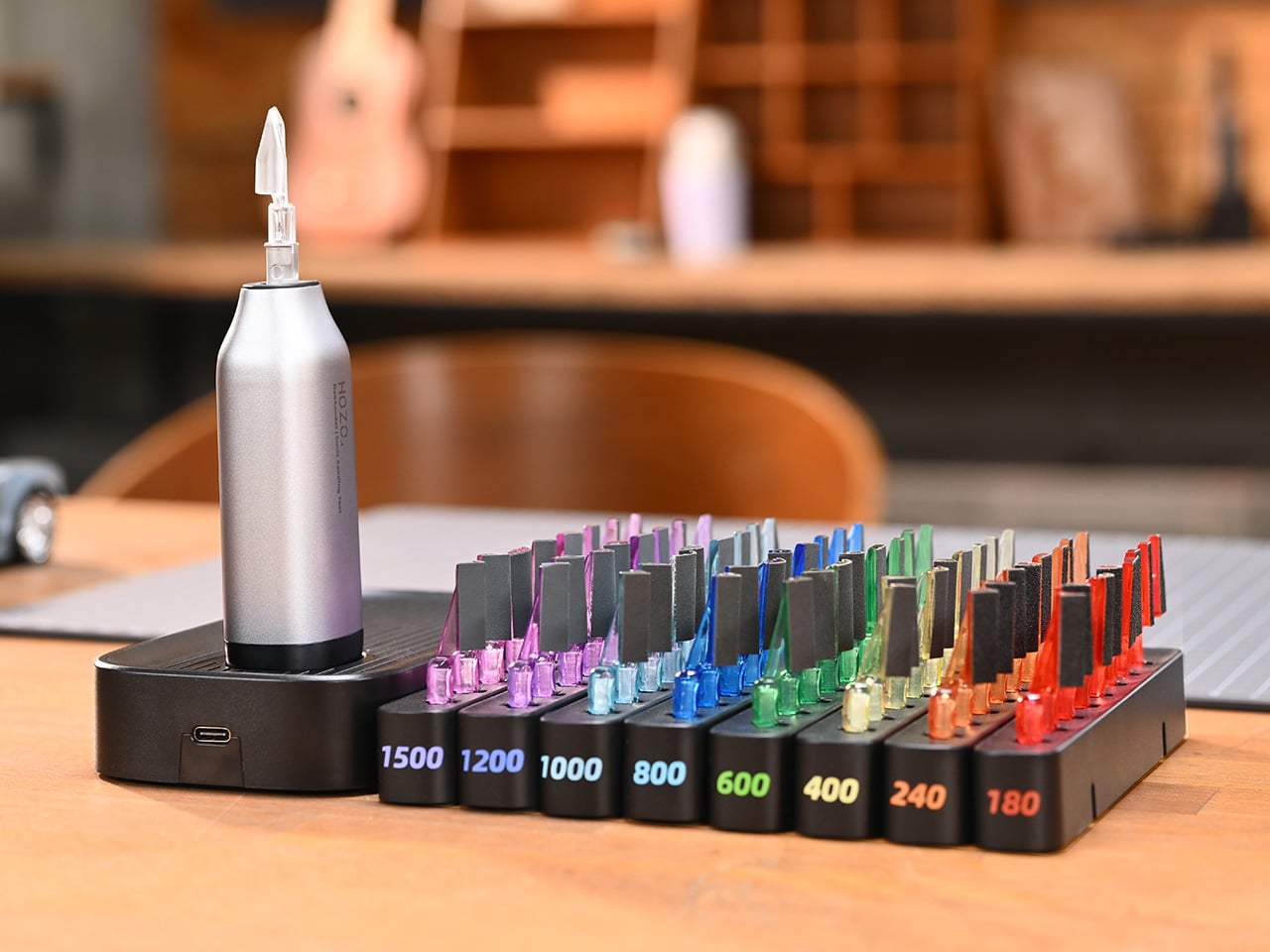
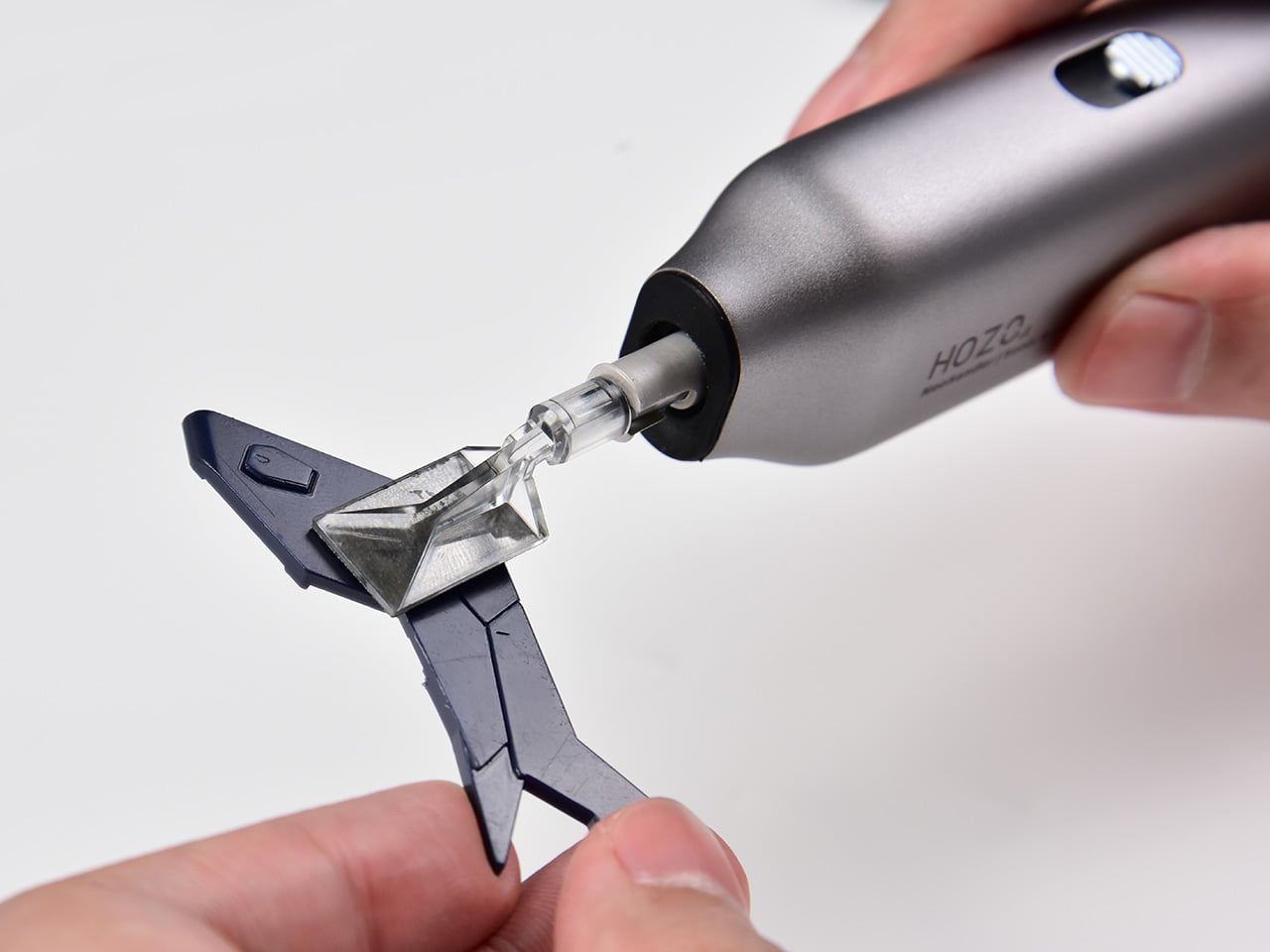
The front end is where the system gets smart. Eight interchangeable sanding heads handle different shapes, pointed tips for crevices, slim and wide flats for edges and planes, half-cylinders and arcs for curves, and acute and right angles for corners. Pair that with eight grits of sandpaper, from rough 180-grit to fine 1,500-grit, including foam-layer sheets that flex to irregular surfaces. A color-coded storage block keeps head-and-grit combos sorted, so you can grab, snap, and keep working instead of playing peel-and-stick roulette between every pass.
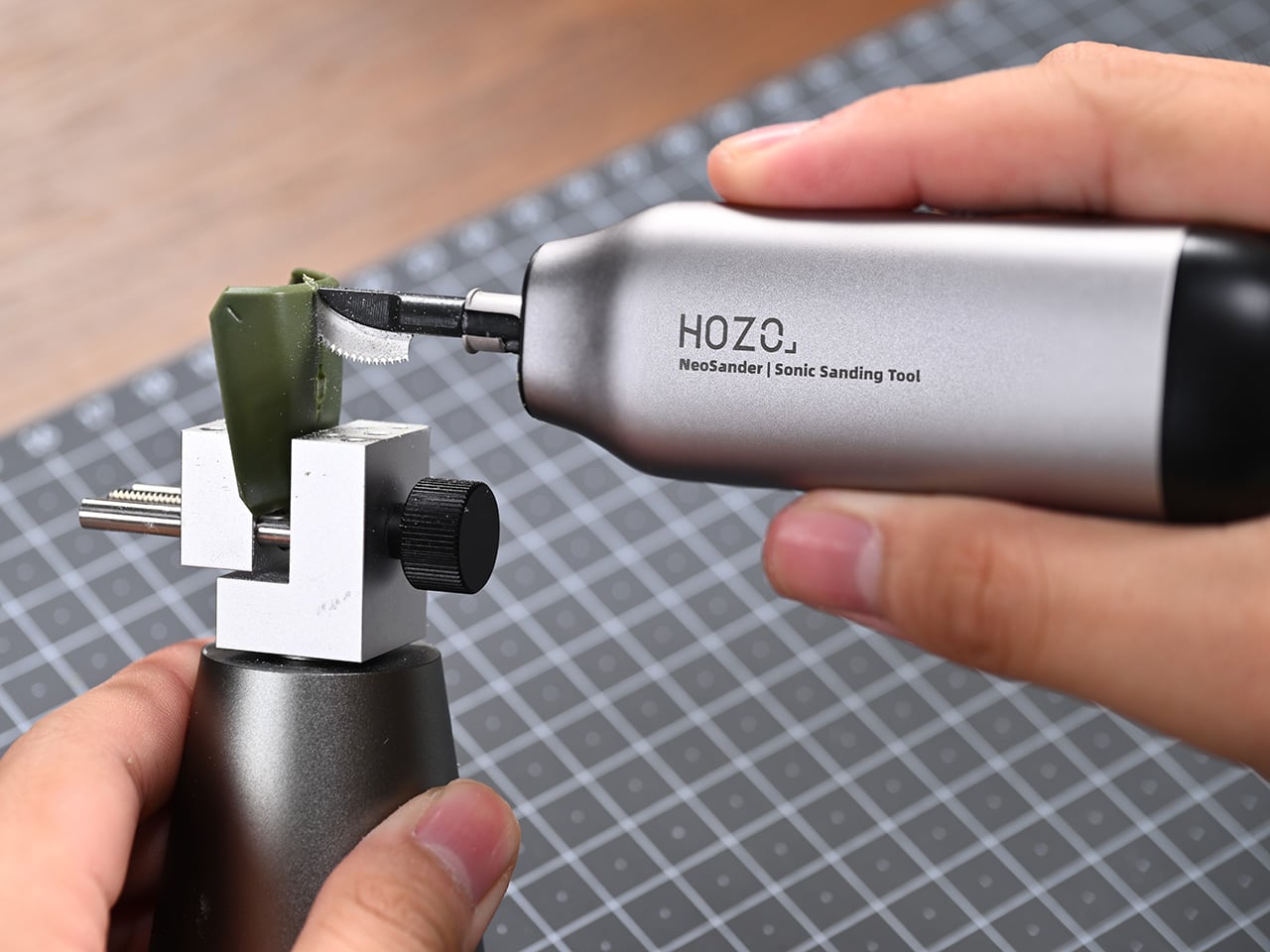
The same back-and-forth motion that sands also drives a tiny reciprocating saw. Swap to a curved saw blade or jigsaw-style blade, and you can cut sprues, trim parts, or slice small pieces of wood and plastic without changing tools. The 0.2 mm micro teeth use a wave-shaped, double-tooth pattern and an anti-binding design that clears dust as it cuts, making passes smoother and less likely to jam mid-stroke. It turns NeoSander into a dual-purpose tool for both cleanup and small fabrication tasks.
NeoSander feels light in the hand, a 3.13 oz aluminum-alloy shell with a dustproof silicone cover and IP54 splashproof rating, small enough to guide with fingertips. Inside, a counterweight moves opposite the sanding head to cancel most vibration, so your grip stays steady instead of buzzing. The cordless design uses a 3.7 V, 1,100 mAh battery with dock charging, giving around 45 minutes of heavy-duty use or up to 240 minutes of lighter work between 30-minute charges, which is enough for multiple sessions without tethering to a cable.
A tool like this changes the rhythm of making. Instead of dreading the cleanup phase, you have a small, precise machine that can sneak into tight spots, swap heads and grits without breaking flow, and even handle tiny cuts when you need them. For people who live in the world of miniatures, prints, and fine edges, NeoSander feels less like a gadget and more like the missing link between rough shaping and the moment a piece finally looks finished, where the details stop feeling like tedious cleanup and start feeling like the reason you made the thing in the first place. Novices and casual makers will appreciate the accessibility and beginner-friendly NeoSander Pro kit at $69, while those who really want to take their designs to the next level will want to grab the $129 NeoSander Premium Kit, which adds accessories like multi-color sanding heads, saw heads, and a charging dock on top of the basic set.
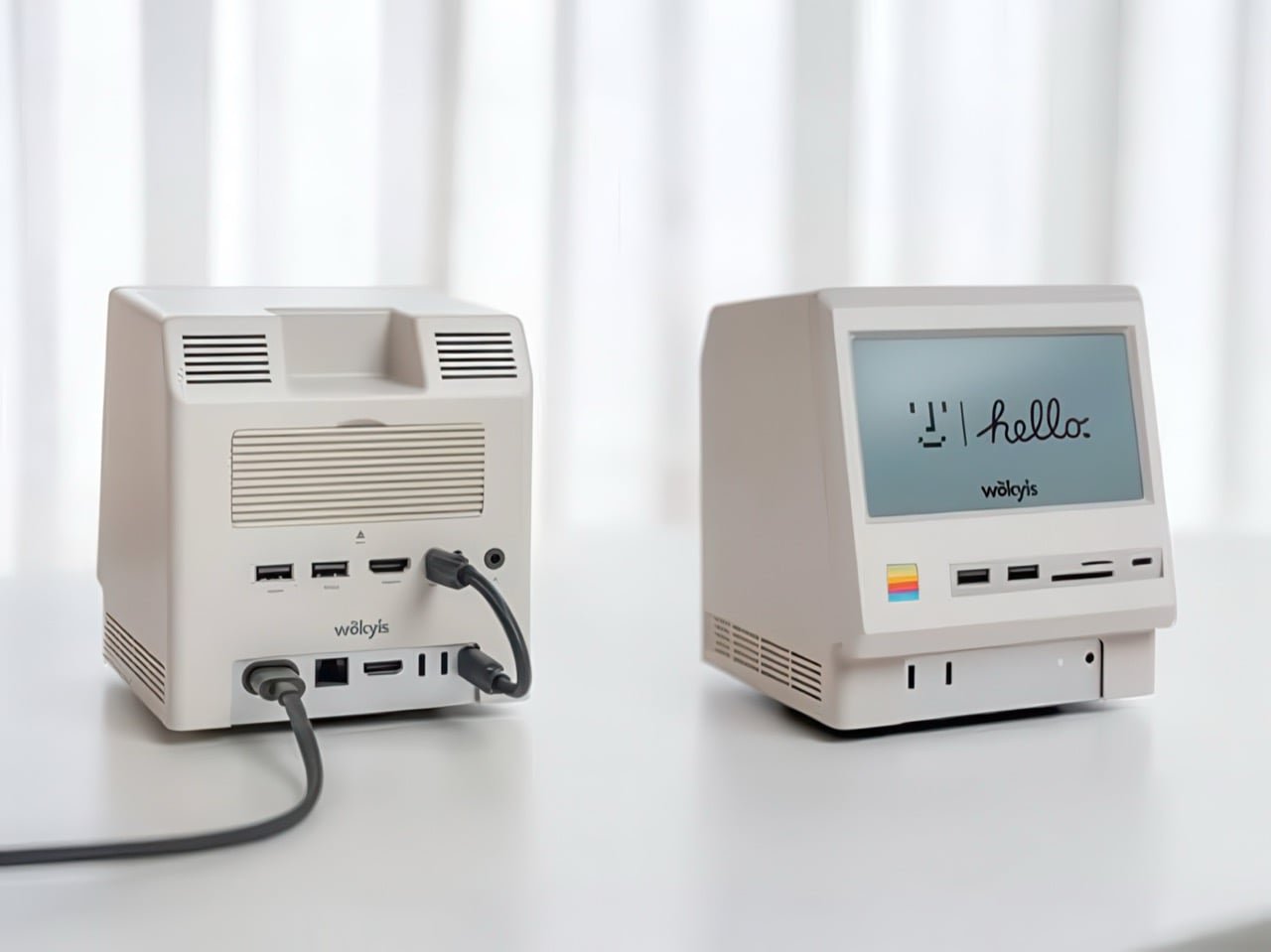
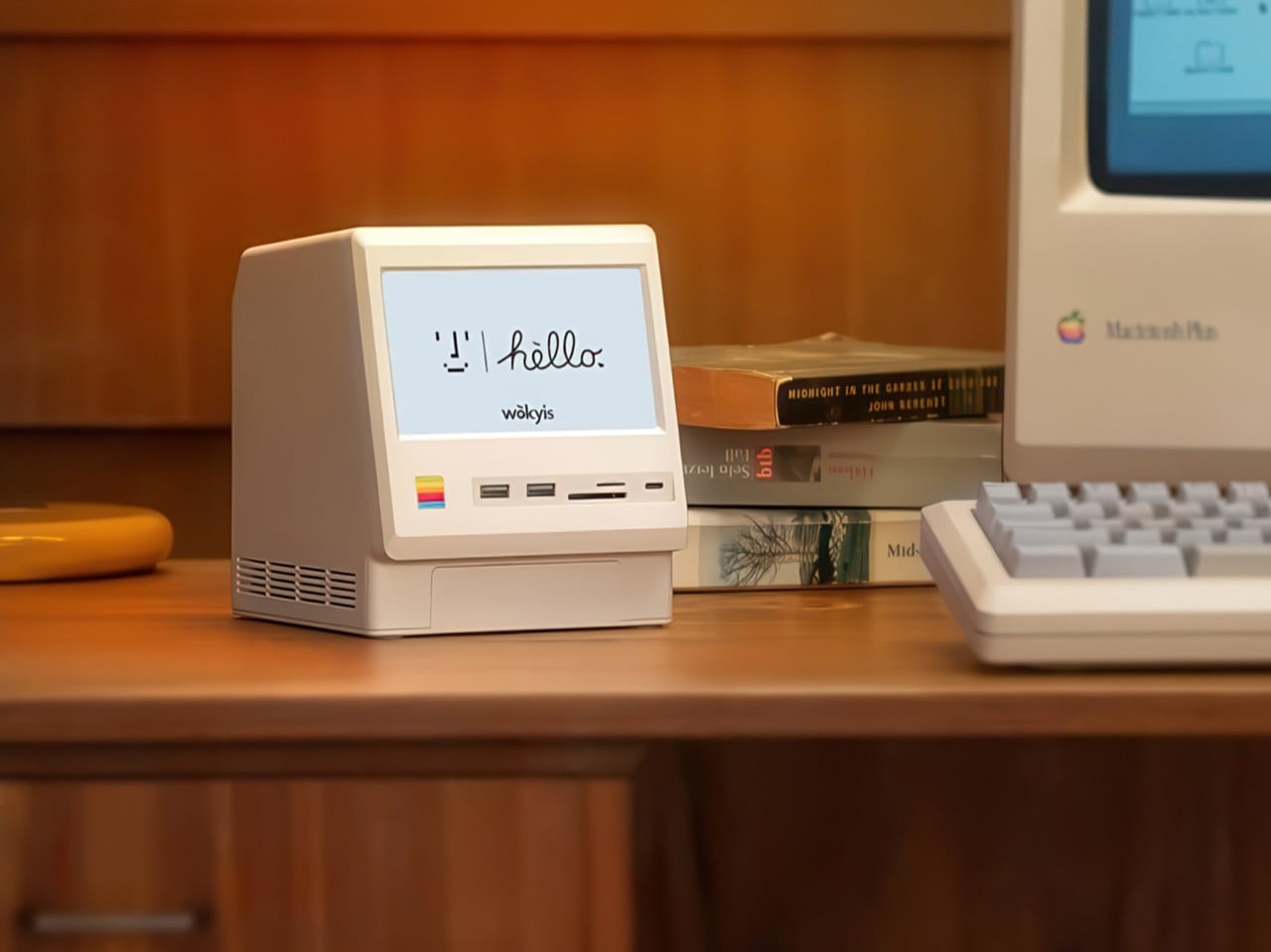
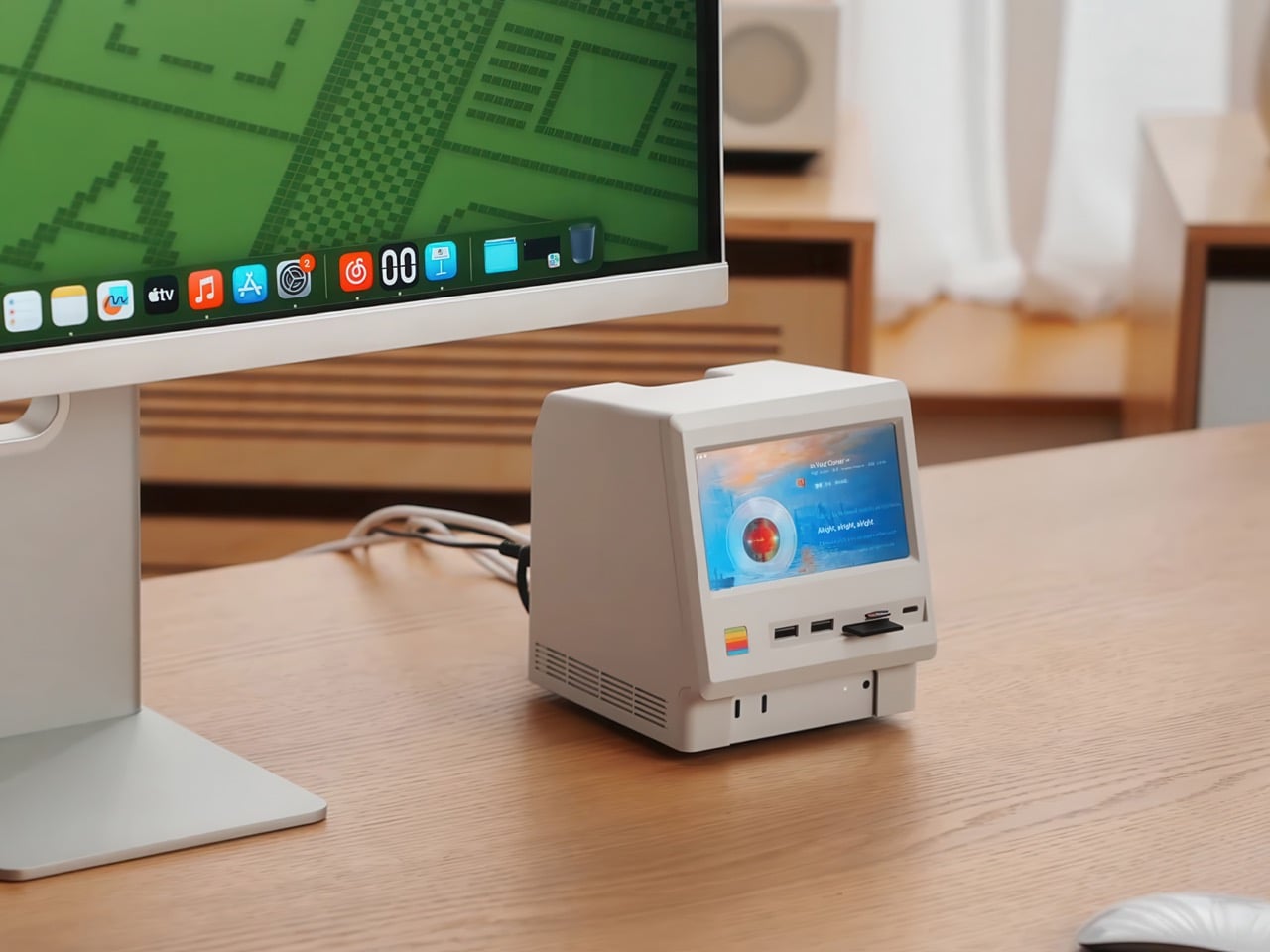
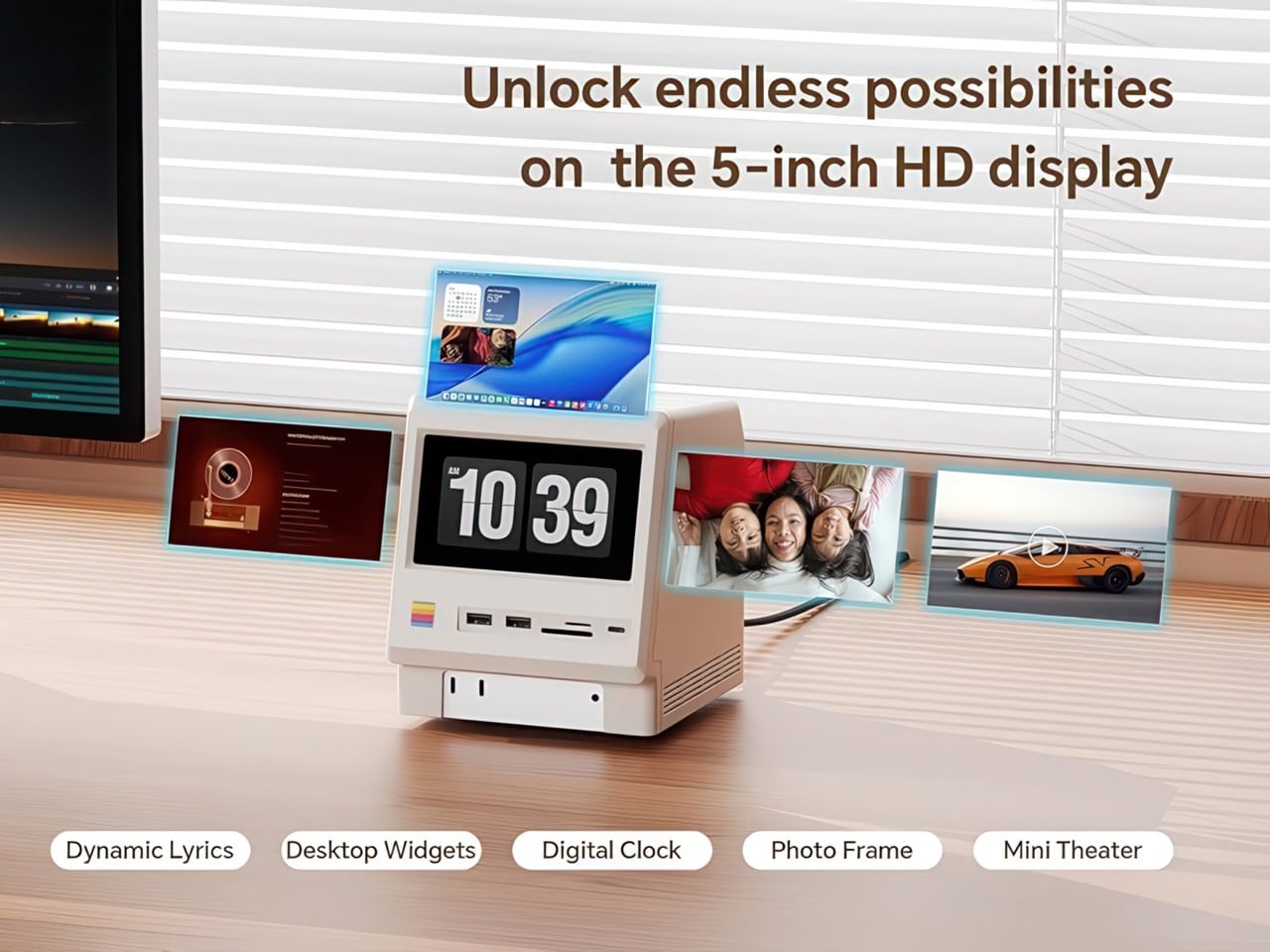
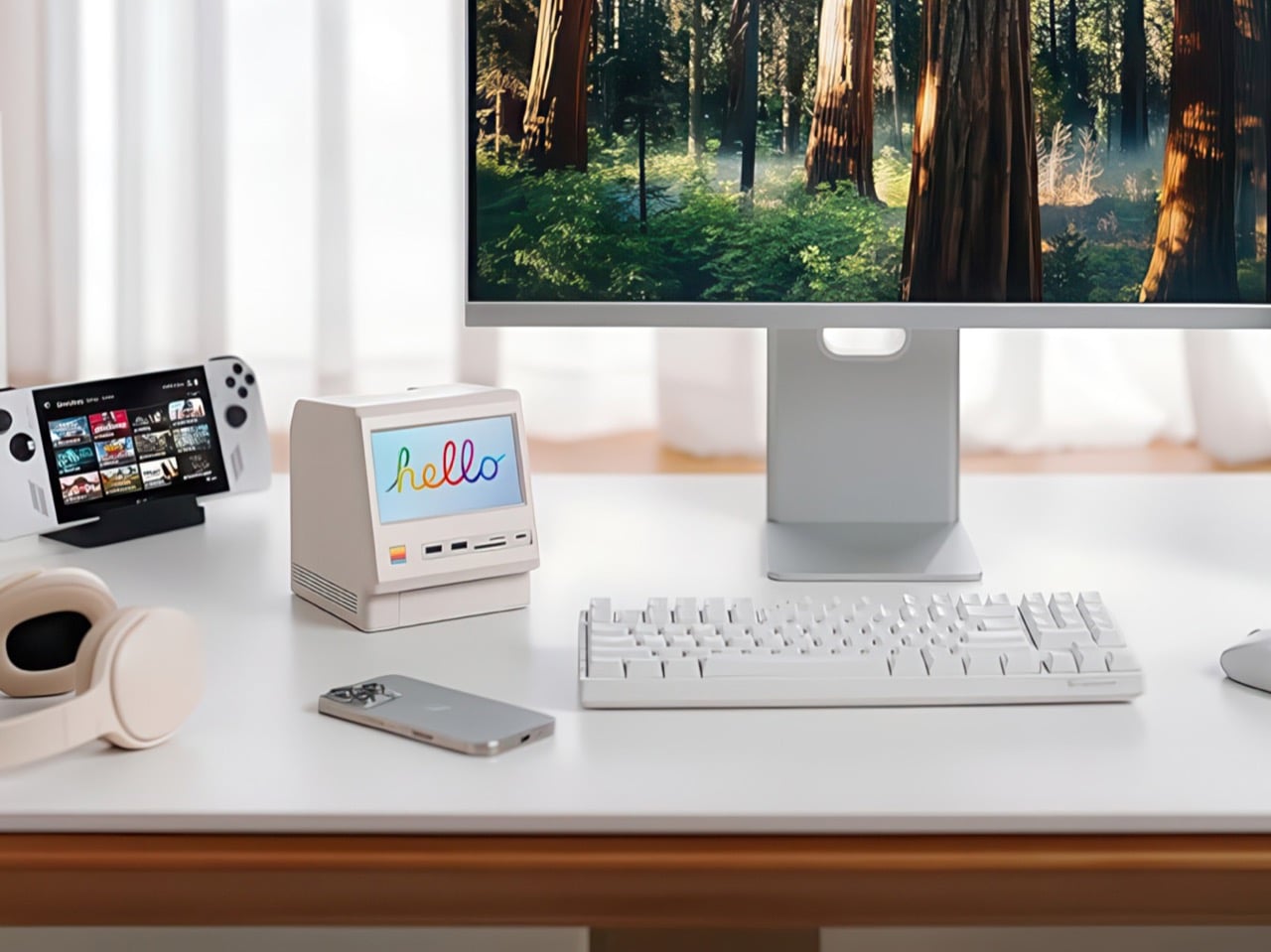
Apple’s Mac mini M4 is absurdly powerful for its size, but connecting anything to it requires a patience-testing game of dongle Tetris. The Wokyis M5 fixes this the fun way, wrapping your diminutive desktop in a retro Macintosh shell that’s actually packed with ports and storage. Yes, the naming is confusing since there’s no Mac mini M5 yet, but the compatibility story is straightforward: this works with the M4, M2, and M1 Mac minis, plus any Mac with Thunderbolt 3/4/5 ports.
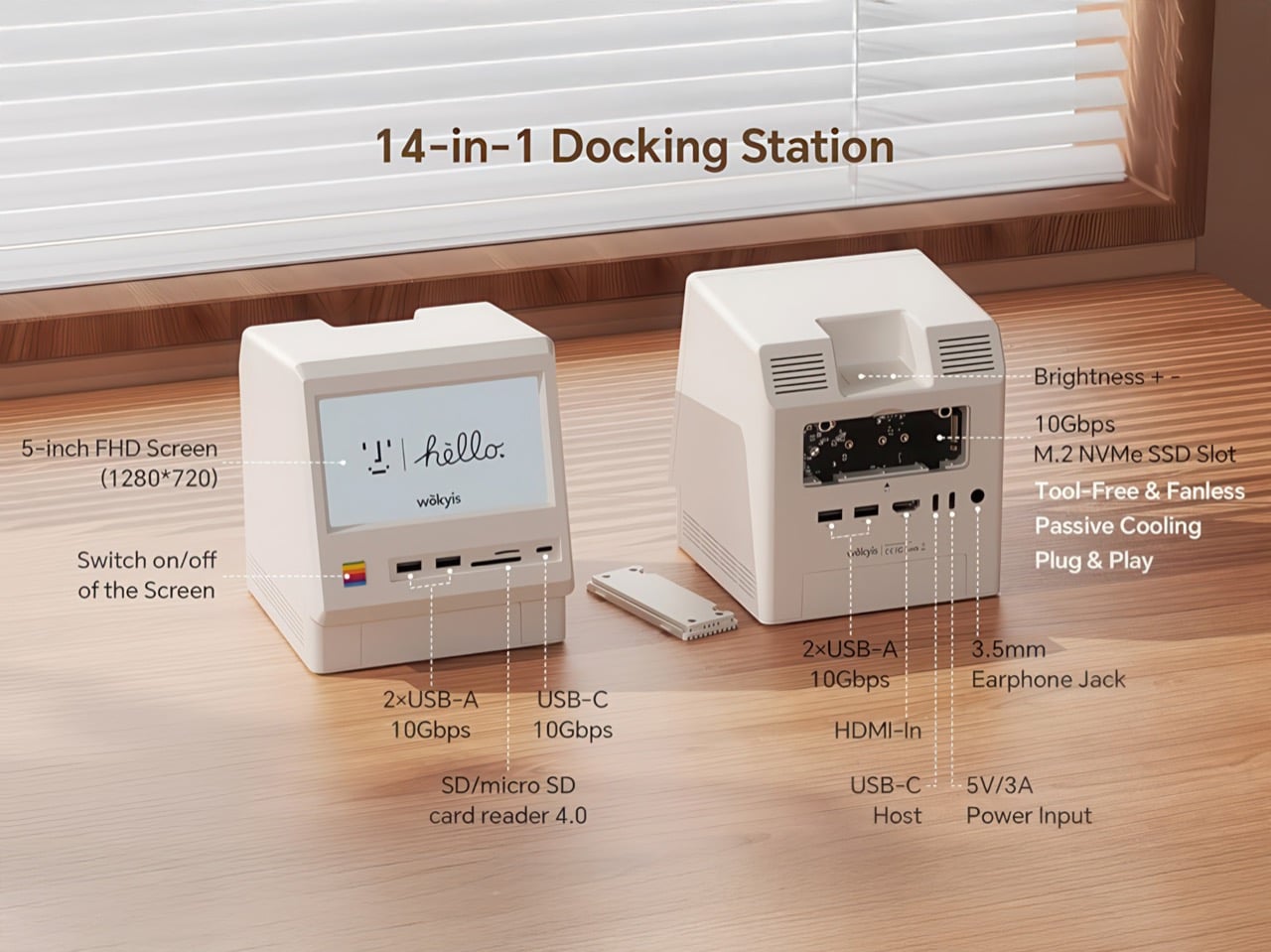
Inside that beige plastic homage to computing history, you’ll find legitimately fast 10Gbps connectivity on both USB-A and USB-C ports, card readers that hit 312MB/s with UHS-II cards, and a tool-free M.2 enclosure with included thermal pads for proper heat management. The 5-inch screen displaying “hello” works as a proper 720p panel for desktop widgets, music lyrics, photo frames, or system stats. Testing shows the SSD enclosure delivers around 900 MB/s with quality NVMe drives, which is respectable for a hub in this price range. The design lets you access the Mac mini’s own ports through a removable bottom panel, so nothing gets sacrificed in the name of aesthetics.
Photographers and video editors know the Mac mini M4’s port limitation intimately. Three Thunderbolt 4 ports and two USB-A ports sound adequate until your monitor claims one, your external SSD takes another, and you’re suddenly rationing connectivity like it’s a finite resource. The front panel of the M5 solves this with two USB-A 10Gbps ports, one USB-C 10Gbps port, and SD plus microSD slots that handle UHS-II speeds at 312MB/s. Offloading a 128GB card from a photo shoot takes minutes instead of the geological timescale you’d experience with slower readers. You do this without unplugging anything or performing cable gymnastics behind your monitor.
The M.2 enclosure accepts NVMe drives from 2230 to 2280 form factors and supports up to 8TB of storage. Pair it with a Samsung 990 EVO Plus and you’ll see read and write speeds hovering around 800 to 900 MB/s, which translates to genuinely usable performance for 4K editing timelines or RAW photo libraries. Wokyis ships two thermal pads in the box: a thicker one for single-sided SSDs and a thinner variant for double-sided drives. The passive cooling approach works because there’s actual thought behind the thermal management rather than hoping convection does all the heavy lifting. No fans means no noise, which matters when you’re recording voiceovers or working in a quiet space.
That 5-inch display hits 1280×720 resolution at roughly 290 PPI, putting it squarely in Retina territory for normal viewing distances. Text renders crisp, colors track accurately for casual use, and brightness handles typical indoor lighting without struggle. You can feed it content through the HDMI-in port or the USB-C host connection depending on your setup preferences. People are running Spotify controls on it, system monitoring dashboards, security camera feeds, even Slack notifications. The dedicated power button on the front means you can kill the screen when you don’t need it running, which beats having a perpetually glowing display burning into your peripheral vision at 2 AM.
Wokyis nailed the proportions by treating the original Macintosh as inspiration rather than a blueprint to slavishly recreate. The beige matches Apple’s classic off-white perfectly, the ventilation grills reference the original’s cooling design, and that rainbow stripe sits exactly where your brain expects it. The dimensions wrap the Mac mini M4 specifically, with a removable base plate that keeps every native port accessible. You’re adding capability on top of what Apple gave you rather than trading functionality for aesthetics. The Mac mini slides in, locks down, and you’ve suddenly got a setup that looks like it time-traveled from 1984 while performing like it’s from 2025.
Generic USB-C hubs from Anker or CalDigit run $80 to $150 and offer similar port counts with zero personality. None of them include an SSD enclosure or a display. The M5 at $169.99 lands in a weird value proposition where you’re paying a modest premium for design that actually makes you happy to look at your desk. The 80Gbps Thunderbolt 5 version exists at $389 if you’re pushing enormous video files or running external GPUs, but that’s specialist territory. The 10Gbps model handles what 90% of users throw at it. Ships in two days direct from Wokyis or grab it from Amazon if you’ve got Prime and prefer that refund safety net. Either way, you’re getting a dock that makes the Mac mini M4 better at its job while looking fantastic doing it.
Recipe apps live on screens while the physical tools that actually make food better are scattered across drawers and cupboards. Your phone is propped against a mug, your scale is buried somewhere, and you are guessing at temperatures because the thermometer is never where you left it. Most digital cooking tools ignore the reality that kitchens are crowded, messy spaces where the tools you need for precision are rarely connected to the guidance telling you what to do.
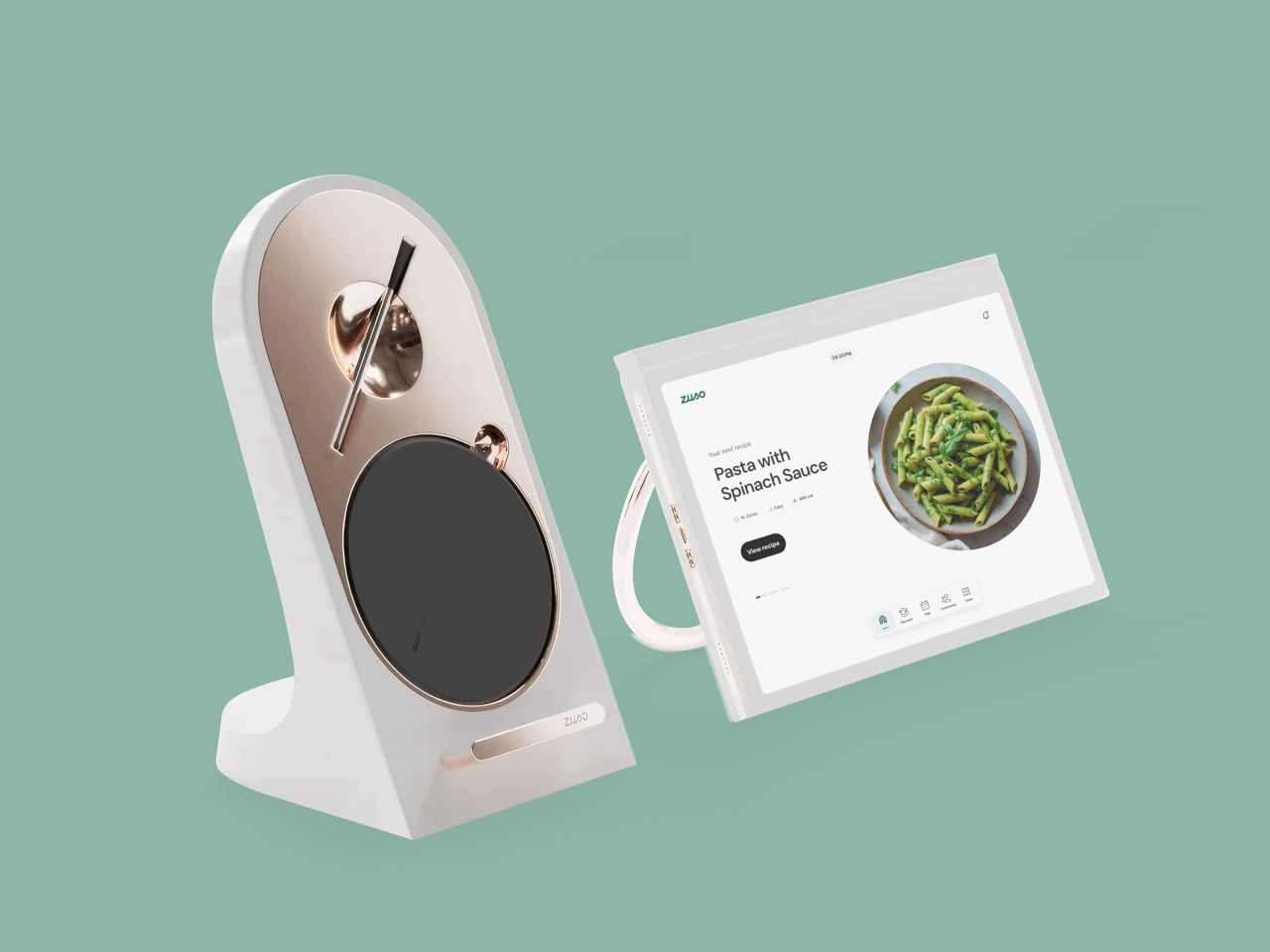
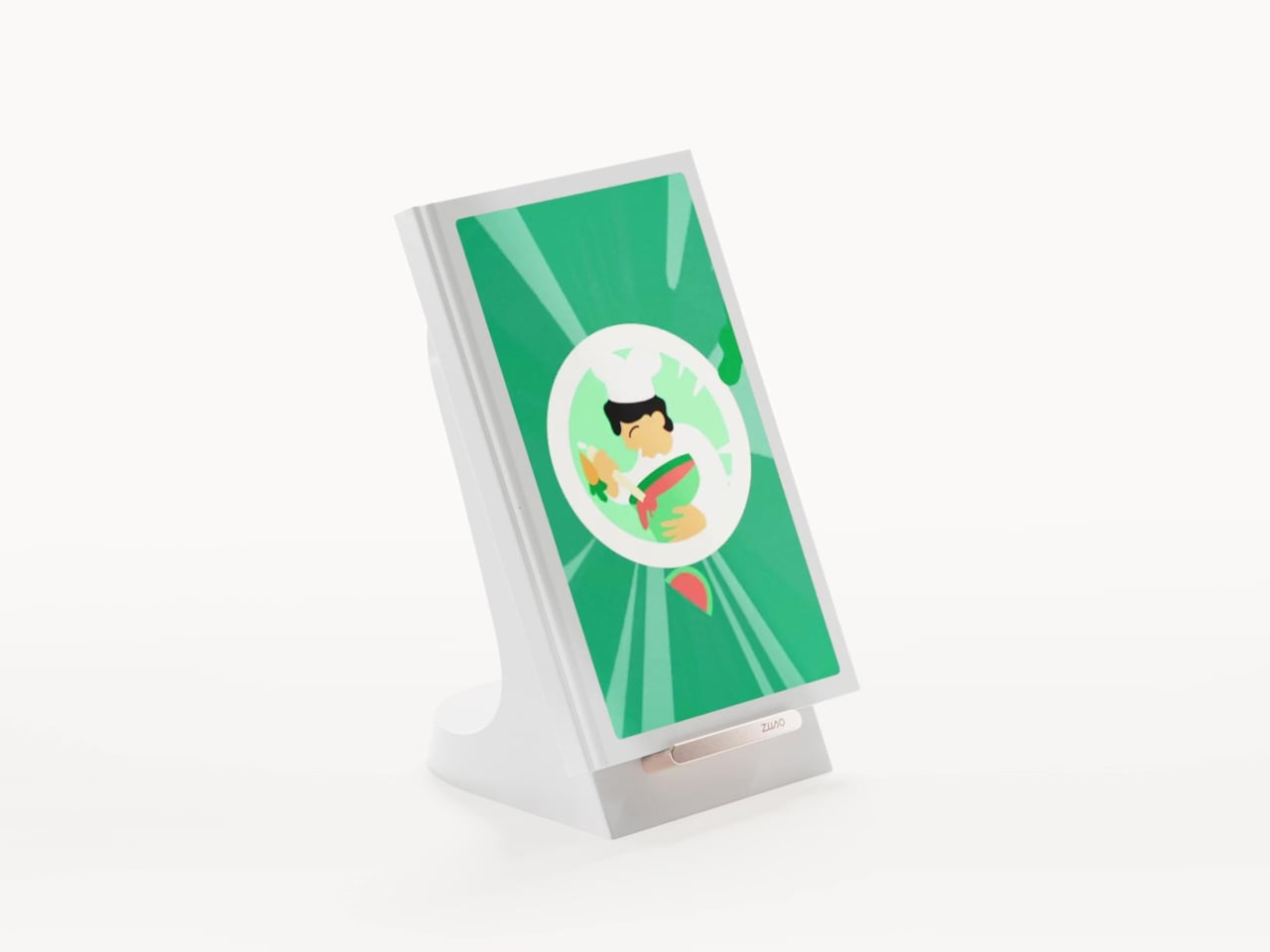
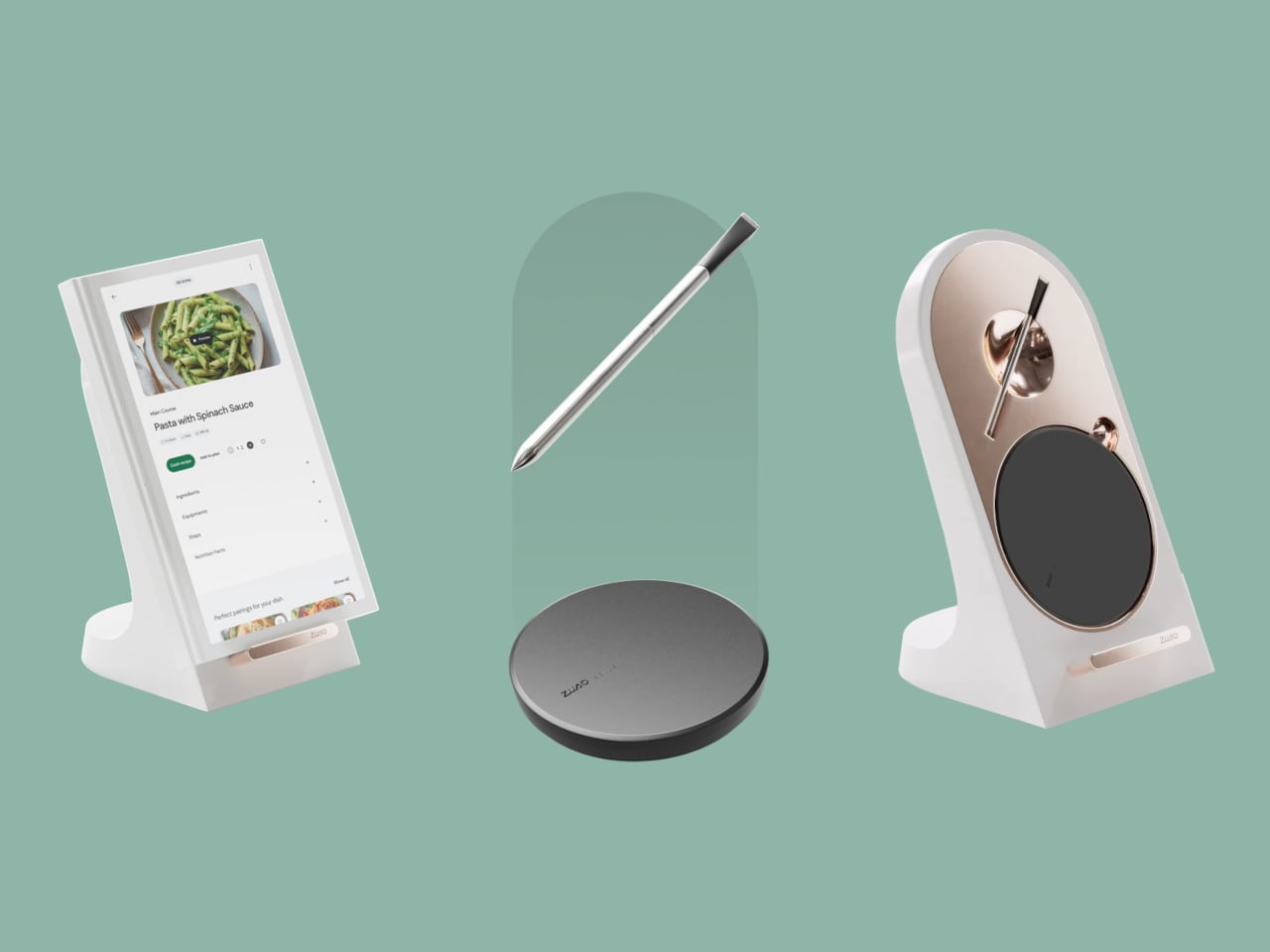
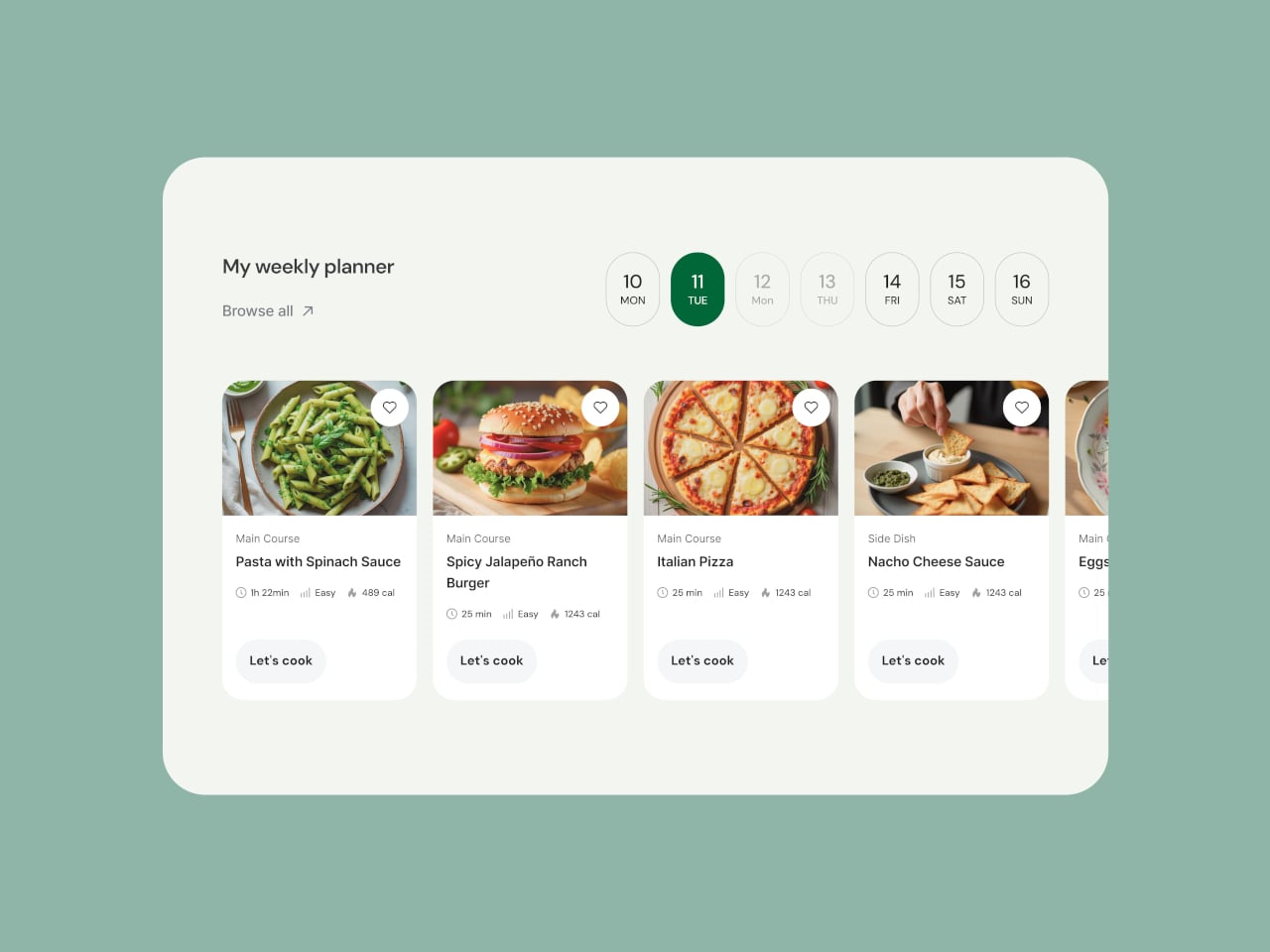
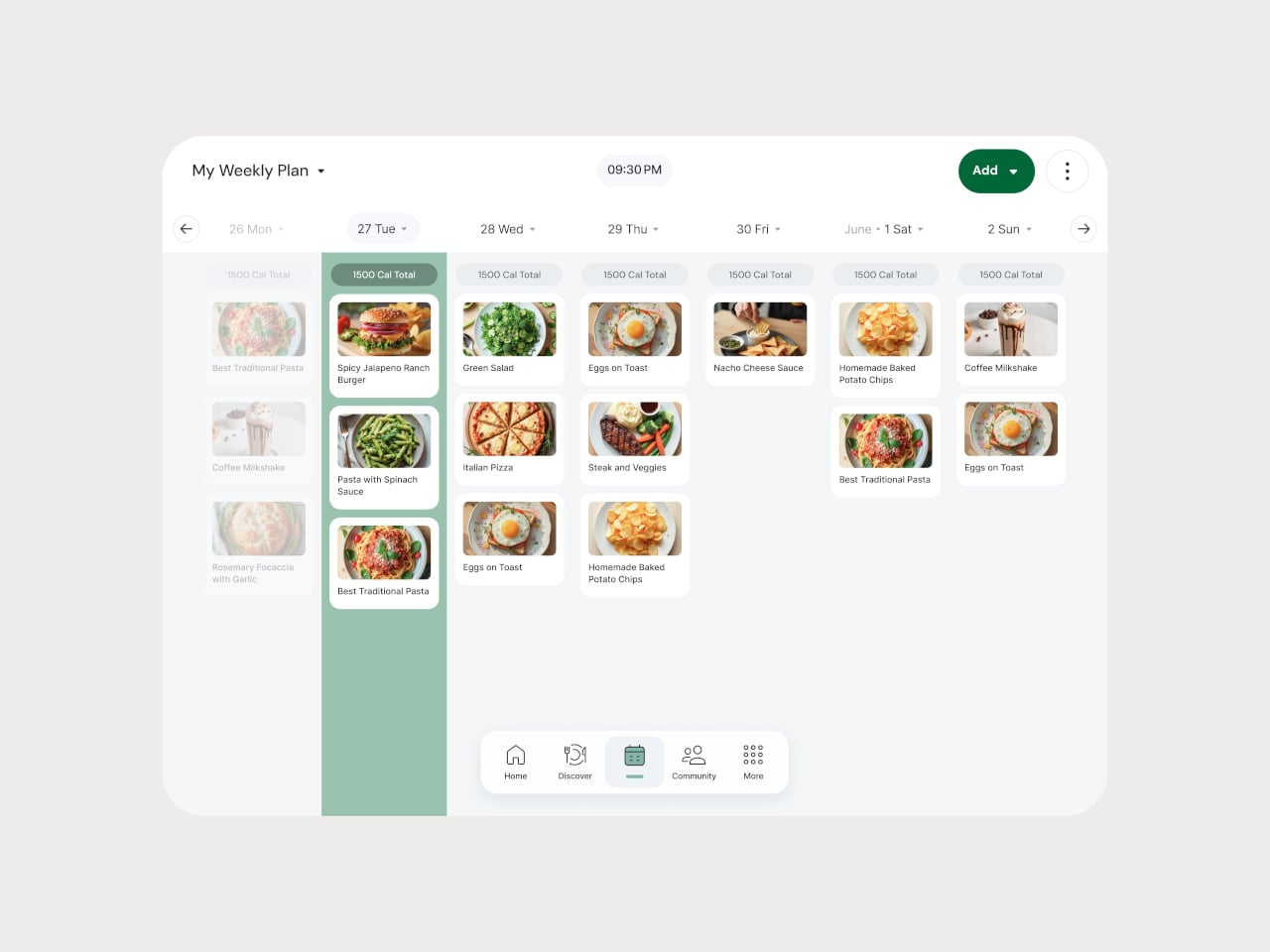
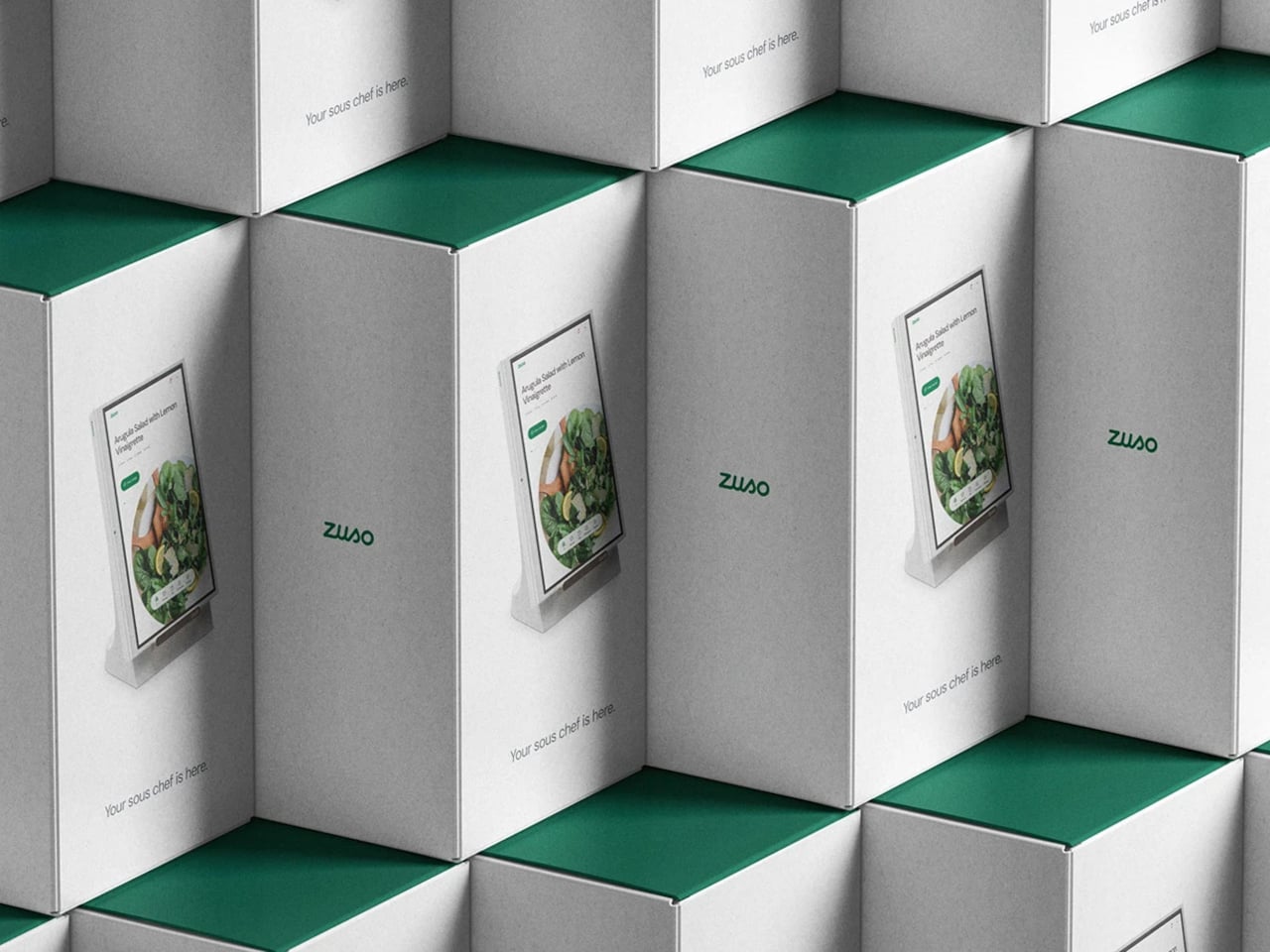
Zuso is a modern culinary guide that treats the cookbook as both an object and a service. It combines a sculpted countertop totem with a tablet interface, and the totem hides a built-in scale and a docked thermometer. The idea is to make the tools you need for precision part of the same product that is walking you through each step, instead of treating measurement and guidance as separate problems.
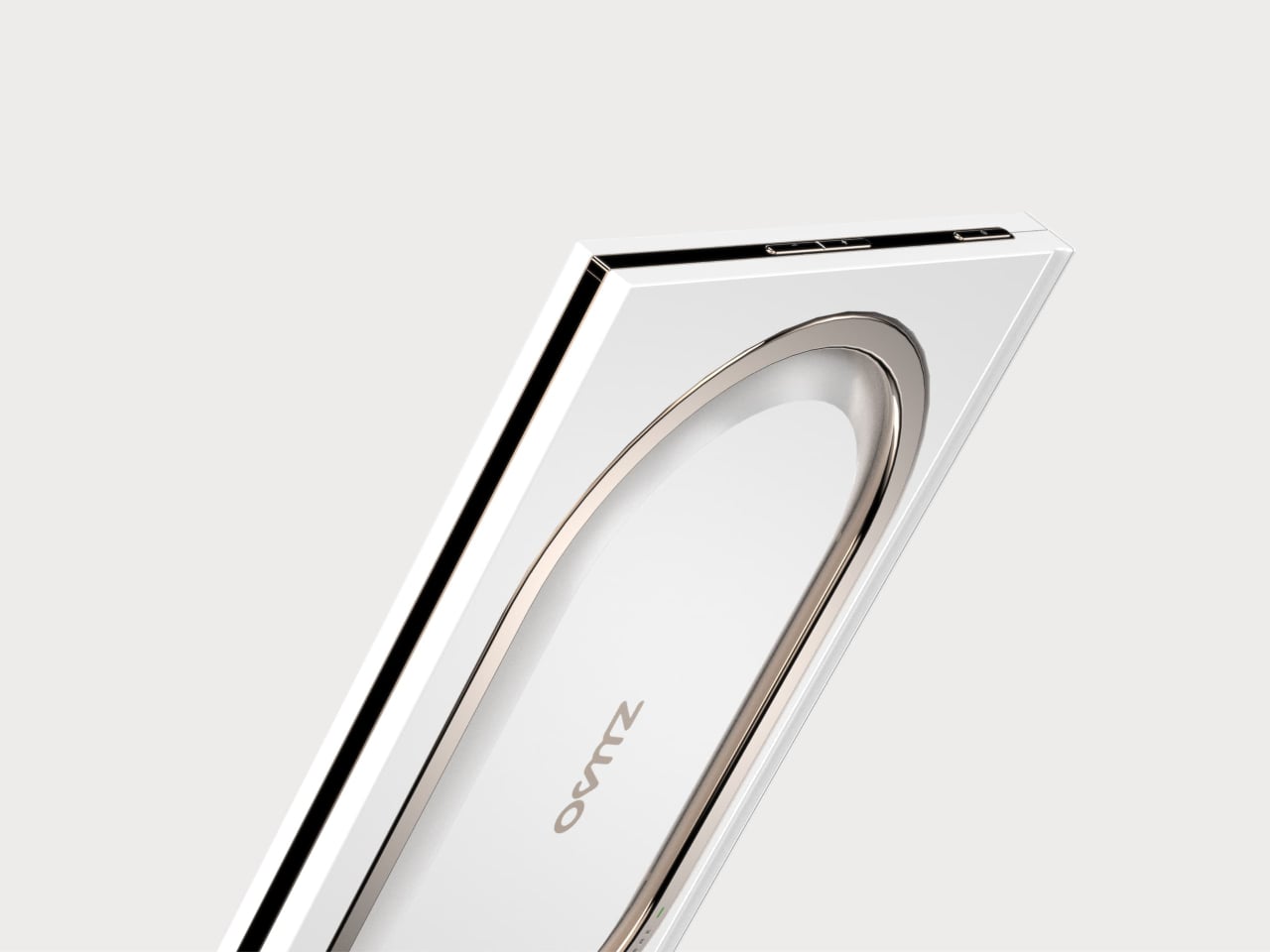
The totem can live on the counter without looking like a piece of lab equipment. Its vertical form, circular scale pad, and slender thermometer wand read more like a small appliance or even a decorative object than a gadget. Because it is designed to be seen rather than stored, it is always ready when you start cooking, which quietly removes the friction of hunting for tools you know are somewhere in the back of a drawer.
Instead of switching between apps, scale, and a separate thermometer, you drop ingredients directly onto the base and see the weight on the tablet, or slip the wand into a pan and watch the temperature update next to the step you are on. It turns precision into the default behavior rather than an extra step you take only when you feel like being exact, which makes recipes that rely on grams or specific temperatures feel less intimidating.
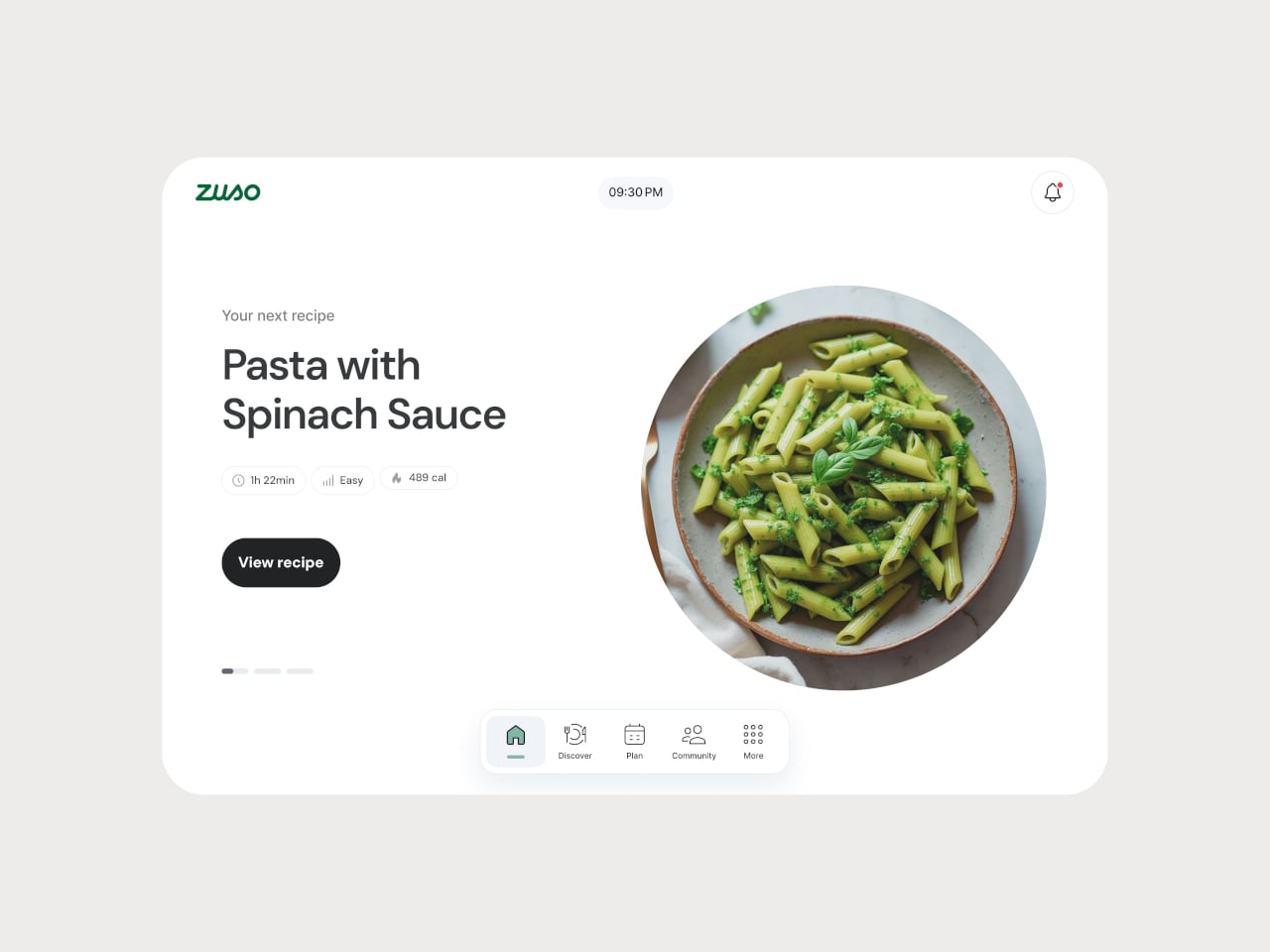
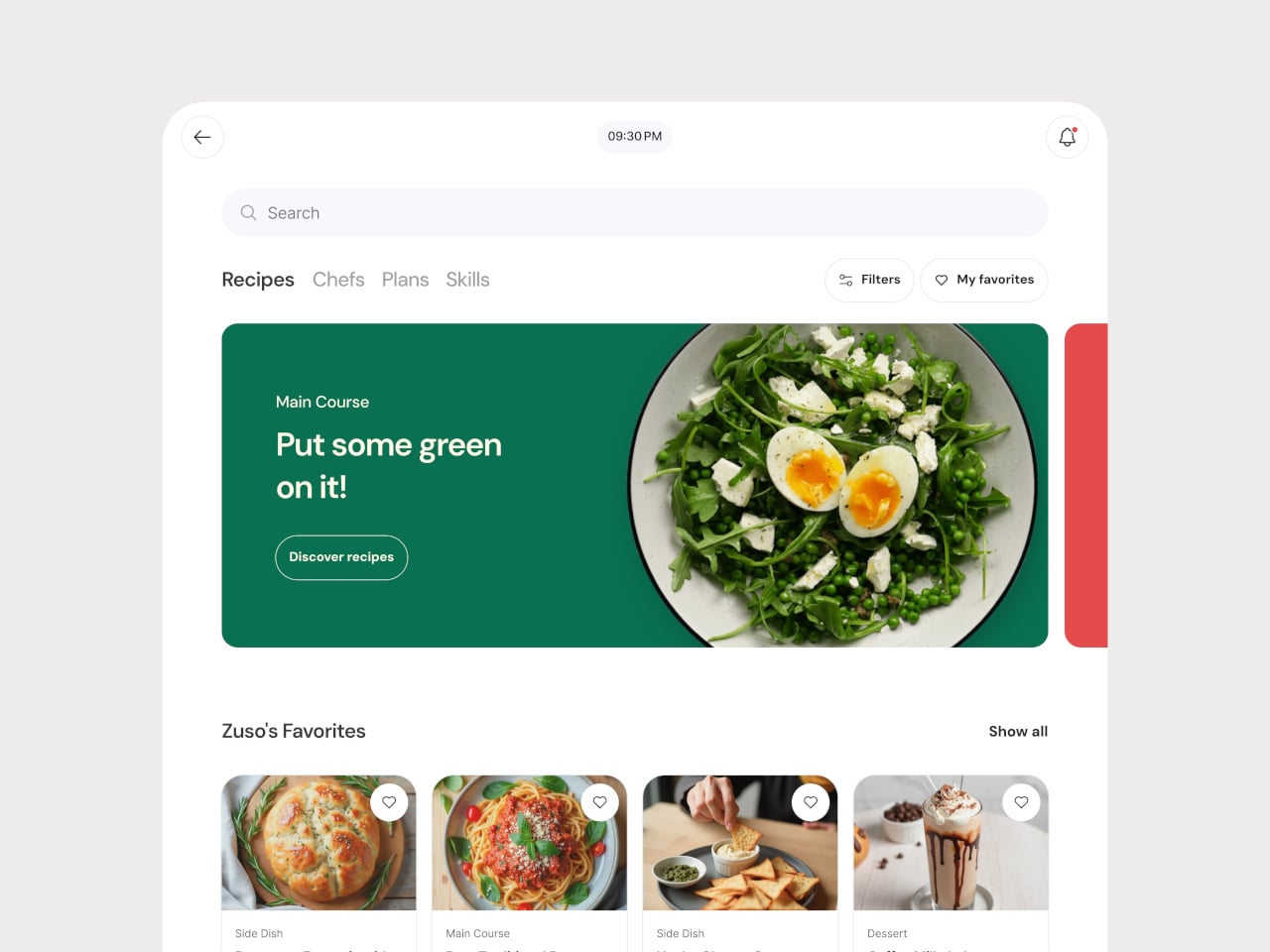
The tablet interface mirrors the physical design, with rounded cards, generous white space, and a calm palette that matches the totem’s presence. Recipe steps, video tutorials, and timers are laid out in a way that respects the fact that your hands are often busy or messy. Zuso feels like one object split into hardware and software, not an app that happens to be running on a random tablet next to a generic stand.
The broader platform, weekly planners, grocery lists, chef profiles, and skills sections, carries the same visual and interaction language from the counter to planning or learning. The totem and tablet feel like a hub for how you cook, not just a place to look up tonight’s dinner, with the same calm, intentional design running through every layer.
Zuso treats cooking as a ritual worth designing for, not just a problem to solve with another app. By giving the scale and thermometer a sculptural home and tying them directly to a thoughtful interface, it turns the act of following a recipe into something more deliberate and less chaotic. Good product design in the kitchen is not just about adding screens. It is about making the right tools feel like part of the same story instead of orphaned objects you have to remember exist.
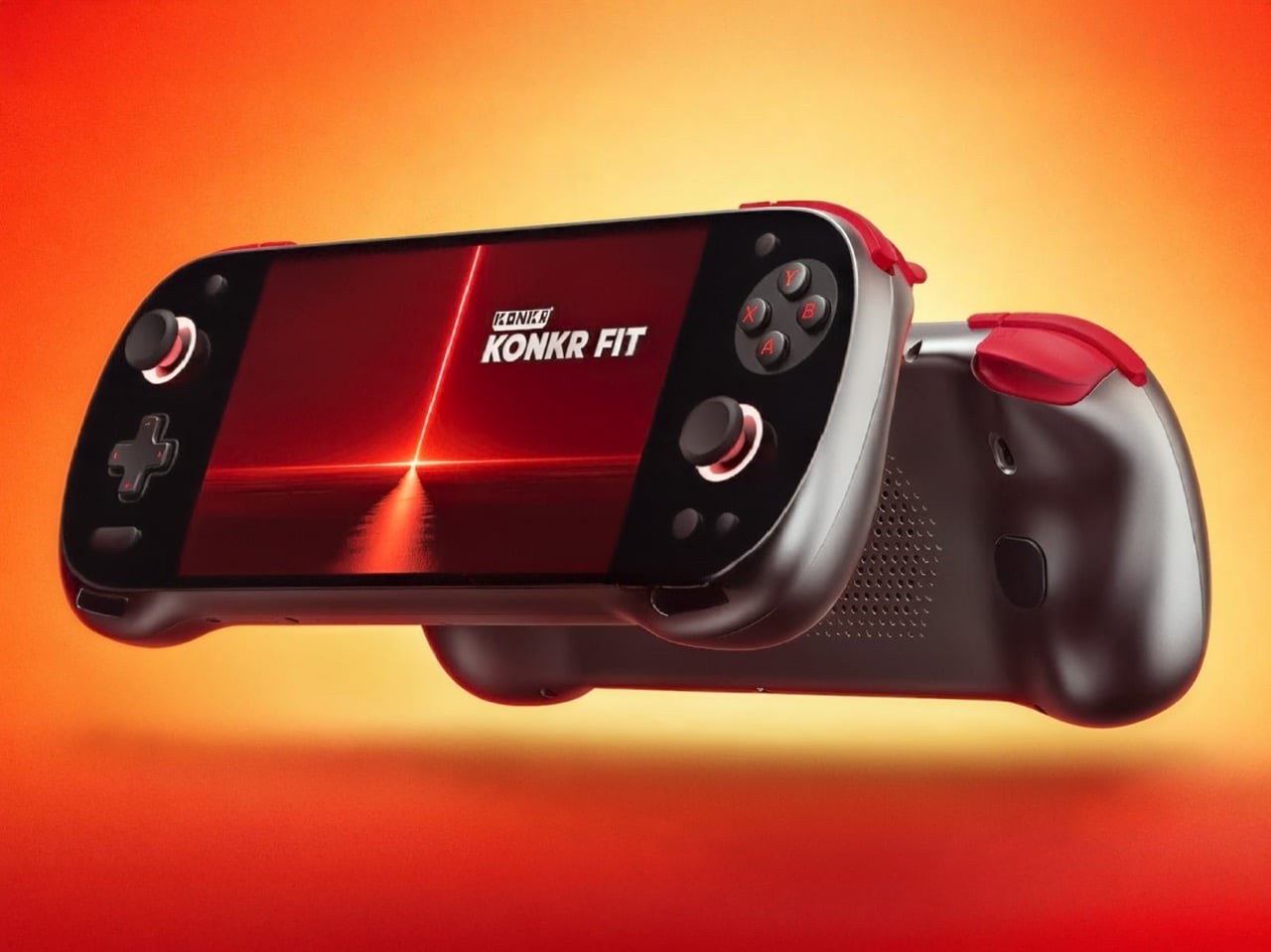
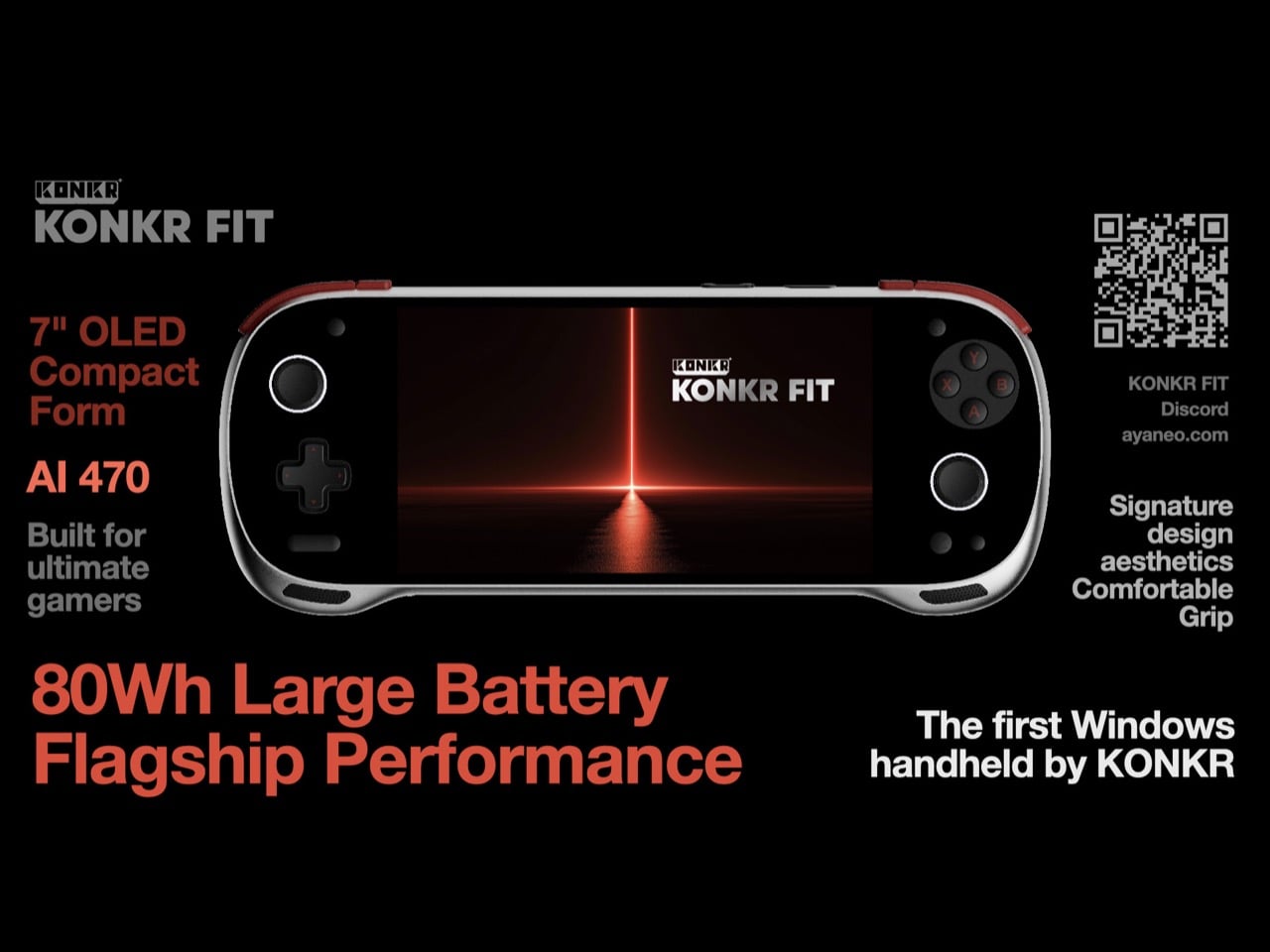
Ayaneo’s budget Konkr brand is expanding beyond Android. After launching the Pocket Fit with Snapdragon G3 Gen 3 and the more powerful Pocket Fit Elite with Snapdragon Elite 8, the company has unveiled its first Windows handheld under the Konkr name. The new device drops “Pocket” from its title for good reason.
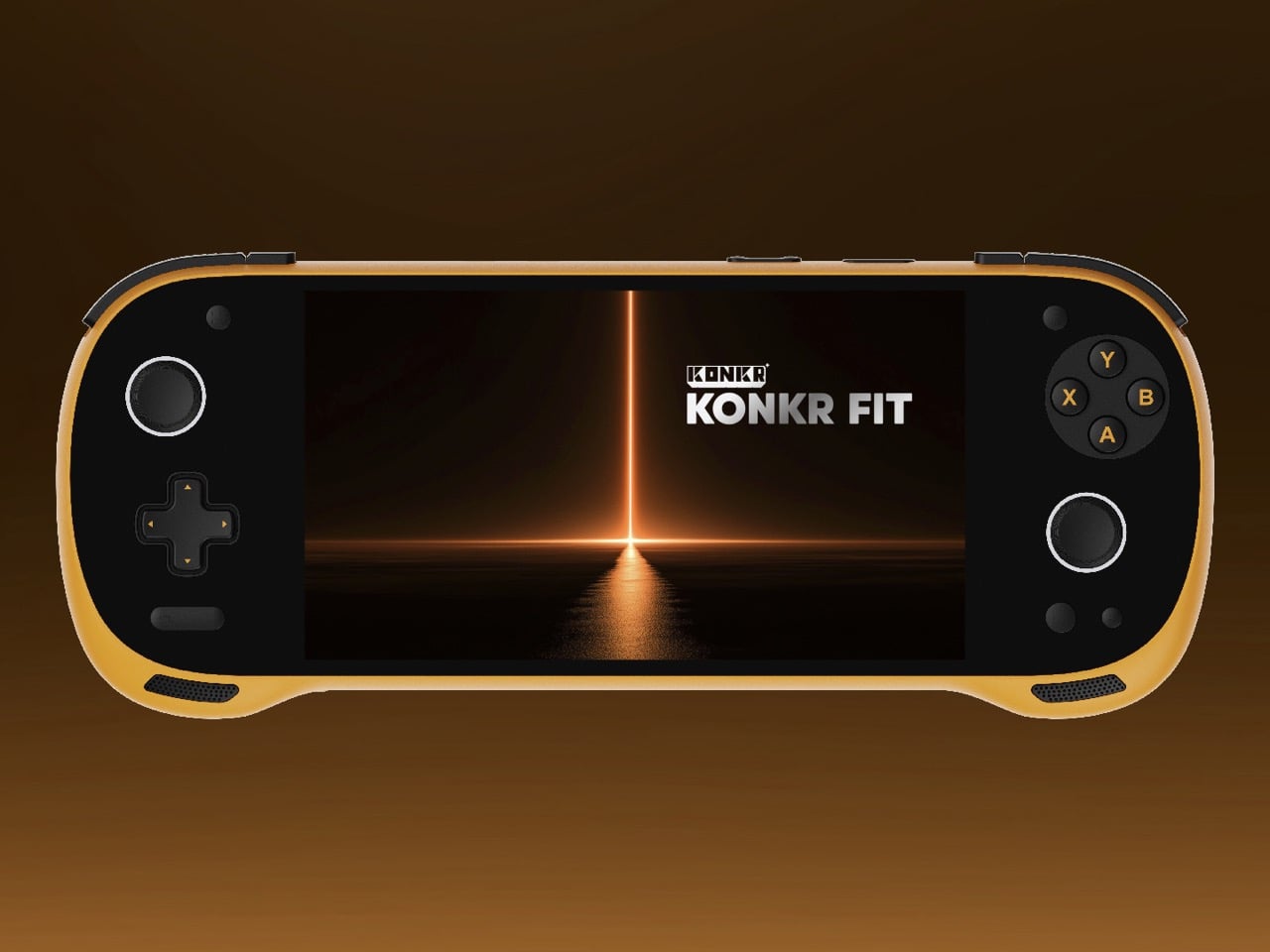
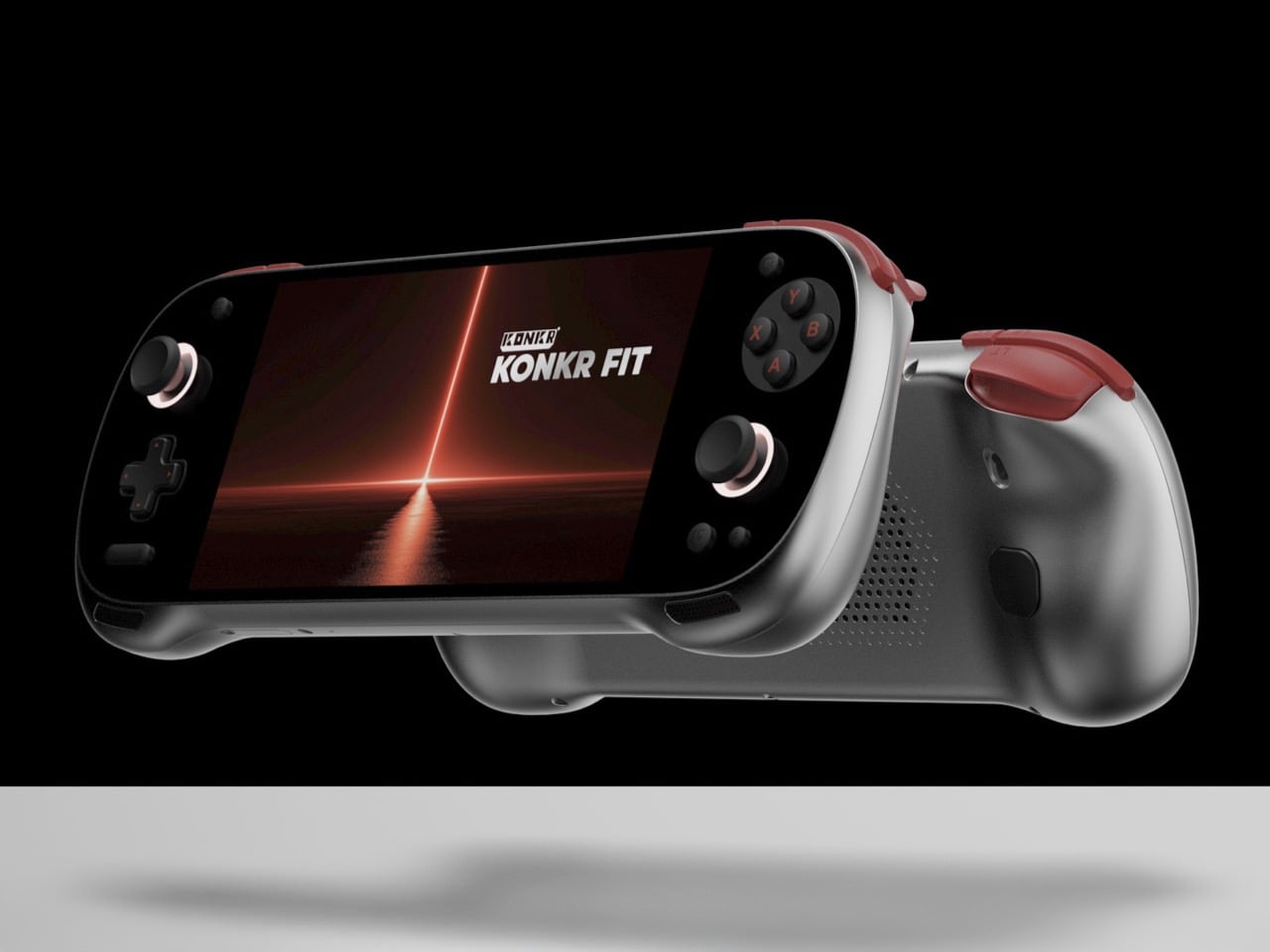
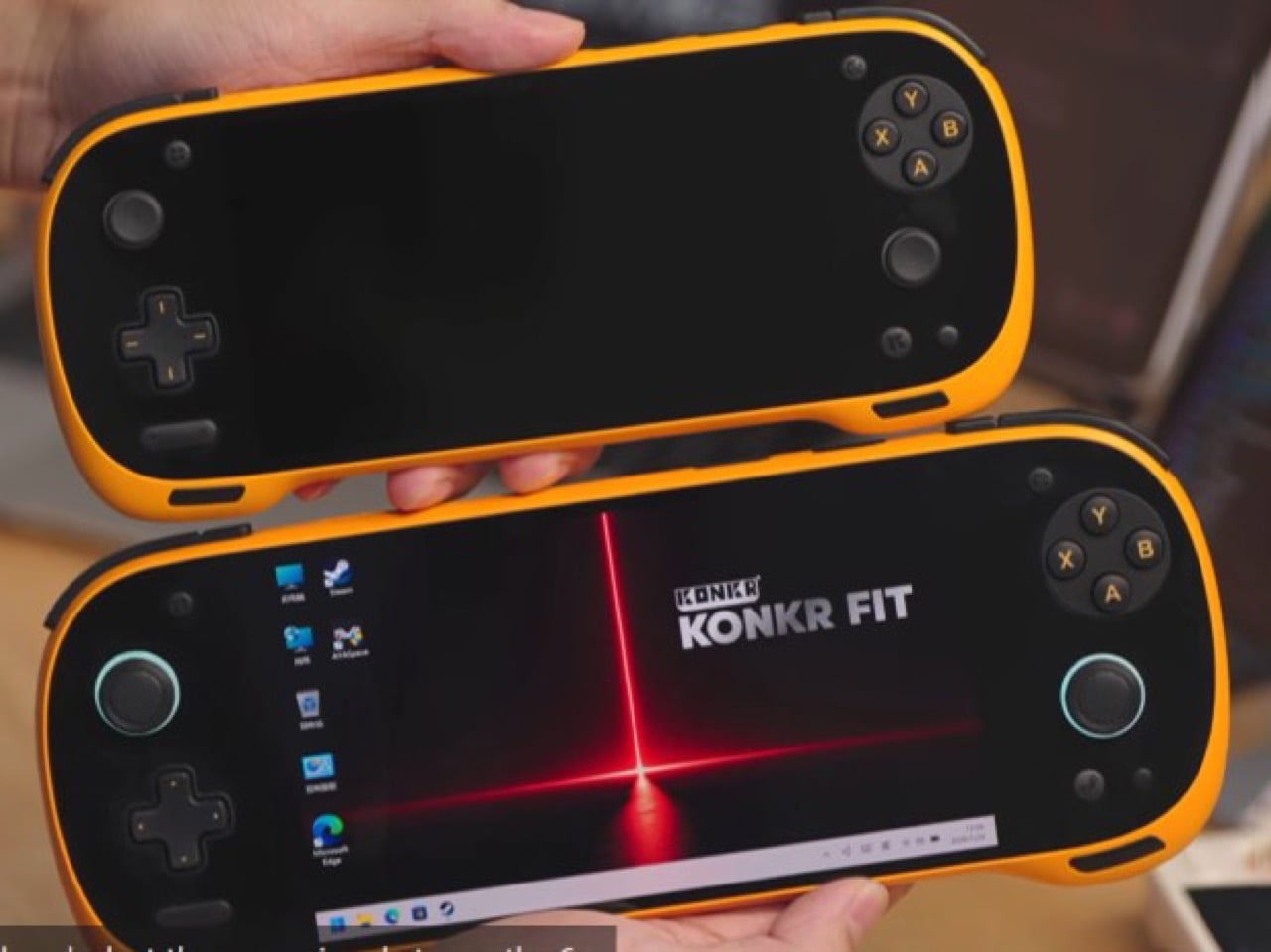
The Konkr Fit features a 7-inch OLED display, significantly larger than the 6-inch screens on its Android siblings. Powering this Windows handheld is an AMD Ryzen AI 9 HX 470 processor, marking a departure from Snapdragon mobile chips. The device also packs an impressive 80Wh battery, dwarfing the capacity found in competitors like the Lenovo Legion Go S and even the Legion Go 2.
Designer: Ayaneo
80Wh in a handheld gaming device puts the Konkr Fit in genuinely rare company. The Legion Go S limps along with 55.5Wh, while even Lenovo’s newer Legion Go 2 only manages 74Wh. We’re talking about potentially game-changing longevity here, especially considering Windows handhelds typically drain batteries faster than their Android counterparts. The Ryzen AI 9 HX 470 is a hungry chip, sure, but you’re still looking at a device that might actually survive a cross-country flight without searching desperately for an outlet. Battery anxiety has plagued this entire product category since the Steam Deck launched, and Ayaneo seems to understand that cramming in more capacity solves more problems than any amount of software optimization ever will.
The HX 470 belongs to AMD’s Strix Point lineup, the same family powering proper gaming laptops. You’re getting Zen 5 cores and RDNA 3.5 graphics, which means AAA titles at respectable settings become genuinely playable. Compare that to the Snapdragon Elite 8 in the Pocket Fit Elite, which excels at emulation and Android titles but starts sweating with demanding PC games. Ayaneo clearly wants this positioned as a real PC gaming device, not just an emulation box with delusions of grandeur. The processor alone tells you they’re betting on people who want to run their Steam libraries natively, not folks content with streaming or playing mobile ports.
Borrowing heavily from its Android siblings makes sense when you consider the Pocket Fit’s design already works. Hall Effect joysticks handle the analog inputs, which means drift shouldn’t plague these controllers the way it does cheaper alternatives. Adjustable triggers and dual back buttons carry over unchanged. The company offers two colorways: Retro Gray with red accents and a straight Yellow option. Both feel very much in line with the broader handheld gaming aesthetic that’s emerged, though the gray and red combo has some Steam Deck vibes whether Ayaneo wants to admit it or not.
Two USB-C ports now sit at the top edge, giving you actual flexibility for charging while gaming or connecting accessories without blocking your hands. Larger inlet vents dominate the back panel compared to the Pocket Fit, addressing what will inevitably become thermal challenges with a chip this powerful. Even the screws holding the backplate are exposed, suggesting Ayaneo expects enthusiasts to crack this thing open for maintenance or upgrades. These aren’t cosmetic flourishes. Windows gaming generates serious heat, and pretending otherwise is how you end up with a handheld that thermal throttles ten minutes into Cyberpunk 2077.
The OLED panel upgrade from the Pocket Fit’s LCD matters beyond the obvious visual improvements. Response times eliminate the ghosting issues that plague cheaper LCD panels during fast-paced gaming. Deep blacks mean better contrast in dimly lit game environments, which basically describes half of modern AAA titles. At 7 inches, you’re getting enough screen real estate that Windows UI elements remain readable without squinting, though whether Windows 11 plays nicely with a 7-inch touchscreen remains an open question. Microsoft has never really figured out how to make their OS work elegantly on small displays, and I doubt Ayaneo’s custom launcher will magically solve decades of interface design problems.
Pricing remains a company secret, but simple math suggests this slots above the $399 Pocket Fit Elite. The Ryzen AI 9 HX 470 costs more than Snapdragon chips, Windows licensing adds expense that Android avoids, and that 80Wh battery doesn’t come cheap. My gut says somewhere between $500 and $600, which plants this squarely in Steam Deck OLED territory. That’s awkward positioning for a brand that built its identity on being the affordable alternative to Ayaneo’s own thousand-dollar flagships. Then again, Ayaneo could just drop the details and prove me wrong.
The year 2026 marks a historic pivot in personal technology. We are moving past the era of the “AI chatbot” trapped inside a website and entering the age of ambient hardware. While 2025 was defined by software experimentation, 2026 is the year when specialized AI silicon, smart glasses, and wearable pins have matured into indispensable daily companions.
These next-gen devices aren’t just faster smartphones; they represent a fundamental shift in how we interact with the digital world. By integrating intelligence directly into our physical presence, the “AI in your pocket” has evolved from a reactive tool into a proactive partner that anticipates our needs before we even voice them.
1. The Post-Smartphone Device
The traditional glass rectangle is no longer the sole gateway to the internet. In 2026, we are seeing the rise of screenless interfaces and augmented reality glasses that prioritize voice and gesture over scrolling. Devices like AI-powered rings and lightweight smart glasses have moved from niche gadgets to mainstream essentials, offering a “heads-up” lifestyle that keeps users engaged with the real world.
A desire for frictionless interaction drives this hardware shift. Instead of pulling out a phone to navigate or translate, users simply look at a sign or speak to their lapel pin. These devices are designed to disappear into our daily attire, making technology an invisible but powerful layer of our human experience rather than a constant distraction.
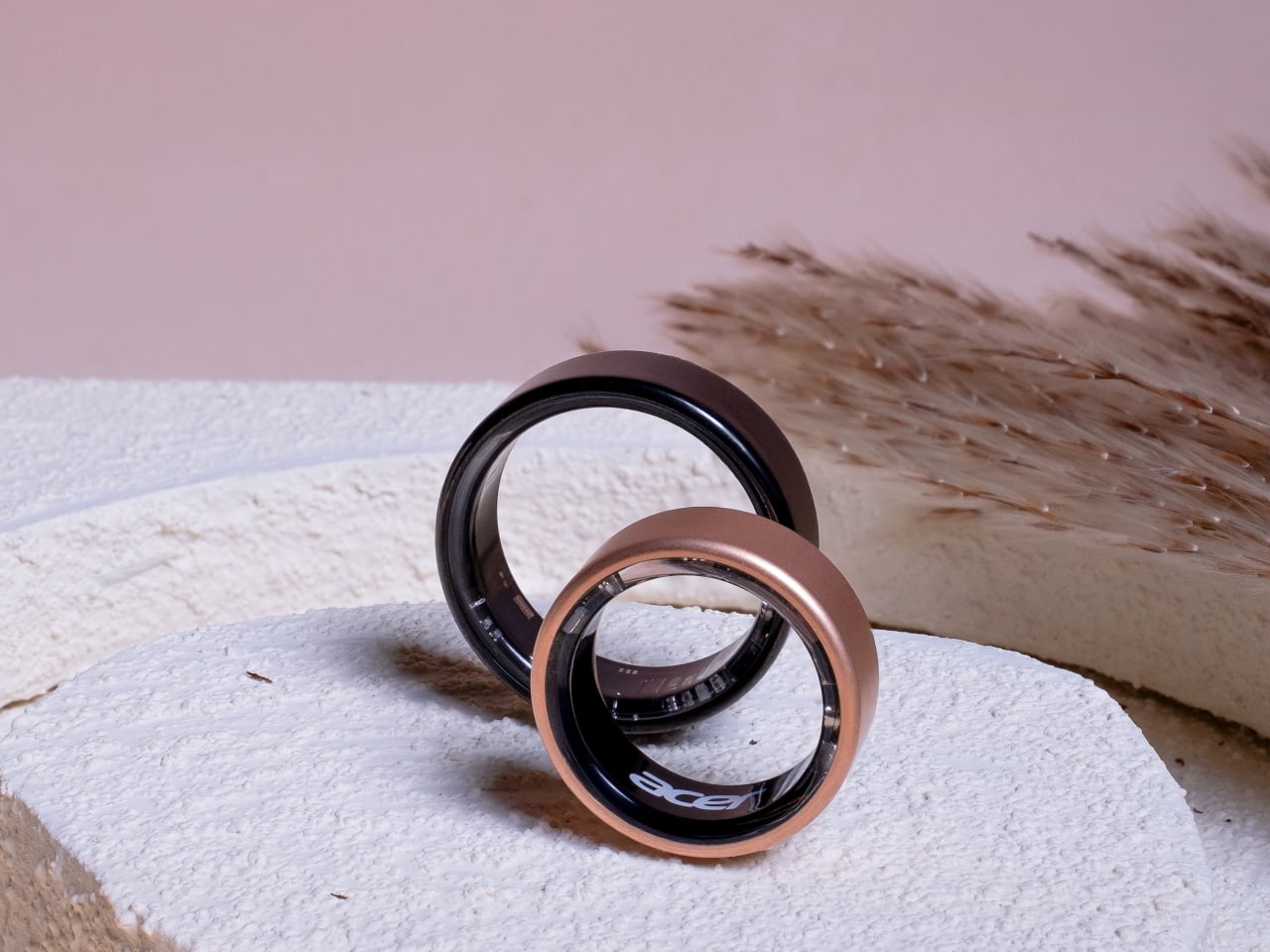
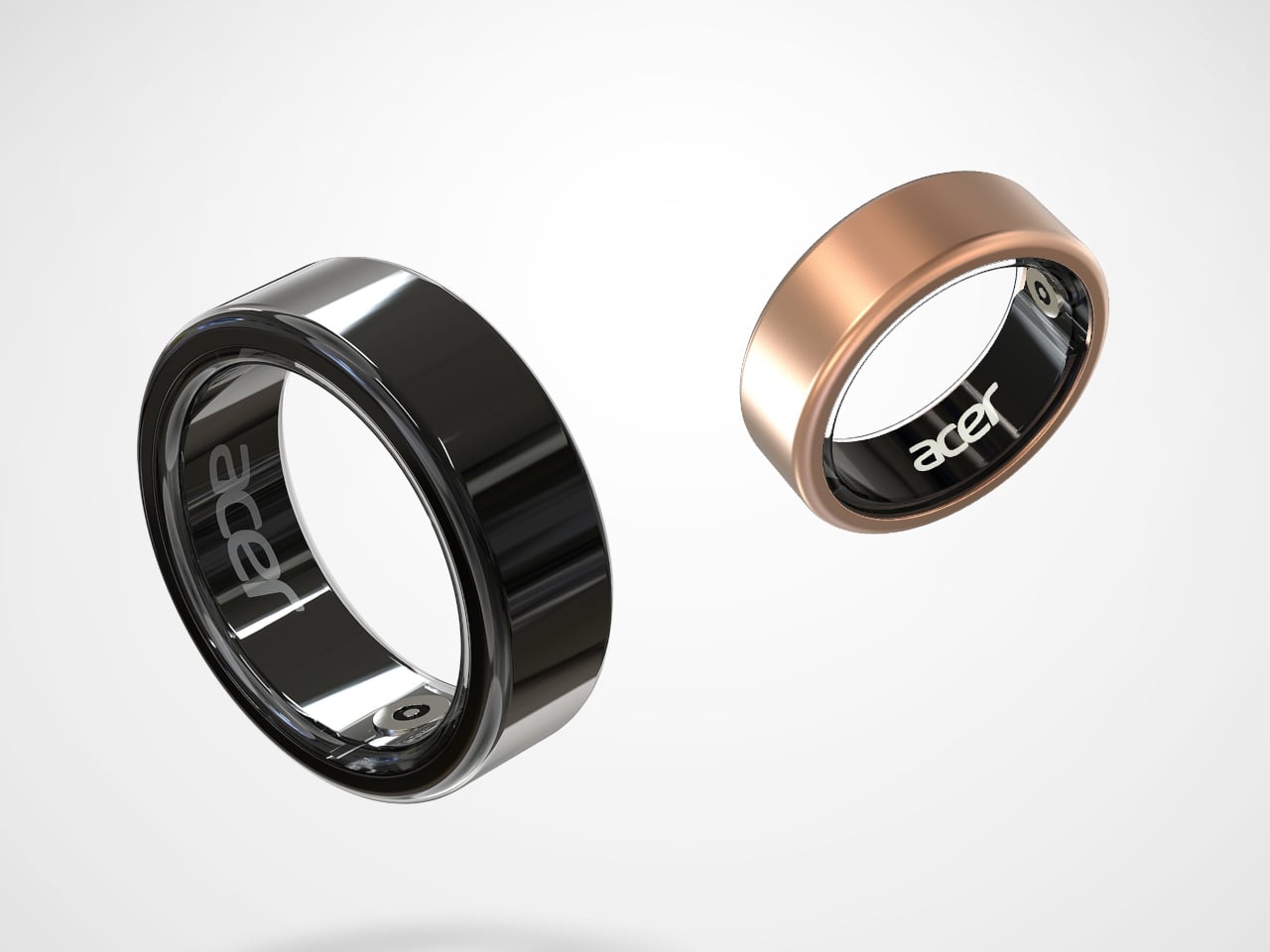
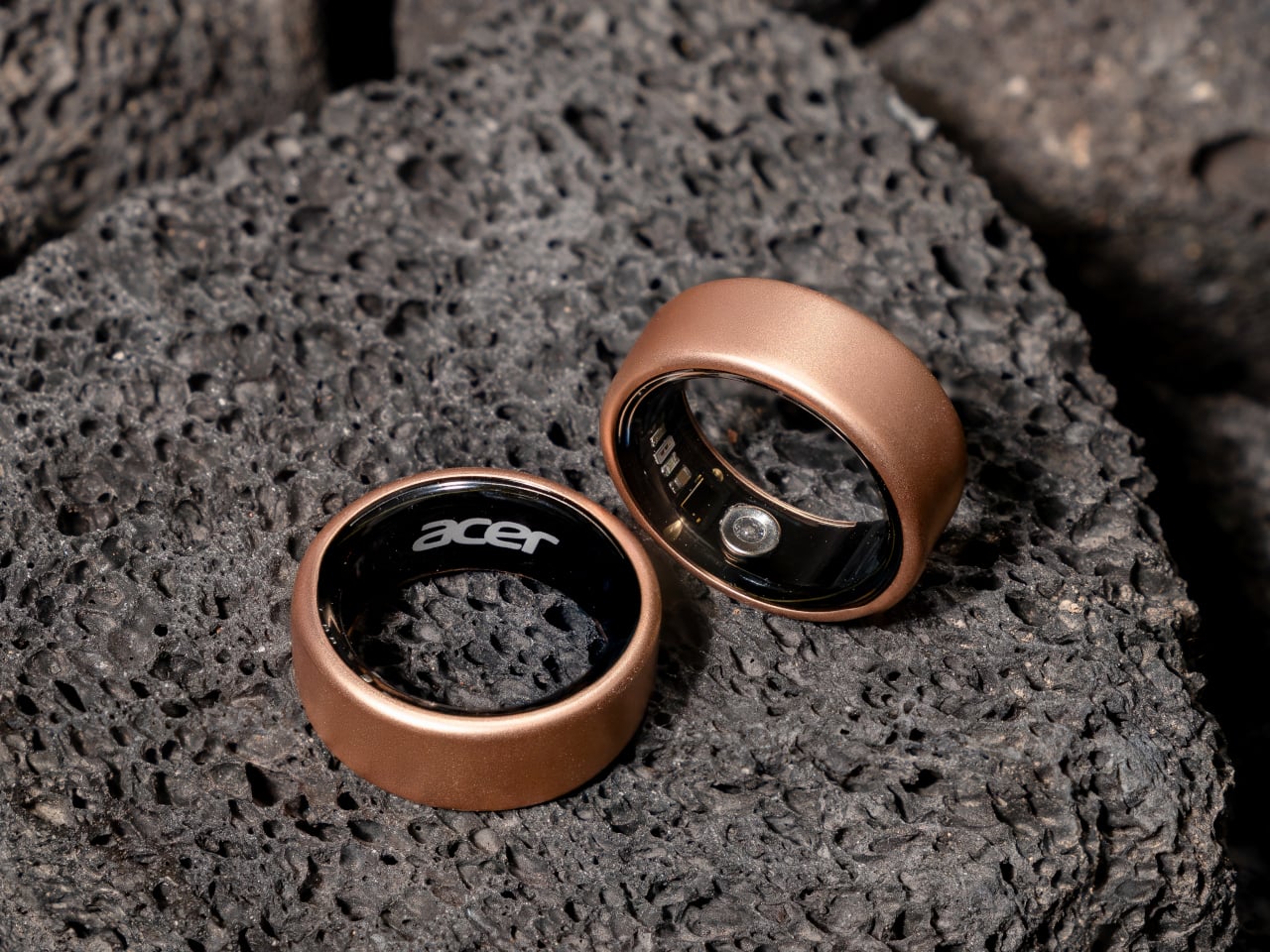
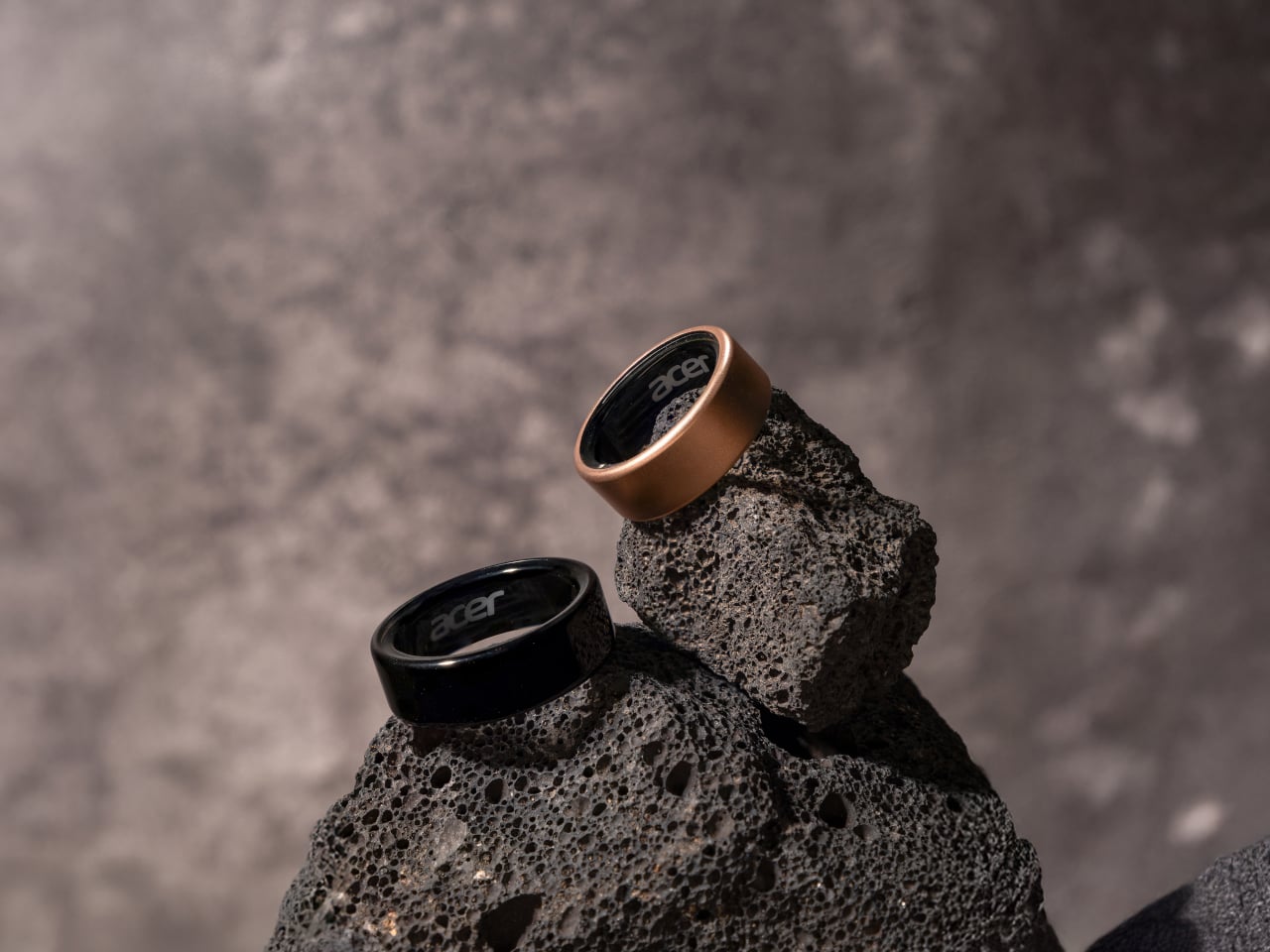
The Acer FreeSense Ring represents a refined advancement in wearable technology, offering continuous health monitoring in a compact, stylish form. Crafted from lightweight titanium alloy, the ring is slim, measuring 2.6mm in thickness and 8mm in width, and weighs only 23 grams. Its design balances elegance and practicality, available in finishes such as rose gold and glossy black, and water-resistant up to 5 ATM. With seven size options, it ensures a comfortable fit for a wide range of users. The ring is intended to complement traditional watches, providing wellness tracking without overwhelming the wearer with bulk or complexity.
Equipped with advanced biometric sensors, the FreeSense Ring tracks heart rate, heart rate variability, blood oxygen saturation, and sleep quality. Data is processed through a dedicated mobile application, which transforms readings into actionable, AI-driven wellness insights and personalized recommendations. Its detailed sleep analysis and continuous monitoring enable users to manage health proactively. By integrating sophisticated design with advanced biometric intelligence, the FreeSense Ring delivers an elegant and practical solution for modern wellness management.
2. On-Device Intelligence Systems
One of the biggest breakthroughs in 2026 is the move away from the cloud, made possible by massive leaps in Neural Processing Units (NPUs). As a result, your device no longer requires a constant internet connection to “think.” Complex reasoning and language processing now happen directly on the hardware in your pocket, resulting in near-zero latency.
This shift to “Edge AI” means your personal assistant is faster and more reliable than ever. Whether you are in a remote hiking spot or a crowded subway, your device can translate languages and organize your schedule offline. By keeping the “brain” of the AI on the device, manufacturers have finally solved the lag issues that plagued early generations of AI hardware.
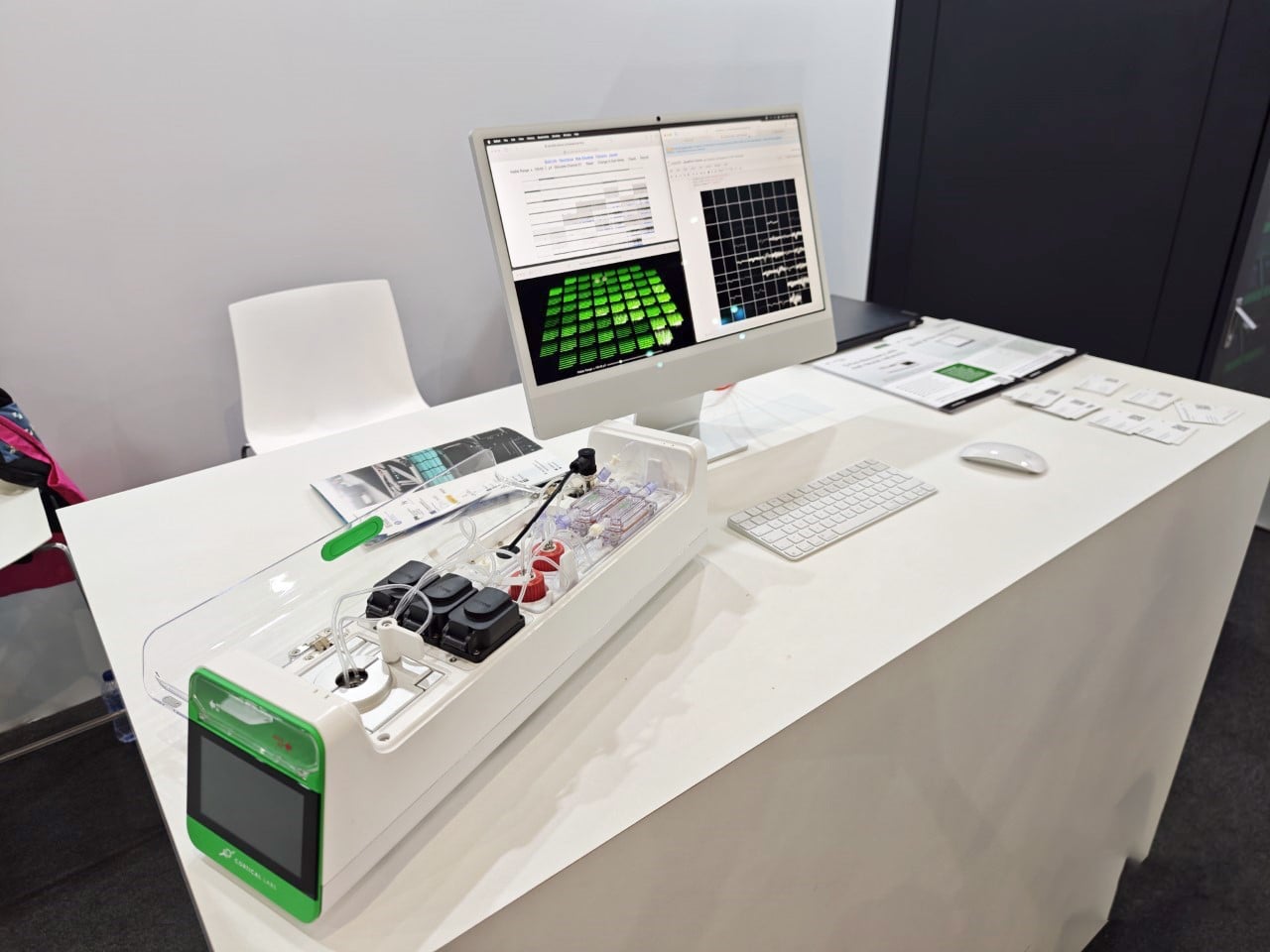
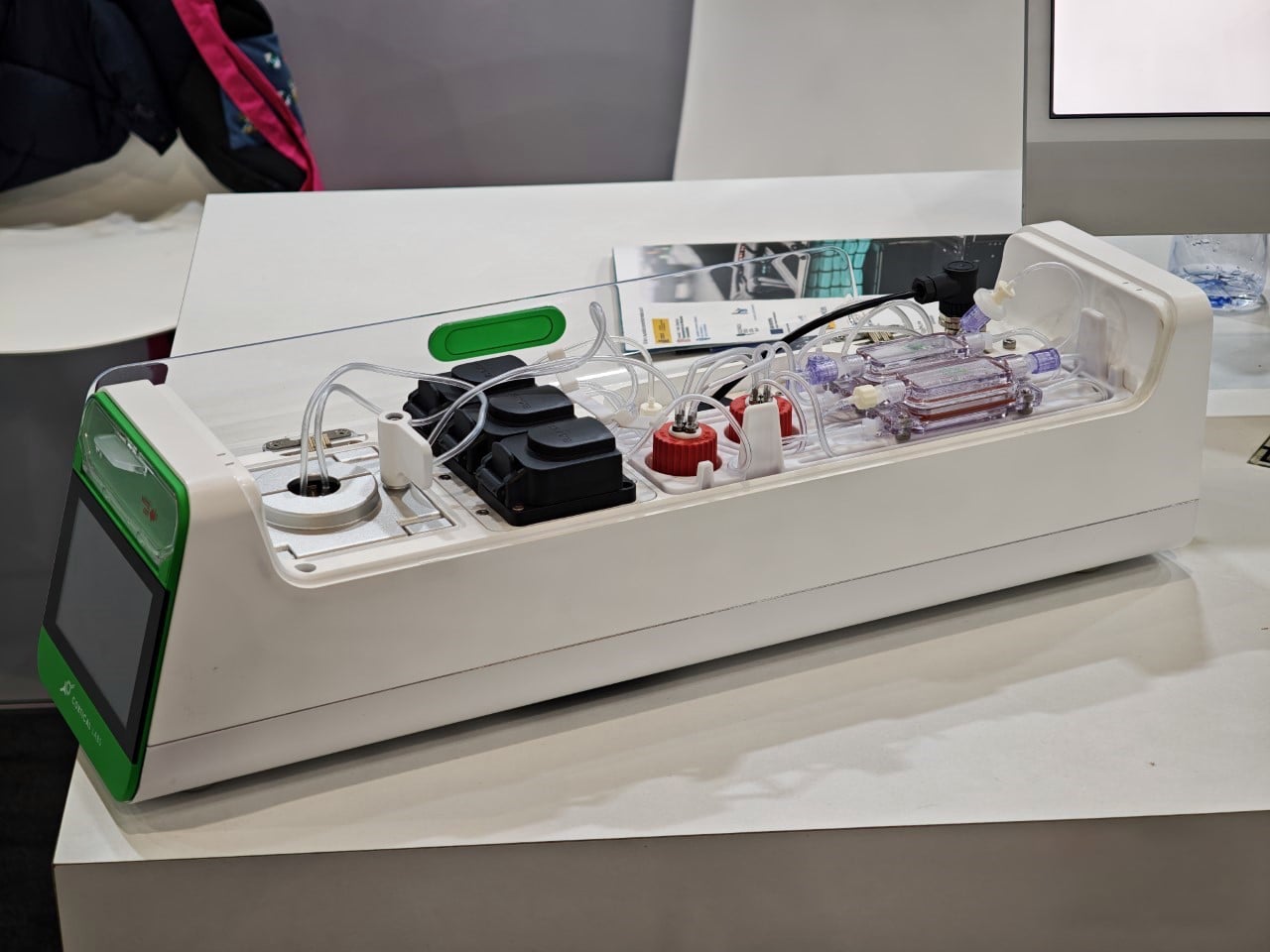
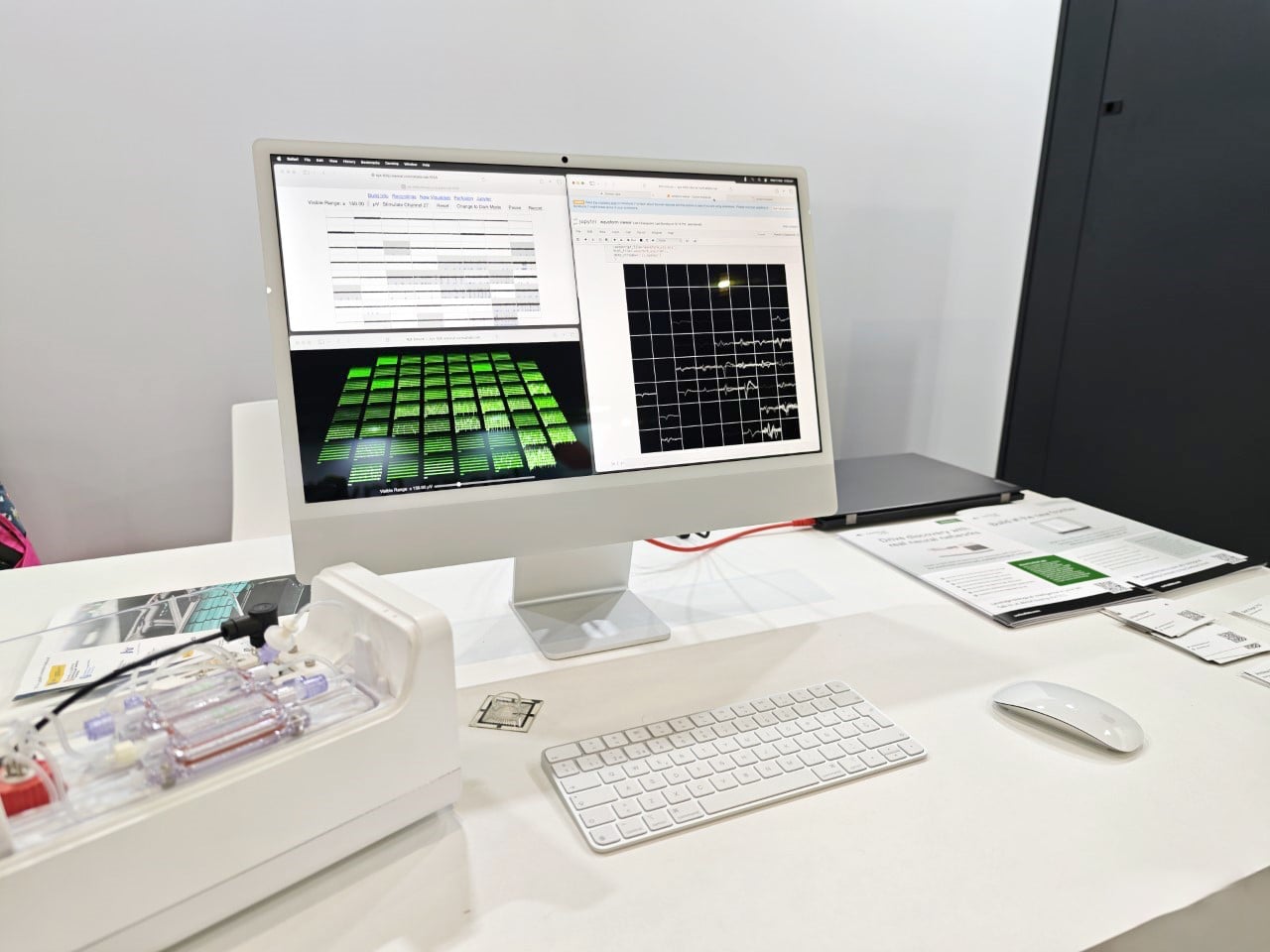
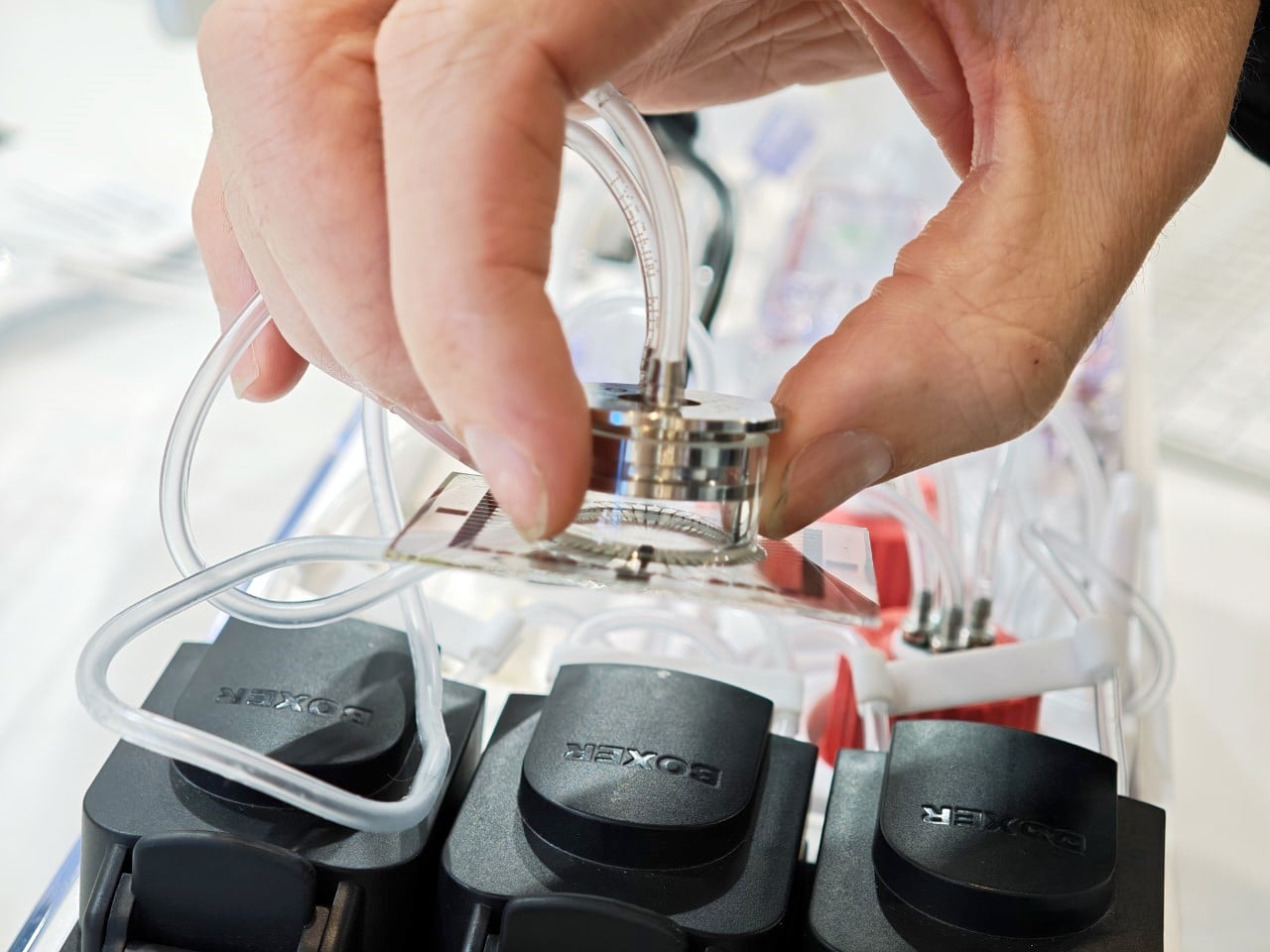
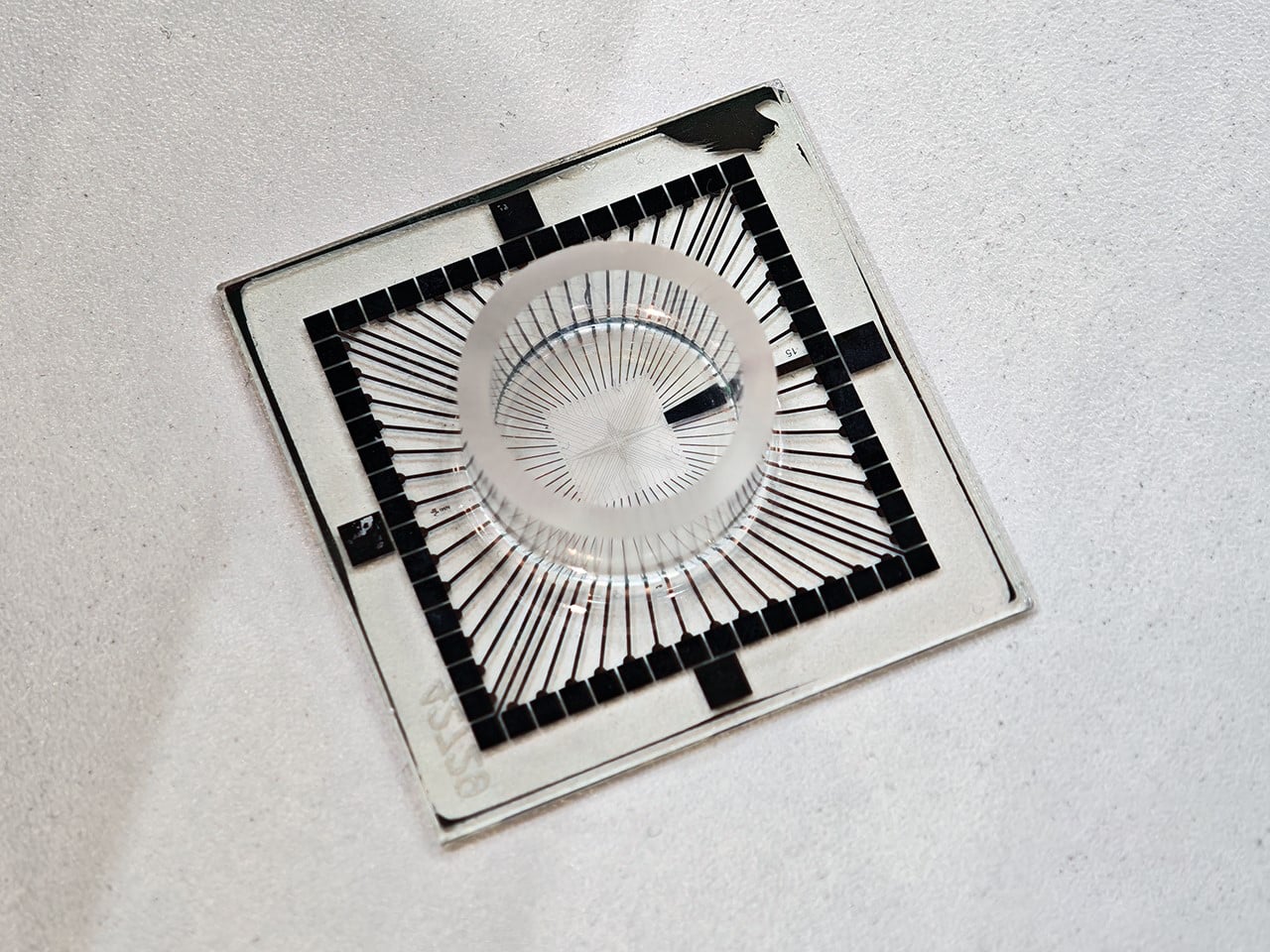
The CL1 by Cortical Labs is the world’s first commercially available biological computer, integrating living human neurons with silicon hardware in a compact, self-contained system. Rather than relying on conventional software models, the CL1 uses lab-grown neurons cultured on an electrode array, allowing them to form, modify, and strengthen connections in real time. This enables the device to process information biologically, learning dynamically through interaction instead of pre-trained algorithms or large datasets.
At the core of the CL1 is Synthetic Biological Intelligence (SBI), a hybrid computing approach that combines biological adaptability with machine precision. The neurons respond to electrical stimulation by reorganizing their connections, closely mirroring natural learning processes in the human brain. This results in exceptional energy efficiency and high responsiveness compared to traditional AI systems. Designed as a research-grade platform, the CL1 offers scientists a new way to study neural behavior, test compounds, and explore adaptive intelligence, positioning it as a foundational product in the emerging field of biological computing.
3. Rethinking App-Centric UX
We are witnessing the slow death of the traditional app icon grid. In 2026, next-gen devices utilize Agentic AI, which allows your pocket companion to navigate services on your behalf. Instead of you opening a travel app, a hotel app, and a calendar app to book a trip, you give one command. Your AI agent handles the cross-platform logistics autonomously.
This transition from “apps” to “actions” has redefined the user interface. Our devices have become executive assistants that understand our preferences across every service we use. The friction of toggling between dozens of different interfaces is being replaced by a single, unified conversation that gets things done, effectively turning the operating system into a proactive worker rather than a static menu.
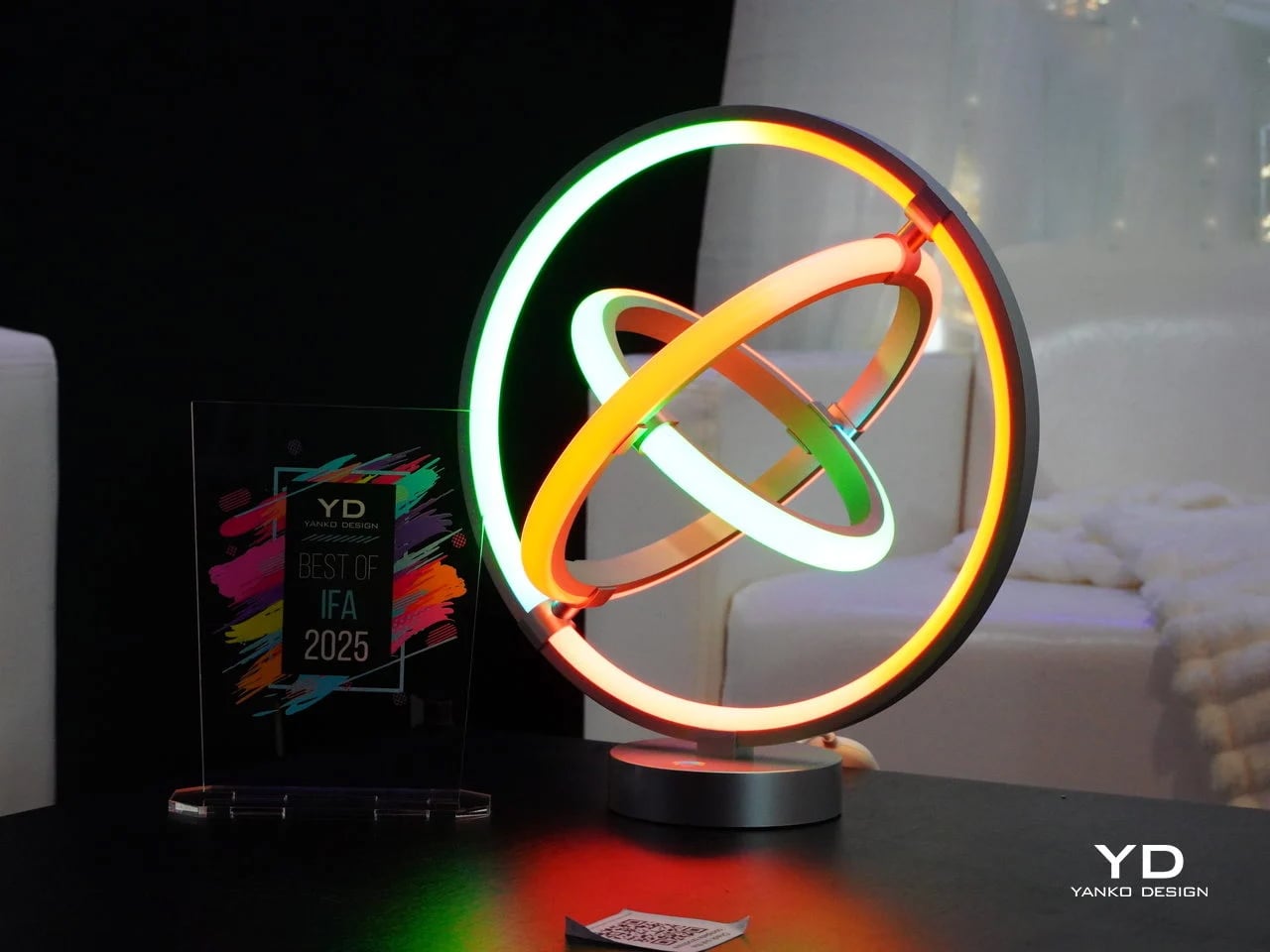
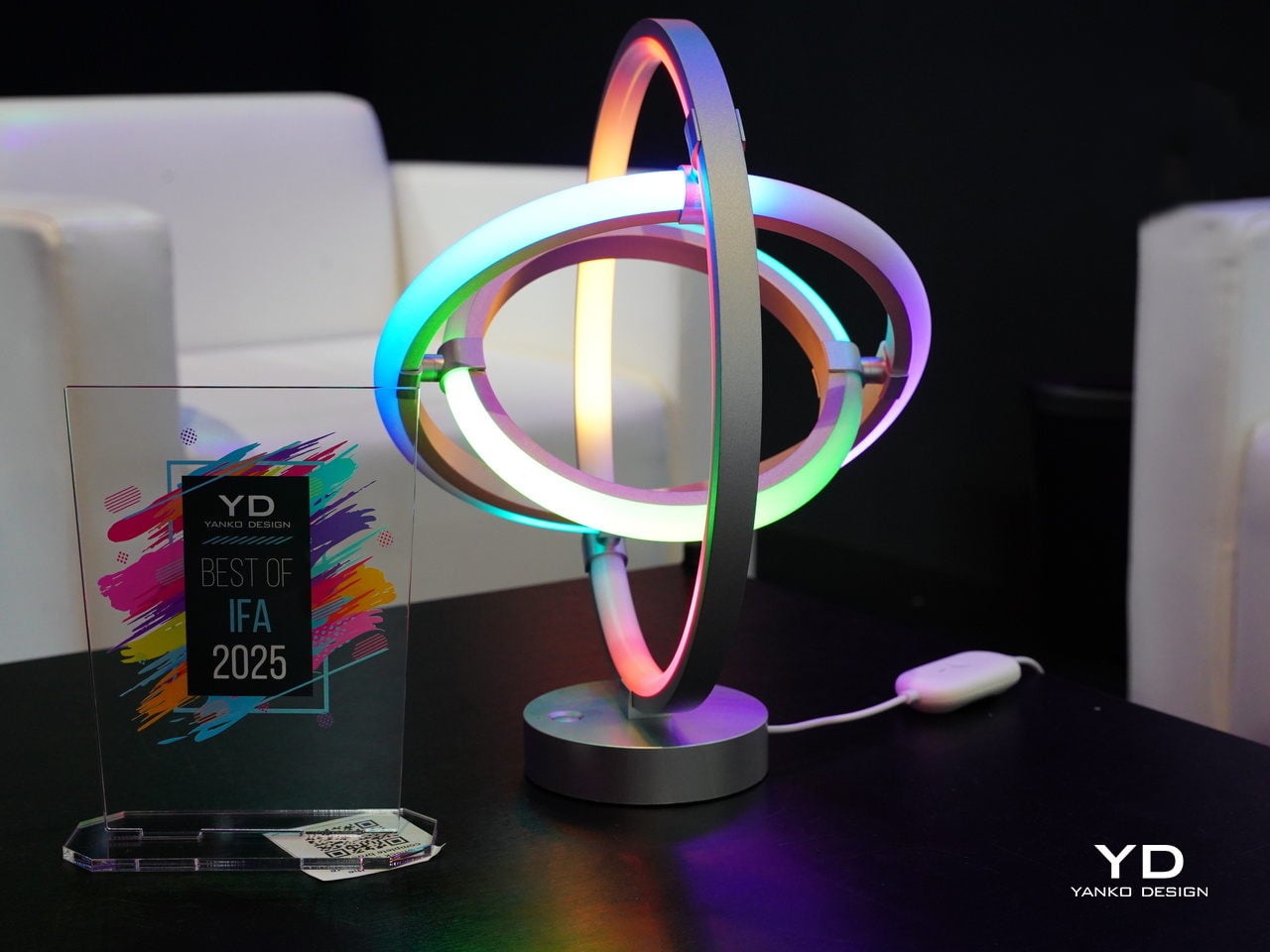
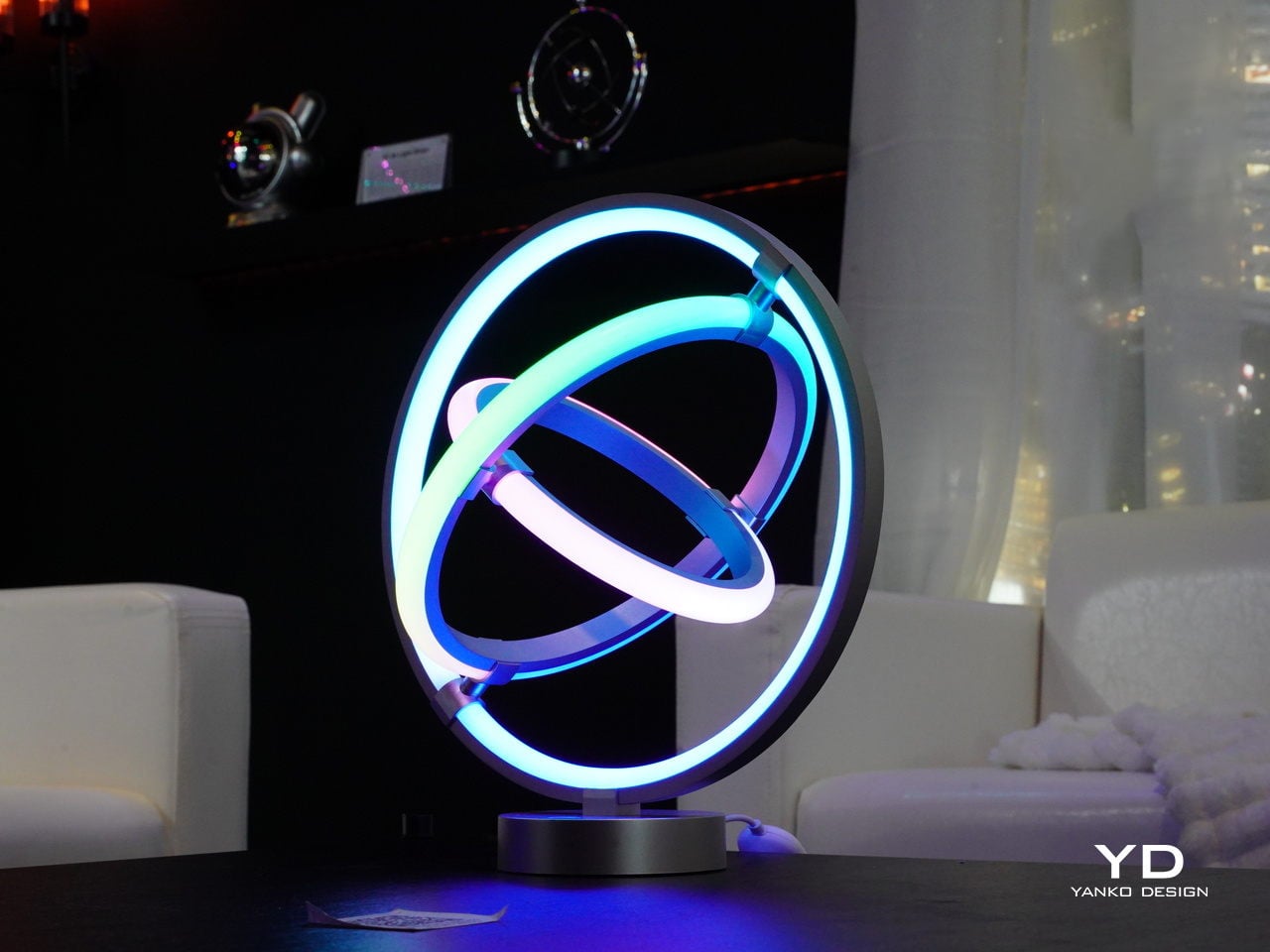
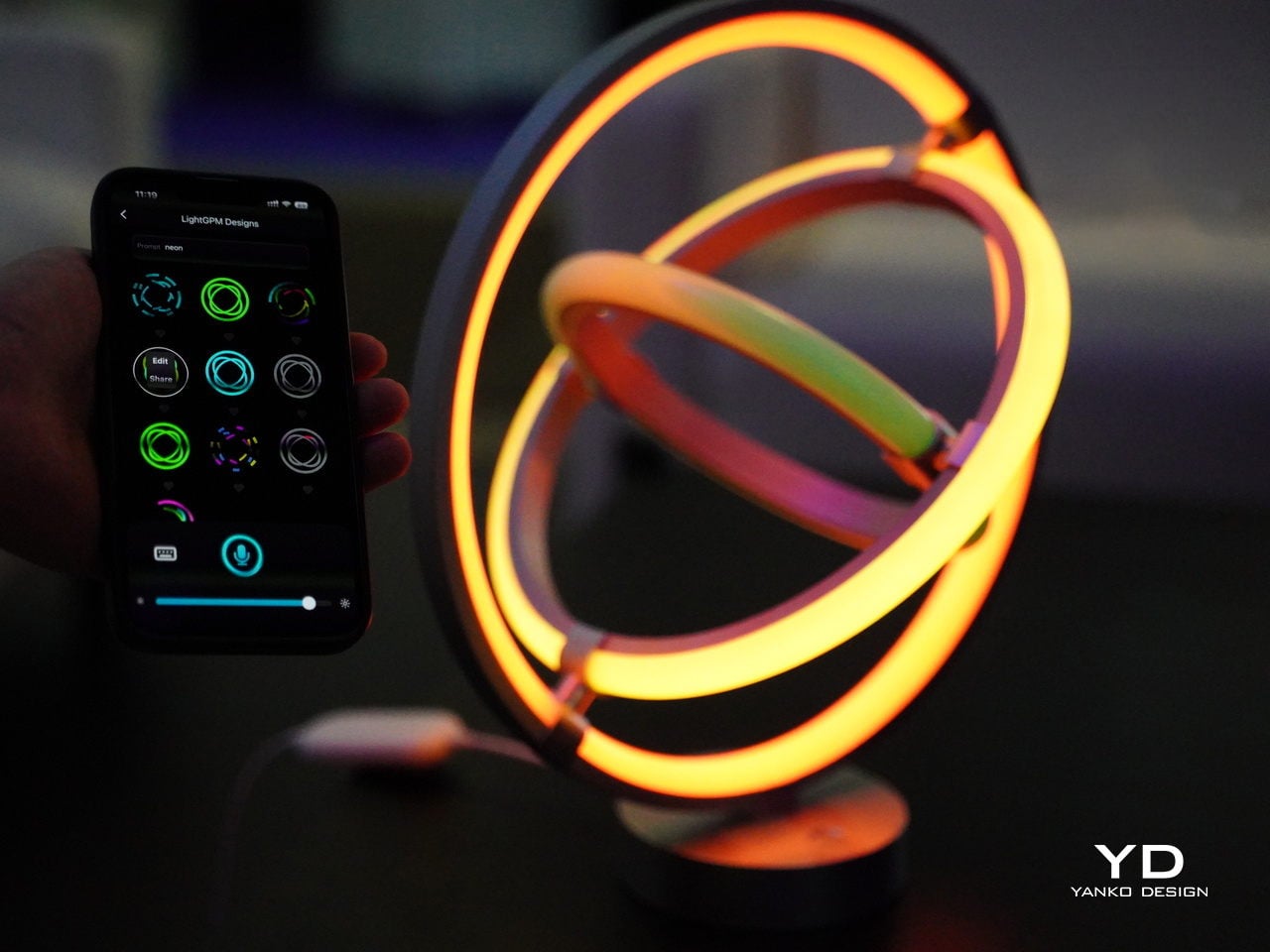
The TB1’s defining feature is its AI-powered LightGPM 2.0 system, developed using principles of color psychology and professional lighting design. The system is capable of generating refined lighting scenes from billions of possible combinations, delivering precise, task-appropriate illumination without requiring manual configuration. Through simple voice commands such as “Hey Lepro,” users can activate lighting modes tailored for activities including gaming, or social gatherings. The AI interprets intent in real time and produces a balanced, professional-grade ambience with minimal user intervention.
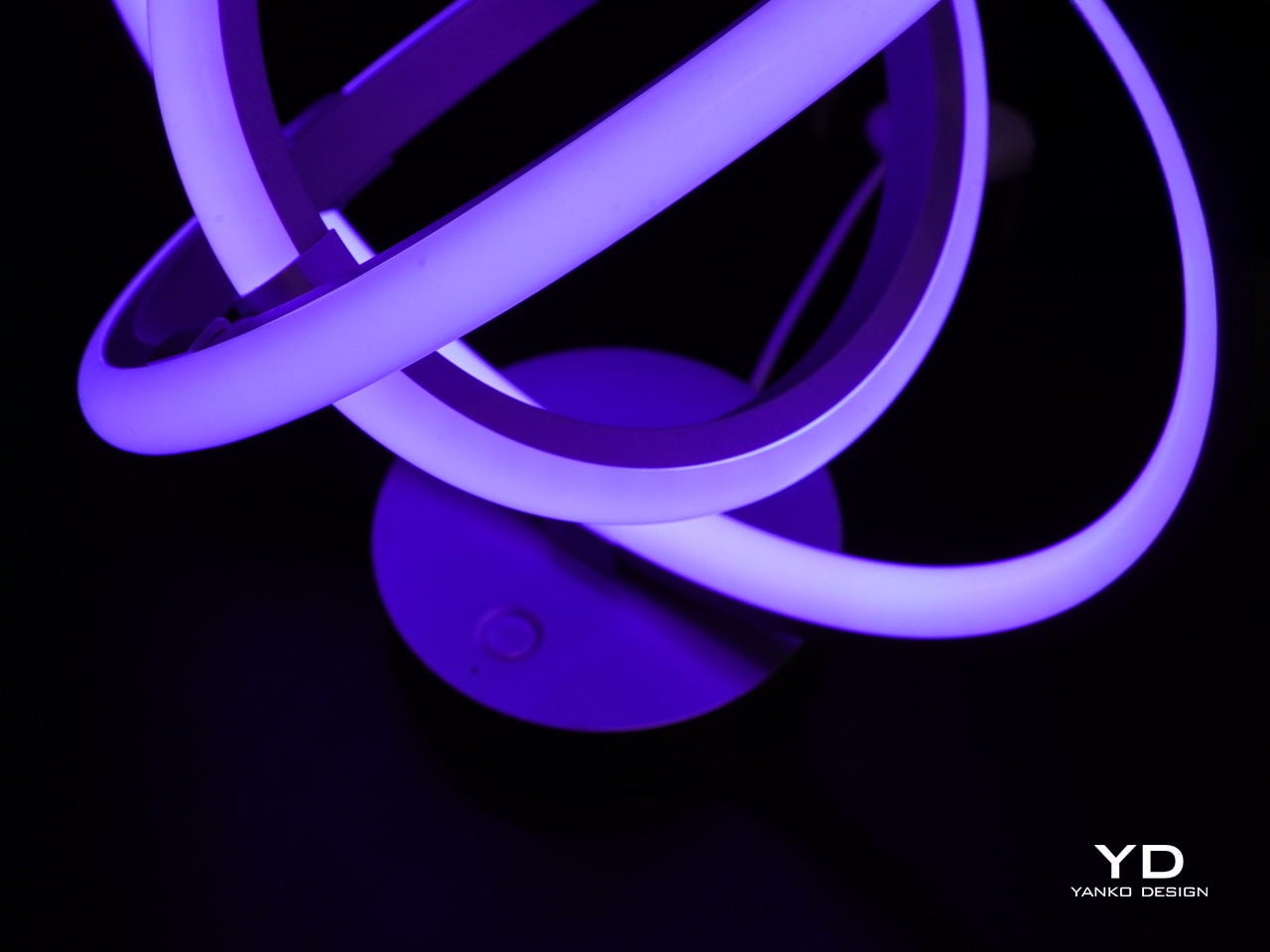
The product also incorporates a built-in microphone and LightBeats technology, enabling lighting to synchronize dynamically with music, while segmented control allows detailed customization across different sections of the lamp. By combining intelligent scene generation, hands-free interaction, and a distinctive sculptural form, the TB1 positions itself as a forward-looking lighting solution. It enhances modern living environments through responsive, adaptive illumination that prioritizes ease of use and functional design.
4. Sensory-Driven Artificial Intelligence
Next-gen devices in 2026 are no longer blind to their surroundings. Equipped with high-fidelity microphones and low-power cameras, these pocket companions possess contextual awareness. They can “see” the ingredients on your kitchen counter to suggest a recipe or “hear” the tone of a meeting to provide real-time talking points or summaries that capture subtle emotional cues.
This sensory integration allows the AI to offer help that is actually relevant to your current environment. It isn’t just processing text; it is understanding your physical reality. By merging visual, auditory, and biometric data, your 2026 device acts as a second set of eyes and ears, providing a level of personalized support that was previously confined to science fiction.
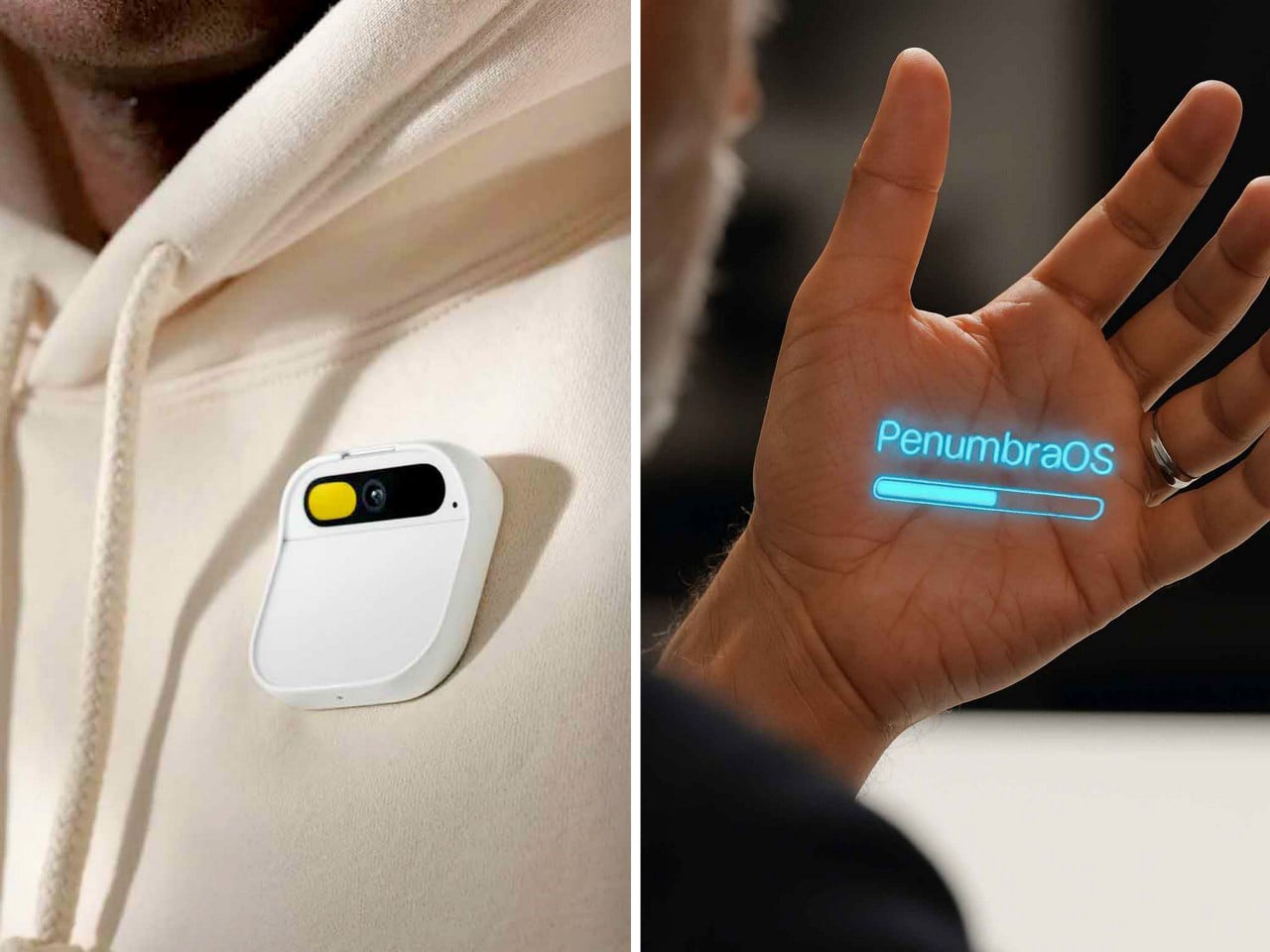
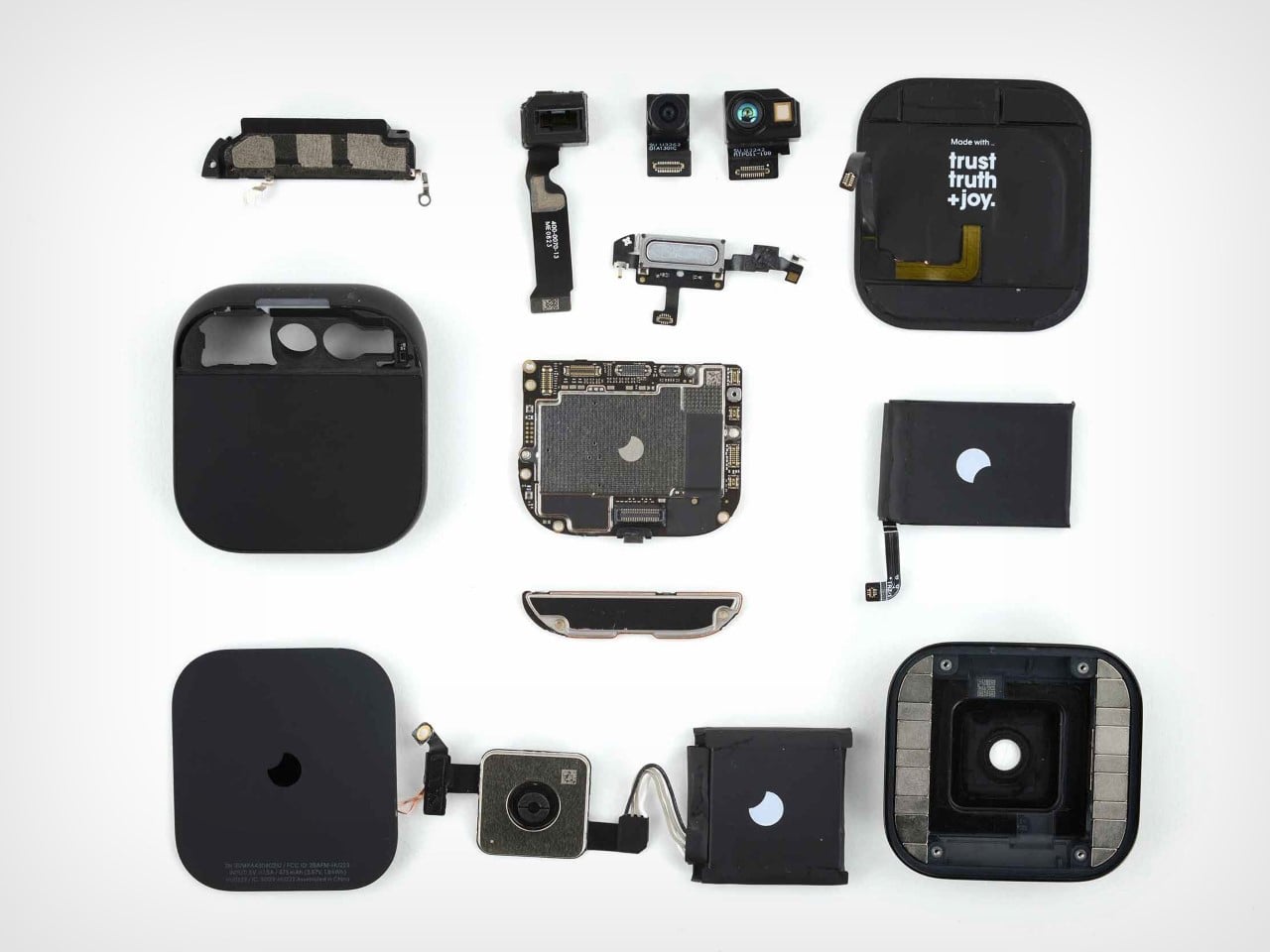
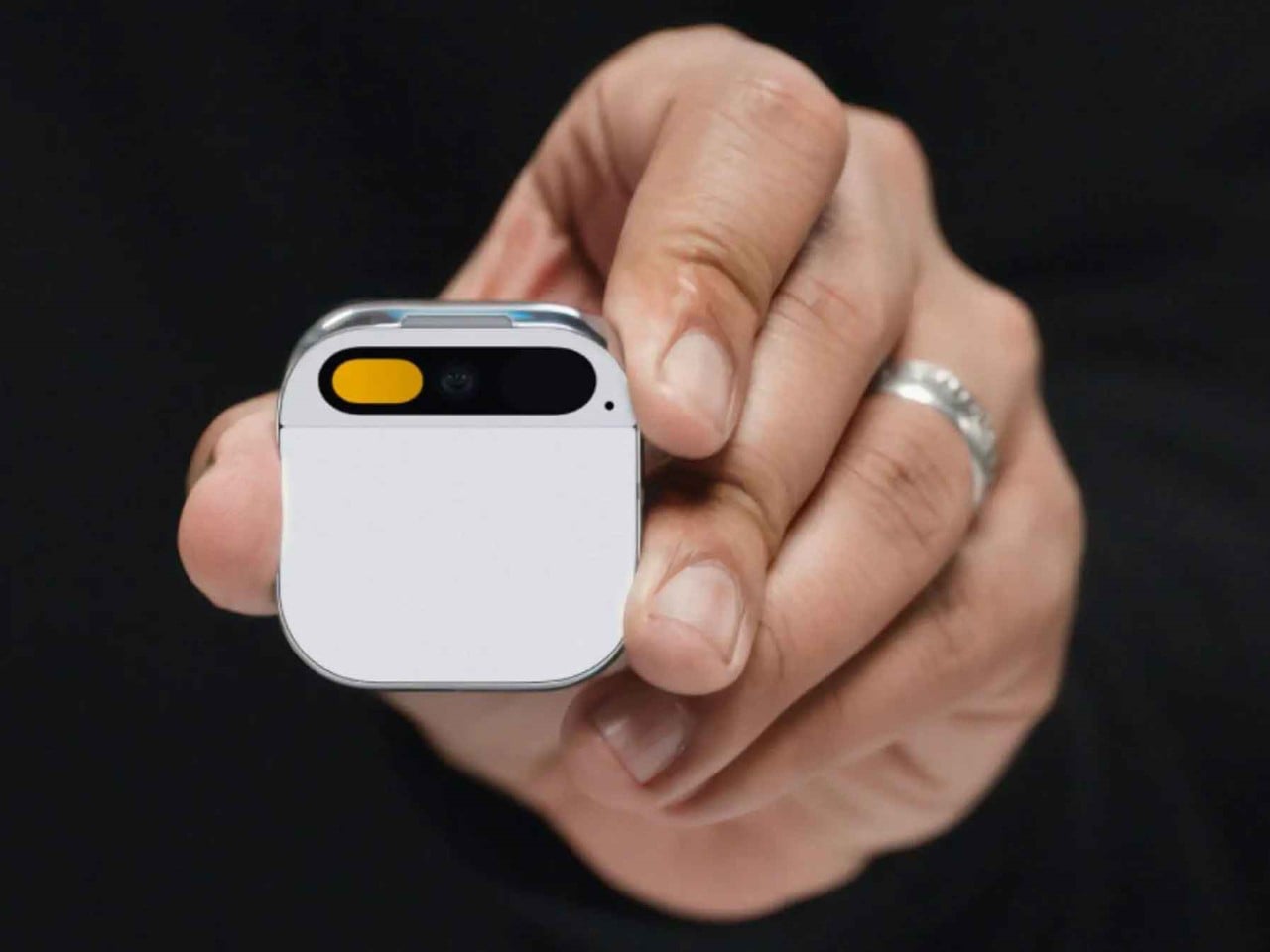
The Humane AI Pin was introduced as a bold vision of screenless, context-aware computing, promising an AI-powered future worn discreetly on the body. For many early adopters, however, the device quickly lost functionality after the discontinuation of its cloud services, rendering its advanced features inoperative. What remained was a piece of thoughtfully engineered hardware—complete with a miniature projector, sensors, microphones, and cameras—stranded without a viable software ecosystem. As a result, the Pin became a notable example of how tightly coupled hardware and proprietary services can limit a product’s long-term relevance.
This narrative has begun to shift with the emergence of PenumbraOS, an experimental software platform developed through extensive reverse engineering. By reimagining the AI Pin as a specialized Android-based device, PenumbraOS unlocks privileged system access and introduces a modular assistant framework to replace the original interface. This effort reframes the Humane AI Pin not as a failed product, but as a capable development platform with renewed potential. Through open-source collaboration, the device now serves as a case study in how community-led innovation can extend the life and value of forward-thinking hardware.
5. Data in Your Pocket
As AI becomes more personal, the demand for “Data Sovereignty” has reached a fever pitch. 2026 hardware solves the “creepy” factor through hardware-level privacy vaults. Because the majority of AI processing now happens locally, your most sensitive conversations, health data, and private photos never have to leave the physical device to be processed in a distant corporate data center.
This “Privacy by Design” approach has built a new level of trust between users and their machines. With encrypted local storage and physical kill switches for sensors, next-gen devices ensure that your digital twin remains yours alone. In a world where data is the most valuable currency, the 2026 device serves as a secure fortress that protects your personal identity while amplifying your capabilities.
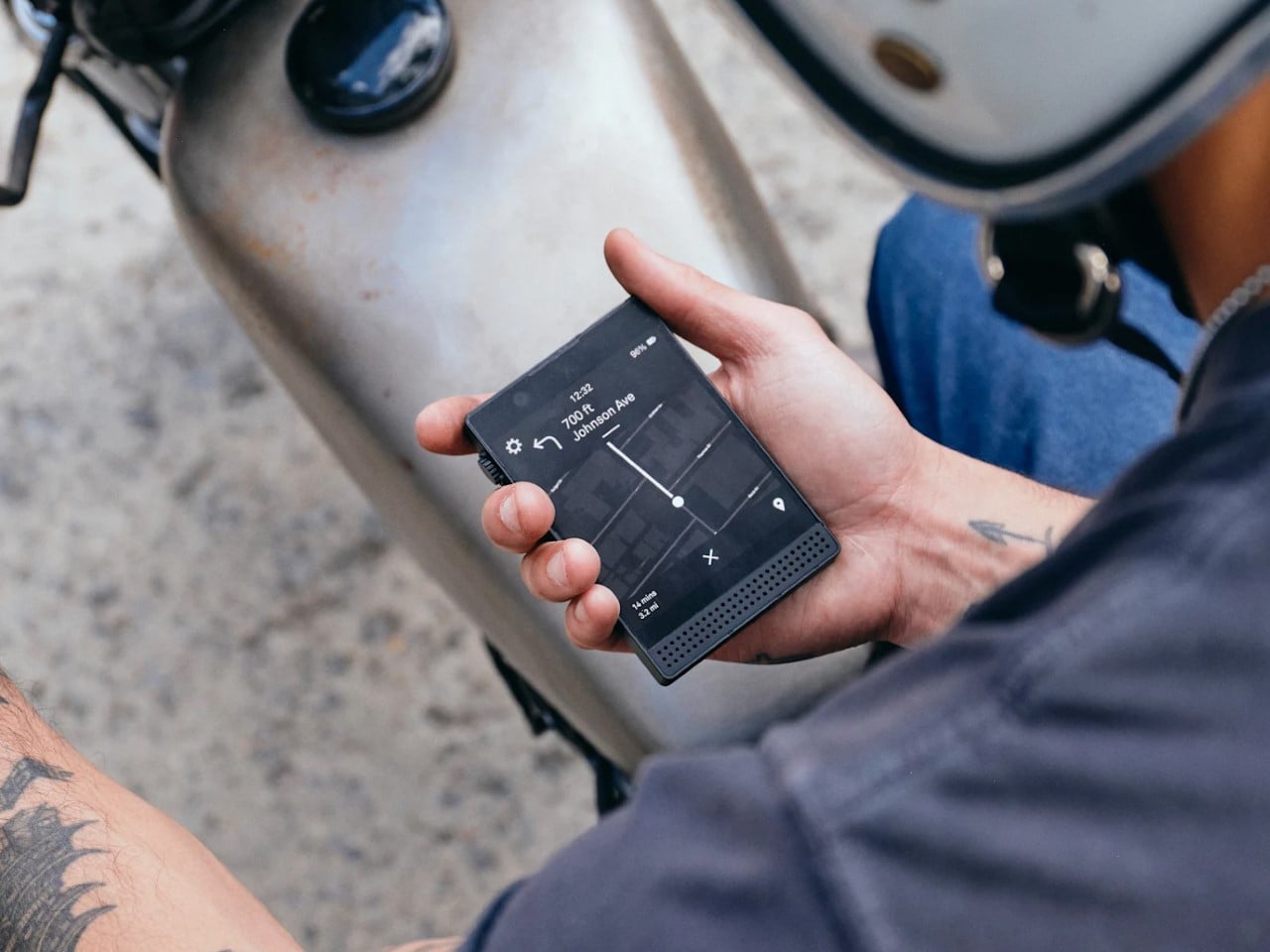
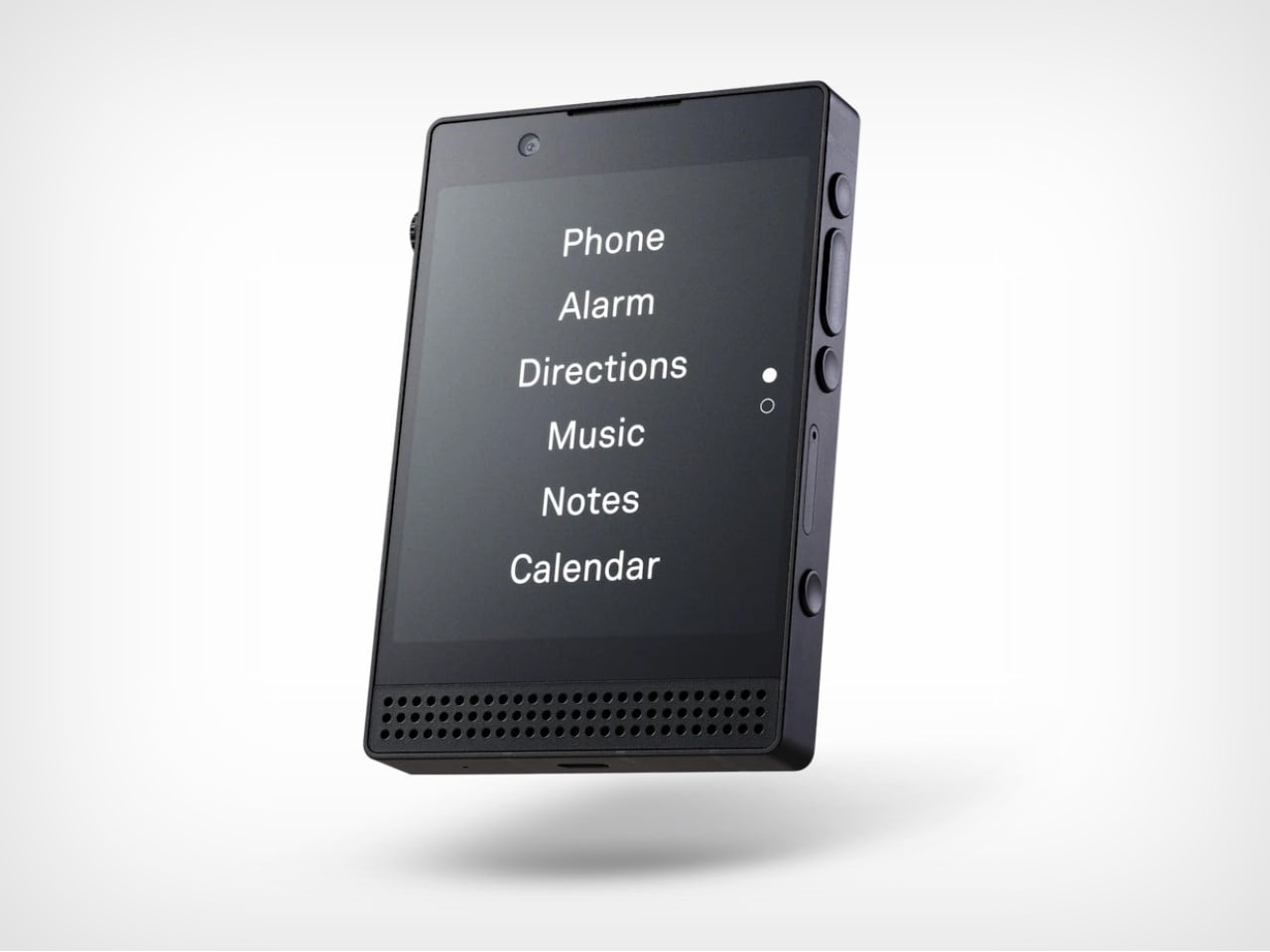
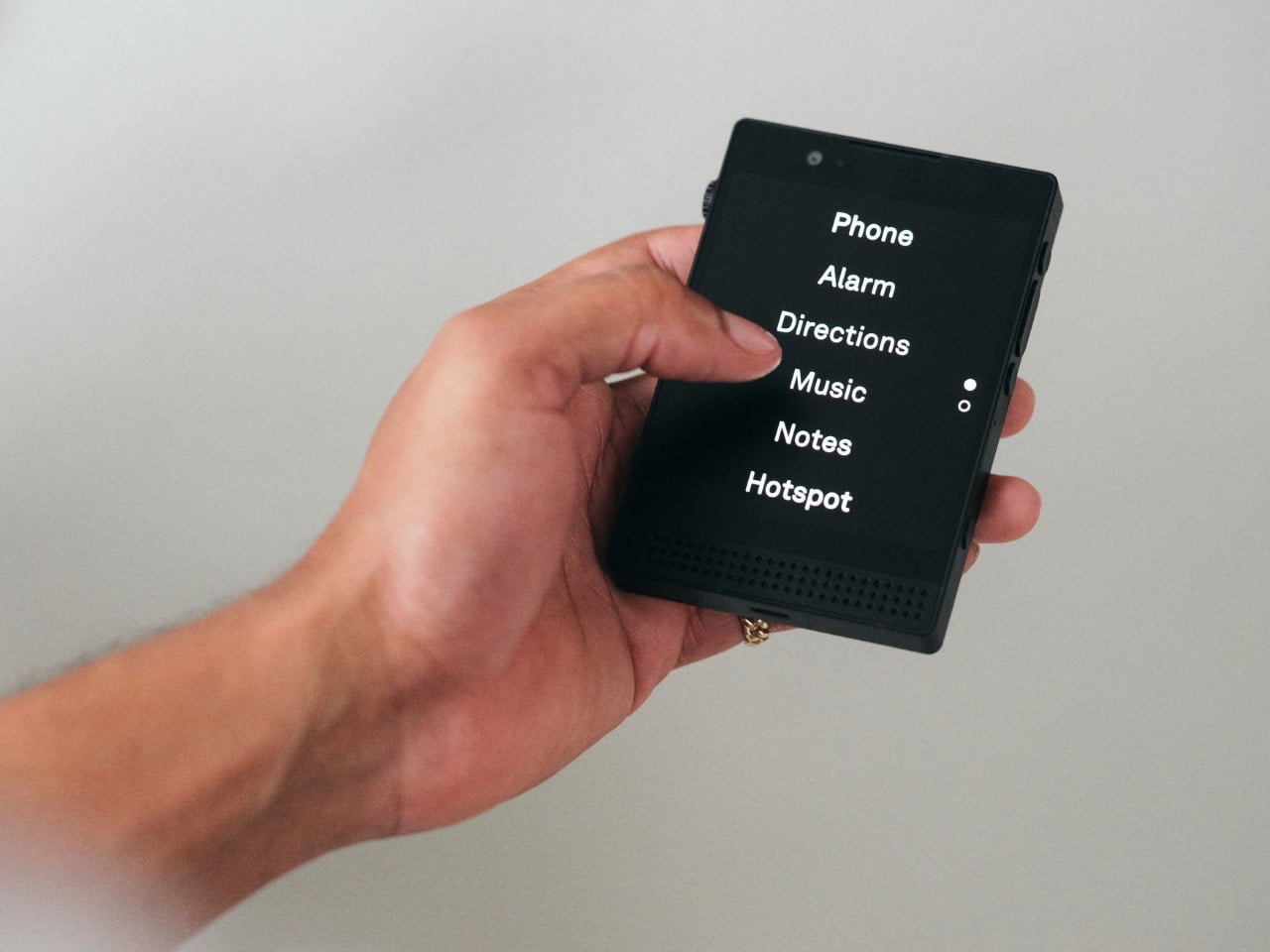
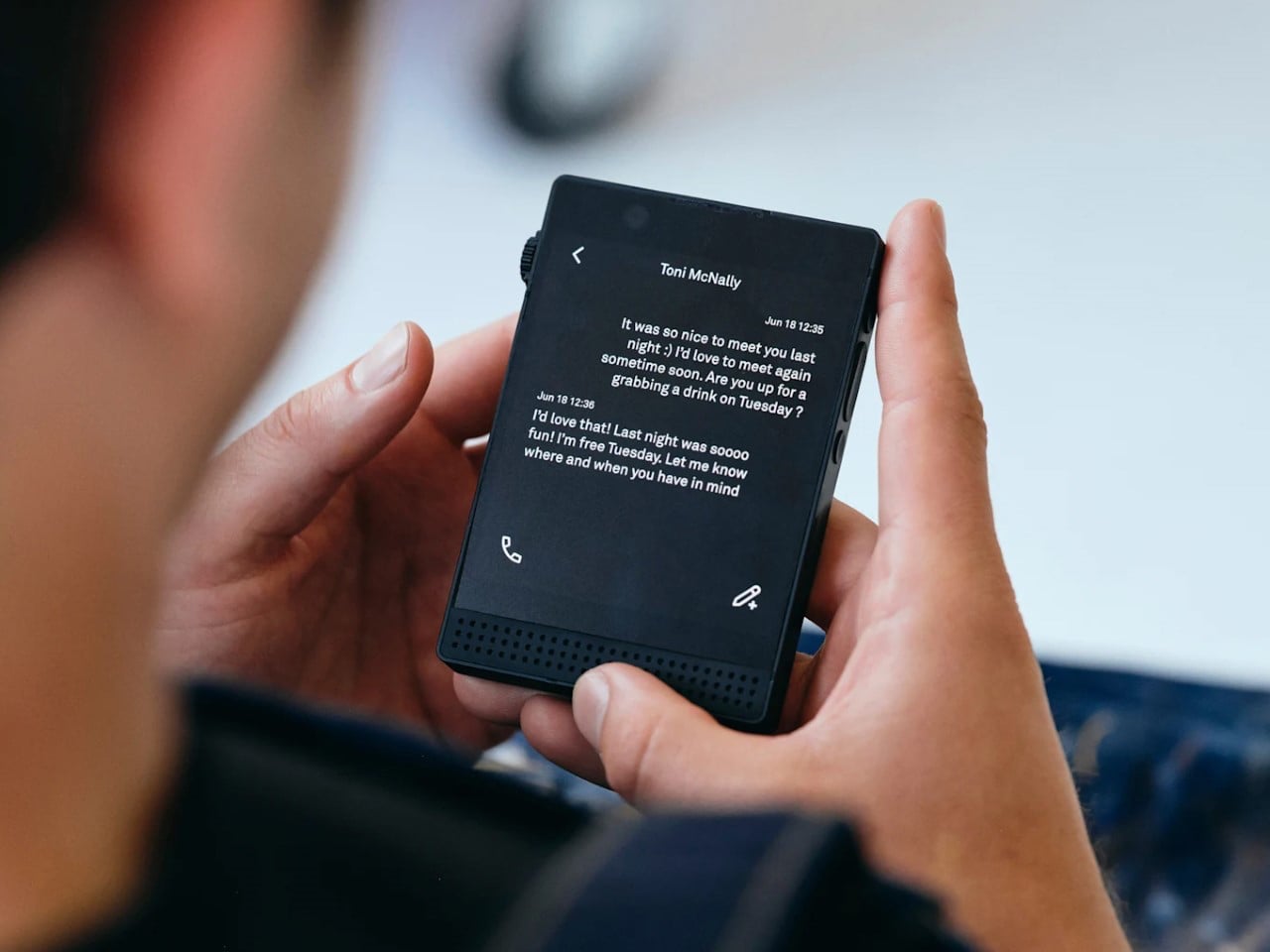
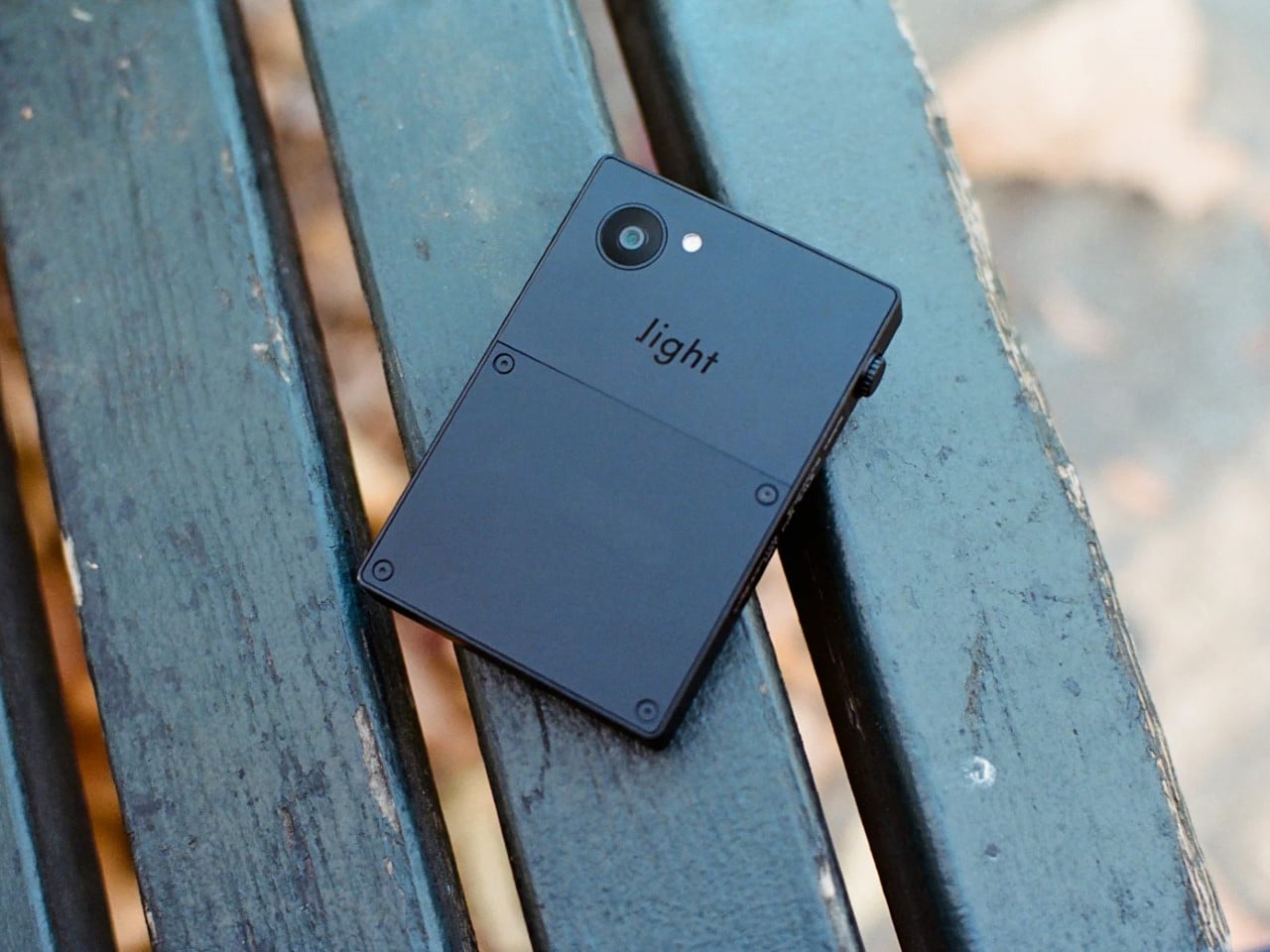
The Light Phone III is a purpose-built device designed around simplicity, privacy, and intentional use. It features a 3.92-inch black-and-white OLED display that replaces the earlier e-ink screen, offering sharper visuals, faster response, and improved legibility across lighting conditions. The interface is minimal and distraction-free, supporting essential functions such as calls, messages, navigation, music, podcasts, and notes. Powered by a Qualcomm SM4450 processor with 6GB of RAM and 128GB of storage, the device delivers smooth performance while remaining firmly limited to core tasks.
The product introduces a single, straightforward camera with a fixed focal length and a physical two-stage shutter button, emphasizing documentation over content creation. Its compact, solid form factor includes a user-replaceable battery, fingerprint sensor integrated into the power button, stereo speakers, USB-C charging, NFC, and GPS that prioritizes user privacy. Every design decision reflects a restrained, ethical approach to personal technology, positioning the Light Phone III as a secure, focused alternative to conventional smartphones.
The “AI in your pocket” is no longer a futuristic promise but the standard for 2026. By moving intelligence to the edge, embracing agentic workflows, and prioritizing local privacy, next-gen devices have successfully bridged the gap between human intent and digital execution. We are no longer using technology as we are living alongside it.
Most sleep gadgets feel like they belong in a gym or a lab: chunky watches, bright screens, and apps that want you to stare at charts before bed. There is a disconnect between wanting a soft, quiet bedroom and plugging in devices that blink, buzz, and look like mini computers parked on your nightstand. Sleep tech rarely starts from the mood of the room it lives in, focusing instead on metrics and dashboards that feel clinical.
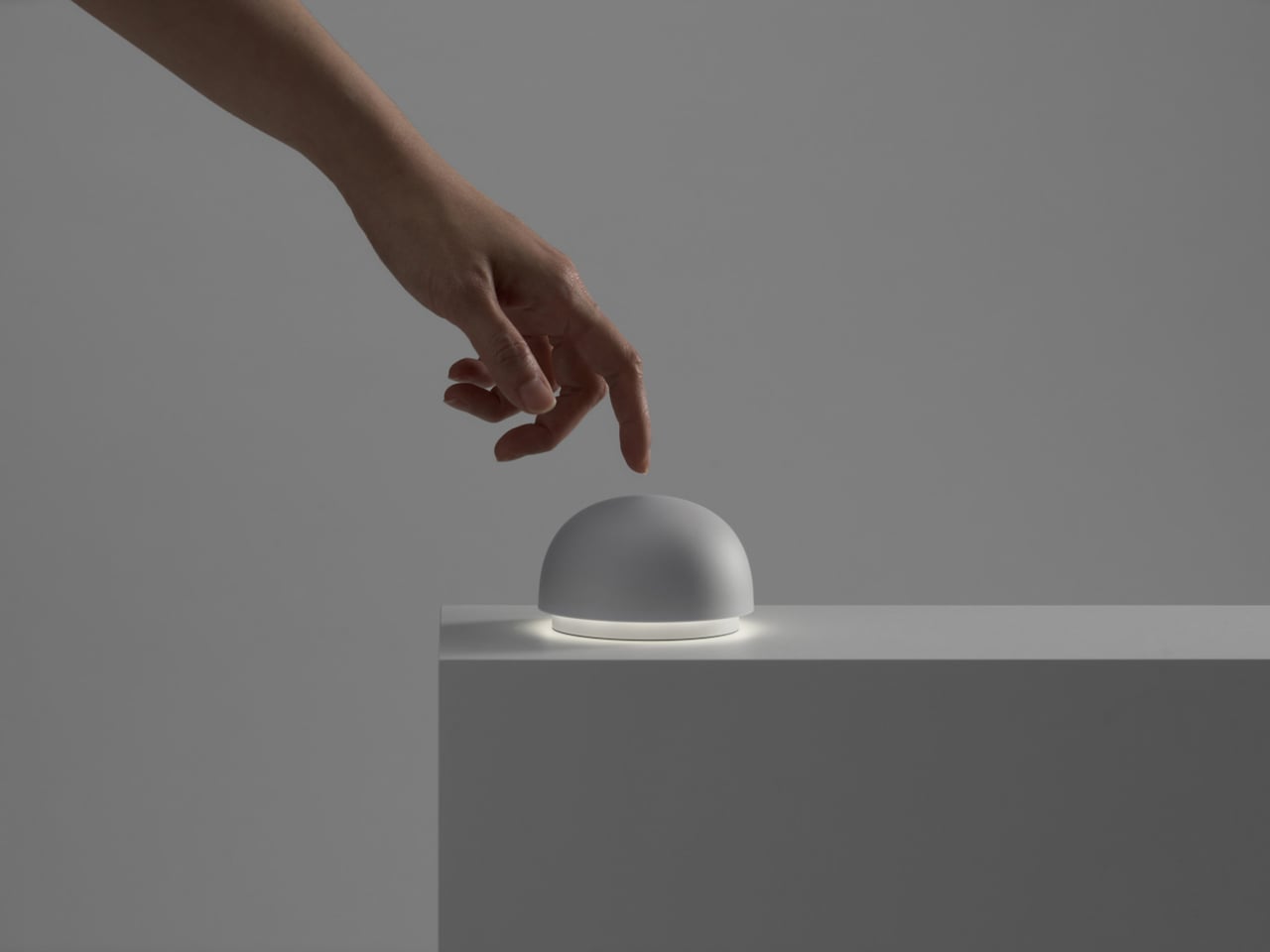
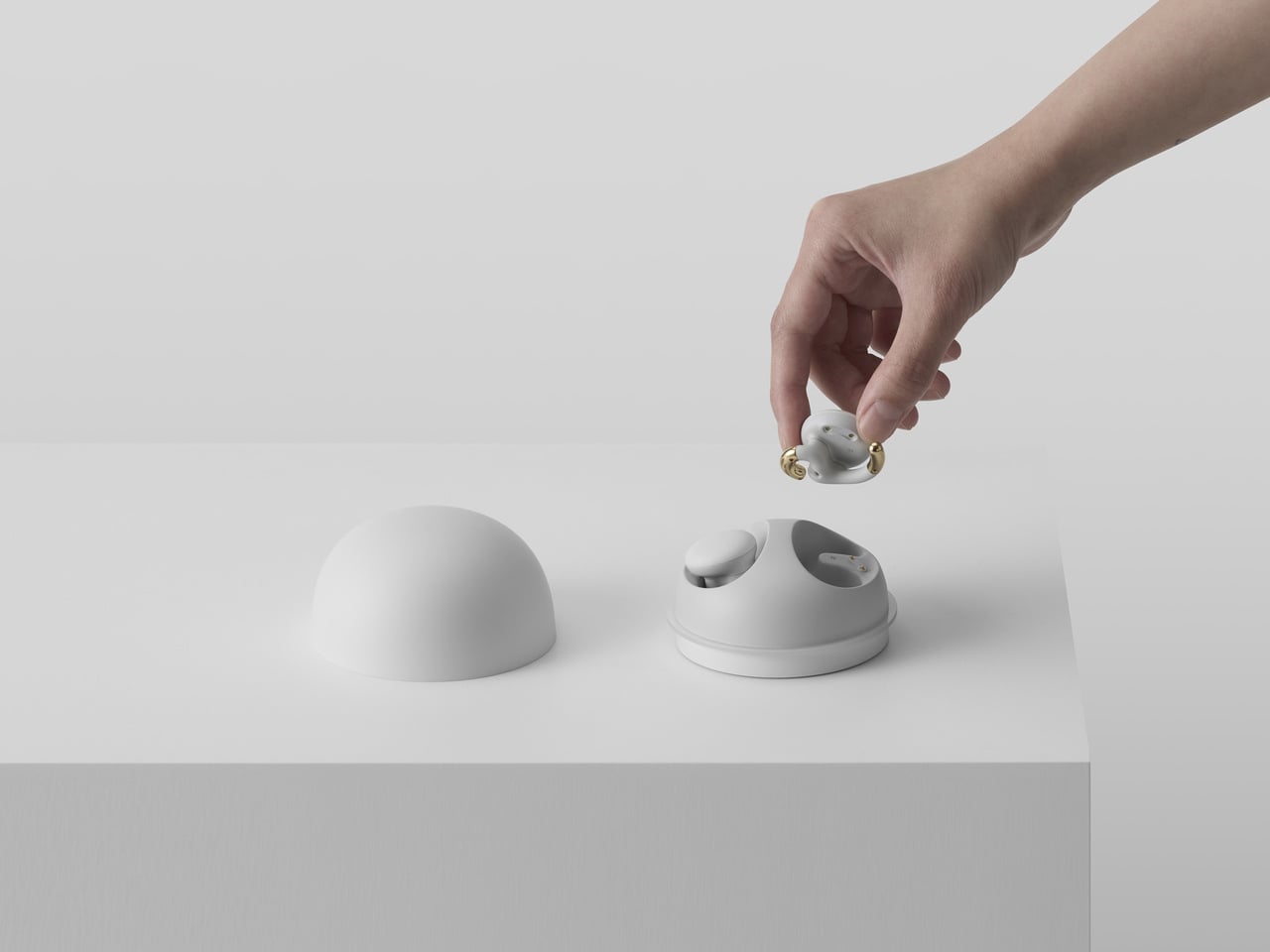
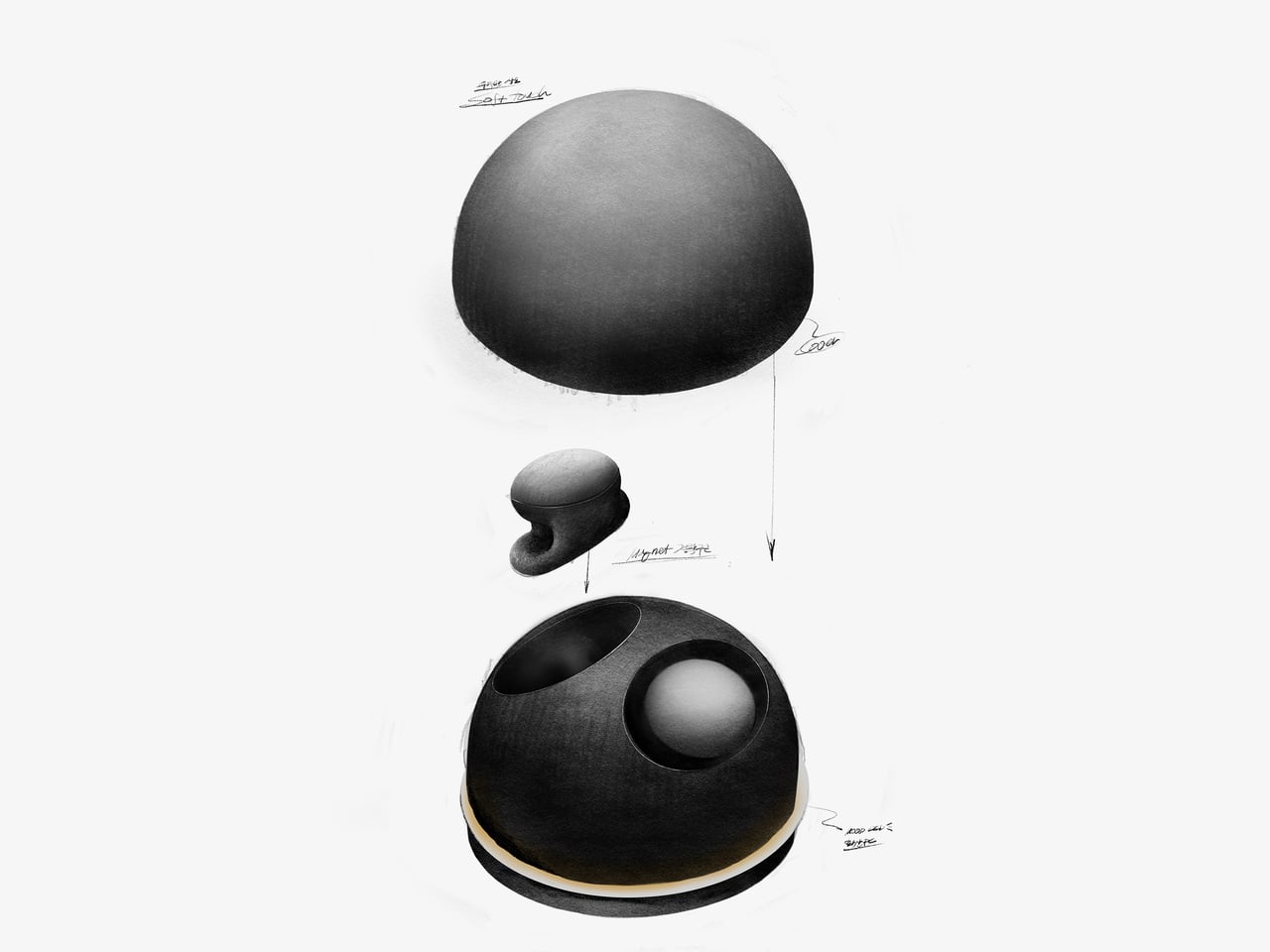
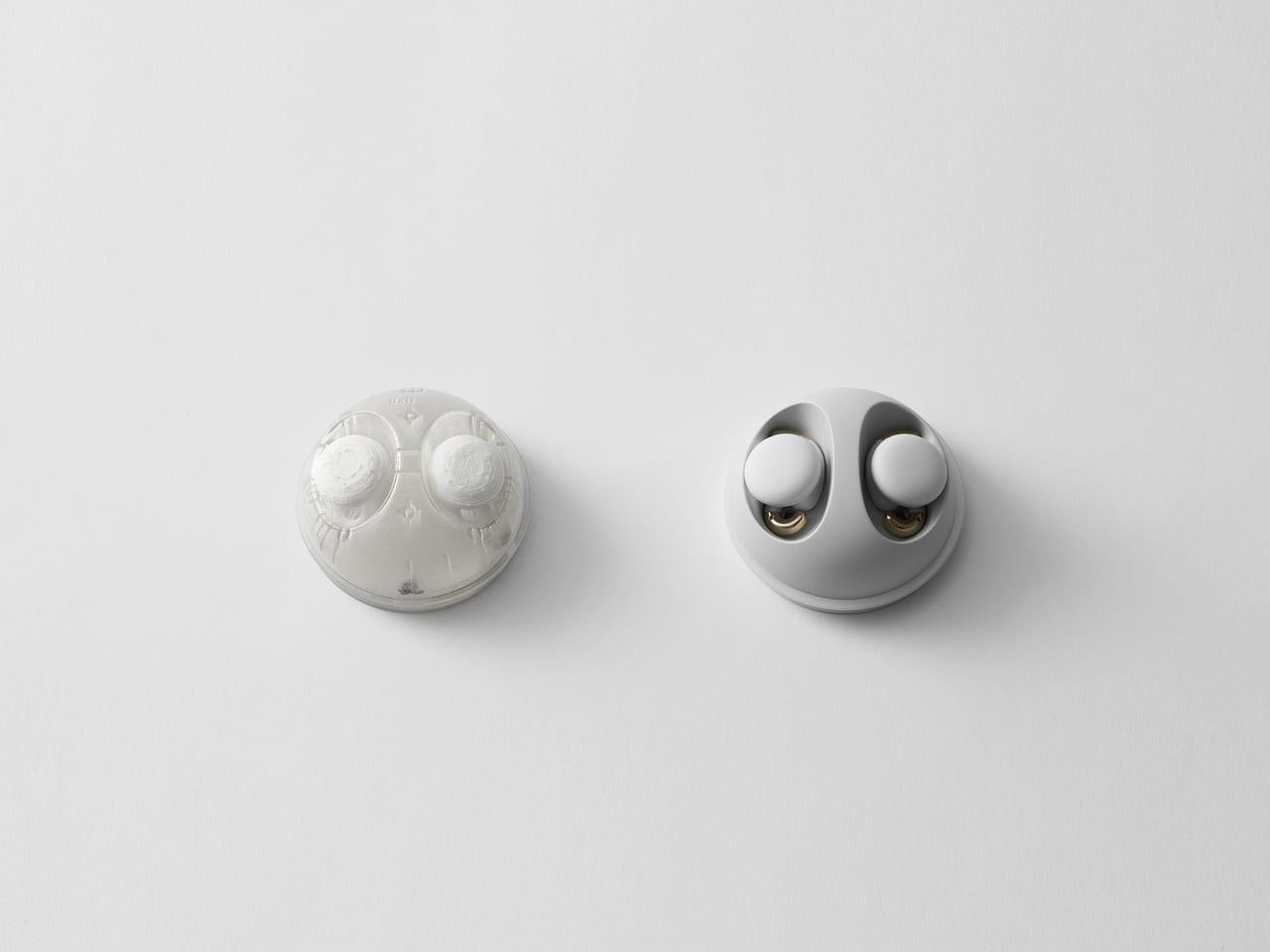
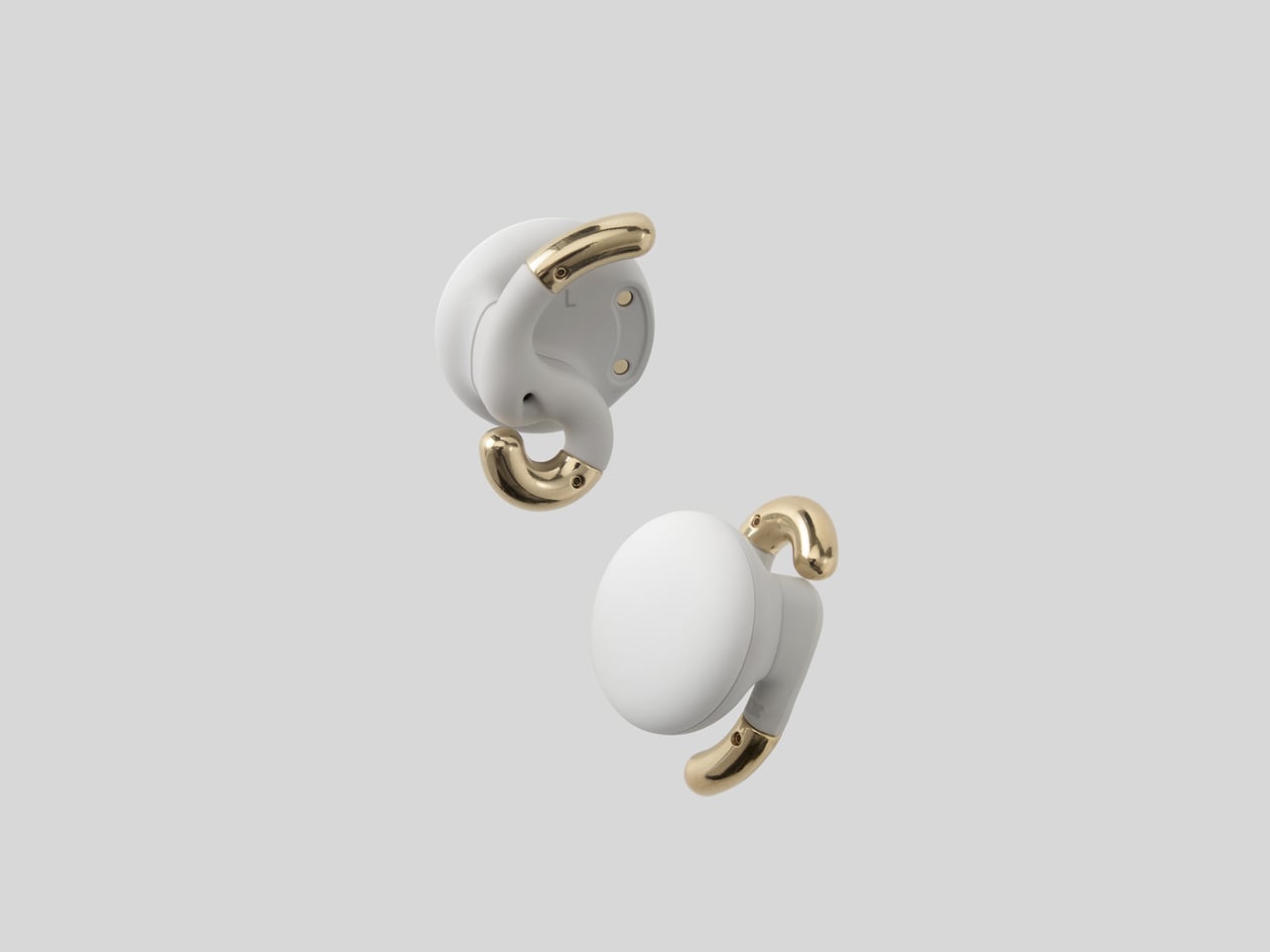
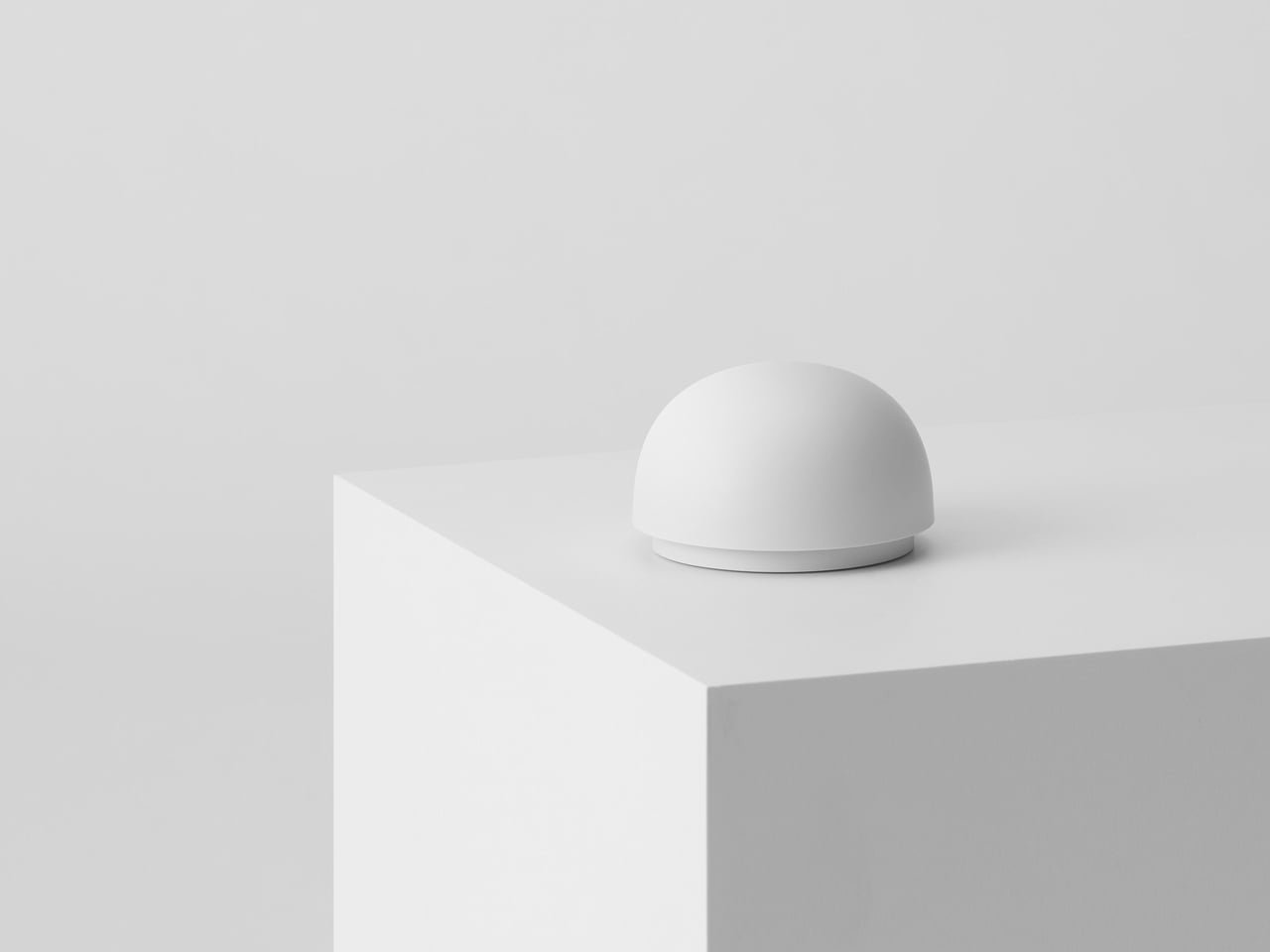
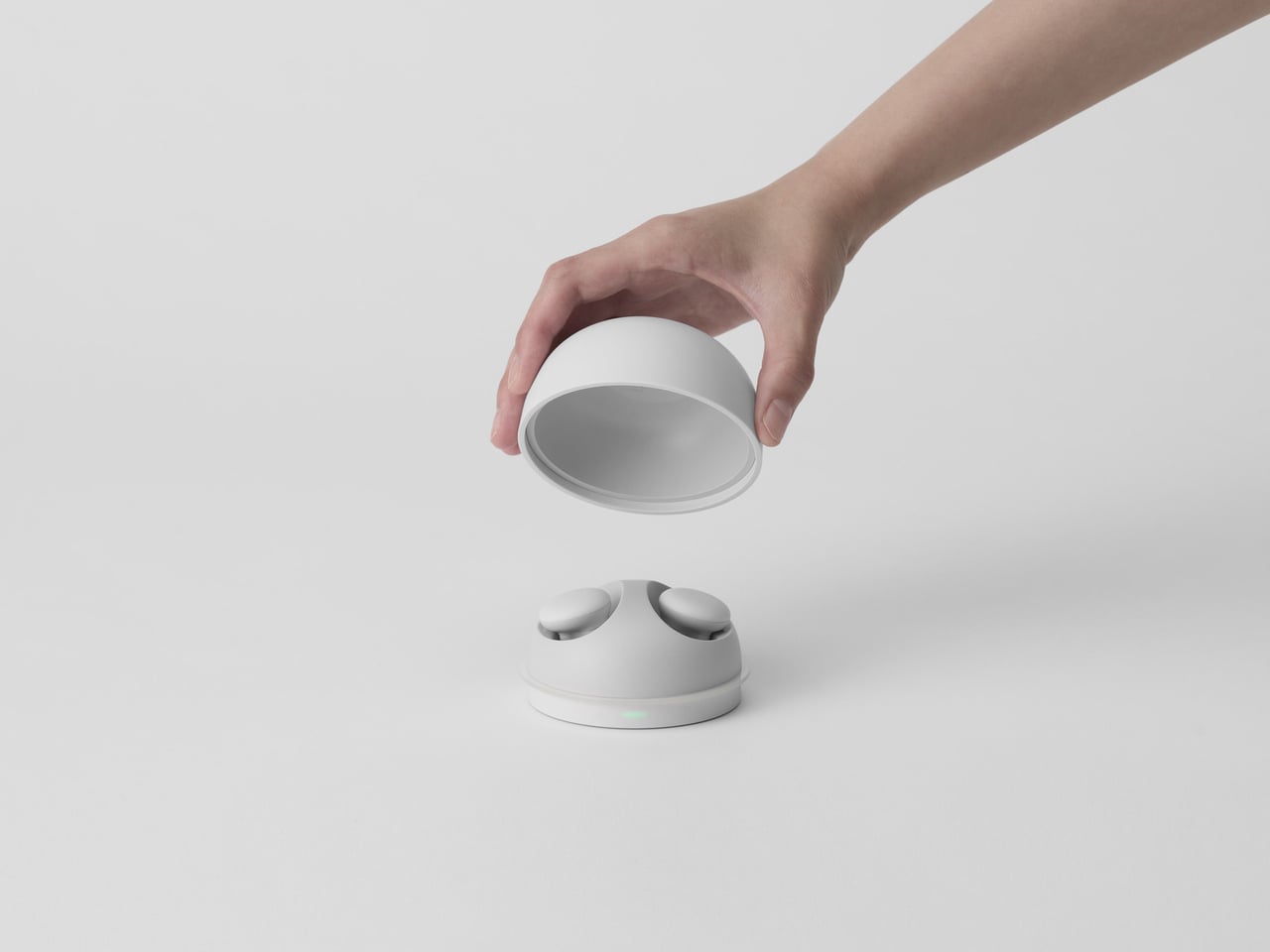
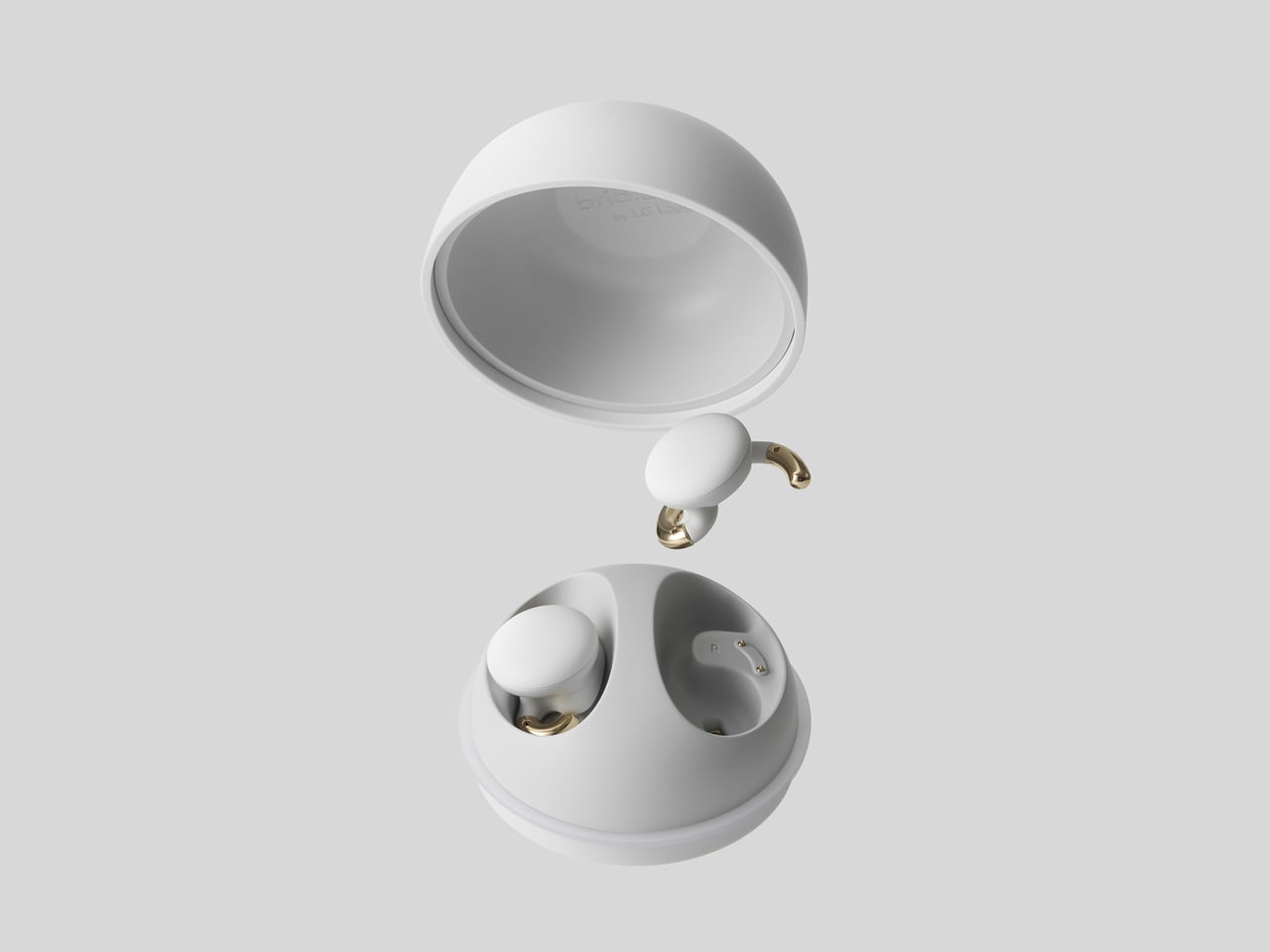
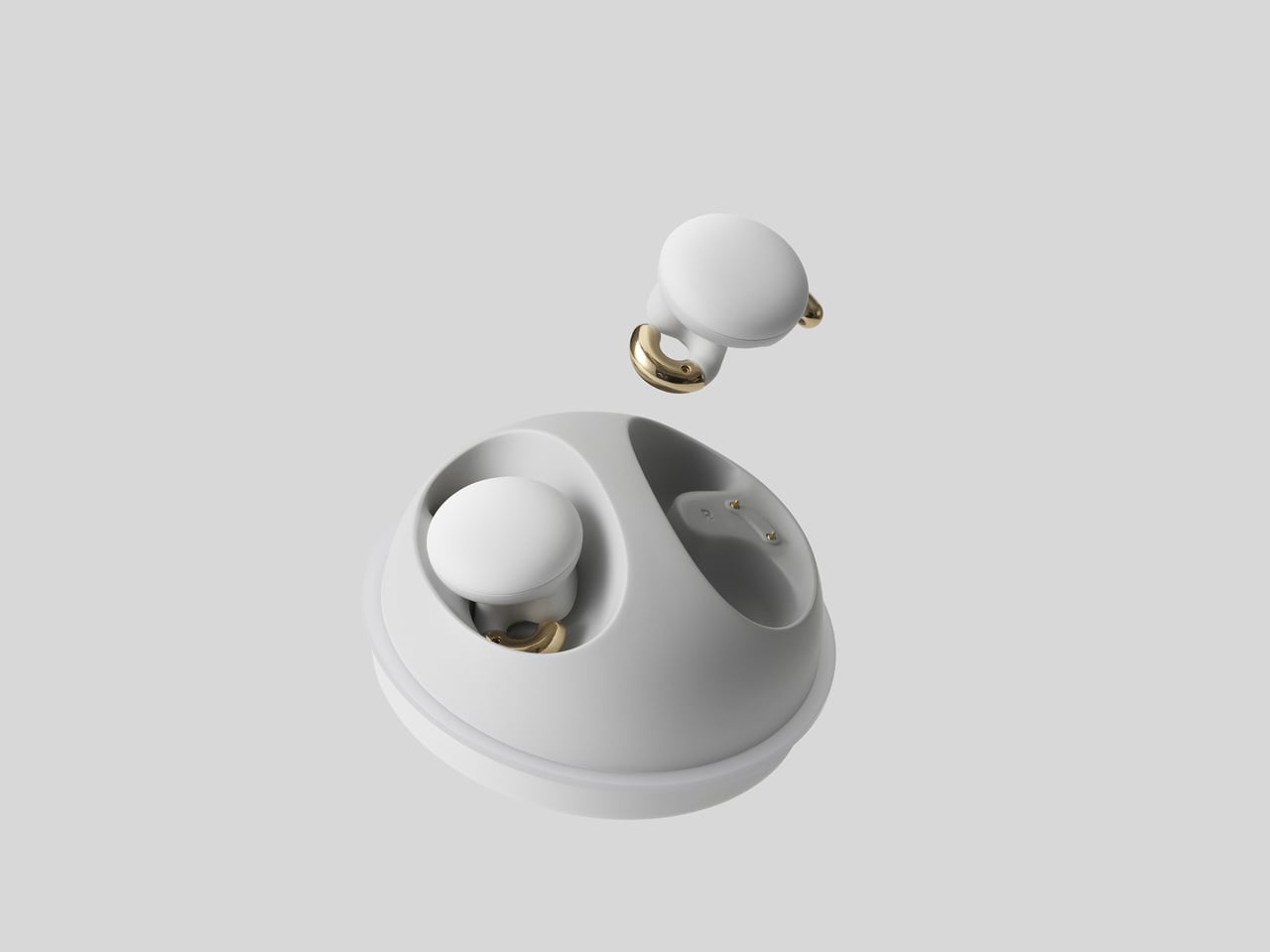
Bird.zzz is a project from Jiyoun Kim Studio and LG Labs that begins with a softly lit, cozy bedroom. It is a sleep wellness earbud paired with a dome-shaped bedside cradle that doubles as a knock-on lamp. The earbuds measure sleep via EEG and physical data, then use that analysis to deliver sound designed to improve sleep quality, all while sitting on your nightstand like a small sculpture rather than a charging puck.
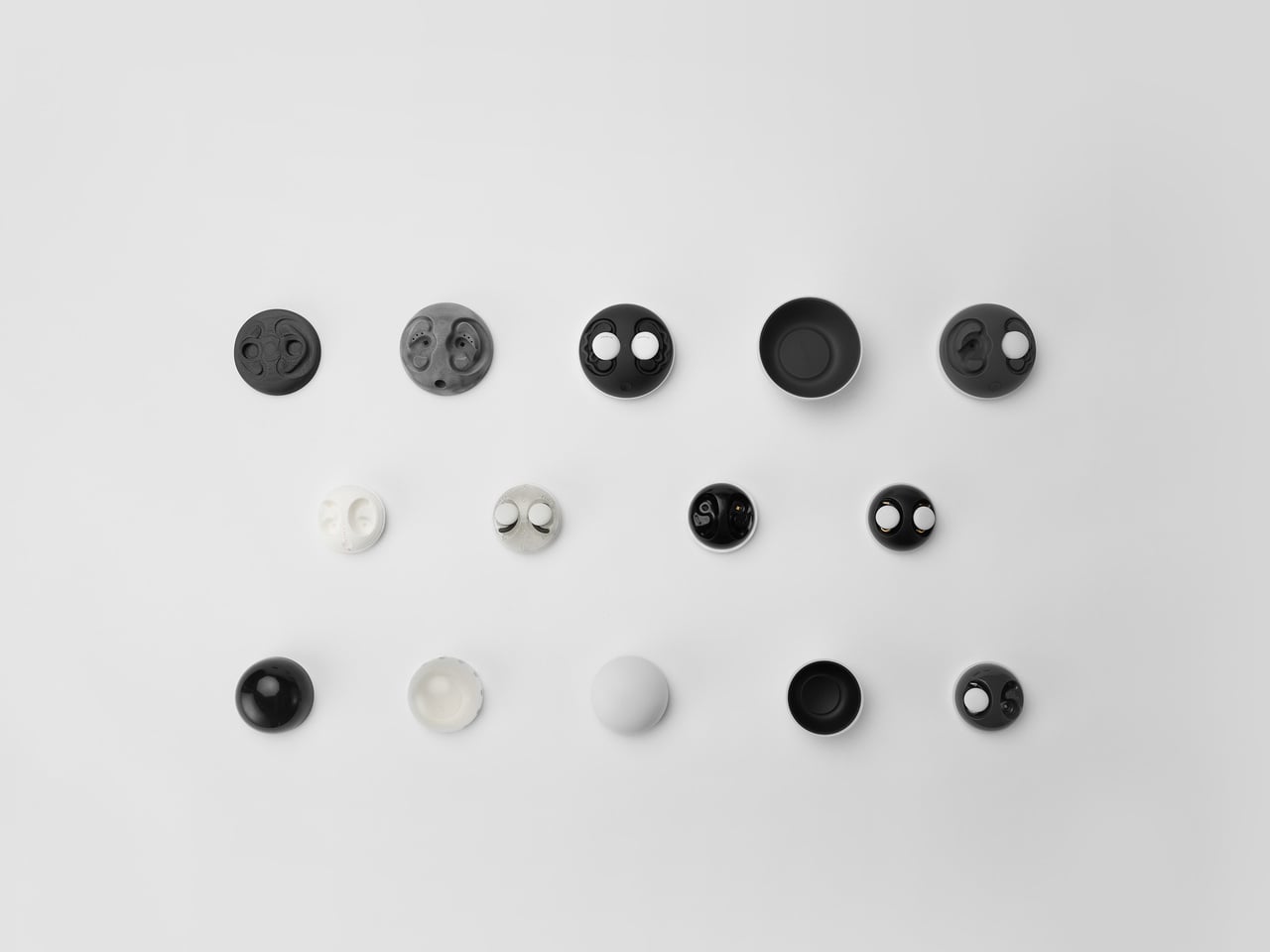
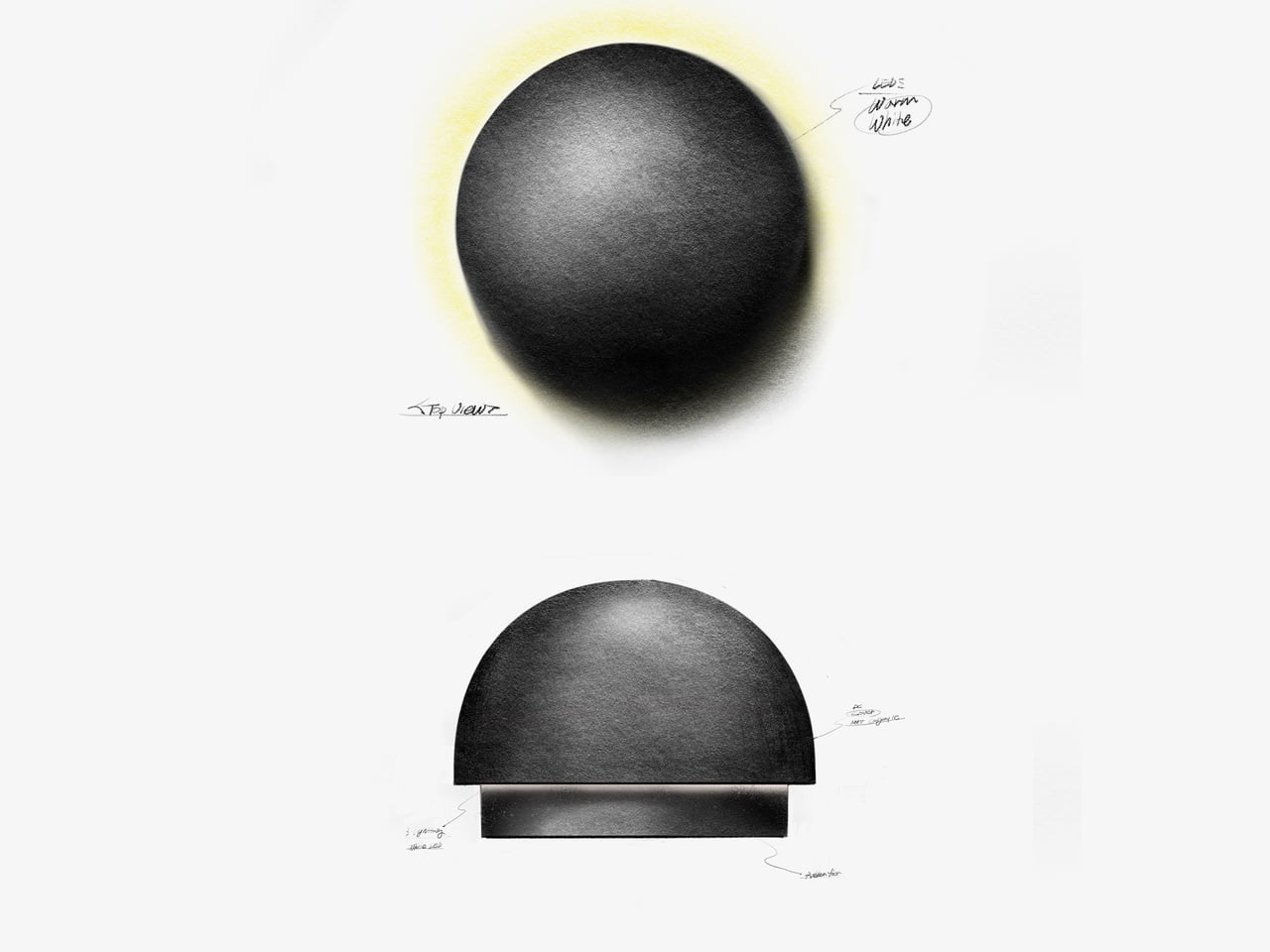
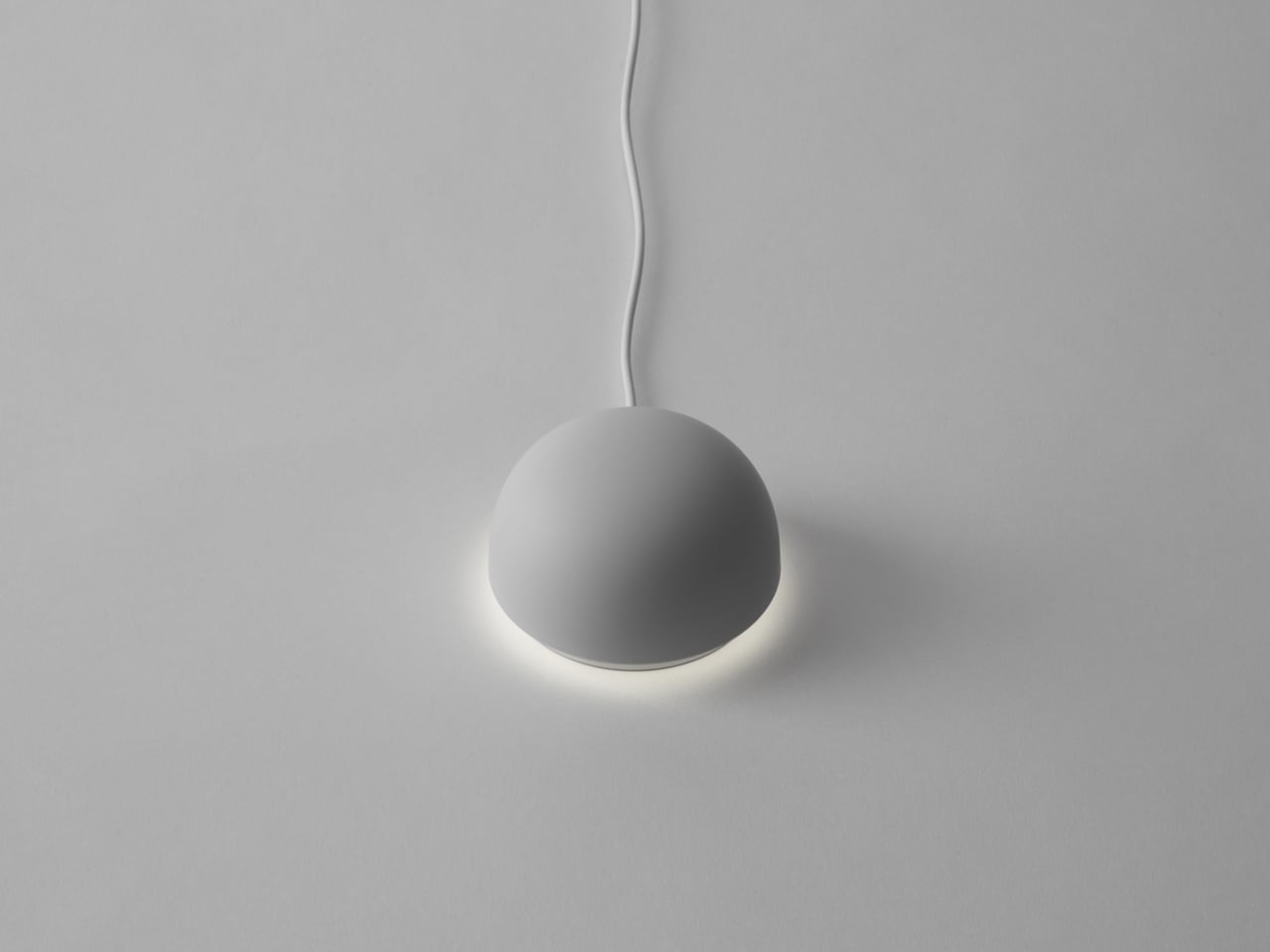
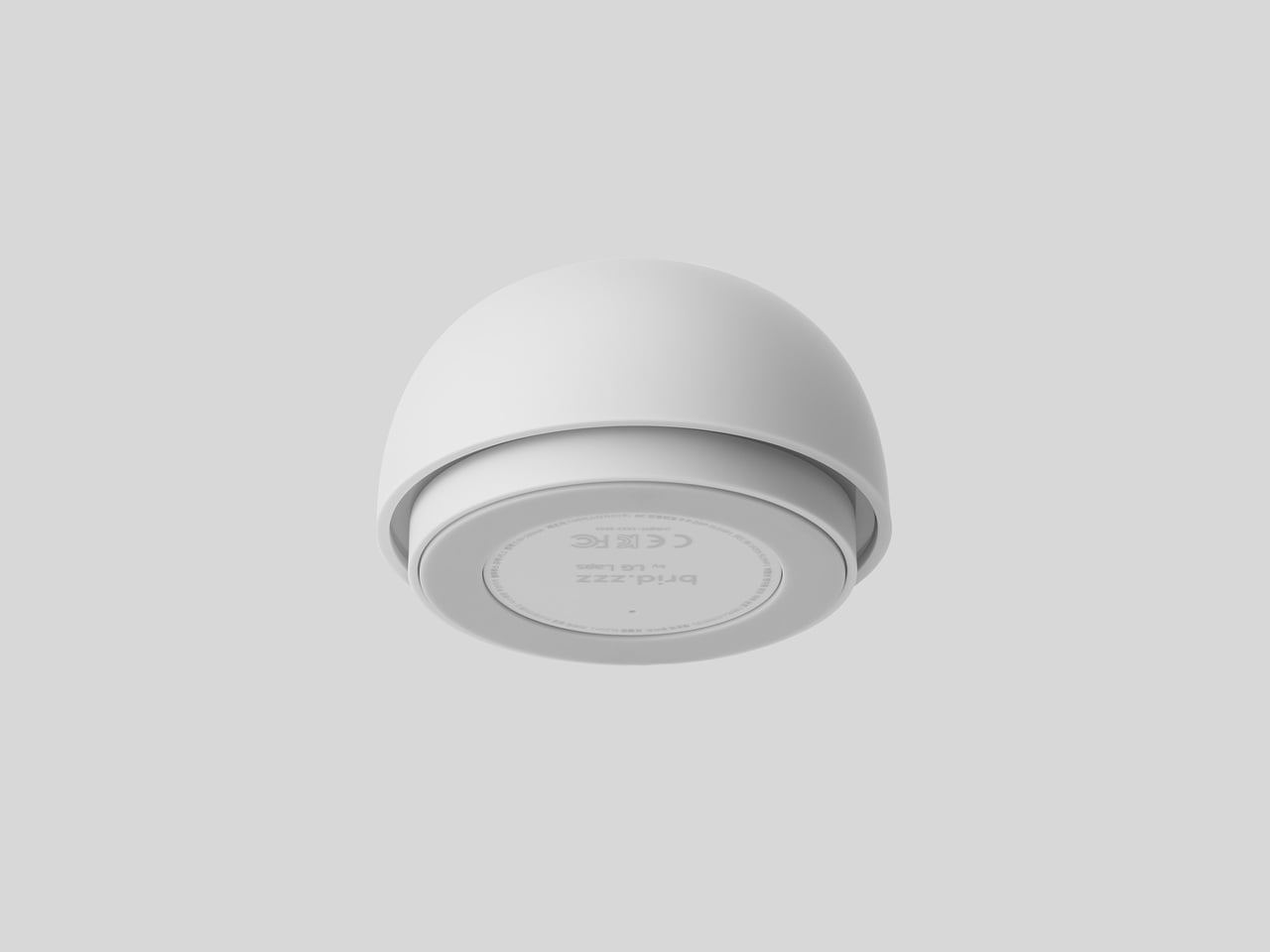
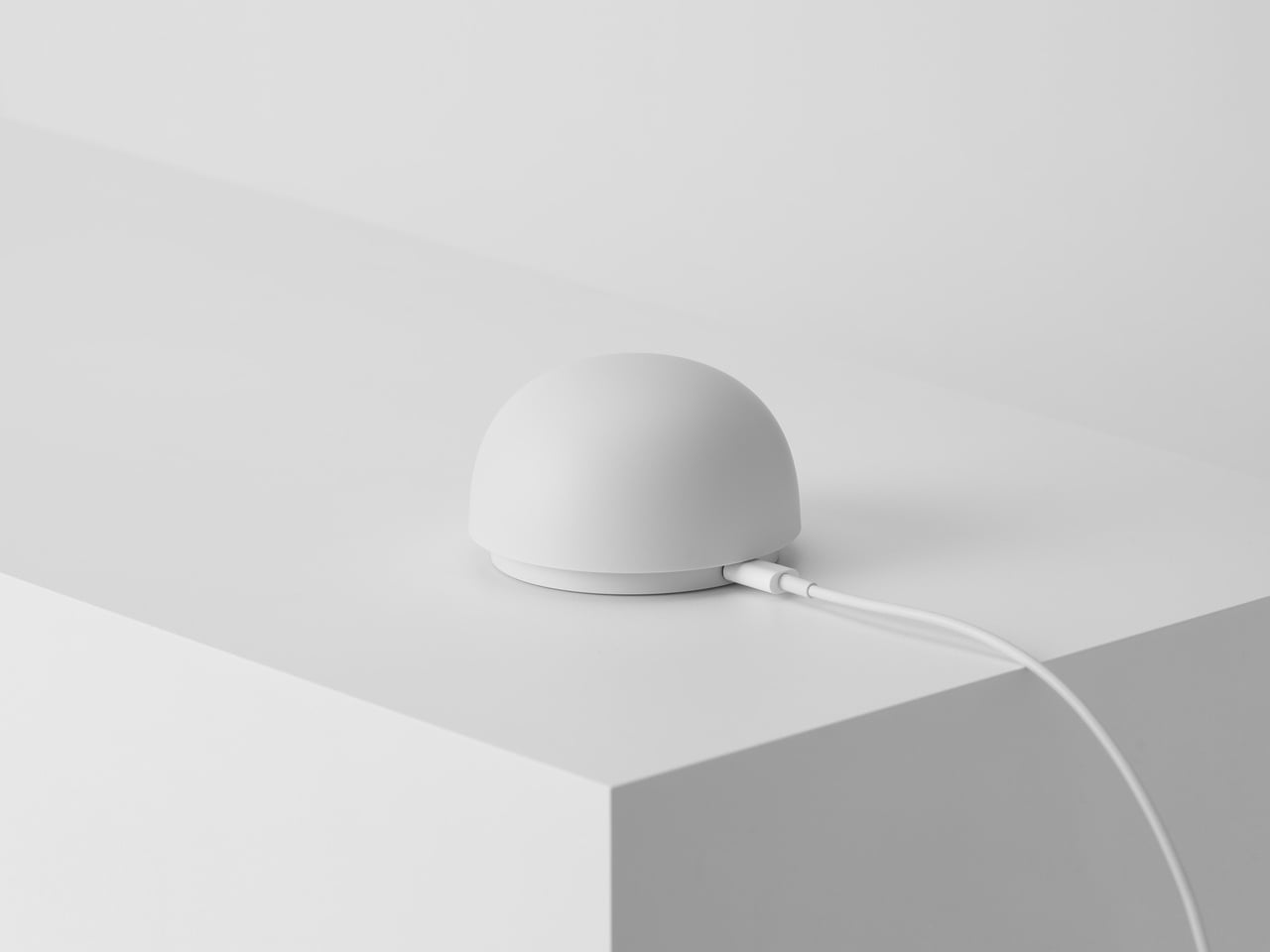
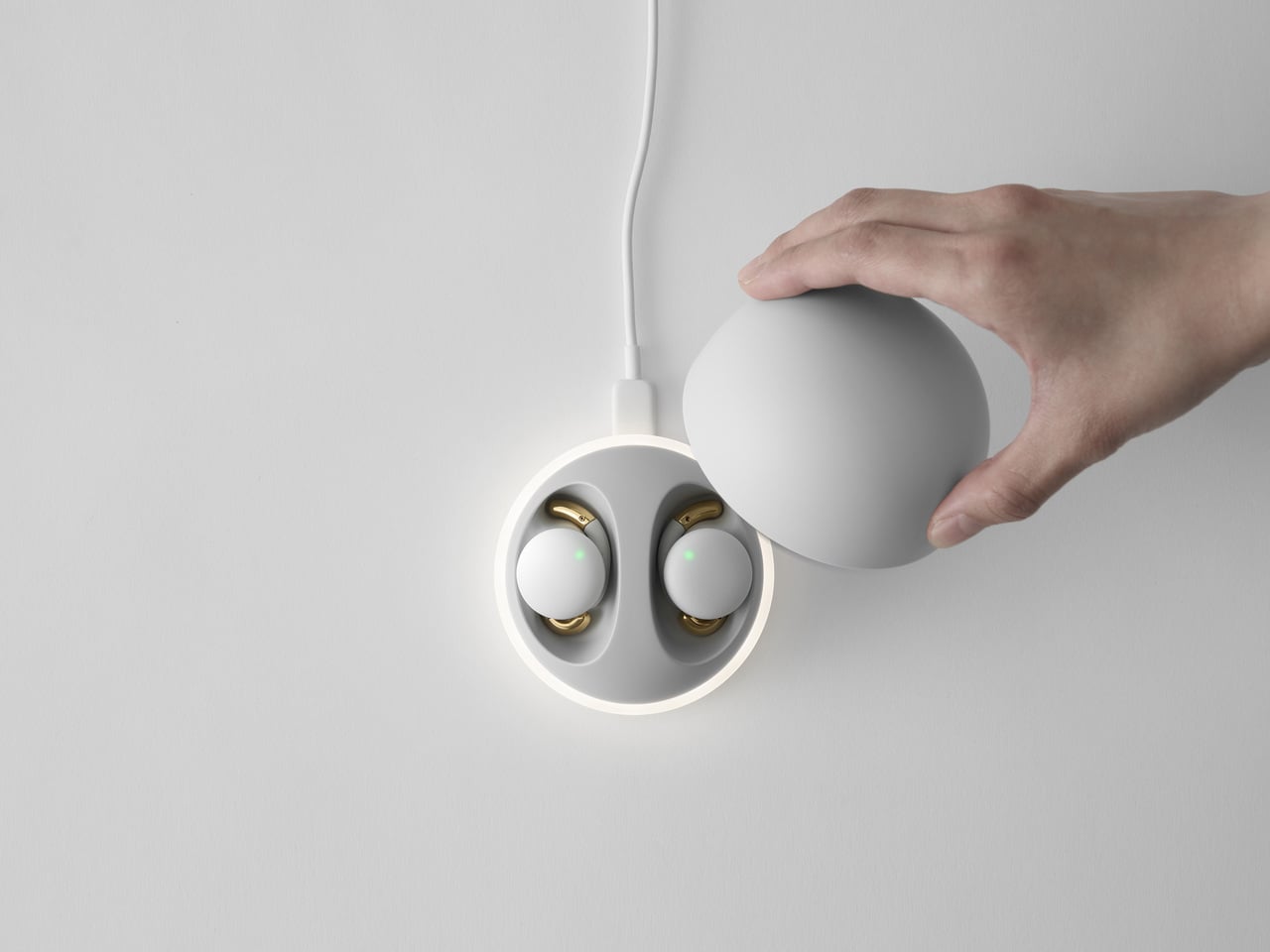
The design started from the cradle, imagined as a small object on a nightstand rather than a tech dock. It works as a bedside lamp using LG’s knock-on technology; a tap on the cover turns a warm, indirect LED halo on or off. The magnet-fixed top lifts to reveal the earbuds, and the weight is tuned so it feels stable and reassuring when you reach for it half-awake in the dark.
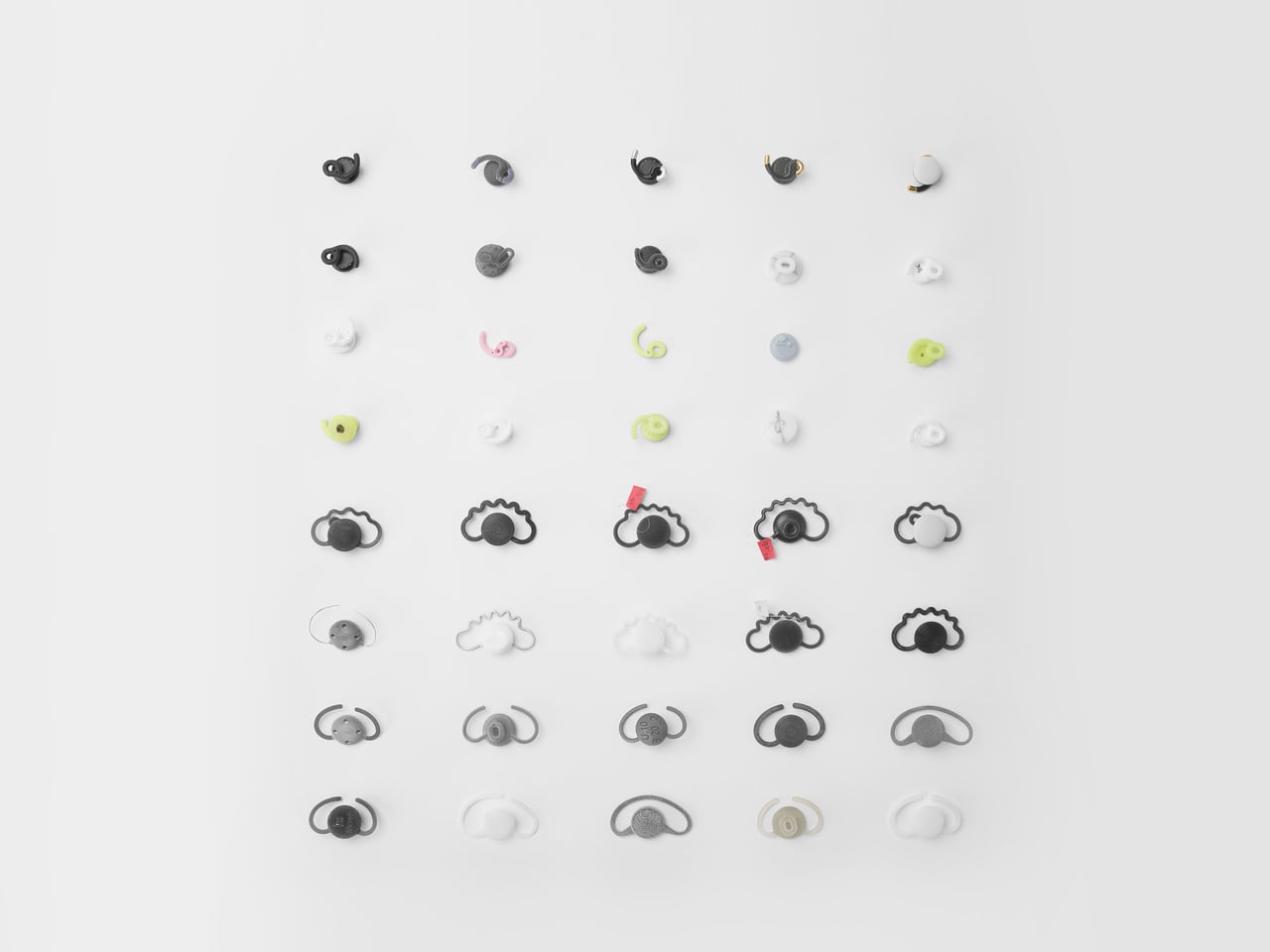
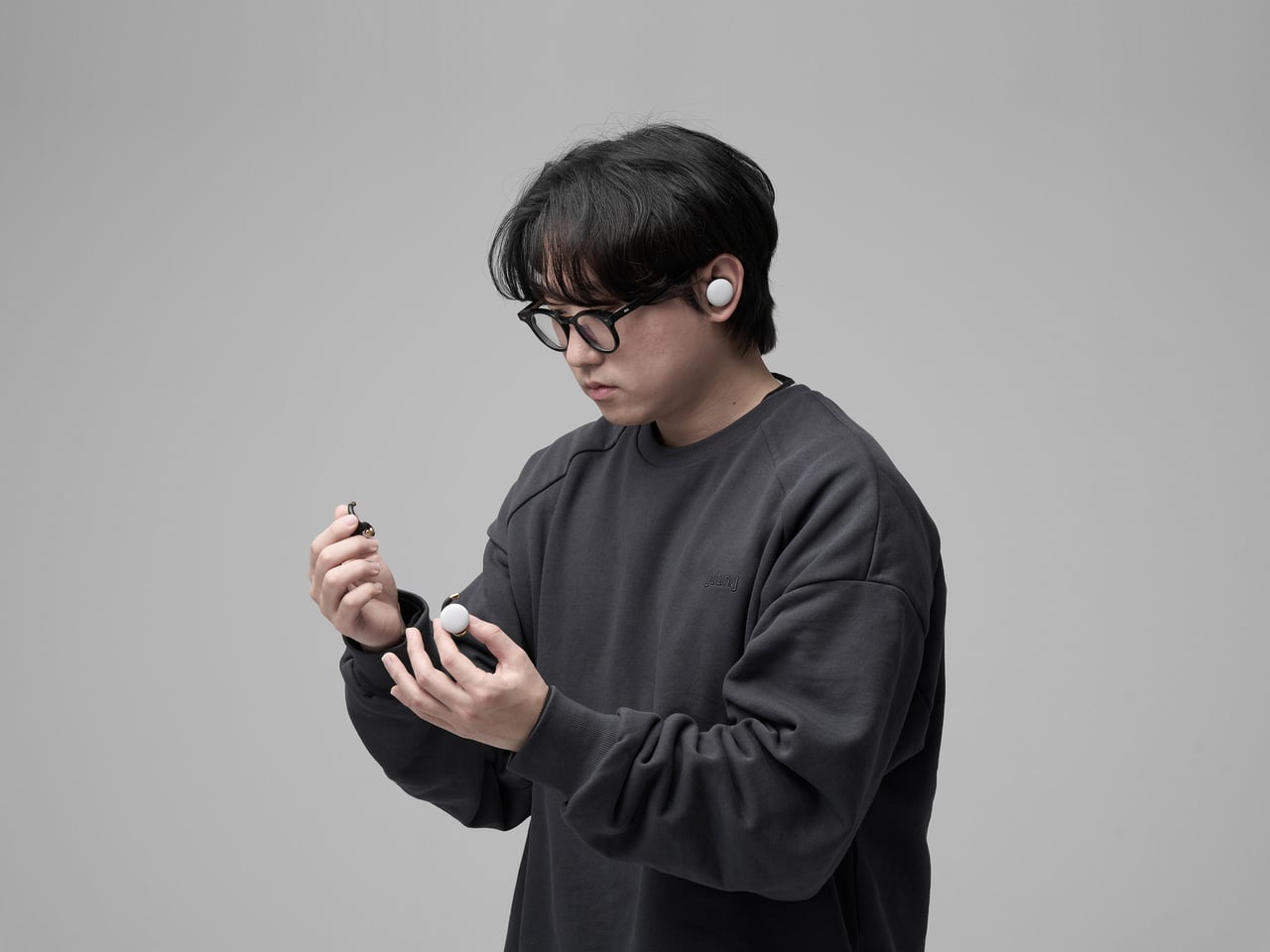
The earbuds had a specific challenge, needing skin contact for EEG sensing while staying loose enough for comfortable sleep. The team explored numerous forms and landed on a novel S-shaped ear tip, a hybrid of open and closed designs that keeps sensors in place without pressing hard into the ear canal. It borrows benefits from both types while avoiding the pressure points that make most in-ear devices unbearable after 20 minutes.
A typical evening means placing the earbuds in the cradle, tapping the dome to turn on a soft light, then lifting the lid to put the earbuds in as you settle into bed. As you fall asleep, the system reads brain activity and physical signals, adjusting soundscapes or audio cues based on your patterns. In the morning, the earbuds go back into their dome, and the object returns to being a quiet lamp.
The project covered product, packaging, and manual design, so the experience runs from unboxing to nightly use with consistent, minimal language. The warm white LED, indirect lighting, and knock-on interaction follow calm technology principles, asking for as little attention as possible. Bird.zzz launched after CES 2023, but it looks more like a small piece of bedroom architecture than a trade show gadget you plug in reluctantly.
Bird.zzz treats sleep as an environment to design for, not just a graph to optimize. The dome cradle, the S-shaped ear tip, and the soft interactions all point toward tech that respects the bedroom as a place to wind down. For anyone wary of strapping more screens to their body at night, an earbud and lamp combo that tries to disappear into the ritual of going to bed feels like a more thoughtful direction.
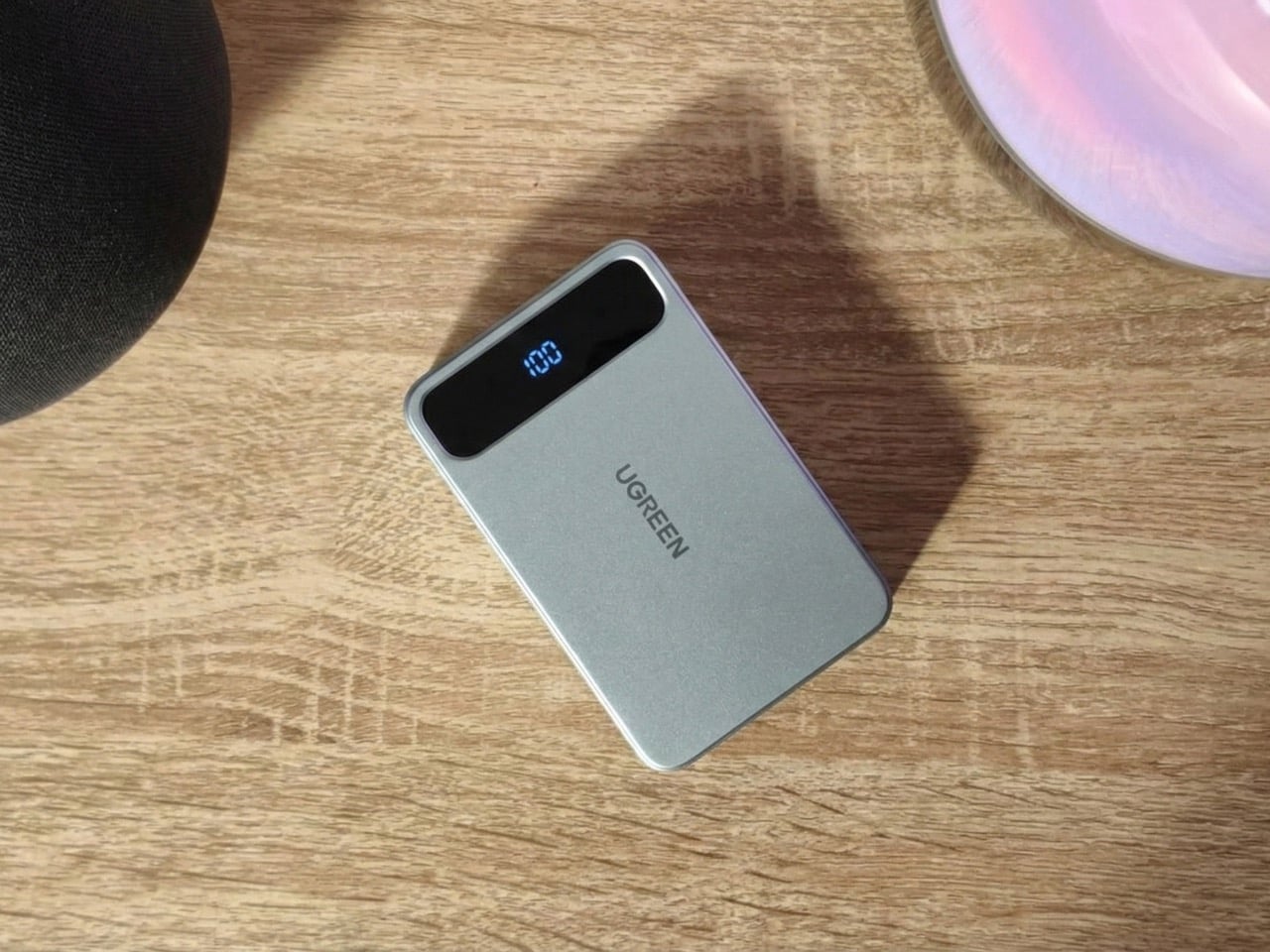
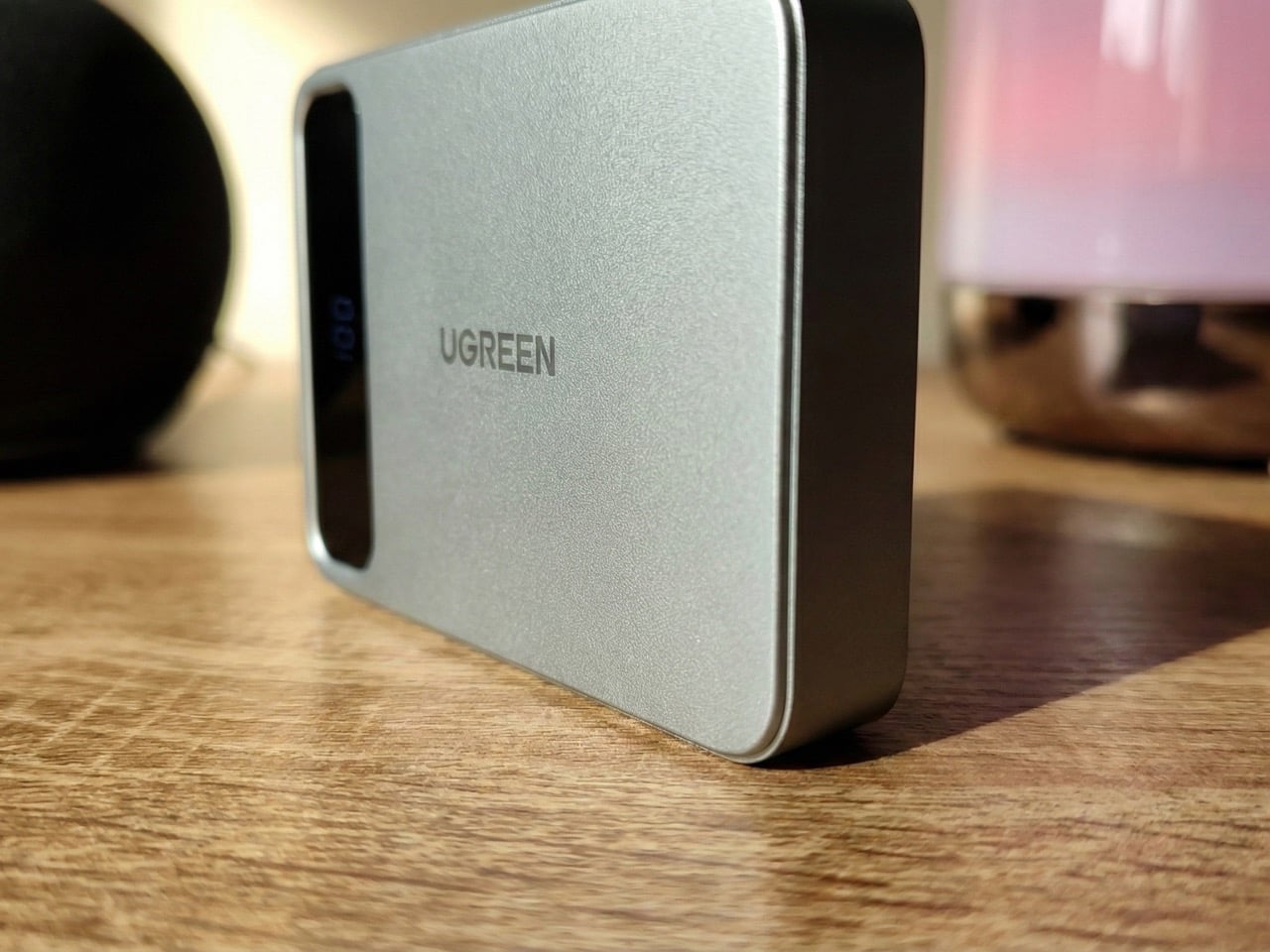
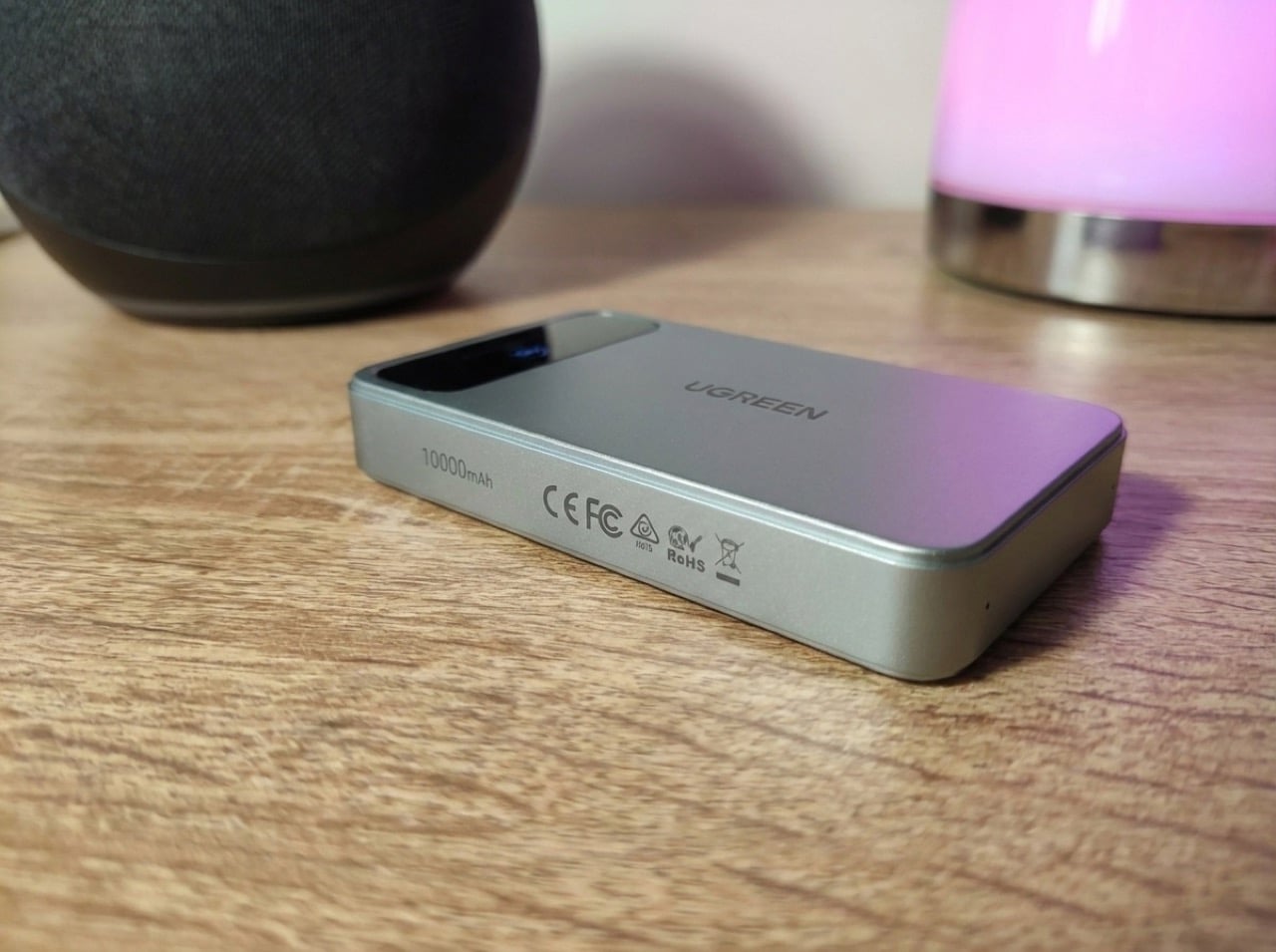
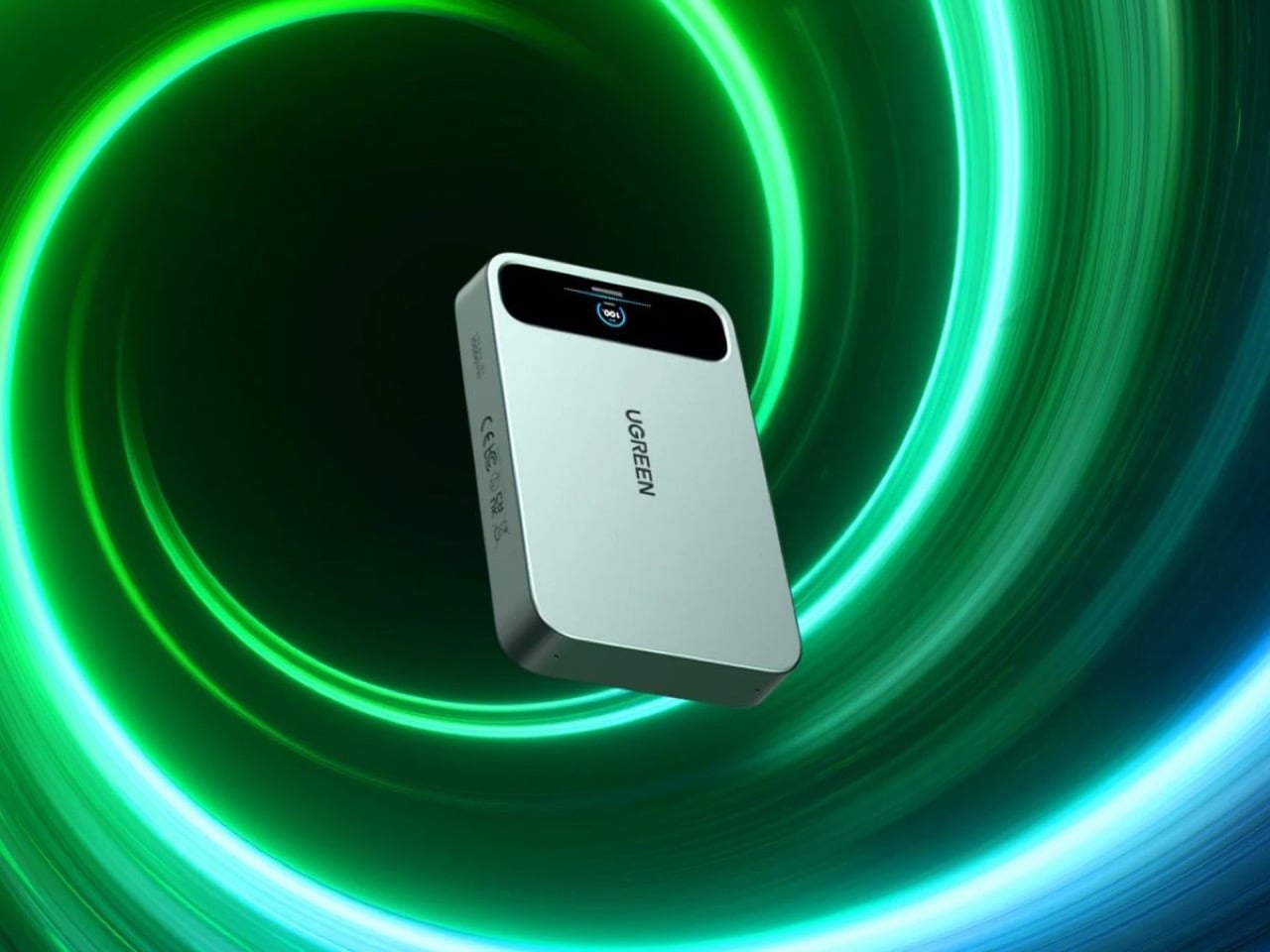
At CES 2026, where every tech company seemed legally obligated to add AI to something, Ugreen announced a power bank with voice recording. The MagFlow AI Voice Recording Magnetic Power Bank packs 10,000 mAh, wireless charging, and AI-powered note-taking into one device. It’s either brilliantly practical or completely unnecessary, depending on how often you find yourself needing both a dead phone and a voice memo at the exact same moment.
The real question is what market Ugreen’s actually targeting. Dedicated AI recorders like Plaud and Limitless offer superior transcription and integration with productivity tools. Meanwhile, power bank buyers are mostly obsessed with capacity, charging speed, and MagSafe compatibility. Ugreen’s product sits awkwardly between these worlds, somehow simultaneously targeting both the serious note-taker as well as the charging purist. Maybe that’s the genius: creating a category where none existed, or maybe it’s just feature creep with good intentions.
Designer: Ugreen
Representational Image
You’ve got 10,000 mAh, which is respectable but standard for MagSafe-compatible power banks in 2026. Wireless charging is included, though the company hasn’t confirmed whether there’s a USB-C port for wired fast charging. A digital display shows battery level and presumably real-time charging stats. Then there’s the voice recording hardware with built-in AI for translation and summarization, which sounds impressive until you realize Ugreen hasn’t explained how you’ll actually access these recordings. Is there an app? Does it sync to your phone? Do you have to plug it into a computer and dig through files like it’s 2015?
Representational Image
Compare this to something like the Plaud NotePin, which costs around $169 and is purpose-built for recording. It connects seamlessly to your phone, transcribes in real time, integrates with LLMs like ChatGPT for summaries, and weighs practically nothing. Or look at the power bank side of things. Ugreen’s own Qi2 25W MagFlow Power Bank retails for $89.99 (currently $69.99 on Amazon) and does one thing exceptionally well: charges your devices fast. This new AI version will almost certainly cost more, probably around $120 to $150 if I had to guess, which puts it in direct competition with premium power banks that offer higher capacity or faster charging speeds. Not to mention most AI services do come with the looming threat of a subscription fee at some point. Imagine subscribing to a power bank…
Jokes aside, the bundling makes sense if you’re the kind of person who carries too much stuff and wants to consolidate. A journalist running between interviews could theoretically use this to charge their phone while recording background audio for articles. Students might appreciate having one device that keeps their laptop alive during lectures while capturing notes they can summarize later. But these use cases feel niche, and niche products need exceptional execution to justify their existence. Ugreen hasn’t shown us that yet. The company has a solid track record with GaN charging technology and their NASync NAS series crushed it on Kickstarter with $6.6 million raised. They know how to build hardware. Whether they can build software that makes voice recording feel natural on a battery pack is the real test.
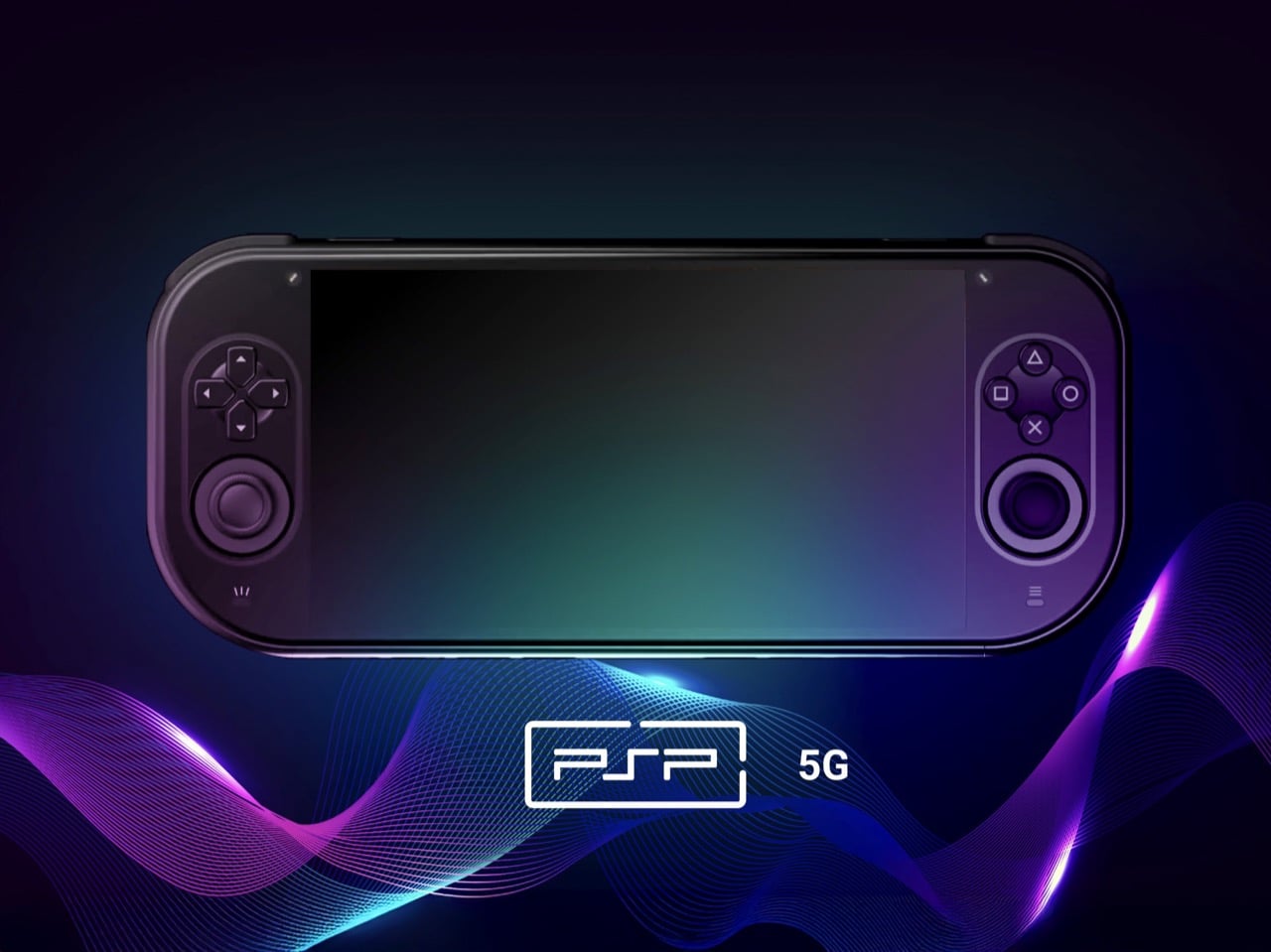
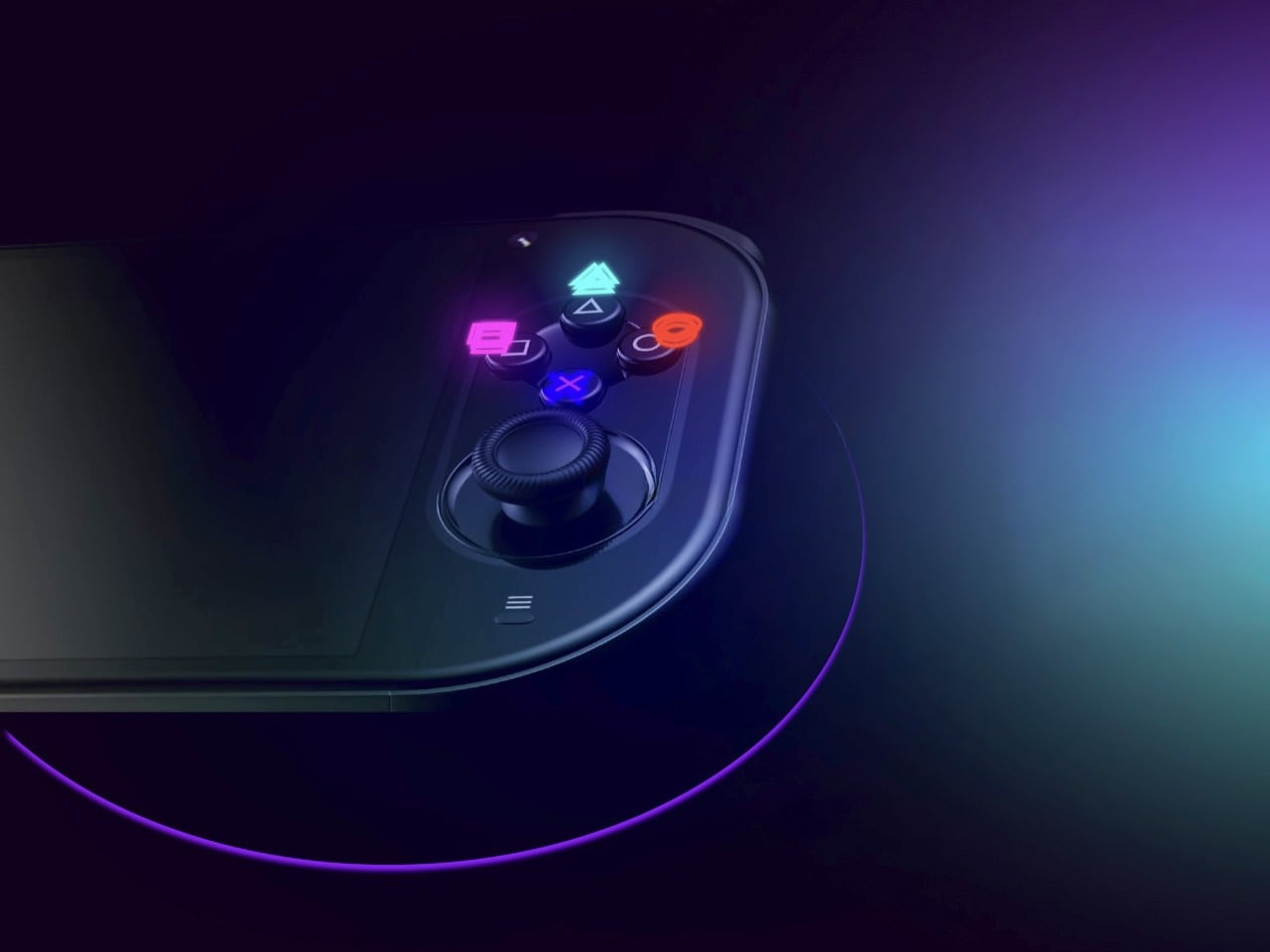
Sony’s portable gaming attempts have followed a familiar pattern: innovative hardware held back by baffling compromises. The PSP had one analog stick when games clearly needed two. The Vita added that second stick but inexplicably skipped analog triggers and clickable thumbsticks, forcing developers to map essential controls to an awkward rear touchpad. The PS Portal finally nailed the controls by essentially splitting a DualSense controller in half, then rendered the achievement mostly irrelevant by making it stream-only. Project Canis, the rumored PS6 handheld arriving in 2027, needs to break this cycle.
The fundamentals look promising this time. Reports suggest full PS4, PS5, and PS6 compatibility with proper docking functionality, which would position it as Sony’s answer to both the Steam Deck and Switch successor. The recent PS5 low-power mode appearing in firmware updates telegraphs Sony’s strategy clearly: get developers optimizing games for portable performance now, before the hardware officially exists. With AMD’s APUs getting more capable and the handheld gaming PC market proving there’s demand for portable power, Sony actually has a clearer path forward than they did with previous attempts. The question is whether supply chain realities and component costs will force them to compromise again.
Designer: Yousef Popov
Sony recently added a power-saving mode to PS5 games that scales down graphics and frame rates, supposedly for energy conservation. But here’s what’s actually happening: they’re teaching developers how to optimize their games for weaker portable hardware before that hardware even exists. When Project Canis launches, every game with this low-power mode already has a built-in portable profile ready to go. It’s Sony creating a standardized “handheld mode” years in advance, which suggests they’re genuinely committed this time rather than half-heartedly supporting another doomed experiment like the Vita became.
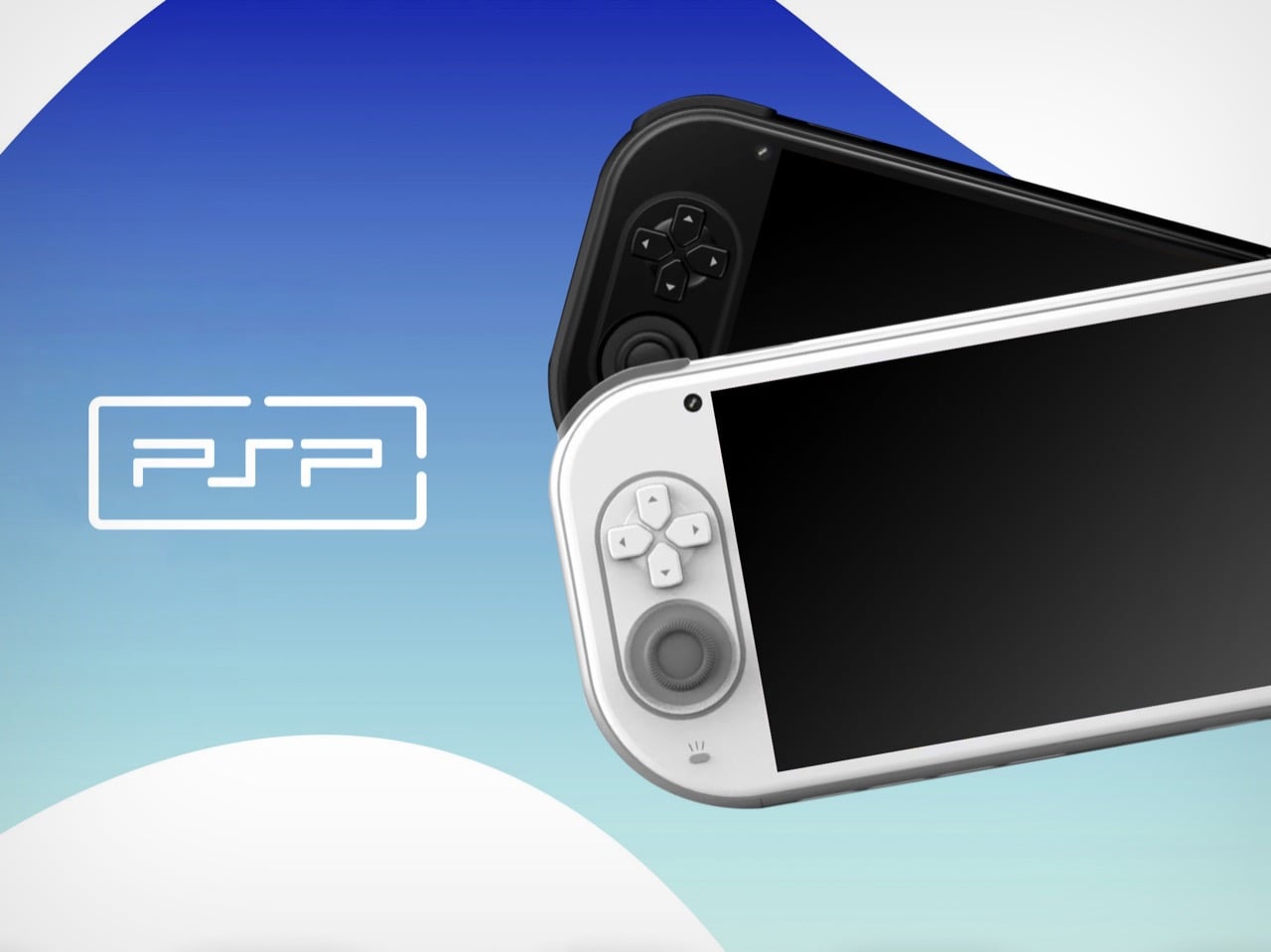
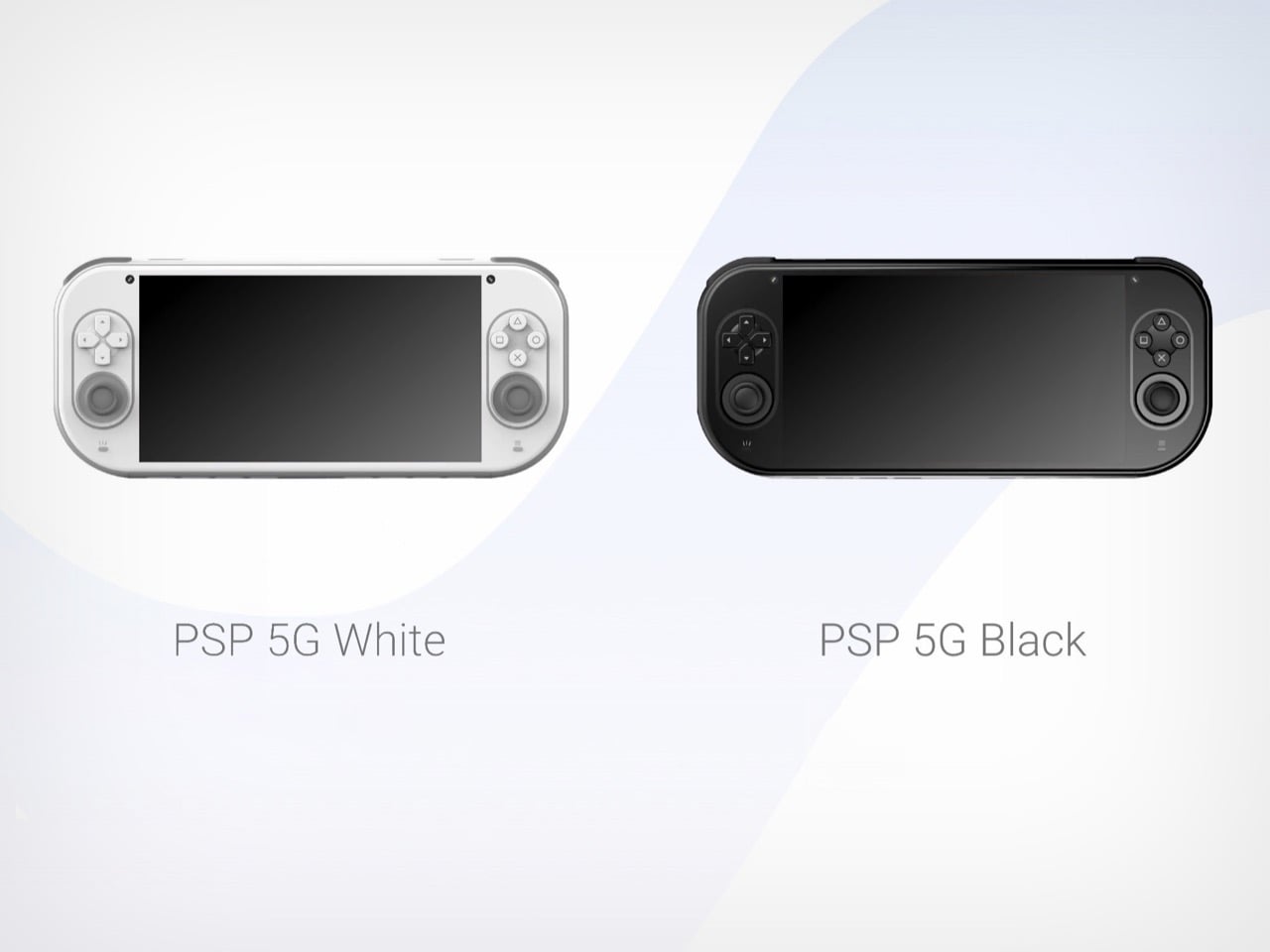
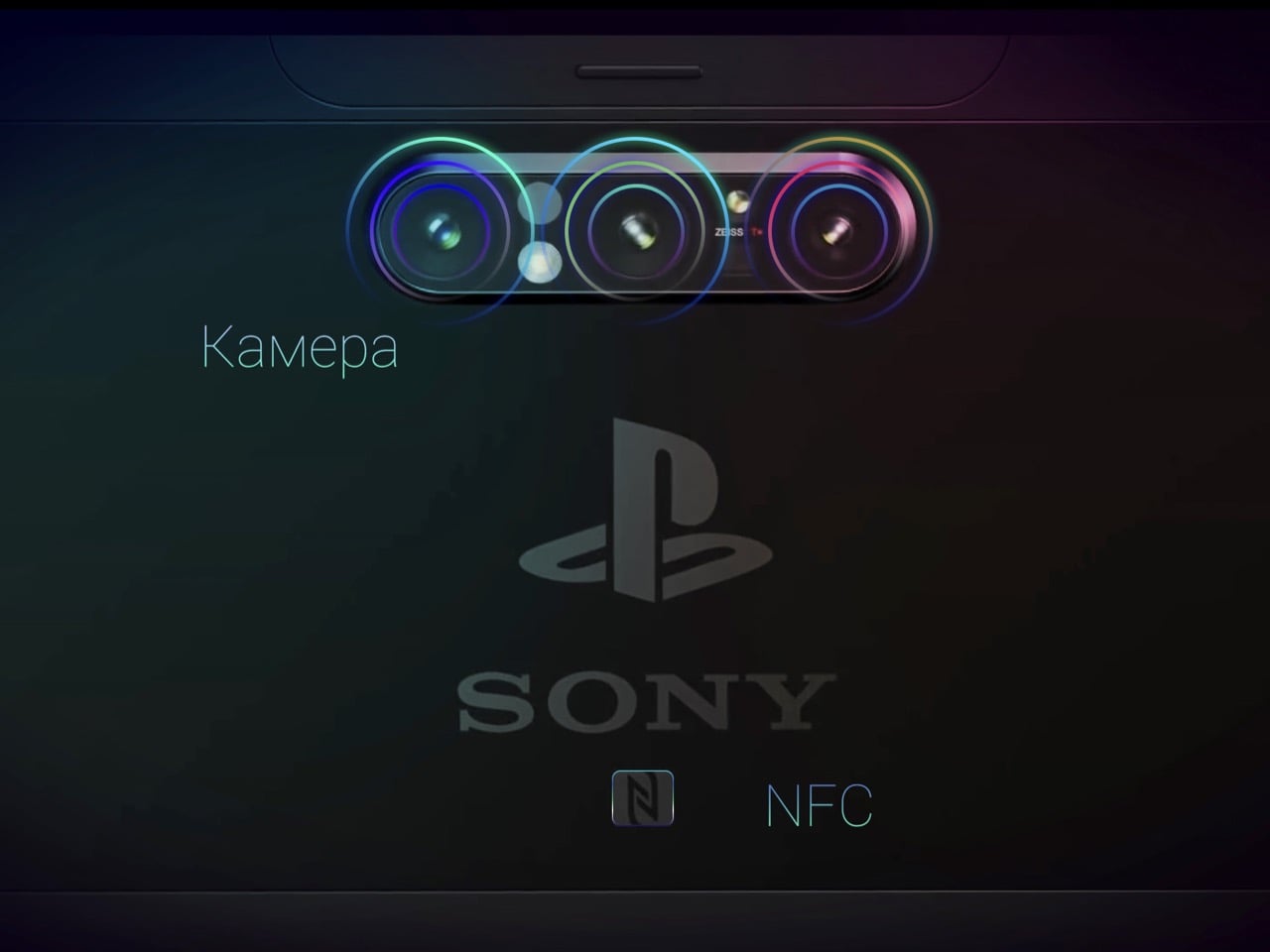
The design remains anyone’s guess at this point. Concept images floating around Behance show sleek interpretations of what a modern PSP could look like, though these fan creations obviously don’t reflect whatever Sony’s industrial designers are actually cooking up. What we do know is that the PS Portal’s controller layout works beautifully, with full-sized analog sticks and proper trigger feedback. If Sony keeps that ergonomic foundation and adds actual processing power inside instead of relying on cloud streaming, they’d have something genuinely compelling. The Portal proved they finally understand that portable controls can’t be compromised versions of console controllers, they need to be the real thing.
The 2027 target might actually work in Sony’s favor despite the RAM shortage threatening to push prices up or launch dates back. Handheld gaming has exploded in ways nobody predicted five years ago. The Steam Deck created an entire category of expensive portable PCs that people happily bought. The Switch keeps selling despite aging hardware because portability matters that much to players. Sony entering this space in 2027 with a device that plays God of War and Spider-Man natively, then docks to your TV for the full experience, feels less like another doomed experiment and more like arriving exactly when the market’s ready.
The backwards compatibility angle could be the real hook though. Running your entire PS5 library on the go would be compelling enough, but reports suggest potential support reaching back to PS1 and PS2 through emulation. Imagine having decades of PlayStation history available on one portable device, from classic JRPGs to current blockbusters. The Switch has proven that players will rebuy old favorites for portability, but Sony wouldn’t need to resell anything if they nail backwards compatibility. Your existing library just works, from launch day classics you bought fifteen years ago to whatever drops next month. That’s the kind of feature that turns a neat gadget into something you’d actually carry everywhere.