Color One Square Each Week and Watch 80 Years Fill with Your Story

Weeks in a relationship or life blur together. You remember birthdays and trips, but the quiet in‑between time mostly stays invisible. We track deadlines and appointments on digital calendars, but rarely see the whole arc of a shared life at once, the years you’ve already moved through and the ones still sitting empty ahead. There’s something oddly powerful about seeing every week you have, and have had, laid out in one place on a wall.

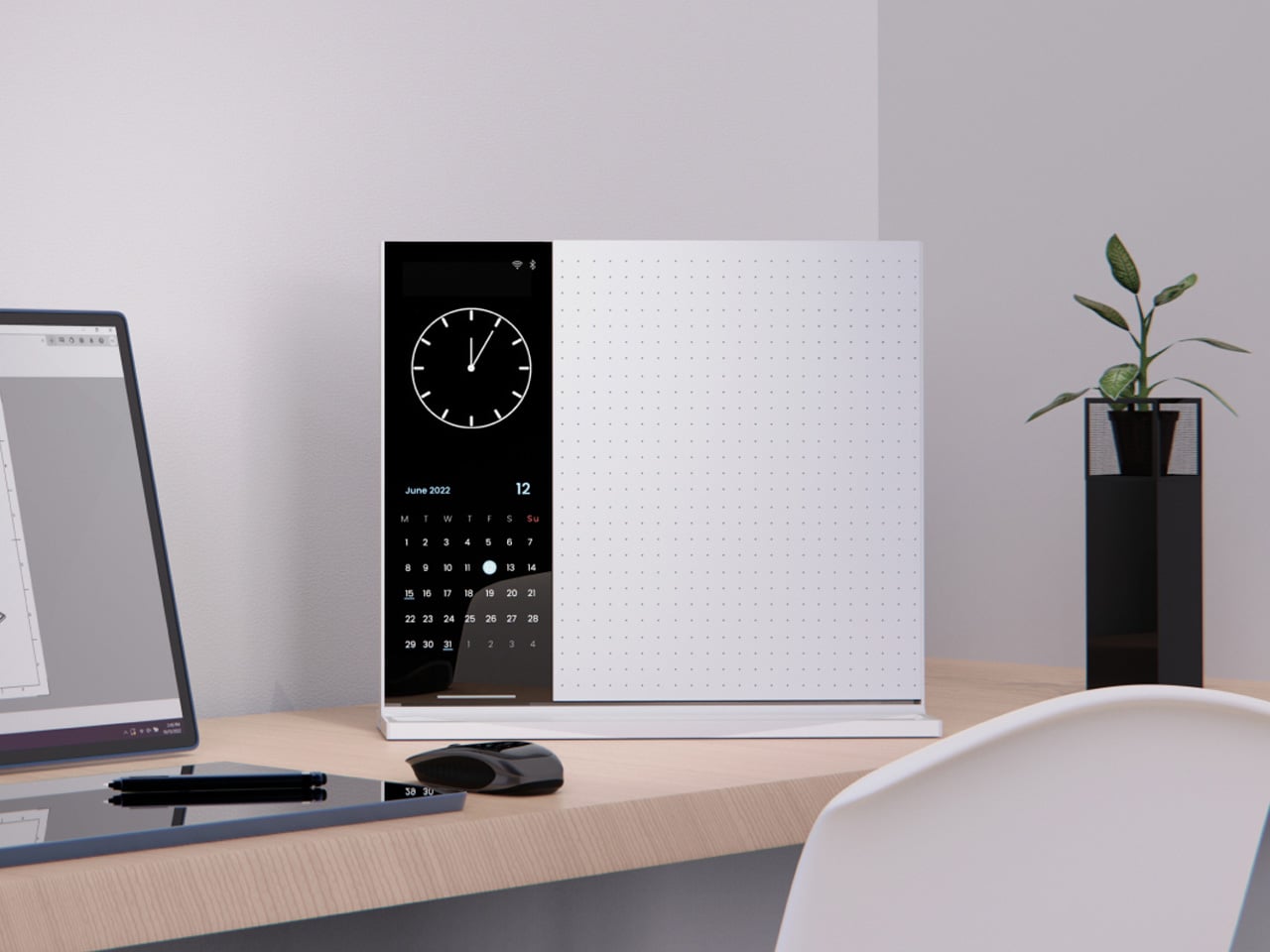
NOS Calendar by Som by Mos is a weekly calendar that celebrates shared life rather than meetings or deadlines. Each square is a week, each row is a year, and each block is a decade, printed on a 50cm x 70cm poster that covers more than 80 years. It’s sold under the tagline “our time is limited, shall we share it?”, which is a very different brief from “get more done” or “optimize your schedule.”

Designer: David Grifols (Som by Mos)

The image of a couple or close friends unrolling a poster, finding the week their story began, and coloring that first square sounds a little romantic. Every week after that, they fill in another box, sometimes with a simple color, sometimes with a shade that matches a key moment like a trip or a move. The act is small, a few seconds with a pen, but it becomes a quiet check‑in on how time is passing together rather than just another task.

The grid works simply enough. You’ve got 52 columns for weeks, rows for years, and decade blocks that make long stretches of time visible. A strip at the bottom acts as a legend, where you assign colors to things that matter: trips, moves, new jobs, losses, whatever you decide. Over time, the poster becomes a code only you understand, a visual index of your shared history that nobody else can read.

1

Seeing 80 years of weeks on a wall changes your sense of scale. The empty squares make future time feel both generous and finite, while the filled ones remind you that a lot has already happened. It’s less about planning the next week and more about noticing that this one exists, that you’re somewhere in the middle of a grid that’ll eventually be full whether you pay attention to it or not.

Of course, the minimalist design matters. The clean grid, the simple headings like “Journey of our life together” in English, Spanish, or Catalan, and the durable paper meant to last decades in a frame all keep it neutral. Your colors and notes do the talking, which makes it easier to hang in a living room without it screaming “productivity chart” at everyone who walks by.

NOS sits somewhere between art, journal, and commitment device. It doesn’t tell you how to spend your weeks; it just refuses to let them stay invisible. The idea of tracking life without another app or notification, just a poster that slowly fills with color as you move through years together, is a surprisingly gentle way to remember that time is limited, and that you chose to share it with someone worth coloring squares for.

The post Color One Square Each Week and Watch 80 Years Fill with Your Story first appeared on Yanko Design.

The Tape Dispenser That’s Too Smart to Be This Simple

You know that dusty tape dispenser sitting on your desk right now? The one with the wobbly base and serrated blade that’s dull as a butter knife? Yeah, TRUSCO looked at those sad excuses for office supplies and decided there had to be a better way.

The Japanese company’s TEX-266A tape cutter is what happens when someone actually thinks about how people use tape instead of just churning out another plastic widget. It’s one of those products that makes you wonder why nobody figured this stuff out decades ago.

Designer: TRUSCO

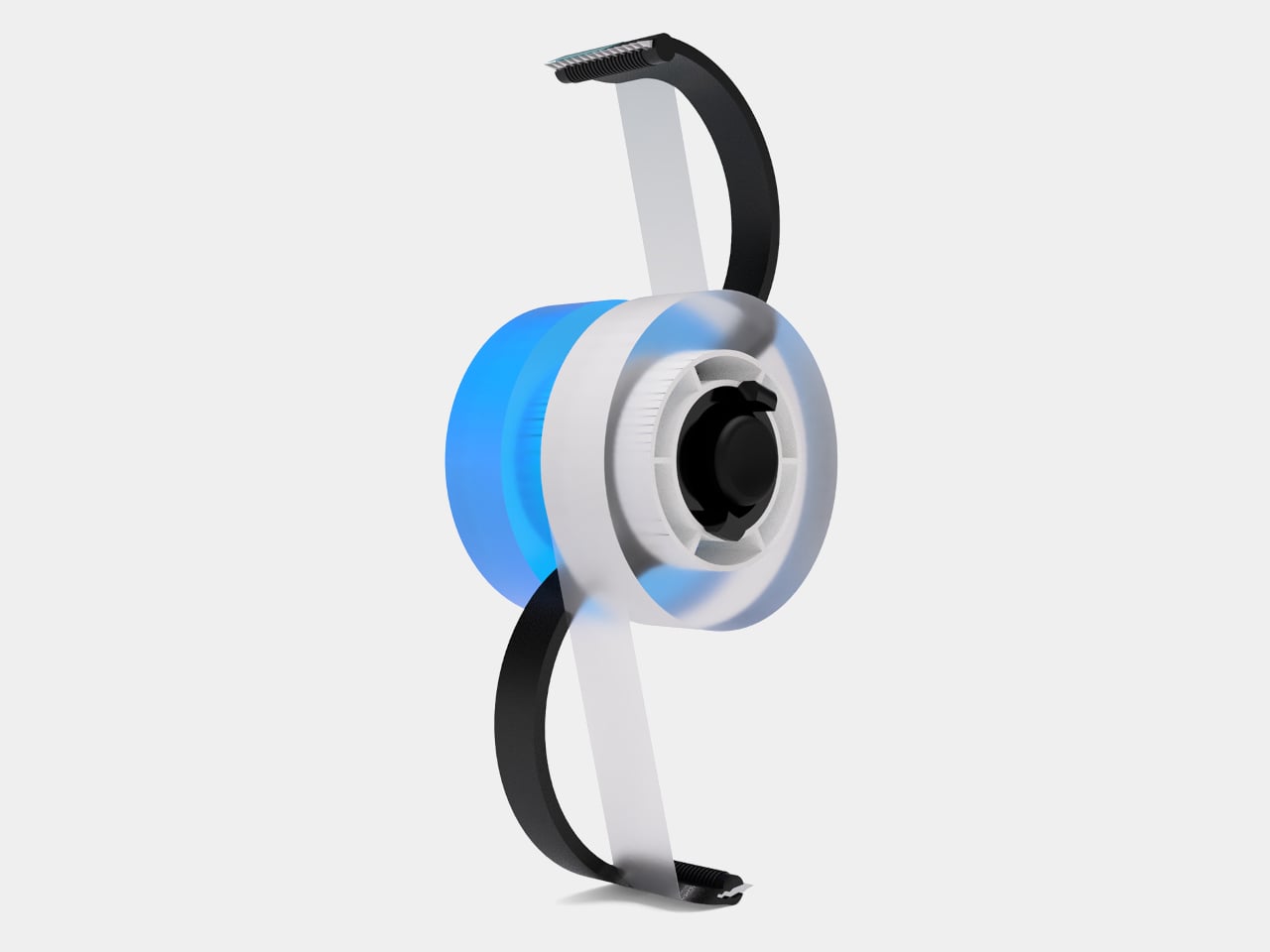
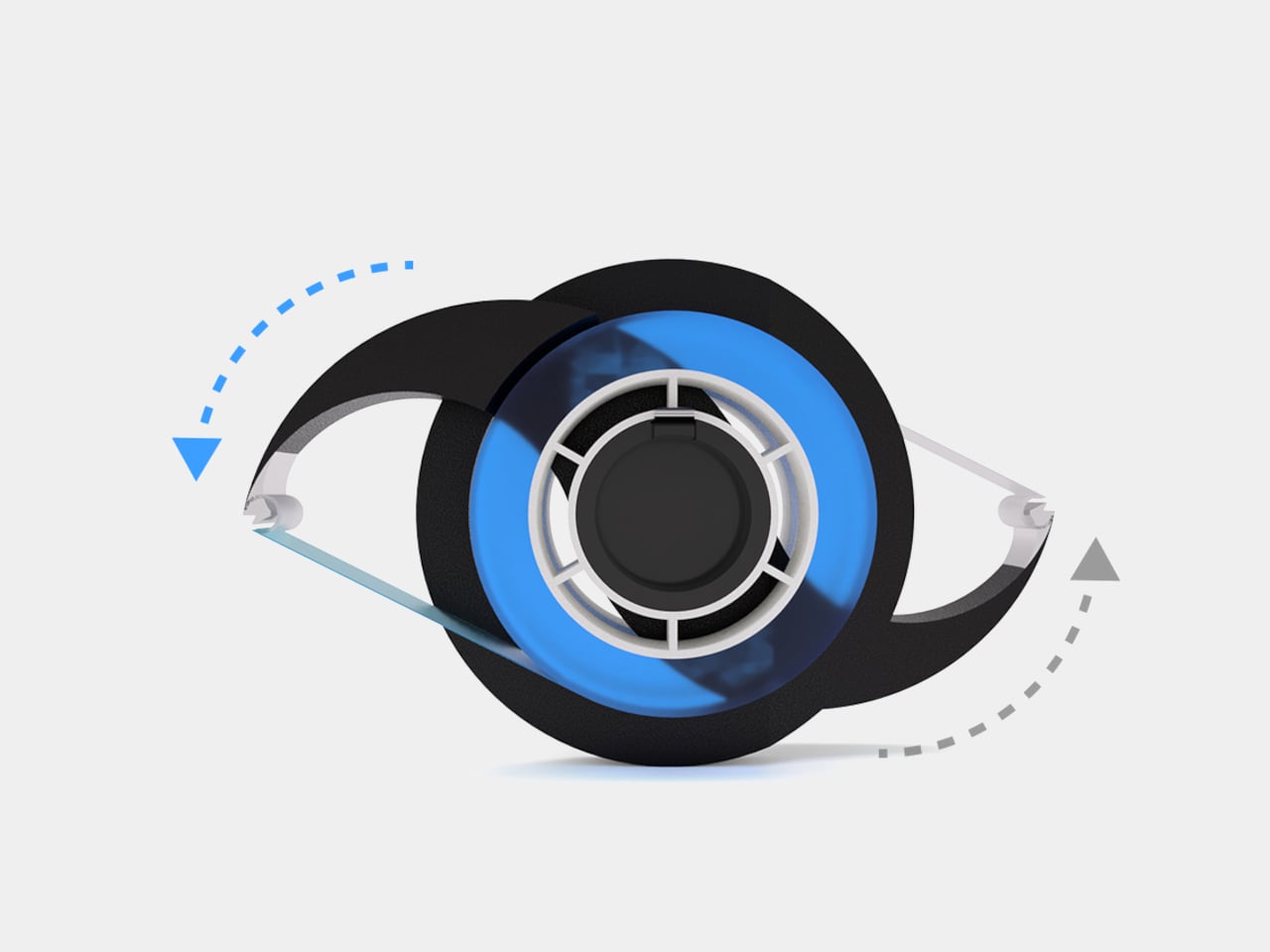
Let’s start with the most frustrating part of using regular tape dispensers: that moment when your tape curls back onto itself and you’re stuck there, desperately picking at the roll with your fingernails like some kind of office goblin. TRUSCO solved this with an anti-backflow stopper. It’s such a basic feature, but try finding it on your average tape dispenser. This thing prevents the tape from rewinding itself back onto the roll, which means you can actually grab the end when you need it.

The design also includes two rollers, and here’s where it gets clever. One of these rollers has a 360-degree static cling strip. This helps guide the tape smoothly and keeps it from twisting or bunching up as you pull. If you’ve ever dealt with cloth tape or craft tape that seems to have a mind of its own, you’ll appreciate this detail. The TEX-266A can handle OPP tape, cloth tape, and craft tape up to 50mm wide.

Now, about that blade. Most tape dispensers have these exposed serrated edges that are genuinely dangerous. You’re basically waving your fingers near a row of tiny teeth every time you tear off a piece of tape. TRUSCO said “absolutely not” and added a safety cover over the stainless steel blade. The blade itself is made from SUS420 stainless steel, which stays sharp enough to cut cleanly through various tape types without requiring you to saw back and forth like you’re trying to escape from prison.

There’s also a side guard on the roll cover, which is one of those features you don’t think about until you realize how annoying it is when tape rolls go sliding off their spindle. It’s these tiny frustrations that TRUSCO seems to have catalogued and systematically eliminated.

The body is made from steel, not flimsy plastic, which gives it enough heft (about 0.31 kilograms) to stay put on your desk when you’re pulling tape. That might sound heavy compared to those lightweight dispensers, but that weight is actually the point. You want something that doesn’t skitter across your workspace every time you use it. Customer reviews mention that this moderate weight makes it perfect for sealing cardboard boxes without having to hold the dispenser down with your other hand.

TRUSCO NAKAYAMA is a specialized trading company that supports Japan’s manufacturing industry, and you can tell this dispenser was designed for people who actually work with their hands. It’s built for 3-inch paper tubes, which is the standard size for most packing and shipping operations.

The whole thing measures about 10.47 x 0.63 x 2.83 inches, so it’s substantial but not bulky. Users who sell on flea market websites and other e-commerce platforms have called it a game-changer for their packing routines. Once you understand the setup (and yes, there are instructions), it becomes one of those tools you reach for automatically.

What makes the TEX-266A interesting from a design perspective is that it’s not trying to reinvent tape dispensers. It’s not flashy or overly complicated. Instead, it takes all the small annoyances that make tape dispensers frustrating to use and methodically addresses them. The anti-backflow mechanism, the safety cover, the weighted body, the dual rollers with that static cling strip. These are solutions to real problems that people actually experience.

It’s the kind of thoughtful industrial design that doesn’t always get attention because it’s not sexy or trendy. But it’s the difference between a tool that works with you and one that fights you every step of the way. And if you’ve ever been in the middle of packing twenty boxes and your tape dispenser decides to have a meltdown, you know that difference matters.

The post The Tape Dispenser That’s Too Smart to Be This Simple first appeared on Yanko Design.
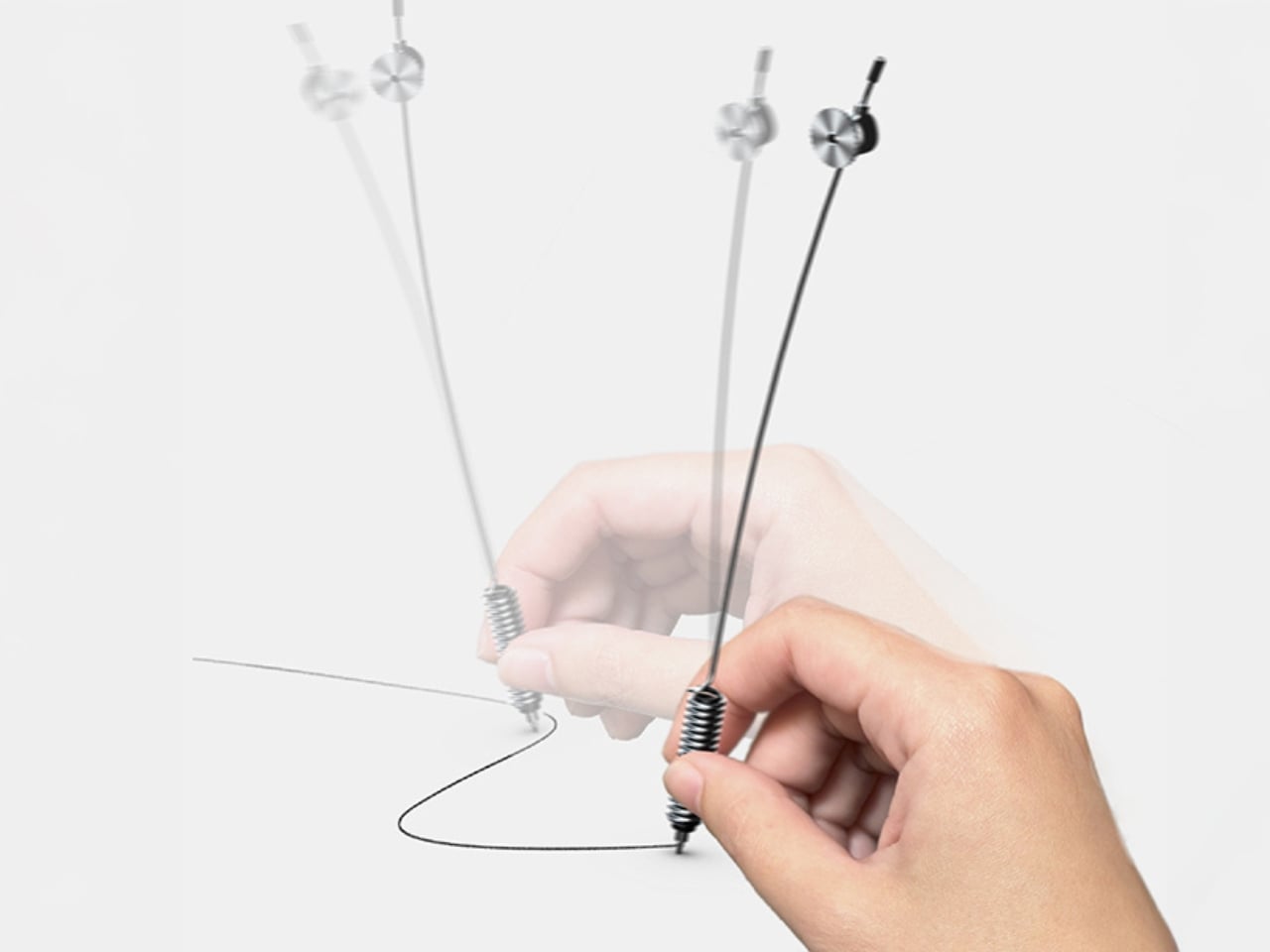
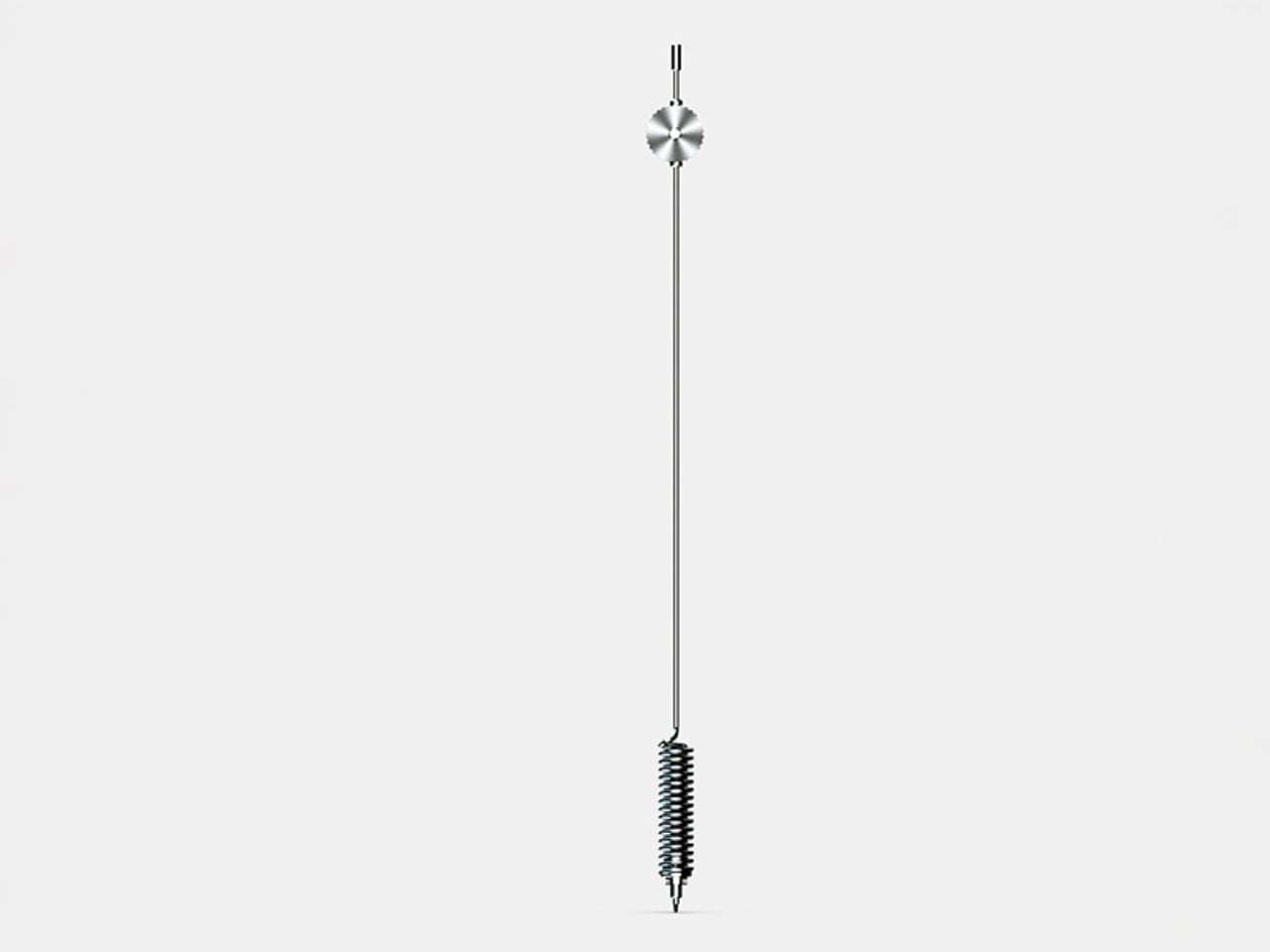
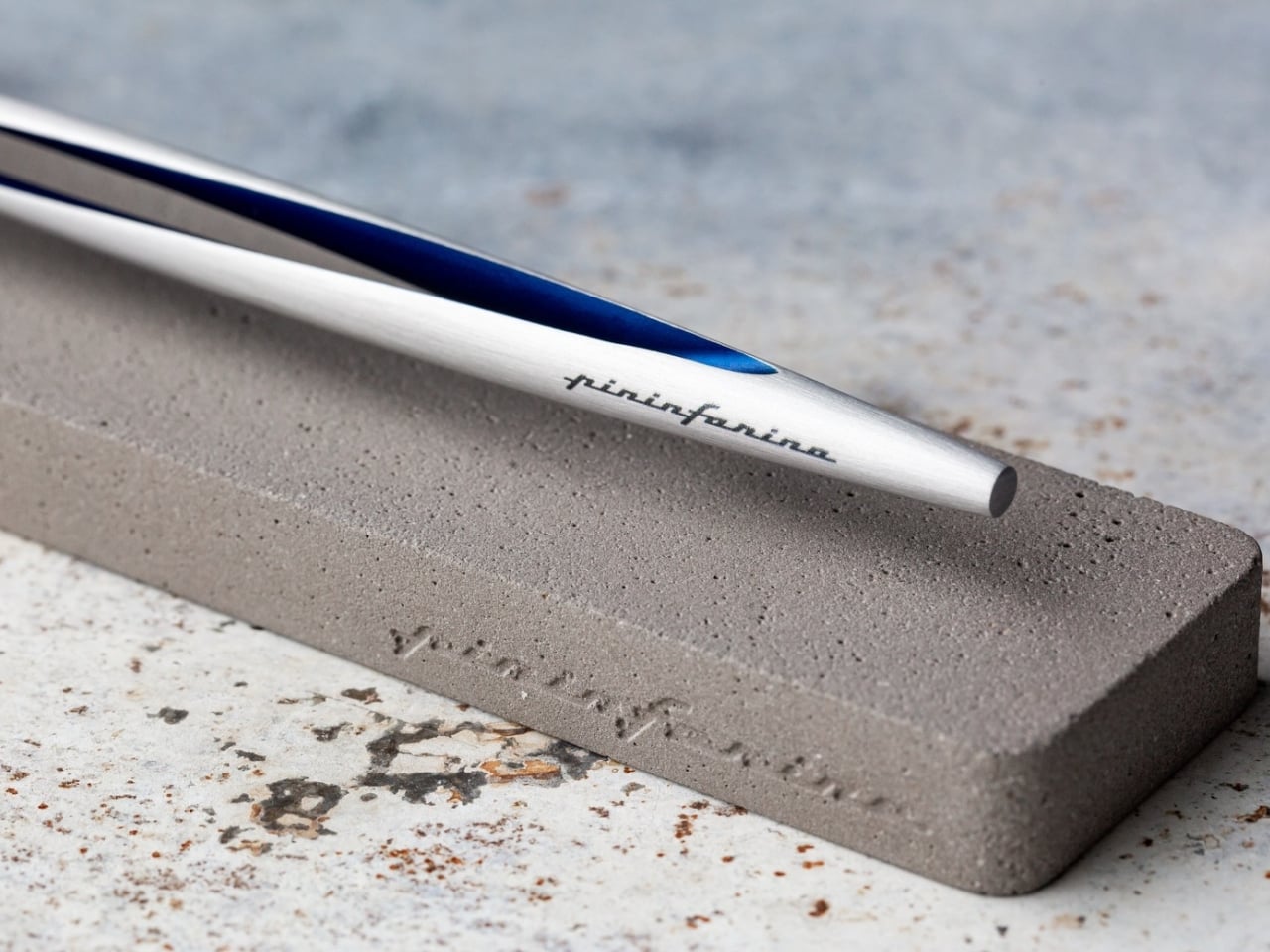
This Award-Winning Pen Floats Like a Cloud on Your Desk

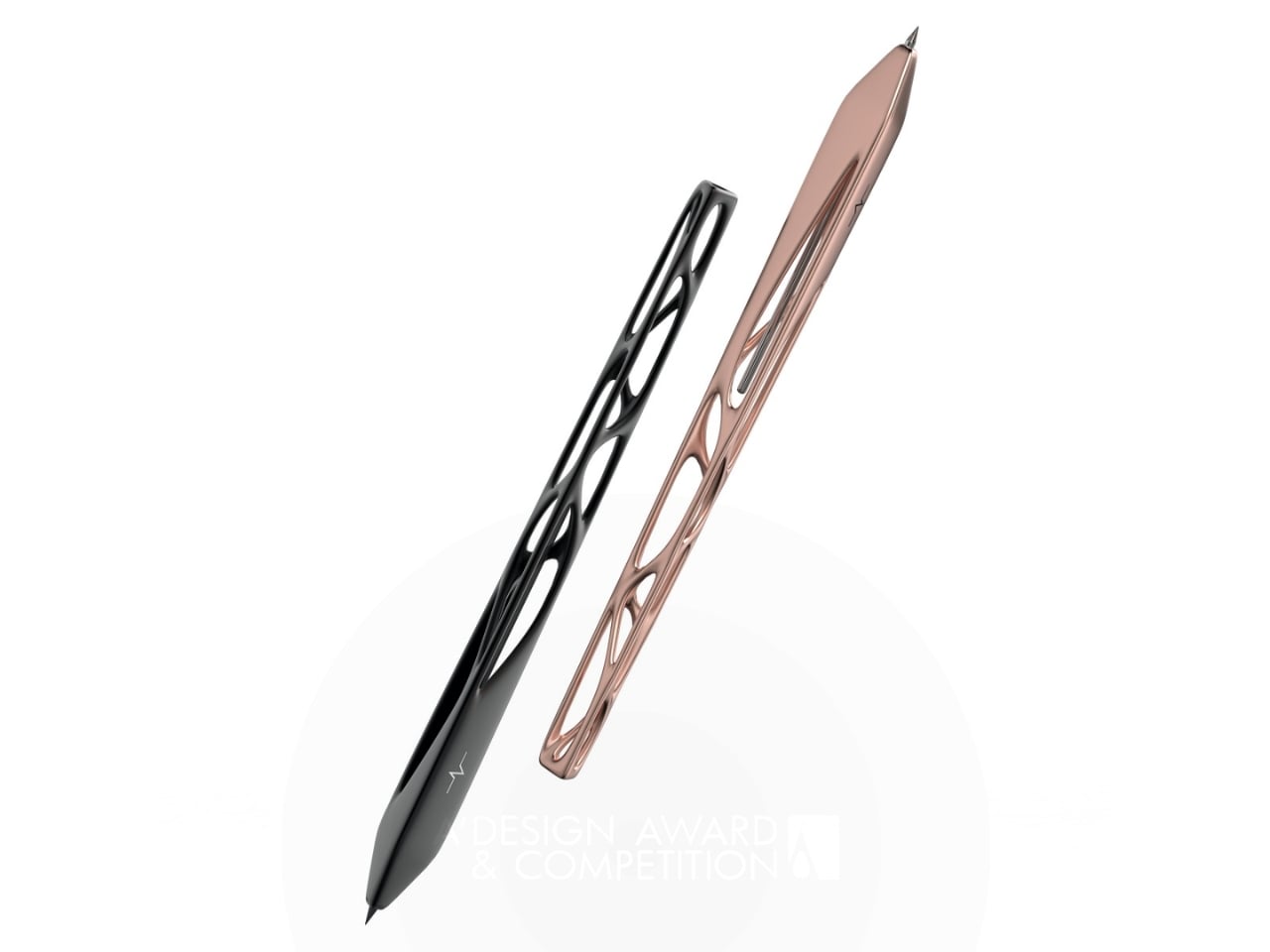
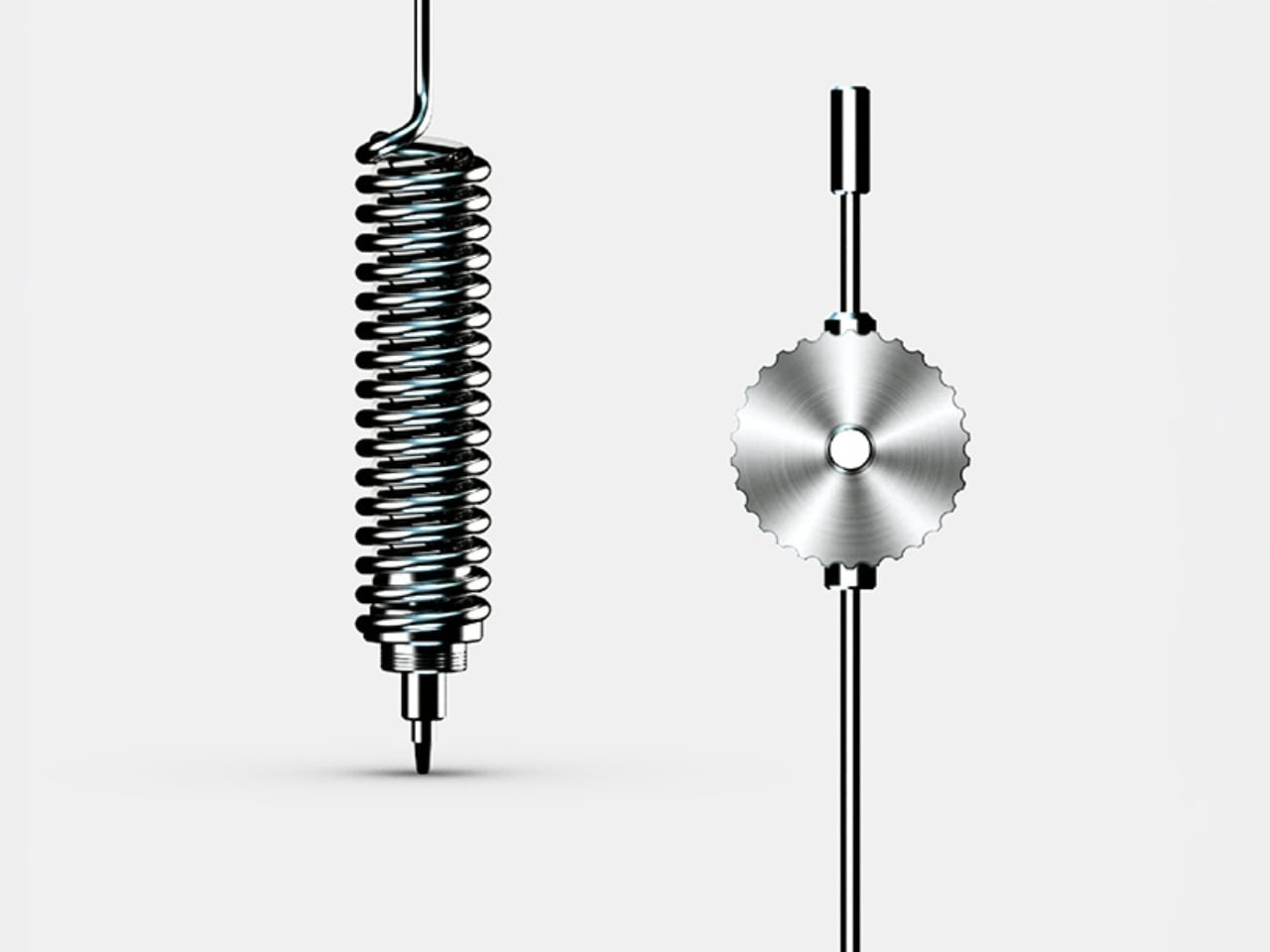
Remember the last time you picked up a pen and actually stopped to look at it? Most of us don’t. We grab whatever’s lying around, scribble a note, and move on with our day. But designer Leila Ensaniat is challenging that autopilot relationship we have with one of our most familiar tools. Her creation, Pulse, recently snagged the Golden A’ Design Award for 3D Printed Forms and Products, and it’s easy to see why this isn’t your average ballpoint.

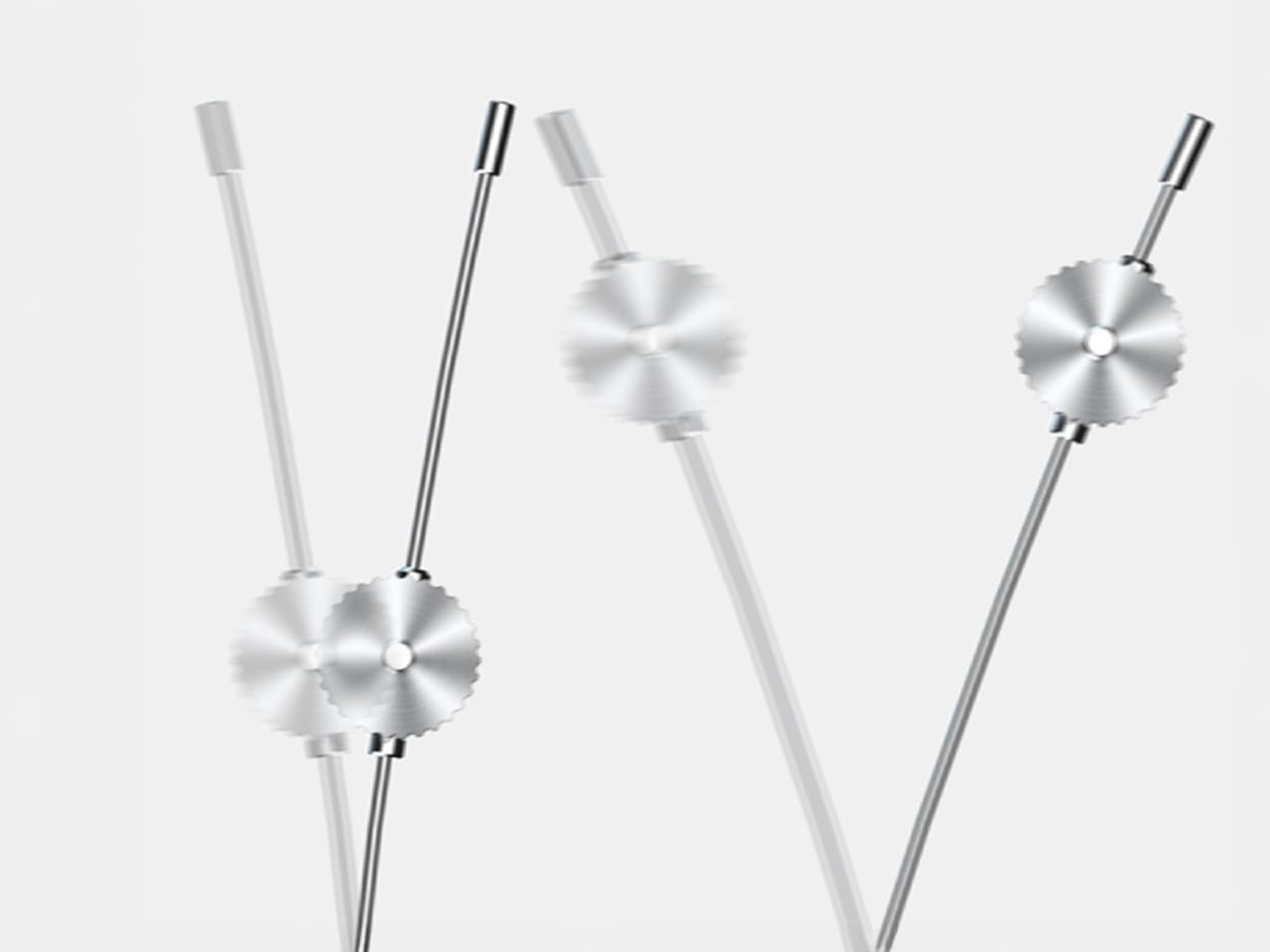
Pulse is what Ensaniat calls a “floating pen,” and that description actually makes sense once you see it. Drawing inspiration from the quiet, effortless drift of clouds, the pen feels less like a writing instrument and more like a small sculptural moment on your desk. It’s the kind of object that makes you pause, which is pretty rare when we’re talking about something as mundane as a pen.

Designer: Leila Ensaniat

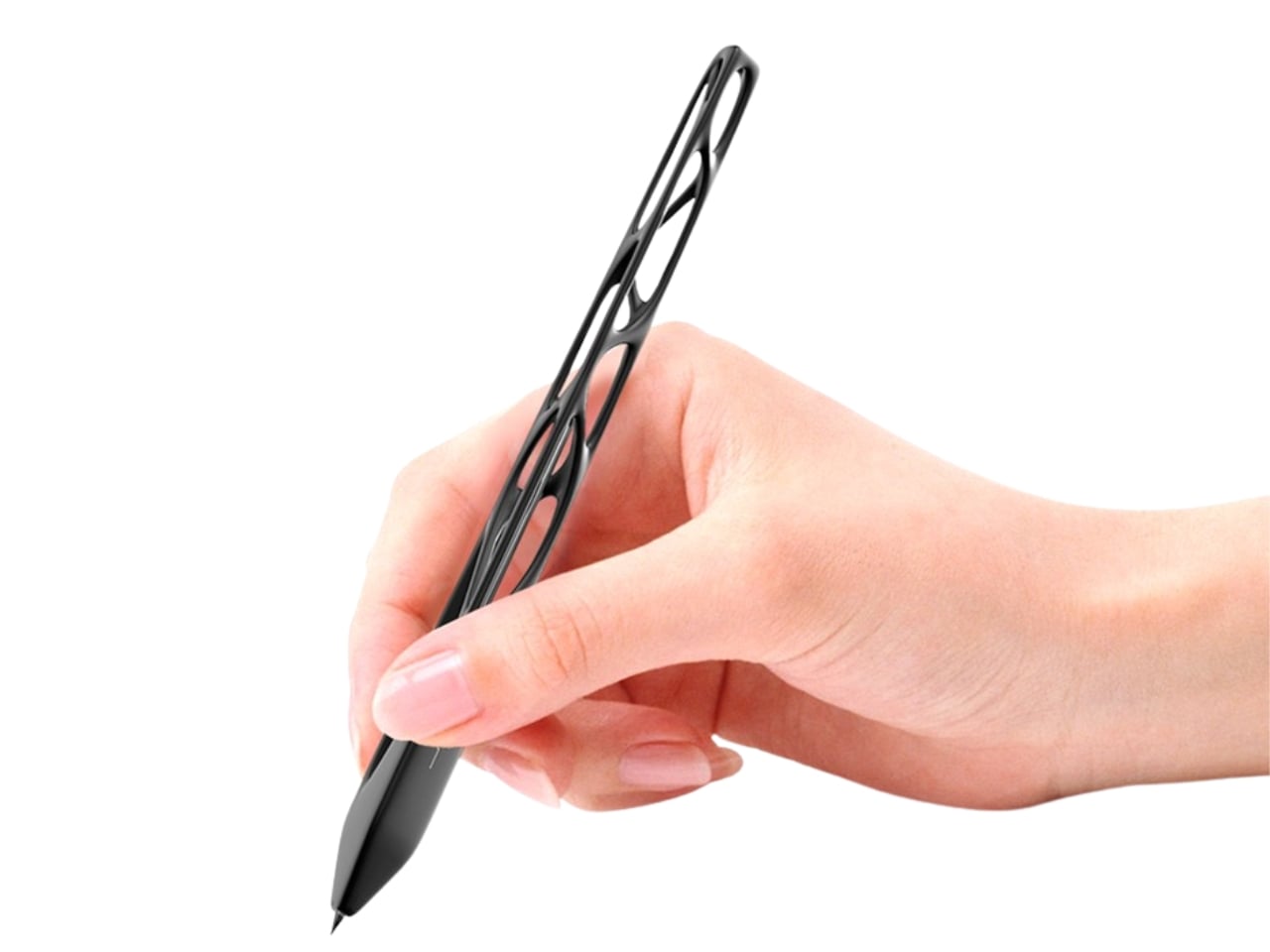
What makes this design really interesting is how it blends old-school craftsmanship with cutting-edge technology. The pen features biomorphic patterns that look like they grew organically rather than being designed, and they’re created using lost wax casting in aluminum, silver, bronze, and gold. That’s a centuries-old metalworking technique typically reserved for jewelry and art pieces, not everyday writing tools. But that collision of traditional craft and contemporary design thinking is exactly what gives Pulse its unique character.

Ensaniat, who has a background as an industrial designer at Cisco specializing in consumer electronics, brings a tech-world sensibility to object design. Her approach centers on human-centered design, which basically means she’s thinking hard about how we actually interact with objects rather than just how they look on a shelf. With Pulse, that philosophy translates into something that feels natural in your hand while also making you reconsider what a pen can be.

The surface treatments are particularly thoughtful. Those nature-inspired patterns aren’t just decorative, they enhance both the visual appeal and the tactile experience of holding the pen. It’s a detail that matters more than you’d think. When an object feels good to touch, when it has texture and weight that seems intentional, it changes your relationship with it. You’re more likely to keep it on your desk, to reach for it specifically, to actually care about this tool that usually gets treated as disposable.

What’s fascinating about Pulse is how it sits at the intersection of sculpture and utility. The design explores that balance between being something you want to look at and something you actually need to use. Plenty of designer pens lean too hard into the luxury angle and end up feeling precious and impractical. Others focus purely on function and look forgettable. Pulse seems to nail that middle ground where form and function aren’t competing, they’re collaborating.

The project also gave Ensaniat deeper insight into the metal finishing and plating industry, which might sound technical but is actually important. Understanding how materials behave, how different metals can be worked and finished, how surface treatments hold up to actual use, that knowledge separates decorative design from functional design. A beautiful pen that tarnishes after a week or feels unbalanced when you write isn’t really good design, it’s just good marketing.

Created for her brand N I L A, which focuses on integrating technology seamlessly into everyday life, Pulse represents a broader design philosophy about making thoughtful, human-centered objects that solve real problems while also being distinct and meaningful. It’s an approach that feels increasingly relevant as we’re surrounded by more and more identical mass-produced stuff. Pulse won’t revolutionize how we write, and it’s not trying to. But it does suggest that even the most familiar, seemingly finished objects in our lives still have room for fresh thinking. Sometimes all it takes is a designer willing to ask why something has to be the way it’s always been, then having the skill to actually answer that question with something better.

The post This Award-Winning Pen Floats Like a Cloud on Your Desk first appeared on Yanko Design.
This Designer Just Made Paper Clips Adorable With A Magnetic Tabletop Sheep

Your desk probably looks like everyone else’s. You’ve got the same black stapler, the same boring paper clip holder, maybe a pen cup that once held something else. There’s nothing wrong with functional, but there’s also nothing memorable about it. That’s precisely what makes Shearing Magnetic Absorption so refreshing.

Designed by Xin Se and awarded the Golden A’ Design Award in 2025, this magnetic paper organizer does something most desk accessories fail to accomplish: it makes you smile. The concept is beautifully simple. Picture a small sheep standing on your desk, and those mundane silver paper clips you usually ignore become its fluffy wool. It’s one of those ideas that feels so obvious once you see it, yet nobody thought to do it before.

Designer: Xin Se

The genius lies in the transformation. Most organizers are just containers, passive objects that hold your stuff. Shearing actively reimagines what paper clips are. When you attach them to the magnetic sheep body, they cluster and create texture that genuinely resembles wool. The visual metaphor isn’t subtle, and it doesn’t need to be. The name itself, Shearing, plays on the dual meaning of sheep shearing and the act of gathering or organizing. It’s clever without trying too hard.

What’s particularly interesting about this design is how it taps into emotional engagement. We spend massive amounts of time at our desks, surrounded by objects that serve purely utilitarian purposes. Keyboards, monitors, staplers, they’re all tools designed to disappear into the background. Shearing takes the opposite approach. It wants your attention. It invites interaction. When you reach for a paper clip, you’re not just grabbing office supplies, you’re “shearing the sheep.” That tiny narrative moment transforms a mundane task into something playful.

The brand behind Shearing is Niceobject, and if you look at their philosophy, it tracks. They focus on small items that contain what they call “a touch of emotion.” It’s not about making big statements or revolutionary products. It’s about finding joy in the details, turning everyday objects into what they describe as “beautiful encounters” and “warm companionship.” That might sound a bit precious, but when you’re staring at spreadsheets for eight hours, having a little sheep companion on your desk actually matters more than you’d think.

From a design perspective, Shearing succeeds because it balances form and function perfectly. It’s not sacrificing practicality for aesthetics. The magnetic mechanism works, paper clips stay organized and accessible, and the footprint is small enough that it won’t clutter your workspace. But it also doesn’t hide what it is. The sheep silhouette is immediately recognizable, giving it personality without becoming cartoonish or juvenile.

This is part of a broader trend we’re seeing in product design where personality and emotion are becoming key differentiators. Technology has made manufacturing more accessible, which means the market is flooded with functional but forgettable products. Standing out requires more than just working well. It requires creating a connection, telling a story, or sparking a feeling. Shearing does all three.

Designer Xin Se has spent over two decades in product design, bringing numerous products to market. That experience shows in Shearing’s execution. It’s not trying to reinvent the wheel or force innovation where it’s not needed. Instead, it takes something familiar and adds a layer of delight. That restraint is harder than it looks. It would be easy to over-design this concept, to add too many features or make the sheep too detailed. The design stays simple, letting the core idea shine.

Shearing represents a philosophy worth paying attention to. Not every design needs to solve massive problems or disrupt entire industries. Sometimes the best design simply makes ordinary moments a little more enjoyable. Next time you’re organizing paper clips or reaching for office supplies, you might think differently about what those objects could be. That’s what good design does. It changes how we see the world, even in the smallest ways. And sometimes, that’s exactly what we need.

The post This Designer Just Made Paper Clips Adorable With A Magnetic Tabletop Sheep first appeared on Yanko Design.
This 5-Inch “Video Business Card” Wants To Replace Your Stack Of Paper Cards

Televisions used to be heavy boxes that dominated a room. Now, the latest LG and Samsung prototypes at CES 2026 look more like posters than TVs, with panels so slim they almost blend into the wall and bezels that seem to disappear when the screen lights up. These displays are no longer just appliances in the corner of a living room. They are becoming design elements that can live almost anywhere you might put a sheet of paper.

That shift makes it feel natural to ask a simple question: if screens can be this thin, why not put them where we have always relied on print? Business cards are a perfect example. They carry introductions, identity, and a first impression in a tiny rectangle. VidCard takes that same footprint and turns it into a living surface, transforming the familiar business card into a personal video introduction that plays in the palm of your hand.

Designer: Parsifal

Click Here to Buy Now: $59 $99 (40% off). Hurry, only a few left! Raised over $66,000.

VidCard is basically what it sounds like: a rigid card with a 5 inch, 1280×720 IPS LCD screen built in, playing a looping video of you introducing yourself or your brand motion graphic. The whole thing measures 120.05mm by 86.4mm, which puts it somewhere between a credit card and a small phone, and it’s under 5mm thick. That’s genuinely impressive when you remember there’s a battery, NFC chip, display controller, and 256MB of onboard storage packed inside. The card charges via contact pins, lasts about an hour of continuous playback (roughly 120 to 240 interactions per charge), and syncs content through a companion app on iOS or Android. You upload your intro video, it pushes to the card, and you’re set. The screen itself looks clean in the campaign photos and bright enough for indoor use.

The NFC feature sidesteps the whole “how do I actually save your contact info” problem. You tap the card against someone’s phone, and it pulls up your mobile optimized landing page with your video, company profile, documents, and whatever else you want to link. No app download required on their end, which makes sense because nobody wants to install something just to see your business card. Real time analytics track who viewed your profile, when they watched, how long they engaged, and if they came back for a second look. There’s a slightly dystopian charm to getting a notification at 11pm that someone just rewatched your intro for 87 seconds, but it does give you actual data to inform follow ups instead of wondering if your card got tossed in a drawer.

Here’s the thing, though. You know what else has a high resolution screen, NFC, internet connectivity, and can play video? The phone in your pocket. You could theoretically just show someone your intro video on your phone, tap for NFC sharing, and achieve most of the same result for zero additional hardware. VidCard’s counter to that is the physical artifact itself. Handing someone a glowing screen feels different than showing them your phone (besides, unlocking a phone, opening your gallery, and finding the right video can take painful minutes), and if you leave the card behind with a high value contact, it becomes a keepsake that lives on their desk instead of disappearing into a contacts list. That’s either brilliant or unnecessary depending on how much you value the showmanship in networking, although I genuinely can’t decide which camp I’m in.

The founders claim inspiration from Call of Duty: Advanced Warfare, where a character hands over a video business card inviting you to join a fictional military contractor. That’s a deeply nerdy origin story, and I respect it. VidCard works best in situations where you need to stand out in a sea of forgettable interactions: trade shows, high stakes sales meetings, investor pitches, creative industry networking where showing your work matters more than listing credentials. It’s overkill for casual meetups or industries where a LinkedIn connection does the job, but if you’re trying to leave an impression on someone who sees 50 people a day, a card that talks and moves will get you remembered. The real test is whether that memory translates to actual follow through, which the analytics dashboard is designed to help with by showing you who’s genuinely interested versus who just thought the card was neat.

VidCard is live on Kickstarter through February 5, 2026, with early bird pricing starting at $59 USD for a single unit, $162 USD for a three pack, and scaling up to $599 USD for a 10 unit business pack with bulk branding options. Estimated delivery is June 2026 for early backers, with standard shipments following through June 20. The campaign has already cleared its funding goal by a wide margin, which suggests the concept resonates with enough people that we may just end up seeing video or even holographic business cards in the not-so-distant future.

Click Here to Buy Now: $59 $99 (40% off). Hurry, only a few left! Raised over $66,000.

The post This 5-Inch “Video Business Card” Wants To Replace Your Stack Of Paper Cards first appeared on Yanko Design.
10 Best Japanese Stationery Items Under $100 Planners Obsess Over

The stationery world has long looked to Japan for innovation, and planning enthusiasts know this better than anyone. Japanese design philosophy brings together minimalism, functionality, and thoughtful engineering to create tools that transform mundane tasks into moments of creative joy. These aren’t just accessories that sit pretty on your desk. They’re carefully crafted instruments that respect your workflow, elevate your planning rituals, and make every stroke of the pen feel intentional.

What separates Japanese stationery from the rest comes down to obsessive attention to detail and problem-solving that addresses friction you didn’t even know existed. The best pieces remove obstacles between your thoughts and the page, letting ideas flow without interruption. From clipboards that reinvent organization to pencils that never need sharpening, these ten items represent the pinnacle of accessible Japanese design. Each piece delivers exceptional value while staying comfortably under the $100 mark, proving that extraordinary craftsmanship doesn’t require a luxury price tag.

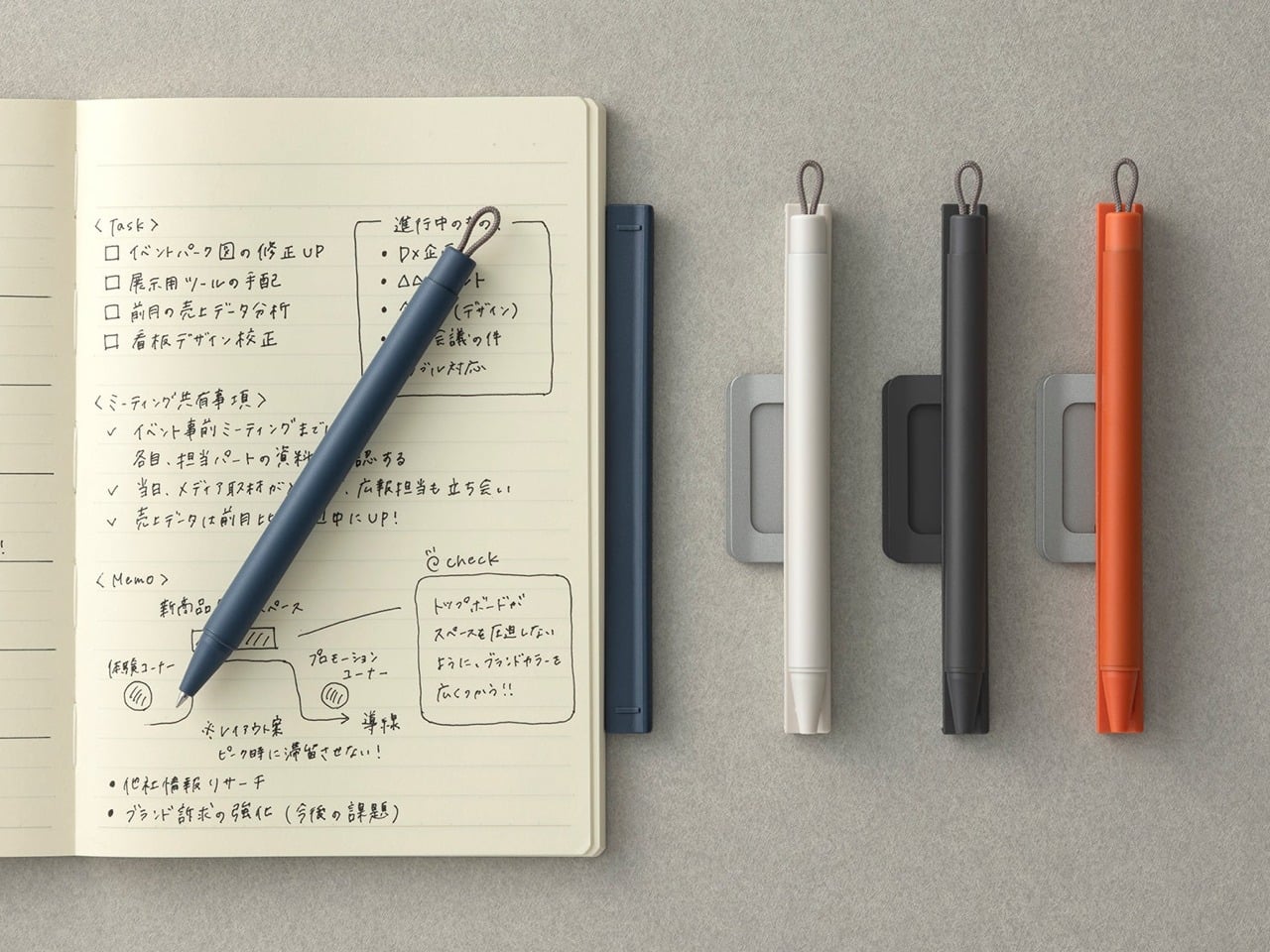
1. Inseparable Notebook Pen

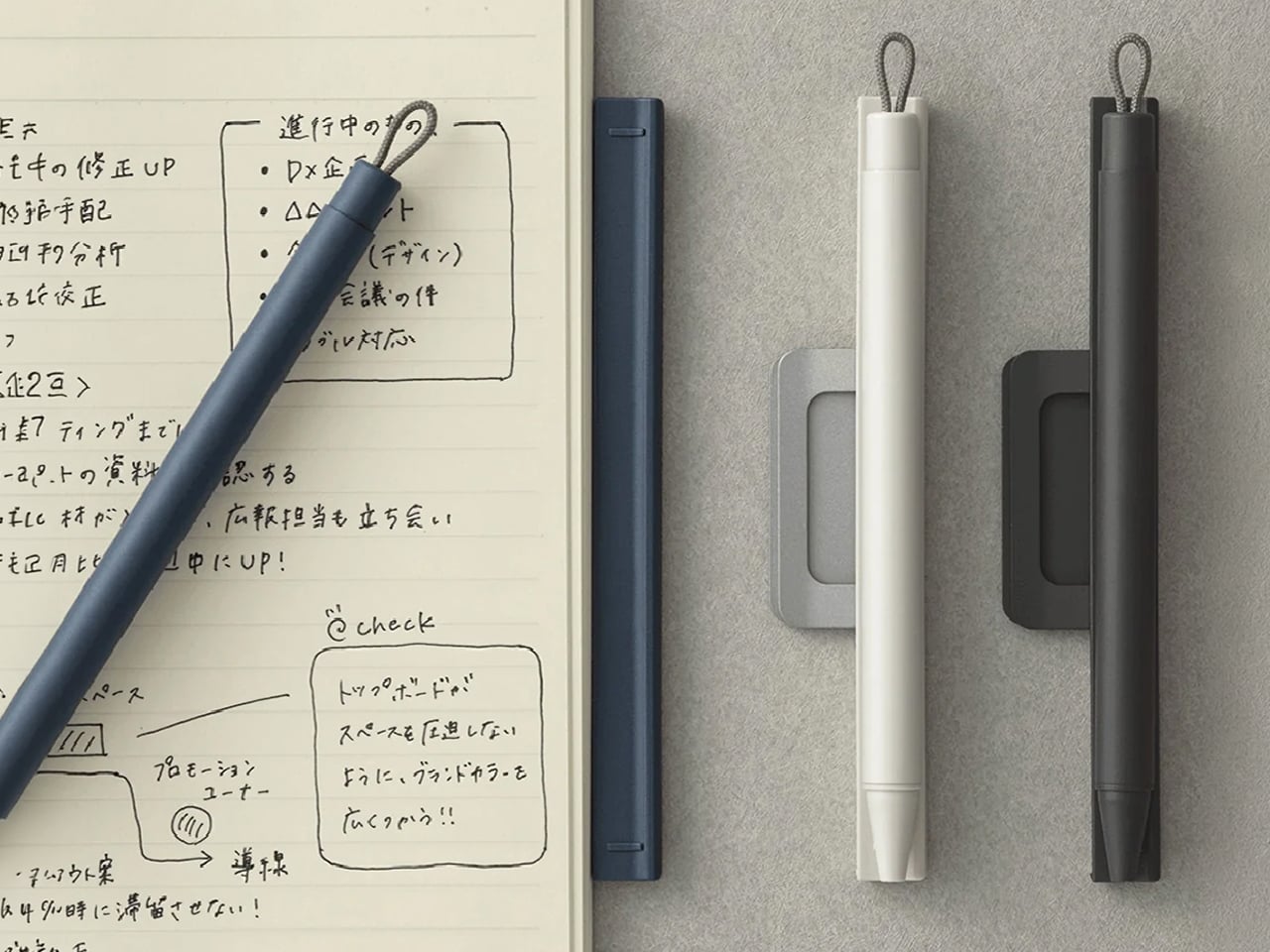
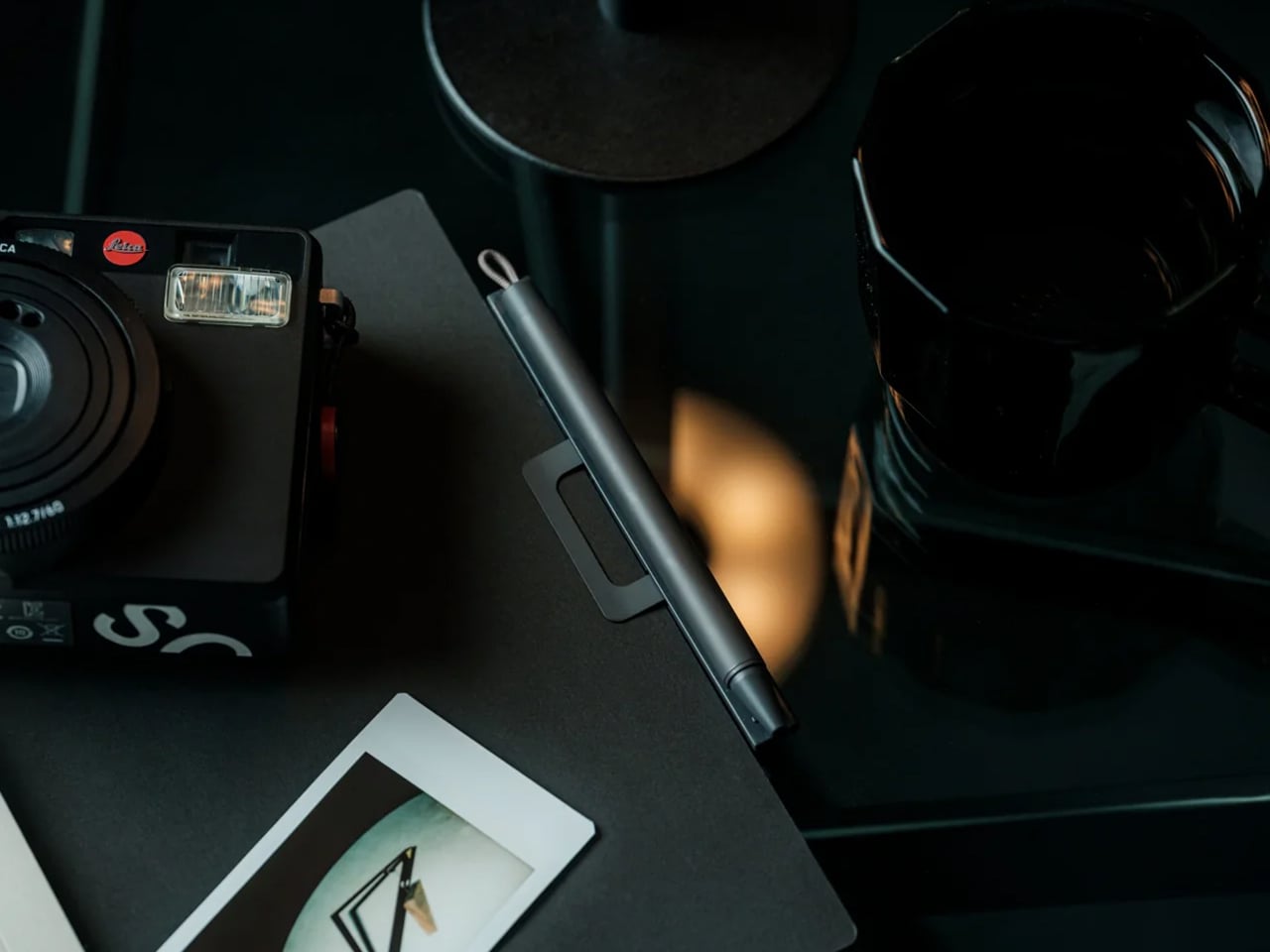
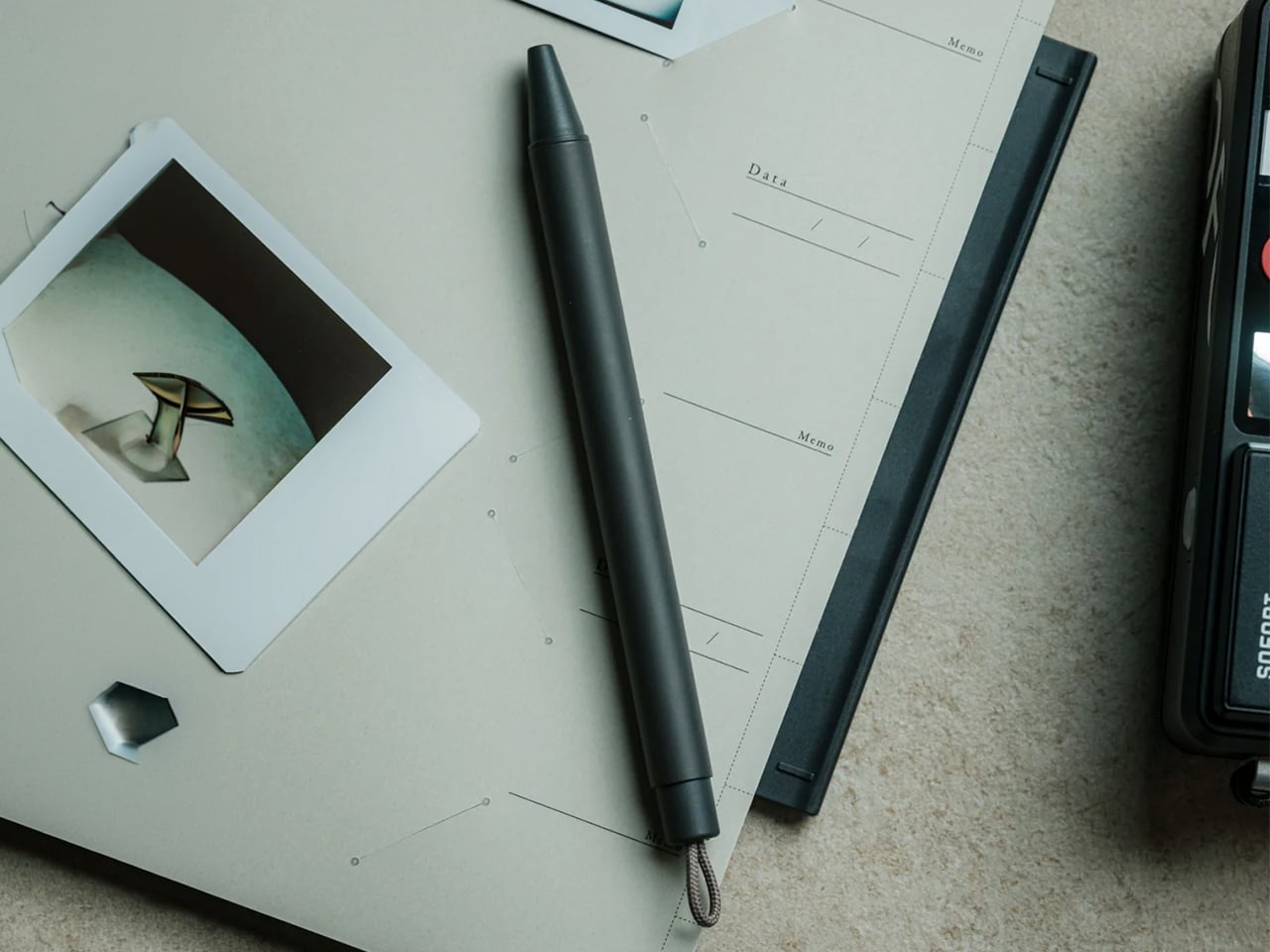
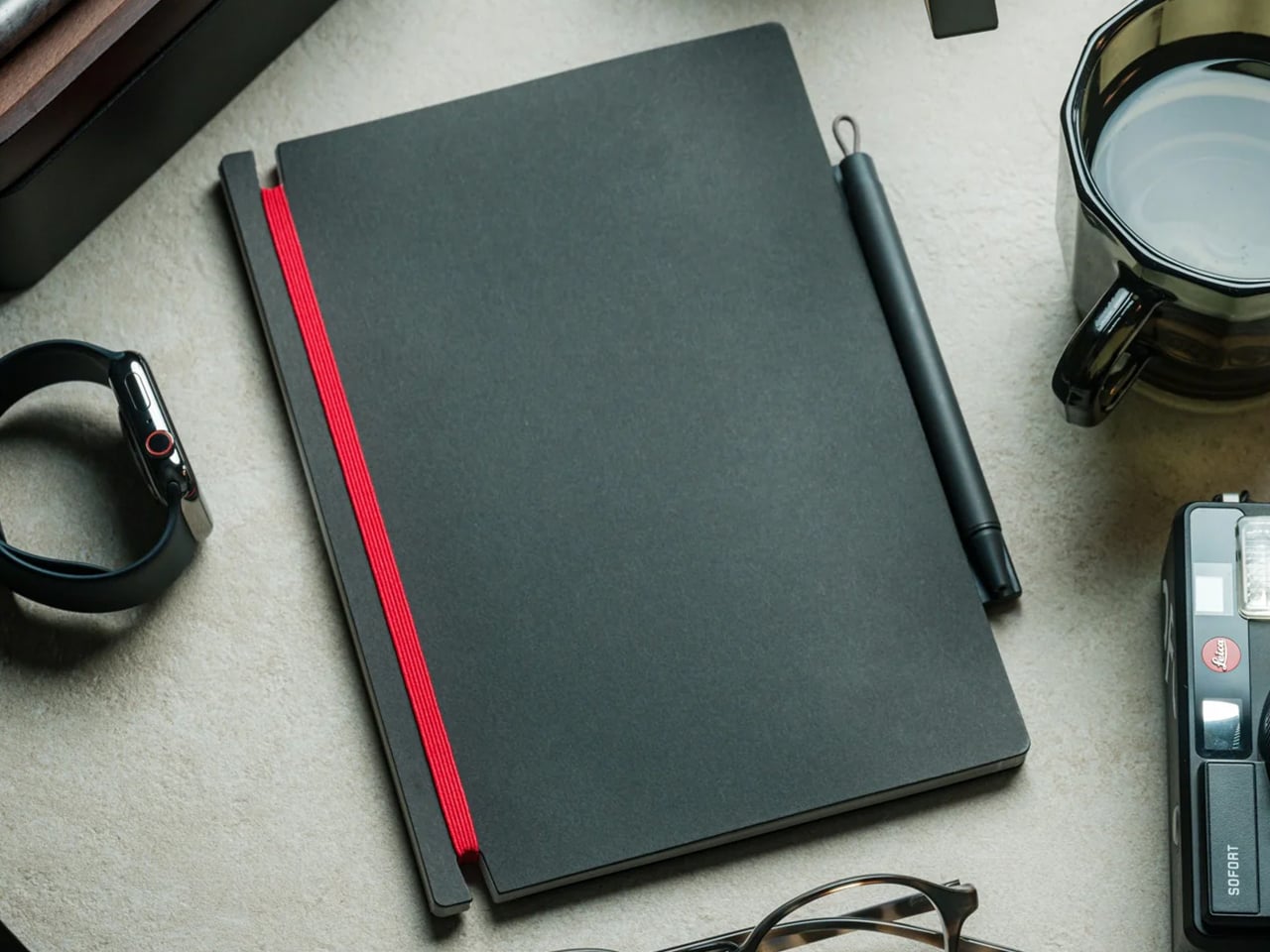
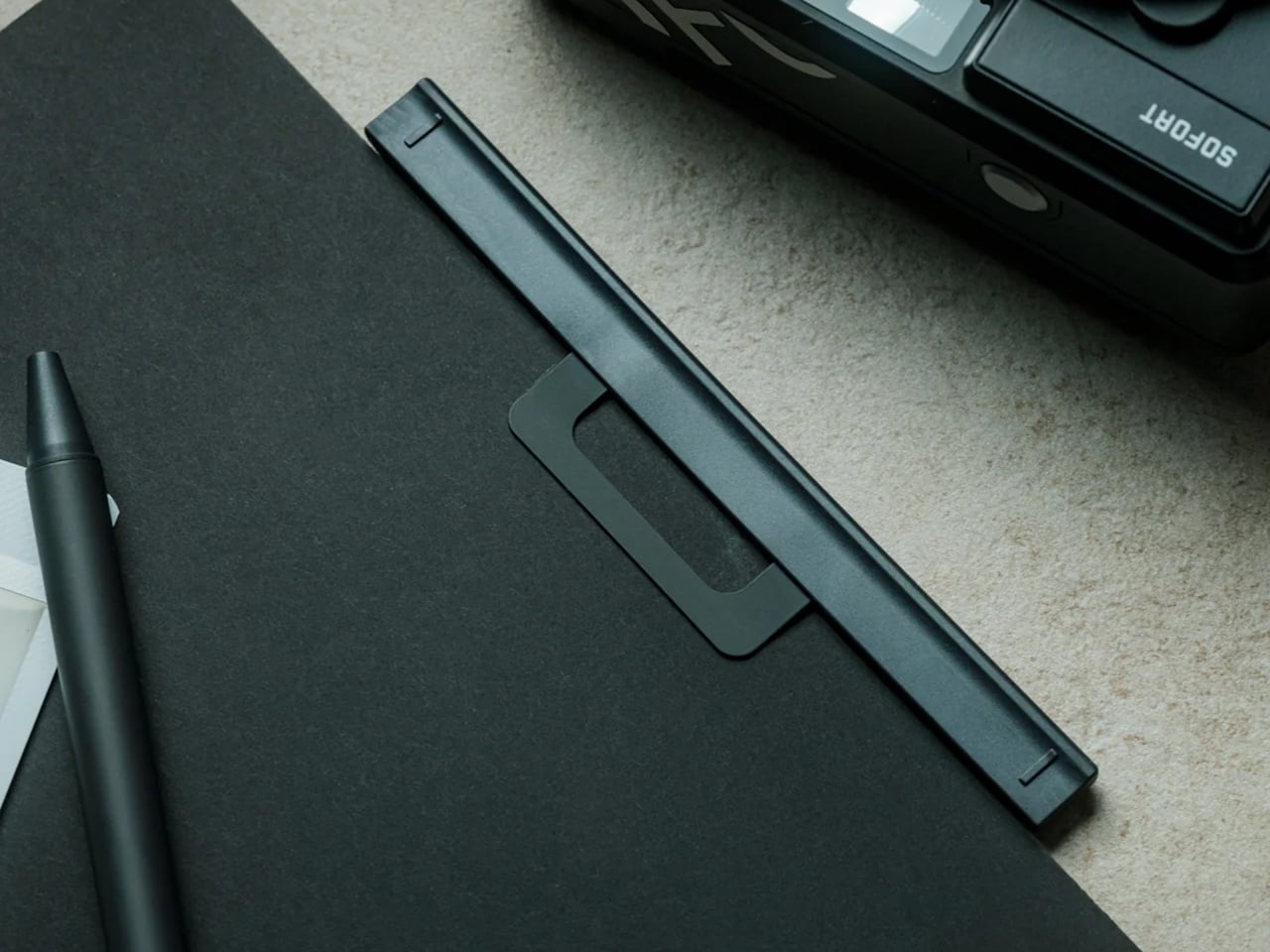
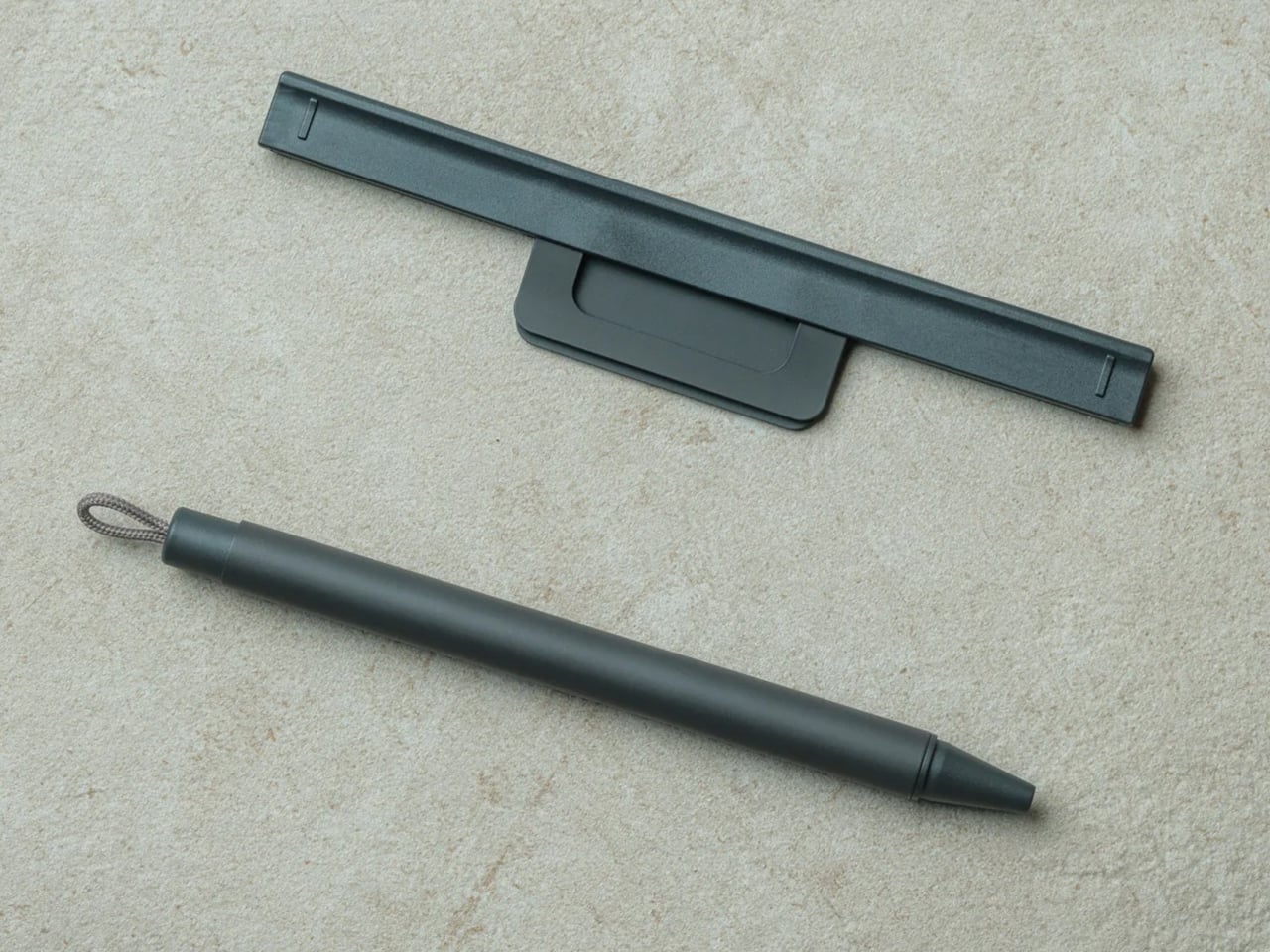
Pens have a frustrating tendency to disappear precisely when inspiration strikes. The Inseparable Notebook Pen addresses this through elegant magnetic integration, designed specifically to blend seamlessly with your planning system. The minimalist form feels natural in your hand, with comfortable grip proportions and smooth ink flow that removes any friction between thought and page. The magnetic clip securely attaches to your notebook cover, ensuring the pen travels with your planning system as a permanent extension rather than a separate item you might forget.

The built-in silencer demonstrates the obsessive attention to detail that defines Japanese design excellence. Instead of the harsh click or scrape of metal on metal, attaching and detaching the pen creates a quiet, satisfying sensation that respects your workspace and thinking process. The sleek aesthetic complements any notebook style without drawing attention to itself, allowing your planning system to maintain its visual coherence. For those who have developed specific pen preferences and rituals around their planning practice, this tool honors that relationship by creating reliable, constant access. The pen becomes as integral to your system as the notebook itself.

Click Here to Buy Now: $19.95

What We Like

  • The magnetic clip system ensures the pen always stays with your notebook
  • The built-in silencer creates a refined, quiet attachment experience that respects workspace tranquility
  • Minimalist aesthetics blend seamlessly with any notebook style or planning system
  • The comfortable grip and smooth ink flow support extended writing sessions without hand fatigue

What We Dislike

  • The magnetic system requires your notebook to have a compatible cover material and thickness
  • The specialized design focuses on notebook integration rather than standalone versatility

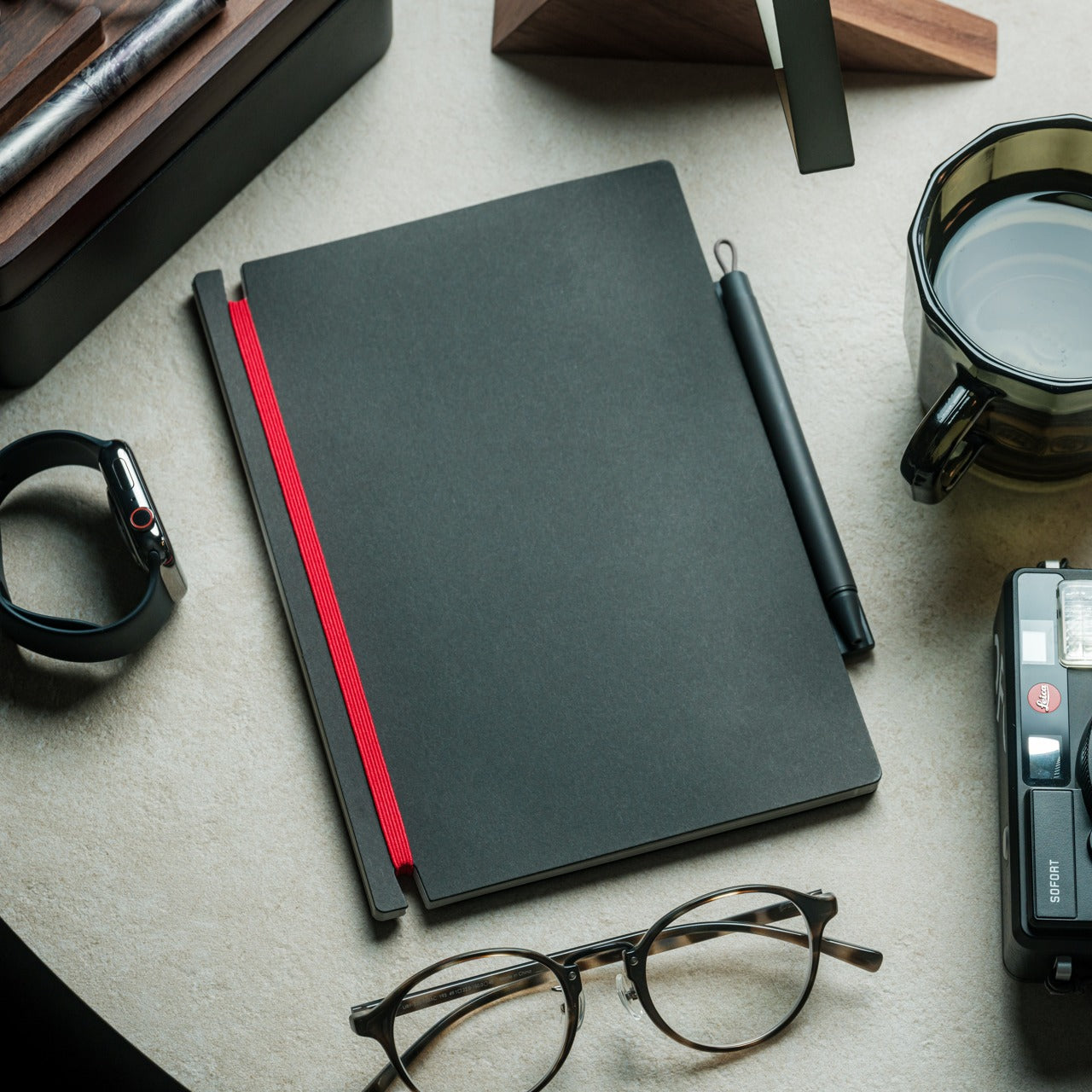
2. Magboard Clipboard

Planning systems thrive on flexibility, and the Magboard Clipboard understands this at a fundamental level. This minimalist marvel replaces traditional clipboard mechanisms with an elegant magnet and lever system that secures up to thirty sheets without punching holes or creating permanent bindings. The hardcover construction means you can capture thoughts while standing at a gallery opening, jotting notes during a walking meeting, or sketching layouts at a coffee shop. The freedom to rearrange pages instantly transforms how you organize information, letting you shuffle priorities and reorder thoughts as your projects evolve.

The water-resistant surface adds a practical dimension that traditional clipboards simply can’t match. Spilled coffee becomes a minor inconvenience rather than a catastrophe, and the easy-to-clean material means your workspace aesthetic stays pristine. Planning enthusiasts particularly love how this design eliminates the commitment anxiety that comes with bound notebooks. Pages can migrate between projects, early drafts can be removed without tearing, and your organizational system can adapt as fluidly as your thinking process. The Magboard turns note-taking into a dynamic, modular experience.

Click Here to Buy Now: $45.00

What We Like

  • The magnetic binding system offers unprecedented flexibility for reorganizing content on the fly
  • The hardcover design enables comfortable writing while standing or moving
  • Water resistance protects your work from common desk disasters
  • The minimalist aesthetic complements any planning system or workspace style

What We Dislike

  • The thirty-sheet capacity might feel limiting for those working on extensive projects
  • The hardcover adds weight compared to traditional clipboards, which may matter during long periods of handheld use

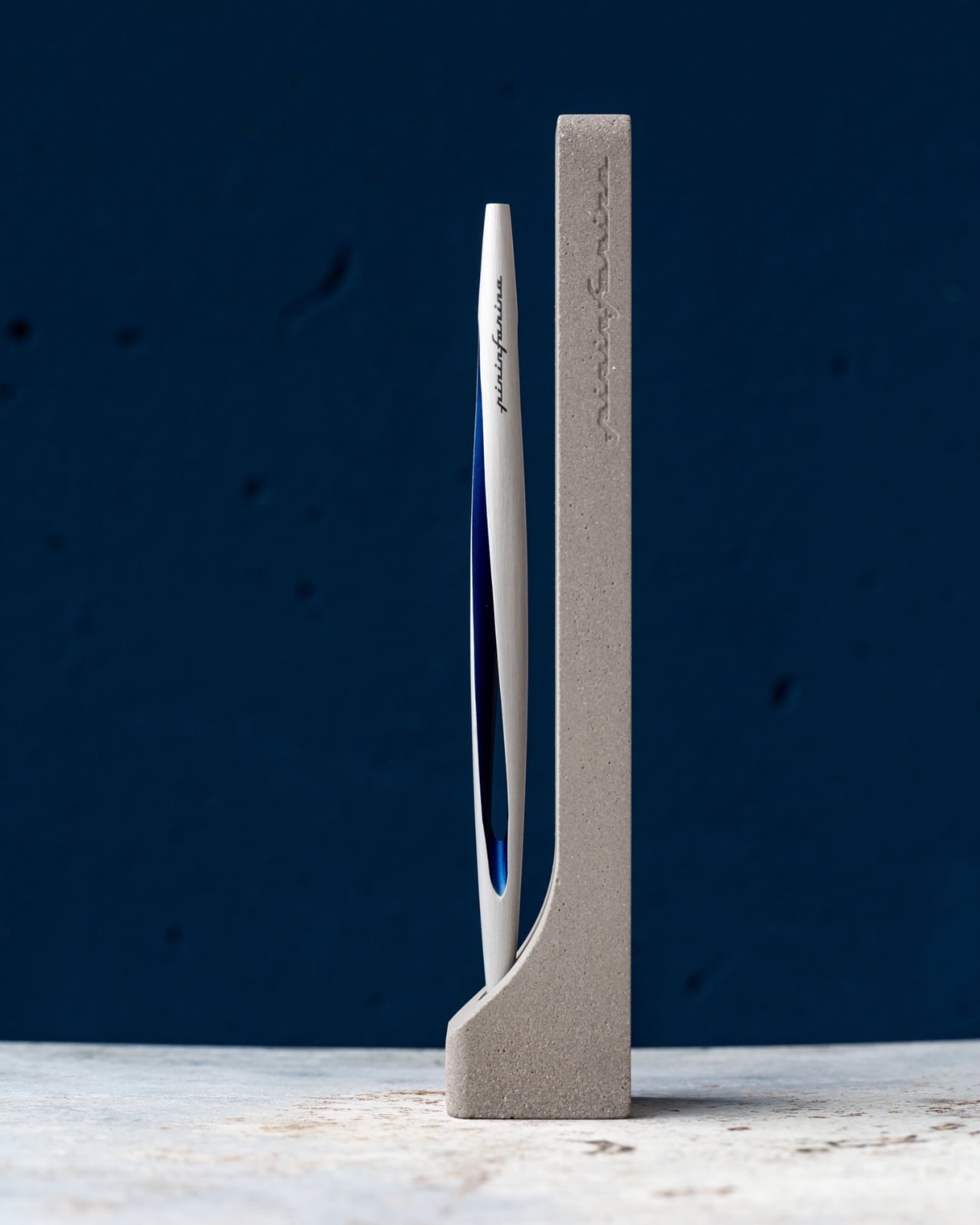
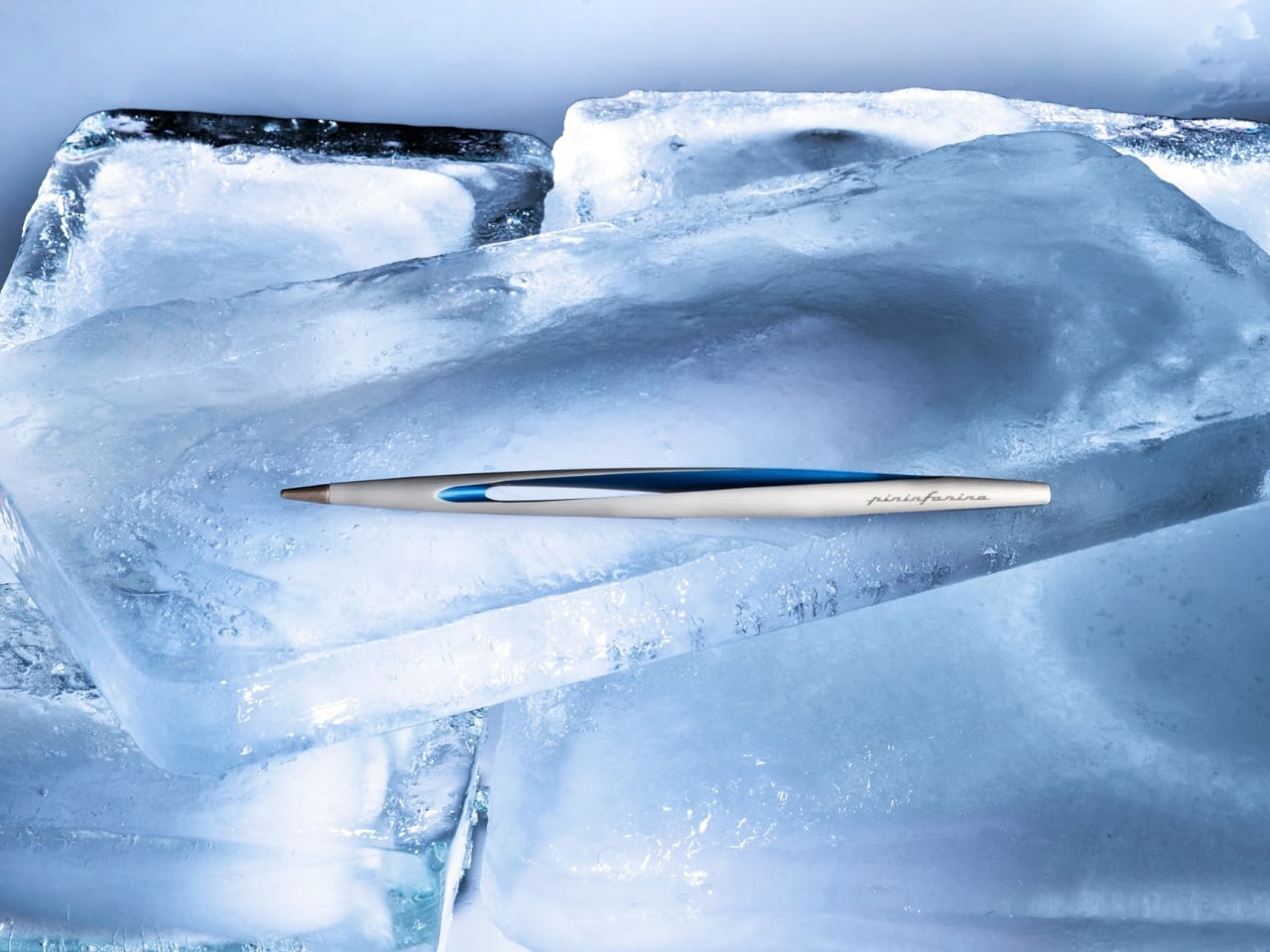
3. Everlasting All-Metal Pencil

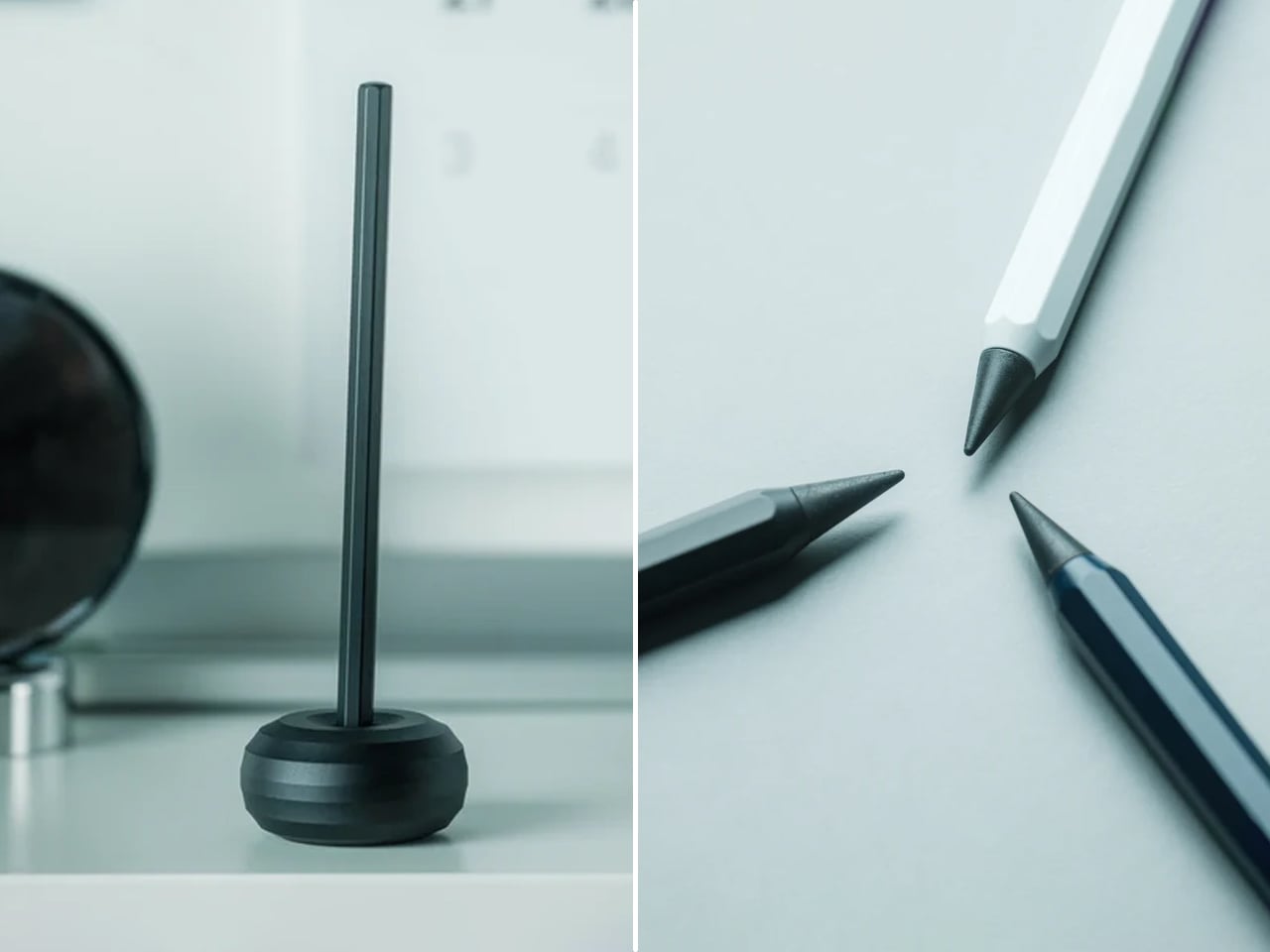
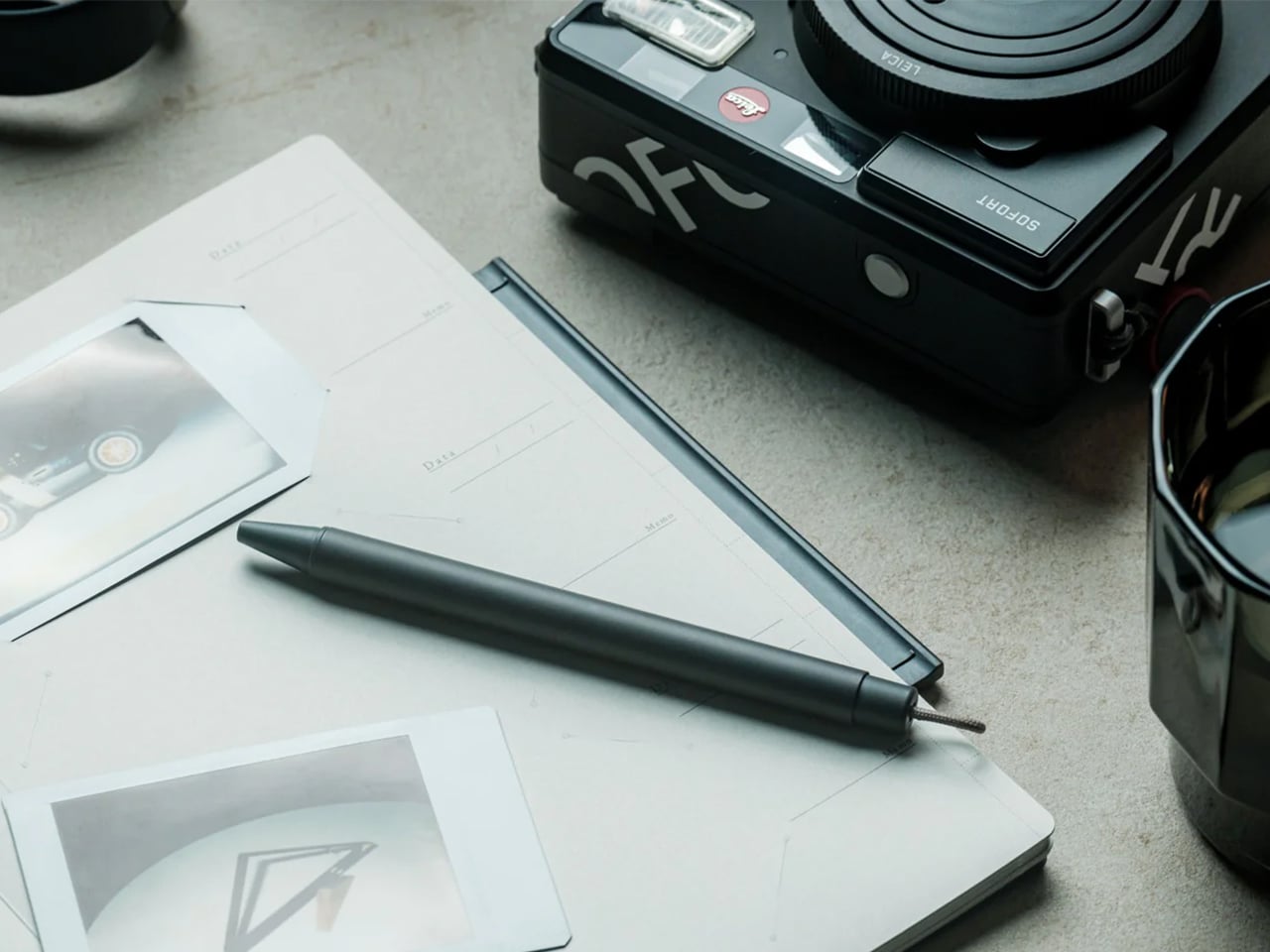
The ritual of sharpening pencils carries a certain nostalgic charm, but it also breaks concentration and creates friction between thinking and writing. The Everlasting All-Metal Pencil eliminates this with a special alloy core that writes like traditional graphite yet refuses to wear down at any noticeable rate. The aluminum body feels substantial in your hand, grounding you in the physical act of writing, while the metal tip glides across paper with familiar smoothness. For planners who sketch layouts, draft bullet journal spreads, or map out monthly calendars, this tool becomes an extension of thought itself.

What makes this pencil genuinely revolutionary is how it erases cleanly with standard erasers despite its metal composition. The marks blend beautifully with watercolor and water-based markers, making it perfect for planners who incorporate artistic elements into their organizational systems. The pocket-sized variant now available means you can carry this innovation everywhere, always prepared to capture ideas without worrying about broken mechanical pencil leads or dull points. The permanence of the pencil itself creates a different relationship with your tools, transforming a disposable item into a lasting companion.

Click Here to Buy Now: $19.95

What We Like

  • The alloy core eliminates sharpening completely while maintaining authentic pencil-like writing
  • Standard erasers work perfectly, preserving the familiar correction process
  • The metal construction ensures the pencil will outlast countless traditional alternatives
  • Compatibility with watercolor techniques expands creative possibilities for artistic planners

What We Dislike

  • The unfamiliar feel of metal may require an adjustment period for those accustomed to wooden pencils
  • The fixed line weight offers less variation than traditional pencils that develop different points through sharpening

4. Heritage Craft Unboxing Knife

Opening packages becomes a small ceremony when you’re using a tool that looks like it belongs in a design museum. The Heritage Craft Unboxing Knife takes inspiration from Paleolithic hand axes, reimagining ancient stone tools through the lens of modern materials and precision machining. Carved from a single block of aluminum, the circular form fits naturally in your palm while the wave-like patterns created during manufacturing provide both visual interest and functional grip. This isn’t a utility blade you’ll hide in a drawer. The sculptural quality demands display, transforming a mundane task into an opportunity for tactile pleasure.

The tapered design adds practical benefits beyond aesthetics. The form naturally guides the blade through tape and packaging materials with minimal effort, while the substantial weight provides cutting control. Planning enthusiasts who regularly receive stationery hauls, subscription boxes, or online orders find genuine joy in the unboxing ritual this tool creates. The piece occupies that rare space where functional tool meets conversation starter, sitting proudly on your desk as both instrument and art object. The connection to human tool-making history adds a layer of meaning that elevates everyday tasks.

Click Here to Buy Now: $99.00

What We Like

  • The ancient-tool-inspired design brings historical resonance to a modern implement
  • Wave-pattern machining marks create a natural, ergonomic grip texture
  • The sculptural form makes this a display-worthy desk object rather than a hidden utility
  • The substantial metal construction ensures durability and satisfying cutting control

What We Dislike

  • The circular form takes practice to master compared to conventional box cutter shapes
  • The artistic design comes at a higher price point than basic utility blades

5. Craftmaster EDC Utility Knife

Precision tools appeal to planning enthusiasts because they respect the importance of exact measurements and clean cuts. The Craftmaster EDC Utility Knife combines minimalist aesthetics with thoughtful functionality, packaging an OLFA blade system in a sleek metal body just 0.3 inches thick. The tactile rotating knob for blade deployment feels satisfying in a way that cheap sliding mechanisms never match, turning tool use into a deliberate, mindful action. What sets this apart is the magnetic companion piece: a metal ruler with both metric and imperial markings that docks directly to the knife’s back.

The ruler itself demonstrates exceptional design thinking. The raised edge makes it easy to lift from flat surfaces, solving that frustrating fumbling moment when thin rulers refuse to cooperate. The built-in blade breaker lets you snap off dulled OLFA segments safely, extending blade life and maintaining cutting precision. The 15-degree curved edge protects your fingers during use, while the 45-degree inclination angle makes opening boxes cleaner and safer. For planners who craft custom inserts, trim printed materials, or create collage elements, this tool brings professional-level precision to personal projects without requiring a dedicated crafting space.

Click Here to Buy Now: $79.00

What We Like

  • The magnetic ruler system keeps measurement and cutting tools together in one compact package
  • The rotating deployment knob offers tactile satisfaction and precise blade control
  • The raised ruler edge and integrated blade breaker demonstrate thoughtful problem-solving
  • The slim 0.3-inch profile makes this genuinely pocketable despite its metal construction

What We Dislike

  • The OLFA blade system requires purchasing specific replacement blades rather than universal options
  • The premium materials and mechanisms place this at the higher end of utility knife pricing

6. Personal Whiteboard

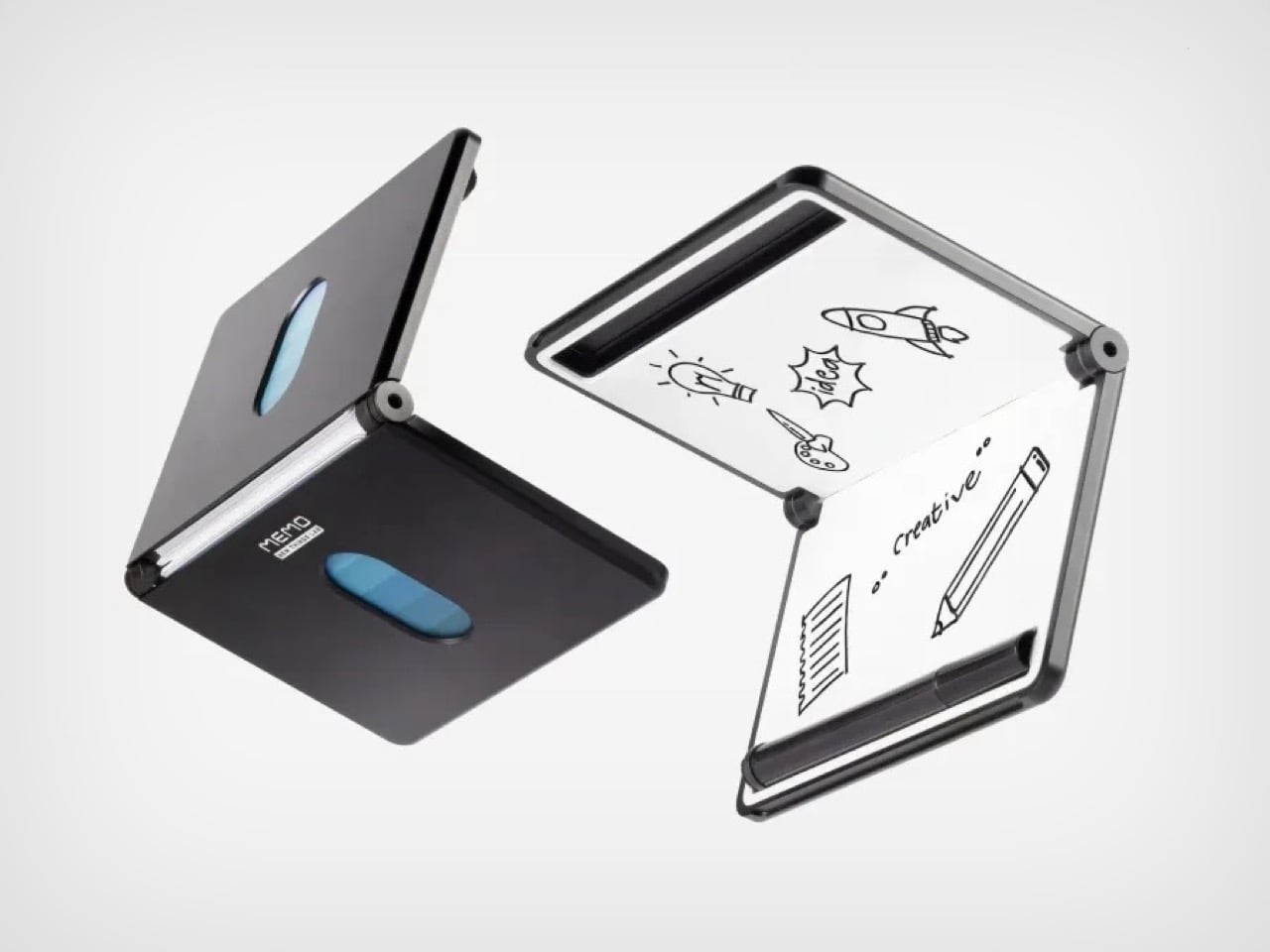
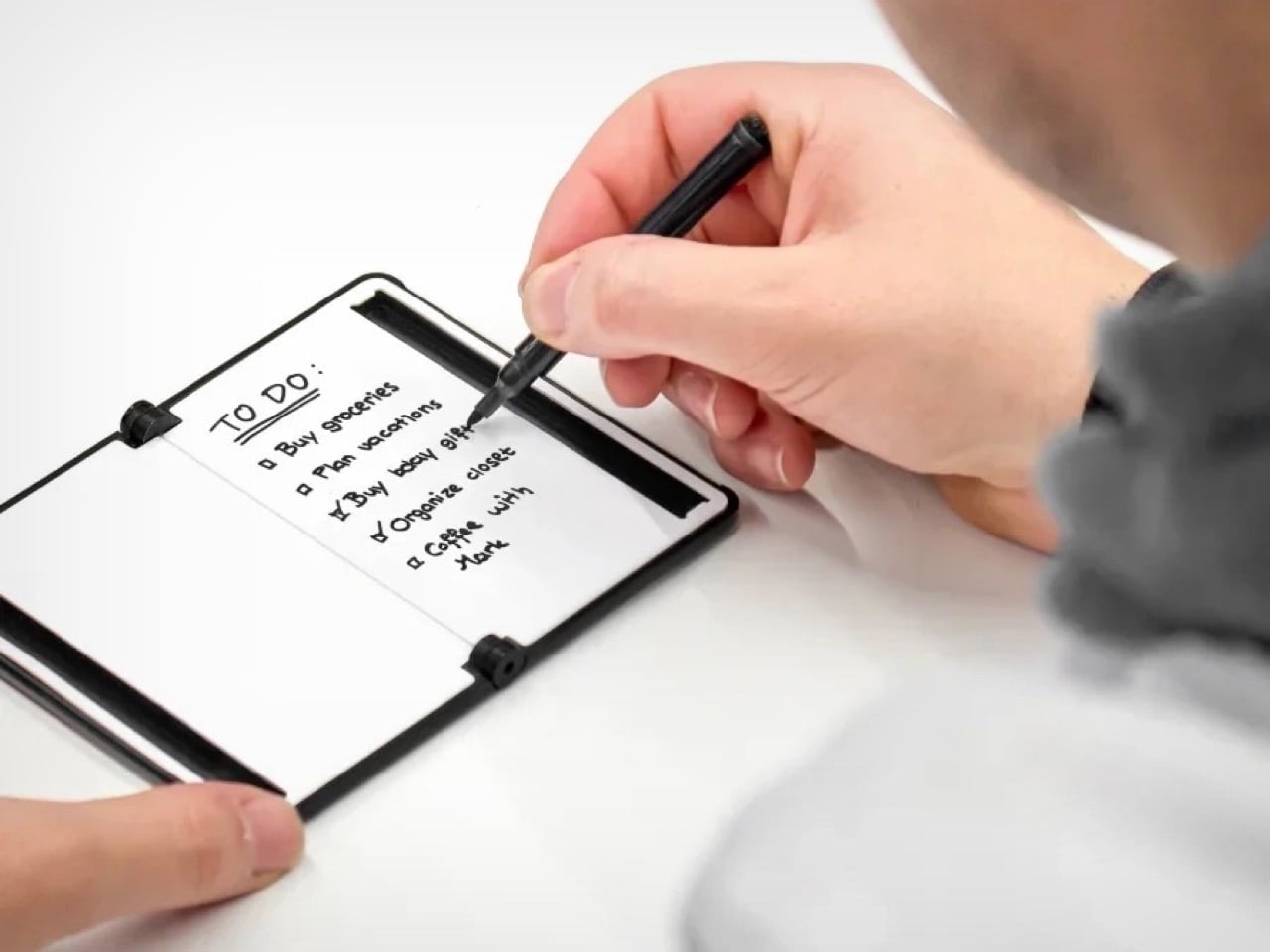
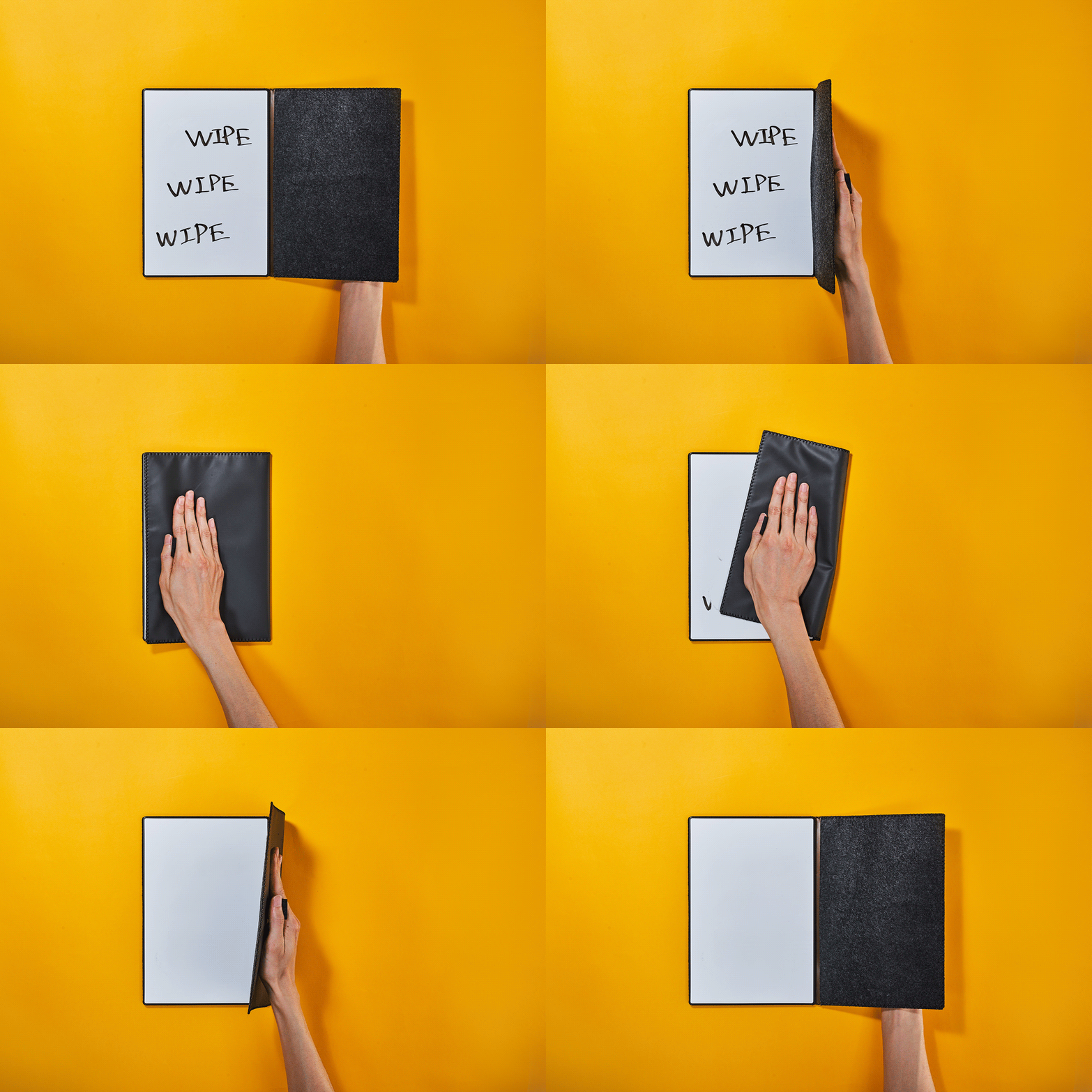
Digital planning tools promise endless flexibility, but they can’t match the cognitive benefits of writing by hand. The Personal Whiteboard offers the best of both worlds: the tactile satisfaction of marker on surface combined with instant digital capture and infinite reusability. This single-page whiteboard notebook transforms brainstorming and quick planning into a frictionless process. Jot down your daily priorities, sketch out a weekly layout, or map connections between projects, then simply photograph your work to preserve it before wiping it clean. The multi-functional cover serves as an eraser, a built-in stand, and a storage pocket.

The innovative Mag Force system exemplifies Japanese attention to small details that create big impacts. This mechanism functions as both a cover handle for comfortable carrying and a secure pen holder, ensuring your marker never goes missing. Compatible with any standard whiteboard marker, this removes the frustration of proprietary refills or special equipment. Planning enthusiasts particularly love this for morning brain dumps, temporary schedules that change frequently, and collaborative planning sessions where ideas need to flow without commitment. The ephemeral nature paradoxically encourages bolder thinking since nothing feels permanent until you decide to save it.

Click Here to Buy Now: $49.00

What We Like

  • The reusable surface eliminates paper waste while maintaining the benefits of handwriting
  • Quick photography lets you preserve and share work before erasing for the next session
  • The Mag Force system keeps the pen and whiteboard together as an integrated tool
  • Standard marker compatibility means no proprietary supplies or special purchases required

What We Dislike

  • The single-page format limits how much information you can view simultaneously
  • Whiteboard markers can dry out faster than traditional pen options, requiring more frequent replacement

7. Effortless Standing Letter Cutter

The daily mail ritual deserves better than raggedly torn envelopes or dangerous knife work. The Effortless Standing Letter Cutter transforms this mundane task into a moment of satisfying precision. This elegant bar of anodized aluminum sits upright on your desk, functioning as both sculpture and tool until correspondence arrives. Simply slide an envelope across the blade and watch it create a clean incision along one edge, opening the letter without generating paper scraps that need disposal. The standing design means the cutter occupies minimal space while remaining constantly accessible.

What planners appreciate most is how this tool respects the correspondence they receive. Important documents, special cards, and treasured letters all deserve careful opening, and this cutter delivers that reverence. The substantial weight allows it to double as a paperweight when needed, pinning down reference materials or holding open your planner to a specific spread. The replaceable blade extends the product’s lifetime indefinitely, embodying sustainable design principles that Japanese manufacturers champion. This piece represents the Japanese design philosophy of finding extraordinary solutions for overlooked everyday moments.

Click Here to Buy Now: $49.00

What We Like

  • The standing design keeps the cutter accessible while maintaining an elegant desk presence
  • Clean side incisions eliminate paper scraps and disposal frustration
  • The anodized aluminum construction offers both beauty and functional weight as a paperweight
  • Replaceable blades ensure this tool lasts indefinitely with minimal maintenance

What We Dislike

  • The specialized function means this serves one specific task rather than offering versatility
  • Those who receive minimal physical mail may find limited opportunities to use this tool

8. Japanese Drawing Pad

Paper quality fundamentally affects the planning experience, yet most people accept whatever their notebooks provide. The Japanese Drawing Pad elevates this foundational element, offering sheets that honor the centuries-old Japanese papermaking tradition. Available in traditional white or striking black, these pads let you choose the backdrop that best suits your planning style and creative vision. The durable paper fibers resist damage from erasing, marker bleed-through, and frequent handling, maintaining their integrity through intensive use. Microperforations allow effortless tearing when you need to extract a page.

The recycled cardboard base adds environmental consciousness without compromising quality, staying rigid enough to support writing and drawing when you’re away from a desk. Planning enthusiasts who incorporate illustration, calligraphy, or watercolor elements into their systems find that this paper transforms their results. The fiber quality creates the right amount of tooth for pencil work while remaining smooth enough for fine-line pens. Available in A6, A5, and A4 sizes, you can match the pad to your specific planning needs, whether you’re working on pocket-sized daily cards or full-page monthly spreads. The paper itself becomes a creative partner.

Click Here to Buy Now: $26.00

What We Like

  • Traditional Japanese paper quality elevates the writing and drawing experience noticeably
  • The choice between white and black paper enables different aesthetic approaches and creative styles
  • Microperforations allow clean page removal without damaging the sheet or pad
  • Multiple size options let you match the paper to your specific planning system

What We Dislike

  • The premium paper quality comes at a higher cost than standard drawing pads
  • The cardboard base, while sturdy, lacks the portability of hardcover-bound alternatives

9. Scissors with Base

Scissors live an undignified life, scattered in drawers or lost in desk clutter, despite being essential tools. The Scissors with Base restores proper respect to this fundamental implement, providing a magnetic aluminum base that keeps the scissors upright, visible, and exactly where you need them. The Japanese stainless steel construction with Teflon coating delivers confident, precise cuts through paper, tape, fabric, and packaging materials. The solid weight creates stability during cutting, preventing the lightweight flimsiness that makes cheap scissors frustrating to use.

The innovative dual-function design adds unexpected versatility. One finger ring incorporates a box cutter blade, giving you two essential tools in a single elegant form. Planning enthusiasts who craft custom layouts, work with washi tape, or assemble collage elements find that this combines accessibility with performance. The upright storage means the scissors become a desk sculpture rather than a hidden tool, and the visual presence actually proves functional since you’ll never waste time searching. The magnetic base attachment feels satisfying in a way that transforms the simple act of returning scissors to their home into a small moment of order restored.

Click Here to Buy Now: $49

What We Like

  • The magnetic base keeps scissors upright, accessible, and prevents the common problem of misplacement
  • Japanese stainless steel with Teflon coating ensures smooth, precise cutting performance
  • The integrated box cutter in the finger ring adds practical versatility
  • Substantial weight provides cutting stability and confidence compared to lightweight alternatives

What We Dislike

  • The base requires desk space dedicated to scissors rather than allowing drawer storage
  • The premium materials and engineering place these at a higher price point than standard scissors

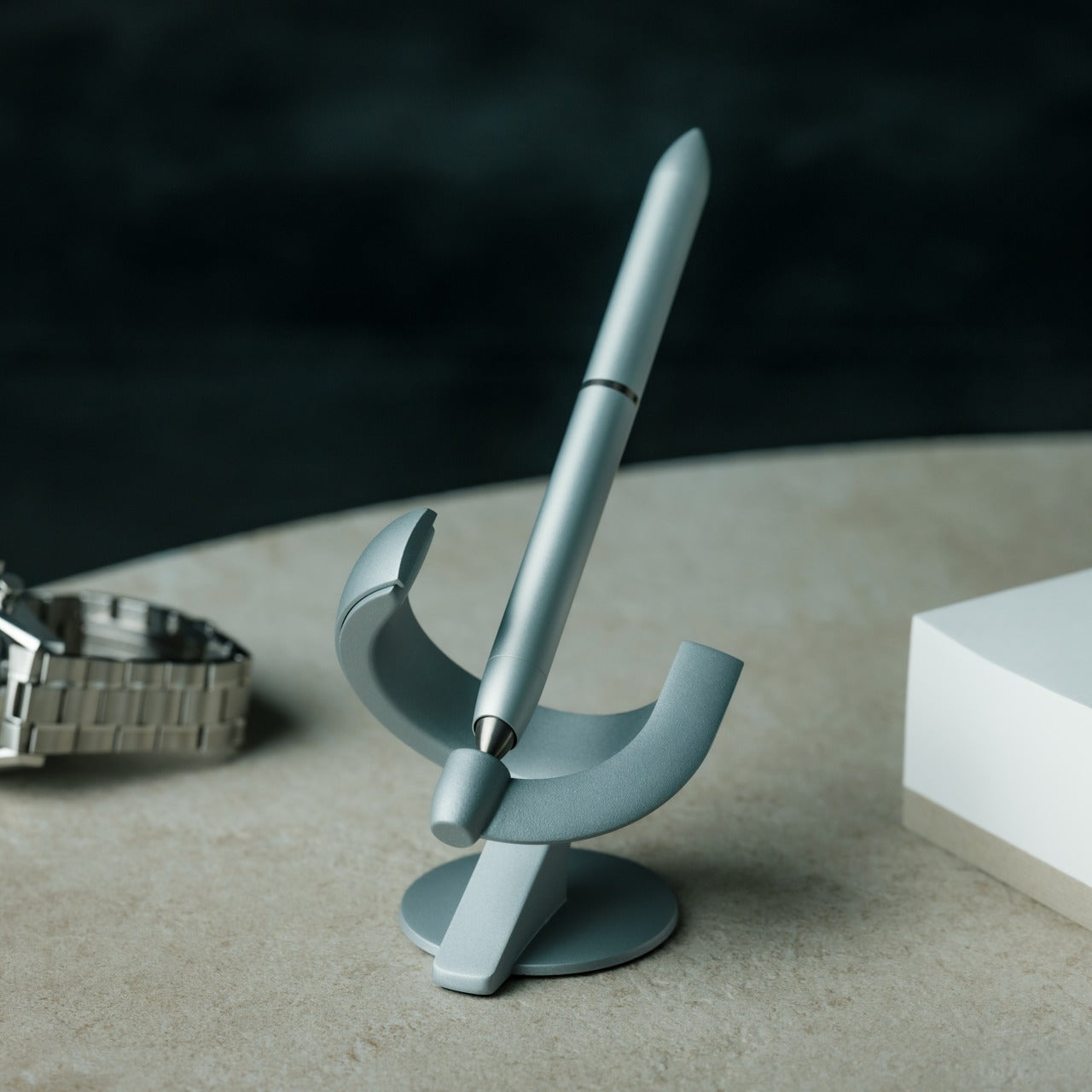
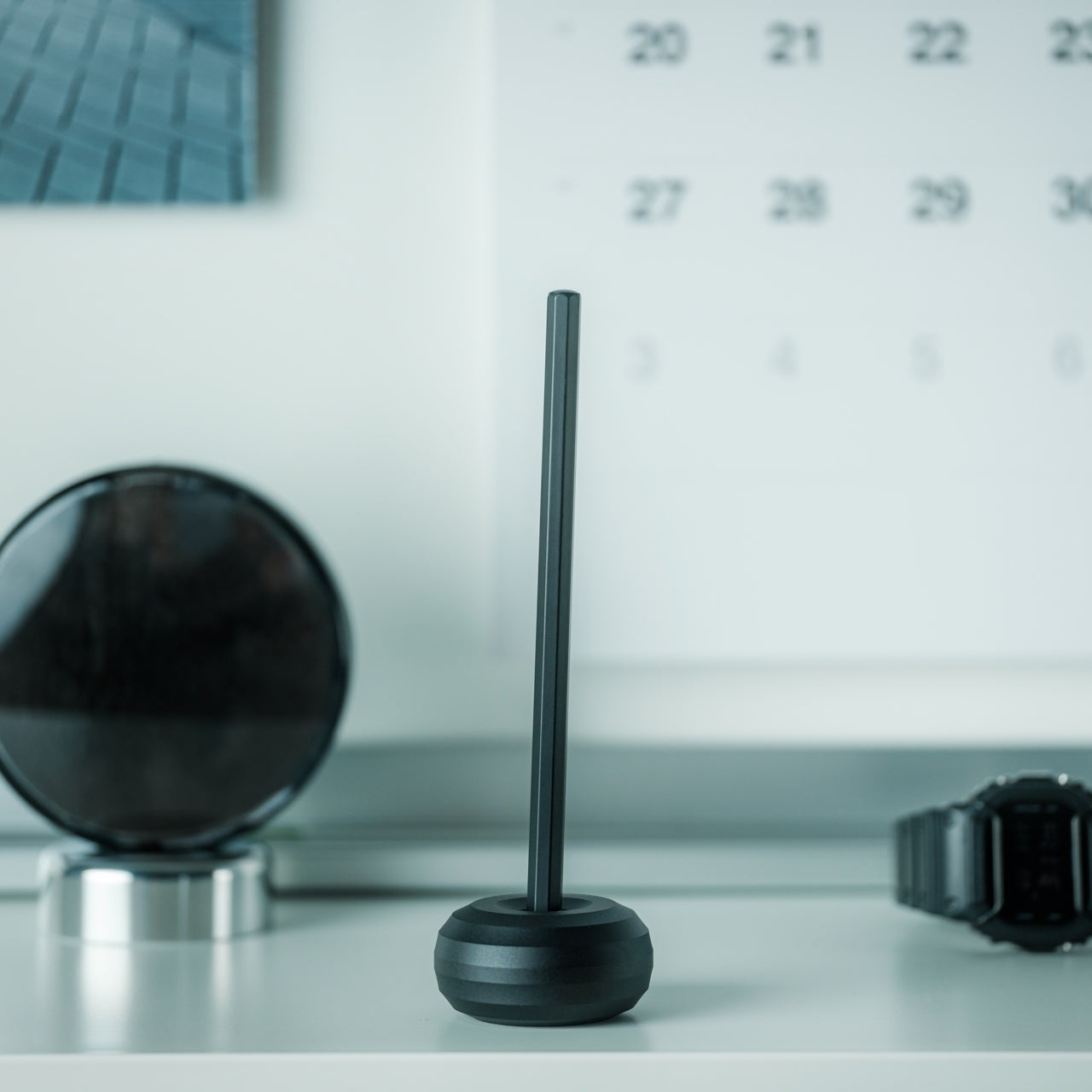
10. Serenity Pen Stand

Most pen stands compete for attention, using elaborate designs that overshadow the writing instruments they’re meant to showcase. The Serenity Pen Stand takes the opposite approach, reducing itself to the absolute minimum: a small cylinder with a cavity for your pen’s tip, tilted slightly for easy access. Made from aluminum and copper with a dual-tone finish, the diminutive stand places complete focus on your pen while adding a subtle accent of visual interest. The heavy copper bottom creates a low center of gravity that prevents tipping despite the stand’s minimal footprint.

This represents quintessential Japanese design philosophy, finding beauty in reduction and celebrating the tools we use daily by giving them proper presentation. Planning enthusiasts who invest in quality pens, like the Everlasting All-Metal Pencil, finally have a display option that honors their instruments without dominating the desk landscape. The stand occupies minimal space, making it perfect for carefully curated workspaces where every object needs to earn its place. When the pen is in use, the stand remains an elegant small sculpture. The copper’s natural patina development means the piece evolves, gaining character and becoming uniquely yours.

Click Here to Buy Now: $39.00

What We Like

  • The minimalist design ensures the pen remains the visual focus rather than the stand
  • The copper bottom creates exceptional stability despite its incredibly small size
  • The dual-tone metal finish adds subtle visual interest without overwhelming aesthetics
  • Perfect proportions work especially well with metal pens like the Everlasting All-Metal Pencil

What We Dislike

  • The tilted angle might not suit all desk arrangements or personal preferences
  • The stand accommodates only one pen, requiring multiple units for those who rotate between writing instruments

Finding Your Perfect Planning Tools

These ten items share a common philosophy that resonates deeply with planning enthusiasts: the belief that everyday tools deserve extraordinary design. Japanese manufacturers understand that the objects we interact with daily shape our experience, our thinking, and our creative output. These aren’t luxury goods positioned beyond reach. They’re accessible innovations that demonstrate how thoughtful design improves life in measurable ways. Each piece removes a small friction point, adds a moment of satisfaction, or solves a problem you might not have consciously identified.

Building a planning practice means surrounding yourself with tools that support your process rather than fighting against it. The best stationery becomes invisible in use, removing barriers between your thoughts and their physical expression. These Japanese designs achieve that goal while also bringing beauty into your daily rituals. Whether you’re reorganizing pages on a Magboard, gliding an Everlasting Pencil across premium paper, or placing your favorite pen on its minimalist stand, these tools transform planning from a task into a practice worth savoring. Your planning system deserves instruments this considered.

The post 10 Best Japanese Stationery Items Under $100 Planners Obsess Over first appeared on Yanko Design.
The Ultimate 8‑in‑1 Desk Organizer Puts Wireless Charging, Speakers, and Lighting on One Magnetic Wood Base

Desks have a way of accumulating chaos. Chargers multiply, cables tangle, and what starts as a clean workspace turns into a collection of mismatched gadgets competing for outlets and attention. MODULO, a new Kickstarter project from Italian design duo Modulo Design Lab, approaches the problem with a different philosophy: one wooden base, magnetic modules, and a single power cable to rule them all.

Built around a CNC-milled wooden platform handcrafted in Italy, MODULO lets you snap together charging modules, Bluetooth speakers, e-paper displays, task lights, and organizers into one unified system. Each of the 8 different modules connects magnetically, drawing power and data through gold-plated connectors rated for 50,000+ cycles. The Modulo app ties everything together, so your phone charger, desk lamp, and notification display all respond to a single interface instead of separate apps and pairing routines.

Designer: Mauro Veccari

Click Here to Buy Now: $144 $180 (20% off). Hurry, only a few left!

I’ve seen plenty of desk organizers that promise to solve cable clutter, and most of them amount to glorified boxes with some velcro straps. MODULO actually rethinks the problem at the power distribution level, which is where the mess starts in the first place. The wooden base acts like a backplane in a computer case, routing electricity and communication to whatever you plug into it. Modules are active devices that wake up the moment they make contact with the base, whether that base lives on your desk, your nightstand, or your kitchen counter. That means swapping a wireless charger for a Bluetooth speaker takes about three seconds, and the app instantly recognizes what you have changed. There is something satisfying about that kind of hot-swap simplicity, especially if your setup needs to shift between work, sleep, and cooking duty without a nest of cables following you around.

The magnetic connection system uses pogo-pin style contacts, similar to what you would find on a smartwatch charging dock but built for higher current and data transfer. Gold plating keeps corrosion at bay, and the 50,000-cycle rating suggests they are serious about longevity. For context, that is roughly 13 years of swapping modules once a day, which is more than most people will ever need but solid insurance against the usual wear that kills magnetic connectors prematurely. The magnets themselves are strong enough to hold modules securely but not so aggressive that you feel like you are prying Lego bricks apart, which matters when you are reconfiguring things on the fly. You can move a base from your desk to your bedside table, drop the speaker and e-paper module on it, and in under a minute you have a smart alarm stack that looks intentional instead of hacked together.

Module selection covers the usual suspects but with some thoughtful touches. The USB-C charger sits vertically and doubles as a cable anchor, so your phone cable does not slither off the surface when you unplug, whether that surface is a desk or a nightstand. The wireless charging pad works with iPhones, recent Samsung flagships, and AirPods, handling up to 15 W for fast charging where supported, which makes sense for bedside charging or a quick top-up in the kitchen while you prep dinner. The Bluetooth speaker module packs enough power for background music or podcasts while you cook or get ready in the morning, so you are not yelling at your phone from across the room. Then there is the e-paper display, which becomes a bedside clock and alarm status screen at night, or a kitchen timer and recipe step indicator when you drag the base over to the counter.

The Light Tower module gives you an adjustable lamp with touch control for brightness and app control for scenes, and that versatility matters in different rooms. On a desk it behaves like a focused task light. Next to the bed you can set it to warm color temperatures and low brightness for late-night reading without frying your circadian rhythm. In the kitchen it can act as an accent light while the e-paper screen counts down the last three minutes on your eggs and the speaker reads out a podcast. Modulo also includes purely physical modules like pen holders and “Pocket Emptier” trays, which make as much sense by the front door for keys and wallets as they do on a workspace. Everything mounts on the same grid, so your catch-all area, your alarm station, and your cooking corner share the same visual language instead of looking like three unrelated tech piles.

Modules auto-pair when they connect to the base, so there is no manual Bluetooth dance or Wi-Fi provisioning every time you move the system. The app gives you a dashboard where you can adjust speaker volume, tweak lighting, choose what the e-paper display shows, and set up automations that match the room. In the bedroom you can schedule a wake-up routine that fades in the Light Tower, starts your favorite playlist at a low volume, and shows the weather and first calendar event on the e-paper screen. In the kitchen you can switch profiles so the same base now runs a cooking layout, with a large countdown timer on the display, a chime on the speaker when the timer hits zero, and maybe a quick glance at notifications while your hands are covered in flour. The point is that the hardware stays the same, while the personality shifts with the context.

Material quality separates MODULO from the usual injection-molded plastic organizers. Each base is milled from solid wood using CNC machines, then hand-finished in Italy. The default option is a light tone, but the first stretch goal at 10,000 euros brings in additional finishes for people who want something darker or richer on a nightstand or console table. The wood is structural, not a thin veneer, which gives the whole thing a furniture-grade heft that feels at home in a bedroom or living room, not only in a home office. Modules use matte-finish polymers for the housings, keeping weight down while maintaining a cohesive look. The contrast between warm wood and minimalist black modules works just as well next to a linen headboard or a marble countertop as it does next to a 34 inch ultrawide.

MODULO is live on Kickstarter now through February 5, 2026, with delivery targeted for July 2026. The Geek Kit starts at $148 during the launch special and includes a colored plastic base plus a light tower and pen holder, which is the budget entry point. The Wood Premium Kit sits at $416 for the launch tier and gets you a handcrafted 3×2 wood base, light tower, Bluetooth speaker, wireless charger, and smart notifier module. There’s also a doubled-up kit at $831 with two bases and a fuller module lineup for people running multi-desk setups or wanting spares. The Custom Edition kit lets you build your own configuration starting at $141 for the base, then adding whichever modules you actually need. Stretch goals include a battery pack add-on for portable use, colored pop modules for a less serious look, and an AI module running a local LLM to keep your thoughts organized, just like your desk!

Click Here to Buy Now: $144 $180 (20% off). Hurry, only a few left!

The post The Ultimate 8‑in‑1 Desk Organizer Puts Wireless Charging, Speakers, and Lighting on One Magnetic Wood Base first appeared on Yanko Design.
This Lighthouse Calendar Turns Your Desk Into a Coastal Escape

There’s something wonderfully audacious about a desk calendar that refuses to be just a desk calendar. Cillgold Agency’s “By the Lighthouse” for 2026 is exactly that kind of design rebel. Instead of being a forgettable square of paper you flip through mindlessly, it’s a miniature architectural statement that happens to tell you what day it is.

The piece stands tall on your desk like a proud beacon, mimicking the silhouette of an actual lighthouse with surprising accuracy. The structure tapers as it rises, supported by angular legs that give it a sense of purpose and stability. This isn’t some flimsy cardboard that’ll topple over when someone walks by too quickly. The design feels deliberate, substantial, like it’s actually guiding you through the year ahead.

Designer: Cillgold Agency

What really catches your eye is the material choice. The entire exterior is wrapped in this gorgeous deep green marbled paper with veins of gold running through it like captured lightning. It’s the kind of surface that makes you want to reach out and touch it, to trace those organic patterns with your fingertips. The marbling has a luxurious, almost geological quality, as if each calendar was carved from a block of precious stone rather than assembled from paper and cardboard.

Then there’s that pop of coral orange along the edges. It’s unexpected and bold, creating this beautiful contrast against the moody green. The orange trim follows the contours of the structure, outlining the lighthouse shape and drawing your eye upward. It’s a small detail that completely transforms the piece, adding warmth and energy to what could have been a somber color palette.

Near the top of the structure, there’s a rectangular cutout that reveals a row of white seagulls in flight, set against a ribbed green background. This little window is pure charm. It’s like peering through a lens into a coastal scene, a reminder of the lighthouse’s maritime purpose. The birds are simplified, almost pixelated in their rendering, which gives them a playful, graphic quality that bridges vintage and contemporary design sensibilities.

The actual calendar component sits in the lower portion of the structure, displaying date cards that feature their own coastal imagery. Each card shows serene beach scenes, lighthouses in the distance, palm trees swaying in ocean breezes. The photography has that dreamy, gradient quality that makes you want to book a seaside vacation immediately. Flipping through the days becomes a small daily ritual, revealing new vistas as the year unfolds.

What Cillgold Agency has really accomplished here is creating an object that lives in multiple categories at once. Yes, it’s functional. You can absolutely use it to track dates and plan your schedule. But it’s also decorative, sculptural, collectible. It’s the kind of thing that sparks conversations when people enter your workspace. “What is that?” they’ll ask, and you’ll get to explain that it’s a calendar, watching their faces light up with surprise and delight.

The design speaks to a larger trend in stationery and desk accessories where form and function merge into something more meaningful. We’re moving away from purely utilitarian objects and embracing pieces that bring joy, personality, and artistry to our everyday environments. Our workspaces shouldn’t be sterile or boring. They should reflect who we are and what we value.

From a collector’s perspective, this is absolutely a keeper. Once the year ends, you don’t toss it in the recycling bin. You might repurpose it, display it on a shelf, or store it carefully as an example of excellent paper craft and product design. Limited edition calendars like this often appreciate in value among design enthusiasts, but more importantly, they become personal artifacts, markers of a particular year and aesthetic moment.

The post This Lighthouse Calendar Turns Your Desk Into a Coastal Escape first appeared on Yanko Design.
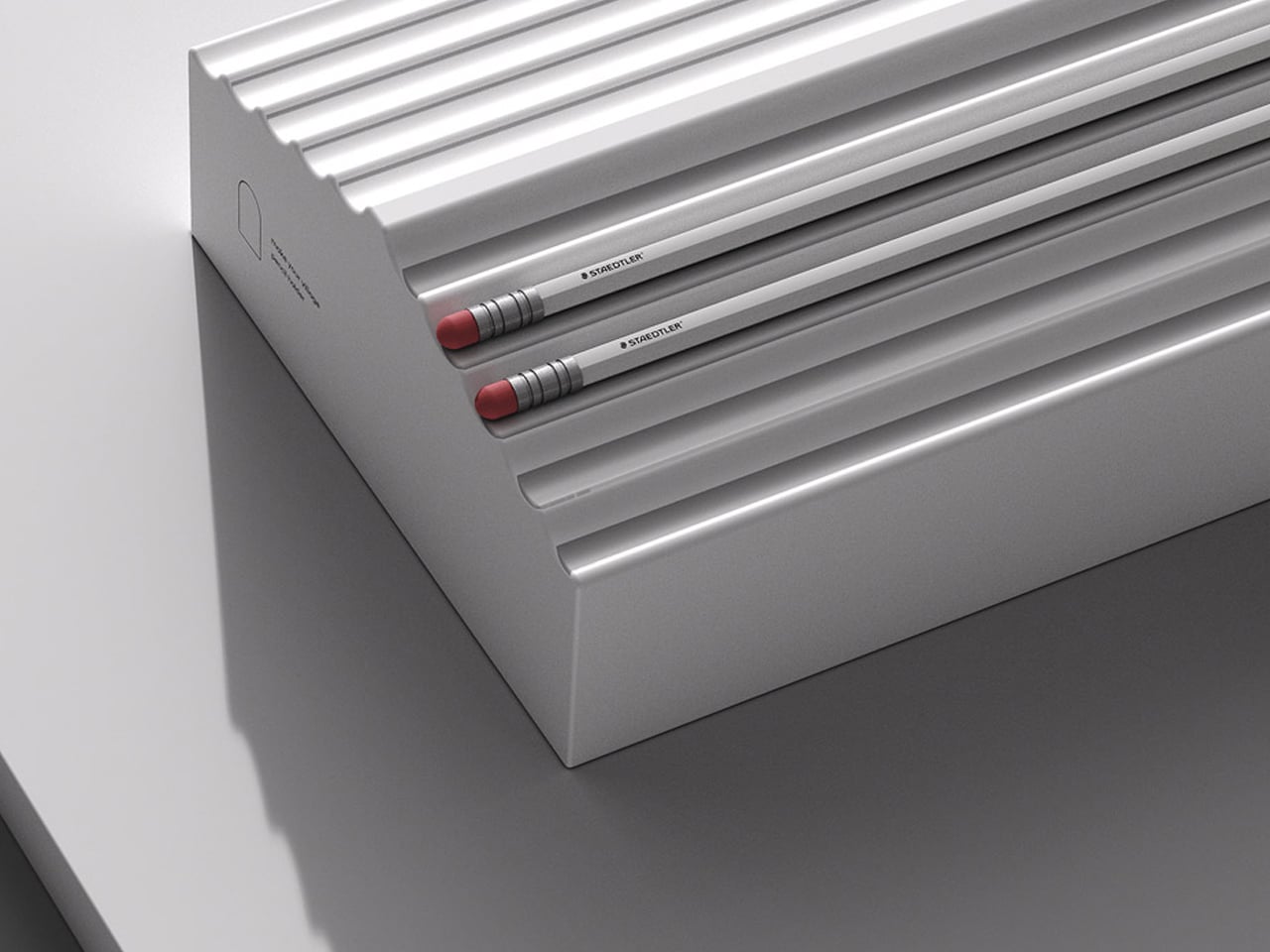
This Pocket Titanium Ruler Has a Level, Protractor, and Pen Built In

Projects pile up on the bench with a ruler that stops at 30 cm, a square for right angles, a separate protractor for odd cuts, a level somewhere in a drawer, and a pencil that has wandered off. Those small frictions add up when you are trying to stay in a flow state, and most rulers can measure but do not really help you think through the layout. You end up switching between tools, rechecking marks, and occasionally cursing when parallels drift, or angles end up slightly crooked.

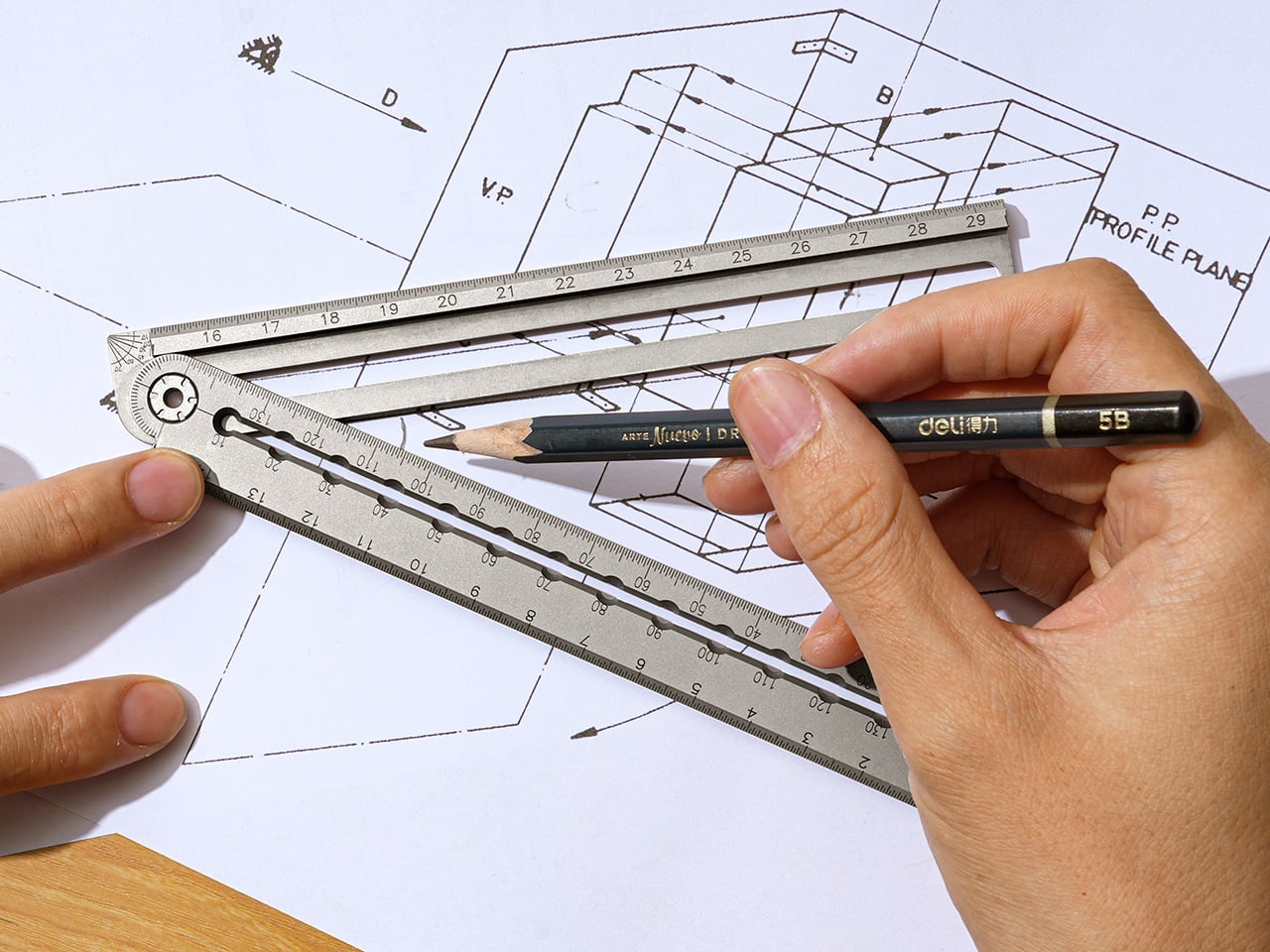
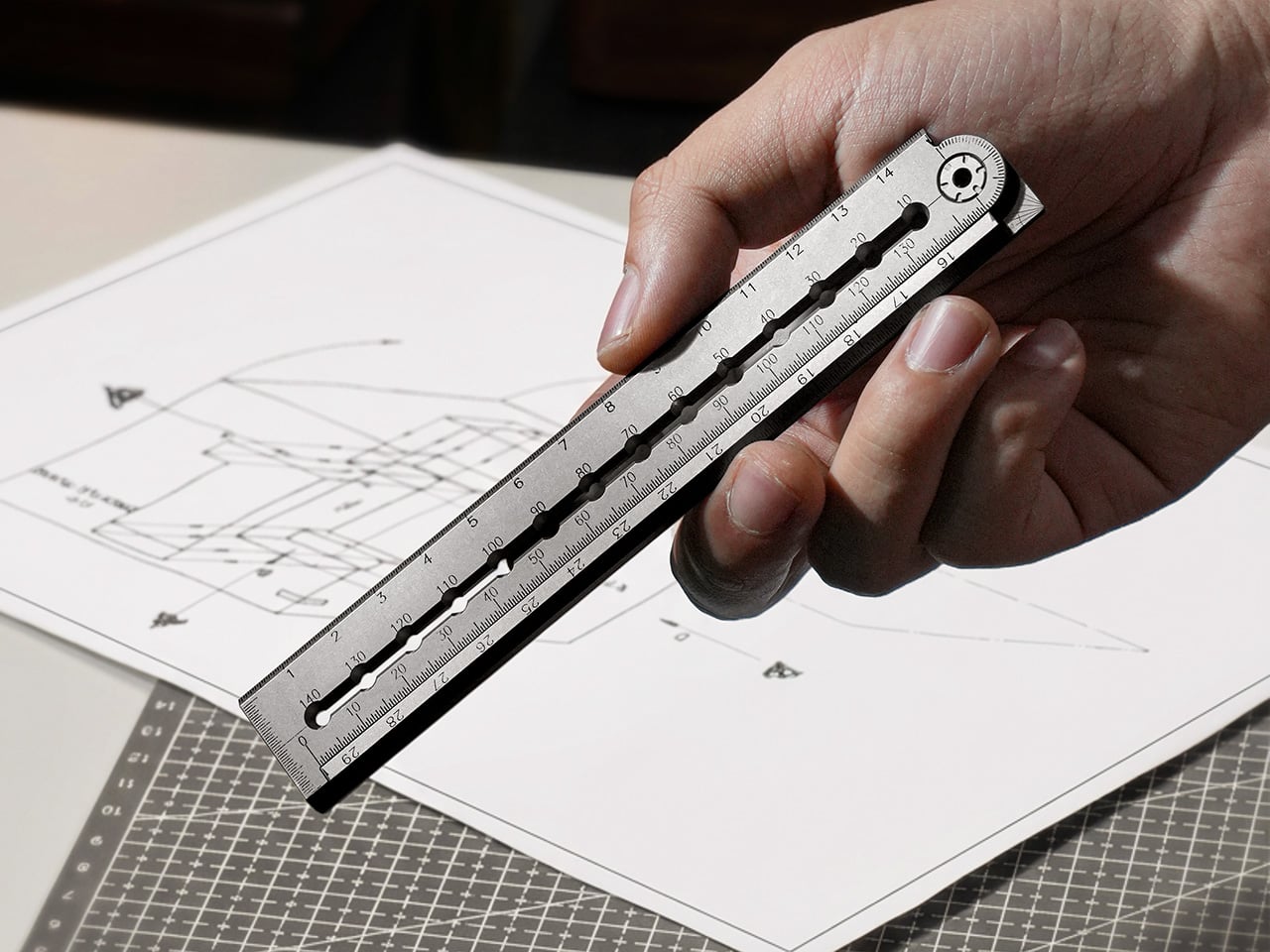
The FLINTONE MegaRuler is a titanium 9-in-1 drawing master that tries to compress a whole layout kit into something smaller than a phone. It is designed for garage tinkerers, designers, woodworkers, model builders, electronics people, and 3D-printing geeks who want strength, accuracy, and versatility in one object. The body is machined from titanium, so it feels like a small instrument rather than a disposable ruler, and it packs infinite extension lines, perfect parallels, angles, levels, magnets, and a built-in pen into a single pocket-sized block.

Designer: FLINTONE

Click Here to Buy Now: $69 $99 (30% off). Hurry, only 223/500 left! Raised over $150,000.

1

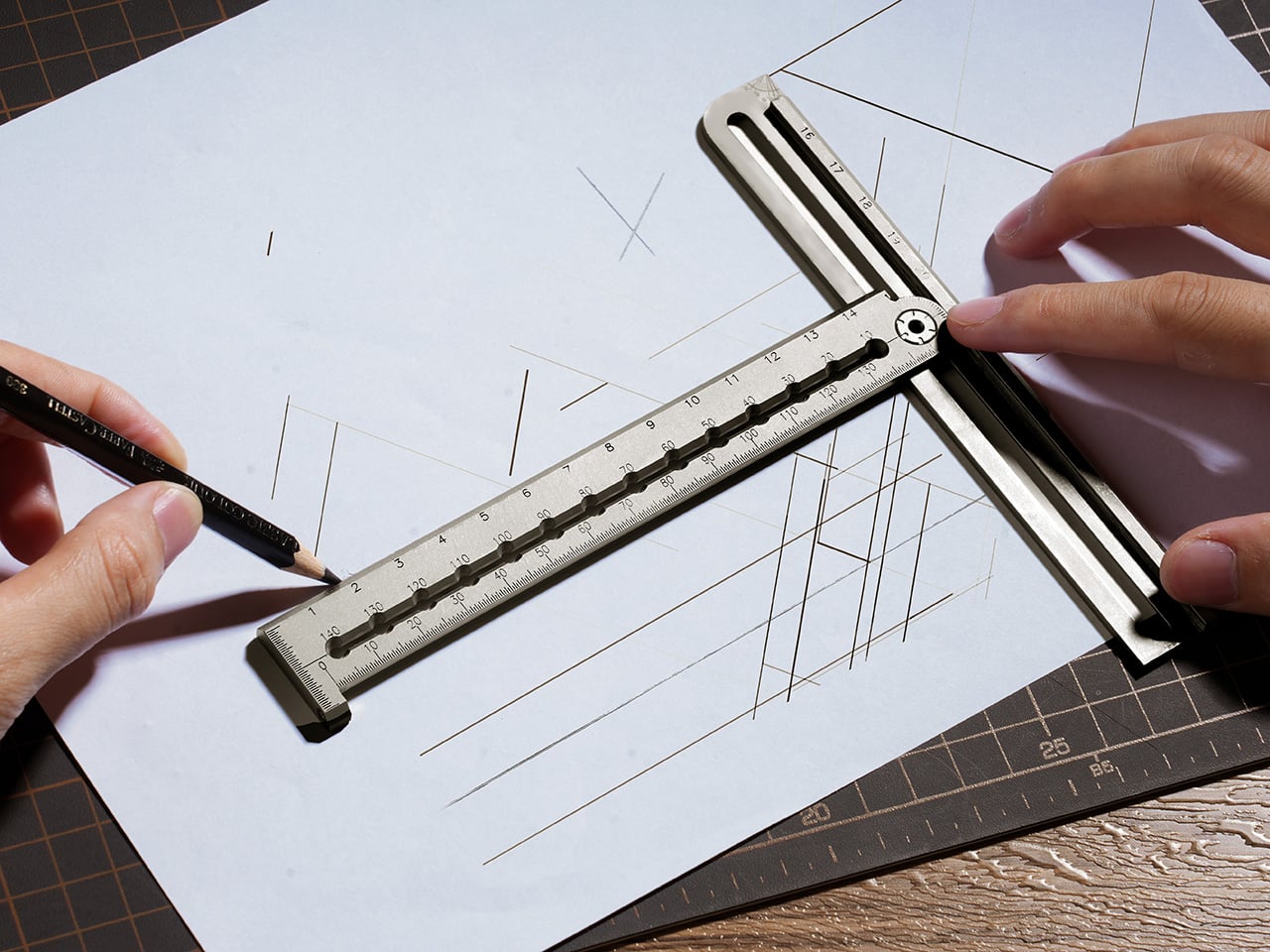
The infinite extension feature uses a central roller that lets you draw a straight line as long as you need by rolling the tool along the surface. You can dock the ruler end-to-end 27 times with less than 0.1mm cumulative error, enough to lay out an 8m straight line without a laser or chalk box. For framing, cabinetry, set building, or large-format graphics, that kind of repeatable accuracy means less rework and fewer compromises when the layout determines everything downstream.

The side wheels hug a reference line, so every new line stays exactly the same distance away. In testing, drawing 50 parallel lines produced a maximum drift of 0.07mm, which is effectively negligible for most jobs. That lets you stop measuring every joist, slat, or tile and simply roll the MegaRuler along, trusting it to keep spacing consistent for grooves, stitch lines, or printed patterns. The result feels less like measuring and more like running a tiny machine that thinks about geometry for you.

1

MegaRuler handles angles by letting you draw any-angle slanted lines from 1° to 179° in one smooth motion. The integrated protractor is laser-etched with a high-contrast scale that remains readable in bright light, dust, or glare, so you can lean the body to the exact angle you want and draw without switching tools. For miters, chamfers, or odd-angle joints, it becomes the single reference you reach for instead of juggling a ruler and a protractor and hoping the alignment holds while you mark.

1

Dual bubble vials turn the tool into both a horizontal level and a plumb checker. Standing it up gives true vertical in half a second, laying it flat gives an instant surface check. N52 magnets are flush-mounted in the body, so it sticks to steel beams, machines, or a shop cabinet, allowing hands-free marking and storage. A small marking pen lives inside the ruler itself, sliding out to mark and back in when you are done, so measuring and marking are finally in the same place instead of scattered across the bench or lost in pockets.

1

MegaRuler might live clipped to a pocket on a jobsite, sitting next to a sketchbook on a designer’s desk, or magnetized to a drill press in a home workshop. Instead of reaching for a different tool every time you need a line, angle, or level check, you grab the same titanium block and let its rollers, vials, magnets, and pen handle the details. It earns its space by doing many jobs well, feeling less like a novelty and more like the ruler you wish you had from the start, compact enough to forget until you need it and precise enough to trust when accuracy actually matters.

Click Here to Buy Now: $69 $99 (30% off). Hurry, only 223/500 left! Raised over $150,000.

The post This Pocket Titanium Ruler Has a Level, Protractor, and Pen Built In first appeared on Yanko Design.
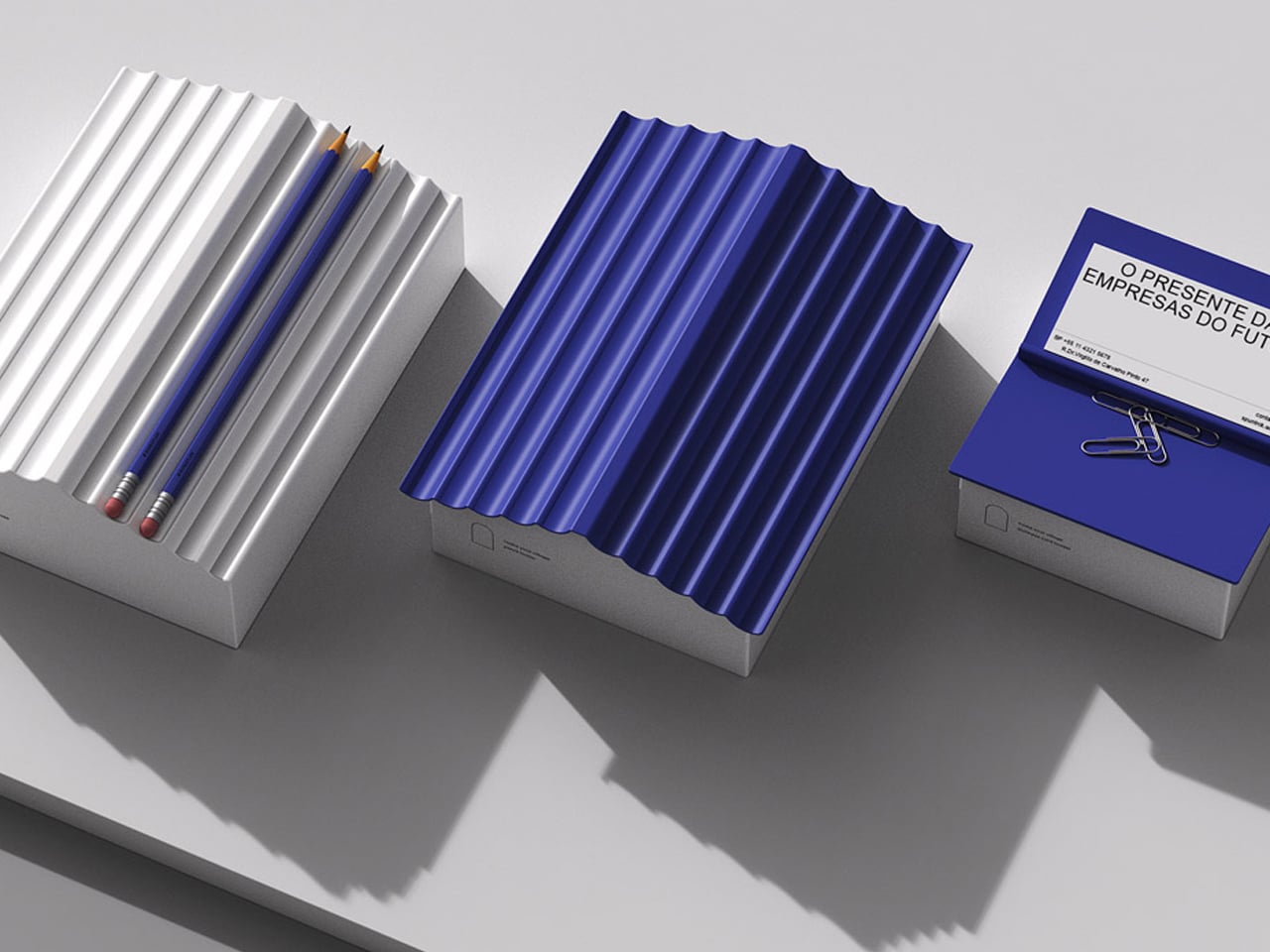
7 Best 2026 Gadgets & Tools Every Digital Nomad Needs in Their Backpack

The digital nomad lifestyle thrives on contradiction. You need professional-grade tools that disappear into a carry-on. Power without bulk. Connection without cables. The freedom to work from a Bali café or a Berlin co-working space demands gear that adapts as quickly as your location changes. The right equipment doesn’t just make remote work possible—it makes it effortless, turning any corner of the world into your office.
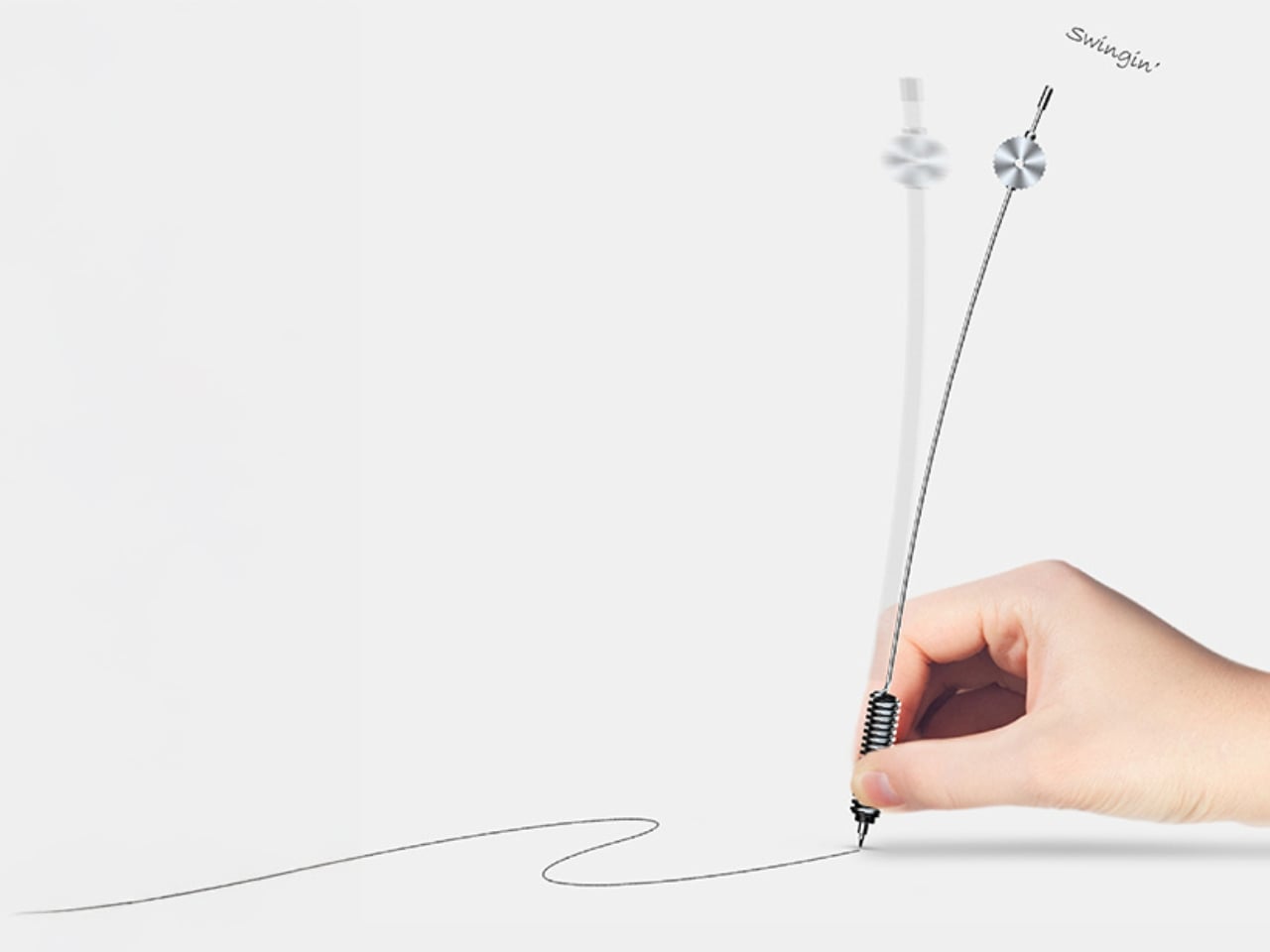
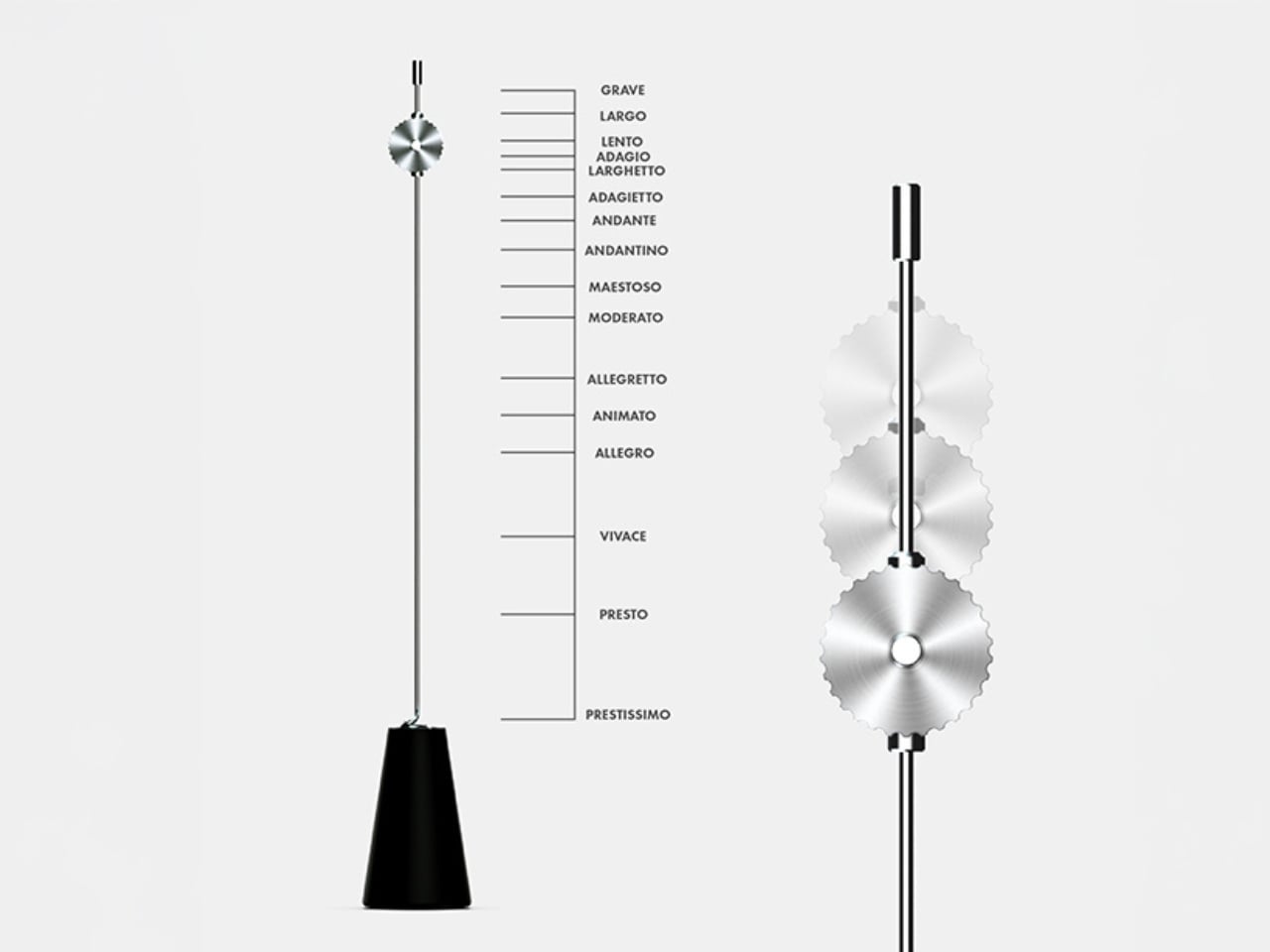
This year’s standout gadgets understand that nomadic work isn’t about compromising between portability and performance. These seven designs solve real problems that emerge when your desk is wherever you set down your laptop. They’re built for the constant motion between airports and coffee shops, for the moments when a stable internet connection matters more than a stable address, for professionals who measure workspace in grams and millimeters.

1. HubKey Gen2: Your Entire Setup in a Cube

The chaos of the modern nomadic workspace often comes down to ports. Your sleek ultrabook offers maybe two USB-C connections, yet you’re constantly reaching for monitors, ethernet reliability, external drives, and power. What begins as minimalist hardware design becomes a tangle of dongles and adapters stuffed into every pocket of your tech pouch. HubKey Gen2 rethinks this entirely, consolidating 11 different connections into a palm-sized cube that sits exactly where you need it.

Beyond the connectivity sprawl, this device addresses another friction point: the small actions buried in menus and keyboard shortcuts that disrupt your workflow. Four programmable keys and a central control knob transform software commands into physical gestures. Mute your microphone, adjust volume, toggle camera privacy, or switch between tasks with tactile certainty. For someone working across time zones and video calls, having media controls at your fingertips rather than three clicks deep makes the difference between smooth professionalism and fumbling mid-presentation.

What We Like

  • The 11-in-1 hub eliminates the need for multiple adapters, significantly streamlining your packing list.
  • Dual 4K display support means you can plug into external monitors at co-working spaces or client offices without compromise.
  • Physical shortcut keys and a control knob bring immediate access to privacy toggles and media controls.
  • The compact cube design fits easily in a backpack’s tech compartment without adding bulk.

What We Dislike

  • The stationary cube format works best on stable desks, which isn’t always guaranteed in nomadic setups.
  • At a premium price point, it’s an investment that may not suit budget-conscious travelers.

2. OrigamiSwift Folding Mouse: Full-Size Precision in Your Pocket

Laptop trackpads work fine until they don’t. After hours of detailed work—editing photos, building spreadsheets, designing mockups—your fingers cramp and precision suffers. Full-sized mice offer the ergonomic relief you need but consume precious backpack real estate. OrigamiSwift solves this spatial puzzle with origami-inspired engineering that lets a complete mouse fold completely flat, transforming from 40 grams of barely-there weight into a proper productivity tool the moment you need it.

The transformation happens in under half a second. One flip and the mouse springs into an ergonomic form that fits naturally in your palm, ready for extended work sessions, whether you’re at a standing desk in Bangkok or a wobbly café table in Lisbon. When you pack up, it collapses just as quickly into a profile thin enough to slide into a notebook pocket. The Bluetooth connection means one less cable to manage, and the full-size functionality means you’re not sacrificing comfort for convenience.

Click Here to Buy Now: $79.00

What We Like

  • The foldable design delivers genuine full-size mouse comfort without occupying significant bag space.
  • Weighing only 40 grams, it’s essentially weightless in your daily carry.
  • The instant transformation in under 0.5 seconds means you can deploy it as quickly as you open your laptop.
  • Ergonomic shaping provides the comfort needed for extended work sessions across multiple time zones

What We Dislike

  • Bluetooth connectivity requires occasional charging, adding one more device to your power management routine.
  • The folding mechanism, while durable, introduces moving parts that could potentially wear over time.

3. StillFrame Headphones: Creating Focus Anywhere

Airports, cafés, co-working spaces—the nomadic office is rarely quiet. Concentration becomes a portable skill, and headphones evolve from accessory to essential tool. StillFrame approaches audio with a design philosophy borrowed from the deliberate era of physical media, when albums were objects you held, and listening was an intentional act. The result sits comfortably between in-ears and over-ears, at just 103 grams, with 40mm drivers that open up soundscapes rather than just pumping audio into your ears.

The real utility emerges in the switching. Active noise cancellation erases the chaos when you need to disappear into deep work. Transparency mode keeps you connected to your surroundings when you’re waiting for a gate announcement or want to stay aware in an unfamiliar city. Twenty-four hours of battery life means you can travel from New York to New Delhi without reaching for a charging cable, maintaining your focus through layovers and long-haul flights.

Click Here to Buy Now: $245.00

What We Like

  • The 24-hour battery life eliminates anxiety about running out of power during long travel days.
  • Weighing just 103 grams, these headphones stay comfortable through marathon work sessions.
  • Both noise-cancelling and transparency modes adapt to shifting environments from silent libraries to bustling streets.
  • The 40mm drivers create an open soundstage that makes both music and podcasts more immersive.

What We Dislike

  • The on-ear design may not provide the same noise isolation as full over-ear models in extremely loud environments.
  • The retro-inspired aesthetic, while distinctive, may not appeal to those preferring more modern styling.

4. Memento Business Card Log: Analog Memory in a Digital World

Digital contacts sync across devices, but they don’t capture the texture of a conversation. The nomadic lifestyle means constantly meeting collaborators, clients, and fellow travelers—connections that could turn into partnerships if you remember not just names but contexts. The Memento Business Card Log stores up to 120 business cards using a binding system that lets you reorganize and reference them easily, but more importantly, it provides space for the handwritten details that transform a card into a memory.

Japanese brand Re+g built this organizer around the idea that writing things down changes how you remember them. After a chance meeting at a conference in Singapore or a productive coffee chat in Copenhagen, you can note what you discussed, ideas that emerged, or even just the person’s working style. These annotations become retrieval cues that software contact lists can’t replicate. When you reconnect weeks or months later, those handwritten notes help you pick up the conversation with genuine context rather than generic pleasantries.

Click Here to Buy Now: $35.00

What We Like

  • The capacity for 120 business cards means you can collect connections throughout extended trips without needing to transfer them.
  • Handwritten note space beside each card captures conversational context that digital contacts miss.
  • The unique binding system allows easy reorganization as your network and priorities evolve.
  • Minimal, tactile paper design from Re+g elevates organization into something you’ll actually enjoy using.

What We Dislike

  • The analog format means cards aren’t automatically backed up if the log is lost or damaged.
  • Physical storage takes up more space than purely digital contact management.

5. Inseparable Notebook Pen: Never Hunt for a Pen Again

The friction of creativity often isn’t the idea—it’s the split second when you can’t find something to write with. Inspiration arrives during a walking tour, mid-conversation, or while half-asleep on a red-eye flight. By the time you’ve rummaged through your bag for a pen, the thought has scattered. The Inseparable Notebook Pen uses a magnetic clip that attaches securely to your notebook, ensuring your writing tool lives exactly where you reach for it.

The design focuses on seamless integration. A built-in silencer makes attaching and detaching the pen a quiet, satisfying gesture rather than a clumsy snap. The minimalist form fits any notebook style without visual clash, and the smooth ink flow handles everything from quick notes to detailed sketches. For digital nomads who alternate between typing and handwriting—brainstorming on paper before building in software—this pen becomes an extension of your process rather than something you have to think about.

Click Here to Buy Now: $19.95

What We Like

  • The magnetic clip ensures the pen is always exactly where your notebook is, eliminating lost-pen frustration.
  • The built-in silencer creates a refined, quiet attachment experience.
  • Minimalist design complements any notebook without stylistic compromise.
  • Smooth ink flow handles varied writing needs from rapid note-taking to careful sketching.

What We Dislike

  • The pen is designed specifically for notebooks with compatible magnetic areas, limiting versatility.
  • As a single pen solution, you’ll need backup options if the ink runs out mid-journey.

6. MagBoard Clipboard: Flexibility Without Binding

Traditional notebooks lock you into linear page order and permanent binding. That structure helps for continuous journals but frustrates project-based thinking where ideas need to be rearranged, removed, or reordered. MagBoard uses a magnet and lever mechanism to secure up to 30 loose sheets, letting you compose, decompose, and reorganize pages however your thinking demands. The hardcover backing means you can write standing, leaning against a wall, or anywhere without a stable surface.

For nomads juggling multiple projects, this flexibility becomes essential. Keep client notes separate until a meeting, then compile them in order. Sketch design concepts on individual sheets and arrange them spatially before committing to a sequence. Remove finished work without the orphaned pages that haunt traditional notebooks. The water-resistant cover handles the unpredictability of working outdoors or in transit, and the simple cleaning means coffee spills don’t become permanent damage.

Click Here to Buy Now: $45

What We Like

  • The magnetic lever system holds up to 30 sheets securely while allowing instant reorganization.
  • Hardcover design enables writing anywhere, even standing or without a desk surface.
  • Water-resistant and easy-to-clean materials protect your work in unpredictable environments.
  • Complete flexibility to add, remove, or rearrange pages matches project-based workflows.

What We Dislike

  • Loose sheets can be lost more easily than bound pages if not carefully managed.
  • The hardcover adds some weight compared to lighter, flexible notebooks.

7. Rolling World Clock: Time Zones at a Glance

Working across continents means constantly calculating time zones. Is it too late to call your client in Tokyo? When does your team meeting in New York start relative to your current location in Cape Town? Digital clocks and apps provide answers, but they require pulling out your phone and breaking focus. The Rolling World Clock offers a tactile, immediate solution: a 12-sided desktop piece that displays the current time in major cities simply by rolling it to the desired timezone.

Each of the twelve sides represents a location—London, Paris, Moscow, Los Angeles, Karachi, Mexico City, New York, Shanghai, Tokyo, Sydney, Cape Town, and New Caledonia. A single hand shows the hour for whichever city faces up. The minimalist design eliminates digital distractions while adding a physical, almost playful element to time awareness. When you’re working from temporary desks and rented apartments, this small object becomes both functional tool and a reminder of the global nature of your work.

Click Here to Buy Now: $49

What We Like

  • The twelve-sided design covers major global time zones in one compact object.
  • Physical rolling creates a tactile, screen-free way to check international times.
  • Minimalist aesthetics work as both functional tool and desk decoration.
  • Available in black and white options to match different workspace styles.

What We Dislike

  • Limited to twelve preset cities, which may not include all the locations you coordinate with.
  • The single-hand design requires some interpretation compared to digital displays showing exact minutes.

Building Your Mobile Office

The nomadic workspace is personal, built piece by piece until it reflects exactly how you work rather than where. These seven gadgets share a common understanding: that portability and capability aren’t opposites. They fit into the rhythms of constant movement, solving the small frictions that accumulate when your office exists in a backpack. Connection without cables. Writing without searching. Time awareness without screens.

The best gear for digital nomads doesn’t announce itself. It disappears into your process, working so seamlessly you forget it’s there until you need it. Whether you’re coordinating across twelve time zones, capturing ideas before they evaporate, or creating focus in chaotic airports, these designs adapt to your location rather than constraining it. Your backpack becomes not just luggage but the architecture of your professional life, carefully curated for the work that matters wherever it happens.

The post 7 Best 2026 Gadgets & Tools Every Digital Nomad Needs in Their Backpack first appeared on Yanko Design.