Vast travel trailer is exceptionally versatile camping solution with transforming amenities

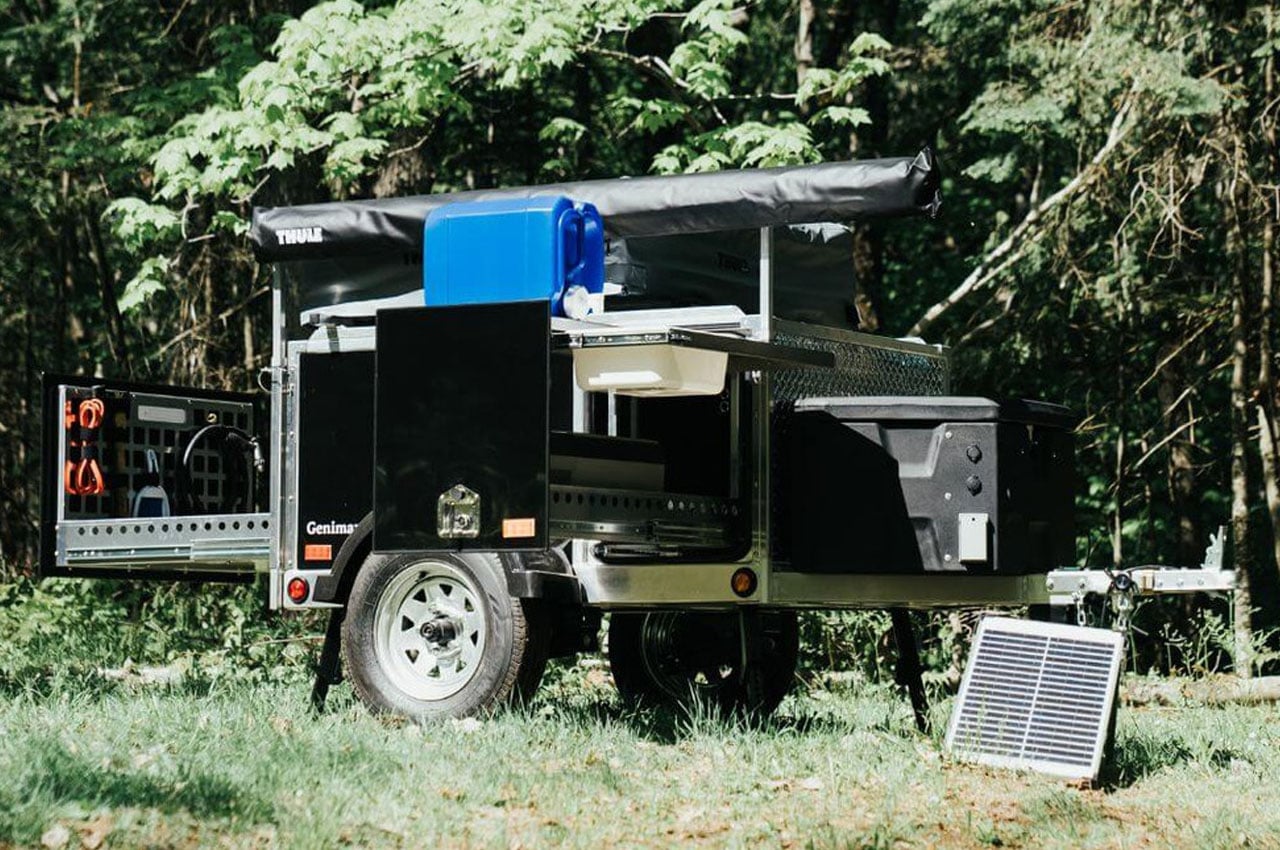
Clean, spacious design with amenities to suffice your day’s outing, or even extended stays, has to be the standpoint of a travel trailer. Of course, each one we come across, from day to day, has the bases covered, but then some surpass the obvious and leave you in awe: a desire propagates and you keep looking on. The Vast travel trailer is an embodiment of this kind, with its striking green exterior and an interior you don’t want to get out of.

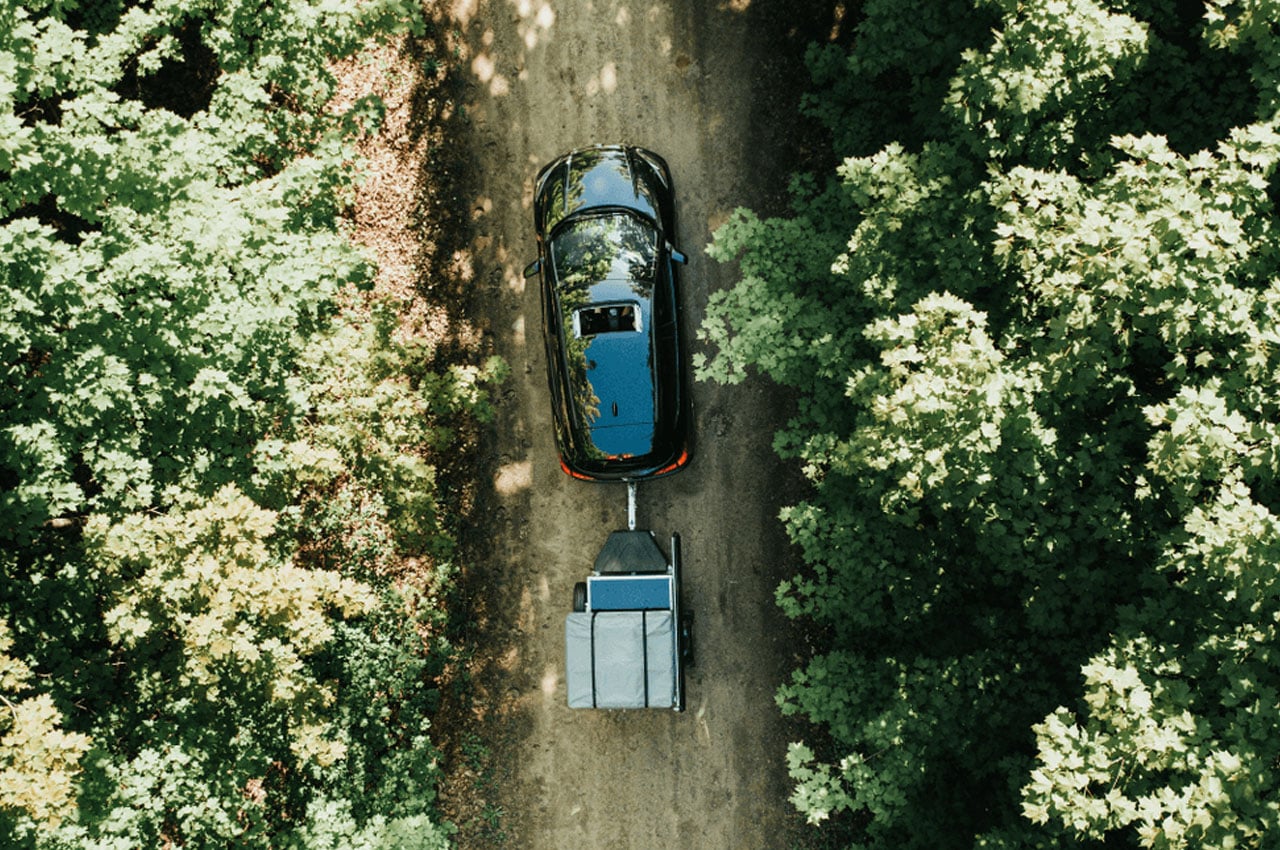
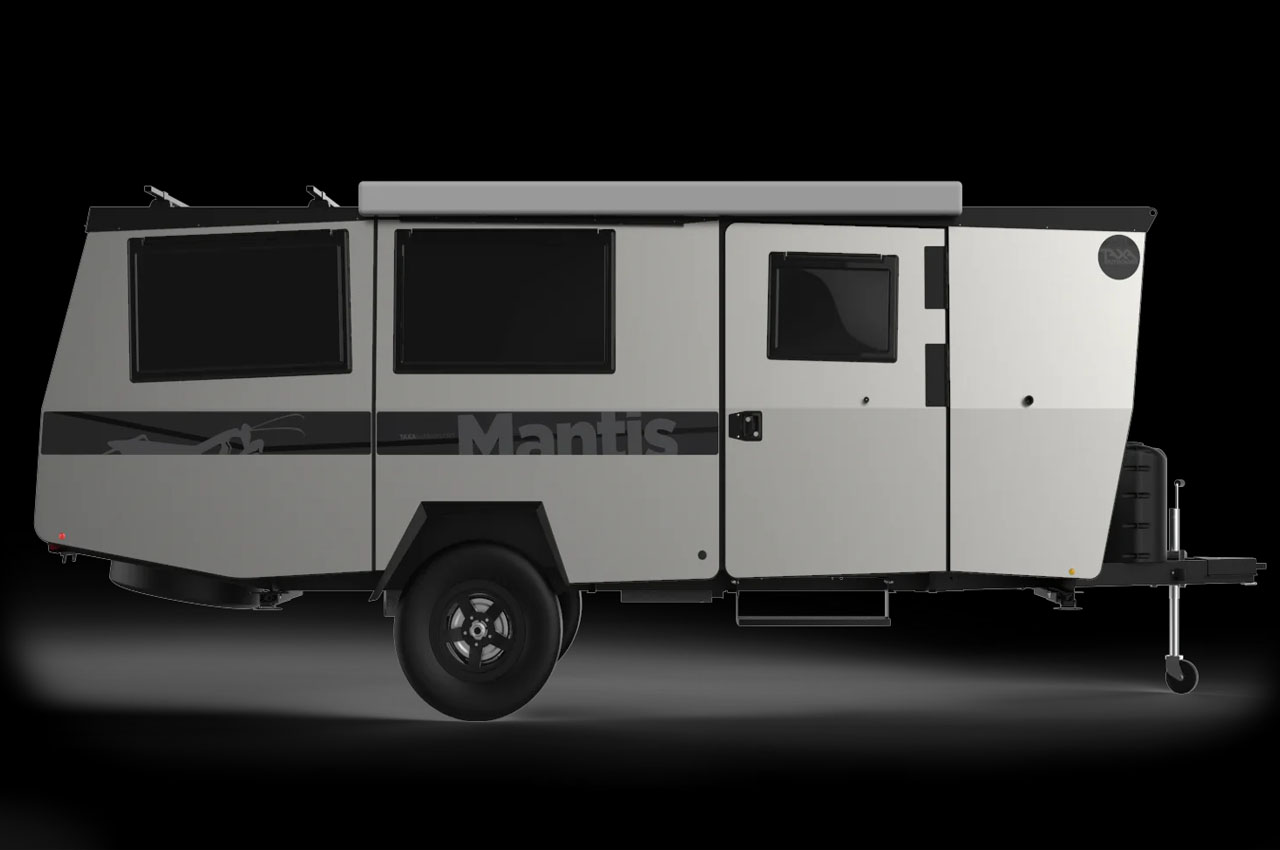
Designed and developed by SylvanSport, the Vast travel trailer is meant for those who like more from the basics. At first gawk, the trailer is not more than a metallic green block for the eyes to behold, but when you take it out for a spin, this guy can transform into an interesting camper of choices to add and transform.

Designer: SylvanSport

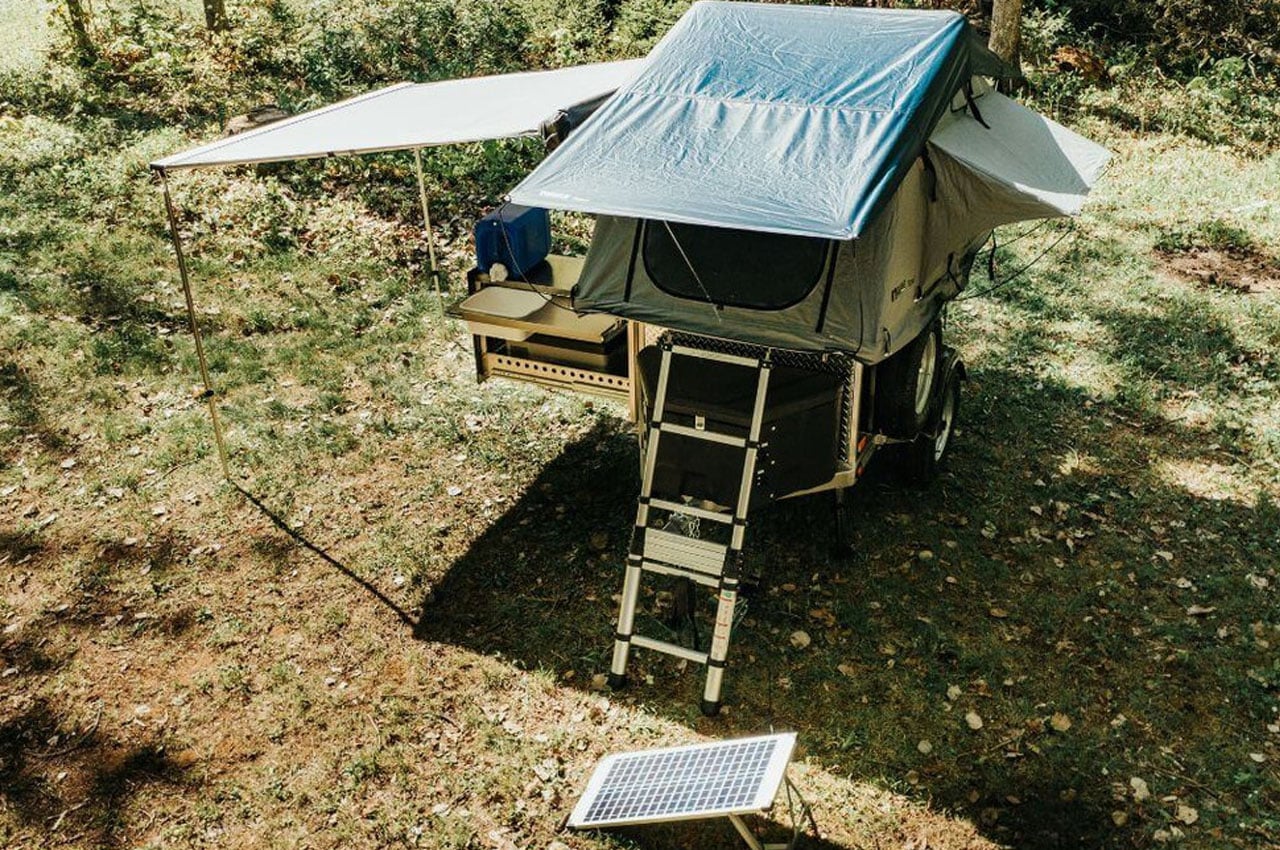
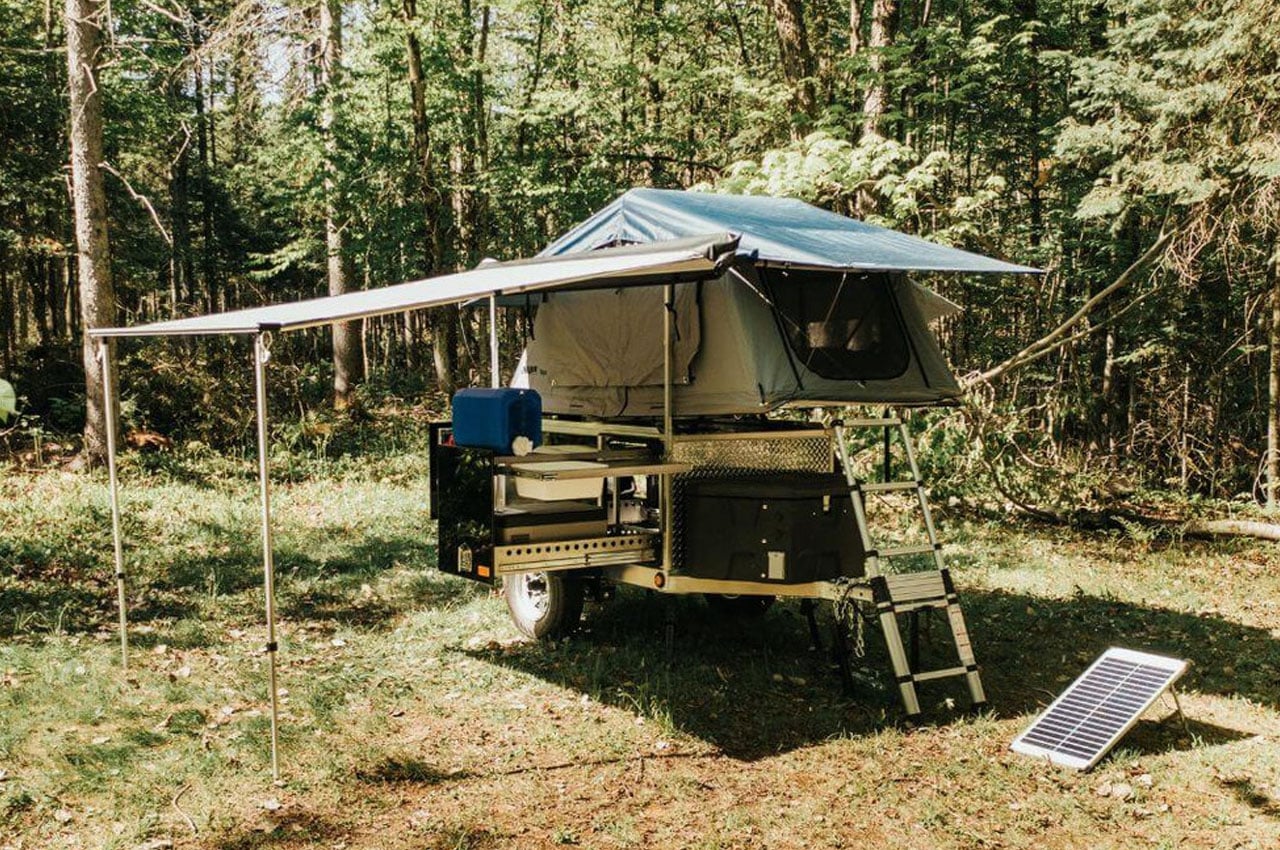
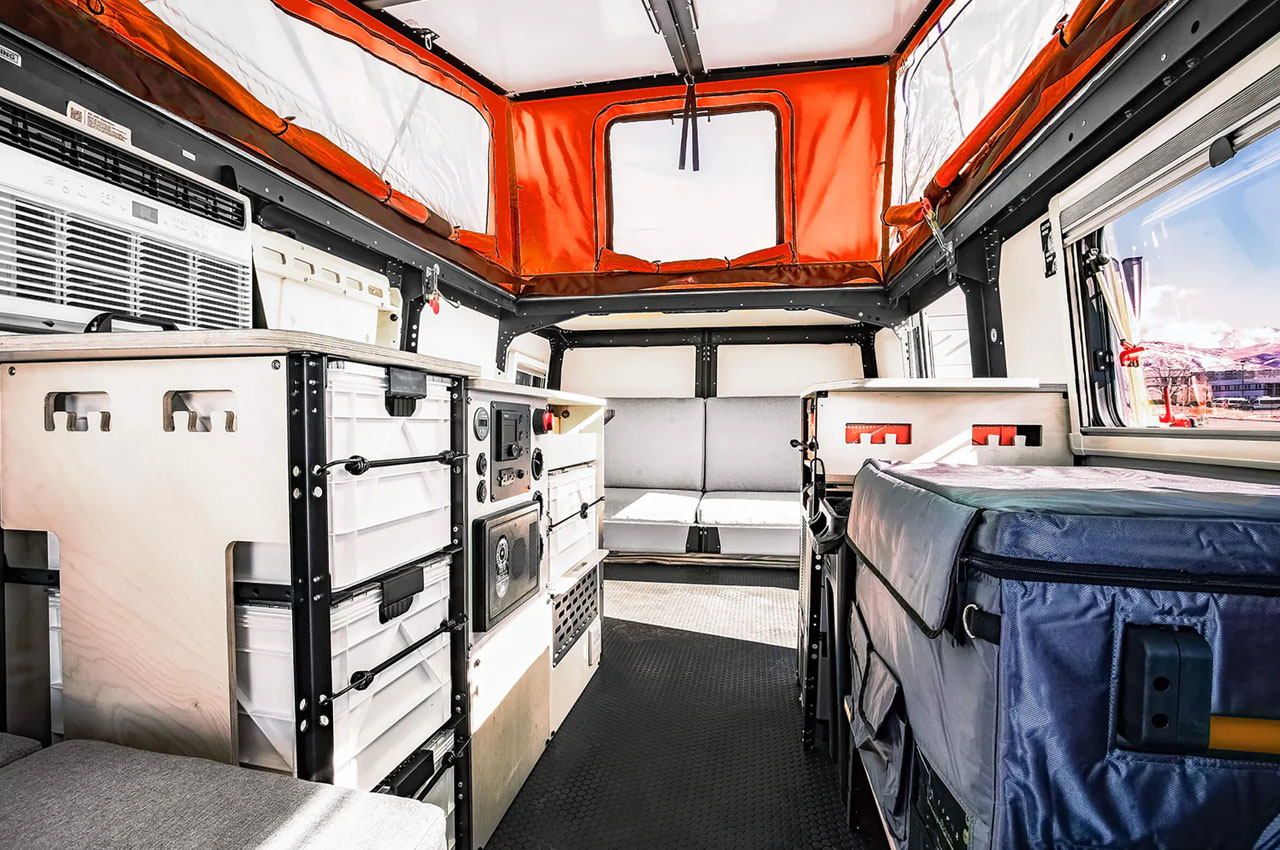
And when we say that, we mean it for the umpteen facilities it packs within, which includes a ceiling retractable bed, converting sofa, and a very interesting slide-out kitchen. This may just intrigue a few, but the trailer becomes a wonder for all enthusiasts’ interest at a campsite where the awning effortlessly stretches out and the rooftop solar panels do their bit of storing energy for the night.

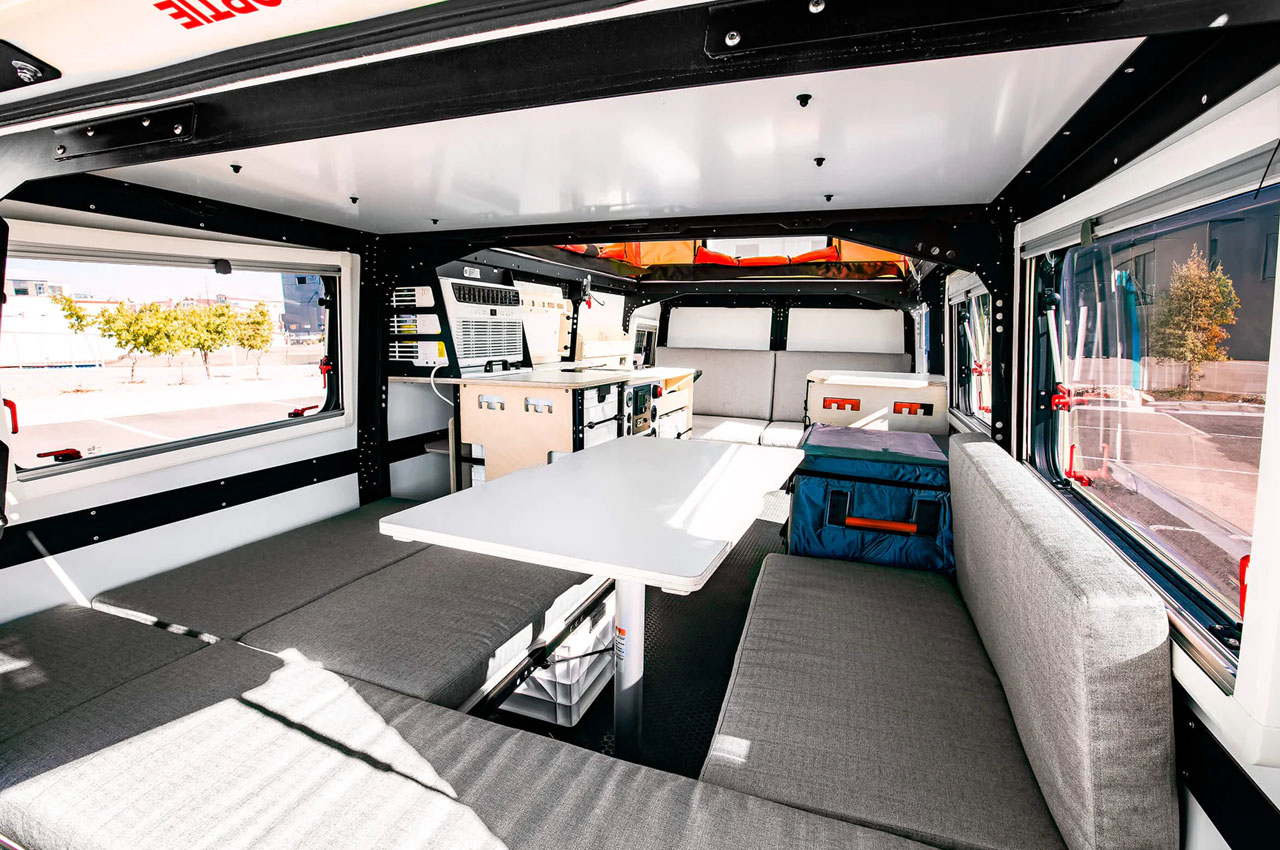
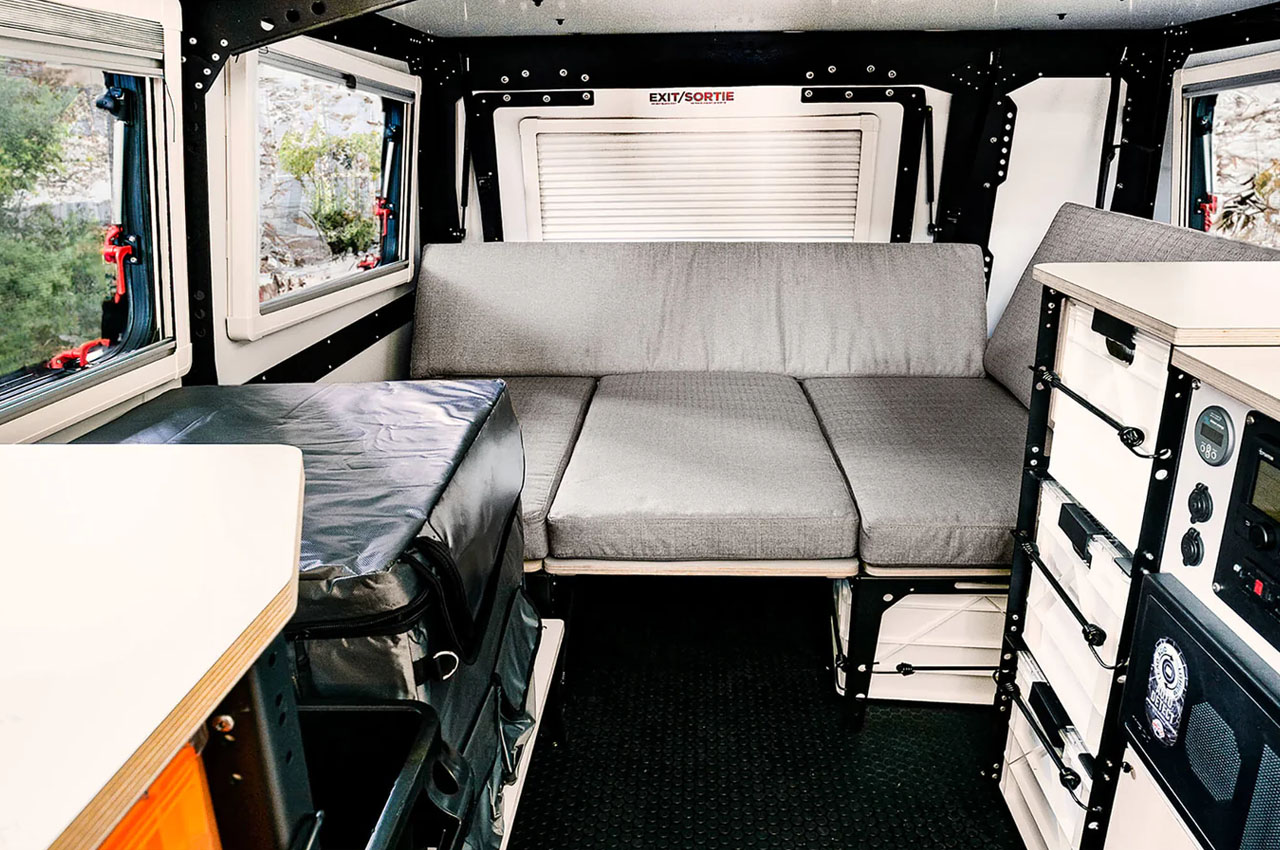
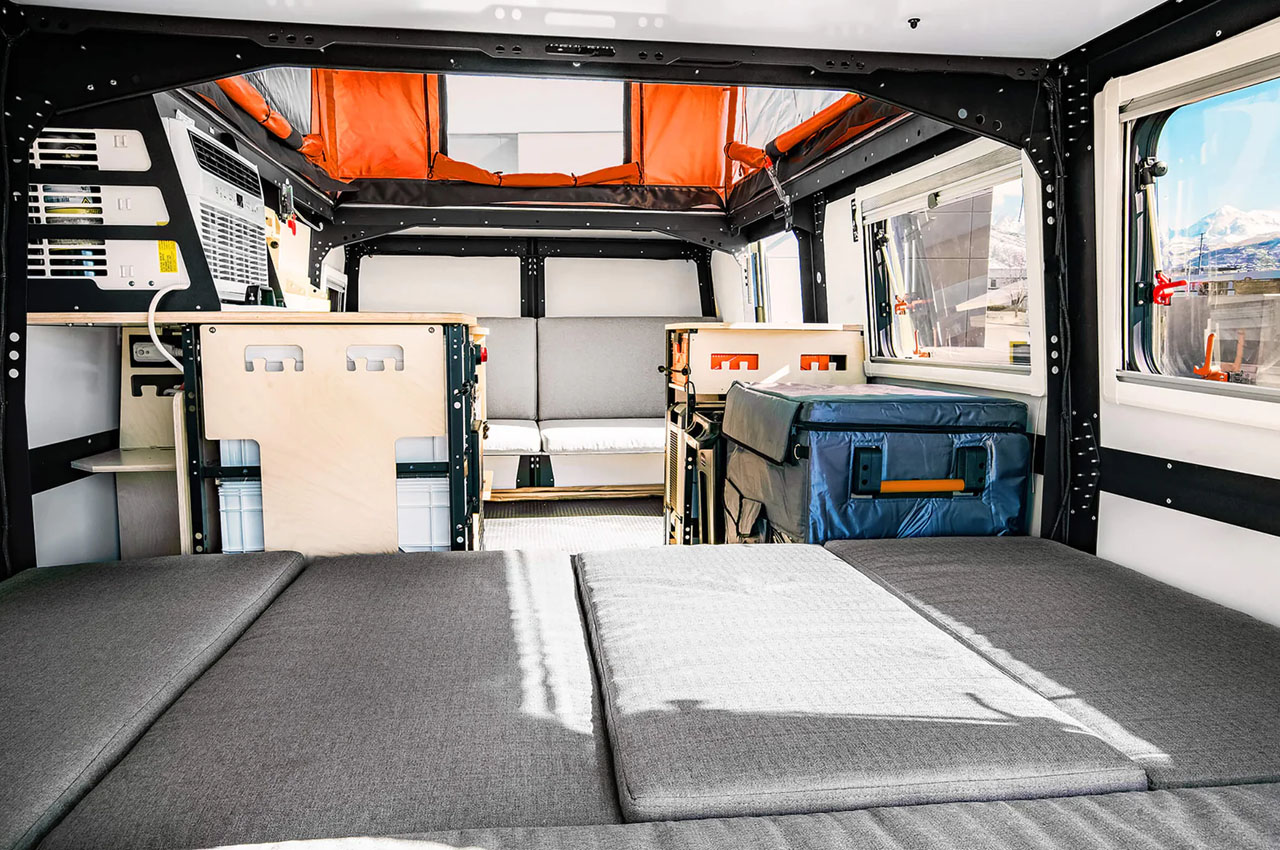
Within the Vast travel trailer, there are two actual queen-size beds. One hides in the ceiling until you need at: It slides down on its motorized lift system on call. Right underneath is the living area featuring an L-shaped sofa with a folding table. When you are out camping with a couple of friends, the sofa backrests can slide down flat to give you an additional bed.

The fascinating part of the living space is the modularity it exhibits in that, you can shift the seating front and back on its tracks to create a garage space in the rear for your bike. The access is through the tailgate and interestingly, despite this readjustment, the living space remains functional.

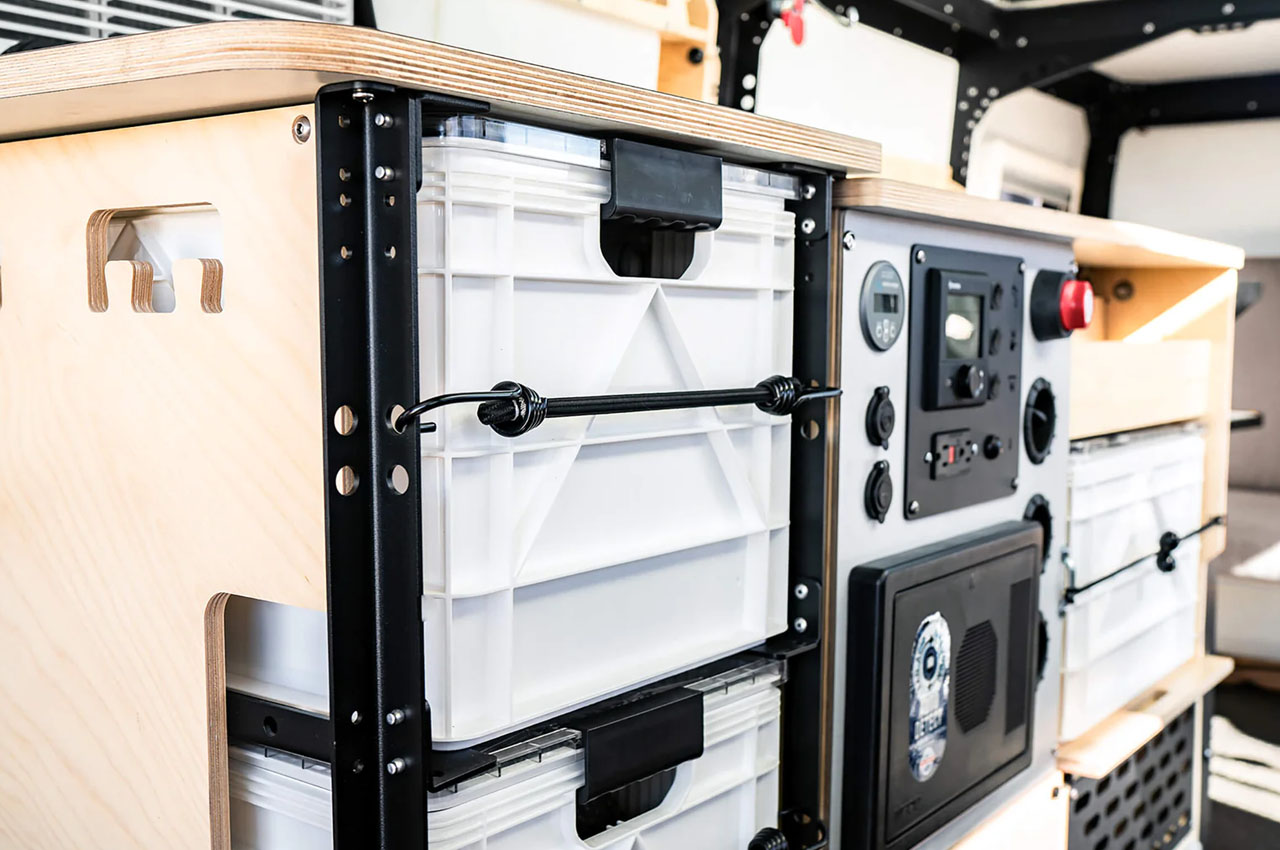
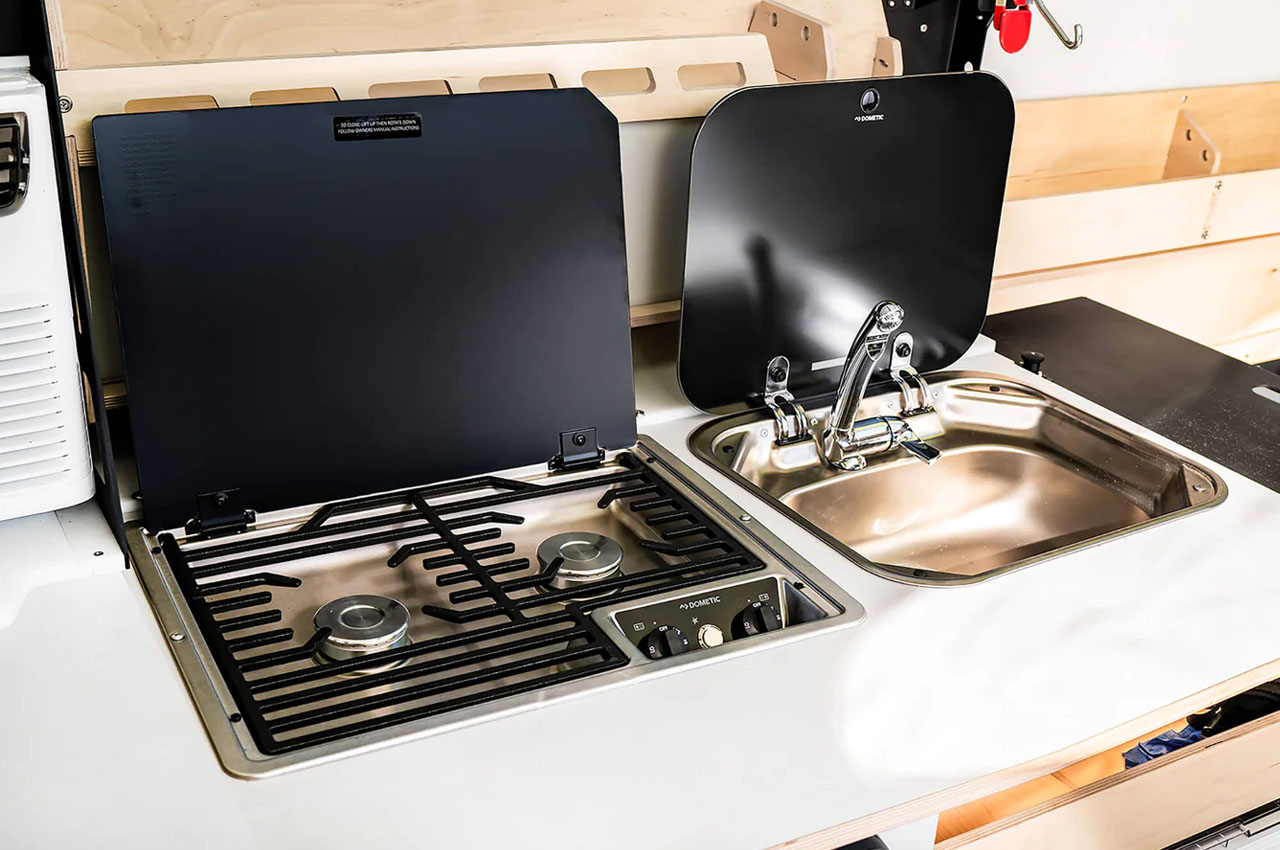
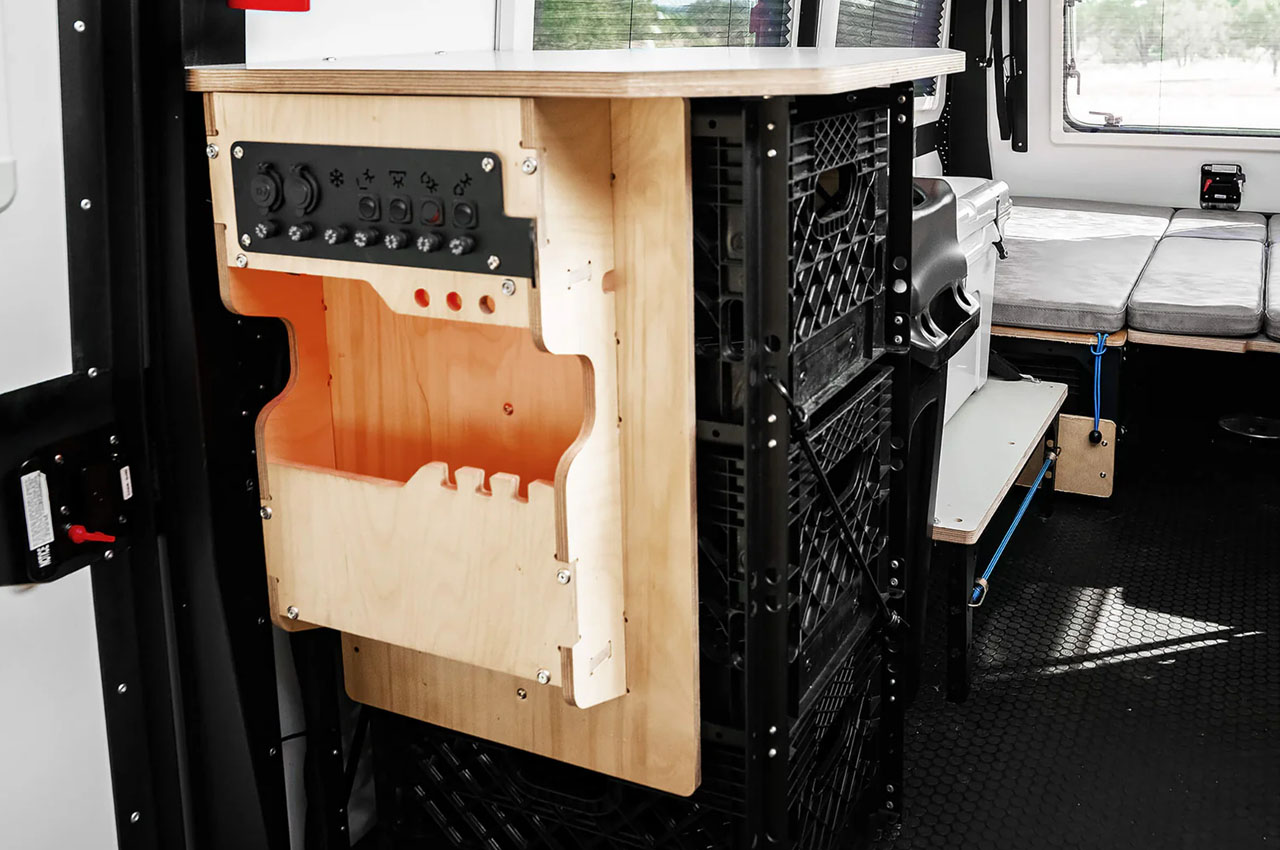
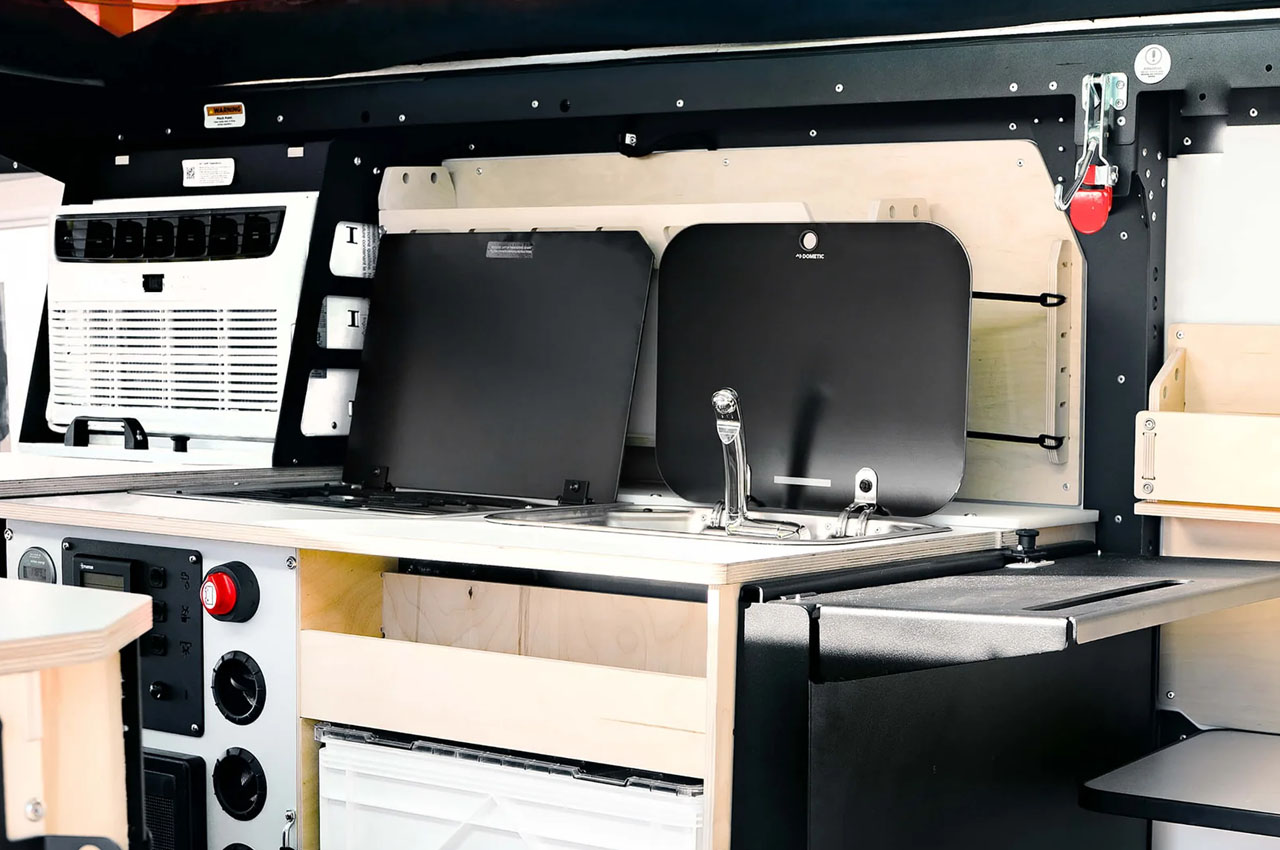
Coming to the culinary requirements: the kitchen is designed to slide out of the body into a full-fledged option on the road. It comes equipped with a wooden prep area, a 2 burner gas stove, foldable sink, drawers for storage, microwave oven and a portable fridge. While on the outside, there are a few more fascinations for the gear junkies. You have, on the driver’s side, mounts for kayaks and other items, and a 510-liter storage section, which hides behind it the batteries, propane tank and a spare tire. With all the features mentioned, SylvanSport has priced the Vast travel trailer at $49,995.

The post Vast travel trailer is exceptionally versatile camping solution with transforming amenities first appeared on Yanko Design.

Solar electric minivan lets you power up in emergency situations

In the old days, the only function of vehicles was to transport people and goods to their desired location. But as technology evolves, we expect a lot more from them other than just a way to get from point A to point B. We also expect newer cars to be much more eco-friendly, hence the emergence of electric vehicles. Now, we’re seeing vehicles that are able to “contribute to society” in their own way by adding various functionalities aside from just moving.

Designer: HW Electro

Puzzle is a small commercial electric vehicle from HW Electro that may be the size of a light car or van but also has a lot of other functionalities built into it. It can become a mobile power source during emergencies with its AC power supply function and can also become a WiFi hotspot that anyone can connect to. It also has an emergency kit that can be used during emergency situations. The van also has solar panels on top to add to the power source. They plan to add even more functions eventually as the vehicle evolves.

The exterior of the vehicle has been streamlined so it’s easy to remove or add other components since they’re using the same panels. This way they are able to eliminate waste during production since things like the panel under the front light, the front edge of the roof, the left front door, and the right rear door are made from the same exterior panel. The interior has an almost cubic cargo space so you can use the full size of the van. There are also interior panels made into pinboards so you can turn the inside into more of a modular space which you can arrange according to your needs and preferences.

HW Electro released a dedicated app so you can connect electric vehicles like the Puzzle to users’ smartphones to keep track of various information like battery level, charging status, location, etc. If you plan to travel long distances and use your vehicle as your shelter and power source, this is a good eco-friendly and multi-function option for you.

The post Solar electric minivan lets you power up in emergency situations first appeared on Yanko Design.
This Cadillac Concept looks like a Wind Tunnel Test brought to life

The purpose of the wind tunnel test is to determine how air flows around a speeding object. It’s an indicator of overall aerodynamics, but with the test, you also get to visually plot how air bends to accommodate your moving vehicle, and how it regathers once it gets to the back. Although mainly a function-driven exercise, it’s also rather pretty to look at, and it looks like the kind of aesthetic Seongmin Kim was going for while designing the Cadillac A-RROW, a conceptual car that’s exterior is dominated by continuous lines.

Designer: Seongmin Kim

Look at the car and you instantly notice how dominant these straight continuous lines are. They stretch from the front to the back, wrapping the top and sides, but not defining their surfaces entirely. The car still has its own character in between those lines, which looks beautiful, but there’s something exhilarating about the A-RROW’s design, and that probably stems from the fact that it looks like it’s in movement even when it’s standing still, giving it a sense of speed.

“I was deeply moved by the beauty of the continuous line,” mentions Seongmin. “The lines seemed to represent the past and the future, the universe and the flow of existence. They reminded me that they contain the flow and change of time, and that they harbor infinite possibilities.”

Envisioned as a futuristic EV, the car treads into luxury territory with its gorgeous design and swooping silhouette. It sports a stunning panoramic windscreen that arches all the way from the front to the rear, covering even the sides to create a bubble-like cockpit for the driver and the lucky passenger! The metallic paint job, and LED-strip headlights and taillights enhance the automobile’s futurism, and let’s just say that I wish more car manufacturers turned their branding logos into glowing light patterns!

The post This Cadillac Concept looks like a Wind Tunnel Test brought to life first appeared on Yanko Design.
Nissan Hyper Adventure concept lets you have an eco-friendly outdoor trip

If you’re the type to go on adventurous trips but would also like to take care of the carbon footprint that you leave behind, you are lucky to live in an era where brands are also intentional about the products that they create. Having environment friendly products are now the norm if you want to score points with Mother Earth and with the eco-conscious market. The latest vehicle concept that Nissan unveiled seems to fit into this category.

Designer: Nissan

The Nissan Hyper Adventure is the second concept in the Electronic Vehicle category that they have announced and is specifically designed for those who want to go on eco-friendly outdoor adventures. The renders show a futuristic design for a vehicle that can survive going through a snowy mountain or the rainy trail in a rainforest. It is designed with the e-4ORCE all-wheel-control system so you can get to your destination safely. It also looks pretty spacious inside so you can drive comfortably and even use the vehicle as your shelter if you feel like going “camping” or sleeping outdoors.

The vehicle has a glass that integrates the roof and side windows as well as the flush surface of the back. It also has crampons or snow traction gears on the wheels and bumpers so it can drive through snowy areas. It also has a wide field of view since the instrument panel is connected to the bottom of the windshield. There is enough cargo space for things like tents, skis, and can even fit a kayak. The rear bench seat can be rotated 180 degrees so you can sit facing outside and it even has automatic extendable and retractable steps.

The Nissan Hyper Adventure comes with a large-capacity battery that can also become an energy source. It should be able to power the gadgets and equipment that you’ll use on your outdoor adventure. It also uses the V2X (vehicle-to-everything) capability so it can even power a house. It’s an interesting concept but we’ll have to wait if it becomes an actual vehicle.

The post Nissan Hyper Adventure concept lets you have an eco-friendly outdoor trip first appeared on Yanko Design.
Cybertruck 2.0 concept showcases an elegantly curved design, color options, and a ‘frunk’

I wouldn’t be surprised if Tesla announced a Cybertruck 2.0 before even delivering the Cybertruck 1 (after all that’s sort of what they did with the Roadster)… however, this redesign comes from the mind of automotive designer Dejan Hristov, who’s probably waiting for his Cybertruck to deliver too.

The Cybertruck 2.0 concept focuses on getting right the few things that the first truck got arguably wrong. The first design was way too polarizing, and according to Musk himself, incredibly difficult to build at mass scale. Rather than focusing on a truck that’s tommy-gun bulletproof, the Cybertruck 2.0 adopts a less aggressively divisive design, opting for the use of gentle curves instead of sharp angles. Musk mentioned that the Cybertruck hoped to shatter the design monotony of the pickup category, and the Cybertruck 2.0 does that too with a pretty eye-catching design that has the potential for being iconic… but those mild curves definitely give the car a more ‘finished’ appearance rather than looking like something you find at the bottom of a box of cornflakes.

Designer: Dejan Hristov

The Cybertruck redesign has a remarkably improved silhouette while still retaining the cyber-ish design direction set by the original. For starters, it still has edge-lines that give the truck definition, along with LED-strip headlights and taillights. The metal used on the redesign is clearly not the same as the one found in the original Cybertruck, given its ability to be formed into 3D curves, and even be embossed (notice the Tesla logo on the front and the back?)

One could assume that either Tesla’s developed a way to bend their bulletproof space-grade metal sheets, or Musk just decided to cave and make the car out of a more manageable metal but provide a solid chassis that gives the car its brute strength. Aesthetically, this just seems like a better direction to go in given that your vision isn’t really clashing with current technologies.

The truck is accompanies by a redesigned Cyberquad that, like back in 2019, fits right in the truck’s bed. The quad’s design borrows from sports bikes with its tank-shaped form, and matches its companion truck with a similar paint job.

In true pickup fashion, the back of the truck has its storage bed that’s ideal for camping, tailgating, or storing a Cyberquad. It comes with its own shutter, just like the original, but look a little ahead and you’ll notice that the Cybertruck’s windscreen now extends all the way to the back, giving you a wonderful vertically panoramic view from inside the car. You won’t want to camp in the back with that view!

A major departure from the original Cybertruck is the presence of color options. Hristov visualized the new Cybertruck with colors to match the rest of Tesla’s lineup, carrying forward the same logic to the Cyberquad too. As interesting as the original Cybertruck was, its lack of color options was probably one of its most noticeable flaws. Musk believed in showcasing the truck’s cold-rolled stainless steel in its true rawness, leaving a lot to be desired in the CMF department. This redesign corrects that mistake with color options that allow the truck to stand out through a stunning color palette, not through that flat-planed design seen on the 1st gen Cybertruck.

In Hristov’s final reimagination of the Cybertruck, he gives it one last feature to blow everyone’s minds away – a frunk! A detail seen on every Tesla car before it, the frunk can now be accessed on the Cybertruck 2.0 concept by opening it like you would a drawer. The hood doesn’t pop upwards like conventional cars; instead, the grille unit on the front slides forward, giving you ample space for storing bags, backpacks, and brewskis. The truck also comes with a retractable spoiler at the back, and a panel on the front that lifts up to reveal the windshield wipers. The redesign also gets sleeker rear-view cameras that share footage to the dashboard, eschewing the archaic rear-view mirror.

As gorgeous as the Cybertruck 2.0 is, it’s probably just wishful thinking for now given how Musk has constantly backtracked on delivery dates for the truck announced in 2019. The Cybertruck is officially (for now) going to start delivery at the end of November, although Tesla hasn’t been clear on how many units will be delivered, or even what its final price is going to be (amid mass fear of a massive price surge). For now, the truck is actually making its way to Tesla showrooms across USA, so maybe that’s one good sign?

The post Cybertruck 2.0 concept showcases an elegantly curved design, color options, and a ‘frunk’ first appeared on Yanko Design.
iQOO 12 Legend Edition design brings the BMW M Motorsport racing spirit to smartphones

There are very few things that can make your heart stop with their speed, and motorsport race cars are one of those. The suspense, tension, and adrenaline you feel as these four-wheeled demons pass by is enough to put people on the edge of their seats, literally. There seems to be an innate human fascination for speed and power, and race cars have long been the symbol of those aspirations. Of course, such qualities can also be found in other things, like the impressive pieces of technology that we call smartphones. It’s not surprising, then, that these two very different worlds would eventually meet, such as in the iQOO 12 Legend Edition that embodies the BMW M Motorsport spirit through its power and style.

Designer: iQOO x BMW M Motorsport

This isn’t the first time you might have heard of an automotive brand lending its clout to a smartphone, whether in name or in design. In fact, the partnership between iQOO and BMW M started way back in 2019, resulting in the gaming-oriented iQOO 7 BMW M edition as well as an iQOO-branded BMW DTM car during the 24 Hours of Nürburgring race. This year, that partnership was again witnessed at the 2023 IMSA SportsCar Championship, and 2024 will see iQOO’s presence on a BMW M Hybrid V8 Hypercar at the FIA World Endurance Championship.

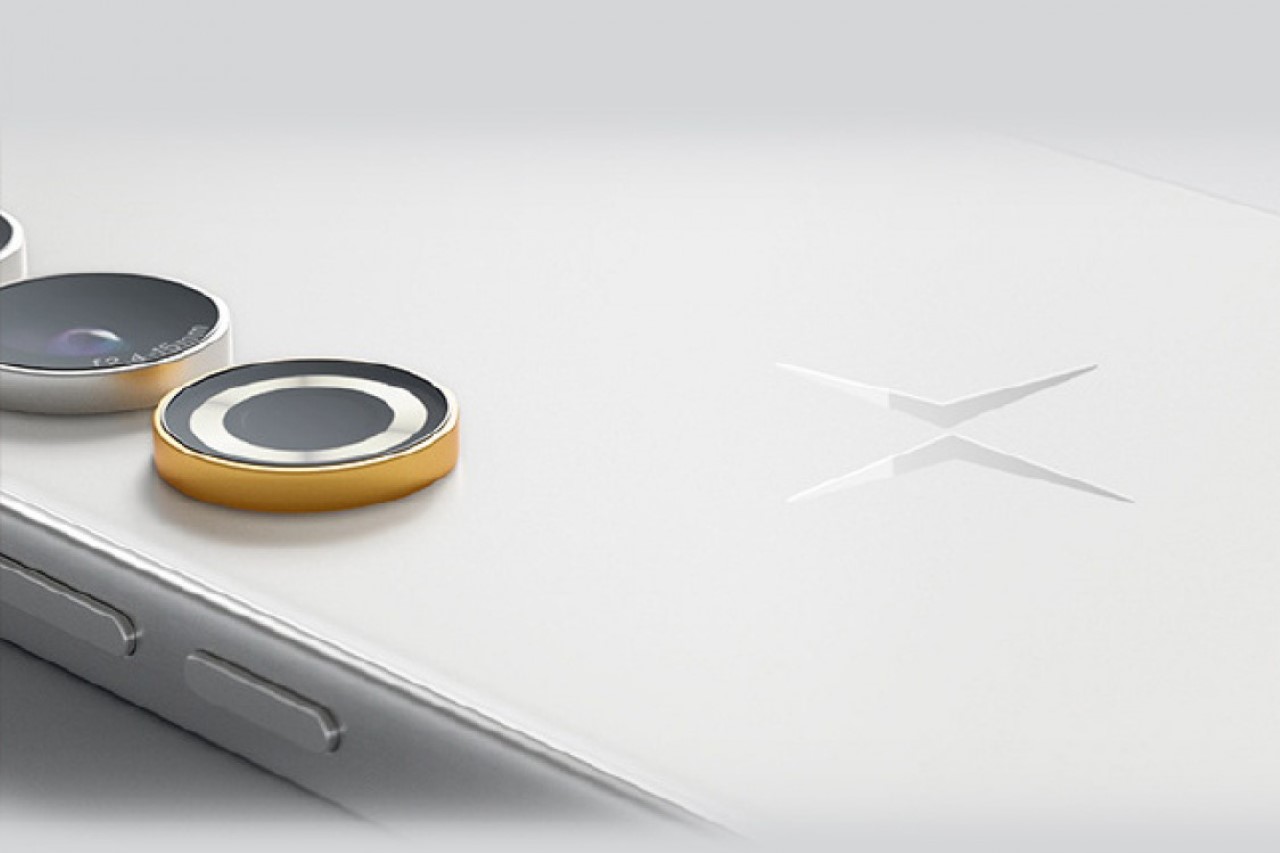
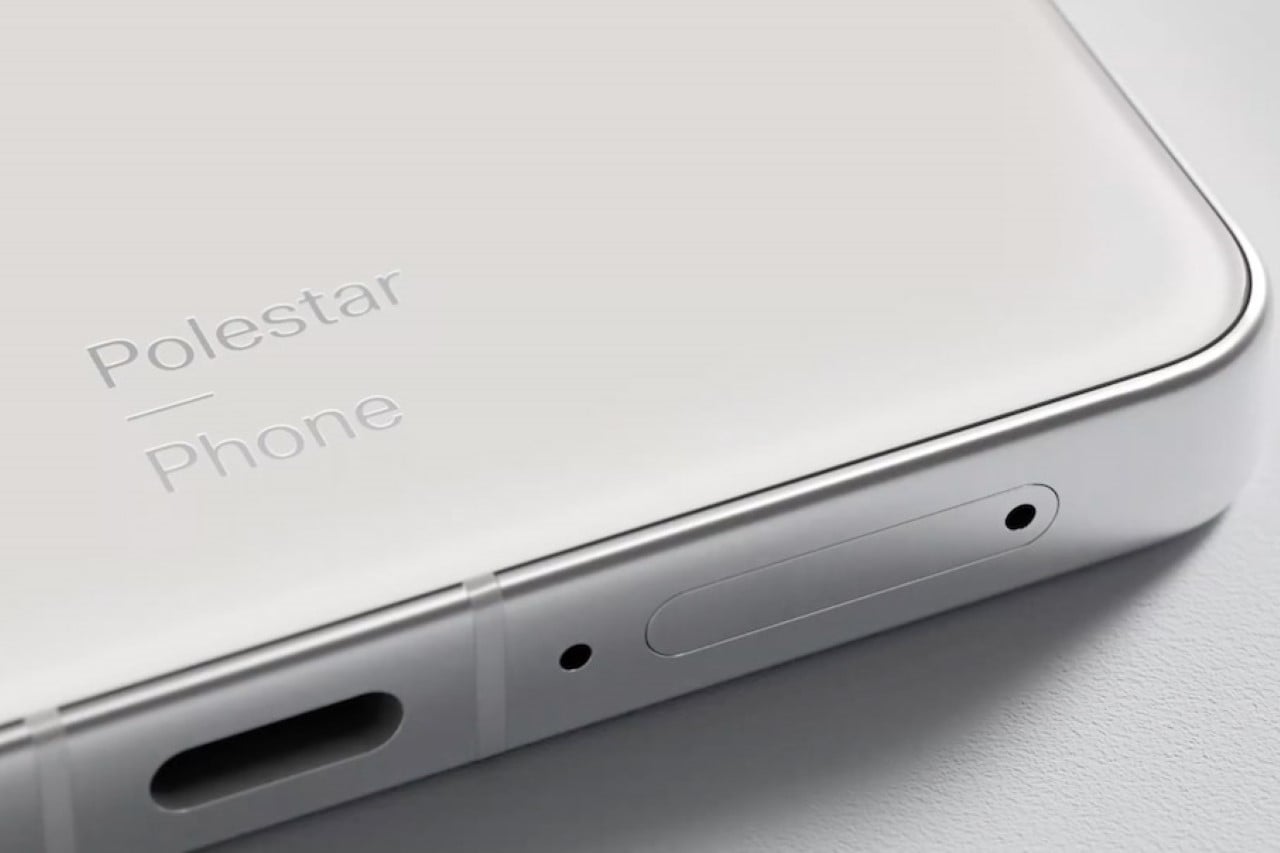
Of course, BMW M Motorsport is also leaving its own mark on the iQOO 12, specifically the special Legend Edition that will bear that exclusive branding. This year’s design, however, is a bit different and actually a little more subtle. The overall motif is still predominantly white, of course, just like many race cars. But instead of tall stripes in BMW M’s iconic blue, black, and red colors, the tiny stripes are actually embossed in a Clous de Paris pattern and located off the right side instead. In a way, the BMW M Motorsport is less in-your-face, subtler, and more elegant, allowing viewers to draw the associations between the two brands through the smartphone’s own prowess.

The iQOO 12, after all, is definitely a speedster, being one of the first phones to be powered by the new Qualcomm Snapdragon 8 Gen 3 chipset. It has a large and powerful camera system that is designed in the likeness of ship portholes, conveying the spirit of exploration. It isn’t just for show either, boasting a team that includes an Astrography Camera with an ultra-large main sensor, a periscope telephoto lens, and a wide-angle shooter. Despite the power it holds inside, the iQOO 12 Legend Edition still exudes beauty, grace, and comfort with its ergonomic contoured glass and nano-textured finishes. The flat edges and flat display perfectly complement each other, giving the phone a contemporary aesthetic that belies its nature a smartphone equivalent of a performance car.

With first-class features and a striking design, the iQOO 12 Legend Edition perfectly embodies BMW M Motorsport’s mantra of “Fascination Meets Innovation.” It delivers the performance to satisfy users’ need for speed while subtly capturing the visual and spiritual essence of a roaring race car. Already available in China, the iQOO 12 Legend Edition is slated to launch globally by the end of this year.

The post iQOO 12 Legend Edition design brings the BMW M Motorsport racing spirit to smartphones first appeared on Yanko Design.
Xiaomi SU7 Steals the Spotlight in EV Market amid dwindling ‘Apple Car’ Rumors

It seems like Apple just needs to hint at building something and the tech world practically coalesces towards realizing that vision. Apple had to merely hire YSL’s former boss to create rumors around a fashion-focused wearable and Samsung scrambled to launch their Galaxy Watch. The company hinted at AR/VR being their future and Facebook literally rebranded to Meta to bet on that vision. Now, after years of Apple Car ‘leaks and rumors’, Xiaomi is beating the Cupertino giant to the punch by announcing the SU7, their first EV.

Designer: Xiaomi

The SU7 hasn’t formally been announced by Xiaomi yet, but images of the car were released to the public by China’s government regulatory agency, accompanied by various technical details of the car’s design and capabilities. This move shouldn’t come as a surprise to keen-eyed folk in the tech world, given that Xiaomi’s actually made electric scooters in the past under its Mijia sub-brand. In fact, it’s been Xiaomi’s endeavor to make practically every product possible, given that their name means ‘little rice’, a call-back to a Buddhist concept of starting small and working your way up to the top.

The recently unveiled SU7 is shaping up to be a formidable entrant in the electric vehicle (EV) market. Although Xiaomi is the brand behind this vehicle, the actual manufacturing will be done by Beijing Automotive Industry Holding Co. (BAIC), a state-owned enterprise in China. This collaboration is a strategic step for Xiaomi, venturing into new territory while leveraging BAIC’s manufacturing expertise.

Design-wise, the SU7 is positioned to compete with the likes of the Tesla Model S, featuring a 118″ wheelbase and a fastback roofline, though with a faux-hatch trunk. Its overall length is comparable to the Model S, falling short by less than 30mm, aiming to appeal to the Chinese market’s preference for long-wheelbase luxury sedans​.

The SU7 will be available in multiple variants, including a single-motor rear-wheel-drive version producing around 295 hp and a dual-motor all-wheel-drive version with an impressive 663 hp. The vehicles differ in weight and battery technology, with the premium model featuring a nickel manganese cobalt (NMC) battery, contrasting with the more affordable variant’s lithium iron phosphate (LFP) battery. The high-end model is also expected to have a 100kWh battery and an 800-Volt architecture. In addition, some models will sport a conspicuous lidar array on the roof, indicating advanced driver assistance and potential autonomy features​.

Xiaomi’s ambition with the SU7 extends beyond just manufacturing a luxury EV. The car is expected to feature Xiaomi-developed in-car software, potentially integrating with its vast ecosystem of gadgets and services. However, the extent of this integration and whether it will be globally applicable or mainly focused on the Chinese market remains to be seen.

Oddly enough, Xiaomi isn’t the first tech company to foray into the EV space. Back in 2020, Sony turned heads by revealing the Mission S, its first automotive concept with self-driving features. While the Mission S, as impressive as it was, was intended to just be a proof of concept, Xiaomi’s SU7 EV will actually see the light of day, following approval from the Chinese government regulatory agency. As for the car’s global availability, it’s uncertain if Xiaomi plans to market the SU7 outside China. The brand has a substantial presence in Asia and Europe, particularly in the value segment, which might not align with the luxury EV market. However, the SU7 could signify a shift in the broader market narrative, influencing other technology companies to explore vehicle manufacturing, especially as the global smartphone market reaches a saturation point.

The post Xiaomi SU7 Steals the Spotlight in EV Market amid dwindling ‘Apple Car’ Rumors first appeared on Yanko Design.
This Dirt Bike for Children packs a 1000W motor for ‘Parent-Approved’ Biking Thrill

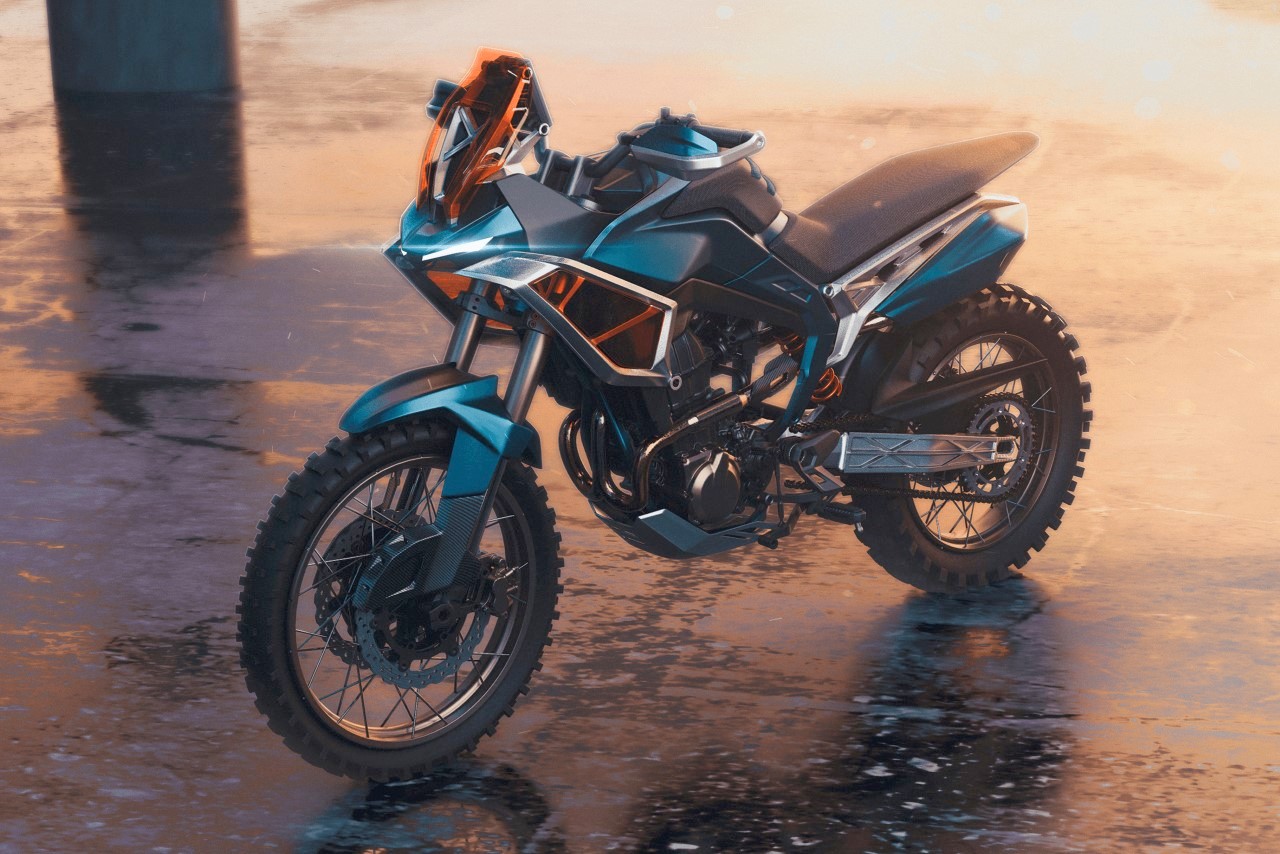
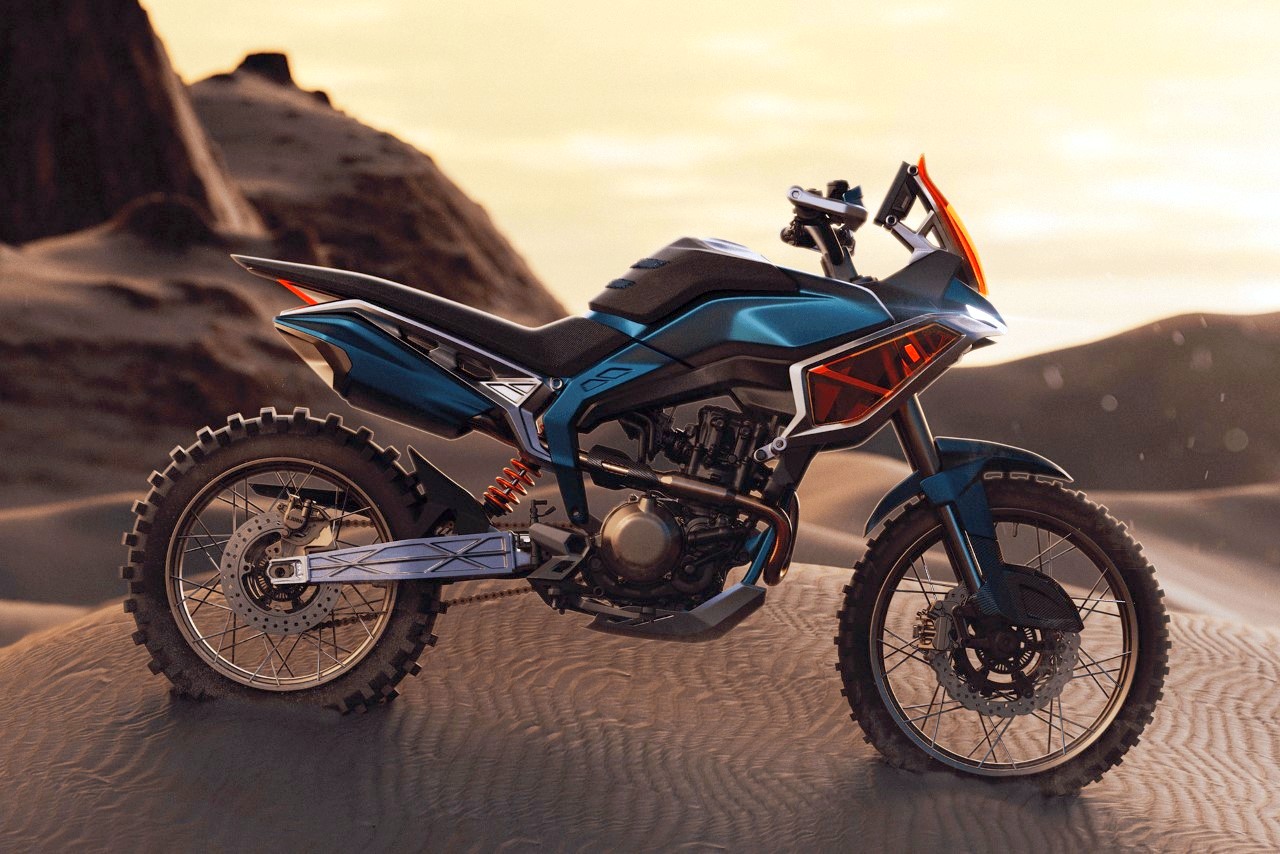
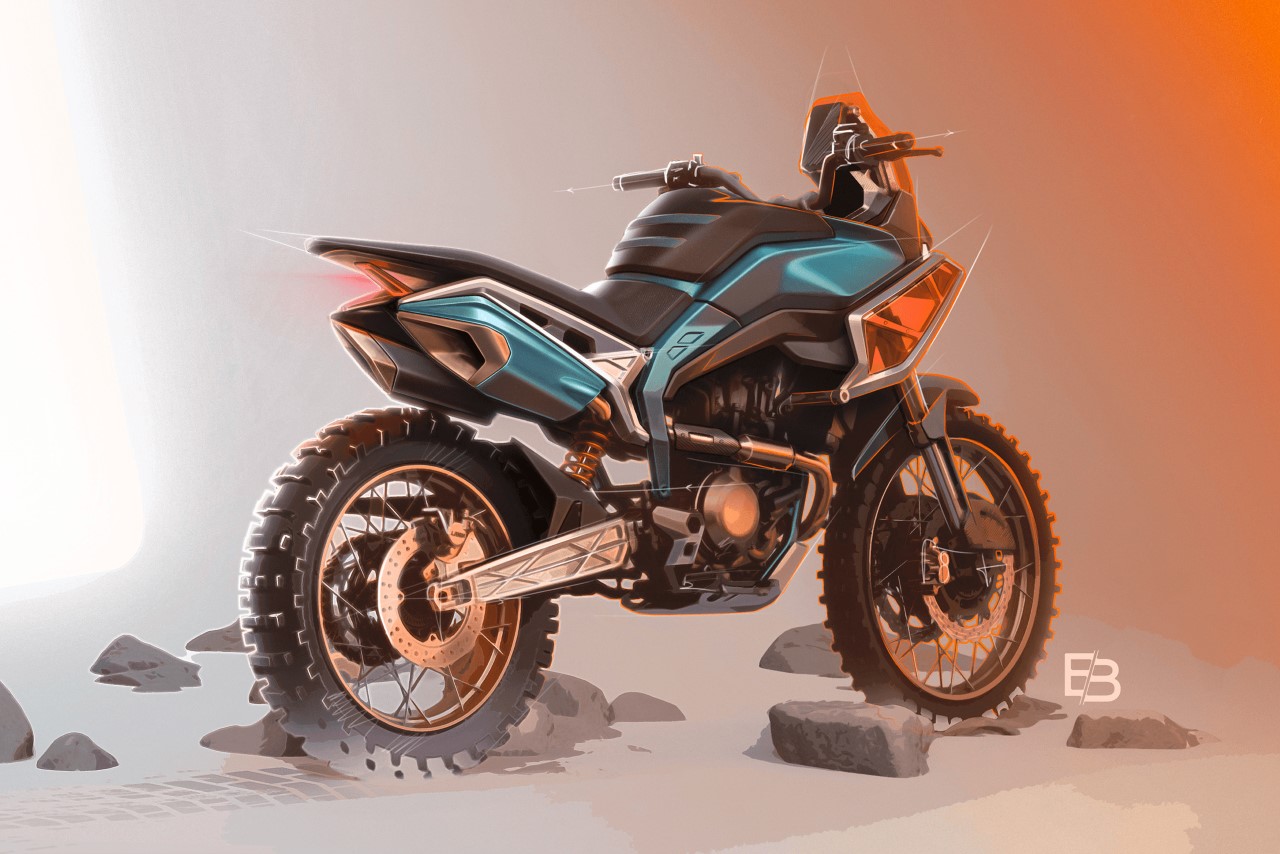
Kids love playing grown-up. You’ve got toy cars, toy mobile phones, and toy bricks that you can build into a variety of things – the world is condensed down into playable toys that help kids learn, grow, and mimic the adults they see on a daily basis. The Z56 isn’t one of those things. Calling the Z56 a toy would be foolish, just because of how incredibly fleshed-out it is. Designed as a proper dirt bike, but for kids, the Z56 isn’t about mimicking grown-ups, it’s about literally stepping into their shoes, or their saddles. Imagined as a ridable vehicle for children aged 6-11, the Z56 is a concept that marries the nostalgia of traditional dirt bike aesthetics with the sleekness of modern design, all packaged into a two-wheeler that’s built for young riding enthusiasts.

Designers: Zukun Design Studio & Matt Barnum

One of the core design philosophies behind the Z56 is its blend of classic motorsport aesthetics with a modern twist. Unlike many futuristic concepts that diverge significantly from traditional design, making them less relatable, the Z56 strikes a balance. It retains recognizable elements of dirt bikes, such as their rugged, adventurous look, while infusing clean, streamlined design elements that are practically synonymous with electric vehicles today. “Current dirt bike design trends seem hell-bent on adding excessive styling lines and graphics, and many future-vision concepts alienate consumers by deviating so far from the norm that they sacrifice reliability,” the designers mentioned, highlighting their objective to stay away from such practices. “By blending classic motorsport style with sophisticated, modern lines and forms, Z56 points toward a cleaner, simpler, and more efficient future.”

At the heart of the Z56 concept lies its 10Ah 56-volt power source, a central feature that’s boldly highlighted rather than hidden, signaling a proud departure from the internal combustion engines of old. This design choice not only emphasizes the bike’s electric nature but also celebrates the shift away from petroleum dependence. The bike’s electric identity is further reinforced by its performance capabilities: equipped with a maintenance-free 1000-watt DC brushless motor, the Z56 promises ample torque and instant acceleration, ensuring a spirited yet manageable ride for young enthusiasts.

The battery life of this conceptual bike is impressive, offering about an hour of riding time on a single charge, with the added convenience of a one-hour recharge period. The possibility of swapping in a second battery for continuous, all-day riding is a thoughtful touch, showcasing the practicality embedded in this futuristic vision. The lightweight lithium pack not only contributes to the bike’s efficiency but also enhances its agility, making it easier to handle and more enjoyable to ride.

The bike operates noiselessly and emission-free, opening up new riding territories previously off-limits to gas-powered bikes. This aspect not only makes the Z56 a more environmentally friendly option but also a more versatile and accessible one, free from the constraints of noise and pollution regulations. The lack of oil and gas requirements further simplifies ownership and transport, underscoring the bike’s user-friendly nature.

The Z56 Dirt Bike Concept by Zukun Design Studio is more than a children’s toy; it’s a glimpse into a future where the thrill of motorsports coexists with sustainability and environmental consciousness. By marrying traditional design elements with modern, eco-friendly technology, the Z56 presents a vision of a world where fun, performance, and responsibility go hand in hand. Sure, it’s merely conceptual for now, but we’d love to see some prototypes test-driven by kids on the slopes. I imagine concerned parents would have an entirely different reaction, though…

The post This Dirt Bike for Children packs a 1000W motor for ‘Parent-Approved’ Biking Thrill first appeared on Yanko Design.
This Dirt Bike for Children packs a 1000W motor for ‘Parent-Approved’ Biking Thrill

Kids love playing grown-up. You’ve got toy cars, toy mobile phones, and toy bricks that you can build into a variety of things – the world is condensed down into playable toys that help kids learn, grow, and mimic the adults they see on a daily basis. The Z56 isn’t one of those things. Calling the Z56 a toy would be foolish, just because of how incredibly fleshed-out it is. Designed as a proper dirt bike, but for kids, the Z56 isn’t about mimicking grown-ups, it’s about literally stepping into their shoes, or their saddles. Imagined as a ridable vehicle for children aged 6-11, the Z56 is a concept that marries the nostalgia of traditional dirt bike aesthetics with the sleekness of modern design, all packaged into a two-wheeler that’s built for young riding enthusiasts.

Designers: Zukun Design Studio & Matt Barnum

One of the core design philosophies behind the Z56 is its blend of classic motorsport aesthetics with a modern twist. Unlike many futuristic concepts that diverge significantly from traditional design, making them less relatable, the Z56 strikes a balance. It retains recognizable elements of dirt bikes, such as their rugged, adventurous look, while infusing clean, streamlined design elements that are practically synonymous with electric vehicles today. “Current dirt bike design trends seem hell-bent on adding excessive styling lines and graphics, and many future-vision concepts alienate consumers by deviating so far from the norm that they sacrifice reliability,” the designers mentioned, highlighting their objective to stay away from such practices. “By blending classic motorsport style with sophisticated, modern lines and forms, Z56 points toward a cleaner, simpler, and more efficient future.”

At the heart of the Z56 concept lies its 10Ah 56-volt power source, a central feature that’s boldly highlighted rather than hidden, signaling a proud departure from the internal combustion engines of old. This design choice not only emphasizes the bike’s electric nature but also celebrates the shift away from petroleum dependence. The bike’s electric identity is further reinforced by its performance capabilities: equipped with a maintenance-free 1000-watt DC brushless motor, the Z56 promises ample torque and instant acceleration, ensuring a spirited yet manageable ride for young enthusiasts.

The battery life of this conceptual bike is impressive, offering about an hour of riding time on a single charge, with the added convenience of a one-hour recharge period. The possibility of swapping in a second battery for continuous, all-day riding is a thoughtful touch, showcasing the practicality embedded in this futuristic vision. The lightweight lithium pack not only contributes to the bike’s efficiency but also enhances its agility, making it easier to handle and more enjoyable to ride.

The bike operates noiselessly and emission-free, opening up new riding territories previously off-limits to gas-powered bikes. This aspect not only makes the Z56 a more environmentally friendly option but also a more versatile and accessible one, free from the constraints of noise and pollution regulations. The lack of oil and gas requirements further simplifies ownership and transport, underscoring the bike’s user-friendly nature.

The Z56 Dirt Bike Concept by Zukun Design Studio is more than a children’s toy; it’s a glimpse into a future where the thrill of motorsports coexists with sustainability and environmental consciousness. By marrying traditional design elements with modern, eco-friendly technology, the Z56 presents a vision of a world where fun, performance, and responsibility go hand in hand. Sure, it’s merely conceptual for now, but we’d love to see some prototypes test-driven by kids on the slopes. I imagine concerned parents would have an entirely different reaction, though…

The post This Dirt Bike for Children packs a 1000W motor for ‘Parent-Approved’ Biking Thrill first appeared on Yanko Design.
EyeLights Rocket One is a futuristic high-performance electric motorcycle with a fighter jet-like HUD

Building a winning motorbike design pretty much always starts off with a well-thought-out concept blueprint. However, taking it to the prototyping stage takes a lot of input. After all, barely a handful of concept designs make it past the blueprint stage and onto to the real deal.

The EyeLights Rocket One is one such successful example of a bike design done right. In fact, it took just three months to take it from a mere sketch to a working prototype. Alan Derosier, the lead designer of this augmented reality-assisted motorbike created for EyeLights SAS, managed to strike the right balance between form and function.
Designer: Alan Derosier

The Rocket One electric bike made its inaugural real-life presence at EICMA 2023 which is not surprising. According to Alan, the bike’s initial design revolved around fine-tuning the proportions and silhouettes. Then the masses and refining of the surfaces was done. That approach is pretty similar to how cars are designed. The result is a performance-oriented ride that houses huge batteries for power delivery and a respectable range.

This powerful bike has the apparent influences of the Lotus bikes, but we dare not call it a copy by any stretch of the imagination. The bike can go from 0-100km/h in just 2.6 seconds, and 1200 Nm of torque on the rear wheel produces 180 horsepower for stunning performance for an electric bike. Add to the mix a more than 400 km of range on a single charge. That is attributed to the large batteries hiding in that sleek body.


While the form factor is something to behold, the real deal is its futuristic augmented reality-aided navigation system. That comes as no surprise as EyeLights specializes in AR applications, and the Rocket One adapts its technologies from what fighter jet pilots use. The HUD of the accompanying helmet has a cluster of vital information displayed in the field of view of the rider.

For now, the bike is on the waiting list for interested buyers and we hope it doesn’t take forever to actually be available for purchase.

The post EyeLights Rocket One is a futuristic high-performance electric motorcycle with a fighter jet-like HUD first appeared on Yanko Design.