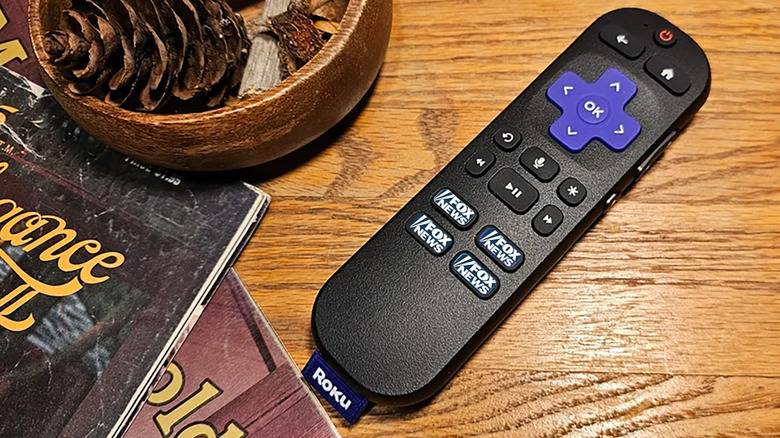
Roku is the most popular streaming TV, but lacking more than you think
The company's streaming devices aren't quite keeping up with competitors in several important categories.
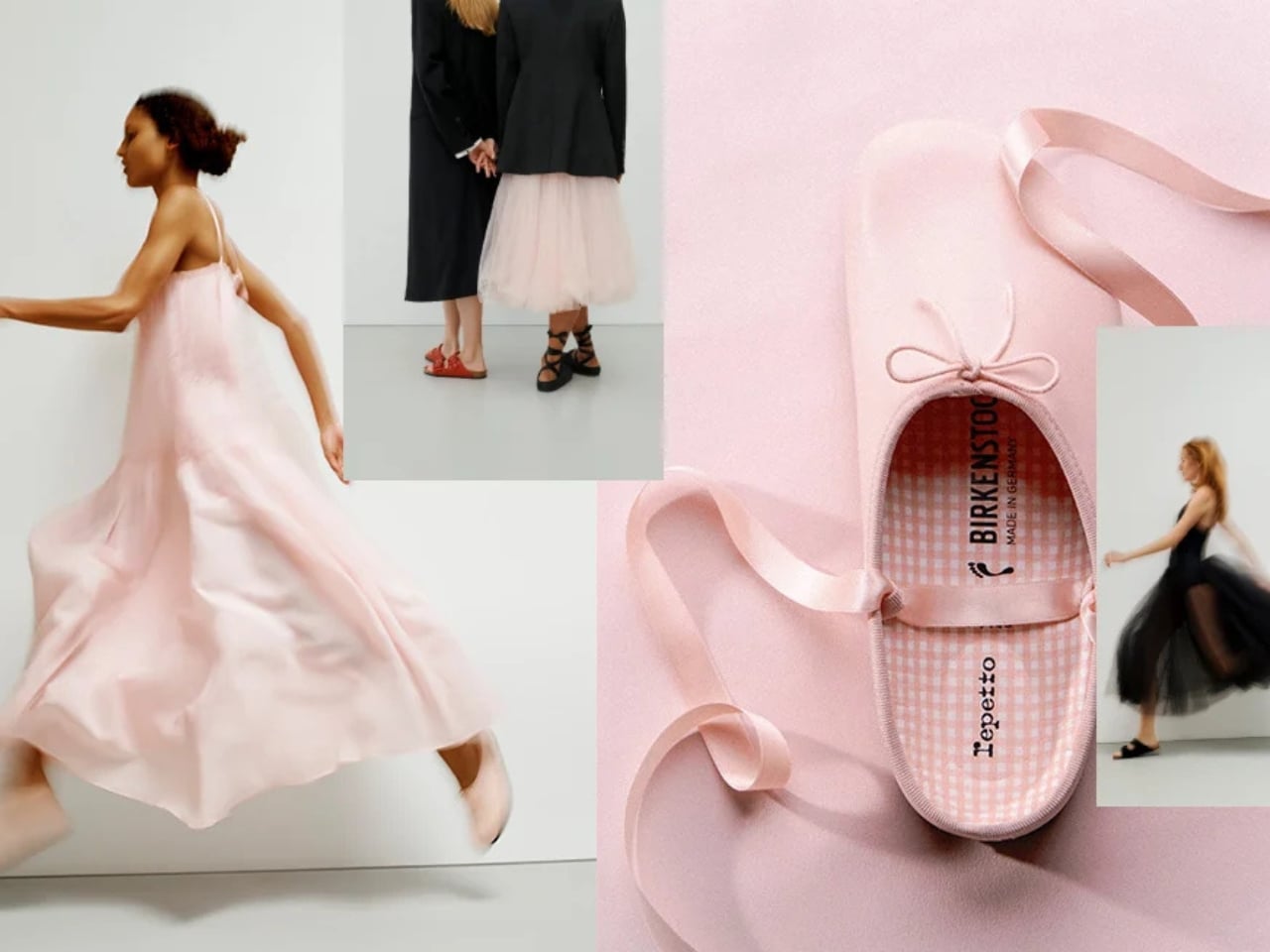
If you had told me a year ago that two of the most culturally distinct footwear brands in the world would join forces for a collection, I would have been skeptical. A German orthopedic sandal brand and a Parisian ballet institution? On paper, it reads like the setup to a joke. In practice, it might just be one of the most thoughtfully designed collaborations of 2026.
Birkenstock’s 1774 line, the brand’s Paris-based special projects and collaborations unit, has been steadily building a portfolio that makes you reconsider what a sandal can be. Past partnerships with Rick Owens, Valentino, and Dior cemented the label on fashion’s most coveted list. The Repetto chapter, though, feels different. It feels like two brands that genuinely needed to meet, and the design bears that out at every level.
Designers: Birkenstock x Repetto
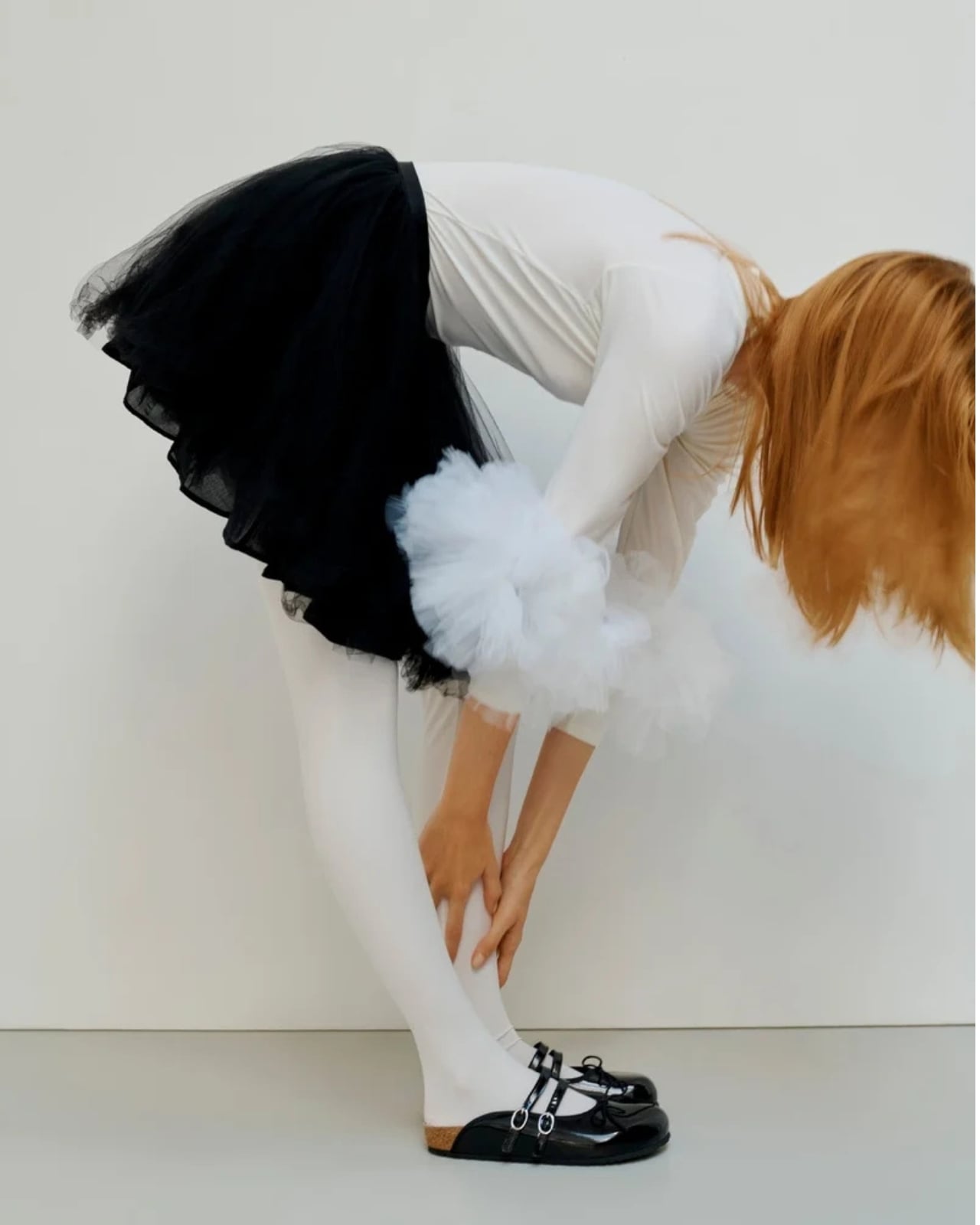
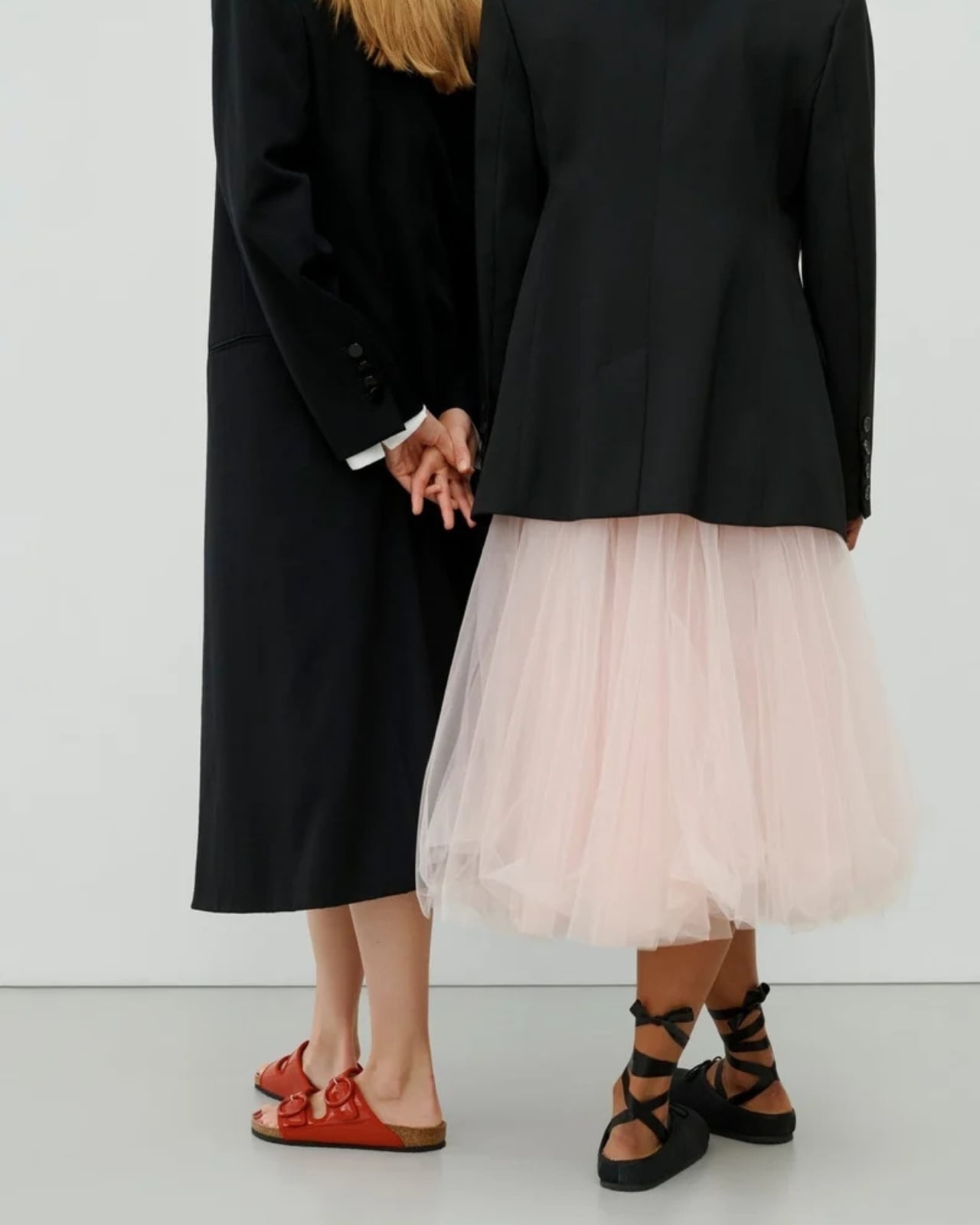
The collection spans three pieces, and each one tells a slightly different version of the same story. The Arizona sandal comes first, and it’s the most familiar entry point. Birkenstock kept the silhouette exactly as it is, which was the right call, but swapped the standard hardware for exclusive oversized round buckles. The scale shift is subtle but meaningful. The buckles read more sculptural than functional, borrowing the rounded, almost jewelry-like geometry that runs through Repetto’s aesthetic. It’s still unmistakably an Arizona. It just carries itself differently.
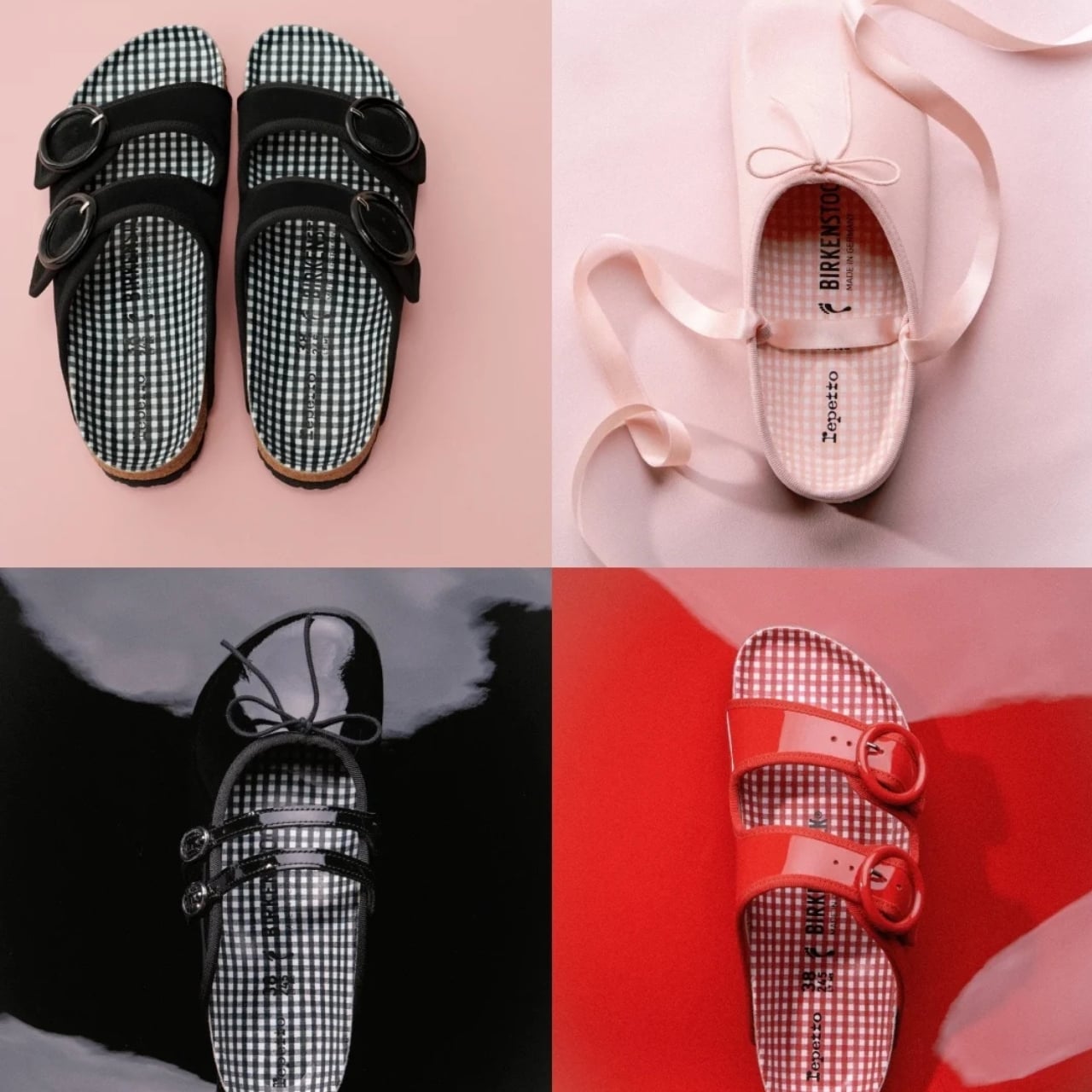
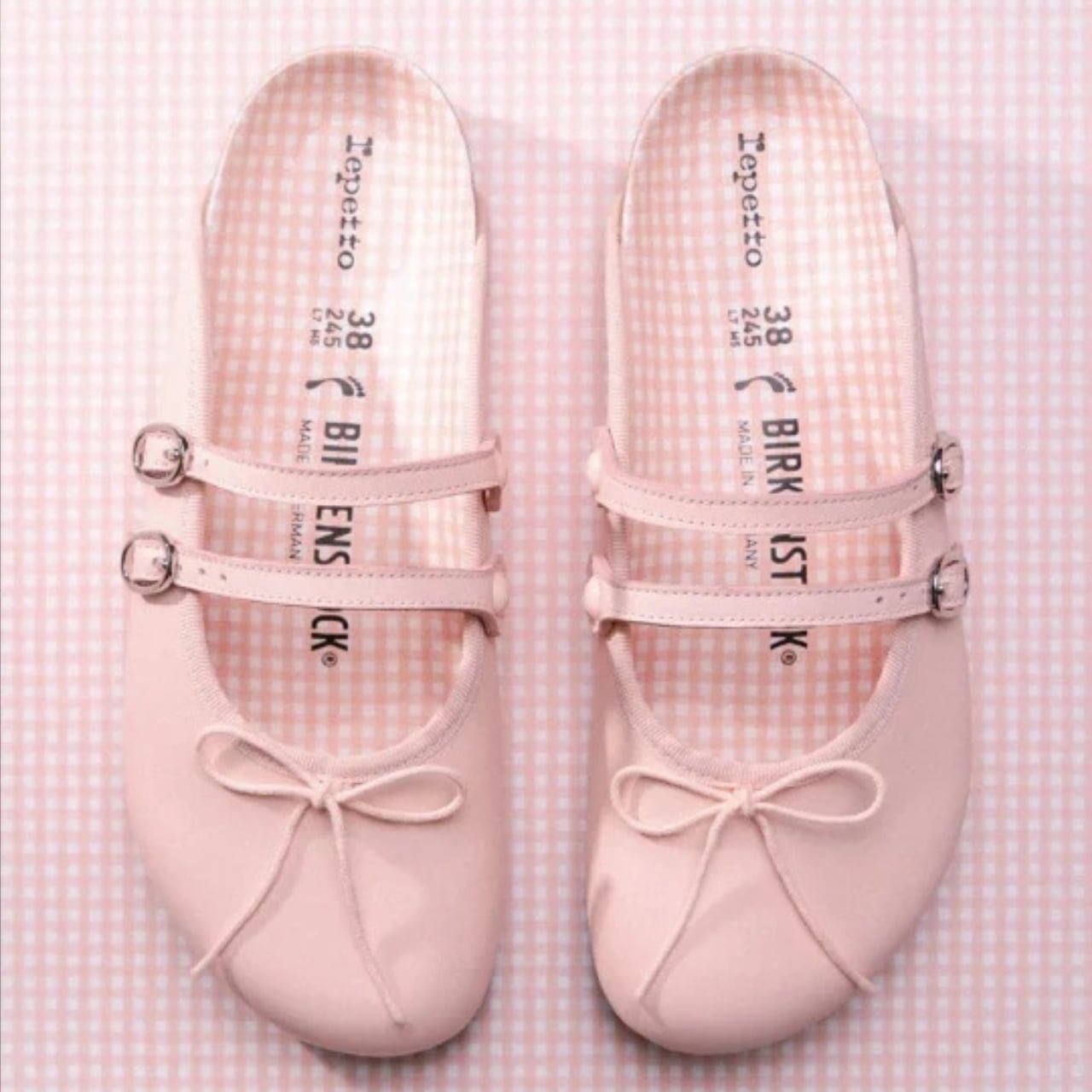
The Scala is where the ballet influence becomes most direct. Built on a round-toe base with two top straps and a laced bow at the front, it sits somewhere between a sandal and a ballet flat without fully committing to either. The bow is the kind of detail that could have easily felt costume-y or overdone, but the proportions keep it grounded. It’s small enough to feel considered rather than decorative, which is a harder balance to strike than it looks.
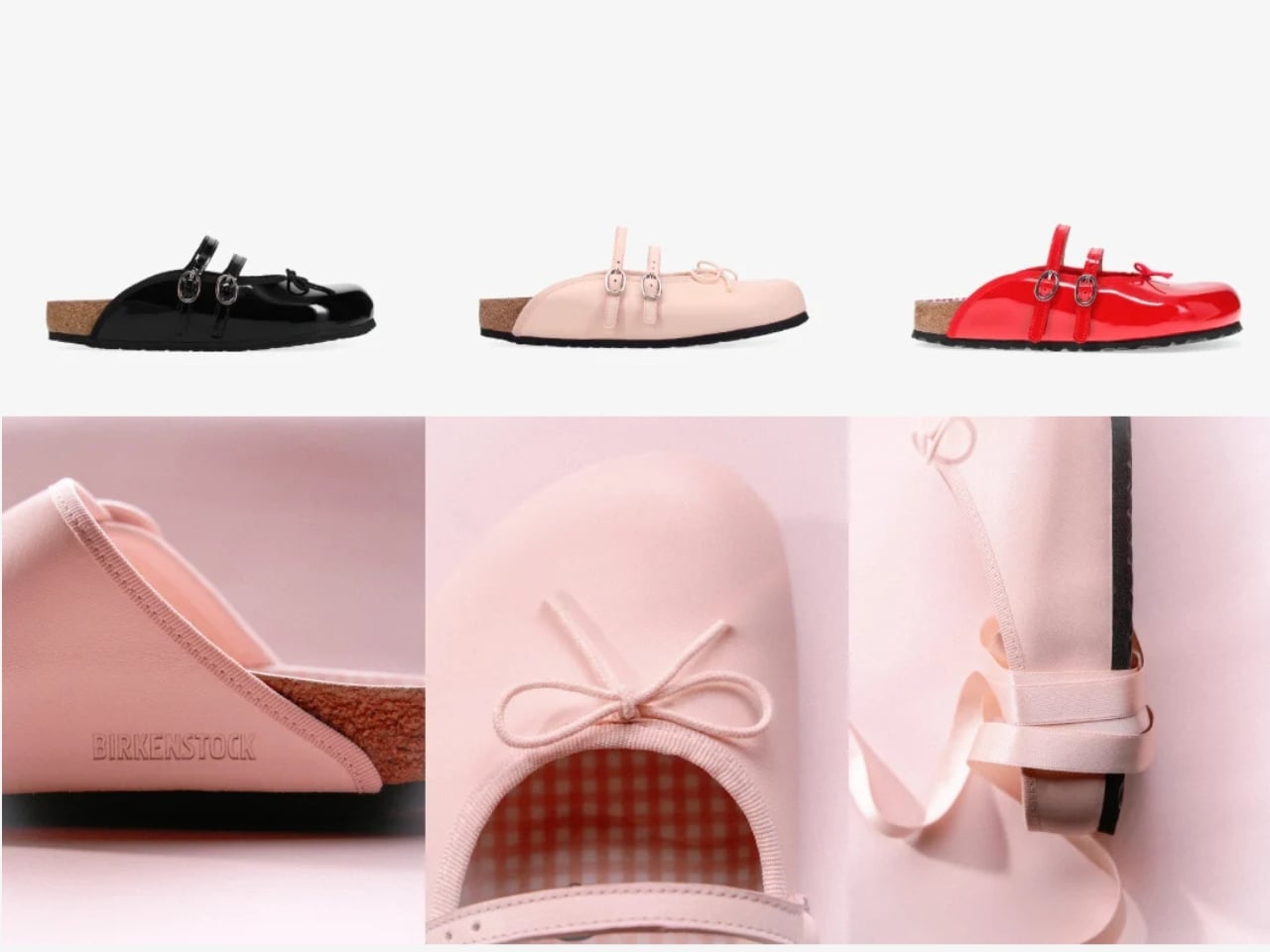
The Opéra sabot is the most adventurous piece of the three. It takes Birkenstock’s clog silhouette, one of the brand’s most architectural forms, and finishes it with long laces that wrap around the ankle the way a dancer’s ribbon would. The contrast between the solid, structured base of the clog and the softness of the wrapping lace is genuinely interesting from a design standpoint. It’s the piece that most clearly shows what happens when you treat a Birkenstock as a canvas rather than a finished object.
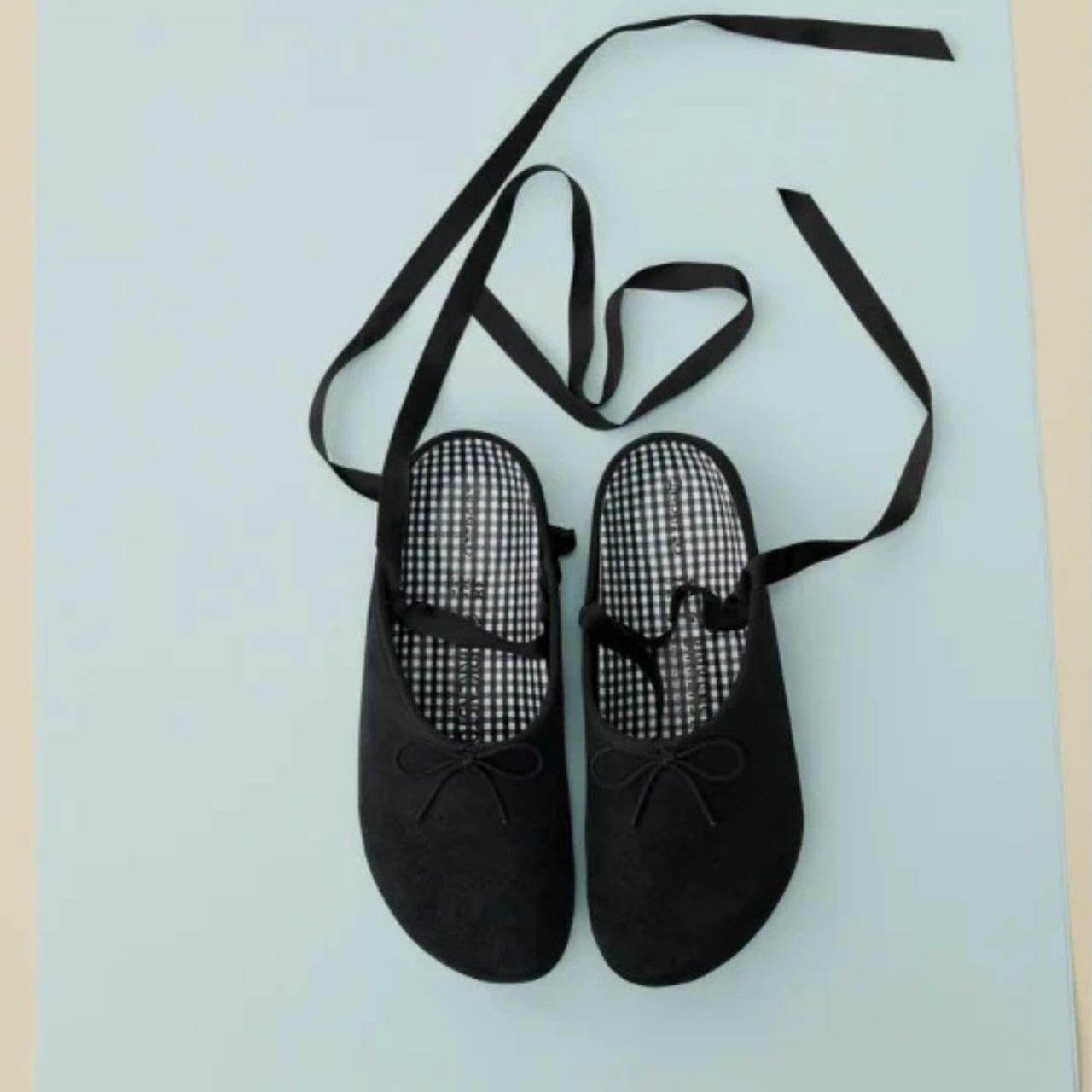
That framing came directly from Repetto CEO Charlotte Gaucher-Holmann, who described approaching Birkenstock’s silhouettes as a “blank canvas.” The result is a collection where neither brand disappears into the other. Birkenstock’s construction logic stays intact, the cork footbed, the contoured sole, the characteristic weight and proportion of each silhouette. Repetto layers its visual language on top without disrupting the architecture underneath.
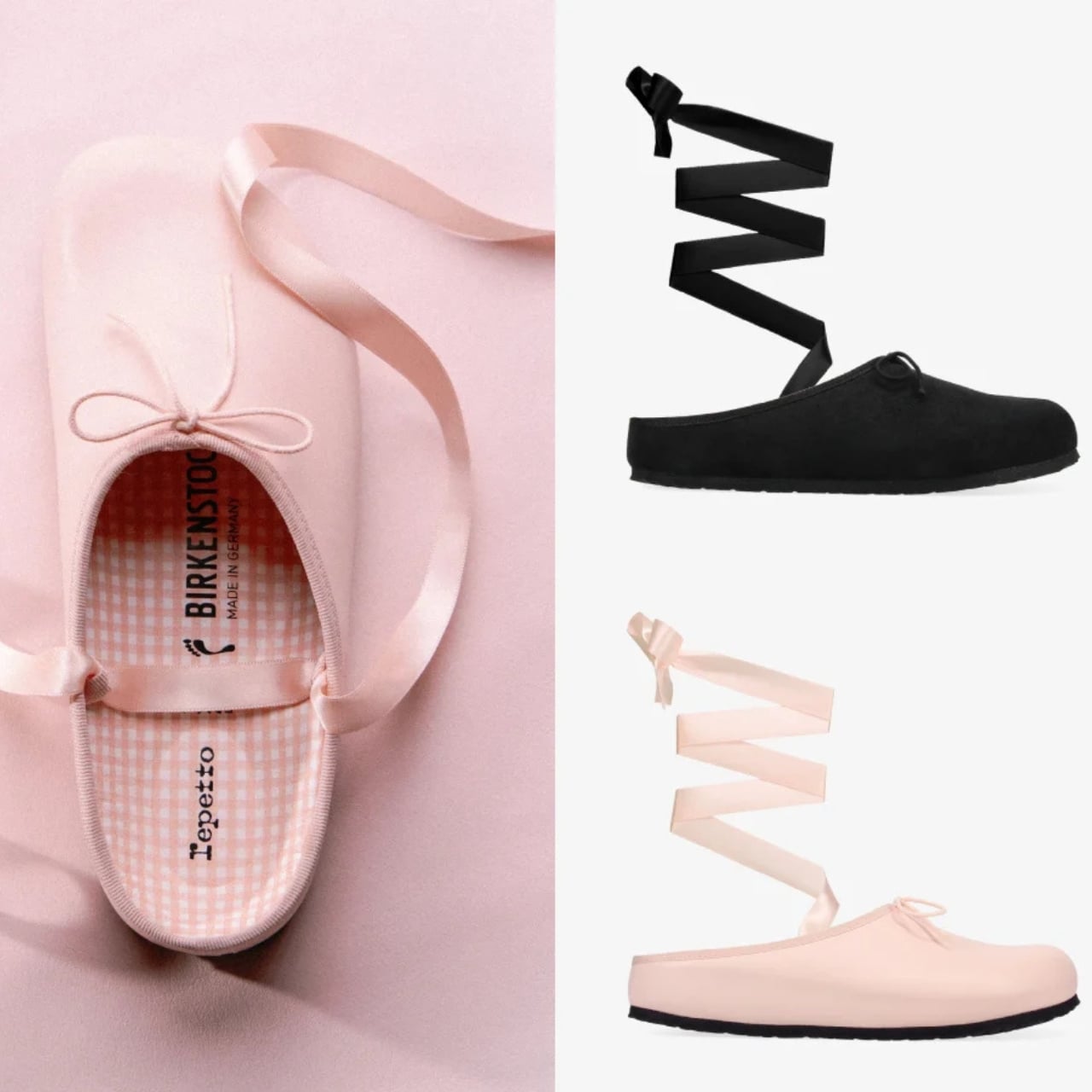
That visual language is specific and consistent across all three pieces. The color palette draws from Repetto’s signature shades: Iconic Pink, Flame Red, and Profound Black. These are not trend colors. They’re house colors, the kind that have been associated with the brand long enough to carry their own meaning. The pink in particular has that very specific quality of being both soft and confident, which is harder to achieve in pigment than it sounds.
The Vichy-check gingham footbed lining is another detail worth pausing on. Hidden inside the shoe, it only reveals itself when worn. It’s a Repetto signature motif, and placing it at the footbed rather than on any visible exterior surface feels like a deliberate act of restraint. You know it’s there. It just doesn’t announce itself.
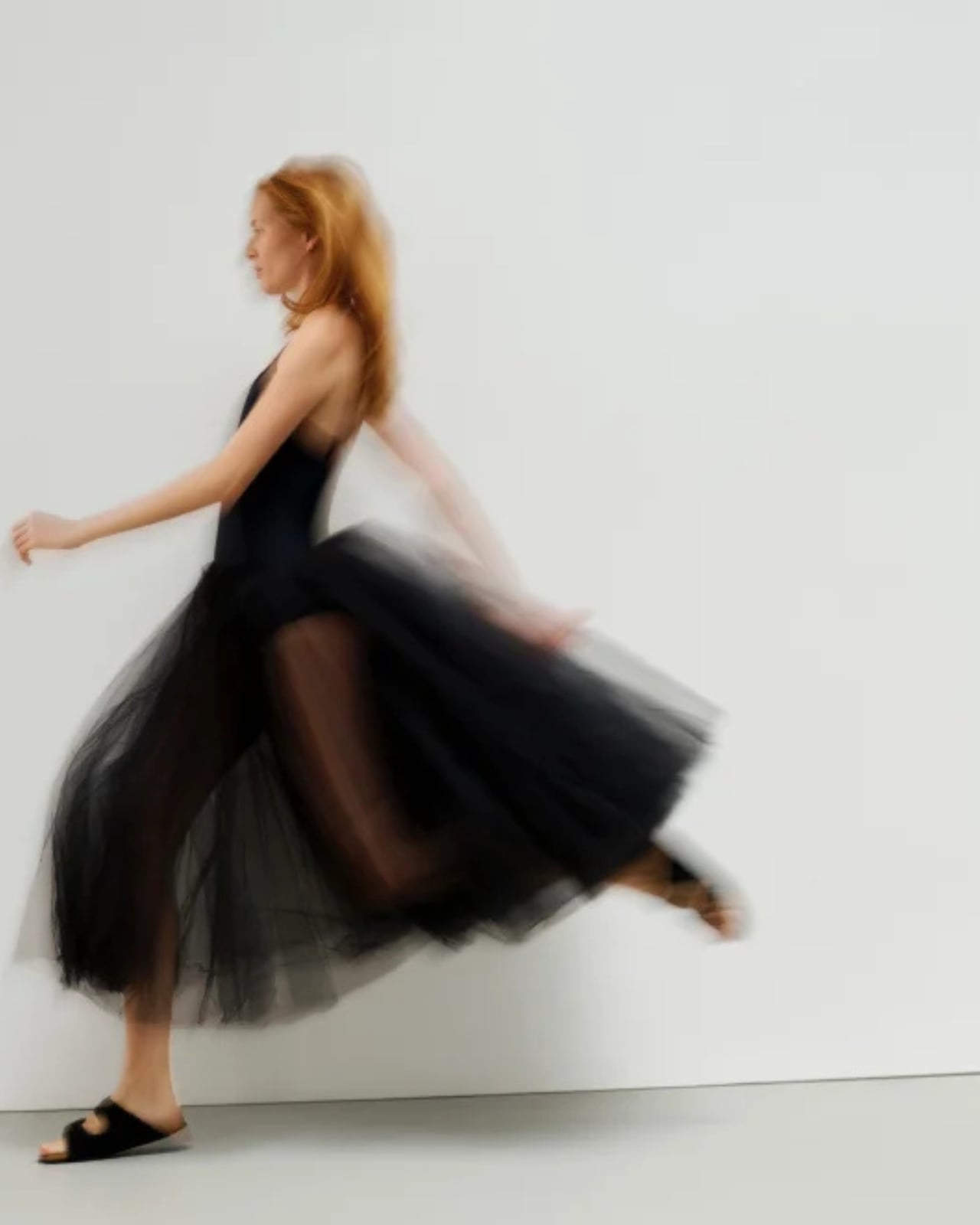
Grosgrain ribbon trim finishes the edges on key pieces, and again, the choice of material matters. Grosgrain has weight and structure. It doesn’t drape or flutter. For a collaboration rooted in dance, that tension between movement and structure runs all the way through the design decisions, from the buckle scale on the Arizona to the lace wrap on the Opéra.
The collection launches July 16 through 1774.com, Repetto’s own channels, and select retailers worldwide. Given how quickly 1774 collaborations have sold out historically, hesitating is probably not the strategy here. Iconic Pink alone is going to move fast.
The post Birkenstock Just Went to Ballet Class With Repetto first appeared on Yanko Design.





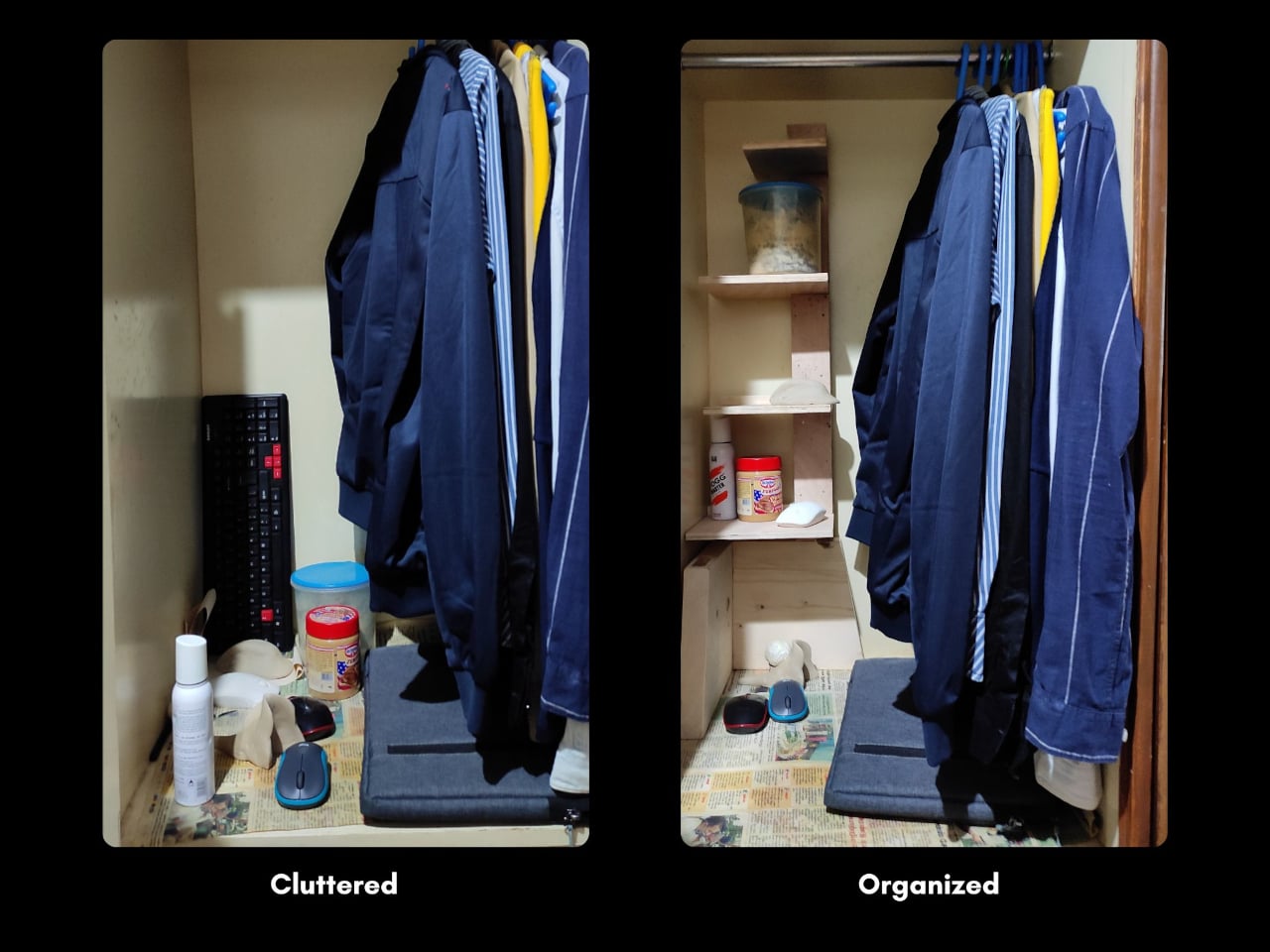
The wardrobe is one of those household objects that seems like it has plenty of room until it doesn’t. Most people eventually find themselves pushing hangers aside to make space, folding things into corners, and stacking items on whatever flat surface presents itself. Organization accessories exist in abundance, but the majority address the visible problem rather than the structural one.
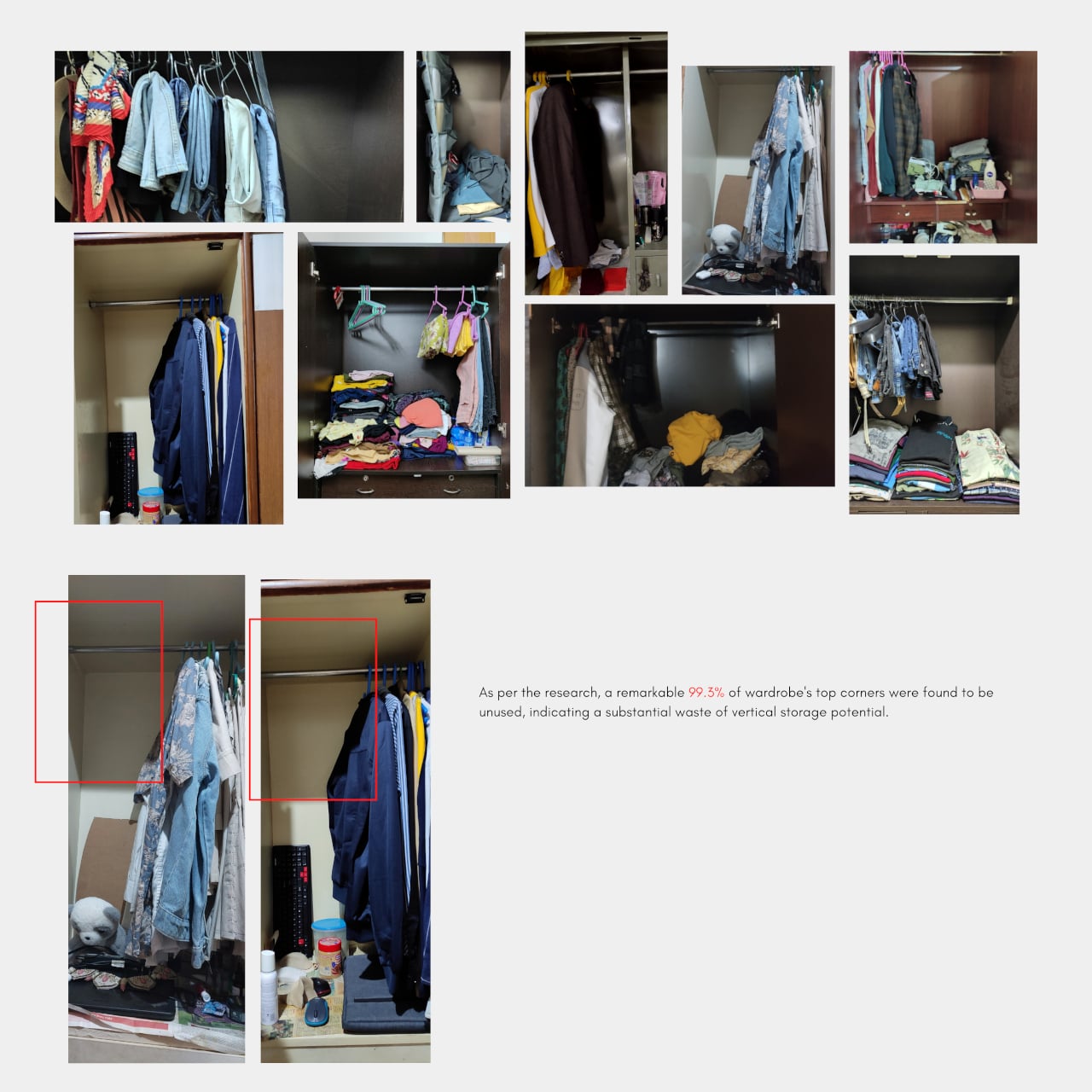
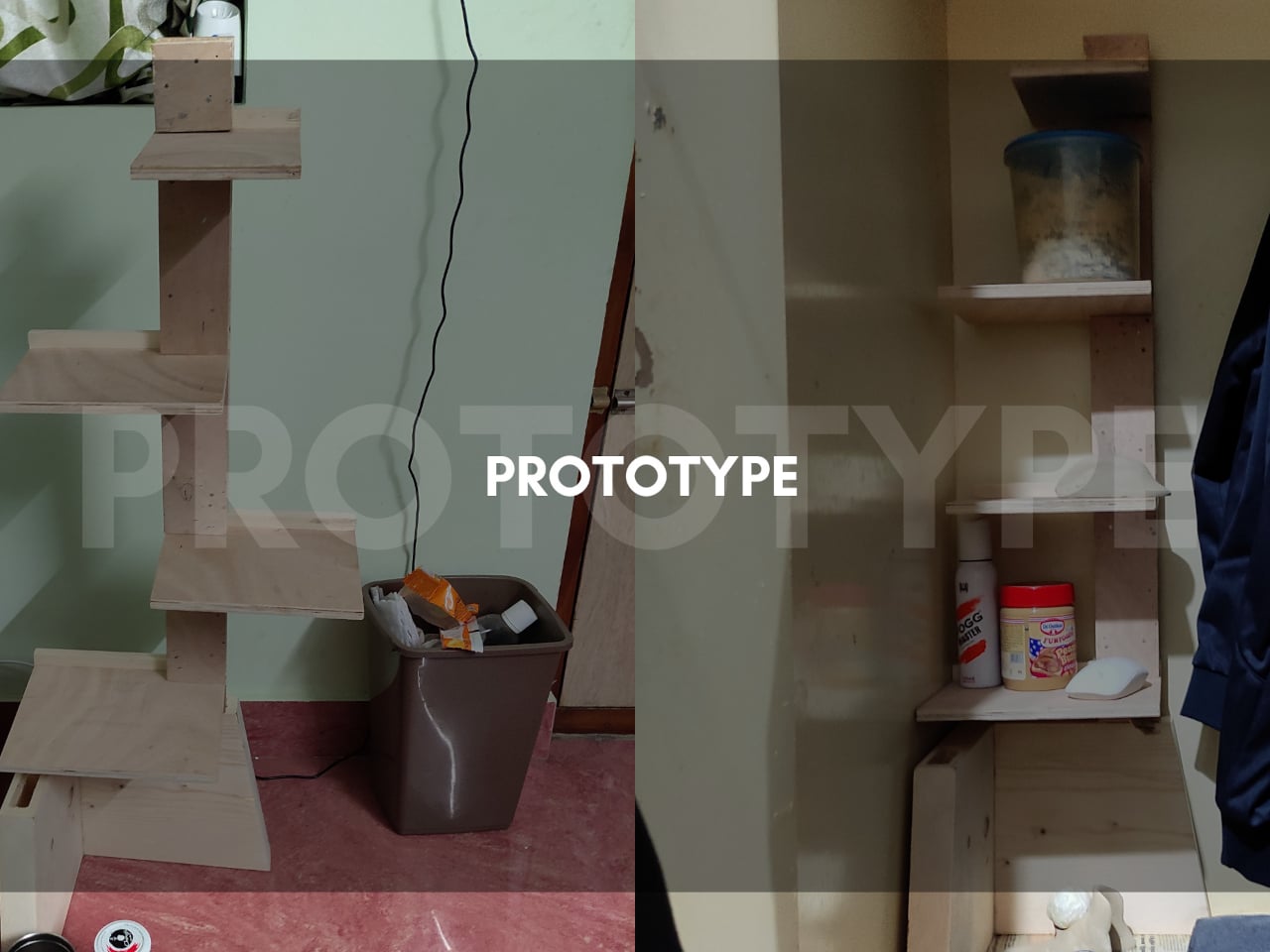
A user survey of more than 50 real wardrobes found that 99.5% of the top corners went entirely unused, prime vertical real estate that no hanging rod reaches, and no standard shelf fits. That specific insight became the starting point for CONCEPT II, a wardrobe rack designed not for the existing infrastructure of the wardrobe but for the part most people have simply given up on.
Designer: Arnav Ashwin

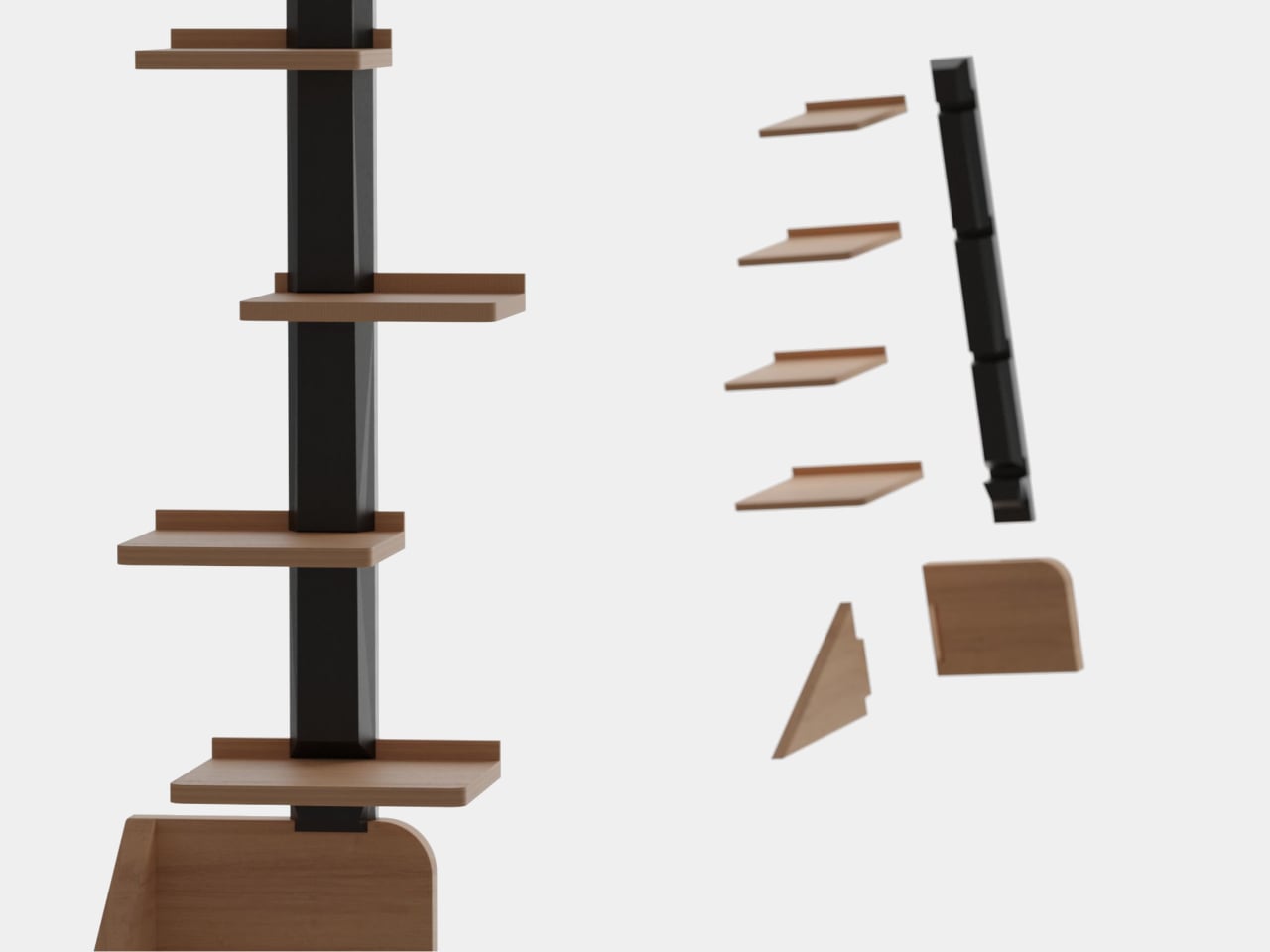
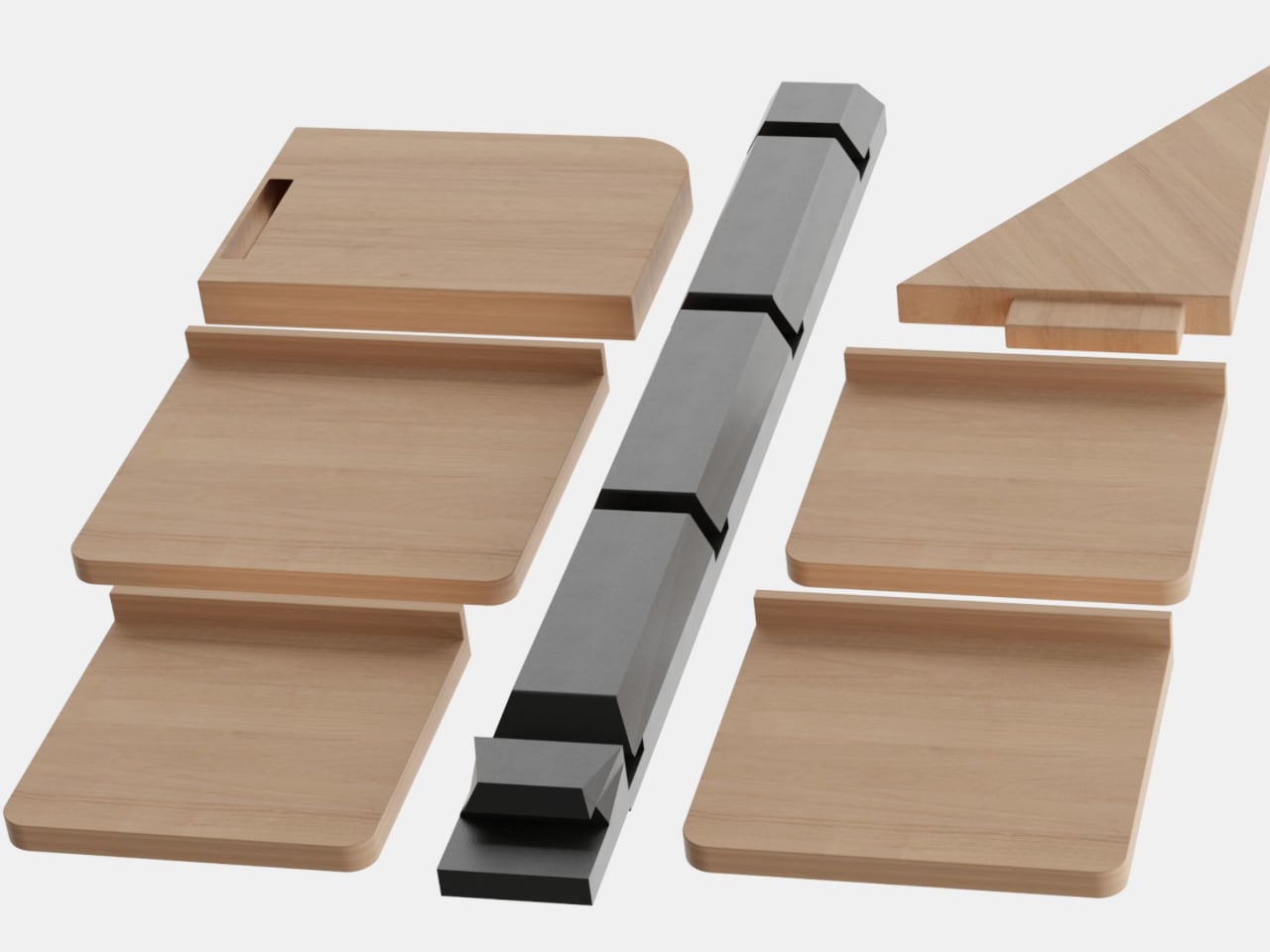
A single vertical post in a dark finish anchors the rack, with a series of wooden shelf slabs attached at staggered heights and alternating sides. The shelves vary in size, with the largest at the bottom and progressively smaller ones rising toward the top, giving the whole structure a stepped, almost branching silhouette that takes up almost no floor footprint while climbing the otherwise empty height of the corner.
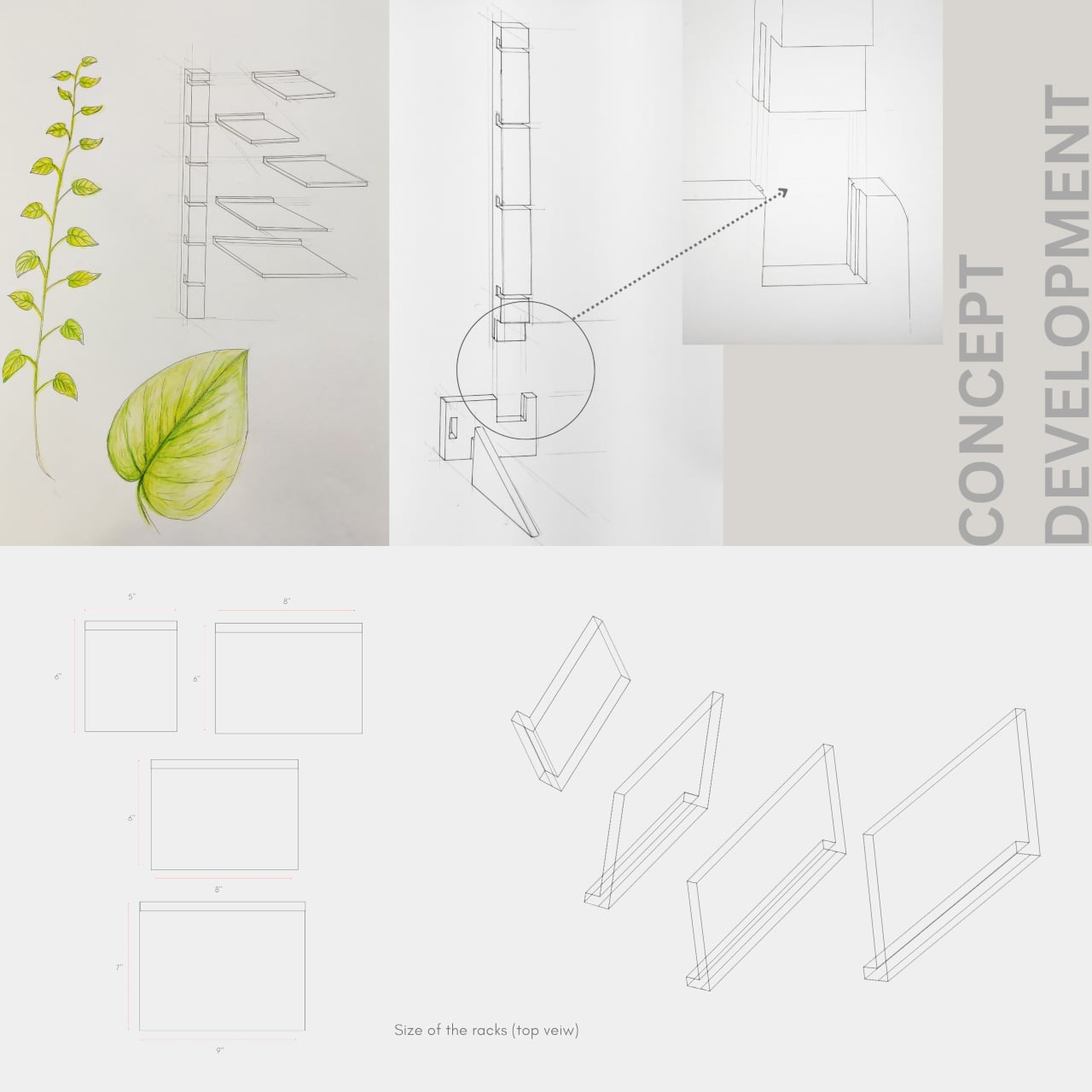
Each shelf slides into a slot in the post rather than being fixed, so the order can be changed based on what needs to go where. Taller items that wouldn’t fit between closely spaced shelves can be shifted to a wider gap. A triangular corner shelf piece also fits the post, filling the awkward dead angle that most corner storage solutions simply leave behind.
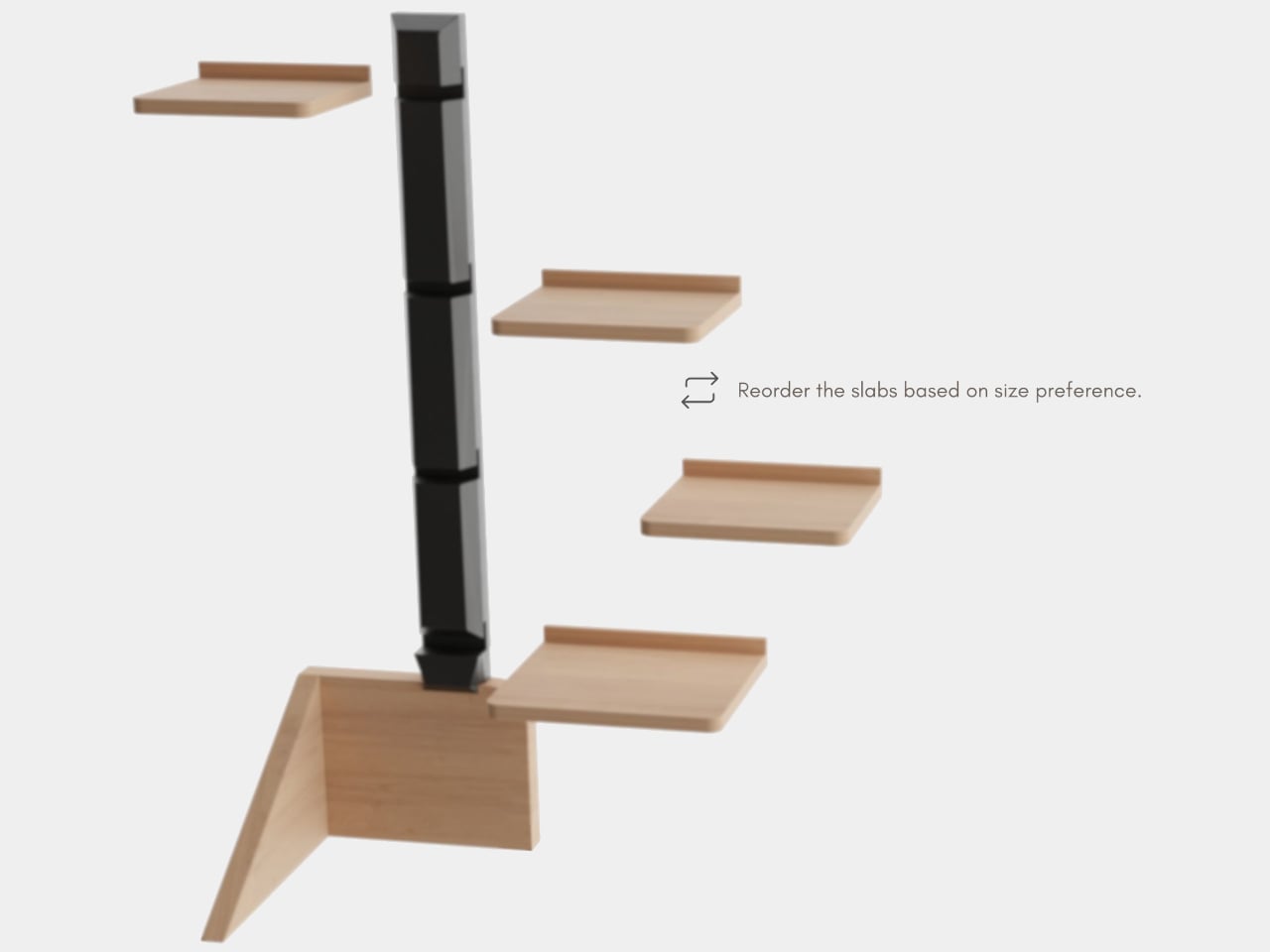
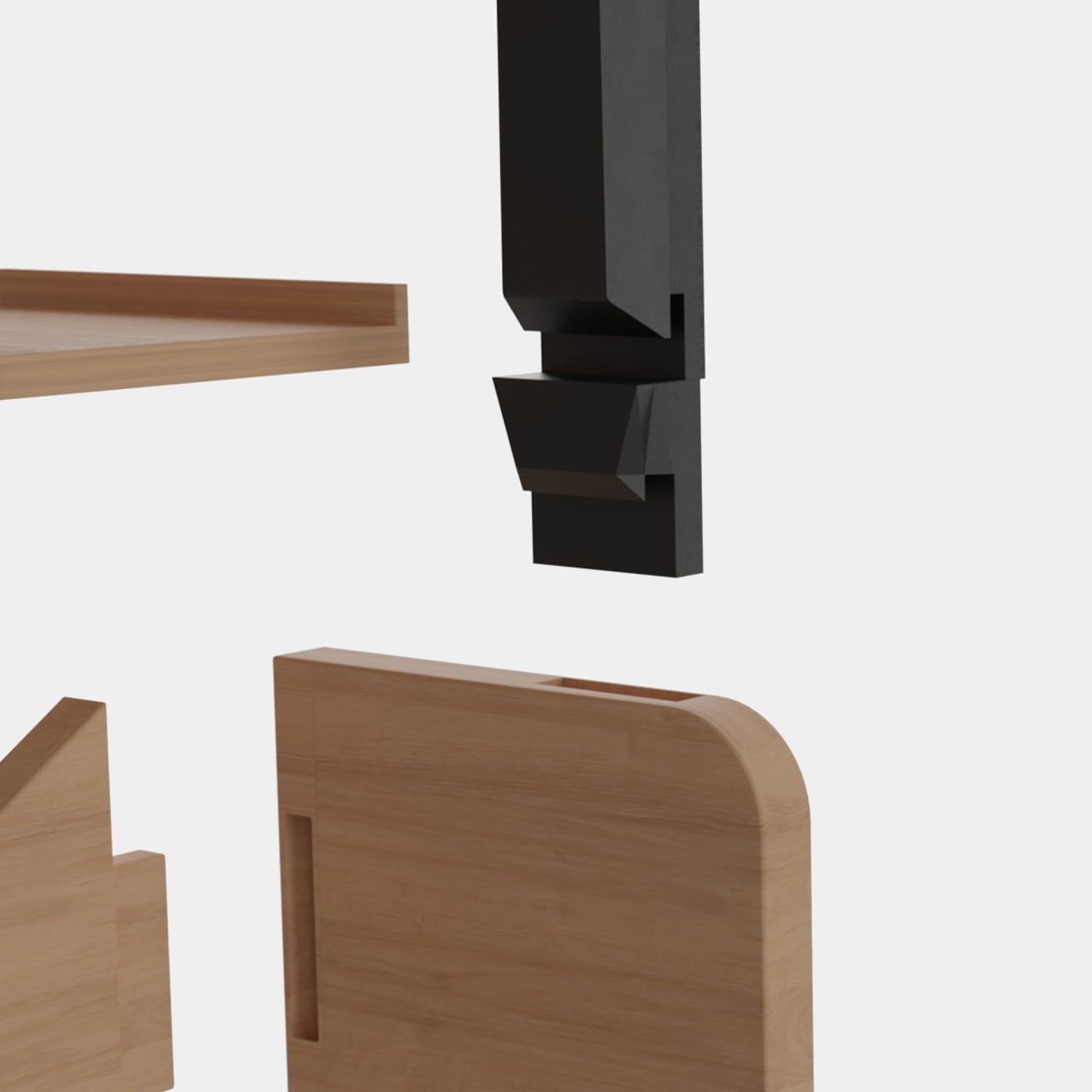
All the components come apart completely, which has a practical consequence beyond just being convenient to assemble. When it needs to move or doesn’t fit through a doorway assembled, everything lays flat for packaging. The slot-and-groove connection that makes the shelves adjustable is the same mechanism that allows the whole thing to disassemble without tools, keeping the design logic consistent from first assembly to eventual relocation.
Someone who keeps cosmetics, accessories, or chargers on the wardrobe floor because there’s nowhere else for them now has a structured option that doesn’t involve buying new furniture or installing shelves in the wall. The rack sits in the corner, takes up the space that was already empty, and gives each category of item its own level without competing with the hanging clothes.
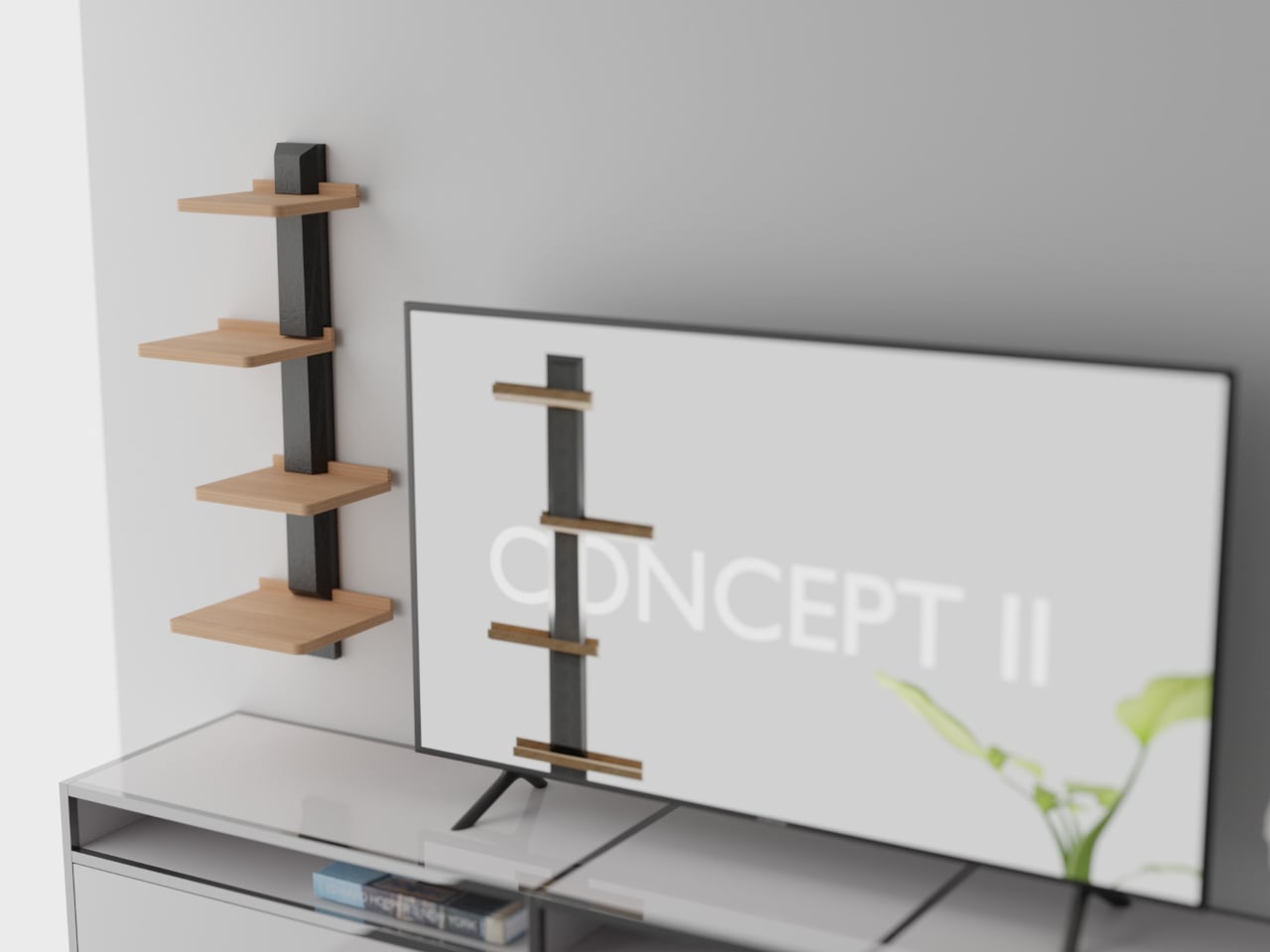
The rack doesn’t have to stay inside the wardrobe either. The warm wood tones and staggered profile work just as well against a living room wall or next to a television, where the shelves hold plants, small sculptures, or anything decorative. It’s the kind of piece that looks intentional rather than utilitarian in an open setting, which isn’t something most storage accessories can convincingly claim.
The material choice of solid wood paired with a dark post finish gives the rack a considered appearance that doesn’t telegraph “storage problem.” The user research behind it, drawn from a survey of more than 50 real wardrobes, makes the solution feel less like a product invention and more like an obvious fix that took a careful look at the actual problem to arrive at.
The post The Corner 99.5% of Wardrobes Ignore Finally Has a Rack for It first appeared on Yanko Design.

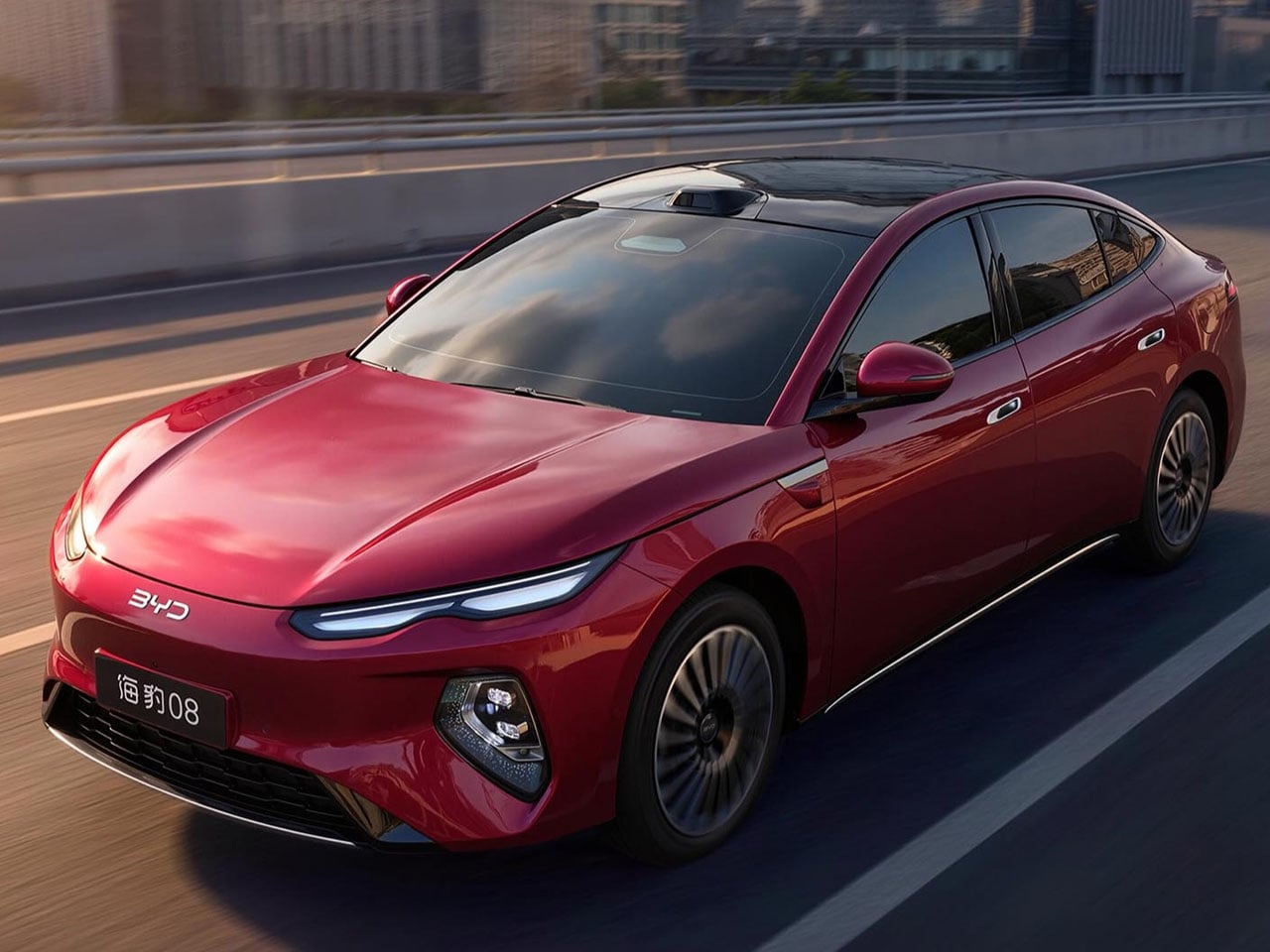
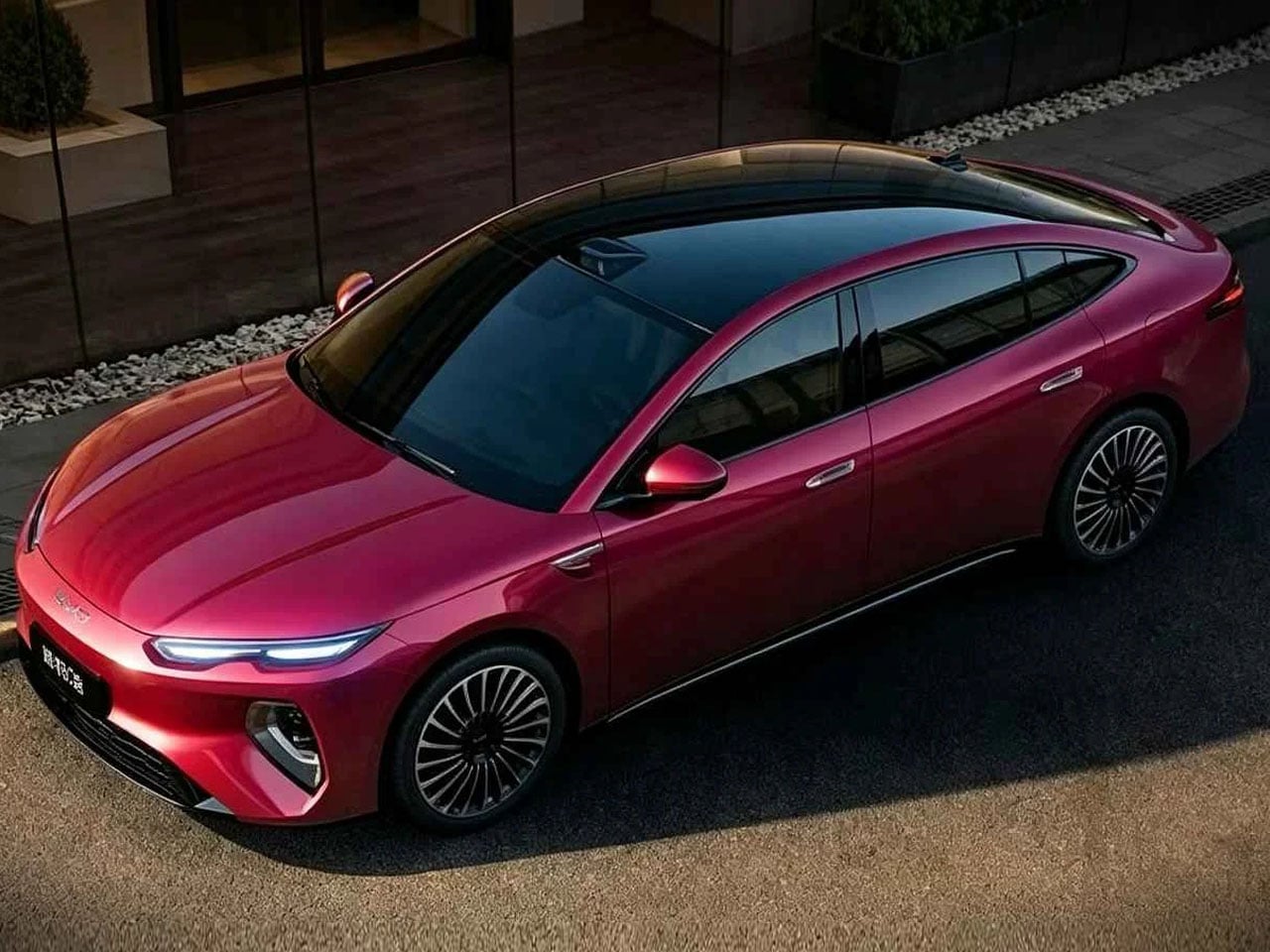
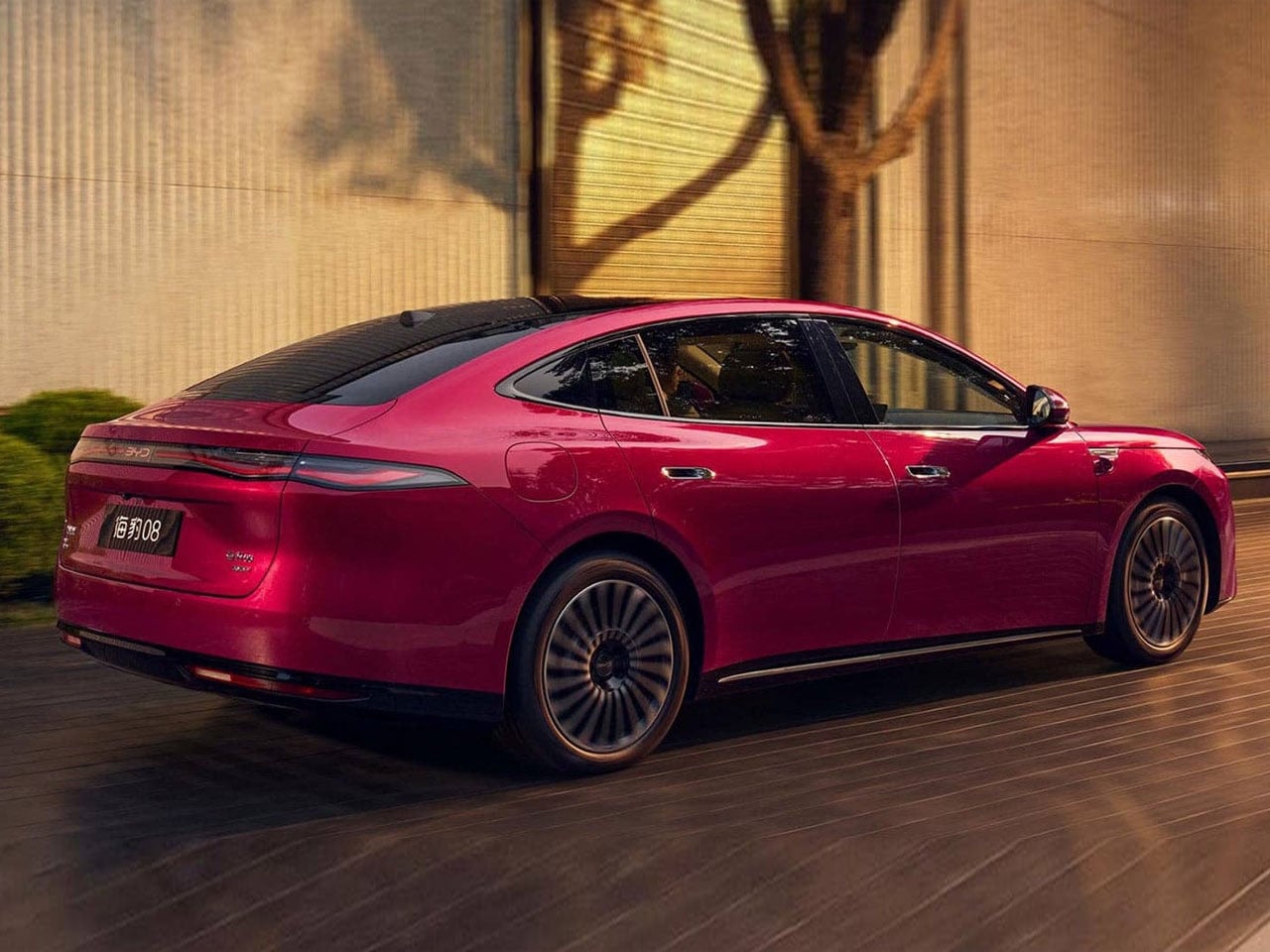
Six days after its official debut in China, the BYD Seal 08 is already making headlines for reasons beyond its specifications. The flagship sedan entered one of the industry’s most competitive segments with a starting price of 196,900 yuan (around $29,000). Interestingly, it offers the kind of technology typically associated with luxury electric sedans costing significantly more.
Available in three battery-electric (BEV) variants and three plug-in hybrid (DM-i) models, Seal 08 EV also recorded around 65,000 locked orders within its first 30 hours. A very strong signal that BYD’s strategy of combining premium engineering with mass-market pricing is resonating with buyers. The automaker is headstrong with its strategy for the future, aiming to dominate the commercial market segment and also having ambitions to be the first Chinese automaker to occupy the Formula-1 paddock spot by 2027. Of course, how can one forget their ambition to surprise the hypercar dreams with the marque offshoot Fang Cheng Bao.
Designer: BYD
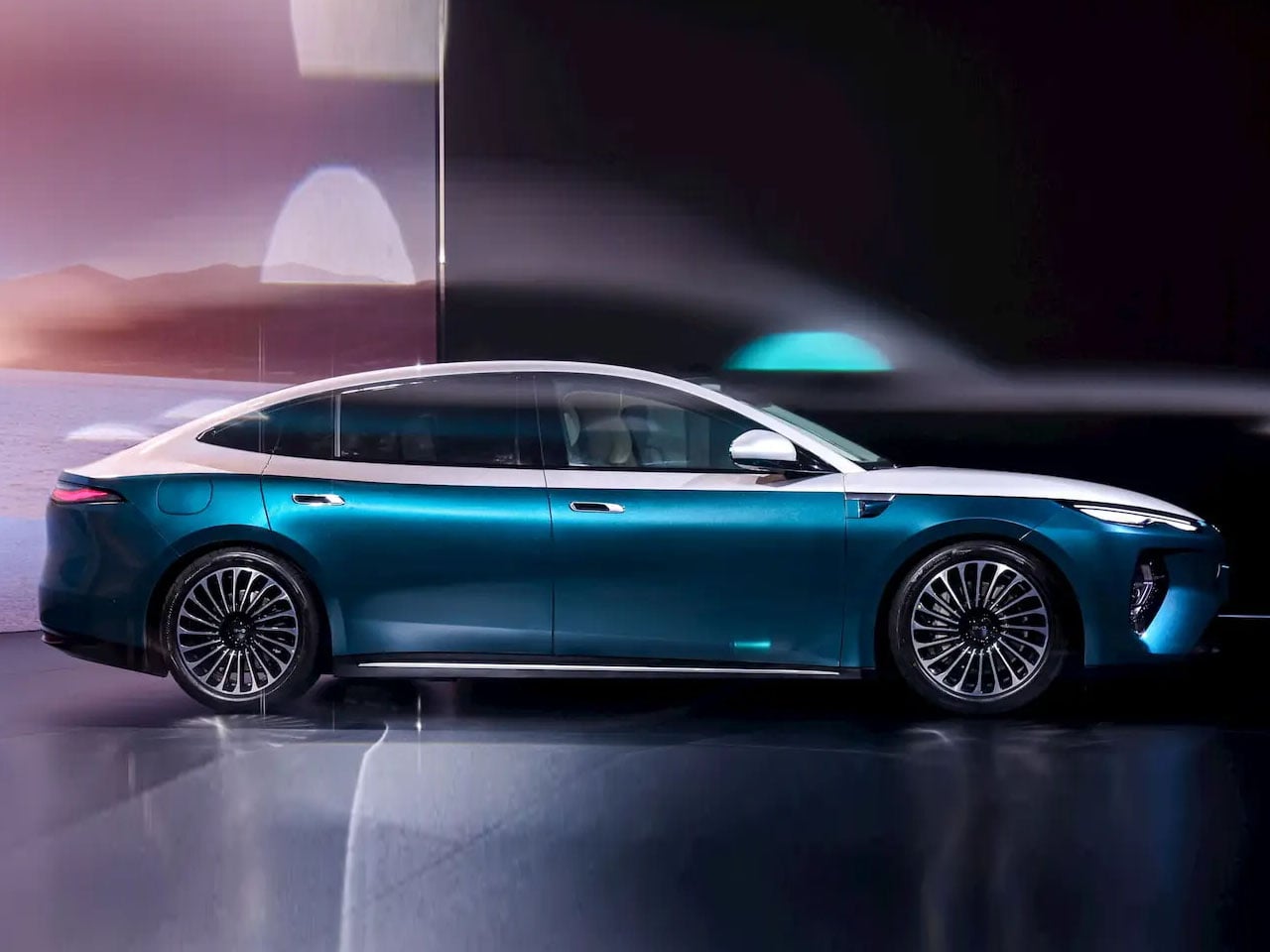
At 5,150 mm long with a 3,030 mm wheelbase, the Seal 08 is flush in the large sedan category, placing it alongside executive cars rather than mainstream family sedans. It adopts BYD’s latest Ocean Aesthetics 2.0 design language, characterized by clean surfaces, flowing proportions, flush door handles, and slim lighting elements that give the four-wheeler an understated yet premium appearance.

The interior follows the same philosophy. A floating central infotainment display anchors a clean dashboard layout, while the spacious cabin emphasizes comfort without overwhelming occupants with an excess of controls. The long wheelbase translates into generous rear-seat room, reinforcing the Seal 08’s positioning as a flagship designed for both daily commuting and long-distance travel.
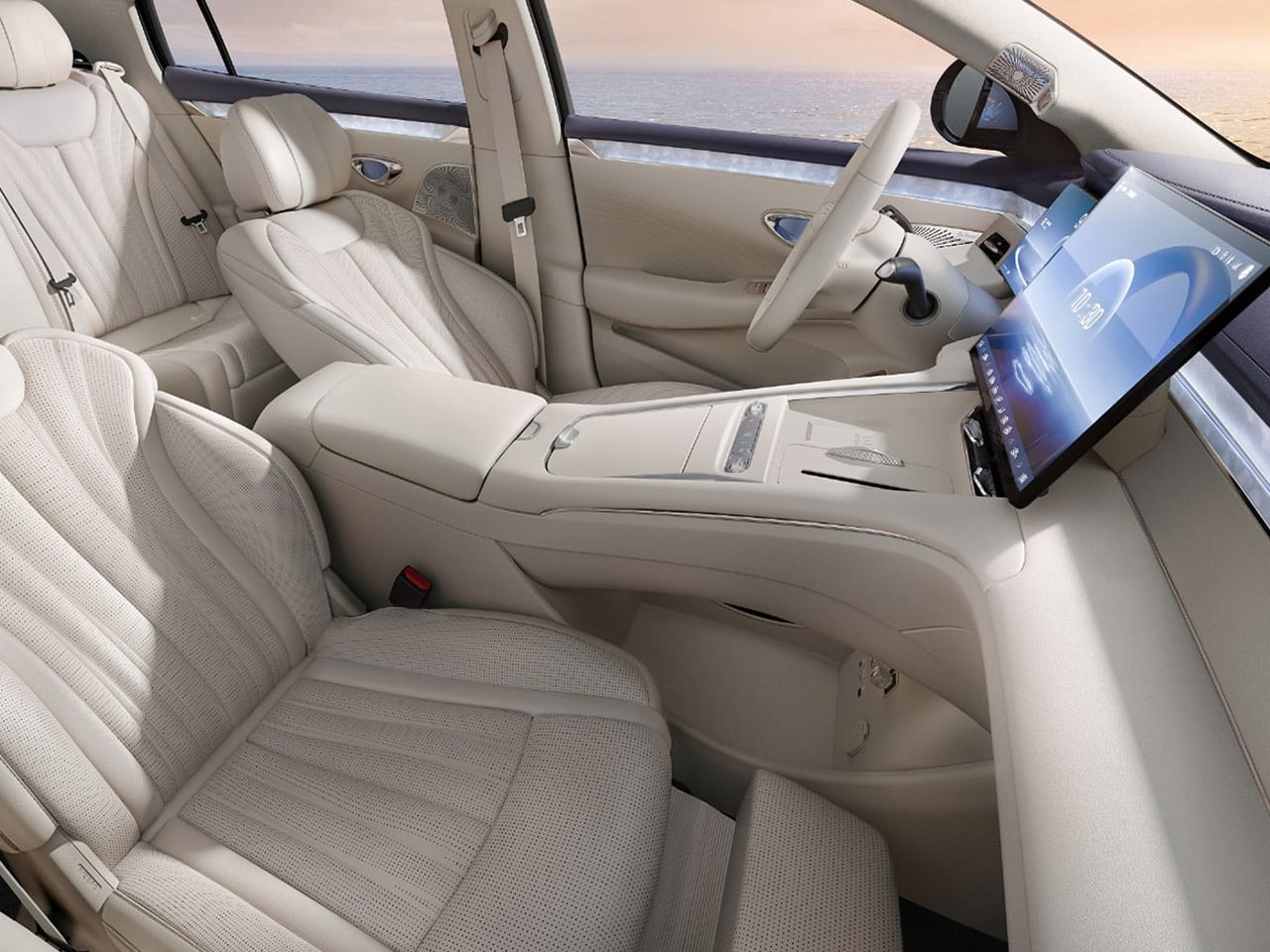
Pricing of the EV is perhaps the biggest surprise. Starting below $30,000, the sedan undercuts many rivals while delivering dimensions, technology, and equipment usually reserved for vehicles in a much higher price bracket, like the Hyundai IONIQ 5. That value proposition helps explain why dealerships reported tens of thousands of orders shortly after sales opened.
Beyond its size and styling, the Seal 08 showcases BYD’s latest engineering advancements. The battery-electric models are built on an 800V high-voltage architecture, enabling ultra-fast flash charging that significantly reduces charging times compared to conventional EV platforms. The sedan also debuts BYD’s Blade 2.0 battery, an evolution of the company’s well-known Blade battery technology. The new pack is designed to improve charging efficiency, energy density, and safety while supporting the vehicle’s long-range capabilities.
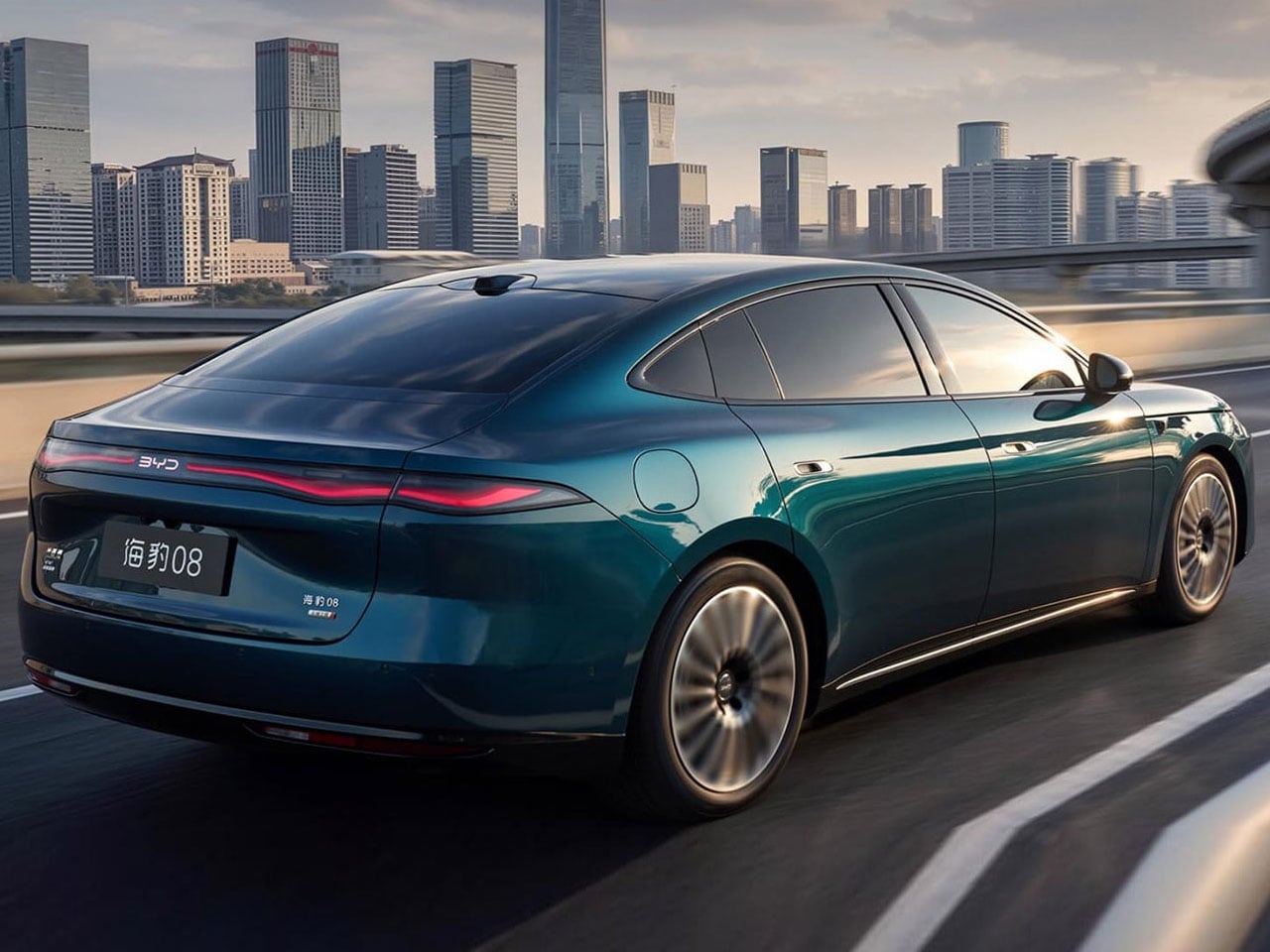
Higher trims introduce features that remain uncommon at this price point. DiSus-A intelligent air suspension continuously adjusts ride height and damping to improve comfort and stability, while rear-wheel steering enhances maneuverability in tight spaces and increases stability at highway speeds. Together, these systems give the Seal 08 a technology package more commonly associated with premium European luxury sedans. BYD also offers impressive driving range figures. The top BEV variant claims up to 905 km on the Chinese CLTC testing cycle, while the plug-in hybrid version combines electric power with a fuel engine for a claimed total range of 1,660 km. Although real-world driving distances are typically lower than CLTC ratings, both figures position the Seal 08 among the longest-range vehicles in its segment.
The much hyped EV arrives at a pivotal moment for BYD. During the same week as the launch, reports indicated that the company had reclaimed the global battery-electric vehicle sales crown from Tesla after delivering roughly 557,000 BEVs in the second quarter of 2026. That context makes the Seal 08 more than just another product launch. It shows how BYD’s vertically integrated business model of designing its own batteries, electric drivetrains, semiconductors, and vehicle platforms allows it to deliver flagship-level technology at prices competitors struggle to match.
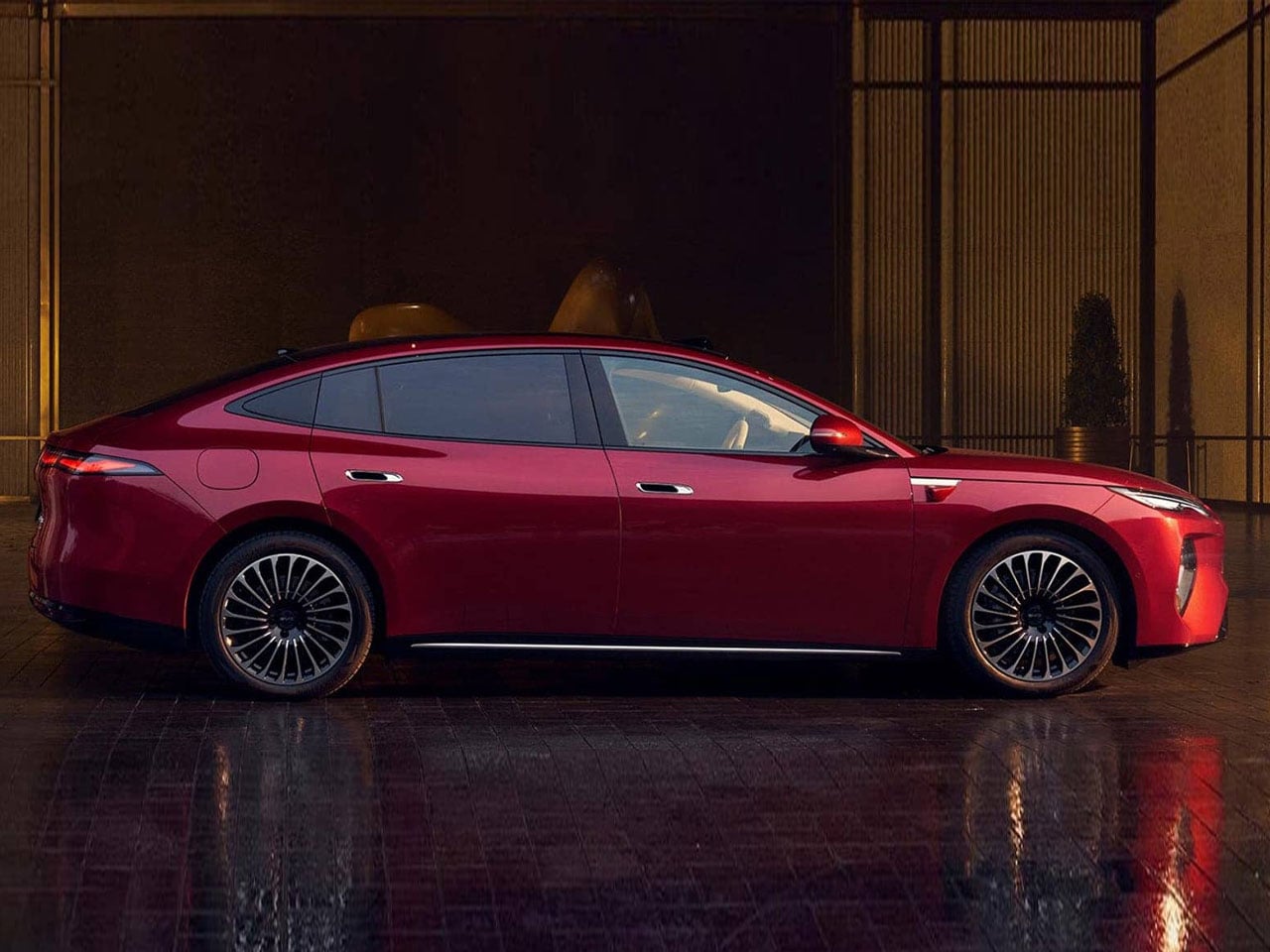
Rather than treating the battery as just another component sourced from a supplier, BYD has built an entire vehicle ecosystem around its battery expertise. The result is a sedan that combines advanced charging technology, sophisticated chassis systems, generous range, and premium comfort without carrying the premium price tag traditionally attached to such features. For global automakers, the electric vehicle raises an important question: if a flagship electric sedan with air suspension, rear-wheel steering, an 800V architecture, and a next-generation battery can start at around $29,000, how long can premium pricing remain the industry’s default? Judging by the first 65,000 orders, consumers may have already begun answering that question.
The post BYD Seal 08 is a $29K flagship EV with 905 km range that already secured 65,000 orders first appeared on Yanko Design.