The modern office is wherever you can find a Wi-Fi signal and a flat surface. This freedom to work from anywhere, however, comes with its own set of challenges. Your laptop’s limited ports become a bottleneck when you need to connect a monitor, mouse, and charge your device simultaneously. At the same time, you need immediate access to large project files, and relying on slow coffee shop internet to pull them from the cloud is a recipe for missed deadlines. This constant juggle between connectivity and data access is the primary source of friction for today’s mobile professional.
The CASA Hub S is engineered specifically to eliminate that friction. It acts as a single, reliable bridge between your portable setup and a full-featured workstation. With its integrated SSD, your essential assets are stored locally, ready at speeds that cloud storage can’t match, while its collection of ports handles everything from 4K video output to peripherals and power delivery. It’s a device that understands the demands of a flexible work life, providing both the expanded digital real estate and the high-speed local storage needed to be productive, whether you’re at your home desk or miles away from it.
ADAM elements has been quietly building a reputation for accessories that actually think through the problem instead of just checking feature boxes. The CASA Hub S is probably their clearest example of this philosophy. You get 240GB, 480GB, or 960GB of NVMe SSD storage built directly into what would otherwise be a standard USB-C hub. The read speeds hit 520 MBps and writes clock in at 456 MBps, which puts it squarely in the territory of “actually usable as a working drive” rather than just backup storage. I’ve used plenty of external SSDs that claim similar numbers but choke when you’re actively editing 4K footage or working with massive Photoshop files. The performance here is consistent enough that the 480GB model is specifically recommended for Time Machine backups, which tells you they’re confident it won’t become a bottleneck.
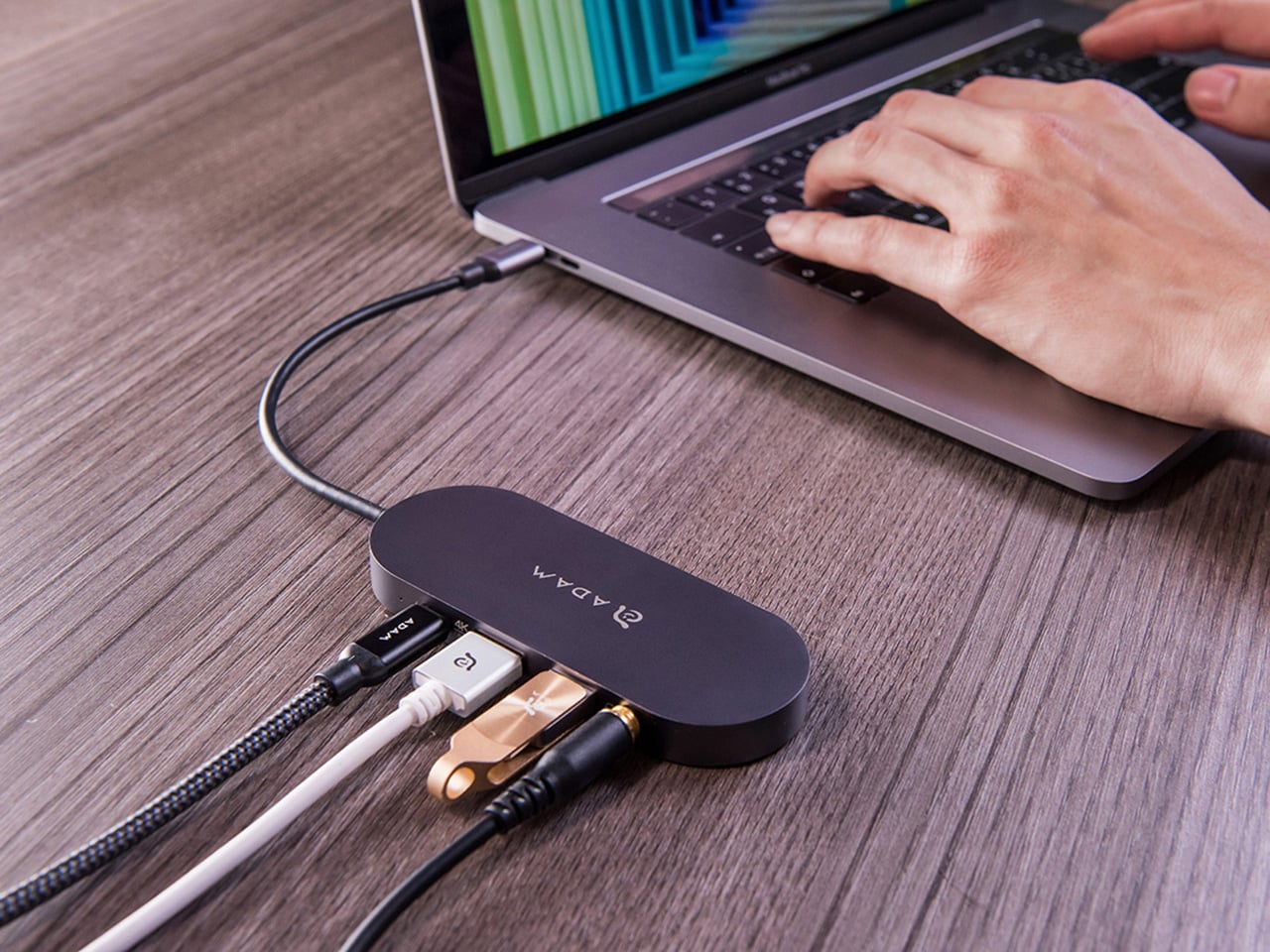
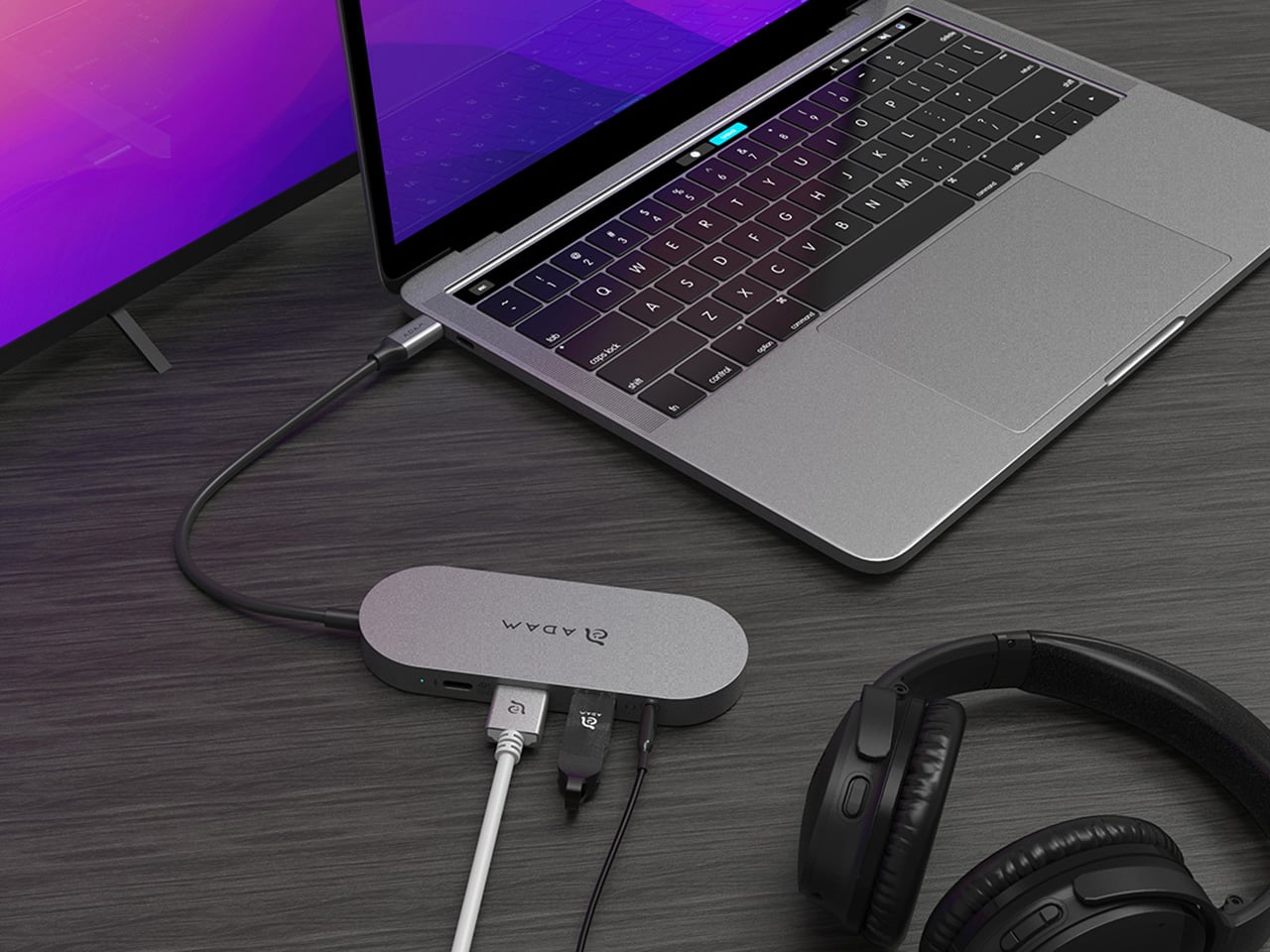
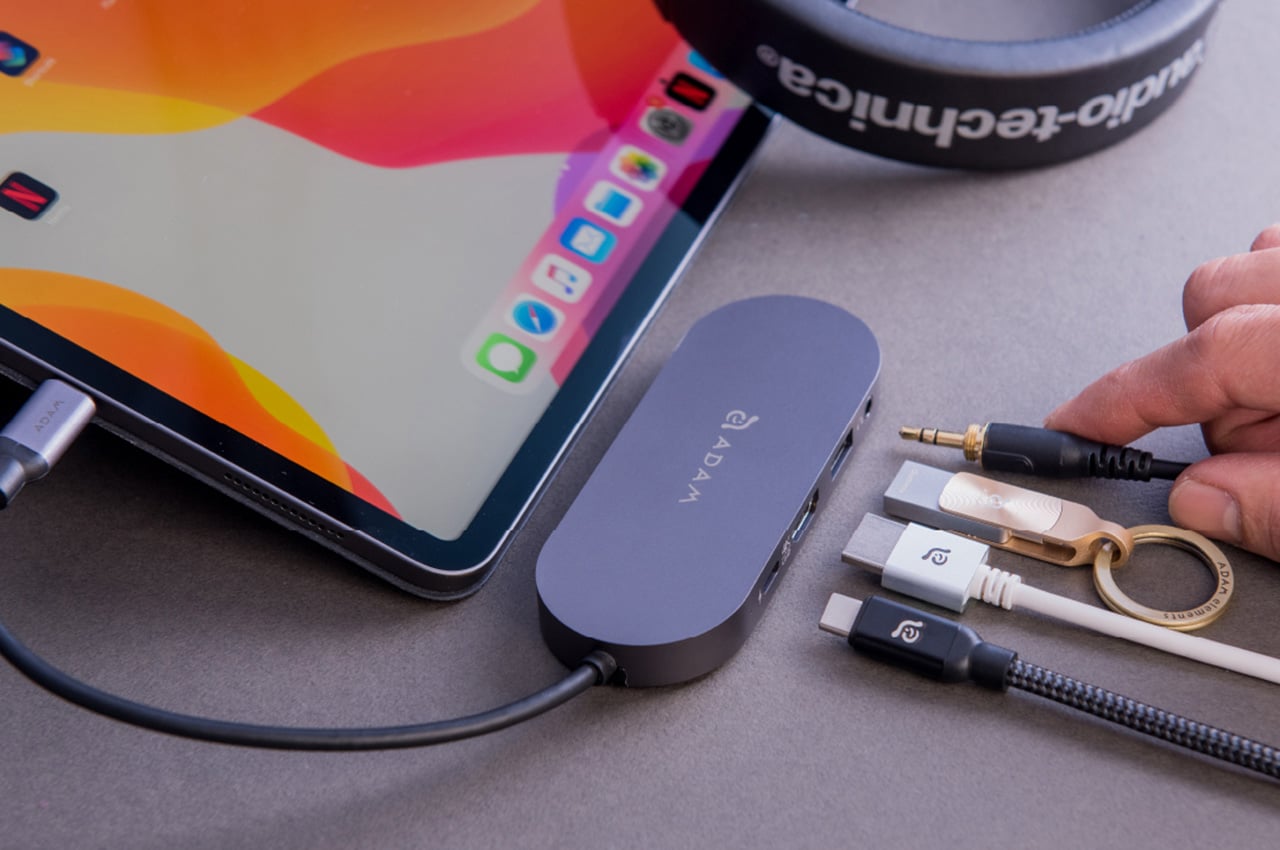
The port selection feels well considered too. You get a USB-A 3.1 Gen 1 port running at 5 Gbps, a USB-C port with 60W Power Delivery passthrough, 4K HDMI output at 30Hz, and a 3.5mm audio jack. That HDMI port supports HDCP 2.2, which matters more than you’d think because it means you can actually stream Netflix in 4K without the annoying “this content is protected” error that cheaper hubs trigger. The audio jack outputs at 48kHz, 16-bit, which is perfectly adequate for most headphones and won’t introduce the weird ground loop hum that some hubs seem to love creating.
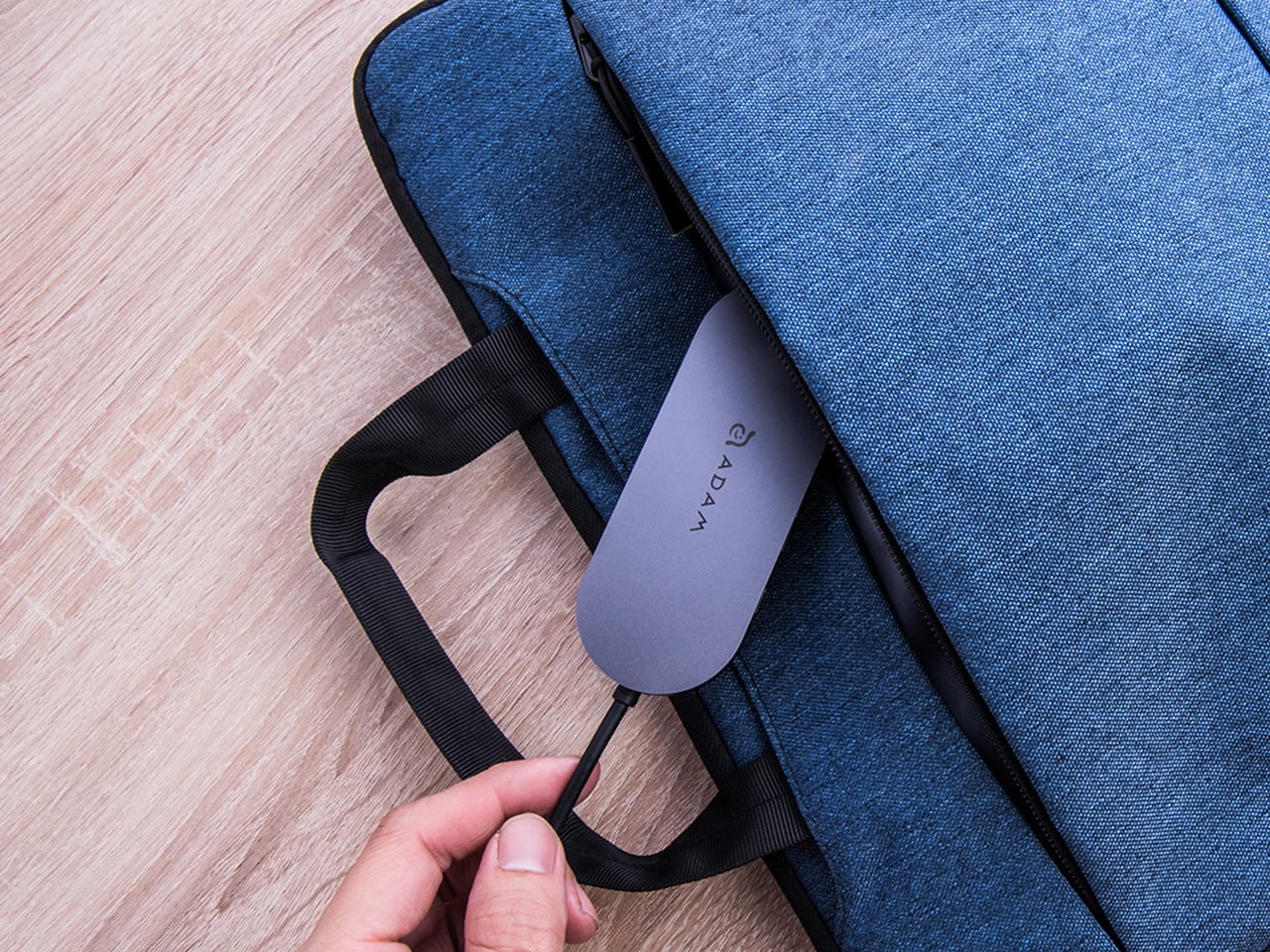
Looking at the physical design you realize how ADAM elements clearly designed this with iPad Pro users in mind. That 16cm cable length seems arbitrary until you realize it’s the exact sweet spot that lets the hub lay flat on a desk instead of dangling awkwardly off the side of your tablet. It’s a small detail, but it’s the kind of thing that separates products designed by people who actually use them from products designed by people staring at CAD files. The whole thing weighs 70 grams and comes with a flannel carrying pouch, which again, small detail, but it shows someone thought about how this thing actually travels.
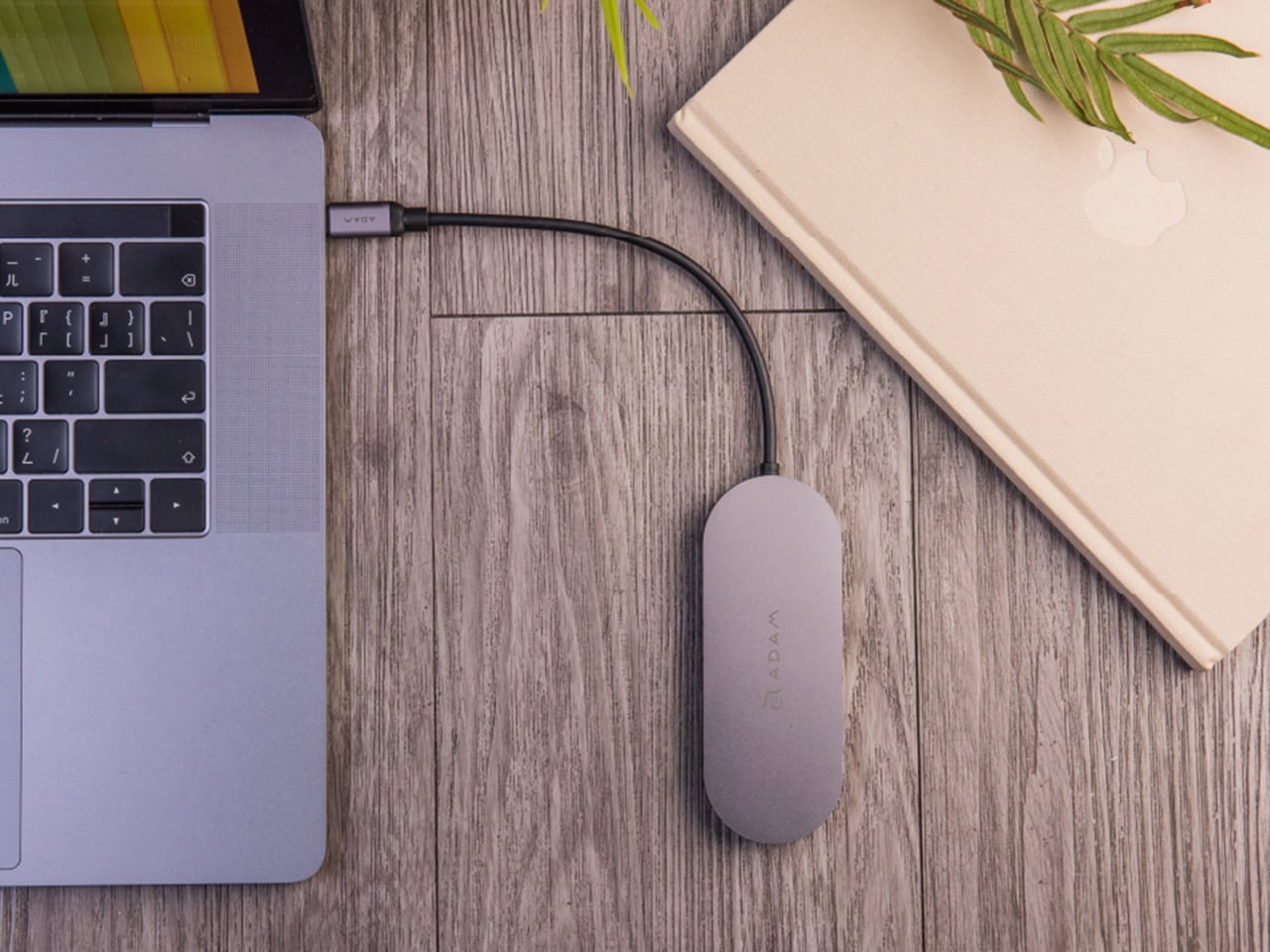
The aluminum chassis is a perfect blend of sleek, lightweight, and heat-dissipating, that makes it an ideal pick for something as portable and productivity-boosting as this hub. ADAM elements went with a Space Gray finish that matches the MacBook aesthetic without being obnoxiously matchy-matchy. The device is plug and play across macOS, iOS 13 and later, iPadOS, Windows 8/10, and Chrome OS. No driver installation, no proprietary software, no account creation. You plug it in and it works, which in 2026 somehow still feels like a minor miracle.
The pricing structure spans three capacities, with the 240GB model landing at $69.30, the 480GB at $132.30, and the 960GB at $209.30 through the end of February using code 30YANKOHUBS. That puts the middle option at roughly the combined cost of a decent standalone SSD and a quality hub bought separately, which makes the value proposition pretty straightforward for anyone who was planning to grab both anyway. The real win here is eliminating one device from your bag and one cable from your setup, which for mobile workers translates to actual daily convenience rather than just saving a few dollars. ADAM elements backs it with a three-year warranty, and the hub is available now directly from their site, which means you skip the Amazon reseller lottery and get support directly from people who actually designed the thing.
Step into a reality where science fiction blends effortlessly with everyday life. Human-like robots, or humanoids, are no longer distant fantasies as they are being designed to fit naturally into our routines. While their presence can feel intimidating at first, understanding their purpose shows a path toward enhanced comfort, support, and convenience. Like a thoughtfully designed home anticipating your every need, these robots are meant to enrich daily living rather than disrupt it.
Beyond novelty, these intelligent machines offer practical solutions for modern challenges. By mirroring human interaction and form, they become approachable helpers, assisting in homes, hospitals, and communities with tasks that require precision, care, and a human touch.
1. Bridging the Empathy Gap in Care
The growing global need for elder care and personal assistance is a challenge that demands innovative, heartfelt solutions. Imagine a robotic assistant in a nursing home—it’s not there to replace human interaction, but to supplement it, offering constant, tireless support. Its human-like form allows it to interact with tools and spaces designed for people, like opening a standard door or operating an elevator, making its help immediately practical.
This familiar, non-threatening design can foster a feeling of comfort and ease of use for the elderly and those with special needs. By handling repetitive or physically strenuous tasks, such as fetching items, monitoring vital signs, or providing simple, encouraging reminders, these humanoids free up human caregivers to focus on the essential, emotional elements of care. It’s about optimizing human effort, ensuring that every person receives the dignified attention they deserve.
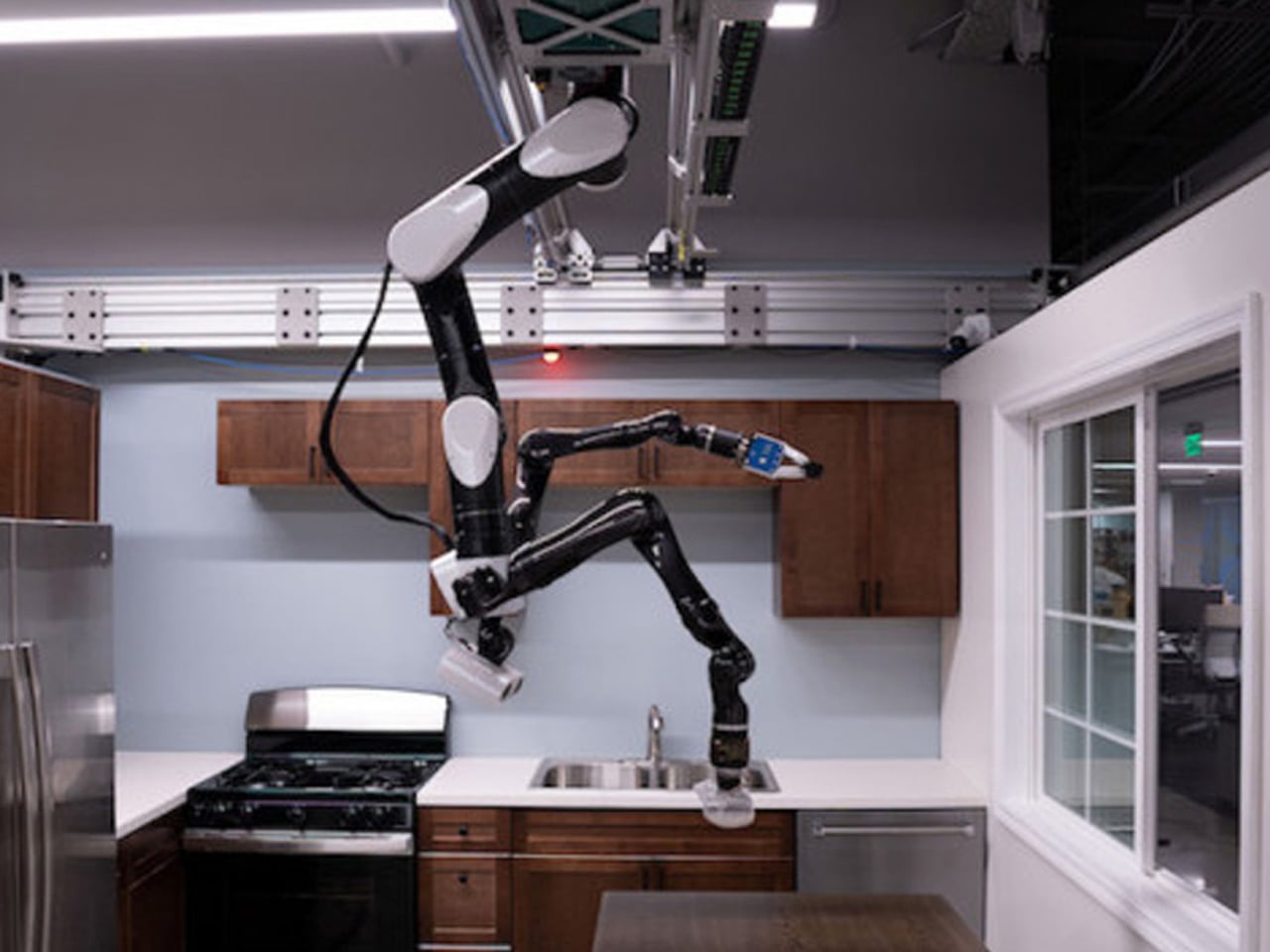
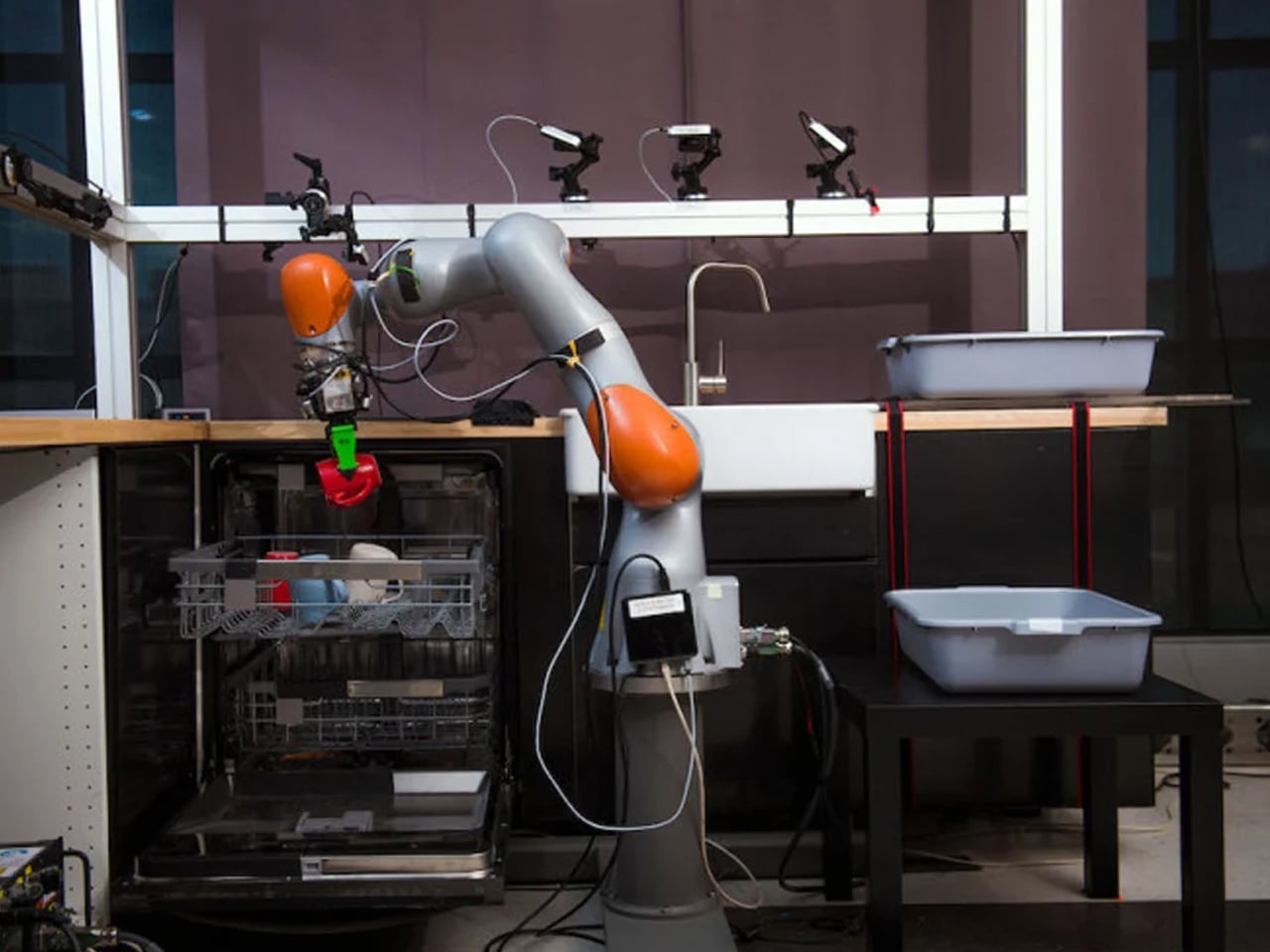
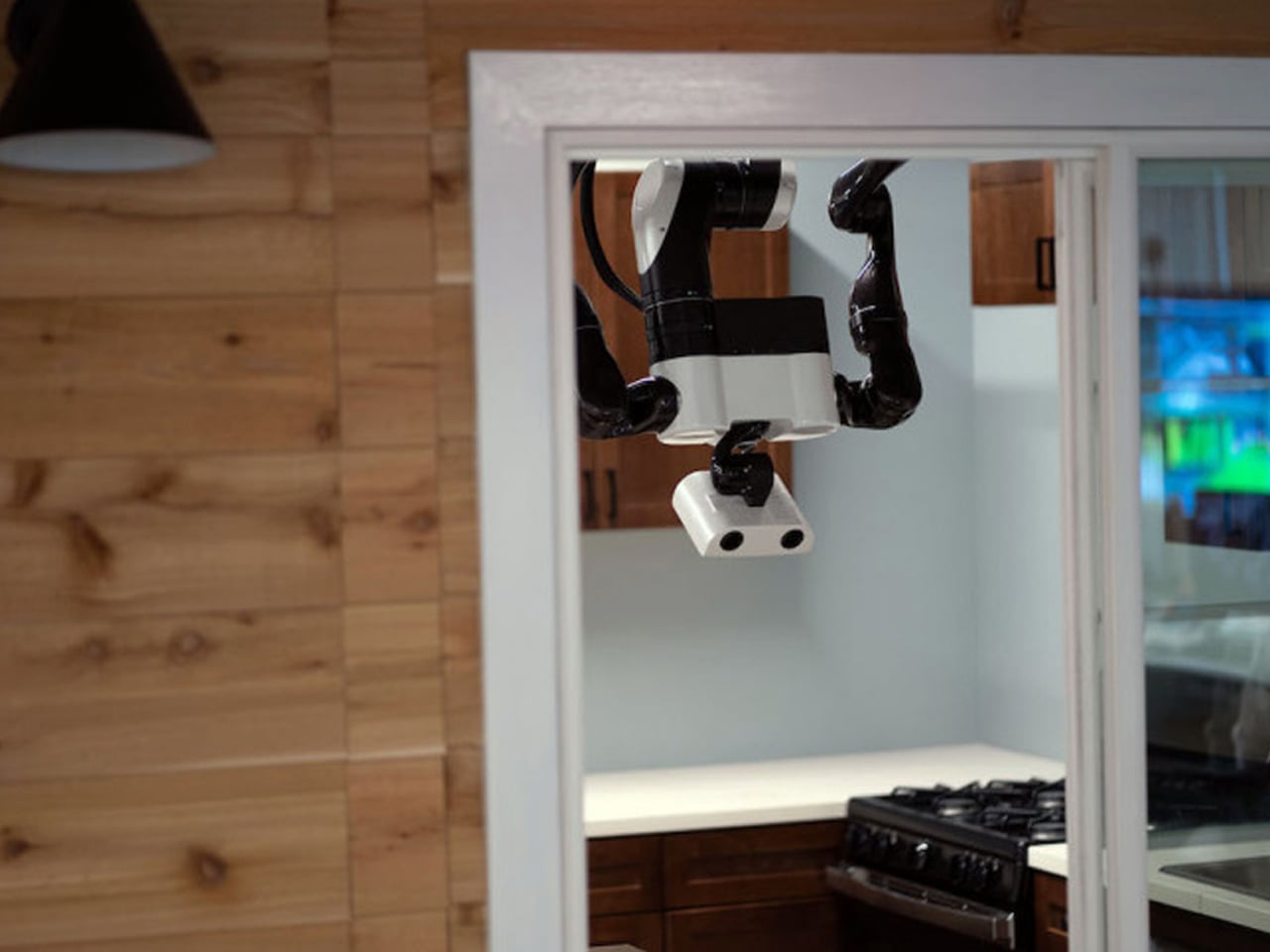
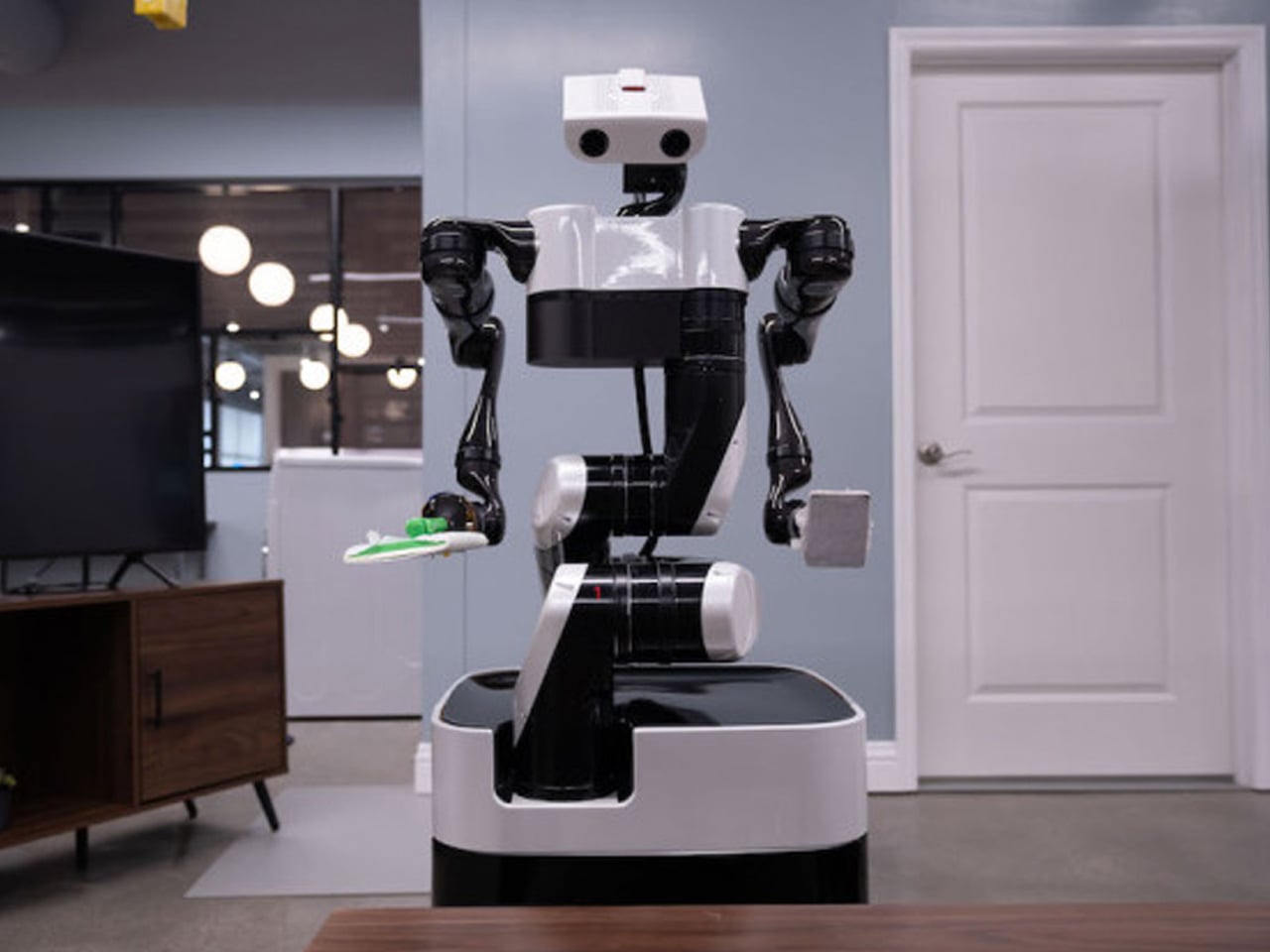
Toyota’s Gantry robot is designed to assist the elderly by performing household chores, offering a solution for the rapidly growing population over 65, who often lack tailored technological support. Unlike industrial robots operating in controlled factory environments, the home presents unstructured and diverse challenges. Developed by the Toyota Research Institute (TRI), the gantry robot is being tested in mock-up home settings in California and can handle tasks such as cleaning and loading the dishwasher. Inspired by Japanese home layouts, the robot is ceiling-mounted to overcome floor-space constraints, allowing it to operate efficiently while remaining unobtrusive.
The gantry robot is part of a broader initiative at TRI to create a fleet of household-assistive robots, including floor-based mobile units and “soft bubble gripper” robots capable of gently handling objects. Using virtual reality, researchers train these robots by recording human actions, programming movements into the machines. While still in prototype stages, this innovative approach could redefine elder care and independent living by integrating robots into home architecture.
2. Simplifying Practical Household Help
Daily chores and specialized tasks can quickly consume your time, but human-like robots are designed to fit naturally into our homes. With two hands and two legs, they can use standard tools and appliances like vacuums, counters, or dishwashers without requiring costly modifications. Their familiar form makes them instantly practical and easy to integrate into everyday life.
Beyond basic chores, these robots can learn and perform complex sequences, turning your routine tasks into streamlined operations. By handling repetitive or time-consuming work, they free you to focus on what truly matters, enhancing convenience, efficiency, and well-being.
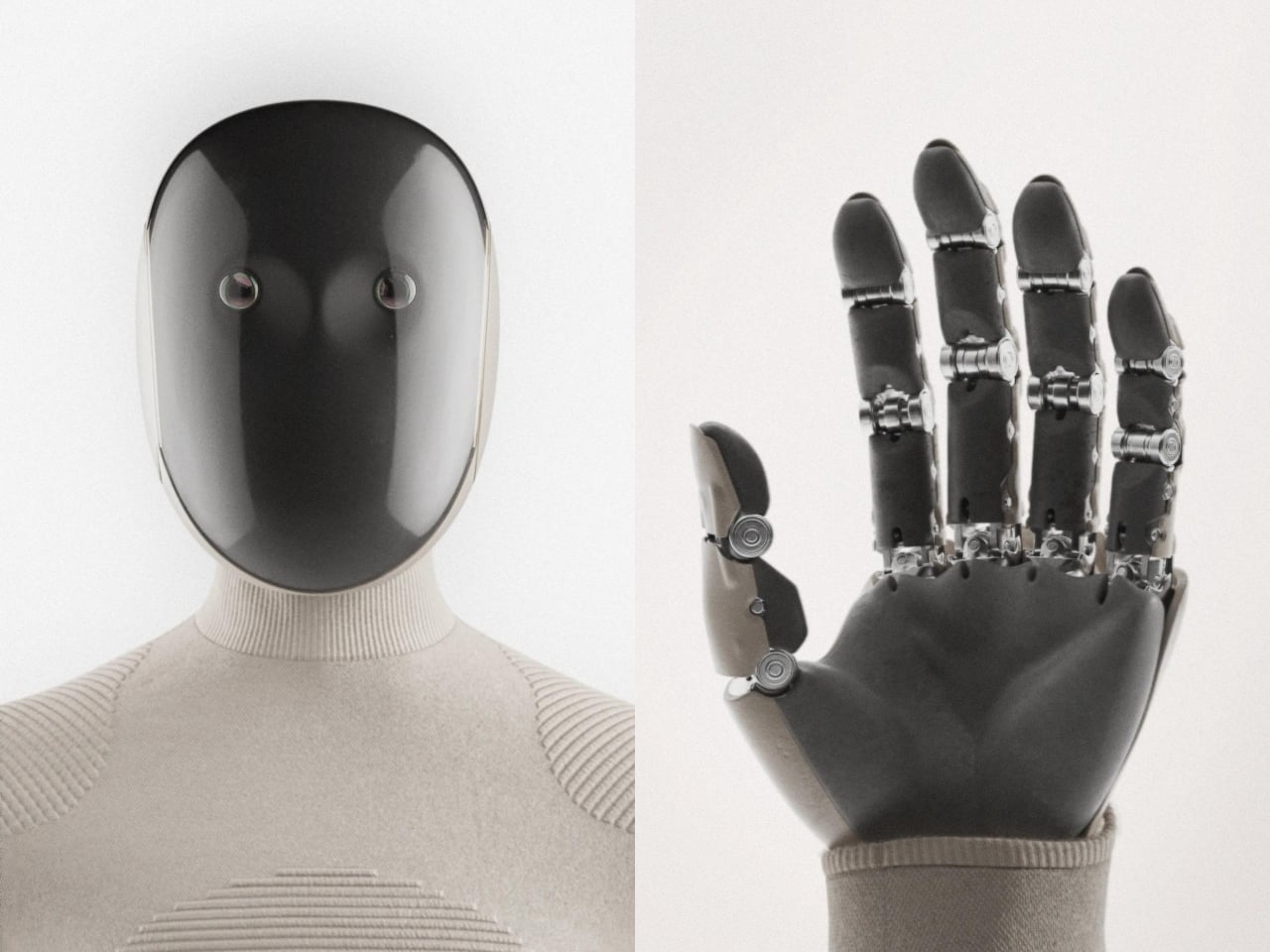
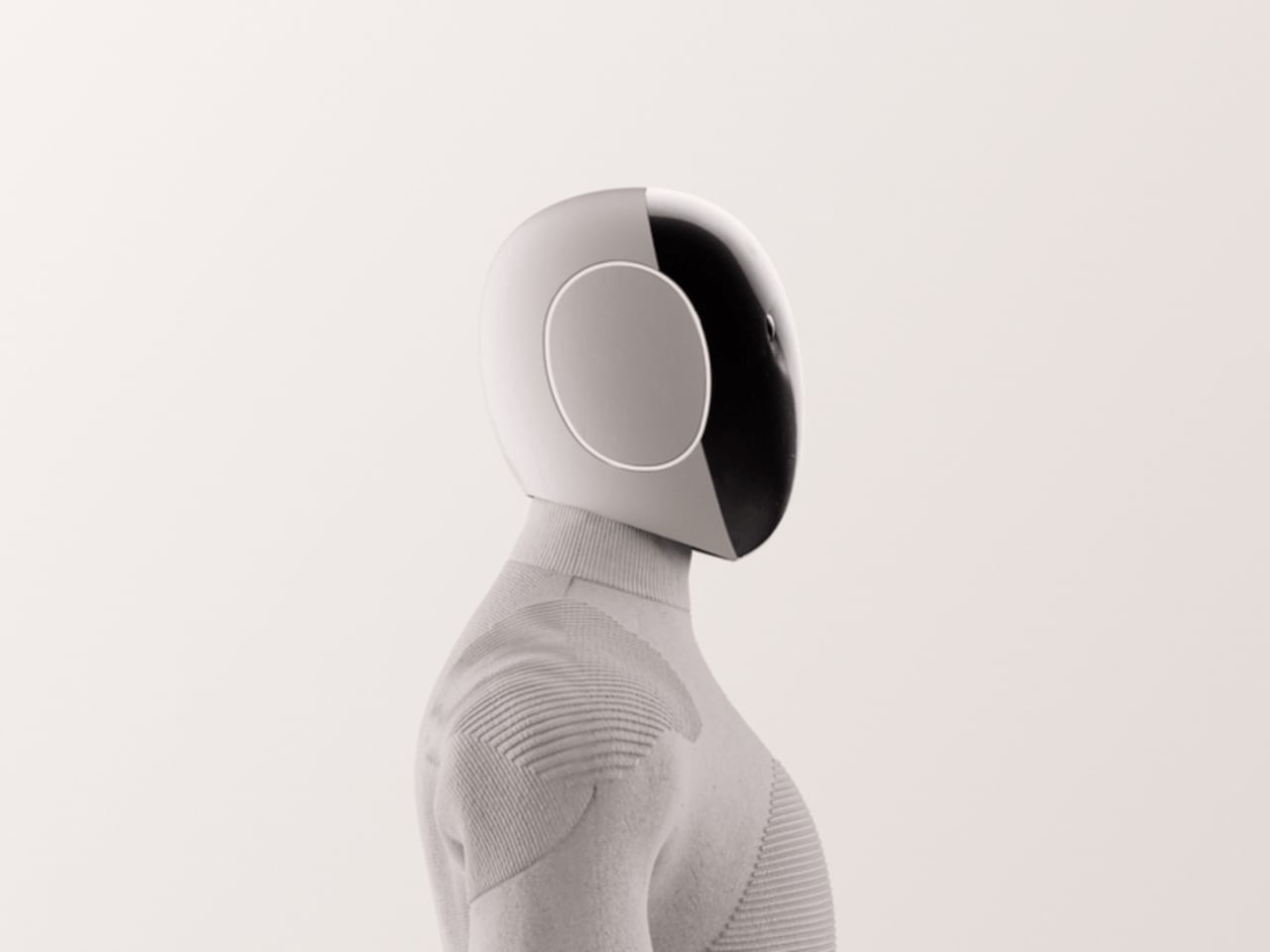
Humanoid robots have long fascinated us, yet their adoption in homes has been limited by overly mechanical designs. Traditional robots with rigid shells, exposed joints, and industrial aesthetics feel out of place among domestic furnishings. As the demand for robotic assistants, particularly for elderly care, rises, machines must be approachable and seamlessly integrate into human environments rather than appear intimidating.
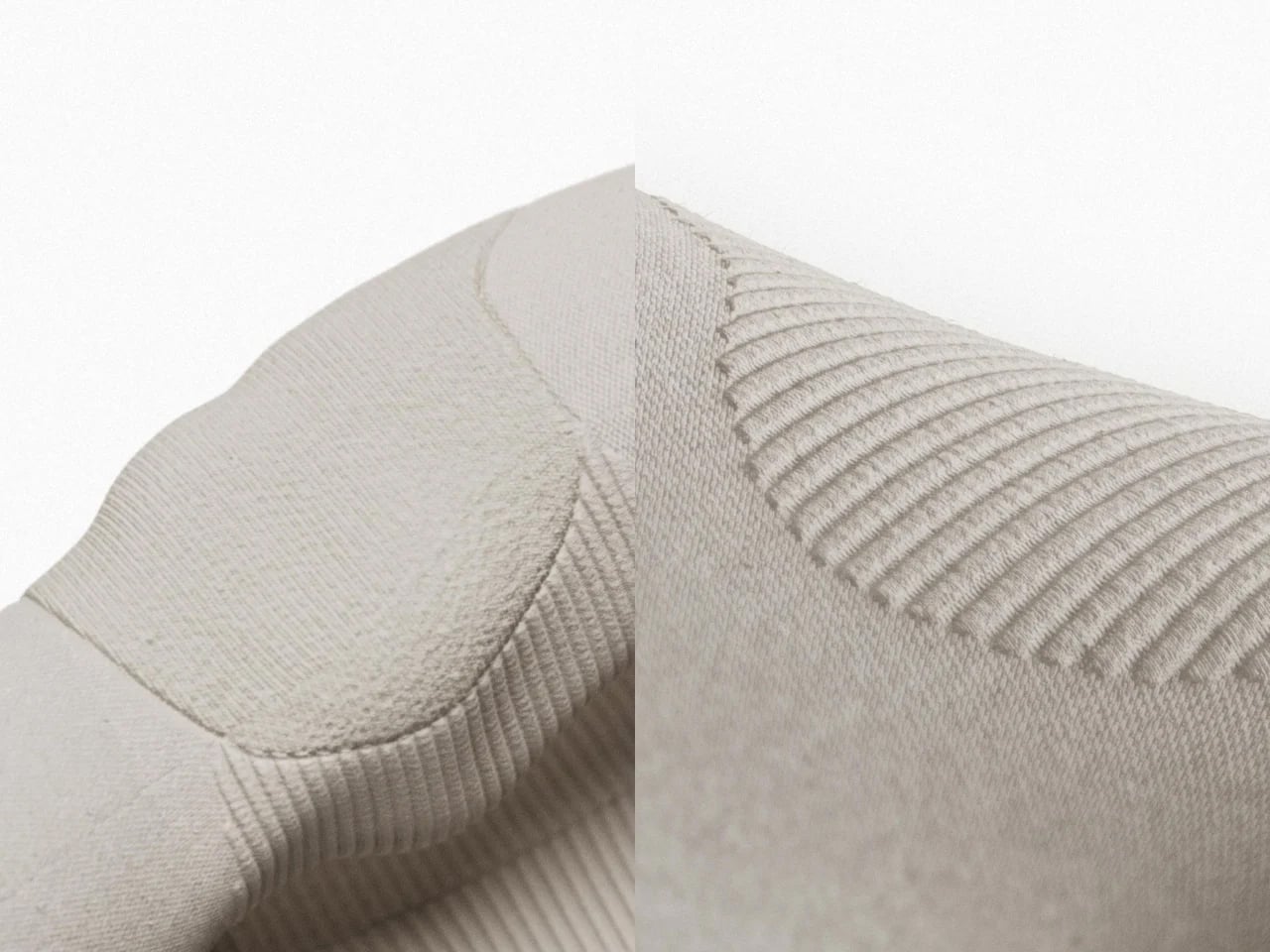
The NEO Gamma from 1X Technology exemplifies this shift. Its 3D-printed nylon fabric “skin” conceals machinery while allowing full mobility and quiet operation. Tendon-driven hands provide precise, gentle manipulation of household objects, and minimalist design elements, including custom shoes and illuminated ear rings, combine stability, intuitive communication, and visual appeal. NEO performs practical domestic tasks such as tidying, deep cleaning, and organizing, freeing household members to focus on meaningful activities. By blending functionality, dexterity, and approachable aesthetics, NEO demonstrates how humanoid robots can harmoniously coexist with humans and transform domestic assistance from novelty to necessity.
3. Enhancing Hotel Service with Robots
Many hotel tasks are repetitive, physically demanding, or time-consuming—like delivering luggage, restocking minibars, or cleaning rooms. Human staff performing these tasks constantly can experience fatigue, stress, and risk of injury. Service robots, designed with human-like form and capabilities, offer a reliable solution, performing these chores efficiently and safely.
By handling routine and labor-intensive duties, robots allow hotel employees to focus on personalized guest experiences, creative problem-solving, and management tasks. This integration boosts overall service quality, improves staff well-being, and ensures smoother, more efficient hotel operations, combining technology with hospitality for a smarter, safer environment.
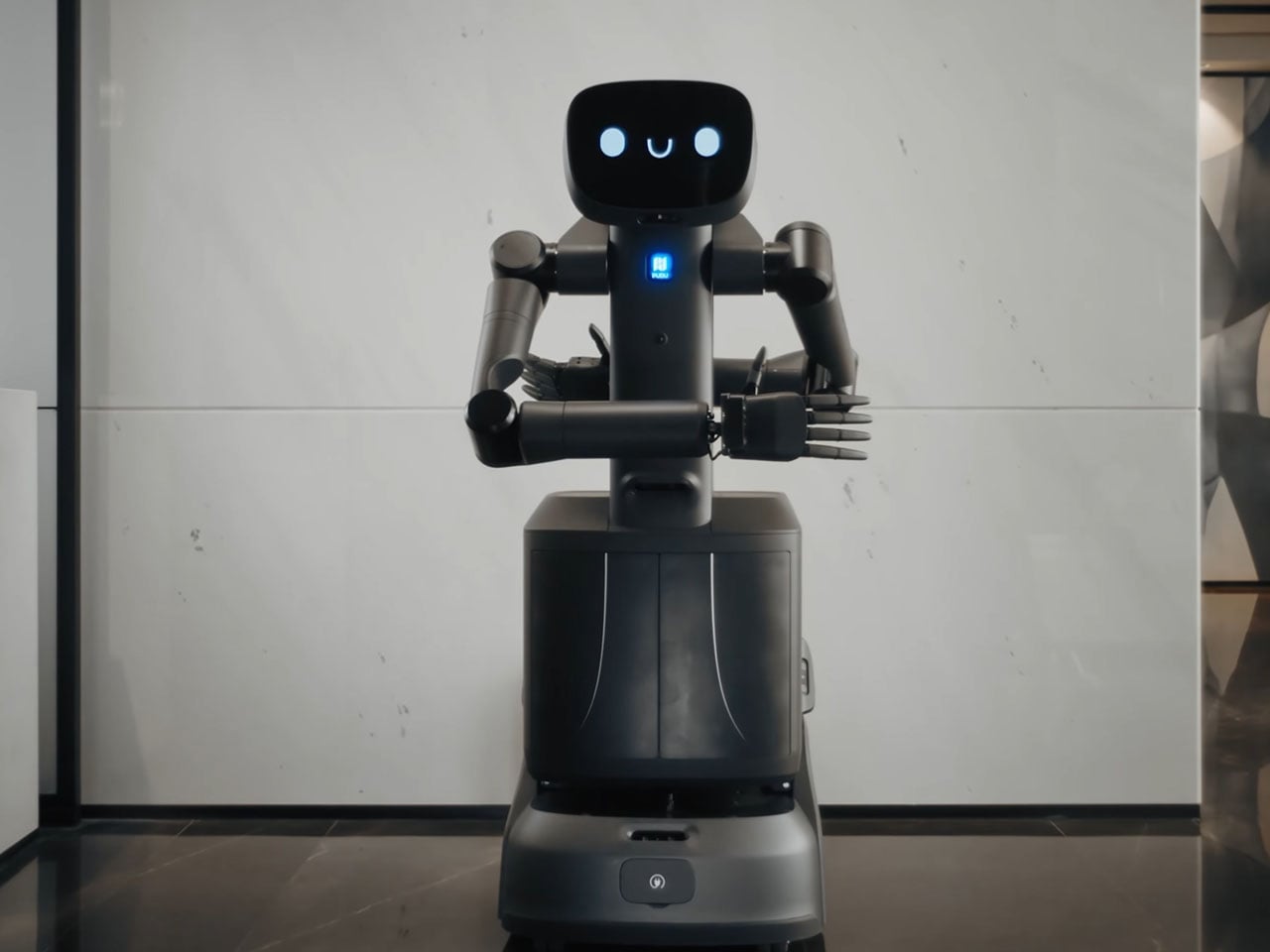
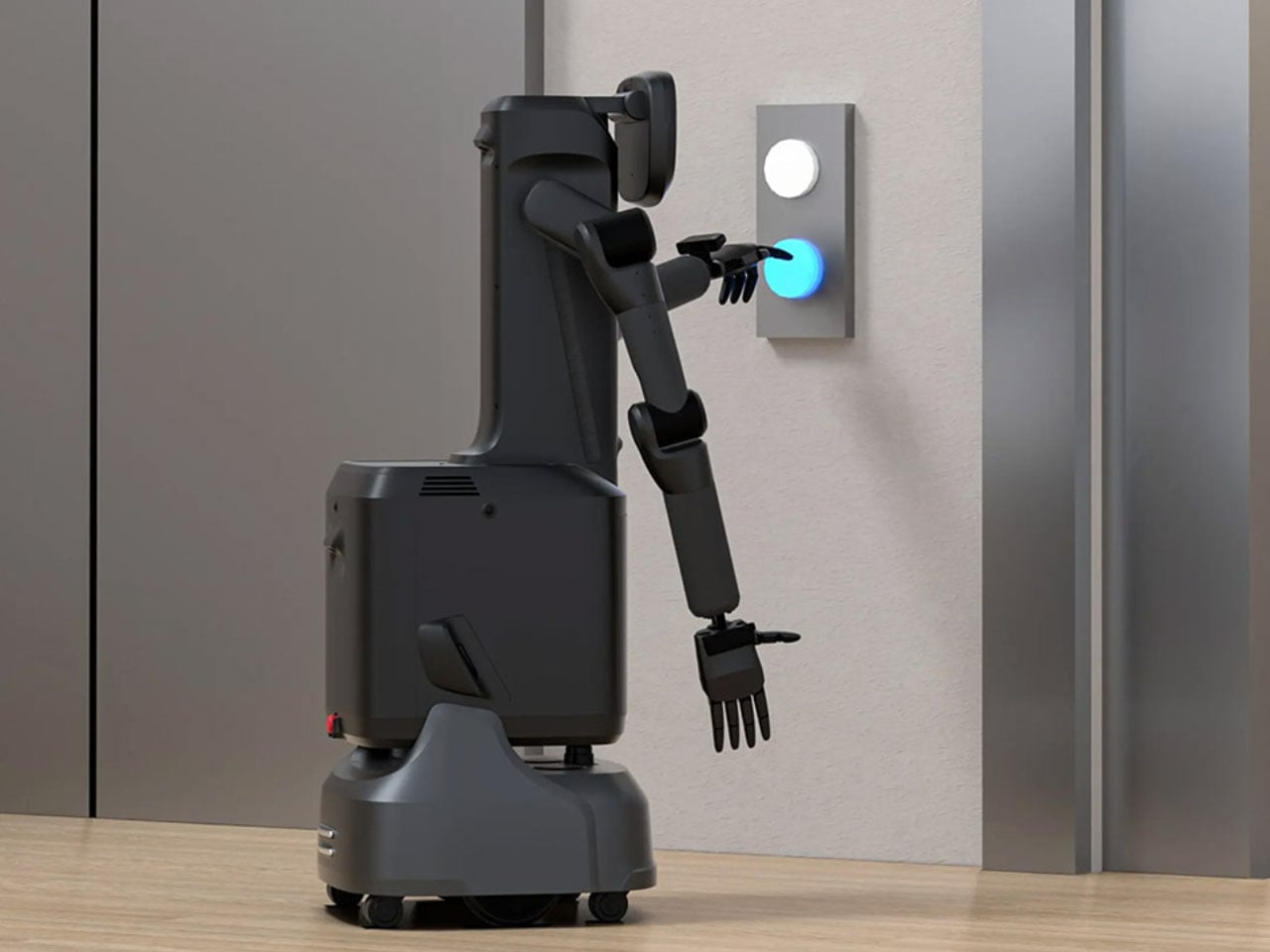
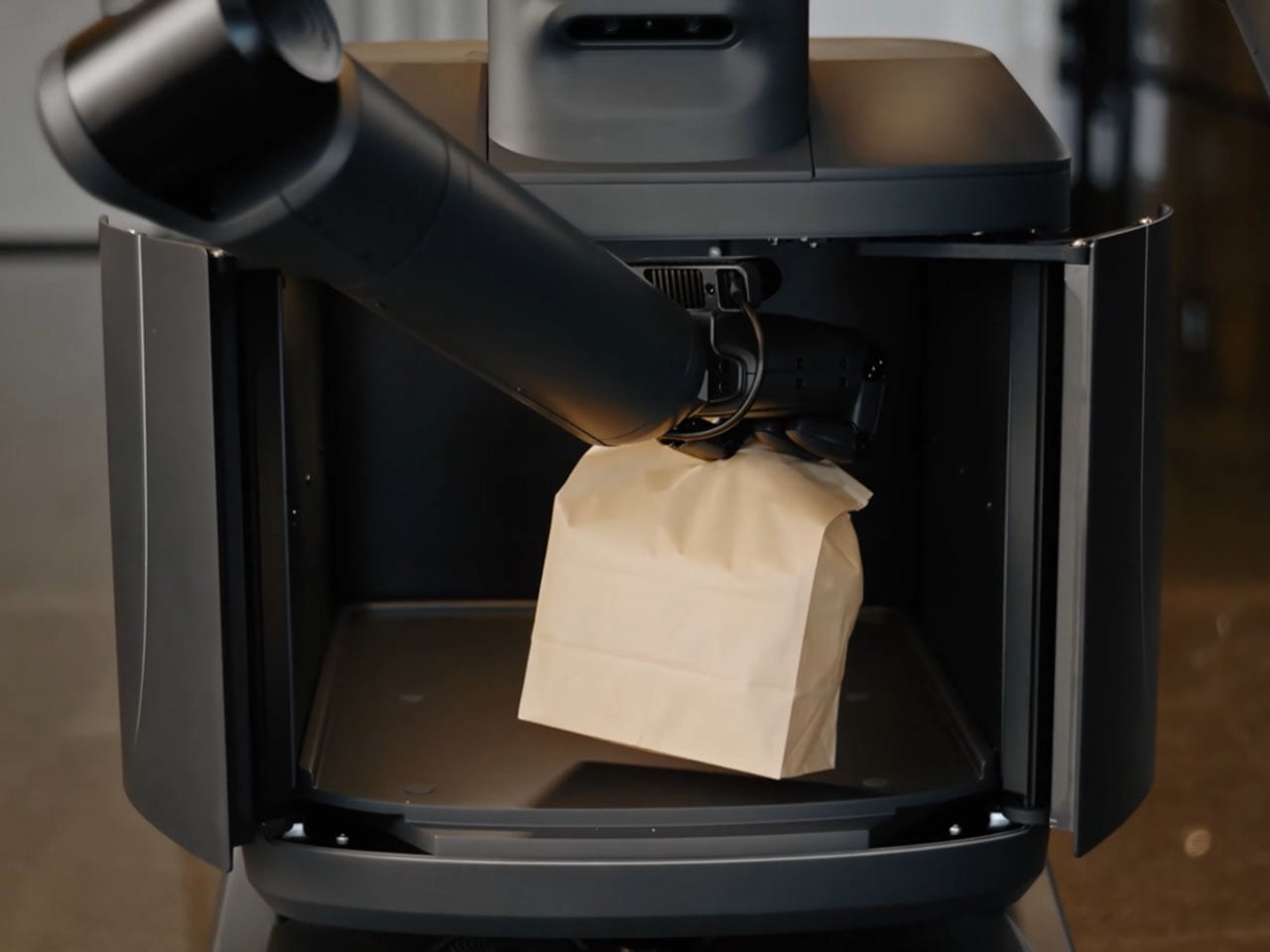
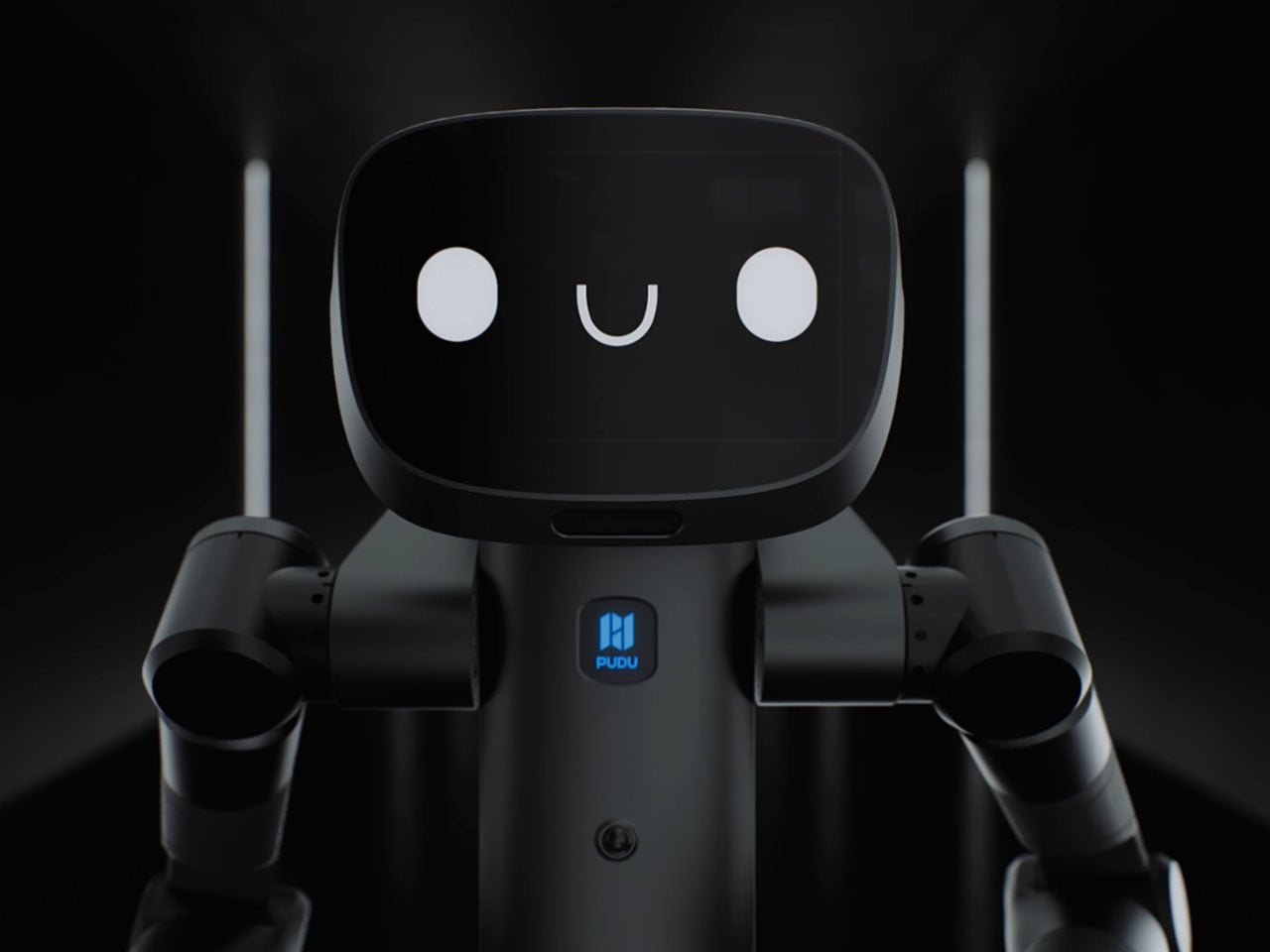
Chinese robotics companies are rapidly advancing the development of humanoid and AI-powered robots with practical commercial applications. Among the latest innovations, Pudu Robotics’ FlashBot Arm stands out as a semi-humanoid service robot designed for dynamic environments such as offices, hotels, restaurants, and healthcare facilities. Building on the company’s FlashBot Max wheeled model, the bipedal FlashBot Arm features dual 7-degree-of-freedom arms, PUDU DH11 hands with 11 degrees of freedom, a 10.1-inch touchscreen, and a spacious belly compartment for secure deliveries. These capabilities enable precise, human-like actions, including object handling, button operation, and interactive gestures, making it highly versatile for complex commercial tasks.
The robot integrates advanced AI and sensor technologies, including RGB depth cameras, panoramic lenses, LiDAR, and pressure-sensitive skin, managed through Pudu’s VSLAM system for real-time 3D mapping and obstacle navigation. Its AI-driven learning model allows autonomous adaptation to various tasks, while voice interaction and collaborative functionality enhance usability. Weighing 33 lb, the FlashBot Arm operates up to eight hours per charge and demonstrates a significant milestone in the commercialization of humanoid AI service robots.
4. Serving as Critical Tools in Hazardous Environments
In fields where human presence is risky or impossible, such as disaster zones or war-struck regions, humanoid robots provide vital operational support. These robots can navigate unstable terrain, assess structural damage, and perform rescue tasks, allowing rapid response without endangering human lives. By executing programmed maneuvers and adapting to real-time conditions, they turn complex strategies into actionable results, making them indispensable in search-and-rescue missions and emergency operations.
Beyond operational efficiency, these robots serve as dynamic tools for training and preparedness. Rescue personnel can simulate high-risk scenarios, program robot responses, and study outcomes, enhancing tactical learning and readiness. Their consistent performance and ability to operate under extreme conditions offer invaluable support, expanding the scope of humanitarian and emergency response while reducing exposure to danger for human teams.
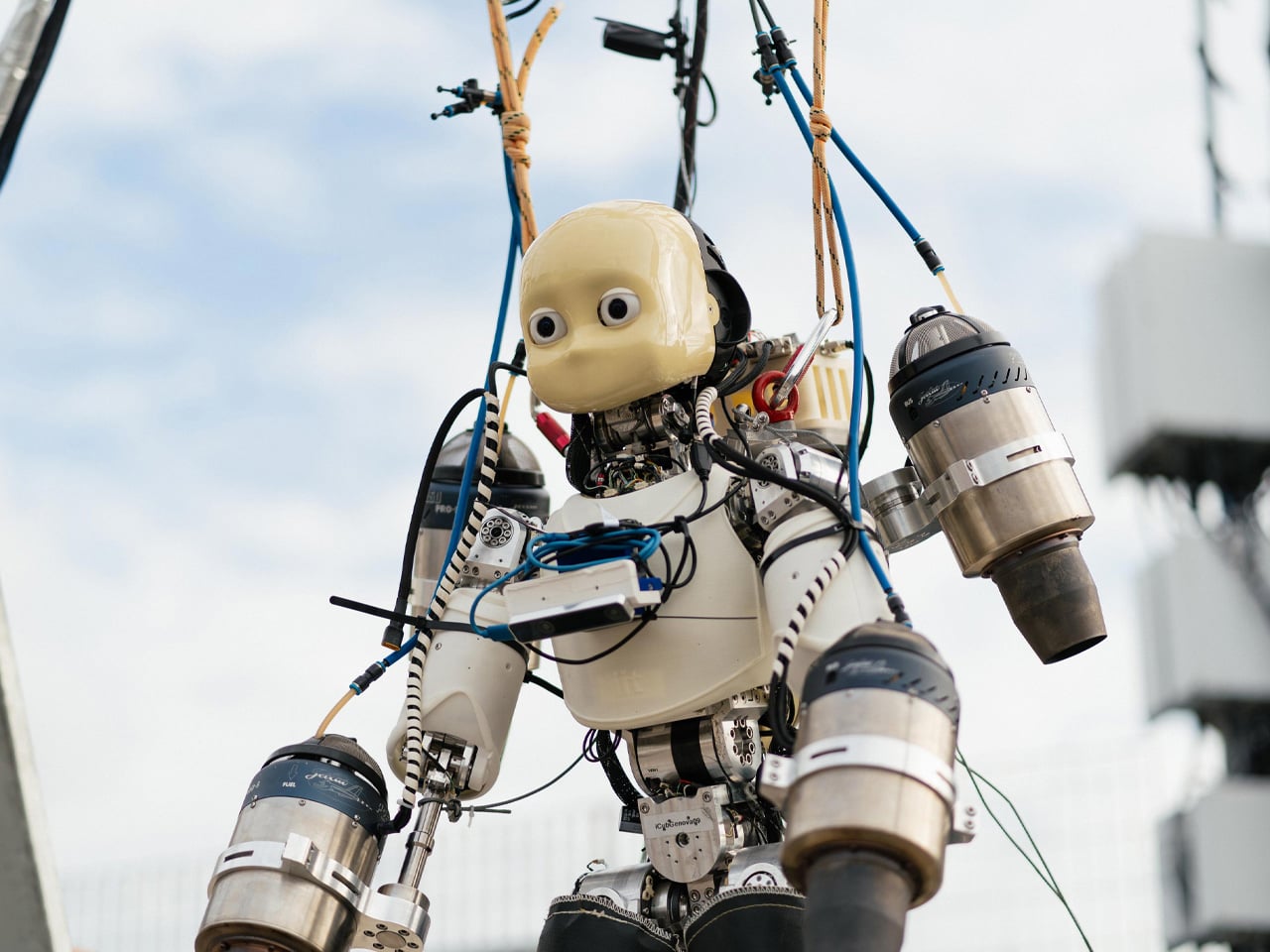
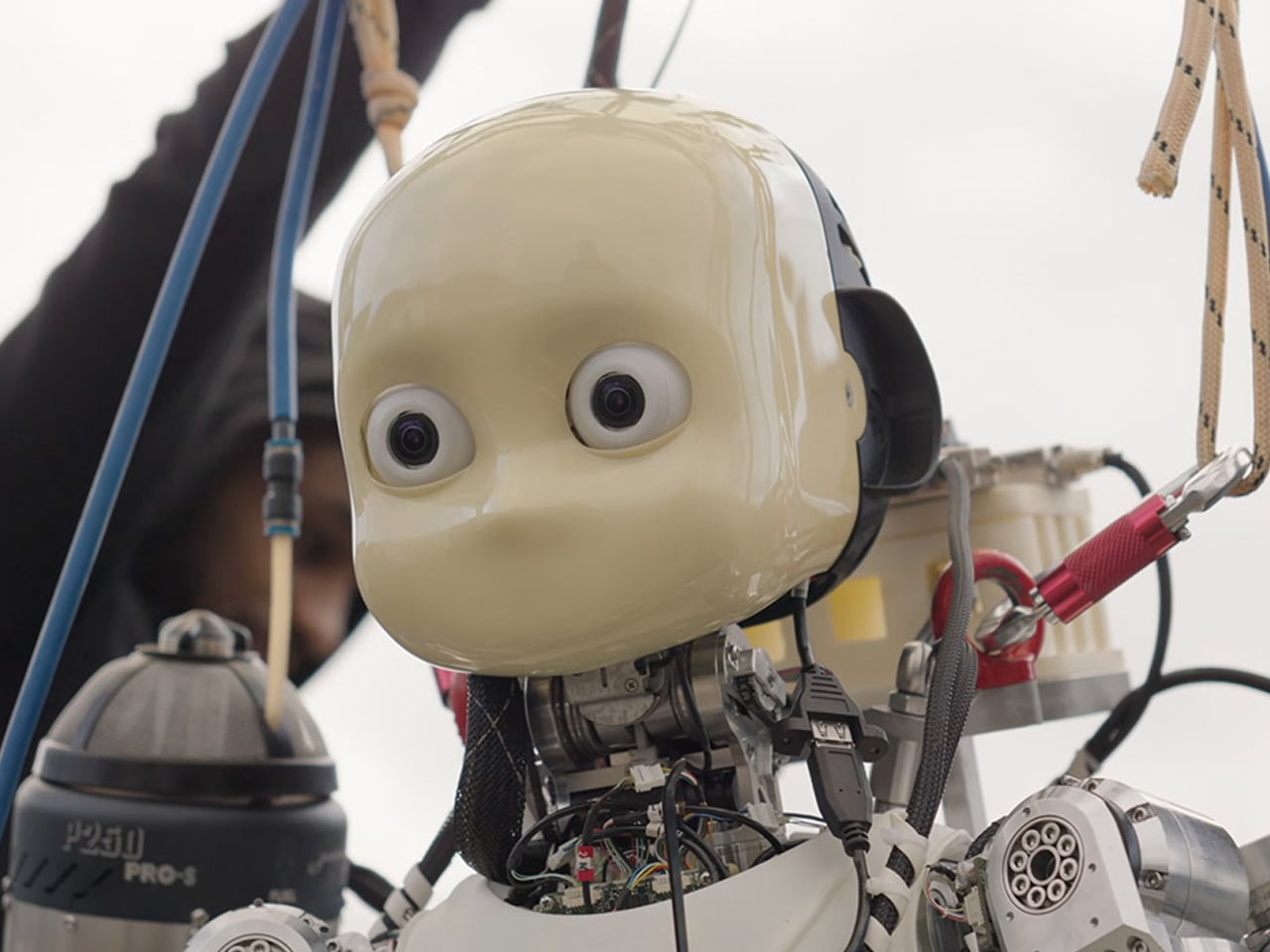
Unmanned Aerial Vehicles (UAVs) often operate in conflict zones such as Ukraine-Russia and Israel-Iran, typically for destructive purposes. In contrast, the jet-powered humanoid robot iRonCub3, developed by the Italian Institute of Technology (IIT), is designed for constructive applications, including search-and-rescue operations in disaster-struck or hazardous environments. Combining terrestrial mobility with aerial capabilities, iRonCub3 represents a major advancement in multimodal robotics. In its maiden flight, conducted in a controlled test area, the robot lifted 50 cm off the ground and remained stable, demonstrating the results of two years of research and multiple prototype tests.
Weighing around 70 kg with four jet engines—two on its arms and two on a back-mounted jetpack—the iRonCub3 can generate over 1,000 newtons of thrust and withstand exhaust temperatures of 800°C, due to its titanium spine and heat-resistant protective covers. AI-driven control systems and optimally positioned turbines allow stable flight in uncertain conditions. Future testing at open sites aims to expand its operational potential, with applications in disaster response, hazardous environment navigation, and other autonomous robotic platforms.
5. Driving Breakthroughs in Human Movement and Design
Designing robots that move, balance, and interact like humans pushes engineers to study human physiology and biomechanics in unprecedented detail. This focus on biomimicry, learning from nature, is yielding breakthroughs that benefit people directly. For instance, improvements in robotic gait are informing better prosthetic limbs and exoskeletons, enhancing mobility for those with physical challenges.
Building human-like machines uncovers the subtle efficiency of our bodies and drives advances in materials, actuation, and control systems. By striving for versatile, stable, and strong robots, we gain insights that improve human performance, safety, and rehabilitation, turning robotic innovation into practical, life-changing solutions.
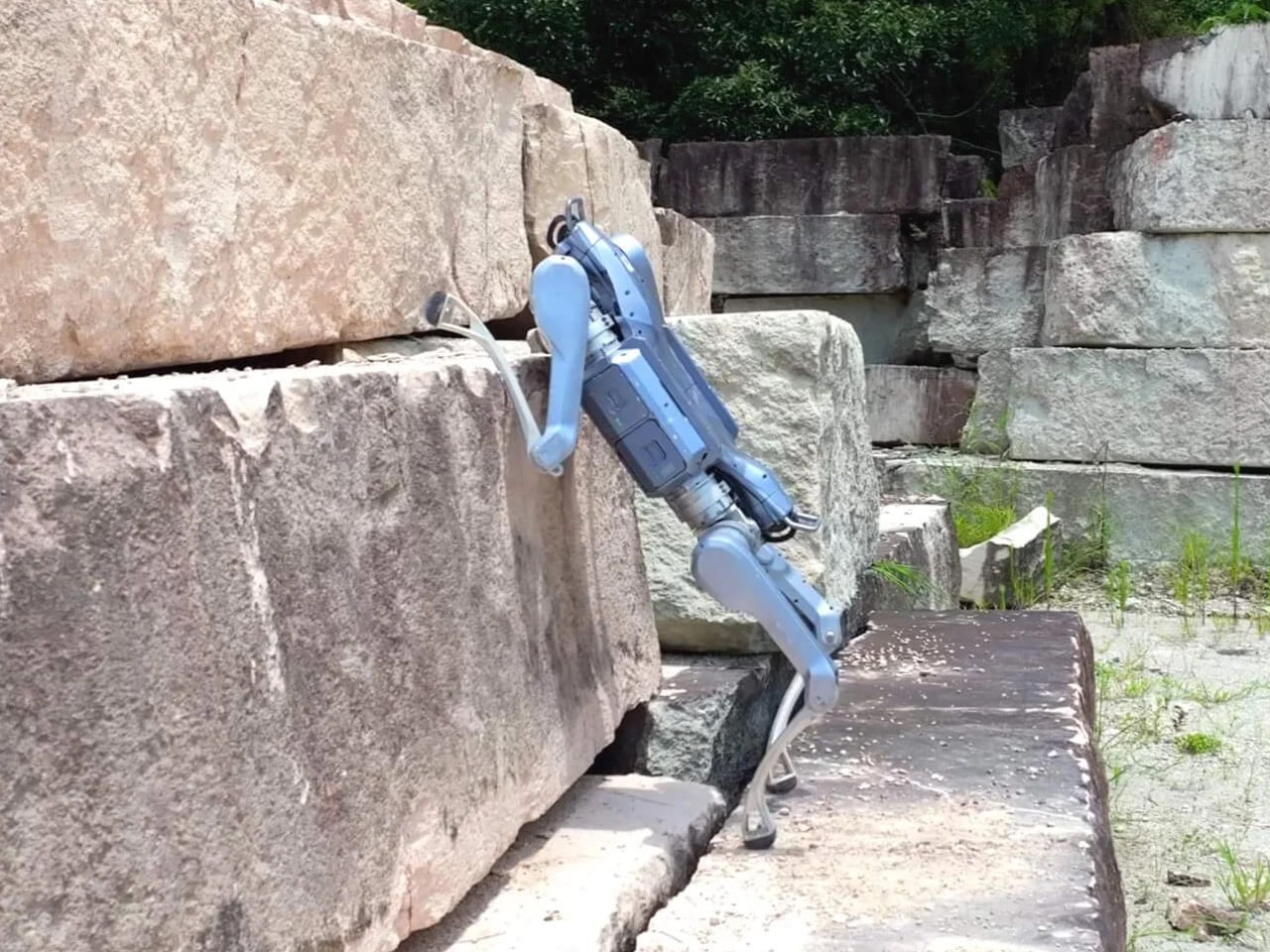
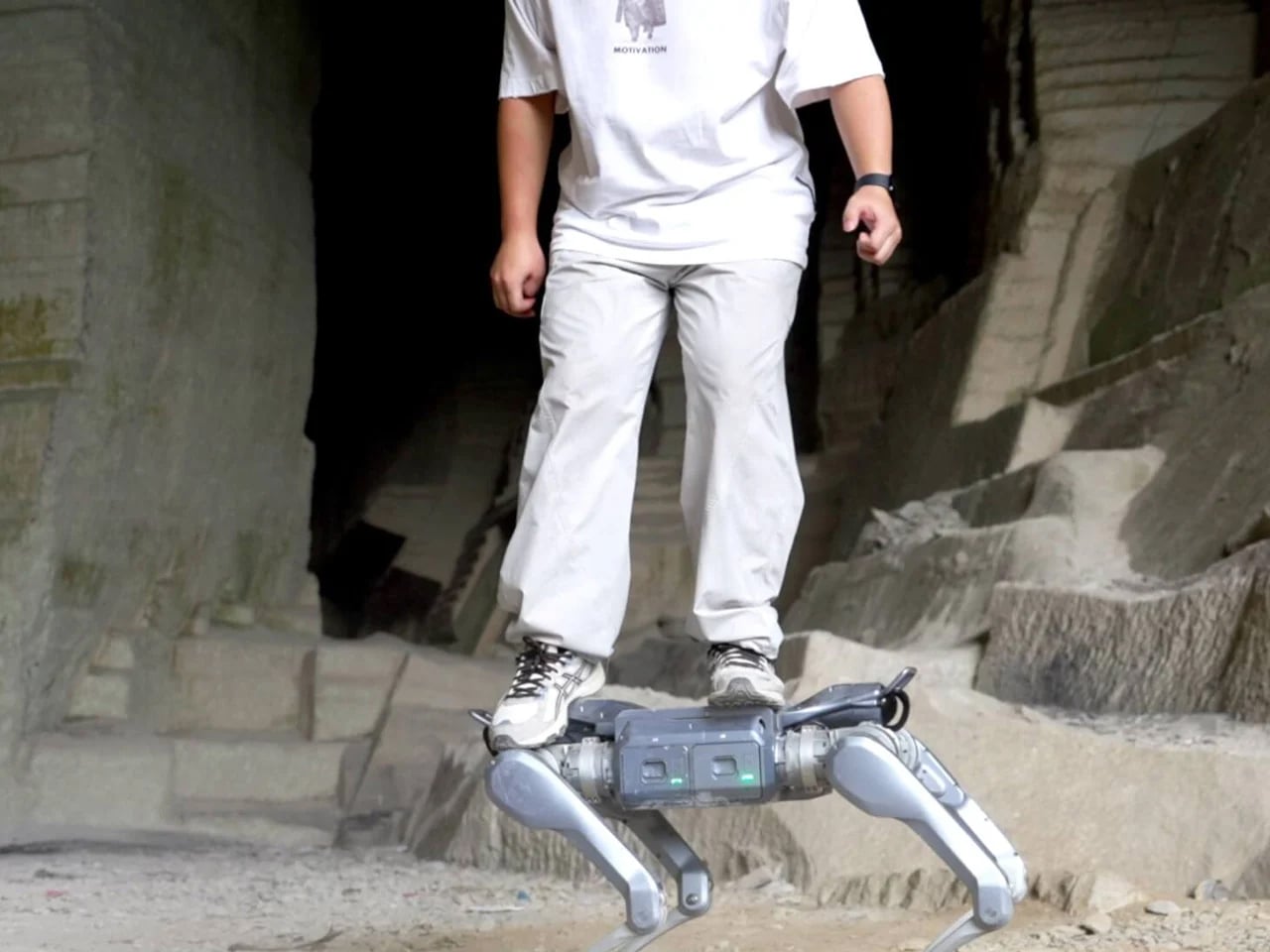
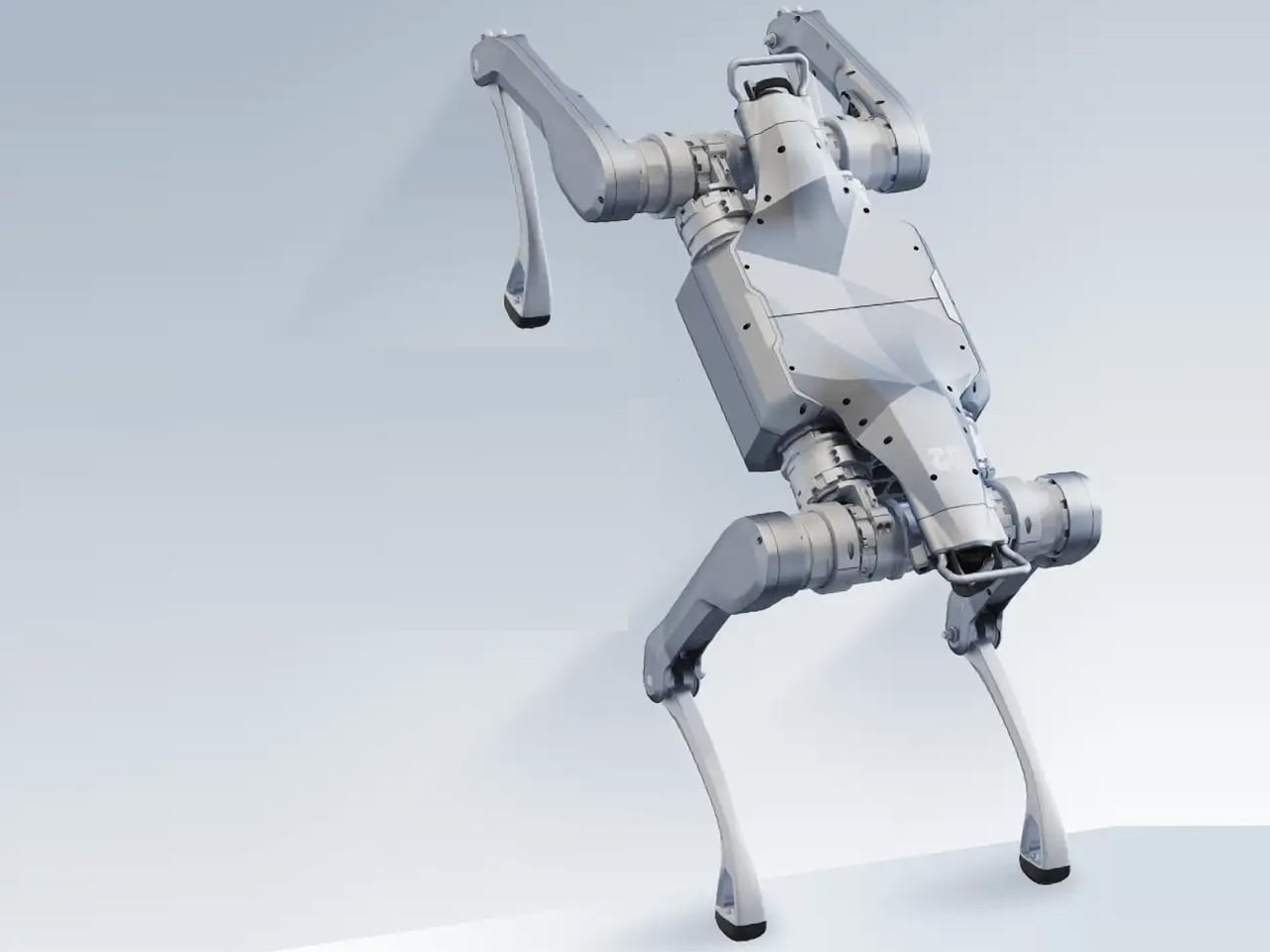
Unitree’s A2 Stellar Explorer marks a decisive advance in the evolution of quadruped robotics, moving the category beyond laboratory experimentation to rugged, real-world deployment. Engineered for harsh environments, the robot dog weighs 81 lbs, carries up to 55 lbs on inclines, sustains 220 lbs when stationary, and performs agile manoeuvres such as flips and jumps. It delivers up to 12 km of load-bearing travel per charge, operates for five hours unloaded, and reaches a top speed of 11.2 mph. With 180 Nm torque, a hot-swappable 9,000 mAh battery, dual LiDAR, AI vision, and an Intel Core i7, it navigates obstacles, steep gradients, and complex terrain autonomously. Connectivity is ensured via Wi-Fi 6, Bluetooth 5.2, and optional 4G/GPS.
More than a technical showcase, the A2 signals a shift toward field-ready autonomous machines. Its payload capacity, endurance, and perception systems position it for applications in inspection, logistics, disaster response, and environmental monitoring where human presence is risky or impractical.
The future with human-like robots isn’t about replacing us, but it is about enhancing life. Like thoughtful interior design brings harmony to a home, these machines offer care support, demanding work, and education. By focusing on practical, helpful applications, we create a safer, more efficient, and well-supported world. This evolution combines technology with purpose, improving daily life for everyone.
Modular synthesis has a split personality. There are racks of patch cables that promise infinite sound design but also scare off newcomers who don’t know what an oscillator actually does. Then there are small, playful instruments and construction toys that invite you to just start pressing things and see what happens. There’s room for a hardware system that borrows the friendliness of toys while still behaving like a serious instrument, one that teaches as you build.
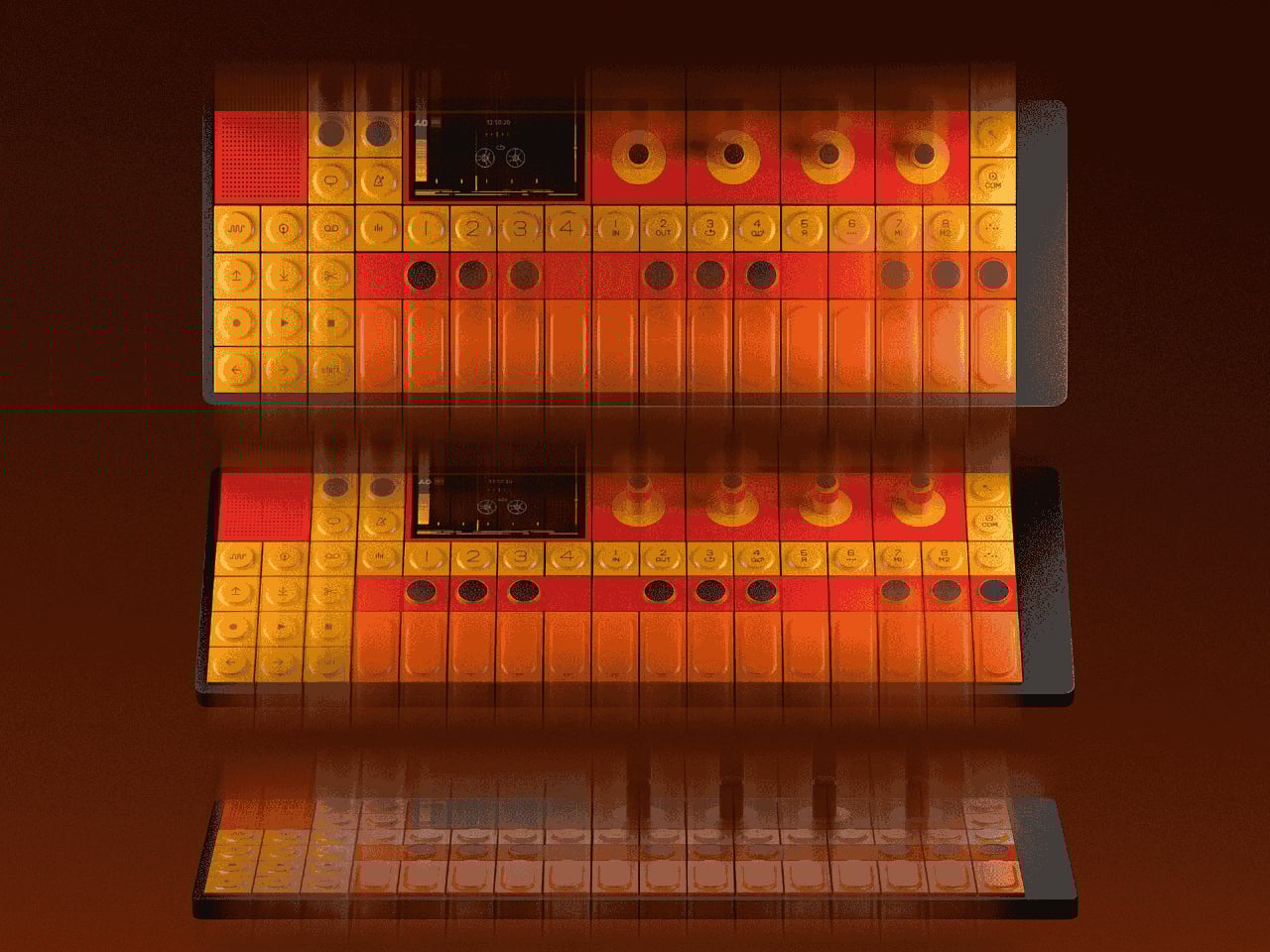
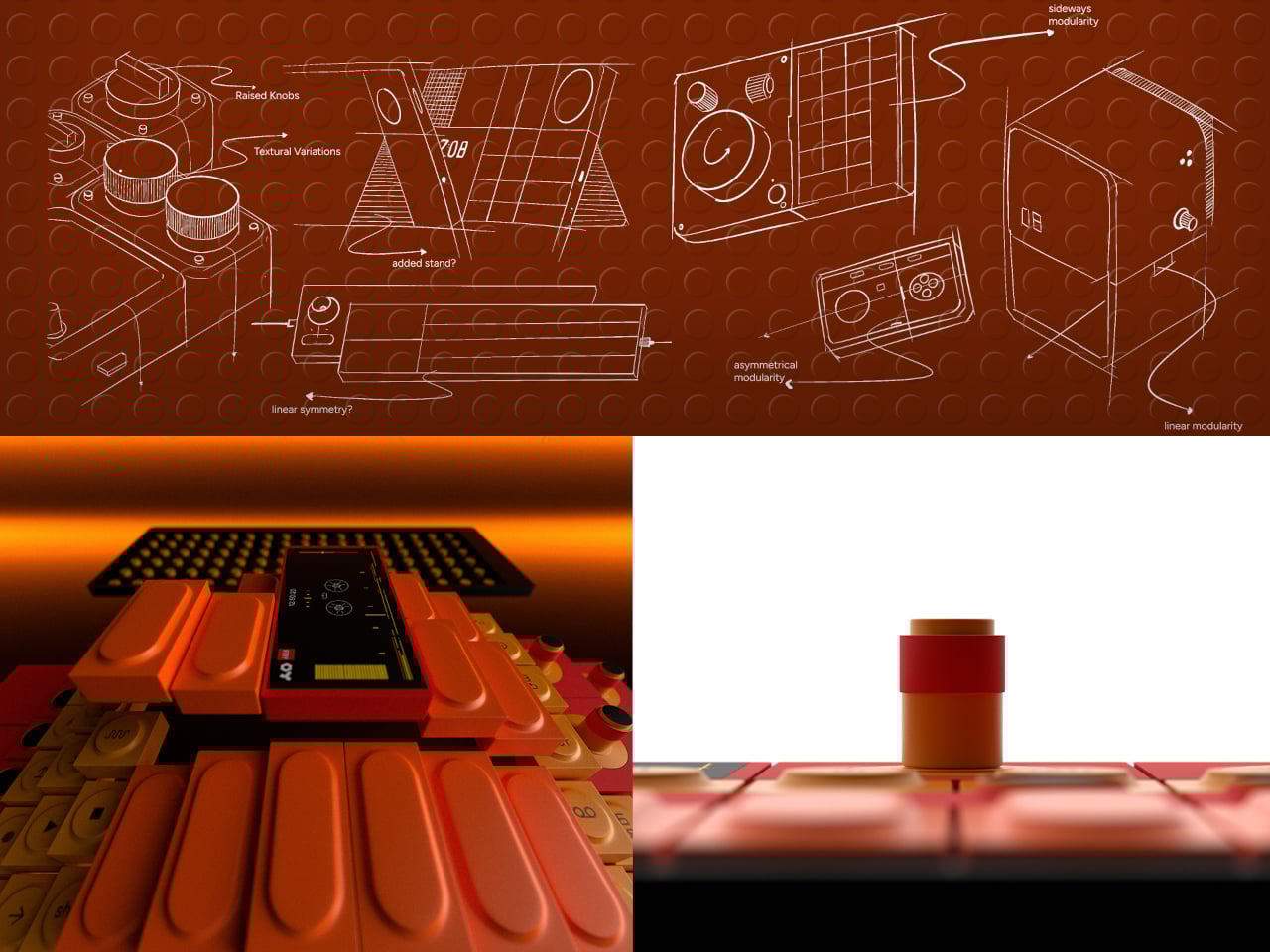
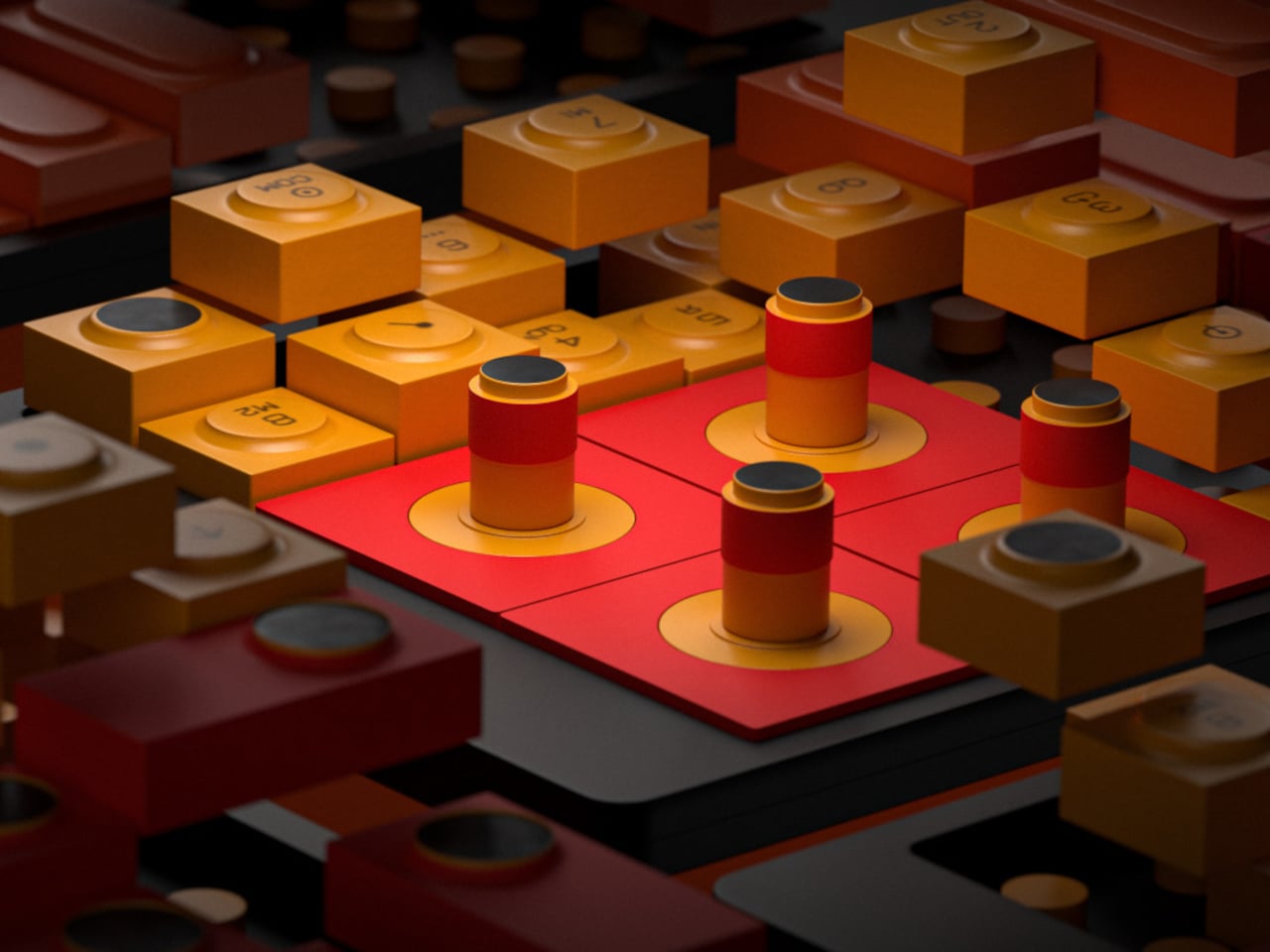
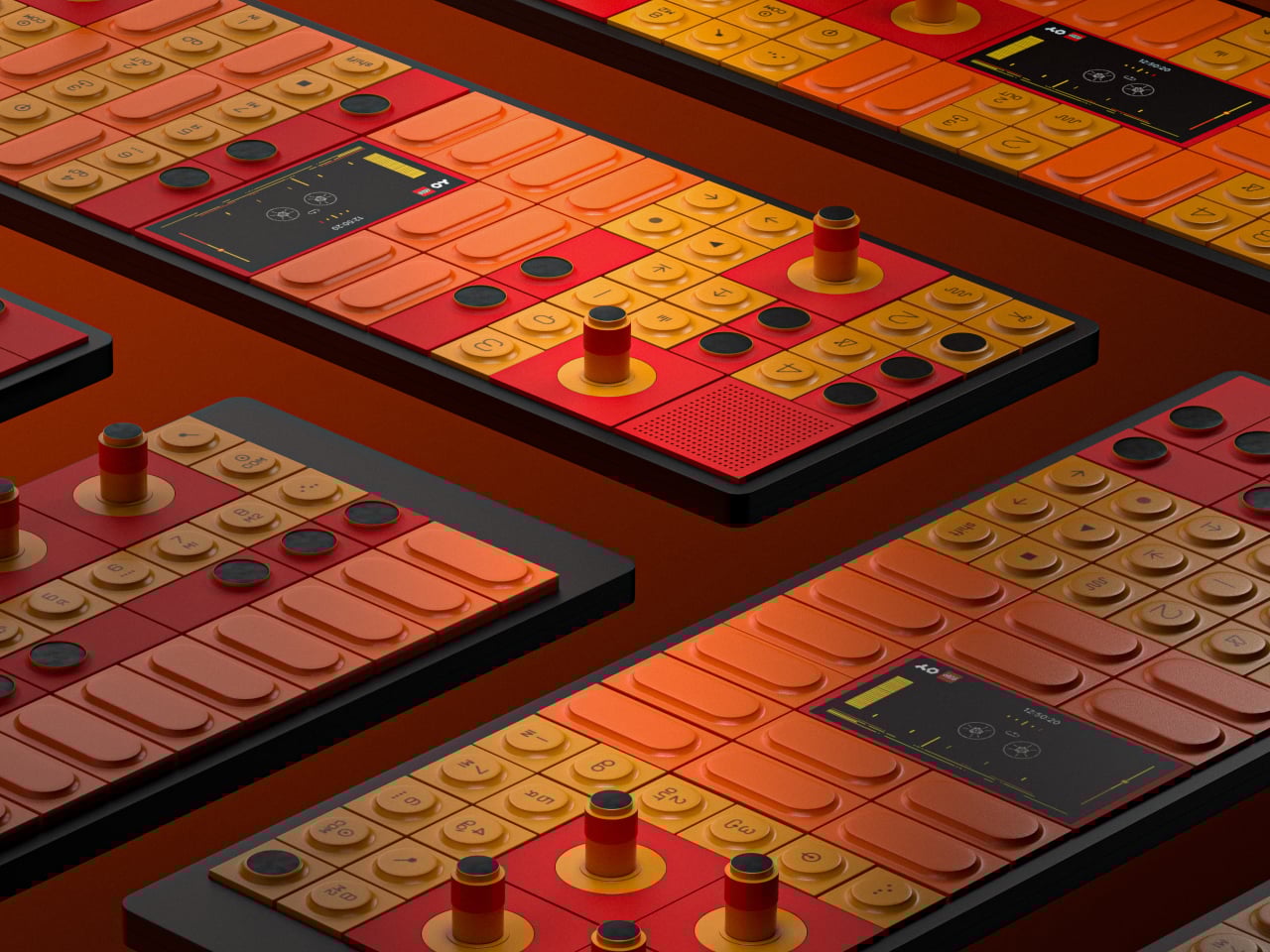
Synth is a modular music synthesizer concept that treats every function as a physical block. Keys, pads, knobs, sequencer, effects, and display all live on separate modules that snap into a base. The designer cites inspiration from playful minimalism and block-based logic, but the project is independent and not affiliated with any existing brands; it simply borrows that spirit of approachable, interlocking parts that make complex things feel accessible.
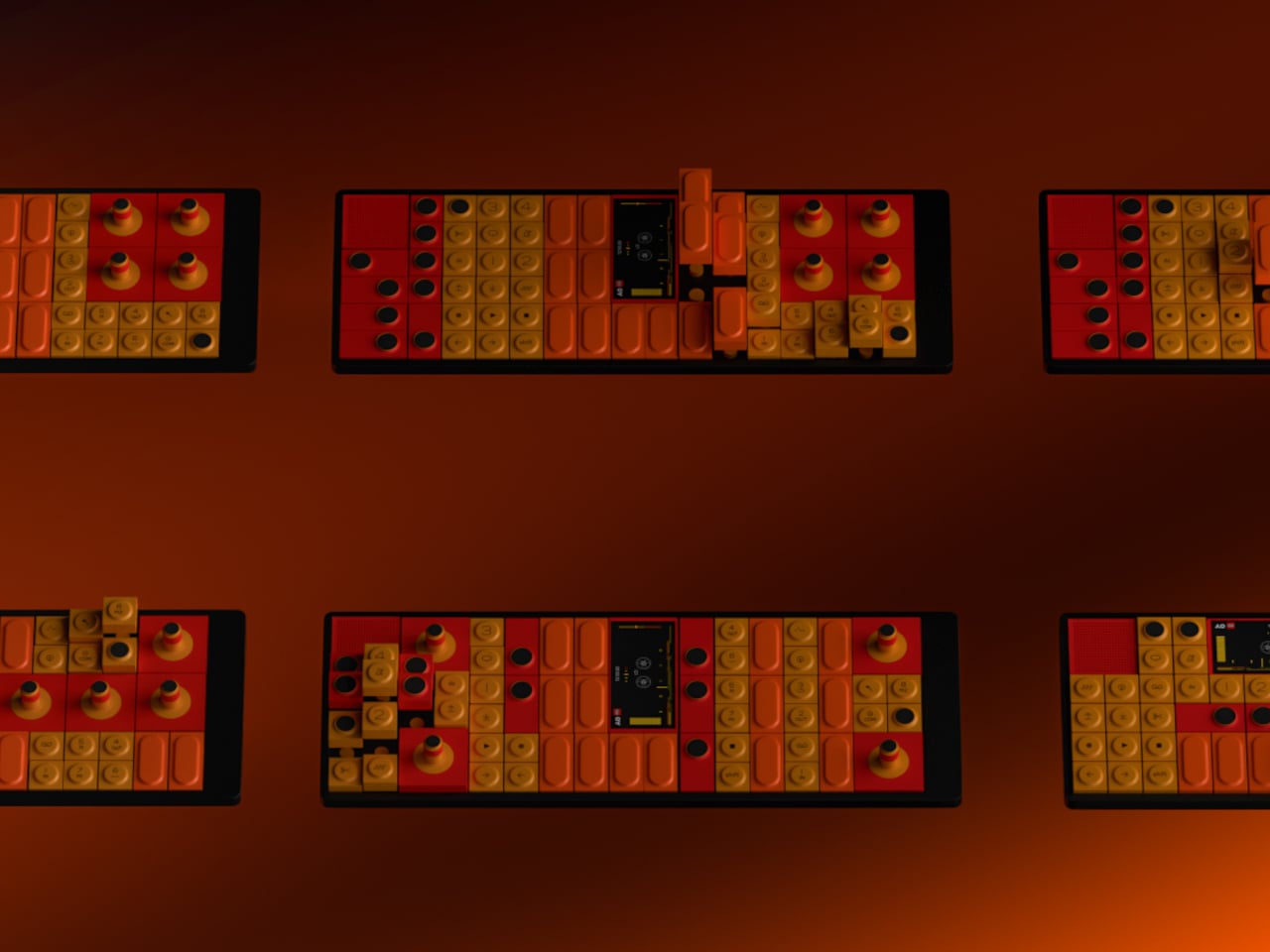
The base acts like a studded board, and each module clicks into place wherever you want it. A beginner might start with a simple strip of keys, a small display, and a single effects block. As they grow more confident, they can add more modules, rearrange the order, or build a performance-focused layout with pads and big knobs up front, all without opening a settings menu or diving into software preferences.
Arranging modules from left to right or top to bottom mirrors the path sound takes through a synth. Oscillator, filter, envelope, effects, each block is a step in the chain, you can literally see and touch. Clear visual cues and simplified controls help users understand what each stage does, turning abstract synthesis concepts into something you learn by rearranging tiles instead of reading manuals.
This approach makes Synth less intimidating for beginners, who can treat it like a musical construction set, while still giving advanced users a flexible playground. Someone focused on live performance might cluster pads, faders, and a sequencer near the edge, while a sound designer might build a long row of modulation and effects modules. The same hardware adapts to very different workflows without needing firmware updates or screen menus.
The warm, tile-based aesthetic, with bold colors and minimal controls, invites experimentation rather than caution. The layout feels like a board game or building set, which lowers the psychological barrier to trying odd combinations. That sense of play is intentional; the project wants sound design to feel like a hands-on, spatial activity instead of a dense screen full of parameters you’re afraid to touch.
Synth reframes music production as something that grows alongside the user. Instead of buying a fixed box and learning to live with its quirks, you build your own interface, then rebuild it when your needs change. Even as a concept, it hints at a future where modular music hardware isn’t only about swapping electronic modules in a rack, but about reshaping the very surface you touch while you create.
EDC used to mean something very specific. Ask any survival enthusiast and they’ll tell you it stands for EveryDay Carry, the essential tools you keep on hand at all times. A Swiss Army knife. A multi-tool. A compact flashlight. Things built for the unpredictable, the inconvenient, and the emergency. The whole point was physical survival, and the design language to match: rugged, matte, built to last.
Then designer Juhyeon Kwon asked a pretty sharp question: what does survival actually look like today? The answer, apparently, is a 3% battery warning which may eventually lead to FOMO (fear of missing out), digital version.
Kwon’s EDC concept takes the abbreviation and flips it into something that feels truer to how we actually live now: EveryDay Charge. Because whether we want to admit it or not, keeping our devices powered has become just as critical as anything a Swiss Army knife ever solved. You need your phone to navigate, communicate, work, bank, and basically exist in modern life. A dead battery isn’t just an inconvenience. It’s a full stop. And unlike the emergencies that a multi-tool was built for, this one happens every single day.
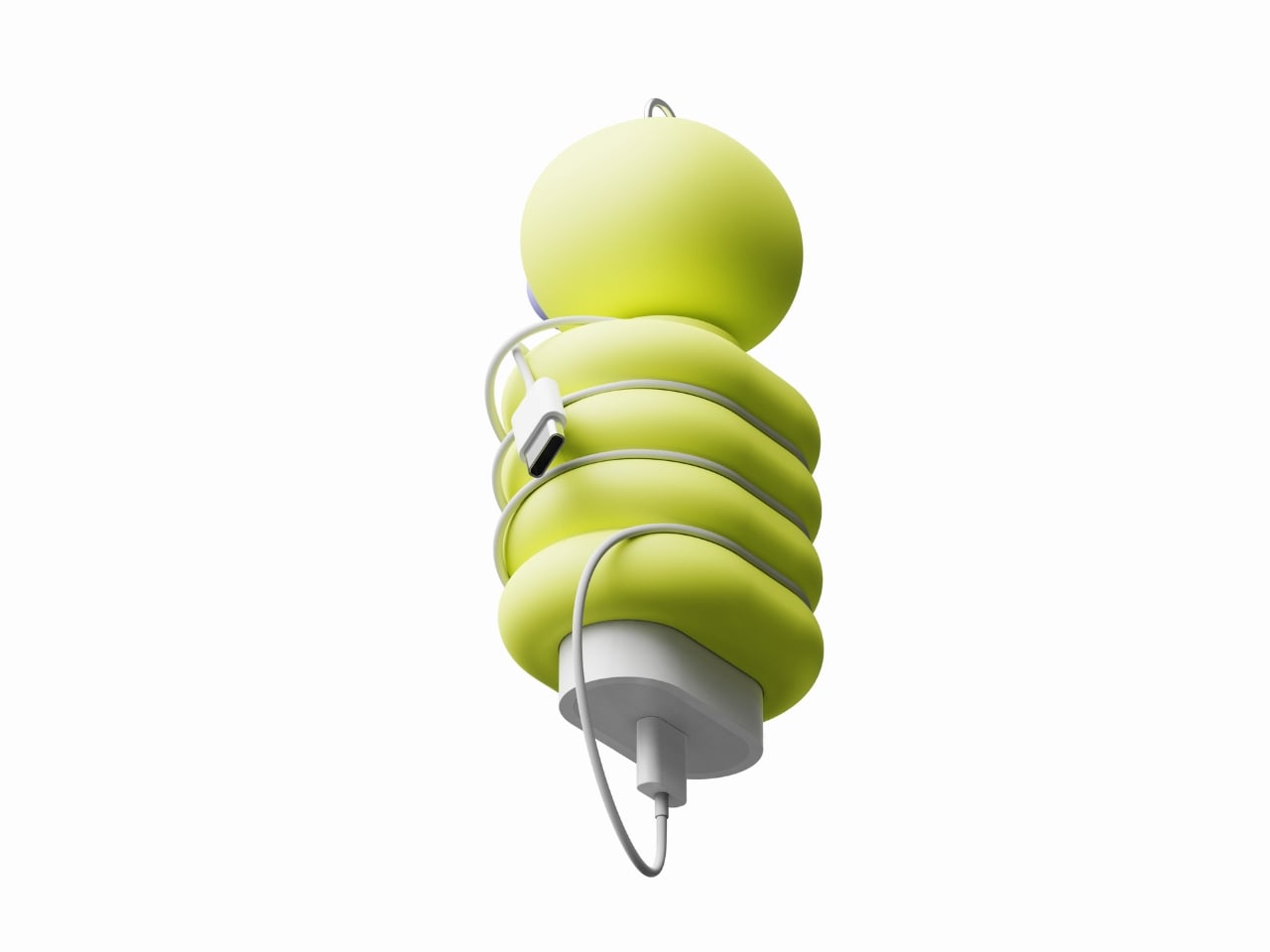
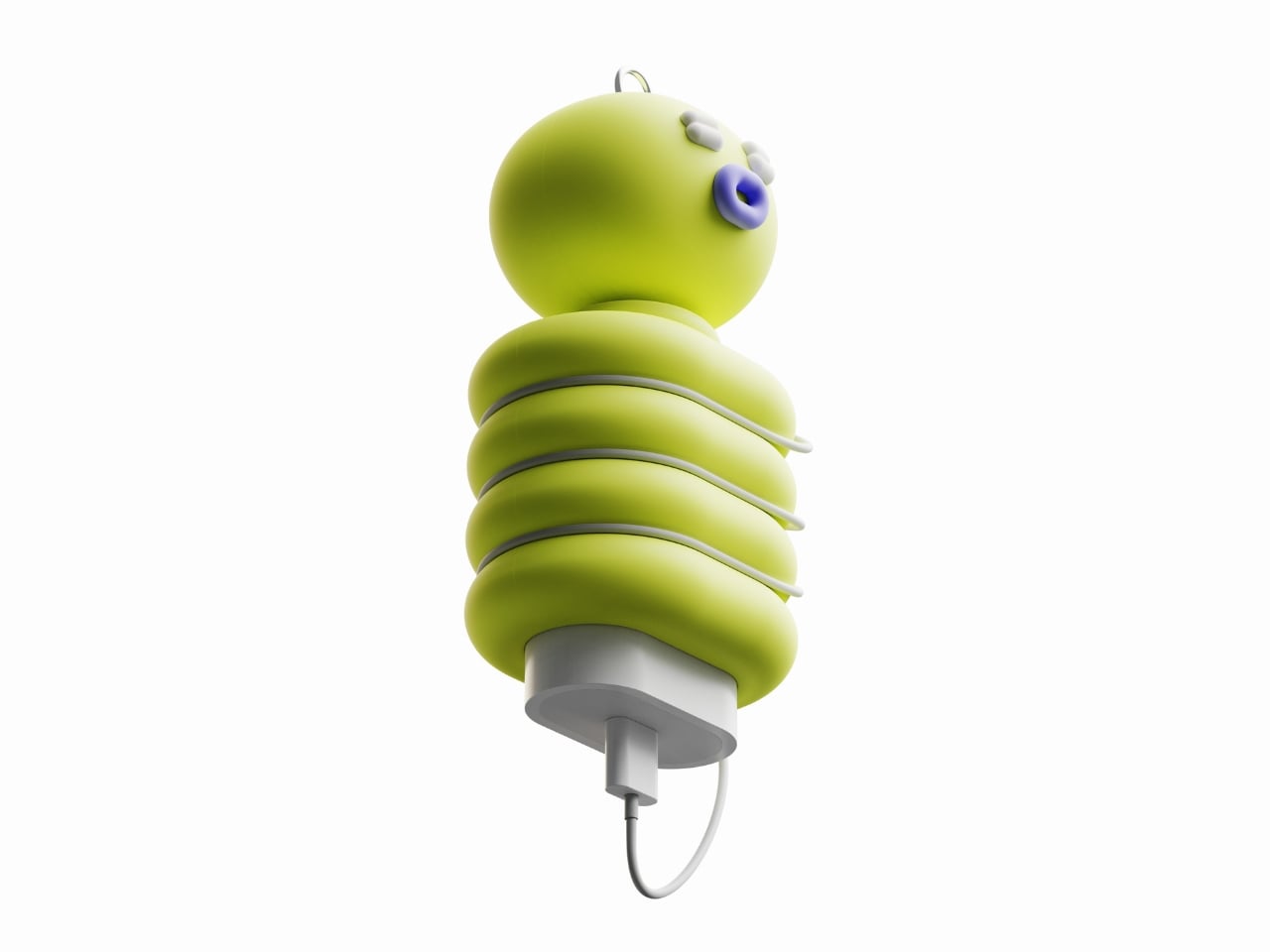
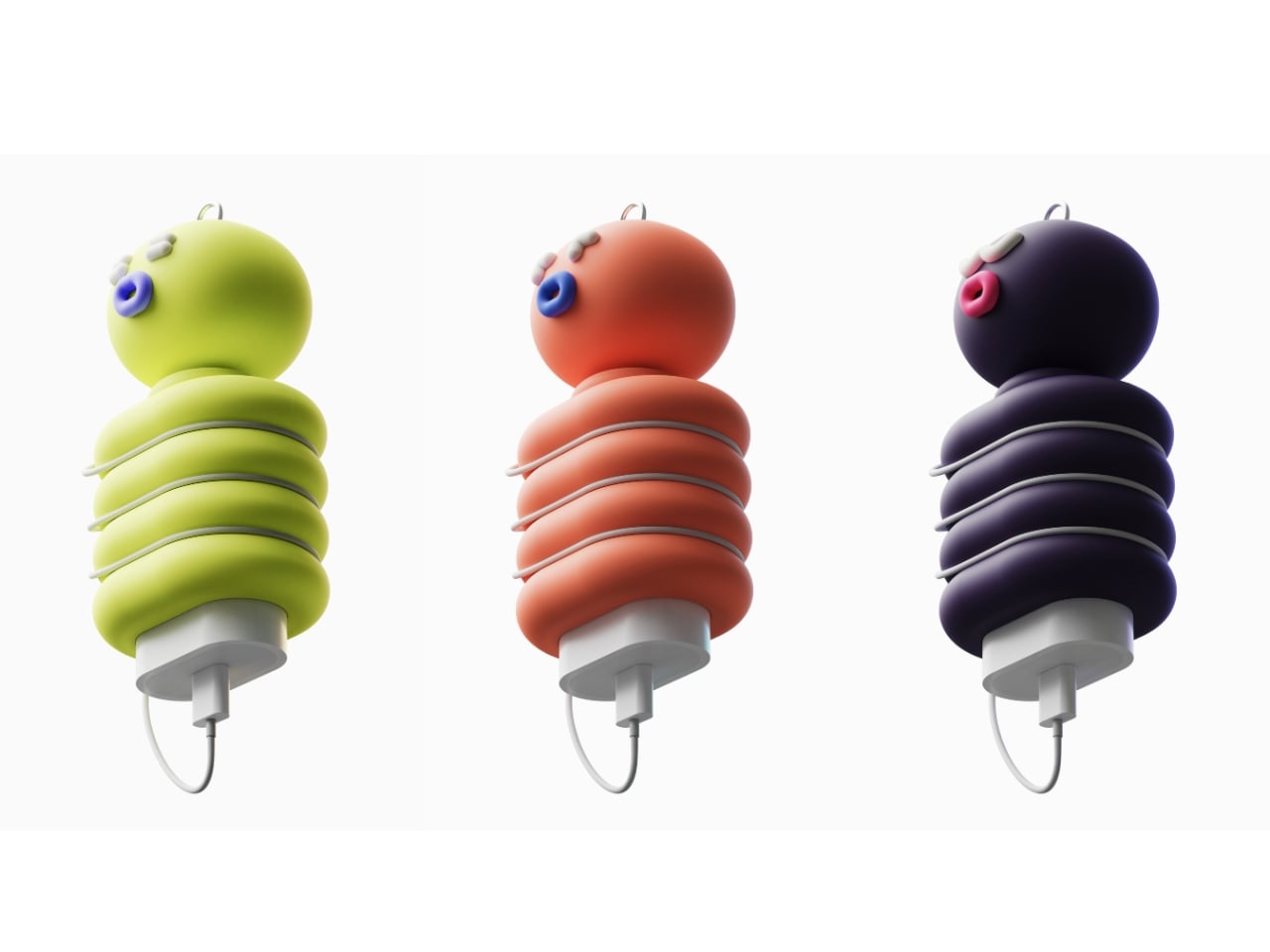
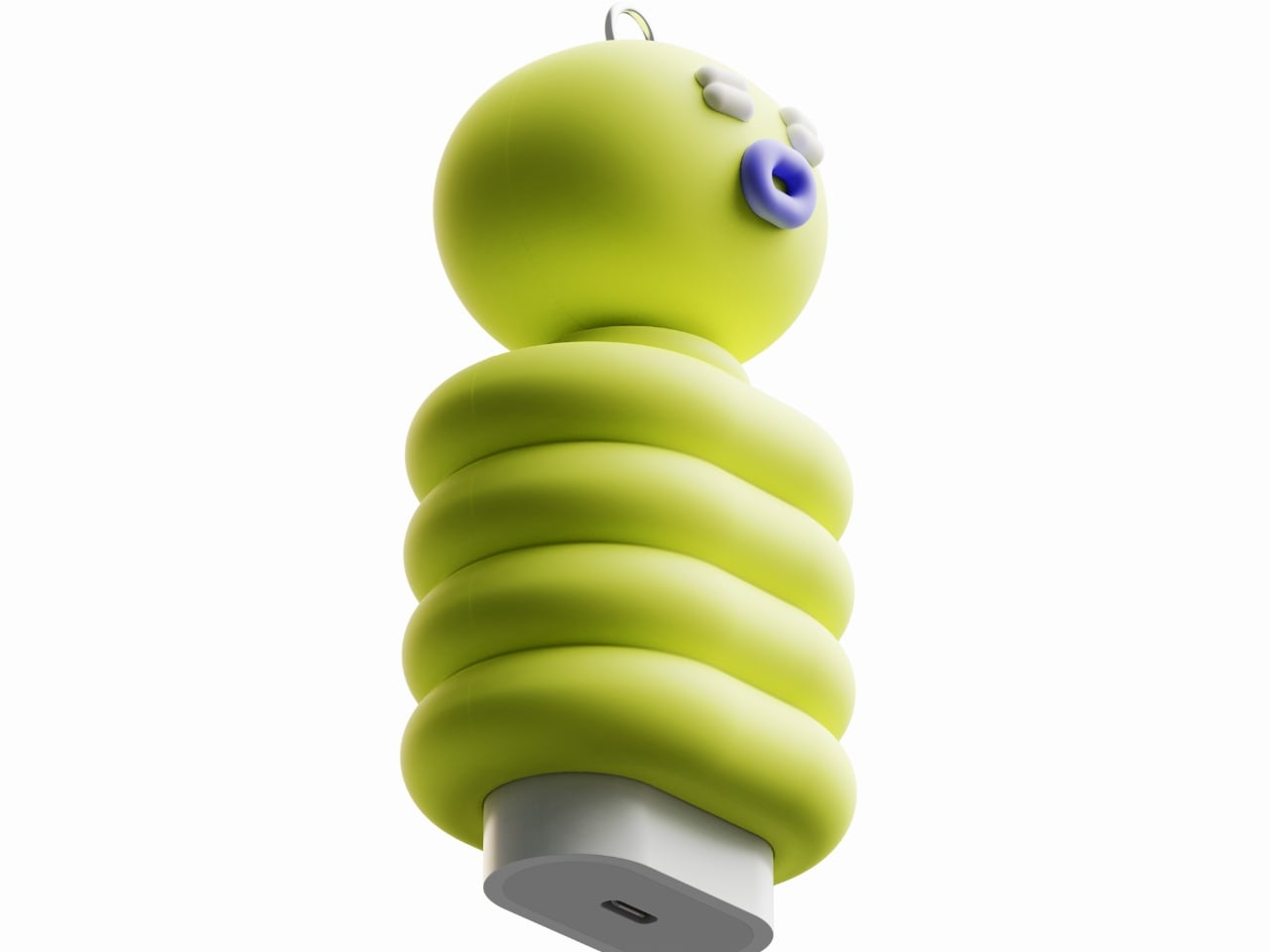
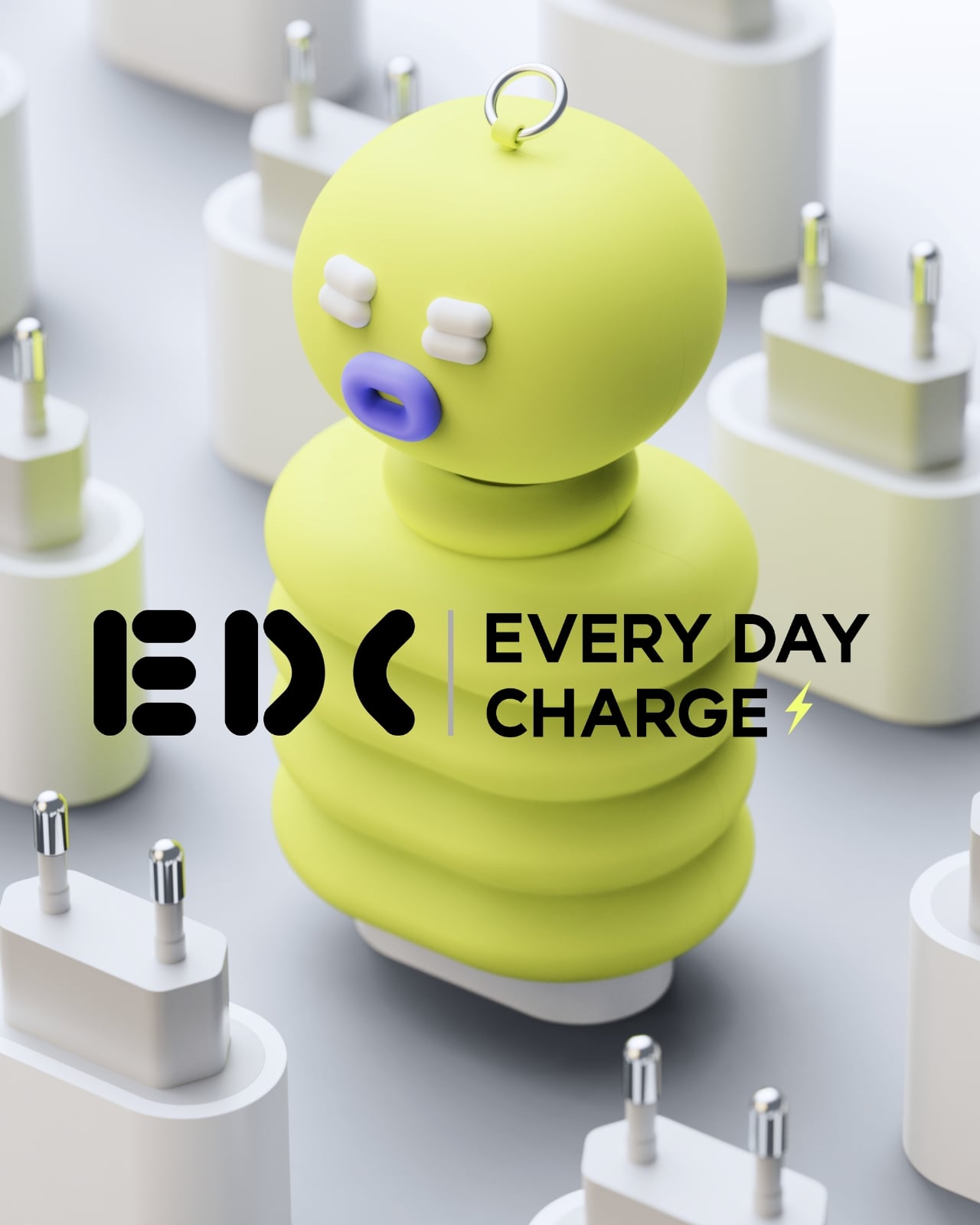
That said, Kwon didn’t just design a portable charger and call it done. The proposal imagines one that looks like a tiny creature you’d want to clip to your bag and take everywhere. The EDC charger concept takes the form of a small caterpillar-like character: a round, bulbous head with sleepy eyes and a little round mouth, perched on top of a segmented body made of plump stacked rings.
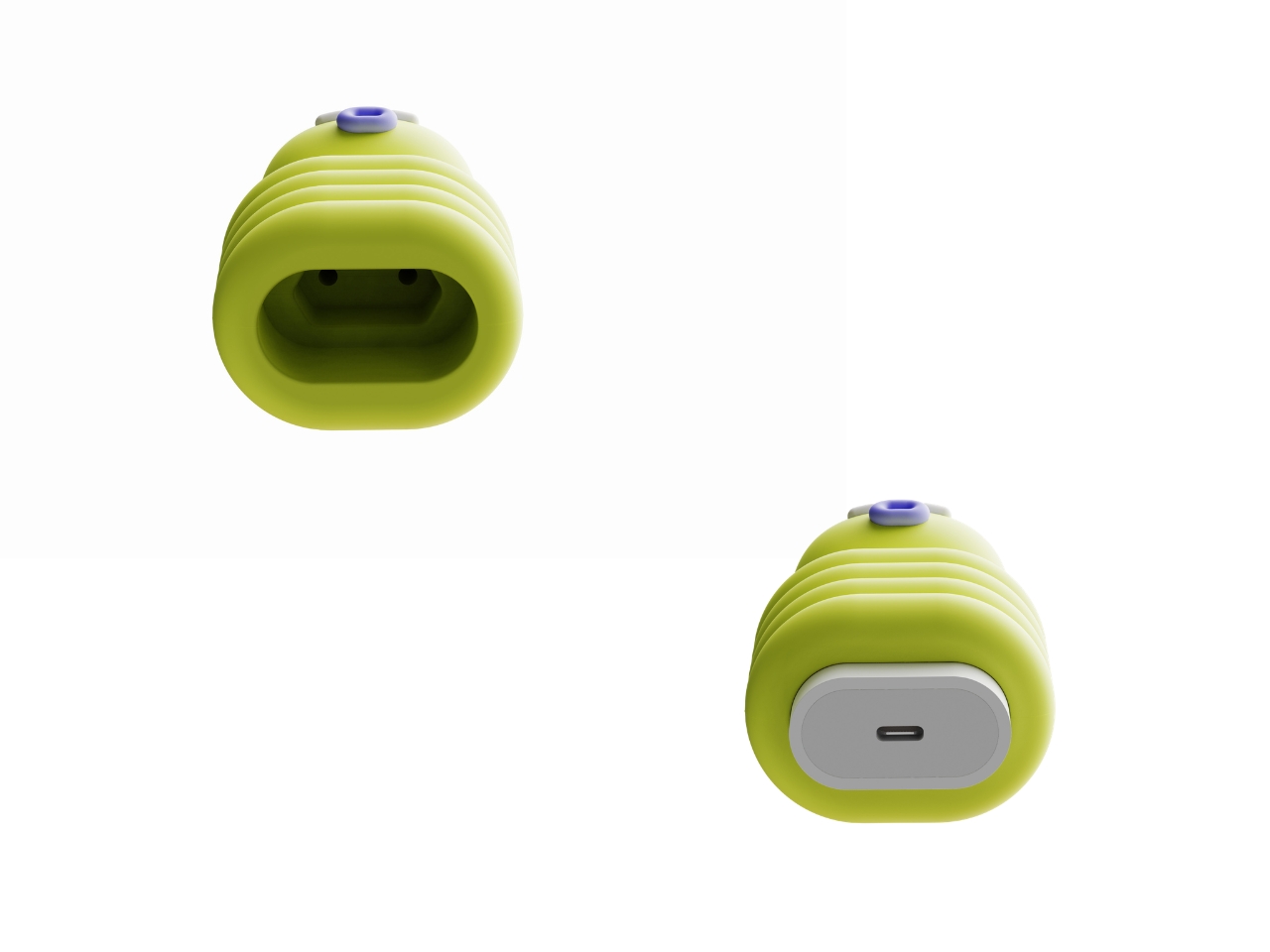
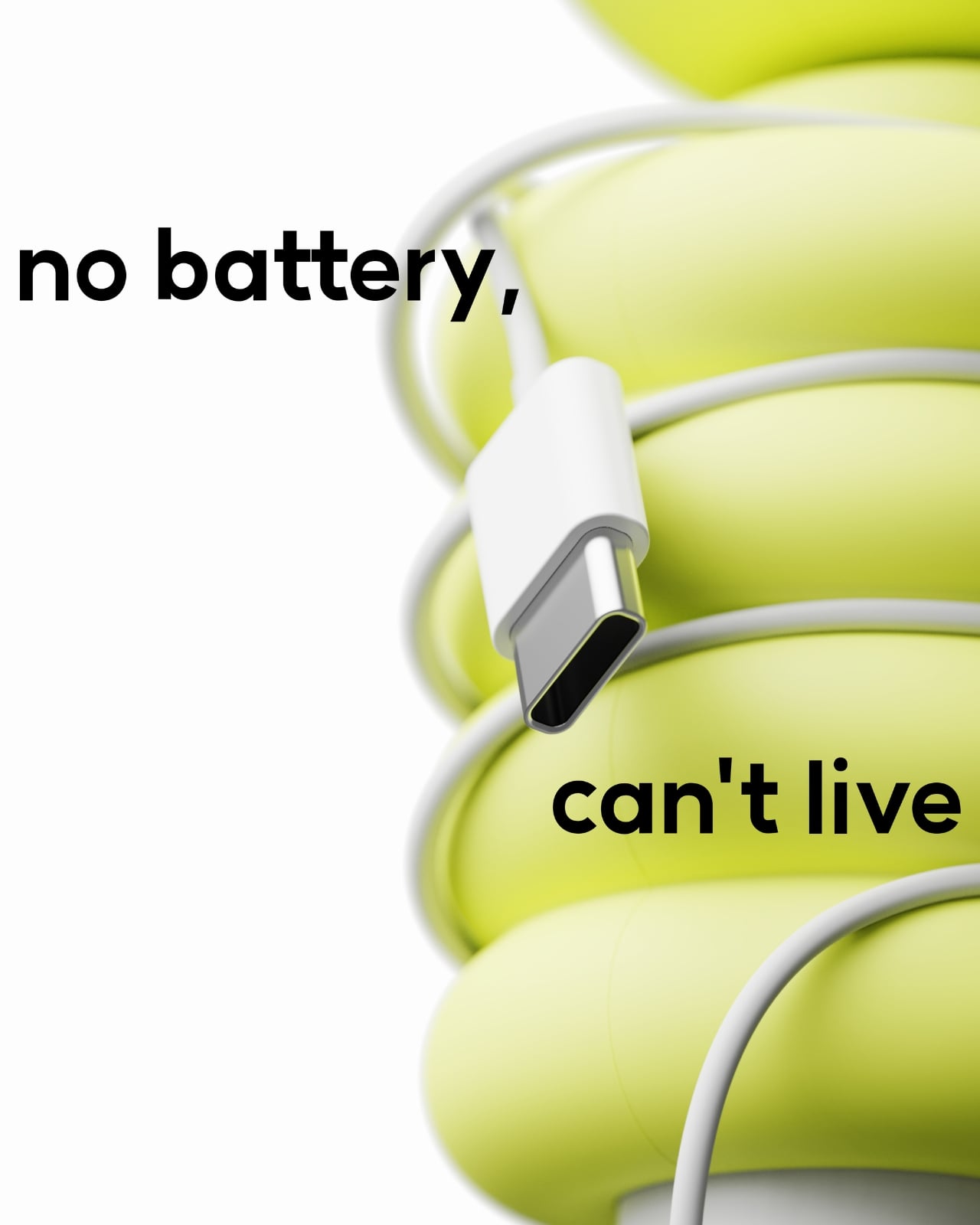
There’s a metal loop at the top so it can hang from a bag or keychain, and the cable wraps neatly around those body segments when not in use. The USB-C port sits at the base, tucked cleanly under the soft silicone form. It’s part functional device, part desktop toy, part bag charm, and it somehow makes all of that feel intentional rather than gimmicky.
The cable management alone is worth paying attention to. Cord clutter is one of those low-key annoyances that no one talks about enough, and the segmented body of the EDC makes the solution almost automatic. You just wind the cable around and let the rings hold it in place. It’s clever without being complicated, which is the hallmark of good design.
What really sells the concept, though, is the character. The face gives the EDC a presence that most tech accessories completely lack. It’s expressive in a way that feels pulled from the world of collectible figures and character design, sitting somewhere between a Studio Ghibli creature and a designer toy you’d find in a boutique concept store. It doesn’t feel out of place next to the kind of objects people deliberately choose to surround themselves with. It feels like it belongs in that company.
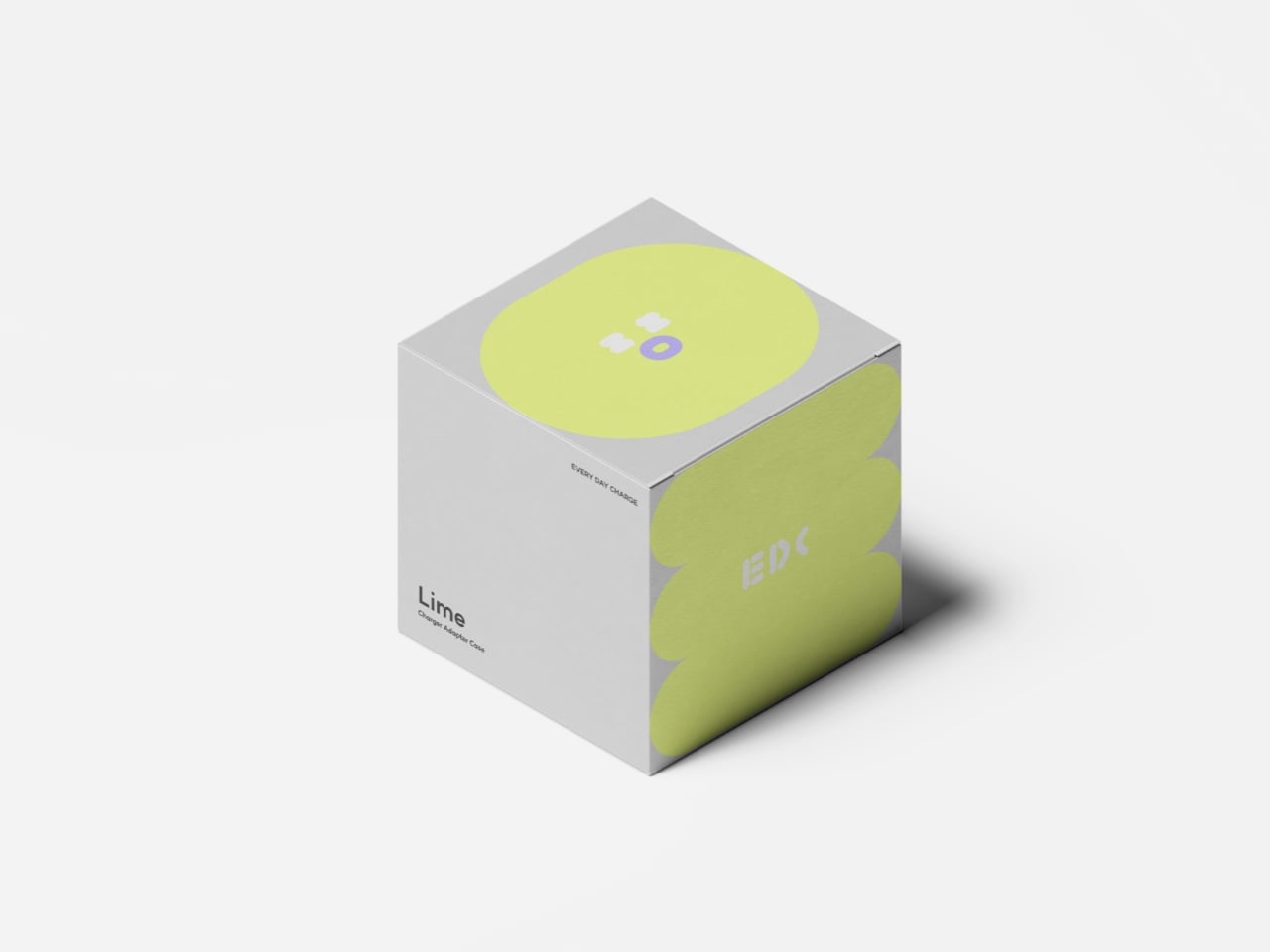
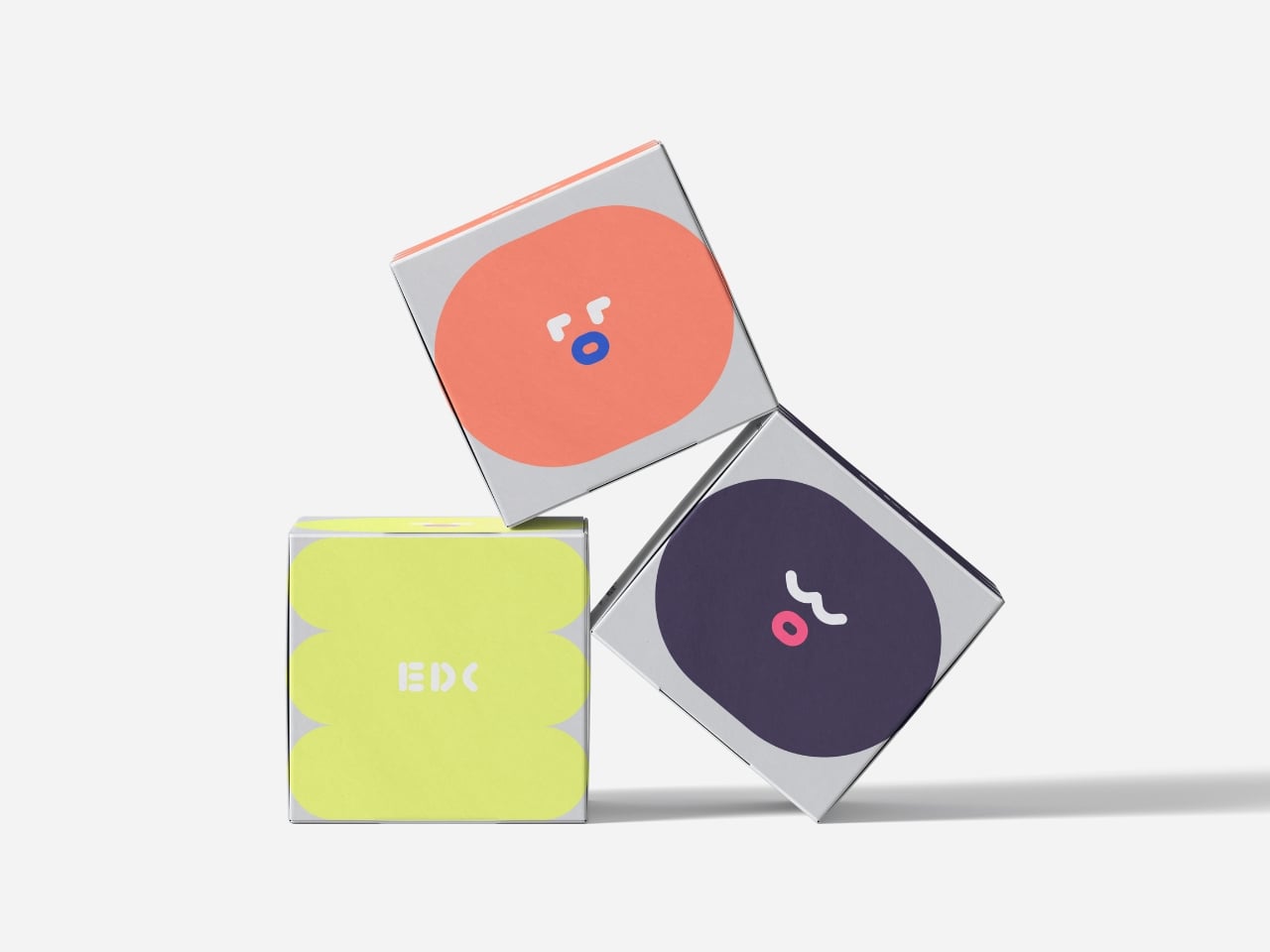
The proposed colorways extend that collectible energy further. The Lime version is probably the most striking, with that acid green being the kind of color that photographs well and catches eyes in person. The Coral and Dark Purple variants round out the lineup with personalities of their own, and the packaging design plays into the whole aesthetic too: illustrated faces printed across the boxes, each one different, like a small cast of characters rather than just another product line.
What Kwon has captured with this concept is something that product designers rarely get exactly right: the idea that an object can be genuinely useful and genuinely desirable at the same time. Not useful despite being cute, or cute despite being functional. Both, fully, without compromise.
It also reflects something real about how people relate to their things now. There’s a growing appetite for objects that carry personality, that feel like they were chosen rather than just purchased out of necessity. Your charger used to be something you stuffed in the bottom of your bag and forgot about. The EDC is the kind of thing you’d clip to the outside of your bag on purpose. That’s the shift. Survival looks different now, and if this concept ever makes it to production, it comes with a face.
The Stop Killing Games campaign is evolving into more than just a movement. In a YouTube video, the campaign's creator, Ross Scott, explained that organizers are planning to establish two non-governmental organizations, one for the European Union and another for the US. According to Scott, these NGOs would allow for "long-term counter lobbying" when publishers end support for certain video games.
"Let me start off by saying I think we're going to win this, namely the problem of publishers destroying video games that you've already paid for," Scott said in the video. According to Scott, the NGOs will work on getting the original Stop Killing Games petition codified into EU law, while also pursuing more watchdog actions, like setting up a system to report publishers for revoking access to purchased video games.
The Stop Killing Games campaign started as a reaction to Ubisoft's delisting of The Crew from players' libraries. The controversial decision stirred up concerns about how publishers have the ultimate say on delisting video games. After crossing a million signatures last year, the movement's leadership has been busy exploring the next steps.
According to Scott, the campaign leadership will meet with the European Commission soon, but is also working on a 500-page legal paper that reveals some of the industry's current controversial practices. In the meantime, the ongoing efforts have led to a change of heart from Ubisoft since the publisher updated The Crew 2 with an offline mode.
This article originally appeared on Engadget at https://www.engadget.com/gaming/the-stop-killing-games-campaign-will-set-up-ngos-in-the-eu-and-us-203359604.html?src=rss
Every day balance moments don’t usually look dramatic. Standing up from a low chair after a long meal, stepping off a curb while carrying bags, and steadying yourself in a narrow hallway without anything to grab are the small transitions that feel minor until they don’t. Safety gear tends to be designed for bigger problems, but the real friction lives in these frequent, unremarkable moments that add up over the course of a day.
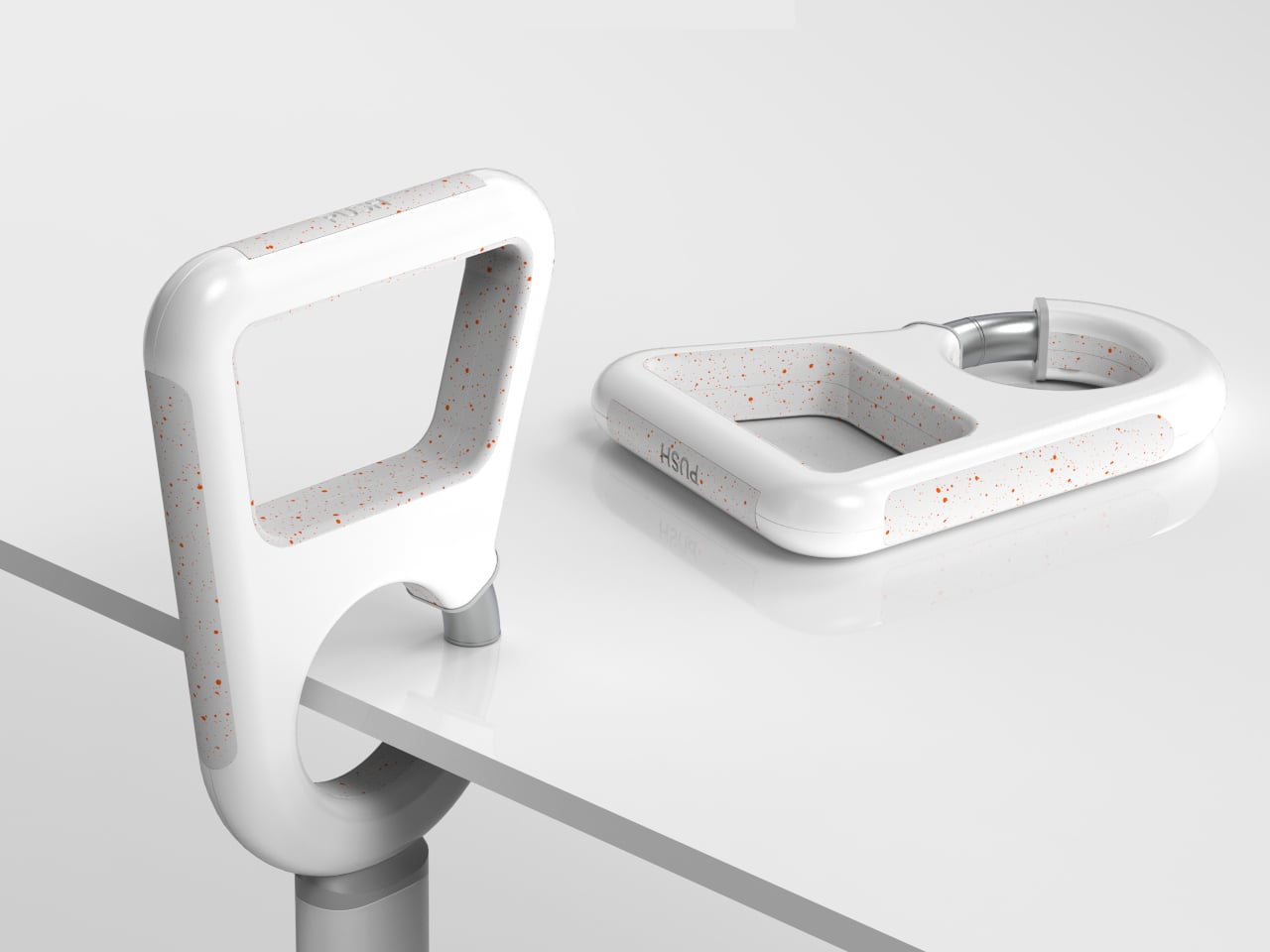
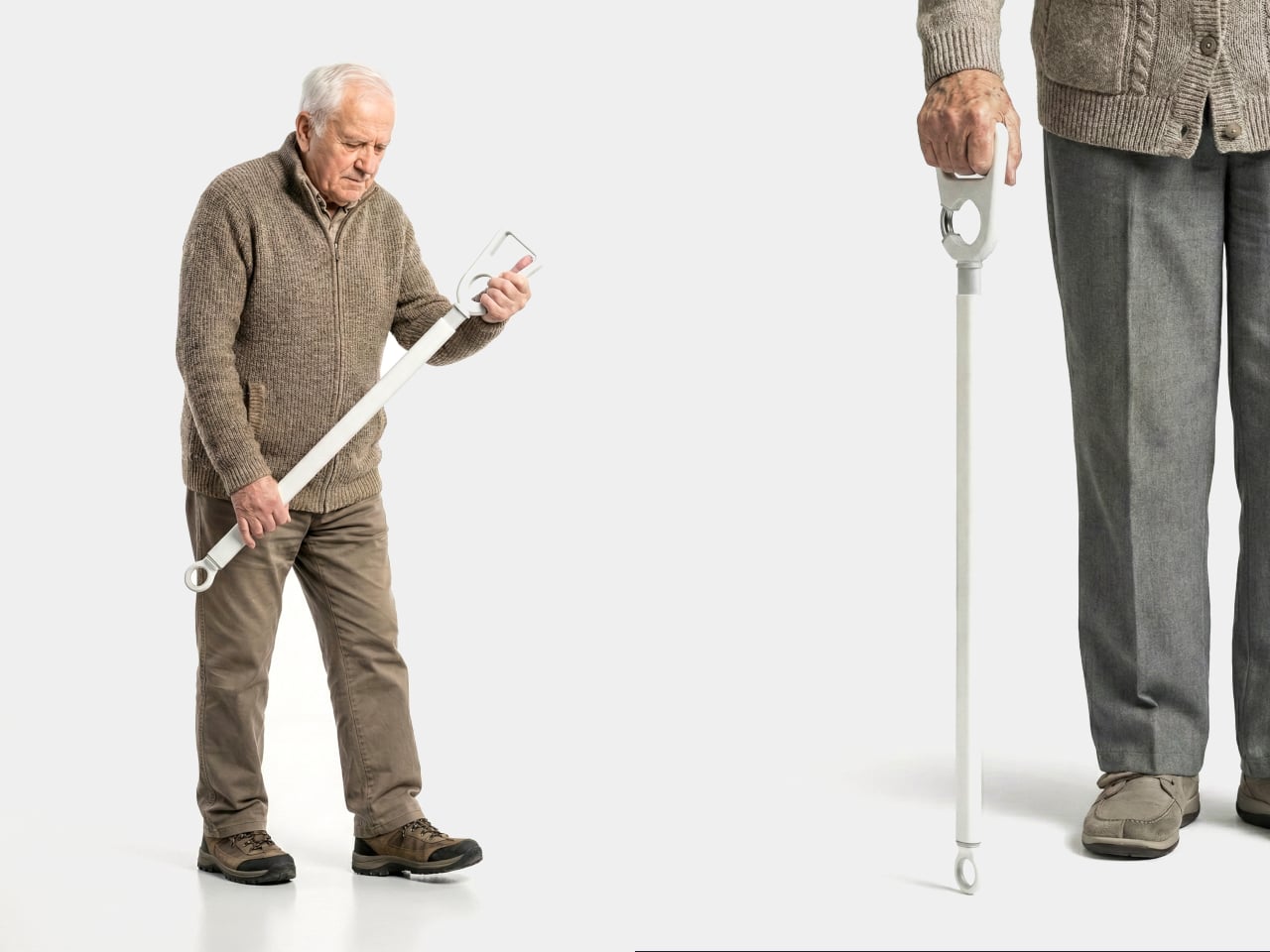
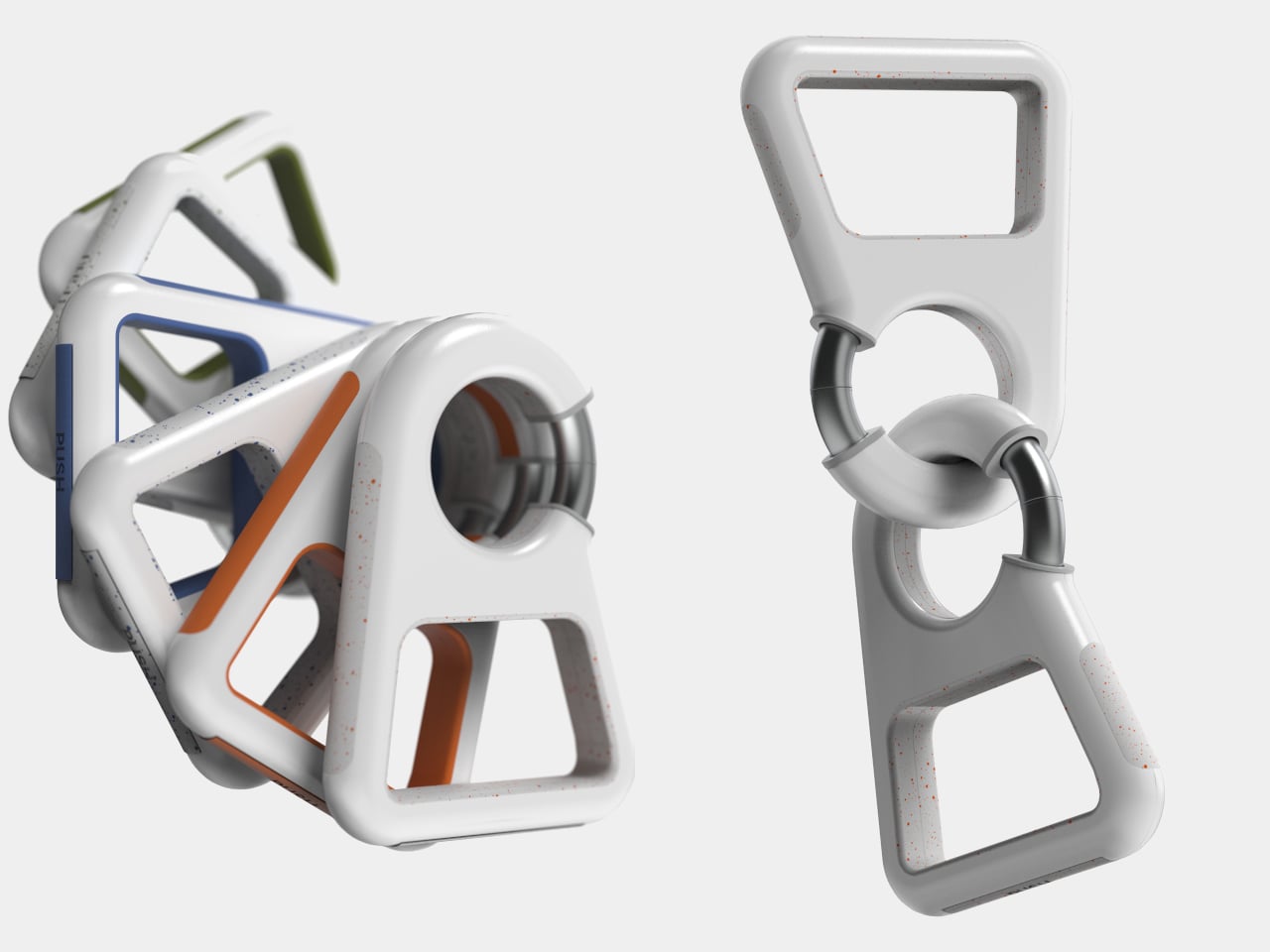
SafeGrip is a modular safety handle designed to offer a versatile solution to exactly those “micro safety issues,” particularly for elderly individuals and anyone who needs balance support in daily life. The tagline is “Grip life with confidence,” and the design backs that up by turning a single compact object into a walking cane, a carry hook, and a furniture anchor point, depending on what the moment requires.
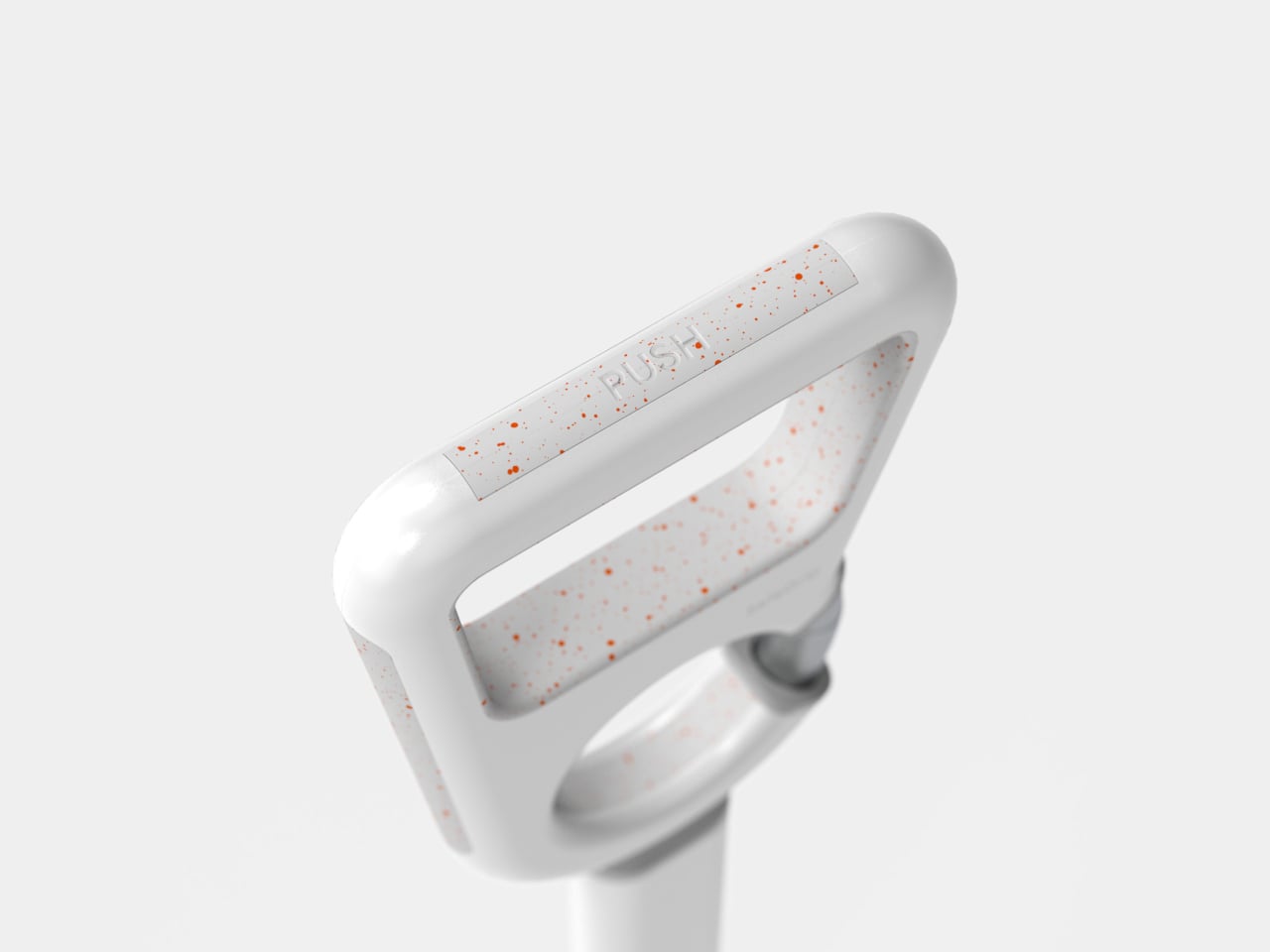
As a cane, the handle shape does a lot of quiet work. The large grip opening and soft, rounded edges allow different hand sizes and grip styles, so it doesn’t demand a precise hold. That gentler geometry reduces pressure on arthritic or tired hands, and the clean, non-clinical look means it’s the kind of thing you’d keep by the door or beside a chair rather than hiding it away, which matters more than most cane designers seem to realize.
Carrying bags while walking is one of those everyday tasks that throws off balance in ways that accumulate slowly. The built-in hook function lets SafeGrip carry shopping loads, taking the pull off the wrist and keeping the user steadier. At a doorway, elevator, or checkout counter, having the bags on the cane instead of dangling from a hand changes how the body distributes weight, even slightly, which counts when stability is already a concern.
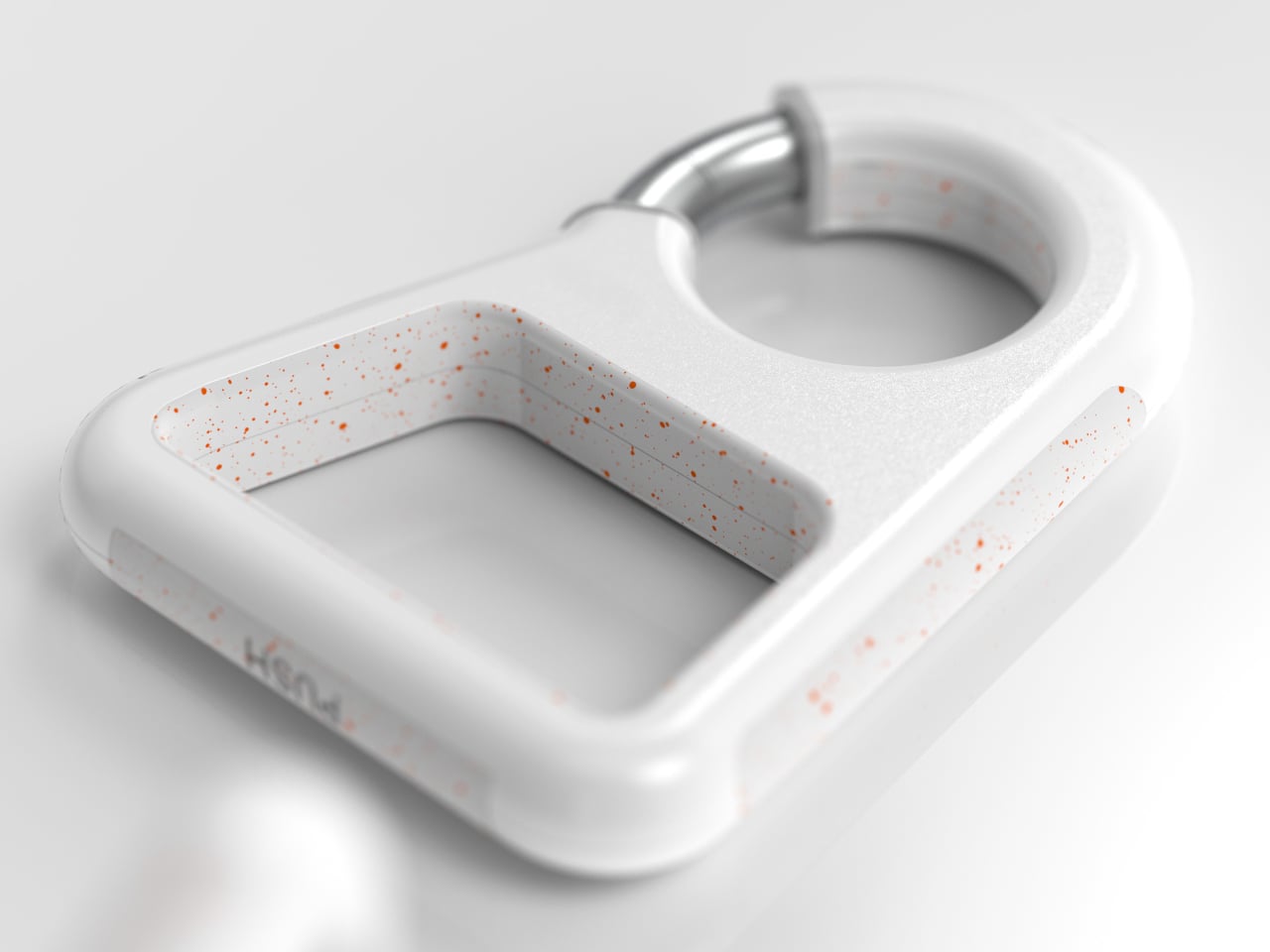
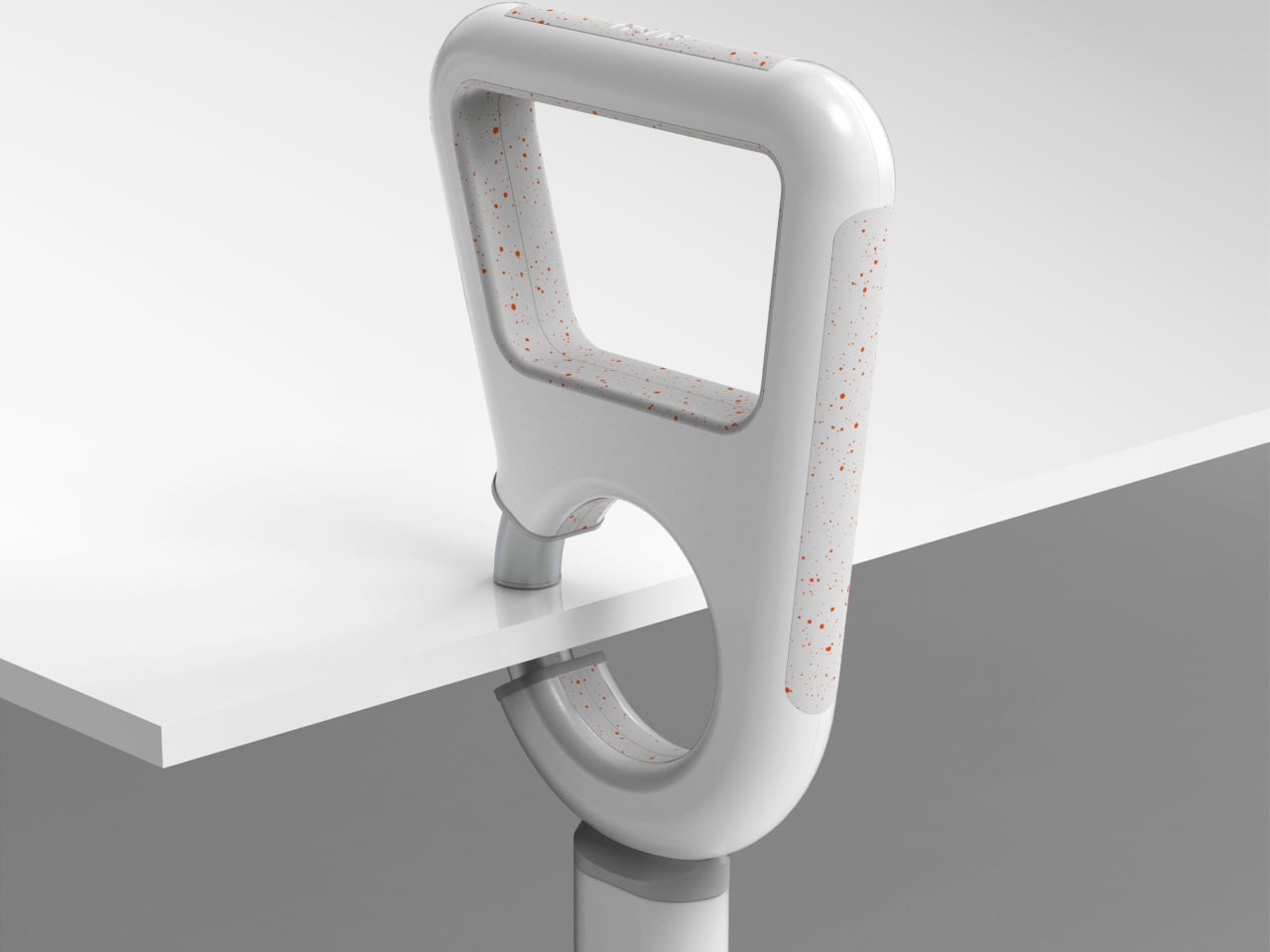
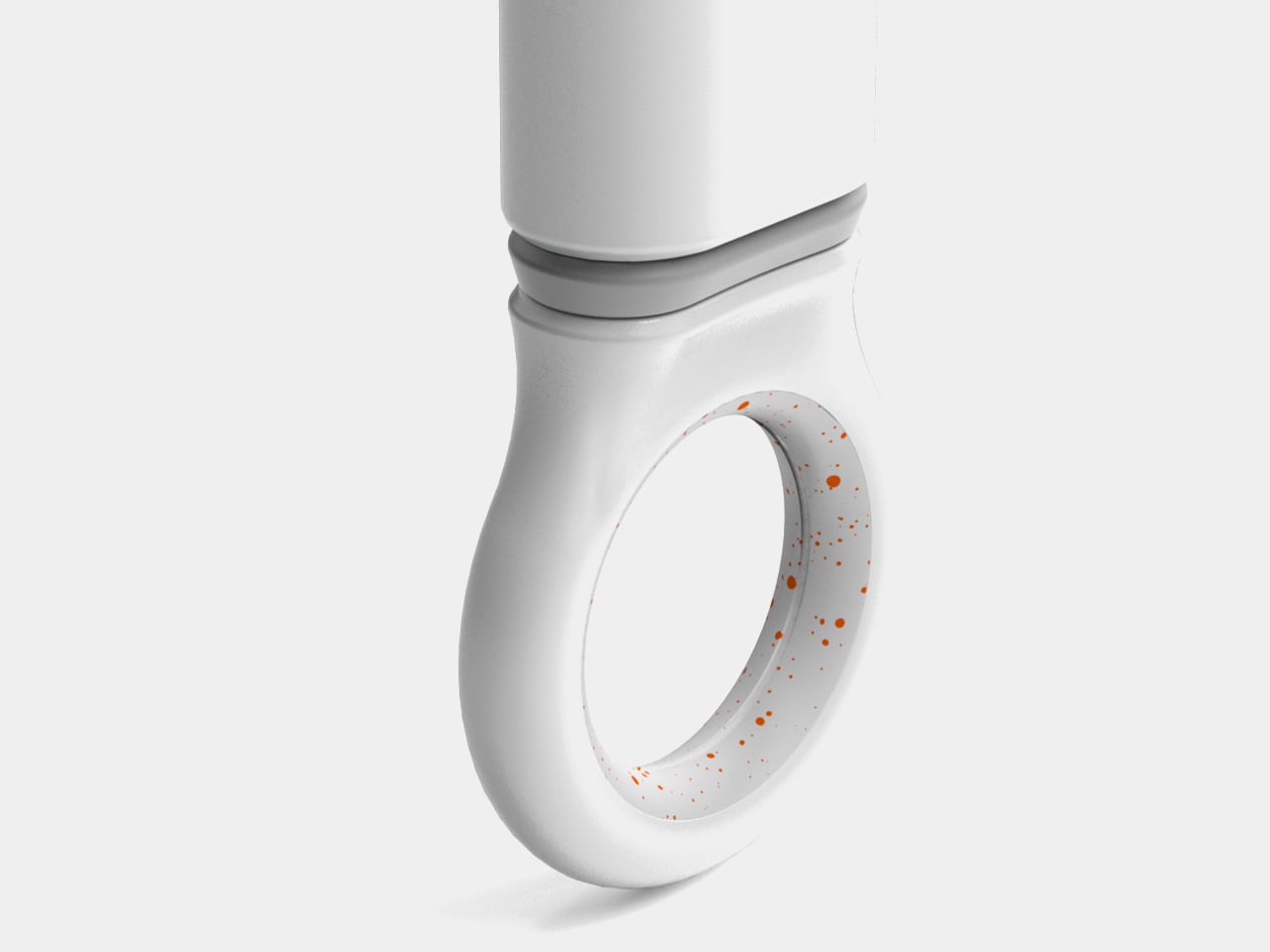
The mechanical retractable ring system is the feature that makes furniture anchoring possible. The ring extends to create a secure loop that can grip onto a table edge or chair, turning the nearest piece of furniture into a temporary grab rail. That makes the sit-to-stand transition, one of the most commonly risky daily movements, feel more controlled without requiring any installed hardware or home modifications.
A telescopic height adjustment mechanism at the neck of the handle allows incremental length changes through nesting profiles, with numbered level indicators so users can identify and return to the right height reliably. That repeatability matters when the cane is used by more than one person or when it’s stored and reset regularly throughout the day.
SafeGrip treats stability as an everyday design problem rather than a medical category. It combines three helpful roles without adding complexity, and it looks like a considered product rather than hospital equipment. The best safety tools are usually the ones people actually keep nearby, and a handle that fits into daily life instead of announcing its purpose makes that a lot more likely.
The government agency that sends its corps members abroad to volunteer in foreign countries launched its latest initiative called Tech Corps. The Peace Corps' latest proposal will recruit STEM graduates or those with professional experience in the artificial intelligence sector and send them to participating host countries.
According to the press release, volunteers will be placed in Peace Corps countries that are part of the American AI Exports Program, which was created last year from an executive order from President Trump as a way to bolster the US' grip on the AI market abroad. Tech Corps members will be tasked with using AI to resolve issues related to agriculture, education, health and economic development. The program will offer its members 12- to 27-month in-person assignments or virtual placements, which will include housing, healthcare, a living stipend and a volunteer service award if the corps member is placed overseas.
Richard E. Swarttz, the acting director of the Peace Corps, said in a press release that Tech Corps volunteers will be "building technical capacity, supporting AI adoption across critical use cases and addressing barriers to last-mile AI implementation." While the Tech Corps program is framed at benefiting host countries, it would also help to secure the US' position in the rapidly expanding global AI market that includes growing competition from China.
This article originally appeared on Engadget at https://www.engadget.com/ai/the-us-will-send-tech-corps-members-to-foreign-countries-in-its-latest-push-for-ai-dominance-191916940.html?src=rss
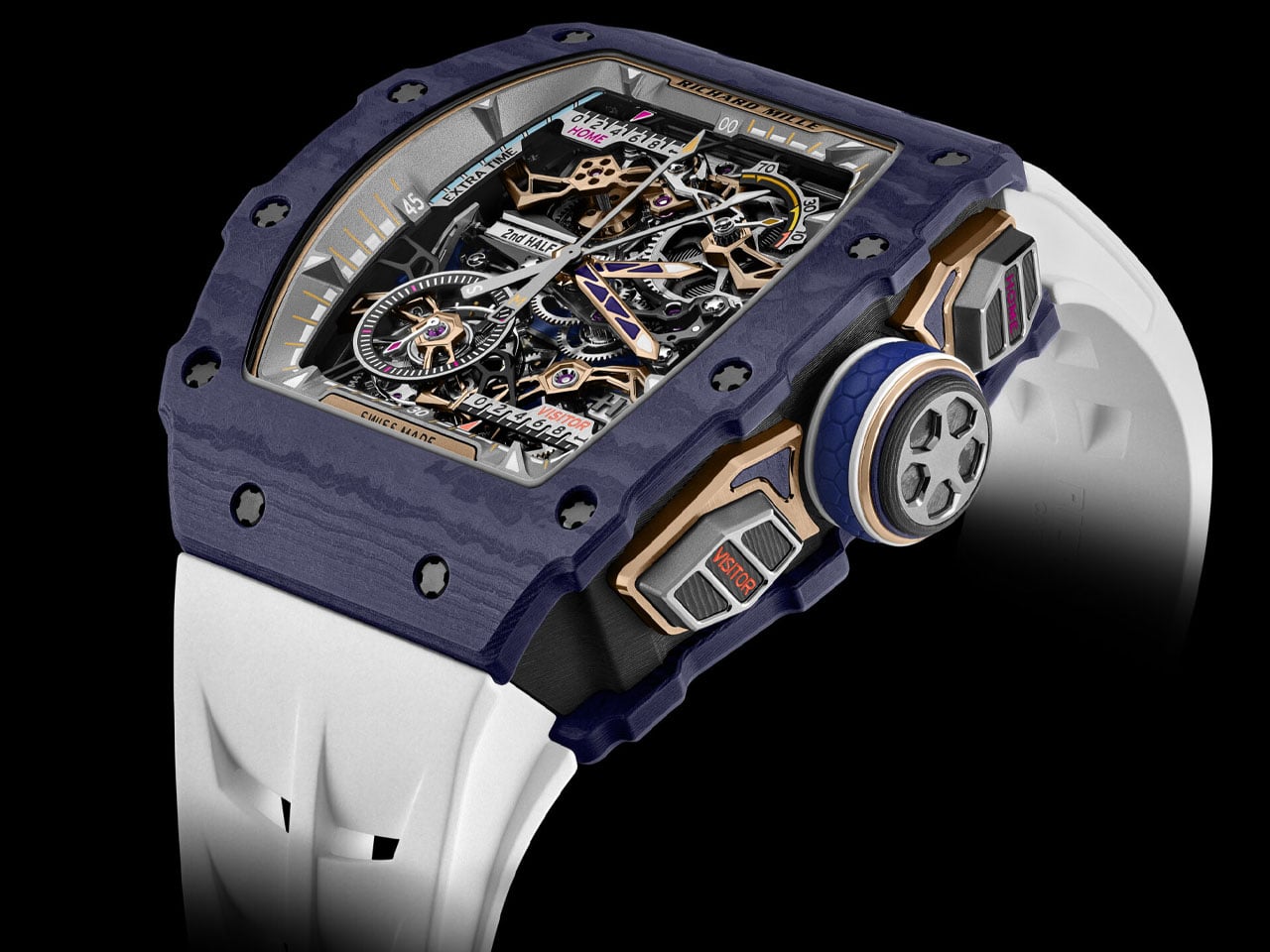
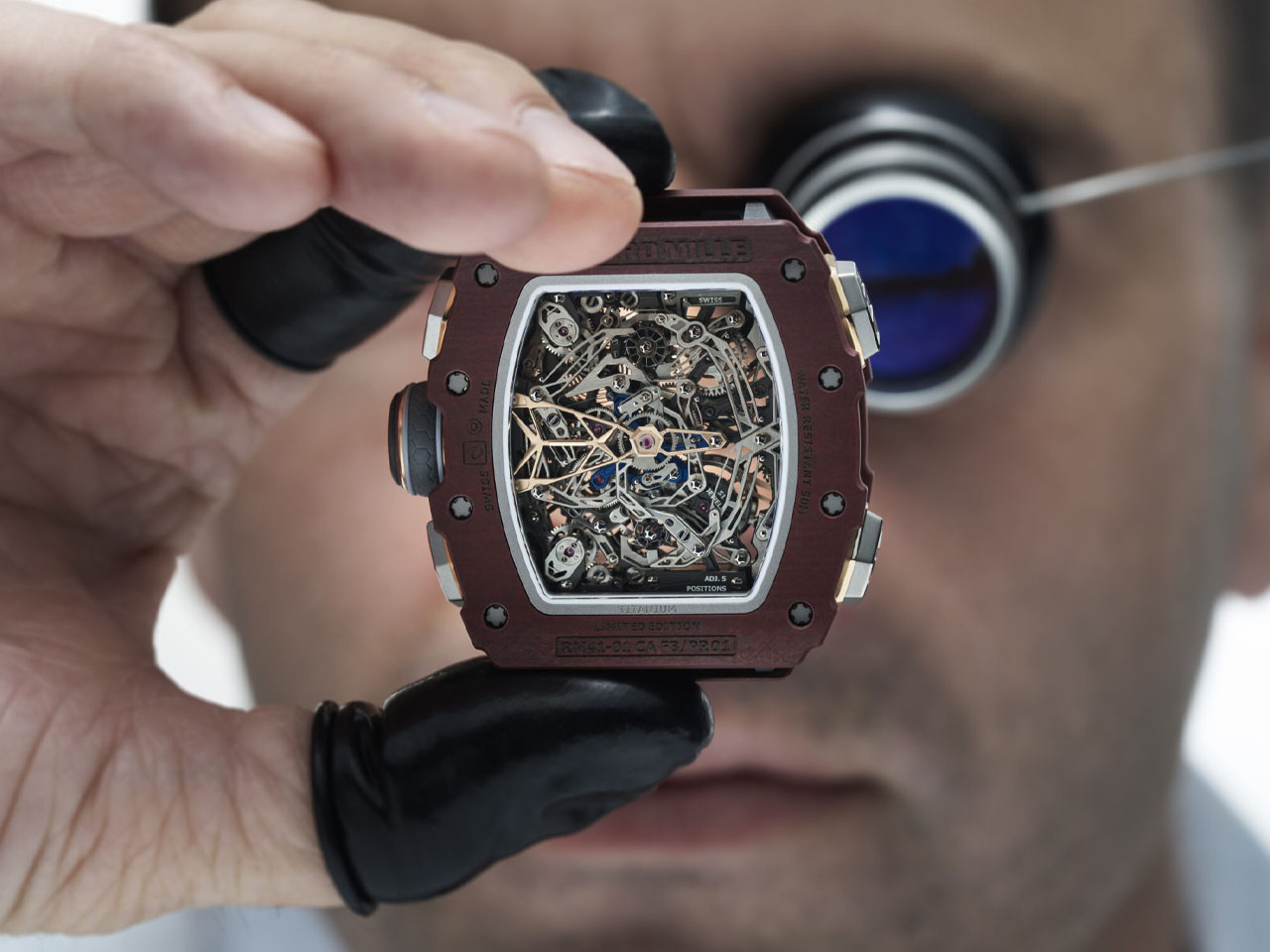
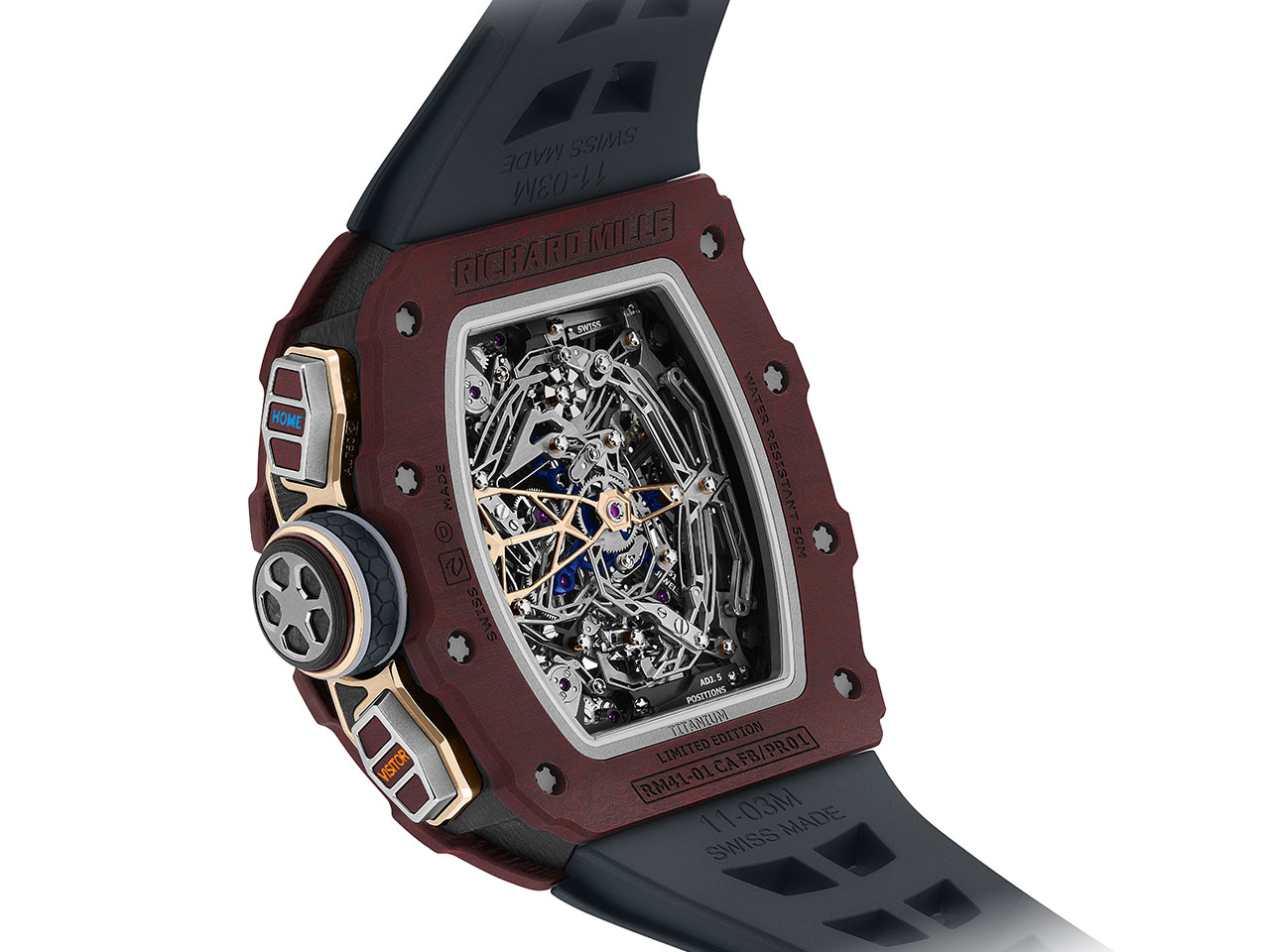
High watchmaking has always been about pushing limits, and few brands have embraced that philosophy as boldly as Richard Mille. Known for translating Formula-1 engineering, industrial designs, and pop culture athletics into wrist-borne mechanics, the brand has built its identity on transforming unlikely inspirations into technical statements. With the RM 41-01 Tourbillon Soccer, that spirit takes on one of the world’s most widely followed sports, turning the structure and rhythm of a football match into a fully mechanical narrative.
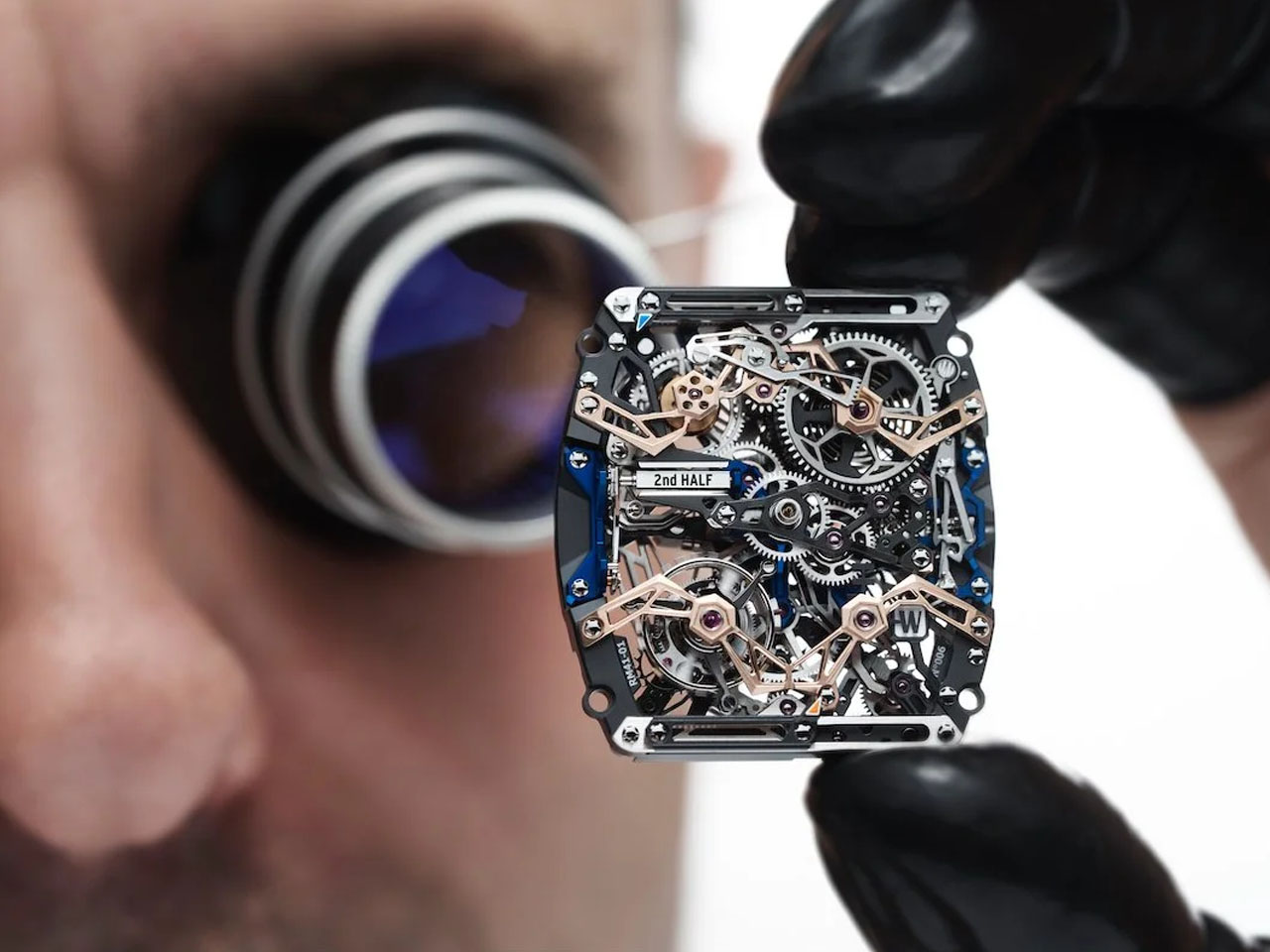
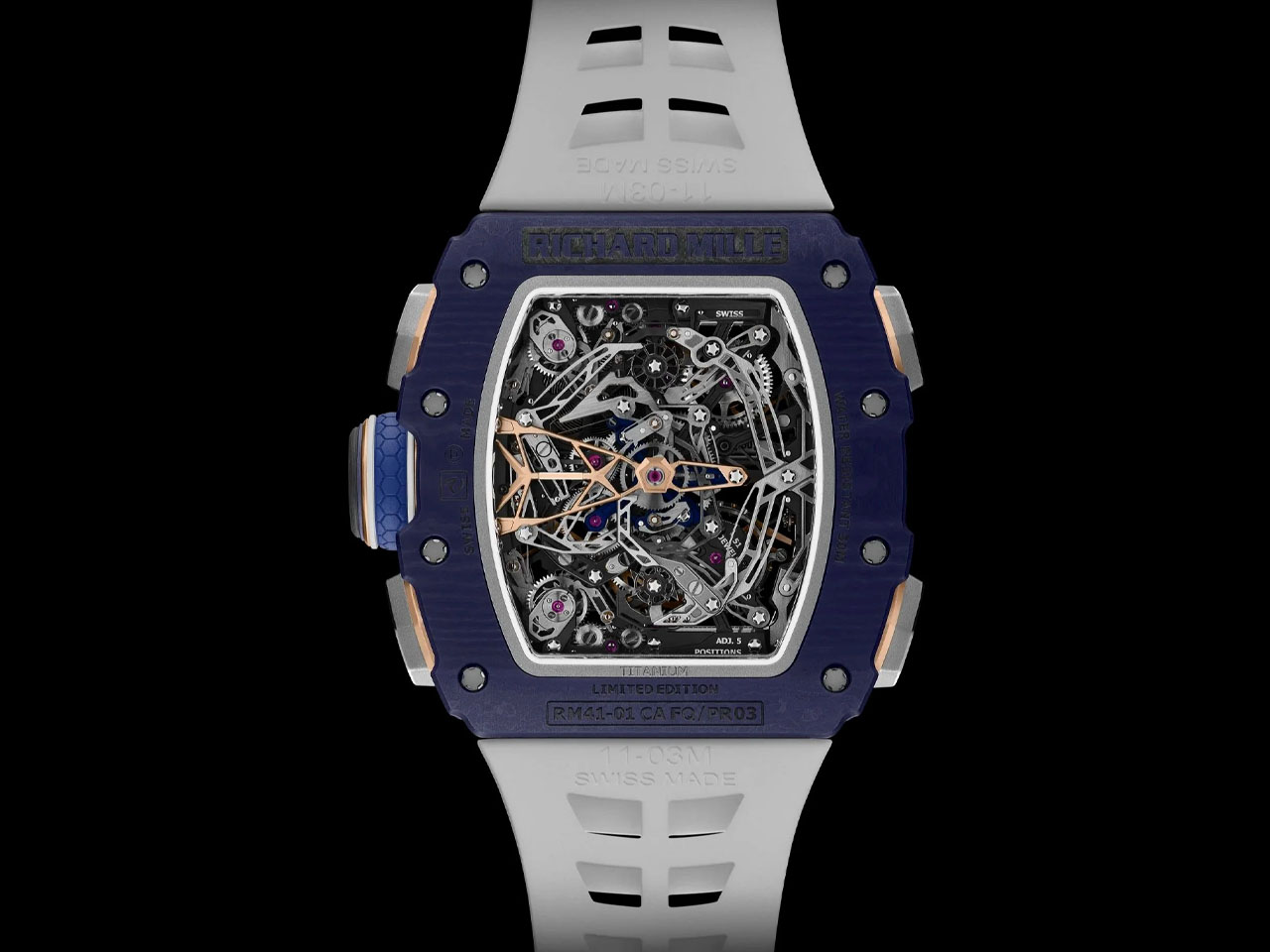
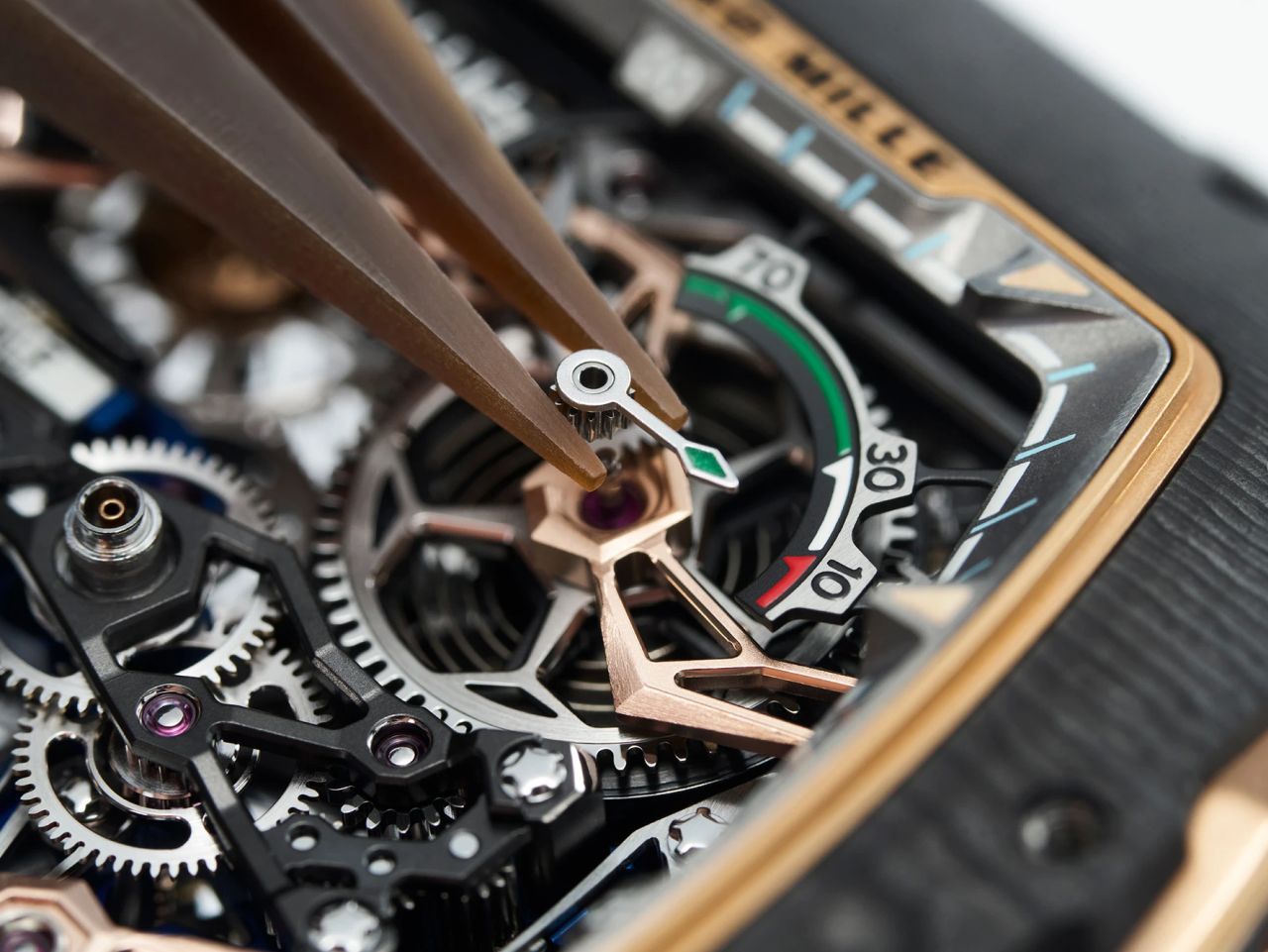
The RM 41-01 is not a cosmetic tribute. Instead of relying on team colors or decorative motifs, it integrates the intricacies of soccer directly into its functionality. Developed over approximately five years in collaboration with Audemars Piguet, the manual-winding Calibre RM41-01 is built from grade 5 titanium and composed of roughly 650 components. The highly skeletonized movement incorporates a flying tourbillon and a patented double-column-wheel flyback chronograph, delivering approximately 70 hours of power reserve while maintaining the architectural transparency that defines the brand’s modern aesthetic.
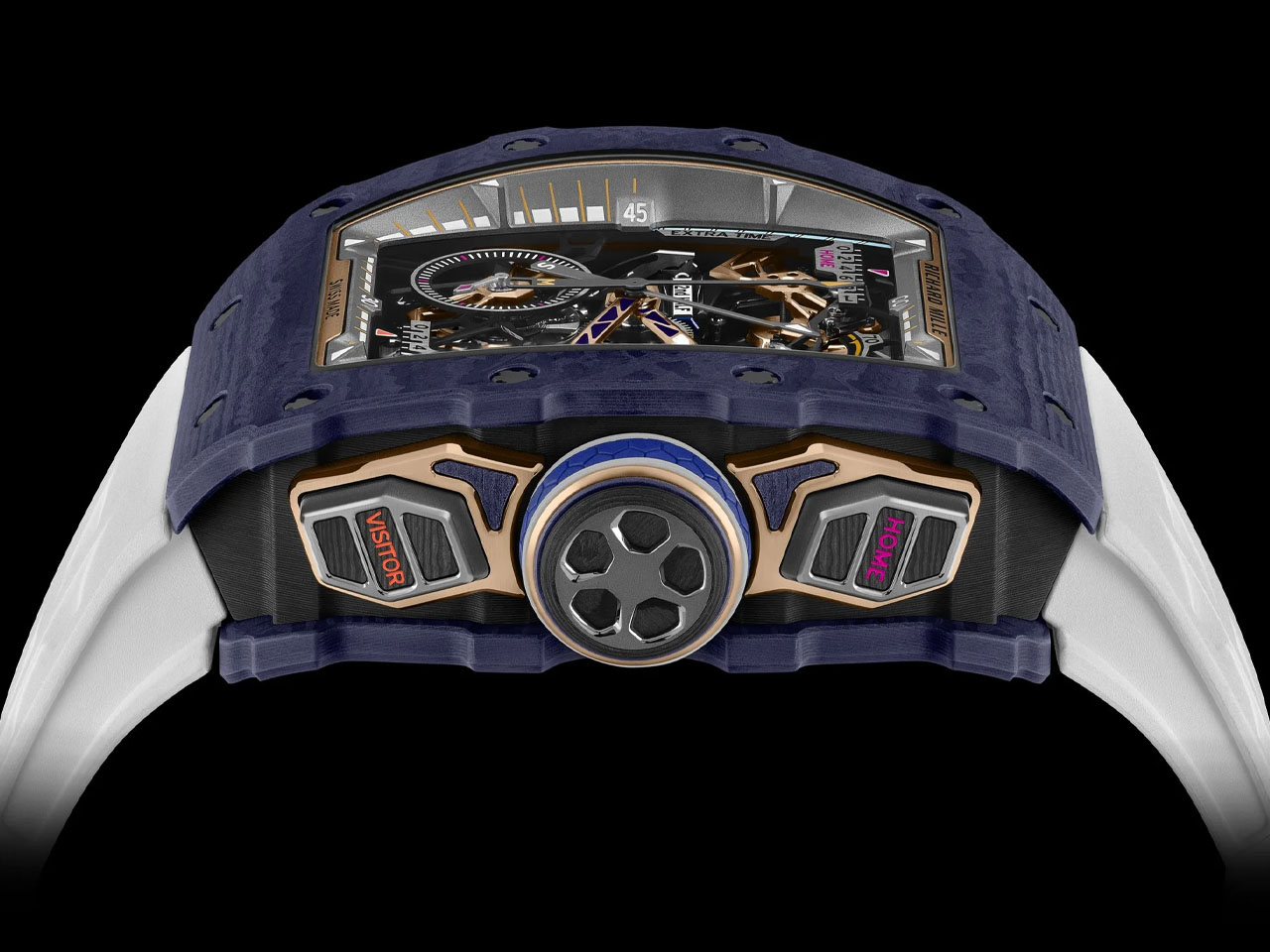
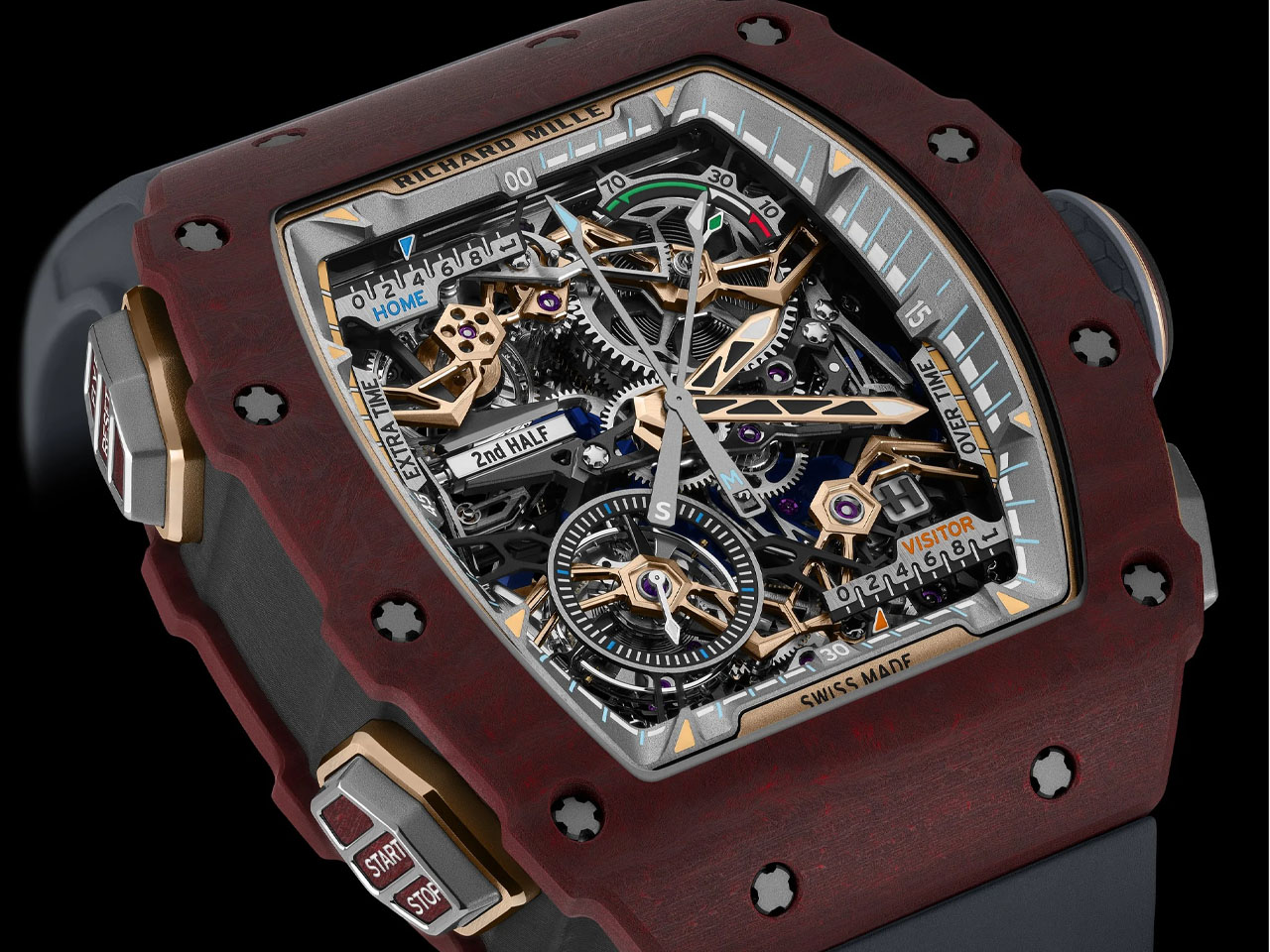
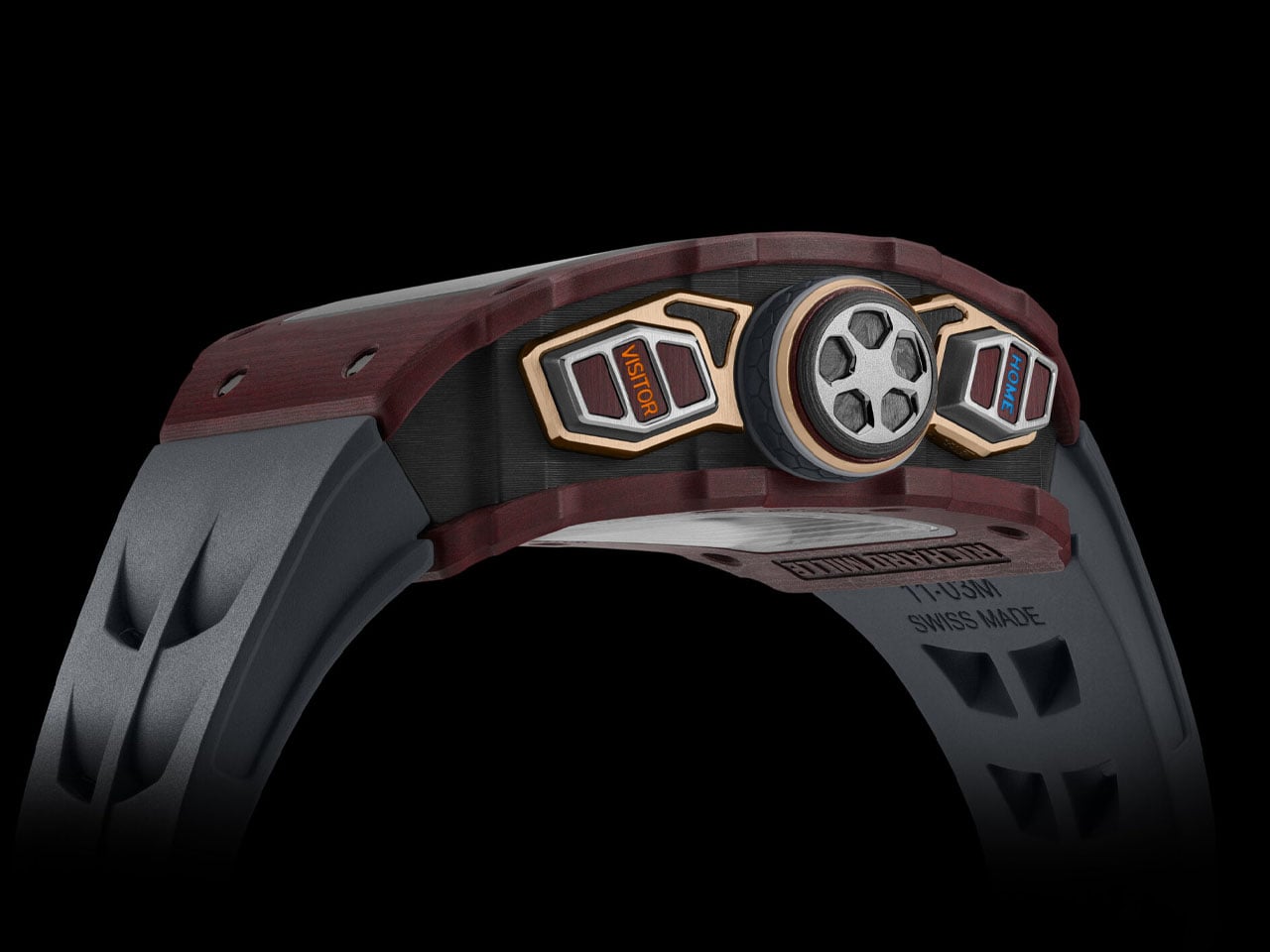
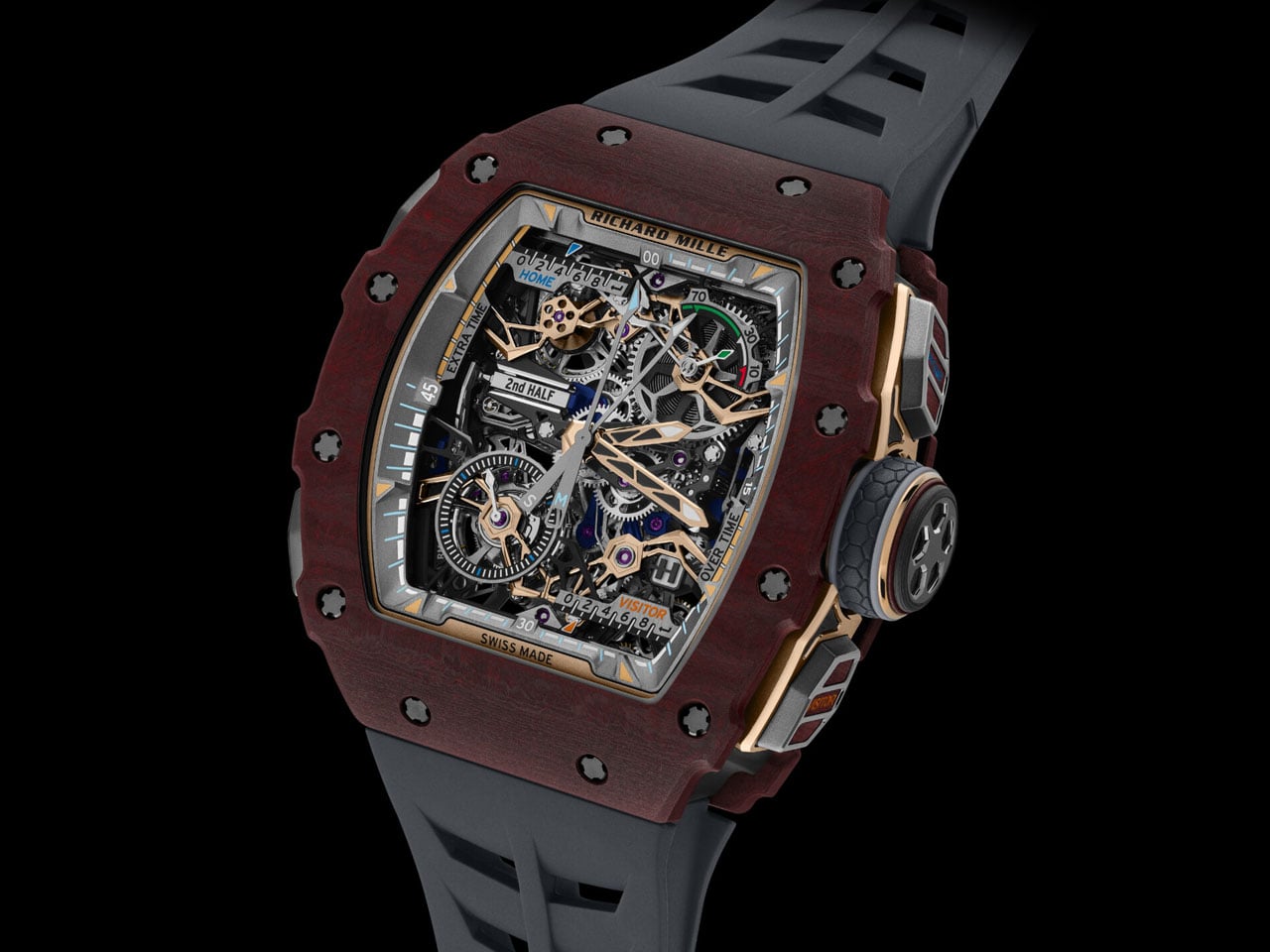
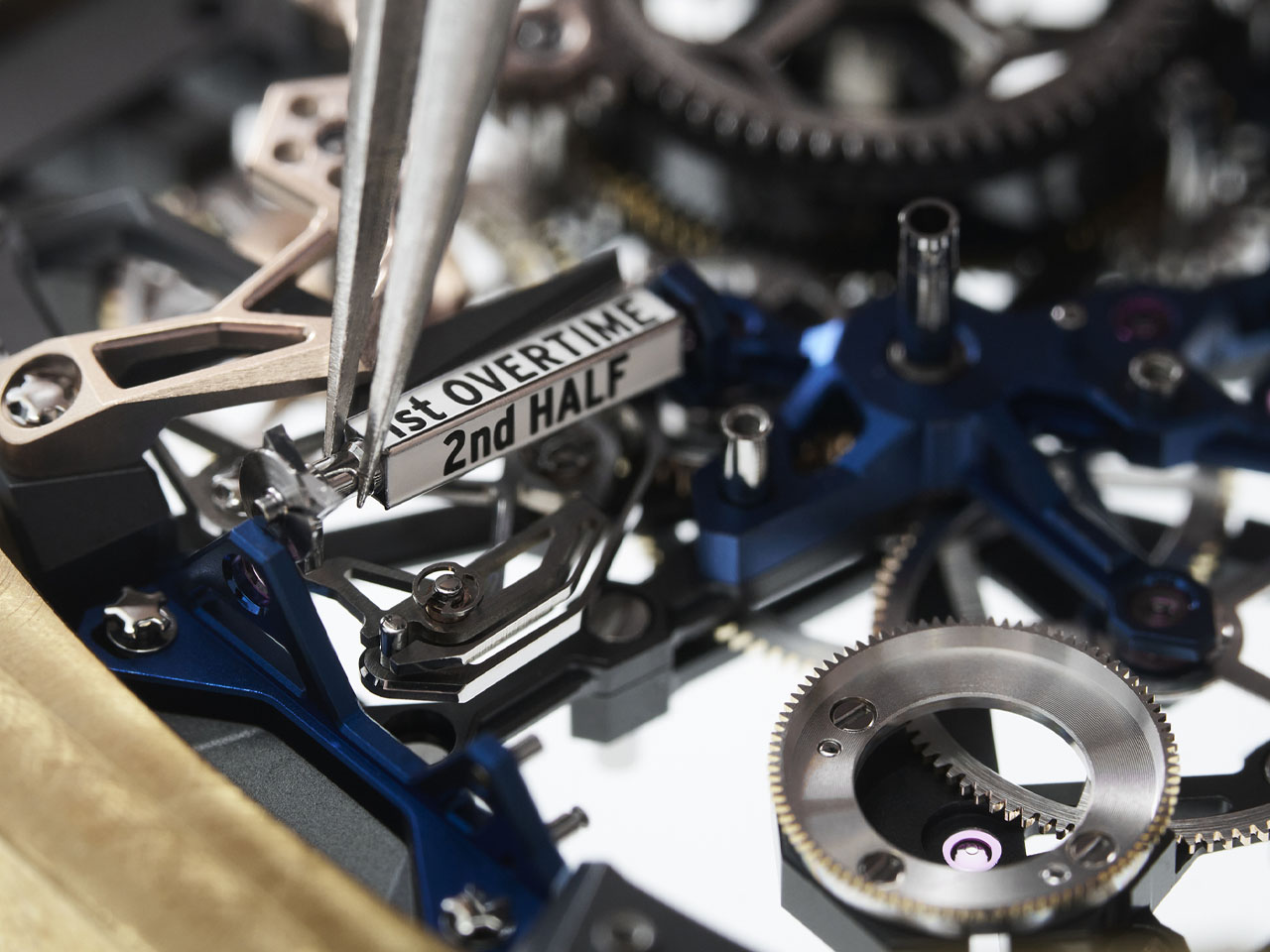
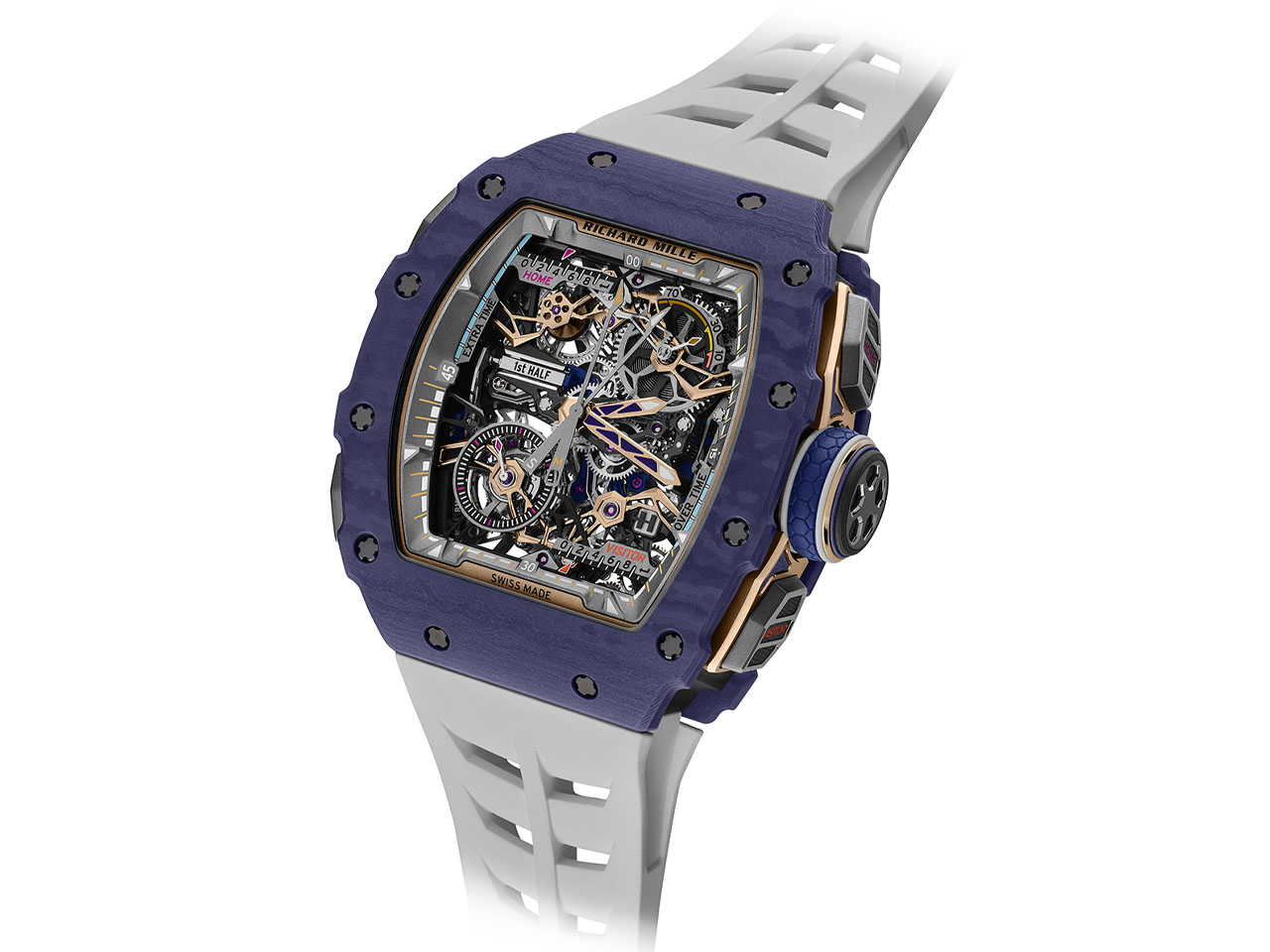
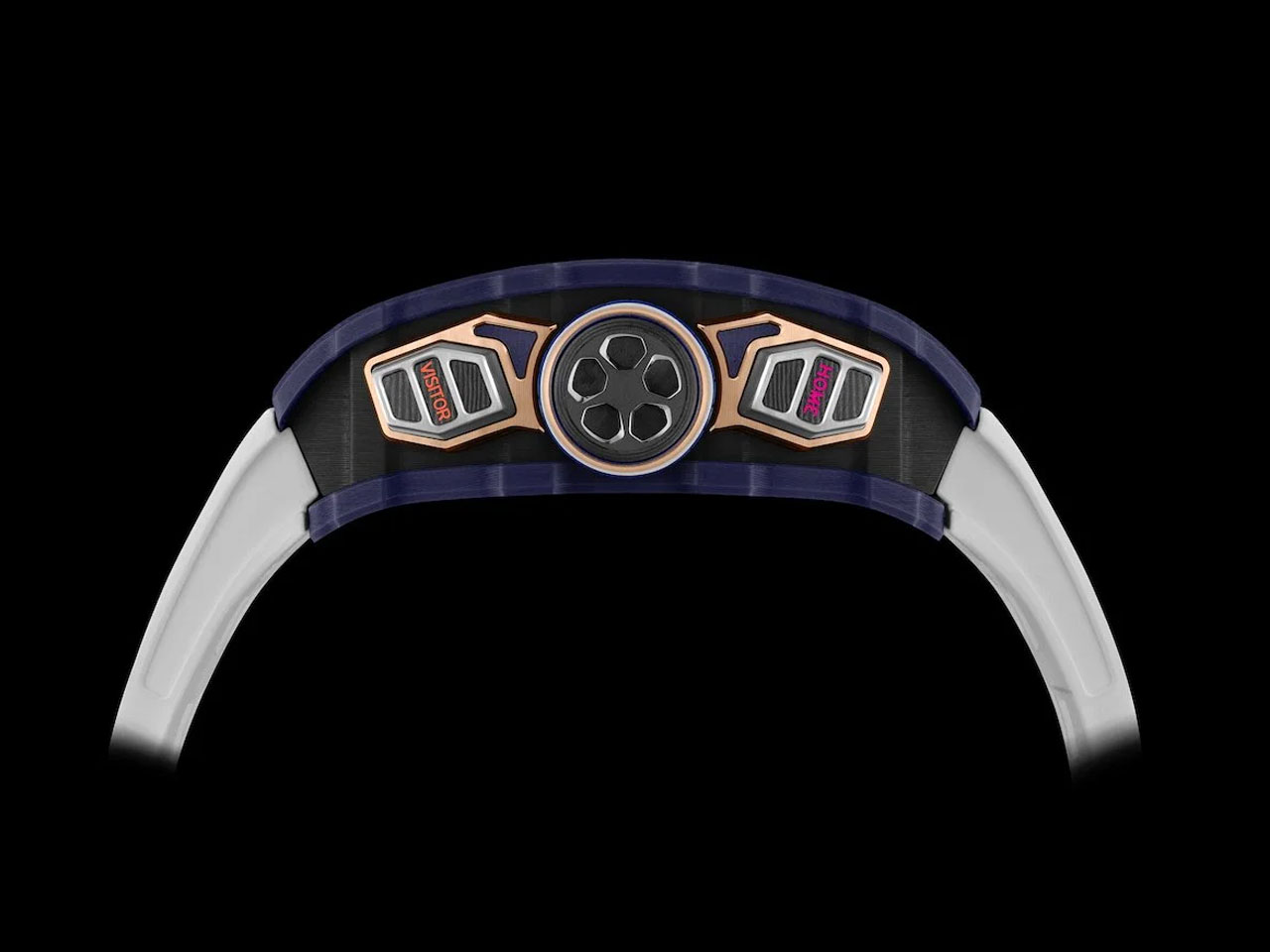
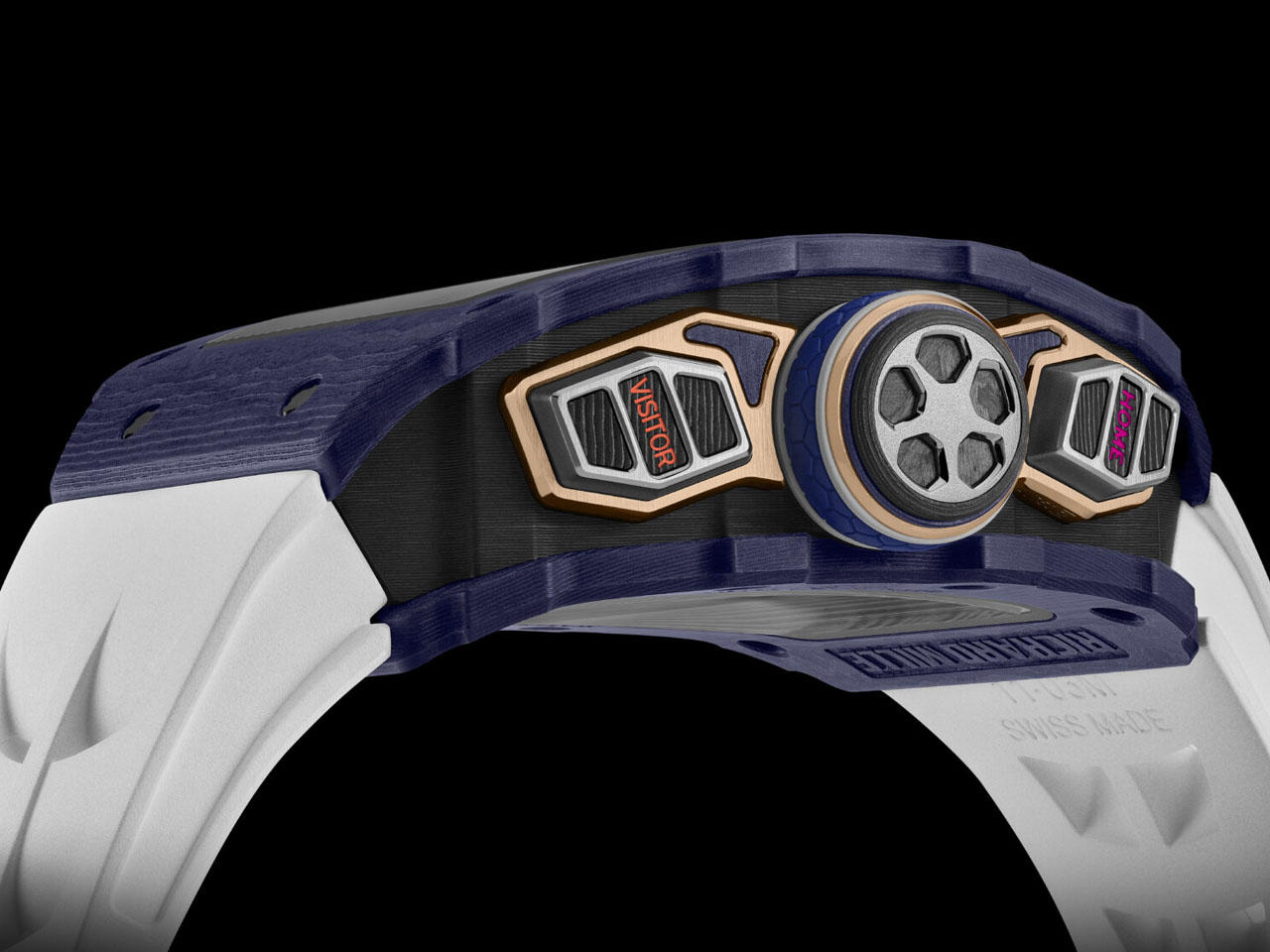
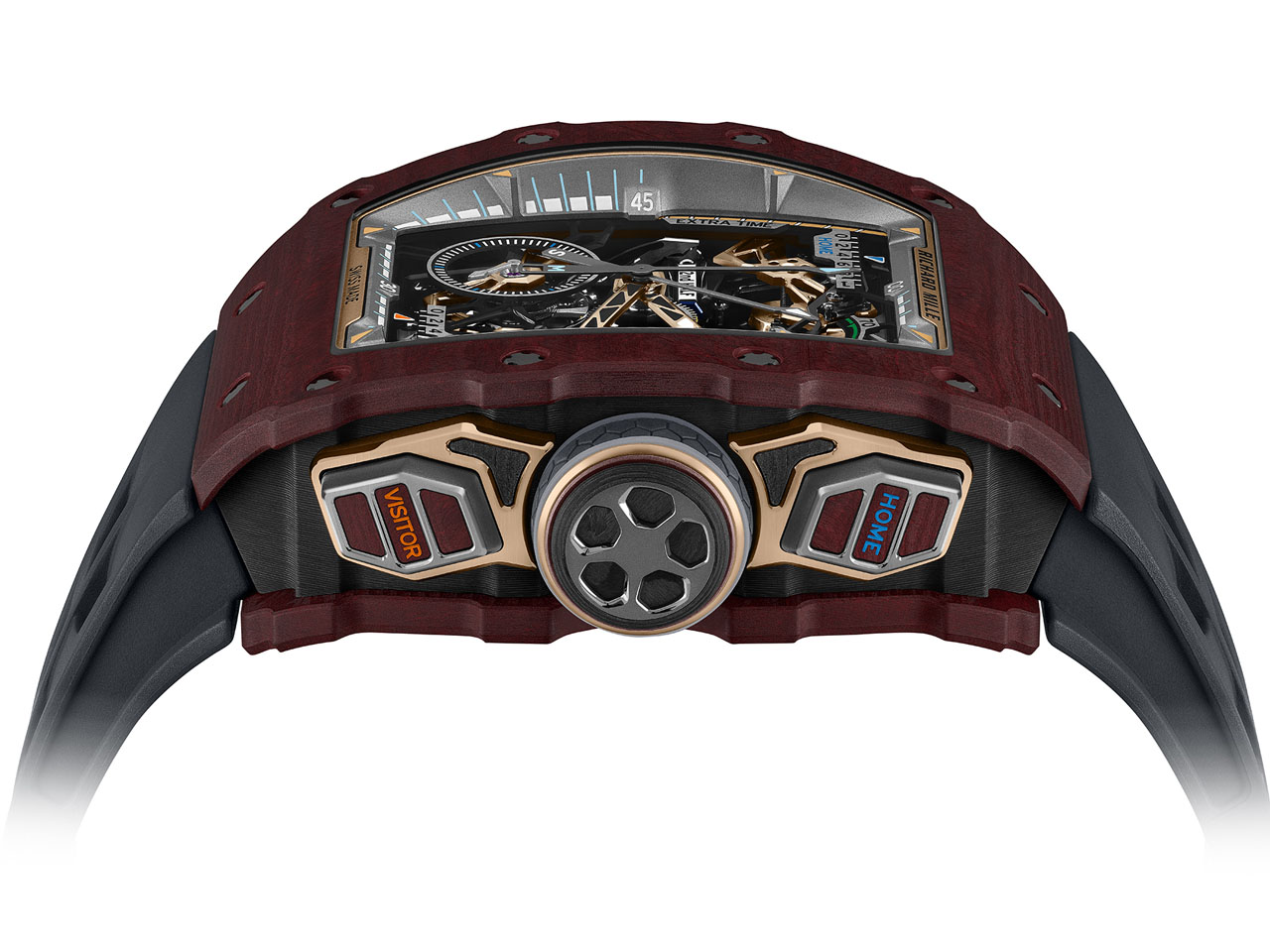
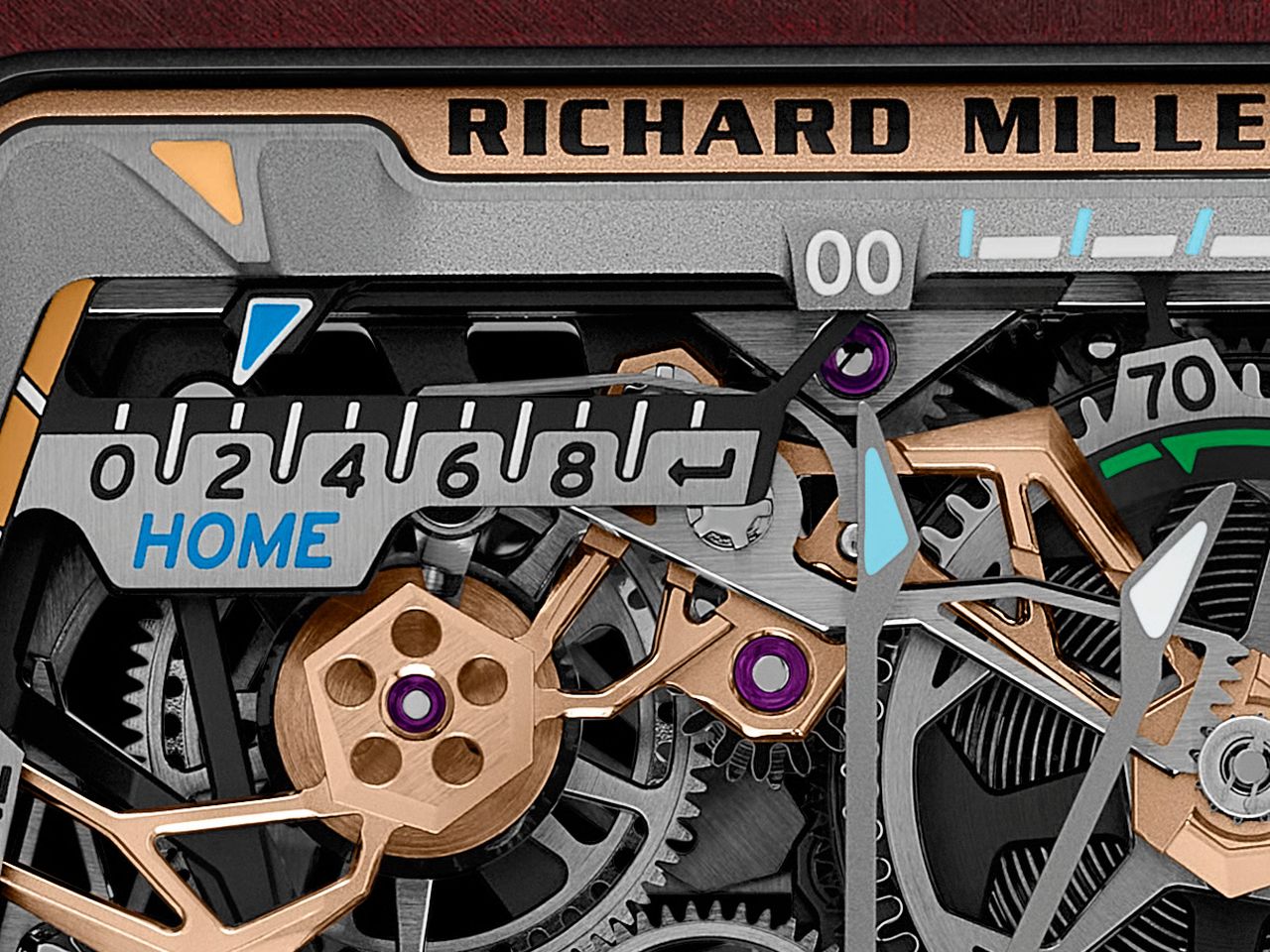
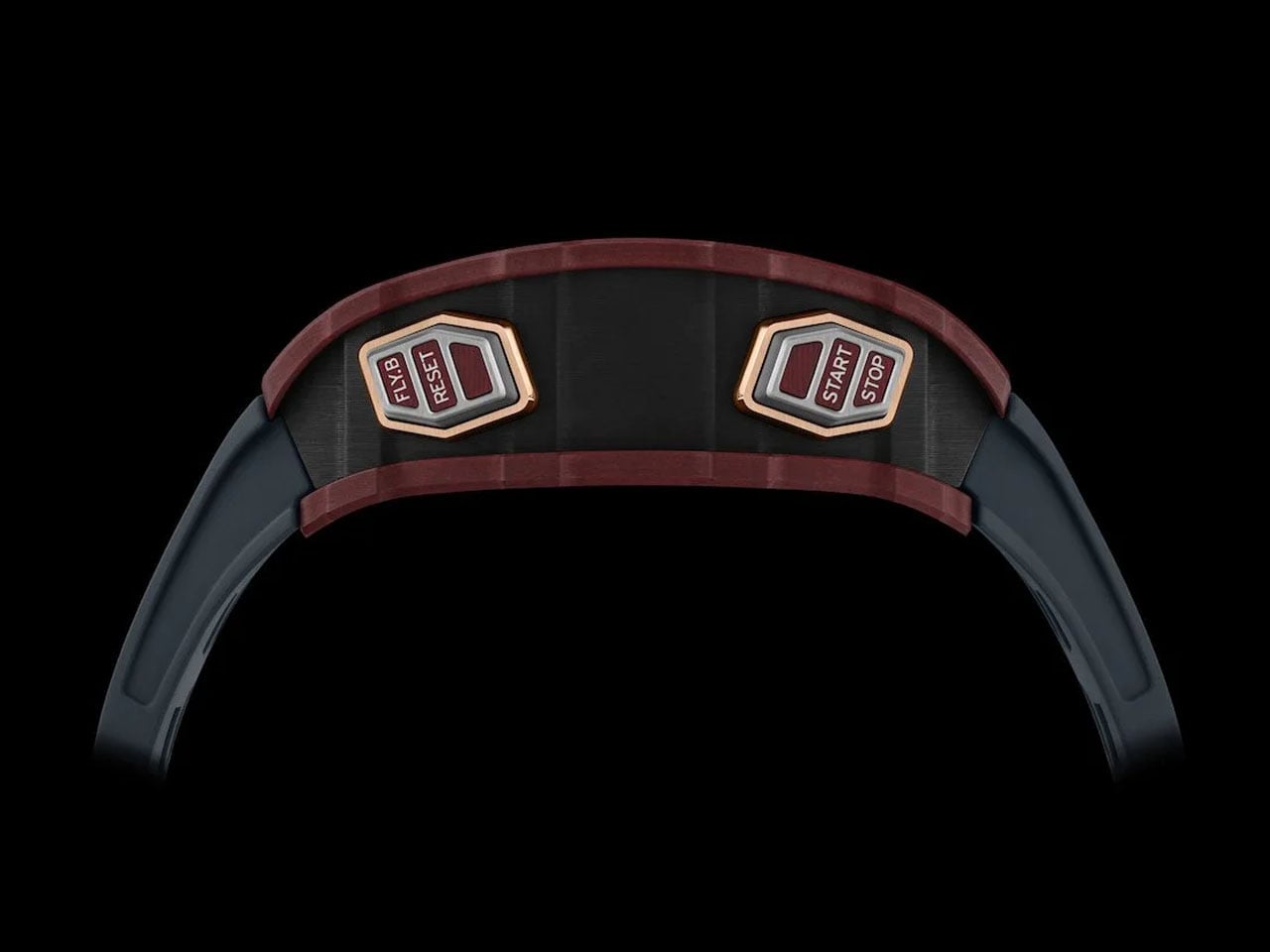
What distinguishes the watch is how it interprets a match in real time. A dedicated match-phase indicator progresses logically through first half, second half, and extra time periods, advancing with each reset of the chronograph. This complication mirrors the natural flow of a game, translating sporting progression into a mechanical sequence. Complementing it are dual linear goal counters positioned on the dial, allowing the wearer to track scores for home and away teams independently. Each counter can register up to nine goals before resetting, activated through pushers integrated seamlessly into the case. The result is a watch that behaves almost like a mechanical scoreboard, yet remains rooted in traditional haute horlogerie principles.
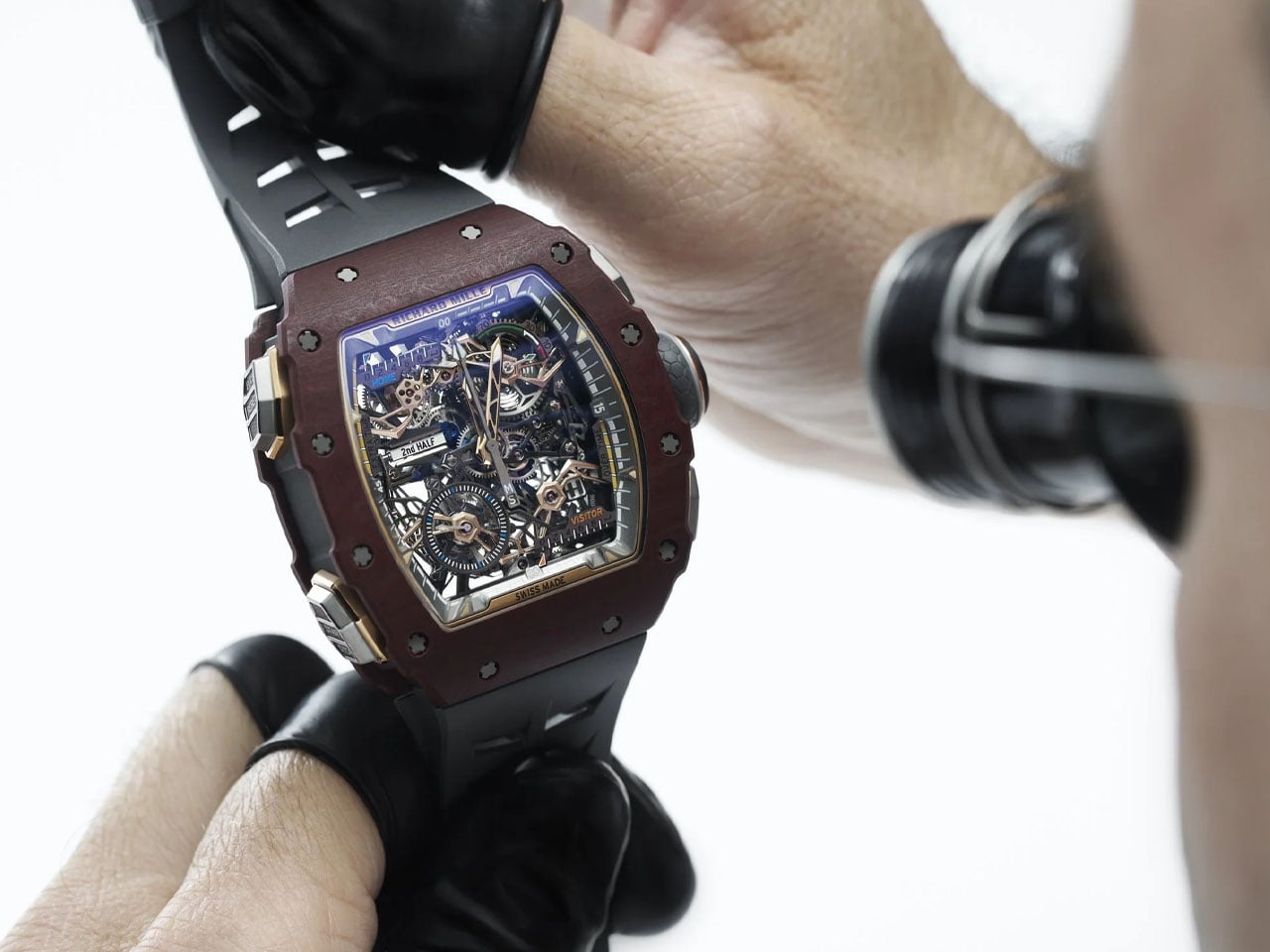
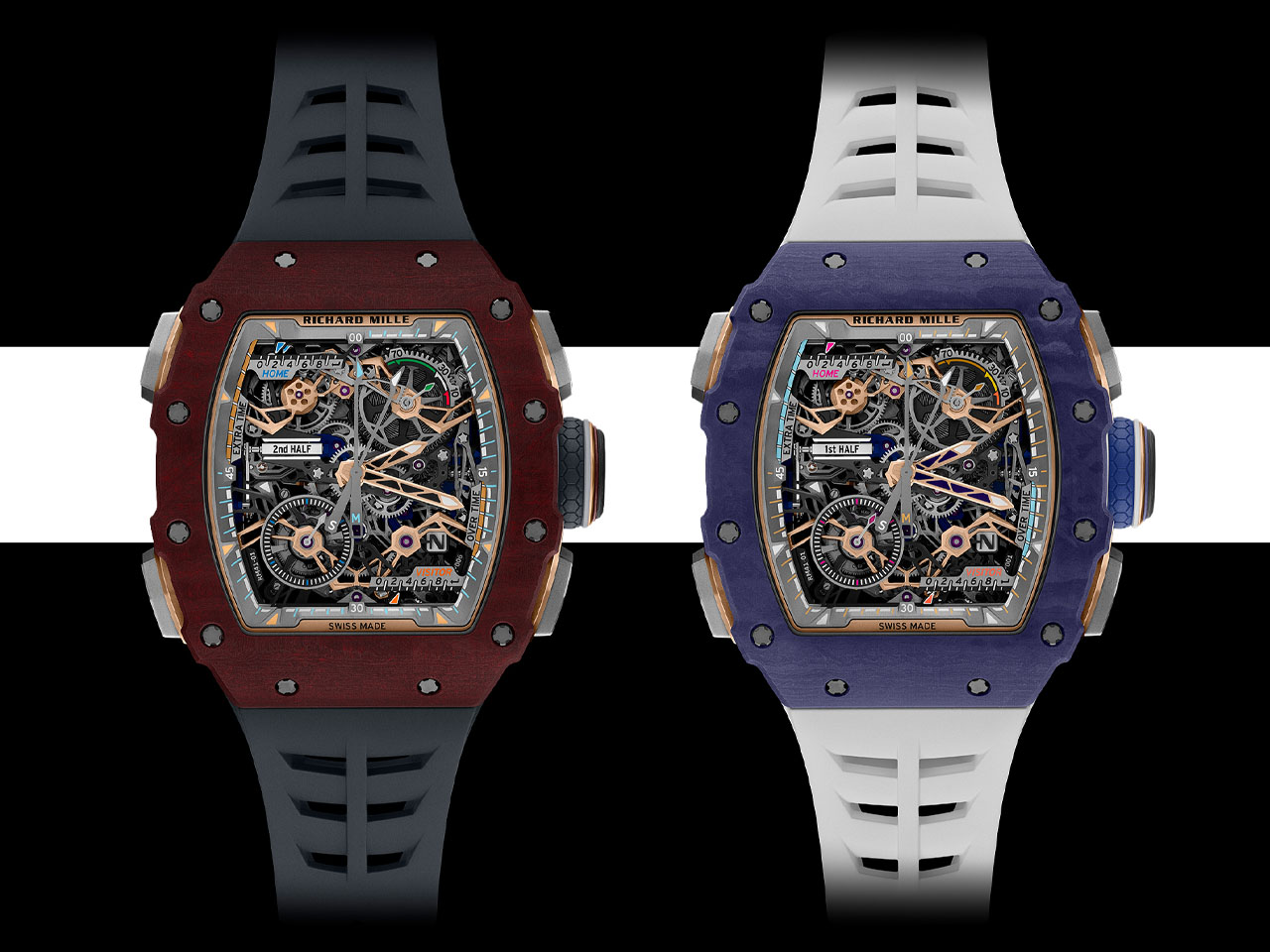
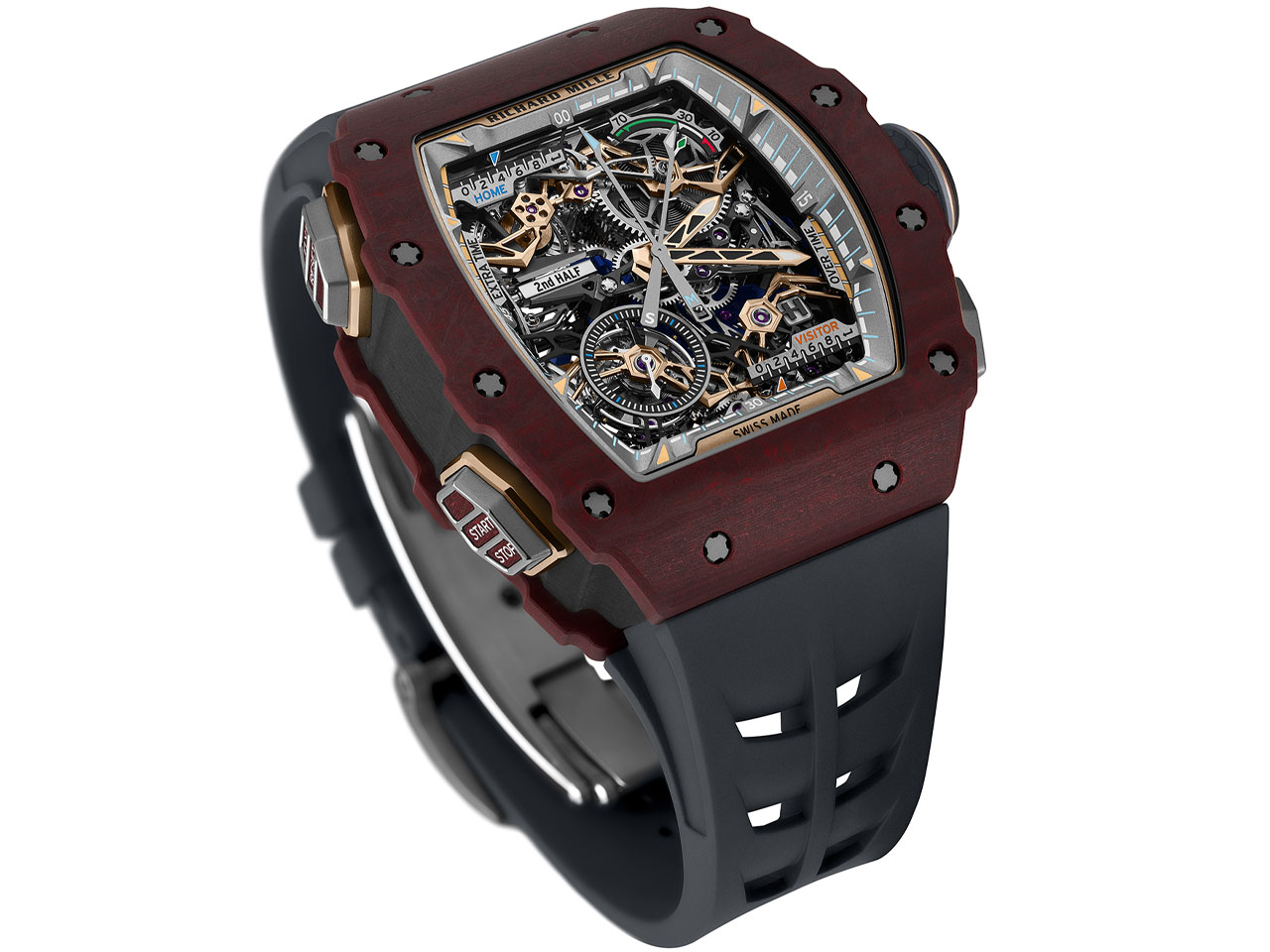
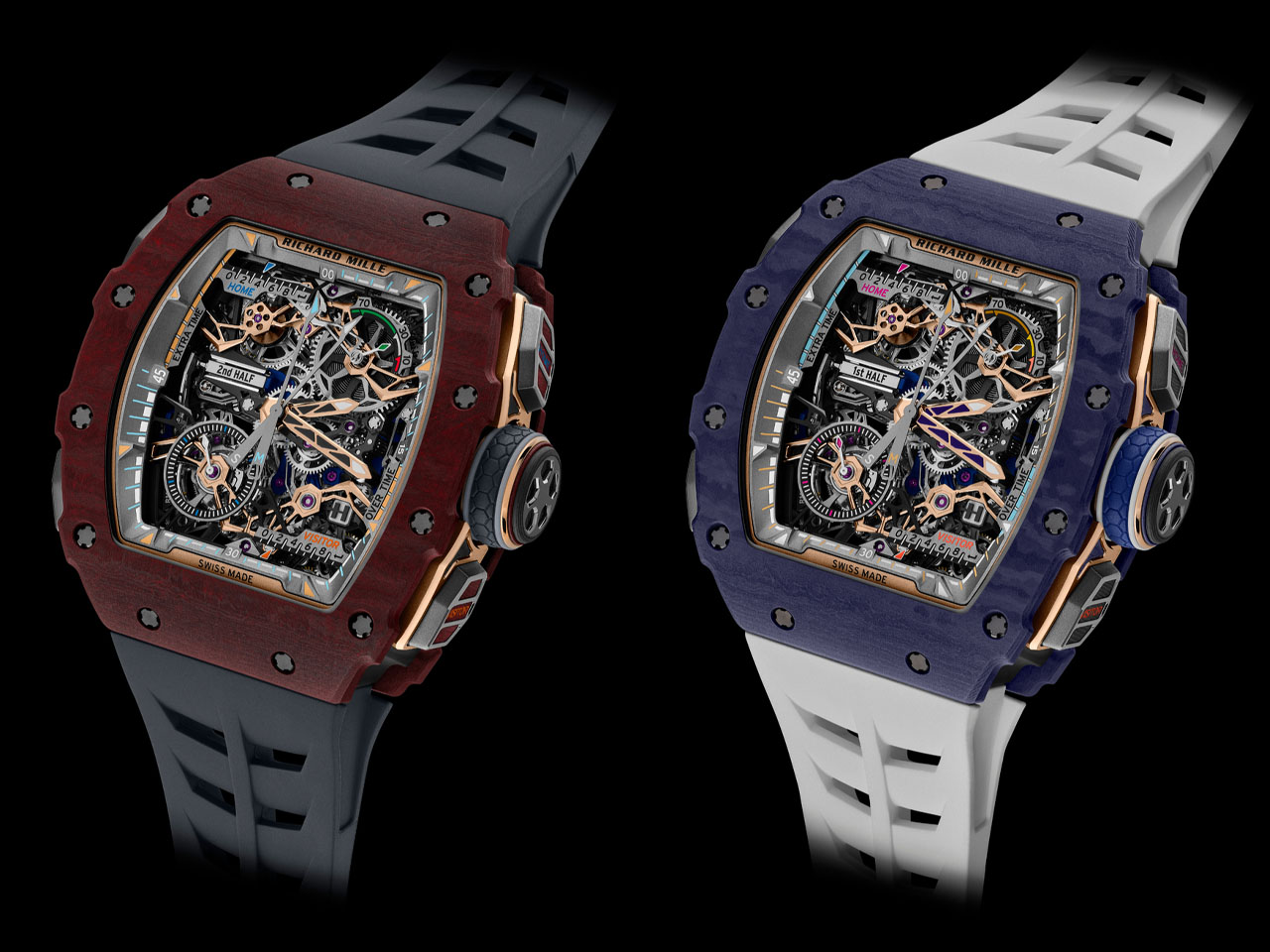
The tonneau-shaped case measures approximately 42.9 mm in width, 51.2 mm in length, and 16.2 mm in thickness, dimensions that provide presence without overwhelming the wrist. Offered in two limited editions of 30 pieces each, the watch is crafted in Dark Blue Quartz TPT or Red Carmin Basalt TPT variants. These composite materials are formed by layering ultra-thin sheets under intense heat and pressure, producing a striated visual texture while offering exceptional resistance to shock, corrosion, and ultraviolet exposure. Water resistance is rated to 50 meters, and the watch is paired with a rubber strap secured by a folding clasp, reinforcing its sport-ready character.
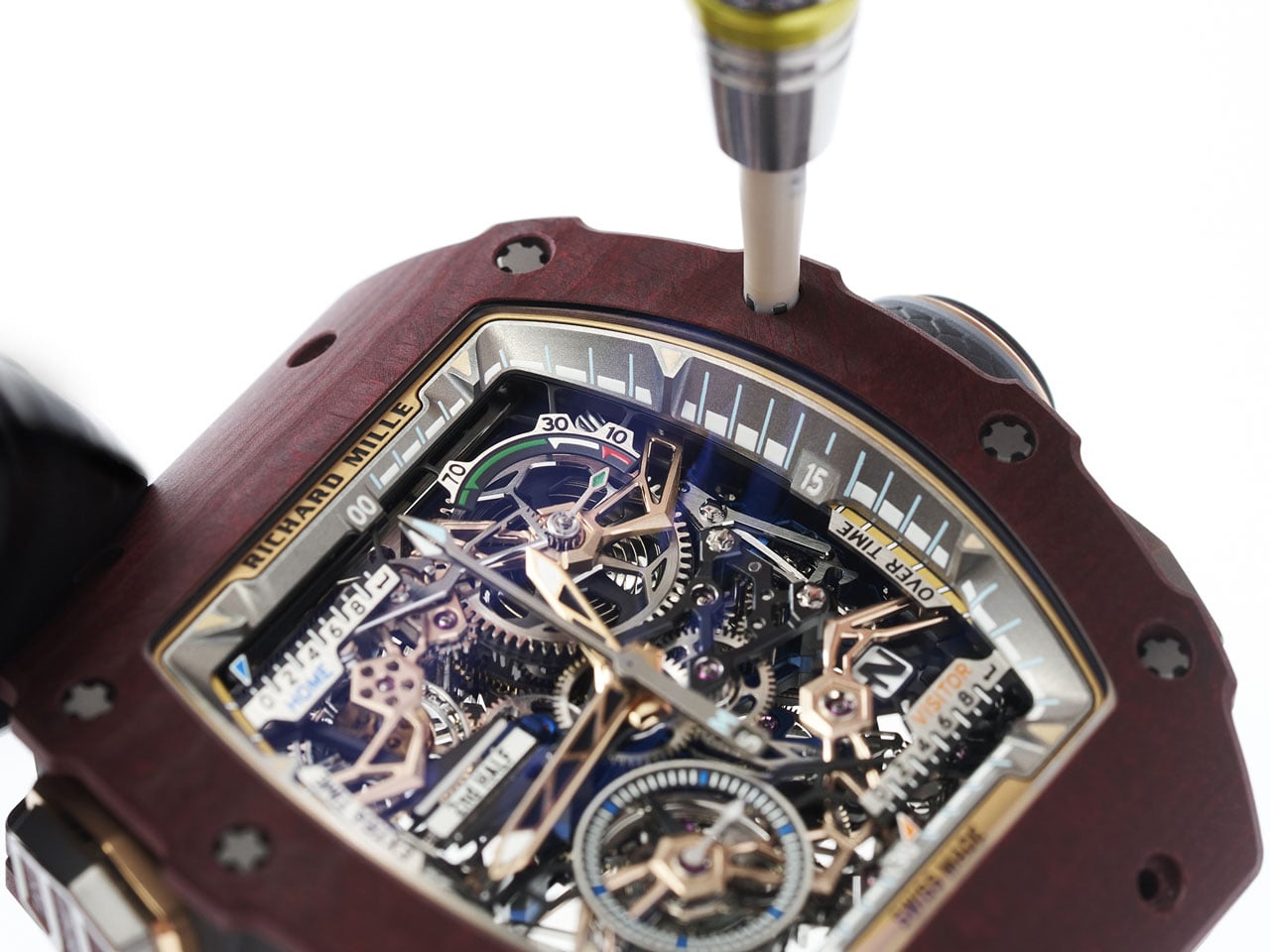
Visually, the RM 41-01 Tourbillon Soccer remains unmistakable. The openworked dial exposes bridges, wheels, and chronograph components arranged in a dynamic, multi-level layout beneath a sapphire crystal. Finishing techniques such as micro-blasting, hand-beveling, and contrasting surface treatments emphasize depth and contrast. Despite the complexity, legibility remains carefully considered, ensuring that the various displays are intuitive rather than decorative.
Technically ambitious and unapologetically specialized, the RM 41-01 Tourbillon Soccer watch exemplifies the brand’s commitment to mechanical storytelling. Each color of the watch will be limited to 30 pieces with an expected price tag of $2 million.
Tesla is still on the hook for $243 million after a US judge rejected the EV maker's bid to overturn a jury verdict from last year. On Friday, US District Judge Beth Bloom upheld the jury's decision to hold Tesla partially responsible for a deadly crash that happened in 2019 and involved the self-driving Autopilot feature.
The judge added that there was enough evidence to support the jury's verdict, which was delivered in August 2025 and ordered Tesla to pay millions in compensatory and punitive damages to the two victims in the case. Judge Bloom added that Tesla didn't present any new arguments to dispute the decision.
While the case has been moving along recently, the incident dates back to several years ago when the driver of a Model S, George McGee, was using Tesla's Autopilot feature while bending down to retrieve a dropped phone. The Model S then crashed into an SUV that was parked on a shoulder, where Naibel Benavides Leon and Dillon Angulo were standing aside. Benavides was killed in the crash, while Angulo was severely injured.
Tesla hasn't publicly commented on Judge Bloom's decision yet, but it won't be a surprise to see the company appeal the latest ruling with a higher court. Tesla's lawyers previously tried to pin the blame on the driver, claiming that the Model S and Autopilot weren't defective. As this major case plays out, Tesla is also facing several investigations from the National Highway Traffic Safety Administration for both its Autopilot and Full-Self Driving features.
This article originally appeared on Engadget at https://www.engadget.com/transportation/evs/a-judge-ruled-tesla-still-has-to-pay-243-million-for-a-fatal-crash-involving-autopilot-174548093.html?src=rss
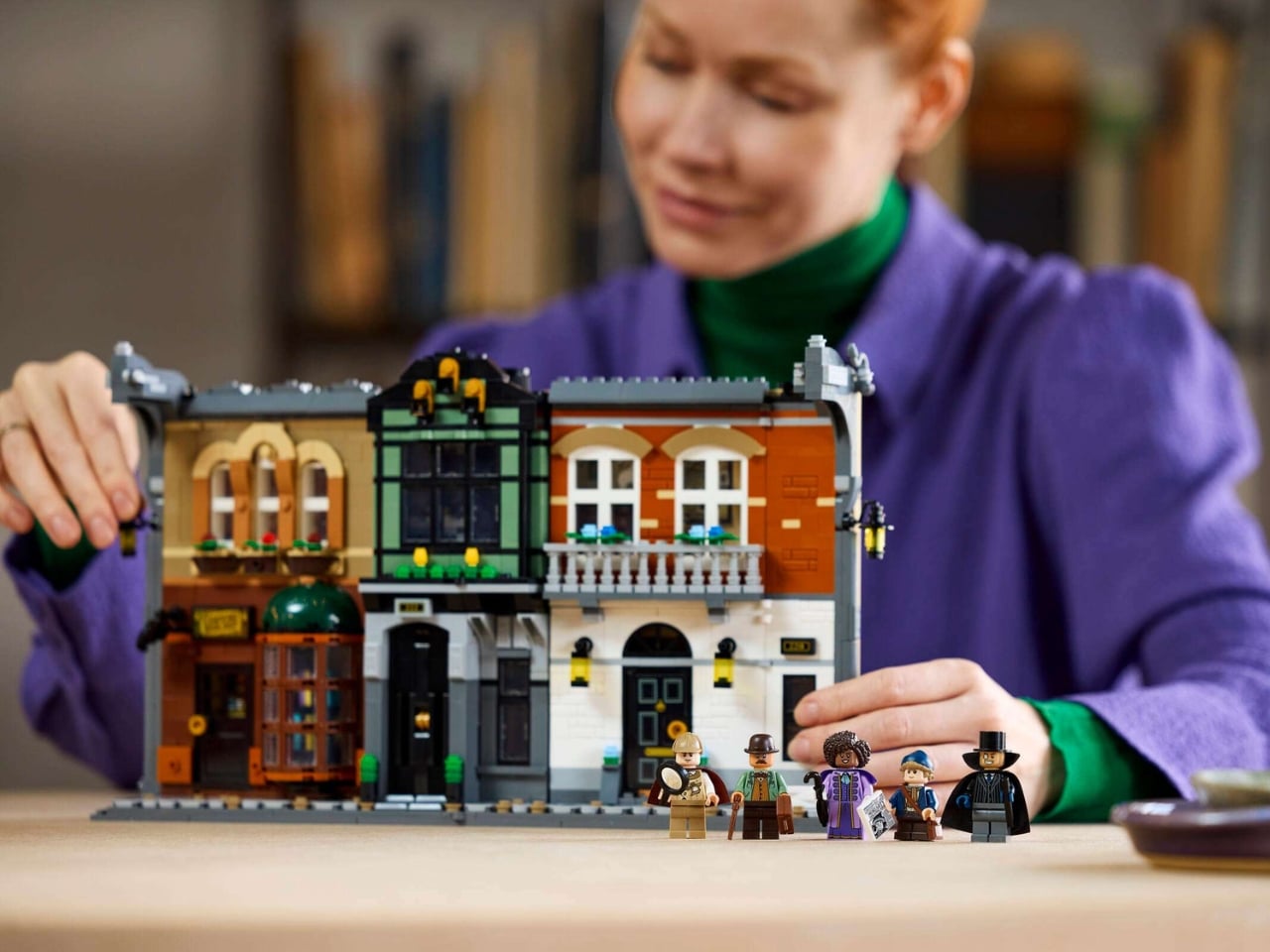
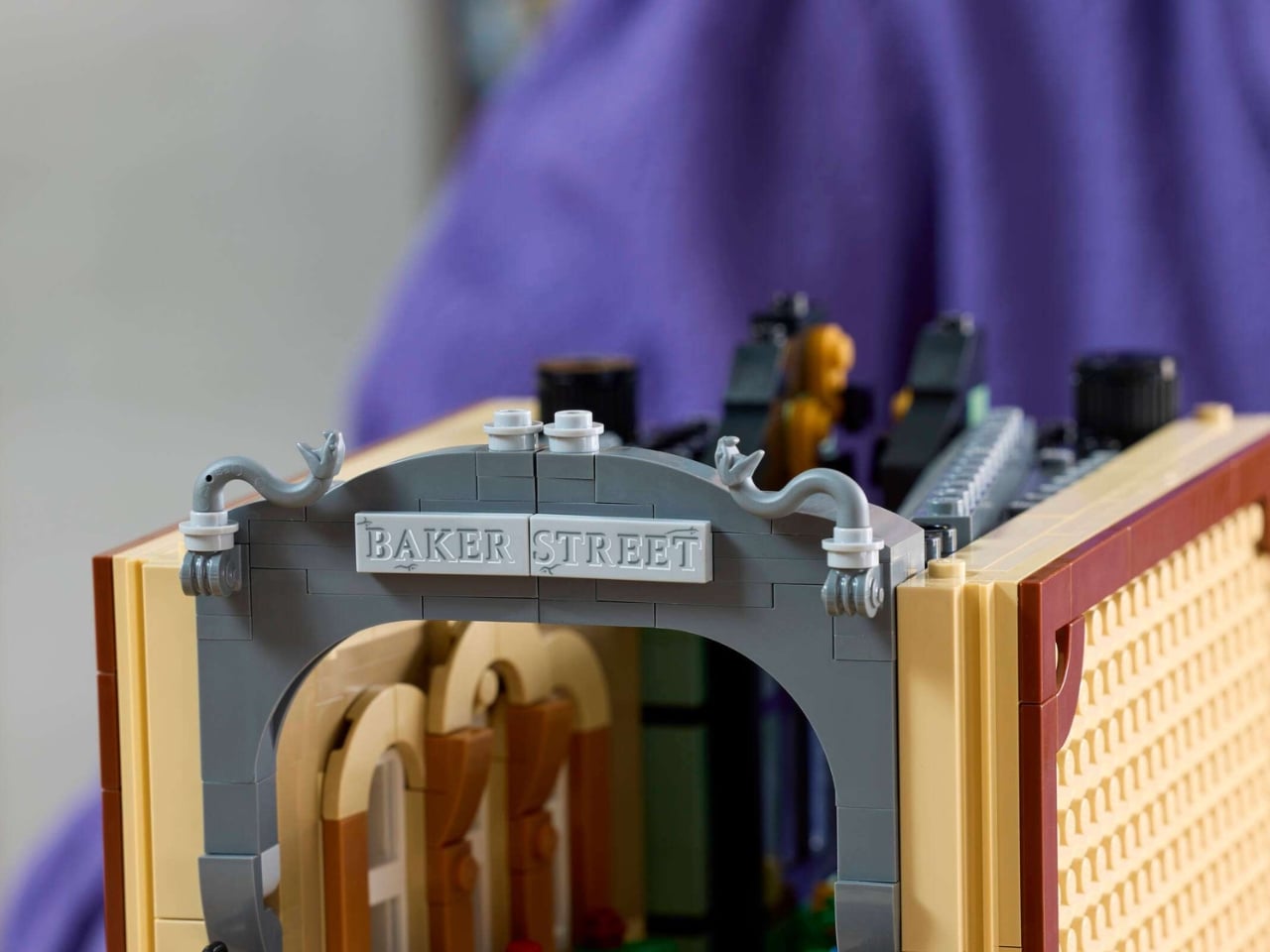
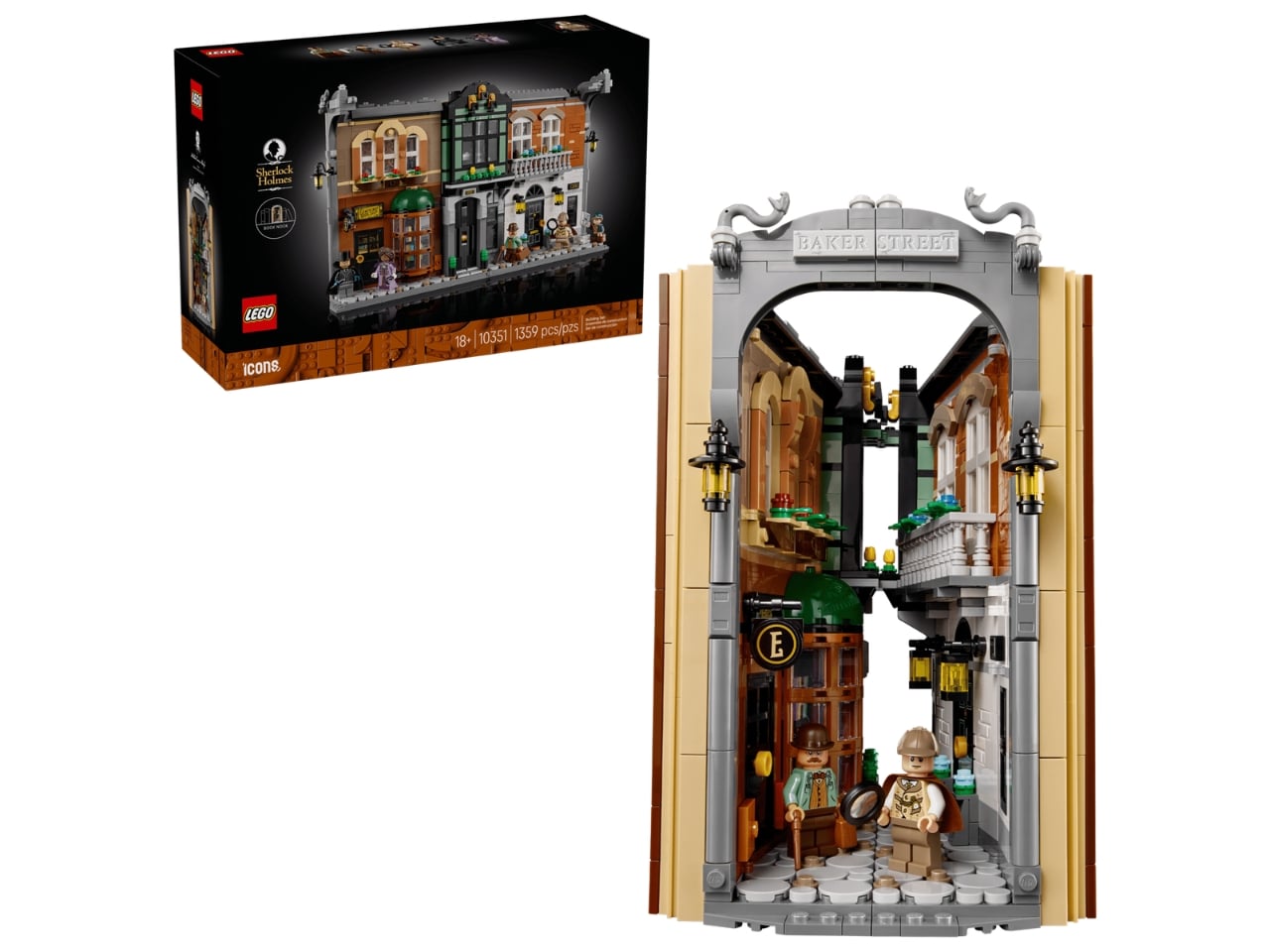
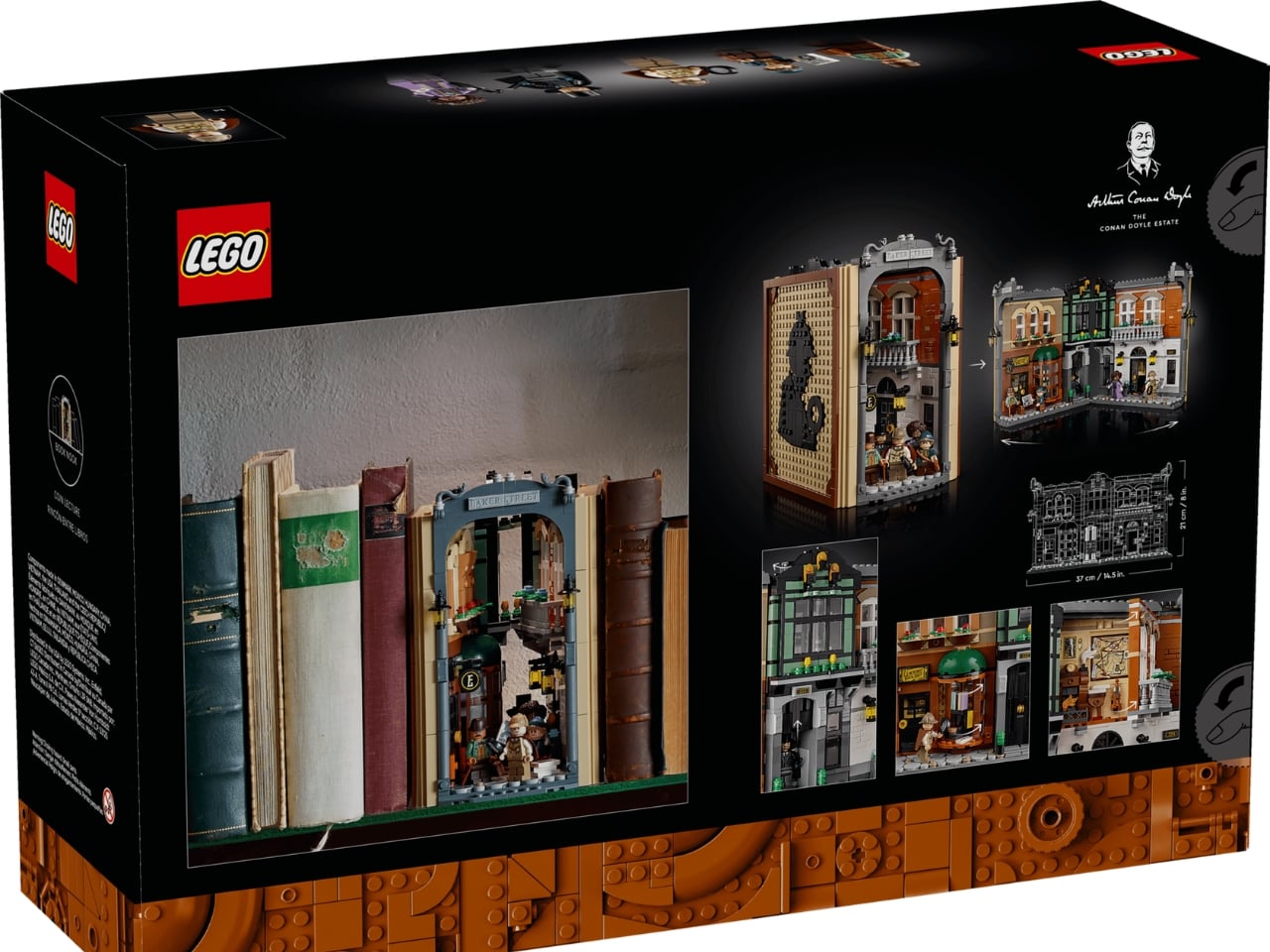
If you’ve ever stared at your bookshelf and thought “something’s missing,” the answer might just be 1,359 bricks and a deerstalker hat. LEGO’s newest entry in its Icons line, the Sherlock Holmes: Book Nook (set #10351), is the kind of thing that makes you stop and look twice. It’s a fully detailed slice of Victorian Baker Street that folds up slim enough to slip between your novels like it was always meant to be there.
Sherlock Holmes is arguably the most iconic fictional detective ever created. Arthur Conan Doyle first introduced him to the world in 1887, and the character has never really left the cultural spotlight since. Books, films, BBC adaptations, podcasts. The man in the deerstalker hat has shown up in just about every medium imaginable. And yet, despite LEGO spending decades immortalizing everything from Hogwarts to the Millennium Falcon, Holmes somehow never got his own set. That changes with this release, and it feels long overdue.
The Sherlock Holmes: Book Nook is LEGO’s first-ever official Sherlock Holmes set and is priced at $129.99. Part of the LEGO Icons lineup and rated for adults 18 and up, it also introduces the brand’s new Book Nook format: a concept built around the idea that a LEGO display doesn’t have to dominate a room. It can quietly live on your shelf instead.
Book nooks as a category have been a niche collector’s obsession for years, with independent artists crafting tiny lit worlds to slip between volumes on a shelf. LEGO entering that space makes a lot of sense, and they’ve done it with their typical level of attention to detail.
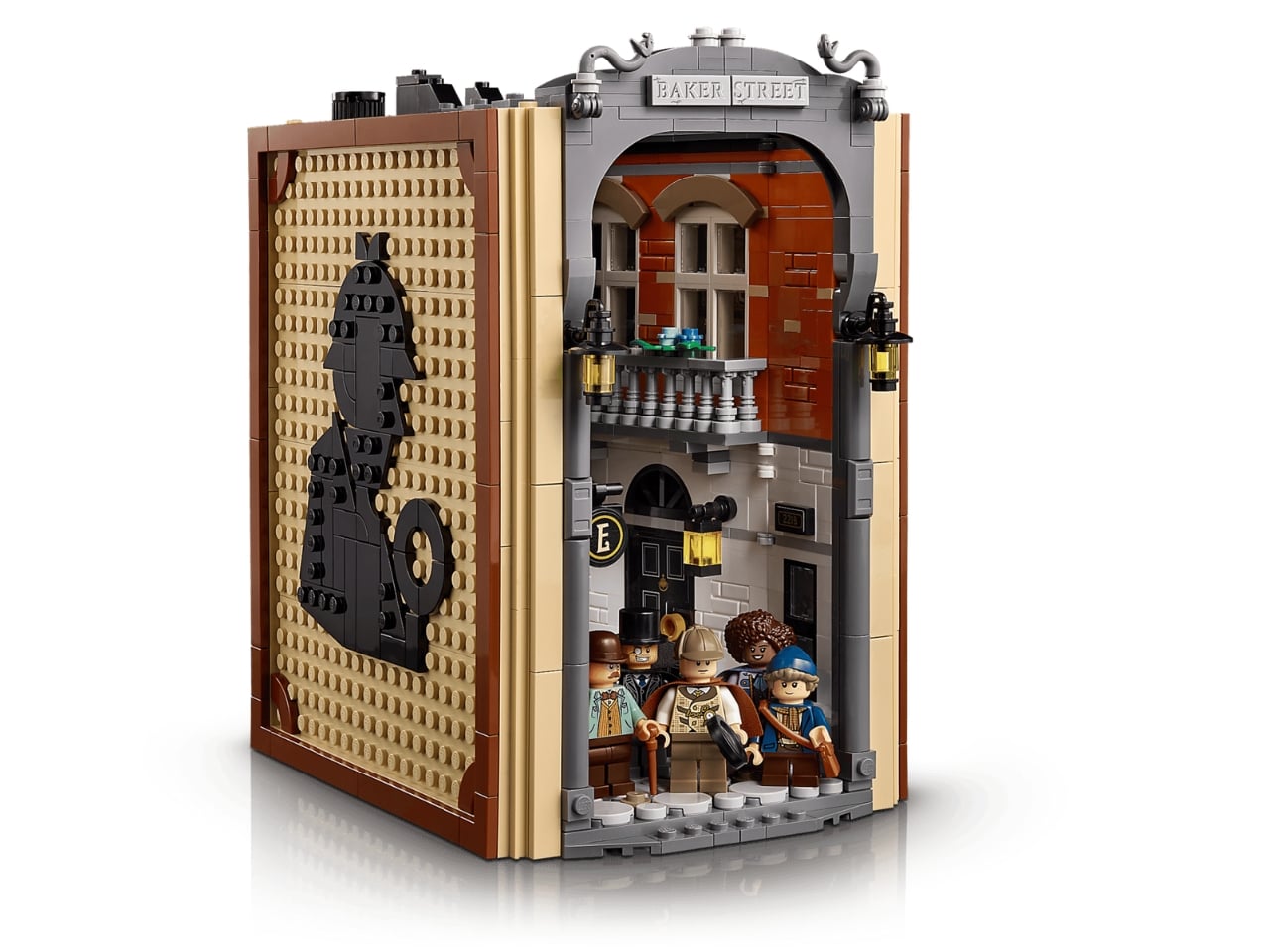
When folded shut, the set presents a flat, bookend-style exterior decorated with a tiled black silhouette of Holmes against a tan background. It’s clean, intentional, and designed to sit comfortably alongside an actual Sherlock Holmes collection without looking out of place. That kind of restraint in presentation is a smart design call. But unfold it, and that’s where things get genuinely impressive.
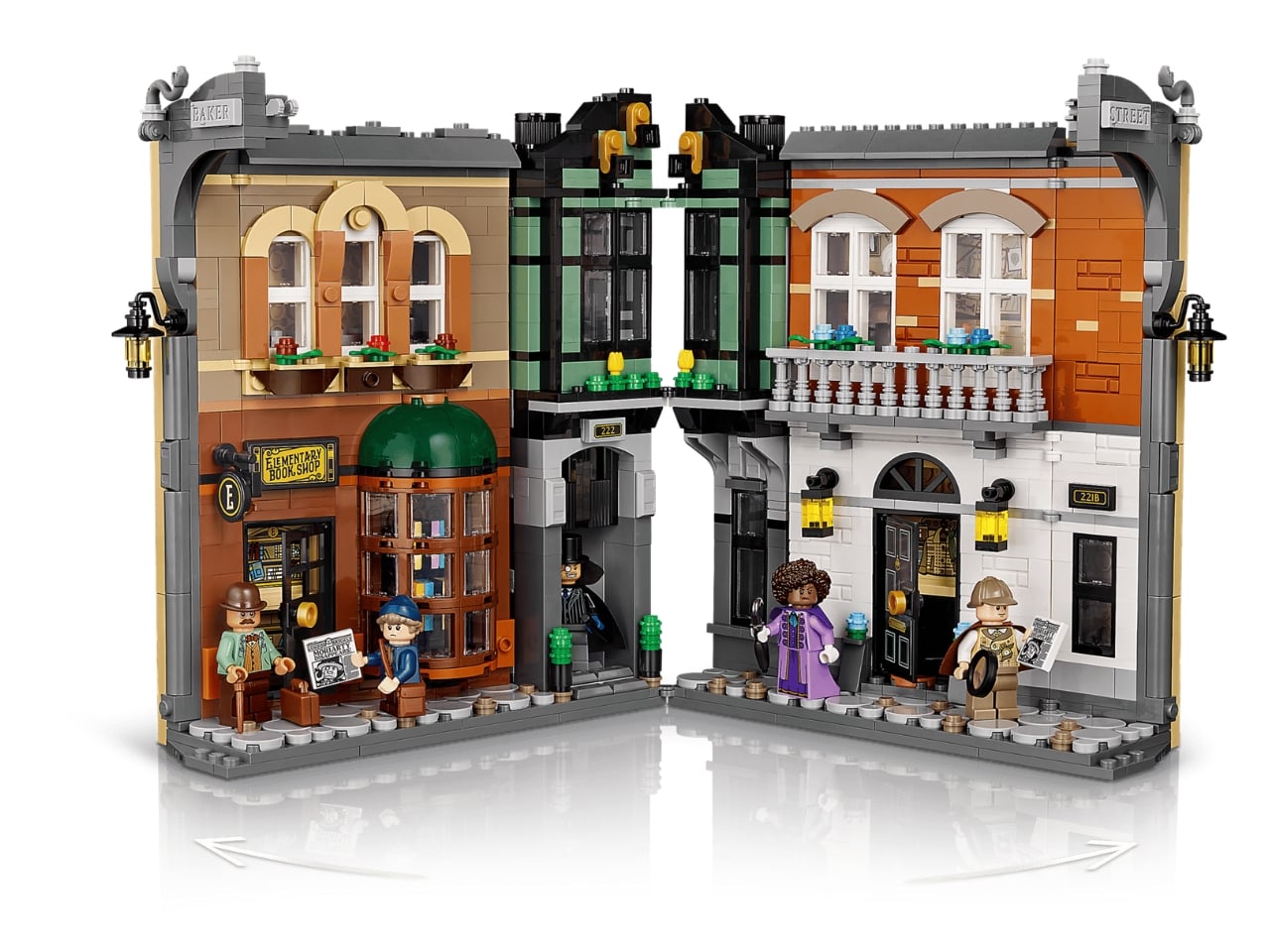
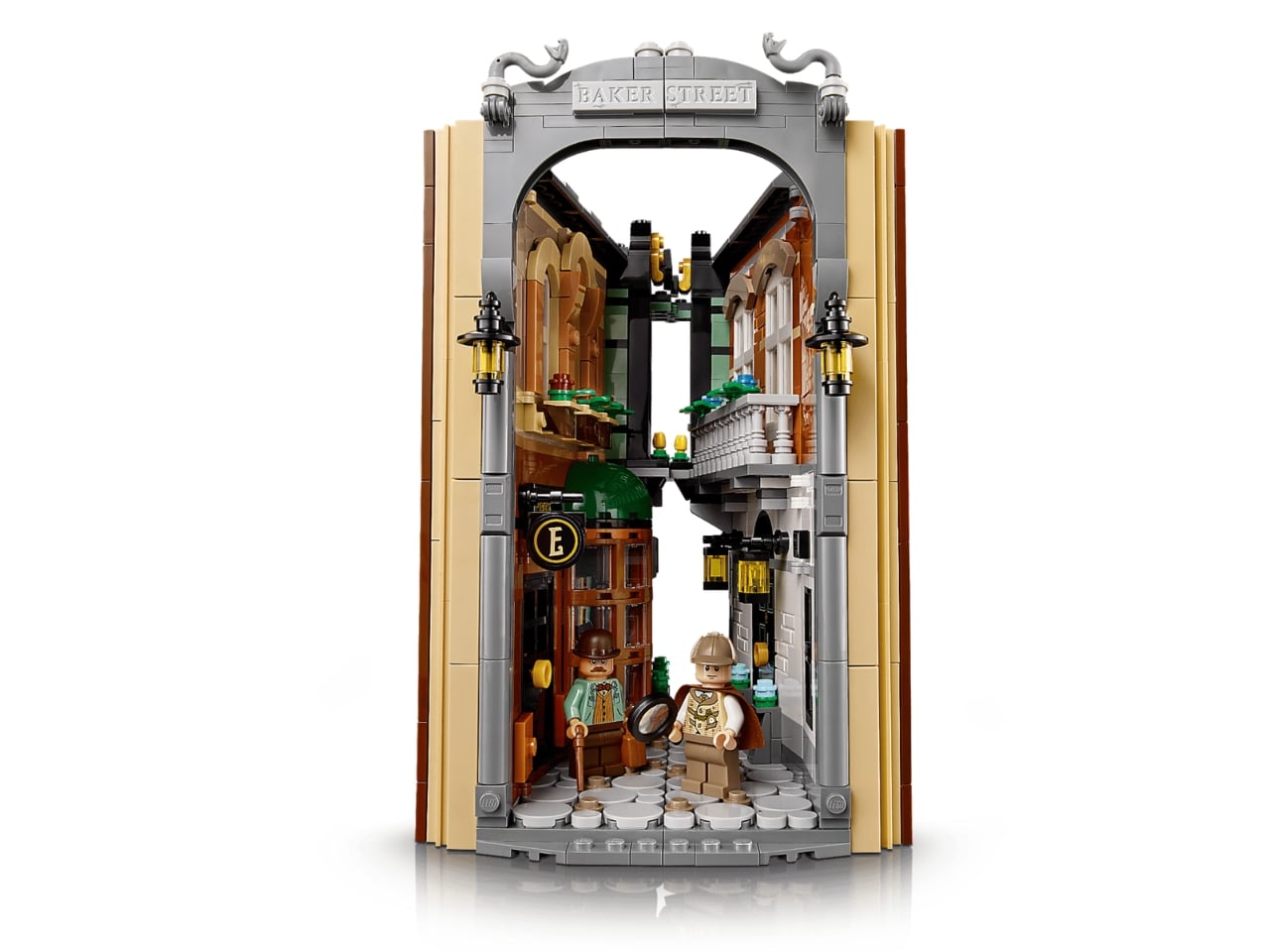
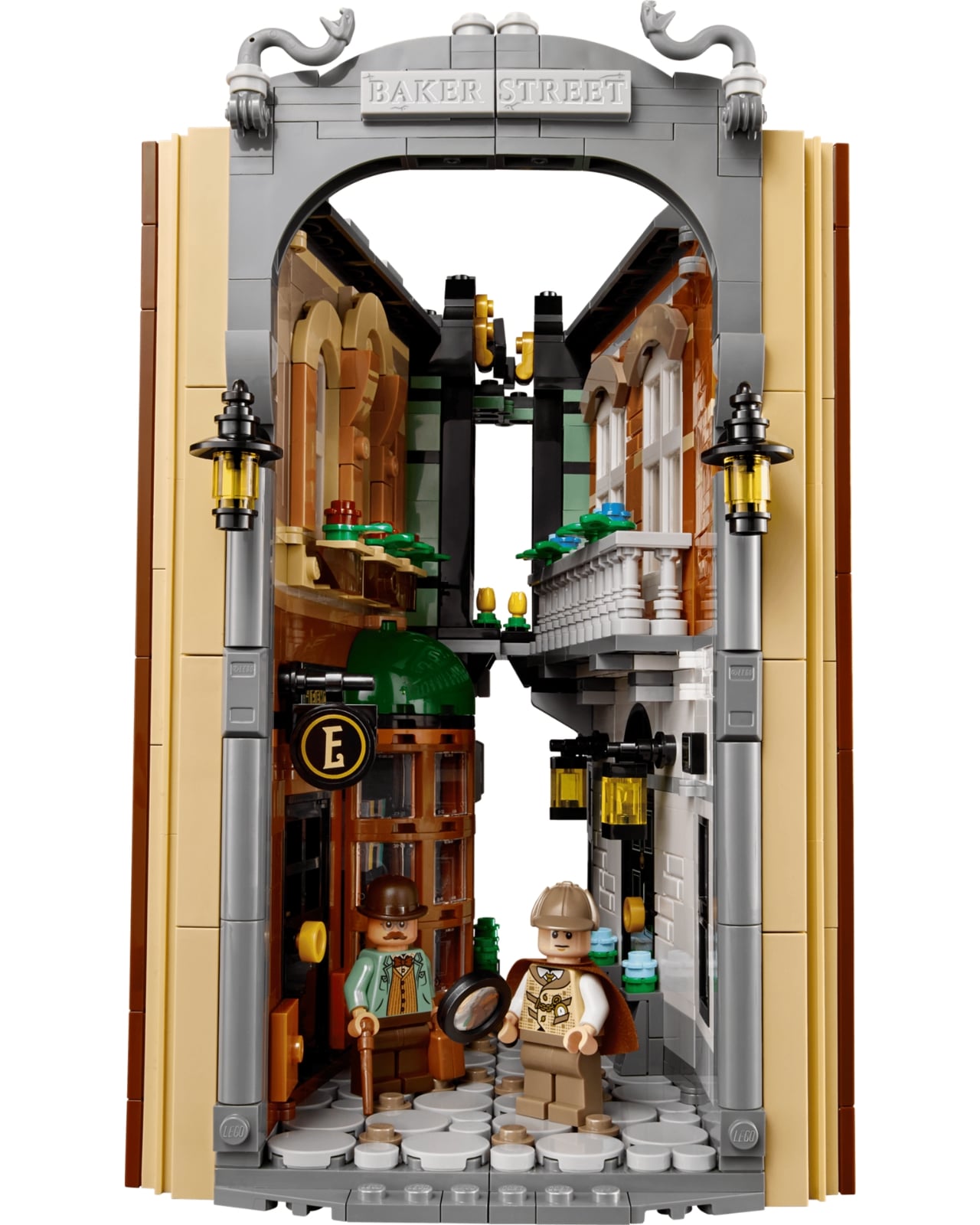
The opened build stretches to 14.5 inches wide and just over 8 inches tall, revealing a Baker Street facade split across two distinct sides. One side gives you a bookshop with a revolving display window. The other is a shadowy terraced residence with a sliding front door. Turn a dial and the door rises to expose Professor Moriarty’s hideout tucked just behind it. It’s a small mechanical touch that delivers quite a lot of atmosphere in a tight space.
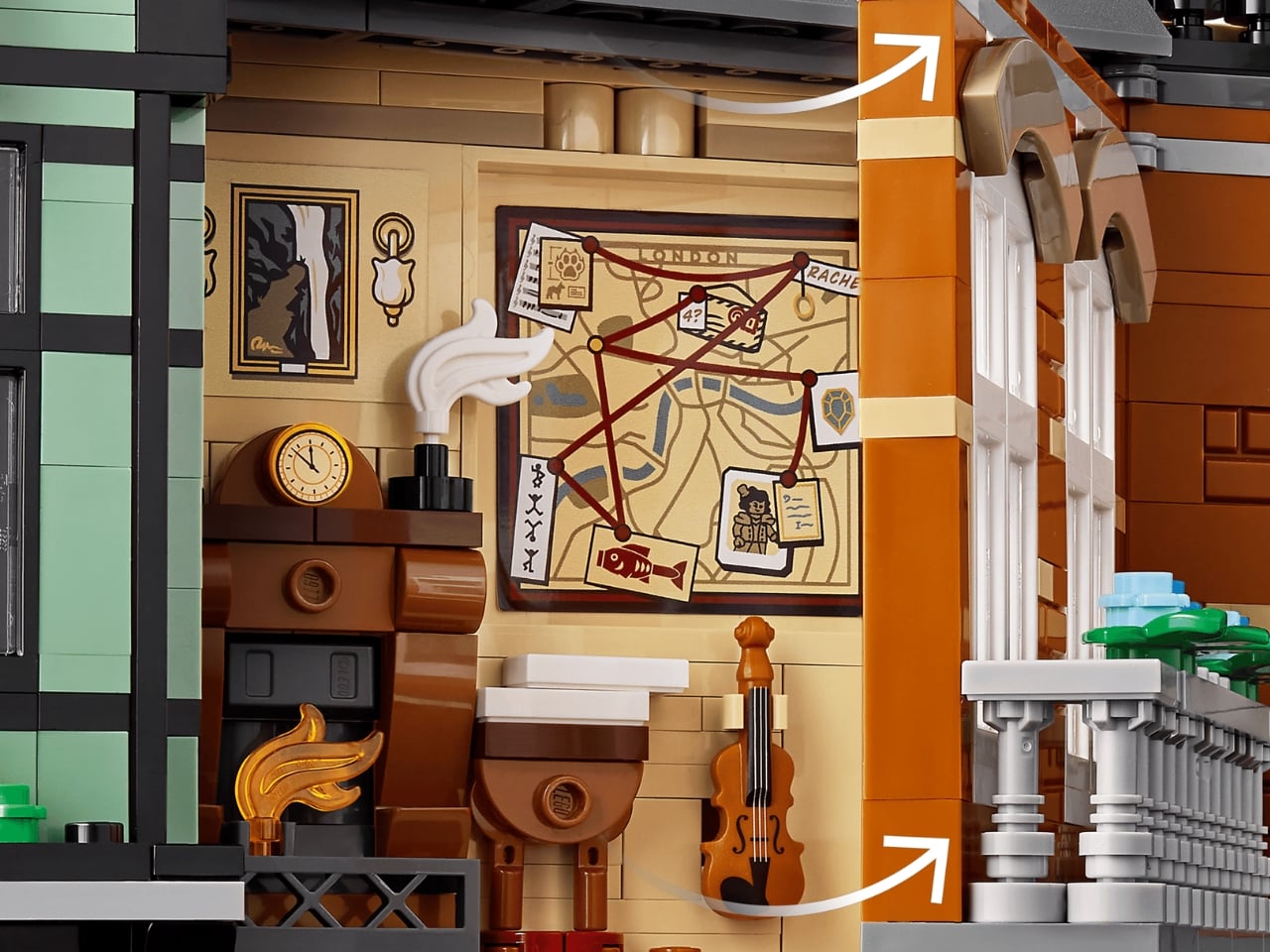
Flip open the facade of 221B Baker Street and you’re looking directly into Sherlock’s apartment in miniature: a brick-built fireplace, a clue board pinned with evidence, and his beloved violin. The storytelling packed into a build just 2.5 inches deep is genuinely impressive. Outside, a cobbled walkway runs along the base, giving the whole thing the same street-level texture that fans of LEGO’s Diagon Alley sets will immediately recognize.
Five exclusive minifigures complete the package: Sherlock Holmes, Dr. Watson, Irene Adler, Professor Moriarty, and a newcomer named Paige. All five are brand new to LEGO, which alone makes this a collector’s milestone. The lineup covers the key players well. You get the detective, his loyal companion, his greatest adversary, the woman who outsmarted him, and a fresh Baker Street face.
What makes the Book Nook format feel like such a smart direction for LEGO’s adult lineup is how it collapses the gap between collectible and functional object. There’s no dedicated display case required, no plinth, no cleared shelf space. You slide it between your books, and it lives there quietly until a guest spots it and can’t stop staring. It’s designed to be discovered, not displayed. LEGO is releasing two more Book Nooks alongside this one, a Lord of the Rings and a Harry Potter edition, signaling a real commitment to the format.
The Sherlock Holmes Book Nook is available now on LEGO.com and at Barnes & Noble for $129.99. Whether you’re a Conan Doyle devotee, a design enthusiast, or just someone whose shelf could use a little mystery, this one is worth a closer look.