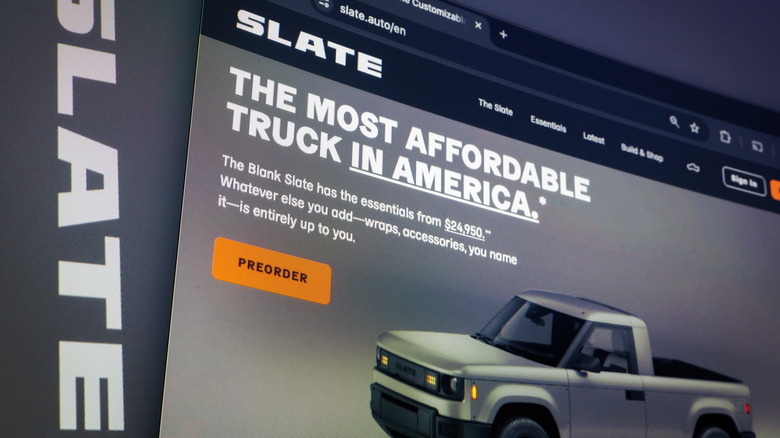
The Slate Truck is affordable because you have to ‘bring your own tech’
The Slate Truck is affordable because you have to 'bring your own tech'.

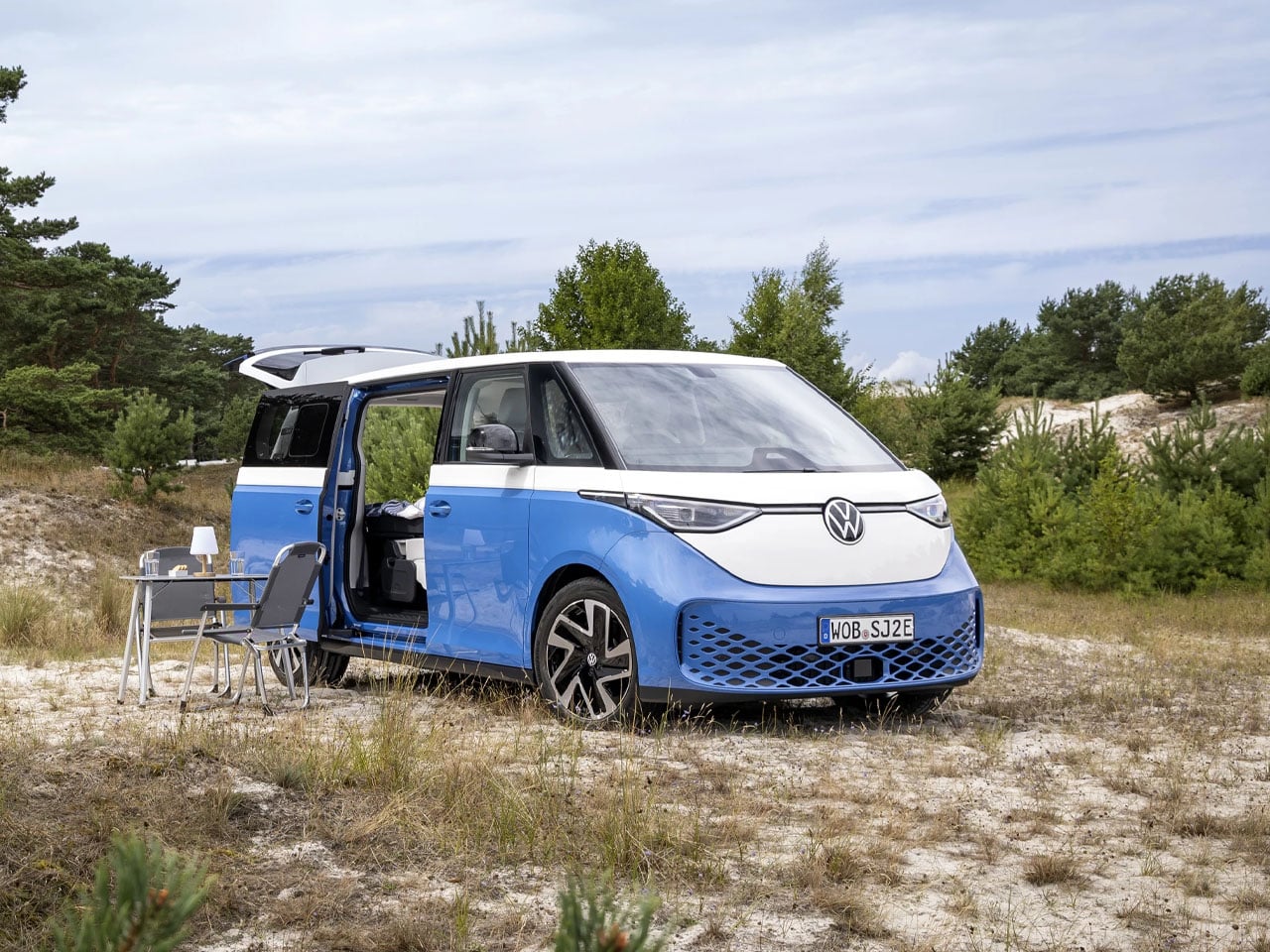
The closest we got to a Volkswagen ID. Buzz camper van was in 2024, when restoration outfit Peace Vans from Seattle, U.S., transformed the VW into not one but three fully-fledged camper van options. Ever since, a large population of fans has dreamt of an actual camper version of the ID. Buzz.
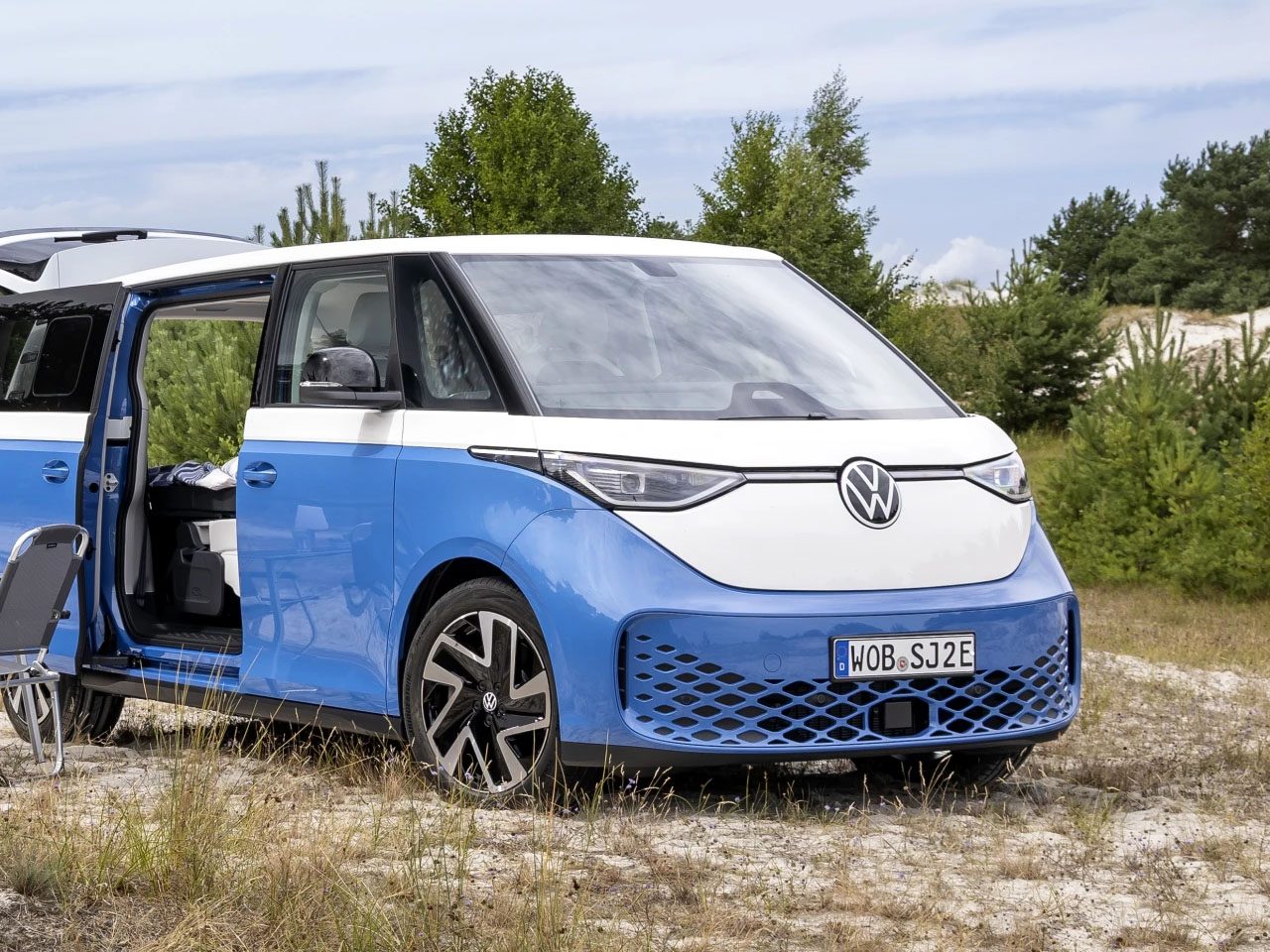
It has been some four years since ID. Buzz made its debut, but the wait is now finally over. Volkswagen has unveiled its first all-electric camper van based on the ID. Buzz. It’s called the ID. California Cruise, and it was recently showcased for the first time at the 2026 Caravan Salon in Düsseldorf, Germany.
Designer: Volkswagen
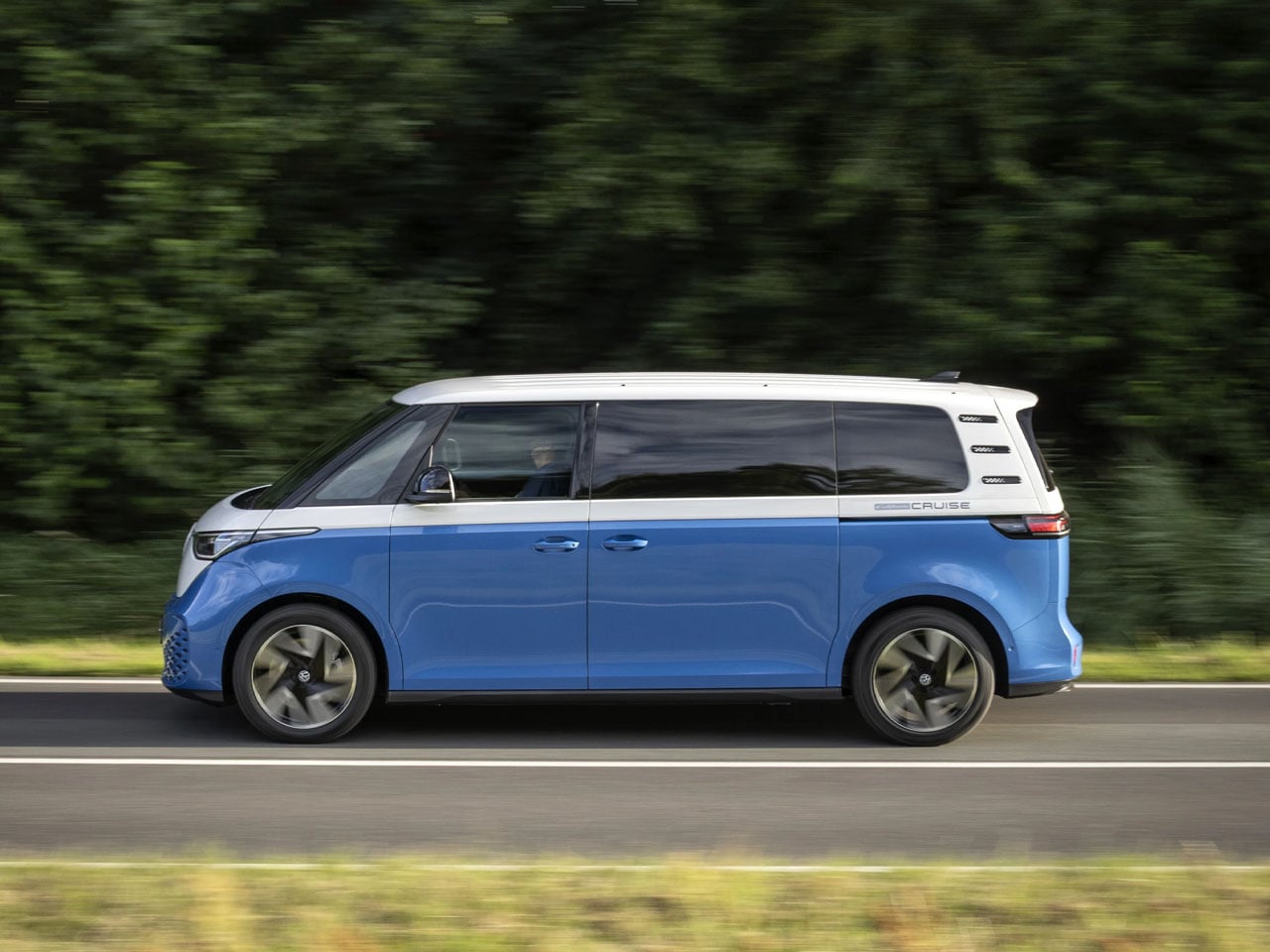
The camper van is the first all-electric version of the California model that Volkswagen has had on the roads for almost 23 years now. It is set to launch in Germany in early 2027. There is no word on whether it will make off shores, but that shouldn’t stop us from learning what this interesting ride is likely to feature.
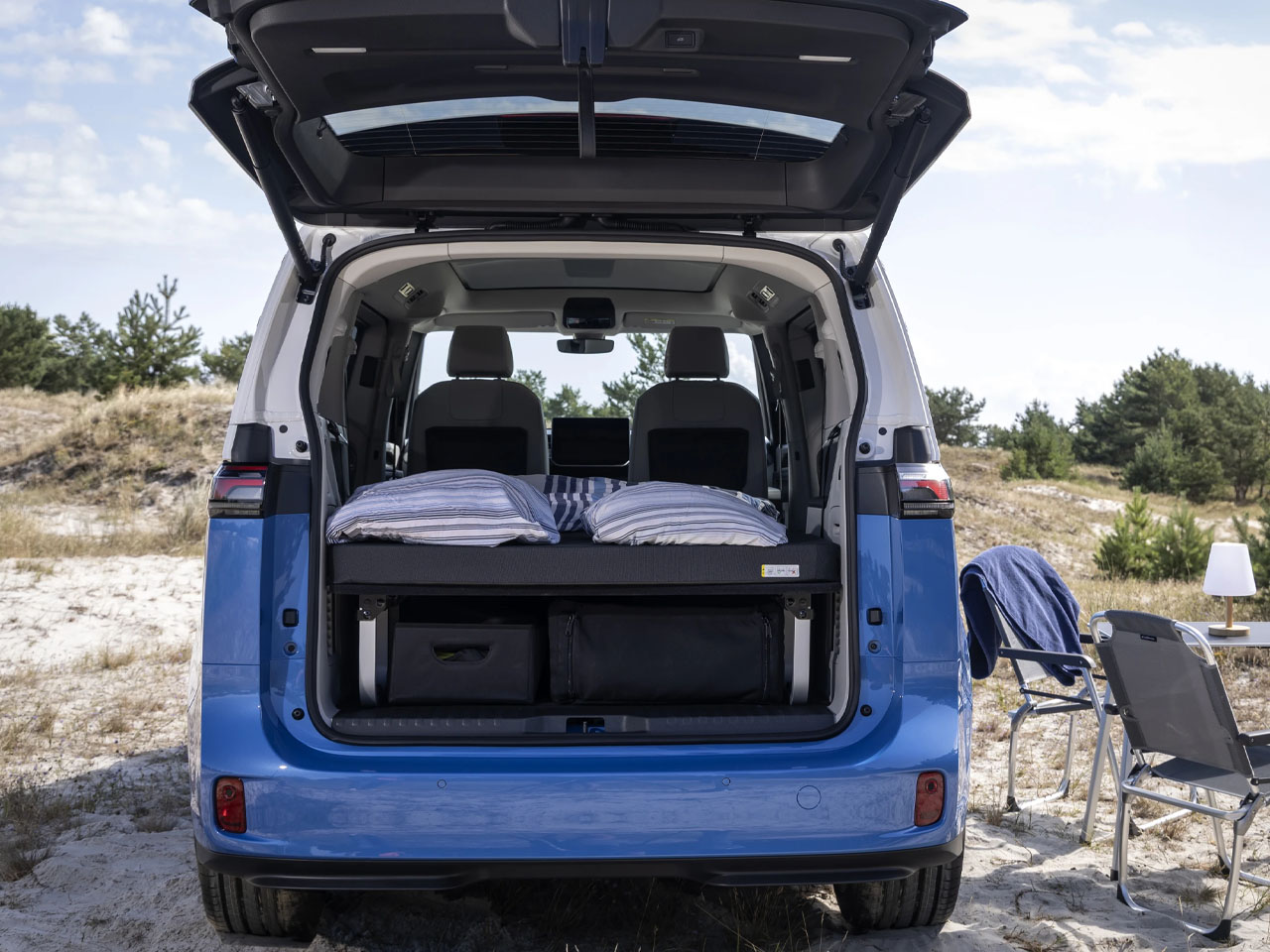
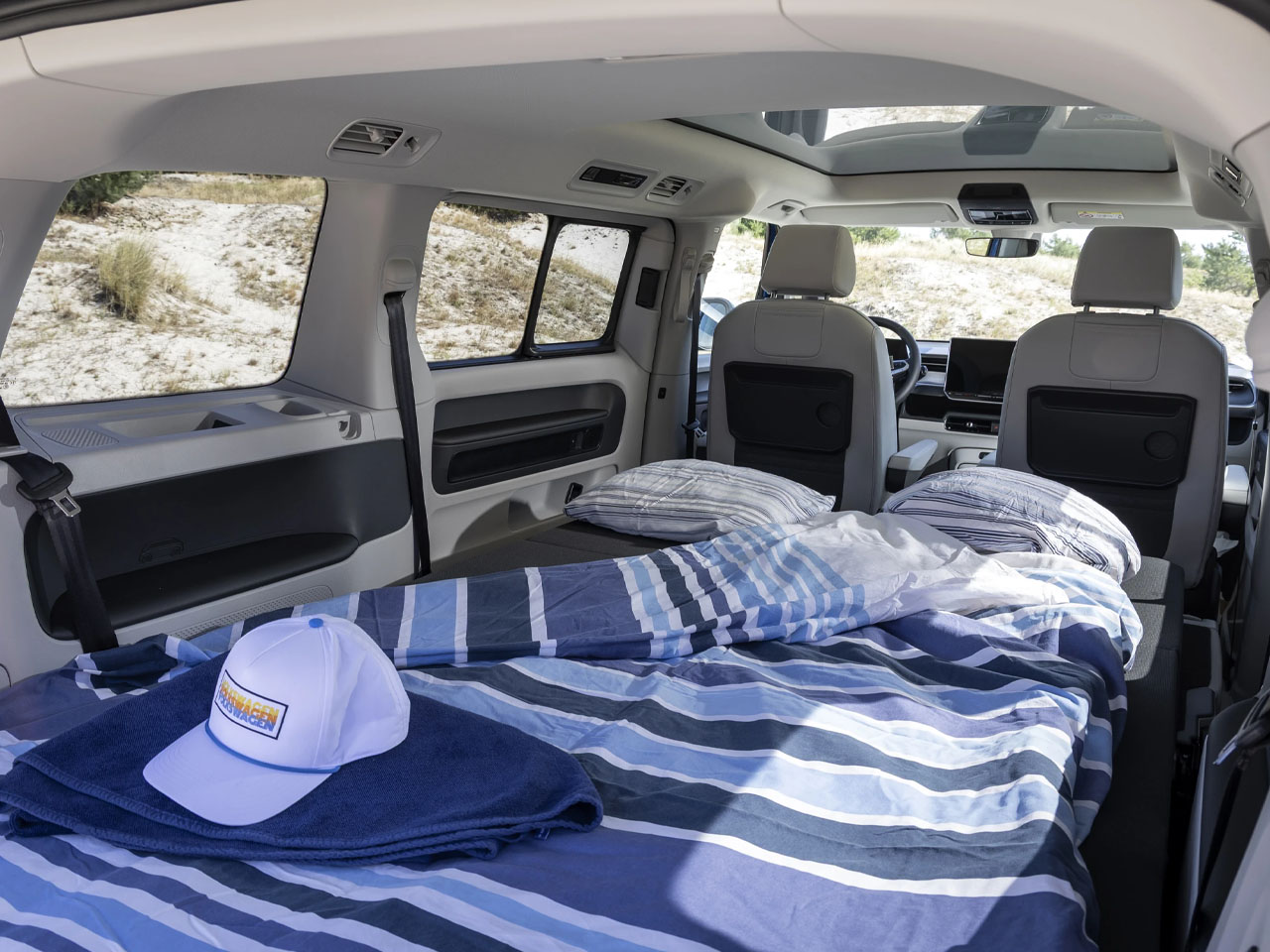
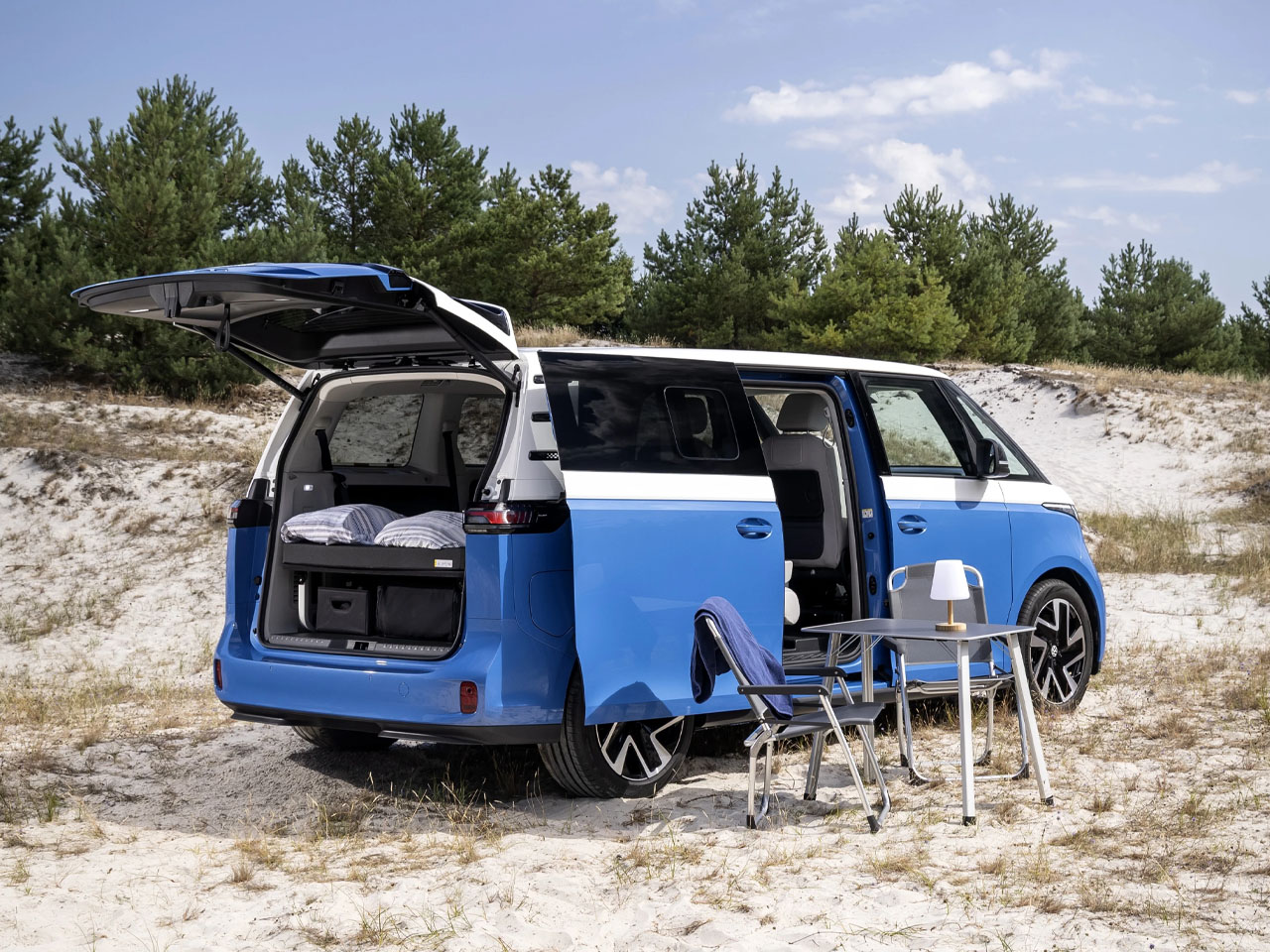
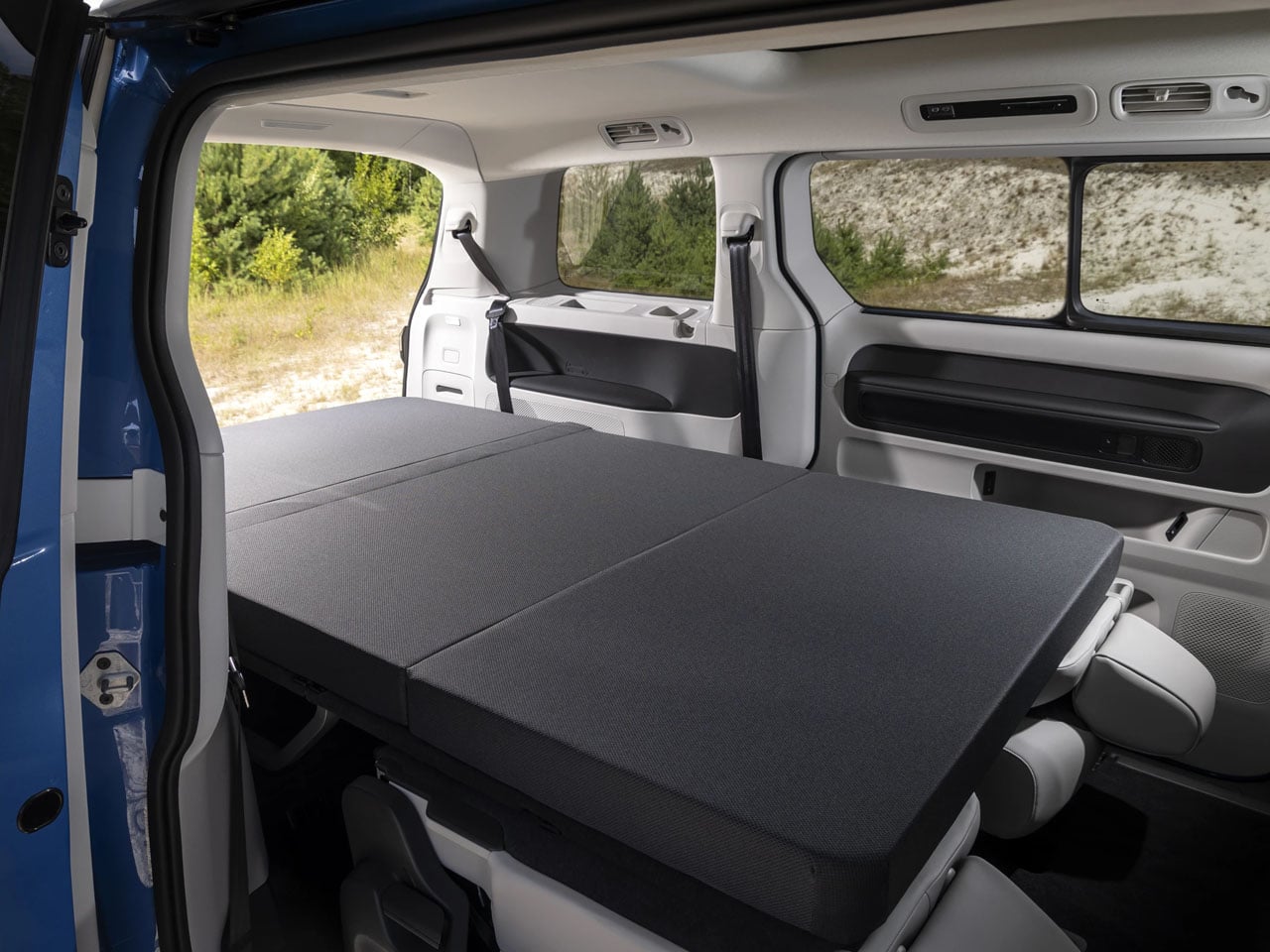
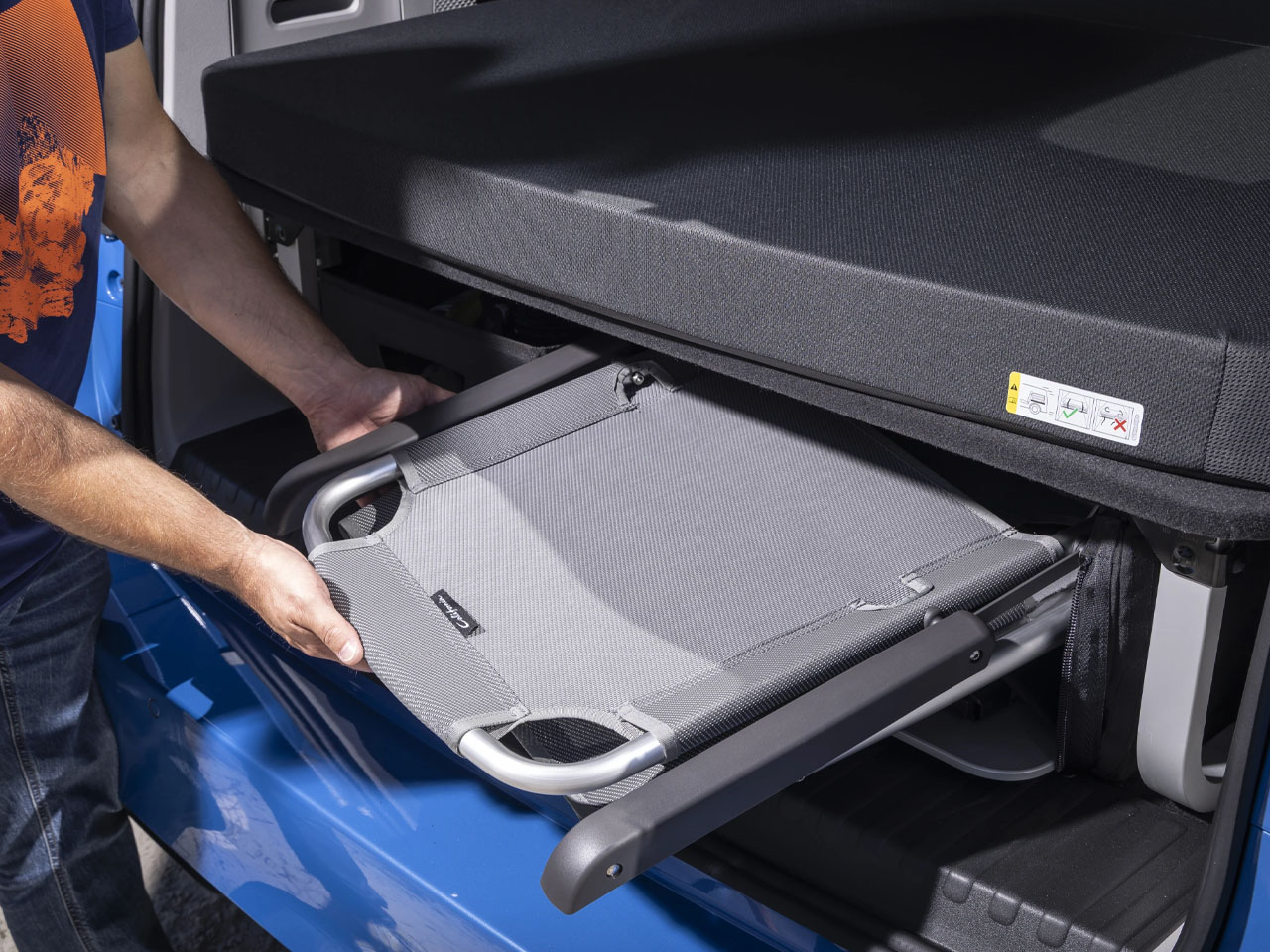
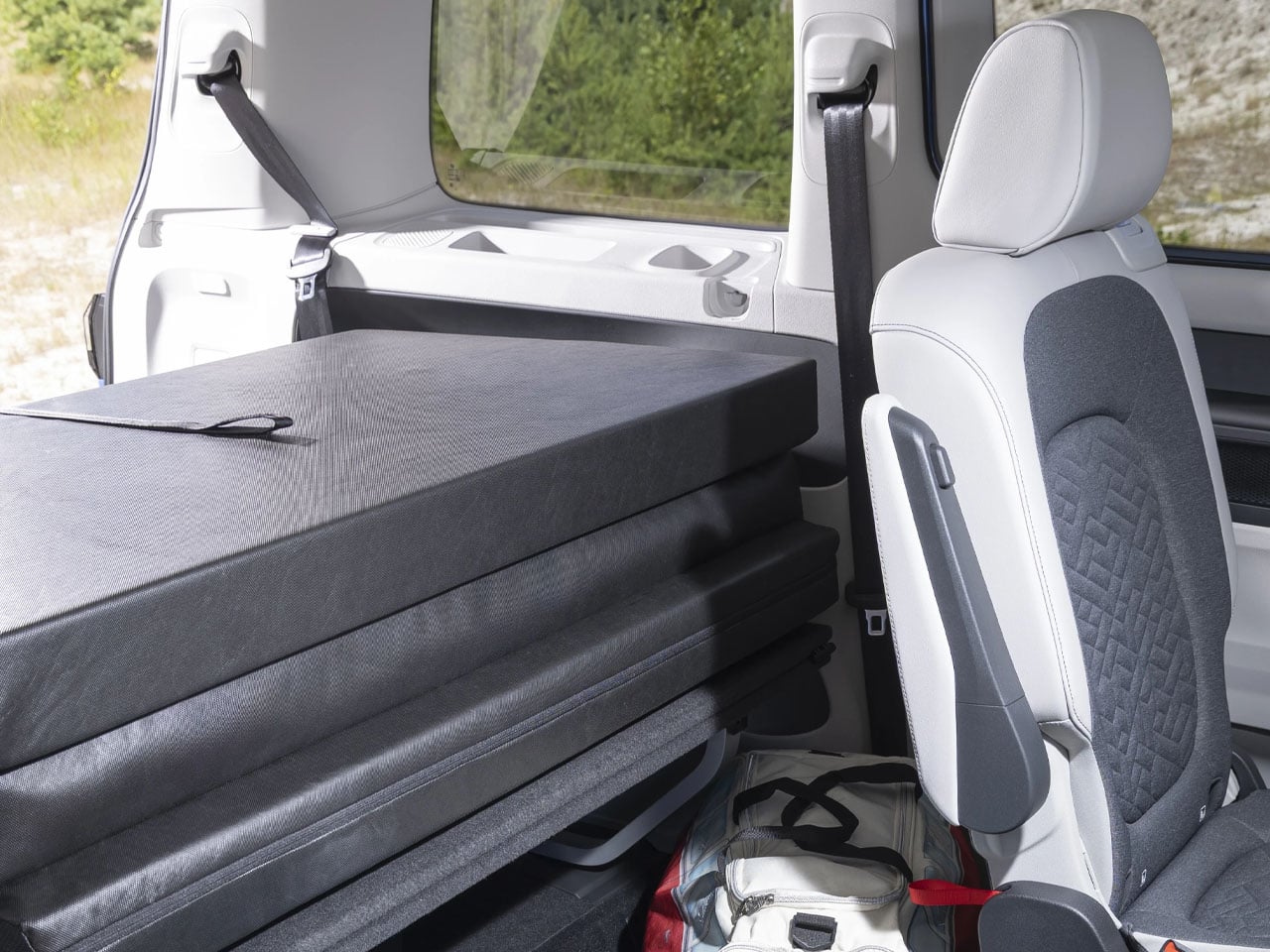
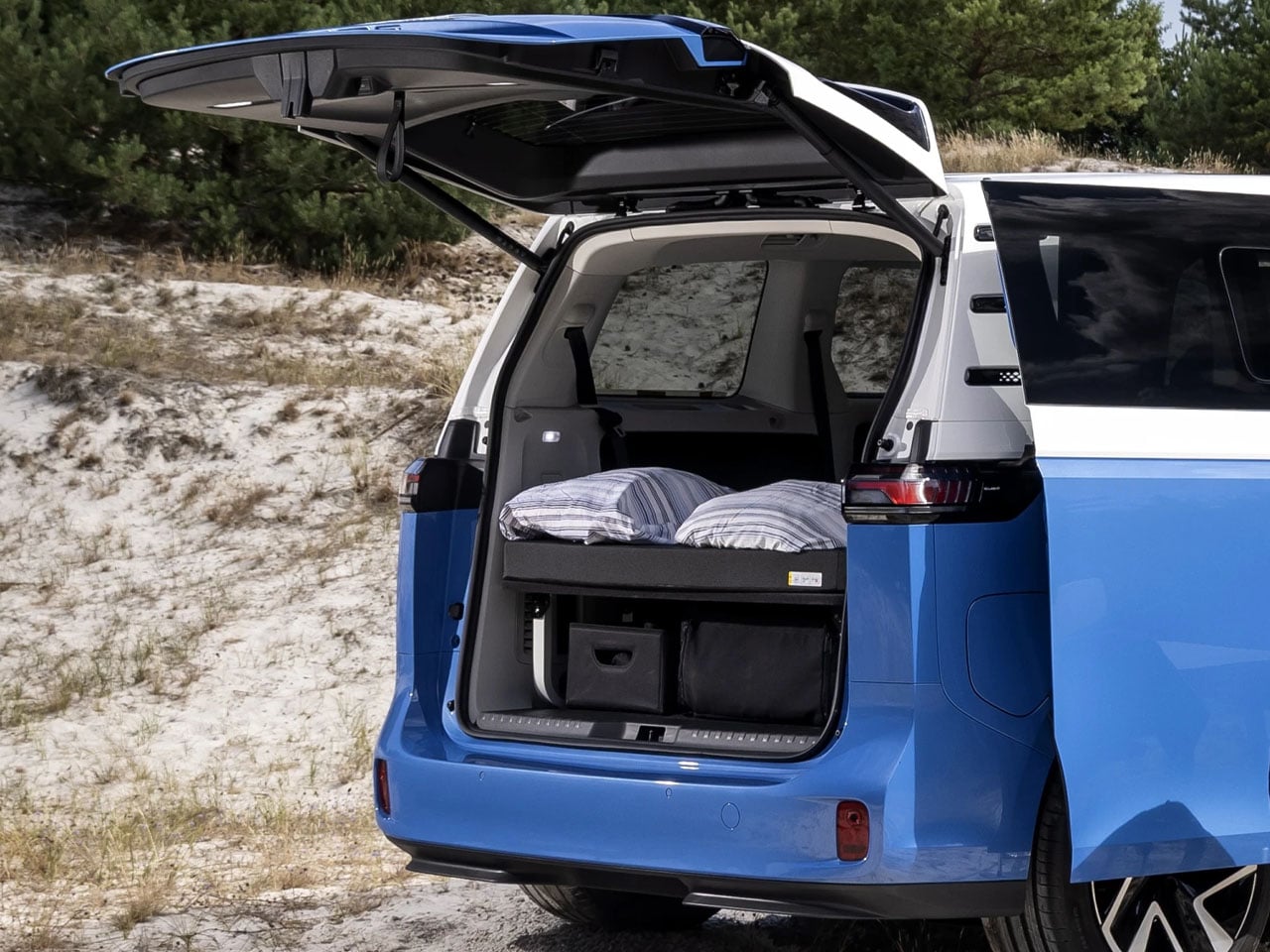
The ID. California Cruise will feature a sleeping accommodation for two people. The van has a 2m long bed provided with a freshly developed 9 cm thick folding mattress. This bed is formed by converting the rear seats and when you’re back there, you can draw the back-out window curtains and have yourself a cozy den to sleep in.
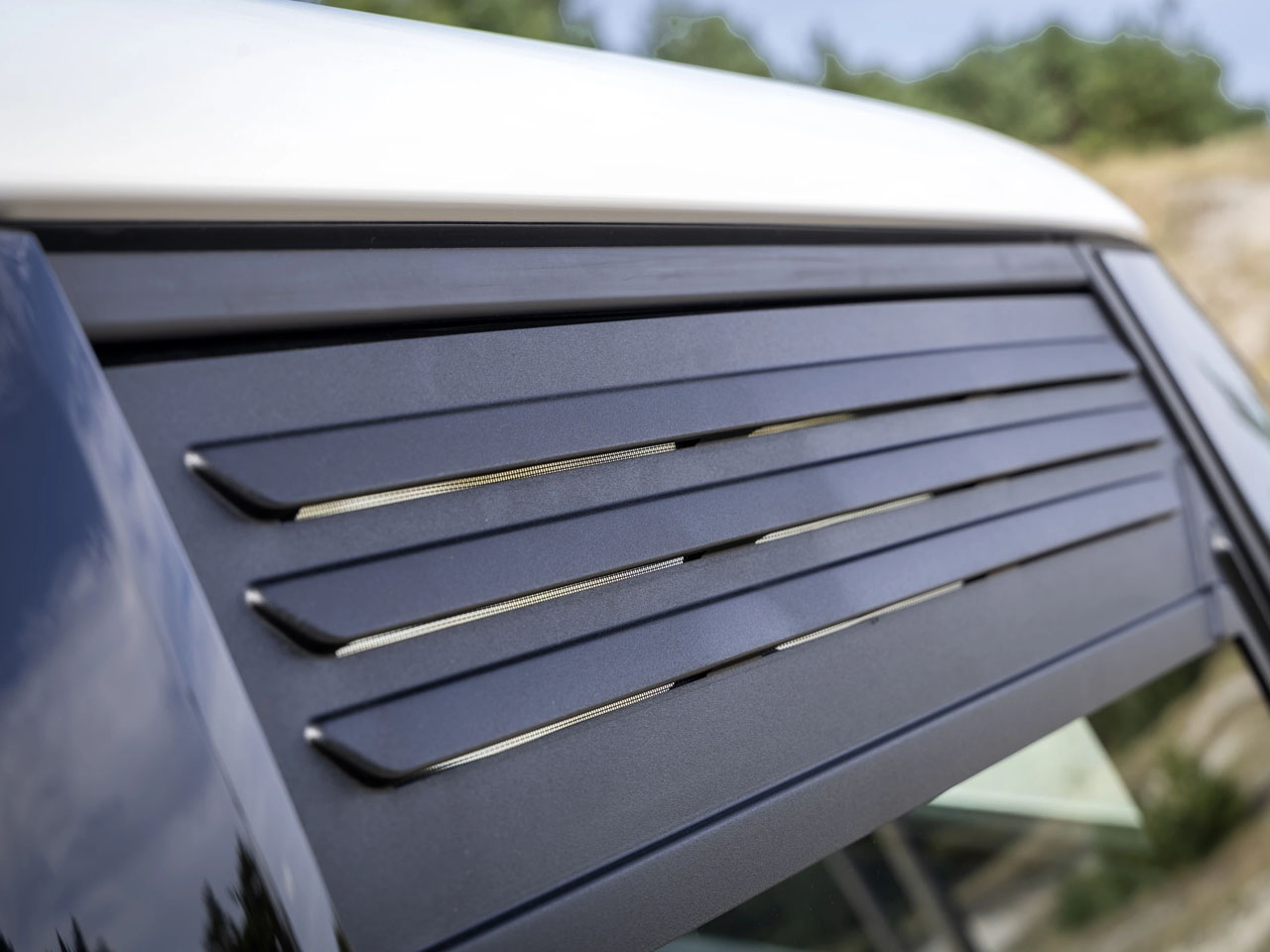
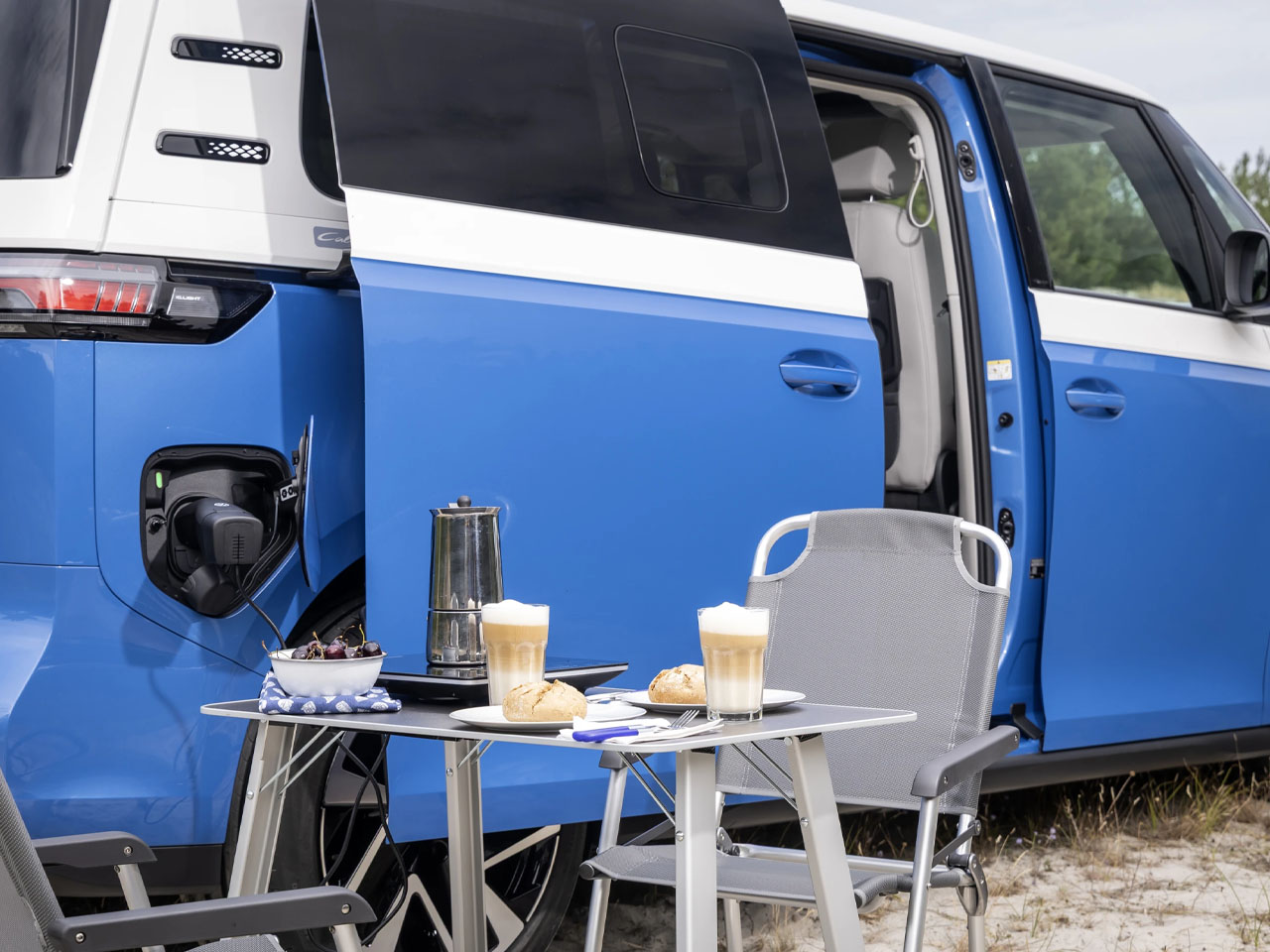
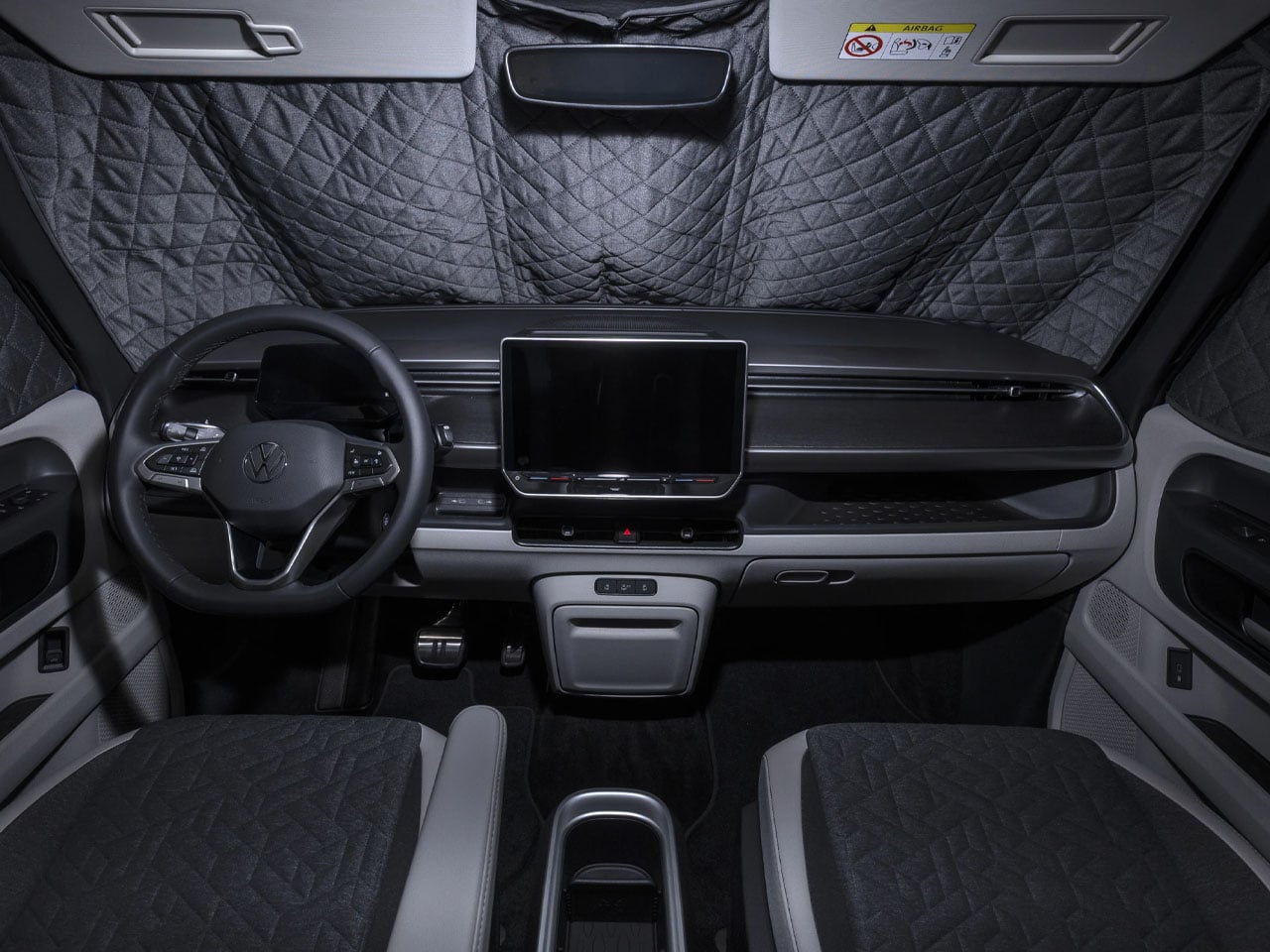
When you’re not being comfortable in the rear of your ID. California Cruise, you can set out a set of accompanying camping chairs and a camping table outside to dine or just bask in the sun. Along with the embedded back-out blinds, the camper van comes with an optional panoramic glass roof, which also comes with a set of matching black-out blinds.
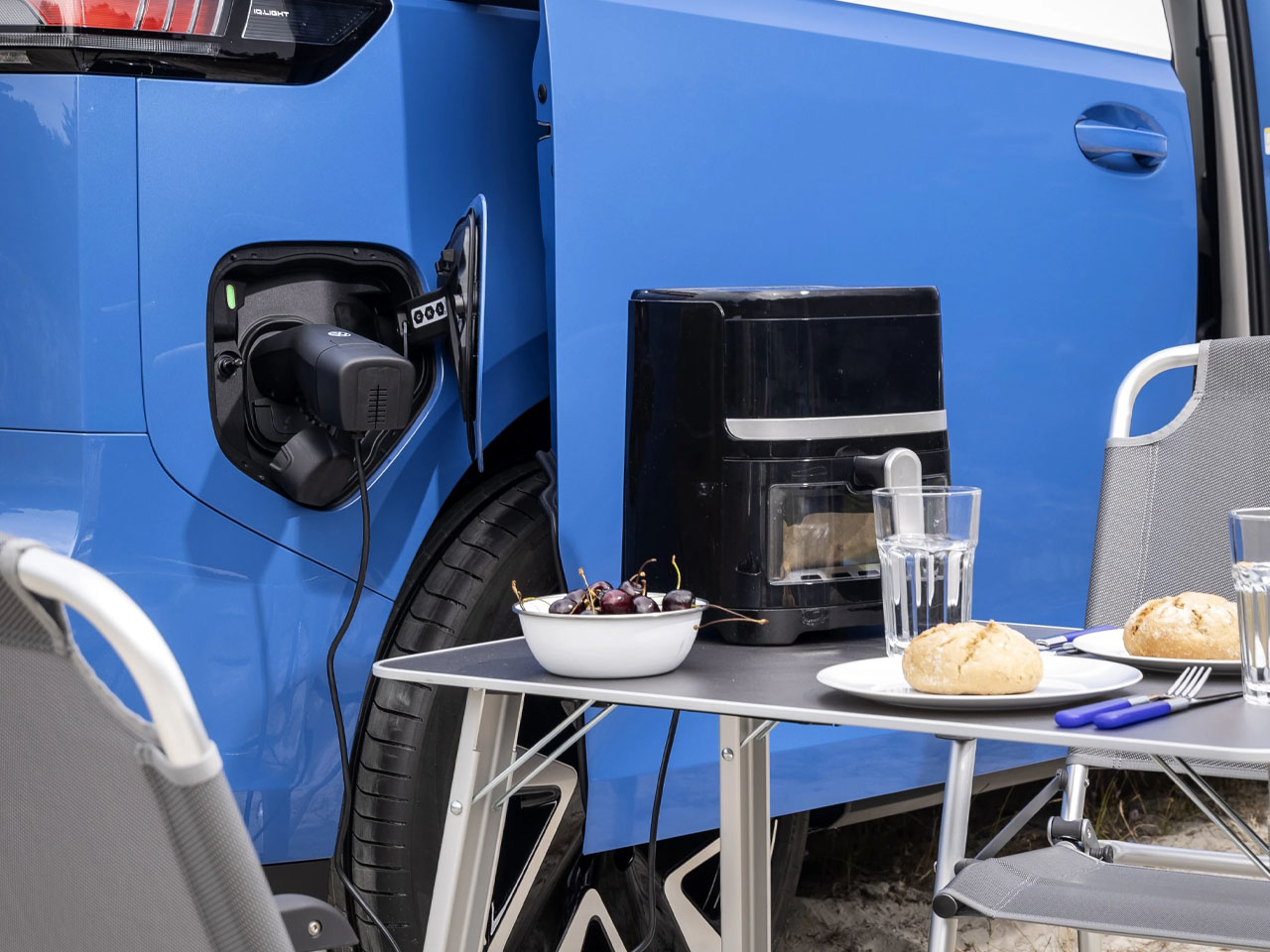
For the basics, the Volkswagen ID. California Cruise comes with a unique California mode, which allows the lights, USB ports, and other interior functions to be controlled by a central unit while camping. The vehicle designed for camping lacks cooking equipment, but it does allow its battery to be used to power appliances, if you have any onboard, and also charge vehicle or outdoor lighting systems with continuous output of up to 2,000 watts and a peak output of 3.6 kW.

The ID. California Cruise will be available with either the short or long wheelbase of the ID. Buzz, and feature climate control to heat or cool the interior when you’re sleeping. It can maintain the temperature for about 48 hours continuously, depending on the battery’s charge status of course, along with external factors like the temperature outside.
For the campers who love to stay ahead in the game, VW is updating the California App with the Electric Trip function. This is designed to give drivers a heads-up of charging stations in the direction they’re headed. With all the mentioned features and more, the ID. California Cruise is likely to start at €60,800 (roughly $70,000), which is a sweet spot for camper van enthusiasts, I believe.

The post Volkswagen launches first all-electric camper van and it’s called the ID. California Cruise first appeared on Yanko Design.
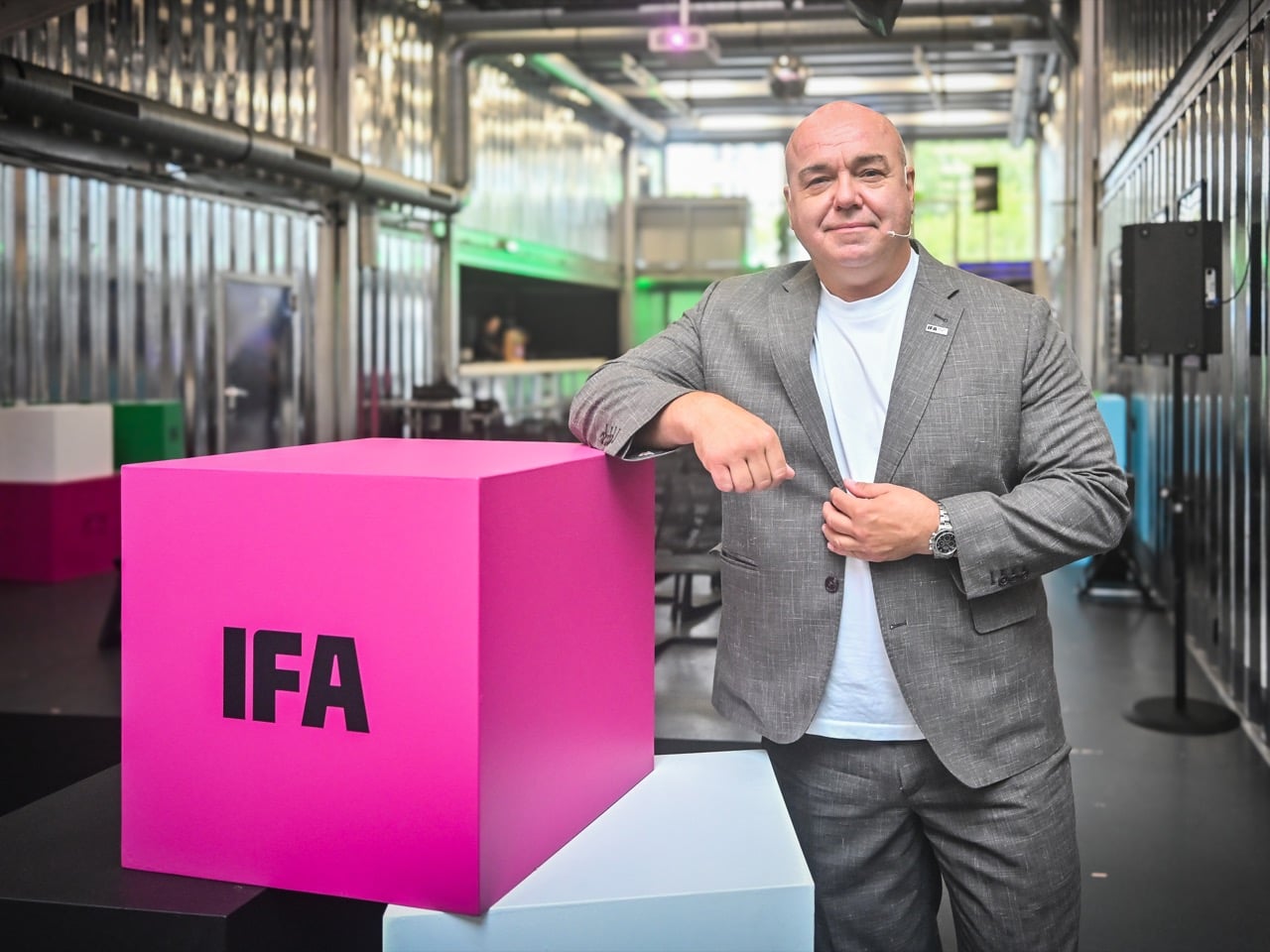
Berlin does this every September, and it never stops being slightly overwhelming. IFA 2026 runs September 4 to 8 across 27 halls at Messe Berlin, with more than 1,900 brands and something like 220,000 people wandering through them. This year the theme is “The Future Is Now”, which sounds like a slogan until you see the schedule. Humanoid robots are walking a catwalk on September 5. Xiaomi is exhibiting for the first time in the show’s 102-year history. There is a robot football tournament. Somewhere in there, several hundred companies will also try to sell you a better toaster.
We wanted to know how a show like that gets built, so we sat down with Leif Lindner, CEO of IFA Management, who has been running the thing since 2023. We last spoke to him in 2024, back when AI was still being called a race rather than a bubble. Plenty has changed. Robots got legs, Chinese manufacturers got fast, and AI quietly stopped being a category and became the water everything swims in. Lindner has thoughts about all of it, including a good one about what 70 kilos of biped requires backstage.
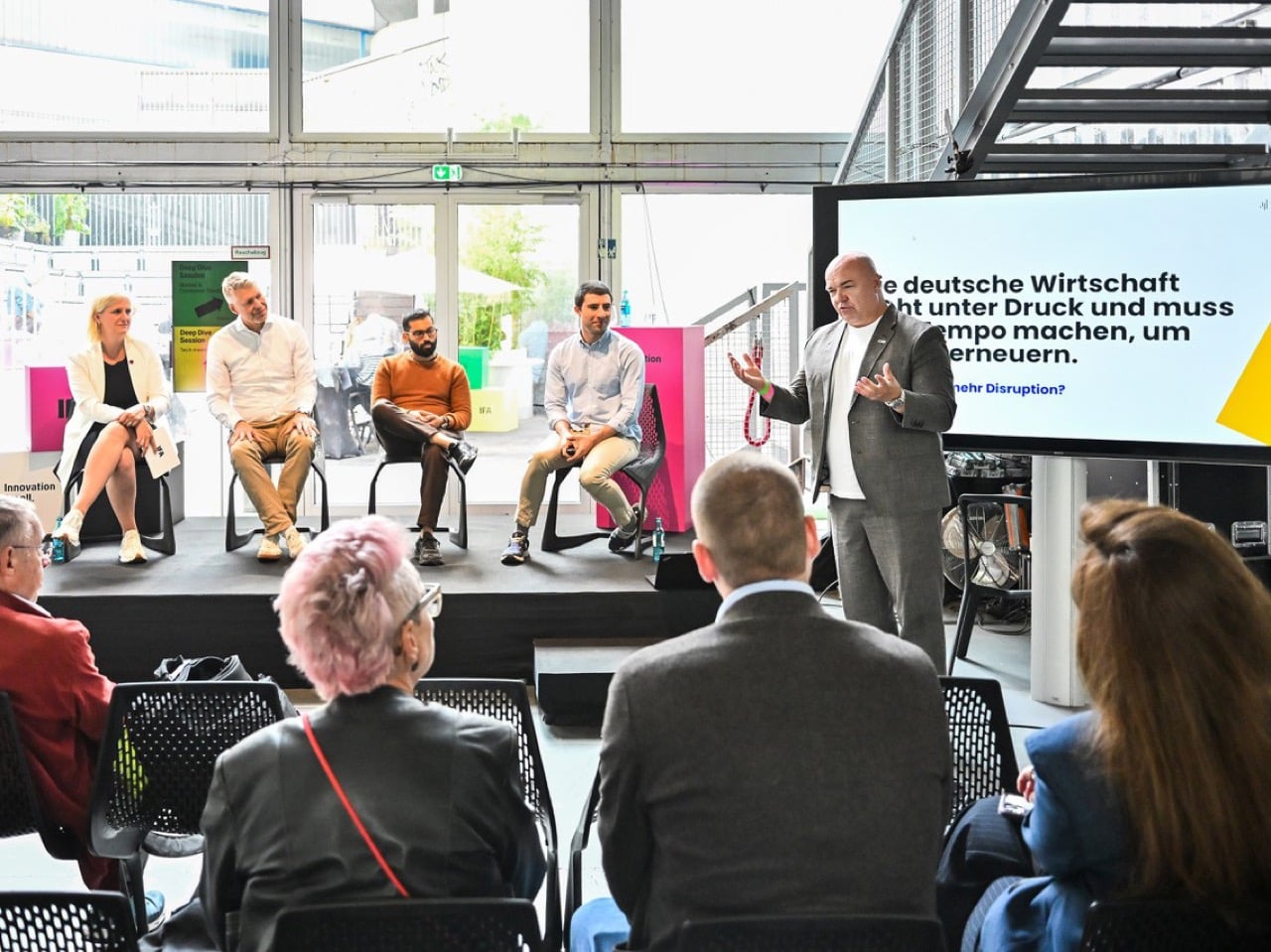
Every IFA has a theme, but this year’s grew out of something Lindner watched happen in real time rather than something the marketing team dreamed up in a room. “For years we talked about AI, robotics and connected living as the future,” he told us. “Somewhere along the way, that changed. AI stopped being a standalone category and became part of almost every category.” Refrigerators, earbuds and treadmills all carry it now, and none of them were sold to you as AI products first.
That shift changes what Lindner looks for on the floor these days. “A few years ago, the conversation was simply, does this product use AI,” he said. “Today, the better question is, what does AI actually enable. Does it simplify a task. Does it save time. Does it help you make a better decision.” The companies worth your attention this year, in his view, are the ones who stopped mentioning AI out loud and just let it work.
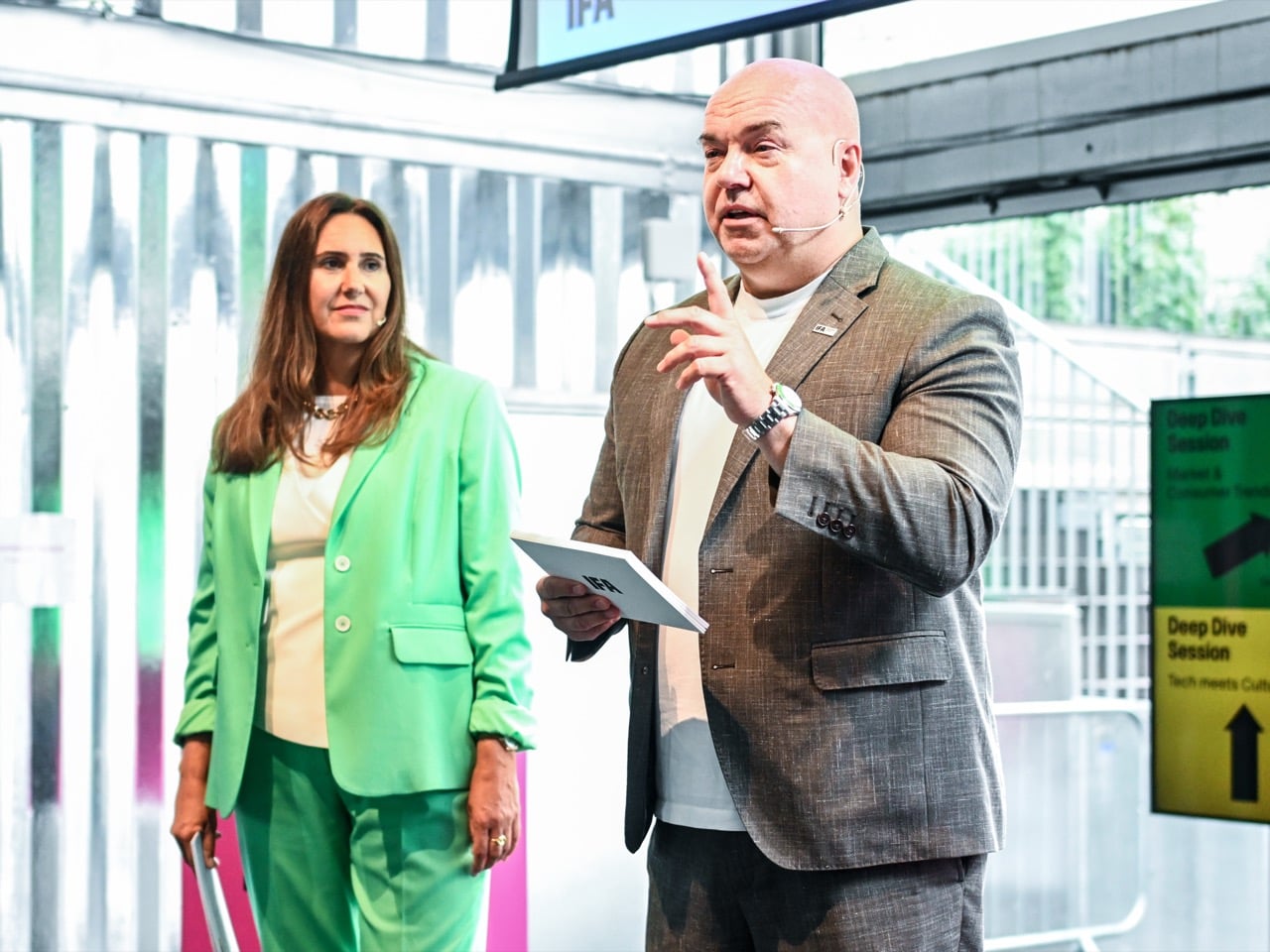
The single loudest theme at IFA 2026 is humanoid robots, and the roster reads like a map of China’s supply chain. Unitree, Agibot, DEEP Robotics and a dozen others are walking a literal catwalk on September 5 called Robots on the Runway, and Lindner does not dodge why they got there first. “Manufacturing scale, deep investment and an incredibly integrated supply chain mean companies can iterate very quickly,” he said. “When design, engineering, production and testing are all happening within the same ecosystem, ideas naturally move from prototype to product much faster.”
He is quick to add that Europe is not simply behind. “Europe has extraordinary strengths of its own, in engineering, industrial manufacturing, AI and responsible technology development,” he told us, pointing to NEURA Robotics as the proof. The German firm closed a funding round of up to 1.4 billion dollars just before the show and delivers a keynote titled “From Europe, for the World: Building the Ecosystem for Physical AI” barely 90 minutes after the robots finish their runway walk. “The conversation isn’t about catching up category by category,” Lindner said. “It’s about building an ecosystem that allows European innovation to compete on a global stage.”
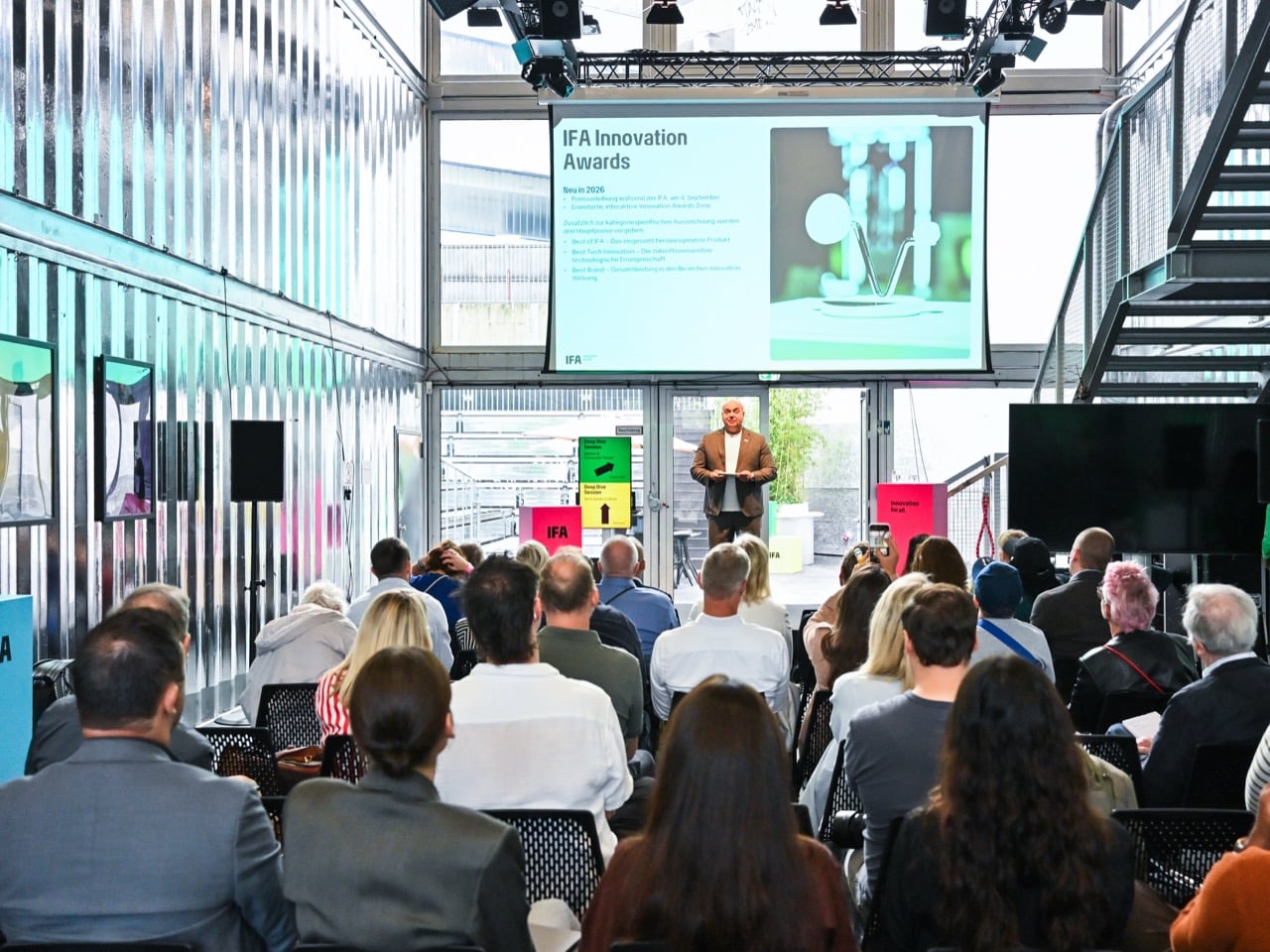
Buried in that same conversation is a detail that separates the showpieces from the products. AiMOGA’s Mornine, built by a unit of Chinese carmaker Chery, holds full EU CE certification covering machinery safety, radio equipment and cybersecurity, signed off by German testing house TÜV Rheinland. That makes it the first humanoid certified on both hardware and software under EU rules, and it already works shifts in car dealerships across more than 30 countries.
Lindner treats that milestone as the real dividing line on his own show floor. “That’s certainly a meaningful milestone because it reflects the transition from a technology demonstration to a product that’s ready for commercial deployment in Europe,” he said. “Many of the robots visitors will see at IFA are there to demonstrate what’s possible. Others are much closer to real-world deployment. You can see the entire innovation journey in one place.”
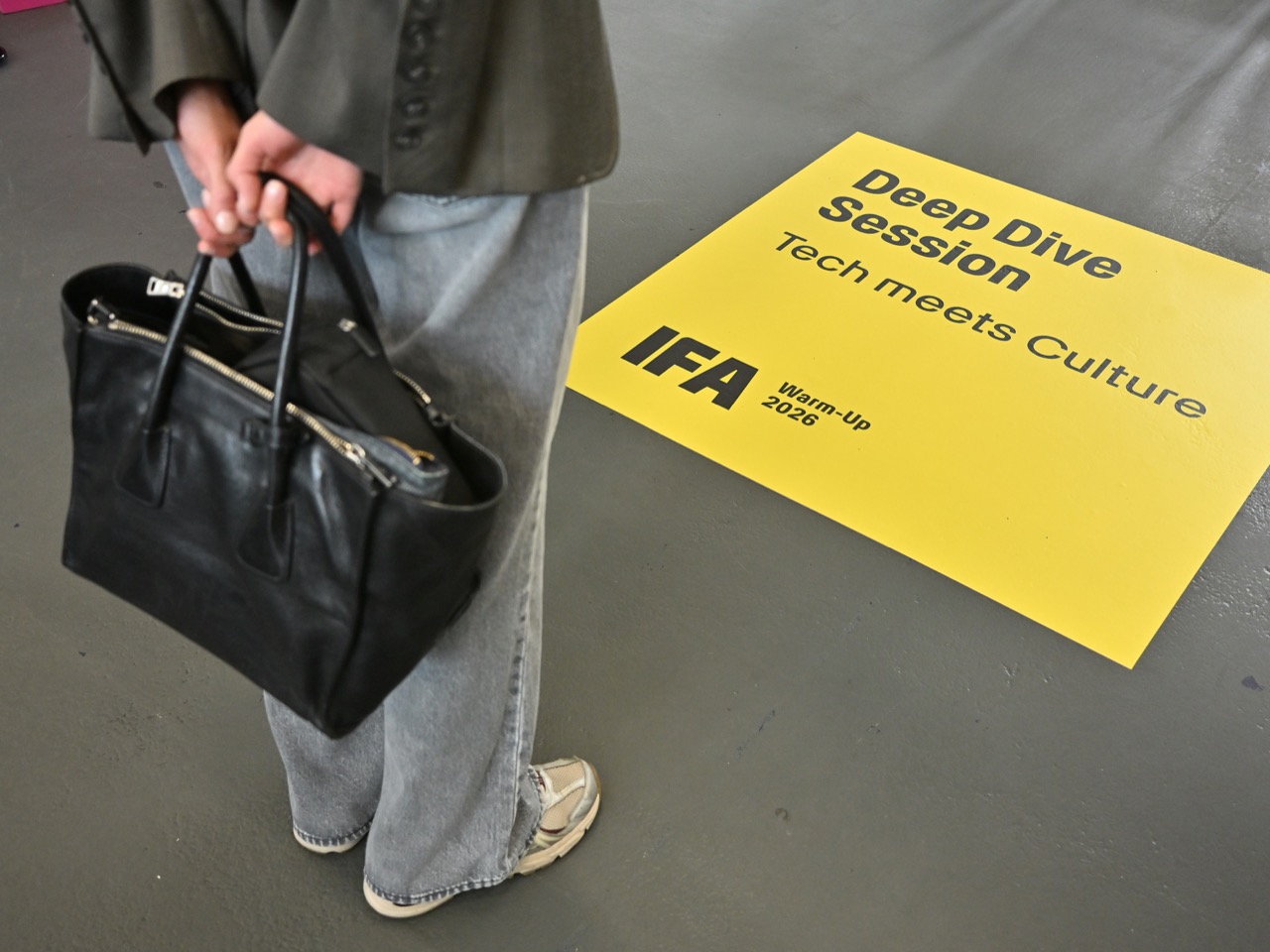
None of this happens by accident, and Lindner is refreshingly candid about how much invisible work sits behind five minutes of a robot walking in a straight line. “Any live demonstration involving emerging technology requires careful planning, and robotics is no exception,” he said. “Safety comes first, and our exhibitors work closely with our teams to make sure demonstrations are planned and delivered responsibly.”
His closing line on the subject is the best quote in the whole conversation. “When you put a 70-kilo humanoid robot in front of a live audience, you want the excitement to be on the stage, not behind it.” Worth remembering the next time a robot sticks a landing and the crowd gasps. Somebody spent months making sure that gasp was the only surprise in the room.
The post IFA CEO Leif Lindner: This Year Isn’t About Cool Demos. It’s About Robots That Actually Work first appeared on Yanko Design.

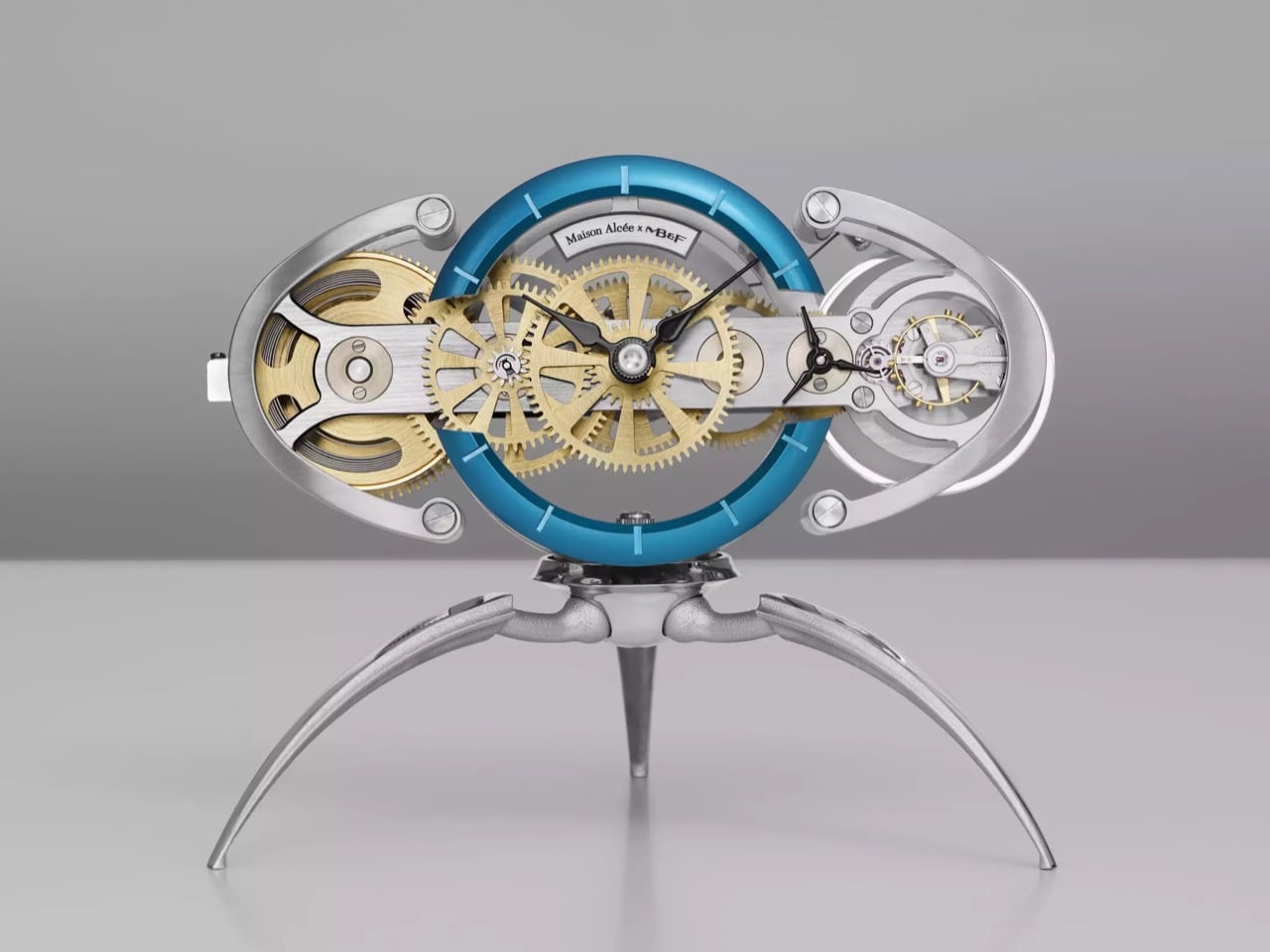
There is a term in behavioral economics called the IKEA effect, which says we value things more when we build them ourselves. It explains why you defend that wobbly BILLY bookcase like it’s family. MB&F and French clockmaker Maison Alcée have taken that idea, put it in a suit, and charged CHF 12,000 for it. Their new desk clock arrives at your door as 222 loose components in a wooden box, along with a set of watchmaking tools and a 250-page book. You are the assembly line, and the clock does not tell time until you make it.
It’s called the Nostromo, and it looks like a chrome beetle crouching on your desk. Maximilian Maertens, MB&F’s creative designer and Max Büsser’s anointed successor, designed it to celebrate 15 years of the M.A.D.Gallery. Maison Alcée manufactures the parts in the French and Swiss Jura, then hands the fun part to you. Roughly ten hours of tweezer work stand between the box and a running mechanical clock with a 14-day power reserve and a switchable hour chime. Only the regulating organ arrives pre-built, because some things are best left to people who do this for a living. Fifty pieces exist.
Designer: Maximilian Maertens for MB&F, crafted by Maison Alcée
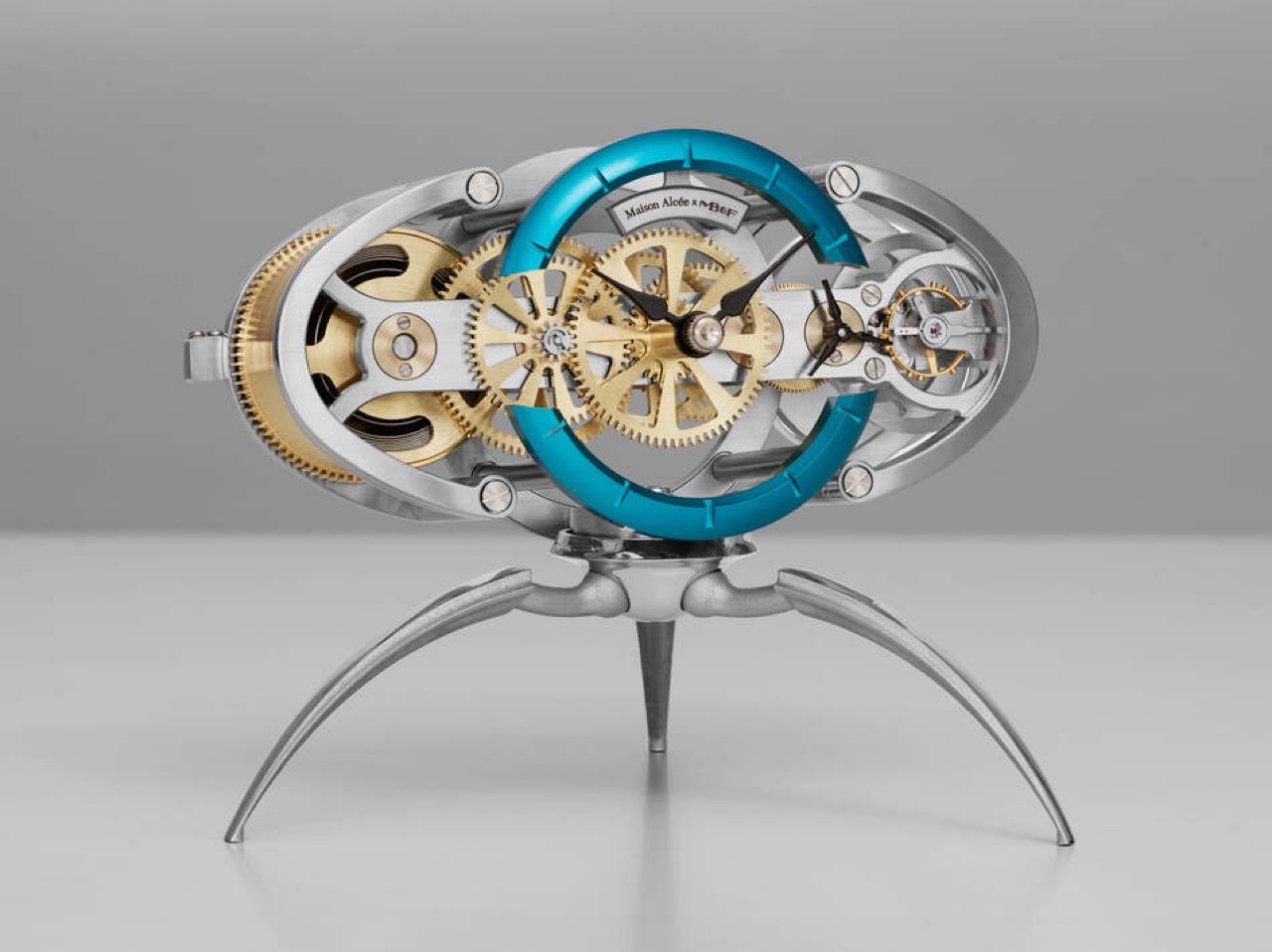
The body is a symmetrical steel ovoid, two brushed arcs meeting top and bottom, wrapped around brass wheels and a saturated peacock blue dial ring floating dead center. That silhouette reads as carapace rather than xenomorph, closer to a scarab than anything H.R. Giger ever airbrushed. Every ounce of creature in this object lives in the three tapered legs below, which sweep outward in compound curves and end in points. Maertens had to leave the movement architecture assemblable by amateurs, so the sculpture went where the freedom was.
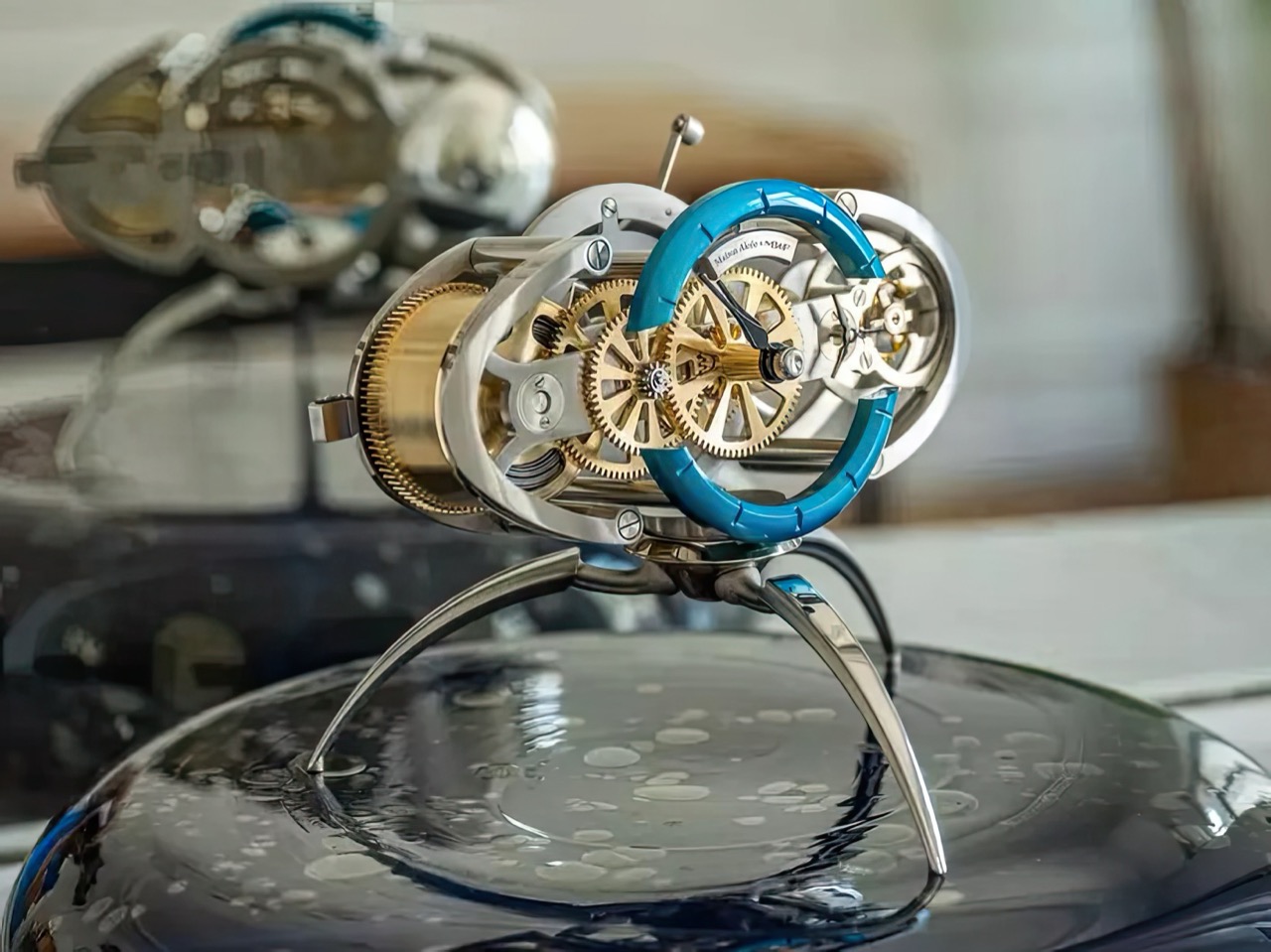
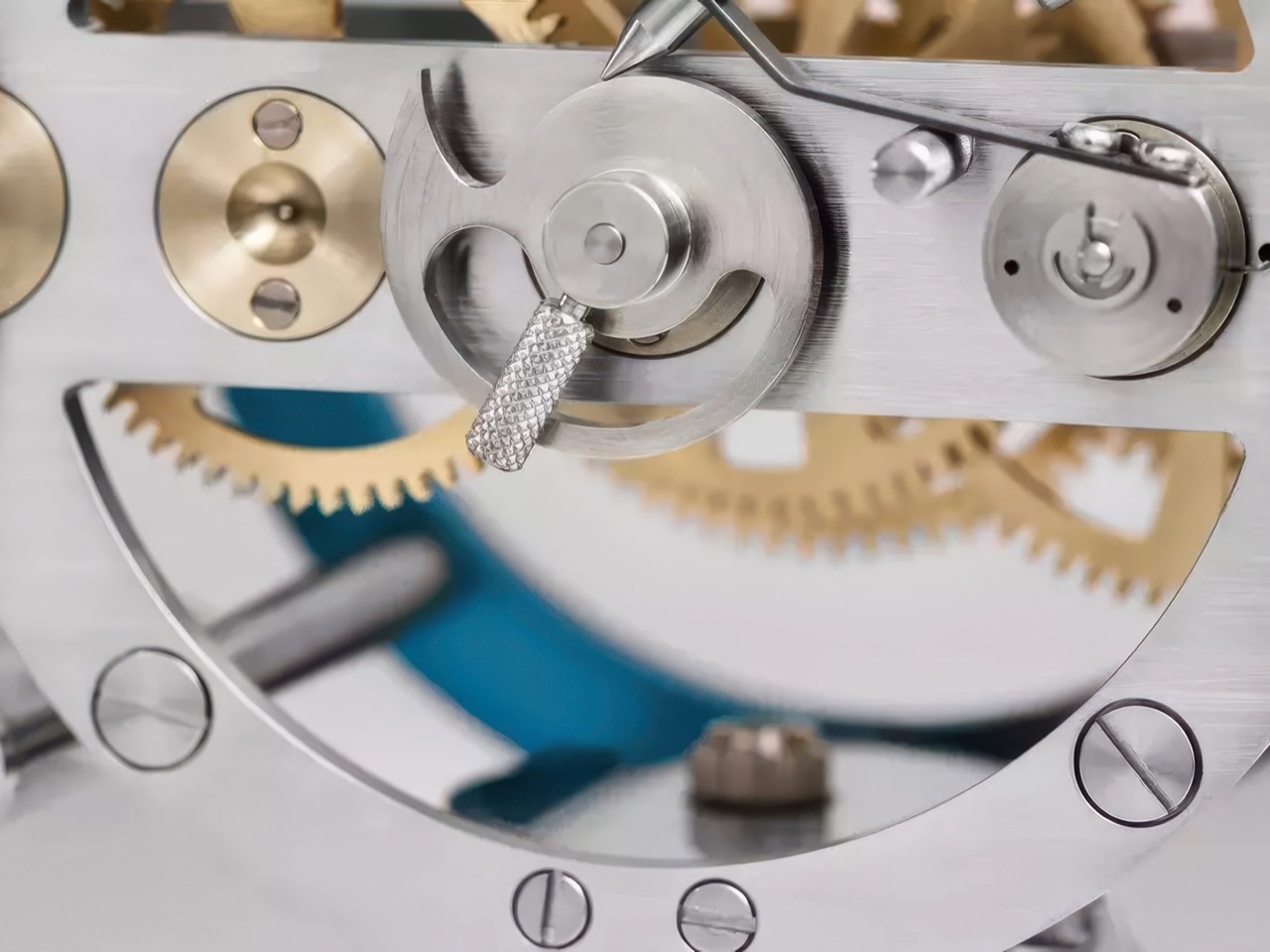
That movement comes from the Persée, Maison Alcée’s first clock, launched in 2022 and built on wristwatch architecture scaled up to desk size. Maertens turned the whole thing on its side, angled the display upward for easier reading, and split the Persée’s continuous dial ring into segments so the gear train shows through the gaps. The finished clock rotates on its feet, which sounds like a gimmick until you remember three-point support never rocks on an uneven desk. Black hands replace the originals for contrast against all that brass. The changes are small in engineering terms and enormous in posture.
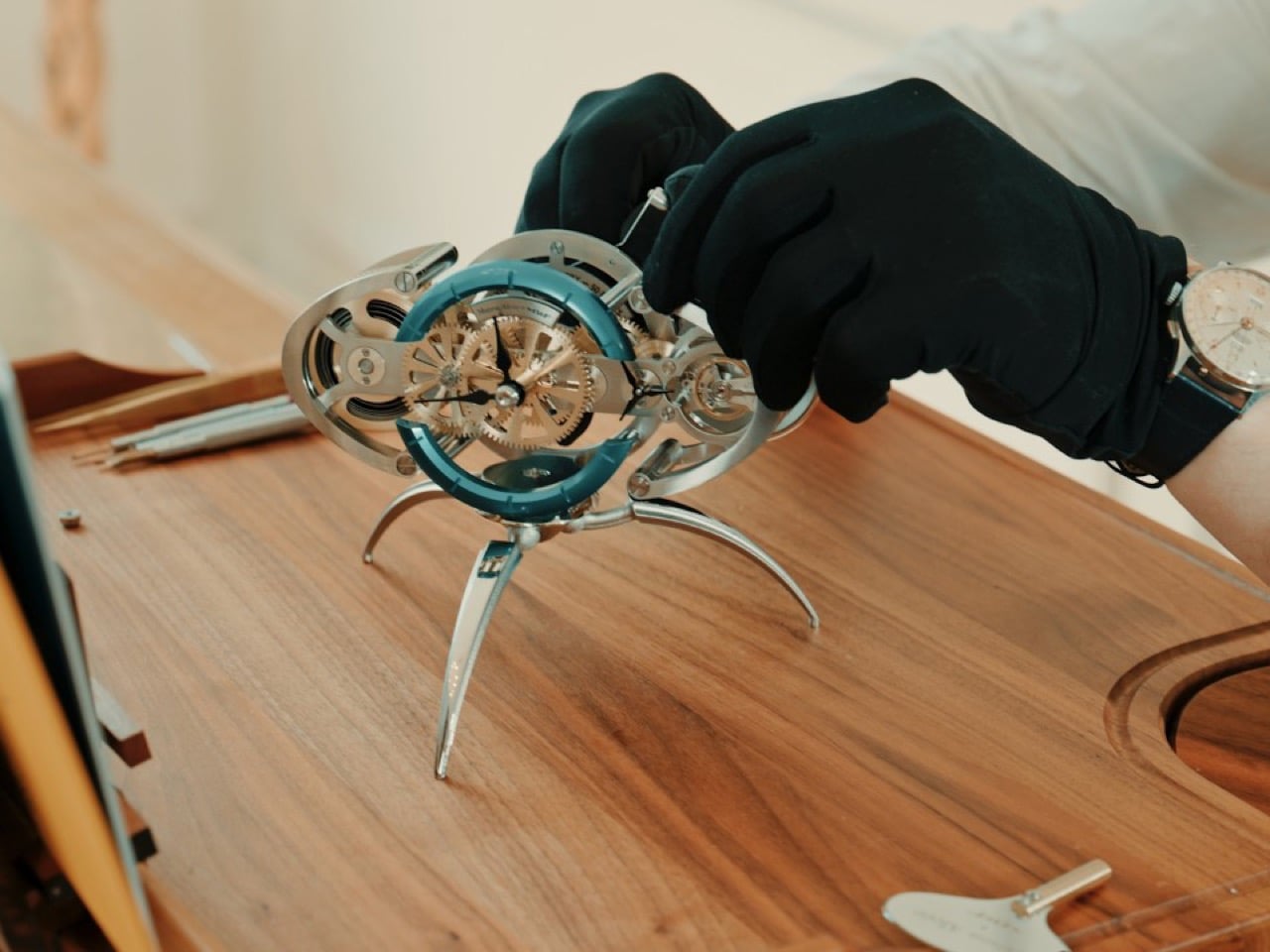
Slotted screws sit visible across every plate, the steel is brushed instead of polished, and the brass wheels carry plain spokes with no anglage anywhere. That reads as a deliberate call rather than a cost saving, because every one of those surfaces will be handled by someone in cotton gloves who has never held tweezers. Maison Alcée even had its screwdriver blades made in a copper-beryllium alloy, softening them specifically to reduce the risk of scratching your own clock. The kit includes seventeen tools, several adapted for beginners. The pedagogy runs all the way down to the hardware.
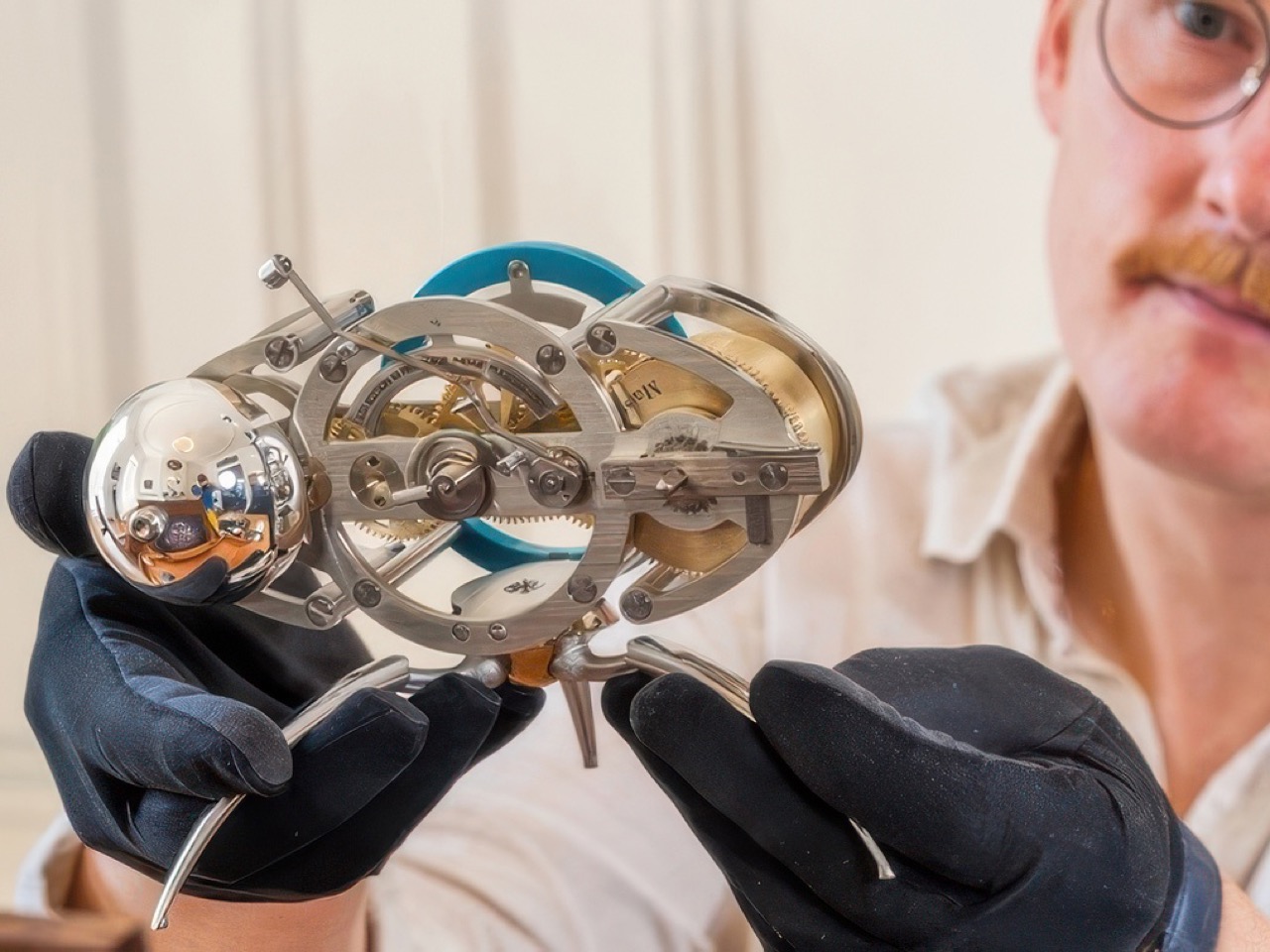
Ridley Scott borrowed the name Nostromo from a Joseph Conrad novel, and Ron Cobb designed the ship as a grimy commercial tugboat crewed by people arguing about bonuses. Giger got the monster and the derelict. Most of us have merged the two in memory, which is why the word now sounds biomechanical. Maertens, a self-declared Giger obsessive, has effectively put Cobb’s name on a Giger-adjacent body, and I doubt anyone at MB&F loses sleep over it. The brand has been mining outer space since HM1 in 2007.
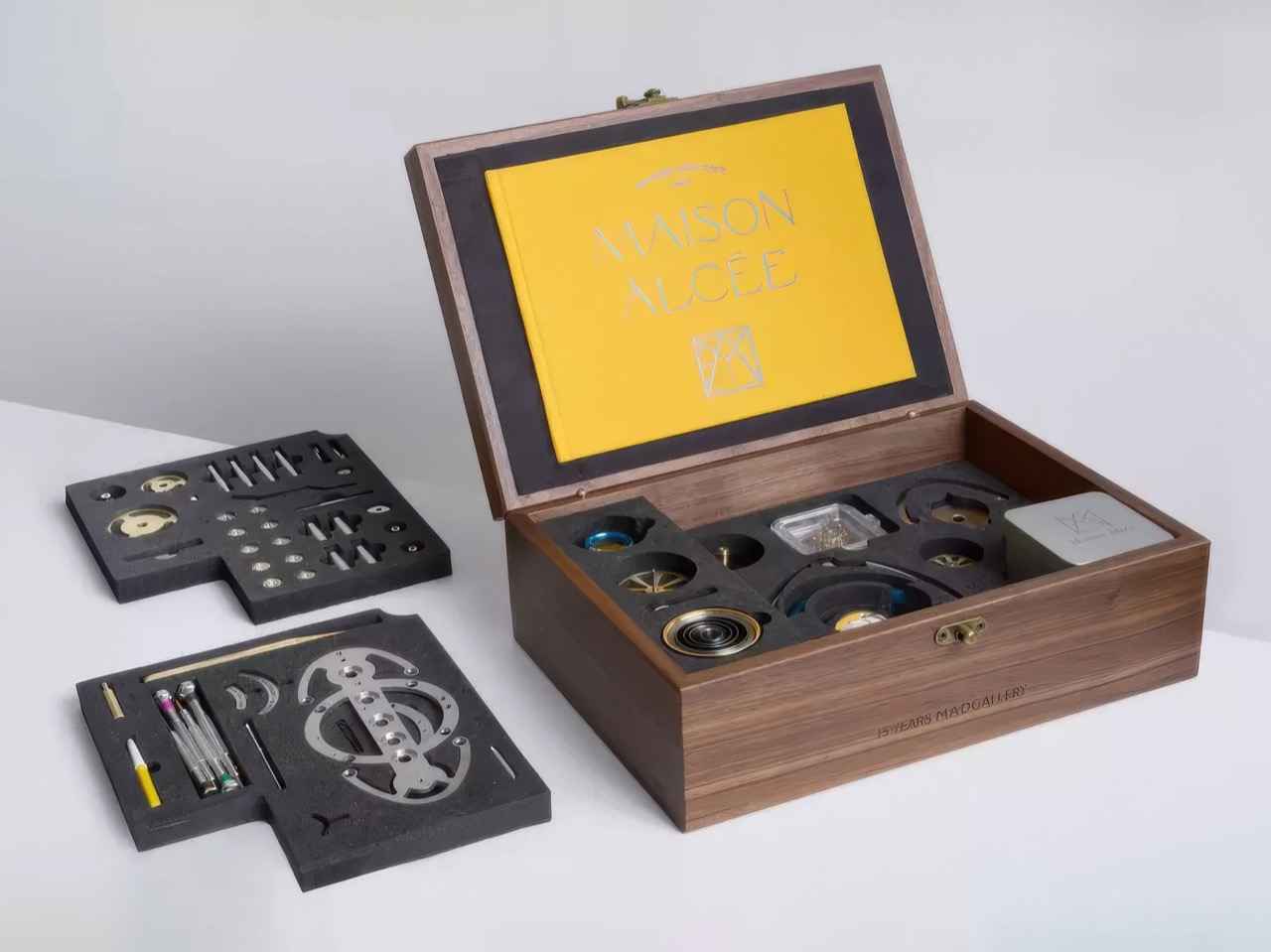
CHF 12,000 ($14,840 USD) excluding VAT, sold through the M.A.D.Galleries in Geneva and Dubai and MB&F LABs worldwide, with deliveries landing October to November. A base Persée runs closer to EUR 5,500 ($6,379 USD), so the premium buys the Maertens design and the 50-piece cap rather than more mechanism. Here’s the catch, though. A company whose entire philosophy is teaching horology through your own hands has capped this particular lesson at fifty units for fifty eager students. The clock is wonderful. The classroom is very small.
The post MB&F’s Alien-Inspired Desk Clock Ships as 222 Loose Parts You Assemble Yourself Over 10 Hours first appeared on Yanko Design.



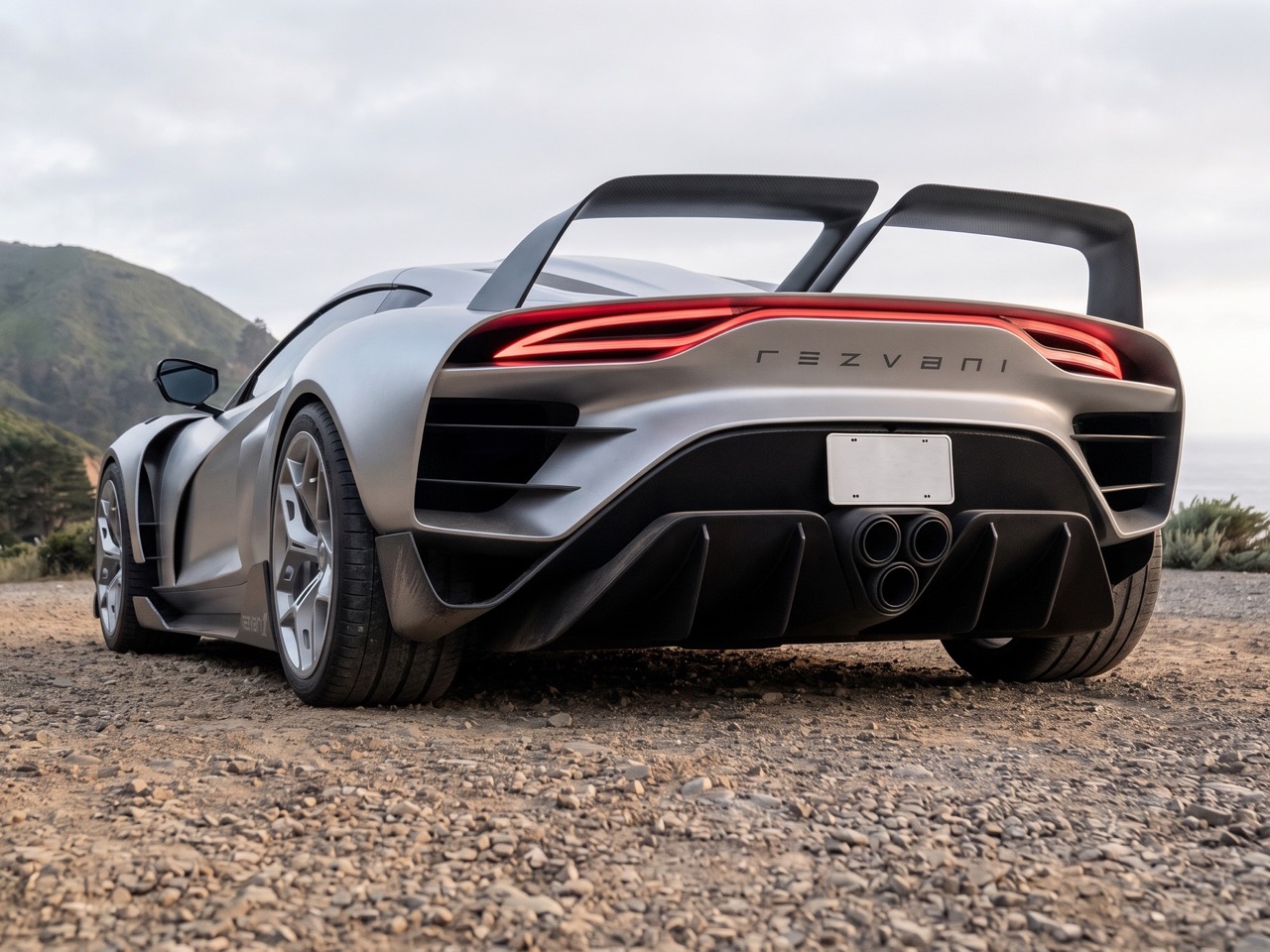
Ferris Rezvani grew up on air bases watching his dad fly F-4 Phantoms, wanted to be a pilot, got told no for health reasons, and decided the next best thing was making cars that scared people the same way. That origin story has been decorating press releases for a decade. The Beast X is the first Rezvani where the hardware backs it up, with canards, an S duct venting through three raised hood strakes, fender extractors, a roof scoop and a twin hoop rear wing sitting over a triple exit exhaust buried in the diffuser. It costs around $500,000, only five will exist, and Rezvani claims 1,560 horsepower.
That figure comes from a bespoke twin turbo 6.2 liter V8 with forged internals, driving all four wheels through an eight speed dual clutch for a claimed 1.9 seconds to 60. Underneath all of it sits a Corvette C8, which Rezvani’s spec page pointedly declines to name while listing a 107.2 inch wheelbase and 48.6 inch height that match Chevrolet’s exactly. The body is five inches longer and six inches wider. Everything Rezvani actually designed happens in those six inches, and the cabin gives the rest of the game away.
Designer: Rezvani Motors

The dive planes flanking the nose push air around the front wheels instead of into them, cutting front lift at speed. The S duct punches two vertical slots through the hood so pressurized air trapped under the splitter has somewhere to escape upward, a piece of open wheel racing hardware that has no business on a road car and shows up here anyway. Fender extractors pull hot, turbulent air out from the wheel wells before it can drag on the body. The twin hoop wing sits high on carbon pylons, clear of the turbulence coming off the roofline, and the triple exit exhaust clusters dead center in the diffuser instead of tucked at a corner. None of it is decorative. Every panel is doing one specific aerodynamic job, which is the difference between a body kit and an aero package.


Magnesium wheels cut seven pounds of unsprung mass at each corner, meaningful because unsprung weight is what suspension has to control on every bump rather than just accelerate. Adaptive double wishbone suspension handles the rest. That’s real engineering spend, and it’s where a chunk of the $500,000 clearly goes, even with the donor chassis unnamed on the spec sheet.

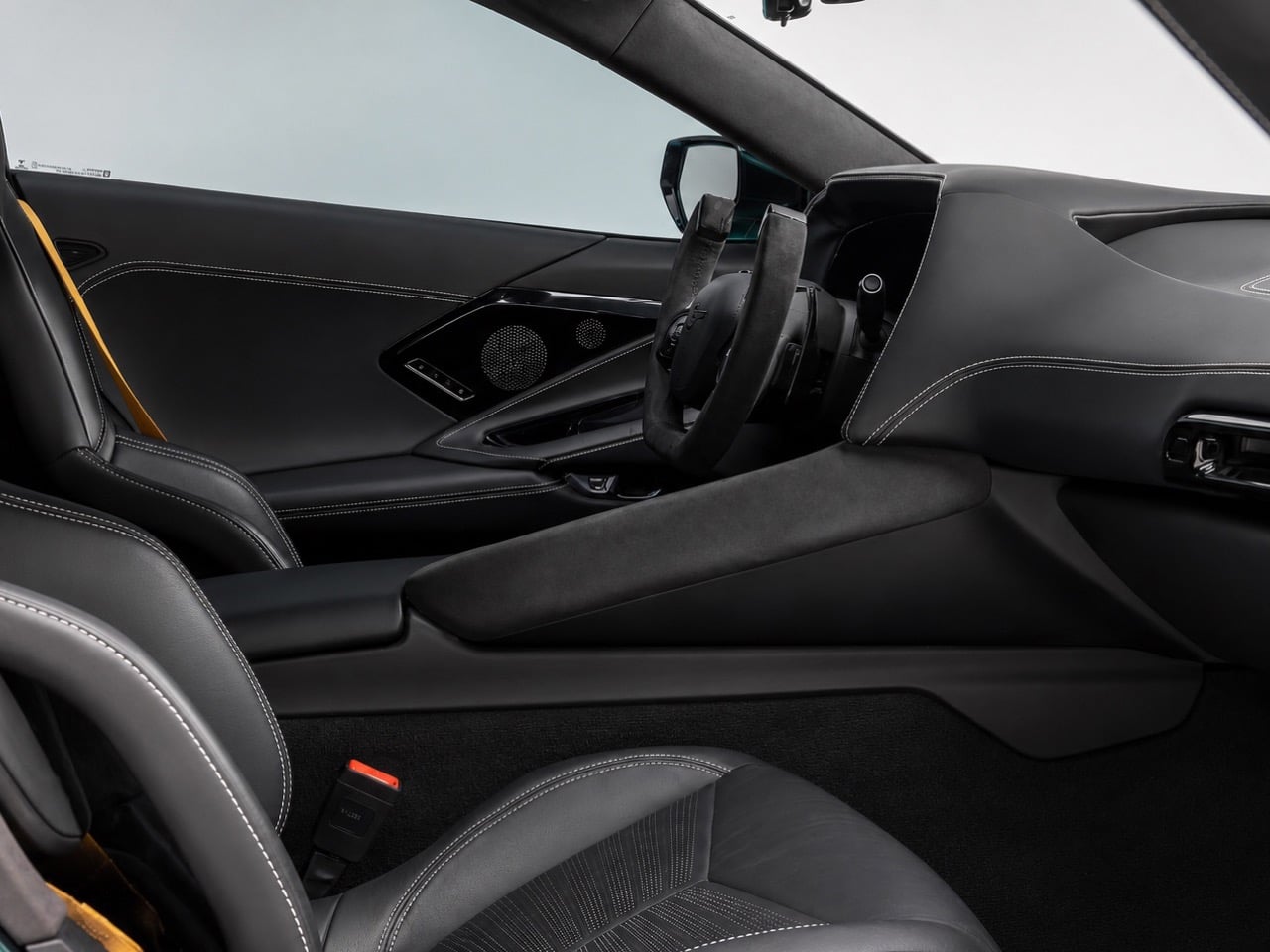
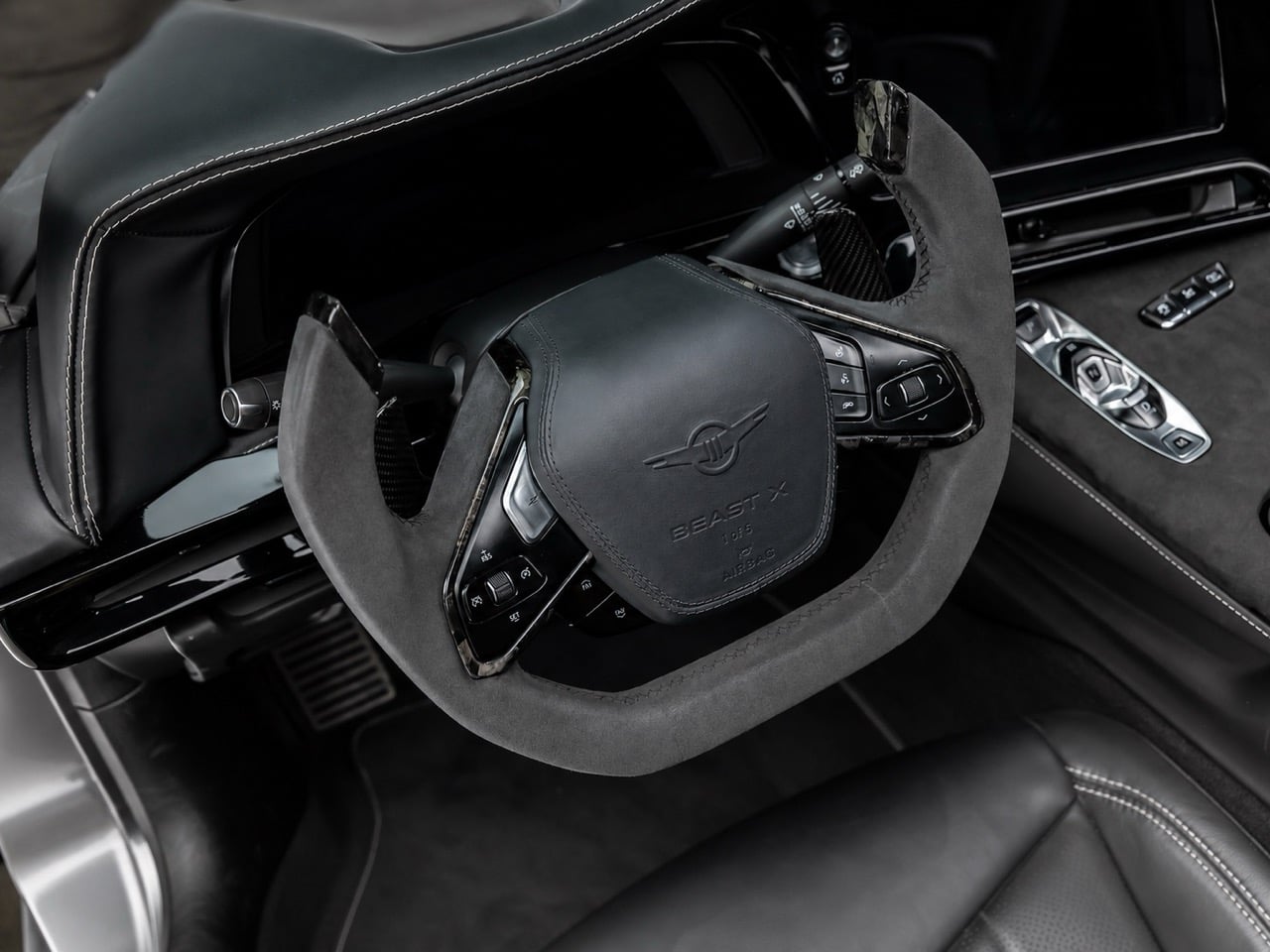
Open the door and the C8 shows through. The vertical wall of climate buttons running down the center stack is unchanged Chevrolet hardware, retrimmed in Alcantara and leather with contrast stitching and a Beast X badge on the wheel. Rezvani is doing what Italian coachbuilders did for decades, buying a proven chassis and building a new body over it, except the receipts and the fantasy are published on the same webpage. The exterior is a genuine transformation. The interior is a retrim job with better stitching.
Chevrolet’s own ZR1X makes 1,250 horsepower, hits 60 in 1.89 seconds, and starts at $207,395 with a factory warranty. Rezvani wants roughly $293,000 more for six extra inches of width, a full carbon body, and a production cap of five cars, with no independent dyno numbers behind the 1,560 hp claim yet. That’s either a steep markup for a retrim or the going rate for a body engineered like it has to survive actual airflow at speed and a promise that only four other people on earth will own one. Rezvani’s reservation lists have filled fast before. Nothing here suggests this run will be the exception.



The post Rezvani Beast X: The 1,560 HP American Hypercar Wearing a Fighter Jet’s Aero Kit Over a Corvette’s Body first appeared on Yanko Design.