Hyundai debuts a fully autonomous, production-ready droid engineered to tackle real-world tasks

Hyundai Motor Group Robotics LAB has been working on wheeled autonomous robots for some years now, with a gradual development timeline. They revealed the vision of a metamobility bot at CES 2022, which would be better than Boston Dynamics’ Spot the dog robot. The idea was just in the concept stage at the time, and coming from the South Korean giant, we knew it would be substantial when it finally arrived.

Finally, they’ve revealed the Mobile Eccentric Droid, a.k.a. MobED, a mobility robot platform tailored for a diverse range of industrial and everyday-use applications. The bot was shown off at the International Robot Exhibition 2025 (iREX 2025) in Tokyo. According to Dong Jin Hyun, Vice President and Head of Hyundai Motor Group Robotics LAB, the new robot will help “accelerate a future where humans and robots coexist.” The most exciting bit, it’ll be up for sale in the first half of 2026.

Designer: Hyundai

MobED thrives on three main pillars, which refresh our approach towards robotics. These are the Adaptive Mobility (hardware), Intuitive Autonomy (software), and Infinite Journey (applications). This makes the production-ready autonomous bot poised to reboot how robots move, navigate, and ultimately perform tasks in any setup, be it in an industrial location, unknown outdoor terrain, or narrow corridors of your home. Thereby making it perfect for a range of tasks, right from delivering your groceries and carrying gear up a mountain to acting as a golf caddy and being used for creative movie direction.

The wheeled workhorse is equipped with Hyundai’s drive-and-life (DnL) modules, which integrate steering, driving, and height adjustment into one portable unit. TI is integrated with adaptive motion technology, which eliminates any constraints that are environment-specific. All these innovations result in precise posture control to adapt to different terrains, performing difficult tasks in any kind of environment, and that too while carrying a heavy load. The modular nature of the platform makes it ultra-versatile and well worth investing in, compared to other robotics solutions that can do only a limited number of tasks owing to their form factor.

For starters, MobED will be offered in two versions: one will be a basic model that has the mobility capabilities of a current-generation bot, while the other comes with full AI autonomy and advanced navigation sensors. The latter is a pro version, and it is equipped with full AI autonomy, upgraded sensors, LiDAR, and a camera system. You’ll get a follow-me mode, so that the bot stays by your side when you are busy doing multiple tasks. Riding on four wheels doesn’t mean it is an autonomous vehicle of sorts, as it can swivel and articulate the wheels. Just like a four-legged personal bot, it can wave by cogging up its wheel. Fit on top a robotic arm, and the bot functions as warehouse personnel.

The robot is as easy to control as an RC car, since it’s equipped with a touchscreen controller. Hyundai’s robotic division has been quite serious about the future of its rolling droid development that’s been going on for quite a few years now, and the MobED Pro is now poised to change the dynamics of the robotics landscape in the near future.

The post Hyundai debuts a fully autonomous, production-ready droid engineered to tackle real-world tasks first appeared on Yanko Design.

Marc Newson reimagines Ressence Type 3 into most intriguing $54k conversation starter ever

You can easily recognize Ressence, an independent watchmaker, from the crowd with its uncanny watches that make time telling unique, detailed, and exceptionally designed. For its latest iteration, the Type 3 MN, Ressence founder Benoît Mintiens has collaborated with Australian design genius, Marc Newson (a name we know from the first Apple Watch), and the result is easily the most intriguing watch in the industry.

The Type 3 MN is referenced as a result of “meeting of two design icons.” It’s a rare collective where two designers choose “to work together on one product.” Mintiens notes, “In my eyes, one plus one can become more than the sum of its parts.” And that reflects in the Type 3 Marc Newson edition, which is a true representation of the original Type 3 with nuances to behold.

Designer: Ressence

The Apple reflection

Of course, Type 3 MN is a Ressence, but unlike the Type 8 with handwoven Indigo-dyed silk dial or its sibling with geometric display and a joyful palette, it has Newson’s design approach reflected in it. Marc Newson was inducted into Apple by the good old Jony Ive. Both are known for their amazing projects at the Cupertino company, including the first Apple Watch. The duo has now co-founded a creative collective called LoveFrom.

The Newson-design Type 3 has an elliptical design, a striking color palette, domed sapphire, and graphic hands all echoing Apple’s design language, which is paired with Ressence’s own oil-filled chamber dial and the ROCS-driven rotating Grade 5 titanium discs. It has a unique time-telling experience: the mechanism allows the accessory discs to revolve around the dial on multiple axis, instead of the usual hand movement.

The floating time

According to Ressence, the Type 3 MN features magnets to drive the movement of the discs. The watch separates the dial and the movement chambers, with the upper one filled with 3.57 ml of silicone oil, and the lower chamber (that holds the movement) is filled with air. Owing to oil’s capability to remove the refraction of light inside the watch, the time on the rotating disc appears closer to the domed sapphire glass, making the time appear to be floating on the dial.

The crown-less watch, Mintiens say’s is designed to connect with “those for whom purity of form, quality of material, and complex engineering” are a priority. The watch display depicts a celadon green and vibrant yellow accents under its soft elliptical silhouette, which highlights this combination watch that’s a reflection of Newson’s industrial design approach and Ressence unique time display. The Type 3 MN comes paired to a light grey silicone strap to match its dial and is limited to strictly 80 examples, going for $54,500 each.


The post Marc Newson reimagines Ressence Type 3 into most intriguing $54k conversation starter ever first appeared on Yanko Design.

This coffin made from mushrooms leaves nothing more than a cleaner future behind

Death is the only permanent truth. We all have to go on, but how we depart depends on our choices in life. Some leave behind a legacy, others their organs, but when it comes to the last rites, we all leave only carbon emissions and pollution. Dutch firm Loop Biotech wants to change that with the Living Cocoon, the world’s first mushroom-based coffin built completely emissions-free and safe for the environment after life.

A casket made from mushroom mycelium decomposes and enriches the surrounding soil in the process. The invention of a decomposable coffin is beneficial for the environment since the traditionally used velvet-lined wooden coffins are not very kind.

Designer: Loop Biotech

The wooden ones generally take decades to decompose and release toxins into the soil. The Loop Living Cocoon is believed to take roughly 45 to completely decompose and become nutrients for the soil. With the use of mycelium and hemp fibers for its construction, Loop has been able to fully eliminate the use of chemicals, glues, and metals in making the Living Cocoon. Yet, the coffin is durable and usable in all types of weather conditions.

Loop Living Cocoon is offered in a calm or wild color option and is certified for ‘natural burials, traditional burials, and cremations.’ According to Loop, it has also created an EarthRise urn from similar mycelium material, offering a biodegradable way to part with the ashes.

Loop informs that a 100 percent decomposable coffin can be sustainably grown in a week’s time. It is made in one size, measuring 85 × 30 × 18 inches, which the company says should fit 98 percent of adults weighing up to 200 kg. Storing the casket can seem tricky, but according to the FAQs on the company’s website, the Living Cocoon can remain safe “as long as it’s kept dry” and stored in a “ventilated space above the ground.” The coffin only starts decomposing when it comes in contact with the soil.

Unlike the velvet-lined wooden caskets, the Cocoon is lined with moss. Moss is the standard material, but family members have the choice to order it lined with any other natural material. The biodegradable construction also makes a considerable difference to the dry weight of the Cocoon. It weighs only 30 kg, which is almost three times less than a traditional wooden coffin.

The lightweight construction, paired with six jute handles, makes it safe and secure to lift or shoulder the Living Cocoon, which is compatible with mechanical lifts and ropes, used for lowering the coffin. Basically, using the Cocoon doesn’t require any special accommodations; it’s usable just like any traditional casket, but unlike them, it leaves nothing more than a cleaner future behind. Sustainability doesn’t come cheap. The Loop Living Cocoon is priced just under $4000.

The post This coffin made from mushrooms leaves nothing more than a cleaner future behind first appeared on Yanko Design.

Fiio DM15 R2R CD Player fuels compact disk revival with modern day functionality

The music industry is in turmoil lately, as streaming services are seeing many musicians pull their music due to dismal royalty payments and AI-generated content being pushed to listeners. Thus, direct-to-fan models are preferred by artists to at least have a livelihood. This marks a moment that is highly conducive to CD listening, which in most instances, delivers better audio quality compared to streaming services that prioritize mediocre audio delivery as the basic plan offered.

Apart from those reasons, physical media is seeing a revival for more reasons than not. Beyond the vinyl-loving crowd, the next best thing is playing your favorite albums on a CD player. Yes, CD players are again hitting popularity, and Fiio wants to serve its audiophile community with all the possible options. The DM15 R2R Portable CD Player is their modern take on a CD player, since the silver disk is seeing a serious revival in 2025.

Designer: Fiio

This one is a successor to the DM13 deck, which is also liked by the audio community. The DM15 R2R is made out of a compact aluminium chassis with a transparent top panel that displays the disc as it spins and plays your favourite tunes. To keep things wire-free, the CD player has an in-built rechargeable battery that gives you around seven hours of non-stop music. Extending the use case scenario beyond just playing your CDs, the player comes with a USB DAC, Bluetooth mode, and Hi-Fi playback with the in-built optical and coaxial ports. To extend the functionality further, it has the customary 3.5mm jack and the balanced 4.4mm line output. In the USB DAC mode, the player outputs music at up to 32-bit/384kHz PCM and native DSD256.

You can stream high-res audio to your wireless headphones or speakers as the player supports codecs including aptX, aptX HD, aptX Adaptive and aptX Low Latency. The CD player comes with an ESP (Electronic Shock Protection) switch to eliminate skipping issues. This comes really handy when travelling as the movement of the CD player can heighten this problem. As an upgrade, the CD player comes with playback and control buttons on the front panel, paired with a tactile volume dial. As suggestive of the name, the CD player employs a resistor ladder to convert digital signals into analog waveforms, which, according to Fiio, translates to a smoother, more organic style of playback many listeners prefer.”

The premium build quality, added features and useful functionality come at a higher price of $270, but they are absolutely justified given what’s on offer. The CD player will be offered in four attractive finishes with pre-orders starting now. The silver and red variants will start shipping. If you want most of the features and functions at a lesser price, the $170 DM13 is the next best thing.

The post Fiio DM15 R2R CD Player fuels compact disk revival with modern day functionality first appeared on Yanko Design.

Escape Trailer’s 13-foot fiberglass egg trailer: fun adventures in a small package

There is a little of everything in an Escape Trailer. It’s compact yet spacious and lightweight yet robust. The Chilliwack, Canada-based trailer manufacturer has been through five fiberglass “egg trailers” and now for the sixth edition, it has launched the Escape 13’, which according to the company is ‘it’s lightest and most compact trailer yet.’

With decades of experience behind their conviction and handling of fiberglass, Escape Trailer has stayed true to its signature construction style allowing it to trim the weight. For the interested, the E13 is built with 100 percent molded fiberglass creating a true one-piece shell. To the tiny camping trailer, it means a lightweight and incredibly durable body, which is fuel-efficient to tow and easy to maintain over the decades.

Designer: Escape Trailer

In the past few days (if we doubted it in any little) a couple of new compact trailers, Escape 13 included, have proven that great adventures can pack well in small packages. A little space can be tailored to feel spacious enough to live without a compromise in convenience and safety. This was substantiated recently by the Scamp X off-road trailer. The first molded fiberglass egg trailer from Scamp Trailers, a popular Minnesota–based RV manufacturer of the ‘70s.

Purpose-built to tread off-the-paved-roads, Scamp X transforms the beloved egg camper into a serious off-roader, which the Escape 13 doesn’t really match up, but the latter’s interior makes up for it. On the outside, the two trailers are molded fiberglass shells but, on the inside, the E13 is created to maximize space and ensures small-scale camping is done right. If you love the vibe, the new trailer comes in 13 different exterior colors to choose from.

At 13 feet, the aerodynamic Escape 13 measuring 13’8” L x 6’7” W x 6’1” H is built on a single 3,500 lb. axle to make towing it easier even with smaller vehicles. With its dry weight of just 1,850 lbs and a GVWR of 2,500 lbs. the camper should be towable easily by small SUVs and even crossovers.

When you hop in through a side entry you witness a small, but surprisingly spacious interior that is planned to sleep three people comfortably. For this, the trailer is equipped with a double bed, a convertible dinette, and a well-equipped kitchen area. The compact galley kitchen has a dual burner stainless steel cooktop, a sink, and a 3 cu.ft. refrigerator.

A 12,000 BTU furnace keeps the residence in a cozy temperature, while Escape Trailer provides the E13 with porta potty that hides away from sight in one of the wooden cabinets. The maple wood cabinetry and overhead compartments span almost the entire part of the interior, sufficing the users’ storage requirements. The trailer features a screen door, while the acrylic windows allow natural light to make the interior feel slightly more expansive. All of this, Escape Trailers is making available starting at CA$33,600 ($24,000).

The post Escape Trailer’s 13-foot fiberglass egg trailer: fun adventures in a small package first appeared on Yanko Design.

Microsoft’s ugly sweaters are back for this holiday season

Microsoft has an interesting tradition of releasing offbeat sweaters just in time for the holiday season. They call them the ugly sweaters as an ironic and humorous take on the garish holiday sweaters that were once deemed unstylish, especially in the 90s and early 2000 era. In 2002, the first ugly sweater parties were held in Vancouver to show off tacky sweaters bought from thrift stores. Over the decades, this bad fashion morphed into a collective celebration that now Microsoft also embraces.

The silicon giant released the first-ever ugly sweater limited edition collection in 2018 with the Windows 95 logo, followed by the Windows XP “Bliss” wallpaper in 2019, Minesweeper influence in 2021, Clippy vibes in 2022, and again the Biss wallpaper-themed sweater in 2023. For some reason, Microsoft didn’t release the winterwear in 2024, but this year, the ugly sweaters are making a comeback, celebrating the iconography from Windows’ glorious five-decade history, the Xbox gaming console, and the Zune logo. The release comes just in time to pair with your Xbox-themed crocs that were released a few days earlier.

Designer: Microsoft

The niche merchandizes this year, celebrating the company’s 50th anniversary, lets you choose from among three ugly Christmas sweaters. I find the Zune one to be the ugliest, the iconography sweater a bit too tacky, but the Xbox sweater is interesting on a serious note.

Artifact Sweater

This one is an ode to Microsoft’s hot pan of software flaws and ugly content that nobody ever bothered to remember. The Clippy Assistant paperclip from the 1990s takes the limelight with other ignore-worthy icons, including the MSN butterfly logo, Minesweeper bomb, Internet Explorer icon, Paint app, and Windows OS logos dotted all over. The background is a subtle off-white hue, with the blue border and the bright orange collar adding to the tackiness.

The Artifact Sweater is woven from soft acrylic and wool combo material, in a range of the gaudiest colors you would instantly ignore. Priced at $79.95, the Clippy edition sweater is the one for your craziest holiday celebrations. The first wave of the collection has already sold, so you better pre-order it the next time this ugly one arrives.

Zune Sweater

Highlighting the Zune portable music player, this sweater is giving me serious nausea owing to its color palette. The doomed music player of the music industry that couldn’t even make it past the mid-2000s will either make it to the closet of the craziest Microsoft fan or be completely ignored for its kitschy persona. Although I’m a music affectionate, and the sweater features landmark albums from OutKast and Coldplay on the inside of the cuffs, this one is not coming anywhere near me.

For those who might want to sport this for a Christmas party, the song names silhouetted in tiny typeface, and the headphone plug threads are appealing. There are back and play/pause buttons on the front with a big visualization adding to the gaudy effect. The material of the sweater is the same as the other one, and the brown-orange winterwear also costs $79.95.

Xbox Holiday Sweater

This one in the collection has my fancy as it is more subtle and cannot be deemed ugly. The color combos are more muted and basic, with black contrasting against the Xbox’s signature lime green, which looks cool. On closer look, the sweater has a controller outline, with the knit circles you can push. Also, there are the Halo rings with subtle silhouettes of the Master Chief in action. You can choose from the metallic thread material (bronze, platinum) for the achievement insignia that loops around the body.

Even better, it costs less than the two uglier options, priced at $59.99. The Xbox Holiday Sweater has a pattern that imitates falling snow. The knitted sweater is made from 100 percent polyester material; therefore, it won’t be as warm as the other two, still that isn’t a deal breaker in any way.

The post Microsoft’s ugly sweaters are back for this holiday season first appeared on Yanko Design.
A fashion-inspired pod bike that brings streetwear attitude to urban mobility

We as a curious species are always intrigued by the prospects of the future, and predicting what the timeline holds for us is always exciting. That’s where we all get lost in the world of concepts that are far ahead of time, giving us a glimpse of what our imagination could manifest into. Clean energy vehicles have remained the perfect canvas to paint one’s imagination into forms that subtly portray the vision for coming generations based on their perceptions, habits, and style.

The design sphere is heavily influenced by pop culture cues, and so is the creation of vehicles. Electric bike concepts have piqued our interest for their out-of-the-box forms and the skins they are draped in. This electric bike of the future carries a similar hip vibe that’s tailored for Gen Alpha. The form of the two-wheeler is dominated by the ultra-secure sitting position and the private pod that eludes the freedom associated with conventional bikes of the current times.

Designer: Jade Rivalland

Dubbed NANO Mobilize, the urban vehicle is heavily inspired by the dynamic world of fashion and streetwear. The idea is a two-wheeler designed by the young generation and obviously targeted for the young and restless. On the outside, the bike carries the industrial design element that’s definitive of the uber cool character without compromising on the functionality. The driver’s sitting area is securely encapsulated in a panoramic, rounded glass section. Contrary to the café racer persona in the structure, the sitting position is akin to a four-wheeler, emphasizing the comfort-laden character.

While not made for the claustrophobic section of the community, this translucent boundary is for a private interior that comes in handy in the self-drive mode. The rider can relax and check on the social media feed with a dock for the phone integrated into the steering section. Well, you can call it more of a handlebar that reminds us of the rental electric scooters. For your absolute favorite items, there is space behind the seating area. There is ample room to stretch your legs and relax on long journeys.

The electric battery is stored in the rear bottom section, above which is the carrier for hauling essentials, except for items you can’t risk keeping outside. Entry to the inside is initiated by pressing the Manual Release button, which opens up the interior section. The bike is secured by a lightweight metal frame that runs along the length of the rims. The headlights take a peculiar arched form with an array of single big LEDs and two smaller ones denoting the high and low beams on the bike. The taillights are more muted down with just the roundish red LEDs to warn motorists behind.


The post A fashion-inspired pod bike that brings streetwear attitude to urban mobility first appeared on Yanko Design.
iPhone Brutal is vibrant, sharp-edged concept you can’t look beyond

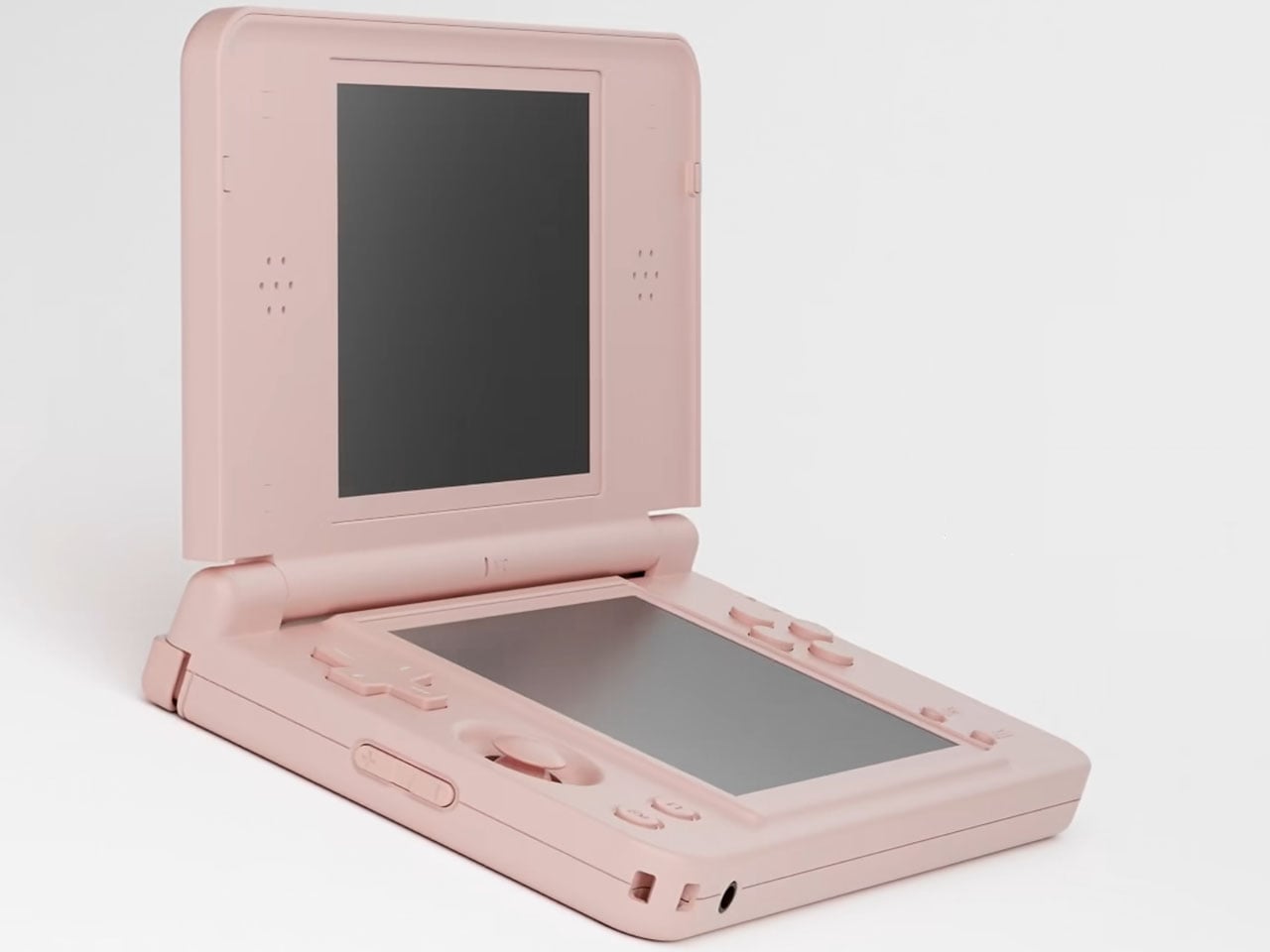
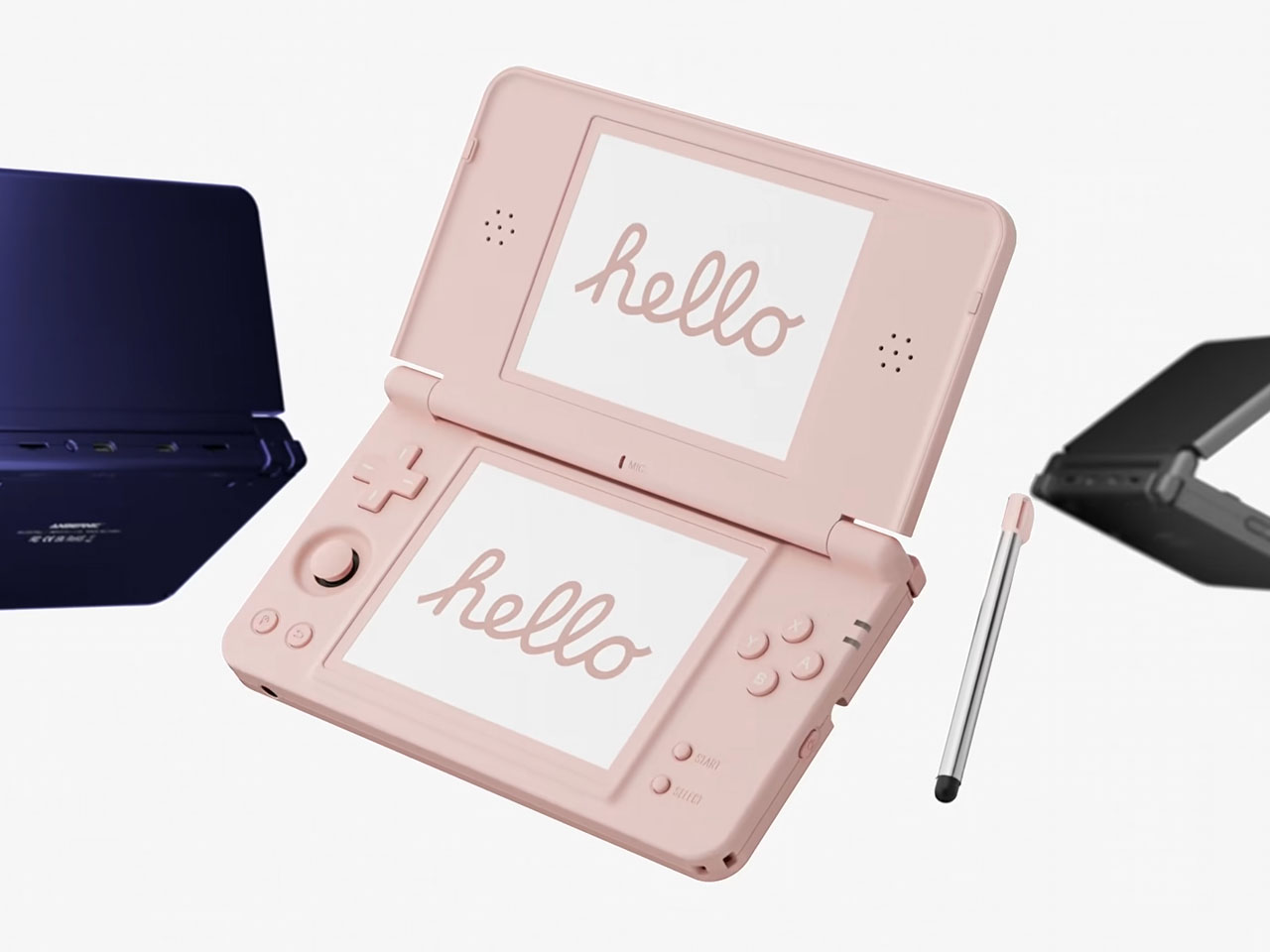
If the idea of a mirror on the iPhone lock screen was as brilliant as we thought it to be, this concept phone is idealized with a small display on the back, alongside its charismatic triple camera array, and we are bewildered: which one is a better feature. Of course, there is no contest, and designer Braz de Pina is far from contesting either. His new conceptual design of this iPhone Brutal is little about this small screen or the tri-lens camera array; it’s more about the form factor he has tried to achieve.

From when I first saw and all the way down to the last picture on the designer’s Behance portfolio, this brutal take basically came forward to me as a smartphone that someone created by cross-breeding a vibrant boxy floppy disk with a dual-screen flip phone. The designer doesn’t shy from affirming that his idea was never to make that concept sleek; it’s meant to be a study in “reduction, structure, and unapologetic geometry,” and it wears that mission loudly in its robust but bulky form factor.

Designer: Braz de Pina

The concept may be far from a full-fledged product, but it has certain clarity in its design. Japanese industrial cues are evident in its blocky yet functional approach. Besides the form, the color patterns give a clear definition to the modular layers of the phone, its airflow channels and even the camera housing at the back. Everything here is designed to be flaunted and thus this phone is anything close to the modern approach in phone making, thus substantiating its ‘Brutal’ identity.

For its functionality, as evident through the pictures, the iPhone Brutal is created to open like a flip, dual-screen phone. On the back of the rigid and abstract exterior lies a triple lens array, which is packed in a housing alongside a small screen, typically displaying the weather update in pictures. The lenses are Carl Zeiss–inspired for precision and immaculate quality.

Besides the design, if there is anything that will catch the eye, especially that of a photographer, it is this optical panel, which speaks a different design language to Apple’s approach, but is in the acceptable realm. Brutal’s exposed camera modules may therefore not be a roadmap for Apple’s next iPhone, but they have details to check out.

De Pina notes, the iPhone Brutal is “far from a final product.” It shares DNA with different designs he is exploring for a potential MacBook concept and challenges the natural status quo, where phones are mostly designed to look slimmer and smaller. This one brings out an honest, brutal look one we would mind being visualized for the MacBook either. Who’s interested?

The post iPhone Brutal is vibrant, sharp-edged concept you can’t look beyond first appeared on Yanko Design.
This MagSafe cable case wants to end the eternal bag-digging for good

The market is flooded with charging cables and MagSafe chargers. But both standalone ones only add to the inconvenience of carrying them. The endless toil in the bag for a cable is an everyday chore for me. I’m sure many of you have fished endlessly at the bottom of the backpack/handbag for a charging cable? To find a solution to this problem, I was scrolling through options for accessories with built-in charging cables, when I came across this interesting project for a MagSafe Multipurpose Charging Cable Case on Behance.

It is designed like a hand grip mobile holder, which I first presumed this guy to be, until I saw the dangling cable and thought there was more to it than its design. The cable case is designed in a way to store a charging cable within a MagSafe-compatible accessory. Sounds unfamiliar? It probably is, I haven’t seen a similar concept before.

Designer: Jinkyo Han

If you look over the last decade, charging cables (which still remain important after wireless charging and MagSafe options) haven’t meaningfully changed. Of course, universal acceptance of USB-C cable does help, but the standardization doesn’t stop the cables from tangling and getting lost in the bag. Maybe, a MagSafe case that allows the changing cable to literally attach to the back of your iPhone, could, in a way limit that.

Therefore, Jinkyo has conceived this idea with a focus on convenience: “easy portability and instant charging when needed.” The accessory – called UNTITLE 1-219 – as imprinted on it, is divided into three parts, the MagSafe cable case, the changing cable that coils within it, and the clip end, which secures the dangling USB-A and USB-C ends on either side. This design does not consider the case and the cable as two easily lost appendages, instead imagines it as a MagSafe-compatible puck that snaps to the back of your phone and doubles as a storage, allowing changing cable to be coiled right inside; so, you can pull it out when you need to power your device.

And when you’re not using it, the case becomes a bit of drop prevention for the iPhone. The accessory may seem like a small – even useless – tweak to some, but for me, it is an accessory that has the potential to evolve past the drawing board. The idea of allowing the changing case to live on the phone instead of in the backpack is a logical option to the problem of tangling and lost cables. But how thick would this accessory make the phone and how much of an inconvenience it will be in daily usage, is, of course questionable. From where I see though, this accessory would mean one less thing to buy or lose.

The post This MagSafe cable case wants to end the eternal bag-digging for good first appeared on Yanko Design.
Tern Vektron e-bike folds in seconds, deftly navigates crowed spaces

Folding e-bikes have steadily evolved into genuinely capable daily commuters, offering riders a practical blend of compact storage and everyday usability. As cities grow denser and more people turn to mixed-mode travel, the demand for bikes that are easy to store, carry, and ride has never been higher. This shifting landscape sets the stage for Tern’s latest update to its well-known Vektron lineup.

The upgrade to Tern’s Vektron series shows how far folding e-bikes have come in combining portability with real everyday performance. Designed for riders who need a compact bike that doesn’t compromise on power, comfort, or practicality, the 4th-generation Tern Vektron models build on the brand’s established reputation for reliable urban mobility while introducing meaningful upgrades that improve the riding experience.

Designer: Tern

At the core of the new Vektron folding e-bike is a Bosch Performance mid-drive motor that delivers up to 75 Nm of torque and smooth, responsive pedal-assist. It pairs with a 545-Wh battery integrated into the frame, delivering a range of up to about 75 miles under light assist conditions. The motor and battery work with Bosch’s Smart System, allowing riders to access ride data, navigation, and system customization through a connected smartphone, and giving the bike optional GPS-based security features.

The 4th-generation P5i configuration brings one of the most practical changes to the lineup: a Gates Carbon Drive belt system paired with a 5-speed Shimano Nexus internally geared hub. This setup runs quietly and requires minimal maintenance, making it well-suited for riders who frequently fold and store their bike in tight indoor spaces. For those who prefer a wider gear range or a sportier feel, the Vektron is also available as the P10, equipped with a traditional 10-speed derailleur drivetrain. The frame uses hydroformed 6061 aluminum and Tern’s reinforced OCL+ hinge, ensuring that the bike remains stable even under the increased torque of the updated Bosch motor. It folds in under 10 seconds into a compact structure that fits easily into car trunks, office corners, elevators, and public transport. When folded, it can stand upright or roll, adding convenience for commuters moving through tight or crowded spaces.
Designed to accommodate a broad range of riders, the cockpit includes an adjustable stem and a telescopic seat post suitable for user heights between approximately 4’10” and 6’5″. Wide 20-inch Schwalbe Big Apple tires soften rough pavement and enhance stability, while Magura hydraulic disc brakes handle braking with consistent control, even in wet conditions. For daily commuting, the Vektron includes a rear rack rated for roughly 60 lb of cargo, full-coverage fenders, integrated lighting, and compatibility with additional front-mounted accessories. These practical features allow it to function as a full-fledged urban transporter capable of replacing short car trips and handling mixed-mode travel. The P5i model comes at a price of $4,099, and the P10 variant costs $3,699 with shipping in North America commencing from December 2025.

The post Tern Vektron e-bike folds in seconds, deftly navigates crowed spaces first appeared on Yanko Design.