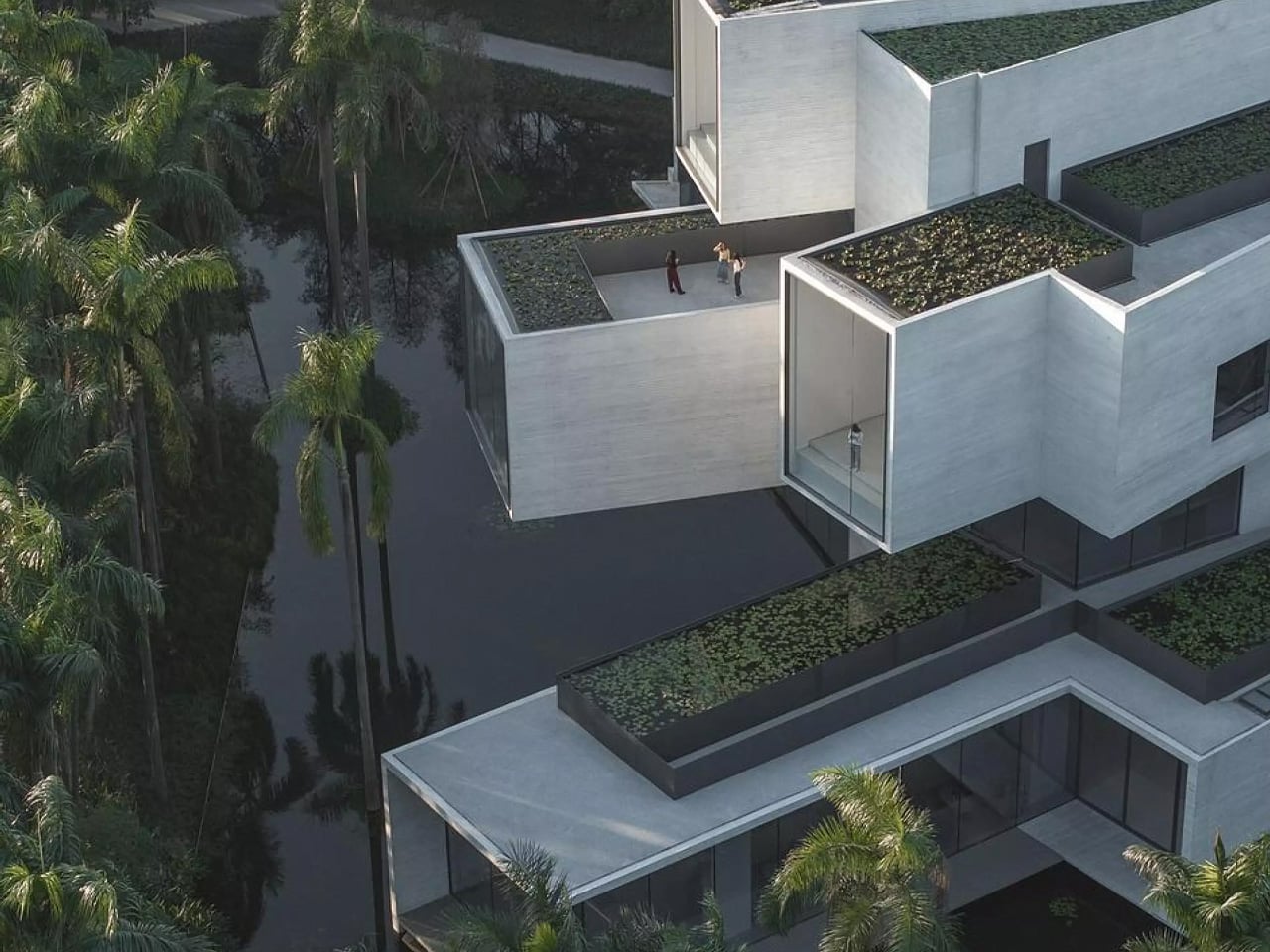
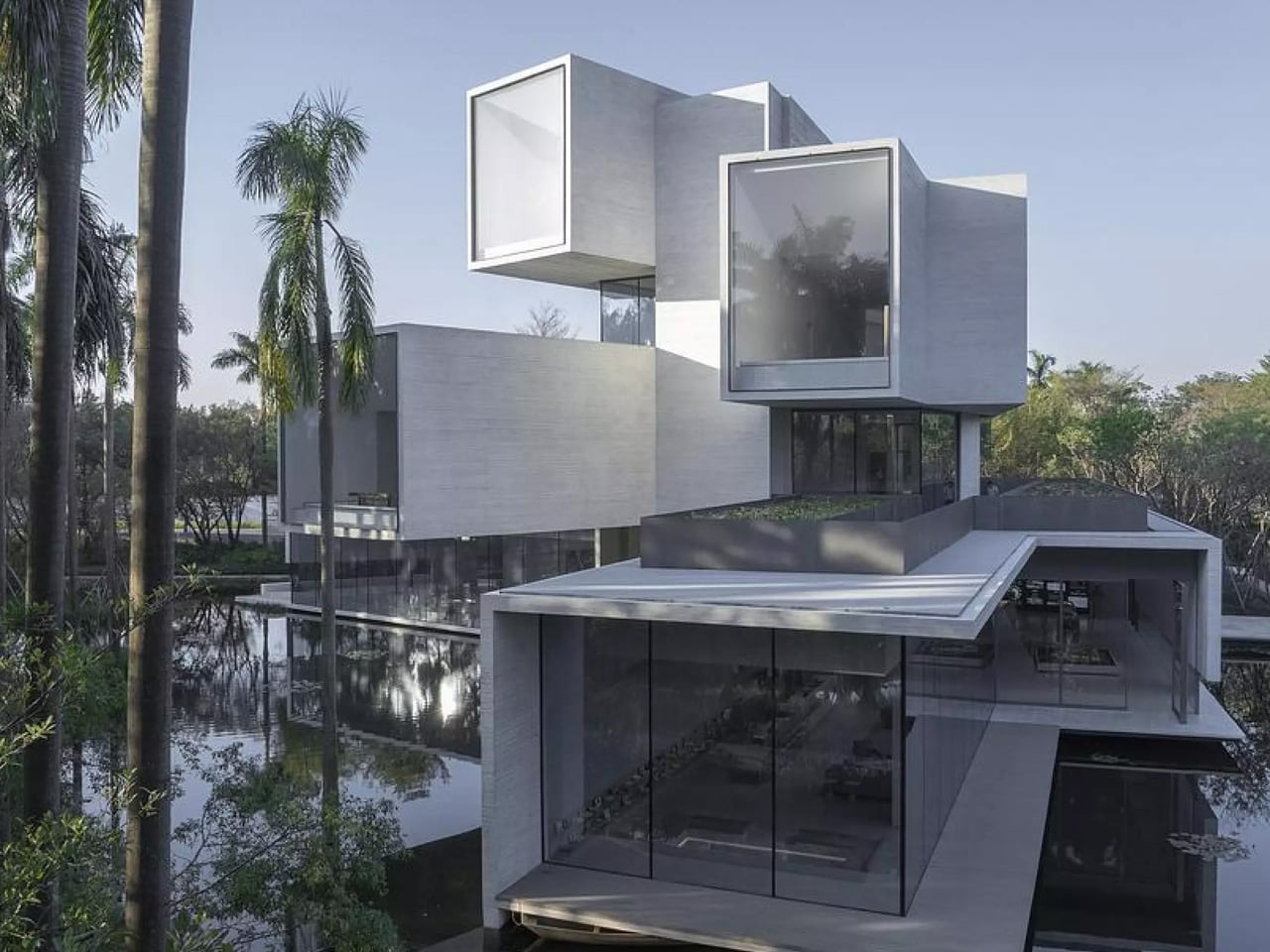
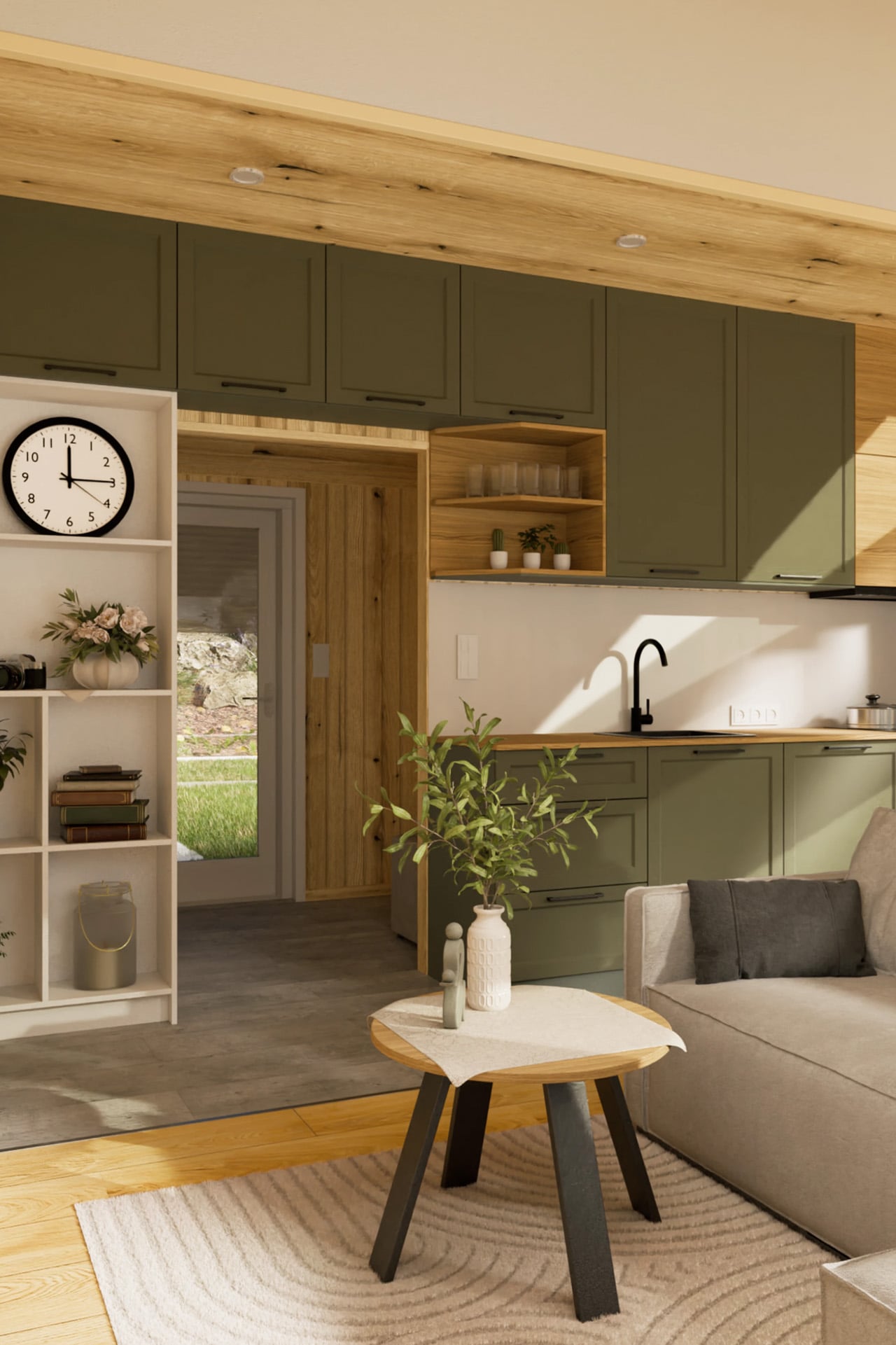
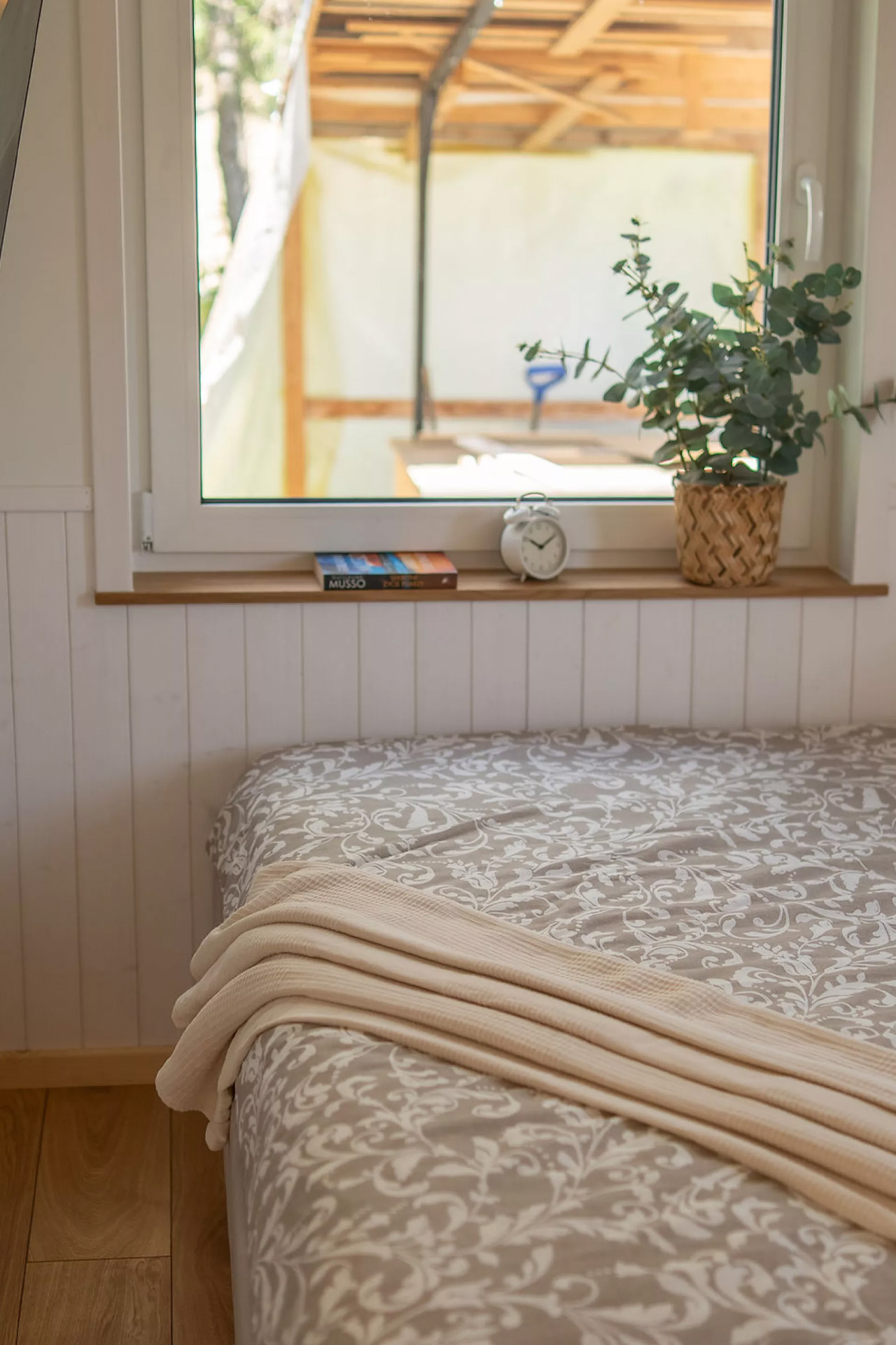
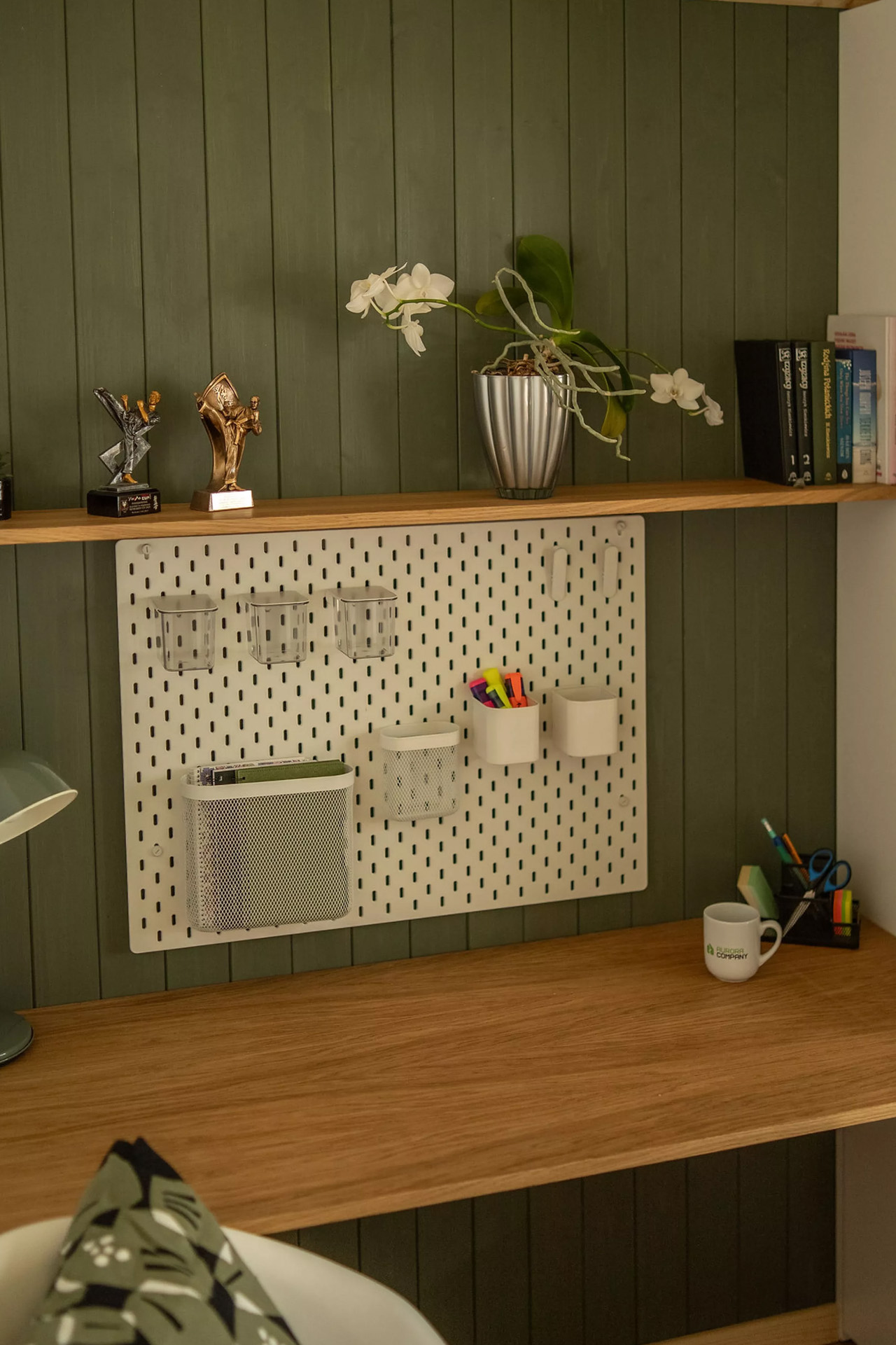
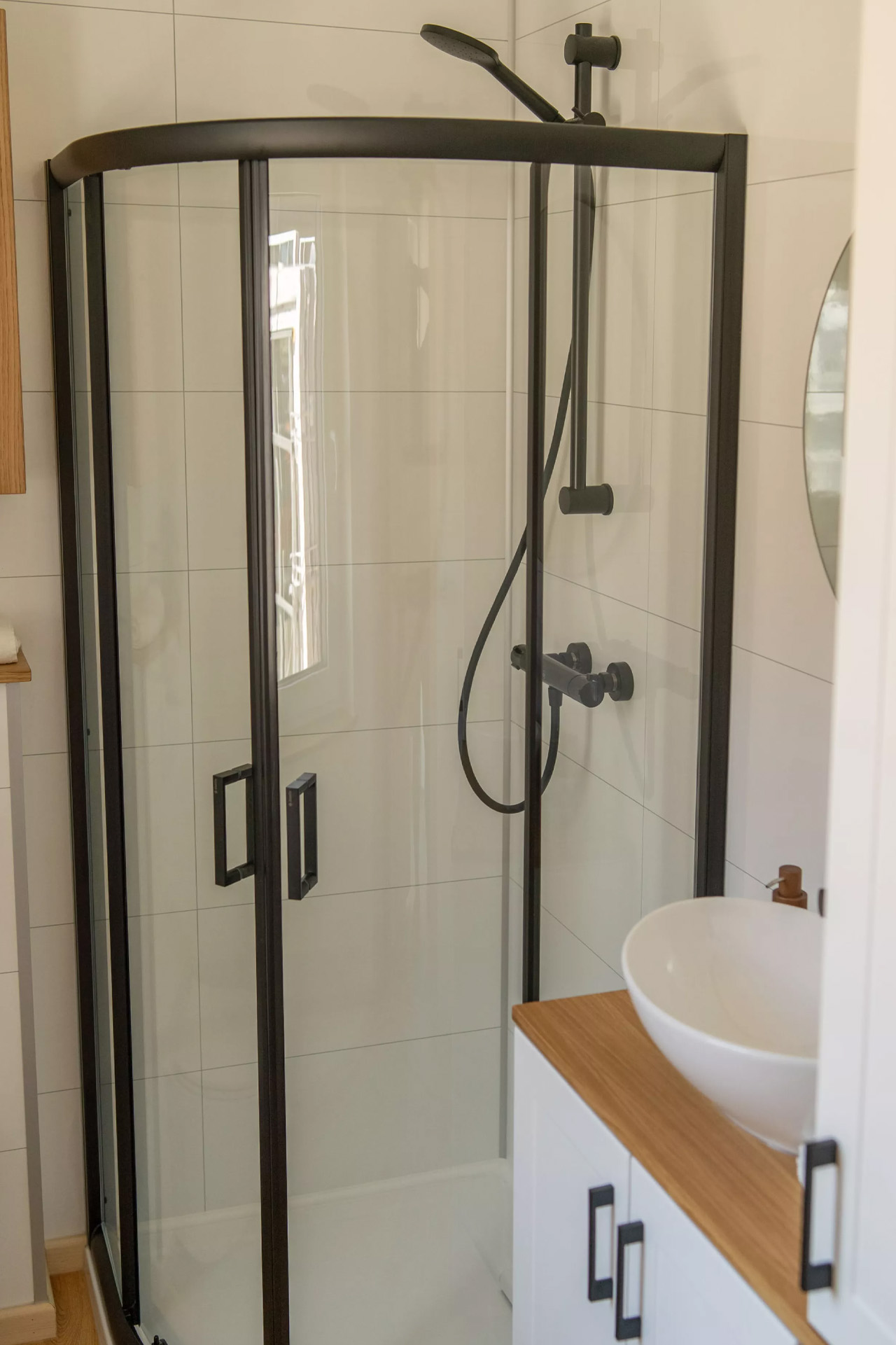
Nestled within the lush landscape of Yunlu Wetland Park in China’s Pearl River Delta, Studio Link-Arc’s latest project redefines what it means to design for wildlife. The Shunde Yunlu Wetland Museum sits quietly behind a row of cedar trees, deliberately concealing itself from view. This isn’t a building seeking attention. It’s architecture that understands its place in an ecosystem where 25,000 egrets take center stage.
The design challenges conventional architectural thinking. Where most museums position themselves as cultural landmarks, this one retreats. The New York-based firm conceived the structure as four concrete tubes stacked vertically, each rotated to frame a different layer of the forest. The first floor gazes at tree roots. The second captures trunks. The third finds the crowns. The fourth reaches the treetops. Each level acts as a rotating lens, offering visitors perspectives that mirror the egrets’ own experience of their habitat.
This rotation creates something beyond visual interest. The cantilevered volumes give the building a sense of kinetic energy, as though the structure itself is adjusting to follow the birds’ movements across the water. The stepped form settles into the wetland’s natural density, absorbed by tall vegetation and reflective water surfaces that blur the boundary between built and natural environments. Each tube functions as a box structure, with sidewalls, roofs, and floors working together to support these dramatic projections.
Inside, a triangular atrium slices through all four floors, connecting the scattered perspectives into a single spatial experience. Sunlight filters through high skylights, softened by deep concrete beams before reaching the interior. Standing in this vertical space, visitors can simultaneously look through multiple tubes, each framing a different view of the wetland. The traditional hierarchy of architectural viewpoints dissolves into something more democratic, more aligned with the rhythms of the landscape itself.
The roof carries a lotus pond, adding another water layer to the composition. This gesture proves essential when viewing the building from paths and bridges throughout the park. The rooftop water merges visually with the wetland below, reducing the structure’s vertical impact and allowing it to read as part of the continuous water system rather than an interruption.
The project emerges from decades of conservation efforts. A local resident known as Uncle Bird spent years transforming this site into an urban sanctuary for egrets. The Shunde government later expanded the protected area thirteenfold, partnering with scientists and designers to restore water systems and bamboo forests. Studio Link-Arc’s museum completes this vision, offering a space where human visitors can observe and learn while remaining secondary to the site’s true inhabitants. The building asks a question rarely posed in contemporary architecture: What happens when we design for the birds first?
Counter real estate is precious territory in modern living spaces. Every inch counts when you’re balancing functional needs with aesthetic desires. Traditional table lamps with their bulky bases and tangled cords devour valuable surface area that could serve better purposes. The solution lies in rethinking how we light our spaces altogether. Minimalist lighting design offers an elegant answer to this spatial dilemma.
The best space-saving lights share certain qualities beyond mere compactness. They’re portable enough to move where needed, adaptable to different moods and settings, and beautiful enough to enhance rather than clutter a room. These five designs prove that reducing footprint doesn’t mean compromising on atmosphere or functionality. Each offers a distinct approach to illumination while respecting the reality of limited space and budget constraints under $200.
1. Anywhere Use Lamp – The Modular Minimalist
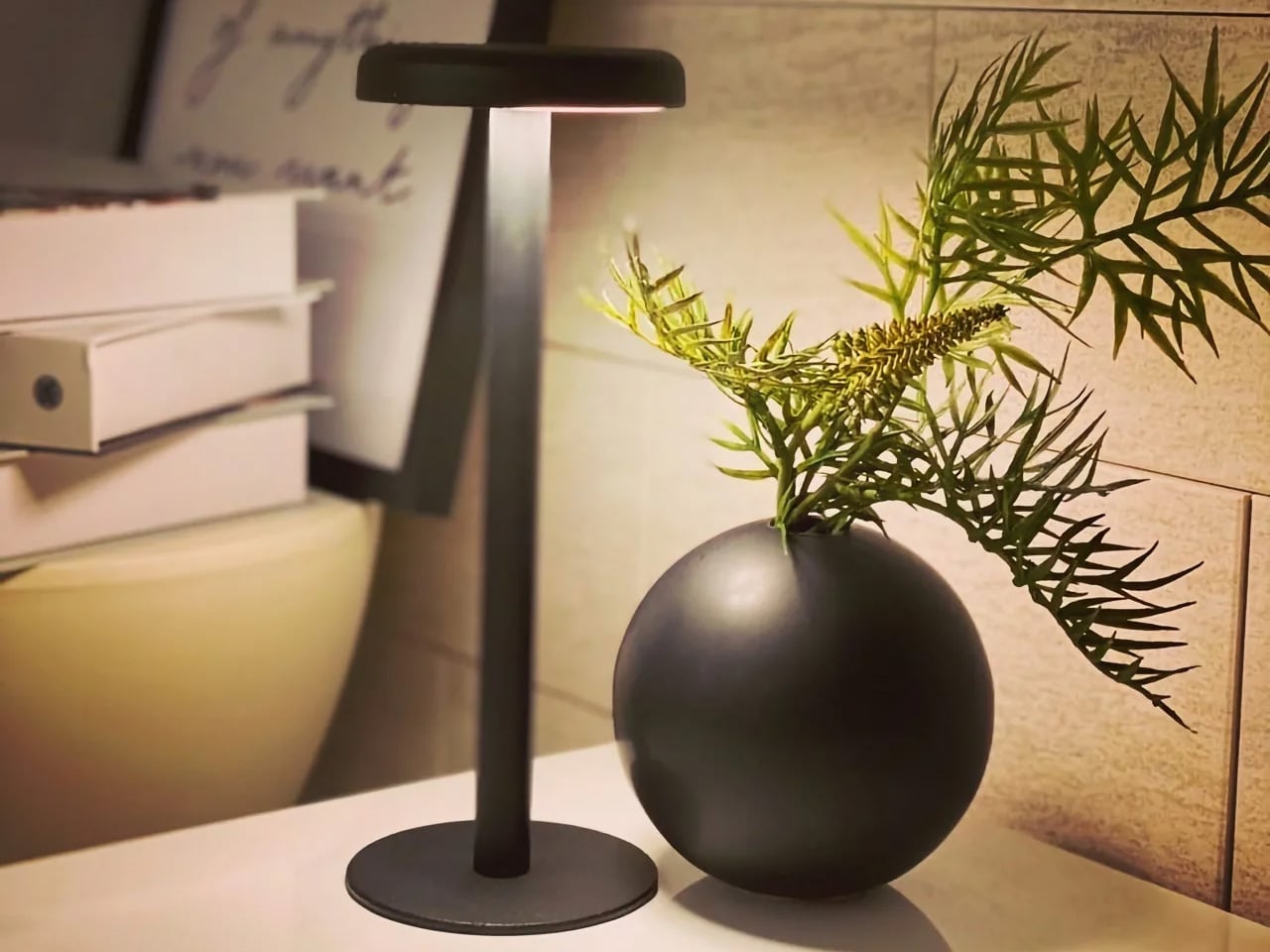
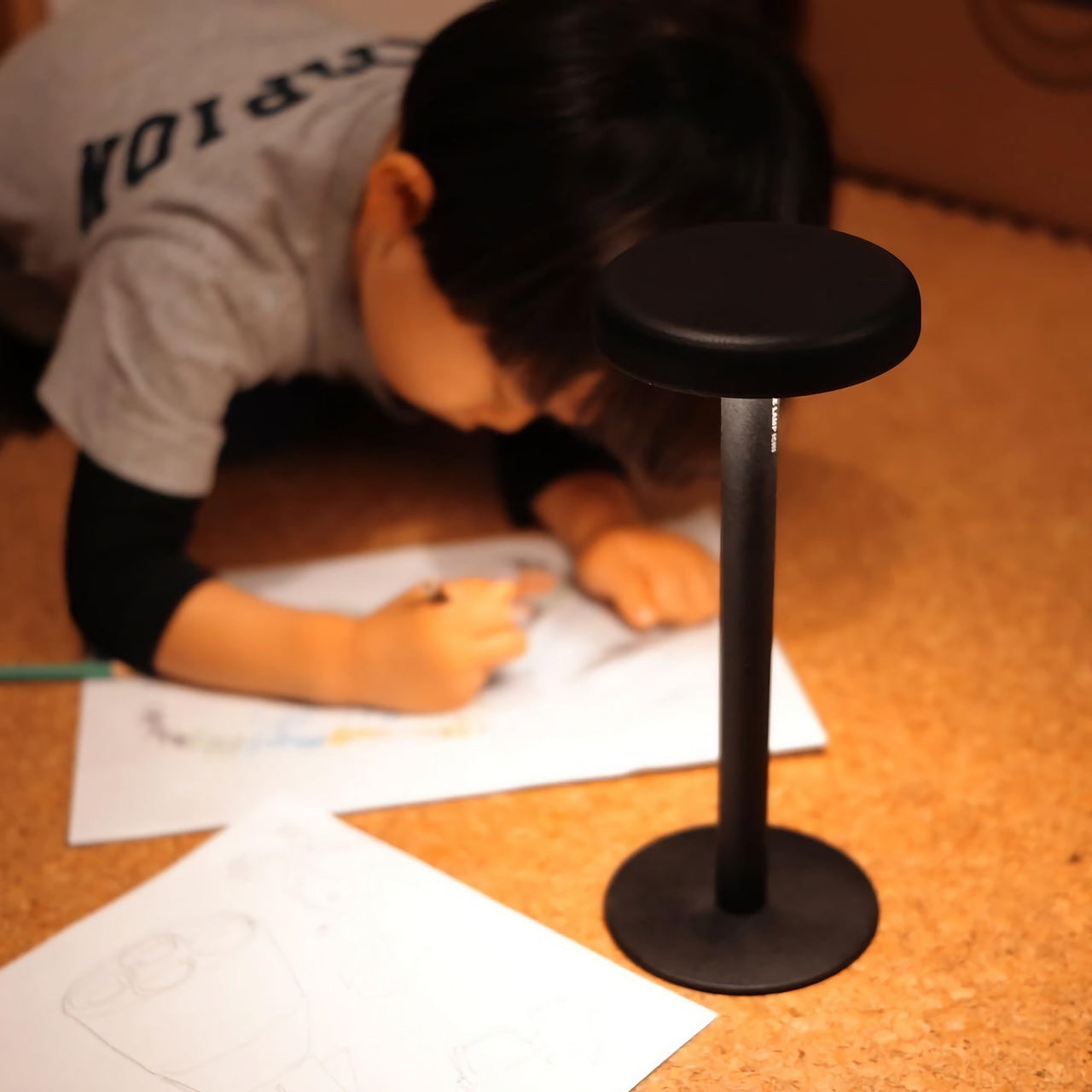
The Anywhere Use Lamp channels the quiet confidence of Scandinavian design philosophy. Its mushroom-inspired silhouette feels organic yet refined, with a cap-and-stem construction that breaks down into remarkably compact components. The base measures just a few inches across, meaning it occupies less counter space than your morning coffee mug. Six high color rendering LEDs cast a warm glow that transforms harsh corners into inviting nooks. The entire assembly runs on four AA batteries, eliminating the cord chaos that typically accompanies lighting solutions.
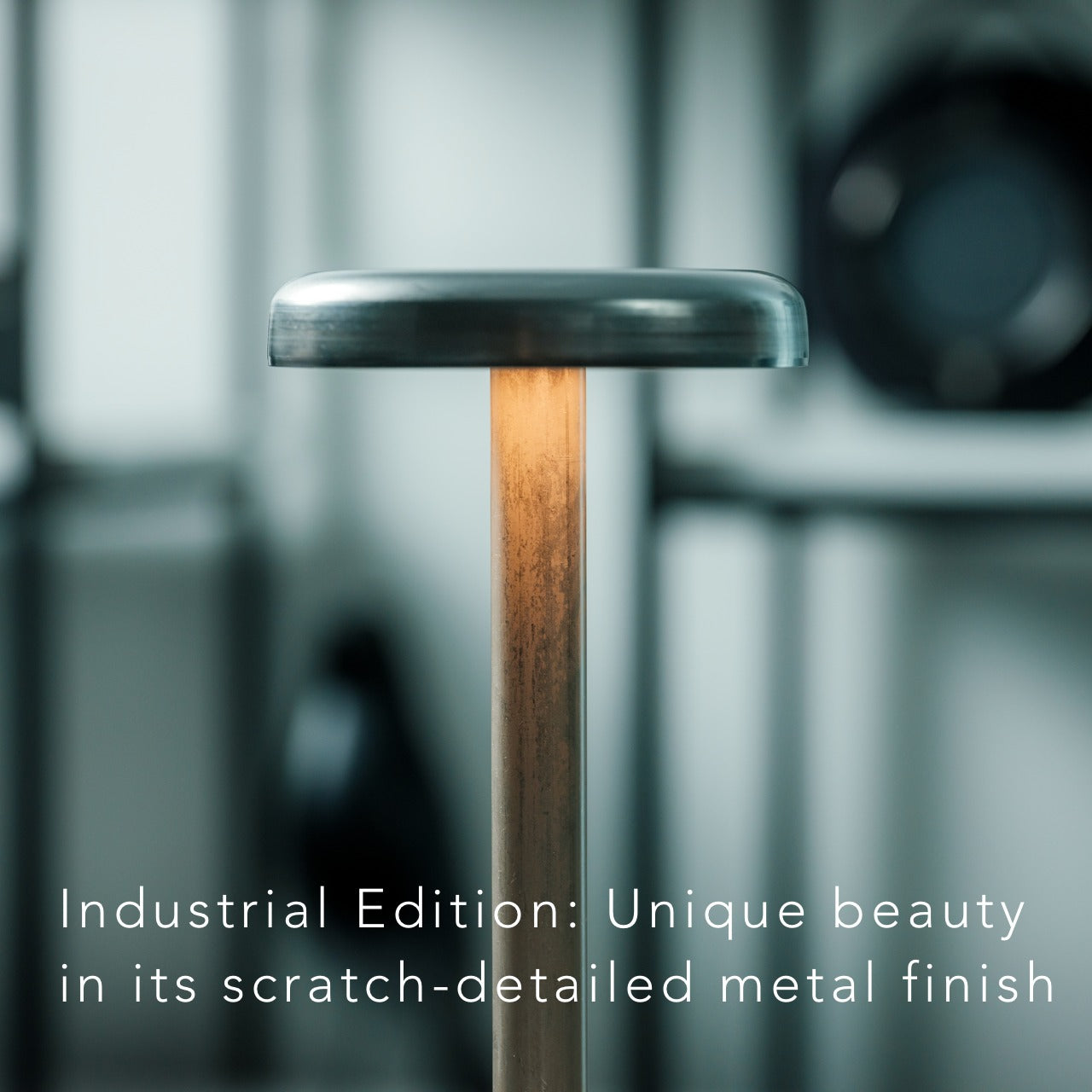
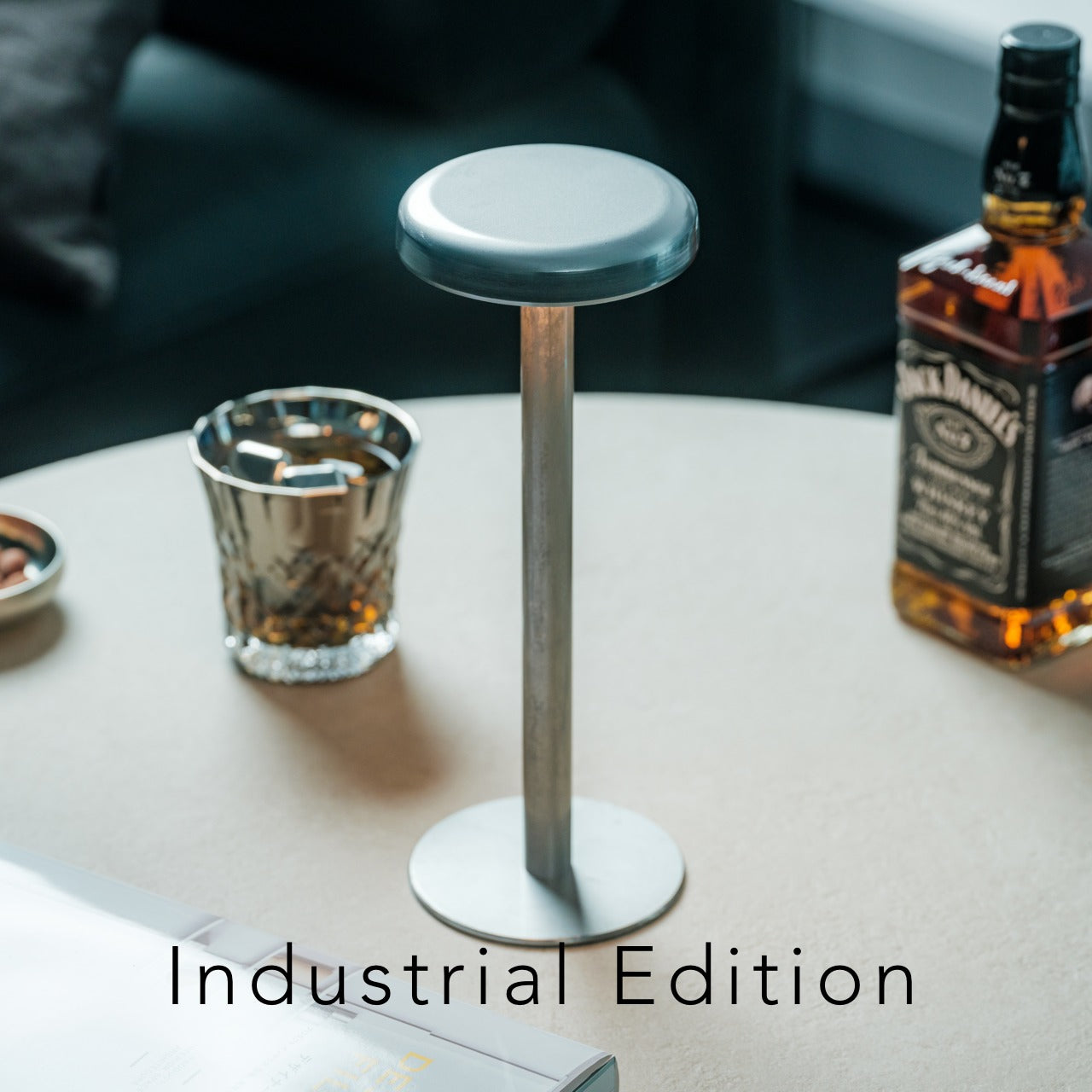
What makes this lamp genuinely space-conscious is its modular nature. When not in use, it disassembles completely and tucks into a bag or drawer. The Industrial edition adds textural depth through deliberately distressed metalwork that celebrates manufacturing marks rather than hiding them. Four brightness settings cycle through with a press anywhere along the cap’s edge, delivering satisfying tactile feedback that feels intentional rather than fumbling. This thoughtful interaction design means you’re never hunting for tiny switches in the dark.
The battery operation liberates you from outlet dependency and cord management
The disassembly feature turns a permanent fixture into a flexible tool
The touch-anywhere interface makes brightness adjustment effortless in low light
The warm LED quality creates a genuine ambiance rather than sterile illumination
What We Dislike
Battery replacement becomes an ongoing consideration for frequent users
The compact footprint means less light dispersion than larger fixtures
The minimalist aesthetic may read as too simple for traditional decor schemes
The cap requires careful handling during transport to avoid separation
2. Fire Capsule Oil Lamp – Analog Warmth
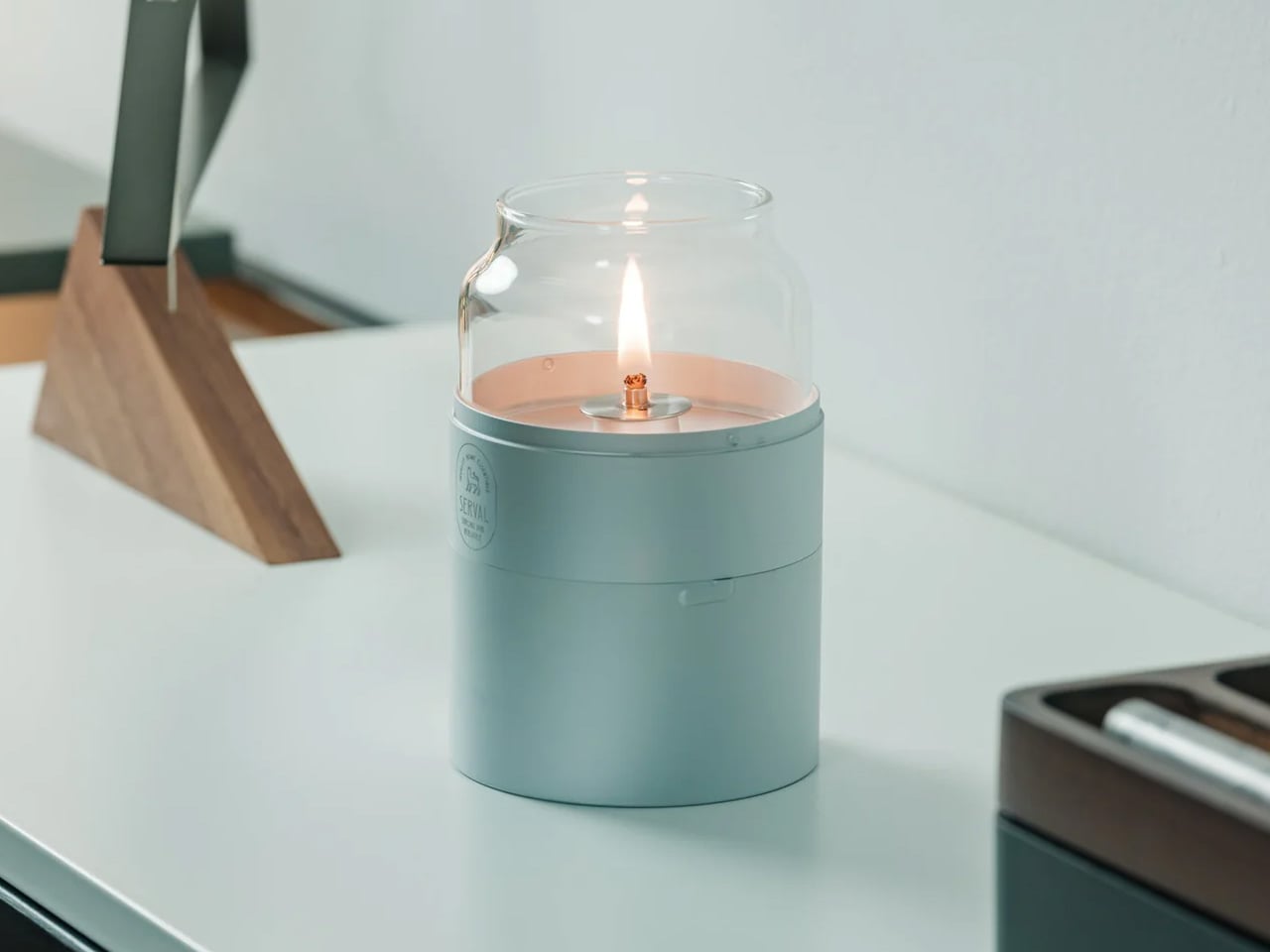
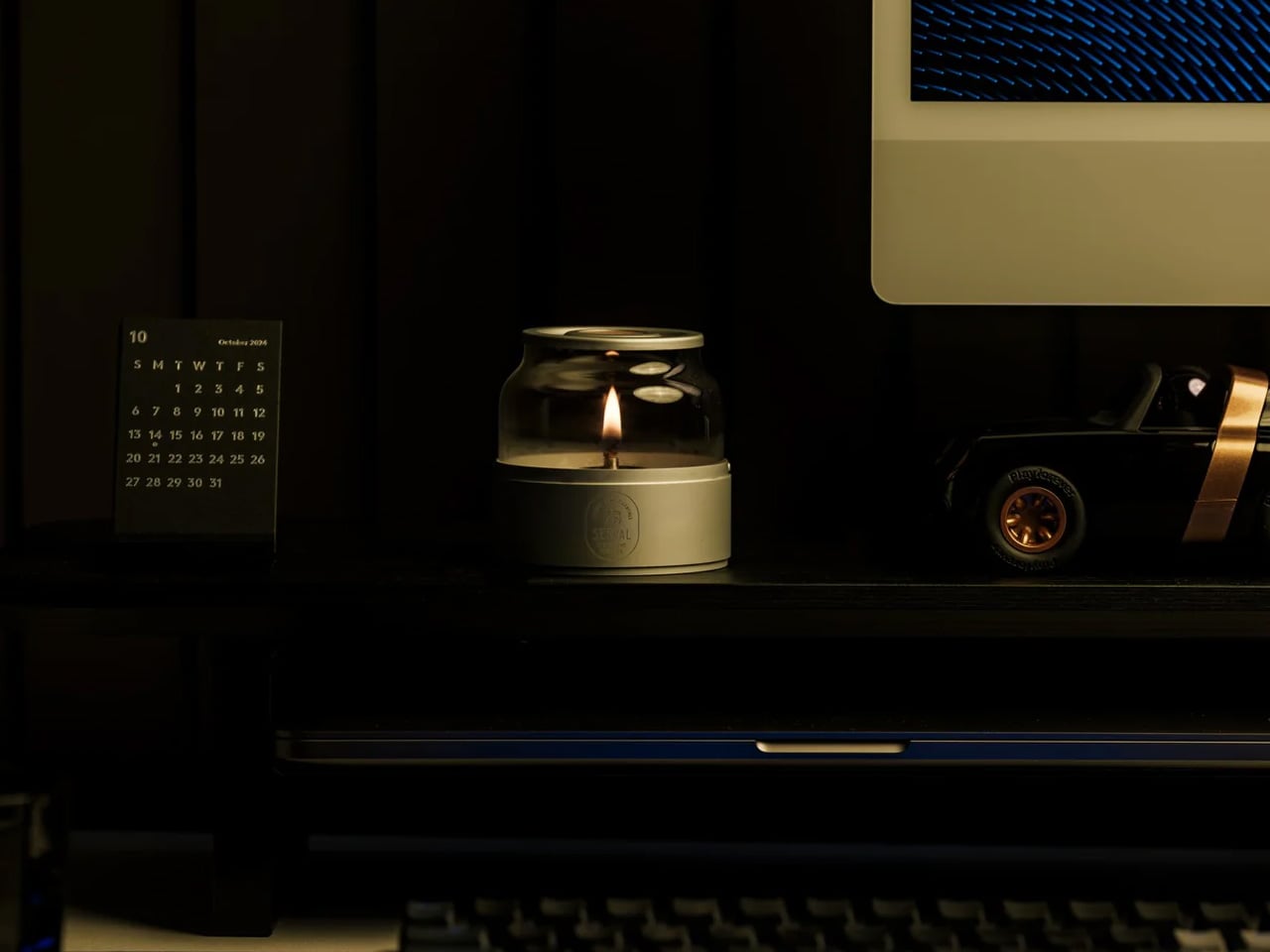
The Fire Capsule reimagines centuries-old oil lamp technology through a contemporary minimalist lens. Its cylindrical form factor takes up minimal counter space, while the flat top enables vertical stacking when you own multiples. The precision-engineered lid keeps the glass chimney dust-free between uses, maintaining optical clarity that cheaper oil lamps sacrifice. An 80ml fuel capacity delivers up to 16 hours of continuous burn time, outlasting most dinner parties and evening reading sessions without intervention.
Beyond basic illumination, this design incorporates an aroma plate that transforms the lamp into a scent diffuser. The flickering flame quality creates movement and depth that static LED solutions cannot replicate, adding living energy to spaces. The included drawstring pouch protects the glass during transport, making this viable for outdoor dining, camping, or emergency preparedness kits. When filled with paraffin oil containing insect-repelling compounds, it becomes functional outdoor lighting that actively improves the experience rather than just enabling it.
The stackable design maximizes vertical storage efficiency
Real flame createsan authentic ambiance that feels fundamentally different from electric alternatives
The aroma plate integration serves dual functions without additional equipment
The extended burn time eliminates constant monitoring and refilling
What We Dislike
Open flame requires more attention than switch-operated lights
Glass construction demands careful handling and storage considerations
Fuel purchases become an ongoing operational requirement
The flame produces minor heat output that may be unwelcome in small spaces
3. Lớp Lamp – Layered Optics
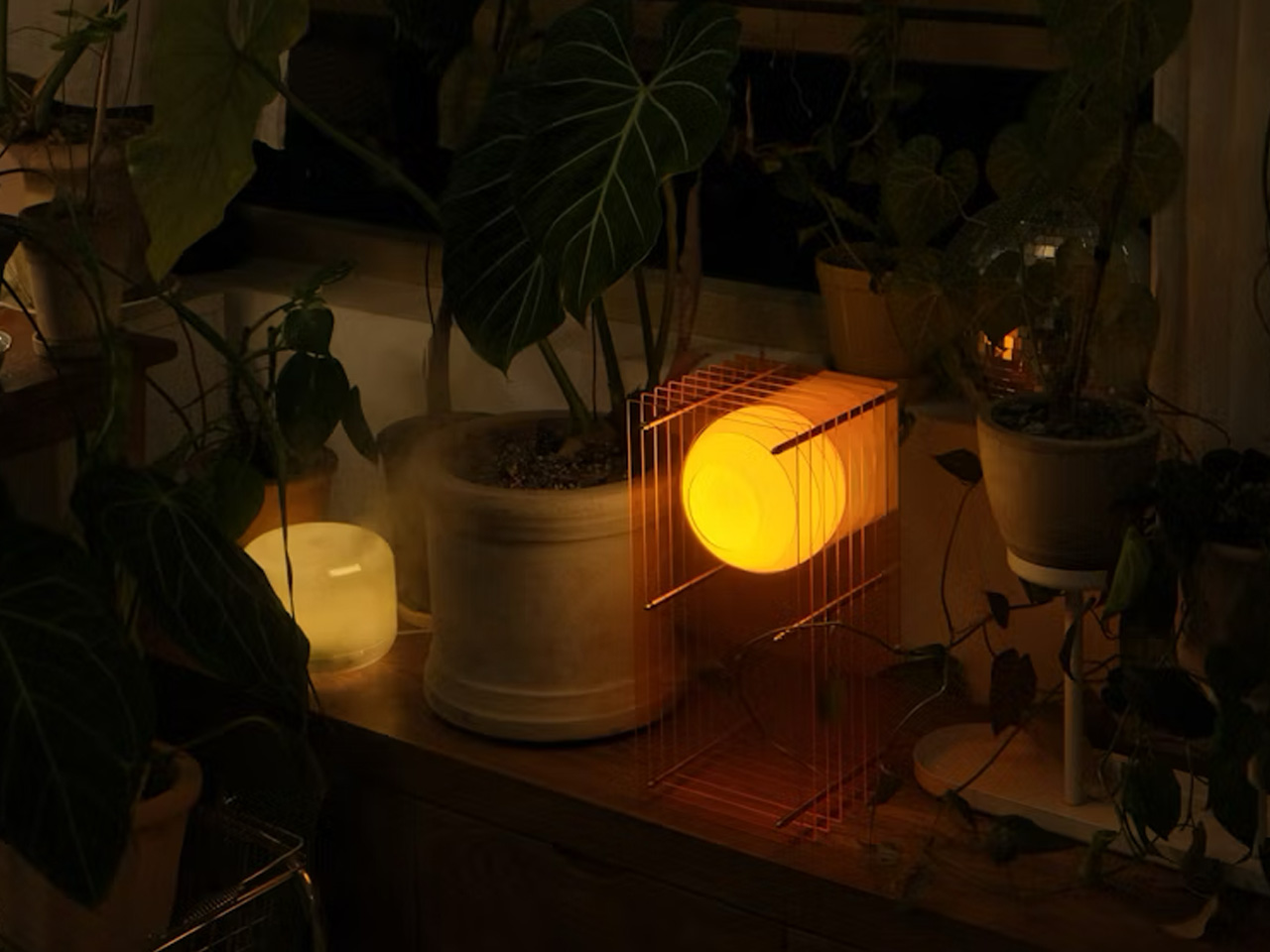
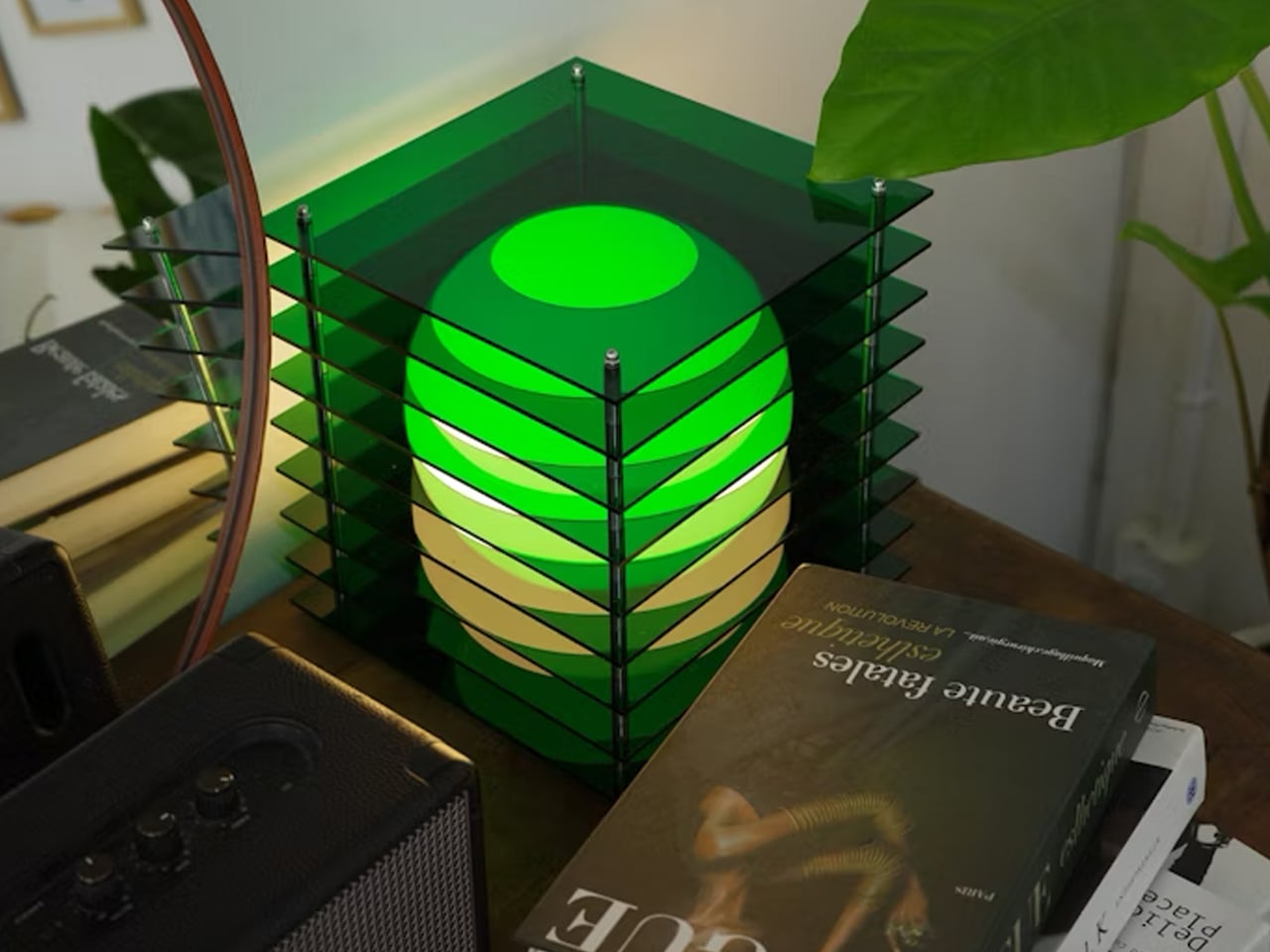
The Lớp lamp employs layered transparent acrylic panels to create an optical illusion where light appears suspended mid-air. This geometric approach to diffusion means the actual footprint remains surprisingly modest while the visual impact scales dramatically. Four size options accommodate different spatial contexts, from bedside surfaces to statement pieces on credenzas. Eight colorway options span from whisper-quiet neutrals to conversation-starting accent tones that anchor a room’s palette.
Standard LED bulbs keep replacement simple and heat generation minimal, meaning you can place them near books, fabrics, or other heat-sensitive materials without concern. The optical art reference feels intentional without derivative mimicry, nodding to Victor Vasarely’s kinetic square studies while establishing a distinct identity. Natural daylight shifts throughout the day interact with the layered panels differently, creating a dynamic character that evolves from morning through evening. The substantial construction feels grounded without becoming cumbersome, striking that difficult balance between presence and portability.
What We Like
The layered design creates visual complexity from simple geometric elements
Multiple size options allow matching the scale to specific spatial needs
Standard bulb compatibility avoids proprietary replacement hassles
The design actively responds to changing ambient light conditions
What We Dislike
The transparent panels require regular cleaning to maintain optical clarity
The geometric aesthetic may feel too contemporary for certain interiors
Larger sizes increase the footprint despite an efficient design
The visual effect depends heavily on proper bulb selection
4. TriBeam Camplight – Triple Function Compact
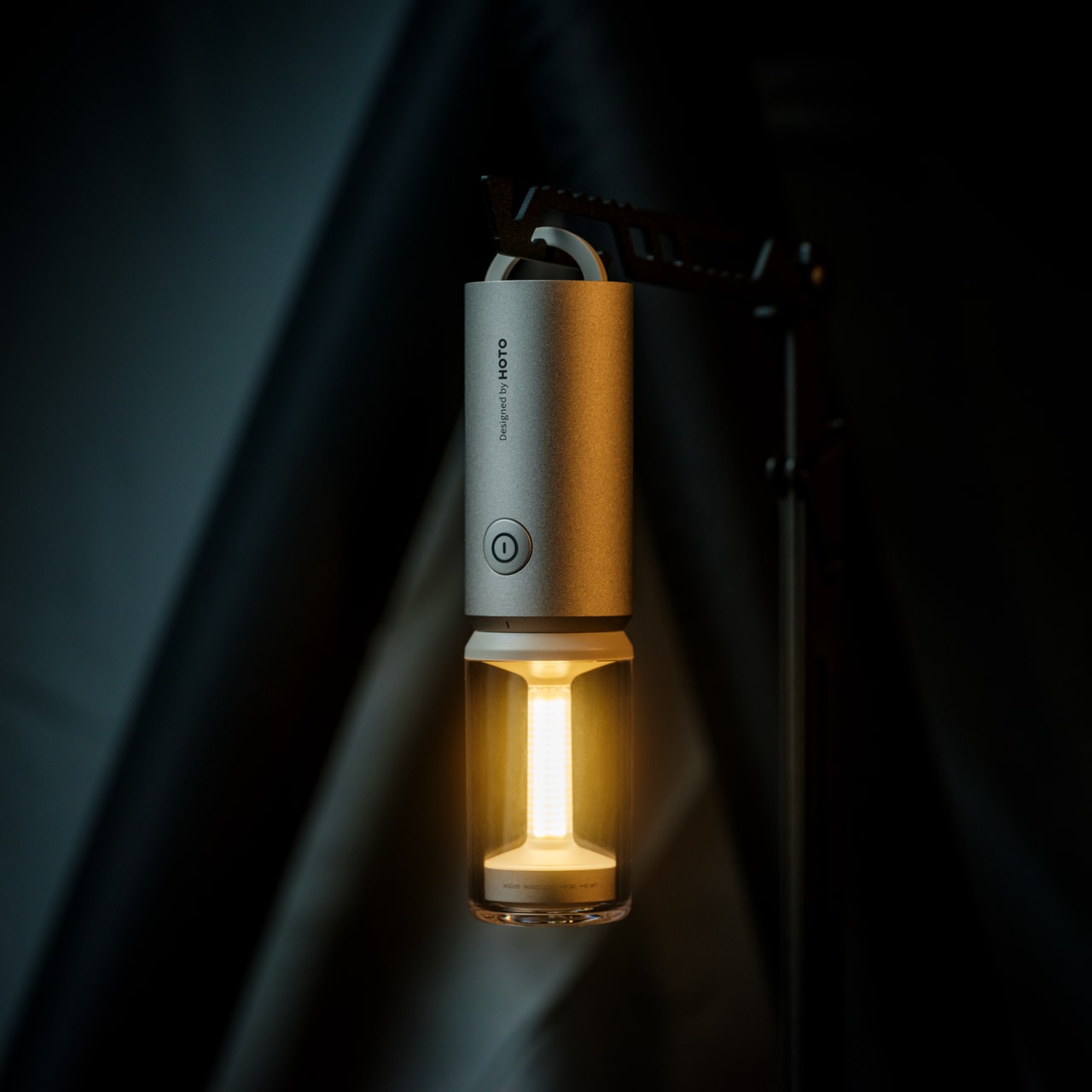
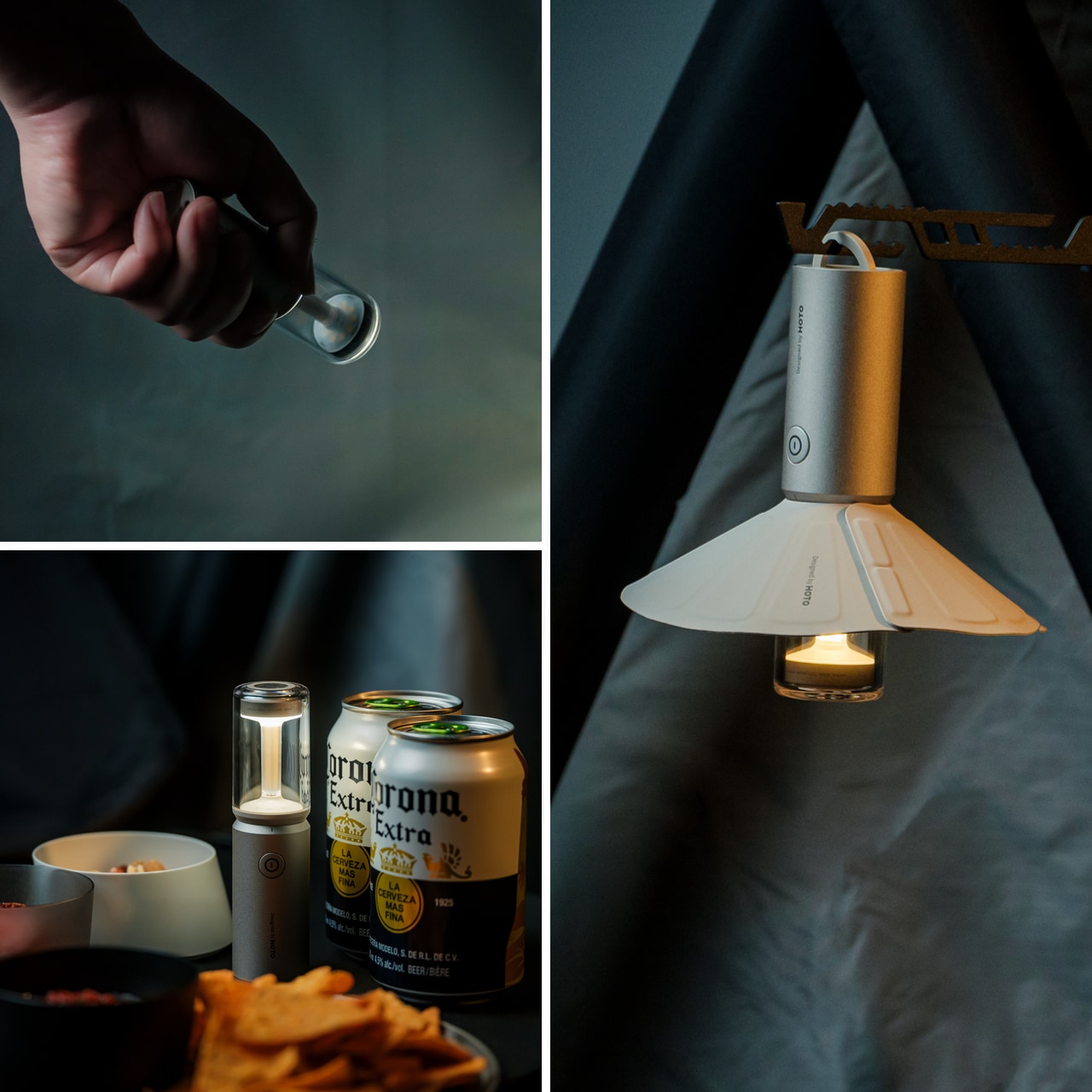
The TriBeam Camplight condenses three distinct lighting modes into a form factor smaller than a water bottle. At 12.8cm tall and just 135 grams, it essentially disappears in a backpack or jacket pocket yet delivers up to 180 lumens when needed. The three modes—camping, ambient, and flashlight—address genuinely different use cases rather than offering superficial variation. Camping mode provides broad area illumination for tents and outdoor dining. Ambient mode creates a soft background light for reading or relaxing. Flashlight mode focuses the beam for navigation and task work.
Brightness adjustment spans from five lumens for subtle night lighting up to that full 180-lumen output for serious illumination needs. Runtime extends to 50 hours on lower settings from a single charge, meaning weekend trips require no mid-adventure charging anxiety. The single-button interface cycles through modes intuitively without requiring instruction manual consultation in the field. The award-winning industrial design demonstrates that purpose-built gear can embrace aesthetic sophistication rather than defaulting to utilitarian blandness.
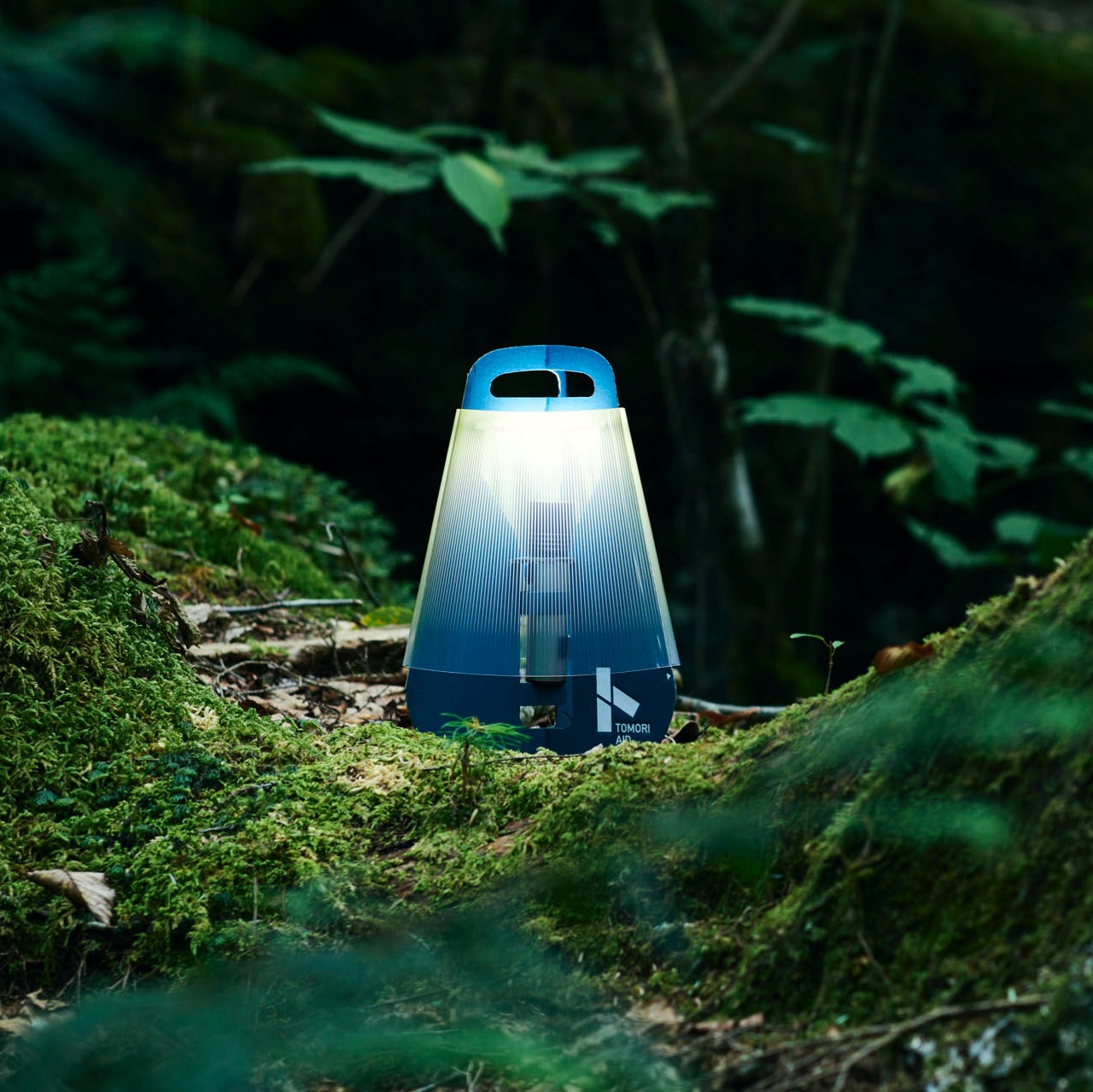
The Tomori Lantern takes minimalism to its logical extreme by existing as a flat kit until needed. Collapsed to A4 dimensions, it slips into emergency drawers, glove compartments, or bug-out bags where traditional lanterns cannot fit. The cardboard base construction sounds fragile, but it proves bend-resistant through clever engineering, working with any standard LED flashlight that fits the clamp system. This universal compatibility means you’re never dependent on proprietary bulbs or replacement part availability.
The polypropylene cover diffuses harsh flashlight beams into even ambient light, which makes spaces feel inhabited rather than interrogated. Setup requires no tools, cables, or technical knowledge—unfold, clamp the flashlight, and place the cover. This simplicity becomes critical during power outages or emergencies when complexity creates failure points. The included flashlight ensures the kit functions immediately rather than requiring you to source compatible components. When the situation resolves, the entire assembly collapses back to flat storage, ready for the next need.
No charging or fuel requirements mean indefinite shelf stability
The simple assembly works under stress when fine motor skills decline
What We Dislike
The cardboard construction has limited long-term durability with repeated use
Performance depends entirely on the flashlight quality and charge state
The utilitarian aesthetic prioritizes function over decorative appeal
The diffuser cover can separate from the base during transport
Making Light Work Harder
Space-saving lighting design represents more than dimensional reduction. These five solutions demonstrate how thoughtful engineering can deliver better functionality from smaller footprints. The key lies in questioning assumptions about what lighting must be—permanent, plugged-in, single-purpose. Modularity, portability, and multi-functionality transform lights from static fixtures into dynamic tools that adapt to changing needs and contexts throughout the day.
The under-$200 price point makes experimentation accessible rather than requiring major commitment to a single approach. You might discover that battery operation liberates furniture arrangement more than expected, or that collapsible emergency lighting serves daily uses you hadn’t anticipated. These designs prove that minimalism isn’t about deprivation but rather about intentional choices that enhance living spaces through subtraction rather than addition. Your counters will thank you for the breathing room.
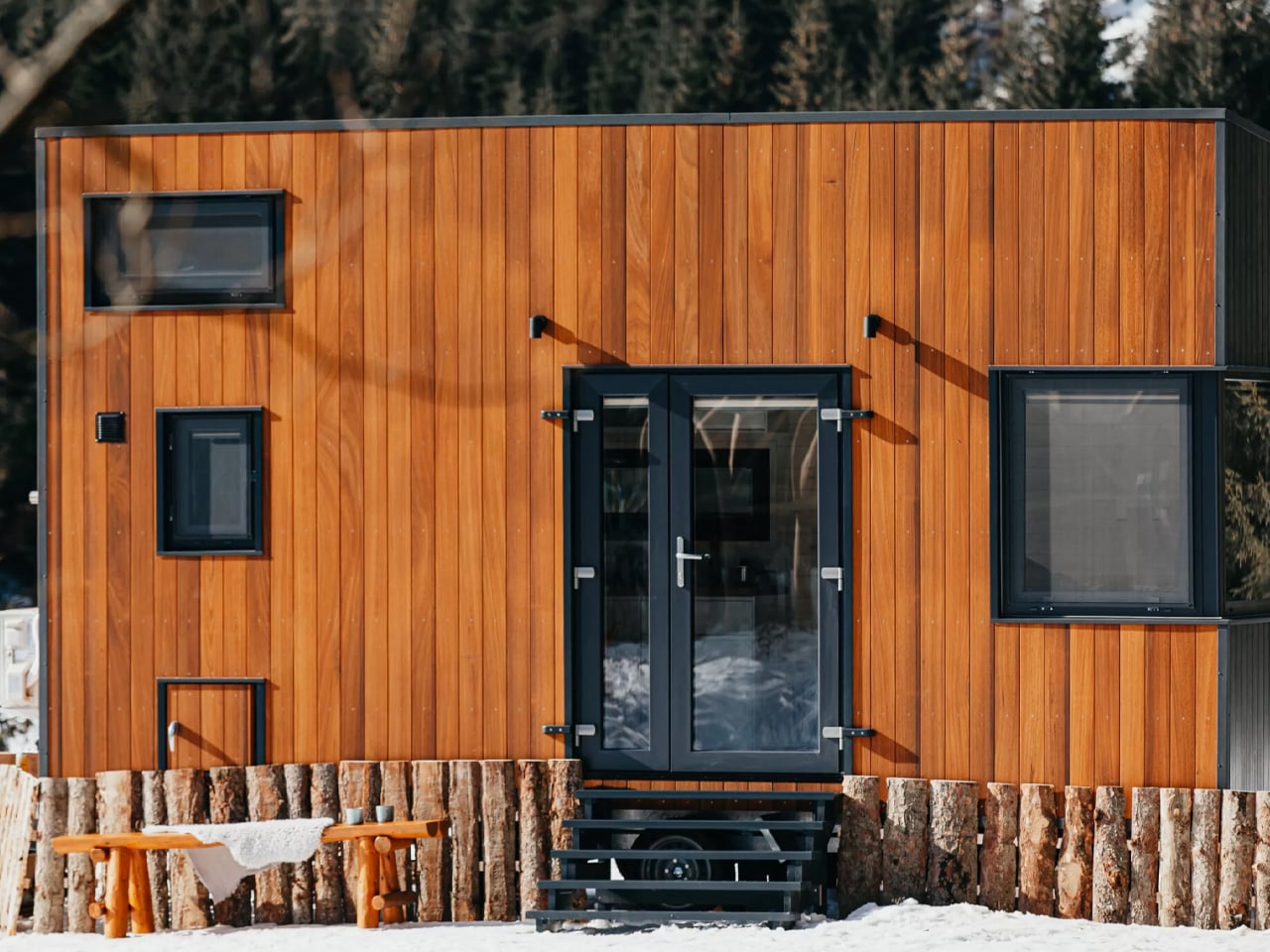
The tiny house movement continues to evolve with innovative designs that maximize every inch of space, and the Tiny Rubik by Romania’s Eco Tiny House stands as a remarkable example of what’s possible within just 6 meters of length. This compact dwelling proves that downsizing doesn’t mean sacrificing comfort or style, offering an eco-friendly solution for those seeking simplicity and financial freedom.
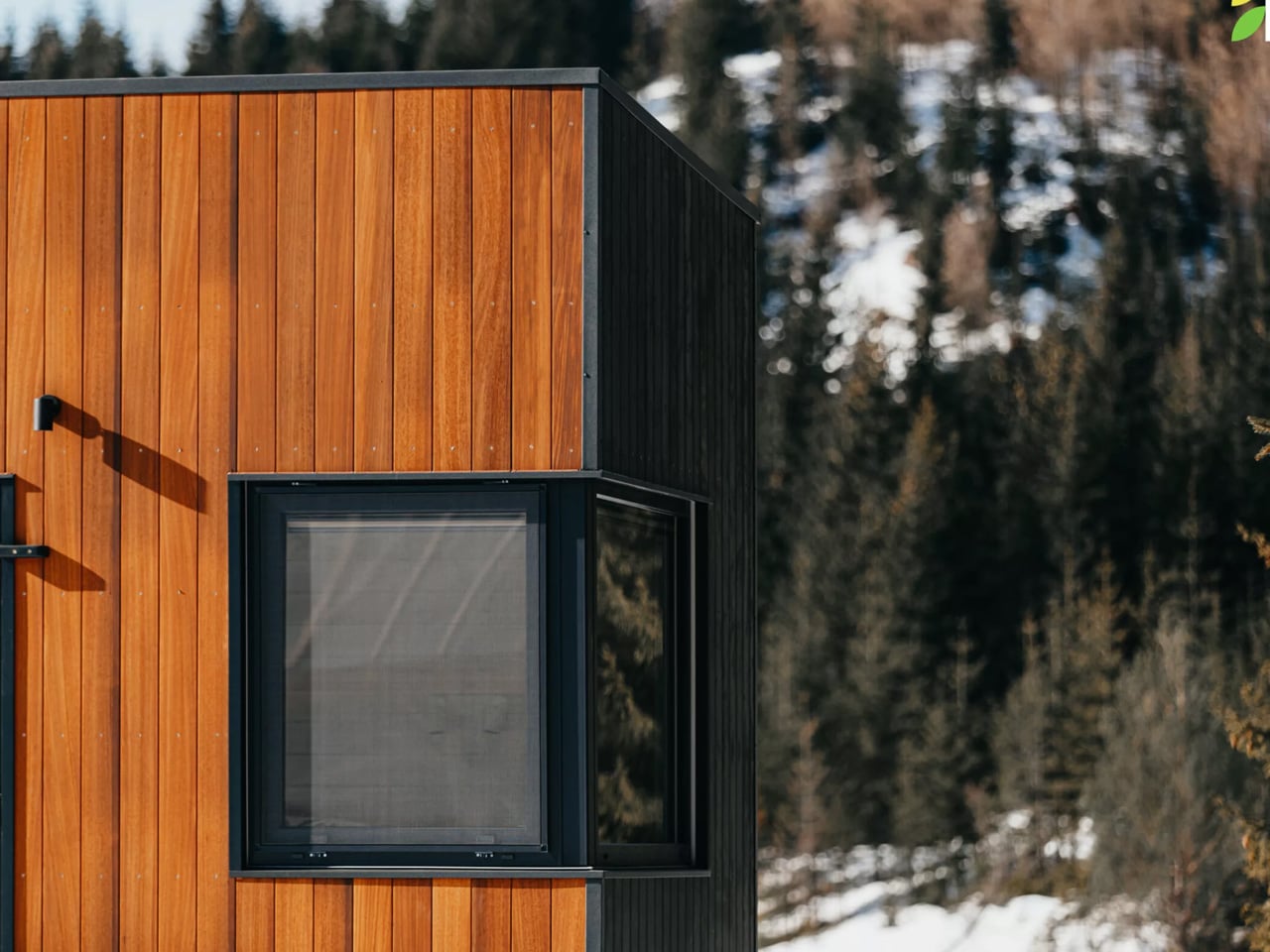
Measuring just 20 feet long and built on a double-axle trailer, the Tiny Rubik provides 16 square meters of thoughtfully designed living space that can accommodate up to three people. The exterior features engineered wood siding paired with a metal roof, creating a modern aesthetic that’s both durable and environmentally conscious. What sets this tiny house apart is its ability to incorporate two separate sleeping areas despite its modest footprint, a feat that requires clever spatial planning and design ingenuity.
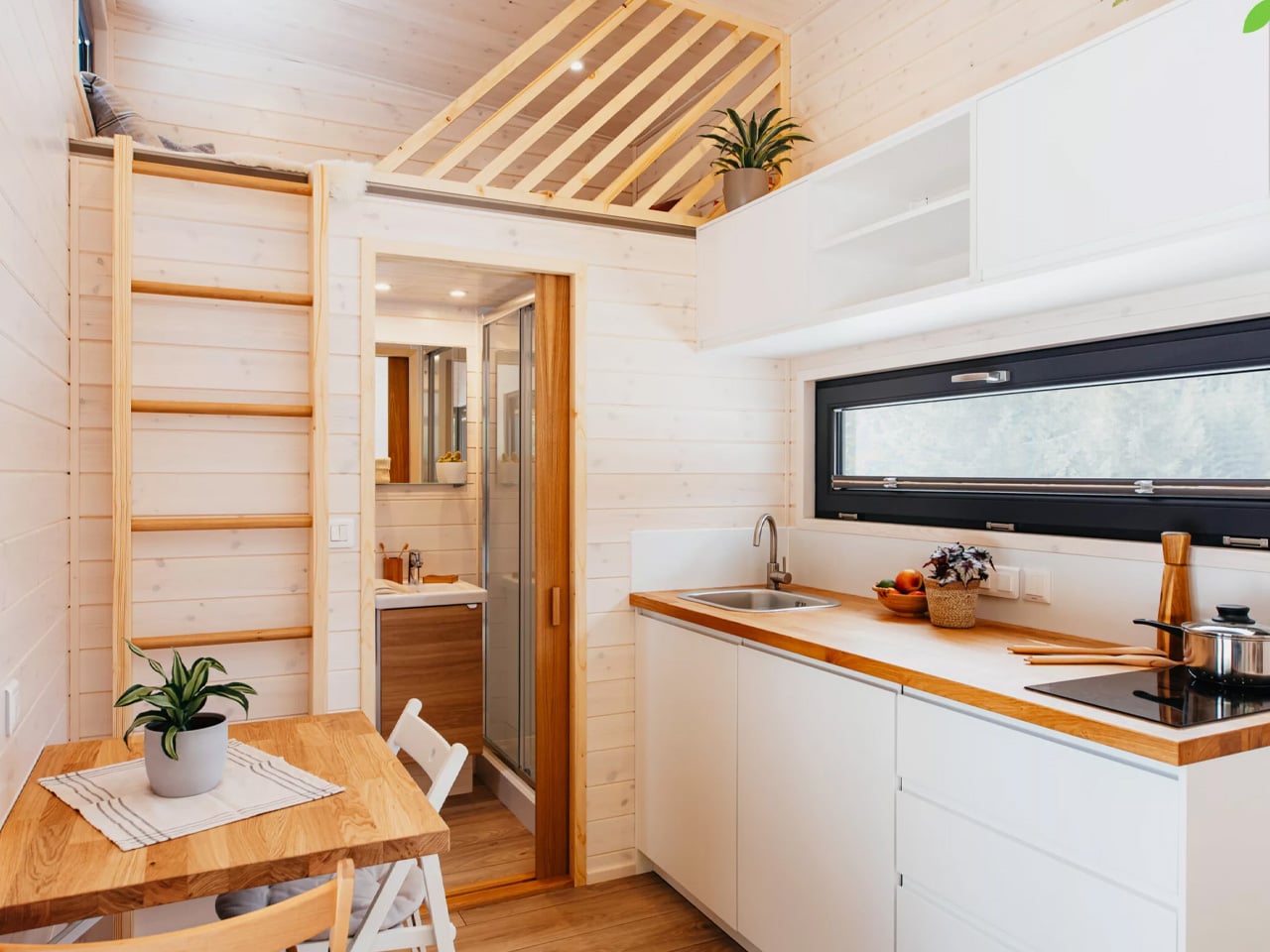
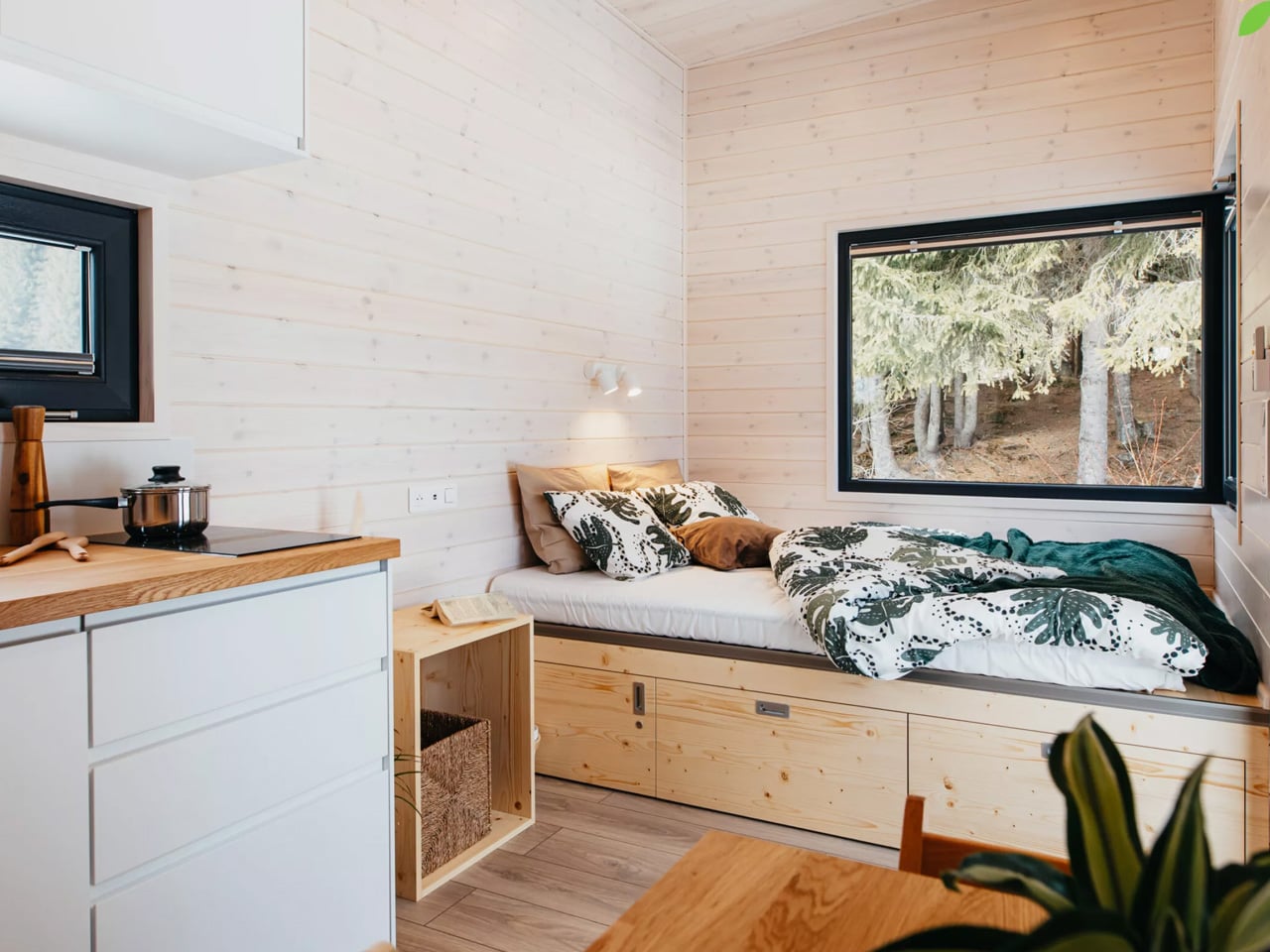
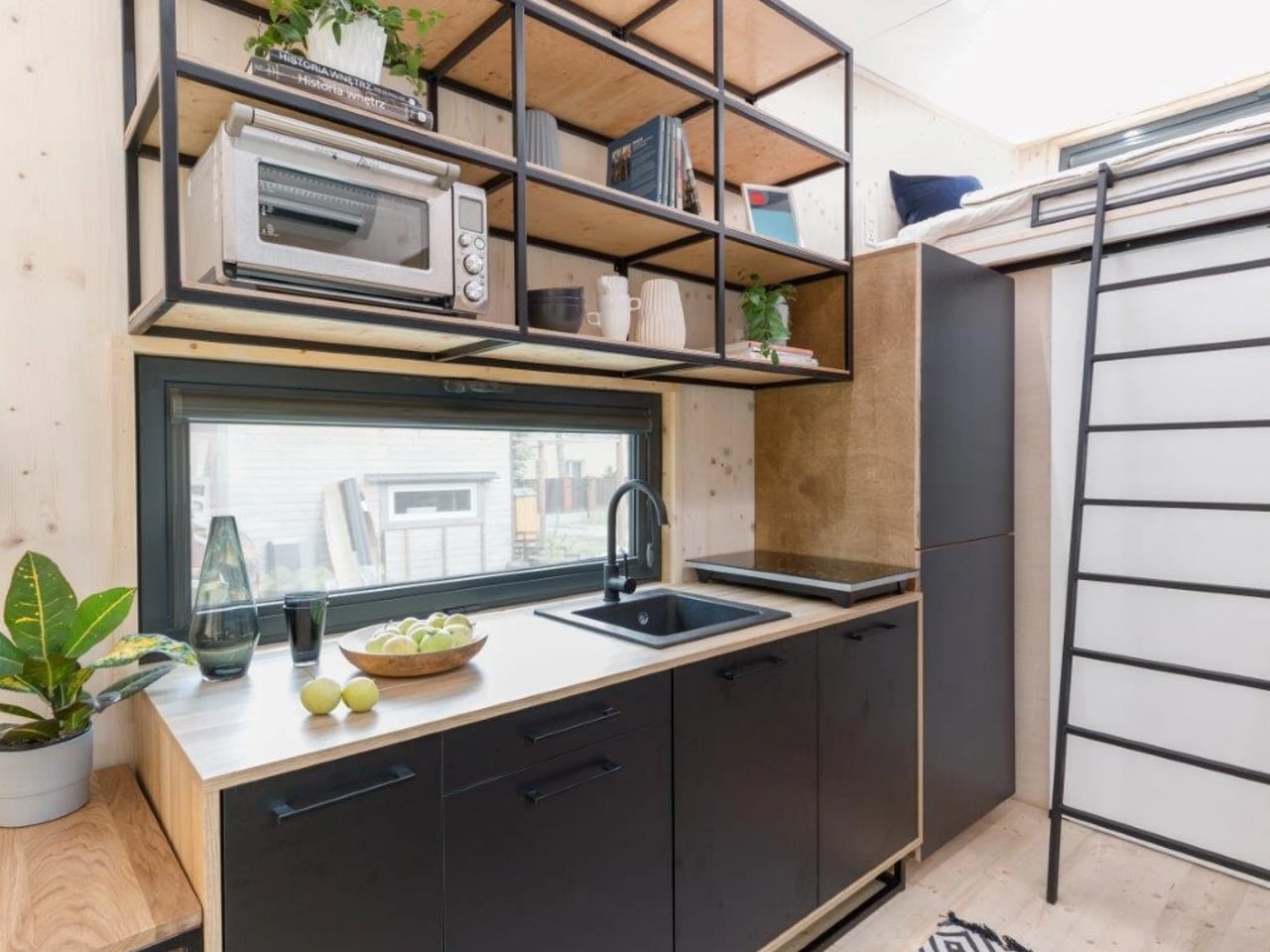
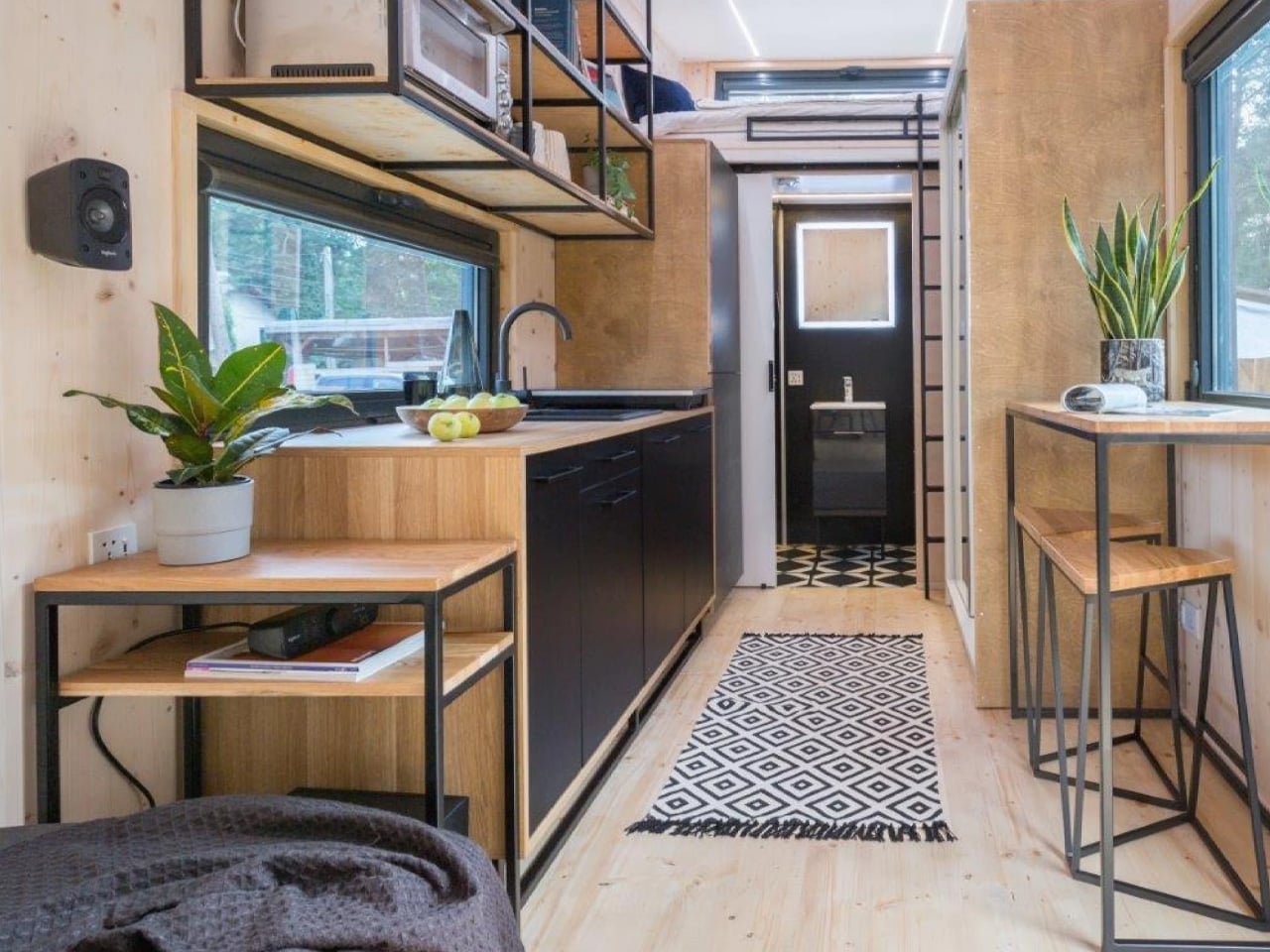
The interior layout revolves around a centrally positioned kitchen that serves as the home’s functional heart. This strategic placement maximizes efficiency while maintaining an open feel throughout the space. The kitchen comes fully equipped with an electric induction cooktop, a built-in sink, and both upper and lower cabinetry for storage. A built-in refrigerator ensures all essential appliances are included without cluttering the limited square footage.
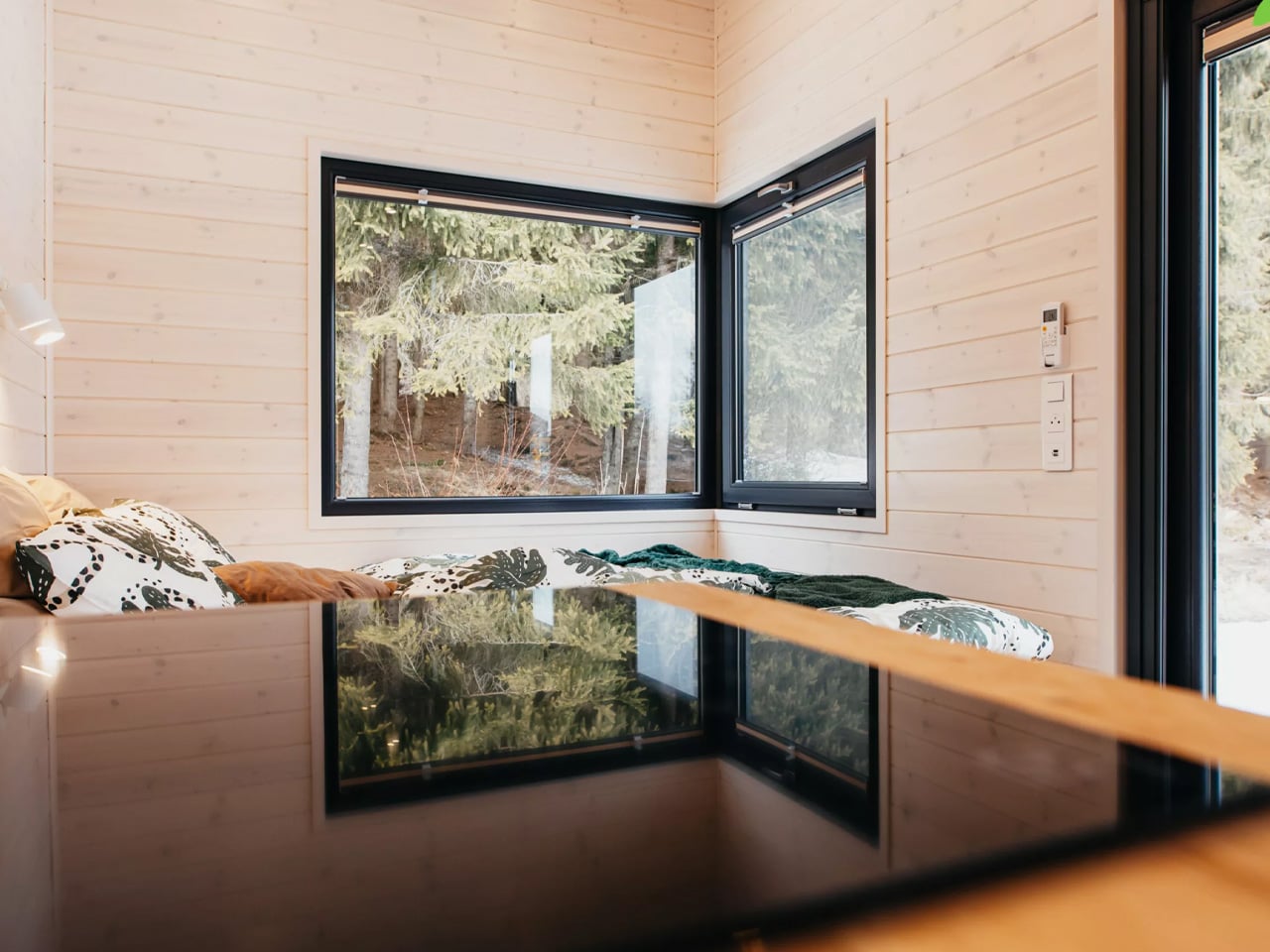
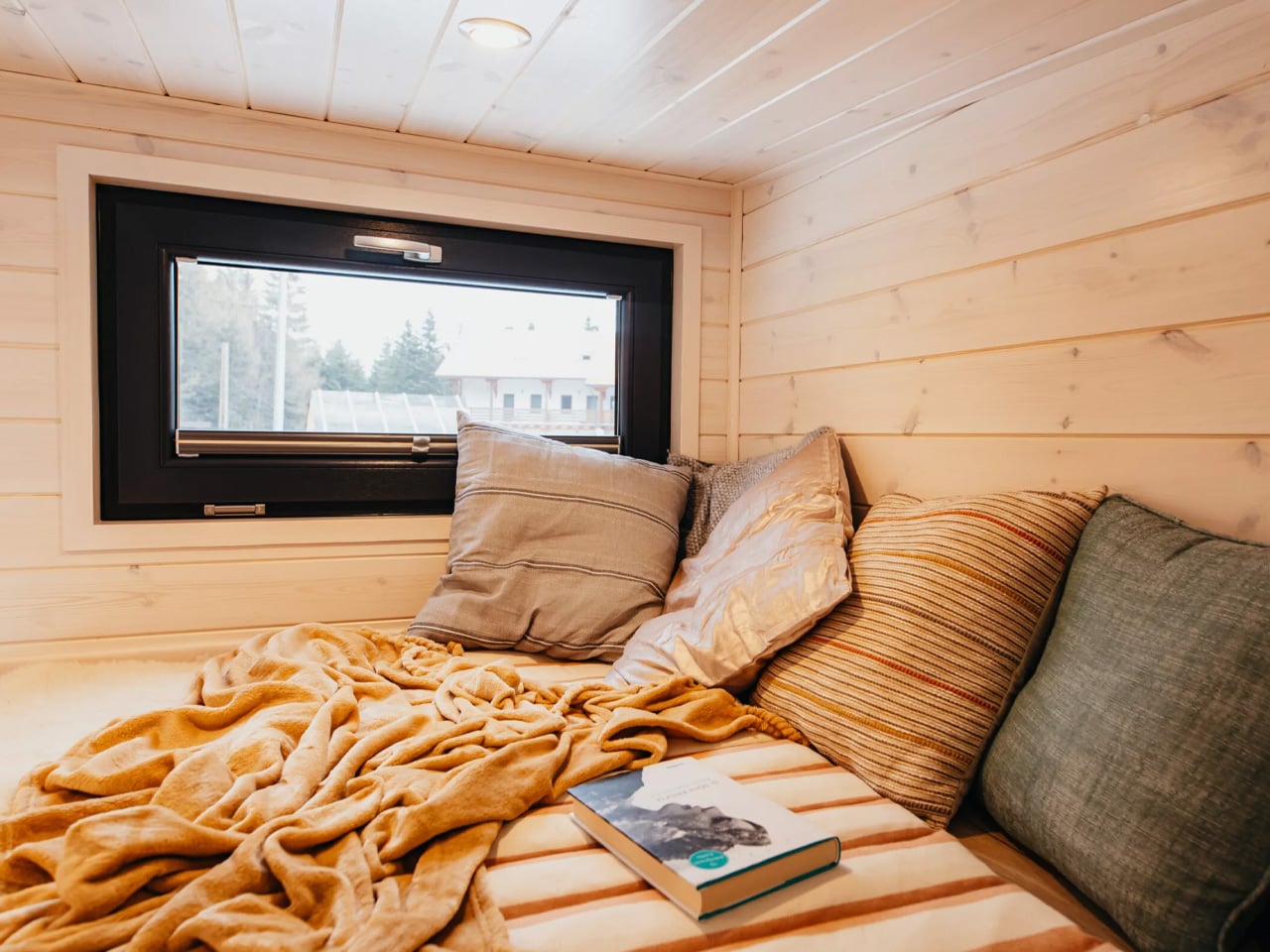
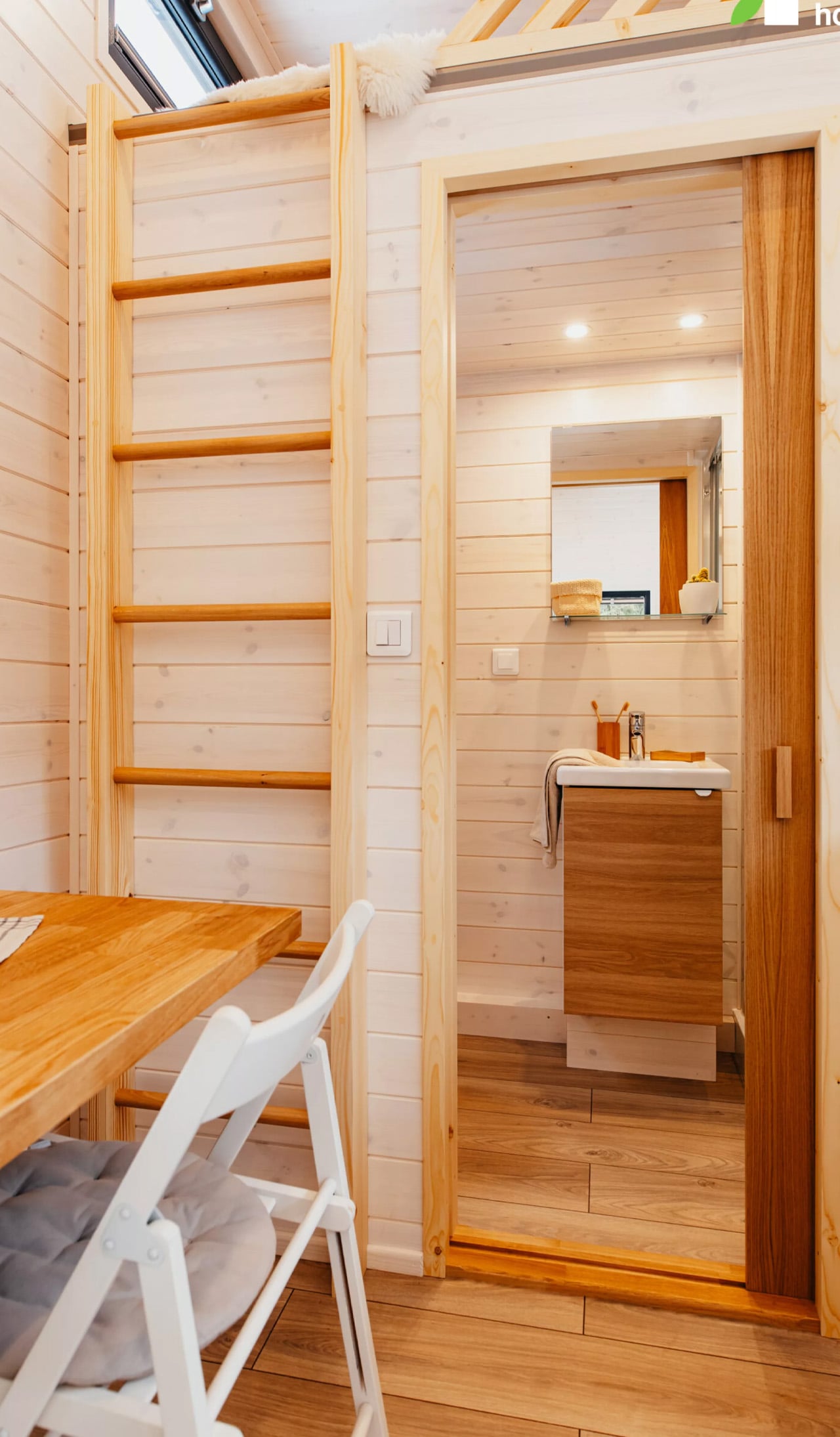
One of the Tiny Rubik’s most impressive features is its dual sleeping arrangement. The main bedroom occupies the ground floor, offering easy accessibility and convenience for everyday living. A loft bedroom sits above, protected by wooden railings and accessible via a ladder. When not needed for sleeping, this upper level transforms into a versatile reading nook or additional storage space, demonstrating the multifunctional approach necessary in compact living.
Climate control hasn’t been overlooked either. The Tiny Rubik includes a Samsung air conditioning unit, ensuring year-round comfort regardless of the season. For those seeking complete independence from traditional utilities, off-grid capabilities are available through optional solar panels and off-grid systems. An innovative storage box integrated into the trailer tongue provides additional space for outdoor gear or seasonal items.
Since its founding in 2017, Eco Tiny House has built a reputation for delivering beautiful, comfortable, and sustainable tiny homes to clients across Europe. The company was established by tiny house owners and enthusiasts who understand the practical needs and desires of the tiny living community. The Tiny Rubik starts at approximately 43,378 euros, positioning it as an accessible entry point for those ready to embrace minimalist living. This meticulously crafted dwelling represents more than just a place to sleep. It’s a lifestyle choice for eco-conscious individuals, adventurers seeking mobility without sacrificing comfort, and anyone looking to reduce their environmental footprint while maintaining quality of life. The Tiny Rubik proves that thoughtful design can create a fully functional home in even the most compact dimensions.
Japanese kitchen design operates on a philosophy that transcends mere functionality. Each tool embodies centuries of refinement, where form and purpose merge into something approaching meditation. The best Japanese kitchen gadgets don’t just perform tasks—they transform cooking from a chore into a ritual, from a necessity into a practice. These tools invite slowness, demand presence, and reward attention with results that feel effortless yet profound.
Western kitchens often accumulate gadgets that promise convenience but deliver clutter. Japanese design takes the opposite approach: fewer tools, greater intention, deeper satisfaction. The implements featured here represent that minimalist mastery, where every curve, every material choice, every weight distribution serves both practical and experiential goals. They make cooking feel less like a production and more like a meaningful participation, something zen.
1. Precision Chef Kitchen Scissors
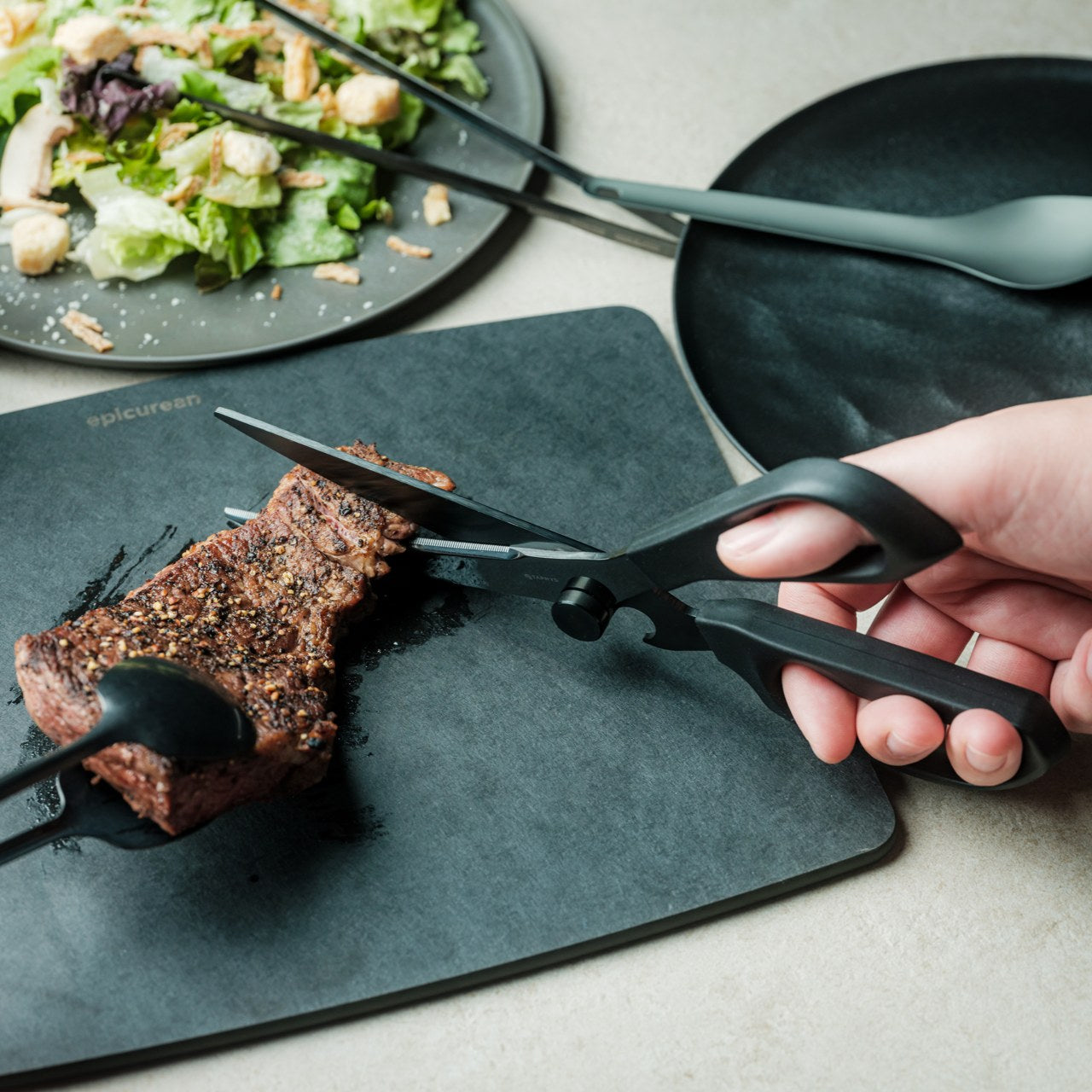
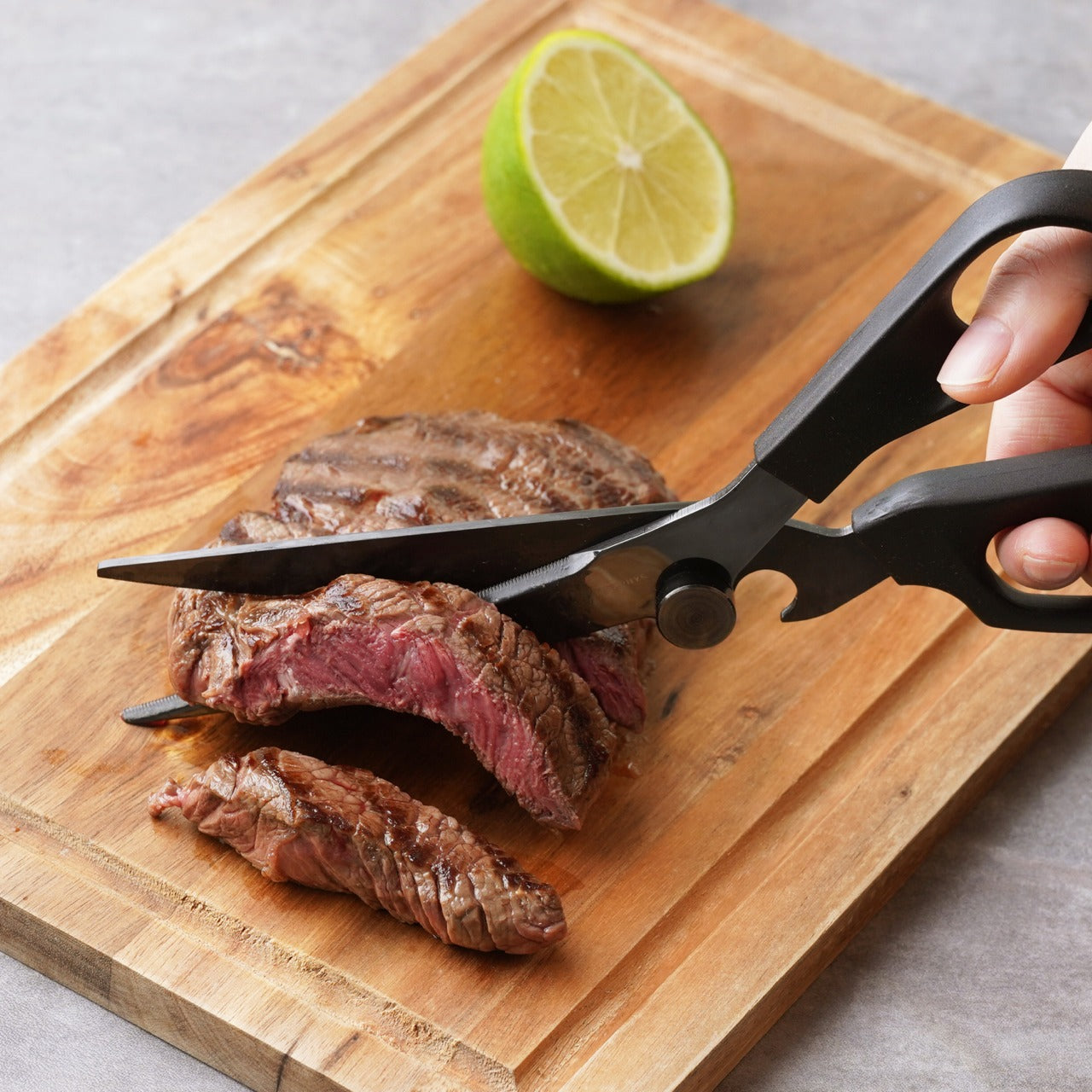
Most Western kitchens relegate scissors to the junk drawer, pulling them out occasionally for packaging or emergency herb trimming. The Precision Chef Kitchen Scissors rewrite that relationship entirely, becoming the primary tool you reach for before your knife even enters consideration. Specially engineered curved serrated blades slice through meat, vegetables, pizza, and herbs with startling ease, while the oxidation coloring creates a commanding black finish that resists deterioration. The ergonomic design includes a crucial detail: when laid flat, the blades hover above the surface, preserving both sharpness and sanitation between uses.
The genuine versatility transforms these scissors from a specialty item into a drawer consolidation. Butchering chicken becomes faster than knife work, requiring fewer cuts and less cleanup. Trimming fat, portioning pizza, opening stubborn packages, and detailed vegetable prep—the Precision Chef handles everything with authority. The curved serrated design grips slippery meats and fibrous vegetables that regular scissors struggle to control. The substantial build inspires confidence for heavy-duty tasks while maintaining precision for delicate work. For anyone seeking to simplify their kitchen, these scissors genuinely replace multiple knives, kitchen shears, herb scissors, and pizza cutters in one elegant package.
The curved serrated blades provide a superior grip on ingredients that slip away from standard scissors
The oxidation black finish resists fading and adds visual drama to your knife block
Blades that don’t touch surfaces when flat maintain sharpness longer and improve hygiene
The consolidation factor genuinely reduces drawer clutter without sacrificing capability
What We Dislike
The specialized blade design might require adjustment if you’re accustomed to traditional kitchen shears
The substantial build, while confidence-inspiring, adds weight that some users might find tiring during extended prep sessions
2. Smart Tea Pot
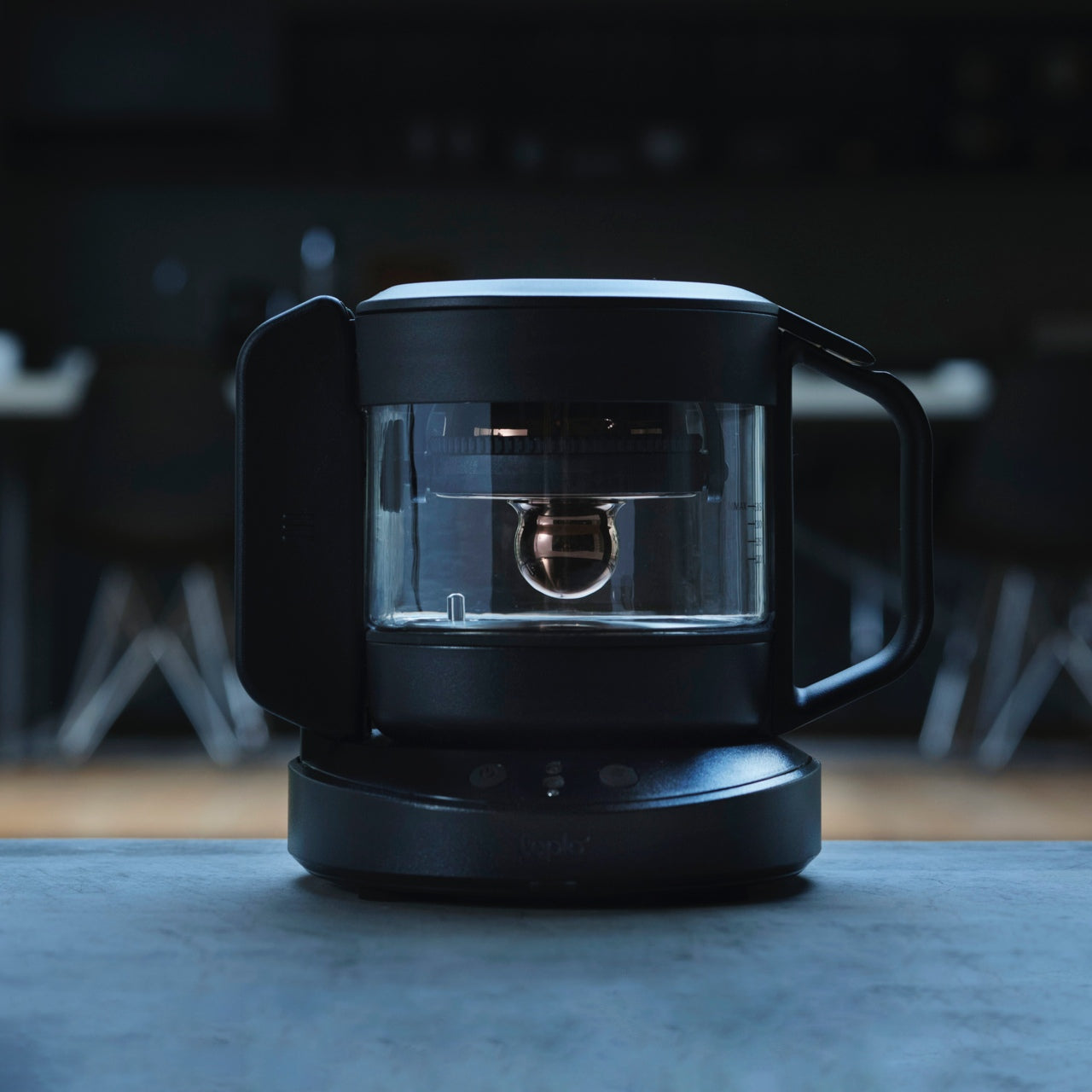
Tea preparation in Japanese culture approaches a ceremony, where temperature, timing, and intention determine whether you’re drinking hot leaf water or experiencing something transcendent. This revolutionary smart teapot brings that tea master precision into everyday practice through app-connected brewing technology. Six advanced sensors analyze your heart rate, finger temperature, and environmental conditions to tailor each brew to your current physical and emotional state. The comprehensive tea database stores optimal brewing conditions for everything from delicate white teas to robust pu-erh, ensuring authentic flavor and aroma without guesswork or timer-watching.
The personalized brewing system transforms tea from a beverage into a responsive ritual. Morning green tea brews differently from evening chamomile, not just in temperature and steeping time, but calibrated to your biometric data in that specific moment. The intuitive app interface removes the interruption of manual monitoring, letting you remain present rather than anxiously checking the clock. The technology doesn’t complicate the tea experience—it removes complications, creating space for the meditative aspects of tea preparation to emerge. This teapot understands that perfect tea isn’t about following rigid recipes but responding to the infinite variables of human experience and environmental context.
Biometric sensors create genuinely personalized tea experiences that respond to your current state
The comprehensive tea database eliminates guesswork for unfamiliar varieties
App connectivity provides consistency without requiring constant monitoring
The technology enhances rather than interrupts the meditative tea ritual
What We Dislike
The learning curve for app features might frustrate users seeking immediate simplicity
The reliance on technology introduces failure points that traditional teapots avoid entirely
3. Plate Grater
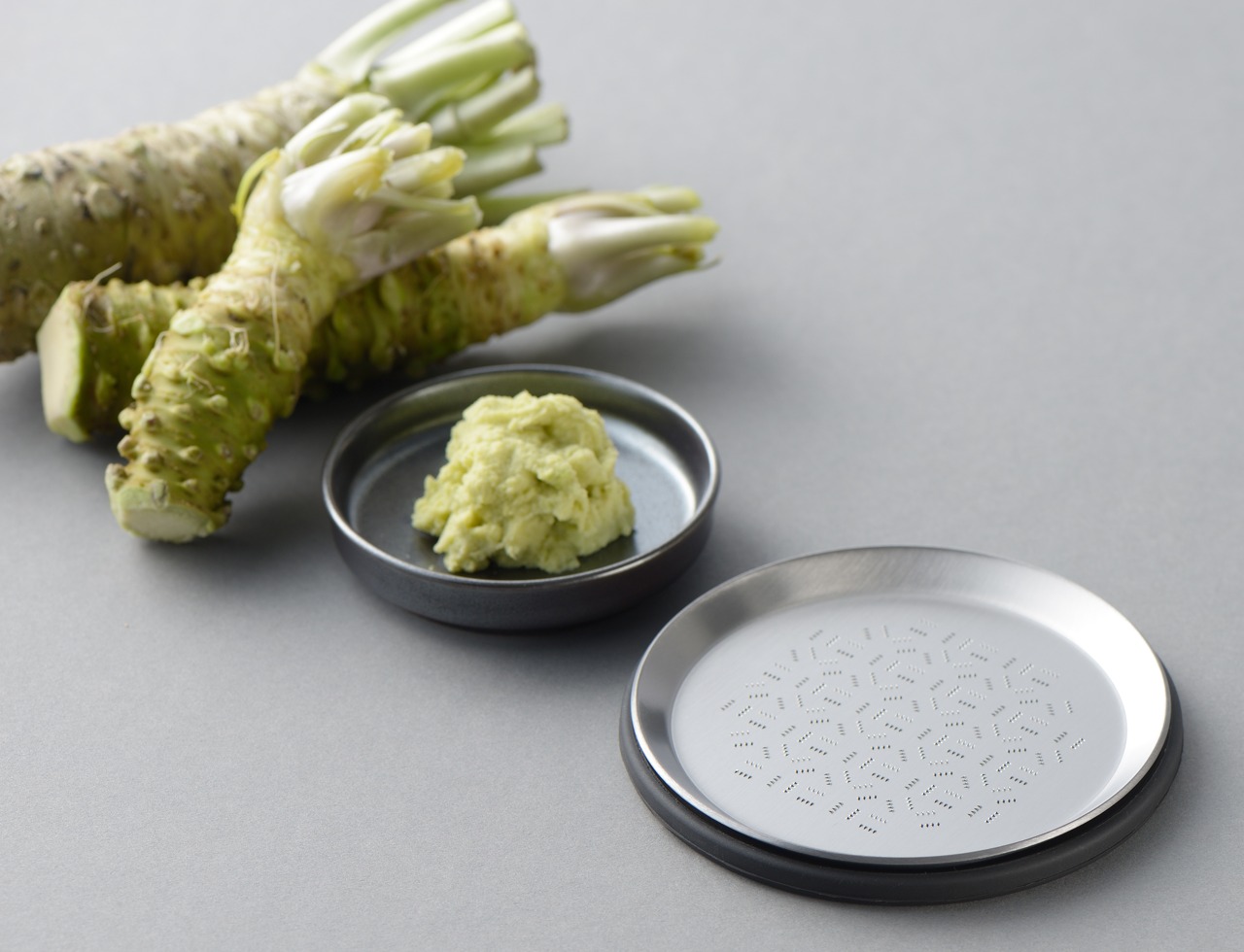
Wasabi, daikon, ginger—certain ingredients demand fresh preparation at the moment of serving, not hours before, when flavor and aroma peak. This round plate grater brings tableside garnish preparation from restaurant kitchens into home dining through elegant simplicity. The circular grating motion feels therapeutic rather than tedious, creating a mindful pause between cooking and eating. Crafted from durable stainless steel with an anti-slip silicone base that doubles as a protective cover, the thin and lightweight design stores easily without occupying precious drawer real estate.
The tableside preparation transforms garnishes from afterthought into engagement. Grating fresh wasabi for sashimi, daikon for tempura, and ginger for grilled fish—the circular motion becomes part of the dining ritual rather than prep work to rush through. The compact round design fits naturally at the table without commanding excessive space or attention. The anti-slip base provides stability during use and protection during storage. The therapeutic circular grating motion offers a moment of presence between cooking and consumption, a brief meditative pause that enhances appreciation for what follows. This grater makes fresh garnish preparation so effortless and pleasant that you’ll find reasons to grate things you previously bought pre-processed.
The circular grating motion creates a genuinely therapeutic preparation experience
The compact round design fits naturally at dining tables without crowding
The dual-purpose silicone base prevents slipping during use and protects during storage
Fresh garnish preparation becomes a ritual rather than a chore
What We Dislike
The round plate design limits the types of ingredients that can be effectively grated
The compact size, while space-efficient, means slower processing for larger quantities
4. Iron Frying Plate
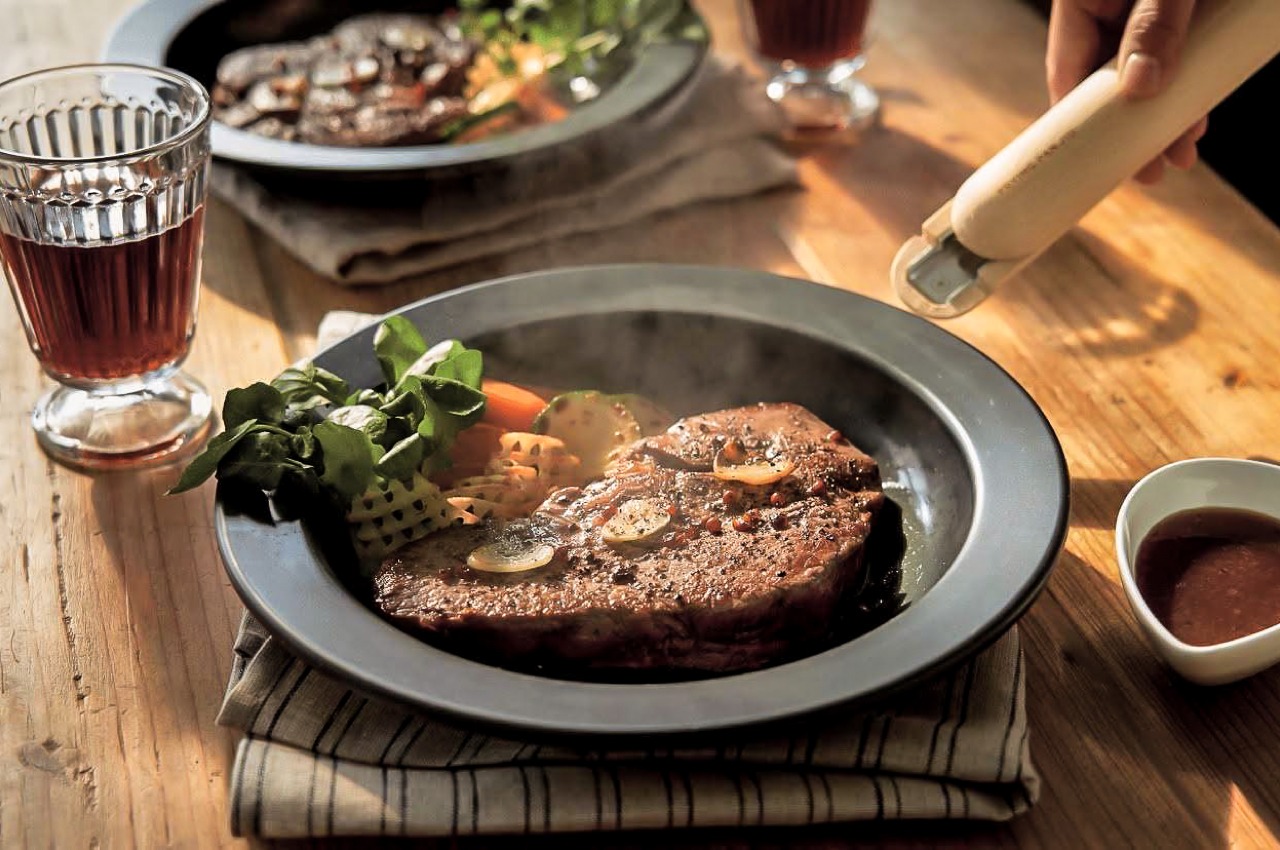
Western dining creates an artificial separation between cooking vessel and serving dish, transferring food from pan to plate in a ritual that cools ingredients and adds cleanup steps. The JIU Iron Frying Plate eliminates that middleman—the frying pan is your plate, the plate is your frying pan, collapsing cooking and eating into a seamless experience. Crafted from rust-resistant mill scale steel with a detachable wooden handle, this cookware brings out superior flavors and textures while reducing the barriers between preparation and enjoyment. The uncoated surface comes ready to use immediately, requiring no seasoning or special preparation rituals.
The boundary-blurring design creates intimacy with your food that standard plating disrupts. Eggs sizzle on your breakfast table, fish arrives still crackling from the heat, and vegetables steam visibly as you lift fork to mouth. The immediacy preserves temperature, texture, and visual drama that dissipate during transfers. The detachable wooden handle attaches and releases with one hand, transforming cookware into serveware in seconds. The rust-resistant and stick-resistant mill scale steel develops natural non-stick properties through use without chemical coatings. The design invites slower, more attentive eating—you’re not rushing through a cooled plate but pacing yourself with a vessel that retains heat and presence throughout the meal.
The cook-and-serve design preserves temperature and texture better than transferred plating
The one-handed handle attachment provides seamless transitions from stove to table
The uncoated mill scale steel requires no seasoning and develops natural non-stick properties
The retained heat encourages a slower, more mindful eating pace
What We Dislike
The hot serving surface requires careful handling and might not suit households with young children
The iron construction adds weight compared to standard plates
5. Obsidian Black Mini Grip Tongs
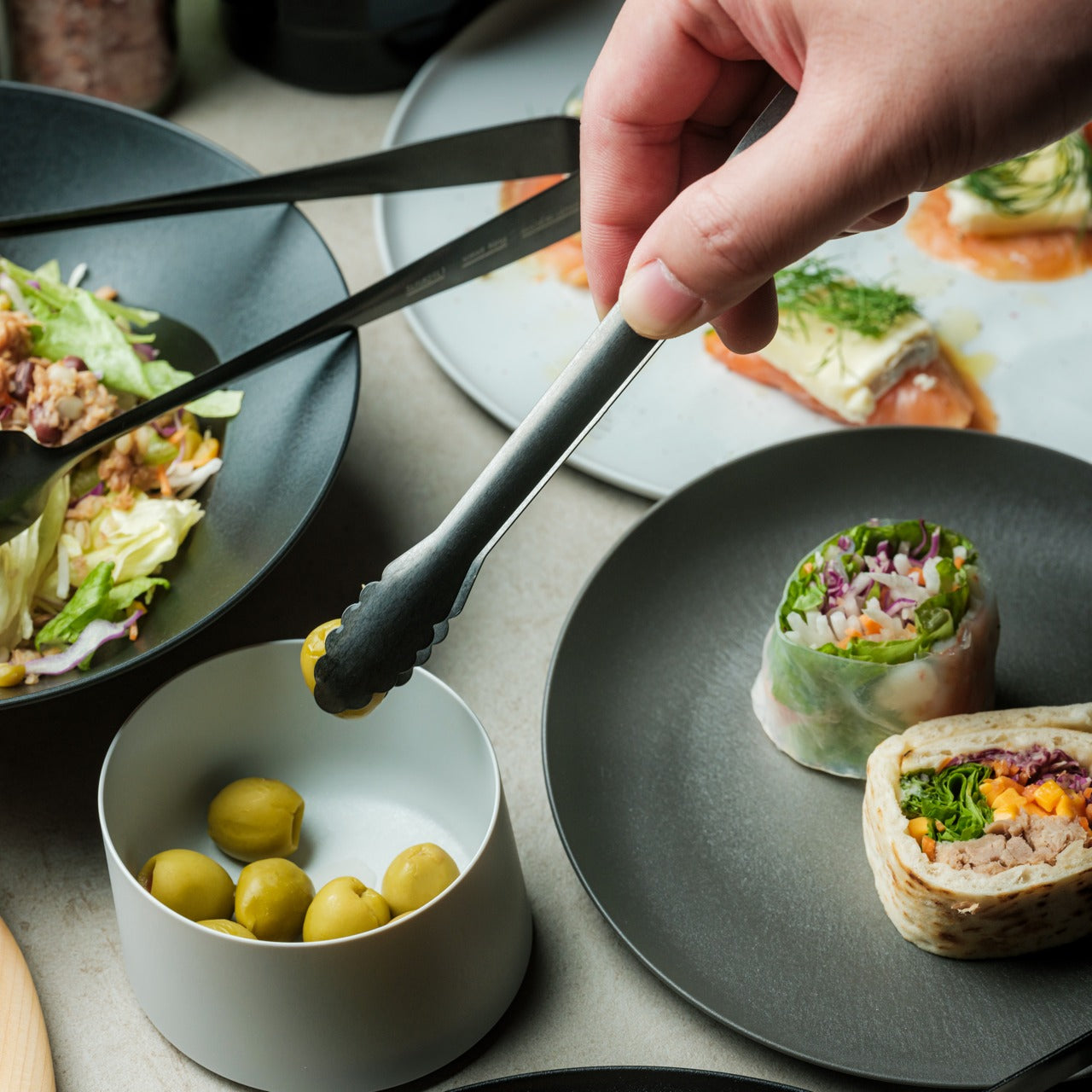
Precision suffers when tools don’t match the task scale. Standard tongs designed for flipping steaks and tossing salads become clumsy instruments when arranging delicate appetizers or plating intricate dishes. These Obsidian Black Mini Grip Tongs at 4.9″ or 7″ provide the precise control that detailed food work demands. Crafted from SUS821L1 stainless steel, offering twice the strength of standard SUS304, the design achieves exceptional durability in lightweight form. The dark oxidized finish creates a striking visual presence whether working in the kitchen or serving at the table.
The compact dimensions transform tasks that feel awkward with full-sized tongs into natural, comfortable movements. Arranging bite-sized hors d’oeuvres, distributing breakfast sausages, flipping delicate shrimp, plating garnishes—the smaller scale provides distance for hygiene while maintaining the dexterity to handle fragile ingredients. The doubled steel strength allows thinner construction without sacrificing durability, reducing hand fatigue during extended prep sessions. The corrosion resistance ensures longevity despite frequent exposure to acidic ingredients and moisture. The dark finish adds sophistication that bridges kitchen and dining contexts, looking equally appropriate during cooking and tableside service. These tongs fill the precision gap that standard kitchen tools overlook.
The compact size provides precise control for delicate ingredients and detailed plating
The doubled steel strength enables a lightweight design without compromising durability
The corrosion-resistant material withstands acidic ingredients and frequent washing
The dark finish transitions elegantly from kitchen work to tableside service
What We Dislike
The smaller size limits utility for larger ingredients or high-volume cooking tasks
The specialized nature means they supplement rather than replace standard-sized tongs
6. Hinoki Essence Cutting Board
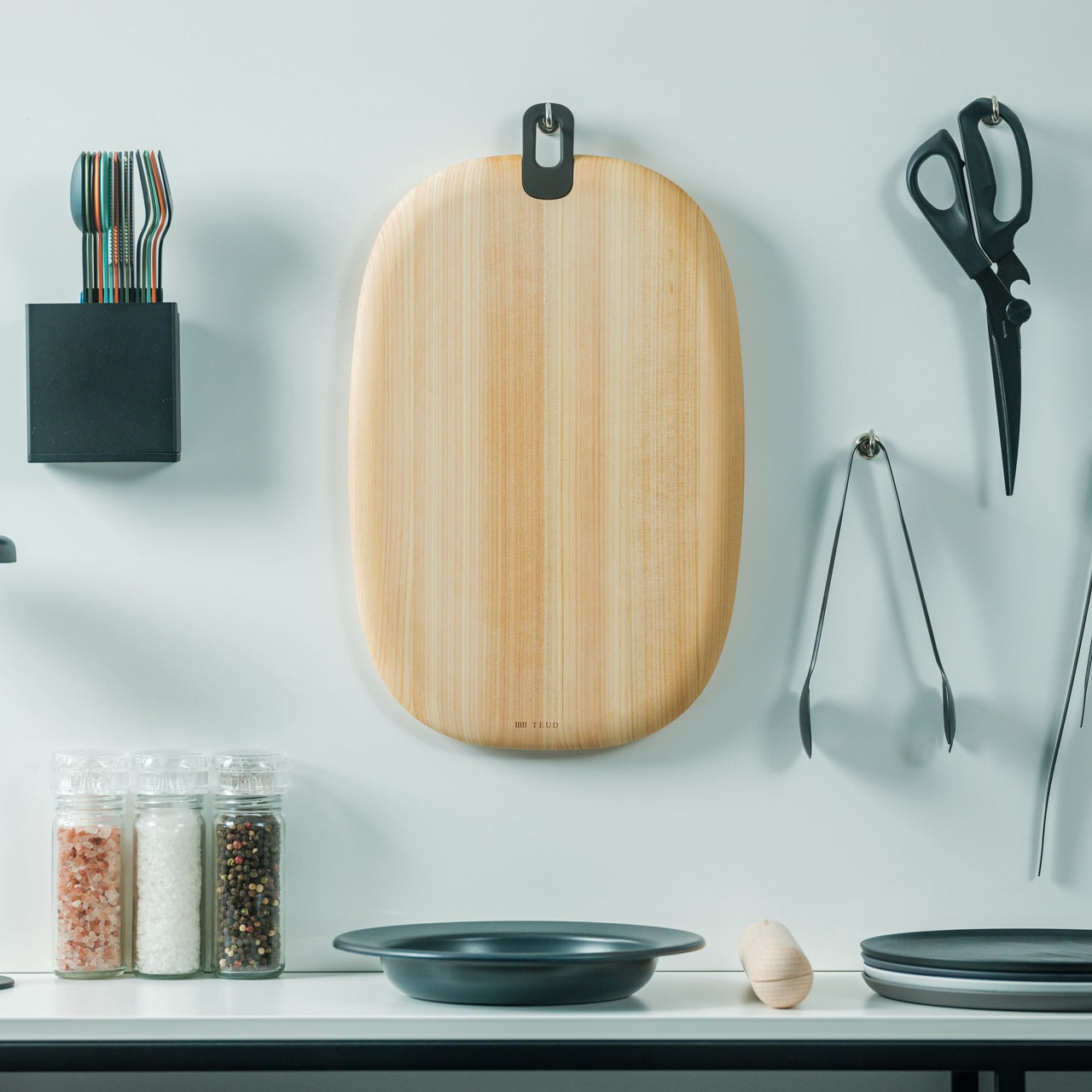
Cutting boards in Western kitchens lean toward two extremes: hard plastic that preserves knife edges but feels clinical, or soft wood that comforts hands but dulls blades. The Hinoki Essence Cutting Board achieves the balance that Japanese cypress is renowned for—medium hardness that offers resistance without damaging knives. The majestic hinoki wood naturally resists mold while the water-resistant silicone coating penetrates wood fibers to prevent damage. The gentle, rounded shapes and integrated handle provide both aesthetic grace and practical functionality for hanging and hygienic drying.
The cutting experience on hinoki transforms knife work from task into sensory practice. The wood provides satisfying feedback without the harsh impact of hard surfaces or the mushy give of soft materials. The natural aroma of cypress adds olfactory dimension to food preparation, creating an atmosphere that plastic and bamboo cannot replicate. The design revives traditional hinoki use in forms suited to modern lifestyles and aesthetic sensibilities. The integrated handle facilitates hanging storage that promotes air circulation and drying. The water-resistant treatment extends durability without coating the surface in synthetic films. The gentle curves blend naturally with contemporary kitchen interiors while honoring traditional Japanese woodworking aesthetics. This cutting board makes knife work feel intentional rather than mechanical.
The medium hardness protects knife edges while providing satisfying cutting feedback
The natural hinoki aroma adds sensory dimension to food preparation
The water-resistant silicone treatment penetrates fibers without a synthetic coating
The integrated handle enables hygienic hanging storage and natural drying
What We Dislike
The cypress wood requires more maintenance attention than plastic alternatives
The premium material commands a higher price compared to standard cutting boards
7. Precision Ceramic Sashimi Knife
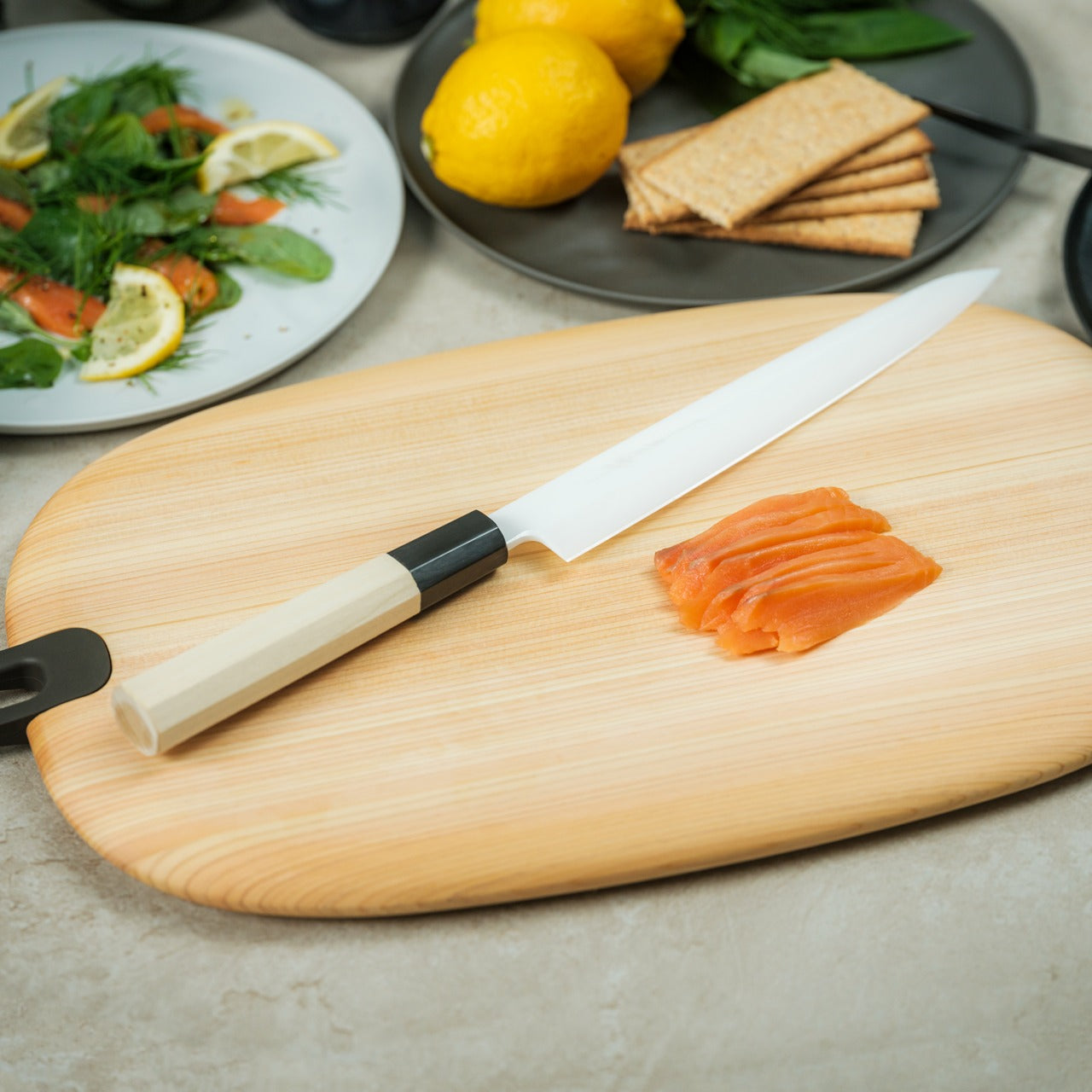
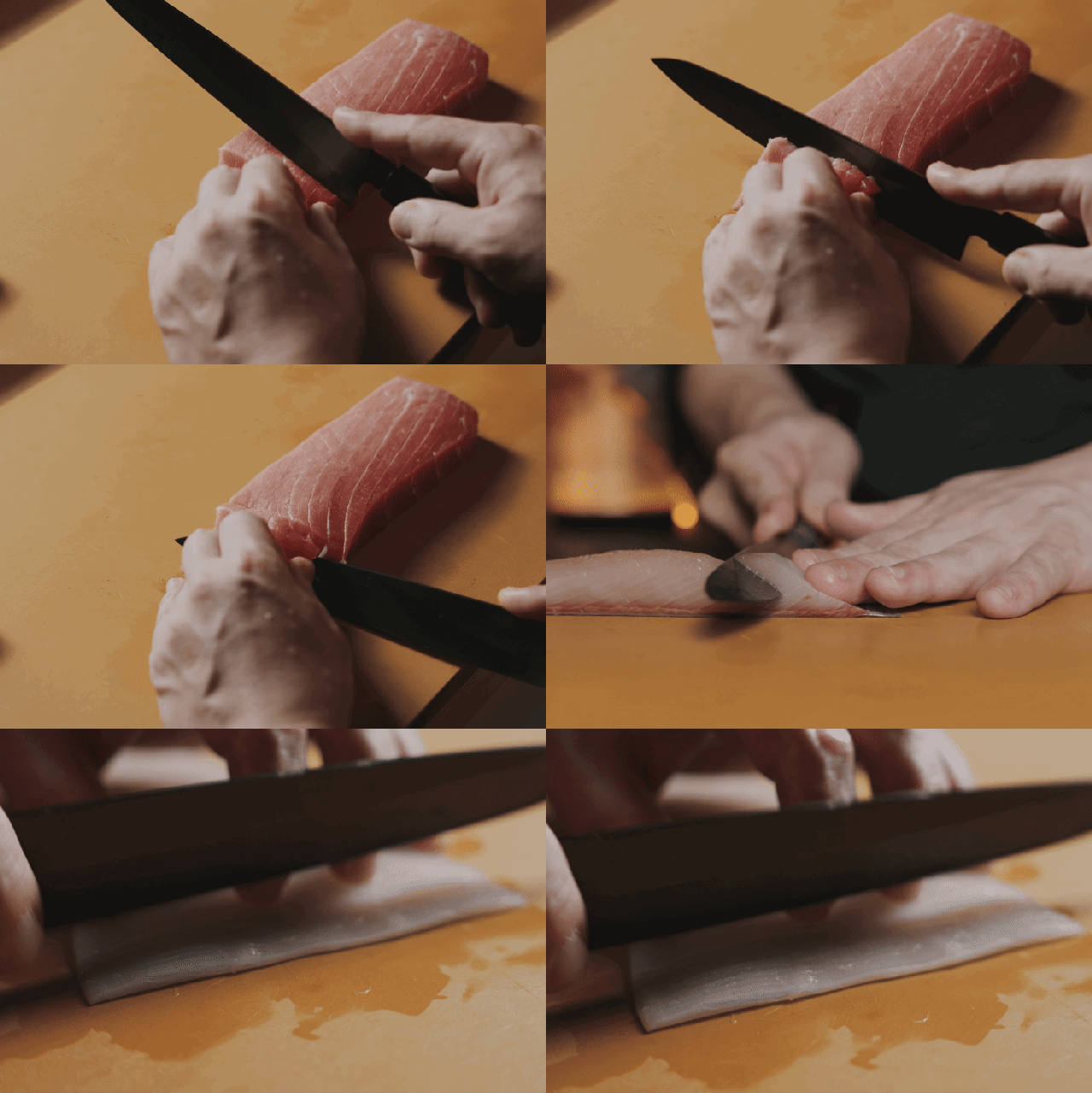
Raw fish demands knife performance that metal blades, for all their centuries of refinement, struggle to deliver. The Precision Ceramic Sashimi Knife represents the convergence of Japanese craftsmanship and advanced material science, creating a blade twice as hard as stainless steel with sharpness lasting 200 times longer than conventional edges. The single-bevel design emulates the classic yanagiba with a concave back, reducing friction for effortless, drag-free cuts. The lightweight ceramic construction enables extended use without hand fatigue, while the advanced material requires minimal maintenance and virtually eliminates sharpening routines.
The cutting experience transforms sashimi preparation from a technical challenge into a flowing motion. The exceptional sharpness preserves delicate fish texture and cell structure that duller blades tear and compress. The friction-reducing concave back allows the blade to glide through ingredients with minimal resistance and maximum control. The lightweight design enables the precise, continuous strokes that proper sashimi cutting requires without the arm fatigue that metal blades produce. The ceramic material doesn’t impart metallic taste or oxidation to delicate seafood. The longevity of the edge means consistent performance over years rather than gradual degradation between sharpenings. This knife allows home cooks to achieve the finesse of expert sushi chefs, creating visually stunning and flavorful dishes that honor the ingredient.
The ceramic material maintains sharpness 200 times longer than conventional steel blades
The single-bevel design with concave back enables effortless, drag-free cuts
The lightweight construction reduces hand fatigue during extended preparation
The non-reactive material prevents metallic taste transfer to delicate seafood
What We Dislike
The ceramic blade, while exceptionally hard, is more brittle than steel and requires careful handling
The specialized design focuses on sashimi and delicate work rather than general-purpose cutting
8. Supreme Daikon Radish Grater
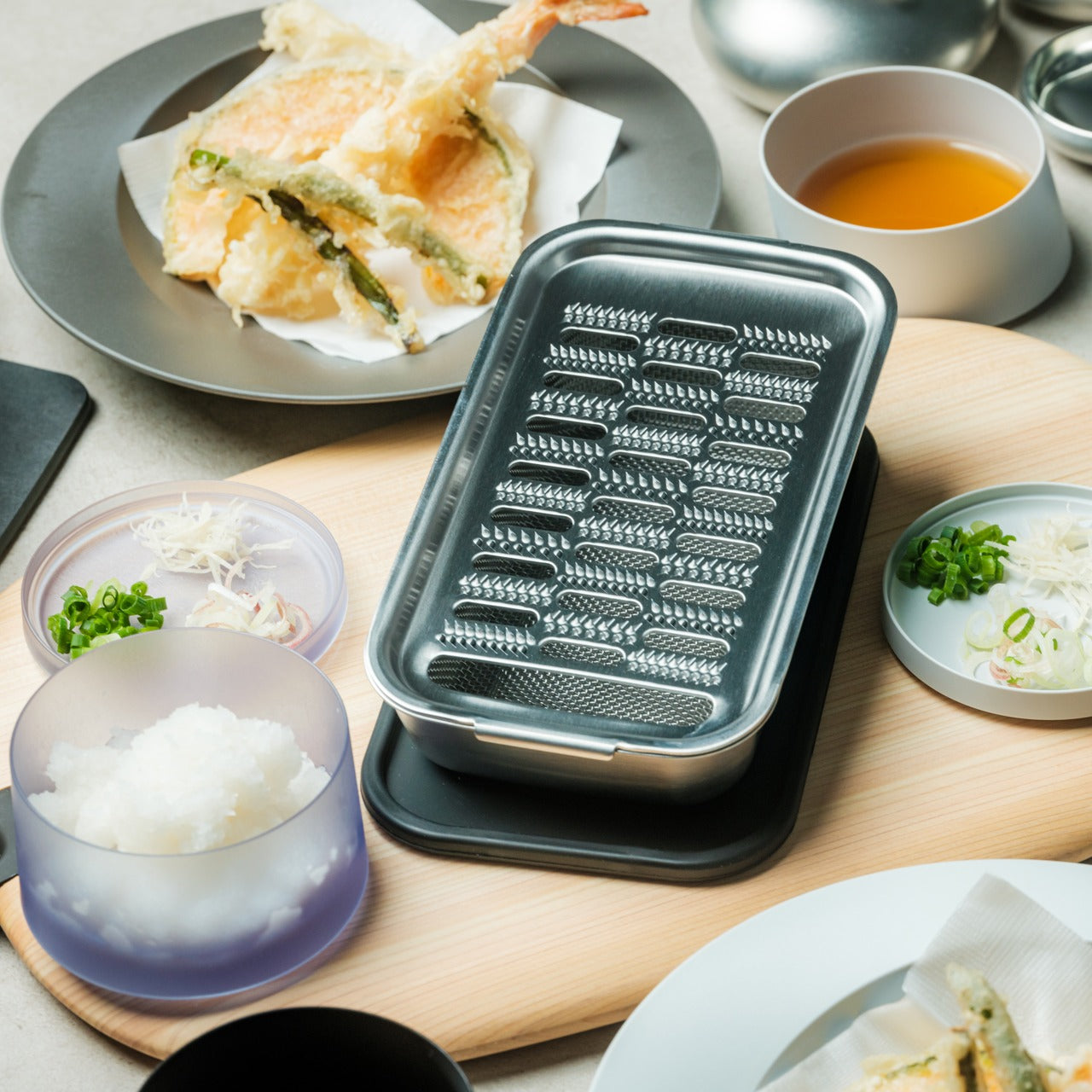
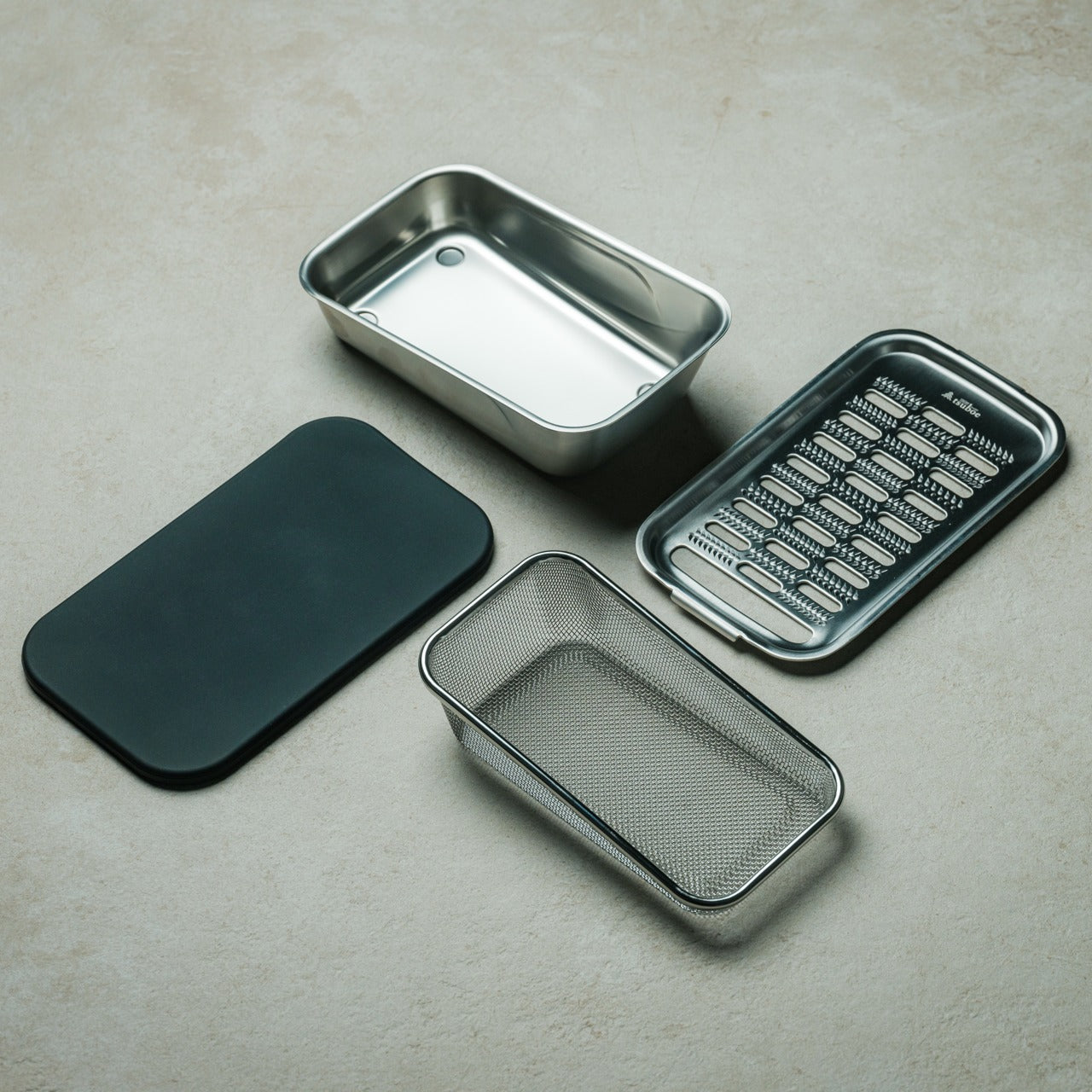
Grating might seem like straightforward physics—sharp protrusions shredding softer materials—but Japanese craftsmanship reveals the profound difference between merely reducing ingredients and properly transforming them. The Supreme Daikon Radish Grater features traditional Hon-Meguri diagonal sharp blades individually carved by skilled artisans using sharp chisels. The innovative Quattro blade pattern, arranged in four directions, reduces slipping and provides stable, stress-free grating. The thick stainless steel construction combines exceptional durability with ease of maintenance, while the finely honed blades grate without tearing fibers, producing a smooth and fluffy texture perfect for gourmet presentations.
The grating experience reveals why Japanese artisans dedicate careers to perfecting such seemingly simple tools. The Hon-Meguri technique creates exceptionally sharp and durable blades that outlast stamped alternatives by years. The Quattro blade arrangement provides consistent performance regardless of grating direction, eliminating the frustration of ingredients slipping across ineffective zones. The careful blade geometry shears cleanly through ingredient fibers rather than tearing them, preserving moisture and creating the light, fluffy texture that properly grated daikon demands. The thick stainless steel construction provides rigidity that cheaper graters lack, ensuring consistent blade exposure and pressure. This grater makes the difference between grated daikon that weeps liquid and turns mushy versus the cloud-like mounds that Japanese restaurants achieve.
The traditional Hon-Meguri technique creates exceptionally sharp and durable hand-carved blades
The Quattro blade pattern provides stable performance in all grating directions
The finely honed blades shear cleanly without tearing fibers for superior texture
The thick stainless steel construction ensures durability and rigidity
What We Dislike
The artisan craftsmanship commands premium pricing compared to stamped graters
The specialized design focuses on daikon and similar ingredients rather than general-purpose grating
Finding Zen Through Better Tools
Japanese kitchen tools don’t promise to save time or eliminate effort—they promise to make that time and effort worthwhile. Each implement featured here transforms mundane cooking tasks into opportunities for presence, precision, and satisfaction. The scissors that replace multiple tools, the teapot that responds to your biometric state, the cutting board that breathes cypress aroma into your prep work—these aren’t conveniences but invitations to slow down and pay attention.
The zen of cooking emerges not from rushing through tasks but from tools that reward attention with superior results. These Japanese gadgets and tools create that space, that possibility, that invitation. They ask you to notice the therapeutic circular motion of tableside grating, the satisfying feedback of knife meeting hinoki, the visual drama of food served directly from the cooking vessel. They transform kitchen work from something to finish quickly into something worth experiencing fully, where the cooking becomes as nourishing as the eating.
Spring camping season is approaching faster than you think, and this year’s gear is already creating buzz among outdoor enthusiasts. The designs hitting the market right now represent a significant leap from the bulky, single-purpose equipment that’s dominated camping for decades. These innovations combine smart solar technology, modular systems, and compact engineering to transform how we experience the outdoors.
Smart campers know the best gear disappears quickly once warm weather arrives. The products on this list have already garnered design awards, enthusiastic early reviews, and waitlists that keep growing. Whether you’re a weekend warrior or a serious backcountry explorer, these ten camping gadgets deserve a spot in your pack before they sell out for the season.
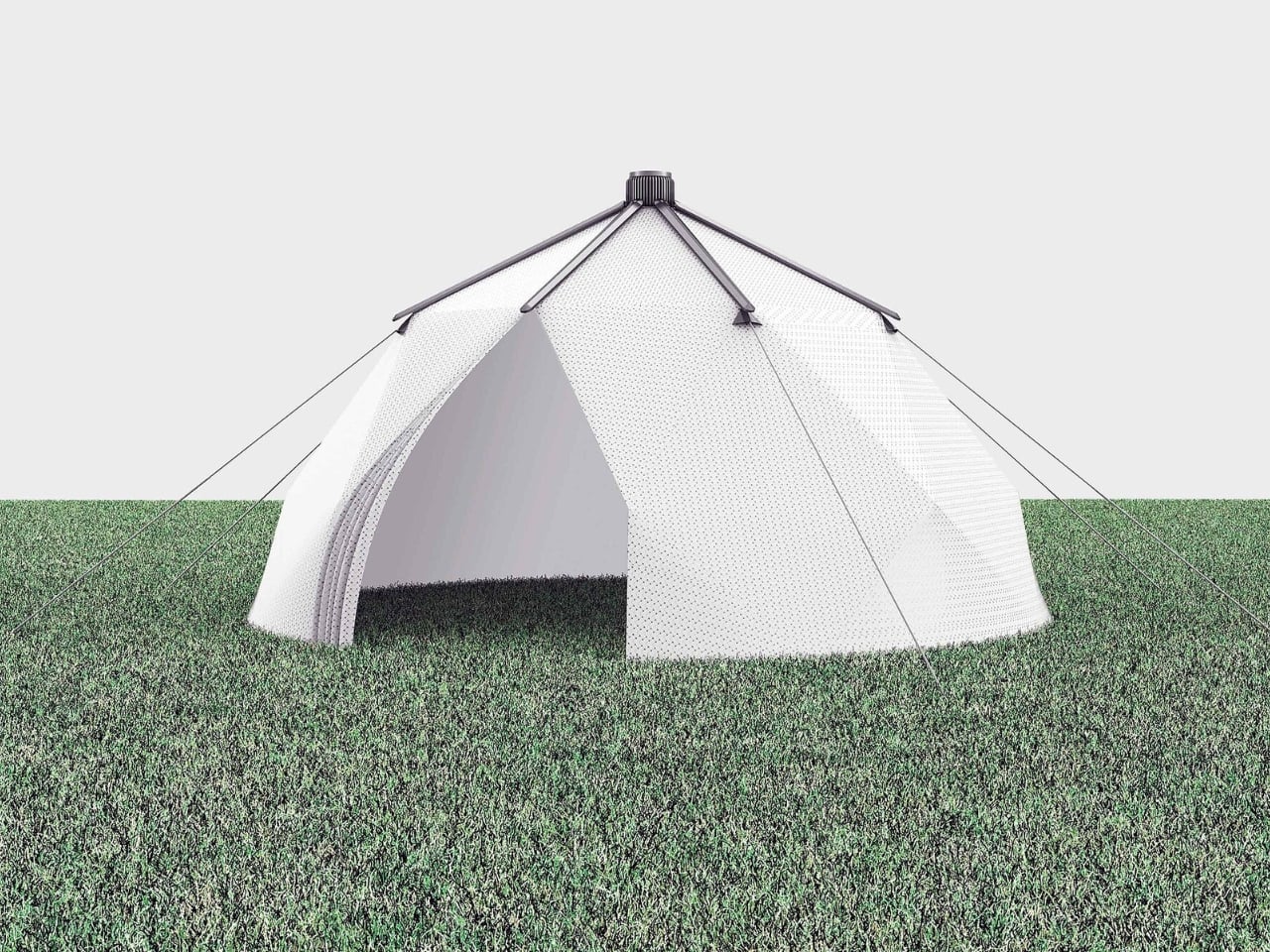
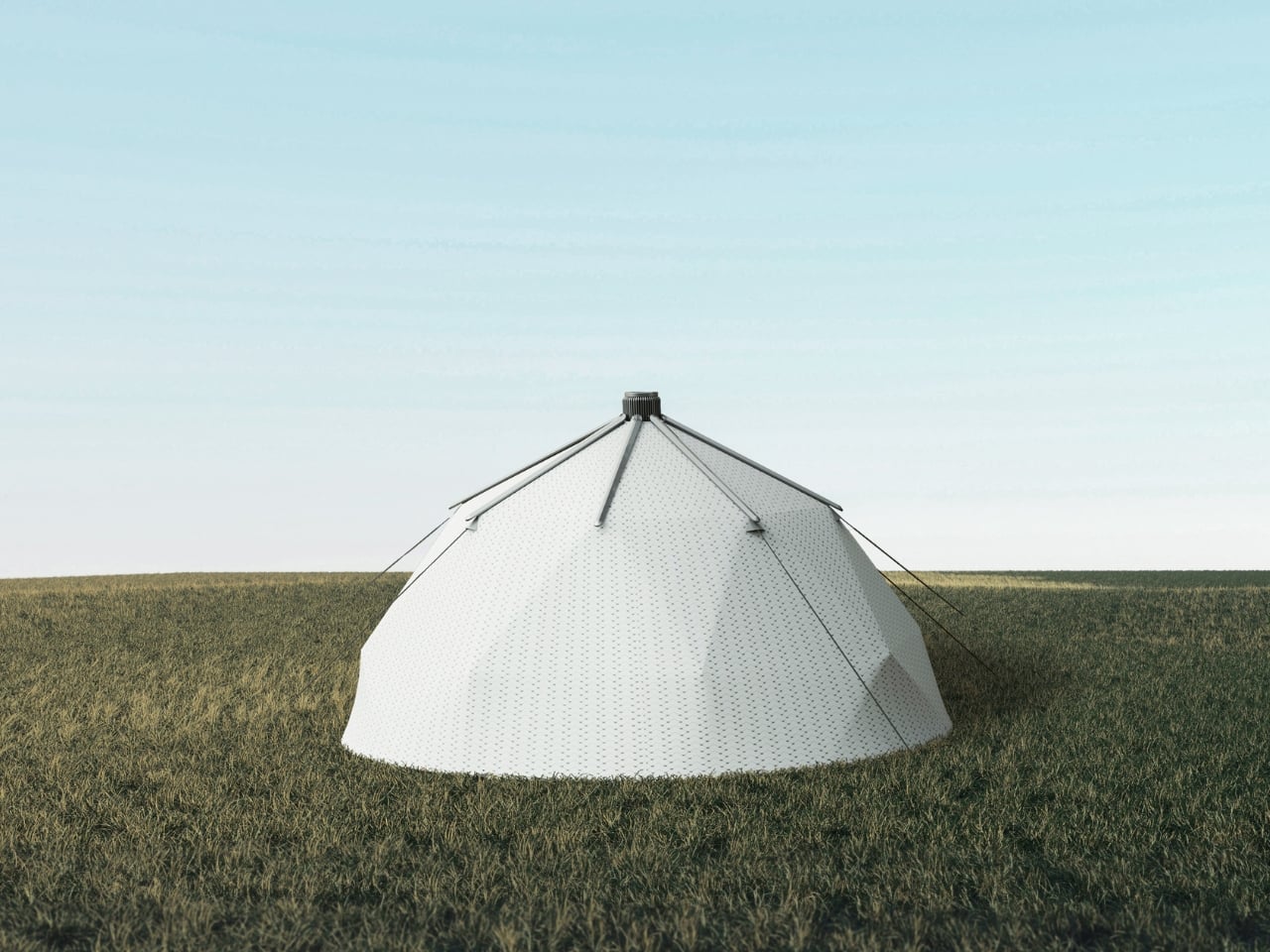
1. Solar-Powered AC Camping Tent
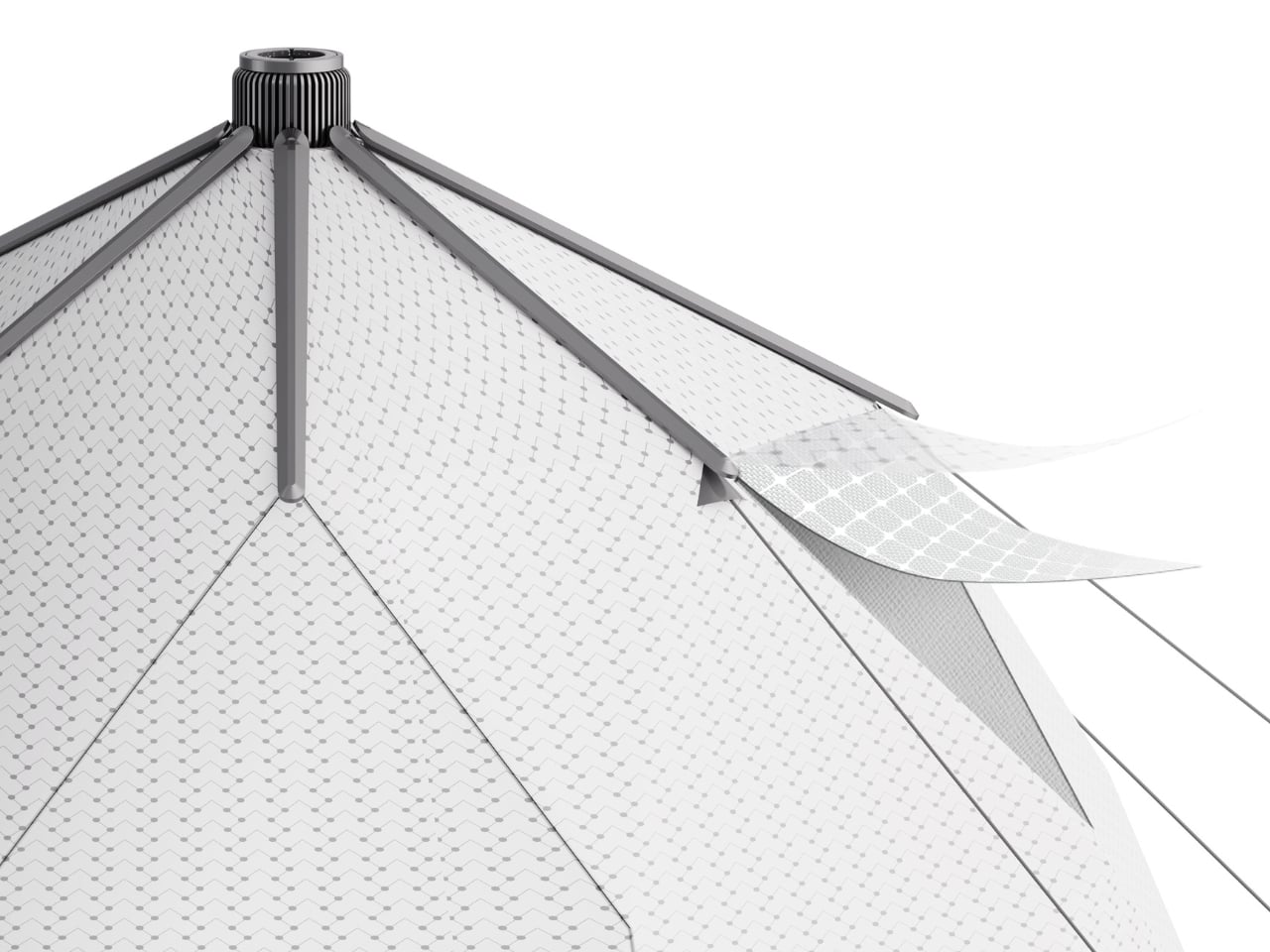
Sleeping comfortably in summer heat has always been camping’s greatest challenge. Traditional tents trap warmth, turning your shelter into a sweatbox by mid-morning. This Red Dot Design Award-winning tent tackles that problem through integrated solar technology that powers a built-in air conditioning system. Designers Zhong Xu, Li Baoyu, Pan Yiyuan, and Li Xueyan created something genuinely innovative by embedding power generation directly into the tent’s composite tarpaulin fabric.
The system works seamlessly because the tent material itself becomes your power source. While you sleep or explore during daylight hours, the fabric collects solar energy that feeds the cooling system. This integrated approach eliminates the need for separate panels, external batteries, or noisy generators. The tent maintains consistent temperatures without compromising portability or setup simplicity, making summer camping actually enjoyable rather than an endurance test.
What We Like
The composite fabric simultaneously protects from the weather while generating power for climate control.
The award-winning design demonstrates that innovative engineering can address camping’s most persistent comfort issues.
What We Dislike
Pricing details remain unclear as the product moves from concept to market availability.
The integrated technology likely means repairs require specialized service rather than simple patch kits.
2. RetroWave 7-in-1 Radio
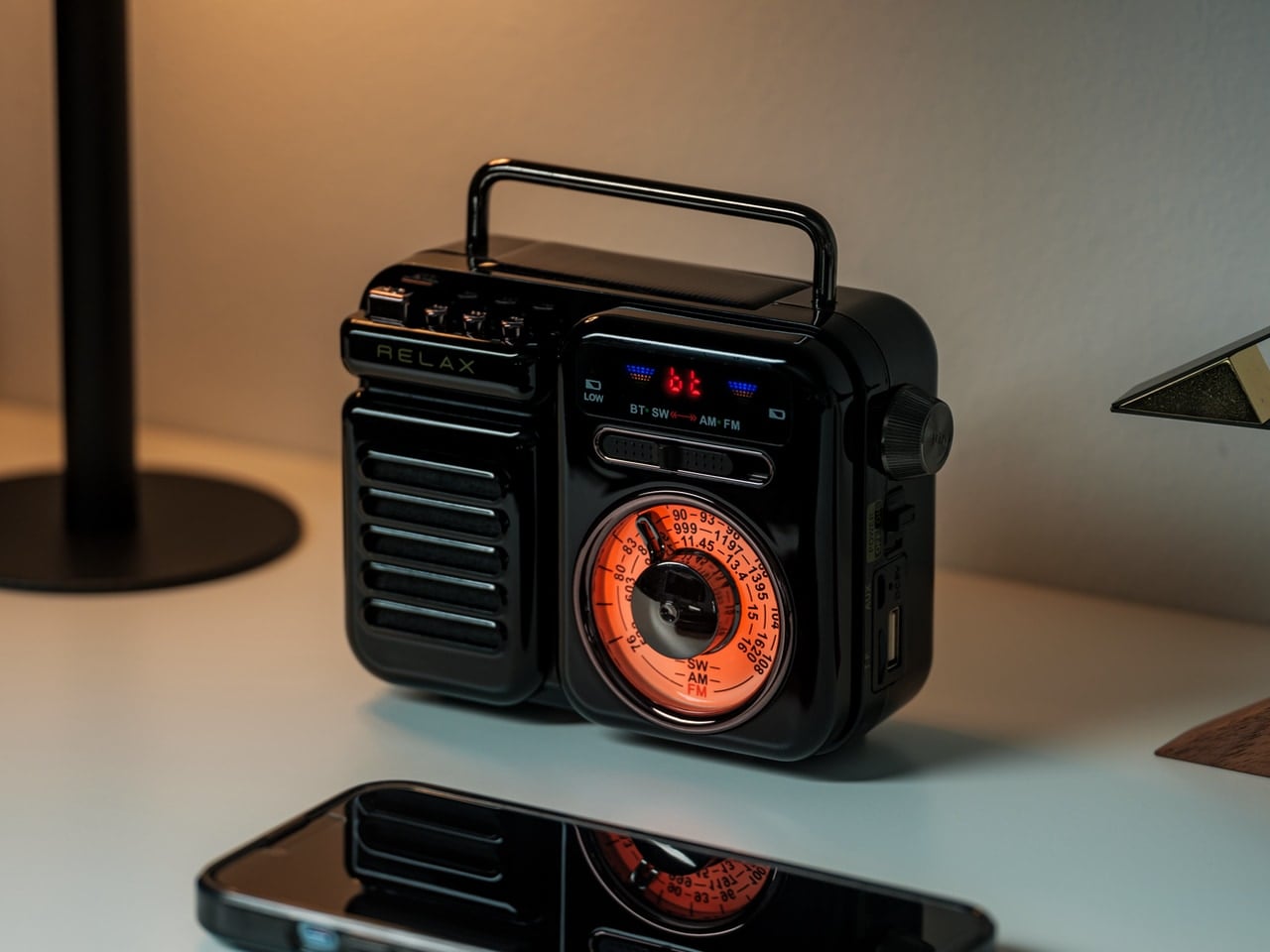
Emergency preparedness meets vintage aesthetics in this multifunctional device that refuses to be just one thing. The RetroWave combines AM, FM, and shortwave radio reception with Bluetooth streaming, creating a bridge between analog reliability and modern connectivity. Its Japanese-inspired design features a tactile tuning dial that feels satisfying to use, while the compact build ensures it fits easily into camping gear or emergency kits.
Beyond entertainment, this radio delivers genuine survival functionality through multiple power options. The built-in solar panel and hand-crank charging mean you’re never completely powerless, even when batteries die. The integrated flashlight, SOS alarm, and power bank capability transform this from a simple radio into a legitimate emergency tool. The MP3 playback via USB or microSD adds offline music options for extended trips beyond cellular range.
Seven distinct functions packed into one compact device eliminate the need for multiple gadgets.
Multiple charging methods, including solar and hand-crank, ensure functionality during emergencies or extended off-grid adventures.
What We Dislike
The retro aesthetic may not appeal to minimalist campers who prefer sleek, modern designs.
Packing seven functions into one device means compromising on the specialized performance of dedicated single-purpose tools.
3. 8-in-1 EDC Scissors
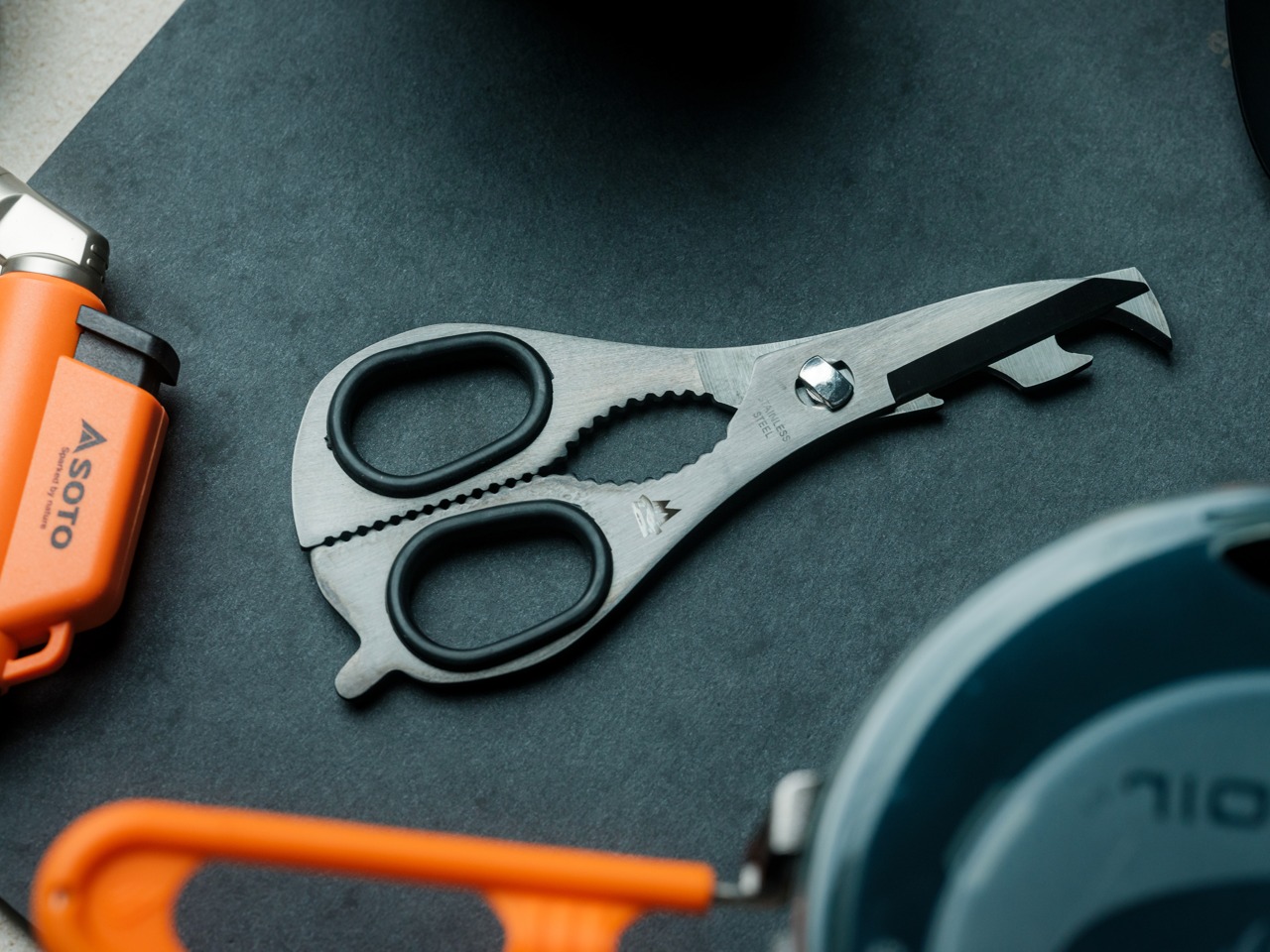
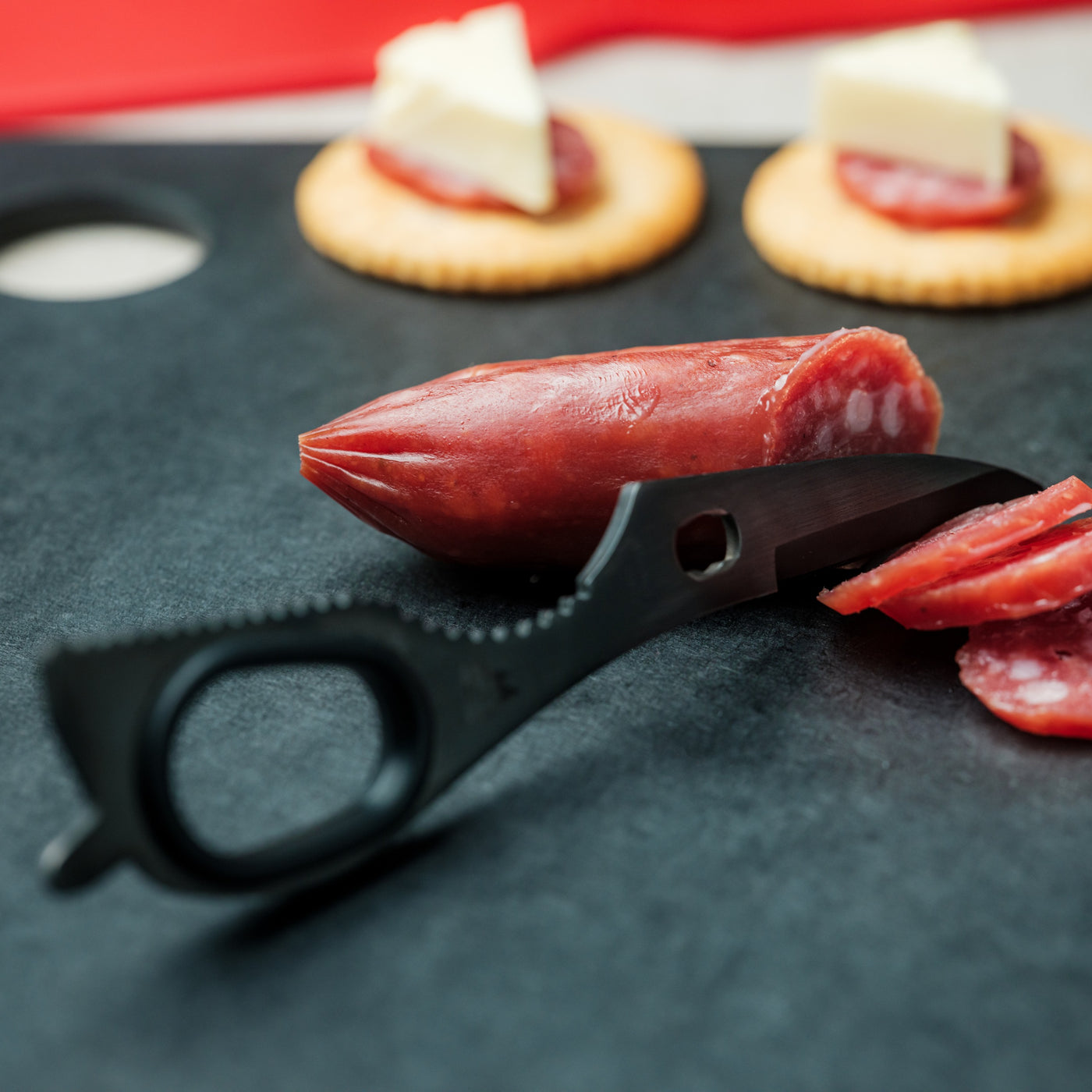
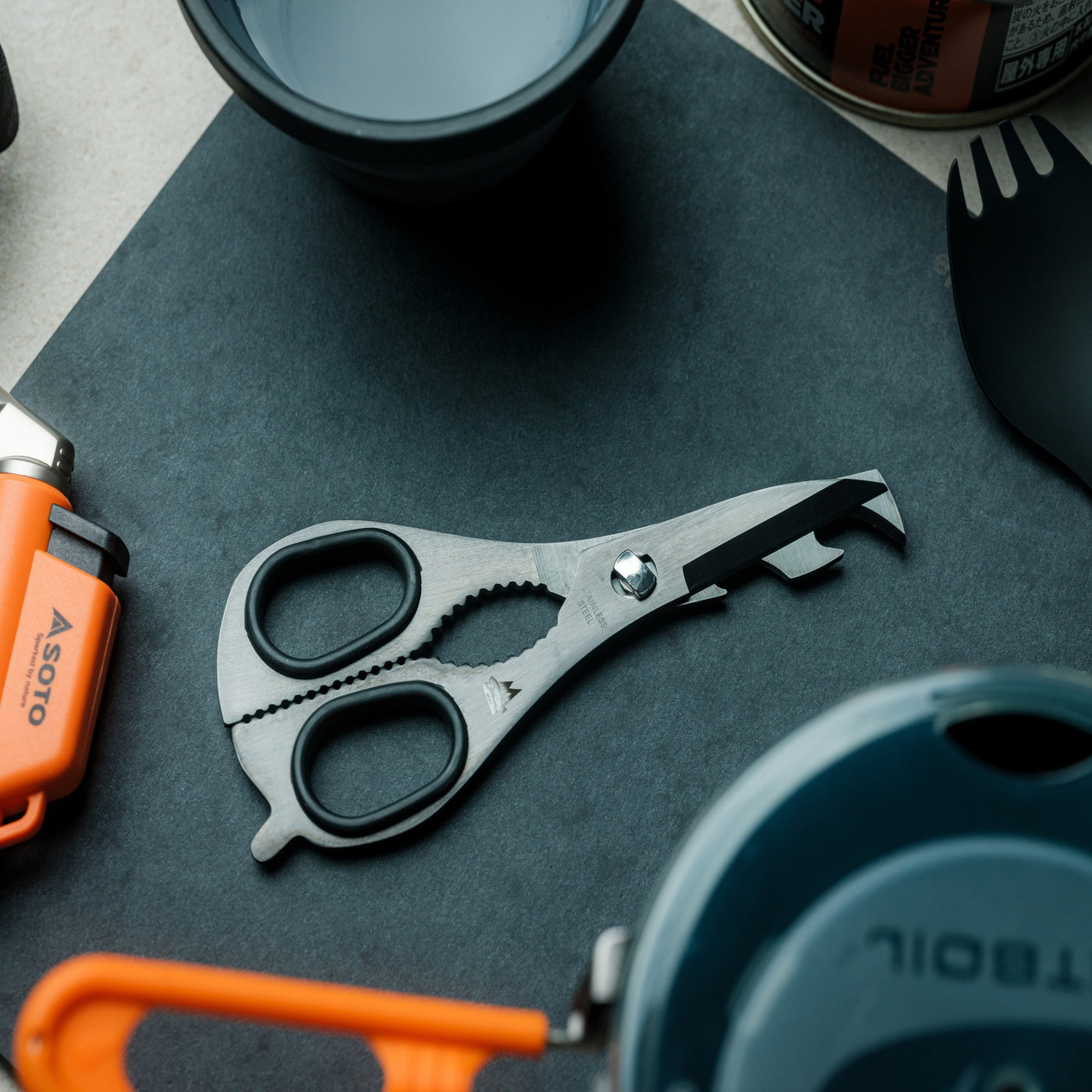
Most multi-tools sacrifice usability for portability, but these palm-sized scissors prove that compact design doesn’t require compromising functionality. At just 13 centimeters, they deliver eight distinct tools, including scissors, a knife, and various bottle openers, within a package small enough to disappear into any pocket. The oxidation film coating provides rust resistance while creating an attractive black finish that feels premium despite the modest size.
The real genius lies in making every tool genuinely usable rather than decorative. The scissors function as proper cutting implements, not the flimsy afterthoughts found on most multi-tools. Each opener type addresses different container styles you’ll encounter while camping, from beer bottles to sealed cans. The shell splitter and degasser handle specific cooking tasks that dedicated outdoor chefs will appreciate. This tool earns its pocket space through actual utility.
The compact 13-centimeter design fits comfortably in pockets without creating bulk or weight.
Eight functional tools provide legitimate utility rather than gimmicky additions that look good but perform poorly.
What We Dislike
The small size that makes it portable also limits leverage for tasks requiring significant force.
Rust-resistant coating eventually wears with heavy use, requiring maintenance or replacement.
4. Anywhere Use Lamp
Mushroom-inspired design philosophy informs this minimalist portable lamp that pops up wherever you need illumination. The modular construction breaks down completely for transport, while standard AA batteries eliminate dependence on proprietary charging systems. Six high color rendering LEDs deliver warm, soft light that enhances atmosphere rather than just flooding spaces with harsh brightness. The interaction design feels intuitive, with pressing any edge of the lamp’s cap cycling through four brightness levels.
Three style options let you match the lamp to your aesthetic preferences. The standard black and white editions deliver clean minimalism, while the Industrial edition celebrates imperfection through its scratch-detailed metal base. That raw character adds personality to a design category that often feels sterile. The warm glow and haptic feedback create a sensory experience that makes adjusting brightness feel satisfying rather than purely functional.
Standard AA batteries provide easy replacement anywhere, rather than requiring specific charging cables or adapters.
The modular design disassembles completely for efficient packing in tight spaces.
What We Dislike
Battery-powered operation means ongoing costs and environmental impact compared to rechargeable alternatives.
The four brightness levels might not provide enough granular control for users wanting precise lighting adjustments.
5. Compact Modular Grill Plate
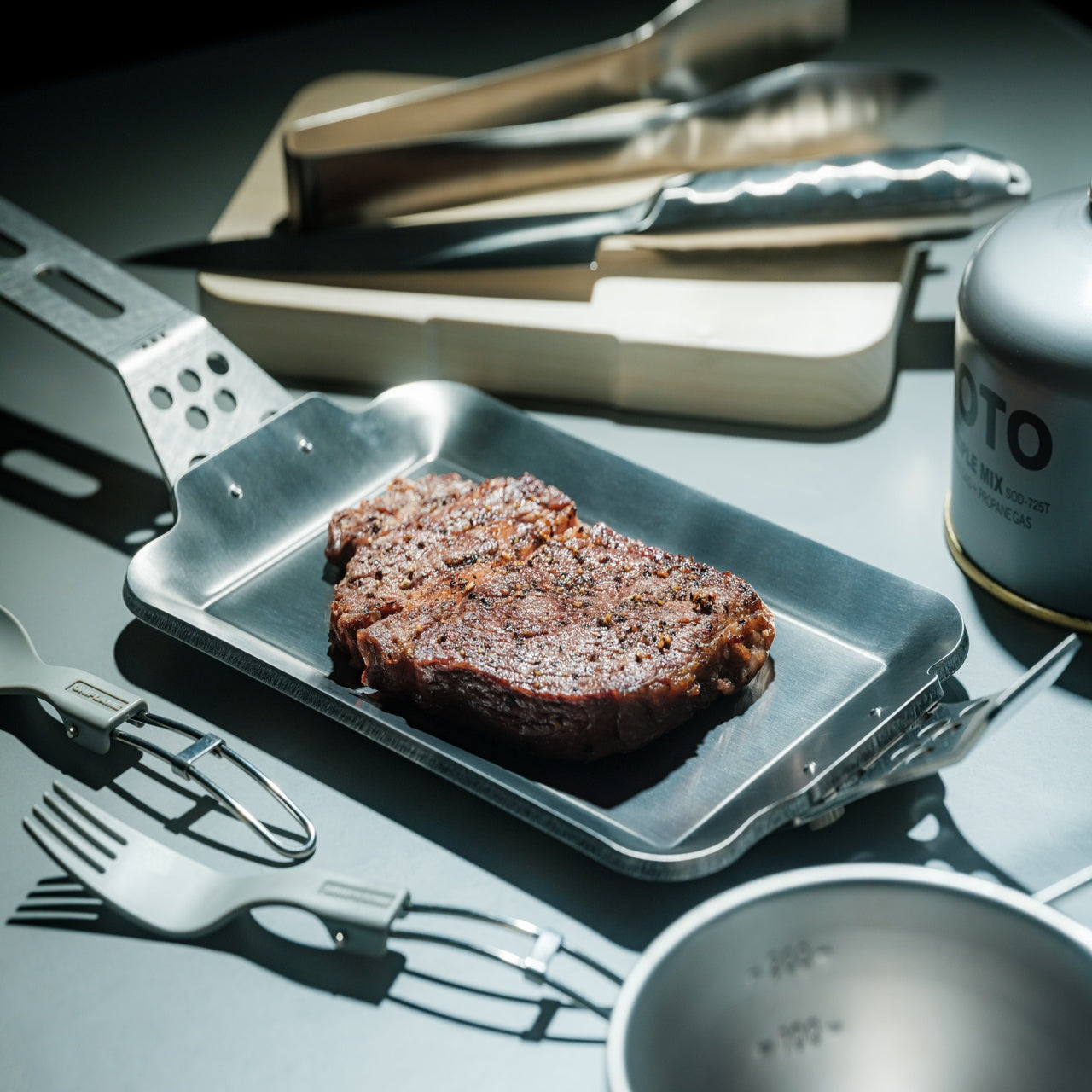
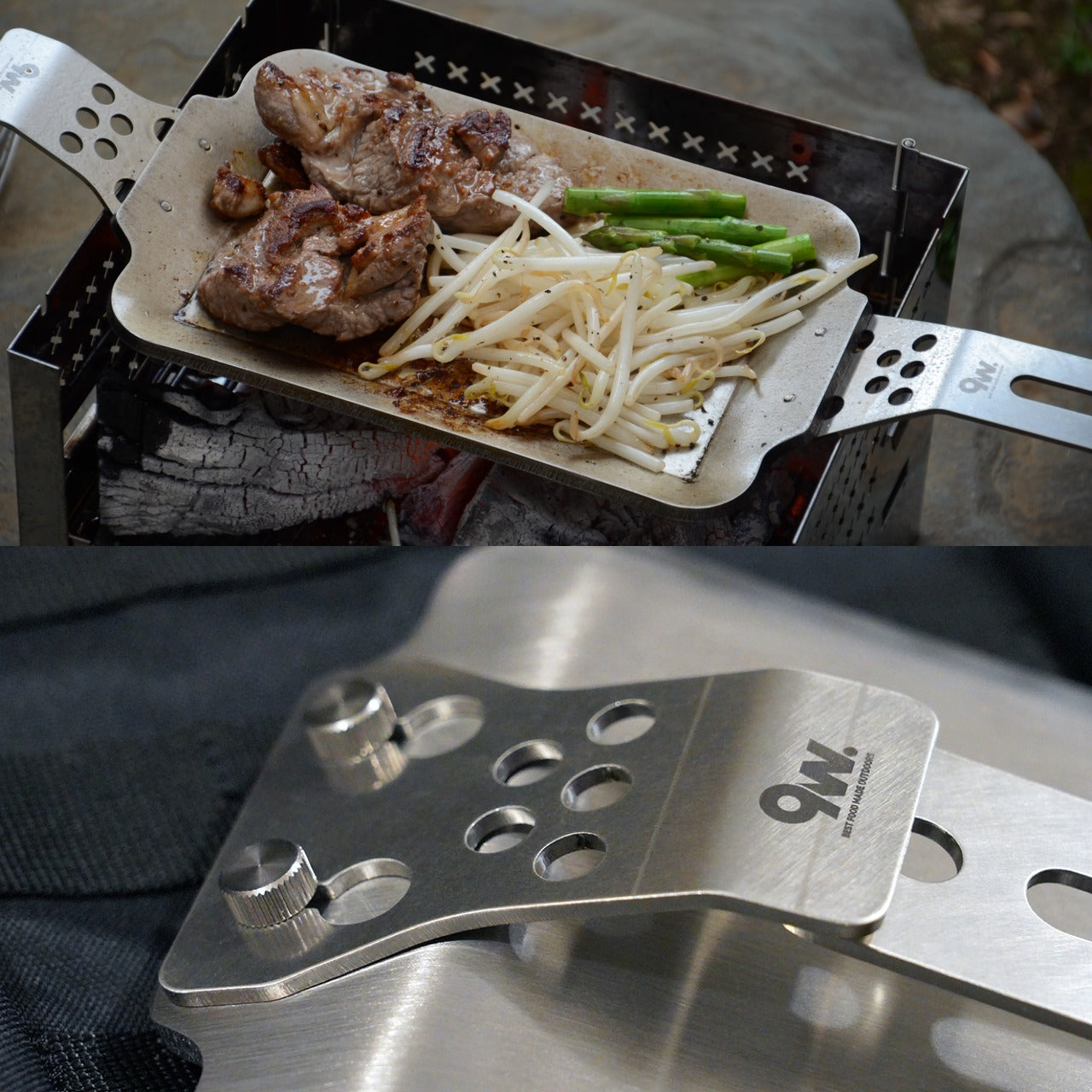
Uneven heat distribution ruins more outdoor meals than most campers want to admit. This modular grill plate solves that fundamental problem through a three-layer steel construction that maintains consistent temperatures across the entire cooking surface. The design works equally well over unstable campfires, gas burners, or induction stoves, adapting to whatever heat source your situation provides. Interchangeable handles let you optimize for different cooking scenarios, from direct flame to stable stovetop use.
The engineering focuses on delivering proper heat conduction that keeps food juicy while achieving perfect sears. That attention to cooking science elevates outdoor meals from merely edible to genuinely delicious. Cleanup becomes simple through thoughtful design that allows complete disassembly, letting you pack everything into a compact form factor. The Basic and Special set options let you choose the configuration matching your cooking ambitions and budget constraints.
Three-layer steel construction ensures even heat distribution that rivals quality home cookware.
Compatibility with multiple heat sources provides flexibility for different camping situations and cooking locations.
What We Dislike
Metal construction adds weight compared to lightweight aluminum alternatives favored by ultralight backpackers.
The modular system means tracking multiple components that could potentially get lost during packing.
6. EcoFlow Power Hat
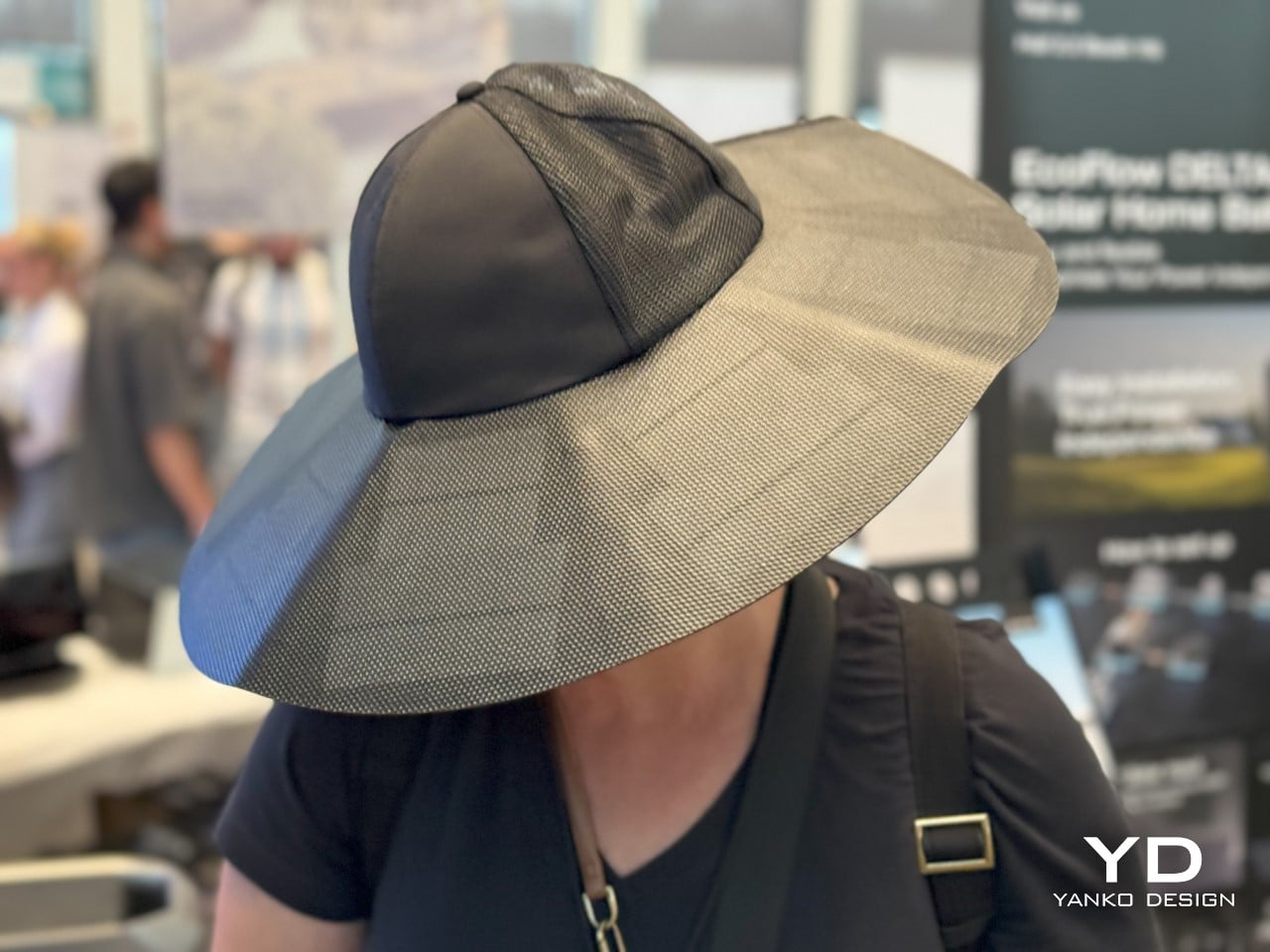
Wearable solar technology finally graduates from awkward prototypes to genuinely useful outdoor gear. The Power Hat hides flexible solar panels within its wide brim, converting sunlight into charging power accessible through a discreet USB-C port in the inner band. This approach targets the specific needs of day hikers and casual campers who need backup power for smartphones and GPS devices rather than powering entire campsites or laptops.
The design philosophy prioritizes integration over showiness, making clean energy genuinely accessible through clothing you’d wear anyway. The hat functions as normal headwear while secretly operating as a personal power plant that keeps essential communication devices alive. You won’t notice the technology until you need it, which represents the ideal balance between functionality and convenience. For outdoor enthusiasts who find themselves disconnected when power matters most, this delivers reliable backup without adding extra gear to carry.
What We Like
Hidden solar integration provides power generation without compromising the hat’s appearance or function as normal outdoor wear.
The USB-C port placement makes charging convenient while remaining discreet and protected from elements.
What We Dislike
Power generation capacity suits small devices but won’t charge tablets or power-hungry electronics.
The specialized construction likely makes washing more complicated compared to standard outdoor hats.
7. Slim Fold Dish Rack
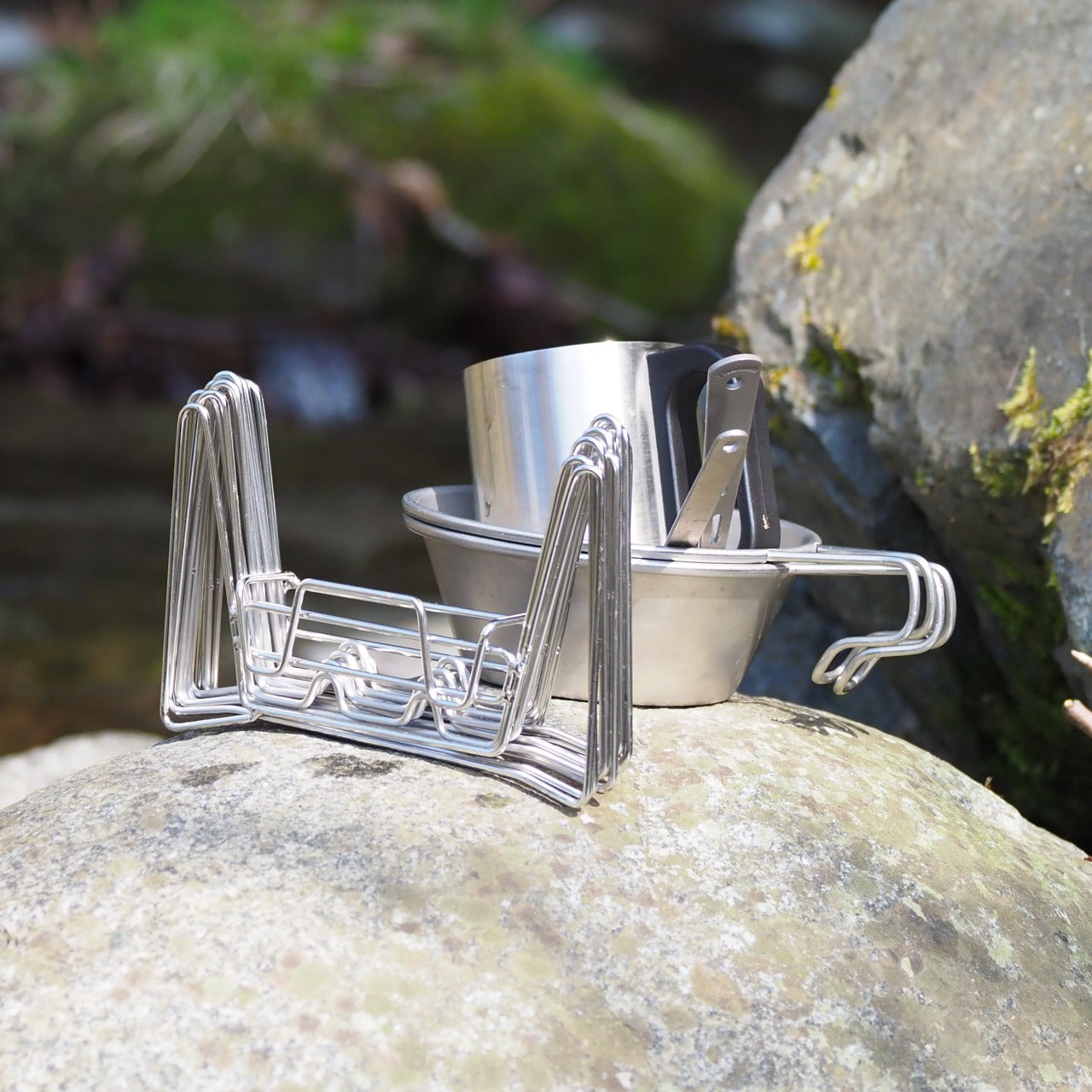
Drying dishes outdoors typically means balancing plates on rocks or draping towels across picnic tables. This collapsible dish rack transforms that frustrating process through patent-pending spring engineering that shrinks the 36-centimeter rack down to just 3 centimeters in one second. Deployment happens just as quickly, creating a full-size drying station whenever you need it. The minimalist design ensures proper ventilation and accommodates plates, utensils, and cookware of various sizes.
The collapsed form factor becomes small and light enough to fit in pockets, eliminating the storage challenges that keep most campers from bringing proper dish racks. Ventilation design accelerates drying so your tableware and cutlery are ready quickly for their next use or for packing up camp. The dishwasher-friendly construction means easy cleaning when you return home. This addresses a genuine camping pain point that most gear manufacturers completely ignore.
The one-second collapse and deployment system makes setup and storage effortless through ingenious spring engineering.
Pocket-sized collapsed dimensions eliminate the bulk that makes traditional dish racks impractical for camping.
What We Dislike
The spring mechanism represents a potential failure point that could break with heavy use or rough handling.
Ventilation design optimized for drying might not provide enough stability for heavier cast-iron cookware.
8. All-in-One Grill
Modular cooking systems finally deliver on their promise with this comprehensive outdoor grill that handles barbecuing, frying, grilling, steaming, smoking, and traditional stew cooking. The component-based design lets you configure the setup for different cooking styles without carrying separate specialized equipment. A dedicated bottle warming module keeps mulled wine toasty, showing attention to the full outdoor dining experience rather than just basic meal preparation.
The compact tabletop size works on any stable surface without requiring dedicated outdoor kitchen setups. Assembly and disassembly happen quickly, making cleanup far less daunting than traditional outdoor cooking equipment. The system frees you from worrying about preparation logistics, letting you focus your creative energy on actually cooking memorable meals with family. Each module stores efficiently, transforming from a full cooking station to packable gear without wasted space.
Modular components enable diverse cooking styles from a single portable system rather than carrying multiple specialized tools.
The compact tabletop format works anywhere you can set up camp without requiring permanent outdoor kitchen infrastructure.
What We Dislike
Multiple modules mean tracking numerous pieces that require careful packing to avoid losing components.
The versatility comes with complexity that might overwhelm campers preferring simple single-purpose cooking tools.
9. TriBeam Camp Light
Award-winning industrial design meets practical functionality in this three-mode lighting solution that adapts to different outdoor scenarios. The TriBeam switches between Camping, Ambient, and Flashlight modes through a single intuitive button, letting you quickly configure the perfect illumination for your current needs. Brightness adjusts from a gentle 5 lumens to a powerful 180 lumens, covering everything from cozy cabin nights to serious trail navigation.
The 50-hour runtime on a single charge eliminates anxiety about lights dying during extended trips. That exceptional battery performance comes from efficient LED technology paired with intelligent power management. The sleek, purposefully engineered design becomes part of the adventure experience rather than just utilitarian equipment. Portability remains central to the concept, creating a compact companion that packs easily while delivering versatile lighting wherever your travels take you.
The single-button interface might require cycling through multiple modes to reach your preferred setting.
Rechargeable battery design means eventual replacement as capacity degrades over the years of use.
10. Solar-Powered Glamping System
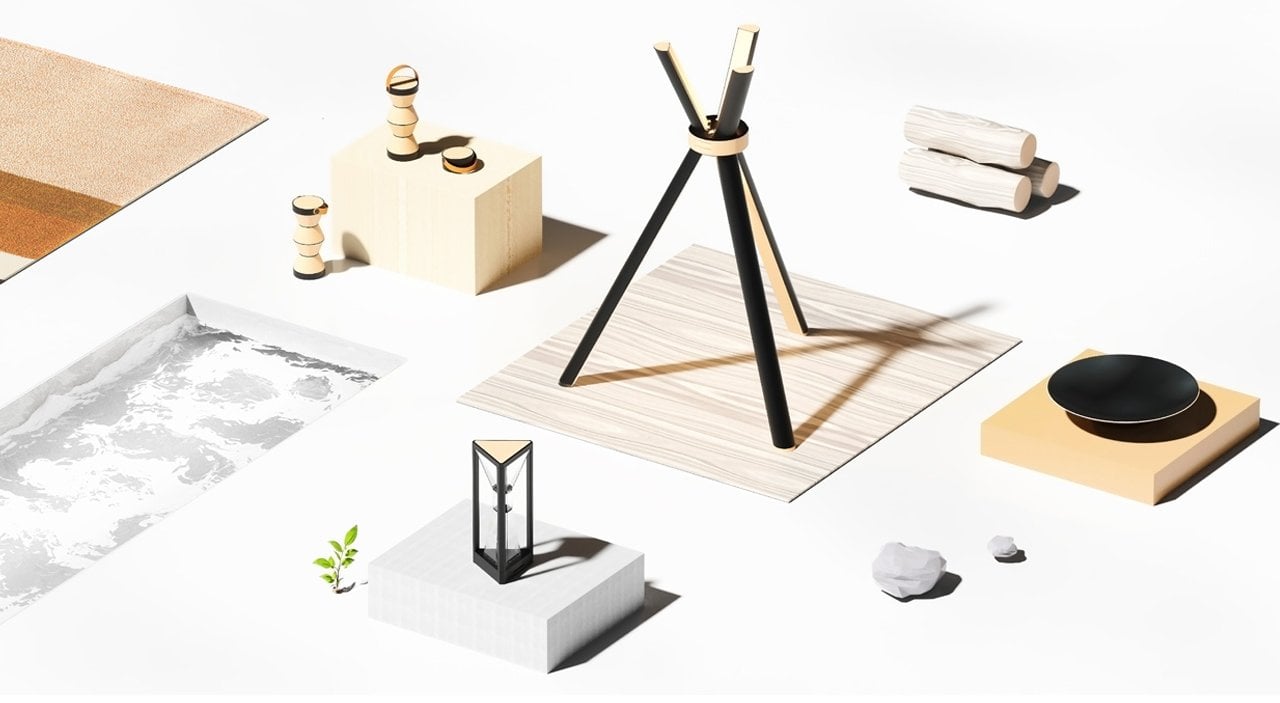
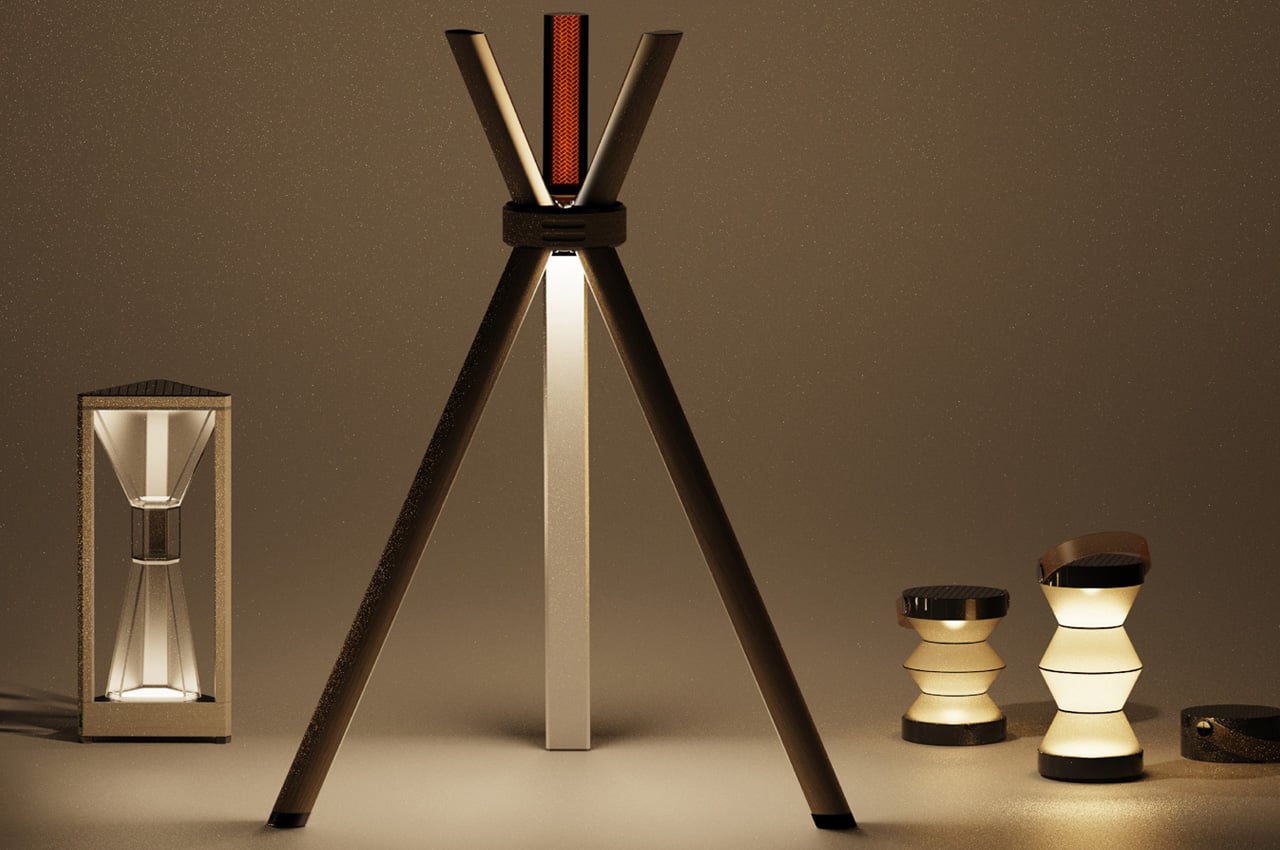
Environmental consciousness meets elevated outdoor luxury through this comprehensive collection of independent solar-powered camping accessories. The system centers around a smokeless camping fire pit that combines genuine portability with clean-burning technology, eliminating the environmental impact of traditional wood fires. Supporting accessories, including tripod coffee brewers, elegant tableware, and hanging pendant lights, all charge during daylight hours and perform throughout evening activities.
The glamping approach elevates outdoor dining and relaxation without compromising sustainability values. Every component operates on clean energy, from ambient lighting to coffee preparation, creating sophisticated wilderness experiences with zero environmental guilt. The hanging lights provide warm illumination that transforms campsites into inviting spaces rather than purely functional sleeping areas. This proves that sustainable camping gear enhances rather than limits outdoor luxury, appealing to conscious travelers seeking refined experiences in natural settings.
What We Like
A comprehensive system approach means all components work together cohesively with a shared solar power philosophy.
The smokeless fire pit technology eliminates environmental impact while maintaining the warmth and ambiance of traditional campfires.
What We Dislike
The glamping focus prioritizes comfort and aesthetics over ultralight backpacking requirements.
Solar dependency means cloudy weather significantly impacts the functionality of the entire system.
Stock Up Before the Rush Hits
Spring camping season brings predictable inventory shortages as outdoor enthusiasts emerge from winter hibernation ready to upgrade their gear. These ten products represent the cutting edge of camping technology, combining sustainability, functionality, and thoughtful design in ways previous generations of equipment never approached. The solar integration, modular systems, and compact engineering reflect where outdoor gear is heading rather than where it’s been.
Early adoption makes sense when designs earn prestigious awards and generate enthusiastic reviews before even reaching full market availability. Waiting until peak season means competing with thousands of other campers trying to secure the same innovative gear. Smart shoppers understand that the best equipment sells out quickly, leaving latecomers stuck with previous-generation products or lengthy waitlists that extend past the prime camping months.
Vagabond Haven has stepped away from wheels with the Evergreen, their first modular tiny house that prioritizes space over portability. The Swedish company, known for its mobile tiny homes built for Scandinavian conditions, designed this two-module dwelling for those who want the tiny house lifestyle without the constraints of road-legal dimensions. The Evergreen represents a deliberate shift in the tiny house market, acknowledging that not everyone needs mobility but still wants the benefits of compact, efficient living.
The difference is immediately apparent in the measurements. While the Evergreen’s length sits at a modest 8.3 meters, the width stretches to 6 meters, more than double what you’d find in a towable tiny house. This generous footprint translates to 41 square meters of living space, making it the largest offering in Vagabond Haven’s modular category. The two seamlessly connected modules create an interior that feels surprisingly conventional rather than cramped, offering room to breathe and move without the spatial compromises typical of road-restricted designs.
The layout takes full advantage of this extra room with a single-floor design that avoids the loft bedrooms common in mobile tiny houses. The living area features an L-shaped sofa arrangement with space for both a coffee table and entertainment center. The kitchen doesn’t skimp on storage, offering more cabinetry than you’d typically find in compact homes of this size. Two bedrooms occupy separate zones of the house. The master bedroom accommodates a double bed with integrated storage, while the smaller second bedroom fits a single bed with a lifting frame, desk, armchair, and bookcase. This makes the Evergreen practical for couples, small families, or anyone needing dedicated office space alongside sleeping quarters.
Vagabond Haven carried over the same craftsmanship and attention to sustainability that defines their mobile homes. The technical specifications include LED lighting with dimmers, options for solar systems, and a rainwater harvesting setup. Ventilation runs through the living room, kitchen, and bathroom, with a recuperator system managing air quality. Buyers can choose between electric or gas water heaters, and the plumbing uses stainless steel pipes throughout. These features ensure the home performs well in various climates while maintaining eco-friendly credentials.
The company offers full customization of furniture colors and flooring, letting owners personalize the aesthetic to match their preferences. The home arrives via truck and sits on a concrete platform rather than a trailer foundation. For those curious about the space before committing, Vagabond Haven provides a virtual 3D tour on their website. Ready-built models are available with delivery times ranging from two to four weeks when units are in stock.
The Evergreen splits the difference between mobile tiny houses and traditional construction, offering factory-built quality and relatively quick installation without the permanent commitment of conventional building. Some buyers simply want efficient, well-designed small homes that maximize every square meter without the engineering compromises required for highway travel. The modular approach delivers exactly that, creating homes where space and comfort take priority over portability.
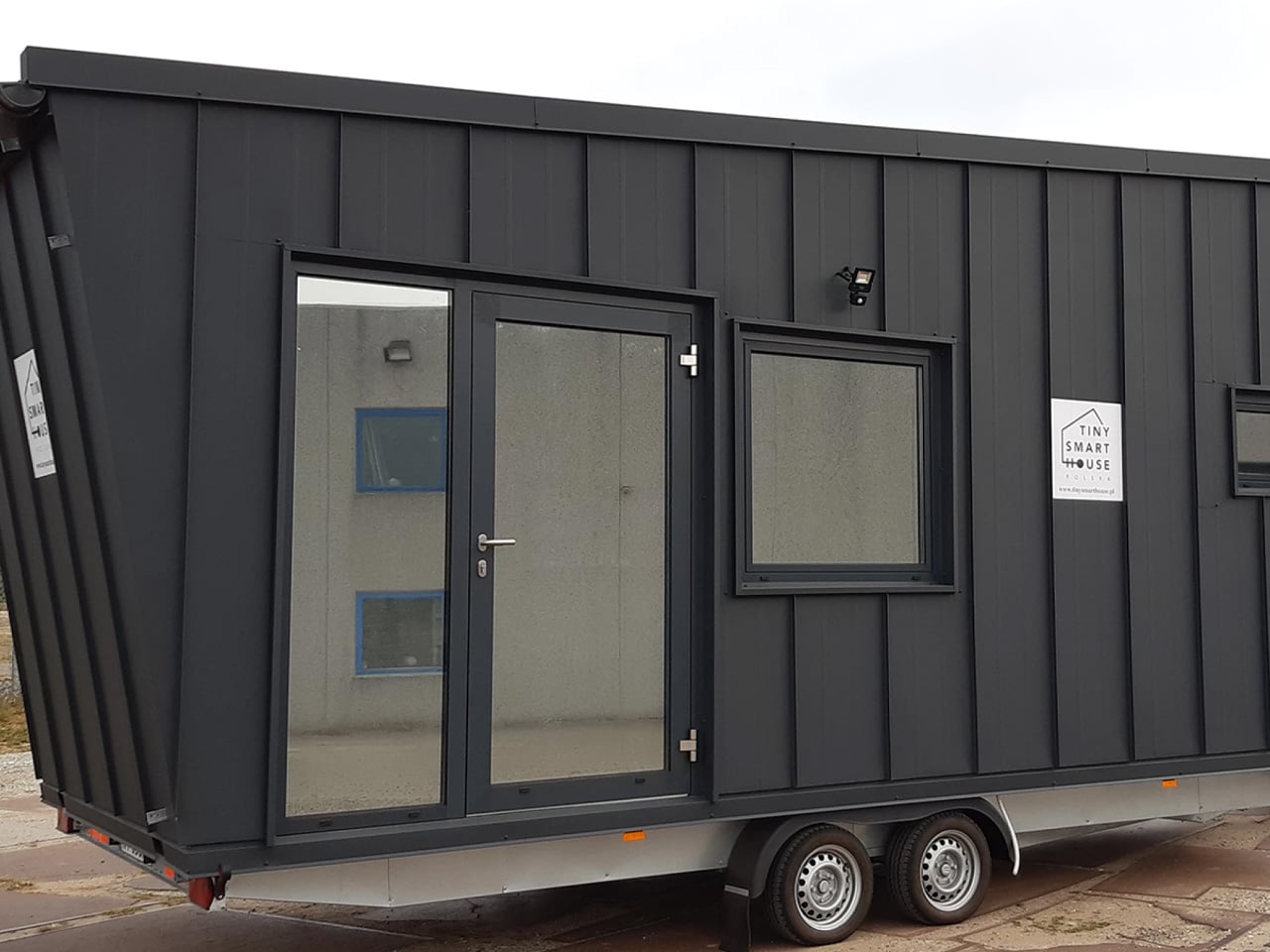
When Poland’s Tiny Smart House unveiled the Dark Vader, they created something truly exceptional in the world of compact living. This mobile dwelling isn’t your typical tiny home with cutesy charm and rustic wood siding. Instead, it channels the intimidating presence of one of cinema’s most notorious villains, transforming that dark energy into a sophisticated living space that commands attention wherever it travels. The inspiration is obvious from the name alone, yet the design team showed restraint by avoiding kitsch Star Wars memorabilia, focusing instead on capturing the essence of power and sleekness associated with the iconic character.
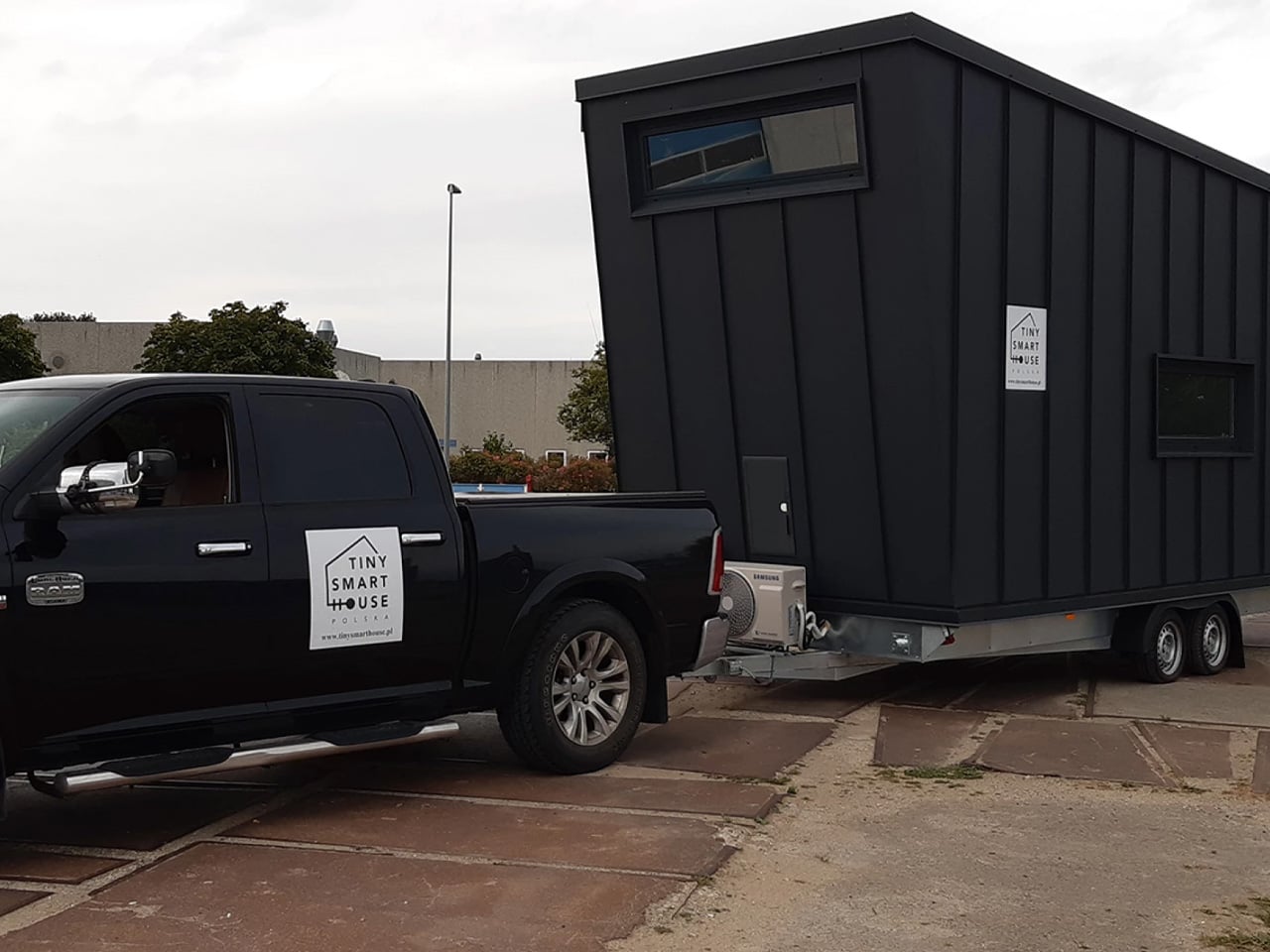
The exterior is where this tiny home truly makes its statement. Wrapped entirely in black sheet metal, the Dark Vader creates an imposing silhouette that stands in stark contrast to the cheerful pastels and natural wood tones dominating most tiny house communities. This bold material choice isn’t just about aesthetics; the metal cladding provides durability and weather resistance while maintaining that distinctive edge. Mounted on a double-axle trailer foundation, the structure spans six meters, which translates to roughly twenty feet of living space. While this dimension might seem modest, especially when compared to the forty-foot behemoths common across North America, it represents the sweet spot for European tiny house design, balancing mobility with livability.
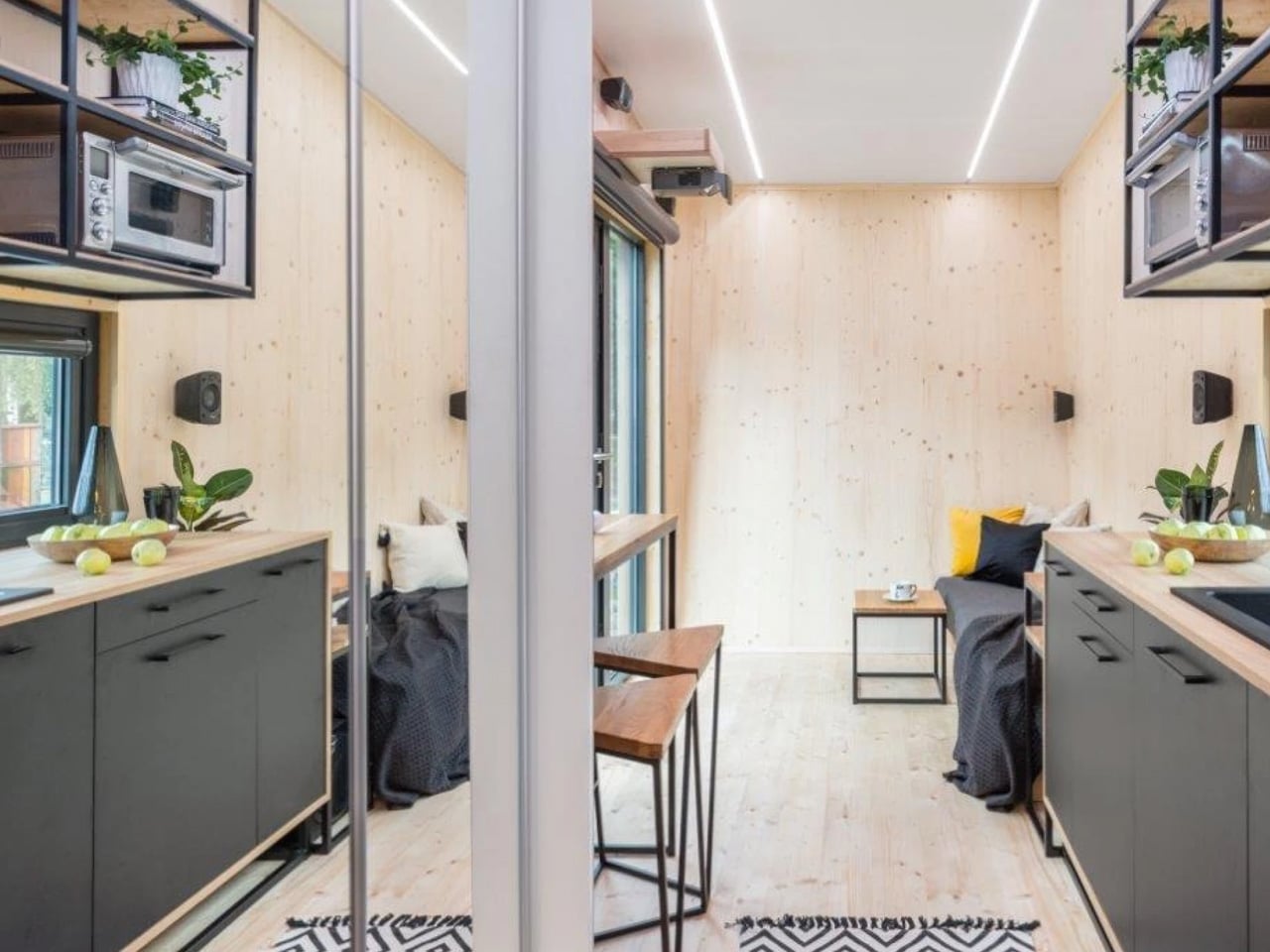
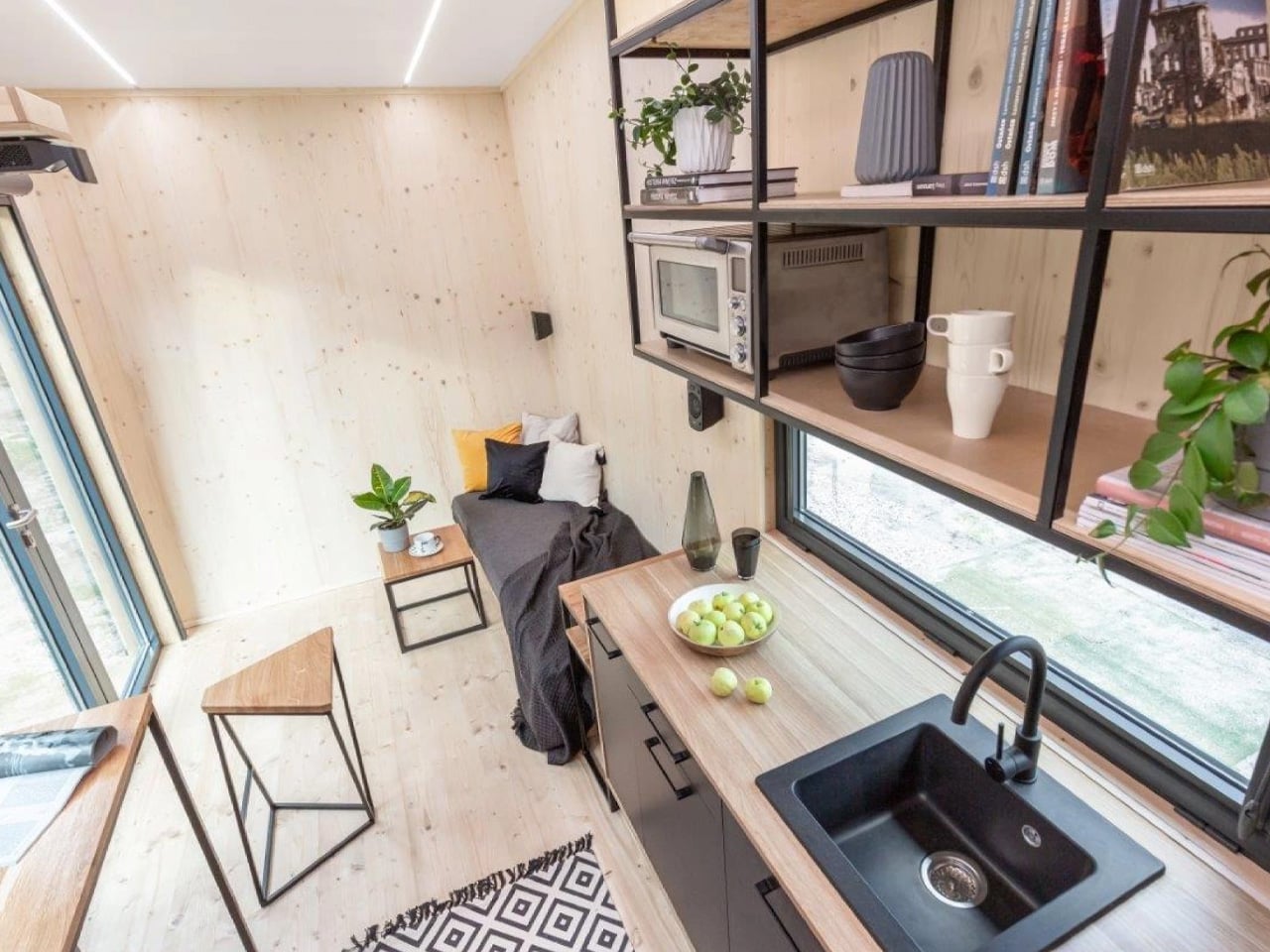
Step inside, and you’ll discover an unexpected contrast to the menacing exterior. The interior spaces showcase beautiful spruce wood throughout, creating warmth and organic texture that immediately softens the industrial vibe. Large windows punctuate the walls, flooding the compact floor plan with natural light and preventing any sense of claustrophobia. This juxtaposition between dark and light, industrial and natural, demonstrates sophisticated design thinking that elevates the Dark Vader beyond novelty status into genuine architectural achievement.
The main level houses the primary living spaces with impressive efficiency. A comfortable sofa anchors the living room alongside a petite coffee table, creating an intimate gathering spot perfect for unwinding after work or hosting friends for evening conversations. The kitchen area integrates seamlessly into the open layout, while the bathroom surprises with full-sized amenities including a proper walk-in shower, contemporary vanity sink, and standard flushing toilet. These features matter tremendously in tiny living, where many occupants struggle with composting toilets and cramped shower stalls.
Above the main living area, a sleeping loft provides private quarters accessed through an ingeniously designed staircase. Rather than using a space-wasting ladder or simple steps, the builders incorporated extensive storage directly into each riser, creating cubbies and compartments that swallow clothing, books, linens, and countless other items that would otherwise clutter the limited square footage. The bedroom ceiling sits low, as physics demands in these compact structures, but the trade-off grants valuable storage throughout the home’s vertical circulation path.
This particular Dark Vader found its permanent home in Denmark after successful completion, though its influence ripples through the tiny house community worldwide. The design philosophy behind this project celebrates authenticity and creative expression, proving that alternative housing can embrace personality and fun without sacrificing functionality. Whether serving as a bachelor pad, artist’s retreat, or minimalist primary residence, the Dark Vader demonstrates how tiny living can align with bold personal style while meeting all practical needs of modern life.
Valentine’s Day gifts for men don’t have to mean another wallet or generic watch. For the guy who lives by the everyday carry philosophy, the perfect gift slips into his pocket and earns its place through daily use. These aren’t decorative tokens that live in a drawer. They’re precision tools that become extensions of his routine, carried with intention and reached for without thinking.
The best EDC gear strikes a balance between form and function, proving that thoughtful design doesn’t sacrifice practicality. This Valentine’s Day, skip the predictable and opt for something he’ll actually treasure. These pocket-worthy essentials combine craftsmanship with genuine utility, turning everyday moments into opportunities to appreciate both smart engineering and the person who knew exactly what he needed. Each piece here fits the EDC lifestyle without compromise.
1. Cubik
The Cubik rewrites pocket knife conventions by eliminating the mechanisms that typically complicate blade deployment. Press the trigger, hold it upside down, and gravity does the work. The blade emerges smoothly, locks securely with trigger release, and requires zero maintenance for springs, ball bearings, or complex internal parts that eventually fail. This simplicity translates to reliability that outlasts flashier alternatives, making it the kind of tool that becomes indispensable precisely because it never demands attention or special care.
Beyond its gravity-powered elegance, the Cubik delivers genuine heavy-duty performance. That secure lock isn’t just for show—it holds firm enough for piercing hardwood without blade wobble or mechanism stress. The tungsten carbide glass-breaker integrated into the rear end transforms this gentleman’s EDC into genuine emergency equipment. It’s the kind of thoughtful design detail that matters most when situations turn serious, proving that innovation doesn’t require complexity, just smarter thinking about fundamental mechanics.
What We Like
The gravity deployment system eliminates failure-prone mechanisms entirely
Gravity deployment requires a specific orientation to operate
An unconventional mechanism might confuse first-time users
2. 8-in-1 EDC Scissors
Multitool skepticism usually comes from bloated designs that sacrifice usability for feature counts, but these palm-sized scissors prove compactness doesn’t limit capability. Eight distinct functions—scissors, knife, lid opener, can opener, cap opener, bottle opener, shell splitter, and degasser—fit into a 13cm package that disappears into pockets without bulk. The oxidation film treatment delivers rust resistance while creating that handsome matte black finish that ages gracefully rather than showing wear as a weakness.
The real genius lies in how frequently these tools get reached for. Scissors alone justify pocket space, but having a proper knife blade and multiple opening mechanisms means this compact EDC solves problems before they escalate into frustrations. Package delivery, impromptu picnics, daily tasks that demand the right tool—this unassuming multi-tool handles them without ceremony. It’s the kind of gift that generates quiet appreciation every time it proves useful, which for EDC enthusiasts happens more often than most people realize.
Eight functions in genuinely pocket-sized form factor
Oxidation film provides rust resistance and attractive finish
The function of scissors alone justifies an everyday carry
Multiple opener types handle various bottle and can styles
What We Dislike
Small size might feel awkward for larger hands during extended use
Individual tools sacrifice some leverage compared to dedicated versions
3. BlackoutBeam Tactical Flashlight
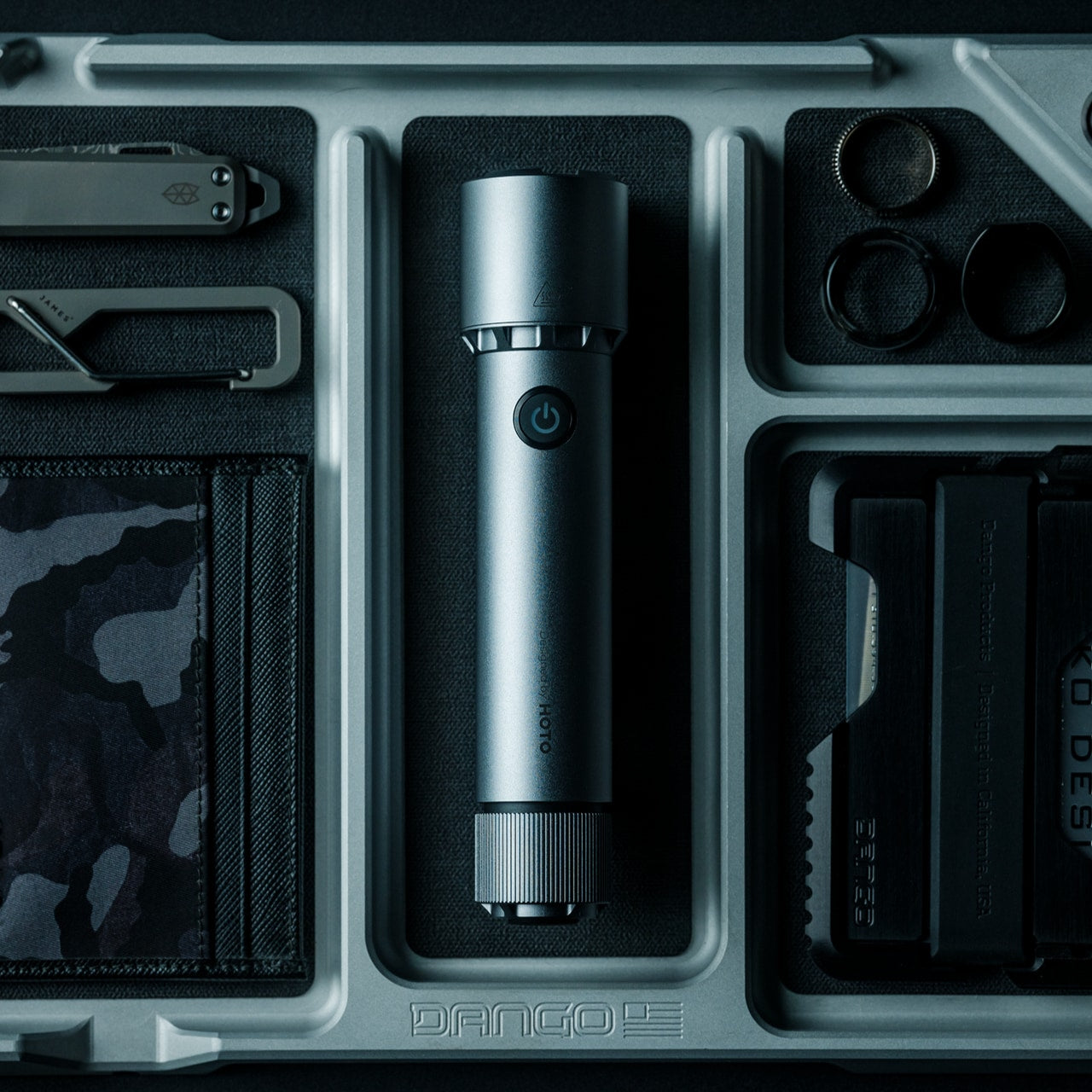
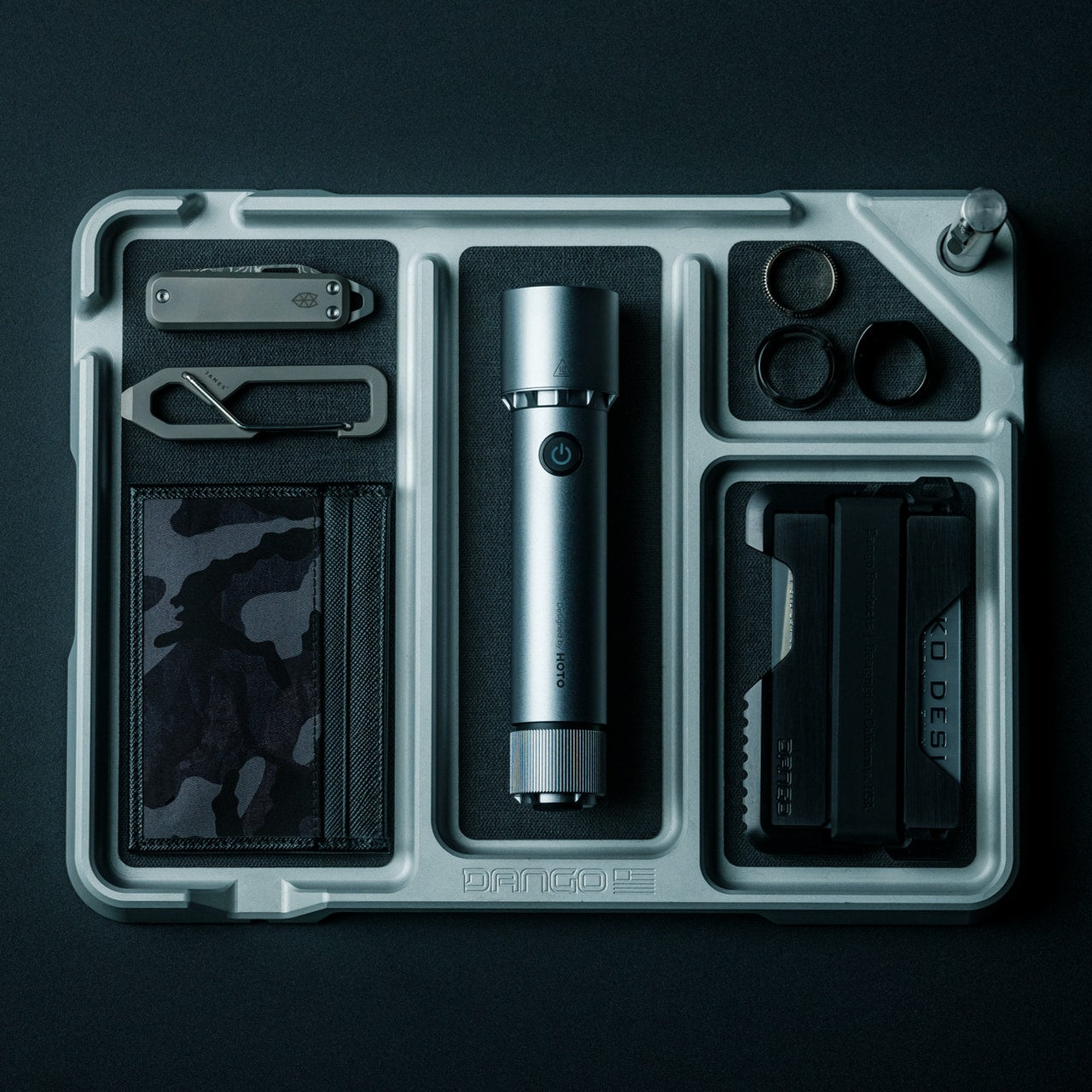
Tactical flashlights often promise military-grade performance while delivering consumer-grade disappointment, but the BlackoutBeam backs its claims with 2300 lumens that cut through darkness with surgical precision. That 300-meter throw distance isn’t marketing fluff—it genuinely illuminates distant targets with clarity that transforms nighttime navigation or emergency response. The 0.2-second response time eliminates lag entirely, delivering instant illumination exactly when situations demand immediate light without hesitation or warm-up delays that compromise effectiveness.
The IP68 waterproof rating and durable aluminum construction mean this flashlight survives submersion, impact, and weather conditions that would kill lesser lights. It’s serious durability packaged in a form that never feels excessive or tactical-cosplay ridiculous. Power outages, roadside emergencies, wildlife encounters, or simply navigating dark spaces—the BlackoutBeam handles varied scenarios without requiring different gear. For the EDC enthusiast who values preparedness, this flashlight delivers professional capability in everyday-appropriate packaging that justifies its presence whether clipped to a pocket or stored in a go-bag.
Maximum brightness drains batteries quickly during extended use
Premium performance comes with a premium price point
4. AirTag Carabiner
Forgetting where you left your bag, or keys, transforms from mild frustration to a genuine problem surprisingly quickly, but this Duralumin composite alloy carabiner harnesses Apple AirTag technology to eliminate that anxiety. The same material used in aircraft, spaceships, and boats delivers strength that contradicts its lightweight feel, creating a clip that’s tough enough for serious use yet comfortable for everyday carry. Each carabiner is crafted by hand, bringing artisan quality to functional hardware that typically gets treated as a disposable commodity.
The genius here lies in making tracking invisible. Snap this onto bags, bikes, umbrellas, or anything that tends to wander, and Apple’s Find My network provides location awareness without requiring dedicated attention. It’s passive security that works silently until the moment you need it, then delivers precise location data that transforms panic into calm retrieval. For the EDC enthusiast who carries multiple bags or frequently moves between locations, this carabiner provides peace of mind that scales across possessions without cluttering pockets with separate trackers.
Duralumin alloy provides aircraft-grade strength at minimal weight
Hand-crafted quality elevates functional hardware to premium status
Works with Apple AirTag for seamless location tracking
Available in multiple metal finishes including brass and stainless steel
What We Dislike
Requires separate Apple AirTag purchase for tracking functionality
Limited to Apple ecosystem users for Find My network benefits
5. ScytheBlade
The scythe blade profile seems impractical for pocket carry until you actually handle the ScytheBlade and realize how that aggressive curve concentrates cutting force in ways straight edges can’t replicate. At just 46mm deployed length and weighing only 8 grams, this titanium folder achieves what most manufacturers consider impossible—a genuinely effective blade in micro format. The curved profile resembles a tiger claw, looking dangerous because the geometry delivers cutting performance that exceeds expectations set by conventional blade shapes.
Titanium construction brings natural corrosion resistance that requires zero maintenance while delivering strength that feels disproportionate to the minimal weight. You genuinely forget this knife clips to your pocket until the specific moment demands that curved blade’s unique capabilities. The ScytheBlade proves unconventional designs can work at miniature scales when engineering supports the ambition. For the EDC enthusiast who appreciates distinctive tools that perform despite—or perhaps because of—their radical departure from standard designs, this tiny scythe represents exactly the kind of pocket-worthy innovation that sparks conversation and delivers results.
What We Like
Titanium construction keeps the weight at a mere 8 grams
Curved blade profile concentrates cutting force effectively
Natural corrosion resistance requires zero maintenance
Radical miniaturization proves unconventional shapes can work at the micro scale
What We Dislike
Aggressive blade profile might face legal restrictions in some jurisdictions
Tiny size requires precision handling during use
6. DraftPro Top Can Opener
Drinking beer or sparkling water straight from the can robs you of aroma and a full flavor experience, but the DraftPro Top Can Opener transforms any can into a glass-like drinking vessel by removing the entire top. Designed by award-winning Japanese designer Shu Kanno, this compact tool creates smooth-edged, wide-mouth openings that let you catch scent notes and taste complexity brewers intended. That first crisp snap becomes prelude to genuinely elevated drinking experience that honors the beverage rather than compromising it through narrow can apertures.
The utility extends beyond refined sipping. Add ice cubes directly into summer beers for rapid chilling when the fridge fails. Mix cocktails directly in the can without shakers, glasses, or cleanup that transforms simple drinks into production events. The DraftPro fits domestic and international can formats, making it universally useful whether you’re enjoying local craft brews or imported specialties. For the EDC enthusiast who appreciates how small tools can upgrade daily rituals, this opener proves intentional design can transform mundane moments into something worth savoring properly.
Removes entire top for draft-style drinking experience
Designed by award-winning Japanese designer Shu Kanno
Enables direct ice addition for quick drink chilling
Universal fit works with domestic and international can formats
What We Dislike
Requires practice to achieve a perfectly smooth edge removal
A single-purpose tool might not justify pocket space for minimalists
7. Painless Key Ring
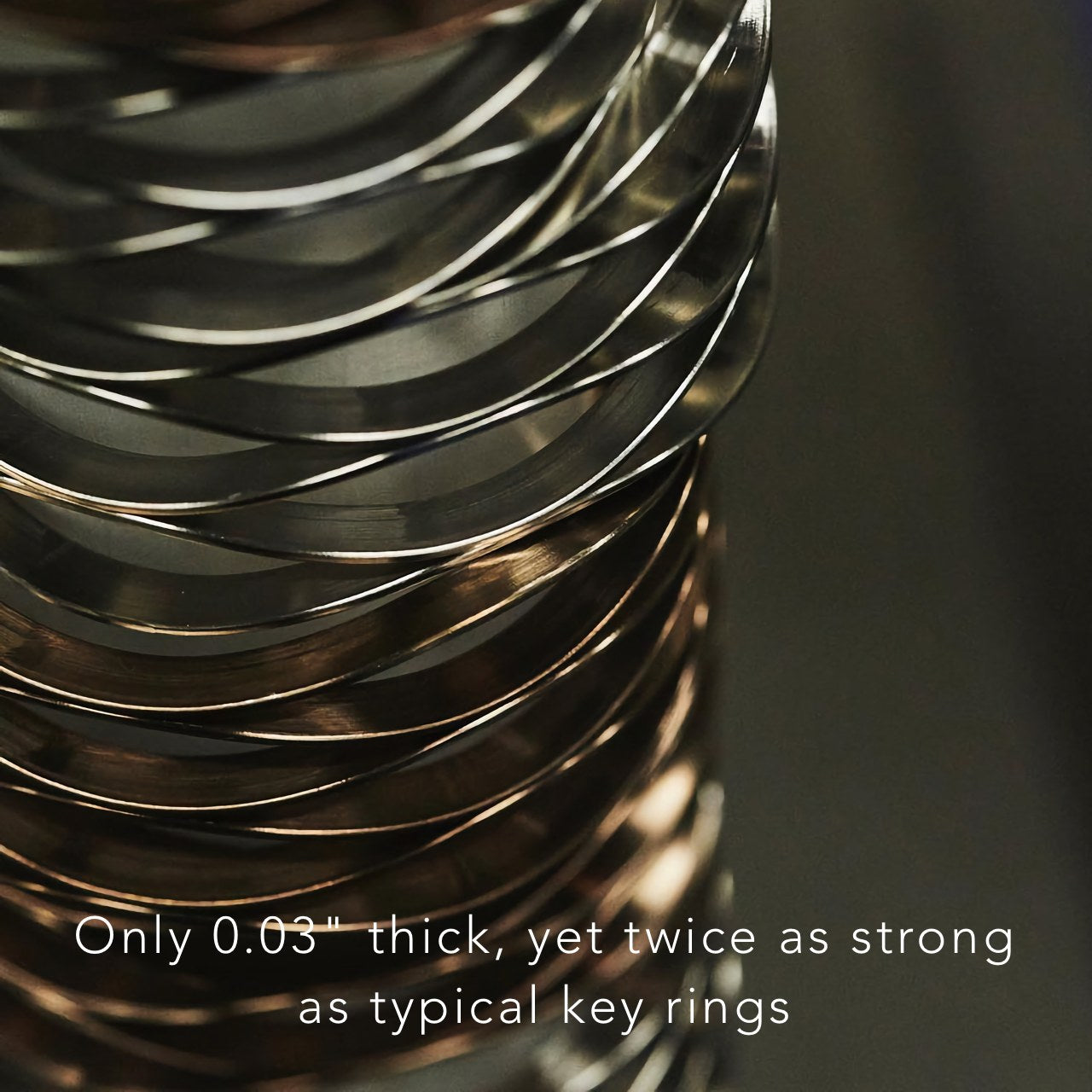
Breaking fingernails or bending rings just to add a single key represents exactly the kind of daily friction that accumulates into genuine frustration over time. This wave spring key ring borrows its mechanism design from aerospace equipment and automotive engineering to eliminate that stress. The innovative coil design makes adding and removing keys genuinely effortless while maintaining lighter weight and superior durability compared to standard pressed rings that deform under pressure from thicker keys.
The engineering elegance lives in how something this simple solves a problem most people accept as inevitable. Keys slide on smoothly, stay secure during carry, and come off without requiring tools, damaged nails, or muttered curses. Available in silver and black finishes, the wave spring ring delivers both aesthetic options and functional superiority that proves sometimes the best innovations target overlooked frustrations. For the EDC enthusiast who organizes multiple key sets or frequently rotates keys based on needs, this ring transforms key management from minor irritation into satisfying precision.
Wave coil design makes key addition and removal effortless
Lighter weight yet more durable than conventional key rings
Inspired by aerospace and automotive engineering principles
Available in silver and black color options
What We Dislike
Premium pricing for what remains fundamentally a key ring
Wave design might catch on fabric in shallow pockets
8. VSSL Java G25 Manual Coffee Grinder
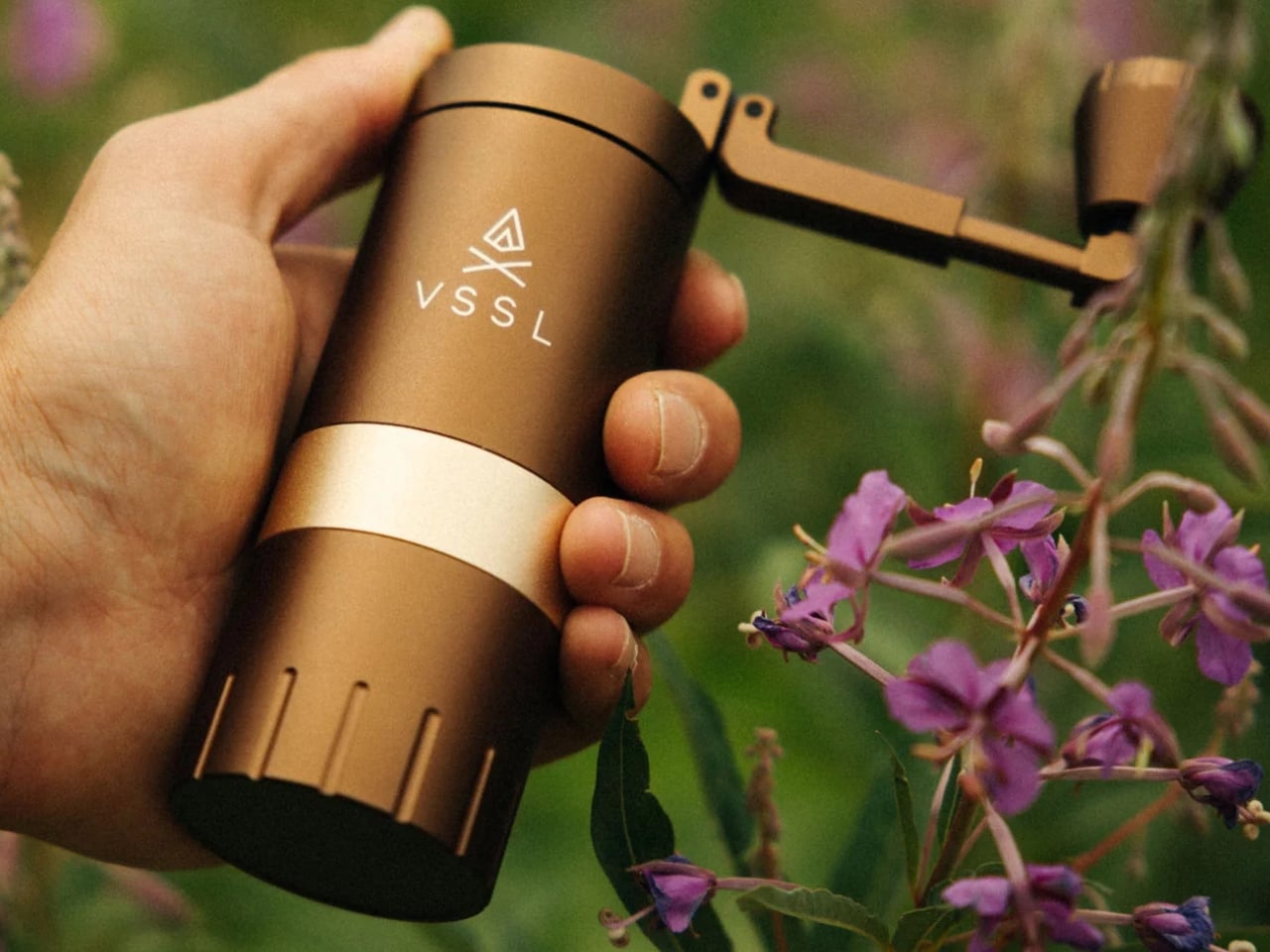
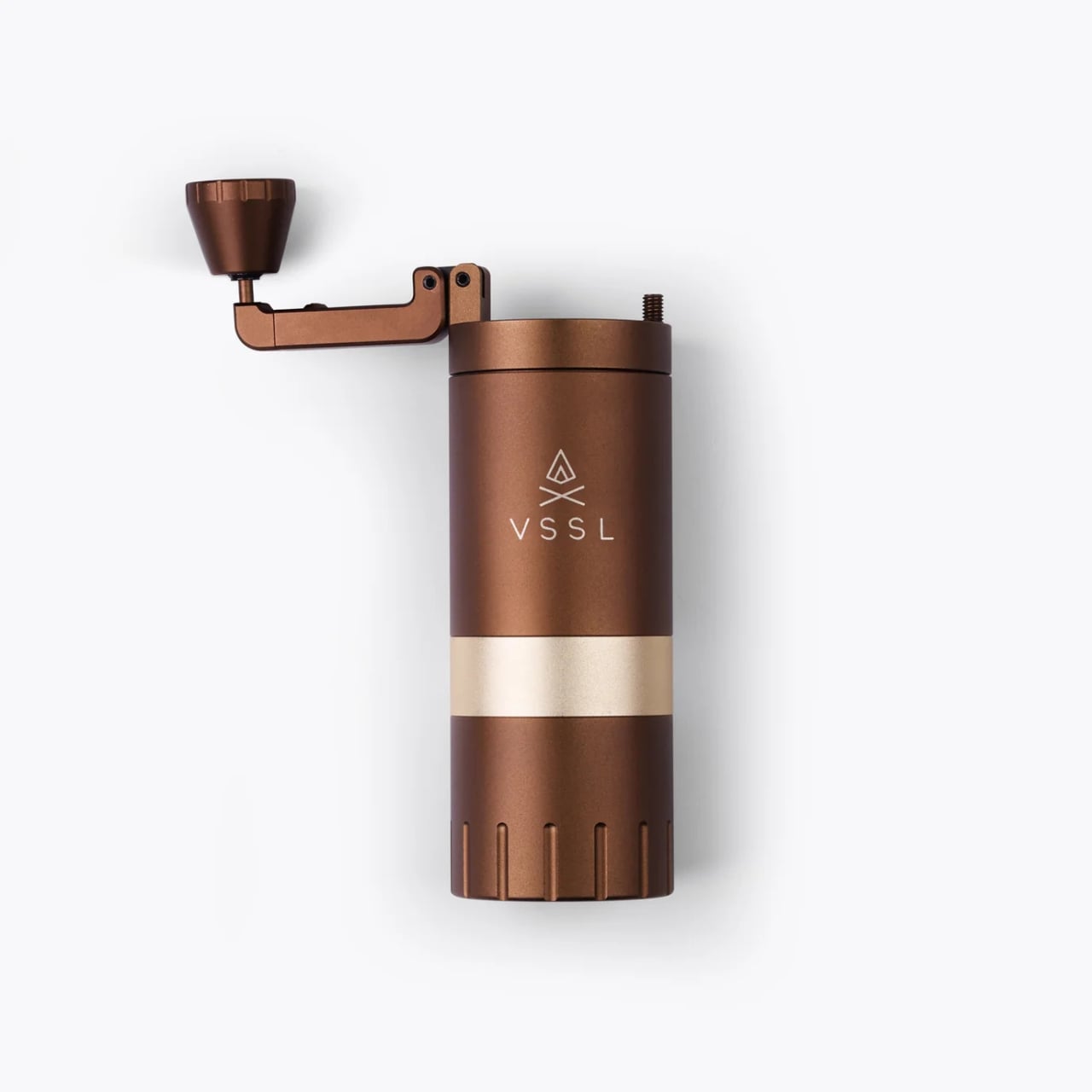
Manual coffee grinders traditionally demanded choosing between bulky plastic contraptions or fragile glass-and-wood designs that felt like a compromise rather than a choice. The VSSL Java G25 rewrites that narrative entirely, delivering rugged construction and refined aesthetics that transform grinding from a tedious chore into an enjoyable tactile ritual. The 25 distinct grind settings provide a range from espresso-fine to French press coarse, but the real achievement lies in making that adjustment feel intuitive rather than requiring an engineering degree to comprehend dials and knobs.
Fresh-ground coffee delivers flavor complexity that re-ground bags can’t match, and the G25 makes that quality accessible anywhere. The durable construction survives travel conditions that would destroy lesser grinders, while the compact form fits bags without dominating pack space. For the EDC enthusiast who refuses to compromise on morning coffee quality regardless of location, this grinder represents exactly the kind of refined tool that enhances daily rituals. The learning curve becomes part of the adventure rather than a barrier to entry, mastering a finely tuned instrument that rewards attention with consistently excellent results.
What We Like
Rugged construction survives travel and outdoor conditions
25 grind settings cover full range from espresso to French press
Transforms grinding into an enjoyable tactile ritual
Compact form factor fits bags without excessive bulk
What We Dislike
Manual grinding requires effort compared to electric alternatives
Premium pricing reflects high-quality construction and materials
9. Craftmaster EDC Utility Knife
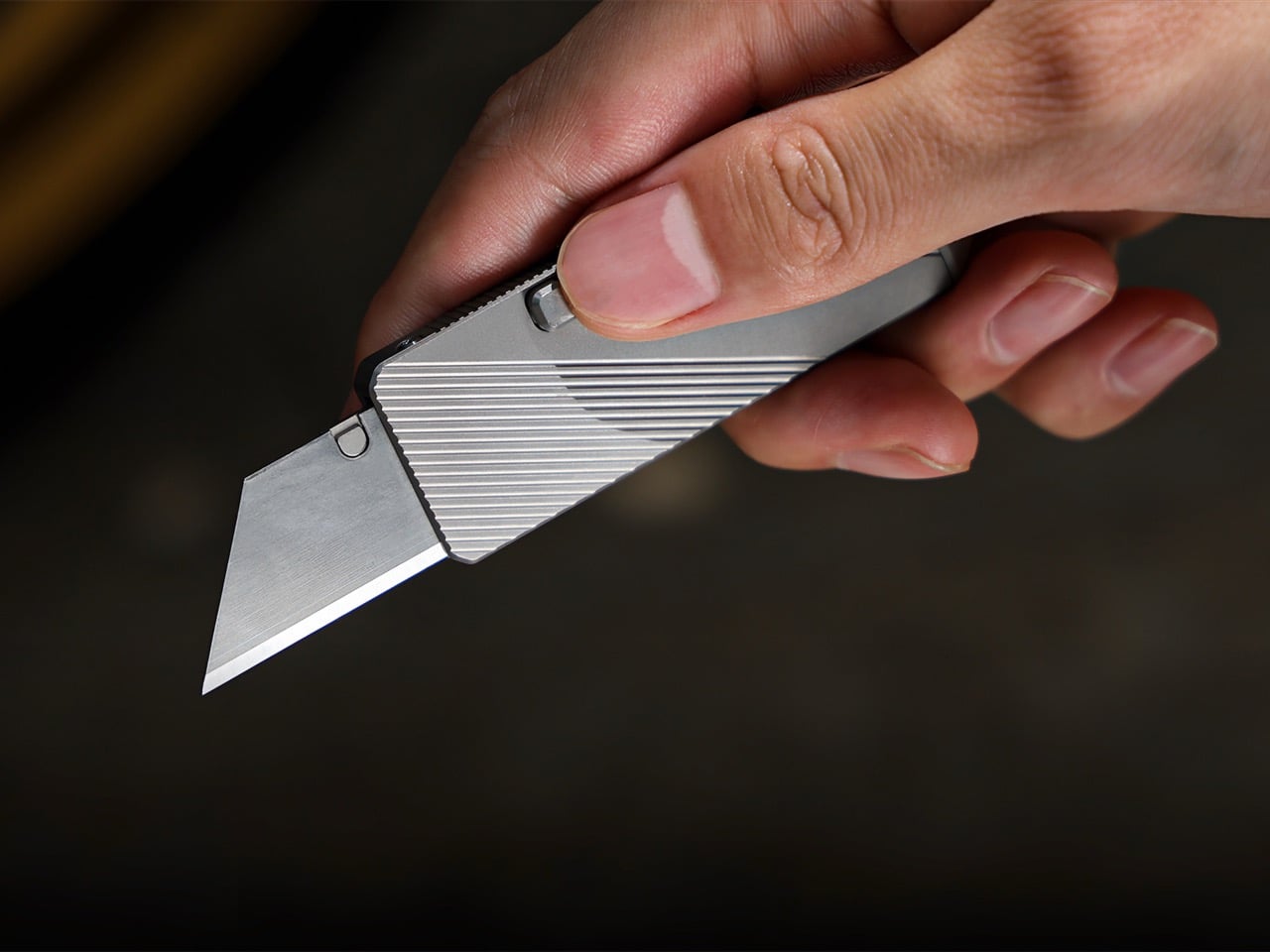
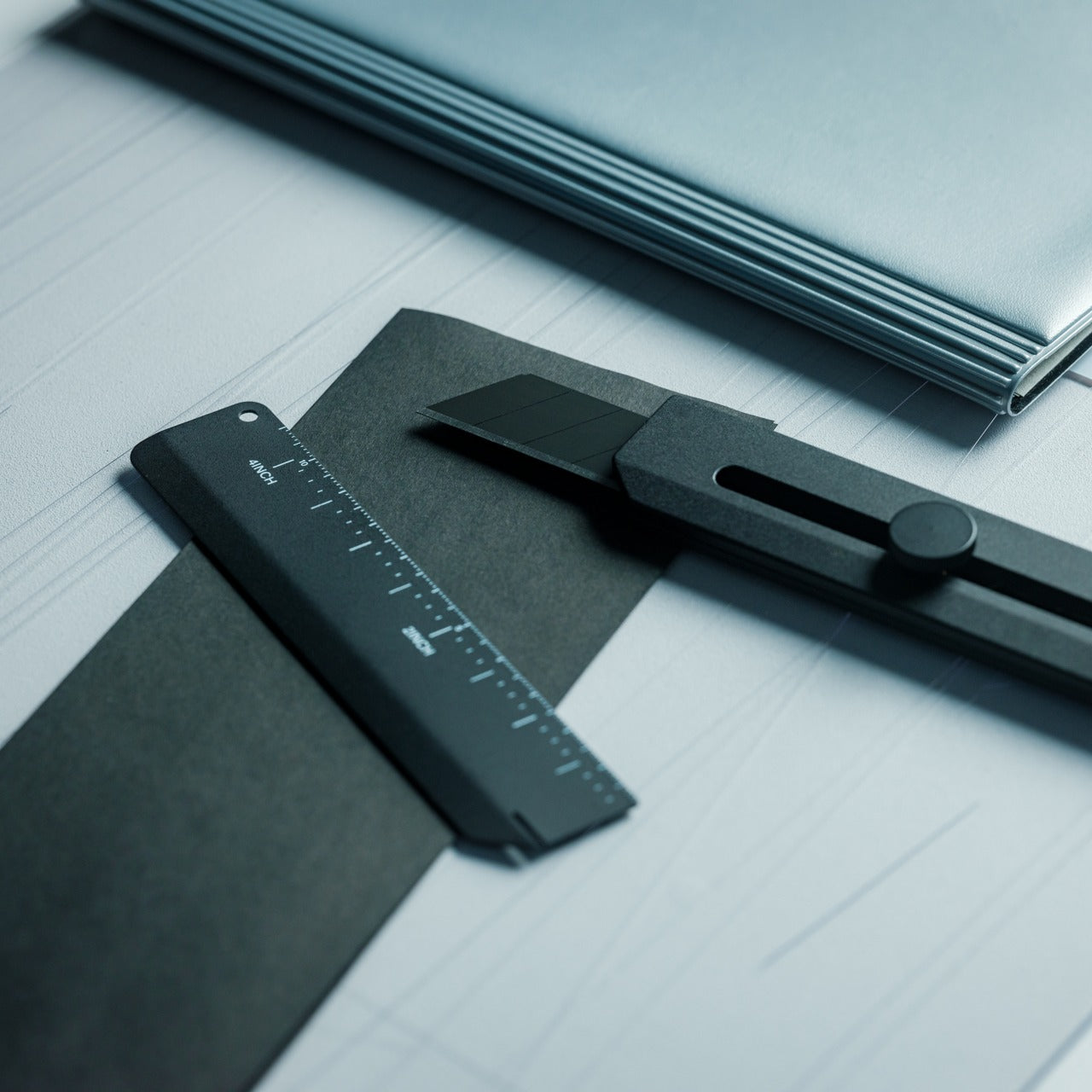
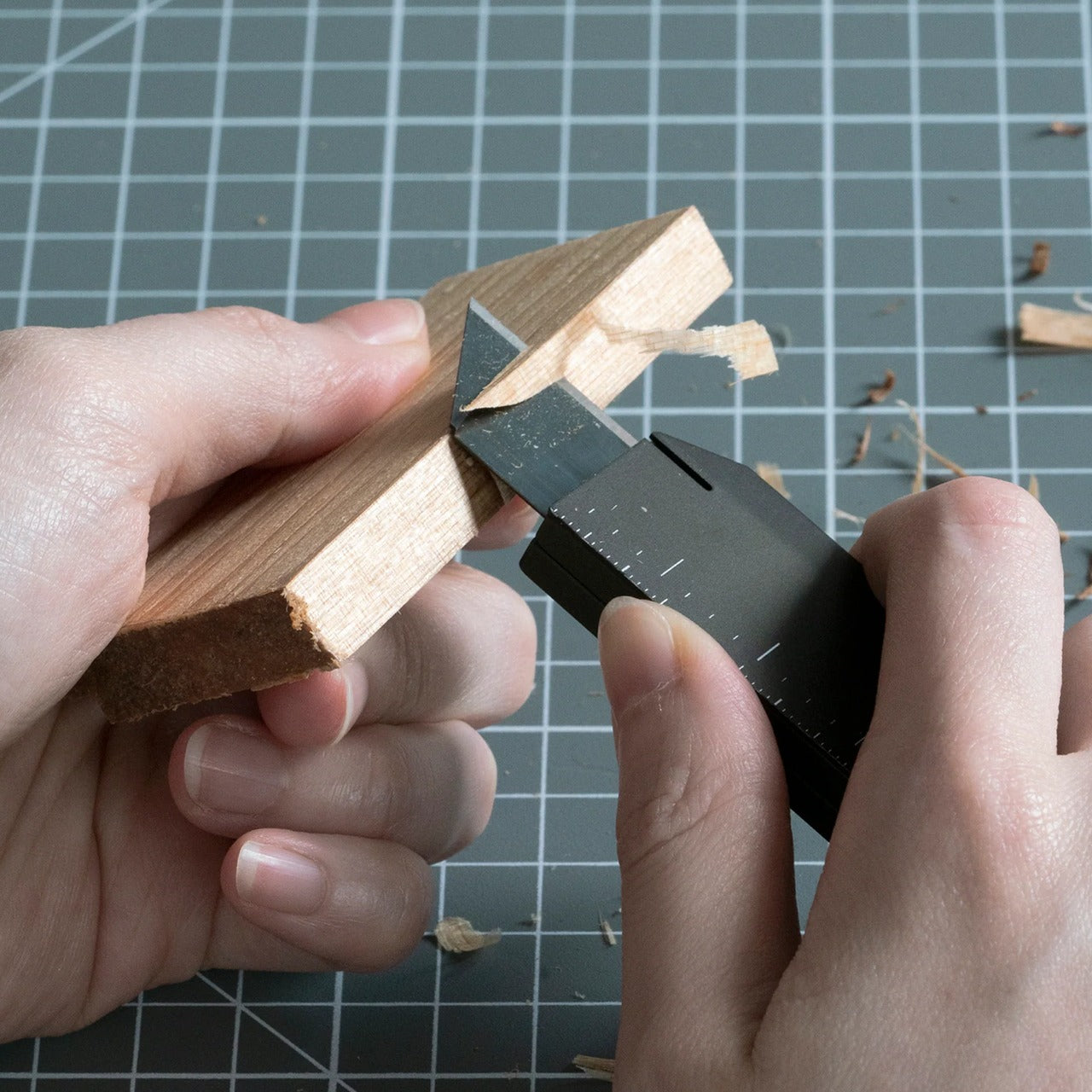
Utility knives typically sacrifice aesthetics for pure function, but the Craftmaster proves that clean, minimalist design can coexist with genuine utility. The metallic form measures just 0.3 inches thick and 4.72 inches long, disappearing into pockets while housing an OLFA blade deployed via a satisfying tactile rotating knob. The magnetic back serves a dual purpose—docking the knife to any metal surface and securing its companion metal scale that sports both metric and imperial markings for precision measuring during cutting tasks.
That included scale brings unexpected utility through thoughtful details. The raised edge makes lifting from flat surfaces effortless, while the integrated blade-breaker lets you snap off dulled OLFA blade edges to restore sharpness instantly. The 15-degree curvature prevents finger cuts during extended cutting sessions, and the 45-degree inclination protects box contents during package opening. For the EDC enthusiast who values tools that combine form with layered functionality, this utility knife represents exactly the kind of refined everyday carry that solves problems before they register as problems.
Mere 0.3-inch thickness enables effortless pocket carry
The OLFA blade can be easily replaced when dull
Magnetic back docks on metal surfaces conveniently
The included scale provides a measurement tool with a blade-breaking function
What We Dislike
The rotating deployment mechanism is slower than quick-release alternatives
Small companion scale easy to misplace separately
10. Fingertip-Sized Rechargeable Flashlight
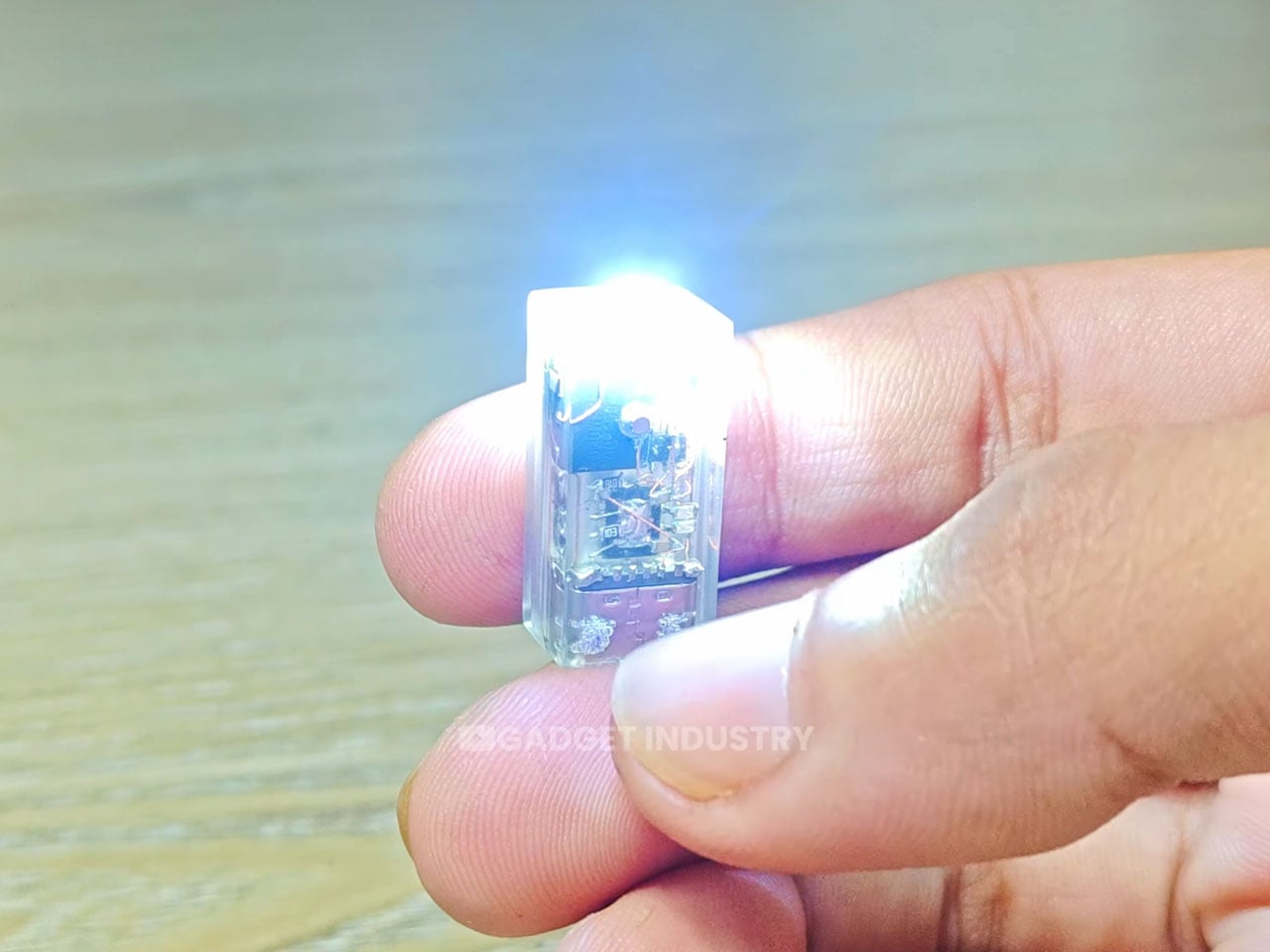
World’s smallest claims usually mean compromised functionality, but this fingertip-sized rechargeable torch by Gadget Industry pushes miniaturization to an obsessive extreme without sacrificing core capability. A lithium-polymer battery, charging circuit, touch-based control system, and white LED all seal into a compact resin shell that sits comfortably on a fingertip. It’s innovation through subtraction rather than addition, stripping everything down to absolute essentials and proving presence and accessibility can matter more than raw lumens.
The scale alone challenges assumptions about minimum viable flashlight dimensions. This micro torch takes the opposite route from bulky EDC lights, promising extreme brightness and endless modes, prioritizing availability over power. It’s the flashlight you actually have when you unexpectedly need light, precisely because you forget you’re carrying it. For the EDC enthusiast who believes the best tool is the one you actually carry, this rechargeable micro light represents the logical conclusion of pocket-worthy philosophy—making the tool so unobtrusive that excuses for leaving it behind simply don’t exist.
What We Like
Genuinely fingertip-sized form factor enables ubiquitous carry
A touch-based control system requires no mechanical switches
Sealed resin construction provides durability at minimal size
What We Dislike
Limited brightness compared to full-sized flashlight alternatives
Tiny form factor makes it easy to misplace when not clipped
Finding the Right Pocket-Worthy Gift
Valentine’s Day gifts work best when they demonstrate understanding of how someone actually lives their daily life. For the EDC enthusiast, that means tools that earn permanent pocket placement through consistent utility rather than novelty that fades. These ten designs represent that philosophy—gear refined enough to appreciate yet practical enough to justify carrying every single day without exception or second thought.
The best EDC gifts become invisible through constant presence, noticed only when they solve problems or make tasks slightly smoother. These pocket-worthy essentials transform Valentine’s Day from an obligatory gesture into a genuine expression of knowing what matters to him. Choose tools that match his carry style, and you’re giving something more valuable than objects—you’re showing you understand the intention behind his everyday choices. That recognition resonates long after Valentine’s Day passes.
Shipping container architecture continues to reshape residential design as we move into 2026. What began as a niche solution for sustainable living has matured into a mainstream housing option that balances affordability with architectural ambition. The current market shows container homes increasingly designed with modern interiors, smart home systems, and architectural detailing that support long-term residential use rather than temporary installations.
The designs featured this month represent the cutting edge of container home innovation. From compact 20-foot single-container retreats to expansive multi-container configurations, these homes prove that repurposed steel can create spaces that feel generous, light-filled, and remarkably comfortable. Each project demonstrates how thoughtful design transforms industrial materials into environments worth calling home, addressing both spatial efficiency and livability in ways that traditional construction often struggles to match.
1. Double Duo by Custom Container Living
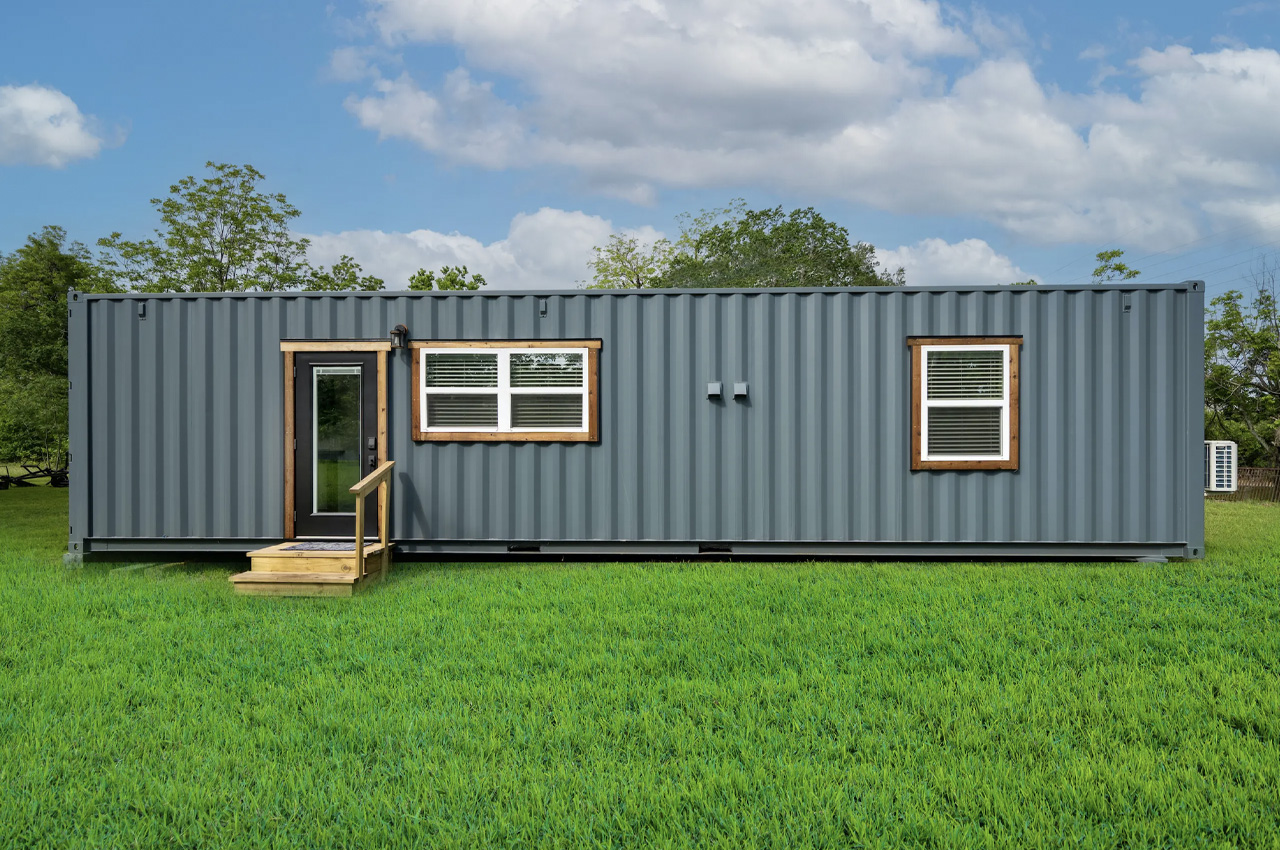
Custom Container Living’s Double Duo reimagines what’s possible when you move beyond single-container limitations. Using two 40-foot containers positioned to create 640 square feet of interior space, this design offers room to breathe that most tiny homes simply can’t match. The layout includes a generous living area, two separate bedrooms, and two full bathrooms, making it suitable for families or those who refuse to compromise on personal space. The exterior flexibility allows buyers to choose between raw industrial steel or warmer wood cladding, giving each home a distinct character.
Step through the entrance and the difference becomes immediately apparent. The living room accommodates full-sized furniture without feeling cramped, with space for an entertainment center, substantial sofa, and coffee table that wouldn’t look out of place in a conventional home. The kitchen runs adjacent to this social space, equipped with double sinks, a proper four-burner propane stove with oven, a fridge/freezer, and a microwave. Those willing to invest in upgrades can add a dishwasher and stacked washer/dryer, while abundant cabinetry ensures storage never becomes an afterthought in daily life.
What We Like
Dual-container configuration creates genuine room separation instead of forcing everything into one open space.
Two bathrooms eliminate morning conflicts and make hosting guests far more comfortable.
Kitchen rivals what you’d find in many traditional homes with its appliance selection and counter space.
Exterior customization options let owners express personal style rather than accepting a one-size-fits-all aesthetic.
What We Dislike
Larger footprint requires more land than ultra-compact container homes, which may limit placement options.
Using two containers increases both initial cost and complexity compared to simpler single-container builds.
A propane stove means ongoing fuel management rather than the simplicity of all-electric systems.
Industrial origins still show in ceiling height and structural elements despite the spacious floorplan.
2. Teeny Tiny Haus by Backcountry Containers
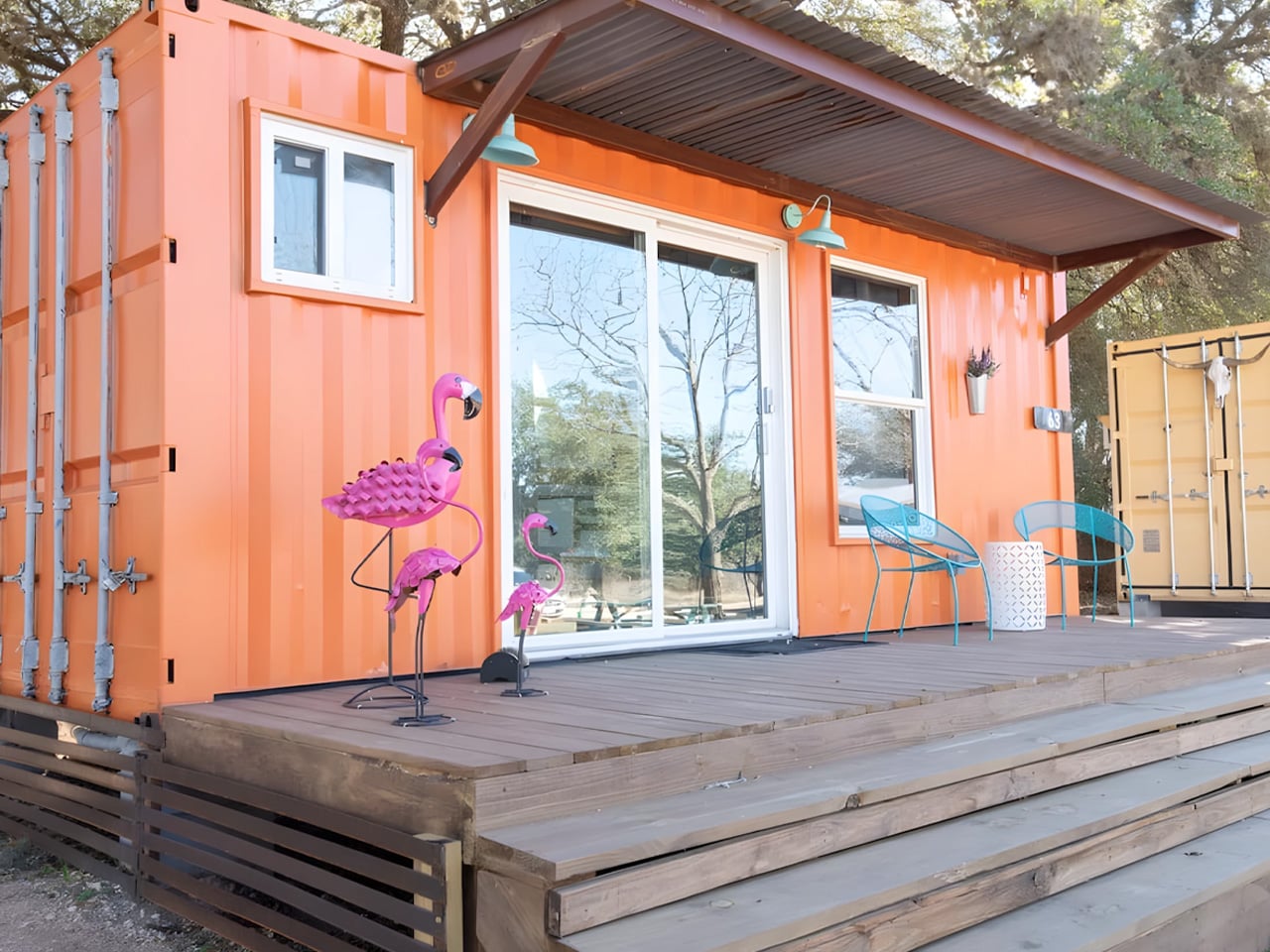
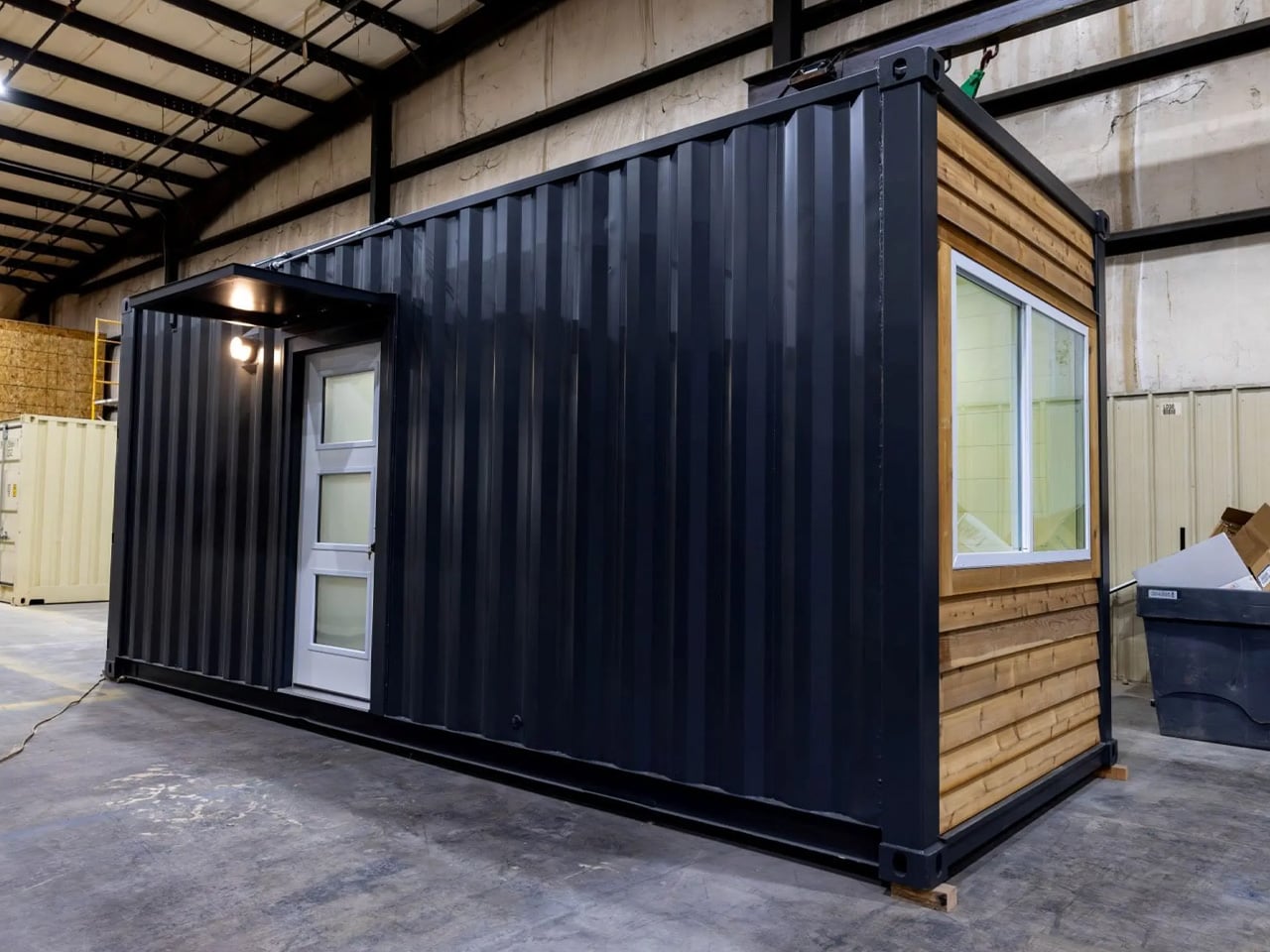
Backcountry Containers’ Teeny Tiny Haus in Stonewall, Texas, proves you can fit a complete vacation home into a single 20-foot container. At just 130 square feet, this retreat matches the footprint of compact European tiny houses while maintaining all essential functions. The design includes a dedicated bedroom area, a functional kitchen, and a full bathroom, all within steel walls measuring 20 feet long and 8 feet wide. Every inch serves a purpose, with the layout optimized to prevent the space from feeling cramped despite its minimal dimensions.
The success of the Teeny Tiny Haus lies in spatial efficiency rather than compromise. The bedroom accommodates a proper sleeping area without sacrificing access or comfort, while the kitchen includes the necessary appliances and prep space for actual cooking rather than just reheating. The full bathroom means no awkward outdoor facilities or makeshift shower arrangements. For couples seeking a weekend escape or solo travelers wanting a personal retreat, the compact footprint becomes an asset rather than a limitation, requiring minimal maintenance while delivering maximum function in a vacation property context.
What We Like
Complete home functionality packed into 20 feet demonstrates exceptional space planning.
Texas Hill Country location provides a proven example of climate-appropriate container living.
Compact size means lower heating and cooling costs that keep ongoing expenses manageable.
Single-container format simplifies both initial setup and any future relocation needs.
Limited storage means careful editing of belongings becomes essential.
The narrow 8-foot width restricts furniture choices and traffic flow patterns.
Small footprint makes hosting guests impractical beyond very brief visits.
3. Mark T by Sonic Steel
Sonic Steel’s Mark T in Port Neil, South Australia, takes a vertical approach by stacking three containers into a light-filled coastal retreat. The 40-foot high-cube container forms the main living level, while a compact 7-foot module houses the staircase connection, and a 20-foot unit creates an elevated master bedroom. Painted uniformly black, the exterior sheds any obvious industrial appearance, looking more like intentional modern architecture than repurposed shipping materials. The stacked configuration creates distinct zones within the home rather than relying on open-plan compromises.
Walking through reveals attention to residential comfort at every turn. The central kitchen anchors the main floor, designed to encourage gathering rather than isolation during meal prep. Generous windows throughout both levels flood spaces with natural light, while luxury vinyl flooring and powder-coated tapware add refinement that distances the home from its cargo container origins. The bathroom includes a proper shower, sink, and odorless composting toilet that reduces water consumption without sacrificing functionality. A Rheem gas hot water system handles domestic needs, with electrical and plumbing arriving ready for connection to simplify the installation process.
What We Like
Stacked design creates true room separation between living and sleeping areas.
Coastal Australian setting showcases how containers adapt to challenging salt-air environments.
Generous windows throughout both levels maximize natural light and cross-ventilation.
Pre-installed systems reduce on-site construction time and complexity.
What We Dislike
The staircase between levels creates accessibility challenges for those with mobility limitations.
Stacked configuration requires more complex foundation and structural engineering than ground-level designs.
The black exterior absorbs significant heat in sunny climates despite the coastal location.
Custom nature of the three-container system limits standardization and economies of scale.
4. The Nook
The Nook demonstrates how a single 20-foot shipping container can become a contemporary home for solo dwellers or minimalist couples. At 160 square feet, this compact residence offers slightly more breathing room than ultra-tiny alternatives while maintaining exceptional affordability. The black steel exterior paired with cedar accent panels creates a modern aesthetic that turns heads without requiring extensive customization. Inside, the efficient layout positions the sleeping area, kitchenette, and bathroom within easy reach, eliminating wasted circulation space while maintaining clear functional zones throughout the compact floorplan.
Closed-cell foam insulation throughout the ceiling, walls, and floor ensures year-round comfort regardless of external temperature swings, making the home viable in varied climates rather than limiting it to temperate regions. Strategic window and door placement maximizes natural light penetration and outdoor views, creating an unexpectedly airy atmosphere despite the modest square footage. The Nook serves multiple purposes beyond primary residence, working equally well as a guest suite, home office, or studio space. The budget-friendly approach makes container living accessible to first-time tiny home buyers or those needing auxiliary space without major financial commitment.
What We Like
Cedar accents warm the industrial aesthetic without requiring full exterior cladding.
Closed-cell insulation addresses thermal performance concerns that plague many container conversions.
Multiple use cases beyond the primary dwelling extend practical value.
Entry-level price point opens container living to broader audiences.
What We Dislike
160 square feet still requires a significant lifestyle adjustment and belongings editing.
Kitchenette designation suggests appliance limitations compared to full kitchen setups.
Single-container format means no room for expansion without major reconfiguration.
A compact bathroom likely means space constraints for fixtures and storage.
5. Rising Sun by UnContained Dreams
UnContained Dreams’ Rising Sun makes the most of its 9.6-foot height and 8-foot width to create a comfortable, compact home. The design addresses thermal performance head-on, applying closed-cell spray foam to all interior surfaces, including the ceiling, floor, and walls. This insulation strategy keeps the interior cozy during winter months and cool throughout summer, solving one of container architecture’s most persistent challenges. Multiple strategically placed windows ensure the space stays bright and inviting despite the narrow footprint, with thoughtful positioning that maintains privacy while maximizing daylight penetration.
The exterior combines metal with wood trim, achieving a functional appearance that balances industrial utility with residential warmth. Doors cut into the container provide practical entry points and ventilation options, while the interior layout allocates space for all essential living functions without feeling cramped. Rising Sun targets buyers seeking straightforward, well-insulated housing that requires minimal ongoing maintenance. The design philosophy emphasizes practical solutions over architectural showmanship, delivering a home that performs reliably across varying climate conditions while remaining accessible to those new to alternative housing models.
What We Like
Comprehensive spray foam insulation eliminates the thermal bridging issues common in container homes.
Taller 9.6-foot height creates more interior volume than standard container dimensions.
Metal and wood exterior combines durability with visual appeal.
Straightforward design reduces complexity and potential maintenance headaches.
What We Dislike
8-foot width constrains furniture placement and room layout options significantly.
Emphasis on practicality means less architectural drama than more ambitious container projects.
Compact dimensions limit suitability for families or those working from home.
Single-container format offers no expansion possibilities without adding separate modules.
Making the Right Choice
Container home architecture has evolved far beyond its experimental origins into a legitimate housing category. The five homes featured here represent different approaches to the same fundamental challenge: transforming industrial steel boxes into comfortable living environments. From the spacious Double Duo to the ultra-compact Teeny Tiny Haus, each design makes specific trade-offs between space, cost, and complexity that suit different buyer priorities and lifestyle requirements.
The current market reflects growing sophistication in container home design, with builders addressing insulation, natural light, and spatial efficiency more effectively than early pioneer projects. Whether you’re drawn to vertical stacking like the Mark T or prefer ground-level simplicity like The Nook, January 2026 offers container home options that feel less like compromises and more like intentional architectural choices. These homes prove that starting with shipping containers doesn’t mean accepting industrial aesthetics or cramped quarters in your final living space.
The IndigoGo! by Indigo River Tiny Homes redefines what compact living can look like. This single-level tiny house eliminates the typical loft bedroom found in most mobile dwellings, creating an accessible design that prioritizes ease of movement and travel convenience. Everything is arranged on one level without any lofts, making it an ideal choice for those who want to avoid climbing ladders or navigating stairs in their daily routine. This thoughtful approach opens up tiny living to a broader audience, including those with mobility concerns or anyone who simply prefers the convenience of single-floor living.
Measuring between 10.5 and 11 feet at its tallest point, the IndigoGo! maintains a low profile that makes towing significantly easier than taller models. The interior ceiling height ranges from 8 to 8.5 feet, providing comfortable headroom throughout the home without the climbing required by traditional tiny home designs. This lower roofline not only improves travel convenience but also reduces wind resistance on the road, making the home more fuel-efficient to transport. The single slope roof comes standard, though buyers looking for a more traditional aesthetic can upgrade to a gable roof design.
The model’s flexibility stands out as its greatest strength. Available in seven different lengths starting at 16 feet and extending up to 40 feet, the IndigoGo! can accommodate various lifestyle needs and preferences. The 24-foot version offers a sweet spot for those seeking something easy to transport, while the larger configurations approach apartment-sized living spaces. All models are available in a 10-foot width, providing generous space compared to narrower alternatives and making the interior feel more like a traditional home. This range means buyers can select exactly the right size for their needs, whether they’re looking for a minimalist retreat or a more spacious full-time residence.
Indigo River Tiny Homes positions the IndigoGo! as their most economical option when choosing wood framing. For buyers planning frequent moves, the company also offers a SIPs Traveler’s Package, providing lightweight construction paired with enhanced durability that can withstand the rigors of regular travel. The exterior features engineered wood with cedar accents, creating visual warmth while maintaining practical weather resistance against the elements. A small exterior storage box provides additional space for outdoor equipment or travel necessities. These thoughtful design choices balance aesthetics with functionality, ensuring the home looks beautiful while performing well on the road.
Inside, the design maximizes every inch of available space with clever storage solutions and thoughtful layouts. The sleeping area incorporates a queen-sized bed with integrated storage underneath, addressing one of tiny living’s biggest challenges: finding room for belongings. The bathroom doesn’t compromise on quality, offering custom tile and stone surround options that bring a touch of luxury to the compact space. An anti-fogging lighted mirror adds both practicality and ambiance, while custom window shades come standard throughout the home, allowing owners to control light and privacy as needed. The interior layout creates one large multifunctional living area that can be customized based on individual needs and preferences.
Built by the veteran-owned Indigo River Tiny Homes in Texas, each IndigoGo! reflects over 18 years of construction and home-improvement experience. The company emphasizes craftsmanship over cookie-cutter production, creating custom builds designed to withstand daily living for decades rather than serving as occasional vacation retreats. The IndigoGo! rides on a double-axle trailer and is fully road legal, making it easy to tow whether you handle it yourself or hire professionals. One limitation to note: the IndigoGo! doesn’t accommodate a gooseneck upgrade, which some buyers use to create additional overhead space in larger models. For those interested in downsizing without giving up ground-level convenience, the IndigoGo! offers a practical and economical entry point into mobile living, with customization options that let buyers find the perfect balance between portability and living space.