10 Best Gadgets of April 2026 Every Tech-Savvy Gen Z Is Obsessed With (And We Get Why)

Gen Z isn’t chasing spec sheets or benchmark scores. They’re chasing objects that fit the way they actually live: portable, intentional, and quietly smart. April 2026 delivered a lineup that genuinely gets that energy. From satellite-connected wearables to battery-free speakers, these ten gadgets are doing something harder than simply being powerful. They’re being useful, and in a market saturated with noise and empty promise, that distinction is becoming genuinely rare.

The gadgets on this list aren’t competing for attention. They’re designed around how people actually behave: working from cafés, traveling between cities, tuning out distractions, or surviving in places where infrastructure doesn’t reach. Some rethink materials, some rethink interfaces, and some rethink habits entirely. What they share is a design sensibility that respects the user’s time and intelligence. That’s the standard Gen Z holds, and this month, these ten deliver.

1. O-Boy Satellite Smartwatch

The O-Boy is built for the places where your phone gives up. Brussels-based studio Futurewave designed this satellite-connected smartwatch for emergencies in environments where mobile networks simply don’t exist: open ocean, mountain terrain, remote job sites. No bars, no Wi-Fi, no backup signal required. The watch transmits an emergency alert directly via satellite, making it one of the few wearables that actually keeps its promise when conditions are worst.

What makes the O-Boy genuinely impressive isn’t just the satellite capability; it’s how it was achieved. Futurewave pulled together product designers, electronics engineers, and antenna specialists and rethought the assembly process from the ground up. Getting satellite hardware into a compact, wearable form factor is not a small engineering feat. The result is a device that pushes the category forward rather than iterating on what already exists, and that distinction matters.

What We Like

  • Satellite communication works completely off the grid
  • Cross-disciplinary engineering produced a genuinely compact wearable form factor

What We Dislike

  • Designed primarily for emergencies, limiting everyday lifestyle appeal
  • Satellite connectivity may come with additional subscription costs

2. Minimal Laptop UI Concept

Inspired by the design philosophy of Teenage Engineering, the Minimal Laptop UI concept imagines what a laptop would look like if hardware and software were built around the same principle: less friction, more focus. The interface relies on strong visual hierarchy, generous spacing, and elements that appear only when necessary. Toolbars, panels, and persistent notifications are stripped away entirely, leaving a workspace that feels calm rather than cluttered.

For a generation that grew up multitasking across four open tabs and a split screen, this concept offers something surprisingly radical: a single surface to think on. Typography is clean and deliberate, icons are reduced to their most recognizable forms, and content stays at the center. It’s not about doing less. It’s about designing a machine that doesn’t compete with the work you’re trying to do on it, and that’s a harder problem than it sounds.

What We Like

  • Interface is designed around focus rather than feature density
  • Aesthetic language is distinctive and quietly confident

What We Dislike

  • Remains a concept with no confirmed production timeline
  • Minimal UI may not suit users who rely on multi-panel workflows

3. Battery-Free Amplifying iSpeakers

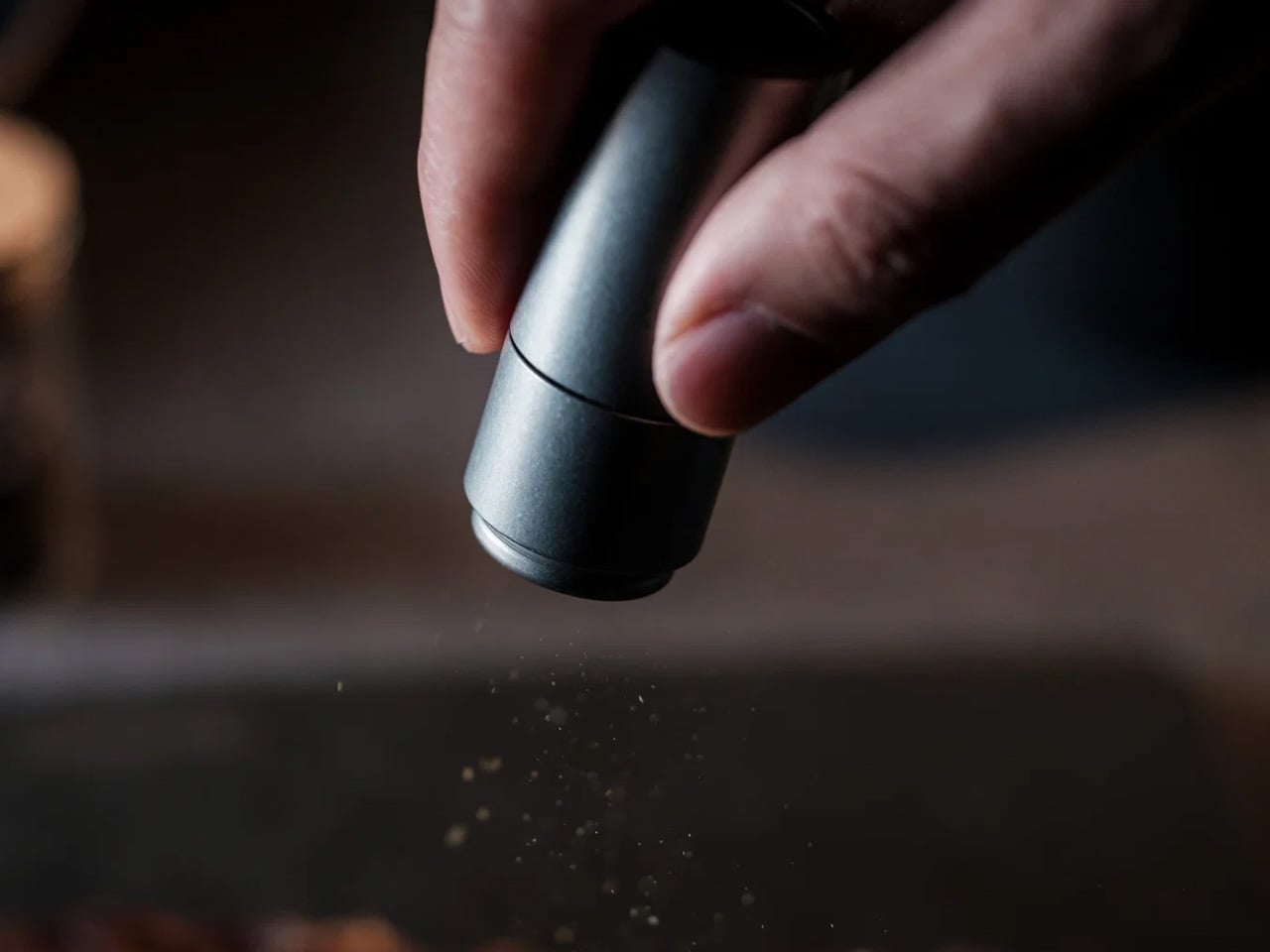
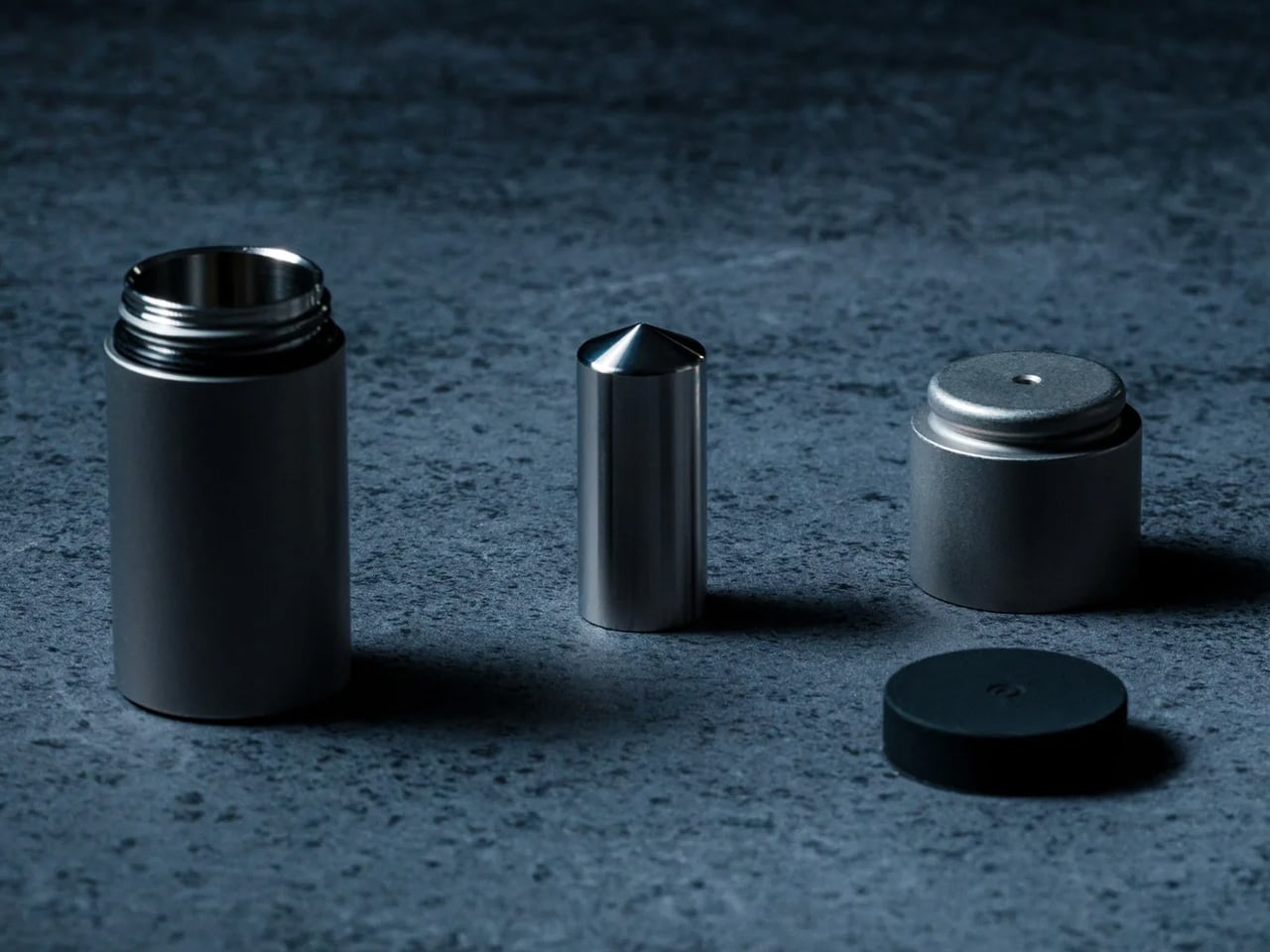
No power outlet, no battery, no Bluetooth pairing. Place your phone in the iSpeakers, and the sound amplifies. Built from Duralumin, the aluminum alloy used in aircraft construction, this passive speaker uses the golden ratio in its geometry to enhance resonance naturally. The result is an amplifier that genuinely improves your phone’s audio without asking anything of your power strip or your patience, which is a more elegant solution than most audio hardware manages.

The iSpeakers work anywhere, which makes them useful in a way that over-engineered audio gear often isn’t. A desk speaker that never needs charging is always ready. The aesthetic is understated and precise, the kind of object that improves a space by being in it rather than demanding attention. For anyone tired of hunting for cables and waiting for Bluetooth to pair, this is a refreshingly simple alternative that earns its place on any desk.

Click Here to Buy Now: $179.00

What We Like

  • Zero power requirement means zero limitations on where it works
  • Duralumin construction gives it both durability and a premium, clean look

What We Dislike

  • Audio output depends entirely on the quality of the phone’s built-in speaker
  • Sound-directing mods are sold separately, adding to the total cost

4. Xiaomi UltraThin Magnetic Power Bank 5000 15W

At 6mm thick, the Xiaomi UltraThin Magnetic Power Bank is thinner than any smartphone currently on the market. Using silicon-carbon battery chemistry with 16% silicon content, Xiaomi managed to pack 5,000mAh into something that looks and feels like a metal business card. The aluminum alloy shell has a smooth, understated finish, and a photolithographically etched logo on the back signals a product designed with care rather than simply manufactured to a spec sheet.

Available in Glacier Silver, Graphite Black, and Radiant Orange, this power bank debuted in Japan, expanded across Australia, Singapore, South Korea, and Europe, and made its global appearance at MWC 2026 in Barcelona. European pricing sits around €60, which is reasonable for what it delivers. The phone-facing surface uses fire-resistant fiberglass with an excimer coating for heat management, a detail that matters when you’re charging magnetically and want the hardware to stay cool.

What We Like

  • Silicon-carbon battery achieves 5,000mAh in a 6mm profile
  • Premium materials and finish at an accessible price point

What We Dislike

  • 15W wireless charging is modest compared to faster wired alternatives
  • The ultra-slim design means no additional ports or USB-A pass-through

5. tinyBook Flip

The tinyBook Flip is a foldable phone concept built around a 6.1-inch E Ink display. Closed, it collapses into a near-square form with a matte white finish and rounded corners, closer in proportion to a folded notecard than a smartphone. When shut, the screen disappears entirely. No glowing rectangle sitting face-up on the desk, no ambient reminder that there are things to check. Just a small, quiet object doing nothing at all.

That quietness is the design feature. Opening the phone requires a deliberate physical action, and that two-second pause changes the behavioral math around screen time. A reflexive grab becomes a conscious decision. The concept treats this friction as intentional, a design choice rather than an inconvenience. For anyone who has tried every screen time app and still reaches for their phone without thinking, the tinyBook Flip proposes something more honest: a phone that makes you choose to open it.

What We Like

  • Foldable form adds physical friction that genuinely interrupts mindless scrolling
  • Matte E Ink display avoids unnecessary glow and is easy on the eyes

What We Dislike

  • E Ink refresh rates remain too slow for video or fast-moving content
  • Currently a concept with no confirmed production or pricing information

6. OrigamiSwift Folding Mouse

The OrigamiSwift is a Bluetooth mouse that folds flat for travel and springs back to full size in under 0.5 seconds. Weighing 40 grams, it’s light enough to forget it’s in your bag until you need it. Inspired by origami, the foldable structure doesn’t sacrifice ergonomics for portability. It’s shaped to fit naturally in the hand during long work sessions, whether at a co-working space, a café, or an airport gate somewhere between time zones.

For digital nomads and students tired of trackpads and bulky peripherals, the OrigamiSwift makes a compelling case for carrying a full-sized experience in a pocket-sized package. The slim profile keeps it flat and unobtrusive in any bag, and the Bluetooth connection removes the need for a dongle. It’s the kind of product that solves a problem you’ve quietly accepted as unsolvable, and does it with a detail-first design sensibility that genuinely earns the attention it’s getting.

Click Here to Buy Now: $85.00

What We Like

  • Folds flat without compromising ergonomic performance when open
  • The 40-gram weight makes it genuinely unnoticeable in a bag

What We Dislike

  • No published DPI range or click precision specifications available
  • May not satisfy users who prefer a heavier, more substantial mouse feel

7. DuRobo Krono

The DuRobo Krono puts a 6.13-inch E Ink Carta 1200 display in a form factor that fits a jacket pocket. At 300 PPI with an 18:9 aspect ratio and a weight of 173 grams, it reads more like a physical book than most dedicated e-readers manage. Eight subtle breathing lights run across the back panel, a quiet visual indicator during focused sessions that adds character without becoming a distraction. The matte finish and geometric build keep it composed in any setting.

The Krono’s standout feature is the smart dial on its left side. Press and hold to record voice notes, and the onboard AI transcribes your words into searchable text, generating summaries of longer recordings automatically. For readers who take notes in the margins or thinkers who process ideas out loud, that combination of reading tool and voice capture is genuinely useful. It positions the Krono somewhere between a dedicated e-reader and a thinking device, which is a more interesting category entirely.

What We Like

  • AI voice recording and transcription work directly on the device
  • 300 PPI display and pocket-friendly form factor rival premium reading devices

What We Dislike

  • The 18:9 aspect ratio may feel narrow for reading PDFs or documents
  • Breathing lights, while subtle, may distract in dark reading environments

8. StillFrame Headphones

StillFrame headphones are built around a quieter philosophy: slow listening, deliberate sound, the kind that rewards attention. The 40mm drivers deliver a wide, open soundstage that turns quiet tracks into something textured and spatial. The form references the geometry of ’80s and ’90s CDs and sits in quiet visual dialogue with the ClearFrame CD Player, a nod to an era when music had physical weight, and the act of listening was its own ritual worth showing up for.

The StillFrame sits between in-ears and over-ears in both feel and philosophy: more open than the former, more relaxed than the latter. Noise-cancelling and transparency mode let you shift between solitude and awareness with a single tap, making them genuinely adaptable across environments. They’re featherlight without feeling hollow, and the overall build is measured and considered. For a generation rediscovering vinyl and physical media, StillFrame offers that same intentional energy in a wireless headphone.

Click Here to Buy Now: $245.00

What We Like

  • Wide soundstage from 40mm drivers gives music genuine spatial depth
  • Noise-cancelling and transparency modes make it adaptable across daily environments

What We Dislike

  • An on-ear fit may cause discomfort during extended listening sessions
  • Retro aesthetic is distinctive but may not appeal to all personal tastes

9. HubKey Gen2

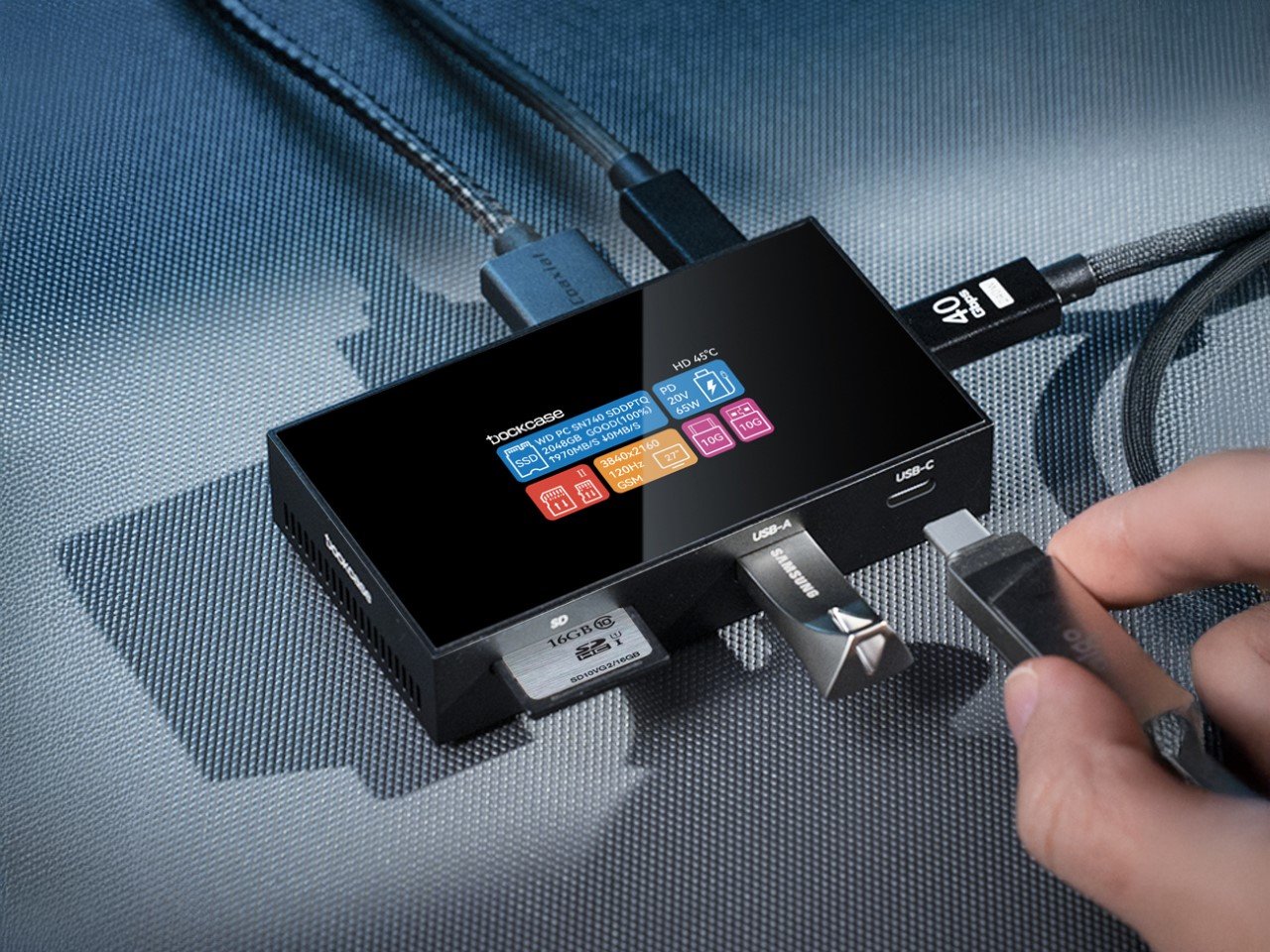
The HubKey Gen2 solves the dongle problem that every ultrabook user has quietly accepted as part of working life. Eleven connections are consolidated into a palm-sized cube: dual 4K display support, Ethernet, USB-A and USB-C, and power pass-through included. For anyone working across monitors and peripherals from a laptop with two USB-C ports, this is the kind of product that makes the workspace actually functional without turning the desk into a cable graveyard piled with adapters.

Four programmable keys and a central control knob are what separate the HubKey Gen2 from a standard hub. Muting a microphone, adjusting volume, toggling camera privacy: these are actions that get buried in menus and keyboard shortcuts during live calls. The Gen2 makes them physical, tactile, and immediate. For remote workers, creators, and students who live on video calls, having media controls within arm’s reach rather than three clicks deep is a quality-of-life upgrade that’s hard to give back.

What We Like

  • Eleven connections in one compact cube eliminate dongle accumulation entirely
  • Programmable keys and control knob bring commonly buried actions to the surface

What We Dislike

  • Cables from all eleven ports could still create desk clutter around the hub
  • Programmable keys may require setup time and dedicated software to configure properly

10. Razer Raiju V3 Pro

The Razer Raiju V3 Pro takes the sensor thinking behind high-performance gaming mice and applies it to a PlayStation-compatible controller. Tunnel Magnetoresistance thumbsticks use weak electromagnetic waves to detect movement with higher resolution than standard Hall Effect sensors. Drift is addressed at the hardware level, not patched in software. Hall Effect triggers cover the remaining high-wear inputs. At 258 grams, it sits lighter than the DualSense Edge without feeling insubstantial in the hand.

Six additional inputs are distributed across the frame: four removable back buttons in the rubberized handles and two claw-grip bumpers flanking the triggers, all fully remappable. Razer’s HyperSpeed 2.4GHz wireless reaches a 2,000Hz polling rate on PC. Battery life is rated at 36 hours, nearly triple the DualSense standard. Officially licensed for PlayStation 5, it requires no adapters and connects as a native peripheral. For competitive players who want every hardware advantage in one place, the Raiju V3 Pro sets the current ceiling.

What We Like

  • TMR thumbsticks offer finer movement resolution with hardware-level drift prevention
  • 36-hour battery life and 2,000Hz polling rate on PC are best-in-class figures

What We Dislike

  • At 258 grams, it may feel heavy for players accustomed to lighter controllers
  • Six extra inputs and full remapping may overwhelm casual or new users

The Gadgets That Actually Deserve the Hype

April 2026’s best gadgets share a common thread: they were designed around how people actually behave, not how manufacturers hope they will. Whether it’s a satellite smartwatch that works when nothing else does or a foldable phone that makes you pause before opening it, the most interesting tech this month isn’t louder or flashier. It’s more considered, and that’s a harder thing to consistently get right.

Gen Z has always been quick to call out products that look useful but don’t deliver. This list holds up to that standard. From a power bank thinner than any phone to an AI e-reader that captures your thoughts out loud, these are gadgets that earn their place on a desk or in a bag, and that’s a harder standard to meet than it might seem to anyone designing in this space.

The post 10 Best Gadgets of April 2026 Every Tech-Savvy Gen Z Is Obsessed With (And We Get Why) first appeared on Yanko Design.
Inside the Espresso: Modern Tiny Living’s 20-Foot Tiny House on Wheels That Proves Small Can Be Bold

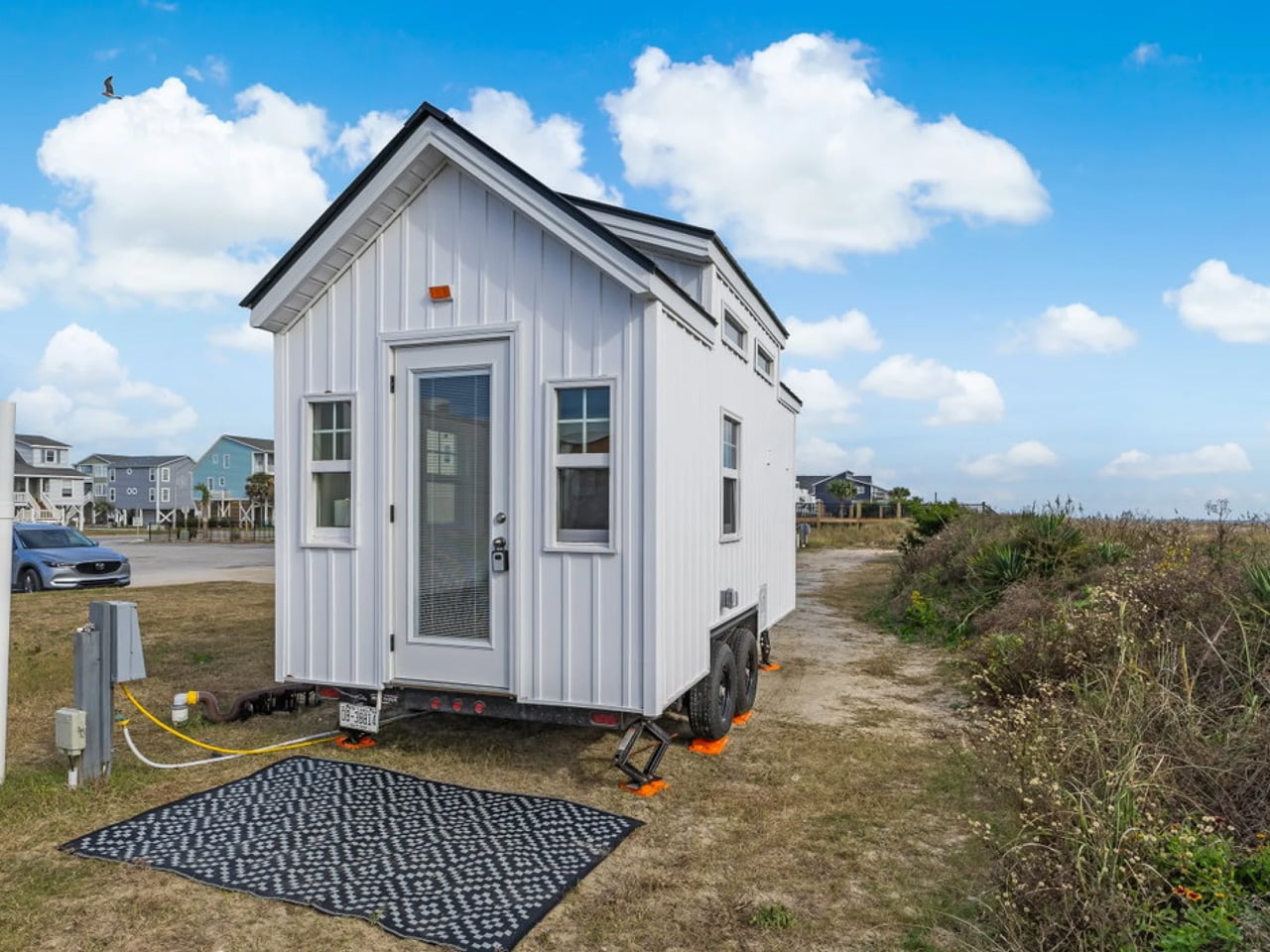
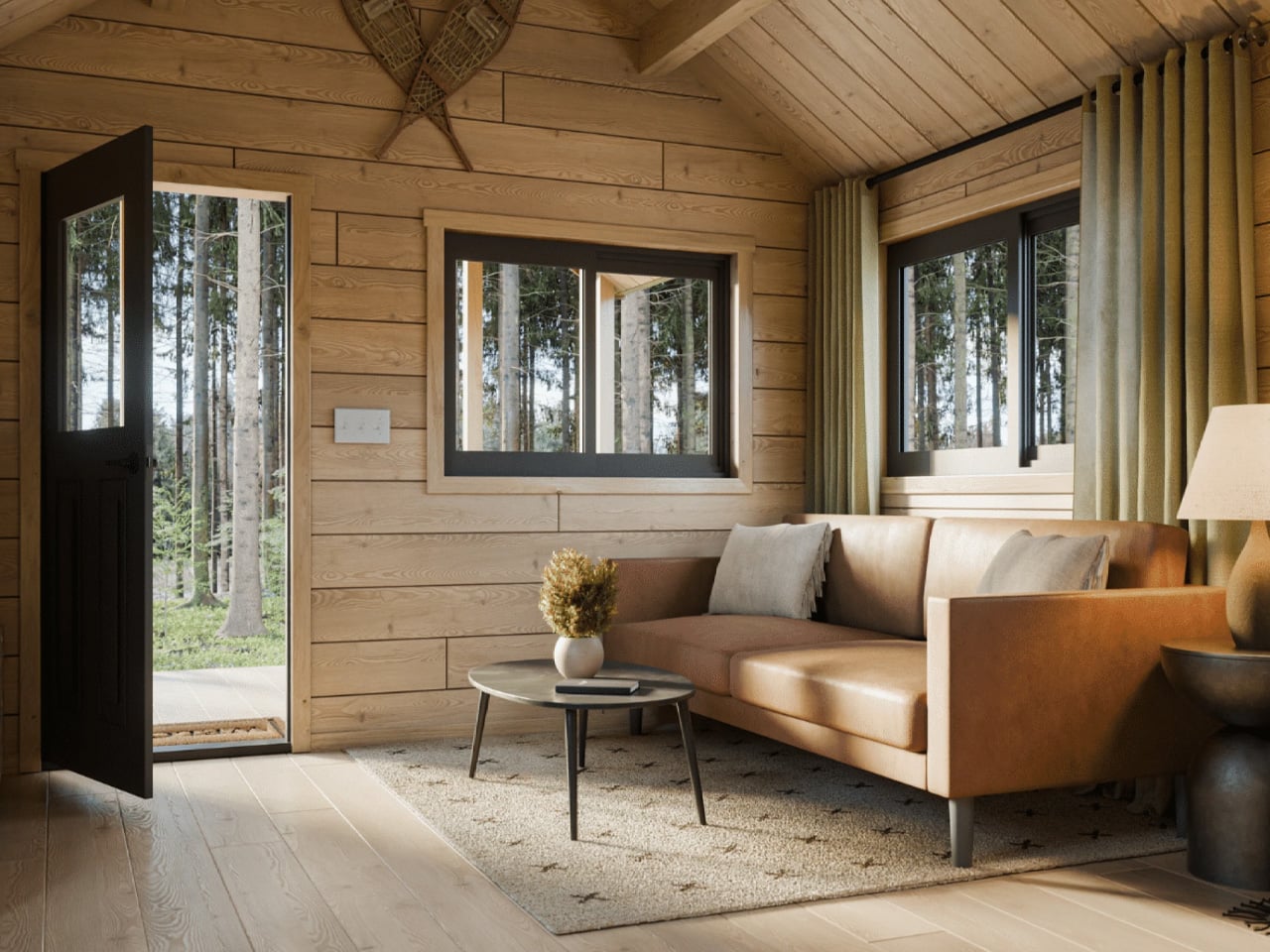
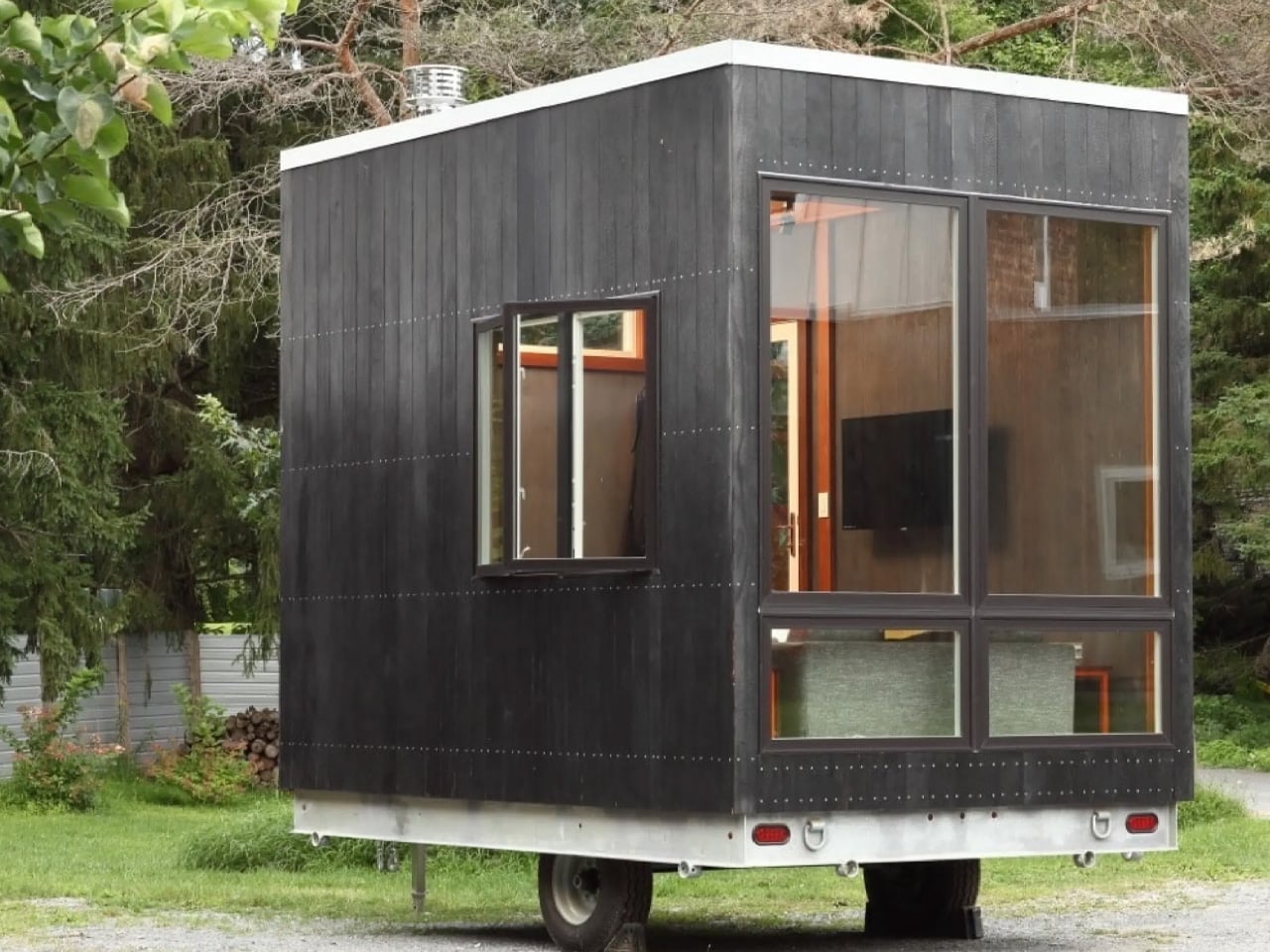
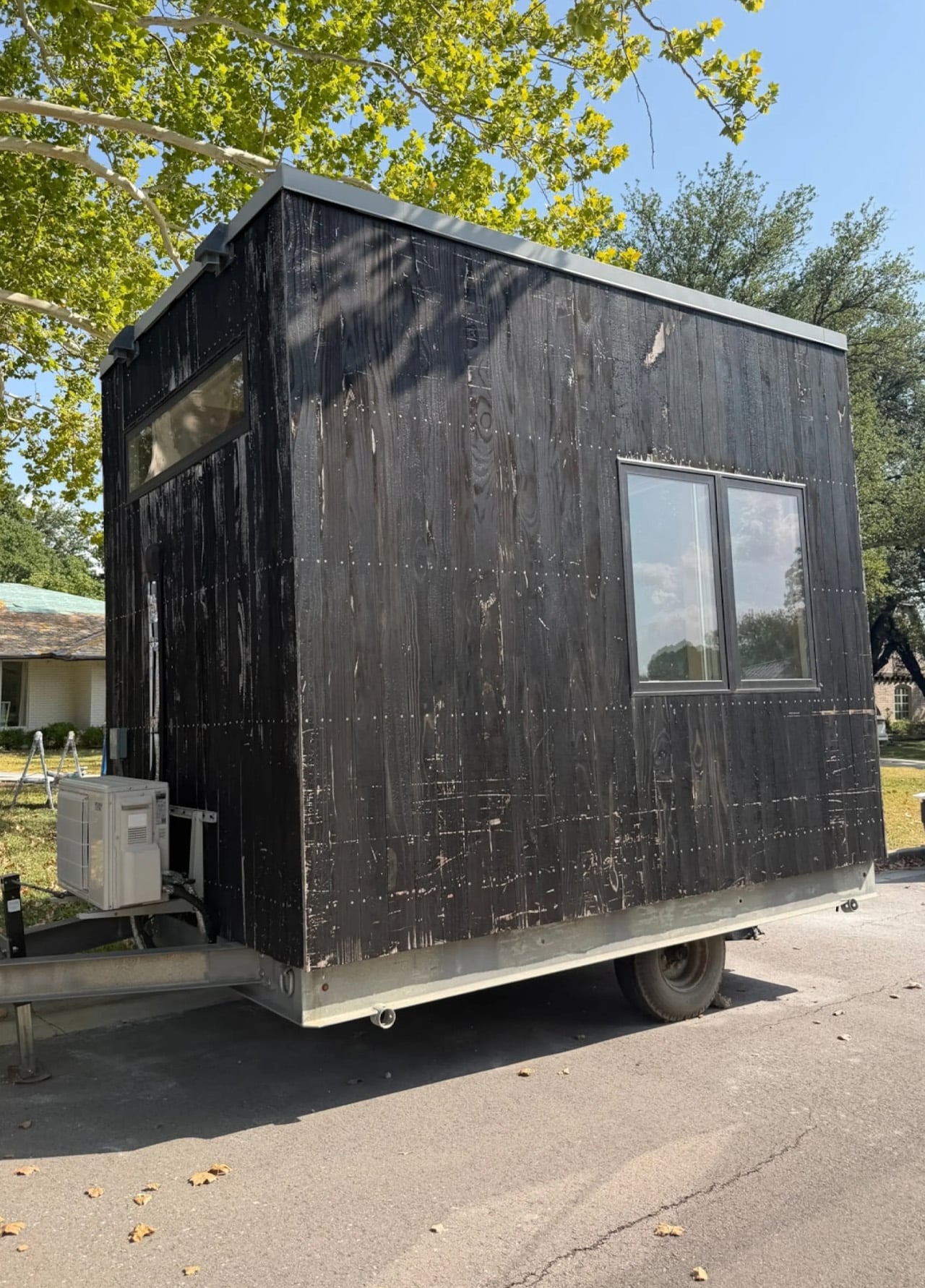
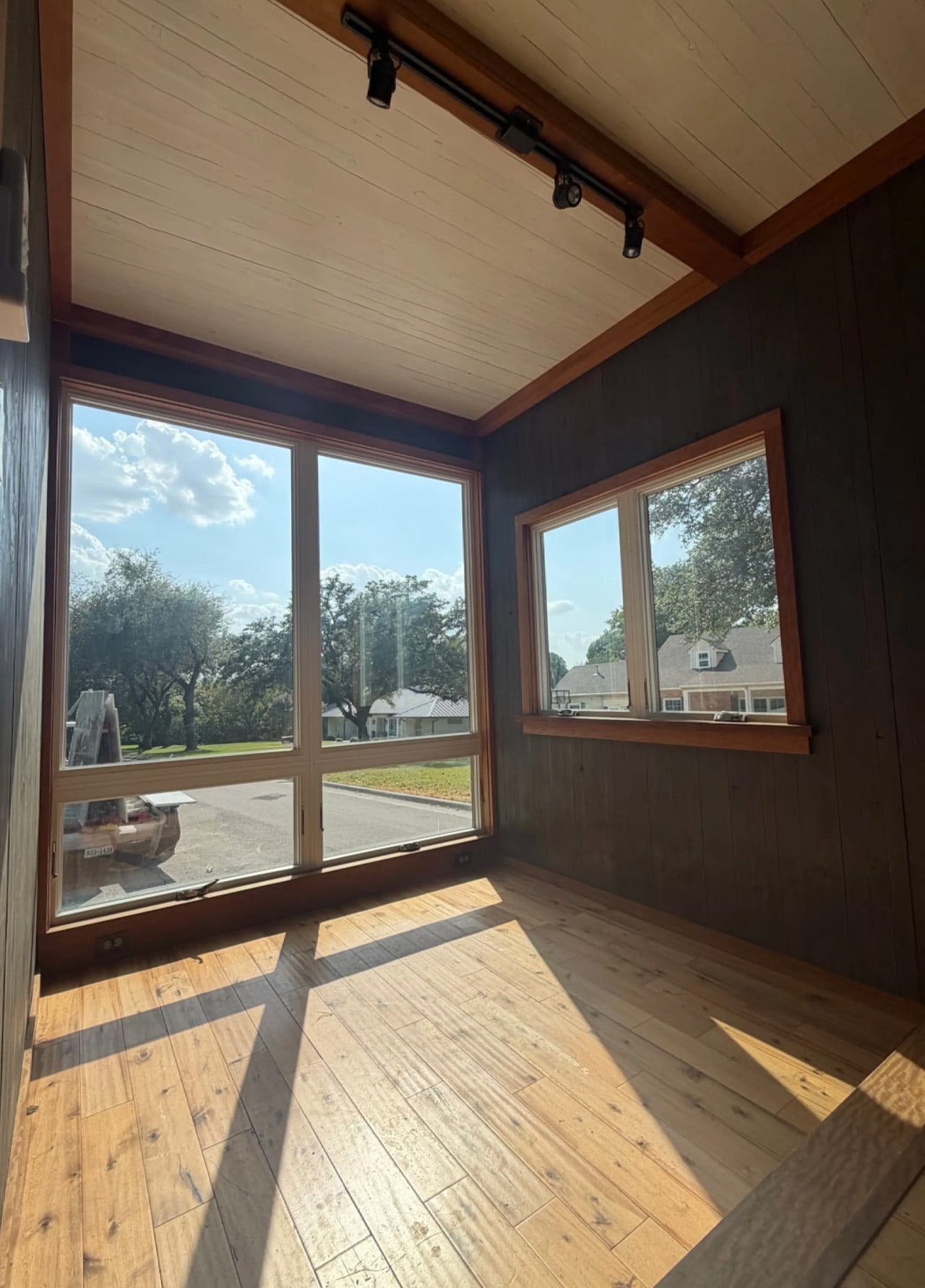
There’s a version of small living that doesn’t ask you to compromise. The Espresso, built by Ohio-based Modern Tiny Living on their popular Mohican platform, makes that case in just 20 feet. Bold and daring, the Espresso is a tiny house on wheels defined by deep blacks, warm wood accents, and a design sensibility that punches well above its square footage.

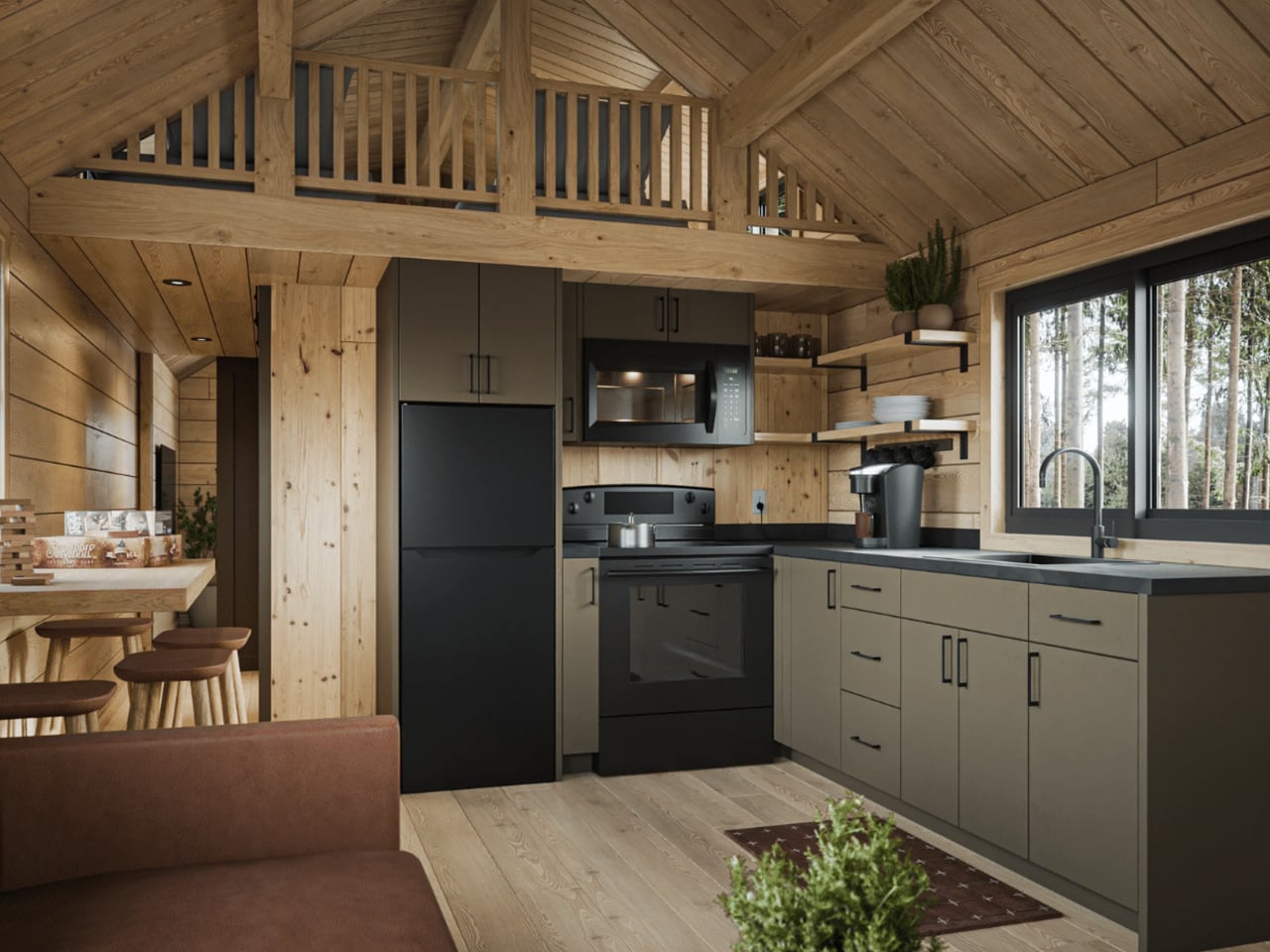
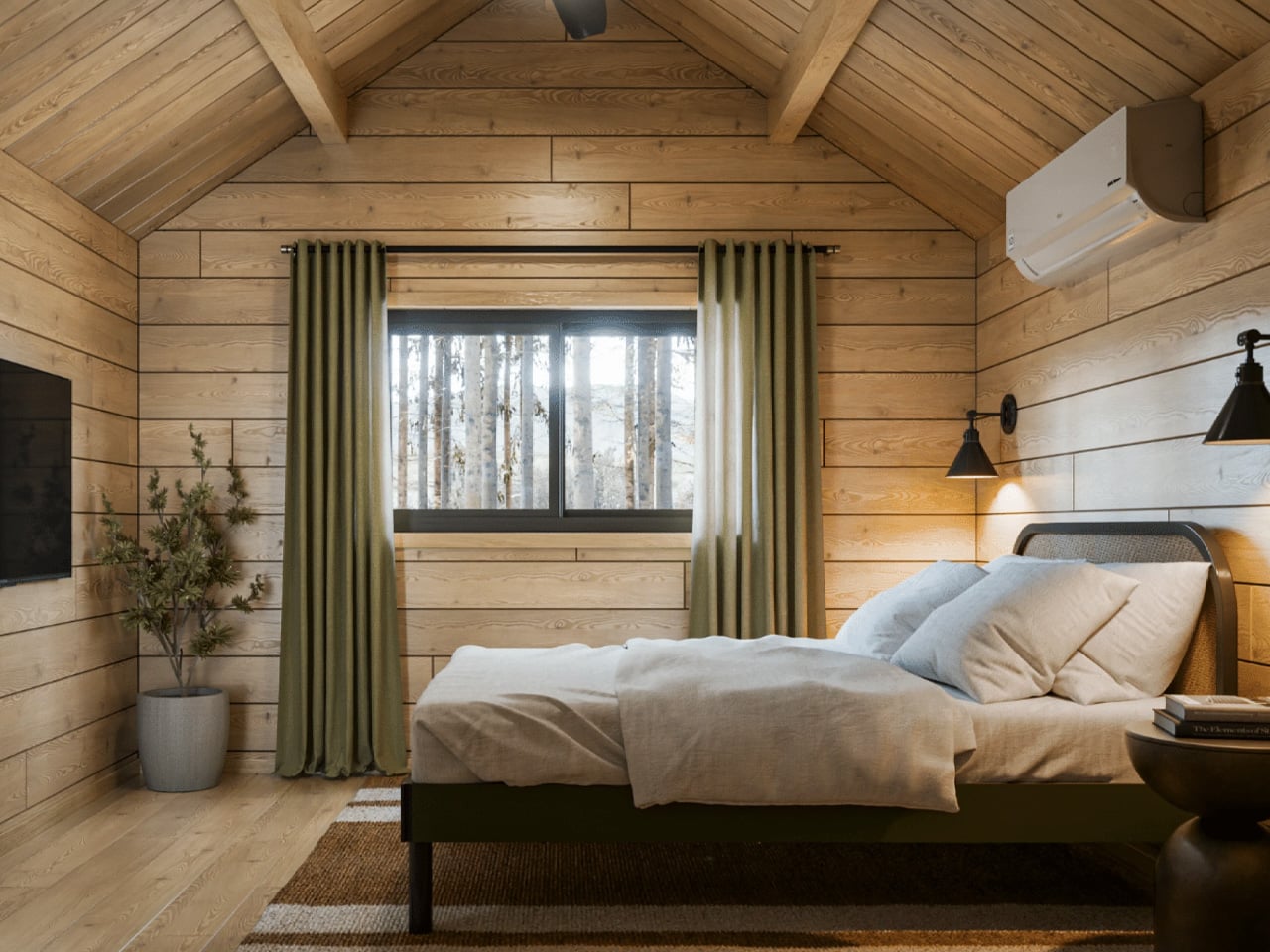
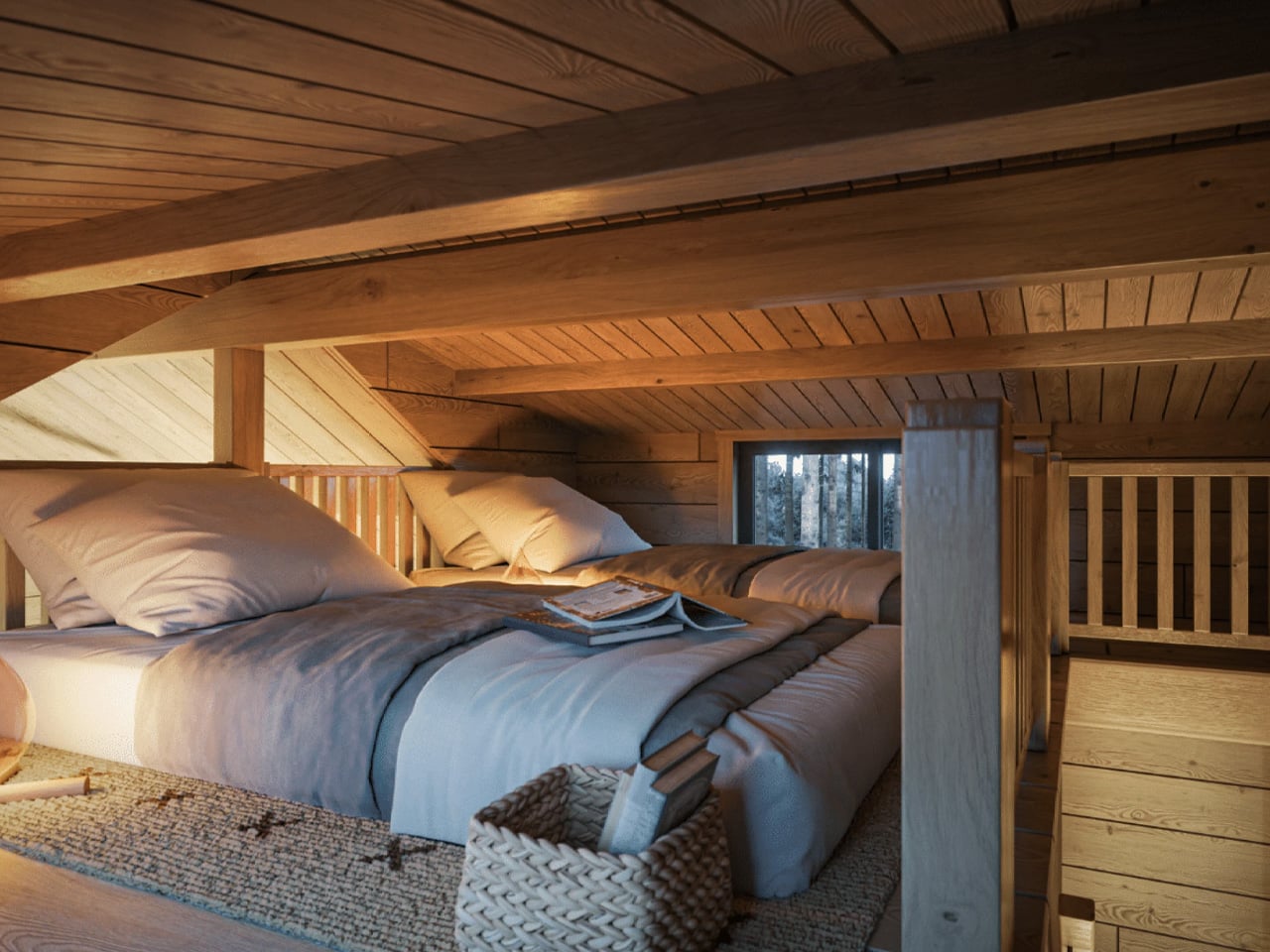
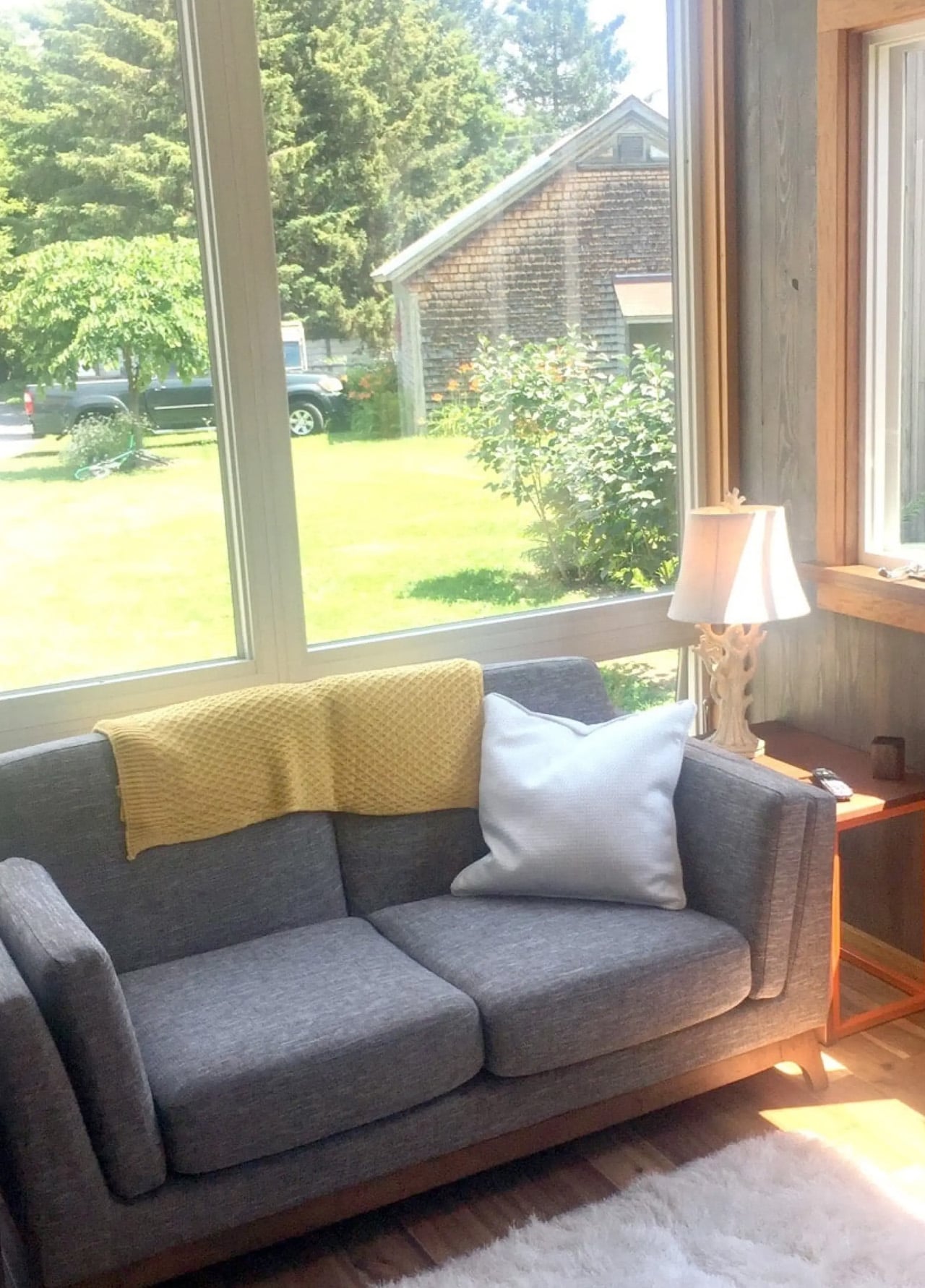
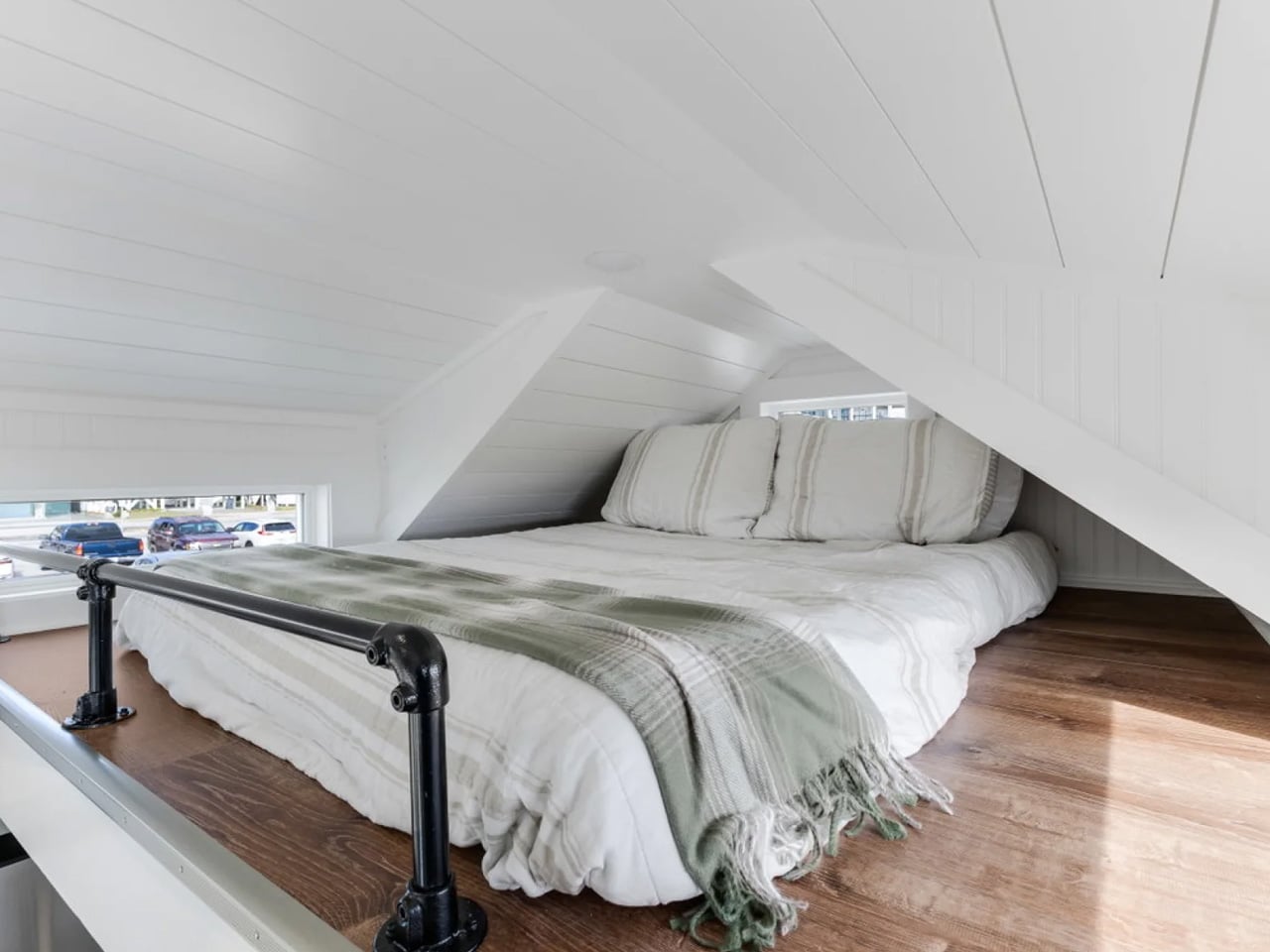
At its core, the Espresso is a study in restraint done right. The main floor clocks in at 160 square feet, with a 70-square-foot queen bedroom loft above, complete with custom built-ins and shelving. It’s a tight footprint by any measure, but the way the space is organized keeps it from ever feeling like it. The living room anchors one end of the home with a pull-out bench, built-in shelving, and a drop-down dining table that doubles as a desk, making it equally suited to a quiet morning or a dinner for two.

Designer: Modern Tiny Living

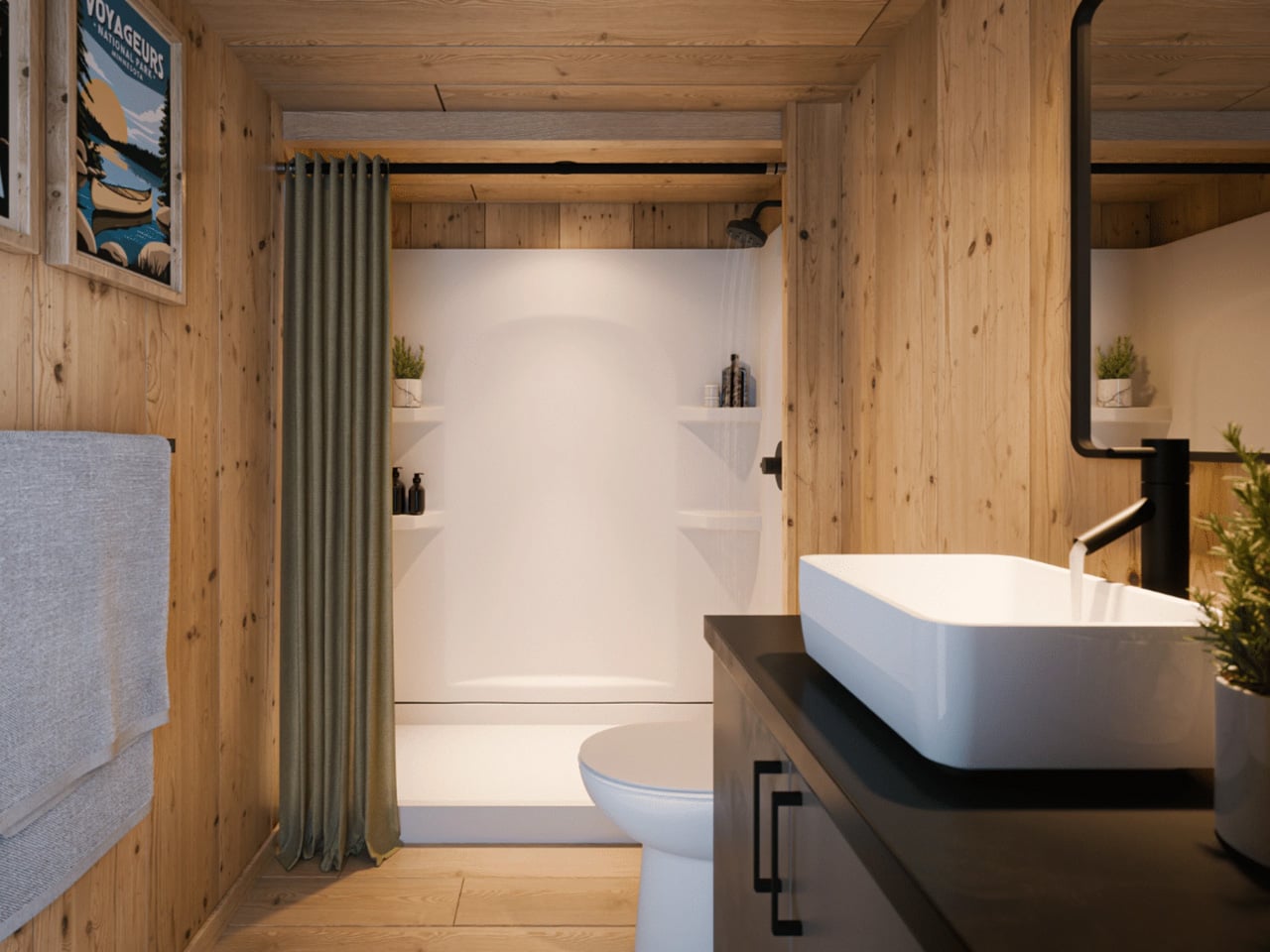
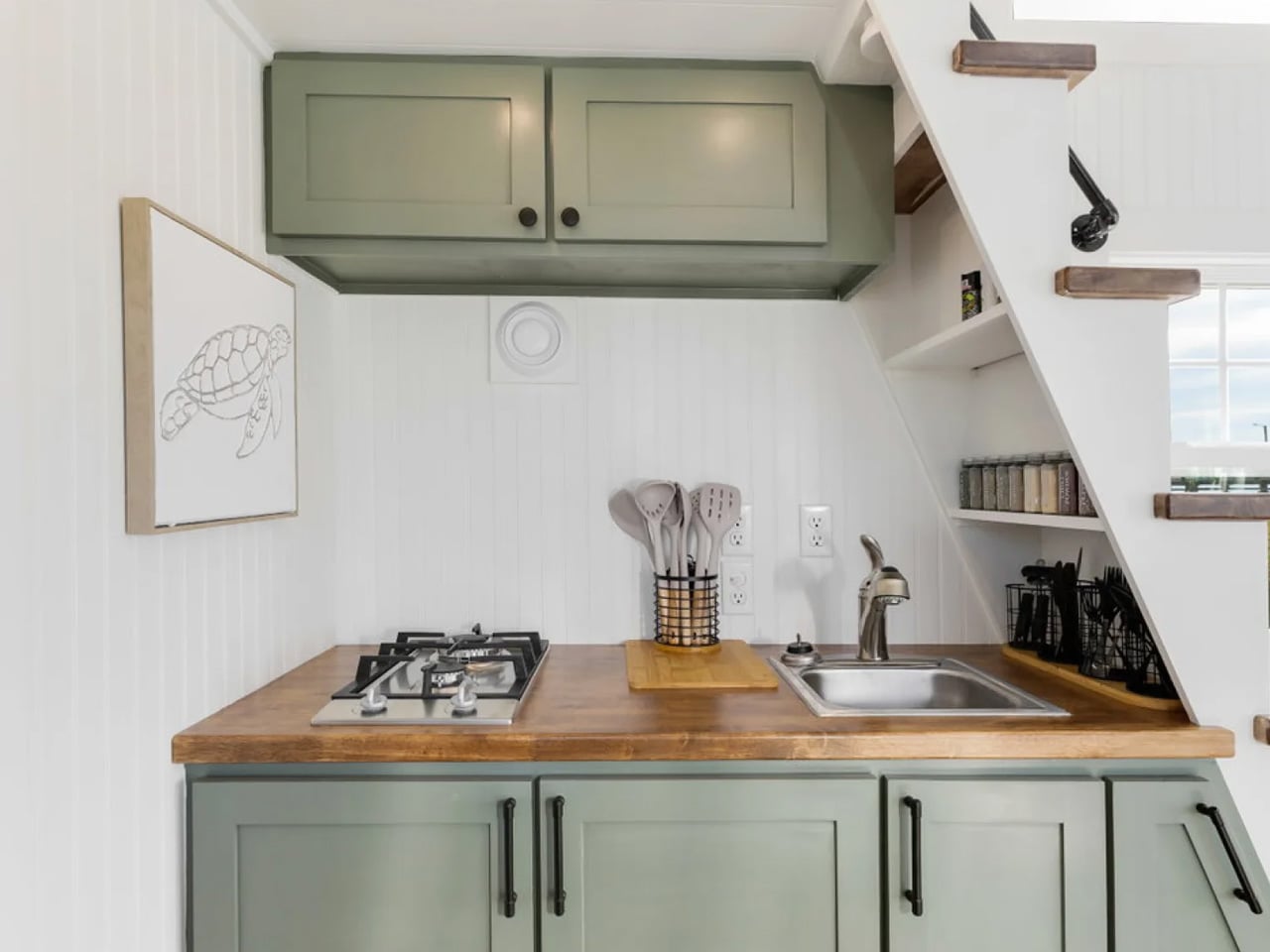
The kitchen is where the Espresso’s aesthetic really comes into focus. An undermount black granite sink pairs with a pull-down matte black faucet, solid wood countertops, a 9.9 cubic foot refrigerator, a two-burner propane cooktop, and a microwave, all working within a palette that feels deliberate rather than default. The matte black hardware package runs throughout the home, tying each room back to the same considered thread. Across from the kitchen, an open closet leads into the bathroom, which keeps things equally functional with a fiberglass insert shower, a flush toilet, and open shelving.

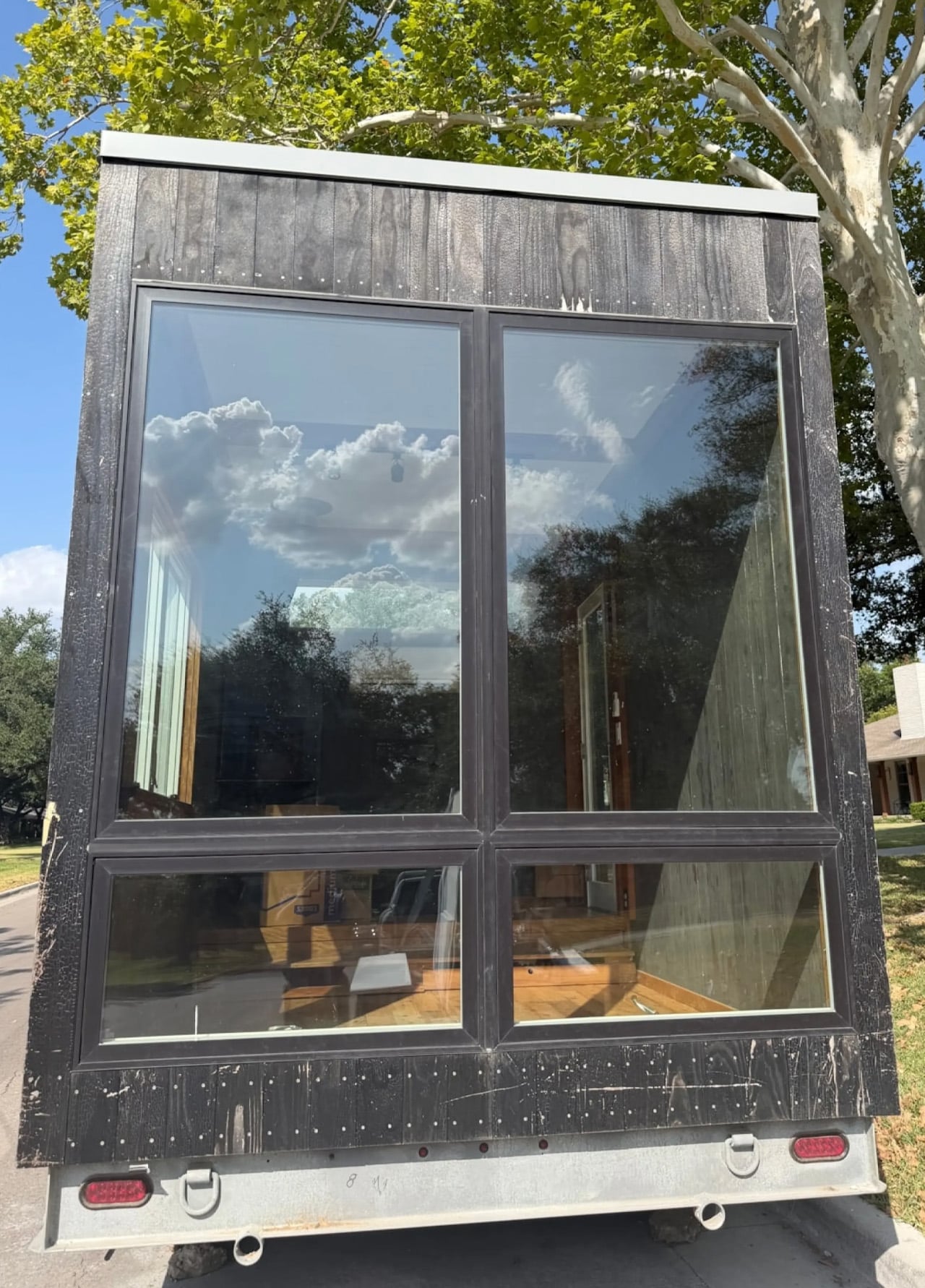
On the outside, the Espresso sits on a double-axle trailer and is finished in engineered wood with a steel roof, keeping maintenance low and durability high. A small exterior storage box handles propane bottles and similar items, quietly solving the off-grid practicalities without interrupting the clean lines of the exterior. The home weighs approximately 9,000 pounds, and its closed-cell spray foam insulation — three inches in the walls and ceilings, four in the floors — means it’s built to handle varied climates without compromise.

What makes the Espresso work isn’t any single feature. It’s the way everything adds up: the convertible furniture, the considered storage, the finish quality that makes the space feel lived-in rather than merely occupied. Modern Tiny Living designed it to deliver all the comforts of modern living in a compact, move-in-ready package, and the result is a tiny home that earns its name in more ways than one. Rich, concentrated, and hard to forget.

The post Inside the Espresso: Modern Tiny Living’s 20-Foot Tiny House on Wheels That Proves Small Can Be Bold first appeared on Yanko Design.
Studioninedots’ Light House Is a Vertical Amsterdam Home Built From Playfully Stacked Boxes

What does a home look like when you throw out the floor plan entirely? For Amsterdam-based firm Studioninedots, the answer is a tower of playfully stacked boxes, each one dedicated to a single moment in life, that rises above one of the Dutch capital’s newest neighborhoods. Completed in 2025, Light House sits on Centrumeiland, a newly developed artificial island district defined by its self-build culture and strong sustainability ambitions.

The project began with a simple brief from a couple with two children who wanted a home that would genuinely bring them together. Rather than anchoring daily life to the ground floor the way most houses do, Studioninedots dedicated each of the family’s key activities — eating, gathering, cooking, relaxing — to its own distinct volume, then arranged those volumes vertically into a single, tightly considered composition. The result is a 257-square-meter residence that feels less like a stacked building and more like a small vertical neighborhood.

Designer: Studioninedots

Movement through the home unfolds through a sequence of open passages and compressed zones, where shifts in scale produce entirely different spatial moods. Smaller, enclosed areas carve out space for focused, quieter activities, while larger voids open up visual connections across levels, dissolving any conventional sense of what is above and what is below. Hovering above the kitchen is a sheltered, secluded volume ideal for yoga or film watching, while the journey through the house culminates at the top in what the architects describe as a “holiday home” within the city. Flanked by arched ceiling-height glass openings, this 14-metre-high gathering room commands panoramic views across the IJmeer lake.

The facade does a lot of the design’s heavy lifting. A wall of square glass blocks wraps the front of the building, filtering natural light into the interior while abstracting the life inside, offering privacy without sacrificing the warmth of daylight. At night, the facade glows from within, giving the house an almost lantern-like presence on the street.

Sustainability is baked into the structure itself. Light House is built as a lightweight system using prefabricated timber components inside a steel frame, a circular and modular method that allows for flexibility, long-term adaptability, and ease of disassembly. The layout is not fixed either, as children grow and priorities shift, the home can be reconfigured to meet whatever the family needs next. Light House is a rare thing: a home that feels entirely personal yet completely considered, one where architecture quietly gets out of the way and lets life fill the space.

The post Studioninedots’ Light House Is a Vertical Amsterdam Home Built From Playfully Stacked Boxes first appeared on Yanko Design.
5 Best Tiny Homes of April 2026 Prove You Don’t Need More Space to Live Better

The tiny home is having a genuine design moment. Not the kind driven by social media aesthetics or minimalism as a lifestyle brand, but the kind where builders are solving real problems, and the results are getting sharper each season. What once felt like a compromise category has grown into a serious architectural conversation, one where craft, livability, and genuine spatial intelligence are setting the standard. The homes arriving this April reflect that maturity clearly.

Each home on this list approaches compact living from a distinctly different angle. One eliminates the loft bed that most tiny houses treat as structural law. Another was designed from the ground up around a growing family’s daily rhythms. A third draws from Japanese craft traditions to build something that feels purposeful at every scale. These are not the tiny homes of five years ago. They are fully realized dwellings that simply happen to take up less space, and the best five of April 2026 make a case worth hearing in full.

1. Betty — The Towable That Finally Gets the Bedroom Right

Tiny house living often demands tough trade-offs between mobility and livability, but the Betty by Decathlon Tiny Homes aims to strike a balance that most towable homes fail to find. At 28 feet long on a triple-axle trailer, it sits comfortably in the mid-size category without feeling cramped. The exterior clad in engineered wood with composite roof shingles keeps things durable and low-maintenance, a practical foundation for a home designed to spend much of its life on the road with two occupants.

The ground-floor bedroom is what separates the Betty from most of its competition. Where loft beds dominate tiny home layouts, this room offers full standing headroom, a queen bed platform with two large integrated storage drawers, a built-in wardrobe, and a skylight that floods the space with natural light. A wall-mounted TV, a mini-split AC unit in the living area, and a sliding barn-style door complete a setup that never quite asks you to feel like you are settling for something.

What we like:

  • The ground-floor bedroom with full standing headroom is a rare feature in this size category, making the space feel genuinely livable rather than something you climb into at the end of the day.
  • Engineered wood cladding and composite roof shingles offer real long-term durability without demanding intensive upkeep, a sensible material choice for a home that moves regularly.

What we dislike:

  • The living room footprint is modest enough that two people spending extended stretches at home may find it limiting over longer periods together.
  • There is no dedicated workspace mentioned in the layout, which matters increasingly for buyers who plan to work remotely as their primary daily routine.

2. Mizuho — Japanese Craft Meets Intentional Living

The Mizuho does not try to look like every other tiny home on the market, and that restraint is its first strength. Designed by Ikigai Collective and named after the Japanese philosophy of purposeful living, this home measures 6.6 meters long, 2.4 meters wide, and 3.8 meters tall. It is built for one person or a couple who genuinely want to live with less, combining traditional Japanese aesthetics with modern building technology in a way that feels coherent rather than borrowed.

What makes the Mizuho stand apart is its commitment to authenticity. Ikigai Collective works directly with local partners in Nozawaonsen, Japan, to craft each home to strict quality standards. Every material choice and spatial decision reflects a coherent set of values rooted in simplicity, mindful living, and environmental care. For those drawn to the Ikigai philosophy of finding meaning in everyday life, this home does not reference that tradition from the outside. It builds it into every wall and surface.

What we like:

  • Authentic Japanese craftsmanship sourced through local partners in Nozawaonsen gives the Mizuho a material integrity that most tiny homes, regardless of their aesthetic direction, simply cannot replicate.
  • The eco-friendly design philosophy extends beyond surface-level choices, reflecting a genuine commitment to sustainable and intentional living that runs through every aspect of the build.

What we dislike:

  • At 6.6 meters long and 2.4 meters wide, the dimensions are compact even by tiny home standards, making it a tight fit for couples who value clearly defined personal space.
  • The deeply specific aesthetic may feel limiting for buyers who appreciate the minimalist philosophy but prefer more visual flexibility in how their space looks from day to day.

3. Sora 20′ — More Room for the Way People Actually Work Now

The Sora 20′ arrived as a direct response to what Dragon Tiny Homes customers were asking for: more space, without losing the clarity that made the original Sora worth buying in the first place. Expanded from the popular 16-foot model, this version offers increased square footage while maintaining the bright, practical design philosophy its predecessor established. The layout flows from one area to the next in a way that makes daily routines feel effortless rather than choreographed around a tight and unforgiving floor plan.

At $61,000, the Sora 20′ puts full-time tiny living within reach for a broader range of buyers, particularly remote workers who need a home that functions just as well as a workspace. Large windows keep the interior naturally bright throughout the day, and every element earns its place through purpose rather than habit. Dragon Tiny Homes has built something that does not feel like a clever workaround. It feels like a home that simply chose to be more efficient than the ones built around it.

What we like:

  • The $61,000 price point is one of the most accessible in the full-featured tiny home category, making the Sora 20′ a genuinely attainable starting point for first-time buyers entering the market.
  • Large windows and a well-considered floor plan create a sense of openness that consistently exceeds what the square footage would suggest when you look at the numbers alone.

What we dislike:

  • Expanded from a 16-foot base, the layout density may still feel tight for two full-time residents with distinct work schedules and separate daily routines running simultaneously.
  • Published details on built-in storage solutions are limited compared to competing homes in this roundup, which is a meaningful gap for buyers planning a permanent and fully committed move-in.

4. Starling — The Family Tiny Home That Doesn’t Ask You to Lower the Bar

The Starling quietly dismantles the assumption that tiny living means fewer people. Built by Rewild Homes in Nanaimo, British Columbia, this 33-foot gooseneck tiny house was designed with a growing family at the center of every decision. The raised gooseneck section creates genuine spatial separation between living zones, something most tiny homes attempt to achieve with curtains or partitions rather than actual architecture. Natural wood cladding under a metal roof grounds the exterior against the Pacific Northwest landscape it was clearly built for.

Inside, the details compound quickly. A convertible dining banquette folds flat into a third sleeping space, with hidden storage built beneath every seat. The U-shaped kitchen anchors daily life with dark wood countertops, a breakfast bar, a four-burner propane range, a high-efficiency fridge with a bottom freezer, a double sink, and pull-out cabinetry. None of it feels like a workaround. It feels like a kitchen that simply chose to exist somewhere smaller, designed by people who understand that a family’s daily rhythm doesn’t shrink just because the footprint does.

What we like:

  • The gooseneck configuration creates real architectural separation between living and sleeping areas, a level of spatial privacy that is genuinely rare in tiny homes at this scale and price range.
  • The convertible dining banquette adds a functional third sleeping space with integrated storage beneath, making the Starling meaningfully more capable for families without adding a single foot to the overall length.

What we dislike:

  • At 33 feet on a triple-axle gooseneck trailer, the Starling sits at the larger end of the towable category, which may complicate towing logistics and limit suitable placement options for some buyers.
  • The family-forward layout and three-sleeping-zone configuration may feel over-engineered for solo occupants or couples without children who won’t make use of the additional sleeping flexibility.

5. Barred Owl — Single-Level Living That Removes the One Thing Nobody Wanted

At $119,000, the Barred Owl makes one clear argument: sometimes the most intelligent upgrade in tiny home design is the one that removes something entirely. Rewild Homes built this 34-foot home on a single-level plan, eliminating the loft bed that most tiny houses treat as a structural inevitability. Mounted on a triple-axle trailer and measuring 10 feet wide, 1.5 feet wider than the North American standard, the Barred Owl transforms how the interior functions at every point of the day, from the moment you walk in.

The layout moves in railroad apartment fashion, with rooms connecting directly to one another. Entry opens into a bright living room finished in whitewashed pine tongue-and-groove. The galley kitchen features butcherblock counters wrapping into an eating bar that doubles as a dedicated workspace, alongside a full-size refrigerator, a four-burner propane cooktop, and an oven. A dining area seats two comfortably, and the bedroom sits at the far end, private, accessible, and at floor level. It is a home that takes the inconveniences of tiny living seriously and removes them methodically, one by one.

What we like:

  • The single-level layout eliminates the loft bed, delivering a bedroom that functions like an actual room rather than a sleeping platform accessed by a ladder at two in the morning.
  • At 10 feet wide, the Barred Owl offers noticeably more floor space than the standard North American tiny home, and that extra room is felt immediately in how naturally the interior breathes.

What we dislike:

  • At $119,000, the Barred Owl sits at the premium end of the tiny home market, which narrows its accessibility significantly compared to several other strong options featured in this roundup.
  • The railroad-style floor plan, while highly functional, offers limited visual or acoustic separation between the living and dining zones for buyers who prefer more distinctly defined spaces within the home.

The Tiny Home Has Arrived

The five homes on this list represent the clearest thinking in compact residential design right now. They don’t ask you to lower your expectations. They ask you to redirect them toward what actually matters: light, function, thoughtful proportion, and craft that earns its keep over the years rather than simply photographs well on first look. From the Mizuho’s Japanese authenticity to the Barred Owl’s single-level conviction, each one makes a case that is genuinely hard to dismiss.

What is becoming clear is that the tiny home is no longer a reaction to excess. It is a legitimate design category with its own standards, ambitions, and evolving vocabulary. Builders like Rewild Homes, Ikigai Collective, and Dragon Tiny Homes are pushing that vocabulary forward, season by season. If April 2026 is any indication, the most compelling residential design thinking isn’t happening in expansive floor plans. It’s happening in 20 to 34 feet of very carefully considered space.

The post 5 Best Tiny Homes of April 2026 Prove You Don’t Need More Space to Live Better first appeared on Yanko Design.
5 Best Japanese Designs of April 2026 That Make Everything Else Look Like It’s Trying Too Hard

The Japanese Grand Prix is underway this weekend at Suzuka, and it has done what it always does: pulled attention back toward Japan with a kind of quiet, inevitable force. There’s something about watching a sport built on engineering precision staged in a country that has made precision its cultural identity that makes you want to look beyond the circuit. Japan’s design culture runs on the same engine as its racing teams. Nothing is wasted. Nothing is performed. Every decision earns its place, and every object that comes out of that sensibility carries a particular weight.

Japanese design has always understood something the rest of the world is still working out. Restraint is not a lack of ambition. It is the hardest expression of it. The five objects below range from a razor to a kitchen knife to a bath towel, but they all speak the same language. They each solve one problem completely, and they look like nothing else needs to be added. That is the thing about great Japanese design. It doesn’t just make a good product. It makes everything else in the room look like it’s trying too hard.

1. The Paper Razor

There’s something almost provocative about the Paper Razor. Designed by Japan’s Kai Group, it is a single-use disposable razor built almost entirely from paper, reducing plastic use by 98% without compromising function. The origami-inspired body folds completely flat for shipping, then snaps into a rigid, ergonomic handle in seconds. At just 4 grams and 5mm thick when flat-packed, it ships across five colorways: ocean blue, botanical red, jade green, sunny yellow, and sand beige.

The obvious question is water, and the Kai Group answered it practically. The paper body is made from a water-resistant grade similar to milk carton stock, holding up to temperatures of 104°F. The metal blade head features a notched channel on top for easy rinsing between strokes. Designed primarily for travelers, the Paper Razor is the kind of product that feels less like a shaving tool and more like a position statement on what disposable objects are capable of being when someone takes the design seriously.

What We Like:

  • The origami-fold construction assembles in seconds and ships as a 5mm flat-pack, making it one of the most logistically elegant disposables ever designed
  • Reduces plastic use by 98% while maintaining the ergonomics and shave quality of a standard disposable

What We Dislike:

  • Single-use by design, which limits its appeal for anyone building a more sustainable long-term shaving routine
  • Water resistance caps at 104°F, meaning it isn’t suited for anyone who prefers very hot water while shaving

2. Levitating Pen 2.0: Cosmic Meteorite Edition

The Levitating Pen 2.0 Cosmic Meteorite Edition is the kind of desk object that stops a conversation the moment someone notices it. It suspends at a precise 23.5-degree angle, creating a floating illusion that is genuinely difficult to look away from. The design draws its visual language from spacecraft aesthetics, referencing silhouettes like the USS Enterprise, bringing a sci-fi sensibility to something as familiar and grounded as a ballpoint pen sitting on a work surface.

The detail that separates this edition from the standard series is the meteorite tip. The pen incorporates a genuine Muonionalusta meteorite, a fragment older than Earth by 20 million years, shifting this object from clever desk accessory to something rare and worth owning on its own terms. A simple twist sets it spinning for up to 20 seconds. It is a fidget-worthy, collector-grade piece that makes a compelling case that good design doesn’t always need to justify its existence through usefulness alone.

Click Here to Buy Now: $399.00

What We Like:

  • The genuine Muonionalusta meteorite tip gives this pen a provenance no other writing instrument on any desk can match
  • The floating 23.5-degree angle creates an immediate visual anchor on a desk surface without taking up meaningful real estate

What We Dislike:

  • The limited edition nature makes availability unpredictable, and the pricing reflects exclusivity as much as it does materials
  • The spacecraft-inspired aesthetic is deliberate and specific, meaning it will feel out of place on a desk that skews quieter or more minimal

3. Kuroi Hana Knife Collection

The Kuroi Hana knives begin with Japanese AUS-10 steel sourced from Aichi Steel Corporation, rated between 58 and 60 HRC for hardness and chosen specifically for its combination of toughness, sharpness, and corrosion resistance. Each blade is built from 67 layers of high-carbon steel, producing the Damascus layered structure that defines the collection’s character. Kuroi Hana translates to “black flower,” and the dark floral pattern that emerges across each blade makes that name feel entirely earned rather than marketed.

The pattern isn’t applied to the surface. It is drawn out from within. Skilled artisans manually submerge each blade into an etching solution that penetrates the steel layers and reveals the Damascus patterning in a deep, dark floral form. Because the process is done by hand and each blade’s steel structure is unique, no two knives carry the same pattern. This is a kitchen tool that respects the cook enough to make the knife itself a considered, genuinely beautiful object worth picking up before you even start cooking.

What We Like:

  • Every blade carries a unique dark floral pattern drawn from the steel itself, making each knife a one-of-a-kind object rather than a manufactured product
  • AUS-10 steel at 58–60 HRC delivers professional-grade sharpness and toughness that performs as well as it looks, sitting on a magnetic strip

What We Dislike:

  • The artisanal Damascus etching process makes these a premium investment that sits well outside casual kitchen knife territory in terms of price
  • The distinctive dark floral aesthetic is polarizing for cooks who prefer clean, unmarked blades in a working kitchen environment

4. The Invisible Shoehorn

The Invisible Shoehorn is the kind of product that earns its place by solving something so specific and so quietly that you find yourself wondering why every shoehorn hasn’t been designed this way. The long stainless steel body eliminates the need to hunch over, protecting your lower back from the kind of daily accumulated strain that nobody tracks until it’s a problem. The smooth, polished surface slides cleanly against socks and stockings without snagging. It performs one job with a material confidence that feels entirely Japanese.

The transparent stand is the decision that lifts this from a functional object to something worth displaying. Mounted in its clear acrylic holder, the shoehorn practically disappears into its surroundings, reading less like a bathroom utility and more like a considered piece of interior design. In a category full of objects people hide at the back of a closet, this one earns a place on the shelf. That shift from something concealed to something displayed is precisely what separates a good tool from a genuinely designed one.

Click Here to Buy Now: $299.00

What We Like:

  • The transparent acrylic stand transforms a purely utilitarian object into something display-worthy that holds its own in a well-designed home
  • The long stainless steel handle removes real daily lower back strain without requiring any change in how you put your shoes on

What We Dislike:

  • Polished stainless steel and a transparent stand both attract fingerprints readily, requiring consistent upkeep to maintain the invisible aesthetic the design promises
  • The extreme restraint of the form may feel underwhelming to people who expect more visual personality from their home accessories

5. Sento 2 Towel

Most towels are made by twisting cotton fibers into dense, rope-like loops, a production method that prioritizes speed and cost over softness or absorbency. The Sento 2 goes the other way entirely. Using a zero-twist design developed through specialized manufacturing techniques refined in Japan, the natural cotton fibers are left loose and uncompressed, producing a towel that is softer, more absorbent, and faster-drying than standard terry cloth. The process is slower, more demanding, and the finished result communicates every bit of that effort on first contact.

The zero-twist construction leaves natural cotton in a state that feels fundamentally different from anything mass-produced. The towel is light enough to feel like almost nothing in your hands, and absorbent enough that the job is done before you’ve consciously started it. There is an effortless quality to the whole experience that is harder to explain than it is to feel. It is a towel. It is also a quiet argument for buying fewer things, buying them properly, and understanding that the best version of an everyday object is worth far more than the cheapest one.

What We Like:

  • Zero-twist construction produces a softness and absorbency level that standard terry cloth towels genuinely cannot replicate, and the difference is apparent immediately
  • The quick-drying design makes it practical enough for daily rotation, not just a display-shelf luxury that performs better as a photograph

What We Dislike:

  • Zero-twist fibers are more delicate than standard loops and require careful laundering to preserve their structure and softness over repeated washing
  • The premium construction comes at a price that becomes harder to justify when buying multiples to fully outfit a bathroom

Japan Has Been Designing This Way Forever. The Rest of the World Is Still Catching Up.

What these five objects share is not a visual style. It is a philosophy. Japanese design has always understood that the most powerful thing a product can do is remove everything that shouldn’t be there. The Paper Razor removes plastic. The Invisible Shoehorn removes visual noise. The Sento 2 removes the compromise built into every standard terry loop. What remains in each case is an object that works so cleanly it feels inevitable, as though no other version was ever possible.

The Japanese Grand Prix reminds us every year that Japan operates at a level of precision most cultures aim for and fall short of. Its design culture runs on the same engine. These five products are proof that restraint is not a limitation. It is the hardest discipline to master and the most rewarding thing to live with. Every one of them earns its place, whether on a shelf, in a kitchen drawer, mounted by the door, on a desk at a 23.5-degree angle, or wrapped around you right after a shower.

The post 5 Best Japanese Designs of April 2026 That Make Everything Else Look Like It’s Trying Too Hard first appeared on Yanko Design.

This Hydrogen Business Jet Emits Nothing But Water and Could Change Private Aviation Forever

French aerospace startup Beyond Aero has just completed the Preliminary Design Review (PDR) of its hydrogen-electric business jet, the BYA-I One, a significant step that moves the aircraft firmly into detailed design and verification and one step closer to its target commercial entry in 2030. Founded in Toulouse in December 2020, Beyond Aero first unveiled the BYA-I concept at the Paris Air Show in June 2023. Since then, the aircraft has evolved considerably, and the PDR marks the most mature version yet.

The review confirmed the full integration of hydrogen storage, electric propulsion, thermal management, fuel cell systems, and safety architecture into what the company describes as a certifiable design. The propulsion setup is the heart of the story. The BYA-I One uses a twin pusher-configured propfan system, a shift from the earlier ducted-fan arrangement, powered by six 400kW hydrogen fuel cells delivering a combined 2.4MW of power, with a total propeller shaft output of 950kW.

Designer: Beyond Aero

Gaseous hydrogen is stored at 700 bar in externally mounted tanks above the wing structure, with a refueling time of just 30 minutes. The aircraft emits only water vapor in flight, making it one of the cleanest propulsion concepts in business aviation today. A custom-designed Full Authority Digital Engine Control (FADEC) system ensures precise performance across all flight phases and will be certified under a TC Engine framework.

On performance, the numbers are compelling. The BYA-I One is designed to carry up to eight passengers over a range of 800 nautical miles at 300 knots, covering more than 80% of current European business aviation routes. It has a maximum speed of 414 mph, a ceiling of 26,000 feet, and a takeoff ground roll of just 725 meters, short enough to serve constrained airports like London City, and can operate from grass, snow, and unpaved surfaces.

Inside, the cabin stretches 1.84 meters wide and 1.7 meters tall, wider than most light jets, with a six-seat club configuration. Elliptical windows are 27% larger than those found in conventional business jets, flooding the interior with natural light. With 90% fewer moving parts and no high-temperature turbine, maintenance costs are projected to drop by up to 60%, and overall operational costs could fall by 40–60% compared to conventional jets.

Market appetite is already strong, with Beyond Aero securing $914 million in Letters of Intent across 108 aircraft, and a waiting list for booking deposits is now open. The certification path runs through EASA, where Beyond Aero is actively collaborating to develop special conditions for hydrogen-electric aircraft, essentially helping write the rulebook for an entirely new category of flight. If the 2030 timeline holds, the BYA-I One won’t just be another business jet. It’ll be the first of its kind.

The post This Hydrogen Business Jet Emits Nothing But Water and Could Change Private Aviation Forever first appeared on Yanko Design.

The Daphne Is a Tiny Home That Thinks It’s an Apartment

Most tiny homes ask you to live smaller. The Daphne skips that conversation entirely. It doesn’t try to be a tiny home — it tries to be a home, full stop. Built by Alberta-based Teacup Tiny Homes, a builder that has been crafting thoughtfully designed compact dwellings since 2016, the Daphne is a park model that reframes what small-scale living can actually look and feel like.

Originally custom-designed and built for a client in Ontario, the Daphne sits on a triple-axle trailer and measures 36 feet long by 10 feet 6 inches wide, a noticeably generous footprint by tiny home standards. That extra width is the whole point. Where most road-legal tiny homes max out at 8.5 feet across, the Daphne’s park model classification allows it to stretch into a proportion that feels closer to an apartment than a camper. The result is 378 square feet of interior space that sleeps up to four people, all on a single floor, with no lofts in sight.

Designer: Teacup Tiny Homes

The exterior makes a clean first impression. Horizontal lap siding wraps the structure, punctuated by cedar accents that add warmth and a sense of craft without veering into rustic territory. Large windows run throughout, drawing in natural light and giving the interior an openness that defies the square footage. Inside, the design reads like a well-edited apartment, bright, modern, and deliberately finished. Fine materials and considered details are present throughout, reflecting the kind of specificity that comes with a custom build.

The kitchen earns its title as a gourmet space, offering full-sized functionality in a layout that doesn’t feel squeezed. The living area is generous enough to actually use, and the main floor bedroom includes built-in storage that keeps the space feeling uncluttered. But the bathroom might be Daphne’s boldest move: it includes both a freestanding bathtub and a separate shower, a feature that’s rare even in full-sized homes, let alone tiny ones. It signals clearly that this is a home built around comfort rather than compromise.

For those looking at seasonal retreats, full-time living, or a secondary dwelling on a larger property, the Daphne presents a genuinely compelling case. It doesn’t ask its owner to give anything up. The proportions are right, the finishes are right, and the floor plan flows the way a real home should. Teacup Tiny Homes has always argued that small doesn’t have to mean less, and the Daphne is the clearest version of that argument yet.

The post The Daphne Is a Tiny Home That Thinks It’s an Apartment first appeared on Yanko Design.
7 Best Tiny Home Outdoor Accessories That Turn a 300-Square-Foot Yard Into an Actual Living Room

Small outdoor spaces have a way of revealing exactly how much thought went into the objects inside them. When every square foot counts, the things you choose to bring outside need to earn their place — not just functionally, but visually. The best tiny backyard accessories fold away when you’re done, grow upward instead of outward, and look like they were designed rather than assembled. These seven picks do exactly that.

The difference between a cramped yard and a considered one rarely comes down to square footage. It comes down to objects that understand their role — a fire pit that manages its own smoke, a dining set that lives inside a cylinder, a herb garden that climbs the wall instead of spreading across the ground. Each of these seven accessories solves a real outdoor living problem without creating a new one, which is the baseline requirement for anything going into a space this deliberate.

1. All-in-One Grill

The first question any small outdoor space asks of a grill is whether it can disappear when not in use. This modular tabletop grill answers that cleanly. Its parts separate and stack to support barbecuing, frying, grilling, steaming, smoking, or slow-cooking a stew — all on a surface small enough to sit on any patio table. The design doesn’t try to be everything at once; it brings exactly what you need for the style of cooking you’re doing that evening, then gets out of the way.

There’s also a bottle-warming module in the mix, which sounds like a novelty until the first cold autumn evening when mulled wine becomes the plan. Cleanup is as thorough as cooking; every modular part disassembles for washing, and nothing requires more effort than it should. For a compact yard where a full outdoor kitchen isn’t on the table, this is the kind of object that makes the limitation feel like a deliberate choice rather than a compromise.

Click Here to Buy Now: $449

What we like:

  • Modular design covers six styles of cooking without occupying a permanent outdoor space
  • Parts disassemble quickly, keeping cleanup as easy as the setup

What we dislike:

  • Multiple components mean multiple things to keep organized between uses
  • Better suited for cooking for two or four than for a larger gathering

2. porTable

At rest, porTable looks like a bold geometric container — yellow lid, charcoal body, the kind of object you’d leave on a shelf without apology. In use, it becomes a complete outdoor dining setup for four: fold-out seats, a sturdy tabletop, no tools required, no leftover parts. The transformation from container to furniture takes under a minute, which means the decision to eat outside is never more than sixty seconds away from actually happening.

The yellow and charcoal palette is doing real design work here — friendly without being childish, modern without being cold. More importantly, the concept solves the core tension of tiny outdoor living: you want furniture, but you don’t want furniture taking up space when it’s not in use. porTable collapses that contradiction entirely. It lives as a single compact cylinder until the moment it’s needed, then opens into something genuinely functional and good-looking. That kind of thinking is exactly what a small yard rewards.

What we like:

  • An entire four-person dining set stores as a single portable object
  • No tools or assembly knowledge needed to set up or break down

What we dislike:

  • As a concept design, long-term durability in real outdoor conditions is still unproven
  • The bold yellow colorway is a personality commitment that won’t suit every space

3. Birdbuddy Pro Solar

A bird feeder is, in most hands, a lump of plastic with seeds in it. The Birdbuddy Pro Solar is something else entirely — a solar-powered AI camera system that identifies visiting birds, captures slow-motion HD video, and delivers it to your phone via a free app. The expanded field of view and improved sensor handled dappled backyard light without washing out the image. What you get isn’t just a feeder. It’s a front-row seat to the wildlife that was already there.

For a tiny outdoor space, this might be the most meaningful addition on this list. It doesn’t take up floor area. It hangs from a fence or mounts to a wall, taking up exactly zero square footage. And it changes the character of the yard in a way that furniture simply can’t — from static backdrop to living environment. The AI identification runs automatically, building a personal record of every species that visits over time. It’s the rare outdoor product that gets better the longer it sits there.

What we like:

  • Solar-powered design means no cables crossing the yard
  • AI species identification works passively — no effort required from the user

What we dislike:

  • Full camera functionality depends on a consistent Wi-Fi signal reaching the yard
  • Ongoing seed refills add a small but real maintenance commitment

4. Slim Fold Dish Rack

Most dish racks are compromises — too large for small spaces, too flimsy for daily use, too visually noisy to leave out. The Slim Fold Dish Rack collapses this problem with a patent-pending spring mechanism that shrinks a full 14-inch rack to 1.2 inches in under a second. That’s the difference between a dish rack that permanently occupies counter space and one that lives in a bag or a pocket. For outdoor cooking situations where surface area is already borrowed, that distinction is significant.

The ventilation geometry is engineered for real airflow — plates, utensils, and cookware of any size dry properly without needing to be repositioned or fanned out. The design is minimal enough that leaving it out doesn’t create visual clutter; storing it away feels almost like a trick. It’s also dishwasher-safe, which closes the loop on a product that exists to make cleaning easier. In a space where every object has to justify its presence, this one earns it quietly and completely.

Click Here to Buy Now: $75.00

What we like:

  • Collapses to 1.2 inches — genuinely pocketable when not in use
  • Dishwasher-safe, so the cleaning tool is easy to clean

What we dislike:

  • The spring mechanism’s long-term durability across daily use remains to be tested
  • At full extension, very large pots and baking trays will likely overhang the edges

5. Stack & Sprout

A 1×1 square-foot footprint for a full working herb garden is not a compromise — it is the point. Stack & Sprout’s modular tower stacks as high as the wall and ambition allow, with each module holding individual growing pods loaded with smart soil capsules. Fill the water tank, add seeds, and the system manages hydration from there. The result is a vertical column of living herbs that climbs the fence instead of spreading across the ground, leaving every inch of floor space exactly where it was.

What makes this work for a small outdoor space is how little it asks of the person using it. No specialized knowledge, no guesswork about watering schedules, no particular green thumb required. The modular format means you can start with three modules — basil, mint, rosemary — and add more as confidence grows. Fresh herbs picked ten seconds before they go into a dish taste genuinely different from ones that have spent a week in a grocery bag. Stack & Sprout makes that difference accessible to anyone.

What we like:

  • Modular height adapts to any wall space, from a single tier to a full vertical installation
  • Self-watering system removes the most common reason home herb gardens fail

What we dislike:

  • Proprietary smart soil capsules create an ongoing replacement cost
  • Taller configurations may need wall anchoring to stay stable in the wind

6. Forest Cooperage Cedar Soaking Tub

The Forest Cooperage cedar soaking tub is handcrafted on Vancouver Island from clear vertical grain Western Red Cedar, secured with stainless steel hoops. It sits directly on any level surface, fills from a garden hose, and heats with a wood-fired or electric immersion heater — no plumber, no electrician, no permanent installation required. The stave-and-hoop construction is the same method used in barrel-making for centuries, which is why it looks entirely at home outdoors next to bamboo, stone, and weathered wood.

What a cedar tub does to a small outdoor space is harder to explain than it sounds. It gives the space a reason to exist — not as a passageway or storage area, but as a genuine destination. An evening soak in a backyard cedar tub, surrounded by the natural scent of the wood and the quiet of a well-arranged small yard, is a genuinely different experience from anything else available at this price. In 300 square feet, this is the object that makes everything else around it feel intentional.

What we like:

  • No permanent installation — fills from a hose and heats without any plumbing
  • Cedar weathers beautifully outdoors, developing character rather than deteriorating

What we dislike:

  • Regular maintenance is needed to keep the cedar properly hydrated and sealed
  • Wood-fired heating requires planning ahead — this is not a spontaneous soak situation

7. Airflow 8-Panel Fire Pit

The Airflow fire pit is built around a single engineering insight: clean combustion requires oxygen at the base and a secondary combustion loop at the top. The eight removable panels form an octagonal cylinder with holes positioned precisely to channel fresh air to the base as the primary feed, then up through a double-walled cavity to the top vents as secondary combustion. The fire burns hotter, produces significantly less smoke, and leaves far less ash than a conventional open pit.

The eight-panel removable design does more than manage airflow — it gives you direct control over intensity. Remove panels to widen the burn; keep them assembled for a focused and efficient fire. For a small outdoor space where heavy smoke would ruin the evening entirely, this is the detail that separates a fire you can actually sit around from one that keeps everyone constantly repositioning their chairs.

Click Here to Buy Now: $325.00

What we like:

  • Eight removable panels allow direct, intuitive control over fire intensity
  • Secondary combustion system dramatically reduces smoke output in compact spaces

What we dislike:

  • Eight separate panels add to the number of components to store between uses
  • Steel construction will need occasional treatment to stay ahead of rust in wet climates

Small Space, Considered Objects

A well-used 300-square-foot yard doesn’t need more things in it. It needs the right things — objects that fold away cleanly, grow upward rather than outward, and look like someone thought carefully before placing them there. Each of these seven picks solves a real outdoor living problem without creating a new one, which is the baseline requirement for anything going into a space this small and this deliberately arranged.

The best version of a tiny outdoor space isn’t a smaller version of a large one. It’s something more deliberate — a set of objects that each do their job beautifully and step back when they’re not needed. Get these seven right, and a 300-square-foot yard stops feeling like a constraint entirely. It starts feeling like a choice you made on purpose.

The post 7 Best Tiny Home Outdoor Accessories That Turn a 300-Square-Foot Yard Into an Actual Living Room first appeared on Yanko Design.
This Lounge Chair Was Designed to Never Be Replaced — Indoors or Out

The best furniture doesn’t freeze time. It moves with you. That’s the quiet logic behind the LISBOA Lounge Chair, designed by Keiji Takeuchi for MOR Design. The chair is defined by a kind of lightness, both visual and physical. An open stainless-steel frame, a suspended sling seat, a silhouette that sits low and easy in a room without demanding attention. What’s even more interesting is the system that takes that lightness further: two interchangeable seats, one in textile, one in leather, that can be swapped depending on where you are, how you’re living, and what the space asks for.

It sounds simple. That’s because it is. The seat detaches cleanly from the frame, which is available in brushed or polished stainless steel. Swap the leather for textile, and the chair moves from a living room to a terrace without missing a beat. The frame stays the same, as does the identity. What changes is the layer of the chair closest to you.

Designer: Keiji Takeuchi for MOR Design

This matters more than it might first appear. Most furniture is bought for a fixed version of your life. LISBOA accommodates the version that’s still becoming. Keiji Takeuchi conceived the chair during the 2020 lockdown, thinking about how people might bring the ease of outdoor living into their everyday interiors. He understood that the boundary between inside and outside had already started to blur. The interchangeable seat system is a direct extension of that thinking. It doesn’t ask you to replace the chair when your context changes. It asks you to change the seat.

For a brand like MOR Design, founded in Portugal with a commitment to material integrity and longevity, this is the logical next step. Beautiful objects should last. But lasting doesn’t mean staying the same. The leather seat reads warm and deliberate in a residential interior. The textile option, weather-resistant and easy to clean, handles a poolside or garden setting just as naturally. Both sit within the same architectural frame, which is what allows the chair to belong in hospitality and contract spaces as readily as it does at home.

LISBOA was shown at Maison&Objet 2026, where the conversation around adaptable, considered consumption is hard to avoid. The chair arrives at the right moment. Not as a statement about sustainability or modularity, but as something quieter: a piece of furniture that knows your life will change, and is already ready for it. It is, as MOR Design puts it, your chair, and your moment.

The post This Lounge Chair Was Designed to Never Be Replaced — Indoors or Out first appeared on Yanko Design.

5 Cool Desk Clocks That Actually Deserve a Spot on Your Desk in 2026

Your desk says a lot about the way you think. The objects you deliberately choose for it, rather than the ones that simply accumulate, reflect your values, your taste, and the kind of environment you want to work in. A great desk clock earns its place twice over: as a functional tool and as something genuinely worth looking at every day. The market is full of forgettable options, but the most interesting clocks right now are rethinking what a clock even needs to be, questioning material, interaction, and presence in equal measure.

Whether you work from a home studio, a shared office, or somewhere between the two, the right clock changes the feeling of an entire space. These five designs prove that telling time is still a conversation worth having, and that choosing a clock carefully is an act worth taking seriously.

1. Rolling World Clock

For anyone who regularly works across time zones, converting time in your head is a small but persistent irritation. The Rolling World Clock removes that friction with an approach so intuitive it almost feels obvious: a 12-sided form with a major city on each face, from London and Paris to Tokyo, Sydney, and New York, read by a single hand. Roll the clock until your desired city faces upward and the hand tells you exactly where things stand. No screen, no calculation, no second device needed.

What keeps this clock compelling beyond its core function is the physicality of using it. Rolling a 12-sided object to check the time in Cape Town or Karachi is a tactile experience that no phone interface can replicate; it turns a routine check into something deliberate and satisfying. The minimalist form, available in both black and white, sits cleanly on any desk without visual competition, and the single hand keeps everything honest and uncluttered. It is a rare thing: a genuine conversation piece with a practical reason to exist.

Click Here to Buy Now: $49.00

What We Like

  • The rolling interaction gives checking global time a tactile quality that feels intentional rather than reflexive, adding a small moment of satisfaction to an everyday action.
  • The minimal form in black or white works across almost any desk aesthetic, functioning equally well as a decorative object and a practical timekeeping tool.

What We Dislike

  • Only 12 cities are represented, which means time zones outside those locations will still require some mental conversion on your part.
  • As an analog clock, precision is limited to the nearest quarter-hour, which may not suit those who need exact time readings at a glance.

2. Minimalist Desk Clock

Products that combine two functions usually compromise on both. This desk clock concept draws inspiration from Dieter Rams’ legendary Braun DN40, channeling the same visual restraint while placing a wireless charging pad on the top surface in a way that actually makes sense for daily use. The digital time display sits off to one side of the matte face, balanced by a date readout on the opposite end. Both are embedded flush into the surface, creating a presence that is visible when needed but never demanding your attention when you do not.

The placement of the wireless charger on top is obvious in the best possible way: your phone charges exactly where you can still see it, and the clock keeps doing its job without either function disrupting the other. The asymmetrical display layout reflects genuine compositional thinking, creating deliberate visual balance rather than defaulting to center alignment. For a desk already holding a notebook, a coffee cup, and a tangle of cables, this clock earns its spot by doing double duty without making a scene about it.

What We Like

  • The wireless charging surface sits intuitively on top, keeping your phone visible and accessible while it charges, without requiring a separate pad taking up additional desk space.
  • The asymmetrical display arrangement shows real compositional intention, making the object feel considered and specific rather than generically functional.

What We Dislike

  • This is currently a concept design and is not available to purchase, which limits it to an aspirational reference rather than a practical recommendation right now.
  • The matte embedded displays may lose legibility in dim environments without a backlight or ambient brightness adjustment, which the concept does not appear to address.

3. CAST

Meetings lose things. Good ideas get spoken into the room and never make it to a document, and most tools designed to fix that problem are more intrusive than the problem itself. CAST, a concept by designer Minseo Lee, takes a different approach entirely. Drawing its form from the Braun BC22, the device arrives as an arch-shaped tabletop companion with a circular display, tactile buttons, and a neutral finish that reads as a clock before it reads as anything else. It sits on the conference table and quietly gets to work.

During a meeting, CAST listens, identifies key points, and generates a concise summary when the session ends. A QR code appears on the display, and participants scan it to access their notes instantly, with no app download or login required. Outside of meetings, it functions as a standard clock, maintaining its understated presence without demanding attention. The dotted graphic details and calm proportions mean it suits an open-plan office as naturally as a private home studio. The best AI tools do not announce themselves; they simply make the room function a little more smoothly, and CAST embodies that idea completely.

What We Like

  • The QR code summary system is a genuinely clever solution, distributing meeting notes to every participant instantly without requiring anyone to install a specific app or create an account.
  • The Braun-inspired design ensures CAST reads as a clock first, which meaningfully reduces the psychological discomfort of having a recording device present during a conversation.

What We Dislike

  • As a concept, CAST is not yet available for purchase, meaning its real-world performance in noisy or complex meeting environments remains completely untested.
  • The quality of the AI-generated summaries will depend on microphone sensitivity and processing power, which are factors the industrial design itself ultimately cannot control.

4. Wooden Desk Clock

There is something quietly refreshing about a clock that does not try to do anything beyond telling the time beautifully. This wooden desk clock, developed in collaboration with Shapr3D, is exactly that kind of object. CNC-machined from walnut, cherry, or maple, each version uses the natural contrast of warm wood tones and smooth curved surfaces to create something that belongs on a desk the way a well-chosen book or a ceramic cup does. The analog face reads the hour in the most satisfying way possible, without apology.

The clock comprises two parts: a clock head that displays the time and a supportive frame that serves as both a base and a functional handle for adjusting the vertical viewing angle. It is a small detail, but one that shows genuine thought about how the object actually gets used on a real desk by a real person. In an era dominated by aluminum, glass, and screens, a clock machined from actual wood makes a quiet but firm statement about material honesty and the pleasure of things that simply do what they are supposed to do.

What We Like

  • Three wood type options, walnut, cherry, and maple, give the clock a material warmth and versatility that suits a genuinely wide range of desk setups and personal aesthetics.
  • The adjustable vertical viewing angle through the supportive frame reflects thoughtful, user-centered design that considers how the object will actually be used day to day.

What We Dislike

  • Natural wood requires more care than synthetic materials and may be susceptible to scratches or moisture damage over time without proper surface treatment or regular maintenance.
  • The purely analog format offers no smart features, which will not appeal to anyone who expects additional functionality beyond time-telling from a desk object in this category.

5. Moon Rocket Clock

A note upfront: this is not a typical desk clock. It is larger than everything else on this list, more visually assertive, and designed to occupy space rather than disappear into it. Made from specially polished stainless steel, the Moon Rocket Clock is a circular timepiece where printed numbers appear to float and gradually fade around the edges of the face, echoing the visual rhythm of the moon’s phases. The second hand carries a small rocket ship on its tip, which sounds ornamental until you watch it move and recognize the emotional charge the detail actually carries.

This clock works best where it has room to be itself, on a wide desk, a generous shelf, or a statement surface in a home studio. The polished stainless steel construction is durable and catches light in ways that cheaper materials simply do not, giving it a presence that reads as genuinely considered rather than simply bold. More than any other clock on this list, this one carries emotional meaning: a daily reminder to take your ambitions seriously, framed through the imagery of space travel and lunar exploration. It is bigger than usual, demands more visual real estate than a standard timepiece, and earns every bit of space it claims.

Click Here to Buy Now: $325.00

What We Like

  • The specially polished stainless steel construction gives the clock a premium material quality that holds up to daily visual scrutiny and looks better the more closely you examine it.
  • The rocket ship, second-hand, transforms an ordinary glance at the time into a small, recurring moment of inspiration that does not wear out with repetition.

What We Dislike

  • The larger footprint demands more desk space than a standard clock and may feel visually overwhelming on smaller or more tightly curated setups.
  • The bold, distinctive aesthetic is strong enough to require a specific kind of environment to land well, meaning it will not suit every desk or room it is placed in.

The Best Desk Objects Ask Nothing Back

A desk clock was never supposed to disappear. It got displaced gradually by phones and computers, and the slow collapse of single-purpose objects into multipurpose screens. But these five designs are a reminder of what that displacement costs. A clock sitting on your desk is a fundamentally different presence than a clock on your phone. It exists only to mark time, without asking you to respond to anything, check a message, or make a decision. That kind of quiet object has a value that is easy to underestimate and harder to replace.

Good design does not need to solve every problem at once. Sometimes it is about doing one thing well and doing it in a way that earns a permanent place in a room. Whether it is a rolling 12-sided clock that translates time zones through touch or a stainless steel moon keeping a rocket on its seconds hand, each of these clocks has earned its spot. The best desk objects are the ones that make you glad they are there each morning, and every single one of these is exactly that kind of thing.

The post 5 Cool Desk Clocks That Actually Deserve a Spot on Your Desk in 2026 first appeared on Yanko Design.