From Multi-Story to Single-Level: Häuslein’s New Eire Targets Guest Accommodation Market

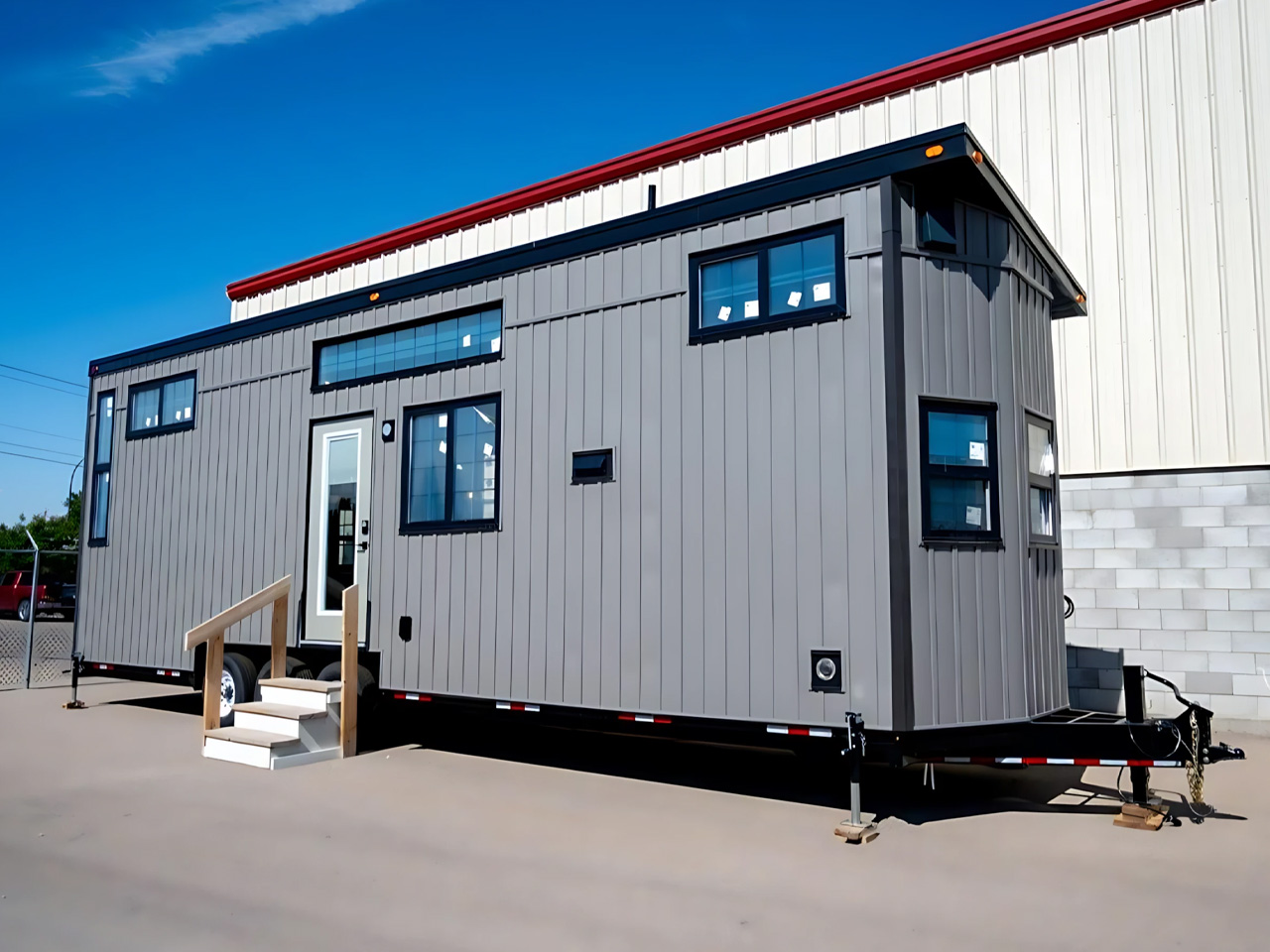
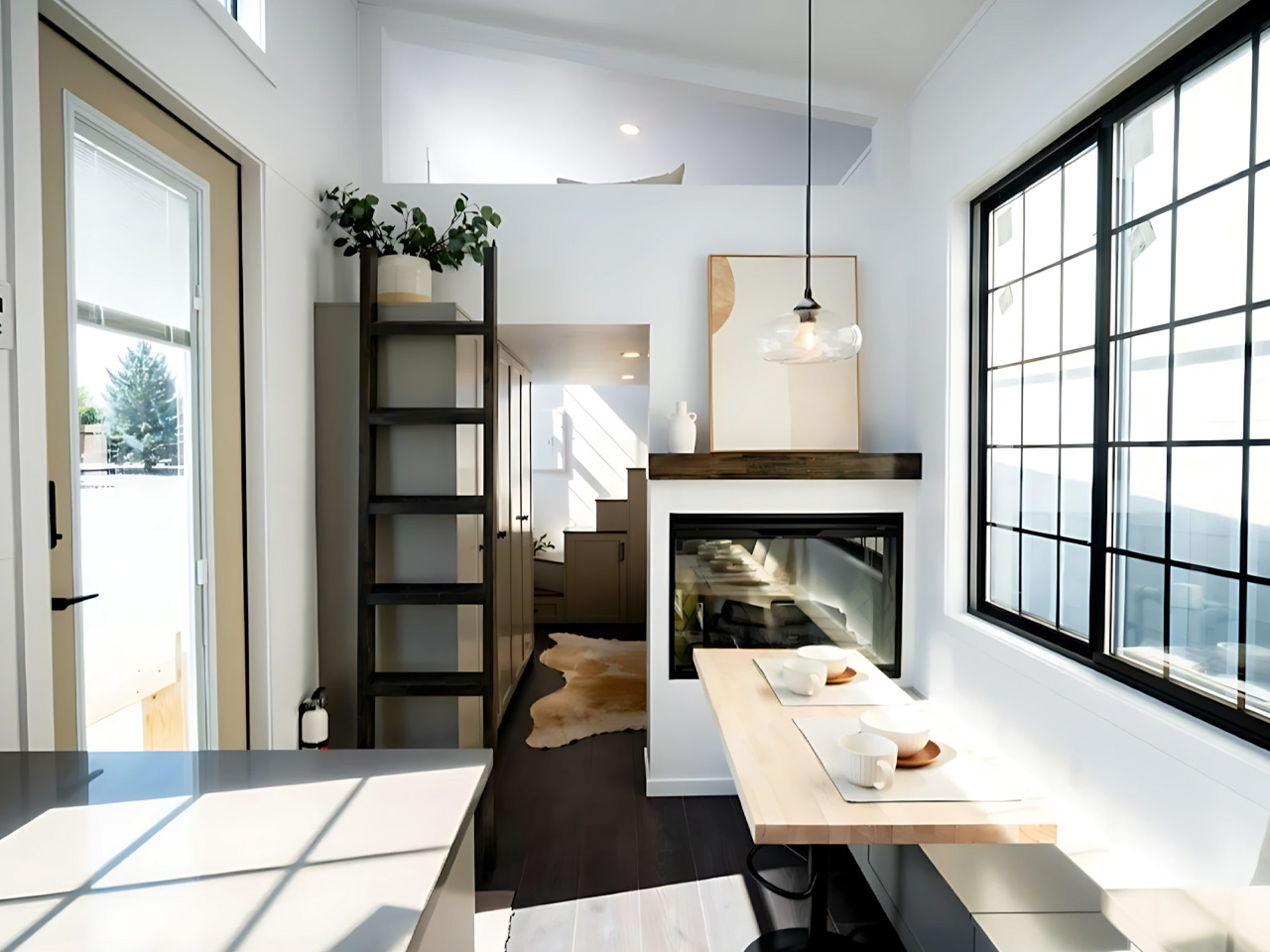
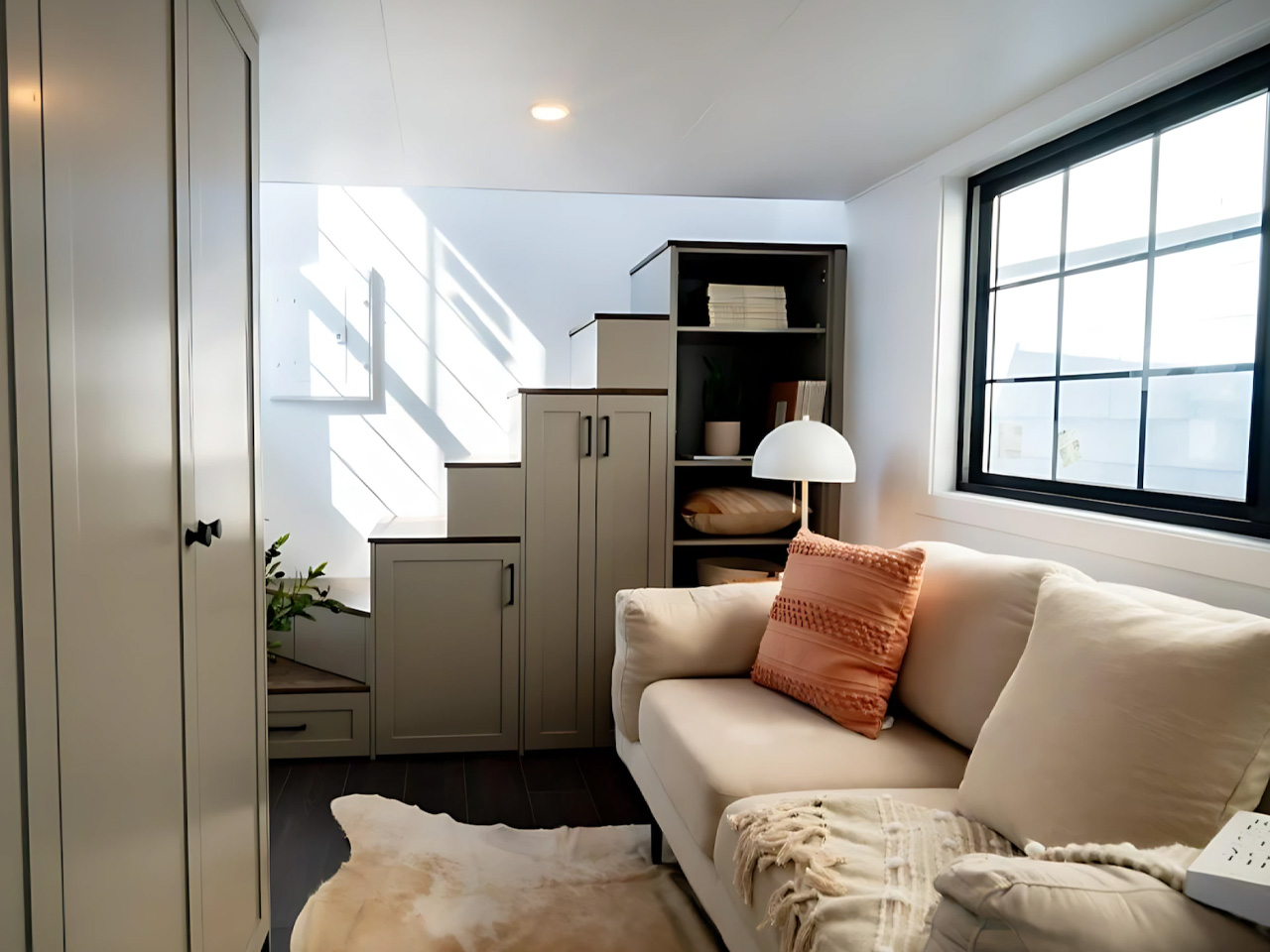
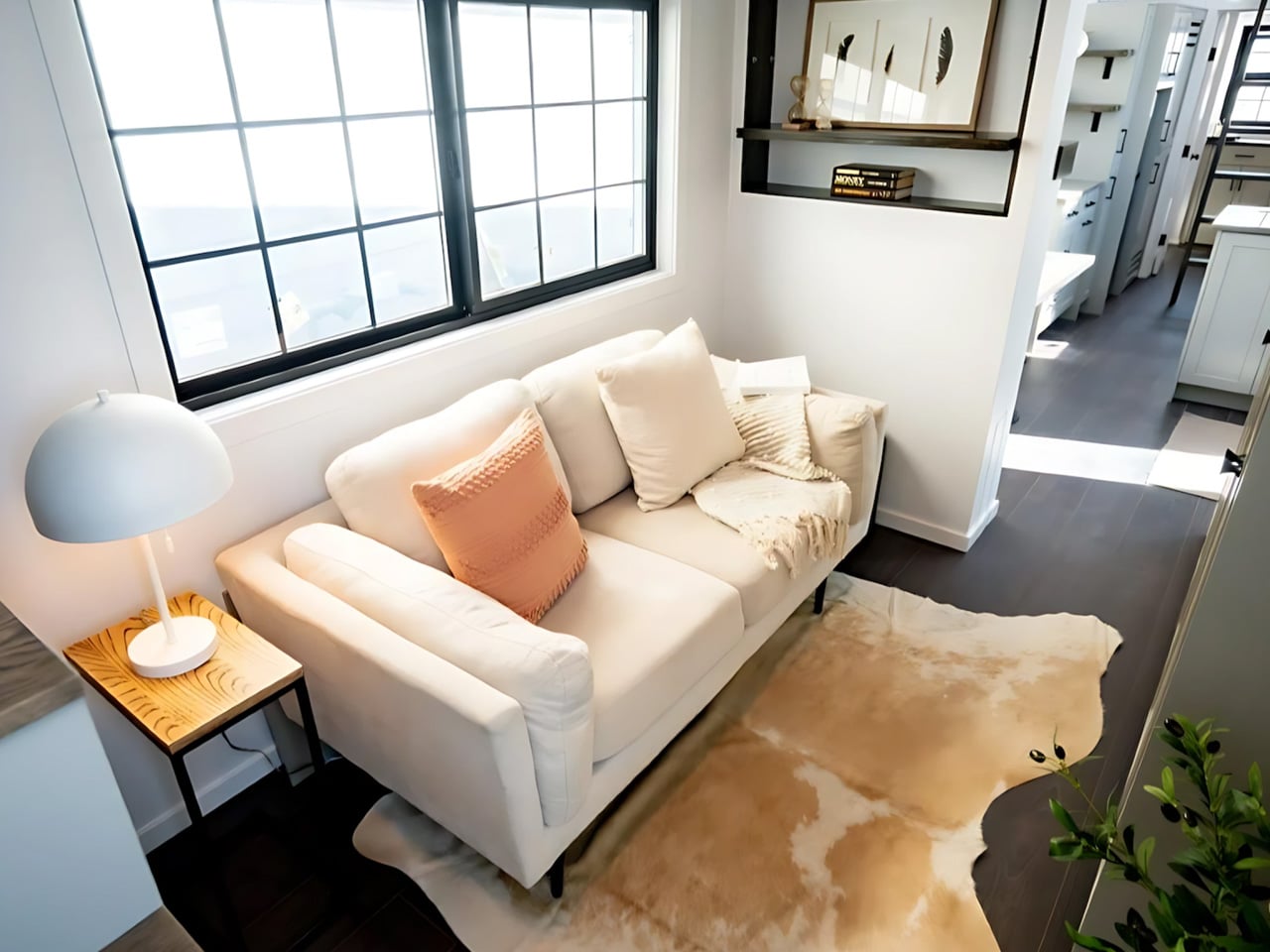
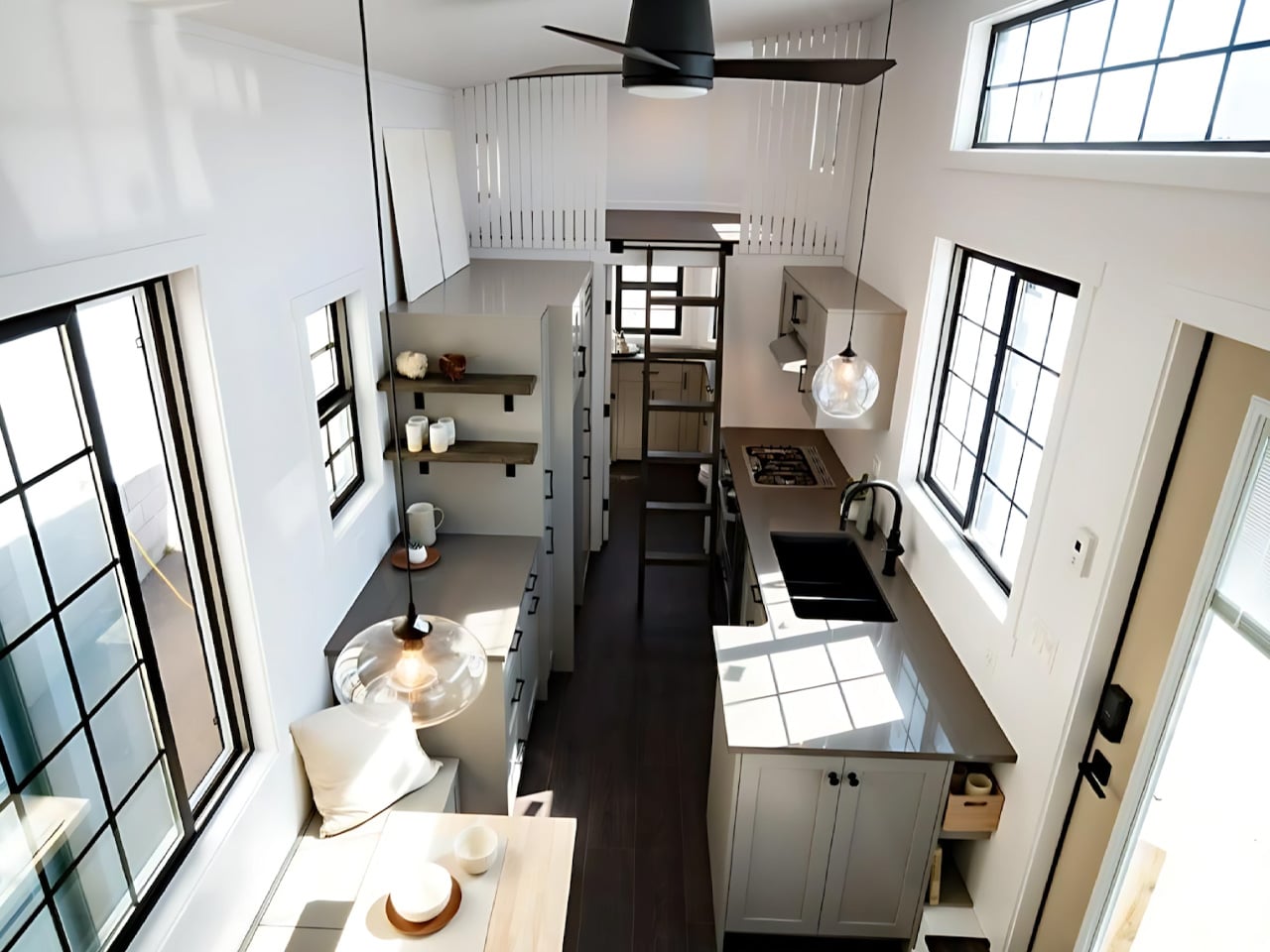
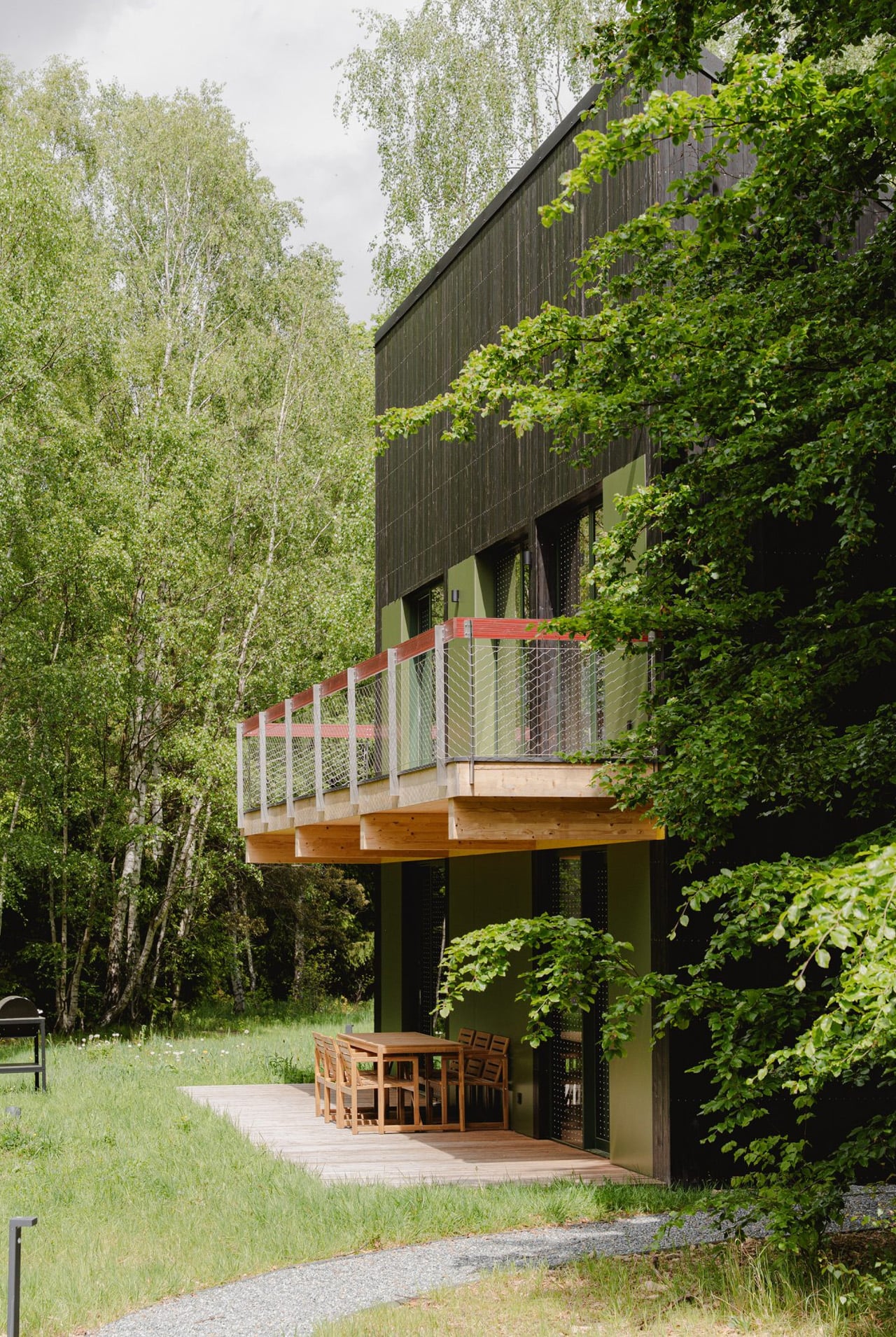
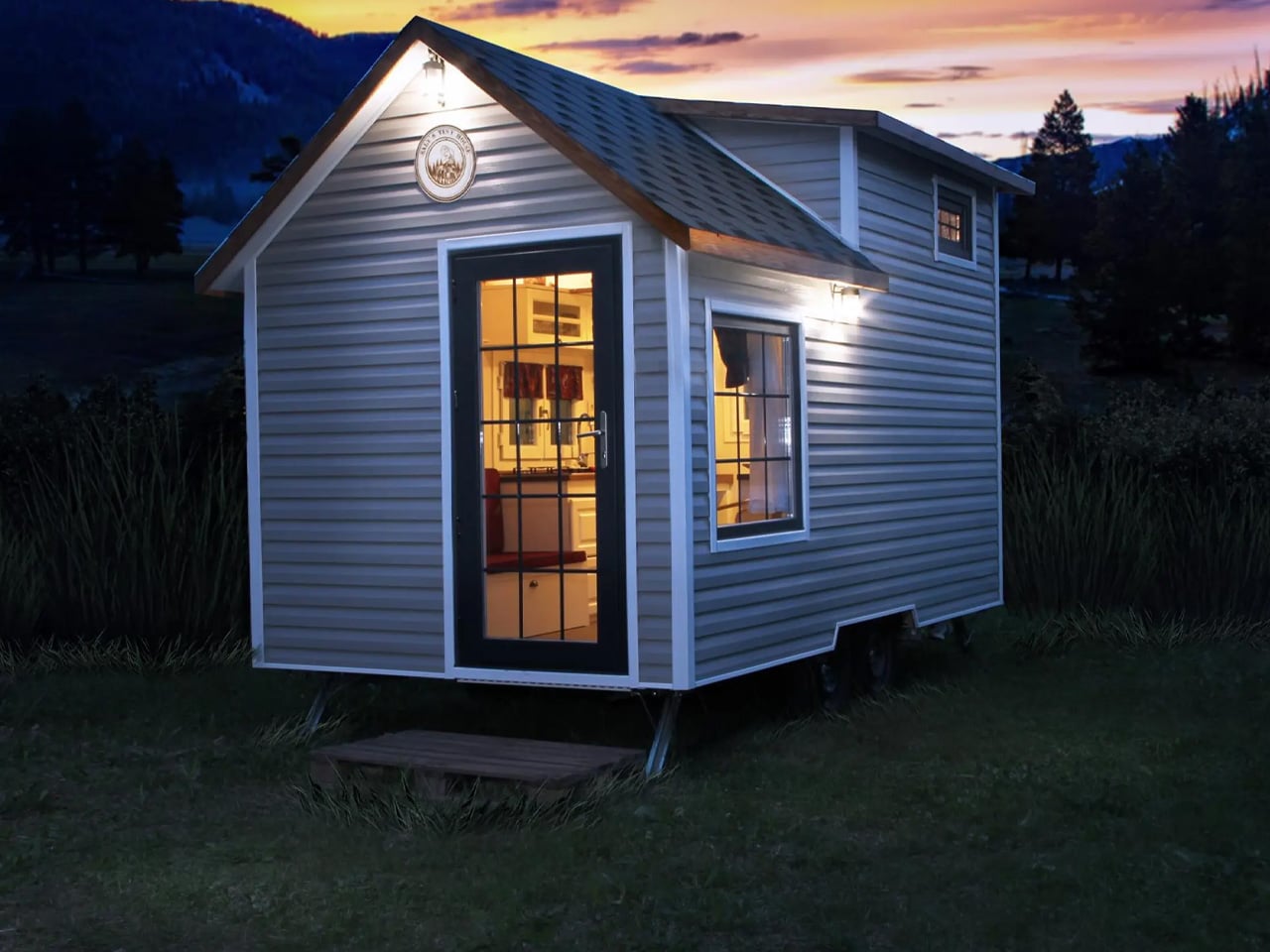
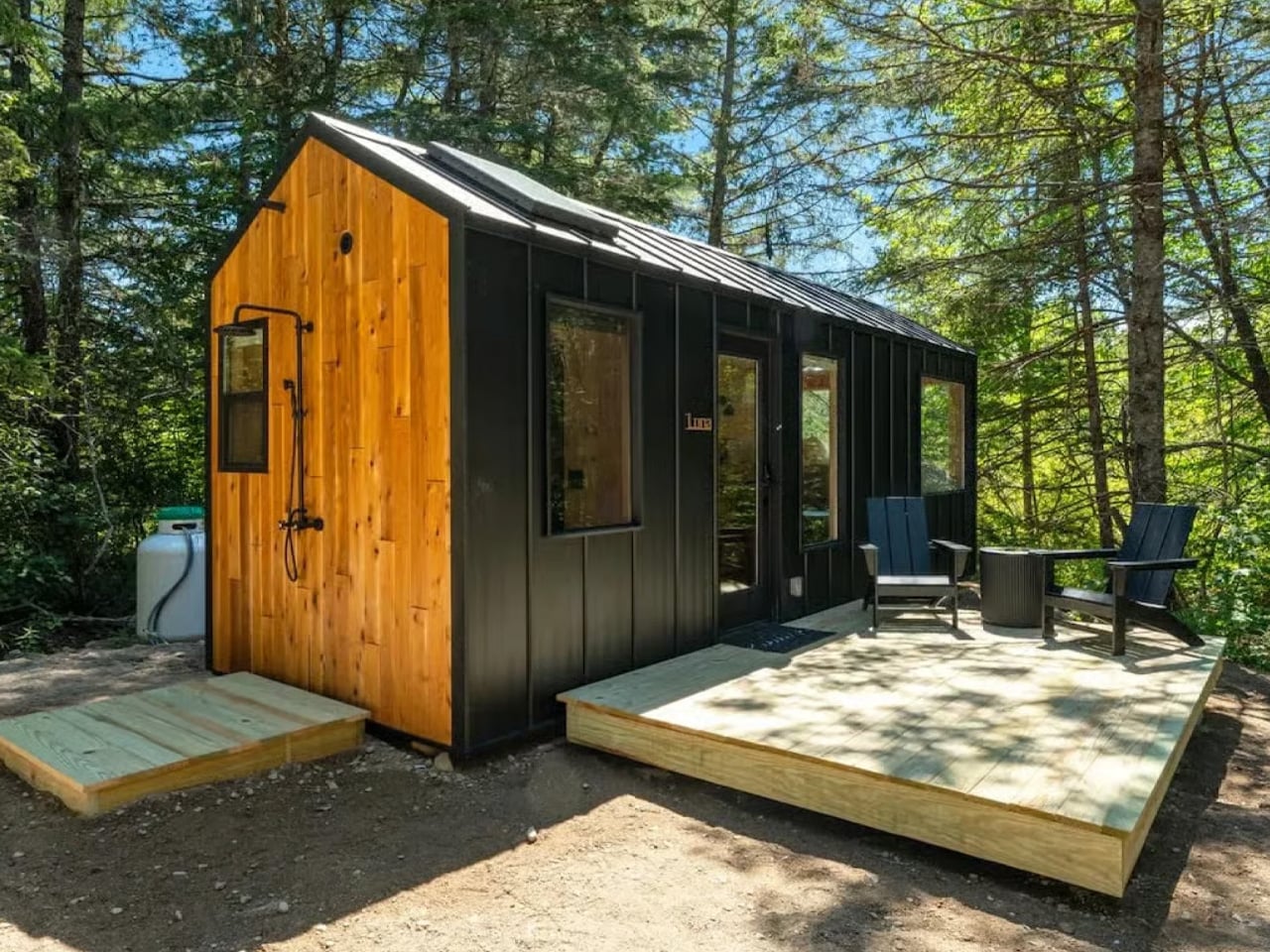
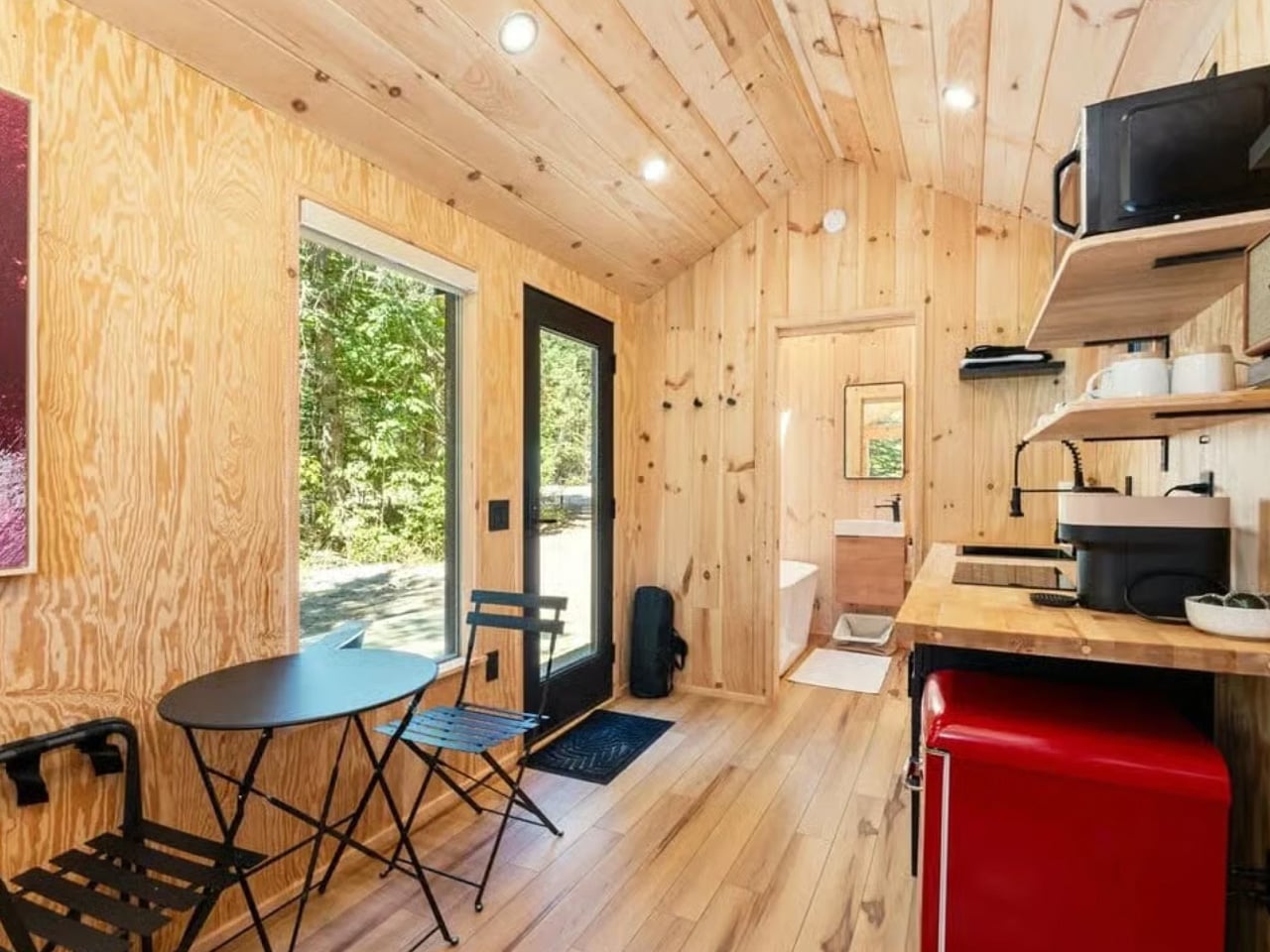
Australian tiny house manufacturer Häuslein Tiny House Co has just launched its newest model, the Eire, marking a significant departure from its traditional multi-story designs. The new Häuslein Eire tiny house has been crafted with inspiration from Ireland (homeland of Scott, who designs all our tiny houses!), bringing a distinctly fresh aesthetic to the company’s established lineup.

Designer: Häuslein Tiny House Co.

Design Philosophy Rooted in Natural Light

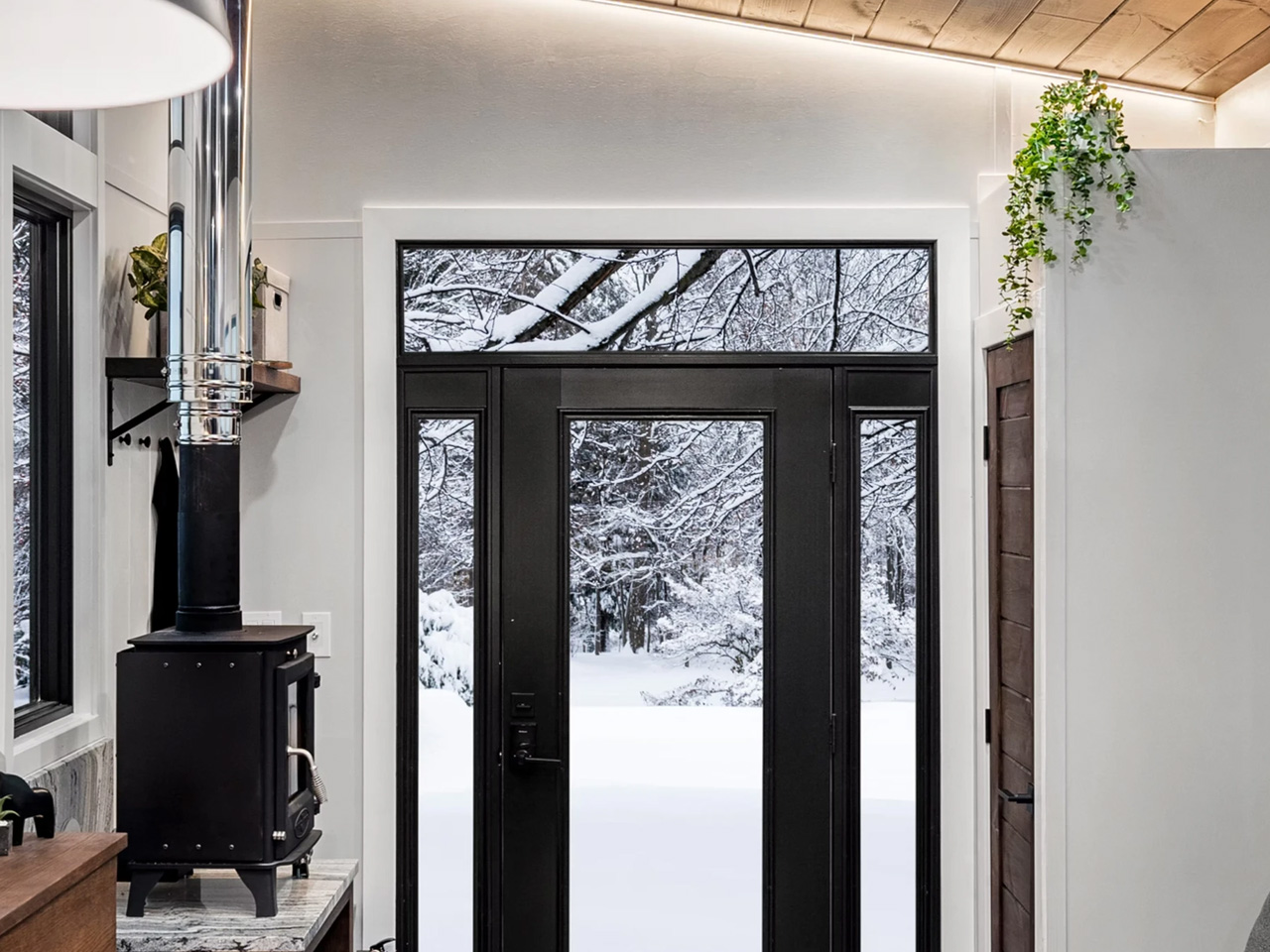
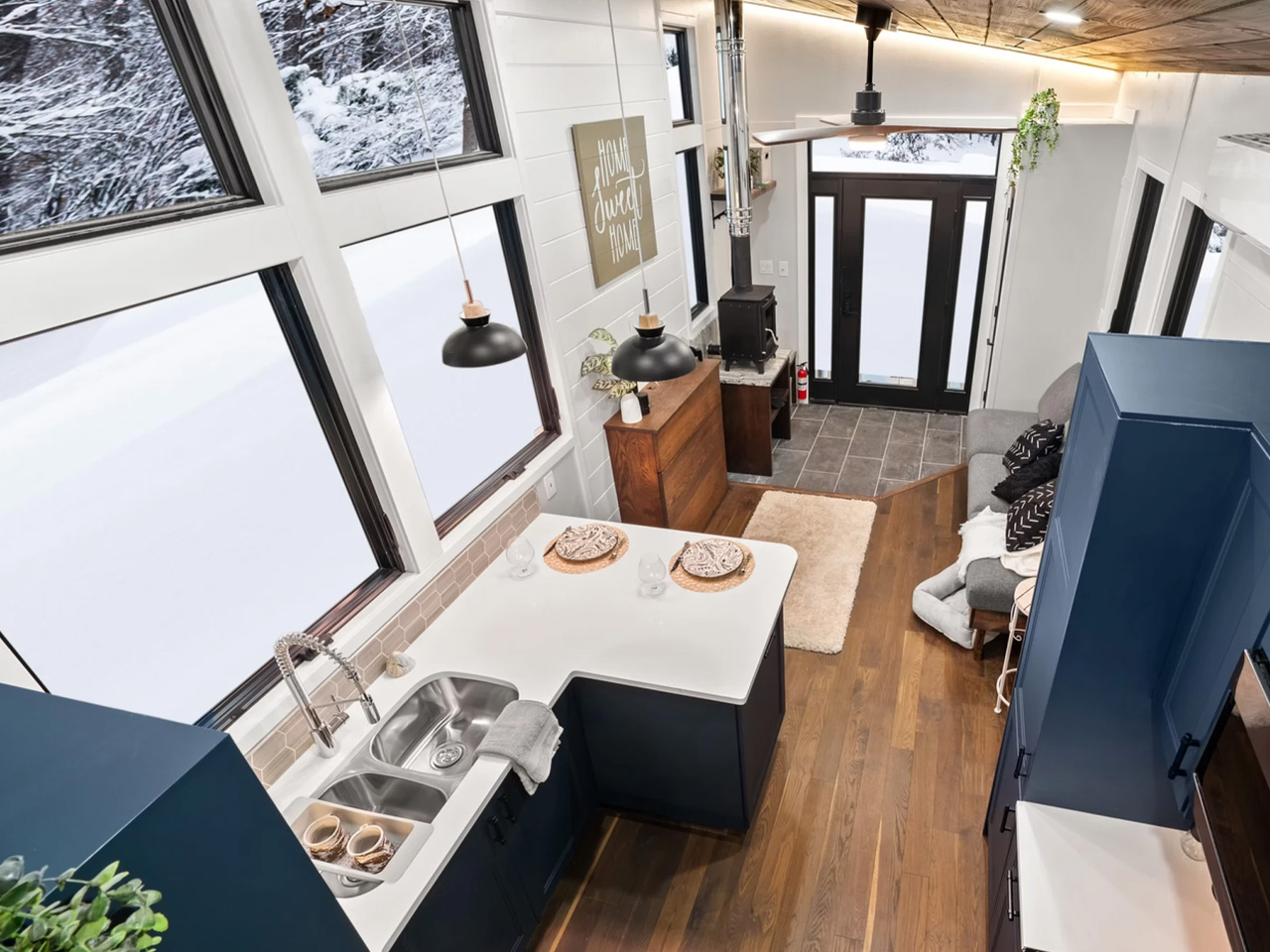
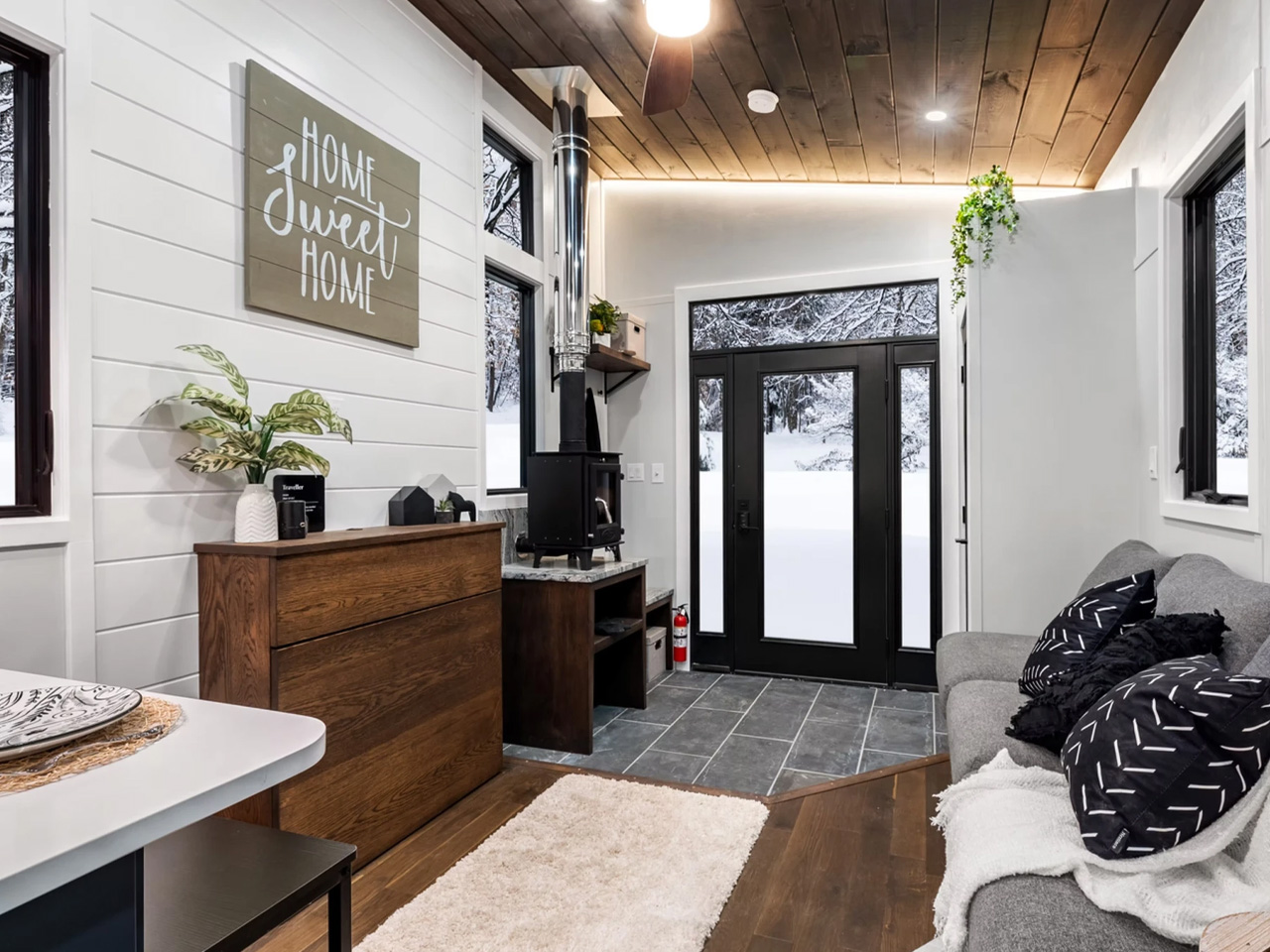
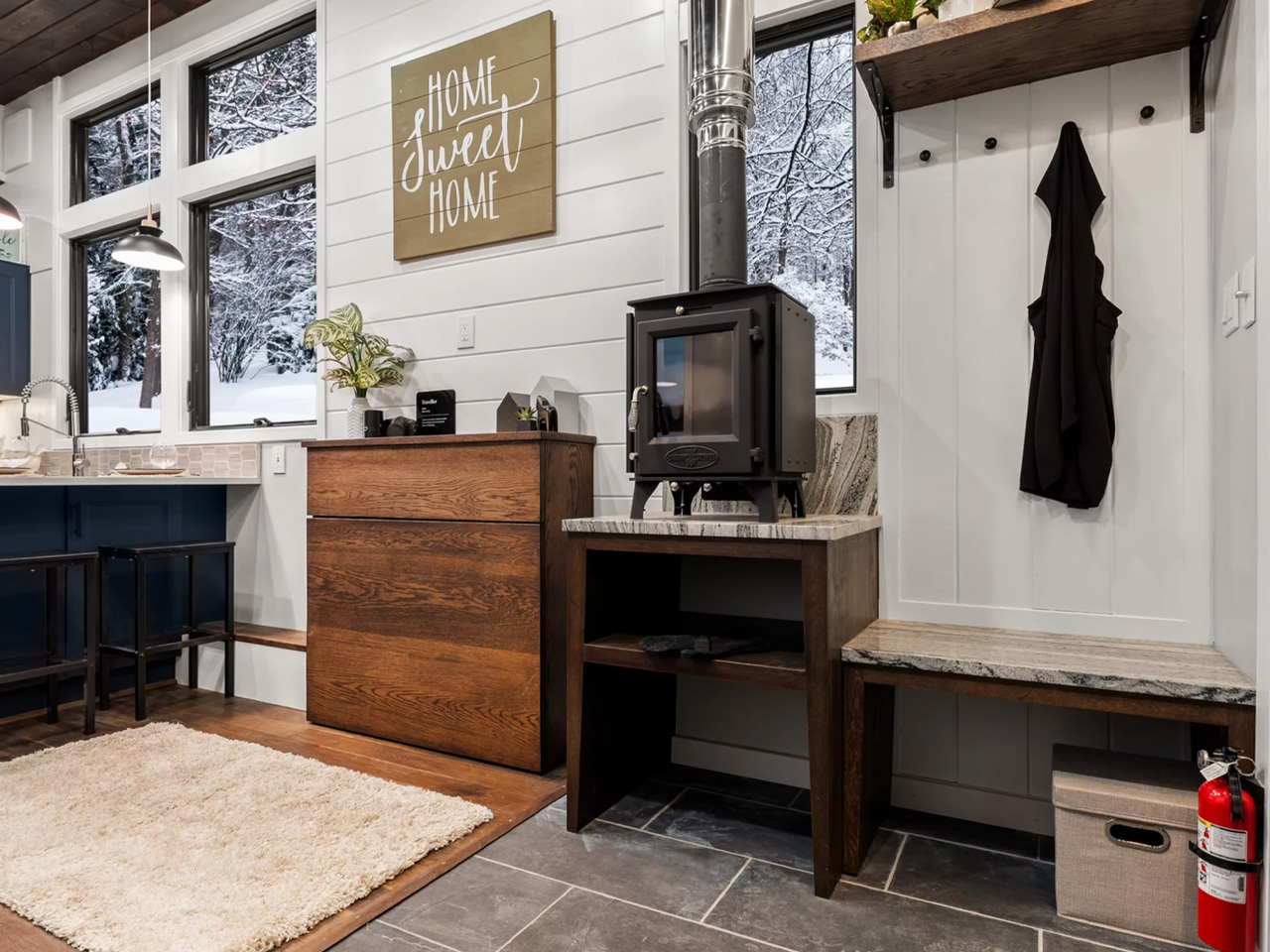
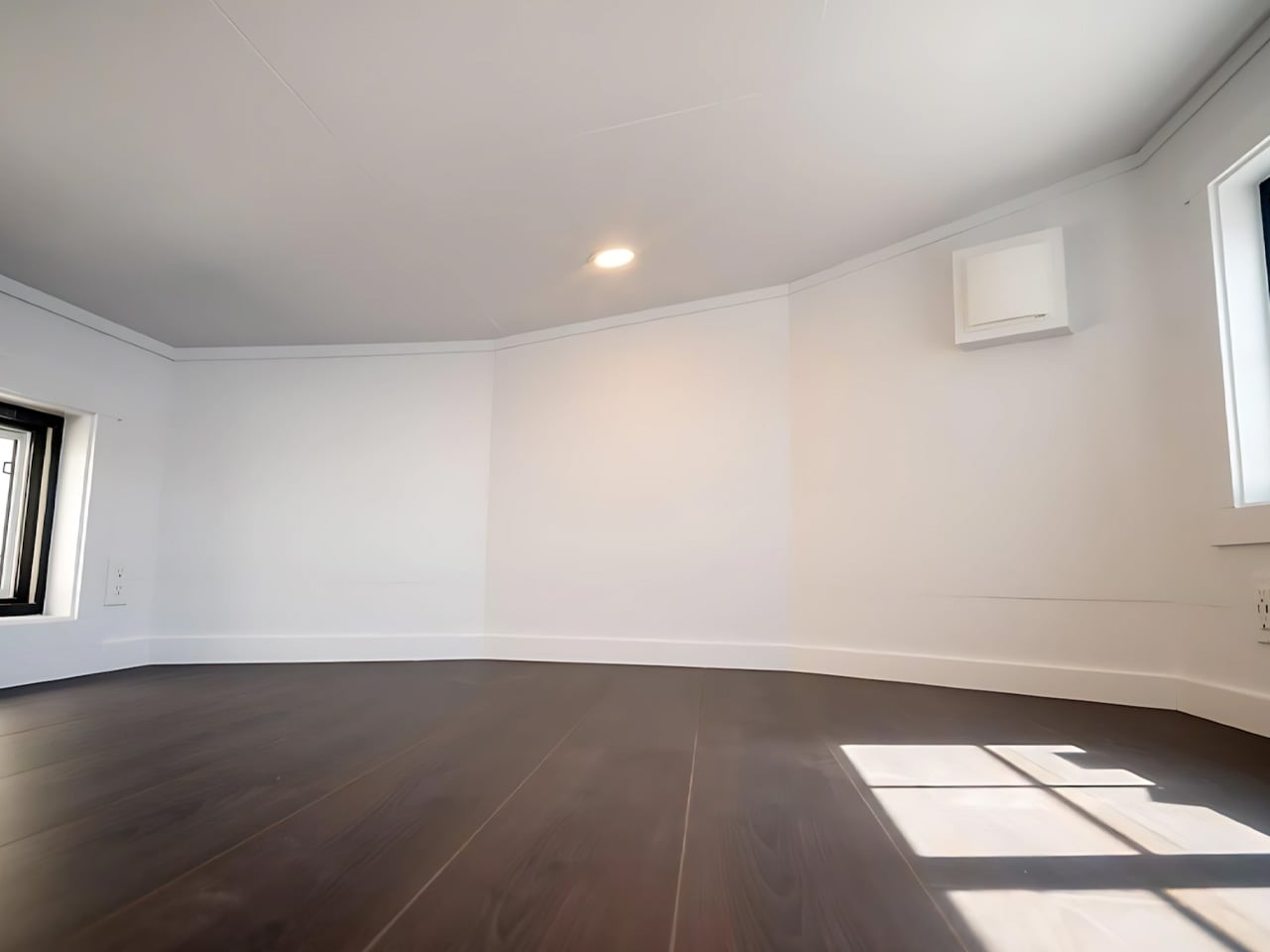
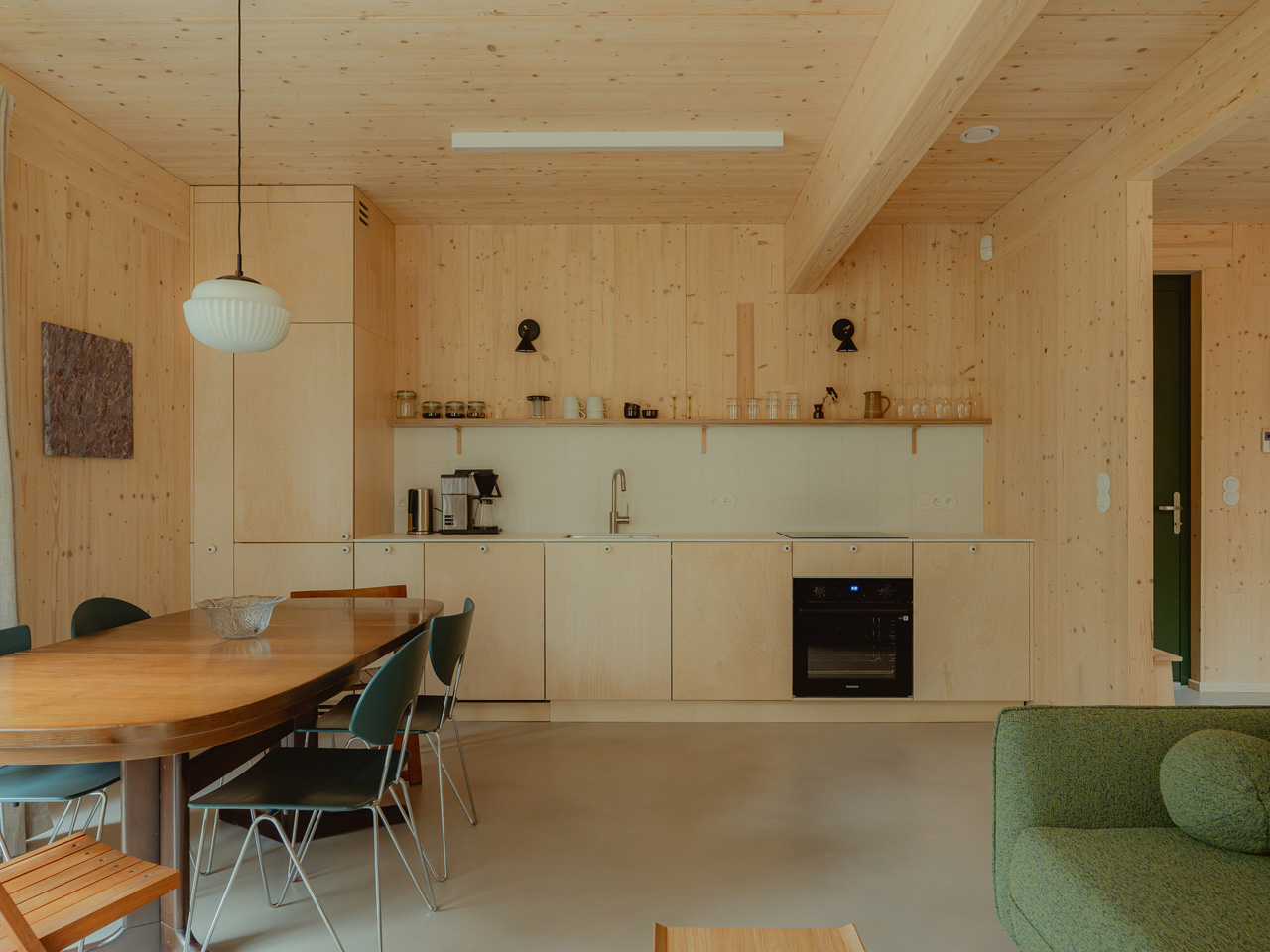
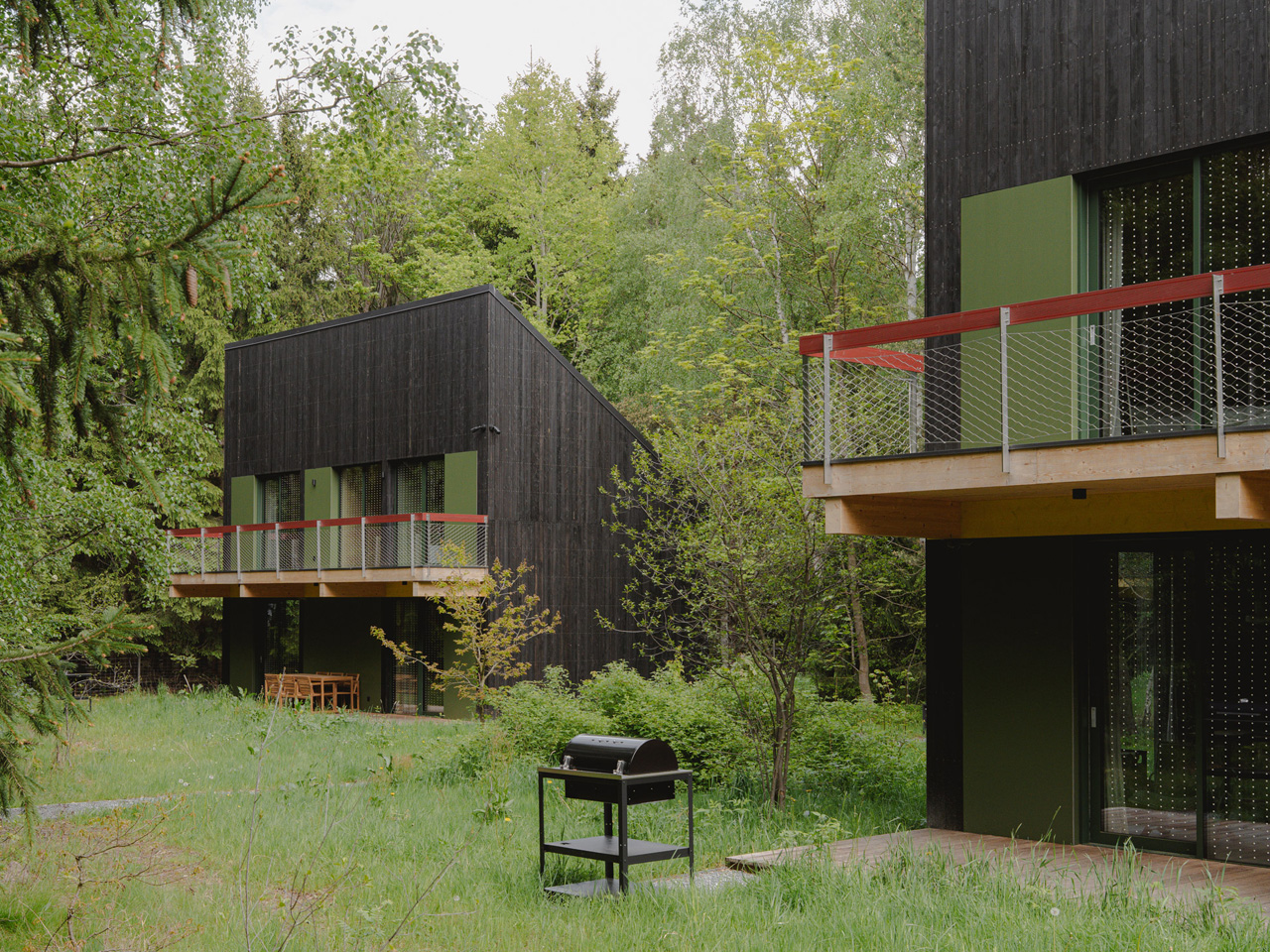
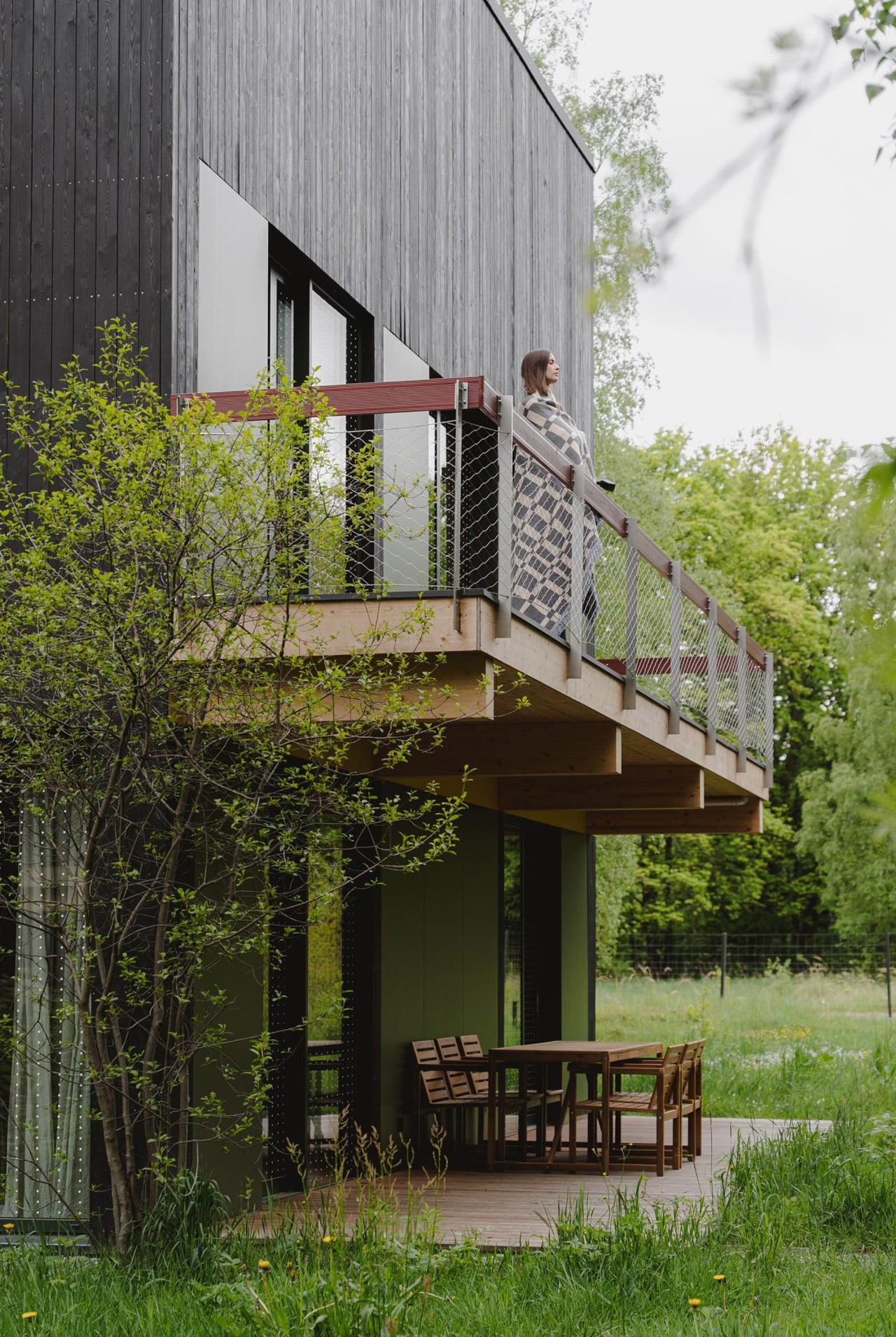
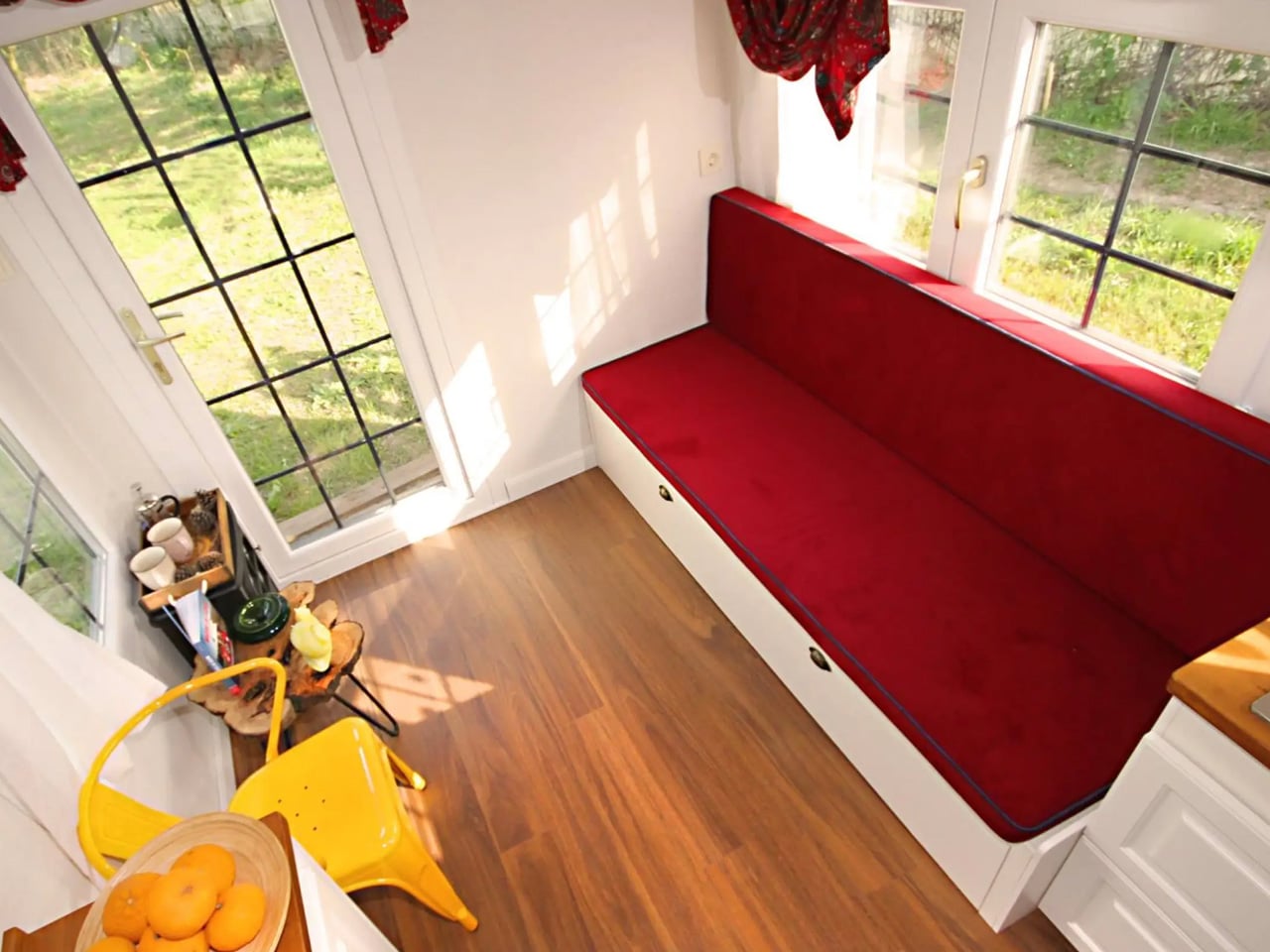
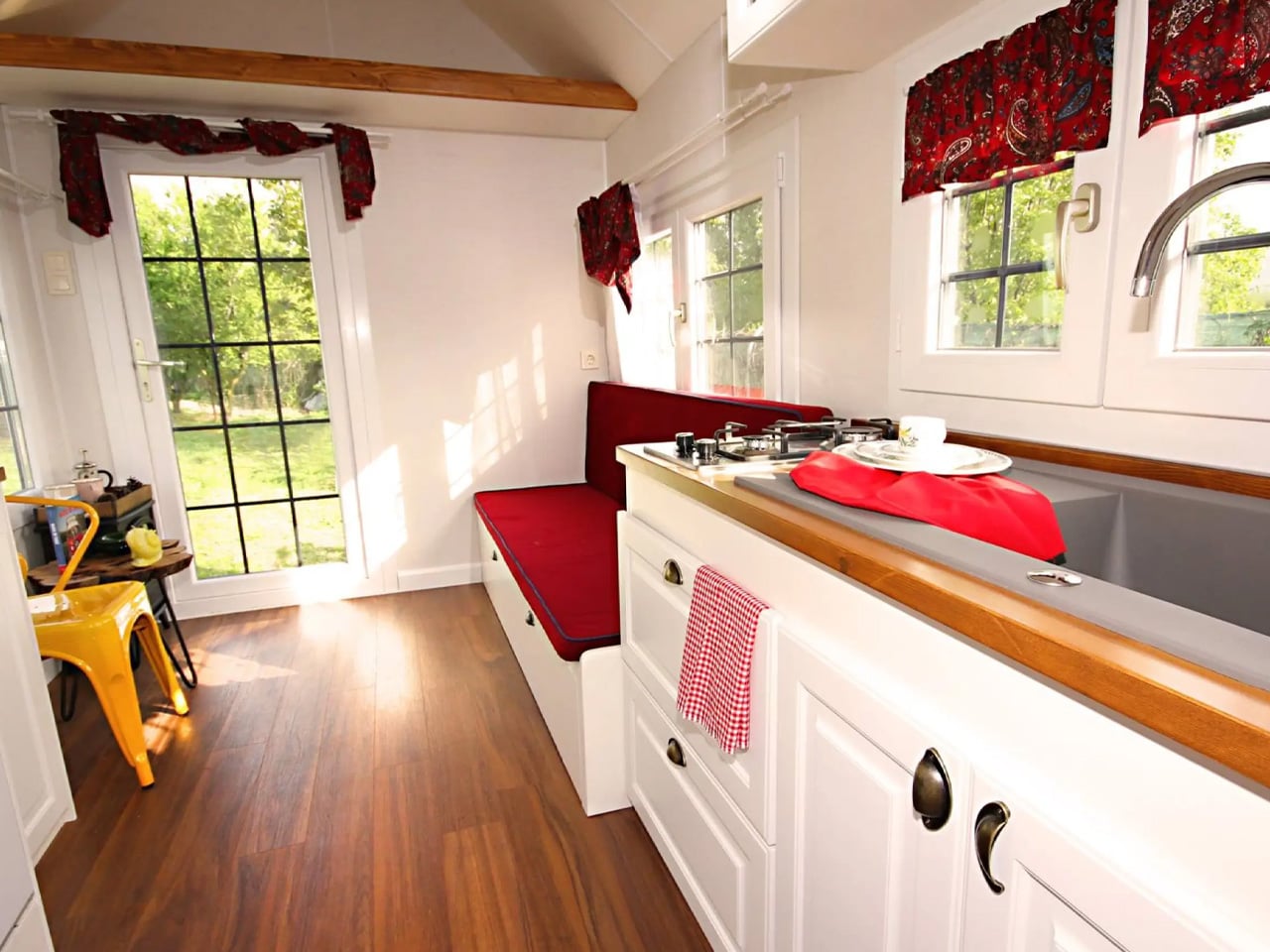
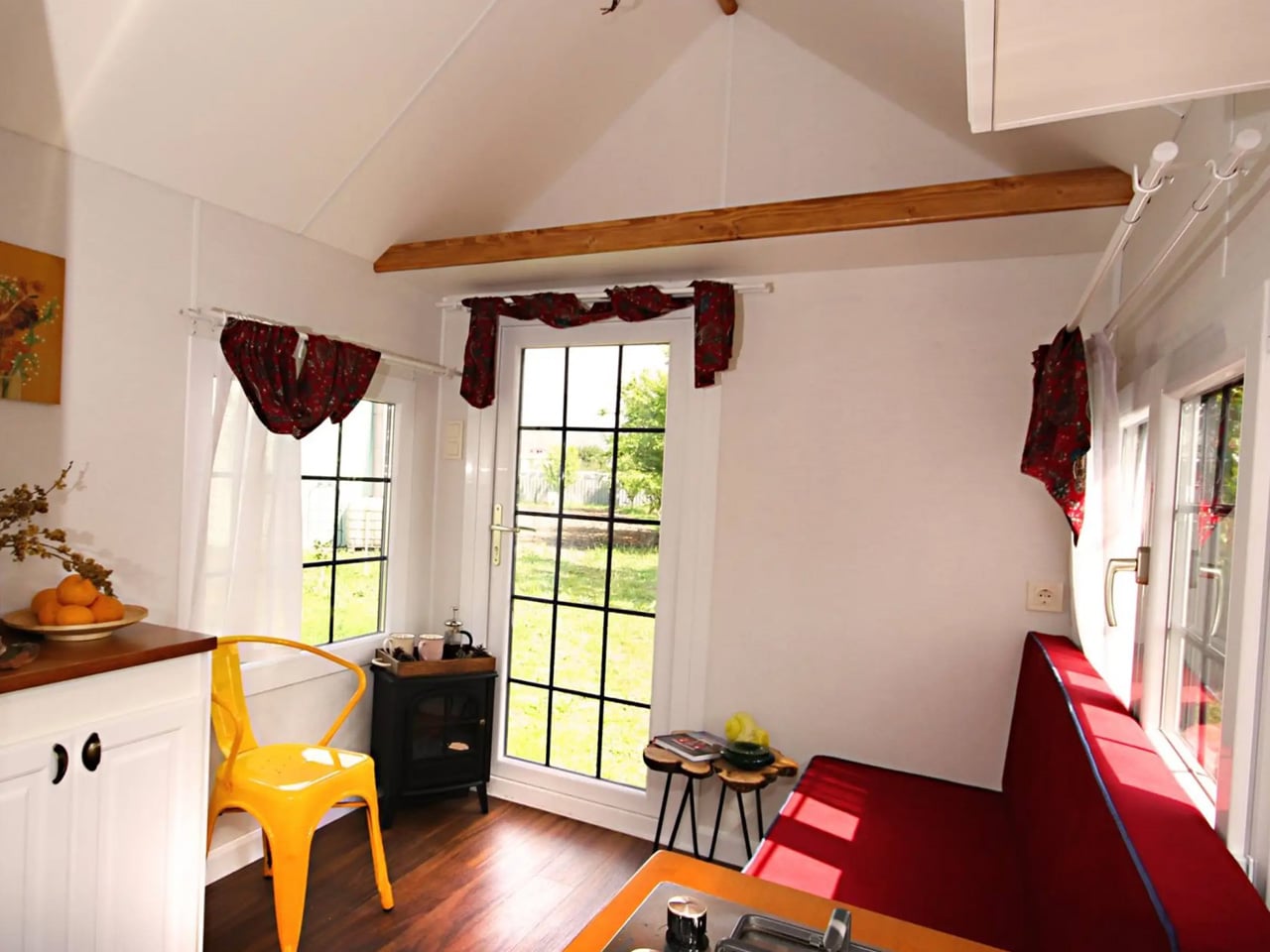
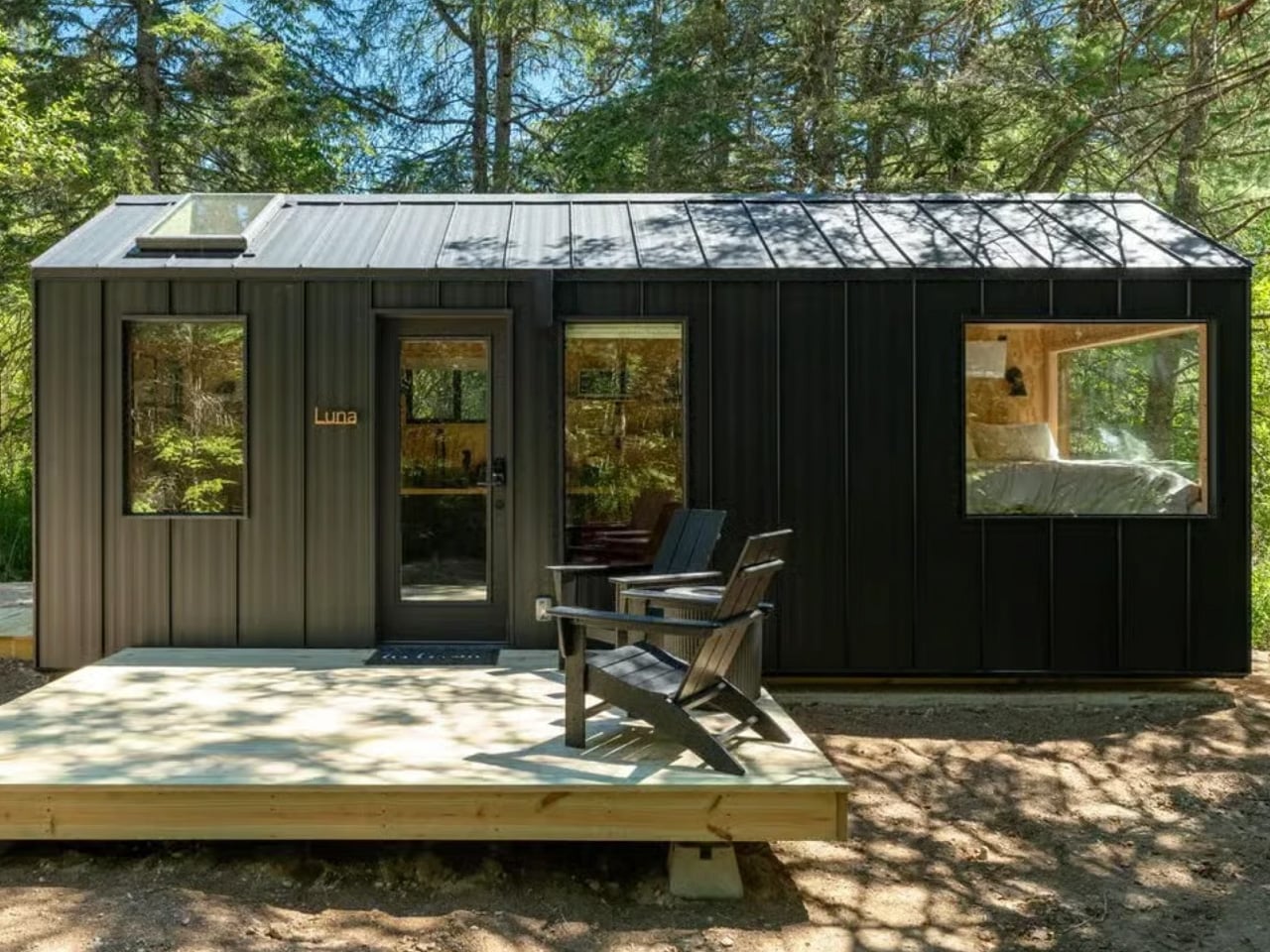
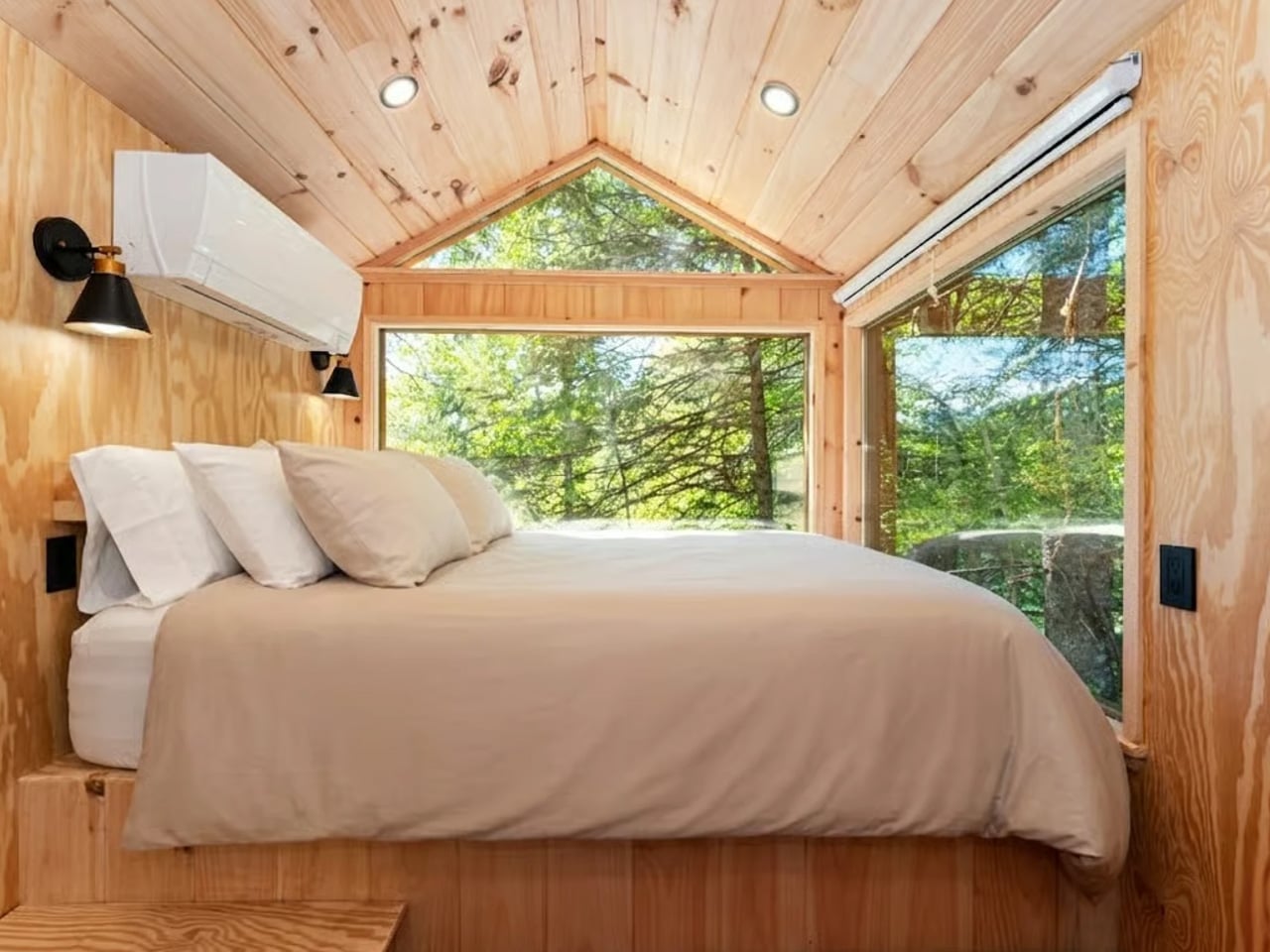
The Eire represents a bold shift toward single-level living, featuring a single-story layout that puts the focus firmly on daylight through panoramic glazing that maximizes natural light and connection to the outdoors. This design philosophy prioritizes openness and connectivity with nature, a hallmark that sets it apart from the company’s traditionally compact, multi-level offerings.

Crafted with spacious design, vast windows, and an all-new colour palette, the Eire brings a fresh, elegant look to our tiny house range, while maintaining the same high standard in design and finish that Häuslein customers have come to expect.


Strategic Market Positioning

Unlike Häuslein’s larger family-oriented models, the Eire targets a specific niche in the tiny house market. The first layout is primarily designed for guest accommodation, though the company has indicated that a possible second layout for long-term living will also be developed with customer interest.

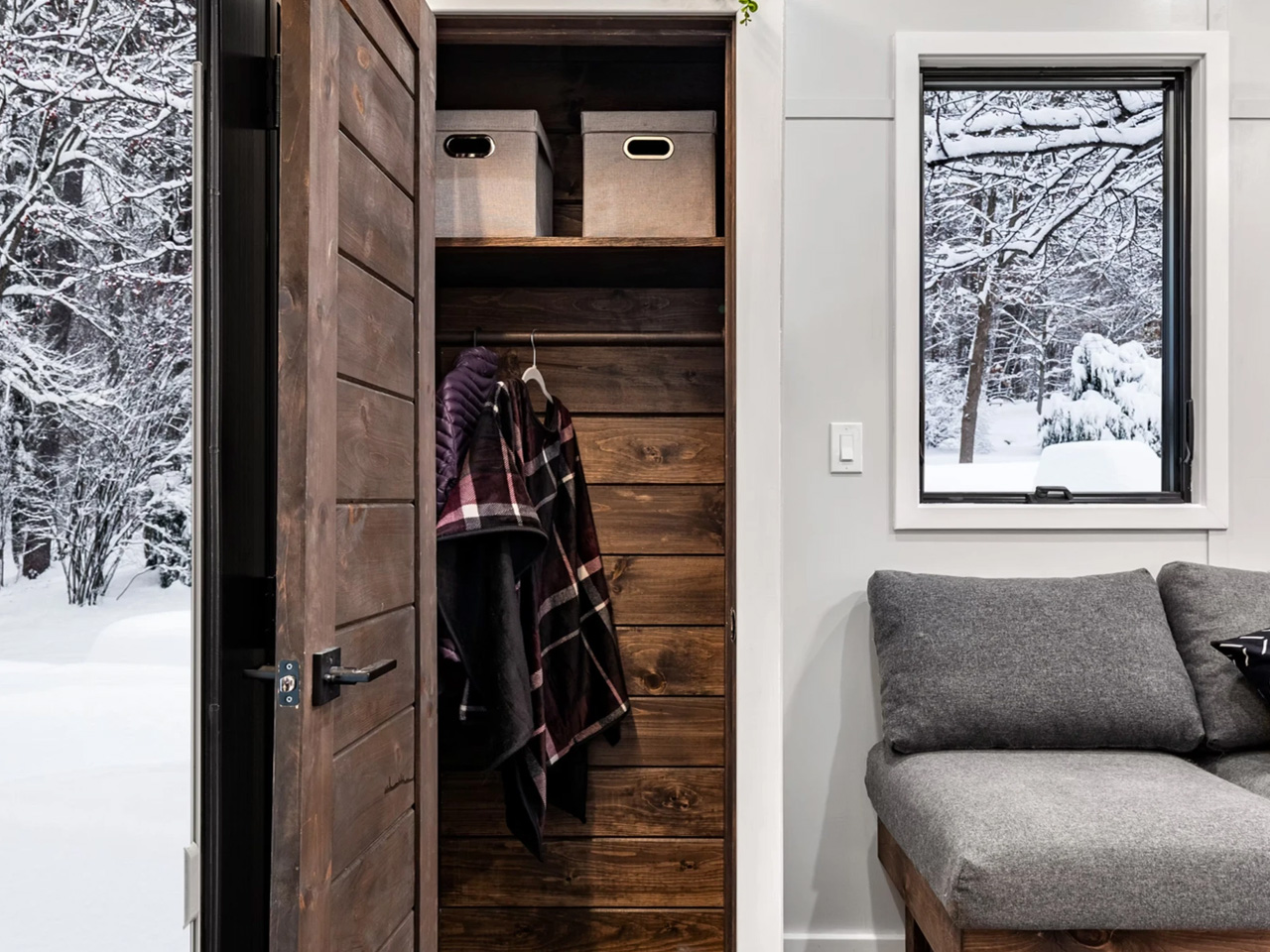
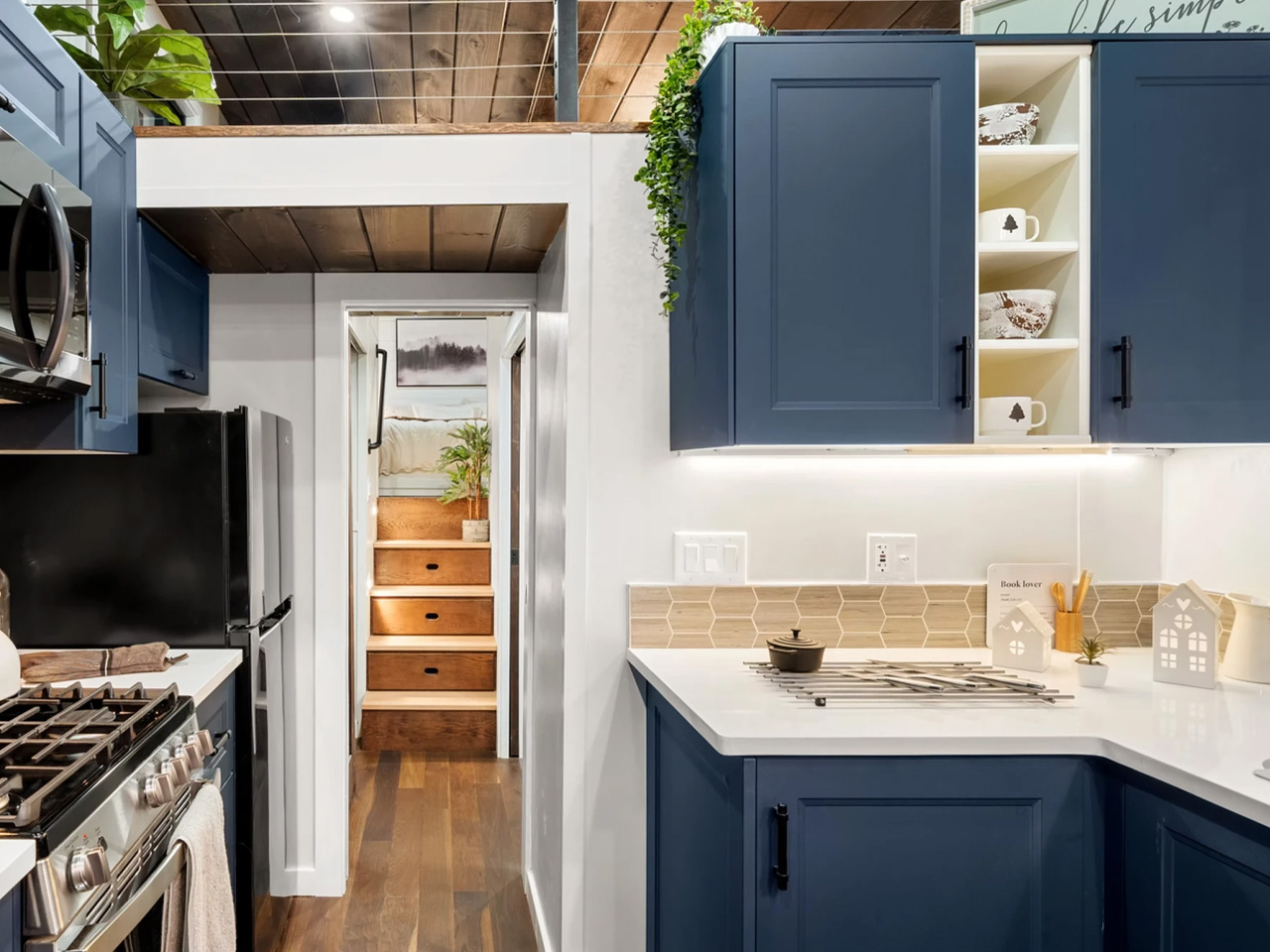
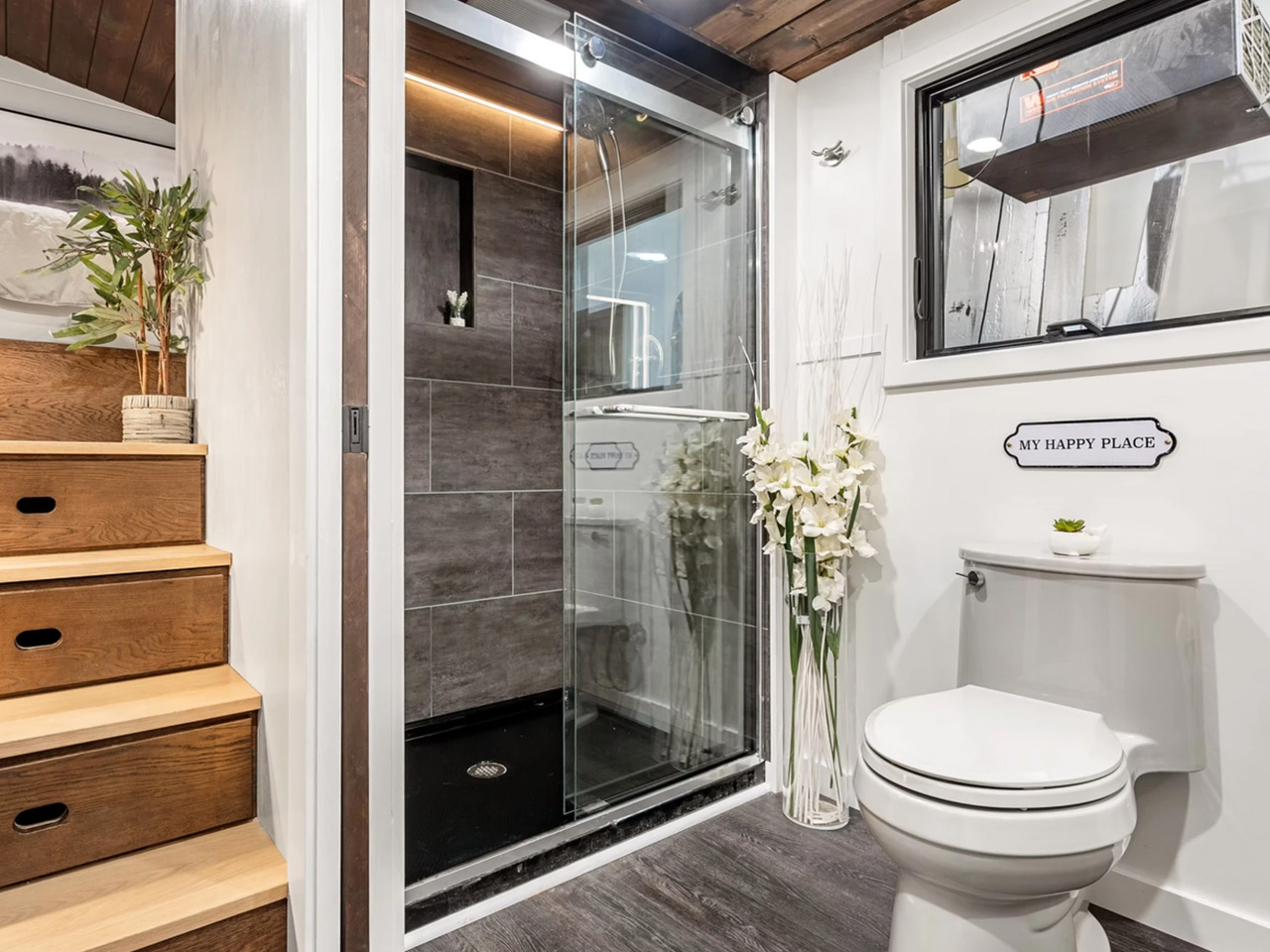
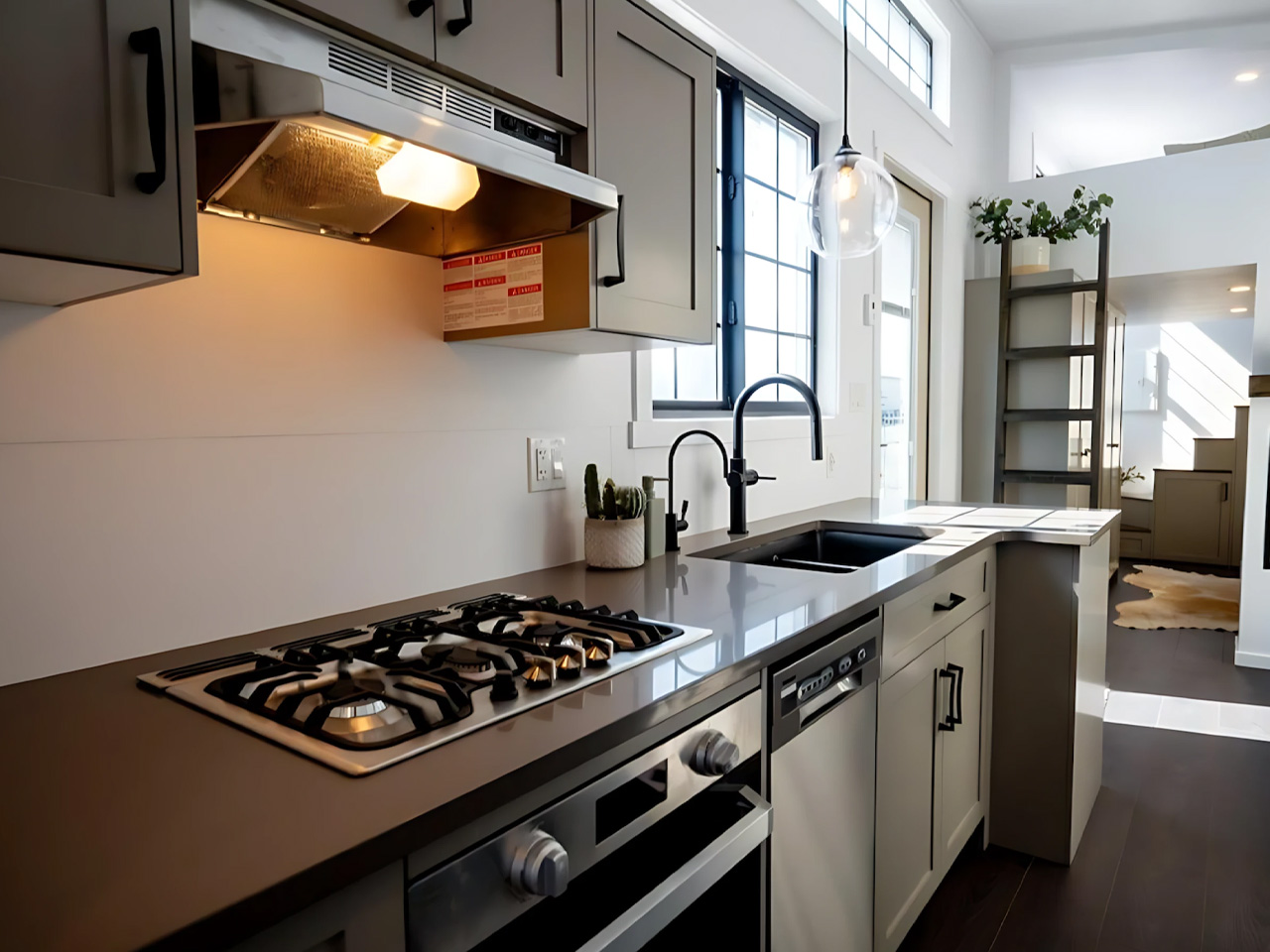
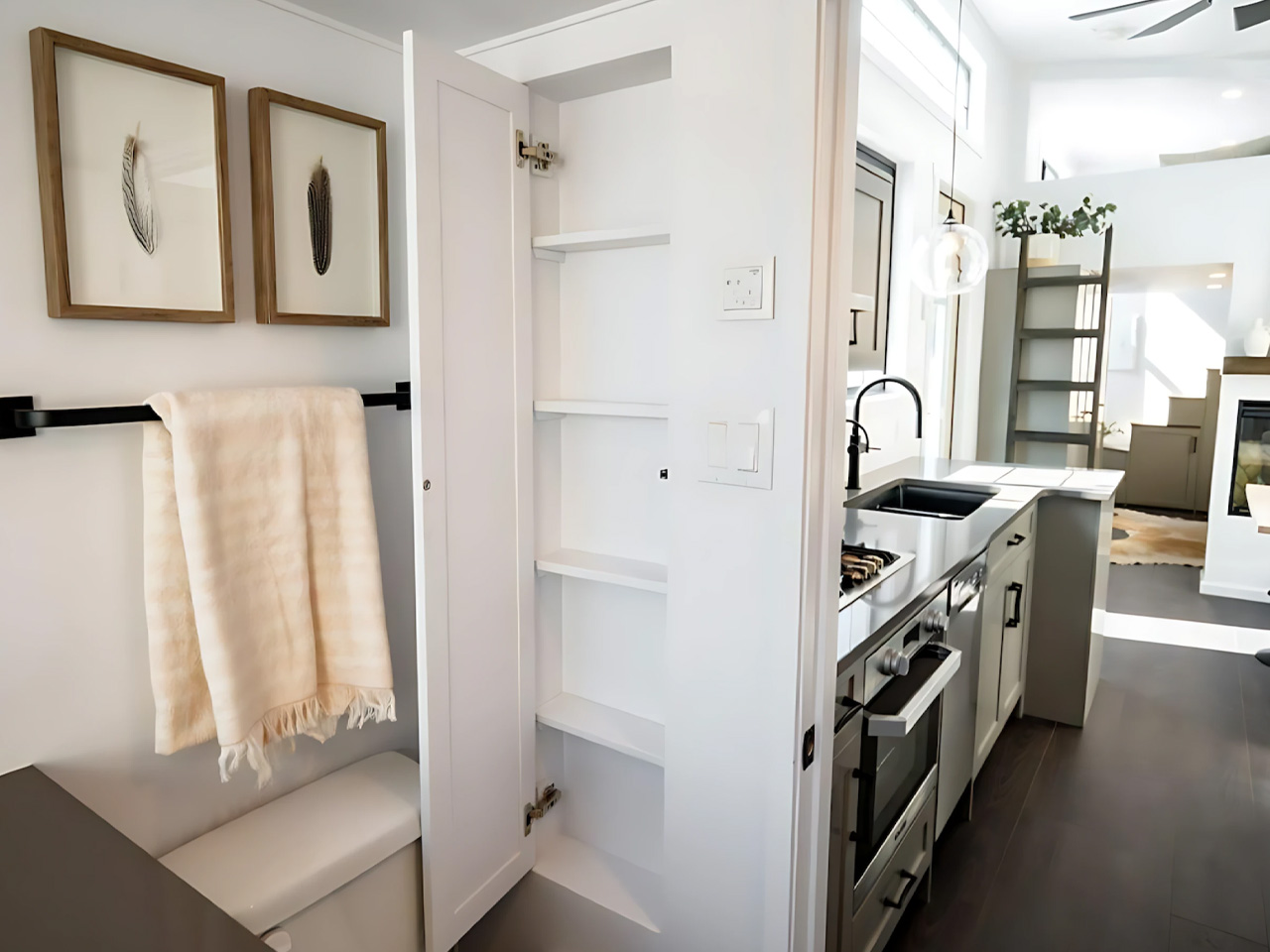
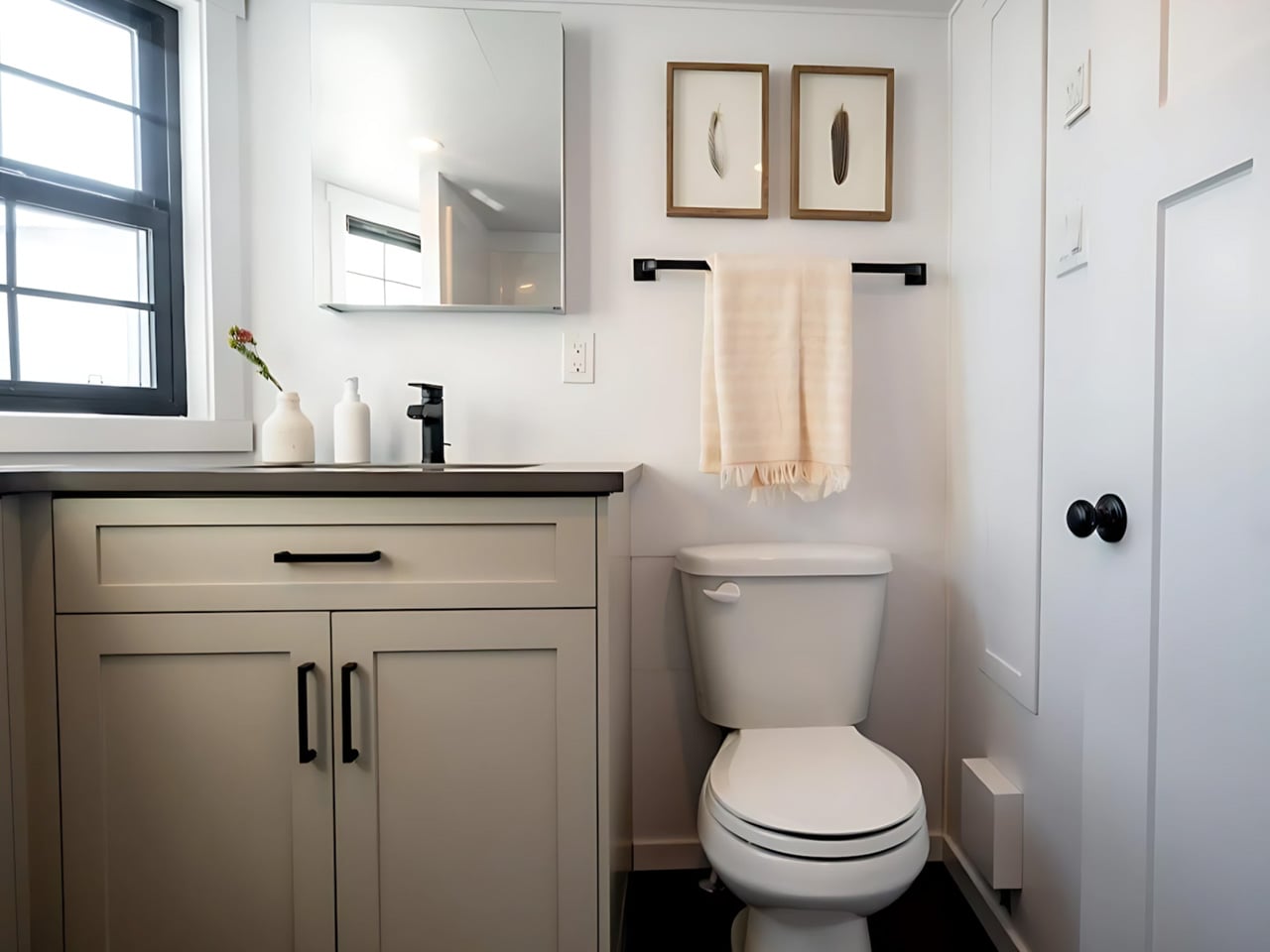
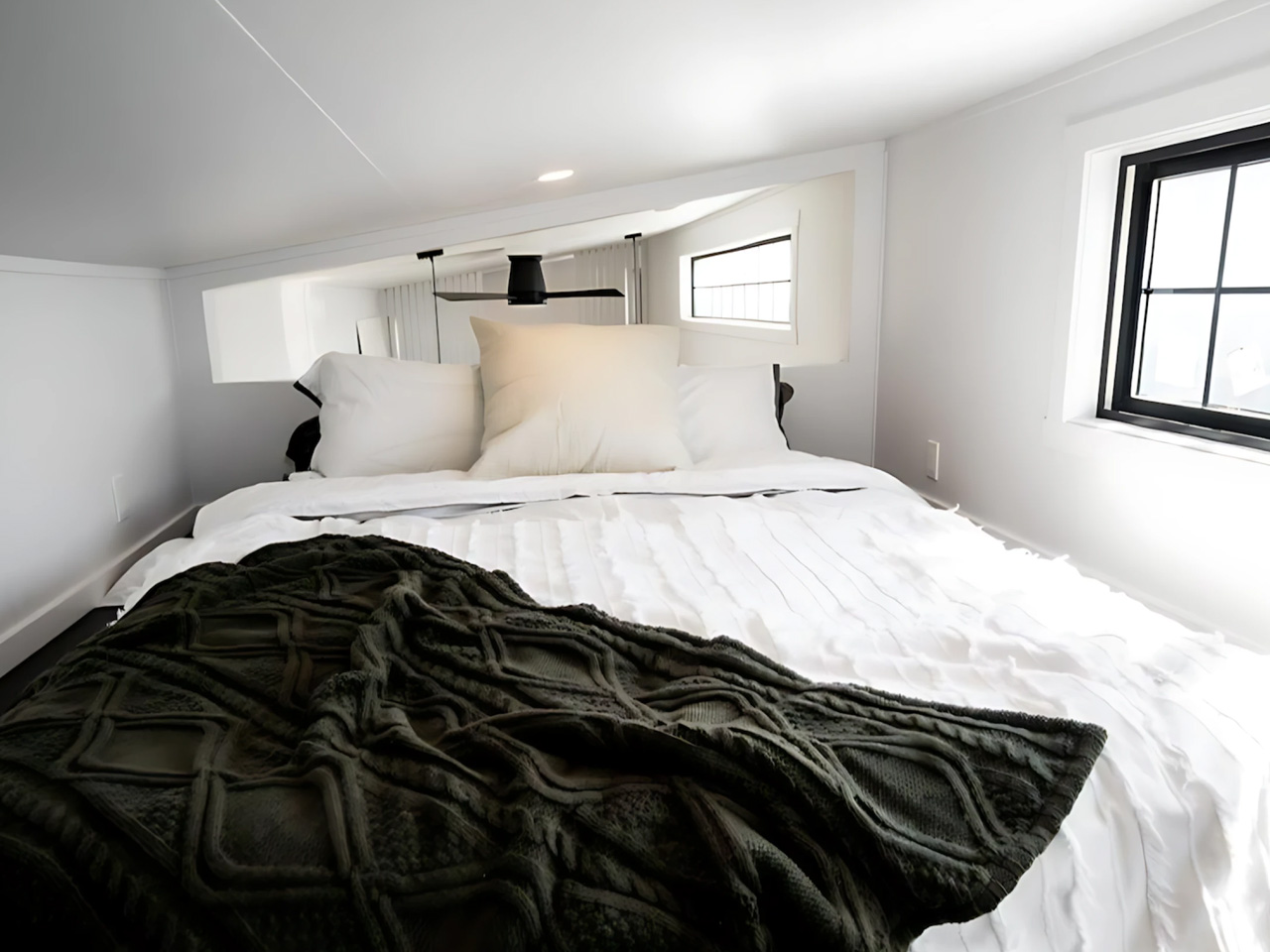
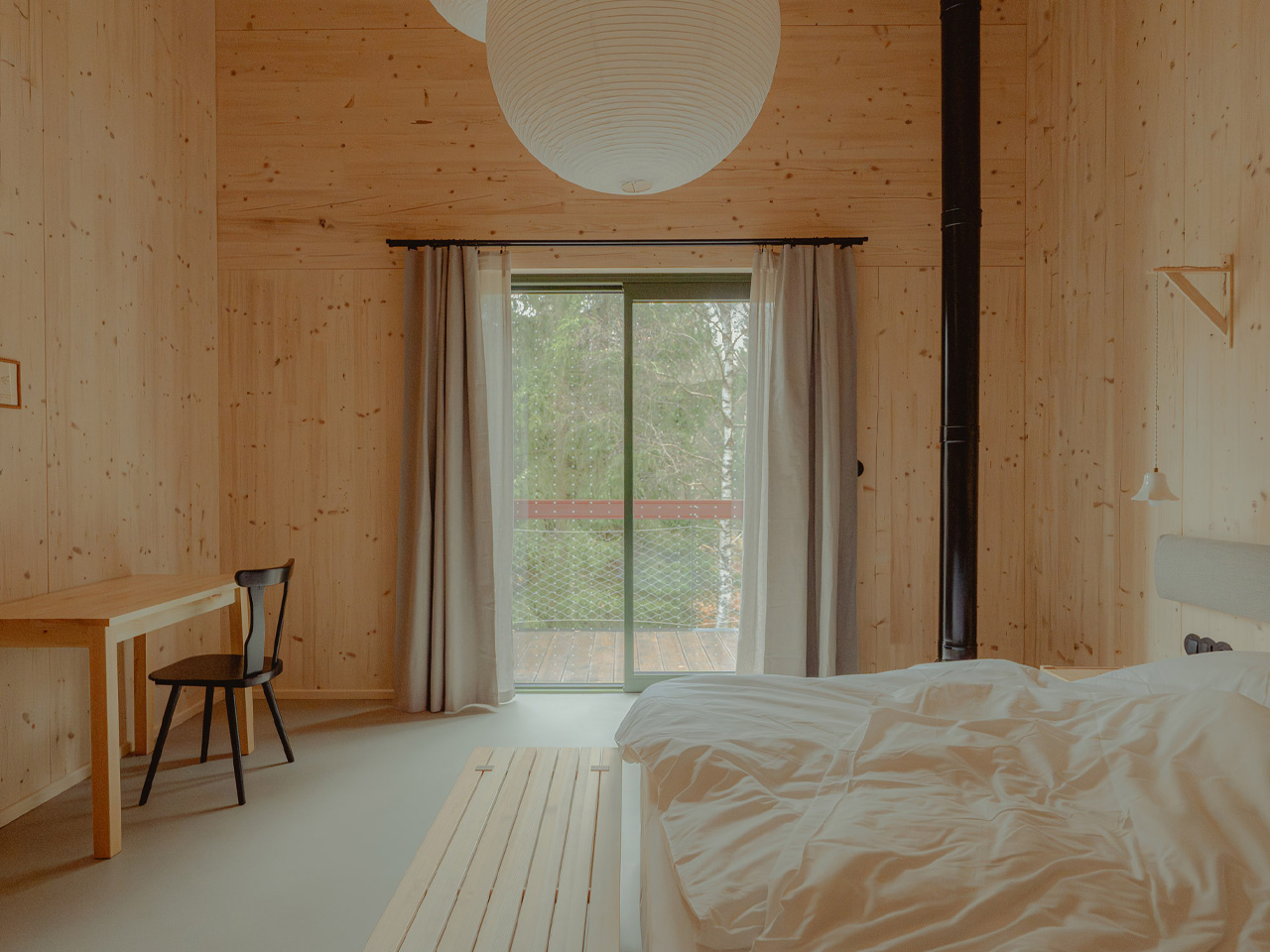
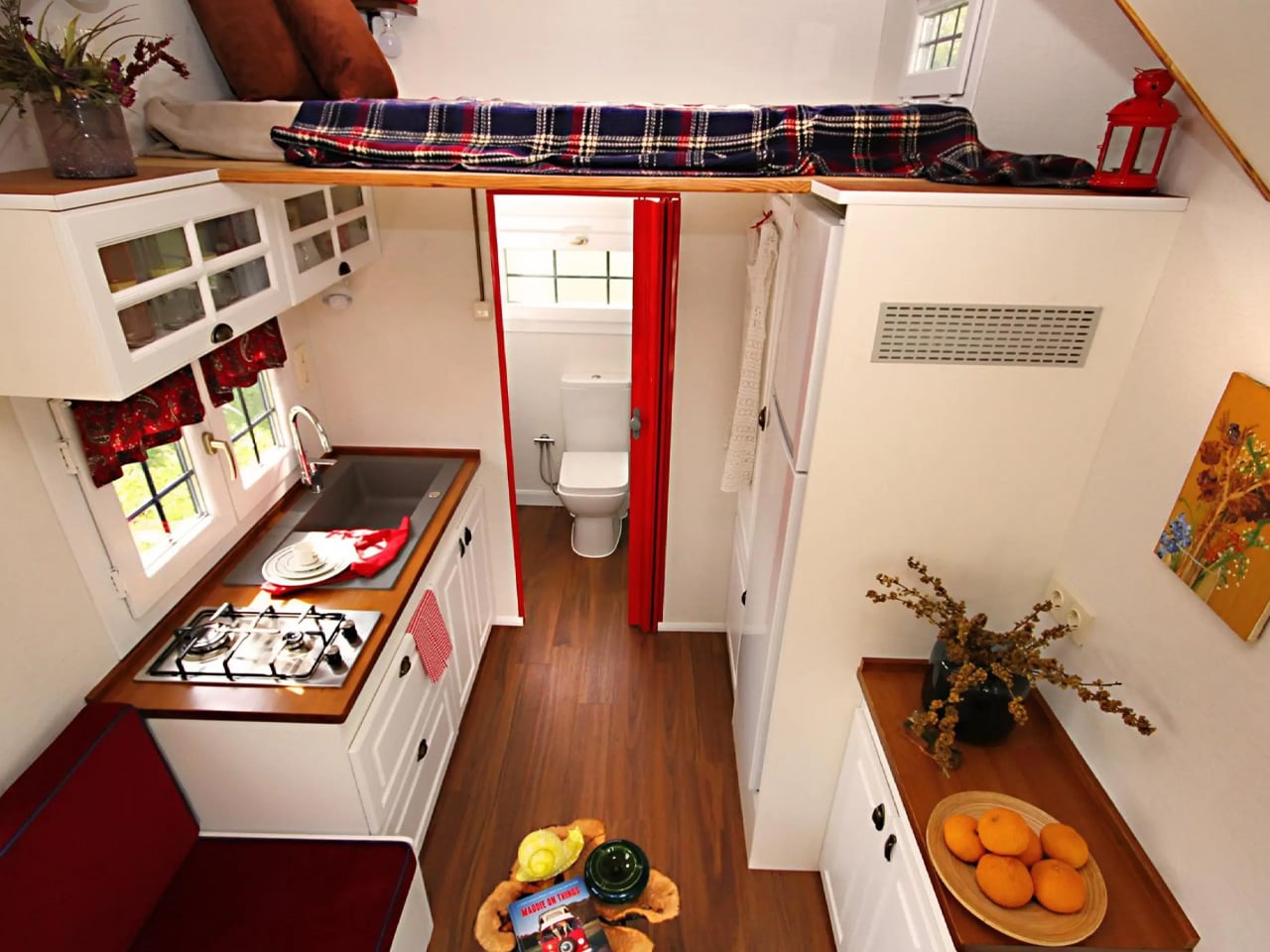
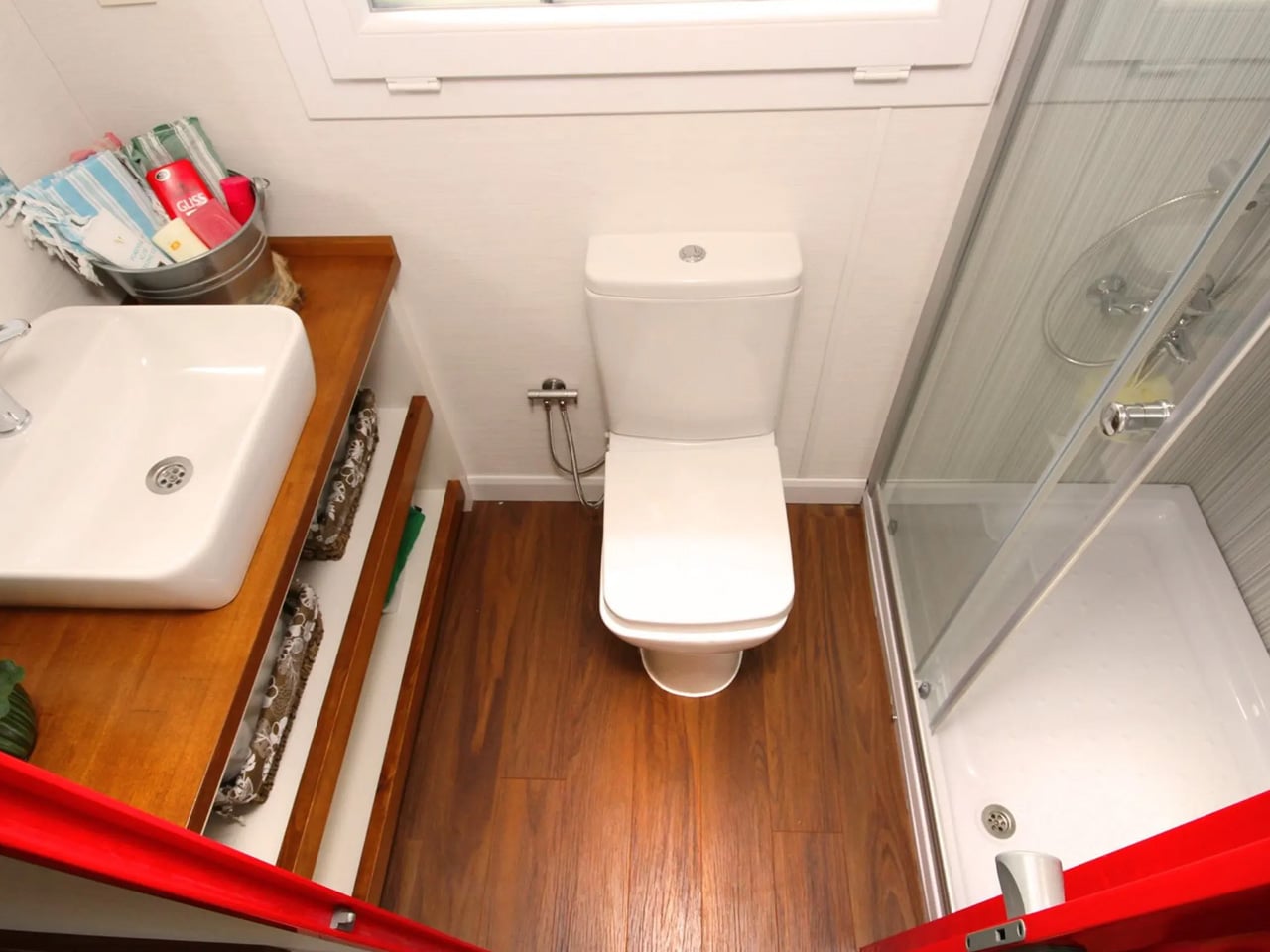
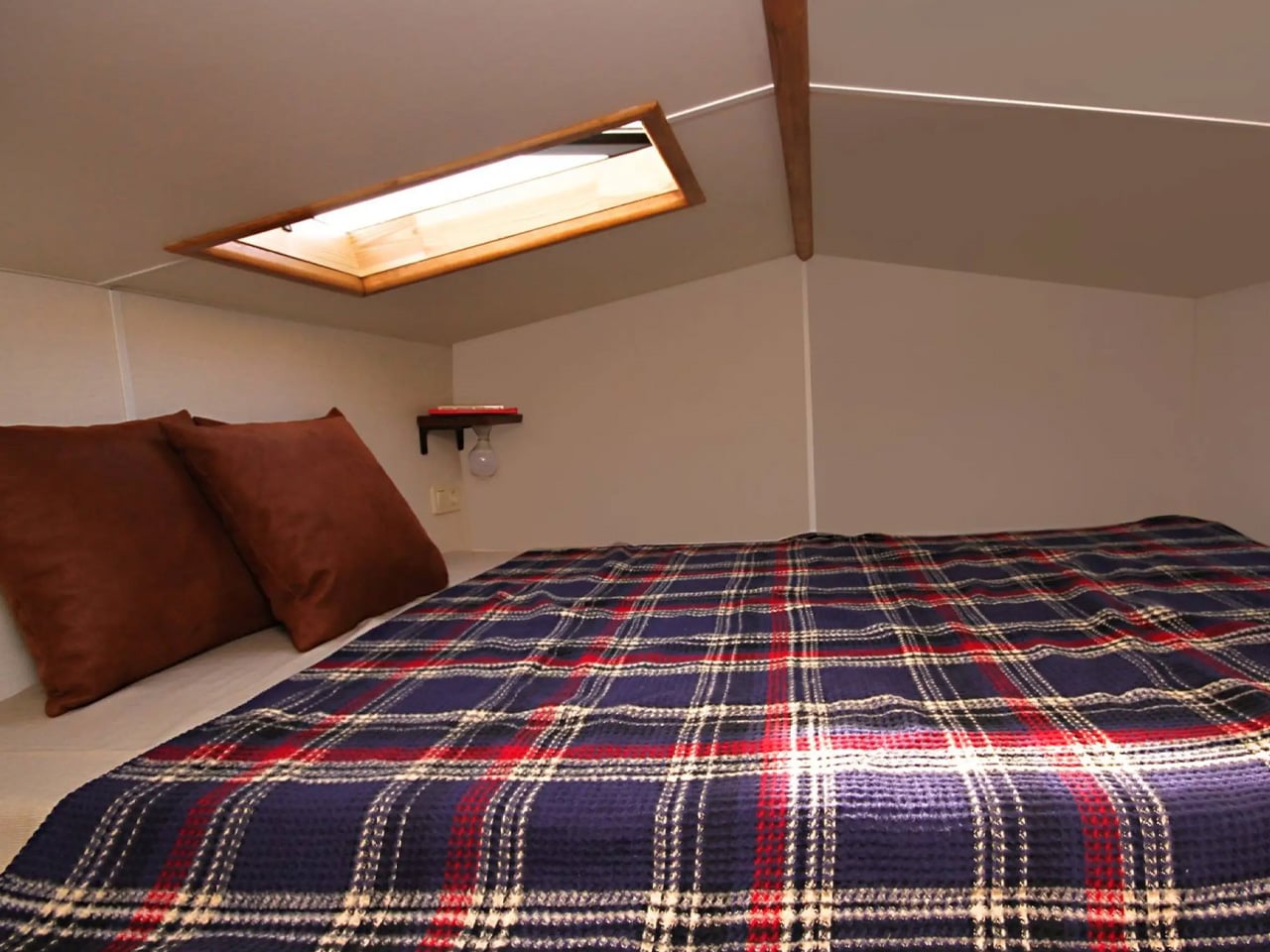
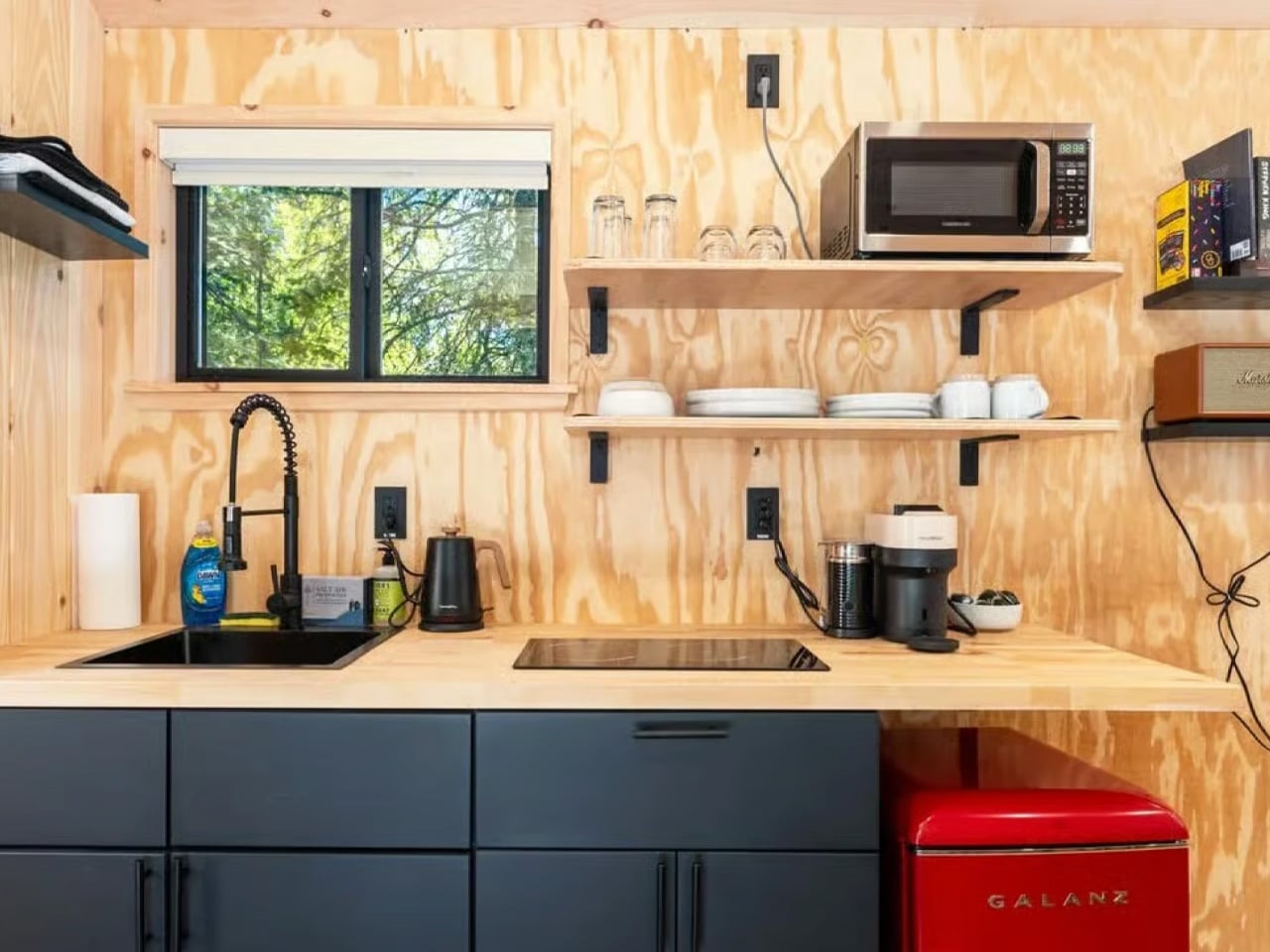
The company has identified two primary use cases for the Eire. For Airbnb guests, the tiny house lends itself well to guest accommodation as a simpler, more cost-effective Airbnb tiny house with everything 1-2 guests may need for a very enjoyable stay. For property owners seeking extra accommodation, the Eire has been specifically designed for 1-2 family members or friends to have a very enjoyable stay on your property with their own kitchen, loft bedroom, toilet, and shower, and chill out space.

At an Introductory Special price starting at $135,080 (inc GST), the Eire positions itself as one of Häuslein’s more accessible options, making quality tiny house living available to a broader market segment. This pricing strategy reflects the model’s streamlined design and targeted functionality.

The Eire represents Häuslein’s evolution toward more specialized, purpose-built designs that address specific market needs while maintaining their commitment to quality craftsmanship. With its Irish-inspired aesthetic and focus on natural light, the Eire offers a compelling option for those seeking elegant guest accommodation or compact living solutions without compromising on design excellence.

The post From Multi-Story to Single-Level: Häuslein’s New Eire Targets Guest Accommodation Market first appeared on Yanko Design.

This 390-Square-Foot Tiny Home Feels More Like A Luxury Apartment

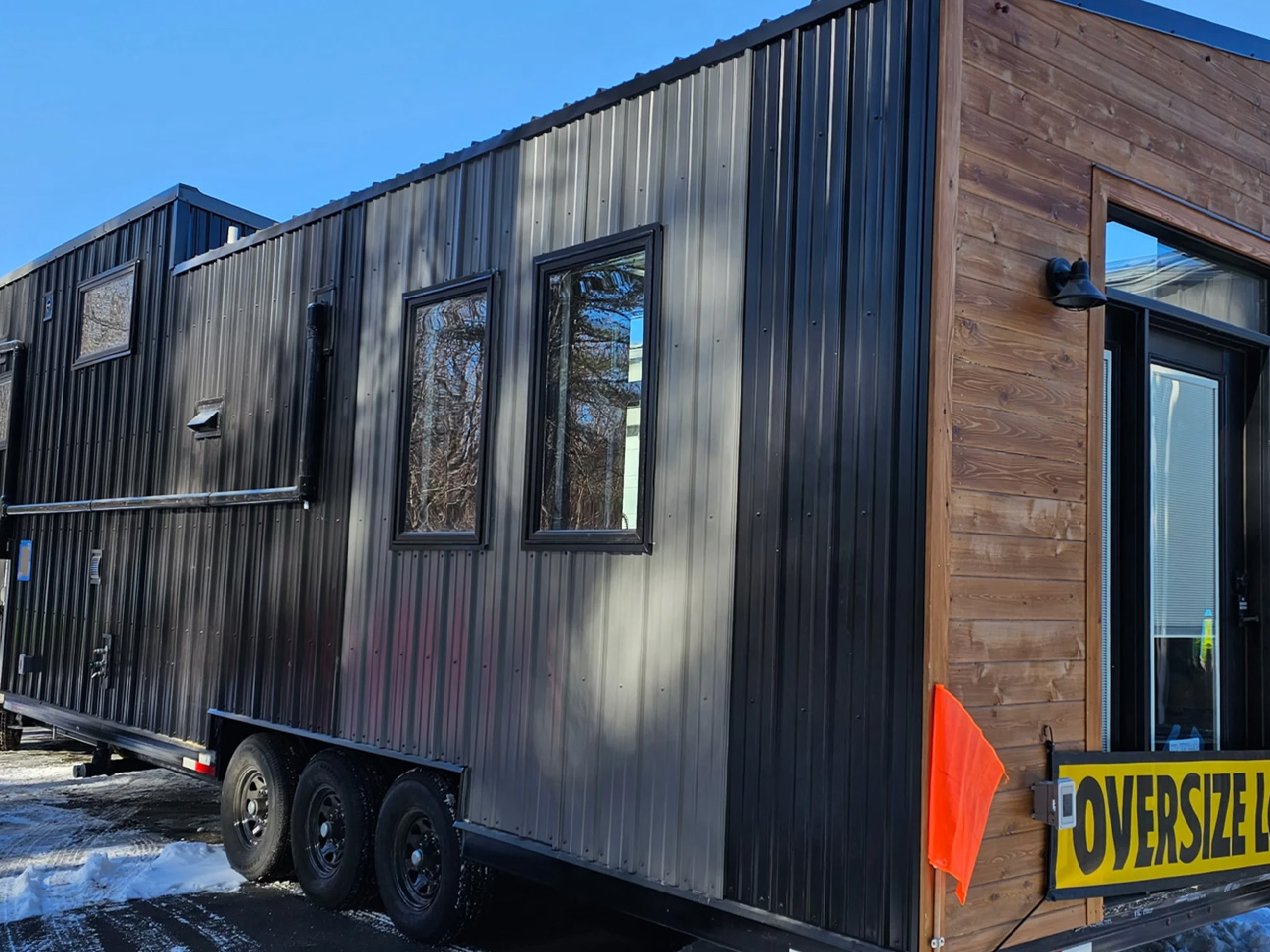
The tiny home movement has found its newest poster child in the Beachcomber, a striking 390-square-foot dwelling that challenges everything we thought we knew about compact living. Built by New Hampshire-based Backcountry Tiny Homes, this remarkable structure represents a significant evolution in compact living design. Measuring an impressive 38 feet long by 10 feet wide, the Beachcomber sits atop a triple-axle gooseneck trailer that elevates it both literally and figuratively above standard tiny home offerings.

The extra width proves transformative, creating interior spaces that feel genuinely apartment-like rather than merely functional. Design publications have unanimously praised this approach, with New Atlas noting the home delivers “apartment-style living on wheels” that surpasses traditional tiny house expectations. The interior layout showcases masterful space planning, with a full-height king-sized bedroom loft anchoring one end and offering genuine standing room, rather than the cramped quarters typical of tiny home sleeping areas. The kitchen commands serious square footage, featuring a dedicated dining space and full-sized appliances that would feel at home in a conventional apartment.

Designer: Backcountry Tiny Homes

Storage solutions appear throughout, from clever built-in nooks to a separate storage loft, addressing the perpetual challenge of tiny home organization. What sets the Beachcomber apart isn’t just size but intentional design choices that maximize both functionality and comfort. The open floor plan flows seamlessly from kitchen to living area, with ceiling heights reaching 13.5 feet that eliminate any sense of confinement. Even practical elements like the full bathroom and washer/dryer capability receive thoughtful integration rather than afterthought placement, ensuring every square foot serves multiple purposes.

Strategic window placement floods the interior with natural light while creating panoramic views that expand the perceived space beyond its physical boundaries. This thoughtful approach to natural illumination transforms the compact dwelling into something that feels genuinely spacious and inviting. The design team clearly understood that successful tiny living requires more than just efficient space planning; it demands creating environments that feel emotionally comfortable and visually expansive, making residents forget they’re living in less than 400 square feet.

Backcountry Tiny Homes offers three distinct purchasing tiers, recognizing that buyers have varying finish preferences and budgets. The shell option starts at $78,650, providing the structure and essential systems while allowing owners to complete interior finishes according to personal taste and timeline. The unfurnished model at $169,200 delivers a complete interior minus non-essential furnishings like furniture and decorative elements. The turnkey option at $185,000 includes everything needed for immediate occupancy, from carefully selected furniture to all necessary appliances, allowing buyers to move in and begin their tiny living journey.

The pricing reflects the home’s positioning at the premium end of the tiny house market, yet industry observers suggest it represents solid value considering the quality and space provided. The NOAH certification ensures compliance with recreational vehicle standards, enabling legal placement in RV parks and similar communities where traditional tiny homes often face zoning restrictions. For couples or individuals seeking a permanent tiny home solution that doesn’t sacrifice comfort for portability, the Beachcomber represents a compelling evolution in small space design, proving that tiny living can embrace both mobility and luxury while creating spaces that feel genuinely livable rather than merely survivable.

The post This 390-Square-Foot Tiny Home Feels More Like A Luxury Apartment first appeared on Yanko Design.
10 Best Tech Accessories & Gadgets That Add Personality To Any Space In November 2025

Your workspace doesn’t have to be a sterile collection of black rectangles and generic gadgets. The most interesting people surround themselves with objects that spark conversations, evoke emotions, and reflect their unique perspective on the world. These ten exceptional tech accessories prove that functionality and personality can coexist beautifully.

Each piece on this list transforms routine interactions with technology into moments of genuine delight. They’re the kind of accessories that make visitors pause, smile, and ask, “Where did you get that?” More importantly, they remind us daily that our spaces should inspire us, not drain us.

1. Trozk Marvel Infinity Stones 35W USB-C Chargers

Power adapters typically disappear into cable chaos, forgotten until desperately needed. Trozk’s Infinity Stone chargers flip this relationship entirely, transforming charging into a collectible experience that Marvel fans genuinely want to display. Each cube captures light like genuine gemstones, with translucent shells that seem to glow from within when catching desk lamp illumination.

The genius lies in making something utilitarian genuinely beautiful. Six different stone colors create a collectible series that encourages completion, turning mundane power delivery into treasure hunting. These aren’t just pretty faces either—each adapter delivers legitimate 35W fast charging through advanced GaN technology, proving that exceptional design doesn’t require performance compromises.

What we like

• Transforms everyday charging accessories into displayable collectibles.

• Delivers genuine 35W fast charging performance with modern GaN efficiency.

What we dislike

• Premium pricing significantly exceeds standard charger costs.

• Marvel theming may not appeal to users preferring subtle aesthetics.

2. OrigamiSwift Mouse

Portable mice traditionally sacrifice comfort for compactness, creating cramped experiences that leave your hand aching after extended use. OrigamiSwift solves this fundamental compromise through ingenious origami-inspired engineering that delivers full-sized ergonomics while folding completely flat. The transformation happens in milliseconds, springing from storage to workspace readiness almost magically.

This represents thoughtful design at its finest—understanding that mobile professionals need both portability and comfort without choosing between them. The mouse fits naturally in your palm during use, then disappears into laptop bags or pockets when traveling. Every interaction feels intentionally crafted, from the satisfying snap of deployment to the precise tracking across any surface.

Click Here to Buy Now: $79.00

What we like

• Provides full-sized ergonomic comfort while folding completely flat for storage.

• Sub-second deployment makes it instantly ready whenever needed.

What we dislike

• The mechanical folding system may experience wear with intensive daily use.

• Higher cost compared to traditional compact travel mice.

3. Gboard Dial Version Concept Keyboard

Some design experiments exist purely to make you reconsider fundamental assumptions, and Google Japan’s dial keyboard succeeds spectacularly. This delightfully absurd concept replaces key pressing with rotary phone mechanics, turning text input into a nostalgic ritual. Users insert fingers into vintage-style holes, rotating to select characters while enjoying the satisfying “jiko-jiko” grinding sounds of mechanical precision.

The three-layer dial structure claims faster input speeds, though productivity clearly isn’t the primary goal here. This keyboard exists to spark smiles, generate conversations, and remind us that technology doesn’t always need to optimize for efficiency. Sometimes the best innovations simply help us rediscover joy in everyday interactions with our devices.

What we like

• Creates a unique conversation piece that challenges conventional input methods.

• Nostalgic mechanical sounds provide a meditative, deliberate typing experience.

What we dislike

• Likely much slower than traditional keyboards for practical work tasks.

• Conceptual nature means commercial availability remains uncertain.

4. Minions-Themed Wi-Fi Routers

Network equipment usually hides in closets and cabinets, forgotten until connection problems arise. These Minion-themed routers celebrate connectivity infrastructure, transforming essential but invisible technology into cheerful desk companions. Bob and Kevin’s designs aren’t just cosmetic—shorter Bob handles dual-band networking while taller Kevin manages triple-band frequencies, including cutting-edge 6GHz connectivity.

The character selection reflects genuine technical differences, creating functional storytelling that makes networking specs memorable. Mesh capabilities eliminate dead zones throughout your home, ensuring every corner maintains strong connectivity for 8K streaming or competitive gaming. These routers prove that essential technology can bring personality to spaces without sacrificing performance.

What we like

• High-performance mesh networking with comprehensive multi-band frequency support.

• Character theming makes typically hidden networking equipment genuinely enjoyable.

What we dislike

• Playful aesthetic may clash with sophisticated or minimalist interior design.

• Licensed character branding typically commands premium pricing over generic alternatives.

5. Side A Cassette Bluetooth Speaker

Nostalgia products often prioritize appearance over functionality, creating beautiful objects that disappoint when actually used. This cassette speaker nails both dimensions perfectly, delivering authentic mixtape aesthetics with genuinely useful modern features. The transparent shell and Side A labeling create instant recognition, while Bluetooth 5.3 connectivity provides reliable wireless audio that sounds surprisingly warm for such compact dimensions.

The clear case doubles as a display stand, transforming any shelf into a mini music museum. MicroSD card support enables offline playback, letting you curate actual digital mixtapes without streaming dependencies. This clever design bridges decades of music technology, honoring analog heritage while embracing contemporary convenience.

Click Here to Buy Now: $45.00

What we like

• Authentic cassette design combined with modern Bluetooth 5.3 wireless connectivity.

• MicroSD card support enables offline playback without internet streaming requirements.

What we dislike

• Compact dimensions naturally limit maximum volume output and bass response.

• Retro aesthetic appeals primarily to specific generational demographics.

6. XDOBO BMTL Mushroom Bluetooth Speaker

Audio equipment tends toward aggressive, angular designs that announce their presence loudly. This mushroom speaker takes the opposite approach, bringing organic whimsy to tech-heavy environments while delivering surprisingly robust sound quality for its diminutive size. The design immediately evokes forest floors and fairy tales, creating instant warmth wherever it’s placed.

Despite its compact footprint, the speaker produces full, rich audio that reviewers consistently praise for clarity and balance. The form factor encourages creative placement—nestled among books, perched on nightstands, or clustered with plants for a woodland aesthetic. This speaker proves that audio equipment can integrate naturally into living spaces rather than dominating them.

What we like

• Unique mushroom aesthetic creates instant visual appeal and conversation opportunities.

• Delivers impressive audio quality despite an extremely compact, novelty-focused design.

What we dislike

• Limited room-filling capabilities compared to larger, traditional speaker designs.

• Whimsical appearance may not suit minimalist or professional workspace aesthetics.

7. Corsair iCUE 5000X RGB Tempered Glass Case

Desktop computers traditionally hide components behind opaque panels, treating internal hardware as purely functional elements. The iCUE 5000X flips this philosophy completely, featuring four tempered glass panels that transform your build into an illuminated sculpture. Smart RGB lighting responds to music, temperatures, or gaming events, creating a dynamic room ambiance that extends far beyond the desktop.

Cable management systems ensure clean aesthetics match the technical showcase, while the included RGB fans provide both cooling performance and customizable lighting effects. This case supports high-end builds without compromising display potential, accommodating large graphics cards and multiple fans while maintaining pristine sightlines. Modern front panel I/O, including USB-C, keeps connectivity current with contemporary device requirements.

What we like

• Four-panel tempered glass design creates a stunning 360-degree component visibility showcase.

• Advanced RGB lighting ecosystem allows extensive customization and environmental response.

What we dislike

• Glass panels require frequent cleaning to maintain a pristine, fingerprint-free appearance.

• Premium materials and lighting features command significantly higher pricing.

8. Dieter Rams-Inspired Desk Clock with Wireless Charging

Digital displays typically compete for attention through brightness and animation, creating visual noise that disrupts workspace tranquility. This Braun-inspired clock takes the opposite approach, embedding time and date information so subtly into the matte surface that they appear almost ghostly. The asymmetrical layout breaks conventional clock design while maintaining perfect balance.

Wireless charging integration eliminates cable clutter without compromising the clean aesthetic that makes this piece special. The design philosophy prioritizes essential functions while removing everything superfluous, creating a timeless appeal that won’t feel dated in five years. This clock proves that the best technology often involves thoughtful subtraction rather than feature addition.

What we like

• Timeless Braun-inspired design philosophy ensures lasting aesthetic appeal across decades.

• Seamlessly integrates essential functions without creating visual clutter or distraction.

What we dislike

• Subtle display design may challenge readability from certain viewing angles.

• Wireless charging compatibility is limited by specific phone dimensions and case thickness.

9. InkyPi E-Paper Productivity Display

Digital productivity tools often create more distraction than focus, bombarding users with notifications and visual noise. The InkyPi display takes a fundamentally different approach, using E-ink technology to create calm, always-on information that never glows, flickers, or demands attention. Housed in a simple picture frame, it resembles desk art more than technology.

The Raspberry Pi Zero foundation enables complete customization for specific workflow needs while consuming minimal power throughout the day. Open-source design means endless possibilities for displaying to-dos, calendar events, weather information, or progress tracking. This project proves that the most effective productivity tools often embrace simplicity over feature complexity.

What we like

• E-ink technology provides distraction-free, always-visible information without eye strain. • Open-source foundation enables complete customization for individual productivity workflows.

What we dislike

• DIY assembly requirements may challenge users without basic technical skills.

• Slow E-ink refresh rates are unsuitable for dynamic or frequently updating information.

10. LEGO Brick Wireless Charging Platform

Wireless charging pads typically serve single purposes, providing power delivery without additional functionality or personality. This LEGO-inspired charging platform transforms power delivery into a creative playground, featuring modular docking areas for accessories, lighting, and actual brick building. The concept celebrates modularity that appeals equally to tech enthusiasts and brick builders.

Hidden coils power connected modules without additional cables, while the square platform provides dedicated space for displaying building skills or docking essential accessories. The design bridges childhood creativity with adult functionality, proving that the best tech accessories can nurture playfulness alongside productivity. This platform shows how familiar building concepts can revolutionize everyday technology interactions.

What we like

• Modular design enables endless customization, combining charging, accessories, and creative building.

• Hidden power coils eliminate cable clutter while supporting multiple connected modules.

What we dislike

• Fan-made concept design means limited availability and uncertain commercial production.

• Building block compatibility may not appeal to users preferring streamlined aesthetics.

Tech Accessories That Tell Your Story

These ten accessories prove that technology can enhance our spaces emotionally as well as functionally. They remind us that the best designs don’t just solve problems—they bring joy to daily interactions, spark conversations, and reflect the personalities of the people who choose them. Each piece transforms routine tech use into moments of genuine delight and connection.

In a world of increasingly generic technology, these pieces celebrate the human desire to surround ourselves with objects that truly resonate. They show that functionality and personality aren’t opposing forces but complementary elements that create richer, more meaningful relationships with our digital tools and the spaces they inhabit.

The post 10 Best Tech Accessories & Gadgets That Add Personality To Any Space In November 2025 first appeared on Yanko Design.

ZHA’s Dramatic Canyon-Cut Tower Tops Out In Shenzhen’s Cultural District

The latest Zaha Hadid Architects project to rise in Shenzhen looks like it belongs in another world entirely. The Yidan Center, which just topped out this month, cuts a dramatic figure against the city skyline with its rippled, canyon-like form that seems to defy conventional building logic.

This isn’t just another flashy tower, though. The 165,815-square-meter complex will serve as headquarters for the Yidan Prize and the Chen Yidan Foundation, both the brainchild of Tencent co-founder Dr. Charles Chen Yidan. The building sits at the heart of Shenzhen’s emerging cultural district, right next to the new Qianhai Museum, positioning itself as a serious player in the city’s cultural landscape.

Designer: Zaha Hadid Architects

Nature Meets Architecture

What makes this building truly striking is the massive outdoor void carved right through its center. ZHA calls it a “canyon,” and the comparison isn’t hyperbole. The architects drew inspiration from the natural valleys and gorges that crisscross the region, creating a central space that feels both dramatic and purposeful. Terraces and balconies wrap around this central void, turning what could have been a simple courtyard into something far more dynamic.

The idea is to get people moving between levels, encouraging the kind of spontaneous encounters that spark collaboration. It’s a bold move that transforms circulation into an architectural event. The building’s skin tells its own story through layers of external louvers that create deep shadows and changing patterns throughout the day. These aren’t just for show – they block harsh sunlight while preserving views out to Qianhai Bay, a practical solution wrapped in compelling form.

Green Ambitions

For all its sculptural drama, the Yidan Center takes sustainability seriously. The project targets China’s top-tier three-star green building certification plus LEED Gold, no small feat for a building this complex. The design incorporates hybrid ventilation systems and smart glazing to handle Shenzhen’s notoriously humid climate without relying entirely on mechanical systems. Principal Patrik Schumacher and Project Director Manuela Gatto led a team that had to balance the building’s artistic ambitions with its practical requirements.

The result feels both otherworldly and grounded in real-world constraints. The building’s mission centers on education and innovation, housing research facilities and exhibition spaces that will support the foundation’s work in educational reform. Visitors will enter through landscaped gardens that slope down to the canyon floor, where a large skylight floods the interior with natural light. The lower levels will house YiPai, a community-focused learning initiative designed to welcome people of all ages. It’s an ambitious social program that uses architecture as a catalyst for broader educational goals.

The post ZHA’s Dramatic Canyon-Cut Tower Tops Out In Shenzhen’s Cultural District first appeared on Yanko Design.
This 24-Foot Tiny Home Costs $55K & Fits On Your Next Weekend Adventure

Nordic & Spruce has crafted something special with the Weekender, a tiny home that embraces its transient nature rather than fighting it. This isn’t a house trying to be everything to everyone – it’s a thoughtfully designed escape pod that knows exactly what it wants to be. At 24 feet long and 241 square feet, the Weekender sits comfortably in the middle of Nordic & Spruce’s lineup, larger than their compact Overnighter but more nimble than the full-featured Homesteader. The double-axle trailer foundation provides stability while maintaining roadworthiness for those who crave mobility over permanence.

The exterior makes an immediate impression with its clean metal cladding available in sophisticated black or crisp white, complemented by warm wooden accents that soften the industrial edge. Generous glazing floods the interior with natural light, while optional skylights can transform the space into a sun-drenched retreat. The contrast between the sleek exterior and the organic interior materials creates visual interest without overwhelming the compact footprint. The interior finishes reflect Nordic & Spruce’s attention to material selection, offering bleached pine for those seeking Scandinavian minimalism or plywood for a more industrial aesthetic that complements the abundant natural light.

Designer: Nordic & Spruce

Step through the single-glazed door and the kitchen greets you immediately, featuring a practical half-kitchen setup with sink and induction cooktop. For those who take their culinary adventures seriously, upgrading to the full-size kitchen opens up possibilities for proper meal preparation and additional storage. The adjacent dining area adapts to your lifestyle – choose traditional table and chairs for formal meals or opt for the bench seating with integrated storage for a more casual, space-efficient approach. This flexible arrangement ensures the space works whether you’re hosting intimate dinners or simply need somewhere comfortable to work remotely.

The bedroom occupies one side of the layout with a comfortable double bed. However, the optional mezzanine bunk bed configuration shown in Nordic & Spruce’s photos demonstrates the design’s flexibility for families or groups. This elevated sleeping solution maximizes floor space while maintaining the cozy atmosphere essential to tiny home living. The bathroom, positioned opposite the bedroom, covers all the essentials with a shower, sink, and your choice of composting, flushing, or incinerating toilet systems. The small storage loft above provides additional space for linens and personal items without cluttering the main living areas.

What makes the Weekender particularly appealing is its honest pricing and customization options. Starting at $55,000, it offers an accessible entry point into tiny home ownership while providing room to grow through upgrades like appliances, a fireplace, or mini-split air conditioning. The ability to extend the length up to 34 feet means the design can evolve with changing needs, allowing owners to start small and expand as their requirements or budget permits. This scalability sets it apart from many tiny homes that offer limited modification potential.

The Weekender succeeds because it doesn’t pretend to be a permanent residence – it’s designed for the life you want to live on weekends and vacations, making every getaway feel intentional and well-designed. Both material choices create spaces that feel larger than their square footage suggests, while the single-floor layout ensures accessibility and ease of movement. This tiny home represents Nordic & Spruce’s understanding that sometimes the best homes are those that encourage you to explore beyond their walls.

The post This 24-Foot Tiny Home Costs $55K & Fits On Your Next Weekend Adventure first appeared on Yanko Design.
5 Insane Pocket Knife Designs That Will Change EDC Forever

The everyday carry world stands at an inflection point. Traditional pocket knife design, dominated by decades-old pivot mechanisms and predictable form factors, faces disruption from a new generation of designers pushing boundaries that seemed immutable. These aren’t incremental improvements or cosmetic refreshes. They represent a fundamental rethinking of how a blade integrates with daily life, challenging everything we thought we knew about portable cutting tools.

Modern EDC enthusiasts demand more than sharp steel and reliable locks. They seek tools that disappear into pockets without bulk, open with theatrical flair, and spark conversations about engineering ingenuity. The knives reshaping this landscape abandon conventional wisdom, embracing radical departures from established norms while maintaining the functional integrity that defines quality cutlery and transforms ordinary carrying into extraordinary experiences.

1. Vosteed Parallel – The Physics-Defying Slim Profile

The Vosteed Parallel redefines what’s possible when engineering meets obsessive minimalism. Measuring just 0.28 inches thick, this knife slides into pockets with the stealth of a credit card while maintaining the structural integrity of full-sized folders. That 7.1mm profile makes it thinner than most smartphone cases, yet houses a complete crossbar lock system that would challenge knives twice its thickness.

Engineering excellence reveals itself in the details that most users never consider. Titanium construction keeps weight minimal without sacrificing durability, while dual thumb studs ensure deployment regardless of hand preference. The 2.9-inch blade hits the sweet spot for daily tasks, long enough for serious cutting without triggering size restrictions. That reversible wire clip and triangle lanyard hole prove that thoughtful design can accommodate every carry preference without compromise.

What we like

  • Unprecedented thinness without sacrificing lock strength.
  • Premium titanium construction for durability and weight reduction.

What we dislike

  • Higher price point due to advanced materials and engineering.
  • Limited blade length may not suit heavy-duty cutting tasks.

2. Split Handle Damascus Knife – The Transformer of Pocket Knives

Damascus steel meets mechanical artistry in a knife that transforms before your eyes. The split-handle design creates one of the most mesmerizing opening sequences ever engineered into a pocket knife. Rather than simple pivot mechanics, this design disassembles and reassembles, with the handle morphing from protective sheath to ergonomic grip through an intricate linkage system that feels more like precision clockwork than cutlery.

VG10 Damascus steel provides the blade foundation, showcasing the marbled patterns that make each knife unique. Yellow sandalwood handles add warmth and character that synthetic materials can’t match. This isn’t a tactical tool or utilitarian workhorse. It’s jewelry that cuts, elevating the humble pocket knife into something approaching art. The transformative mechanism serves both function and theater, creating an experience that transcends mere tool usage.

What we like

  • Unique transforming mechanism creates unparalleled visual appeal.
  • The Damascus steel blade offers both beauty and cutting performance.

What we dislike

  • The complex mechanism may require more maintenance than traditional designs.
  • Premium materials and craftsmanship result in higher cost.

3. CRKT Nucleus – Anime Aesthetics Meet Functional Engineering

Japanese manga aesthetics crash into EDC reality with the CRKT Nucleus, designed by Princeton Wong. Sharp angular lines and symmetrical bolsters channel mecha design language while concealing sophisticated engineering beneath the striking exterior. The frame lock integrates seamlessly into the aggressive geometry, proving that artistic inspiration and functional design can coexist without compromise.

Material options span from practical to premium, starting with a steel blade and stainless steel handles with G10 overlay. The flagship version features MagnaCut blade steel with titanium handles and carbon fiber overlay, combining toughness with corrosion resistance. That black stonewash finish on the premium model defines the aesthetic while adding practical durability. Princeton’s background in nature and pop culture influences creates a knife that speaks to collectors and users equally.

What we like

  • Distinctive mecha-inspired design stands out from traditional pocket knives.
  • Multiple material configurations allow buyers to match budget and performance needs.

What we dislike

  • Aggressive styling may not appeal to users preferring subtle designs.
  • Angular geometry might feel less comfortable during extended use.

4. Midgards Messer Sliding Knife – Revolutionary Blade Deployment

Convention dies hard when innovation this radical enters the scene. The Midgards Messer Sliding Knife abandons traditional pivot mechanisms for a system that slides the blade vertically after opening, locking it in position for use. This pivot-and-slide approach achieves something remarkable: the structural strength of a larger blade within a compact package that traditional folders can’t match.

Physics explains the brilliance behind apparent complexity. Larger blades handle heavy-duty tasks better because they resist warping and bending under stress. Traditional folders require handles that accommodate the full blade length when closed, creating bulk issues. The sliding mechanism allows a shorter handle to house a blade that extends beyond traditional limitations when deployed. Originally designed as a TikTok prototype, it sparked genuine interest by solving real problems through unconventional thinking.

What we like

  • The sliding mechanism allows a larger effective blade length in a compact package.
  • Innovative design offers superior structural strength for heavy-duty tasks.

What we dislike

  • The complex mechanism may be more prone to failure than traditional pivots.
  • Unusual operation requires a learning curve for muscle memory development.

5. Rike Knife Cicada – Nature’s Perfect Pocket Companion

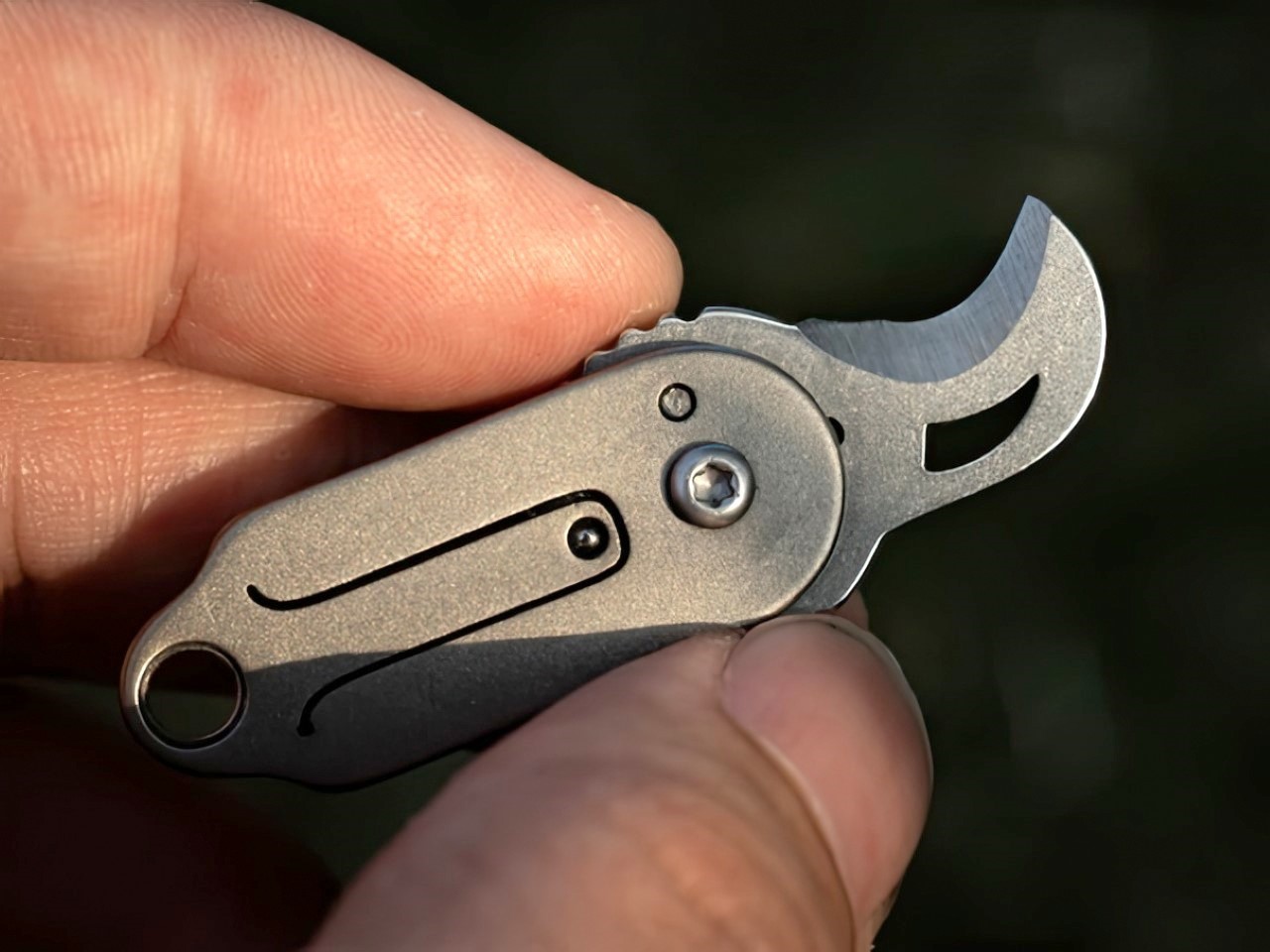
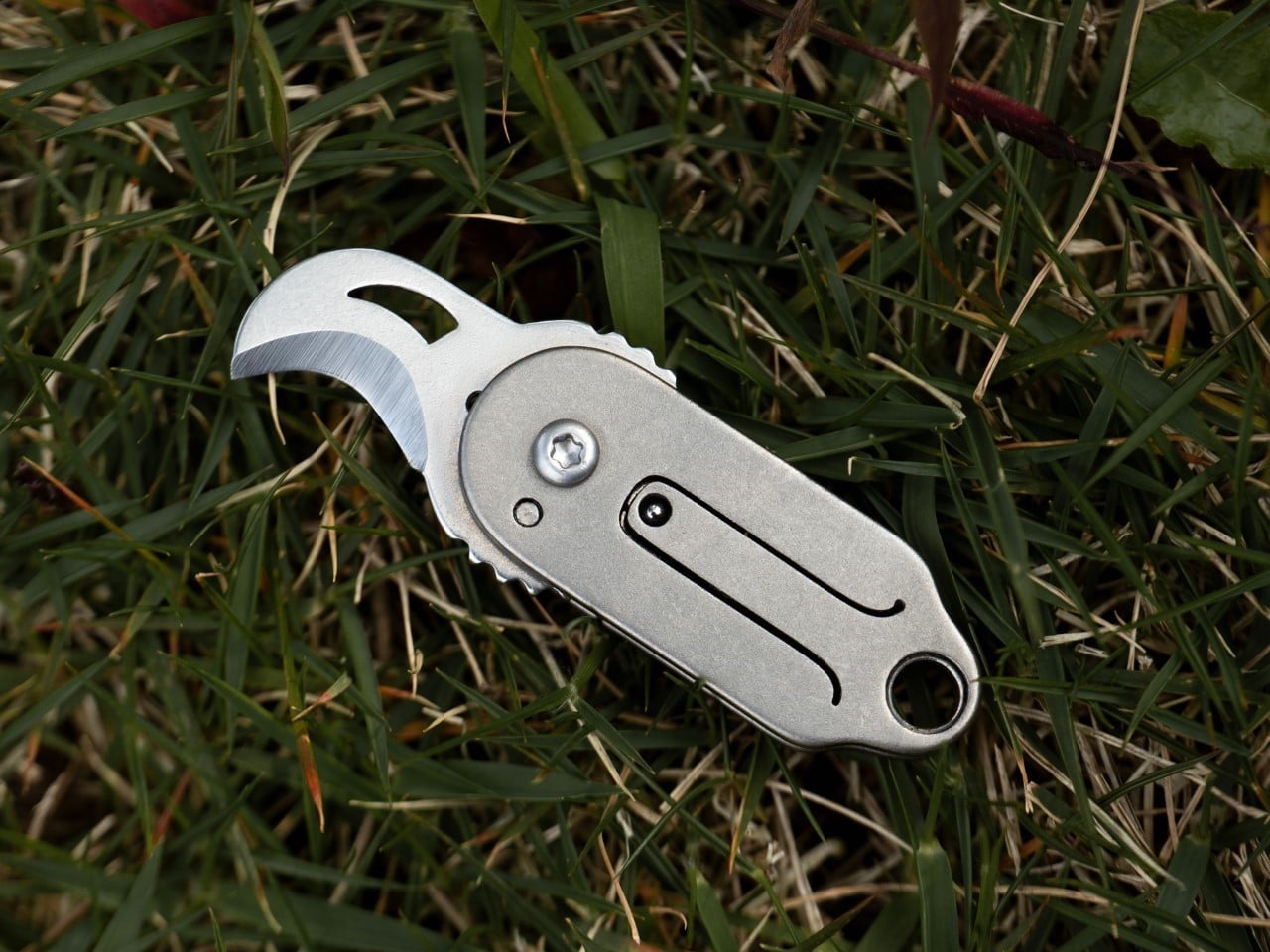
Nature rarely inspires pocket knife design, making the Rike Knife Cicada exceptional for its organic inspiration and flawless execution. The insect’s form translates into a knife that looks equally beautiful closed and open, measuring just under 3 inches when folded. This compact profile disappears into pockets while the dual-edge spear-point blade handles everyday tasks with surprising capability despite its diminutive 1.96-inch length.

Bohler M390 martensitic chromium steel provides the foundation for long-term performance and edge retention. The all-metal construction speaks to durability, while the cutout in the blade adds visual drama and reduces weight. At 4.9 inches open, the entire knife stays firmly in compact territory while delivering the functionality users expect. Three color options ensure this natural inspiration can match personal style preferences.

What we like

  • Unique nature-inspired design creates conversation-starting aesthetic appeal.
  • Premium Bohler M390 steel offers exceptional edge retention and durability.

What we dislike

  • Small blade length limits effectiveness for larger cutting tasks.
  • All-metal construction may feel cold and slippery in wet conditions.

The Future of Pocket Knife Design

These five designs represent more than individual achievements; they’re harbingers of transformation sweeping through the EDC industry. Traditional constraints that governed pocket knife development for decades crumble under pressure from designers willing to question fundamental assumptions about form, function, and materials. The maturation signals a shift toward tools that transcend utilitarian origins, becoming expressions of personal style and technological appreciation.

Smart engineering paired with artistic vision creates instruments that serve specific needs while sparking conversations about innovation potential. Whether pursuing extreme portability, mechanical fascination, or aesthetic distinction, these knives prove that the future belongs to designs brave enough to abandon familiar territory. The revolution has begun, and these pioneering designs lead the charge into an era where pocket knives are limited only by imagination and engineering ingenuity.

The post 5 Insane Pocket Knife Designs That Will Change EDC Forever first appeared on Yanko Design.

These Elevated Timber Treehouses Transform A Chinese Forest Into A Living Art Gallery

Deep in Wuhan’s Dongxihu District, there’s a metasequoia forest where migratory birds gather, and something extraordinary has taken root among the ancient trees. Secret Camp isn’t your typical forest retreat. This collaboration between United Investment Merryda Hotel Management Group and Wiki World has created something that feels part accommodation, part art installation, and entirely magical. More than a dozen treehouses rise through the canopy on Cihui Street, each one carefully positioned so that not a single existing tree was harmed in the process.

The whole project sprang from Wiki World’s Wiki Building School initiative, which sounds academic but is really about pushing the boundaries of how we live alongside nature. Each treehouse has its own personality and tells a different story. Time Machine gleams with futuristic silver that catches sunlight through the leaves. Nomadic Land feels like a cozy capsule for temporary wanderers. Playground brings out your inner child with circulation paths that weave playfully around branches. Then there’s Daydream, which uses mirrored cladding to virtually disappear into the forest, and Red Windmill, standing bold and bright as a beacon in the green canopy. Unicorn takes the vertical route with its loft design and silver panels that hint at mythical stories.

Designer: United Investment Merryda Hotel Management Group & Wiki World

What makes this place special isn’t just the whimsical names or striking designs. The creators drew inspiration directly from the forest itself – local birds, scattered seeds, the organic forms that nature creates without any human input. Every structure sits on elevated timber platforms, leaving the forest floor completely untouched. No paved paths, no manicured landscaping, just the raw beauty of the woodland ecosystem doing what it does best. This approach embodies Wiki World’s “Build Small, Dream Big” philosophy, proving that you can live comfortably without dominating your environment.

But Secret Camp goes beyond just providing a place to sleep among the trees. It transforms the entire forest into an open-air gallery where art happens naturally. Throughout the year, temporary installations pop up, workshops gather creative minds, and exhibitions celebrate the relationship between humans and wildlife. The Forest Reception becomes a buzzing hub where visitors make birdhouses, study natural materials, and participate in projects that blur the lines between accommodation and education. There’s even a Sino-French Construction Festival that brings together people passionate about sustainable building and small-scale living.

The technical side reveals just how seriously they take environmental responsibility. Every structure uses glued laminated timber that’s digitally modeled for precision, then prefabricated off-site to minimize forest disruption during construction. The modular design centers around a clever 2-meter-wide concept that allows for variation while keeping efficiency high. Hand-fired carbonized wood panels give each cabin its natural finish and weather resistance, while small metal joints make everything completely reversible – these treehouses could be disassembled and moved without leaving a trace.

This elevated approach means zero ground contact and zero artificial landscaping, letting the forest maintain its natural rhythms while humans get to experience life in the canopy. Secret Camp proves that sustainable tourism doesn’t have to mean roughing it or compromising on creativity. Instead, it shows how thoughtful design can actually enhance natural settings, creating spaces that engage all your senses while treading incredibly lightly on the earth. It’s accommodation that makes you more aware of the environment, not less.

The post These Elevated Timber Treehouses Transform A Chinese Forest Into A Living Art Gallery first appeared on Yanko Design.
5 Best Automotive Designs Of November 2025

November 2025 has emerged as a defining moment for automotive design innovation. Designers are showcasing bold concepts that push boundaries in sustainability, functionality, and aesthetic evolution. From hydrogen-powered overlanders to ultra-futuristic electric motorcycles, this month’s standout designs represent a fascinating glimpse into the industry’s evolving vision. The convergence of environmental consciousness and cutting-edge technology has produced remarkable vehicles.

These designs aren’t just transportation solutions—they’re statements about our collective automotive future. The industry’s pivot toward environmental responsibility while maintaining performance excellence demonstrates sophisticated engineering approaches. Each concept addresses specific user needs through thoughtful design language and innovative technology integration. This represents automotive design at its most forward-thinking and purposeful state.

1. Kia PV5 WKNDR Concept

The PV5 WKNDR Concept embodies Kia’s understanding that modern transportation transcends simple point-to-point mobility. This Red Dot ‘Best of the Best’ award winner represents a strategic pivot toward vehicles that serve as lifestyle enablers rather than mere conveyances. The design philosophy centers on the reality that contemporary users demand spaces that seamlessly transition between work, travel, and recreation without compromising efficiency or comfort.

Kia’s design team has crafted something that speaks directly to urban professionals seeking weekend escapes and digital nomads requiring mobile workspaces. The concept’s modular interior architecture allows for complete spatial reconfiguration, transforming from a mobile office with panoramic views to a comfortable living space with integrated cooking facilities. The exterior design language deliberately avoids the clichéd rugged aesthetic common to adventure vehicles, instead presenting a clean, futuristic form that feels equally at home in urban environments and remote wilderness settings.

What we like

  • Revolutionary hydro turbine wheels and solar panel integration provide off-grid energy independence.
  • External “gear head” storage system maximizes interior space while protecting equipment.

What we dislike

  • Concept-level features may not survive the transition to production vehicle.
  • Elevated stance and boxy proportions could impact aerodynamic efficiency at highway speeds.

2. Toyota Tacoma H2-Overlander Concept

The Tacoma H2-Overlander tackles one of overlanding’s biggest contradictions: chasing pristine wilderness experiences while driving vehicles that pollute those same places. Toyota’s concept completely rethinks the relationship between adventure vehicles and environmental stewardship through its hydrogen fuel cell powertrain that only produces water as exhaust. This isn’t just an improvement; it’s a total shift toward responsible exploration.

The environmental benefits don’t come at the cost of capability either. The H2-Overlander delivers 547 horsepower through its hybrid fuel cell and battery setup, proving clean doesn’t mean weak. Toyota has integrated practical overlanding features with hydrogen fuel cell requirements, creating something that actually makes sense for sustainable adventure travel. Debuting this at SEMA 2025 shows Toyota is serious about moving hydrogen technology beyond lab experiments into real adventure scenarios.

What we like

  • Zero-emission operation with water as the only exhaust byproduct enables guilt-free wilderness exploration.
  • Substantial 547-horsepower output proves environmental responsibility doesn’t require performance sacrifices.

What we dislike

  • Hydrogen fueling infrastructure remains extremely limited, especially in remote areas.
  • Fuel cell technology adds complexity and potential maintenance challenges compared to conventional powertrains.

3. Audi Le Mans-Inspired Electric Concept

This unnamed Audi concept by designer Naretto is pure geometric aggression turned into automotive form. The design pulls heavily from Audi’s Le Mans heritage, especially the R18 e-tron, while pushing aerodynamic functionality to extremes you rarely see in road concepts. Every surface does something, from the massive front splitter that channels air under the car to the multi-layered rear wing and huge rear diffuser working together to create serious downforce.

The cab-forward proportions and impossibly wide stance connect it visually to modern prototype racers, while those enclosed wheels with turbine-like fins show serious attention to airflow management and brake cooling. The design’s relentless focus on aerodynamic efficiency over traditional beauty creates something genuinely striking. This is automotive design at its most uncompromising, where function drives every line and surface with zero concessions to conventional car aesthetics.

What we like

  • Comprehensive aerodynamic package delivers genuine functional benefits rather than superficial styling elements.
  • Geometric design language creates a distinctive visual identity that separates it from current market offerings.

What we dislike

  • Extreme aerodynamic elements are likely impractical for road use and parking situations.
  • An uncompromising design approach may limit broad market appeal beyond enthusiast audiences.

4. Honda EV Outlier Concept

Honda’s EV Outlier Concept completely rethinks motorcycle architecture using electric propulsion as the catalyst. Mounting electric motors directly in both wheels eliminates traditional chain or belt drives, creating incredible packaging freedom and perfect weight distribution. This isn’t just slapping batteries on an existing motorcycle design; it’s reimagining what motorcycles can become when freed from internal combustion limitations.

The design philosophy of “Gliding, Ecstasy and Low” shows up in the dramatically lowered riding position and forward foot pegs, creating a stance that’s both relaxed and futuristic. The continuous LED light band and integrated tail section create a cohesive look that feels distinctly different from conventional motorcycles while keeping essential two-wheeled character. Honda’s approach suggests electric motorcycles shouldn’t just copy traditional forms but should explore completely new possibilities for rider experience and vehicle dynamics.

What we like

  • Hub-mounted motors eliminate drivetrain complexity while enabling optimal weight distribution and packaging flexibility.
  • Distinctive riding position and futuristic aesthetic differentiate it from conventional motorcycle designs.

What we dislike

  • Hub-mounted motors may increase unsprung weight, potentially affecting handling and ride quality.
  • A dramatically altered riding position may not appeal to traditional motorcycle enthusiasts.

5. Toyota Kayoibako-K Concept

The Kayoibako-K shows Toyota’s vision for ultra-compact urban mobility that doesn’t sacrifice versatility for size. Named after Japanese shipping containers, this micro-transporter embodies modular thinking where one platform handles multiple jobs through swappable interior configurations. The concept tackles urban density challenges by providing maximum utility in minimal space, working equally well for family transport, mobile commerce, or recreational camping.

Toyota’s semi-autonomous features, while not fully self-driving, hint at mobility scenarios where vehicles can navigate to you or return to parking spots on their own. The compact dimensions work perfectly for congested cities, while the modular interior system keeps it practical for diverse uses. This is a thoughtful design that prioritizes real-world utility over flashy features, addressing genuine urban mobility challenges through smart space use and functional flexibility.

What we like

  • The modular interior system provides exceptional versatility within extremely compact exterior dimensions.
  • Semi-autonomous capabilities enable convenient summoning and parking functions for urban users.

What we dislike

  • An extremely compact size may limit passenger comfort and cargo capacity for larger families.
  • Autonomous features require infrastructure development and regulatory approval before practical implementation.

What November’s Designs Really Mean

These five concepts show manufacturers and designers finally cracking the code on balancing environmental responsibility with genuine performance and innovation. Each one tackles specific real-world problems through smart engineering and thoughtful design choices. The mix of sustainable tech with practical functionality suggests the auto industry has moved beyond surface-level electrification into meaningful design evolution.

Hydrogen power, electric propulsion, autonomous tech, and modular design thinking are coming together in ways that actually make sense. These concepts prove you can care about the environment and still build something exciting and capable. November 2025 might be remembered as when automotive design stopped talking about the future and started building it, keeping the emotional connection that makes great vehicles special.

The post 5 Best Automotive Designs Of November 2025 first appeared on Yanko Design.
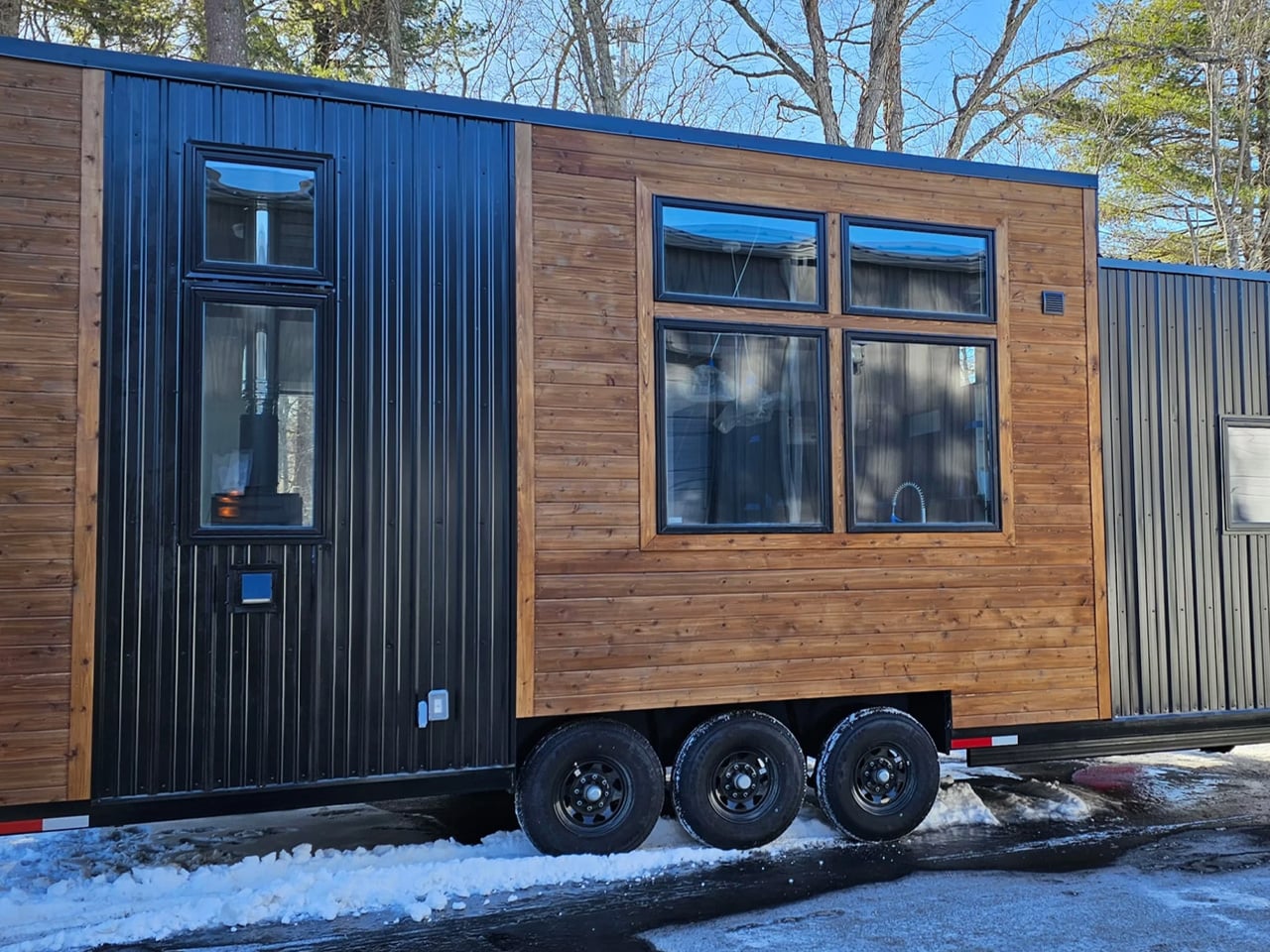
This One-Of-A-Kind Tiny Home Has a Staircase That Hides A Fridge

In a world where housing costs continue to soar and environmental consciousness grows, the tiny home movement has found a compelling advocate in Spindrift Homes’ Shasta model. This 26-foot sanctuary represents more than just downsized living—it embodies a complete lifestyle transformation designed for those seeking simplicity, tranquility, and freedom from traditional housing constraints.

Designer: Spindrift Homes

Crafted with Intention

Spindrift Homes, a boutique tiny house builder based in Bend, Oregon, has been crafting eco-luxury, compact dwellings since 2019. The small team focuses on enabling owners to live more simply, connect more deeply with nature, and experience what they call “the liberating and thriving world of small-scale living”. The Shasta perfectly exemplifies this philosophy, serving as a custom-designed home originally built for a single mother who wanted to escape conventional housing pressures.

The home sits elegantly on a double-axle trailer, measuring 26 feet in length and 10 feet in width, yet manages to incorporate all the comforts and amenities of a modern residence within its compact 280 square feet. This extra-wide design maximizes both functionality and comfort, proving that square footage doesn’t determine quality of life.

Modern Farmhouse Aesthetics

The Shasta’s interior design screams modern farmhouse from every corner, featuring clean, modern lines balanced with cozy, rustic elements. The exterior showcases beautiful cedar siding topped with a distinctive dormer-style roof, while 15 strategically placed windows flood the interior with natural light. Two French or sliding doors create seamless indoor-outdoor connections, essential for the “slow living” philosophy the home represents.

Inside, thoughtful design utilizes every square inch effectively. The layout includes a first-floor bedroom and a loft guest space, accommodating both permanent residents and visitors. The kitchen features butcher block countertops with a clever fold-up extension, a custom backsplash, and open shelving that combines functionality with aesthetic appeal.

Smart Storage Solutions

One of Shasta’s most impressive features is its innovative staircase design. Rather than simply providing access to the loft, this multi-functional element incorporates built-in storage cupboards, open shelves, and even a dedicated space for a refrigerator. This clever integration addresses one of tiny living’s biggest challenges: adequate storage without sacrificing living space. The home also includes modern conveniences like ample USB and USB-C outlets throughout, dedicated 20-amp outlets in the kitchen, and four exterior outlets for outdoor activities.

Starting at $135,000, the Shasta offers extensive customization options, allowing buyers to choose their favorite colors for tile, upholstery, trim, and siding . Spindrift recommends considering a four-foot extension to accommodate additional features like washer-dryer hookups, dishwasher installation, and expanded living space.


The post This One-Of-A-Kind Tiny Home Has a Staircase That Hides A Fridge first appeared on Yanko Design.
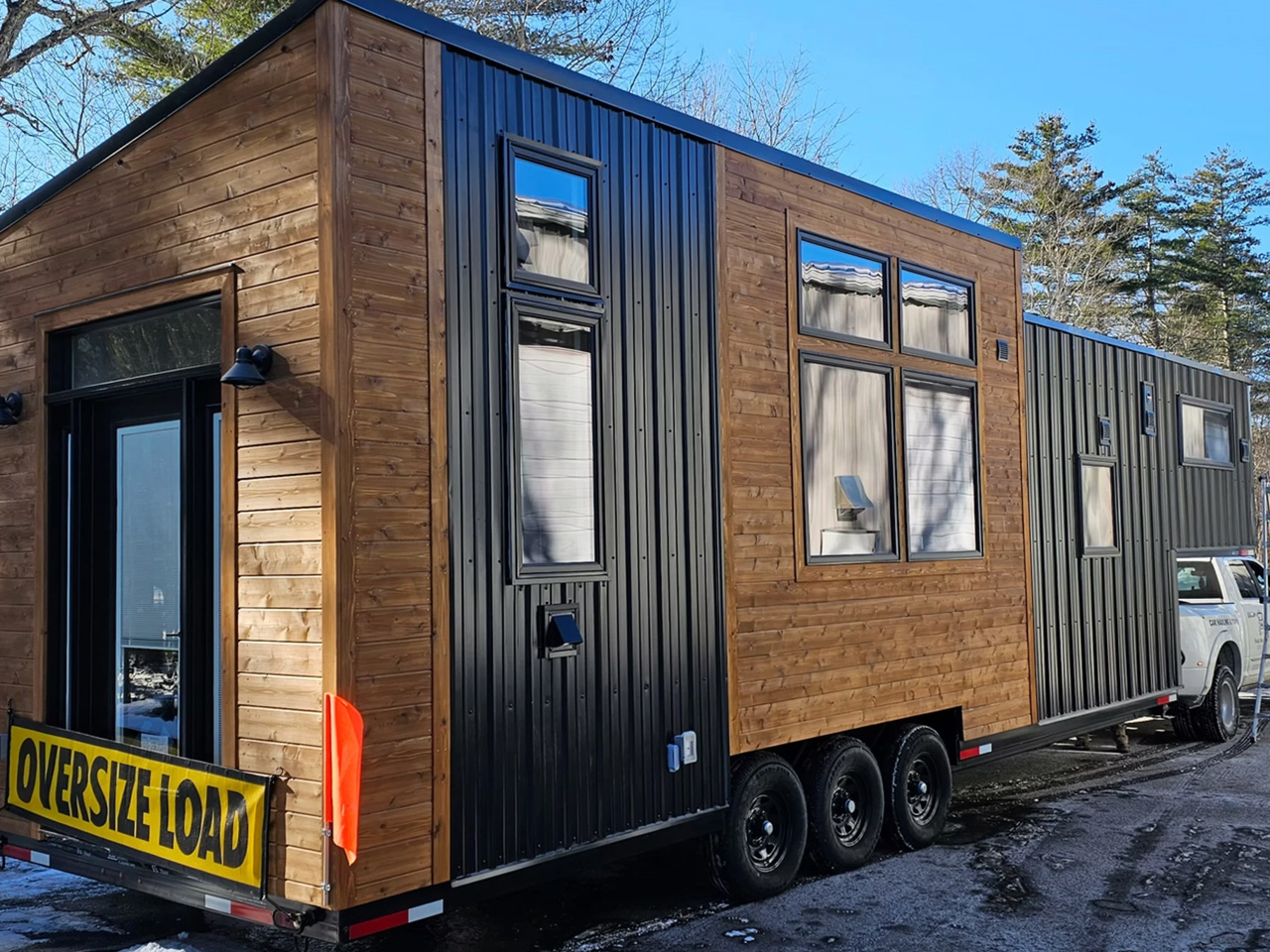
3 Danish Firms Just Built The Modern Lighthouse-Inspired Office Every Architect Will Copy

Copenhagen’s skyline has a new star. The Tip of Nordø, a sleek 60-meter cylinder of glass and steel, now dominates the Nordhavn waterfront like a modern lighthouse. This isn’t just another office building – it’s the result of a dream team collaboration between Cobe, Vilhelm Lauritzen Architects, and Third Nature, three firms that know how to make waves in Danish architecture.
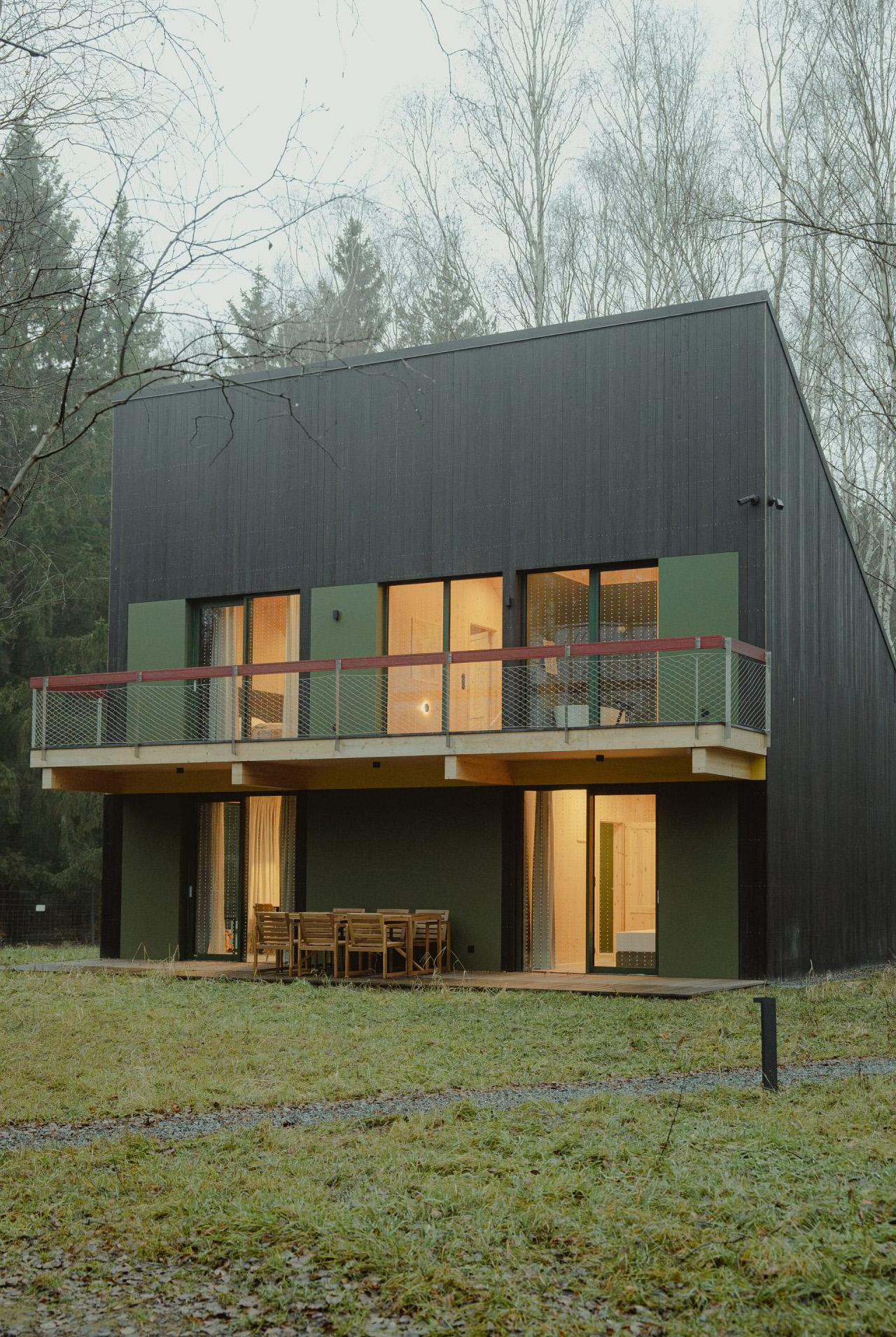
The building wrapped up construction in 2024, and the accolades started rolling in almost immediately. This year, it snagged one of Copenhagen’s most coveted honors at the Copenhagen Building Award, with judges calling out its exceptional architectural quality.

Designer: CobeVilhelm Lauritzen Architects, and Third Nature

Design and Architecture

The architects didn’t just plop down a generic office tower. Instead, they looked around and saw history. The cylindrical shape deliberately echoes the old silos that used to line Copenhagen’s industrial waterfront, giving a nod to the past while racing toward the future. The facade alone is a masterpiece – 925 precisely placed elements covering 12,000 square meters, each one positioned to catch the light just right and keep the building’s energy bills in check.

What really sets this building apart is how it refuses to have a “bad side.” The circular design means gorgeous harbor views from every angle, creating that seamless indoor-outdoor connection architects love to talk about. Inside, there’s room for 1,500 workers across flexible office spaces, with law firm Bech-Bruun and energy company Copenhagen Infrastructure Partners already calling it home.

Public Integration and Impact

Here’s where things get interesting – this isn’t some corporate fortress. Half the ground floor stays open to the public, which means anyone can wander in and experience what the architects built. The centerpiece is a lush winter garden that doubles as a public atrium, turning what could have been just another lobby into ga enuine community space.

The location couldn’t be more perfect. Sitting at the tip of Redmolen Harbor, the building anchors the entire Nordhavn district, an area that’s been completely transformed from a gritty industrial port to Copenhagen’s hottest new neighborhood. The project took nearly a decade from that initial competition win in 2015 to opening day, but the wait was worth it. The surrounding public spaces stay active year-round, making this less of a building and more of a destination that happens to have really great office space upstairs.

Looking Forward

The success of Tip of Nordø represents more than just good architecture – it’s a blueprint for how cities can reimagine their waterfronts. By combining private development with public accessibility, the building shows that commercial projects don’t have to wall themselves off from their communities. The architects’ emphasis on “inclusion, transparency, and openness” has created something that brings people together while blending naturally into its context.

As Copenhagen continues to evolve, projects like this prove that thoughtful design can honor the past while building toward a more connected future. The Tip of Nordø isn’t just reshaping Nordhavn’s skyline – it’s setting the standard for what urban development can achieve when architects, developers, and communities work together. With its growing collection of awards and recognition, this modern lighthouse is already guiding the way for Copenhagen’s next chapter.

The post 3 Danish Firms Just Built The Modern Lighthouse-Inspired Office Every Architect Will Copy first appeared on Yanko Design.