Heart-shaped chair brings organic lines into a functional chair

When it comes to choosing a chair for my apartment (and I’ve had several over the years), I will almost always choose one that is comfortable enough to sit in for a long period of time. That’s because I do a lot of sitting, whether for work or my down time. So I end up with a bean bag or a couch type of chair for my reading, watching, and working comfort. But of course there are a lot of well-designed chairs that can look at home in a museum or are really well thought of, even if they don’t seem to be the most comfortable place to sit in.

Designer: Woocheol Shin

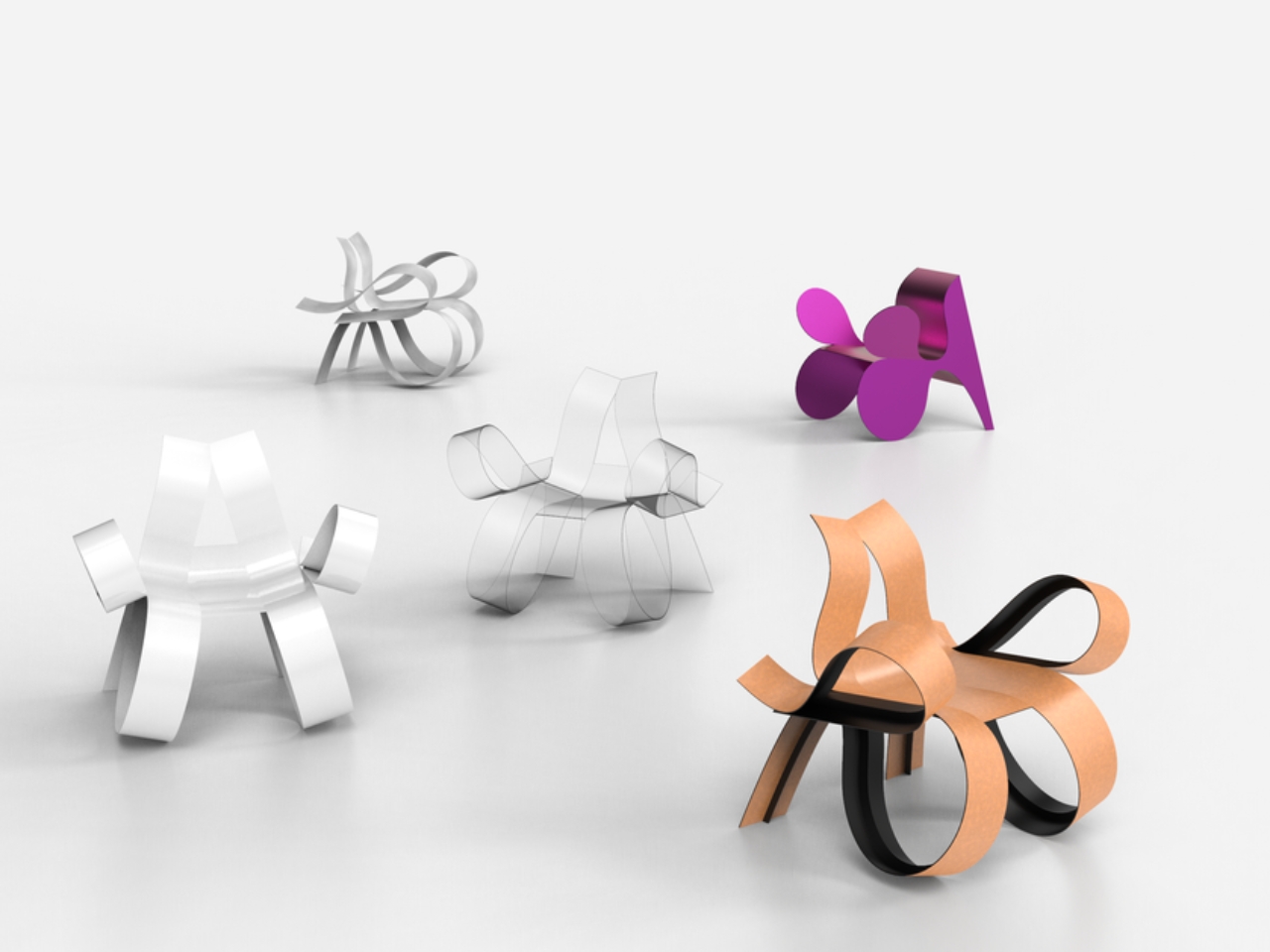
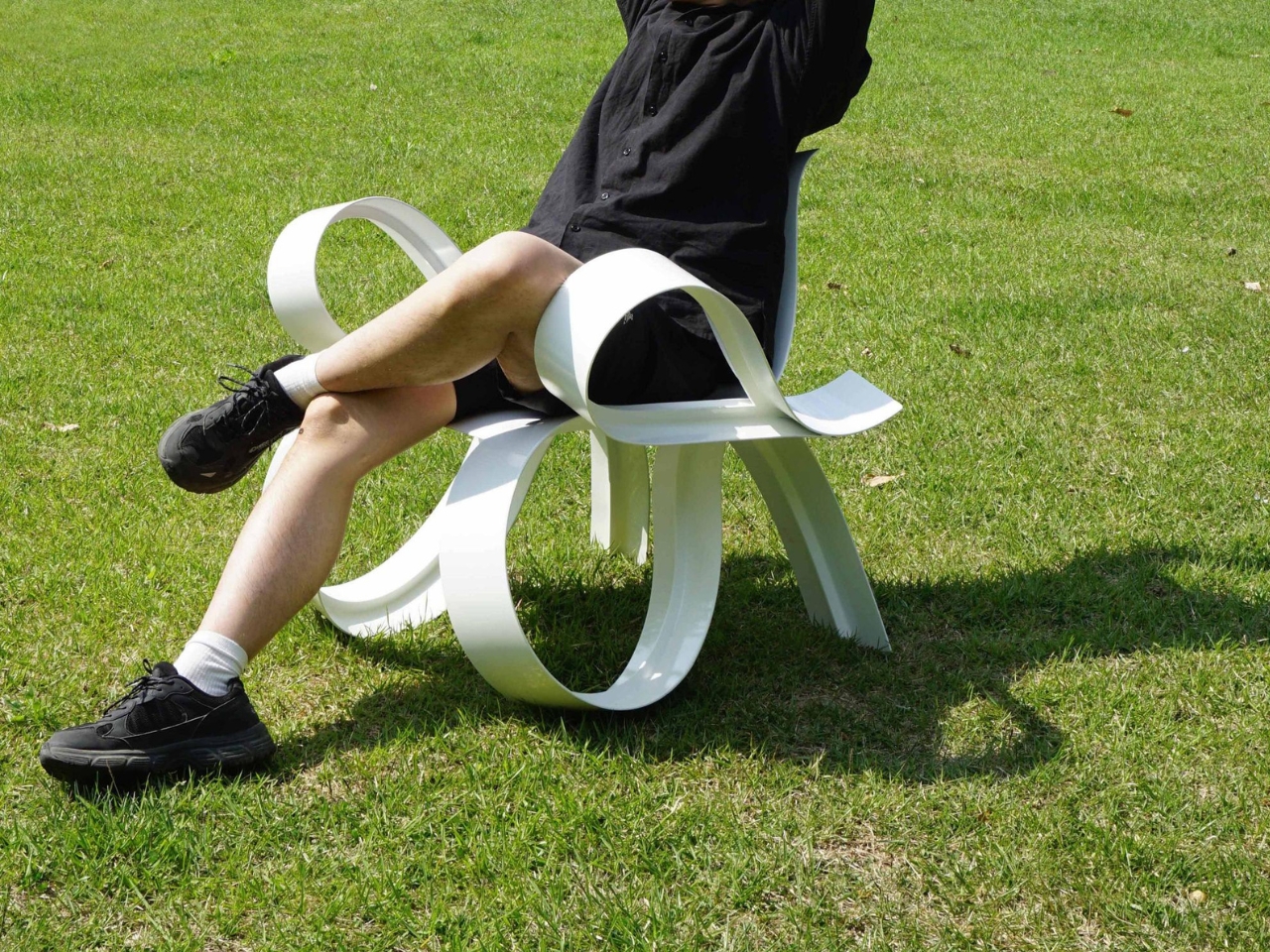
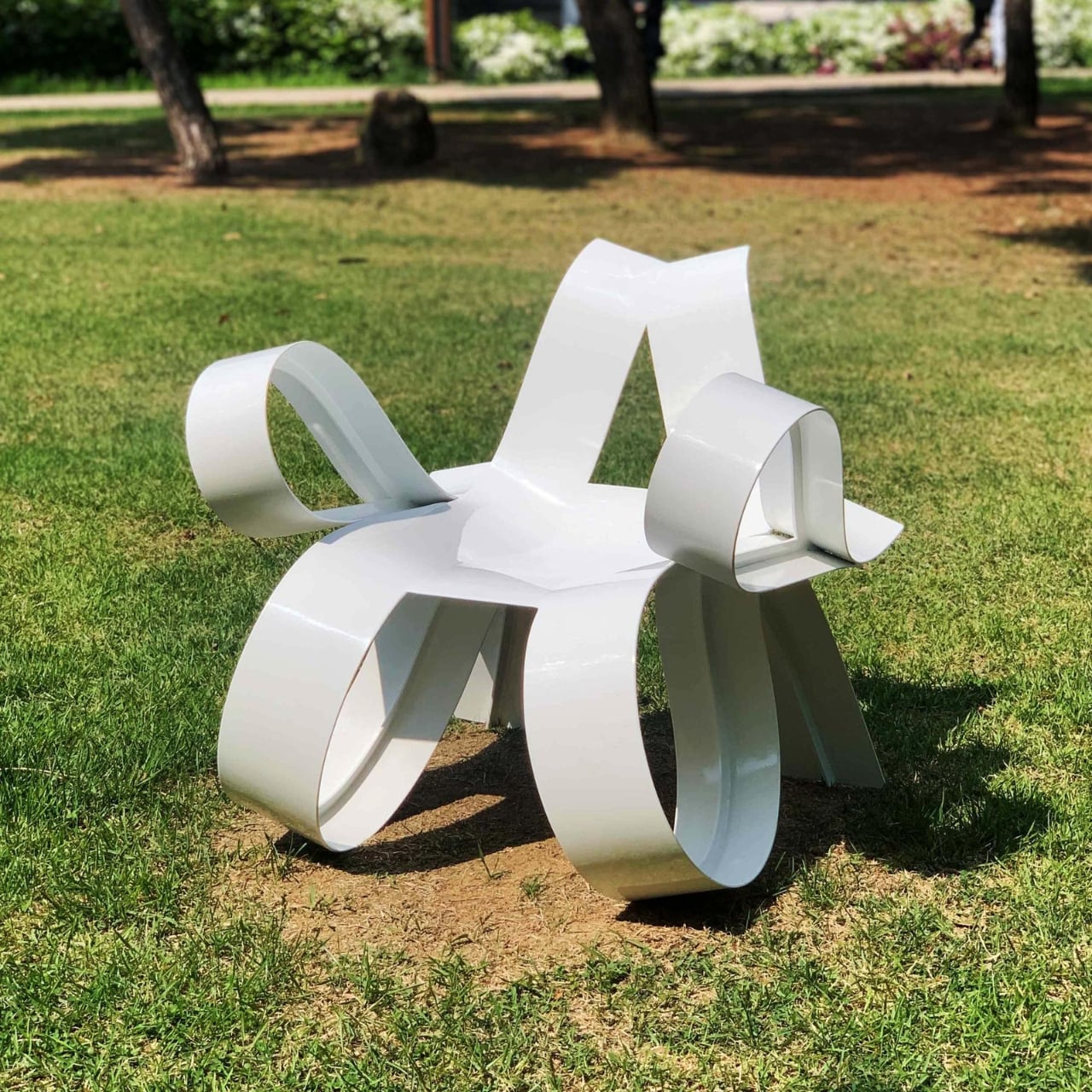
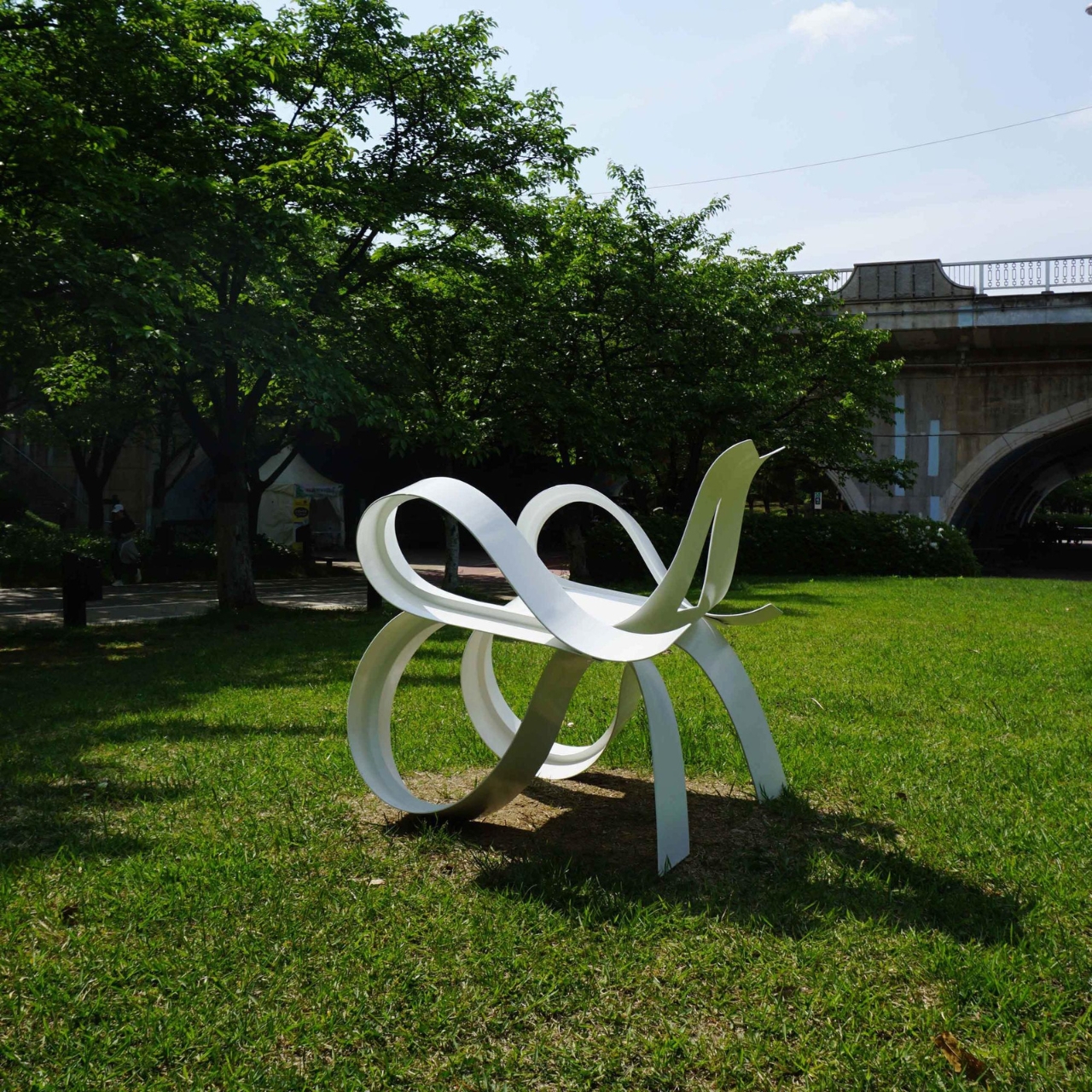
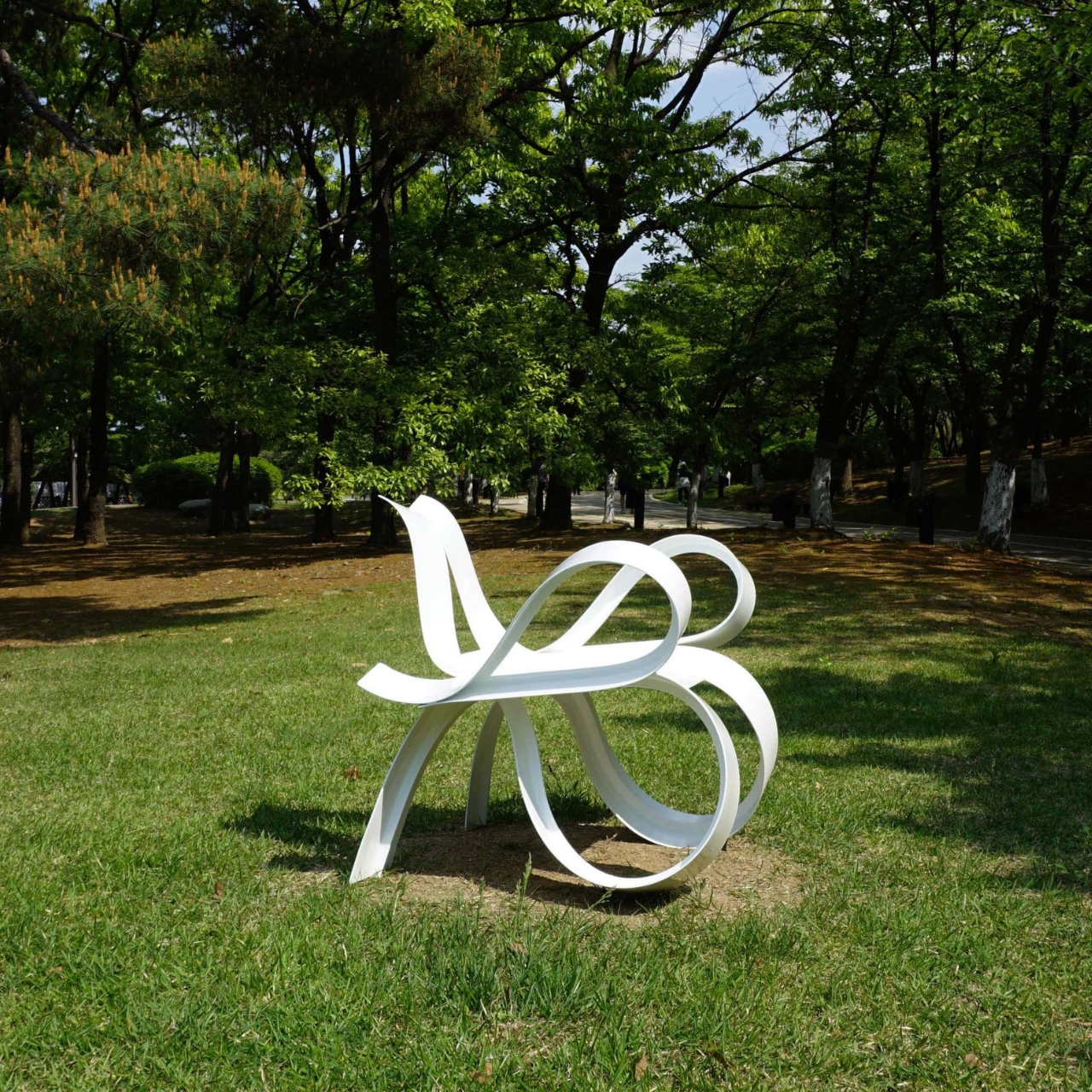
The Heart Chair seems to be one of those kinds of chairs, although it probably looks a bit comfortable and homey as well the way it’s designed. Its name comes from the inspiration for the design as it has a heart-shaped silhouette (the art kind of heart and not the biological). It actually extends beyond the usual vertical and horizontal lines, “subtly breaking its implicit harmony”.
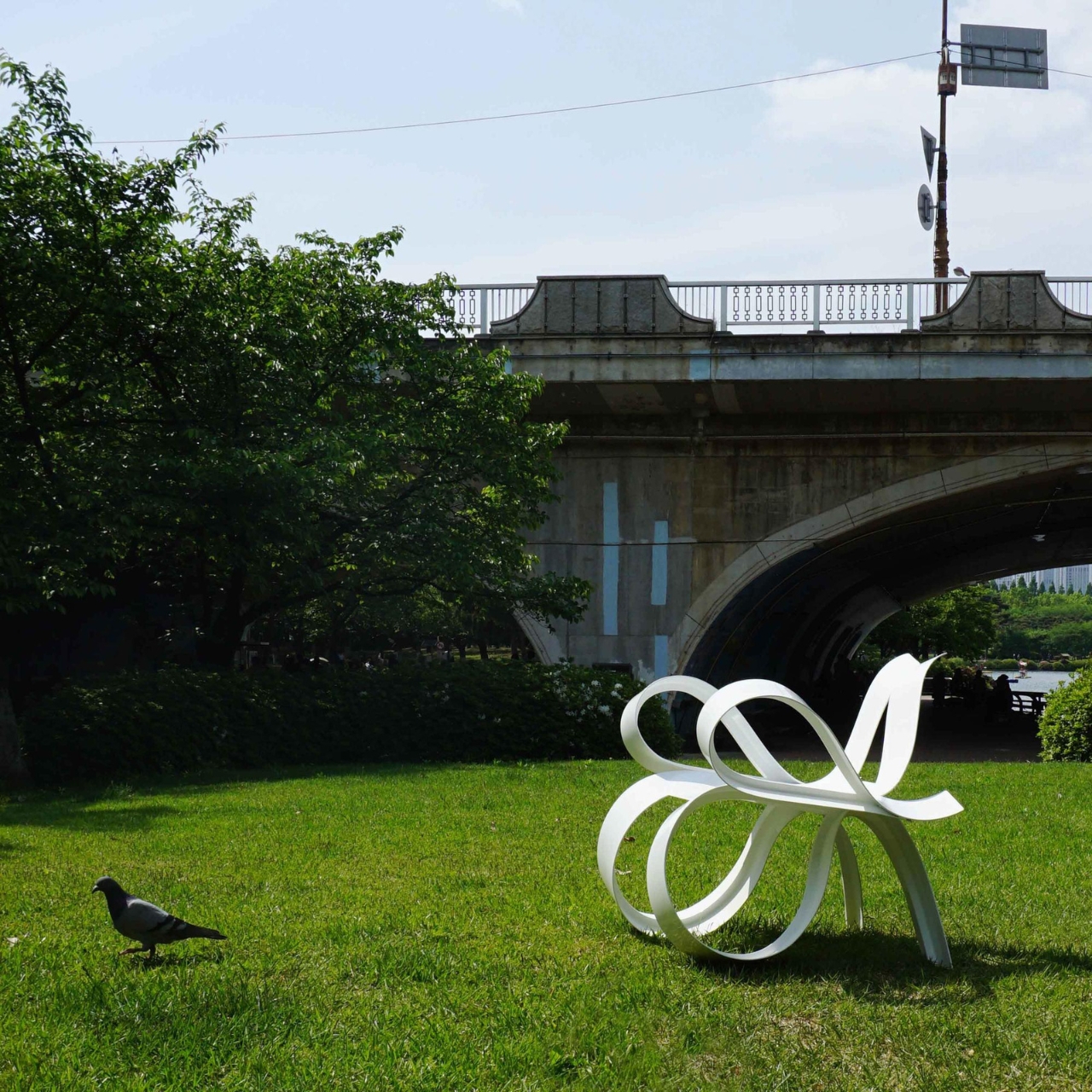
Although the flowing, organic lines makes it look more like an art piece than an actual chair, they designed it in a way that a human body is draped over the lines. They envisioned these organic lines blending into the straight-line spaces, achieving “optimal synchronization. Supposedly, you get less tension by sitting on this compared to the usual rigid chairs you can find in public spaces.
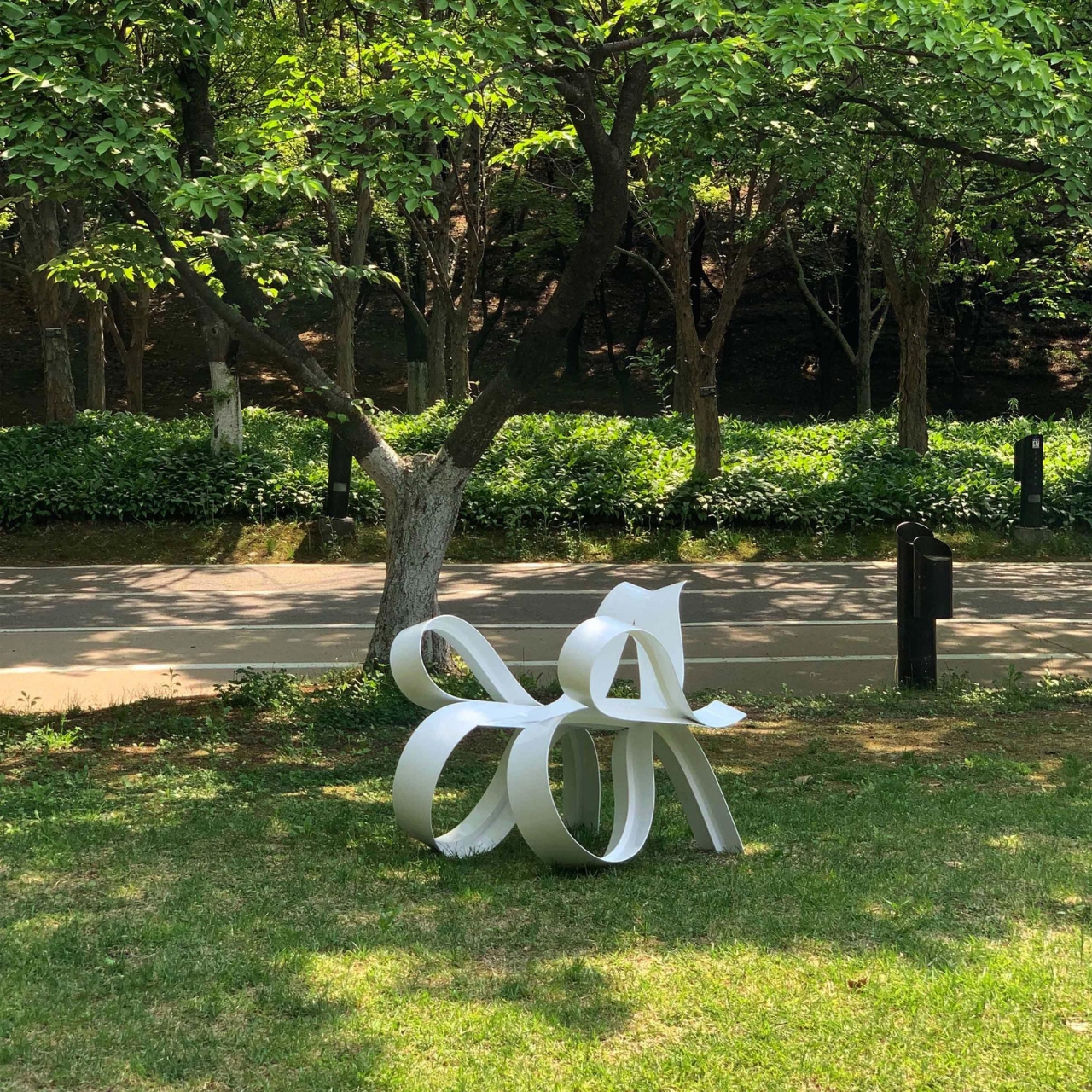
Chairs that are both functional and aesthetic are always a plus point in my book. Now if I can sit on it for hours without hurting my back, legs, or other parts of my anatomy, then it is even more of a winner and is something I’d want to add to my space.
The post Heart-shaped chair brings organic lines into a functional chair first appeared on Yanko Design.
Vinyl player concept shows off transparent design

You would think that in this age when we mostly listen to music through streaming services, old school ways of listening to music would be all but extinct. While we probably won’t see cassette tapes make a comeback soon, we still see CDs and vinyls have a pretty niche but passionate market. So we’re seeing several music players that are able to still play these “relics”, mostly for the vinyls (sadly, I have yet to see excellently designed CD players with great sound quality).

Designer: Vadzim Sadouski

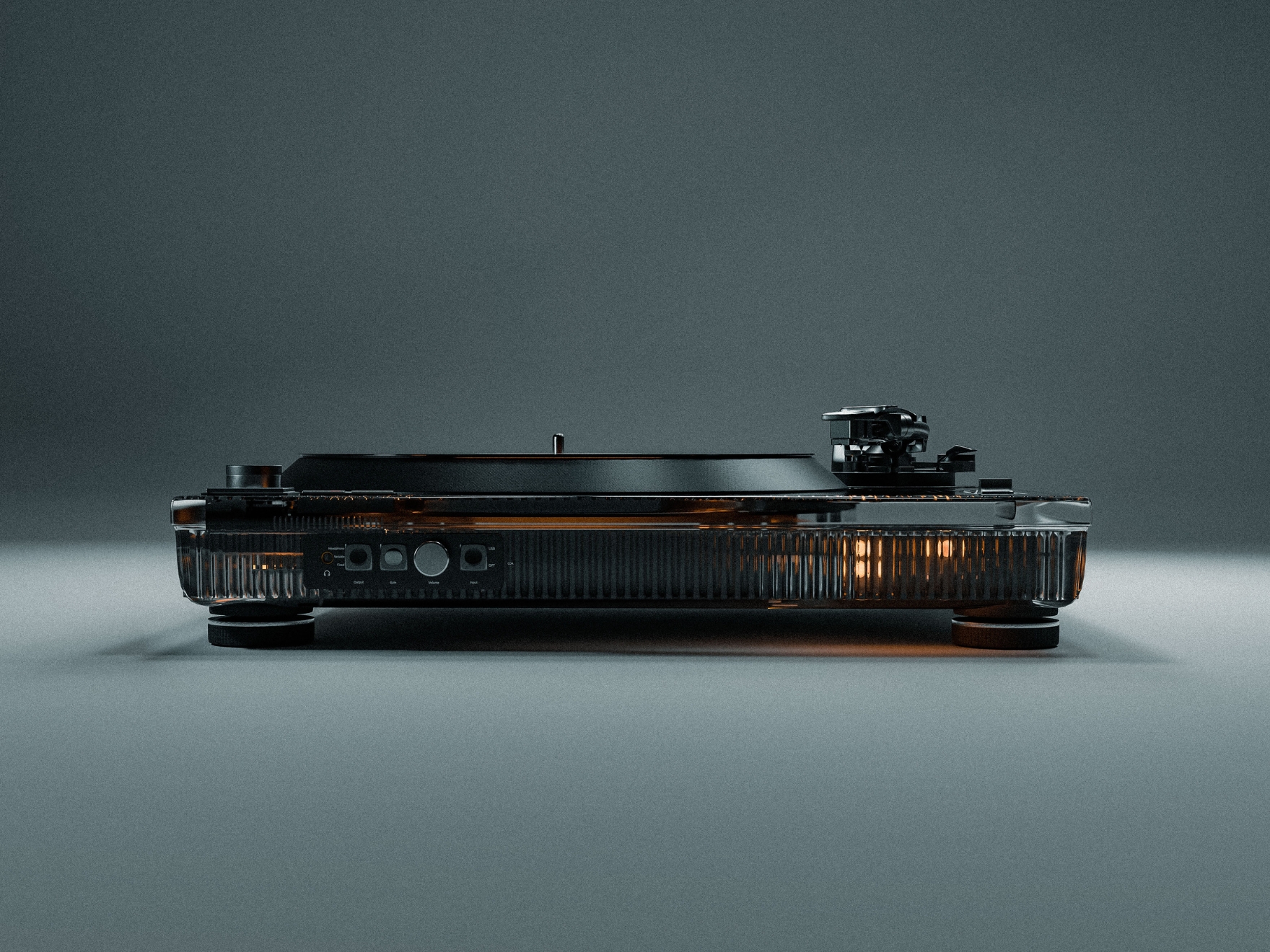
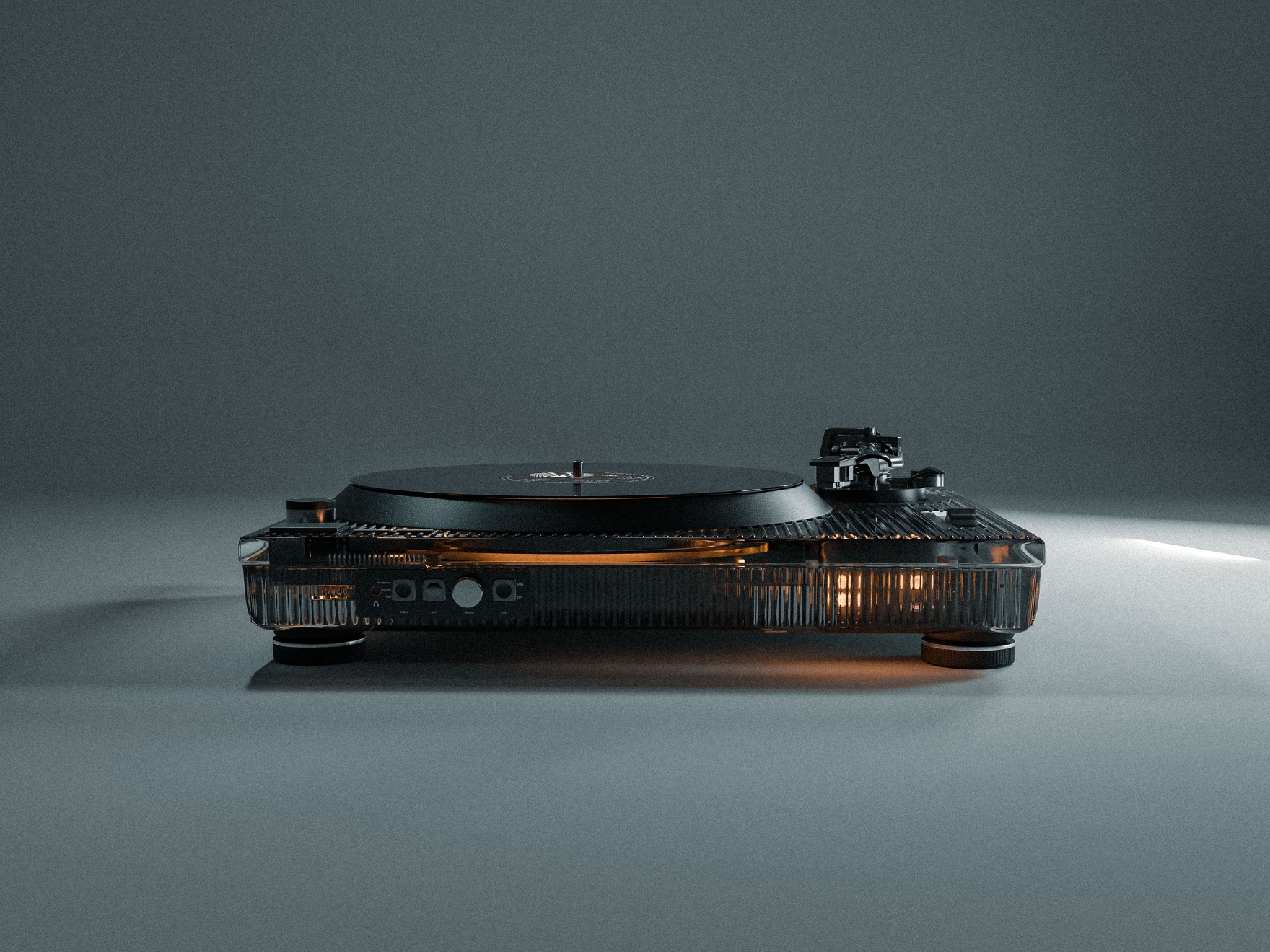
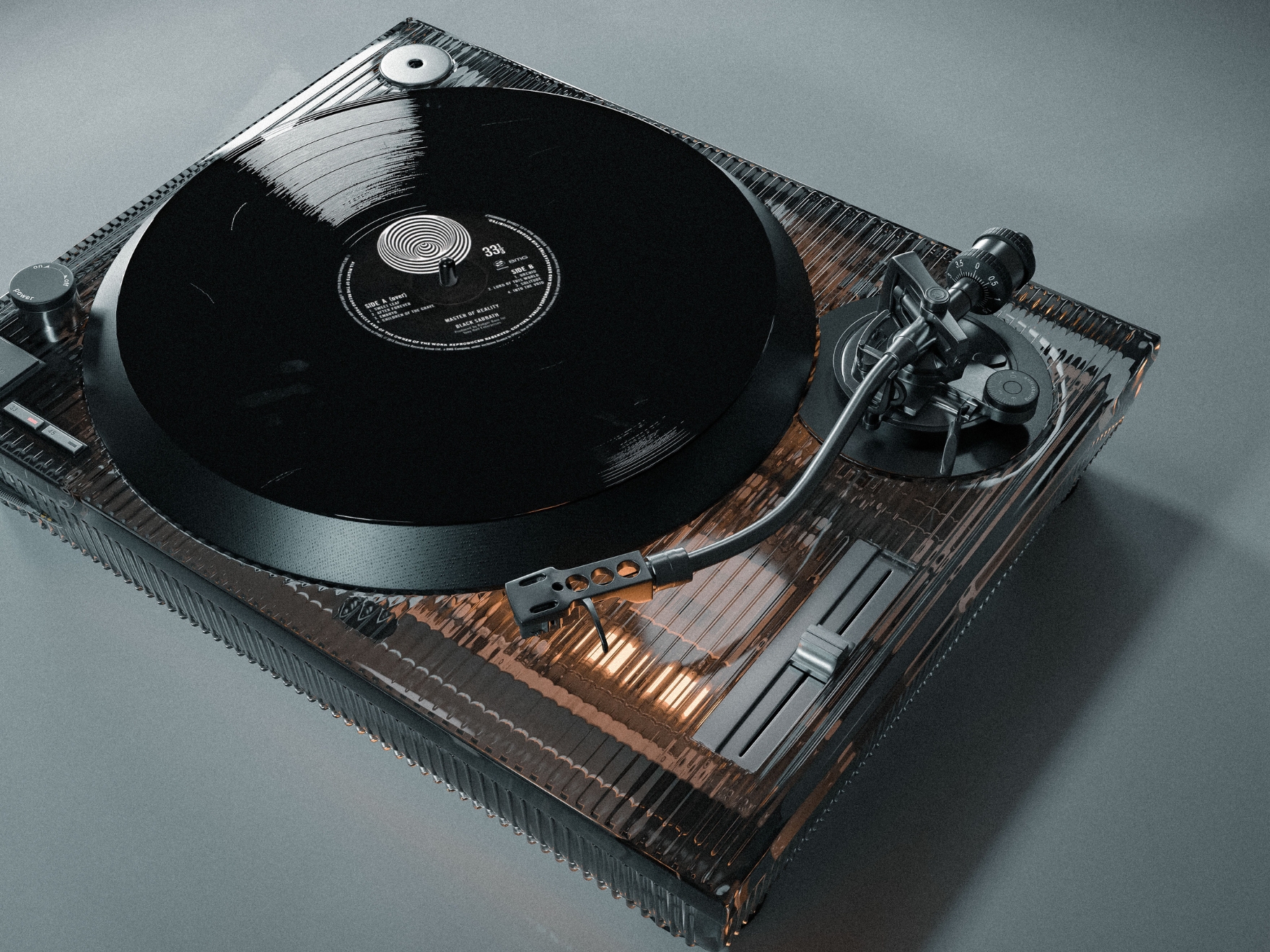
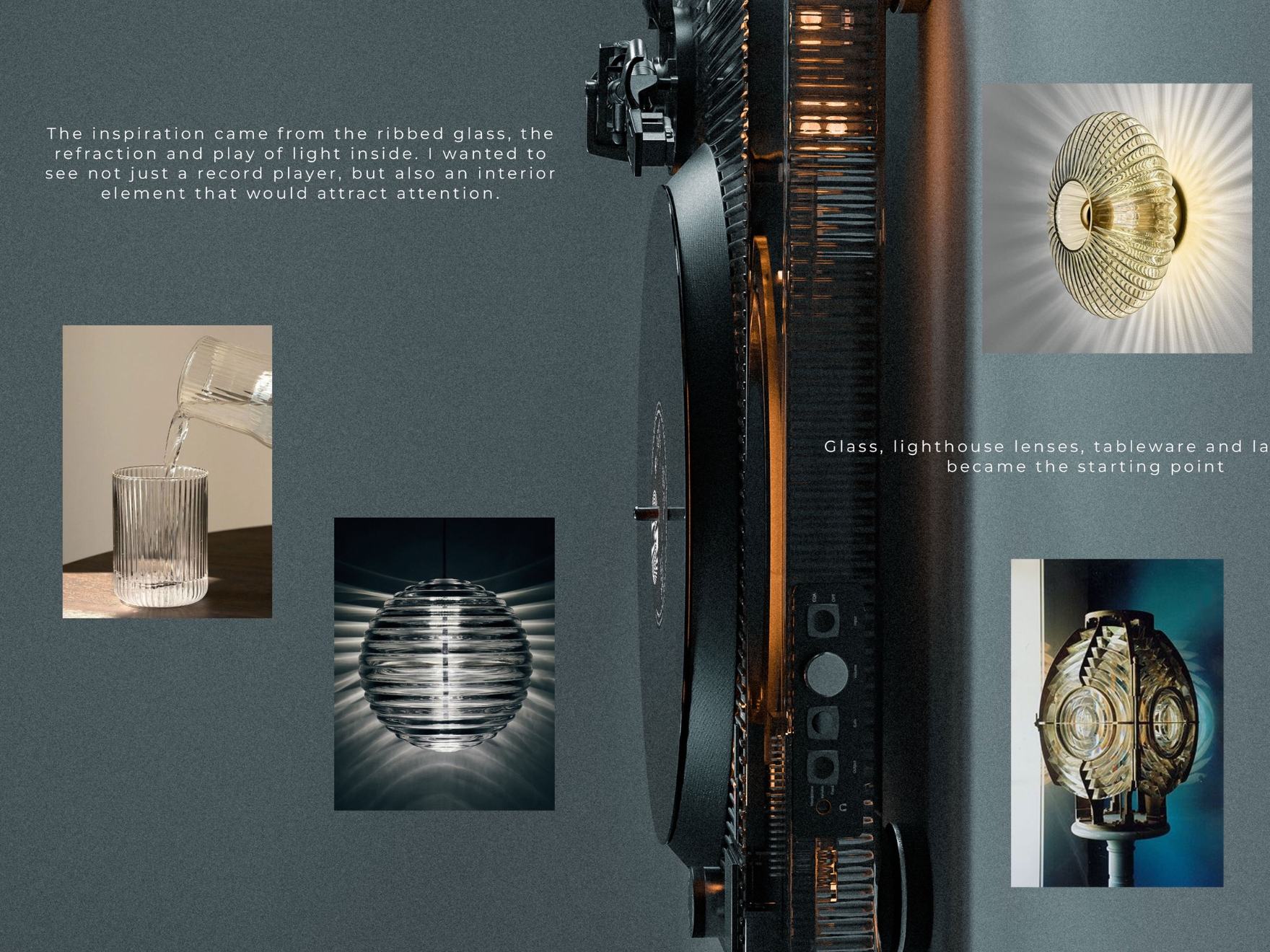
There is no lack of great-looking and great-sounding turntables out there if you’re in the market for one. And there is also no dearth of interesting concepts for vinyl players, ranging from retro to cutesy to premium to sci-fi/out there levels. This concept for a “record player transparent design” is one of those that catches the eye and would be interesting to see as an actual vinyl player (and hopefully it gets a specific name too). From the moniker itself, you probably have an idea of what it would look like even if you don’t see the renders.

There’s a certain fascination with transparent things now and seeing how the inside looks like as it does its thing. This one is inspired by the play of light inside ribbed glass as the light refracts and plays around. The designer says the starting point for the design are things like glass, lighthouse lenses, tableware, and even lamps. What you get is a vinyl player with its base showing off the light inside from the glass grills.

Now as to how the vinyl records would sound like from having a transparent design like this is a problem for another day. But the concept itself seems pretty interesting and is definitely eye-catching. But real music lovers would tell you that no matter how well designed something is, the important thing is the sound quality of course.

The post Vinyl player concept shows off transparent design first appeared on Yanko Design.
Proposed urban swimming pool in Lisbon brings river closer to the city

My ideal place to live in is one that is near enough to the sea that I can go to it whenever I want but still be able to live in the city and all its creature comforts. Having a river where I can also swim in and do other activities without spending hours to go there would be the next best thing. Alas, I currently don’t live in a place like that so I have to live vicariously through other people who live in cities that are blessed to be near bodies of water.

Designers: X Atelier and Atelier BAUM

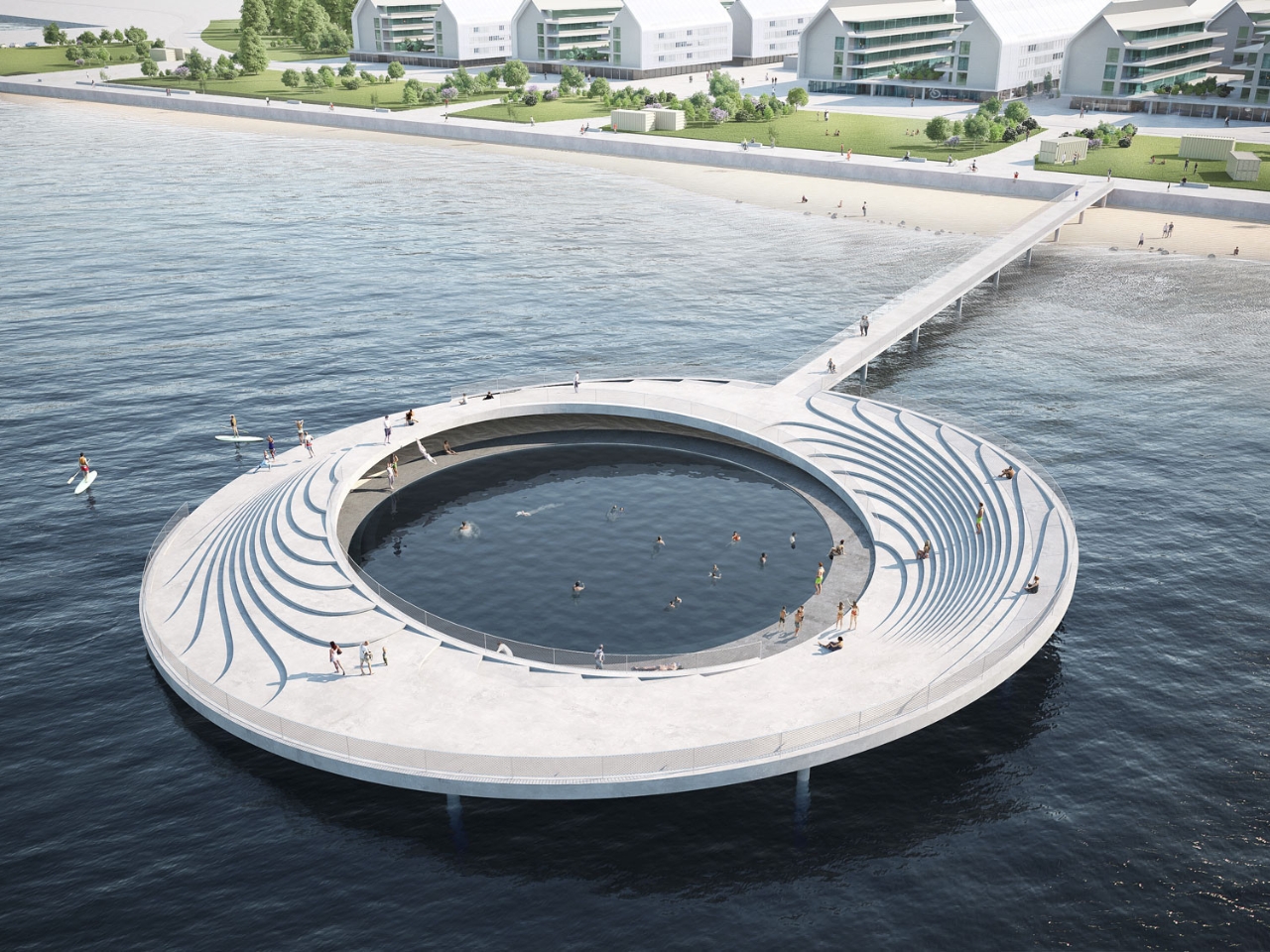
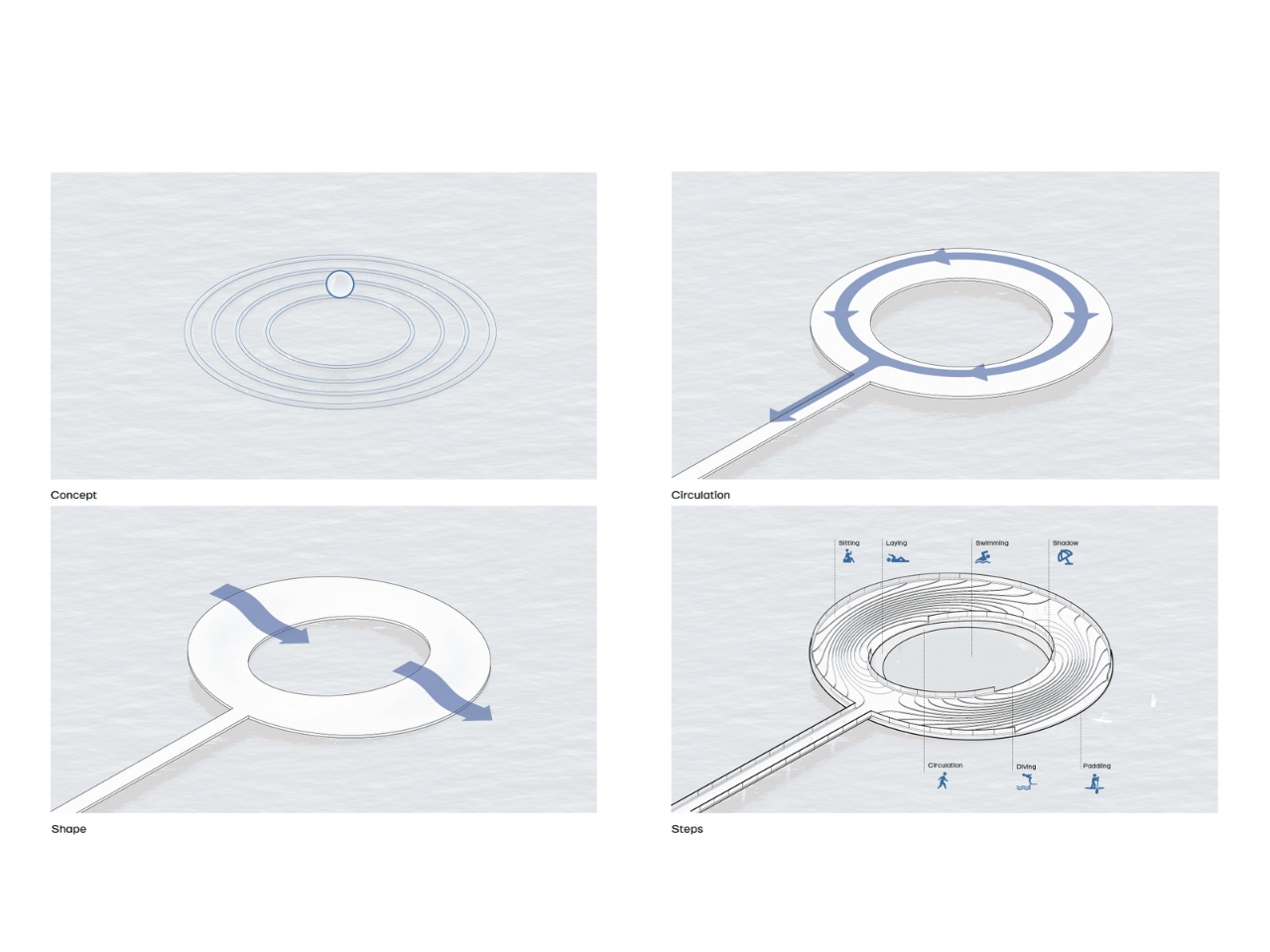
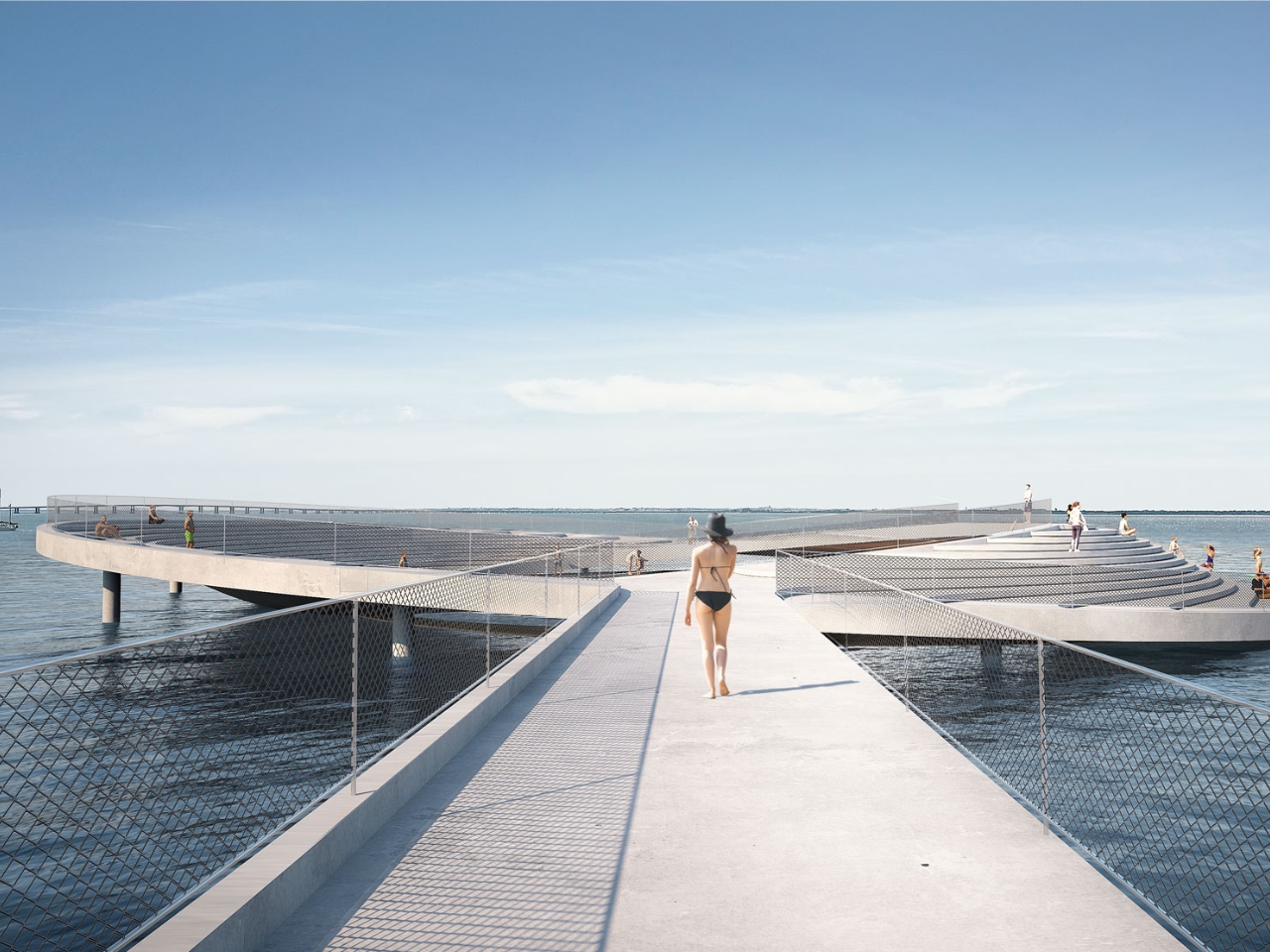
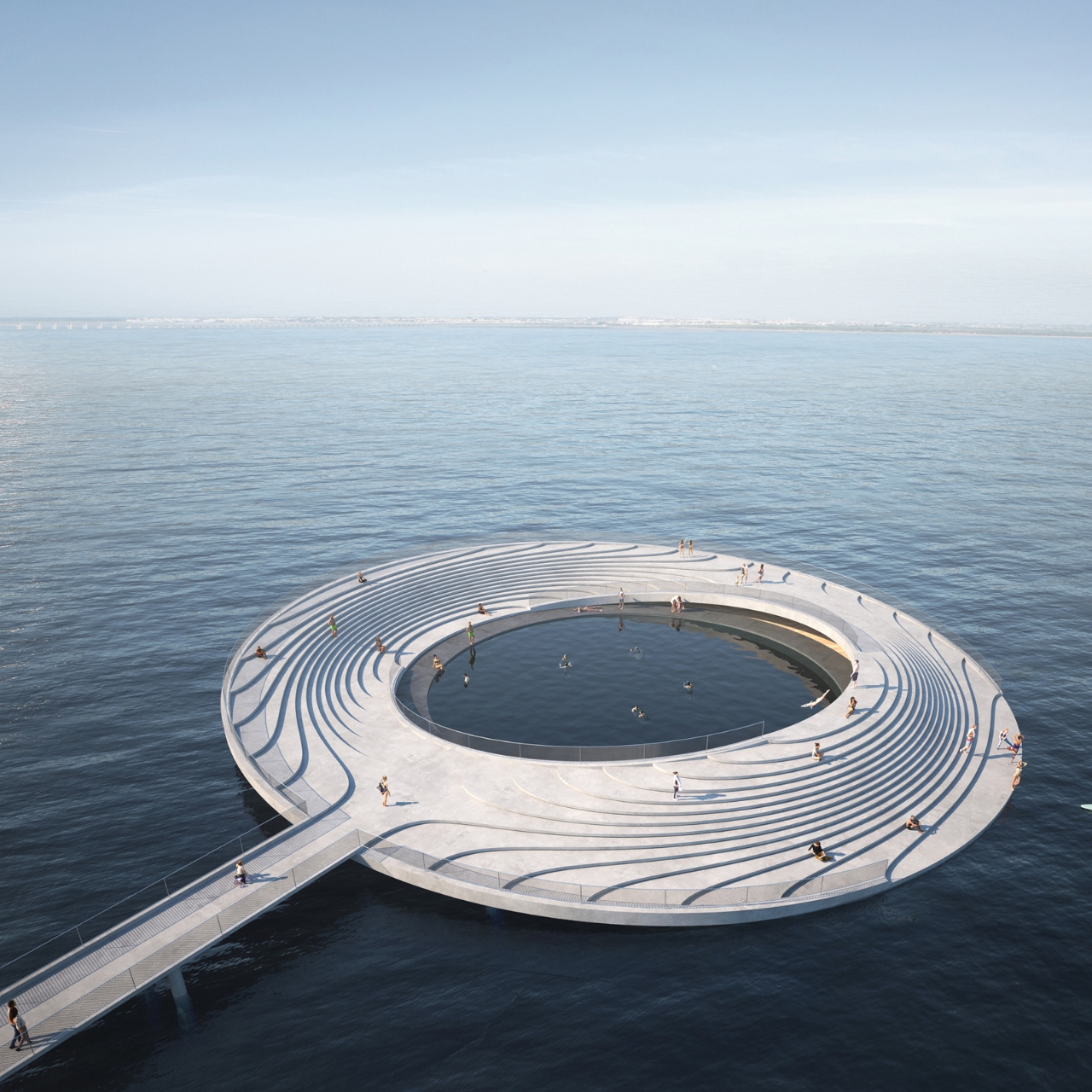
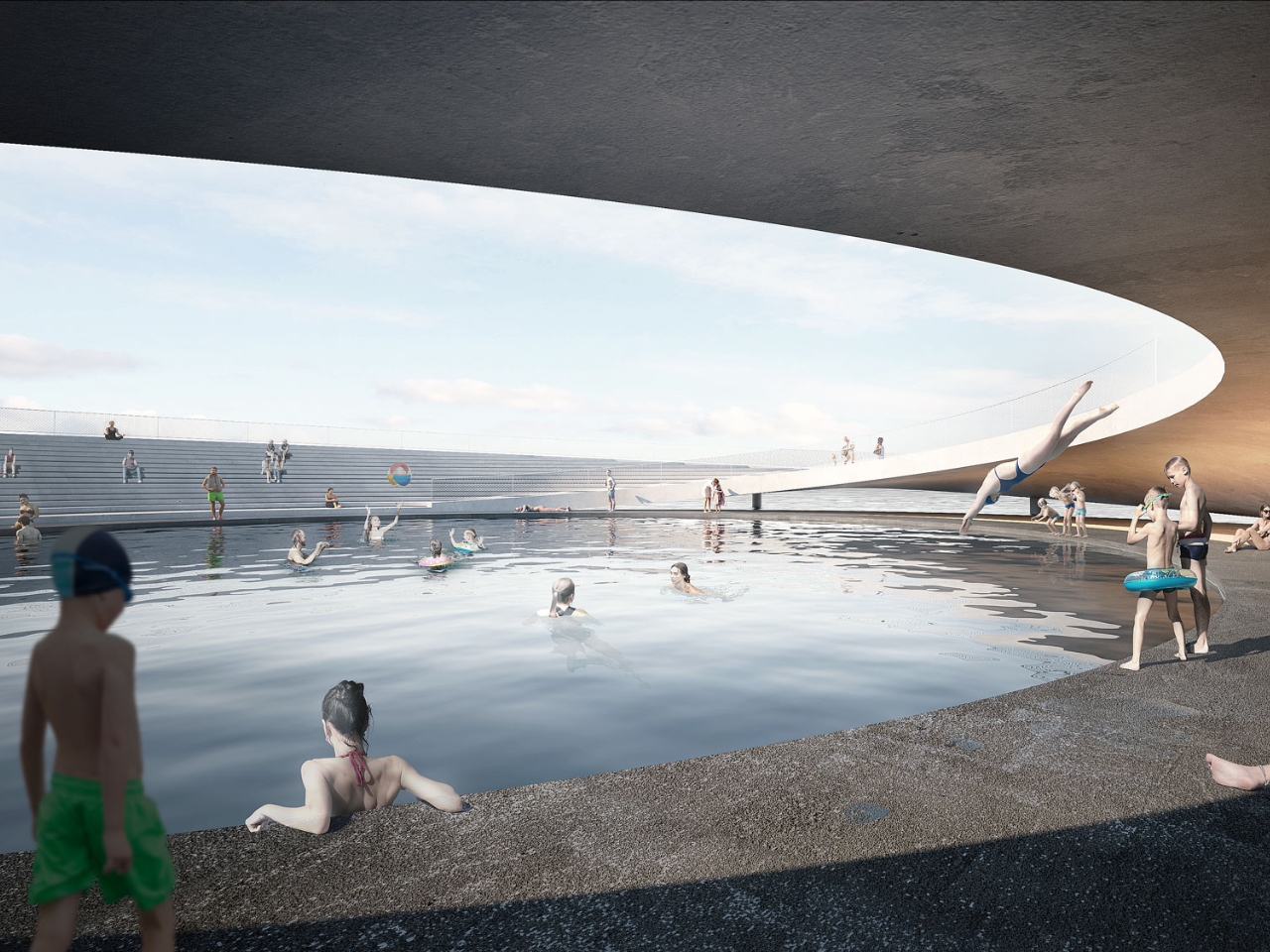
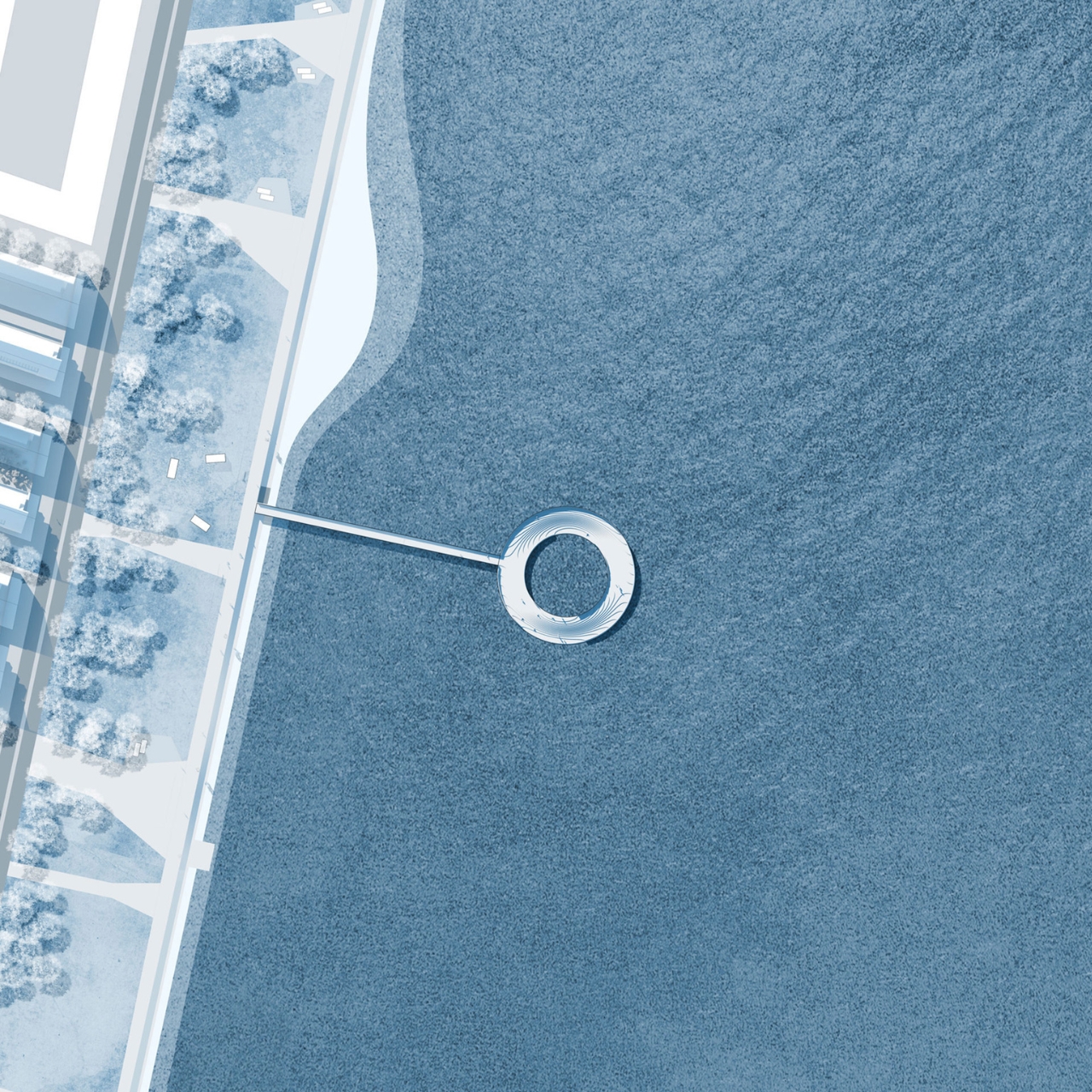
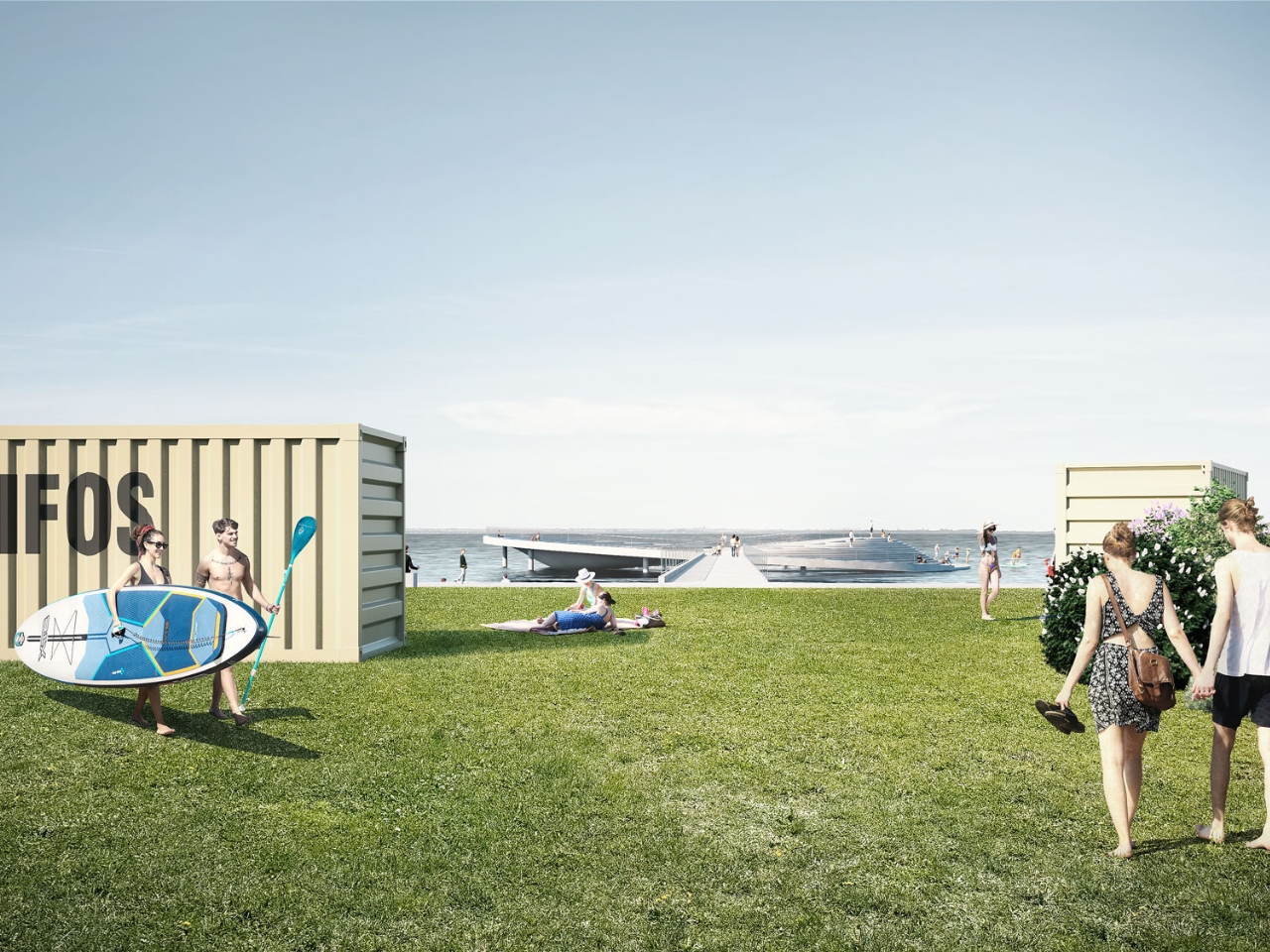
Lisbon is one such city although the nearby River Tagus is not immediately accessible to the city center. A couple of architectural firms have teamed up to propose an urban swimming pool to connect both residents and tourists to the river directly without having to travel or at least spend hours stuck in traffic jams. The Loop Pool Tejo is inspired by the movement of the water and wants to make several aquatic pursuits easier to access for whoever wants to spend a day at the river. It uses the industrial area of the Braço de Prata pontoon as the link from the city to the river.

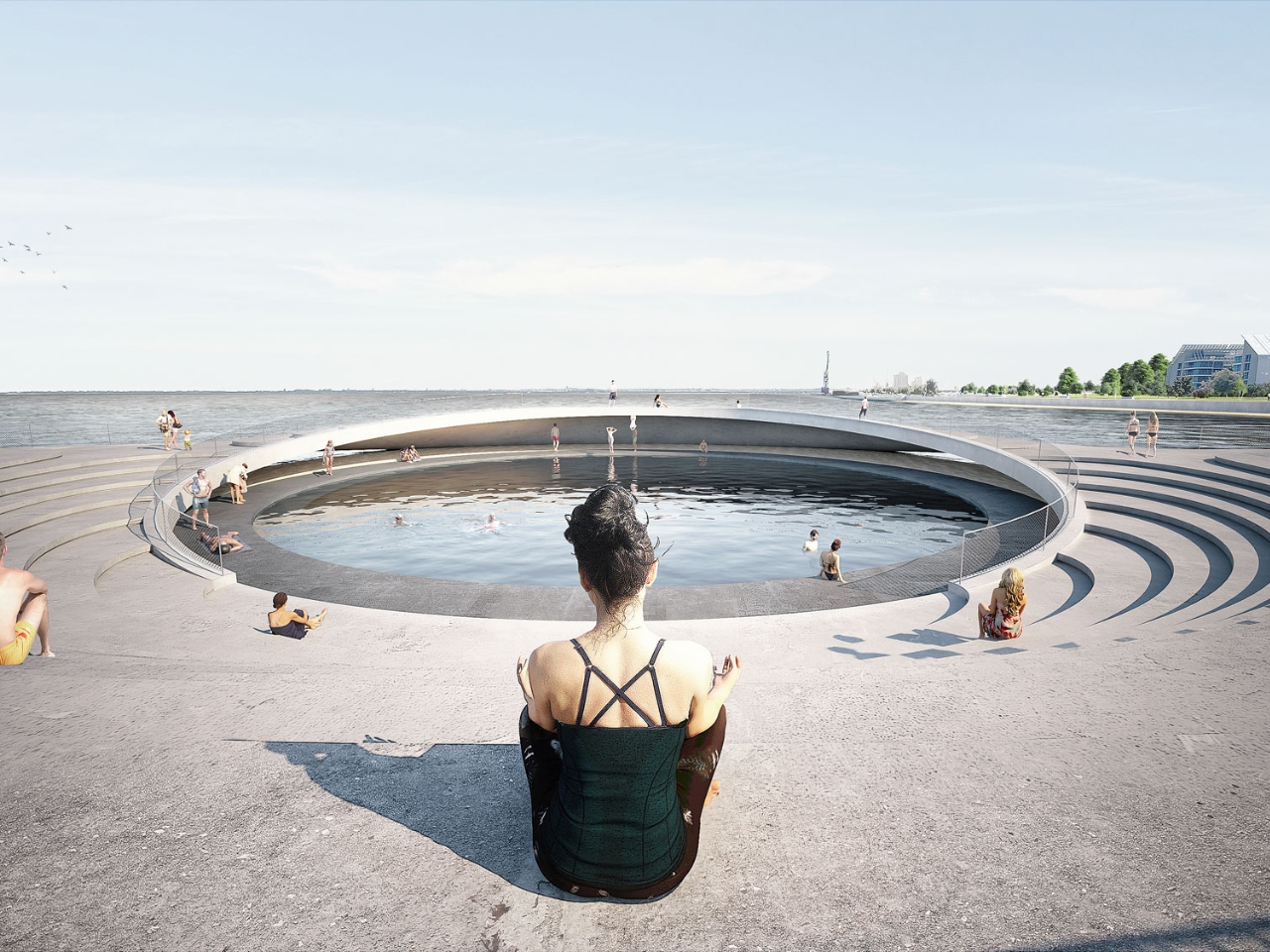
From the pontoon, you get a walkway to the circular center in the midst of the river which actually draws the circulation flow around it. There is a solarium and amphitheater facing the west and to the south, there is a second slope where people can sit and rest if they get tired from swimming. It’s also the entry point to other activities like paddling and rowing. The west wing also has a diving jump point into the tank in the middle while underneath the water level there is a shaded rest area for those who want to escape the sun.

If you just want to sit on the amphitheater, you’ll get a view of a rippling water drop and the steps around it create a looping effect. It’s a pretty interesting structure to place in the city and in the middle of the river and can also be inspiration for other cities that also have a nearby body of water that can be used for recreation.

The post Proposed urban swimming pool in Lisbon brings river closer to the city first appeared on Yanko Design.
Morphing wheel research can ride over uneven surfaces and obstacles

Wheelchairs and mobile robots are useful (and sometimes necessary) tools for those who need them but because of the way their wheels are built, there are a lot of limitations as to where they can go. Uneven surfaces and high obstacle areas can sometimes be unaccessible for them. Researchers have been trying to reinvent the wheel so to speak by coming up with a wheel that can adjust to different terrains. This latest one from Korean researchers may just be the most promising.

Designers: Jae-Young Lee, Seongji Han, Munyu Kim, Yong-Sin Seo, Jongwoo Park, Dong Il Park, Chanhun Park, Hyunuk Seo, Joonho Lee, Hwi-Su Kim, Jeongae Bak, Hugo Rodrigue, Jin-Gyun Kim, Joono Cheong, Sung-Hyuk Song

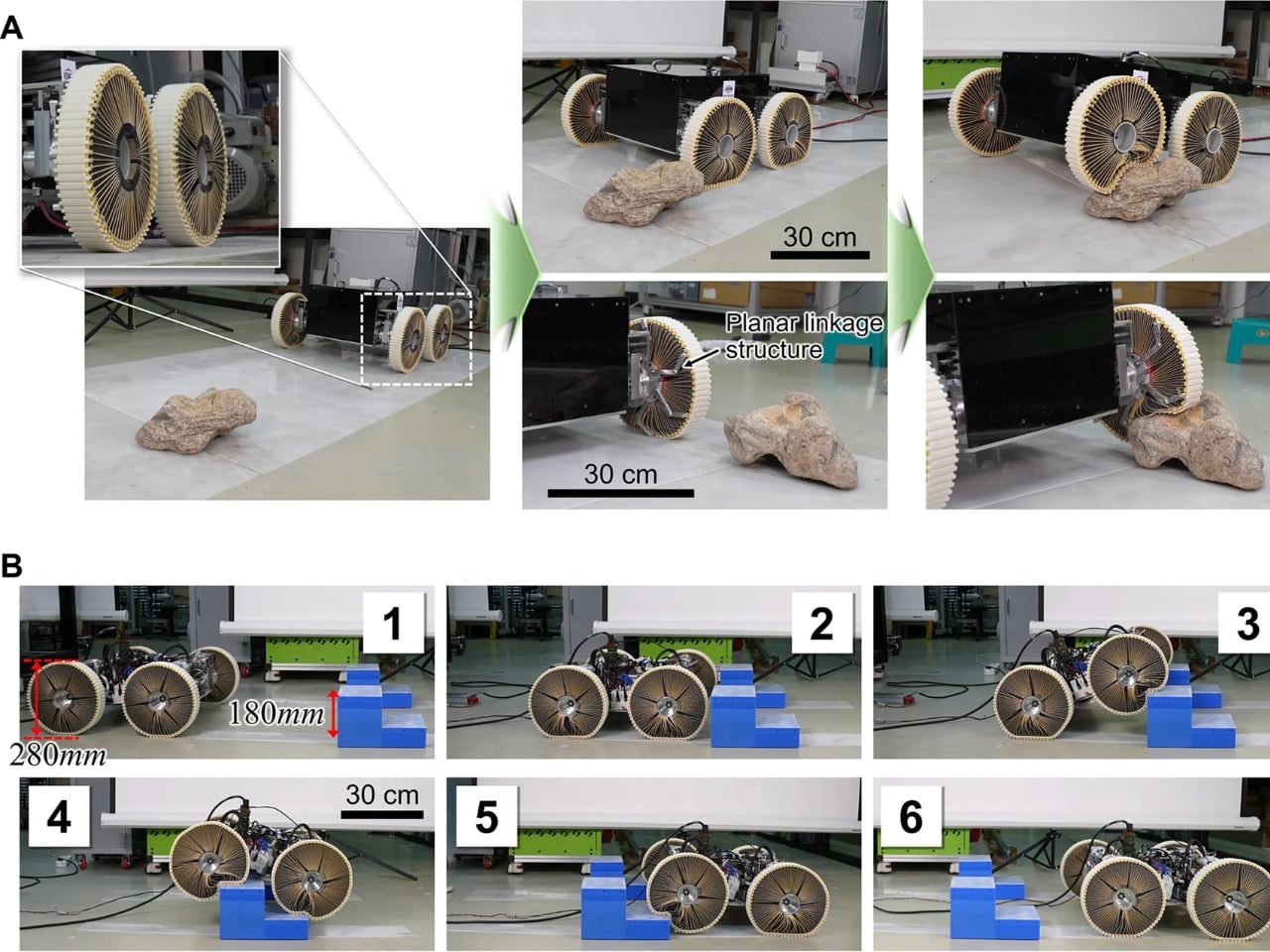
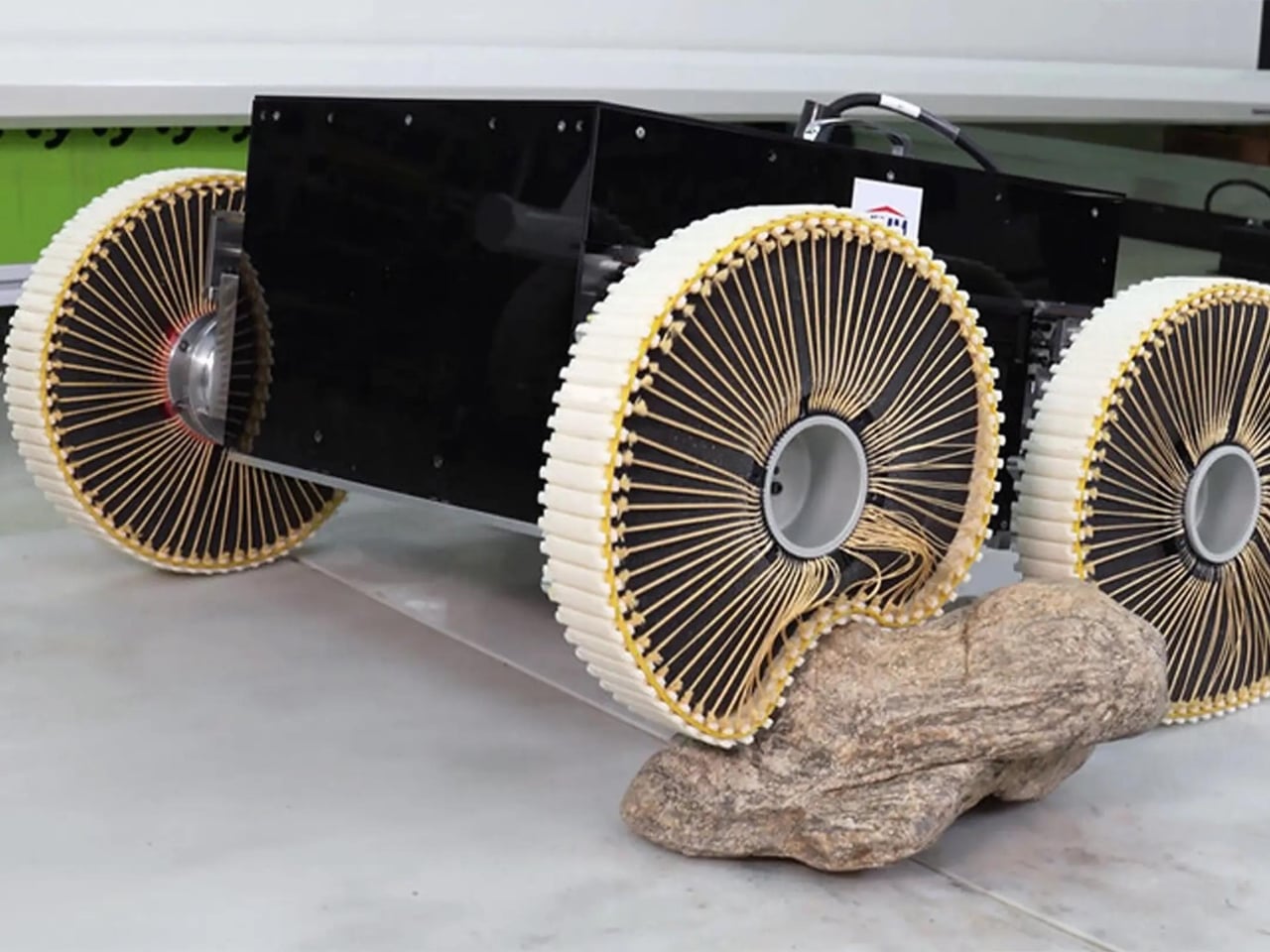
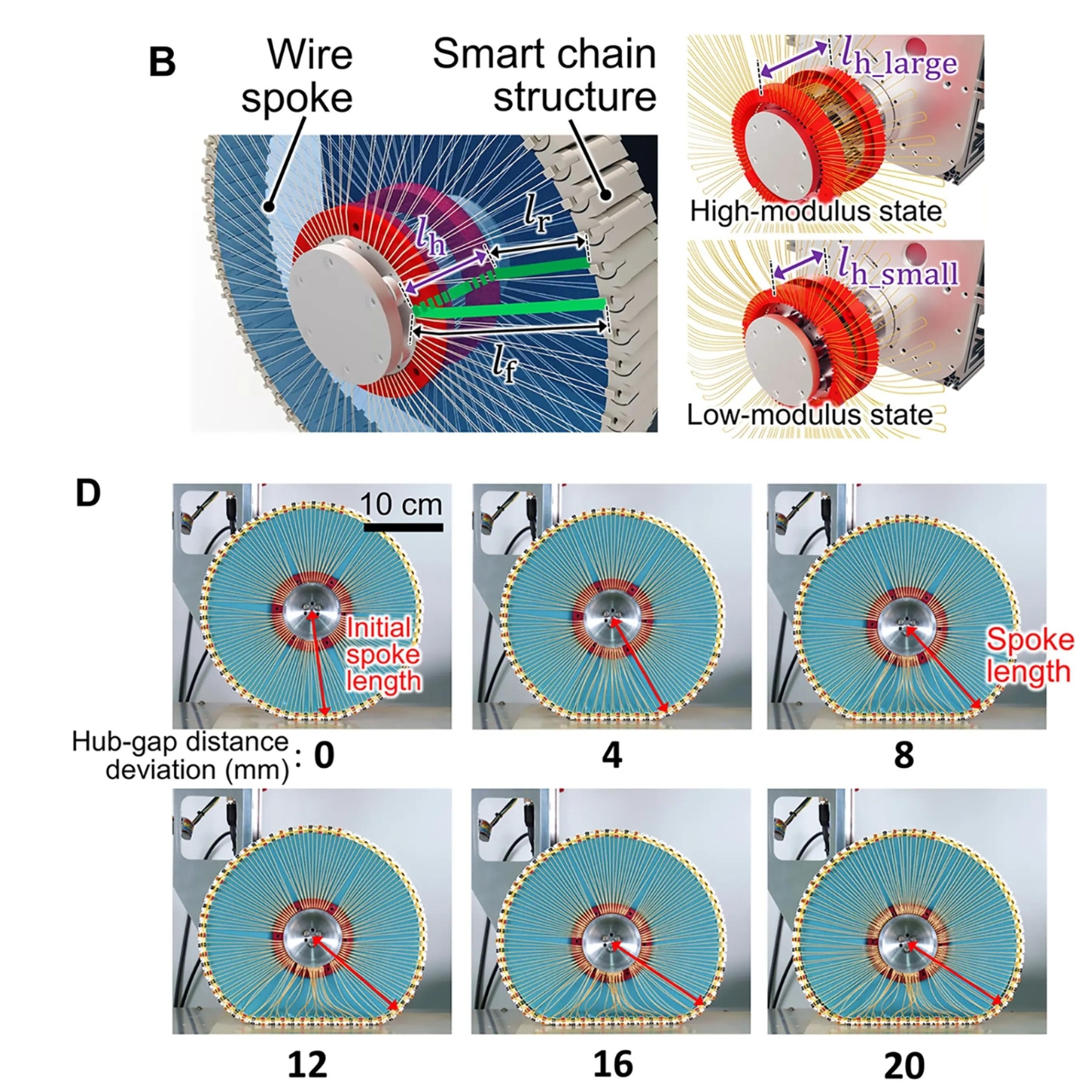
This Variable-stiffness–morphing wheel that they are testing out is actually inspired by the surface tension of a droplet of liquid. The main thing about this experimental wheel is that it is able to ride through uneven terrain and go through obstacles while still keeping what makes a wheel a wheel when driving through flat ground. You’ll have to go back to your physics notes to fully understand but the basic idea is to create an imbalance in the cohesive forces between molecules.

This deformable wheel that they’re developing has a “smart chain structure” which is a chain of blocks outside the wheel that is connected by wire spokes to opposite sides of the central hub. From the demo video that they showed, the wheel is able to deform and adapt to the surface so it could travel over the obstacles it encounters. The two-wheeled wheelchair they used was able to ride through grassy ground with uneven surfaces. There was not video of the four-wheeled vehicle but they said it was able to drive over rocks and large steps.

It’s still early stages in this research so there are things they need to improve on. For example, dust and particles are able to get through to the smart chain blocks so the wheels are easily damaged. And the video of the wheelchair shows there’s an extreme forward tilt to the chair part so it’s not that safe for passengers yet. But this morphing wheel is promising and may eventually be useful for wheelchairs, mobile robots, and other uses.

The post Morphing wheel research can ride over uneven surfaces and obstacles first appeared on Yanko Design.
Spatial video camera concept lets you capture photos and videos hands-free

The way we capture videos and view them has constantly been changing and along with that, mobile devices have also been evolving. With the introduction of spatial videos, we see brands like Apple trying to become the pioneer in this new form. Basically, this is a video that lets you view photos and videos as if you were there instead of looking at them with just a single fixed view. It’s a more immersive form of 3D since you’re able to turn your head and see different perspectives.

Designer: Suosi Design

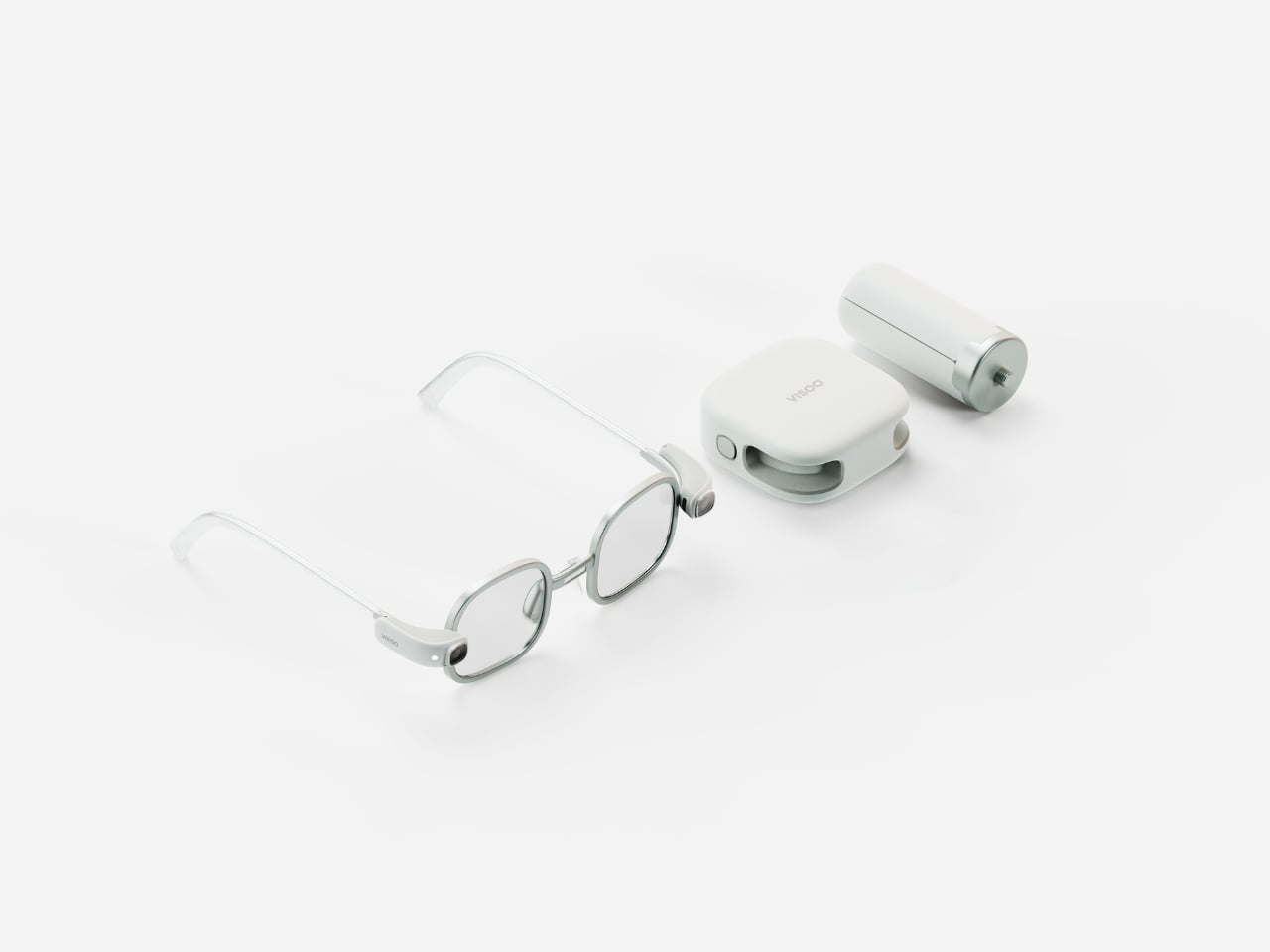
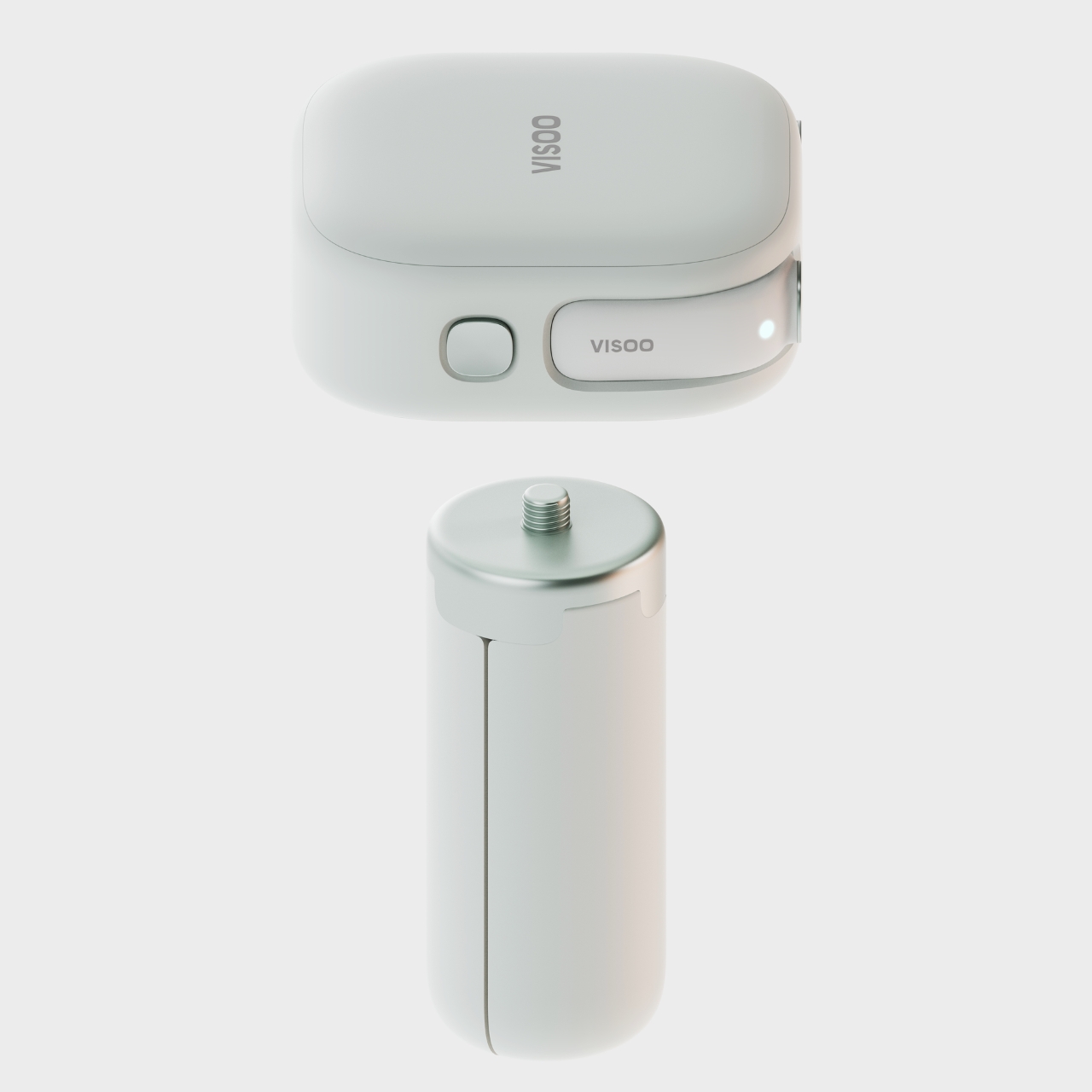
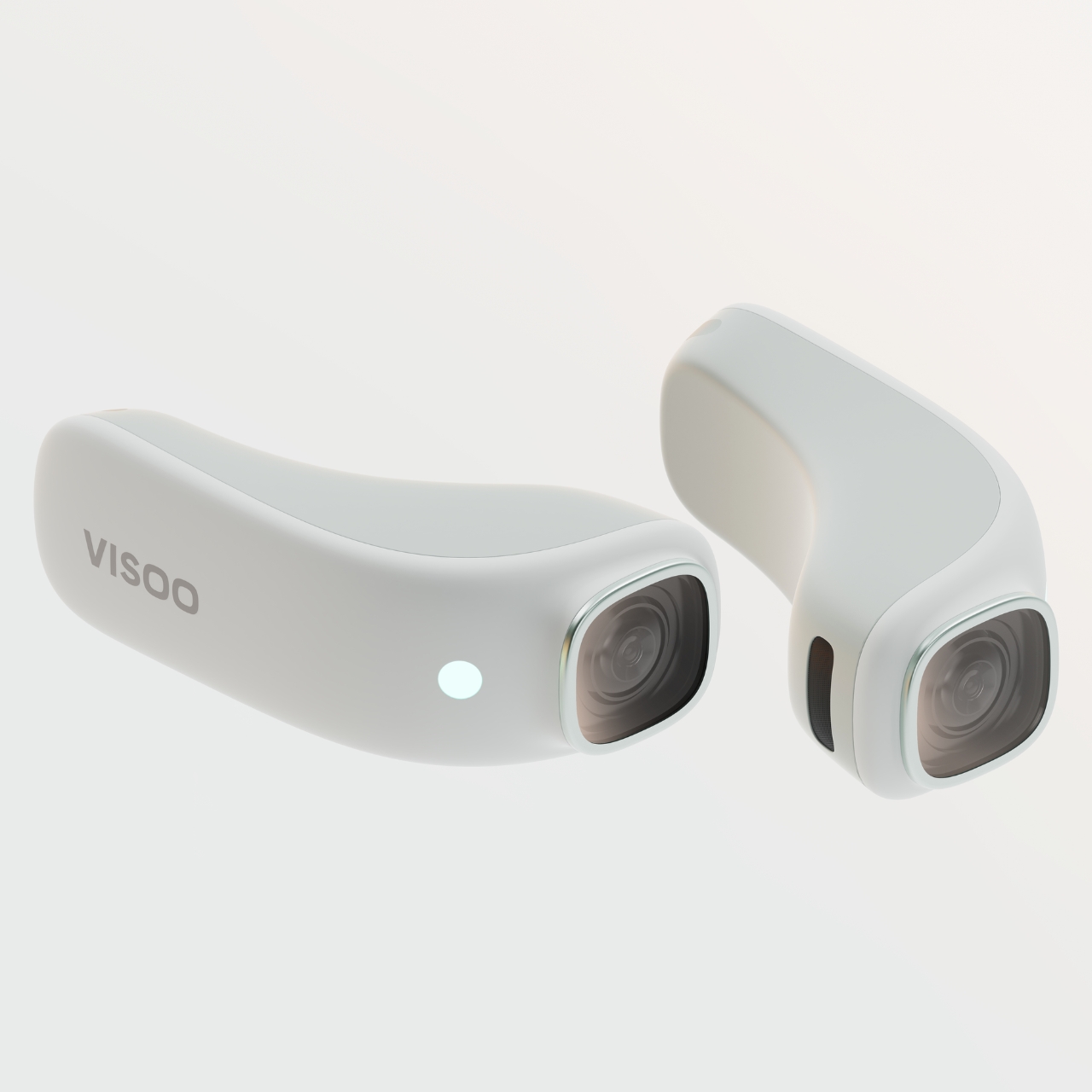
As more people get into spatial videos, we’ll see all kinds of tools that will be able to capture and view videos like these. One concept tool is called VISOO, a spatial video camera that you can to take videos that can later be viewed using devices like Apple’s iPhone 15 Pro. It is not a bulky camera at all as probably one of the things that will be taken into consideration when developing tools for this kind of video is that it’s easy to carry around.

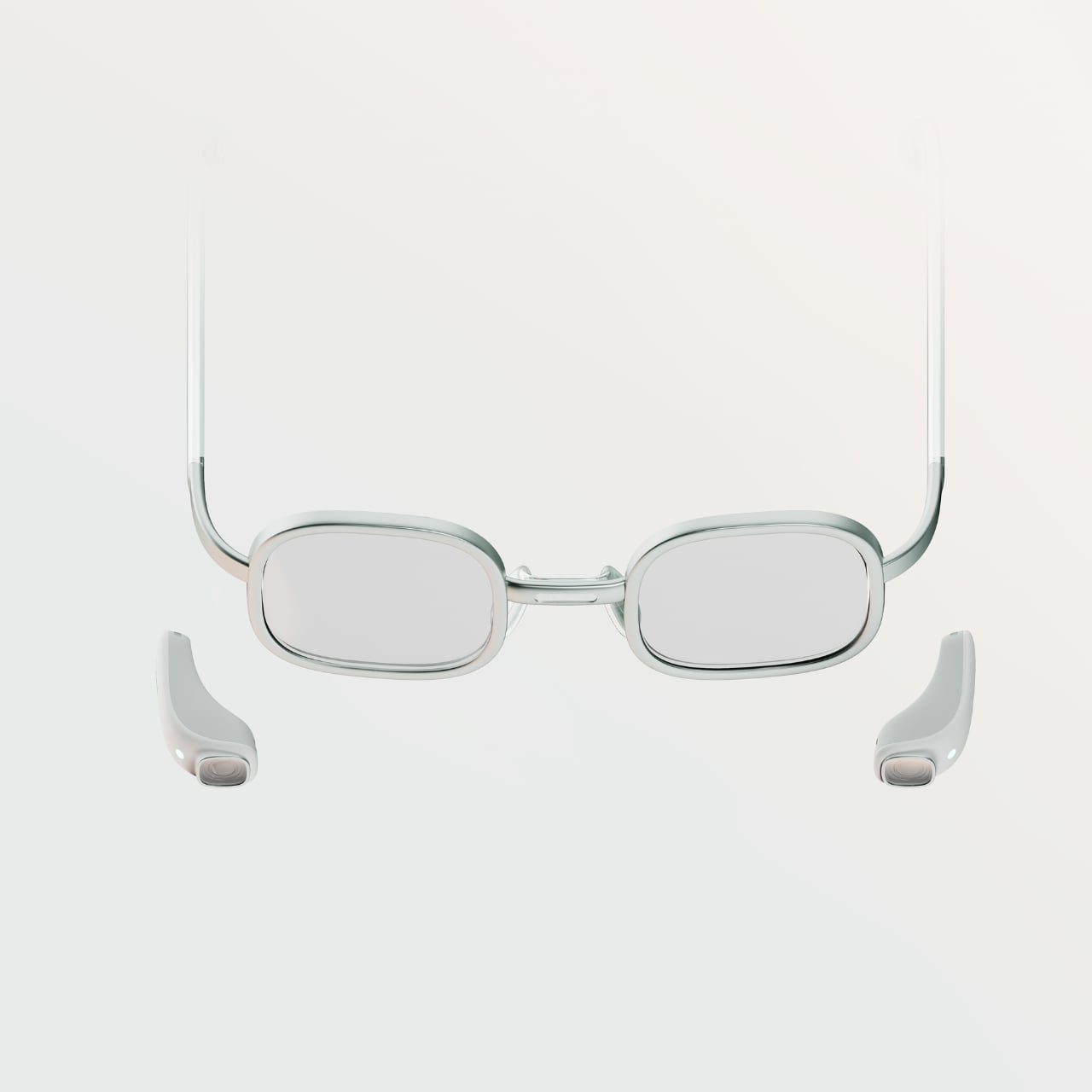
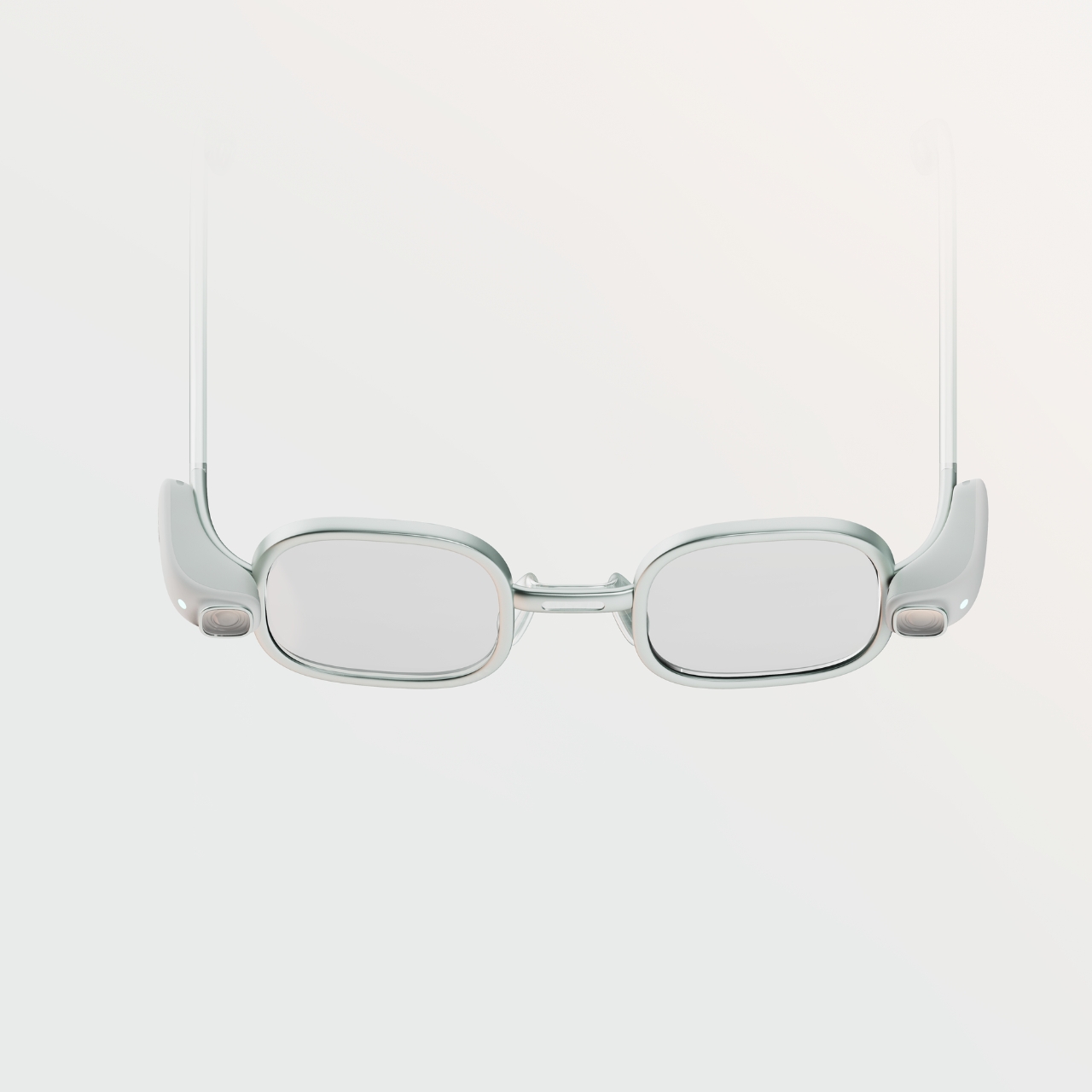
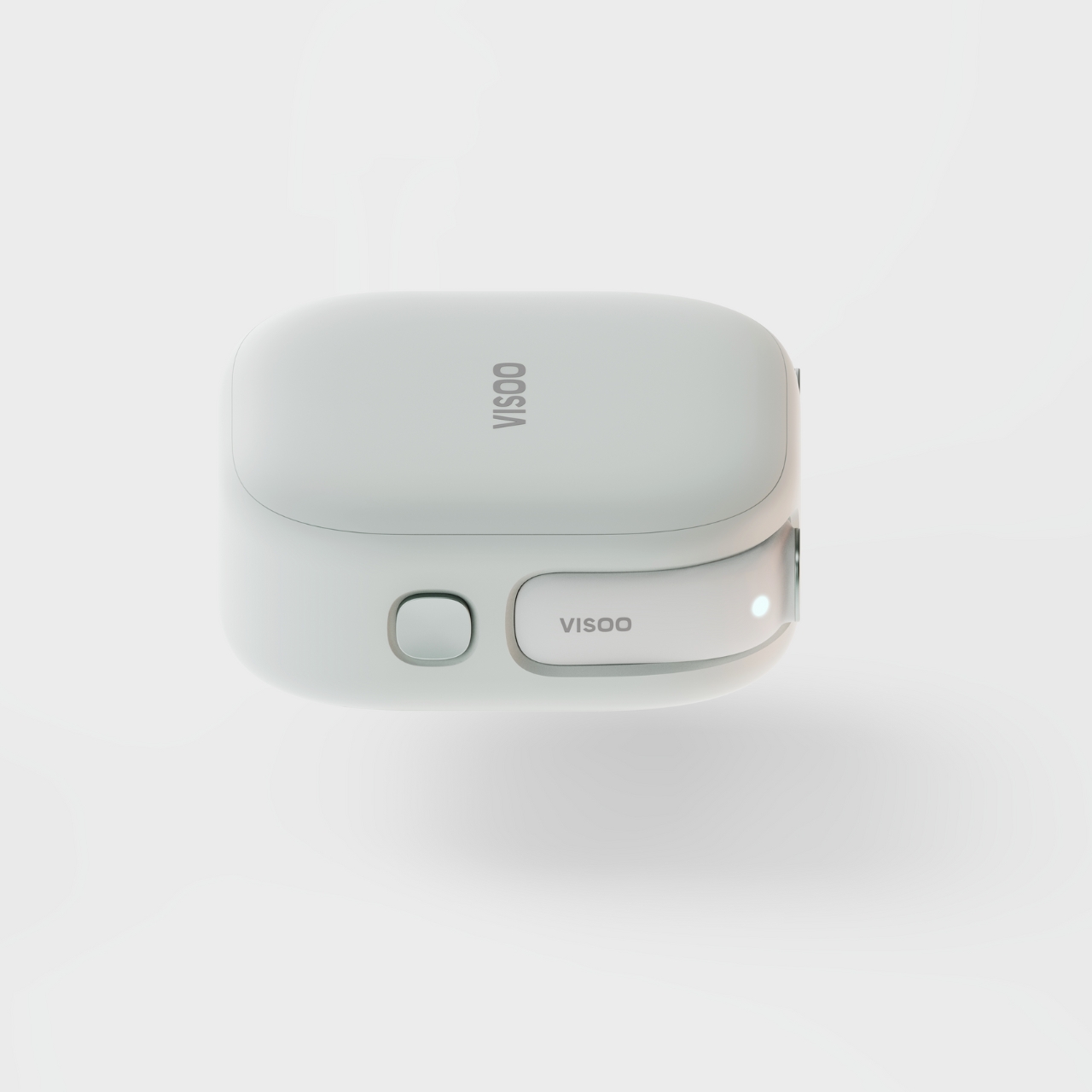
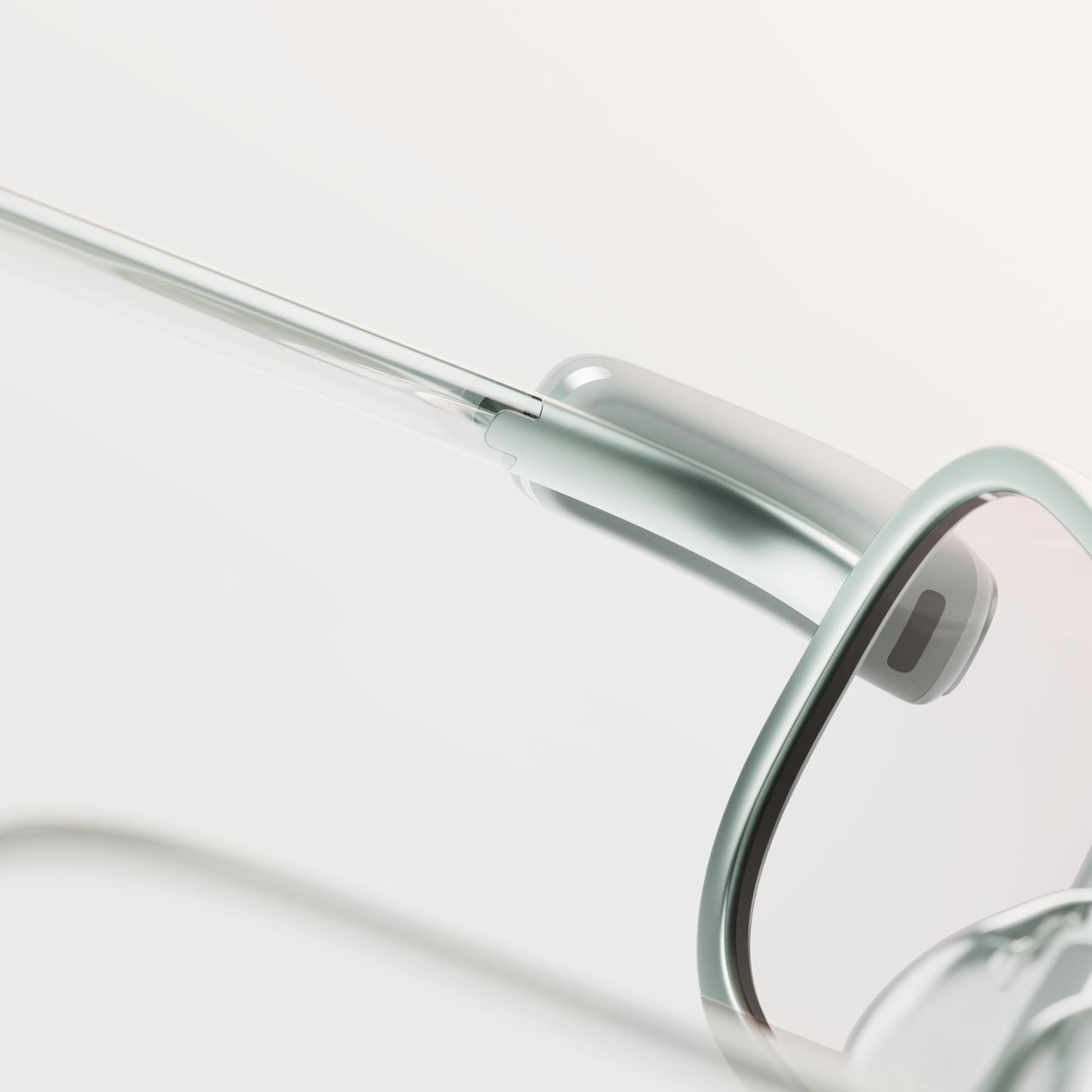
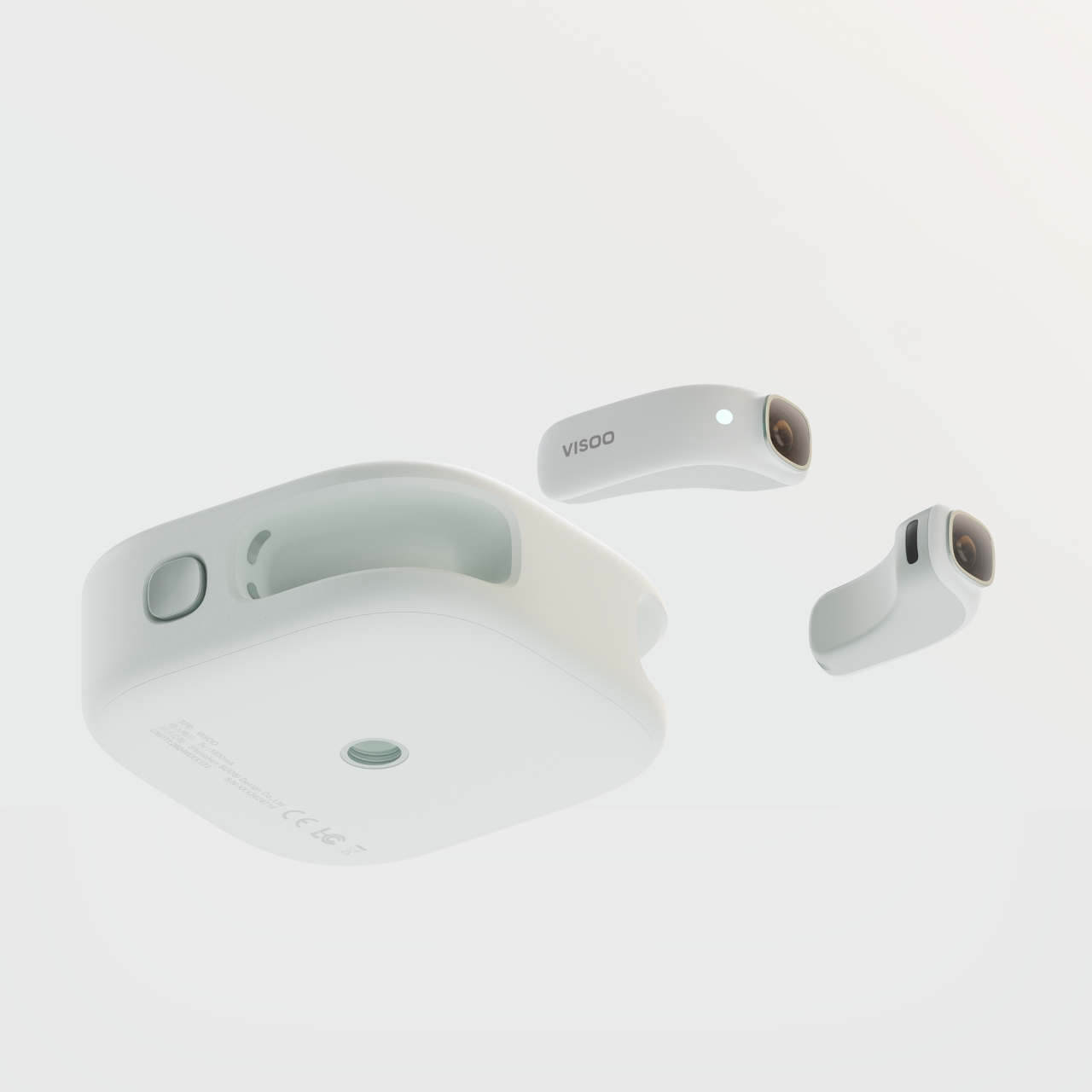
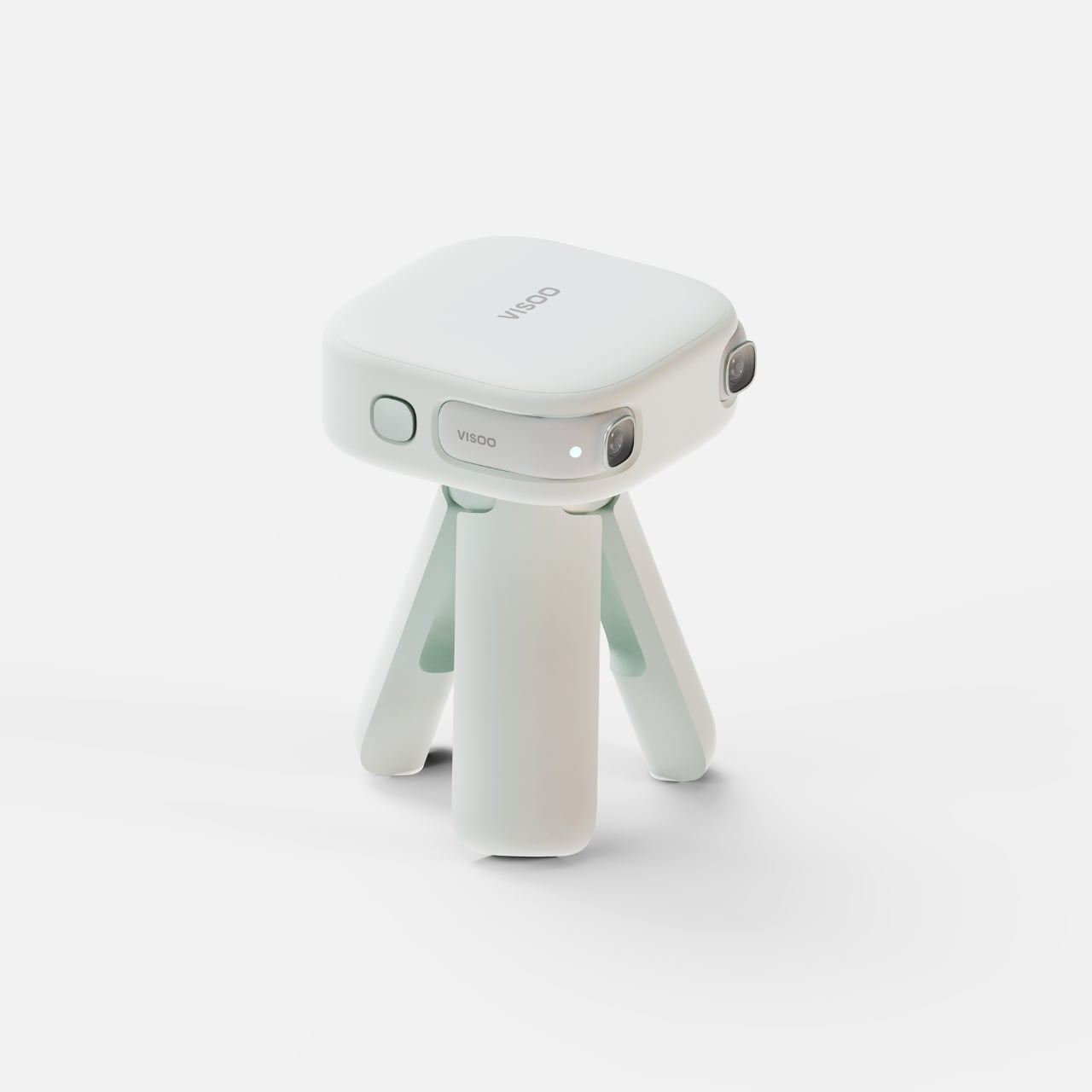
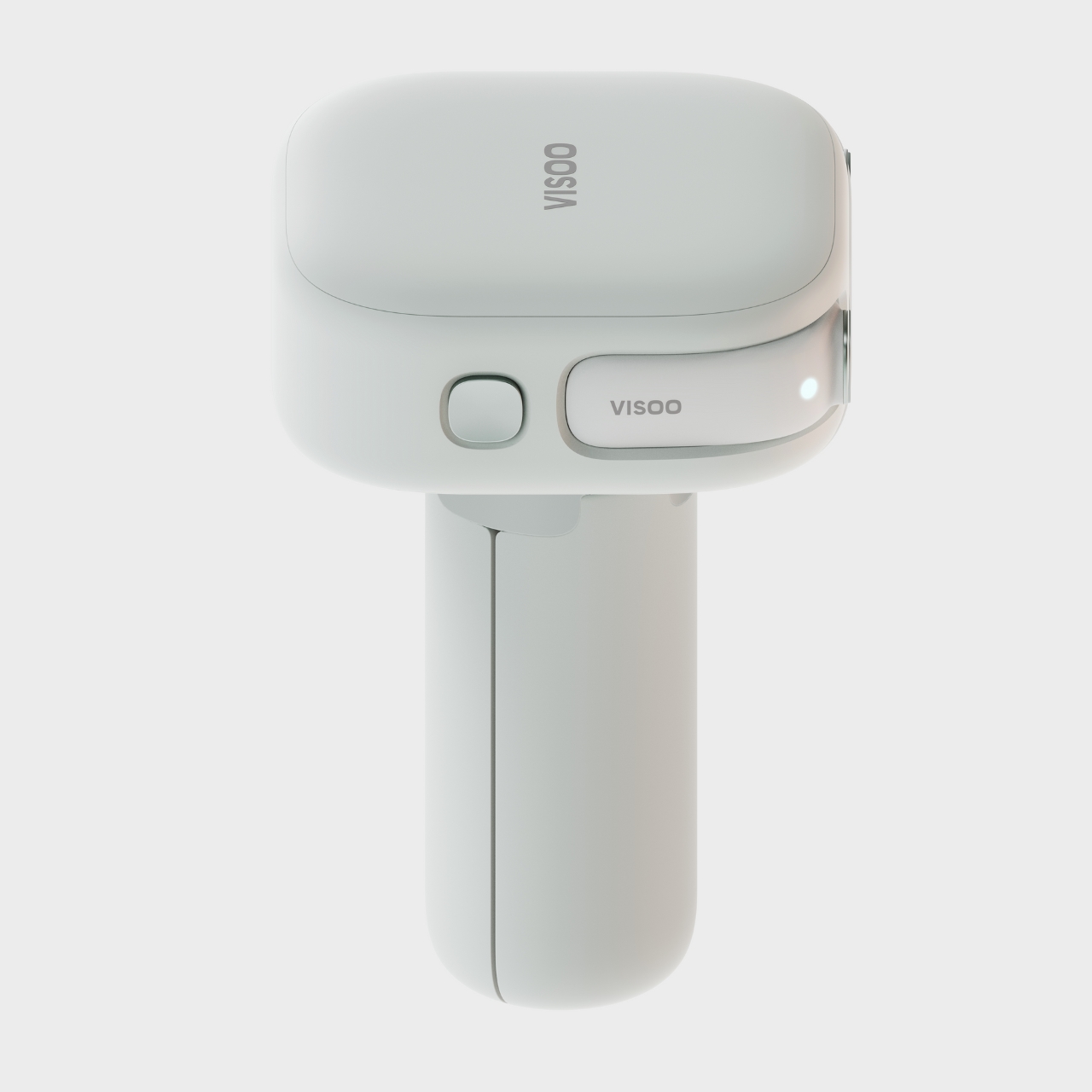
Based on the product renders, VISOO is a pretty light device that you can either carry around or attach to the accompanying glasses. For the handheld option, the cameras will be stored onto the battery case as you shoot your photos and videos. It seems there’s also a tripod where you can attach the case to for times when you need to have it placed on something a little more stable. For the glasses option, the cameras are attached to the hinges so you can move around easily while capturing moments.

Since this is still in the conceptual stage, there’s no information about the quality of photos and videos that it will capture. And with spatial videos still in early days, there’s still a lot to be discovered and explored for brands that are developing tools that can be used to enjoy capturing and viewing them.

The post Spatial video camera concept lets you capture photos and videos hands-free first appeared on Yanko Design.
E-cargo bike lets you transfer cargo without much effort

If you work in a business that needs to transport cargo but not that heavy that needs an actual truck, there are few options in the market that can fit that need. And of course if you’re looking for something that is eco-friendly and easy to manage and maintain, then of course the options become fewer. A German startup is offering something that operate like a mini HD truck but also seems like a pedaled dump truck.

Designer: Dynamic Drives Giessen

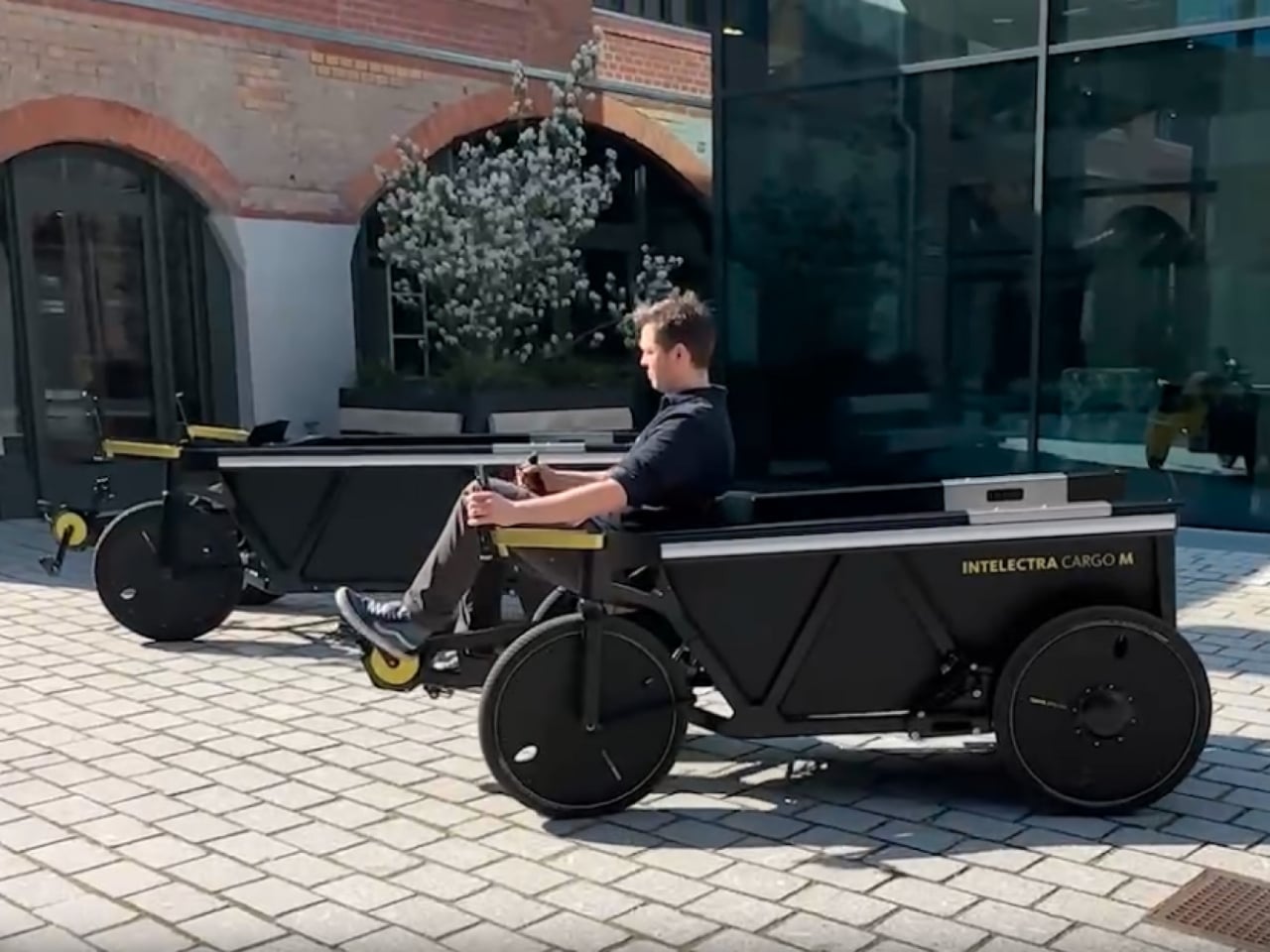
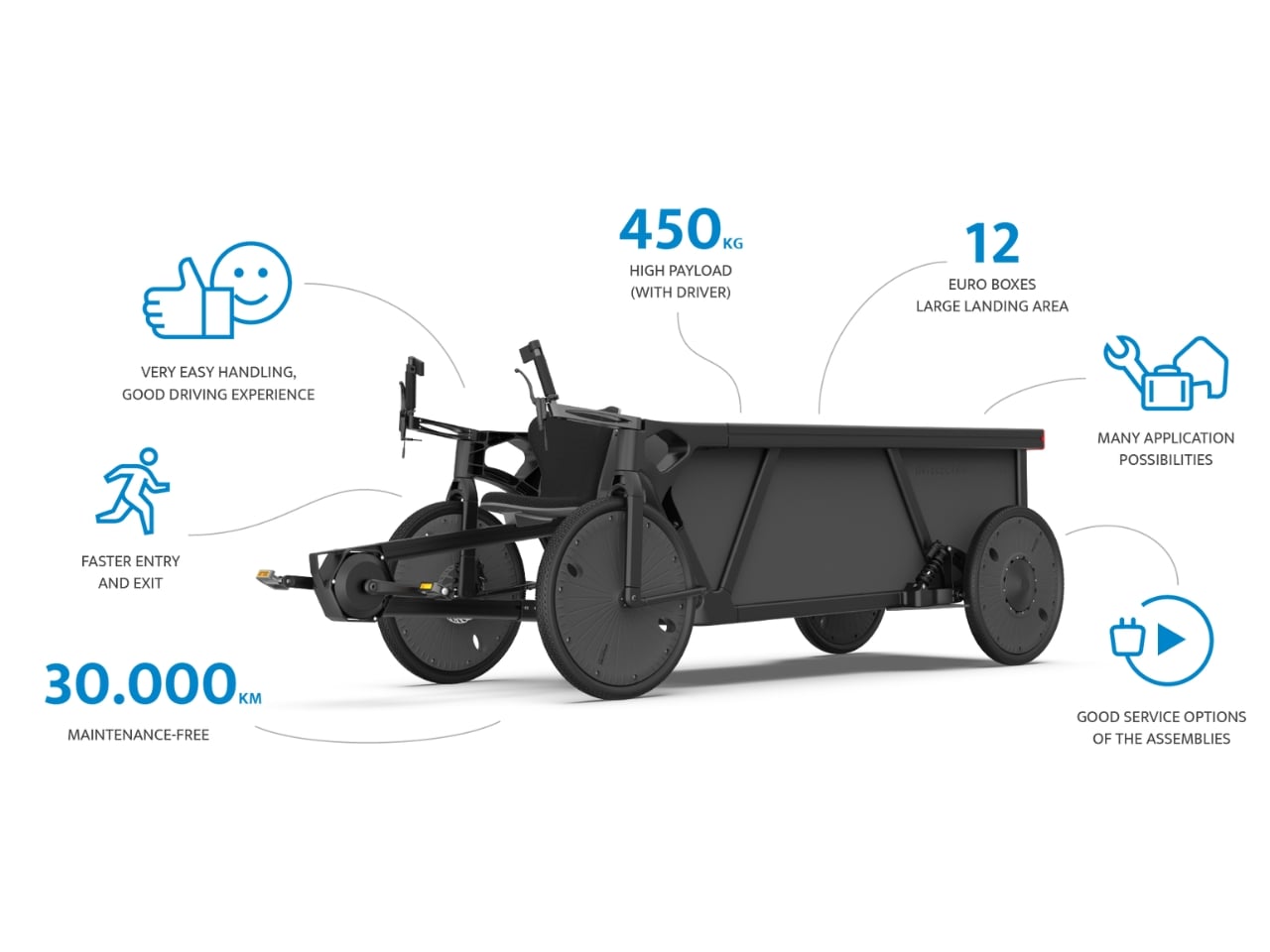
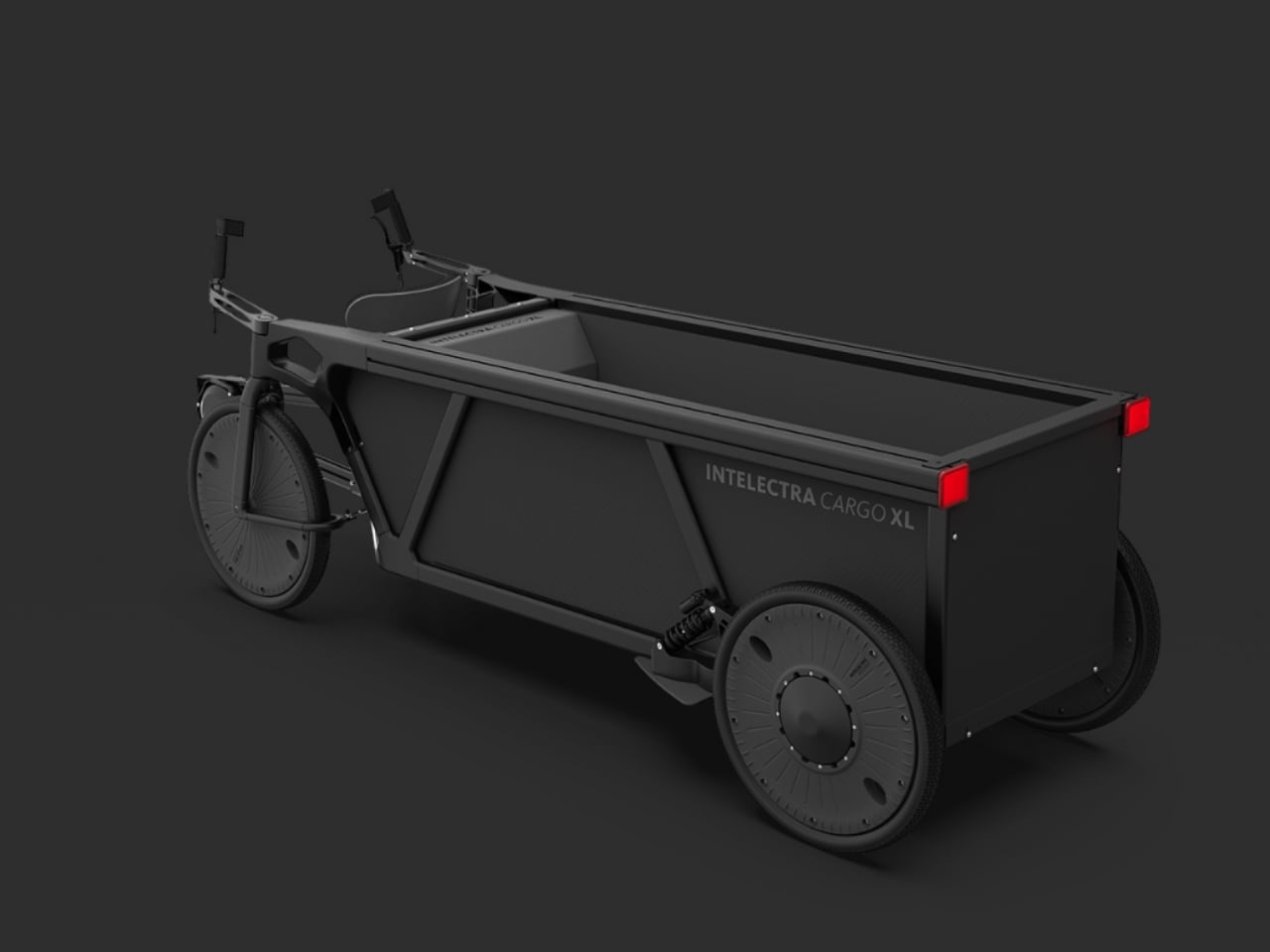
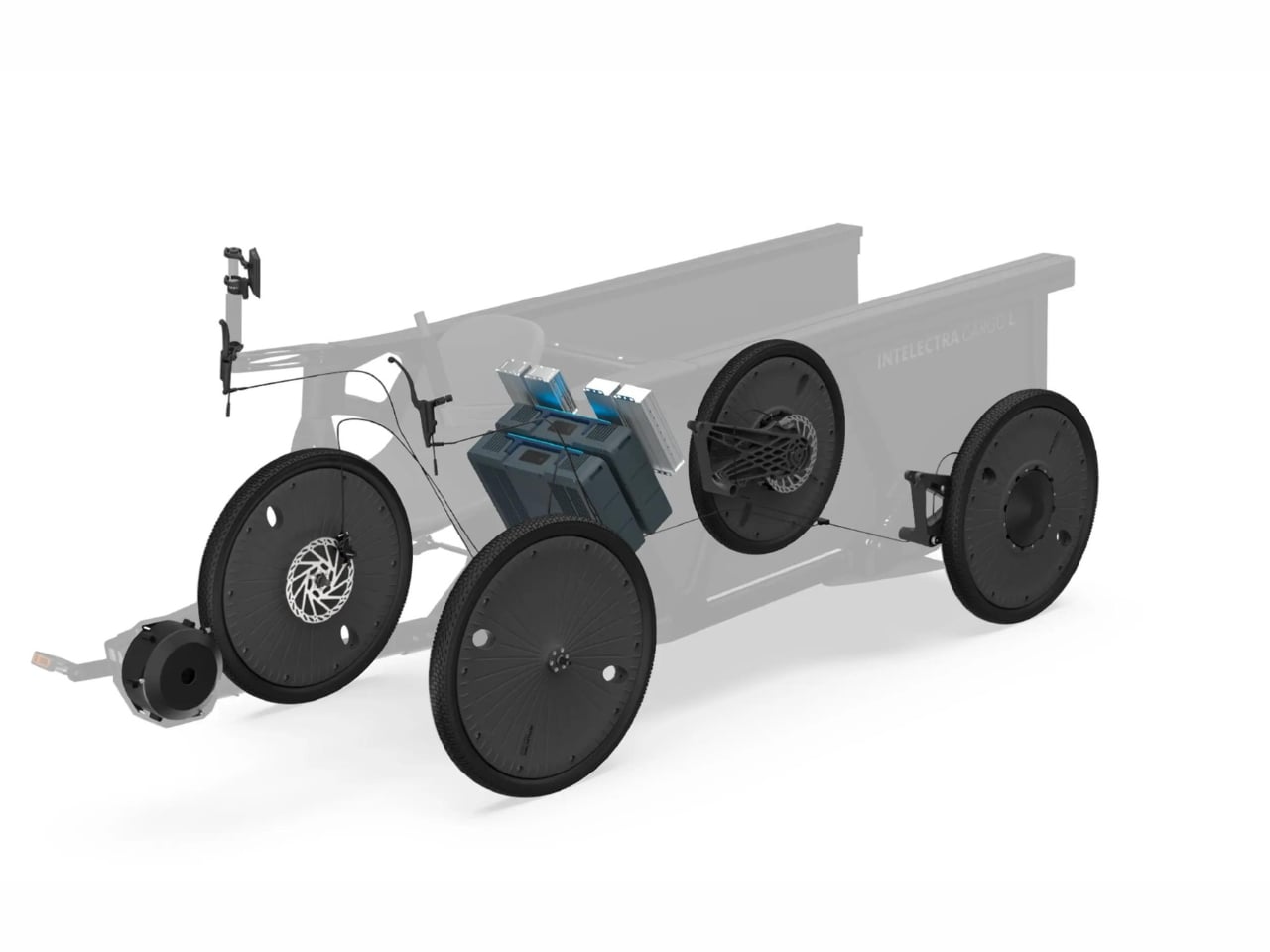
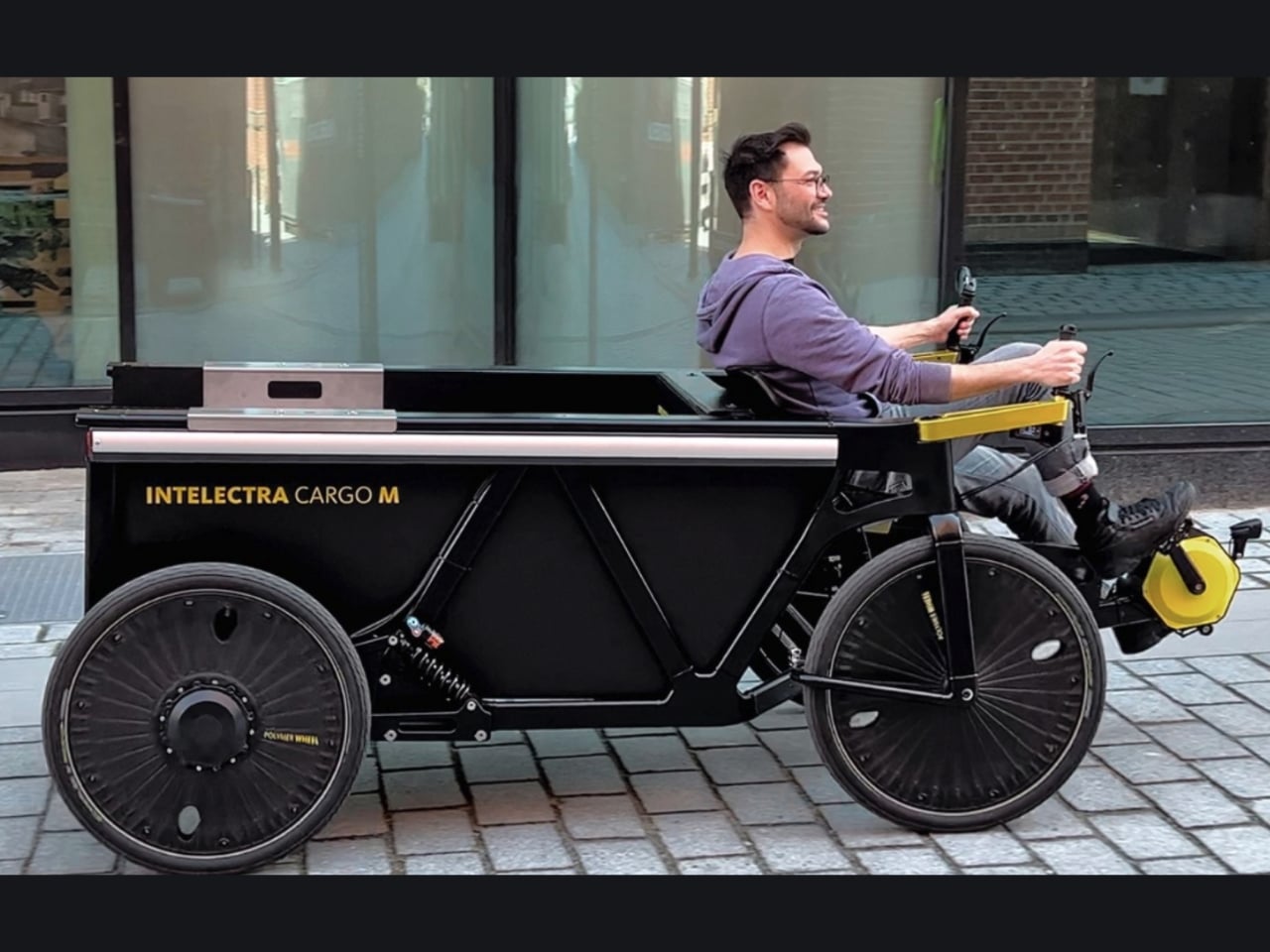
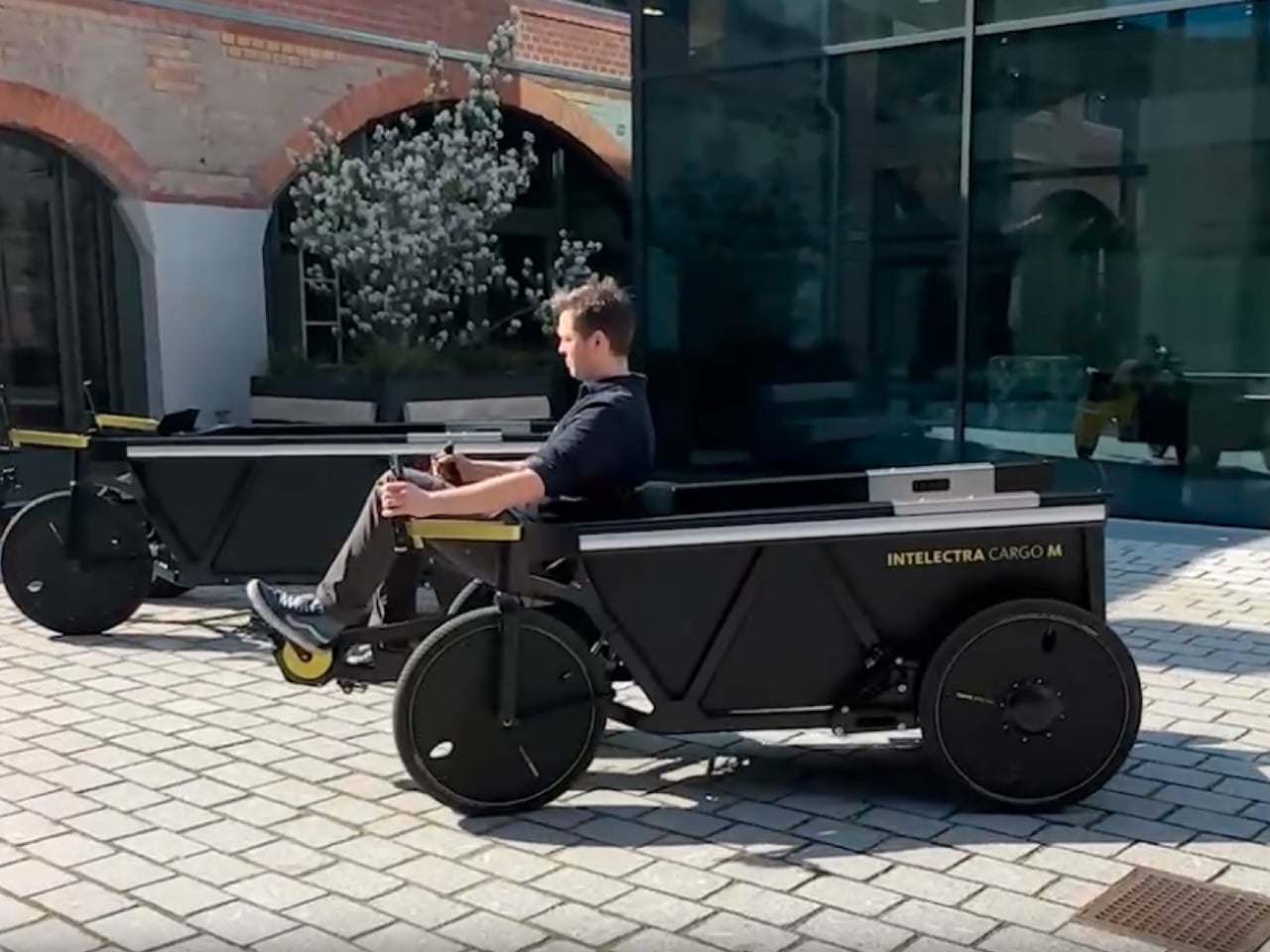
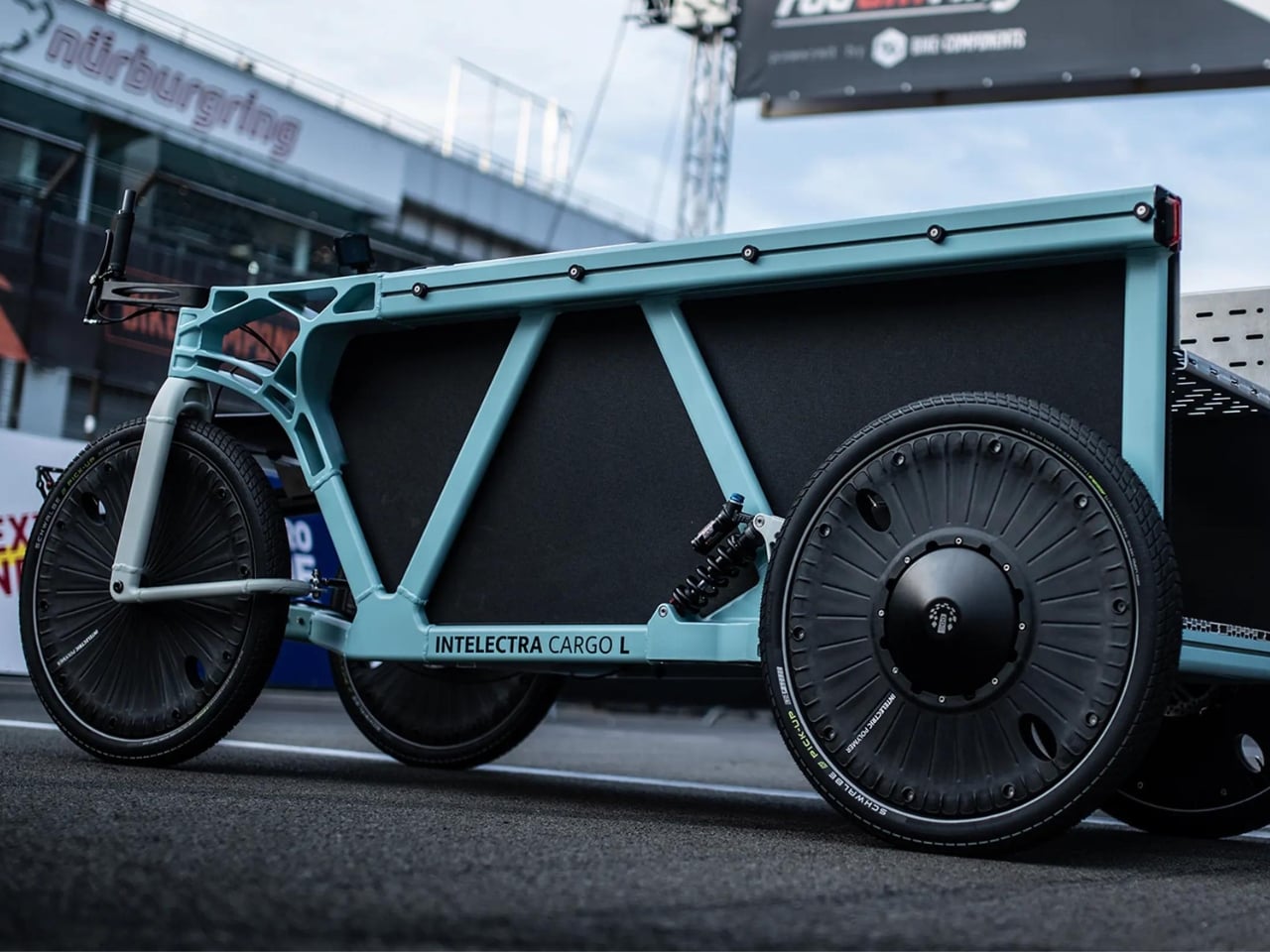
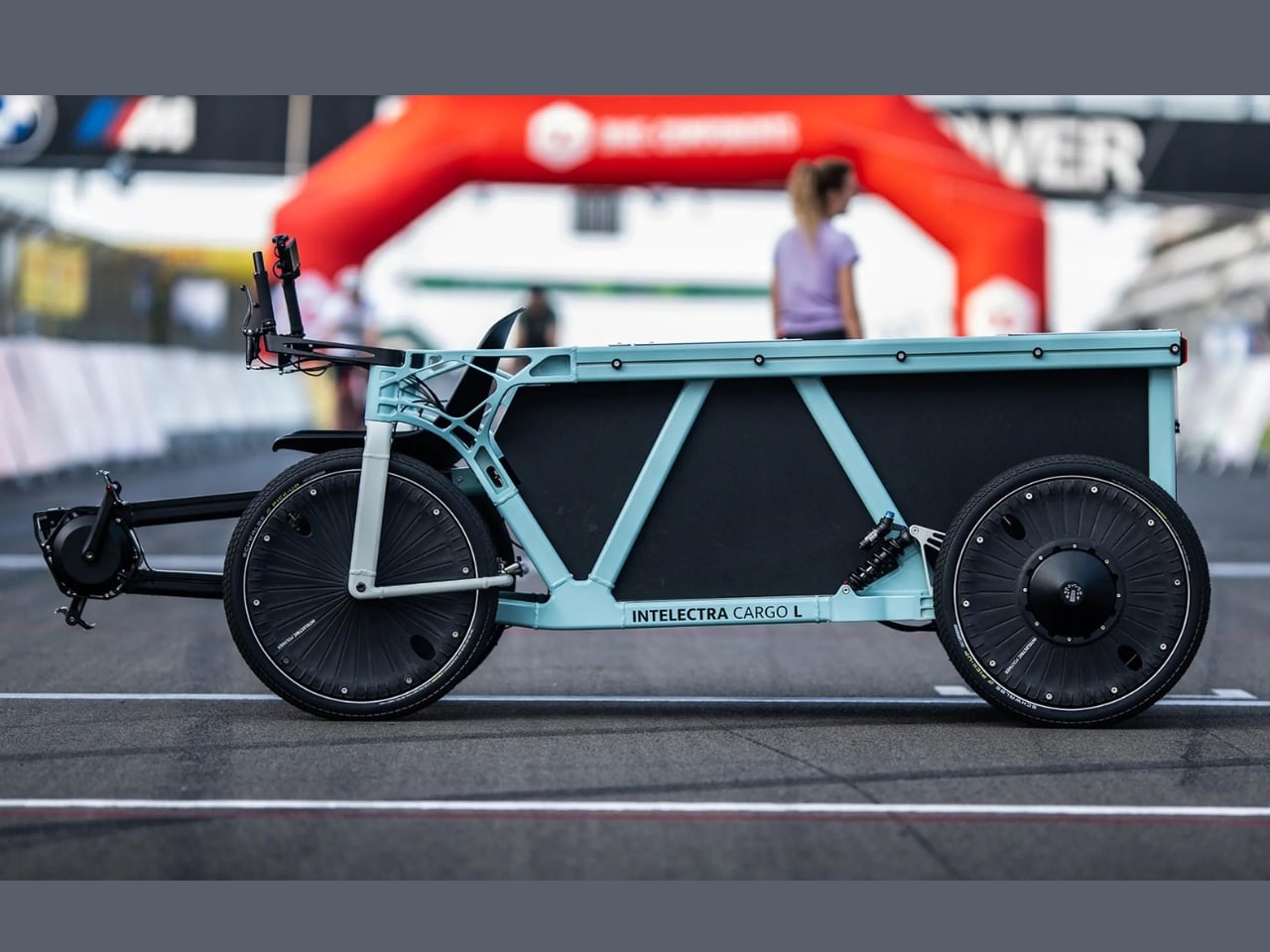
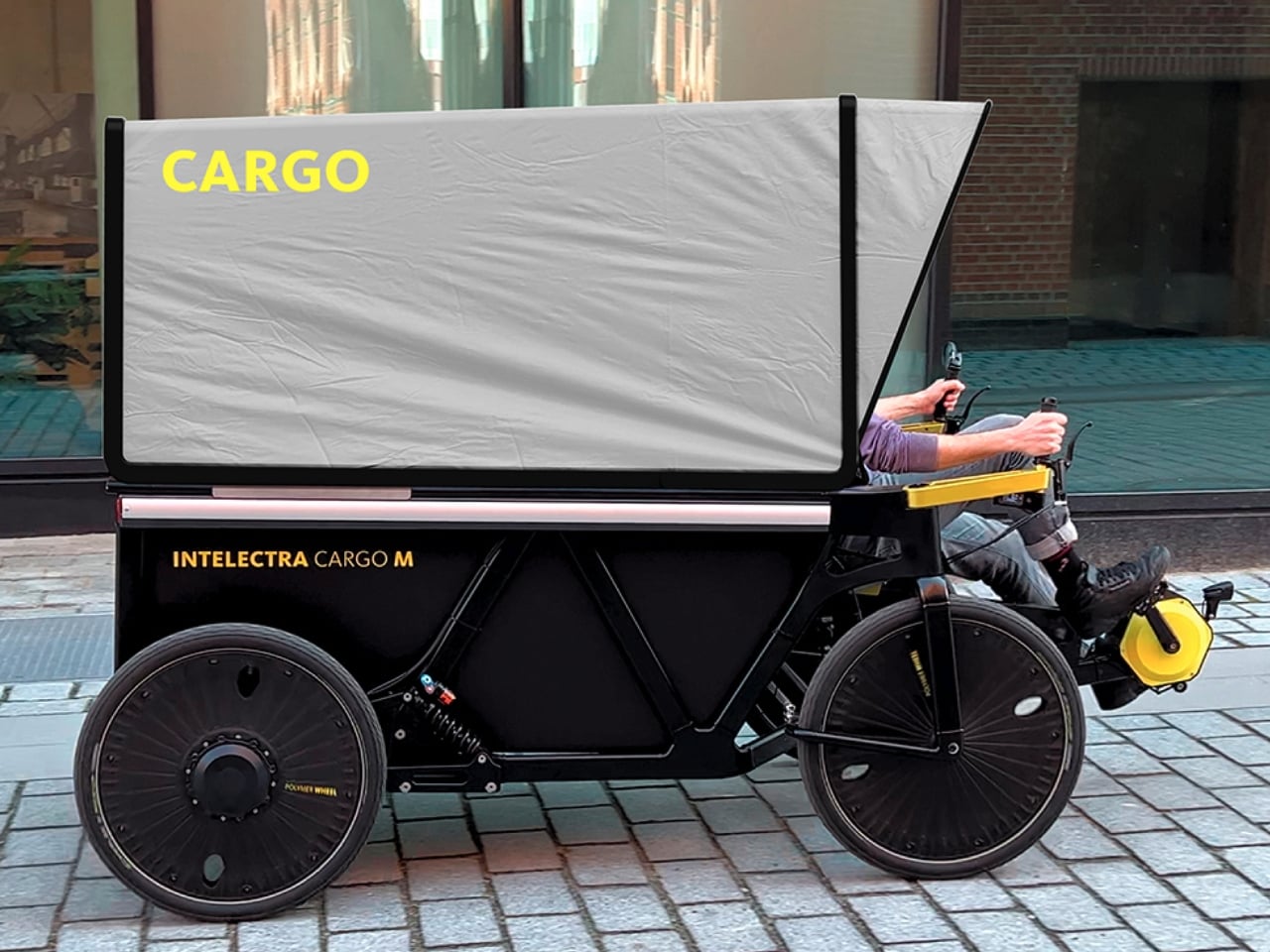
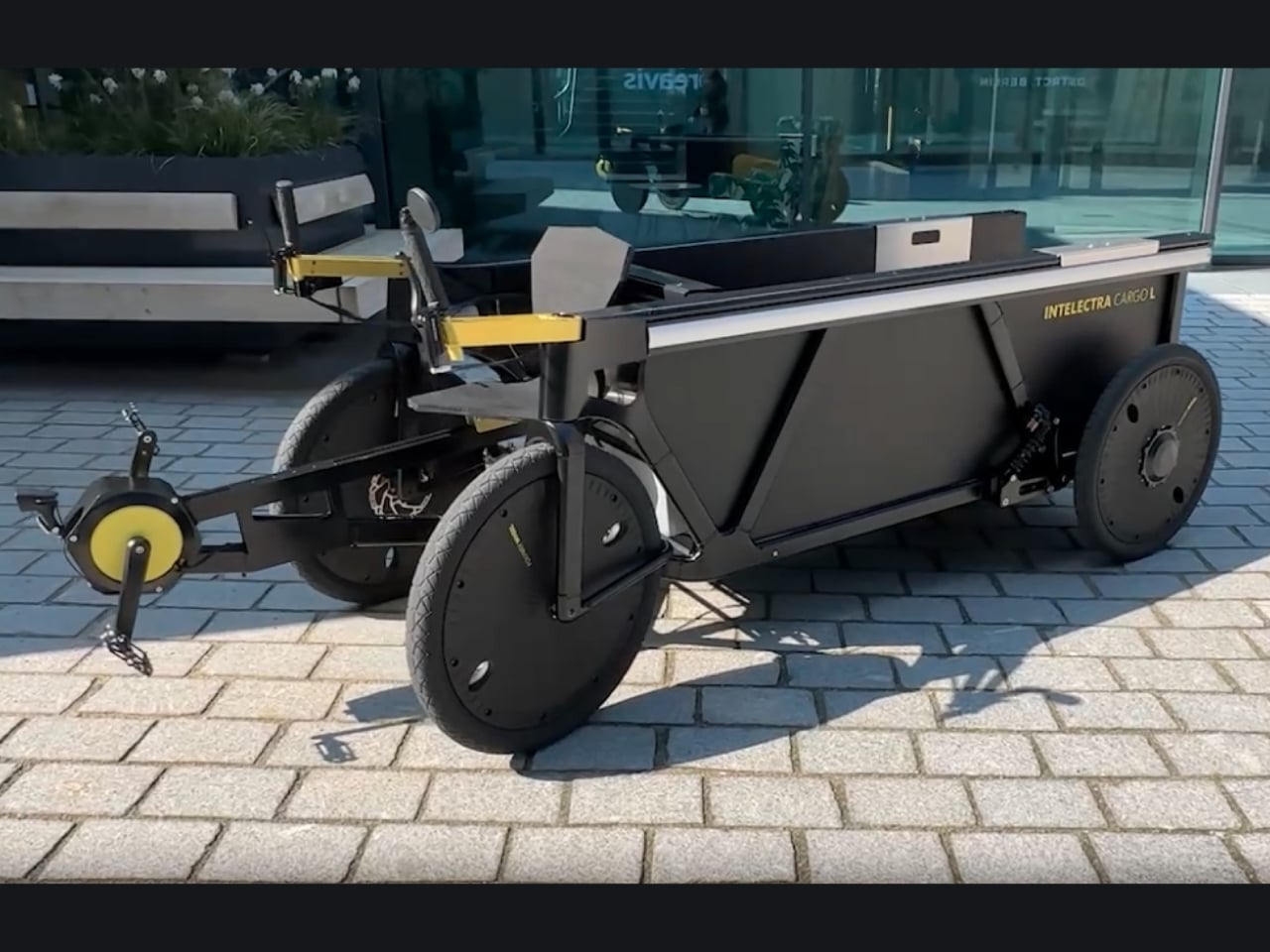
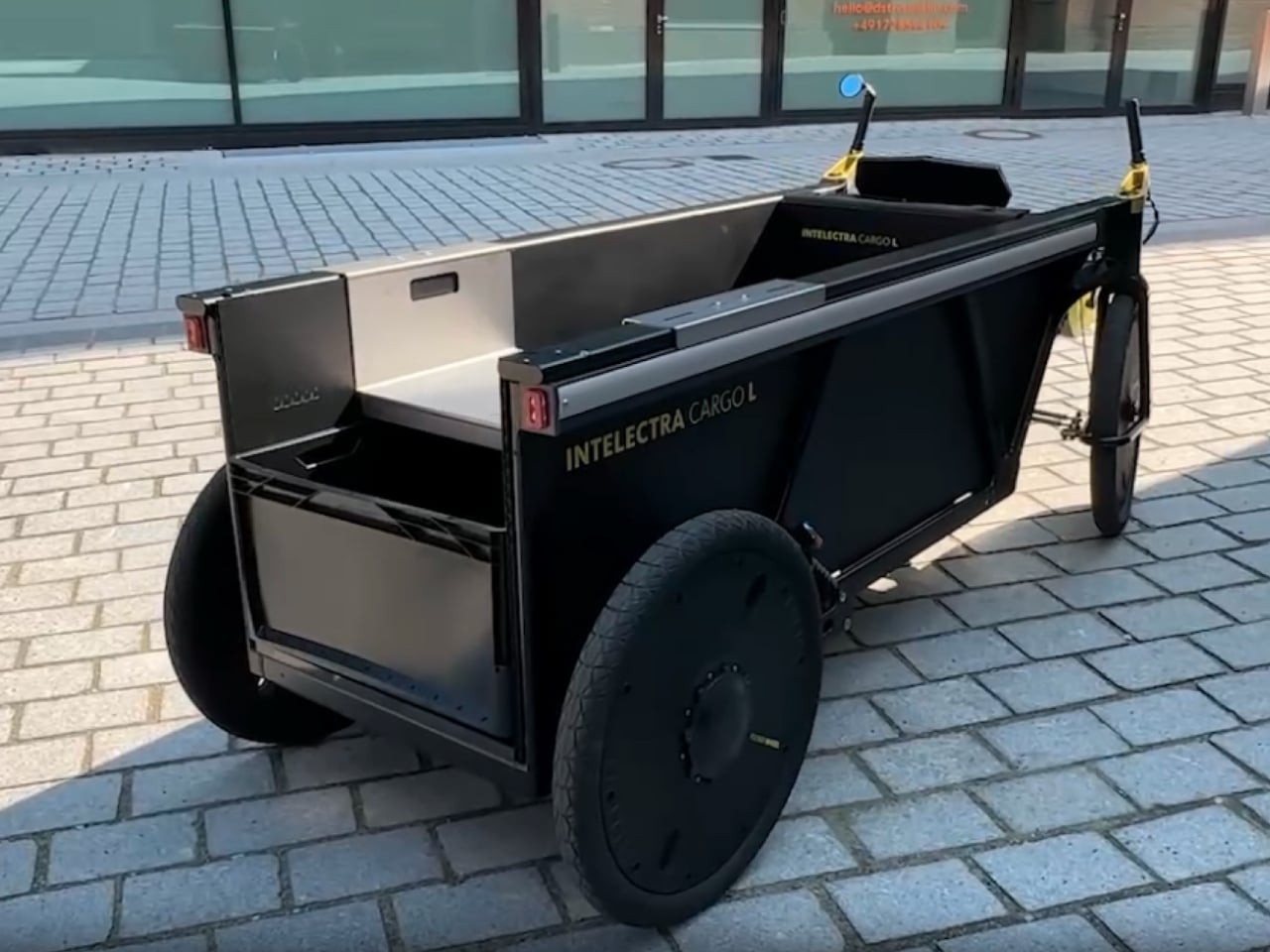
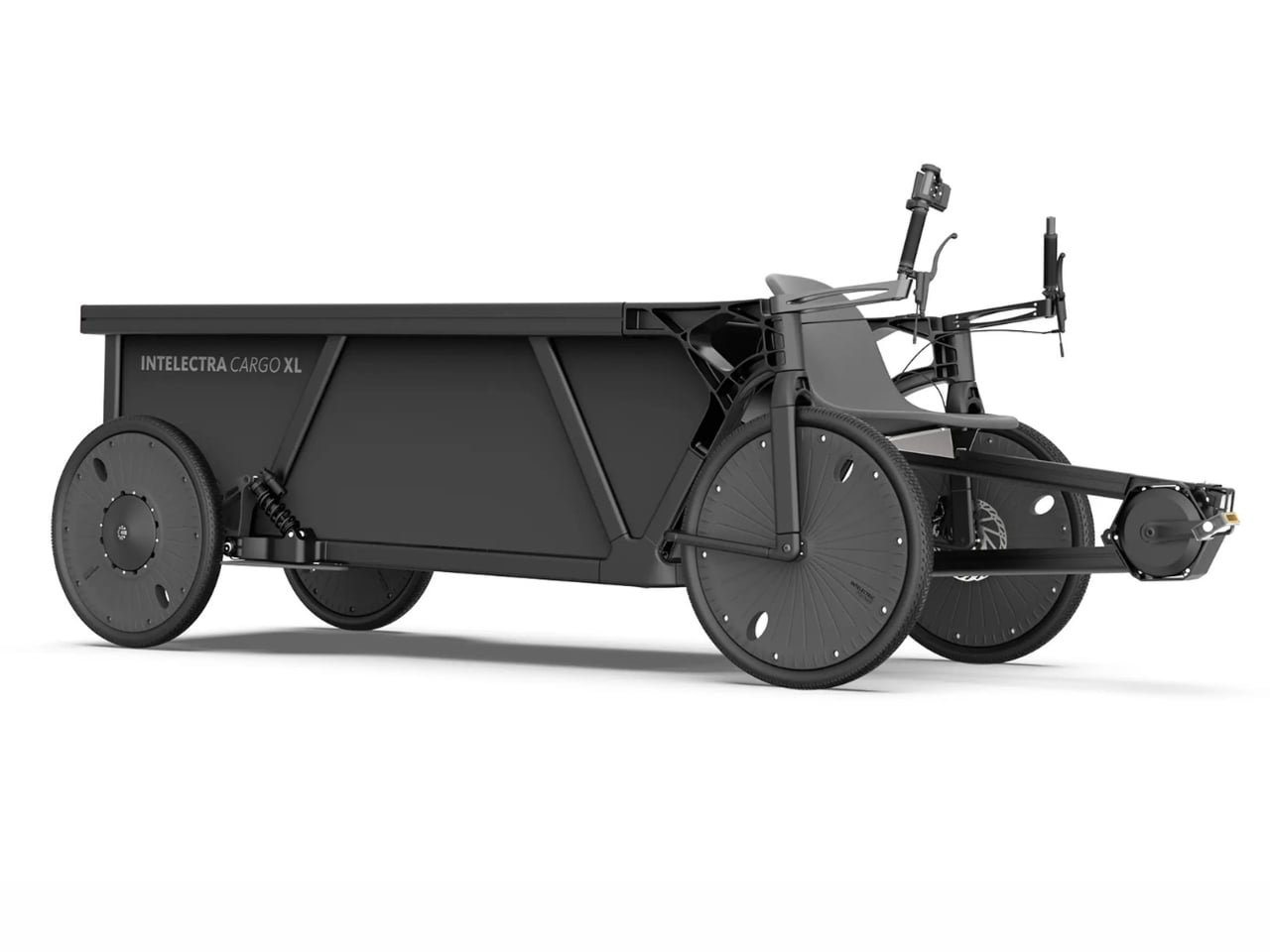
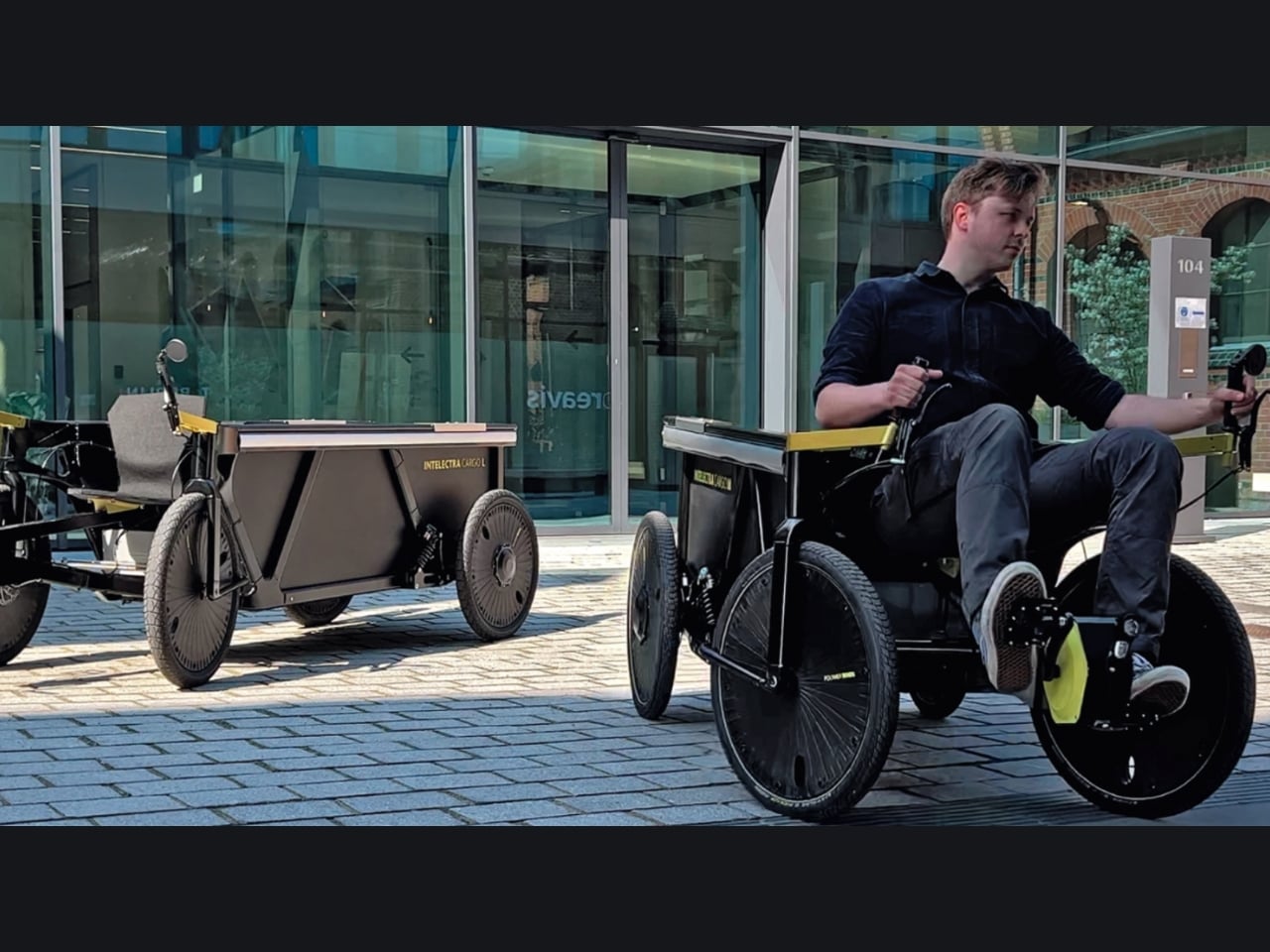
The Intelectra E-cargo bike is a four-wheeled, pedal-based tool that can work in cargo transport in urban areas. It is also easy to drive around in as it uses the INTELECTRIC drive system (iSHS) that turns your pedaling power into up to 250 Watts of electrical power to drive the 270-lb truck-cycle forward. So the driver will not be so stressed in “carrying” the cargo even as they pedal to their destination.

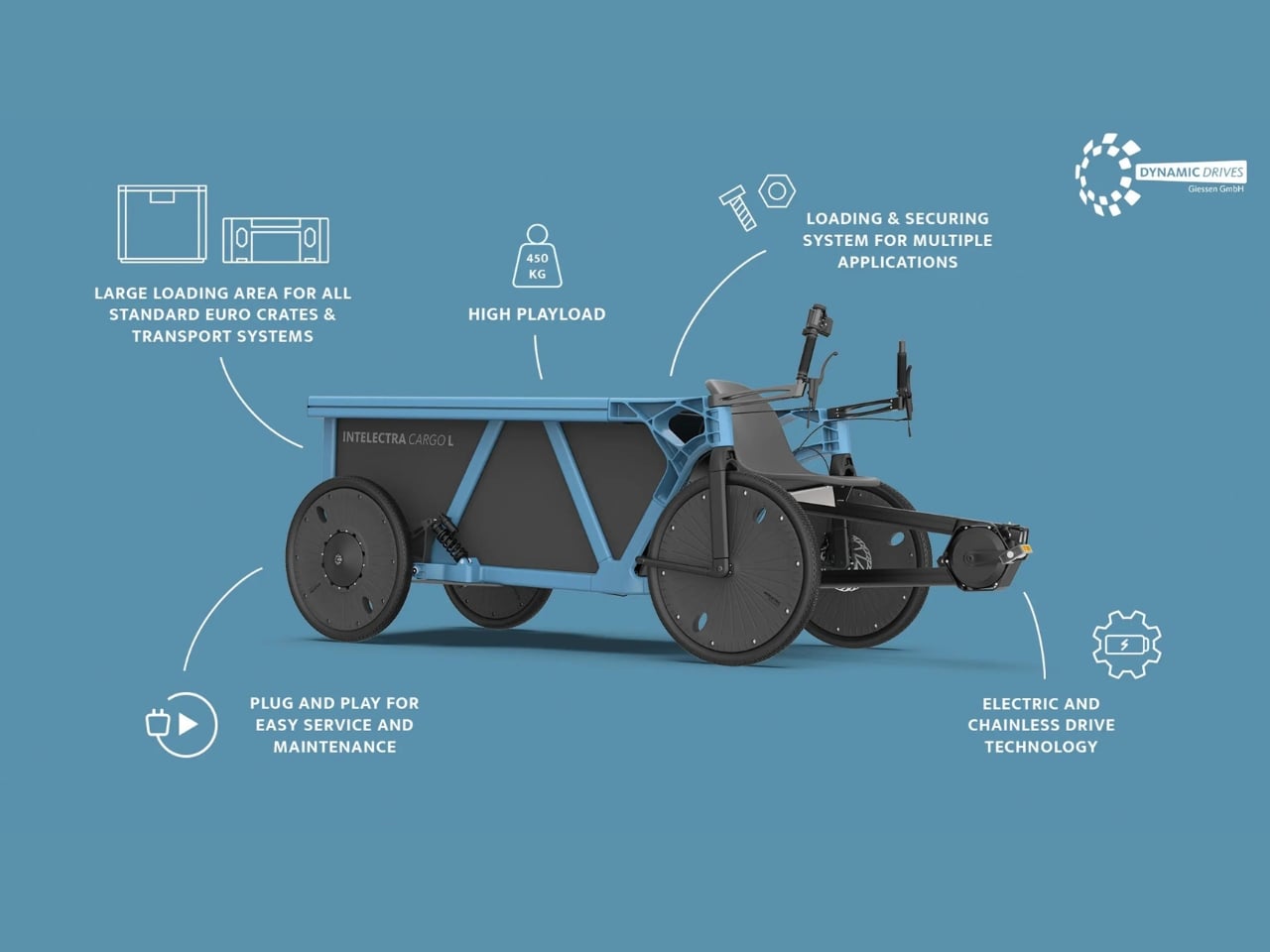
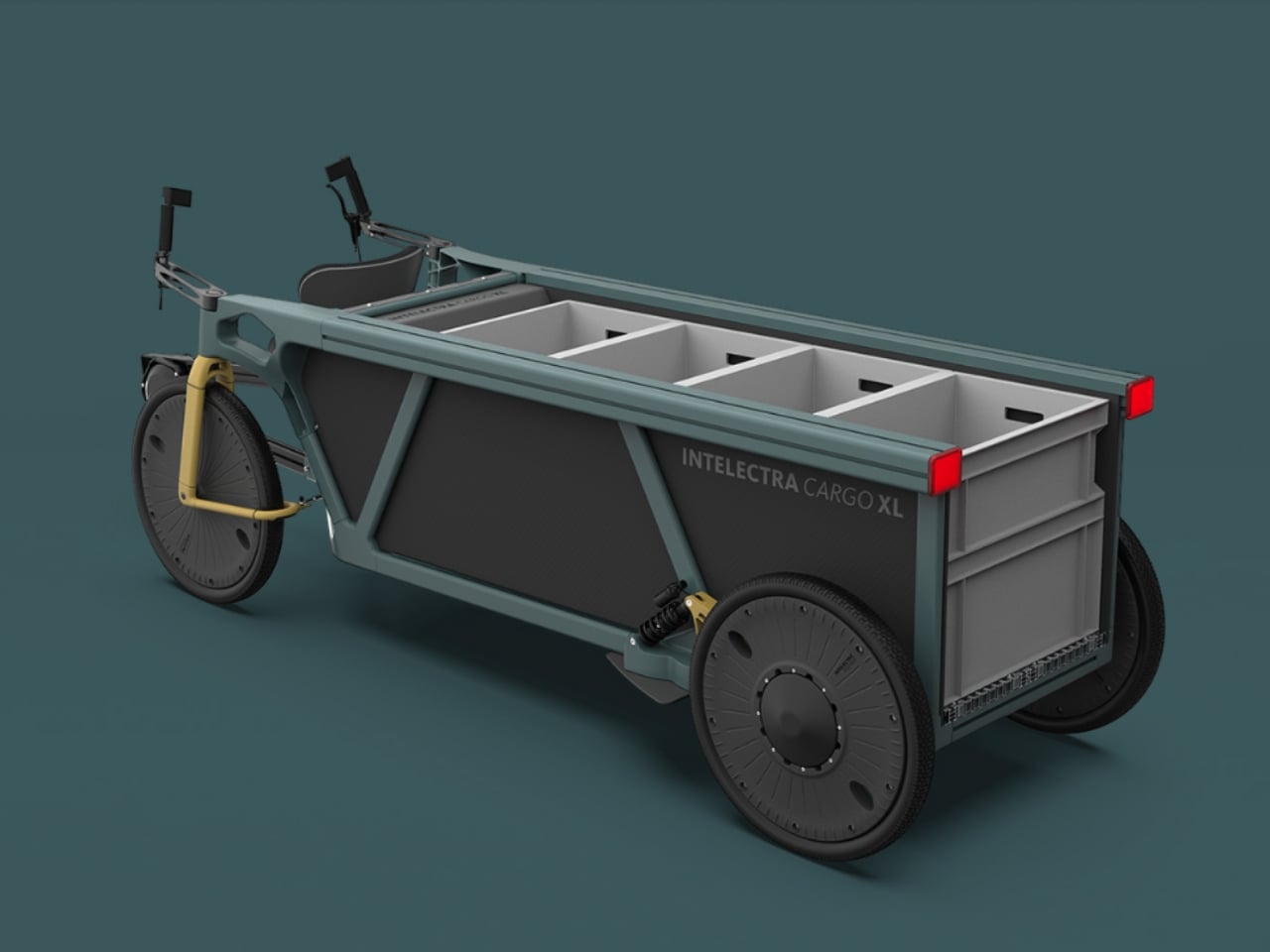
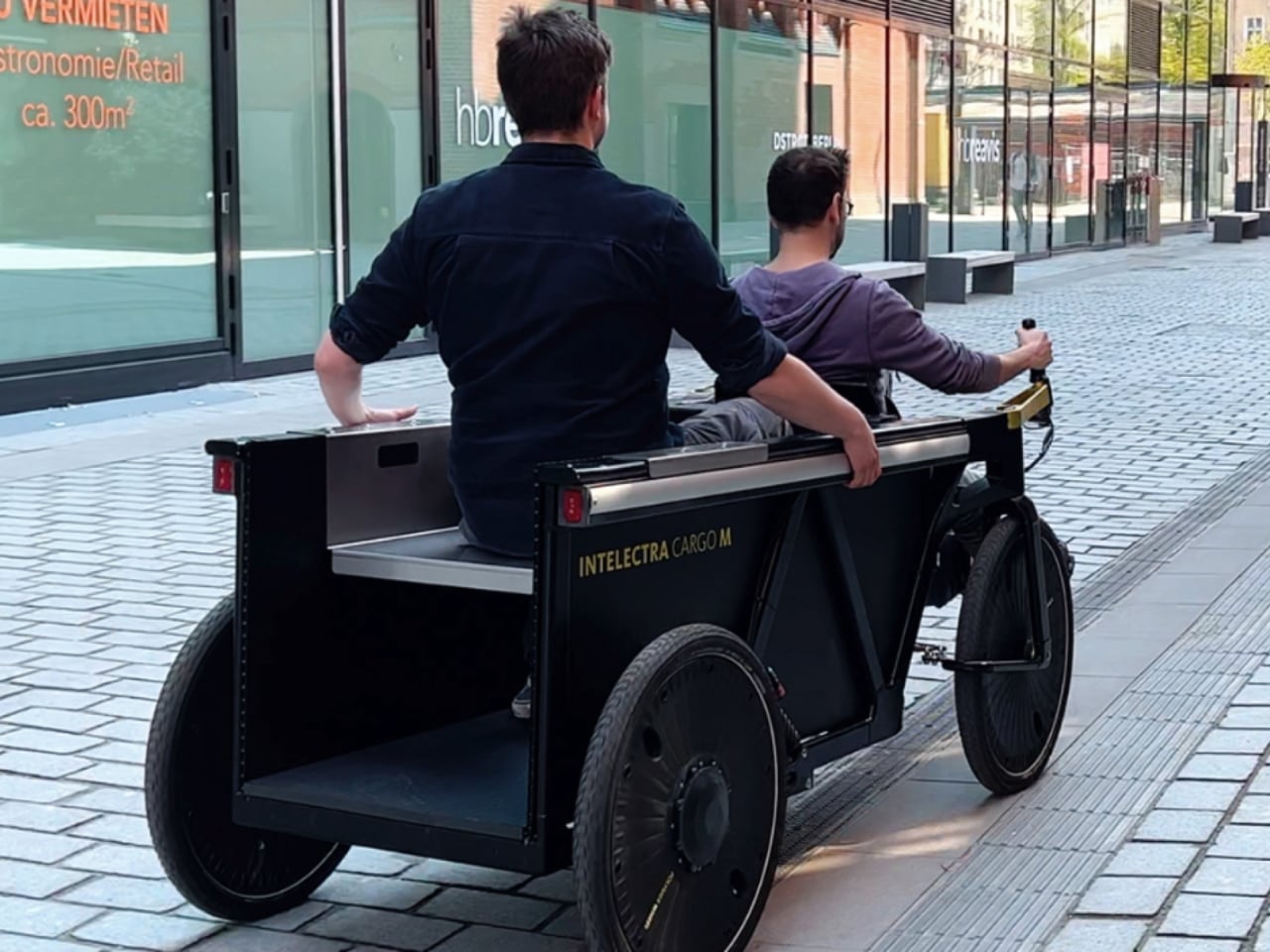
It actually looks like a regular bike or trike but with a rear cargo box with an aluminum frame at the back that is 4-foot-long, can carry up to 450kg (driver included) and can load up to 12 euro boxes. The square aluminum tubes are supported by tall, plastic-rimmed wheels. The pedal drive that extends past the wheelbase lets the driver sit upright as they power the bike through their pedaling.

The purely electric drive technology gives the Intelectra a maintenance-free system so there’s no need for things like oiling and less wear and tear. The drive system can go for 30,000 km without needing any maintenance. It can travel up to 93 km per charge while the battery can charge for an hour and a half. There are L and XL options with the latter being one euro crate width longer.

The post E-cargo bike lets you transfer cargo without much effort first appeared on Yanko Design.
The Nightmare Before Christmas LEGO® set coming in time for Halloween and Christmas

Christmas is just around the corner (well, at least here where we start celebrating as soon as the -ber months come in) and before that, Halloween first, for those who celebrate. Those who want to combine the two holidays are probably fans of the classic Tim Burton movie, The Nightmare Before Christmas. And if you’re one of those, then you will want to save up money for this LEGO® Ideas set.

Designer: LEGO®

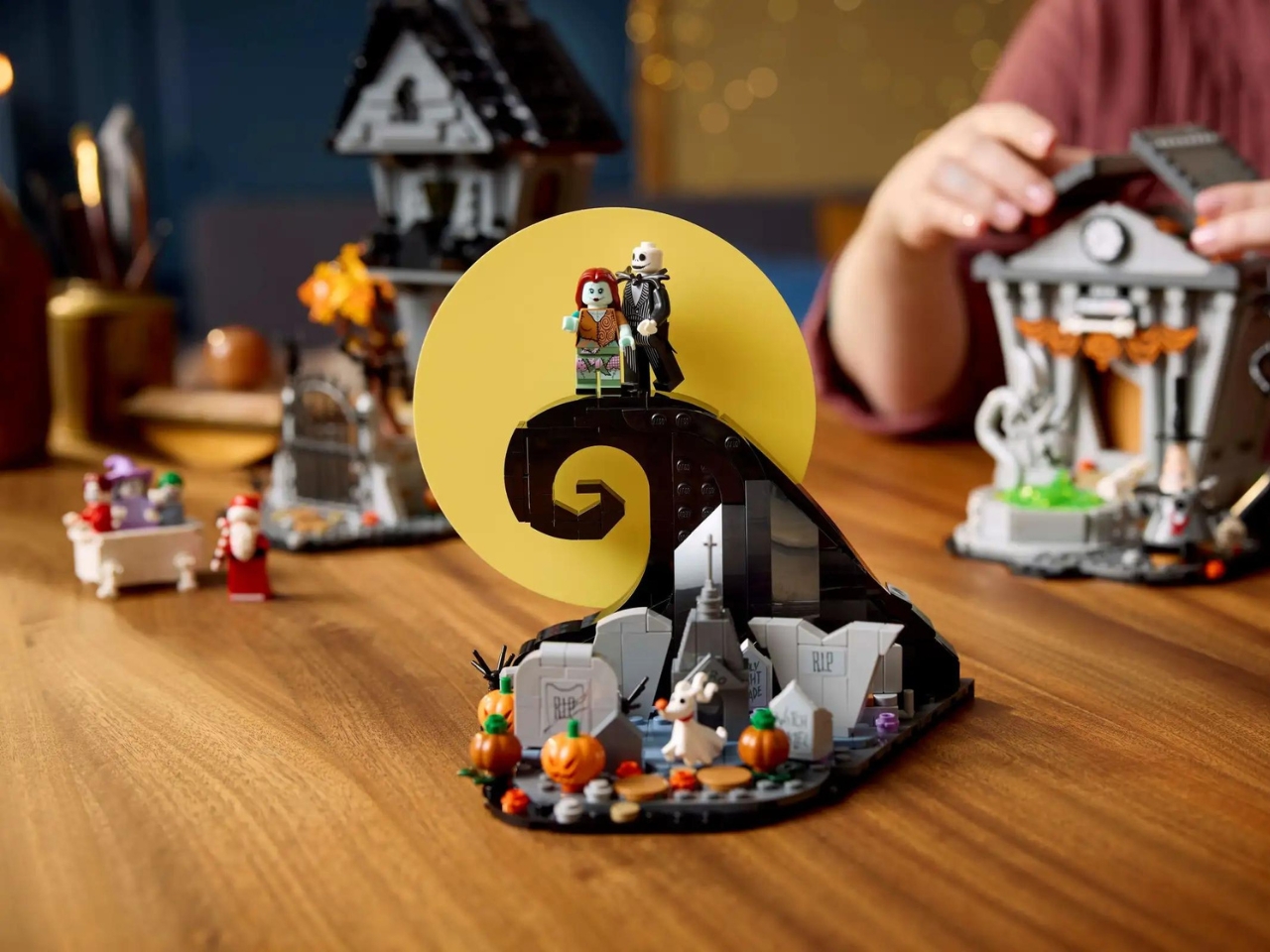
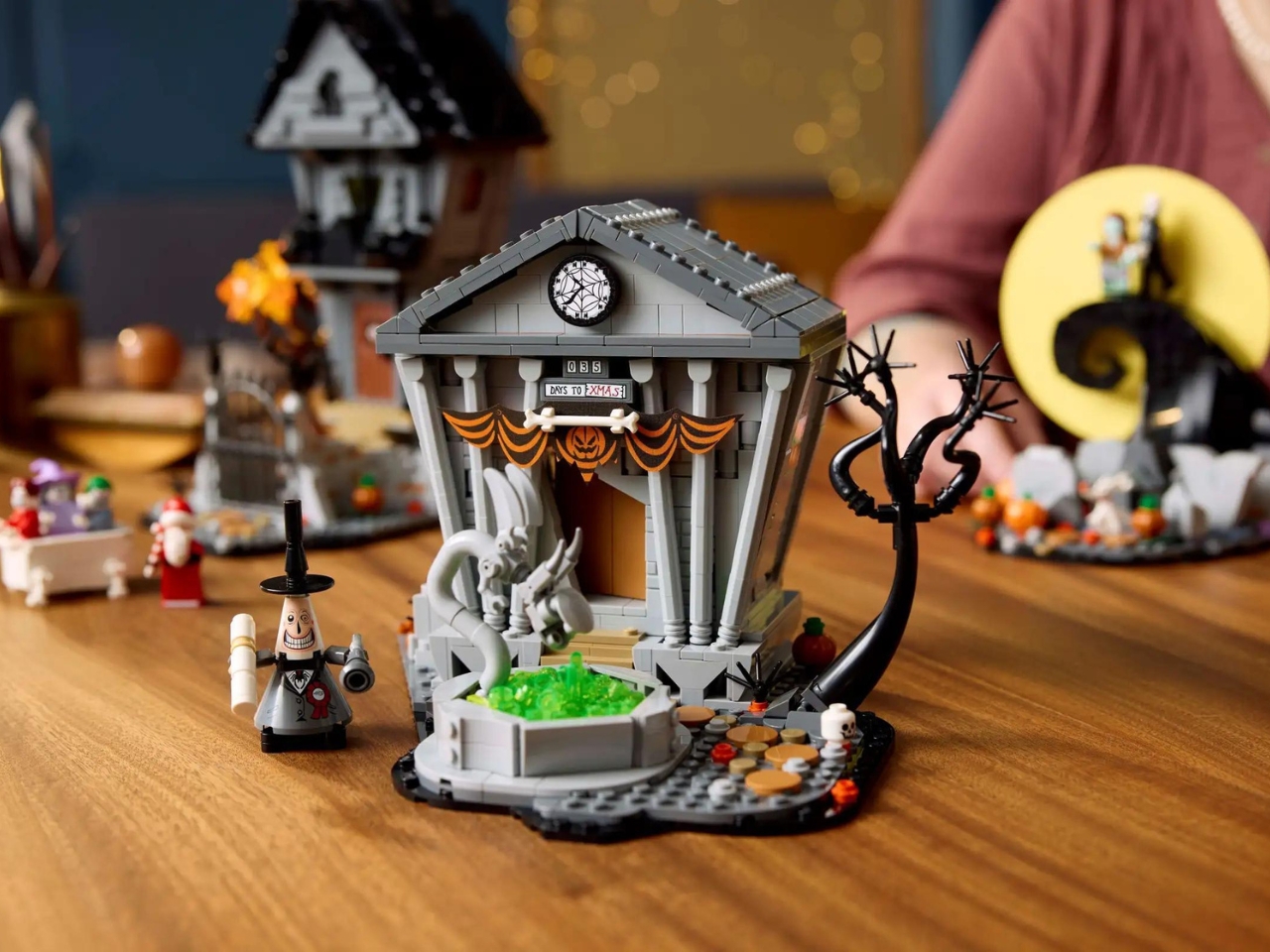
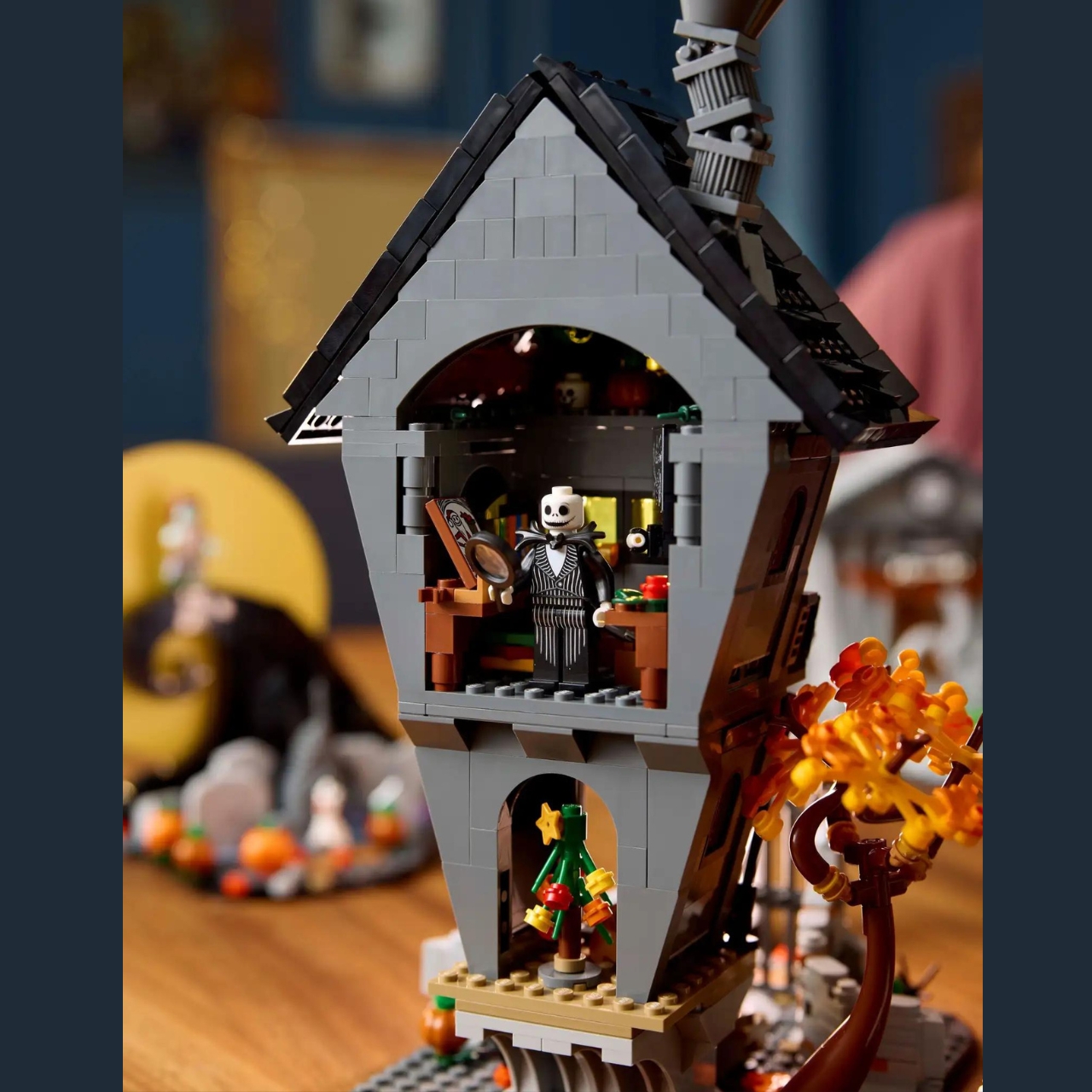
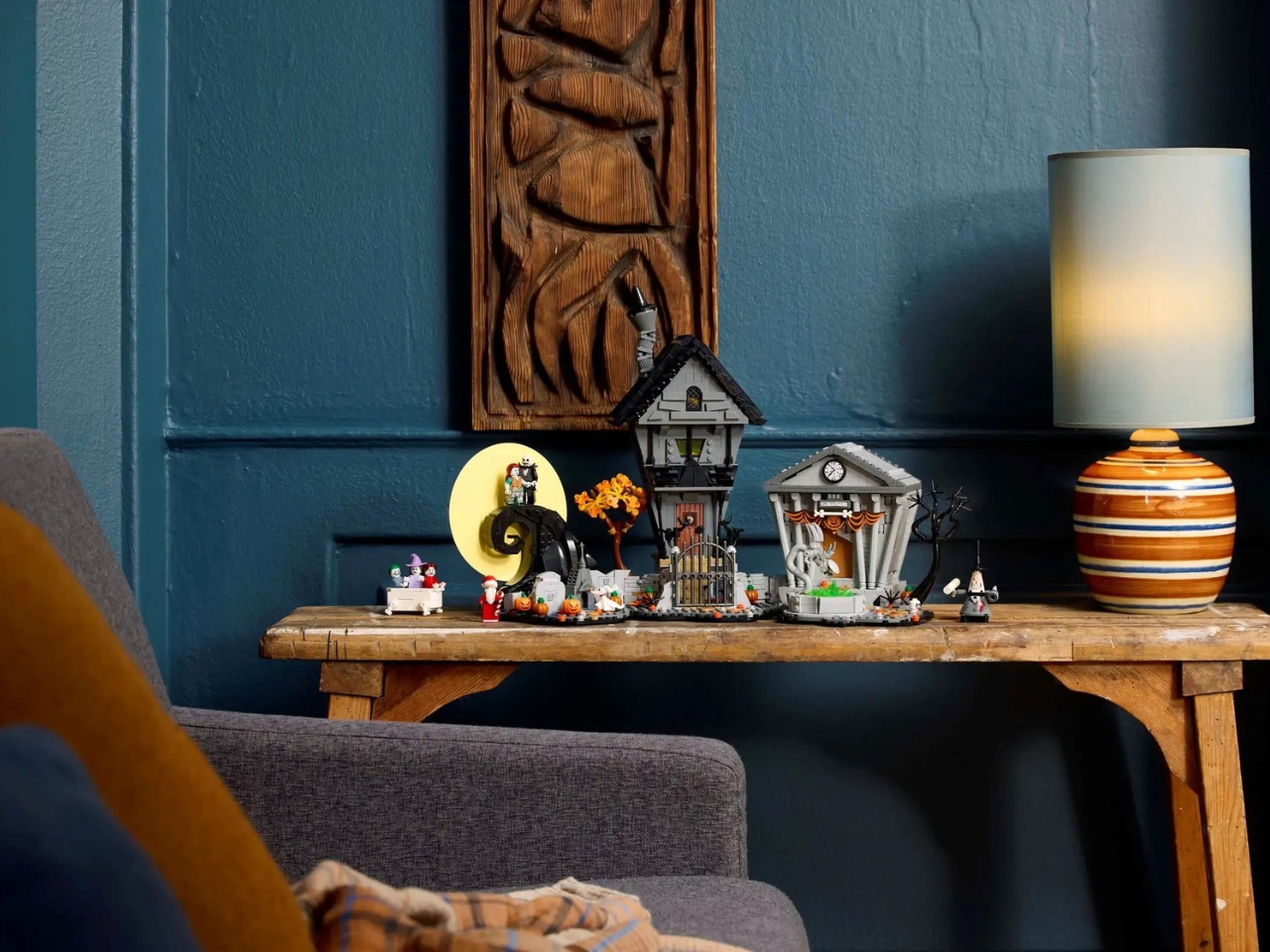
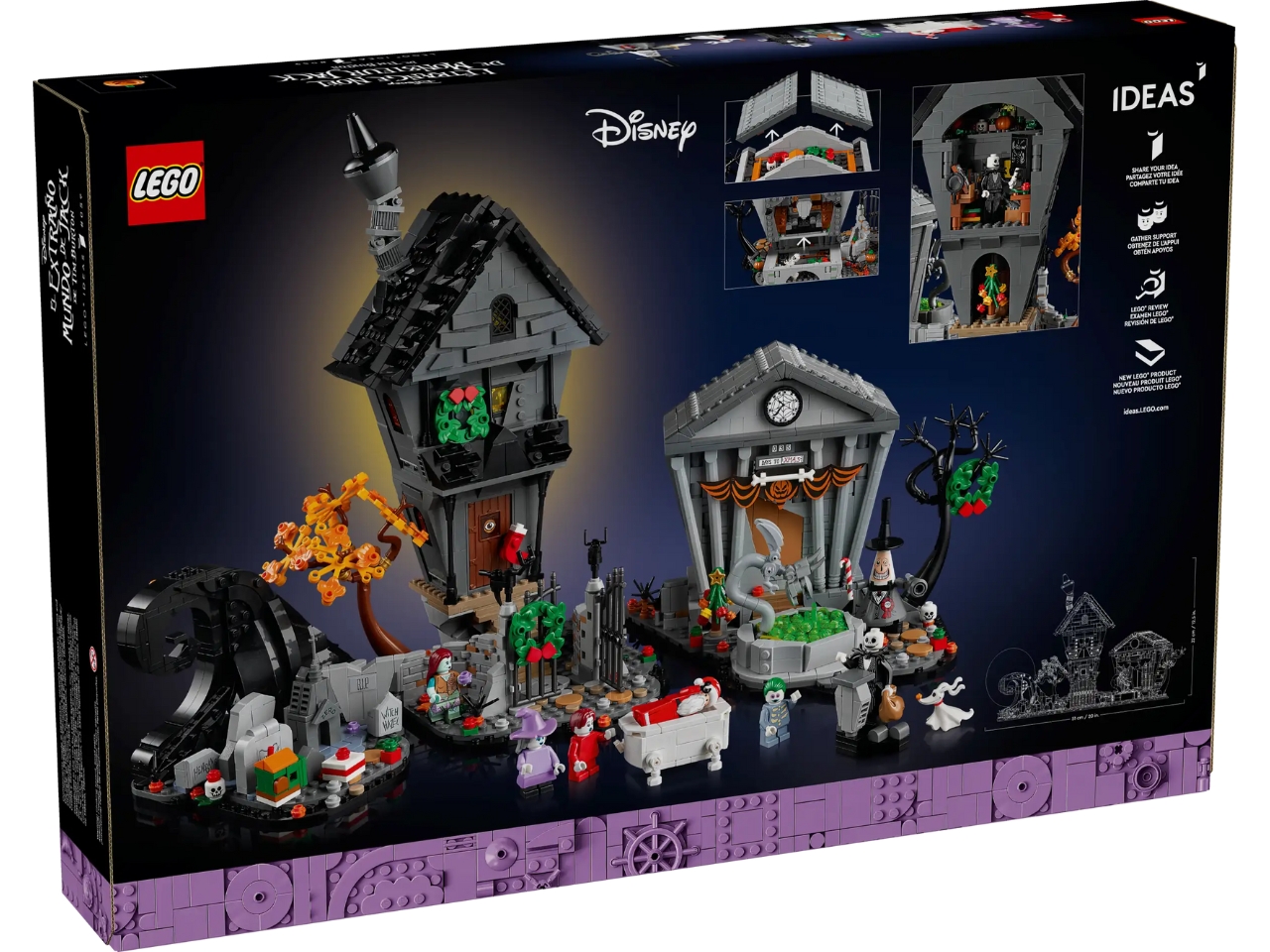
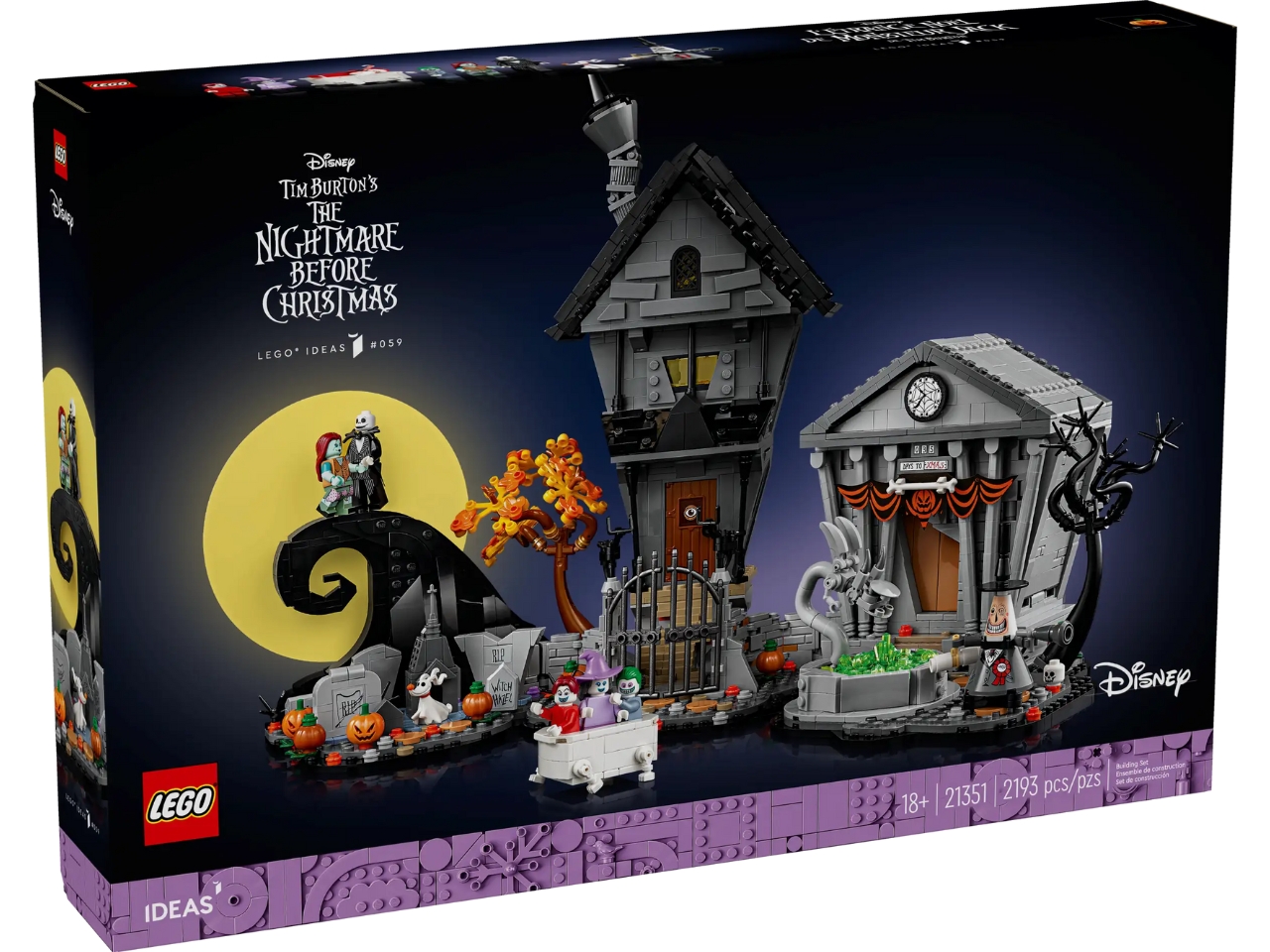
The LEGO® diorama kit you never knew you needed will soon be available for the fans of the famous stop-motion animated musical fantasy film that came out in 1993 (so yes, that’s considered a classic now). The set includes 3 iconic locations from the movie – Spiral Hill, Jack Skellington’s house (that’s the main character if you haven’t watched it), and the Halloween Town Hall.

Each of the diorama models features “authentic” details like the walking bathub, a chalkboard containing Jack’s formula for Christmas, the lectern at the Town Hall, among other things. The set also includes 8 character minifigs: Jack Skellington, Sally, Santa Clause, Lock, Shock and Barrel, Zero the Dog, and a brick-built The Mayor with two faces. The LEGO Builder app also has some 3D viewing tools based on the set and the movie.

There are 2,193 pieces in the Nightmare Before Christmas set so this is something you might want to keep away from young children who might lose some of the pieces. And with its $200 price tag, you probably want to keep it for the grown-ups.

The post The Nightmare Before Christmas LEGO® set coming in time for Halloween and Christmas first appeared on Yanko Design.
Braille learning device uses minimalist design to facilitate seamless learning

Most people assume that it is easy for visually impaired people to learn Braille. But according to those who are learning this system, the learning tools available are not always that intuitive and easy to use. In fact, the more cluttered a device or tool is, the harder it is as it can be overwhelming for those who are trying to learn and navigate it. Fortunately, there are product designers that want to create concepts for better designed tools that will hopefully be turned into actual products.

Designer: SAQ Design

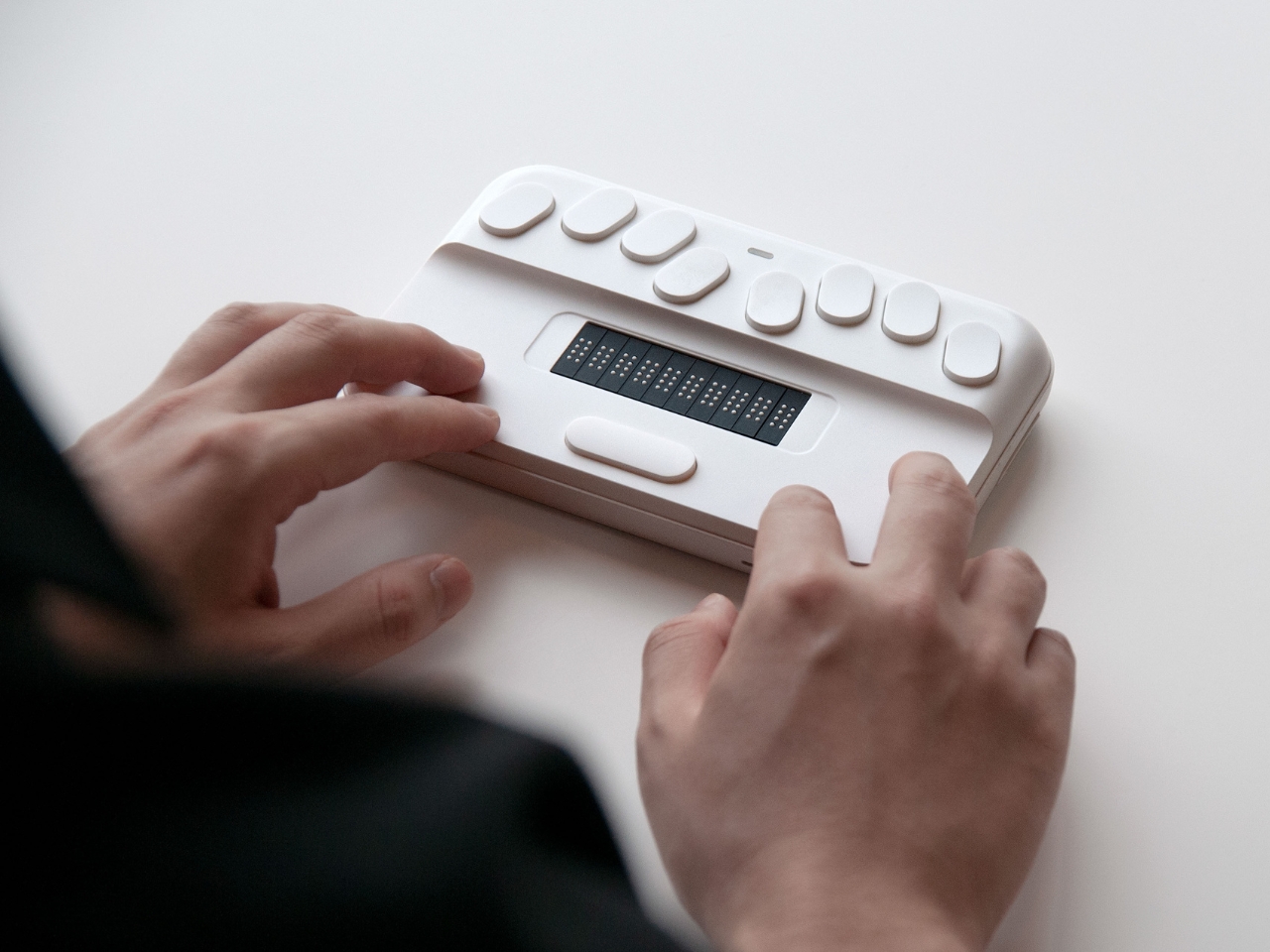
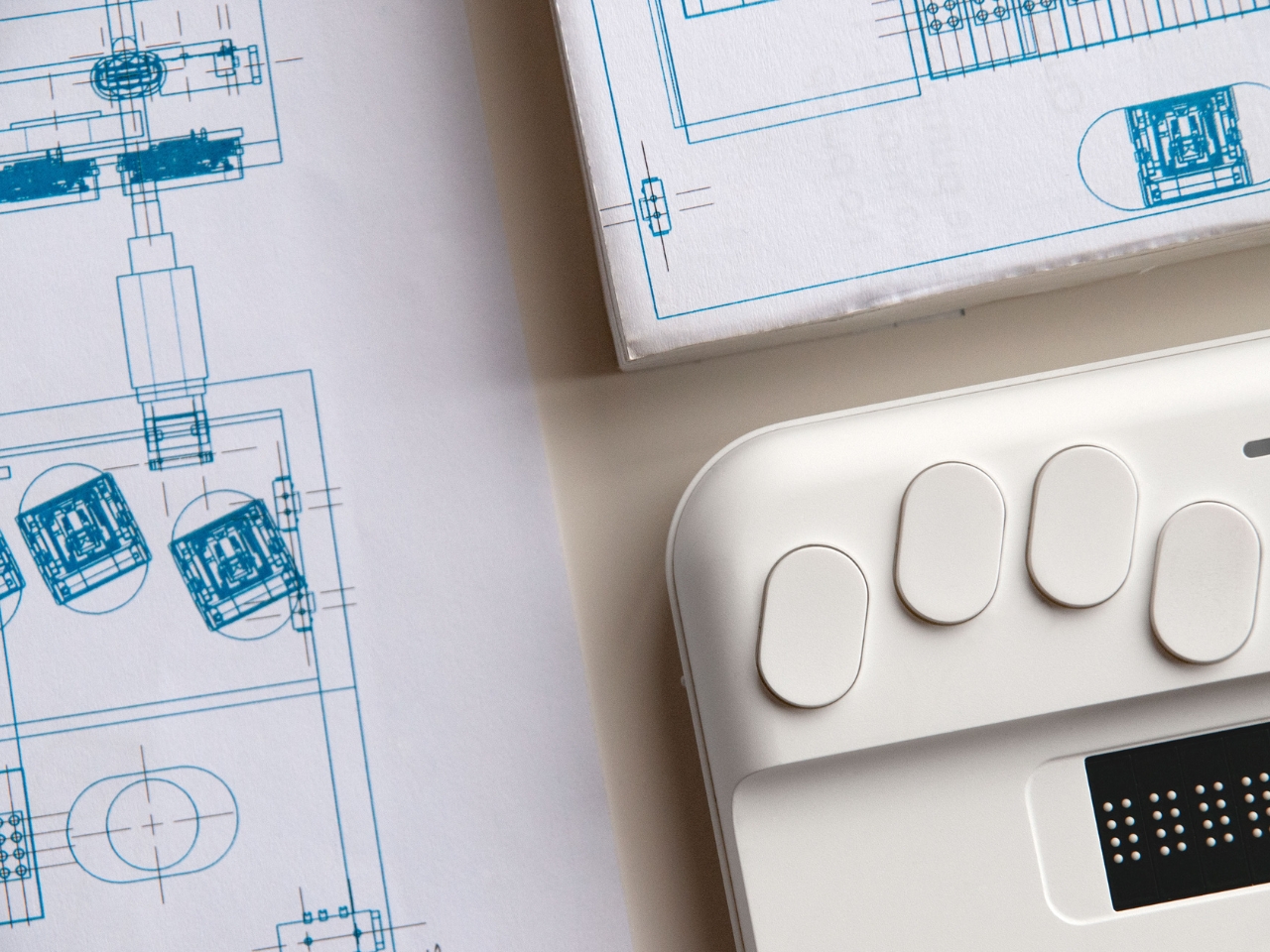
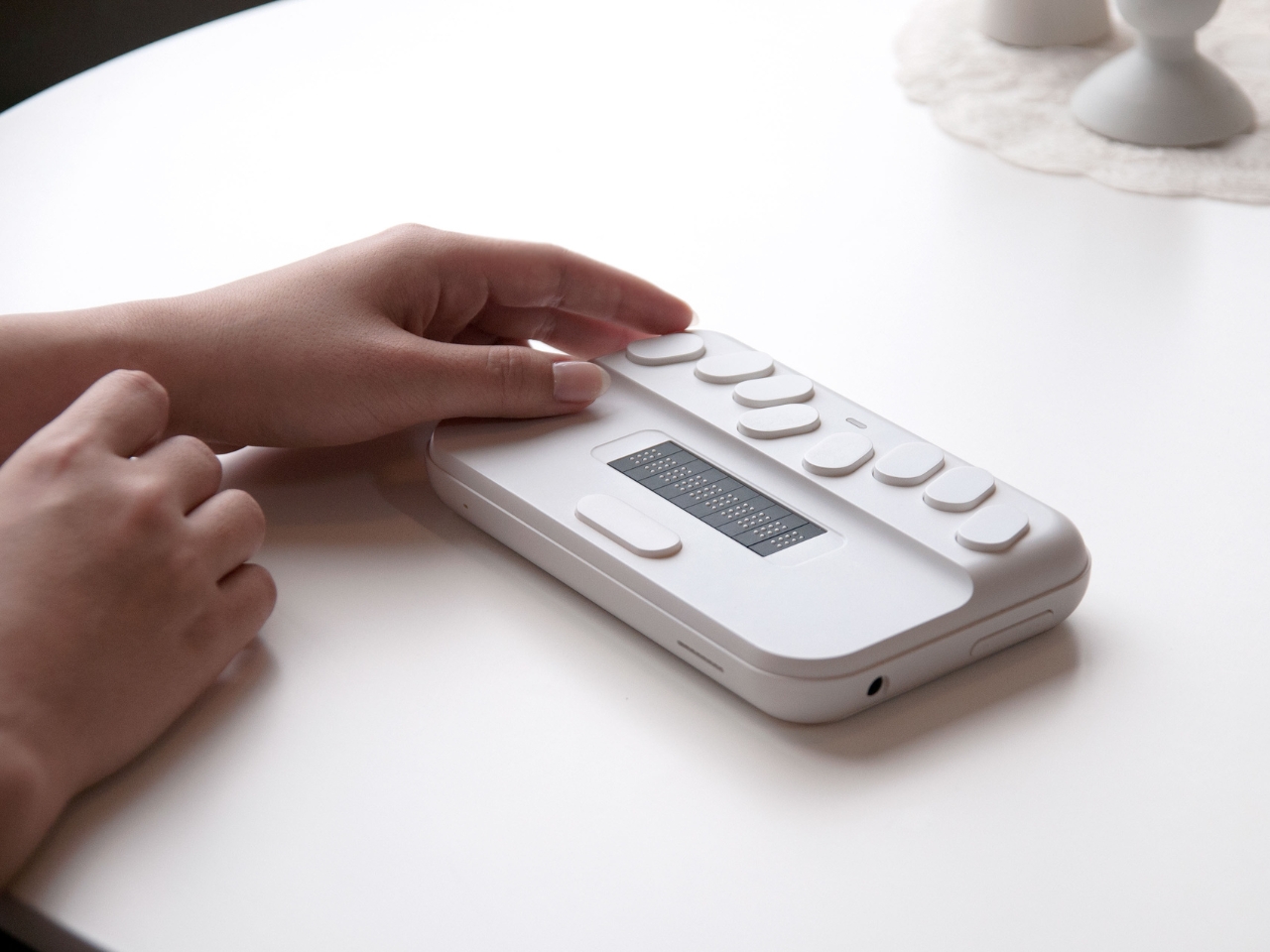
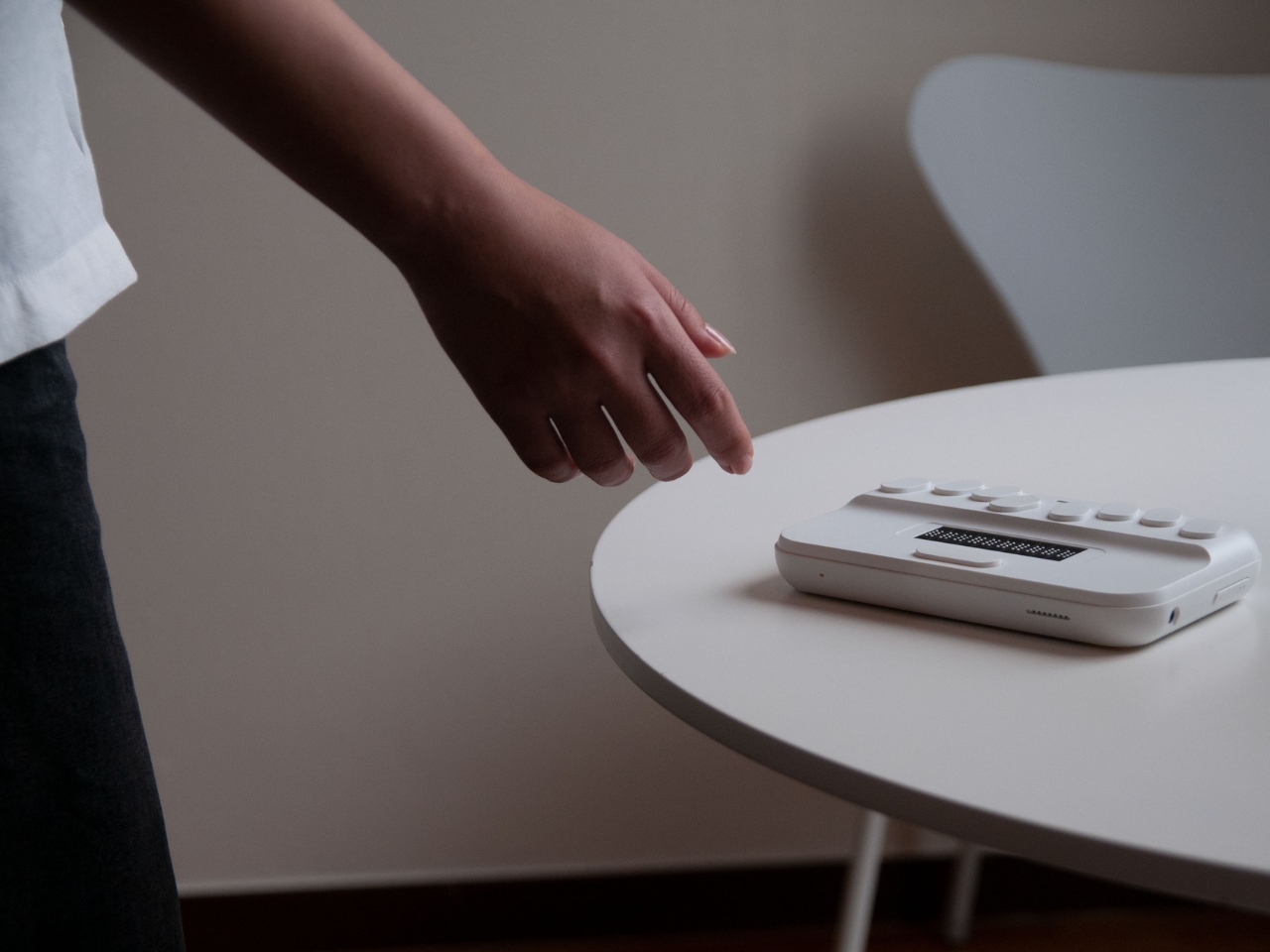
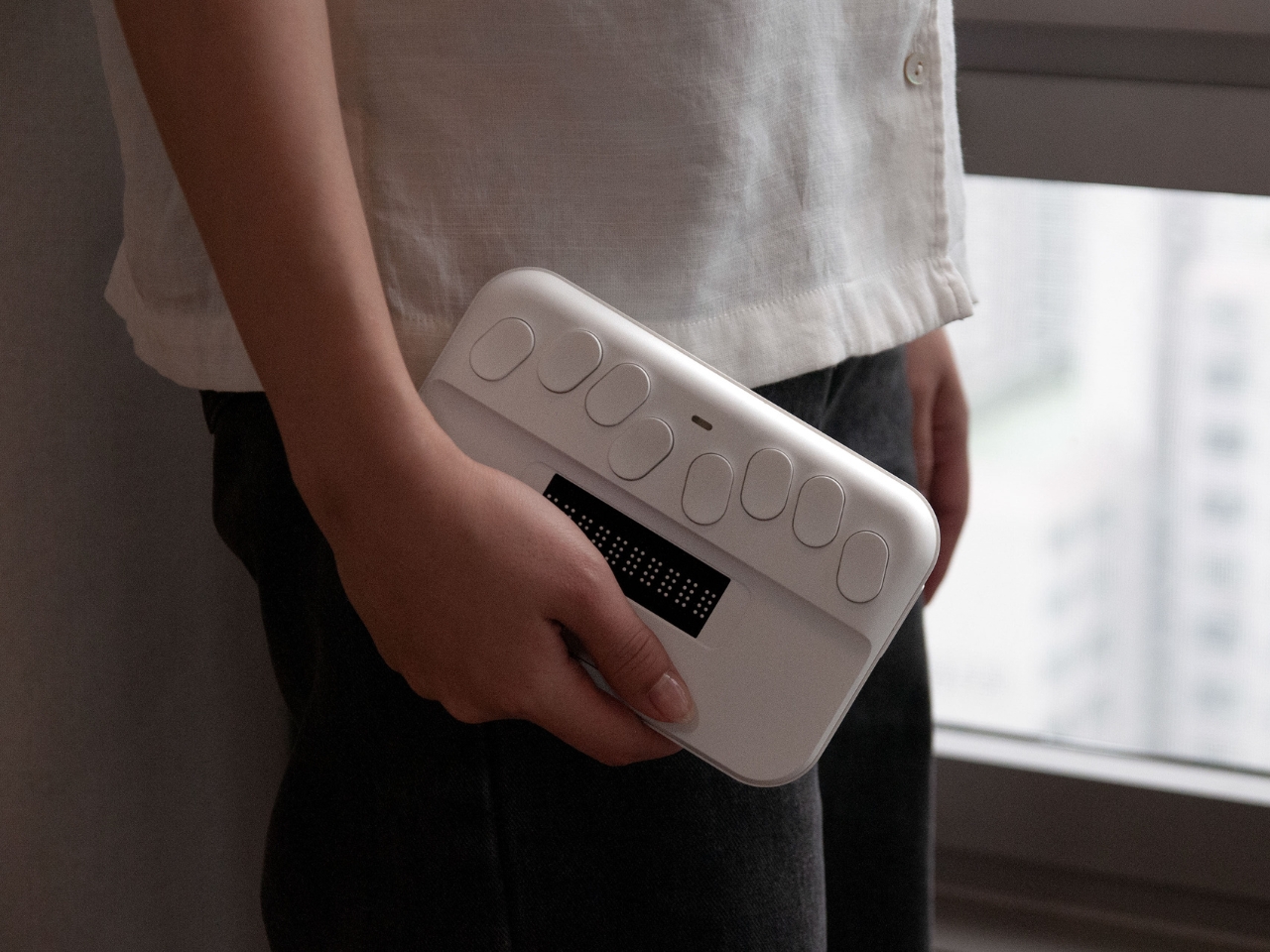
SMARTIO EDU is a concept for a Braille Education Device that uses minimal tactile noise for both teachers and students that are trying to learn Braille. It is designed to optimize the organization of the information that is at the user’s fingertips. They used soft contours for the surfaces of the device and at the same time used tactile hints to help the user read the information through their fingertips.

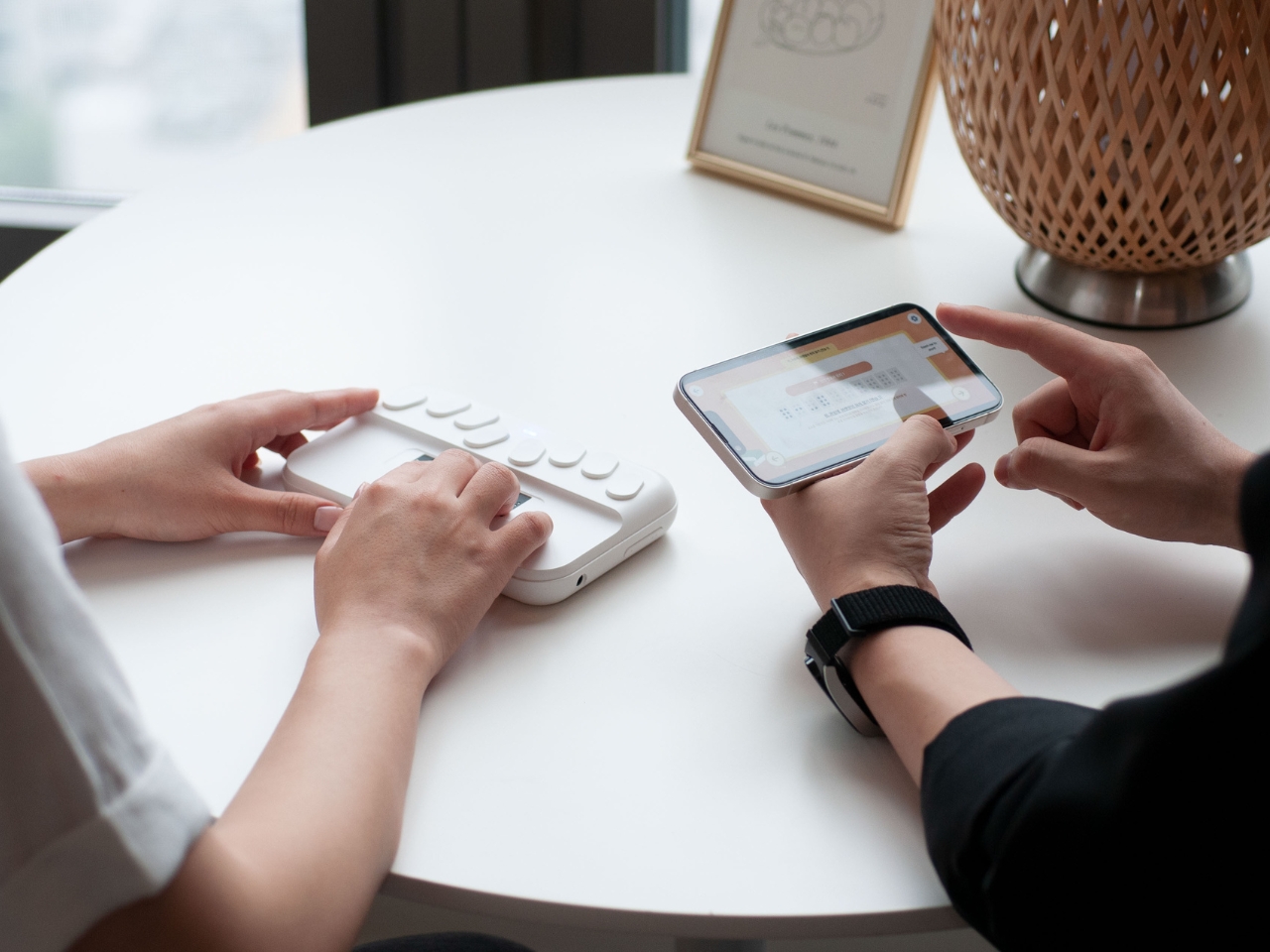
The device looks like an instrument and in fact, it is, just not one that produces music. There are buttons on top for the various functions and that can serve as navigational aids. The “subtle cues” is able to tell the user the front and back of the device and also where the key interfaces are located. The device is also designed to work with a companion app that the teacher and student can easily follow and engage with.

The designers would of course have consulted with actual Braille learners to determine if this is something that could work even as it is still a concept. But we don’t see a lot of Braille learning devices in the market so if this does become an actual product, it would be a big help to the community.

The post Braille learning device uses minimalist design to facilitate seamless learning first appeared on Yanko Design.
Largest floating wind platform sets on voyage to offshore destination

The past few decades we’ve seen a lot of countries look for more sustainable (and safer) sources of energy as large parts of their respective populations continue to use a lot of power for various purposes. Wind energy have been an option for some and so we continue to see a lot of companies developing various types of wind turbines to help power their respective places.

Designer: Mingyang Smart Energy

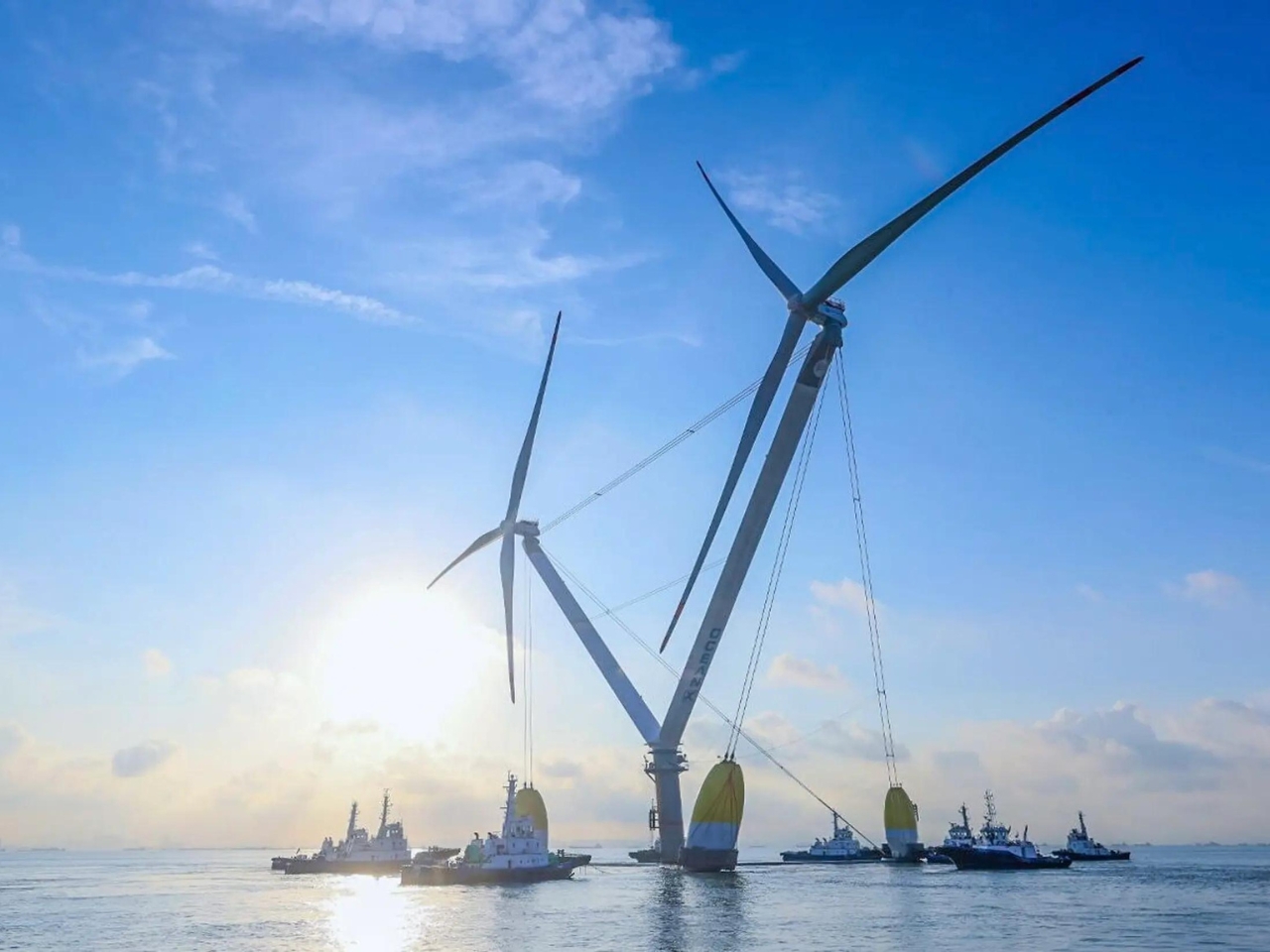
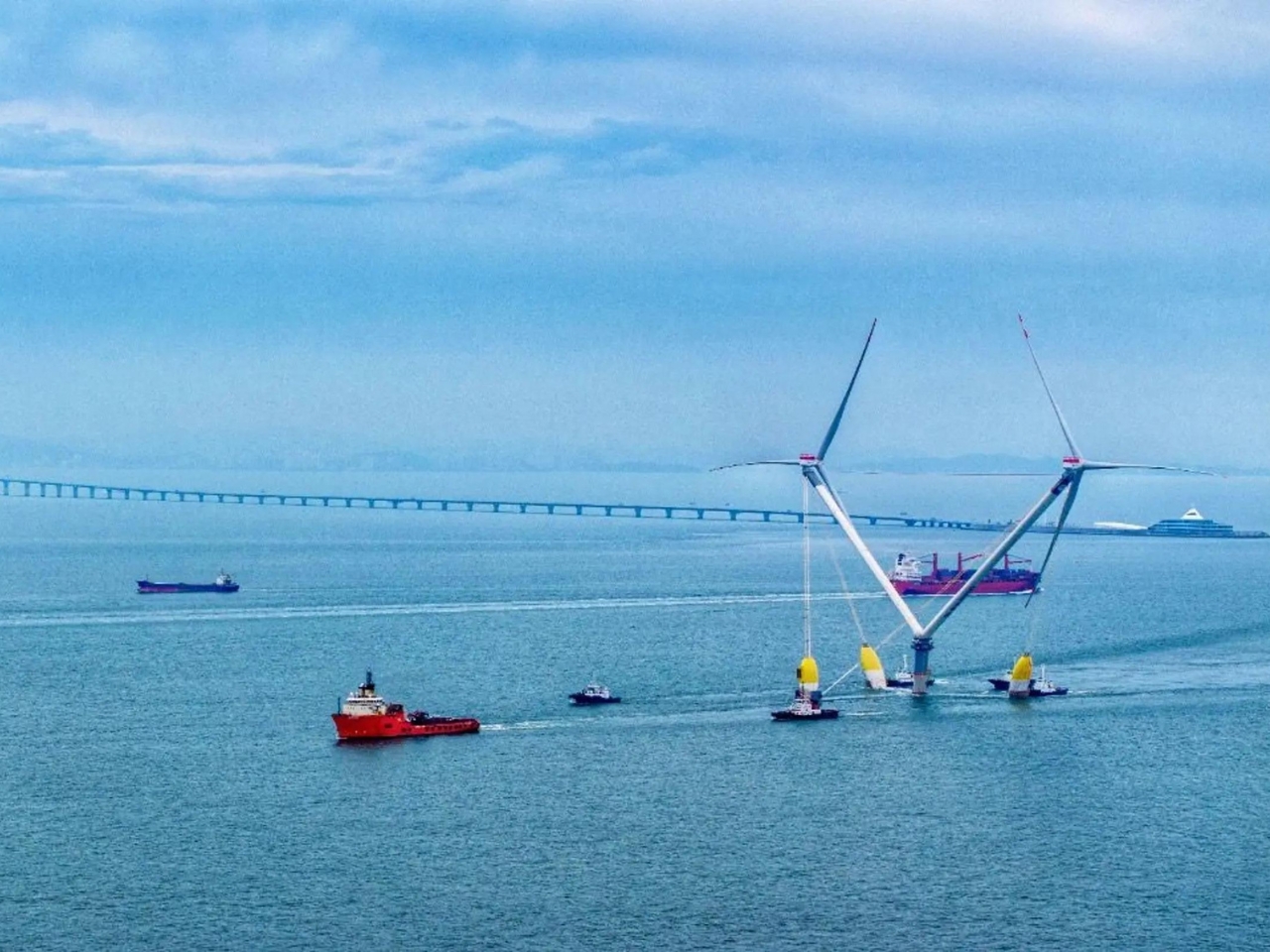
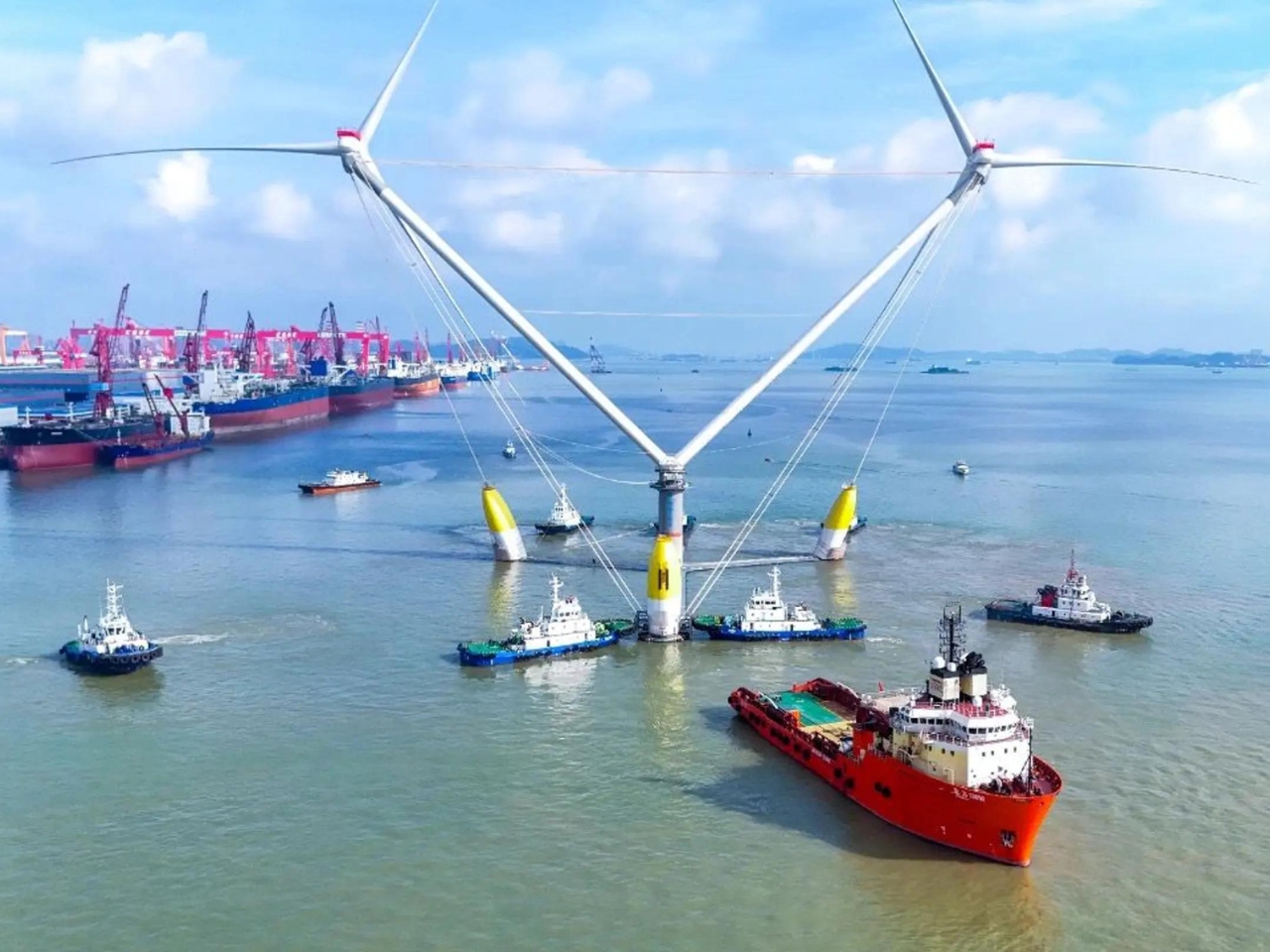
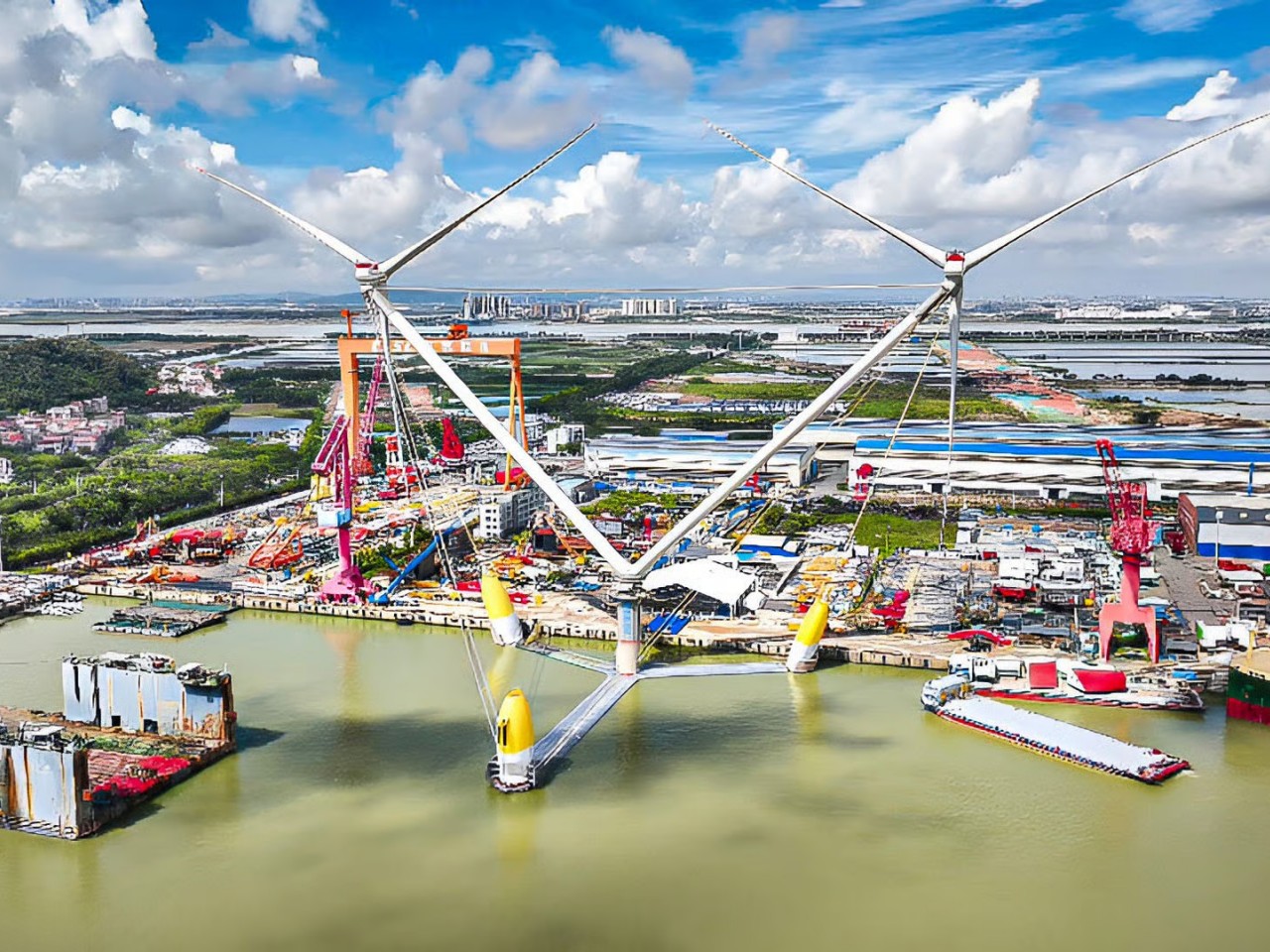
OceanX is one of the wind turbines that has been making a lot of noise lately as it is now the world’s largest single-capacity floating wind platform. It has finally started its voyage from Guangzhou, China and is expected to reach its final destination of the Qingzhou IV Offshore Wind Farm in Yangjiang, Gangdong by August 14, traveling at 191 nautical miles. Aside from its sheer size, the dual-rotor design and its other technological powers has been catching the attention of those interested in sustainable energy.

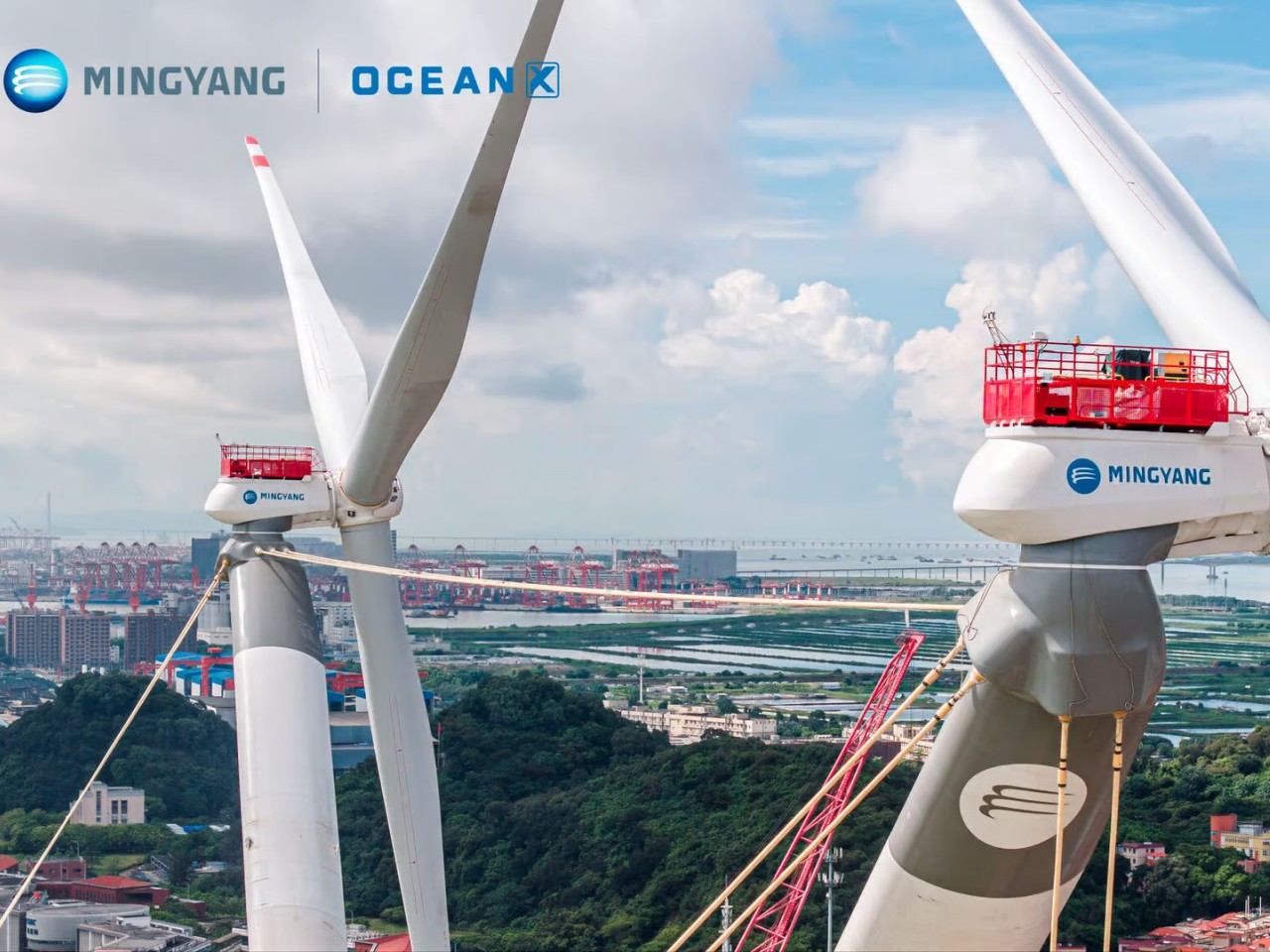
The Y-shaped floating platform is made up of two MySE16.6 wind turbines on its upper V-shaped structure, with the entire thing weighing 15,000 tonnes. The blade diameters of the wind turbines are at 597 feet and it can withstand wind of up to 161 mph. Since it has a downward poster and a single-point mooring, the rotors can bend without damaging the supporting structure so it can stand up against extreme conditions like harsh winds and heavy waves.

While there are some reports saying that the OceanX will be able to generate power even in a hurricane, that remains to be seen as formulas of wind turbines in general would say otherwise. The company says that it is expected to generate 54 million kWh annually which would be enough to power 30,000 families (those with 3 members each) for an entire year.

The post Largest floating wind platform sets on voyage to offshore destination first appeared on Yanko Design.
Summer house in Denmark is inspired by fisherman’s houses in the area

One of my ultimate dreams is to be able to own a summer or vacation house in an area surrounded by nature. At the rate my life plans are going that will remain a dream but it doesn’t hurt to look at all the well-designed summer houses, specifically the ones in Europe. Most of these use sustainable materials and are built to be part of the natural landscape so those are major plus points.

Designer: Jesper Kusk Arkitekter

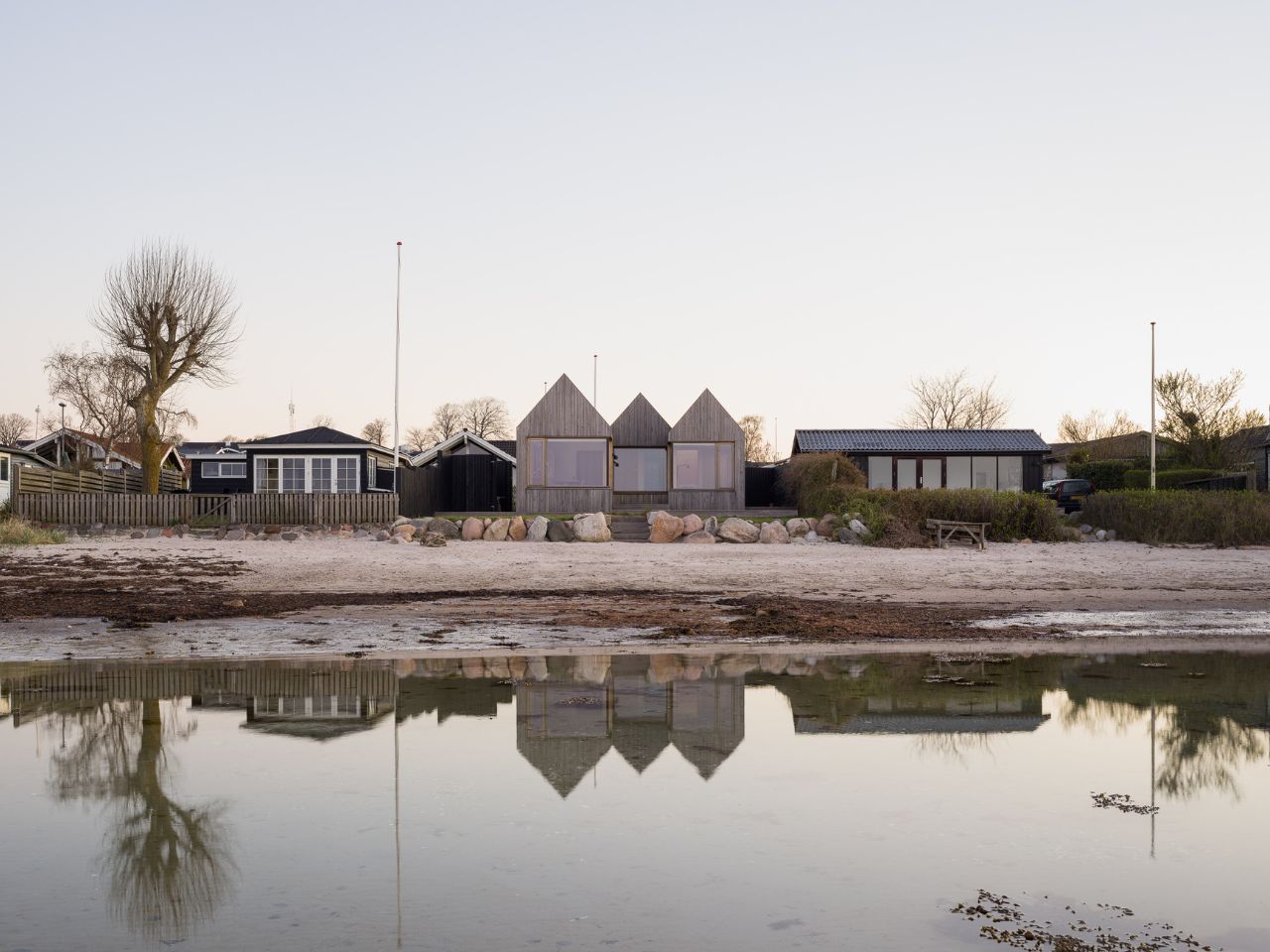
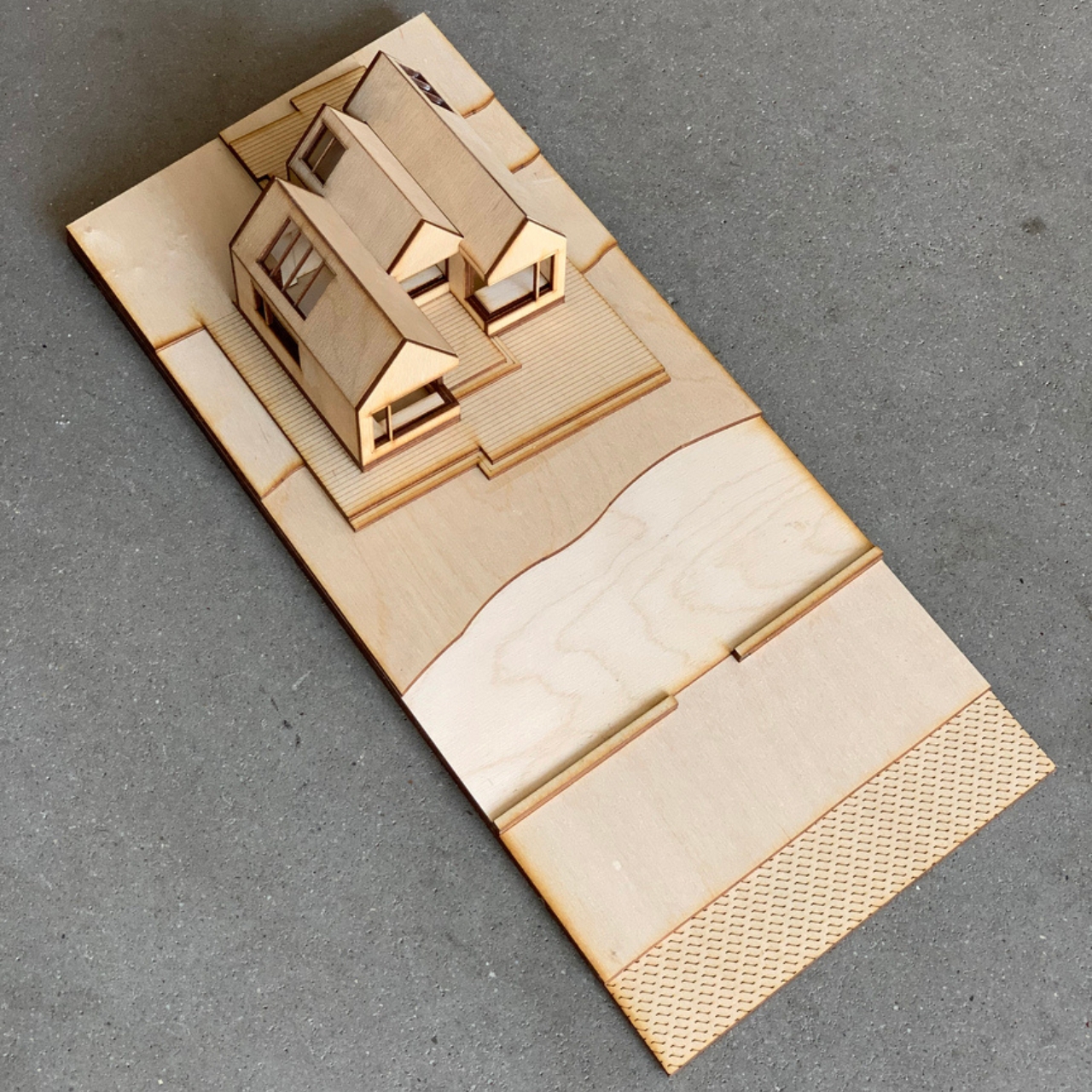
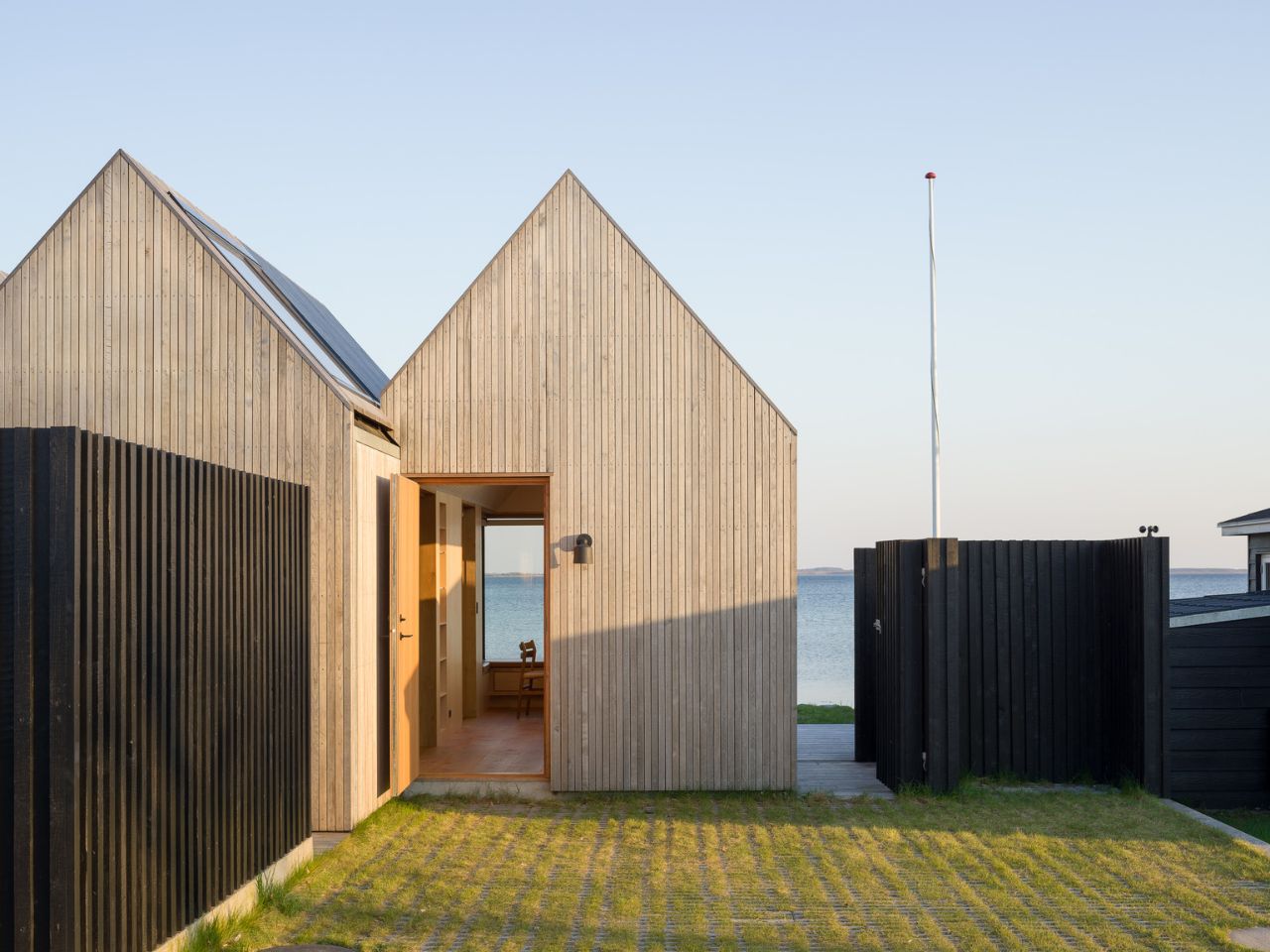
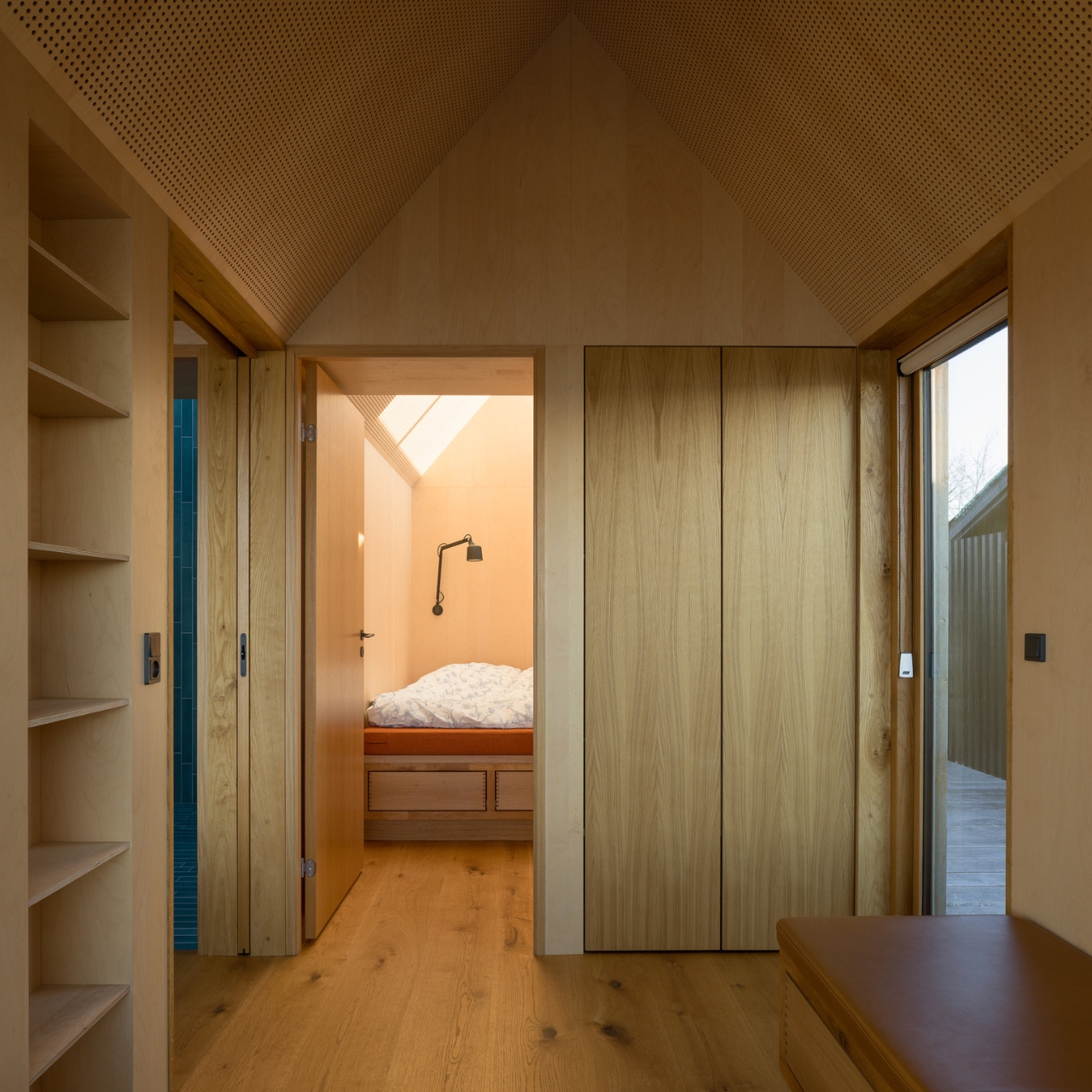
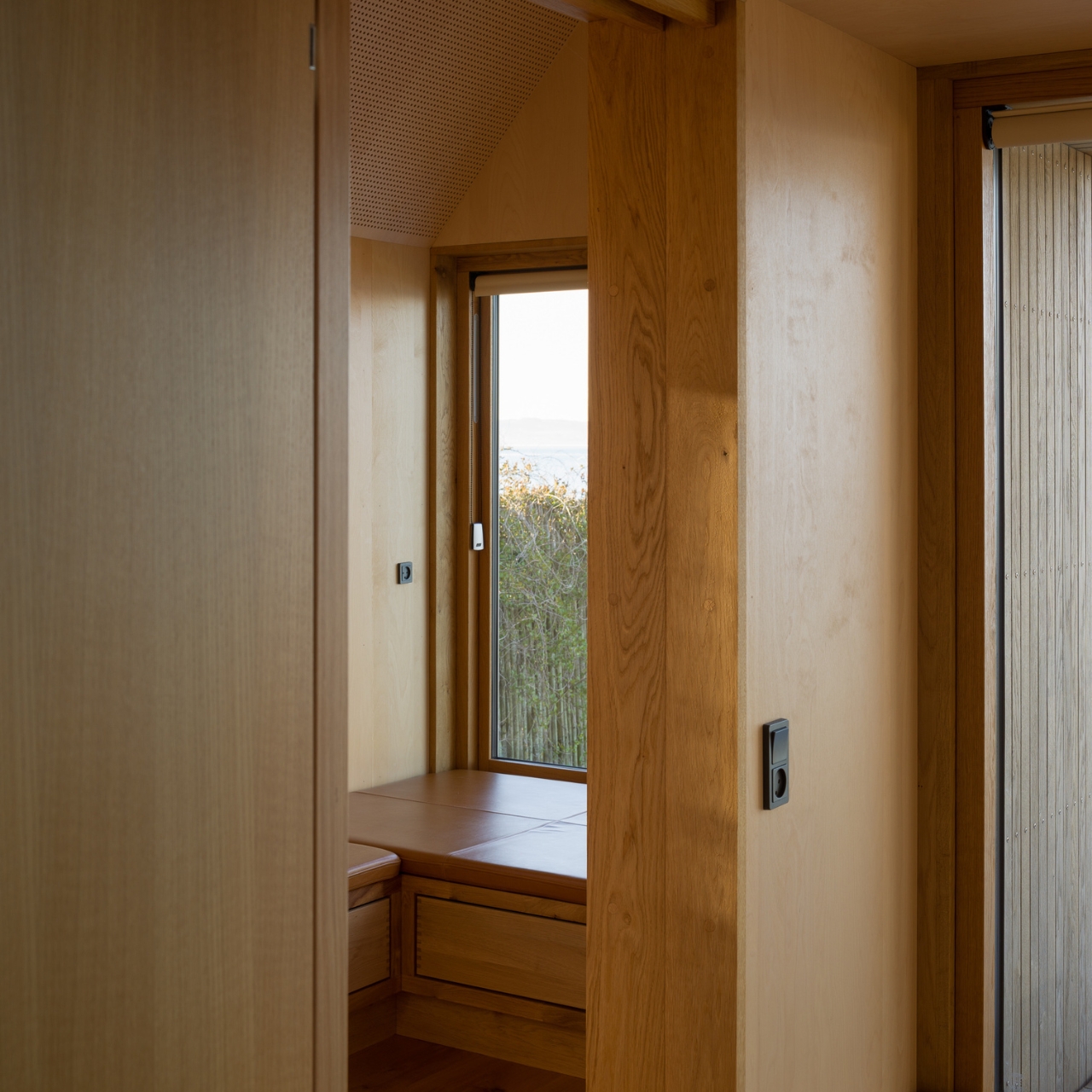
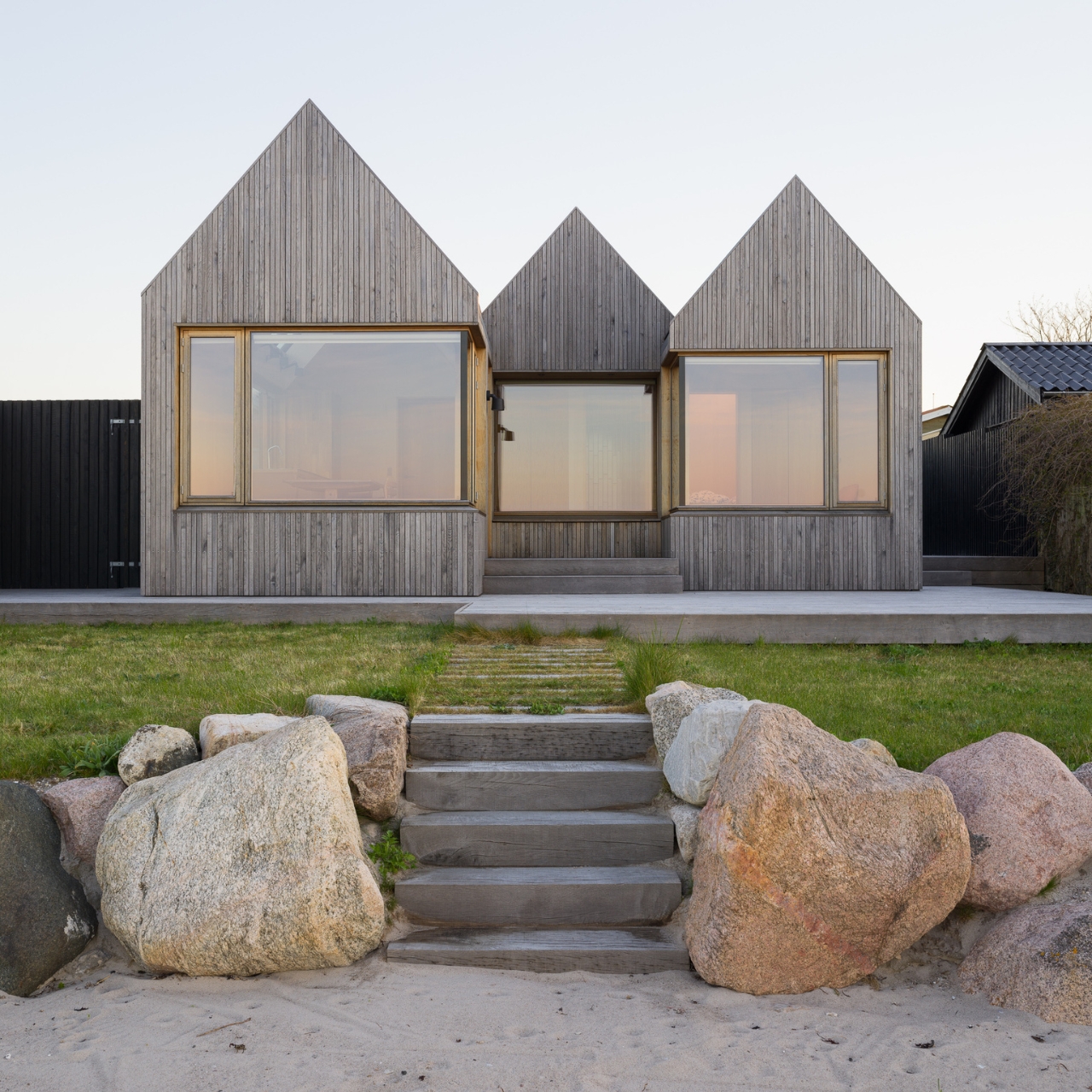
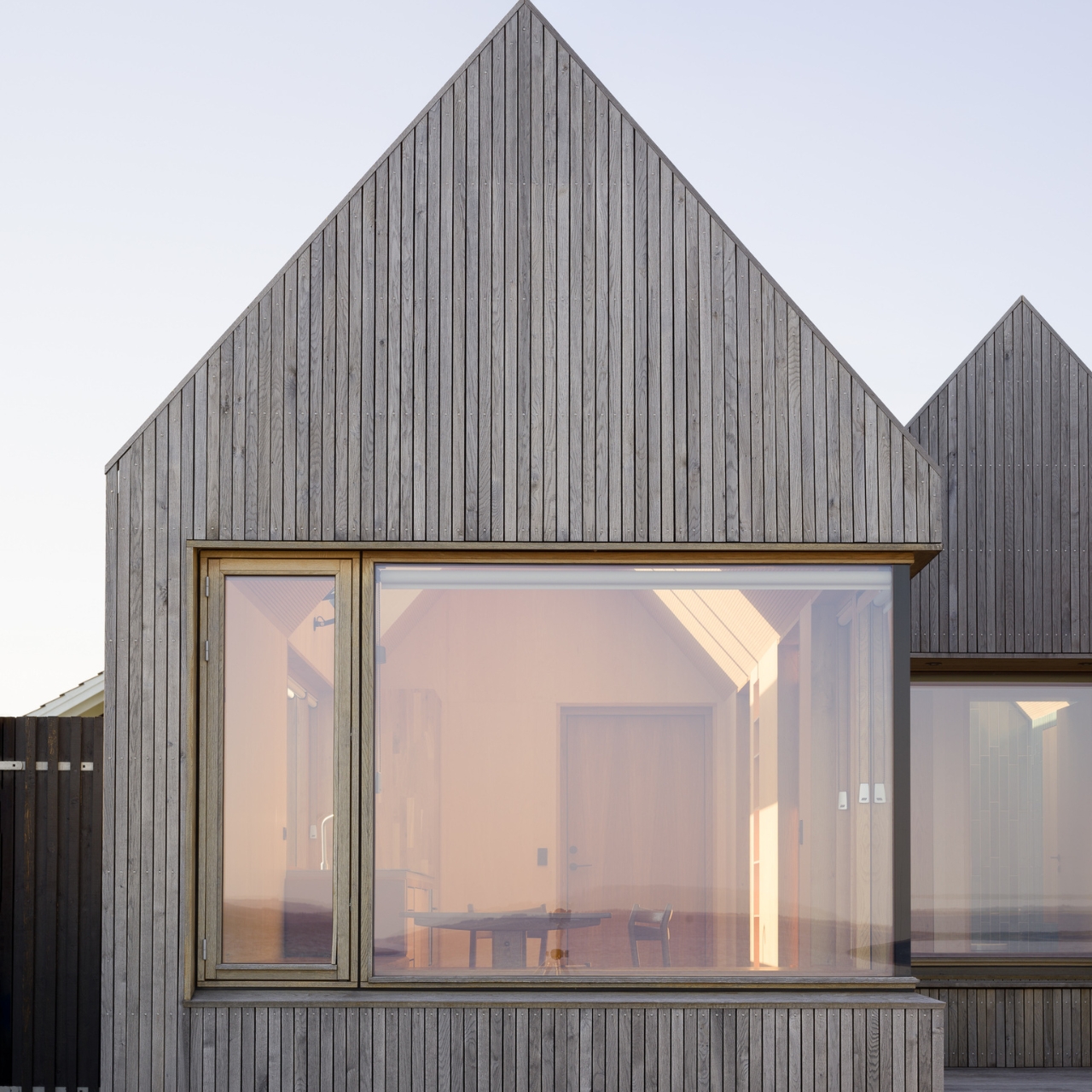
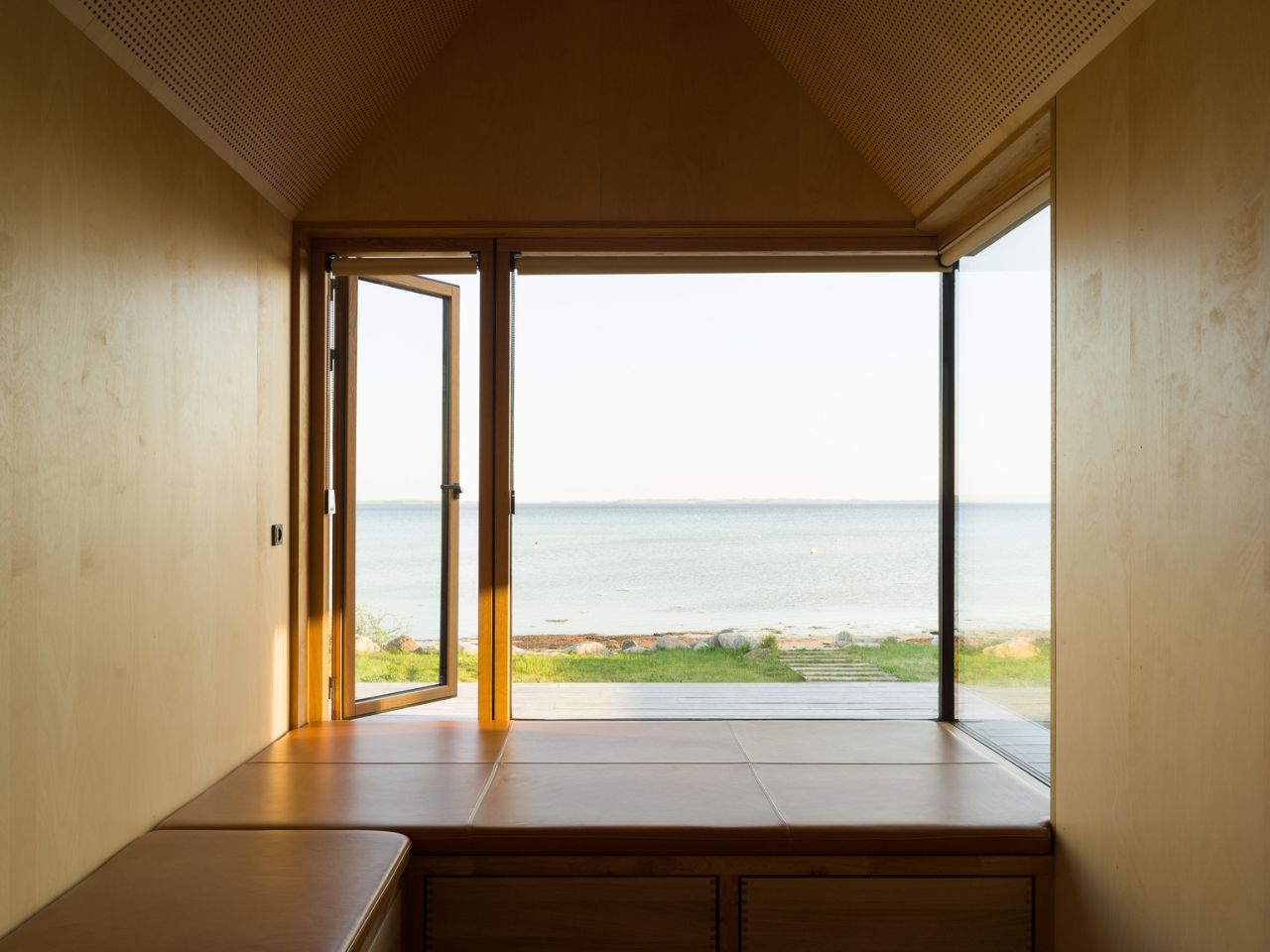
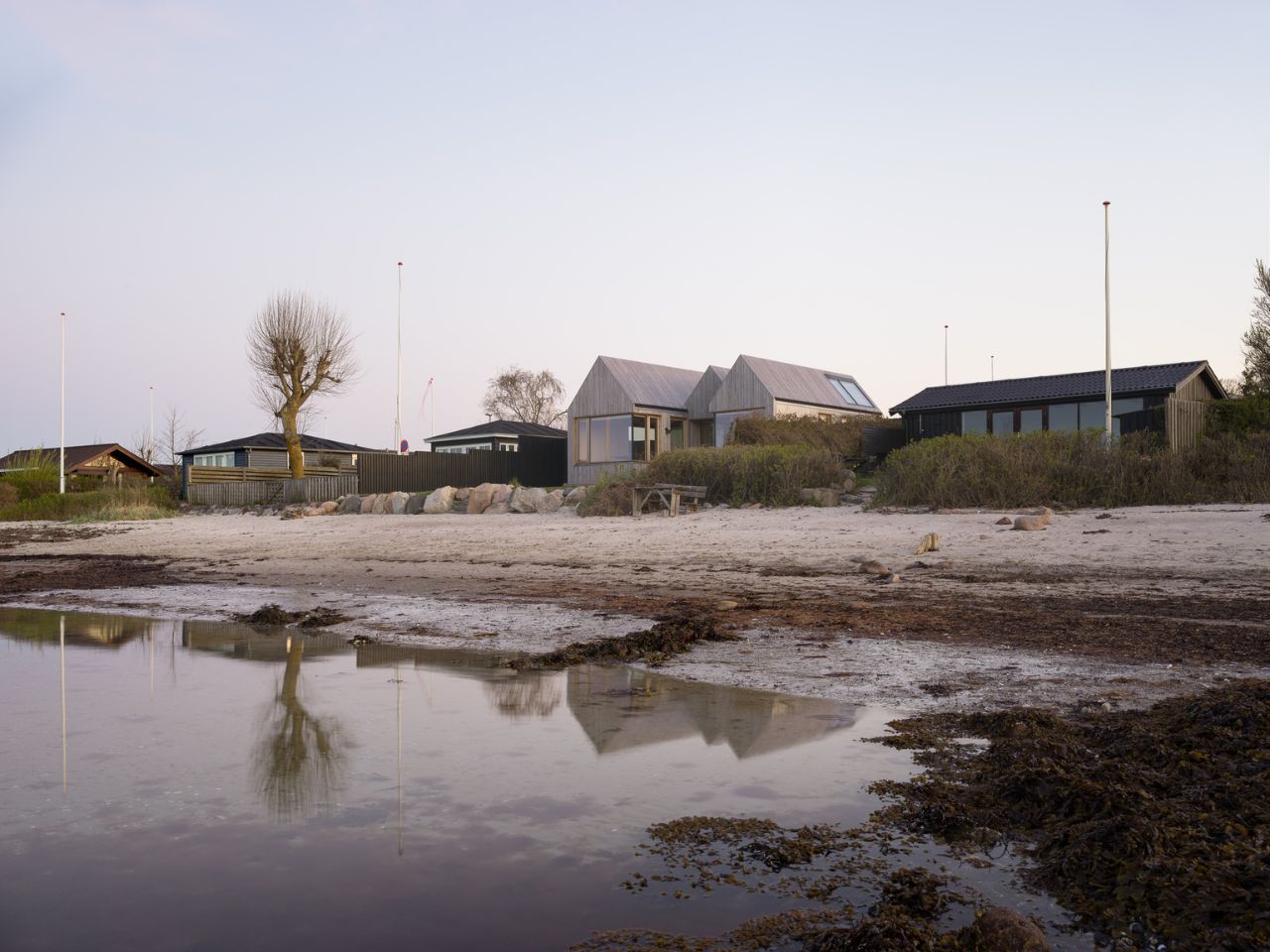
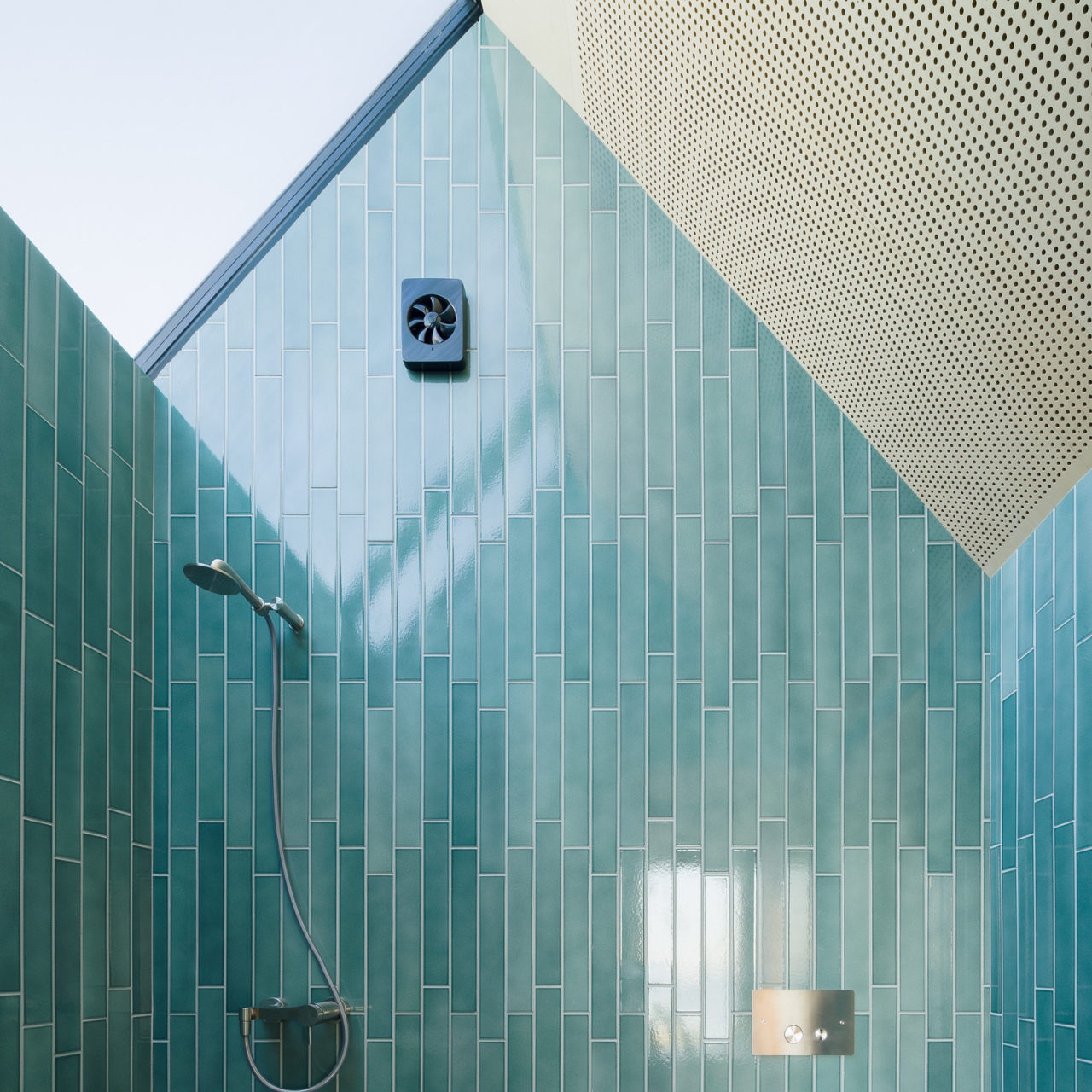
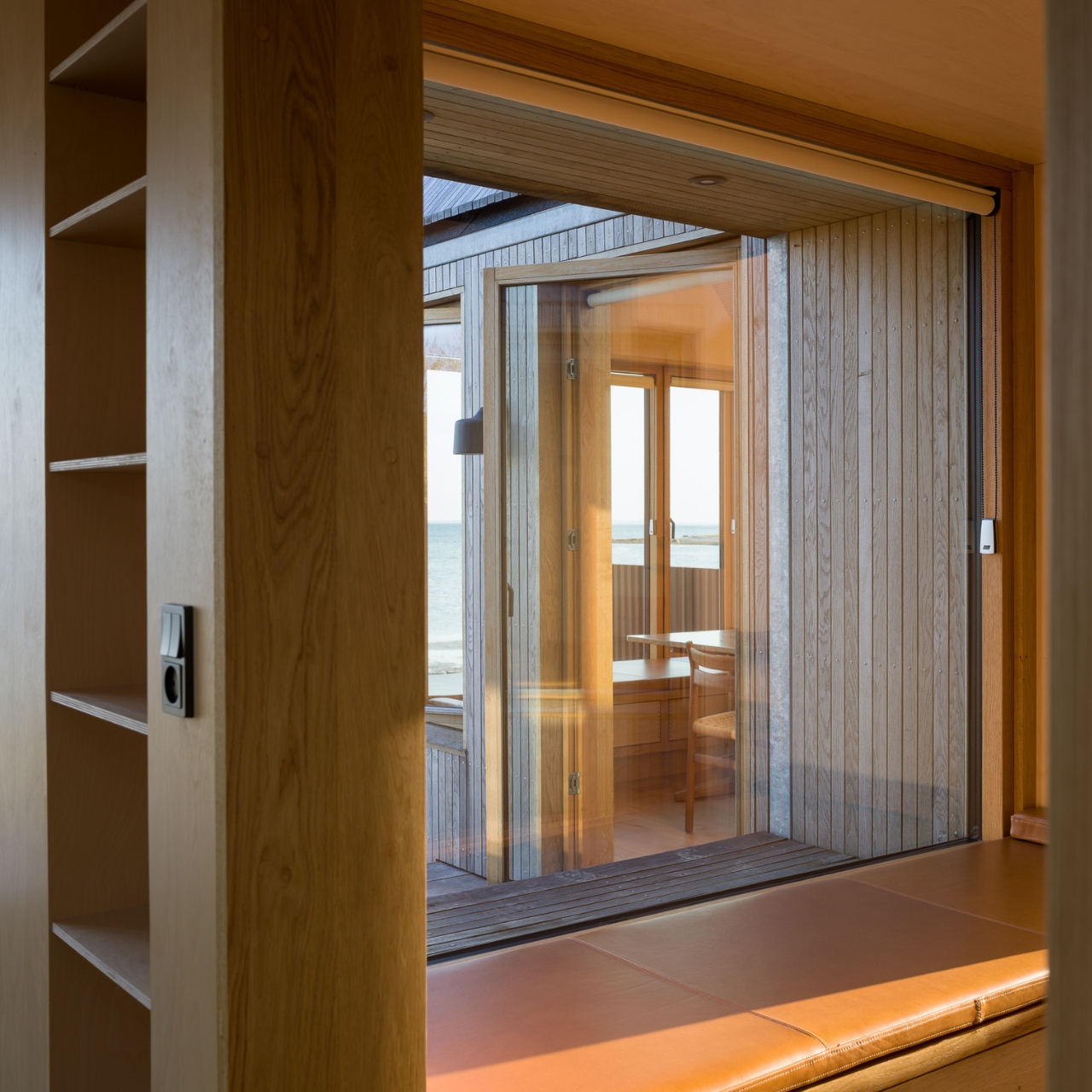
At Følle Strand in Denmark, they built the Strandvejen 35 Summer House, a “tiny” space measuring just 46 square meters and inspired by the fisherman’s houses that you can find in the area. Well, of course, a more expensive and spacious version. It’s actually made up of three small buildings that are overlooking the bay of Kalø and with all the spaces optimized so that 7 guests will be able to sleep there. You get all the basic spaces that you need in a house like sleeping areas, a kitchen, and of course a beautifully designed shower area.

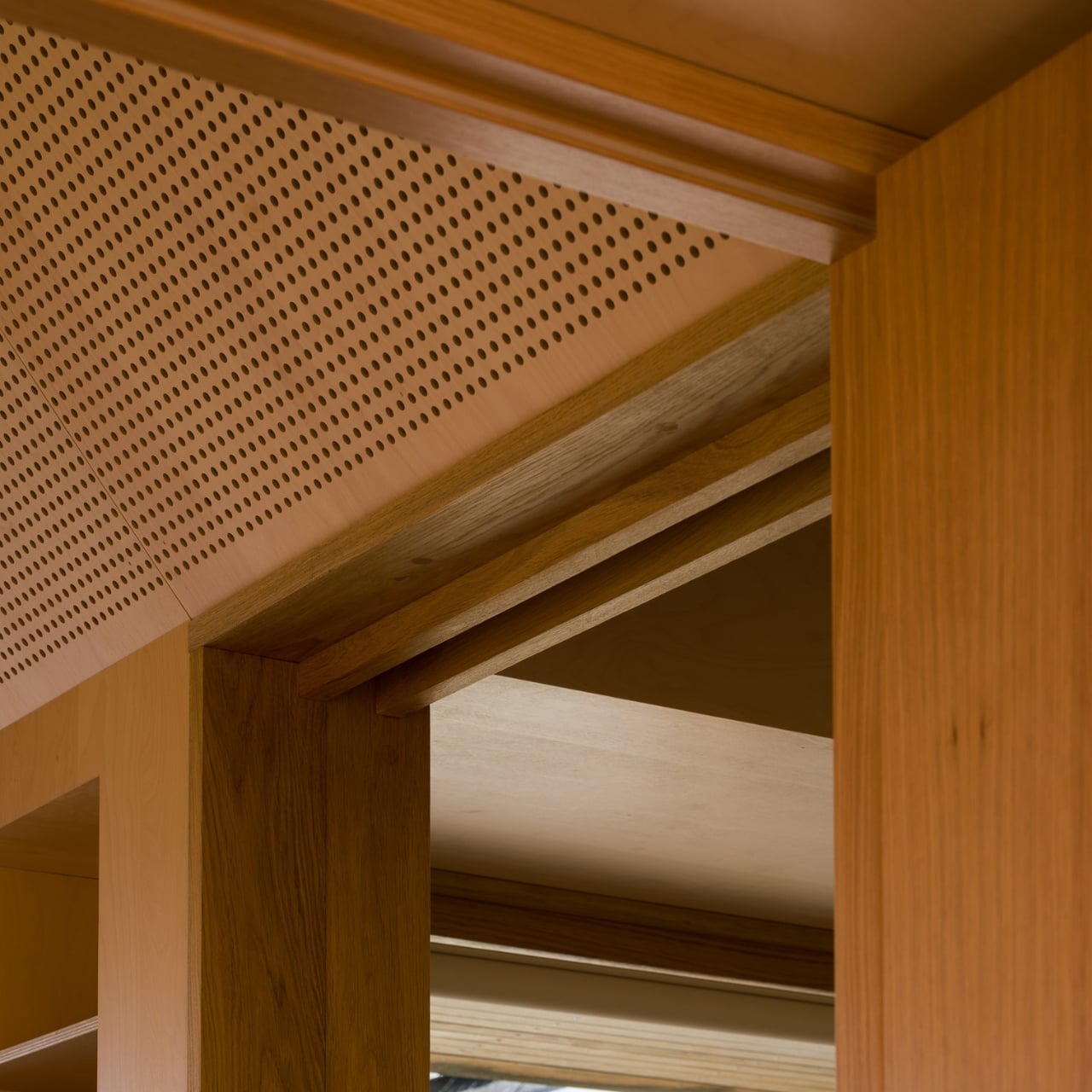
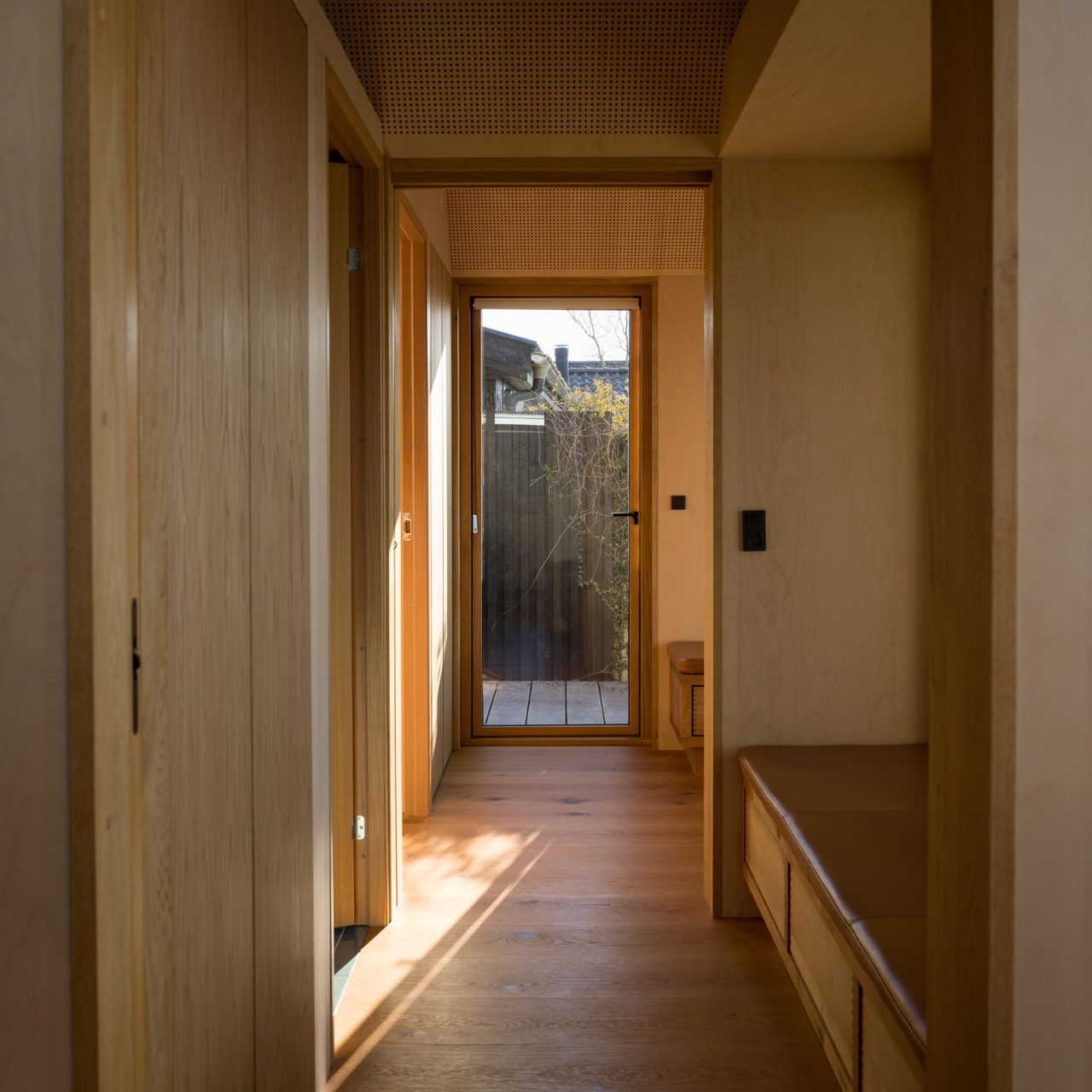
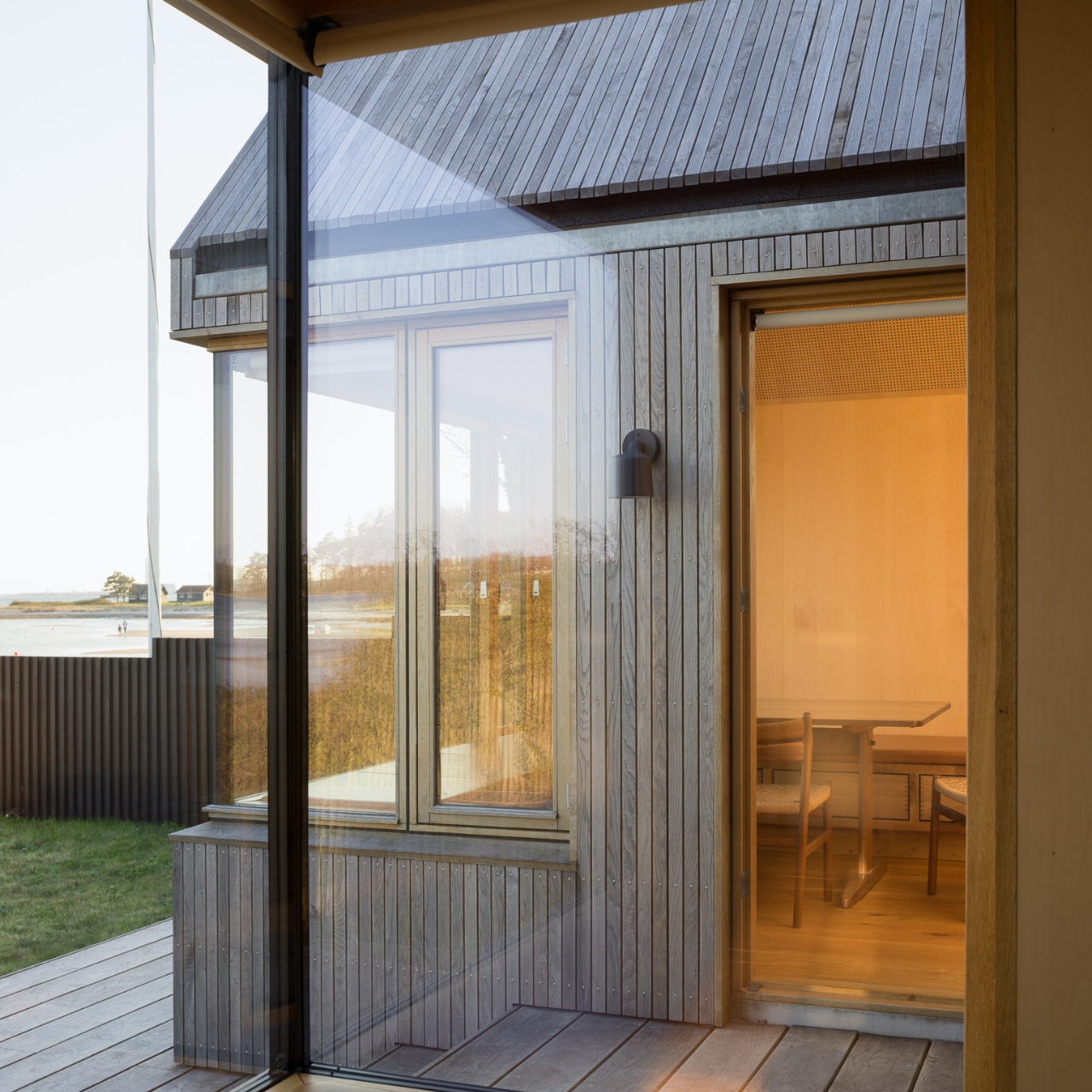
The windows and walkways located around the house have also been turned into loving areas and they used sliding doors to separate the various interior spaces. Since the location is surrounded by nature, they have incorporated it into the over-all design. You have skylights and high ceilings to ensure a healthy indoor climate while the large windows show off the beauty of the surroundings which you can enjoy while sitting on the built-in benches and sofas.
The house was built using locally sourced materials, mostly wood and then using Danish oak to clad the facades and roof. This way the overall CO2 footprint is reduced and in fact, they are placed in the Danish voluntary low-emission category. The Strandvejen 35 Summer House lets you commune with nature while inside the comfort of your sustainably built space.

The post Summer house in Denmark is inspired by fisherman’s houses in the area first appeared on Yanko Design.