Nendo House My Football Kit is an airless ball you can assemble

While I’m a huge football fan (soccer to our friends in the U.S), I’ve never had the desire to actually play it. One of the reasons is the few times I’ve tried kicking a ball around, I always feel like I hurt my foot because the balls are just too hard. If there was probably a ball that was softer but still had the same quality as the regular football, then maybe I might have been convinced to play a few pick up matches. This new ball from Nendo House is one kind of ball that might have turned me into a (barely) passable football player if it was existed when I was younger.

Designer: Nendo House

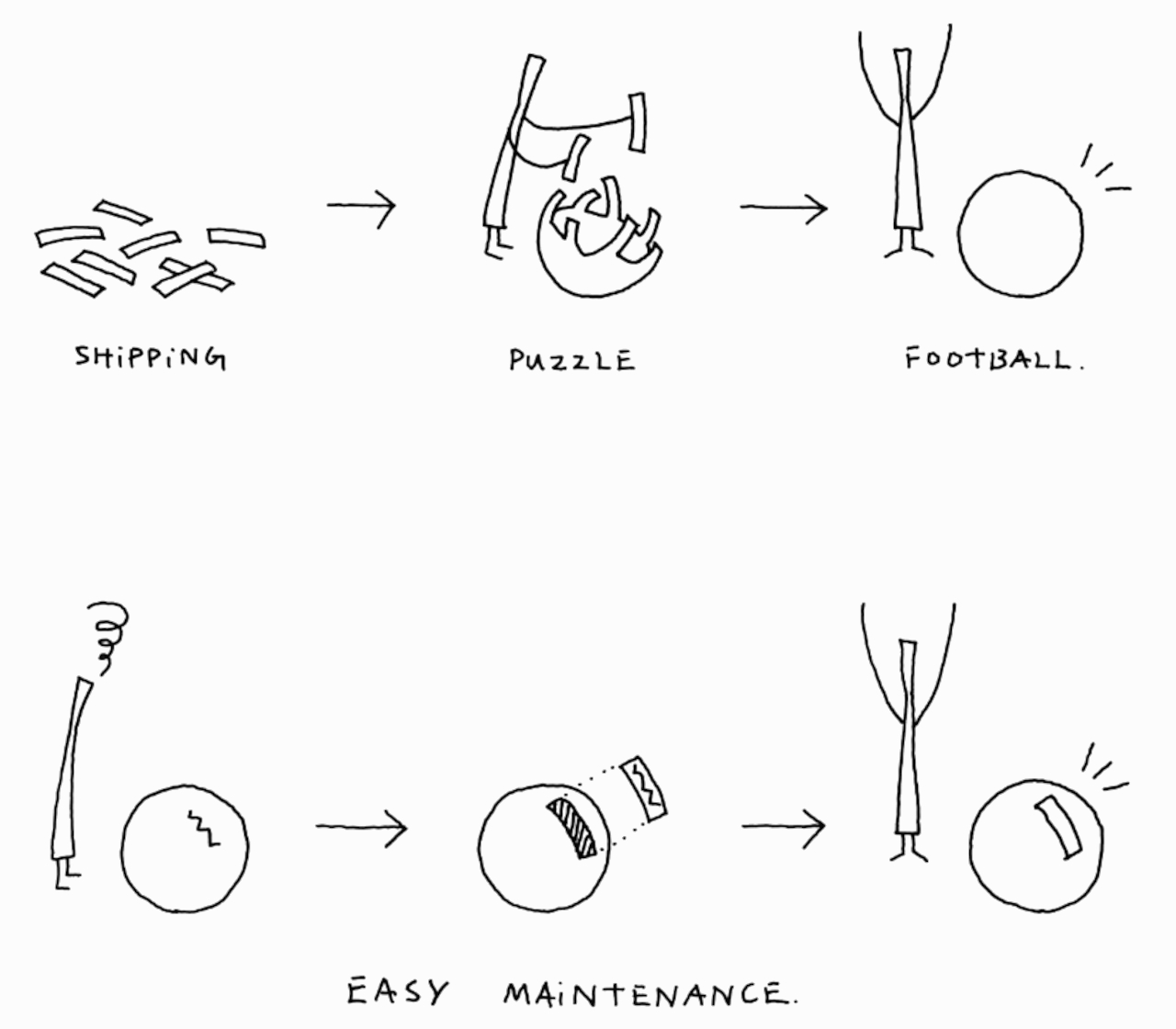
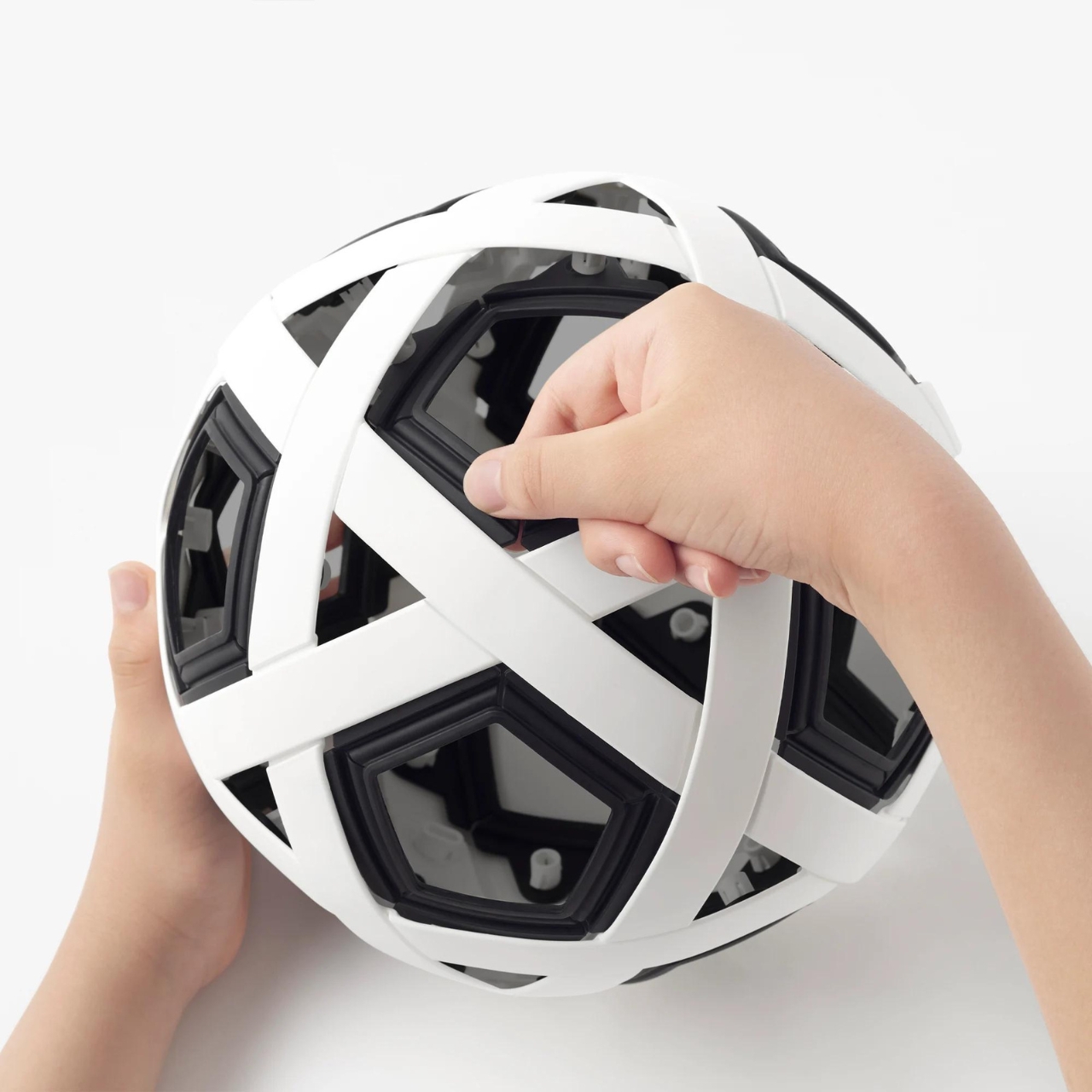
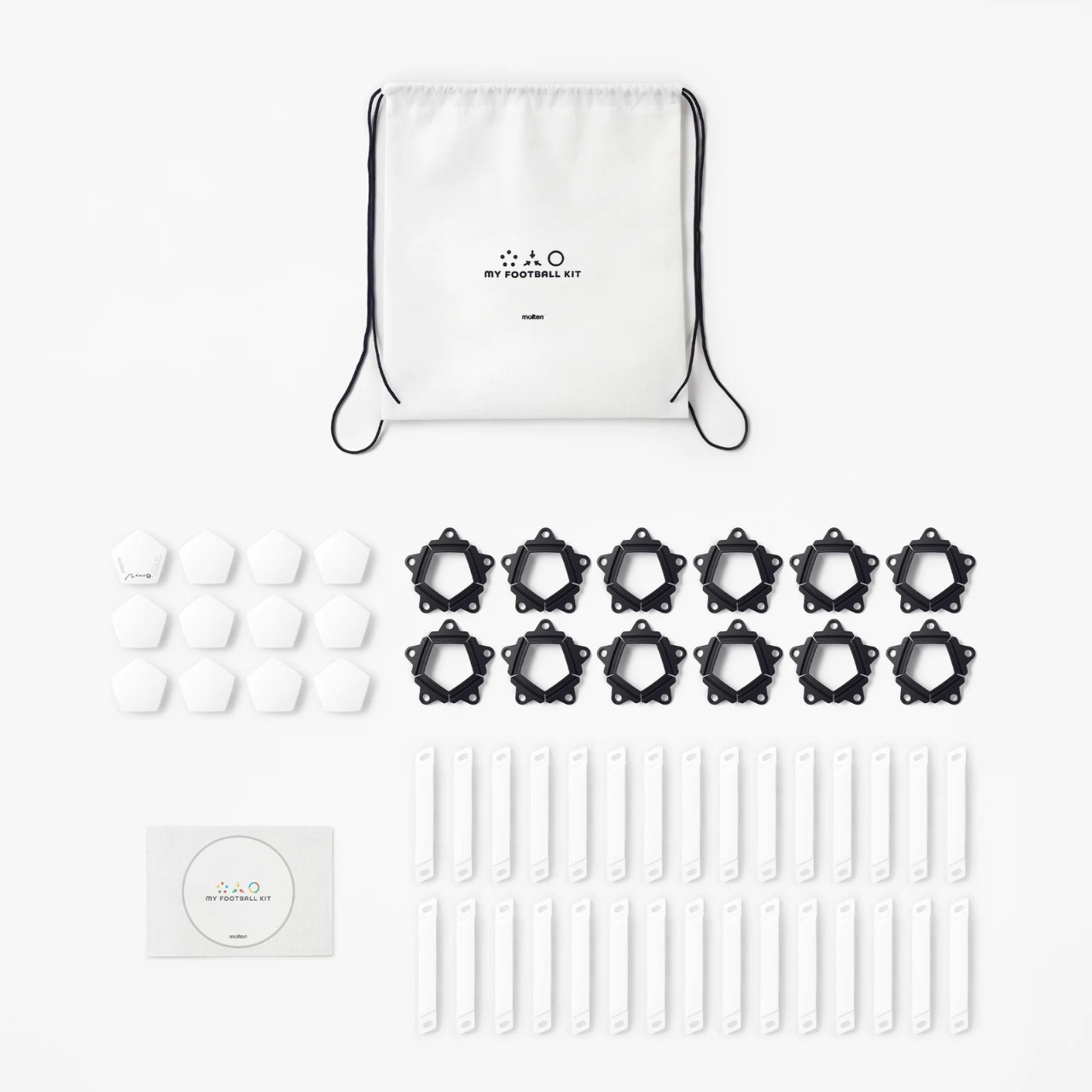
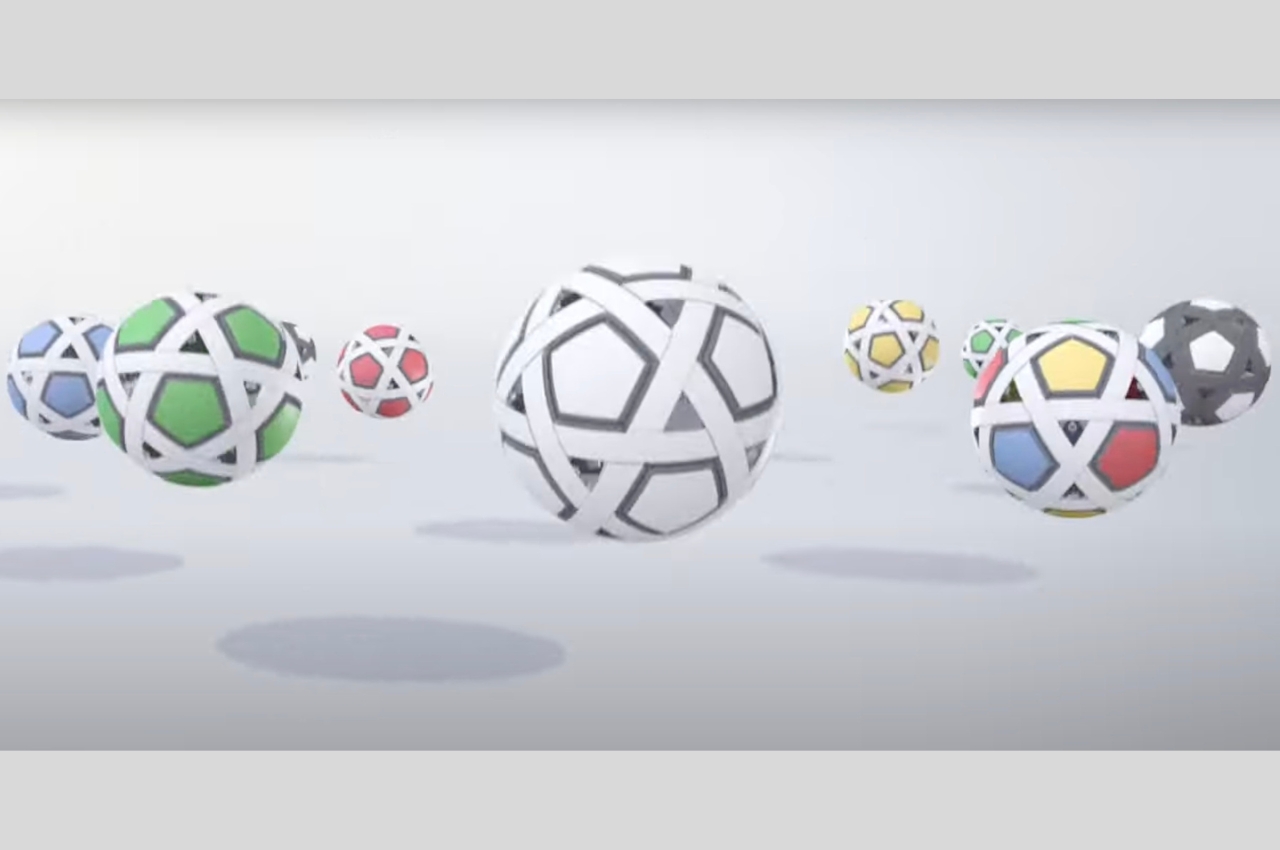
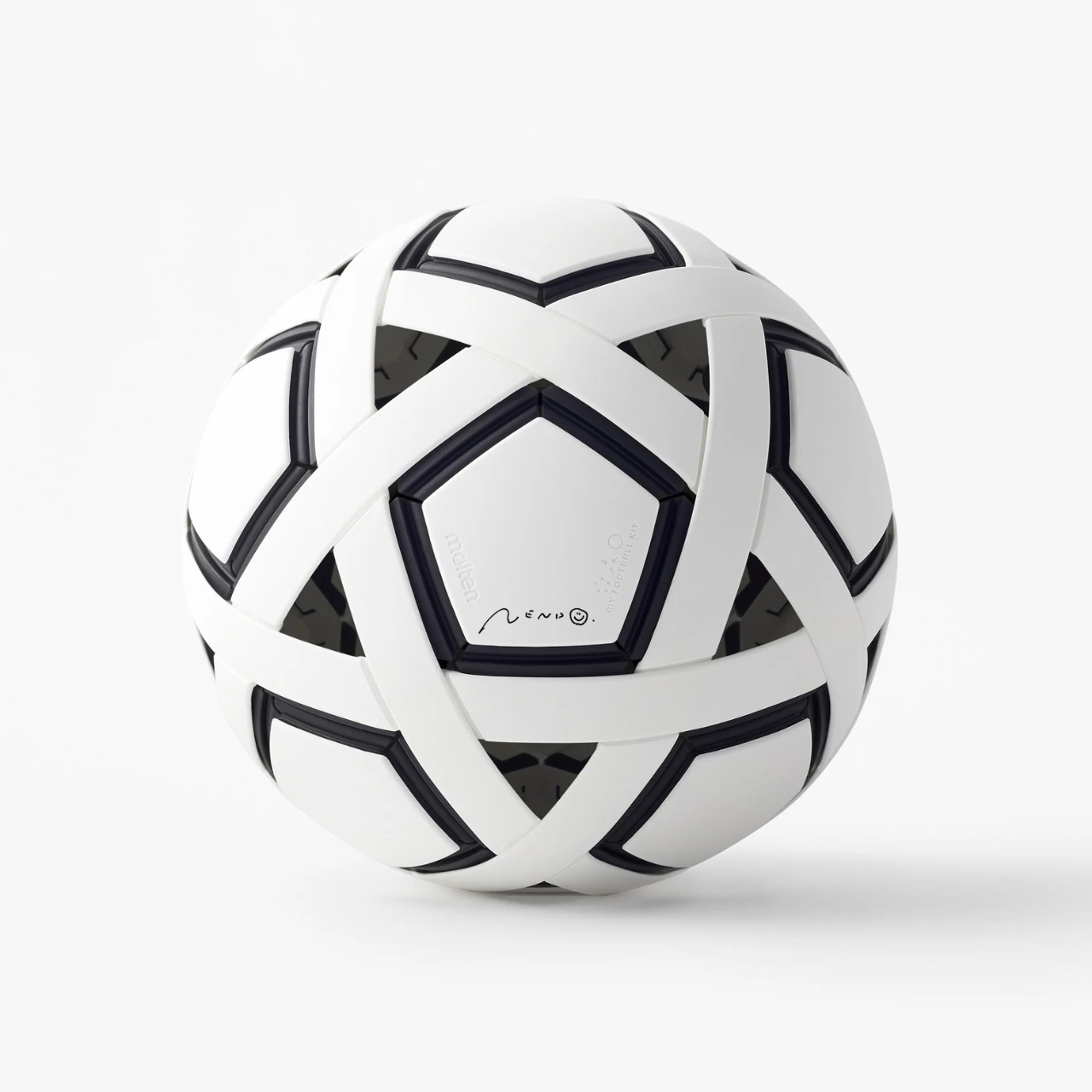
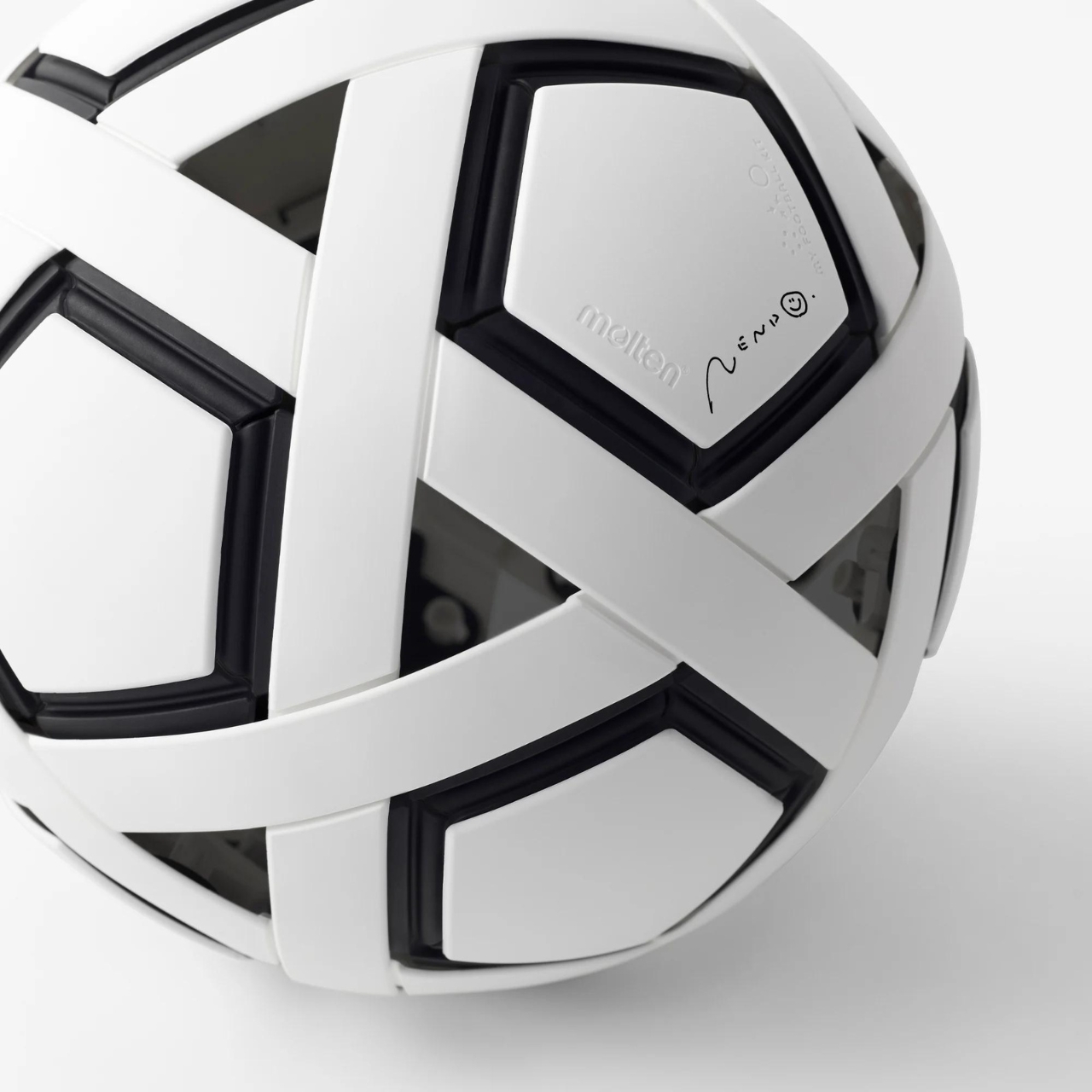
The “My Football Kit” is a lightweight football that you can assemble yourself and does not require any inflation. It is made from soft, recycled polypropylene and elastomeric synthetic resin components so they’re not as heavy as the regular football and won’t hurt feet even if you’re not wearing kicks. It is an airless football so it uses the resilience of its surface material instead of the internal air pressure.


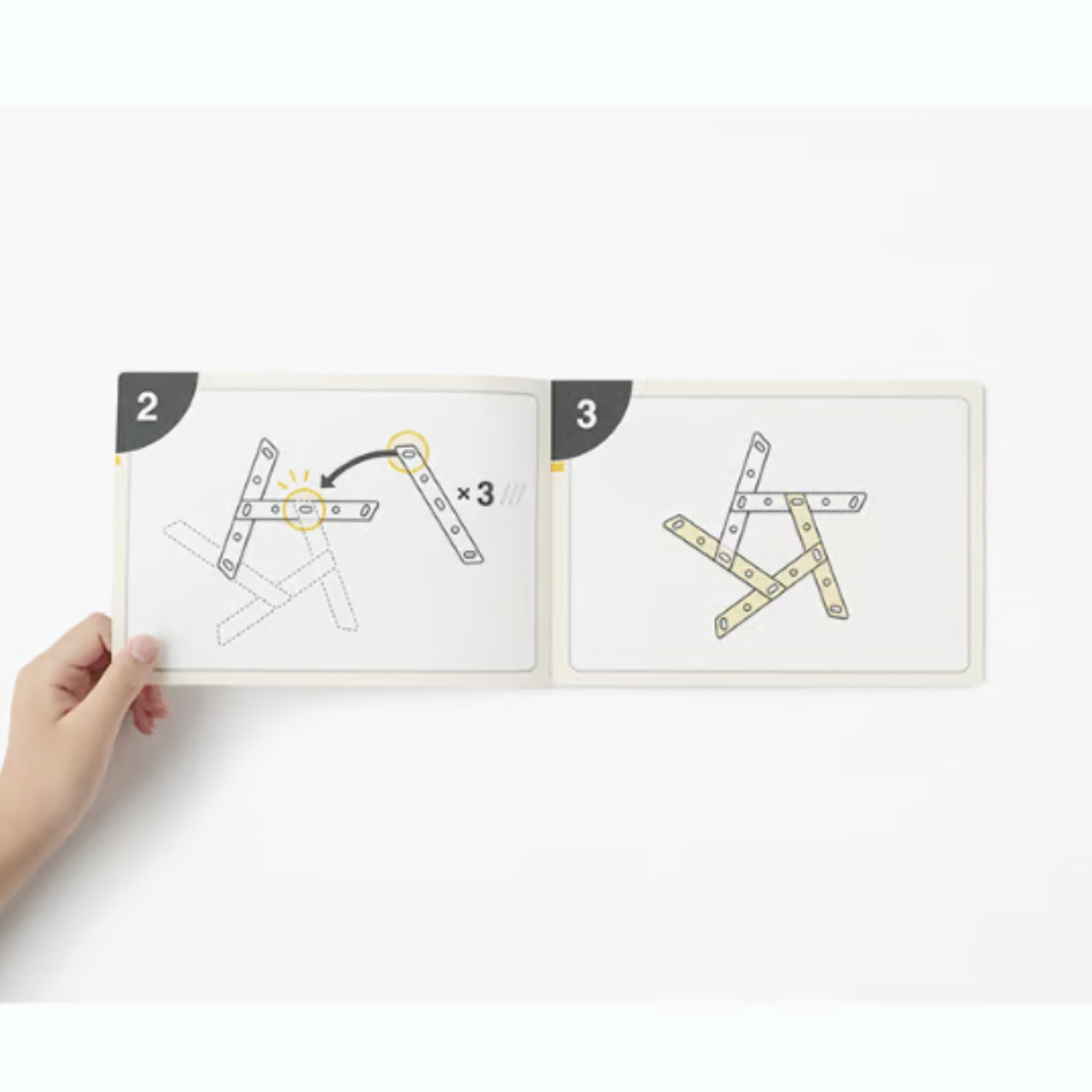
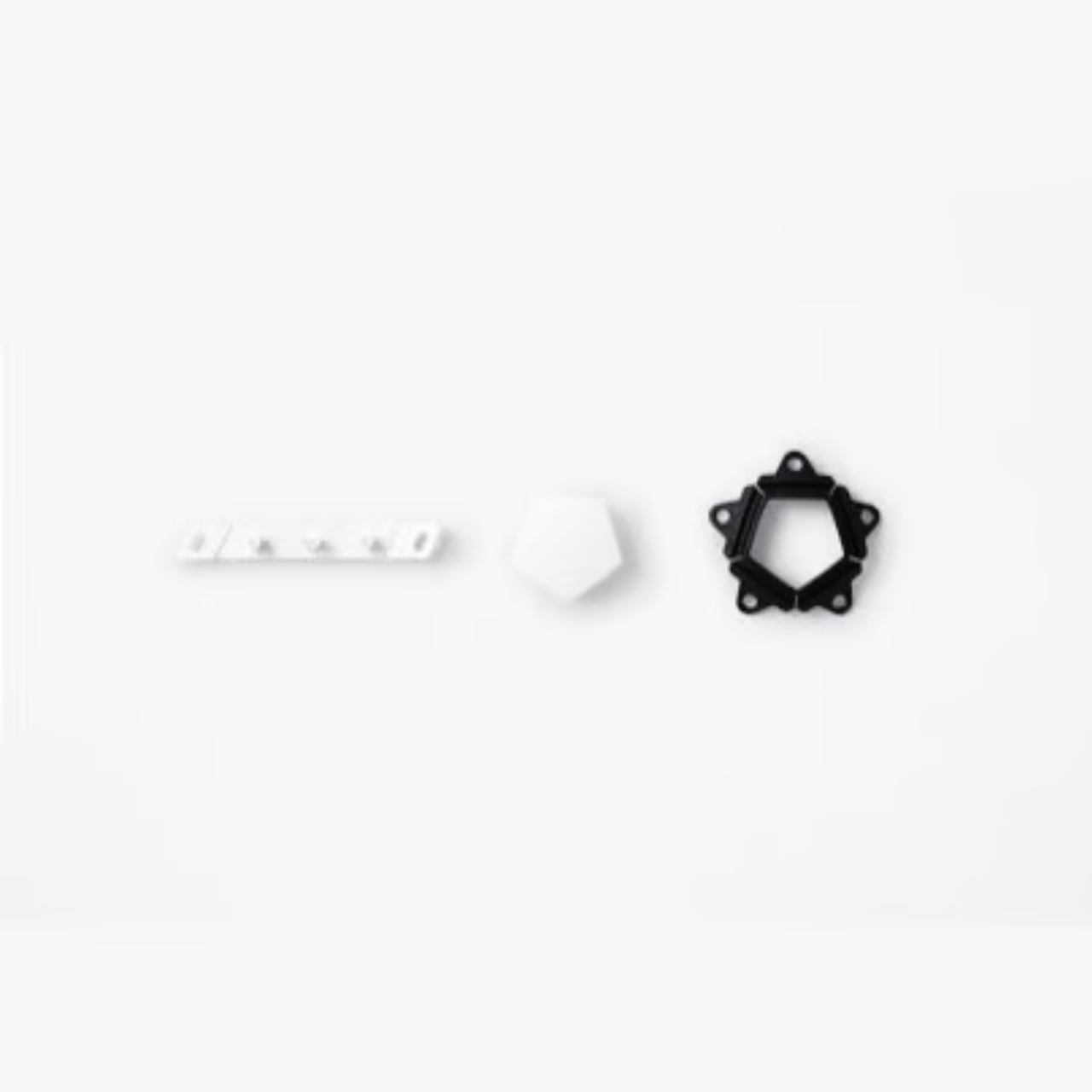
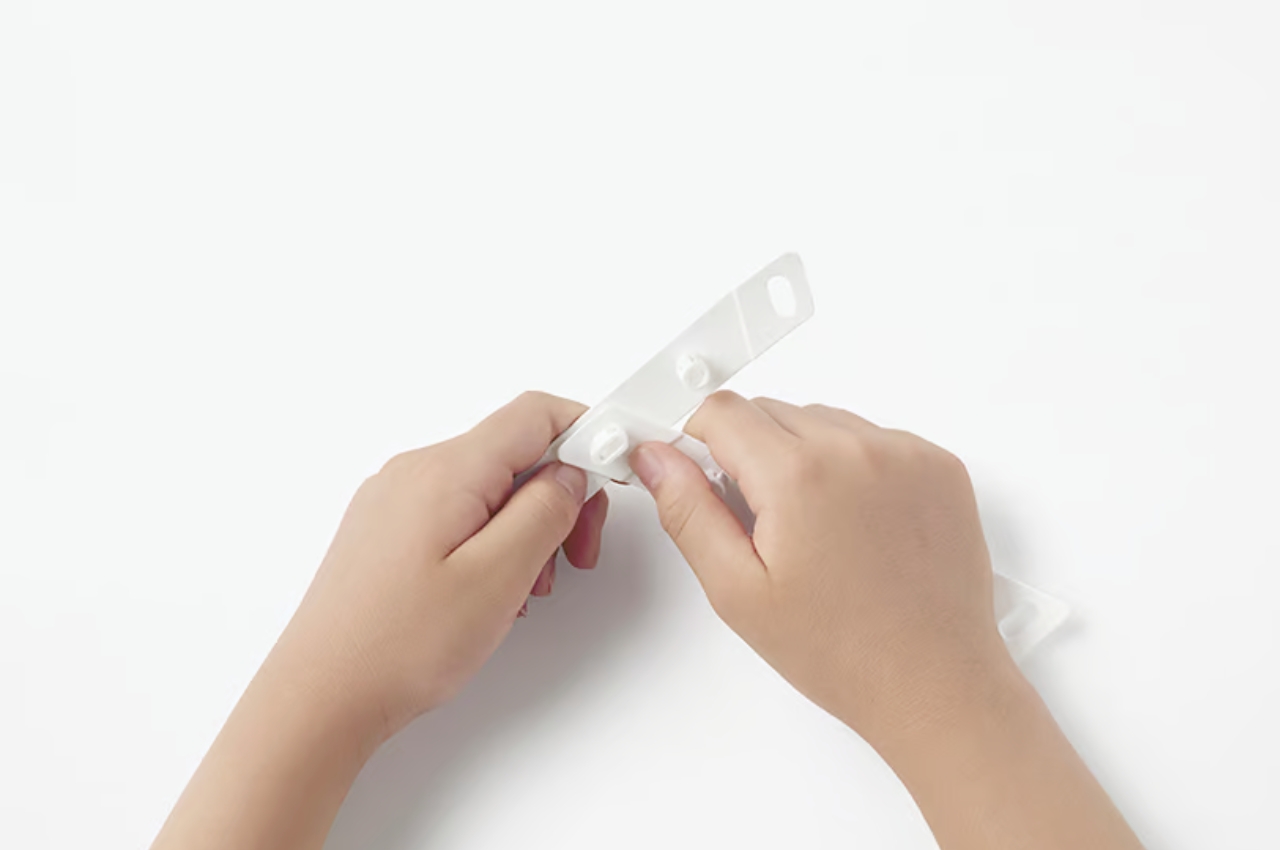
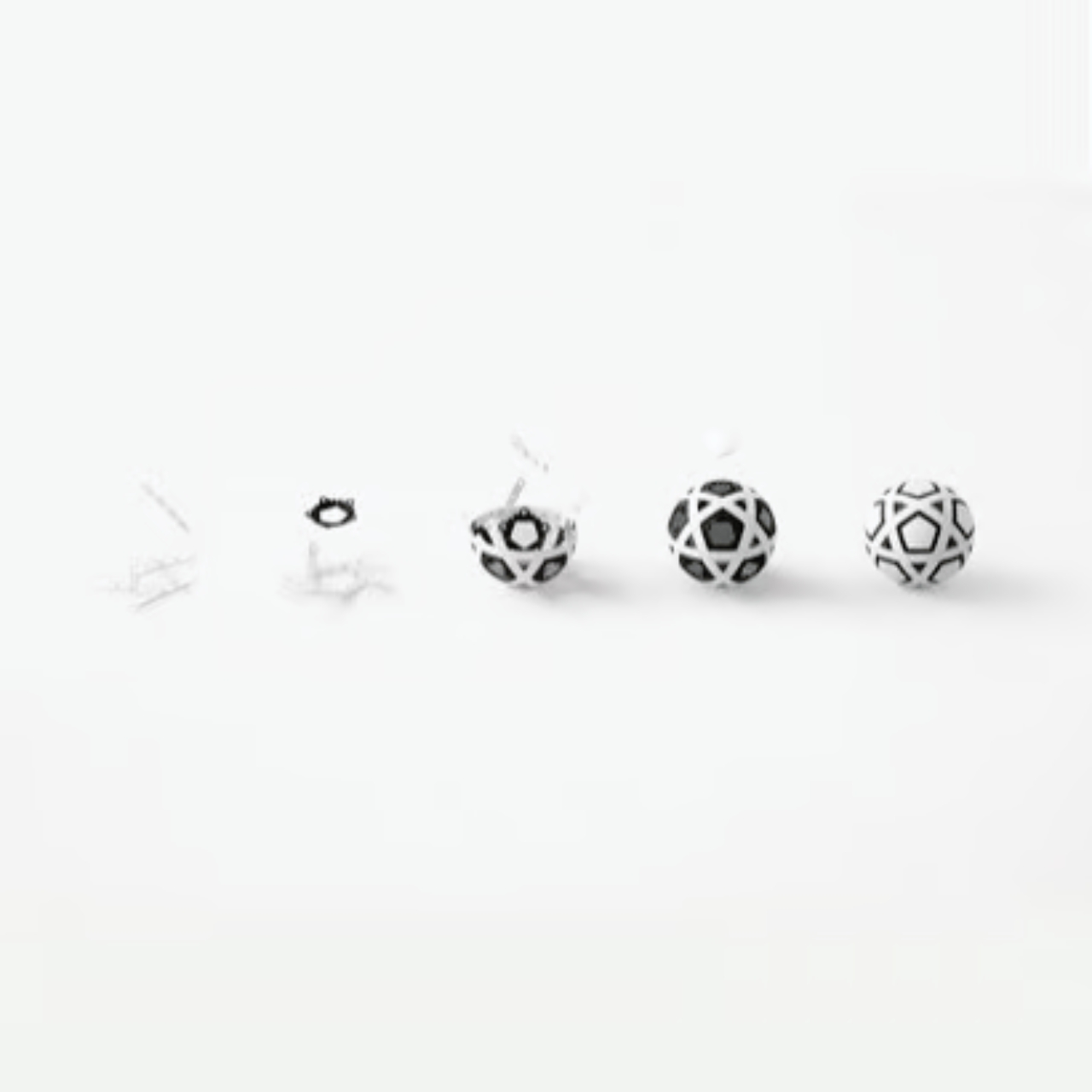
What’s more, you will assemble the football itself with its 54 individual parts that uses three types of components. The structure is inspired by the traditional Japanese woven bamboo ball. And even if one of the parts comes off when you’re playing, the ball will not fall apart since it has an interlocking structure. You can also replace the broken components so you can continue using the ball for a long time.
There’s also a pretty cool social aspect to this football. With every purchase you make, one ball will be donated. And for every 10 purchases, Molten will donate footballs to places like children’s homes or special support schools. The My Football Kit is available in just one color, a white and black combination. But the colors of the balls that will be donated will depend on the manufacturer and the availability.
The post Nendo House My Football Kit is an airless ball you can assemble first appeared on Yanko Design.
Forest fire sensor system can detect danger within the first 15 minutes

We’ve seen a lot of horrible forest fires that have destroyed homes, properties, and whole ecosystems in an area. We see such destruction just because someone did not put out a cigarette properly or through an accident or even through a natural phenomenon. If there were better wildfire detection systems in place then maybe the damage would have been lessened or even prevented. This award-winning sensor system hopes to solve that problem and help save forests from future wildfires.

Designers: Suat Batuhan Esirger and Rana Imam

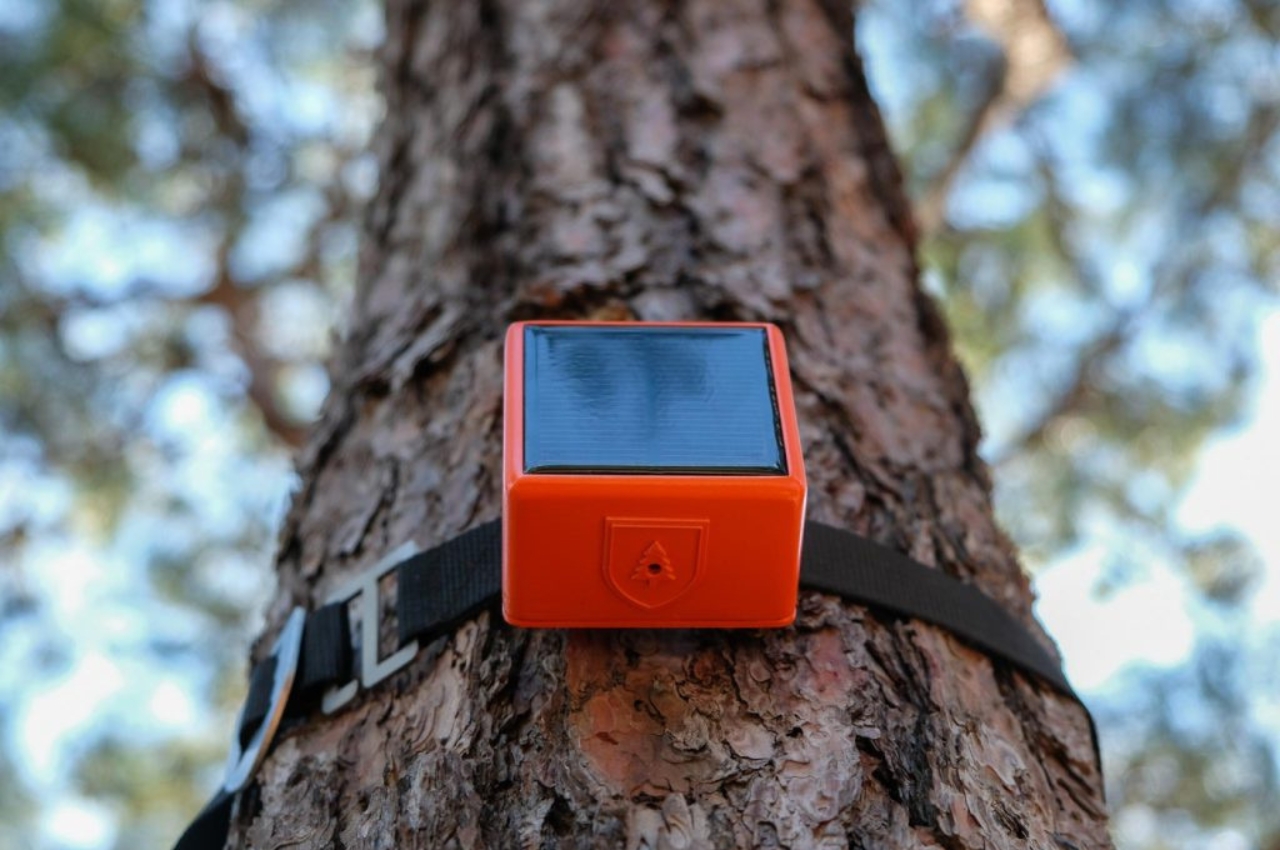
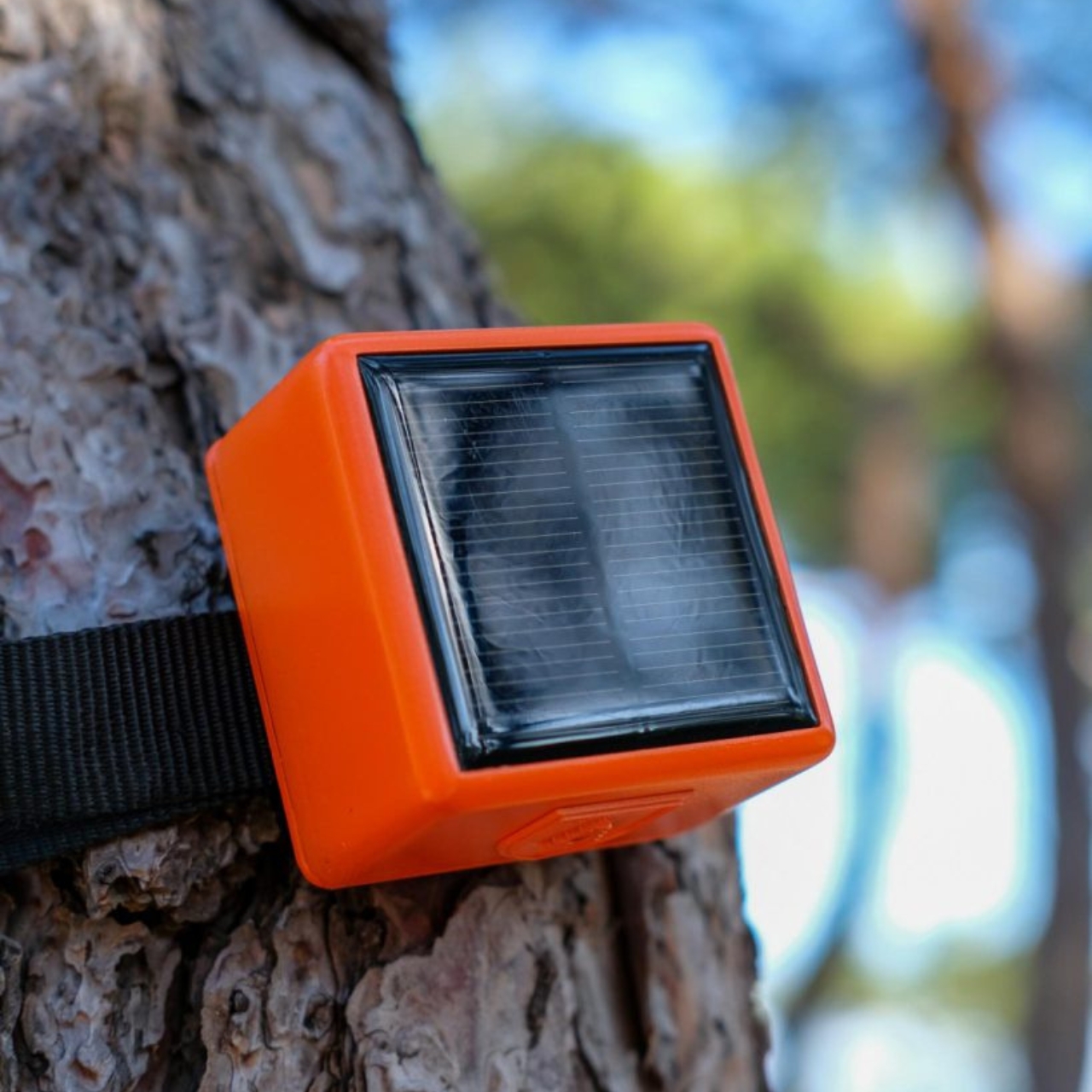
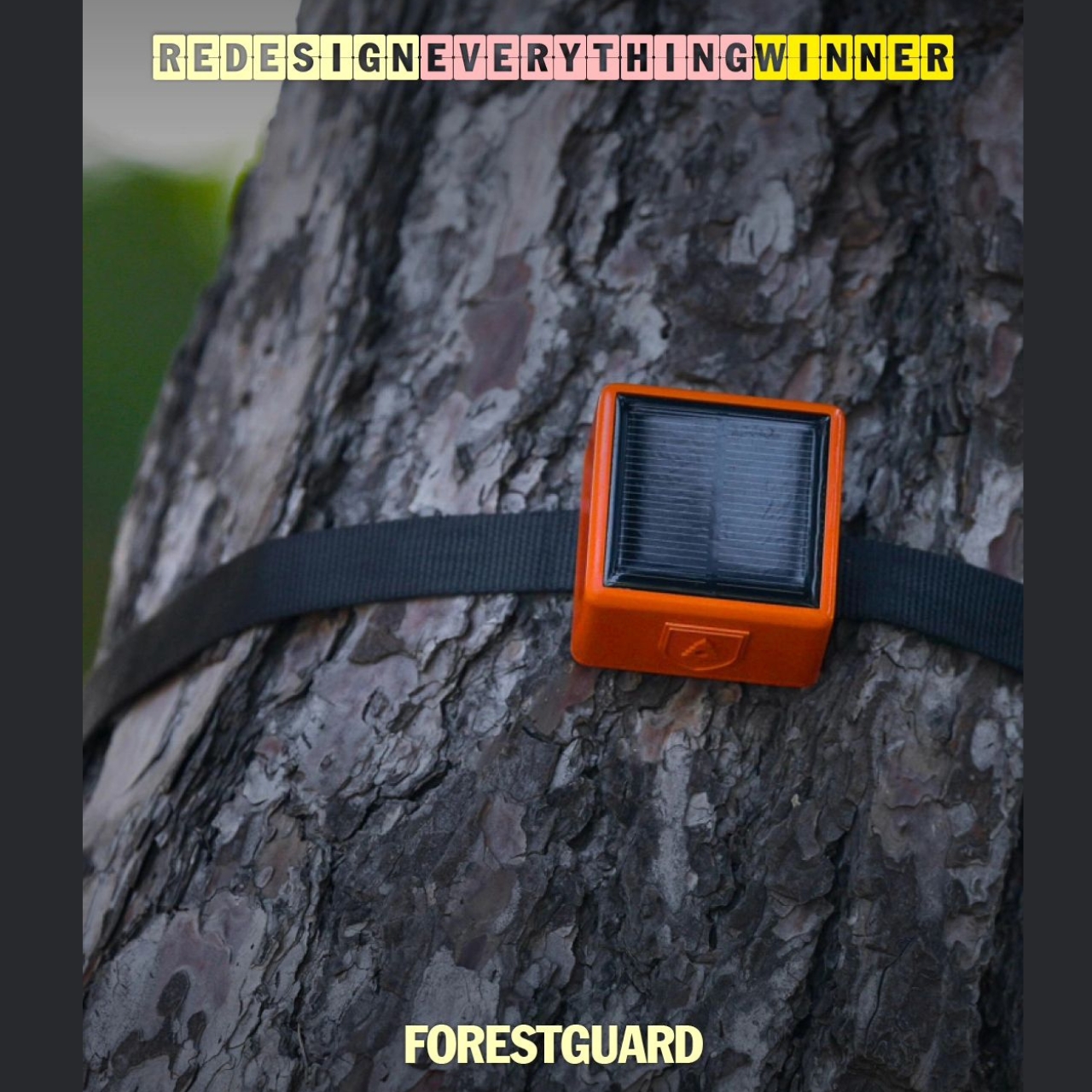
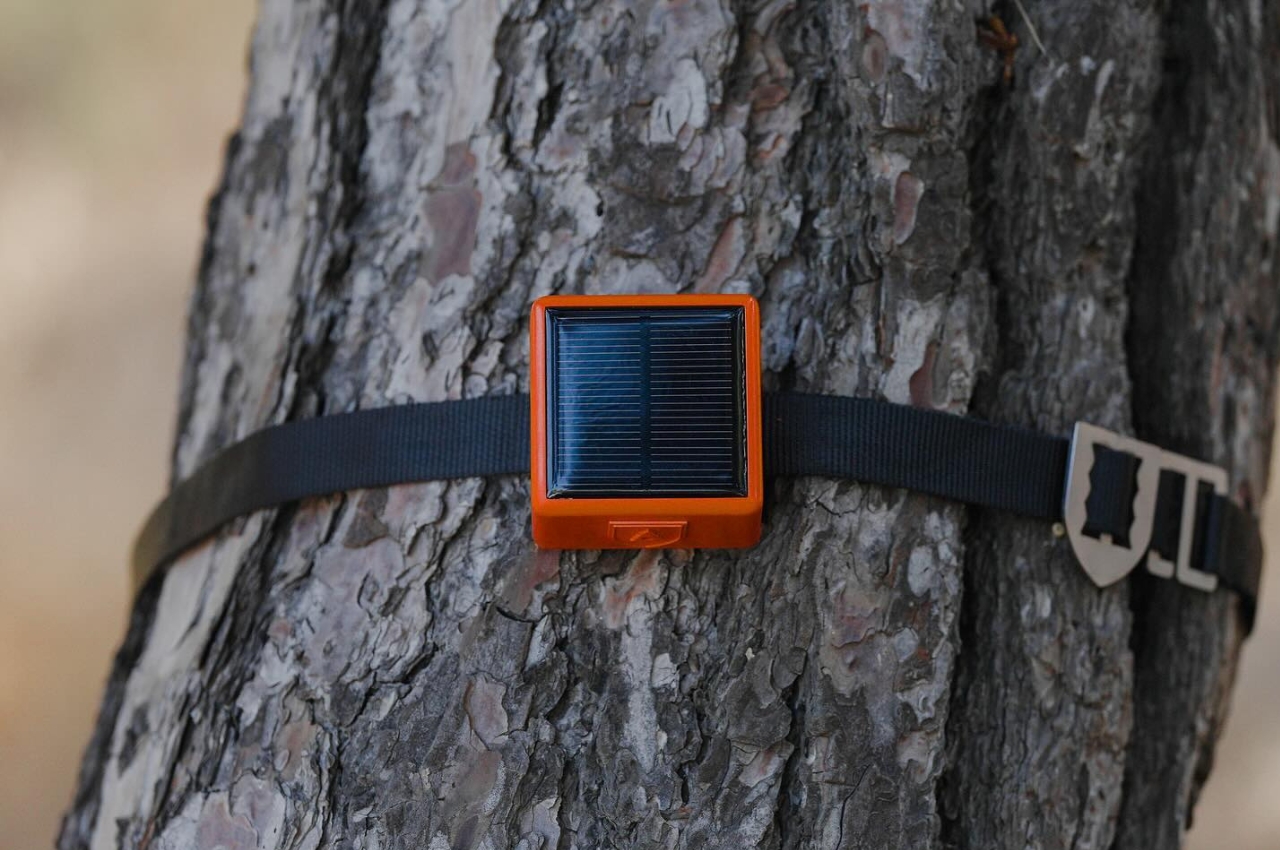
ForestGuard is a sensor system that is able to detect fires in real-time through its IoT-based, satellite-connected system. The devices are fixed on tree trunks through flexible, elastic straps that will not intervene with the tree’s growth. It is fixed at a height of 3 meters and can be placed every 16 hectares if you want an entire forest to be monitored. It also has a machine-learning algorithm that will be able to tell whether the smoke is from a vehicle’s exhaust, someone smoking a cigarette, or whether it’s an actual forest fire.

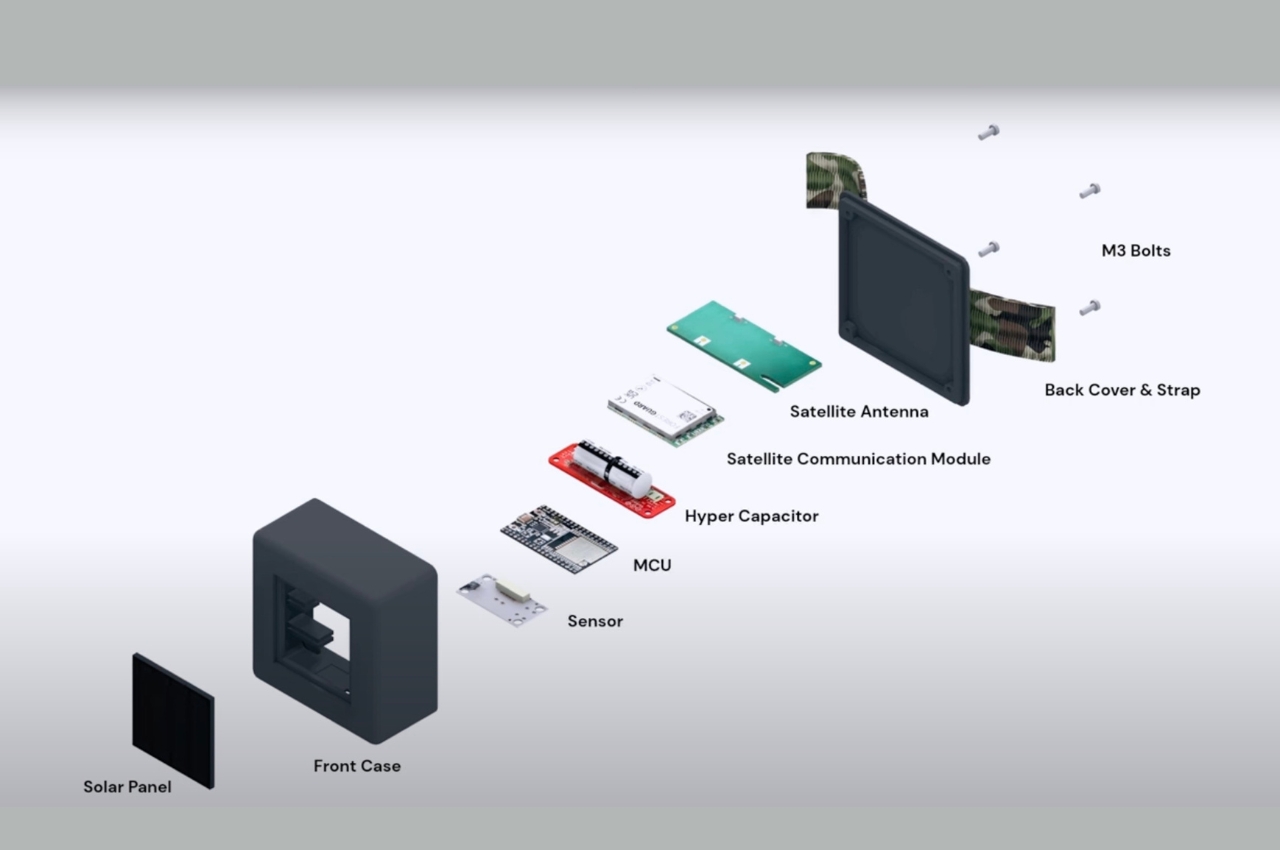
The modules actually have wide-spectrum sensors that will be able to measure gas levels, temperature, humidity, air pressure, and air quality for different scenarios. The sensor modules will transmit the data to GeoStationary satellites that will beam it back to earth and to the servers. Reaction time of authorities and firefighters can be reduced to under 15 minutes if everything works properly and the emergency condition is verified.

They have integrated Li-Ion Hyper Capacitors with the solar panels so the devices themselves will not cause a fire even if under extremely hot conditions. There is also an internal gyro sensor for anti-tamper and anti-theft features. The case manufacturing uses forest-collected plastics to helo reduce environmental impact. Hopefully more forest systems get to adapt this sensor system and help reduce the number of dangerous forest fires that occur in various places.

The post Forest fire sensor system can detect danger within the first 15 minutes first appeared on Yanko Design.

Music mixer concept uses generative AI to help you create music

I have a lot of respect for those people who can create music on their own, especially ones that are able to produce earworm-y pop riffs. Sometimes I’ve thought about studying how to create and mix music especially now that there are equipment, apps and websites where you can do that, but you need to study a lot of things before you can actually use them. Sometimes I think, can’t I just have something in my head transferred to a machine without having to do so much work? Well, thanks to artificial intelligence, that is somewhat possible, for better or worse.

Designer: Haechan Ryu

Happy Music Mixer 07 or HPMXR 07 is a music mixer that is powered by generative AI. This means, even if you don’t have knowledge on how to use mixers, you should be able to use this machine. The goal for this concept is to democratize composing music and using AI to help out with that. There are some ongoing issues in the music industry of course about using AI but it’s still an ongoing conversation that will continue to evolve. But if you are not hesitant to use AI to fuel creativity and things like music creation, then this should be of interest to you.

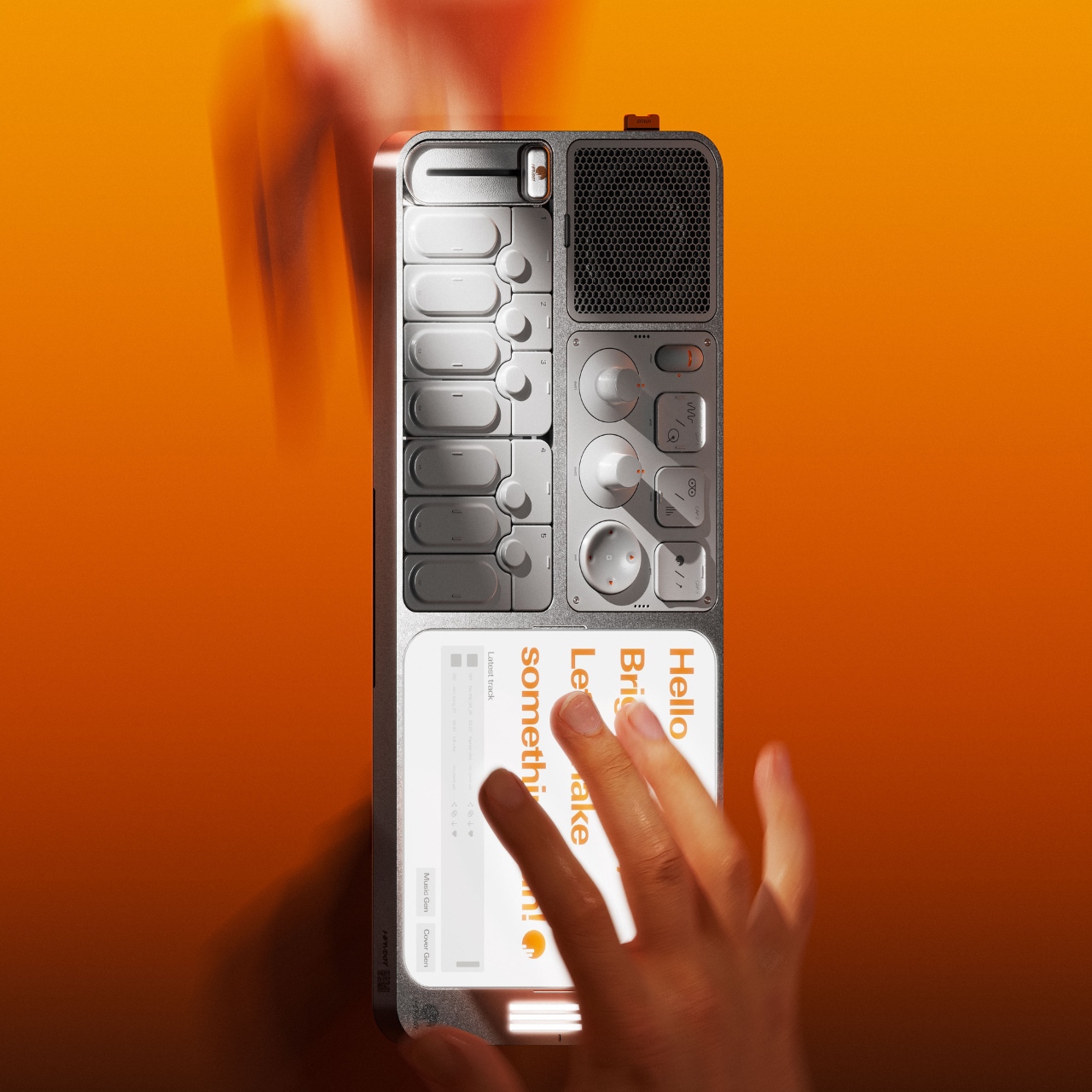
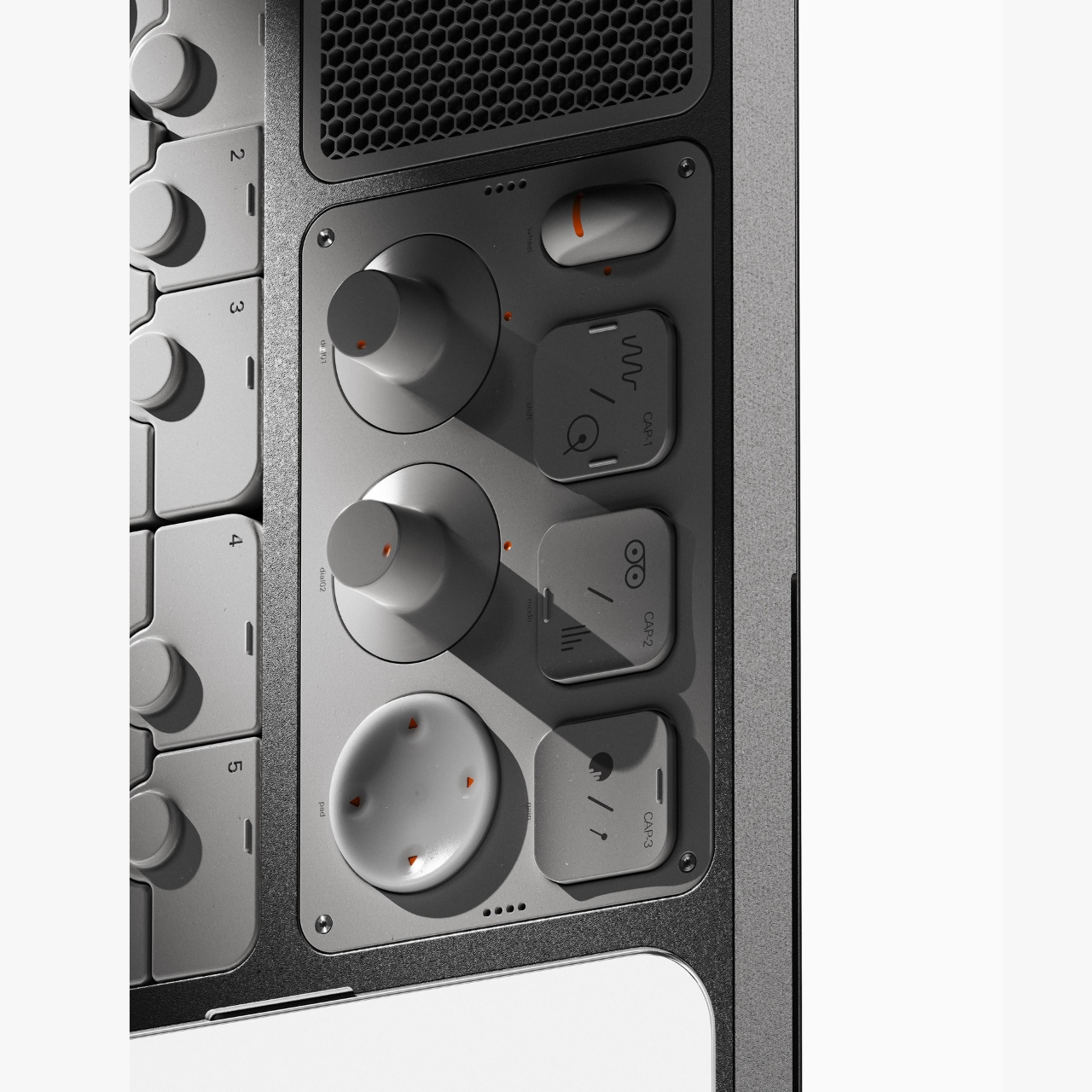
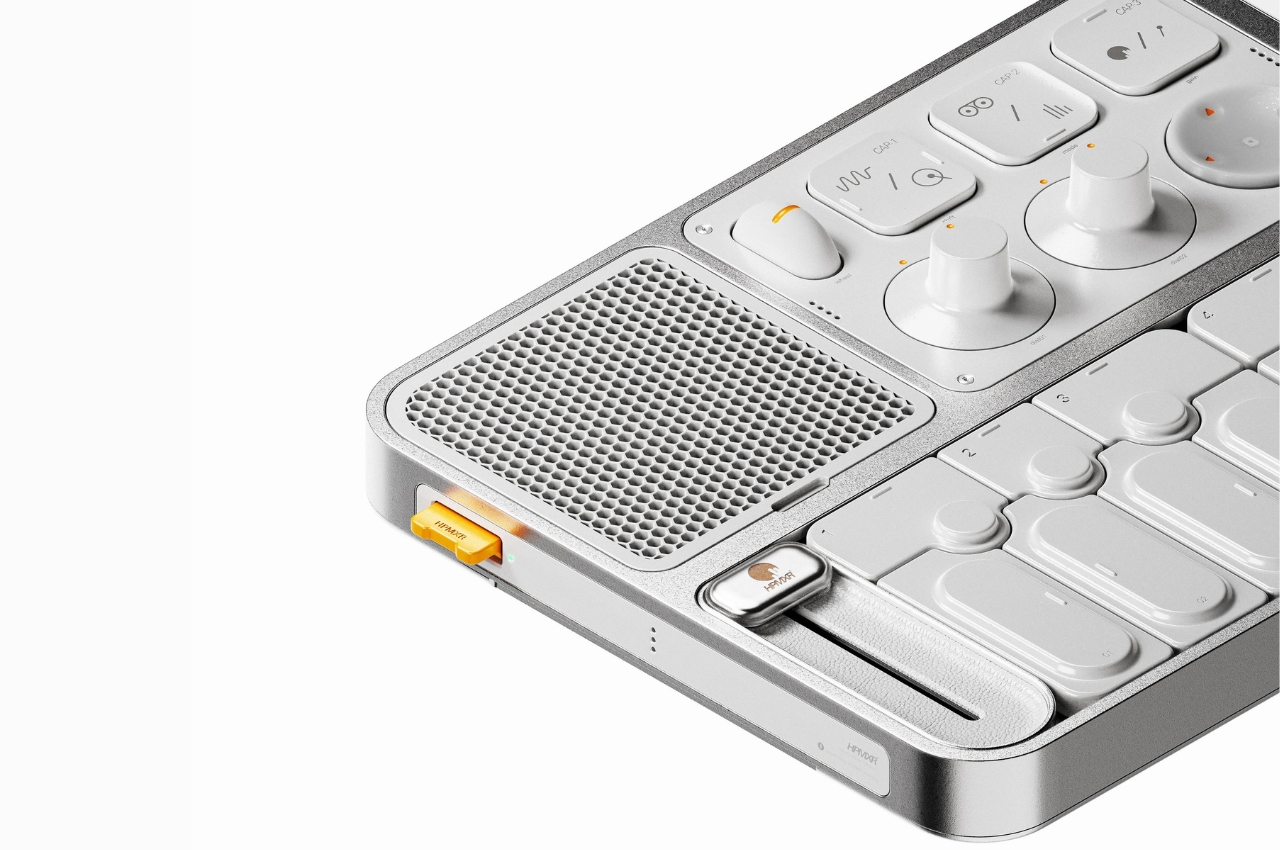
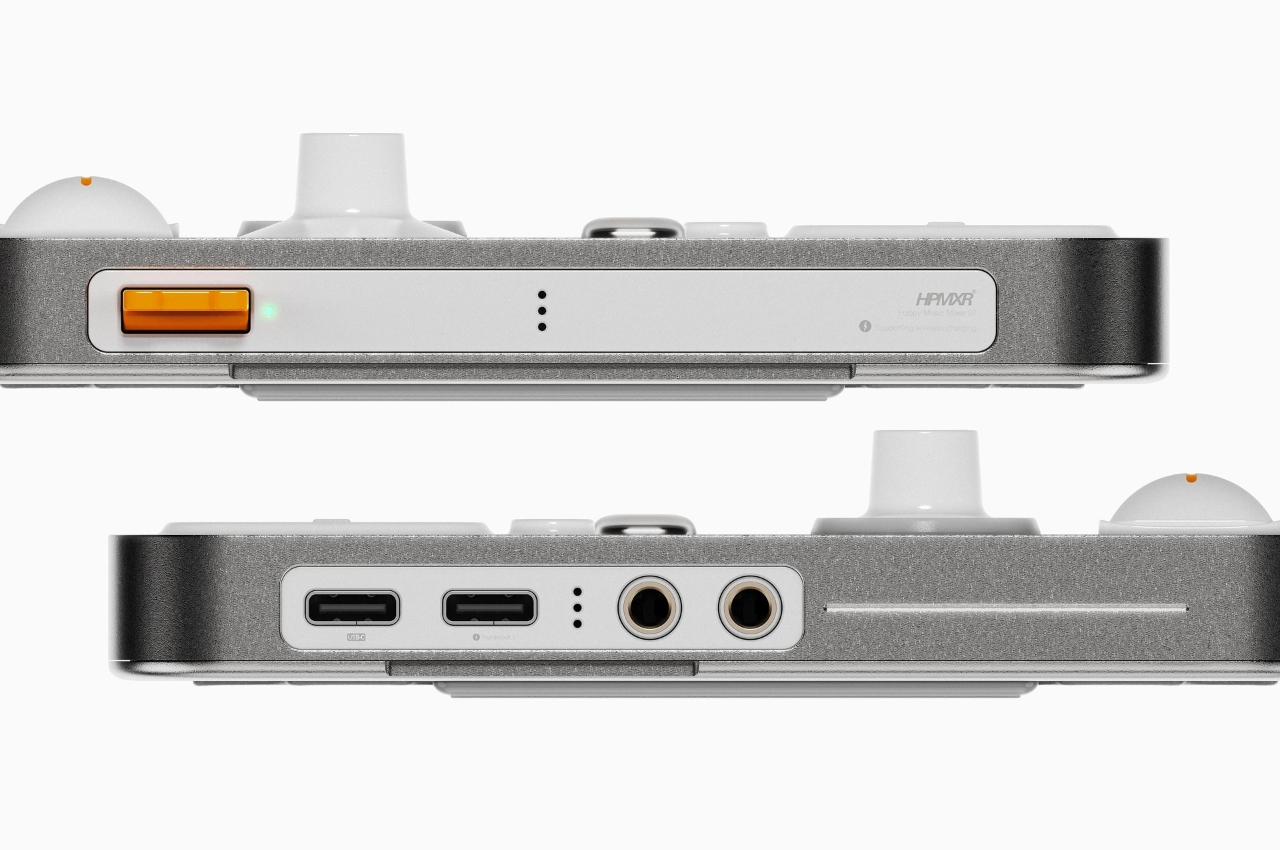
The machine looks like your typical synthesizer except that it is designed to not look so intimidating, with a clean interface and layout that should be easy to understand. The first step to using it is to describe the music that you’re thinking of, setting the length, tempo, mood, genre, prompt, mixing, and other things that may be in your brain. You can also even generate an album cover that will match your song. Once the AI has generated the song, you can also mix and adjust it according to your preference before transferring the completed song through an NFC card or a USB-C type connector.

All the buttons, knobs, and keyboard are designed in an intuitive interface. The housing of the HPMXR 07 is made from aluminum and has a monochromatic color with orange highlights. The switches and stabilizers have a tactile interface so you still feel in control even as the AI helps you generate the music that is in your head. It’s a good toy to play around with if you want to experiment with creating music but you don’t have the ability to understand more complicated mixers and synthesizers.

The post Music mixer concept uses generative AI to help you create music first appeared on Yanko Design.

Experimental chair by Ahn Kihyun lets you keep eggs from cracking

When looking for a chair, of course what you want is for something that you can sit on comfortably. Depending also on your budget or on your space, you probably don’t really care much about the design of it as long as it is able to perform its main function which is that you can sit on it. But there are some chairs that are not just functional. In fact, sitting on it may not be the only purpose of it but it becomes a piece of art, or in this case, even performance art.

Designer: Ahn Kihyun

The Halfway Serious chair will probably not make you comfortable and will even make you anxious if you’re that kind of person. But what it will definitely do is make the “mundane” act of sitting more interesting and more challenging. Aside from the actual seat, it uses a gimbal structure so you have to balance sitting on the chair so that the eggs placed on either end will not drop and become a yolky mess. Of course you don’t need to really put actual raw eggs but that defeats the purpose of the chair, which is to balance it out.

Designer Ahn Kihyun is known for his experimental designs for alternative furniture or “anti-furniture”. He believes that by adding elements to his pieces that give different experiences to the users, the act of using it can actually become a sort of performance art. For this particular piece, he made the egg container at either end of the gimbal look like an island. But with the addition of the chair in the middle, which looks like an ordinary bench on its own, you are able to tell a different story.

It would be interesting to sit on something like this although as a person with a balance problem, the eggs will probably not be long for this world. As its name suggests, Halfway Serious will not be an actual chair that you can sit on every day but something that belongs in a museum or a space meant to invite people to try it out and see if you can keep the eggs from cracking on the floor.

The post Experimental chair by Ahn Kihyun lets you keep eggs from cracking first appeared on Yanko Design.

Floor lamp concept is inspired by the sun and moon ecliptical orbit

As I live in a not so big space, I only need to have desk lamps in my living room and bedroom for both ambient and functional lighting. But one of my dreams if I eventually get a bigger place is that I can put one or two floor lamps around to add to the aesthetics of my apartment. I like looking at interesting designs for lamps and bookmarking them for future reference, especially ones where much thought is put into a design.

Designer: Sancho Martin

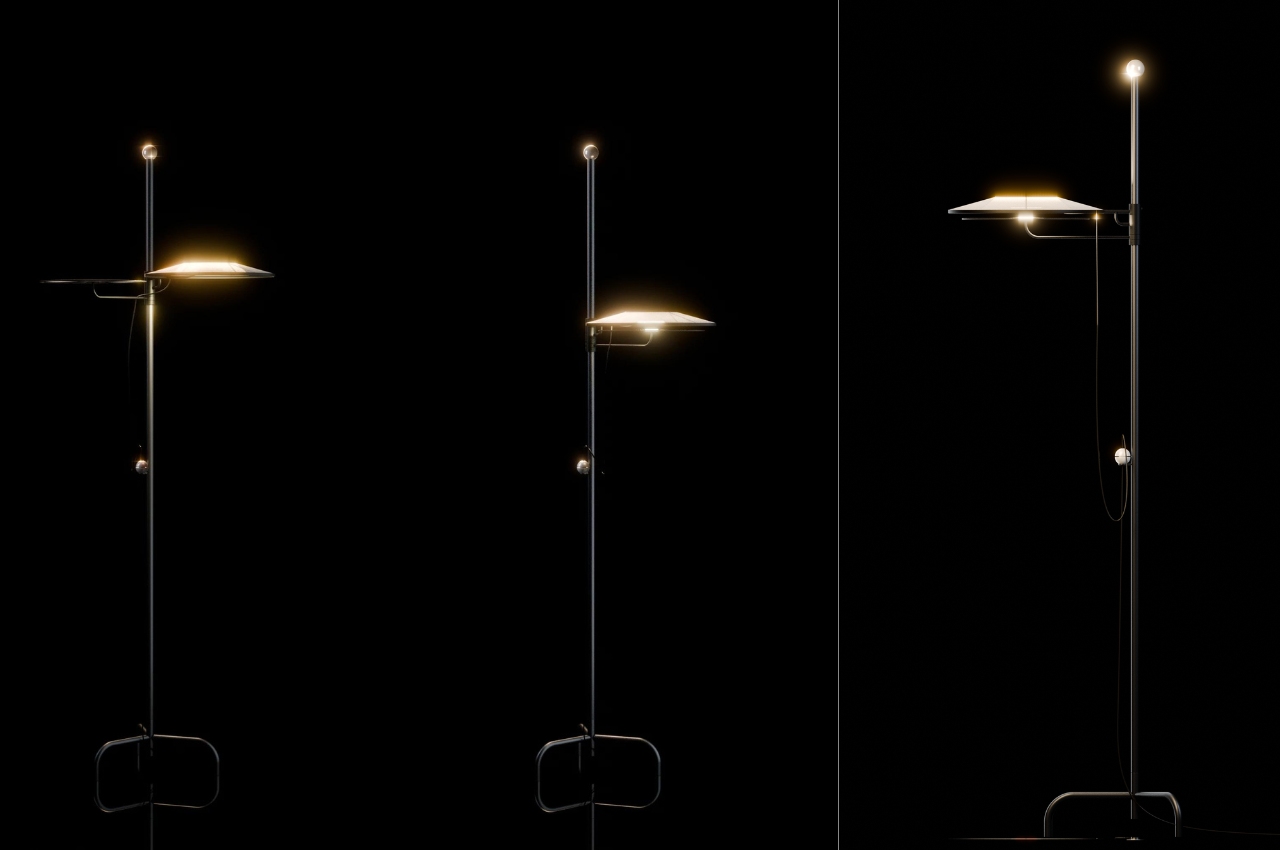
The Eclipse Floor Lamp is a concept that was inspired by the idea of the eclipse where the sun or moon crosses each other’s paths. This time around, the sun and moon are represented by two circular screens that emit a “soft and enveloping atmosphere” when they are aligned and the light bounces between them. This is the perfect ambient lighting for when you want the floor lamp to be part of your room’s aesthetics.

When the horizontal screen is adjusted, you can turn the lamp into a more functional lighting source. The light is directed downwards so you can have it more focused like when you’re working, reading, or you just need some light to see something. There is also a spherical shape on a small hook in the main axis which serves as the power button which is easy to access and also intuitively placed.

The Eclipse Floor Lamp has a pretty minimalist design so it can fit in perfectly no matter what your room’s aesthetics is. It can be placed near the couch, working table, or even by the door or window if you just want it to be more of an ambient lamp rather than a fully functional one.

The post Floor lamp concept is inspired by the sun and moon ecliptical orbit first appeared on Yanko Design.

Herb growing panel concept can help restaurants reuse water

Have you ever wondered what happens to all that water that customers leave at their tables in restaurants? We sometimes see glasses and pitchers left on the table which obviously, the staff can’t reuse anymore for drinking purposes. If the management or staff are conscious about water usage, then they will be used for other things like washing dishes or watering plants. But a lot of times, they’re just thrown into the sink. This concept proposes a more intelligent and eco-friendly way of saving and re-using that water and involving the customers in the process.

Designer: Sebastian Delerba

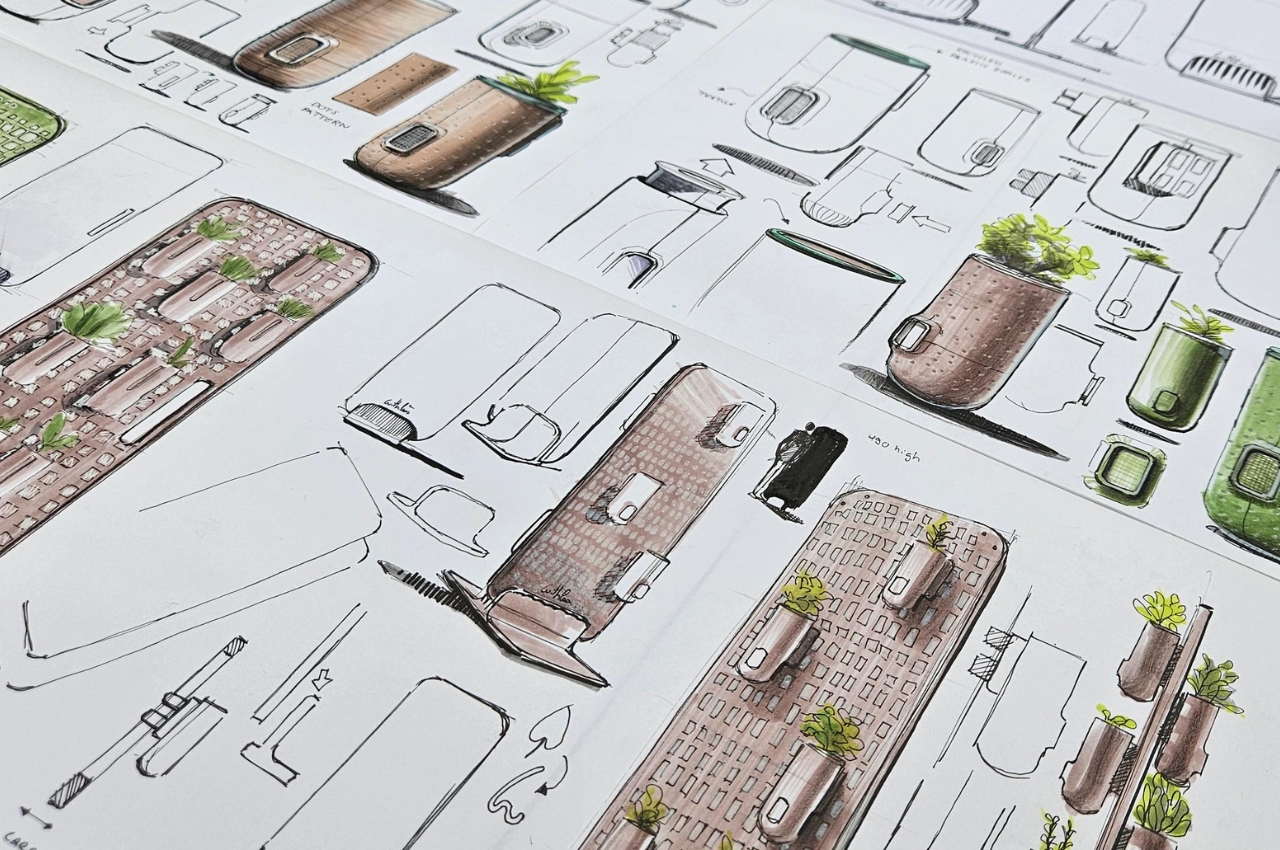
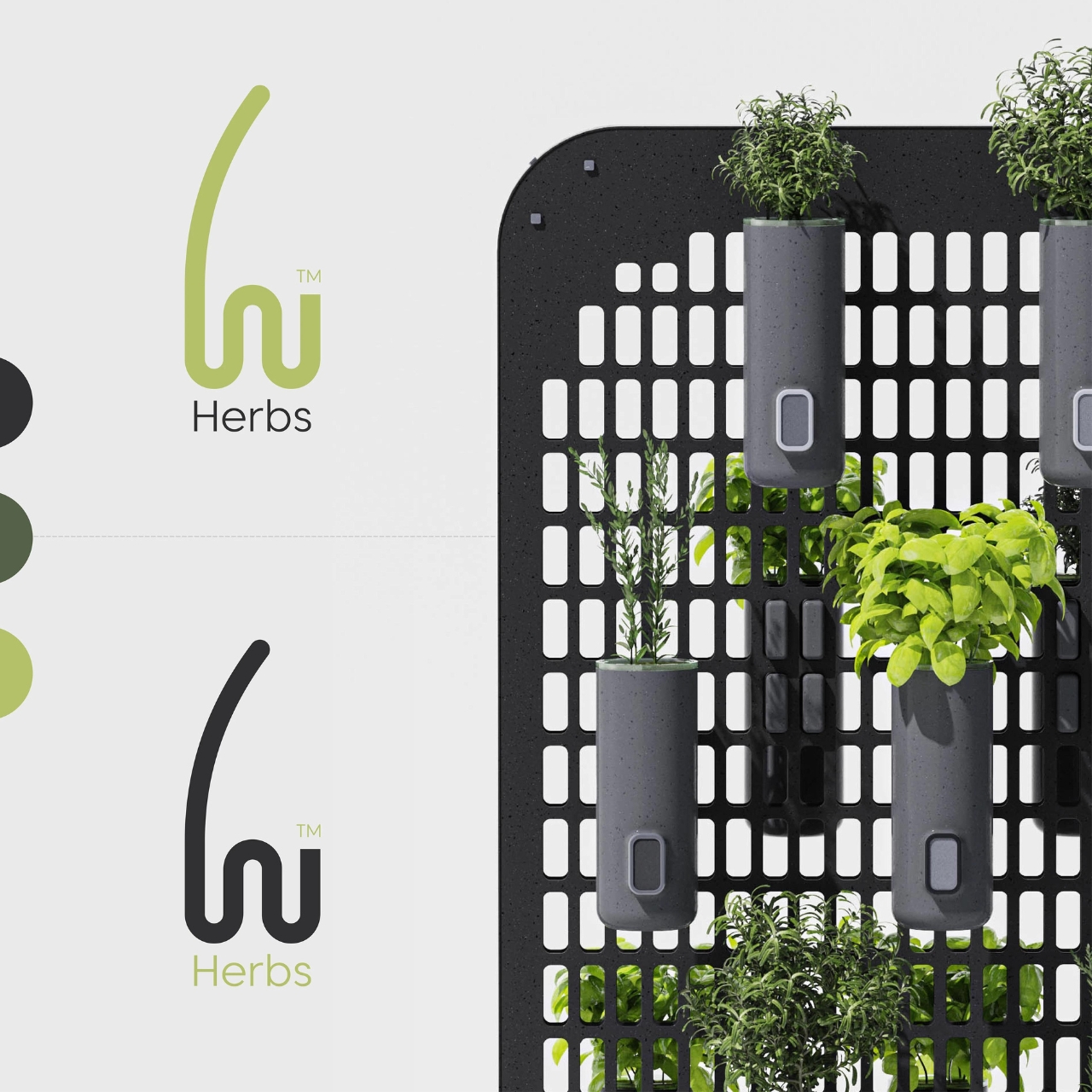
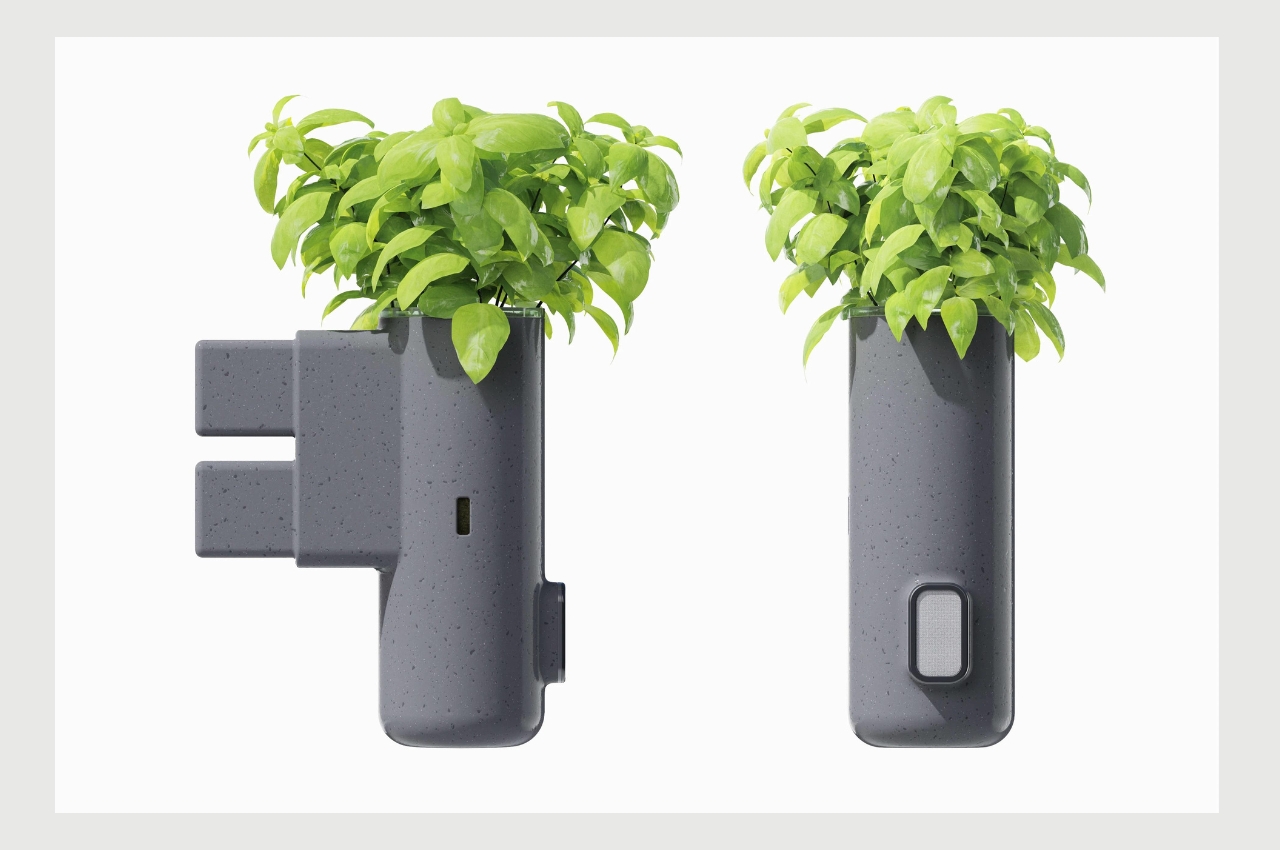
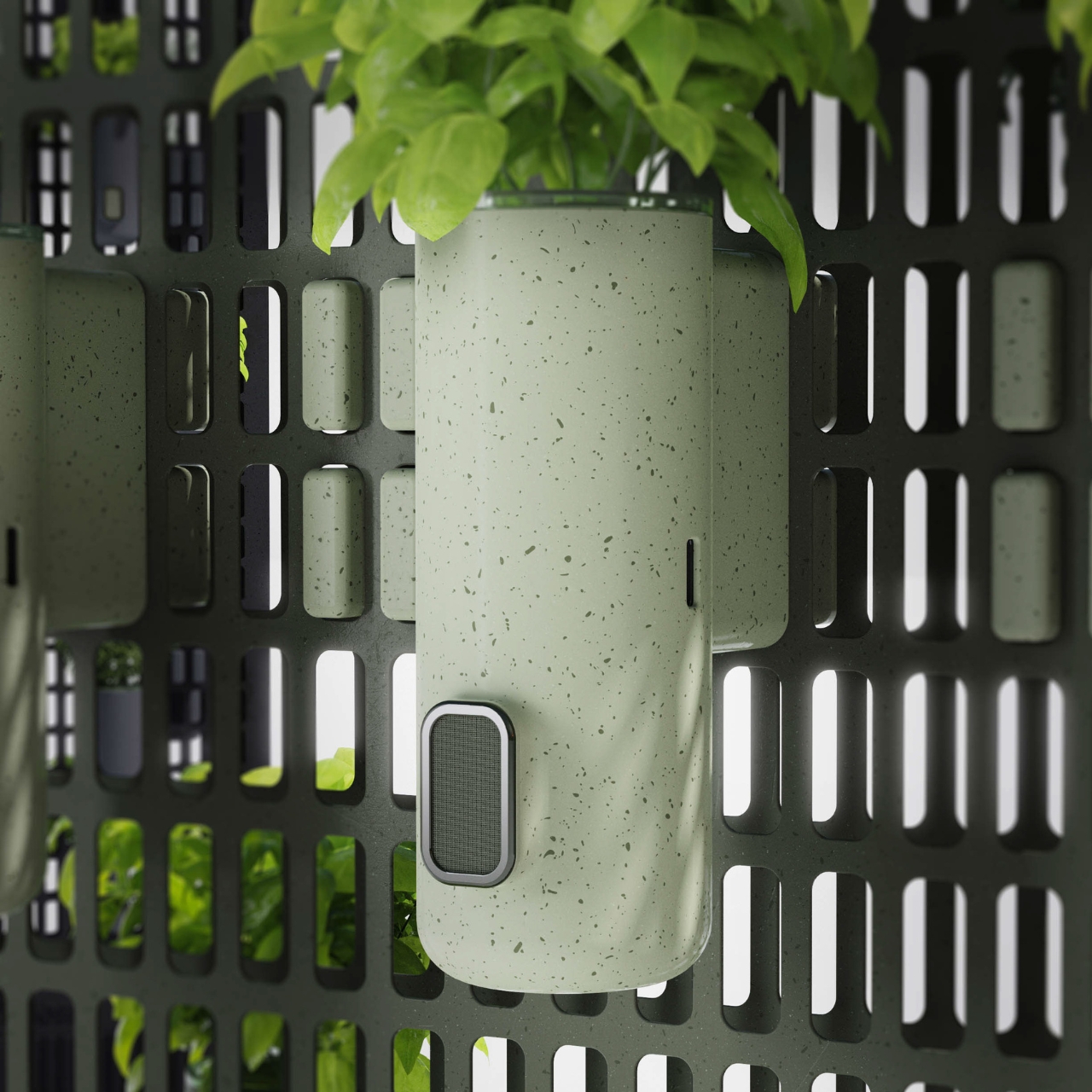
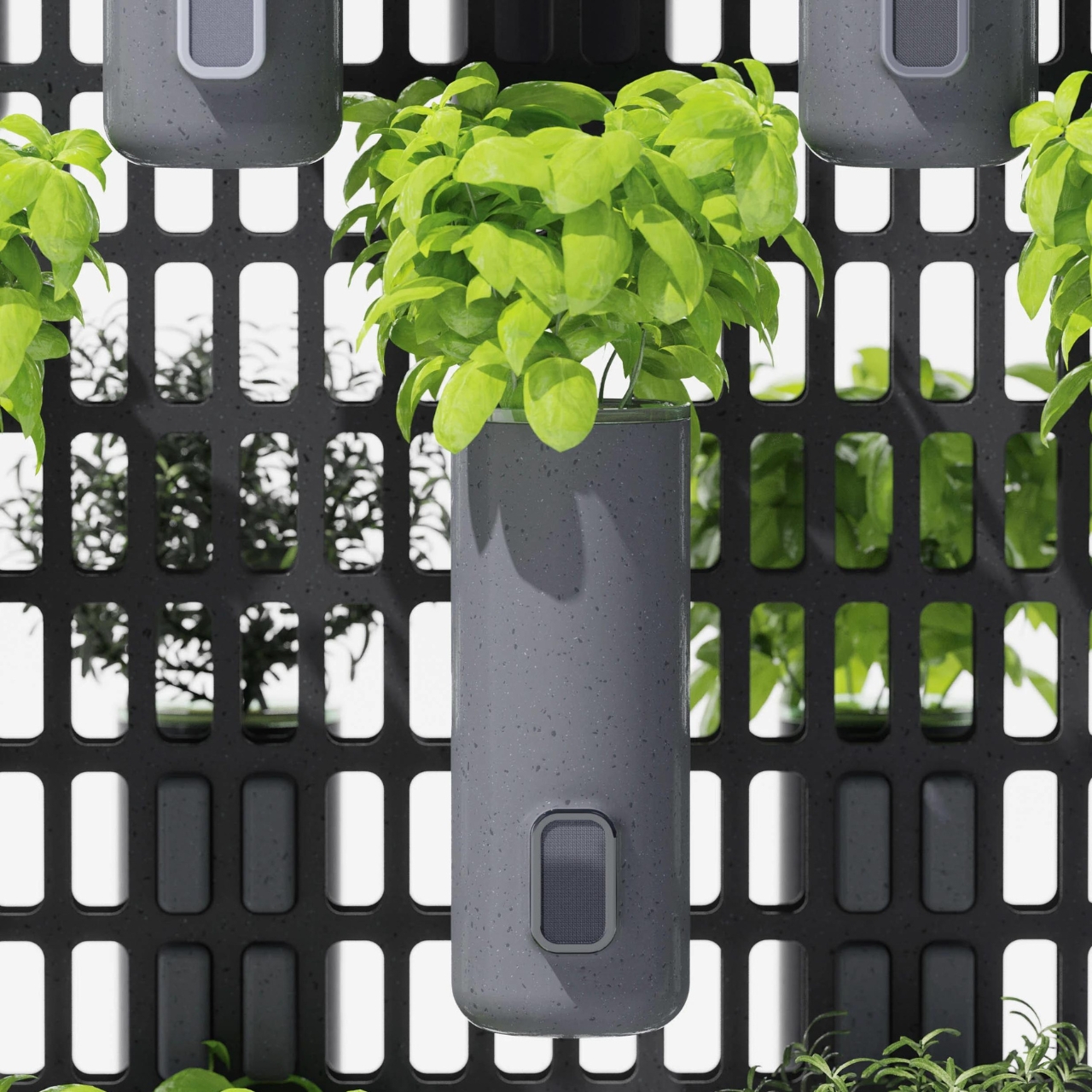
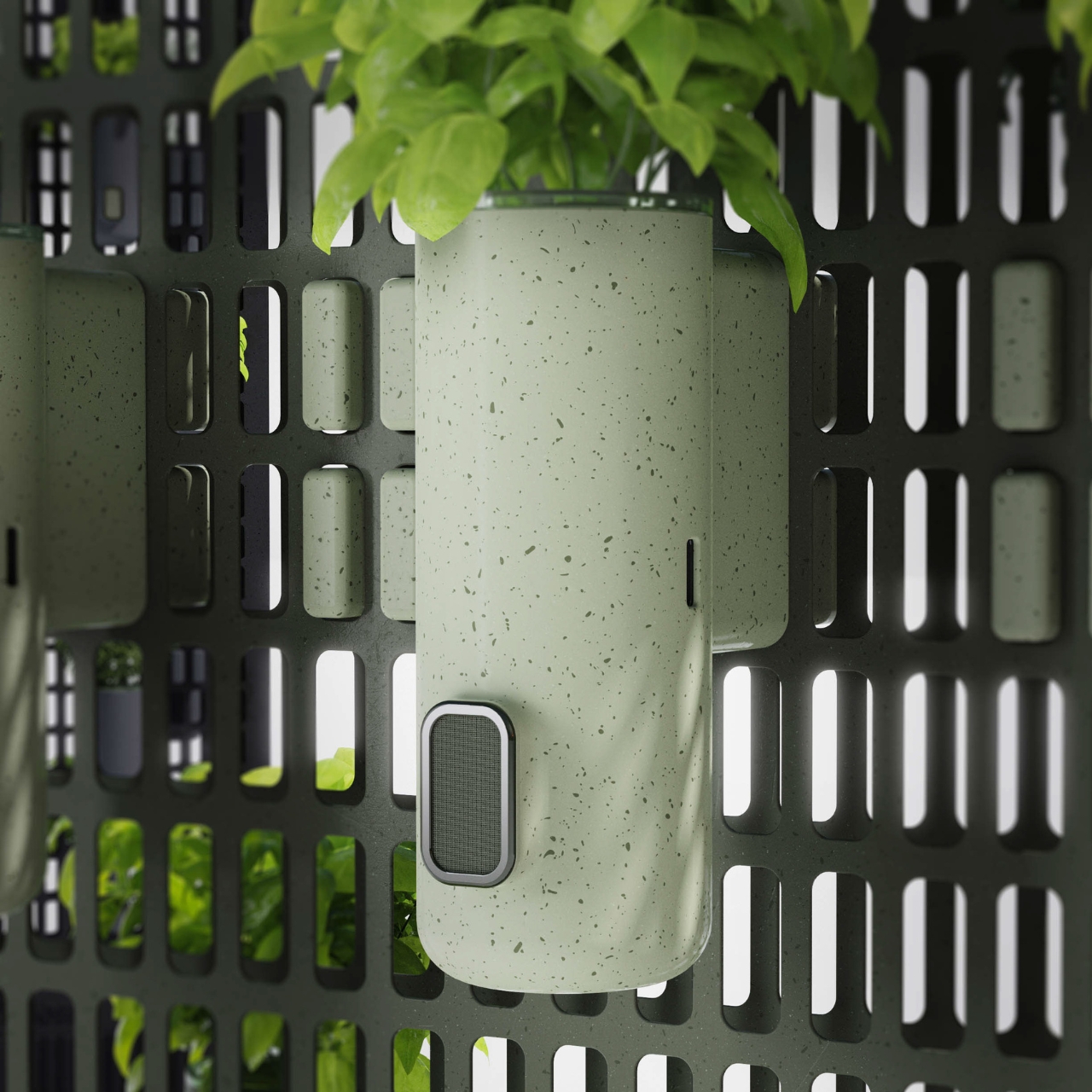
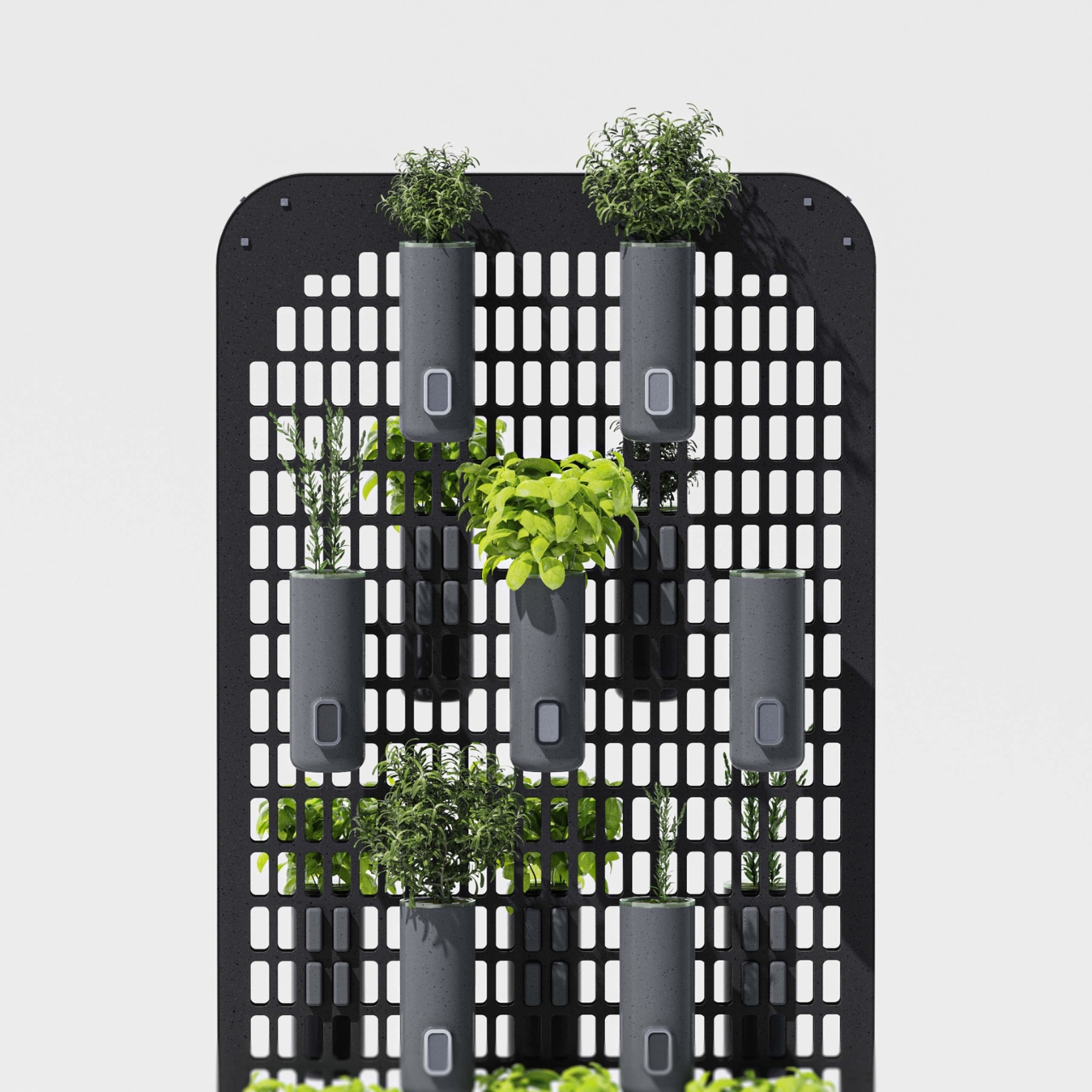
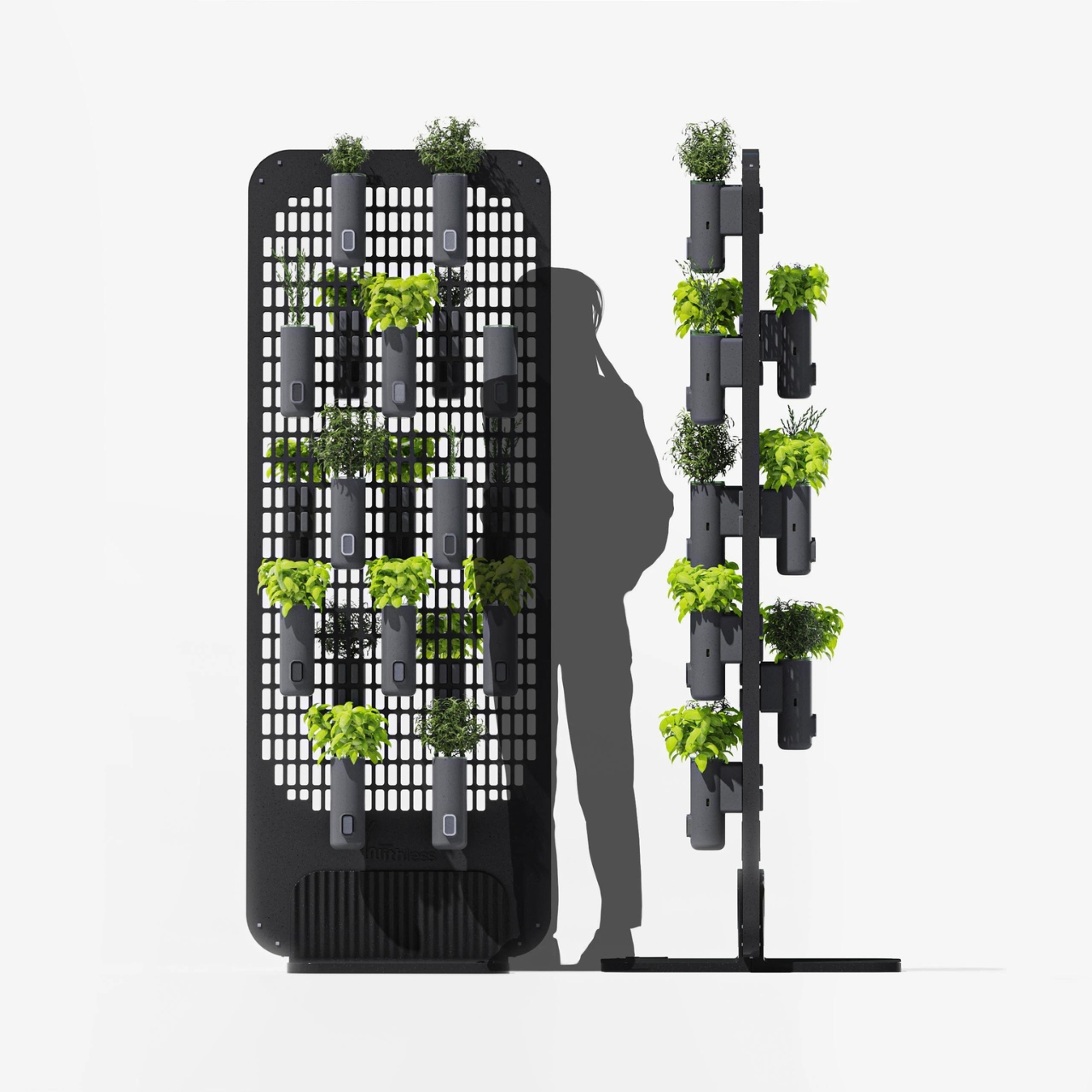
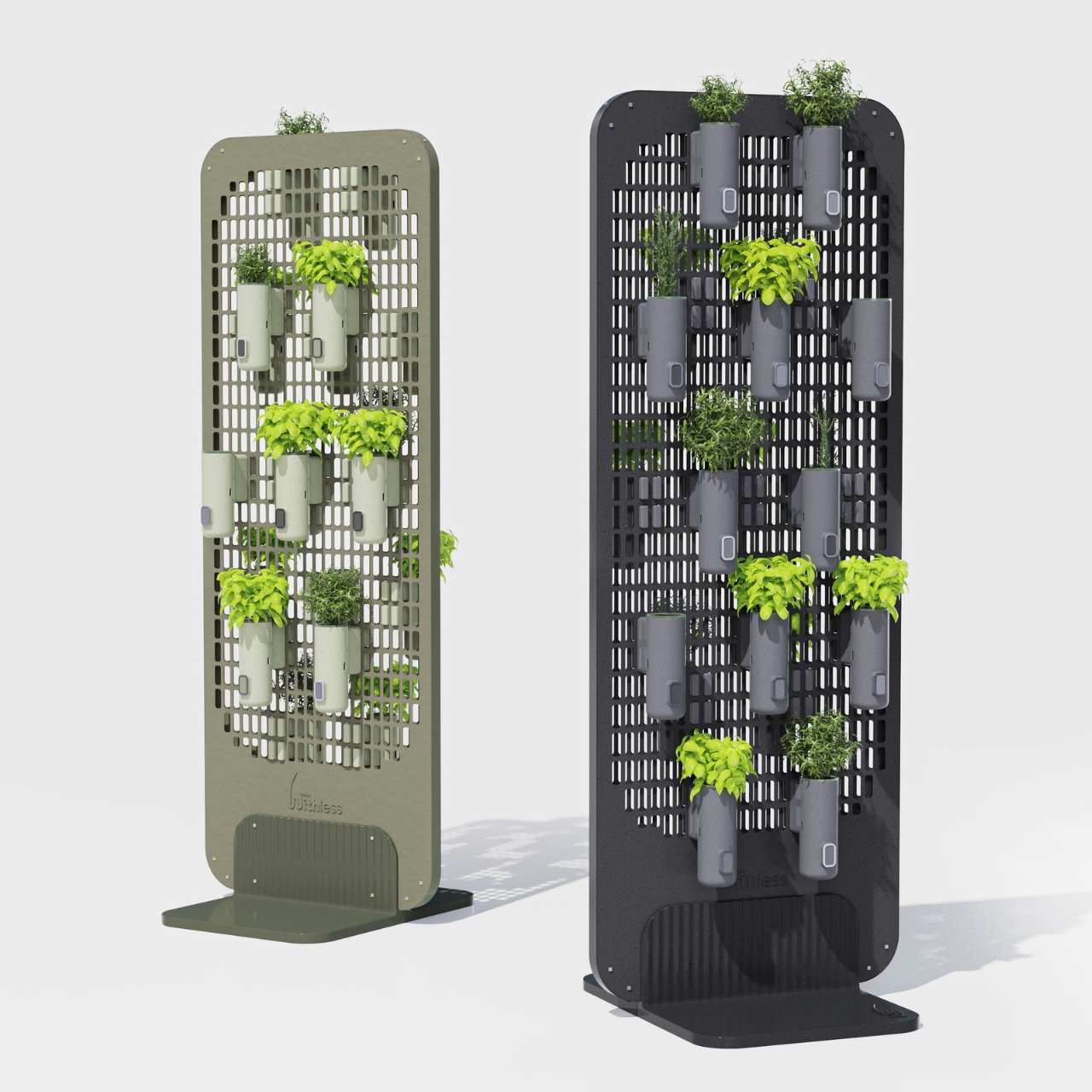
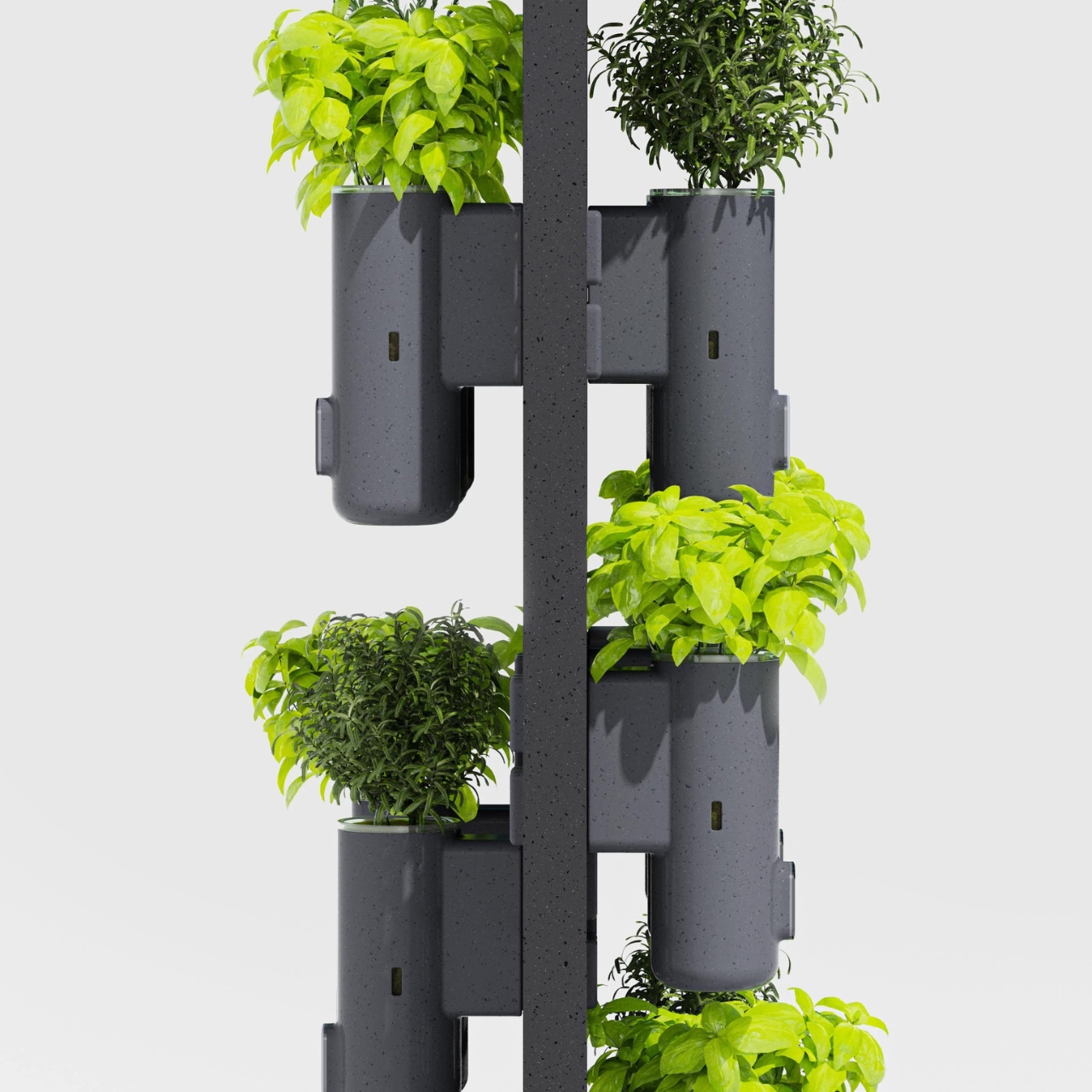
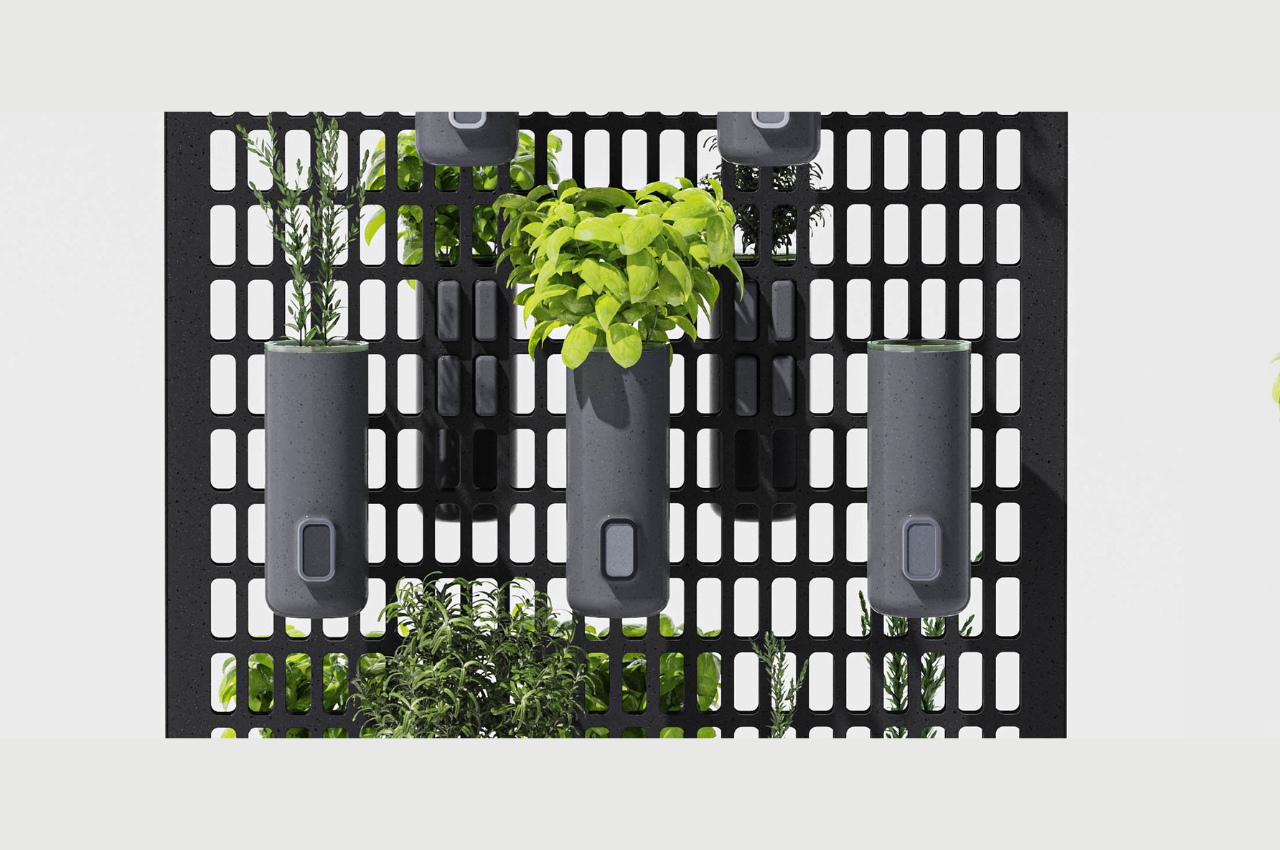
Withless is a concept for herb growing panels that restaurants can put up in their spaces. This way, not only do they have plants around for decoration and for environmental purposes, but they can also encourage customers to raise awareness in saving and reusing water. The stackable panel can hold up to twenty pots and has a grid design which can be expanded to multiple grids depending on the space and the needs of the establishment.

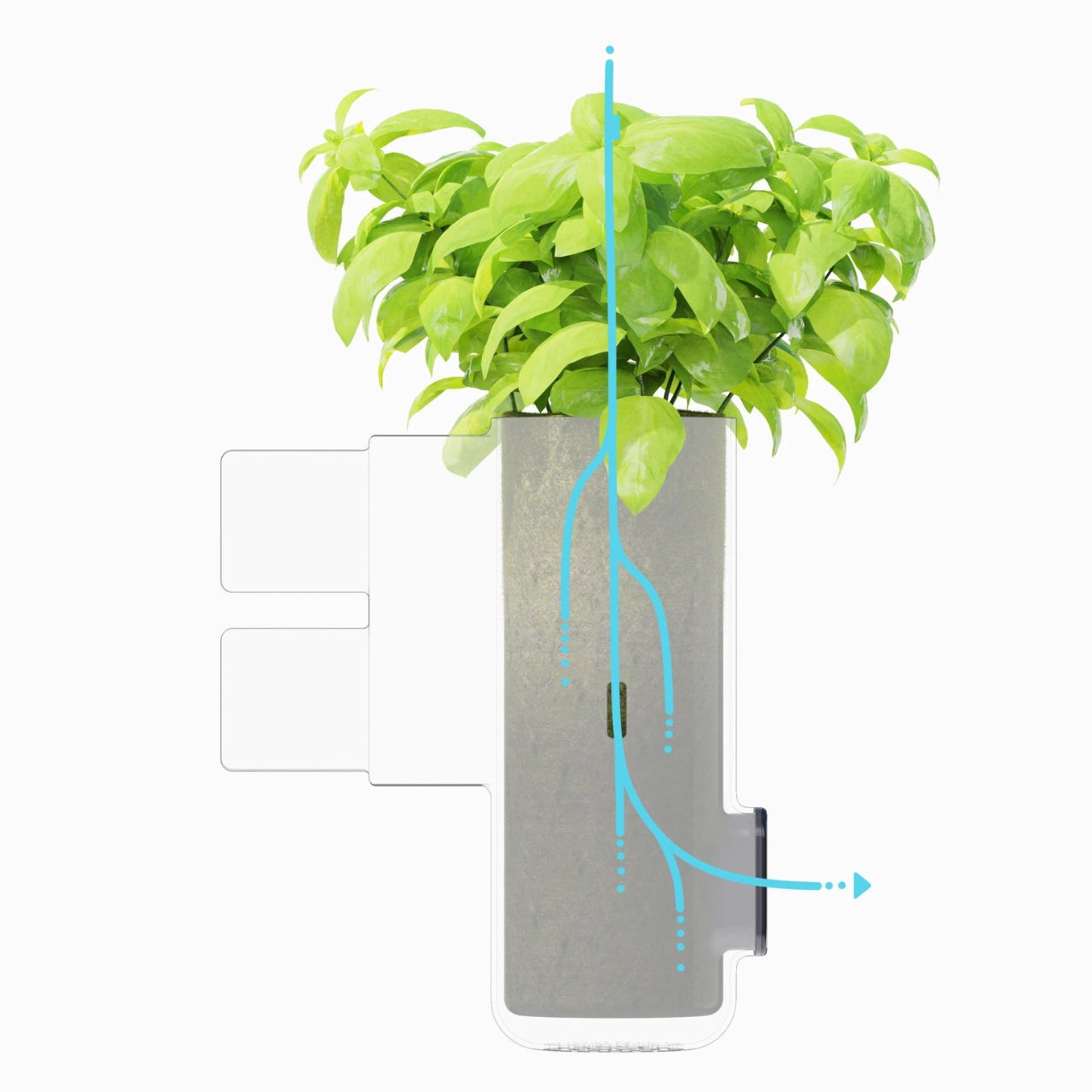
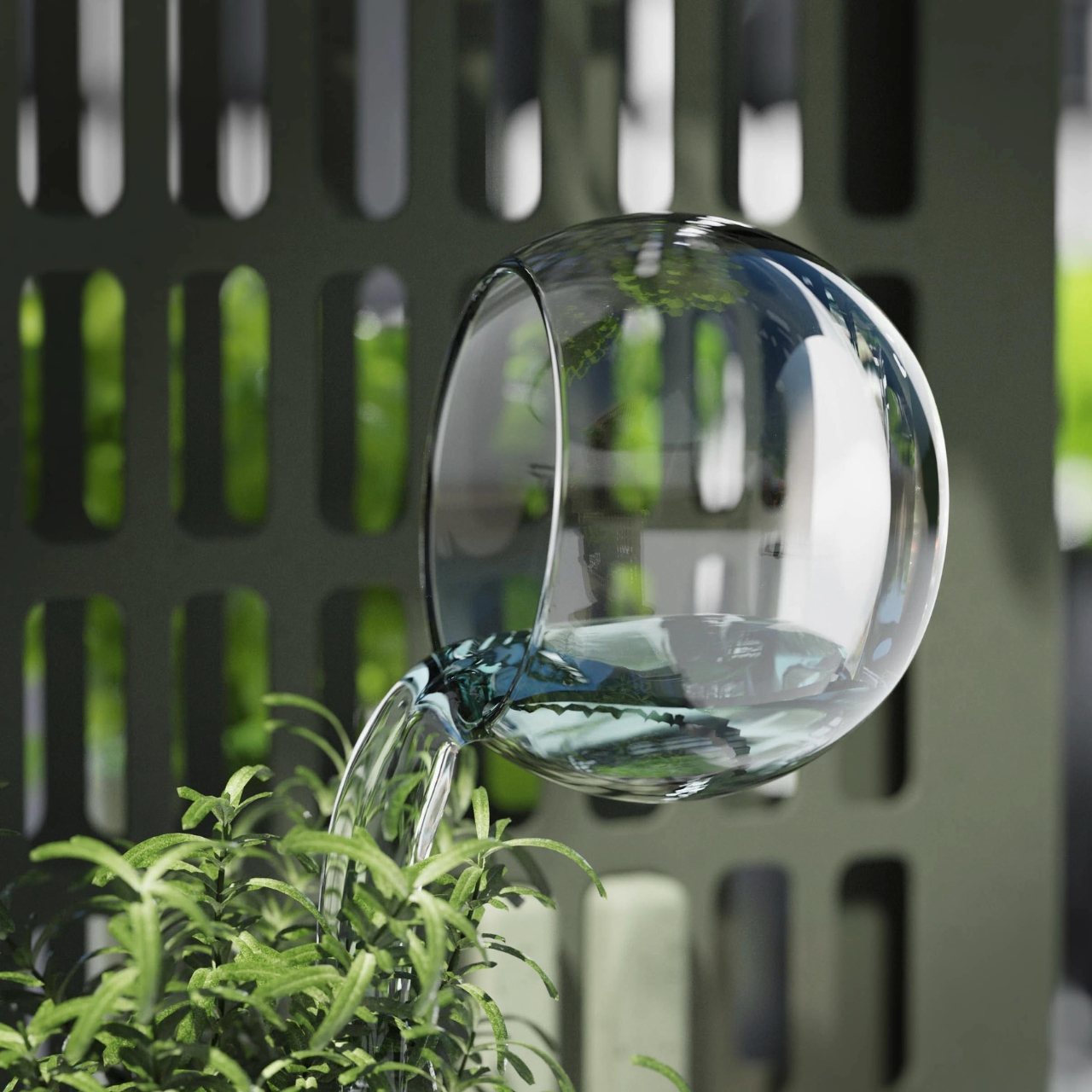
If you’re like me that doesn’t really know much about plants, there is a risk of over-watering plants if there’s no one to tell me that it’s too much. This is where the Withless concept comes in. The pot and the front area are connected so the water reaches the textile when you pour into it. It will show you when the ring and the textile have the same color which means the plant is growing efficiently. When there is a contrast to the color, then it means there needs to be some adjustments. The humidity of the area also affects this so it will reflect that as well.

The establishment can also use this to grow their herbs and other edible plants and get the customers to help them take care of the plants. This is an interesting way to teach people to reuse water and help grow plants as well. Hopefully, something like this gets made and that restaurants and cafes can adapt it.

The post Herb growing panel concept can help restaurants reuse water first appeared on Yanko Design.

Reimagined clay water filter uses white ceramic for a better design (and taste)

Brazil apparently has one of the most effective (and affordable!) water filtration systems in the world. You can find clay water filters in almost every home and markets and they are actually created by local craftsmen. There are some challenges to this though as it is not always aesthetically pleasing and some people say there is a certain aftertaste to the water that goes through this system. There is even sometimes a problem about mold as well. Now a reinterpretation of the clay water filters may have solved some of those issues.

Designer: Estúdio Biologique

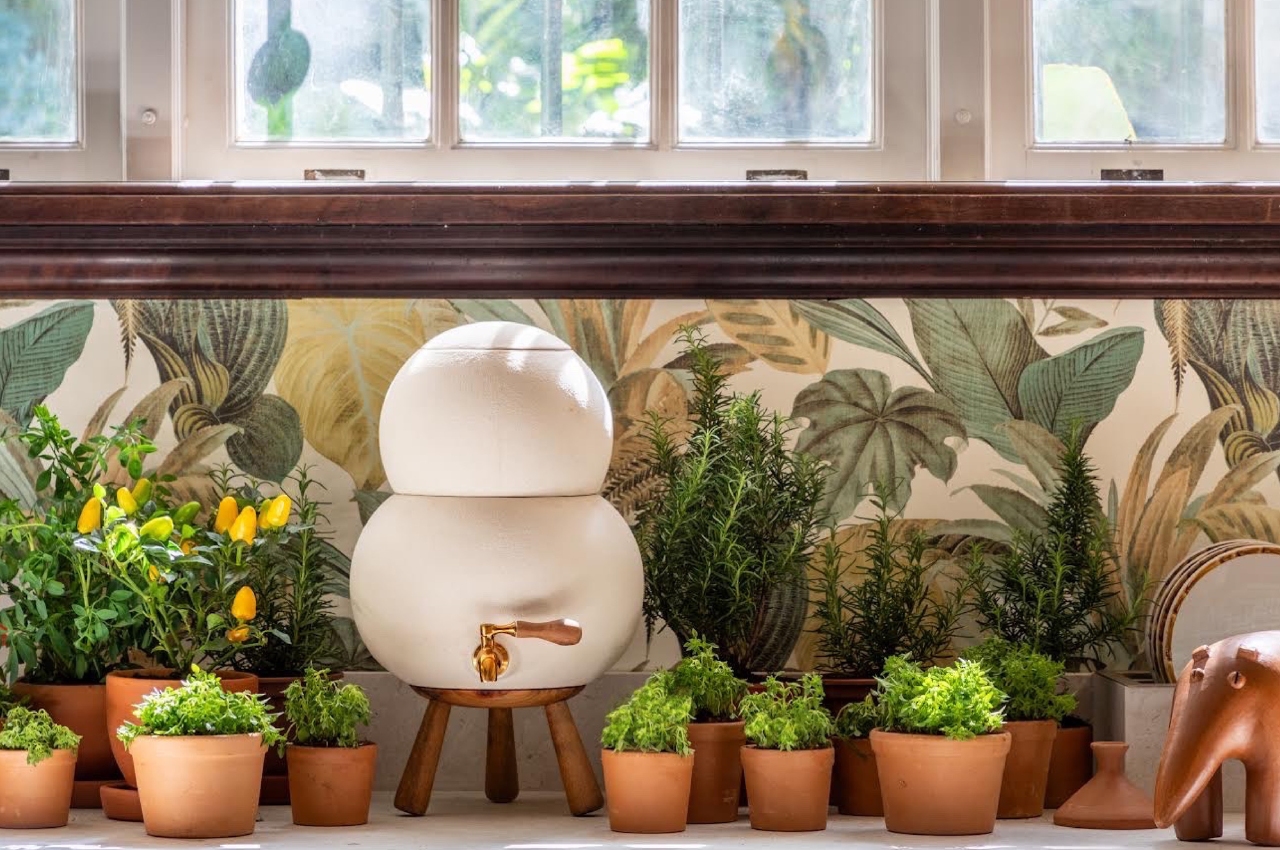
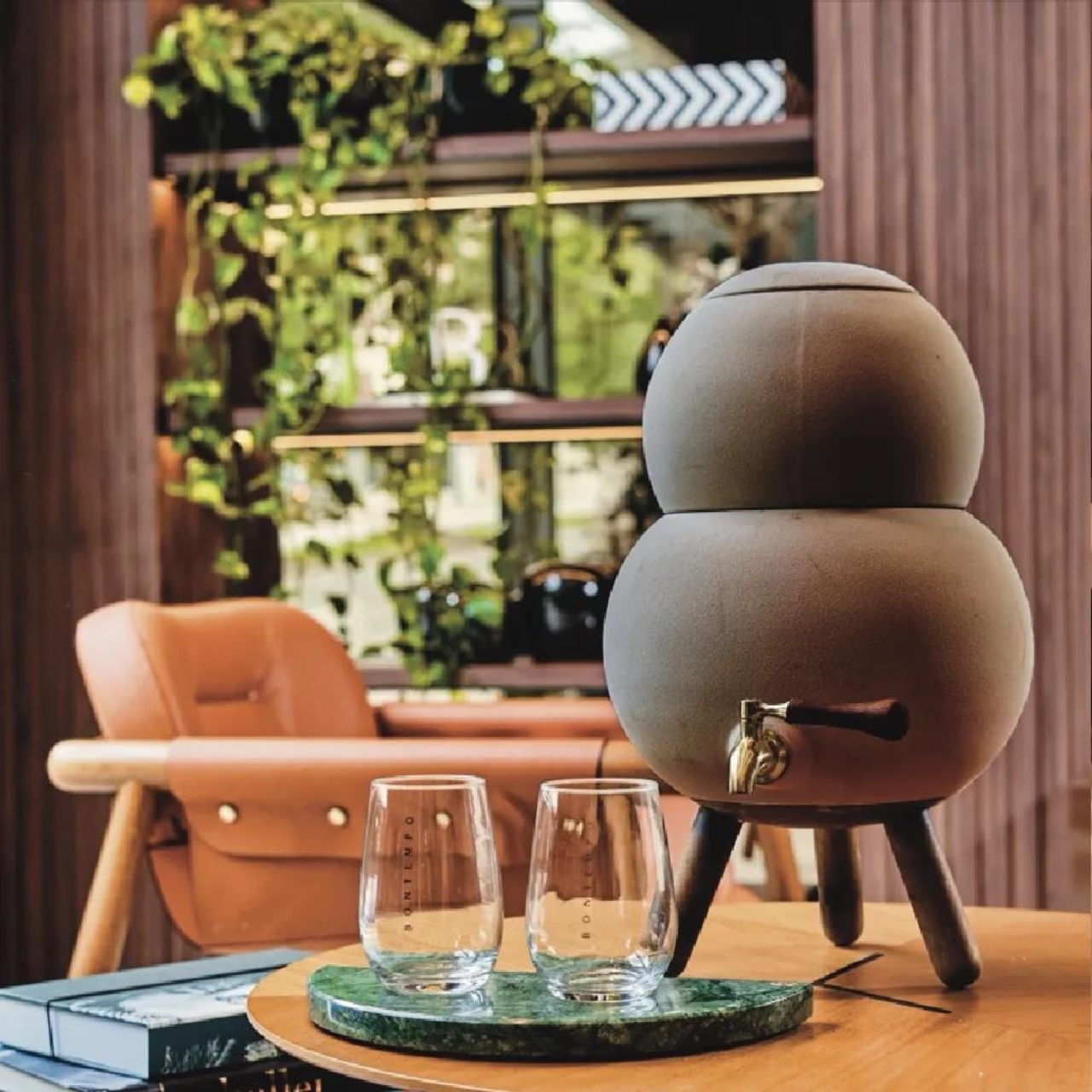
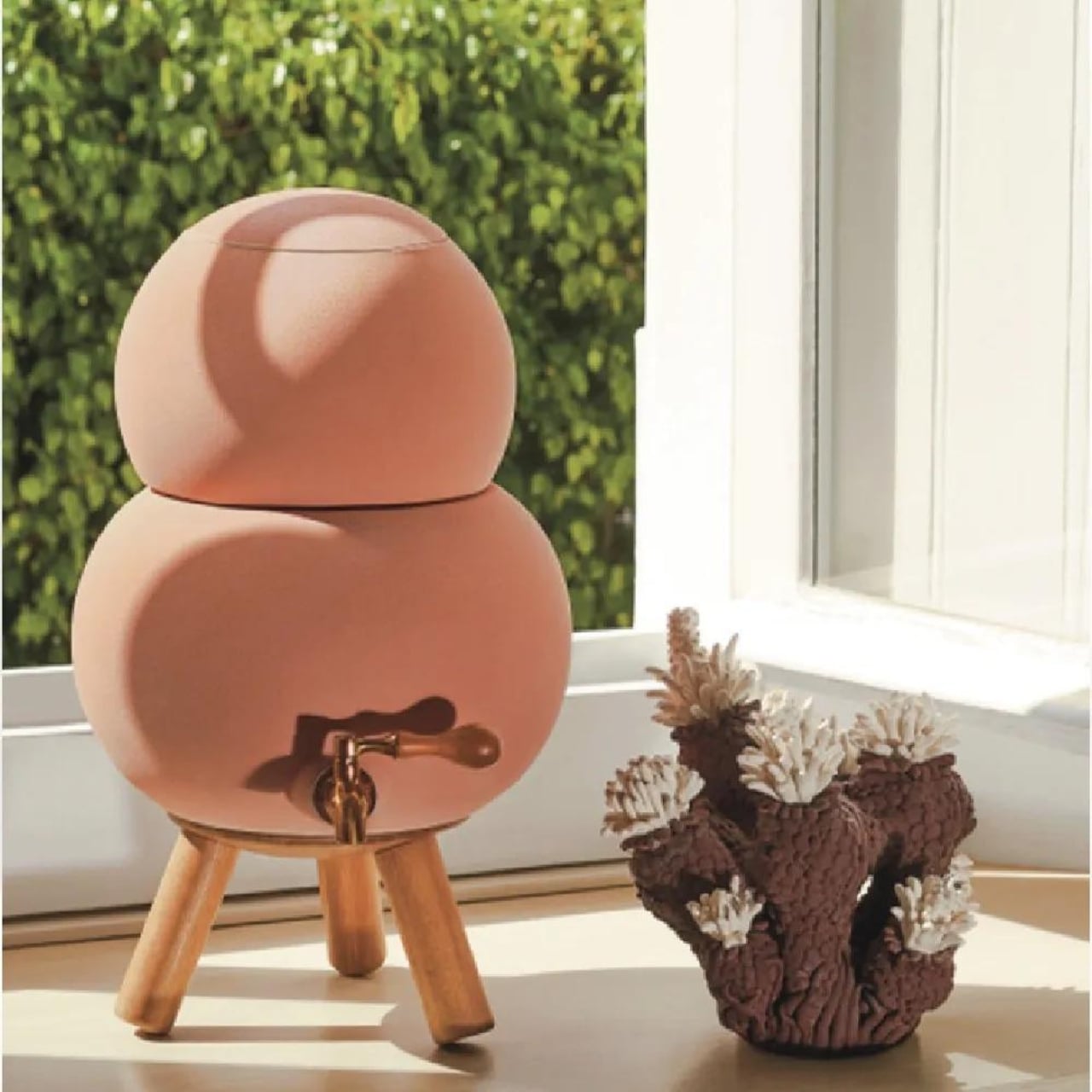
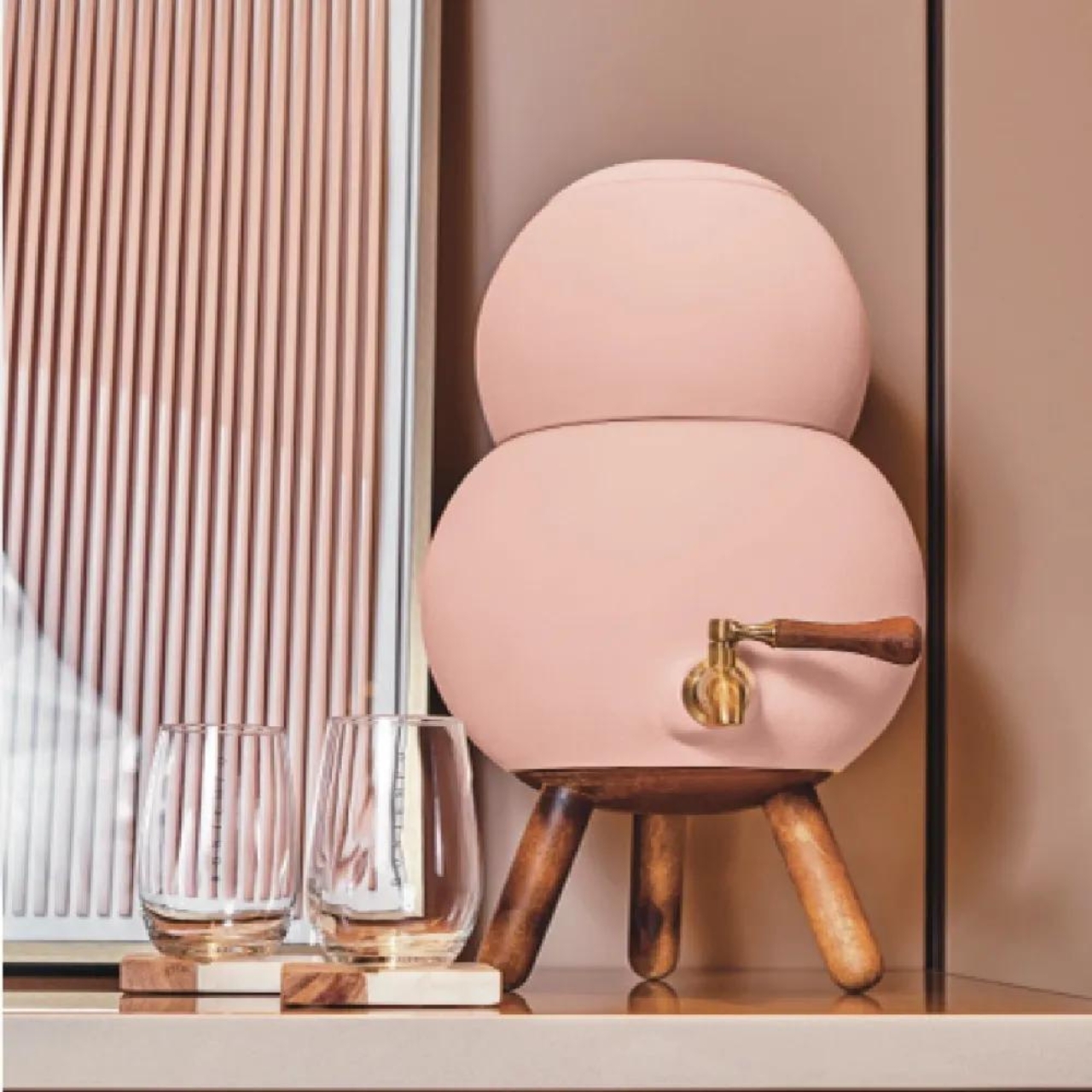
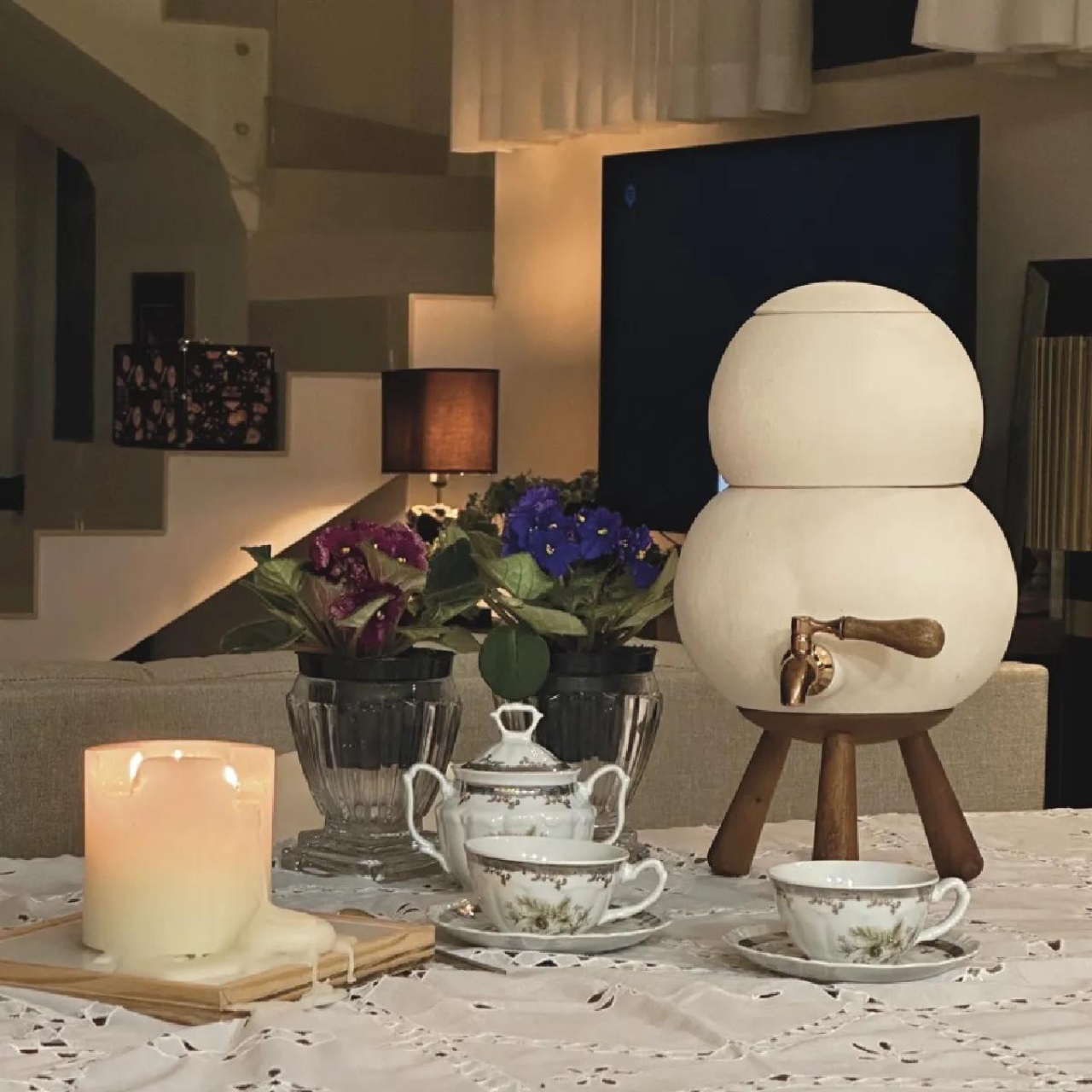
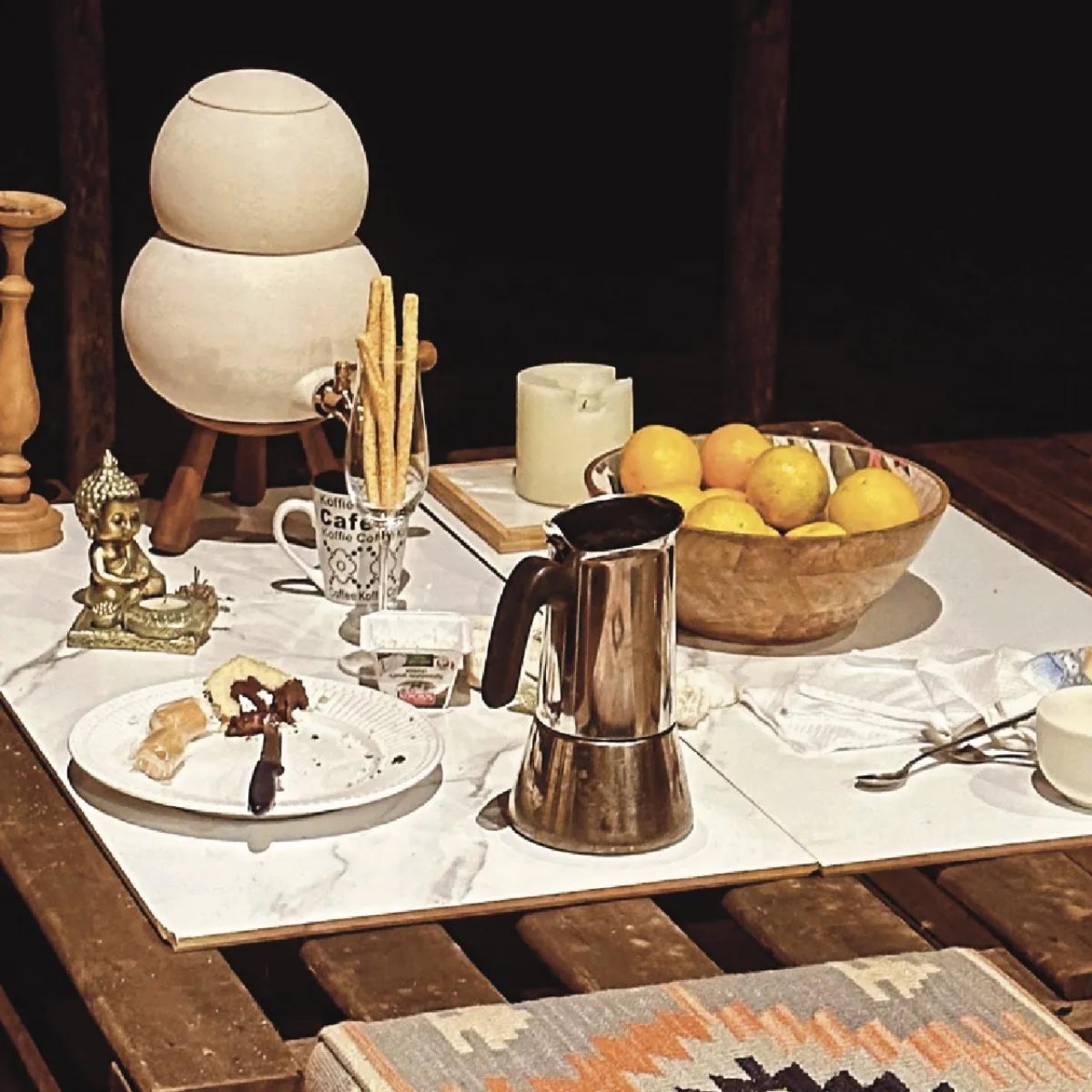
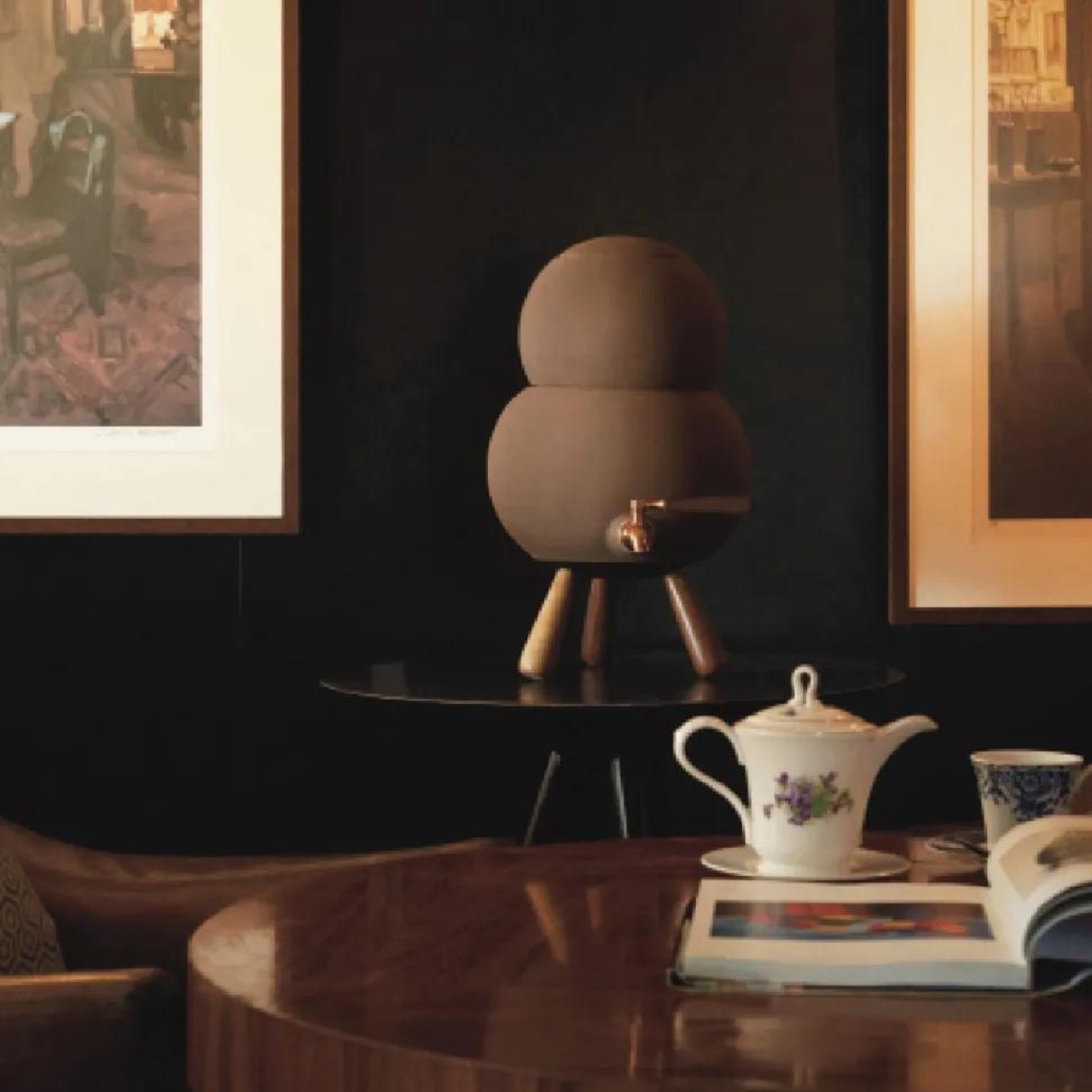
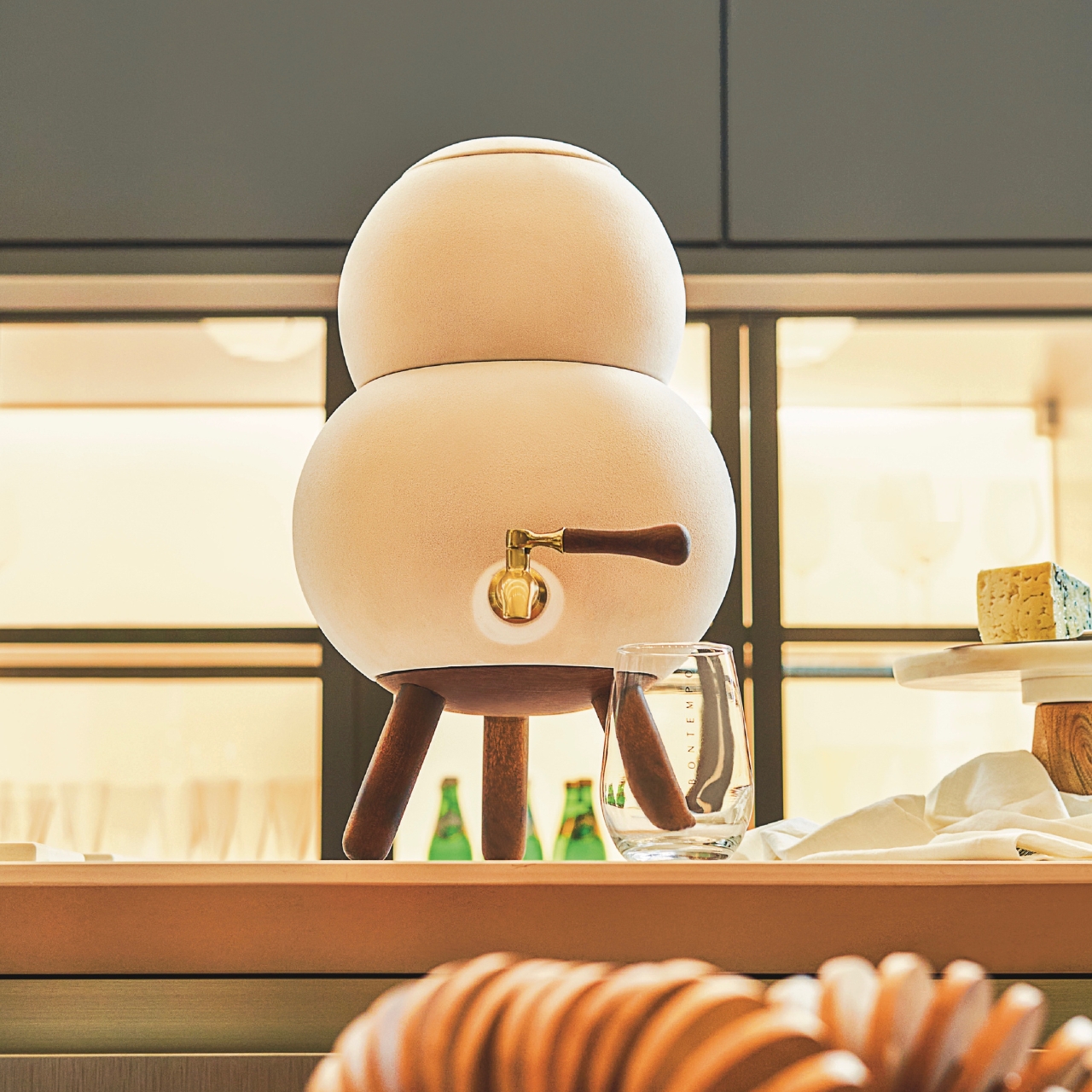
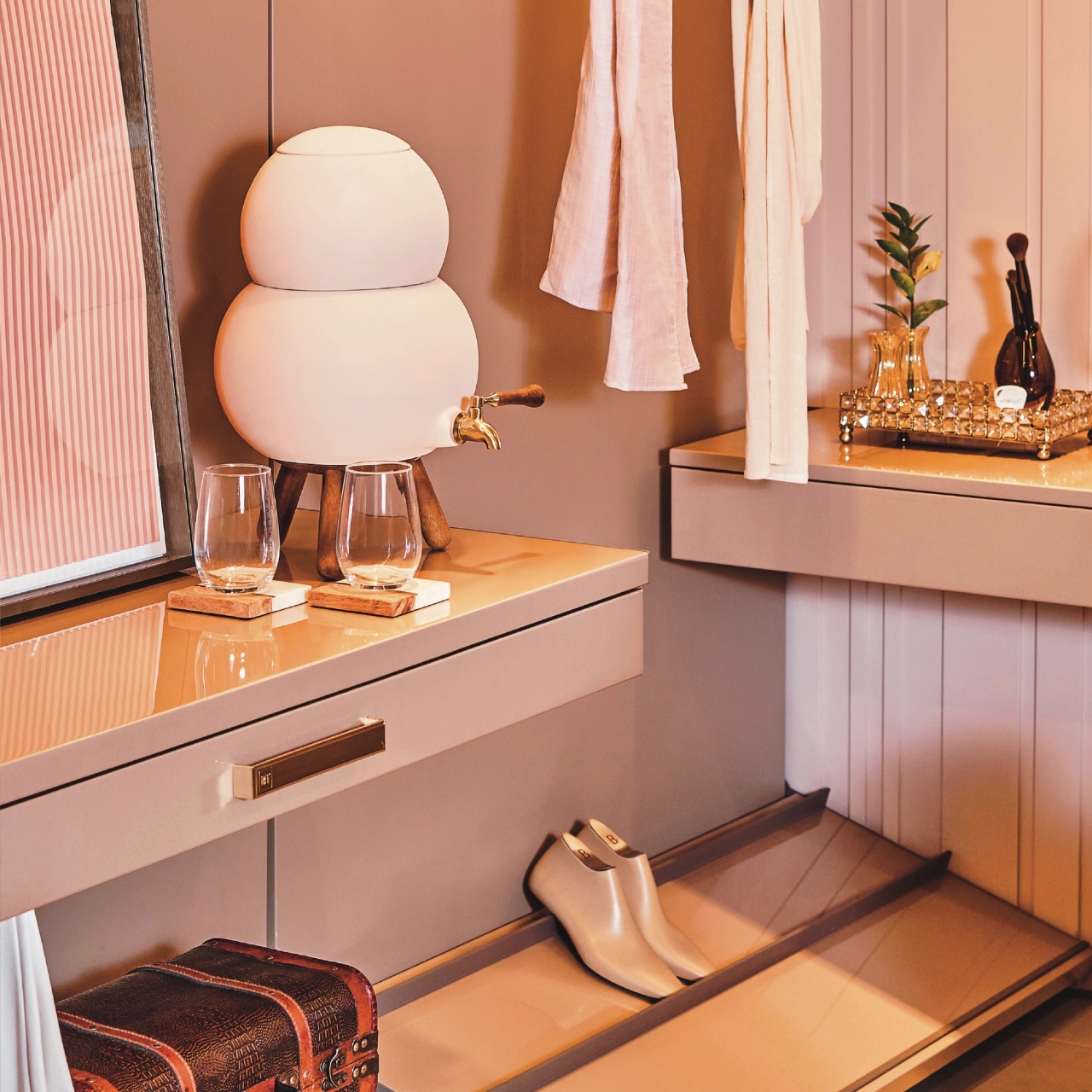
A Brazil-based design studio has come up with the Biologique water filter which still uses the same filter system. However, it uses white ceramic so that the water should taste about the same but of course it is filtered. It also doesn’t leave any mold but is also easy to clean, which was also a problem with the traditional filter. The important thing though is that it is able to bring clean, drinking water with the simple filtration system that doesn’t require any complicated installation or instructions.

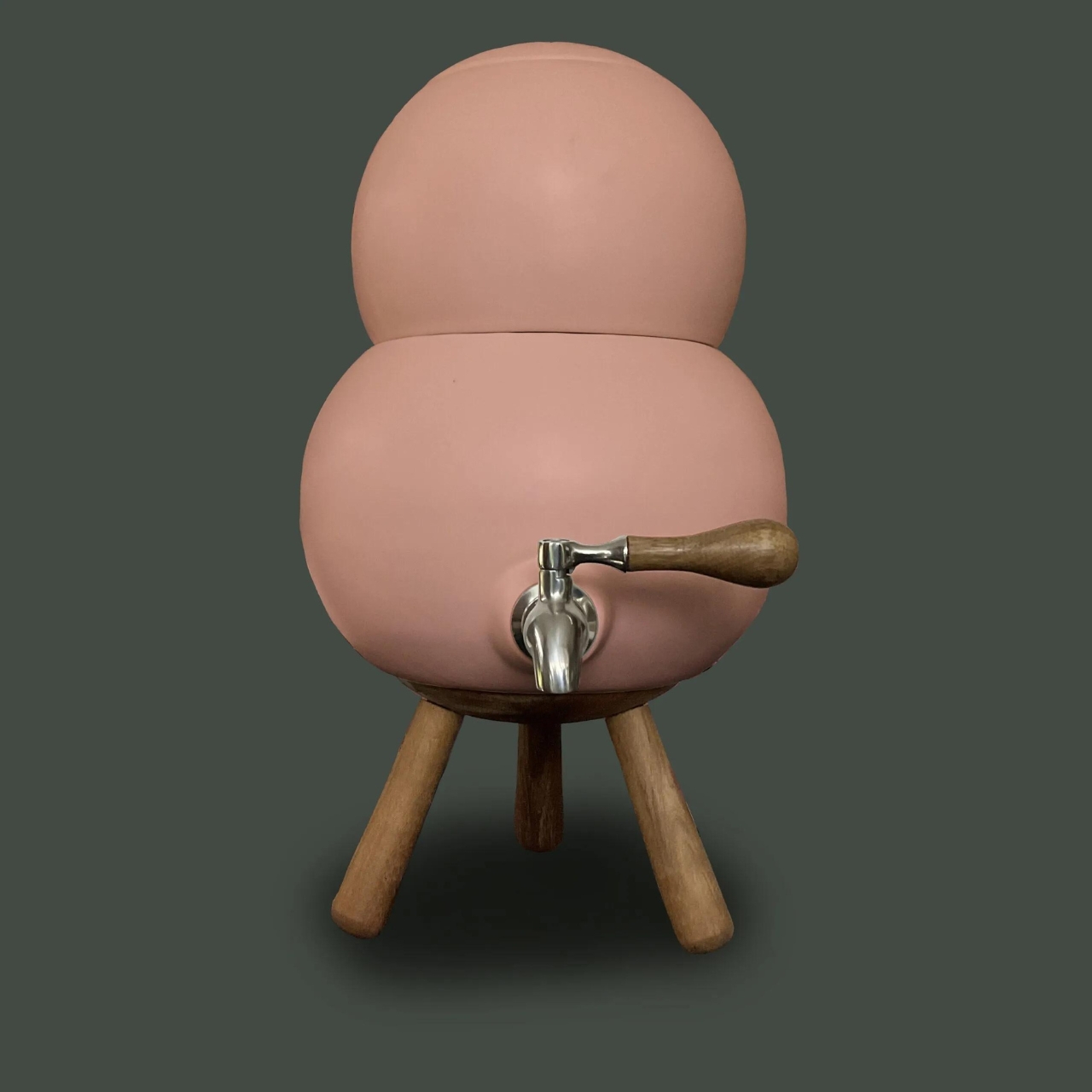
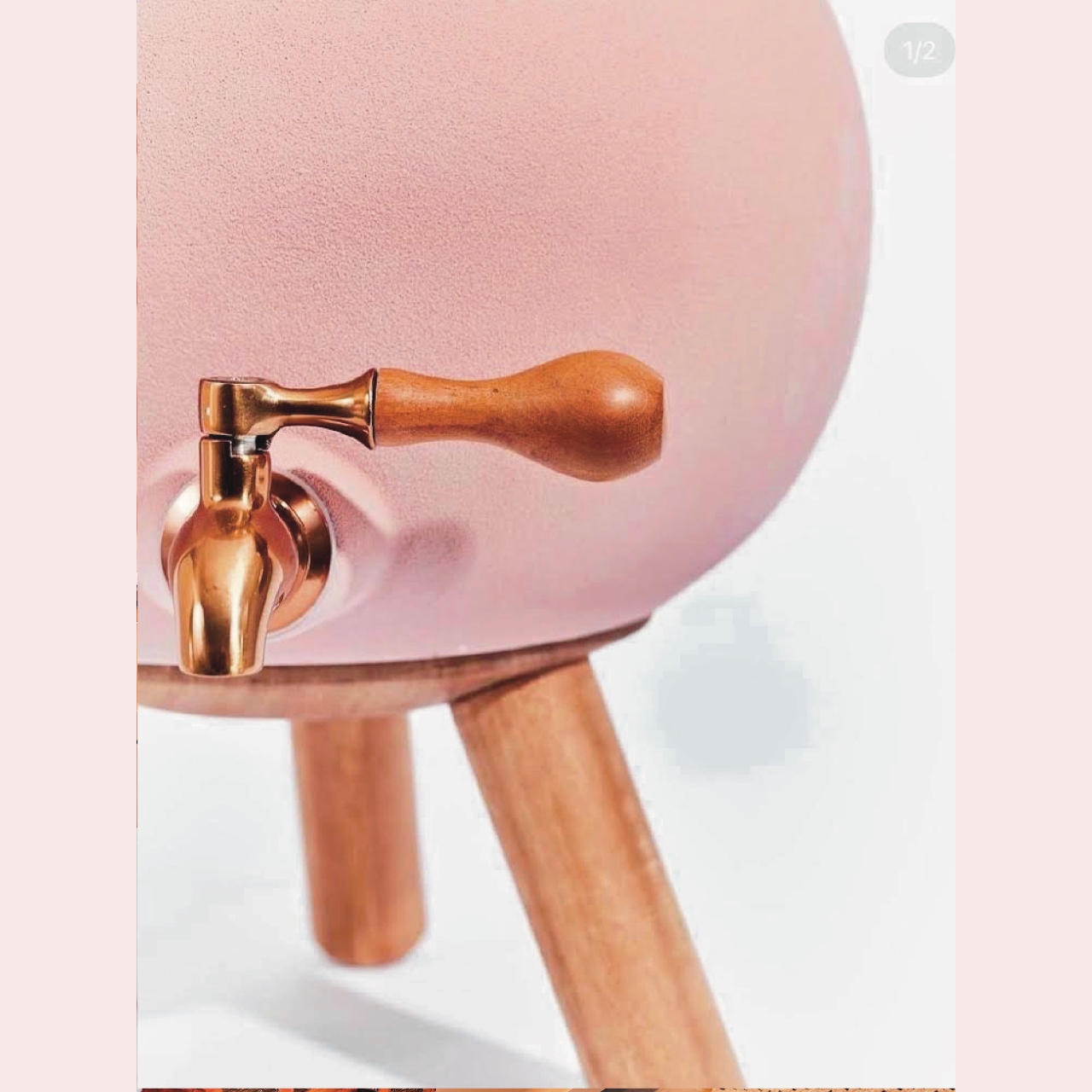
For those that are concerned with the aesthetics of the water filter, then this is also where Biologique shines. It has a simple, minimalistic design that still keeps the original idea of the clay water filter but brings a more modern feel to it. It has two round parts on top of each other, a wooden stand, and a faucet that looks like those you find in draft beer machines. It comes in different colors: terracotta, rosé, green, brown, off white, black, gray, and capuccino.

The Biologique water filter comes in 9.0L and a petit version in 4.5L so you have two options depending on your space and the drinking water capacity of the people you live with. Of course it is more expensive than the traditional clay water filters that you’ll find in the usual Brazilian households. That’s the price you have to pay to have something prettier and better designed. Estúdio Biologique says their products are done by hand and on a small scale, so that’s also one of the reasons for the price point.

The post Reimagined clay water filter uses white ceramic for a better design (and taste) first appeared on Yanko Design.
Singing Bottle concept rewards kids when they take their pills

According to my friends who are already parents, one of the most difficult things to get their young kids to do is to drink medicine. Aside from the fact that most of the pills actually taste bad and may be too big for their little throats, it’s also hard to convince them to do something if they don’t really understand why they need to do so. Some actually use rewards just to get the kids to take their meds but there should be better ways to get through this every time they need to do it.

Designer: Fengrui Wang

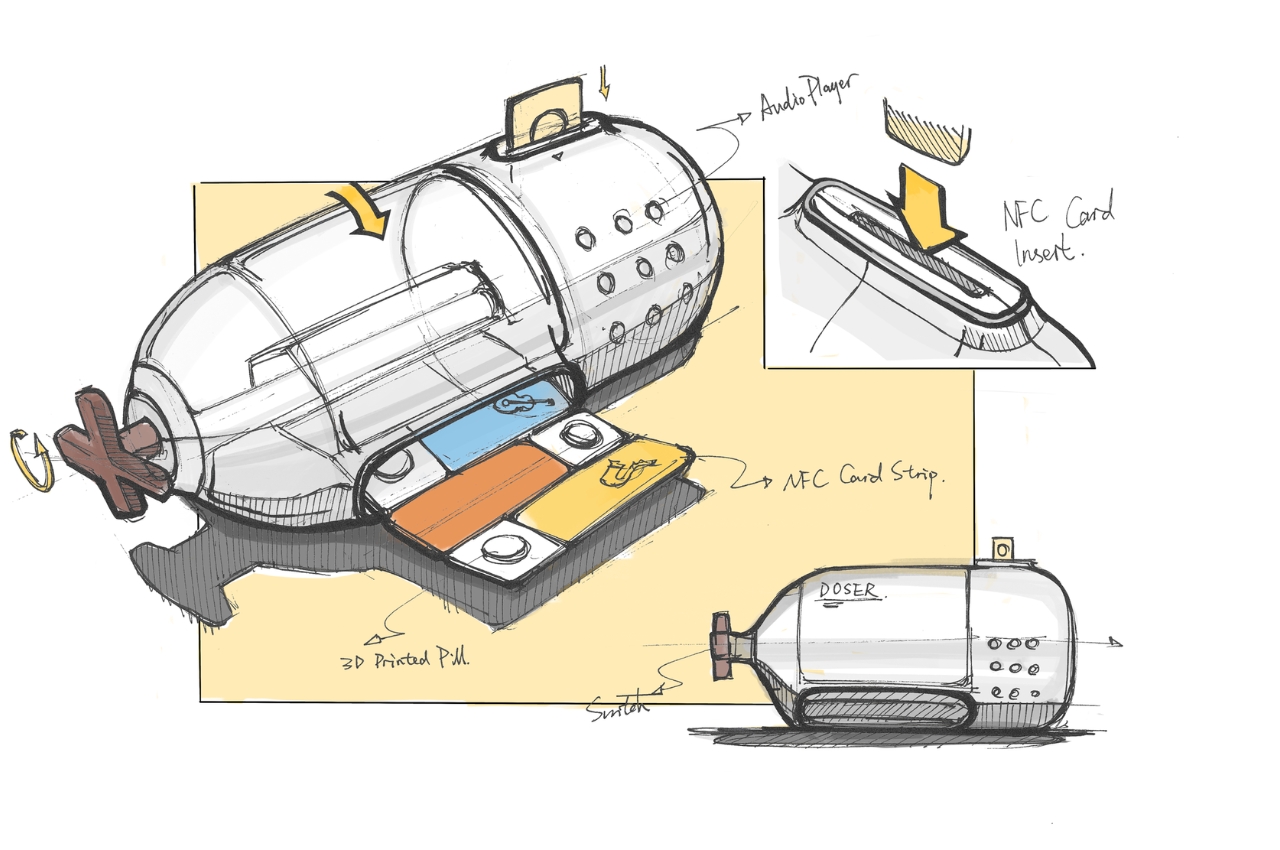
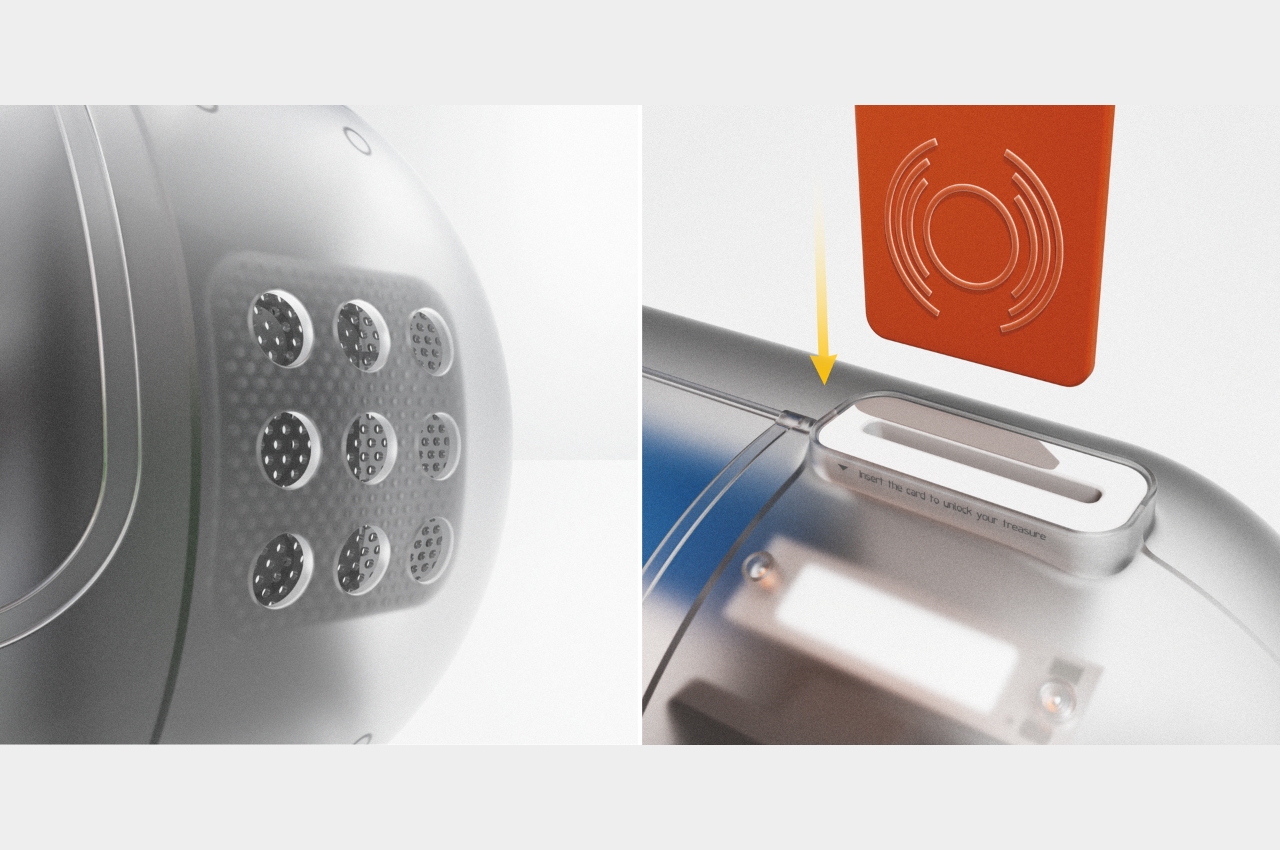
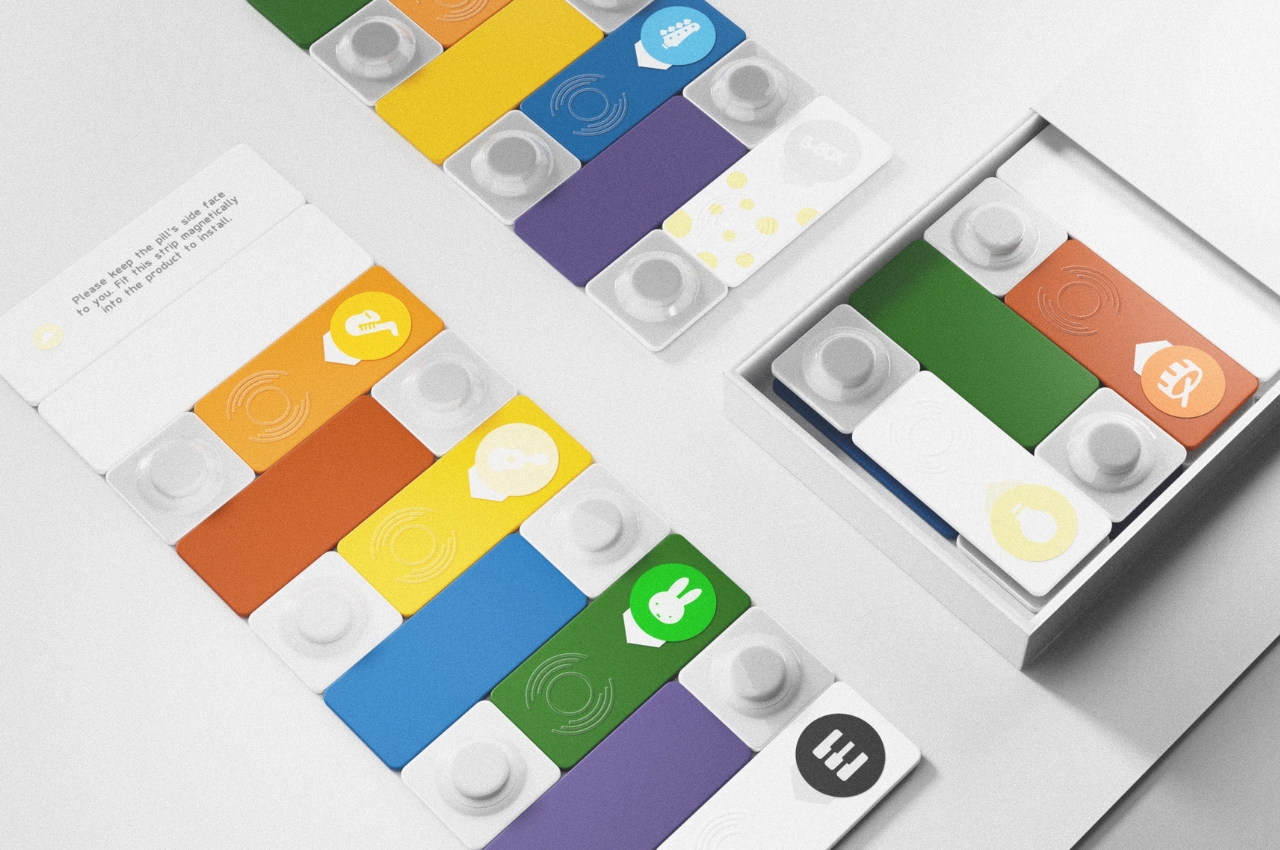
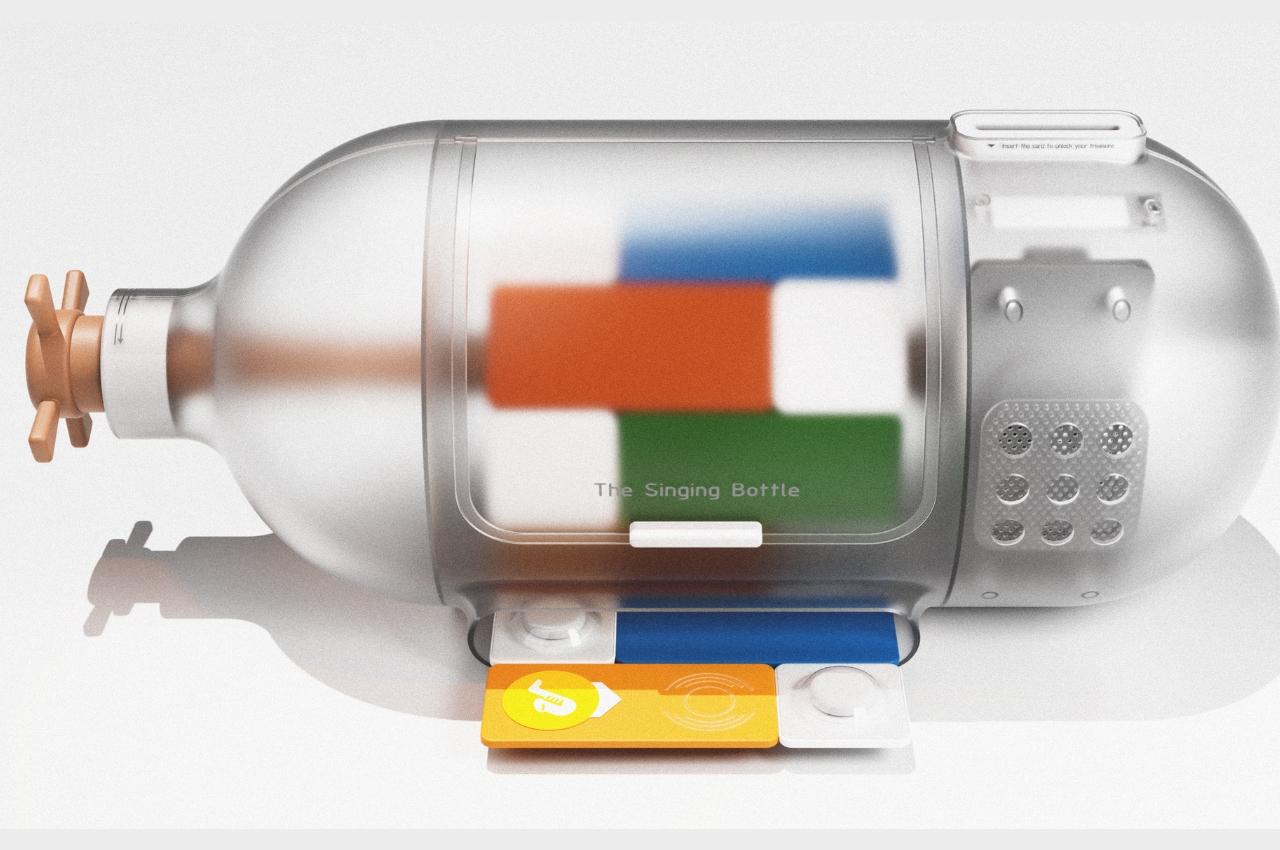
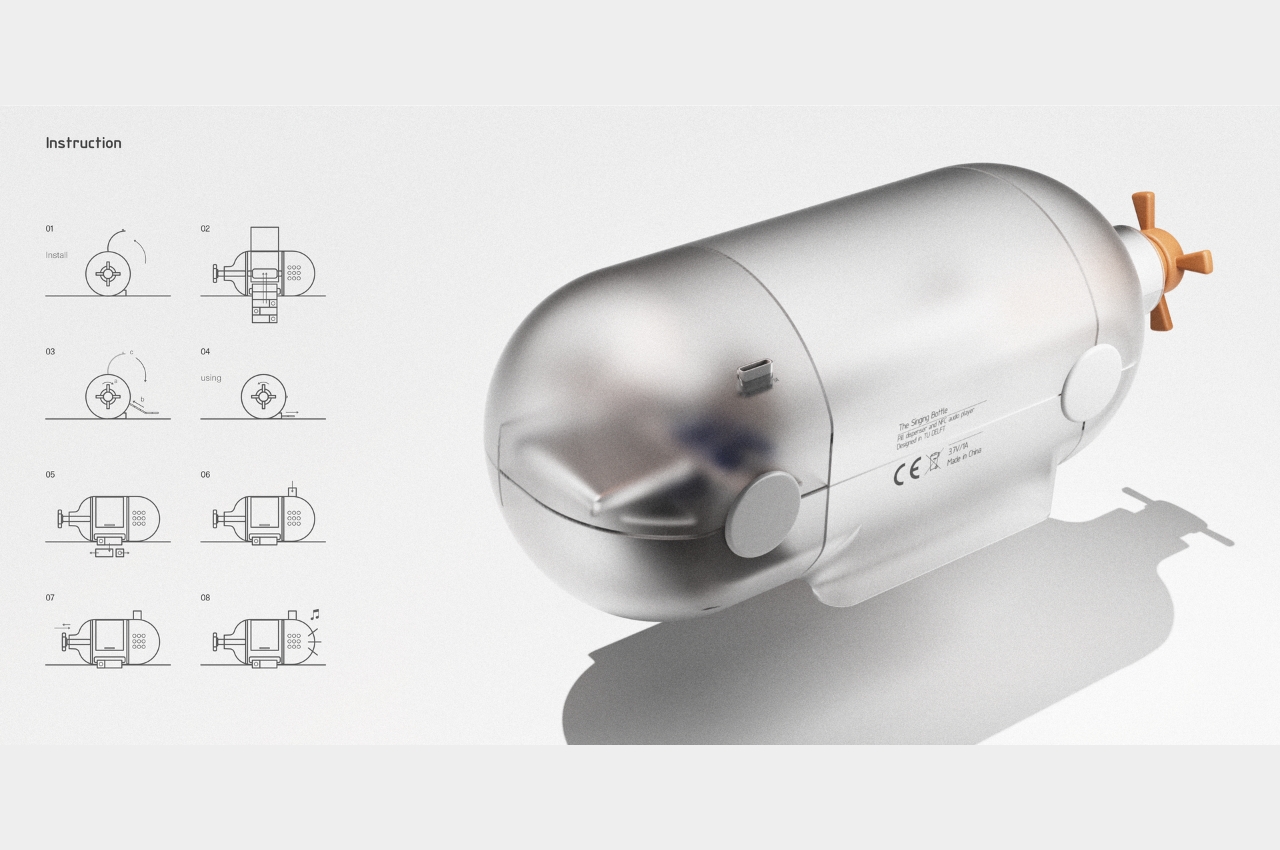
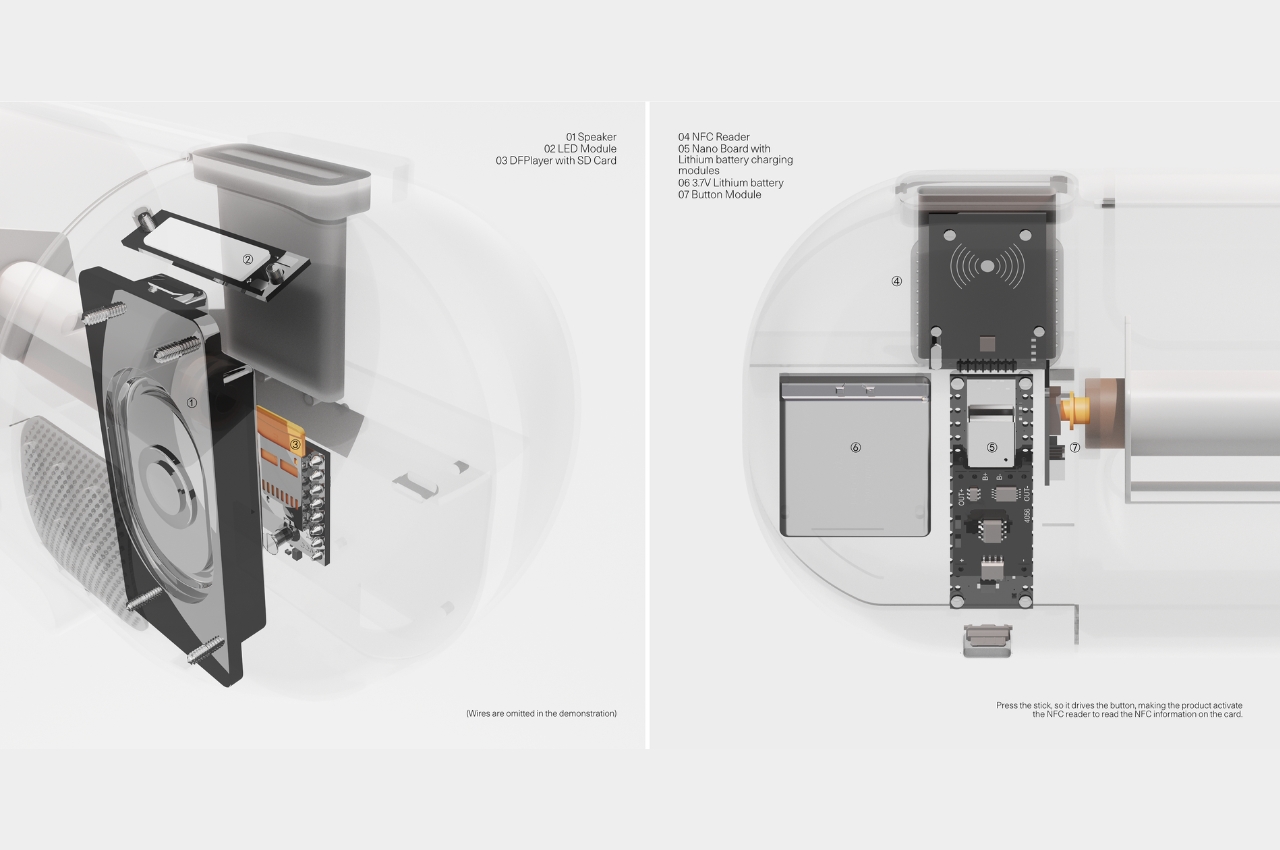
The Singing Bottle is a concept for a different kind of pill packaging and dispenser for kids ages 6-10 to help them take their meds a bit more easily. It is shaped like those ship in a bottle things that your dad or uncle probably displayed. But instead of a ship, you get personalized pills and a corresponding paper card strip with an NFC tag attached which is the secret to getting the kids to get the pills down. The dispenser also has a built-in speaker in which the cards, which contain music and stories, can be played.

The idea is that parents need to purchase the first pack of 14-21 personalized pills from the pharmacy and the dispenser. Turn the handle to dispense the first pill, separate the card strip and then insert it into the NFC reader. The first card is actually inspiring words to get the kids to take the pill and explain why they need to do so. Every two days, a new strip is unlocked and this can be a story or a piece of music to serve as their “reward” for taking the pill.

This is a pretty interesting way to encourage children to take their much needed medicine. This concept will work with Dozer, a start-up that specializes in 3D medicine printing which is able tp provide personalized medicine which should be less expensive and maybe also makes the taste a bit better, since that’s one of the major reasons why kids don’t want to take their pills.

The post Singing Bottle concept rewards kids when they take their pills first appeared on Yanko Design.

Nest light installation at Tunisian port is inspired by a child’s sketch

I live in a city where our idea of shared spaces are mostly malls. The fact that we don’t have any outdoor public places is a combination of bad city planning, the often too hot or too rainy weather, and maybe not seeing the need for places like these. So I envy cities where there are all kinds of parks, public squares, seafront quarters, and other spaces where people can just hang out without having to buy anything. And when there are even more interesting art installations there, I get even more envious.

Designers: Velvet, UN-LIKE, Stina Onemar

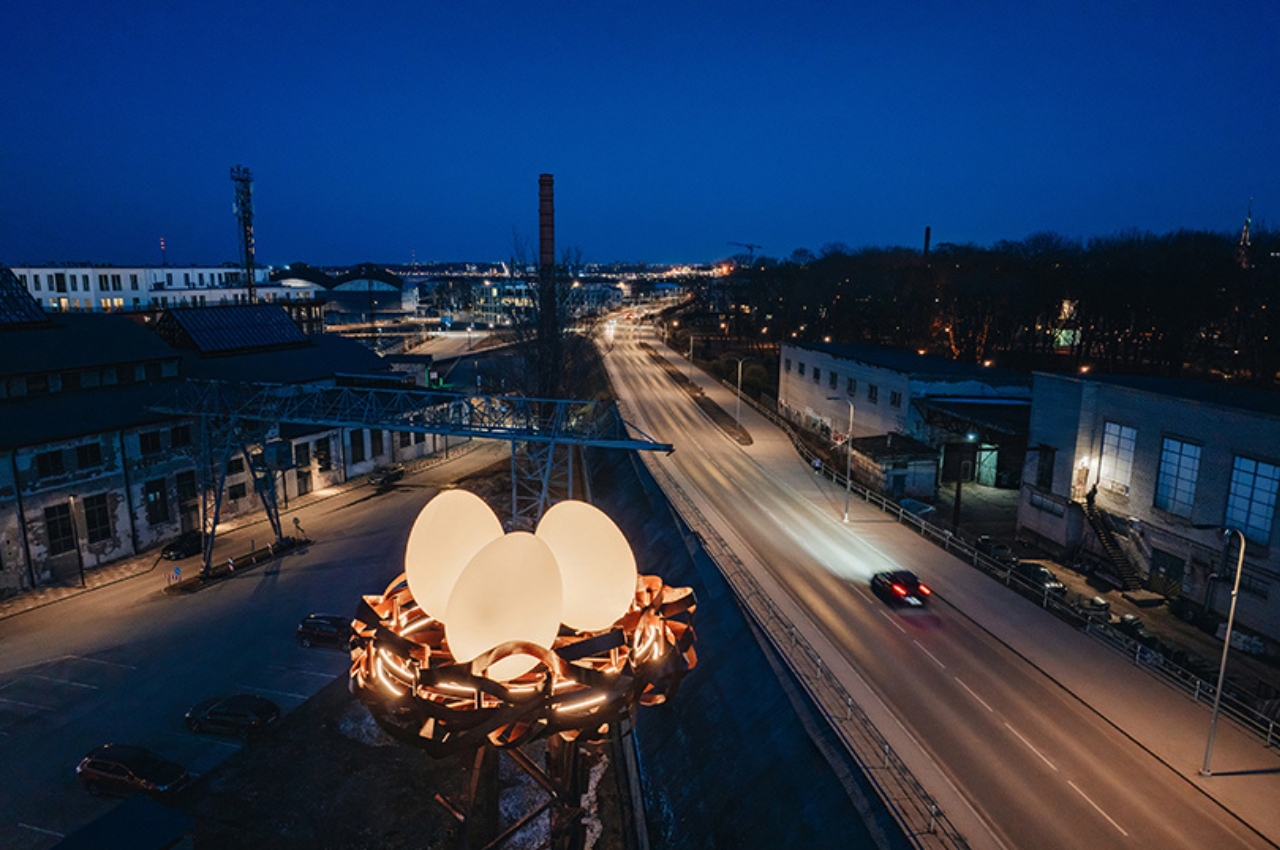
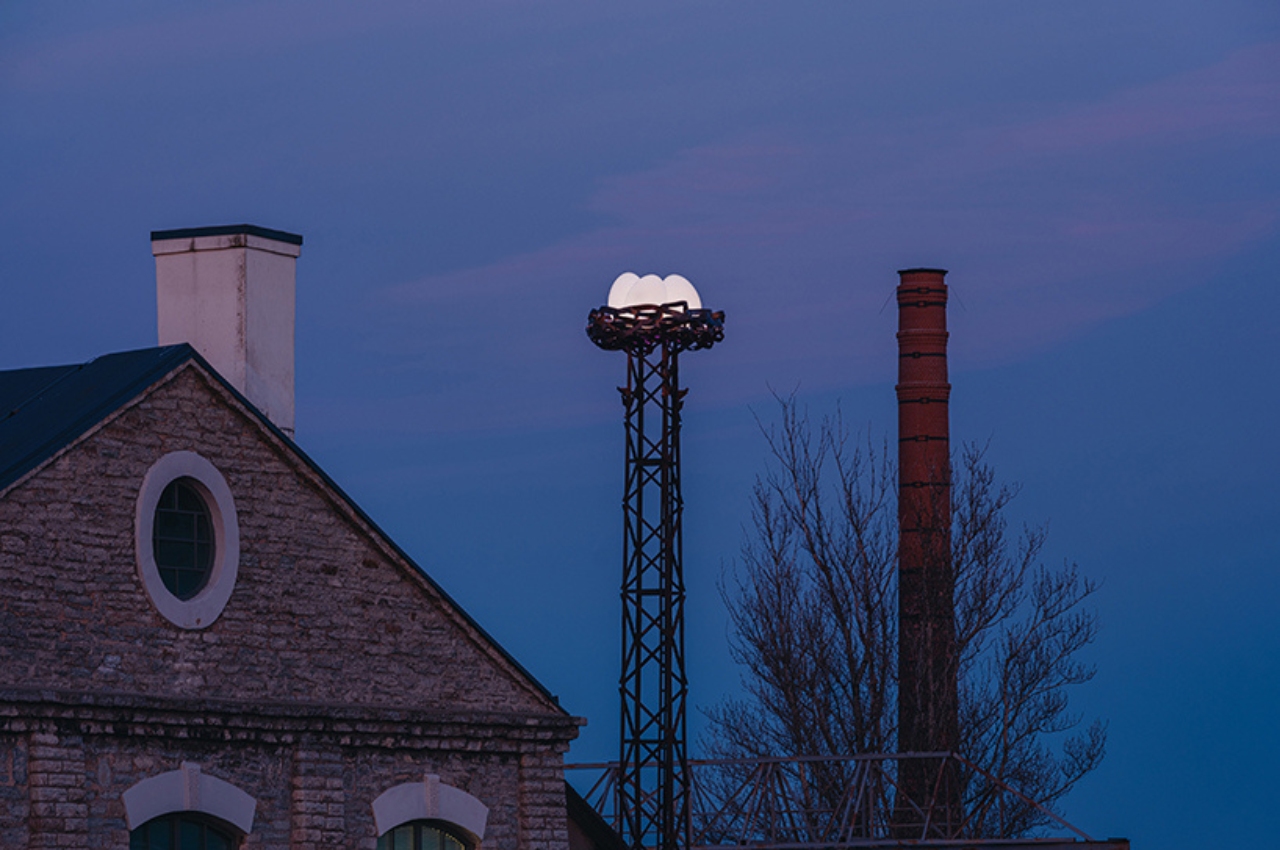
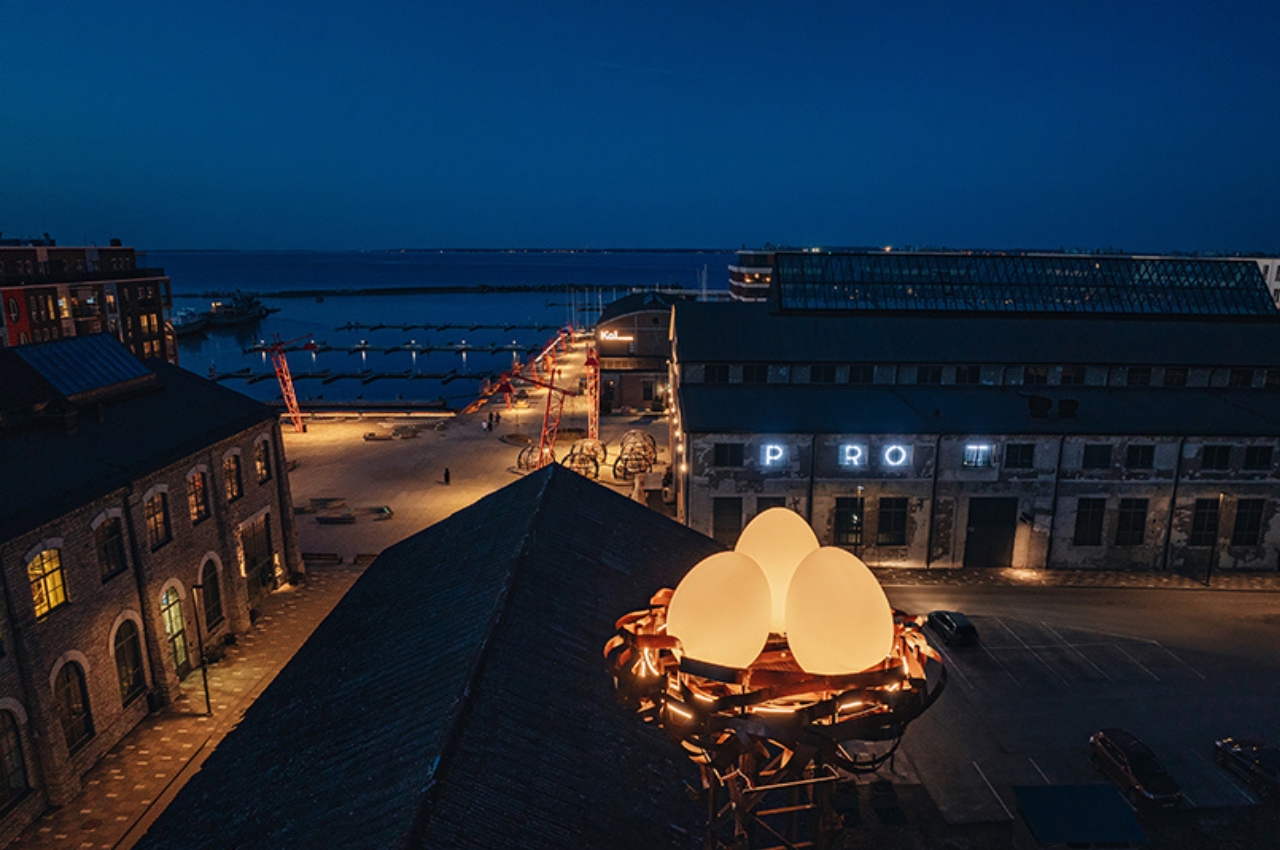
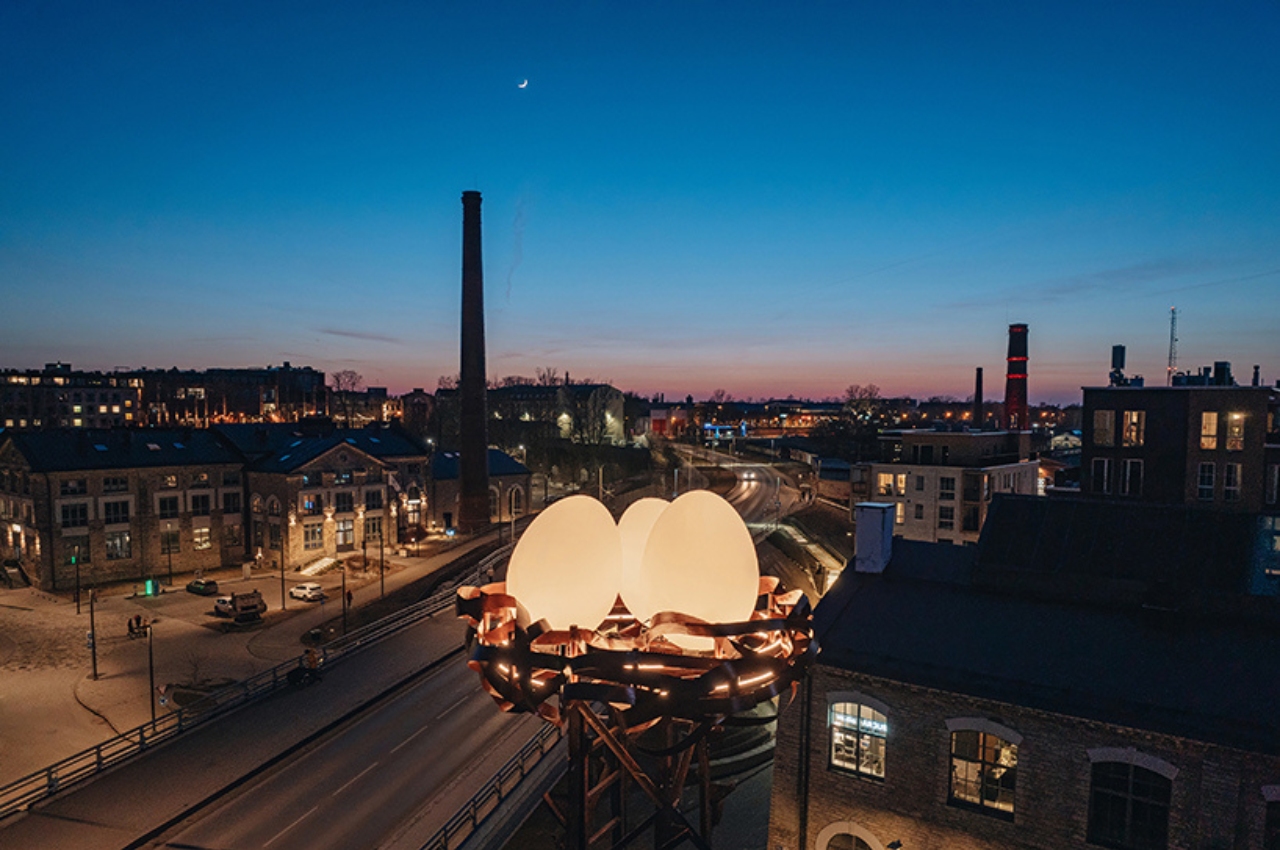
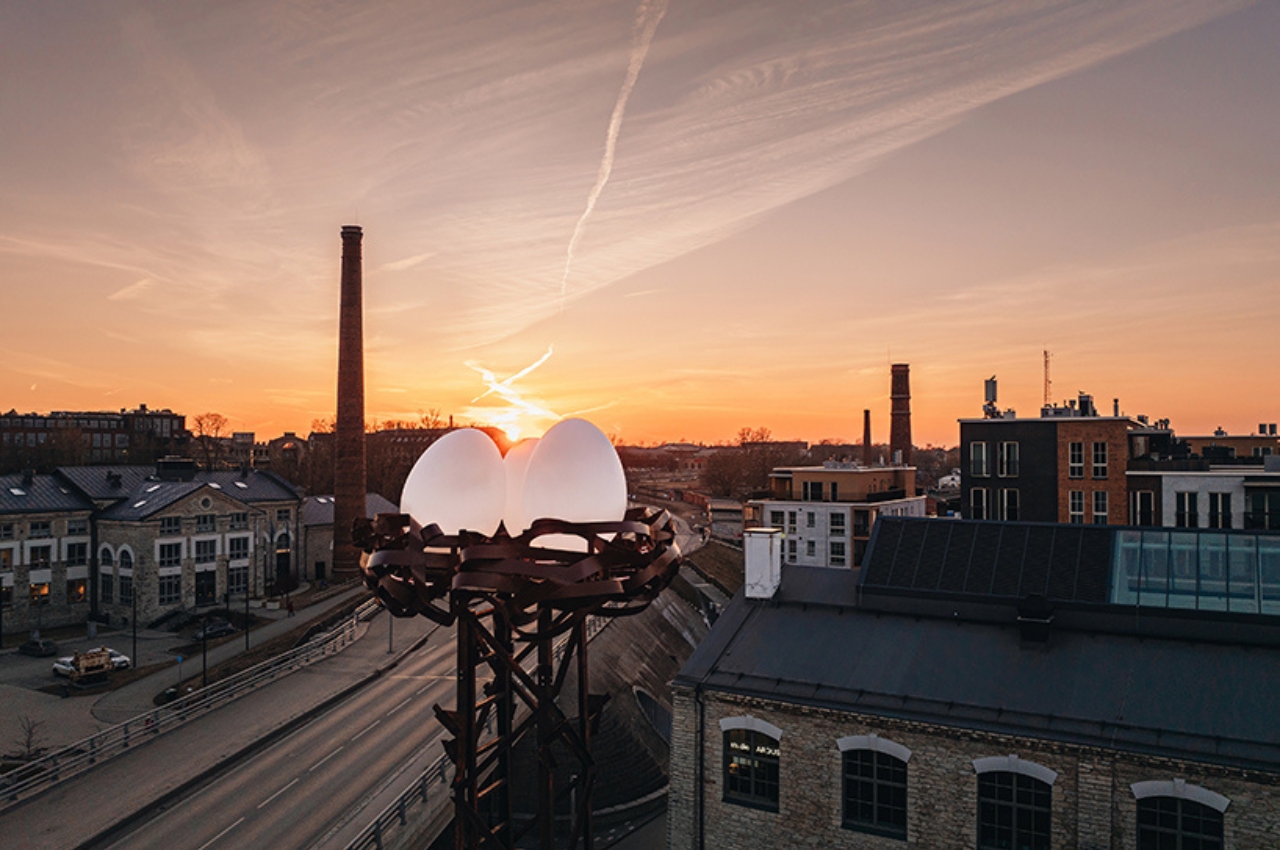
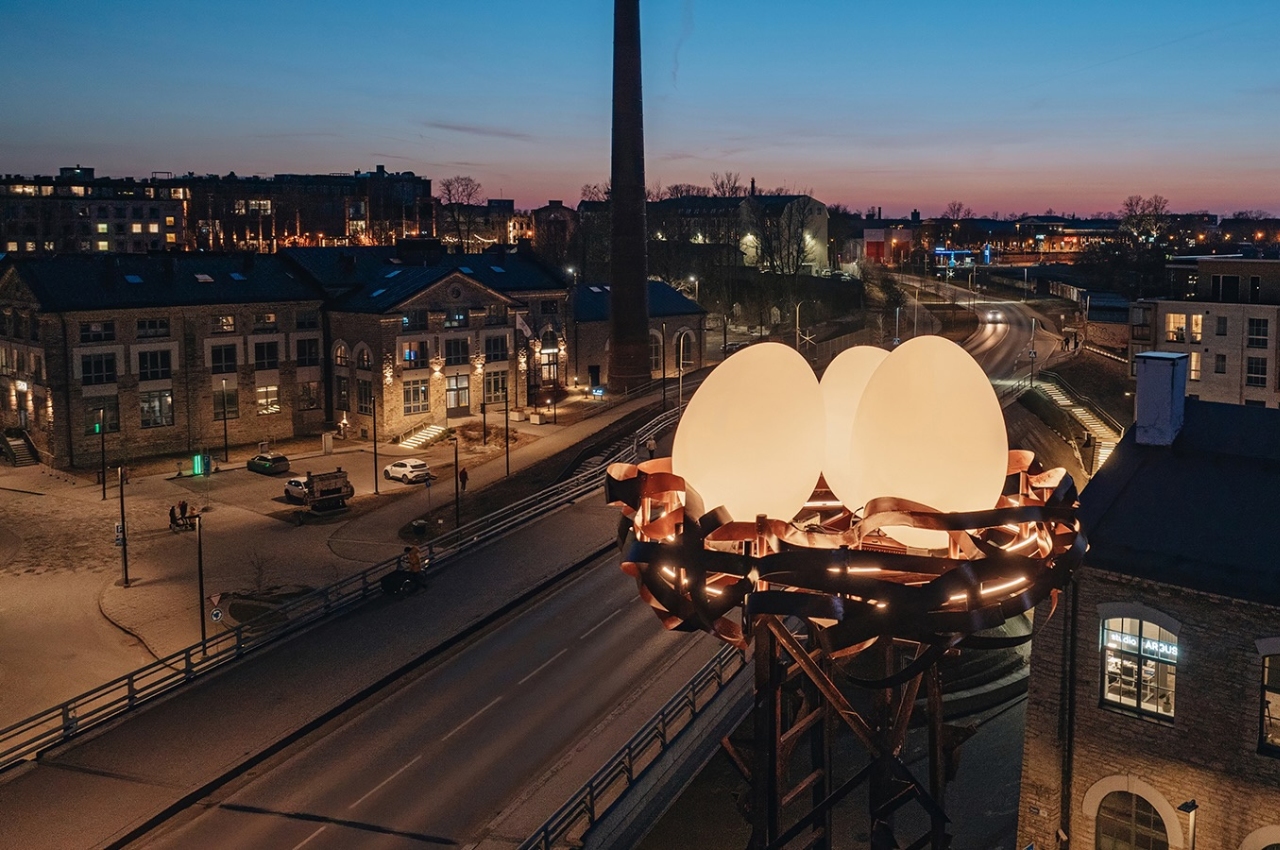
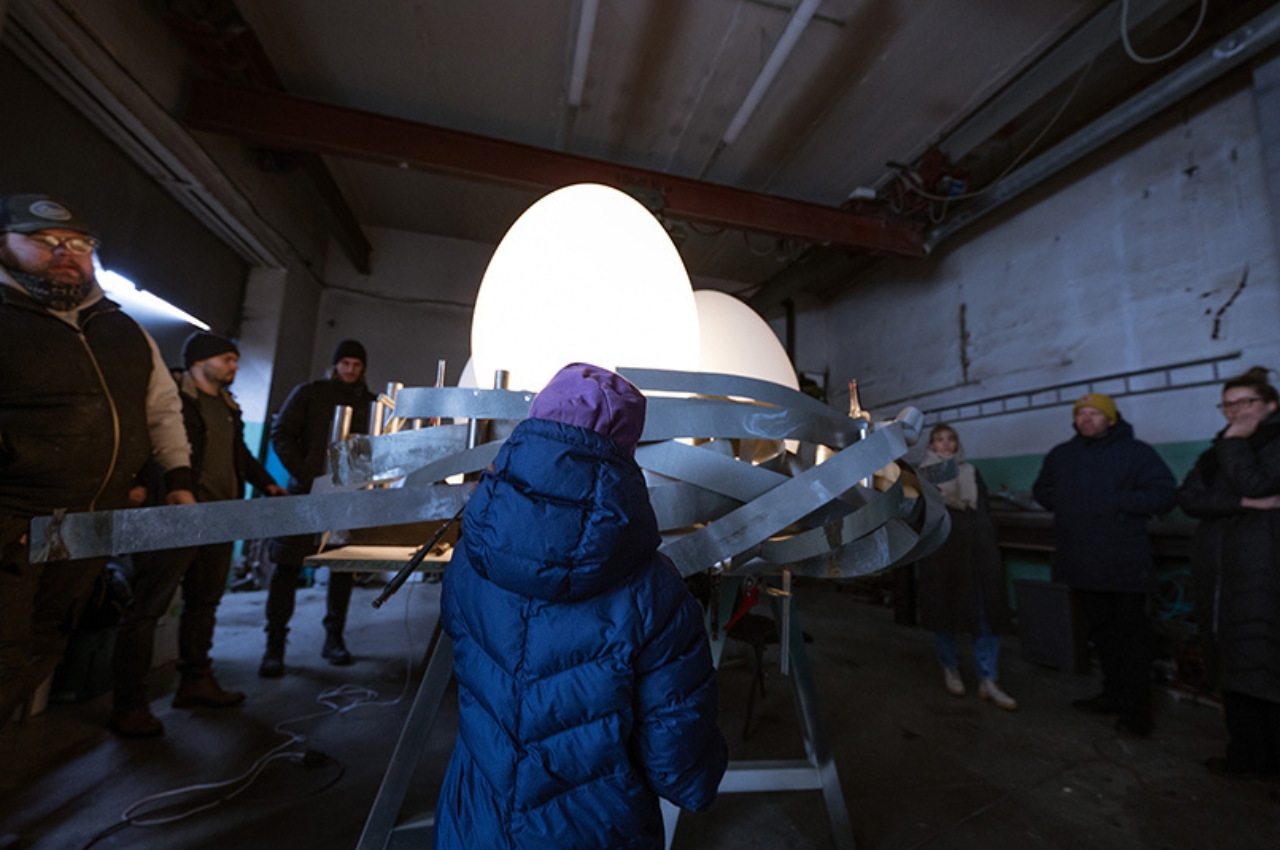
The Noblessner port in Talliinn, Estonia has existed even before World War I but now that it’s not a submarine shipyard anymore, it has become a public seafront quarter. A major attraction in this space is an illuminated bird’s nest made from metal, disused industrial objects and light art . What’s even more interesting here is that it was inspired by the sketch of 5-year-old Stina Onemar who thought about seeing something like this on top of the former lighting mast.

The eggs in the nest are made from polyethene and are actually weather resistant because of the rotational molding technology. The branches are made from materials from construction sites, including leftover roof edge trim to make the steel frame. These metallic materials also serve as reflectors for the lighting installation. The paint will also sport the eventual wear and tear until it blends with the light pole where it’s on top of, matching the natural ageing process since it’s located outside.

This is an interesting piece of art that combines reused materials with a natural design. The team from Velvet said that their design also shows how actual stork nests actually become “intertwined with human-made objects”. It’s also nice how they still involved the 5-year-old kid who inspired all of this in the production process. The nest light installation is visible from the road and also from the ships at sea.

The post Nest light installation at Tunisian port is inspired by a child’s sketch first appeared on Yanko Design.
Spiral Storage Tray concept shows a minimalist way of organizing small things

The table near the door to my apartment is witness to the fact that I have a lot of stuff. Whenever I enter the house, I dump some of my stuff there for easy access to when I need to leave. But over the months, it has accumulated a lot of small things that I forget to put away or bring with me. As a hoarder and also a naturally messy and lazy person, it’s really hard to organize all these things. So I need all the help I can get, including organizing accessories and furniture.

Designer Name: Ping-Lun Chung

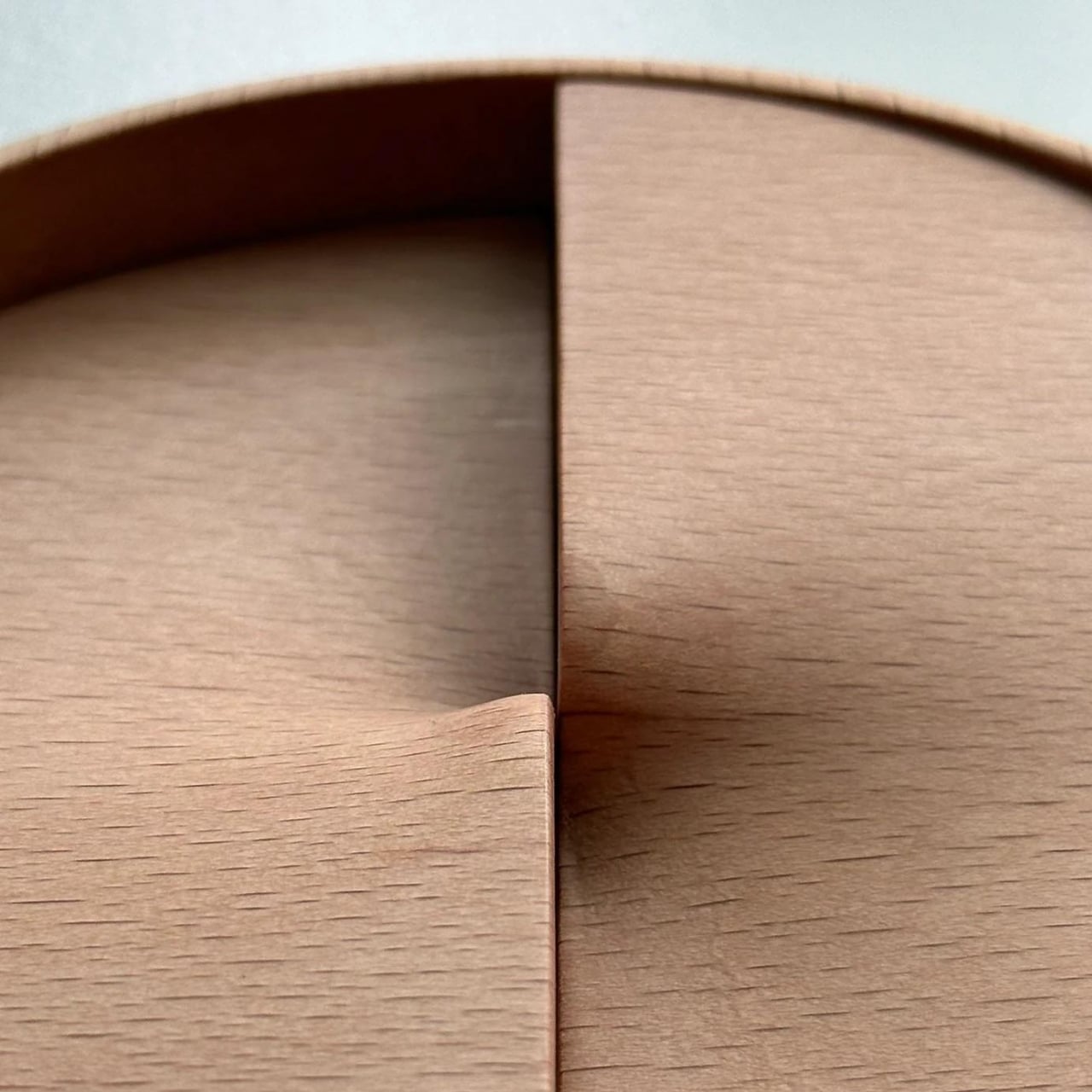
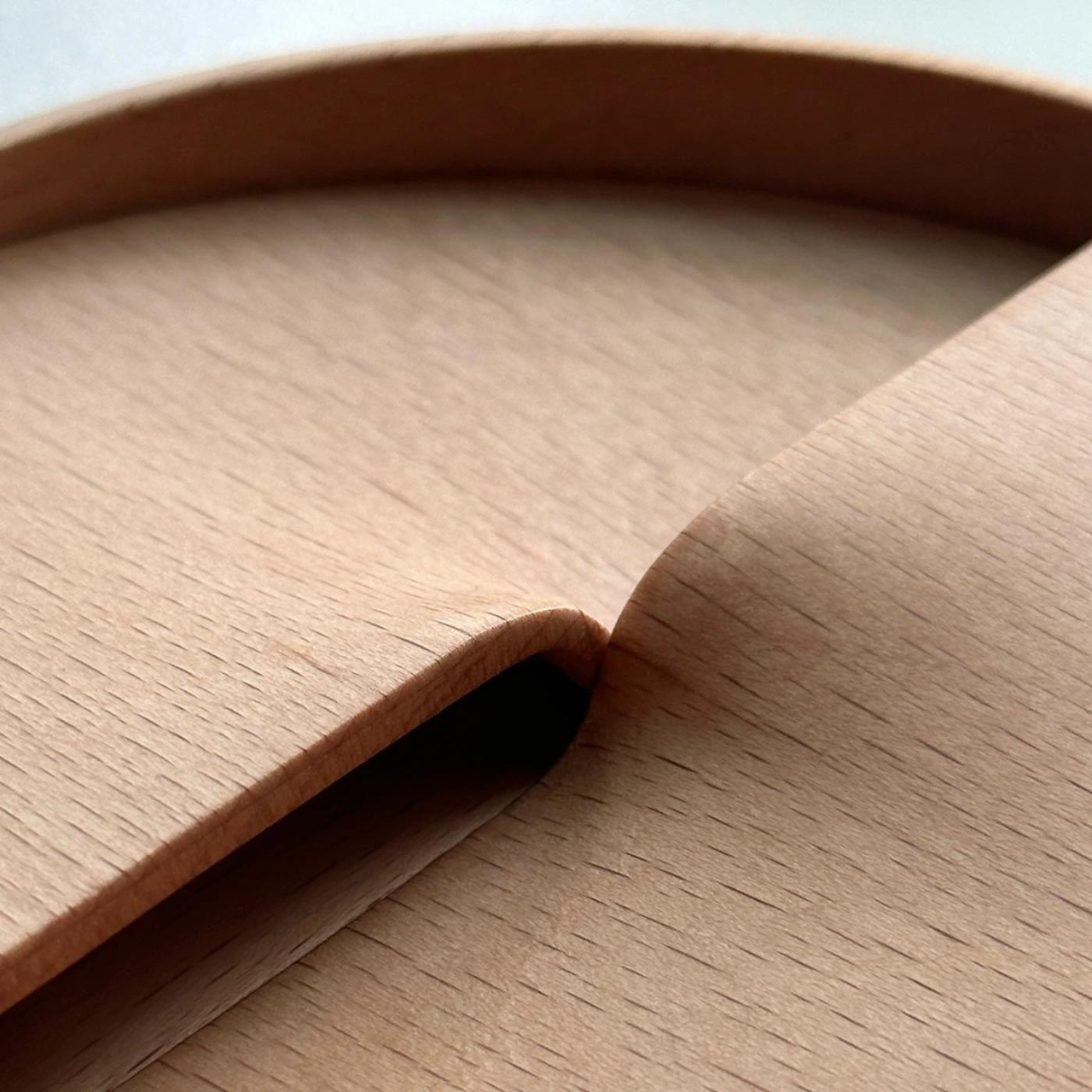
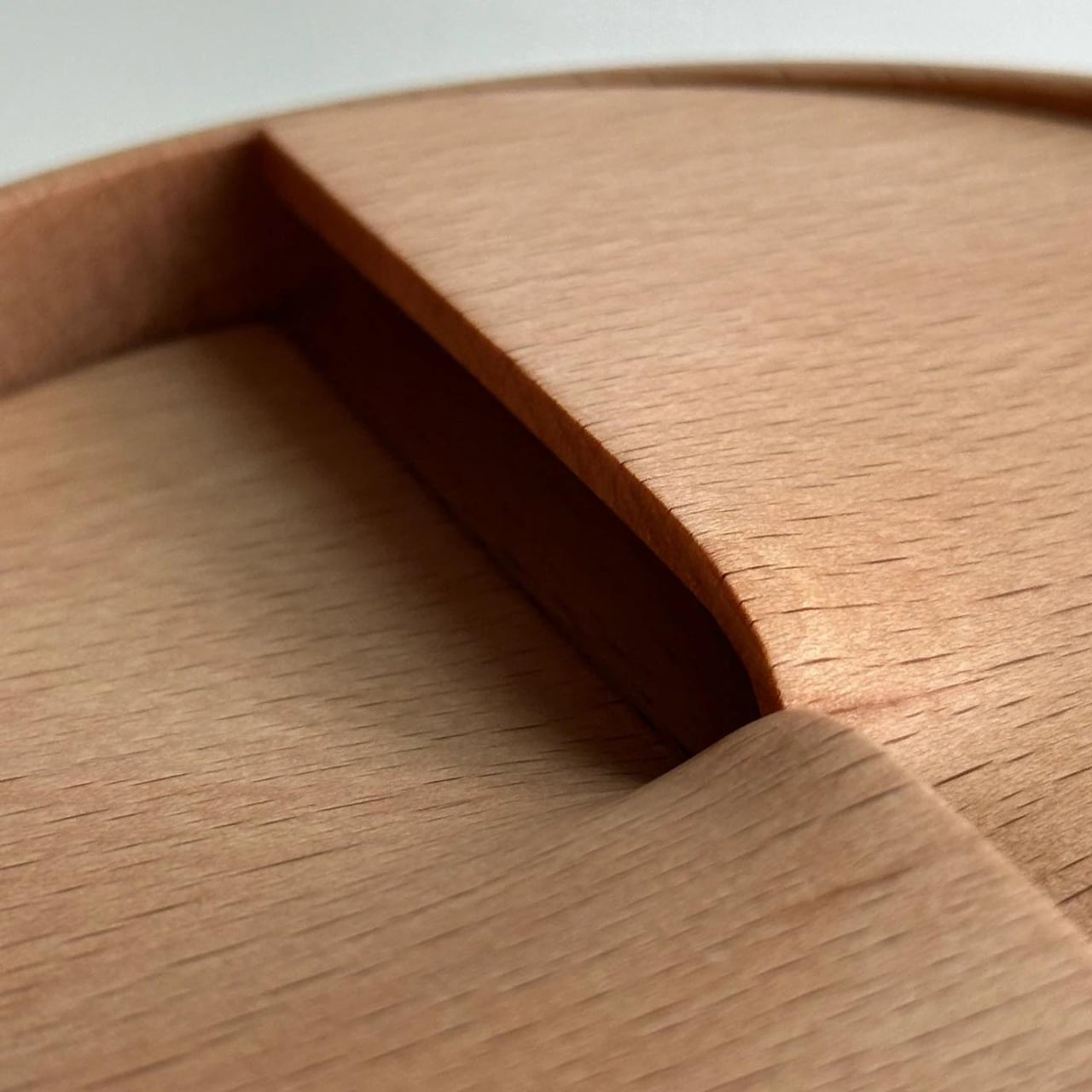
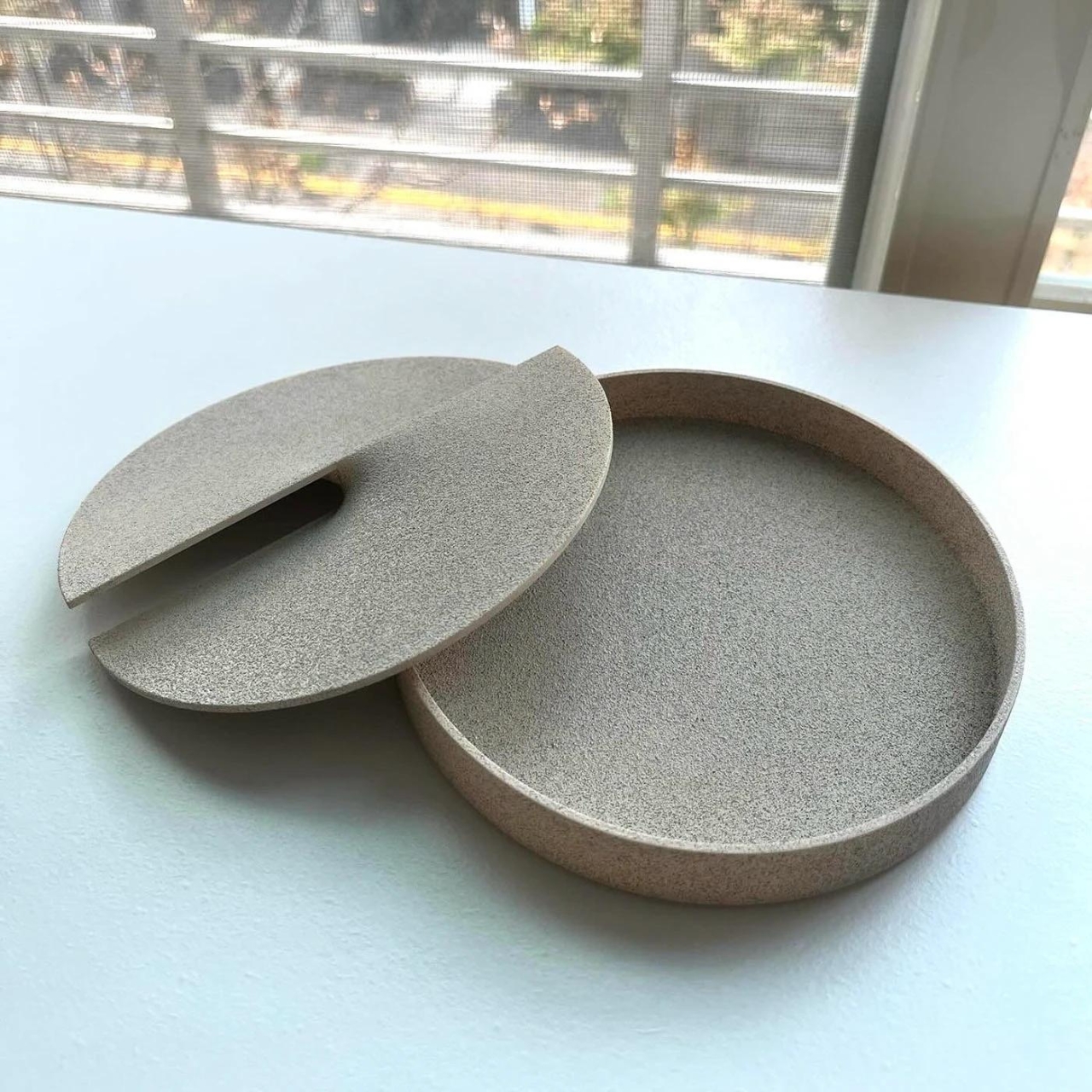
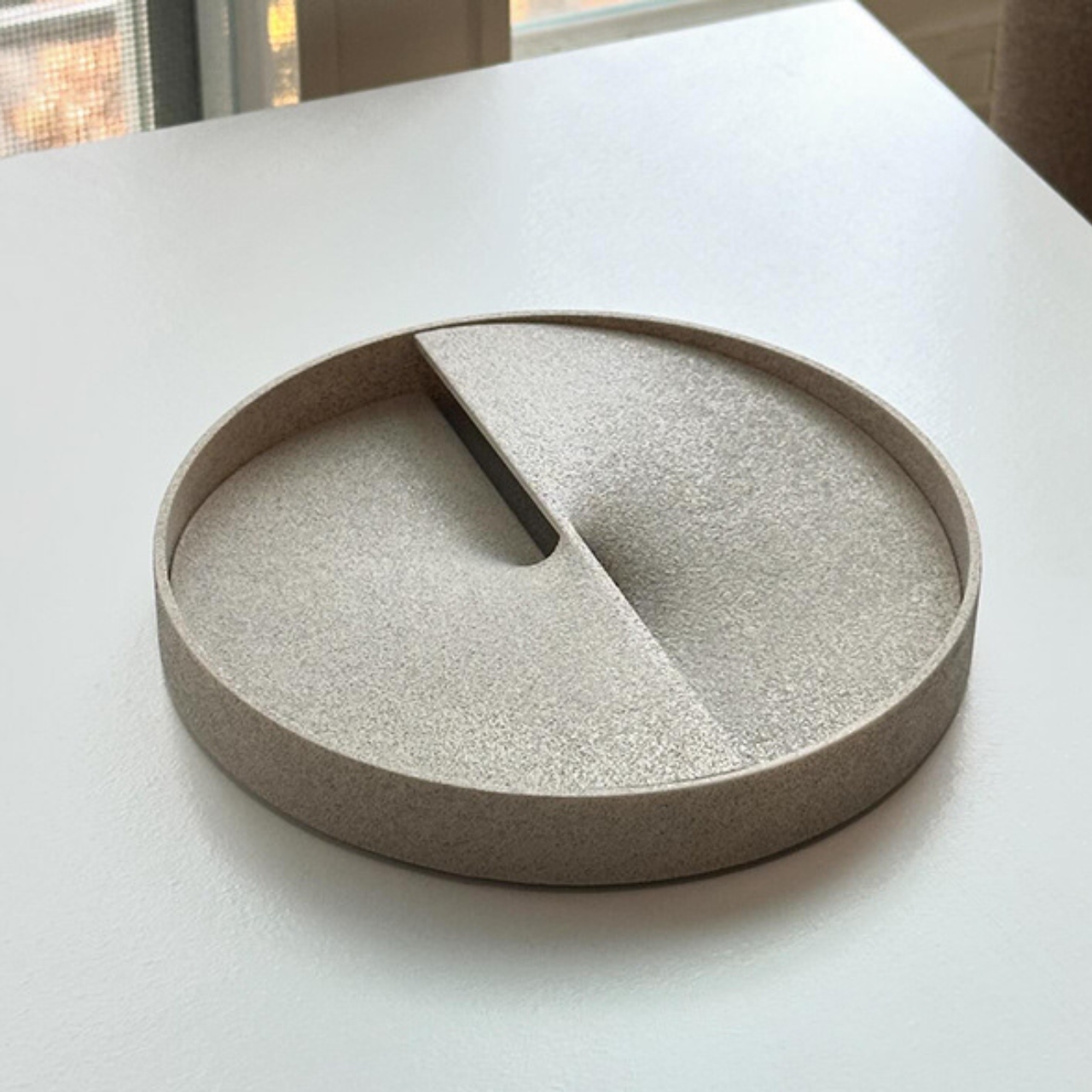
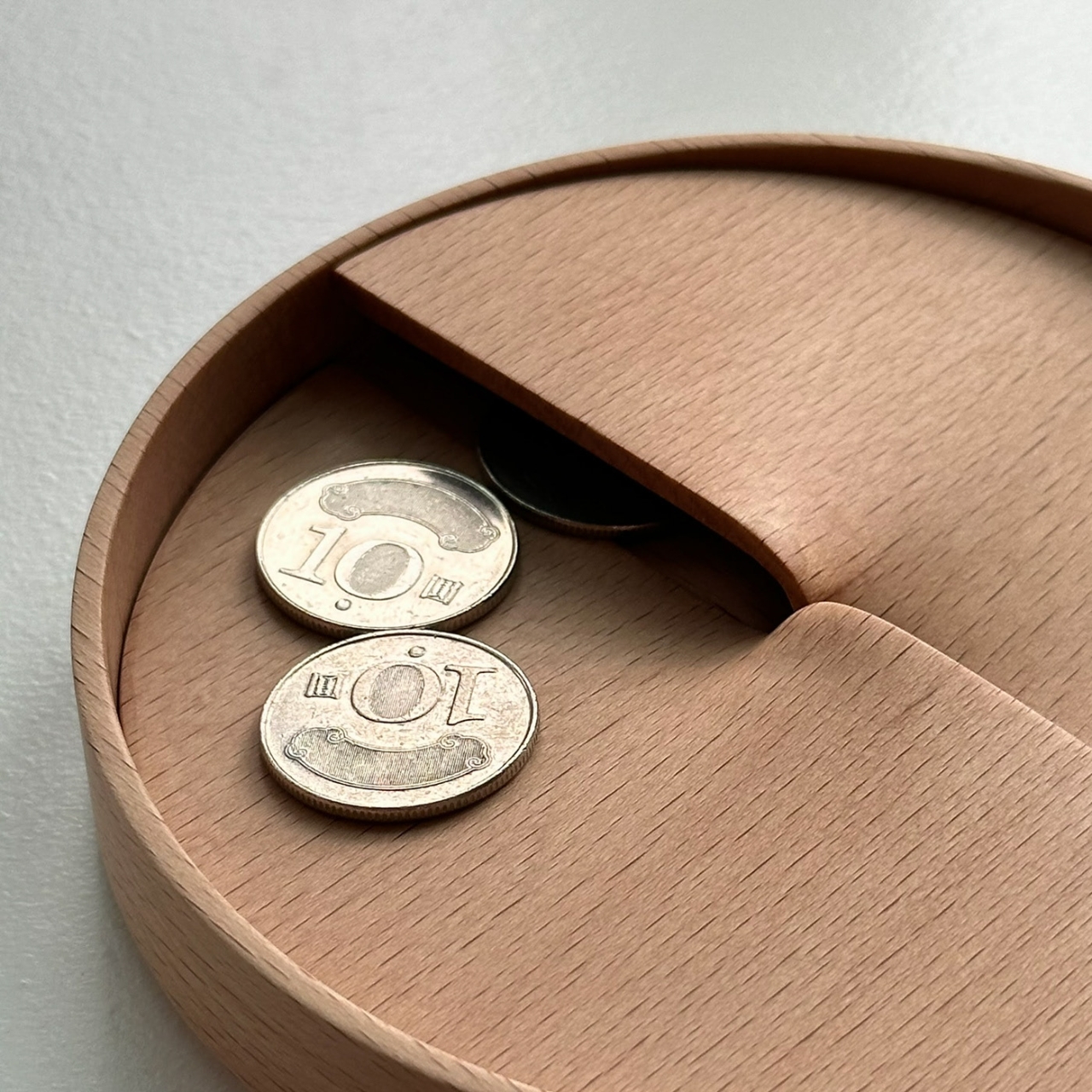
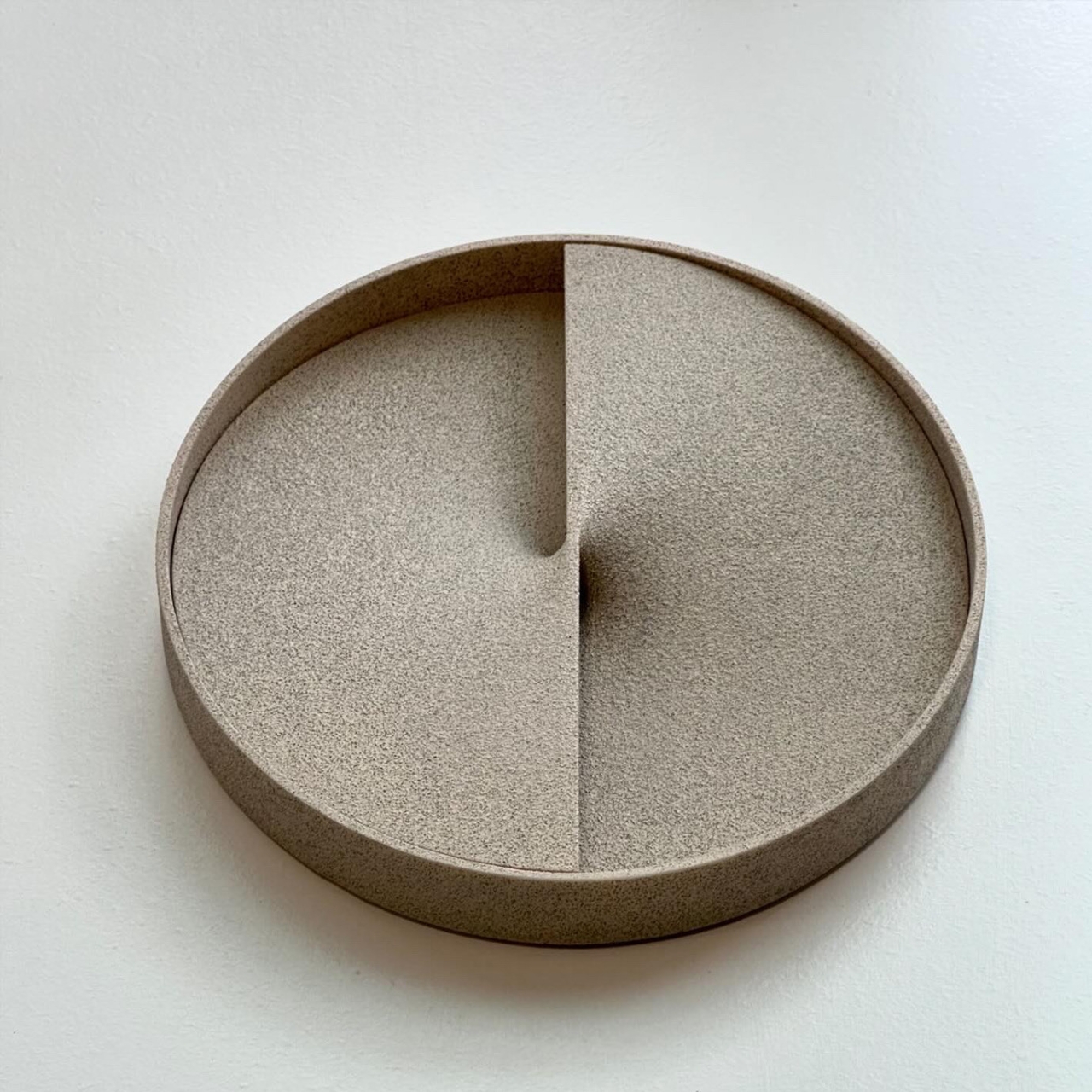
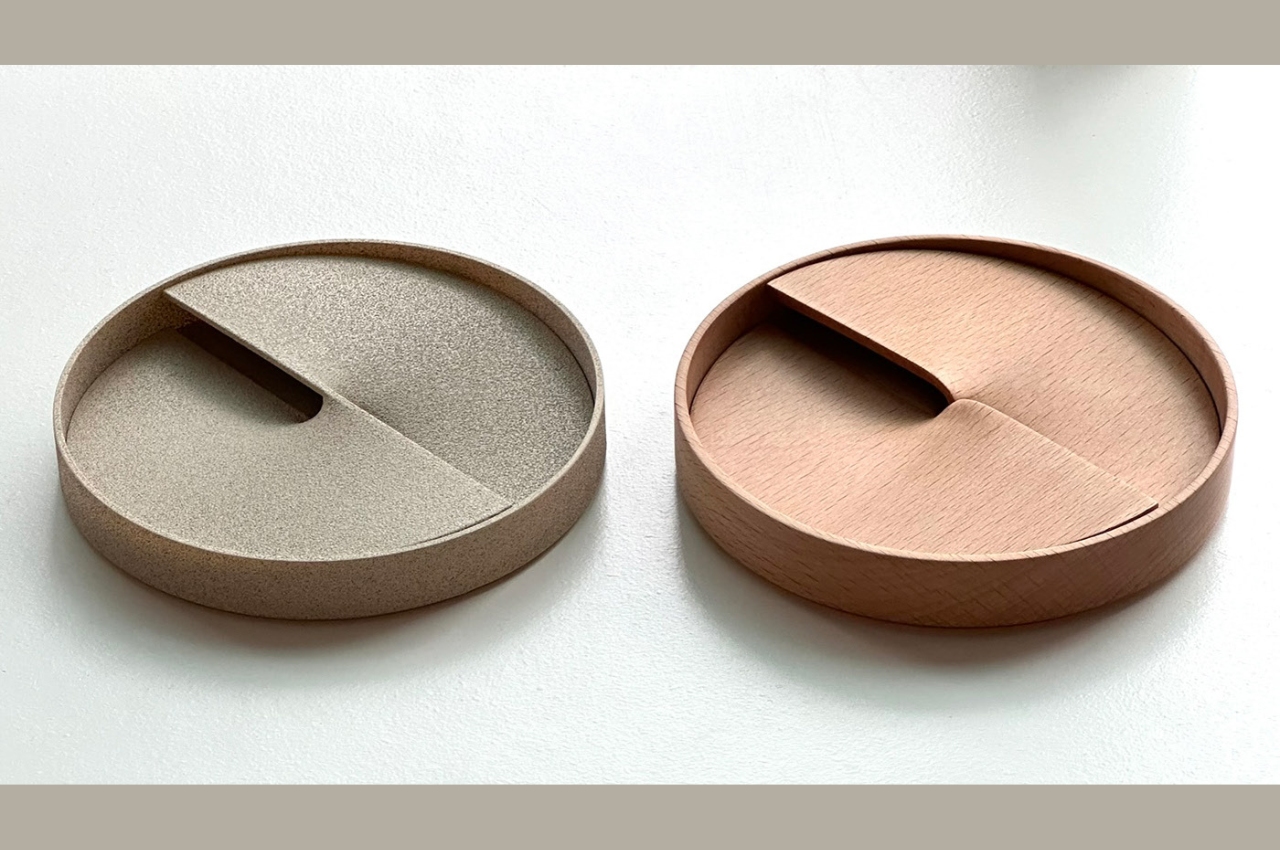
This concept for a Spiral Storage Tray is a pretty simple and minimalist idea but one that can be helpful to people like me eventually. The basic idea is that it is just a simple, circular tray but you get a spiral storage. This way you can compartmentalize little things like coins, keys, eyeglasses, medicine, and other small items that you may need to have easy access to when entering or leaving the house. It’s meant to be placed in the tables located in the entryways of houses or apartments.

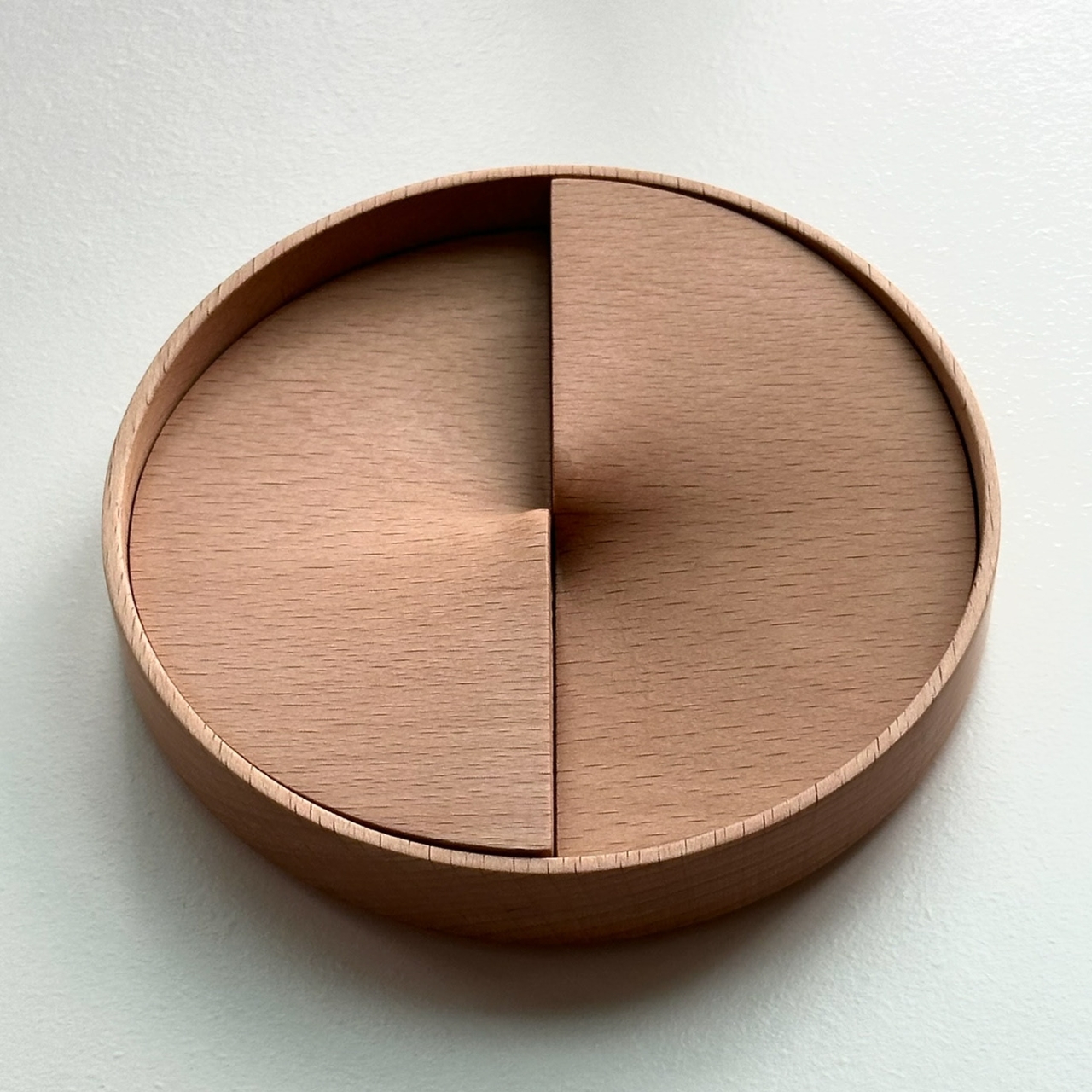
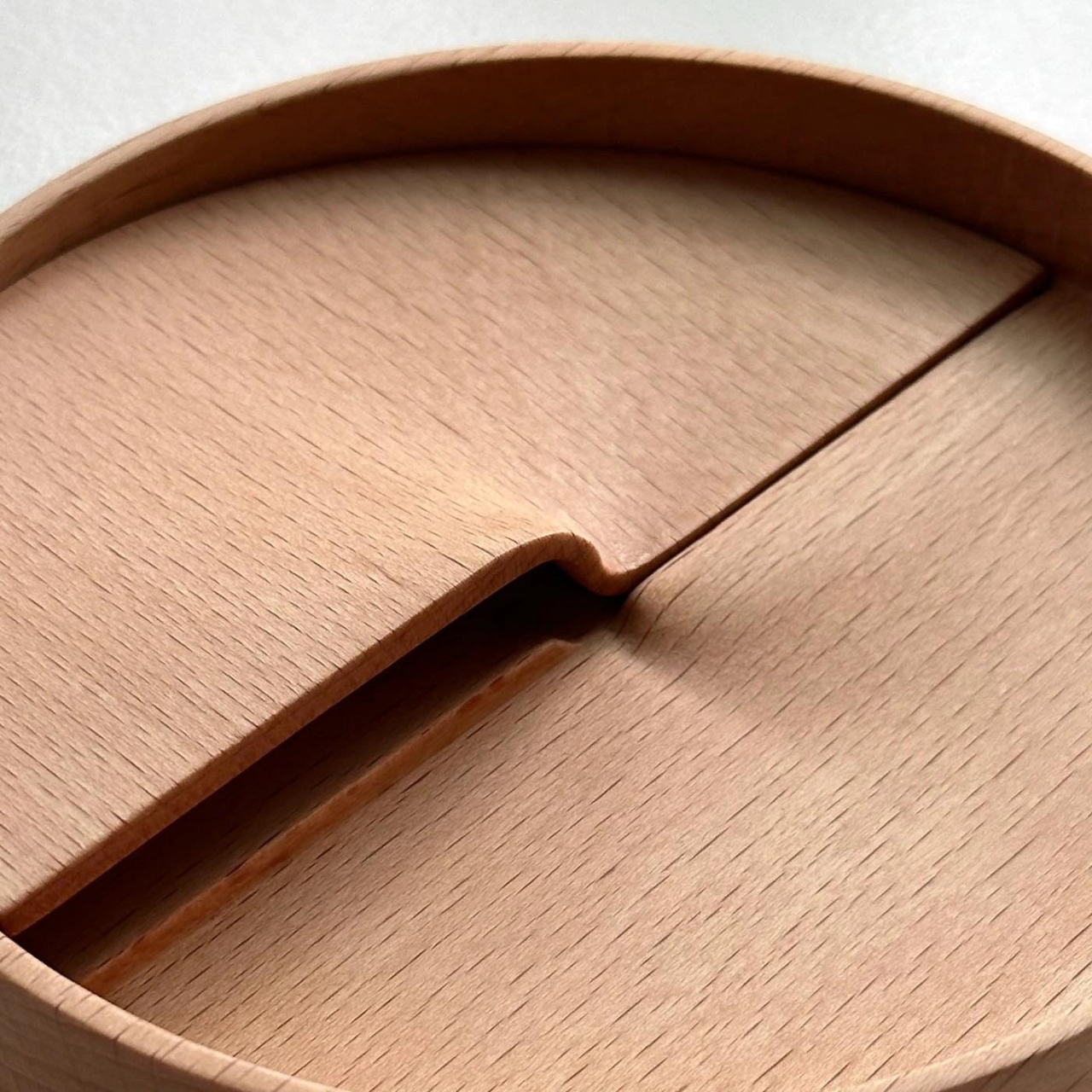
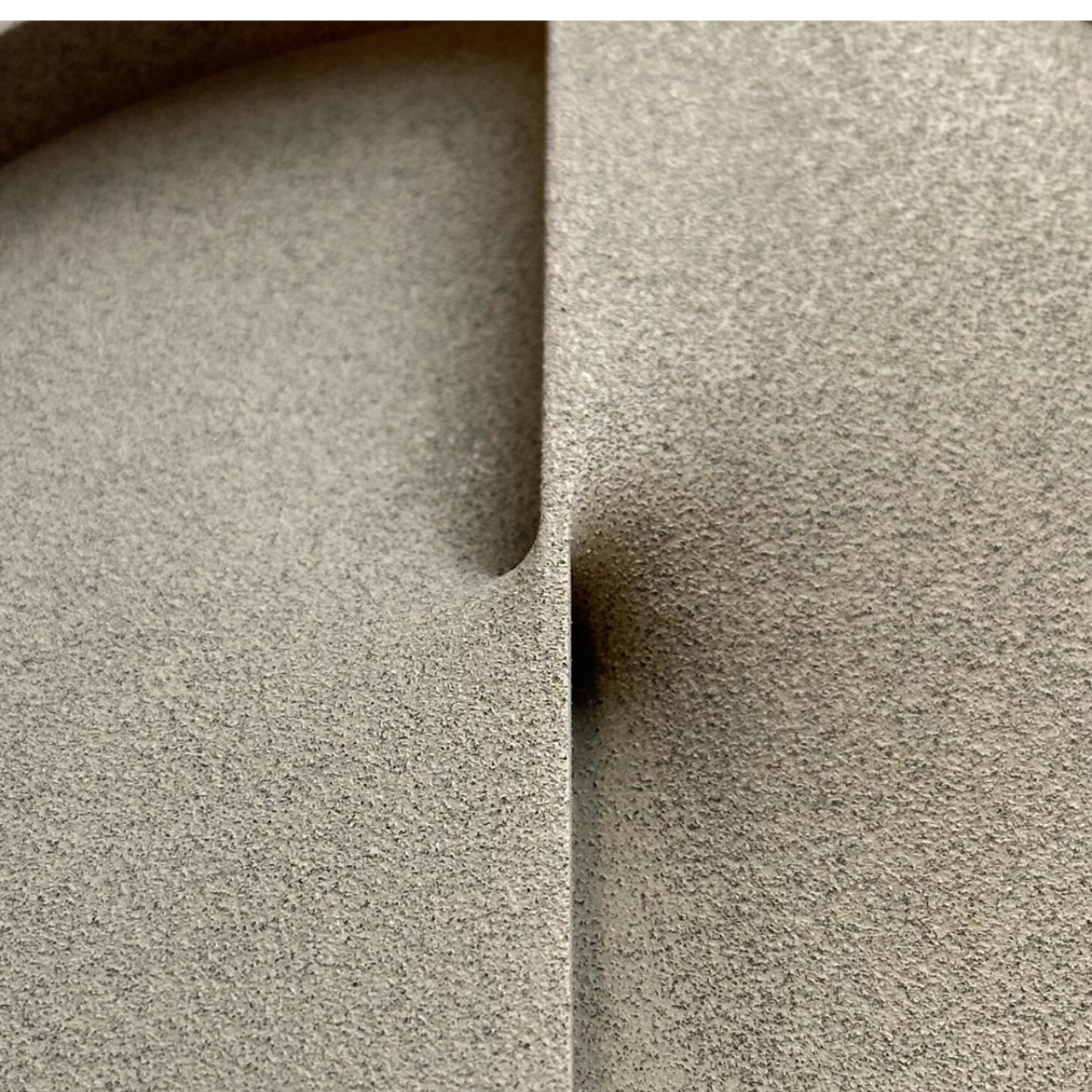
The design isn’t that complicated. The base is a small round disk and then you have two semicircular pieces of wood placed on top to create the “compartments” to separate your small items. There is even a hidden spiral compartment if you need to place small items that you want to conceal for some reason. Knowing me though, I’ll probably forget that I placed something there which means I may get a surprise or two when I decide to clean the tray by lifting up the top pieces.
The “seamless, continuous spiral surface” that we see in the rdners actually looks pretty satisfying. The renders show different wooden textures and colors for the Spiral Storage Tray so we may get different options if it gets turned into an actual product. Who knows, because of this I might actually start organizing my table in my entryway?

The post Spiral Storage Tray concept shows a minimalist way of organizing small things first appeared on Yanko Design.