Kia EV3: The Futuristic Subcompact Crossover Set to Electrify the EV Market

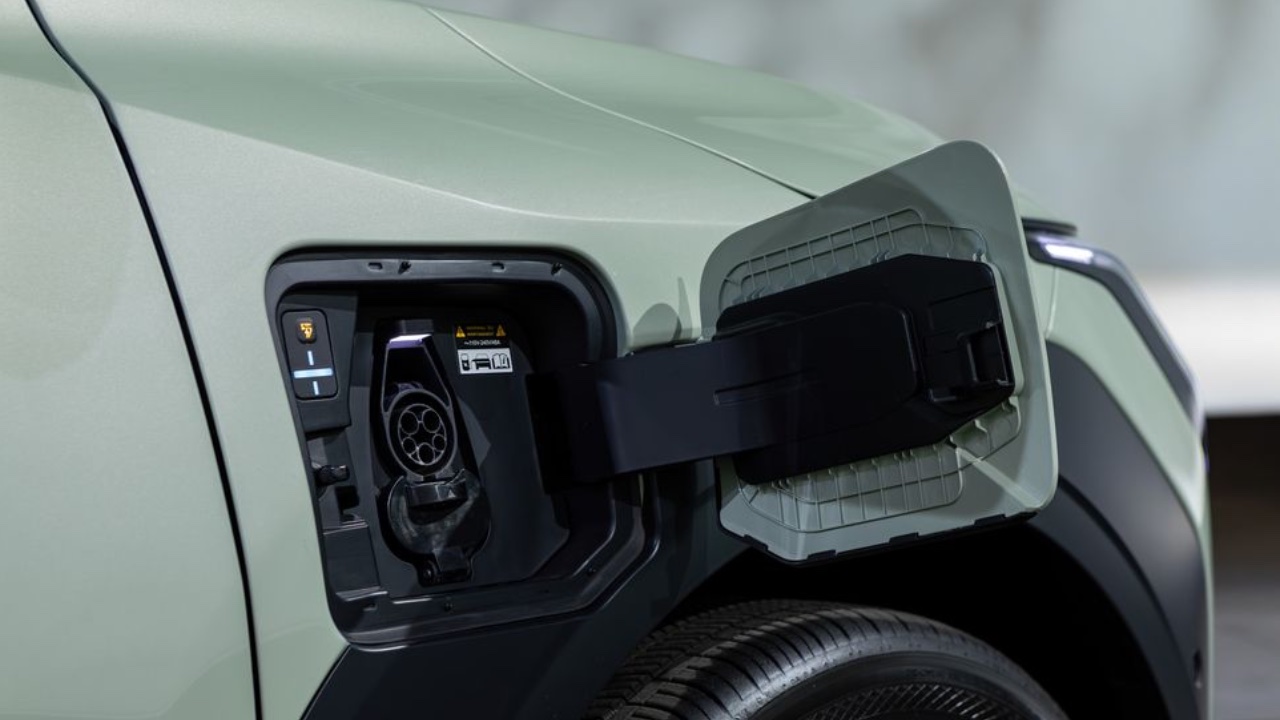
Kia has unveiled the EV3, a subcompact crossover that brings a new level of sophistication and technology to the electric vehicle market. As the latest addition to Kia’s rapidly expanding EV lineup, the EV3 leverages the innovative features of the flagship EV9 SUV while introducing them to a more compact and accessible form. By combining a sleek, modern design with advanced technology and impressive range capabilities, the EV3 is poised to set new standards in the subcompact crossover segment and drive mass adoption of electric vehicles.

Designer: KIA

Exterior Design: A Bold and Progressive Statement

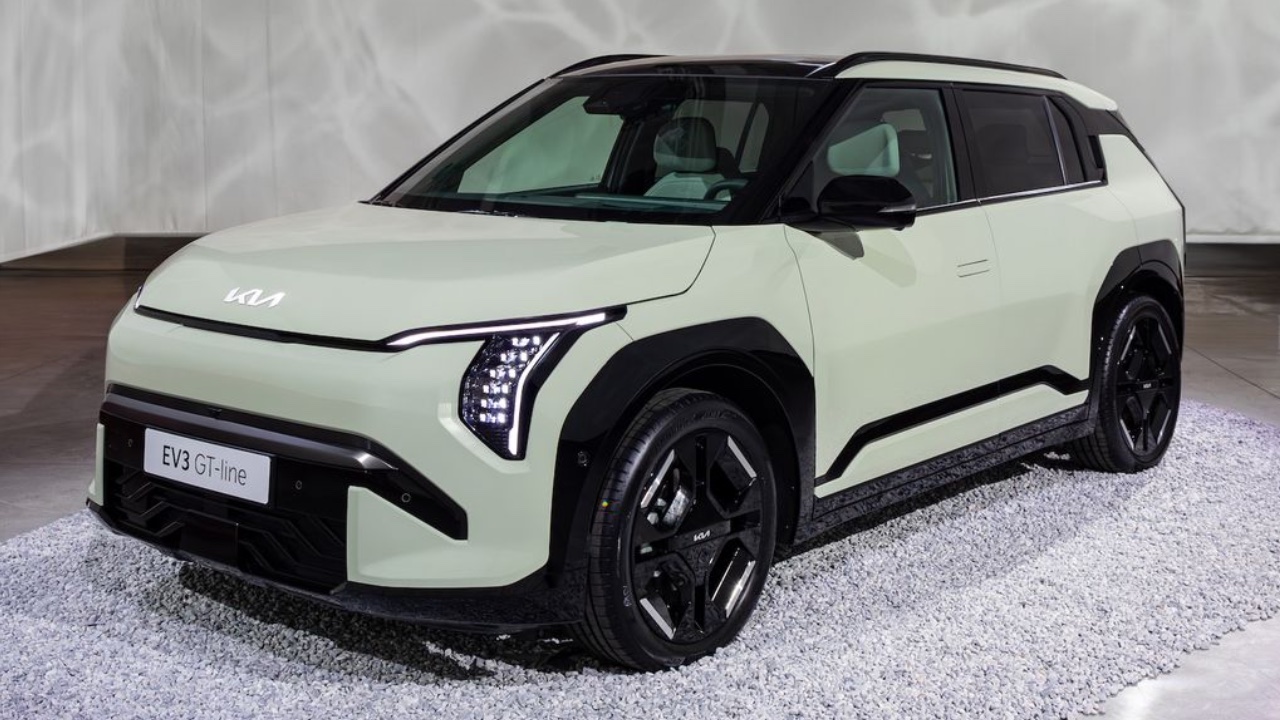
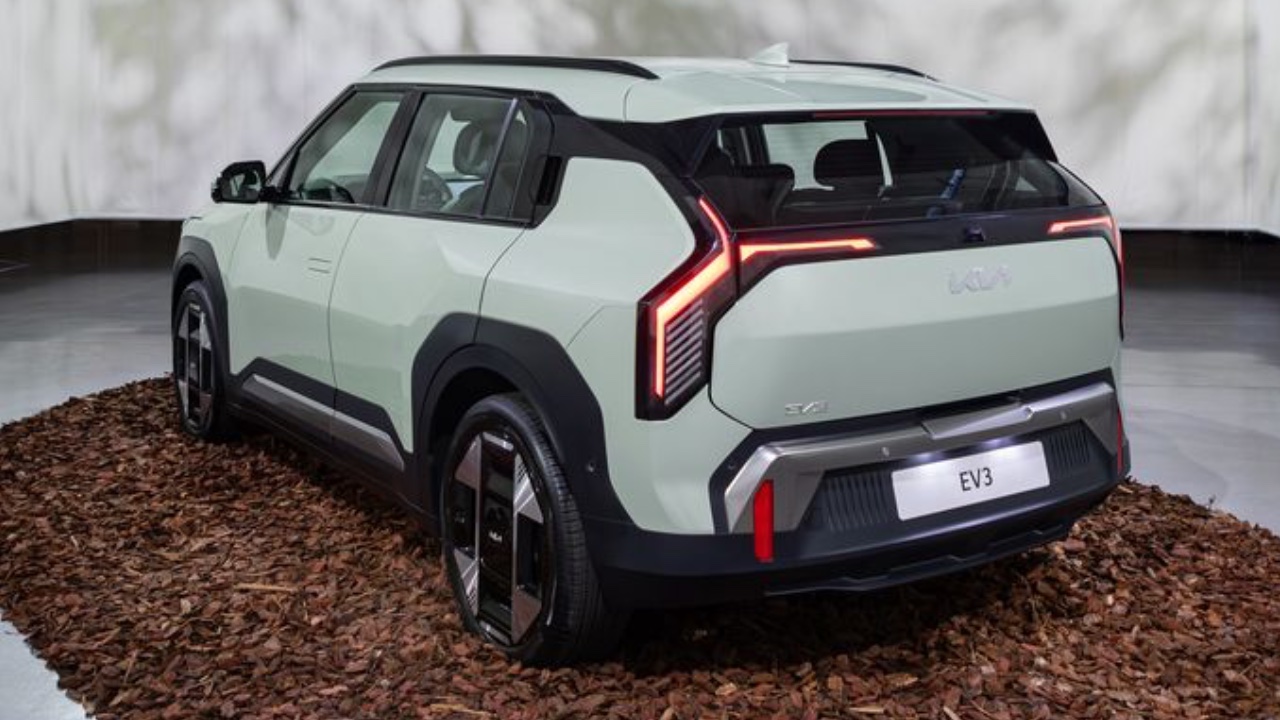
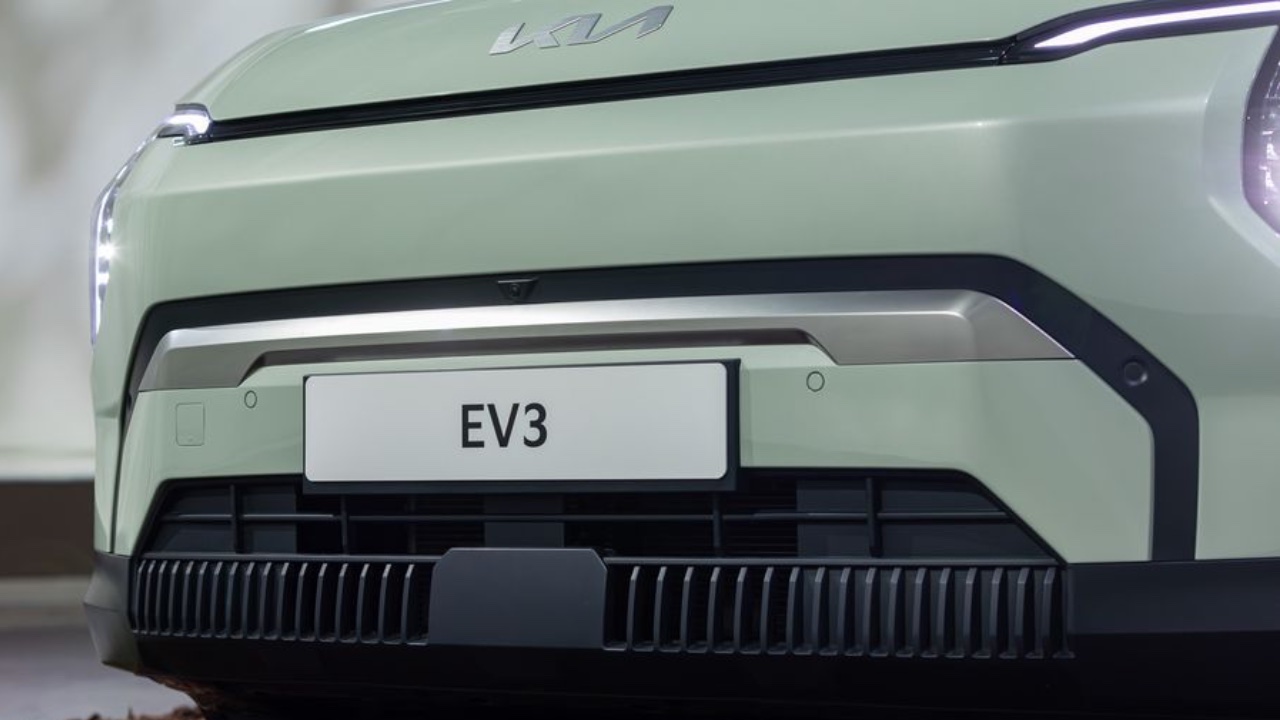
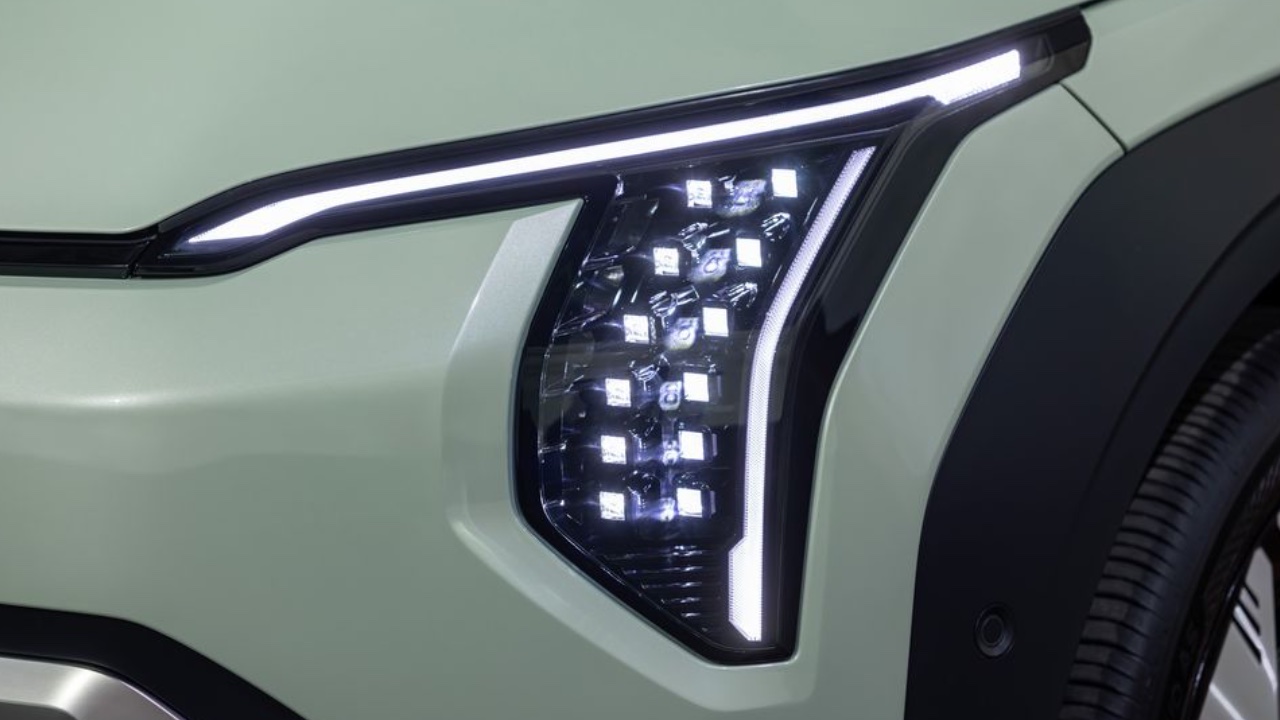
The EV3 embodies Kia’s ‘Opposites United’ design philosophy, blending the natural and the modern into a harmonious whole. This philosophy is evident in the EV3’s confident and assertive presence. The front end features vertical headlamps at the extremes, creating a wide and bold stance. The grille-less design and thin LED daytime running lights, known as Star Map, add to its futuristic appeal. This clean and uncluttered front end not only looks modern but also emphasizes the EV3’s electric nature.

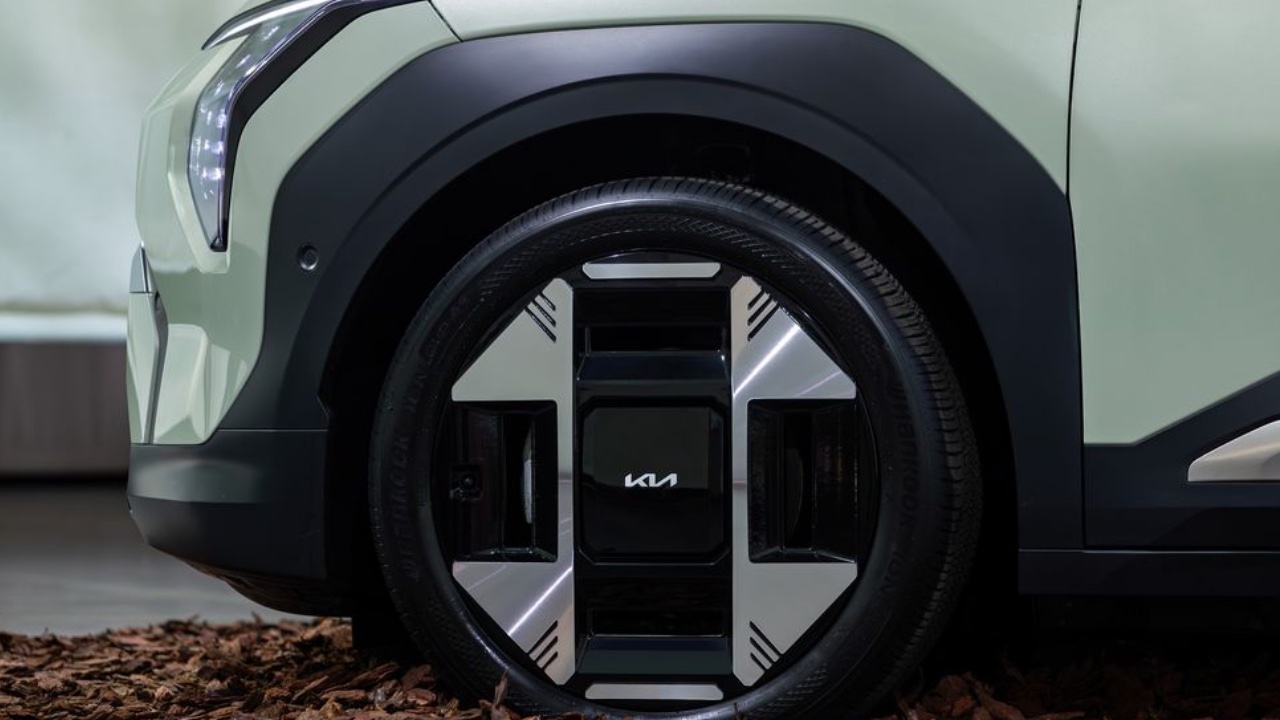
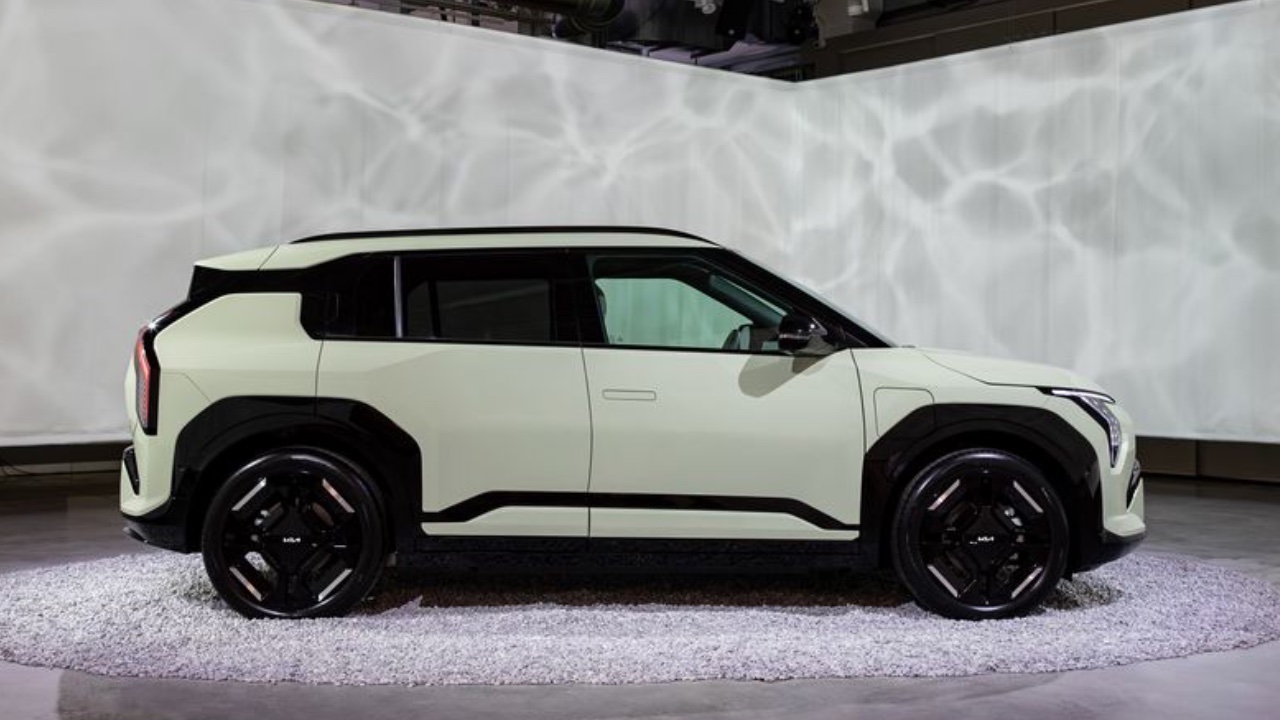
Kia’s reinterpretation of the iconic Tiger Face design incorporates the latest Star Map signature lighting concept. The vertical Daytime Running Lights (DRLs) enhance the Tiger Face design, giving the EV3 a distinctive and recognizable look. These elements, combined with the black accents around the wheel arches and blacked-out pillars, contribute to the floating roof effect, enhancing the vehicle’s modern aesthetic.

From the side, the EV3 showcases a sleek roofline that slopes gently into a hatchback-style tailgate. This design, paired with muscular wheel arches and dynamic lines, gives the EV3 a sporty and agile look. The long, smooth roofline adds to the vehicle’s aerodynamics and provides a spacious interior. The overall profile conveys strength and elegance, making the EV3 a compelling choice in the subcompact crossover segment.

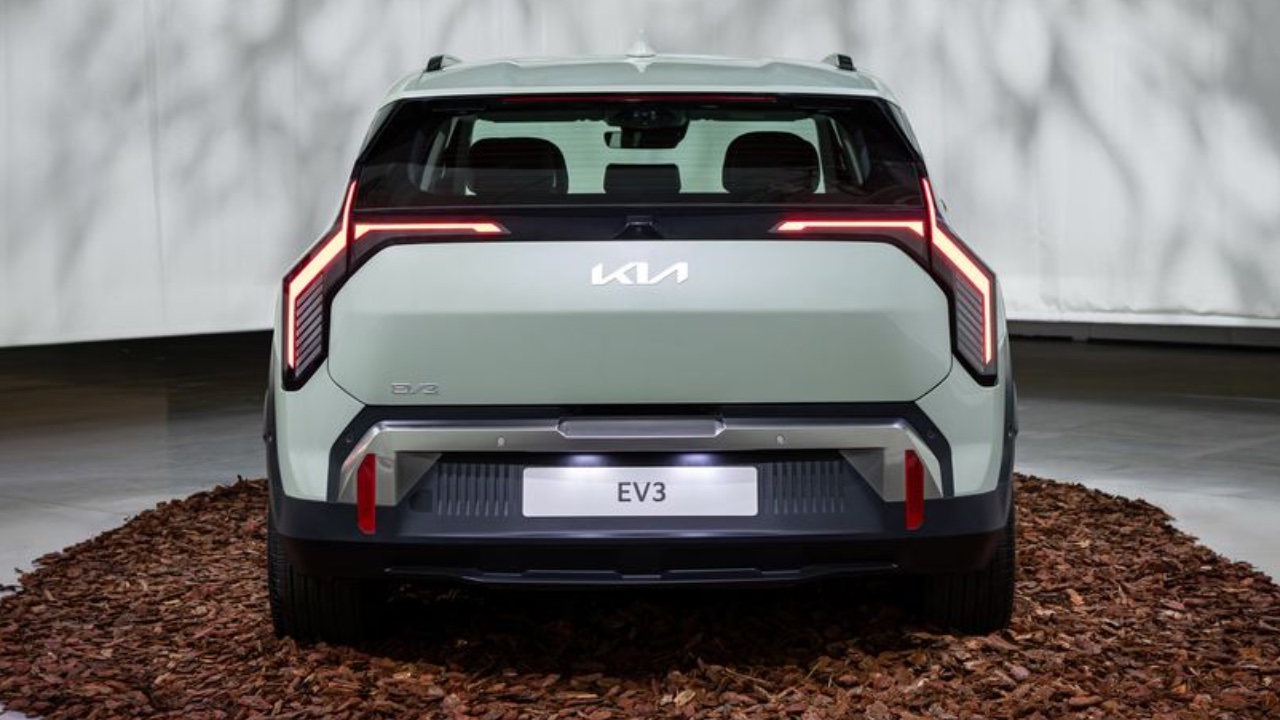
The EV3’s rear design continues this high-tech theme. Thick black trim lines emphasize the connection between the sturdy C-pillars and the dynamic roofline, adding to the vehicle’s robust appearance. The geometric rear lamps seamlessly integrate with the rear glass, creating a sleek and modern tailgate design. Inspired by the front’s Tiger Face Star Map lighting, the rear lights add a futuristic touch that ties the whole design together.

Interior Design: Comfort and Functionality

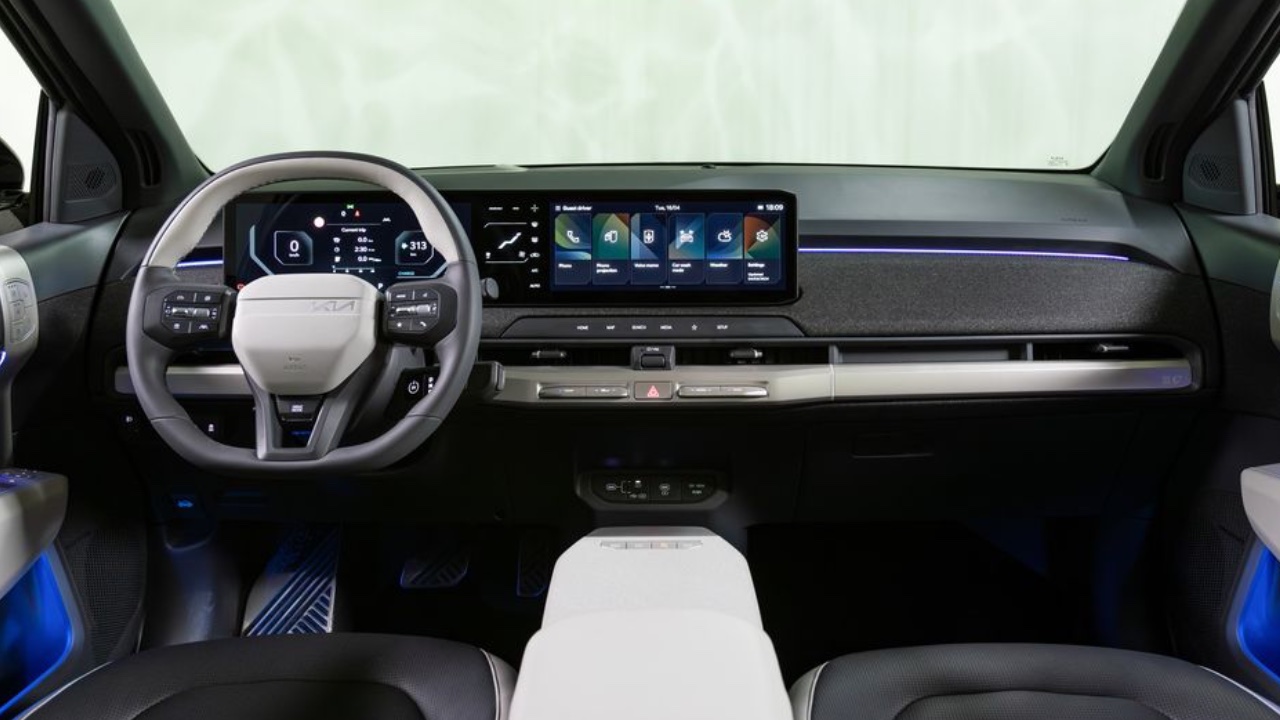
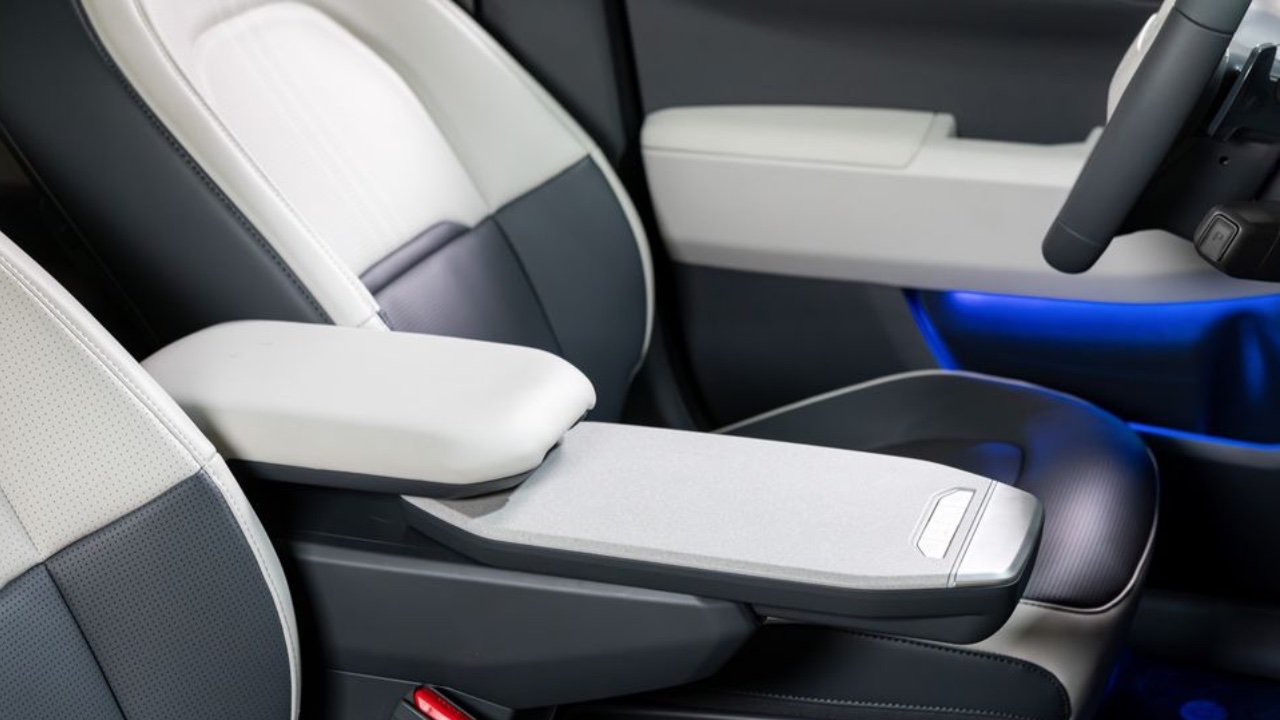
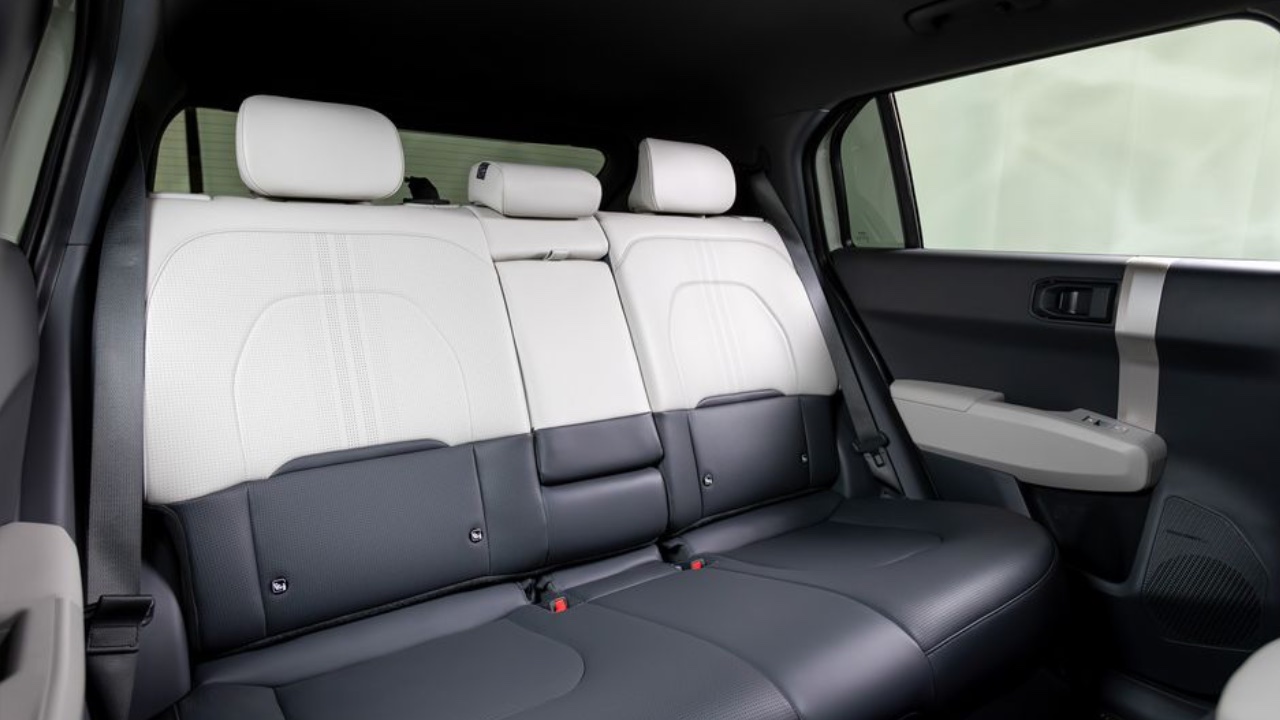
Step inside the EV3, and you’re greeted by an interior designed to maximize space and comfort. The cabin is spacious enough to comfortably accommodate five passengers, with a focus on creating a living room-like atmosphere. The elegant center console features a sliding table and storage area, perfect for drinks, snacks, and small backpacks. When parked, the table can hold personal electronics like laptops and tablets, turning the car into a mobile office or entertainment space.

Kia has emphasized comfort with multi-adjustable ambient lighting and ultra-comfortable seats in fold-back relaxation mode. These features and the spacious interior make the EV3 an ideal vehicle for long journeys or just relaxing while charging. The EV3 offers a 25-liter frunk and a 460-liter rear load capacity, the largest in its class. The adjustable two-tier luggage board provides over 140mm of load height flexibility, catering to various needs, from daily commutes to family camping trips.

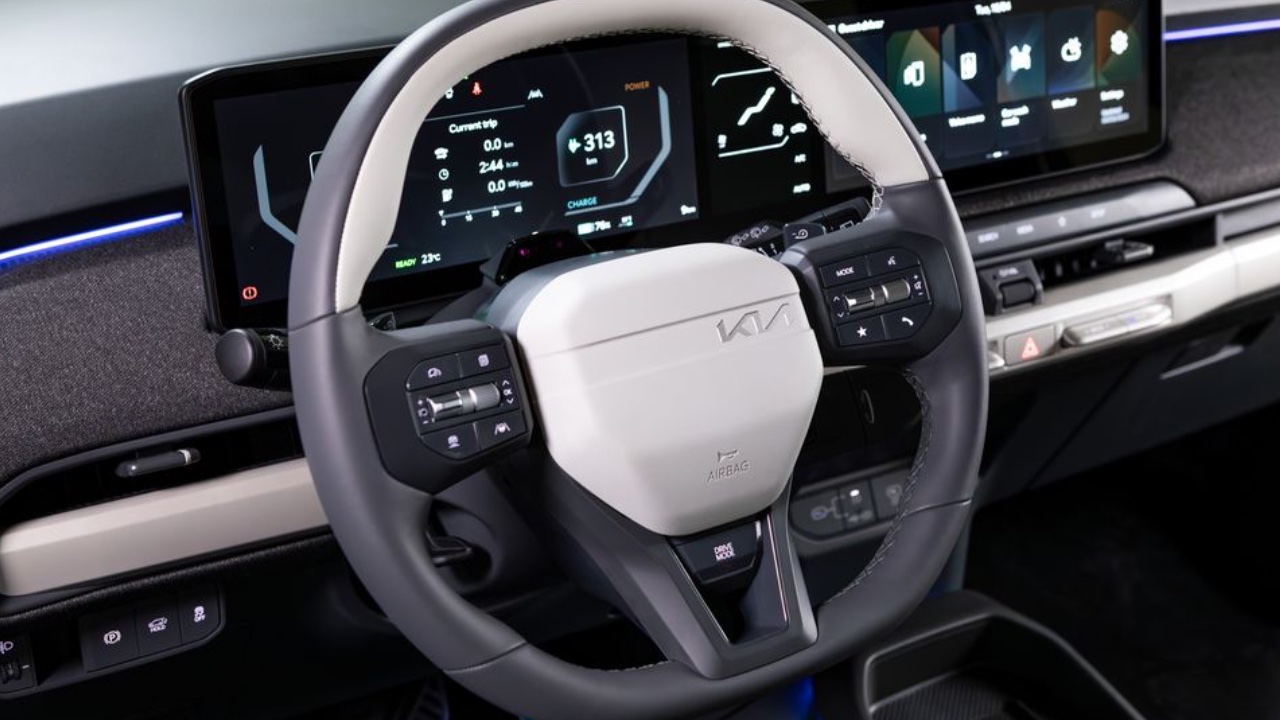
A big feature of the interior is the nearly 30-inch widescreen display, which includes a 12.3-inch digital instrument cluster, a five-inch air-conditioning panel, and another 12.3-inch AVN display. This integrated screen provides clear and intuitive information to the driver while extending to the center of the dashboard, giving the front-seat passenger access to entertainment and navigation features. Controls for drive modes, cruise control, and other functions are conveniently located on the steering wheel, ensuring ease of use.

Advanced Technology and Sustainability

The EV3 is packed with advanced technology that enhances both functionality and sustainability. The vehicle-to-load (V2L) function allows the battery to power external devices, such as laptops, coffee machines, and small fridges. The infotainment system includes streaming services, arcade games, and Kia’s AI Assistant technology, offering a comprehensive suite of entertainment and functionality. The introduction of the new i-Pedal 3.0 system for one-pedal driving with adjustable regenerative braking further enhances the driving experience, providing more control over energy recuperation.

Sustainability is a key focus for Kia, and the EV3 incorporates various sustainable materials throughout its interior. Recycled fabric is used in the dashboard and door trims, while polyethylene terephthalate (PET), one of the most easily recycled plastics, features in areas such as the seats, headliner, door armrests, garnish, floor mats, and luggage board. This commitment to using recycled materials highlights Kia’s dedication to accelerating sustainability at scale.

The EV3 is powered by Kia’s fourth-generation battery technology, with the Standard model featuring a 58.3kWh battery and the Long Range variant equipped with an 81.4kWh battery. Both models utilize a 150kW/283Nm electric motor, enabling a 0-100km/h acceleration time of 7.5 seconds and a maximum speed of 170km/h. The Long Range model offers an impressive WLTP driving range of up to 600km, addressing common concerns about electric vehicle range.

Future Developments: The EV3 GT

Kia is also developing a high-performance version of the EV3, known as the EV3 GT. Announced by Kia CEO Ho Sung Song, this model is expected to arrive in late 2025 or early 2026 and will offer more power than the standard EV3. Song stated, “By providing groundbreaking design, an industry-leading electric drivetrain, and practical, innovative lifestyle solutions, the EV3 aims to extend Kia’s exceptional EV SUV experience to a wider audience.”

While details about the EV3 GT are limited, it will likely feature a dual-motor setup with a larger battery pack. This variant aims to provide a thrilling driving experience, further broadening the appeal of Kia’s electric vehicle lineup. It will deliver enhanced performance akin to the EV6 GT but tailored for the EV3’s smaller size.

The Kia EV3 will debut in South Korea in July 2024, followed by a European launch later in the year. Although initially, there were uncertainties about its release in the US, Kia has now confirmed that the EV3 will be available in the American market, with an expected launch as early as 2025 or 2026. Pricing is speculated to be below $35,000, potentially closer to $30,000, making the EV3 an attractive option for customers seeking an affordable yet advanced electric vehicle. As the EV3’s release approaches, more details will emerge, solidifying its place in Kia’s electric vehicle strategy. Stay tuned for further updates on this promising new entry in Kia’s expanding lineup of innovative electric vehicles.

The post Kia EV3: The Futuristic Subcompact Crossover Set to Electrify the EV Market first appeared on Yanko Design.

5 Exciting New Features of the Sonos Roam 2 You’ll Love

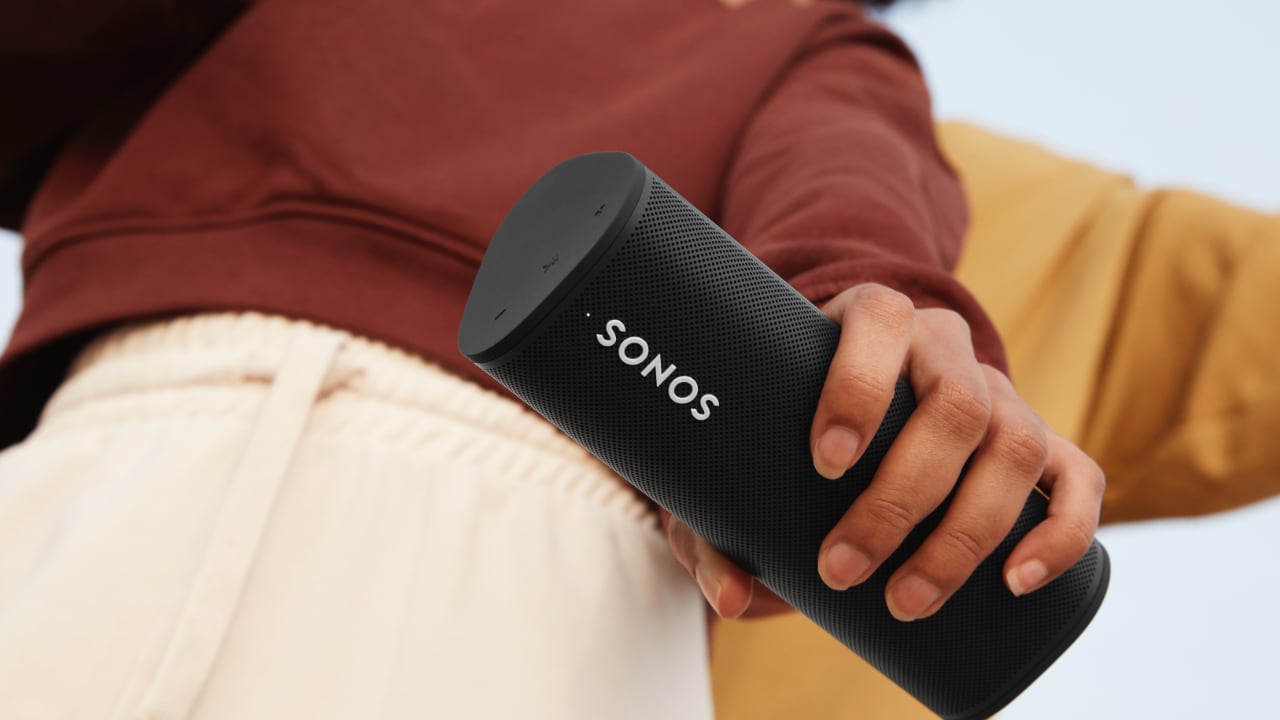
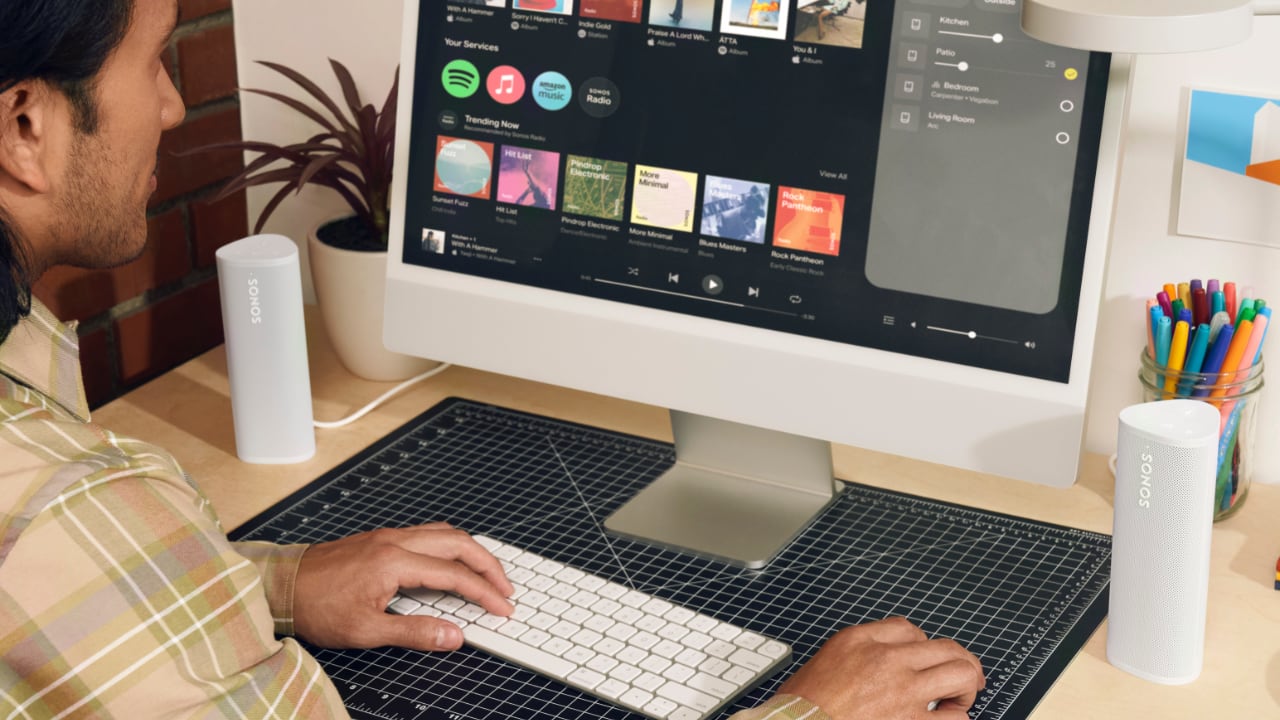
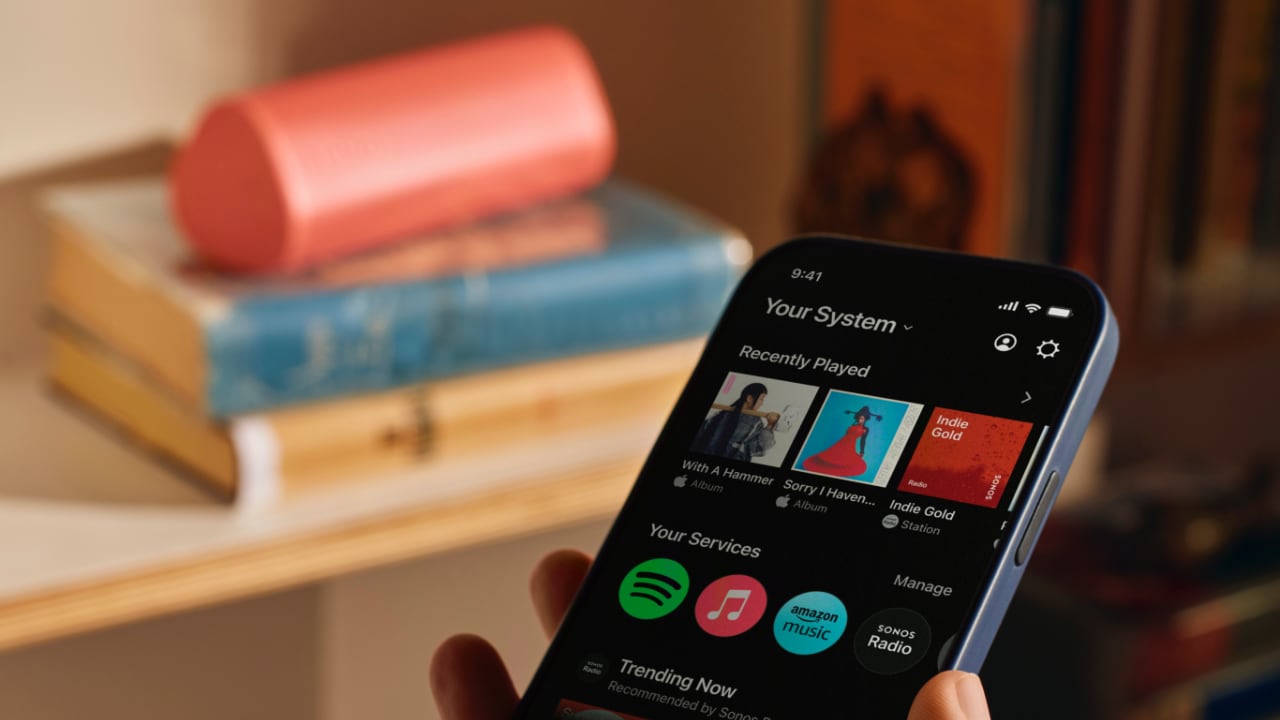
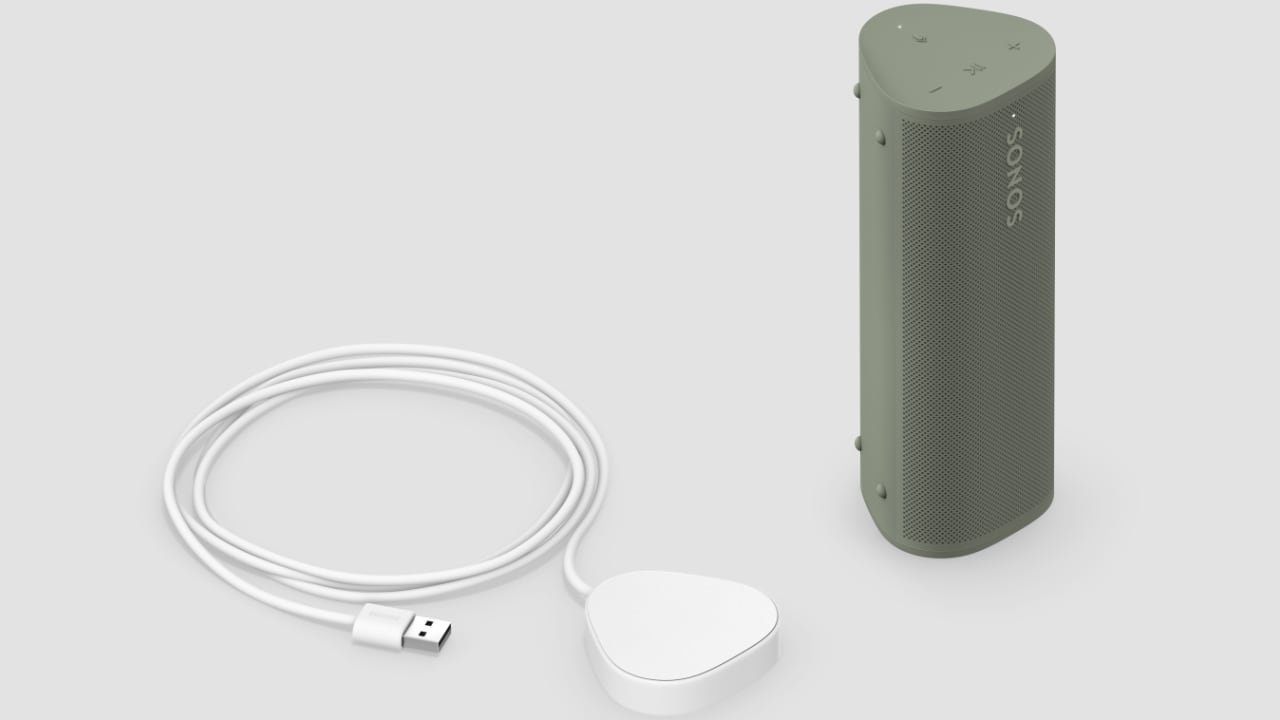
Sonos has unveiled the second generation of its smallest portable speaker, the Roam 2, priced at $179. This new model offers several improvements over its predecessor, enhancing usability and simplifying setup. The device can now function as a Bluetooth speaker straight out of the box, removing the need for initial setup through the Sonos app on a home Wi-Fi network. This is facilitated by the addition of a dedicated Bluetooth pairing button on the back, making the pairing process more straightforward than the previous model. Despite these changes, the new speaker retains the compact design and impressive sound quality that made the original a favorite among users.

Designer: Sonos

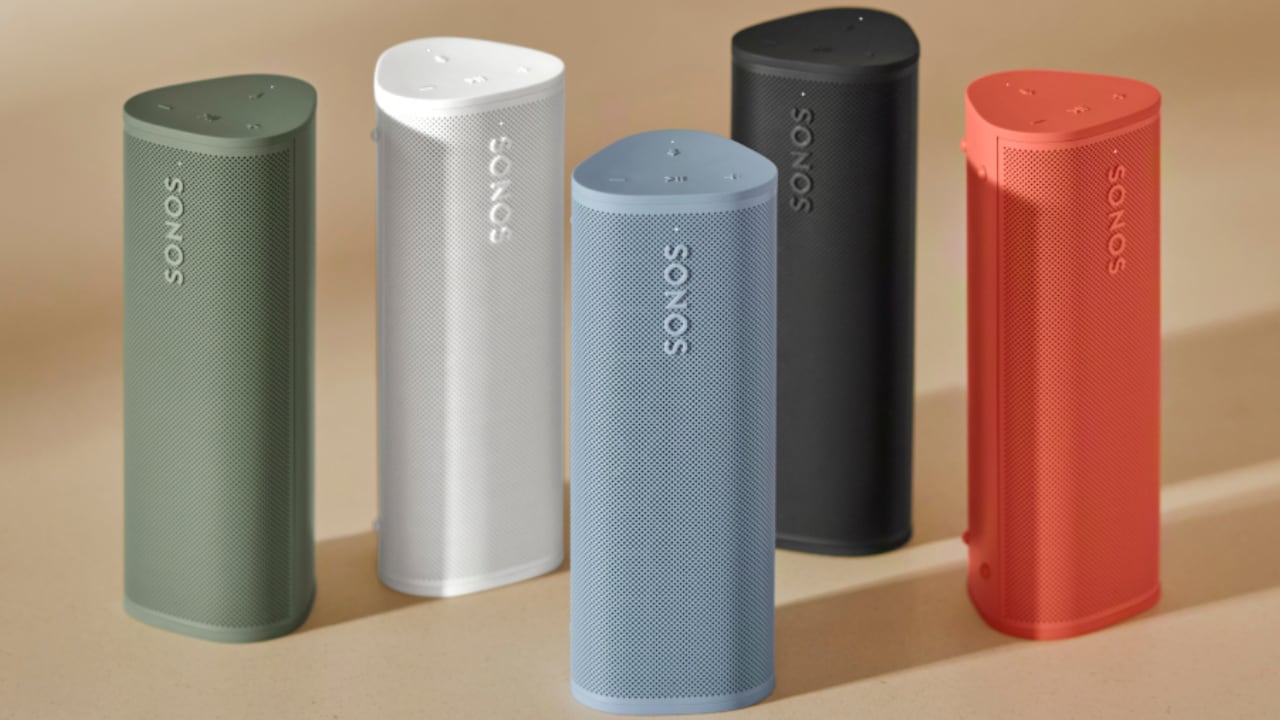
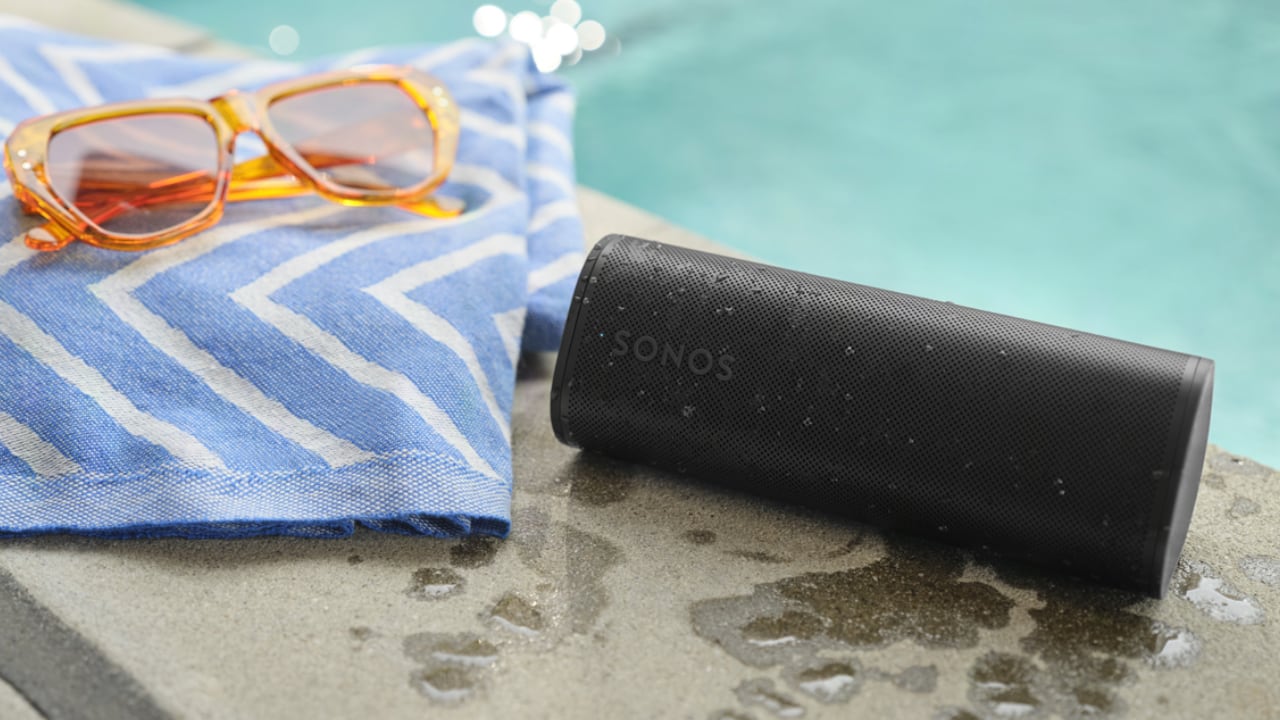
The battery life has been optimized, offering slightly longer usage time, with up to 10 hours of continuous playback on a single charge. The monochromatic logo design now matches the color of the speaker, available in Olive, Sunset, Wave, Black, and White. Enhanced tactile buttons have been introduced, improving usability based on customer feedback. The speaker retains popular features such as Sound Swap and the ability to share audio from a Bluetooth-compatible source across an entire Sonos system. While the battery is not user-replaceable like the Move and Move 2, Sonos CEO Patrick Spence emphasized that customer feedback has driven the prioritization of tactile buttons and immediate usability. Although the driver layout remains unchanged, Sonos claims that this model delivers rich, detailed sound and bass with the clarity, depth, and fullness expected from a larger speaker. It is also dustproof and fully waterproof, with an IP67 rating, ensuring it can handle various environmental conditions.

One notable change is the removal of Google Assistant support, a result of ongoing legal disputes between Sonos and Google. However, the Roam 2 supports Amazon Alexa and the Sonos Voice assistant, ensuring users still have robust voice control options.

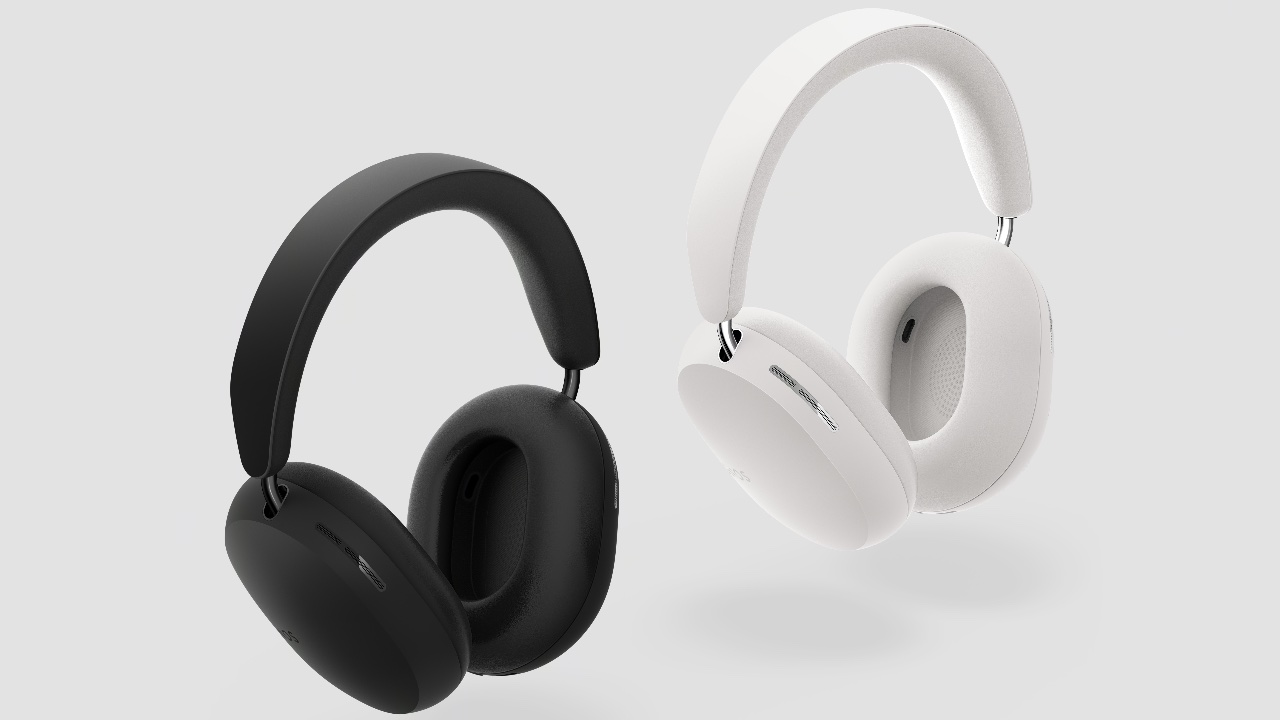
In addition to this latest portable speaker, Sonos has introduced its first-ever pair of headphones, the $449 Ace. According to Sonos, the Ace headphones surpass the AirPods Max in several key areas. Firstly, the Ace headphones offer a longer battery life, providing up to 40 hours of playback compared to the AirPods Max’s 20 hours. This means users can enjoy their music for extended periods without needing to recharge. Secondly, the Ace headphones feature enhanced noise-canceling technology, which Sonos claims offers superior performance in both high and low-frequency ranges, ensuring a more immersive listening experience in various environments. Lastly, the Ace headphones come with a customizable sound profile through the Sonos app, allowing users to fine-tune their audio preferences, a feature not available on the AirPods Max.

Sonos Ace in Black and Soft White

Both new products showcase Sonos’s commitment to expanding its lineup while maintaining high standards of sound quality and design. The Roam 2 is now available for purchase globally, including at Best Buy and sonos.com, in five color options: Olive, Sunset, Wave, Black, and White. Alongside these product launches, Sonos is rolling out updates and bug fixes for the Sonos app, improving features such as Screen reader and VoiceOver and adding the ability to edit alarms, a much-requested feature.

Are you looking forward to summer, spending time next to the pool, beach, or lake, or want to amplify your music or podcast? If so, the Roam 2 might be just what you need, or perhaps it could make the perfect gift for Father’s Day. With enhancements that reflect Sonos’s dedication to providing high-quality audio experiences, this speaker is both user-friendly and versatile. Whether for home use or on-the-go adventures, the new portable speaker is designed to meet diverse listening needs with style and reliability.

The post 5 Exciting New Features of the Sonos Roam 2 You’ll Love first appeared on Yanko Design.

What Are the Best Watches Under $1000? The Perfect Gifts for Dads

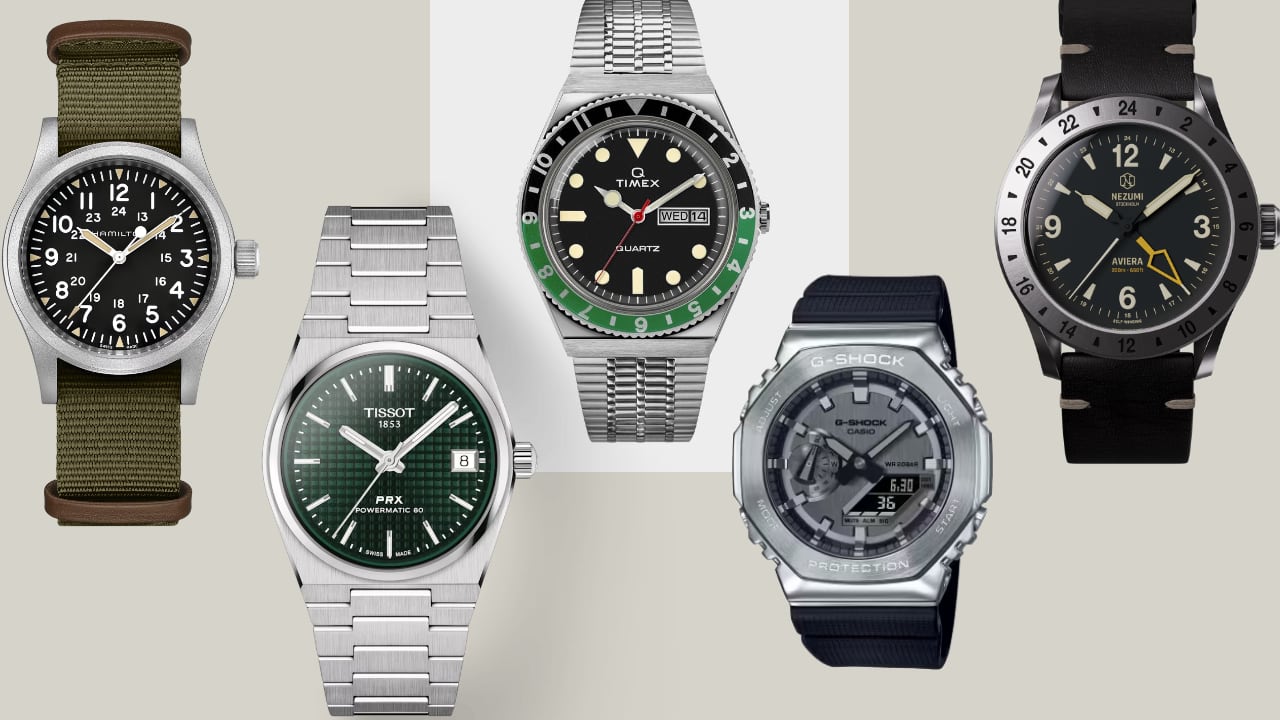
Father’s Day is around the corner, and finding the perfect watch that combines style, functionality, and affordability could add so much more joy to your dad’s special day. Whether your dad prefers a classic design, a sporty look, or something with a vintage vibe, there’s a watch out there that will make him smile. Here are the top watches under $1000 that are sure to impress any dad, from the classic Hamilton Khaki Field Mechanical and the retro Tissot PRX Powermatic 80 to the adventurous Nezumi Aviera GMT and the rugged Casio G-Shock GM2100-1A. Each of these timepieces offers unique features and timeless appeal, making them perfect gifts for Father’s Day.

Hamilton Khaki Field Mechanical

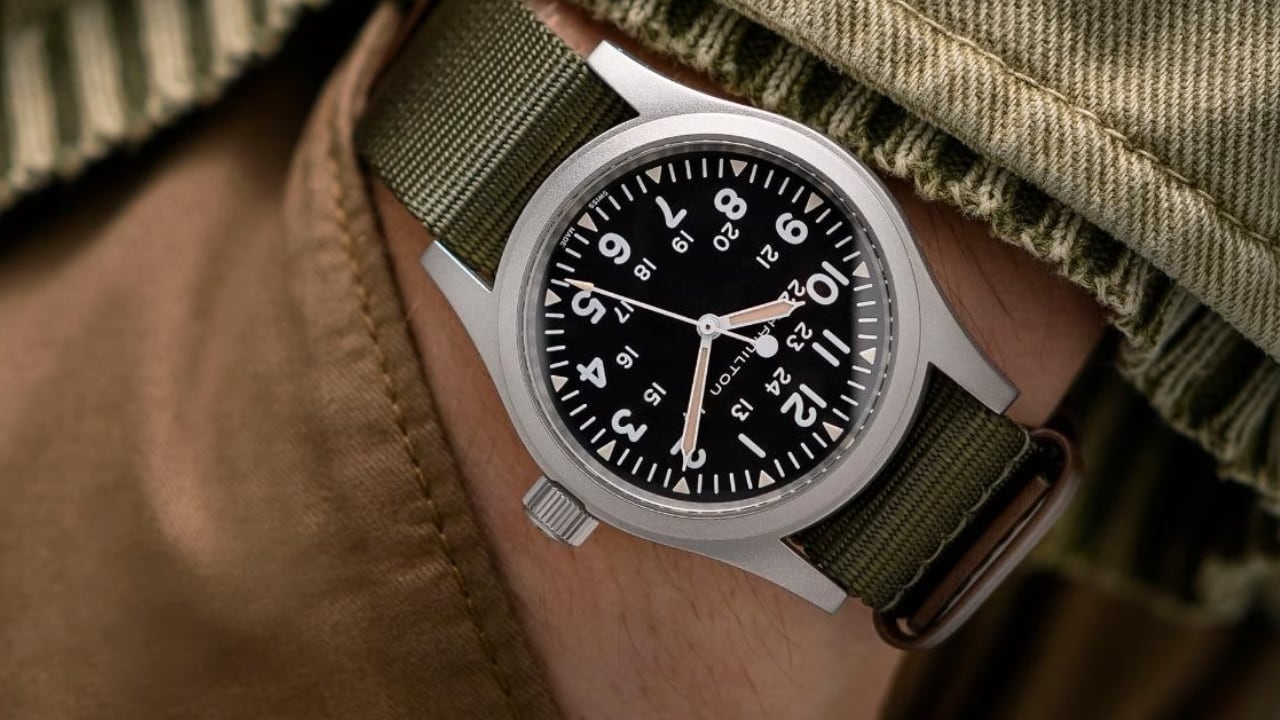
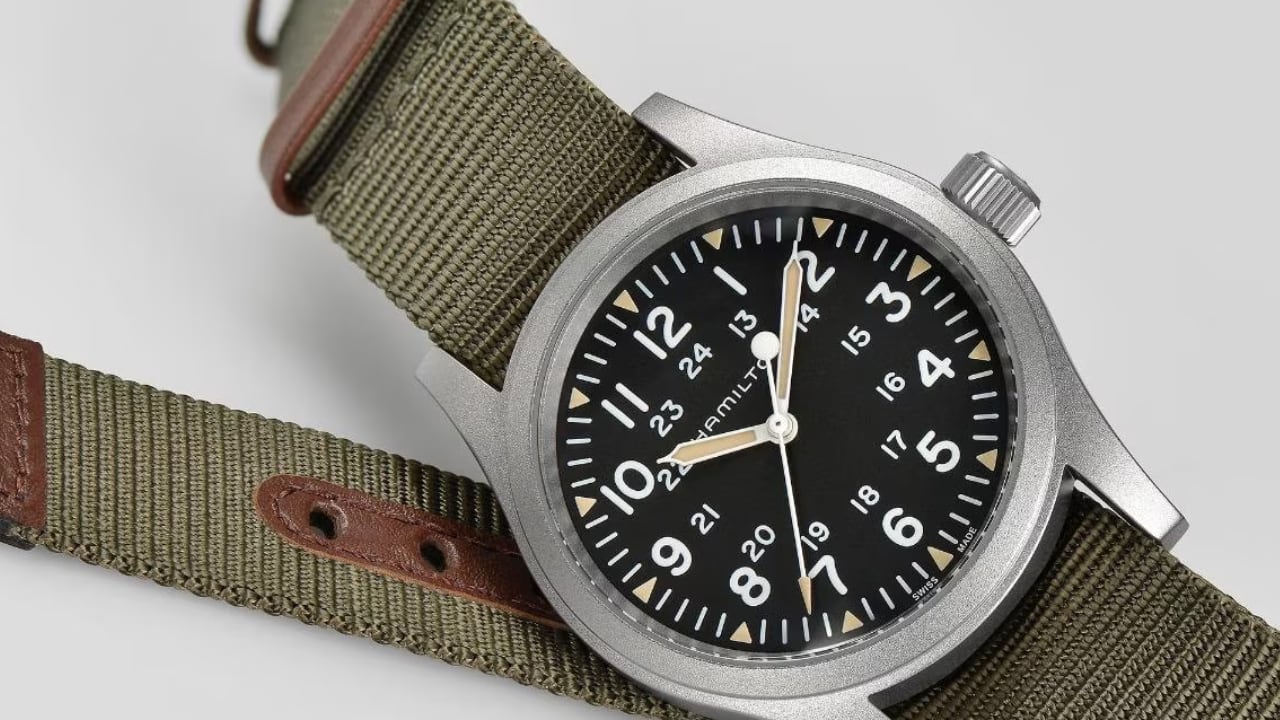
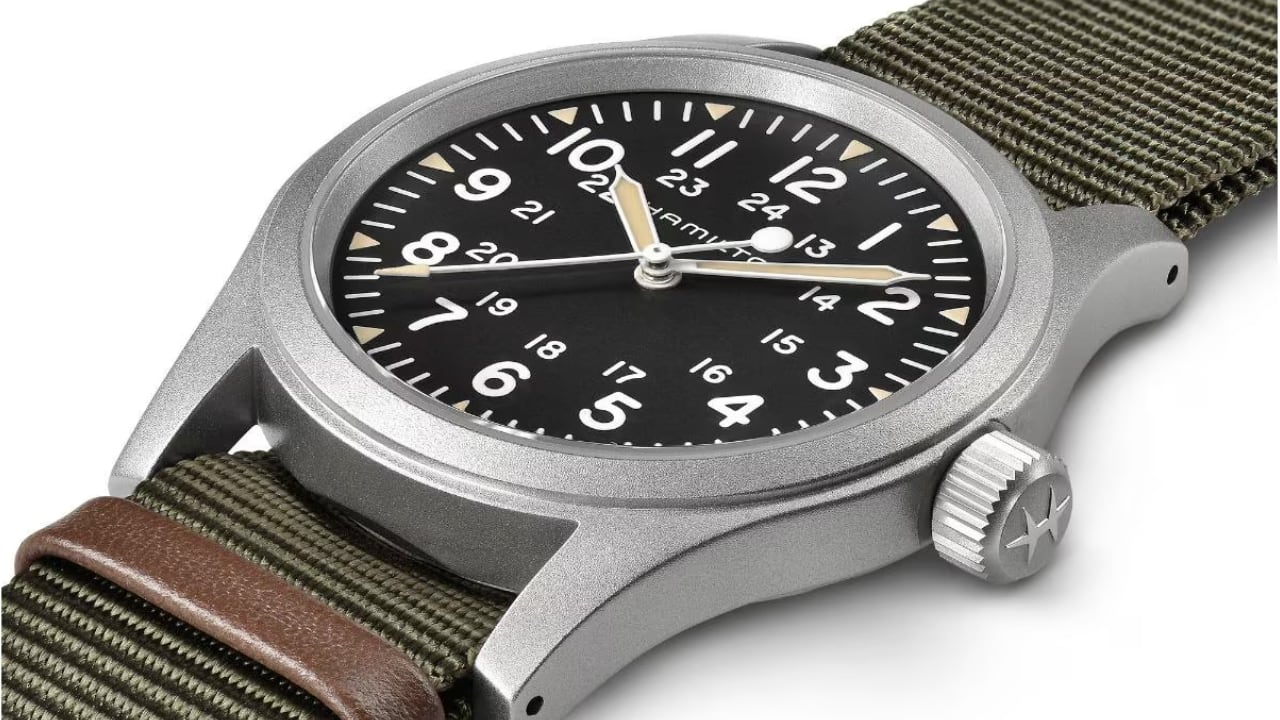
The Hamilton Khaki Field Mechanical is a tribute to classic military watches, offering rugged charm and timeless style. It features a 38mm matte stainless steel case and a dark dial with light, luminescent numerals. The dial shows both hours and minutes, and the three-hand display is clear and functional. This model also boasts a durable NATO strap, enhancing its vintage military aesthetic. The new Khaki Field Mechanical is a faithful recreation of its original 1960s forebear and is true to Hamilton’s military heritage. Inspired by the military and built to last, this is the original soldier’s watch.

KHAKI FIELD: MECHANICAL 38MM | H69439931

Designer: Hamilton

Under the hood, the watch houses the H-50 caliber, an exclusive movement developed for Hamilton’s hand-winding watches. The H-50 offers an impressive 80-hour power reserve, ensuring reliability even when unworn for a few days. Other features include a sapphire crystal, a case thickness of 9.5mm, and a water resistance of up to 50 meters. The watch reference is H69439931, and the strap reference is H6006941021, made from a textile with a pin buckle. With a lug width and buckle width of 20mm, this watch combines rugged durability with sophisticated design elements, making it an excellent choice for dads who appreciate both form and function. (MSRP $575)

Tissot PRX Powermatic 80 35mm

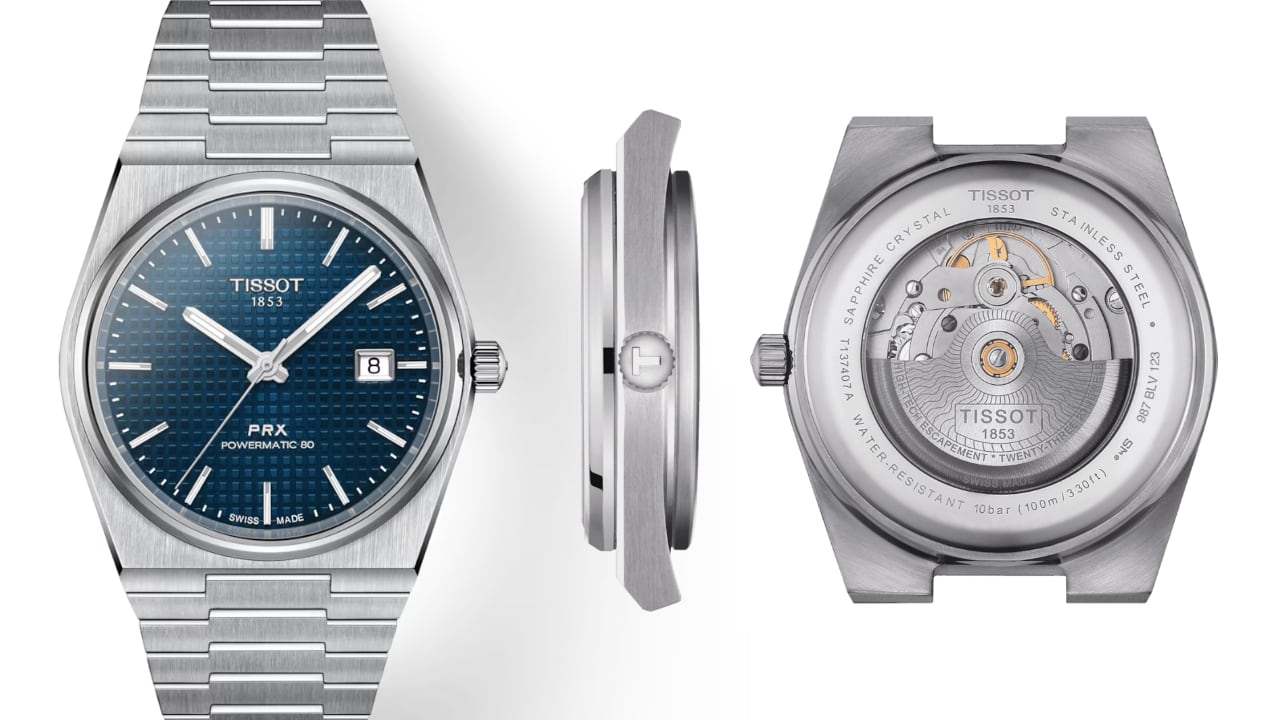
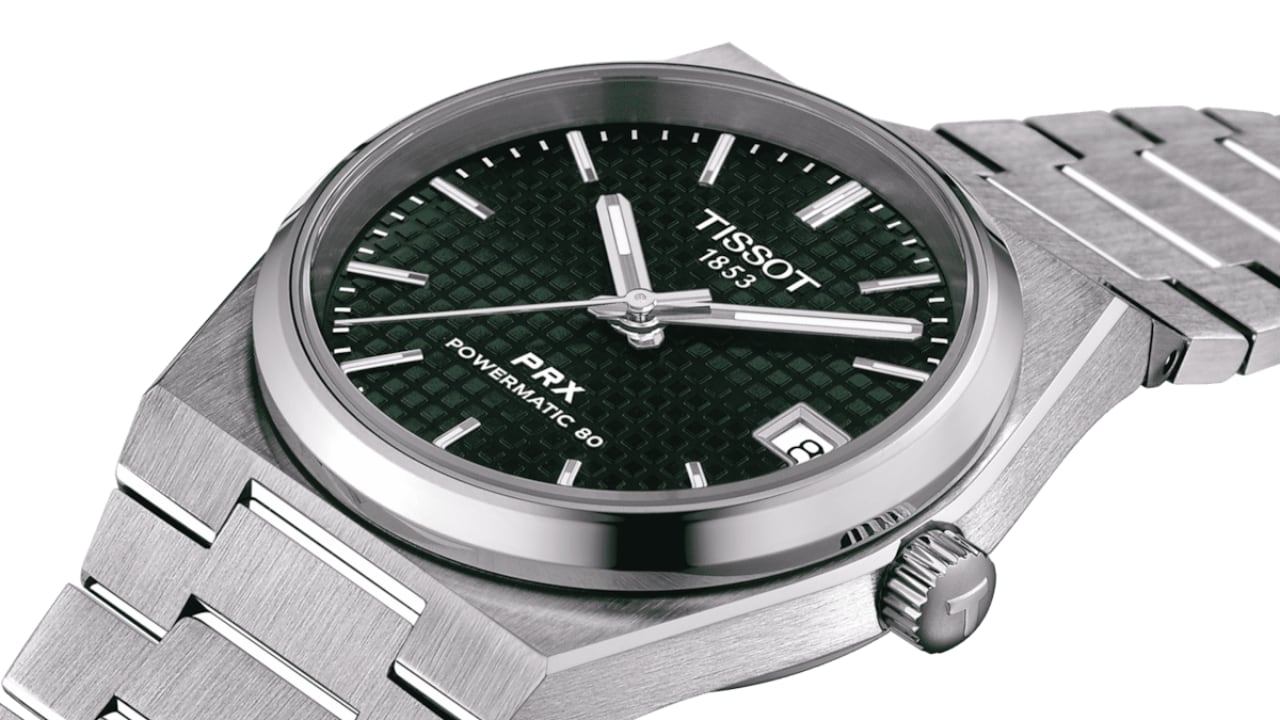
TISSOT PRX POWERMATIC 80 | T137.407.11.041.00

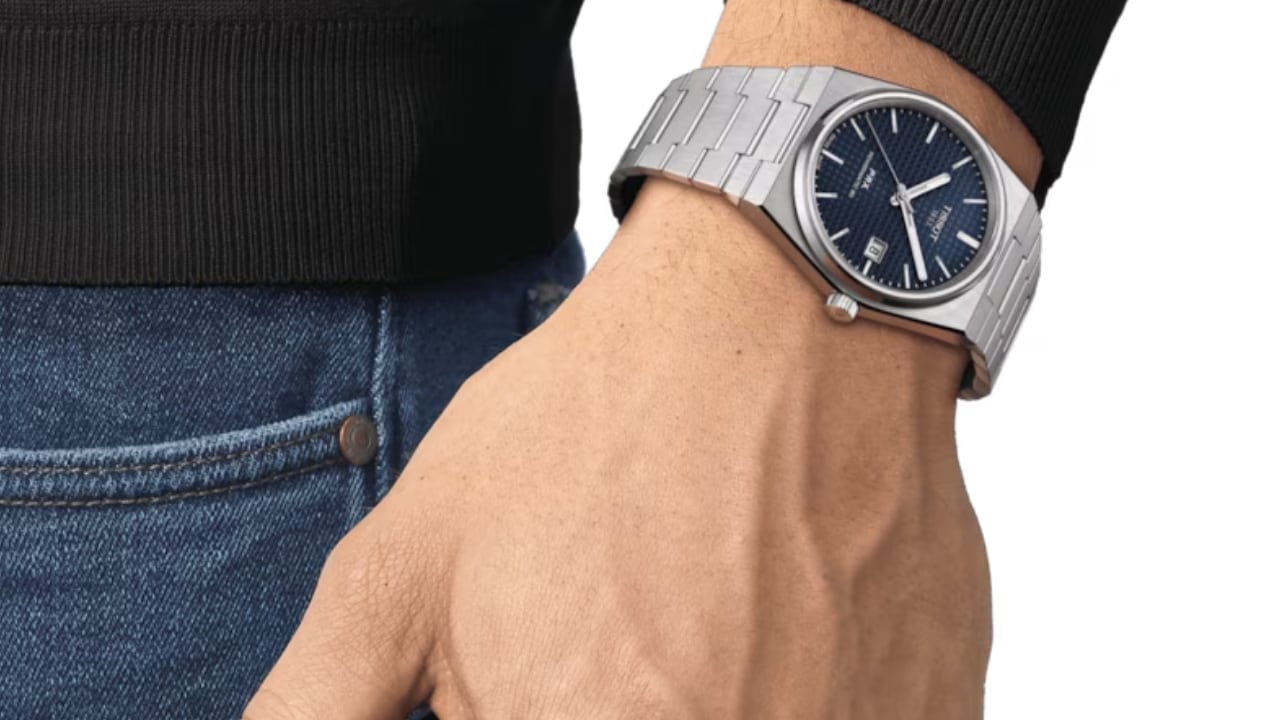
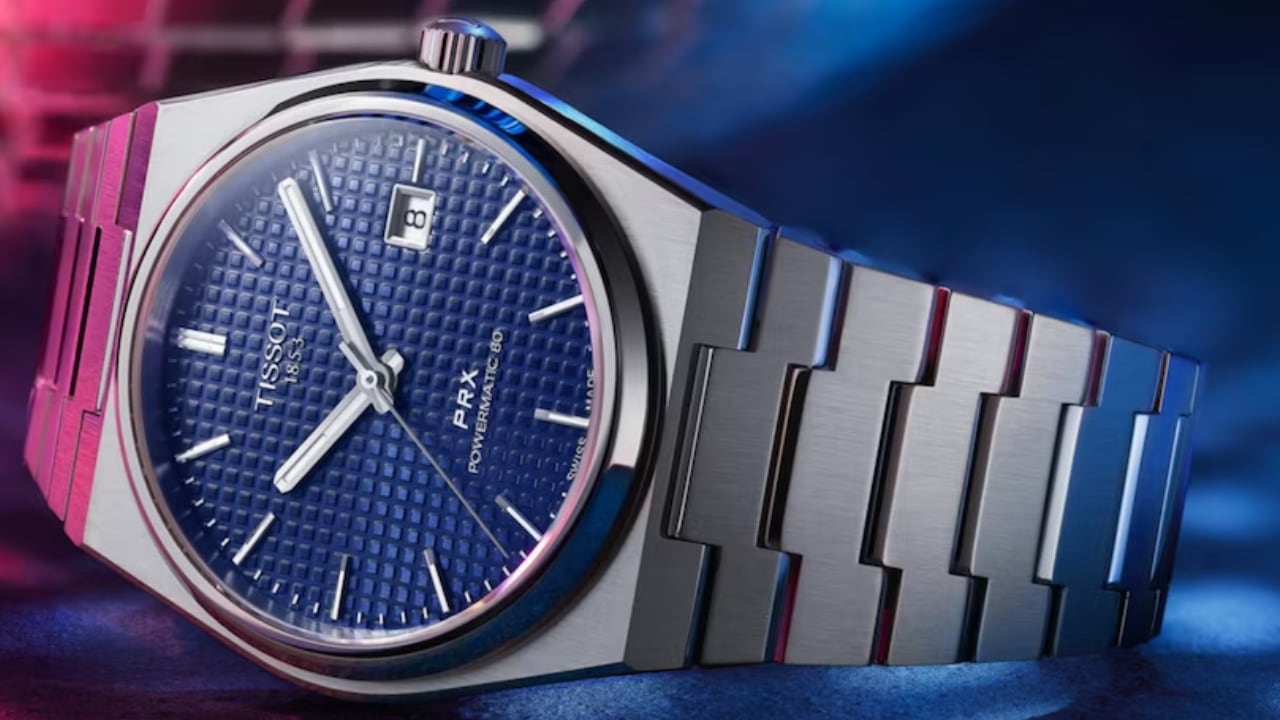
When Tissot unveiled a throwback watch two years ago that paid homage to their quartz model from the ’70s, it was highly acclaimed as one of the coolest quartz watches around. This year, Tissot introduced the PRX Powermatic 80, bringing that ’70s cool into the world of mechanical watches. This model, with its slim 35mm case and integrated bracelet, harks back to the 1970s while featuring a modern self-winding movement. The PRX Powermatic 80 maintains the vintage integrated design but adds a patterned dial in various colors, including the popular blue dial version, reminiscent of much more expensive watches.

Designer: Tissot

The blue and green patterned dial adds depth and sophistication, making it a stylish choice for any dad. The Powermatic 80 automatic movement, with its impressive 80-hour power reserve, offers reliability and precision thanks to the innovative Nivachron hairspring. Handling the PRX for the first time, the heft and quality are immediately noticeable. From the dial to the hands, the angles of the case, to the flexibility of the bracelet and clasp, everything feels well-constructed and thoughtful. For dads who appreciate vintage aesthetics combined with modern technology, this watch makes an exceptional gift.

TISSOT PRX POWERMATIC 80 35MM | T137.207.11.091.00

To say that the PRX is popular would be an understatement. The quartz version already presented incredible value at $395, but the $675 price tag of the Powermatic is even more value-packed. With it, you get a watch with heritage from a historic brand fitted with an ETA-based caliber. Additionally, you get a great bracelet and clasp system, making this watch feel luxurious on the wrist. It’s a standout piece that has entered the cultural conversation, seen on wrists from colleagues to celebrities, making it a perfect choice for dads who value style and substance. (MSRP $675)

Nezumi Aviera GMT

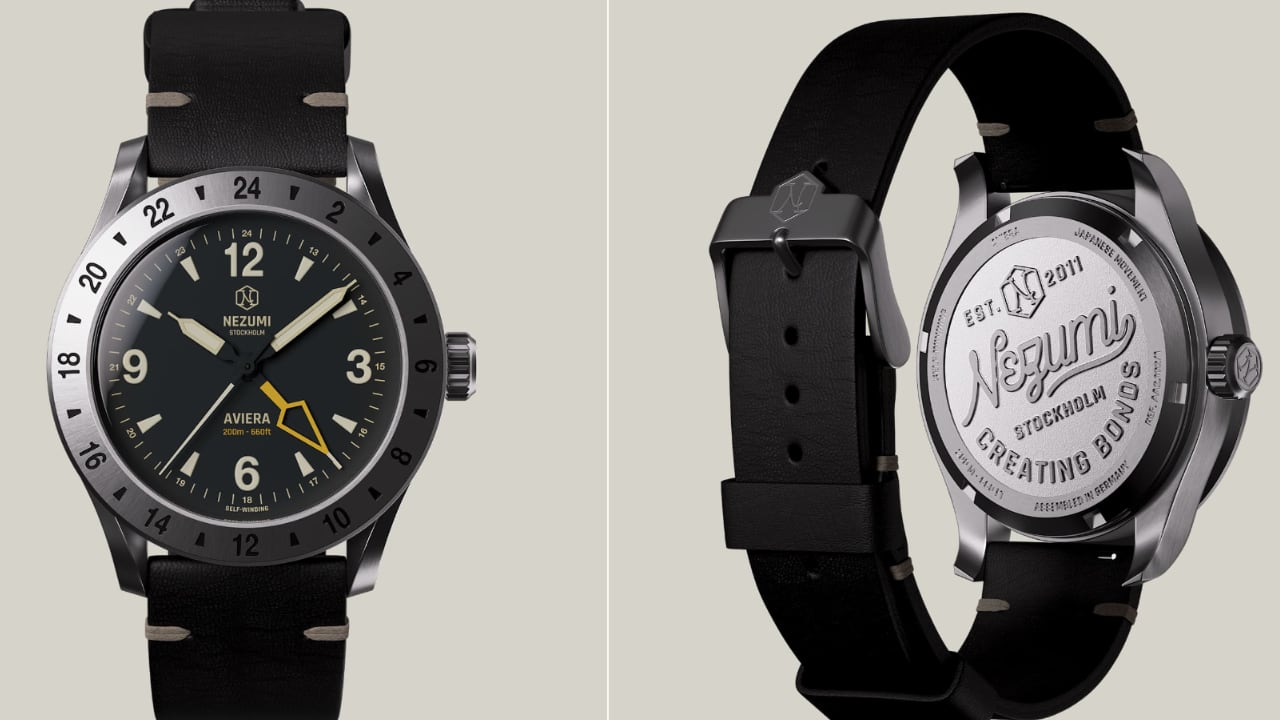
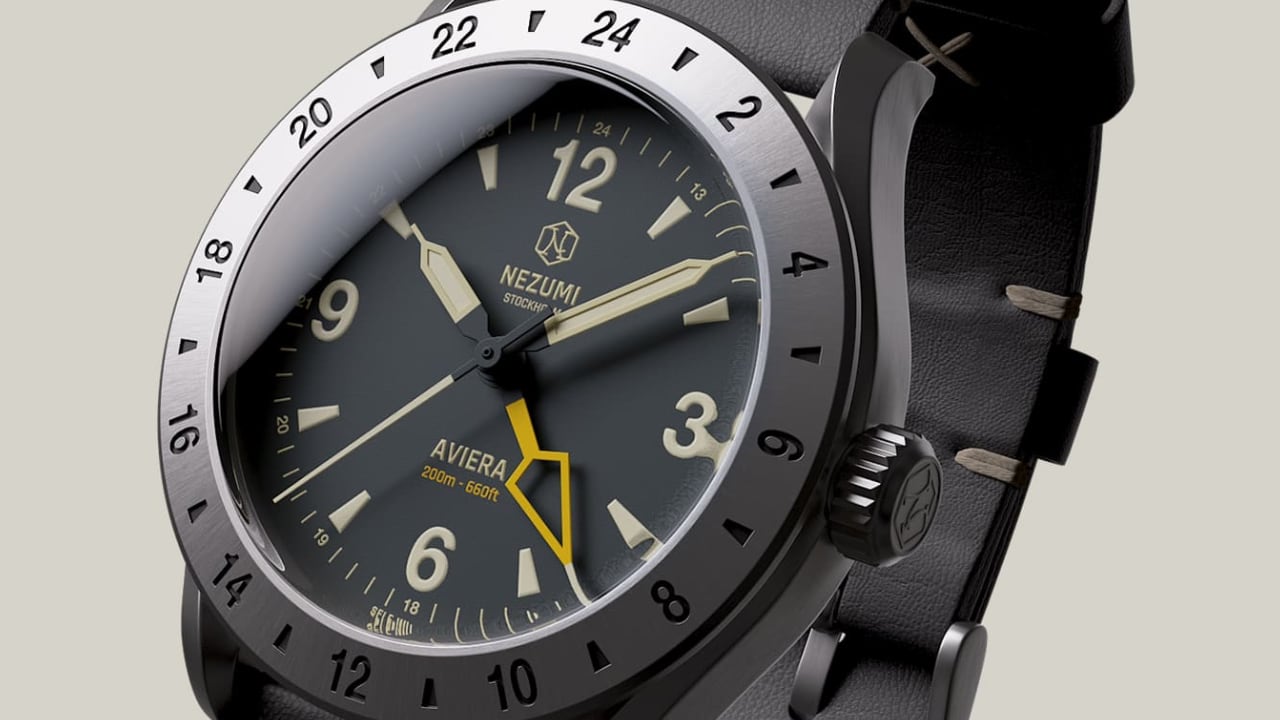
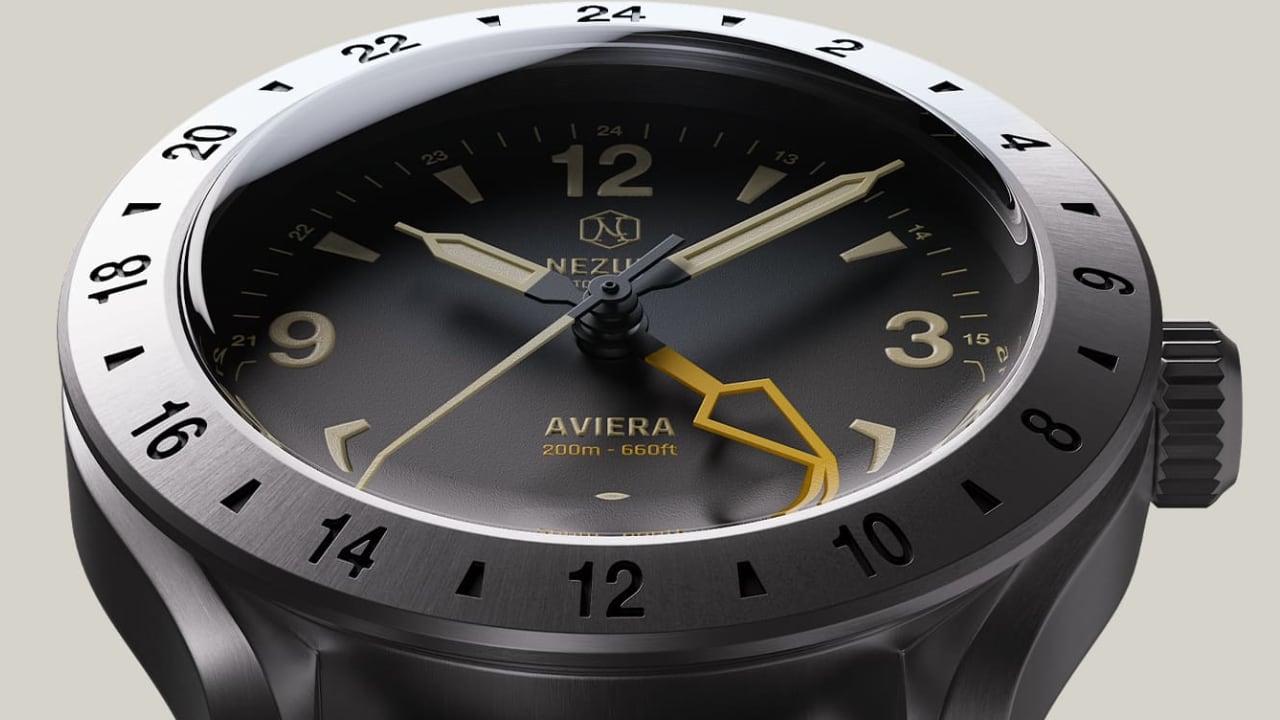
AVIERA GMT – Ref. AA2.102

The Nezumi Aviera GMT offers both functionality and classic design. Its vintage-inspired aesthetics include a clean dial and a sophisticated color scheme. The GMT function allows tracking of multiple time zones, perfect for dads who travel or have international connections. Quality craftsmanship is evident in its robust build and reliable Swiss movement.

Designer: Nezumi

Designed nearly a decade ago, the Aviera GMT is a blend of aviation and navigation, aptly named by founder and designer David Campo. Assembled in Germany, this updated iteration is powered by the Japanese Miyota cal.9075 Automatic GMT movement, providing a 42-hour power reserve with 28,800 VPH. The dial markings, bright yellow GMT arrow, and custom cream-colored Grade X1 Swiss Super-LumiNova ensure great legibility in all lighting situations. With a brushed 316L stainless steel case, a fixed bezel with 24-hour markings, and a screw-down crown, this watch is both durable and stylish.

The case measures 40mm in diameter, 47mm lug to lug, and 12mm thick (including the 1.5mm sapphire glass). The sapphire crystal with AR coating inside the glass enhances clarity. The Aviera GMT is water-resistant, up to 20 ATM (220m/660ft), making it suitable for various activities. This watch is available with multiple strap options: black leather strap, brown leather strap, black FKM fluoro rubber strap, off-white FKM fluoro rubber strap, and a brushed stainless steel bracelet. Its robust construction and thoughtful design make it a versatile and thoughtful gift for Father’s Day, standing out in any watch collection. (MSRP $875)

Timex Reissue Black Dial with Black/Green Strap

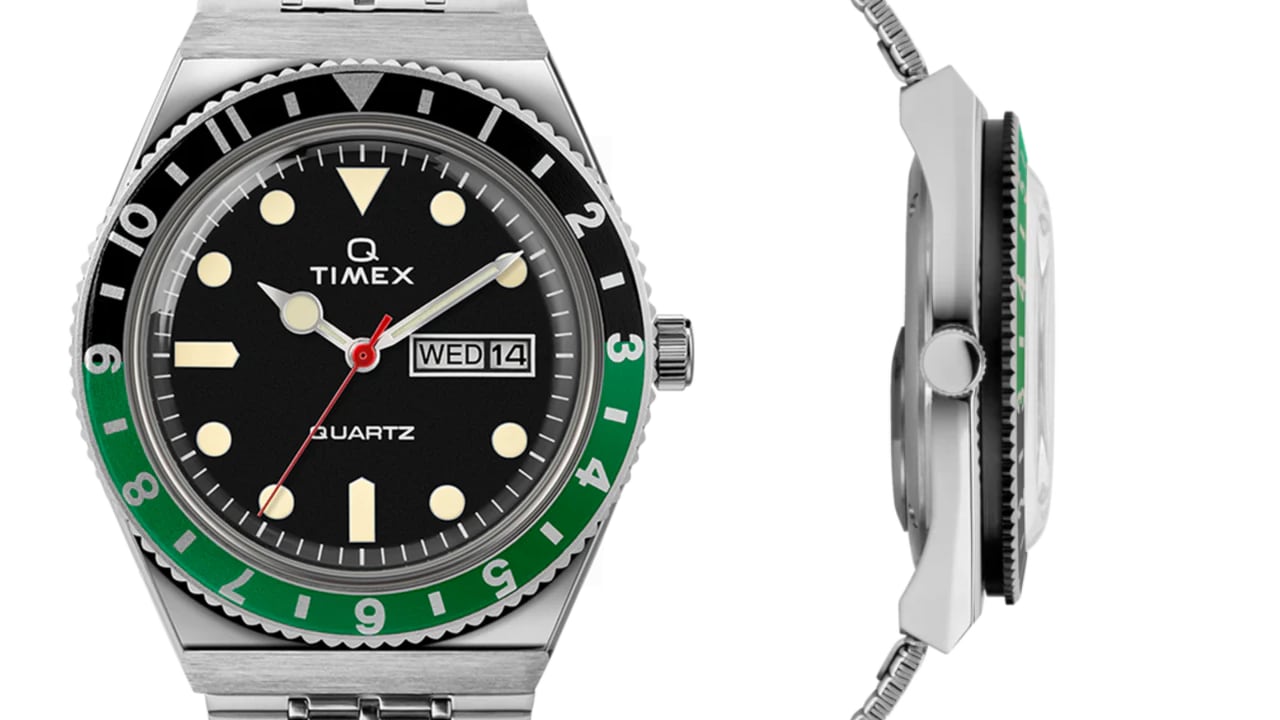
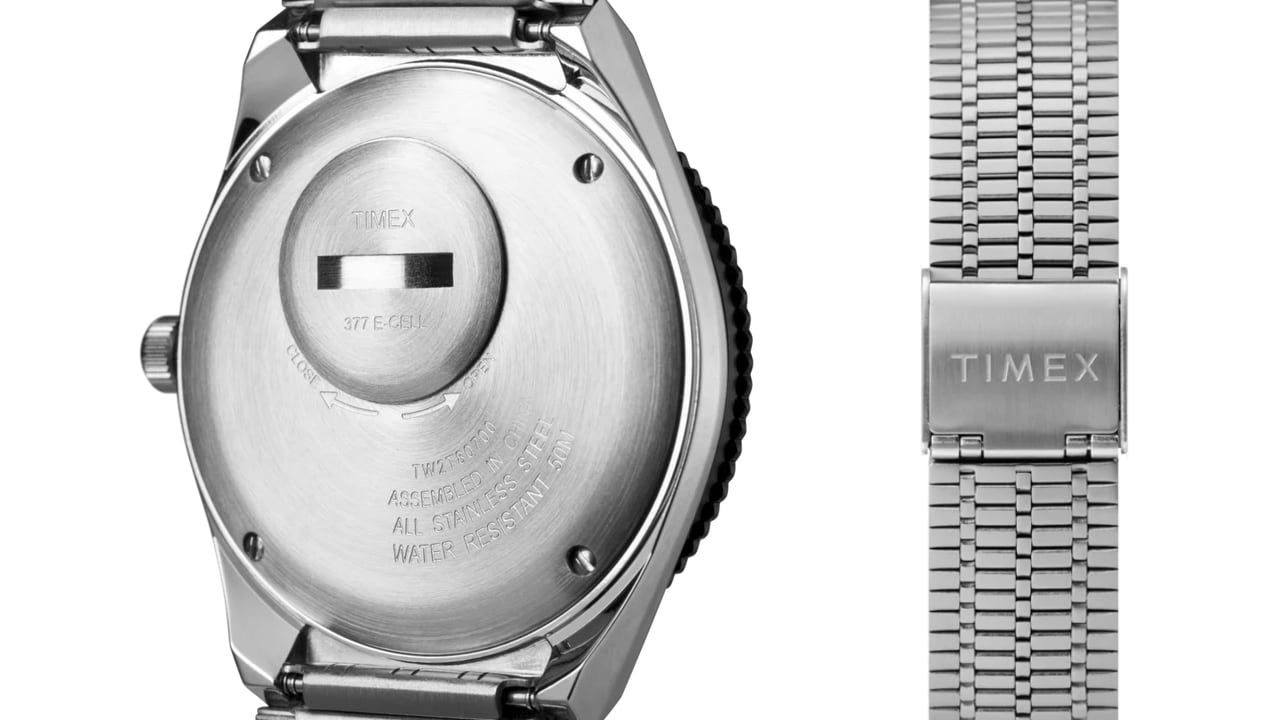
Q Timex Reissue 38mm Stainless Steel Bracelet Watch

The Timex Reissue brings a touch of vintage charm with its black dial and black/green strap. This watch is a modern take on a classic design, featuring a stainless steel case and a reliable quartz movement. It’s perfect for dads who appreciate retro style with contemporary reliability. Durability and versatility are key features, with its water resistance of up to 30 meters and a comfortable strap.

Designer: Timex

First released in the 1970s, the original Q Timex introduced a new generation of quartz technology with a modern watch. The Timex Reissue pays homage to this legacy, adding bright pops of color to iconic features like the rotating bezel, woven stainless-steel bracelet, and domed acrylic crystal. It retains the beloved elements of the original, such as the functional battery hatch and luminant hands.

The watch has a 38mm stainless steel case with a brushed/polished finish, a black dial with full markers, and a domed acrylic crystal. The case height is 11.5mm, and it has a strap lug width of 18mm. The stainless steel case is highly resistant to scratches, corrosion, and tarnish, ensuring the watch remains in excellent condition over time. Additionally, the watch features a day-date window for added functionality and sophistication. Water-resistant up to 50 meters, it’s suitable for light swimming but not for snorkeling or diving. (MSRP $179)

Casio G-Shock GM2100-1A 

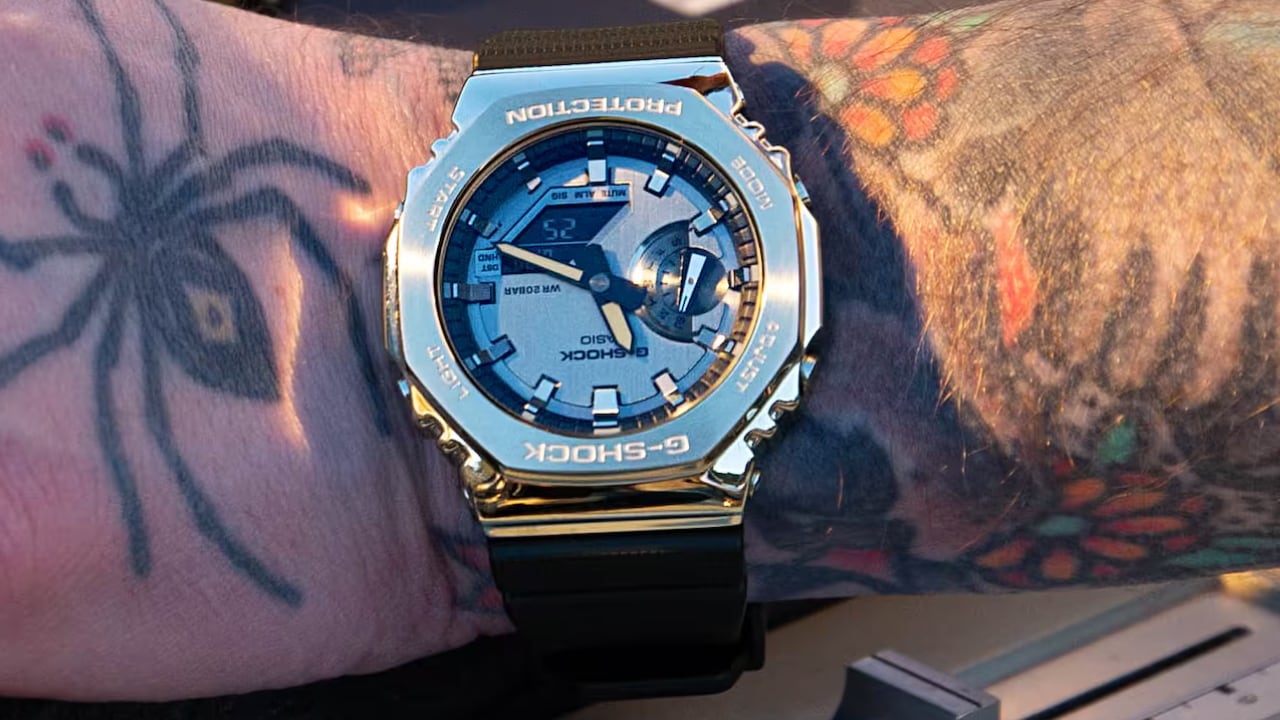
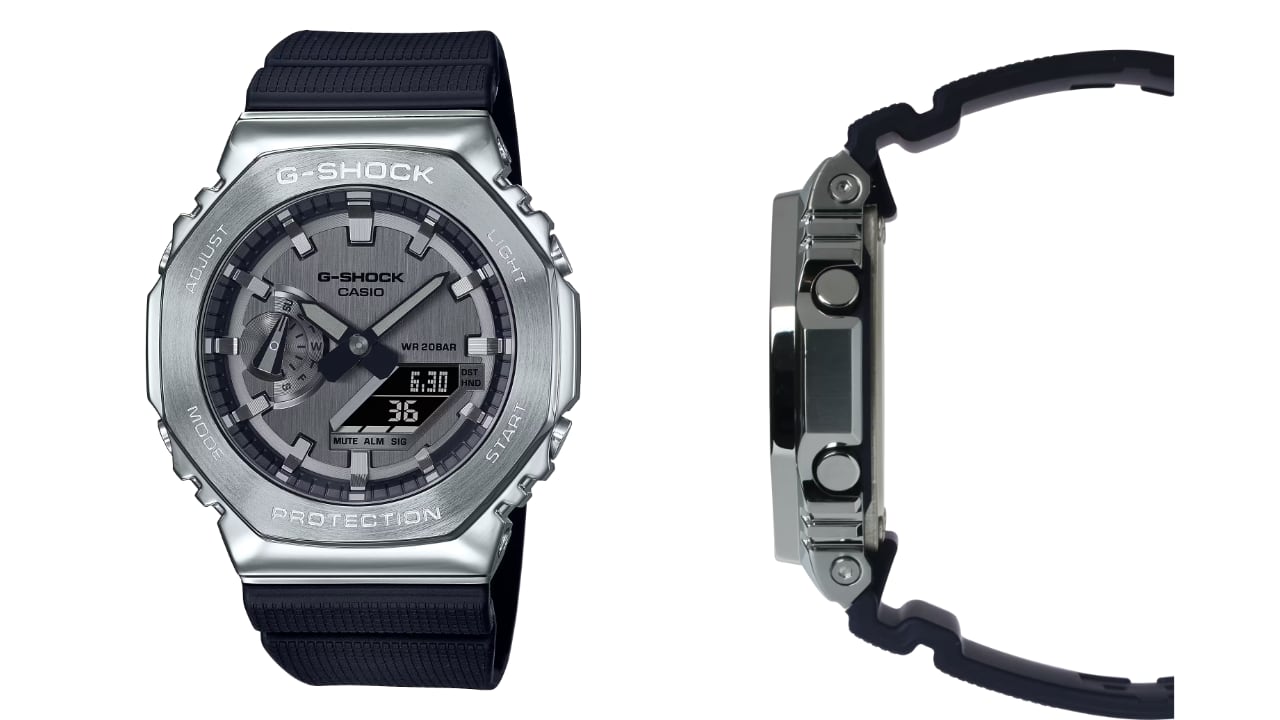
Metal Covered GM2100-1A

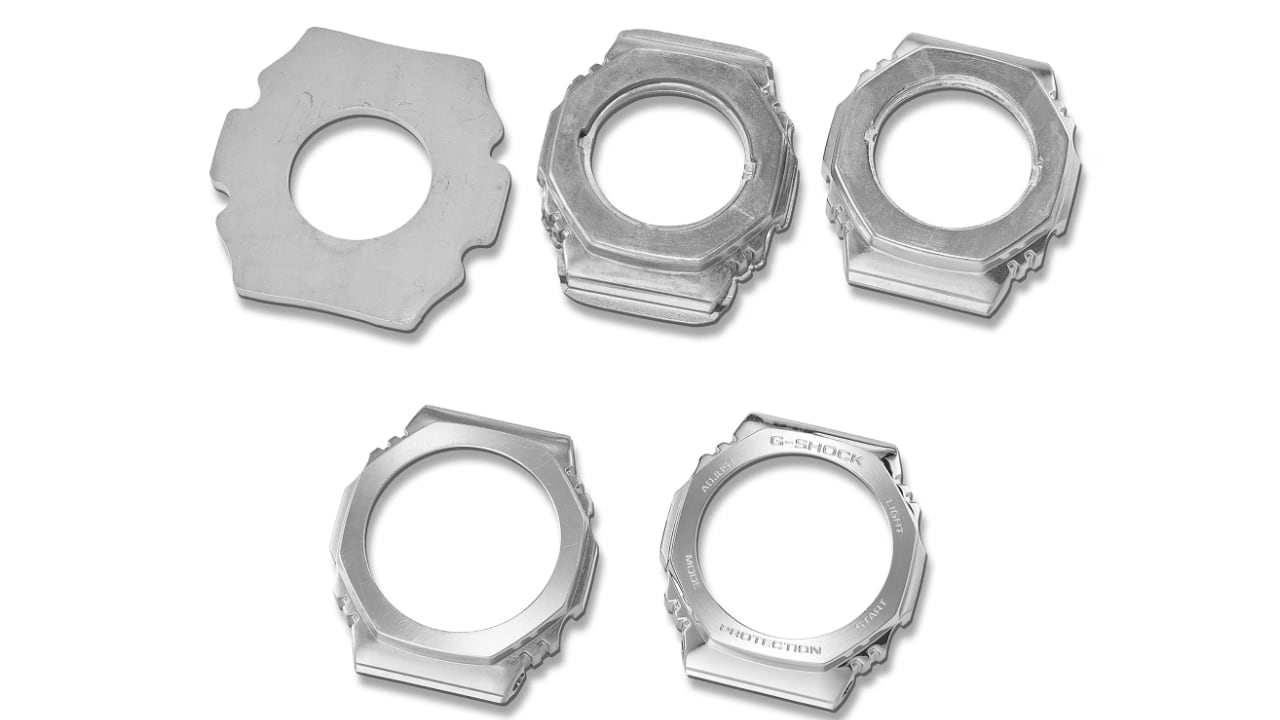
The Casio G-Shock GM2100-1A is a watch that combines rugged durability with a sleek design. Its metal-covered case offers extra protection, while the shock-resistant and water-resistant features make it ideal for active dads. The analog-digital display provides a modern touch, ensuring readability and functionality. This watch is built to last, with features like a stopwatch, world time, and full auto-calendar.

Designer: Casio

The G-Shock GM2100-1A is perfect for dads who need a reliable watch that can keep up with their adventurous lifestyle. It’s a practical and stylish gift that won’t disappoint. This watch’s tough build and sleek appearance make it a favorite for those who lead an active life. (MSRP $200)

Don’t wait until the last minute to find the perfect gift. These watches offer a blend of elegance, durability, and practicality, ensuring your dad will cherish his new timepiece for years to come. Visit your favorite watch retailer or online store to purchase one of these top picks and make this Father’s Day unforgettable. Show your dad how much he means to you with a gift that combines timeless style and dependable performance. One last note: Happy Wristwatch Wednesday!

The post What Are the Best Watches Under $1000? The Perfect Gifts for Dads first appeared on Yanko Design.

Qualcomm and Microsoft Join Six PC Makers to Take on Apple with Snapdragon X and Copilot+

The tech world has been a battleground for years, with Apple reigning supreme with its sleek MacBook Pros powered by M3 processors. These devices, marked by the iconic Apple logo, have long dominated with seamless design and easy-to-use interfaces. But now, a formidable coalition is ready to take the fight to Apple. Qualcomm, teaming up with Microsoft, has pulled together an impressive lineup of brands united by Snapdragon X Series processors and Windows 11. This diverse army is ready to challenge Apple’s top spot, featuring laptops and hybrid devices from Acer, ASUS, Dell, HP, Lenovo, Microsoft, and Samsung. Each device in this alliance is packed with advanced AI capabilities, long battery life, and efficient performance, aiming to set new standards in personal computing.

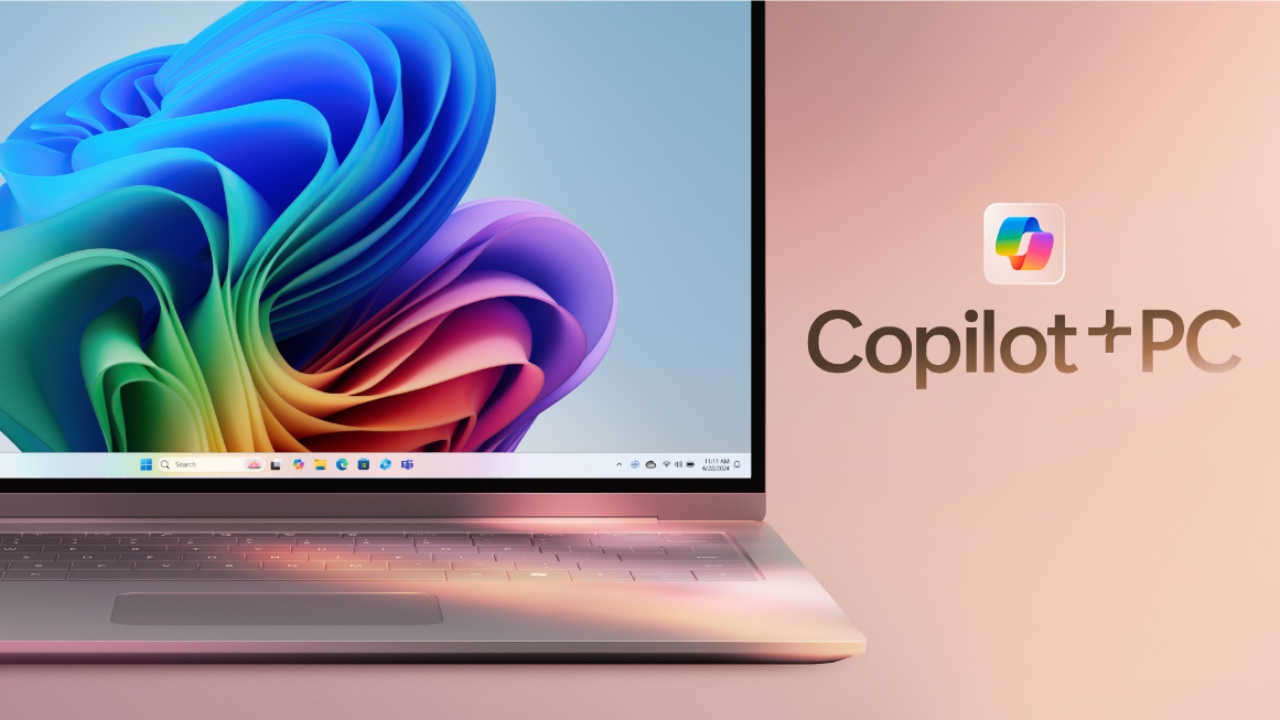
Microsoft Copilot+ PCs

On May 20 in Seattle, Microsoft made the first move in this ongoing tech battle by unveiling a new category of personal computers with AI features, aiming to weave this emerging technology into its products and compete with giants like Apple and Alphabet. At an event on its Redmond campus, CEO Satya Nadella introduced “Copilot+” PCs, which a range of manufacturers, including Acer and ASUS, will sell. These new AI-enhanced PCs, capable of handling more AI tasks without relying on cloud data centers, start at $1,000 and will begin shipping on June 18.

The ability to process AI data directly on the device allows for features like “Recall,” which tracks and stores all activities on the computer for easy recall months later. The Copilot voice assistant, showcased as a real-time virtual coach in “Minecraft,” highlights the innovative uses of on-device AI.

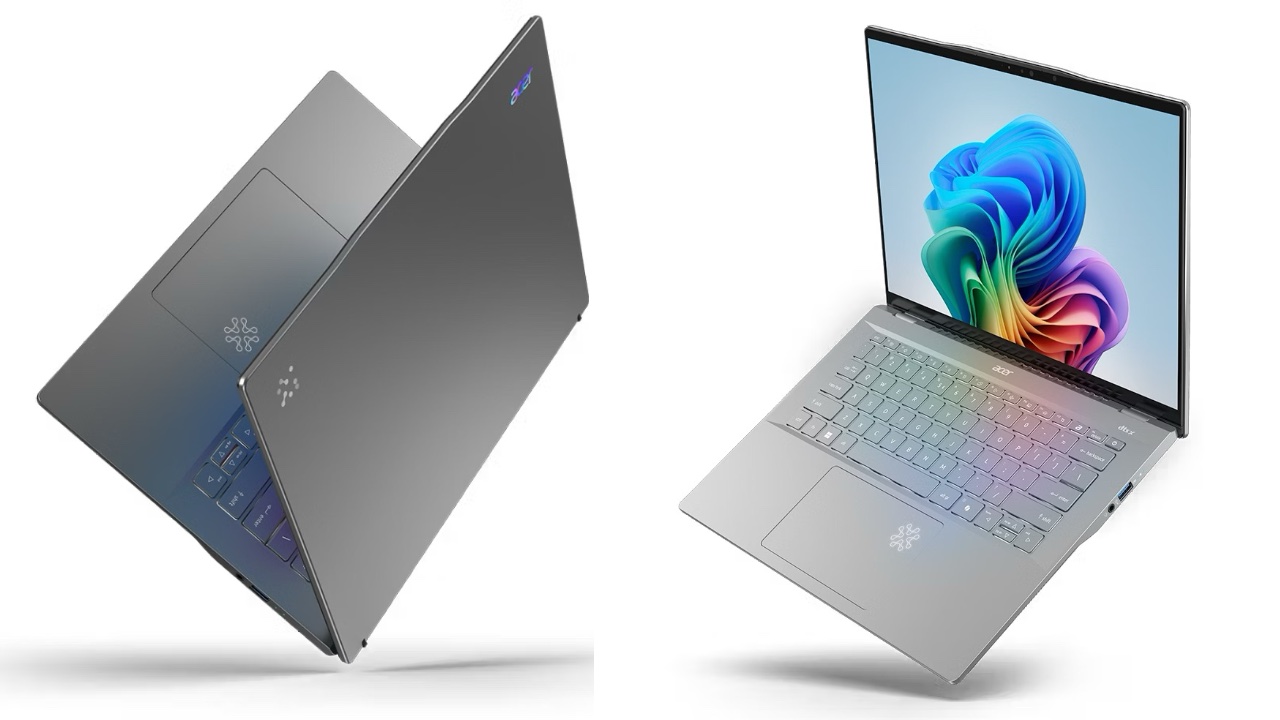
Acer’s Swift 14 AI, agile and versatile, leads the charge. Powered by Snapdragon X Elite and featuring a 2.5K touchscreen display, it’s designed for both work and creativity. The Swift 14 AI’s Activity Indicator pulses, signaling readiness for the battle ahead. With Acer PurifiedView 2.0 and Acer PurifiedVoice 2.0, this laptop ensures top-notch video and audio quality, making it an excellent choice for users who demand high performance and immersive experiences.

Swift 14 AI

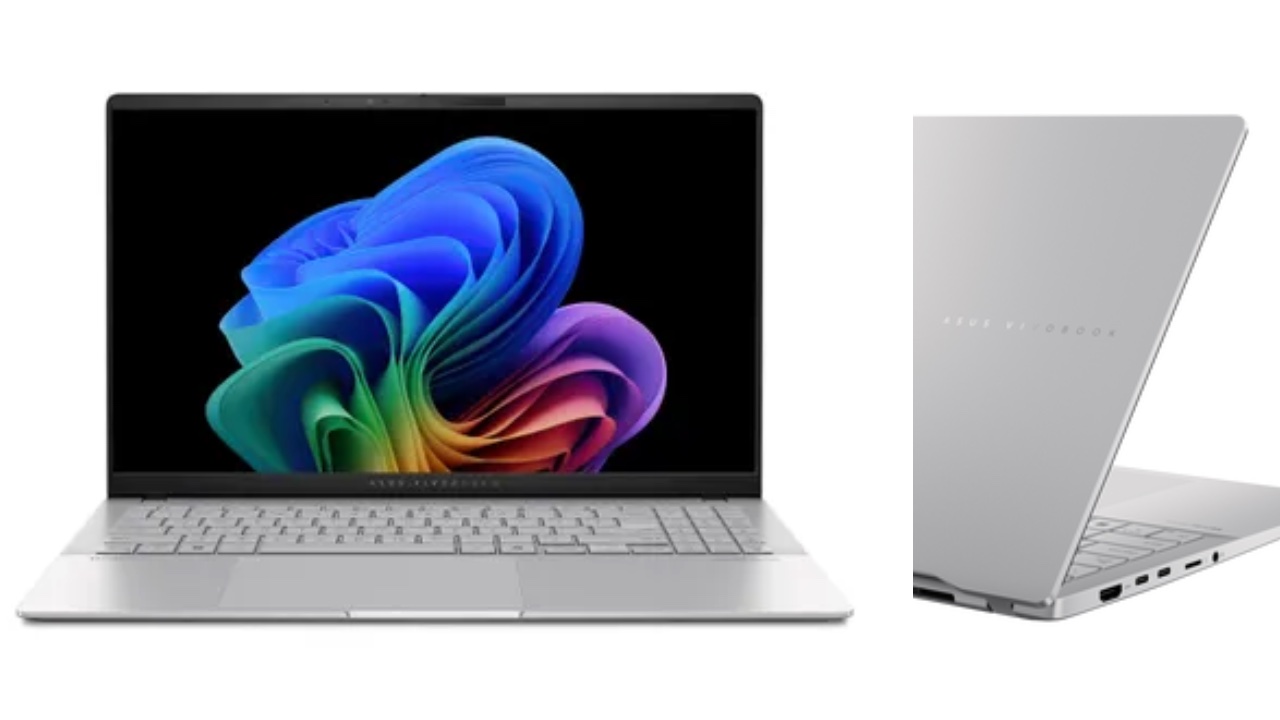
ASUS Vivobook S 15

Next up is the ASUS Vivobook S 15, a seasoned fighter with Snapdragon X Elite and X Plus processors. Its 45 TOPS NPU and efficient cooling system ensure it can handle heavy tasks. The 15.6-inch 3K 120 Hz OLED display and 18-hour battery life make it a reliable companion for any user. The Vivobook S 15’s slim design and versatile connectivity options add to its appeal, offering a perfect balance between power and portability. With ASUS IceCool Thermal technology, this laptop stays cool even during the most demanding tasks.

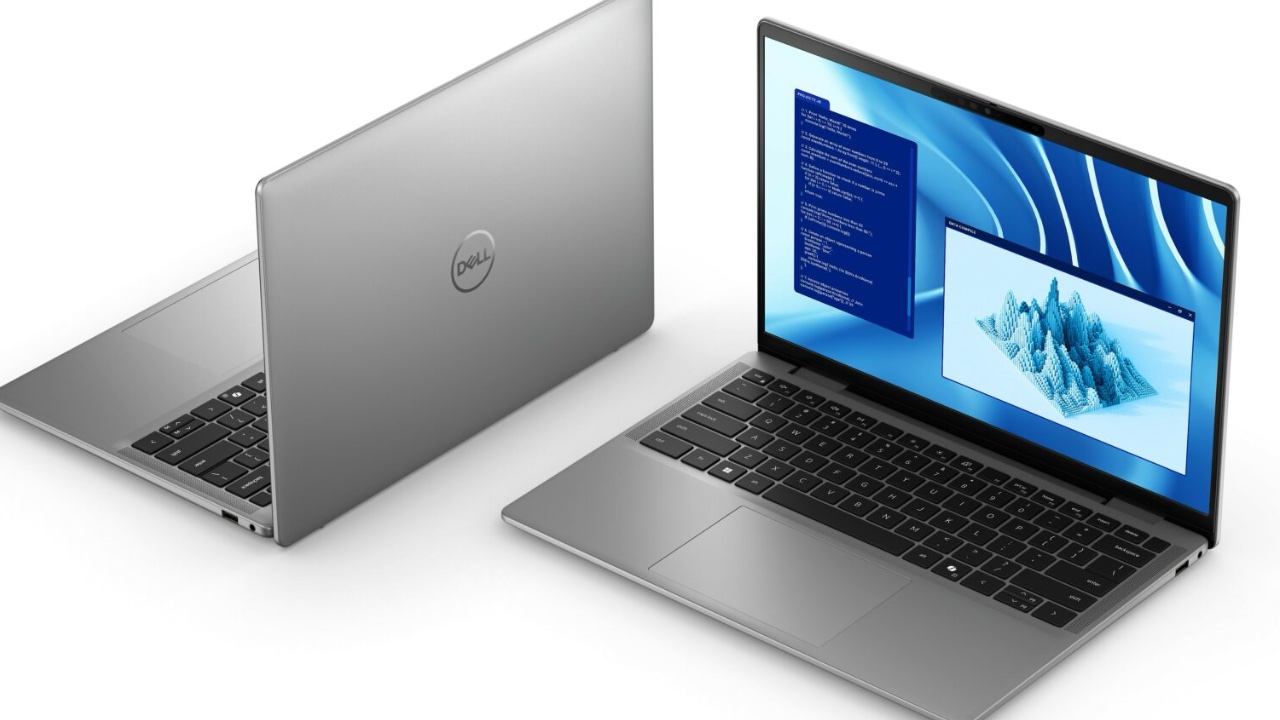
The Dell Latitude 7455 with Snapdragon X Elite or Snapdragon X Plus.

Dell’s new lineup, including the XPS 13, Inspiron 14 Plus, Inspiron 14, Latitude 7455, and Latitude 5455, forms the backbone of the Qualcomm alliance. Known for their speed and AI performance, these laptops feature sleek designs and solid build quality. The XPS 13 leads with its high-resolution display, while the Inspiron and Latitude models offer strong support for consumers and professionals. These devices have NGAI-enabled transformative AI experiences, boosting productivity and simplifying complex tasks. The new Latitude models are designed with business users in mind, providing long battery life and high-speed processing for smooth performance in commercial settings.

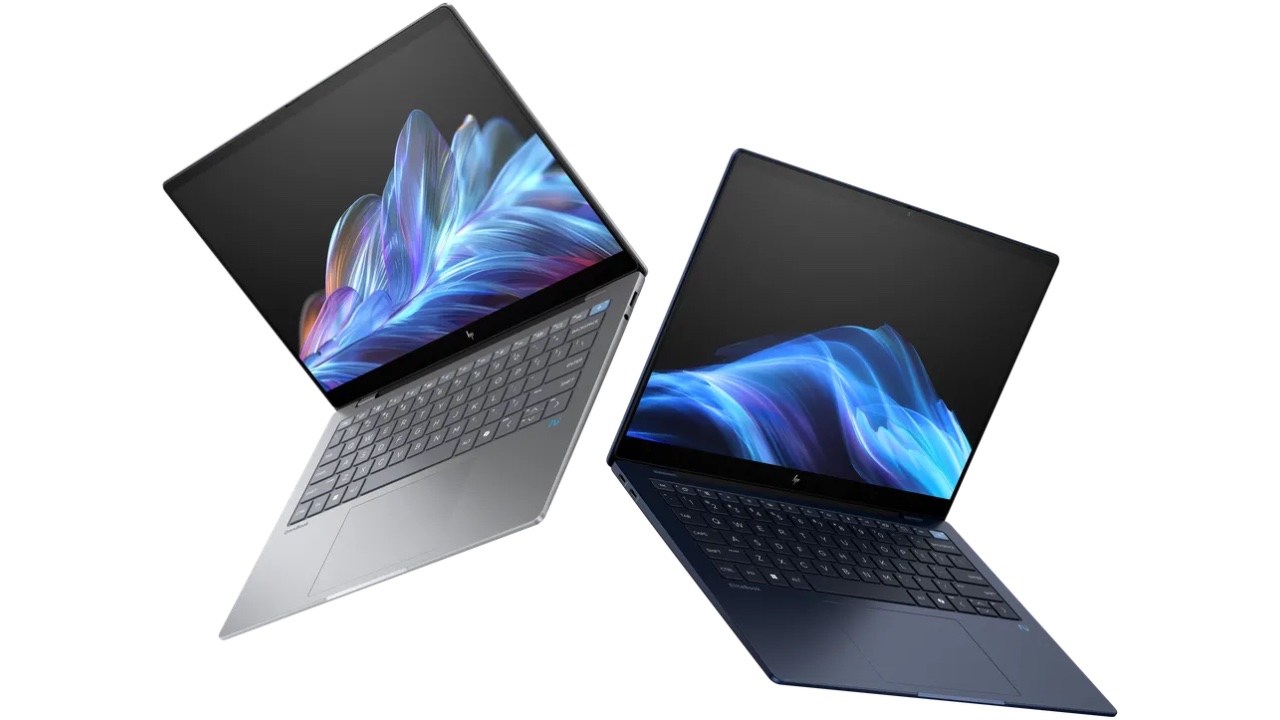
OmniBook on the left and the EliteBook is on the right

HP’s OmniBook X AI PC and EliteBook Ultra AI PC bring intelligence and security to the forefront. Powered by Snapdragon X Elite, these models offer up to 26 hours of battery life. With its advanced security features, the EliteBook Ultra acts as a protector, safeguarding crucial data and strategies. HP’s next-gen AI PCs harness powerful AI technologies, ensuring greater productivity and improved user experiences. The HP EliteBook Ultra also offers extra features for business customers, including Wolf Pro Security Next Gen Antivirus and the Microsoft Secured-Core PC designation, providing secure identity and cryptographic services.

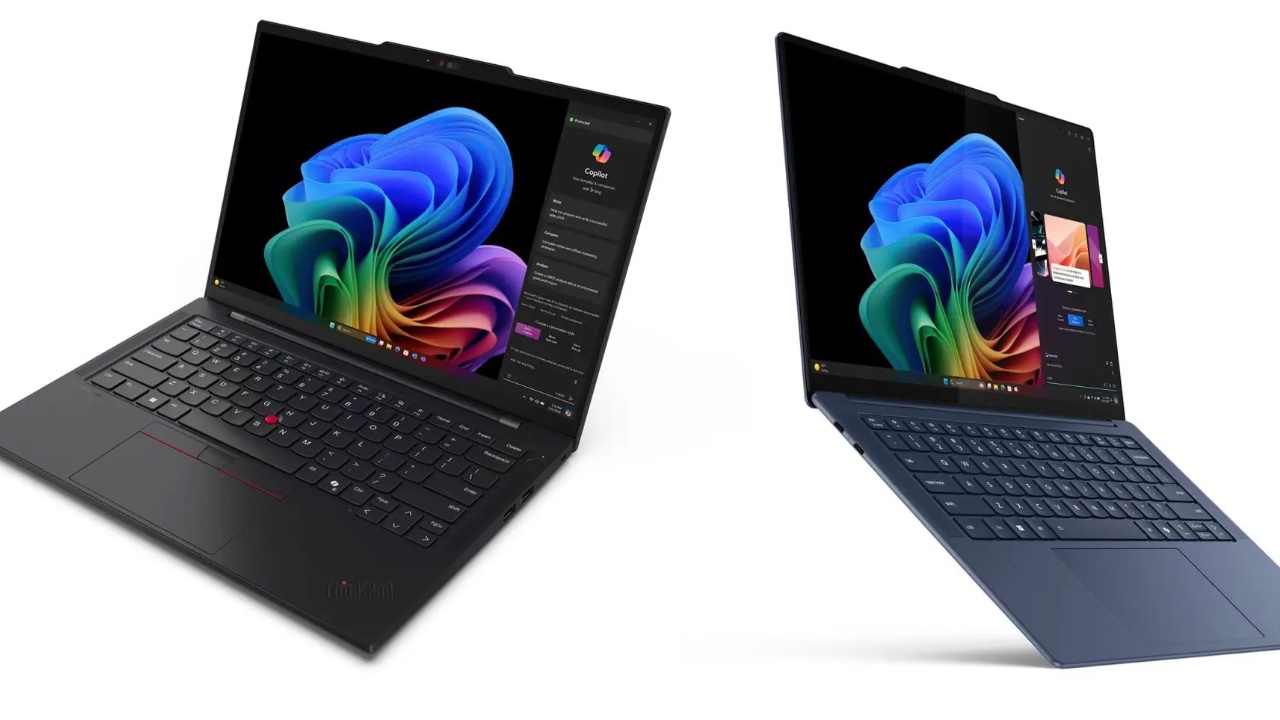
Lenovo Supercharges Copilot+ PCs with Latest Yoga Slim 7x and ThinkPad T14s Gen 6

Lenovo’s Yoga Slim 7x and ThinkPad T14s Gen 6 add agility and resilience to the team. The Yoga Slim 7x enhances creativity and productivity, while the ThinkPad T14s Gen 6 ensures reliability in rugged environments. These laptops offer top performance per watt and fast NPU-based AI processing, enhancing user experiences with advanced AI features. The Yoga Slim 7x is designed for consumers wanting a lightweight, powerful laptop, while the ThinkPad T14s Gen 6 caters to business professionals needing top-level security and performance.

Surface Pro and Surface Laptop

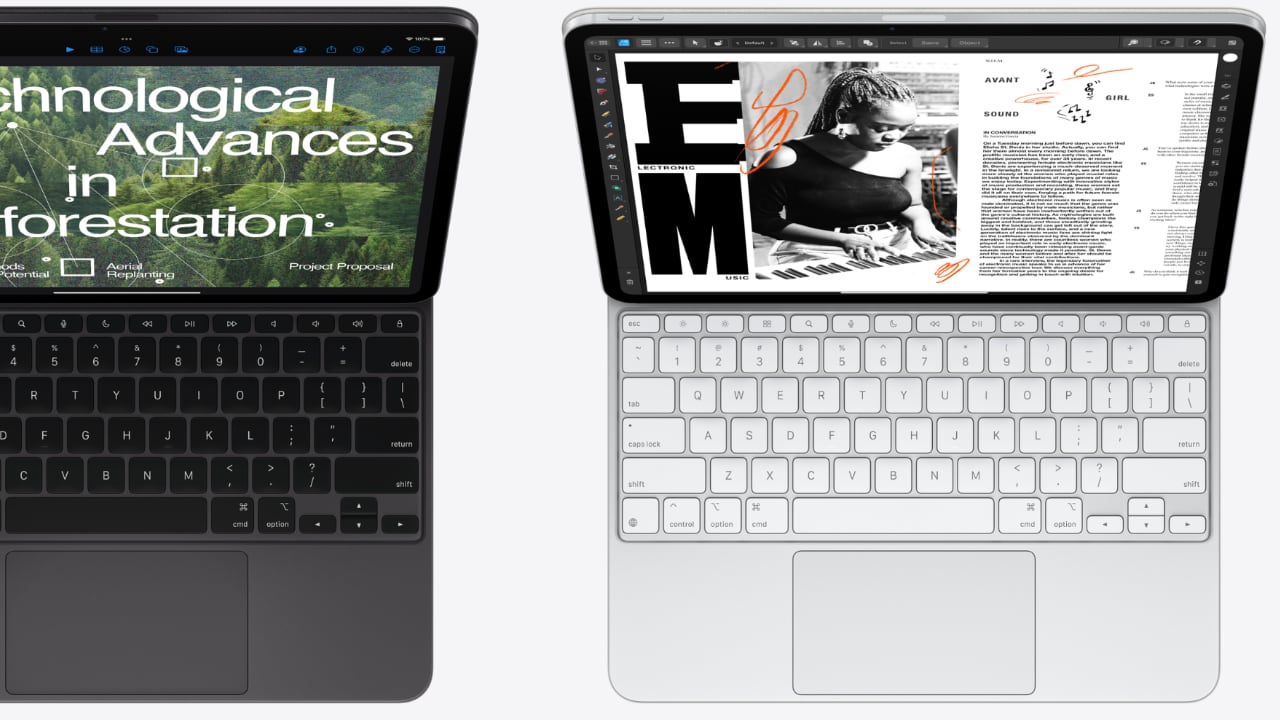
Microsoft’s Surface Laptop and Surface Pro lead the front lines, featuring Snapdragon X Elite and X Plus. The Surface Laptop, with its modern design and sharp display, delivers impressive performance and long battery life. The Surface Pro, a flexible 2-in-1 device, adapts to any situation, providing the versatility of both a laptop and a tablet with its optional OLED display. These devices offer new AI experiences powered by the Snapdragon X Elite and X Plus processors, boosting productivity and creativity with smart computing features. The new Surface Pro Flex Keyboard lets users position their Surface Pro and keyboard as needed, ensuring a smooth transition between different modes.

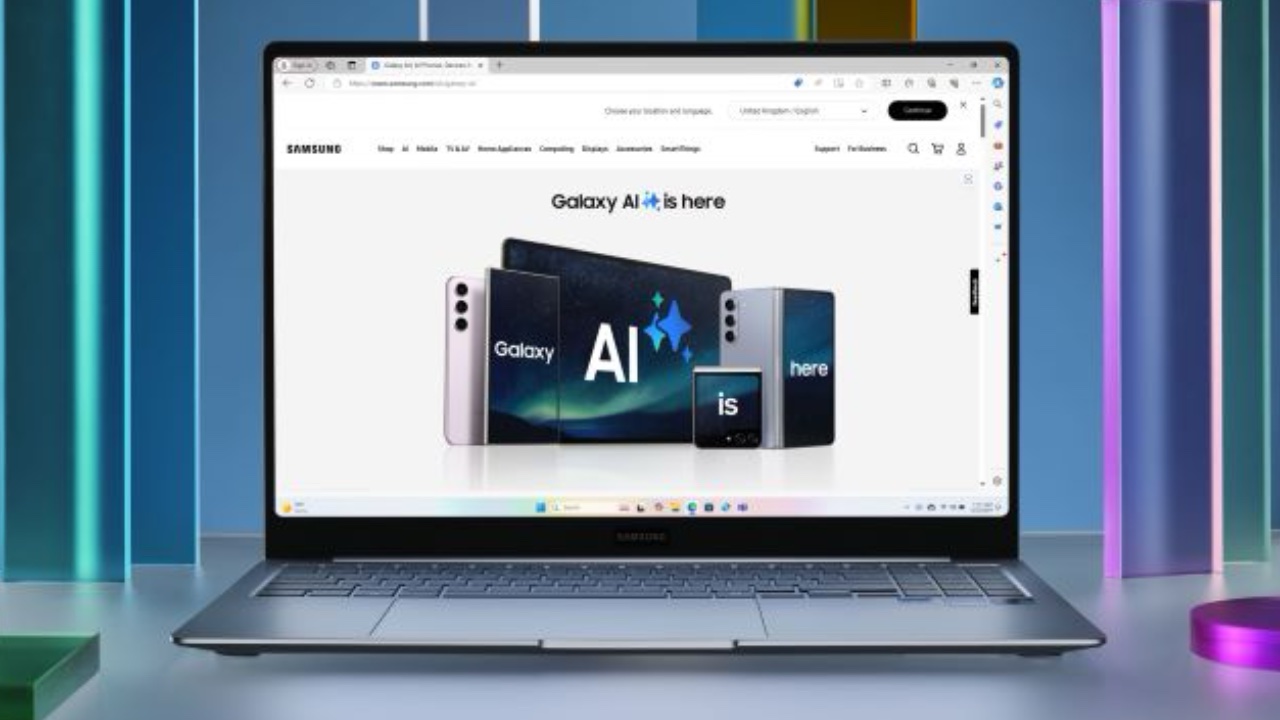
Galaxy AI on Galaxy Book4 Edge

Samsung’s Galaxy Book4 Edge, equipped with Snapdragon X Elite, integrates hybrid AI features that enhance productivity. Available in 14-inch and 16-inch Dynamic AMOLED 2X displays, it combines clarity with powerful computing, acting as the communication hub for the coalition. This device brings popular Galaxy AI features like Circle to Search with Google, Live Translate, and Chat Assist to the PC’s bigger display, breaking down communication barriers and boosting creativity and productivity.

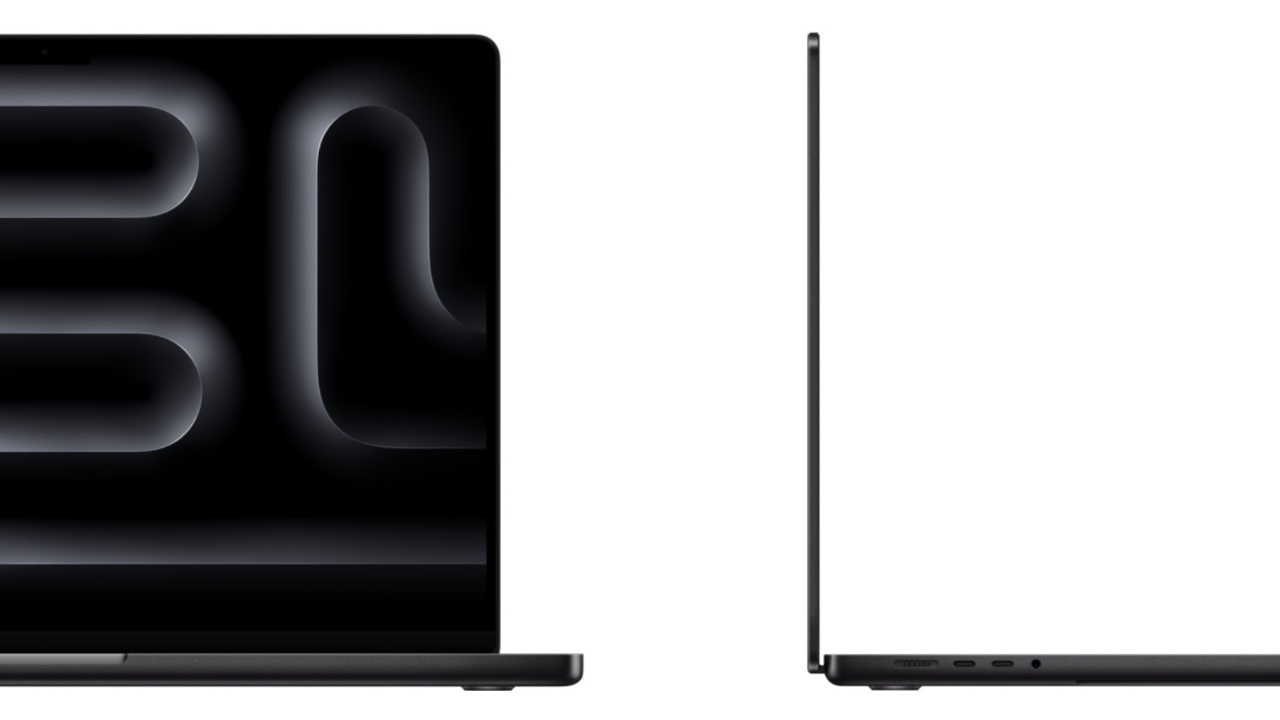
Apple MacBook Pro M3

As the two armies face off, the air is thick with anticipation. Apple’s M3 processors power the MacBook Pros, with the iPad Pro showcasing the power of the M4, which has been nothing short of amazing. There is high anticipation that the M4 will soon power the next generation of MacBooks, replacing the outgoing M3. The Qualcomm and Microsoft alliance, with its diverse and powerful devices, stands ready for the challenge. Each brand, each laptop, and hybrid device brings unique strengths, forming a united front against a common foe. The clash begins, and the battlefield hums with the buzz of technology. Qualcomm processors, with their AI capabilities and long battery life, push performance and efficiency to new heights. Windows 11’s Copilot+ features provide strategic advantages, helping the alliance adapt quickly. Apple’s devices fight back fiercely, showcasing the power of the M3 and the anticipation of the M4.

Apple M4 and Snapdragon X Elite

The battle is about winning through innovation and unlocking new possibilities. As the dust settles, both sides realize that progress and competition go hand in hand. The Qualcomm and Microsoft alliance, with its Snapdragon X Series processors and diverse range of devices, has shown it can stand alongside Apple, heralding a new era of technological advancement and collaboration. Microsoft’s new Copilot+ PCs, with AI features like “Recall” and real-time virtual coaching, mark a bold step forward. While Apple prepares its counter at WWDC in June, the tech world watches eagerly to see how this clash of titans will shape the future of computing.

The post Qualcomm and Microsoft Join Six PC Makers to Take on Apple with Snapdragon X and Copilot+ first appeared on Yanko Design.

The Art of Speed: Julie Mehretu’s BMW M Hybrid V8 Art Car

Julie Mehretu’s BMW M Hybrid V8 Art Car

In the heart of Paris, at the iconic Centre Pompidou, the air buzzed with anticipation. Art lovers, racing enthusiasts, and curious onlookers gathered, all drawn by the promise of a unique revelation. This was no ordinary exhibit; it was the world premiere of Julie Mehretu’s BMW Art Car, the 20th in a storied lineage that melds the worlds of high art and high performance.

Designer: BMW + Julie Mehretu

Julie Mehretu’s BMW M Hybrid V8 Art Car Art Car

Julie Mehretu, renowned for her expansive, intricate canvases, stood before the crowd, her excitement palpable. She had transformed the BMW M Hybrid V8, a machine of sheer power and precision, into a dynamic piece of art. This wasn’t just a car but a performative painting set to race in the legendary 24 Hours of Le Mans.

As the cover was pulled off the car, I can only imagine the gasps rippling through the audience. The vehicle’s surface was a riot of colors and forms, inspired by Mehretu’s monumental painting “Everywhen.” She had digitally altered photographs, layering dot grids, neon veils, and her signature black markings to create a three-dimensional masterpiece. This artwork was not confined to a gallery but was destined for the grueling, high-speed arena of Le Mans.

Mehretu’s painting “Everywhen”

In her studio, surrounded by sketches and digital models, Mehretu had envisioned the car as it would appear at breakneck speeds, the colors and shapes blurring into an exhilarating visual experience. “I imagined the car as if it had raced through my painting,” she explained. “I wanted it to seem like the car had absorbed the painting, transforming into something new and dynamic.”

This vision of speed and art was more than a personal achievement; it was a continuation of a legacy. The BMW Art Car series began in 1975 when French racing driver Hervé Poulain commissioned artist Alexander Calder to paint his car. Over the years, this intersection of art and motorsport has attracted legends like Andy Warhol, Roy Lichtenstein, and Jeff Koons, each artist bringing their unique perspective to BMW’s high-performance vehicles.

Julie Mehretu’s BMW M Hybrid V8 Art Car Art Car

Mehretu’s creation stood proudly among these iconic predecessors. Her Art Car showcased her artistic ingenuity and the technical brilliance of the BMW M Hybrid V8. Underneath the vibrant exterior lay a hybrid electric drivetrain capable of producing 640 horsepower and reaching speeds of 345 km/h. This blend of art and engineering made the BMW Art Car series so compelling.

In the weeks leading up to Le Mans, the car stopped at the Concorso d’Eleganza at Villa d’Este, where it was displayed alongside other historic BMW Art Cars. As Mehretu presented her creation, she spoke of the collaboration between artist and engineer, of turning a race car into a canvas that captured the essence of movement and energy.

Mehretu’s process of envisioning the Art Car involved imagining the physical and emotional experience of racing at high speeds. In her studio, she surrounded herself with sketches and digital models, immersing herself in motorsport and engineering. Her goal was to create a car that would not only perform on the track but also convey a sense of kinetic energy and fluidity through its design.

“I wanted the car to feel as if it had raced through my painting,” she said, highlighting her desire to merge art and performance. Mehretu’s artistic vision was to make the car appear as though it had absorbed the painting, transforming it into something new and dynamic. This transformation was visual and conceptual, as the car embodied the fusion of speed, art, and technology.

The car’s design elements—digitally altered photographs, layered dot grids, neon veils, and black markings—were meticulously chosen to create a sense of movement and energy. These elements, characteristic of Mehretu’s work, were applied to the three-dimensional surface of the car using 3D mapping technology. The result was a vehicle that seemed in perpetual motion, even stationary.

But the story didn’t end there. Mehretu’s involvement with BMW extended beyond the racetrack. She and the automaker had launched the PanAfrican Translocal Media Workshops, a series of events to nurture young artists across Africa. These workshops, set to tour cities like Dakar, Marrakech, and Cape Town, would culminate in a grand exhibition at the Zeitz Museum of Contemporary Art Africa. The fusion of art, technology, and social responsibility would inspire a new generation of creators.

Leading up to Le Mans, Mehretu’s BMW Art Car made an appearance at the Concorso d’Eleganza at Villa d’Este. This prestigious event, held on the picturesque shores of Lake Como, brought together a collection of historic and contemporary BMW Art Cars. Here, the 20th Art Car stood alongside works by Alexander Calder, Frank Stella, Roy Lichtenstein, Andy Warhol, Jenny Holzer, and Jeff Koons. Each of these artists had left their mark on BMW’s vehicles, creating a lineage of art that celebrated innovation and creativity.

In a special presentation, Julie Mehretu discussed her creation with Adrian van Hooydonk, Head of BMW Group Design. Their conversation delved into the process of transforming a race car into a performative piece of art, highlighting the collaborative effort between artist and engineer. Mehretu reflected on her experience at Daytona, where she witnessed the BMW M Hybrid V8 in action, feeling the power and precision that would soon bring her art to life on the racetrack.

Julie Mehretu’s BMW Art Car symbolizes artistic and technological synergy. As it sped down the track at Le Mans, the vibrant colors and dynamic forms would blur into a visual spectacle, capturing the essence of art and speed. This Art Car exemplified the power of creative collaboration and the enduring legacy of the BMW Art Car series, a tradition that continues to push the boundaries of what is possible in the worlds of art and motorsport.

The post The Art of Speed: Julie Mehretu’s BMW M Hybrid V8 Art Car first appeared on Yanko Design.

Sonos Ace challenges Apple’s AirPods Max with superior headphones

Stepping into the highly competitive personal audio market, Sonos launches the Ace, their first over-ear headphones. In a landscape dominated by heavyweights like Apple’s AirPods Max, the Sonos Ace aims to be the brand’s ace in the hole, promising to deliver an unparalleled listening experience. Crafted with precision and care, these headphones are designed to combine high fidelity sound with exceptional comfort and a sleek, timeless design. The Ace better live up to its name, offering a compelling alternative in a market where excellence is the baseline expectation.

Sonos Ace in Black and Soft White

Designer: Sonos

Reflecting a meticulous design process that spans over three years, the Sonos Ace emerges as a product of intense collaboration across technical and creative disciplines. Aki Laine, director of industrial design at Sonos, described the Ace as a pair of headphones that feel as good as they look. Available in two sophisticated colors, Sonos Black and Soft White, these headphones were carefully selected to ensure inclusivity and appeal. The headphones use flexible plastics for a lightweight feel and sturdy metals for structural integrity. The ear cushions and headband are covered in vegan leather, providing a durable yet soft touch that supports extended wear.

Sonos Ace in Black

Sonos Ace Soft White

Sonos Ace Soft White

Aki Laine emphasized the importance of comfort in the Ace’s design, noting, “The lightweight memory foam and vegan leather ensure comfort for long-term use.” The headband and ear cushions are padded with memory foam, designed to conform to various head shapes and sizes. This attention to detail ensures a secure fit without exerting excessive pressure, even accommodating accessories like glasses and earrings. The design also incorporates visual and tactile cues, such as the textured logo and color-coded ear cups, to help users quickly orient and operate the headphones. Comfort is a key focus for the Sonos Ace, ensuring that users can wear the headphones for long periods without discomfort. Extensive testing was conducted to achieve the right clamping force and weight distribution, making sure the headphones are stable and provide a snug fit without causing hotspots. The ear cups are designed to accommodate various ear sizes and shapes, enhancing overall comfort.

Engineered to deliver a high-quality audio experience, the Sonos Ace excels in acoustic performance across different media types. Each ear cup houses custom-designed 40mm dynamic drivers, providing precise and accurate sound across all frequencies. With eight microphones, four on each side (three external and one internal), the Ace delivers advanced active noise cancellation. The external microphones detect ambient noise, while the internal microphones monitor and adjust the sound in real-time to optimize the listening experience. This setup ensures that whether you’re immersed in music, podcasts, or movies, the audio remains clear and immersive.

Controls on the right ear cup: Slide the Content Key up or down to adjust volume. Press it to pause or resume content and take calls. Another button lets you quickly switch between ANC and Aware mode.

Reverting to an analogue hardware user interface, the Sonos Ace enhances ease of use without relying on visual confirmation, and I’m so delighted that they did. The tactile, mechanical slider—dubbed the Content Key—allows users to adjust volume, skip tracks, and manage calls with ease. It provides a reliable and intuitive alternative to touch controls, which can be prone to errors. This thoughtful design extends to the headphones’ connectivity options. The Ace supports both wireless and wired connections, making it versatile for various use cases. Multipoint connectivity allows the headphones to connect to two devices simultaneously, enabling effortless switching. Additionally, a single button press lets the Ace connect with Sonos home theater systems, offering an immersive Dolby Atmos experience with dynamic head tracking.

Integrating several eco-friendly features into the Ace supports sustainability. The headphones incorporate 70% post-consumer recycled plastic in their construction. The carry case, made from 75% recycled polyester derived from plastic bottles, complements this commitment to sustainability. Additionally, the ear cushions are easily replaceable, extending the product’s lifespan and reducing waste. Aki Laine highlighted Sonos’s dedication to creating long-lasting products, saying, “At Sonos, we are committed to creating products that last. The Ace incorporates 70% recycled plastic and features replaceable ear cushions, aligning with our sustainability goals.”

Boasting impressive battery life and convenient charging options, users can enjoy up to 30 hours of listening with active noise cancellation enabled. A rapid charge feature provides three hours of playback with just a three-minute charge, ensuring you never miss a beat even when time is short. The smart power management includes auto-pause sensors that stop playback when the headphones are removed, conserving battery life.

Sonos Ace is perfect for remote work

The post Sonos Ace challenges Apple’s AirPods Max with superior headphones first appeared on Yanko Design.

Apple Unveils Accessibility Features Allowing Users to Control iPad and iPhone with Eye Tracking and Feel Music with Haptics

Apple is set to revolutionize accessibility with a suite of new features coming later this year. These enhancements include Eye Tracking for iPad and iPhone, allowing users with physical disabilities to navigate their devices with just their eyes. Music Haptics will enable deaf or hard-of-hearing users to experience music through refined vibrations from the iPhone’s Taptic Engine. Vocal Shortcuts introduce custom sounds for task automation, while Listen for Atypical Speech enhances speech recognition for users with speech-related conditions. Vehicle Motion Cues aim to reduce motion sickness by using animated dots to minimize sensory conflicts for passengers in moving vehicles. CarPlay will see updates such as Voice Control, Color Filters, and Sound Recognition to improve accessibility. Additionally, visionOS will introduce systemwide Live Captions, support for hearing devices, and features for low vision users, furthering Apple’s commitment to inclusive design.

Designer: Apple

Eye Tracking uses the front-facing camera and on-device machine learning to enable users to control their devices with their eyes. It’s designed for people with physical disabilities, offering an easy and intuitive way to navigate without extra hardware. After a quick setup and calibration using the front-facing camera, users can move through apps by looking at elements. This interaction can trigger actions like pressing buttons, swiping, and performing other gestures. All data is processed and stored on the device, ensuring user privacy. This feature adapts to individual patterns through machine learning, providing a powerful tool for users with physical disabilities to navigate their devices easily.

Music Haptics provides a new way for deaf or hard-of-hearing users to experience music through vibrations. Using the Taptic Engine, the iPhone creates tactile feedback that syncs with the music’s rhythm, melody, and intensity. This tactile feedback allows users to feel the music, making it more accessible and enjoyable. Music Haptics works across millions of songs in the Apple Music catalog and is available as an API for developers to integrate into their apps, further expanding its accessibility. The feature is designed to be easy to use, with simple settings to turn it on and off.

Vehicle Motion Cues help reduce motion sickness by displaying animated dots at the screen’s edges, aligning visual input with the vehicle’s motion. This feature addresses the sensory conflict that often causes motion sickness, where what a person sees doesn’t match what they feel. Using built-in sensors, this feature detects when a user is in a moving vehicle and activates automatically or can be toggled in the Control Center. By providing a visual representation of vehicle motion, Vehicle Motion Cues make it easier for users to read, watch, or interact with content on their devices without experiencing discomfort.

CarPlay will also see significant improvements, enhancing accessibility for users with various needs. Voice Control will allow users to navigate and control CarPlay apps using their voice, providing a hands-free experience. Color Filters will make the interface more accessible for colorblind users by adjusting the display to distinguish between different colors. Sound Recognition will notify users of important sounds like car horns and sirens, ensuring that drivers and passengers who are deaf or hard of hearing remain aware of their surroundings.

visionOS will introduce systemwide Live Captions, further supporting users who are deaf or hard of hearing by providing real-time captions for spoken dialogue in live conversations and audio from apps. The update will also expand support for Made for iPhone hearing devices and cochlear hearing processors, ensuring seamless integration with Apple Vision Pro. For users with low vision, new features such as Reduce Transparency, Smart Invert, and Dim Flashing Lights will make the interface more comfortable and easier to navigate.

These advancements highlight Apple’s dedication to inclusive design, pushing technology’s boundaries to create the best experience for all users. To celebrate Global Accessibility Awareness Day, Apple will host curated collections and sessions at select Apple Store locations, allowing users to explore and learn about these new accessibility features. By constantly innovating and improving accessibility, Apple ensures its devices remain accessible to everyone, empowering all users to enjoy and benefit from the latest technological advancements.

The post Apple Unveils Accessibility Features Allowing Users to Control iPad and iPhone with Eye Tracking and Feel Music with Haptics first appeared on Yanko Design.

Living Caseless: My Experience with the iPhone 15 Pro Max and PORSCHE DESIGN HONOR Magic V2 RSR

Using a smartphone without a case or screen protector might sound reckless to some, but after years of shielding my devices, I decided to take the plunge with both my iPhone 15 Pro Max and PORSCHE DESIGN HONOR Magic V2 RSR. The result? An unexpectedly liberating experience that brought me closer to appreciating the design and craftsmanship of these high-end devices.

Designer: Apple

Designer: HONOR + Porsche Design

iPhone 15 Pro Max and PORSCHE DESIGN HONOR Magic V2 RSR

For over a decade, I’ve used cases on all my phones. The logic was simple: expensive devices need protection from the inevitable bumps and drops of daily life. However, as technology has advanced, so has the durability of smartphones. The iPhone 15 Pro Max with its Ceramic Shield and the HONOR Porsche Design RSR with its sleek and robust build-inspired confidence. I decided to test the waters, first with the iPhone and then with the HONOR, realizing along the way that perhaps the need for constant protection was more psychological than practical.

The iPhone 15 Pro Max is a marvel of modern engineering. Its surgical-grade stainless steel frame and Ceramic Shield front and back offer a premium feel that is often masked by a case. Without the added bulk, the iPhone feels incredibly sleek and slim, fitting more comfortably in my hand and sliding effortlessly into my pocket. One of the first things I noticed was the improved grip and tactile pleasure of holding the phone. The smooth, cool surface of the stainless steel and the precisely contoured edges make the iPhone 15 Pro Max a joy to handle. Without a case, the buttons are more responsive and easier to locate by touch, enhancing the overall user experience.

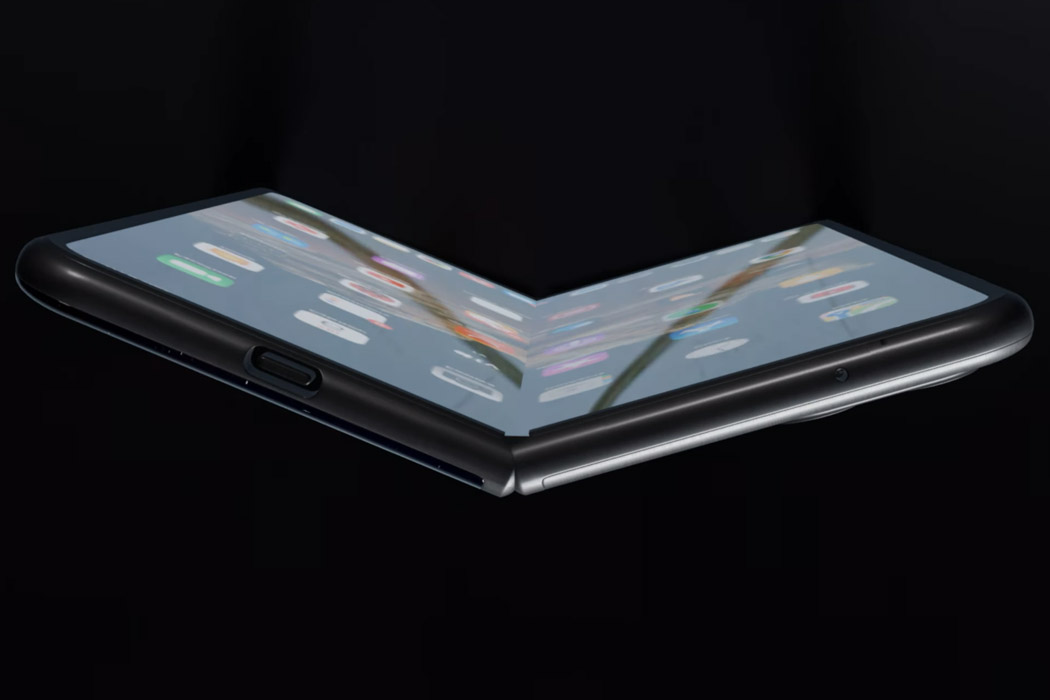
The PORSCHE DESIGN HONOR Magic V2 RSR, on the other hand, brings its own set of pleasures. This phone, inspired by Porsche’s design principles, exudes luxury and precision. The slim and lightweight construction makes it the thinnest and lightest foldable phone in the world, with a suspended water-drop hinge that ensures a seamless and creaseless experience, whether folded or unfolded. The new HONOR Super-Light Titanium Hinge is SCS-certified for reliability, ensuring premium operation with its sleek and dynamic design. The all-new Anti-Scratch Nanocrystal Glass is ten times more wear-resistant and drop-resistant than other phones, providing true peace of mind.

Traveling without a case was initially nerve-wracking. I found myself handling the phones with extra care, especially when using them in crowded places or on rough surfaces. It’s even scarier when I have to hand over my iPhone when using Apple Pay. However, this caution quickly became second nature, and I started to appreciate the benefits of going caseless. Both devices have held up remarkably well. The iPhone’s Ceramic Shield has proven resistant to scratches and minor impacts, while the HONOR’s Anti-Scratch Nanocrystal Glass shows no signs of wear despite daily use.

The aesthetic benefits of going caseless cannot be overstated. Both the iPhone 15 Pro Max and the PORSCHE DESIGN HONOR Magic V2 RSR are designed to be seen and felt as their creators intended. The intricate details and finishes of these phones, often hidden by cases, are now on full display. The iPhone’s sleek finish and the HONOR’s dynamic design add a touch of elegance and sophistication that enhances the overall user experience.

Of course, there are practical considerations. Without a case, both phones are more susceptible to damage from accidental drops. However, I found that being more mindful of how and where I placed my devices significantly reduced the risk. The iPhone’s IP68 rating for dust and water resistance and the HONOR’s robust construction also provide peace of mind for daily wear and tear.

Another unexpected benefit of going caseless is improved thermal management. Without the insulating layer of a case, both phones dissipate heat more effectively. I noticed less overheating during intensive tasks such as gaming or streaming, making for a more comfortable user experience.

Going caseless also enhances the phones’ portability. The slim profiles of both the iPhone 15 Pro Max and the PORSCHE DESIGN HONOR Magic V2 RSR make them easier to carry in pockets and bags. Without the added bulk of a case, the phones slide in and out more smoothly and are less cumbersome to handle.

While there are definite advantages, going caseless is not without its drawbacks. The primary concern is, of course, the increased risk of damage from drops and impacts. Both phones have shown remarkable resilience, but the risk remains. Additionally, without a screen protector, the display is more vulnerable to scratches and smudges. Regular cleaning and mindful handling are necessary to maintain the pristine condition of the phones.

All in all, using the iPhone 15 Pro Max and the PORSCHE DESIGN HONOR Magic V2 RSR without a case or screen protector has been a surprisingly positive experience. The freedom to fully appreciate the design and craftsmanship of these premium devices, coupled with the practical benefits of improved thermal management and portability, outweigh the potential risks. If you’ve ever felt the urge to go caseless, I encourage you to give it a try. It may be better than you expect, and you might find a new appreciation for your phone’s design and durability.

The post Living Caseless: My Experience with the iPhone 15 Pro Max and PORSCHE DESIGN HONOR Magic V2 RSR first appeared on Yanko Design.

Are Low-Top Basketball Shoes Good for Teenagers?

Caption: Basketball players sitting on a bench, wearing both high-top and low-cut basketball shoes.

As basketball evolves, so does the design of footwear aimed at maximizing performance and safety. This article explores the intricacies of low-top basketball shoes, examining their safety, technological advancements, stylish colorways, and current models. It also considers the social dynamics and personal expression crucial for teenagers when choosing their basketball shoes.

The Shift in Basketball Footwear

Basketball shoes have shifted from traditional high-tops to the increasingly popular low-top designs. Extensive research suggests that with proper design and technology, low-top shoes can offer adequate support and safety, challenging the belief that high-tops are inherently better for ankle protection. Leading brands like Nike, Adidas, and Under Armour are at the forefront, innovating to suit all playing styles and needs.

Low-top shoes appeal not just for their performance capabilities. For teenagers, these shoes also represent a style statement and a connection to their favorite basketball players. This blend of form and function makes low-tops particularly appealing to young people, merging on-court benefits with off-court style.

Are Low-Top Shoes Good for Basketball?

Mobility and Speed: Low-top shoes are typically lighter than high-tops, allowing players to move quickly and freely on the court. This can be particularly advantageous for guards or players whose game depends on speed and agility.

Ankle Flexibility: Low-top shoes do not restrict the ankle, providing a greater range of motion. This benefits players who need to change direction quickly and rely on their ability to maneuver swiftly.

Ankle Support: The primary concern with low-top shoes has been the perceived lack of ankle support, potentially increasing the risk of injuries. However, modern low-top basketball shoes often use advanced technologies to stabilize the foot and provide protection in other ways, including enhanced midsole cushioning, secure lacing systems, and innovative designs that offer stability without the bulkiness of high-tops.

Personal Preference and Comfort: Choosing between low-top and high-top basketball shoes is often a matter of personal preference. Some players find low-top shoes more comfortable and perform better in them due to their lighter weight and greater freedom of movement.

Parents often worry about the safety of low-top basketball shoes, particularly regarding ankle support. However, current research and product testing have shown that these concerns can be mitigated with the right features. Platforms highlight the exceptional stability and traction of these models, crucial for preventing slips and enhancing performance during gameplay. Research indicates there’s no significant difference in the rate of ankle injuries between low-tops and high-tops, suggesting that low-tops can be just as safe for basketball. Consequently, a player’s choice of shoes should be guided by personal comfort, playing style, and advice from coaches or medical professionals.

Technological Innovations Across Brands

For teen athletes, the performance of their basketball shoes is often equated with their on-court confidence. Shoes that are part of the latest trend or endorsed by popular athletes can significantly boost this feeling. Thus, when these shoes are also backed by positive safety reviews, it reassures both parents and young athletes that style does not compromise safety.

Image: Fastpass.cn – Air Force 1 deconstructed

Best Low-Top Nike Basketball Shoes

Finding the perfect low-top basketball shoe is crucial, whether you’re playing in a local league or the NBA Finals. Low-tops need the right mix of support, comfort, cushioning, and traction to keep up with the dynamic nature of the game.

LeBron XXI Basketball Shoes

Best Low-Top Basketball Shoes by Position

Forwards and Centers: These players need excellent support and stability, even in low-top designs. Nike’s Air Zoom technology provides lasting performance and comfort. The Nike Air Zoom G.T. Run, for instance, stacks a React footbed on top of a React midsole and Zoom Air in the forefoot, offering shock absorption and a responsive feel. The Jordan “Why Not?” line, featuring low-top designs, includes two stacked Zoom Air units in the forefoot for responsive cushioning, enhancing speed and stability.

Nike Air Zoom Gt Cut 2 Tb Shoes Men’s

Guards: Guards require shoes with high levels of grip and traction for quick cuts and sudden stops. The Nike Cosmic line, featuring Air Zoom Strobel units partially made from recycled materials, provides efficient acceleration. The Nike Air Zoom low-tops are designed for players who excel at creating and closing space, offering stability and control with minimal ground contact.

All-Around Players: Modern basketball blurs the lines between positions, requiring shoes that offer balanced support, multidirectional traction, and energy return. Nike LeBron low-top shoes combine speed and power with a full-length Zoom Air unit and Max Air in the heel. The Zoom Freak line, designed for versatile play, includes a TPU plate for lateral mobility and Zoom Air units for explosive moves. Nike KD low-top shoes feature durable uppers with minimal material for a broken-in feel and full-length Zoom Air cushioning for dynamic movement. Nike PG low-tops provide agility and support, with a full-length Air Zoom unit connected to the upper for prolonged freshness.

Nike KD17 Basketball Shoes

Basketball Shoe Structure

Understanding the key components of a low-top basketball shoe can help in choosing the right pair. There are three main parts to consider: the upper, midsole, and outsole.

Upper: The upper part of the shoe provides some ankle support, especially during quick cuts and multidirectional moves. Low-tops allow for greater agility and speed, suitable for guards and small forwards. Models like the Nike Cosmic line include additional closure systems for extra security.

Midsole: This part provides cushioning and comfort, reducing fatigue and stress. Look for midsoles with flexible yet sturdy materials that absorb impact effectively. Some low-top models feature external TPU pieces for added stability during lateral moves.

Outsole: The outsole offers traction and grip, crucial for maintaining balance and avoiding slips. Flat, wide outsoles with grooves and ridges provide optimal multidirectional traction.

Best Low-Top Adidas Basketball Shoes for Your Playing Style

Best Low-Top Basketball Shoes by Position

Forwards and Centers: Even in low-top designs, forwards and centers need stability and support. The Dame 8 EXTPLY, for instance, features a dynamic Bounce Pro midsole for elevated stability and lightweight cushioning. Its internal sock construction and TPU propulsion plate ensure that your feet are locked down, providing confidence and agility during practice and games.

DAME 8 EXTPLY BASKETBALL SHOES

Guards: Guards require shoes with excellent grip and traction for quick cuts and sudden stops. The Trae 3, designed with peak performance in mind, features composite foam in the midsole for explosive power. The asymmetrical Torsion Bar enhances stability, and the high-abrasion outsole, developed using biometric data, ensures excellent grip and support for quick direction changes.

adidas Harden Vol. 6

All-Around Players: In today’s versatile game, players need shoes that provide balanced support, multidirectional traction, and energy return. The Adidas Harden Vol. 6 offers a blend of speed and stability, featuring a full-length Boost midsole for impact absorption and energy return. The Exhibit Select CP Mid provides a springy Bounce midsole and gore straps for a snug, locked-in feel, catering to players who perform across multiple positions.

Key Features of Adidas Low-Top Basketball Shoes

Upper: The upper part of a low-top basketball shoe provides some ankle support while allowing for greater agility and speed. The Exhibit Select CP Mid, for example, includes 3-Stripes gore straps that wrap around the foot, offering a secure fit from the first lace-up to the final whistle. The internal sock construction of the Dame 8 EXTPLY also ensures a comfortable and locked-down feel.

Midsole: The midsole provides cushioning and comfort, reducing fatigue and stress. Look for midsoles with flexible yet sturdy materials that absorb impact effectively. The Trae 3’s composite foam midsole and TPU propulsion plate offer explosive power and stability, perfect for high-impact moves.

Outsole: The outsole is crucial for traction and grip, helping maintain balance and avoid slips. The ripple-style outsole of the Exhibit Select provides excellent traction, enabling quick bursts of speed and sharp cuts. The Trae 3’s high-abrasion outsole, developed with biometric data, ensures reliable grip and support.

Best Low-Top Under Armour Basketball Shoes

Grade School UA Jet ’23 Basketball Shoes

Finding the perfect low-top basketball shoe is crucial for maximizing your performance on the court. Under Armour offers a range of low-top basketball shoes designed to enhance support, comfort, cushioning, and traction.

Best Low-Top Basketball Shoes by Position

Forwards and Centers: Even in low-top designs, forwards and centers need stability and support. The UA Spawn 3, for example, features a unique anatomical design with layers of flexible, lightweight material to enhance movement and provide support. The Micro G foam midsole offers responsive cushioning for powerful moves and jumps.

Under Armour Men’s Spawn 3 Basketball Shoe

Guards: Guards require shoes with excellent grip and traction for quick cuts and sudden stops. The Curry Flow 9, designed with Stephen Curry’s input, features a UA Flow outsole that provides grippy traction and a lightweight feel. The Warp upper material delivers a locked-in fit for agile movements.

All-Around Players: In today’s versatile game, players need shoes that provide balanced support, multidirectional traction, and energy return. The Under Armour HOVR Havoc 4 offers a full-length HOVR midsole for energy return and cushioning. The TPU shank provides lateral stability, and the durable outsole ensures excellent grip for all types of movements.

Key Features of Under Armour Low-Top Basketball Shoes

Upper: The upper part of a low-top basketball shoe provides some ankle support while allowing for greater agility and speed. The Curry Flow 9’s Warp upper material offers a secure, comfortable fit.

Midsole: This part provides cushioning and comfort, reducing fatigue and stress. The HOVR Havoc 4’s full-length HOVR midsole offers energy return and impact protection.

Outsole: The outsole is crucial for traction and grip, helping maintain balance and avoid slips. The UA Flow outsole in the Curry Flow 9 provides excellent traction and lightweight performance.

When High-Tops Are Better

Hight-top basketball shoes

Ankle Support for Young Players: High-tops may offer better ankle support for young players who are still developing their coordination and strength. This additional support can help prevent ankle sprains and provide extra stability during quick direction changes and jumps.

Protective Cushioning: High-tops often come with more extensive cushioning, which can protect against stress fractures and other injuries. This is particularly beneficial for kids who might play on hard surfaces or engage in high-impact activities.

Peace of Mind for Parents: For parents concerned about ankle injuries, high-tops can offer reassurance due to their traditional design that encases and supports the ankle more comprehensively.

When Low-Tops Are Better

Low-top basketball shoes

Enhanced Mobility: For positions requiring speed and agility, low-tops provide enhanced mobility and quicker response times. This makes them ideal for guards and players who rely heavily on fast movements and sharp cuts.

Lightweight Comfort: Low-tops are generally lighter, reducing fatigue over long periods. This is particularly advantageous for young players who may play for extended periods during practice or games.

Personal Style and Expression: Low-tops often come in a wider variety of styles and colors, allowing young athletes to express their personal style on and off the court. This can boost confidence and encourage a greater sense of individuality.

Selecting the Right Basketball Shoes: Balancing Personal Expression and Functionality

Choosing the right basketball shoes is a nuanced decision that balances personal expression through colorways and practical functionality for optimal performance. Colorways in basketball shoes allow athletes to express personal style, team identity, and even personal branding. Recognizing this, brands offer vibrant and eye-catching options to cater to young athletes’ desire to stand out or align with their role models.

However, the decision extends beyond color and style. Ensuring a proper fit is crucial to maximizing the functionality of the shoe’s safety and performance features while ensuring comfort during play. Athletes and their parents should consult coaches, utilize fitting guides, and review current models to find shoes that meet both performance standards and aesthetic preferences. This comprehensive approach helps in selecting footwear that supports the physical demands of basketball while satisfying personal style, enabling young players to perform at their best and express individuality on the court.

Expanding Our Coverage on Low-Top Basketball Shoes

Yanko Design is committed to covering the dynamic world of low-top basketball shoes in greater detail in future articles. We aim to delve deeper into each brand’s specific technologies and individual shoe offerings. Our future content will provide focused reviews and comparative analyses of specific brands and standout models, highlighting both the functional benefits and aesthetic appeal of each shoe.

We will spotlight industry giants like Nike, Adidas, and Under Armour, covering both classic designs and the latest releases. Additionally, we’ll introduce emerging brands making significant strides with innovative technologies and designs, potentially offering unique benefits not found in more established brands.

Stay tuned for insightful content that merges detailed product information with style trends, helping young athletes and their supporters navigate the extensive options available, ensuring informed decisions that enhance both performance and personal expression on the basketball court.

The post Are Low-Top Basketball Shoes Good for Teenagers? first appeared on Yanko Design.
Quilt Mini-Split Cool and Heat Your Home with Stunning Design Inside and Out

Aiming to transform the heating and cooling industry with sleek, smart designs, Quilt was founded by former Google employees. The company raised $9 million in a seed round in May 2023, led by Lowercarbon Capital and Gradient Ventures, positioning itself to scale operations and bring innovative products to market. Inspired by design principles from Apple, Tesla, and Nest, Quilt targets consumers seeking both aesthetics and functionality in their home HVAC systems.

Designer: Quilt

The indoor units are compact in size and feature customizable front panels. Unlike the bulky designs found in traditional mini-splits, Quilt offers options such as oak wood veneer or surfaces that can be painted or wallpapered to match any interior decor. This flexibility allows the units to either blend seamlessly with or enhance home aesthetics. Moreover, the inclusion of color-customizable accent lighting adds a personal touch, serving as a nightlight or mood light.

The exterior unit, often a significant drawback for potential buyers due to its unattractive appearance, has been reimagined with a sleek, unobtrusive design. Quilt’s outdoor unit is compact and aesthetically pleasing, ensuring it doesn’t detract from a home’s exterior.

These heat pumps are packed with smart features designed to optimize comfort and efficiency. The Dial, a central control device, combines a touchscreen with a rotary control, providing an intuitive user interface. Compatible with Thread and Matter smart home communication protocols, the Dial ensures seamless integration with other smart devices. The Sense module, featuring a millimeter-wave occupancy sensor, accurately detects room occupancy, optimizing energy use and maintaining comfort levels.

The system’s zoning capability allows for precise temperature control in individual rooms, maximizing energy efficiency. With the ability to maintain 90% of its heating capacity down to -13 degrees F and utilizing R-32 refrigerant, which has a lower global warming potential than R-410a, Quilt’s heat pumps are both powerful and environmentally friendly.

The design and functionality make it ideal for various use cases, especially in regions with older buildings where central air installation is impractical. For instance, in Europe and Asia, where many buildings lack central air conditioning, Quilt’s ductless mini-splits offer an efficient, aesthetically pleasing solution. In the U.S., homeowners with rooms that are difficult to heat or cool, such as an upstairs office above a garage, can benefit from Quilt’s smart and attractive units. The customizable design and efficient performance make Quilt an appealing option for those who have avoided traditional mini-splits due to their unattractive exterior units.
Quilt’s customizable front panel blend in with your decor unlike other white mini-split.

Quilt distinguishes itself from competitors like Mitsubishi, Daikin, and Carrier with its focus on design and smart features. While traditional units may offer similar functionality, Quilt’s emphasis on aesthetics and user experience sets it apart. The customizable front panels and sleek exterior unit provide a significant visual upgrade, appealing to consumers who value both form and function. Additionally, Quilt’s smart technology, including the intuitive Dial and advanced occupancy sensing, enhances the user experience, making it a more attractive option for tech-savvy homeowners.
The ability to integrate seamlessly into smart home ecosystems and a commitment to sustainability with the use of R-32 refrigerant further bolster its competitive edge. With the global heat pump market expected to grow significantly, Quilt is well-positioned to capture a share of this expanding market by offering a product that combines beauty, intelligence, and efficiency.

Innovative design and smart features redefine the residential HVAC market by addressing both aesthetic and functional concerns. With a strong foundation and backing from notable investors, Quilt is poised to lead the next wave of HVAC innovation, providing consumers with a product that is as beautiful as it is efficient.

The post Quilt Mini-Split Cool and Heat Your Home with Stunning Design Inside and Out first appeared on Yanko Design.