Can you imagine having to mail in a $3,499 gadget because you forgot the passcode you nominated to be able to use it? Customers who purchased the Apple Vision Pro may have to do just that if they forget their device's passcode. According to Bloomberg, the company has been telling buyers that the only way to reset their codes is to go to an Apple Store or to mail their mixed reality headset to AppleCare customer support. Apple will then reset their codes so they could use their device again.
As Bloomberg notes, if a user enters an incorrect code too many times, their device will be disabled and they'll have to sit through a waiting period to be able to try again. They'll have to get Apple to reset their code if they still can't recall it after that waiting period, and getting the company to do will erase all the content on their headset.
It's worth noting that some users on the Apple discussion forum still got locked out even though they entered the correct passcode — it's unclear if it's a bug affecting some units — so the issue could happen to anyone. Based on some other posts, Apple's Genius Bar personnel use an accessory called the Developer Strap that the company is selling to developers for $299 to connect the headset to iPads or laptops to be able to reset it. In at least one instance, Apple Geniuses reportedly failed to reset the user's headset and had to replace it altogether.
The process to change the headset's passcode could still change in the future — the recently released Vision Pro, after all, is the first iteration of a brand new product category. For the sake of those who've already purchased one, we hope it's introduced through a software update instead of as an improvement in the next version.
This article originally appeared on Engadget at https://www.engadget.com/apple-vision-pro-users-will-have-to-go-to-a-store-to-reset-forgotten-passcodes-070101287.html?src=rss
Currently serving over 70 million daily active users, Roblox is still going strong since its September 2006 launch — almost 18 years ago. The development team is now taking one step further to boost the platform's massive community, by way of providing real-time AI chat translation to connect gamers around the world. According to CTO Daniel Sturman, his team needed to build their own "unified, transformer-based translation LLM (large language model)" in order to seamlessly handle all 16 languages supported on Roblox, as well as to recognize Roblox-specific slangs and abbreviations (this writer just learned that "obby" refers to an obstacle course in the game).
As a result, the chat window always displays the conversation in the user's own tongue — with a small latency of around 100 milliseconds, so it's pretty much real time. You can also click on the translation icon on the left of each line to see it in its original language. Sturman claims that thanks to the language model's efficient architecture and iterative training, it "outperforms commercial translation APIs on Roblox content." The development team will later roll out a feedback tool to help improve translation quality, in addition to its ongoing updates with whatever new catchphrases it picks up on the platform.
Roblox
Roblox's translation efforts don't stop there. Sturman adds that his team is already looking into automatically translating "text on images, textures, 3D models" and more. As Roblox supports voice chat, the exec also teases the possibility of automatic voice chat translations, so gamers from around the world can seamlessly talk to one another in their own tongue on the platform. Given that Samsung already offers a similar feature via Galaxy AI, it probably won't be long before we hear another update from Roblox on this end.
This article originally appeared on Engadget at https://www.engadget.com/roblox-adds-real-time-ai-chat-translation-using-its-own-language-model-061929902.html?src=rss
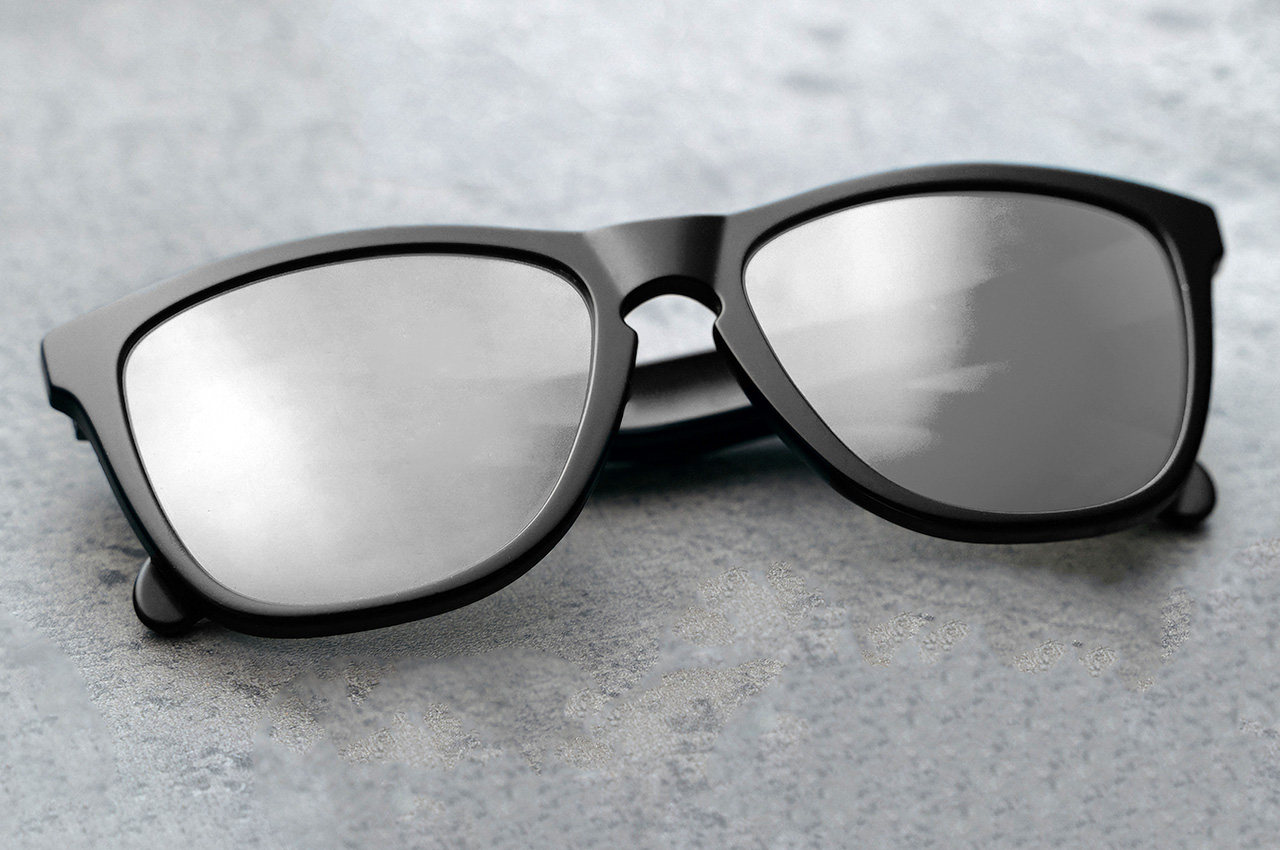
Most regular sunglasses only block UV rays, but not infrared rays from damaging your eyes. Kolari hopes to change that with their cutting-edge IR-blocking sunglasses that protect your eyes from the sun, and your face from unwanted facial recognition systems. Pretty cool, right?
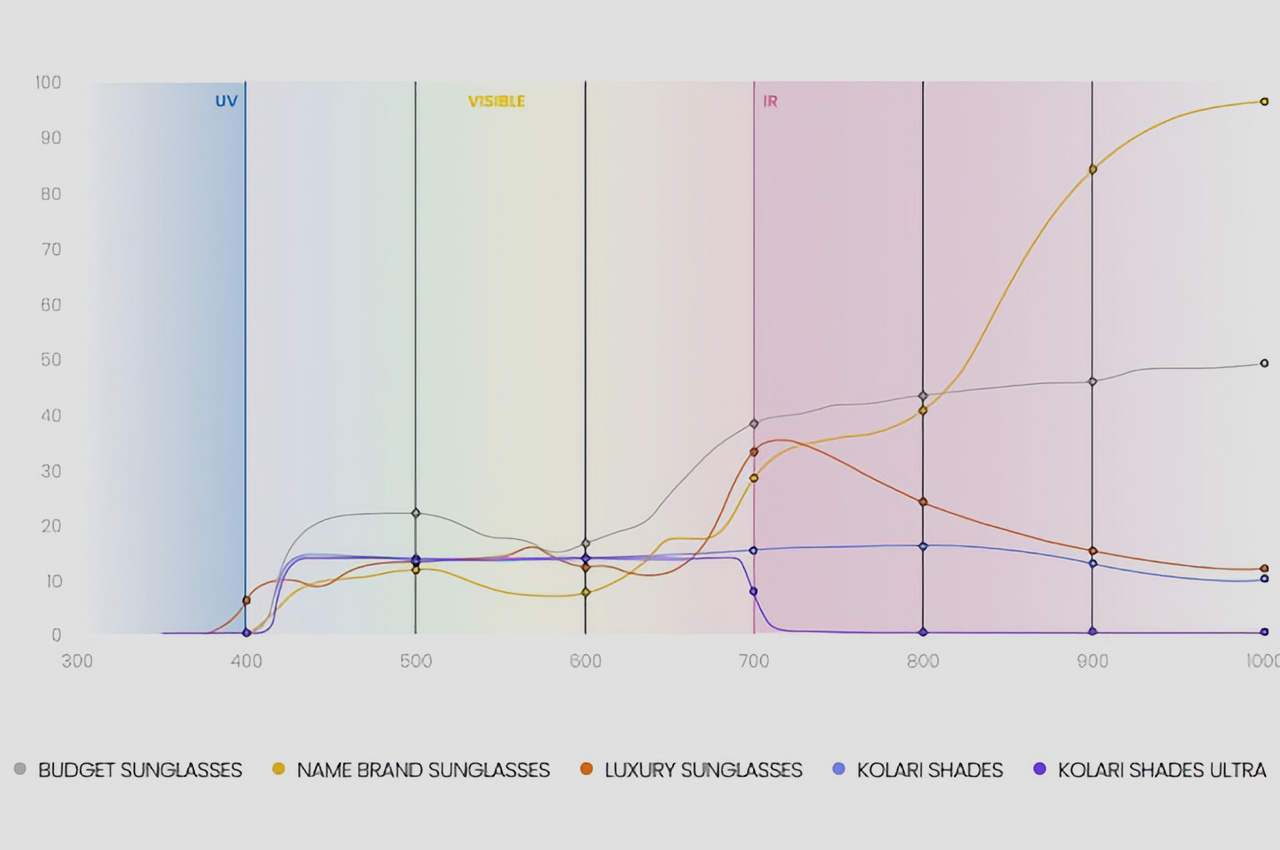
When you wear regular sunglasses, the tinted lenses help cut the bright glare of the daytime sun. This does two things – it helps you see clearly without needing to half-shut your eyes, but it also makes your pupils dilate to let more light information in. Conventional sunglasses don’t do much to protect your eyes while they’re dilated in the daytime. The most glasses will ever do is block UV, blue light, and glare… but there’s one culprit that nobody focuses on, infrared. Humans don’t see infrared rays, but they can have long-term effects on your eyes. Sure, one can argue that you’d need high exposure to infrared rays, but think about how often you step out into the sun on a daily basis and all that begins adding up. While your regular Sunglass Hut shades won’t do much about IR rays, one company’s trying to make sunglasses safer for your eyes. Kolari Vision started its journey designing IR-protective accessories for cameras, but is now looking at the bigger picture by designing protective eyewear for everyone. The Kolari Shades are made from actual glass, and can block UV and up to 99% of infrared light from making its way into your eyes. This doesn’t impact the clarity with which you see, but it does help protect your vision… just like any sunglass should!
Designer: Ilija Melentijevic, PhD (founder of Kolari Vision)
Styled to look like a stylish pair of sunglasses, the Kolari Shades give your eyes the comfort and protection they need in the outdoors. “Our goal was to maximize clarity, eliminate color shifts, and block all unwanted wavelengths in order to give your eyes the most rested, neutral experience possible to minimize eye fatigue. Our beta testers are calling the result a breath of fresh air for your eyes,” say the folks at Kolari Vision. Originally founded as a photography company, the folks at Kolari realized that the gear made for cameras seemed to be better in quality than anything the eyewear industry produced. The irony being that your eyes are so much more precious than a $500 camera… so why is it that only camera sensors get taken such good care of, but not the original human cameras – our eyes??
Bridging that gap, the Kolari Shades offer a one-of-a-kind IR and UV protection to your eyes. The sunglasses are fitted with lenses that look just like your average tinted lenses, but they possess the unique ability to block anywhere between 90-99% of all infrared rays and 100% of all UV rays shining through the glass and into your eyes. The benefits of this are two-fold – there’s an obvious health benefit, given how eyes (just like skin) can respond adversely to excessive exposure to certain wavelengths of infrared light. However, a second benefit comes in the form of privacy protection. Most cameras rely on capturing some form of IR to ‘see’, and the shades can effectively block this ability. This prevents unwanted cameras from capturing facial recognition information without your consent. In fact, the iPhone relies on an IR blaster to power its FaceID unlocking feature – which can be disabled with the Kolari Shades. Sure, that means you need to either take off your sunglasses to unlock your phone (or just use the pattern lock instead), but the privacy implications are far-reaching too, as people like law enforcement can’t maliciously unlock your phone by holding it up to your face.
Kolari Shades are truly color-neutral and protect your eyes from all damaging wavelengths of light.
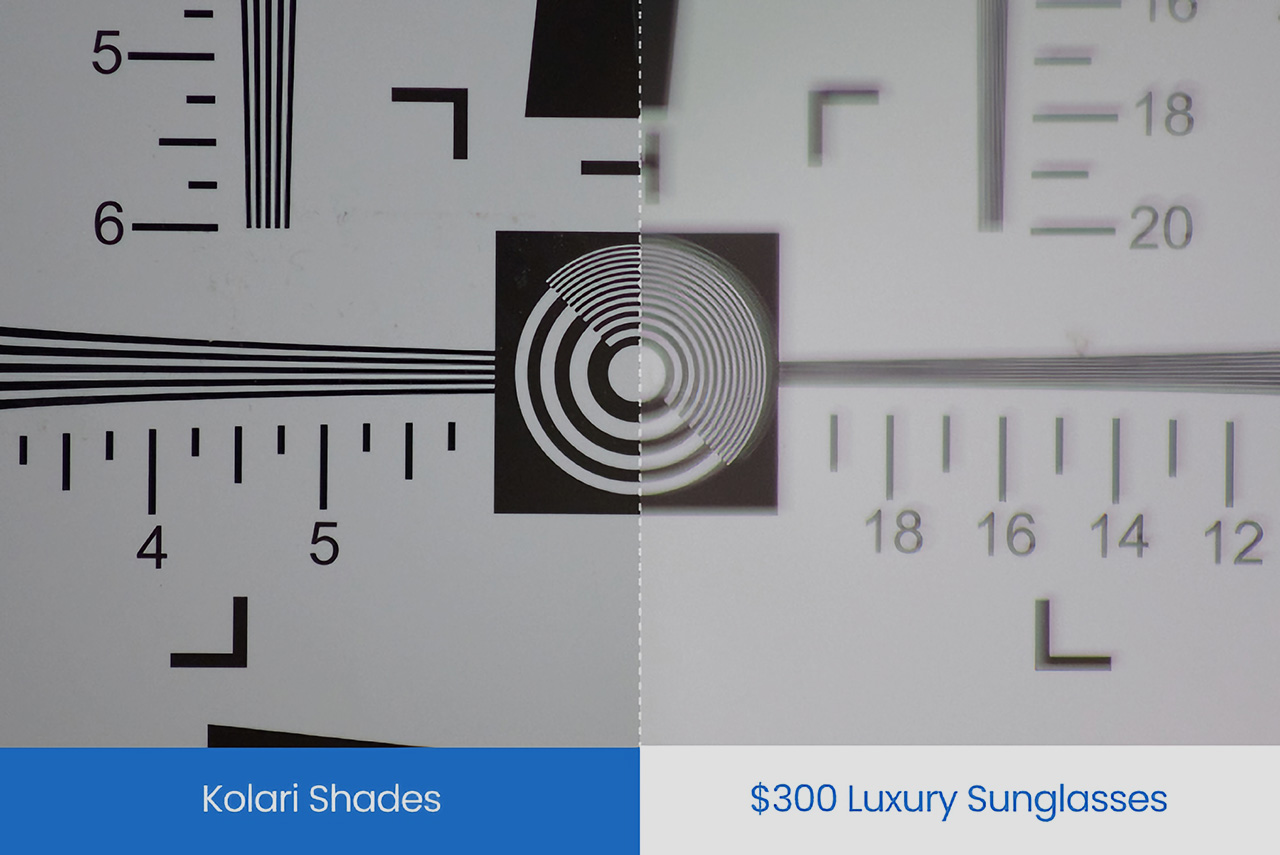
The beauty of the Kolari Shades is that their spectacles are made from actual glass – a distinction that sets it apart from even luxury eyewear. Most eyewear companies use a form of clear plastic for their lenses; a sensible choice because they’re scratch-resistant and they don’t shatter… but the one big caveat with these lenses lies their imperfections. Micro-imperfections in these lenses (even in the ones found in high-end tinted eyewear) can warp the way you see the world, which is why glass offers a MUCH better alternative. Kolari Vision’s lenses rely on industry-leading Corning Gorilla Glass (yes, the same durable one used in your phone) coupled with 51 layers of anti-reflective and anti-smudge coating. While Gorilla Glass can often be 10x more expensive than your standard plastic lenses, Kolari Vision’s still managed to keep their costs competitive, offering cutting-edge materials for the same price you’d pay for a pair of Ray-Bans.
Corning Gorilla Glass and titanium frames make the Kolari Shades extra tough.
The glasses aren’t the only durable part of the Kolari Shades either. The aviator-inspired eyewear sport frames are made from titanium, enhancing the overall durability to a level you’d probably find in smartphones (hint: the titanium iPhone 15 Pro and Galaxy S24 Ultra). You can choose between silver or gold-plated frames, while Kolari offers three lens options – a basic tinted-black (90% IR blocking), a bronze-tinted ultra lens (99% IR blocking), and an ultra gradient lens (with the same 99% IR blocking). The company’s working on newer frame designs and even plans on offering mirror-finish lenses that should take your eyewear’s swag to an entirely new level!
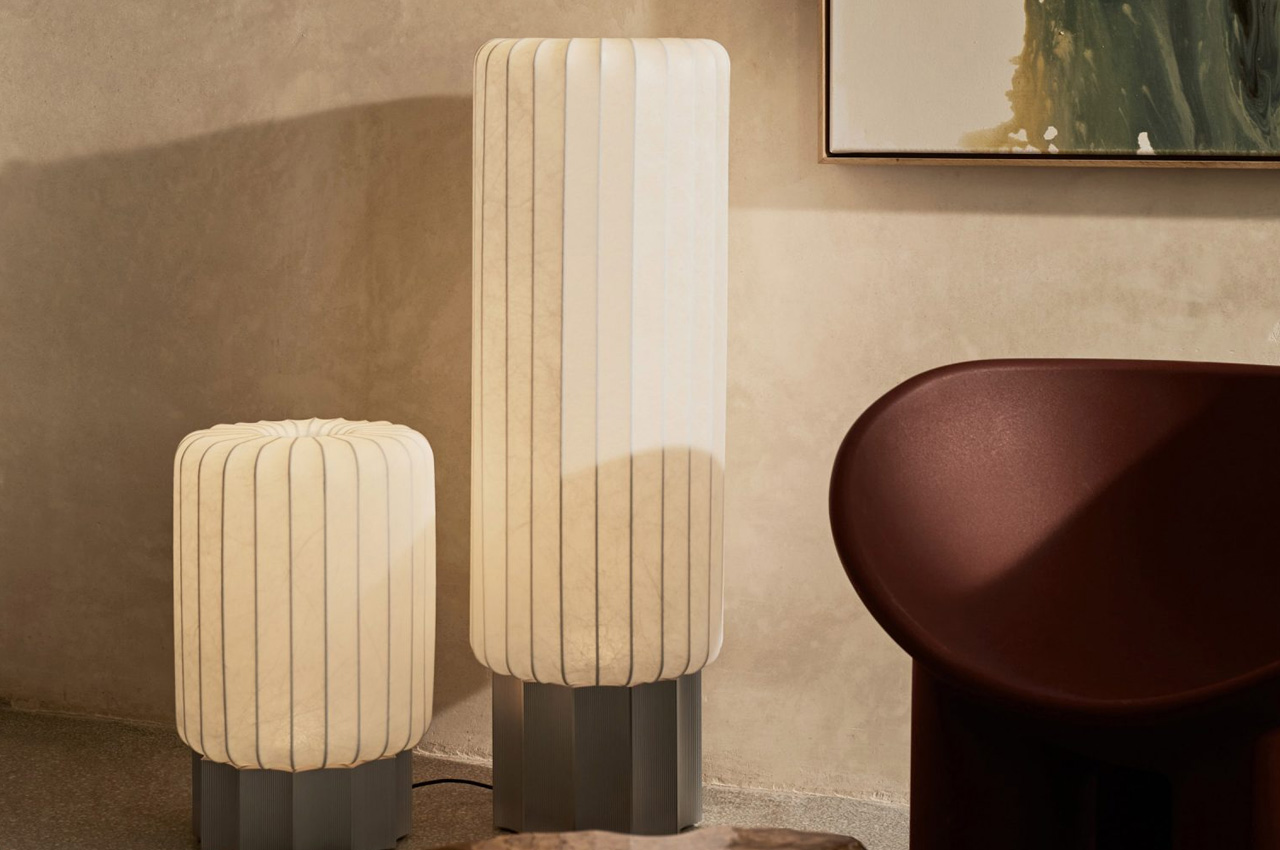
Lighting designs are no longer boring and typically designed objects that do nothing but add light to a living space. A well-designed lighting fixture should not only have the ability to illuminate any living space but also add that extra oomph factor! I mean, of course, we need them to see in the dark, but as highly functional as they should be, a lighting fixture also needs to be aesthetically pleasing, adding an attractive and visually soothing element to your home or office space. And, a lighting fixture that we feel would make an excellent addition to your living space is the Meter Lamp by Pholc.
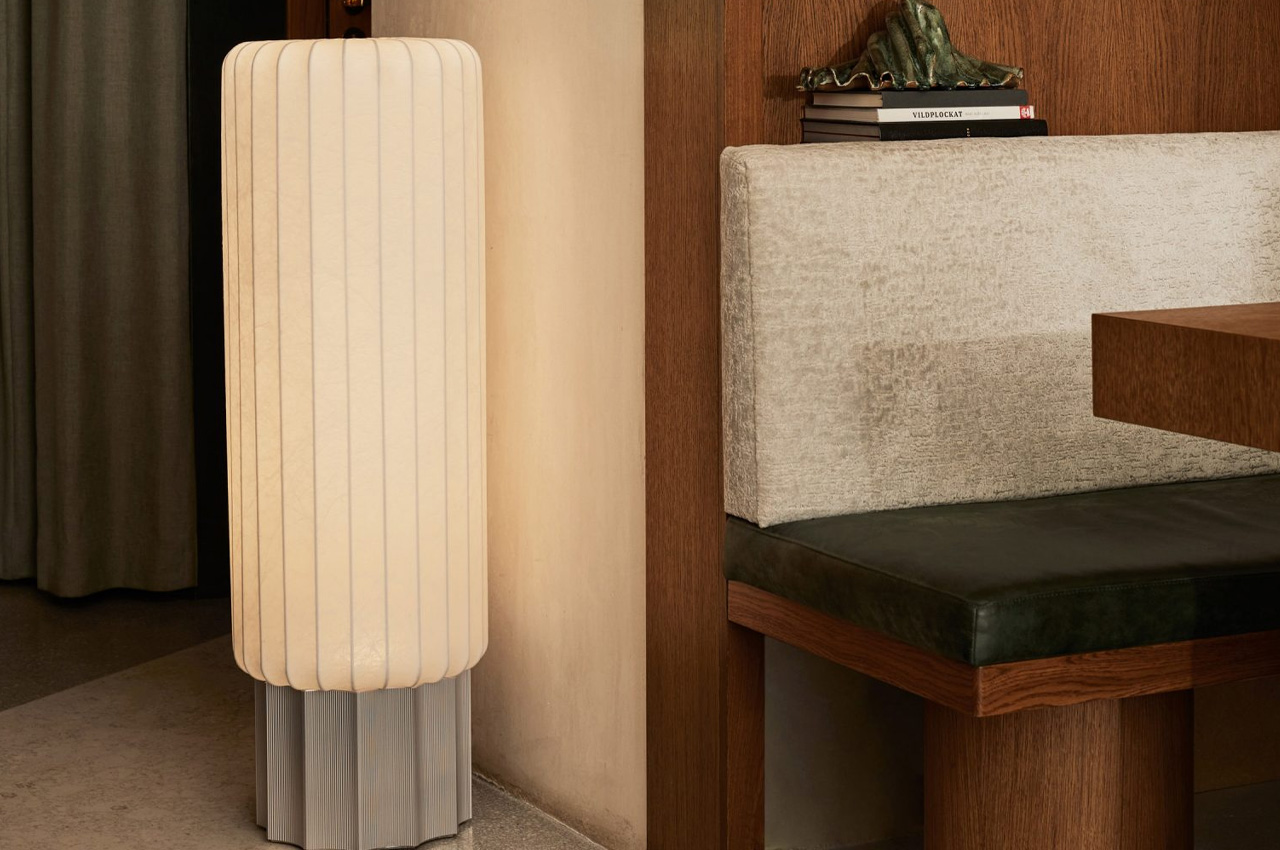
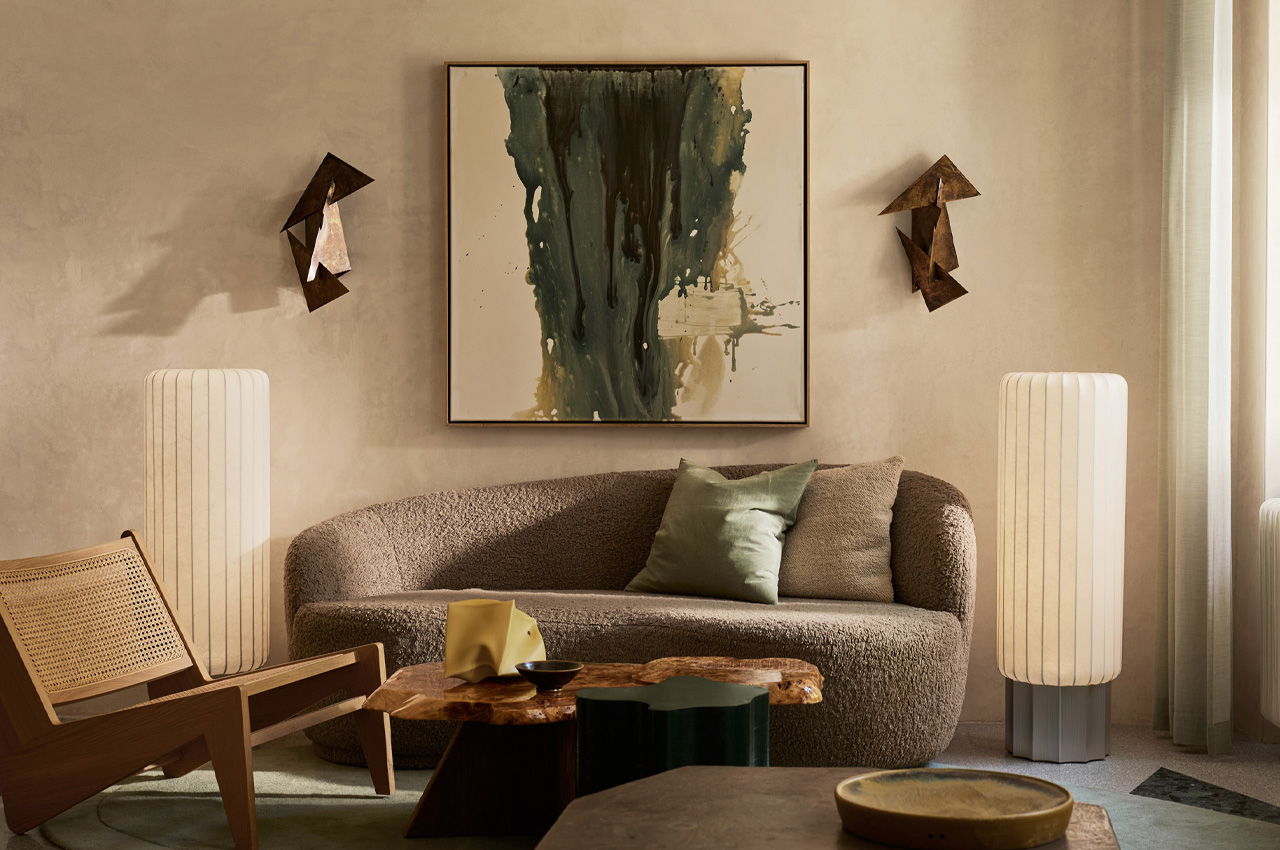
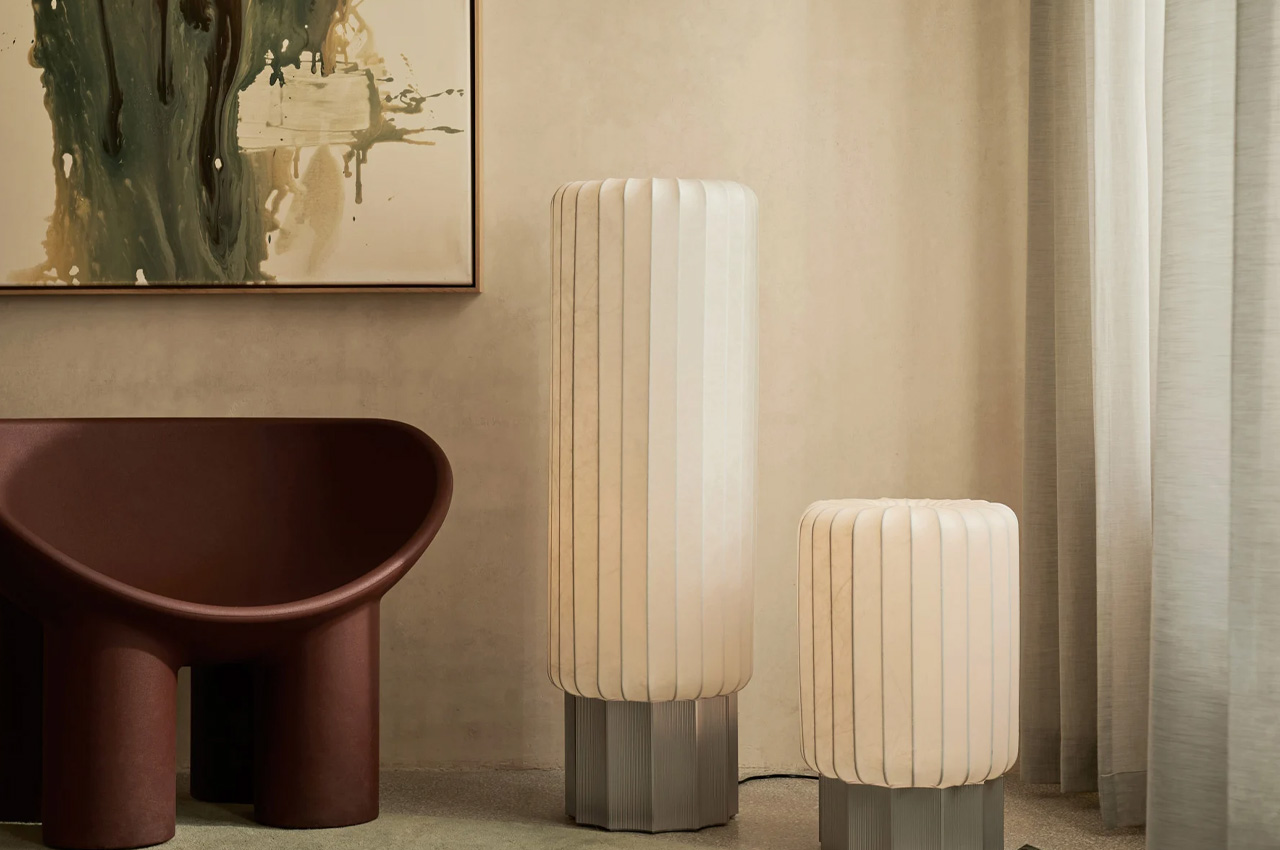
Swedish design brand Pholc teamed up with Danish design duo Maria Bruun and Anne Dorthe Vester to create a pair of lamps that are inspired by Japanese rice paper lanterns. Named One Meter and Half Meter inspired by their taller and shorter heights, the lamps have a statuesque and architectural quality.
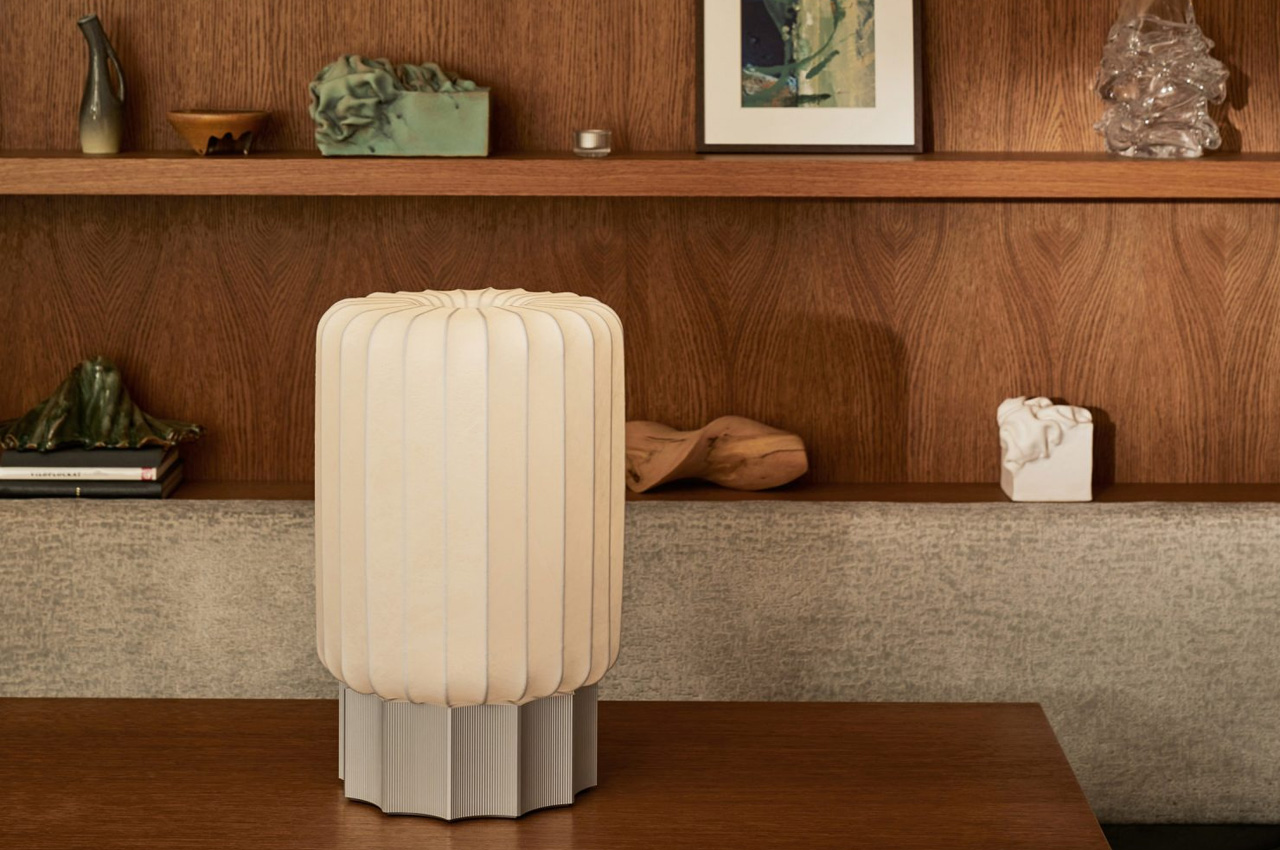
The lamps have a unique solid base which is crafted from aluminum, and it perfectly contrasts with the translucent ribbed paper shade above, which emits a soft warm light. “We wanted to create a new interpretation of the classic rice paper lamp,” said Bruun. “A design sharing its lightness and softness but with a solid sculptural base. We explored contrasting materials to create a unique presence and sculptural reference.”
“The designers were given a directive to produce a floor lamp with a height of around one meter that emits a gentle and uniform ambient light,” said Maja Norburg, Pholc’s creative director. “The lamp should also serve as a captivating sculptural piece that sparks curiosity.” One Meter is designed to be used as a floor lamp owing to its height, while Half Meter is ideal to be used as a table lamp. Both lamps are stylish and exquisite, designed to be used as magnificent lighting designs for your home, that add some spark and character to your living space.
In the heart of Audi’s creative forge, a groundbreaking project unfolded, marking a blend of heritage and innovation. The Audi RS 6 Avant GT is a canvas where past and future collide. This design journey began with a visionary apprentice project: the 2020 RS 6 GTO concept. In this project, a dozen apprentices from various disciplines, from bodywork to automotive mechanics, painting, and tooling mechanics, brought their dreams to life under the guidance of Audi Design.
Designer: Juergen Loeffler, Exterior Designer at Audi
Drawing deep from the well of history, these young talents channeled the indomitable spirit of the 1989 Audi 90 quattro IMSA GTO race car. Their six-month journey was more than an exercise in automotive design; it was a dialogue between eras, a reimagining of what a car could embody.
The Audi RS 6 Avant GT emerges as a sculptural masterpiece, distinct in its lineage yet boldly forward-looking. Its design language speaks of power and grace, with a front visage that commands attention. The high-gloss black Singleframe and menacing air intakes sculpt a lower and wider facade, a homage to its racing DNA. The introduction of vertical blades, a new intake grille, and a front splitter crafted into the bumper sharpens its predatory stance.
Audi Sport ventures into new territories with a carbon fiber redesigned hood, underscoring the unique identity of the RS 6 Avant GT. This hood is more than just a part; it’s a standout feature, accentuated by the body color, making the carbon weave a spectacle. The air outlets behind the 22-inch wheels intelligently combine aesthetics with aerodynamics.
The car’s side features carbon fiber fenders housing the wheels, showcasing Audi’s commitment to innovation and craftsmanship. The side profile is accentuated with glossy carbon inserts and mirrors alongside the bespoke 6-spoke wheels, exclusive to this model.
At the rear, the RS 6 Avant GT wears its “RS 6 GT” lettering like a badge of honor, complemented by a tailgate that seamlessly blends into the car’s silhouette, a functional diffuser, and a motorsport-inspired double wing, directly influenced by the apprentices’ concept.
For the first time, the RS 6 Avant sees its roof rails omitted, crafting a sleeker, more streamlined profile that whispers speed even in stillness.
The palette of options for the RS 6 Avant GT is a tribute to Audi Sport’s heritage, offering decals in striking color schemes that echo the brand’s racing legacy. Whether it’s the stark contrast of Arkona White against the vibrant decals or the subdued elegance of Nardo grey or Mythos black, each choice is a statement of individuality.
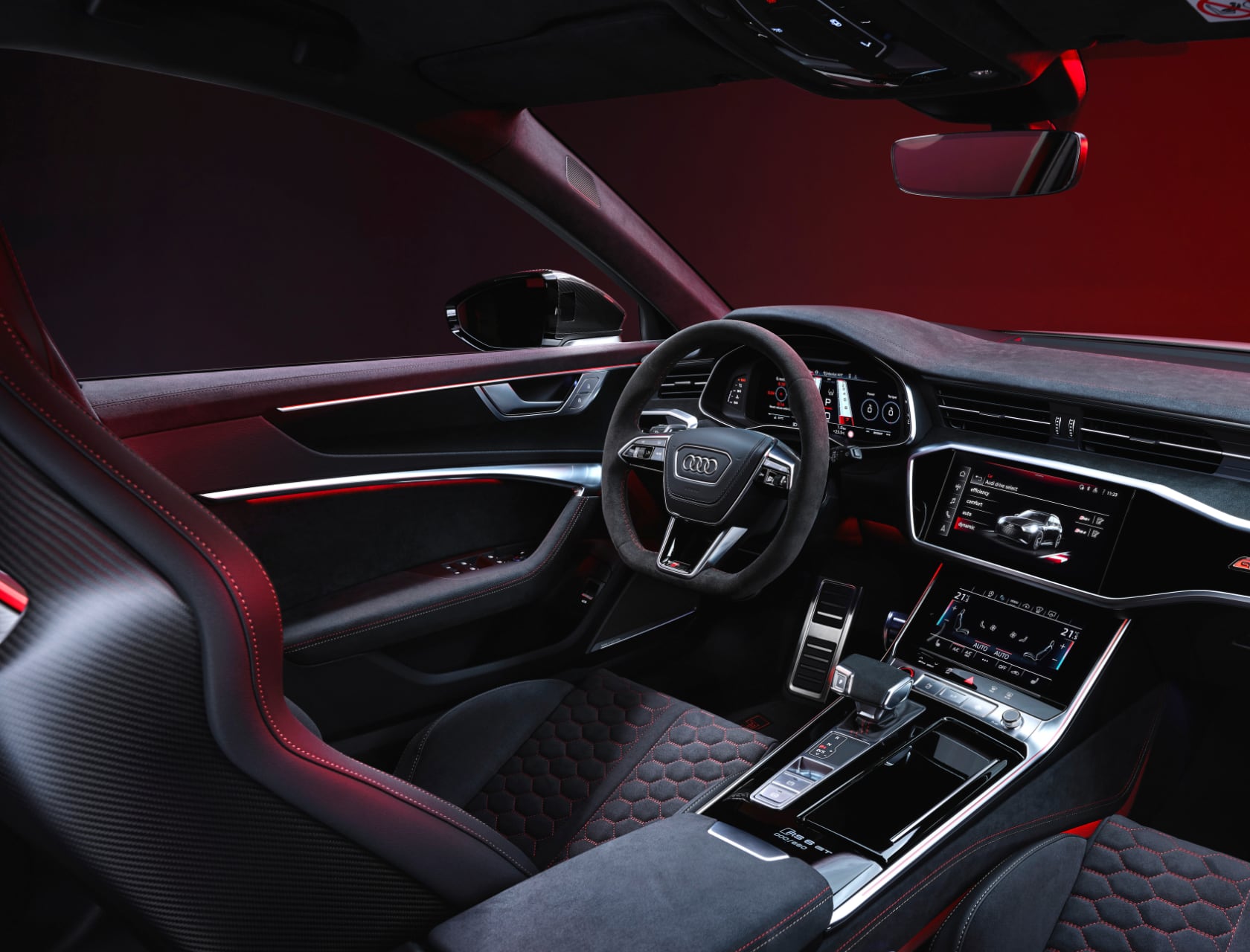
Inside, the RS 6 Avant GT is a model of simplicity, where the RS design package is the main feature. Black interiors are punctuated with red and copper accents, creating a vibrant tapestry of colors that dance across the steering wheel, center console, and the luxurious RS bucket seats. The meticulous stitching in Express Red and Copper weaves a narrative of attention to detail and craftsmanship.
The use of Dinamica microfiber throughout the cabin, from the armrests to the dashboard, elevates the tactile experience, offering a glimpse into the future of luxury materials. The optional open-pore carbon twill inlays add another layer of depth, bringing the exterior’s carbon motif inside.
Each RS 6 Avant GT is a piece of history, marked by its unique serial number in a limited series of 660, a reminder of the exclusivity and passion that drives Audi’s design ethos.
The RS 6 Avant GT is not just a car but a symbol of youthful creativity and a bridge between generations. It represents both Audi’s design legacy and its future. More than just being built, the RS 6 Avant GT is crafted. Each line, curve, and stitch tells a story of innovation, heritage, and the relentless pursuit of perfection.
The RS 6 Avant GT ramps up the performance with a power output of 463 kW (630 PS) and torque of 850 Nm, marking an increase of 22 kW (30 PS) and 50 Nm over the base RS 6 Avant model. This allows the car to accelerate from 0 to 100 km/h (62 mph) in just 3.3 seconds, 0.3 seconds quicker than the base model, and reach 200 km/h in 11.5 seconds, 1.5 seconds faster. The top speed is capped at 305 km/h (190mph). The car comes standard with RS ceramic brakes for effective deceleration.
Power from the 4.0 TFSI engine is delivered through an eight-speed Tiptronic gearbox to the quattro all-wheel-drive system, featuring an optimized center differential that improves handling and reduces understeer by adjusting the torque distribution between the front and rear axles as needed.
The RS 6 Avant GT also gets a specially tuned quattro sport differential for the rear axle, enhancing agility and precision, especially in dynamic driving mode. It comes standard with adjustable coilover suspension, lowering the ride height by ten millimeters compared to the base model and balancing dynamic driving and comfort. The suspension setup includes higher spring rates, triple-adjustable dampers, and stiffer stabilizers to reduce body roll and enhance driving enjoyment. Customers can choose between this setup, the RS sport suspension plus Dynamic Ride Control (DRC), or the RS adaptive air suspension.
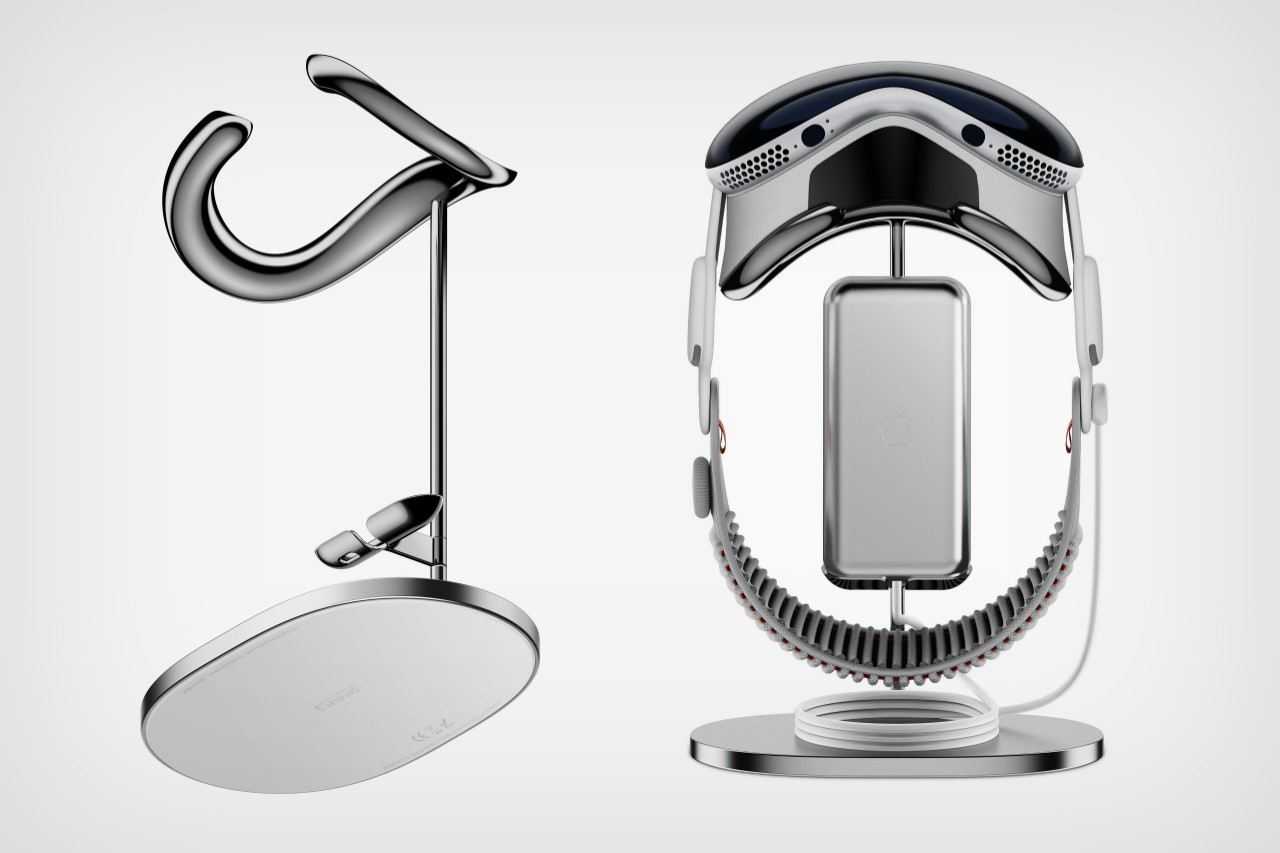
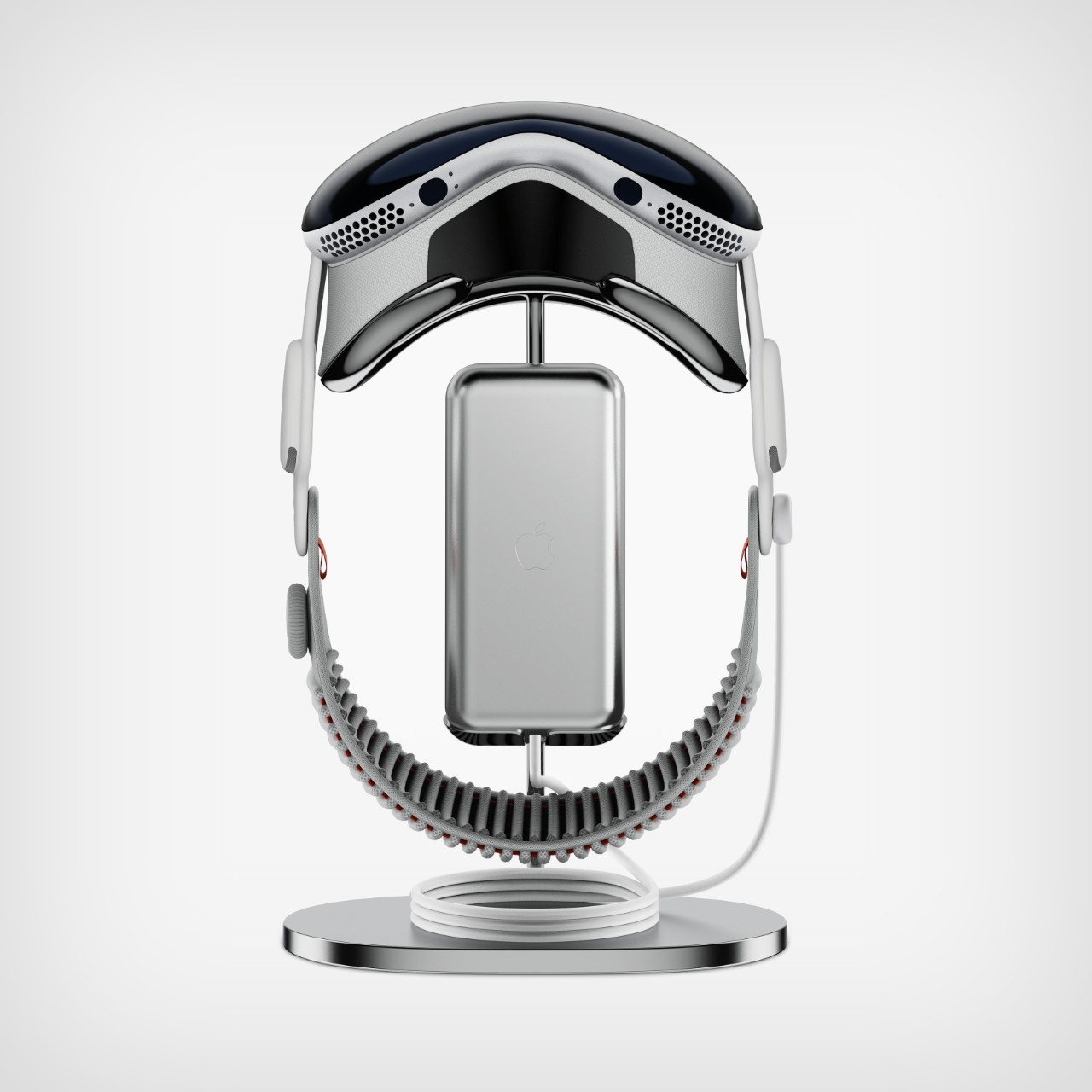
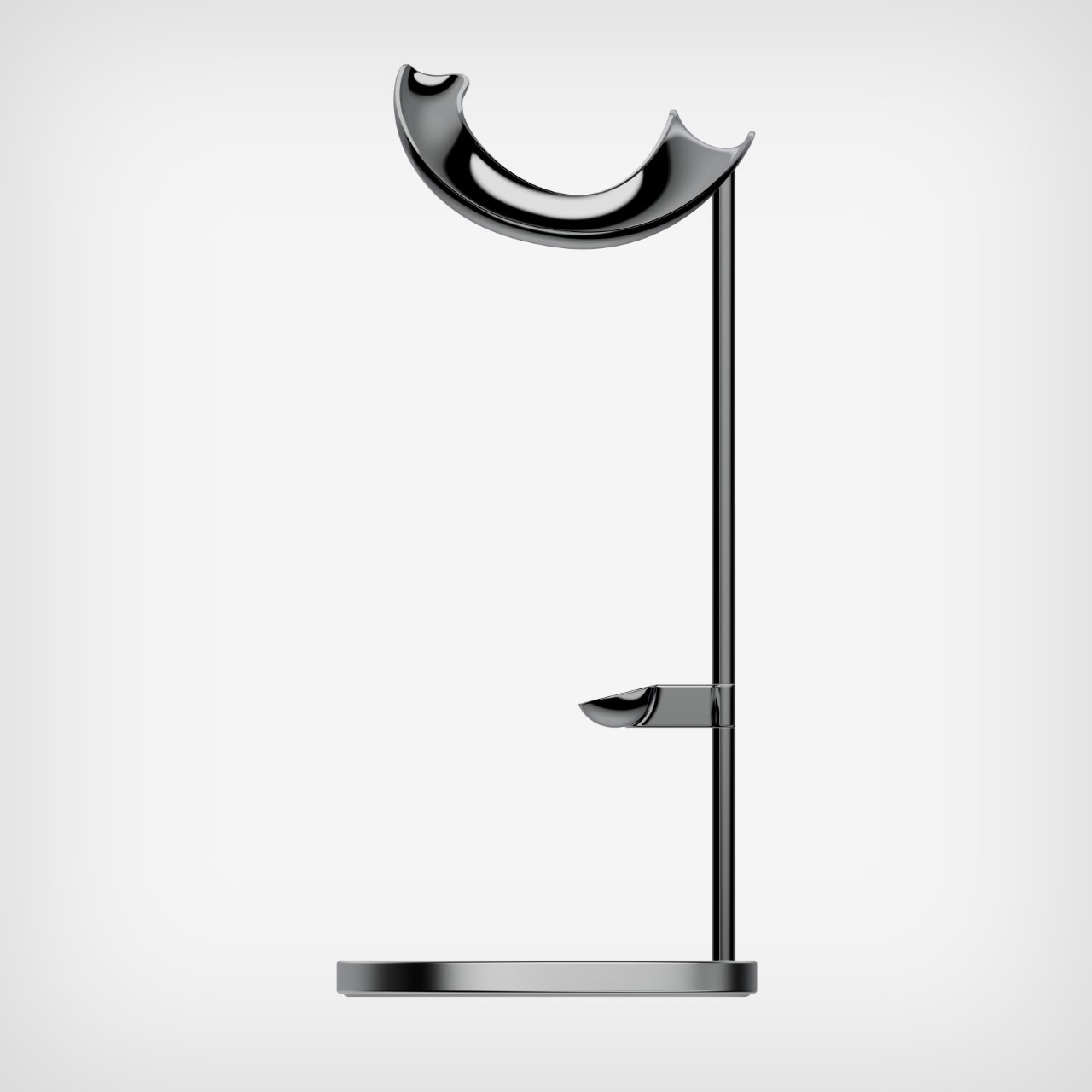
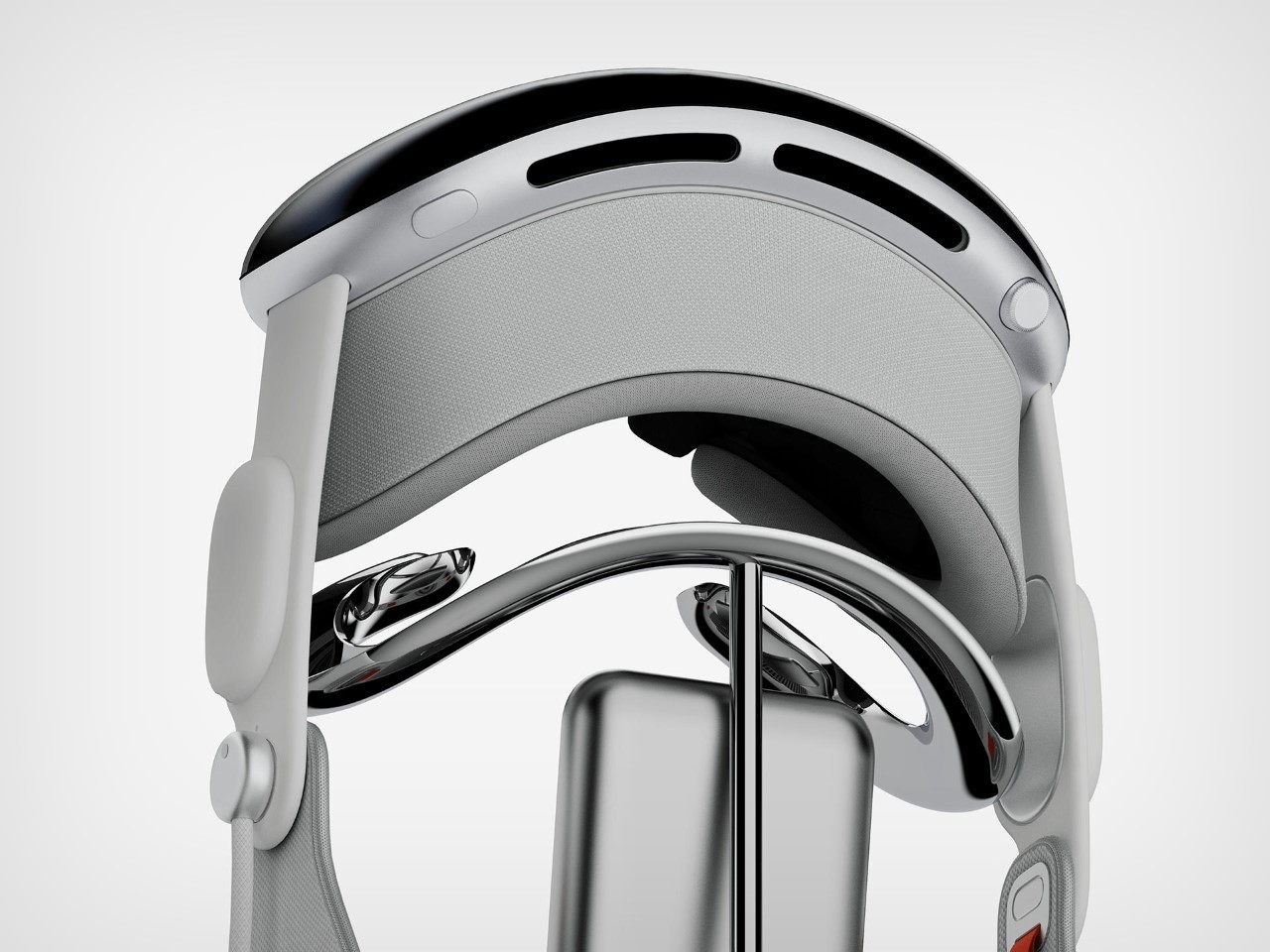
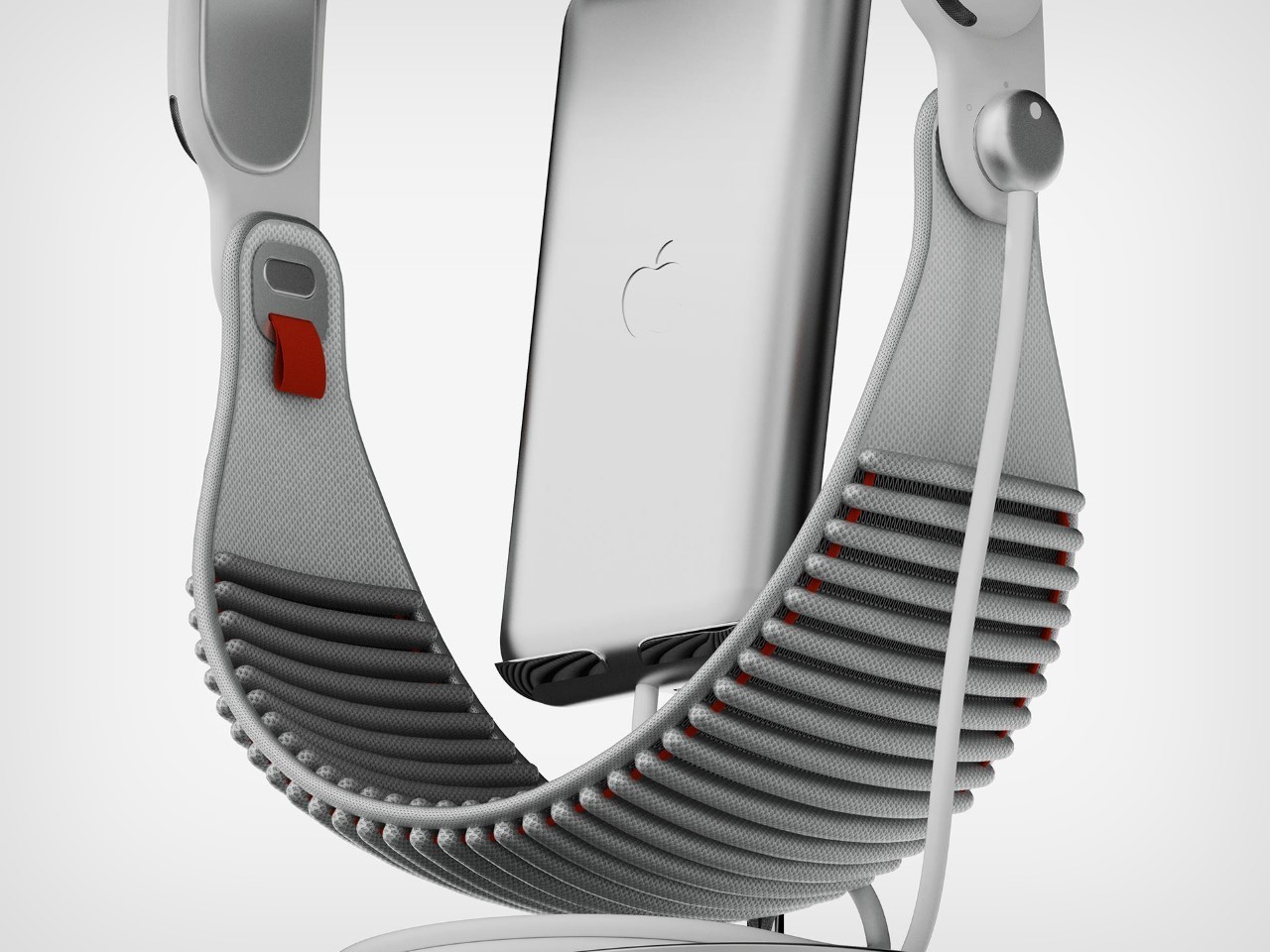
Sure, the Apple Vision Pro got its first accessory in the form of a protective cover… but what the high-end spatial computing device desperately needs is a stand to dock and highlight the beauty of Apple’s latest and most impressive gadget. The Vision Pro stand by Sy Wong fills the void with its gorgeously slick design that highlights your headset without eating too much table real estate. Quite akin to a headphone stand, the Vision Pro stand has your headset hanging vertically, along with a docking station for the accompanying battery pack.
Designer: Sy Wong
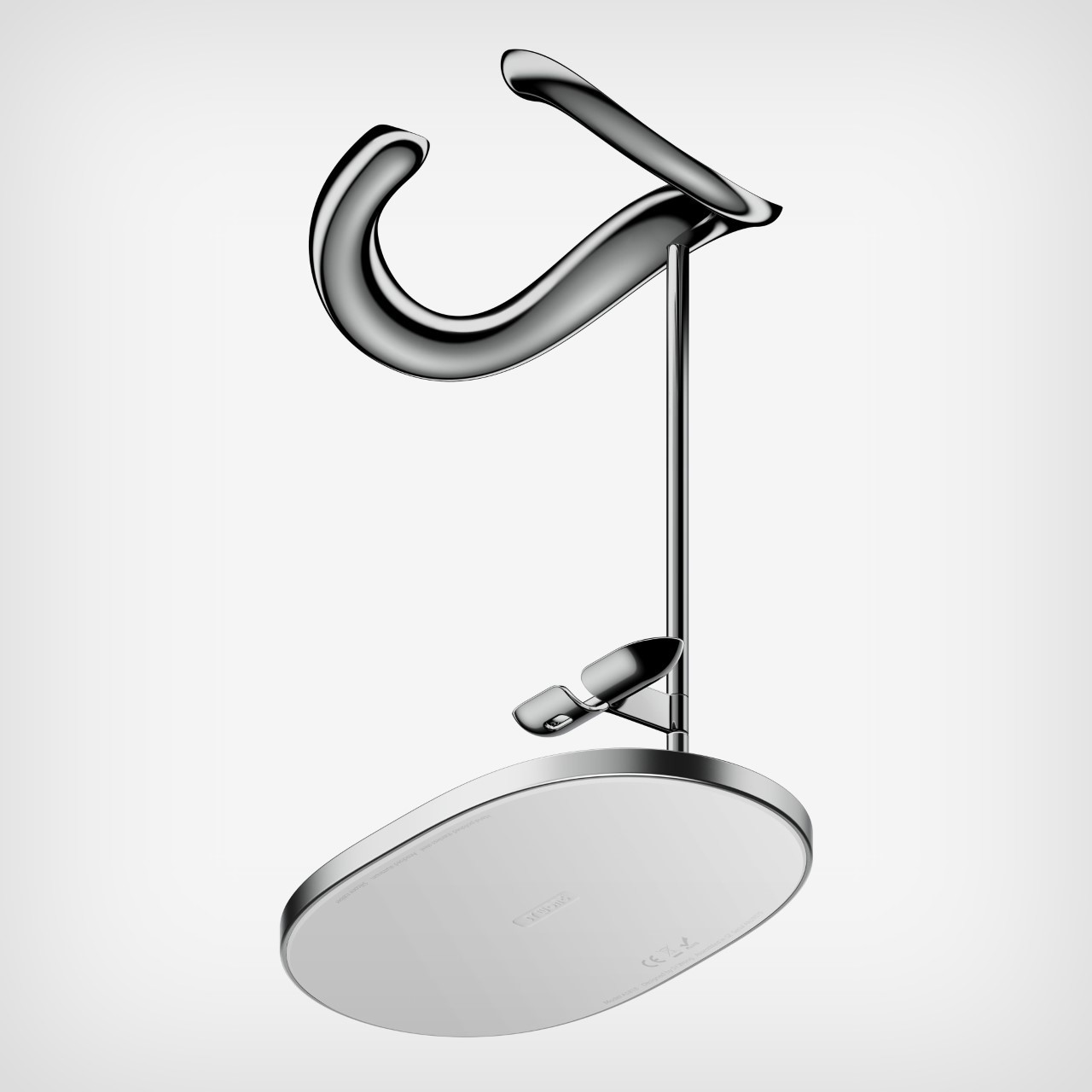
The stand’s specific shape allows it to support the Vision Pro’s contoured cushion with ease. The stand’s steel platform only makes contact with the plush cushion, ensuring that no part of the stand comes in contact with the glass or metal components of the Vision Pro. Meanwhile, a dedicated dock for the Vision Pro’s battery pack keeps it close to the headset, allowing you to easily lift and wear the entire setup or dock it back after a spatial session.
The beauty of Sy Wong’s stand lies not just in its overall visual simplicity, but also its glorious chrome-plated finish. The stand comes crafted from stainless steel (or at least that’s what Wong mentions on their Behance page), with an immaculate chrome finish that rivals the kind you see Apple’s own accessories (like the handles on the Mac Pro, or even those $700 wheels).
For the select few who’ve bought the Vision Pro, unfortunately, Sy Wong’s stand is just a concept… so you’re going to have to either place the expensive headset on your desk *shudder*, back in its box after every use, or buy the $299 soft-shell case for the headset and battery pack. Apple hasn’t announced any other major accessories for the Vision Pro, although the market is ripe for stands like the one Sy Wong designed… or this neck-worn power bank that’s a whole lot better than Apple’s own battery pack.
Google reportedly plans to develop a YouTube app for the Apple Vision Pro. The Vergesays a YouTube spokesperson confirmed the company’s plans to make a native Vision Pro app, while it optimizes YouTube for Safari as a stopgap. The U-turn comes after developer Christian Selig (creator of the popular Apollo app that Reddit killed in 2023) launched an unofficial YouTube app for Apple’s $3,500 headset.
“We’re excited to see Vision Pro launch and we’re supporting it by ensuring YouTube users have a great experience in Safari,” YouTube spokesperson Jessica Gibby reportedly wrote in an email to The Verge’s Nilay Patel. “We do not have any specific plans to share at this time, but can confirm that a Vision Pro app is on our roadmap.”
Juno, developer Christian Selig’s unofficial YouTube app for Vision Pro
Christian Selig / Juno
Something changed the company’s mind in the last two-and-a-half weeks. One theory is, despite its staggering $3,500 price, Apple’s mixed reality headset appears to be off to a strong start as the company’s most loyal and deep-pocketed fans quickly scooped up pre-orders. Well-sourced analyst Ming-Chi Kuo estimated Apple sold somewhere between 160,000 and 180,000 headsets during its opening weekend.
“YouTube is probably one of the parts of the internet I consume the most, so I was more than a little sad when YouTube announced that they don’t have plans to build a visionOS app, and disabled the option to load the iPad app,” Selig explained last week in a blog post. “This leaves you with Safari, and the website is okay, but definitely doesn’t feel like a visionOS app.”
YouTube supports 3D and 360-degree videos, but neither currently works on Vision Pro. It isn’t yet clear if the company plans to incorporate those into its app.
This article originally appeared on Engadget at https://www.engadget.com/youtube-reportedly-has-an-apple-vision-pro-app-on-its-roadmap-210710272.html?src=rss
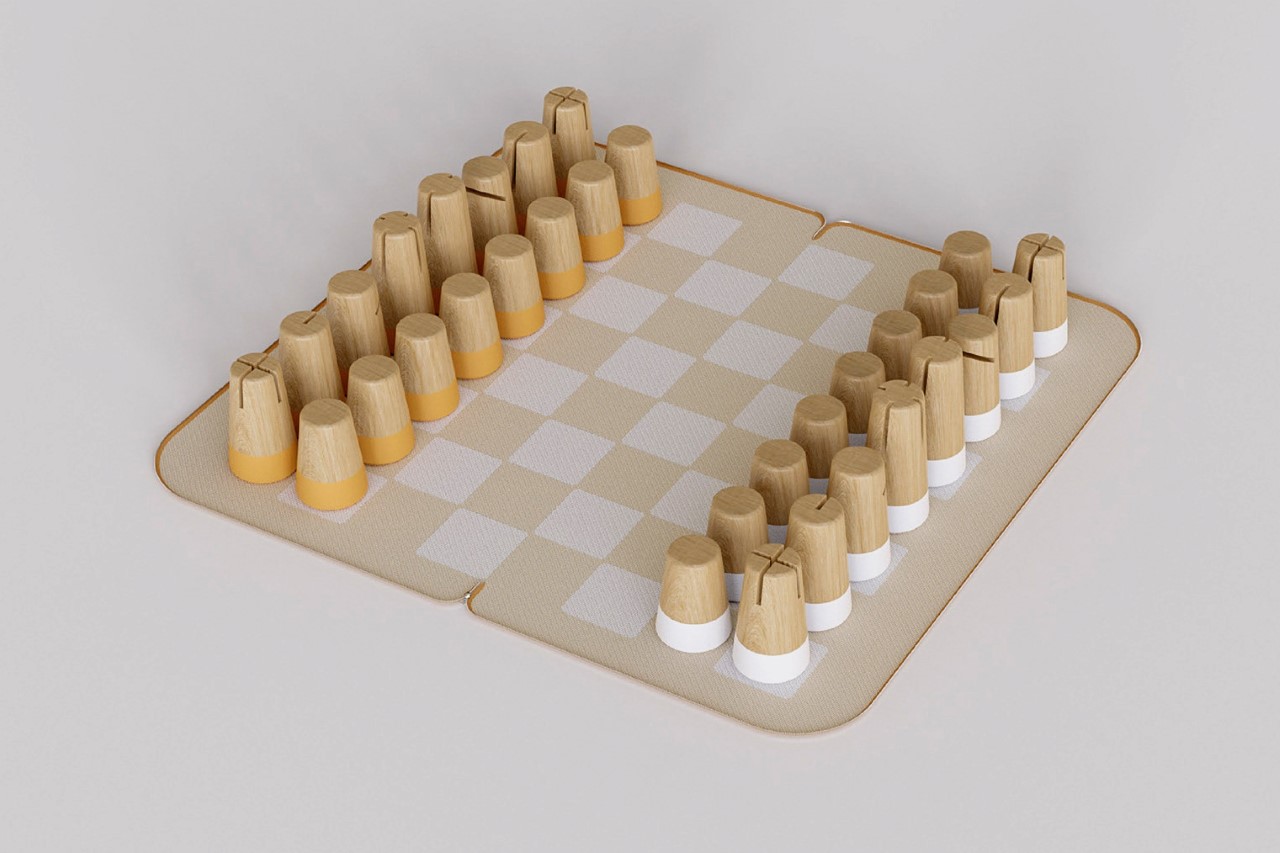
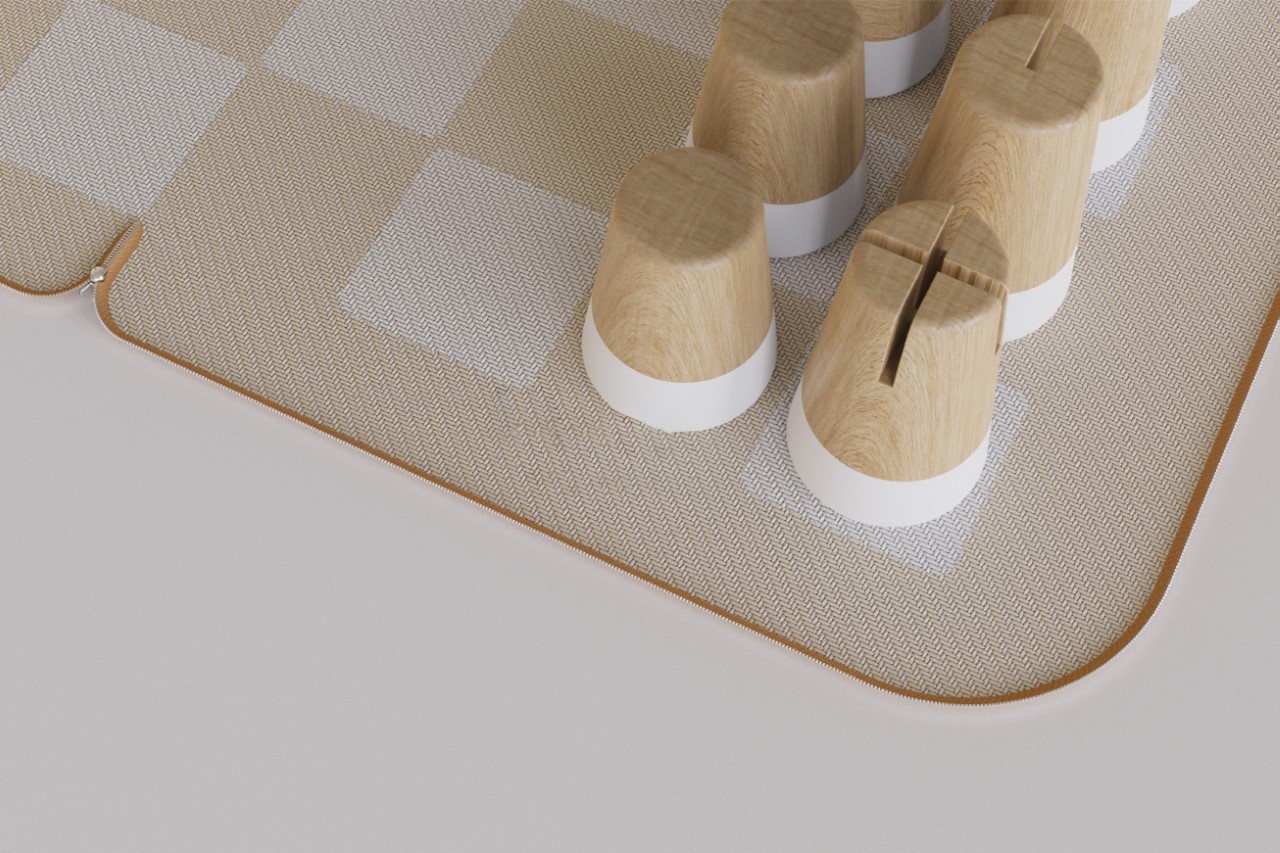
Chess, the ancient game of strategy and intellect, has a rich history dating back to seventh-century India, where they called it chaturanga, evolving into the familiar rules we know today in Europe by the 15th century. Over the centuries, the materials used to craft chess sets have varied from clay to metal and, more recently, plastic. However, a recent chess design challenges the norm by embracing sustainability by going back and resorting to wood as well as minimalism to cater to contemporary choices.
In a world increasingly conscious of environmental impact, the chess set design opts for birch wood, deviating from the prevalent use of plastic in the market. This conscious choice not only aligns with eco-friendly values but also adds a touch of authenticity and craftsmanship to the pieces.
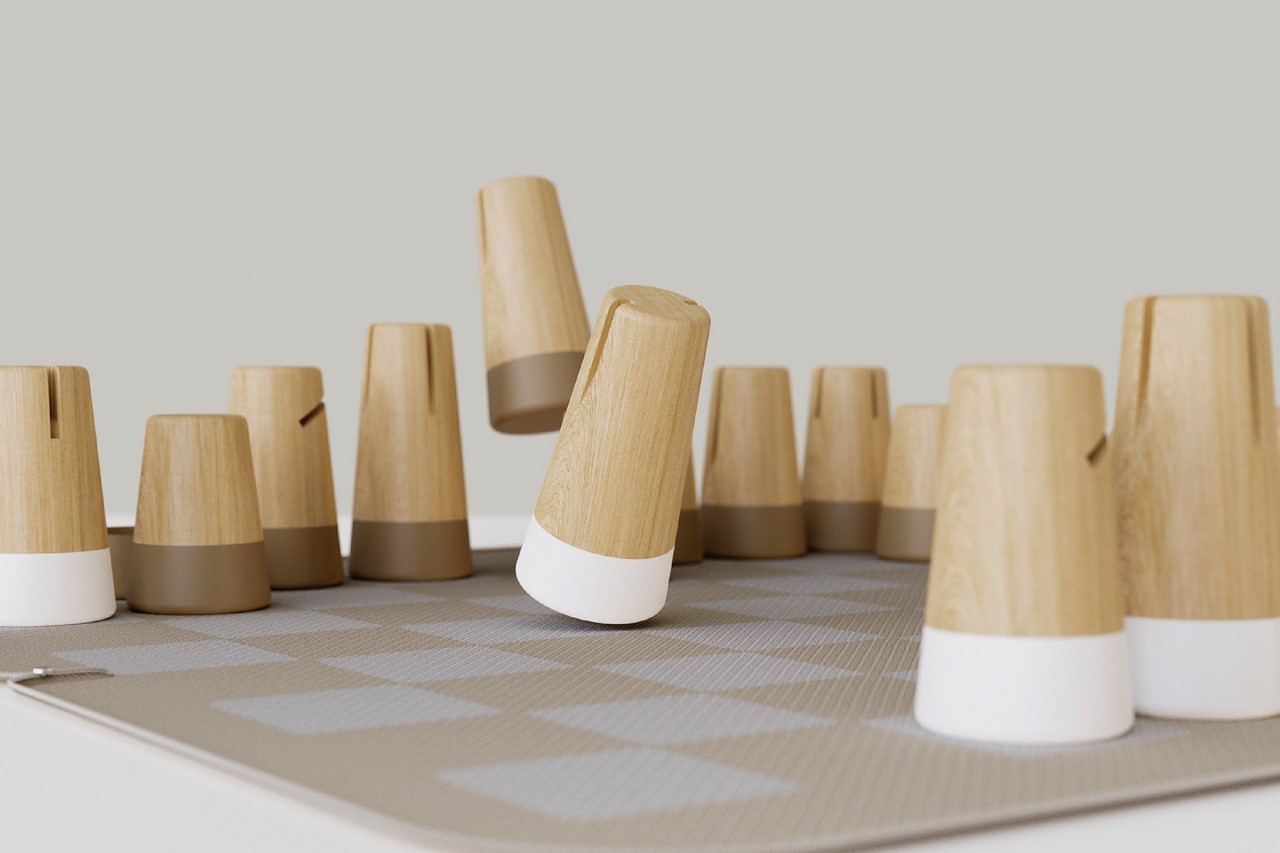
The evolving trend of minimalism has permeated various aspects of design, now including chess sets. The pieces in this particular set showcase a minimalist approach, a departure from the ornate designs seen in traditional sets. While this may present a slight learning curve for those accustomed to intricate pieces, it adds a contemporary touch to the timeless game.
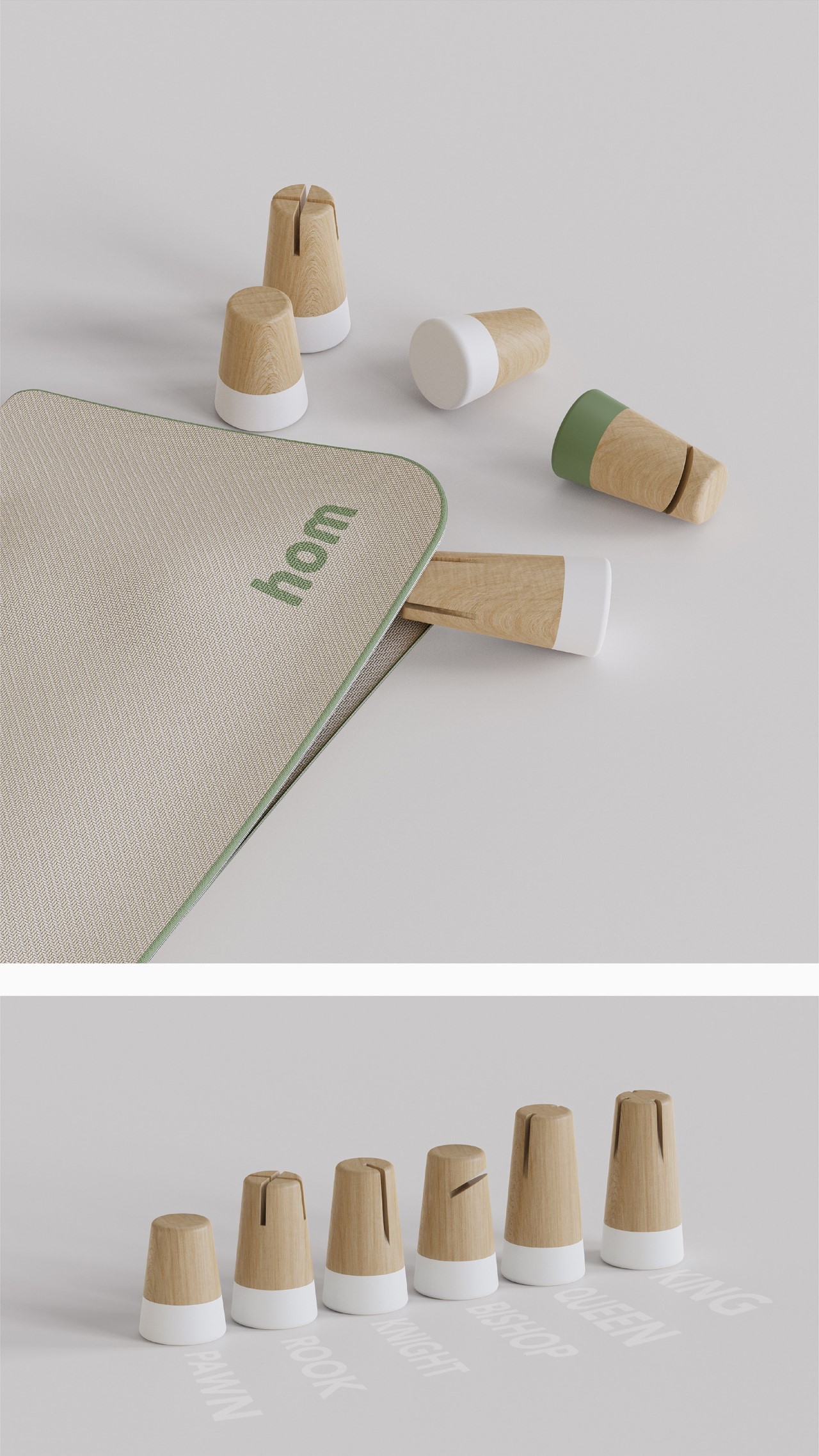
The minimalist approach in the design might be less intuitive for traditional players initially, as each piece has a unique, modern aesthetic. However, this adaptation encourages players to appreciate the individuality of each chess piece, fostering a deeper connection with the game.
One of the standout features of this chess set is its portability. The design ingeniously transforms into a compact, laptop-bag-like form, making it easy to carry for impromptu games at picnics, school, playdates, or even around the house. This nod to modern lifestyles aligns with the increasing demand for convenience without compromising on the elegance of the game.
The chess set is available in two colors and can be painted in more variety paints, providing users with the flexibility to choose a set that suits their preferences and surroundings. This touch of personalization enhances the overall experience, making the chess set a stylish addition to any setting.
In a digital age, the enduring appeal of chess persists, and this innovative design breathes new life into the classic game. By embracing sustainable materials, minimalist aesthetics, and convenient portability, this chess set not only pays homage to the game’s ancient roots but also paves the way for a more modern and environmentally conscious approach to chess set design.
Let’s break down the cost. A 30-day subscription to the game will set you back $15, while 90 days costs $42 and 180 days comes out to $78. Xbox Game Pass Core costs $10 per month or $60 for a year. Xbox Game Pass Ultimate costs $17 per month. So Xbox players will have to shell out a minimum of $18 each month and a maximum of $32 per month to travel the magical world of Eorzea. The download itself is free, for whatever that's worth.
This is slightly unusual for a couple of reasons. Back in April of 2021, Microsoft removed subscription requirements for free-to-play multiplayer games. Final Fantasy 14, however, is not quite free-to-play, though it’s free-to-download. Also, PlayStation players have long been able to adventure through the game without having to purchase a PlayStation Plus Subscription. To Sony, the game falls into the free-to-play category, but not for Microsoft.
It’s worth noting that the subscription requirement has been lifted for beta players. The open beta test for the Xbox Series X|S version of Final Fantasy 14 starts on February 21 at 12AM PT.
The full game will be released when the beta finishes up, but there’s no concrete information yet. It should be available by the time this summer’s Dawntrail expansion hits. The open beta’s reserved for new players, so you won’t be able to participate if you’ve already had access to a free trial or a license registered to your Square Enix account.
This article originally appeared on Engadget at https://www.engadget.com/final-fantasy-14-will-require-two-subscriptions-on-xbox-200108998.html?src=rss
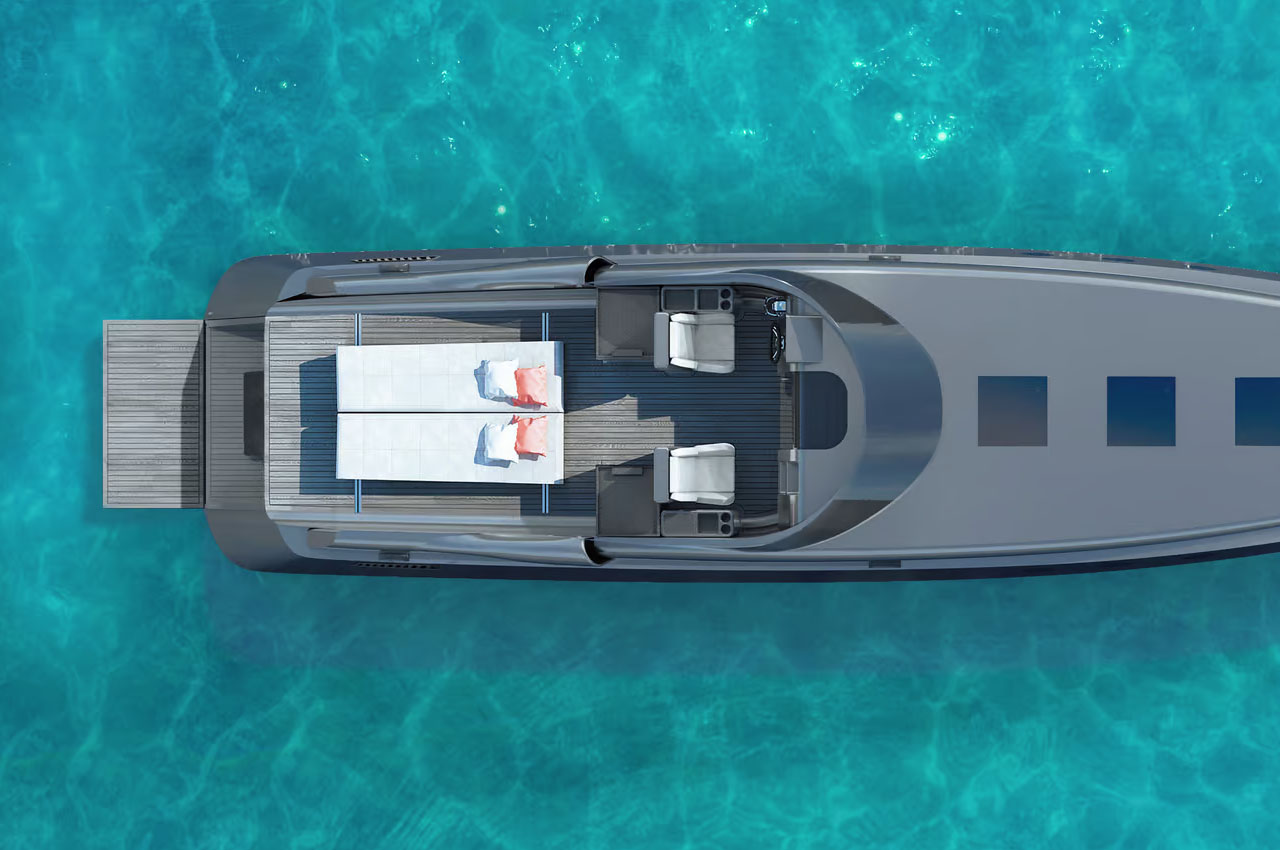
Mayla Yacht is already well known in the arena of sports car manufacturing, so why not extend that skill to the waters? That’s the very reason behind the development of this 44-foot GT superboat that supersedes the current designs in both aesthetics and visual presence. Not to mention it’ll come with an option to choose from gas, diesel, electric and hybrid powertrains delivering 3,000 HP. Each one of these monster engines is capable of hurling the speedboat to a top speed of 100 knots.
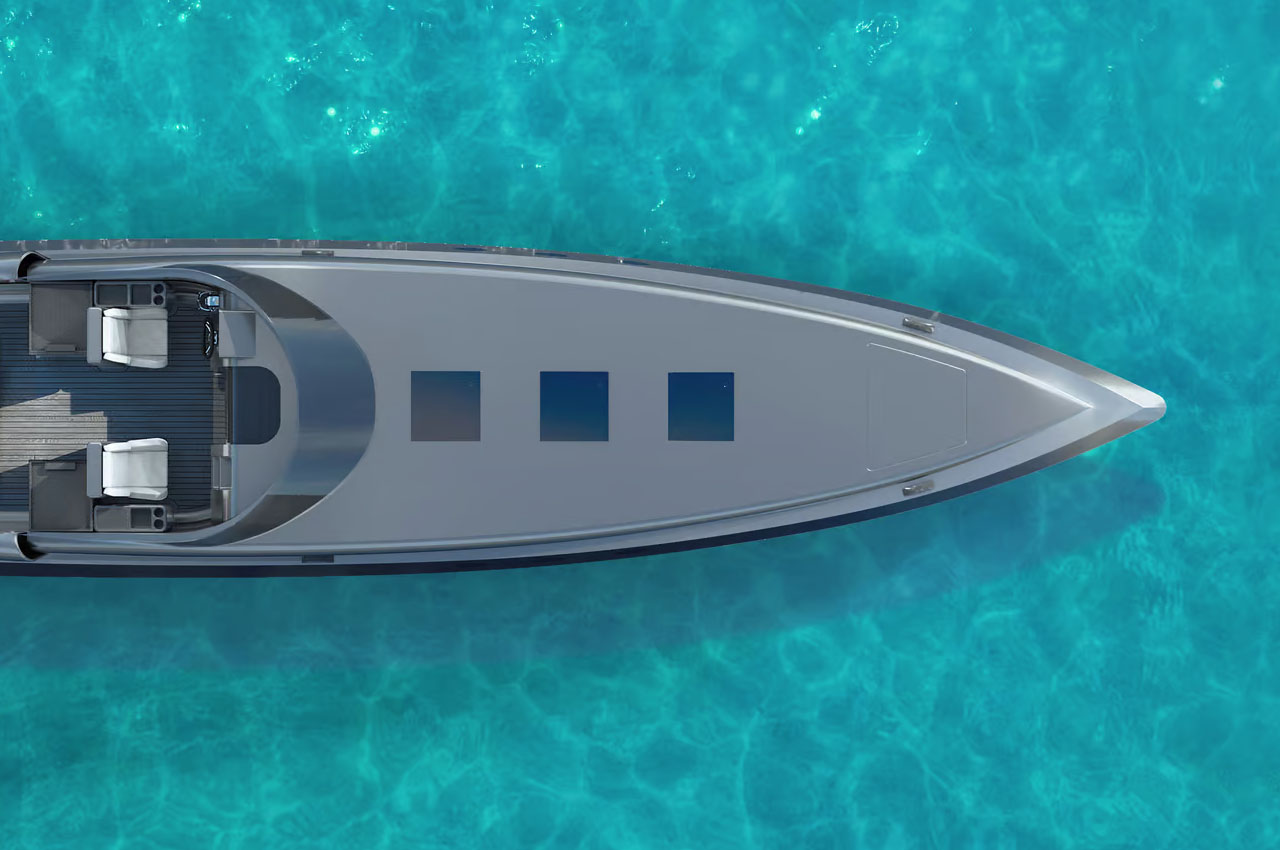
The German marque currently designing winning yachts, knows this space well, therefore, justifying their foray into the superboat design world. This sharp pointed nose vessel made from high-end carbon fiber material has a spacious cockpit section to enjoy the summer rides and a water toy garage that doubles as a beach club. If all this already excites you, mark your calendars for the Mayla GT world premiere at Boat Düsseldorf 2024.
The use of carbon prepreg keeps the overall weight well below 3.8 tons which helps both in efficiency and range. To help the boat achieve hair-raising speeds between 50 – 100+ knots, there’s the deep-V monohull with twin transversal steps that create air bubbles to reduce surface friction. Also, the Petestep deflectors push the water spray downwards to facilitate power efficiency, stability and reduced noise.
When it’s time to finally settle down and have a lounge party in the open seas, the boat accommodates up to 8 passengers in the multipurpose cockpit section. There’s everything from sundeck with sliding loungers, and foldable dining tables to a wet bar or BBQ. If you feel the urge to get up close and personal with the inviting waters, the beach club platform is the section to settle down. Under the deck, the GT has a double bed, sofa lounge, wardrobe with vanity, entertainment system and separate shower sections. For a comfortable stay, the vessel has on board 200 liters of fresh water and 22 liters of hot water system.
According to Mayla, the entry-level GT superboat will make its first appearance at the Boat Düsseldorf with a price tag of approximately $1.8 million. If interested buyers have more cash to burn, they can opt for more options to spoil themselves in luxury. If you are someone who wants to try out the vessel but doesn’t have that amount of money to spare, the German company is also offering trials beginning in Spring 2024.