If you are looking for an easy way to enhance your Excel data analysis and visualizations you might be interested in learning more about the Filter feature available within Microsoft Excel spreadsheets. The Excel Filter function is a powerful and versatile tool that can transform your data analysis workflow, dramatically boosting your productivity. This comprehensive […]
The introduction of the Freeform app, combined with a Skriva stylus on iPads, is transforming the way mind mapping is approached in educational settings. This digital combination offers a powerful alternative to traditional methods, enhancing learning activities and fostering collaboration among students and educators alike. The video below gives us more details on how to […]
This might be the most sensible idea of the decade. Instead of buying electric toothbrushes, what if there was an attachment that made regular toothbrushes vibrate the way electric ones do? That’s what the Motomoto tries to do. A simple silicone sleeve that attaches onto a standard bamboo toothbrush, the Motomoto ‘electrifies’ your brushing routine, adding ultrasonic vibrations while you clean your teeth. This helps dislodge food particles, clean plaque, and keep your mouth cleaner than just using regular hand motions. The toothbrush itself is made from bamboo and is designed to be replaceable, while the Motomoto itself stays constant. Genius.
An electric toothbrush, simply put, is just a motor attached to a bunch of bristles using an ergonomic handle. That’s all an electric toothbrush really is – and it’s honestly disappointing that companies have somehow corrupted that idea into a capitalist nightmare. Oral-B’s bristles don’t fit on a Colgate toothbrush and vice versa. Companies have colored bristles that fade with time when you need to change them, and just the brush head (the replaceable part on a toothbrush) comes in expensive single packs or cheaper economy packs. Not to mention they’re ALL made out of plastic, so throwing bristles away is tantamount to polluting. It’s the same with printers, and with shaving razors… and Frederick Yap wanted nothing to do with that model. So he designed the Motomoto – an electric handle that attaches to a regular toothbrush. The handle stays, and the biodegradable toothbrush gets replaced… and if you want to brush manually without the motor, that’s absolutely fine too.
The Motomoto itself looks like a simple handle without the bristles. A hole on the top lets you slide your bamboo toothbrush in, effectively turning the brush into an electric one. The brush features a bamboo body, with a choice between 4 bristles – regular flat bristles, charcoal-infused tapered bristles, bamboo tapered bristles, and ultra-fine nano bristles for sensitive gums. Each Motomoto comes with the assorted 4 brushes, and you choose the one that suits you the best. The other brushes can be used by other members of your family, and at the end of their cycle, the brushes can safely be discarded or composted, allowing them to return to nature with minimal waste created in the process.
The handle is where the magic unfolds. Slide the brush in before using, hit the button, and brush like you normally would. The vibrations from the Motomoto enhance the efficiency of your brushing by 50%, adding more bristle movement while you brush so that it scrapes off plaque and food debris faster. The gentle vibrations get the job done so you don’t need to brush as hard, which can sometimes cause your gums to bleed.
Each Motomoto comes along with a 4-pack of assorted brushes, and a holder that lets you vertically dock your Motomoto when you’re not using it. The Motomoto also runs on a rechargeable Li-ion battery, which means you can plug a USB-C charger in to juice your electric toothbrush. There are 4 Motomoto colors you can choose from – Nude Brown, Forest Green, Cream White, and Ash Grey, and the entire kit starts at just $18, with an extra 4-pack of brushes costing $9.
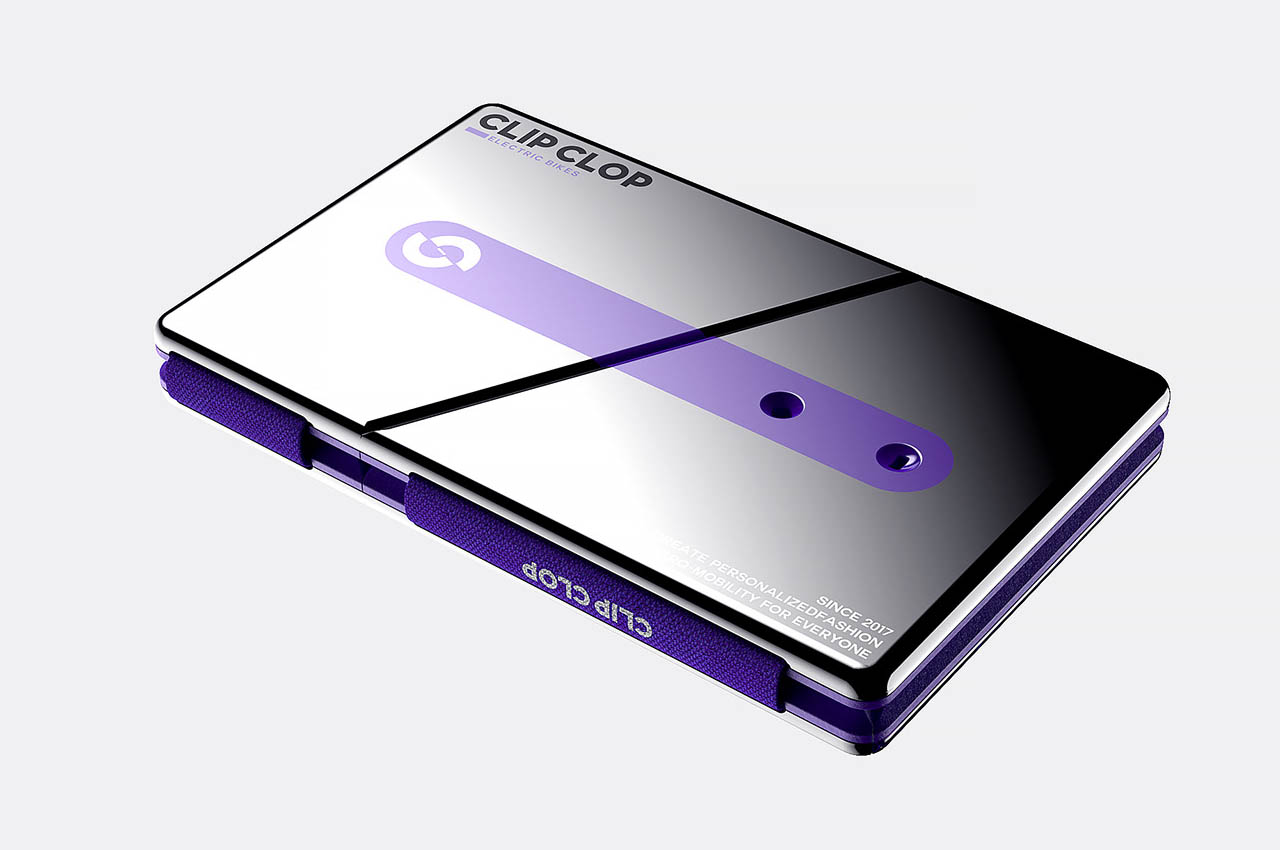
Those who are always on the go love the compact holding capacity of a cardholder to stash their important stuff. Carrying credit cards, valuable IDs and cash in one small EDC has loads of advantages. So, why not level up from an ordinary cardholder that’ll in a few months seem boring?
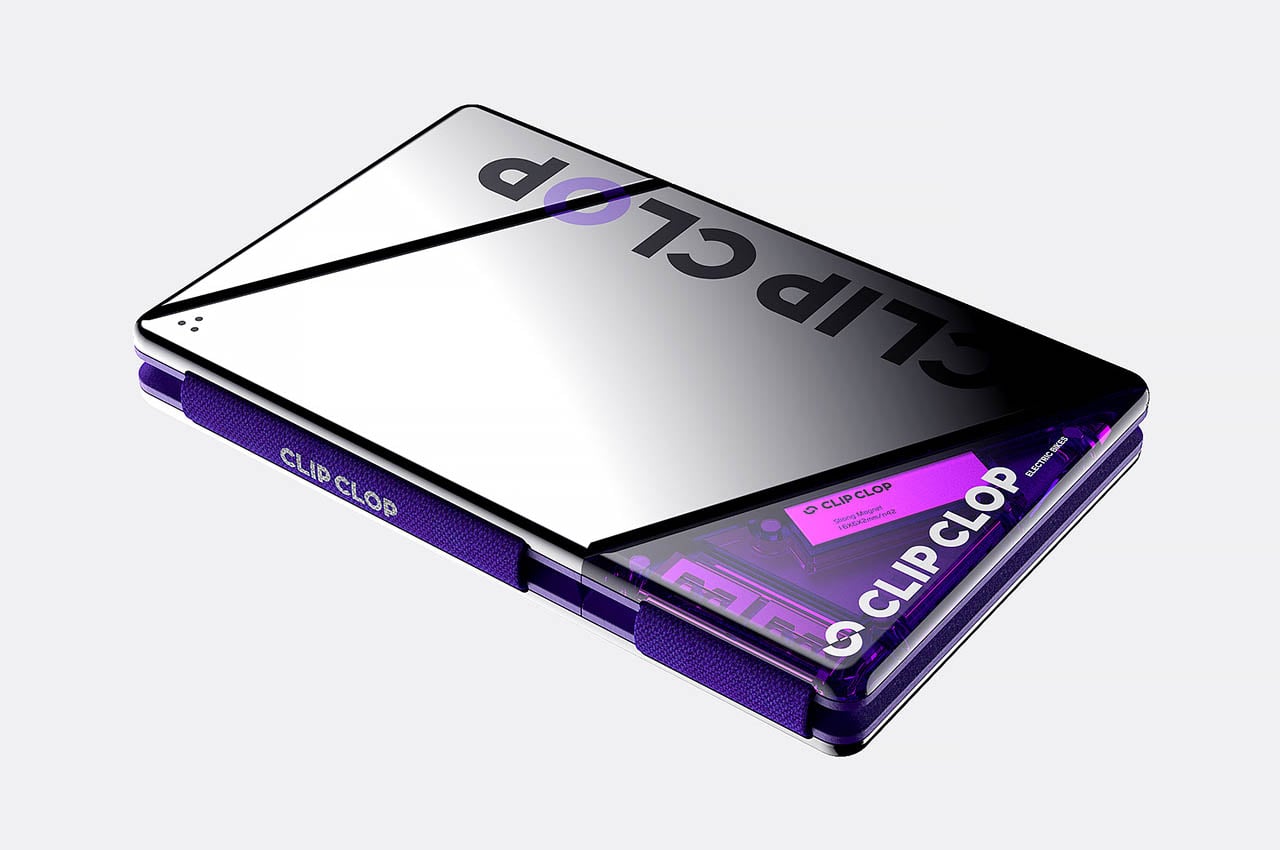
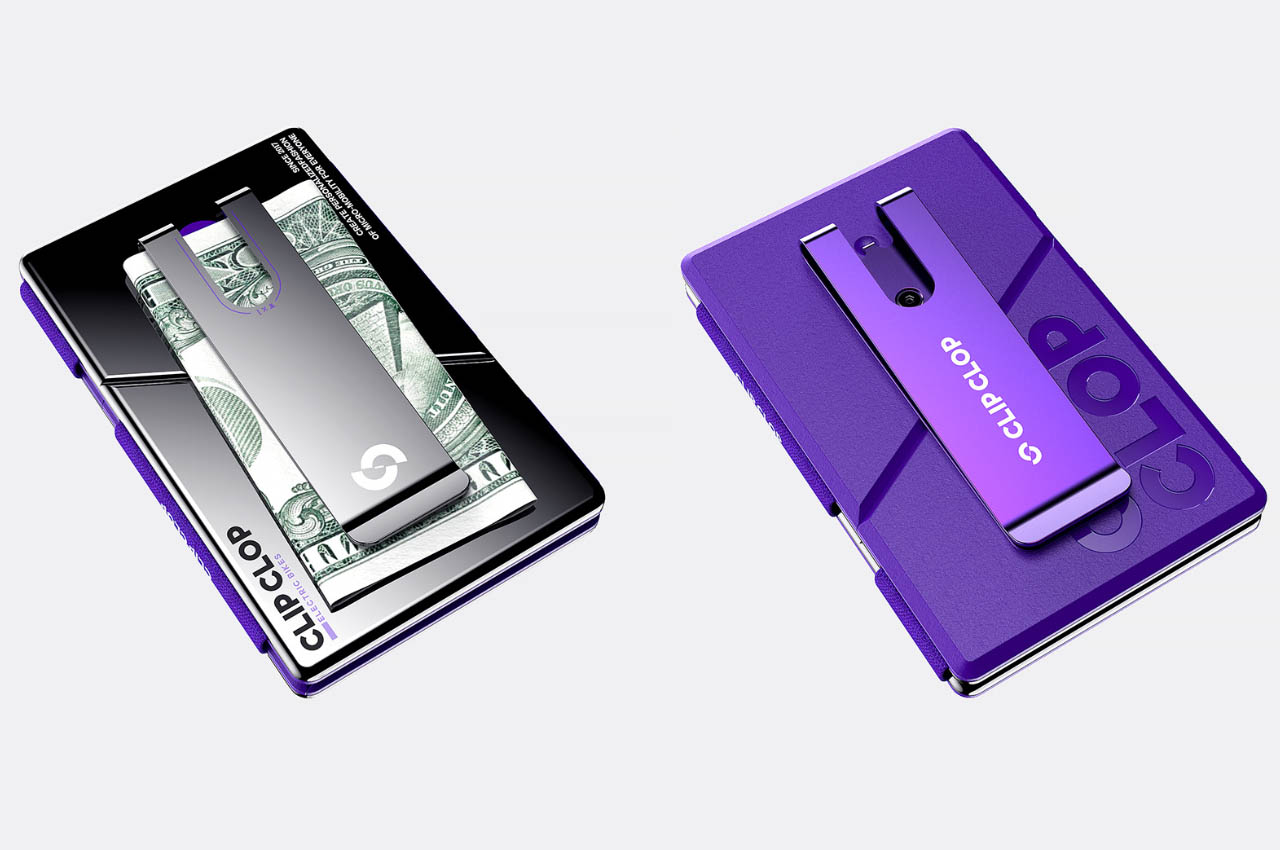
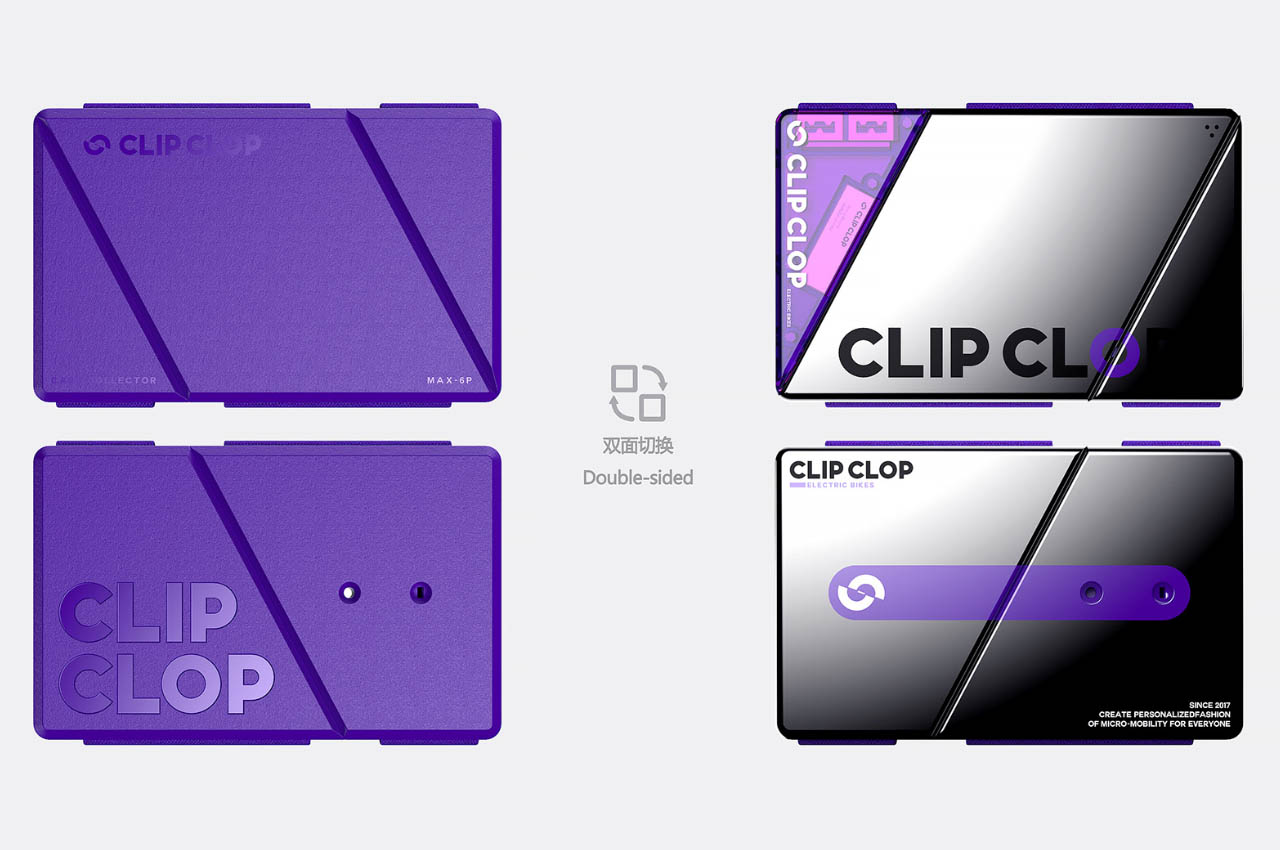
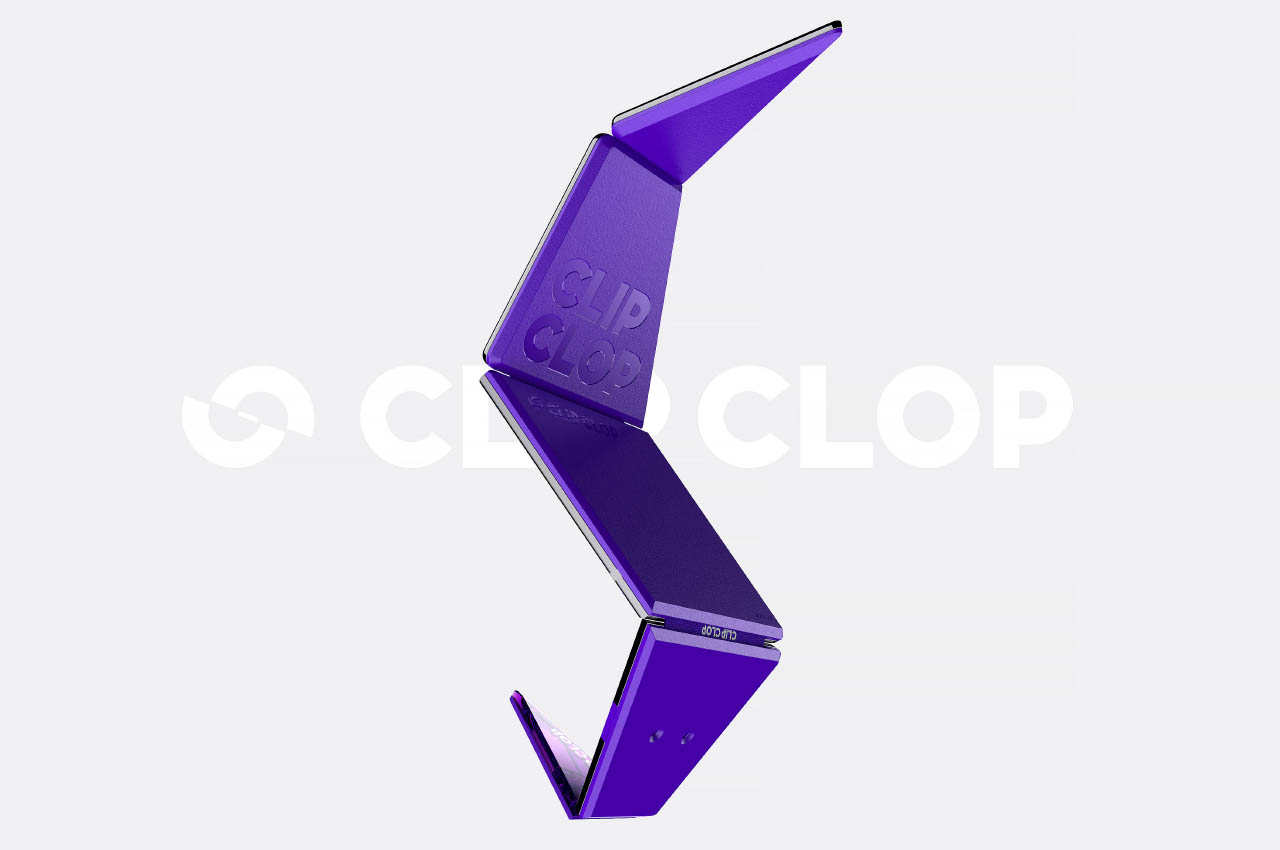
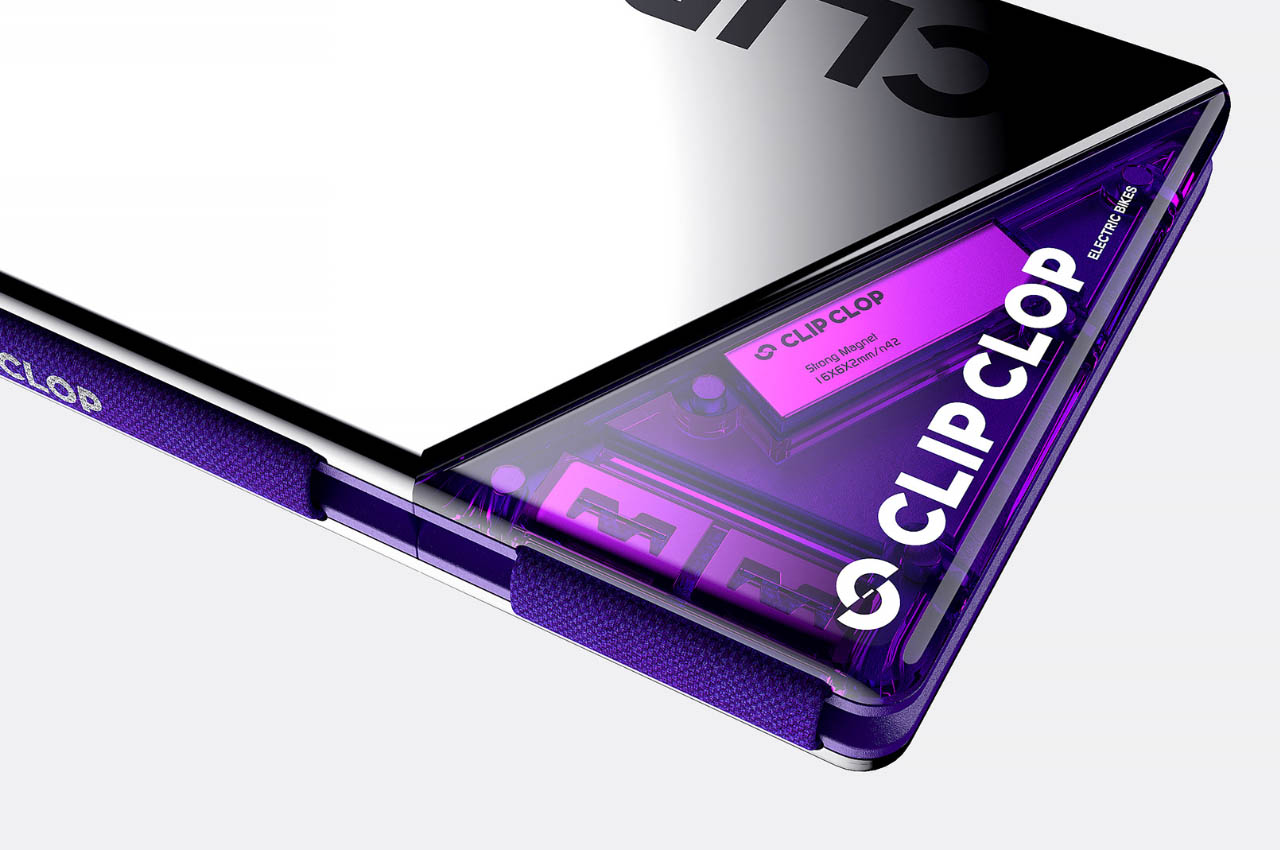
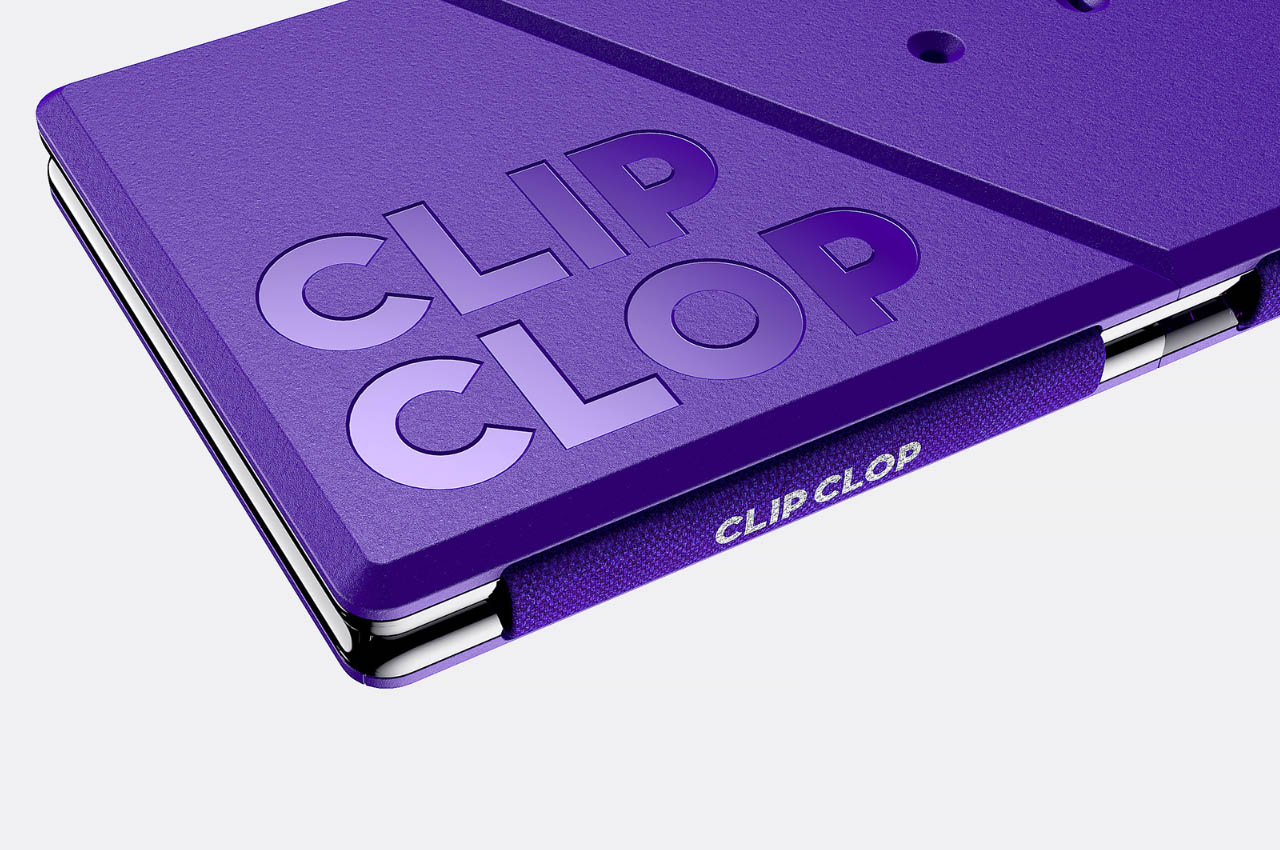
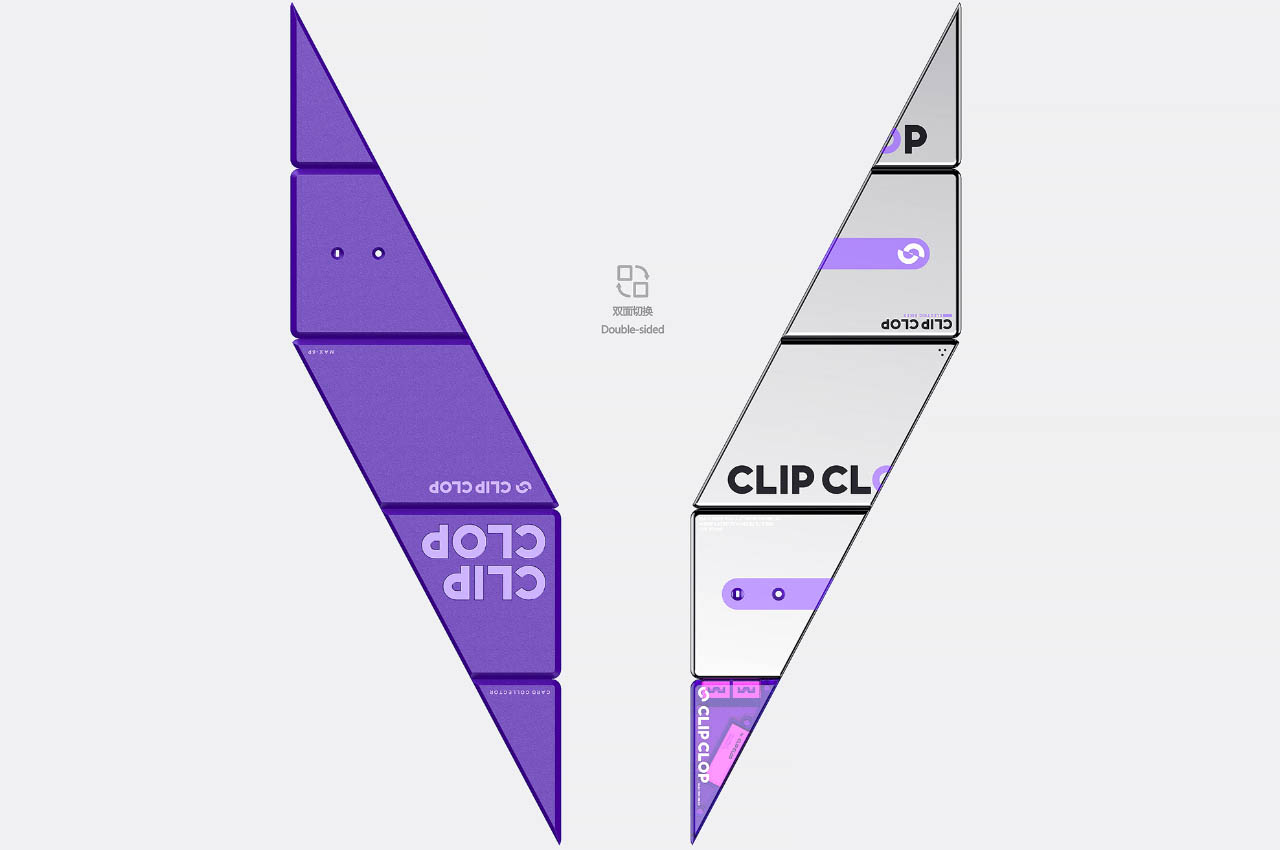
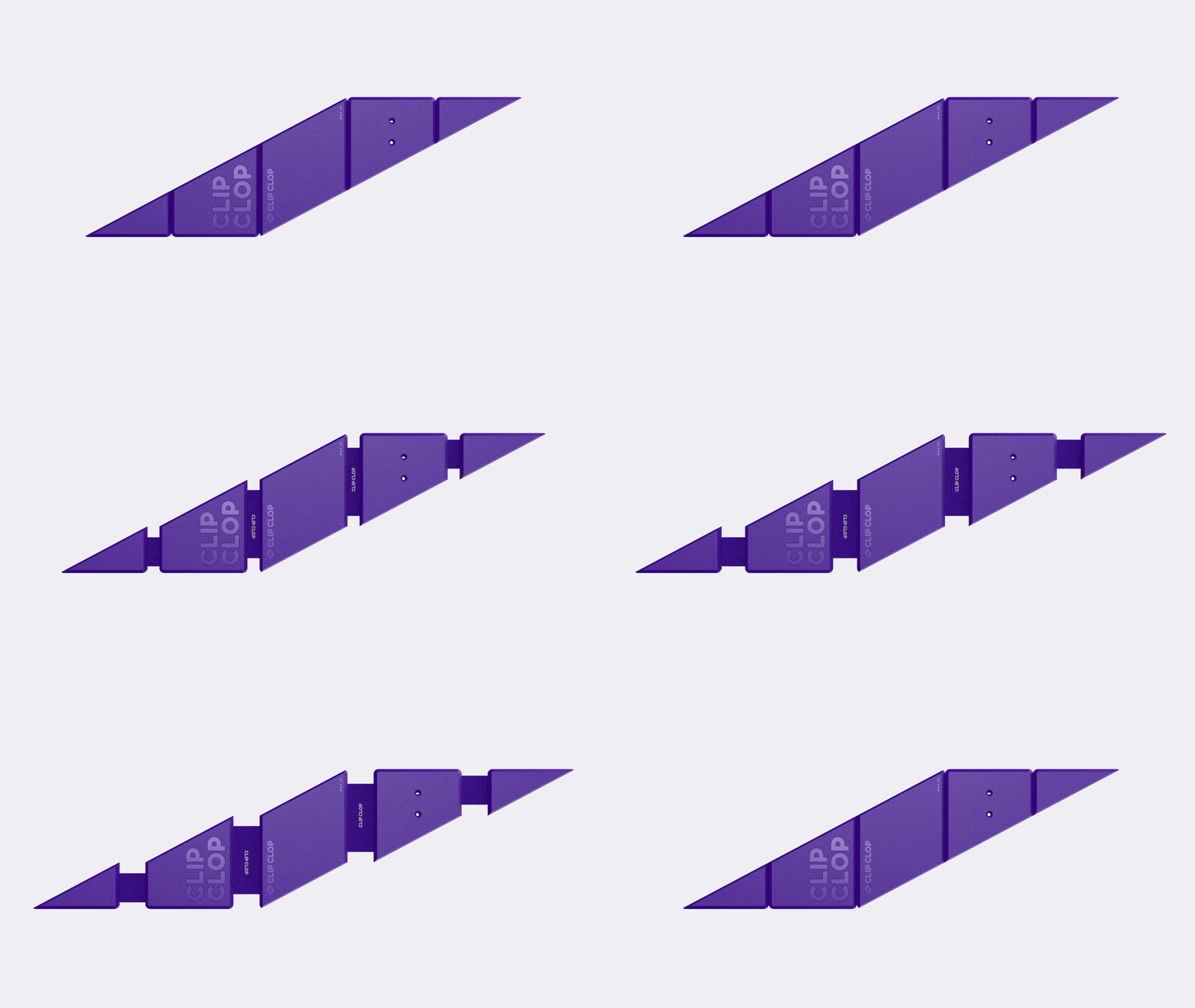
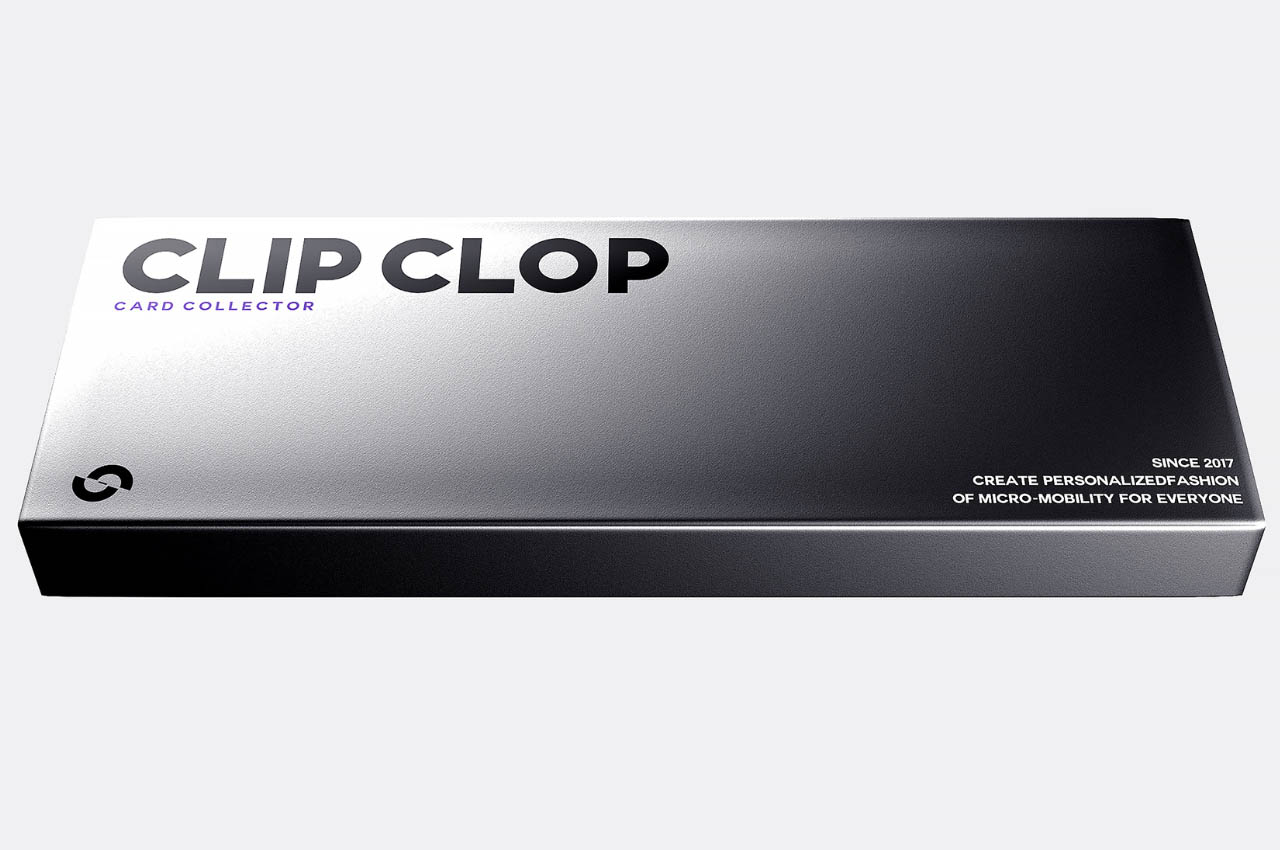
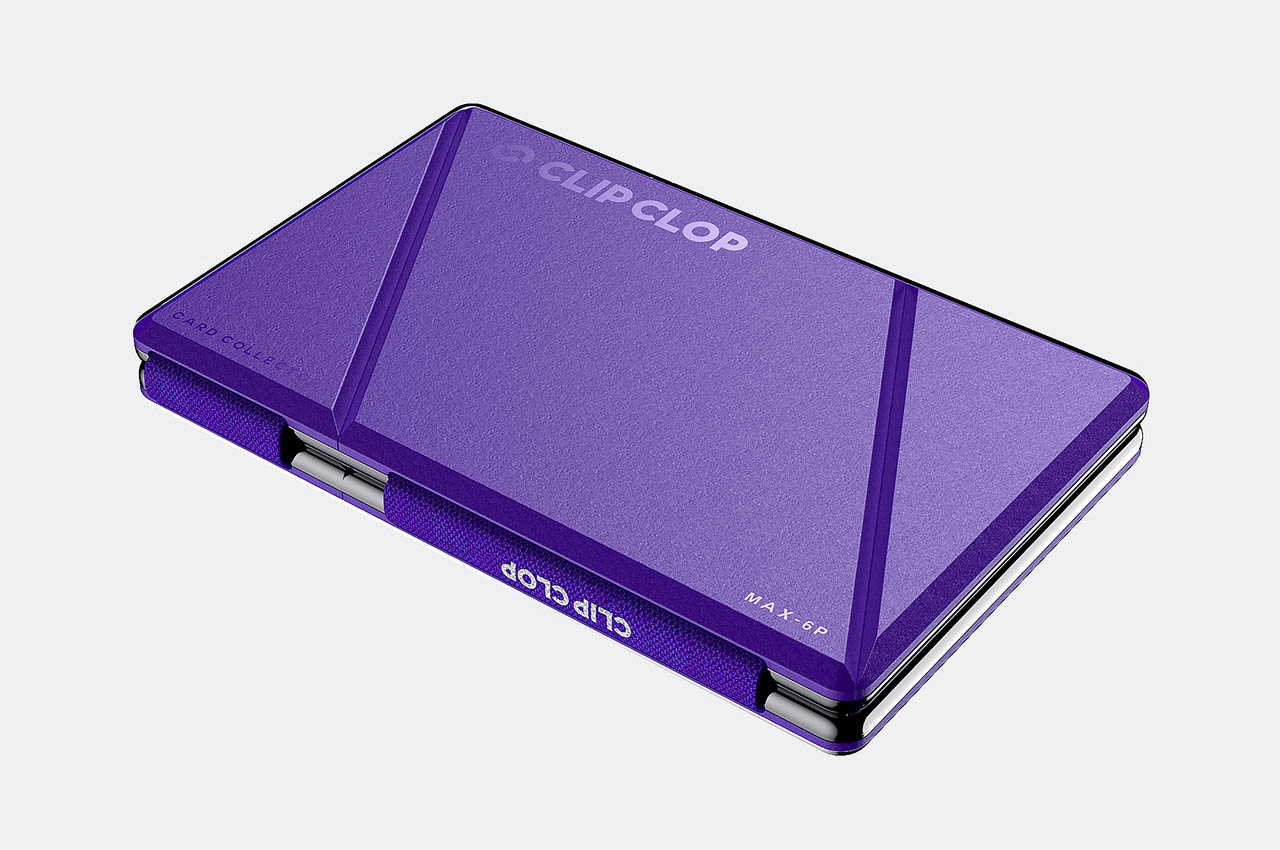
That’s why the Clip Clop EDC Clip piqued my interest. The accessory designed for Gen-Z users comes with the flexibility of toggling the look, feel and utility. The cardholder flat packs into different modules including magnetic fasteners and five different face plates to make switching styles as easy as displaying your daily fashion statement.
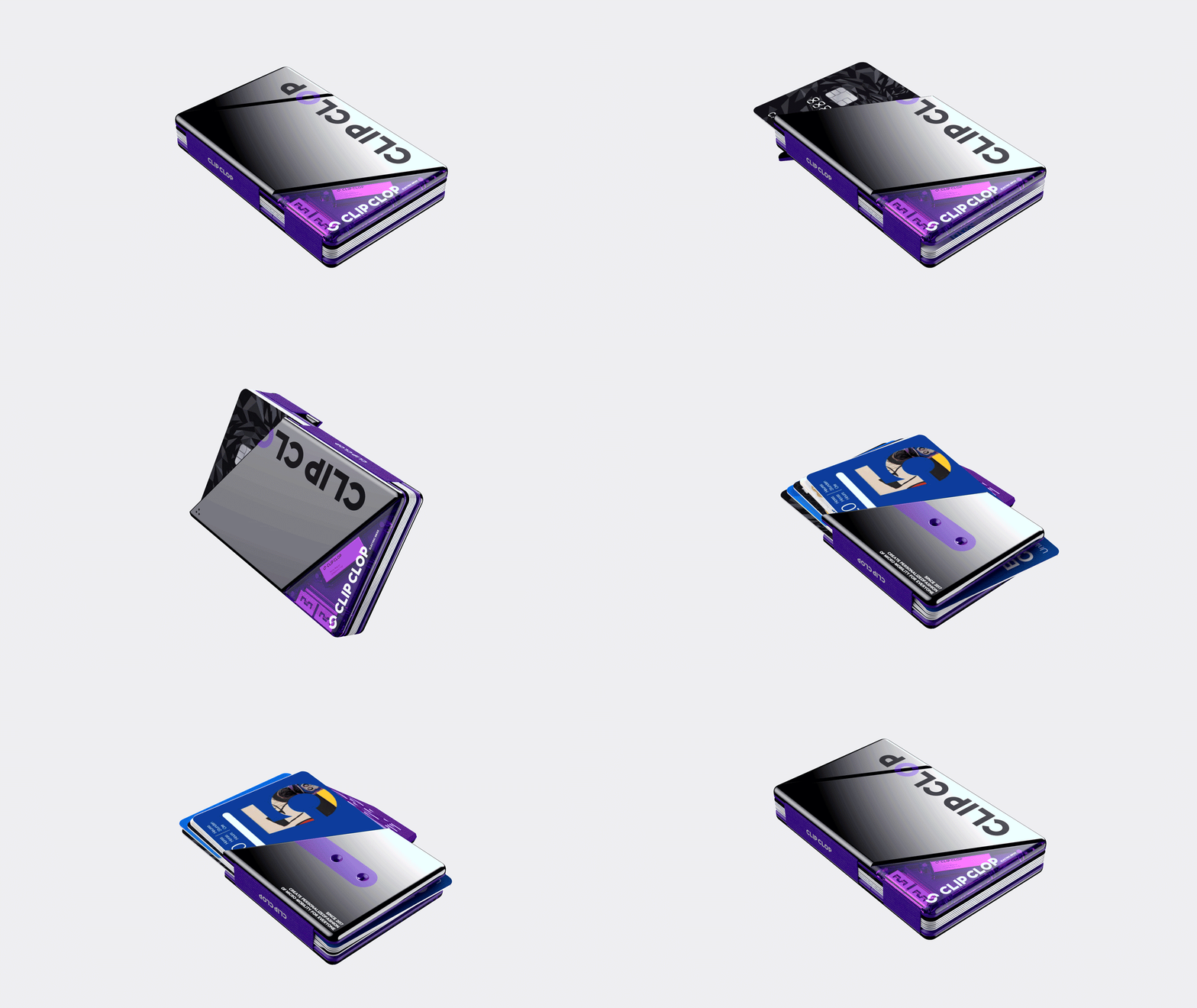
The EDC accessory combines the strength of magnets, fasteners and clever design to make the switch from one style to another ultra-easy. This also facilitates the opening and closing mechanism to be quite an addictive affair. When the cardholder is open the elastic bands retract within the housing without compromising the sleek and compact design. Clip Clop EDC comes with a capacity to store up to 10 cards in one go but the designer suggests using only 6 cards to maintain the elasticity of the clips for a longer time. The cards within the holder can be arranged efficiently in optimal order and accessed both from the top and bottom.
Unlike conventional cardholders, this one has a cutout secured by magnetic elastic bands, so that you can retrieve any card without opening the complete housing. If you are one of those who like to keep cash in the cardholder as well, the clip-on can be screwed to the back of the accessory. Given the level of freedom this cardholder EDC brings, you can match it to your daily style and mood to complete the look. As per Rice, Instead of simply combining traditional EDC toy elements with a cardholder, we have cleverly optimized and innovated on the original functions of the cardholder, creating a user experience that is both convenient, practical, and filled with joy.”
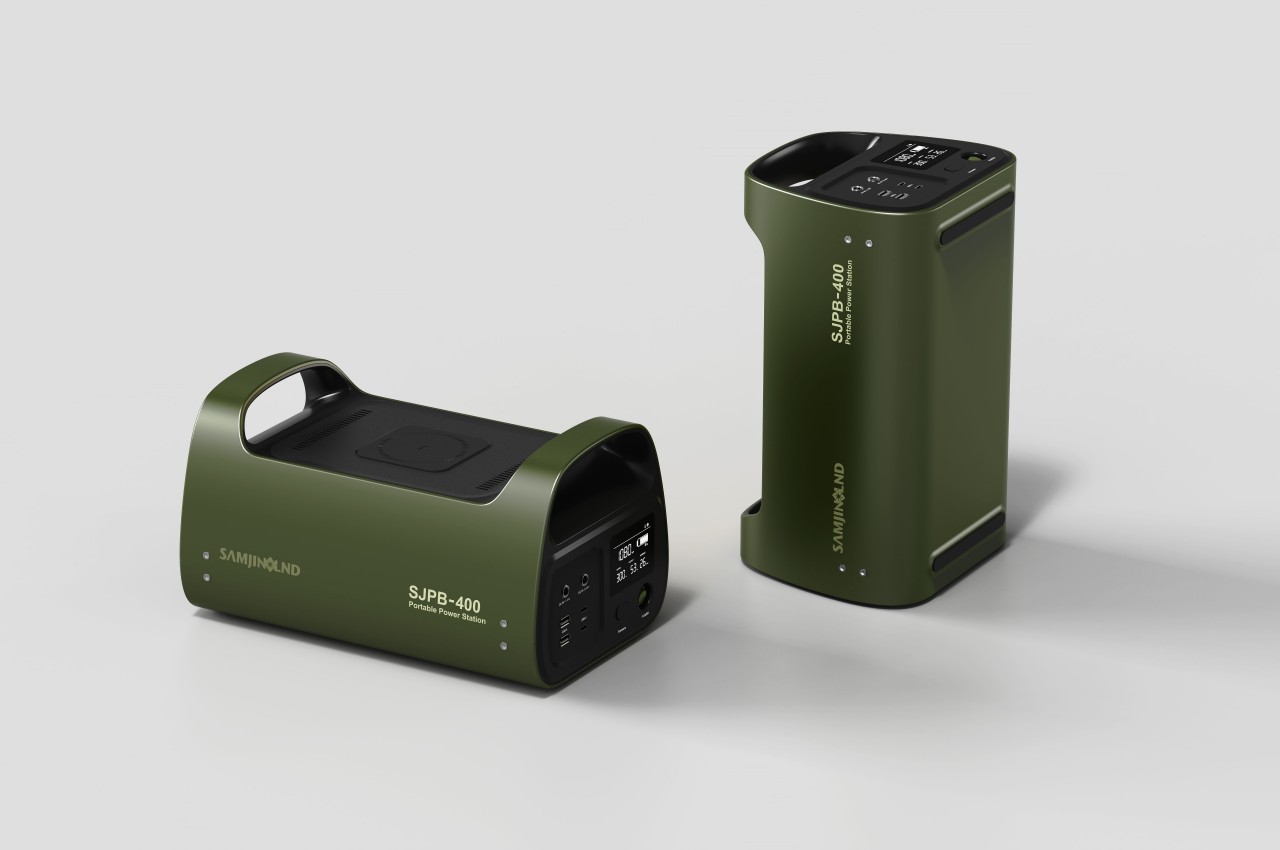
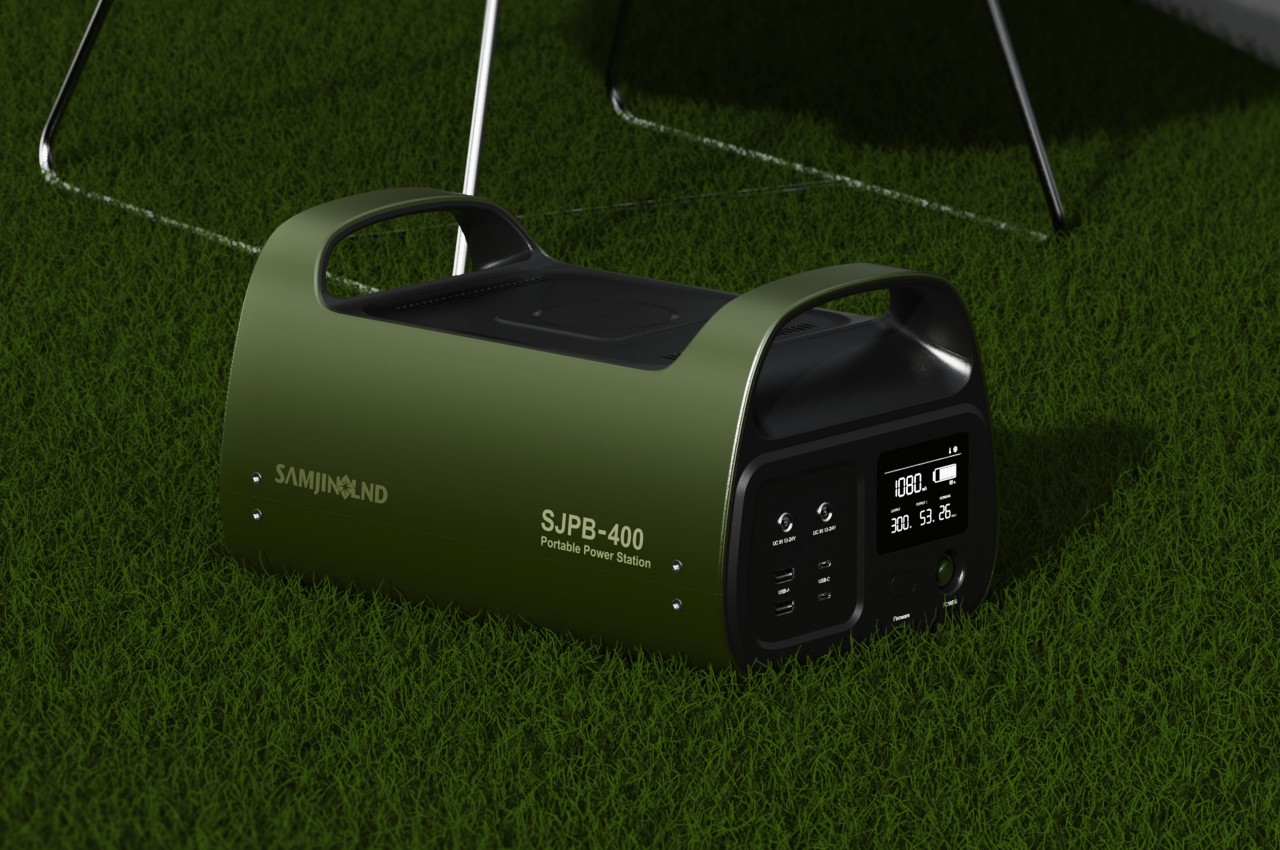
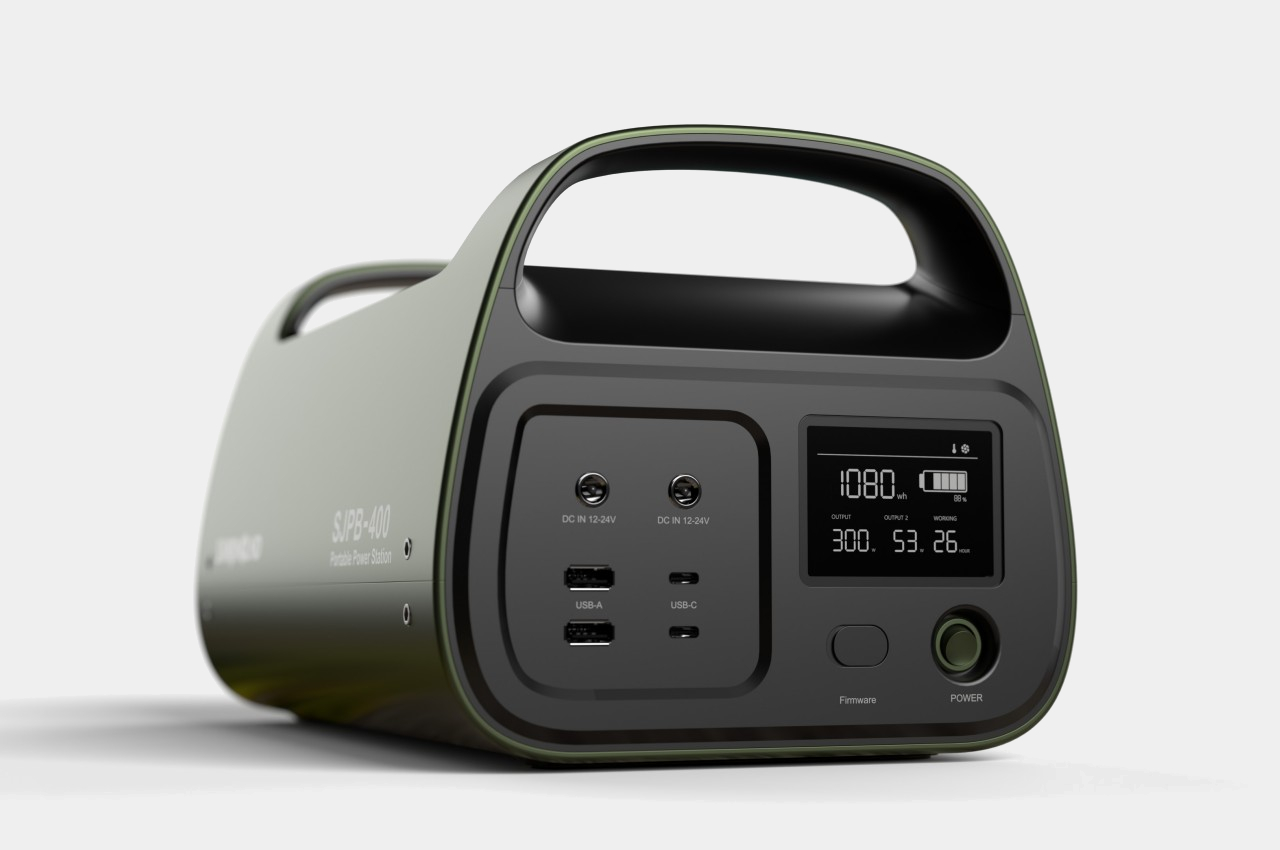
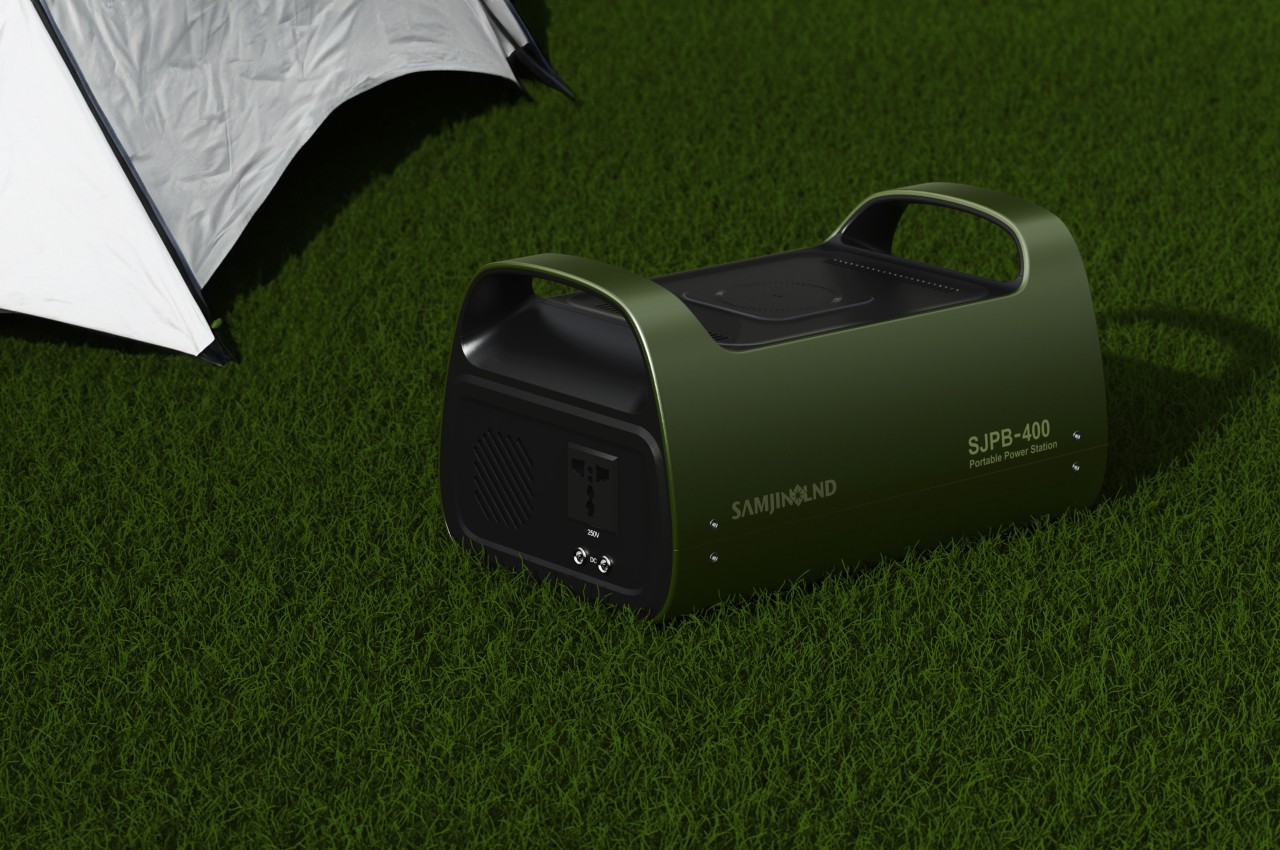
It’s almost comical how we’ve become so attached to our electronic devices that we start to panic whenever our batteries go red. That’s why there’s a large and thriving market for all kinds of portable battery solutions, ranging from pocket-sized blocks just for your smartphone to hulking boxes for a few night’s stay outdoors. The latter, while portable, aren’t exactly space-efficient, especially when it comes to the horizontal space you need to use them. This concept for a portable power station literally turns the design on its head by letting you use the large battery standing up, except for one or two cases where you’ll need it to lie down anyway.
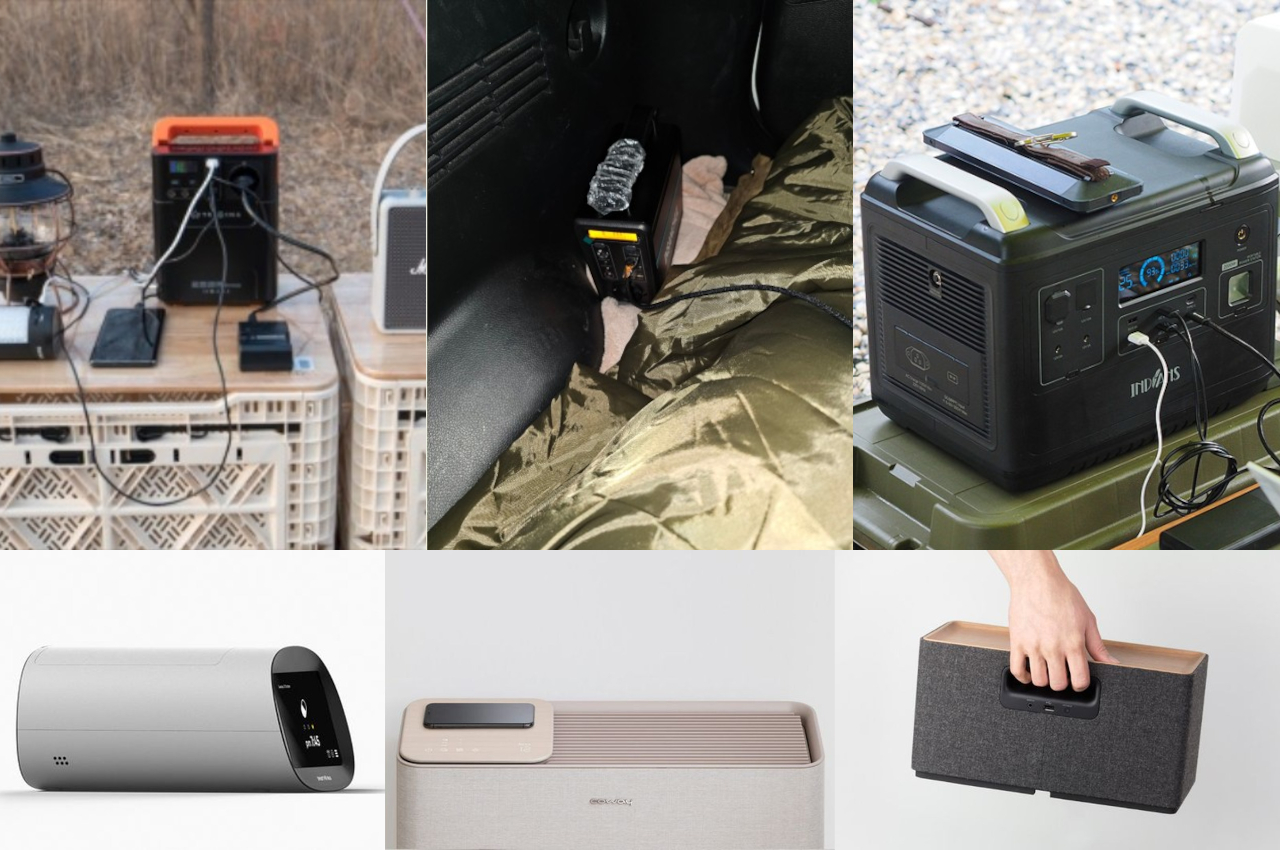
The design convention for large power stations is horizontal boxes as these are definitely the most space-efficient shapes. You can easily stow them in cabinets, trunks, and other storage solutions while allowing you to pack other objects beside or even on top of them. When in use, however, that horizontal orientation can actually be wasteful, especially if you don’t have much space on the ground or on the table in the first place.
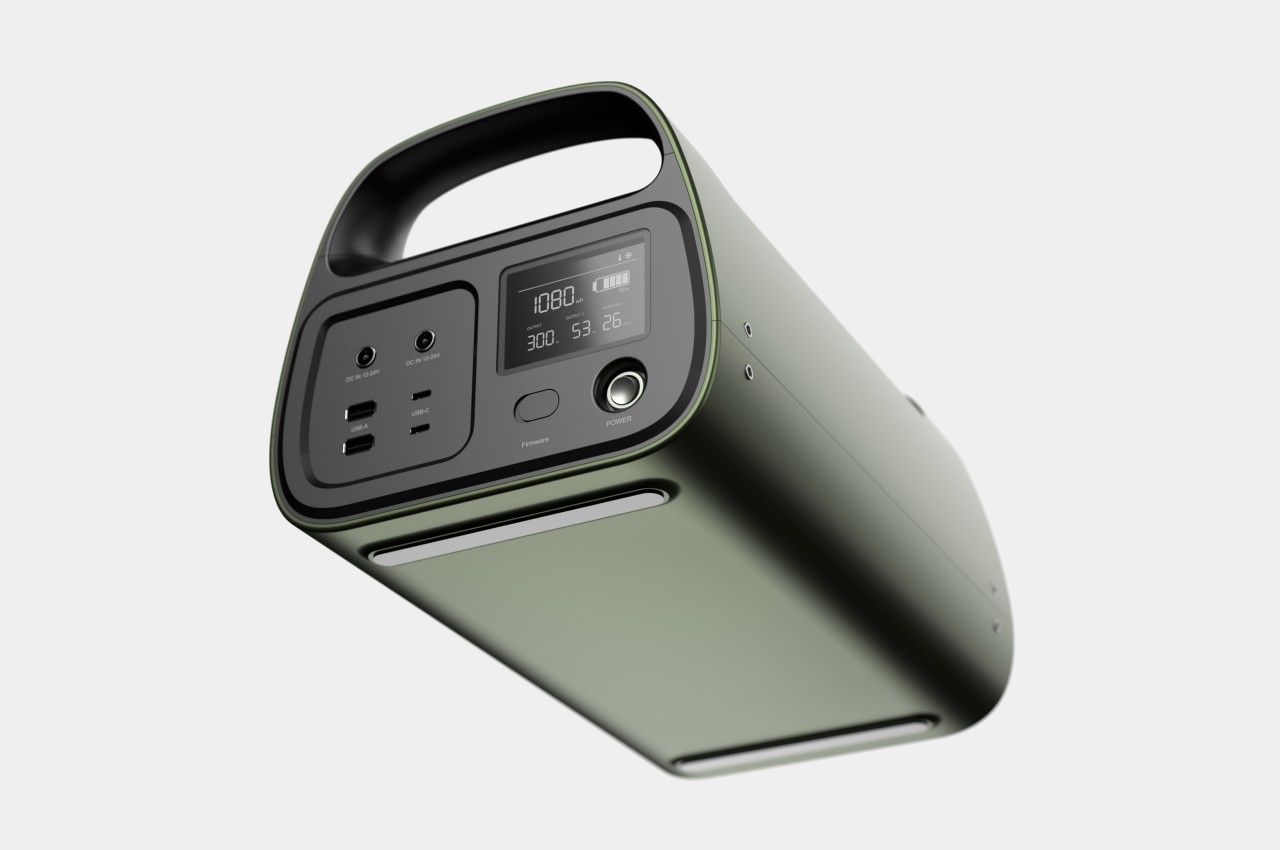
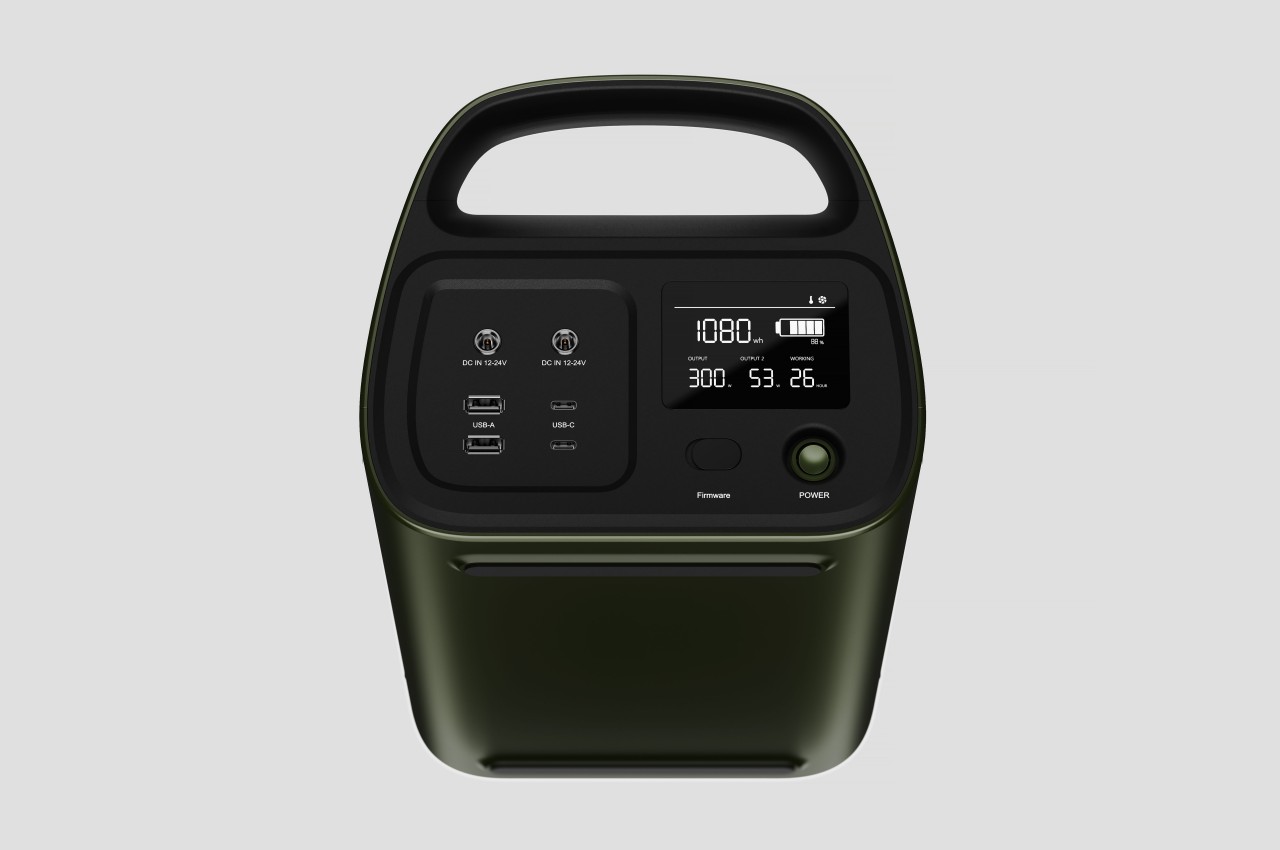
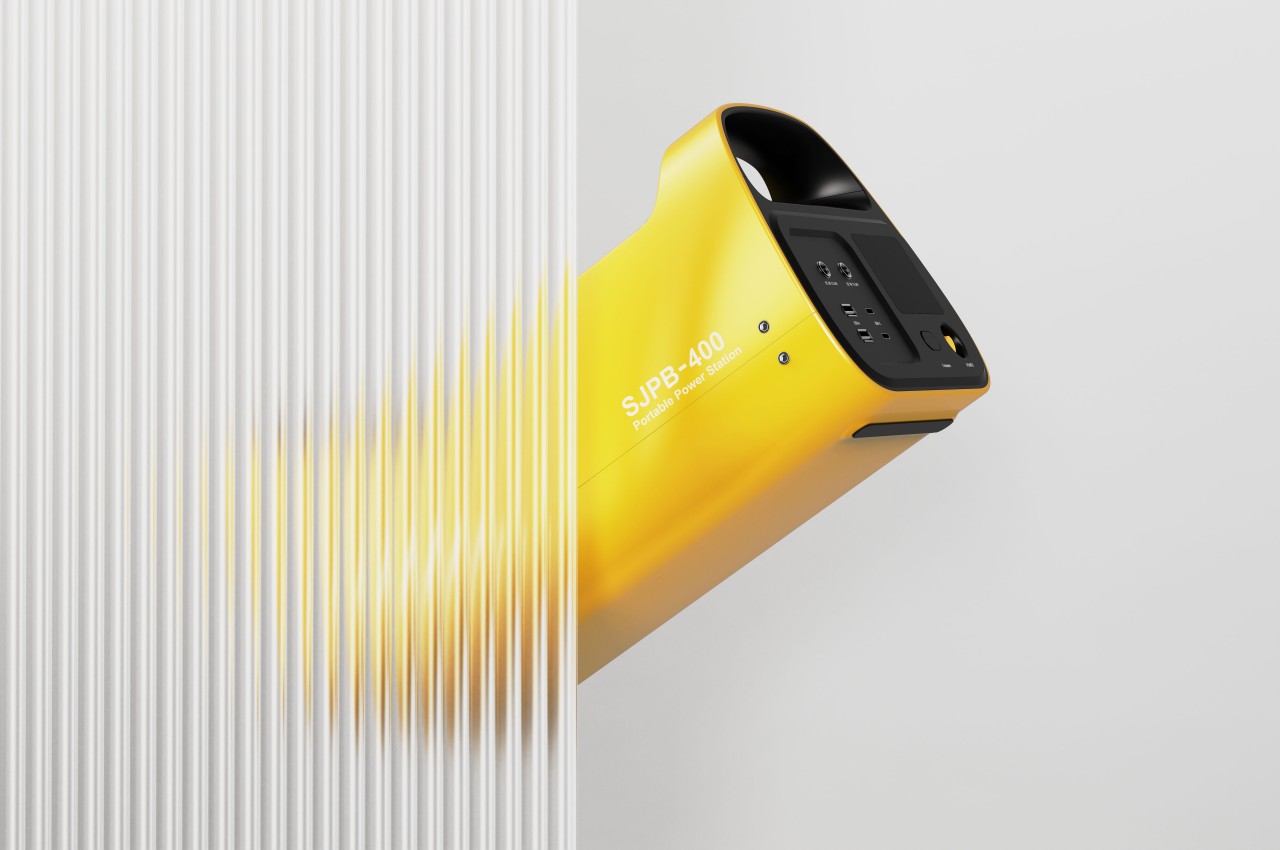
The SJPB-400 Mobile Power Bank is designed with a dual orientation in mind, allowing you to stand it up and put it down on the ground beside your table. You can still have easy access to its most important ports since they’re located not in the “front” of the box but off to one side, which becomes the “top” of the power bank in that position. Other boxy power stations can probably be put up like that as well, but not only are their vents blocked, the ports become harder to use as well.
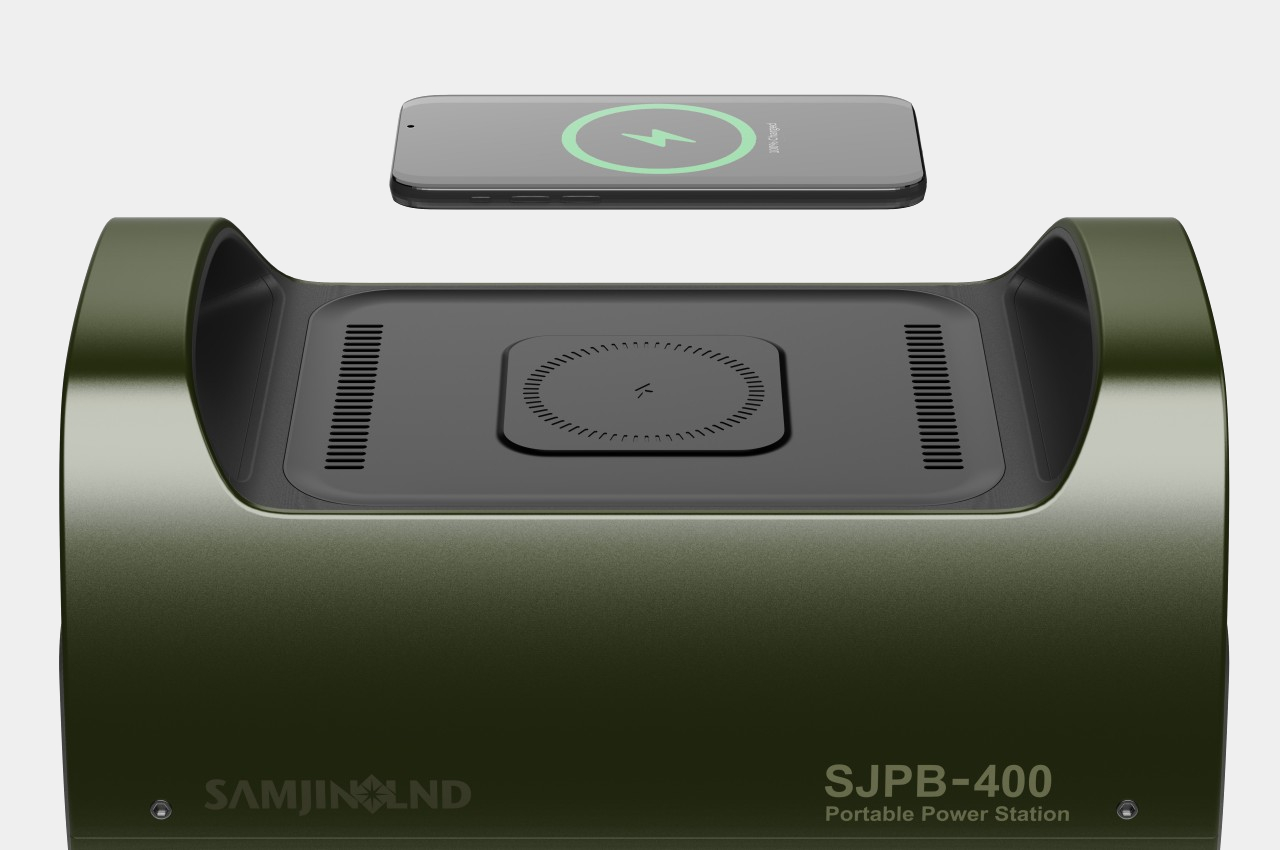
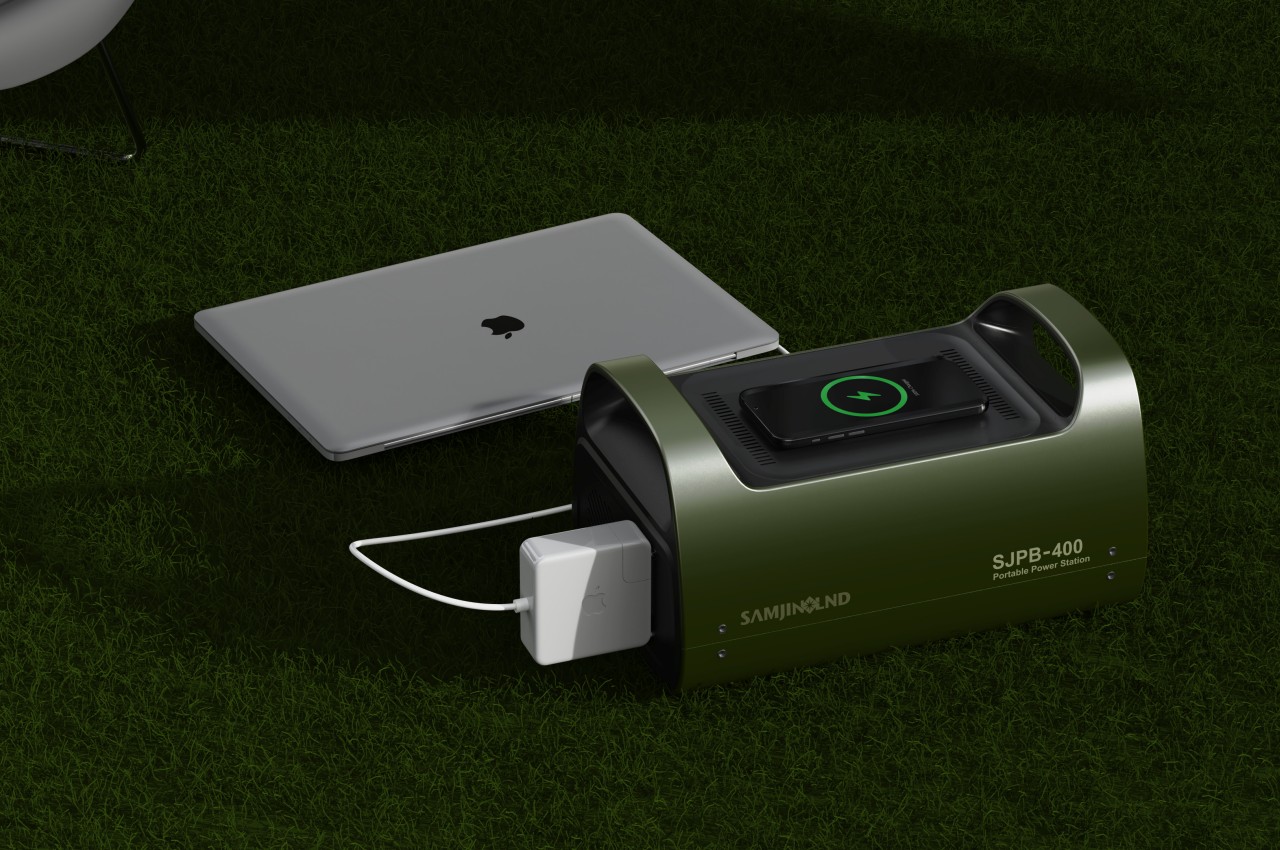
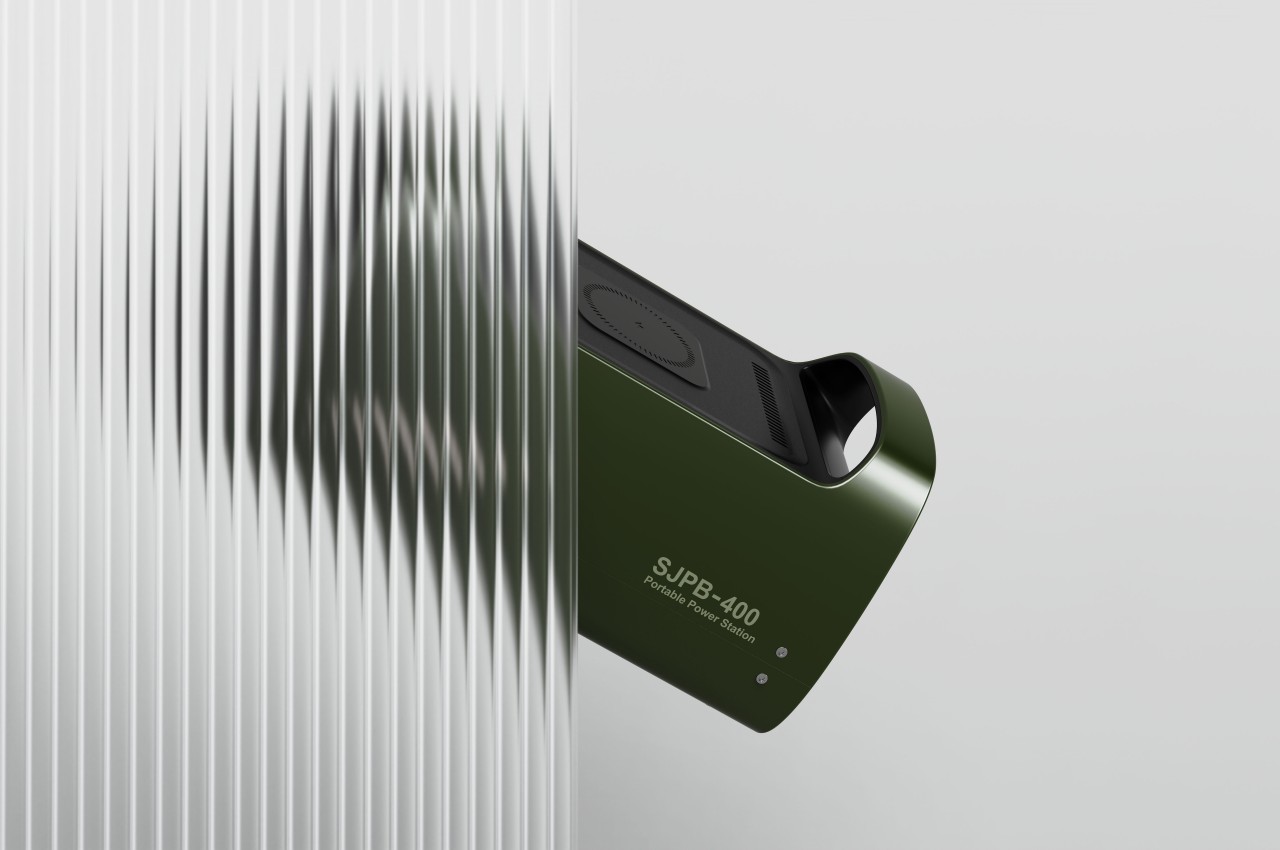
Admittedly, this flexible design does have its disadvantages, even in the case of the SJPB-400 concept. This mobile power bank has a wireless charger on its longer side, so you can’t use it while it’s standing up and vertical, not unless it uses MagSafe or similar technologies that will keep the phone from falling. Regardless, the lone AC outlet on the opposite side of the USB ports will remain inaccessible, so it’s something the user will have to consider on a case-to-case basis.
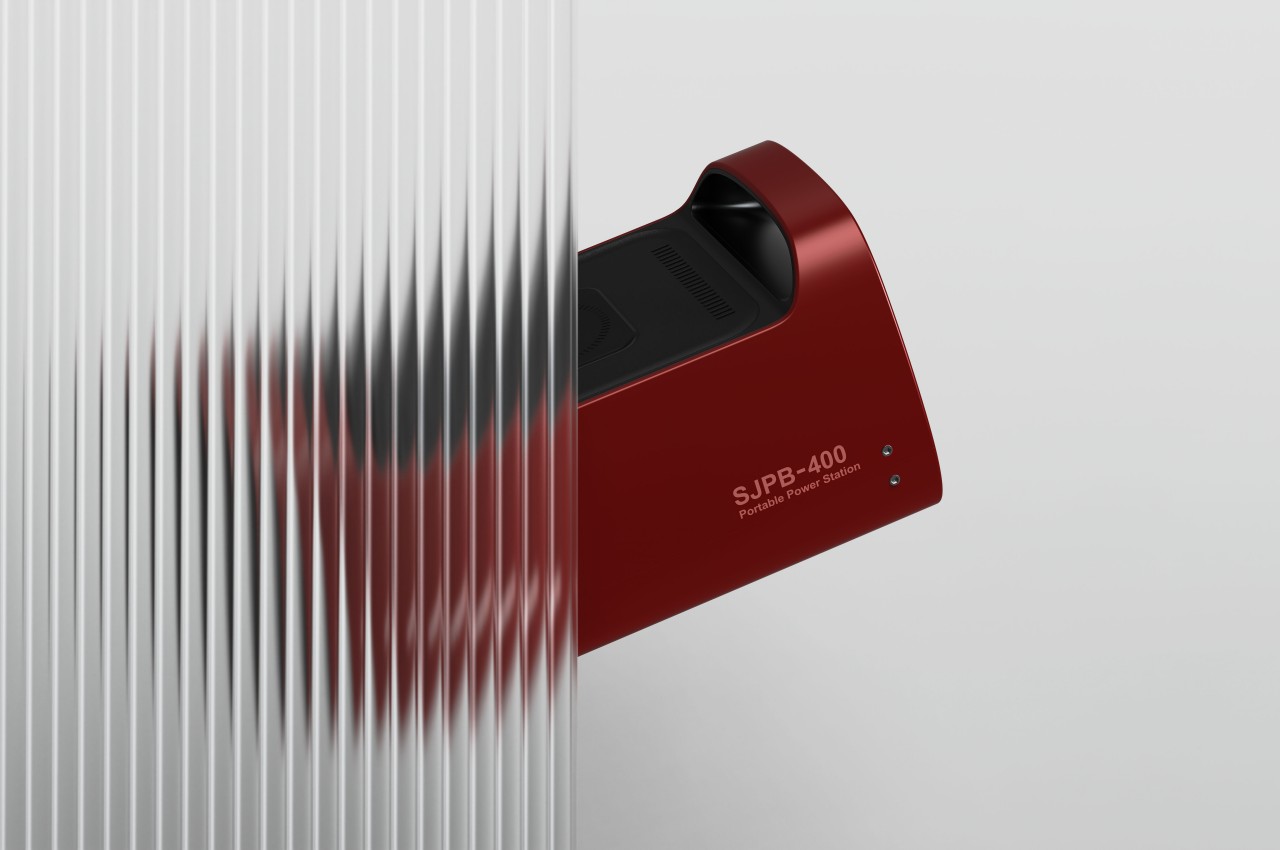
One design feature of this concept that goes against its space efficiency is the handles on each side. They do improve the power bank’s portability and ergonomics when carrying it, but it comes at the expense of compactness and simplicity. You won’t be able to put anything on top that doesn’t fit between those handles, so packing will become a puzzle game of trying to fit pieces together.
In case you missed it, we’re officially getting a Jaws Lego set this summer. The company unveiled the upcoming 1497-piece set this week alongside a 90-second mini-movie that reimagines the film in Lego brick form. The Jaws set includes the boat (the Orca), the shark, and minifigures of the protagonists Martin Brody, Matt Hooper and Sam Quint, plus a number of key items from their hunt, like a harpoon and a few bright yellow barrels.
Lego
It’ll be available to the general public on August 6 for $150, but anyone enrolled in the Lego Insiders loyalty program will be able to purchase it earlier, starting August 3. You’ll have the option to build the set on top of a base that’s intended to serve as the ocean for the scene, so you can mount the shark in just the right position to make it look as though it’s attacking the boat. Or, you can display the shark and the boat as separate pieces, with a stand for the former. One of the tiles in the water set will be printed with the line: “You’re gonna need a bigger boat.”
The intense showdown between a haphazard group of shark hunters and a great white that devours humans has never looked so family friendly. Check out Lego's “Jaws in a Jiffy” to really get into the spirit of things.
This article originally appeared on Engadget at https://www.engadget.com/lego-is-releasing-a-jaws-set-in-august-that-recreates-the-final-showdown-on-quints-boat-214504555.html?src=rss
In case you missed it, we’re officially getting a Jaws Lego set this summer. The company unveiled the upcoming 1497-piece set this week alongside a 90-second mini-movie that reimagines the film in Lego brick form. The Jaws set includes the boat (the Orca), the shark, and minifigures of the protagonists Martin Brody, Matt Hooper and Sam Quint, plus a number of key items from their hunt, like a harpoon and a few bright yellow barrels.
Lego
It’ll be available to the general public on August 6 for $150, but anyone enrolled in the Lego Insiders loyalty program will be able to purchase it earlier, starting August 3. You’ll have the option to build the set on top of a base that’s intended to serve as the ocean for the scene, so you can mount the shark in just the right position to make it look as though it’s attacking the boat. Or, you can display the shark and the boat as separate pieces, with a stand for the former. One of the tiles in the water set will be printed with the line: “You’re gonna need a bigger boat.”
The intense showdown between a haphazard group of shark hunters and a great white that devours humans has never looked so family friendly. Check out Lego's “Jaws in a Jiffy” to really get into the spirit of things.
This article originally appeared on Engadget at https://www.engadget.com/lego-is-releasing-a-jaws-set-in-august-that-recreates-the-final-showdown-on-quints-boat-214504555.html?src=rss
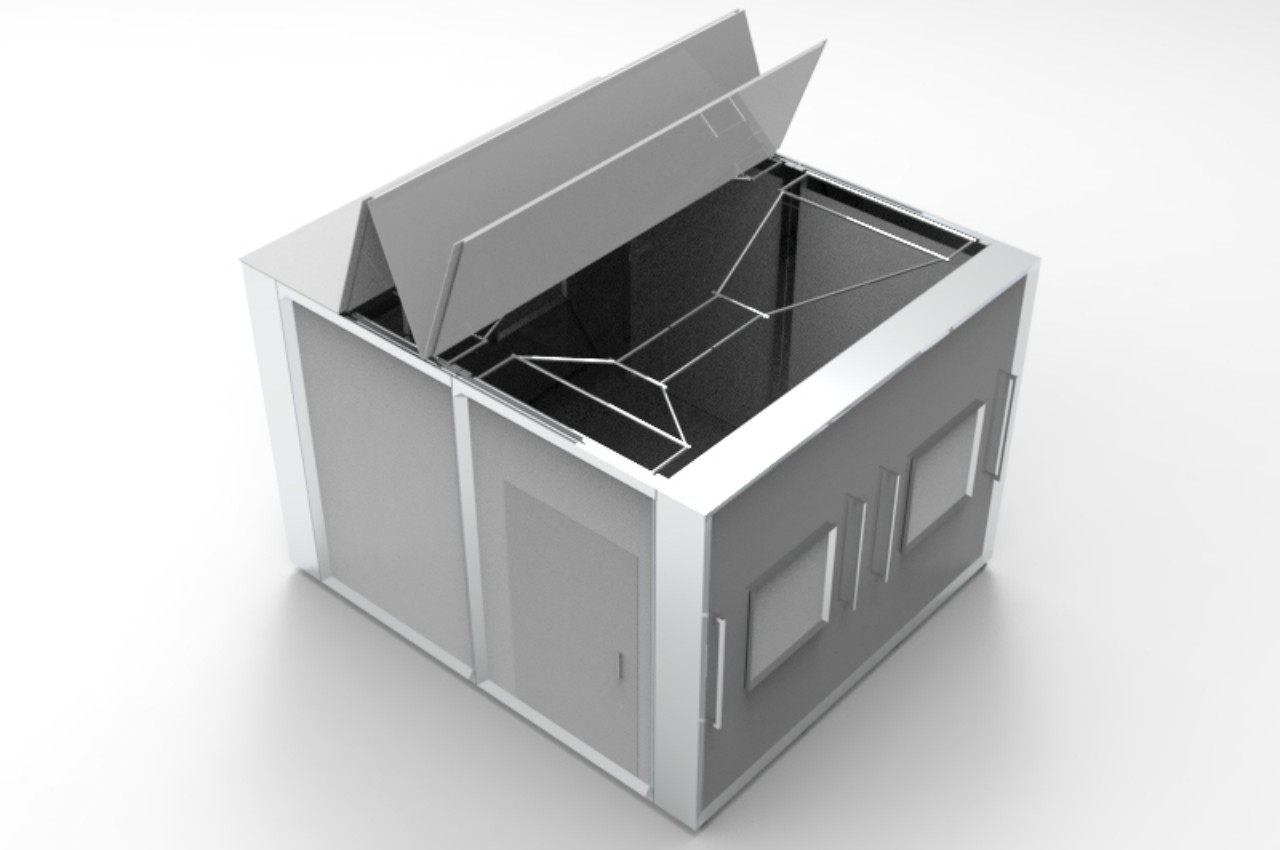
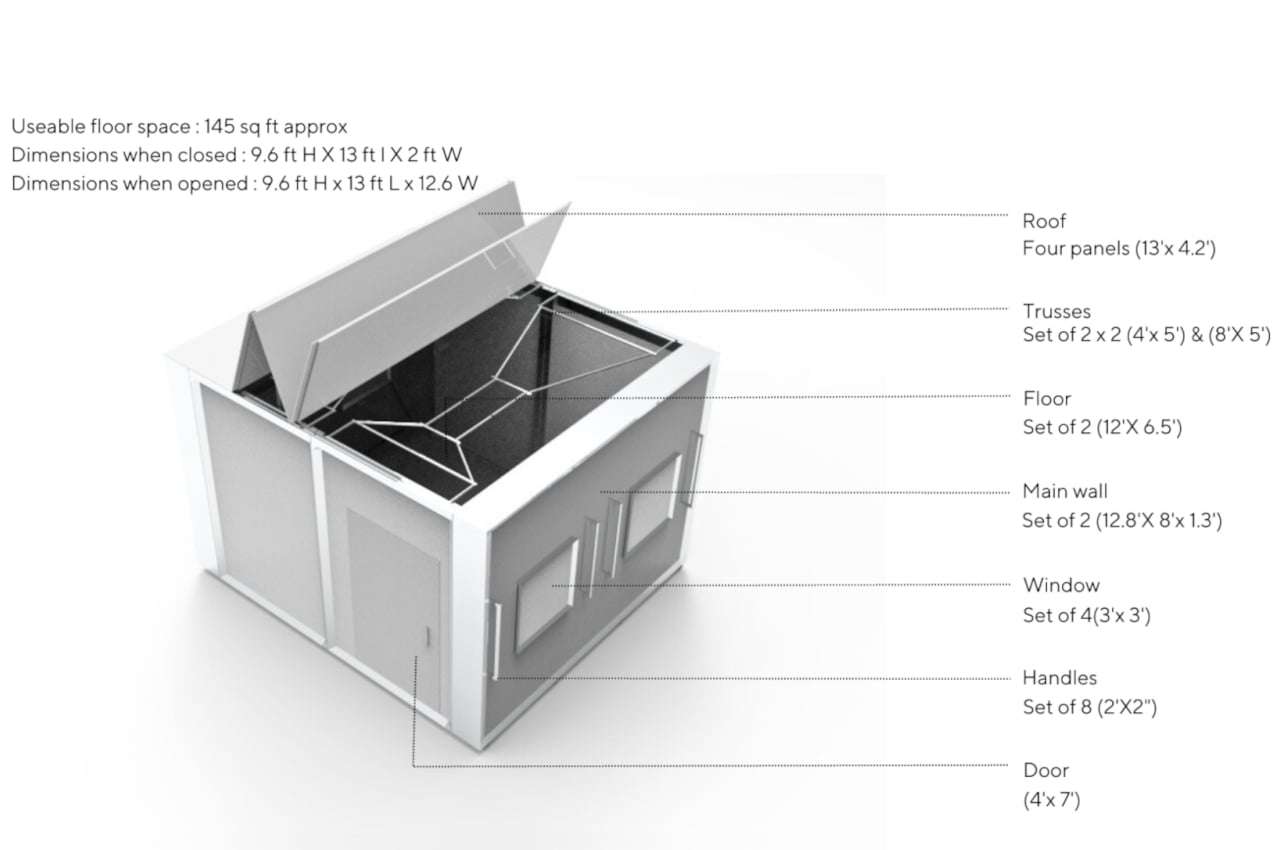
While a permanent mode of residence is always ideal for most people, there are times when that is a luxury that they can’t afford. This can happen in times of natural disasters like floods or earthquakes, military deployment in remote locations, or even shelter in a tourist or pilgrimage spot. Temporary housing, on the other hand, feels nothing like a house at all, especially since they’re often made with low-quality designs to make it cost-effective and easy to tear down when no longer needed. A better and longer-lasting solution would be a portable home that can be extended, set aside, and reused as needed, such as this housing concept design that takes inspiration from flat-packed furniture that can easily be set up even by just a handful of people.
There has always been a need for portable or easy-to-assemble housing, even outside emergencies and disasters. Being able to put up a roof over people’s heads in a quick and efficient manner never goes out of fashion, and there is an almost never-ending number of attempts to make that practical and cost-effective. Prefabricated housing is one such possible solution, but it still takes a lot of time and effort to put the house together. These types of houses can’t be easily moved once they’ve been built either, which makes them less ideal for less permanent abodes.
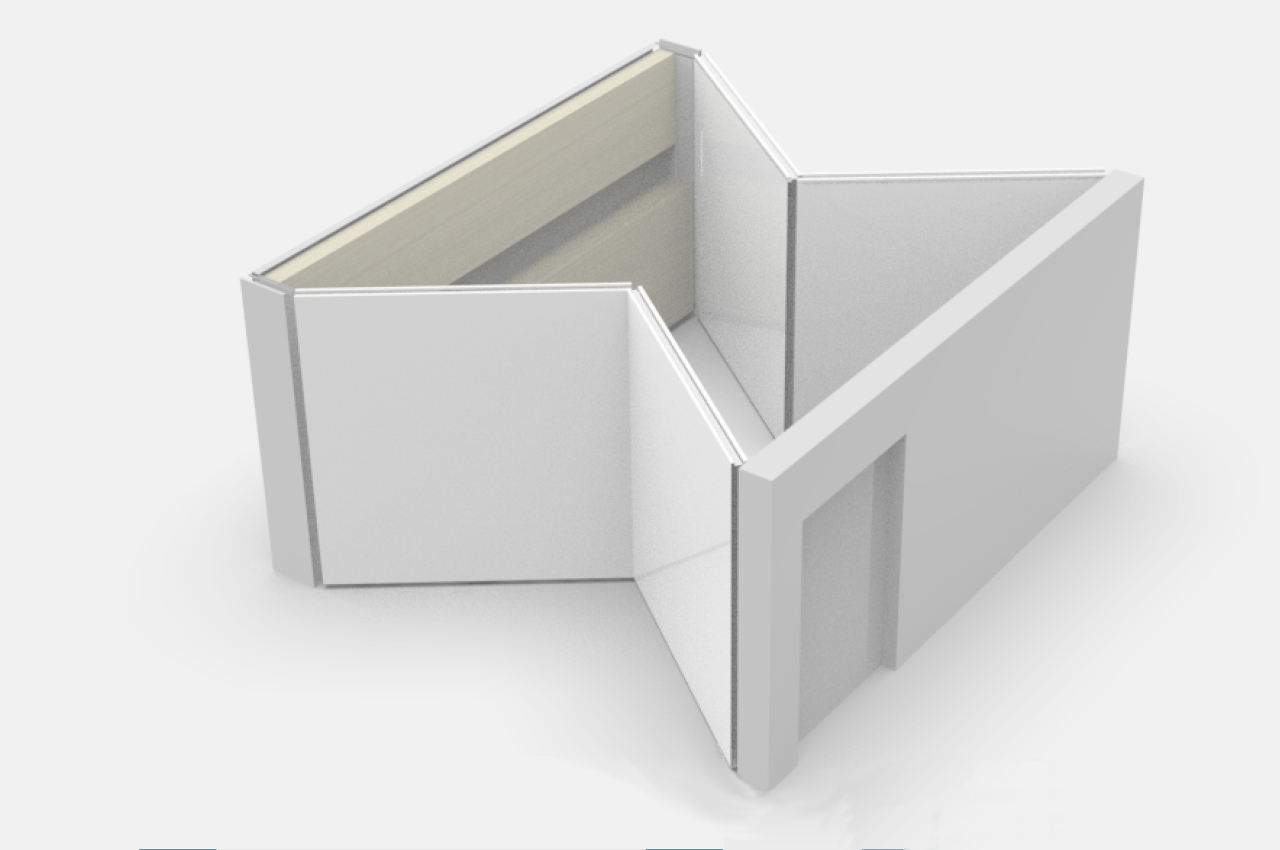
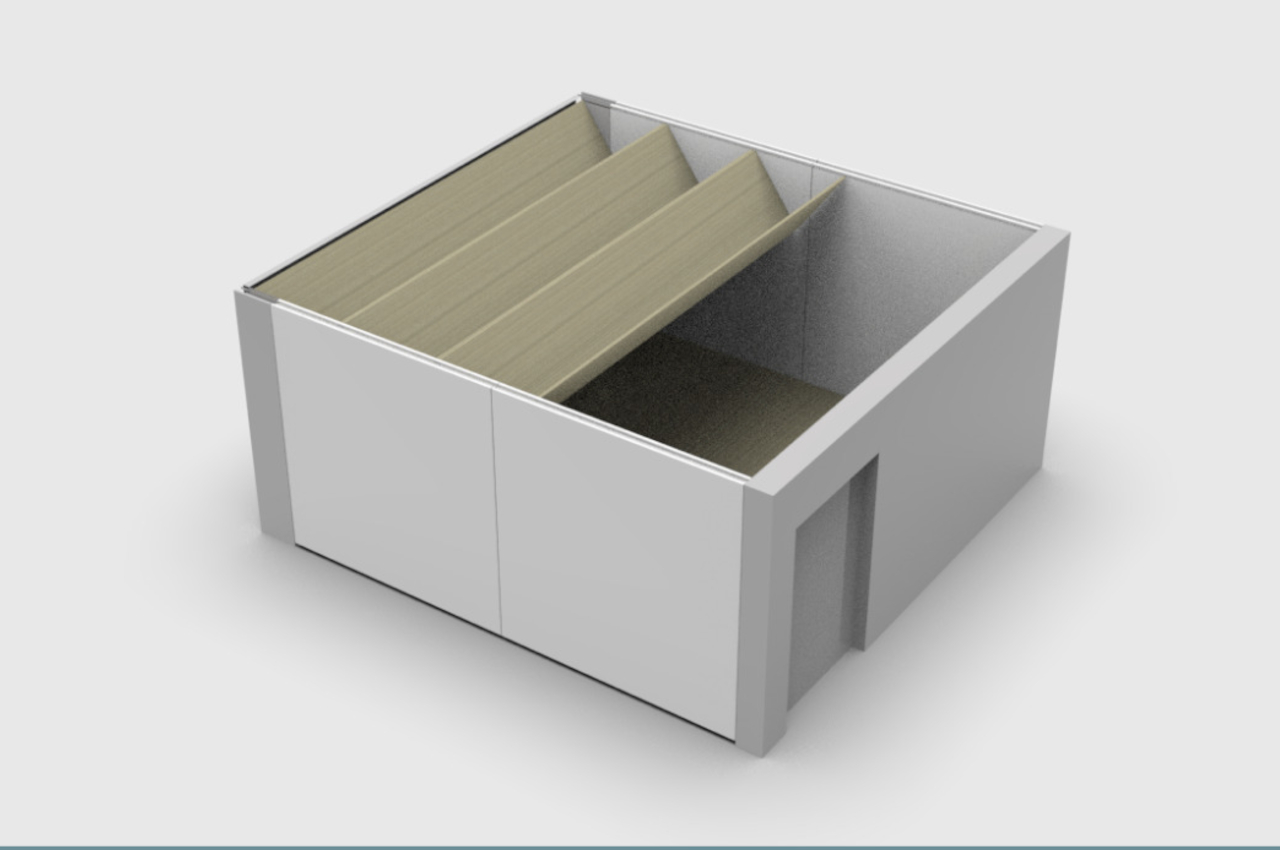
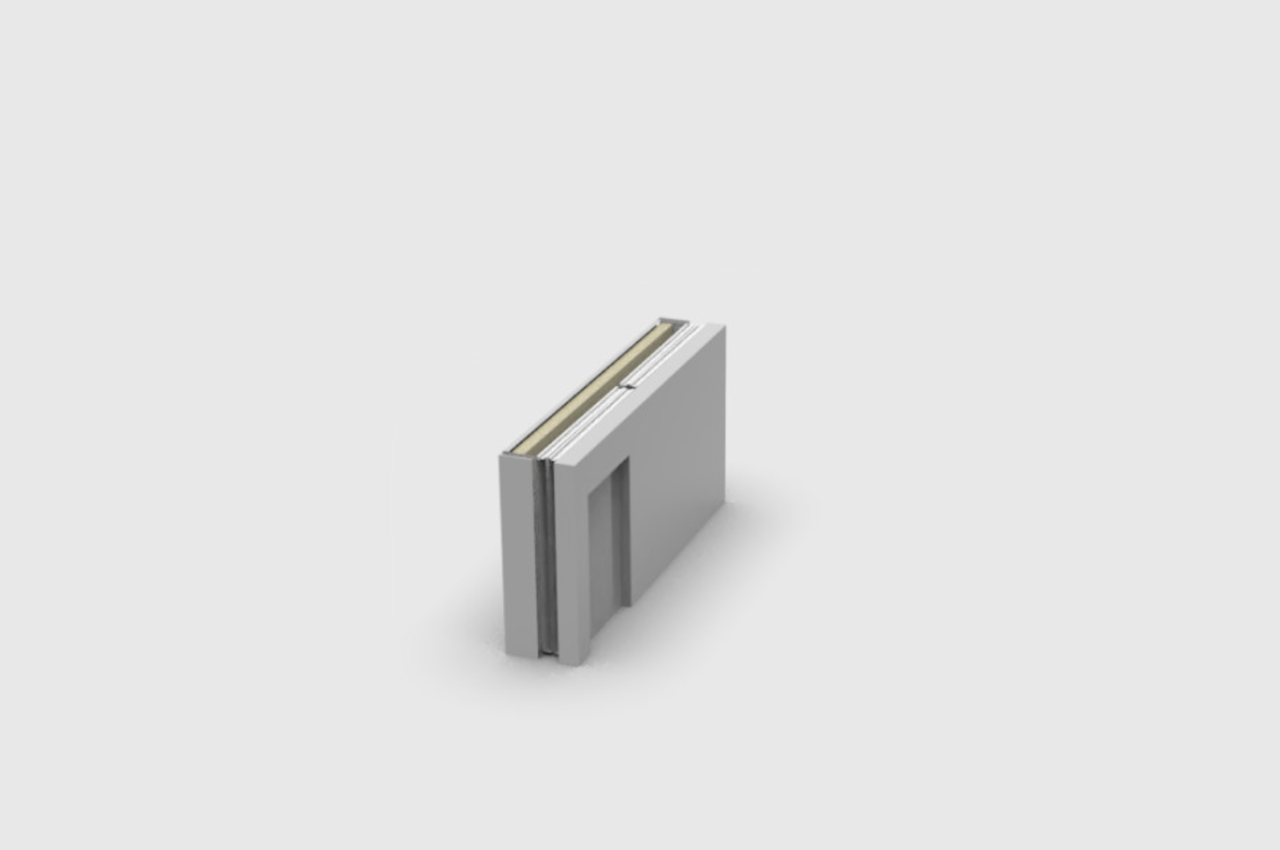
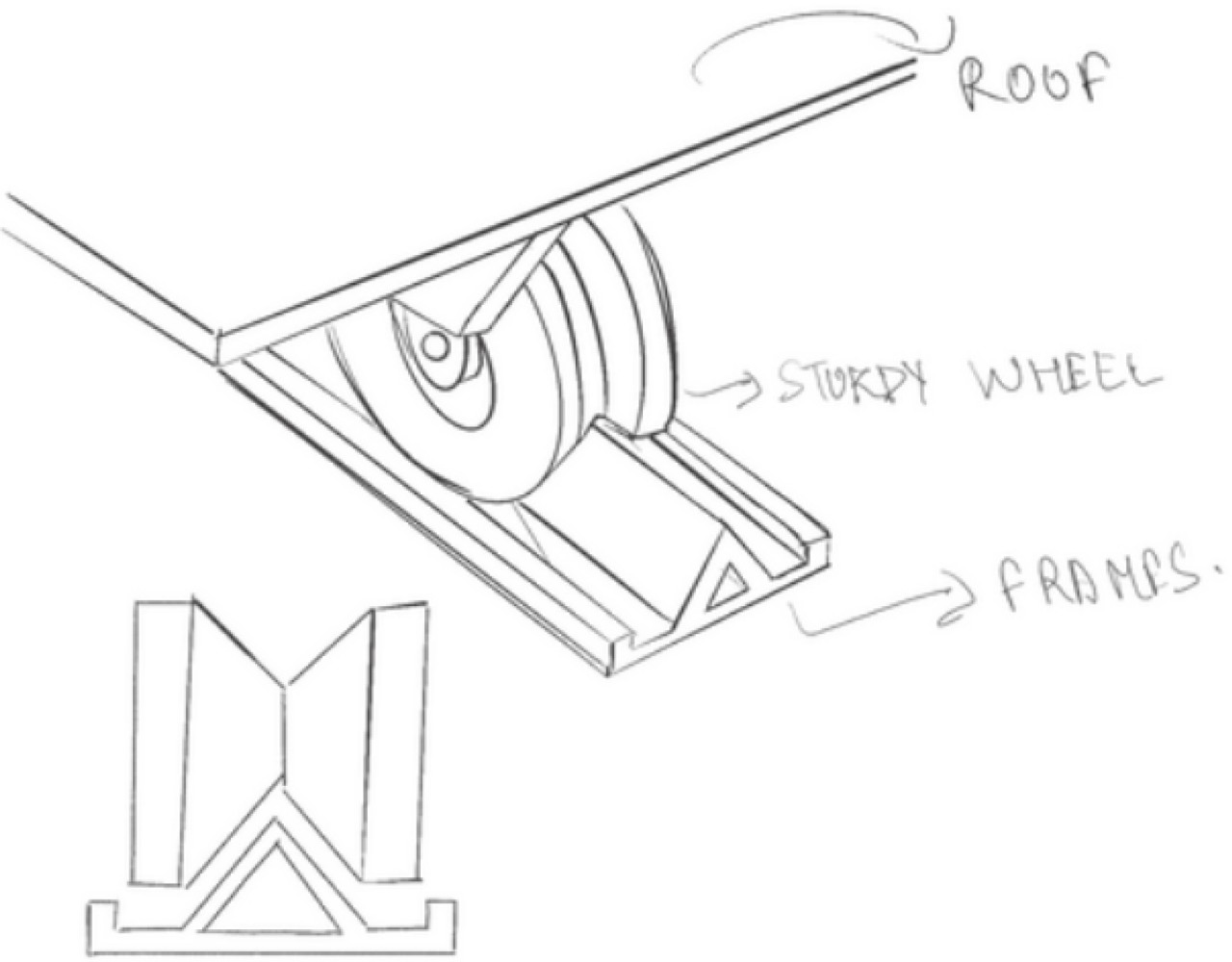
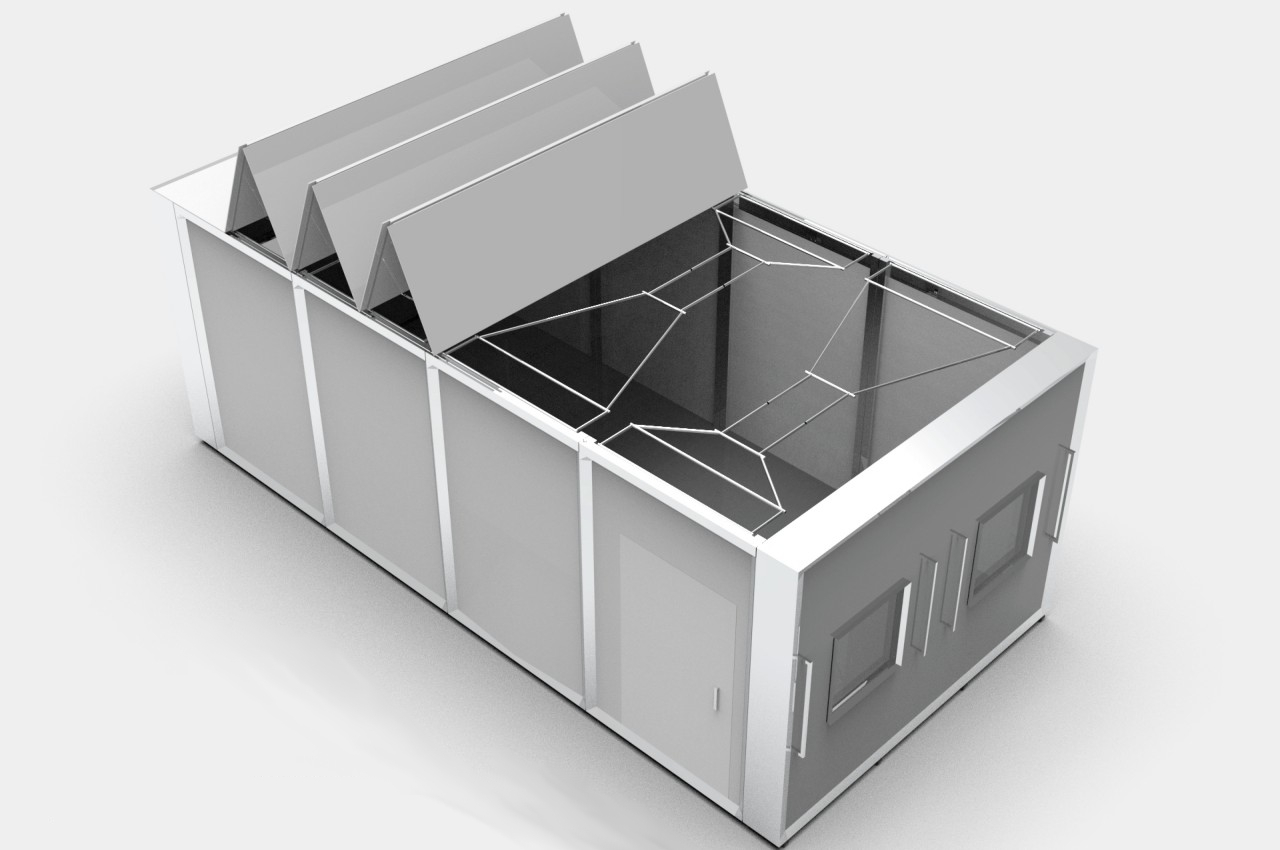
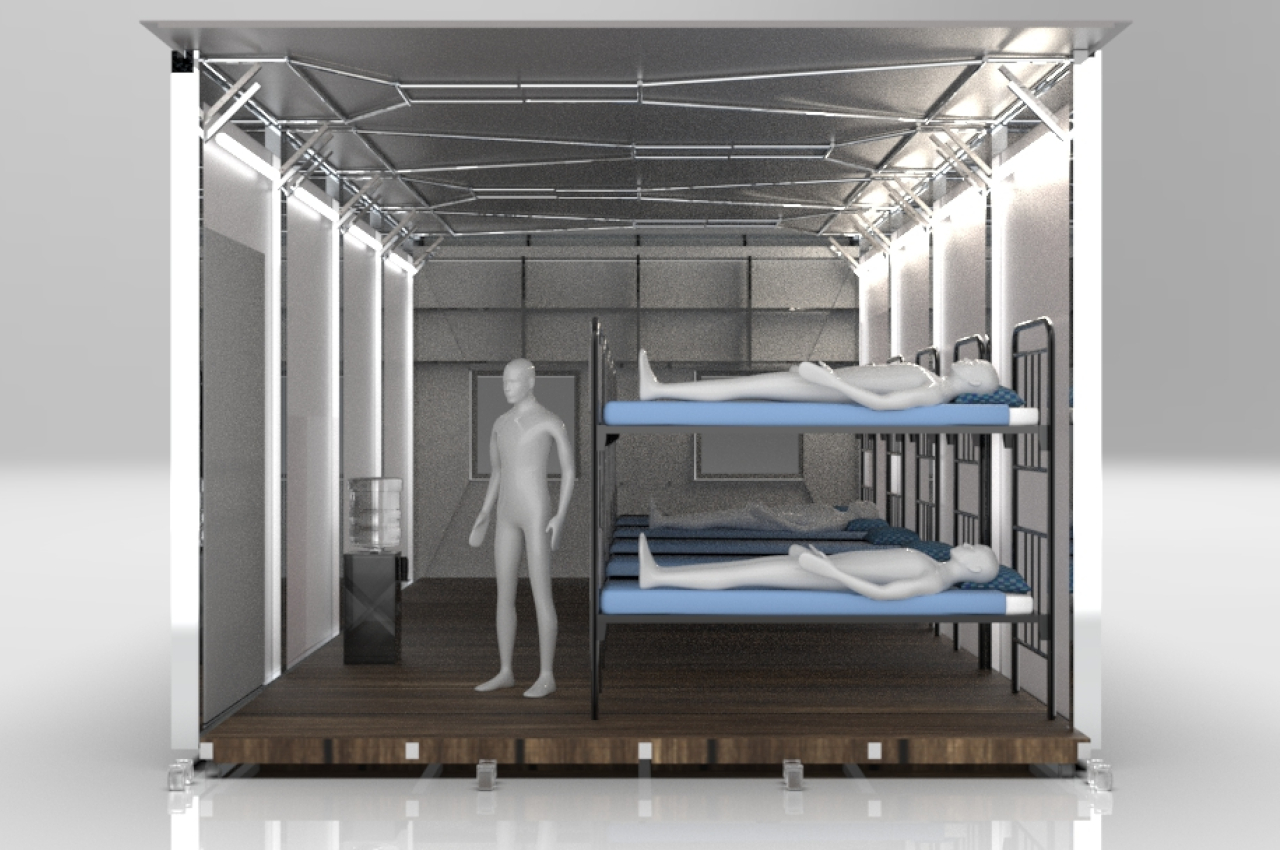
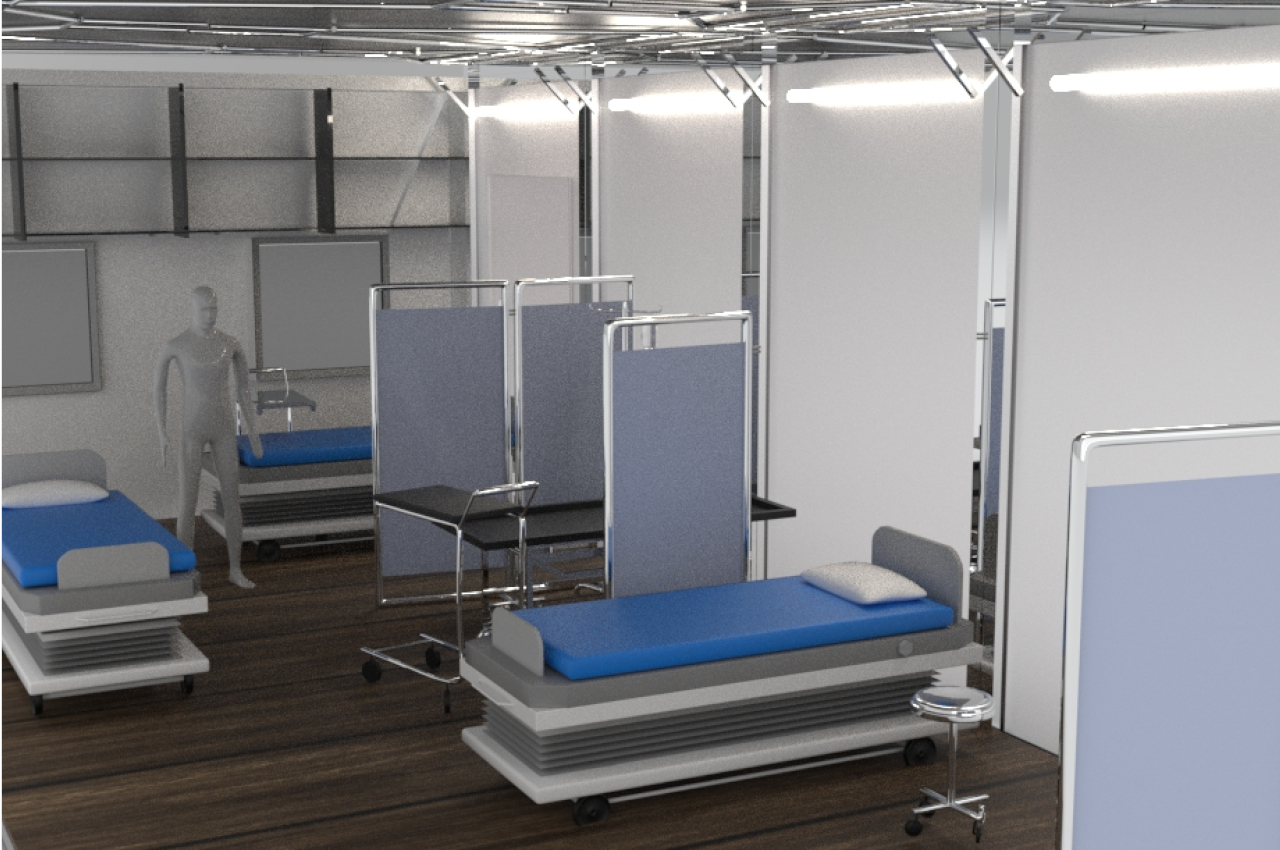
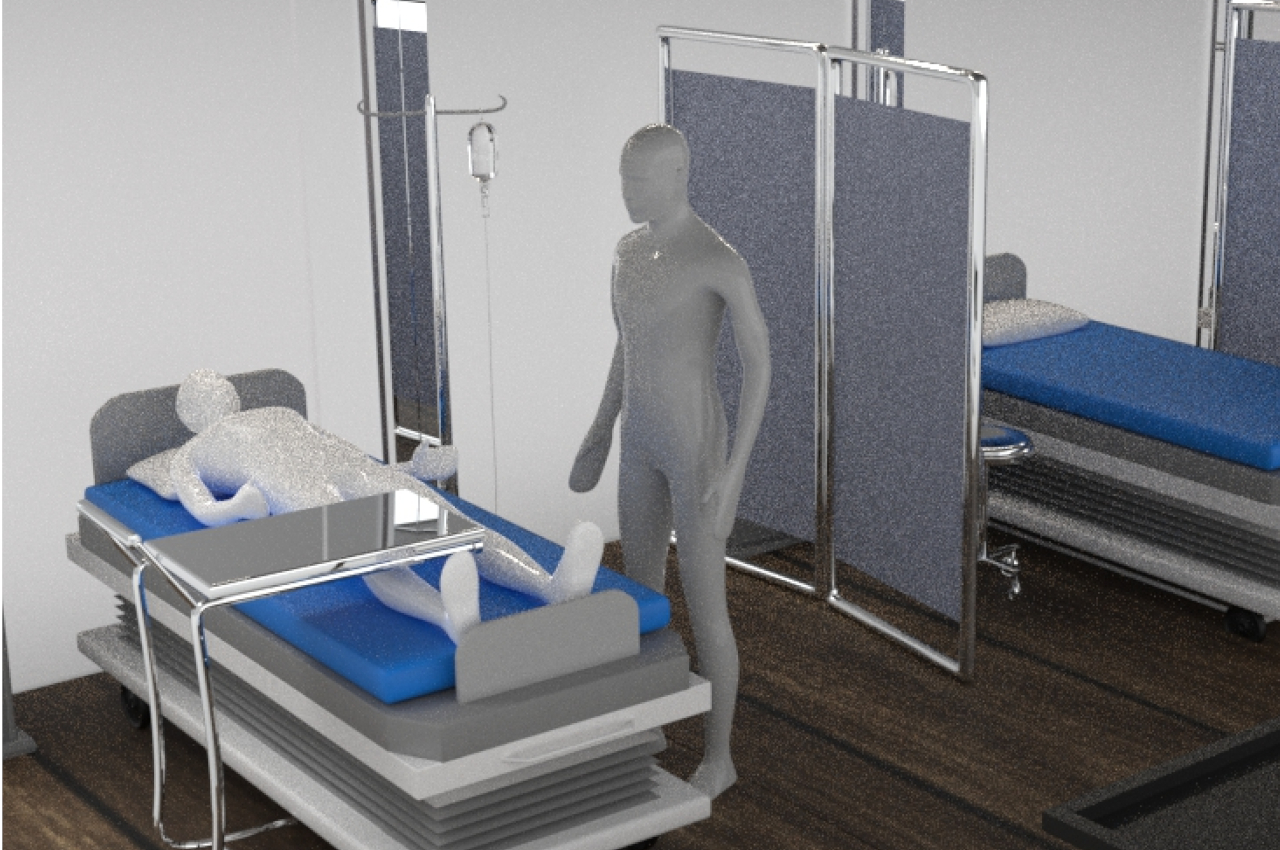
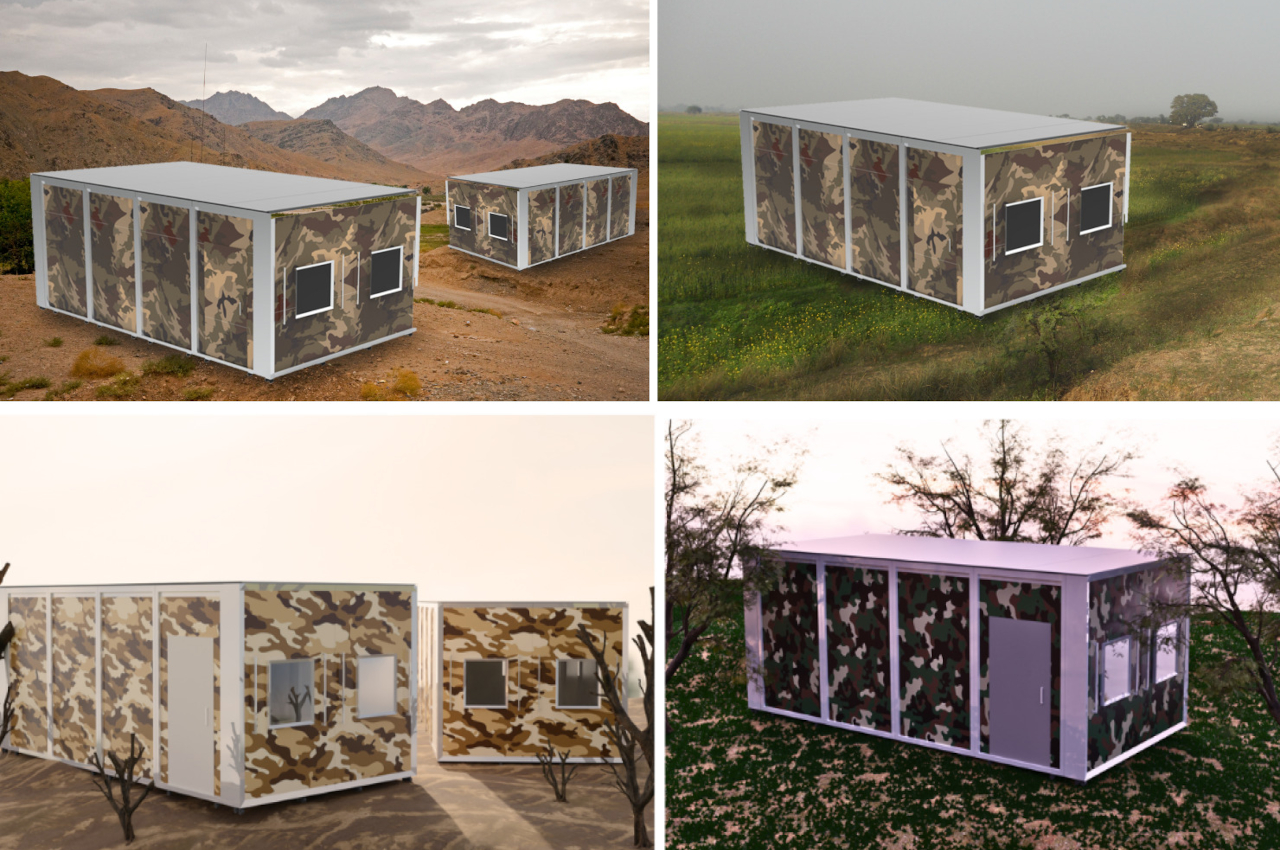
Baadi is a concept that takes the popular flat-pack furniture design to houses, though you don’t exactly assemble one from disparate parts. Instead, you pull out one side of the house, and the rest of the walls expand and unfold like an accordion. This mechanism allows a house that’s big enough for two to four people to be collapsed down to a very flat structure and moved around as needed. The design also makes it possible to deploy multiple houses quickly with only a few people involved, which is a key element when the houses are indeed needed for emergencies.
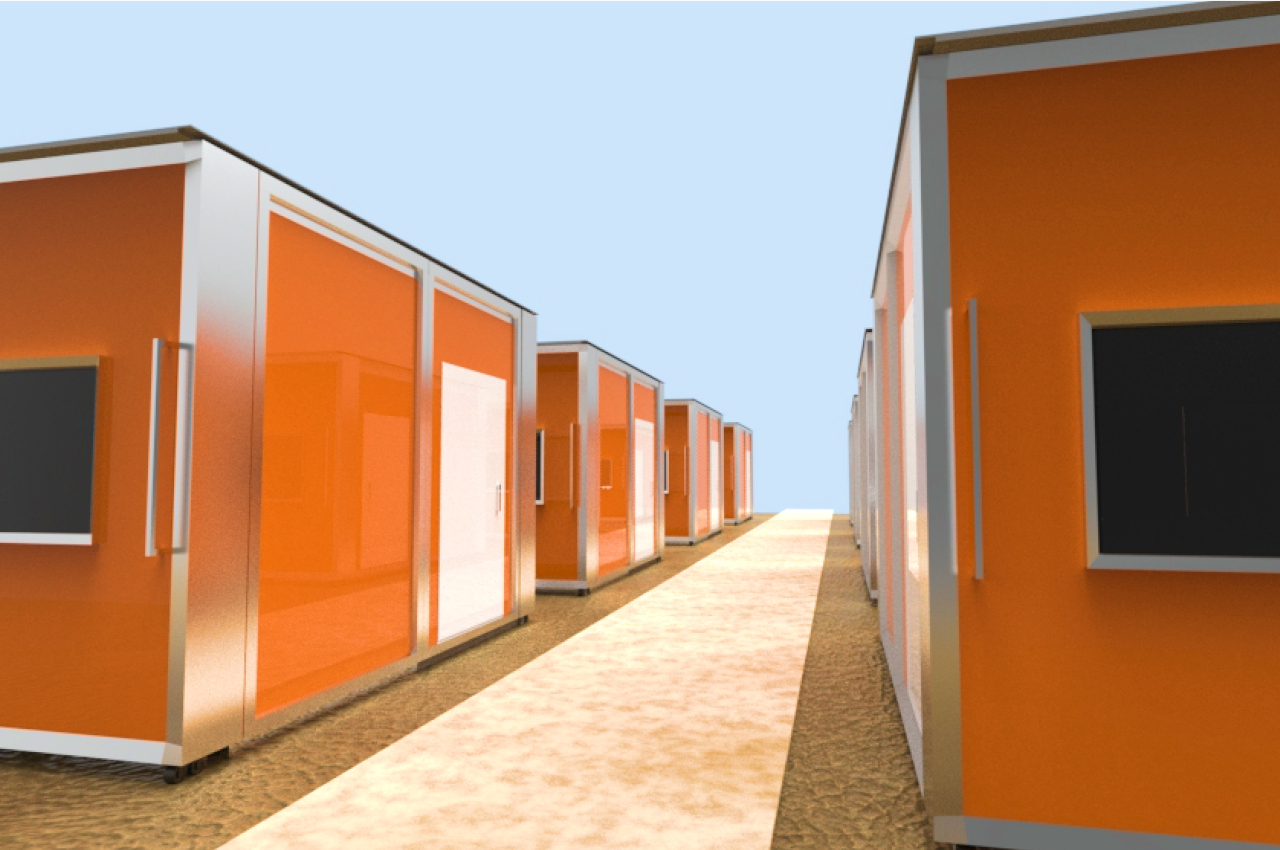
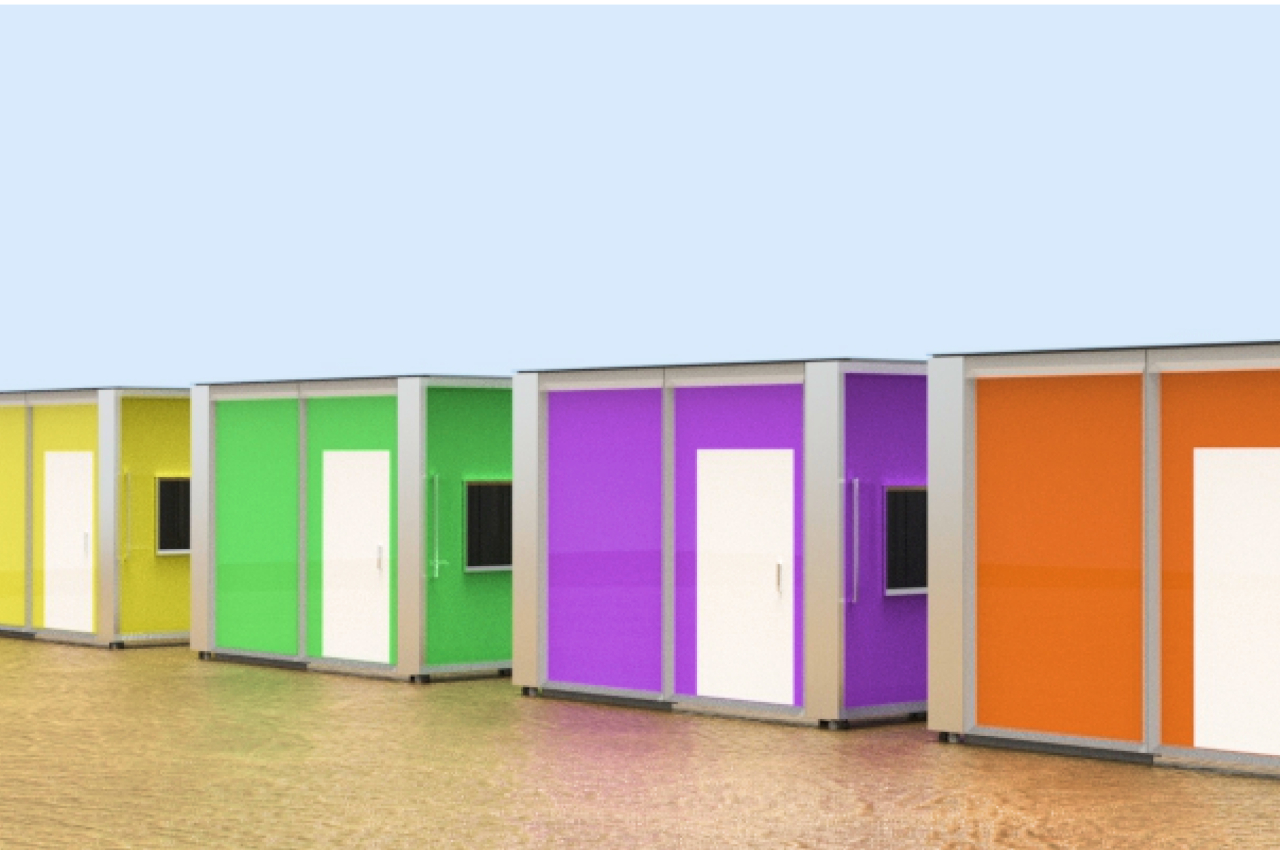
Just like flat-packed furniture, however, there is a connotation of such designs being soulless and dry, especially from lack of customization options. Baadi, however, is designed to be modular and flexible, such as in how many panels can be used to extend the size of the housing, as well as colors for the panels. The latter aspect is actually critical when the houses need to be very visible even from a distance, in case identification and location are needed during natural disasters.
Admittedly, the concept doesn’t leave much room for using different materials, though it’s not that hard to imagine how the design can be extended to support a wider variety, as long as they meet the requirements of durability and resilience. After all, such a housing system places greater emphasis on portability and flexibility, while still providing the necessary protection and comfort when regular houses are near impossible to have.
There are some every day items that I use that I don’t really think about the design principle behind them. Sometimes I don’t even think about the design itself as long as it does what it’s supposed to do. But maybe that’s why I’m not a product designer. Ever since I’ve been writing about them though, it has become more interesting to find out why such items are created the way they are, like these minimalist and simple-looking trays.
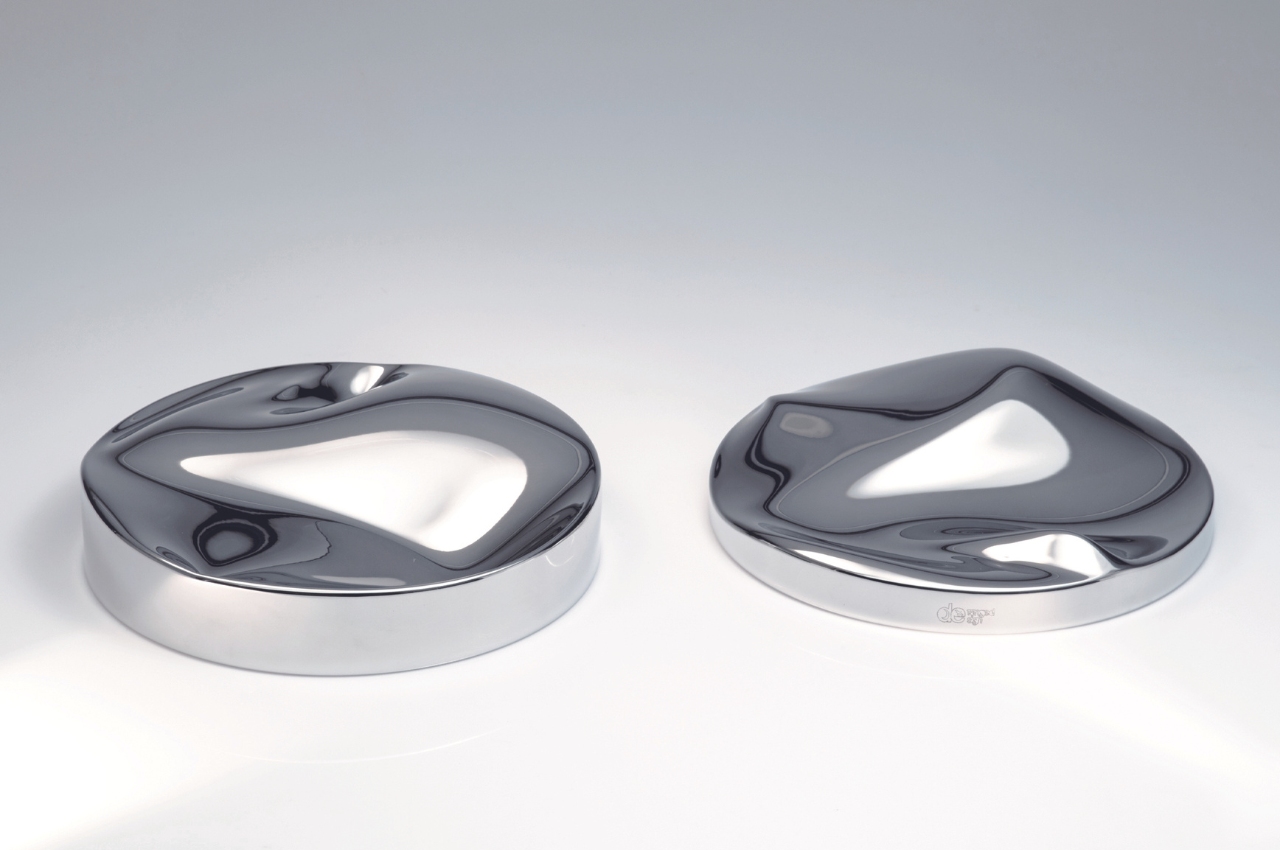
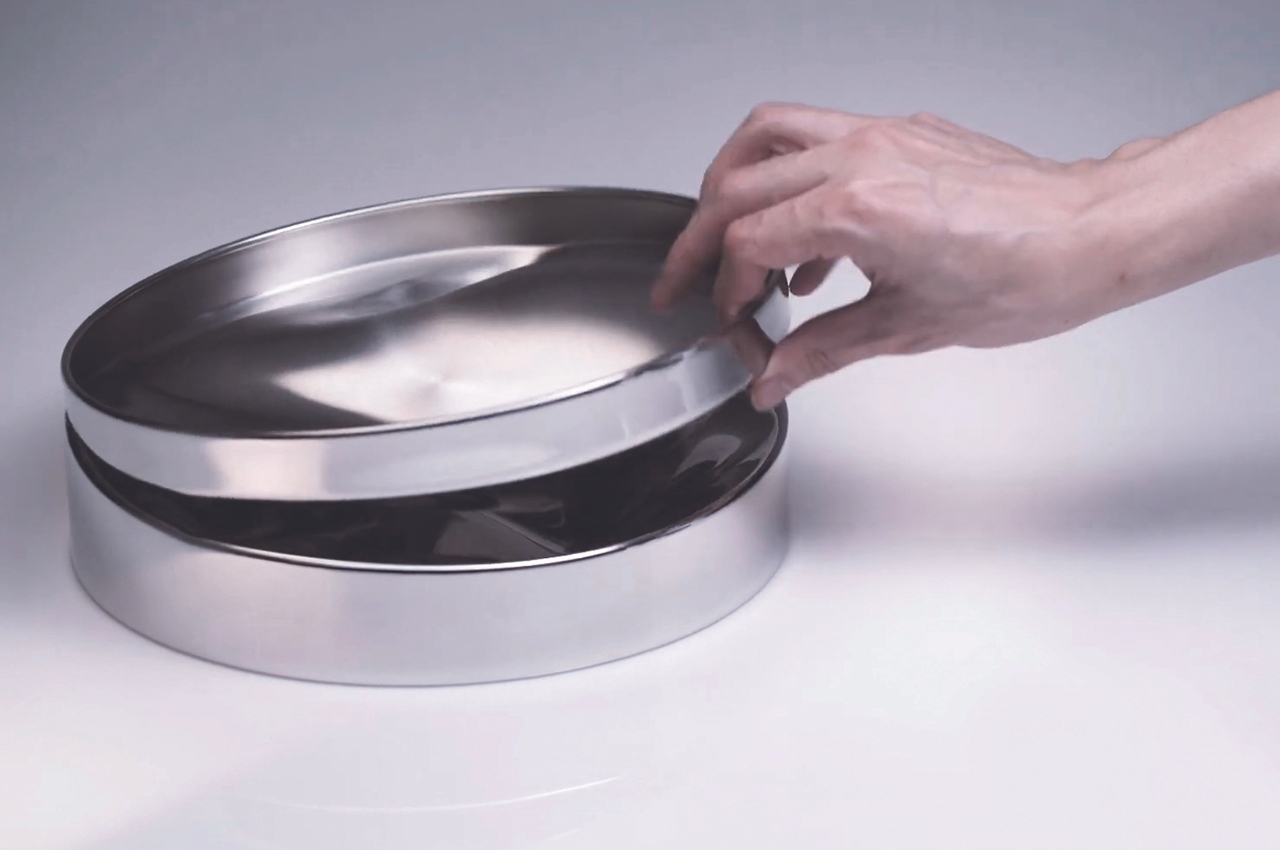
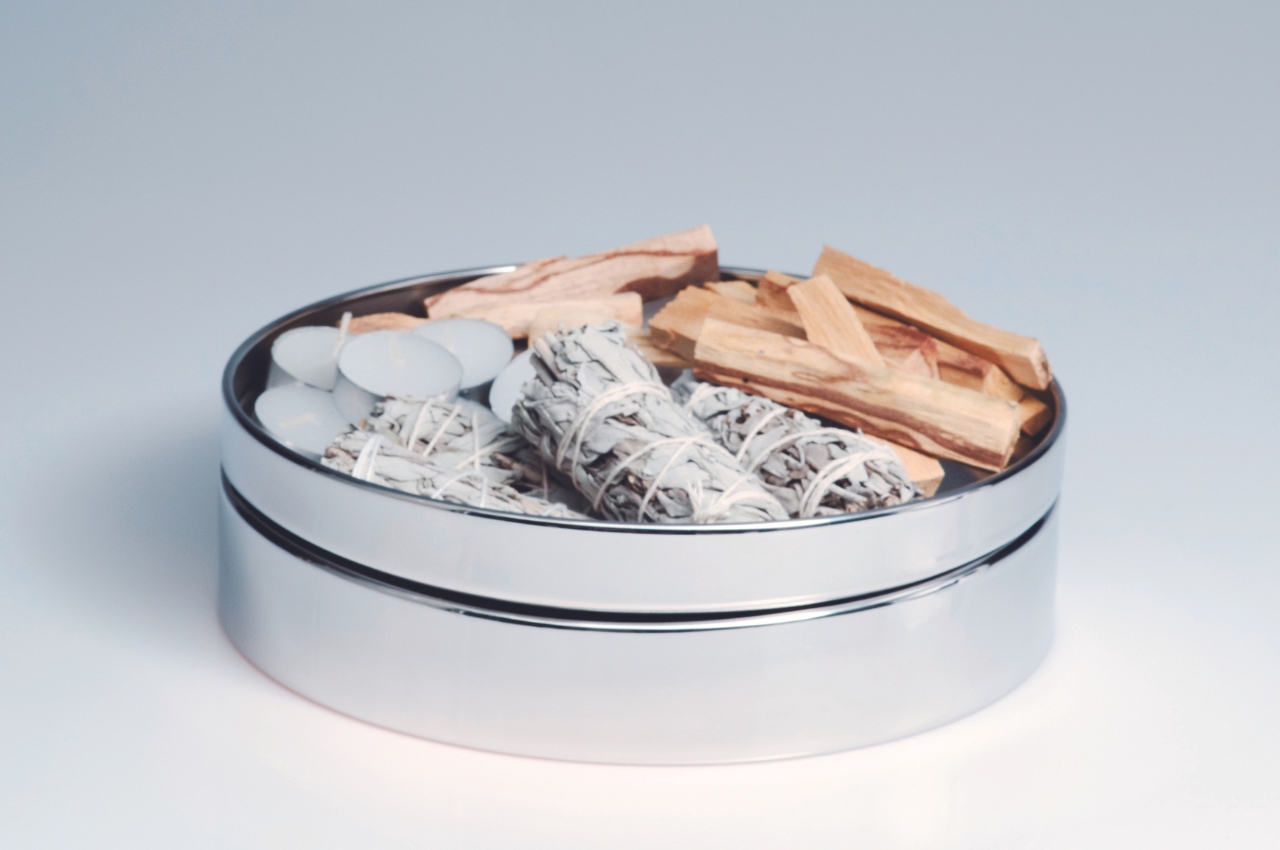
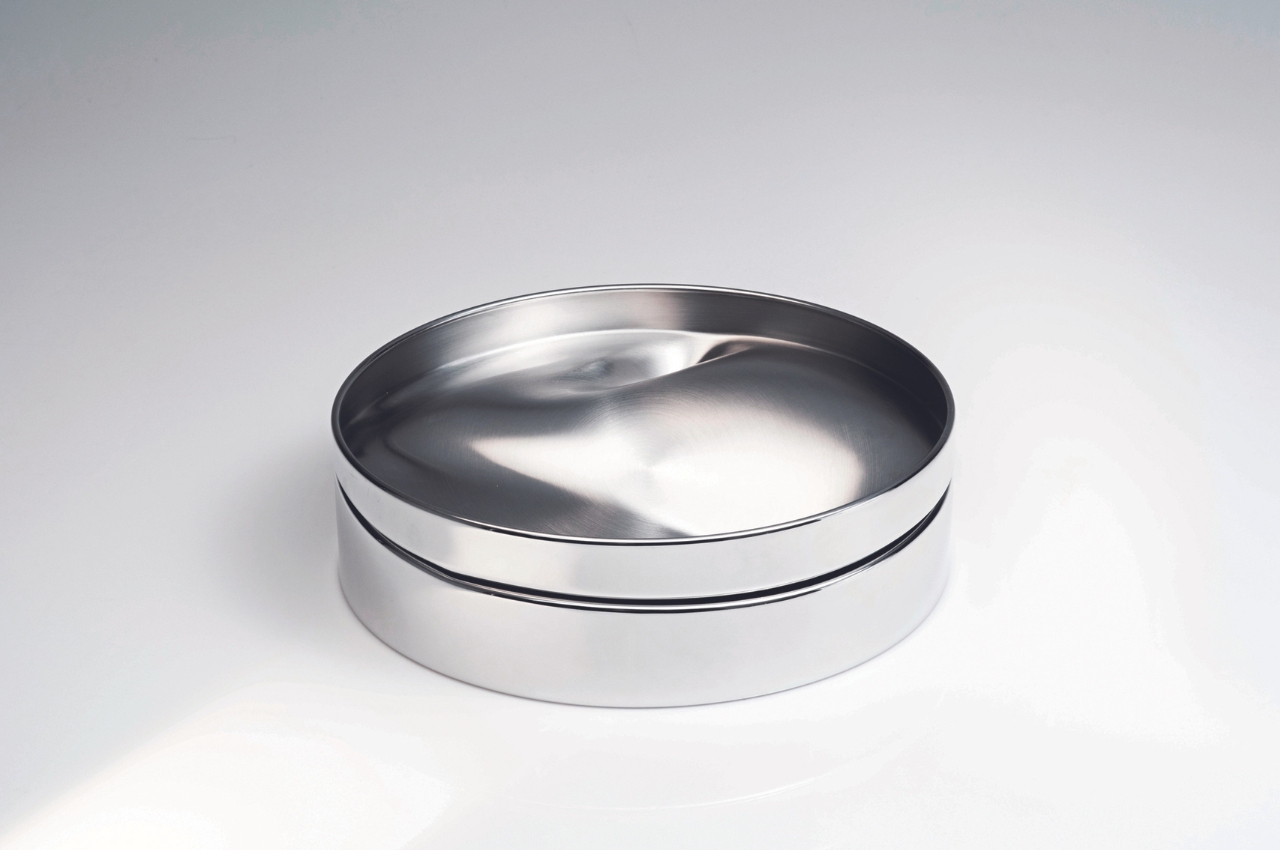
Coexistence is a concept for a stainless steel tray set that takes its inspiration from the ancient philosophical theory “The Sky and Earth Coexist”. It basically says that things are relative to each other like the sky and earth, light and dark, etc. Basically, it’s made up of two tabletop trays that are circular but with landscape or waving surfaces to make it also look like art sculpture.
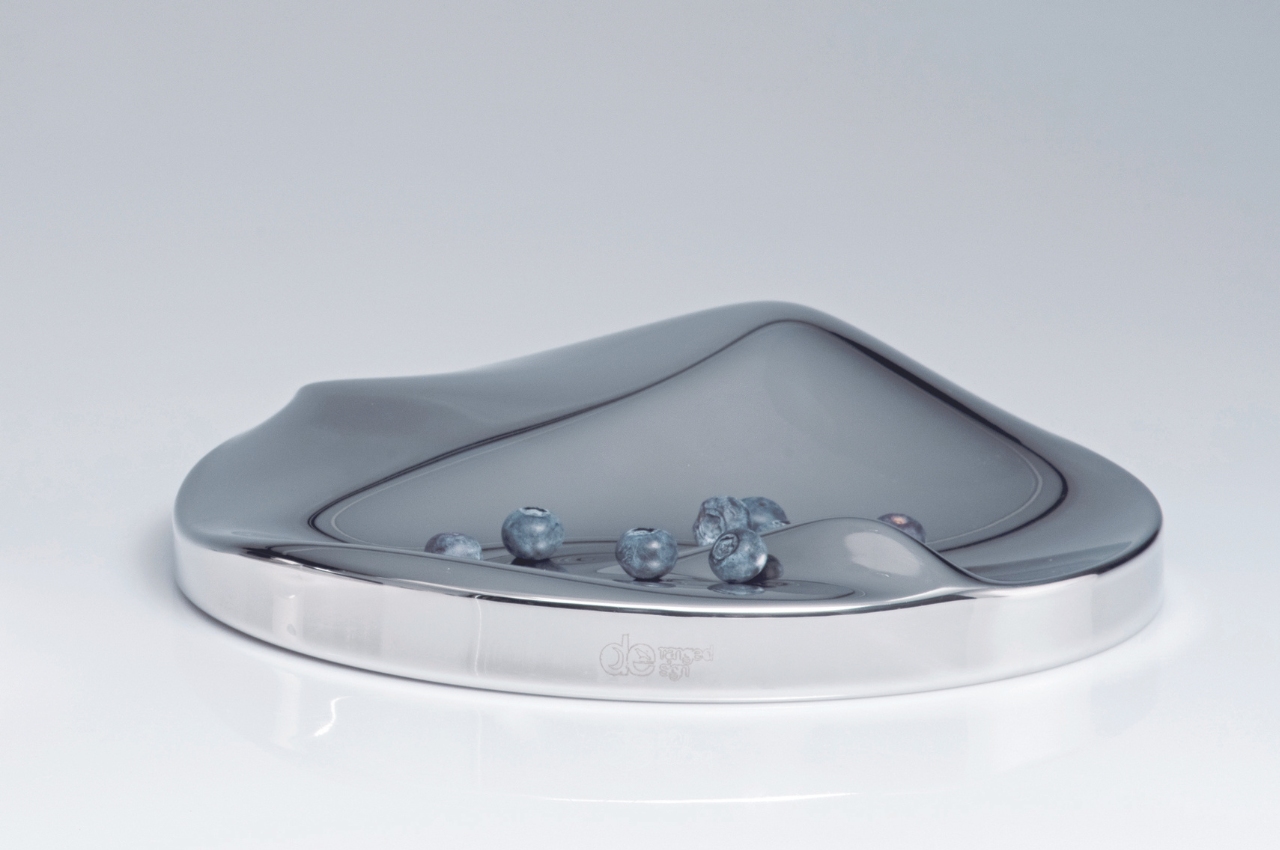
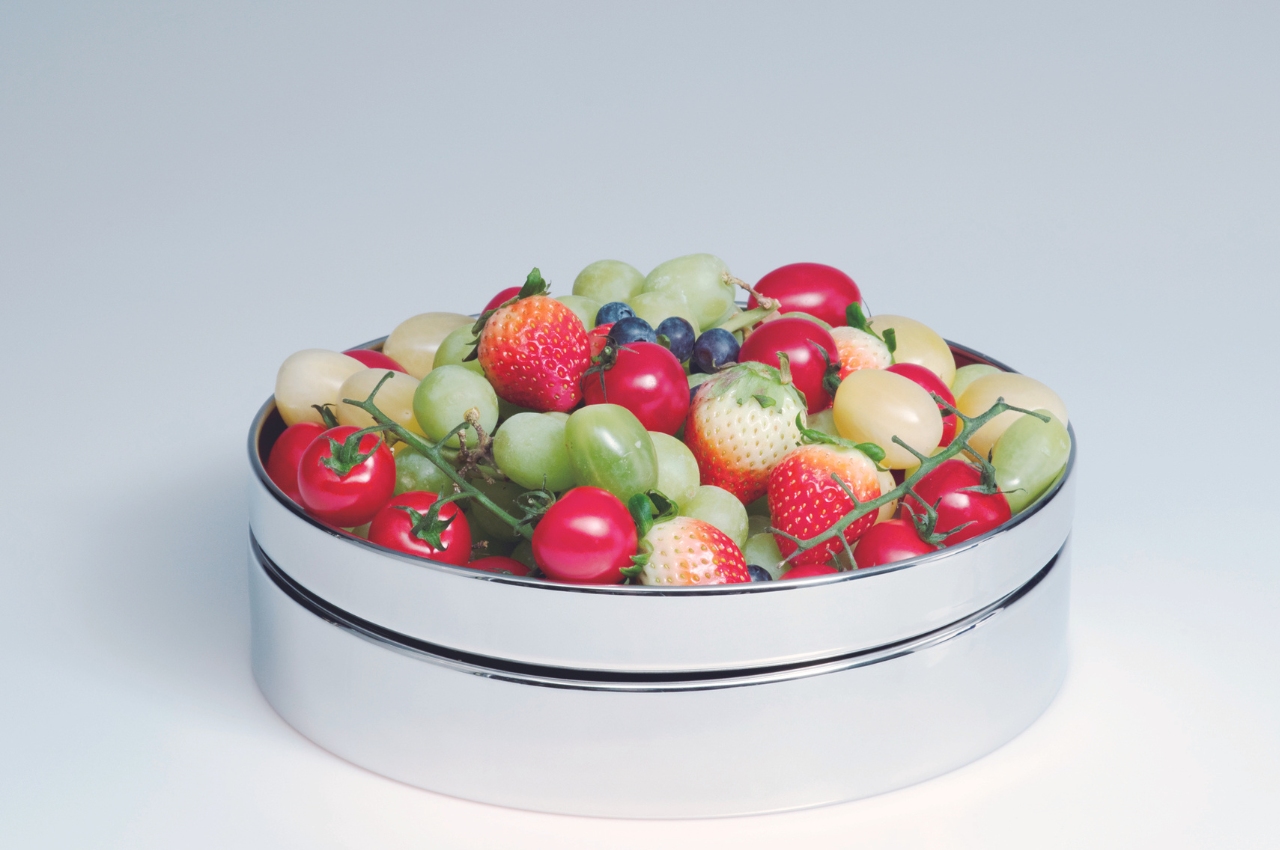
Each tray can be used individually if you need two trays for serving food or for putting stuff on your table. They can also be set upside-down on top of each other in different variations and depending which surface you want to use as a tray. The designer says it can also become one large tray although the product renders don’t show how it can be combined into that variation.
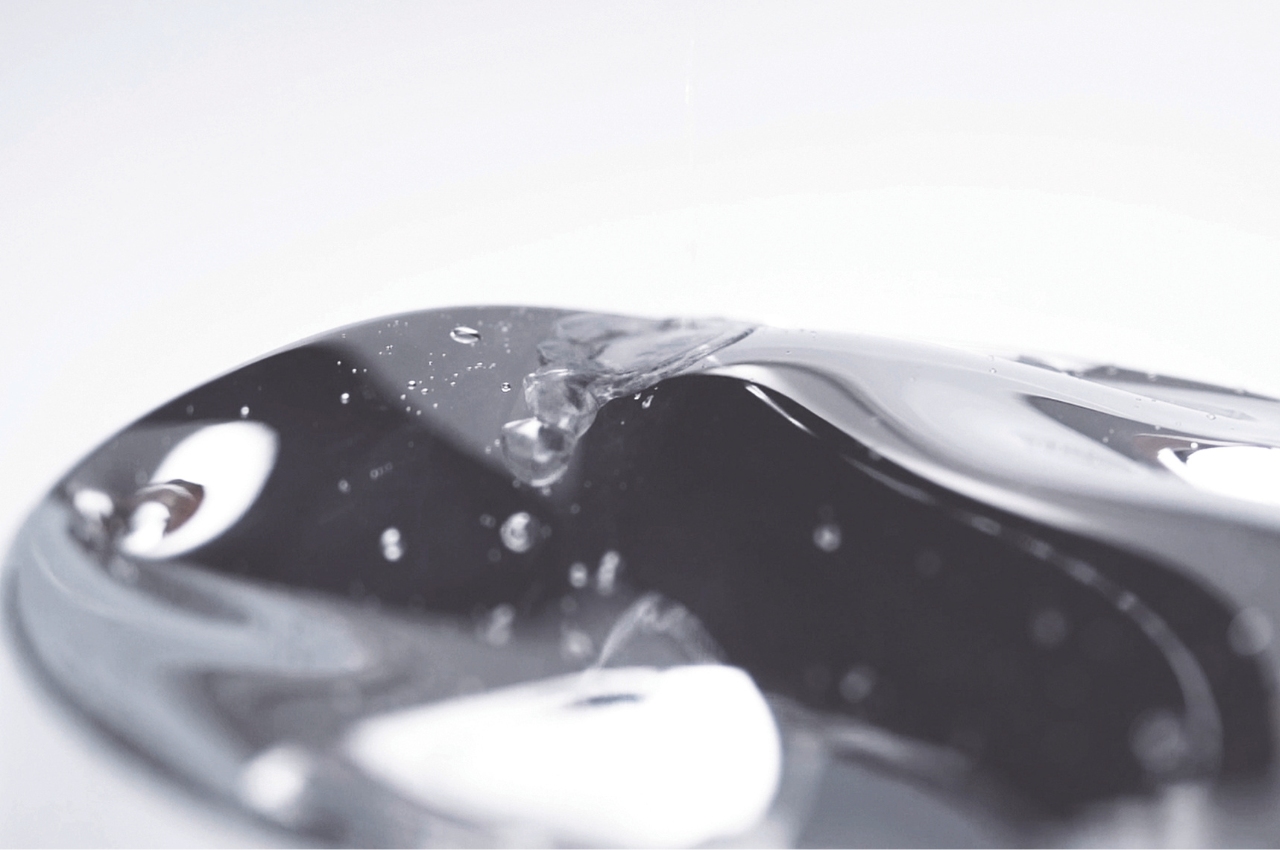
The stainless steel trays have a crisp, mirror finish so if that’s the aesthetic of your dining table or your living space, it should fit right in. The mold they used was specifically designed to make 2 trays so it’s really meant to show the connected duality that the design principle is based on.
After 378 days inside a mock Mars habitat, the four volunteers for NASA’s yearlong simulation of a stay on the red planet are coming home. The crew — Kelly Haston, Anca Selariu, Ross Brockwell and Nathan Jones — is scheduled to exit the 3D-printed habitat in Houston this evening. You can watch the livestream of their return on NASA TV (below) starting at 5PM ET.
This marks the end of NASA’s first Crew Health and Performance Exploration Analog (CHAPEA) mission. There are plans already for two more one-year missions, one of which NASA recently accepted applications for.
The Mission 1 crew entered the 1700-square-foot habitat at the Johnson Space Center on June 25 of last year and has spent the months since conducting simulated Marswalks, growing vegetables and performing other tasks designed to support life and work in that environment, like habitat maintenance. No exact dates for the second CHAPEA mission have been set yet, but it’s expected to begin in spring 2025.
This article originally appeared on Engadget at https://www.engadget.com/volunteers-who-lived-in-nasas-mars-simulation-for-over-a-year-will-finally-emerge-today-192522497.html?src=rss