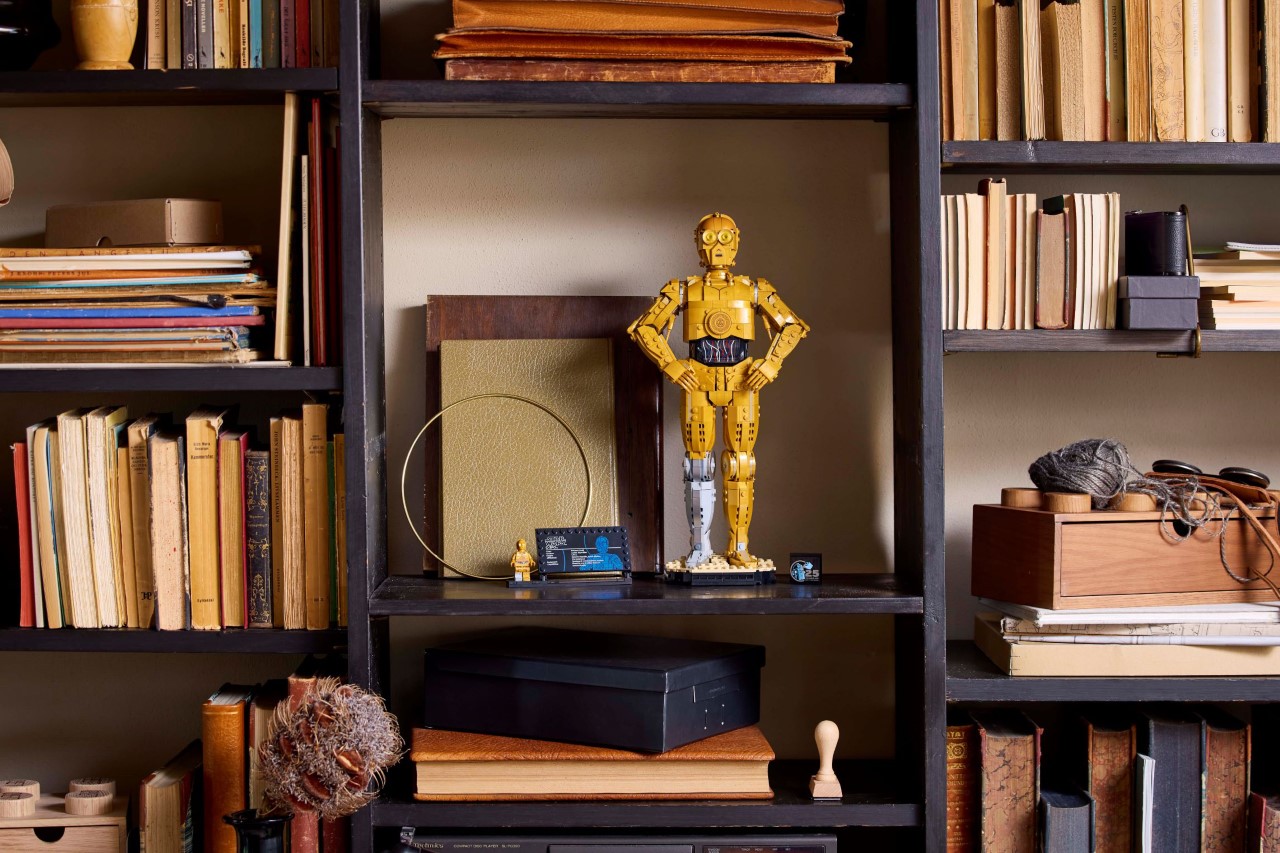
Earlier this year, LEGO revised their R2D2 model and honestly, my first reaction was to ask ‘why?’ The new R2D2 was smaller than the original, and it seems its reason was so that LEGO could debut a scale-matching C3PO to complete the set. Its 15-inch build matches the R2D2 perfectly, so you can pair them together on a mantelpiece and create the iconic duo. The LEGO C3PO build also marks 25 years since LEGO and the Star Wars franchise first collaborated together. The first-ever collab between the two behemoths was back in 1999, when LEGO released a X-wing fighter model alongside the launch of the Phantom Menace movie. Two and a half decades later, their partnership is still going strong, with multiple builds (and even LEGO movies) to mark the successful partnership.
Standing at over 15 inches (38 centimeters) tall, the C-3PO droid is constructed from a staggering 1,138 LEGO pieces. The intricate design captures every iconic detail of the character, from his golden plating and expressive head to his posable arms that can be adjusted to recreate classic poses. Fans can relive their favorite Star Wars moments by turning C-3PO’s head or making him gesture with his arms.
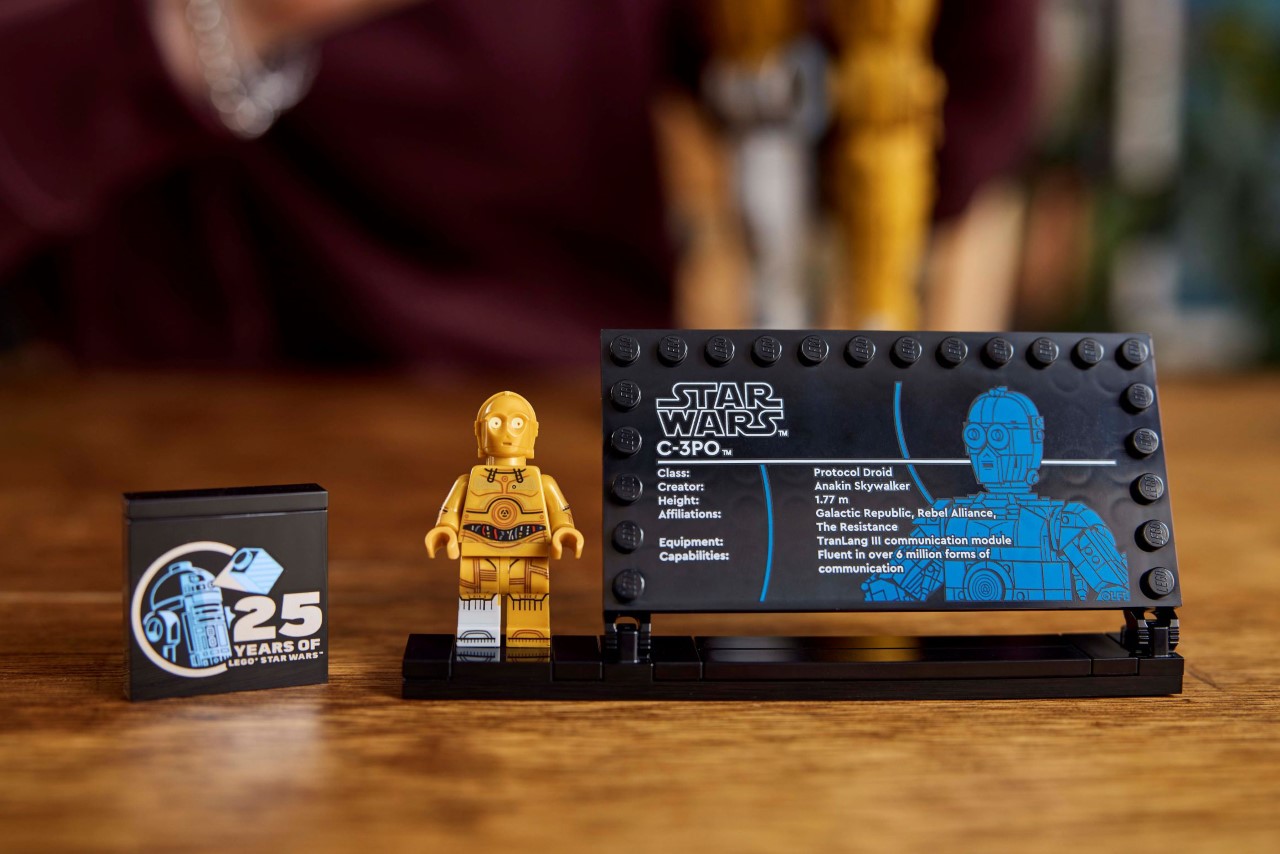
The entire build comes with a C3PO minifigure, a plaque with C3PO’s stats, and a small poster commemorating 25 years of LEGO Start Wars
Standing at over 15 inches (38 centimeters) tall, the C-3PO droid is constructed from a staggering 1,138 LEGO pieces. The intricate design captures every iconic detail of the character, from his golden plating and expressive head to his posable arms that can be adjusted to recreate classic poses. Fans can relive their favorite Star Wars moments by turning C-3PO’s head or making him gesture with his arms.
This isn’t a completely static display model either. The C-3PO figure features a posable head and arms, allowing you to recreate classic poses from the Star Wars saga. There’s even a fun detail for die-hard fans – one of the arms can be repositioned to mimic C-3PO’s well-known gesture of patting R2-D2 on the head.
The set comes complete with a display stand featuring an information plaque about C-3PO and a spot for the included C-3PO minifigure. To top it all off, a special LEGO Star Wars 25th-anniversary brick is included, adding a touch of collectability.
The LEGO Star Wars C-3PO (75398) is priced at US$139.99, and is now available for pre-order, with deliveries commencing August 1st, 2024.
Update, July 5, 5:25PM ET: The same day it posting a tweet thread about Apple's app submission processes, Epic now says its game store has been accepted by Apple. The company offered no further commentary beyond a single tweet noting that “Apple has informed us that our previously rejected Epic Games Store notarization submission has now been accepted.”
Thirty minutes later, Epic CEO Tim Sweeney said "Apple is now telling reporters that this approval is temporary and are demanding we change the buttons in the next version - which would make our store less standard and harder to use. We'll fight this."
Guess this saga's got more legs to run.
The original story chronicling Epic's moody tweets follows unedited.
Epic says that Apple has once again rejected its submission for a third-party app store, according to a series of posts on X. The company says that Apple rejected the latest submission over the design and position of the “install” button on the app store, claiming that it too closely resembles Apple's own “get” button. Apple also allegedly said that Epic’s “in-app purchases” label is too similar to its own label, used for the same reason.
The maker of Fortnite suggests that this is just another salvo in the long-running dispute between the two companies. Epic says that it’s using the same “install” and “in-app purchases” naming conventions found “across popular app stores on multiple platforms.” As for the design language, the company states that it's “following standard conventions for buttons in iOS apps” and that they’re “just trying to build a store that mobile users can easily understand.”
1/3 Apple has rejected our Epic Games Store notarization submission twice now, claiming the design and position of Epic’s “Install” button is too similar to Apple's "Get" button and that our "In-app purchases" label is too similar to the App Store's "In-App Purchases" label.
— Epic Games Newsroom (@EpicNewsroom) July 5, 2024
Epic has called the rejection “arbitrary, obstructive and in violation of the DMA.” To that end, it has shared concerns with the European Commission in charge of tracking potential Digital Markets Act (DMA) violations. The company still says it's ready to launch both the Epic Games Store and Fortnite on iOS in the EU in “the next couple of months” so long as Apple doesn’t put up “further roadblocks.”
This is just the latest news from a rivalry that goes back years. The two companies have been sparring ever since Epic started using its own in-app payment option in the iOS version of Fortnite, keeping Apple away from its 30 percent cut.
This led to a lengthy legal battle in the US about Apple’s walled-garden approach to its app store. Epic sued Apple and Apple banned Epic. A judge issued a permanent injunction as a way to allow developers to avoid Apple’s 30 percent cut of sales. This didn’t satisfy anyone. Apple wasn’t happy, for obvious reasons, and Epic contested the language of the injunction, which didn’t call out Apple for having a monopoly. Both companies appealed, eventually making its way to the Supreme Court. The court decided not to hear the case. The justices must have had other things to do.
This article originally appeared on Engadget at https://www.engadget.com/epic-says-that-apple-rejected-its-third-party-app-store-for-the-second-time-183914413.html?src=rss
Waves the size of skyscrapers explode beneath me as I creep across a busted metal beam in the middle of the North Sea, suspended at the base of an oil rig that’s in the process of collapsing. I’m crawling swiftly but carefully, knees sliding on the wet metal and eyes locked on the platform in front of me. Don’t look down.
I look down. The cold sea is boiling just inches from my beam, white spray reaching up, threatening to pull me under miles of suffocating darkness and pressure. Fuck.
The Chinese Room
In Still Wakes the Deep, horror comes in multiple forms. Violent creatures stalk the walkways on thin, too-long limbs that burst from their bodies like snapping bungee cords. Human-sized pustules and bloody ribbons grow along the corridors, emitting a sickly cosmic glow. The ocean is an unrelenting threat, wailing beneath every step. And then there’s the Beira D oil rig itself, a massive and mazelike industrial platform supported by slender tension legs in the middle of a raging sea, groaning and tilting as it’s ripped apart from the inside. Each of these elements is deadly; each one manifests a unique brand of terror.
Still Wakes the Deep is a first-person horror game from The Chinese Room, the studio behind Amnesia: A Machine for Pigs, Dear Esther and Everybody’s Gone to the Rapture. The game is set in the winter of 1975 and its action is contained to the Beira D, a hulking metal maze that offers mystery, a growing familiarity and death at every turn. The rig is filled with a rich cast of characters from the British Isles, most of them Scottish. Players assume the role of Caz, an electrician on the rig whose best friend is Roy, the cook.
The Chinese Room
Still Wakes the Deep feels like a hit from the PS3 and Xbox 360 era, devoid of modern AAA bloat. It’s restrained like the original Dead Space, with a core loop that serves the narrative and vice versa. The mechanics steadily evolve without becoming repetitive or cumbersome. Its monsters are murderous but not overplayed. In Still Wakes the Deep, the horror is unrelenting but its source is constantly shifting — vicious eldritch beasts, the crumbling rig, the angry North Sea — and this diversity infuses the game with a buzzing tension until the breathtaking final scene.
The game is fully voice acted and its crew members are incredibly charming. An undercurrent of good-natured ribbing belies every interaction, and the dialogue is earnest and legitimately funny, even in life-or-death situations. This skillful sense of character development only makes the carnage more disturbing once the monsters board the Beira D.
After the oil rig drills through a mysterious substance deep in the North Sea, a giant eldritch organism takes over the structure, crunching its metal corridors and infesting the bodies of some crew members. Caz is on a mission to survive the creatures and escape the rig — and help save Roy, whose body is fading fast because he can’t get to his insulin.
The Chinese Room
Gameplay in Still Wakes the Deep is traditional first-person horror fare, executed with elegance and expertise. The action involves leaping across broken platforms, balancing on thin ledges, running down corridors, climbing ladders, swimming through claustrophobic holes and hiding from monsters in vents and lockers. There are no guns on the Beira D, and Caz has just a screwdriver to help him break open locks and unscrew metal panels, placing the focus on pure survival rather than combat. Interactive materials tend to be highlighted in yellow, so it’s never a question of what to do or where to go, but rather how to get there without falling prey to the monsters, the sea or the rig.
Each input feels perfectly precise and responsive. Climbing a ladder, for instance, requires holding RT and pressing the analog stick in the proper direction — but if Caz slips, players need to suddenly press and hold LT as well, so he can regain his grasp in a quicktime event. In these moments of sudden panic, squeezing both triggers feels like the natural thing to do. It’s deeply satisfying to clasp the gamepad as tightly as Caz is holding the rungs of the ladder, player and character completely in sync in the aftermath of a sudden scare. Still Wakes the Deep is a prime example of intuitive game design.
The Chinese Room
It’s also just a gorgeous game. I stopped short multiple times while playing Still Wakes the Deep simply to admire the crisp lines, complex lighting and photorealism of specific scenes, but every frame is dense with thoughtful and well-rendered details. The otherworldly structures littering the rig cause Caz’s vision to bubble like a melting film reel, and multicolored circles overtake the screen every time he passes too close to a pustule — it’s disorienting and eerily pretty, much like the rest of the game.
Still Wakes the Deep is an instant horror classic. It’s filled with heart-pounding terror and laugh-out-loud dialogue, and it all takes place in a setting that’s rarely explored in interactive media. Amid the sneaking, swimming, running and climbing on the Beira D, Still Wakes the Deep manages to tell a heartfelt and powerful story about relationships and sacrifice. Caz and Roy have a special friendship, but they also have family back on shore and returning to these people — alive, ideally — is a constant driving force.
The Chinese Room
Still Wakes the Deep is available now on PC, PS5 and Xbox Series X/S, and it’s included in Game Pass. It’s developed by The Chinese Room and published by Secret Mode.
This article originally appeared on Engadget at https://www.engadget.com/still-wakes-the-deep-is-a-modern-horror-classic-175304800.html?src=rss
Waves the size of skyscrapers explode beneath me as I creep across a busted metal beam in the middle of the North Sea, suspended at the base of an oil rig that’s in the process of collapsing. I’m crawling swiftly but carefully, knees sliding on the wet metal and eyes locked on the platform in front of me. Don’t look down.
I look down. The cold sea is boiling just inches from my beam, white spray reaching up, threatening to pull me under miles of suffocating darkness and pressure. Fuck.
The Chinese Room
In Still Wakes the Deep, horror comes in multiple forms. Violent creatures stalk the walkways on thin, too-long limbs that burst from their bodies like snapping bungee cords. Human-sized pustules and bloody ribbons grow along the corridors, emitting a sickly cosmic glow. The ocean is an unrelenting threat, wailing beneath every step. And then there’s the Beira D oil rig itself, a massive and mazelike industrial platform supported by slender tension legs in the middle of a raging sea, groaning and tilting as it’s ripped apart from the inside. Each of these elements is deadly; each one manifests a unique brand of terror.
Still Wakes the Deep is a first-person horror game from The Chinese Room, the studio behind Amnesia: A Machine for Pigs, Dear Esther and Everybody’s Gone to the Rapture. The game is set in the winter of 1975 and its action is contained to the Beira D, a hulking metal maze that offers mystery, a growing familiarity and death at every turn. The rig is filled with a rich cast of characters from the British Isles, most of them Scottish. Players assume the role of Caz, an electrician on the rig whose best friend is Roy, the cook.
The Chinese Room
Still Wakes the Deep feels like a hit from the PS3 and Xbox 360 era, devoid of modern AAA bloat. It’s restrained like the original Dead Space, with a core loop that serves the narrative and vice versa. The mechanics steadily evolve without becoming repetitive or cumbersome. Its monsters are murderous but not overplayed. In Still Wakes the Deep, the horror is unrelenting but its source is constantly shifting — vicious eldritch beasts, the crumbling rig, the angry North Sea — and this diversity infuses the game with a buzzing tension until the breathtaking final scene.
The game is fully voice acted and its crew members are incredibly charming. An undercurrent of good-natured ribbing belies every interaction, and the dialogue is earnest and legitimately funny, even in life-or-death situations. This skillful sense of character development only makes the carnage more disturbing once the monsters board the Beira D.
After the oil rig drills through a mysterious substance deep in the North Sea, a giant eldritch organism takes over the structure, crunching its metal corridors and infesting the bodies of some crew members. Caz is on a mission to survive the creatures and escape the rig — and help save Roy, whose body is fading fast because he can’t get to his insulin.
The Chinese Room
Gameplay in Still Wakes the Deep is traditional first-person horror fare, executed with elegance and expertise. The action involves leaping across broken platforms, balancing on thin ledges, running down corridors, climbing ladders, swimming through claustrophobic holes and hiding from monsters in vents and lockers. There are no guns on the Beira D, and Caz has just a screwdriver to help him break open locks and unscrew metal panels, placing the focus on pure survival rather than combat. Interactive materials tend to be highlighted in yellow, so it’s never a question of what to do or where to go, but rather how to get there without falling prey to the monsters, the sea or the rig.
Each input feels perfectly precise and responsive. Climbing a ladder, for instance, requires holding RT and pressing the analog stick in the proper direction — but if Caz slips, players need to suddenly press and hold LT as well, so he can regain his grasp in a quicktime event. In these moments of sudden panic, squeezing both triggers feels like the natural thing to do. It’s deeply satisfying to clasp the gamepad as tightly as Caz is holding the rungs of the ladder, player and character completely in sync in the aftermath of a sudden scare. Still Wakes the Deep is a prime example of intuitive game design.
The Chinese Room
It’s also just a gorgeous game. I stopped short multiple times while playing Still Wakes the Deep simply to admire the crisp lines, complex lighting and photorealism of specific scenes, but every frame is dense with thoughtful and well-rendered details. The otherworldly structures littering the rig cause Caz’s vision to bubble like a melting film reel, and multicolored circles overtake the screen every time he passes too close to a pustule — it’s disorienting and eerily pretty, much like the rest of the game.
Still Wakes the Deep is an instant horror classic. It’s filled with heart-pounding terror and laugh-out-loud dialogue, and it all takes place in a setting that’s rarely explored in interactive media. Amid the sneaking, swimming, running and climbing on the Beira D, Still Wakes the Deep manages to tell a heartfelt and powerful story about relationships and sacrifice. Caz and Roy have a special friendship, but they also have family back on shore and returning to these people — alive, ideally — is a constant driving force.
The Chinese Room
Still Wakes the Deep is available now on PC, PS5 and Xbox Series X/S, and it’s included in Game Pass. It’s developed by The Chinese Room and published by Secret Mode.
This article originally appeared on Engadget at https://www.engadget.com/still-wakes-the-deep-is-a-modern-horror-classic-175304800.html?src=rss
Samsung is gearing up to reveal its latest foldable smartphones, the Galaxy Z Fold 6 and Galaxy Z Flip 6. With the Samsung Unpacked event just around the corner, detailed specs for both devices have already leaked, giving us a sneak peek at what’s coming.
Designer: Samsung
Samsung Galaxy Z Fold 6
The Galaxy Z Fold 6 comes with some exciting upgrades. The 7.6-inch inner screen now boasts a max brightness of 2,600 nits, up from 1,750 nits, making it much easier to see in bright daylight. The outer screen remains a useful 6.3 inches, with slight improvements in size and resolution for a better overall viewing experience.
Image via Evan Blass
Under the hood, the Z Fold 6 is powered by the new Snapdragon 8 Gen 3 processor, which promises faster and more efficient performance. You’ll also get an extra hour of LTE internet use and two more hours of video playback, perfect for those long days out. Design-wise, the Fold 6 is 14 grams lighter and a bit more compact, making it easier to carry around. It’s 1.4mm shorter, 1mm wider, and 1.3mm thinner when folded, and 1.4mm shorter, 2.7mm wider, and 0.5mm thinner when unfolded. The improved Armor Aluminum frame ensures better durability without adding extra weight. A minor yet noteworthy change is the secondary screen being 0.1 inches larger. The main display resolution has slightly changed to 2160×1856 from 2176×1812. However, the cameras, battery capacity (4400mAh), and Gorilla Glass Victus 2 cover glass remain the same.
Image via Evan Blass
The design of the Z Fold 6 also focuses on functionality and portability. Despite its large display, the device is slim and lightweight, making it pocket-friendly. Samsung has improved the hinge mechanism, offering a smoother folding experience. The Z Fold 6 also supports the S Pen, making it a versatile tool for note-taking and productivity on the go.
Image via Evan Blass
Samsung Galaxy Z Flip 6
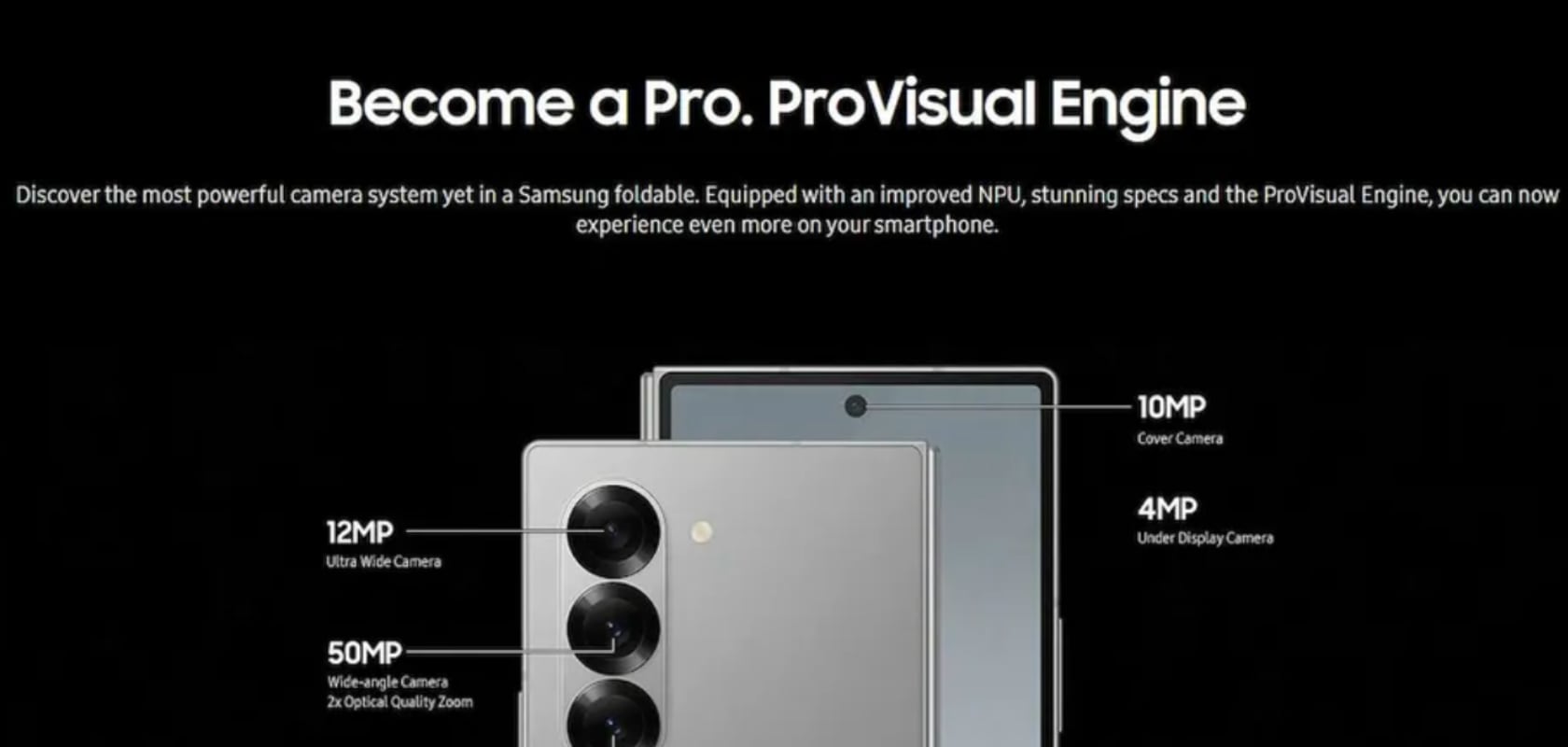
The Galaxy Z Flip 6 is also getting some cool updates. The main camera is now a powerful 50MP, up from 12MP, while retaining the same f/1.8 aperture for stunning photos. Another significant change is the switch to an IPS display from OLED, which might affect color quality slightly but could improve durability.
Image via Evan Blass
Equipped with the new Snapdragon 8 Gen 3 processor and upgraded to 12GB of RAM from 8GB, the Galaxy Z Flip 6 ensures smooth multitasking and performance. The higher capacity 4,000mAh battery (up from 3,700mAh) extends internet usage by two hours and video playback by three hours, making it a reliable companion for prolonged use. When folded, the device is 0.2mm thinner, with other dimensions and weight remaining unchanged. A notable aesthetic update is that the entire phone reflects your chosen color, not just one panel on the back, for a more unified and stylish look. Like the Fold 6, the Flip 6 is protected by Gorilla Glass Victus 2.
Display Comparison: Z Flip 4, 5, and 6
We see some exciting changes when comparing the display sizes across the Z Flip series. The Z Flip 6 has a 6.7-inch inner screen and a 3.4-inch outer screen, consistent with the Z Flip 5, but a significant jump from the Z Flip 4’s 1.9-inch outer screen. This increase provides a more useful and interactive external display, enhancing functionality without unfolding the device. Additionally, the Z Flip 6’s switch to an IPS display for the outer screen, from OLED, indicates a focus on durability and other display qualities.
Image via Evan Blass
New Features and Improvements
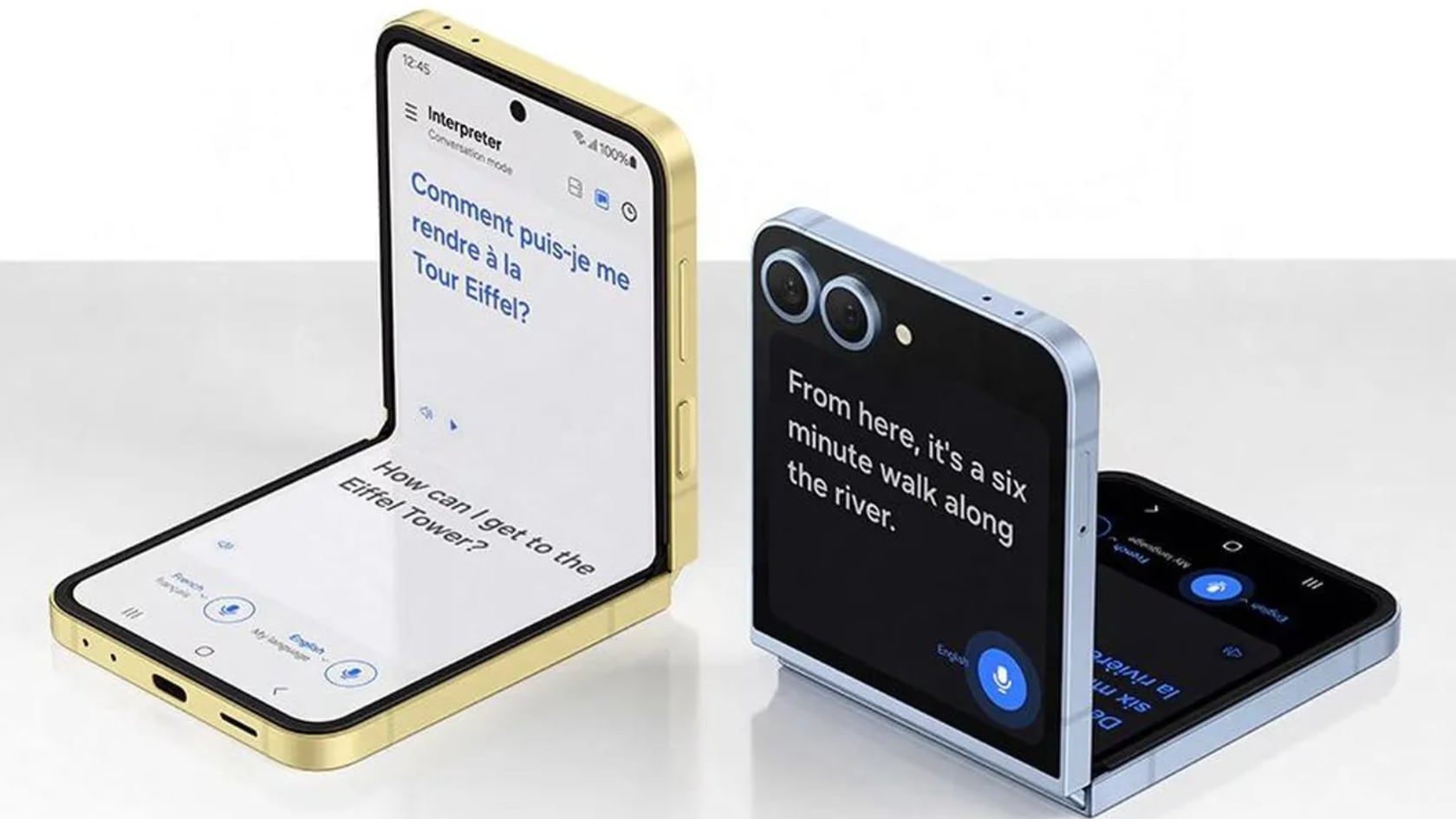
The Galaxy Z Flip 6 introduces several innovative features. The front cover screen now supports Samsung’s language-translating Interpreter Mode, allowing you to communicate more effectively in different languages. It also has Chat Assist, which lets you send messages directly from the front display with suggested replies curated by context-sensitive AI. The Circle to Search with Google feature enables users to instantly circle an object or text and get search results.
Image via Evan Blass
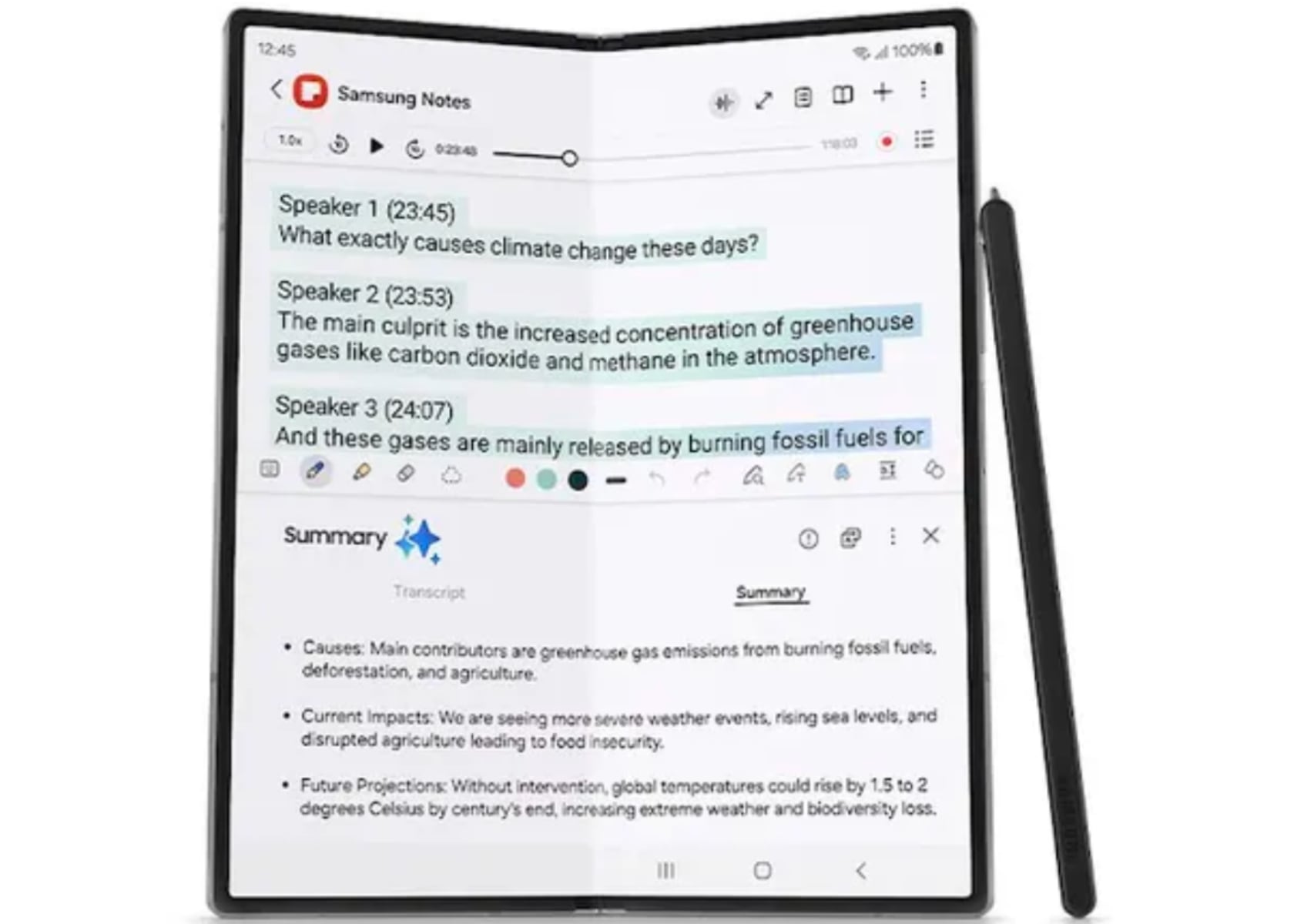
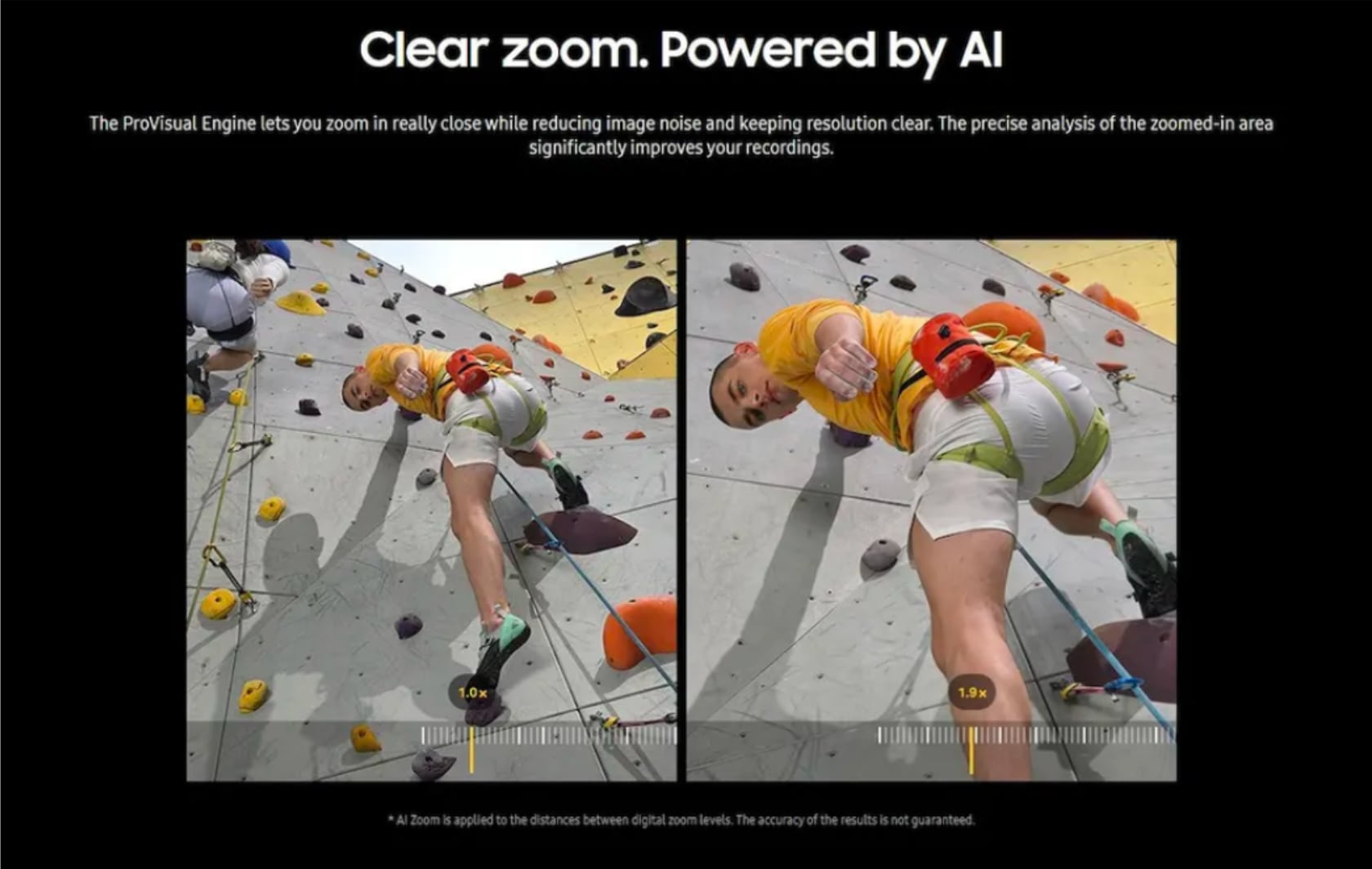
On the Galaxy Z Fold 6, the AI Note Assist helps summarize notes, making organizing your thoughts and ideas more accessible. The device also offers an immersive gaming experience with its high-brightness display and improved performance. The ProVisual Engine on both devices enhances camera capabilities, providing clear zoom and detailed photos powered by AI.
Image via Evan Blass
With the official launch on July 10th, these leaks have given us a comprehensive look at what to expect. Whether you’re after better performance, enhanced camera features, or stylish design tweaks, the Samsung Galaxy Z Fold 6 and Galaxy Z Flip 6 are shaping up to be great new additions to the foldable phone market.
Because of my bad back, I am not that much a fan of stools. But there are times that it’s the most practical (and only available) kind of seating especially if you live in Asia. On our side of the world, it’s often used for short-term use at places like street food stalls, markets, and corner pubs. There’s always room for well-designed stools that may also serve other purposes aside from sitting on it.
Designer Name: Sheng-Wen, Wang
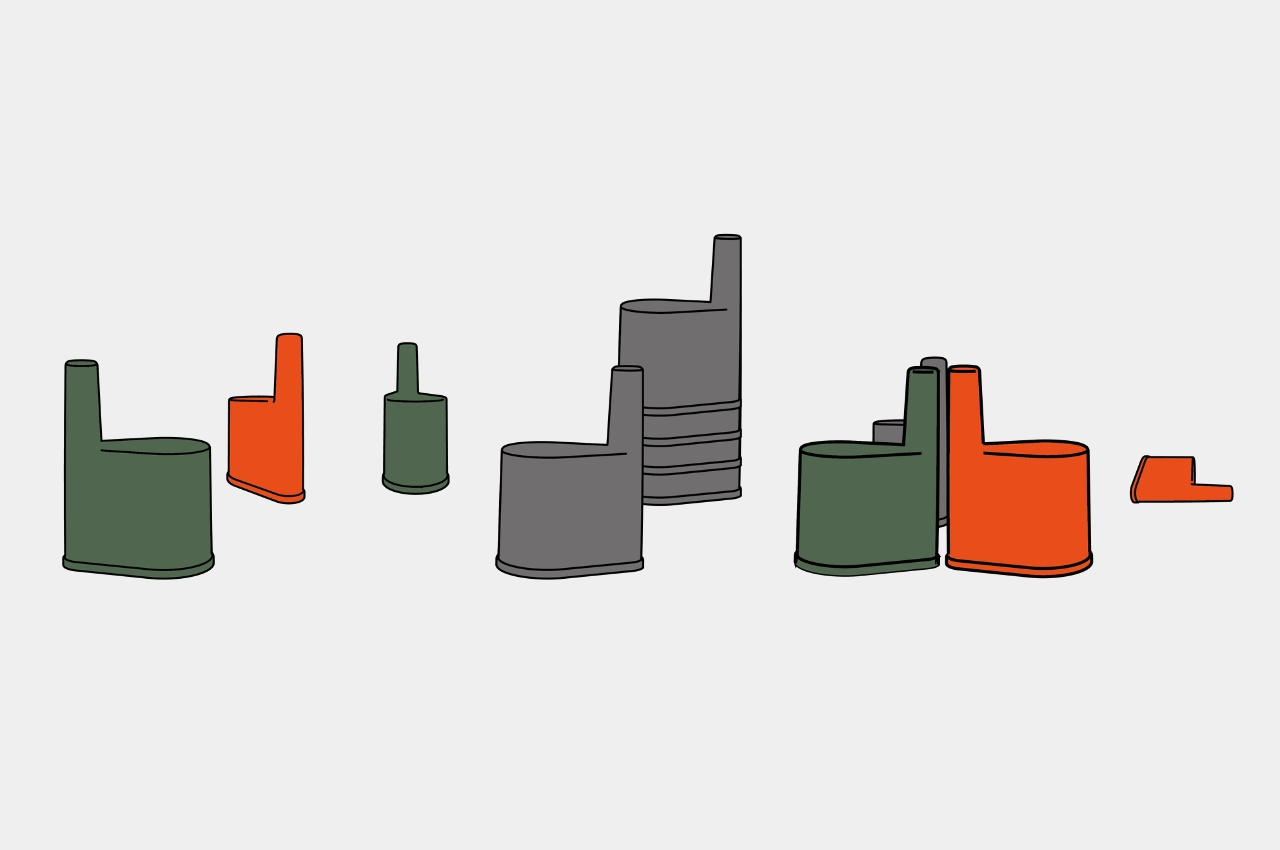
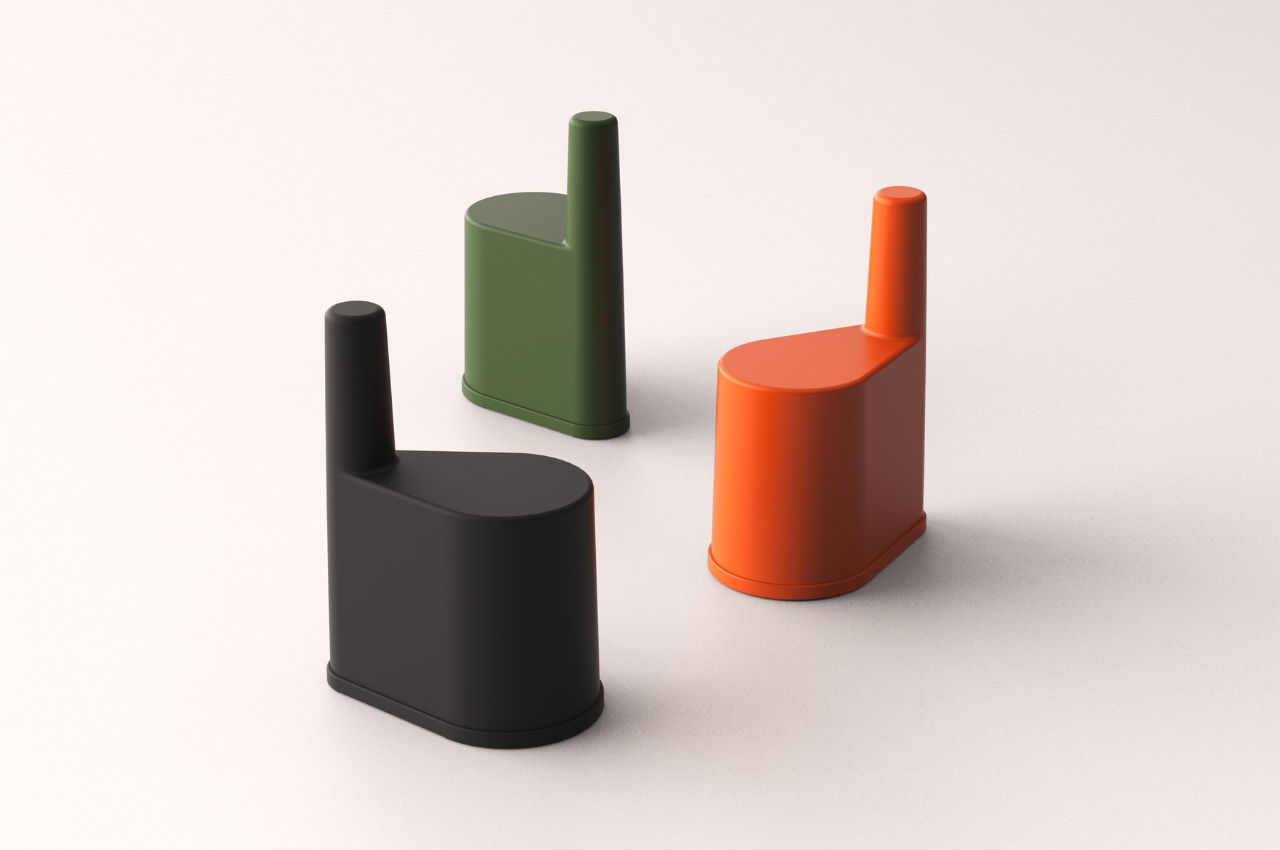
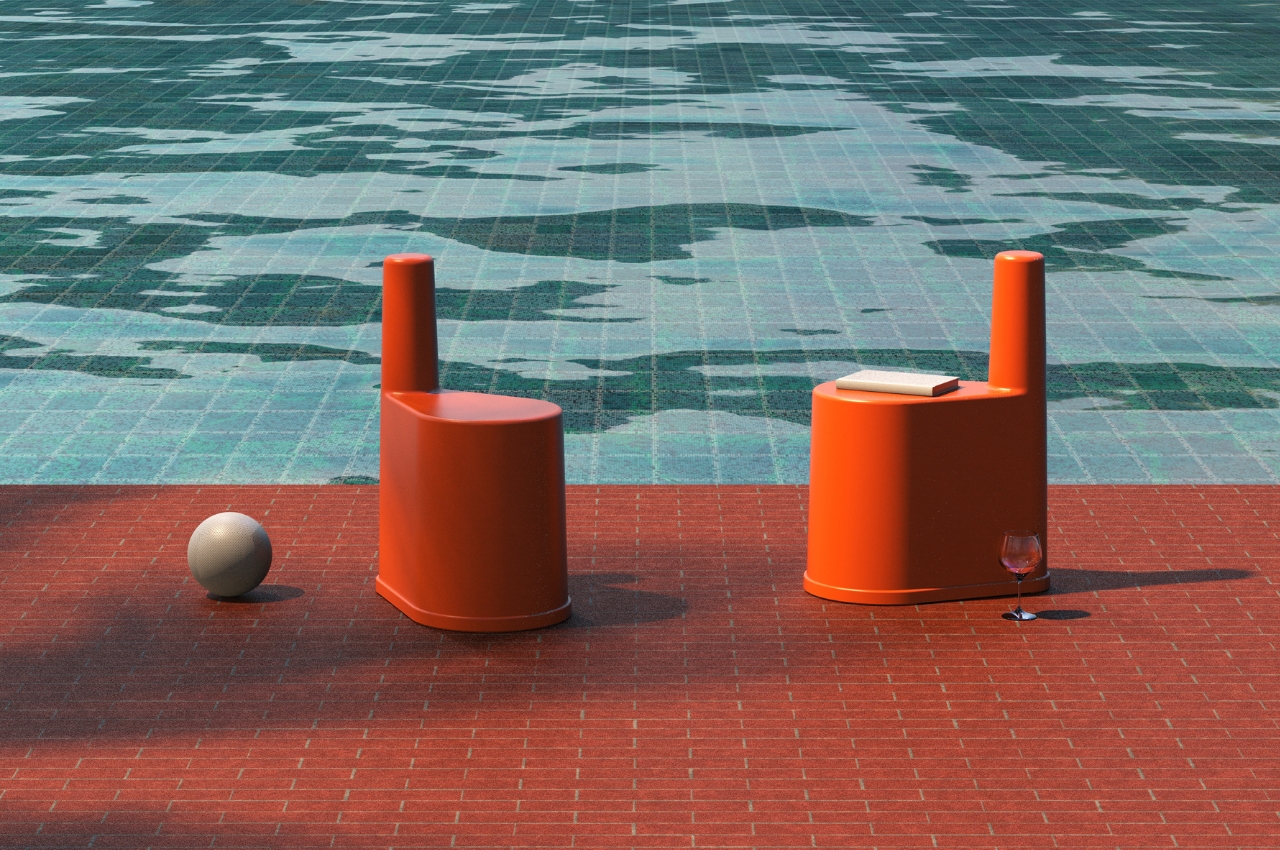
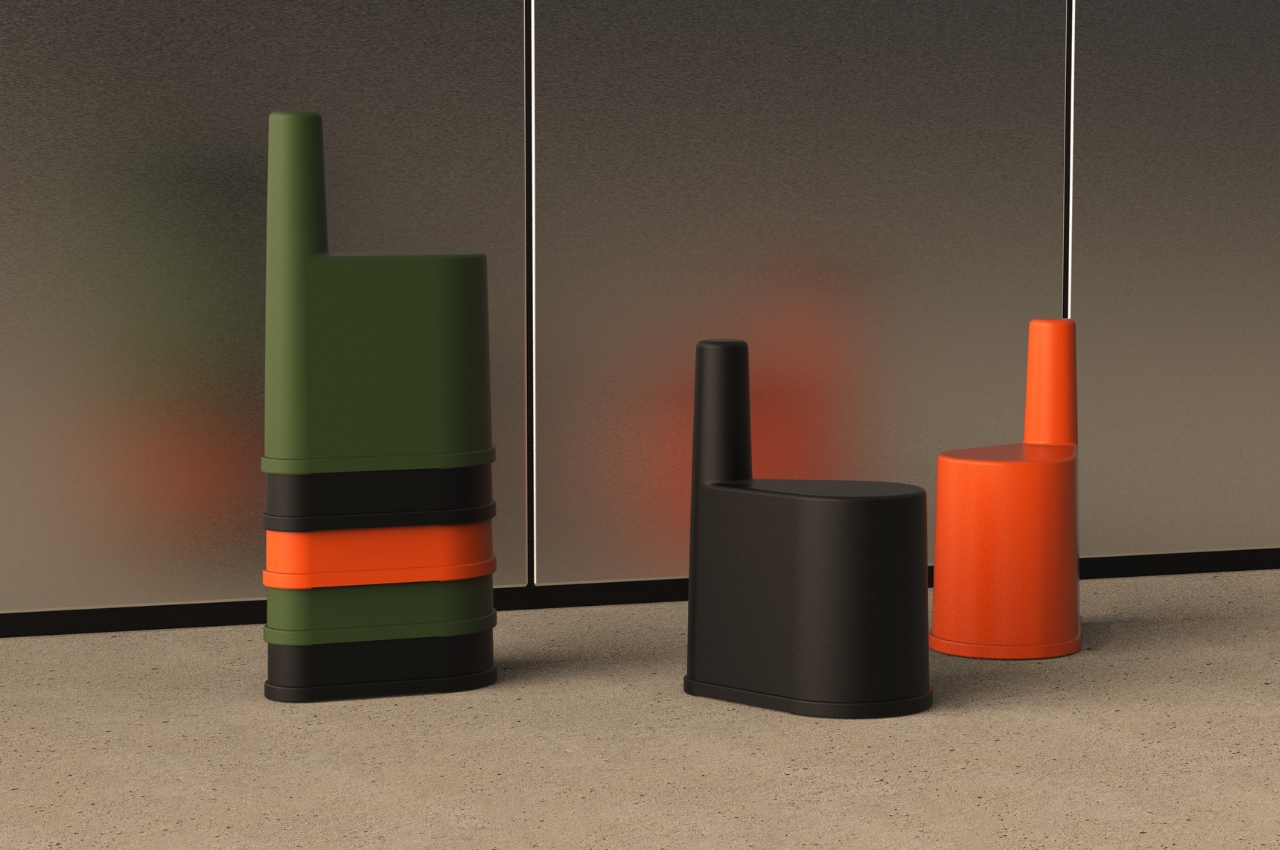
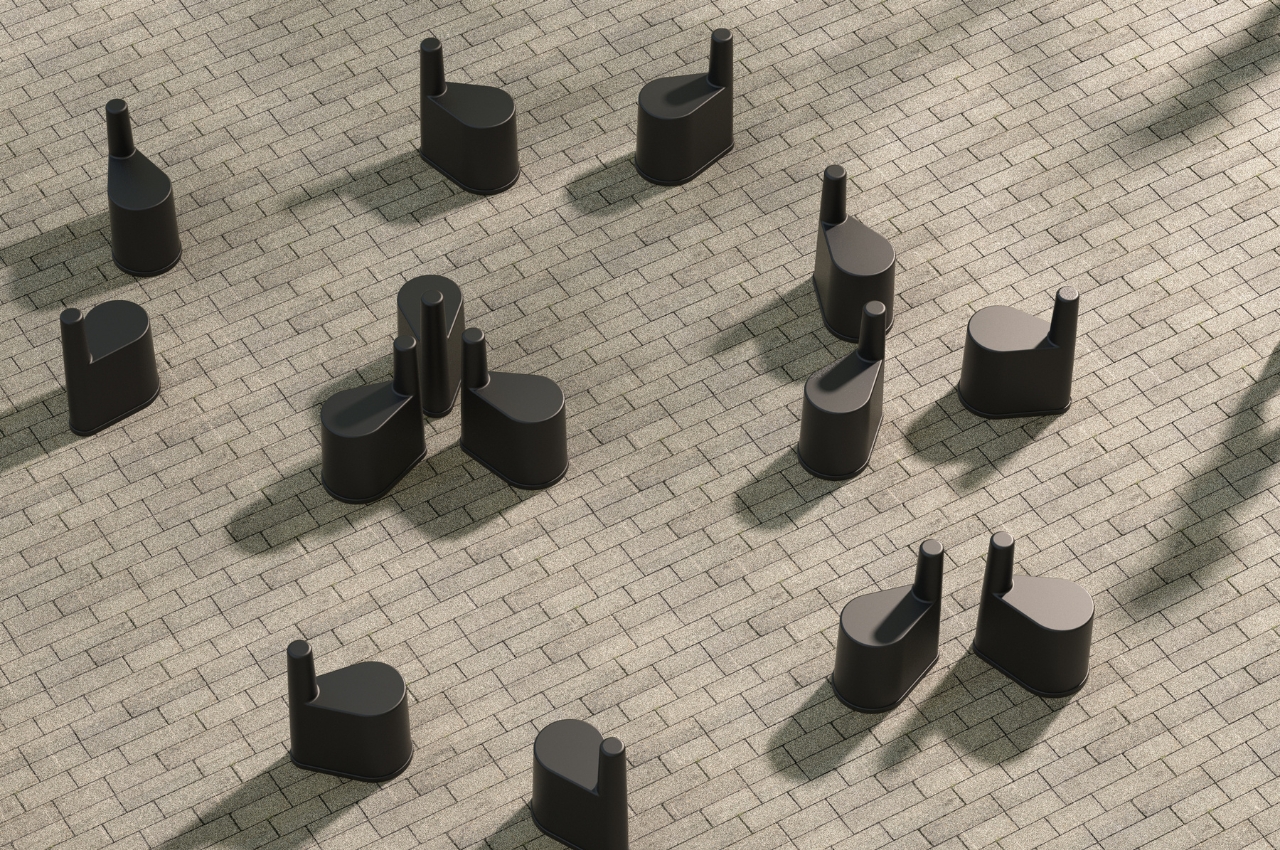
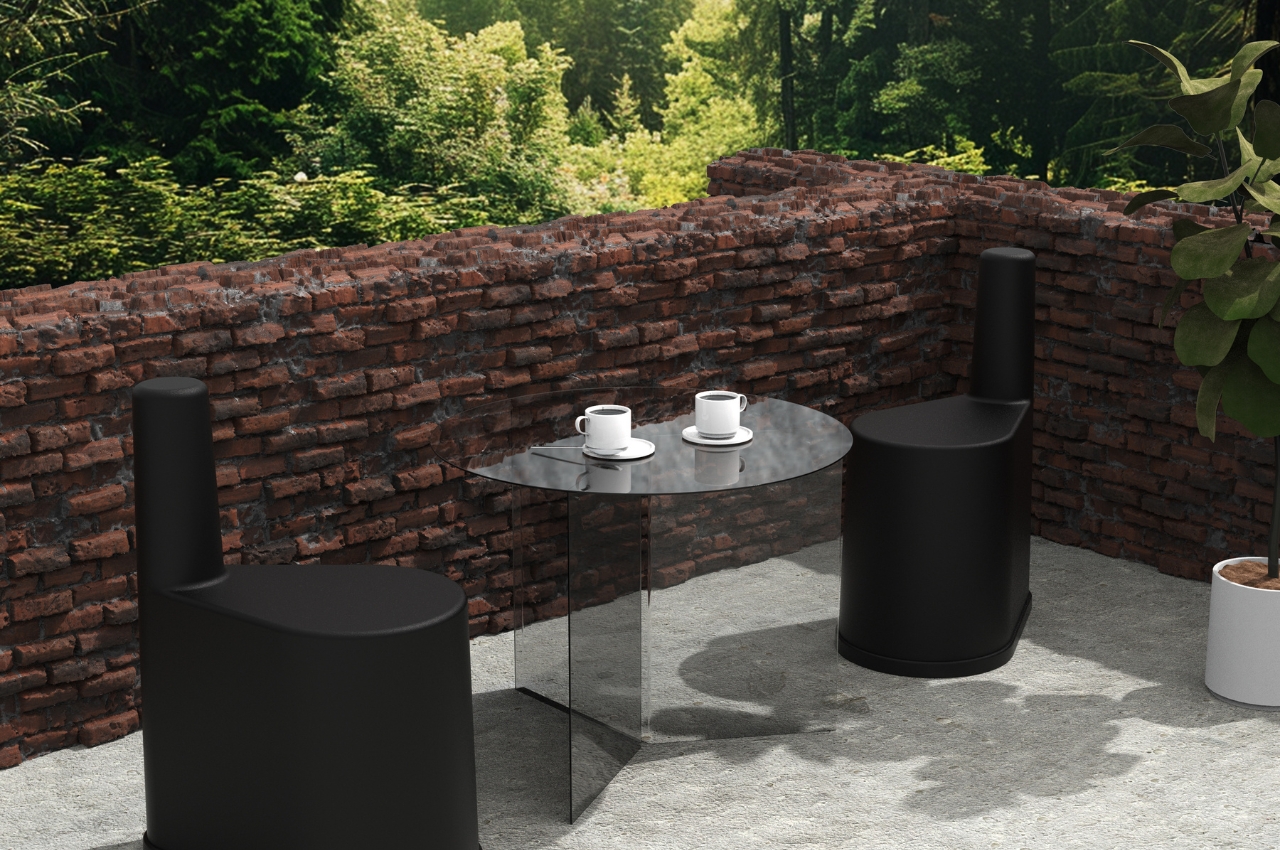
StOol is a concept for stools that are meant for short-term use. The seat has a fan-shaped design with a stem-like backrest. It is meant for areas with minimal space and They are easily stackable so it’s easy to put them away and get them out for places that also have small storage spaces. They are made from polypropylene plastic so you can use them indoor and outdoor as well.
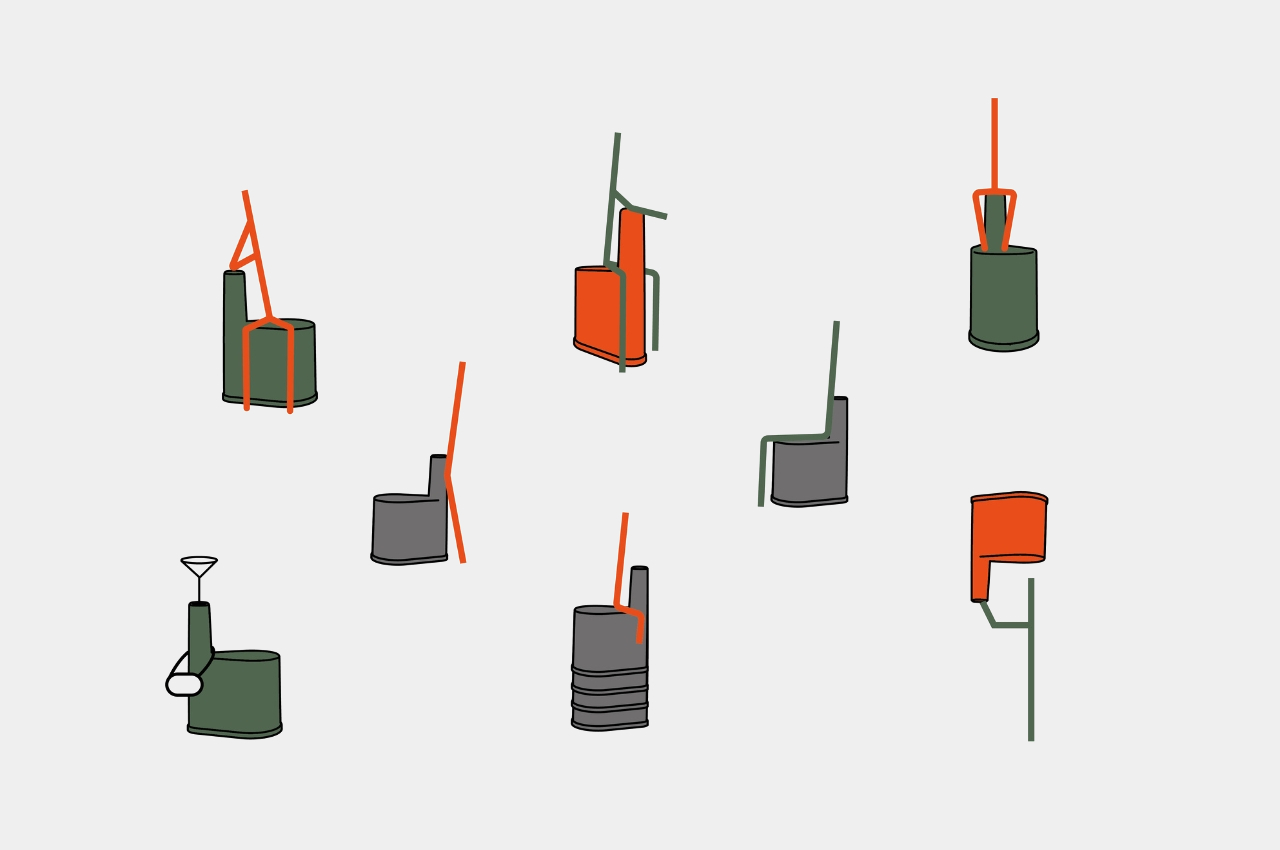
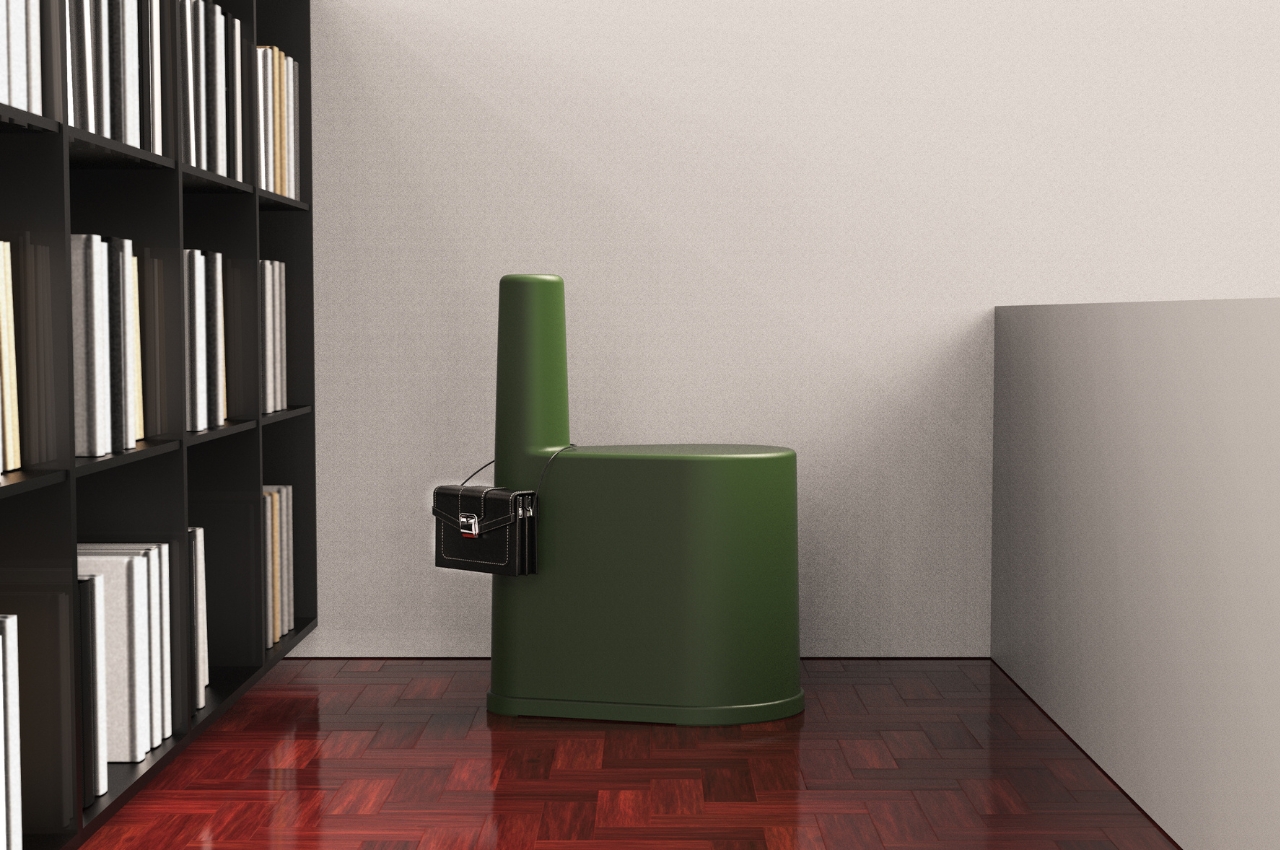
With the way it’s designed, you can also use the stool for other purposes. Those standing can use it as backrest or armrest. The surface of the stool can also be used to place items if you need a sort of side table. It can also be used as support for hanging objects. There can also be many colors available so it can add a splash of color to your space.
It may not seem the most comfortable place to sit on, especially for people like me who may need a sturdier backrest. But for short-term use and for small spaces, it may be an ideal kind of furniture to have.
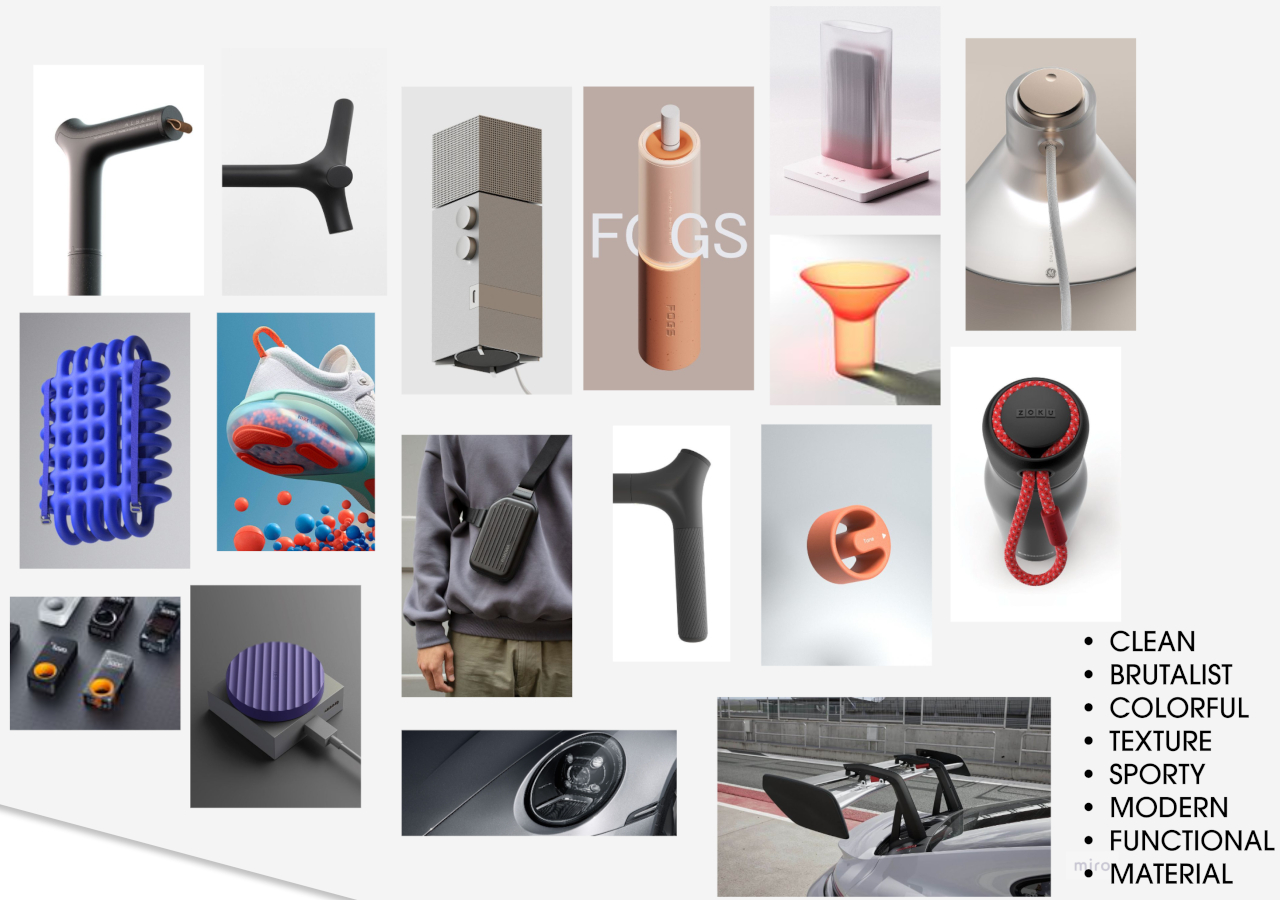
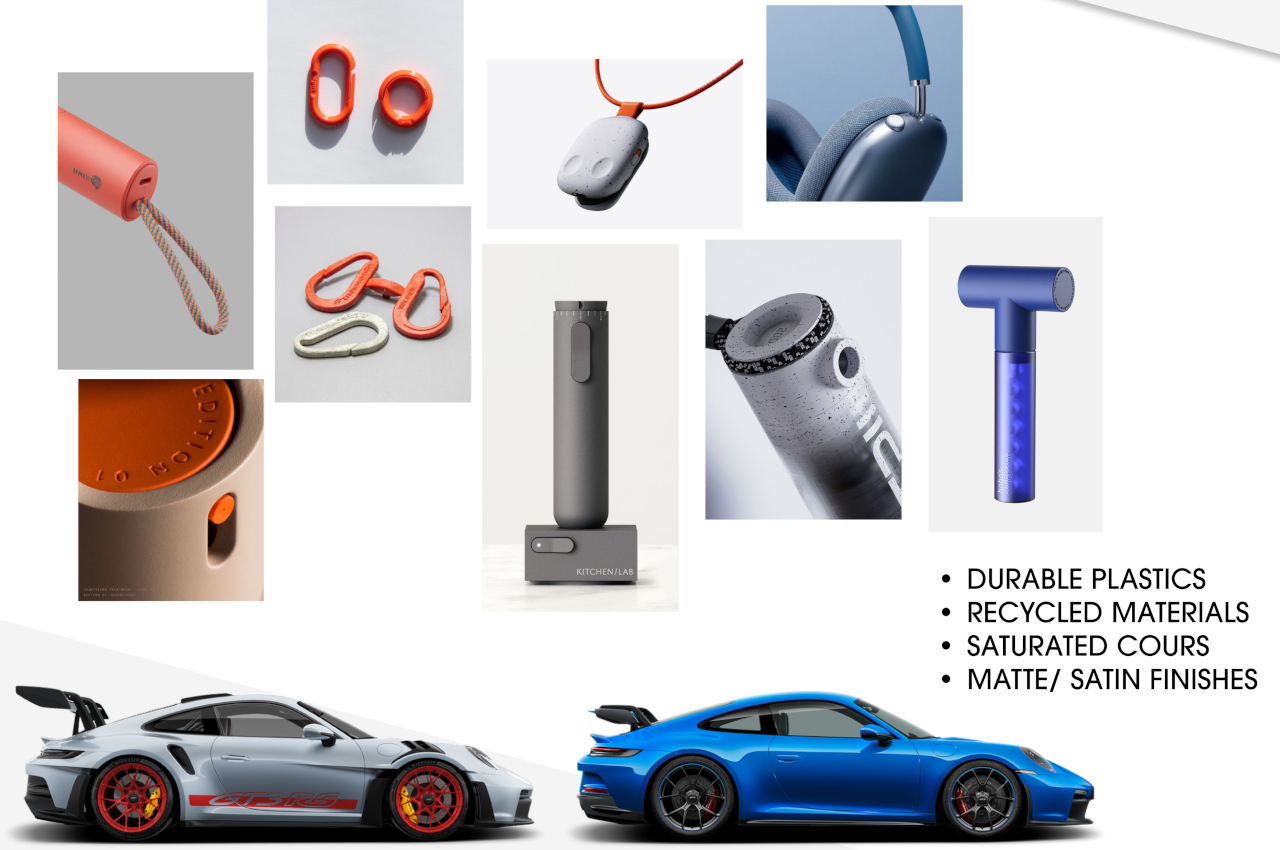
The vast majority of design concepts for future cars unsurprisingly revolve around the more exciting parts of the experience, from hands-free autonomous driving to hotel-like cabins to quiet, efficient, and eco-friendly engines. Of course, those aren’t the only parts of the driving experience, which starts and ends with drivers getting in and out of the car. Oftentimes, that part is presented as a keyless activity that either relies simply on the touch of a finger or the tap of a smartphone screen. It might be quick and efficient, but not exactly satisfying or meaningful. This concept tries to attack the problem from a different angle, retaining the tactile joy of a physical key fob while improving not only the features but even the comfort of using one.
Designer: Zander De Beer
A dedicated car key fob might sound unnecessary today in an age of smartphone apps, but having a distinct and direct device you can easily use is still far more convenient, not to mention faster, than fumbling around with a smartphone and its dozens of apps. It gets the job done without fuss, but it’s not exactly a memorable or even pleasant experience. Neither is its design the most inspiring accessory for a car, especially the sleek and sophisticated vehicles of the future.
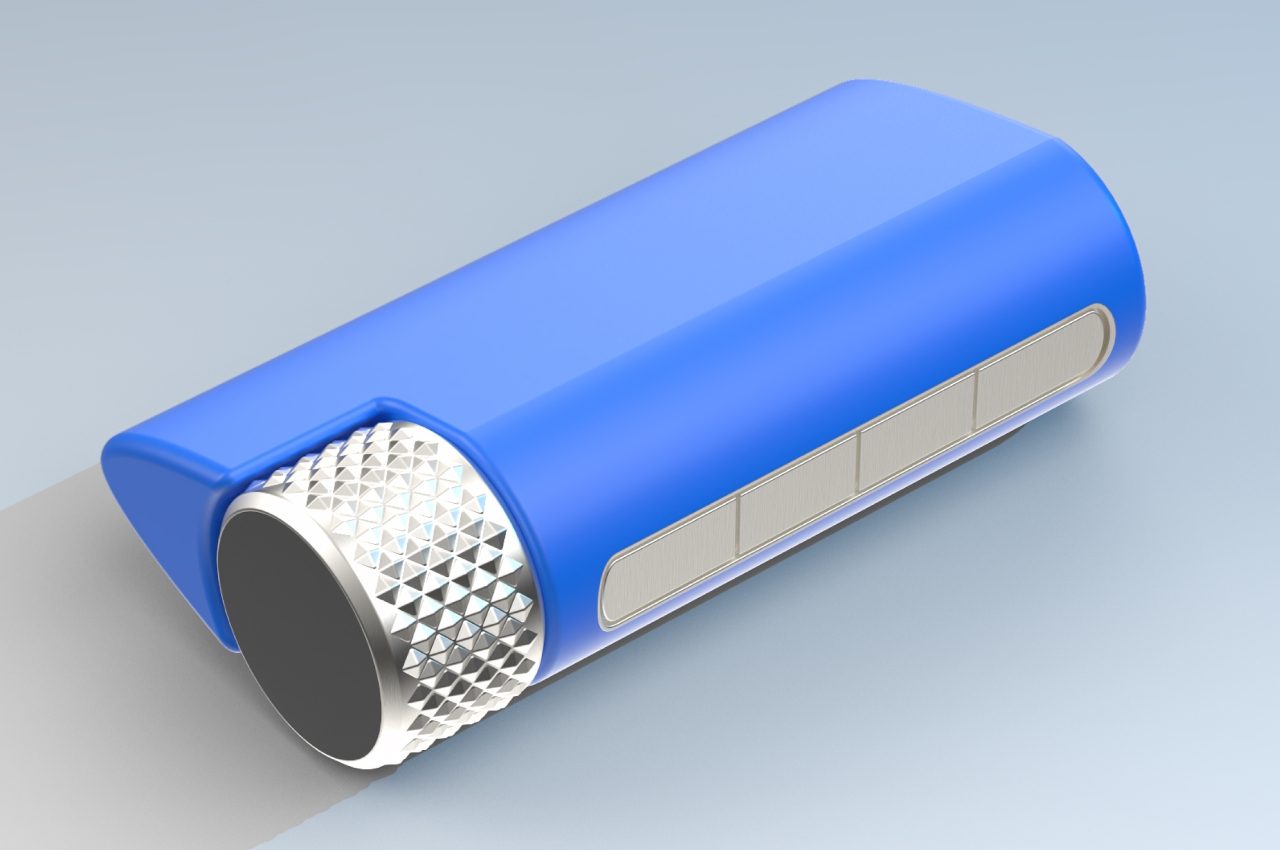
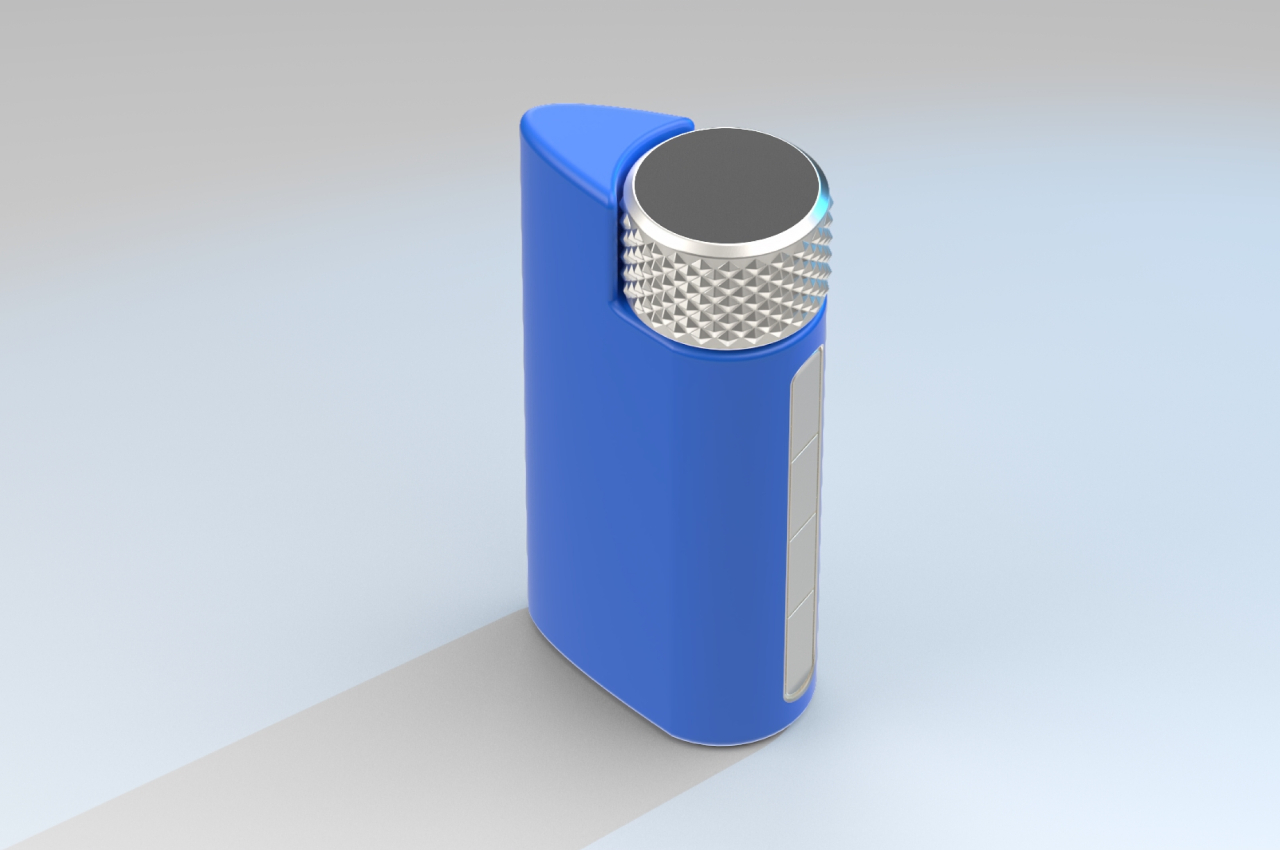
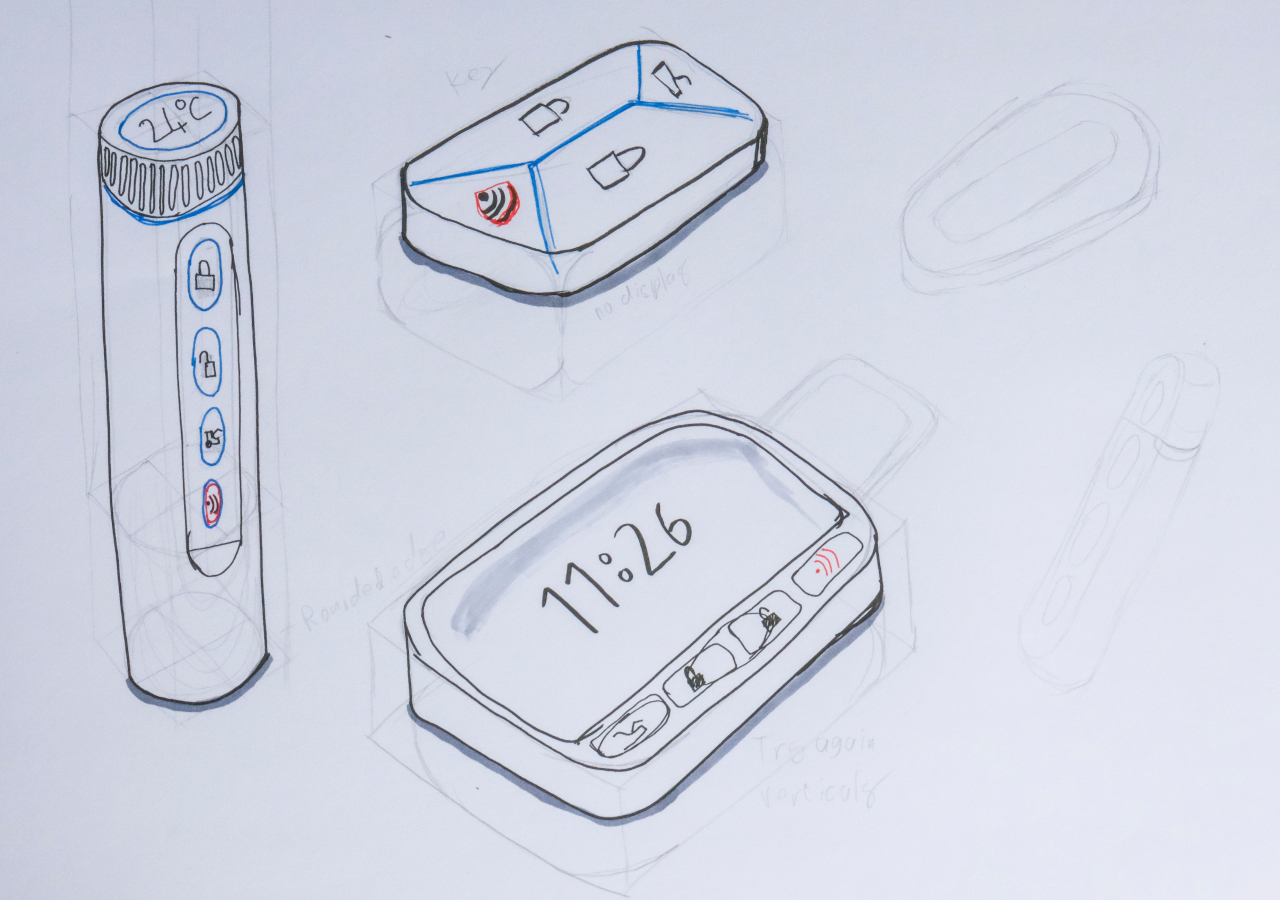
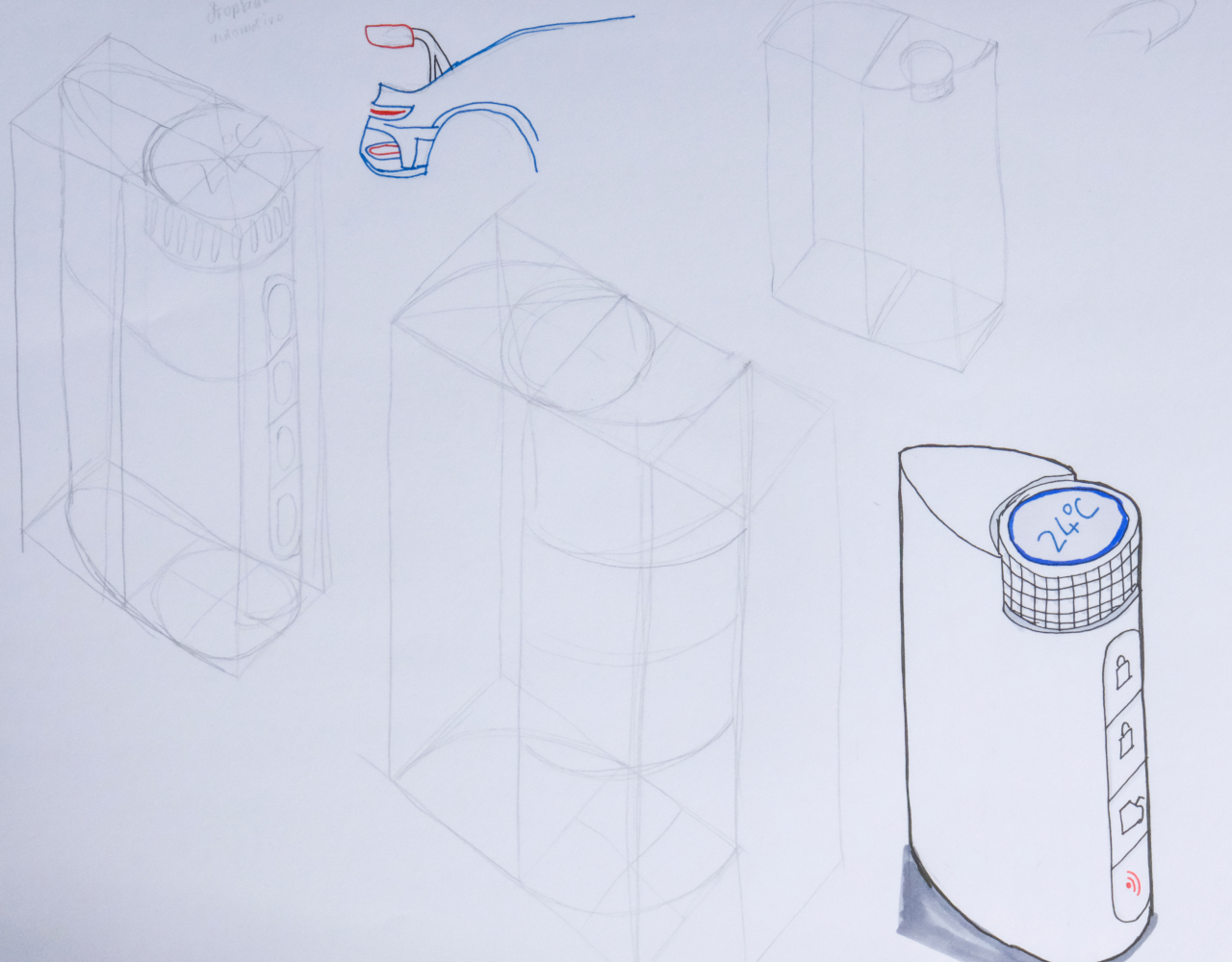
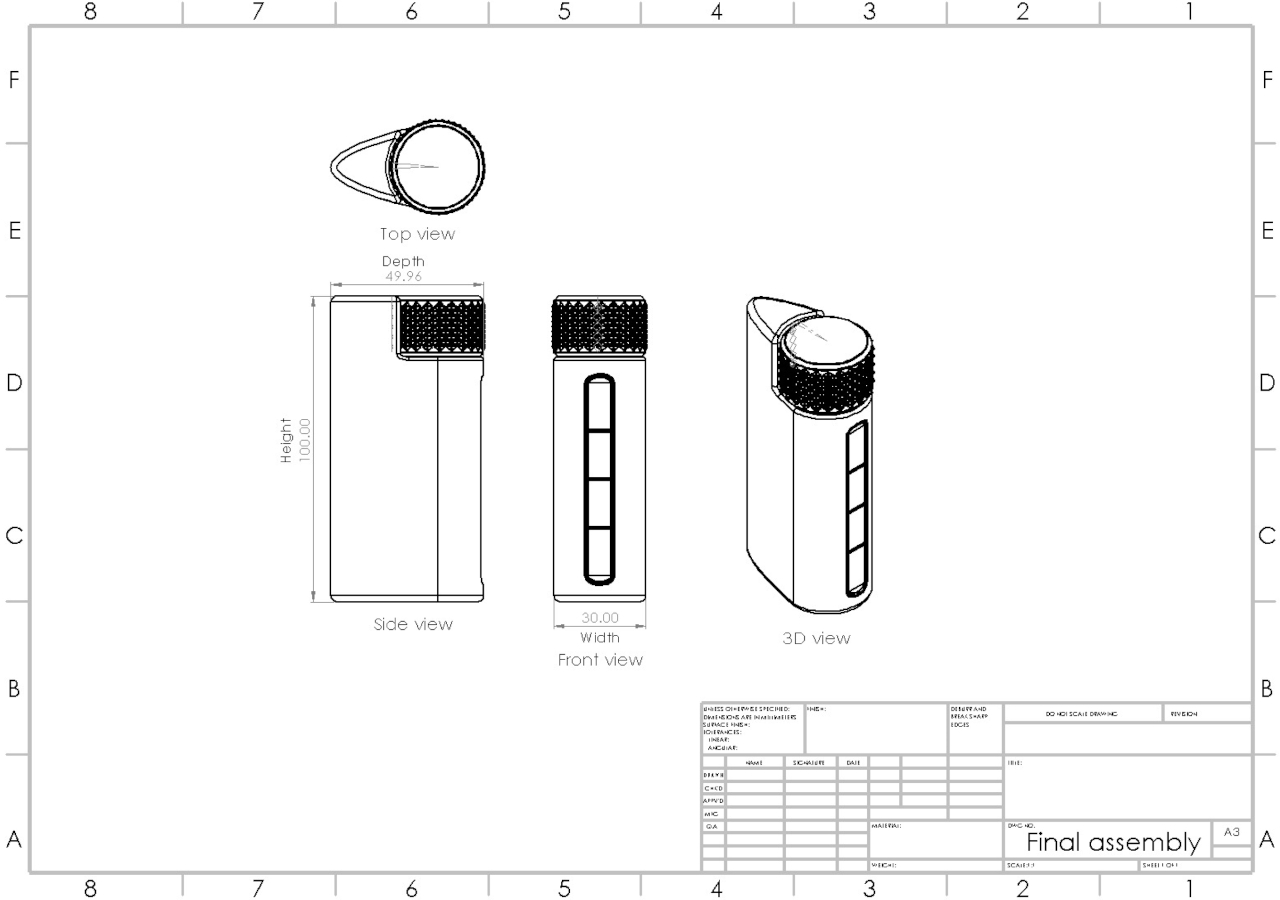
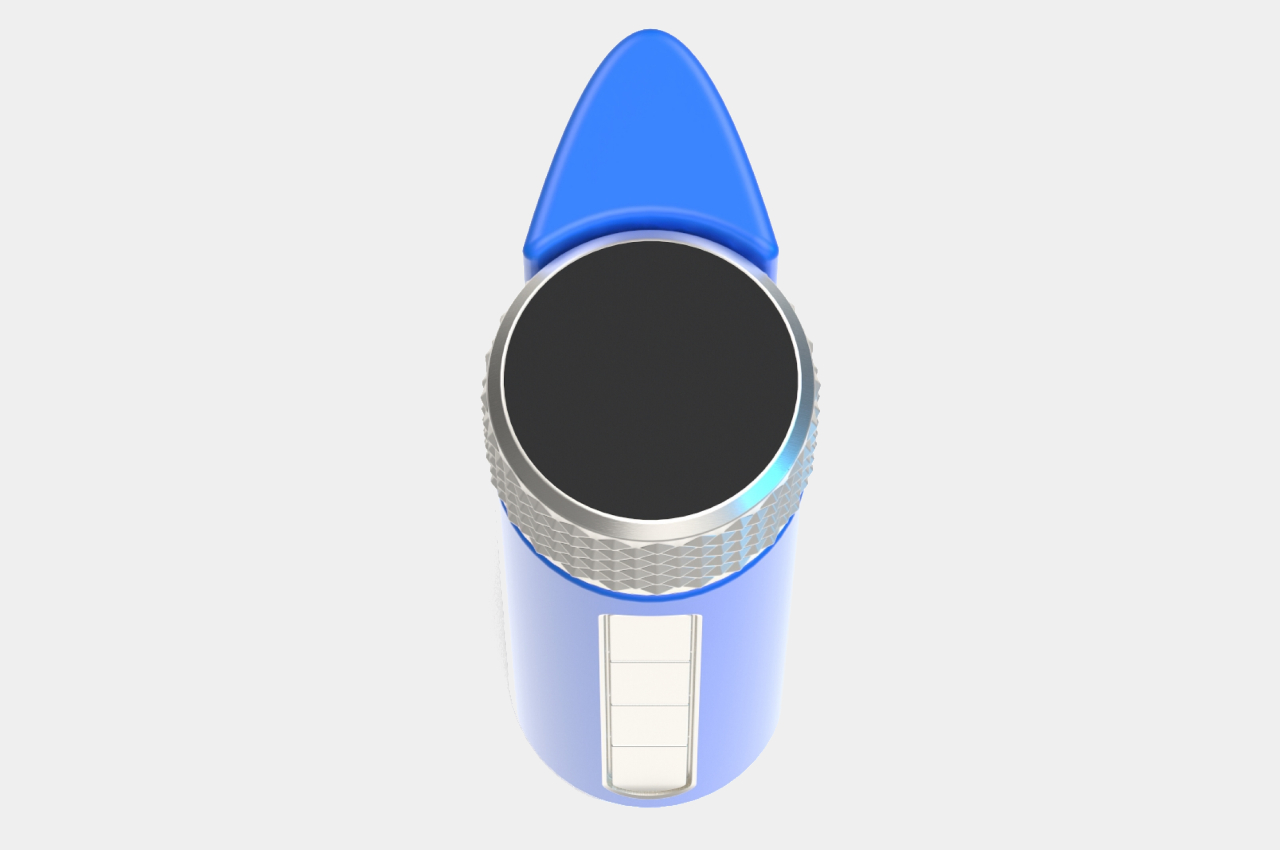
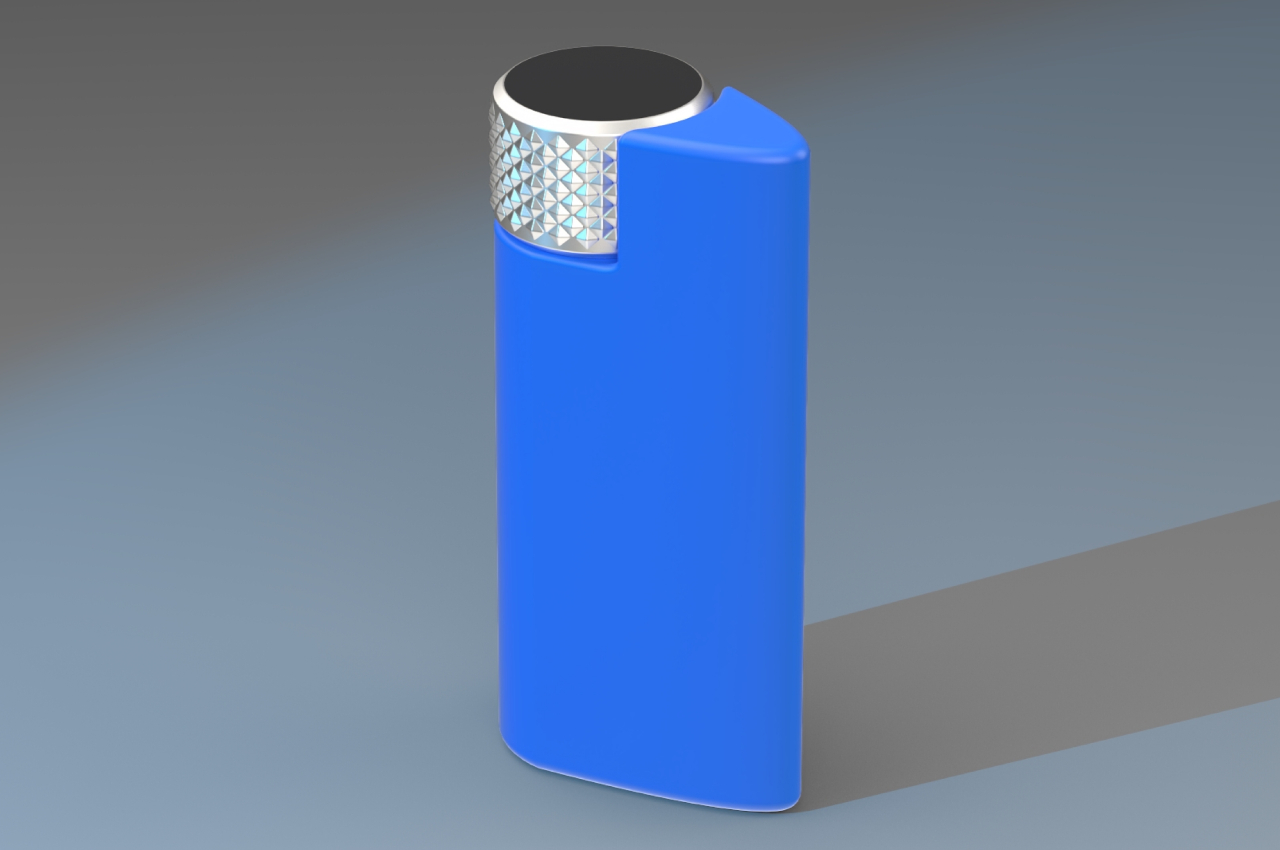
This concept for a new kind of car key fob thinks outside the box and adopts a shape unlike any other fob. Instead of a small disc or teardrop-shaped piece of plastic, it looks to the aerodynamic form of an airplane wing or car spoiler for inspiration, promising a more ergonomic design that you can comfortably hold in your hand. It almost looks like a lighter, with one side tapering sharply to a single edge.
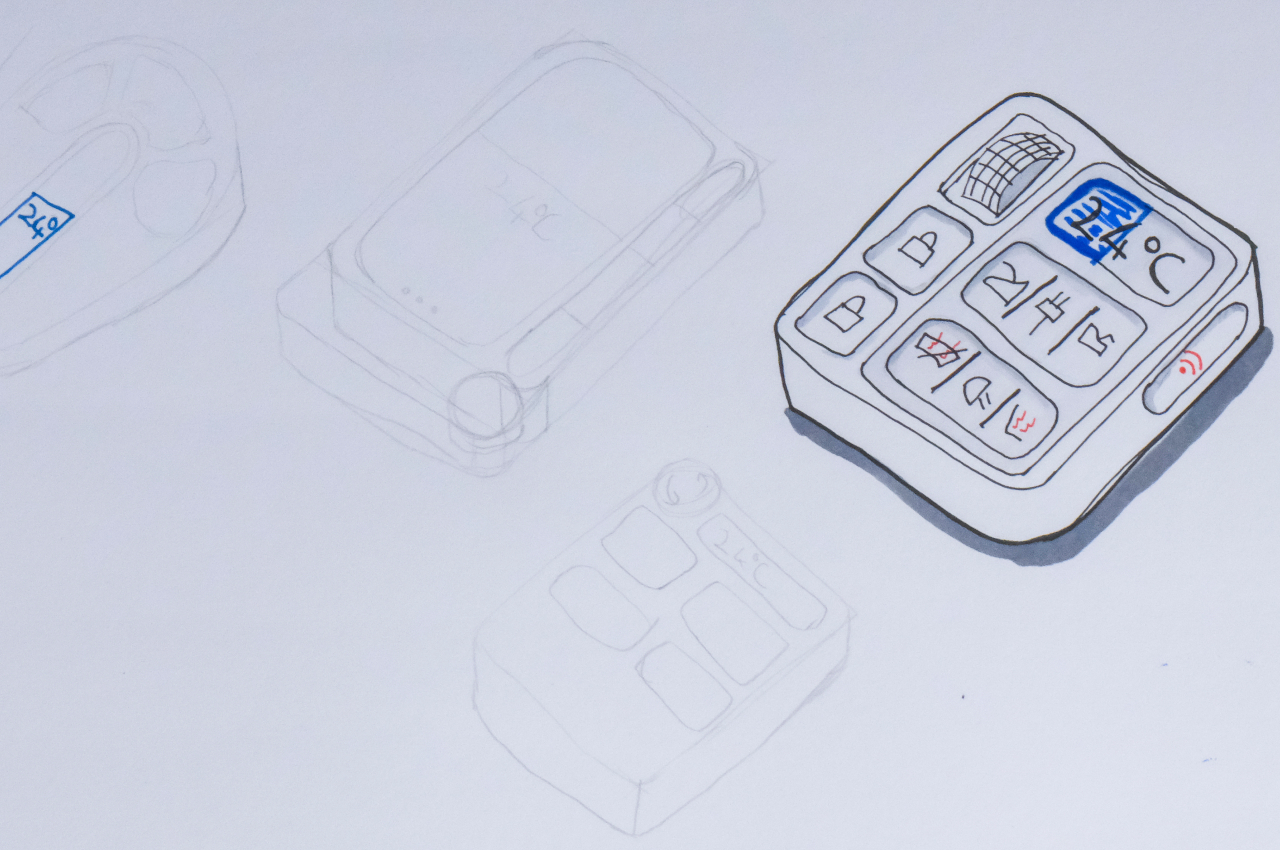
More than just a change in shape, however, this car key fob concept also offers a slight change in functionality. There are still buttons for typical actions like remotely locking and unlocking the car, starting or killing the engine, and even blowing the horn. What’s new is a large dial on top that you turn to set the temperature inside so that it will be as toasty or as cold as you want by the time you enter. This dial has a large display on its top surface to clearly show the current temperature so that you can adjust it accordingly.
The design tries to comply with Deiter Ram’s famous principles of design, though there are still some details that it leaves out in this current iteration. Knowing which buttons map to which actions, for example, could be a matter of guesswork and muscle memory as there are no clear indicators on them, not even embossed symbols that let you blindly press them. There’s also the question of whether the design, ergonomic as it might claim to be, is actually convenient to carry around due to its size and unique shape. Either way, it’s an interesting thought experiment that challenges the presumption that car owners of the future won’t even want physical key fobs like this.
The Volkswagen Golf GTI Clubsport, based on the eighth generation of the iconic Golf, is now available for pre-order. This latest model combines extreme sportiness, comfort, and everyday usability, making it an attractive choice for enthusiasts and casual drivers alike. Under the hood, the GTI Clubsport features a turbocharged engine that delivers an impressive torque […]
YouTube is trying to make it easy for its creators to remove songs from their videos and resolve copyright claims. In a new Creator Insider video, the website has announced that it has released an upgraded "erase song" tool that has the capability to remove music from video segments without deleting other audio, such as conversations, as well.
When creators get a copyright claim for music, YouTube gives them the option to trim out the affected segment or to replace the song with an approved one in its audio library. Creators can't monetize that particular video until they resolve the claim. The website has been testing its "erase song" tool for a while, but in the video, the company says it hasn't been as accurate as it would like. To solve that problem, it redesigned the tool so that it now uses an AI-powered algorithm to accurately detect and remove copyrighted music from videos.
Still, YouTube admits that the tool might not always work. If a song is particularly hard to remove, presumably due to audio quality or the presence of other sounds while it's playing, creators may have to resort to other options. In addition to being able to trim out the offending segment or to replace its song, creators will also be able to mute that part of their video through the new erase tool.
The website's upgraded erase song tool will be available in YouTube Studio in the coming weeks.
This article originally appeared on Engadget at https://www.engadget.com/youtube-upgrades-its-erase-song-tool-to-remove-copyrighted-music-only-140032261.html?src=rss
YouTube is trying to make it easy for its creators to remove songs from their videos and resolve copyright claims. In a new Creator Insider video, the website has announced that it has released an upgraded "erase song" tool that has the capability to remove music from video segments without deleting other audio, such as conversations, as well.
When creators get a copyright claim for music, YouTube gives them the option to trim out the affected segment or to replace the song with an approved one in its audio library. Creators can't monetize that particular video until they resolve the claim. The website has been testing its "erase song" tool for a while, but in the video, the company says it hasn't been as accurate as it would like. To solve that problem, it redesigned the tool so that it now uses an AI-powered algorithm to accurately detect and remove copyrighted music from videos.
Still, YouTube admits that the tool might not always work. If a song is particularly hard to remove, presumably due to audio quality or the presence of other sounds while it's playing, creators may have to resort to other options. In addition to being able to trim out the offending segment or to replace its song, creators will also be able to mute that part of their video through the new erase tool.
The website's upgraded erase song tool will be available in YouTube Studio in the coming weeks.
This article originally appeared on Engadget at https://www.engadget.com/youtube-upgrades-its-erase-song-tool-to-remove-copyrighted-music-only-140032261.html?src=rss