World’s Lightest and Thinnest Smart Ring from RingConn boasts 12-day Battery and AI-health tracking

Before you go out on a limb buying a Galaxy or Oura ring, the RingConn Gen 2 already holds the title for being the thinnest/lightest smart ring. It still manages to also boast of a 2-week-long battery life, the ability to track your health and sleep with AI-powered insights, IP68 water resistance, and here’s the kicker… a subscription-less smartphone app that gives you all your health data without hiding behind a paywall. With not one but TWO design awards under its belt, the RingConn Gen 2 boasts a $209 starting price – less than half of what its competitor’s smart rings go for. Here’s everything the Gen 2 can do…

Designer: RingConn

Click Here to Buy Now: $209 $299 (30% off). Hurry, only 742/5800 left! Raised over $1.3 million.

Lighter than an AirPod, Thinner than a Credit Card

I’ve long proclaimed the superiority of smart rings to smartwatches. They’re ultimately a bunch of sensors hooked together – but the smart ring does offer a much more efficient format. It’s minimalist, can be worn alongside other rings (you can’t wear two watches), and all your data goes to your smartphone so your ring doesn’t need to worry about having its own display. This translates to a MUCH longer battery life, and the absence of a second display to get addicted to or to have inundate you with notifications. Smart rings are almost ALWAYS designed to be entirely waterproof so you can even swim with them, and they usually last a week or more on a full charge, making them vastly more superior to smartwatches.

Weighing between 2-3 grams, the RingConn’s Gen 2 is lighter than a single AirPod (which weighs 4 grams), and with a cross-section that’s 2mm wide, the ring is also about as thin as your average credit card. That lightweight and sleek form factor makes it perfect for wearing all-day every day because chances are within a few hours of slipping it on, you’ll forget you’re wearing it. Meanwhile, the ring will be hard at work, tracking your sleep, fitness/activity, heart rate, body temperature, stress levels, sleep apnea, and even acting as your period calendar (for women wearers).

Comprehensive AI-powered Sleep + Health Tracking

The RingConn Gen 2 does everything any wrist-worn health tracker does, but better. Its upgraded photoplethysmography (PPG) sensors can measure heart rate, heart rate variability, and blood oxygen levels with great accuracy. These sensors are embedded in a design that takes advantage of the finger’s unique anatomy, which allows for MUCH more precise readings compared to wrist-based devices. The temperature sensor gauges your temperature levels as well as fluctuations, pairing it with your heart rate data to get a sense of your stress levels or even if you’re on your period. Combine all three with the accelerometer and the Gen 2 captures all your steps and other physical activity, tracking various sports from running to cycling, soccer, swimming, and a bunch more.

At the end of your day, the ring also tracks your sleep using AI. In 2024, RingConn unveiled its first transformer-based deep learning model for sleep apnea detection – the ring uses this AI-based learning model to identify sleep risk events that could be affecting your health – something other smart rings currently cannot because they haven’t built out such AI models. The more you wear the ring, the more it learns and the more personalized it becomes, getting better at tracking and identifying your quality of sleep and even detecting any drops in blood oxygen caused by apnea events and obstructed breathing (snoring, etc.)

Fitness Insights without a Monthly Subscription

I can’t stress this enough but your health should never be behind a paywall. It really doesn’t make sense to buy a fitness tracker only to then have an app that gates pro-level health tracking metrics behind a subscription model. To that end, the RingConn Gen 2 makes a pretty bold claim of not hiding behind any sort of freemium or premium business model. The RingConn app, available for Android and iOS devices, is free to use, and locally backs up all your health data. This allows you to monitor your health even when your smartphone isn’t connected to the internet. Picture yourself trekking in the wilderness with no cellular service but still being able to track your metrics in real-time.

Your health data is also compatible with leading fitness apps such as Apple Health and Google Health Connect, allowing you to comprehensively track workouts, sports, and all other activities within one singular dashboard. For specific insights, the RingConn app is still your go-to destination… and its sleep-tracking feature gives you a holistic look at your body’s metrics through your entire sleep journey, allowing you to catch any potential concerning events immediately. The app also analyzes data throughout the day to provide a detailed stress index and ratio, helping you gain a clear understanding of your stress levels. Additionally, the RingConn Gen 2 features comprehensive menstrual health tracking right within the app, allowing users to monitor cycles, predict ovulation, and track symptoms for deeper insights into their health patterns.

Sleek Metal Design with 12-day Battery Life

The RingConn sports a hypoallergenic aerospace-grade titanium alloy exterior, while the inside of the ring has a medical-grade epoxy coating that allows the sensors to work accurately when in contact against the skin. Between these two layers lie all the hardware and sensors that power the Gen 2, along with a best-in-class battery. Lasting a stunning 5 more days than even the Galaxy and Oura rings, the RingConn Gen 2 boasts a 12-day battery life. It’s rather impressive considering exactly how small and thin the Gen 2 ring is. When the ring runs low on charge, it comes with its own charging case that begins working the second you slip the ring into its cylindrical platform. A simple 2-hour charge brings the Gen 2 ring’s battery to 100%, lasting nearly 2 weeks… and the case houses its own 500mAh battery so you can charge your ring without necessarily having the case plugged in.

The RingConn Gen 2 boasts a starting price of $209, which includes the ring itself, the charging case, and free global shipping. Upgrading to the $239 package also gives you a clear silicone ring protector and a separate bedside charging dock. The RingConn Gen 2 comes in 3 colors – Future Silver, Royal Gold, and Matte Black, across 9 sizes, ranging from a size #6 to a size #14 depending on your index finger’s diameter.

Click Here to Buy Now: $209 $299 (30% off). Hurry, only 742/5800 left! Raised over $1.3 million.

The post World’s Lightest and Thinnest Smart Ring from RingConn boasts 12-day Battery and AI-health tracking first appeared on Yanko Design.
Tilting water cup concept gets you to drink more water by scaring you

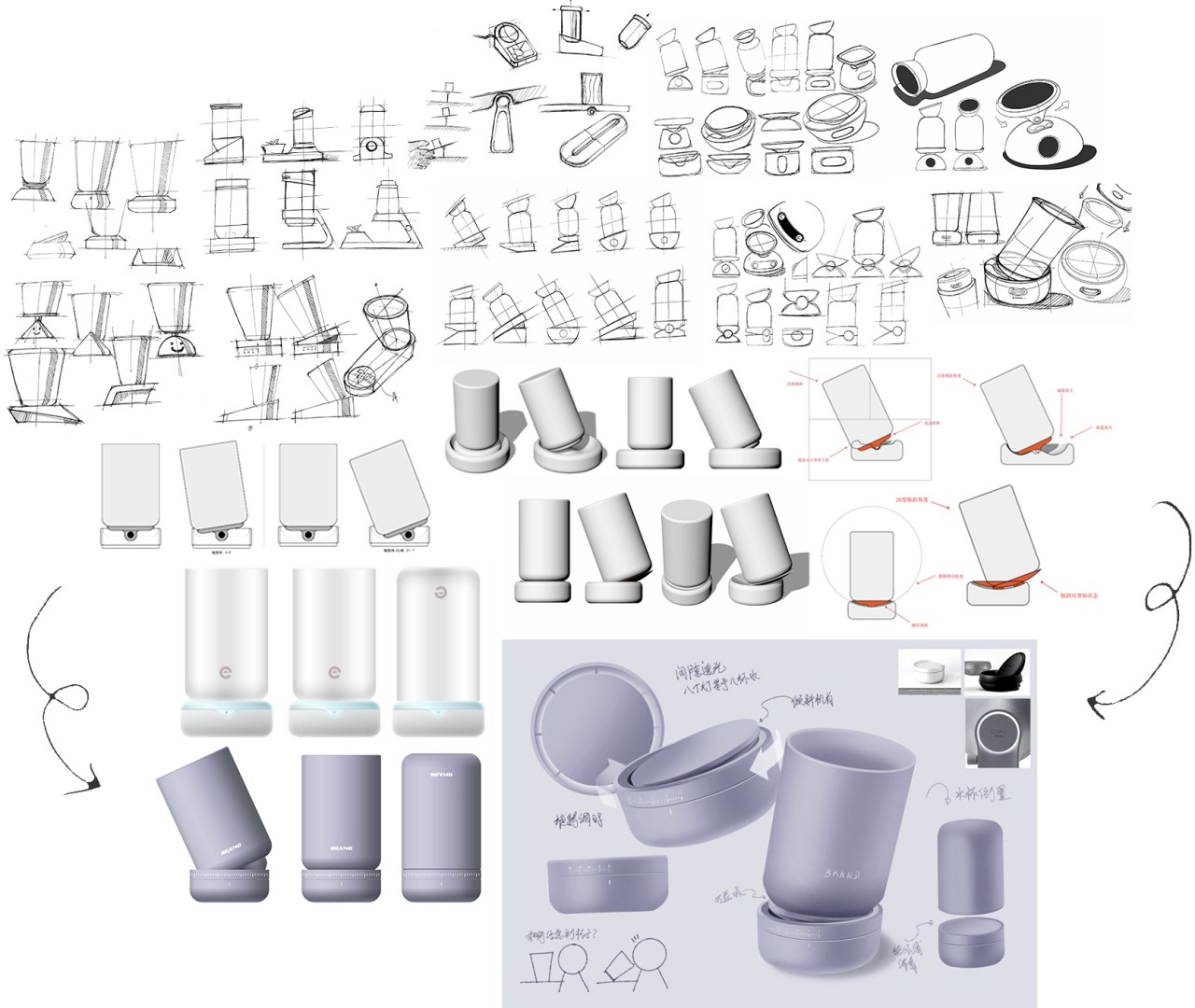
We all know how important water is to our health, but simply knowing those facts doesn’t immediately translate to action. Most of us simply forgo drinking water until we feel thirsty or when it’s time to eat, even though we actually need to hydrate regularly throughout the day. It’s easy to forget to do that in during the busy day, and it’s also just as easy to snooze or skip alarms you set to remind you. You wouldn’t be so complacent, however, if your water cup or tumbler is fated to fall over unless you drink water at the right time, and that’s somewhat the kind of scare tactic that this concept device employs to try to get you to drink water more regularly.

Designers: Yuxiong Dong, Yaoxin Cai, Yongde Zhu, Kang Han

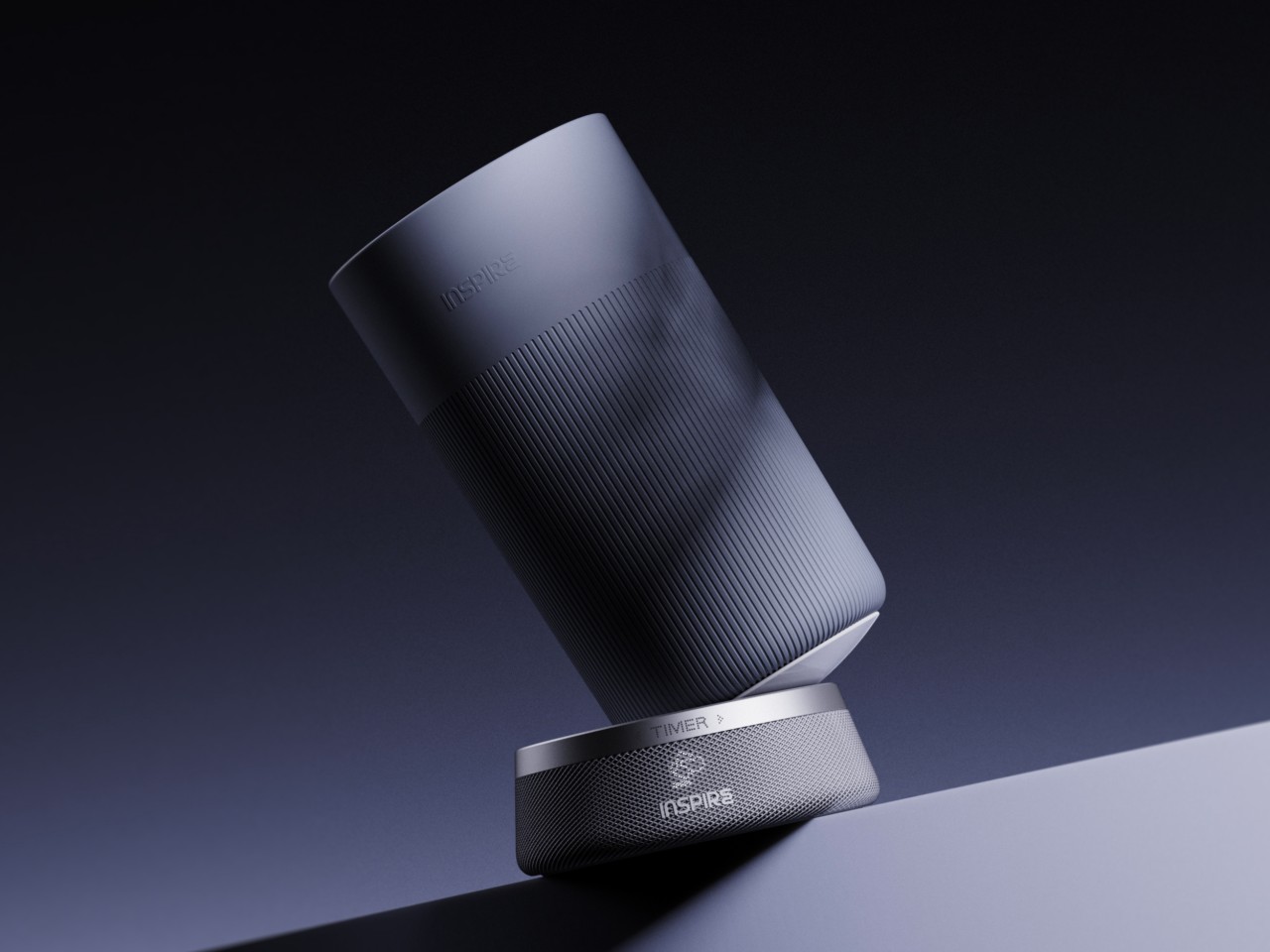
No, the cup thankfully doesn’t actually threaten to spill your water if you don’t rush to catch it, but it makes you think the tumbler will indeed tumble over if you don’t. It only tries to make you stand up and make the effort to walk to the device, presuming you put it far from your desk. The way this tilting water cup works is a mixture of simple mechanics and psychology, though some will probably have doubts about the efficacy of the latter.

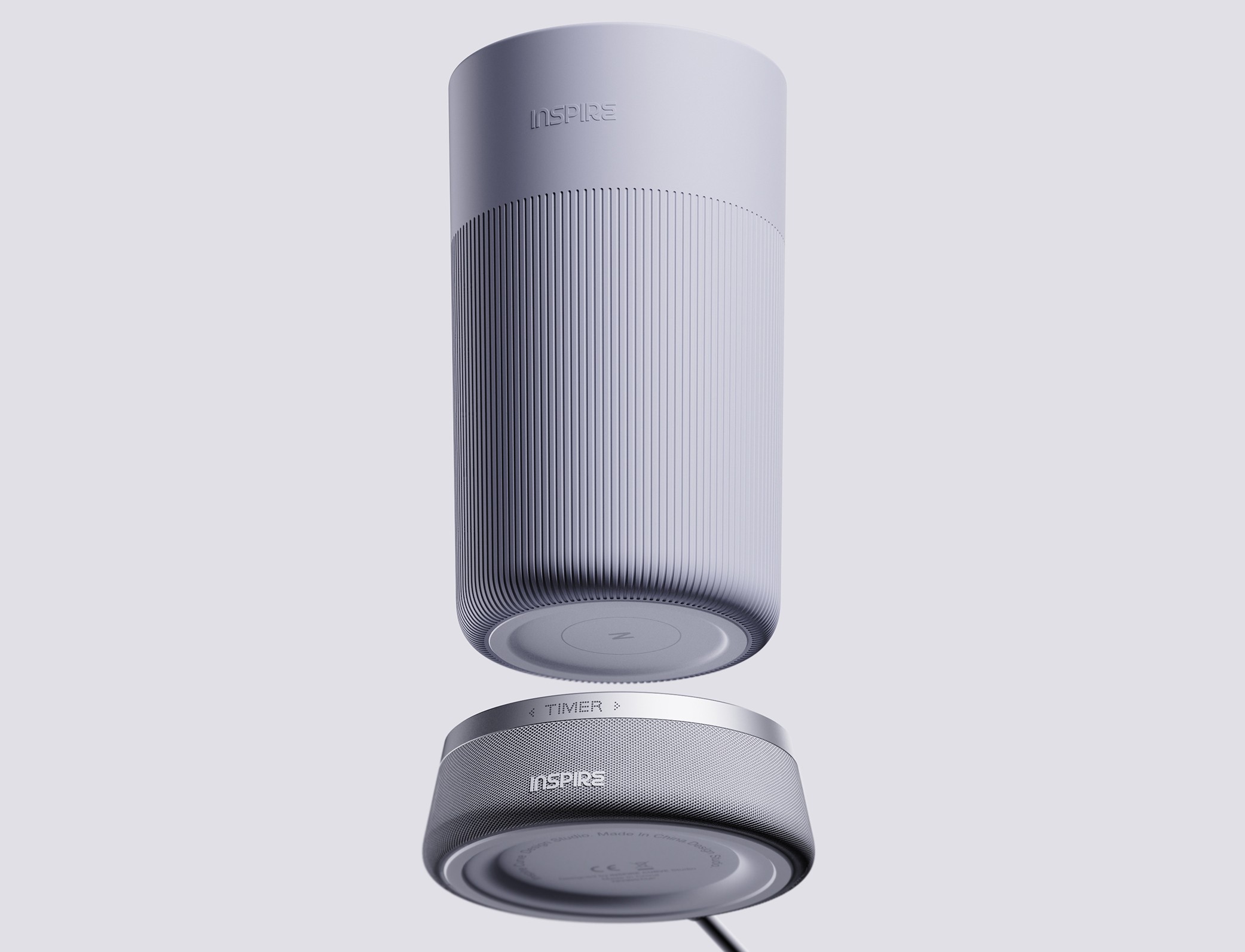
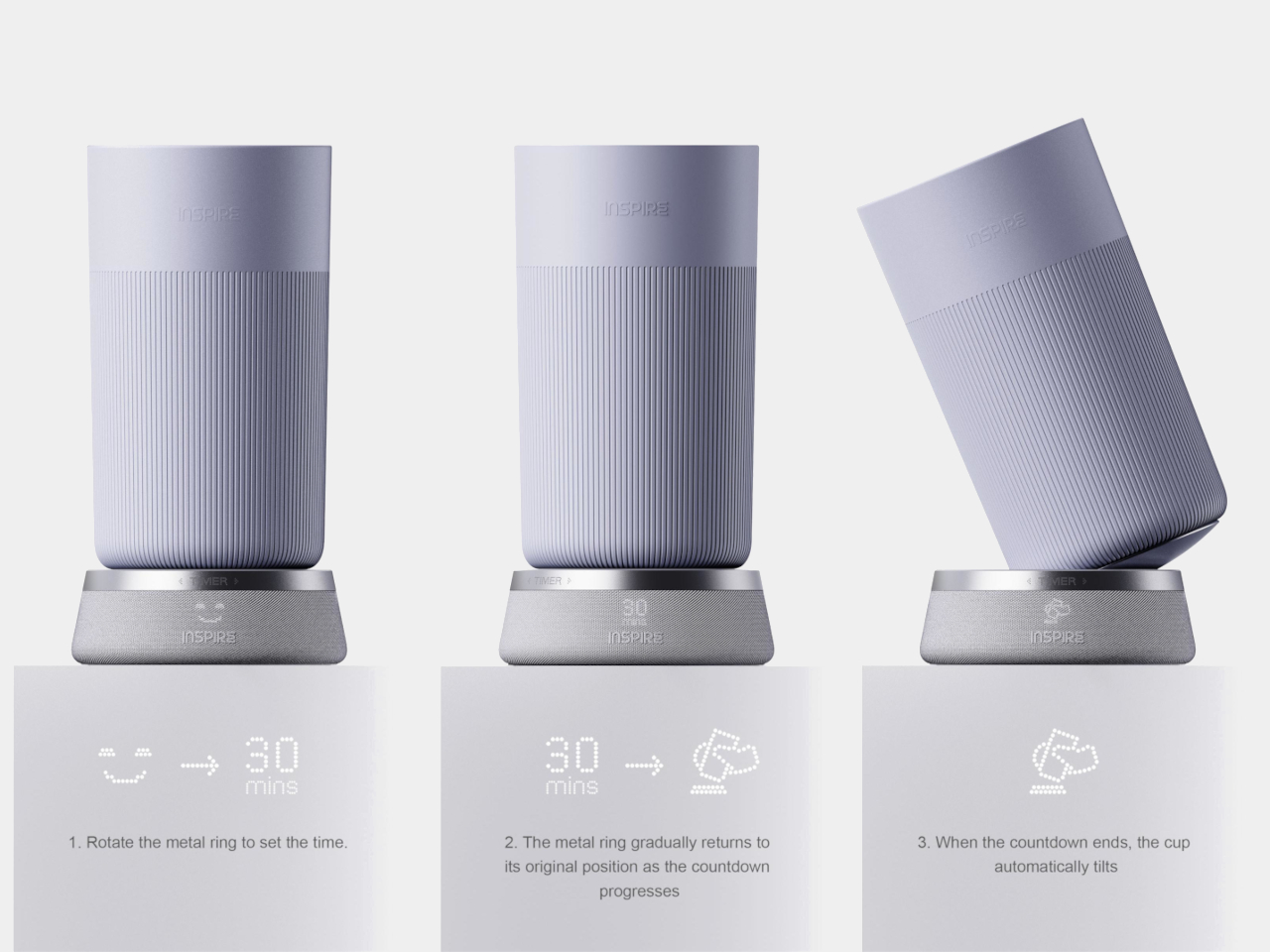
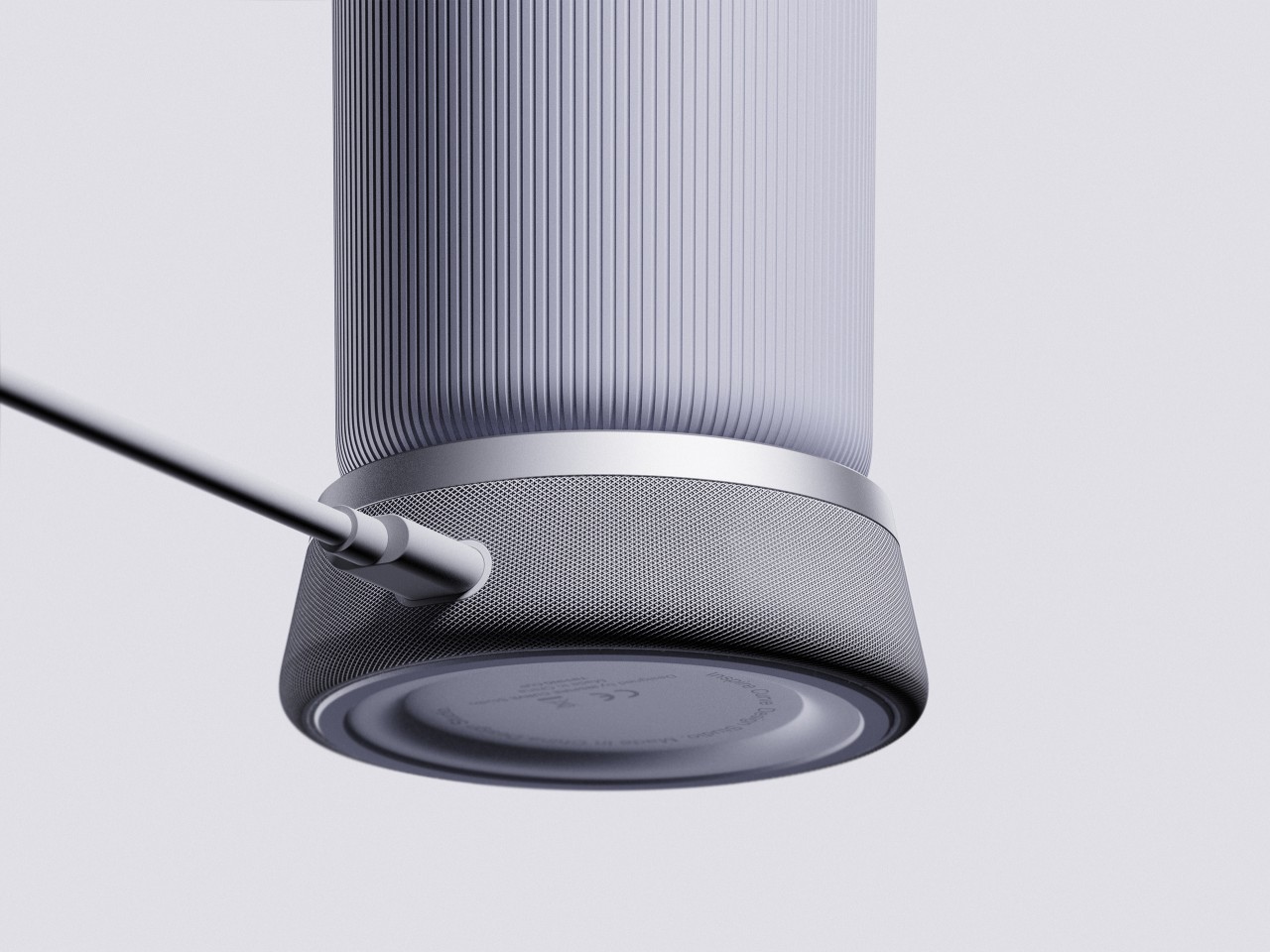
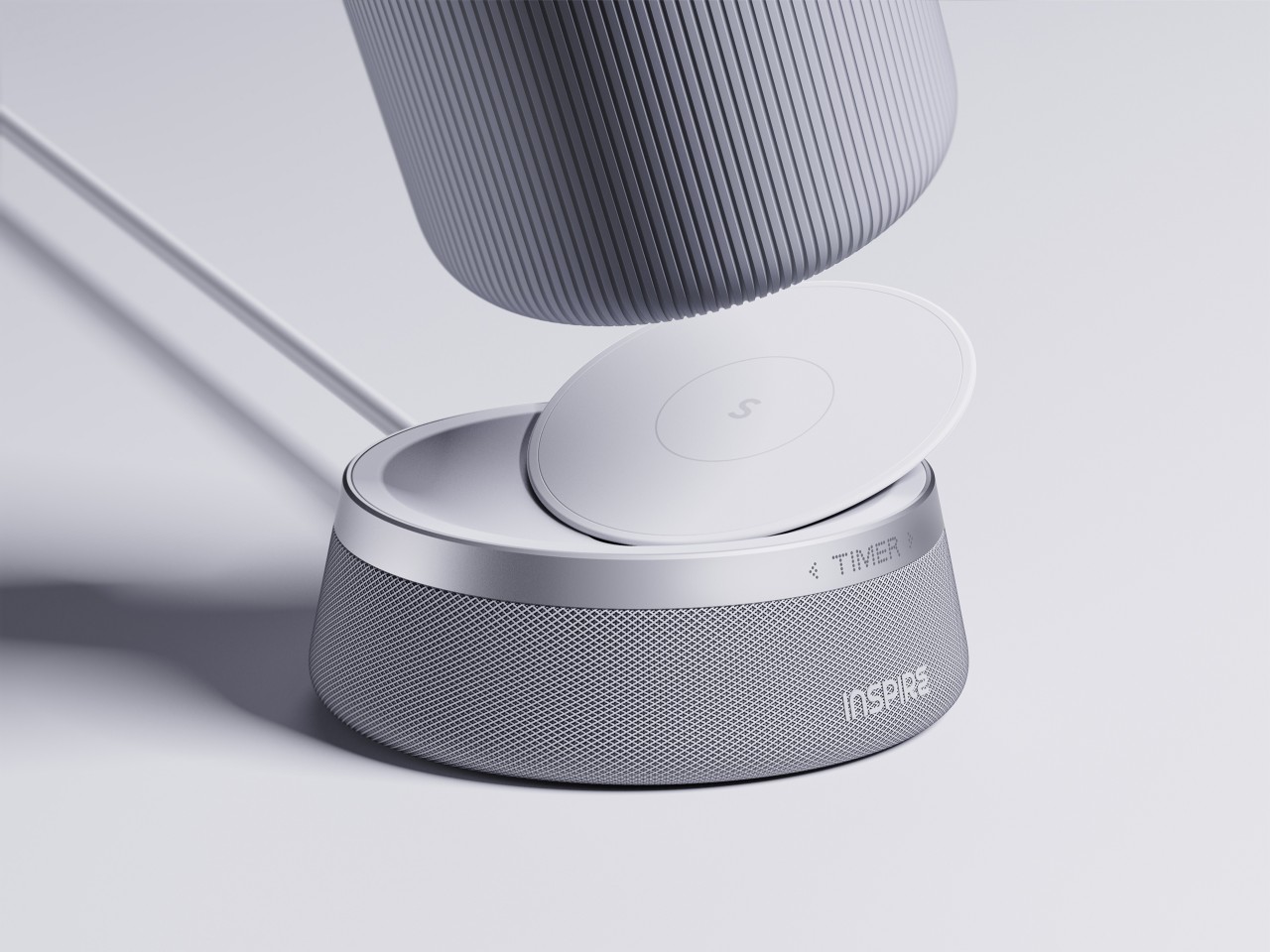
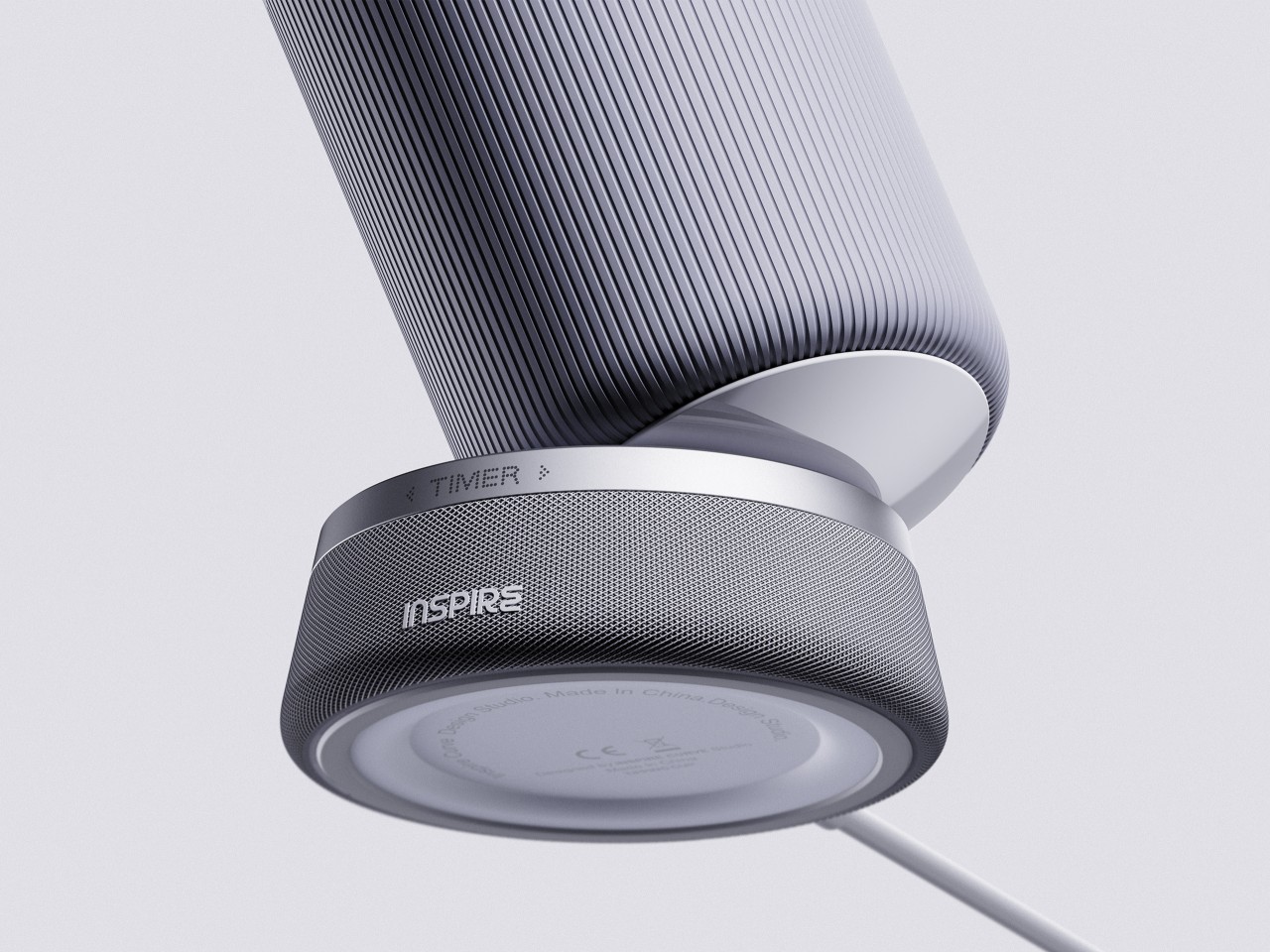
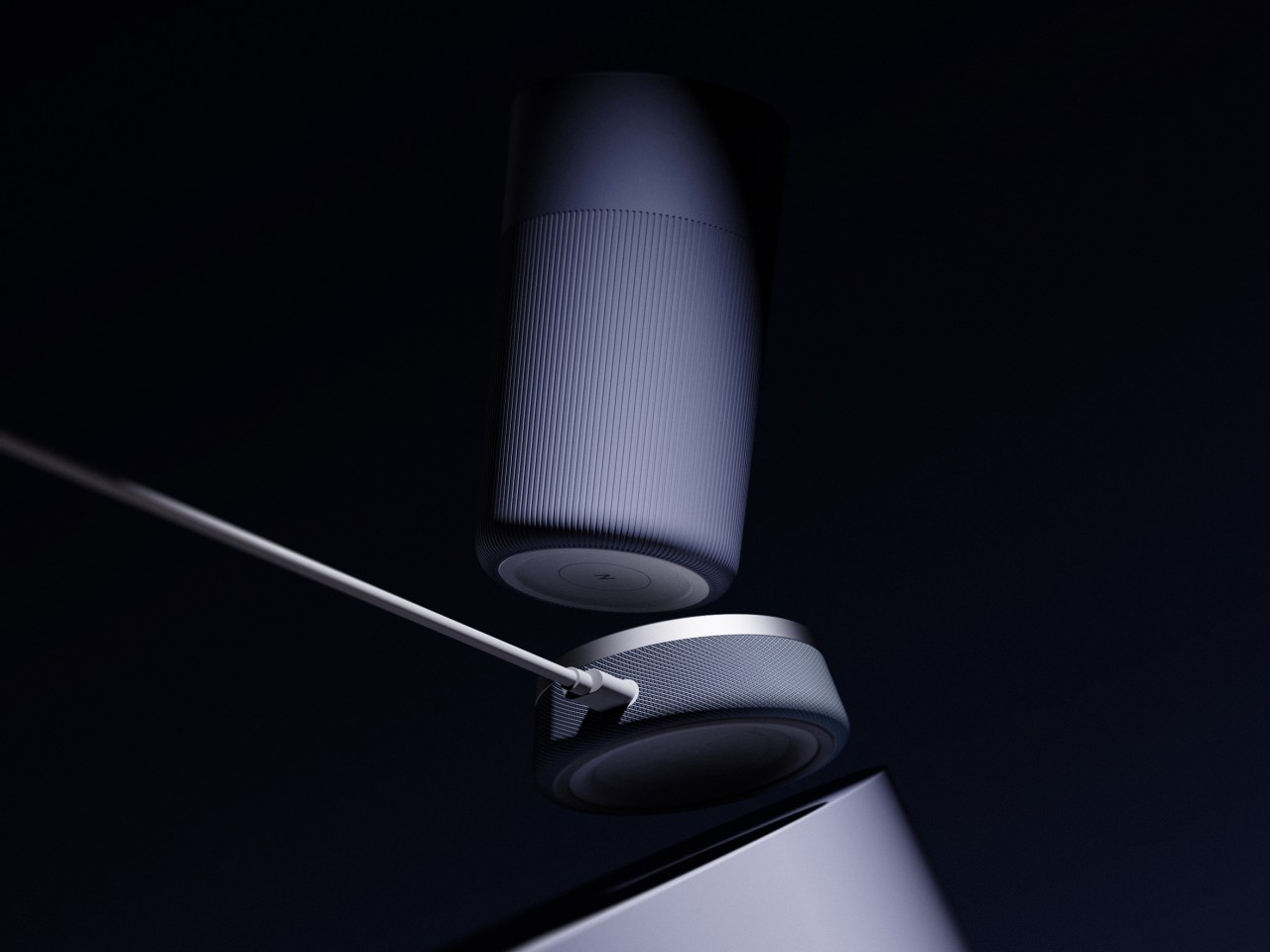
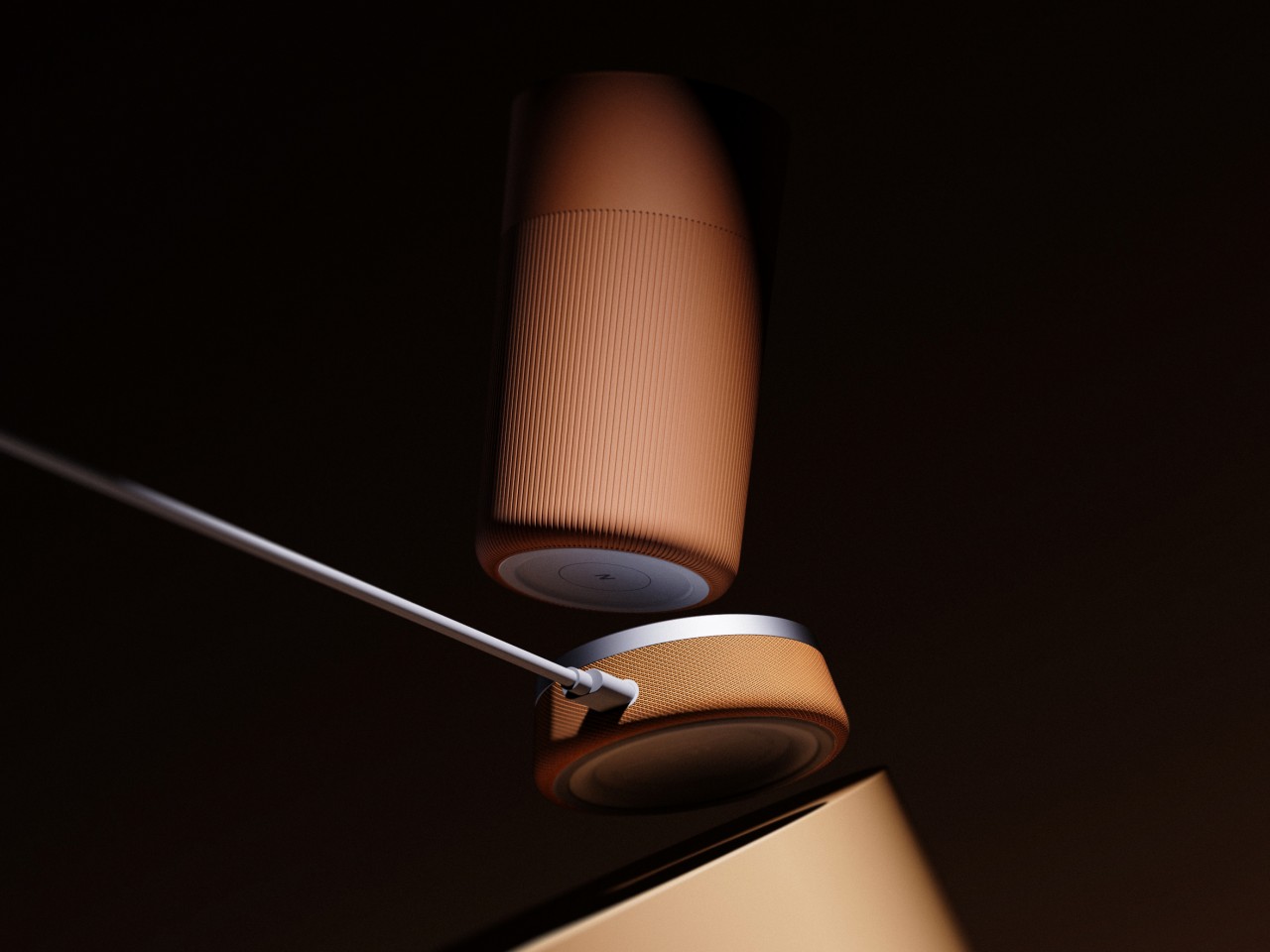
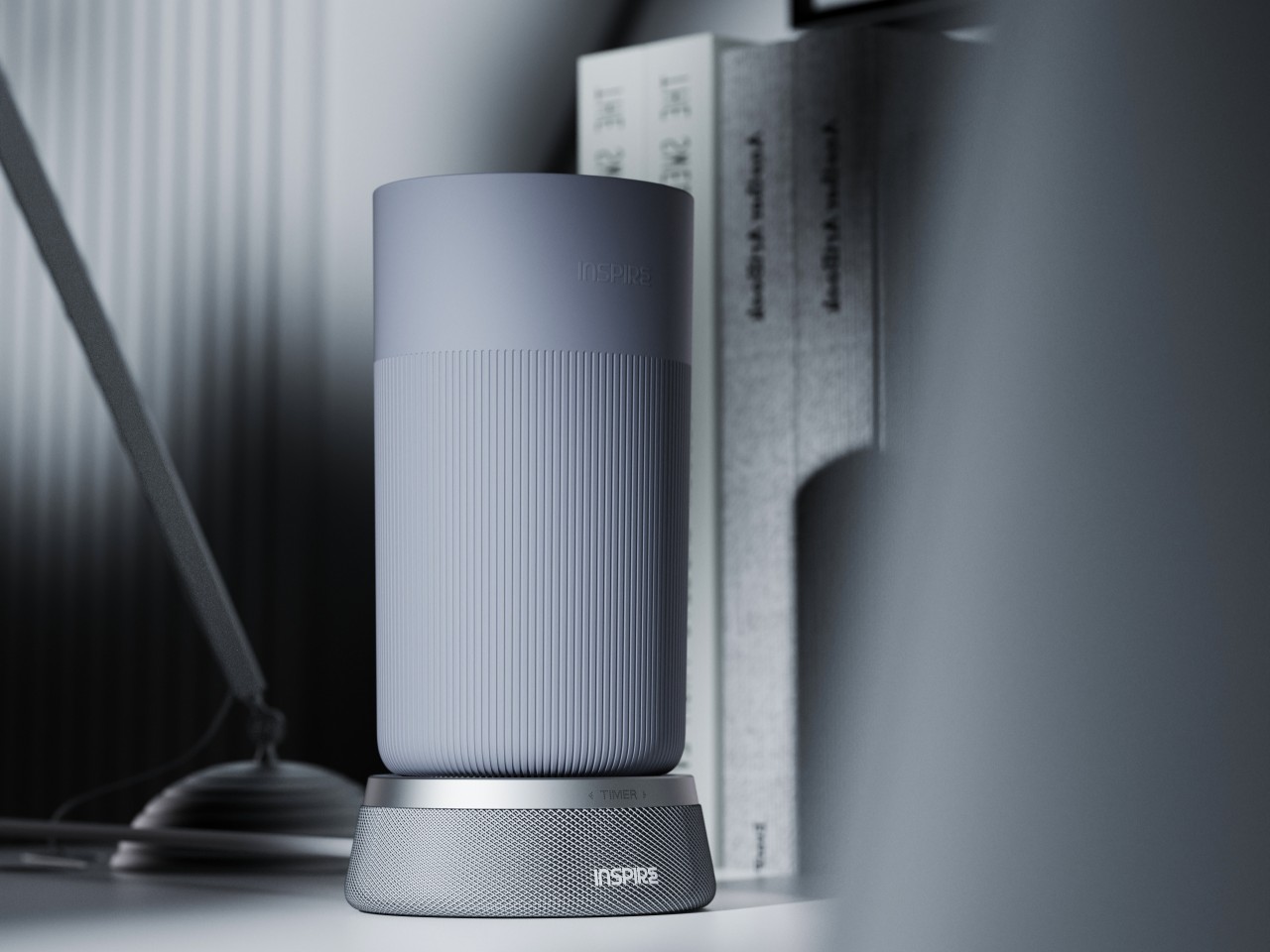
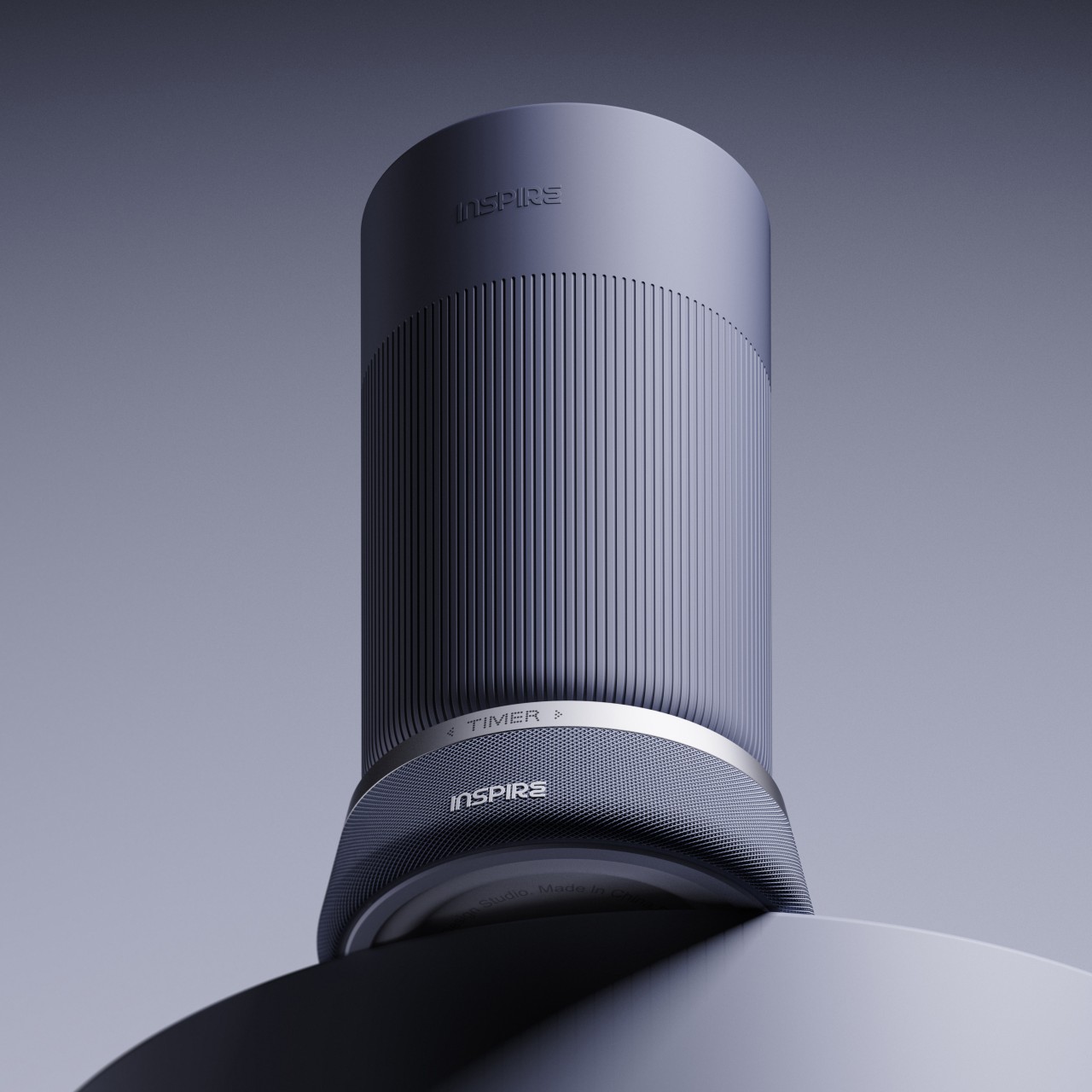
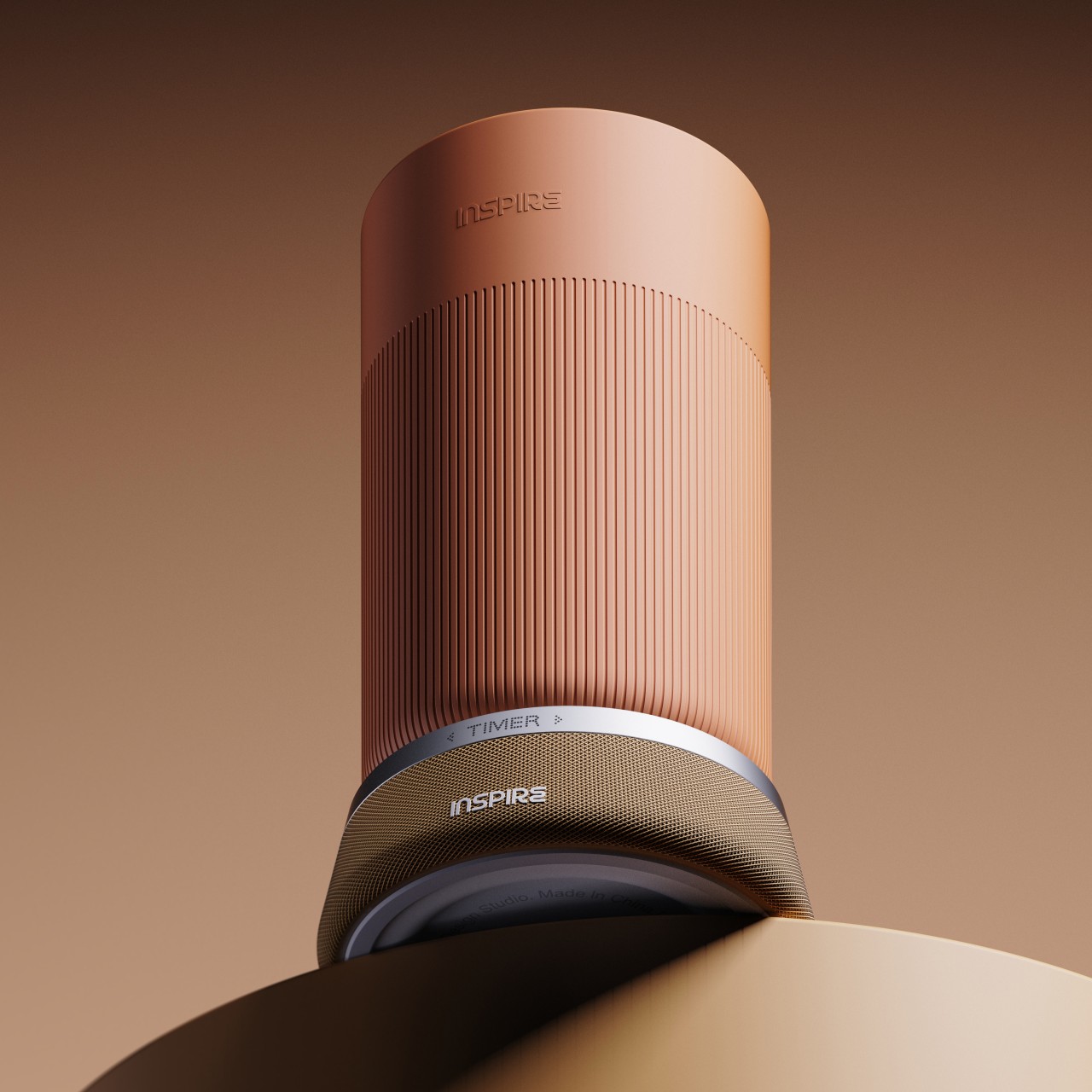
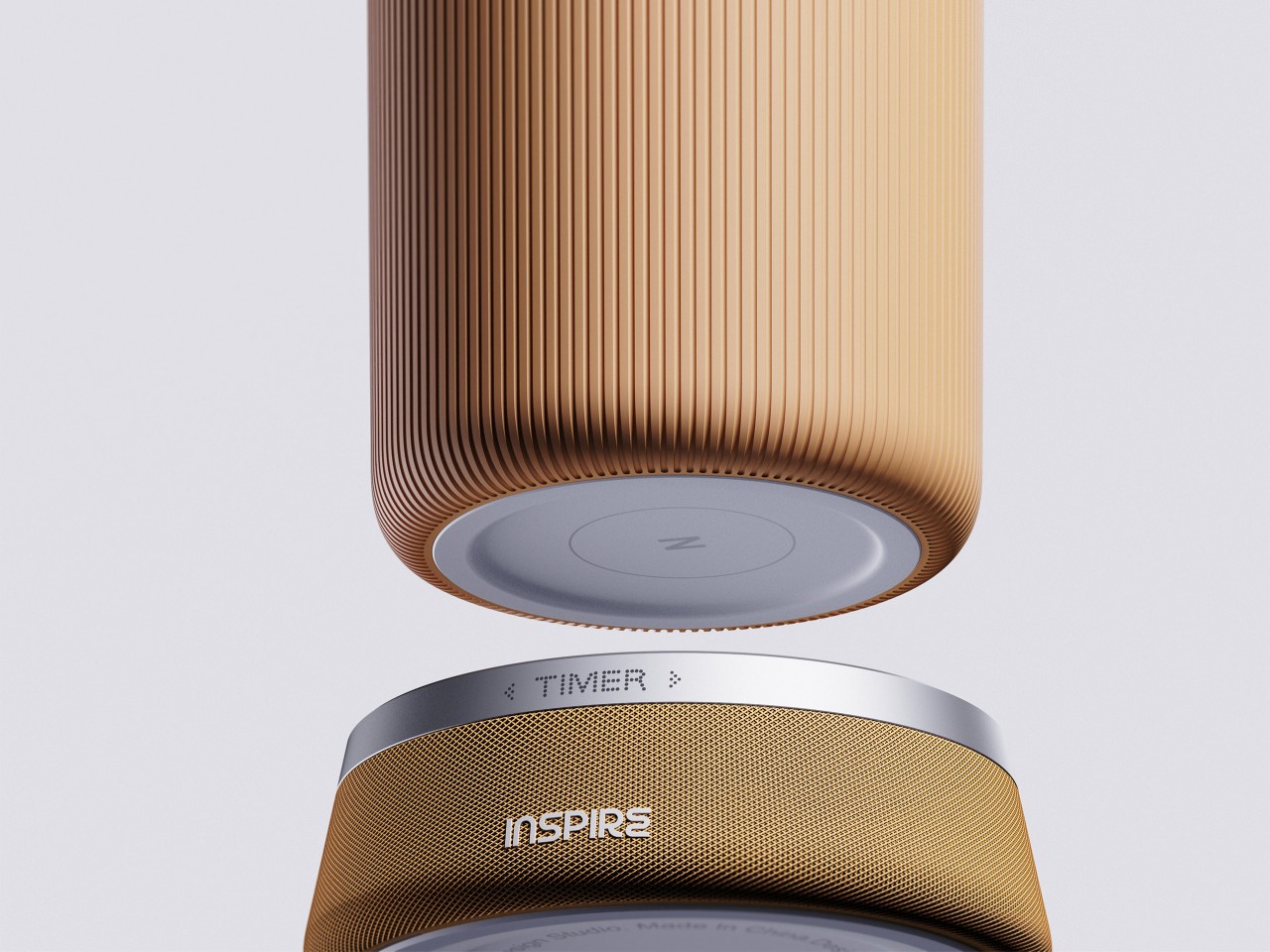
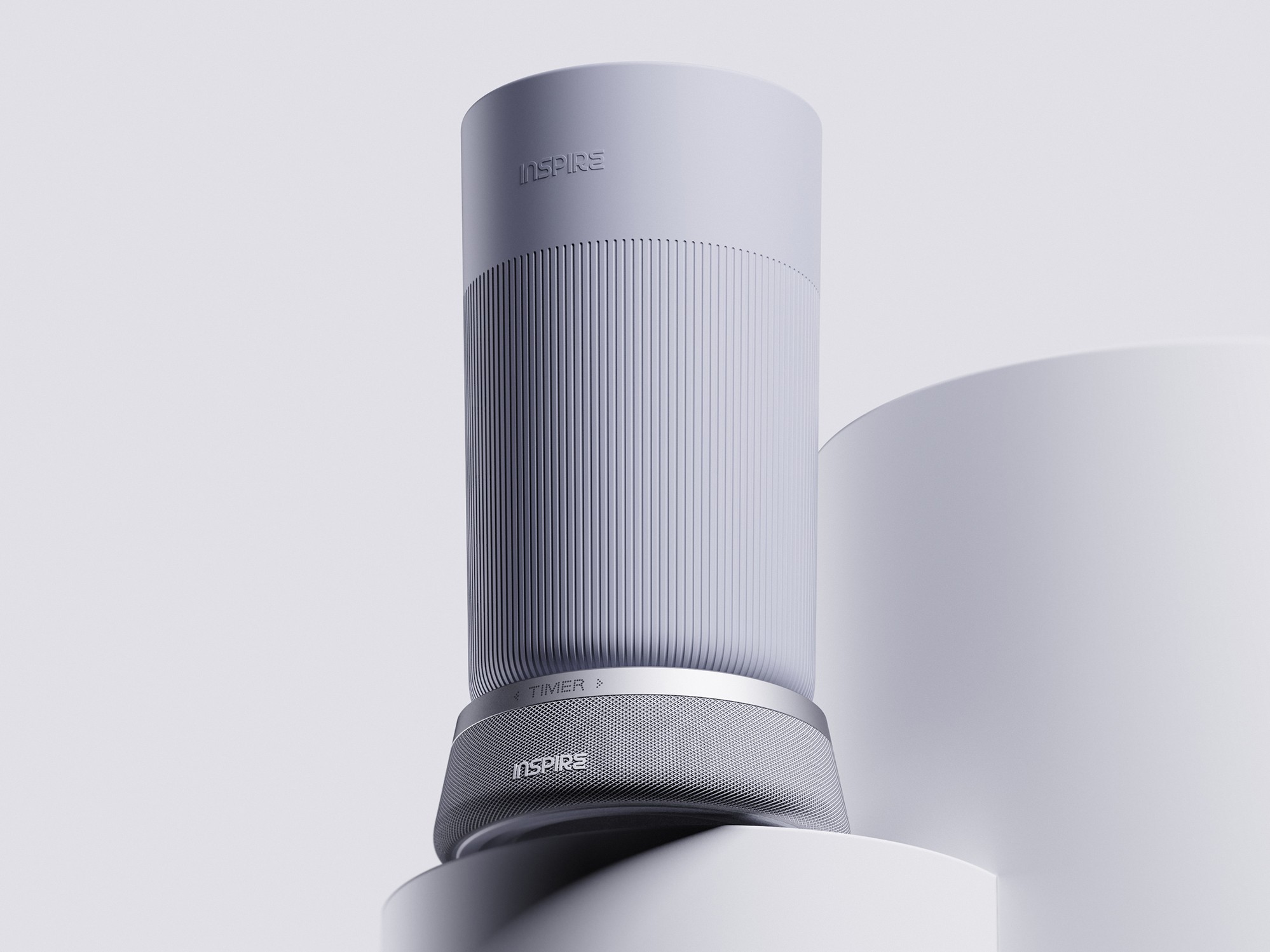
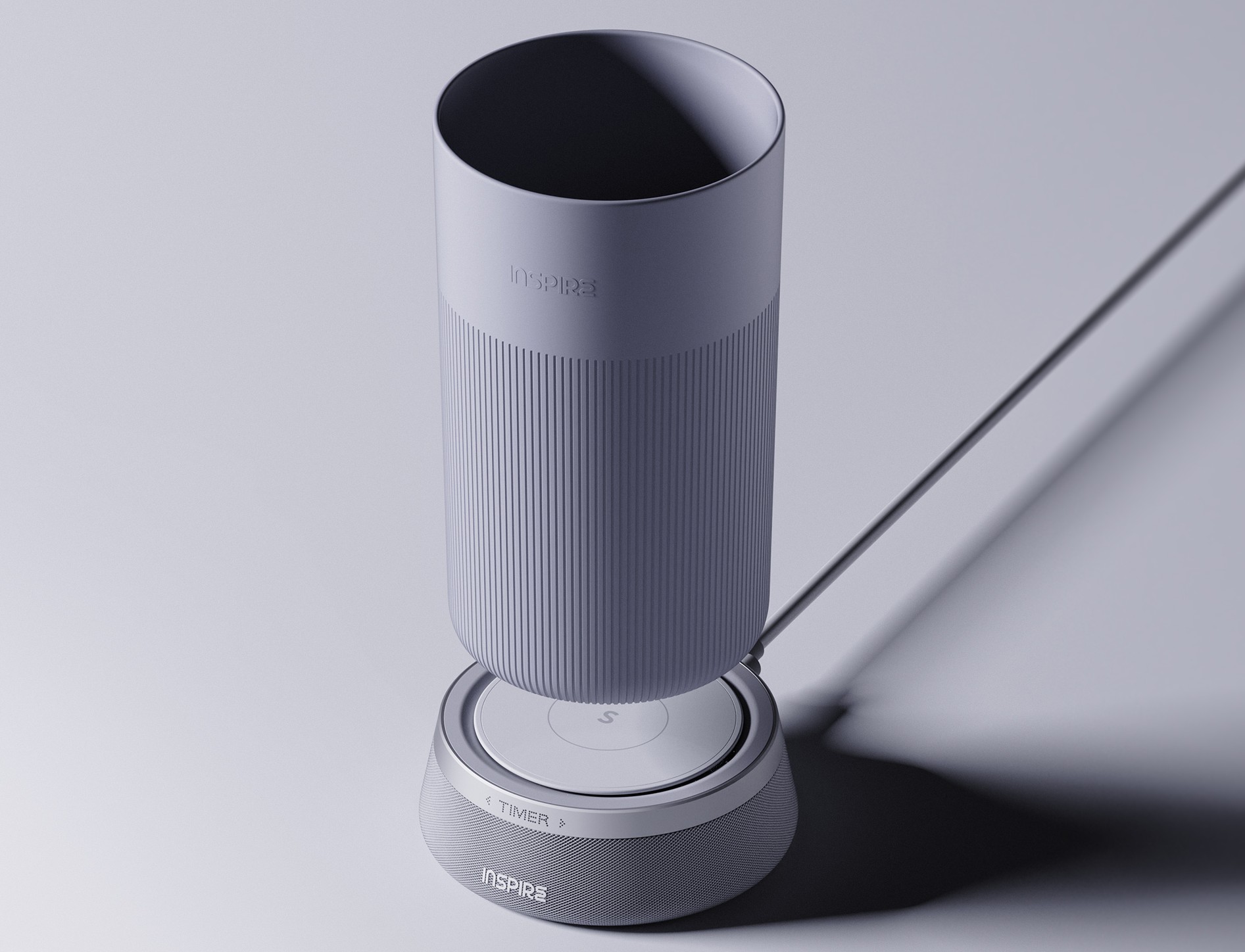
The design is made up of two parts, the actual cup that holds the water and the base that does the mind trick. You simply put the cup of water on top of the base, turn the ring on the base to set the timer, and then go back to what you were doing. Once the timer runs out, an alarm presumably sounds and the surface of the base where the cup rests begins to tilt, forcing you to rush to its side and pick up the cup. And since you’re already there anyway, you might as well drink the water from it, which is the whole point of this rather odd system.

Of course, the cup won’t actually fall off since it’s magnetically attached to that base. The question is whether the contents will start spilling at that angle, so you might have to make sure not to fill it up in the first place. You might also wonder if it will be difficult to pick up the cup from the base considering it has to be held by strong magnets to prevent it from slipping when it tilts.

The biggest concern, however, will be whether the strategy actually works. It might be effective for the first few times, but once your mind has adjusted to it, it won’t be so easily tricked again. At that point, you might very well start ignoring it, too, just like those alarms and reminders, turning the titling water cup into an odd but pointless design.

The post Tilting water cup concept gets you to drink more water by scaring you first appeared on Yanko Design.

EV Signature Harmoniously Blends Tradition and Modernity in an Italian Residential Renovation

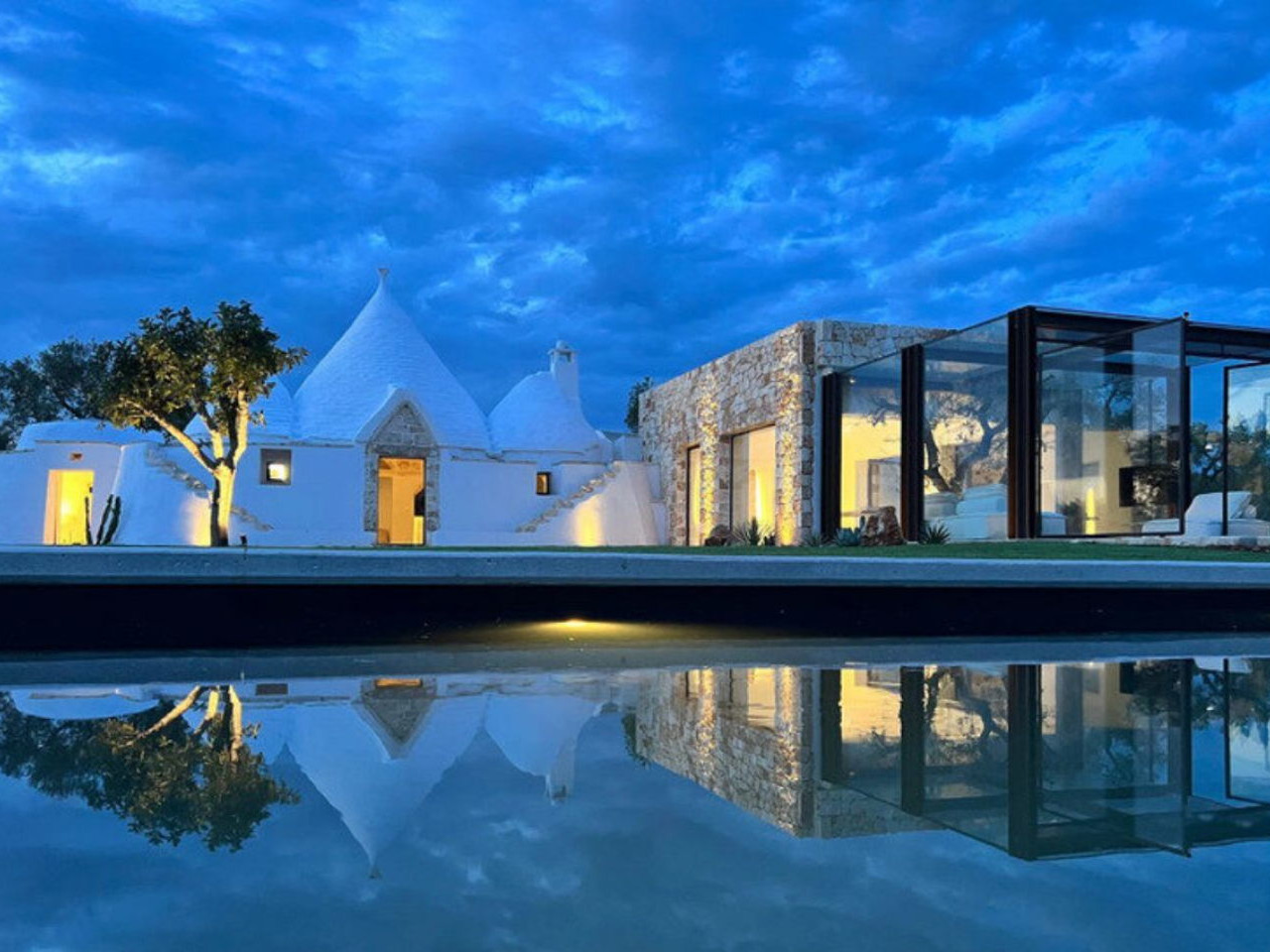
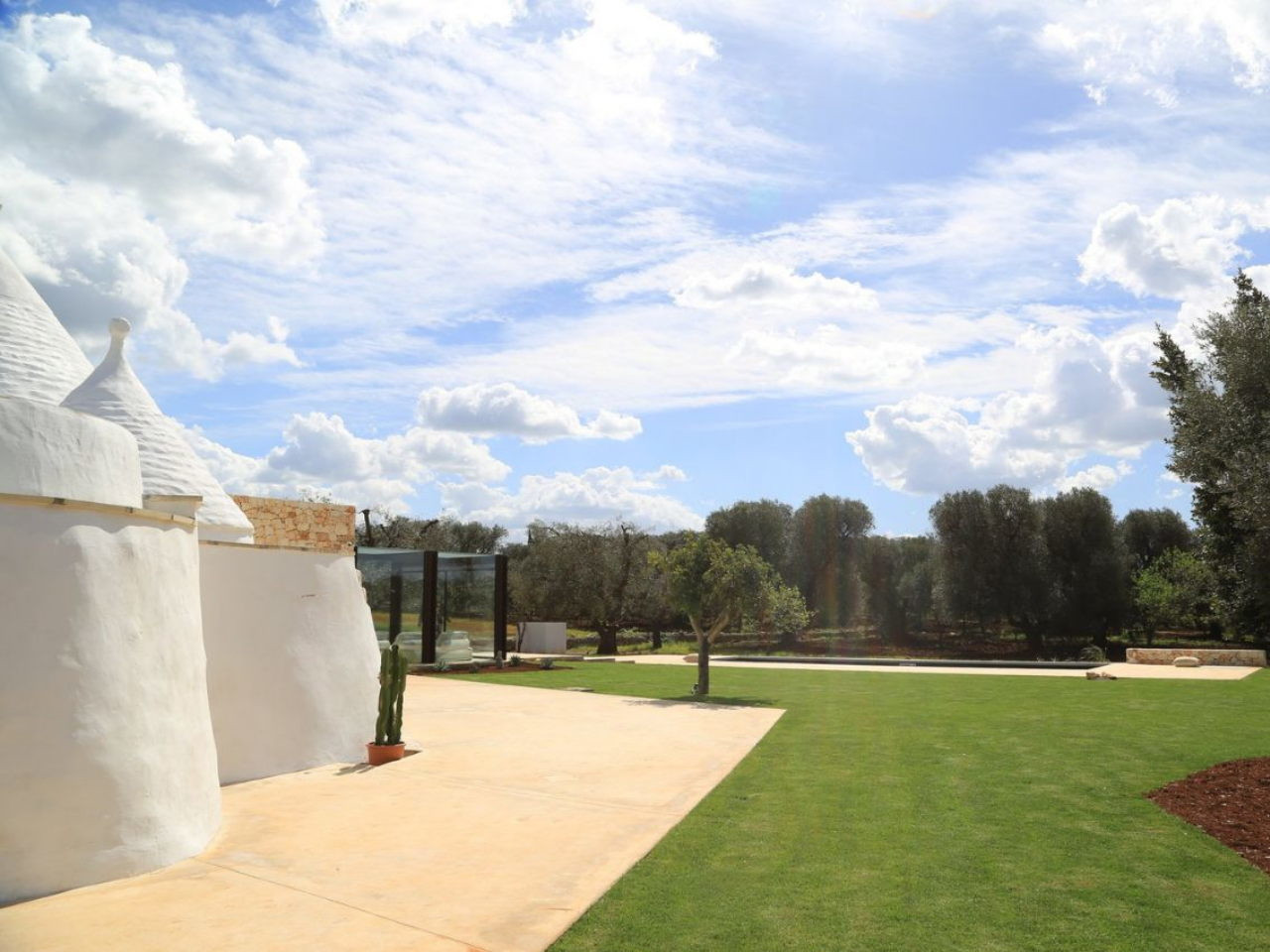
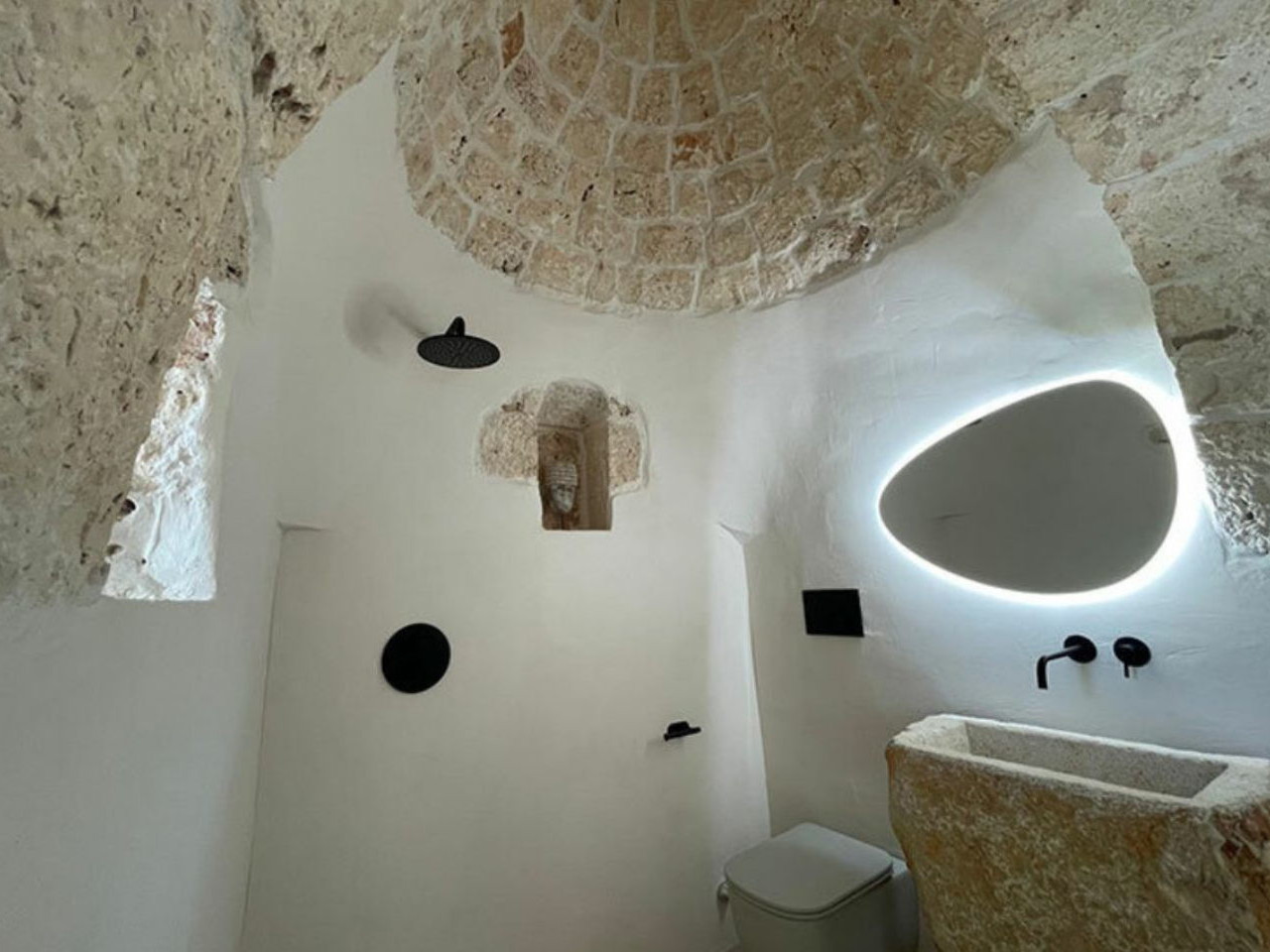
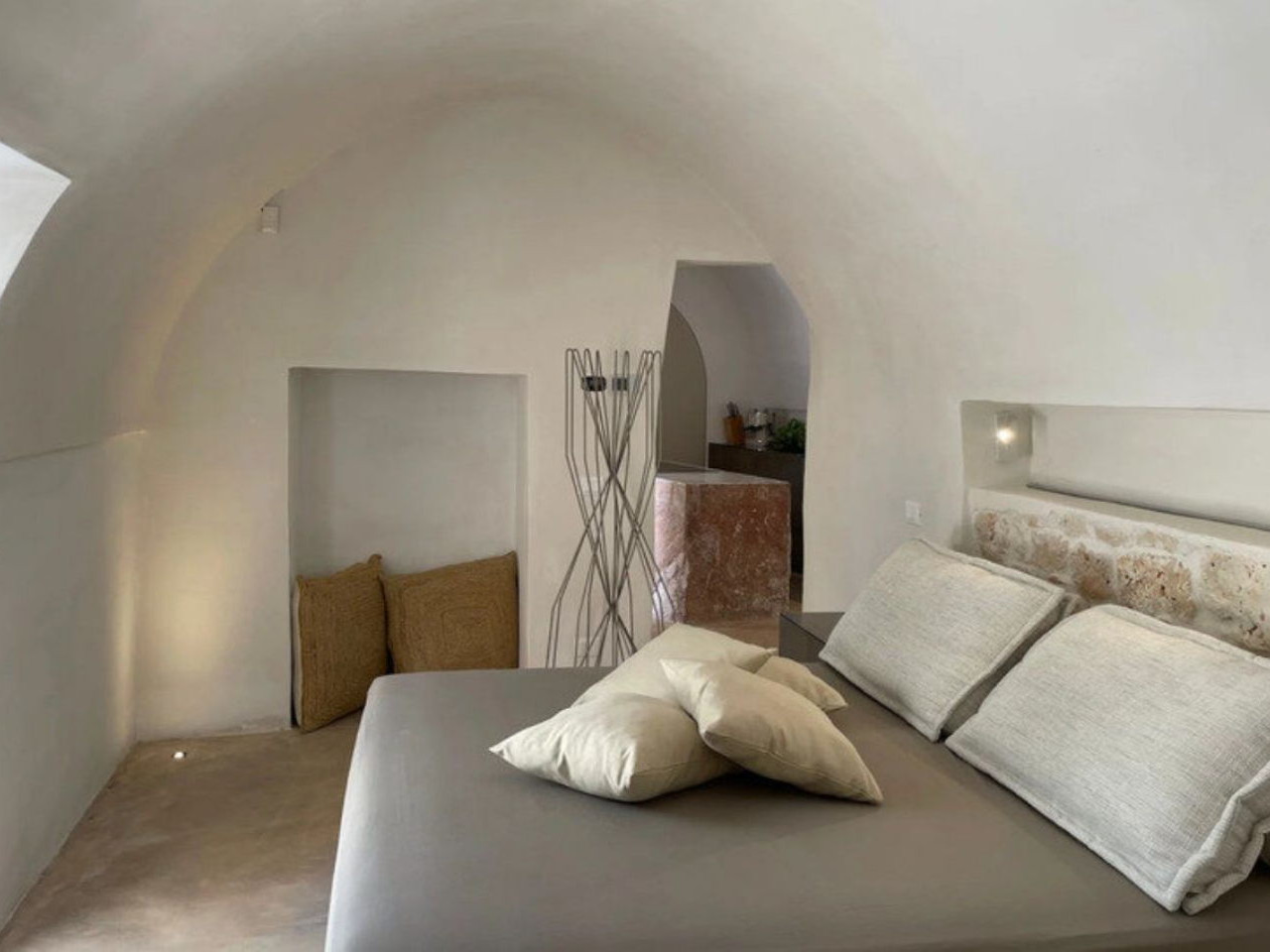
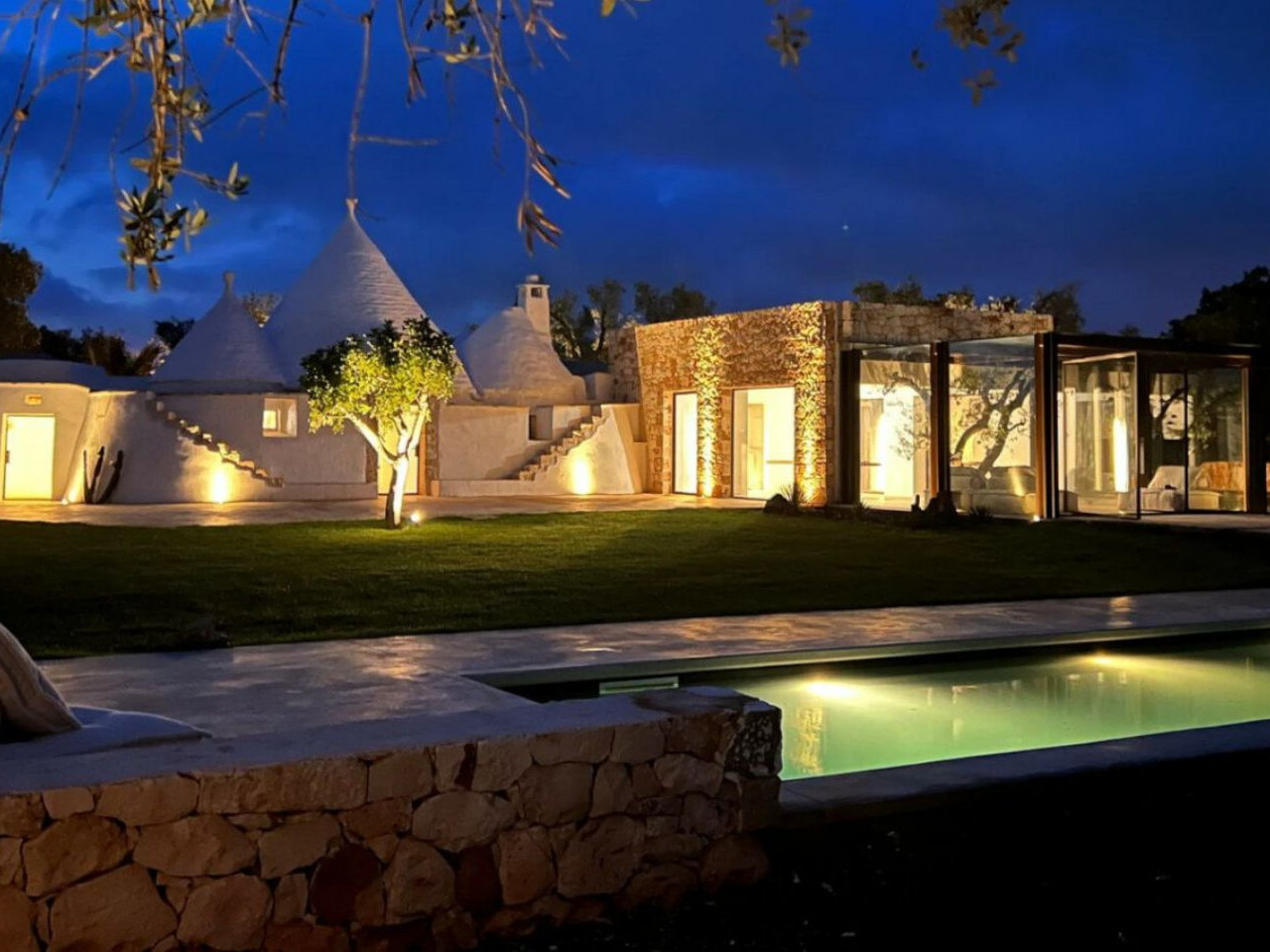
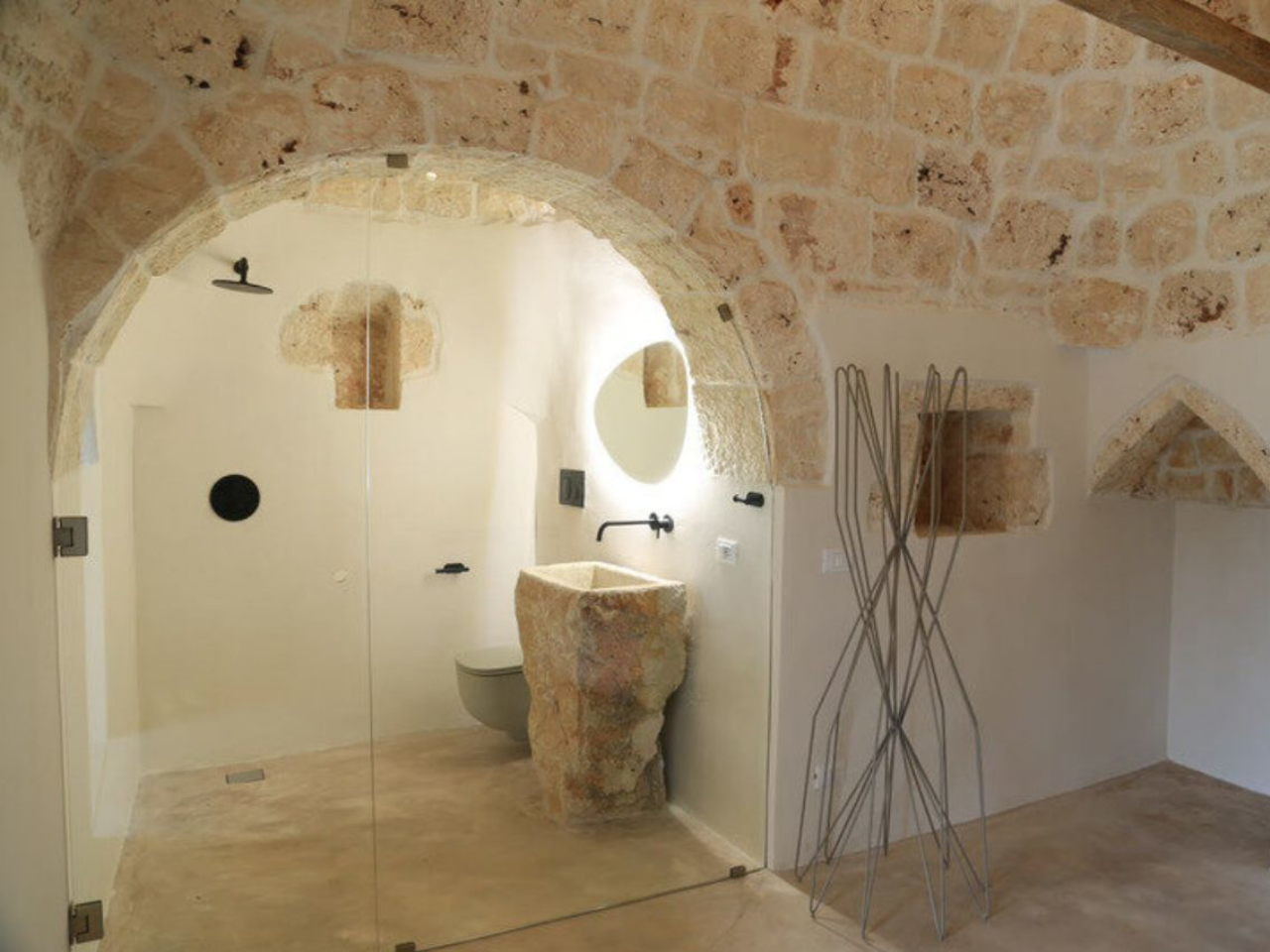
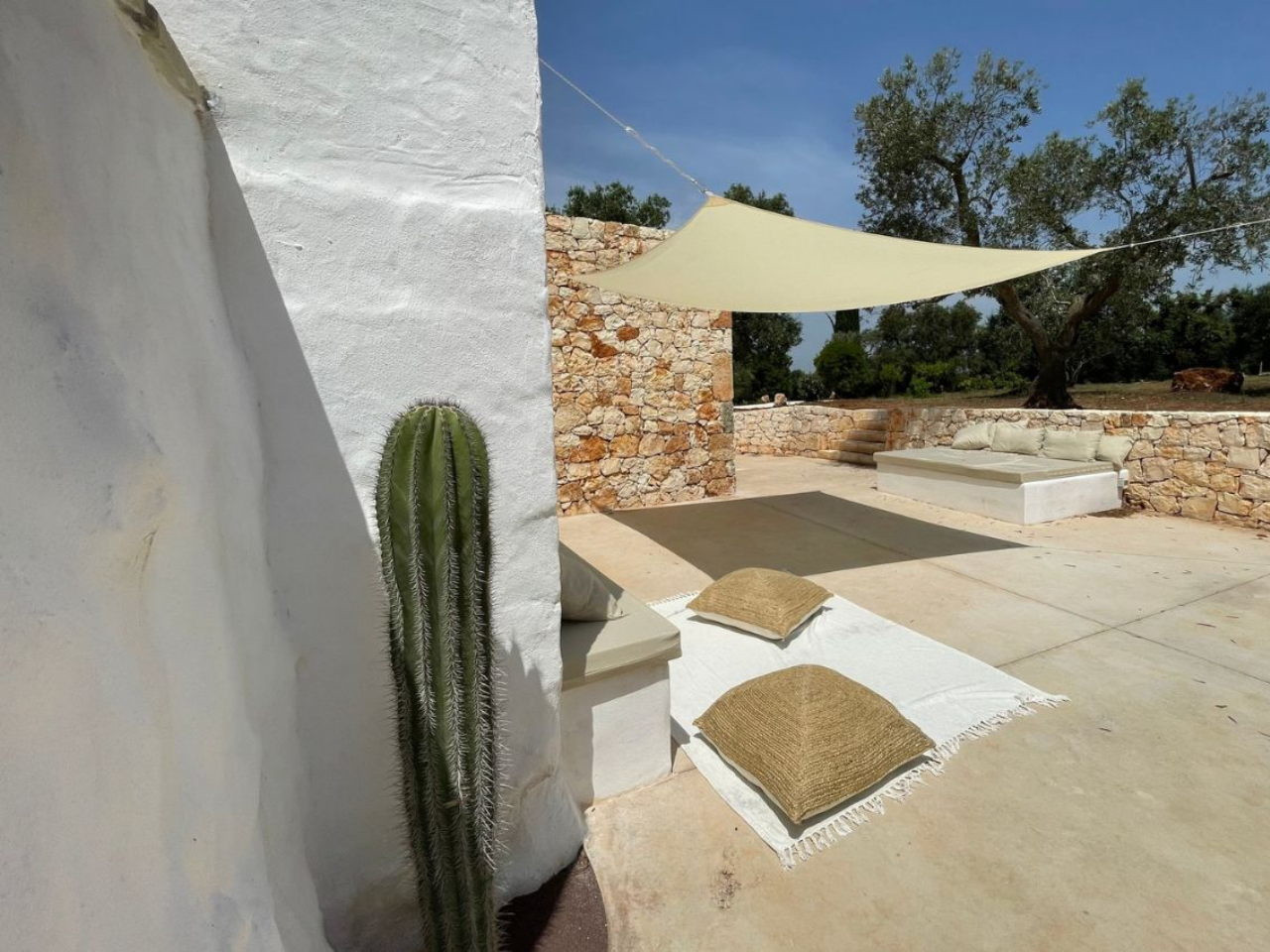
EV Signature has masterfully renovated a historic complex of four trulli and three lamie in San Michele Salentino, Italy, creating a seamless fusion of contemporary aesthetics and traditional architecture. This project, aptly named Glass Tree, epitomizes how modern design can harmoniously coexist with and even enhance cultural heritage.

Designer: EV Signature

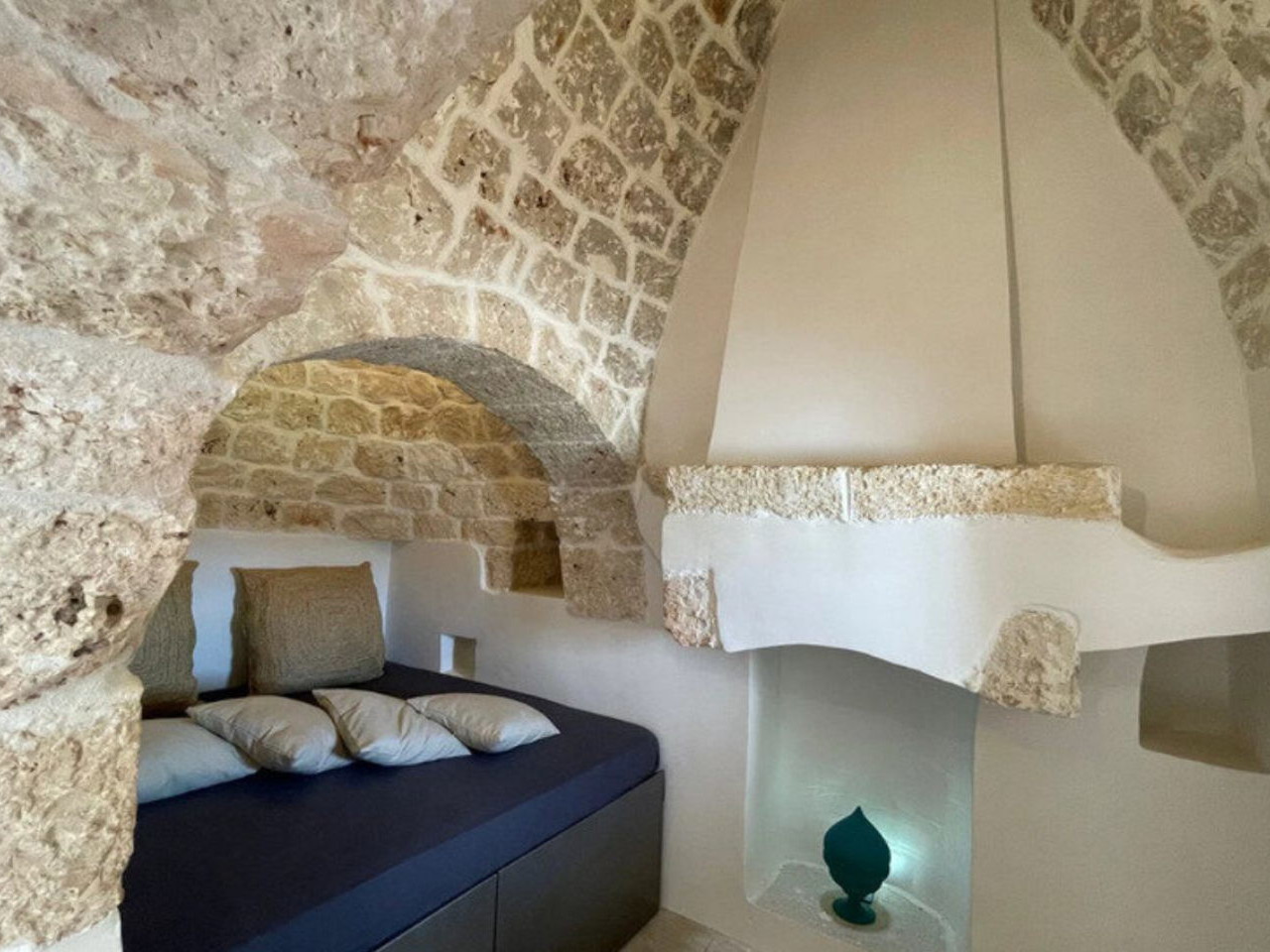
The trulli and lamie structures, indigenous to the region, are celebrated for their unique architectural elements. Trulli, with their iconic conical roofs and dry stone construction, provided effective insulation against the scorching Italian sun for ancient inhabitants. Lamie, known for their sturdy stone build and vaulted ceilings, similarly offered a cool refuge from the heat. These historical elements have been preserved and integrated into the renovation, maintaining the essence of the original structures.

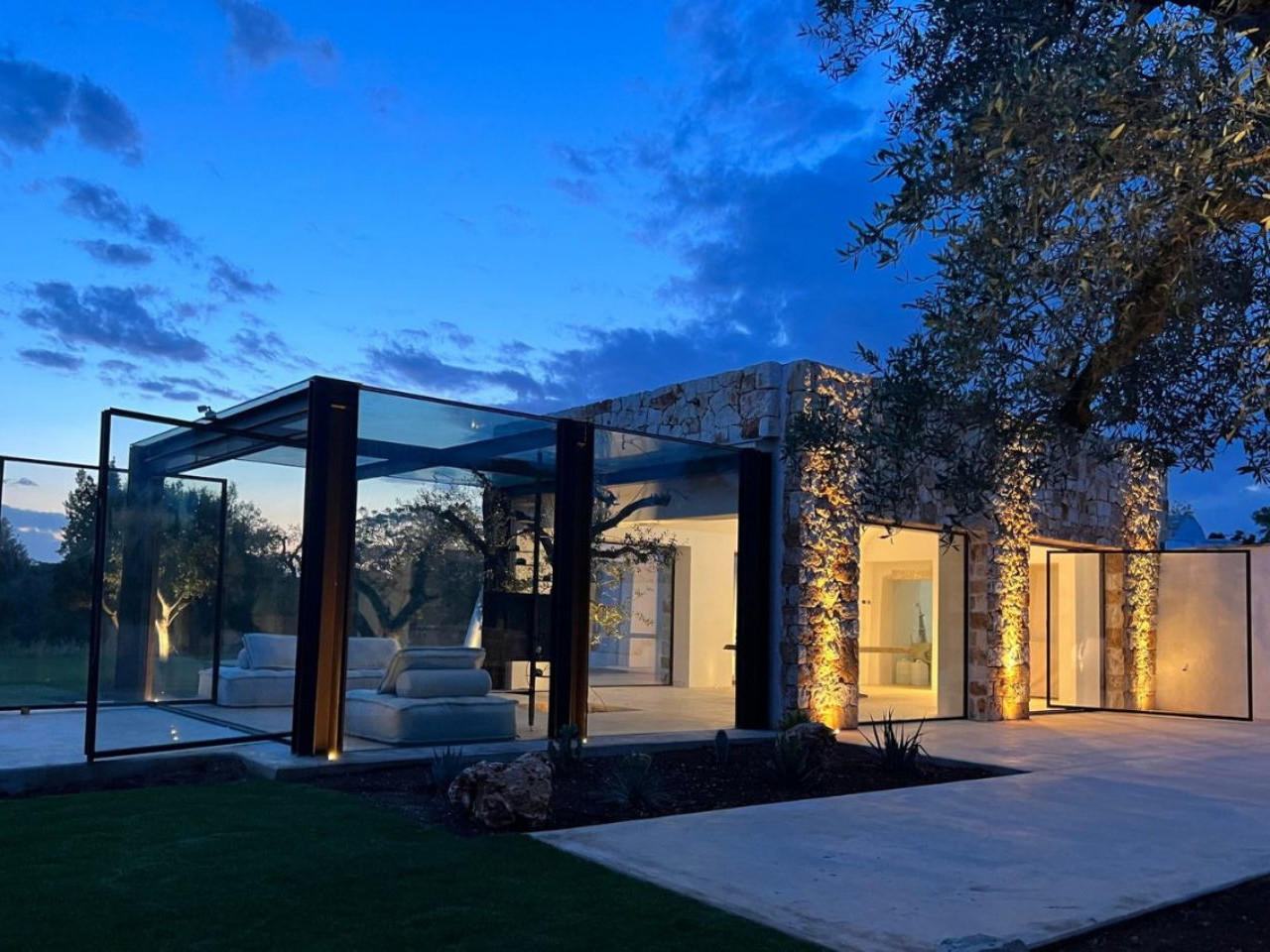
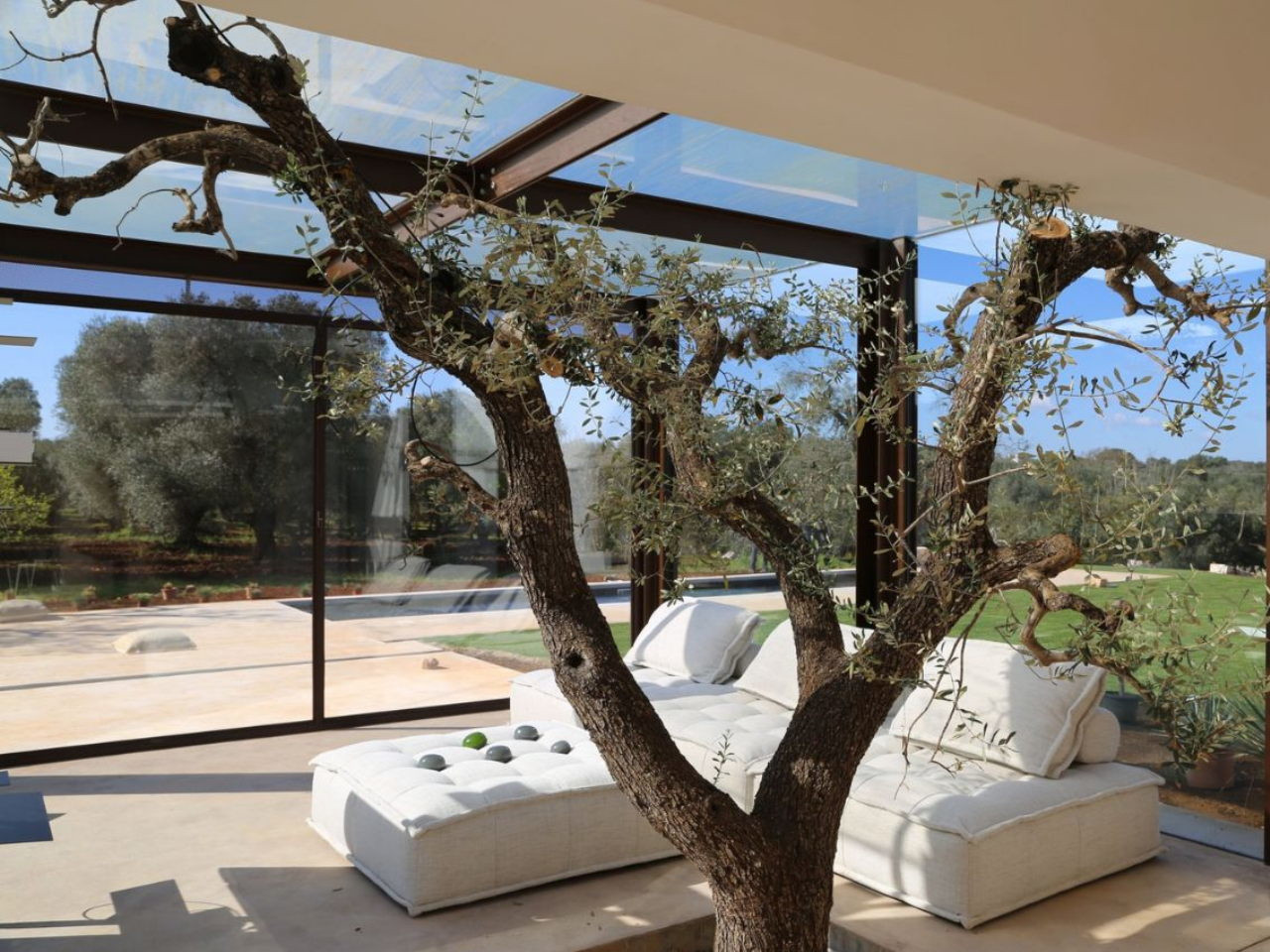
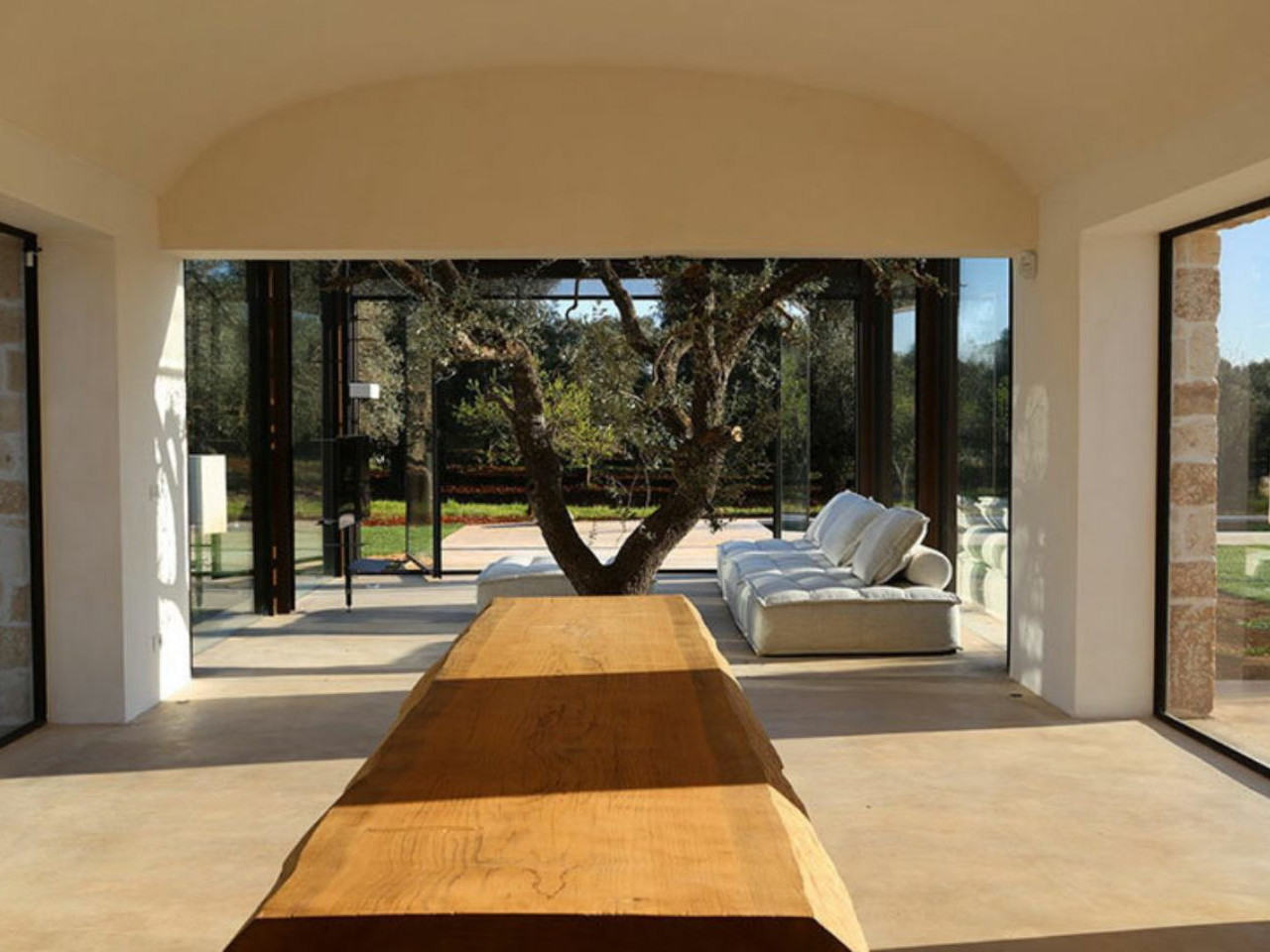
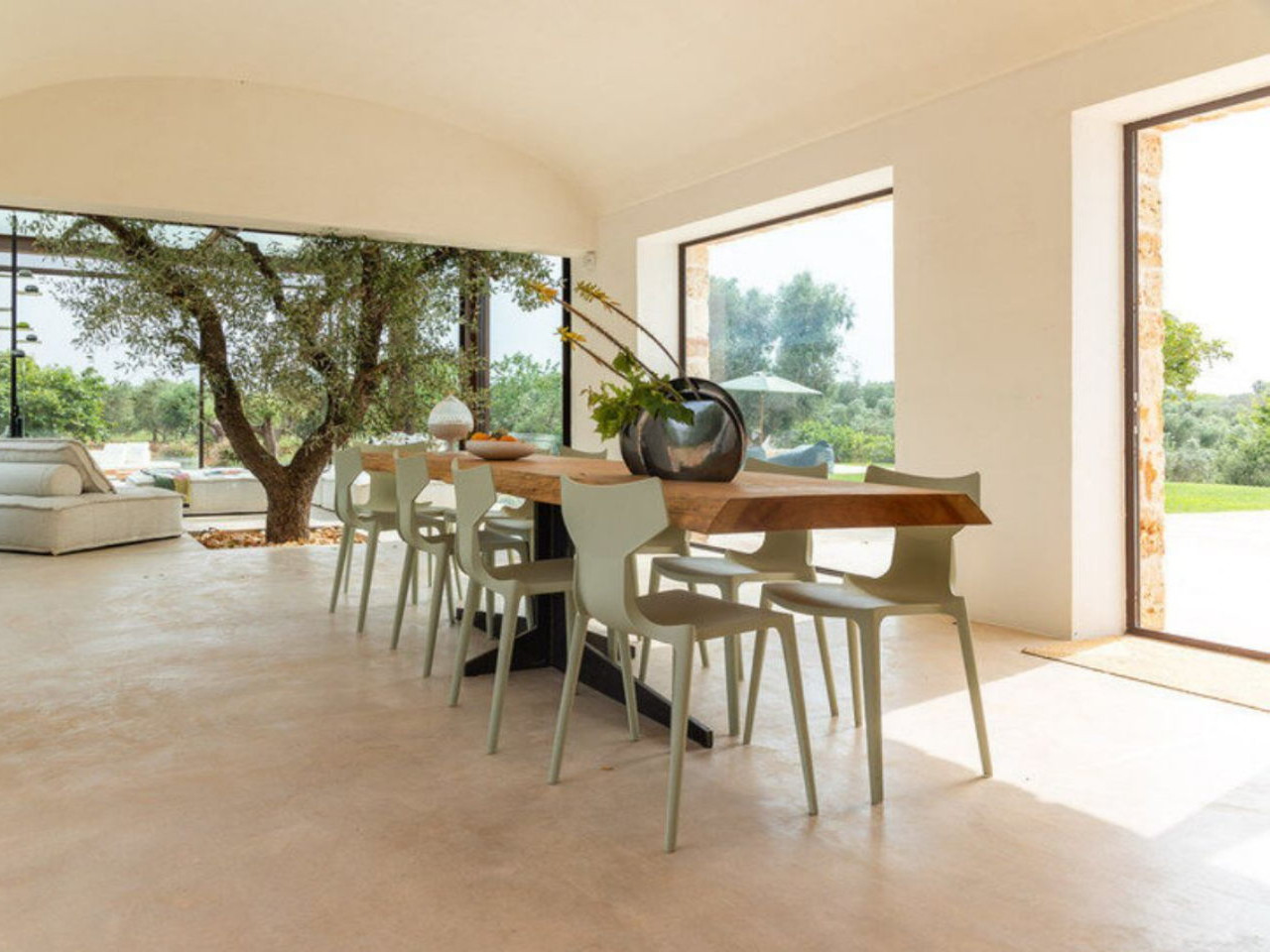
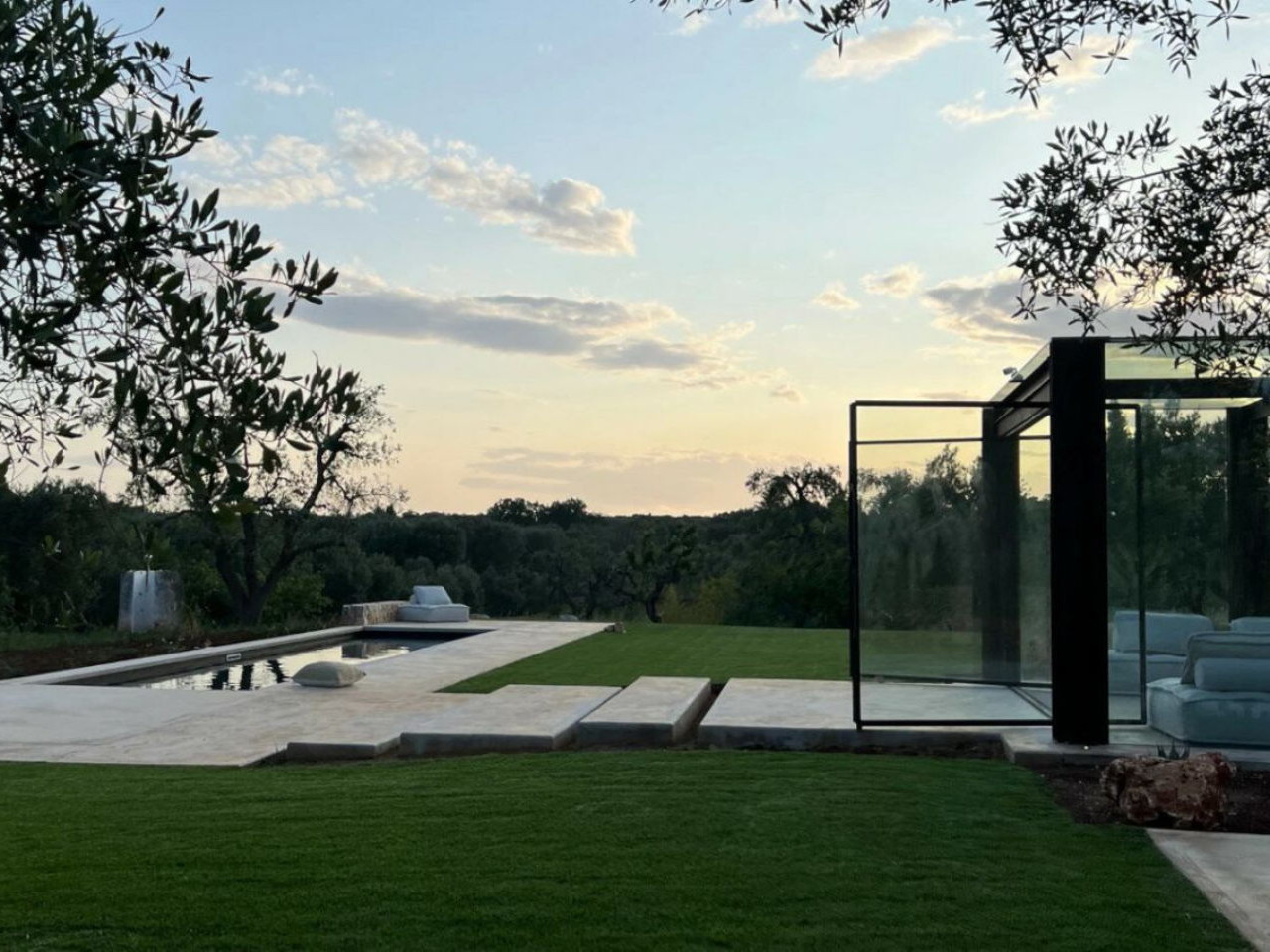
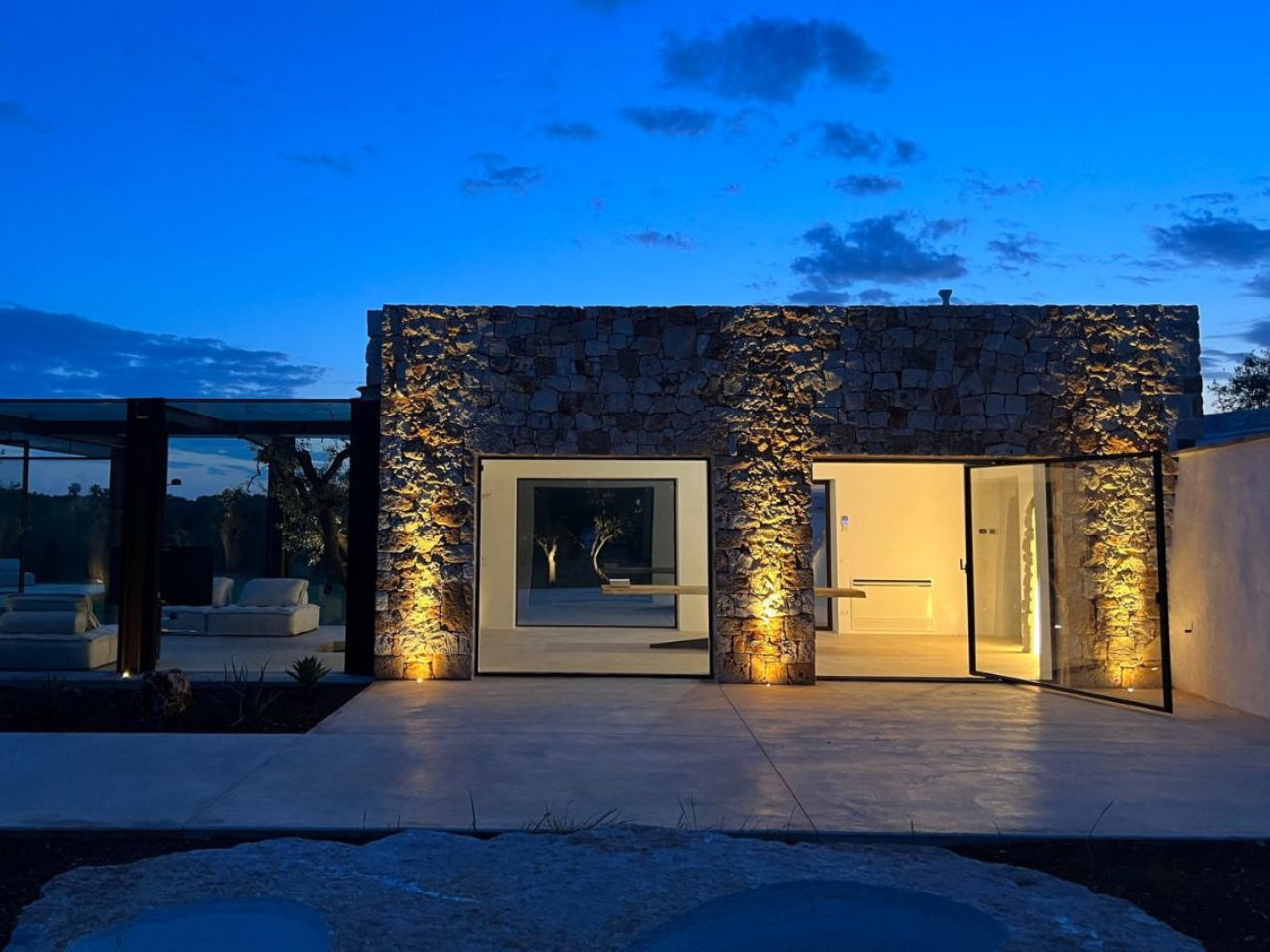
The renovation introduces contemporary elements without compromising the historical charm. The centerpiece of the project is a modern living room encased in a fully transparent space framed in Corten steel. This innovative design feature allows natural light to flood the interior while offering uninterrupted views of the surrounding landscape. At the heart of this space stands an ancient olive tree, symbolizing the project’s name, Glass Tree, and representing a harmonious blend of nature and architecture.

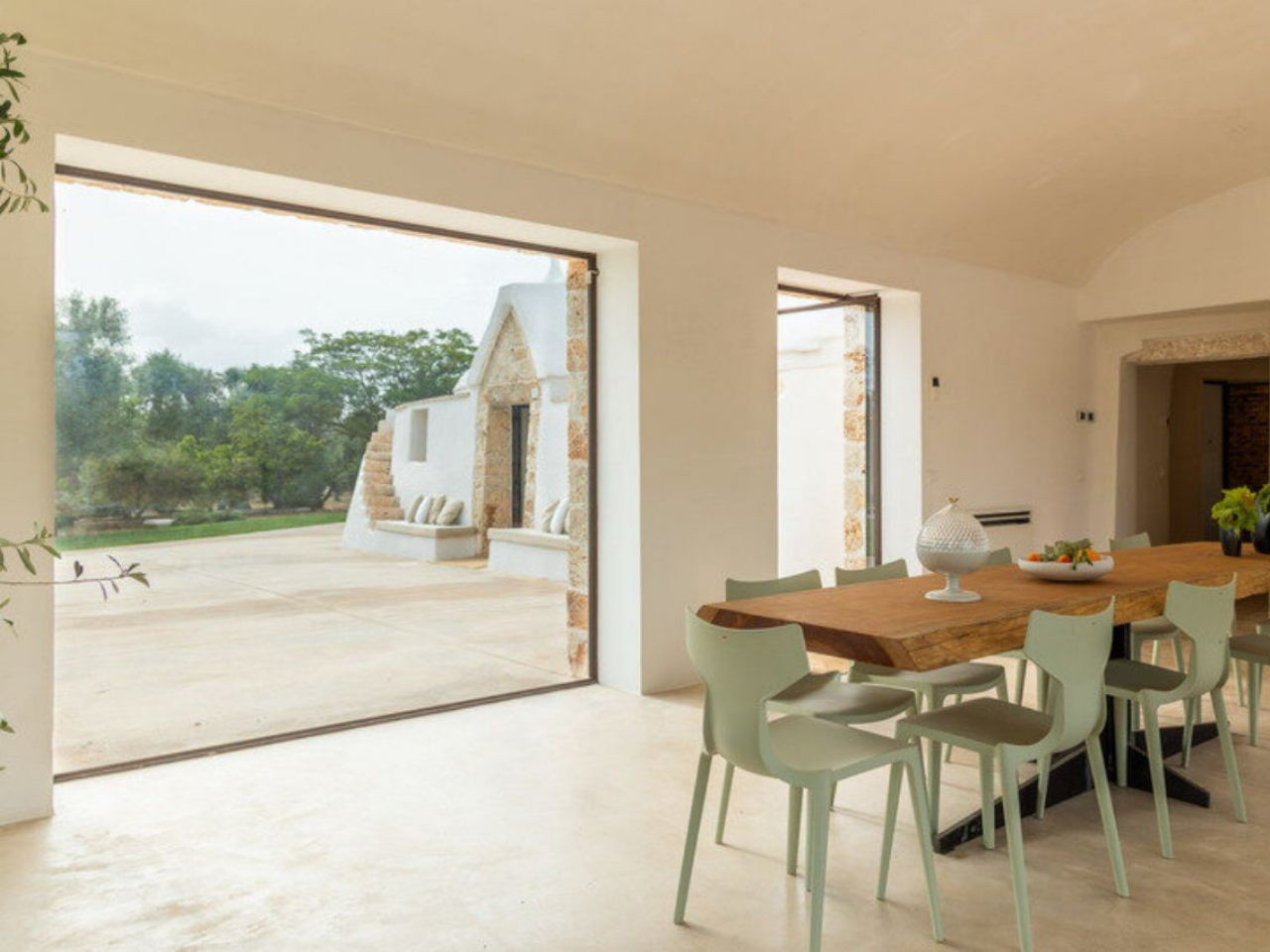
EV Signature’s design philosophy emphasizes the dissolution of boundaries between indoor and outdoor spaces. Extensive excavation and landscaping have created a spacious courtyard that complements the overall design. Large pivoting windows blur the lines between the interior and the exterior, offering views of the swimming pool and inviting year-round enjoyment.

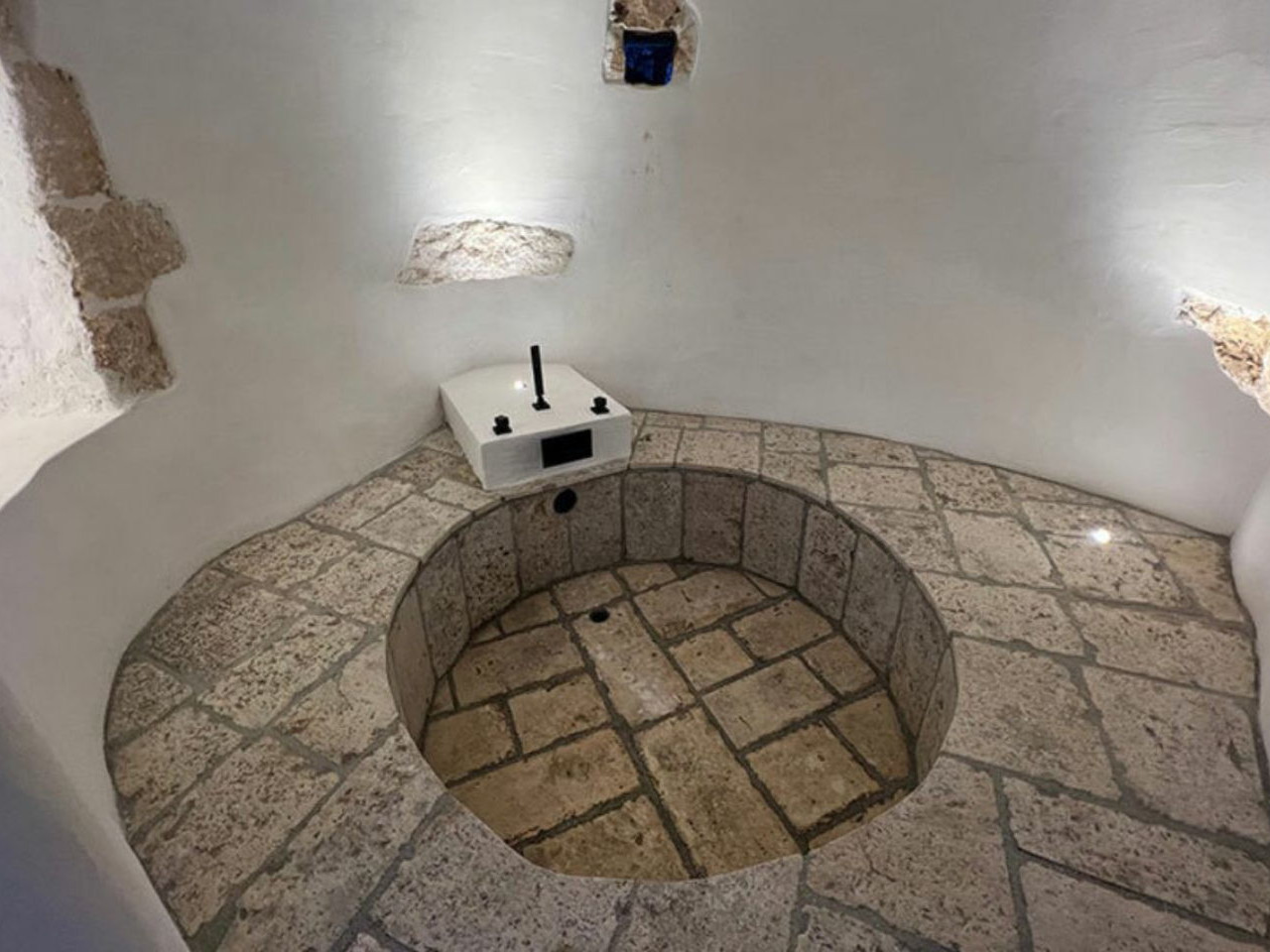
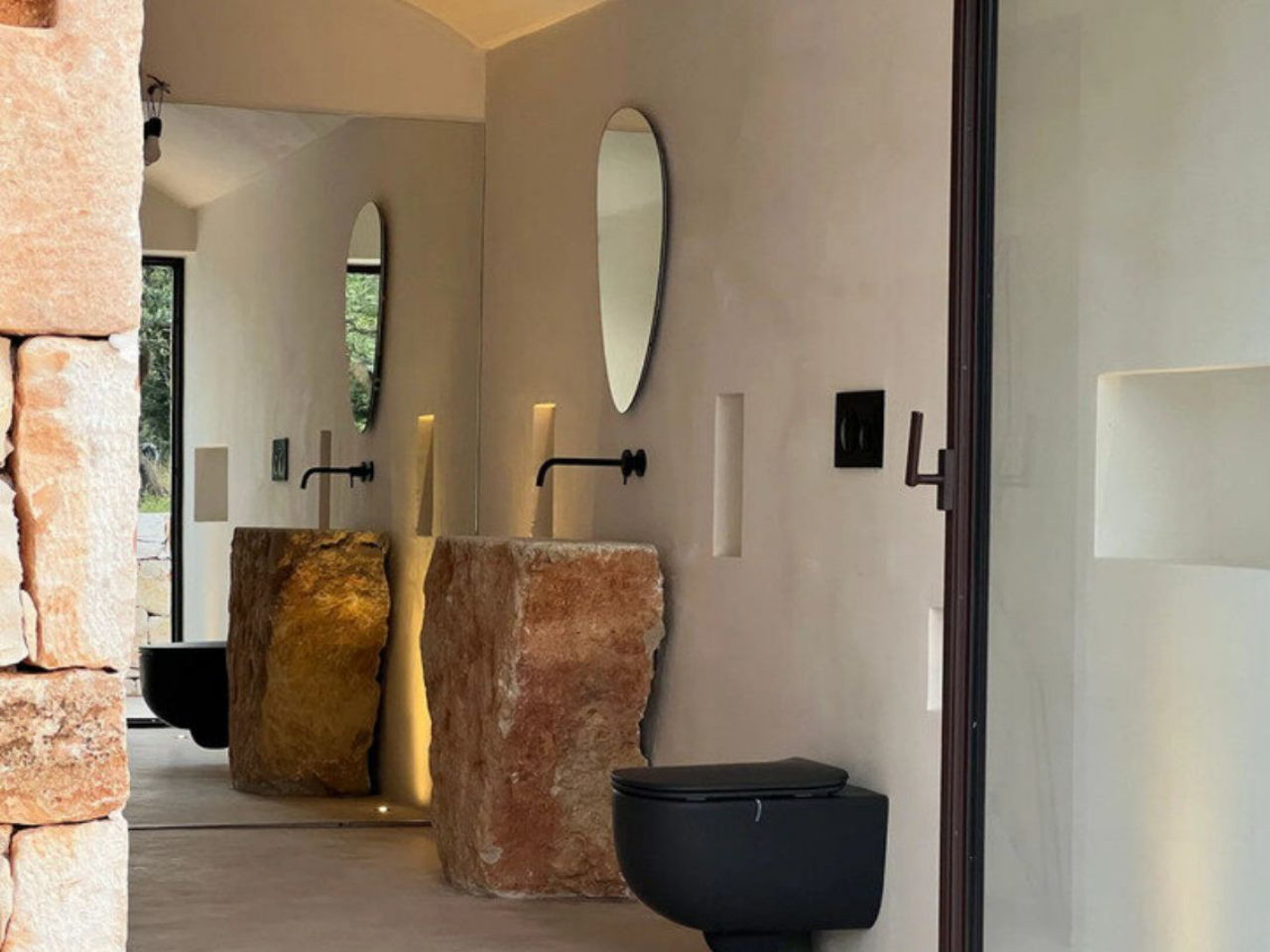
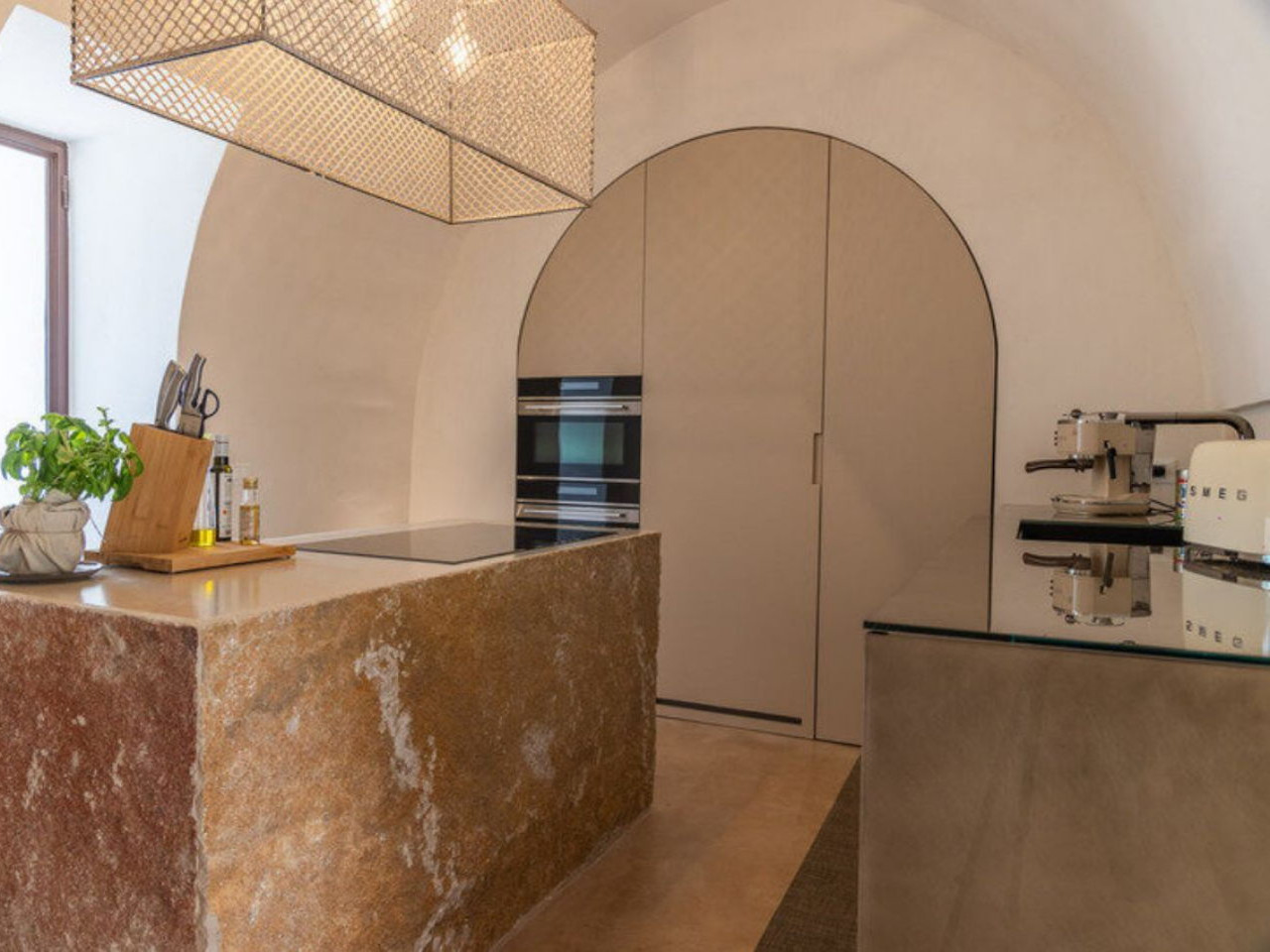
The interior spaces reflect a careful balance of luxury and authenticity. Bathrooms and kitchens feature unique elements such as sinks and islands crafted from locally carved monoliths. These pieces, with their exposed edges, exude a sense of luxury while preserving the heritage vibe of the site. The sunk-in bathtub evokes the ambiance of a Moroccan or Turkish hammam, enhancing the sense of opulence.

To maintain aesthetic consistency, the architects have chosen to showcase local stone on parts of the walls, restoring them meticulously. Other areas are treated with organic lime wash and rustic plaster, achieving a polished yet historically resonant look. The dining area, treated with these materials, offers a flatter, polished appearance that still matches the heritage aesthetic.

At night, the complex transforms into a magical setting with recessed uplights in the outdoor floors highlighting the contours of the stone and the trulli. The swimming pool, illuminated with LED lights on the sides, becomes a focal point, inviting residents and guests to enjoy a dip any time of the day or year round.

The zoning of the complex is thoughtfully designed to ensure functionality and privacy. The modern living areas are easily accessible to guests, while the bedrooms are nested within the trulli, providing a private retreat however with direct entryways from the outside and inside.

EV Signature’s renovation of the Trulli and Lamie complex in San Michele Salentino is a testament to the potential of blending modern and traditional building methods. By preserving the cultural heritage of the site and integrating contemporary design elements, the architects have created a space that is both timeless and modern. This project not only showcases the beauty of vernacular architecture but also demonstrates how such structures can be adapted to meet contemporary living standards without losing their historical significance, and how even the smallest ‘modern’ element can change users’ perspective.

The post EV Signature Harmoniously Blends Tradition and Modernity in an Italian Residential Renovation first appeared on Yanko Design.

Apple has finally started sending out payments from its butterfly keyboard settlement

Payments relating to a class action lawsuit filed in 2018 over Apple’s butterfly MacBook keyboards have reportedly begun to arrive. The settlement website now states that payments for approved claims will go out in August — and sure enough, 9to5Mac’s Michael Burkhardt reports that he received two settlement checks in the mail on Saturday. Just how much eligible MacBook owners will get varies depending on the extent of the repairs their devices needed. But for some, it could mean a check (or multiple) of up to $395.

After Apple introduced the butterfly keyboard in 2015, complaints arose over “sticky” and unresponsive keys, susceptibility to debris and other major issues. The company ultimately started phasing out the design in 2019. The lawsuit filed in 2018 accused Apple of knowing that its keyboards had problems and concealing this from consumers. While Apple denied the lawsuit’s allegations of defective keyboards and did not admit to any wrongdoing, it agreed to pay $50 million as part of a settlement.

Per the settlement website, people who got two or more topcase replacements within four years of purchasing one of the affected MacBooks are expected to get between $300-$395. MacBook owners who got just one topcase replacement could get up to $125. Claimants who only needed keycap replacements will get a maximum of $50. Of course, to receive a payment, you’d need to have filed any claims by the deadlines outlined in the settlement. And, when the settlement was first reached in 2022, Reuters reported that it will only apply to customers who bought the affected laptops in California, Florida, Illinois, Michigan, New Jersey, New York and Washington. You can find the full details in the case’s FAQ.

This article originally appeared on Engadget at https://www.engadget.com/apple-has-finally-started-sending-out-payments-from-its-butterfly-keyboard-settlement-210754935.html?src=rss

Cardboard planks create an atmospheric lamp set that pays tribute to dusk

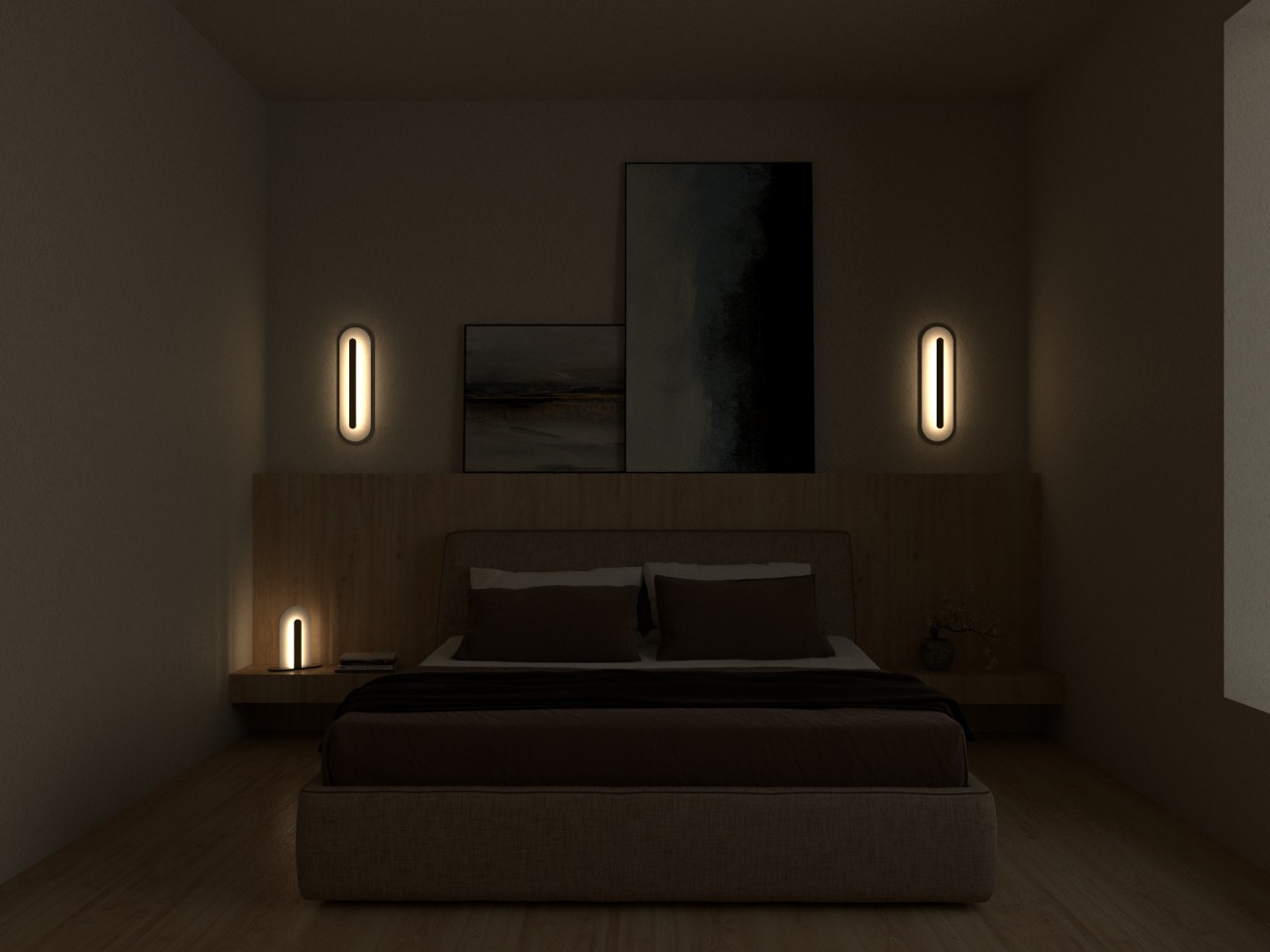
There are many metaphors and analogies related to dawn when the rising of the sun is often compared to new beginnings or opportunities to begin anew. Dusk, however, is just as magical a time as its polar opposite, when the light of the sun is all but spent but lingers every so briefly before giving way to the restful night. For many people, it is a calming moment that signals the end of a busy day and the start of a period of reflection and peace. That is the soothing atmosphere that this set of mood lamps tries to convey, and they do so in the most minimalist way possible using nothing more than a few pieces of regular cardboard.

Designer: Óscar Santos

Cardboard is a material that’s so common that it’s too easily taken for granted. It’s stiffer than paper but less durable than wood, so it’s often used for packaging that’s meant to just be thrown away. It’s a complete waste, of course, especially when the pieces of cardboard are still pristine, but there are few known uses for them outside of breaking them down and recycling them like paper, which also consumes water and energy. Fortunately, there are also a few creative souls who want to give cardboard a chance, like this collection of lamps that take advantage of cardboard’s natural properties.

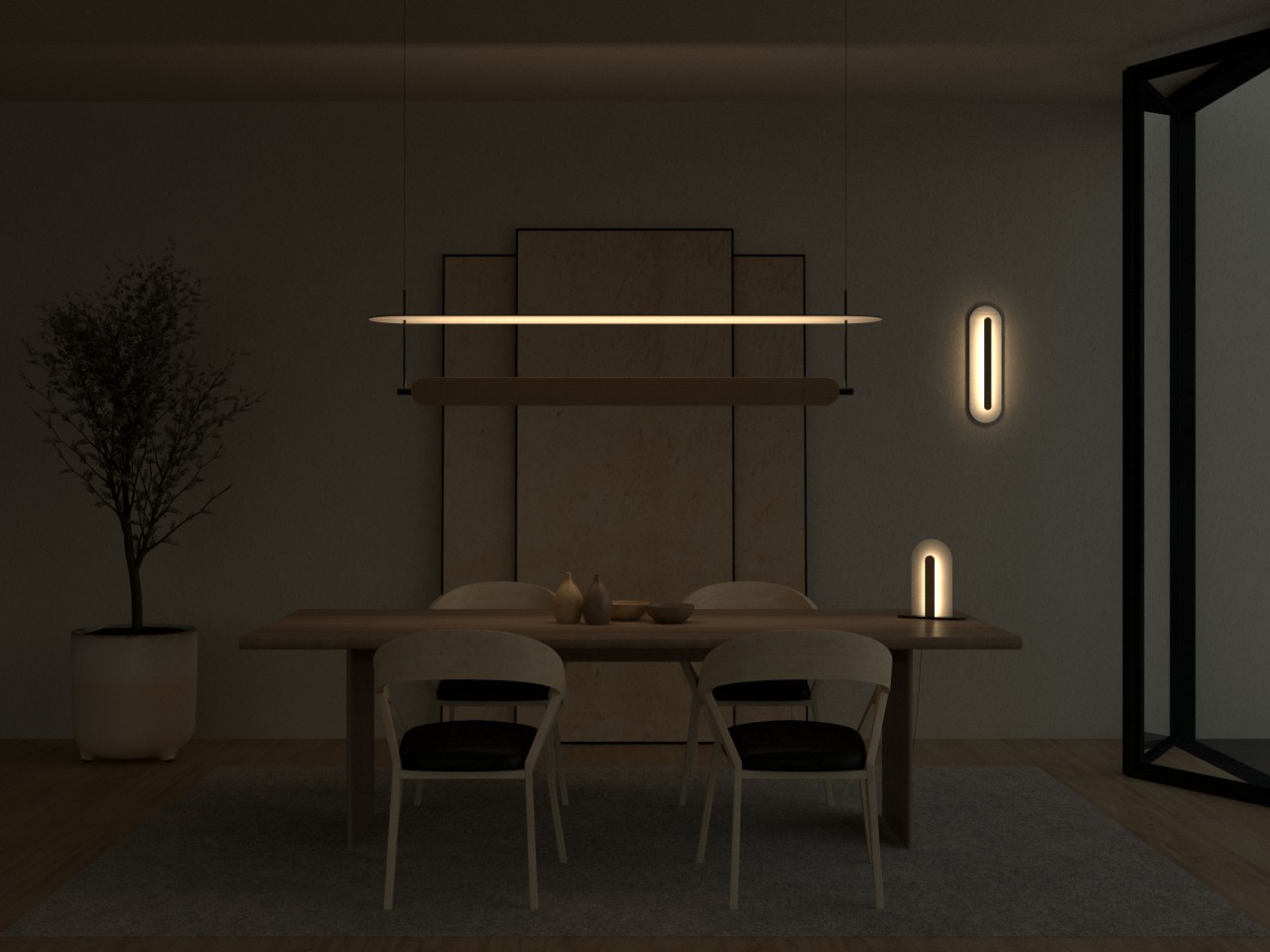
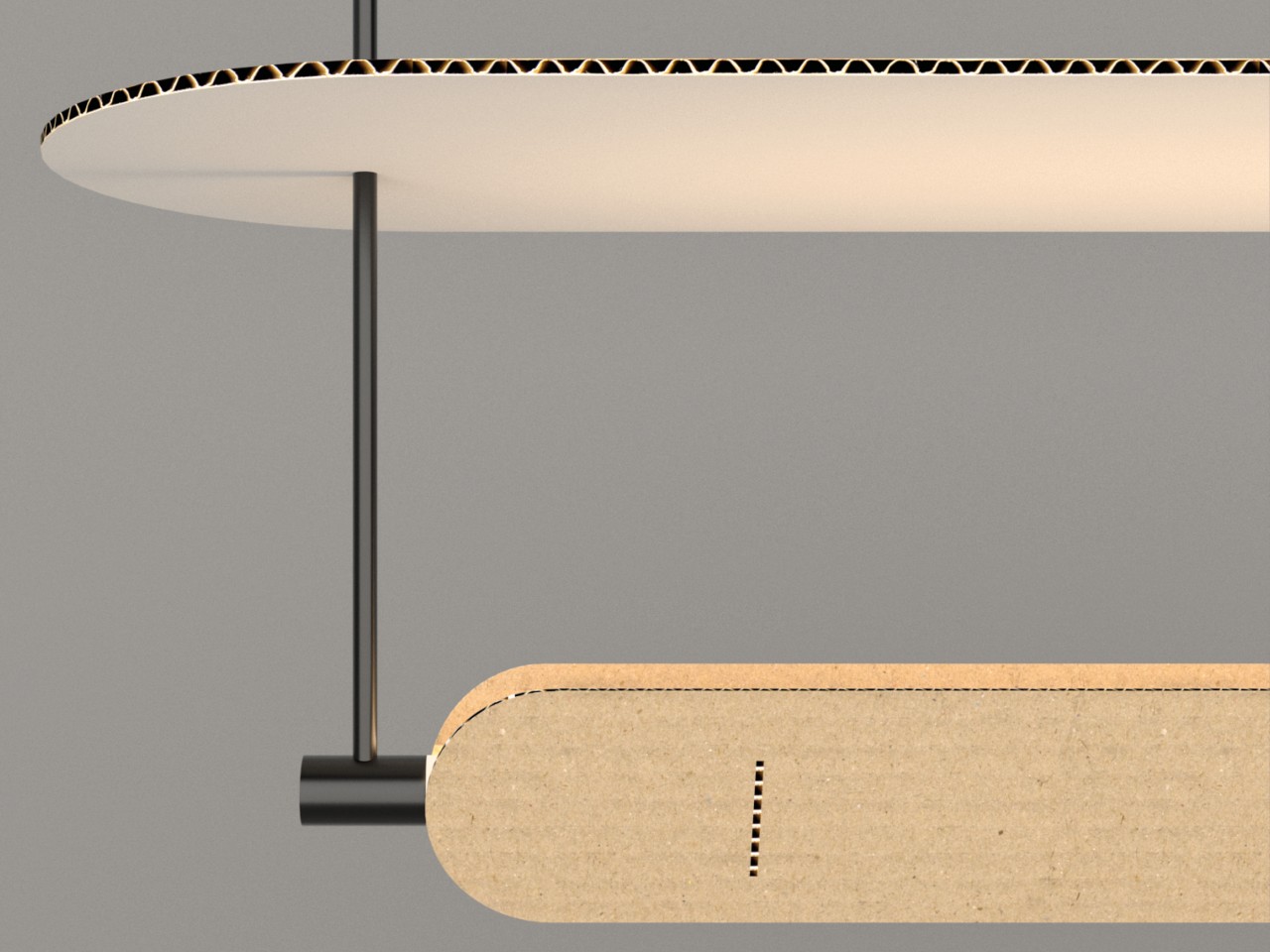
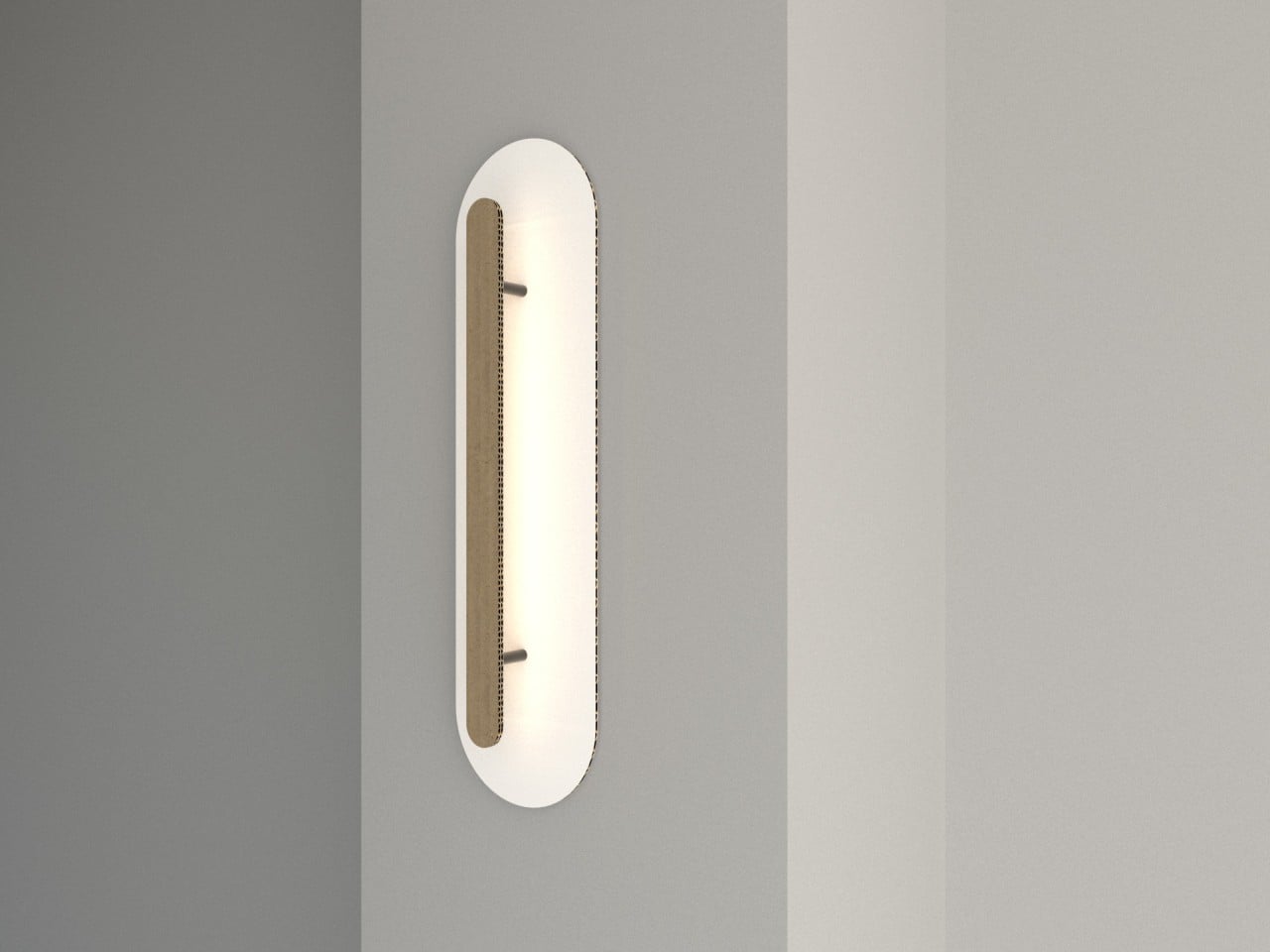
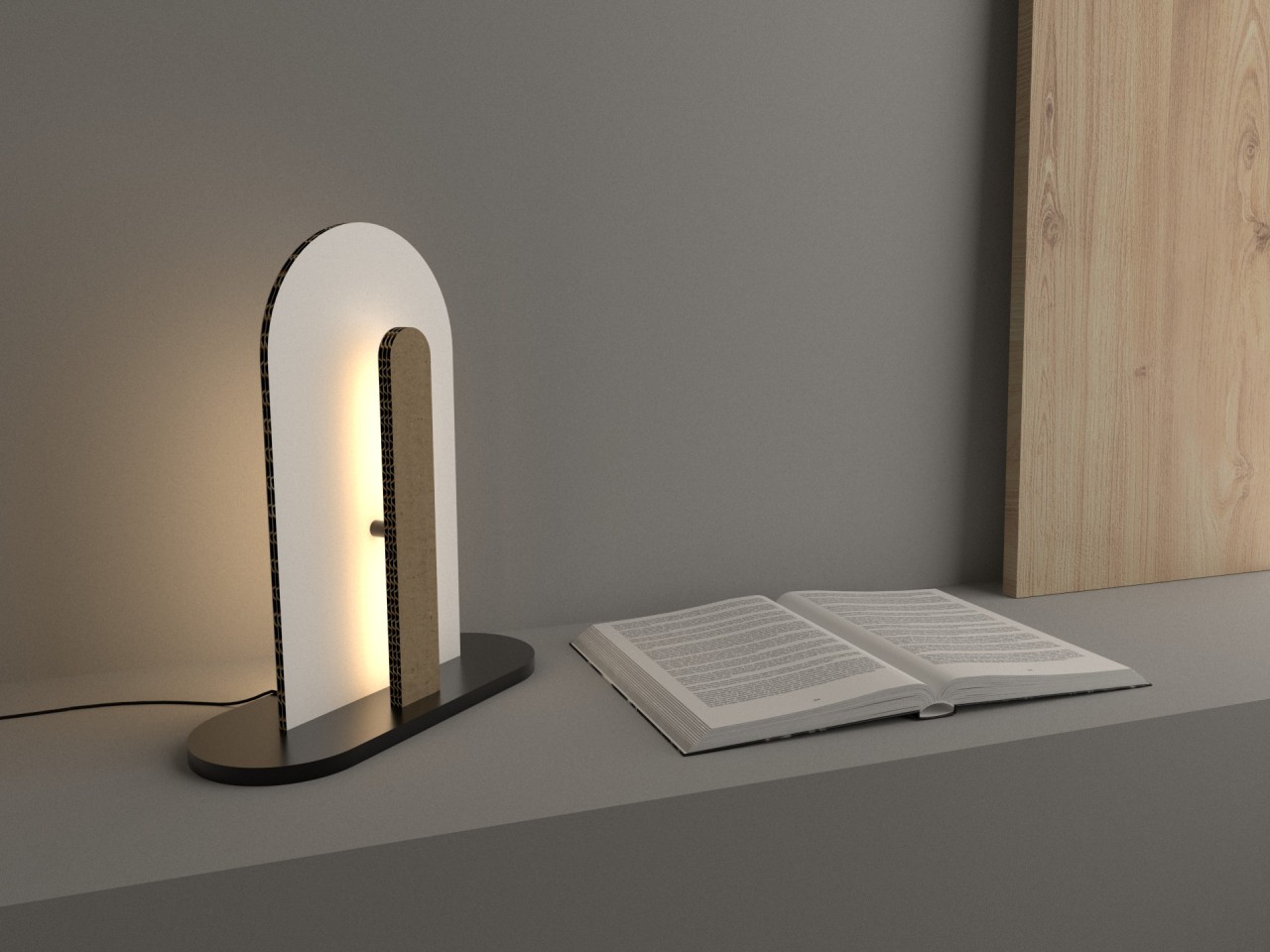
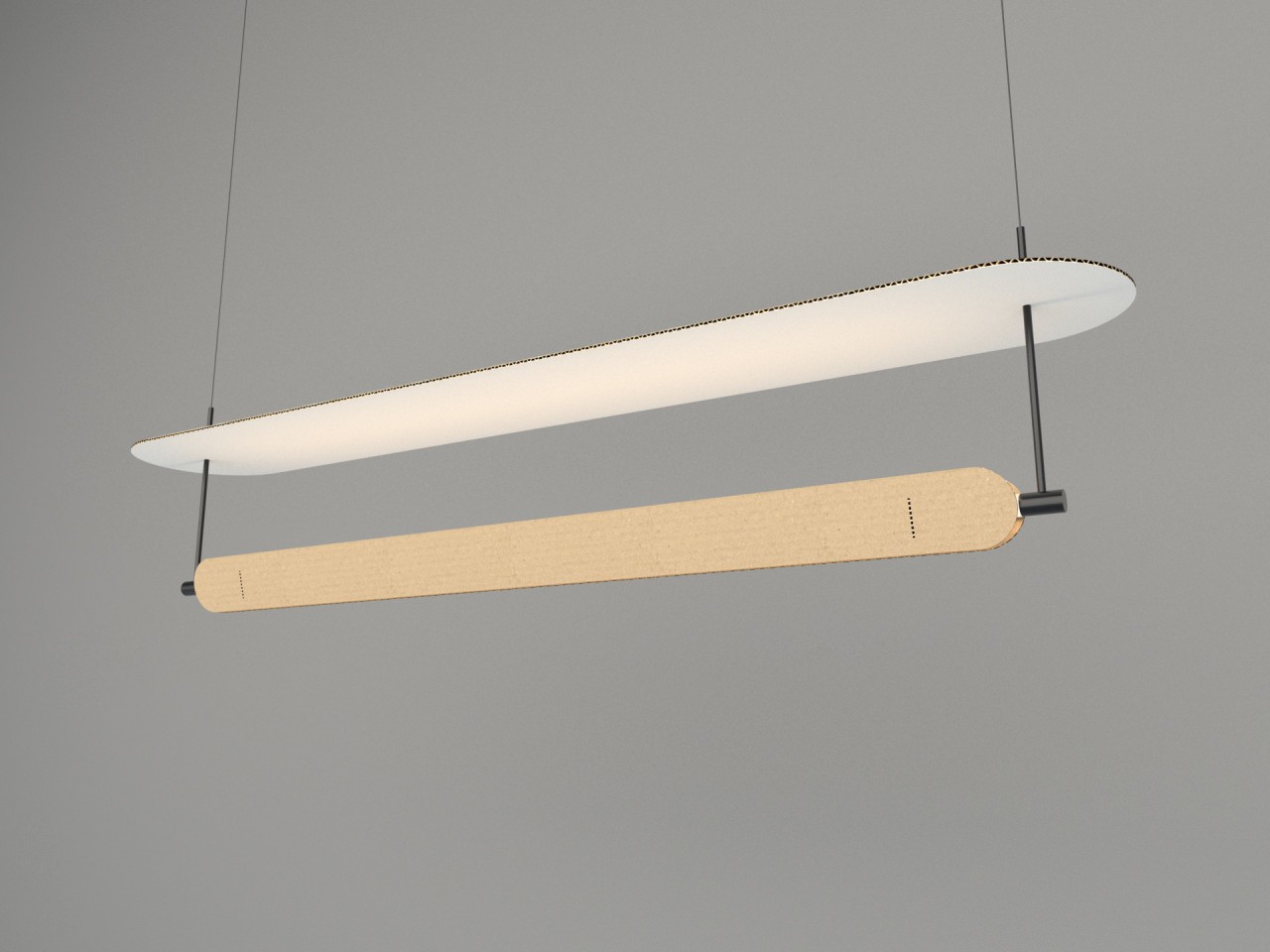
CENIT, which means “zenith” in Spanish, is a group of three atmospheric luminaries inspired by the highest point of the sun just before nightfall, the dusk that heralds the transition of light into darkness. Rather than use a light source that has to be mixed with the right color temperature in intensity, these lamps simply rely on how cardboard actually naturally reflects and diffuses light in a warm tone and soft brightness. No additional parts are needed, no filters or other materials: just a normal white LED strip and two pieces of cardboard with a certain gap between them.

This super-simple configuration creates an equally simple design that makes it easy for CENIT to blend almost anywhere. The wall lamp is just two long capsule-shaped pieces of cardboard with the larger serving as the base and the smaller hiding the light elements behind it. The desk lamp is a bit more decorative, with the two pieces set on a rectangular stand. On the other hand, the pendant light offers more flexibility, as the smaller cardboard with the LED or bulb can be turned to face away from the other cardboard piece and toward any area that needs more direct and brighter illumination.

The minimalist design also makes the lamps very sustainable, replacing only the parts that get worn down or broken. Given how many cardboard boxes are discarded every day, there will be no shortage of materials to use for replacements or new lamps. It’s a very interesting and poetic design that is able to set the mood and atmosphere in a room almost like magic, just as dusk paints the sky with an enchanting hue before the mystical darkness of the night sets in.

The post Cardboard planks create an atmospheric lamp set that pays tribute to dusk first appeared on Yanko Design.

Skylight can brighten up your campsite with multi-directional lighting

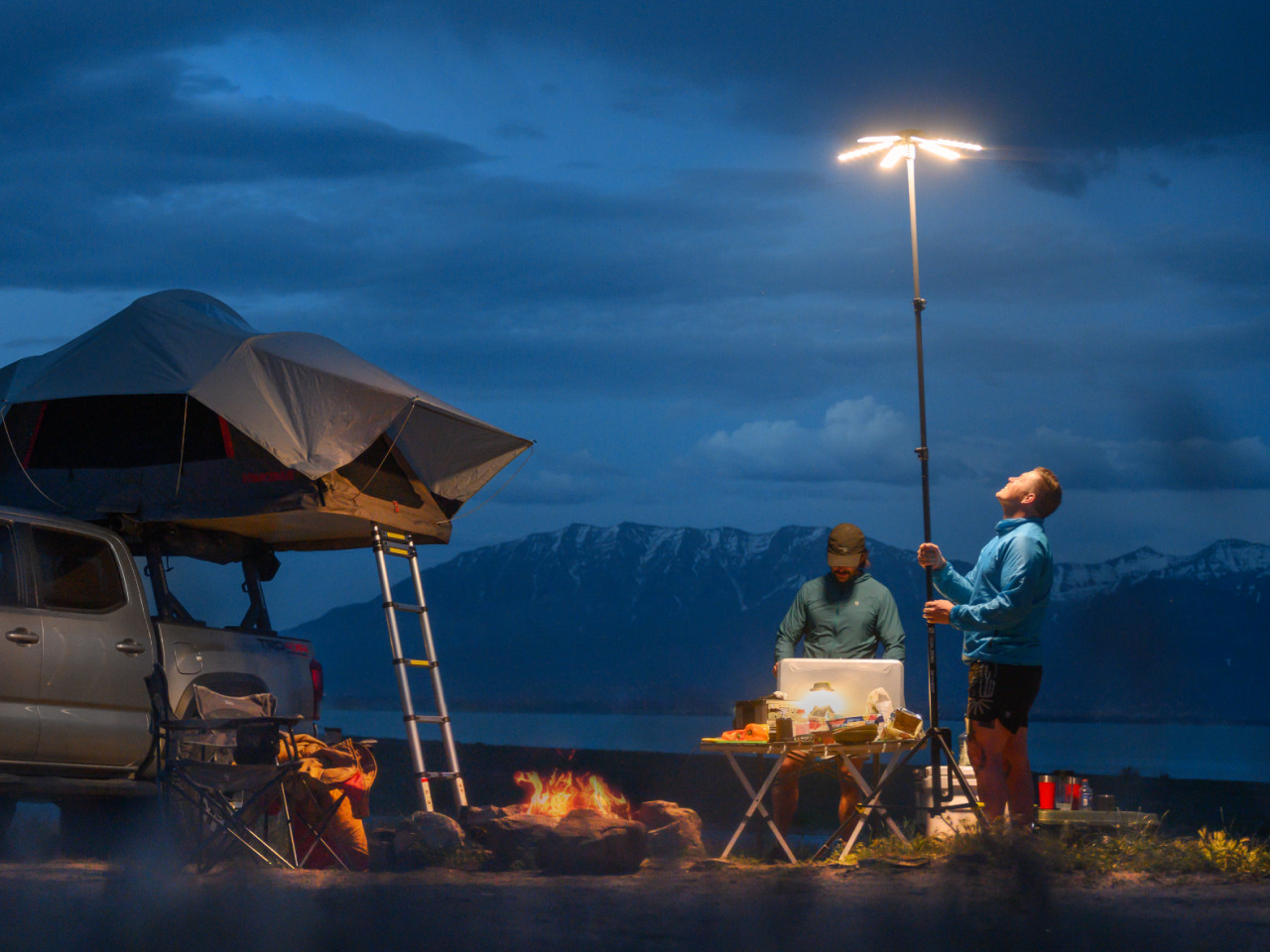
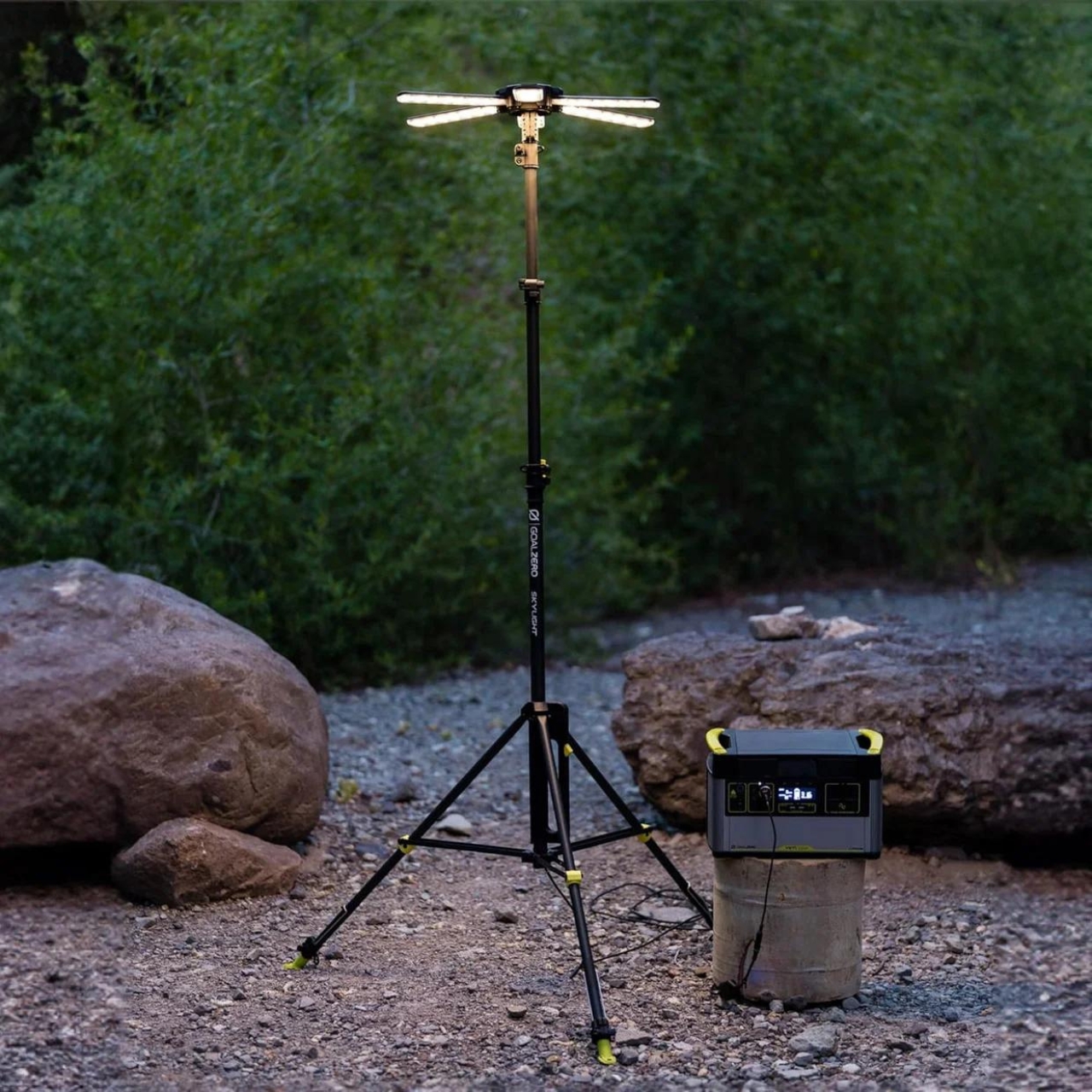
When you’re going camping or staying outdoors overnight, having a light source is one of the most important yet sometimes most difficult things. You can of course have lamps and torches but they are only able to light a small portion of your space, depending of course on how large the site is or how many you are bringing. There are a lot more options now as more brands are getting into creating outdoor products.

Designer: Goal Zero

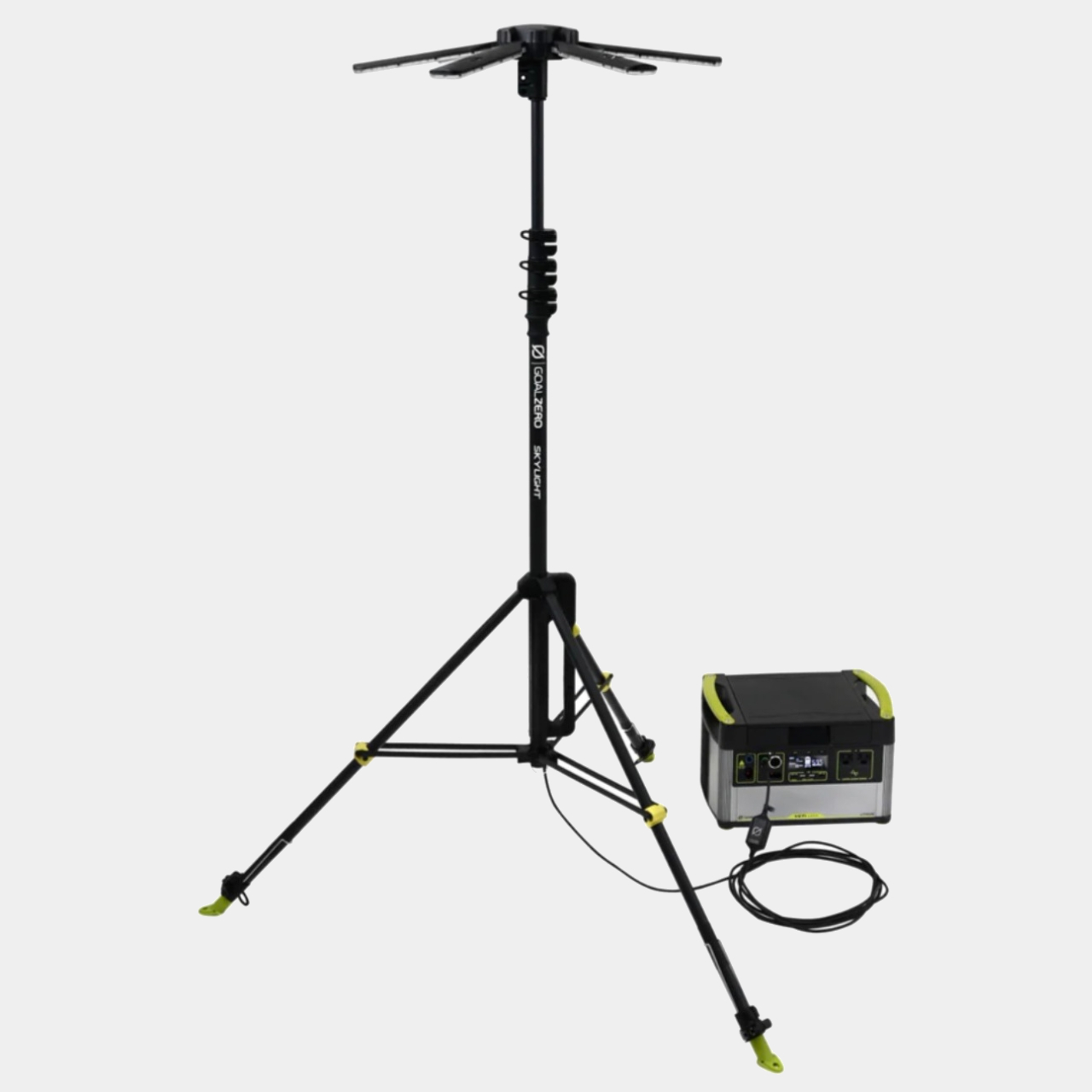
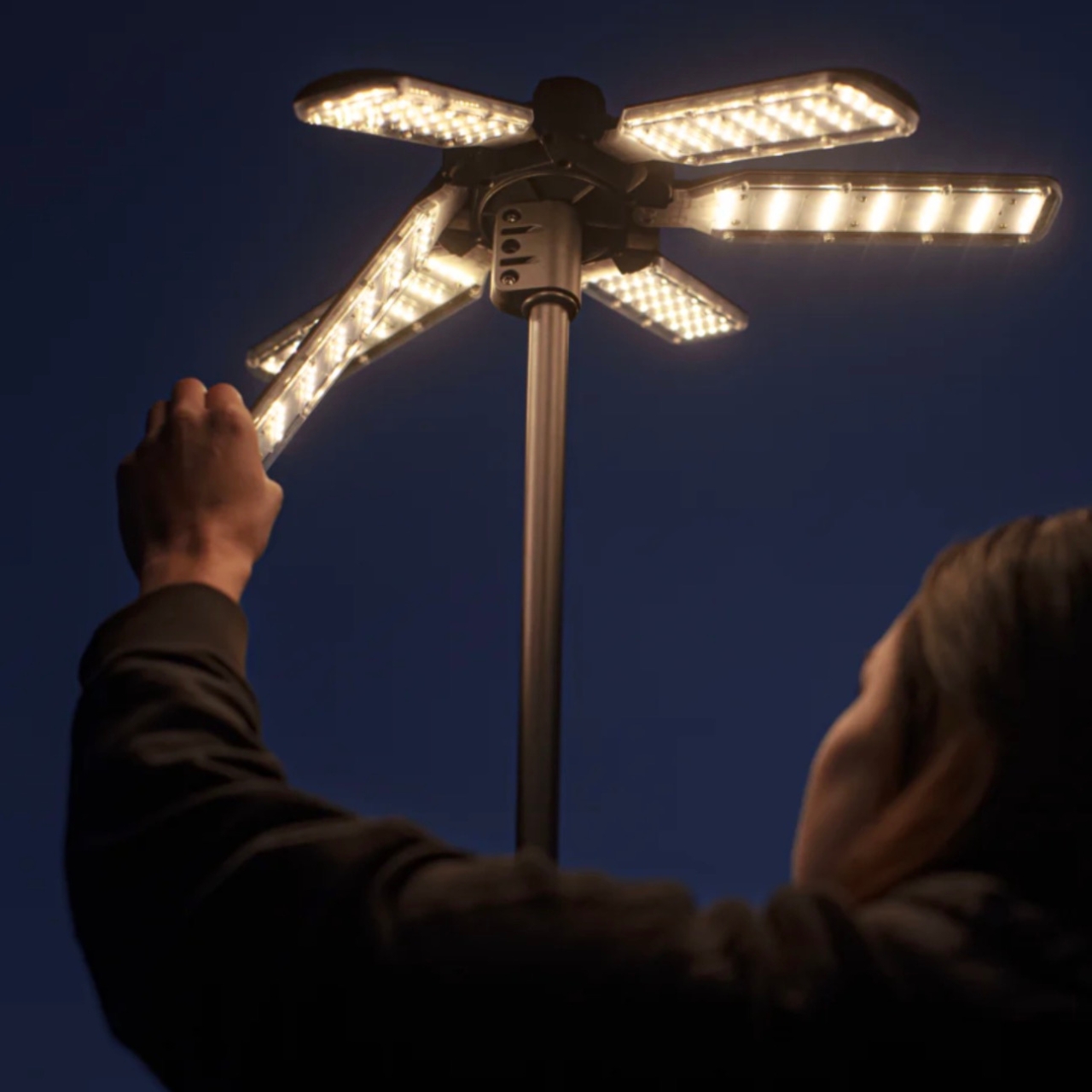
Skylight is a Telescoping Area Light that can illuminate a large part of your outdoor space, up to 300 feet to be specific. The 6,000 lumens device can give you “dramatically more visibility” than the usual camping lights that are available in the market. It also gives off a warmer light and can be raised from 4 to 12 feet, depending on how large of a space you need to illuminate.

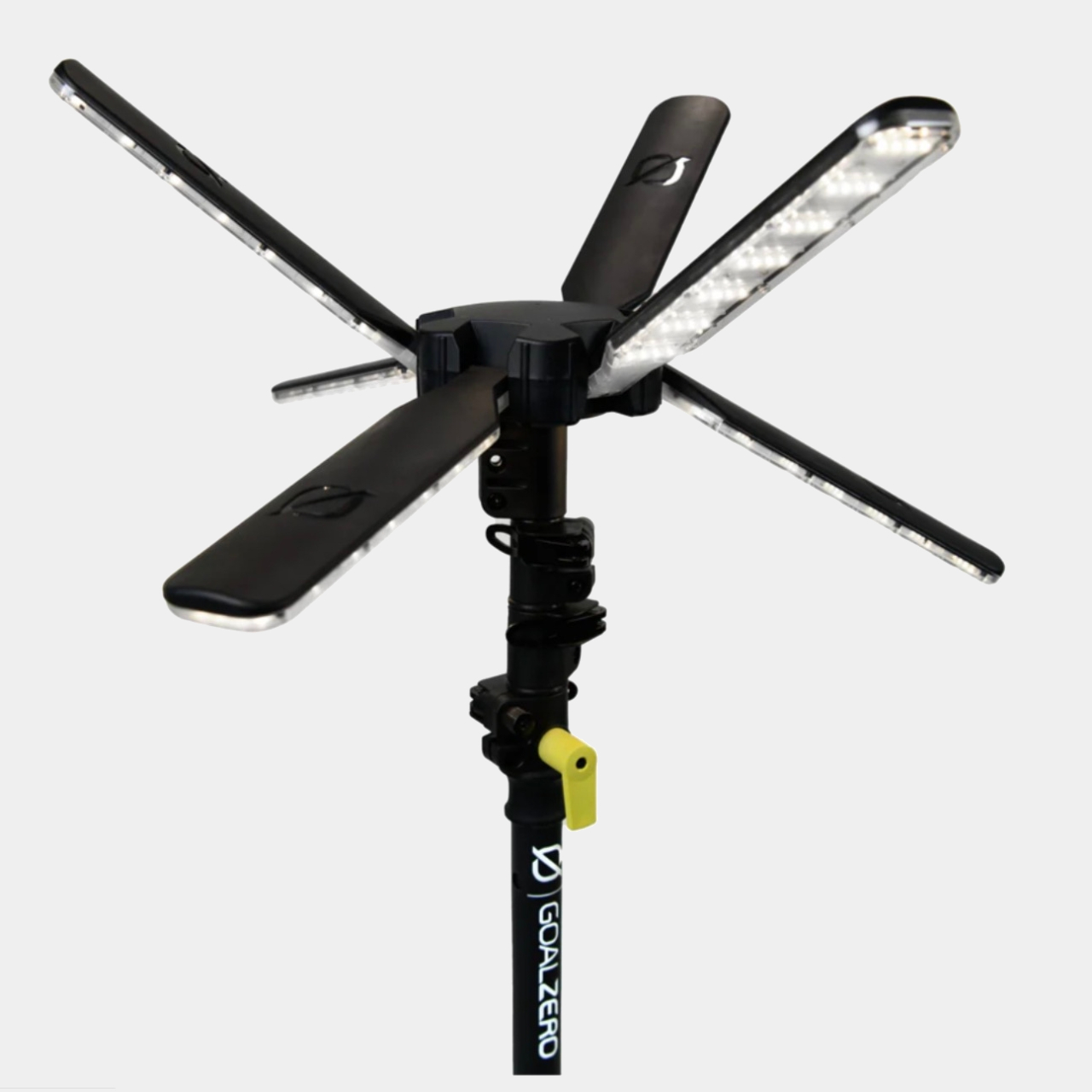
The Skylight also has an IPX4 water resistant rating so even if it drizzles, you can still use it even as you take shelter in your tents or umbrellas. The multi-directional lighting is also pretty useful as well as the 4 brightness settings that you can choose from. The design of the 6 articulating petals of the area light makes it look like a dragonfly or insect that can fly around at any second.

It also has an internal battery that can make it last for 8 hours at its lowest brightness setting but you can also connect it into a Yeti to power it for 250 hours or a larger power station for longer. This means it can be used for power outages as well. The Skylight has a hard plastic protective case so it will be easier to carry it around.

The post Skylight can brighten up your campsite with multi-directional lighting first appeared on Yanko Design.
What to read this weekend: Existential sci-fi, a repair manual for the climate crisis, EC Comics resurrected

New releases in fiction, nonfiction and comics that caught our attention.

The book cover for Toward Eternity by Anton Hur, showing surreal botanicals with a planet pictured in the background

Toward Eternity does not waste any time in getting to the drama. The novel by Anton Hur begins in the not-so-far-off future, and opens with a moment of crisis: a patient in a nanotherapy research clinic has seemingly vanished into thin air. This patient had been undergoing a new type of treatment that uses android cells (dubbed “nanites”) to cure cancer by replacing the body’s own cells. In doing so, however, it transforms the body entirely into a nanodroid, giving rise to “nano humans” that are no longer subjected to mortality.

The story jumps through time and different perspectives, exploring what it means “to be human in a world where technology is quickly catching up to biology.” From the second I started reading this one, I did not want to put it down.

The book cover for Into the Clear Blue sky which shows thick blue clouds above a red and purple landscape that appears to be on fire

It can be hard not to get swept up in the doom and gloom of climate change, especially amid reports marking Earth’s hottest years on record and still-rising emissions from fossil fuels. Stanford climate scientist Rob Jackson’s new book Into the Clear Blue Sky: The Path to Restoring Our Atmosphere aims to foster a more optimistic outlook by calling attention to the courses of action that could lead us to a better future for our planet and its inhabitants.

“I view my book as a home repair manual for the planet,” Jackson said in a recent interview published by the scientific journal ACS Central Science. “It highlights the people and the ideas needed to solve the climate crisis. I want most of all to give people hope, a sense of optimism. Yes, climate change is already bad, but we can still fix this problem.”

A cover for the first issue of the horror comic Epitaphs from the Abyss, showing a person hiding under a bed while creatures holding a chainsaw and an ax walk past

Legendary comic book publisher EC Comics, which brought us series like Tales from the Crypt and Weird Science more than 70 years ago, is making a comeback with its first new series in decades: Epitaphs from the Abyss. The first issue of the horror series was released at the end of July and features four tales — which are introduced by a ghoulish narrator dubbed The Grave-Digger.

Epitaphs from the Abyss #1 has stories by Brian Azzarello, J. Holtham, Stephanie Phillips and Chris Condon, with art by Lee Bermejo, Phil Hester, Peter Krause and Jorge Fornés. There’s something about those old EC Comics that just hits different, and Epitaphs faithfully slips back into that vibe to deliver spooky new stories that have a classic feel.

This article originally appeared on Engadget at https://www.engadget.com/what-to-read-books-existential-sci-fi-ai-technology-climate-crisis-solutions-ec-comics-horror-183058573.html?src=rss

Prison Architect 2 is delayed indefinitely

Prison Architect 2, the sequel to the 2015 cult hit, isn't coming out this year as its creators had planned. The prison construction simulator's publisher, Paradox Interactive, has announced that its release has been delayed indefinitely. In its post, Paradox has admitted that its internal reviews and beta testing feedbacks surfaced the areas that need more attention, mainly the game's performance and content. "We need to raise the quality a bit more to meet the standards we'd like to achieve with this sequel," it wrote. 

This latest development comes after a series of delays. Prison Architect 2 was supposed to come out on March 26, but it was pushed back a couple of times so that its developers at Double Eleven and Kokku could resolve issues concerning memory usage and minimum spec configuration. This time, Paradox decided not to set a new release date. It says it will announce a new one once the Prison Architect 2 teams are done reworking the game's scope. 

Earlier this year, Paradox Interactive also had to deal with the overwhelmingly negative reception for Cities: Skylines 2's Beach Properties asset pack. Players weren't happy with the $10 DLC's contents, especially since they're still waiting for patches for the main game that was riddled with visual and mechanical bugs when it was released in 2023. Prison Architect 2's delay could prevent a repeat of what happened to Cities: Skylines.

Paradox explained that improving the game will take time, because it has "deep systems that all interact with each other." If one area is fixed, other parts of the game need to be fixed or adjusted, as well. For now, the publisher and the developers will refund all pre-orders. Those who purchased from Paradox directly will automatically be reimbursed, but those who purchased from the Xbox, PlayStation or Steam stores will have to go through those platforms to get their refund. Paradox will remove the option to pre-order the game entirely and will add the supposed pre-order bonus to the base game instead.

This article originally appeared on Engadget at https://www.engadget.com/prison-architect-2-is-delayed-indefinitely-160038125.html?src=rss

NVIDIA’s Blackwell AI chips have reportedly hit a snag and may arrive months late

NVIDIA has discovered “design flaws” in its upcoming series of AI chips that may push their release back at least three months, The Information reports. The company has reportedly started notifying customers of the delay, including Microsoft. Large orders of the new Blackwell chips were initially slated to start shipping sometime this year, but sources told The Information that they’re now not expected until early 2025. In addition to Microsoft, the publication reports that Google, Meta and other major companies have placed bulk orders of the Blackwell chips that are collectively worth “tens of billions of dollars.”

NVIDIA announced the Blackwell series chips back in March, touting performance boosts of up to 30 times what’s achieved by its flagship H100, which serves as the backbone for some of today’s biggest AI systems. The company at the time also said the Blackwell chips could reduce “cost and energy consumption by up to 25x.” But according to The Information, citing sources involved with the Blackwell chip, “design problems arose unusually late in the production process.”

NVIDIA and its chip manufacturer, Taiwan Semiconductor Manufacturing Company, are now doing test production runs to get to the bottom of the issues, according to The Information, which reports that the first big shipments may not go out until the first quarter.

This article originally appeared on Engadget at https://www.engadget.com/nvidias-blackwell-ai-chips-have-reportedly-hit-a-snag-and-may-arrive-months-late-163009474.html?src=rss