Ground-breaking headset uses targeted light pulses to cure depression without medicines or surgery

The idea that light can cure depression goes WAY beyond simple SAD lamps and light-therapy devices for people experiencing seasonal affective disorder during the dark months of winter.

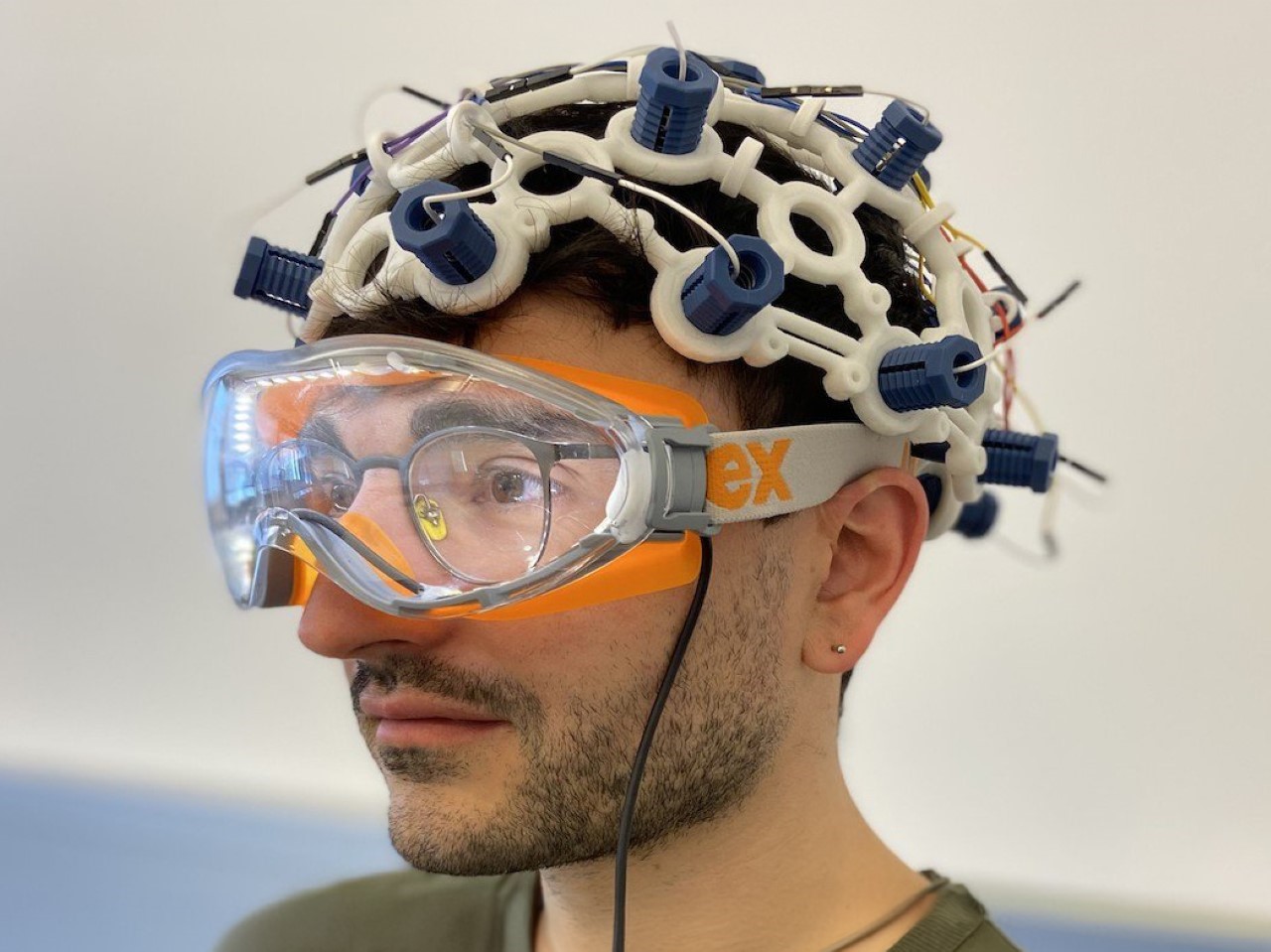
Developed by the Vienna-based startup Syntropic Medical, this device harnesses light-based brain stimulation to offer a drug-free alternative for those who have not found success with conventional antidepressants. Light is shone into the eyes using a set of goggles, while a head-worn apparatus measures its effects – similar to using electromagnetic fields or certain sounds to treat pain, tinnitus, or depression. The approach builds on the premise that light therapy can enhance neuroplasticity—essentially, the brain’s ability to reorganize itself by forming new neural connections. For individuals who have struggled with the side effects of pharmaceuticals or seen little improvement from traditional treatments, this technology could offer a fresh path forward.

Designer: Syntropic
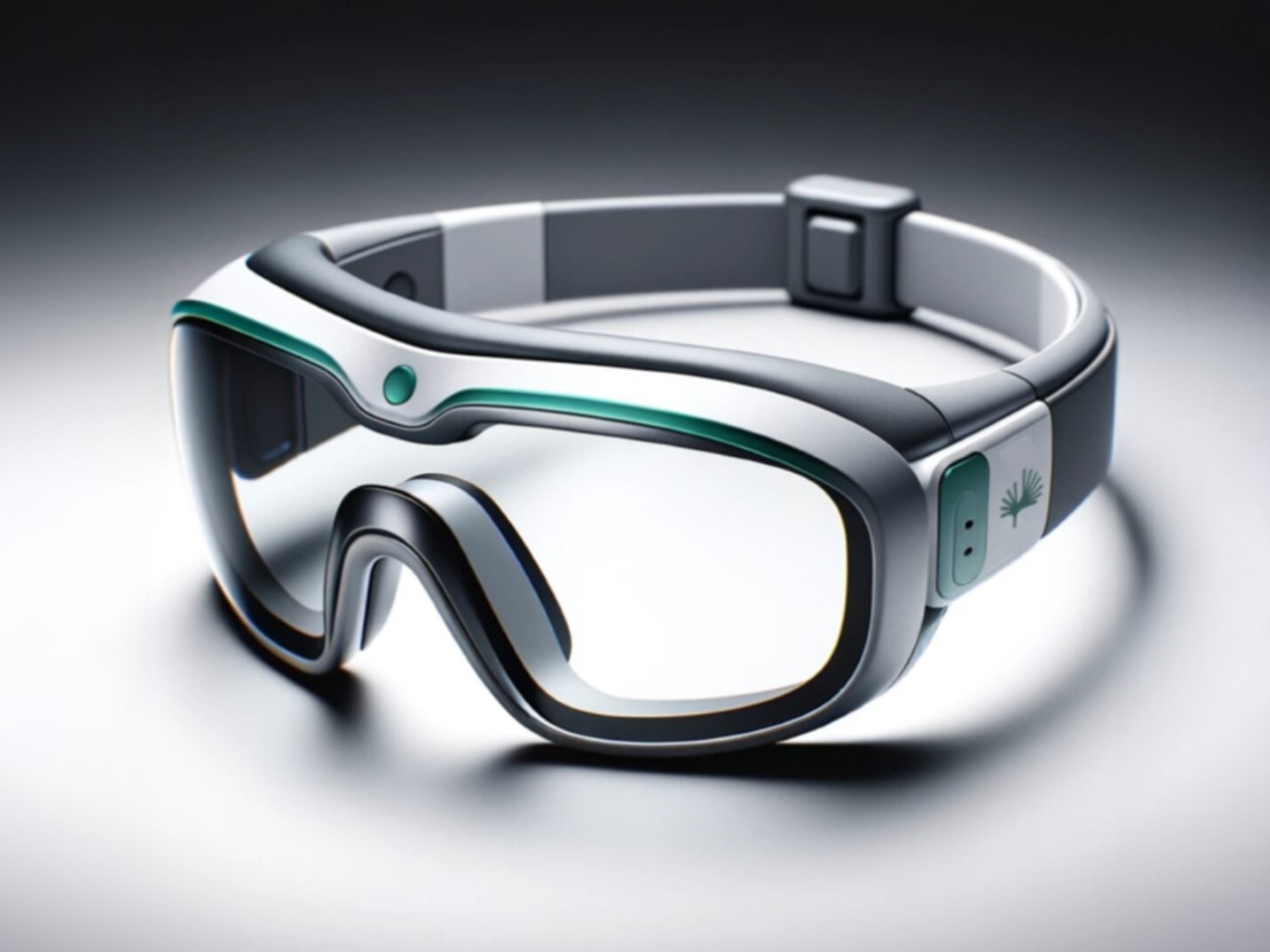
Syntropic’s device leverages flickering lights to target microglial cells in the brain, which play a crucial role in maintaining healthy neural circuits. By stimulating these cells, the device encourages them to remodel brain structures associated with depressive disorders. This method addresses a significant challenge in mental health care: some patients’ conditions remain unresponsive to drugs because those treatments may not directly target the underlying brain dynamics causing the disorder. The non-invasive nature of this technology also means it avoids the systemic side effects often linked to antidepressant medications, offering a more tolerable and potentially safer option for long-term use.

Syntropic’s breakthrough has already attracted significant attention and financial backing. In July 2024, the company secured €1.1 million in funding from the Austrian Research Promotion Agency (FFG), adding to earlier investments from Xista Science Ventures and AWS. This support not only validates the scientific foundation of the technology but also highlights the growing interest in non-pharmaceutical therapies for mental health. With more resources at their disposal, Syntropic Medical is poised to advance their device through clinical trials and bring it closer to widespread adoption. As the mental health field continues to explore innovative solutions beyond traditional medications, this light-based therapy could represent a crucial development for those seeking alternative ways to manage their depression effectively and safely.

The post Ground-breaking headset uses targeted light pulses to cure depression without medicines or surgery first appeared on Yanko Design.

Cruise’s self-driving cabs are coming to Uber next year

General Motors’ robotaxi service Cruise has inked a multi-year deal with Uber. The deal will let Uber customers hail a Cruise self-driving taxi from their smartphone starting next year, according to TechCrunch. This means that Cruise’s self-driving taxis will be back on roads for the first time since striking a pedestrian in San Francisco in October 2023.

Neither GM nor Uber gave a specific date or city for Uber’s rollout of Cruise’s robotaxis. A spokesperson told the website that the new partnership between Cruise and Uber would follow Cruise’s re-launch of its own driverless taxi service in 2025.

Cruise is currently testing cars with human drivers on roads in Dallas, Phoenix and Houston with plans to expand to more cities. Uber also has a partnership with the self-driving car fleet Waymo that’s currently operating in Phoenix, Los Angeles and San Francisco.

Cruise also just reached an agreement with the National Highway Traffic Safety Administration (NHTSA) following an investigation that started in December of 2022 over three rear-end crashes involving its autonomous driving vehicles. The company was under another investigation following an accident in October in San Francisco when one of its vehicles struck a pedestrian who was thrown into its path by a human-driven vehicle and dragged 20 feet causing further injuries.

A third-party report released by Cruise found that executives knew about the incident but failed to disclose it in meetings with city officials and federal agencies. Cruise fired nine of its executives at the end of last year following a probe. The company also agreed to pay a fine to the California Public Utilities Commission allowing Cruise to restart its operations in the state.

This article originally appeared on Engadget at https://www.engadget.com/transportation/cruises-self-driving-cabs-are-coming-to-uber-next-year-214734509.html?src=rss

Citizen Launches Bold Deadpool and Wolverine Watches In Collaboration with Marvel

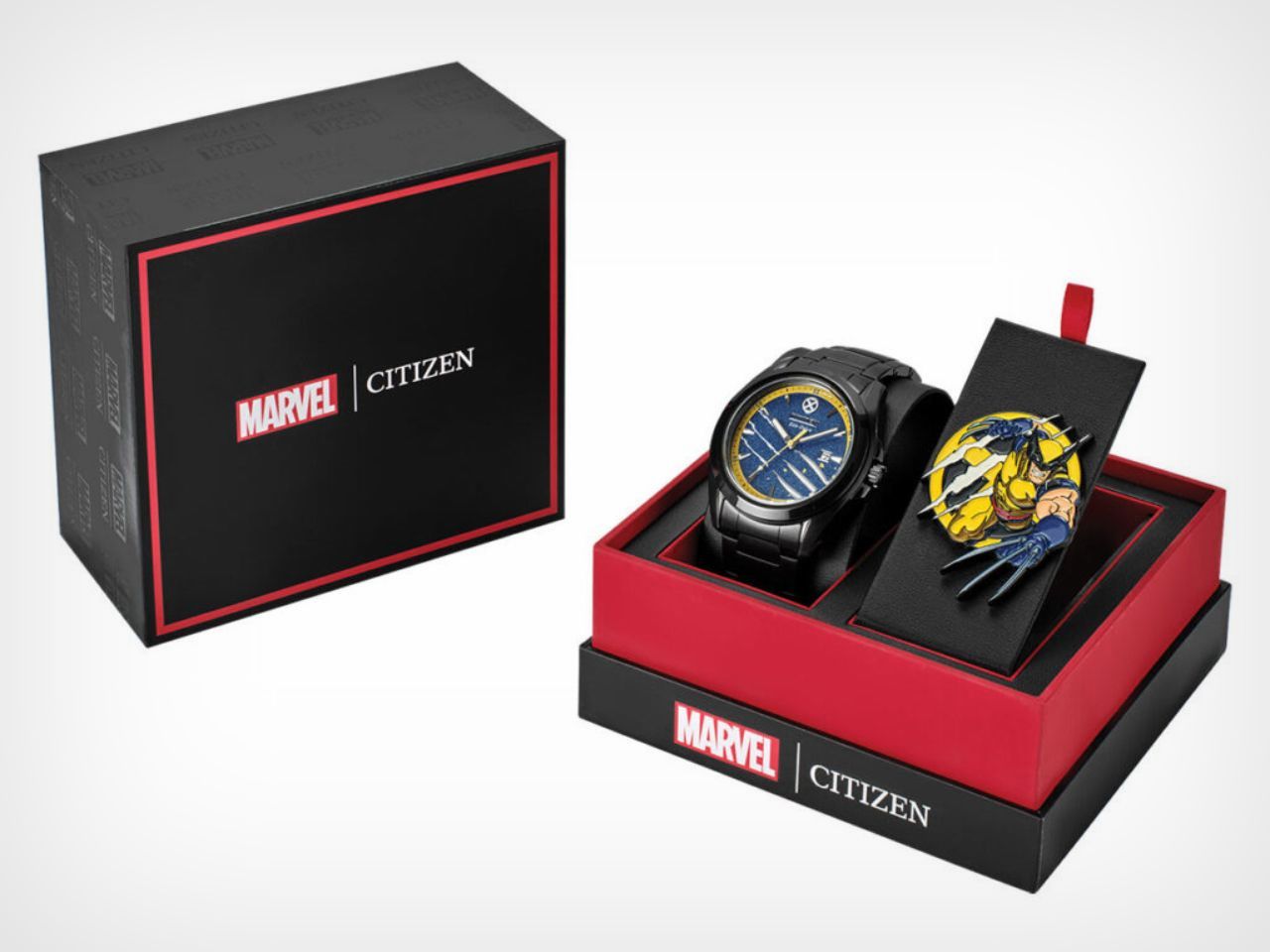
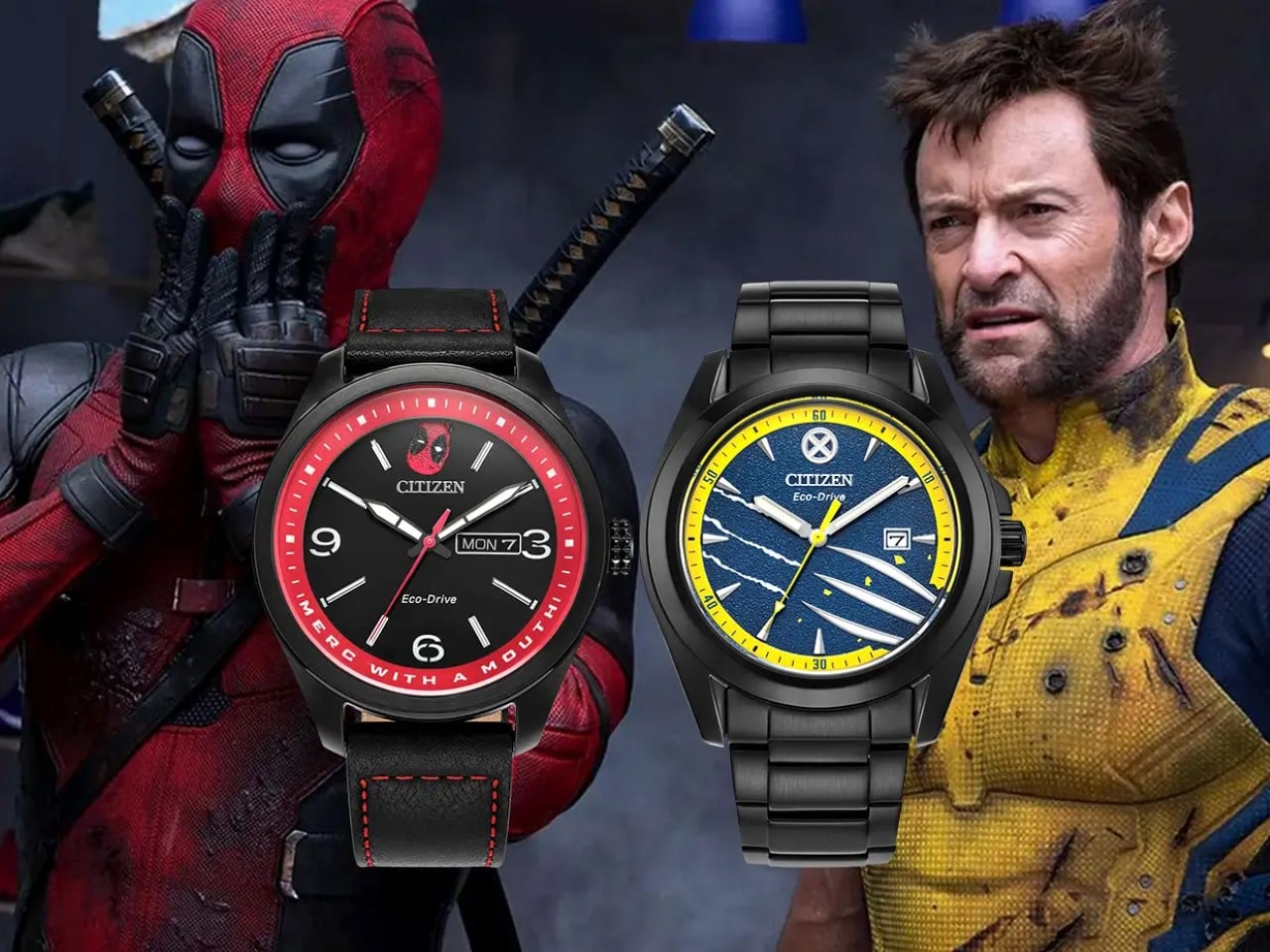
With the smash-hit release of Deadpool & Wolverine, Citizen has capitalized on the buzz by launching two character-inspired timepieces that are as bold and beloved as the movie itself. These watches dedicated to Wolverine and Deadpool capture the spirit of the characters and offer fans a stylish way to celebrate their favorite Marvel heroes.

Designer: Citizen

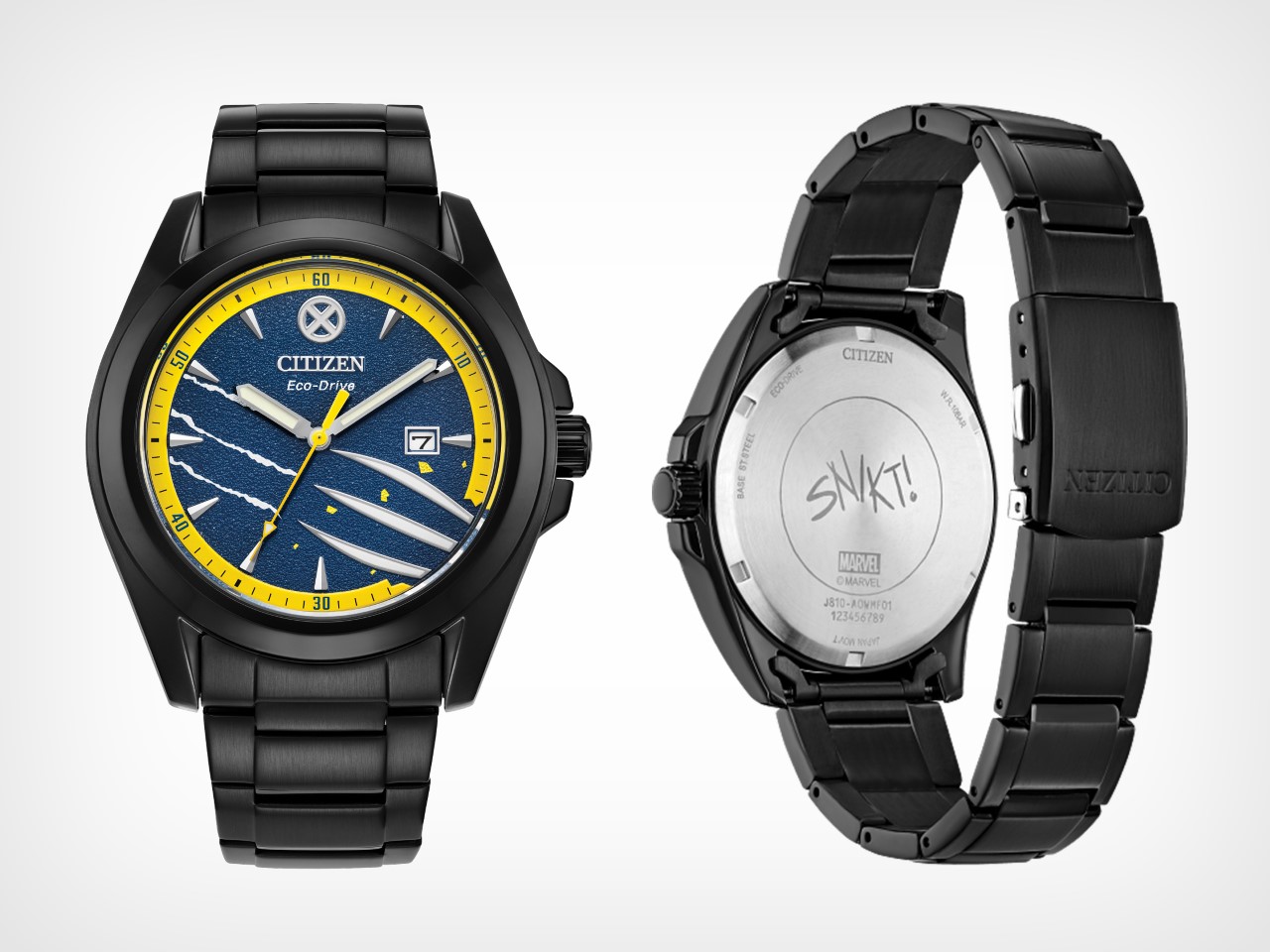
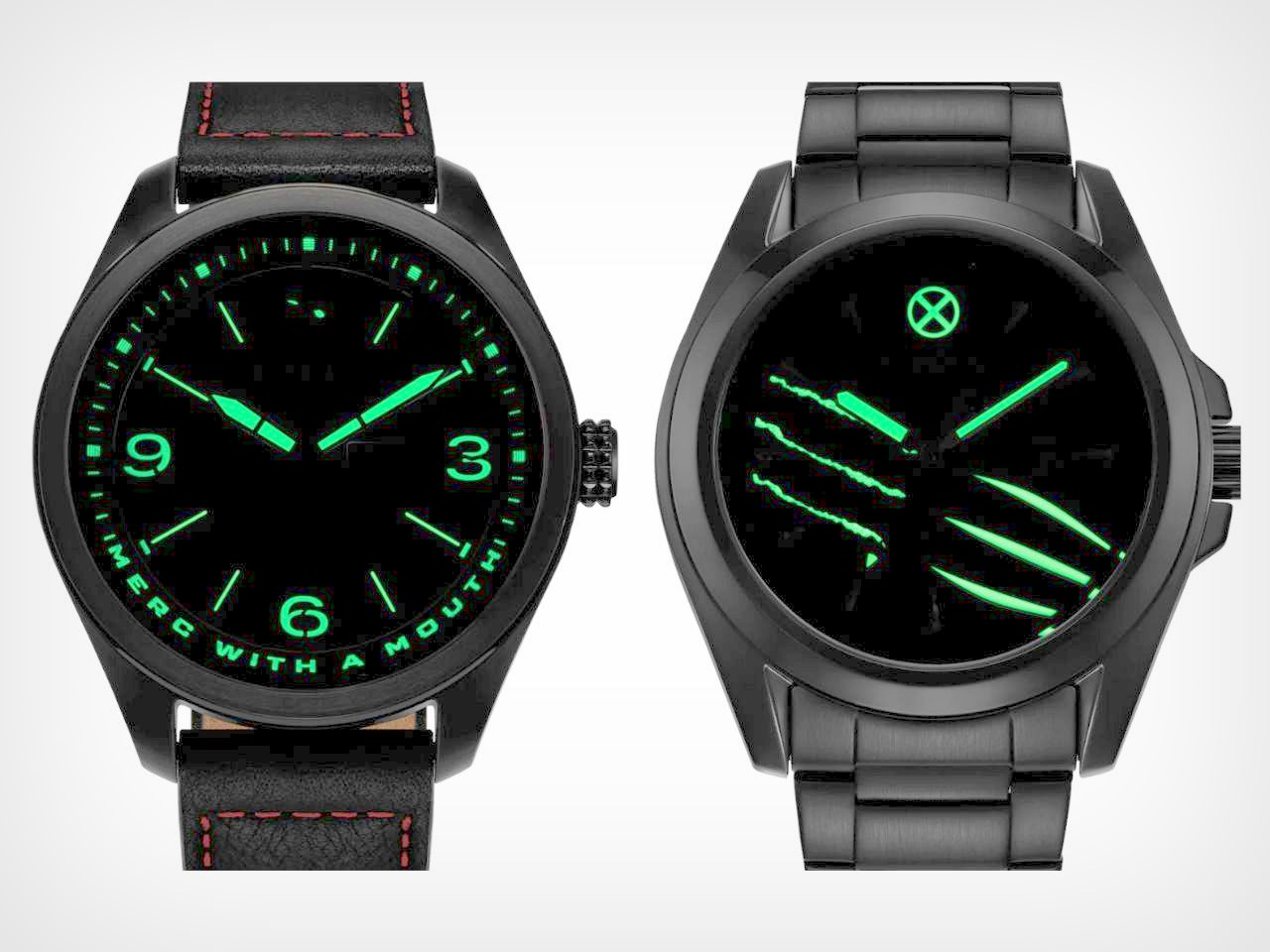
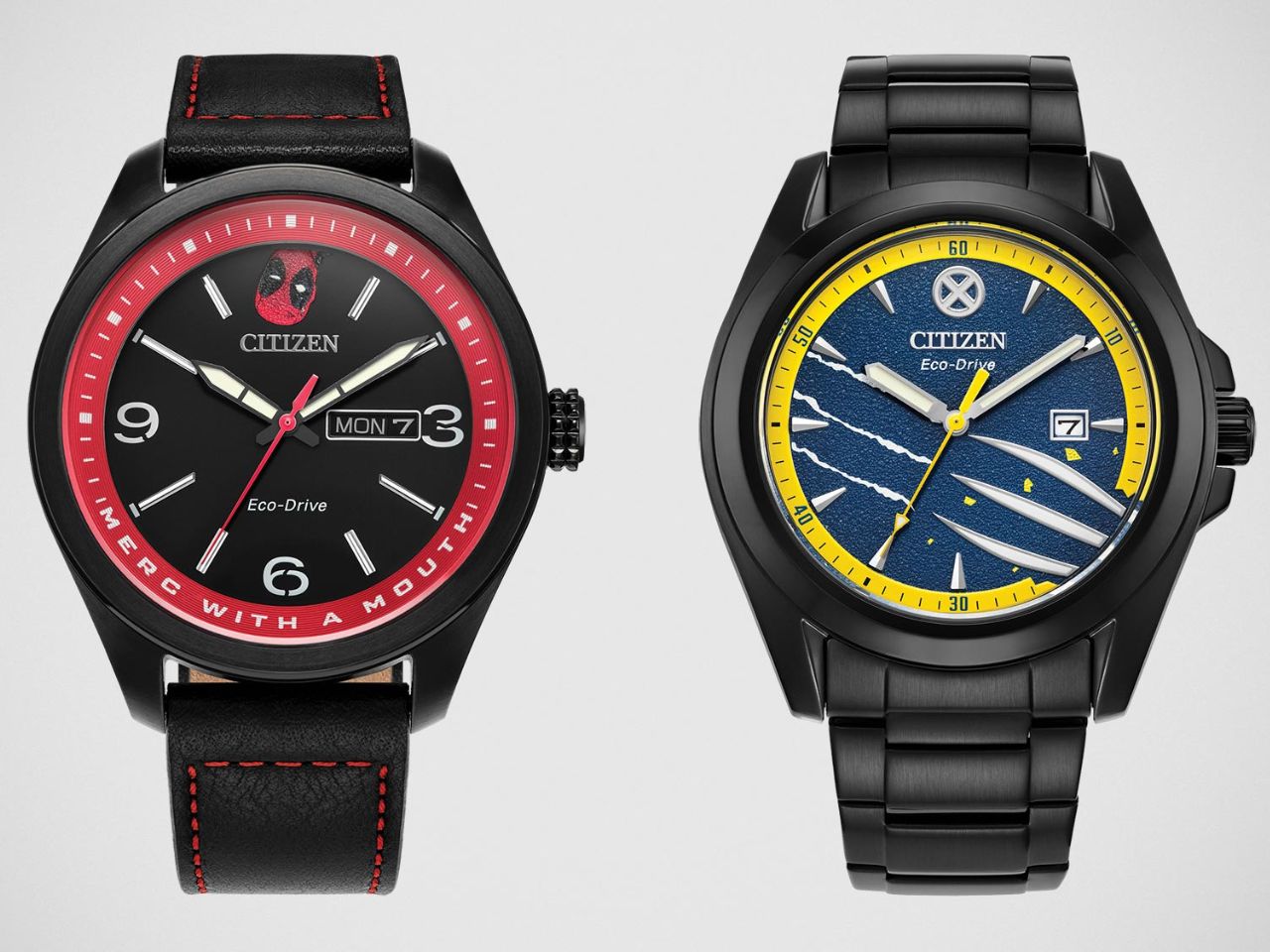
The Wolverine watch is a powerful statement piece, designed to reflect the essence of Logan himself. With a 43mm black ion-plated stainless steel case, it’s as rugged as the character it represents. The blue dial, accented with luminous retractable claws, draws immediate attention, while a yellow outer ring and silver-tone markers add depth and contrast. Luminous hands make it easy to read at a glance, day or night.

Adding a touch of fandom, the X-Men logo proudly marks the 12 o’clock position, and the case back features the iconic “SNIKT!” sound that every Wolverine fan knows by heart. But this watch isn’t just about aesthetics. It’s powered by Citizen’s Eco-Drive technology, and it runs on light, eliminating the need for a battery. It’s a perfect blend of form, function, and fanfare.

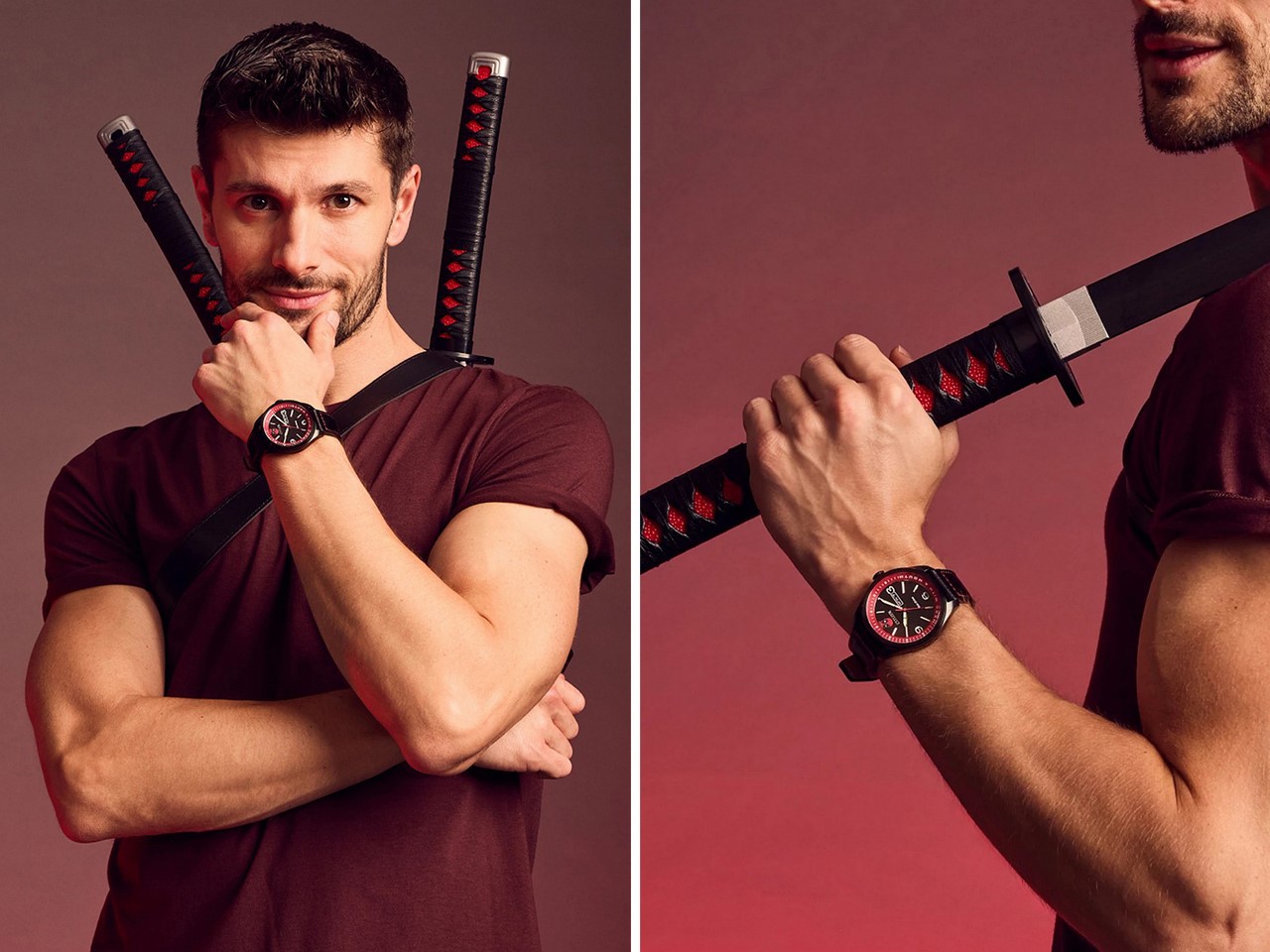
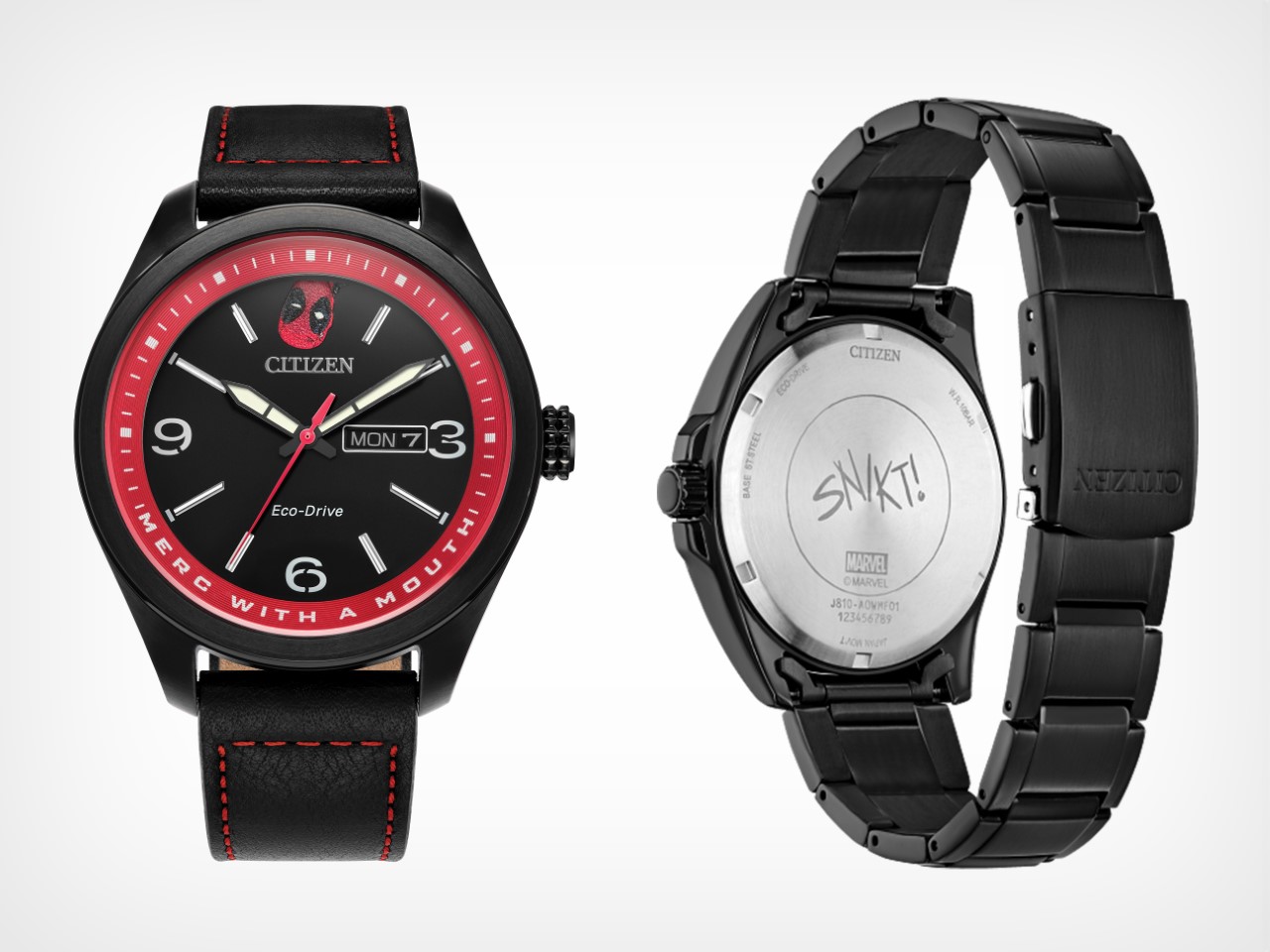
If Wolverine’s watch is fierce, the Here Comes Deadpool watch is nothing short of cheeky. This timepiece captures Deadpool’s irreverent spirit with a 42mm black ion-plated stainless steel case and a black textured dial that humorously features Deadpool’s masked face upside down at the 12 o’clock mark. Surrounding this playful design is a red dial ring, emblazoned with “Merc With a Mouth,” which lights up alongside the hands, markers, and Deadpool’s eyes, making this watch impossible to ignore.

The black leather strap, with its red topstitching, perfectly matches Deadpool’s signature colors. Flip it over, and you’ll find an engraving of Deadpool in a relaxed, reclining pose. A perfect example of his trademark humor. And like the Wolverine watch, it’s powered by Eco-Drive technology, ensuring it stays as irrepressible as its namesake.

While both watches share the same innovative technology, their differences are what make them stand out. With its larger 43mm case, the Wolverine watch features a simple date complication and a protective crown guard. In contrast, the 42mm Here Comes Deadpool watch offers both day and date complications and a sleek, guardless crown. The Deadpool watch also comes with a 20mm leather strap, while Wolverine’s timepiece sports a 22mm width bracelet, echoing Logan’s rugged style.

For those who love luminous features, each watch has its own unique light show. The Here Comes Deadpool watch is all about fun, with Deadpool’s eyes, indices, hands, and the “Merc With a Mouth” text lighting up the night. Meanwhile, the Wolverine watch uses lume to highlight its retractable claws motif and the X-Men logo, staying true to its fierce inspiration.

Despite their striking designs and advanced features, these timepieces remain surprisingly affordable. The Wolverine Edition is priced at $425, while the Here Comes Deadpool watch is available for $350. Perhaps it’s Deadpool’s idea of a joke that his watch is the cheaper of the two, but both offer tremendous value for fans and collectors alike.

The post Citizen Launches Bold Deadpool and Wolverine Watches In Collaboration with Marvel first appeared on Yanko Design.
First trailer for Lord of the Rings: The War of the Rohirrim shows an anime-styled Middle-earth

The Lord of the Rings: The War of the Rohirrim has been in the works for about three years now, but with its release date fast approaching we now have our first trailer. It's one of the more unusual and intriguing projects under the Lord of the Rings franchise, an anime-style standalone movie that covers events in the kingdom of Rohan some 200-ish years before the War of the Ring. 

The trailer starts with some iconic footage from the '00s Lord of the Rings films focused on Rohan before diving into the animation. It's immediately obvious that this project is connected to Peter Jackson's films, as the designs for key areas like Edoras and Helm's Deep clearly reference those earlier movies despite the distinctly different style. As for characters, we're introduced to King Helm Hammerhand and his daughter Hera who, judging by the trailer, will likely be our main protagonist. It looks like an attempt to marry her off goes south, angering the family of suitor Wulf — things get decidedly more tense after that, with plenty of action and Oliphaunts and, naturally, some teases of ring-related events to come.

The film is directed by Kenji Kamiyama, who has been a writer and director on various anime including Ghost in the Shell: Stand Alone Complex and Eden of the East. He's also directed episodes of Star Wars: Visions and Ultraman. Most of the cast is still under wraps, but we know Brian Cox is voicing King Hammerhand, while Gaia Wise is voicing his daughter Hera. Miranda Otto is also reprising her role from the Lord of the Rings films as Eowyn, who will serve as the narrator for the story. 

The movie is set to be released on December 13, and it's the first of several Lord of the Rings films in development — Andy Serkis, perhaps best known for his performance as Gollum in Jackson's Middle-earth films, is directing a new film tentatively entitled The Hunt for Gollum. While that movie is years away, fans can also catch Middle-earth on-screen in a week when season two of Amazon's Lord of the Rings: The Rings of Power premieres.

This article originally appeared on Engadget at https://www.engadget.com/entertainment/tv-movies/first-trailer-for-lord-of-the-rings-the-war-of-the-rohirrim-shows-an-anime-styled-middle-earth-202139240.html?src=rss

The Epic Games Store’s latest freebies are The Callisto Protocol and the revived MOBA Gigantic

The best thing about the free games that the Epic Games Store offers is they're genuinely yours to keep forever. They're not locked behind a subscription of any kind. The only form of payment you provide is a little personal information in the form of your email address and whatever else is required to create an Epic account. It might be worth signing up if you haven't already, as this week's free games are pretty notable.

First up is The Callisto Protocol, a 2022 survival horror game from Dead Space co-creator Glen Schofield. It's cut from the same cloth as Dead Space, but — stellar visuals aside — we didn't like it much. (In fact, a Dead Space remake that arrived shortly afterward was much more warmly received.) Still, it can be yours for absolutely zilch right now.

The Callisto Protocol hit Epic's free game lineup just as the studio behind it announced a spinoff called [REDACTED]. The upcoming title from Striking Distance, which is no longer led by Schofield after he stepped down last year, is a stylized, roguelike dungeon crawler in which you play as a prison guard.

You must try to survive the threat of infected inmates and escape a penitentiary on Callisto, an icy moon of Jupiter. [REDACTED] will arrive on October 31 on PC, PlayStation 5 and Xbox Series X/S.

This week's other Epic Games Store freebie is interesting too. It's a MOBA-hero shooter hybrid called Gigantic that has a long and convoluted history. To keep things brief, the game debuted in 2017, was killed in 2018 after failing to gain enough traction and revived under a different studio this year. I played it for a bit and found the matches to be fun and chaotic.

The original Gigantic was free-to-play. While the revival — dubbed Gigantic: Rampage Edition  typically costs $20, it has zero microtransactions. So you won't have to worry about being nickel-and-dimed after claiming this one.

You'll have until August 29 to snag those two games. There's some good stuff to look forward to on the Epic Games Store next week as well. Starting on August 29, you can claim a Fallout bundle that includes Fallout, Fallout 2 and Fallout Tactics for free, along with an arcade-style football game called Wild Card Football.

This article originally appeared on Engadget at https://www.engadget.com/gaming/pc/the-epic-games-stores-latest-freebies-are-the-callisto-protocol-and-the-revived-moba-gigantic-192403774.html?src=rss

Microsoft’s Xbox Adaptive Joystick Comes With An Open-Source Design To Support 3D-Printed Parts

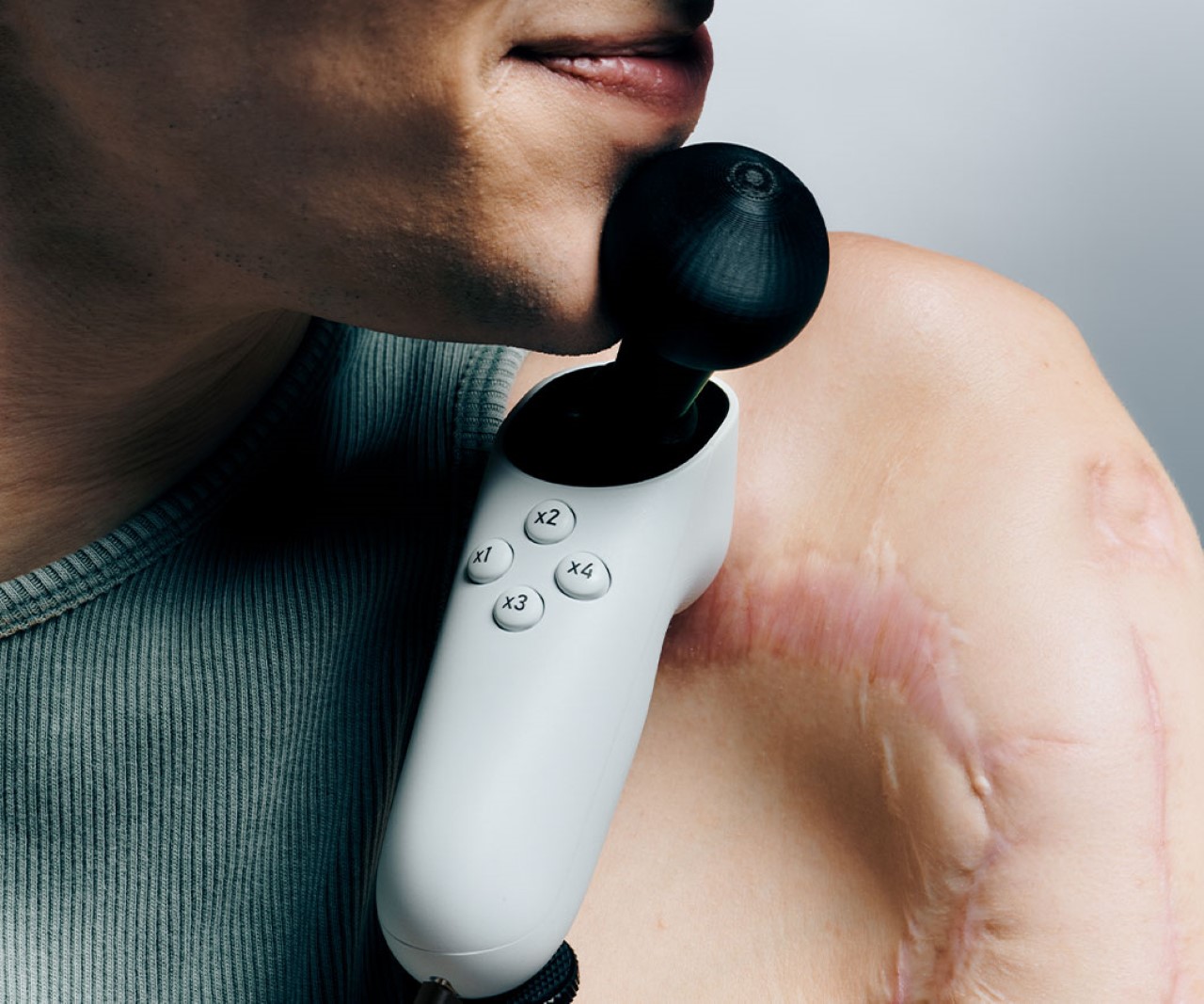
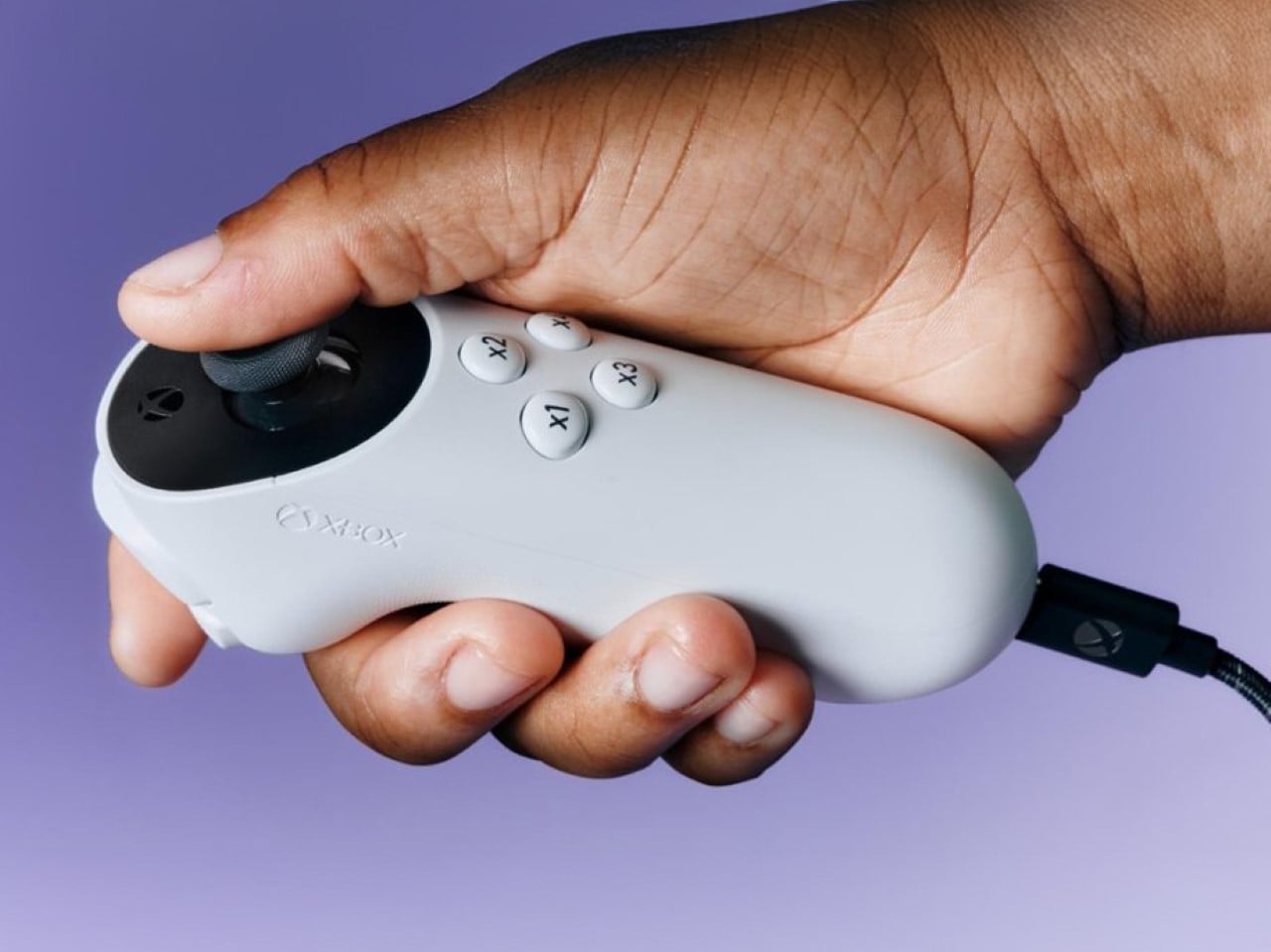
The Adaptive Controller was just the beginning – Microsoft aims at developing an entire suite of accessible devices for its gamer market. Aside from working alongside other independent controller brands to reveal new devices, Microsoft’s also announced the Adaptive Joystick, a controller that can be hand-held, positioned against your body, or even tripod-mounted, giving all gamers the ability to interface with their games in a manner that’s comfortable, yet responsive enough to give them the edge while gaming.

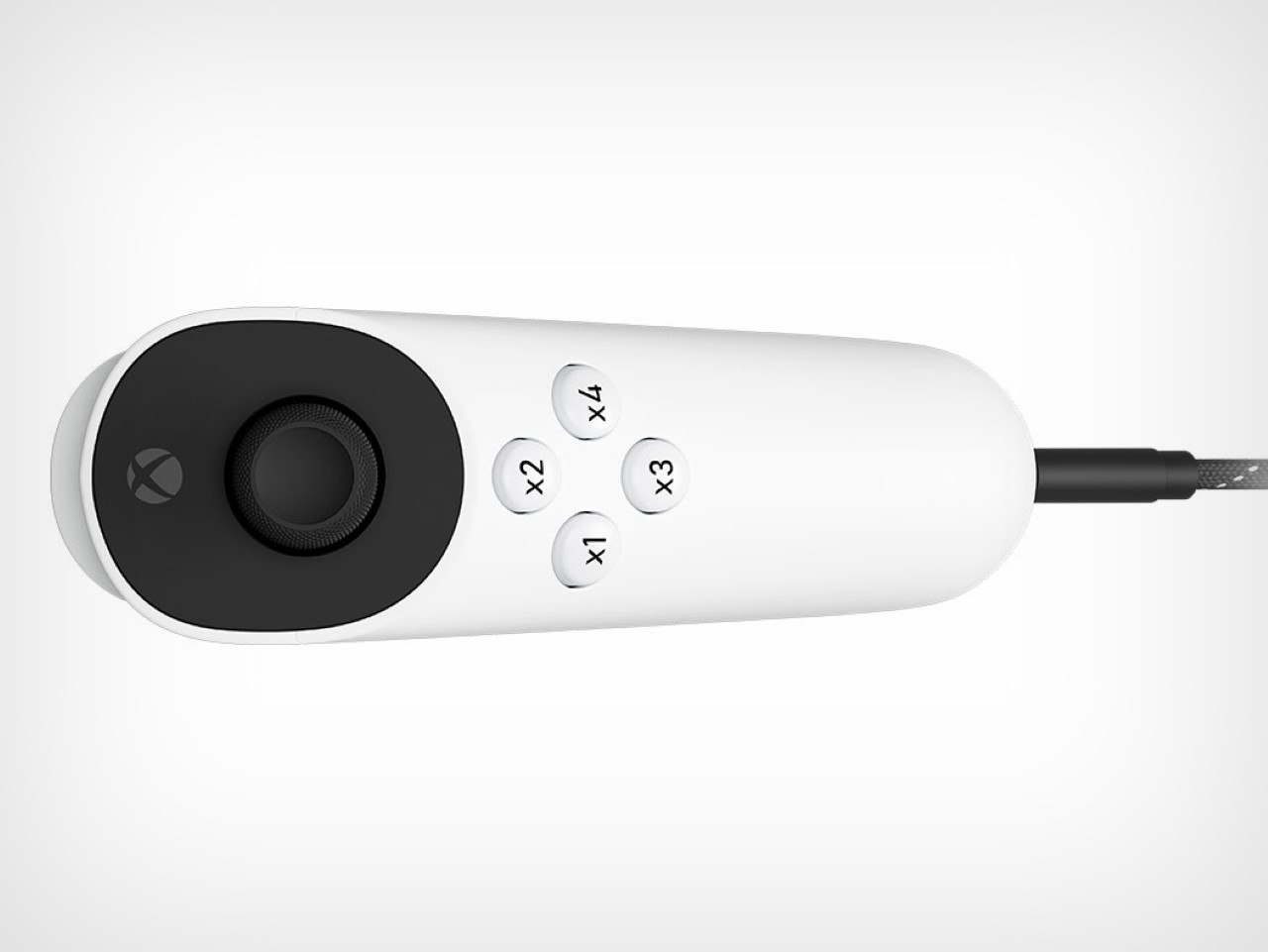
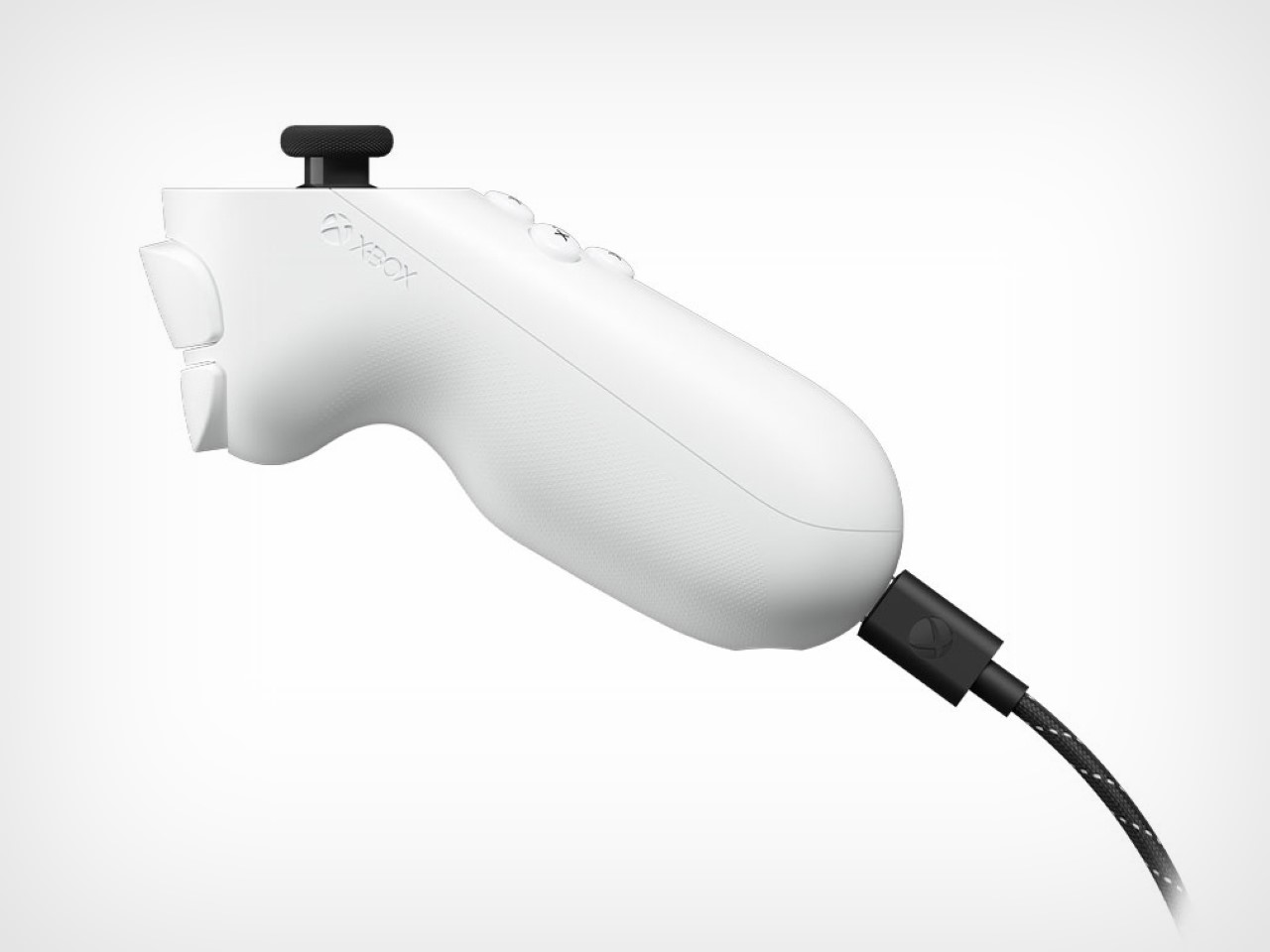
Designed specifically for gamers with limited mobility, this joystick aims to enhance the already extensive Xbox accessibility ecosystem. Unlike many controllers that rely on a standard form factor, the Xbox Adaptive Joystick breaks away by offering a unique blend of adaptability and modularity. The joystick is a wired companion for the Xbox Adaptive Controller, but it can also function independently, directly connecting to both Xbox consoles and PCs. The design focuses on user flexibility, with customizable buttons and a thumbstick that can be easily adjusted to suit different needs.

Designer: Microsoft

The Xbox Adaptive Joystick includes four programmable buttons, a thumbstick, and two additional buttons for bumper and trigger controls. One of the standout features is the option for users to 3D print thumbstick toppers, allowing them to modify the height, width, and overall feel of the joystick. As highlighted by Kaitlyn Jones, Xbox’s senior accessibility product manager, the design process involved extensive collaboration with the disabled community. Early prototypes were shared with this group for feedback, resulting in a product that addresses specific challenges faced by players with limited mobility.

Incorporating community feedback has been central to the development of the Xbox Adaptive Joystick. During one session at a Seattle hospital, Microsoft engineers brought various prototypes, seeking input on aspects like grip size, button layout, and overall ergonomics. According to Chris Kujawski, a principal designer at Xbox, this iterative process ensured that the final product is not only functional but also intuitive for a wide range of users. The joystick’s versatility is further enhanced by its compatibility with the existing Xbox Adaptive Controller, allowing it to be part of a broader adaptive gaming setup.

Beyond just the joystick, Microsoft is working closely with other accessible hardware innovators. The Proteus controller, which has been refined and optimized for Xbox through this collaboration, showcases this commitment. Additionally, the 8BitDo Lite SE controller offers an alternative for those who require front-facing buttons in a familiar arcade-stick layout. This inclusive hardware ecosystem gives users options that go beyond the traditional controller experience, making gaming more accessible than ever before. As for Microsoft’s own Adaptive Joystick, it hits markets early next year, with a price tag of $29.99.

The post Microsoft’s Xbox Adaptive Joystick Comes With An Open-Source Design To Support 3D-Printed Parts first appeared on Yanko Design.
DeepMind workers urge Google to drop military contracts

Google DeepMind workers have signed a letter calling on the company to drop contracts with military organizations, according to a report by Time. The document was drafted on May 16 of this year. Around 200 people signed the document, which amounts to five percent of the total headcount of DeepMind. 

For the uninitiated, DeepMind is one of Google’s AI divisions and the letter states that adopting military contracts runs afoul of the company’s own AI rules. The letter was sent out as internal concerns began circulating within the AI lab that the tech was allegedly being sold to military organizations via cloud contracts.

According to Time, Google’s contracts with the United States military and the Israeli military allow access to services via the cloud, and this reportedly includes AI technology developed by DeepMind. The letter doesn’t linger on any specific military organization, with workers emphasizing that it’s “not about the geopolitics of any particular conflict.” 

Reporting since 2021 has slowly revealed the scope of tech supplied by Google (and Amazon) to the Israeli government via a partnership known as Project Nimbus. This is far from the first instance of Google employees openly protesting their work being used to support politically fraught military aims — the company fired dozens of staffers who spoke out against Project Nimbus earlier this year.

“Any involvement with military and weapon manufacturing impacts our position as leaders in ethical and responsible AI, and goes against our mission statement and stated AI principles,” the DeepMind letter says. It’s worth noting that Google’s slogan used to be “don’t be evil.”

The letter goes on to ask DeepMind’s leaders to deny military users access to its AI technology and to set up a new in-house governance body to prevent the tech from being used by future militaries. According to four unnamed employees, Google has yet to offer a tangible response to the letter. “We have received no meaningful response from leadership,” one said, “and we are growing increasingly frustrated.”

Google did respond to Time’s reporting, saying that it complies with its AI principles. The company says that the contract with the Israeli government “is not directed at highly sensitive, classified or military workloads relevant to weapons or intelligence services.” However, its partnership with the Israeli government has fallen under plenty of scrutiny in recent months

Google purchased DeepMind back in 2014, but under the promise that its AI technology would never be used for military or surveillance purposes. For many years, DeepMind was allowed to operate with a good amount of independence from its parent company, but the burgeoning AI race looks to have changed that. The lab's leaders spent years seeking greater autonomy from Google, but were rebuffed in 2021.

This article originally appeared on Engadget at https://www.engadget.com/ai/deepmind-workers-urge-google-to-drop-military-contracts-190544509.html?src=rss

Don’t freak out, but Nintendo is killing off Animal Crossing: Pocket Camp

Animal Crossing: Pocket Camp will cease to exist on November 28, but players' saves should be getting a new home. Since its global launch in 2017, Pocket Camp has offered the core Animal Crossing experience on smartphones, including limited time special events.

Sales of Leaf Tickets, the in-game currency for speeding up access to camp accessories, will stop on November 27. The company is also ending its subscription plans for the Pocket Camp Club, which provides additional in-game cosmetics each month. New plans will not be accepted after October 28 and existing subscriptions will not renew after that date.

But all is not lost for those of us who have invested a lot of hours into building pint-sized communities. Nintendo cushioned the blow with the news that a new app is in the works where existing players can continue their save files. The new take on the game will be a paid purchase with no in-app purchases, as opposed to Pocket Camp's freemium approach. The team promised more information on the new app this October.

This article originally appeared on Engadget at https://www.engadget.com/apps/dont-freak-out-but-nintendo-is-killing-off-animal-crossing-pocket-camp-181640622.html?src=rss

Snap is reportedly working on a new pair of augmented reality Spectacles

Snap is getting ready to show off a new pair of augmented reality glasses, according to a new report in The Verge. The glasses would be the fifth-generation of Spectacles, and the second pair to have augmented reality capabilities. CEO Evan Spiegel will reportedly unveil the glasses at the company’s upcoming Partner Summit event on September 17.

The company last introduced a pair of AR glasses in 2021. The glasses were only ever made available to a small handful of creators and developers, who came up with some interesting experiments that combined Snapchat’s lenses with the AR displays. But, as I noted in my hands-on with AR-enabled Spectacles that year, the device was still pretty limited. It had an extremely narrow field of view and only a 30-minute battery life. The glasses were also much bulkier and boxier compared to earlier generations of Spectacles that looked more like regular sunglasses.

The AR-capable Spectacles are much thicker and heavier than their predecessors.
Snapchat's fourth-generation Spectacles that had AR displays.
Karissa Bell for Engadget

Now, it sounds like Snap has made some improvements to the underlying tech. The Verge reports that the latest glasses will have a wider field of view and better battery life. However, it seems the Spectacles are still being positioned as more of a developer device than something any Snapchat user will be able to buy. Each pair reportedly costs “thousands of dollars to build” and Snap is planning on making “fewer than 10,000” of them.

Still, it suggests that Snap hasn’t entirely given up on its hardware ambitions. Its last new product was the $250 Pixy selfie drone, which it abandoned just four months after launch in 2022. The company recalled the device earlier this year after a reported battery fire.

This article originally appeared on Engadget at https://www.engadget.com/social-media/snap-is-reportedly-working-on-a-new-pair-of-augmented-reality-spectacles-173024510.html?src=rss

Galaxy Z Fold6 Ultra: Thinner Design vs. S Pen Support—What Matters Most Ahead of the Rumored September 25 Launch?

Samsung’s upcoming Galaxy Z Fold6 “Slim” raises a new question about foldable smartphone design: What’s more important to you—a slimmer, more portable device or the continued support of the S Pen, a tool that has become synonymous with Samsung’s productivity-focused devices?

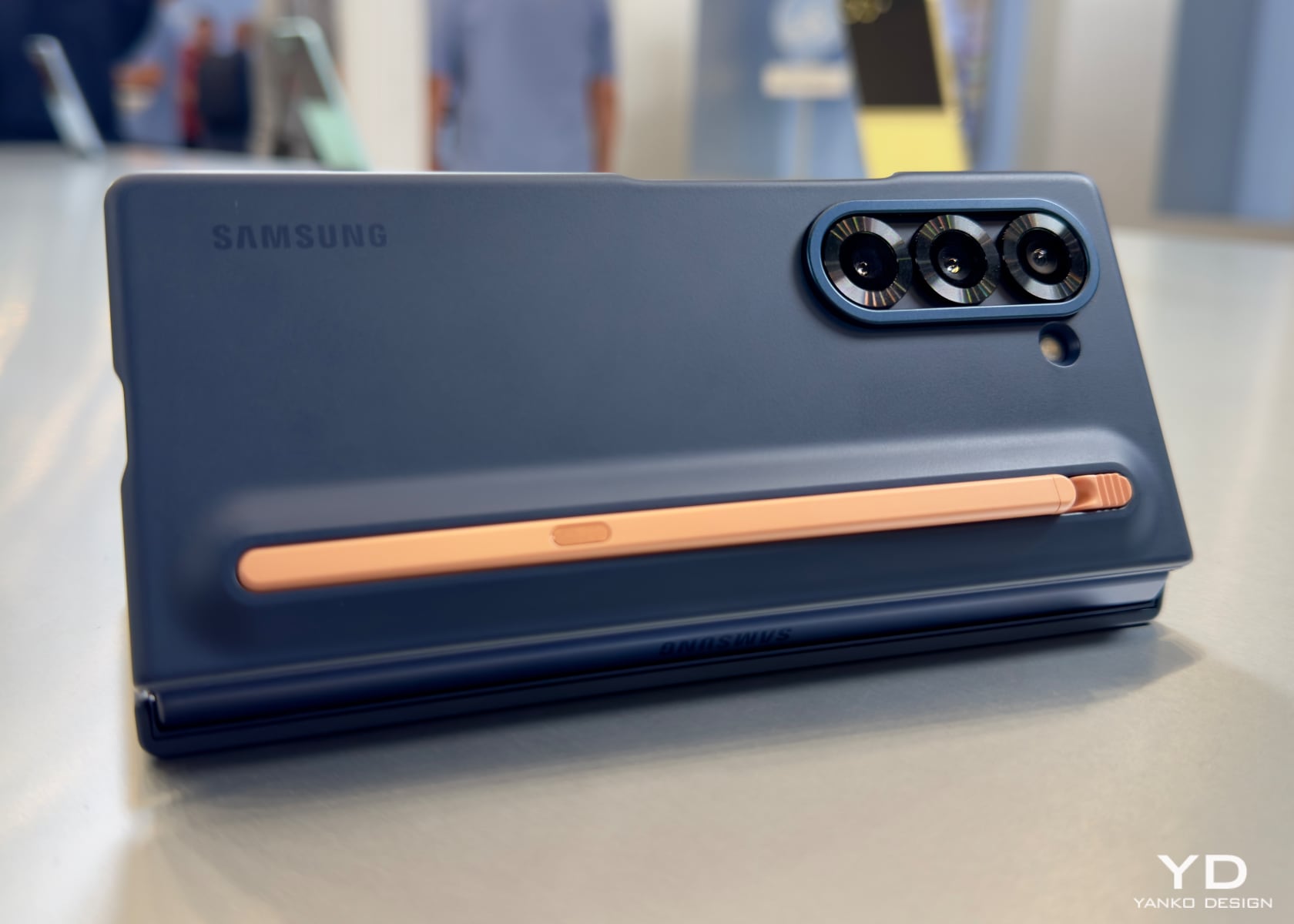
Samsung Galaxy Z Fold6 with case and stylus

Designer: Samsung

The rumored launch of the Galaxy Z Fold6 Slim in South Korea on September 25 suggests that Samsung is moving towards an ultra-thin design. At just over 10mm thick, this foldable could be the thinnest in Samsung’s lineup, prioritizing portability and ease of use. This shift, however, comes at the cost of a beloved feature: S Pen support. By opting for a slimmer profile, Samsung has reportedly removed the necessary film that allows the S Pen to function, leading to a significant trade-off between form and function.

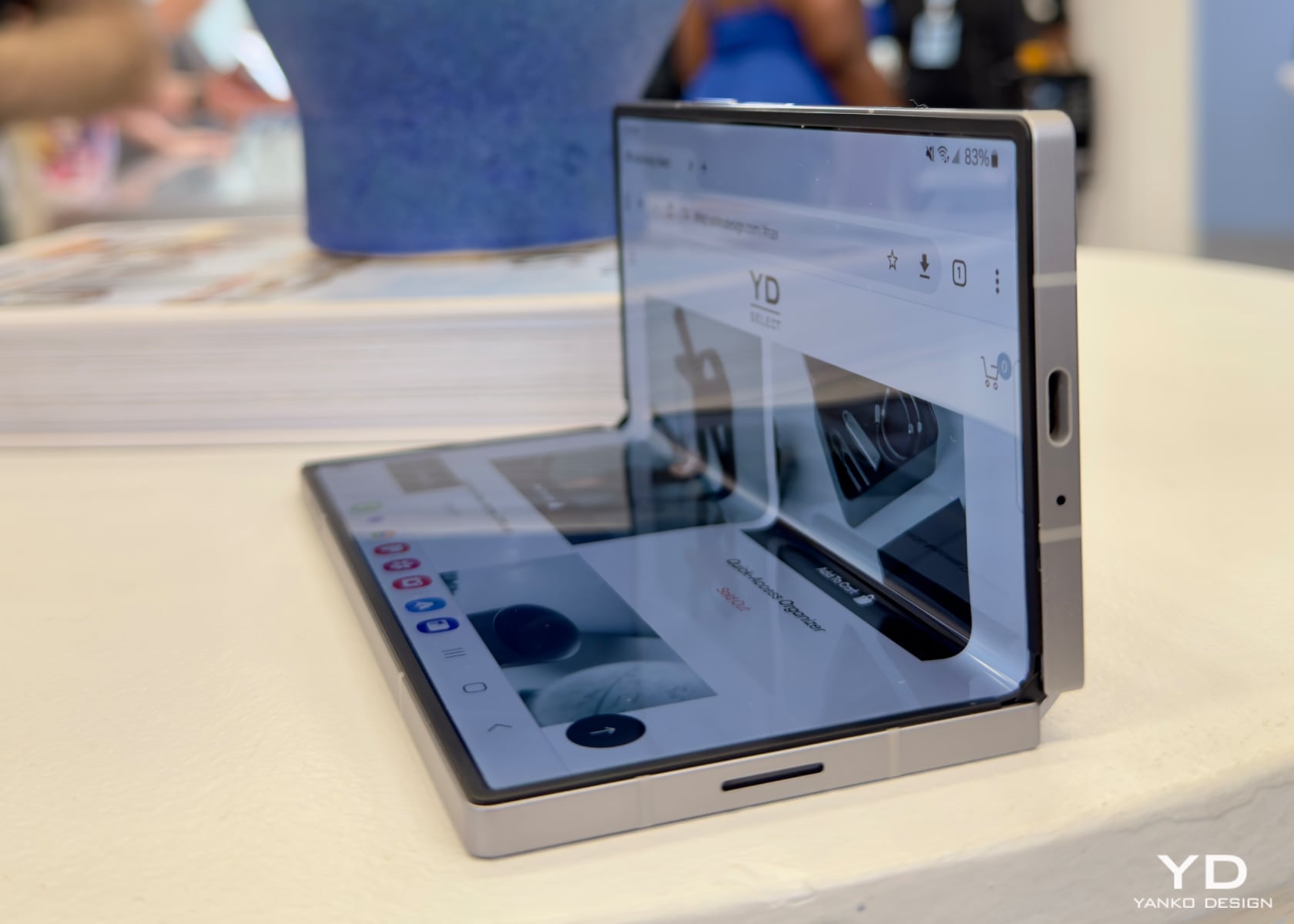
Samsung Galaxy Fold6

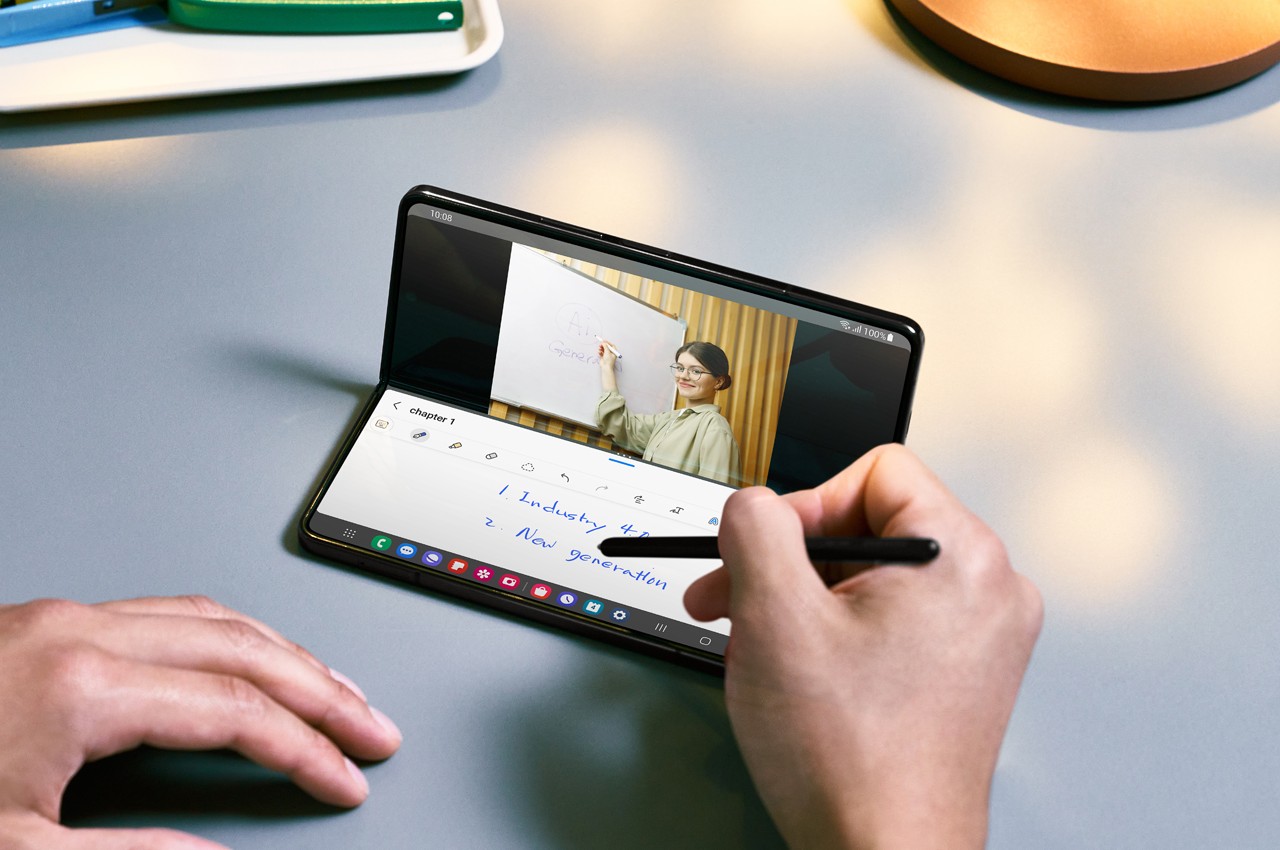
The decision to slim down the Galaxy Z Fold6, potentially at the expense of the S Pen, raises a key question for users. The S Pen has been a defining feature for many Galaxy Fold users, offering precision and enhancing productivity, particularly for tasks like note-taking, sketching, and navigation. For professionals and creative users, the S Pen is an essential tool that significantly enhances the capabilities of their devices. Losing this feature could be a dealbreaker for those relying on the stylus for daily tasks.

On the other hand, a slimmer, more elegant device could appeal to users who prioritize portability and design. The rumored titanium frame, which could replace the aluminum used in previous models, contributes to a thinner profile while elevating the device’s durability and premium feel. The thinner form factor and lightweight design make it easier to carry and handle, addressing one of the main criticisms of foldable phones: their bulkiness.

But does the sleekness of a thinner device justify the loss of the S Pen? For some, the answer may be yes. A thinner device fits better into pockets and hands, making it more convenient for everyday use. Unlike the Galaxy S24 Ultra, which has an integrated slot for the S Pen, the Galaxy Fold series requires users to manage the S Pen separately, which can be cumbersome. Perhaps this is Samsung’s plan to gradually “weed” owners off the S Pen by not including it in their newer, slimmer foldable models. Personally, I feel that the stylus on a foldable phone feels as outdated as the physical keyboards on early smartphones. I rarely use the stylus anymore, and I’d much rather have a thinner, more lightweight device. The larger screens—6.5 inches externally and 8 inches internally—ensure that users still get an expansive display experience, even with the reduced thickness. This could appeal to a broader audience, especially those who might have hesitated to adopt a foldable phone due to concerns about size and weight.

Galaxy S24 Ultra with integrated stylus holder

However, the trade-off might not be worth it for users who have come to depend on the S Pen. The stylus adds a layer of functionality that a thinner device can’t replace. One particular feature I love about the S Pen on the S24 Ultra is the ability to take pictures—a convenient tool for solo content creators. I also track the stock market, and using the S Pen with Trading View for charting is amazing, so I would definitely miss the pen for that use case. Without the S Pen, tasks that require precision or creativity might become more cumbersome, detracting from the overall user experience.

Samsung Galaxy Z Fold6

What do you think, Yanko Design readers? Does the decision boil down to personal preference and priorities? If you value a sleek, portable device that fits seamlessly into your lifestyle, the Galaxy Z Fold6 Slim might be the perfect evolution of Samsung’s foldable lineup. However, if the S Pen is an indispensable tool in your arsenal, the standard Galaxy Z Fold6 or previous models might still hold more appeal. I find the “Slim” addition to the name rather silly, and I would bet money on Samsung going with “Galaxy Fold6 Ultra” over “Slim.” We’re still finalizing our review of the new Galaxy Fold6, so stay tuned for our thoughts.

The post Galaxy Z Fold6 Ultra: Thinner Design vs. S Pen Support—What Matters Most Ahead of the Rumored September 25 Launch? first appeared on Yanko Design.