The Levitae House In Mexico Has An Unusual Form That Seems To Cantilever Above The Mountain

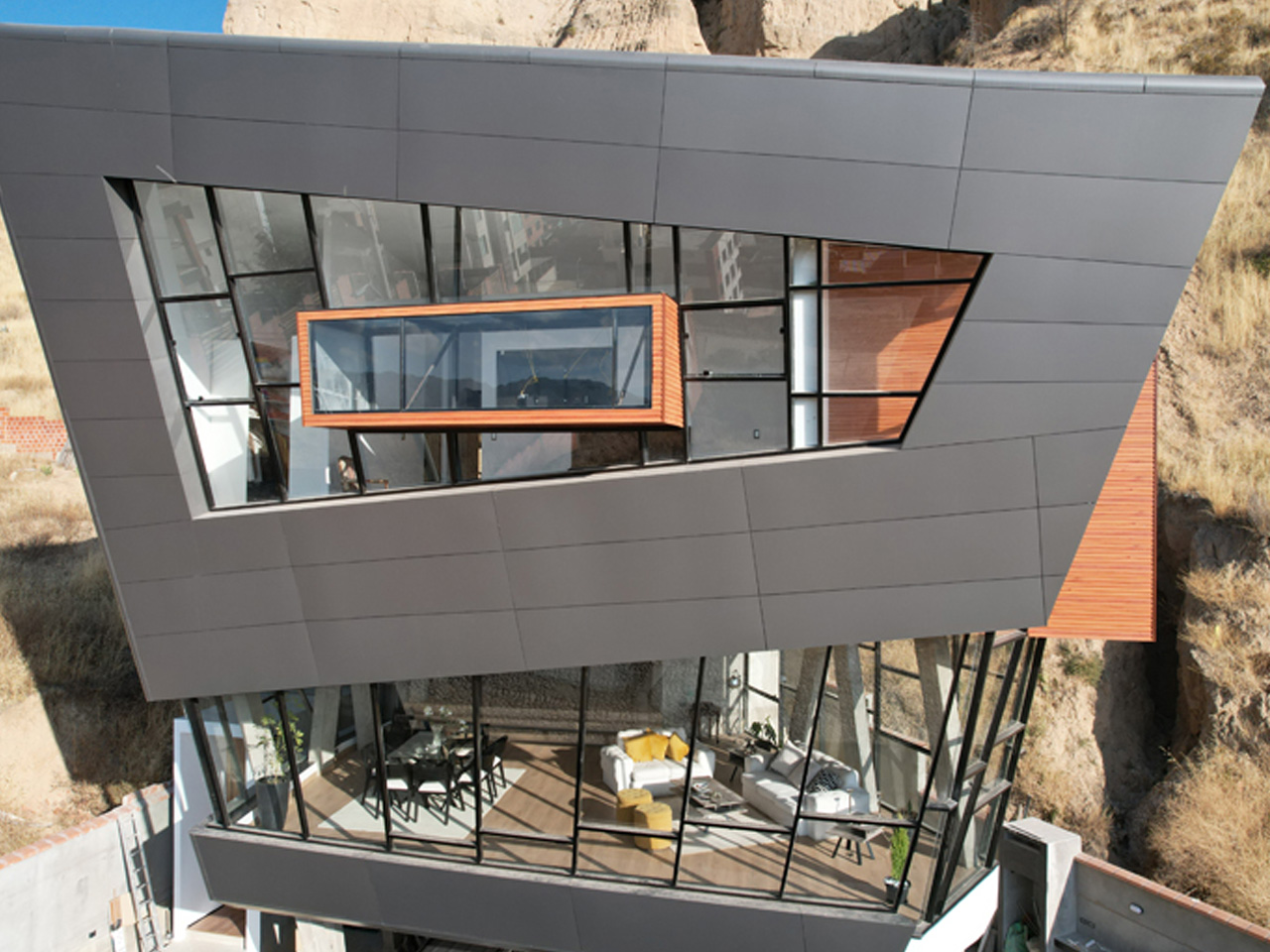
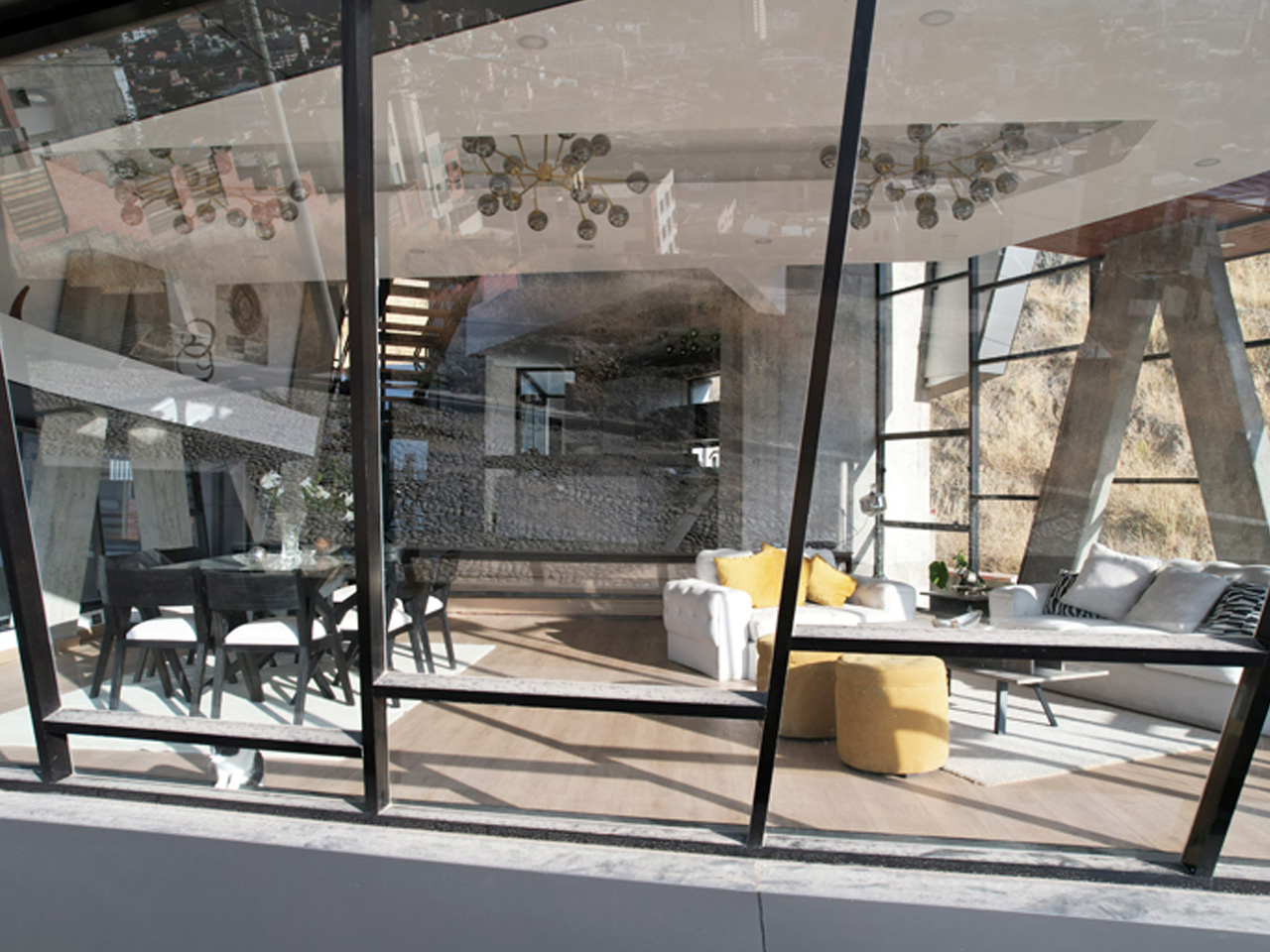
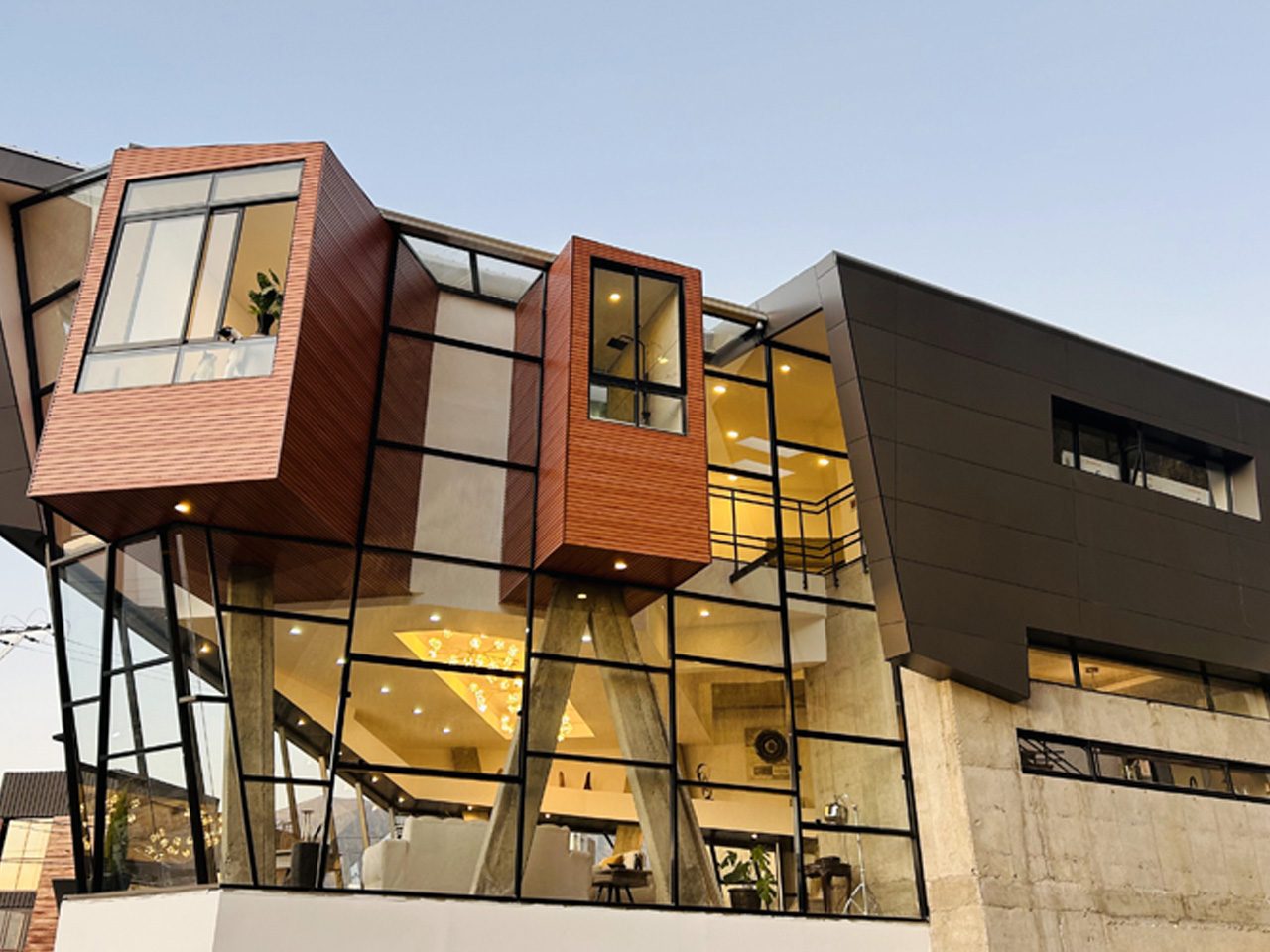
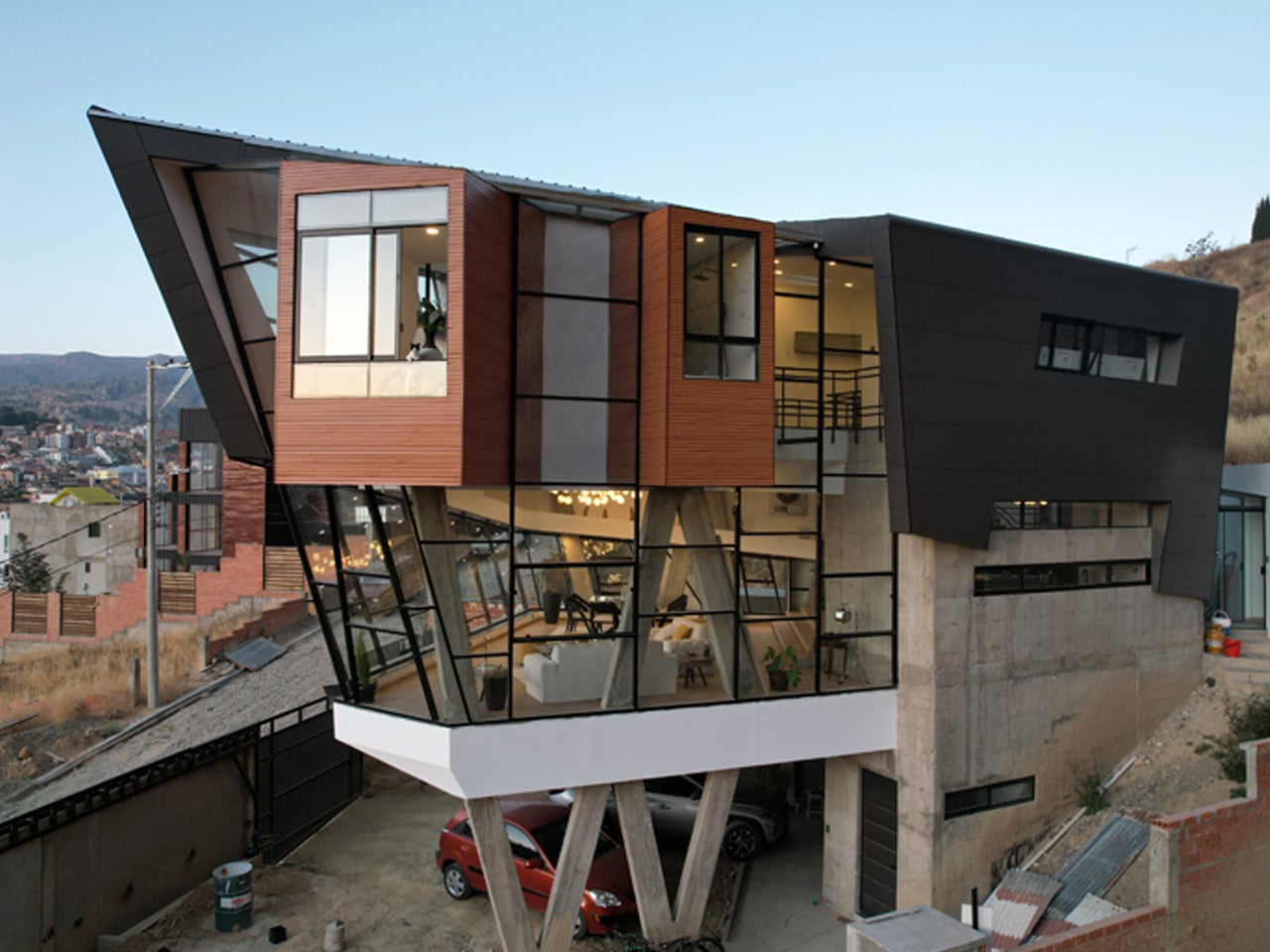
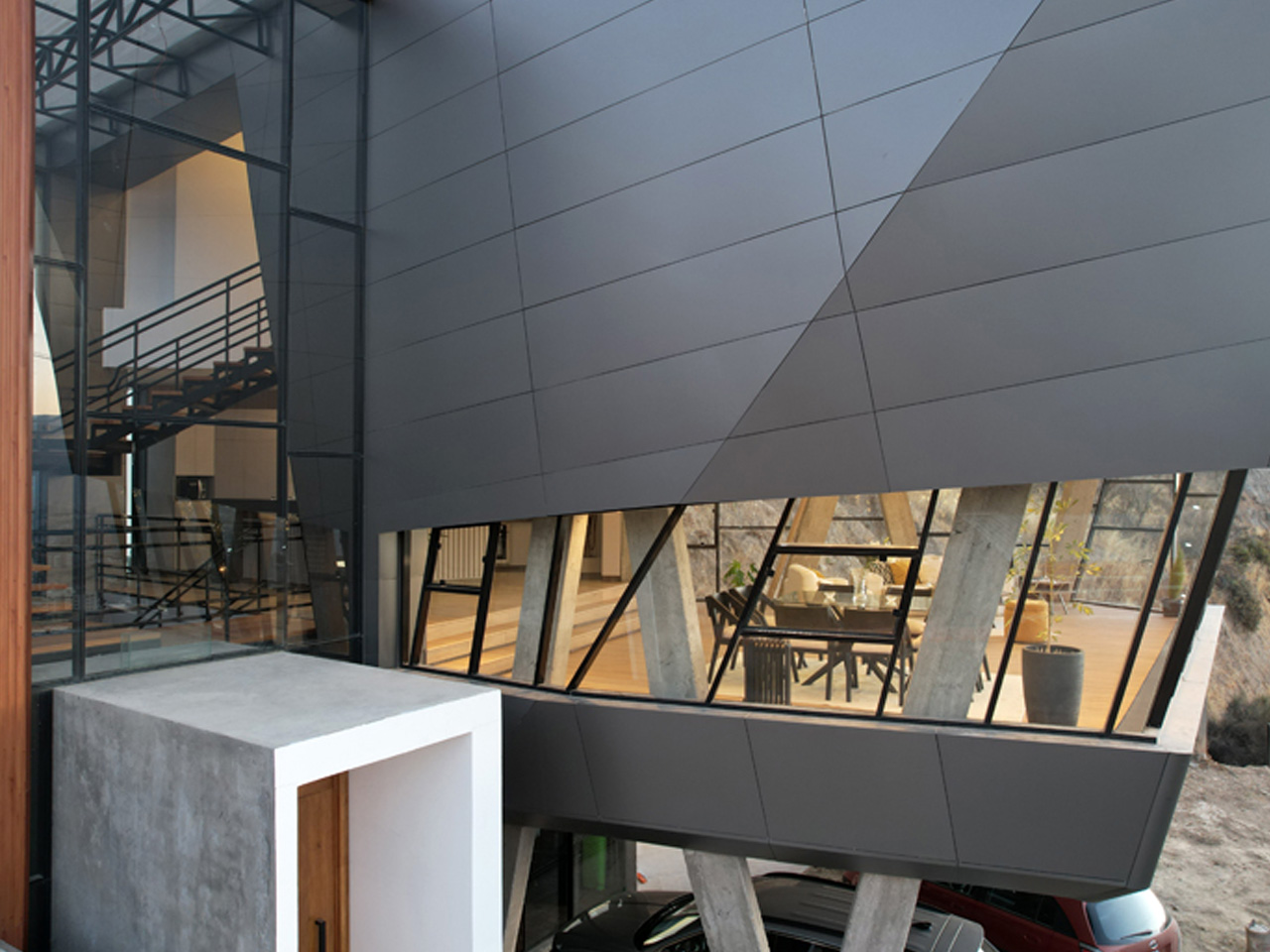
Designed by Alejandro Vazquez, the Levitae House is perched on a mountain, and creates the impression of levitation through its large and imposing volumes. The home is made using contemporary materials, and it exhibits an impressive level of complexity and detailing. The house seems to float in the air, while simultaneously tapering into slim columns that seem to harmoniously integrate with the natural topography.

Designer: Alejandro Vazquez

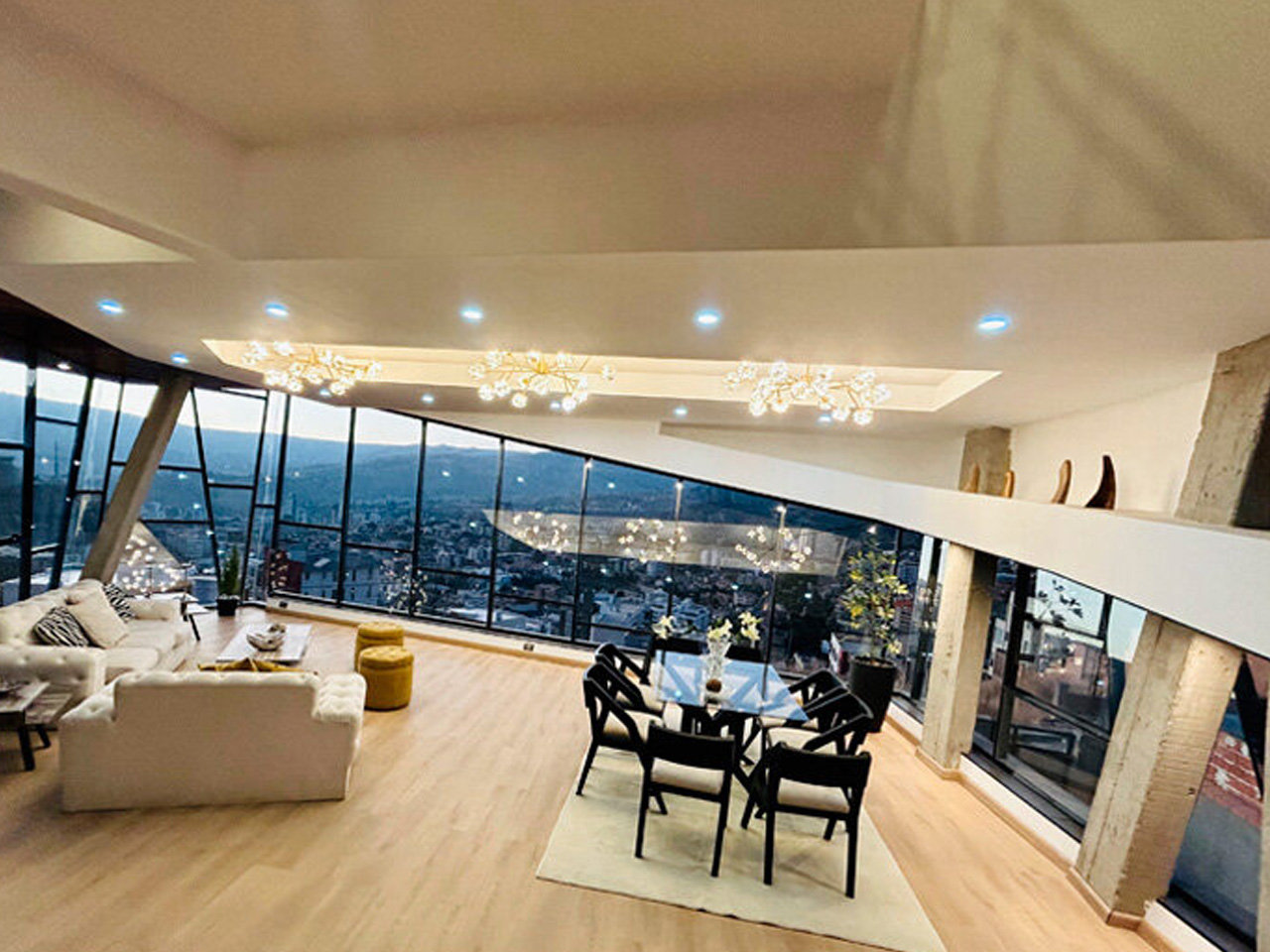
The Levitae House is located on the southern slope of La Paz, Mexico, and it faces the north, which allows sunlight to stream in throughout the day while ensuring it doesn’t get too hot either. The design of the home ensures there is constant access to the lovely views of the city, while certain spaces have been oriented to ensure more panoramic views. As you look at the external structure of the home, you will be quite impressed, as it showcases a certain uniqueness and complexity of character that we do not easily witness in modern architecture.

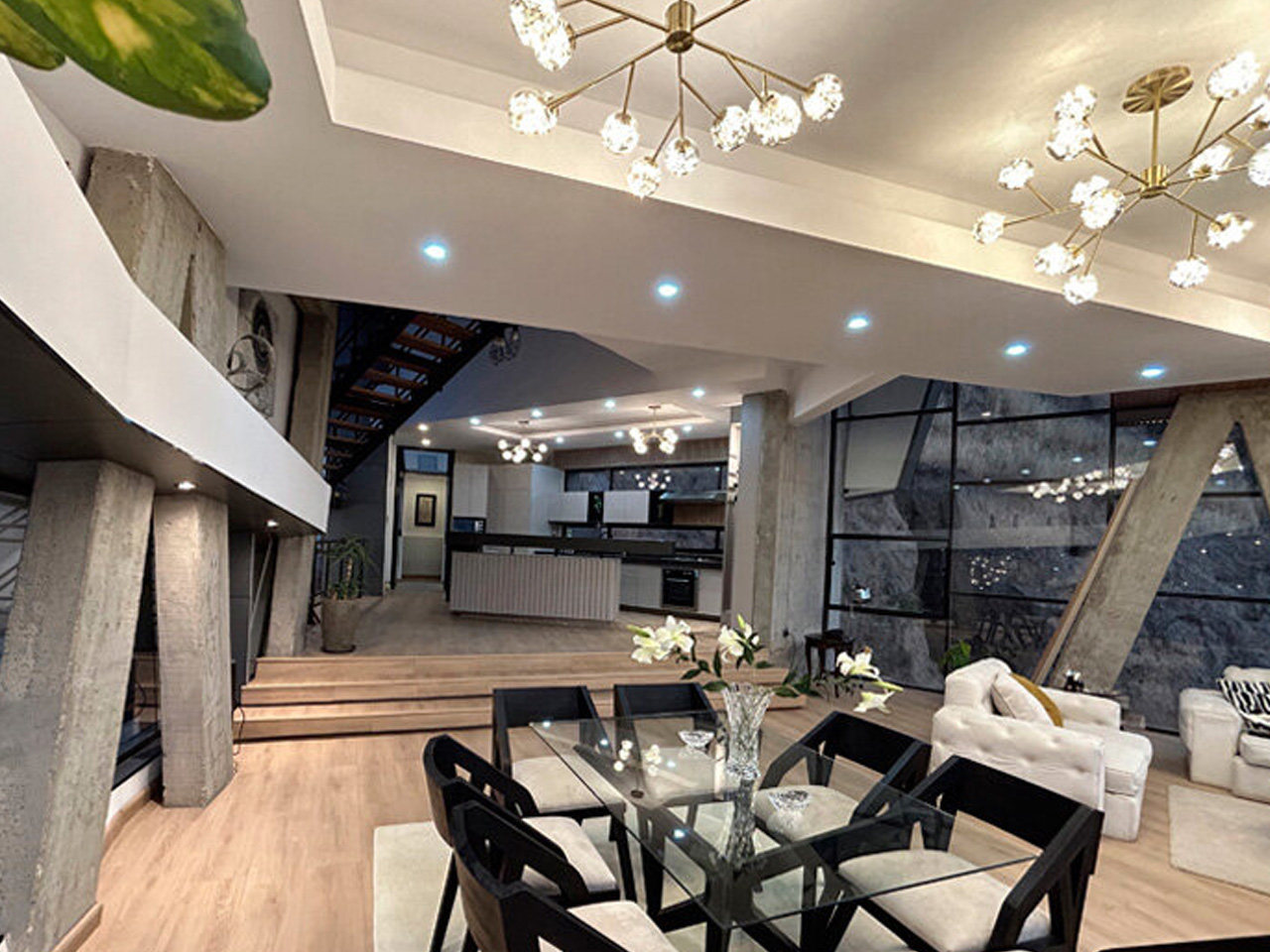
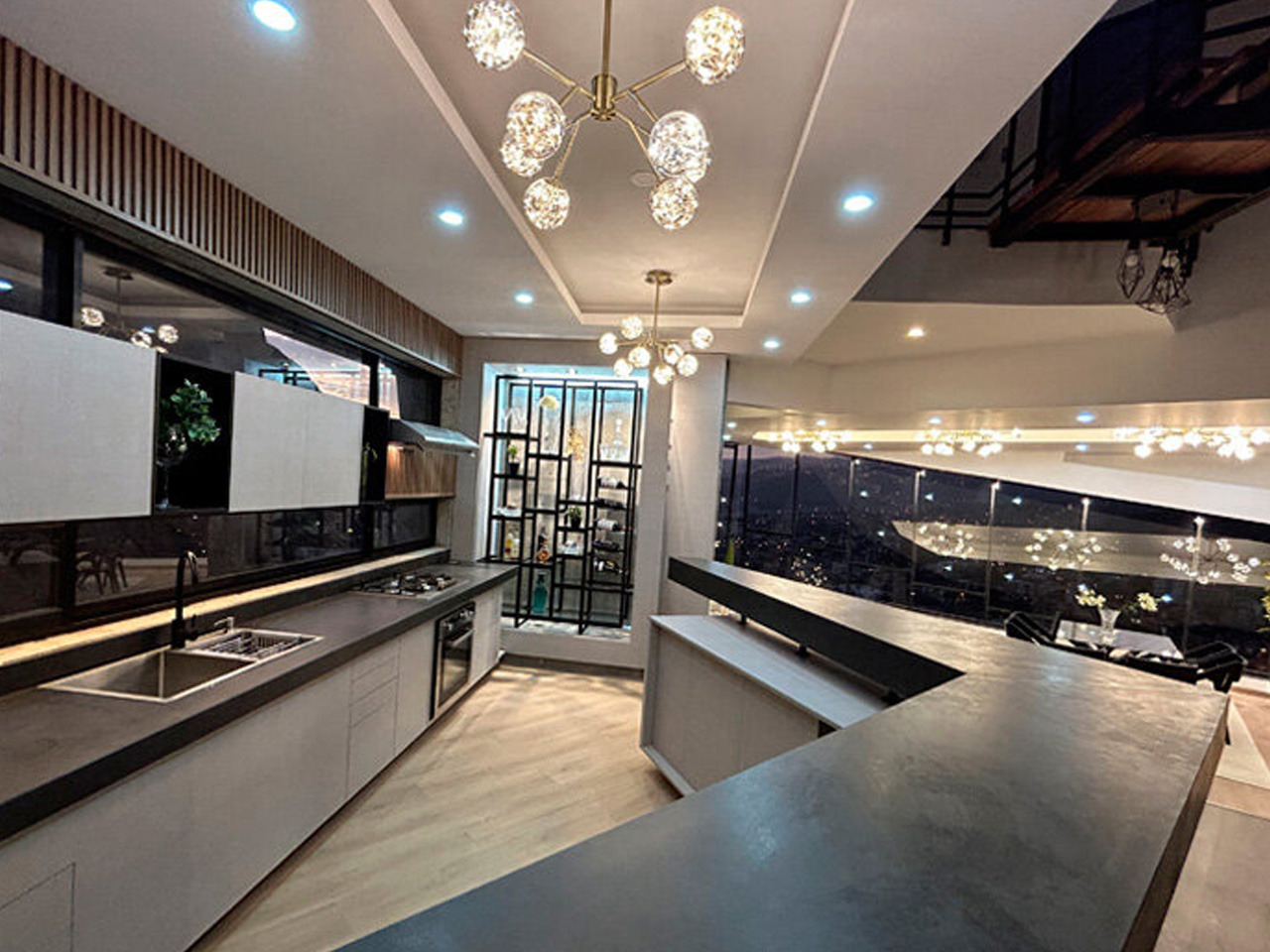
The architectural style of the home is called Neo Deconstructivist, and it is highlighted by an innovative structural system, and a detailed morphology. The Levitae House is built for a couple with cats, and it is equipped with a garden, music studio, barbecue area, parking space for two vehicles, and green spaces both inside and outside the home. It is also integrated with double and triple-height spaces, which offer an air of openness and spaciousness to the home.

The Levitae House occupies around 340 square meters, and building the home was no easy task. Local engineers in La Paz didn’t have much experience with inclined columns and massive cantilevers, and the standard labor construction practices also deepened the issues. Hence, the designers needed to be thoroughly present during the construction process to ensure the proper steps and care were taken. The complex nature of the materials and the structural components of the project needed proper attention.

The post The Levitae House In Mexico Has An Unusual Form That Seems To Cantilever Above The Mountain first appeared on Yanko Design.

From Track to Timepiece: Rolex’s Enduring Influence on Motorsport and Automotive Excellence

As a guest of Rolex at the 2024 Concours d’Elegance during Monterey Car Week, I experienced a seamless blend of history and innovation against the picturesque setting of Pebble Beach. The event showcased classic and contemporary automotive art, with Rolex’s influence evident throughout, reflecting their commitment to precision, tradition, and forward-thinking design. From meticulously restored vintage cars to unveiling futuristic designs, the festivities highlighted Rolex’s dedication to craftsmanship and innovation. My time there deepened my appreciation for the artistry in automotive design and emphasized Rolex’s role in linking the past, present, and future of motoring. In the following discussion, I’ll explore how Rolex’s legacy continues to shape the world of motorsport and automotive culture, as I experienced firsthand at this year’s memorable festivities.

Designer: Rolex

Rolex: A Legacy of Craftsmanship and Innovation

Rolex embodies luxury, precision, and lasting craftsmanship. Founded by Hans Wilsdorf and Alfred Davis in London in 1905, it has evolved into a global icon. Originally known as Wilsdorf & Davis, the company specialized in distributing timepieces before focusing on manufacturing.
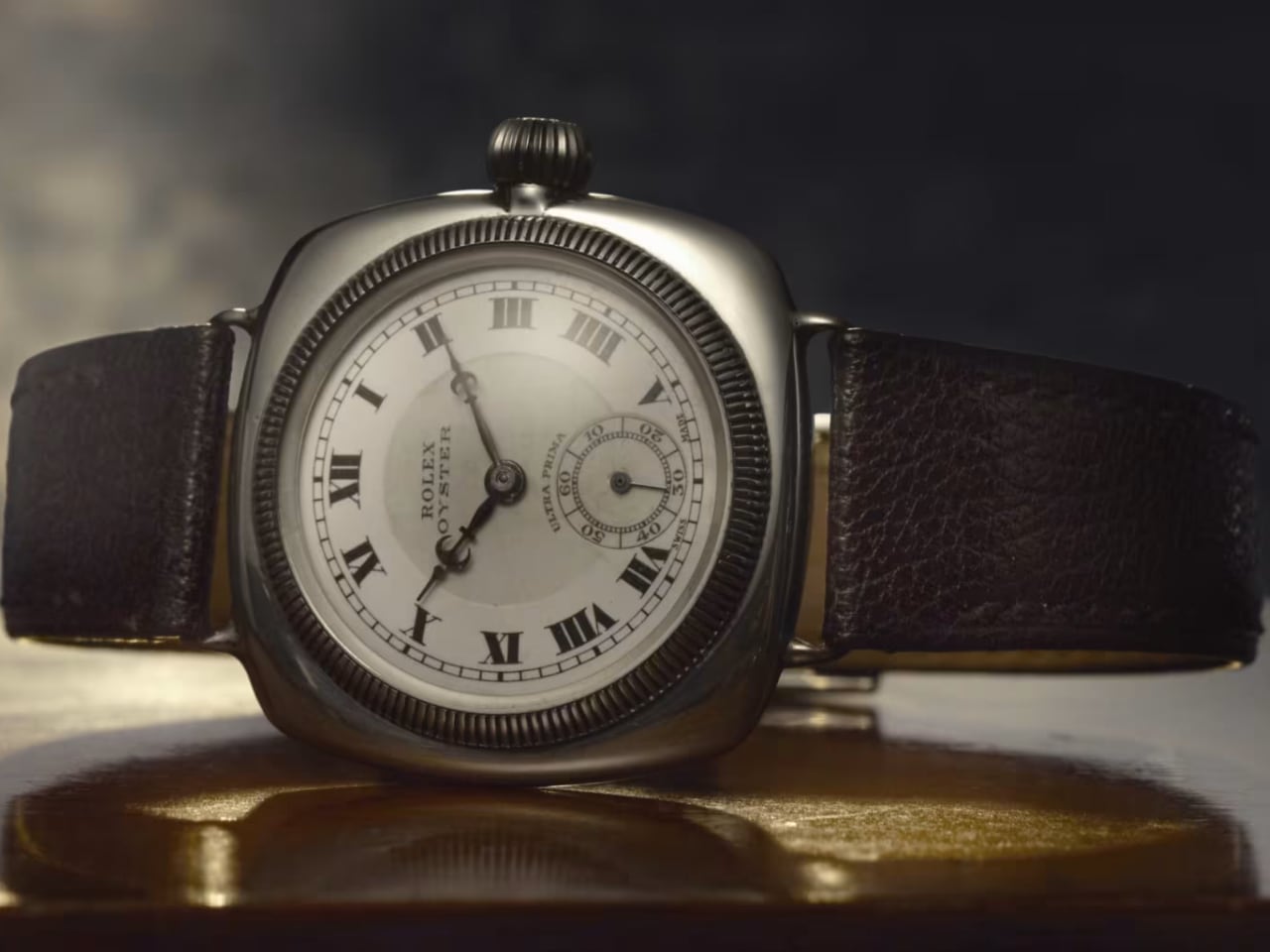
Rolex: The first waterproof and dustproof wristwatch by Rolex in 1926.

In 1908, Rolex was registered, and Wilsdorf set out to create elegant and reliable wristwatches. This pursuit led to developing the first waterproof wristwatch, the Rolex Oyster, in 1926. The Oyster case was a groundbreaking innovation, protecting the watch’s movement from dust, moisture, and pressure, ensuring its accuracy even in challenging conditions.

Innovation continued with the introduction of the Perpetual rotor in 1931, the world’s first self-winding mechanism powered by the natural motion of the wrist. This advancement set Rolex apart in the luxury watch market, marking another significant milestone in horology.

Rolex’s drive for precision is evident in its rigorous testing processes. Every Rolex watch undergoes stringent tests for accuracy, water resistance, and endurance, earning the brand its reputation for reliability. Certified as Superlative Chronometers by the Swiss Official Chronometer Testing Institute (COSC), these timepieces highlight Rolex’s dedication to exceptional performance.

Over the decades, Rolex has introduced pioneering innovations that have solidified its reputation in watchmaking. In 1945, Rolex unveiled the Datejust, the first wristwatch to display the date on the dial, marking a significant leap forward in both functionality and design. The Submariner followed in 1953 as the first dive watch to be waterproof to a depth of 100 meters, made possible by the robust Oyster case—a marvel of engineering that ensures the watch’s durability and water resistance under extreme conditions.

Rolex also revolutionized the watch bracelet with the introduction of the Oyster bracelet, known for its strength and comfort, and the Jubilee bracelet, which combines style and flexibility, offering unmatched wearability. In recent years, Rolex introduced the Oysterflex bracelet, a sophisticated combination of flexible titanium and nickel alloy metal blade covered with high-performance elastomer, providing a new level of comfort without sacrificing durability.

Today, Rolex leads the world of luxury and precision, with each watch representing a blend of cutting-edge technology and timeless design. The brand’s legacy thrives on relentless innovation, uncompromising quality, and an enduring pursuit of perfection.

Rolex’s Timeless Connection with Motorsport

In the 1930s, Sir Malcolm Campbell, the renowned British racing driver known as the “King of Speed,” forged a powerful connection between high-speed racing and precision timekeeping. On Sept. 3, 1935, at the Bonneville Salt Flats in Utah, Campbell made history by becoming the first person to break the 300 mph barrier, reaching 301.13 mph. During this groundbreaking feat, he relied on the Rolex Oyster. This watch demonstrated remarkable resilience and accuracy under extreme conditions, marking the beginning of a lasting bond between motorsport and Rolex.
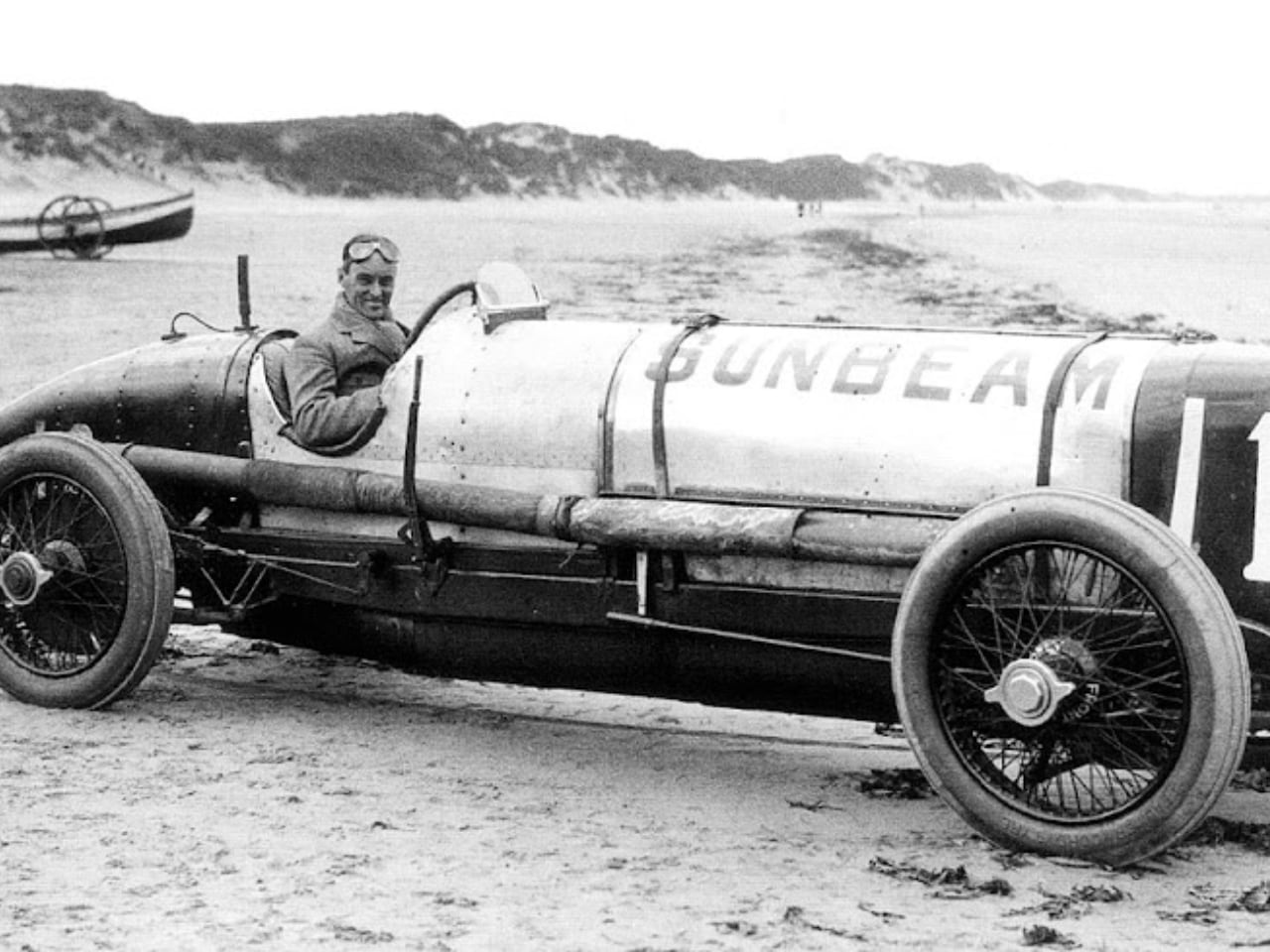
At the time of Sir Malcolm Campbell’s record-breaking feats, the Rolex Oyster was still establishing its reputation. Campbell’s choice of the Rolex Oyster during his high-speed attempts significantly contributed to proving its reliability. His successes, supported by the watch’s consistent performance during these demanding moments, played a crucial role in forging Rolex’s longstanding association with motorsport. This partnership began a deep connection between Rolex and the world of speed, precision, and endurance.
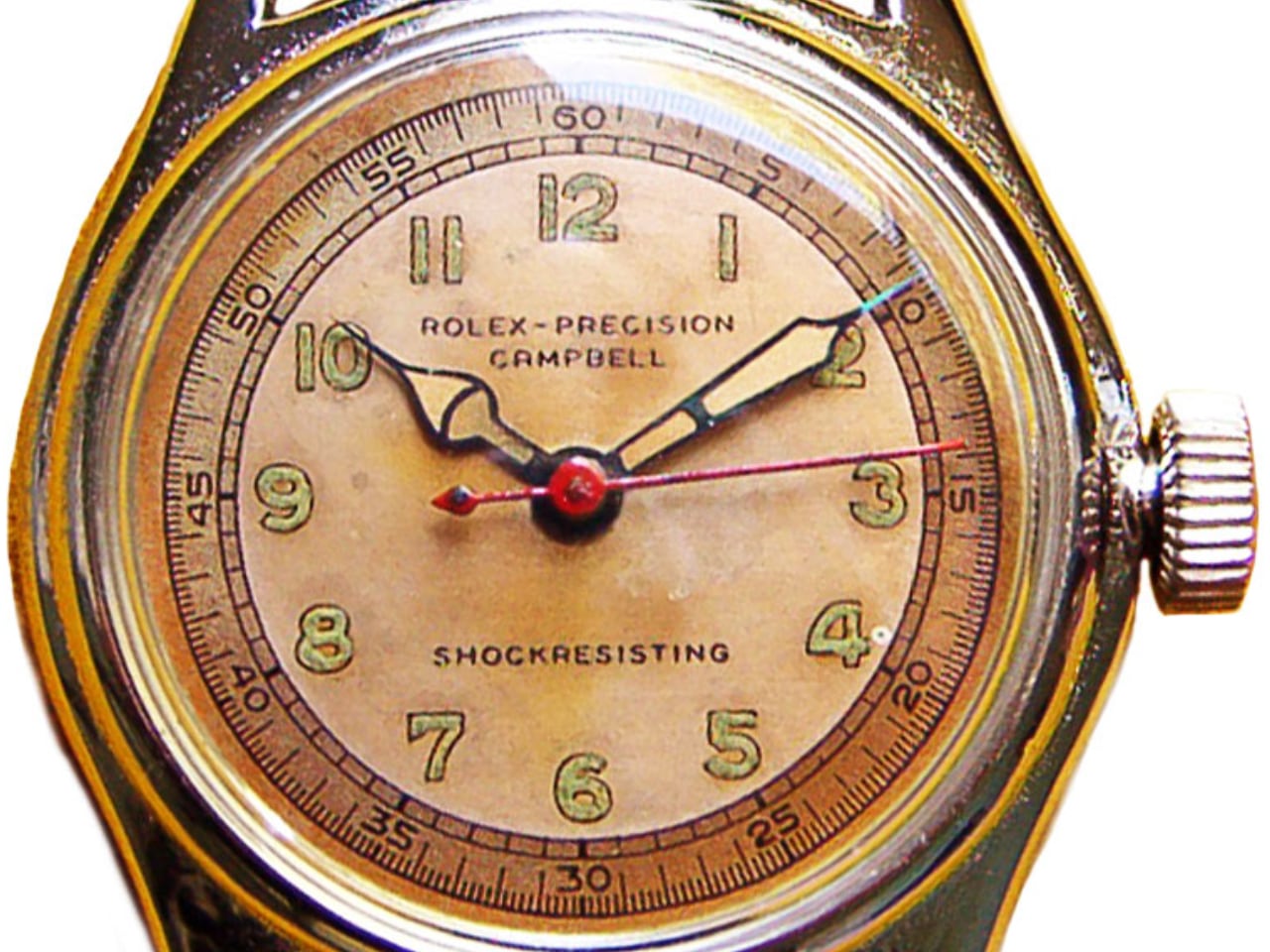
In 1959, Rolex became the official timekeeper for the newly established Daytona International Speedway, cementing its role in motorsport. This partnership eventually led to the creation of the Rolex Oyster Perpetual Cosmograph in 1963, later famously known as the ‘Daytona.’ The watch was designed specifically for racing drivers, featuring a tachymetric scale on the bezel that allowed drivers to measure average speed over a specific distance—a crucial function in motorsports.

The Daytona’s design and functionality made it a legend in the racing world, and its connection to the speedway secured Rolex’s place in motorsport history. The watch became an icon cherished by racing enthusiasts and collectors. Over the years, Rolex’s involvement in motorsport deepened, particularly in endurance racing.

The Rolex 24 at Daytona is a grueling 24-hour endurance race that pushes drivers and machines to their limits. In 1992, Rolex became the title sponsor, reinforcing its commitment to precision and performance. This race demands unwavering focus and high-speed consistency, with drivers rotating through shifts to keep their cars moving. The parallels between this endurance and the reliability expected from Rolex watches are clear—both are engineered to perform under pressure, whether on the track or in daily life, reflecting the brand’s dedication to durability and precision.

Endurance races like the Rolex 24 at Daytona and the 24 Hours of Le Mans challenge drivers and vehicles alike, requiring intense stamina and flawless reliability. These events demand high performance from every component, with drivers battling fatigue and maintaining focus under extreme conditions. Similarly, Rolex mechanical watches are designed to endure, keeping precise time through years of use and the rigors of daily wear. This shared commitment to enduring performance solidifies Rolex’s role in motorsport, where reliability is paramount.
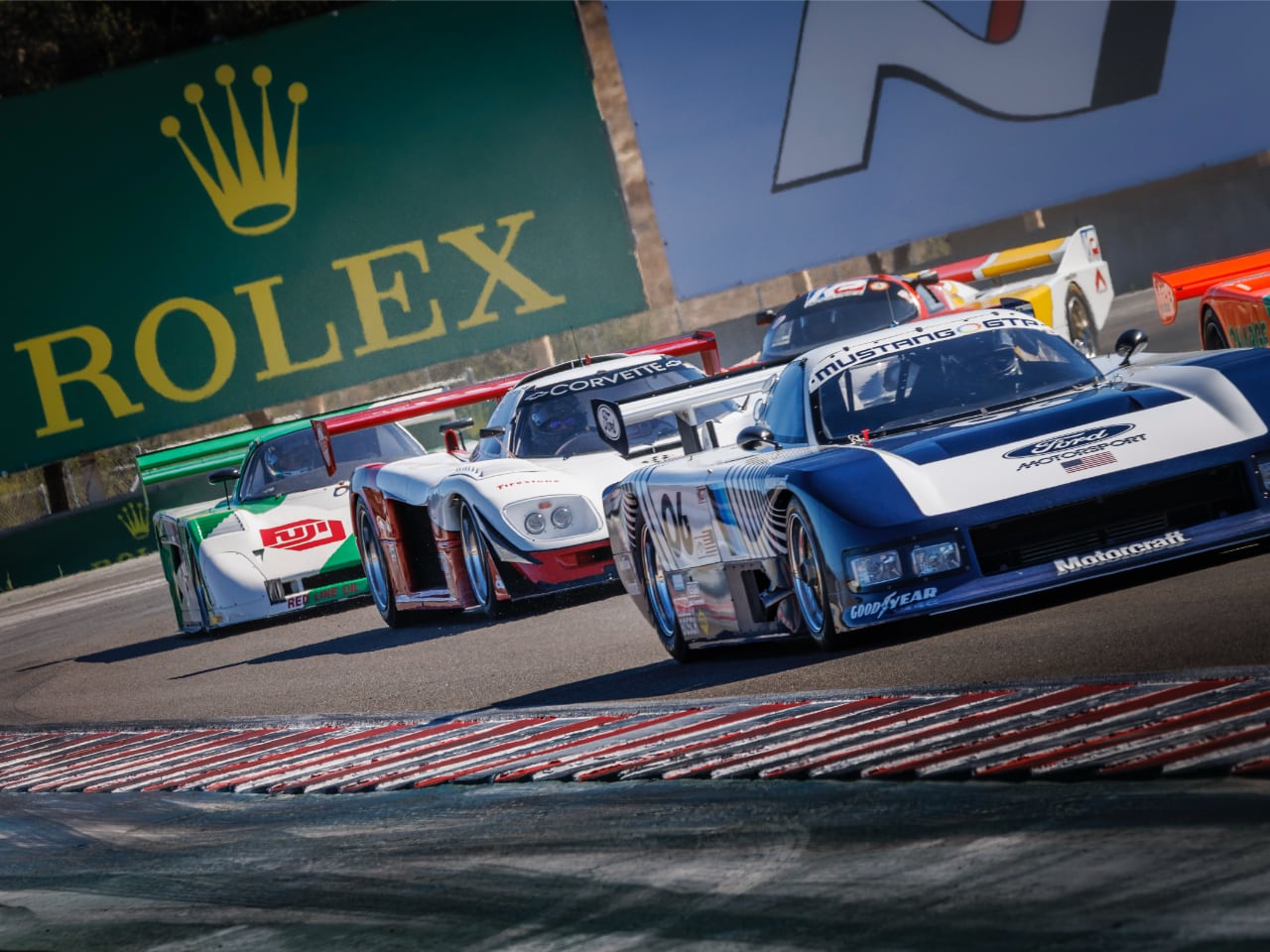
Image: Rolex

Rolex expanded its involvement in endurance racing further in 2001 when it became the Official Timepiece of the 24 Hours of Le Mans, one of the world’s most famous and challenging races. The winners of Le Mans receive a specially engraved Rolex Cosmograph Daytona, a highly coveted prize that symbolizes both endurance and excellence.

In 2016, Rolex became the Official Timepiece of the FIA World Endurance Championship (WEC), strengthening its role in endurance racing. This partnership reflects Rolex’s support for the evolution of endurance racing and its focus on technological innovation, a value shared by the WEC.

Rolex’s Enduring Influence at Monterey Car Week and Pebble Beach Concours d’Elegance

Monterey Car Week traces its roots to the Pebble Beach Concours d’Elegance, which debuted in 1950 alongside the Pebble Beach Road Race. From modest beginnings, it has grown into the world’s most prestigious gathering of automotive artistry, attracting premier collectors, fans, and enthusiasts globally. This event honors and preserves automotive heritage, showcasing vehicles that illustrate the highest standards of design and engineering. This year, the coveted Best in Show winner receives the new Rolex 1908, a timepiece that reflects both the event’s tradition and Rolex’s enduring dedication to quality and innovation.
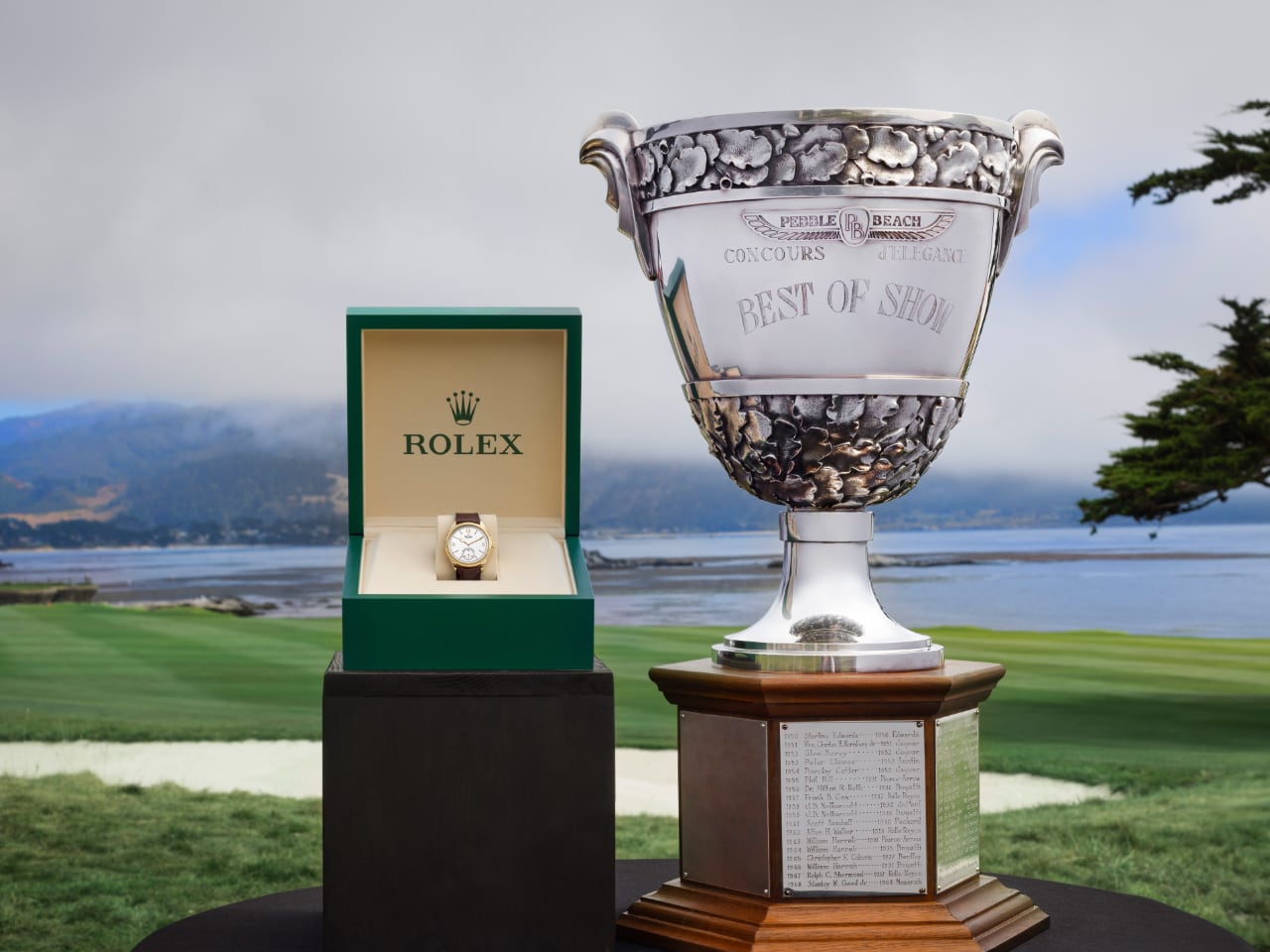
Image: Rolex

In 1997, Rolex became the official timepiece of the Pebble Beach Concours d’Elegance, establishing a partnership that bridges the worlds of watchmaking and automotive history. Rolex’s involvement extends to other hallmark events, such as The Quail, A Motorsports Gathering, and the Rolex Monterey Motorsports Reunion.
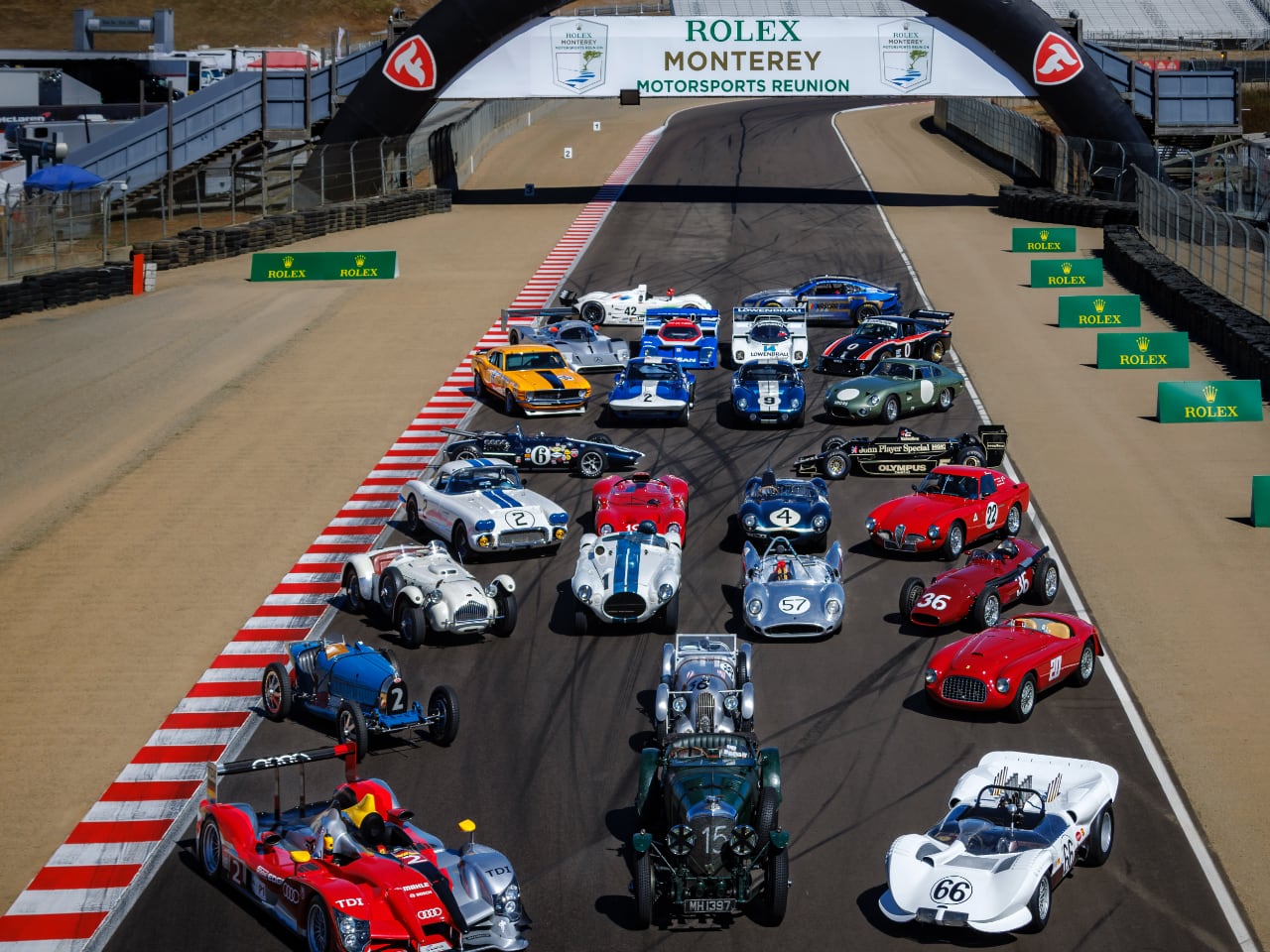
Image: Rolex

At The Quail presents a curated mix of vintage and modern vehicles in a more intimate setting, reflecting Rolex’s enduring commitment to celebrating and honoring automotive traditions.
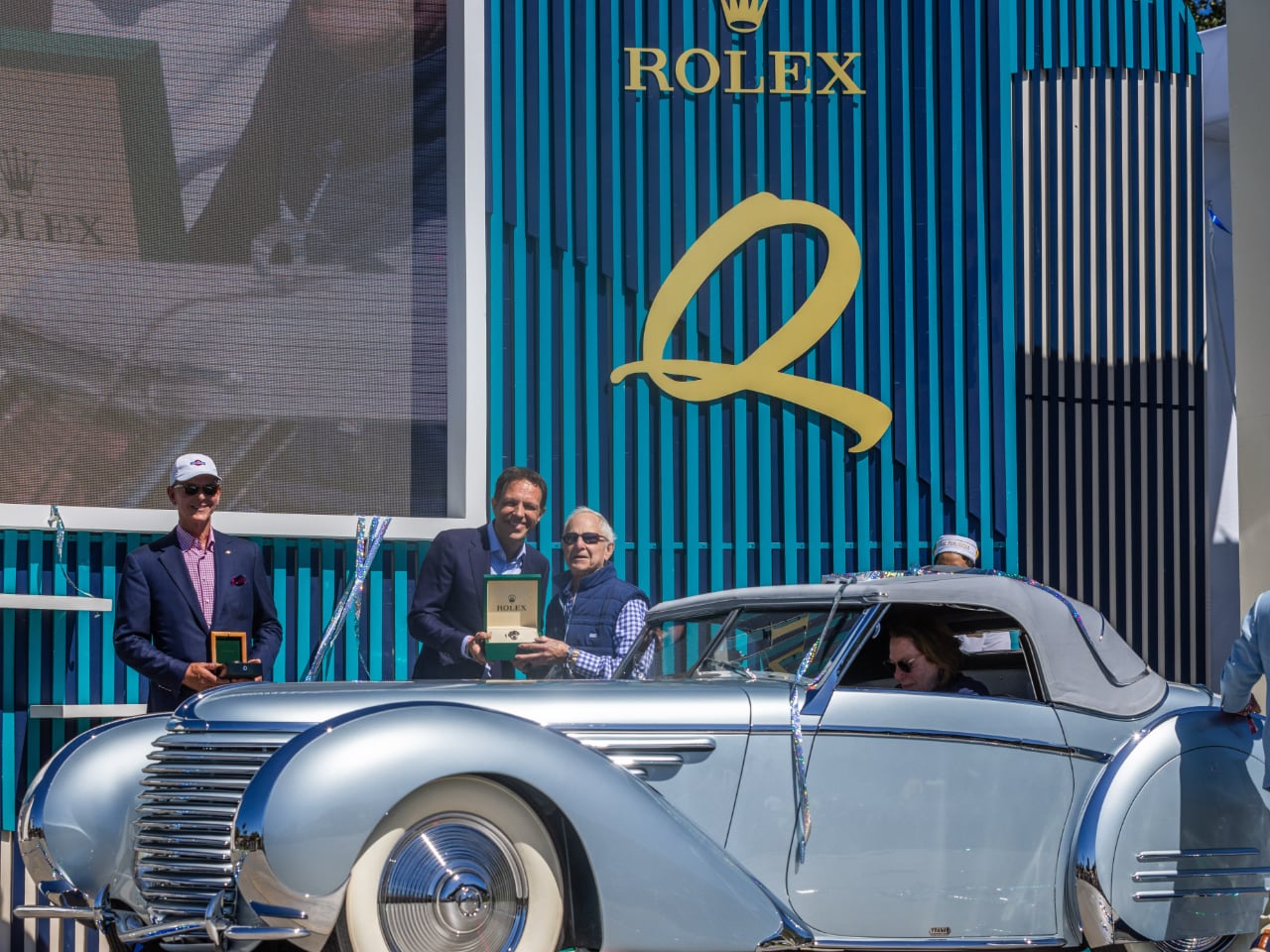
Image: Rolex

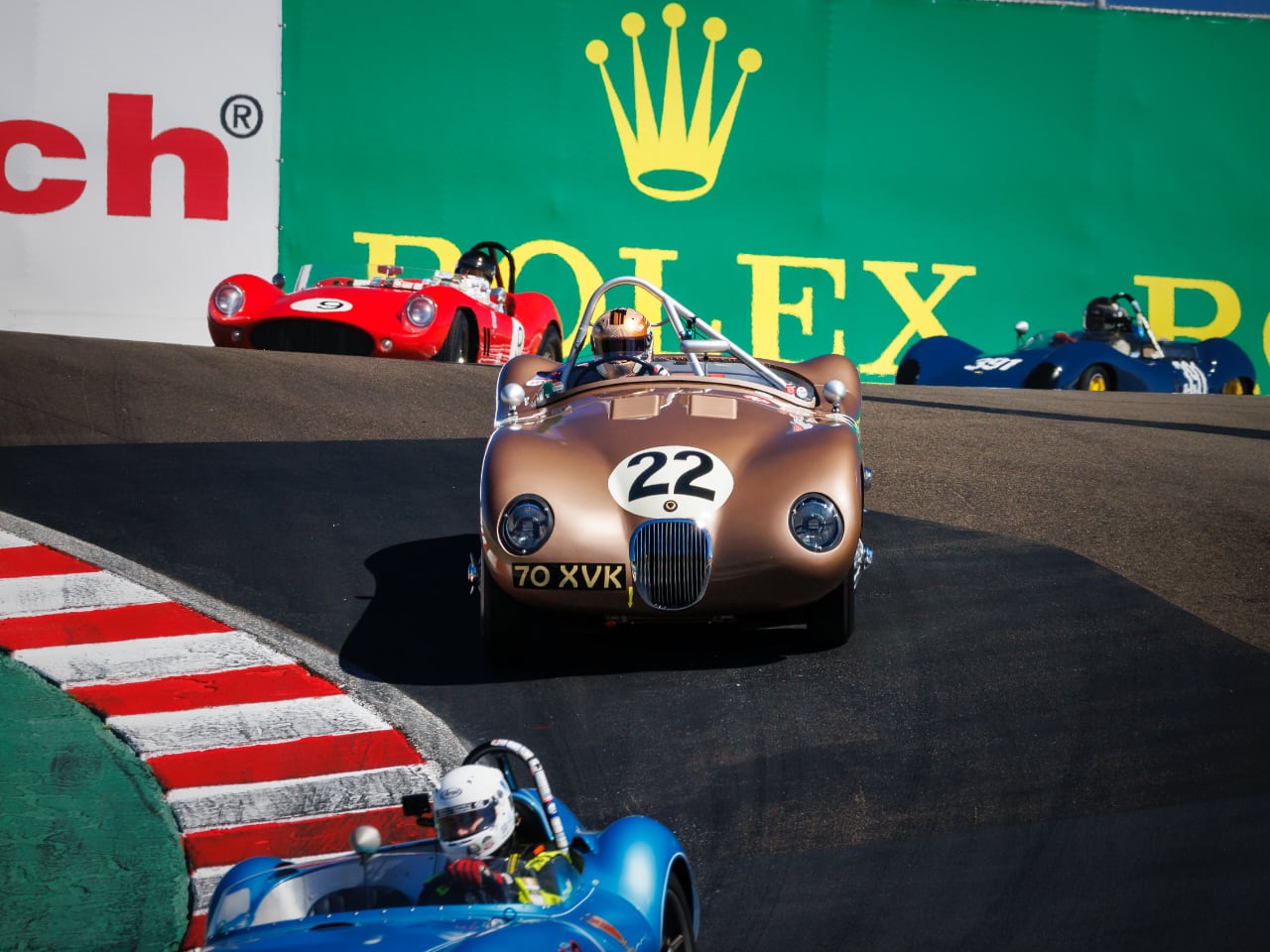
Meanwhile, historic race cars are brought back to life on the track at the Rolex Monterey Motorsports Reunion. Rolex underscores the importance of authenticity and the preservation of motorsport history.
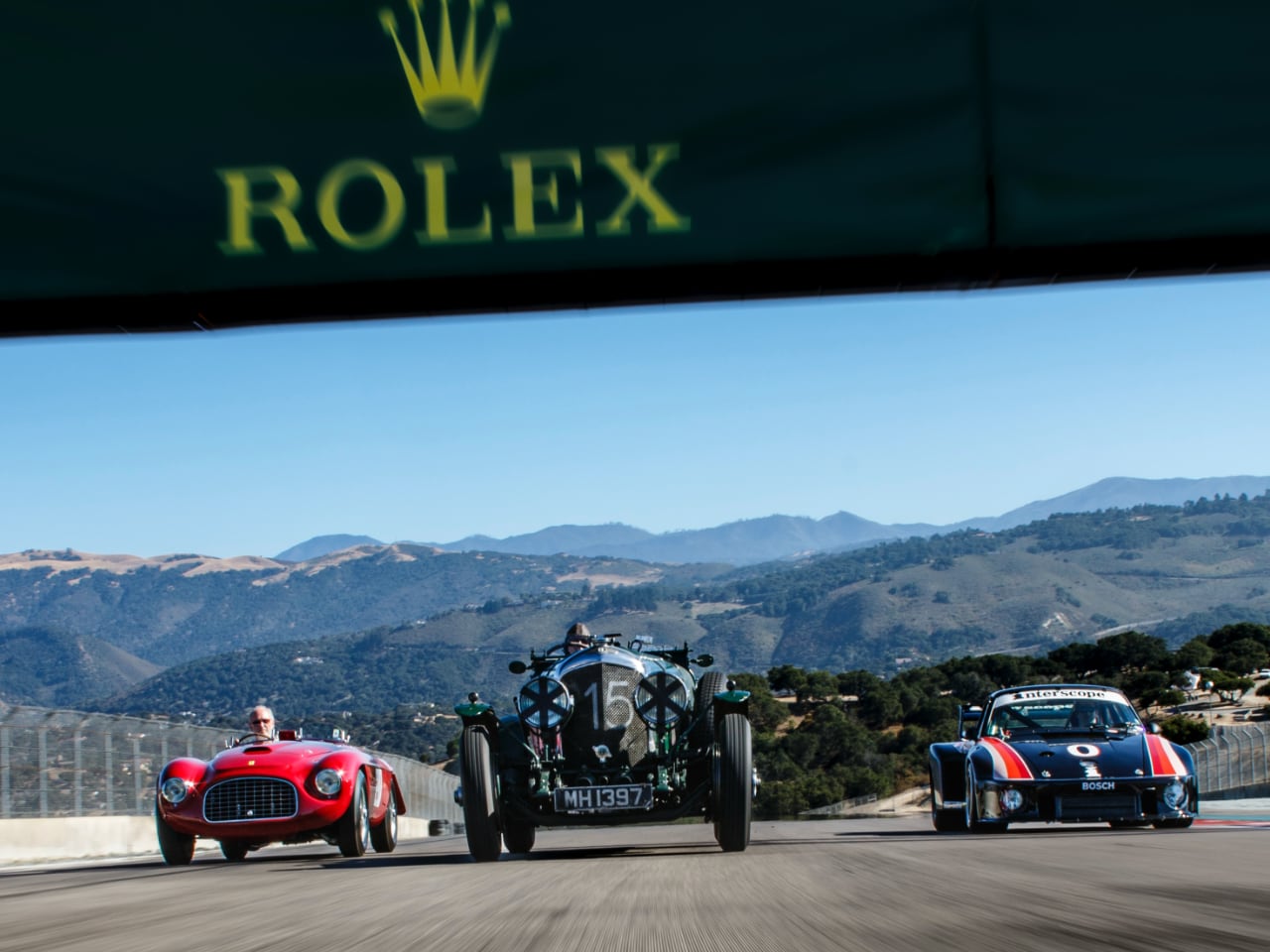
Image: Rolex

Hurley Haywood is regarded as one of the most accomplished endurance racers in history. His illustrious career includes five overall victories at the Rolex 24 at Daytona (1973, 1975, 1977, 1979, and 1991), showcasing his dominance in one of motorsport’s most grueling endurance races. In addition to his successes at Daytona, Haywood also claimed victory at the 24 Hours of Le Mans three times (1977, 1983, and 1994), and he won the 12 Hours of Sebring twice (1973 and 1981).
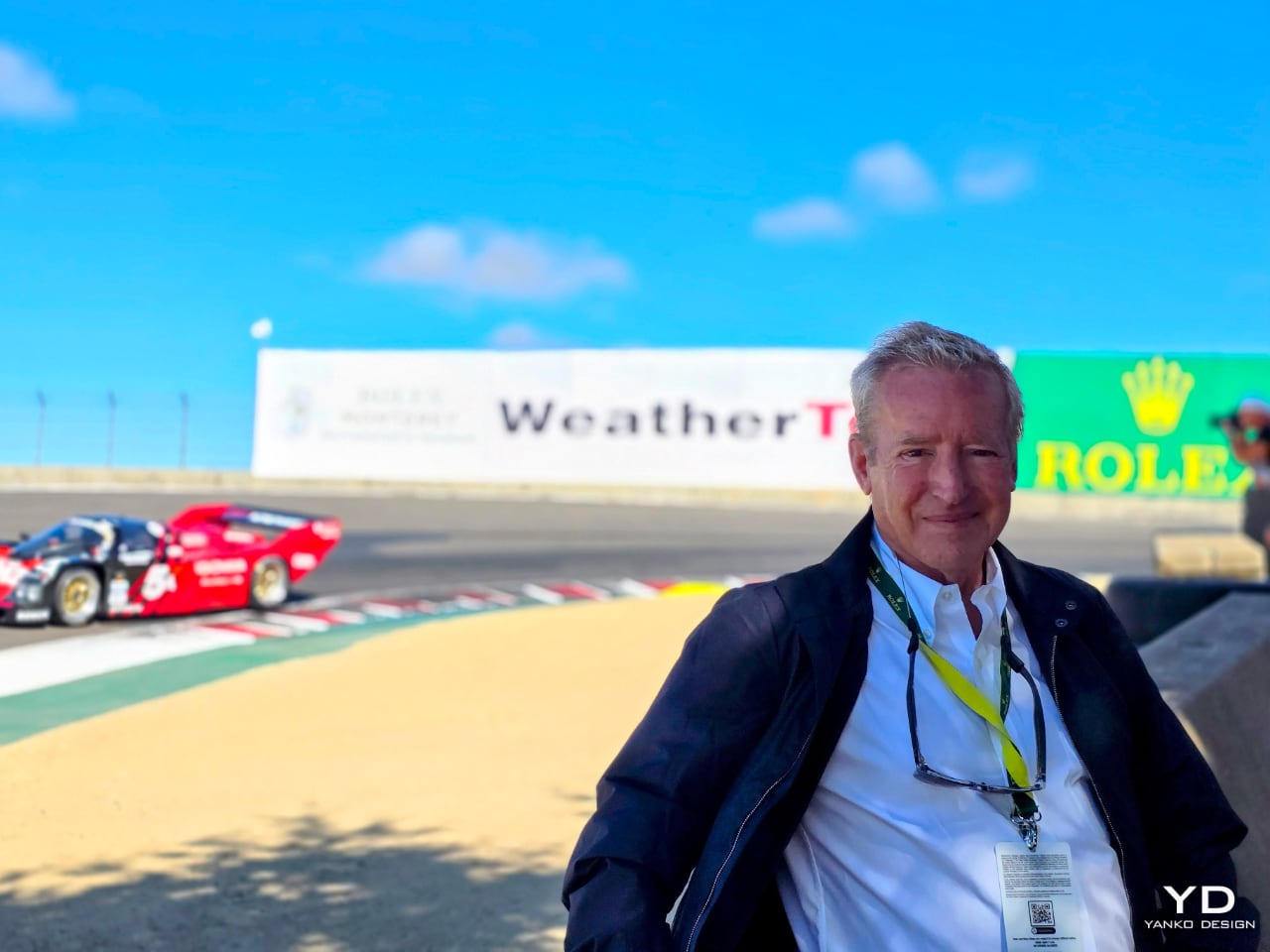
Hurley Haywood at the Corkscrew of Laguna Seca

Hurley Haywood’s legendary racing career, marked by numerous victories, makes him the perfect namesake for the Hurley Haywood Trophy at the Rolex Monterey Motorsports Reunion. This award honors drivers who embody Haywood’s skill and dedication, aligning with Rolex’s values of precision and performance. As a Rolex Testimonee, Haywood’s association reinforces Rolex’s commitment to motorsport excellence. Beyond his personal achievements, Haywood has mentored the next generation of drivers, sharing his knowledge and passion. The Hurley Haywood Trophy celebrates his legacy and the broader history of motorsport, further solidifying the deep connection between Rolex and the racing community.

Wrapping Up

Rolex’s presence in motorsport and classic cars goes beyond the surface, symbolizing a deep-seated commitment to precision and excellence. The brand has become synonymous with achievement and timeless craftsmanship, from its early partnership with legendary drivers to its pivotal role in events like the Rolex 24 at Daytona and Pebble Beach Concours d’Elegance. By maintaining a balance between innovation and tradition, Rolex upholds its reputation across generations. Whether on a driver’s wrist or marking time at a prestigious event, Rolex stands as a lasting emblem of dedication to the highest standards.

The post From Track to Timepiece: Rolex’s Enduring Influence on Motorsport and Automotive Excellence first appeared on Yanko Design.
AI Health Tracking is coming to the Pet Wearable world too with this Smart Dog Collar

Dogs are more than just pets, they’re beloved members of the family. As such, their health and happiness are just as important as that of any human family member. In today’s tech-savvy world, keeping an eye on your furry friend’s well-being has become easier and more efficient, thanks to innovative products like the Cotons AI LifeTrack Collar for Dogs.

Designer: YeongKyu Yoo

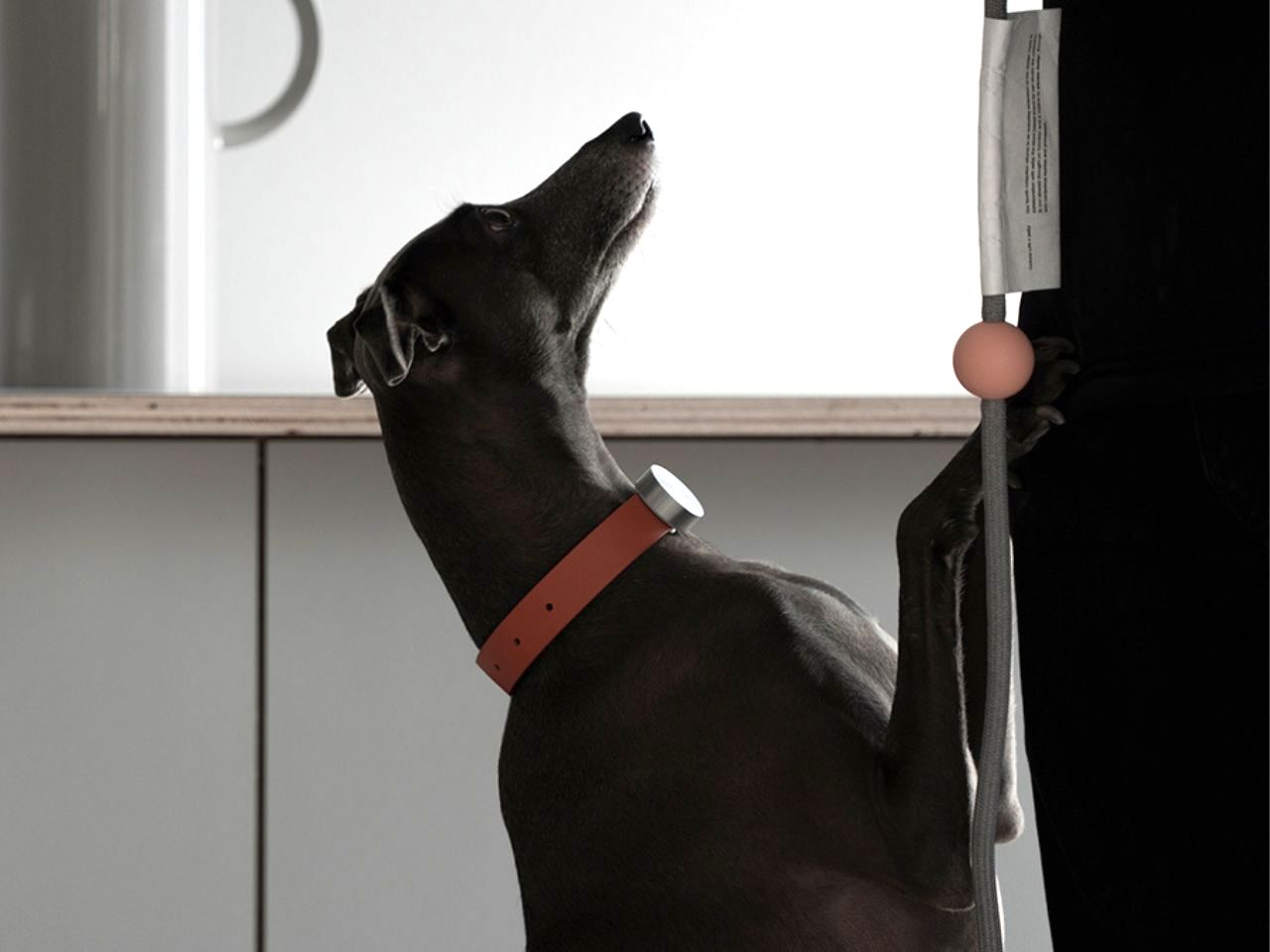
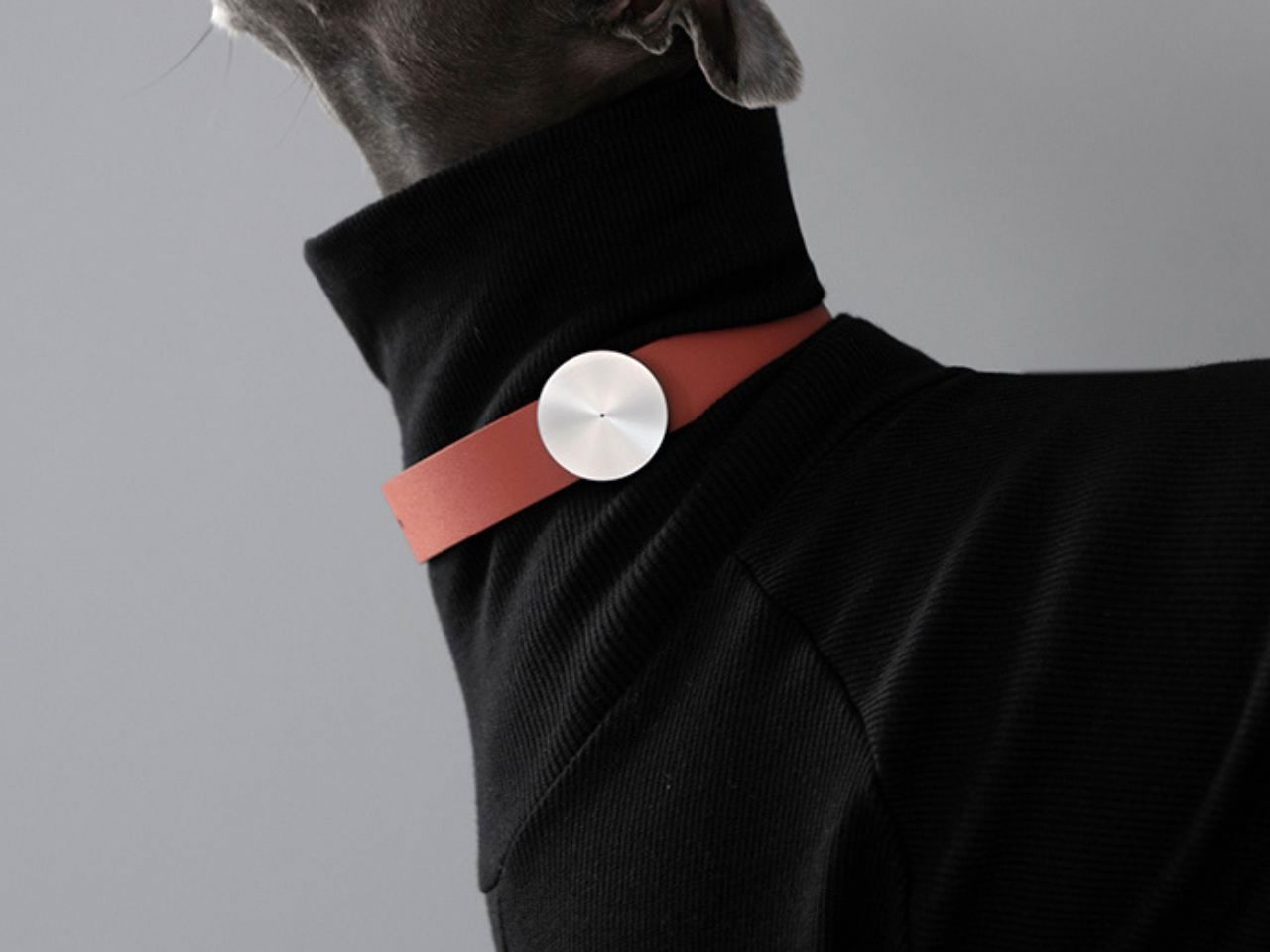
Imagine being able to monitor your dog’s health metrics in real time, right from your smartphone. The Cotons AI LifeTrack Collar is designed to do just that. Think of it as a smartwatch for your dog but with features specifically tailored to their unique needs. This smart collar tracks vital signs such as heart rate, respiration, temperature, and activity levels, providing a comprehensive understanding of your dog’s health at any given moment.

One of the standout features of this collar is its ability to monitor a wide range of vital signs. By tracking your dog’s heart rate, respiration, and temperature, the collar can alert you to any potential health issues before they become serious. Whether it’s an elevated heart rate indicating stress or unusual temperature readings suggesting illness, you’ll have the information you need to take proactive steps to ensure your dog’s well-being.

In addition to monitoring health metrics, the Cotons AI LifeTrack Collar comes equipped with a GPS tracker. This feature ensures you always know your dog’s location, providing peace of mind whether you’re at home or out on an adventure. If your dog ever wanders off, the GPS tracker makes it easy to locate them quickly and safely.

Maintaining a healthy and active lifestyle is just as important for dogs as it is for humans. This collar records your dog’s activity levels throughout the day, helping you manage their daily exercise routines and overall fitness. This data is invaluable for ensuring that your dog stays in shape, preventing obesity and related health problems that can arise from a sedentary lifestyle.

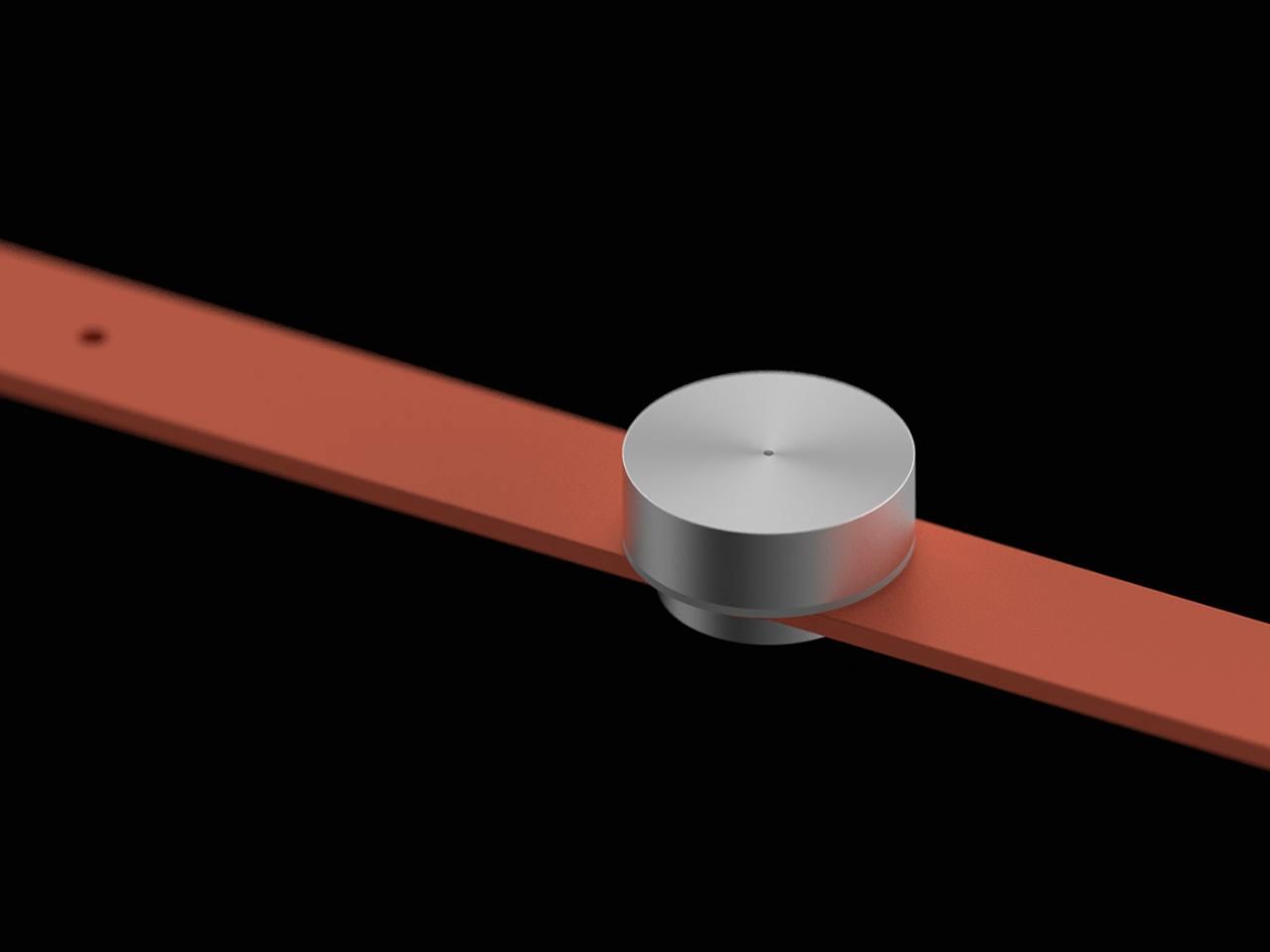
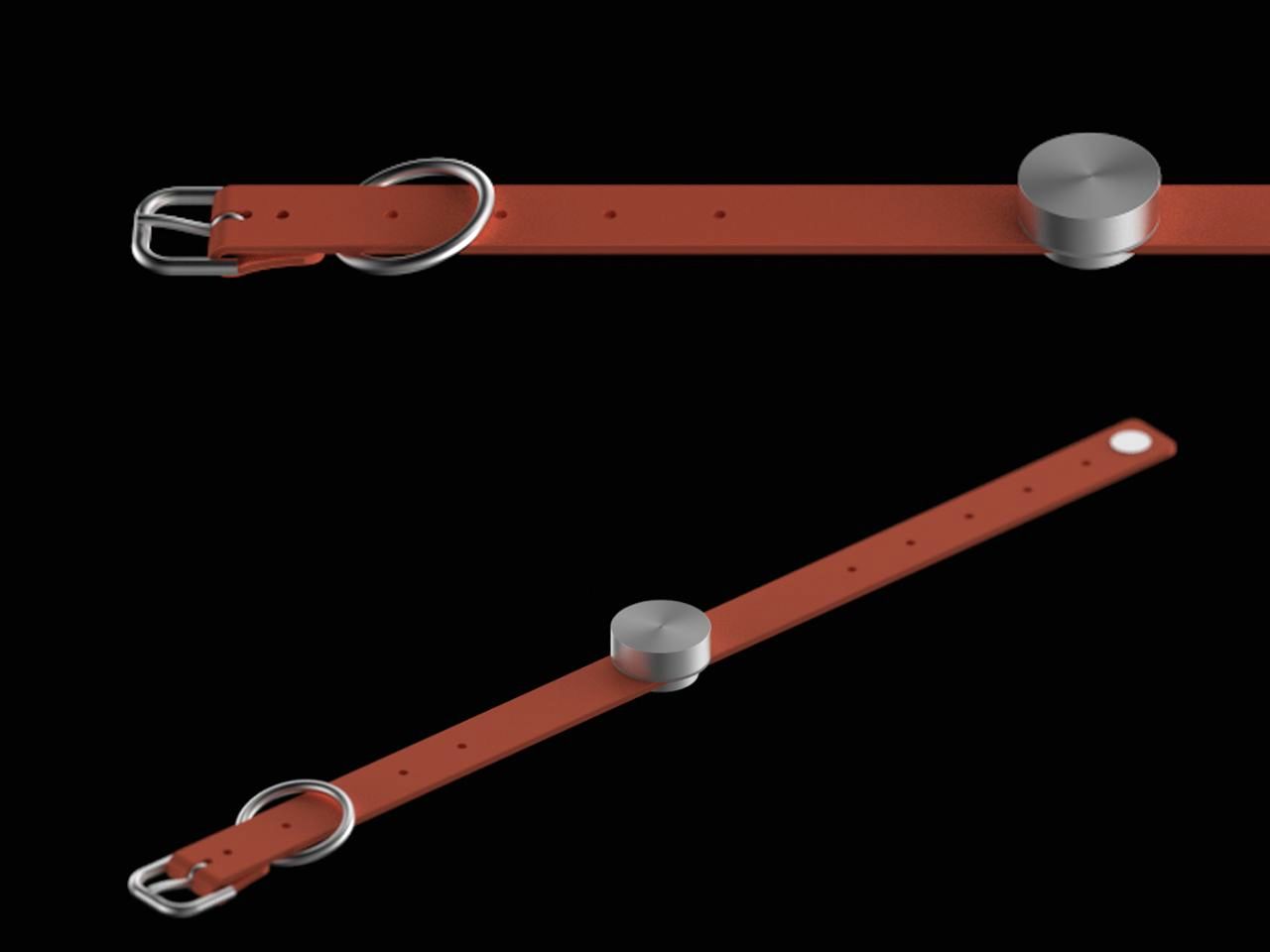
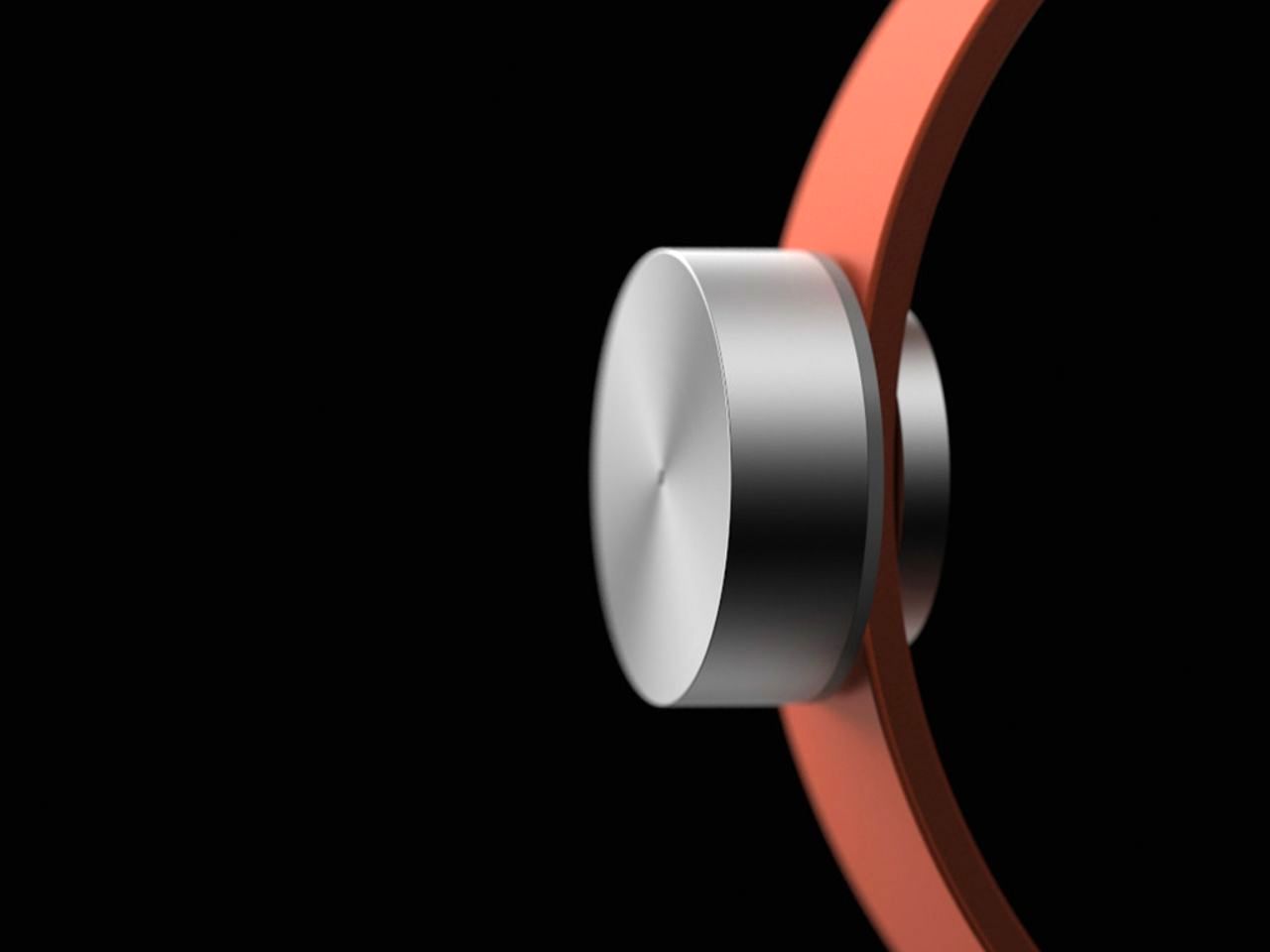
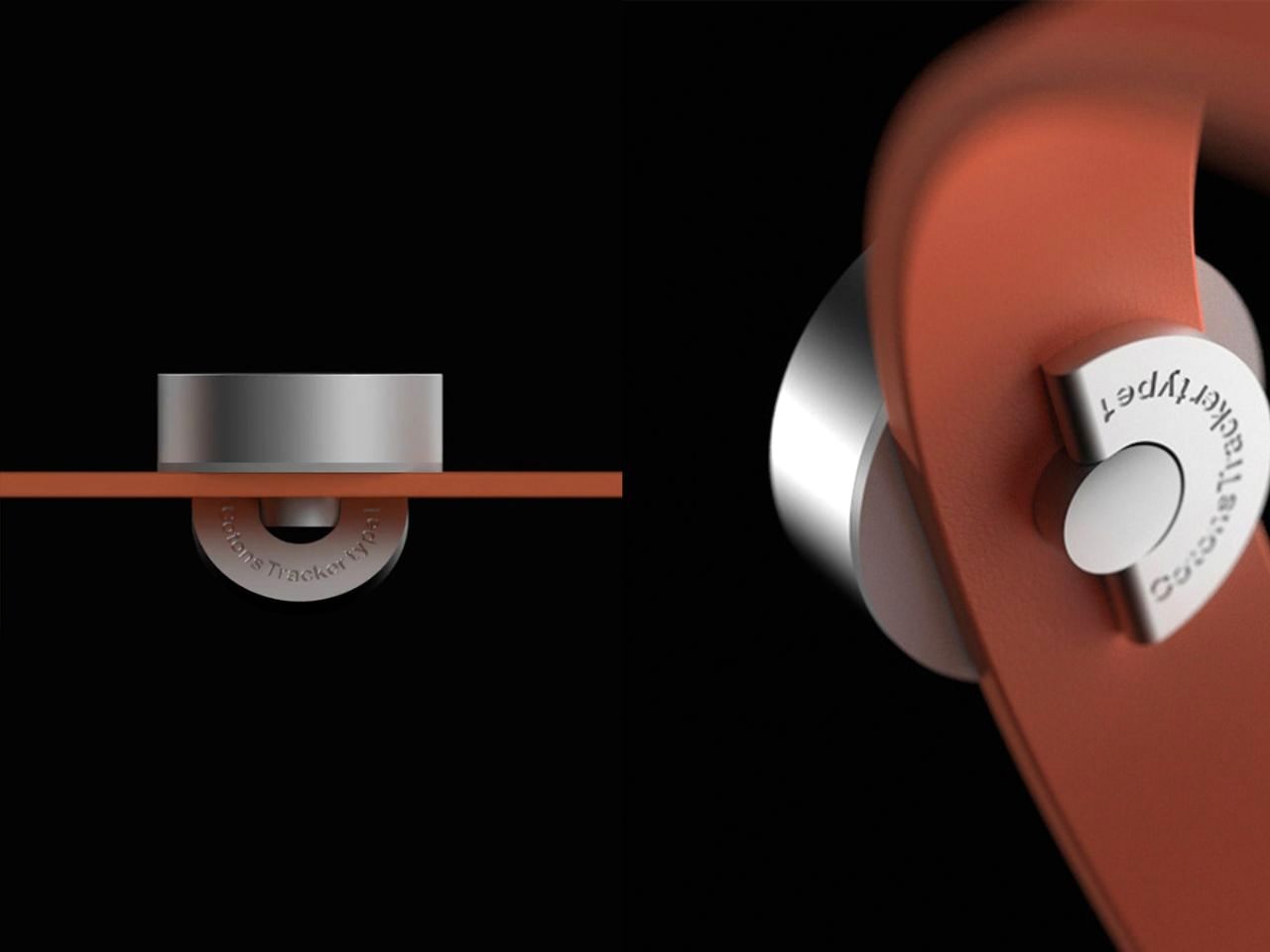
While the technology behind the Cotons AI LifeTrack Collar is impressive, the design is equally thoughtful. The tracker is attached to the collar using a screw-like attachment that secures it firmly from both sides, ensuring it won’t fall off or break easily. This design feature is crucial in maintaining the collar’s functionality and durability.

Moreover, the screw has a flat, foldable handle, which is a small but significant detail. This ensures that the attachment is not only secure but also comfortable for your dog, eliminating any discomfort or irritation. After all, a product designed for your dog’s well-being should never compromise on comfort.

The Cotons AI LifeTrack Collar is a smart investment in your dog’s health and happiness. By providing you with real-time data on your dog’s vital signs and activity levels, it empowers you to make informed decisions about their care. Whether you’re concerned about their health, need to track their location, or simply want to ensure they’re getting enough exercise, this smart collar is the perfect tool to help you keep your furry friend safe, healthy, and happy.

The post AI Health Tracking is coming to the Pet Wearable world too with this Smart Dog Collar first appeared on Yanko Design.
How to make Clay Pottery look like Cardboard

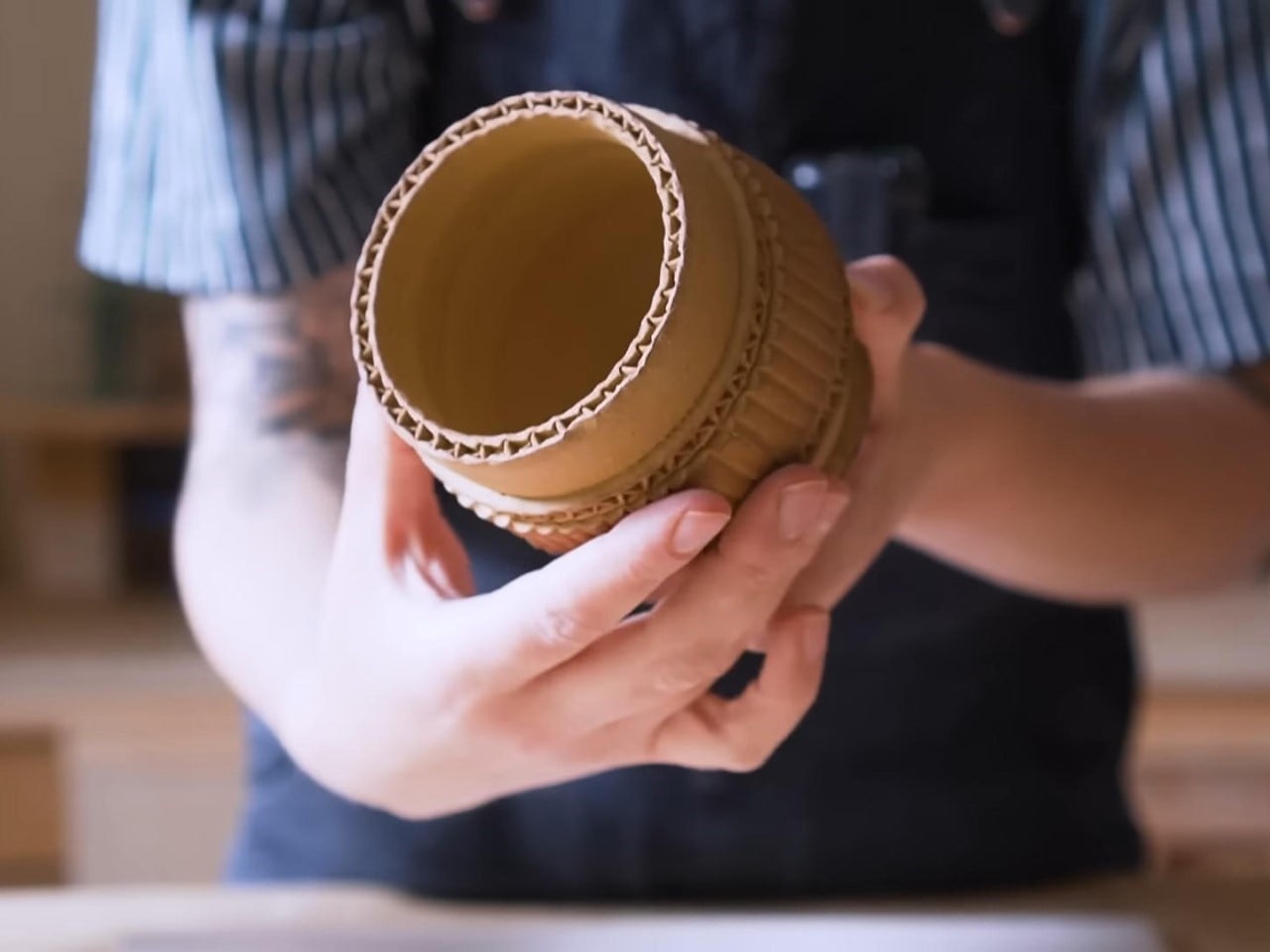
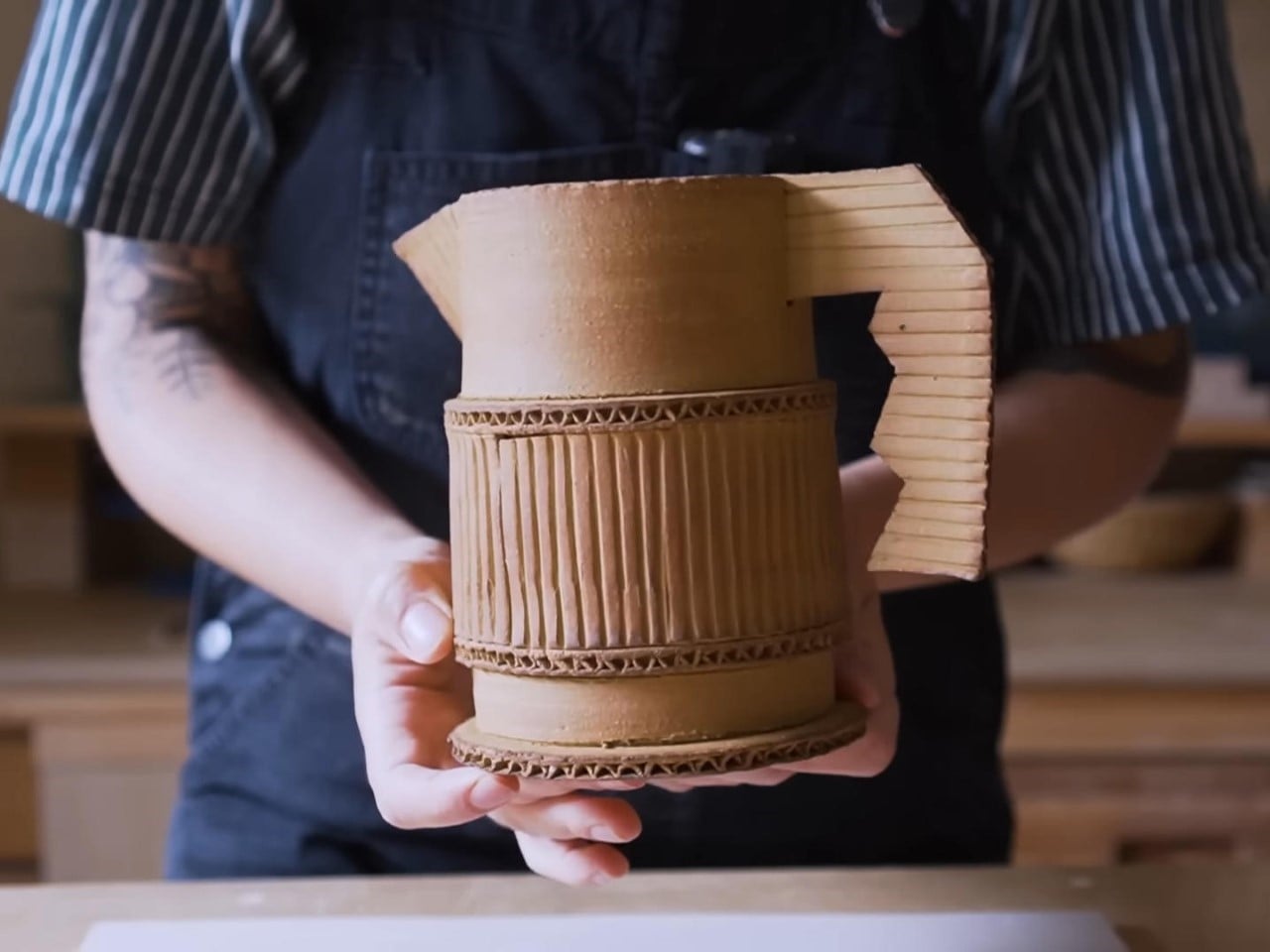
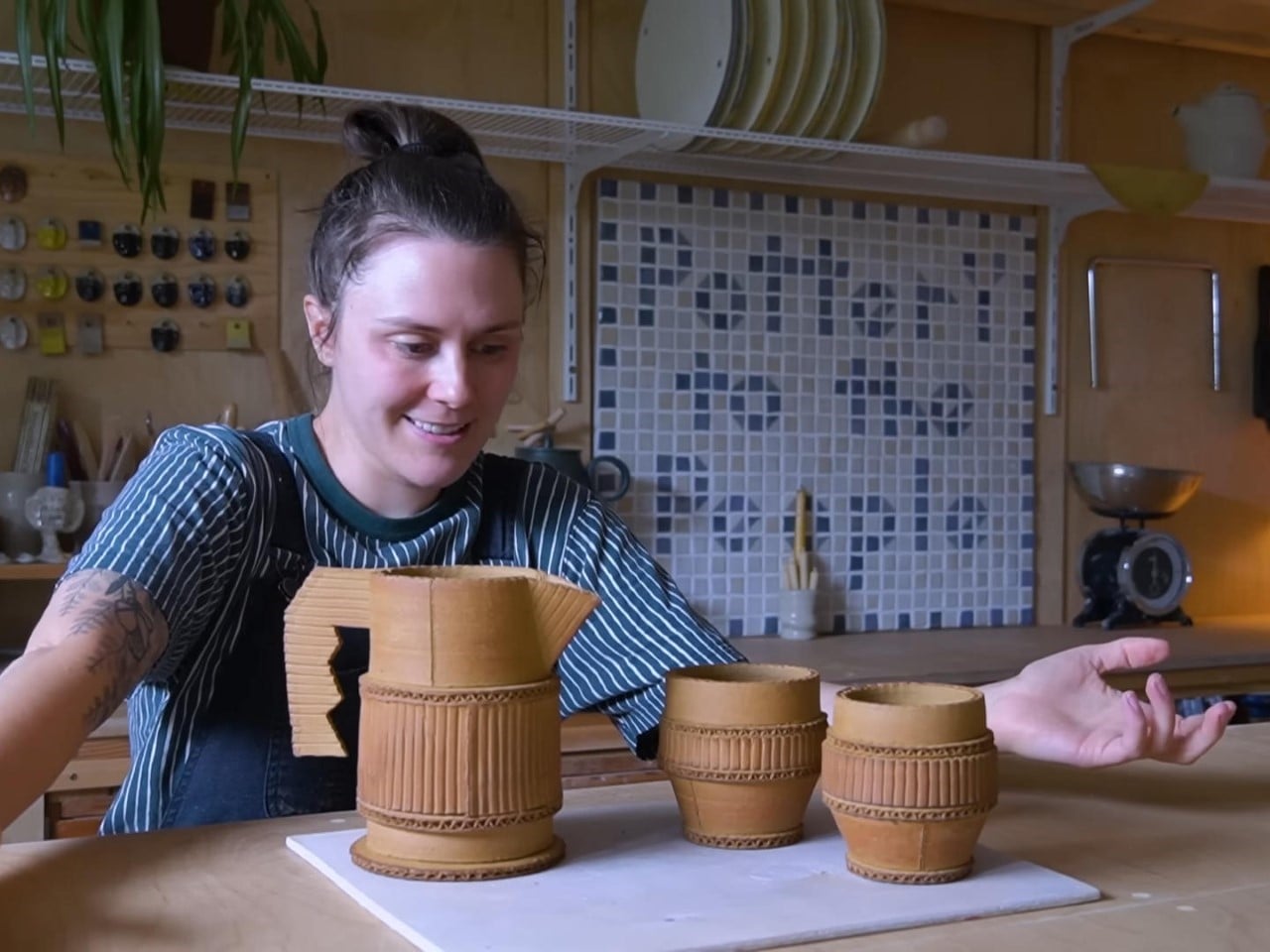
Inspired by the designs of Jacques Monneraud, YouTuber Mia Mueller decided to put her skills to the test, making pottery that mimics the delicate, craft-like feel of corrugated cardboard. While Monneraud’s pieces look fantastic (and probably feel just as incredible to hold), Mueller’s approach actually guides us through the process, helping regular-folk understand the nuances of building clay pieces that look like cardboard. Mueller’s YouTube channel, Pottery To The People, is absolute gold for terracotta/ceramic enthusiasts, and although a lot of her content is centric to traditional use of the potter’s wheel, this particular project took a less conventional approach, but yielded results that look genuinely fantastic! Watch the video above to see how she did it, or just scroll to read more.

Designer: Pottery To The People

Mueller’s attempt at cardboard pottery is a part of her ‘steal like an artist’ video series, where she mimics the styles of pottery artists online. Monneraud’s designs have taken the internet by storm over the last few weeks and it only made sense for Mueller to give it a shot too, to see how easy it was, and whether the resulting pieces were, in fact, functional as pottery goods.

Choosing the right clay was perhaps the most crucial starting step. Different clays take on different hues after firing, so ensuring you’re left with the right cardboard-like color at the end of the firing process is key to nailing that illusion. Mueller used an Indian clay, known for its perfect cardboard-like brown hue.

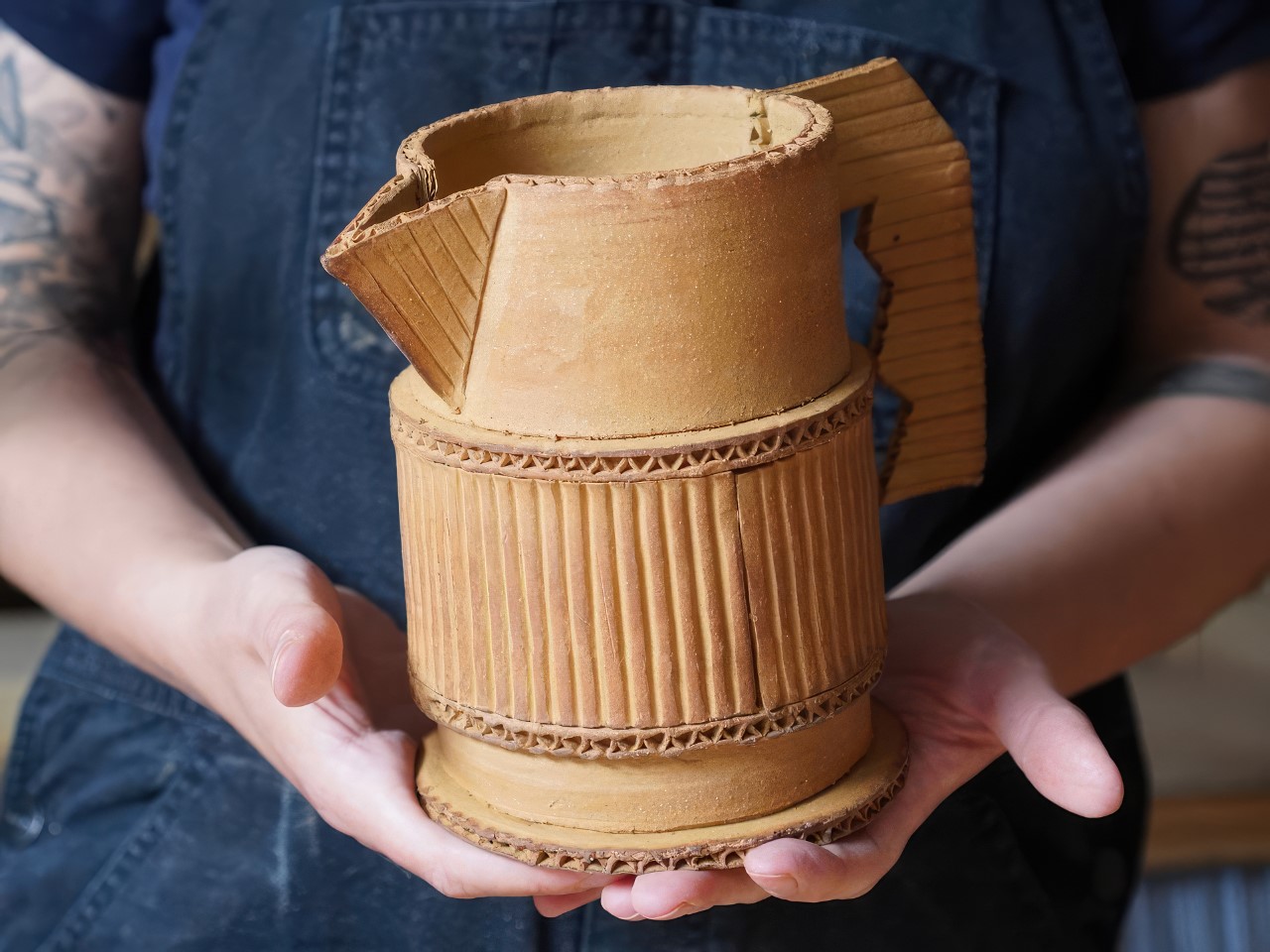
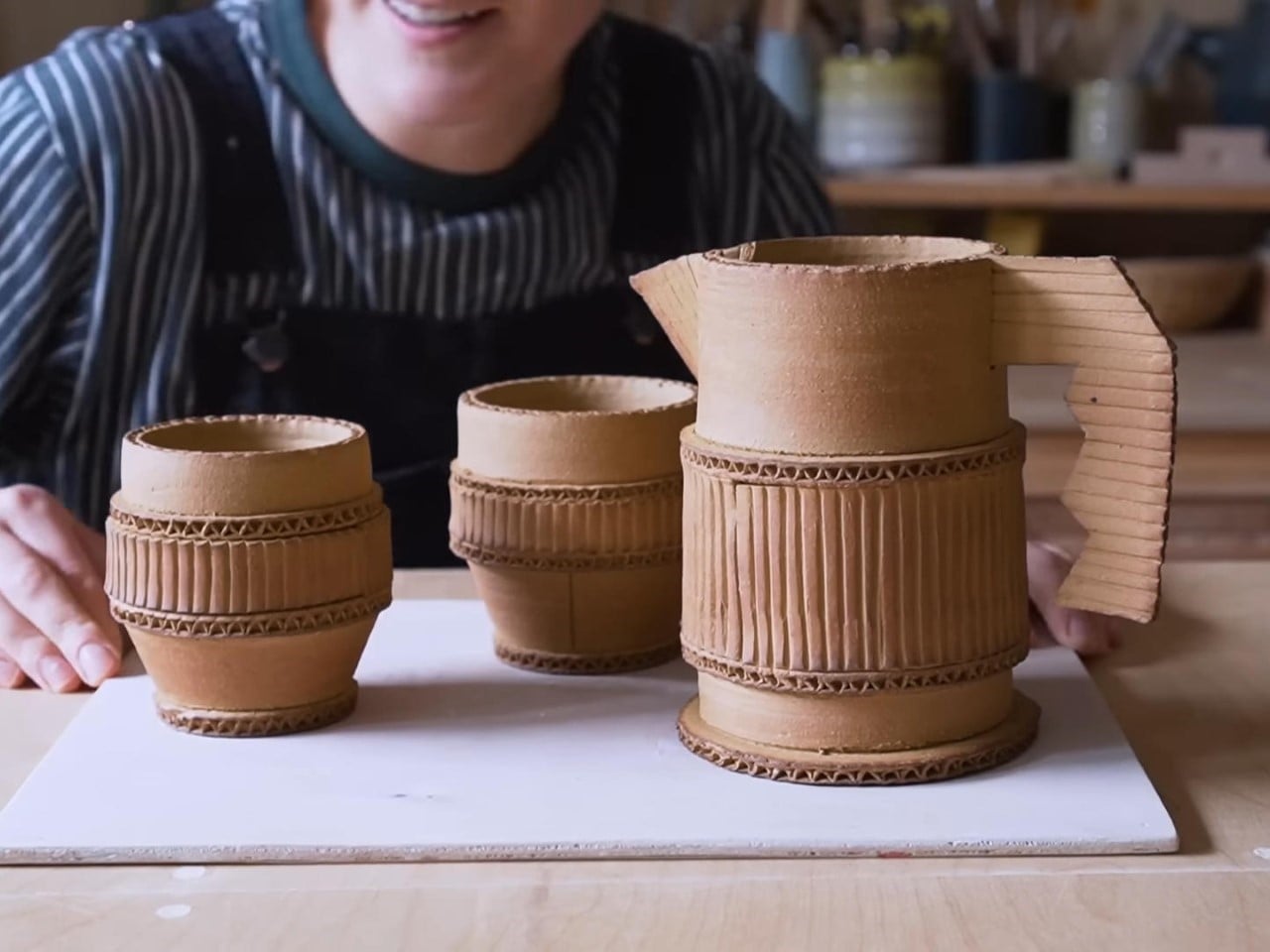
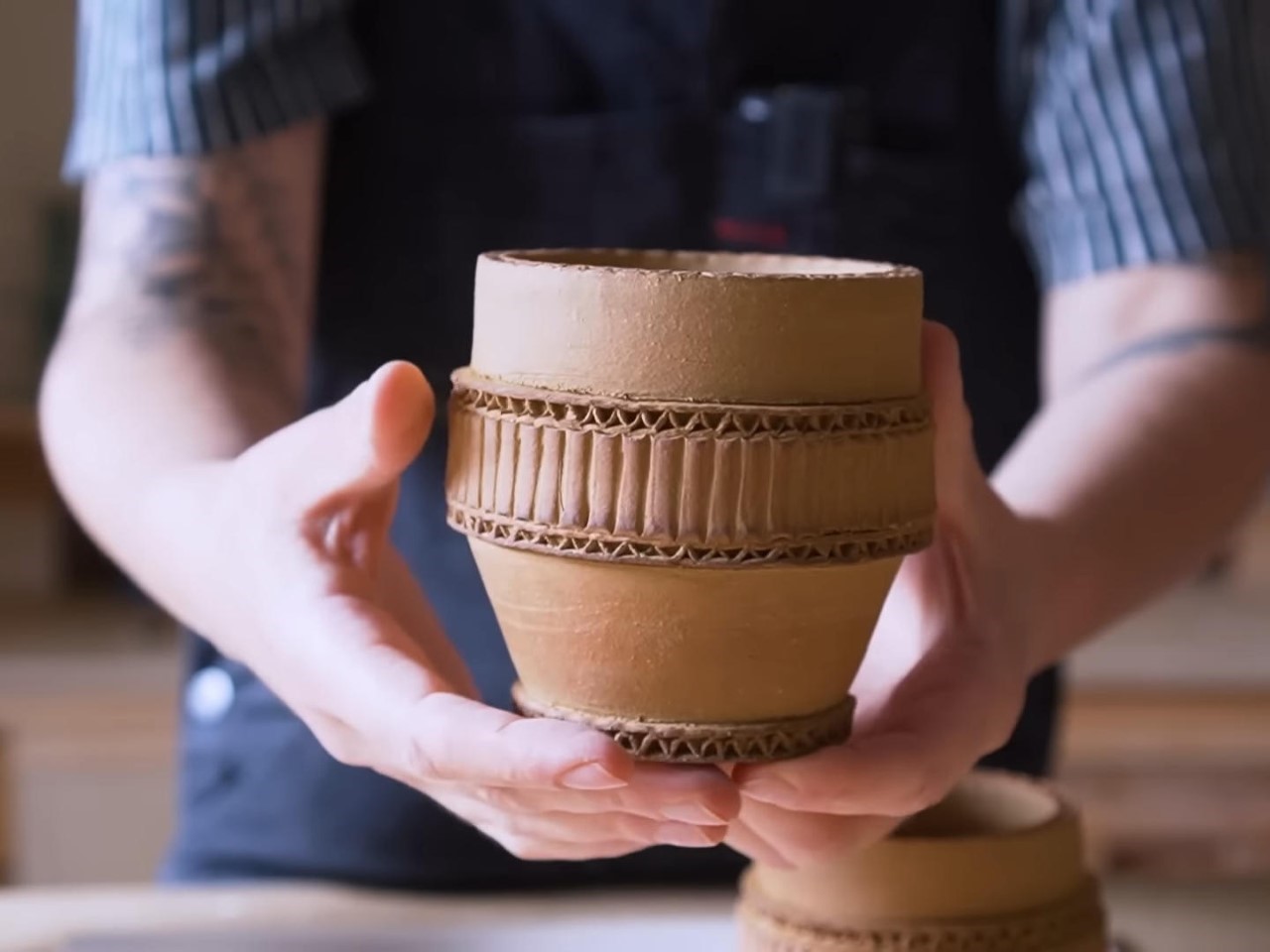
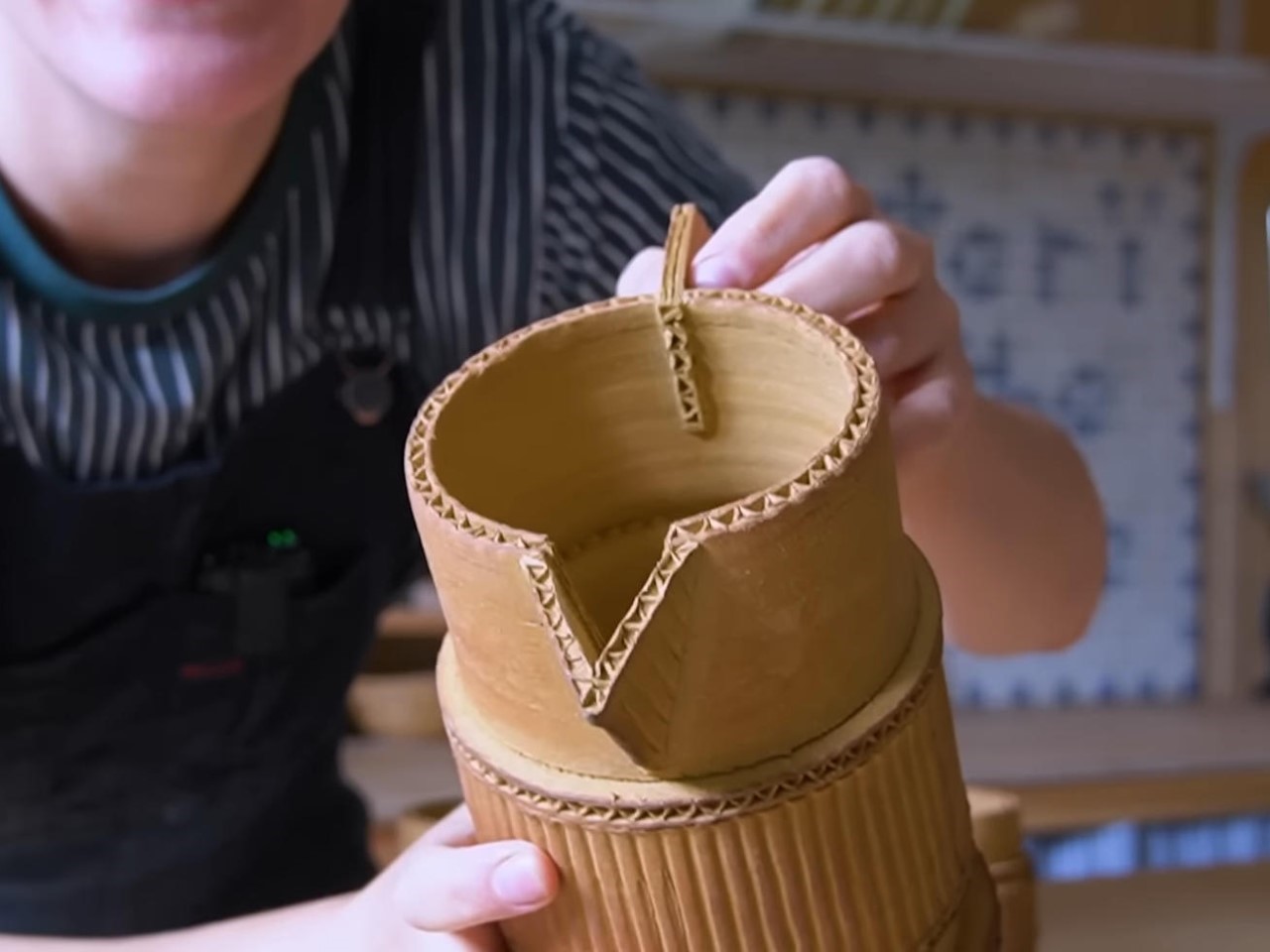
Once selecting and softening the clay, she took to the potter’s wheel, throwing and shaping the clay in a fairly geometric style. Paper doesn’t bend in complex curves, so Mueller ensured most of her designs had straight lines and sharp edges. Ridges were then ‘stamped’ with the corrugated design, and details like grips, handles, and spouts were given a ridged design using a set of specialized roller-pins with ridges on them.

A few keys to nailing the aesthetic were ensuring the clay dries out significantly before stamping details onto them. Paper isn’t seamless either, so each paper part had to have a distinct start and end, which meant not blending in the edge lines. Even when joining multiple parts together, it’s instinctive to blend them in, making sure the joint is strong. However, cardboard doesn’t ‘blend’ either, so edges where different parts joined had to be left unblended, allowing the edge-line to show. Sure, this results in a fairly weak end-product, but then again, this entire endeavor is an aesthetic-driven one, not a functionality-driven one. The resulting pots are great for looking at, maybe even using as bouquet holders, but aren’t meant for holding water or any liquid. Since they’re unglazed, they’re still incredibly porous and will absorb water too, which means it’s best left displayed on a shelf as a statement piece rather than being put to use.

The post How to make Clay Pottery look like Cardboard first appeared on Yanko Design.
This early Labor Day sale discounts Apple’s 9th-gen iPad to an all-time low of $199

If you’re looking for an iPad that’s more affordable than cutting-edge, Amazon has the 2021 base model for only $199 as part of its Labor Day sale. Although that’s a generation behind the current version, this model is a solid option for kids, seniors or those wanting a HomeKit-based smart home hub to control things like smart light bulbs and other IoT gear.

The three-year-old model is still a capable tablet for anyone content with forgoing the latest and greatest hardware. The ninth-gen iPad has a 10.2-inch Retina display and Apple’s old home button-based Touch ID sensor. It runs on the A13 Bionic chip, which has a six-core processor, quad-core GPU and octal-core Neural Engine. This isn’t the model to get if you want screaming-fast speeds, the most eye-popping display or the upcoming Apple Intelligence, but it’s hard to nitpick too much about any of that when you look at the price.

Engadget’s 2021 review found this model to be “a modest update” over the previous version. Nathan Ingraham described it as “a fast, lightweight tablet with a nice display and tons of apps, without having to spend too much.” In our battery test, we found that it outperformed Apple’s 10-hour estimate, lasting about 14 hours of video streaming.

This model runs iPadOS 17 and will support iPadOS 18 when it launches this fall. It isn’t known how many annual updates it will be eligible for after that, but the upcoming 2024 software will still run on two hardware generations behind this model, hinting that it may not be approaching the end of the line just yet.

It’s also well-suited for video chat, and its 12MP ultrawide front-facing camera supports Center Stage. Apple’s machine learning-based feature tracks your and anyone else’s faces in the shot, adjusting the call’s framing accordingly through automatic pans and zooms.

If you want to add accessories for a more laptop-like experience, the ninth-gen iPad is compatible with the first-generation Apple Pencil and Apple Smart Keyboard.

It’s worth keeping in mind that this model uses a Lightning connector rather than the USB-C that Apple has shifted its product lineup toward. It includes a charger in the box, but you may want to consider that if you’ve already chucked all your old Lightning cables. On the other hand, some may consider it a bonus that it still includes Apple’s now-defunct headphone jack.

Follow @EngadgetDeals on Twitter and subscribe to the Engadget Deals newsletter for the latest tech deals and buying advice.

This article originally appeared on Engadget at https://www.engadget.com/deals/this-early-labor-day-sale-discounts-apples-9th-gen-ipad-to-an-all-time-low-of-199-191018429.html?src=rss

Apple Music is currently offering new subscribers three months free

Non-subscribers who open the Apple Music app on a new iPhone or iPad typically see an offer for a free month of the service. The trial was once three times as long, but Apple quietly shortened it in early 2022. But now through September 23, anyone new to Apple's music streaming service will get to try it out for free for three months. The deal only applies to first-time subscribers; if you've never succumbed to the music app's temptation, now is as good a time as any to check it out. Just keep in mind that the service will automatically renew for $11 per month after the trial ends. Be sure to cancel if you don't want to pay. 

Apple Music has a lot to offer. It's currently our top recommendation in our guide to the best music streaming services. We like its approach to recommendations, balancing a good amount of editorial playlists and stations with algorithmic suggestions. Every song is available at CD-quality or better and lossless streaming doesn't cost extra. 

For computer-picked listening, there's a "Discovery Station" that helps you find new music by playing songs you've never streamed before, both from artists you know and others the algorithm thinks you'll like. And, in my experience, saying, "Hey Siri, play me some Apple Music," produces pretty good mix of stuff I like that's novel enough to be interesting, but not so familiar I'm sick of hearing it. 

There are a few caveats to note about the service: It's really made for Apple devices, though its available on Android devices too. You won't find podcasts on Apple Music. And, aside from this deal, there's no free version of Apple Music. Pay your $11 monthly or listen elsewhere. 

As for the deal, we'll restate that it's only for new subscribers — previous subscribers and even those who've had access to Apple Music through a Family plan aren't eligible. You also have to sign up using the Apple Music app on an iPhone, Mac or iPad running the latest software. An Apple ID is also required. You can read all terms of the deal here

Follow @EngadgetDeals on Twitter and subscribe to the Engadget Deals newsletter for the latest tech deals and buying advice.

This article originally appeared on Engadget at https://www.engadget.com/deals/apple-music-is-currently-offering-new-subscribers-three-months-free-185834470.html?src=rss

Waymo’s sixth-generation autonomous fleet has fewer sensors ‘without compromising safety’

Alphabet-owned Waymo unveiled its sixth-generation Driver system on Monday with a more efficient sensor setup. Despite having a reduced camera and LiDAR sensor count from the current platform, the self-driving ride’s new setup allegedly maintains safety levels. Once it's ready for public rides, it will coexist with the current-gen lineup.

CNBC reports that the new system is built into Geely Zeekr electric vehicles. Waymo first said it would work with the Chinese EV maker in late 2021. The new platform’s rides are boxier than the current-gen lineup, built on Jaguar I-PACE SUVs. The Zeekr-built sixth-gen fleet is reportedly better for accessibility, including a lower step, higher ceiling and more legroom — with roughly the same overall footprint as the Jaguar-based lineup.

The sixth-gen Waymo Driver reduced its camera count from 29 to 13 and its LiDAR sensors from five to four. Alphabet says they work together with overlapping fields of view and safety-focused redundancies that let it perform better in various weather conditions. The company claims the new platform’s field of view extends up to 500 meters (1,640 feet) in daytime and nighttime and “a range of” weather conditions.

Three-pane image, showing the latest Waymo Driver EV in three conditions:
Waymo

Waymo says the new system has a modular aspect, allowing it to “swap out various sensing components to match the specific conditions of each operating environment,” like more stringent sensor cleaning for vehicles in colder cities. CNBC clarified that the cleaning system includes wipers that can clear most dirt and moisture.

The company says the sixth-gen Driver performs reliably even in extreme heat, fog, rain and hail, thanks to “regular road trips to newer cities.” That makes sense, given that its currently approved cities are all in relatively clear and dry climates. (CNBC reports that Waymo tested it in Detroit, Buffalo and NYC.) Currently, Waymo only operates in San Francisco, Los Angeles, Phoenix and Austin. After launching in 2018, the company’s fleet serves around 50,000 paid autonomous trips weekly.

Waymo says the new generation already has thousands of miles of real-world driving experience (and “millions more” in simulations). The company expects it to be ready for consumers sooner than previous models — about half the time — thanks to learning from the system’s “shared knowledge” from its previous generations.

This article originally appeared on Engadget at https://www.engadget.com/transportation/evs/waymos-sixth-generation-autonomous-fleet-has-fewer-sensors-without-compromising-safety-175339320.html?src=rss

Final Fantasy XVI is coming to PC on September 17

PC gamers have had to bide their time for the long-promised port of Final Fantasy XVI to hit their preferred platform, but the wait is almost over. The action RPG will hit Steam and the Epic Games Store on September 17. Both paid expansions, which are included in the complete edition, will be available on the same day.

Until now, the game has only been available on PlayStation 5. PC players can get a taste of what’s in store for them right now by checking out a demo that just went live on Steam and the Epic store.

Final Fantasy XVI forged a new path for the series by switching up the classic turn-based combat and opting for more action and hack-and-slash fighting. This helped make the game more approachable for those who don’t much care for the more tactics-based format, but the shift rankled some long-time fans.

In any case, Final Fantasy XVI is fun, though it's relatively easy. The cast deliver strong performances and the massive boss battles mesh well with the epic cinematic scope. The combat system, which is based on elemental attacks, helps make your fights look exciting too.

This article originally appeared on Engadget at https://www.engadget.com/gaming/pc/final-fantasy-xvi-is-coming-to-pc-on-september-17-172824223.html?src=rss

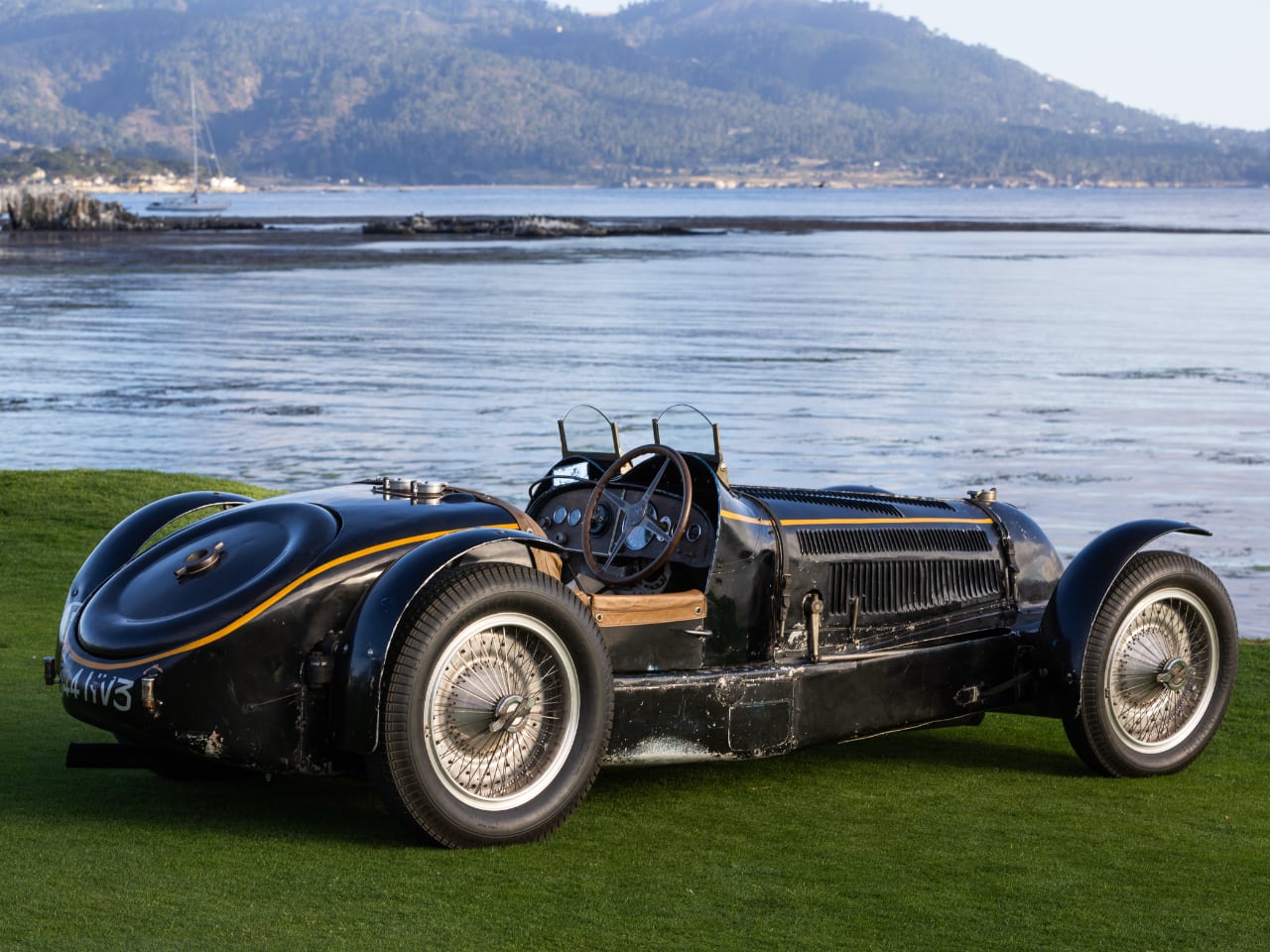
Timeless Triumph: 1934 Bugatti Type 59 Sports Wins Best in Show 2024, Crowned with Rolex 1908

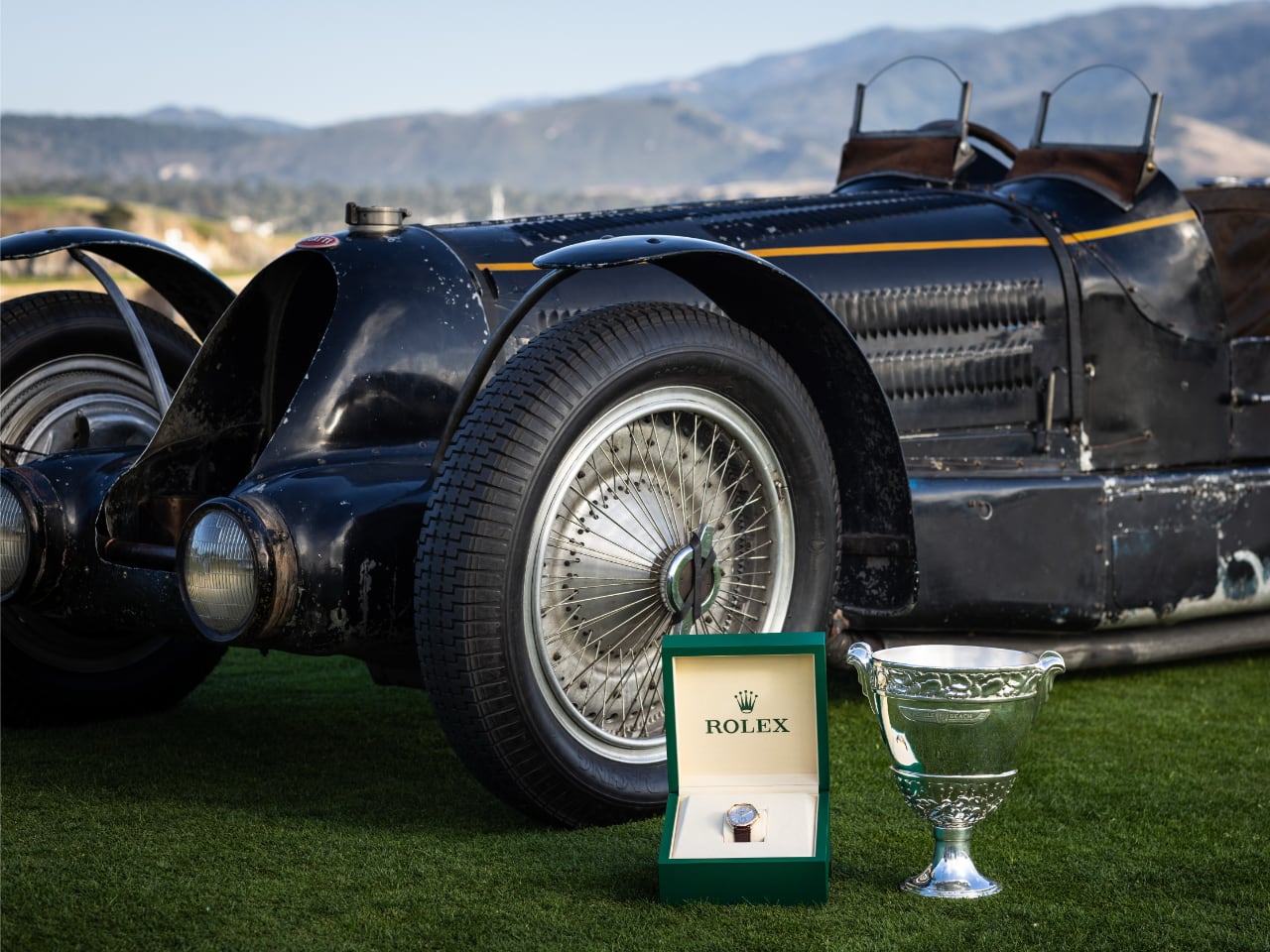
Good morning, everyone! Today’s Mobile Monday and Wristwatch Wednesday converge into a celebration of two timeless icons. We’re featuring the elegant 1934 Bugatti Type 59 Sports, which recently claimed Best of Show at the 73rd Pebble Beach Concours d’Elegance, alongside the exquisite Rolex 1908 timepiece awarded to the winner. Both of these masterpieces capture the essence of what’s old and new, seamlessly blending the past and present.

1934 Bugatti Type 59 Sports Wins Best in Show 2024

Designers: Bugatti and Rolex

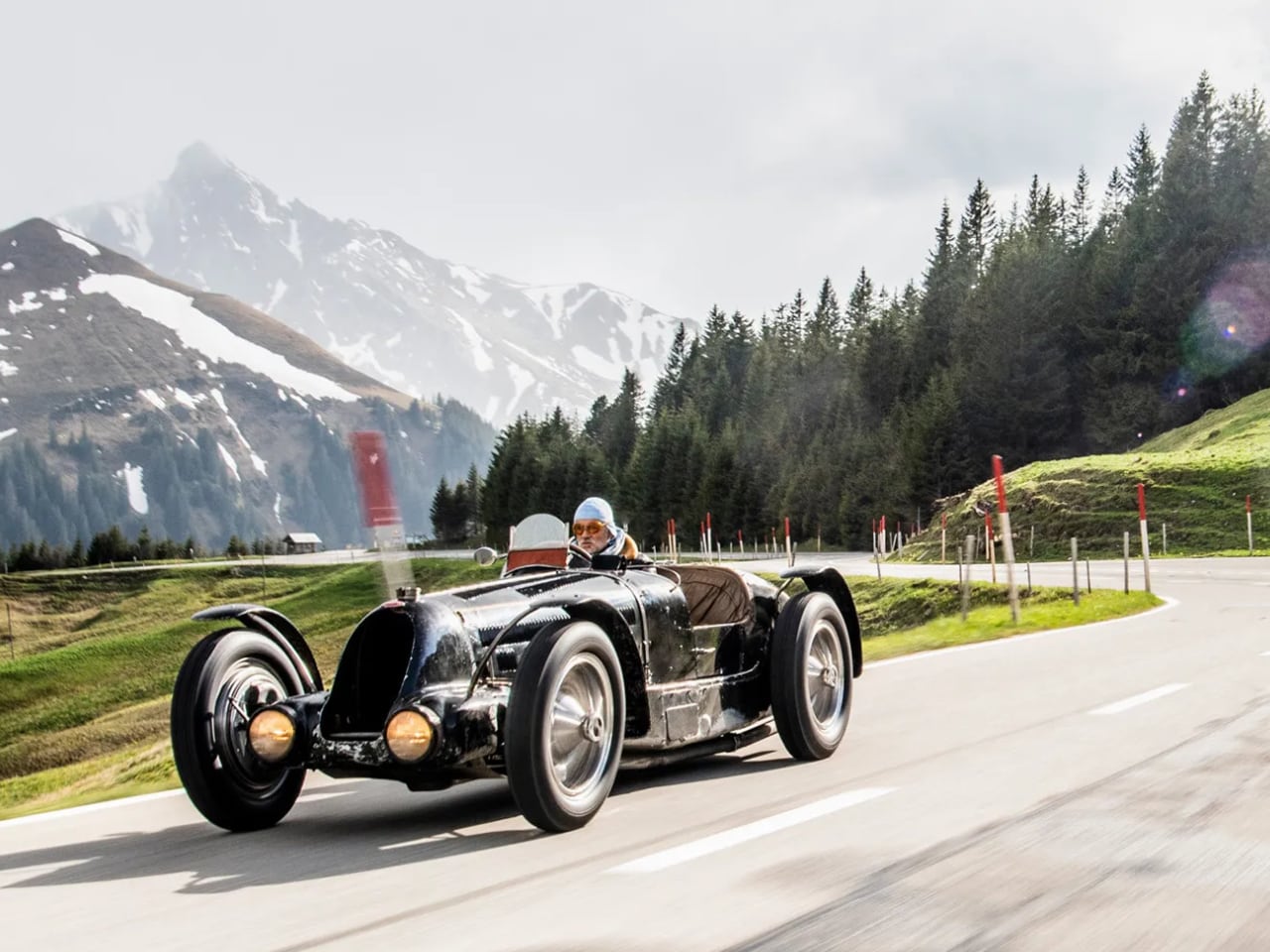
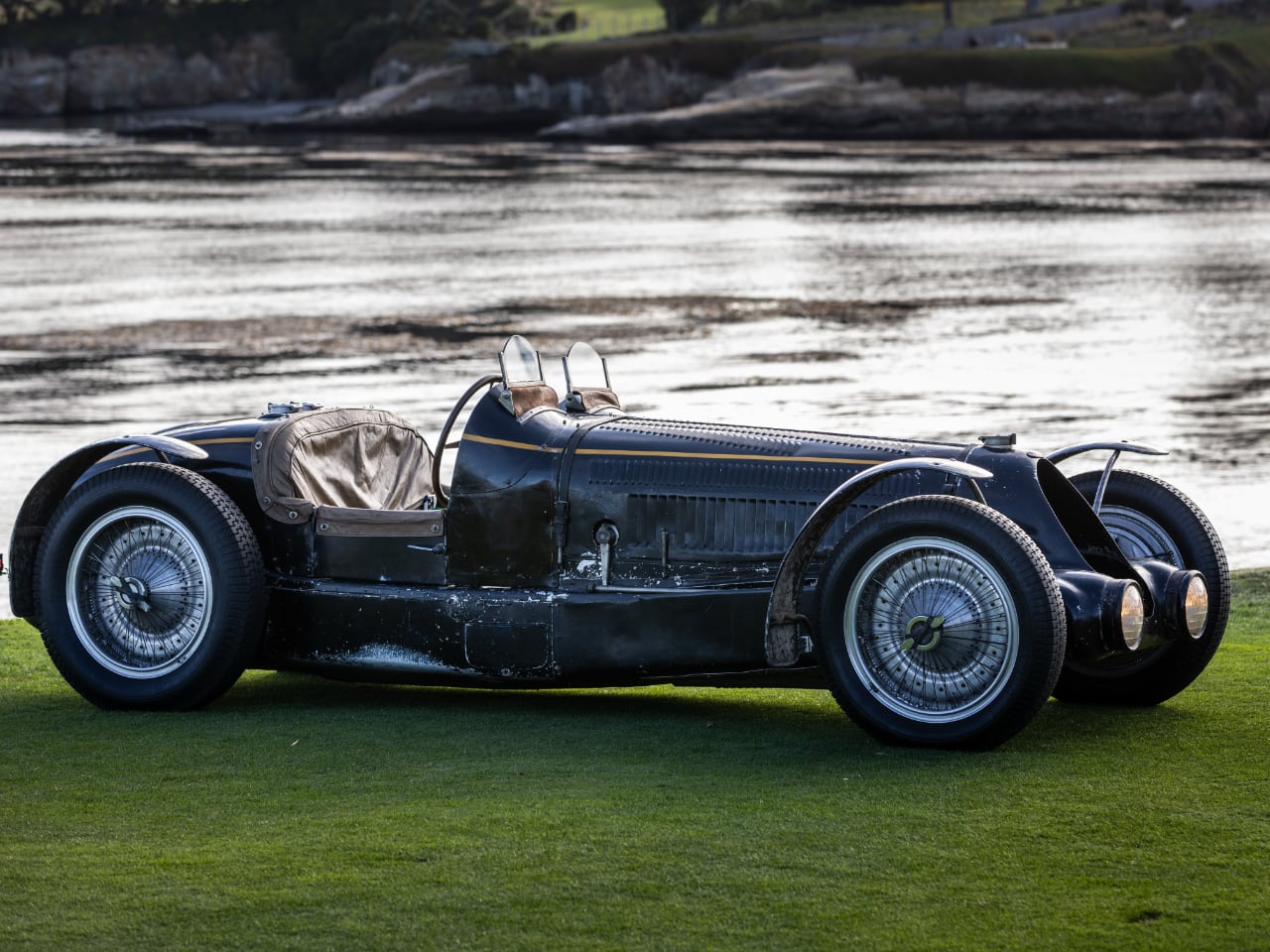
1934 Bugatti Type 59 Sports with chassis number 57248

The 1934 Bugatti Type 59 Sports and the Rolex 1908 have histories stretching back to when craftsmanship was paramount and every detail mattered. Though from different worlds—automotive and horology—these two icons share a narrative that speaks to the pursuit of perfection and the appreciation for timeless beauty.

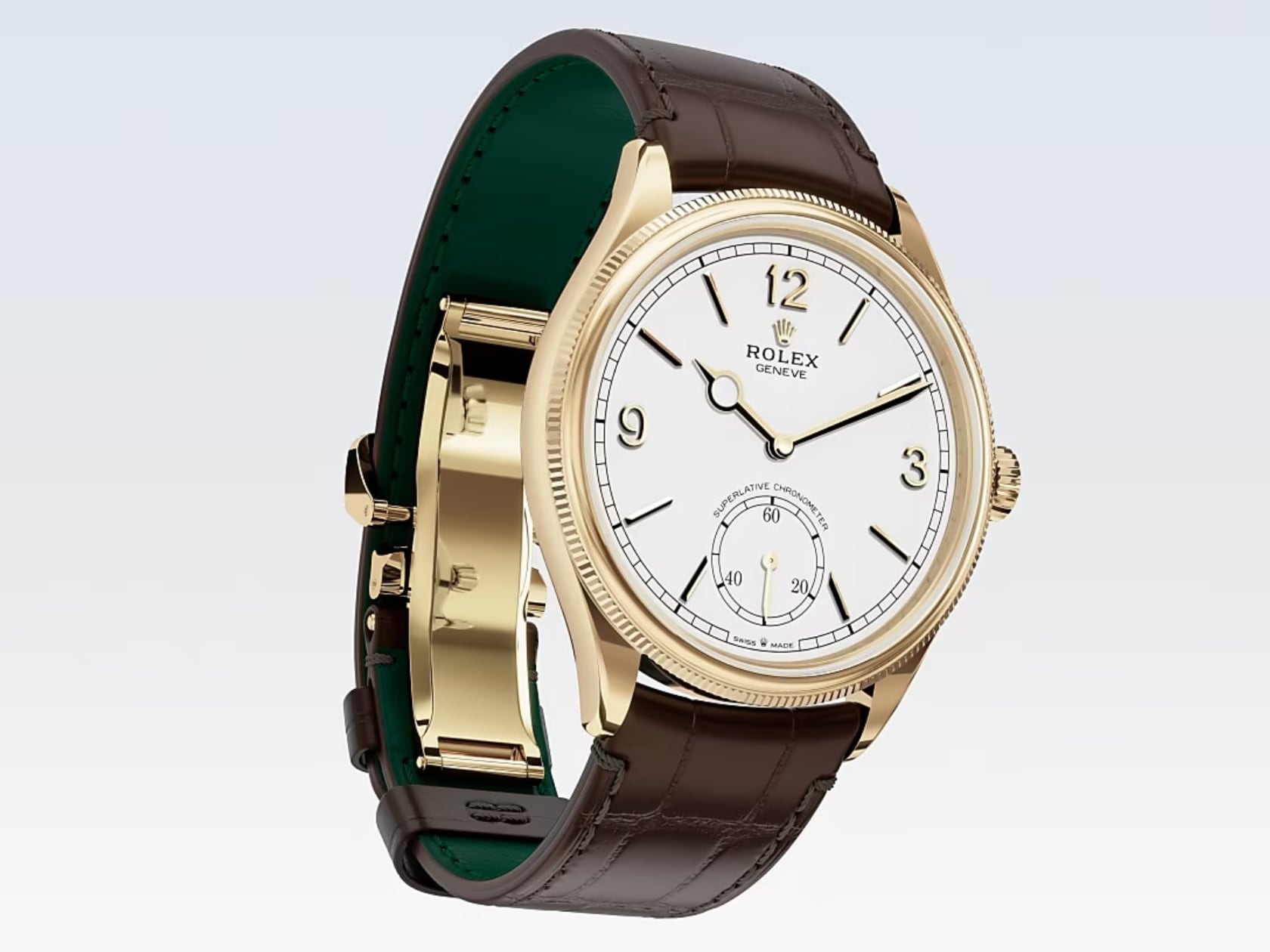
Rolex 1908 reference 52508

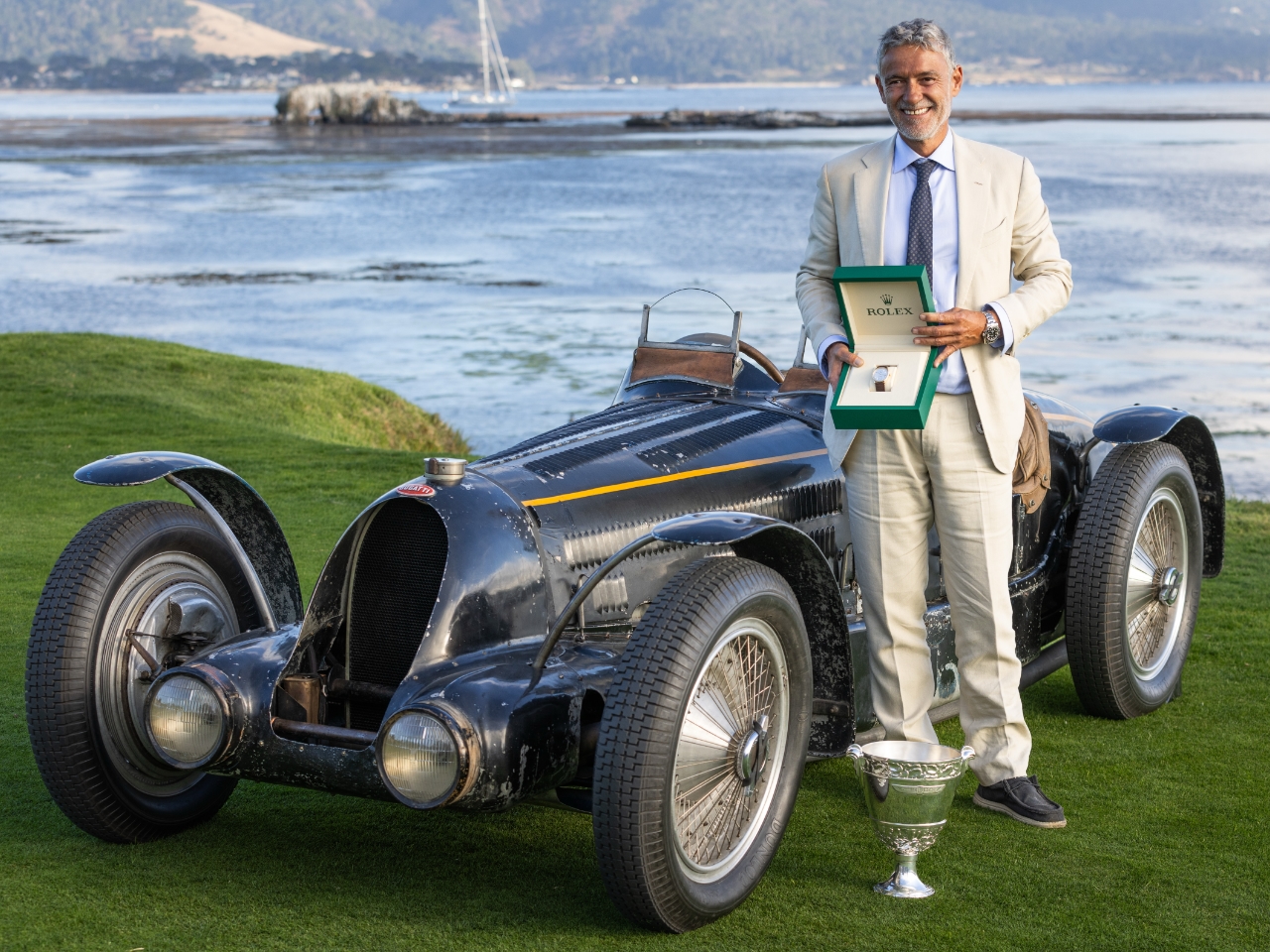
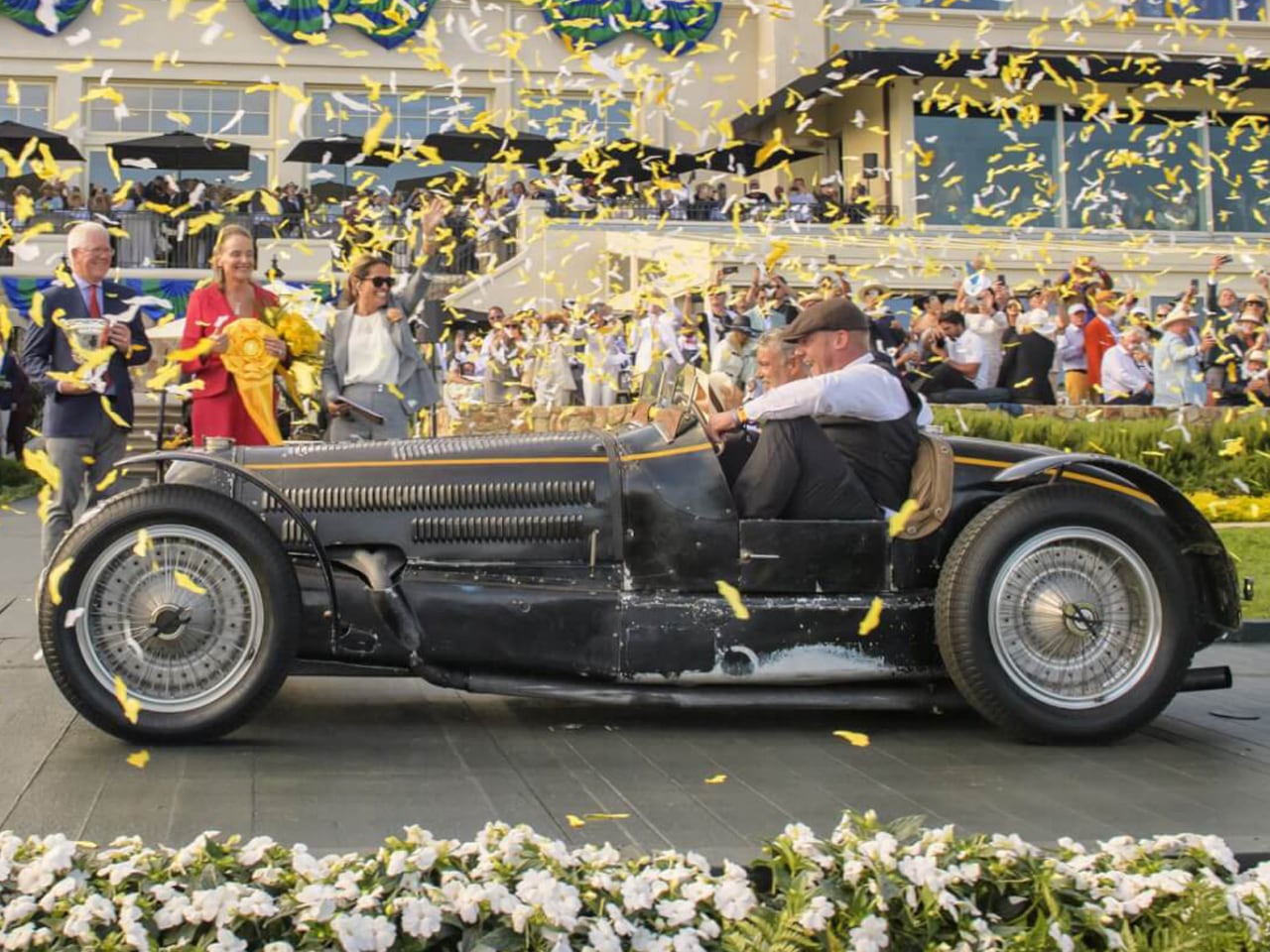
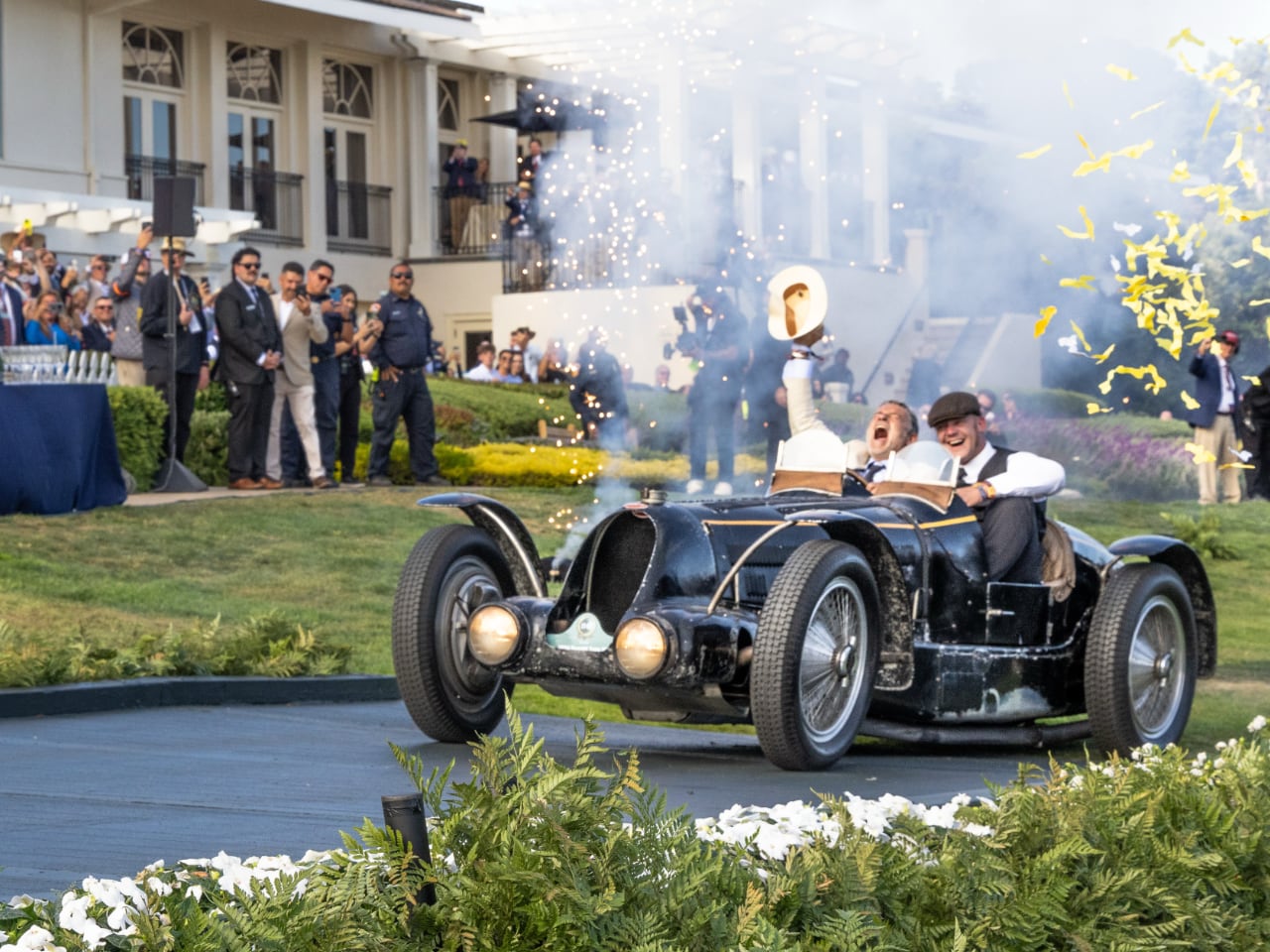
For the first time in the Pebble Beach Concours d’Elegance history, Best of Show was awarded to a preservation car—a remarkable distinction that adds another layer to the Bugatti Type 59’s storied past. This year, 214 cars from 16 countries and 29 states pulled onto the competition field, but the 1934 Bugatti Type 59 Sports, presented by Fritz Burkard of The Pearl Collection in Zug, Switzerland, claimed the spotlight.

Rolex: 1934 Bugatti Type 59 Sports with chassis number 57248

Concours Chairman Sandra Button highlighted the significance of this victory, noting that this particular Type 59 is a rare factory race car with multiple Grand Prix victories to its name. This car has connections to some of the greatest racing legends and even ties to royalty. What makes it even more extraordinary is that it remains preserved in the livery given to it by King Leopold of Belgium, showcasing its authentic and original character.

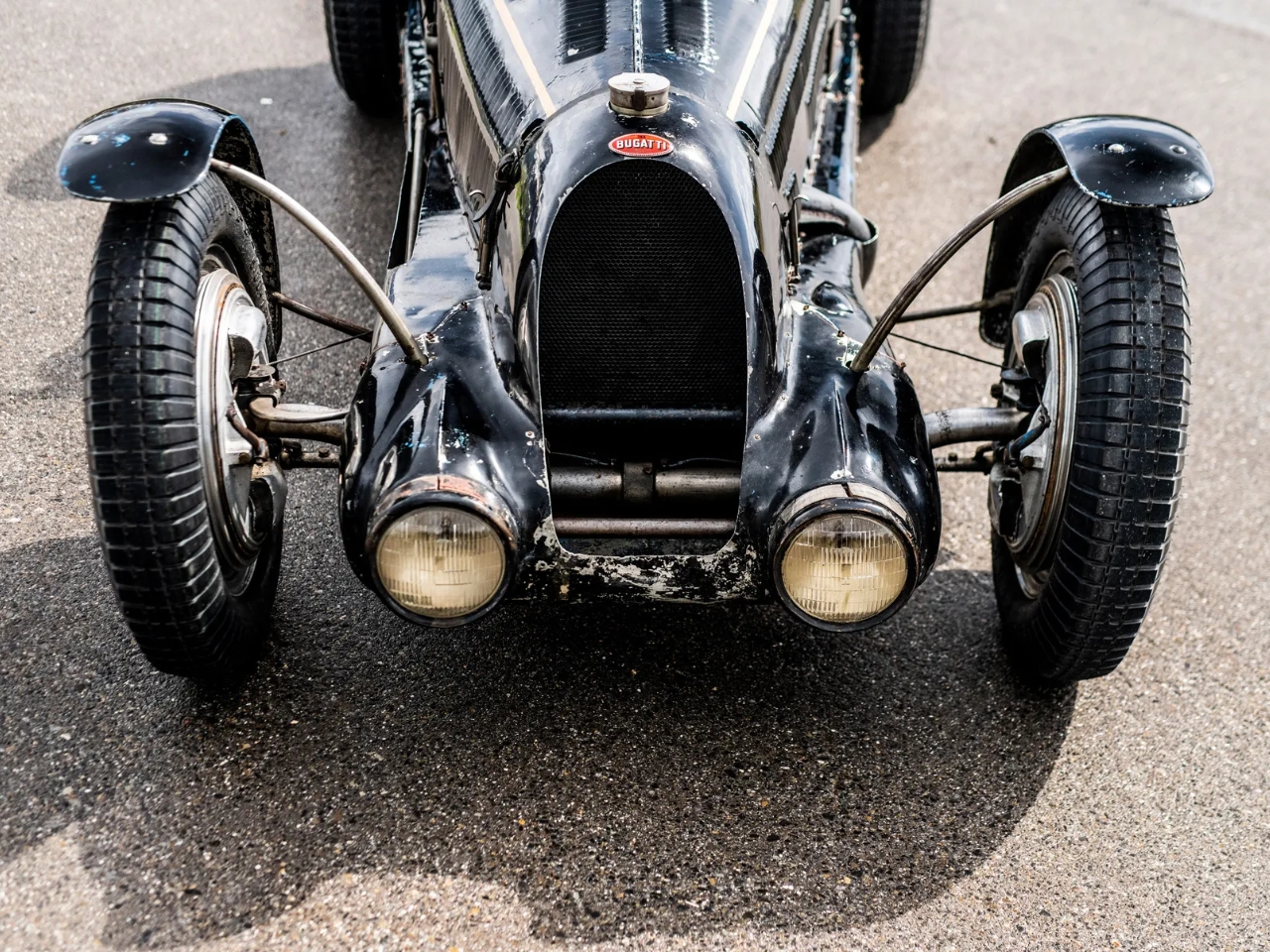
The Bugatti Type 59 Sports stands as a masterpiece of automotive artistry. Bugatti, renowned for its pursuit of excellence, crafted the Type 59 as a sublime blend of elegance and power. Its design exudes refined style, boasting a low-slung body, intricate wire wheels, and the distinctive growl of its 3.3-liter engine. This vehicle exemplifies the pinnacle of collaboration between engineers and designers. Its triumph as a preservation car at Pebble Beach highlights the enduring value of originality and historical authenticity in the world of classic automobiles.

A living symbol of racing legacy, this vehicle bears the marks of its illustrious history in every scuff and scratch. From its leather seats to its wooden steering wheel, each imperfection tells a story. Pre-war legends like René Dreyfus and Jean-Pierre Wimille piloted this machine through some of the most prestigious Grand Prix events of the 1930s, cementing its racing pedigree.

Later, the car found its way into the hands of King Leopold III of Belgium, who added his own touch by repainting it in his signature black and yellow livery. As the first of only six ever produced, this Type 59 Sports is a powerful reminder of Bugatti’s enduring impact on automotive history.

Throughout the years, the car has been in the care of various collectors who have all respected its original state. The current owner, Fritz Burkard, has prioritized keeping this historical piece untouched as much as possible, preserving its patina to honor its rich past. This win at Pebble Beach underscores the car’s historical importance and highlights the significance of maintaining the authenticity of classic automobiles.

Rolex

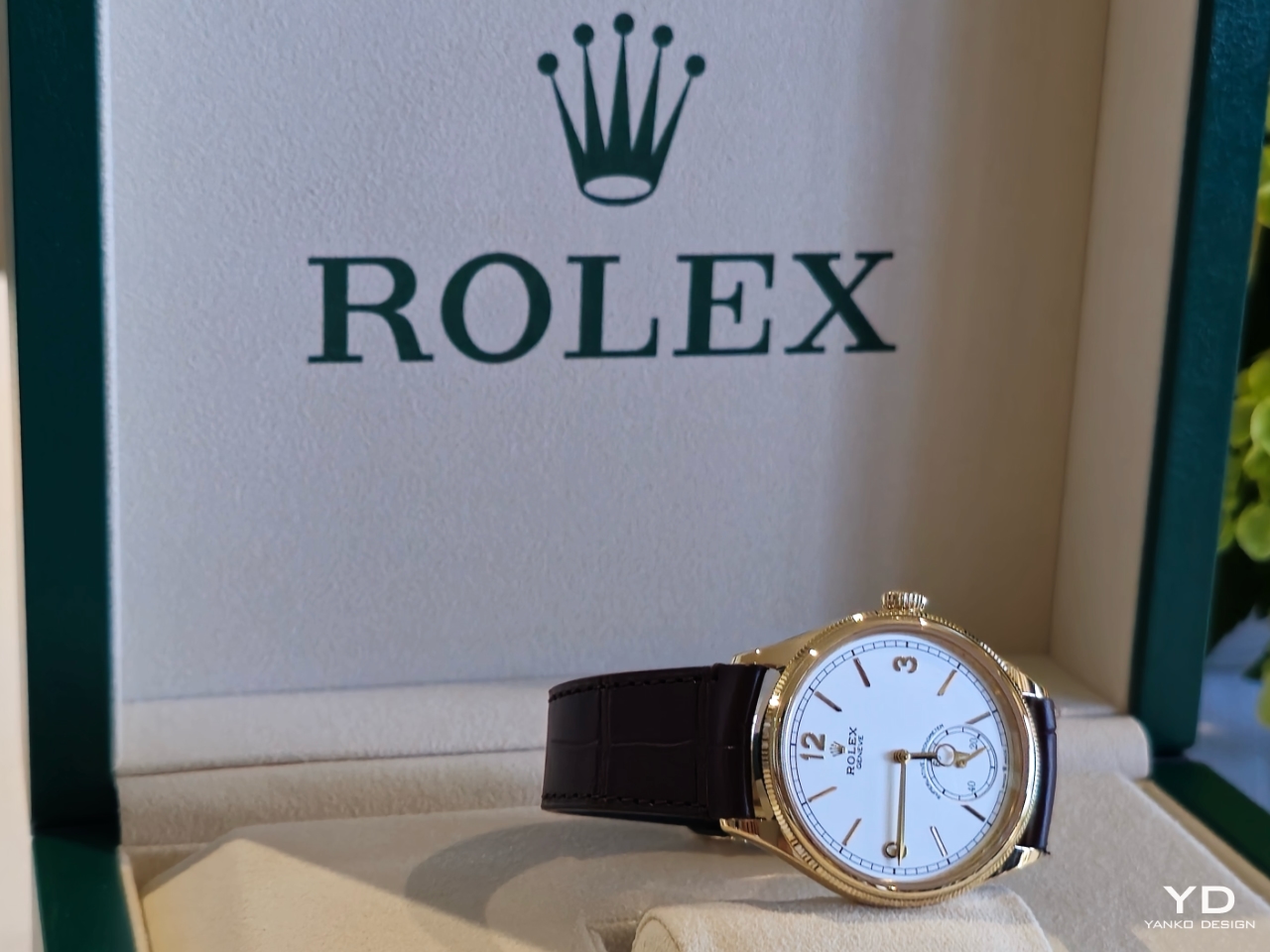
The Rolex 1908, awarded to the Best of Show winner, mirrors the Bugatti’s commitment to preserving history while celebrating precision and elegance. Rolex, a brand synonymous with reliability and craftsmanship, introduced the 1908 model as a nod to its rich heritage. The 1908’s design is understated yet undeniably elegant, reflecting the brand’s focus on timeless design rather than fleeting trends. The watch’s movement, with its meticulous attention to detail, ensures that it doesn’t just tell time—it honors it.

Rolex 1908 reference 52508 Awarded to Best of Show at the 73rd Pebble Beach Concours d’Elegance

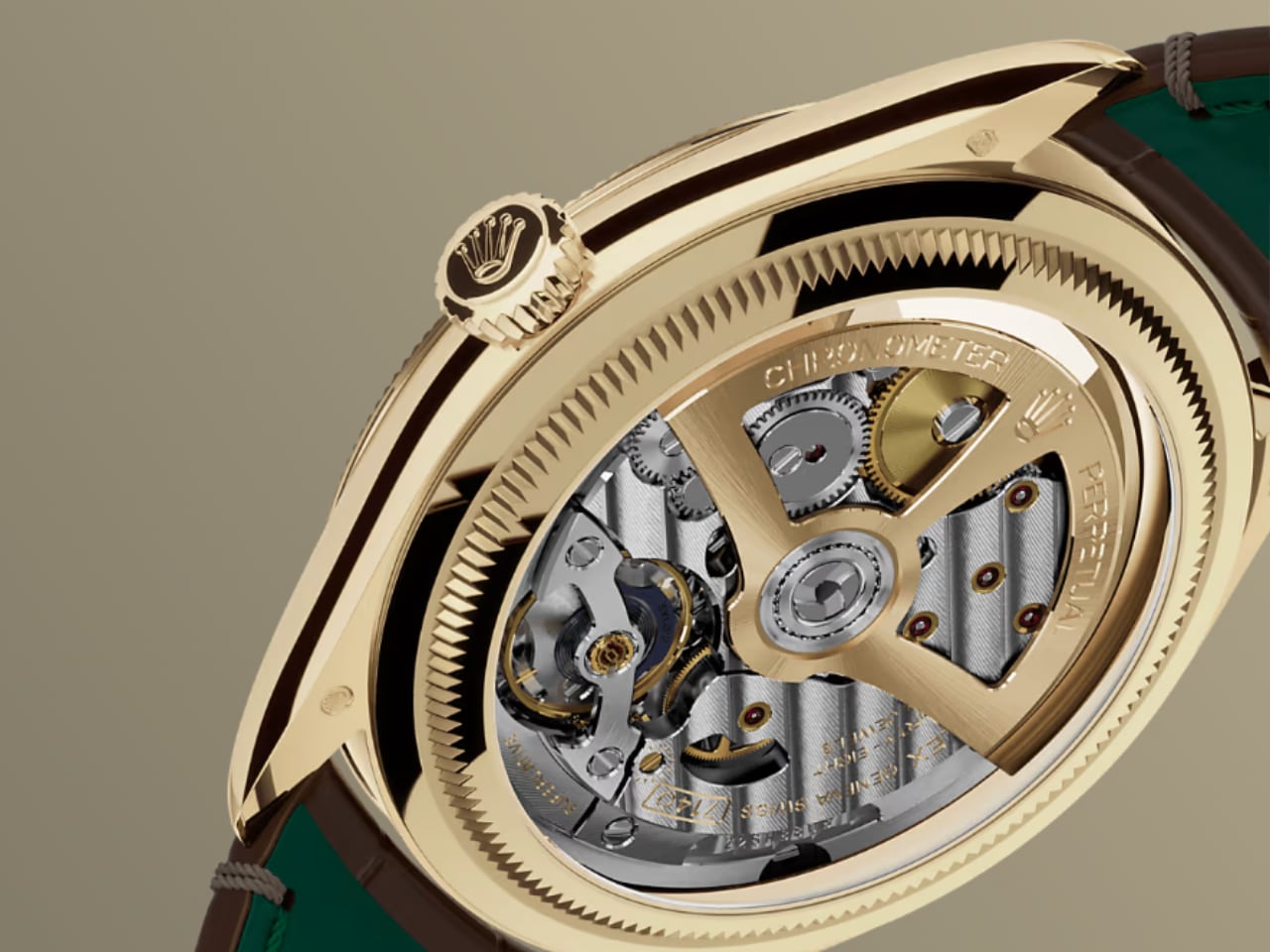
This particular Rolex 1908 model, paired with a traditional brown alligator leather strap, is crafted in 18-karat yellow gold and features an intense white dial. The strap is distinguished by its green calfskin lining and tone-on-tone stitching, adding to its luxurious look and feel. The timepiece is also notable for its transparent sapphire case back, which reveals the intricate Caliber 7140 movement, showcasing Rolex’s dedication to precision and aesthetics. The engraving “Best of Show 2024” is discreetly placed on the Dualclasp, a double folding clasp made of 18-karat yellow gold, that sits perfectly centered on the wrist, showcasing the meticulous design and craftsmanship for which Rolex is renowned.

Earlier in the day, before the start of the Concours, Rolex was kind enough to give me a fleeting moment with the 1908, and it’s truly breathtaking. Combining classic elements with cutting-edge technology makes the Rolex 1908 a fitting award for such a prestigious event, perfectly complementing the legacy and elegance of the 1934 Bugatti Type 59 Sports.

When the Bugatti Type 59 Sports won Best of Show at the 73rd Pebble Beach Concours d’Elegance, it marked more than just a victory for a car—it was a recognition of the enduring appeal of something beautifully crafted. The Rolex 1908, awarded to the winner, complements this achievement perfectly, representing a piece that, like the Bugatti, is treasured for its significance and what it symbolizes.

Both the Bugatti Type 59 Sports and the Rolex 1908 showcase the pinnacle of craftsmanship from their respective eras, blending timeless elegance with cutting-edge engineering. The Bugatti, with its sleek lines and powerful engine, represents the golden age of automotive design, while the Rolex 1908 embodies the precision and sophistication of early 20th-century horology. They remind us that true innovation stands the test of time, inspiring enthusiasts and collectors alike.

Rolex

The post Timeless Triumph: 1934 Bugatti Type 59 Sports Wins Best in Show 2024, Crowned with Rolex 1908 first appeared on Yanko Design.
Zoom can now handle one million simultaneous participants

Zoom just announced that webinar calls can now support up to one million simultaneous participants. This is happening after various political groups used the video conferencing platform to raise money for Vice President Kamala Harris’ election campaign, often by hosting calls with hundreds of thousands of people.

The company now offers various tiers to accommodate large events. Customers can choose from webinars that feature max capacities of 10K, 50K, 100K, 250K, 500K, and, of course, 1M attendees. These are single-use webinar packages that come with support from Zoom’s Event Services team to ensure a “professional, engaging experience” for all.

“Now event organizers have the flexibility and power to host truly interactive experiences on an unprecedented scale and the ability to purchase large single-use webinars,” said Smita Hashim, chief product officer at Zoom.

Despite being recently used for political fundraising, Zoom envisions a future in which these large-scale virtual events are common across the enterprise, entertainment and public sectors. The company says, for instance, that celebrities and entertainers can use these webinar capabilities to host fan meet-and-greets and other kinds of virtual events.

These events, however, don’t come cheap. Booking a one-time webinar for a million people will set you back a cool $100,000. That’s actually a good deal, as a webinar for 10,000 people costs $9,000, which is almost a dollar per person.

Before this change, Zoom only offered official support for up to 100,000 attendees. However, reporting by Bloomberg indicates that the company recently changed course so as to accommodate the aforementioned fundraising events.

This all started in July when an organization called Win with Black Women held a Zoom call with more than 40,000 attendees in which they raised $1.5 million for the Harris campaign. This was followed by White Dudes for Harris, with 190,000 attendees, and White Women for Harris, with 164,000 attendees.
This could be a lucrative new revenue source for Zoom. After all, it wasn’t so long ago that its stock sold for $560 per share before dropping to around $60 per share. This rapid decline was expected, as the world moved on from virtual meetings and started going outside again.

This article originally appeared on Engadget at https://www.engadget.com/social-media/zoom-can-now-handle-one-million-simultaneous-participants-170919609.html?src=rss