Electric vehicle company Polestar has started production for the Polestar 3 in South Carolina. Polestar 3 cars from this location are intended for consumers in the US and Europe. The Volvo-owned company's first SUV debuted in 2023, but the shift to a US production facility will help it to avoid huge tariffs for importing EVs from its facility in Chengdu, China.
"Manufacturing Polestar 3 in the USA is a crucial step for us," Polestar CEO Thomas Ingenlath said. "Now we offer customers in America an electric SUV that is built in America. Exporting the South Carolina produced Polestar 3 to Europe will strengthen our business on a broader scope."
Earlier this year, the Biden administration placed a sizable increase on the costs for imports of electric vehicles from China. The White House move to quadruple the tariff on Chinese-made EVs was meant to "protect American manufacturers." Even before that change was announced, we'd heard that Polestar 3 production would be shifted to South Carolina. The Polestar 4, on the other hand, will be manufactured at the company's plant in South Korea when production begins in mid-2025.
This article originally appeared on Engadget at https://www.engadget.com/transportation/evs/polestar-3-production-is-underway-in-the-us-221732000.html?src=rss
Remember when Elon Musk ordered Twitter staff two years ago to “click yes” in an email to promise to work in “extremely hardcore” mode or risk losing their jobs? One of those employees who didn’t click “yes” just won a major ruling, according to the Irish news service RTÉ.
Ireland’s Workplace Relations Commission (WRC) ruled that Gary Rooney, a former senior executive for the company known then as Twitter, was unfairly terminated when he refused to agree to Musk’s email ultimatum in 2022 after nine years with the social media company. The commission also ordered X to pay Rooney €550,000 (roughly $605,000).
WRC adjudication officer Michael MacNamee singled out Musk’s requirement to click “yes” as unfair because refusing to do so “was not capable of constituting an act of resignation.” Therefore, the company had no grounds to justify Rooney’s termination, according to the news report.
Musk sent an email to all Twitter employees in November of 2022 just a month after taking over the social media company issuing an ultimatum of commitment. The email with the subject line “A Fork in the Road” told Twitter’s then staff that they should expect to work “extremely hardcore” including “long hours at high intensity.” Musk gave his staff the opportunity to click a link in the email “If you are sure that you want to be part of the new Twitter” and gave them 24 hours to either agree to the commitment by clicking the link or refusing to do so. Those who didn’t click the link would be terminated and given three months of severance pay.
MacNamee ruled that Musk’s 24-hour deadline was not a “reasonable notice” for his staffers to consider the fate of their jobs. He also said no employee “could possibly be faulted for refusing to be compelled to give an open-ended unqualified assent to any of the proposals.” Twitter’s HR department confirmed that Rooney’s termination was due to his decision not to click the email link despite not knowing about a possible severance or the implications of staying with the company.
Rooney is far from the last of Musk’s former employees to take their former employer to court either for his behavior or what they deemed to be an unjust termination. A lawsuit filed earlier this year by a former SpaceX employee accused the company of gender discrimination and basic safeguarding failures.
This article originally appeared on Engadget at https://www.engadget.com/big-tech/x-ordered-to-pay-600k-to-fired-employee-who-didnt-click-yes-on-email-ultimatum-220130483.html?src=rss
A bunch of the Engadget crew loves the Playdate, the tiny, quirky portable console with a load of great indie games and a crank on the side. I've long had my eye on it, but never pulled the trigger for one reason or another. I do get Playdate emails, though, and a surprising and hilarious one caught my eye earlier today (subject line: Mamma Mia!):
Playdate
The message goes on to say that "We won't be posting about this product on social media. We won't be sending a press release to the media. This special limited edition cover is being shared first with you, our Playdate mailing list readers. (Thanks for subscribing.)"
Well, don't I feel flattered!
To be clear, Playdate has sold a little purple (and more recently ocean blue) cover for the console since the beginning. It is also cute and satisfyingly wraps around the device to protect it from dings. But, it has nothing on this iconic pizza design.
The reveal of this adorable product sent the Engadget Slack channel into a frenzy — Playdate aficionado Jessica Conditt said nope, this will not make her forget about the fact we're still waiting for the Playdate Stereo Dock (nice try, Panic). Meanwhile, I started thinking about an upcoming vacation I'm going on, and wouldn't the Playdate be a nice companion? Particularly with that stunning cover.
A few minutes later and I had an order confirmation in my inbox. That escalated quickly — by at least one measure, the Playdate pizza cover is a success.
For the rest of you Playdate fans, don't sleep on this one — Playdate says the cover is a limited edition that won't stick around long. In the meantime, a full review will be forthcoming as soon as this pizza is delivered.
This article originally appeared on Engadget at https://www.engadget.com/gaming/i-like-this-ridiculous-playdate-pizza-case-so-much-i-bought-a-playdate-213610781.html?src=rss
Halide is one of the best camera alternatives for the iPhone, a lovingly-crafted app that gives users plenty of manual control over the images they take. And today they just pushed out a major update with an intriguing proposition: an “anti-intelligent” camera.
Of course, more advanced digital photographers will already be familiar with the RAW format, something Halide (and basically all digital camera makers) have offered for years now. RAW simply means you’re getting every bit of data straight from the camera’s sensor, with few modifications or enhancements. The iPhone (and, again, most other digital cameras) typically store photos in a compressed format to save space and with a variety of enhancements applied to make the image look great as soon as you click the shutter.
So Halide’s new format, which they’re referring to as “Process Zero,” is the app’s attempt to make RAW a little more user-friendly. When you open the app, you can choose from three settings: ProRAW (Apple’s custom RAW format that does apply some of the company’s image modifications), Apple Processed (which applies the same computational photography tricks that you’ll get when shooting with Apple’s default camera app) and Process Zero.
The left image is captured in Apple's ProRAW format, while the right is captured with Halide Process Zero.
Halide
Process Zero gives you a RAW file that you can then apply a quick image brightness adjustment to. One of the big benefits from shooting RAW is that you have wide latitude in brightening up a dark image, or toning down one that is blown out. After you make this adjustment, Halide saves the RAW plus brightness adjustment in a new JPEG file that you can then easily export to other apps like Instagram, VSCO, Lightroom, or whatever image editing tool you choose.
The idea here is to let photographers capture RAW images without the computational and algorithmic changes that Apple makes and then easily do something with those photos. So, when you shoot in Process Zero mode, the phone is taking just one image — unlike the Apple camera, which shoots multiple photos and combines them to make a more balanced result. So while that might lead to an image with more noise and with some darker or lighter areas, it can also be significantly sharper and capture more detail than Apple’s process. Halide posted a detailed blog with tons of info on how this all works, complete with examples, and I highly recommend you check it out if you’re curious.
The Halide team also mentioned that the company is working on a Mark III of their app. But unlike Mark II, which arrived with a ton of new features, they’re planning to early-launch some Mark III features to gather feedback; Process Zero is just the first of those. And if you’re curious to check out these RAW capture updates alongside whatever else is in the works, you can get a yearly subscription to Halide for $12 right now, down from the usual $20 price. (If you hate subscriptions, you can also buy Halide Mark II and the eventually III release outright for $60.)
This article originally appeared on Engadget at https://www.engadget.com/apps/iphone-camera-app-halide-has-an-anti-intelligent-mode-to-make-shooting-with-raw-easier-211802575.html?src=rss
Sonos has laid off around 100 employees on Wednesday, first reported byThe Verge and confirmed to Engadget. Workers from the company’s marketing department allegedly bore the brunt of the hit. The cuts come as Sonos tries to simultaneously sell the public on its new Ace headphones and fix the rebuilt Sonos mobile app, which CEO Patrick Spence admitted was the result of his push for development speed.
The company confirmed the layoffs in a statement to Engadget. “We made the difficult decision to say goodbye to approximately 100 team members representing 6 percent of the company,” Spence said in a statement. “This action was a difficult, but necessary, measure to ensure continued, meaningful investment in Sonos' product roadmap while setting Sonos up for long term success.”
The company is also reportedly “winding down” some customer support offices, including one in Amsterdam scheduled for shutdown later this year. Sonos’ LinkedIn page reports 1,800 employees worldwide, and the six-percent figure quoted in the statement would put it at about 1,650 workers. The company’s last layoffs, in June 2023, slashed seven percent of its workforce.
Although Engadget’s review was largely impressed with the company’s new Ace headphones, the app complaints largely overshadowed the highly anticipated hardware launch. Designed to address “performance and reliability issues” and rebuild the developer platform with “modern programming languages that will allow us to drive more innovation faster,” the app launch has been a debacle. It’s created headaches for the company’s most loyal customers and threatened to drag down the brand as it pushes into new product categories. It even led to the delay of two new products that were otherwise ready to roll.
The new Sonos app for Android, iOS and desktop launched in May without core functionality like sleep timers and alarms. Customers reported problems rearranging speakers in different rooms, some only working intermittently and problems completing other basic tasks. Others even said they often couldn’t load the app on the first try.
Sonos
For a taste of how broken the app is, Spence laid out a timeline to repair it in a blog post late last month. July and August were dedicated to improving stability when adding new products and implementing Music Library improvements. An August and September window is reserved for improving volume responsiveness, user interface, stability and error handling. September and October will include tweaks to alarm consistency and reliability, and the restoration of editing playlists and queues. Improvements to settings will also be addressed. (Phew!)
In Spence’s statement about Wednesday’s layoffs, he said the cuts won’t affect the work on the app. “Our continued commitment to the app recovery and delighting our customers remains our priority and we are confident that today’s actions will not impact our ability to deliver on that promise,” the CEO wrote.
Today’s announcement wasn’t received well by the company’s Reddit community, which has been vocal about the app’s problems since its launch. Some viewed today’s reported layoffs as targeting 100 workers when one high-profile one would’ve done the trick. “I have to say that, I didn’t have both feet in the door to fire Patrick Spence, but any CEO who leaves his employees hung out to dry and then signs the paper that lays them off is a scumbag piece of shit,” u/teryan2006 wrote.
“Since I took over as CEO, one of my particular points of emphasis has been the imperative for Sonos to move faster,” Spence said on a July earnings call. “That is what led to my promise to deliver at least two new products every year — a promise we have successfully delivered on. With the app, however, my push for speed backfired.”
Update, August 14, 2023, 4:56 PM ET: This story has been updated to add the statement from Sonos CEO Patrick Spence.
This article originally appeared on Engadget at https://www.engadget.com/audio/sonos-still-trying-to-fix-its-broken-app-reportedly-lays-off-100-employees-203224705.html?src=rss
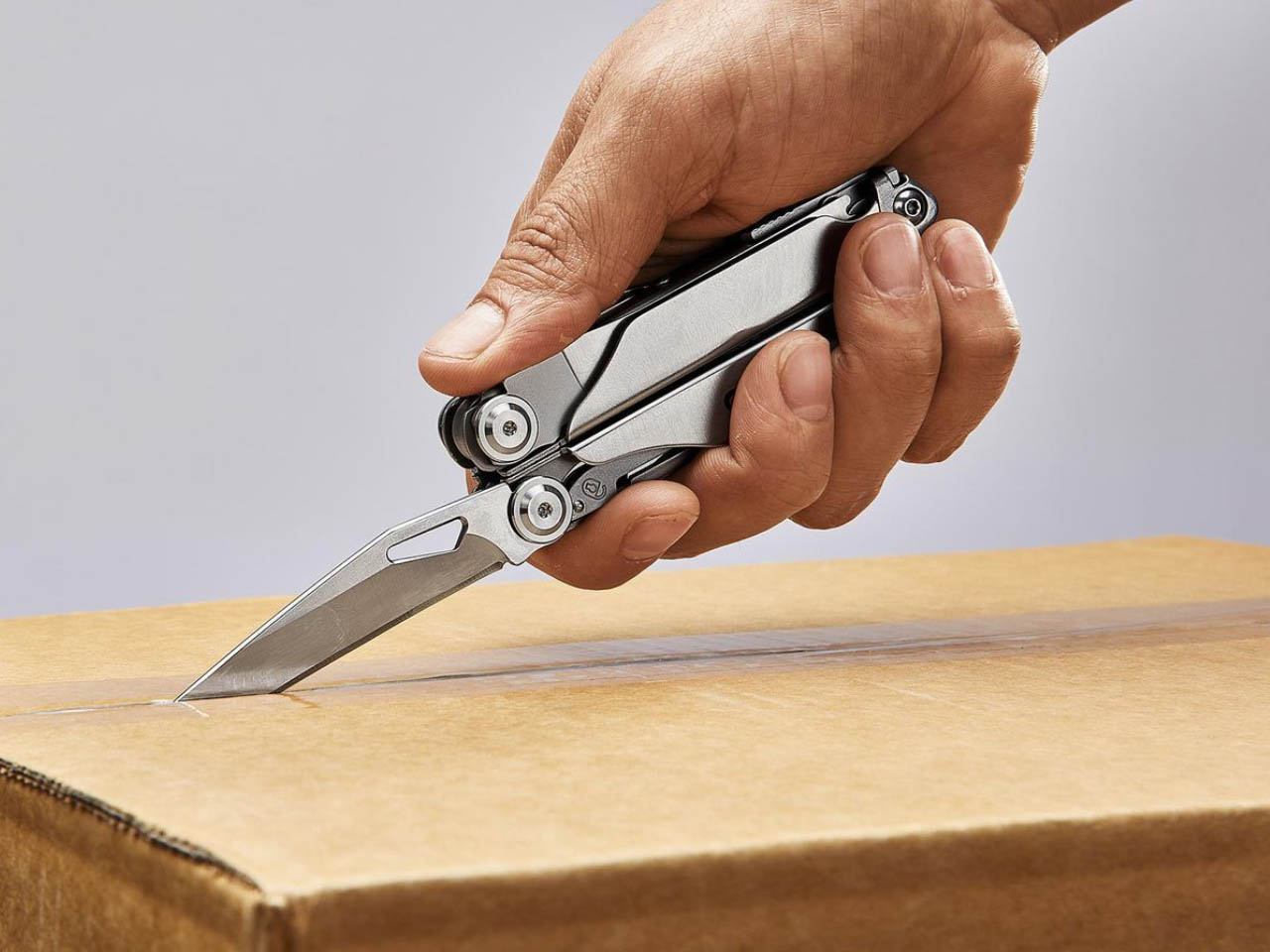
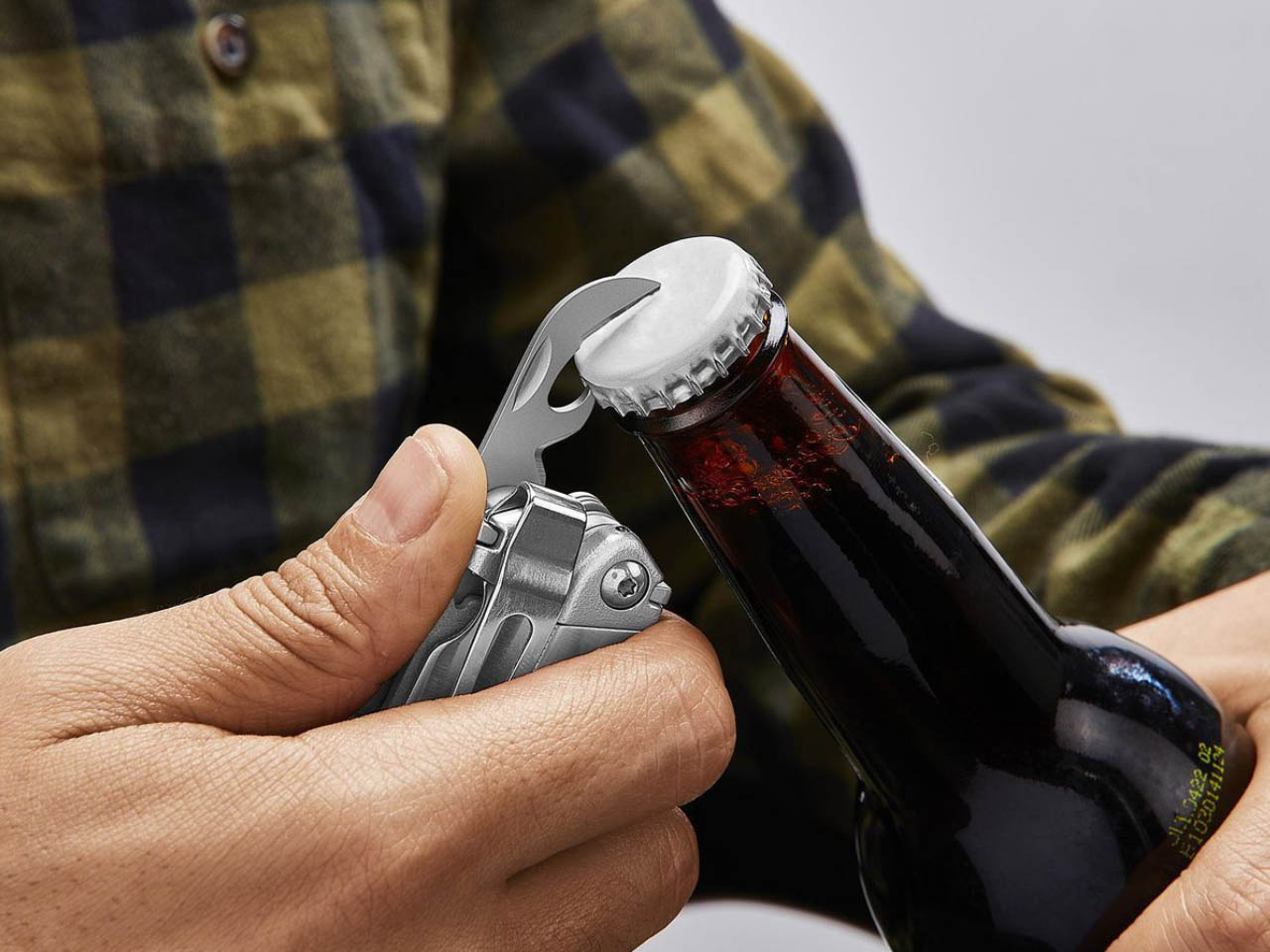
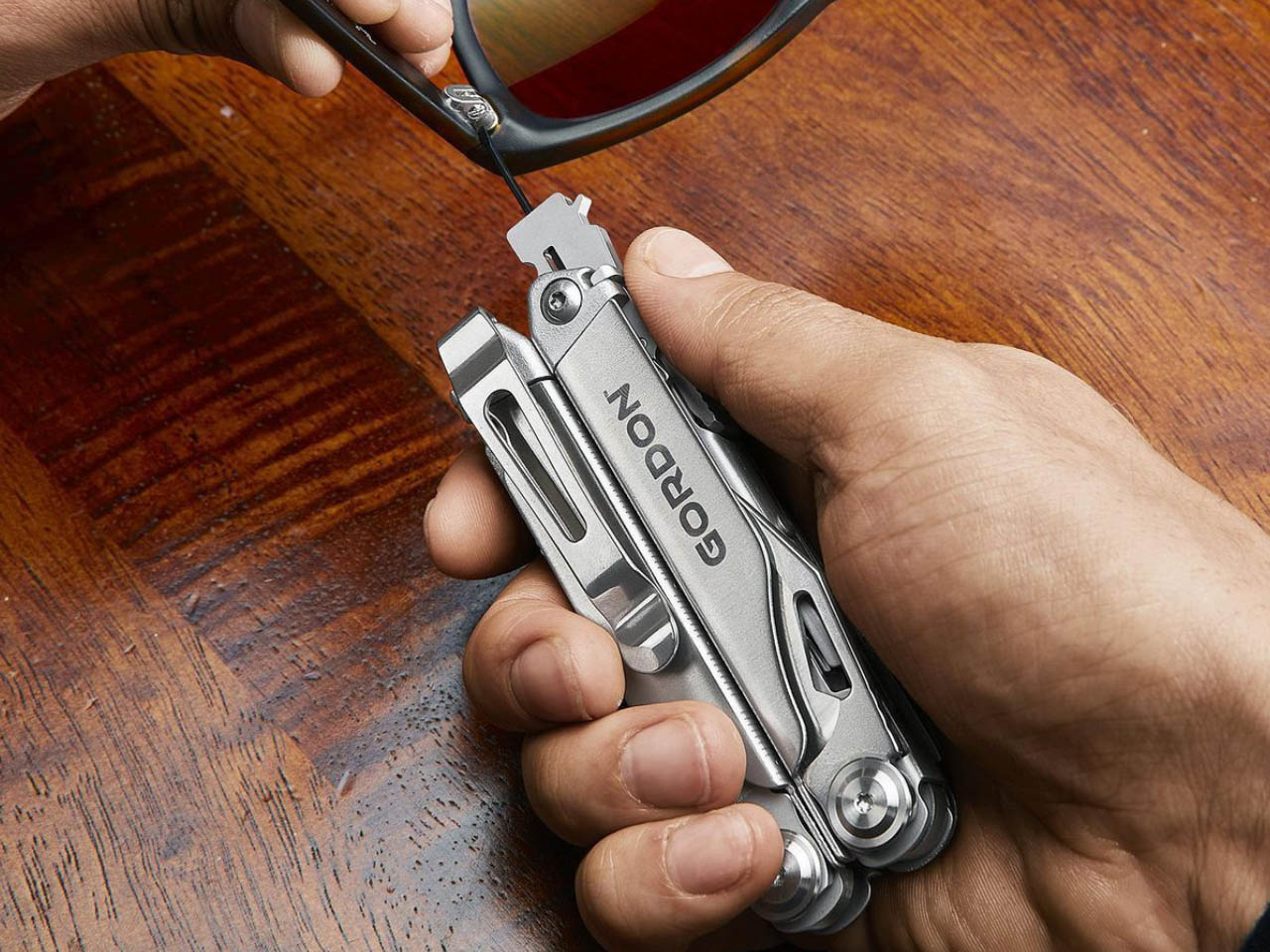
If you reside in the US, Harbor Freight is a good option to seek for anything related to multi-tools. Their in-house brand Gordon caters to survival and outdoor products that can have anything from an emergency kit to a high-grade metal detector. Having added functionality and the perk of added tools is their USP when compared to the likes of Leatherman or Gerber.
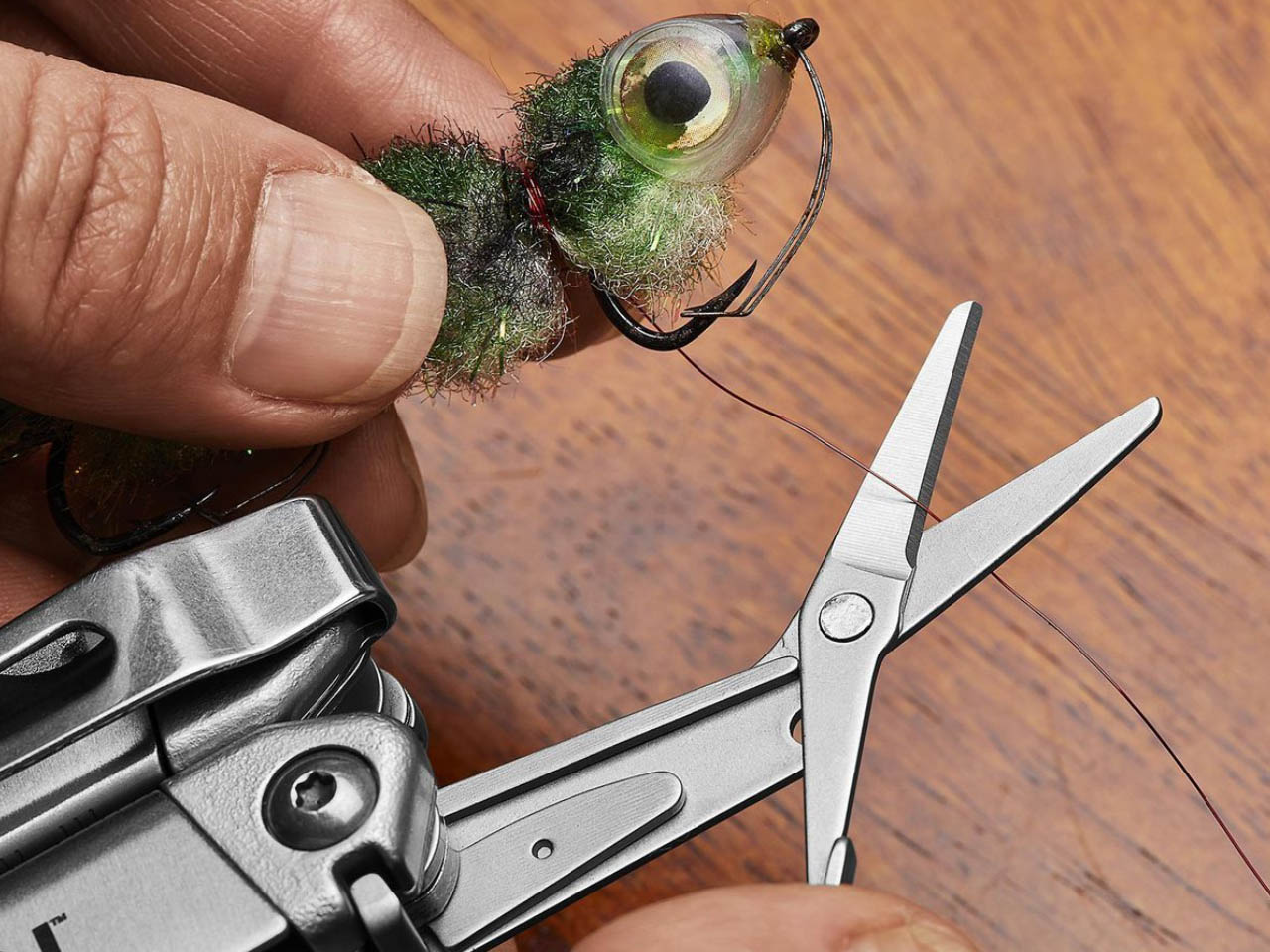
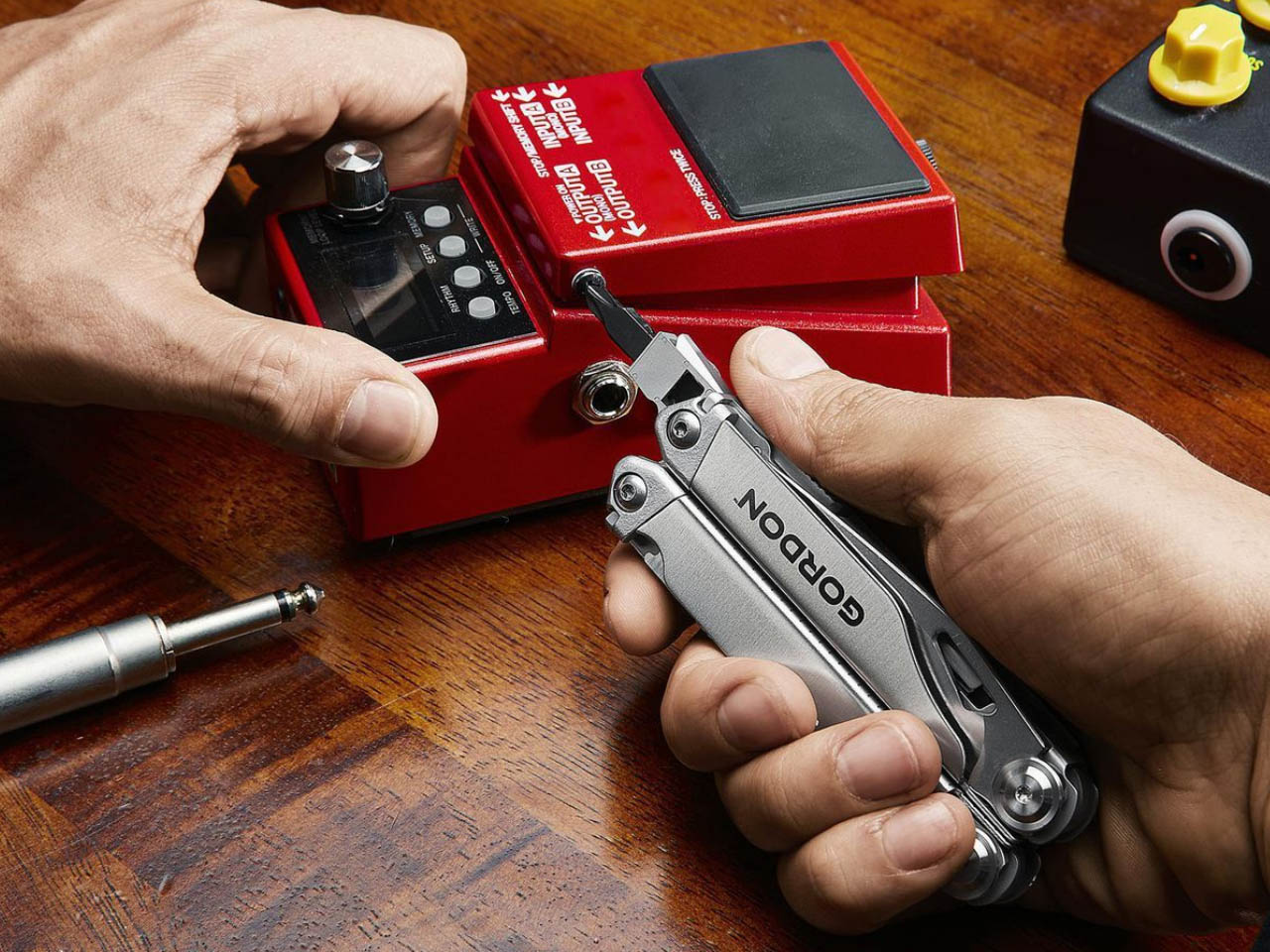
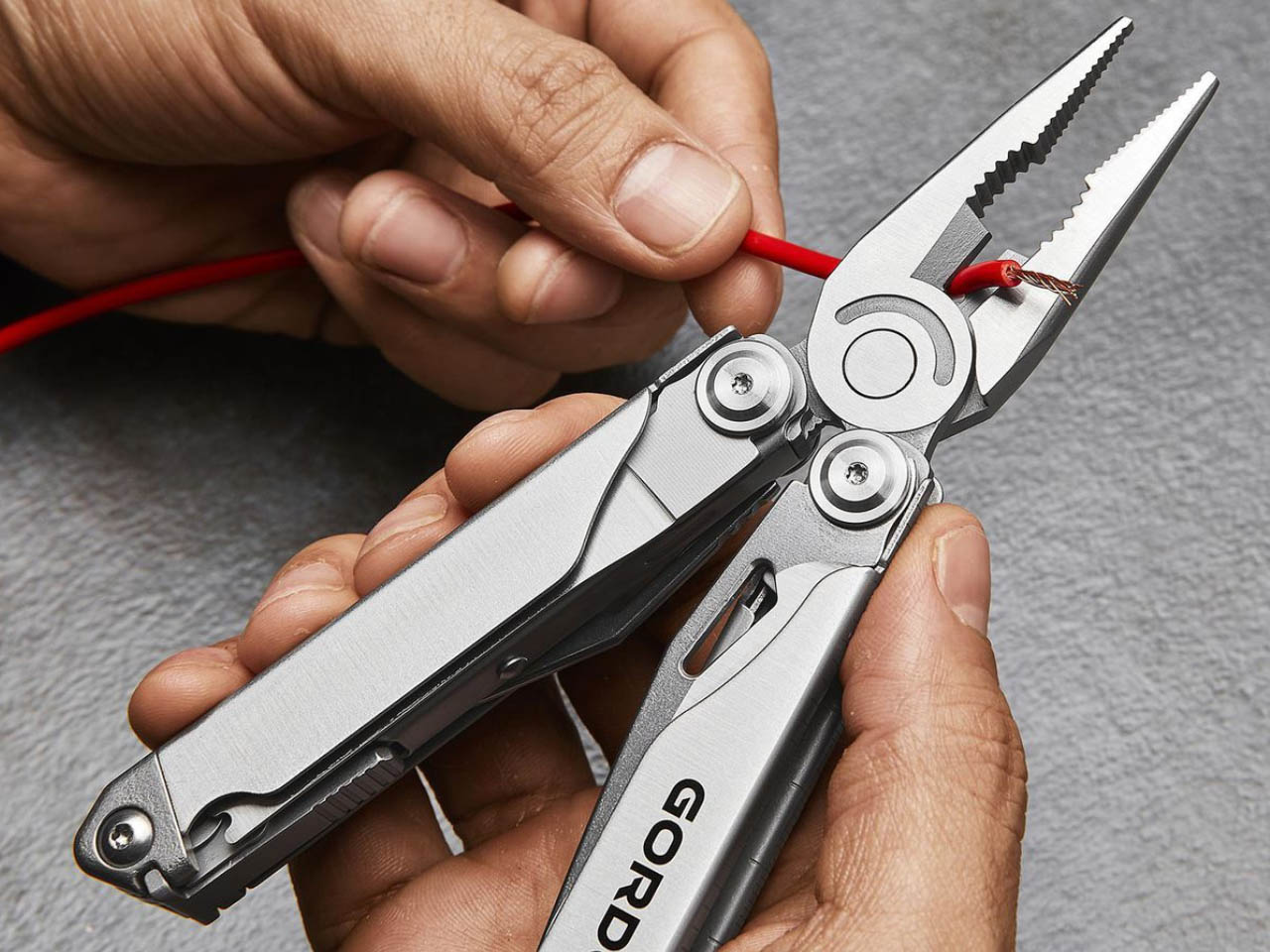
Their latest multitool reiterates that fact, as functionality takes precedence without compromising in the number of tools at your disposal. In fact, the 20-in-1 Multi-Tool comes with useful options like the freedom to go for both pliers or scissors without having to choose one. The regular pliers also double as needle-nose pliers and on the other side there are a pair of scissors, wire stripper, and a window breaker.
You’ll never be left longing for a tool when this stainless-steel multi-tool is around. On the side of the scissors rest the saw, gut hook, screwdriver and bit driver. The other side holds the can opener, crimper, gut hook, three different files (a diamond coated one, wood infused and metal one), and a 2.86 inches long serrated knife. When opened fully, the accessory reveals an eight-inch ruler too. While in closed configuration, the multi-tool measures 4.06 inches in height and 1.53 inches in width. The Total weight of approximately 300 grams (including the packaging, woven polyester pouch and belt clip) is lightweight enough to carry in your pocket.
Other than that, the multi-tool does everything your trusted $200 Leatherman would do. Sure, it does not come with a clear-cut warranty, but still it does the job at a reasonable price of $40. Obviously, this accessory is for casual campers and someone who doesn’t require a top-notch multi-tool every time they undertake a dangerous adventure. If you happen to have a Harbor Freight store nearby, the multitool is up for grabs right now. For those seeking to buy it online, sales will become available by mid-August.
The Sleep Room in The Outlast Trials is named after a real-life space at McGill University’s Allan Memorial Institute in Montreal, where from 1957 to 1964, doctors conducted mind-control experiments on patients as part of the CIA’s MK-Ultra initiative. Led by Dr. Donald Ewen Cameron, these tests included electroshock therapy, sensory deprivation and heavy doses of psychedelic drugs. One patient, Linda MacDonald, went to McGill seeking help for symptoms of postpartum depression after giving birth to her fifth child. She was placed in a drug-induced coma for 86 days in the Sleep Room, and records show she was treated with 109 rounds of shock therapy. MacDonald lost her identity, memories and motor skills; she had to be toilet trained all over again.
Another patient, Robert Logie, was 18 years old when he went to McGill with leg pain. He ended up in the Sleep Room, where he was injected with LSD every other day for weeks, his syringe sometimes spiked with sodium amytal — “truth serum” — and other drugs. A speaker positioned under his pillow played the phrase, “You killed your mother,” on a constant loop for 23 days. Meanwhile, his mom was alive and well. Logie left McGill with amnesia, insomnia and a painful leg.
The old McGill hospital is just two miles away from the Red Barrels offices, where the Outlast games are made.
“The name of the Sleep Room in Outlast Trials, we took that from McGill hospital,” Outlast series writer JT Petty said. “In the 1960s, they had the Sleep Room where they would treat trauma with LSD and induced comas. It was insane. And the people who came out of that came out severely damaged, in worse shape than they were before.”
“There are still active lawsuits going on because of these events,” Red Barrels co-founder Philippe Morin added. (And he’s correct.)
Like all of Red Barrels’ games, The Outlast Trials draws from dark and true stories of government-backed inhumanity, religious manipulation and capitalistic greed, particularly during the 20th century. Trials is a cooperative four-player horror experience where participants, called Reagents, are trapped in the secret Sinyala Facility run by the Murkoff Corporation. The goal is to graduate therapy by completing objectives and surviving monstrous villains in various maps, including an orphanage, courthouse, police station and toy factory. As in the other Outlast titles, gameplay mainly involves running and hiding from prowling, deranged sadists, though this time you’re not alone.
“The first Outlast, it goes back to the oldest games, you're playing hide and seek,” Morin said. “In Outlast Trials, it's like you're stuck in a haunted house with friends. And it’s, how do we get out of here? That was the initial premise.”
Red Barrels
Trials exists in a world familiar to Outlast fans. It’s a prequel to the original Outlast, which came out in 2013, and Outlast 2, which landed in 2017. Trials replaces the series’ camcorder with a pair of night-vision goggles, and the Sleep Room is the game’s lobby. Here, players can purchase prescriptions for upgrades, arm wrestle other Reagents, customize their cell and prepare for the missions ahead.
Trials entered early access in May 2023, went fully live in March 2024 and received its first major DLC drop in July, introducing the docks and a new baddie named Franco “Il Bambino” Barbi. Franco is a New Orleans mafia nepo baby with a degradation kink and a gun obsession, plus he has a habit of murdering his sexual partners. He’s eager to do the same to the Reagents trapped in Sinyala.
Franco joins two other Prime Assets, or bosses, in The Outlast Trials. There’s Mother Gooseberry, a deranged former children’s-show host who carries a duck puppet with a giant dental drill inside its beak, and Leland Coyle, a white supremacist and corrupt police officer with an insatiable desire to torture and kill people with his stun rod. Every enemy in the Outlast series employs a unique brand of violent cruelty, their favored forms of torture shaped by generational traumas and dangerous societal norms.
“We do a lot of work trying to make the characters kind of iconic and human despite being monsters, and that kind of love for horror characters — I feel like you know when you’re doing it right,” Petty said. “I'm a 1980s kid, I grew up on Freddy and Jason and all those guys and it's, I think comfort is the right word.”
It’s easy to see the demented priests, sadistic doctors, demonic cult leaders and free-swinging penises in the Outlast games and write it all off as edgelord shit, nothing more. But especially with McGill hospital looming just beyond Red Barrels’ front door, the commentary is clear, and this brand of gruesome social analysis was the plan from the start.
“All the games are about extremists,” Morin said. “People who take something and just go too far with it, whether it's religion, science, money, weapons, whatever it is.”
Outlast 2tells a story about cult members who believe the antichrist is about to be born, resulting in a wave of ritual sacrifice, abuse and mass murder in the Arizona desert. The original Outlast takes place inside Mount Massive Asylum, an even-more-twisted stand-in for the McGill hospital.
“In the first Outlast, there's a lot about the archetypes of 20th century history,” Petty said. “There’s a character who’s a soldier, there’s a character who’s a businessman, there’s a character who's a priest, representing these big, cultural moments of the 20th century. I don’t want to get too grand with it, but there is the notion that everybody's so apocalyptic right now. Like, how did we end up here? I feel like that's the subtext of what Outlast is always about. Who made money getting us here?”
The original Outlast was a cult hit in 2013.
Red Barrels
As the main writer for all Outlast games, Petty’s job is to take the team’s wildest, most potentially offensive ideas and make them palatable for a horror audience. He works with motifs of murder, torture, neglect, mental illness, sexual violence, bigotry and religion, and through comedy and hyperbole, transforms them into caricatures of greed, ego and oppression. There’s an undercurrent of humor in the Outlast games, strategically deployed to further highlight the terror.
“We have to come up with the worst, most horrible, most perverse thing that could possibly happen to you,” Petty said. “And then like two months later, it feels like, come up with something slightly worse and more horrible.”
“You know, for kids!” Morin joked. Later in the conversation he said, “The reality is, we know we're not surgeons operating on brains…. We’re creating entertainment. You need to have fun with it.”
There are no hard boundaries when the Red Barrels team is brainstorming new characters or themes, but Petty and Morin adhere to the same general wisdom when approaching sensitive topics: Don’t punch down.
“We don't want to victimize people who are already victims,” Petty said. “We're dealing with a lot of sensitive issues — mental illness, sexuality and violence, all of this stuff. And I just want to make sure we're always sympathetic.”
Red Barrels
This approach to extremism has resonated with millions of players, allowing Red Barrels to turn Outlast into an enduring horror franchise encompassing single-player narrative games, a multiplayer live-service experience and a graphic novel series over the past 11 years. The first two Outlast games sold a combined 15 million units and pulled in $45 million for Red Barrels, while The Outlast Trials has been purchased by more than 2 million players already. There’s a healthy community of content creators playing and dissecting the games on Twitch and YouTube, too.
Supporting The Outlast Trials is a lot of work, especially for such a small team. The prototype alone took two years of conceptualizing and coding, and the project spent six years in development before going live in early access in 2023. As a living game, Red Barrels not only has to maintain the experience they shipped with The Outlast Trials, but players now expect new content, monsters, missions and mechanics on a regular basis.
Most online multiplayer experiences that look like The Outlast Trials — meaning AAA-level games — have teams of hundreds of developers, and many are backed by companies worth billions. Red Barrels has just 65 employees, and 20 of them joined just in the past year.
“We're now in a war of content creation,” Morin said. “We have to ship content as quickly and efficiently as possible. And to be honest, we’re still learning how to do that because a lot of us are used to, once you ship a game, you get a big downtime, conception phase and all that. But there's none of that right now.”
Red Barrels
Red Barrels is only now expanding because they need people with expertise in multiplayer and live-service design. Morin and Red Barrels co-founders David Chateauneuf and Hugo Dallaire worked at EA and Ubisoft for years before going indie, managing large teams as senior developers. They founded Red Barrels because they wanted to get hands-on with game development again, ideally with a small crew of passionate horror fiends. (Also, Ubisoft turned down all their horror pitches. Thankfully — can you imagine if Ubisoft had greenlit the original Outlast? It probably would’ve been called something like Dr. Murkoff’s Manifesto and the gore would’ve been dialed way, way down. It might’ve given Miles a gun. Maybe, instead of sadistic psychiatric staff, its enemies would’ve been animatronic Rabbids. It could’ve gotten aJust Dance tie-in. Truly,the horror.)
Nowadays, Morin is doing less and less design as his studio becomes more complex, but he’s still involved in the creative process. Red Barrels just recently hired another writer, Jonathan Morrel, meaning Petty is no longer the entirety of the narrative department. The studio has a flat internal structure, where there aren’t harsh distinctions between roles like level designer and game designer. “We’re just all designers,” Morin said.
It’s hard to overstate just how small Red Barrels is, particularly considering the AAA quality of the Outlast series.
“I do remember the moment where, for IT support, I stopped going to one of the company's founders,” Petty said. “Hugo used to basically be IT for the company, as well as art director, co-founder. And it was pretty recent, right? It was like eight years into Red Barrels where he stopped being the IT guy.”
Morin added, “He just didn’t want anybody else to do it.”
Morin said that larger studios are always sniffing around Red Barrels, looking to acquire its talent and IP, but none of their pitches have looked better than independence so far. Red Barrels ended up creating the original Outlast with personal savings, loans and a $1 million investment from the Canada Media Fund. Even back then, there was an offer on the table from a major company that would have resulted in a few extra months of production time.
Red Barrels
“But at that point, we had been working so hard to try to make this game on our own and didn't want to give up our independence,” Morin said. “We were not ready to do that, we were so close to shipping the game. So we just doubled down and worked our asses off to be able to ship the game without needing extra money. But there were options. So I think it's, ‘Never say never,’ but up until now, no. We never felt the need to go get more financing to be able to make the games we wanted to make on our own. We'll see if we can keep on doing that.”
For Red Barrels, the focus right now is The Outlast Trials. There isn’t time for anything else — but maybe there will be in the future.
“Ultimately, our goal would be to have two IPs, two projects in parallel, and have them be different enough so that people who need a change of scenery can go from one to another,” Morin said. “I mean, I love the world of Outlast and the reality is that you could narratively make [the second project] fit inside the same world and just do a different kind of gameplay experience. That could always be done as well. But I think creating an IP is a very hard thing, and so when you have success, you don't want to waste it.”
The Outlast Trials is available now on PC, PlayStation 4, PS5, Xbox One and Xbox Series X/S.
This article originally appeared on Engadget at https://www.engadget.com/gaming/cia-brainwashing-experiments-helped-make-outlast-an-iconic-horror-series-195055899.html?src=rss
Apple appears to be going full steam ahead on an iPad-like tabletop device from which you may be able to manage smart home products, oversee household security and take part in video calls. The device, which could debut as soon as 2026, is said to have a thin robotic arm that moves around a large display. Apple's riff on products like the Google Nest Hub and Amazon's Echo Show may be able to tilt the screen up and down using actuators and rotate 360 degrees. It's slated to be running on an offshoot of iPadOS for the time being.
Apple is said to have greenlit the device in 2022 but work on it intensified in recent months after the company scuttled its multi-billion boondoggle car project. Indeed, Kevin Lynch, Apple's vice president of technology who oversaw the car project and until recently was in charge of smartwatch and health software, is in charge of the device's development, according to Bloomberg.
Hundreds of Apple employees are now said to be working on the tabletop system, which the company reportedly sees as a way to take advantage of its Apple Intelligence tools. Siri and Apple Intelligence are expected to be the main control methods for the device. With a voice command, you may be able to turn the display to face you. It was reported earlier this year that Apple was planning a push into the realm of personal robotics, an effort that includes the tabletop device.
However, there's said to be some internal concern over whether consumers will actually want this product, especially given that Apple already has a strong foothold in the tablet market. Pricing could have an impact on demand as well, with the company aiming to sell the device for around $1,000.
This is one of several devices Apple is working on as it aims to further diversify its offerings and boost its bottom line, Bloomberg notes. While the iPhone still accounts for about half of Apple's revenue, sales have been relatively lagging in recent quarters. This year's lineup, expected to arrive in September, is slated to have relatively modest hardware upgrades with Apple placing more focus on software updates such as Apple Intelligence features.
The other products Apple is reportedly working on include smart glasses and AirPods with built-in cameras. Foldable iPhones and iPads may also be in the works.
This article originally appeared on Engadget at https://www.engadget.com/home/apple-is-reportedly-forging-ahead-with-a-rotating-ipad-like-tabletop-device-193236425.html?src=rss
Set between the original Alien and its more bombastic sequel, Aliens, Fede Alvarez's Alien: Romulus echoes the the greatest elements of those films, while also delivering his own spin on the 45-year-old franchise. There's the elegant interplay of light and shadow from Alien, along with nods to Ridley Scott's artful aesthetic. And there are finely crafted set pieces evoking the horror and sheer badassery of James Cameron's Aliens. But Alvarez also expands the Alien universe by focusing on a group of twenty-somethings who were raised in a decrepit Weyland-Yutani colony, and whose main goal is to escape the bureaucratic clutches of their corporate overlords.
While it's easy to dismiss Alien: Romulus as a mere rehash meant to appeal to younger audiences, it's hard to deny the sheer level of craft on display. Alvarez's eye for composition was clearly influenced by the series auteurs, from the opening shot of a field of stars that reveals a crashed ship rendered invisible by the blackness of space, to later sequences set alongside a planet's ice-filled rings. And he can masterfully orchestrate tension for both action and horror, another skill borrowed from Scott and Cameron. Just like Alvarez's hyper violent (and excellent!) Evil Dead remake, he’s able to put his own spin on an iconic horror franchise without being a slavishly devoted fanboy.
Murray Close
Our Ripley counterpart for Alien: Romulus is Rain (Cailee Spaeny), a young woman who recently lost both of her parents to a Weyland-Yutani mining operation. The only family she has left at a sun-less backwater colony is her brother Andy (David Jonsson), a malfunctioning android who's directed to care for her.
After Rain's request to leave her colony is denied and her mandatory work commitment is unjustifiably extended by several years, she joins a group of friends to covertly head off-world. The plan involves stealing cryostasis pods from a decommissioned space station — which, as you might expect, houses untold horrors. As Rain and her friends explore the station, they encounter facehuggers, get a quick lesson in Xenomorph biology and find themselves being hunted down one by one.
Spaeny is effortlessly believable as an empathetic-yet-tough heroine (a notable accomplishment as she's practically a full foot shorter than the original Alien lead, Sigourney Weaver), and Jonsson makes for a compelling and sympathetic android. It's somewhat troubling that the film heaps a ton of abuse on its only black character, though, and he doesn't get much motivation outside of his programming. Still, Jonsson, who was incredible on the first few seasons of Industry, manages to bring a bit of soul into Andy.
20th Century Studios
Admittedly, we've seen much of this before, but I still think there's value in introducing an entirely new generation to the Alien franchise. Scott's Prometheus and Alien: Covenant were intriguing for longtime fans, but they were also bogged down by the director's own fascination with androids and Weyland-Yutani backstory. They weren't exactly the best entry-point into the series. And sure, Alien and Aliens are easy to find and remain fantastic films, but I’ve personally found it tough to get some younger audiences to engage with older films.
By focusing on a twenty-something crew instead of older, world-weary space truckers or colonists, Alien: Romulus also better captures the viewpoint of a new generation of viewers. But Millennials and Gen Z are well aware the Earth is dying, and they've seen how global corporations got us into this mess.
20th Century Studios
It’s not hard to see the parallels between Weyland-Yutani sending workers to their doom to unearth the secrets of the Xenomorphs – creatures that could potentially wipe out all of humanity – to the fossil fuel companies ignoring the climate crisis they helped create. The human cost doesn’t matter, not when there’s massive profit potential and shareholder value on the horizon.
This article originally appeared on Engadget at https://www.engadget.com/entertainment/tv-movies/alien-romulus-is-a-magnificent-return-to-form-193025453.html?src=rss
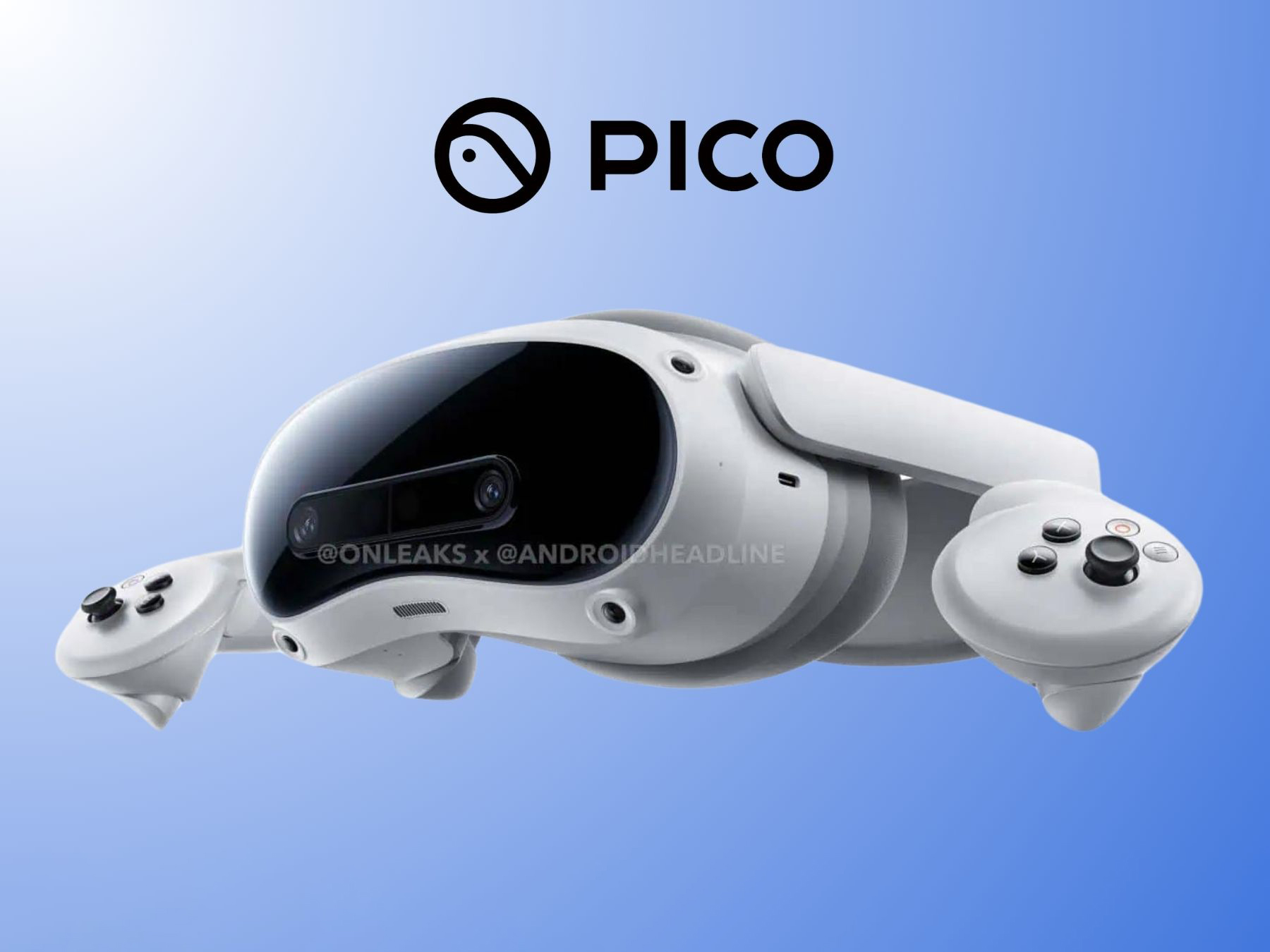
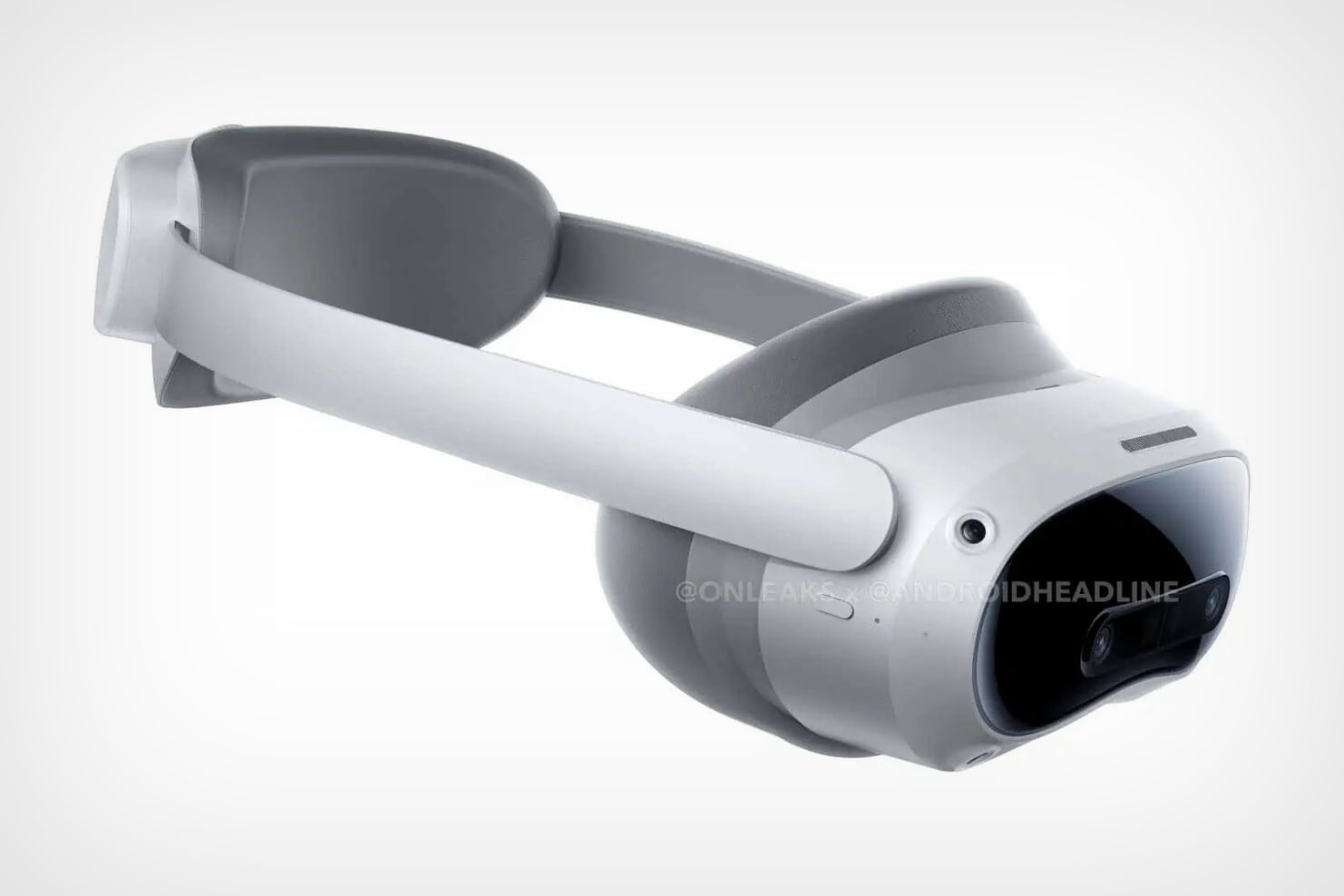
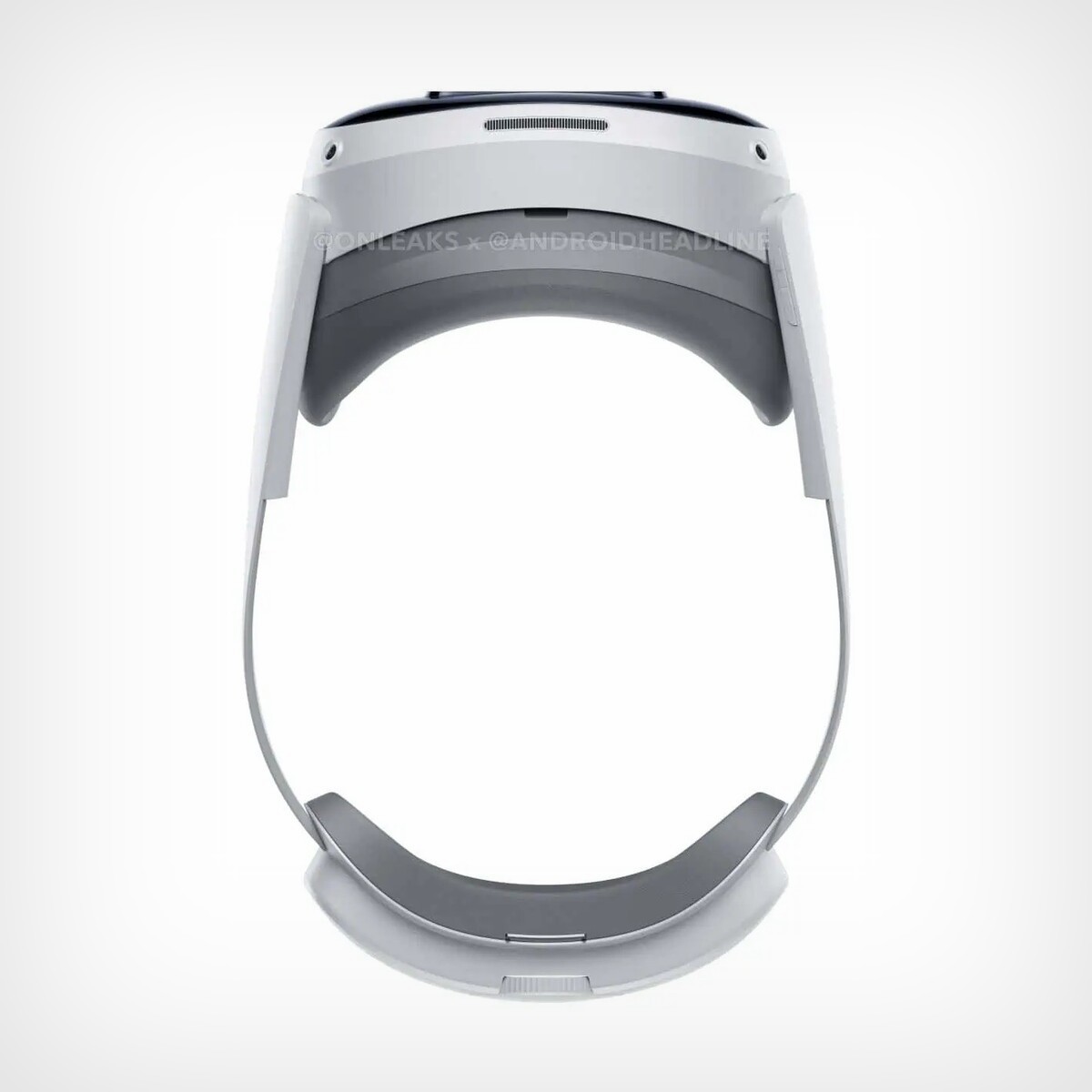
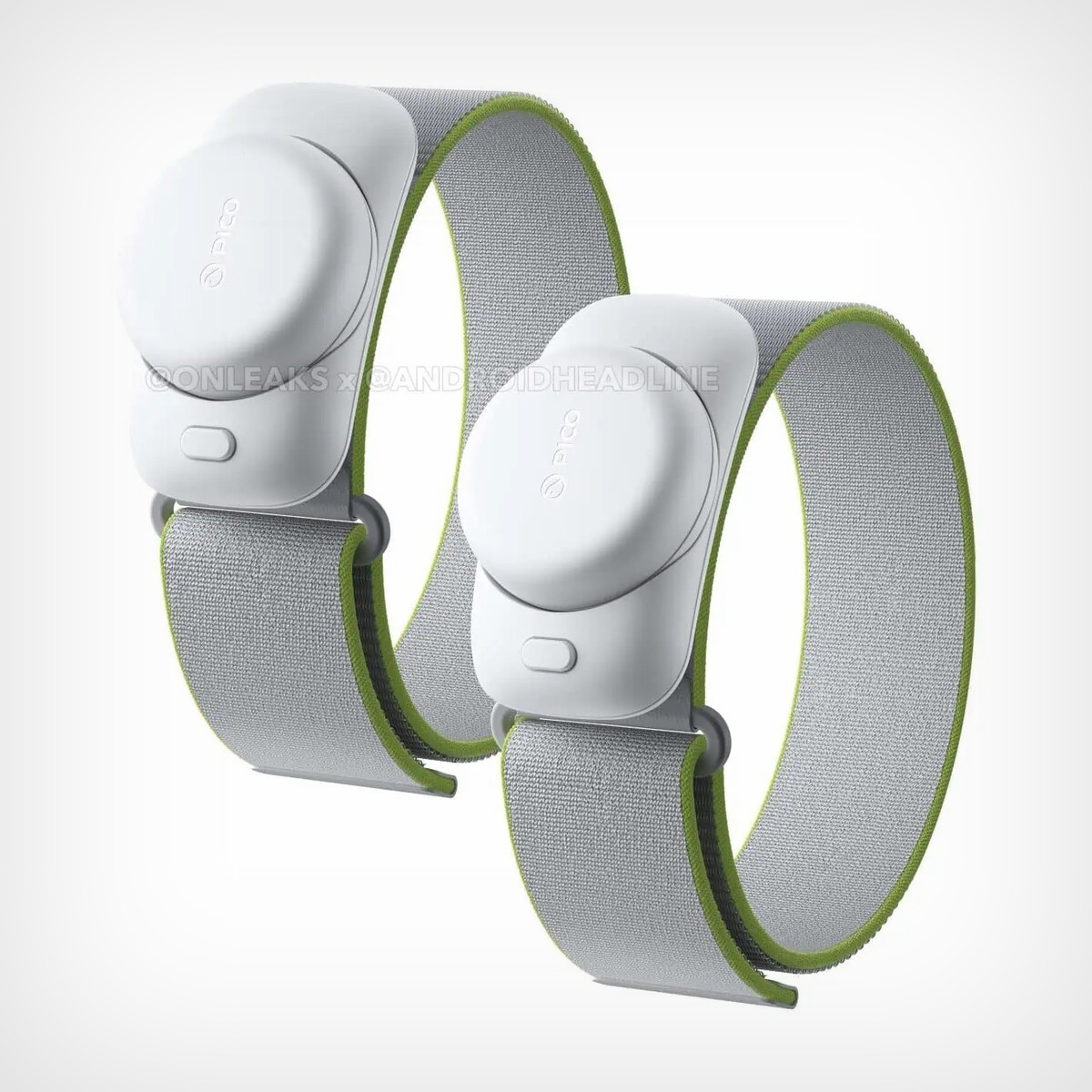
Meta has a monopoly on both social media as well as virtual reality headsets, but not for long because TikTok’s parent company ByteDance is coming to the hardware space with its first mixed reality headset too. The creator behind the world’s most popular (and even polarizing) social media app just acquired XR company Pico, and is planning on launching a headset under its newly acquired sub-brand. The Pico 4S (or 4 Ultra in some countries) is an upgraded version of its predecessor, notably with pronounced pass-through cameras on the front of the headset, redesigned controllers, and a pair of wearable wrist-band sensors for non-controller hand tracking. How the Pico 4S ties into ByteDance’s broader approach towards cornering the VR market is unclear, but then again, Spatial Computing was a total rage last year. Does it mean TikTok could turn more immersive? Or maybe ByteDance has other plans…
Designer: ByteDance
One of the most significant changes in the Pico 4S is the inclusion of a stereoscopic pair of cameras at the front. This upgrade is likely to enhance the pass-through experience, allowing for a more immersive and responsive mixed-reality interaction. The cameras are positioned within a slightly revised front glass design, which still retains the familiar look of the Pico 4. The rear-mounted battery, a feature praised for improving weight distribution and comfort during extended use, remains a part of the design. This thoughtful approach to ergonomics, combined with the new camera system, shows ByteDance’s commitment to refining user experience without drastically altering what worked well in the previous model.
Another addition to the Pico 4S is the set of two wrist straps designed to enhance hand tracking. These straps, equipped with sensors, are expected to offer greater flexibility and precision in scenarios where handheld controllers may not be necessary or desirable. The wrist straps, which appear to be detachable, add a new dimension to the device’s versatility. This feature, coupled with the ring-less controllers that closely resemble those of the Pico 4, suggests that the Pico 4S will be well-suited for a wide range of applications, from gaming to more professional mixed reality tasks.
Under the hood, the Pico 4S is rumored to be powered by the Snapdragon XR2 Gen 2 chipset, the same processor found in the Meta Quest 3. This is a notable upgrade from the Snapdragon XR2 Gen 1 used in the Pico 4, promising improved performance and efficiency. Paired with 12 GB of RAM, the Pico 4S is expected to handle demanding mixed reality experiences with ease. The display specifications, likely to mirror those of the Pico 4, include dual 2.56-inch 2160 x 2160 LCD screens with a refresh rate of up to 90 Hz. The motorized inter-pupillary distance adjustment, a feature that simplifies customization for individual users, is also expected to make a return, further enhancing the user experience.
Despite these advancements, the overall form factor of the Pico 4S remains compact and lightweight, ensuring that it will continue to be a comfortable device for extended sessions. The inclusion of spatial audio via in-built speakers and the continuation of motorized inter-pupillary distance adjustment are features that contribute to the headset’s user-friendly design. While the Pico 4 initially faced limited availability outside of Europe and East Asia, its positive reception and expanded availability suggest that the Pico 4S may also see a broader release, possibly entering the competitive US market.
The Pico 4S is poised to challenge the Meta Quest 3 (and even the rumored Quest 3s) with its combination of refined design, enhanced technical capabilities, and thoughtful features aimed at improving user comfort and interaction. As the mixed-reality market continues to grow, the competition between these two headsets will likely drive further innovation, ultimately benefiting consumers looking for more immersive and accessible mixed-reality experiences.