Apple’s iPhone 16 & iPhone 16 Plus Are Official

iPhone 16

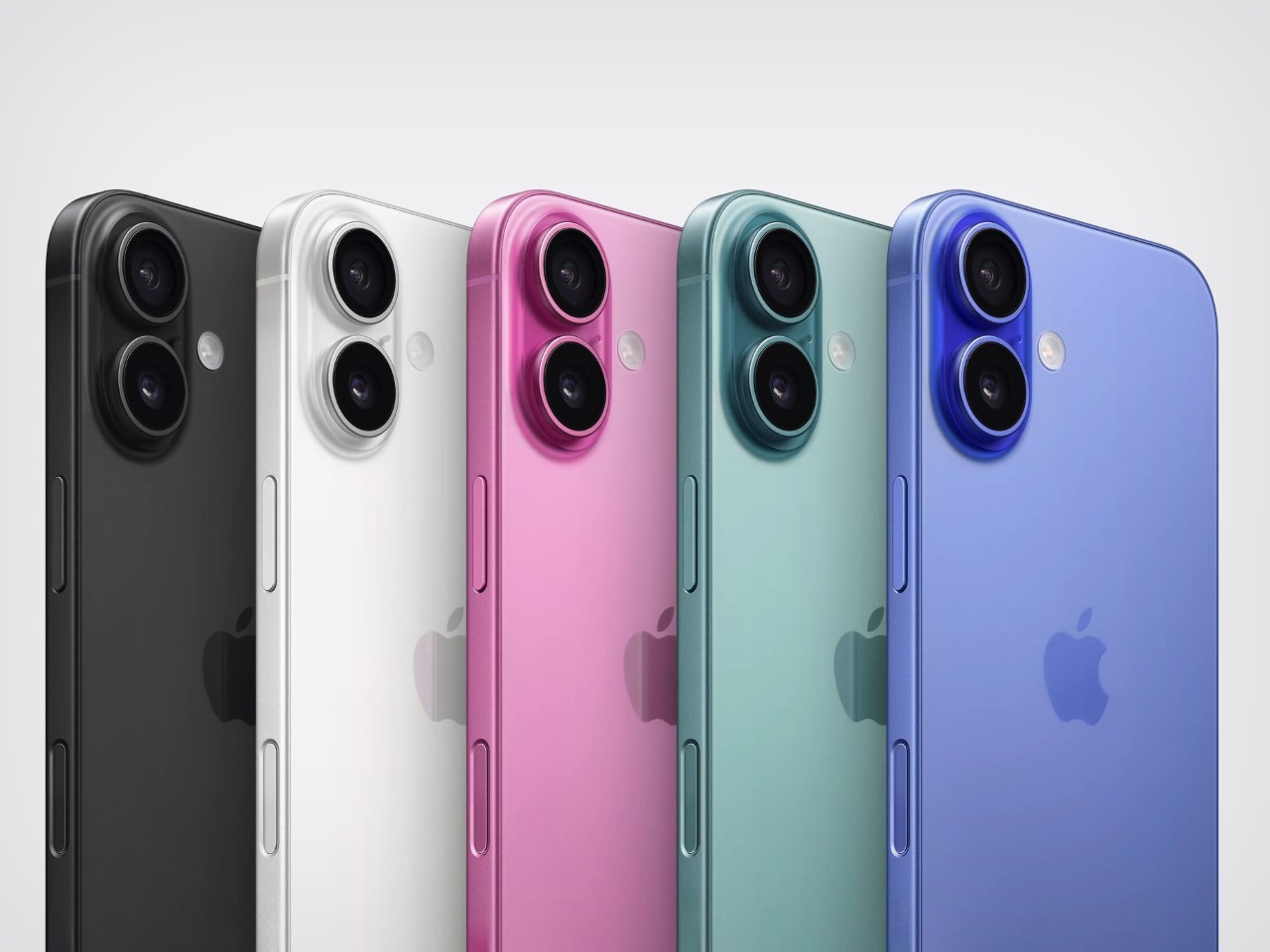
Apple has officially announced the iPhone 16 and iPhone 16 Plus, marking a significant advancement in smartphone technology. Built for Apple Intelligence, these new models offer a personal intelligence system that understands user context to deliver relevant and helpful information while maintaining privacy. This innovative feature is set to transform how users interact with their […]

The post Apple’s iPhone 16 & iPhone 16 Plus Are Official appeared first on Geeky Gadgets.

Apple AirPods 4 don’t come with a cable to charge them

The new AirPods that Apple just announced at its iPhone 16 event come with cases that have USB-C ports, but they will not ship with USB-C charging cables in the box. As 9to5Mac has noticed, the new devices' official page states that USB-C charge cables are sold separately for both the basic AirPods 4 and the AirPods 4 with Active Noise Cancellation. Apple didn't reveal the lack of cable in the earbuds' package in the event, but perhaps the company's assumption was that most people already have a bunch of USB-C cables in their possession. Still, it has just switched out the AirPods' cases lightning port, so current users got lighting cables with their previous models.

Apple started selling its devices without charging bricks years ago, and it also stopped shipping the Apple TV with a USB cable for its Siri charger in 2022. So, no, this isn't unprecedented, but those who don't have an extra cable to use with an AirPods 4 will have to buy one. The latest version of the AirPods Max does come with a cable, though, so those looking to get a pair don't have to put an extra one in their shopping cart.

For those now undecided whether to get the AirPods 4: We did find the ANC version's performance impressive. Engadget Senior Reporter Billy Steele got to try it at Apple Park's chaotic hands-on area, and the active noise cancellation nearly silenced the room full of event attendees. Apple also called the new models the "best fitting AirPods ever."

Catch up on all the news from Apple’s iPhone 16 event!

This article originally appeared on Engadget at https://www.engadget.com/audio/headphones/apple-airpods-4-dont-come-with-a-cable-to-charge-them-035629606.html?src=rss

AEG’s Smart Kitchen Challenge at IFA 2024: CEO + Chef in a High-Tech Cook-off

With its kitchen-line products on display at IFA, AEG is putting its money where its mouth is – by having a CEO produce a top-tier dish with help from a chef while using the company’s induction hob, oven, and overhead chimney. The cook-off, hosted by Radhika Seth of Yanko Design, attempts to drive home a simple point – with the right tools, anyone can be a chef. To prove this, we got Anna Ohlsson-Leijon (CEO Business Area Europe APMEA & Group Executive Vice President, Electrolux Group) to collaborate with professional chef Paola Martinenghi. Martinenghi, a designer-turned-chef with a history of working for Michelin star restaurants is a designpreneur in her own right, with her own women-led lighting-design firm. With a passion for cooking, Martinenghi believes in preserving old-school recipes, even if it means updating them so that people can use cutting-edge kitchen appliances to make age-old traditional dishes.

Both CEO and Chef will be attempting a deceptively simple dish that’s known for requiring perfect technique – Risotto Tricolore with pomodoro, pesto, and burrata – a summer spin on the Risotto Milanese. Risotto is considered an incredibly technical dish given the precise control required over temperature, cook-time, and the gradual addition of broth to rice while you constantly stir the dish. Mess any step up and your risotto is less-than-ideal resulting in a dish that would make an Italian nonna fume. It’s a good thing, however, that AEG’s state-of-the-art kitchen collection makes certain steps foolproof, allowing you to easily attempt even the most technical recipes.

The process gets made simple by AEG’s CookSmart Touch Display, which guides you through step by step. The Sense Fry sensor on the hob helps you maintain a consistent temperature during your cook (sort of like cruise control for chefs) – for the risotto, it’s a steady 120°C. Meanwhile, AEG’s Xtractor Hob, which features an integrated extractor fan, kept the cooking area free of smoke and odors, making the experience even more pleasant. A clean, smoke-free kitchen means less hassle, and less cleanup—a win for anyone who’s familiar with the chaos of post-cooking messes.

Throughout the cook-off, the focus shifted frequently to AEG’s smart features, particularly how the appliances use AI to adapt and enhance cooking. The AI TasteAssist feature automatically adjusts cooking settings based on the dish being prepared. Anna explained that by simply inputting a recipe, the oven analyzes the details and determines the optimal temperature and time, which could revolutionize how people cook at home. The Assisted Dishes function also impressed Paola, as it provides guidance across a wide range of meals, making even the most complex dishes accessible to home cooks.

Energy efficiency was another cornerstone of the new AEG range. Sustainability is more than a buzzword—it’s built into the design. The appliances can reduce energy consumption by up to 30%, with features like PreHeat and Residual Heat, which cleverly utilize retained heat to finish cooking. The SenseBoil & Fry function, for instance, promises to save up to 33% in energy usage. It’s clear that AEG has aligned its smart technology not just with convenience, but with the goal of making kitchens more eco-friendly.

The discussion also touched on design and aesthetics. AEG’s range isn’t just high-tech—it’s designed to be visually appealing. Paola praised the sleek, minimalist look of the appliances, which come in Matt Black and Glossy Black, noting that they not only enhance the cooking process but also complement modern kitchen interiors.

As the cook-off neared its conclusion, Paola and Anna finished the risotto with a flourish, adding burrata for a creamy, indulgent finish. The results were met with unanimous delight as the hosts tasted the dish and marveled at how easy the process had been, thanks to AEG’s smart kitchen tools.

The post AEG’s Smart Kitchen Challenge at IFA 2024: CEO + Chef in a High-Tech Cook-off first appeared on Yanko Design.

Apple’s New ‘Visual Intelligence’ feature on the iPhone 16 basically makes Google Lens obsolete

Apple has a reputation for taking established ideas and refining them into seamless, intuitive features, and it looks like they’ve done it again with their new Visual Intelligence technology in the iPhone 16. In contrast to Google Lens, which primarily scans objects or texts in photos and returns basic web-based results, Apple’s Visual Intelligence integrates advanced generative models and contextual awareness, creating a more profound, interactive experience. This blend of on-device intelligence and private cloud computing not only delivers more relevant information but does so in a way that feels personal and purposeful.

Let’s dive into why Apple’s Visual Intelligence may have just overshadowed Google Lens, and how it’s bringing more powerful insights to users right through the iPhone 16’s camera. Before we do, it’s important to note that Google HAS, in fact, demonstrated Gemini’s ability to ‘see’ the world around you and provide context-based insights… however, it seems like a lot of those features are limited to just Pixel phones because of their AI-capable Tensor chips. While Google Lens (an older product) is available across the board to both iOS and Android devices, Apple’s Visual Intelligence feature gives iPhones a highly powerful multimodal AI feature that would otherwise require existing Apple users to switch over to the Google Pixel.

Going Beyond Surface-Level Search

Google Lens has been a reliable tool for identifying objects, landmarks, animals, and text. It essentially acts as a visual search engine, allowing users to point their camera at something and receive search results based on Google’s vast index of web pages. While this is undoubtedly useful, it stops at merely recognizing objects or extracting text to launch a related Google search.

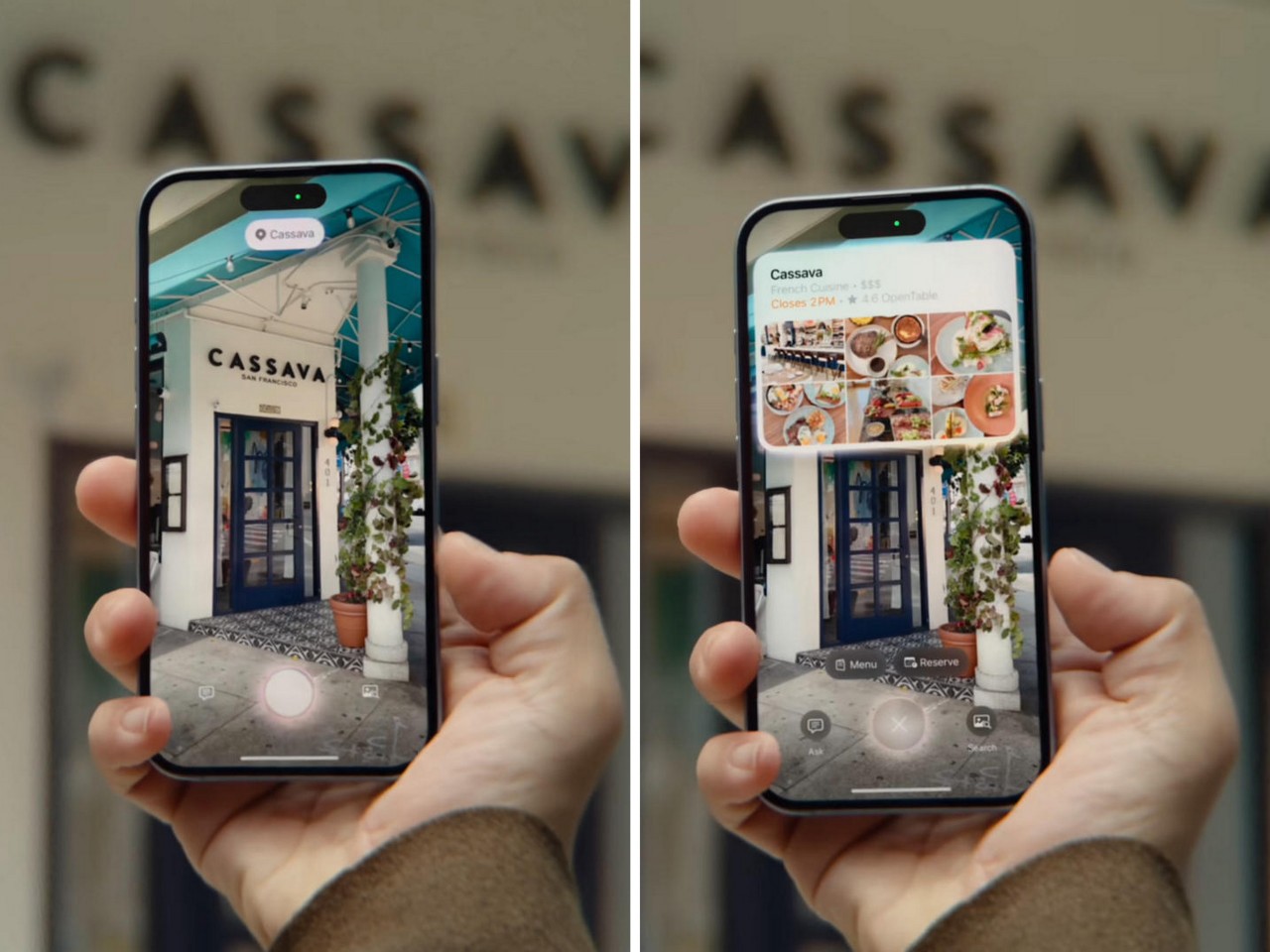
Apple’s Visual Intelligence, on the other hand, merges object recognition with contextual data retrieval. This means it can offer richer, more integrated information. During the Apple keynote, Craig Federighi demonstrated how users could point their iPhone at a restaurant and instantly retrieve operating hours, reviews, and options to make reservations—all without needing to open Safari or another app​. Similarly, pointing the camera at a movie poster will not just yield a name or showtimes, but deeper context such as ratings, actor bios, and related media, providing a much more immersive and helpful experience.

The Power of Integration: Visual Intelligence and Third-Party Tools

One of the standout features of Apple’s Visual Intelligence is its seamless integration with third-party tools, offering expanded functionality. For instance, if you spot a bike you’re interested in, Visual Intelligence doesn’t just identify the brand and model; it can quickly connect you to third-party retailers via Google Search to check availability and pricing. This interplay between native intelligence and external databases exemplifies Apple’s mastery of pulling together useful, real-time data without breaking the user’s workflow.

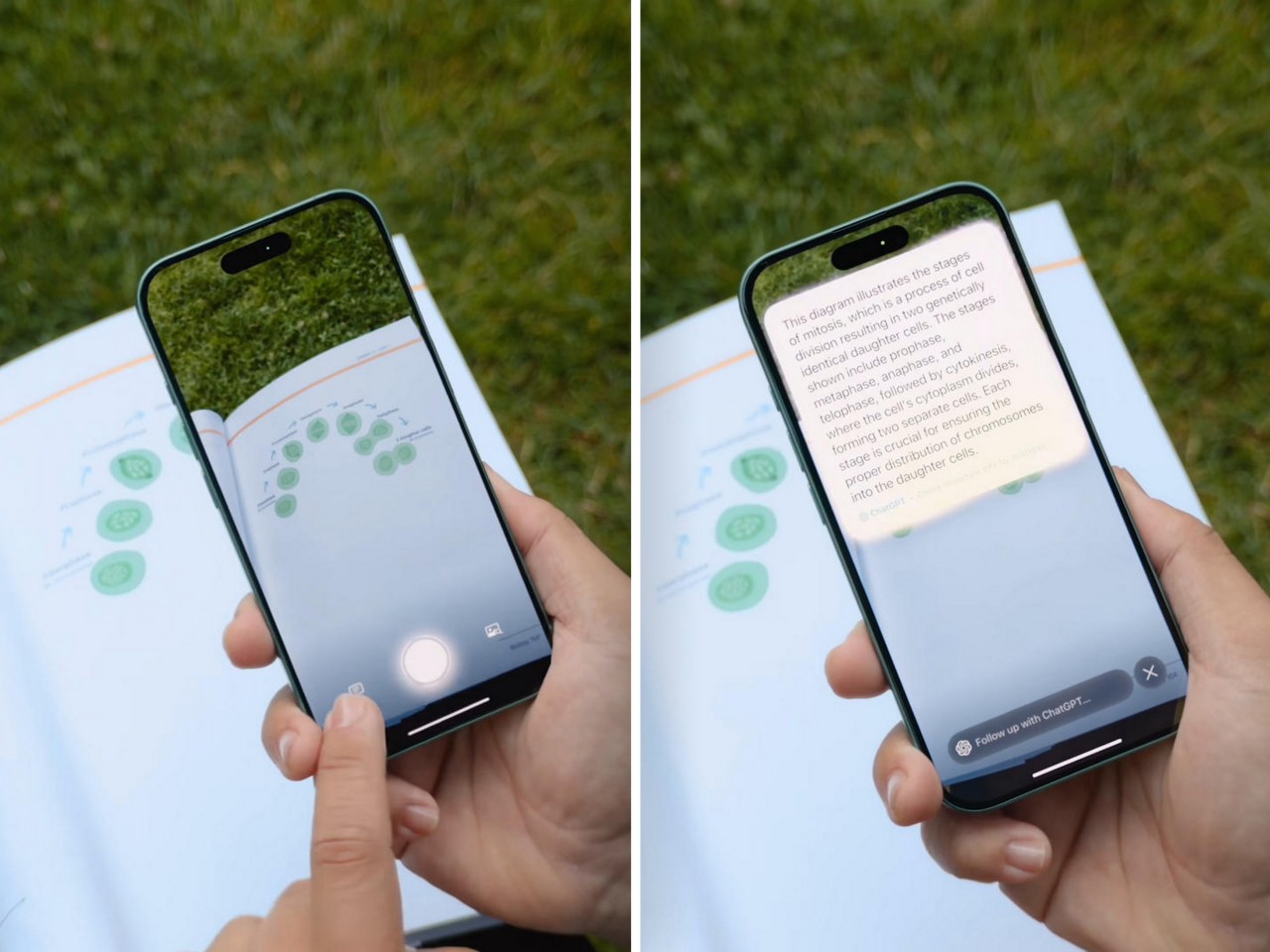
But it doesn’t stop there. Apple has built-in support for querying complex topics with tools like ChatGPT. Imagine you’re reviewing lecture notes and stumble across a difficult concept. Simply hold your iPhone over the text and ask ChatGPT to explain it right on the spot. This deep contextual awareness and ability to provide real-time insights based on multiple external sources is something Google Lens simply cannot do at the same level.

Privacy at the Core

Another area where Apple shines is in its privacy-first approach to AI. All interactions through Visual Intelligence, such as identifying objects or pulling up information, are processed on-device or via Apple’s Private Cloud Compute, ensuring that no personal data is stored or shared unnecessarily. This is a stark contrast to Google’s cloud-based model, which has often raised concerns about the volume of user data being processed on external servers. By keeping the majority of computation on the device, Apple delivers peace of mind for privacy-conscious users—an area that Google has historically struggled with.

A Broader Reach: Enabling Personal Context

One of the most significant advantages of Apple’s approach is its deep integration into your phone’s personal data. Visual Intelligence doesn’t just analyze what’s in front of the camera; it connects the dots with your past interactions. For example, Siri, now supercharged with Visual Intelligence, can identify the contents of your messages or your calendar appointments and offer contextual suggestions based on what you’re viewing​. If you’re looking at a flyer for an event, Visual Intelligence will not only retrieve details about the event but also cross-reference it with your schedule to automatically add it to your calendar—again, without having to lift a finger.

Google Lens, by comparison, lacks this deep personal integration. It’s effective as a standalone visual search tool but hasn’t yet reached the level of intuitive, user-centered design that Apple has mastered.

A New Era for Intelligent Photography

Apple’s innovation also extends into how we interact with our cameras. The new camera control on the iPhone 16 doubles as a gateway to Visual Intelligence. This means users can quickly snap a photo and receive actionable insights immediately. With a simple press of the camera control, users can tap into features like instant translations, object recognition, or even educational tools like ChatGPT.

Google Lens, while impressive in its object recognition, doesn’t offer this seamless experience. It requires users to jump between apps or tabs to get additional information, while Apple’s integration means the iPhone is one fluid tool—camera, intelligence, and action all in one place.

Apple Executes Where Google Initiated

Google Lens may have launched first, but Apple has undeniably refined and expanded the concept. It’s a tendency that we’ve come to learn and love about Apple – they usually don’t believe in being first to the market, but rather believe in executing features so well, people tend to ignore the competition – they did so with the Vision Pro AND with Apple Intelligence. Visual Intelligence is a bold step forward, leveraging on-device power and privacy to deliver more meaningful, contextual insights. Where Google Lens excels at basic object recognition, Apple’s approach feels more like a true assistant, offering deeper information, smarter integrations, and a more secure experience.

The post Apple’s New ‘Visual Intelligence’ feature on the iPhone 16 basically makes Google Lens obsolete first appeared on Yanko Design.

Engadget Podcast: Apple Watch Series 10 was the star of the iPhone 16 launch

In this bonus episode, Devindra and Engadget Contributing Reporter Kris Holt break down everything new (and not so new) in the iPhone 16 lineup. Is Apple Intelligence alone enough to entice iPhone owners to upgrade? Does anyone actually need the camera button? And why are we so intrigued by the Apple Watch Series 10 (which is undoubtedly the most interesting product Apple launched today)?


Listen below or subscribe on your podcast app of choice. If you've got suggestions or topics you'd like covered on the show, be sure to email us or drop a note in the comments! And be sure to check out our other podcast, Engadget News!

Hosts: Devindra Hardawar and Kris Holt
Producer: Ben Ellman
Music: Dale North and Terrence O'Brien

This article originally appeared on Engadget at https://www.engadget.com/mobile/smartphones/engadget-podcast-the-apple-watch-series-10-was-the-star-of-the-iphone-16-launch-222416888.html?src=rss

Kind Words 2 takes cozy letter-writing to the city on October 7

Kind Words 2 (lofi city pop), a game where you send real letters to real people and then wander around a cozy town, is due to hit Steam on October 7.

It’s the sequel to Kind Words (lo-fi chill beats to write to), an award-winning 2019 game from independent Boston studio Popcannibal. Players in the original game had a single bedroom where, backdropped by a sweet lo-fi soundtrack, they wrote and responded to letters from other players. There were small bits of room customization and sticker collection in the game, but it was truly just about connecting with strangers in a warm and nice way. This was a prescient idea: Just six months after Kind Words came out, the coronavirus pandemic locked down the globe. Connecting with people safely and from a distance suddenly became a top priority, and Kind Words carried this responsibility well. In the five years since launch, hundreds of thousands of players have sent more than 6 million messages in-game.

Kind Words 2 imports your letters, room changes and stickers from the first game, and it allows you to leave the bedroom and explore a small town of shops, cafes and parks. On top of the standard letter-writing loop, you can customize your avatar with new clothes, scream (in written form) into the void, wish on a star, perform poetry and interact with other players in public spaces. The endlessly chill soundtrack comes from Slay the Spire and Kind Words composer Clark Aboud. It all looks — and sounds — incredibly adorable.

In terms of game design, Popcannibal faces a unique and impossible-sounding challenge with the Kind Words series. Instead of having to build innovative environments or ultra-responsive controls, developers have to create a world that encourages anonymous online strangers to be nice to each other. The original game excelled in this regard, using visuals, mechanics, mood and music to foster friendly conversations among thousands of anonymous players worldwide. Kind Words 2 is bigger, but the vibe seems just as snuggly, and this time around Popcannibal has years of experience moderating and vibe-curating under its belt. If anyone can create a troll-free anonymous social network, it’s these folks.

Kind Words 2 was announced in a Day of the Devs stream in December 2023, and it's available to wishlist on Steam right now.

This article originally appeared on Engadget at https://www.engadget.com/gaming/pc/kind-words-2-takes-cozy-letter-writing-to-the-city-on-october-7-215127953.html?src=rss

Rumors we got right (and wrong) with the September 2024 Apple Keynote

Apple’s September event remains every tech nerd’s most awaited time of the year for two reasons. For starters, it’s the announcement of brand-new gear that we can get our hands on… but more importantly, it’s a validation of everything we’ve been hearing and assuming over the years. There’s never a single day when people aren’t actively trying to find out details on what Apple will do next. The company has a rock-solid reputation for keeping its products under wraps until they’re ready to launch… but sometimes things slip through the cracks. Us nerds love to speculate on these rumors, and come September, the keynote feels like judgment day – where some rumors get turned into reality, and others into rubble.

As Apple unveiled their latest slew of devices today, it’s interesting to see exactly where the rumors were right, and where we were absolutely off mark. For starters, we all expected next-gen AirPods Max headphones (given that it’s been 4 years since their first launch) as well as a Watch Ultra 3. Apple conveniently skipped those devices, only to announce minor upgrades to them (nice way of saying they’re already perfect the way they are). Meanwhile, rumors of a ‘capture’ button on the iPhone seemed as good as true with phone-makers actually displaying iPhone 16 cases at IFA 4 days before Apple’s formal launch. So without further ado, here’s a look at all the rumors over the past year, and whether they made it or not.

Rumors we got wrong:

1. Apple Watch X would see a radical redesign for the 10th anniversary
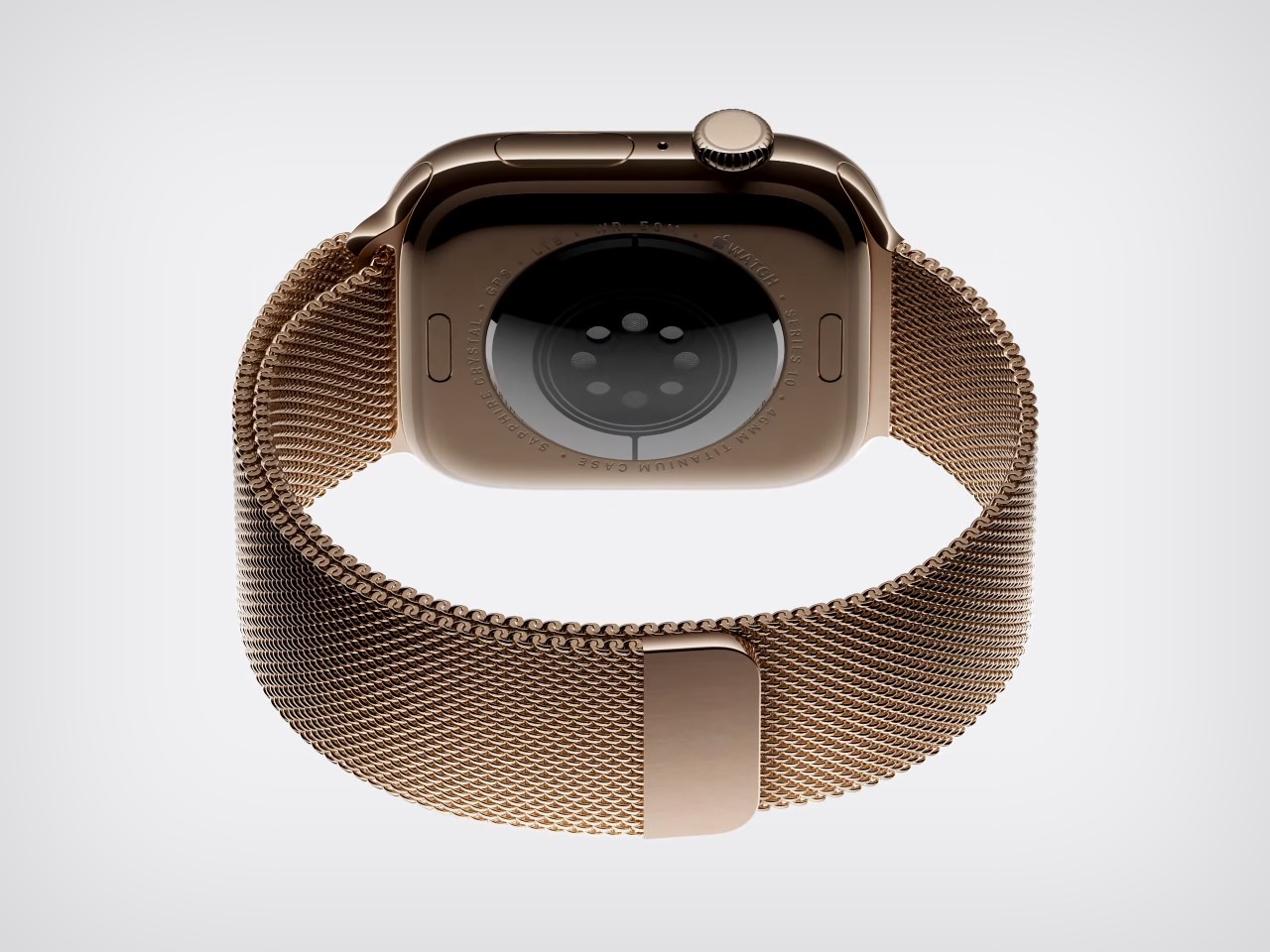
Honestly, it feels a little heartbreaking to see that Apple didn’t give the Watch a 10th-anniversary makeover the way they did with the iPhone X back in 2017. A lot of us were pinning our hopes on seeing a radical redesign (some speculated flat edges like on the iPhone), while others tried hinting at a new form factor. None of that turned out to be true, as Apple announced a nominally slimmer Watch Series 10 (measuring 9.7 mm thick) with a larger display. The design, for the most part, remains entirely the same, except that now the Watch has a re-engineered speaker system that can play audio from podcasts and music apps, allowing you to listen clearly through your watch instead of needing AirPods.

2. Apple would announce a Watch Ultra 3
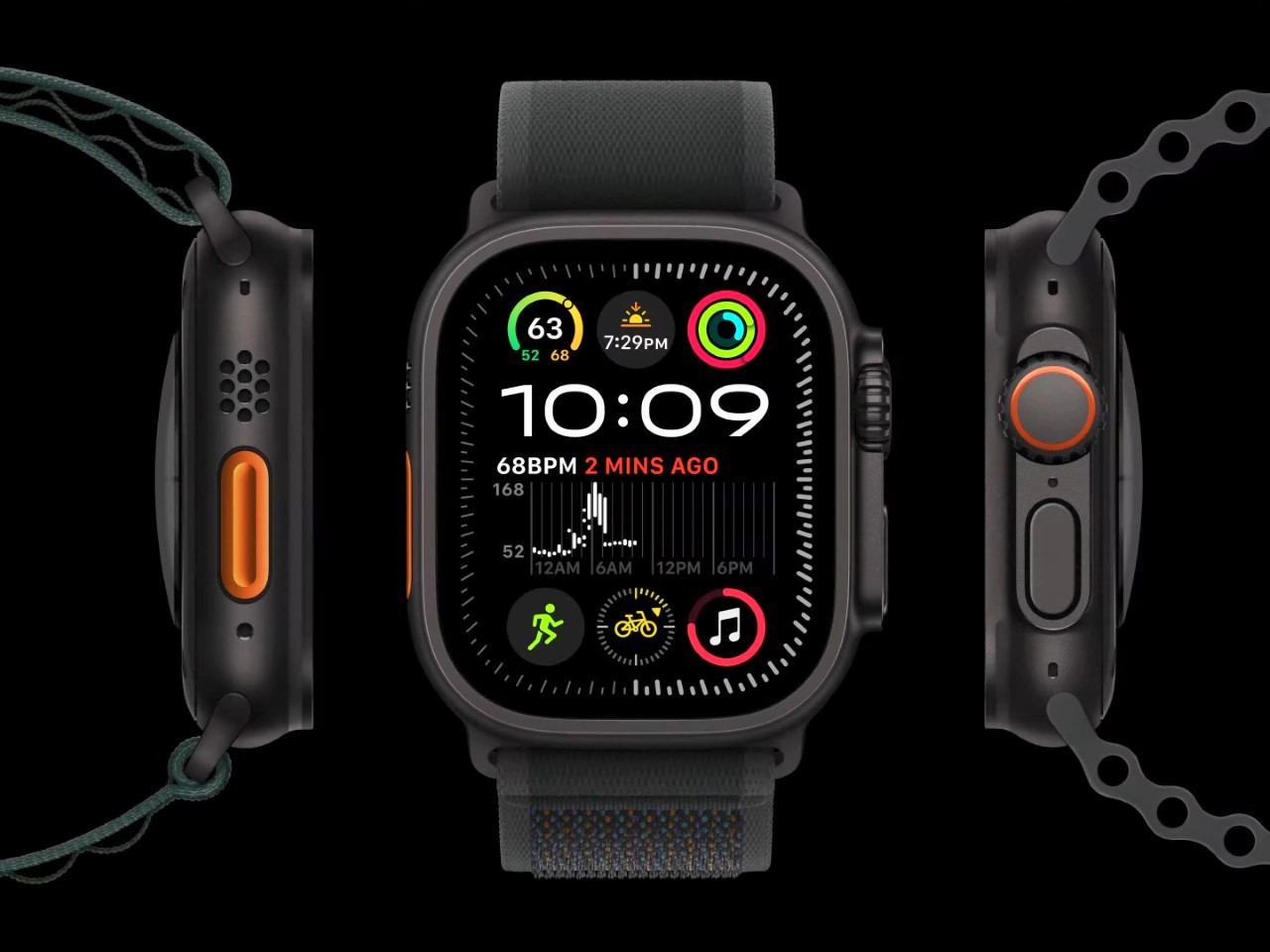
It seemed natural that a Watch Ultra 3 would drop this year, considering Apple refreshed the Watch Ultra after a single year too. However, the Watch Ultra 2 only got a new color upgrade this year, with a gorgeous satin black finish. Everything about the Watch Ultra 2 remains the same on the design and hardware front, although Apple did announce a set of stunning Milanese metal straps for both the Natural as well as the Satin Black color finishes.

3. Launch of the AirPods Pro 3 and AirPods Max 2
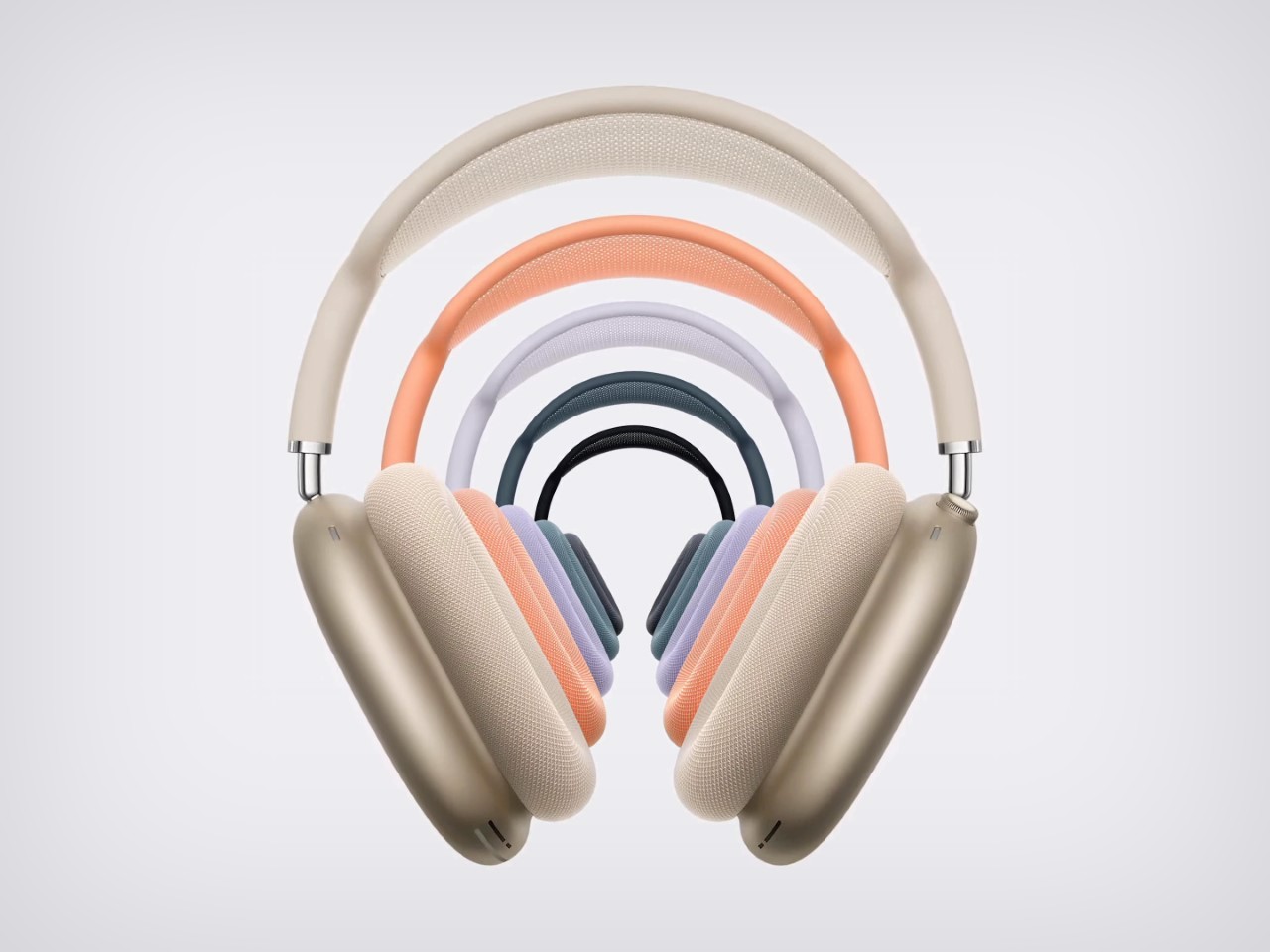
Apple launched the AirPods Pro 2 in September 2022, and the AirPods Max as early as September 2020. It felt all but natural to expect the company to give these devices their due upgrades, but it seemed like Apple had other plans. The company didn’t upgrade their highest-end earbuds and headphones but rather decided to give them a set of new protective features. The new AirPods (across the entire range) will have built-in hearing protection features that not only keep your ability to hear intact over time, but also provide tools to measure your hearing loss – something that’s usually a concern with prolonged earphone/headphone usage. Pending FDA approvals, the AirPods will have clinically validated hearing test features, as well as an over-the-counter hearing aid feature. Oh, and while the AirPods Max didn’t get an upgrade, they DID get 5 new color options, along with USB-C charging… finally.

4. Launch of an iPhone Slim
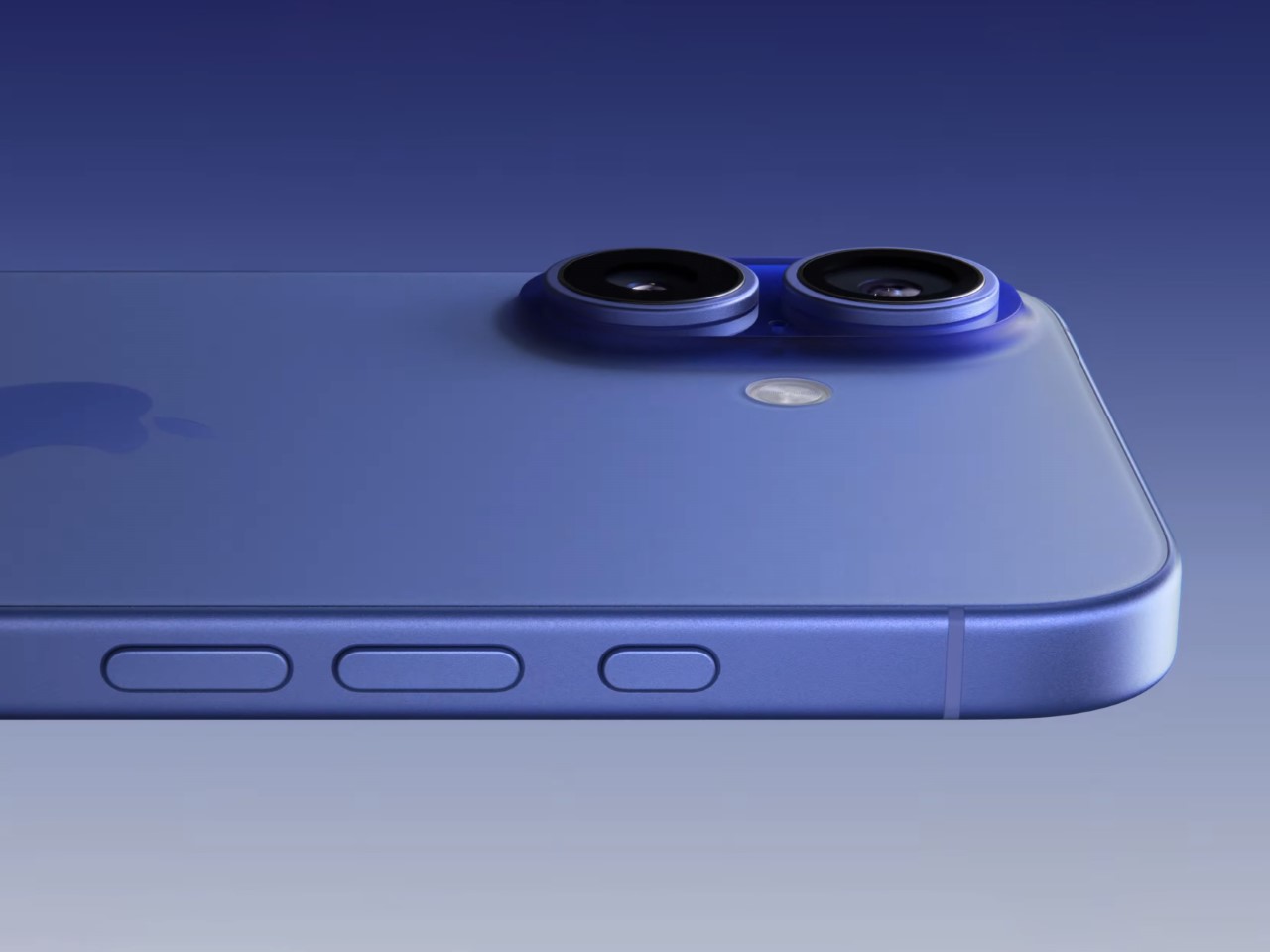
I had my doubts about this, but when Apple announced the world’s slimmest iPad clocking in at a mere 5.1 millimeters in thickness, it seemed like Apple had similar plans for the iPhone 16 series. However, none of that was true. Call it post-Bendgate-trauma or just something Apple isn’t planning on working on, but the iPhone Slim never really became a thing. I’ll be honest, if Apple DID want to make a slim iPhone, the best way to do it would be to turn it into a foldable… but it seems like we’re years away from that for now.

Rumors we got right:

1. The Apple Watch would get ZERO AI features
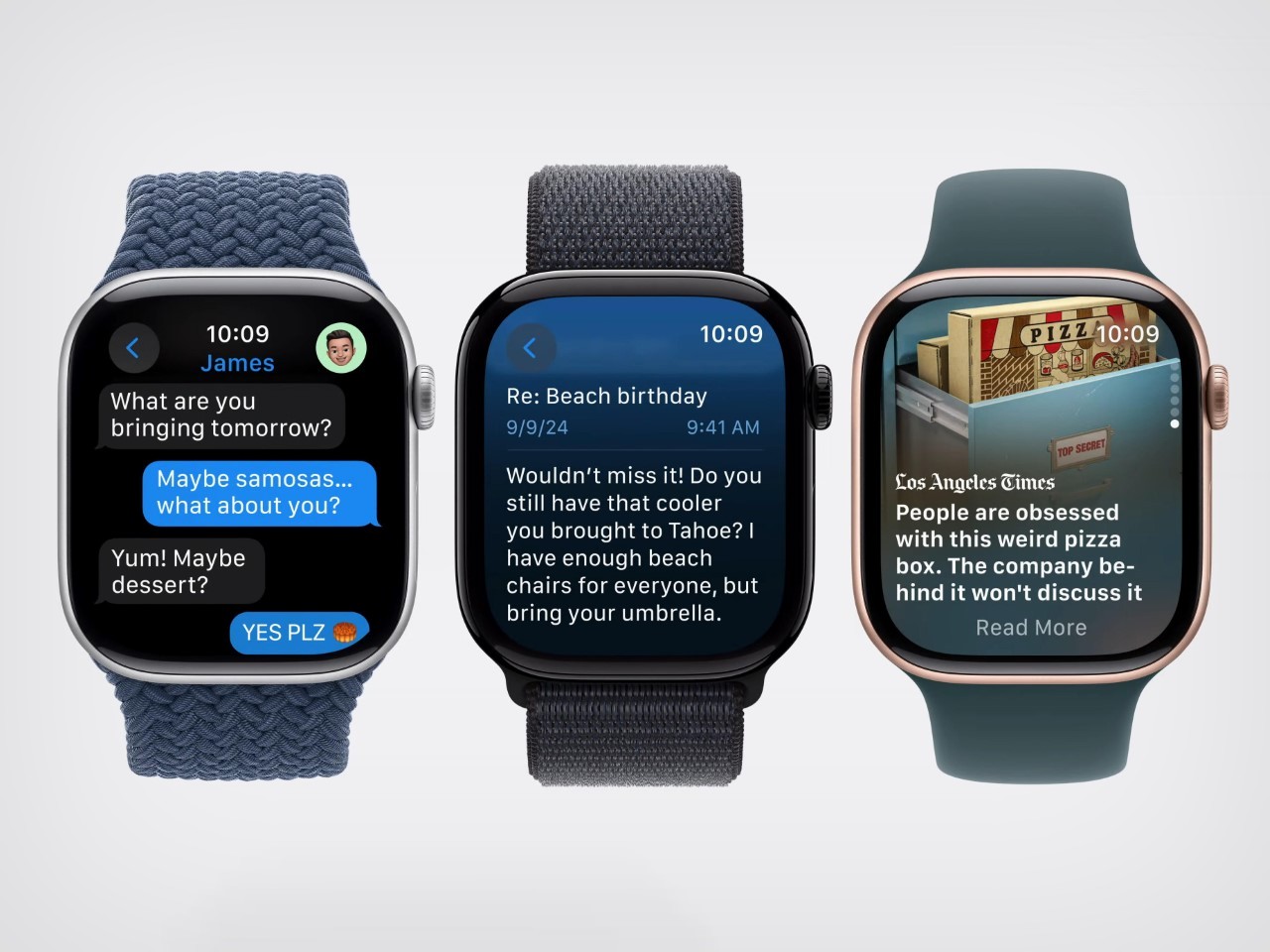
This felt surprisingly sad even for a rumor, but when WWDC rolled out, everyone was quick to notice that WatchOS didn’t get mentioned EVEN ONCE during the Apple Intelligence segment. I dismissed it as just a mere mistake, hoping that Apple would announce big AI features for the 10th anniversary Watch, but alas, the Watch Series 10 did NOT get any AI features. Sure, it has neural cores in its S10 SIP that uses machine learning to detect heart problems, falls, and now even sleep apnea… but ‘intelligent Siri’ won’t be coming to the Watch any time soon. Or any Apple Intelligence feature for that matter.

2. The AirPods Max would get upgraded to USB-C
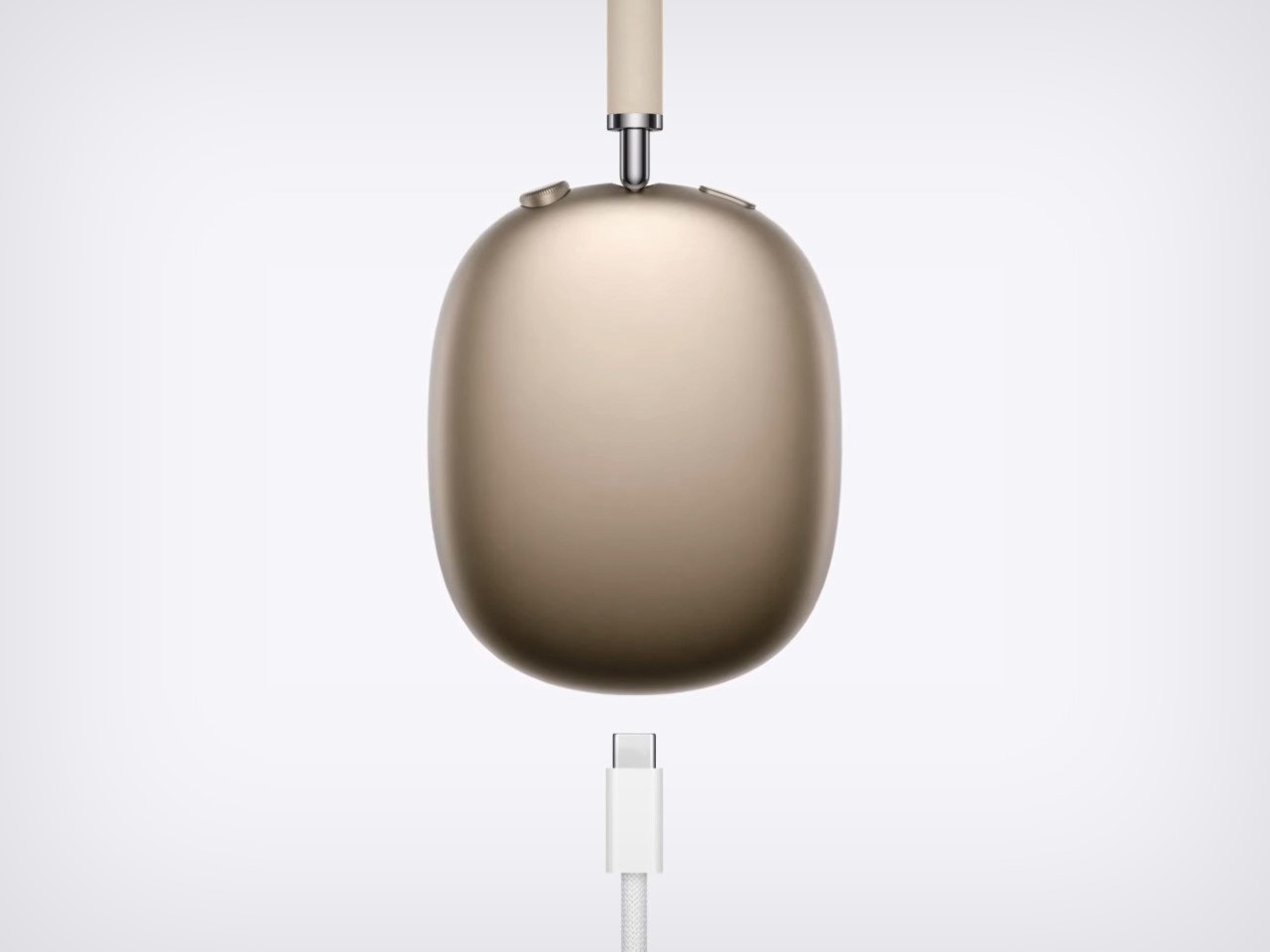
It’s surprising that Apple’s ENTIRE consumer product line got upgraded to USB-C, but the AirPods Max got left behind. First announced in 2020 (when Lightning connectors were still a thing), Apple practically ignored their flagship headphones for the next 4 years (it still sold like hotcakes), and just as we were hoping for an AirPods Max 2, Apple just decided to give their existing headphone collection 5 new color variants. However, along with the new colors, the AirPods Max DID finally get upgraded to a USB-C charging protocol, which means practically every mobile device (AirPods, iPad, and iPhone) has officially ditched the Lightning connector. In fact, it’s just the Magic Mouse, Magic Trackpad, and the Magic Keyboard that still have a Lightning port on them… but I guess the EU isn’t complaining about those.

3. The iPhone 16 series would have a Camera Control button
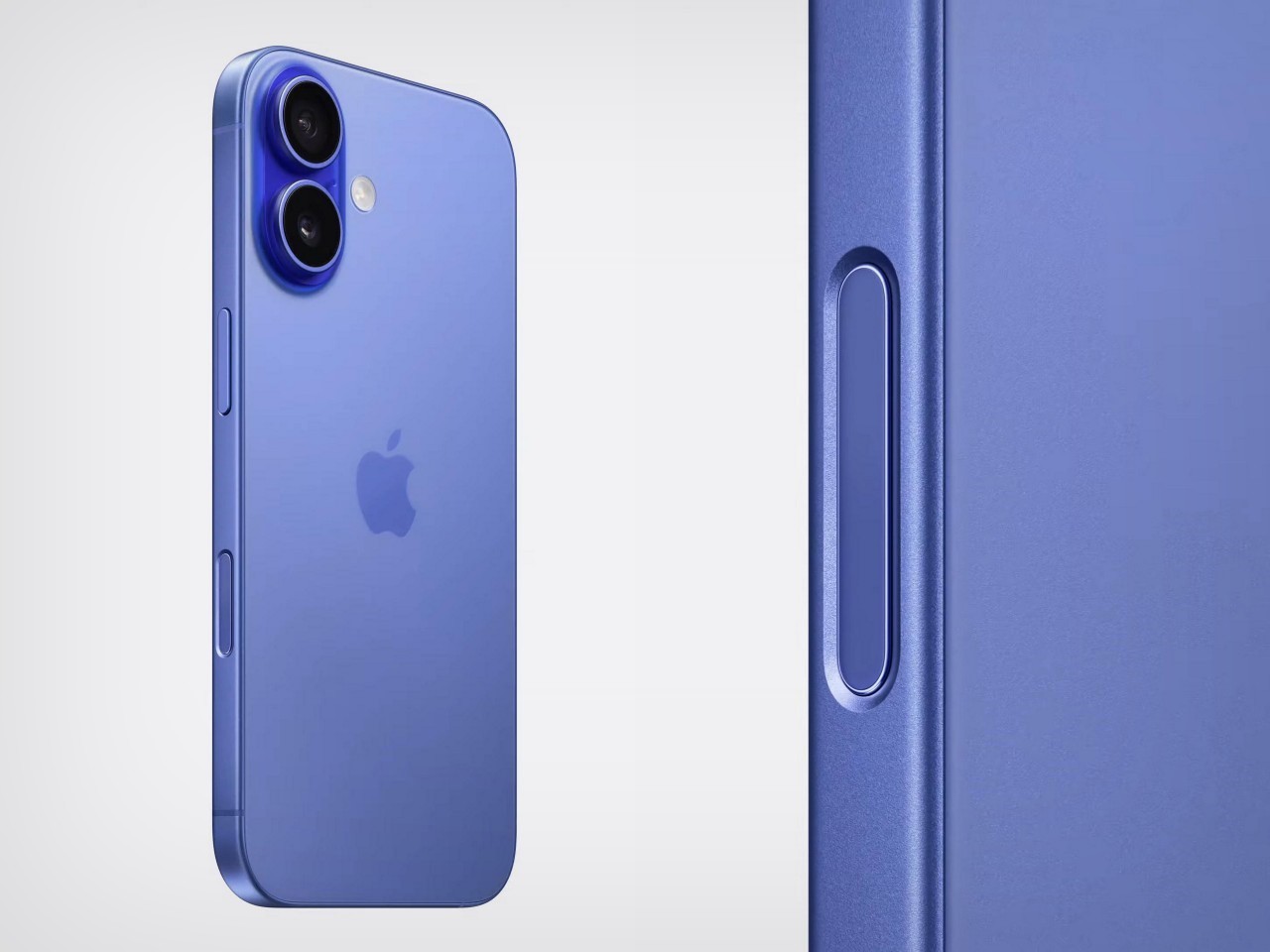
Arguably the biggest change to Apple’s iPhone since the Action Button, the new Camera Control button is surprisingly great. We speculated that it would just be a simple shutter button, but news later highlighted that it would have haptic control, along with a touch-slide feature. Obviously, these rumors only highlight half the truth… because it’s easy to speculate on hardware, but not on software. The Camera Control button’s features were finally announced at the keynote, highlighting how capable this new button would be. Aside from opening the camera and clicking photos, the button can zoom in/out, adjust focus, switch through presets, and do a whole bunch of exciting new things.

4. A larger iPhone 16 Pro Max with a bigger battery, bigger 6.9″ display, and thinner bezels
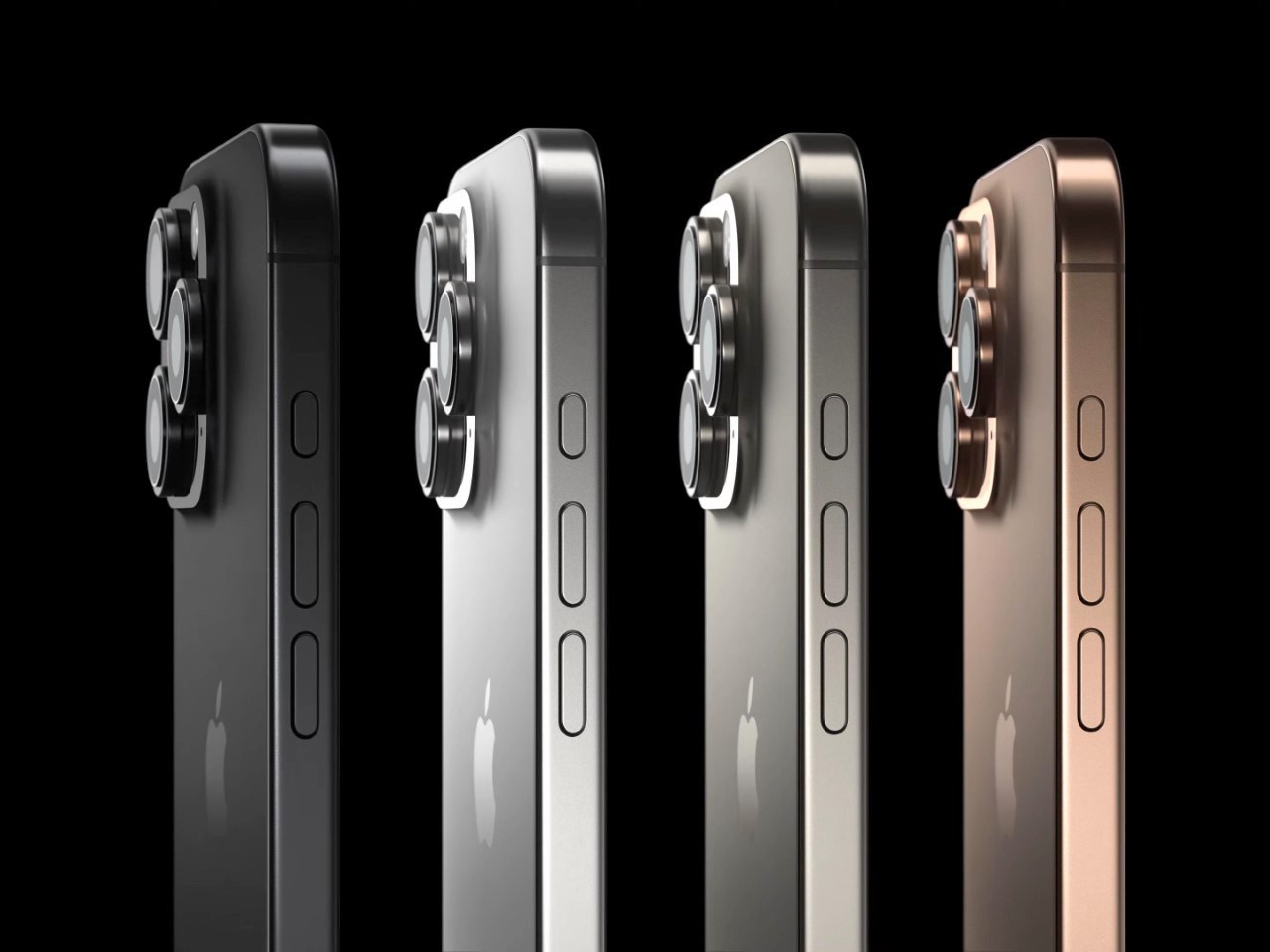
Apple announcing their iPhone launch in the MIDDLE of IFA 2024 in Berlin felt like a strategic move… and turns out, it was one, because even though the iPhone 16 wasn’t announced, cases for the new iPhone 16 series were on display at IFA, causing everyone to get a fair idea of what the new phones would look and feel like. Once I saw these cases on display, I obviously had to take a closer look… and upon doing so, I couldn’t help but notice how the 16 Pro Max case was significantly larger than my 15 Pro Max smartphone. Turns out, Apple DID end up making their flagship phones bigger (with the iPhone 16 Pro Max having a whopping 6.9-inch display), while making displays thinner, and cramming an even larger battery into their phones. The largest on any iPhone, as Apple personnel tend to say.

5. The iPhone 16 would get a direct bump to the A18 chip
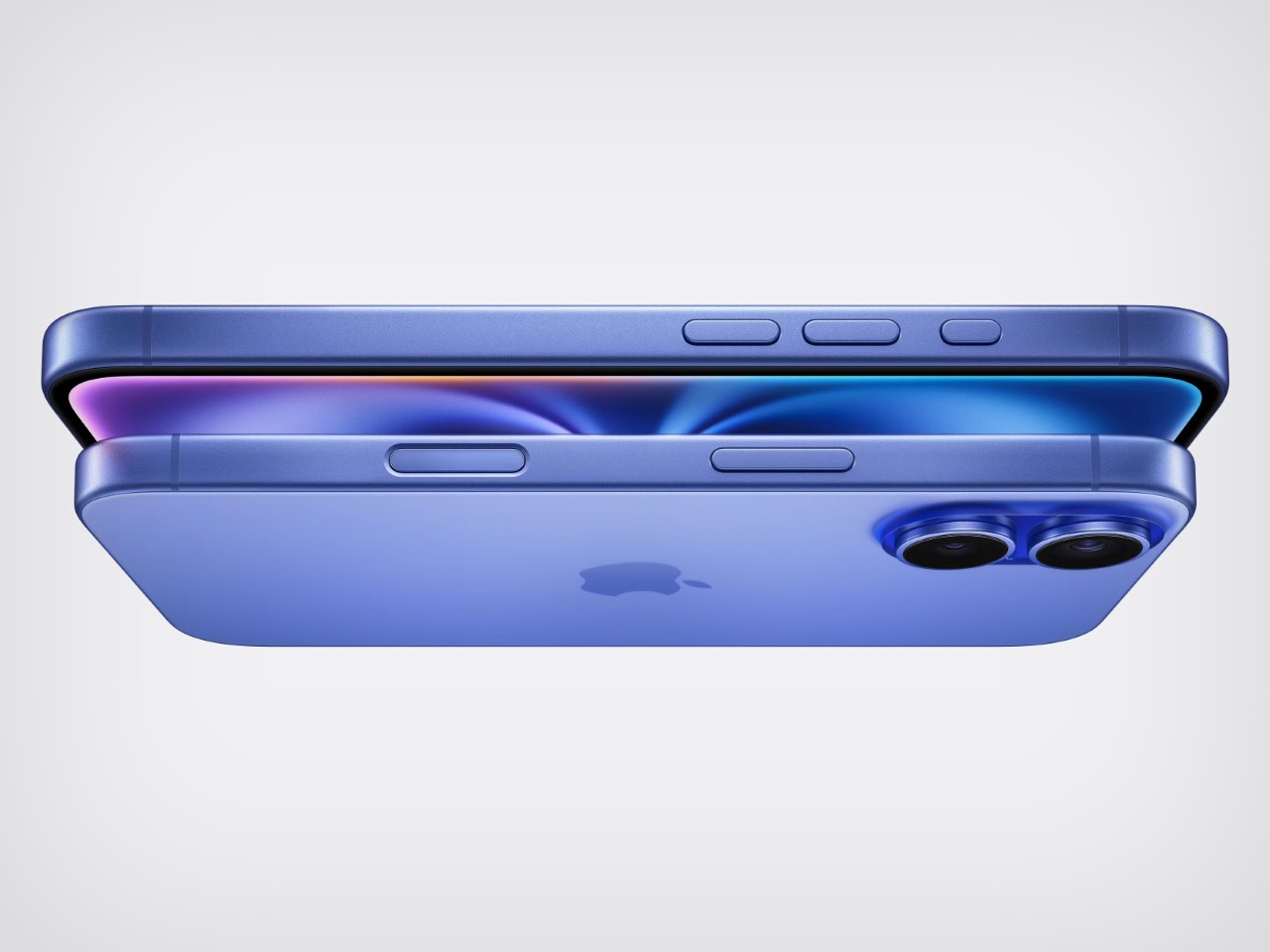
When Apple announced that their iPad Pros would skip the M3 and go directly to M4, my jaw dropped. It seemed inconceivable that Apple would leapfrog ITSELF, but once I saw the announcement, the rumor that the iPhone 16 would get an A18 chip seemed more believable. Traditionally, the base-model iPhones get the same chip as the previous year’s Pro models… but Apple decided to be kind this year. Given how so much of the new iPhone would be centered around Apple Intelligence, it made sense to build a NEW chipset just for handling these AI tasks. The iPhone 16 series is the first phone to get Apple’s latest A18 chipset, and as Tim Cook says, is truly the first iPhone built from the ground-up for Apple Intelligence.

The post Rumors we got right (and wrong) with the September 2024 Apple Keynote first appeared on Yanko Design.


Apple AirPods 4 hands-on: Seriously impressive ANC performance

Two models of AirPods were largely expected at today's iPhone 16 event, one of which would add active noise cancellation (ANC) to the "regular" AirPods for the first time. There are other upgrades for the $179 version, but after a brief demo of the ANC setup on the AirPods 4, I wager the noise-blocking tools will be the key selling point for most people. 

Apple is using this version of the AirPods 4 to bridge the gap between the AirPods and the AirPods Pro. As such, this model has some features that were previously exclusive to the company's priciest buds. Those include Siri interactions that allow you to accept or reject calls with a head nod, Adaptive Audio, Voice Isolation and more — all thanks to the H2 chip that powers the Pro model. All of these will be welcome improvements for people who prefer the open fit of the AirPods 4, but the ANC is the most impressive addition in my book. 

I got a brief demo of the AirPods 4 with active noise cancellation in the chaotic hands-on area at Apple Park. Honestly, it's a perfect place to test ANC. Once I had the AirPods 4 in my ears and I got some music going, I activated noise cancelling to silence the room. And it nearly did. I was blown away by how effective the ANC is on these earbuds that don't completely seal off your ears. Most open-type designs with ANC barely put a dent in ambient distractions, but do affect battery life. Here, I might as well have been in a room on my own, and I was only aware of the environmental noise when transparency mode jolted me back to reality. 

AirPods 4 have a revised design for a better overall fit for more people.
Billy Steele for Engadget

Apple updated the design for the AirPods 4, calling them "the best-fitting AirPods ever." This refined shape, in addition to some software tricks and acoustic performance, helps boost passive noise isolation while keeping your ears open for that default audio mode. ANC is yet another place Apple is able to flex the muscle of the H2 chip, and the AirPods 4 performance in that regard is a testament to the component's abilities. 

I will note that transparency mode on the AirPods 4 didn't sound as natural as it does on the AirPods Pro. That's mostly due to the fact that I didn't feel like the earbuds were piping in as much of my own voice as that pricier model. In fact, I felt like it hardly did so at all. An Apple rep explained that the difference could be attributed to a number of factors, including the fact that my ears weren't completely closed off.

Catch up on all the news from Apple’s iPhone 16 event!

This article originally appeared on Engadget at https://www.engadget.com/audio/headphones/apple-airpods-4-hands-on-seriously-impressive-anc-performance-211526269.html?src=rss

Tamagotchi Celebration Egg has recycled eggshell casing

Any child of the 90s has probably at one point or another got their hands on a Tamagotchi. Before there were mobile phones where we spend most of our eyes and fingers on, we had to feed, clean and take care of our virtual pets on a regular basis. In case you didn’t know, there are still a lot of Tamagotchis around and it is celebrating its 28th birthday with a special egg surprise.

Designer: Bandai Namco

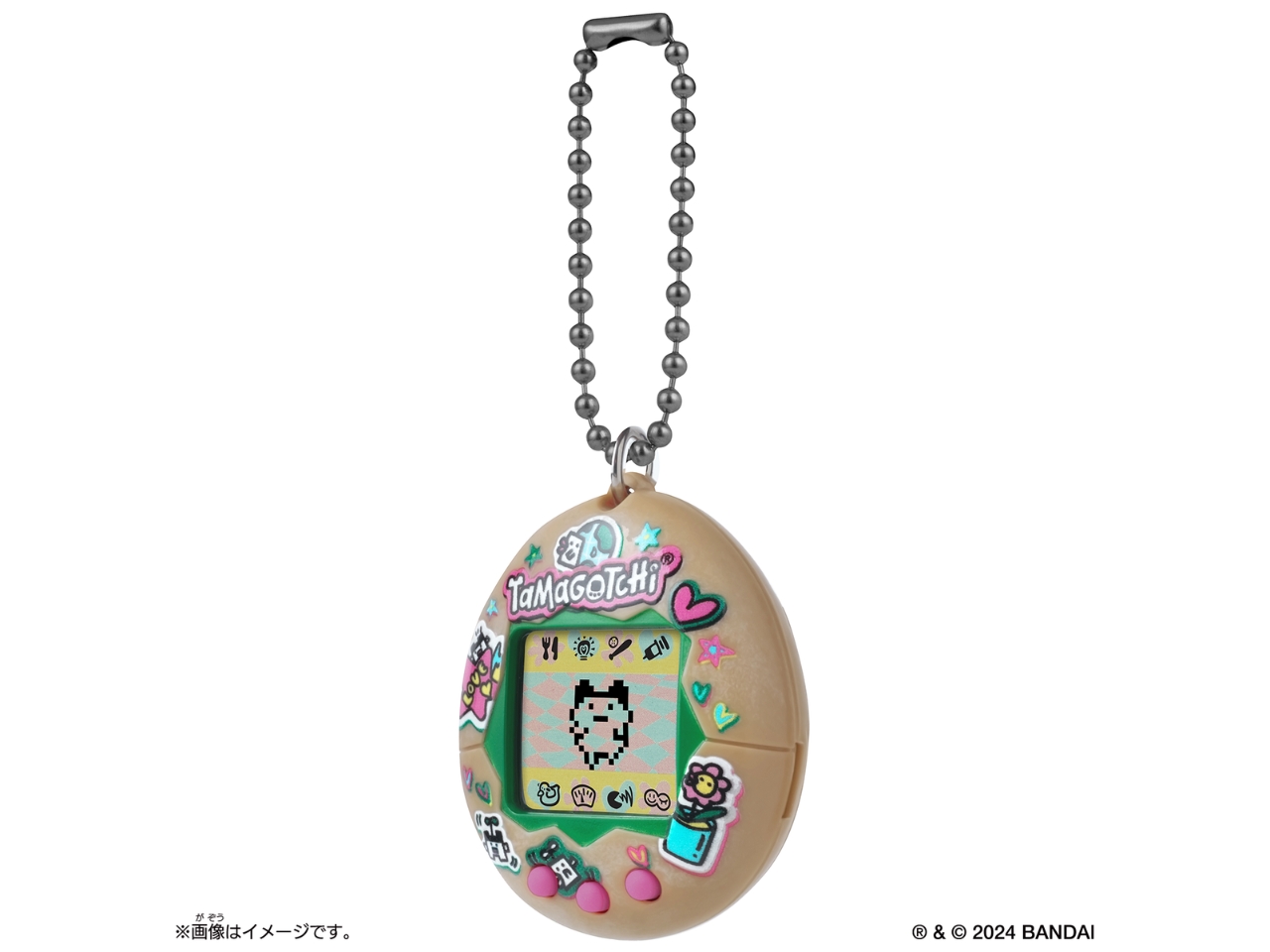
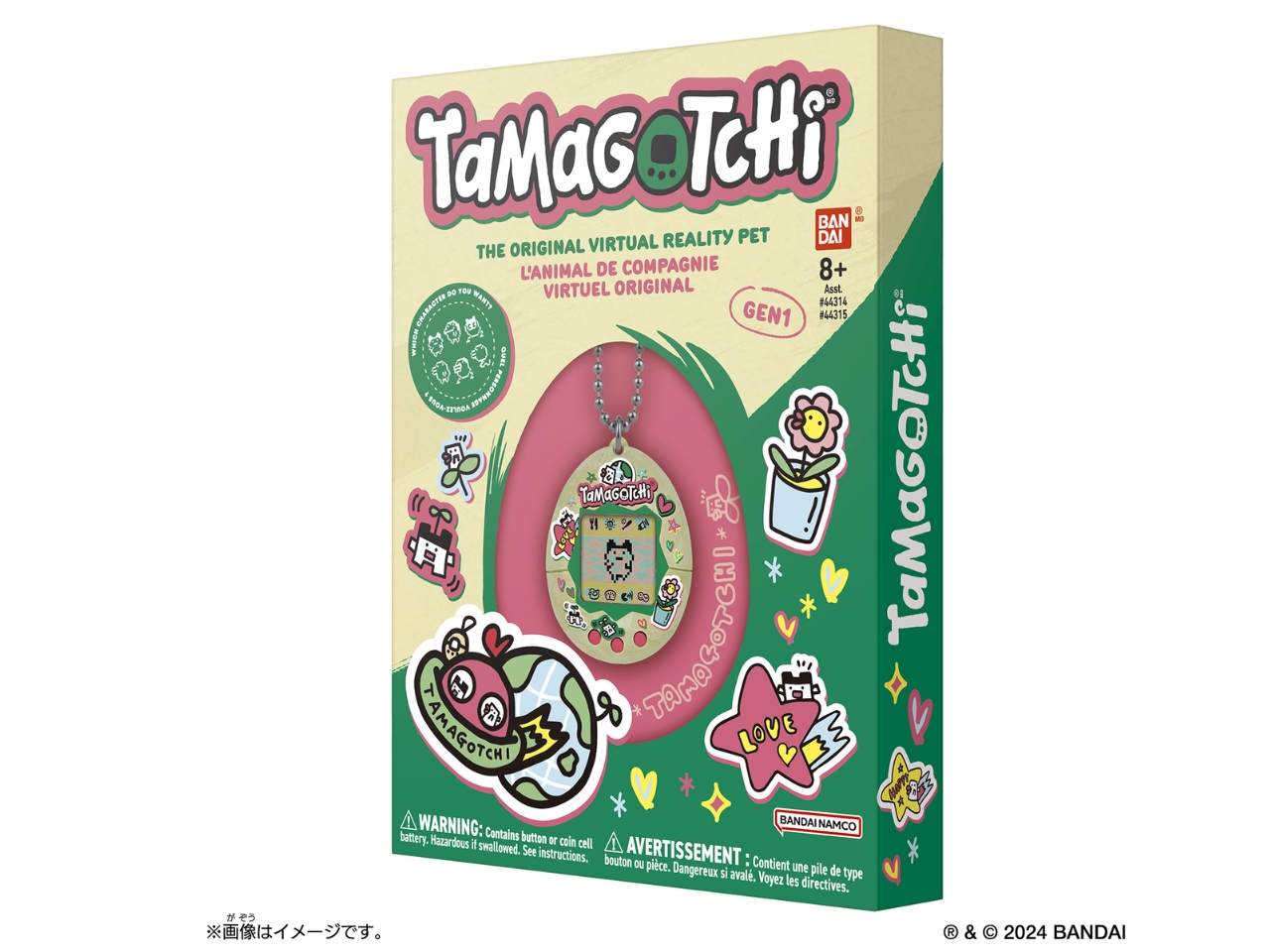
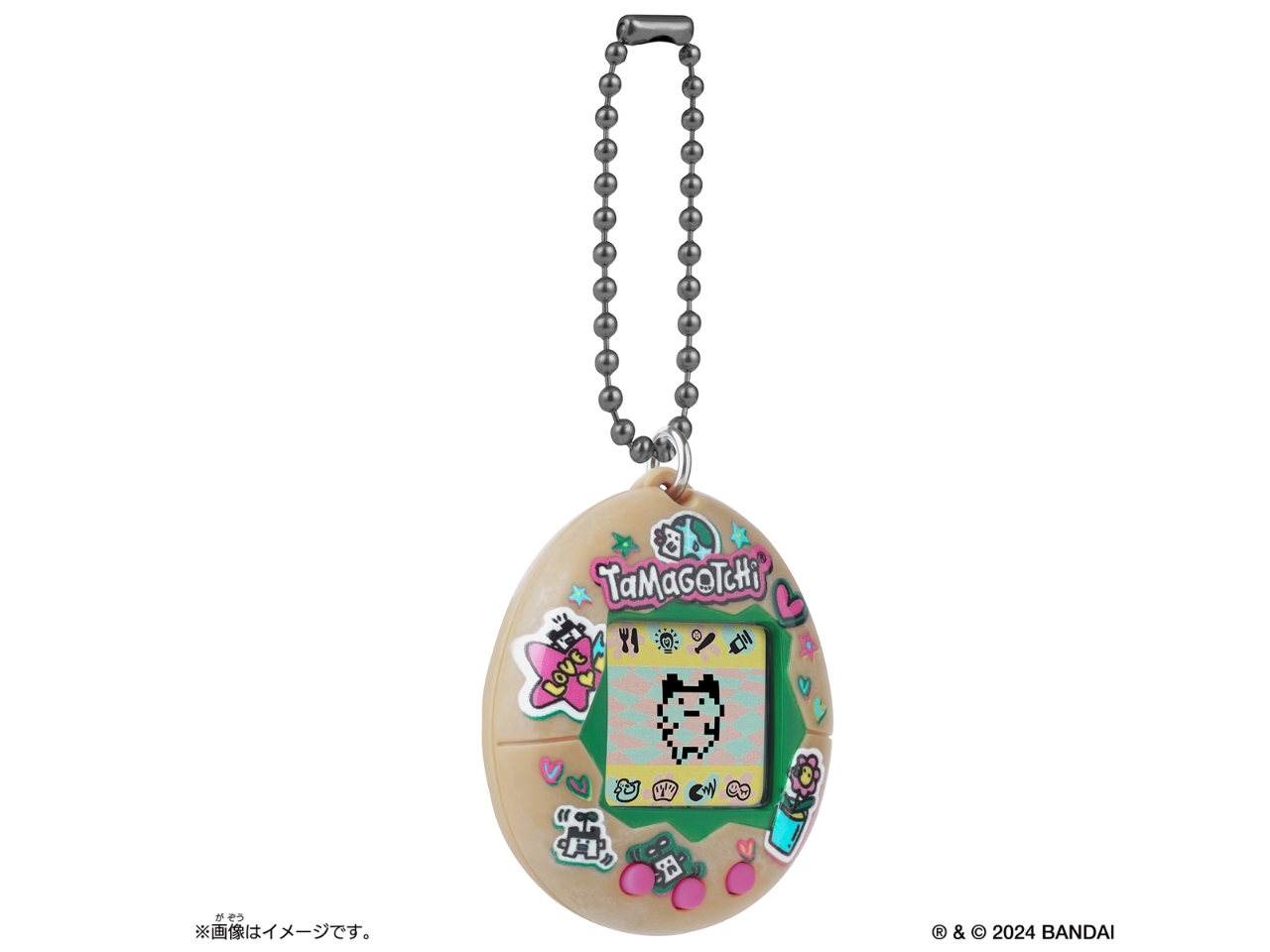
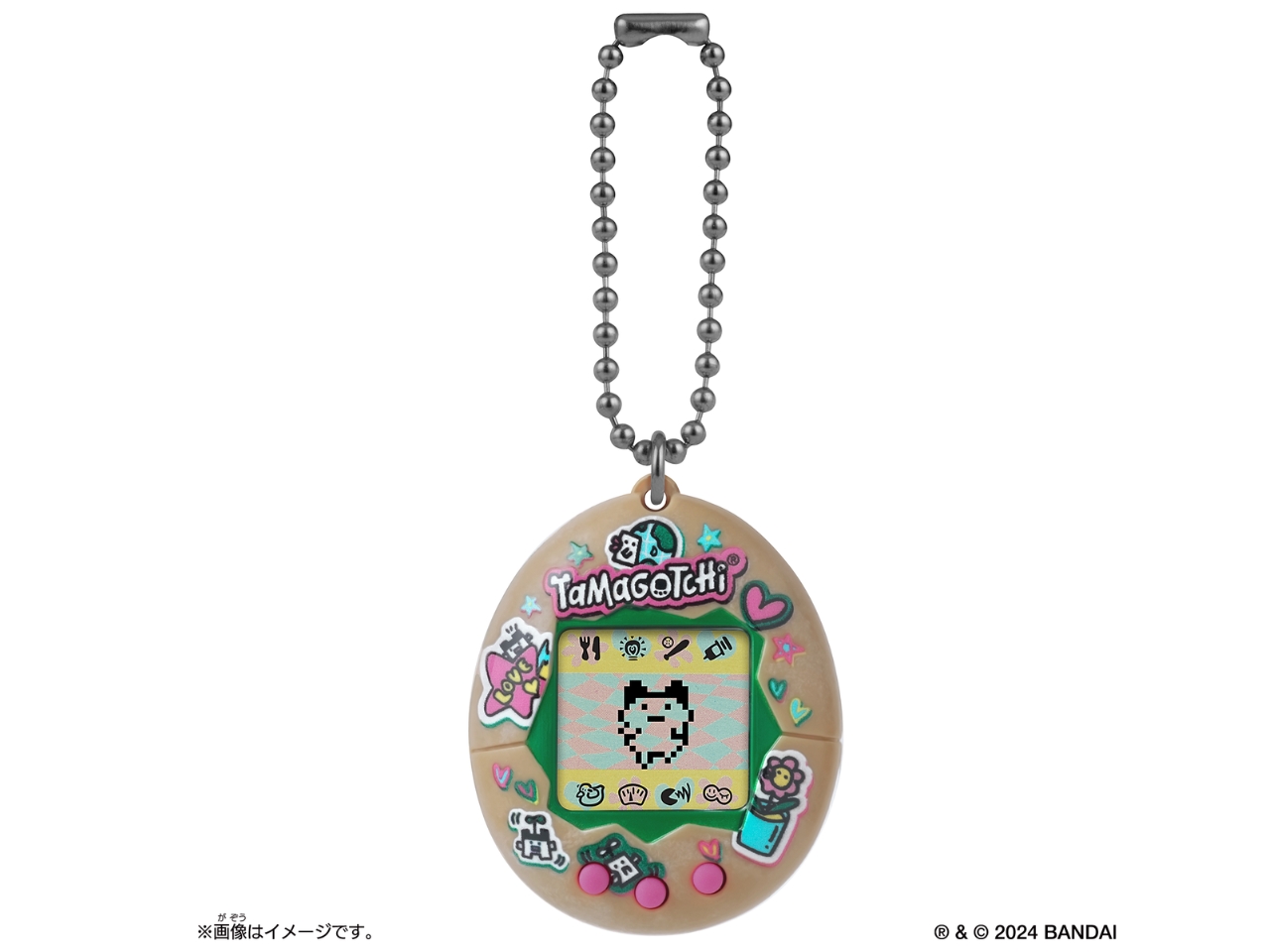
The Original Tamagotchi Celebration Egg will be arriving in a very special packaging inside and outside by 2025. What makes this special is that it goes back to its egg roots since the toy’s name comes literally from the Japanese word for egg, tamago. Instead of the normal plastic casing, this one is made from recycled eggshells, giving it a smooth, matte finish, much like a real egg’s look and feel.

In keeping with the eco-friendly celebration of the Tamagotchi’s anniversary, the packaging is also made from recycled paper. Aside from those two special things, you can play with your virtual pet in its usual way by feeding them, cleaning them up when they poop, and even disciplining them when they’re being naughty. And of course, they will grow up to be different characters, depending on how you take care of them.

This particular celebration egg can still be attached to your bag or even to your clothes with the ball chain, since you of course need to carry it around with you at all times. It will be available exclusively through Amazon by 2025 and will cost just $29.99.

The post Tamagotchi Celebration Egg has recycled eggshell casing first appeared on Yanko Design.