At its in-person fan event for Geeked Week this year, Netflix has shown teasers and sneak peeks of its upcoming shows, including the second season of Avatar: The Last Airbender. In addition to revealing that the new season is already in production, Netflix has also announced that Miya Cech (Are You Afraid of the Dark?) is playing earthbending master Toph.
A teaser for Squid Game season 2 shows Lee Jung-jae wearing his player 456 uniform again to compete in another round of deadly games with other contestants hoping to win millions of dollars. The next season of Squid Game will start streaming on December 26.
The streaming giant has also revealed that One Piece live action's Mr. 0 and Miss All-Sunday will be portrayed by Joe Mangianello and Lera Abova, respectively. And for Wednesday fans, Netflix has released a teaser for the second season of Wednesday that will arrive sometime in 2025.
For animation fans, Netflix has released a teaser for Tom Clancy's Splinter Cell: Deathwatch, with Liev Schreiber voicing protagonist Sam Fisher. It has also given viewers a short look at a new Devil May Cry animated series by Korean company Studio Mir, which is coming in April 2025.
Netflix has teased a new Tomb Raider animated series that's coming in October and a Rebel Moon game that's arriving in 2025, as well. Finally, the company has given Arcane fans a clear schedule for the final chapter of the critically acclaimed show: Act 1 will be available to stream on November 9, followed by Act 2 on November 16. A third and final Act will close out the show with a proper ending on November 23.
✨ flash warning ✨ A new fighter has entered the ring. Experience Vi's journey in the final chapter of Arcane when ACT 1 drops on November 9th, Act 2 drops on November 16th and Act 3 drops on November 23rd only on Netflix. #GeekedWeekpic.twitter.com/A6EN448Tli
This article originally appeared on Engadget at https://www.engadget.com/entertainment/streaming/netflix-teases-the-next-seasons-of-avatar-squid-game-and-arcane-at-geeked-week-035246559.html?src=rss
When you invest in a flagship smartphone like an iPhone, you expect a certain level of premium experience—both in the device and in how you protect it. After all, you wouldn’t park a Lamborghini in a shed, would you? We’ve touted TORRAS’ Ostand 360° case for years, but the company’s put a spin on its flagship design with the Sparks of Time and Energy series, which turns the case into a functional work of art.
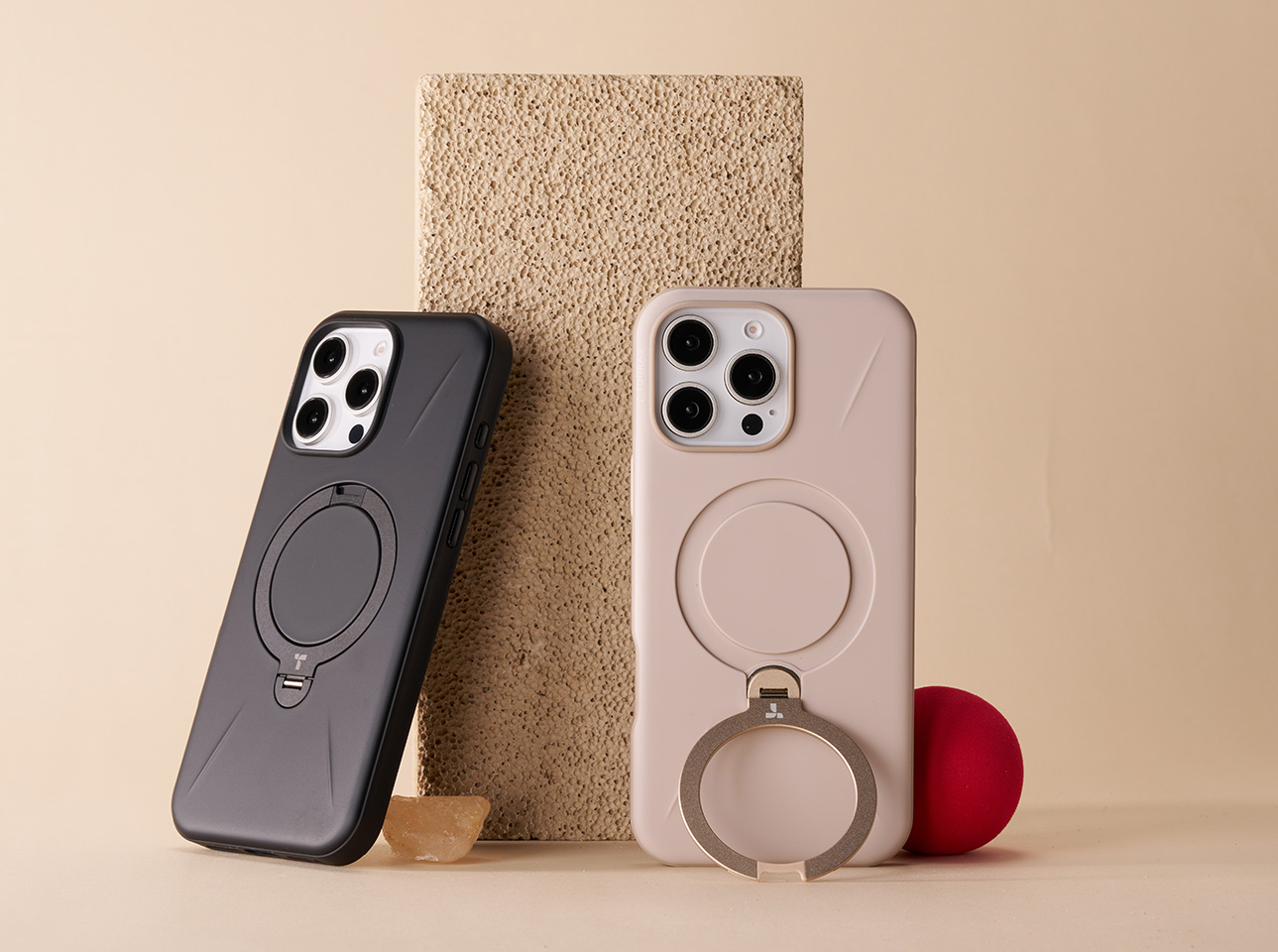
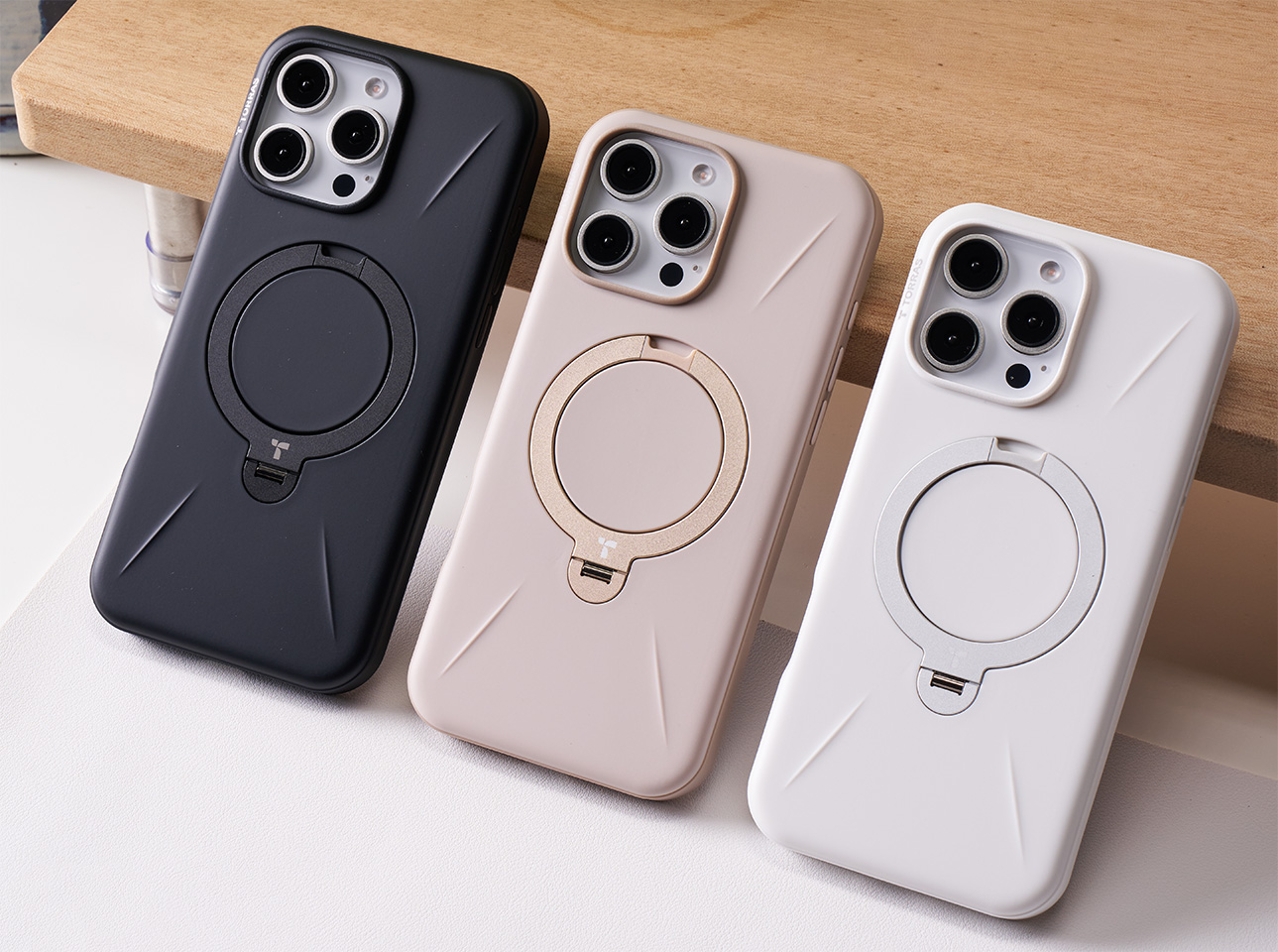
Inspired by the passage of time, TORRAS has crafted a design where form meets function. The back of the case features three lines symbolizing the hands of a clock—an artistic nod to both precision and elegance. The rotating O-shaped stand, too, evokes the circular flow of time, creating a sense of timelessness in both function and style.
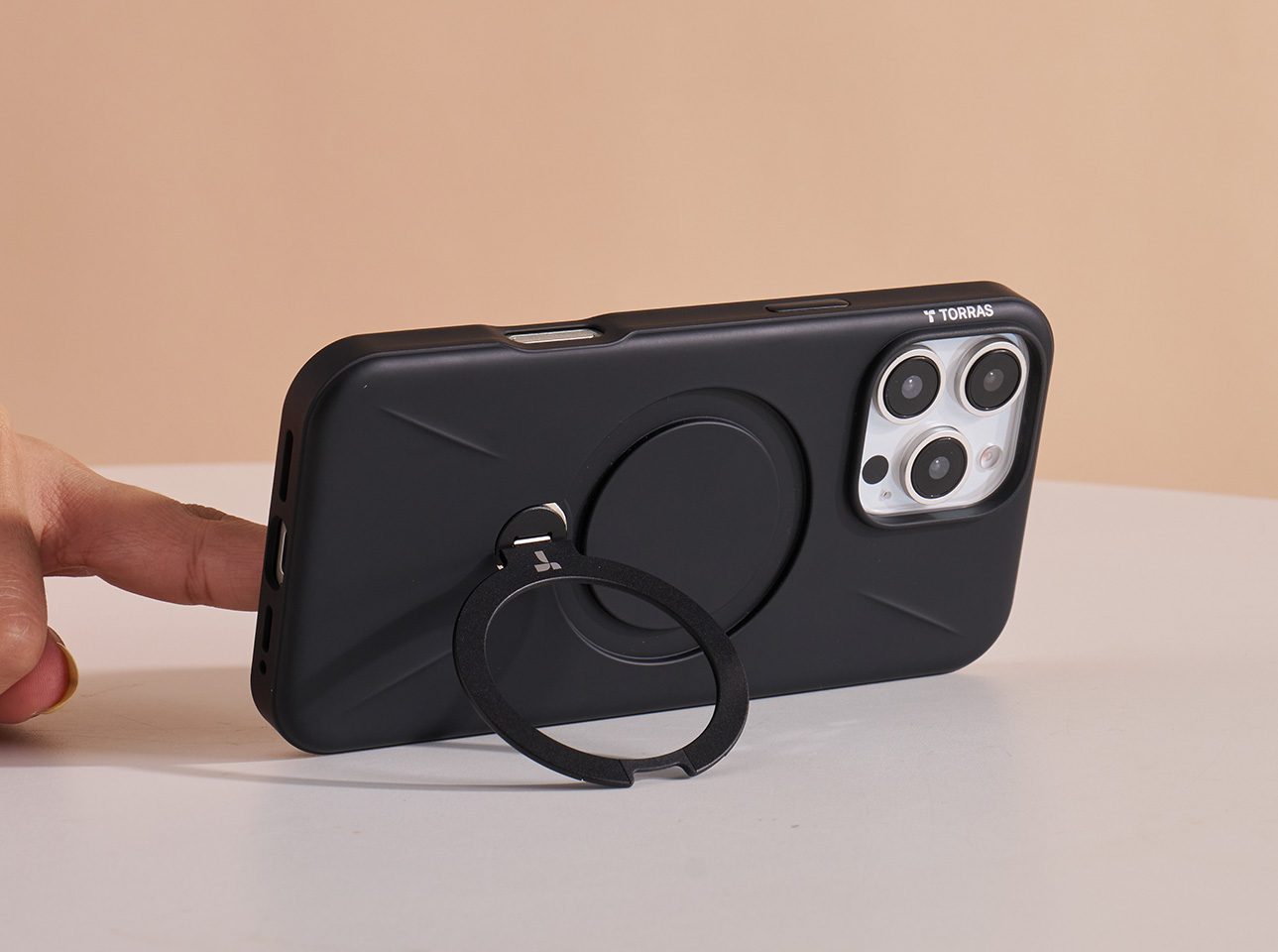
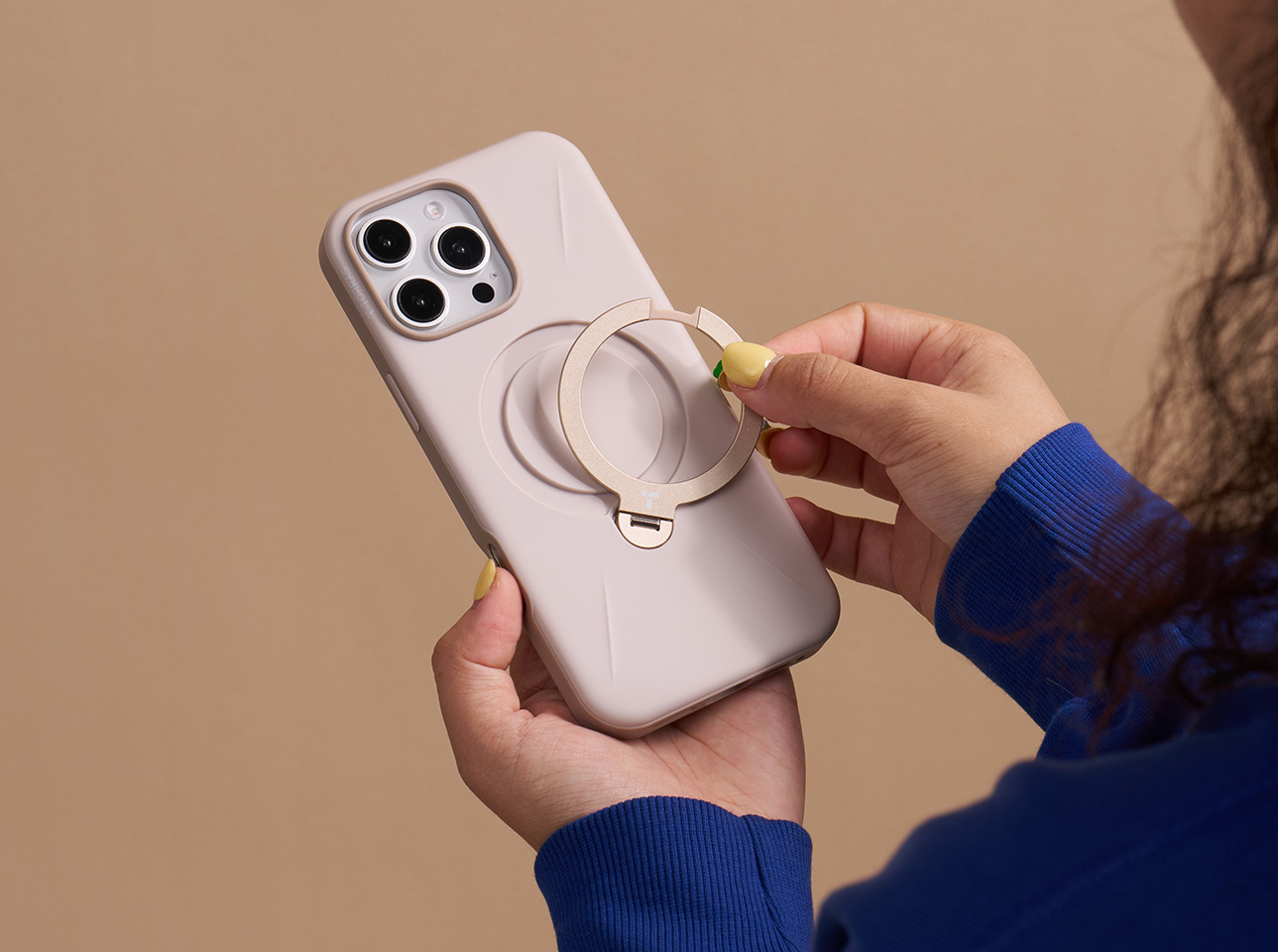
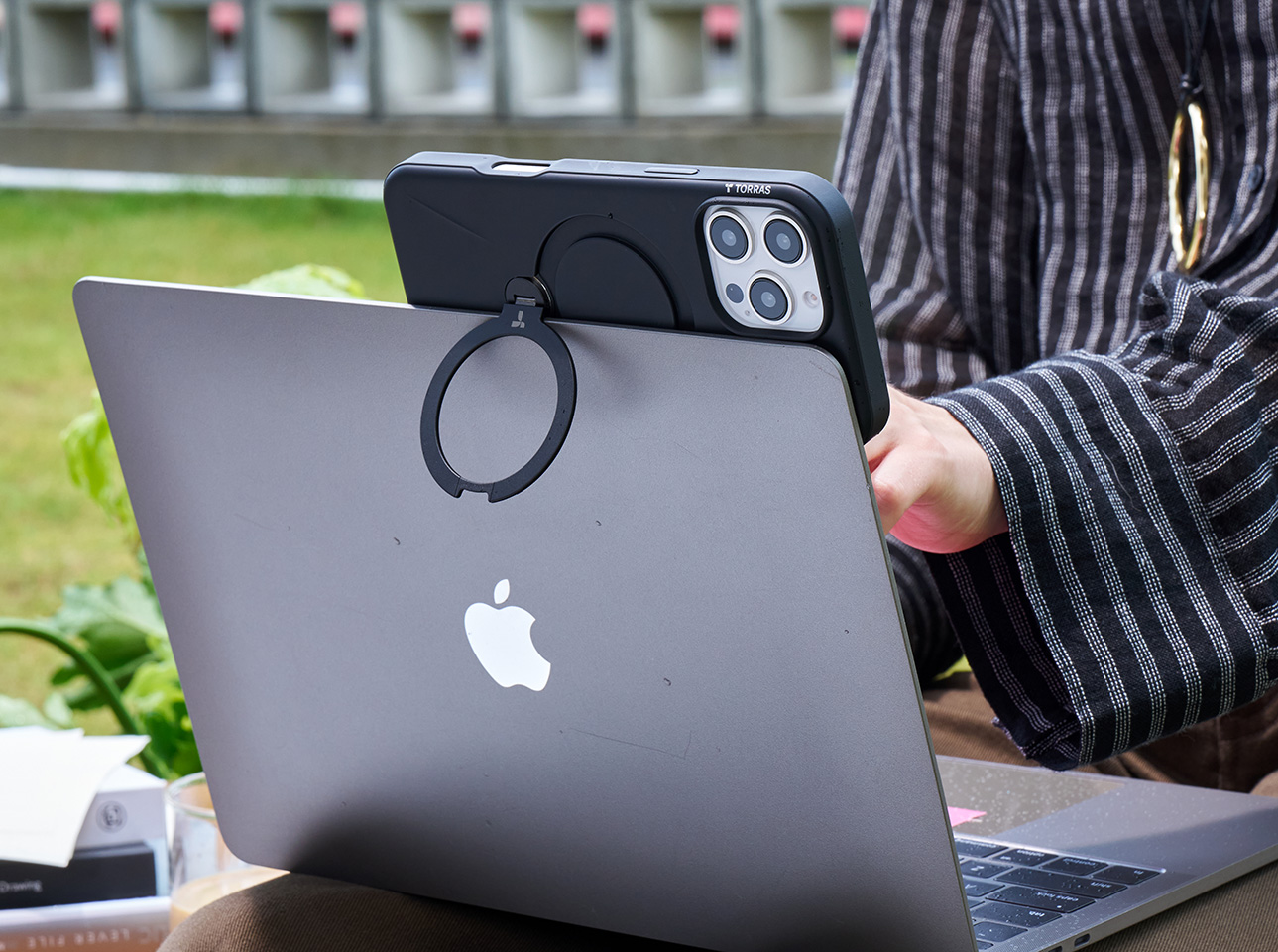
For people unfamiliar with the Ostand 360° series, it’s a case that looks and feels as sleek and robust as any other case on the market, but integrated into it is the slim Ostand ring, which serves as both a stand as well as a handy grip. The 360° rotating ring offers a secure hold for your device, minimizing accidental drops, especially when you’re on the go or juggling multiple tasks. Whether you’re taking photos, scrolling social media, or just need extra security, the ring ensures your phone is always in your grasp, quite literally.
The Ostand 360° gets its name from the fact that the ring grip doubles as a kickstand too, allowing you to prop your phone in both landscape (30° to 90° angles) and portrait (0° to 150° angles) modes. Whether you’re watching a movie, FaceTiming with friends, or recording videos, the stand holds your phone at just the right angle, making it versatile enough for both productivity and leisure. When you’re done, the ring folds neatly back into the case, sitting flush with the backplate. No unsightly protrusions or awkward bulges —it’s a seamless fit that maintains the sleek profile of your phone.
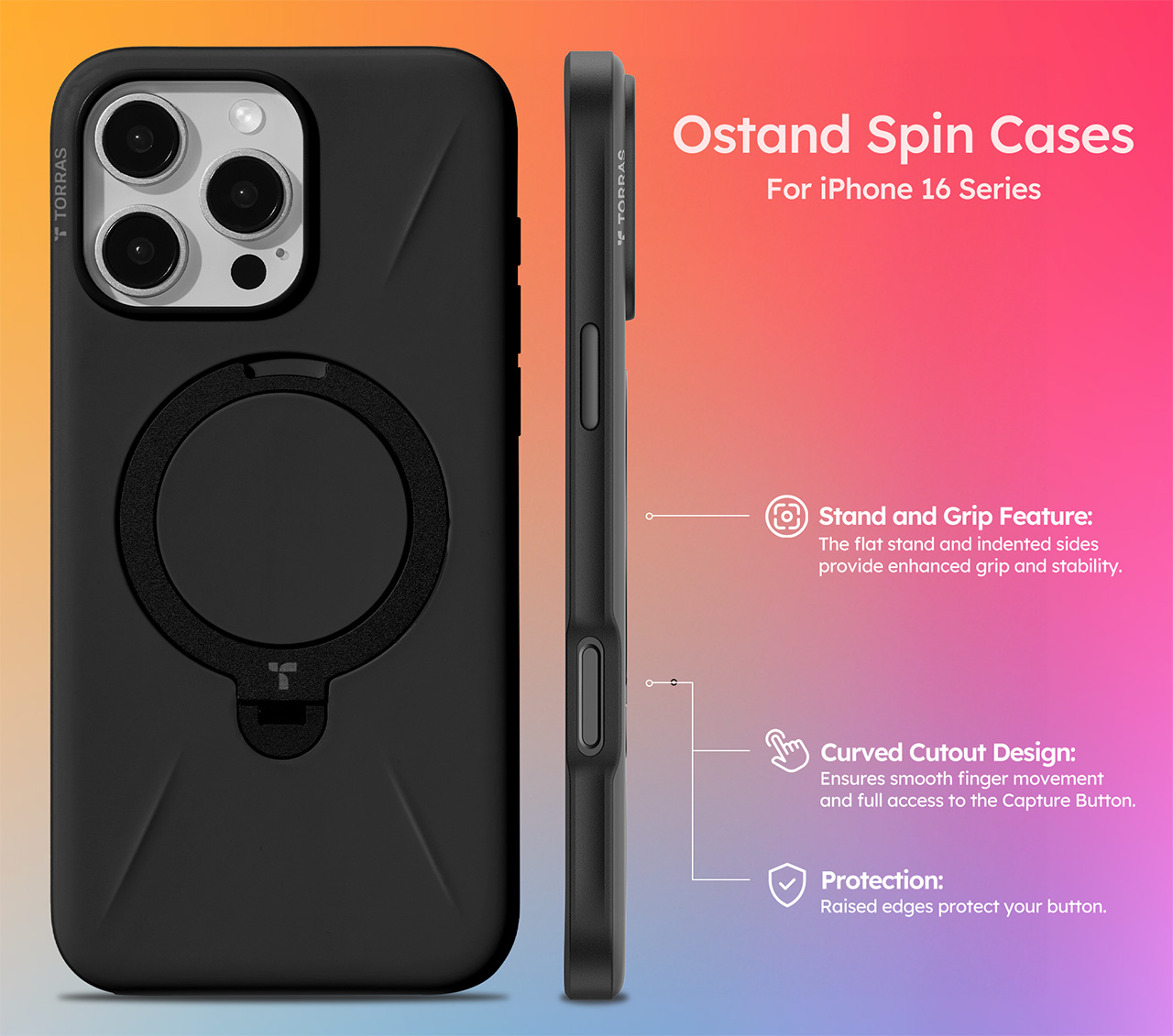
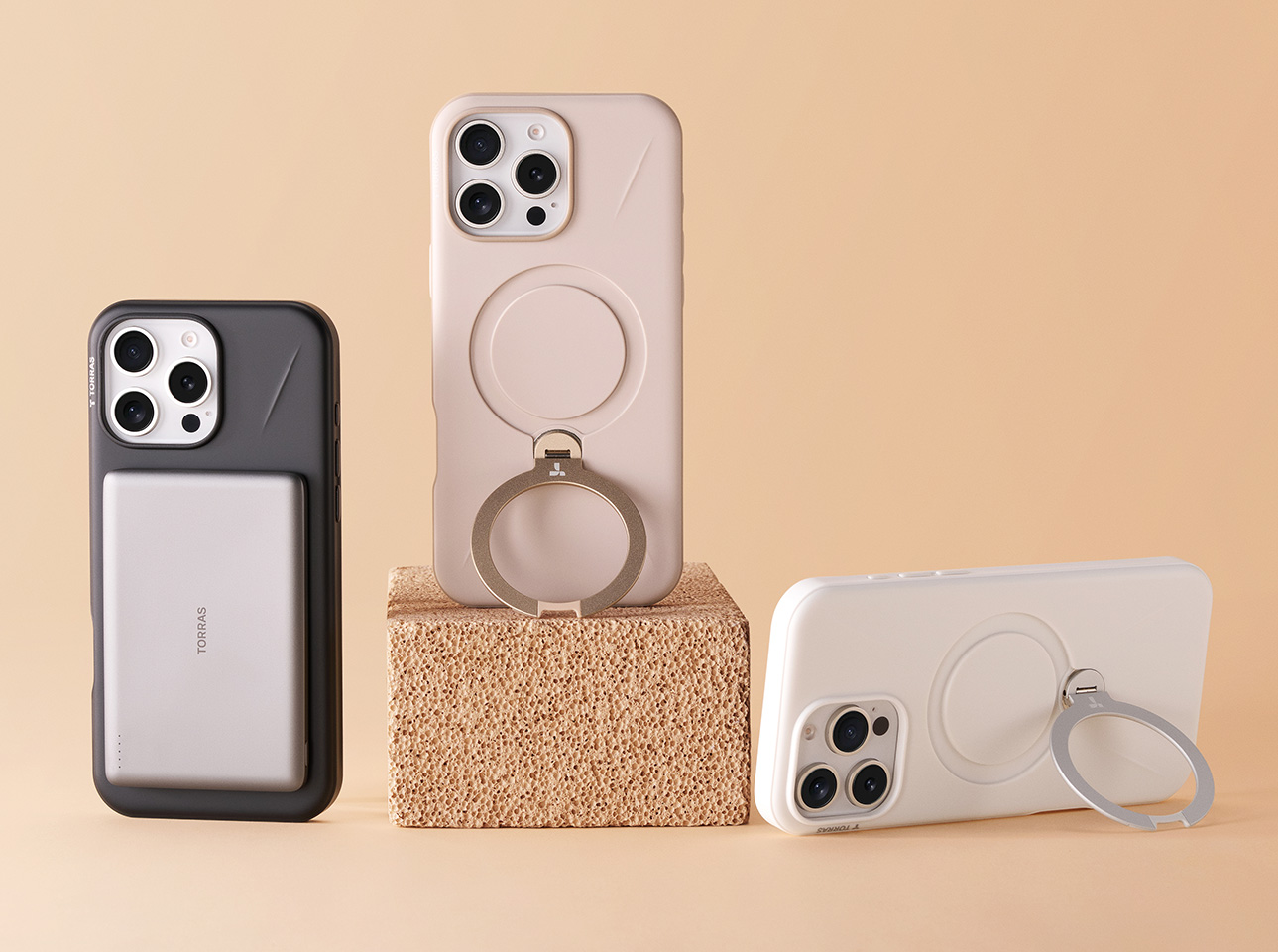
Moreover, the Ostand 360° series is MagSafe-compatible, making it a perfect fit for Apple’s magnetic accessories. Whether you’re using a MagSafe charger or a magnetic wallet, the case’s 18N magnet ensures a strong, reliable connection every time. And yes, it works perfectly with Qi2 wireless chargers too, so you won’t need to compromise on convenience or speed when juicing up your device. The magnets are designed to balance power with sheer slimness, as they sit within the ring that fits into the case, keeping the overall cross-section under 2mm in thickness – a feat that’s difficult (if not impossible) to match.
The Ostand 360° series is as durable as it is beautiful. The Ostand ring grip is engineered to withstand up to 30,000 folds, making it a reliable companion through countless binge-watching sessions, virtual meetings, or video shoots. Despite its slimness, it’s designed to be rock-solid (as some users call it), with a spin mechanism that works reliably and buttery smooth every time, clicking to keep it in place when you lock in on a position. And while it’s a highly functional accessory, TORRAS hasn’t skimped on aesthetics. The case comes in three sleek color options: Dune, Onyx, and Ivory—each exuding timeless elegance and complementing the premium feel of today’s high-end smartphones.
The material choice also reflects TORRAS’ attention to quality. Instead of opting for silicone, the back panel is made from hard, impact-resistant polycarbonate, with grainy, lychee-textured sides and independently located buttons A streamlined cutout for the iPhone 16’s new Camera Control haptic button further makes it easier to use the feature while letting your finger slide along the touch-sensitive zone. The result is a grip-friendly, curved back design with a premium, velvety feel that not only looks good but feels great in the hand while keeping your phone slim and protected… after all, a great-looking iPhone shouldn’t be overshadowed by a bulky or ugly cover. Right?
During Netflix's Geeked Week event, some more details about Monument Valley 3 emerged. Developer Ustwo Games says the long-awaited sequel builds on its predecessors in several ways, especially in terms of the gameplay, art style and story.
Perhaps the biggest change in Monument Valley 3 is the introduction of sailing. You'll be able to move the boat in almost any direction and, as such, "the game is no longer restricted to geometric spaces," game director Jennifer Estaris said during a call with reporters. Along with unfolding cubes that shift new protagonist Noor onto different planes, Monument Valley 3 is in large part about "deconstructing what we know," Estaris said.
Naturally, those changes allow for fresh puzzles and visuals as players navigate impossible-looking, MC Escher-style architectural spaces. Aligned with that, Ustwo has evolved the art style with softer and more abstract shapes (you are going to be navigating rivers after all). The result is something that looks very familiar, but like a hazy memory. Meanwhile, the soundtrack from an 18-piece orchestra might just stir up some emotions.
While the original game was about forgiveness and its sequel was a coming-of-age tale, Monument Valley 3 focuses on the themes of hope, togetherness and resilience. Noor is a lighthouse keeper's apprentice who is tasked with searching for a new source of power before light fades away from the world forever. It's the "most ambitious story" to date for a Monument Valley game, according to Ustwo marketing manager Jamie Wotton.
All three Monument Valley games are standalone titles with their own stories. That means you'll be able to glide right into Monument Valley 3 without playing the previous two entries. But there's plenty of time to check those out first (or revisit them). You won't have to pay extra for those mobile gaming classics if you have a Netflix subscription. There are no ads or in-app purchases in the company's games.
Monument Valley is available to Netflix subscribers on iOS and Android starting today, and its sequel will arrive on the service on October 29. Monument Valley 3 will then debut as a Netflix mobile exclusive on December 10.
Netflix revealed some other mobile gaming news during Geeked Week. Its multiplayer take on Battleship(which includes special weapons and ranked modes) will drop on September 24. Subscribers will soon be able to play Civilization IV and Street Fighter IV CE on their mobile devices at no extra cost — the Netflix version of the latter will offer cross-play between iOS and Android.
This article originally appeared on Engadget at https://www.engadget.com/gaming/monument-valley-3-breaks-the-series-old-boundaries-by-adding-a-sailboat-013638578.html?src=rss
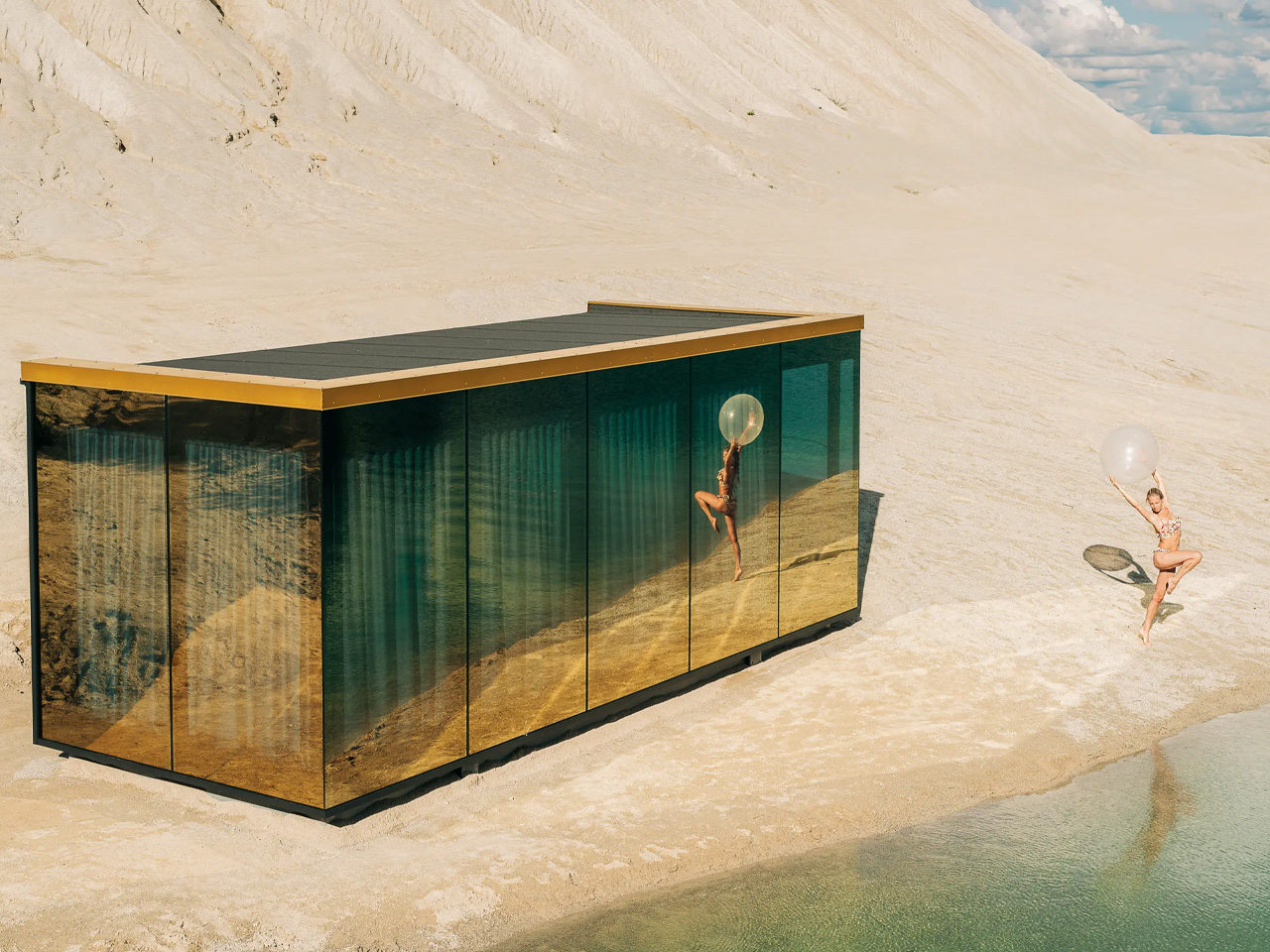
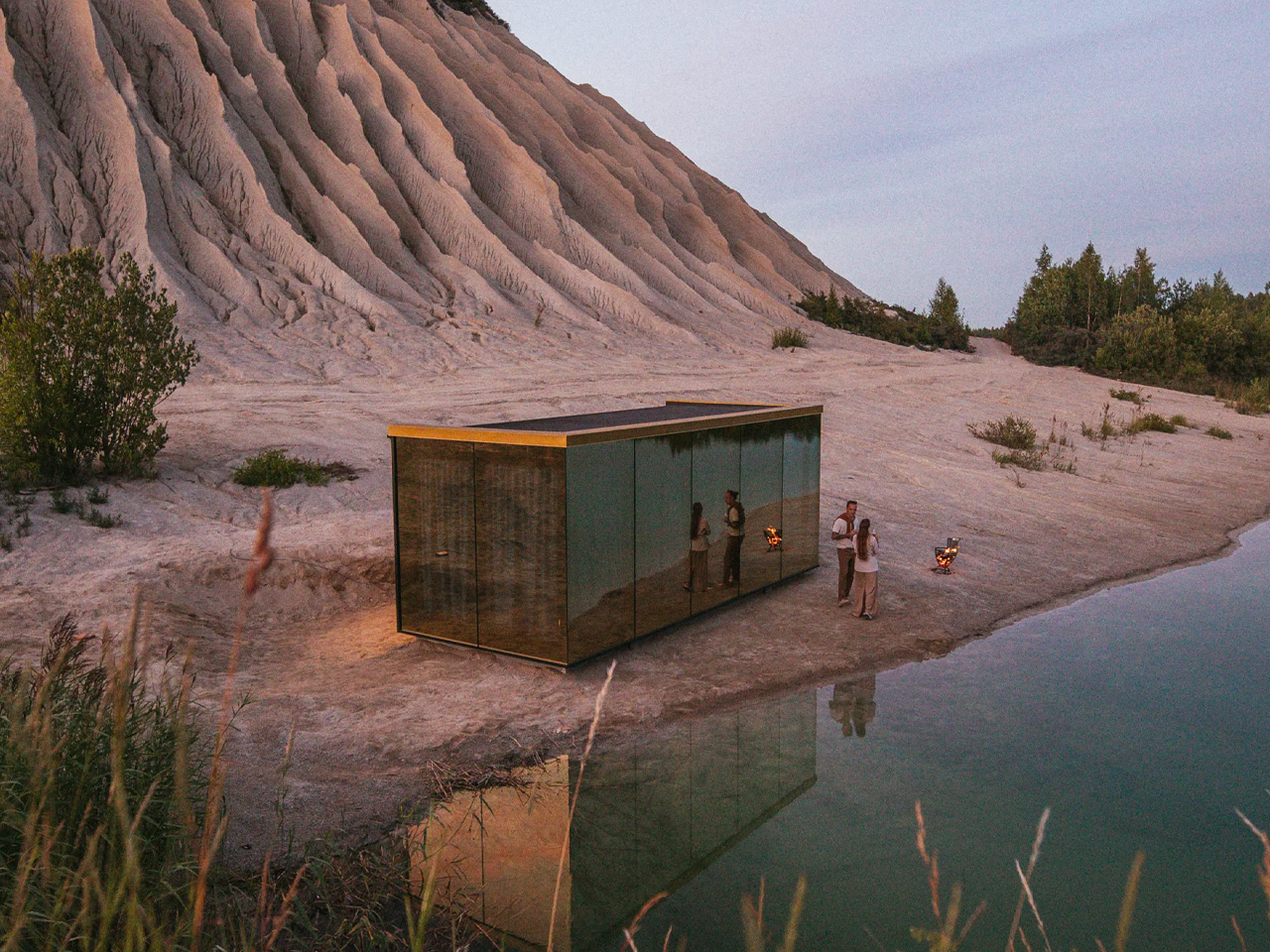
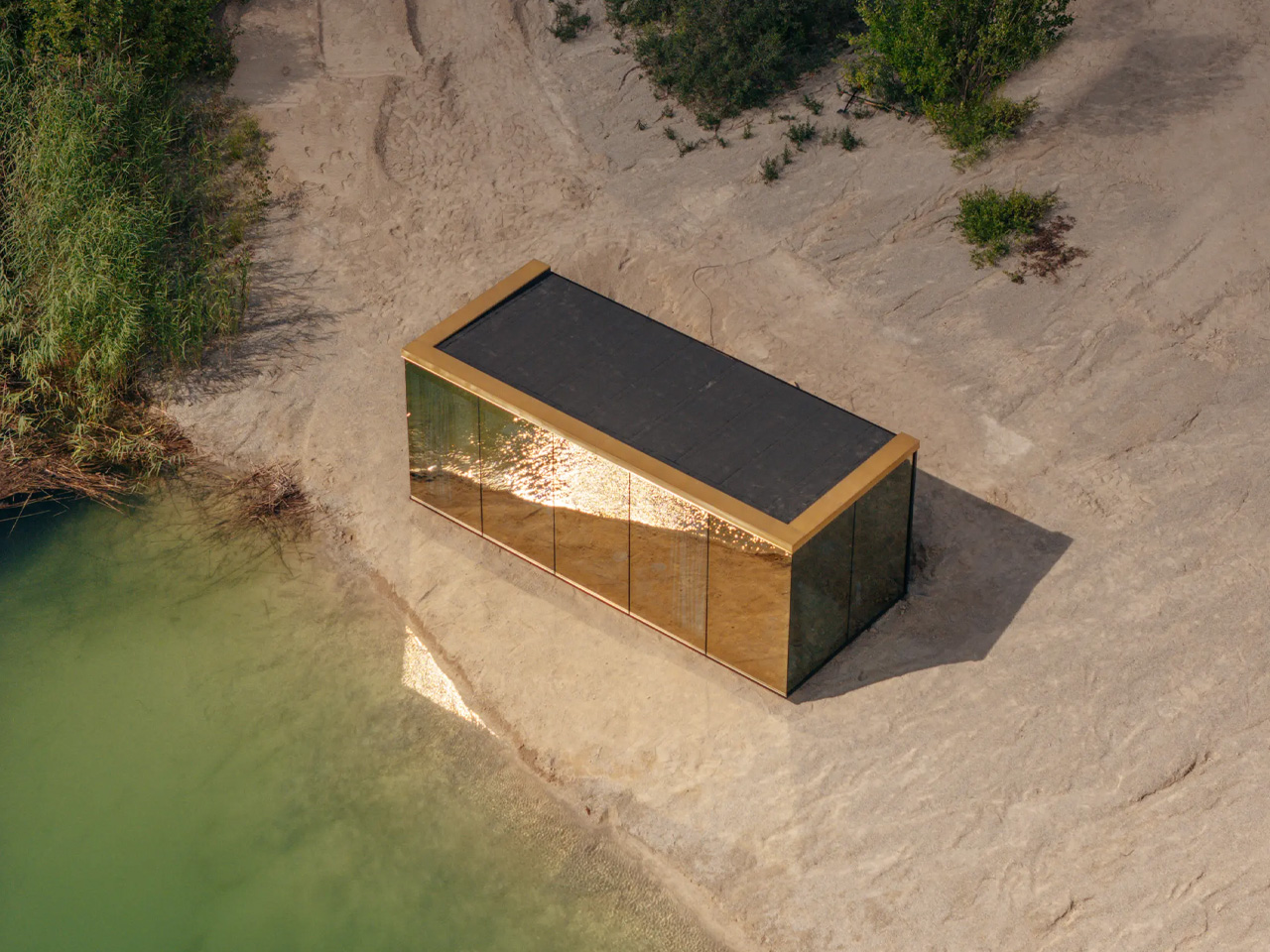
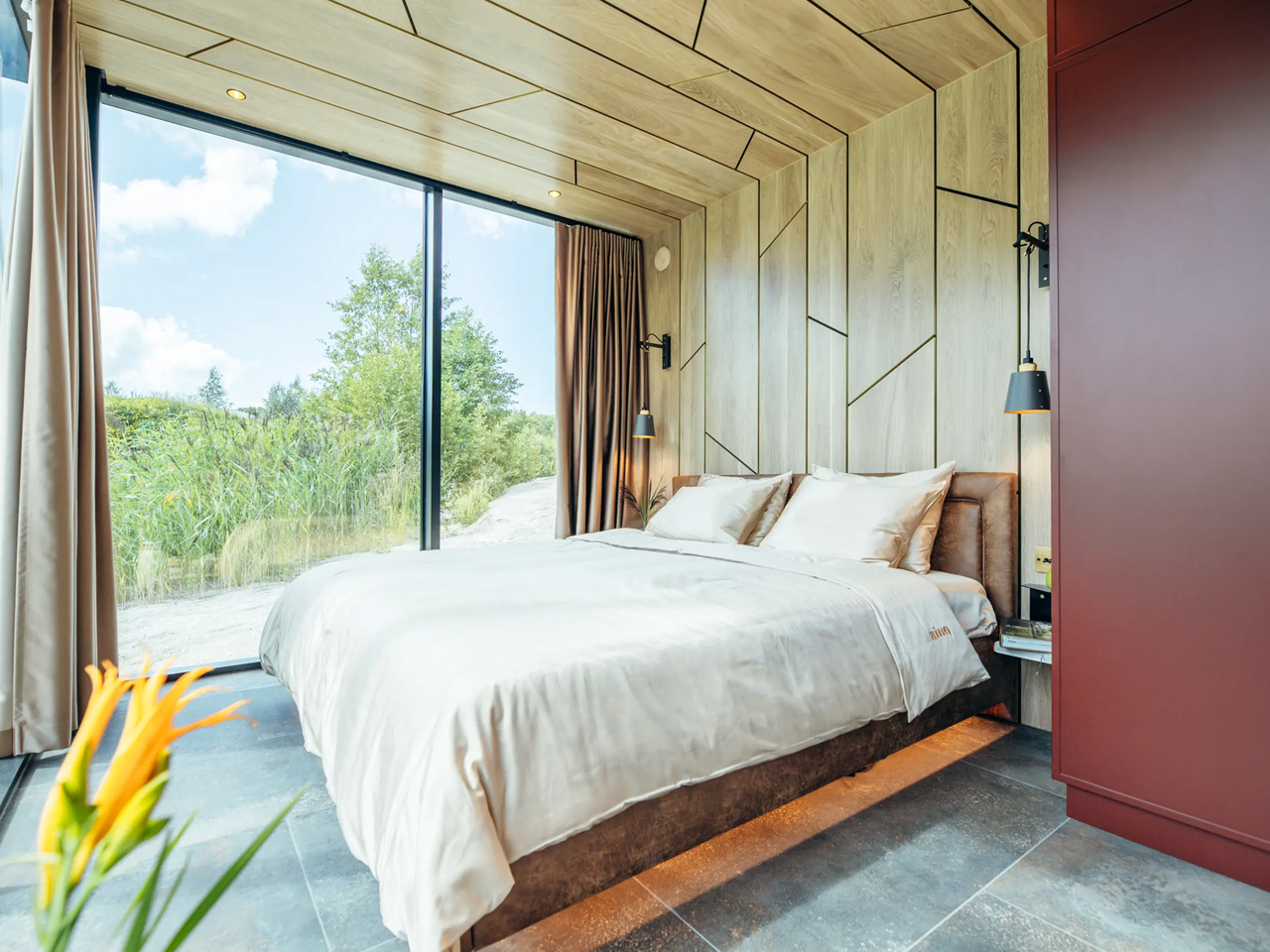
Say hello to the Golde House – this is probably the most exclusive tiny home in the world. It features a stunning mirrored gold glass finish and a luxurious interior that truly impresses. And it even has a price tag that impresses, the home is priced at US$250,000. Designed by the Estonian designer ÖÖD, the home features a simple rectangular form and has an exquisite finish of golden-shimmery glass which was commissioned specially for it. The rear of the home also features some wooden cladding.
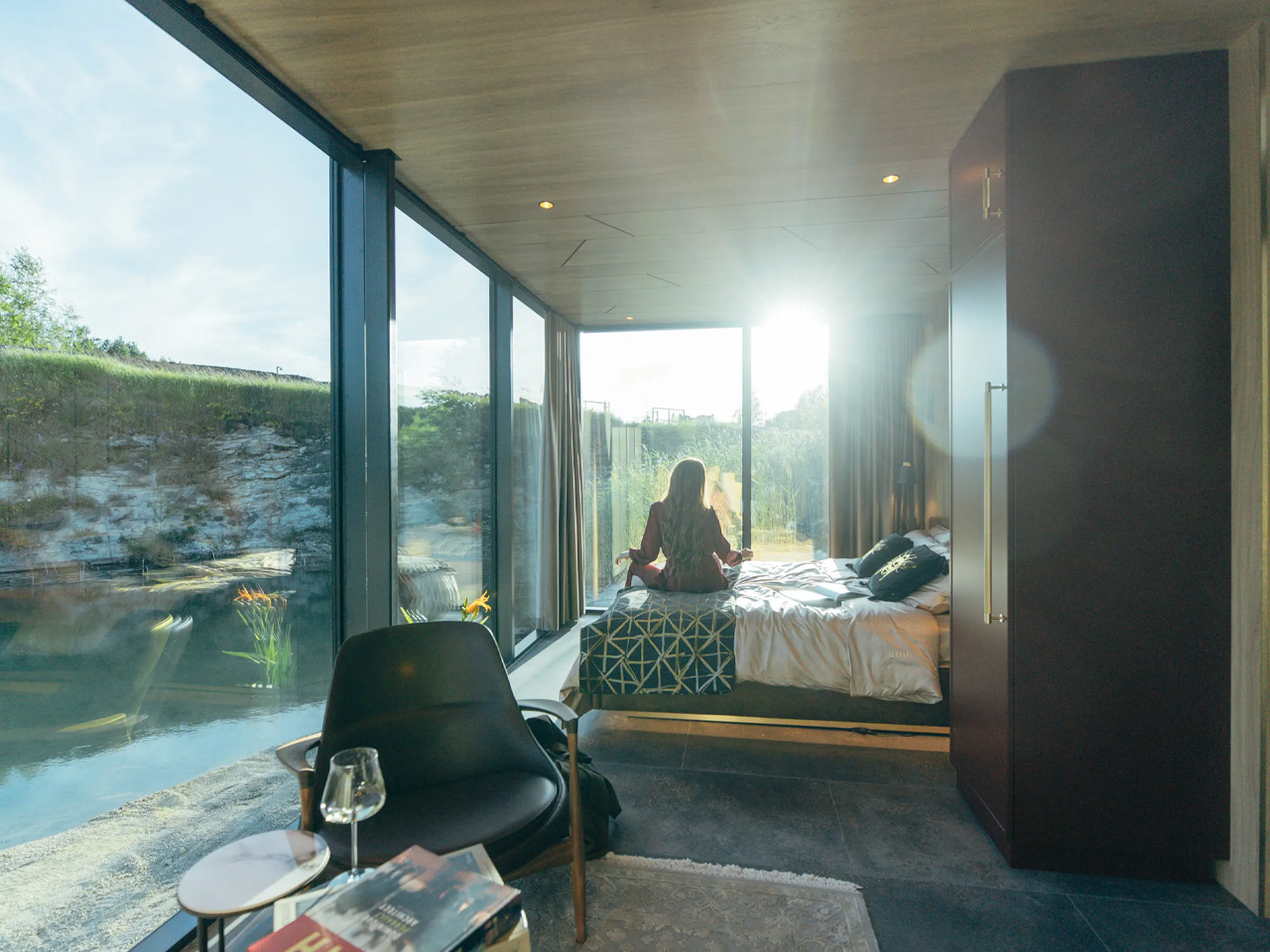
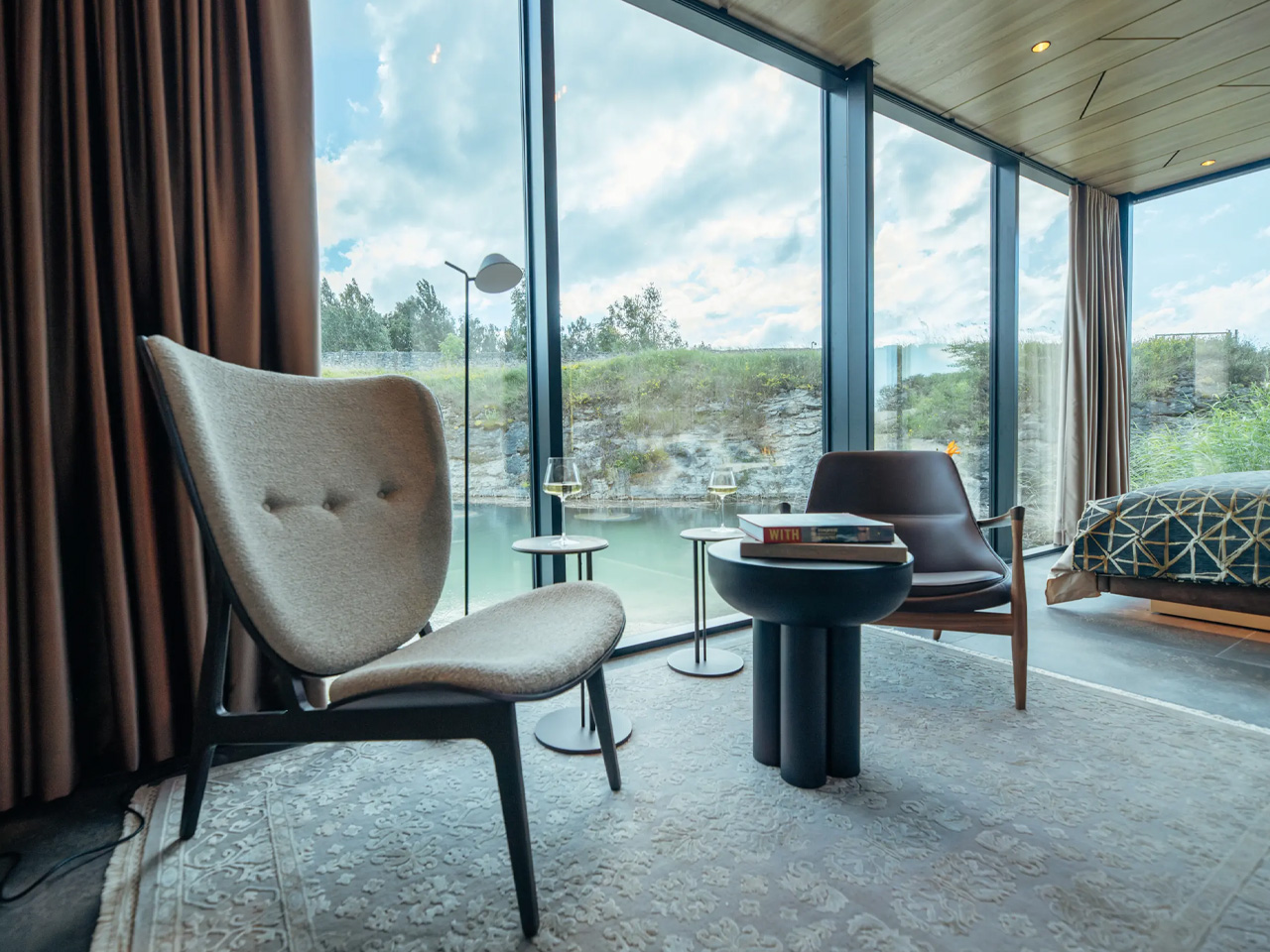
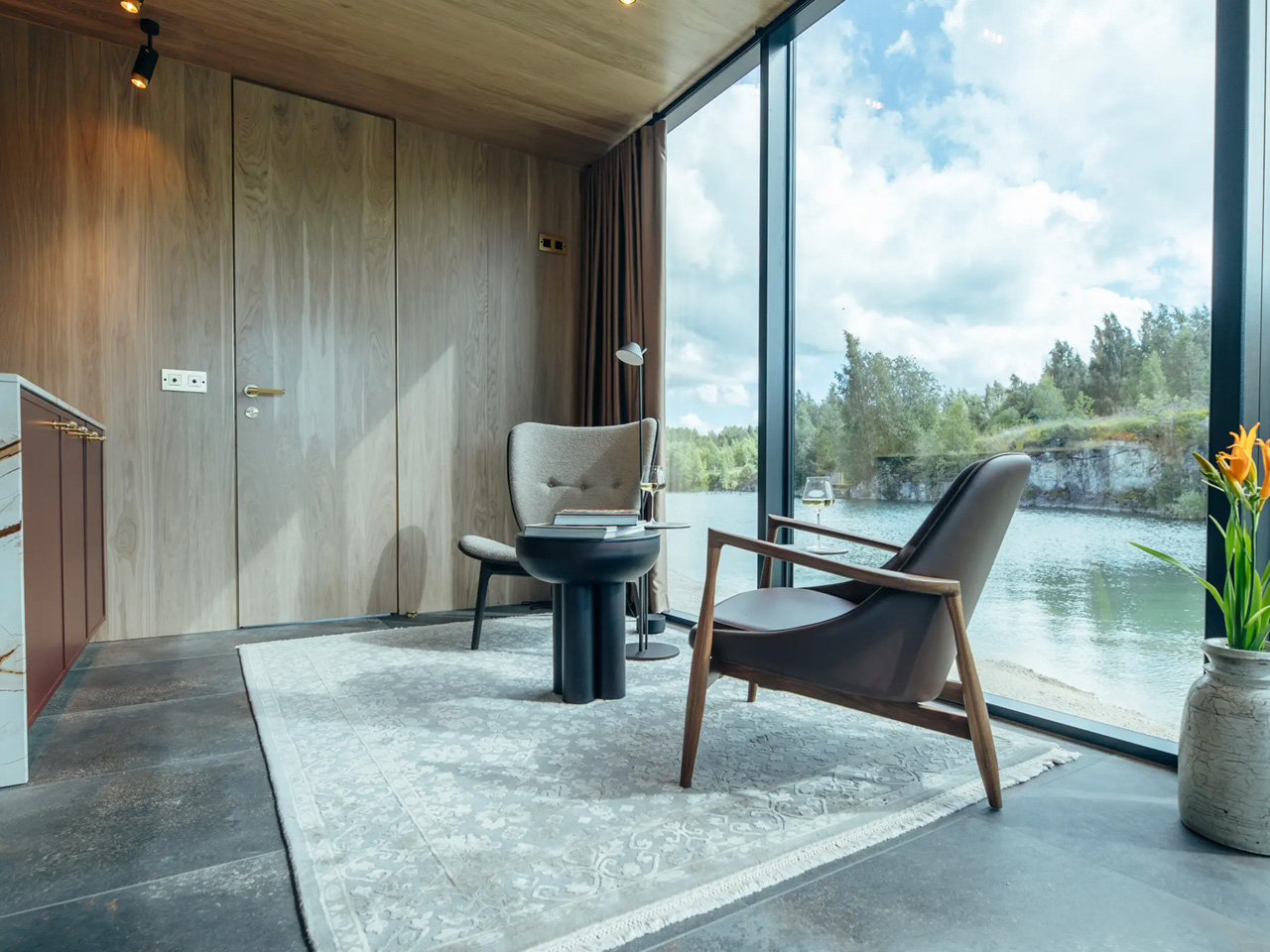
The home features a length of 25 ft (7.9 m), and 10 ft (3.3 m). It occupies a floor space of 283 sq ft (26.3 sq m), and most of this space is taken by a big multipurpose room which is light-filled and quite airy. The glass ensures that light streams in through the entirety of the day, creating a space that feels warm and blissful. The home also incorporates certain high-end additions like oak paneling, underfloor heating, and gold-covering fittings and flourishes. The multipurpose room includes some seating and a coffee table, while the kitchen is placed to its right. The kitchen is pretty compact, and it features a gold-colored sink, fridge, and some cabinetry. The other end of the seating section holds the bedroom, which includes a double bed and a large storage unit.
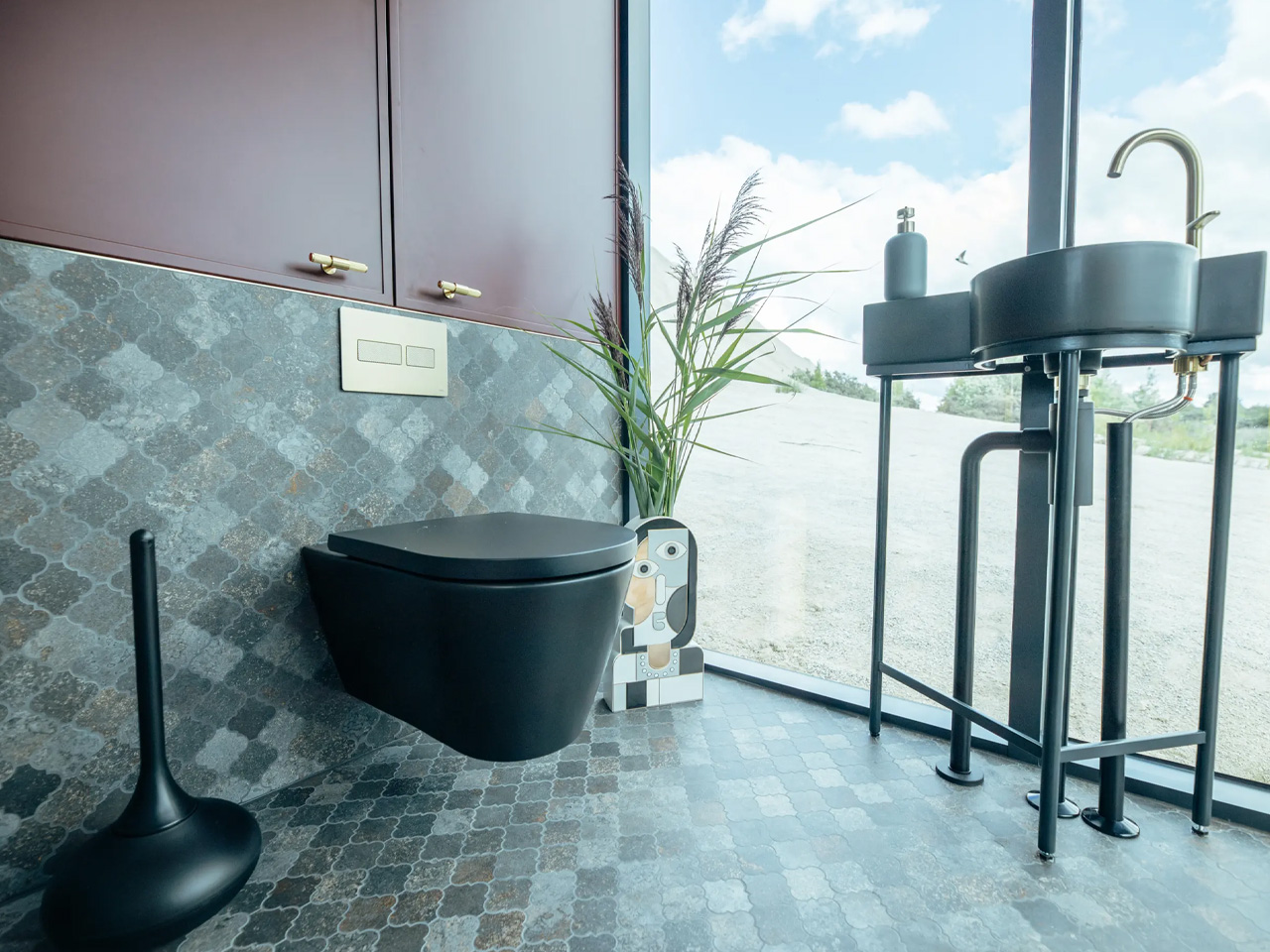
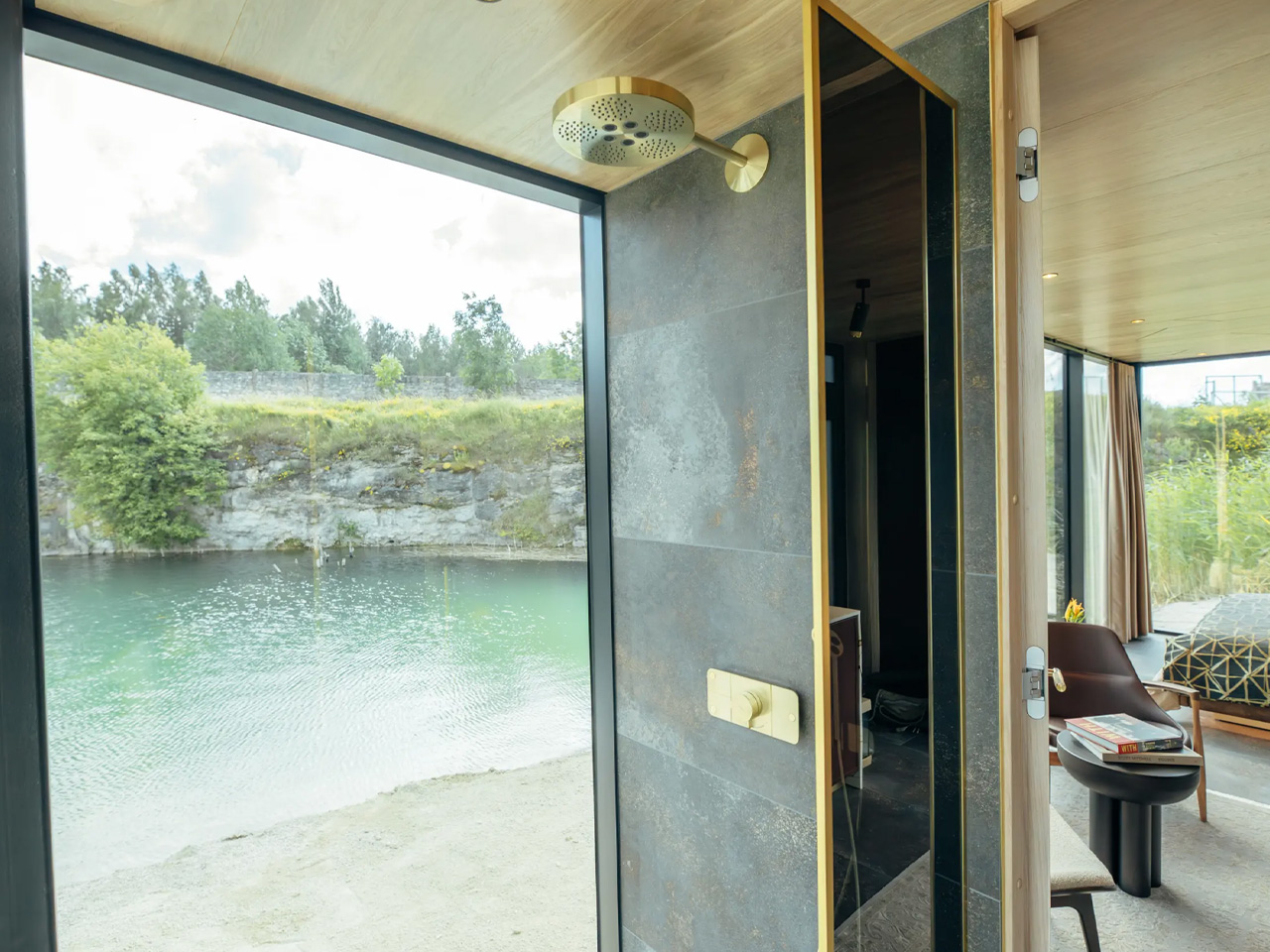
The Golden Home also includes a bathroom which can be entered from the kitchen. The bathroom incorporates a wall-mounted flushing toilet, sink, shower, and some storage space. The shower provides lovely views of the outside but is protected from curious eyes on account of the mirrored glass finish.
The Golden House is powered by a standard RV-style hookup, but it can be updated with a full off-the-grid setup including solar panels. The house has limited production, and only 79 units will be created. 30 units are destined to be sold in Europe and the United States, while the remaining units are headed for the Middle East and elsewhere.
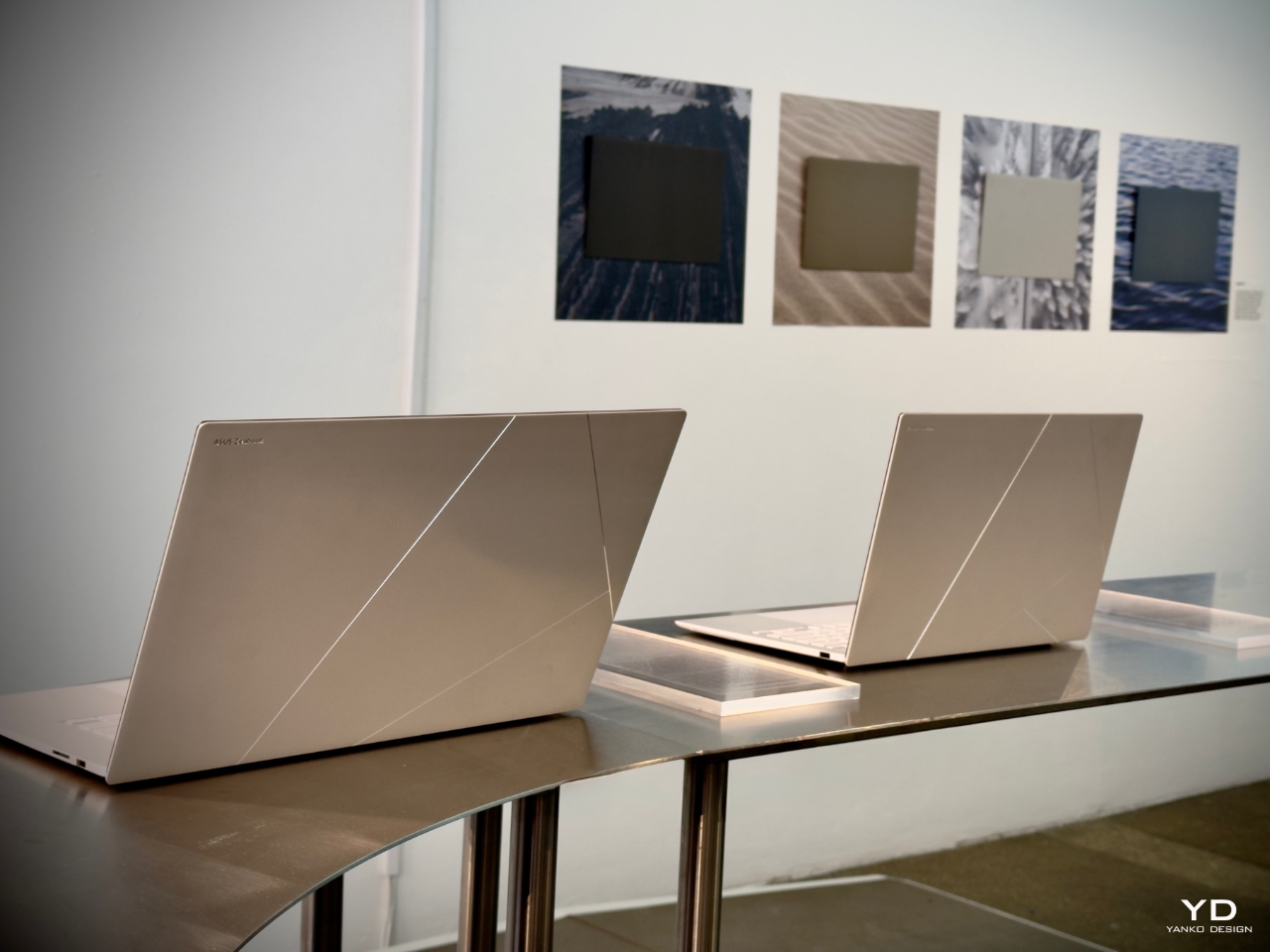
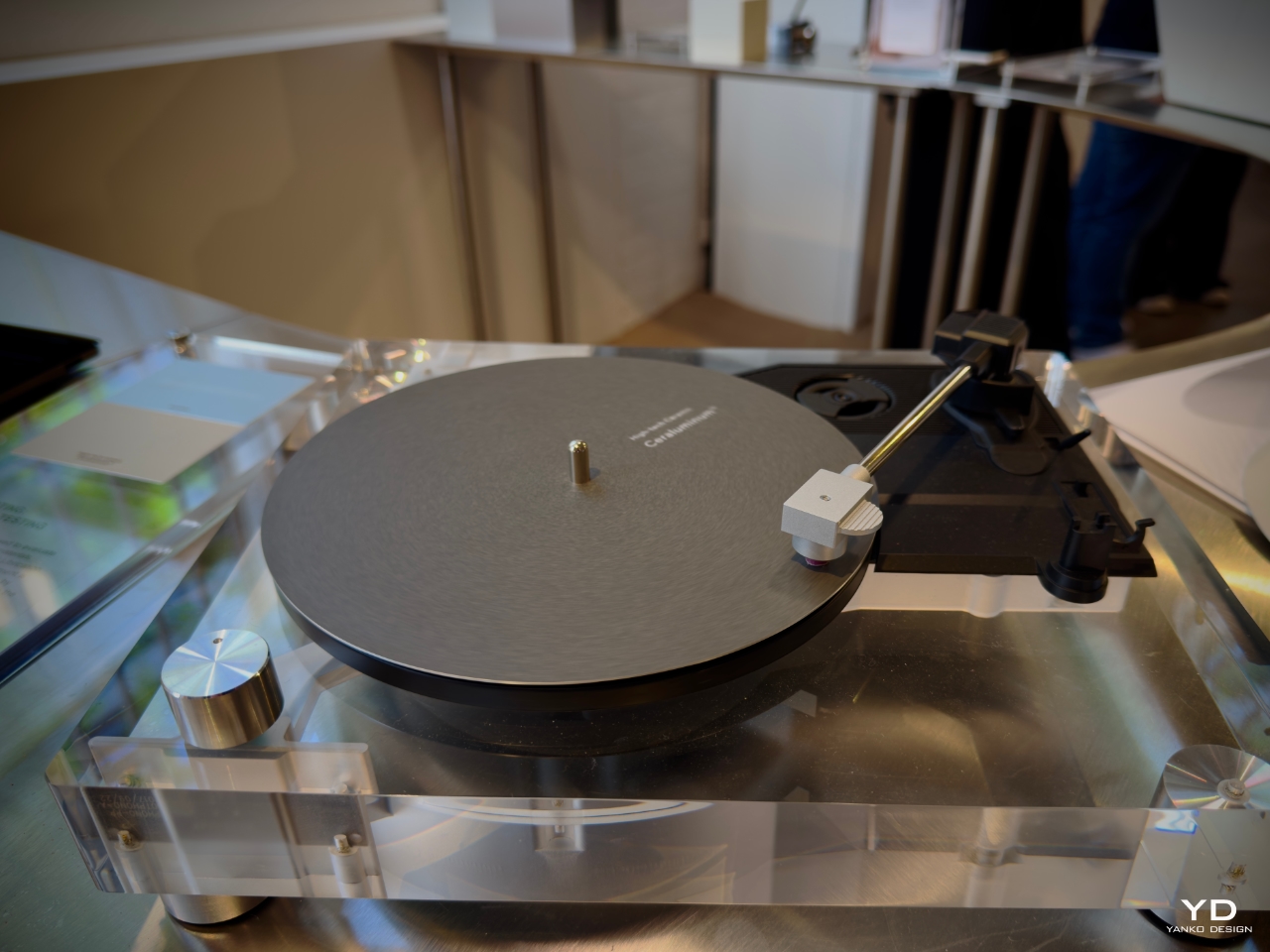
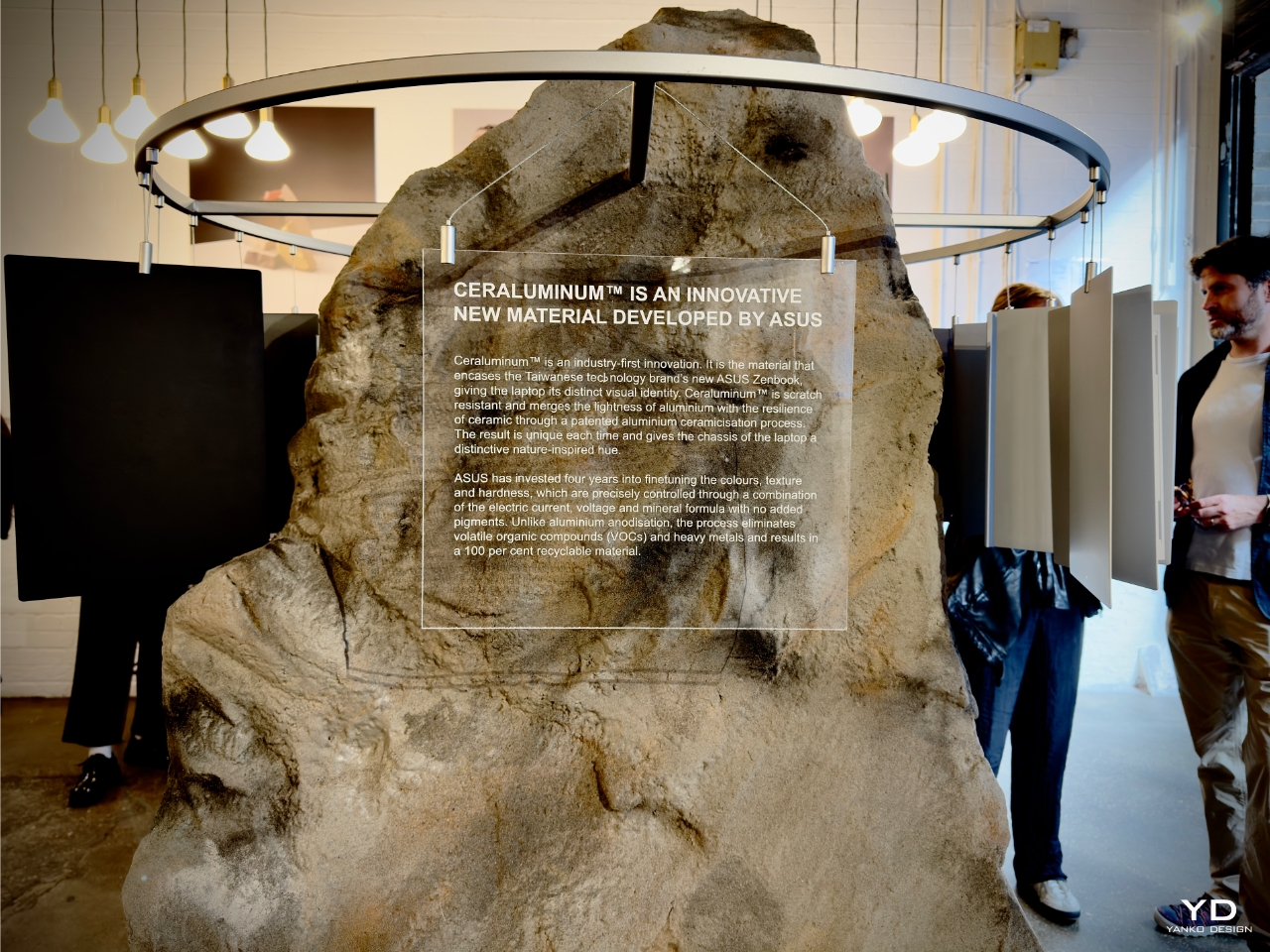
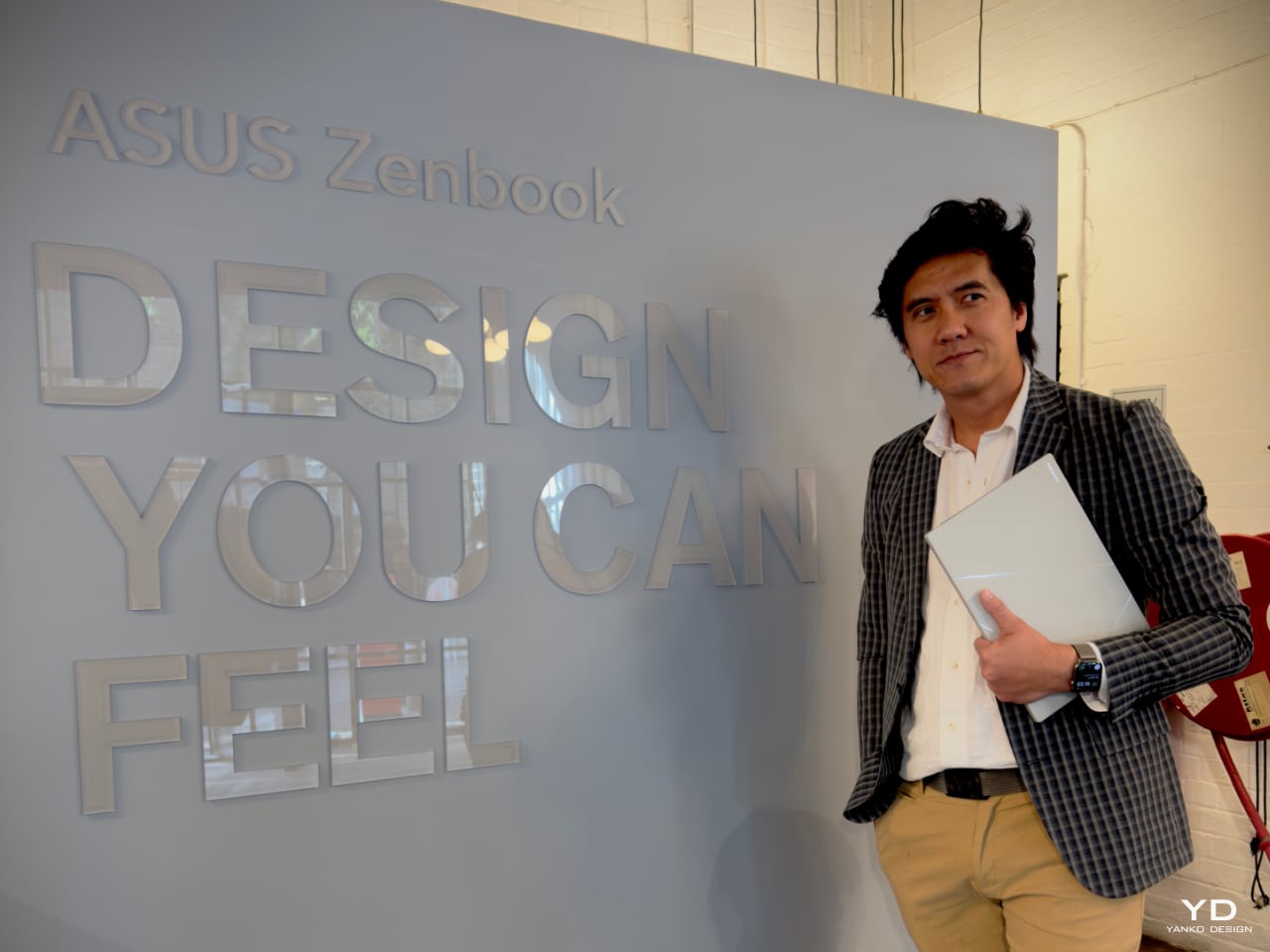
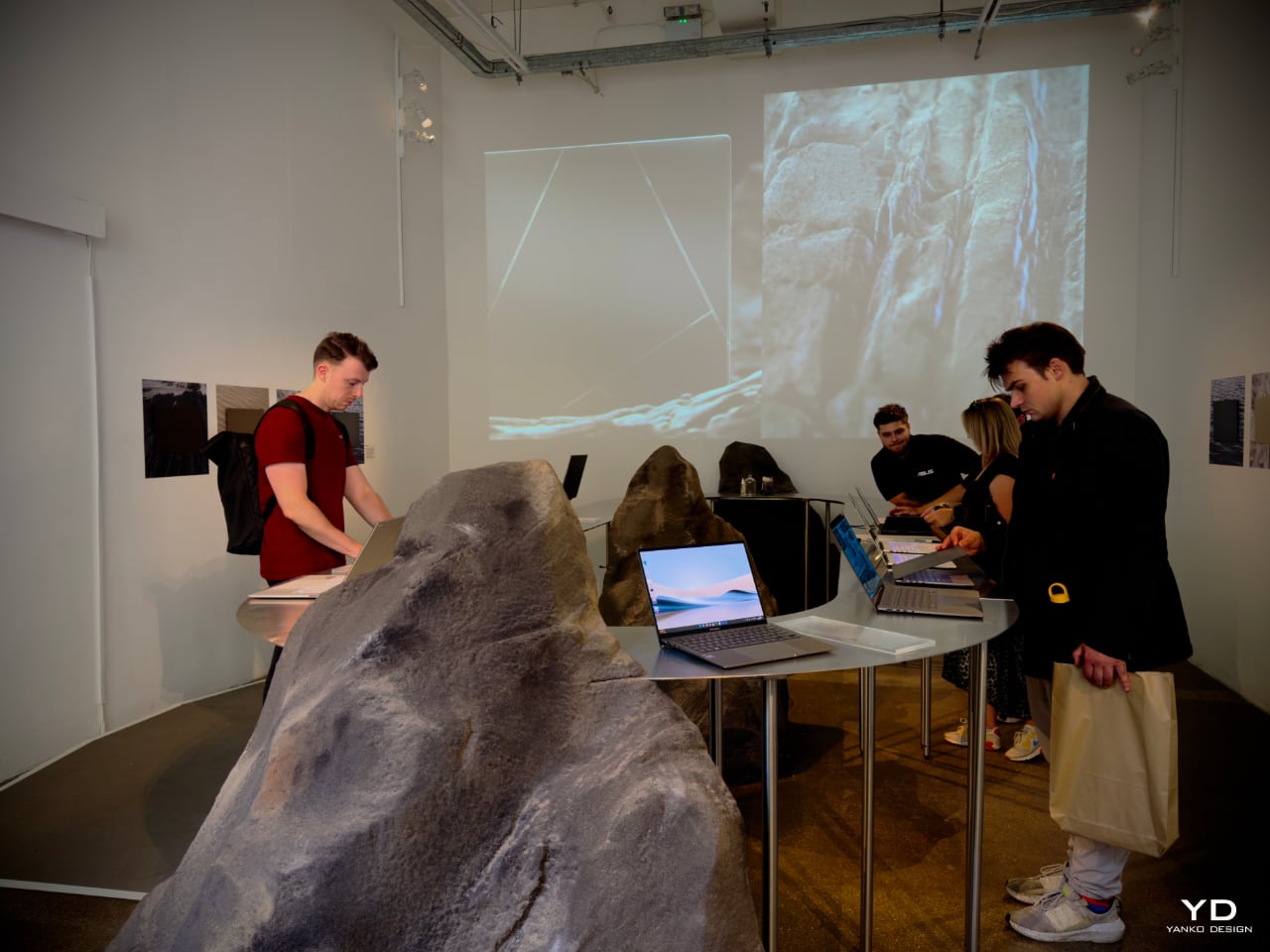
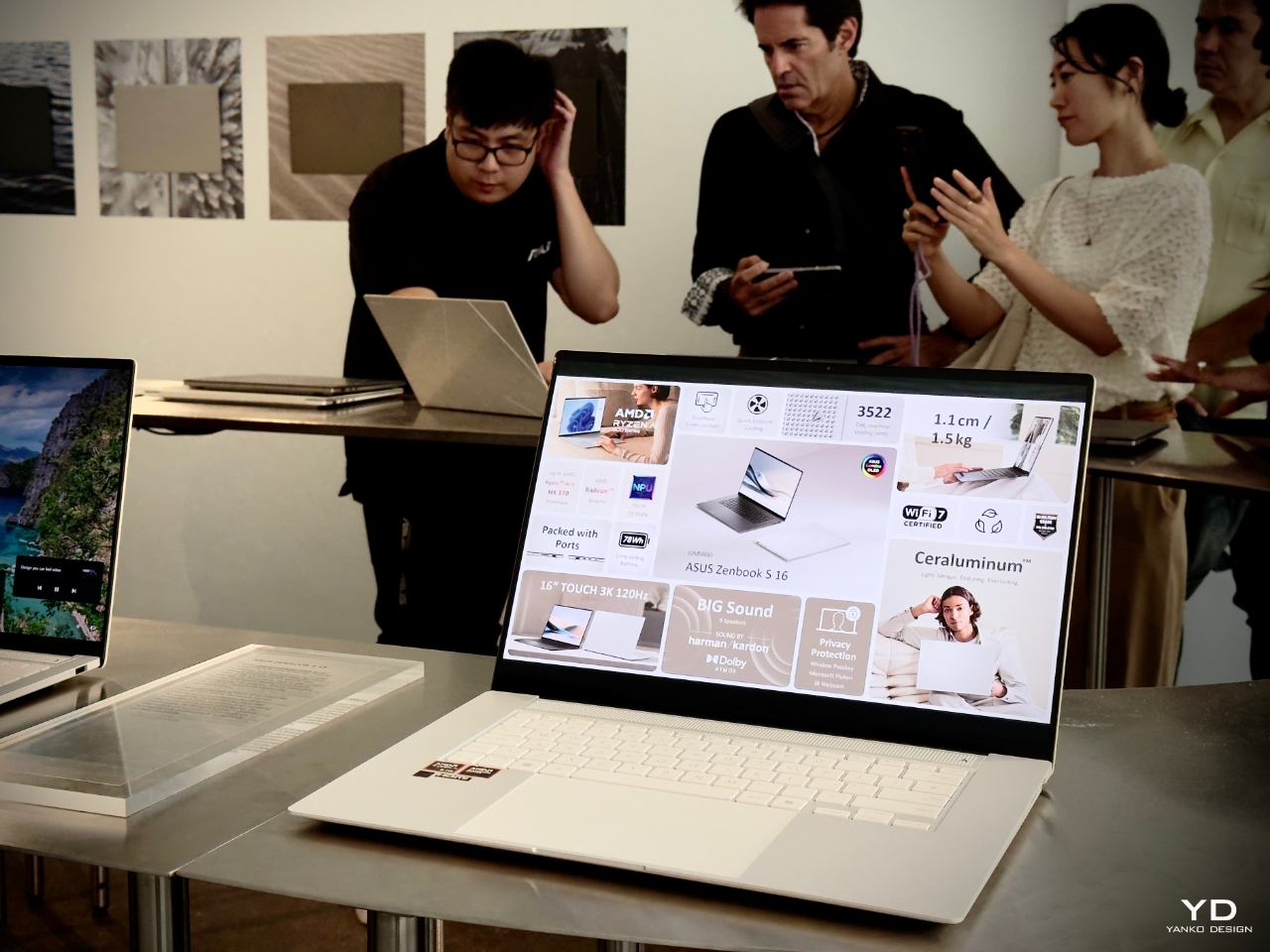
ASUS has long been recognized for its forward-thinking approach to technological innovation. With Ceraluminum, the company shifts focus, moving beyond performance metrics and engaging users on a sensory and emotional level. At the “Design You Can Feel” exhibition during the London Design Festival, ASUS presented this unique material in an artistic context, blending technology, material science, and human-centered design. This exhibition explored how technology doesn’t need to feel cold or distant but can foster emotional engagement and tactile experiences that draw users in.
Designer: ASUS
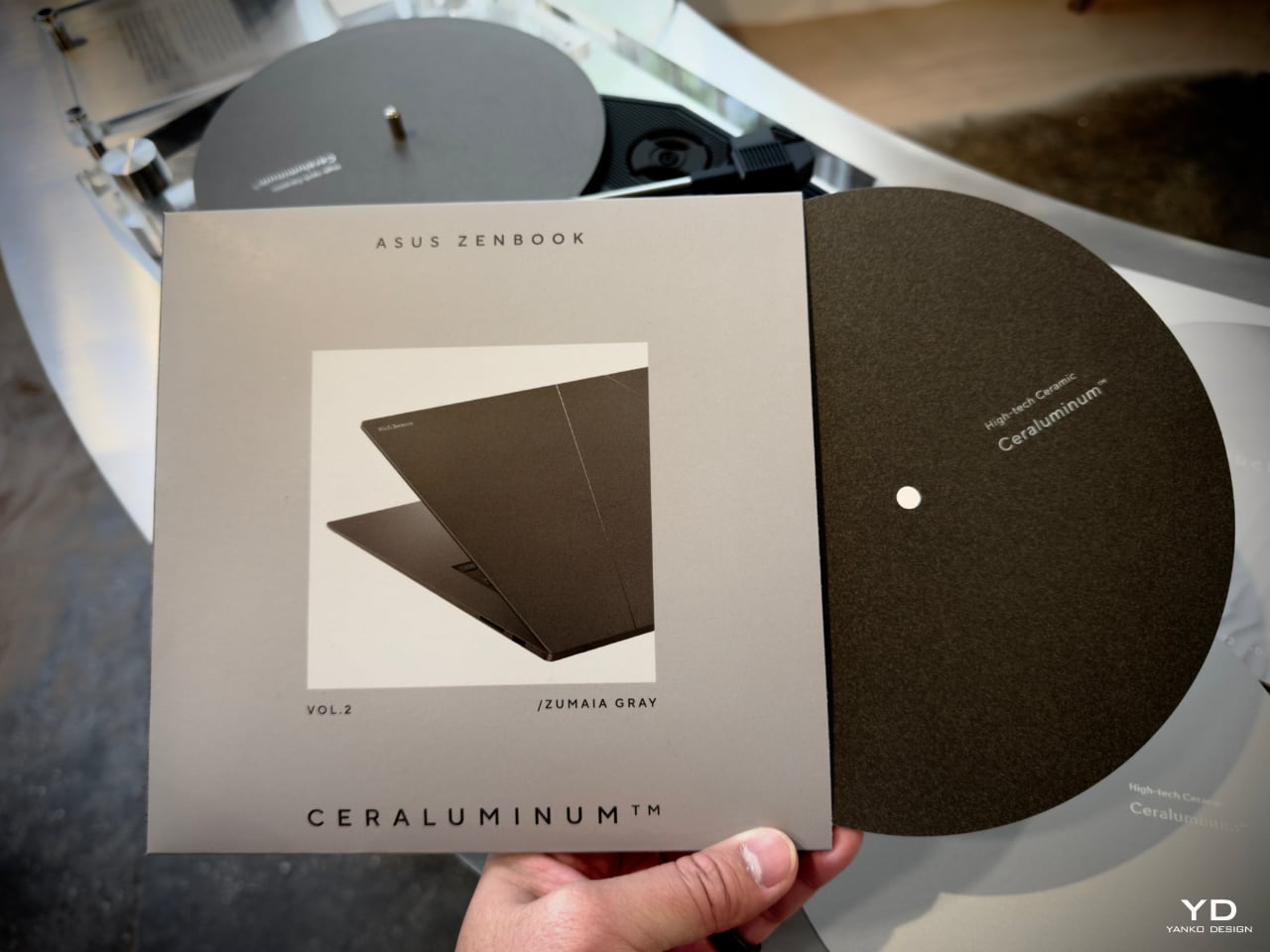
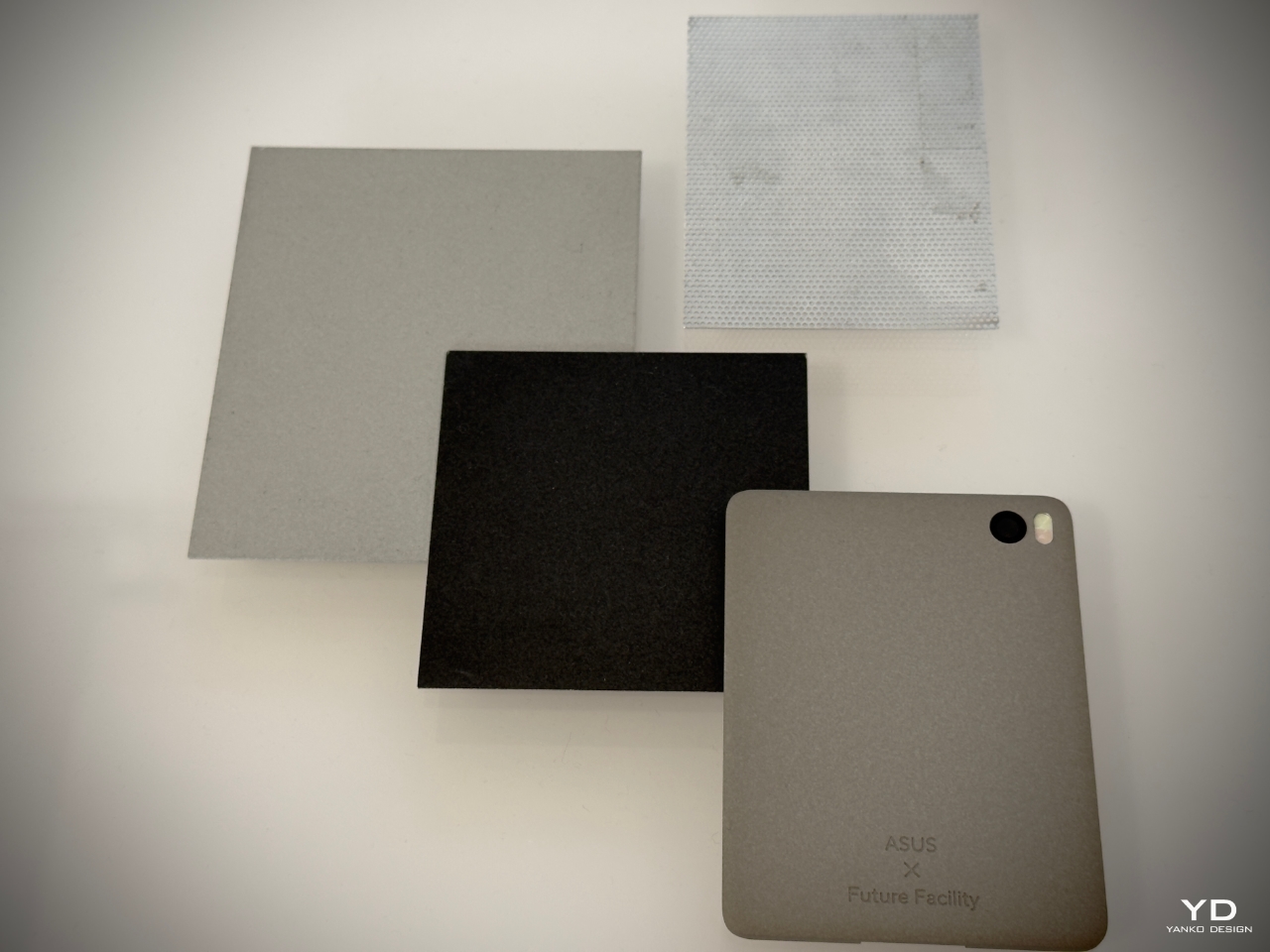
At the core of this shift is Ceraluminum, a revolutionary material that merges aluminum’s structural benefits with the tactile qualities of ceramic. With its four-year development, this material represents a significant leap forward in the functionality and aesthetics of ASUS’s products. Ceraluminum invites users to touch, explore, and experience their devices in a more intimate, human-centered way. It’s a breakthrough that combines art and technology, reshaping how we engage with our tech.
Ceraluminum: A Material with Presence
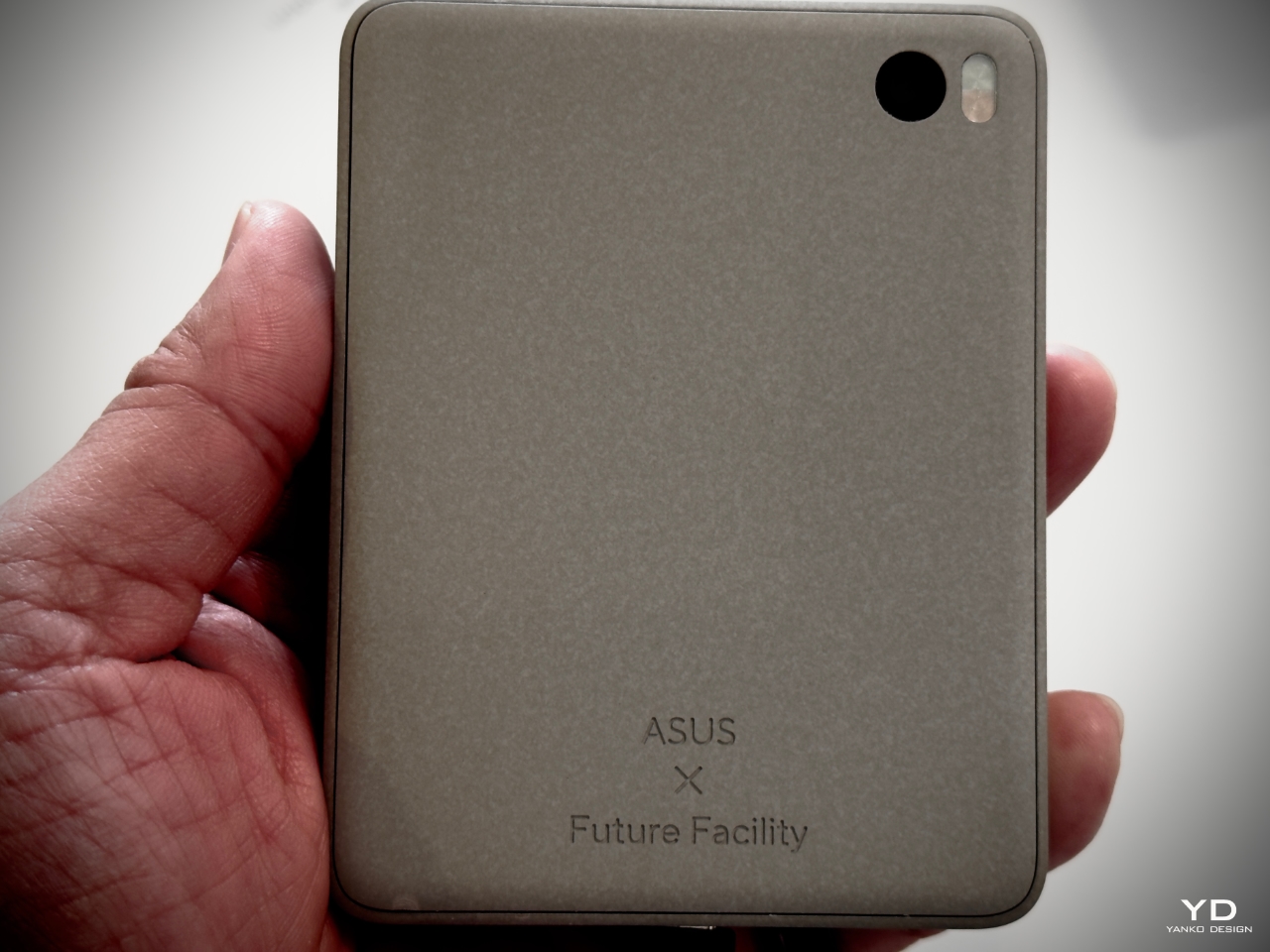
Ceraluminum reflects ASUS’s focus on creating materials that enhance functionality while fostering a more personal and tactile user experience. From my interpretation of their design philosophy, ASUS aims to develop materials that resonate emotionally with users, evoking a sense of warmth and connection—without suggesting metaphysical attributes like having a soul. Unlike traditional metals that feel cold and impersonal, Ceraluminum exudes warmth and tactility. It absorbs light and reduces glare while offering a textured, matte finish that invites interaction. Chief Design Officer Mitch Yang elaborated on the significance of this during the panel discussions, emphasizing that the texture and feel of Ceraluminum are key to fostering a deeper connection between users and their devices.
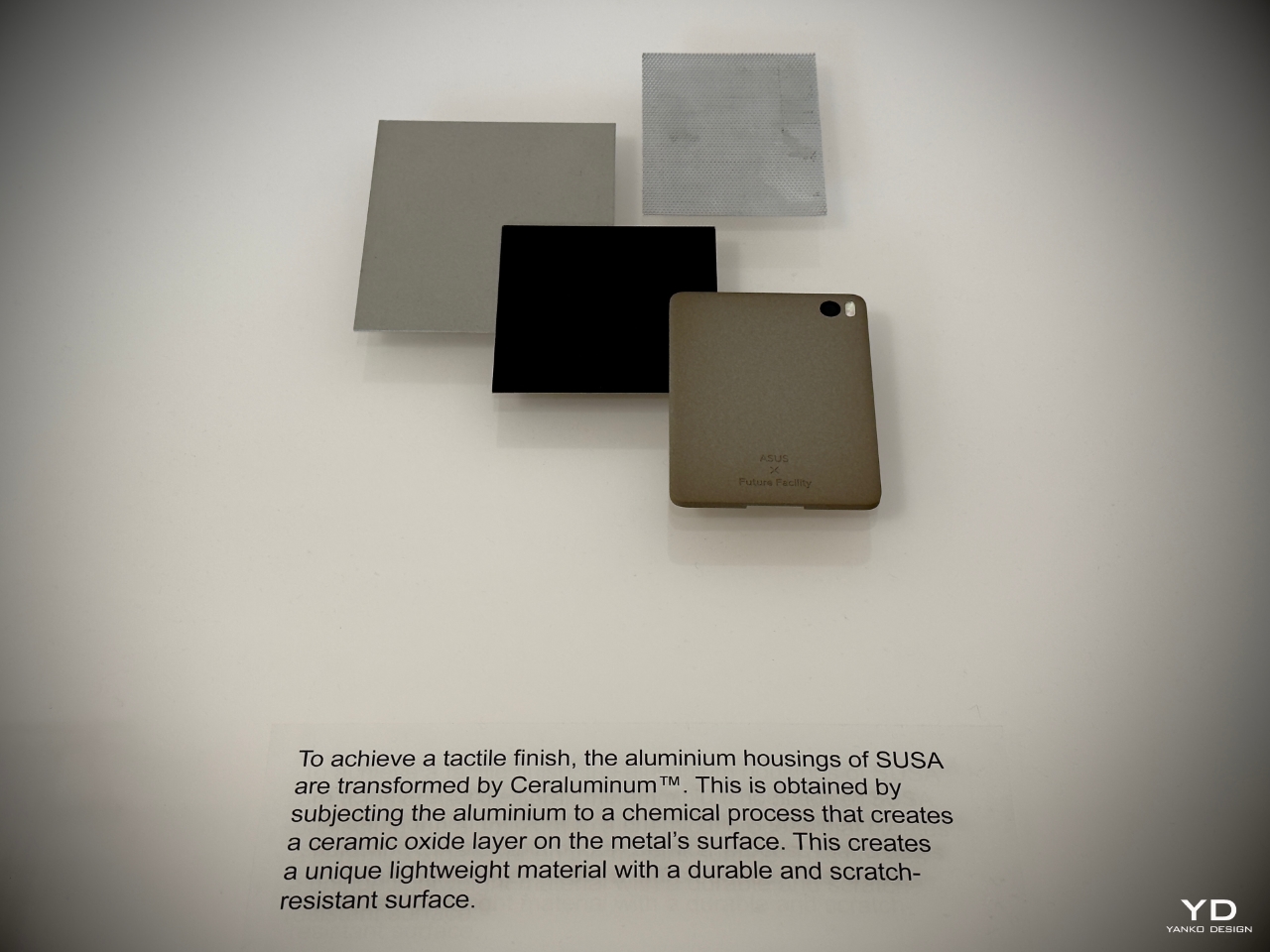
Developed through a unique micro-arc oxidation (MAO) process, Ceraluminum begins as lightweight aluminum and is transformed into a hybrid material through a high-voltage plasma discharge. This creates a ceramic oxide layer that maintains aluminum’s strength and lightness but offers ceramic’s hardness, scratch resistance, and tactile warmth. This unique combination gives ASUS’s devices a distinctive feel and presence, setting them apart from the sea of cold, reflective metal gadgets on the market.
Yang explained further, “Ceraluminum allows us to create devices that don’t just look good but feel meaningful to the touch. It changes how users interact with their technology, inviting them to explore the material with their hands, not just their eyes.”
SUSA: Embodying Calm Technology
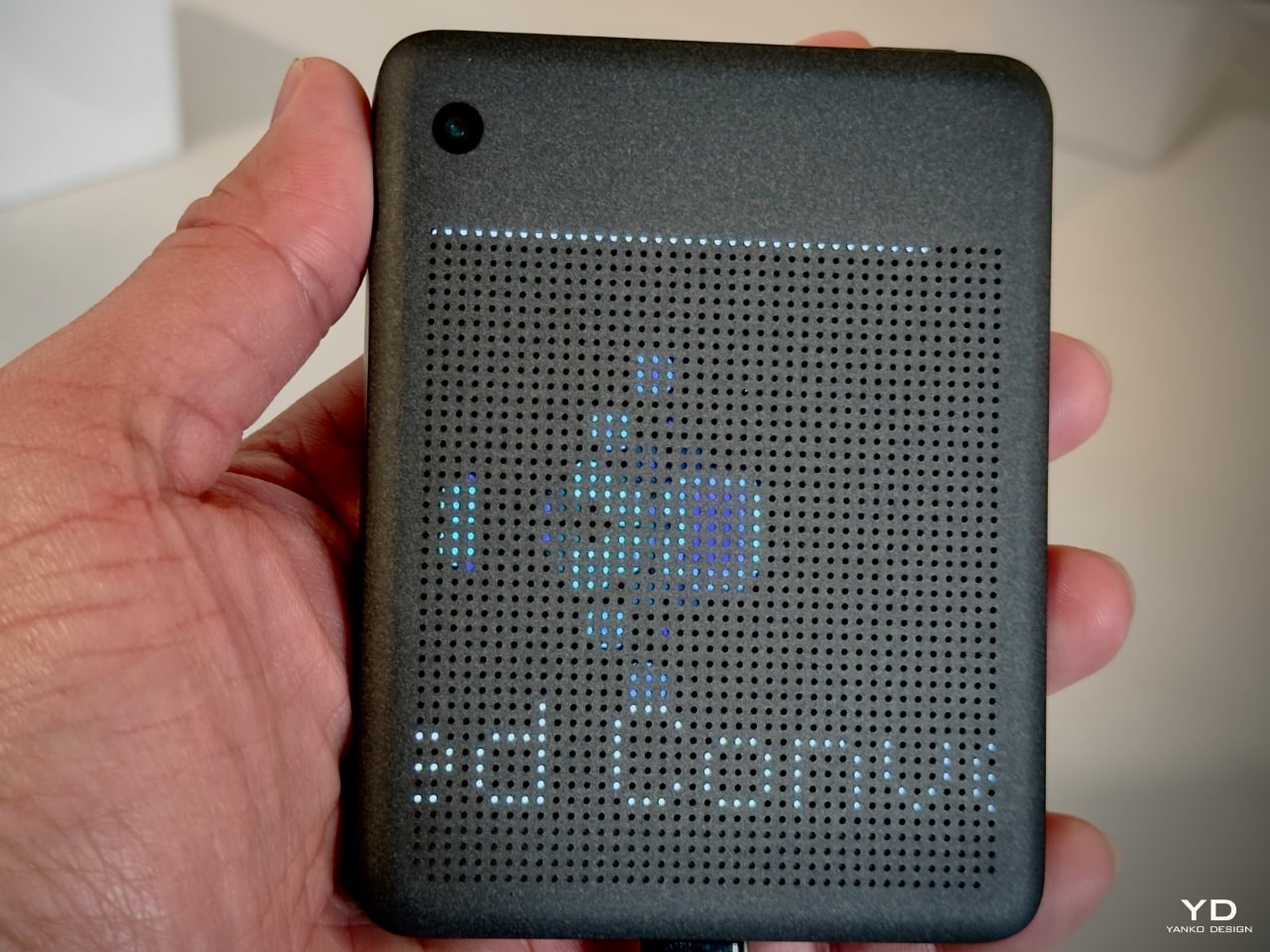
At the center of the “Design You Can Feel” exhibition was SUSA, a conceptual AI-powered device designed by London-based Future Facility. This device embodies ASUS’s philosophy of calm technology, where tech is designed to be intuitive, unobtrusive, and calming rather than overstimulating. Encased entirely in Ceraluminum, SUSA represents the potential of this material to facilitate more mindful, tactile interactions with technology.
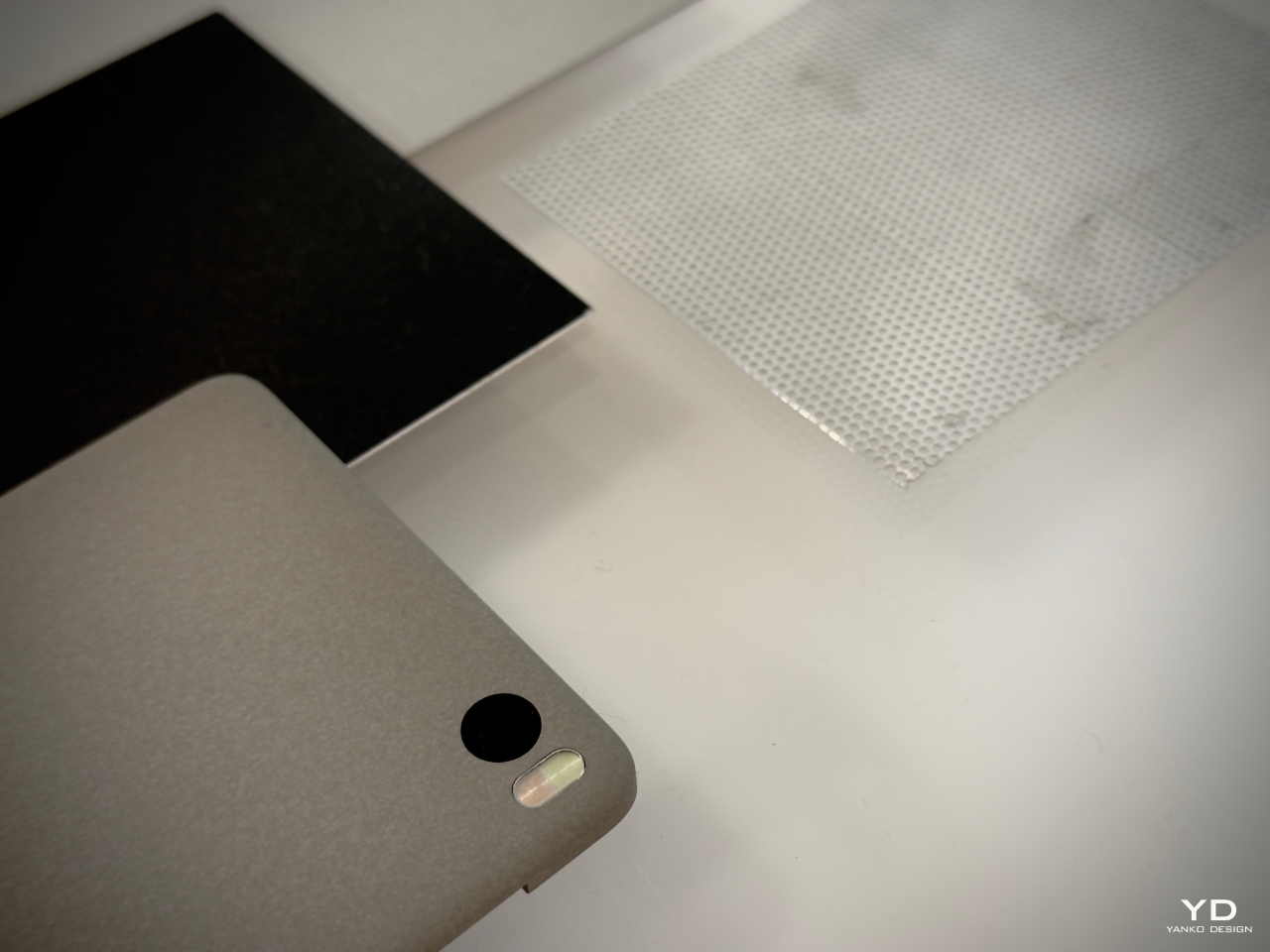
SUSA’s design is deliberately minimalist. It features a perforated screen that subtly filters its digital display, minimizing distractions while maintaining core functionalities such as photography, navigation, and calls. By encouraging users to engage with the physical object rather than becoming consumed by the screen, SUSA promotes a more intentional relationship with technology.
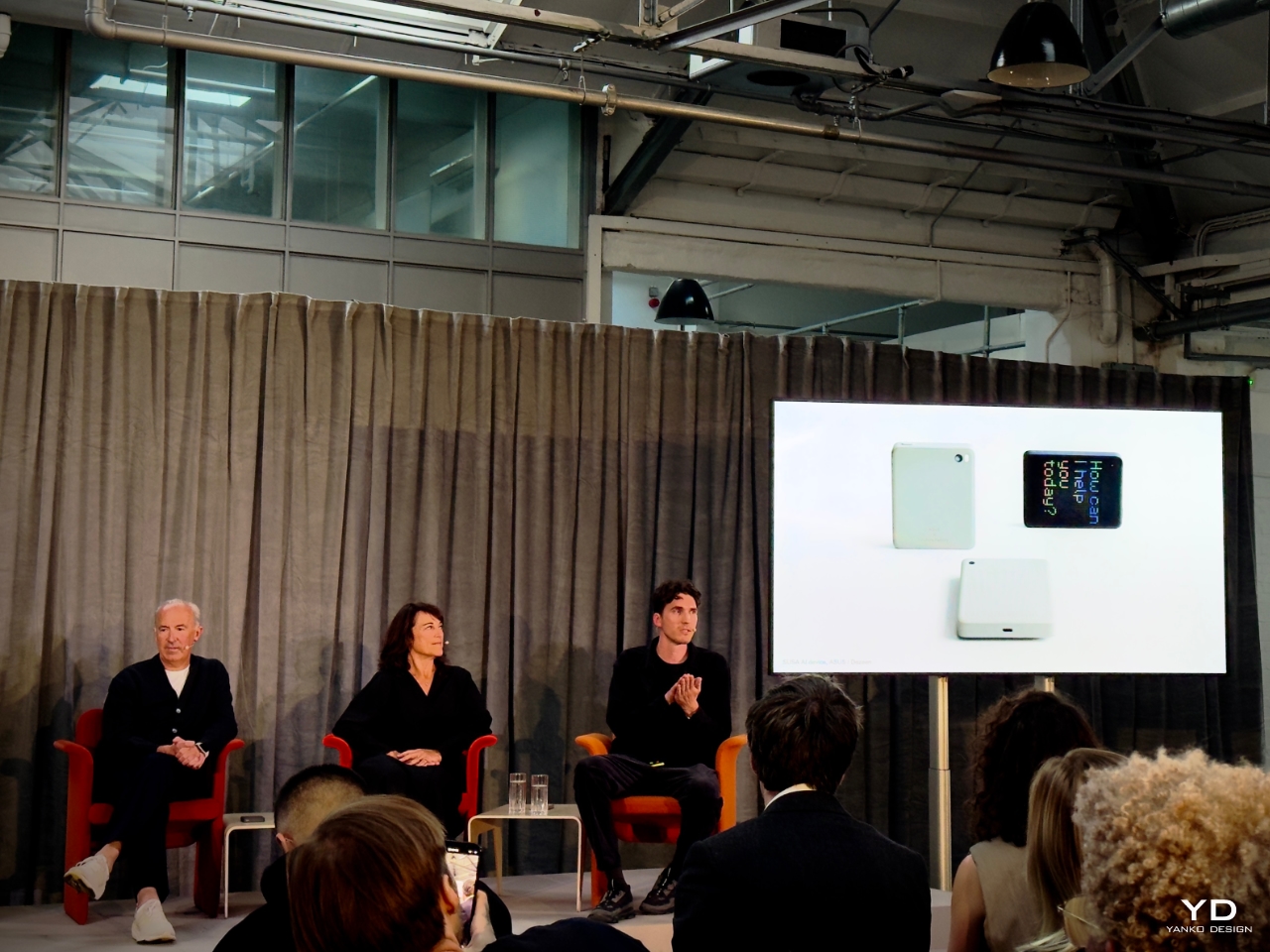
Leo Leitner, a designer at Future Facility, explained this during the panel discussion, stating, “SUSA is a reflection of how we can rethink the role of digital devices in our lives. By using Ceraluminum, we create a product that feels more natural and calming. It’s about slowing down, encouraging the user to focus on what’s important rather than being overwhelmed by constant notifications.”
Kim Colin, also from Future Facility, expanded on this by adding, “The tactile nature of Ceraluminum allowed us to create a product that feels inviting and grounded. It shifts the focus from what the device can do to how it feels when used. That tactile warmth is crucial to fostering a more mindful, human-centric interaction.”
SUSA is more than a concept. It represents a future where technology is integrated into our lives in ways that promote mental well-being, offering a calming influence rather than a constant source of overstimulation.
Collaborations with Global Designers: Ceraluminum Through the Eyes of Art
The “Design You Can Feel” exhibition also served as a platform for international designers to reinterpret and manipulate Ceraluminum in their own creative ways, showcasing its versatility beyond traditional tech applications. By inviting leading artists and designers to explore the material, ASUS highlighted how Ceraluminum can inspire new forms of user interaction. Each designer’s work emphasized tactile engagement and explored how material science can evoke emotional responses while remaining functional.
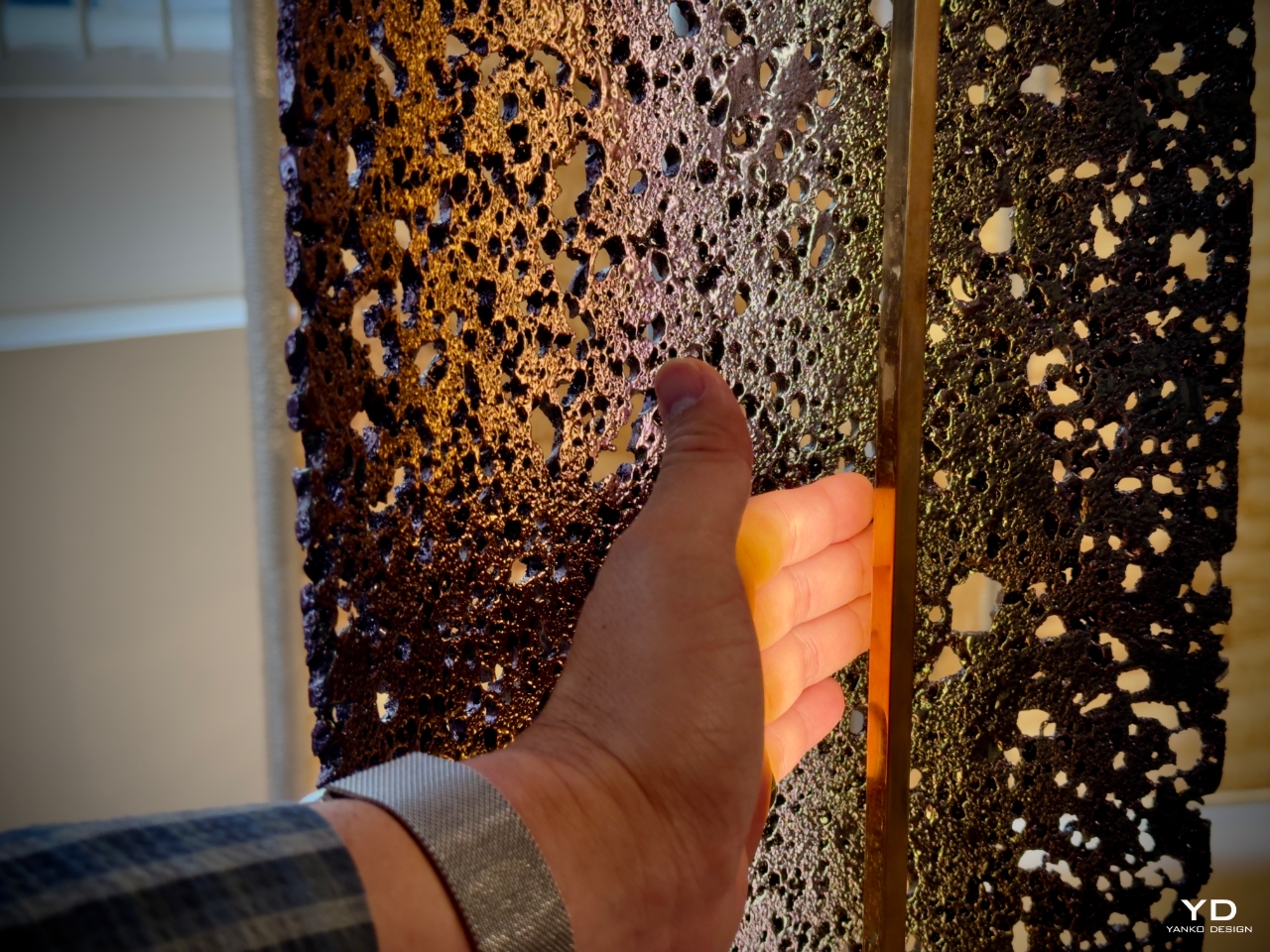
Giles Miller Studio (UK) approached Ceraluminum from a design perspective that blurred the lines between industrial application and artistic expression. Miller’s work focused on transforming the surface texture of Ceraluminum, turning it into a canvas for intricate patterns and reliefs. By manipulating its reflective qualities, Miller demonstrated how Ceraluminum could become a material that protects and decorates, elevating everyday technology into something more visually dynamic.
Designer: Giles Miller Studio
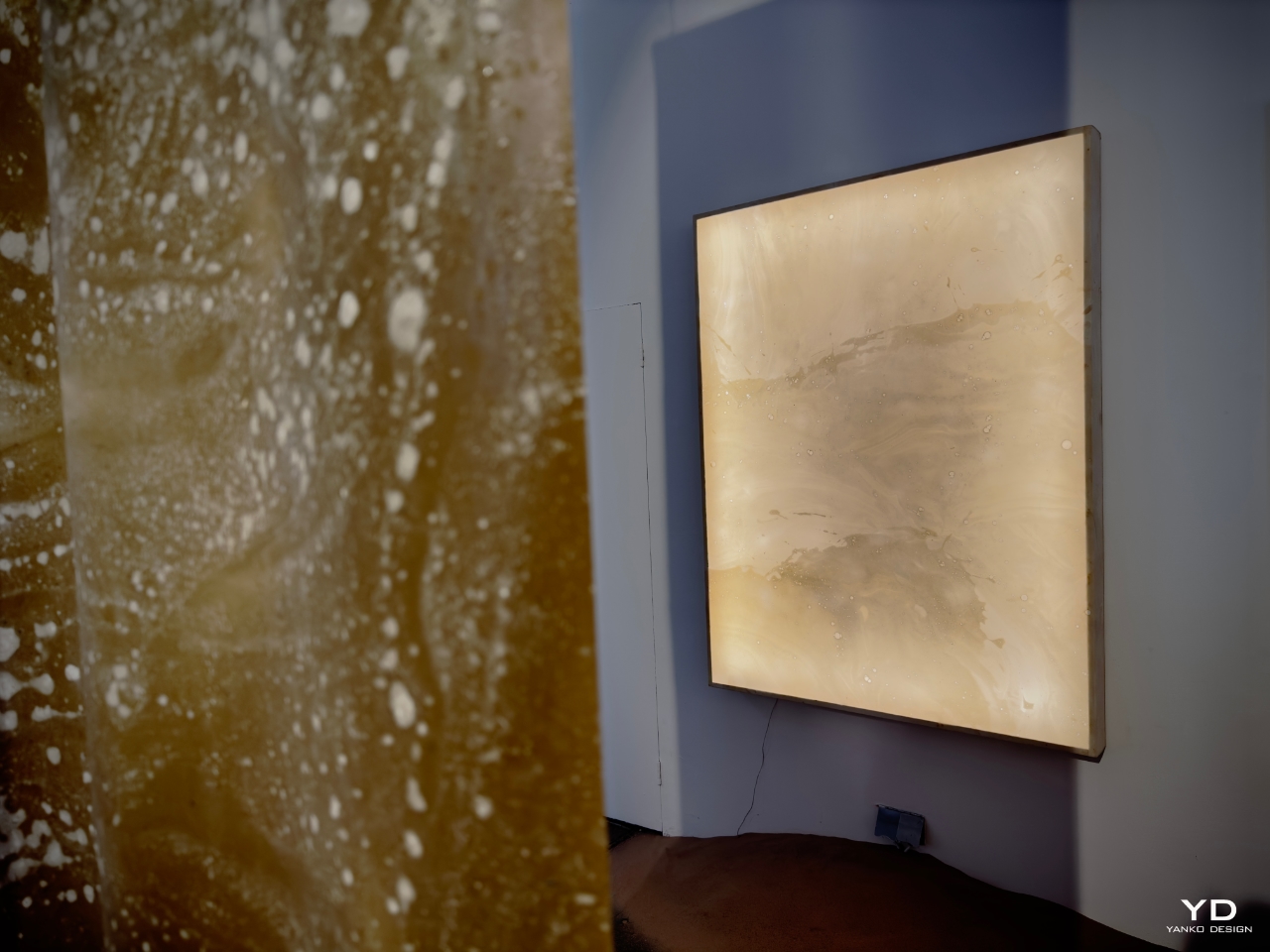
The studio used light to reveal hidden details in the material, inviting users to interact with their devices in new ways. Miller explained during the panel that they wanted to capture the subtle shifts in light as users moved their devices, turning a practical surface into an artistic experience. “Ceraluminum gave us the ability to create a surface that changes with the viewer’s movement, transforming the device from an object of utility into something more engaging,” Miller noted. This emphasis on the material’s light-reflecting properties invited deeper emotional engagement, making the device feel more personal.
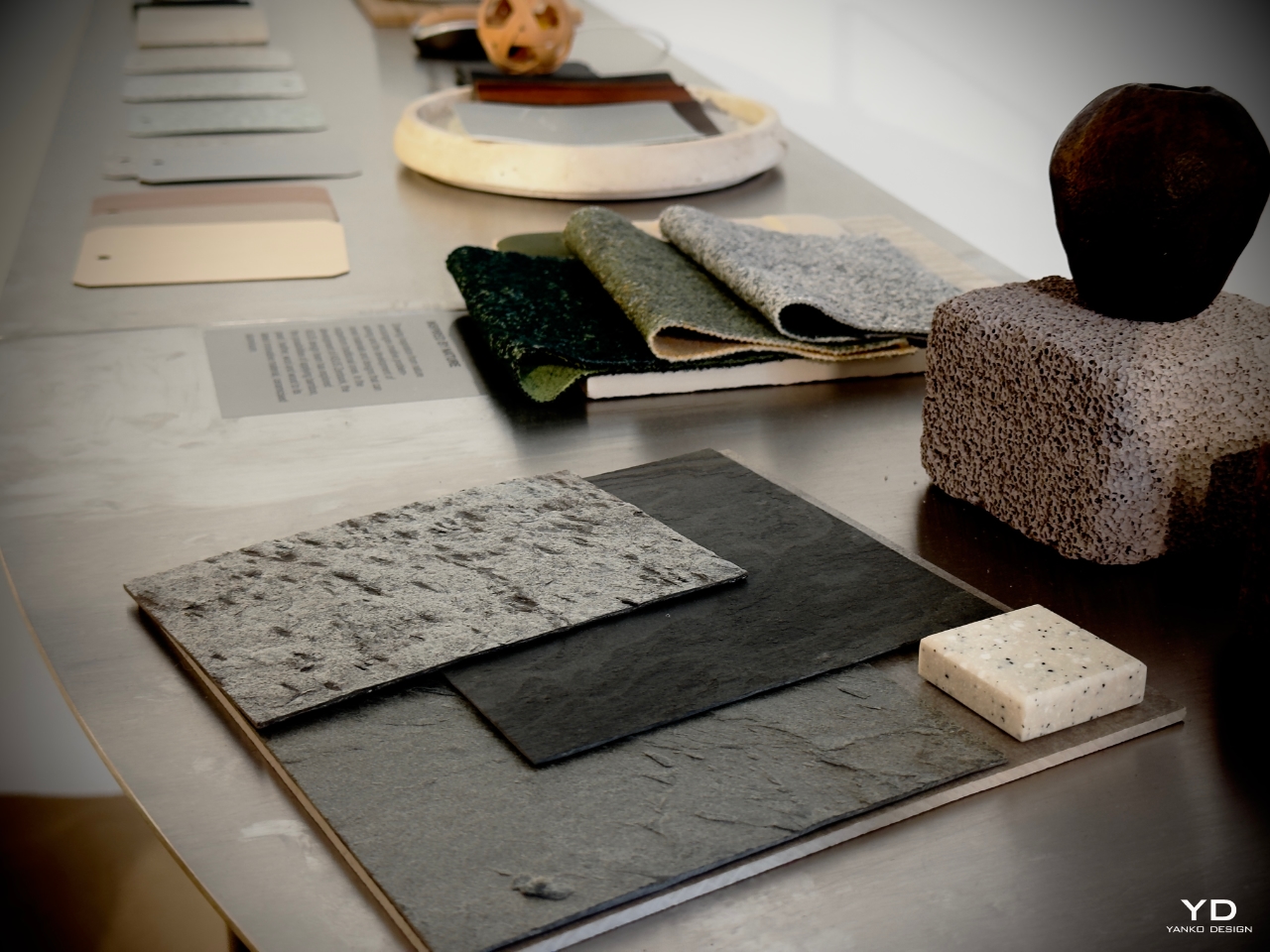
Natural Material Studio (Denmark) took an organic approach to Ceraluminum, focusing on its ability to mimic natural textures. Their contribution aimed to highlight the material’s matte finish and tactile softness, drawing inspiration from natural elements like stone and sand. By working with Ceraluminum’s porosity, they created objects that felt grounded and familiar, offering a contrast to the typically sleek, hard surfaces of most technology.
Designer: Natural Material Studio
The goal was to craft a sensory experience that reminded users of nature. Their work emphasized the tactile qualities of Ceraluminum, offering an experience that felt like the material had been shaped by natural forces rather than human technology. “We wanted the object to feel as if it had always existed—like a pebble-shaped by the sea,” the studio shared during the exhibit. Their designs provided a sense of calm, reinforcing ASUS’s broader mission to create technology that connects users to the natural world while still harnessing advanced materials.
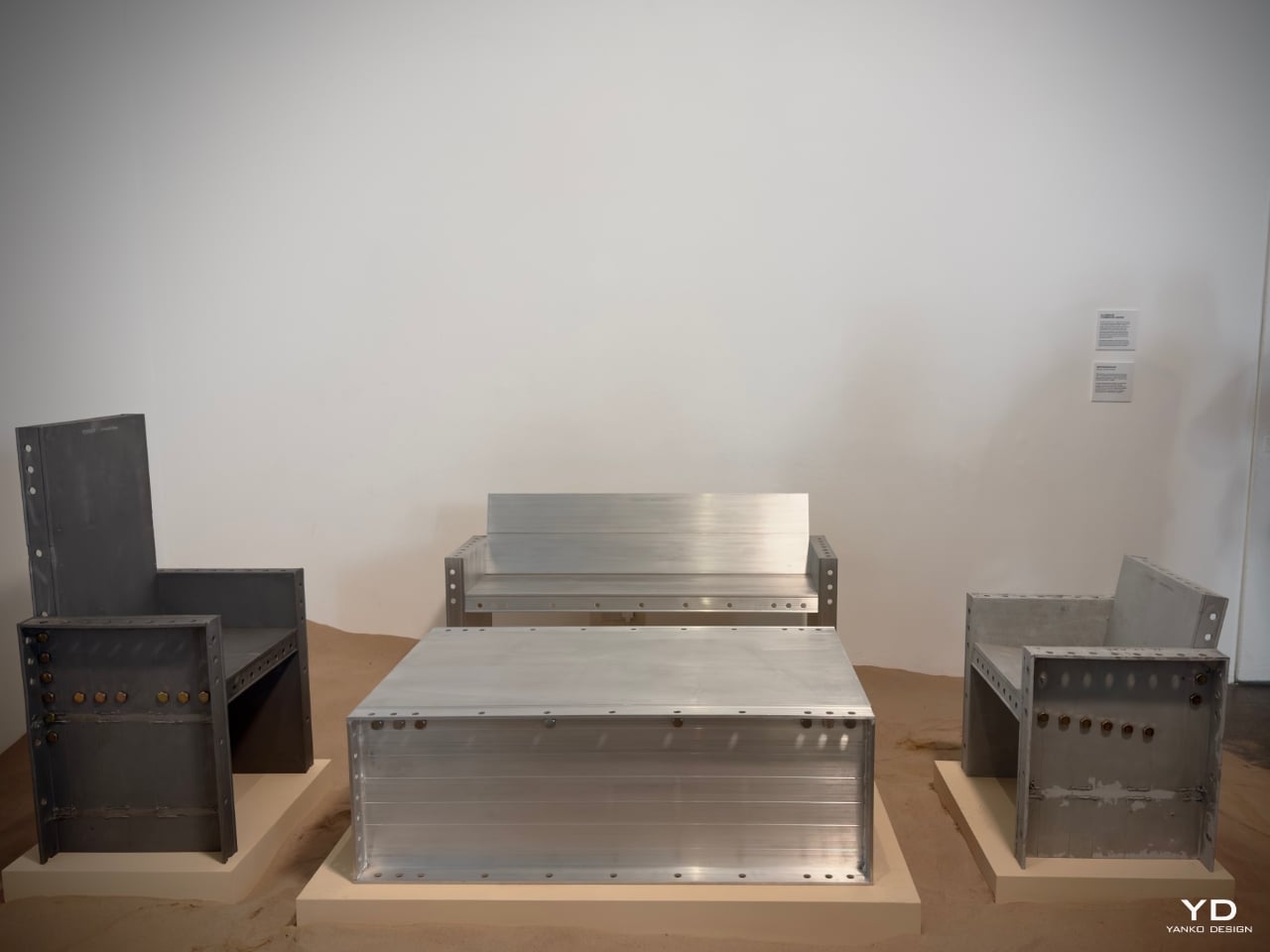
Nice Workshop (South Korea) explored the application of Ceraluminum in larger-scale objects with their “Aluminium Formwork Series”. Moving away from electronics, they demonstrated how Ceraluminum could be used in furniture design by applying ASUS’s ceramicization process to aluminum forms. This process resulted in furniture pieces with a textured, stone-like finish that invited touch and interaction. Founder Hyunseog Oh said their goal was to make aluminum—a traditionally cold, hard material—feel softer and more approachable.
Designer: Nice Workshop
Their work showed how Ceraluminum’s unique texture could be adapted to everyday objects, making them more inviting and user-friendly. “We wanted people to feel comfortable interacting with furniture in the same way they interact with their devices,” said Oh. This exploration of Ceraluminum’s versatility in non-tech applications expanded the material’s potential, proving it could enhance electronics and the physical spaces we inhabit.
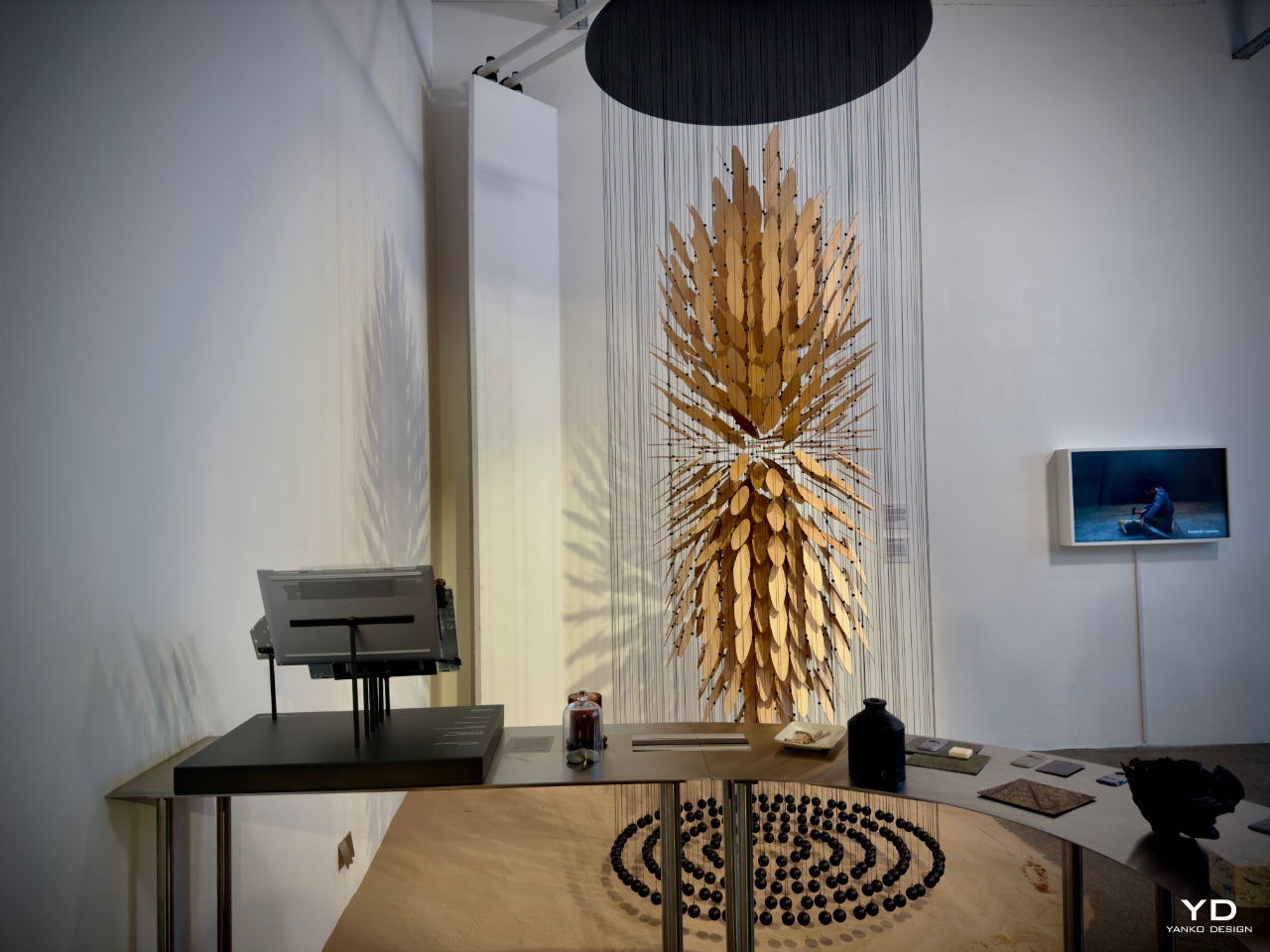
Fernando Laposse (Mexico) brought a sustainability-focused lens to the exhibition, concentrating on how Ceraluminum could be repurposed and recycled to reduce environmental impact. Known for his work with natural fibers, Laposse saw potential in Ceraluminum’s longevity and durability. He explored how the material could be integrated into sustainable design practices, offering a responsible alternative to more wasteful production methods.
Designer: Fernando Laposse
Laposse’s work aligned with ASUS’s vision for creating long-lasting products that reduce waste and contribute to a circular economy. By focusing on Ceraluminum’s recyclability, he highlighted its potential to contribute to sustainable design efforts. “Ceraluminum’s strength and durability mean it can be repurposed, not discarded, ensuring that our devices leave a smaller environmental footprint,” Laposse explained. His approach resonated with ASUS’s commitment to sustainability, demonstrating that high-tech materials and responsible design can coexist.
Studio Furthermore (UK) embraced a more experimental approach, pushing Ceraluminum’s potential beyond the traditional limits of material design. Their contribution focused on the material’s transformation through ceramicization, exploring how different textures and surface treatments could evoke new tactile experiences. By experimenting with forms and patterns, Studio Furthermore demonstrated how Ceraluminum could serve as a medium for creative exploration, where users could discover new ways to interact with their devices.
Designer: Studio Furthermore
The studio’s work underscored how Ceraluminum is durable and capable of provoking emotional and tactile connections. By emphasizing the material’s sensory qualities, they invited users to engage more profoundly and rigorously with their devices. “We wanted to encourage users to touch and feel their devices, not just see them as tools,” the studio remarked. Through their experimental processes, Studio Furthermore showcased how Ceraluminum could foster more profound, more meaningful interactions between users and the objects they use every day.
Final Thoughts: A Sensory Future for Technology and Design
ASUS’s “Design You Can Feel” exhibition and the development of Ceraluminum represent a forward-thinking approach to how technology integrates into our lives. With this material, ASUS bridges the gap between the tactile and the technological, offering users an experience that goes beyond performance to touch the soul of design.
Ceraluminum’s durability, tactile warmth, and matte finish go beyond aesthetic choices; they reshape how we interact with devices moving forward. This material reflects ASUS’s commitment to creating devices that resonate emotionally, offering comfort, engagement, and fostering a deeper connection.
Through collaborations with global designers, ASUS has highlighted the potential of Ceraluminum to transform not just technology but how we live, interact, and engage with the objects around us. As we move forward, Ceraluminum is poised to lead a new design wave that prioritizes emotional resonance, environmental responsibility, and the fusion of art with cutting-edge material science.
The ripples from Concord’s seismic implosion are still fanning out since Sony decided to take the game offline earlier this month. Now, the game’s director has reportedly decided to bow out gracefully. Kotaku reported that game director Ryan Ellis of Firewalk Studios told staff members that he’s stepping down from his position. Ellis, who cofounded Firewalk after a stint as the creative director of Destiny 2, will remain with the studio but only in a support role.
Meanwhile, the staff at Firewalk are still waiting to hear what Sony plans to do with their underperforming game. Just two weeks after Concord’s release, Sony pulled the team shooter offline on September 6 and issued refunds to everyone who bought the game for the PlayStation 5 or PC from Steam and the Epic Games Store. Sony said in a statement that it pulled the game in order to “explore options, including those that will better reach our players.” Naturally, Kotaku reports that a lot of Firewalk’s staffers are worried about the status of their jobs in the wake of Concord’s disappointing release.
The extremely poor sales of Concord make it one of the biggest bombs in industry history. Analysts estimate that it only sold 25,000 copies on Steam and for PS5 in its first six days.
This article originally appeared on Engadget at https://www.engadget.com/gaming/playstation/concords-disastrous-launch-reportedly-leads-to-its-directors-self-demotion-215515013.html?src=rss
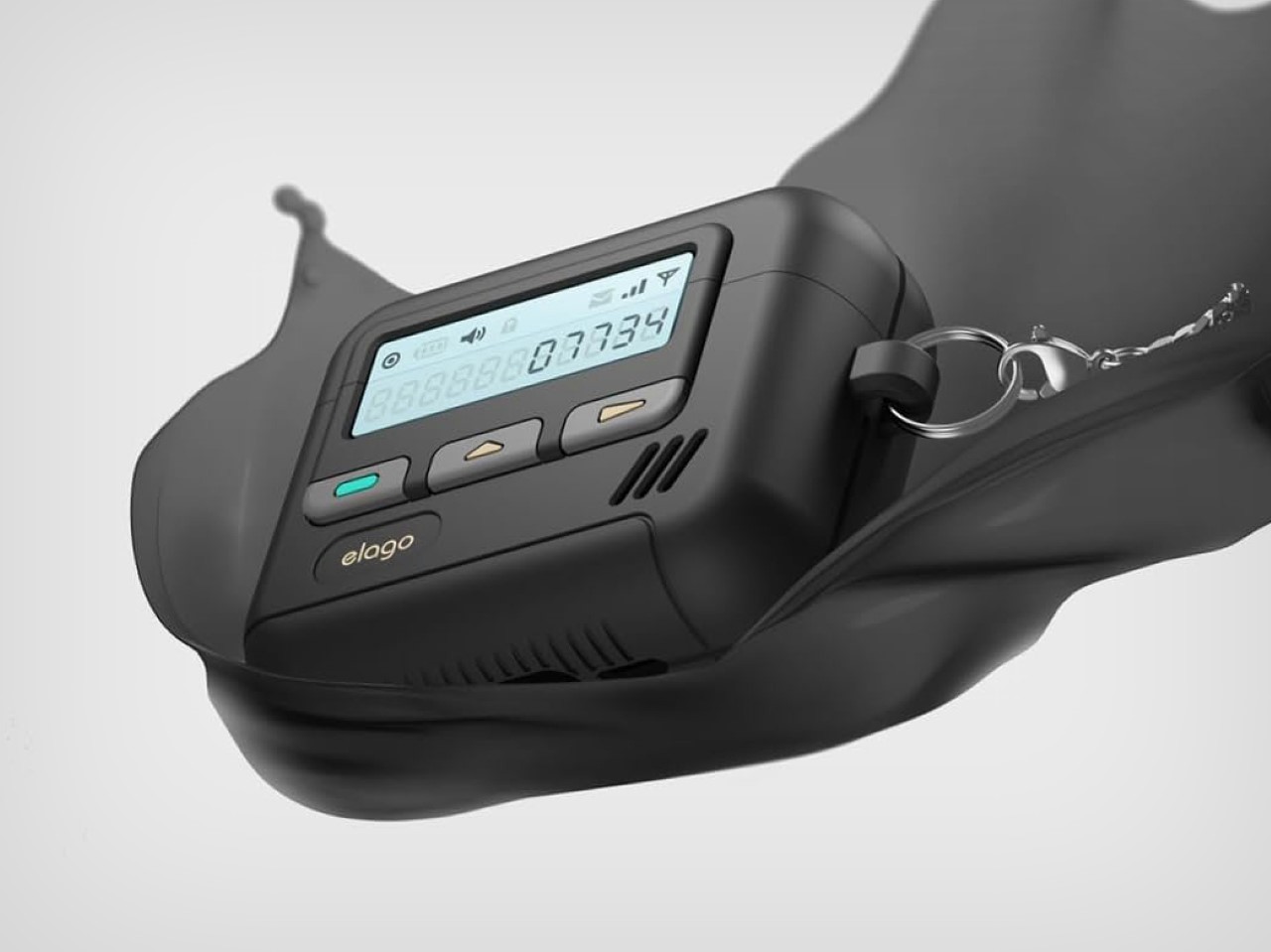
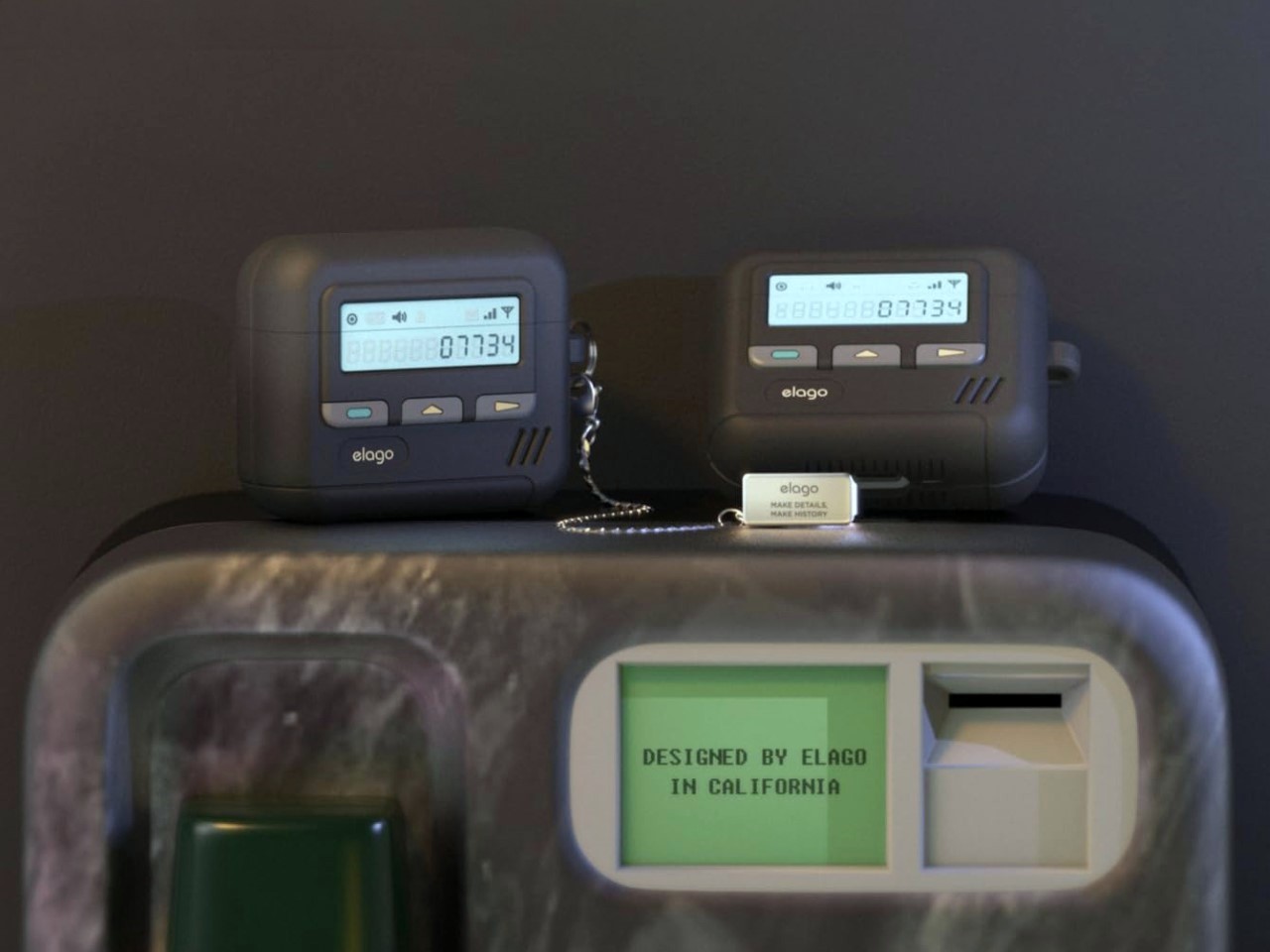
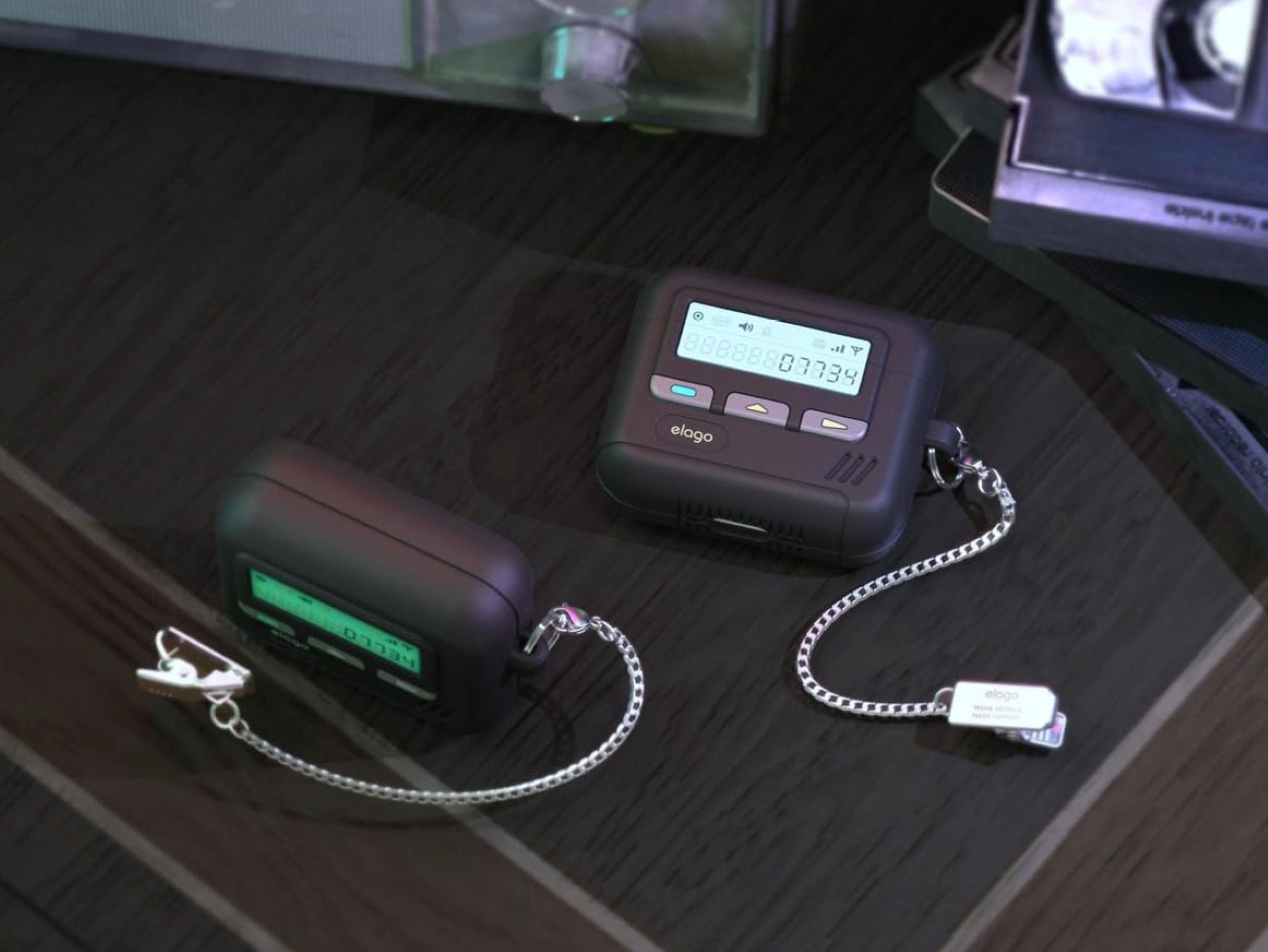
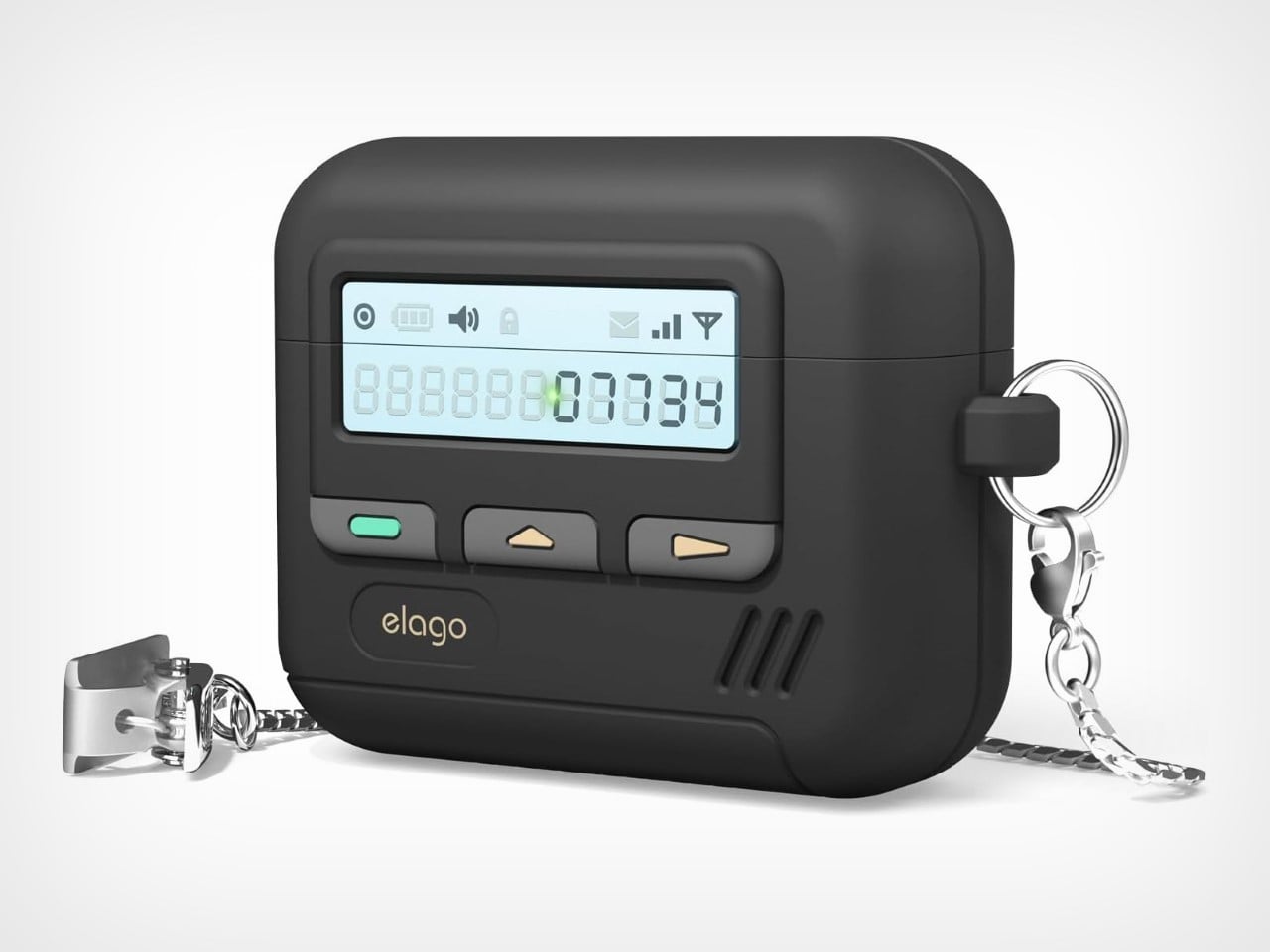
I’m sure the folks at Elago had no idea pagers would be a hot geopolitical topic around the time they announced their cute AirPods cases but we definitely live in unprecedented times! Designed to look like the famed device from the pre-cellular era, this silicone cover-case fits around the AirPods 4, transforming it into a piece of retro tech! The cover is a part of Elago’s ongoing series that has turned the AirPods into mini iPod Shuffles, Macintoshes, and even the Apple Watch into a makeshift iPod Classic.
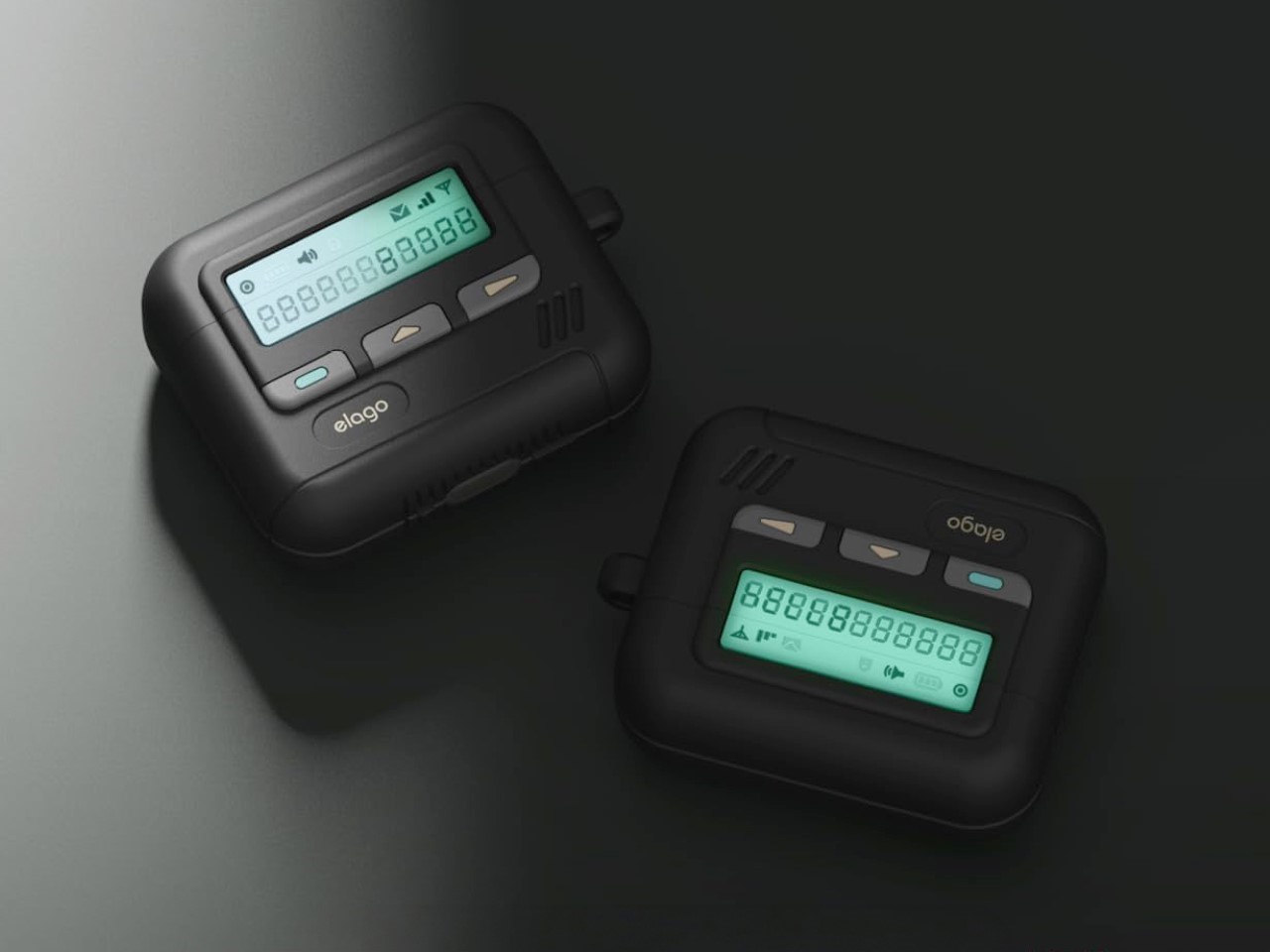
Designed to be compatible with the AirPods 4 which launched just last week, this cover case is yet another part of Elago’s throwback design series. This time, the cover case looks like a pager, complete with a screen that reads Apple’s signature “Hello” but in seven-segment calculator-speak. The screen (which glows in the dark) is accompanied by faux buttons too, along with a chain and clip that you can use to attach the AirPods to your pant pocket.
For those born after the turn of the millennium, pagers were the evolutionary step right before portable cellular phones. Unlike cell-phones or mobiles that let you have conversations with other people, pagers were simply beepers. You’d give your pager number to people, and they’d call your pager. The screen would notify you that you received a call from someone, and you’d then have to find a landline phone to call them back. It wasn’t convenient, but it was compact, had a battery that lasted several days, and was a great way to get notified of a call without getting distracted by having to answer it. You’d see the number and call them back whenever convenient.
This cover case, like all of Elago’s cases, comes made from silicone, known for its rubbery soft exterior and impact resistance. The shock-proof silicone cover makes it a perfect pick for people who want to protect their AirPods from bumps, scratches, or any impact-based damage. Moreover, the screen (and buttons) even glow in the dark, mimicking the backlight of pager displays back in the day, while also allowing your AirPods to be visible and accessible in the dark!
The Elago Pager Case comes at a very ill-fated time, following the series of pager explosion attacks that occurred in Lebanon over the weekend. Although it seems like pagers might not be having a good media cycle for now, these cases may be a cute option once the news dies down and pagers are again remembered for what they truly are… being the iconic communication device of the early 90s, with doctors even today using them in the hospital wards and operation theaters over actual phones.
Get ready to question humanity’s control over the technology that surrounds us because another season of Netflix’s Black Mirror is in the works. Earlier today, the official Black Mirror X page revealed the cast of the new season coming next year along with some other interesting clues and Easter eggs.
The video features an old, flickering computer screen that appears to unload a complete data dump of the entire cast for season 7. Some of the names that jumped out at us includes Oscar nominee Paul Giamatti, Doctor Who star and Oscar winner Peter Capaldi (he won in 1995 with his live action short film Franz Kafka’s It’s a Wonderful Life), Awkwafina, Issa Rae, Tracee Ellis Ross and Rashida Jones.
The list also included some of the cast who played virtual crew members of the USS Callister from the iconic fourth season episode of the same name. The names from the USS Callister episode that appeared on the list include Cristin Milioti, Jimmi Simpson, Billy Magnussen, Milanka Brooks and Osy Ikhile.
We’ve known for a while now that series creator Charlie Brooker has been planning to revisit the crew of the USS Callister. The season 4 opening episode starred Jesse Plemmons as the chief technology officer named Robert of a top tier game studio and a big fan of a Star Trek-esque TV show called Space Fleet. By day, he gets pushed around and little credit for the company’s success from his colleagues and staff. He uses immersive virtual reality technology to play as Space Fleet Capt. Robert Dalyaway from work on a virtual starship and takes out his frustrations and anger on the crew in increasingly cruel and inhumane ways. The crew members were replicated in the game using his boss and staff members’ DNA that Robert obtained without their permission or knowledge. The crew revolt and escape to the open Internet while leaving a seething “Capt. Robert” stranded in the game.
Of course, this wouldn’t be a true Black Mirror reveal if it didn’t contain some clues and hidden items in the teaser. The loading screen features the studio name Tuckersoft, a reference to the game studio in the interactive “Bandersnatch”movie. The cast names are listed in alphabetical order by first name but they’ve been broken into eight groups. There are some cryptic phrases between the scrolling group names like “Too soon?”, “A rose for a rose” and “Shields 58 percent.”
Could these be episode titles? The latter definitely sounds like a reference to the USS Callister and Brooker and company love symbolic episode titles taken from songs for their tech hell stories like “Shut Up and Dance” and “Hang the DJ.” The new Black Mirror episodes haven’t even landed yet and they’ve already screwing with our heads.
This article originally appeared on Engadget at https://www.engadget.com/entertainment/streaming/black-mirror-season-7-cast-revealed-in-a-cryptic-computer-message-203343148.html?src=rss
An Austin-based startup best known for its VR and mixed reality workspace software for other companies’ headsets now has hardware of its own. The Immersed Visor appears to sit somewhere between a Vision Pro Lite and Xreal Plus: a lightweight head-worn device that creates a high-resolution spatial computing environment on the cheap (well, relatively speaking).
Teased to death for months, Immersed founder Renji Bijoy finally unveiled the Visor at an Austin event on Thursday. The device, a bit more than glasses but much less than a full headset, gives each eye the equivalent of a 4K OLED screen. It has a solid 100-degree field of view. It supports 6DoF tracking (meaning it responds to motion on different axes, not just simple head rotations), and it offers hand and eye tracking and support for over five screens in a virtual or mixed reality environment.
Immersed
In the presentation, Bijoy revealed that the Immersed Visor only weighs 186g, slightly less than an iPhone 16 Pro. It’s 64 percent lighter than the Meta Quest 3 (515g) and around 70 percent lighter than the Apple Vision Pro (600 to 650g). Weight and ergonomics have been drawbacks for many early adopters of VR and mixed-reality tech. (That includes some customers of the $3,500 Vision Pro.) So, trimming the Visor’s weight to about the same as a high-end smartphone could, in theory,help it succeed where competitors struggled. Part of that comes from (in borrowing a trick from Apple) a wired battery pack you stash in your pocket.
But unlike those devices, the Immersed Visor doesn’t include an app store or onboard experiences like games. Instead, it’s tailored for work: link it to your Windows, macOS or Linux computer (wirelessly or wired), and get stuff done on its immersive array of virtual screens. Its 6DoF tracking means you can stand up, lean or twist, and the virtual screens will remain planted where you put them, rather than awkwardly following you through space.
Like the company’s workspace app for Meta Quest and Vision Pro, you can operate either in a passthrough view of your space or an entirely virtual one. (It includes pleasant virtual environments like a mountaintop ski resort by a cozy fire.) You can also work with others in a shared space.
The device runs on the Qualcomm XR2+ Gen 2 chip, which debuted at CES 2024. The chip supports up to 4.3K per-eye resolution and can handle content up to 90fps.
Immersed
Immersed has chosen an unconventional pricing scheme. The device starts at $1,050 to buy outright. But you can get it for $400 upfront if you agree to a subscription model: $40 monthly for 24 months or $60 monthly for a 12-month term. Oh, and that model doesn’t ship until “six months after” October, meaning April 2025. If you want a device that starts shipping next month — i.e., the “Founder’s Edition” — that price increases to $1,350 outright or $700 plus the monthly subscription fee (same prices as the later-shipping version).
In theory, the Immersed Visor could hit a sweet spot for many spatial computing-curious folks who want something cheaper than the Vision Pro, with a higher resolution than the Meta Quest 3 and that’s (perhaps) less like a beta product than Xreal’s AR glasses. Whether it succeeds on those points, well, we won’t have a clue until we get some hands-on time. As far as I can see, no major media outlets (including Engadget) have shared hands-on demos of the device. As this year’s wave of absurdly hypedAI gadgets reminded us, big promises mean nothing if you end up with a $1,000 paperweight.
You can watch the presentation below and, if it tickles your fancy, pre-order from Immersed’s website.
This article originally appeared on Engadget at https://www.engadget.com/ar-vr/the-immersed-visor-aims-for-spatial-computings-sweet-spot-201031456.html?src=rss
One day after X started to come back online for some people in Brazil, the country’s Supreme Court is threatening the social media company and Elon Musk-owned Starlink with hefty daily fines. In a new order posted online, Supreme Court judge Alexandre de Moraes ordered regulators to “reactivate” blocking of X and said that the two companies could be hit with close $1 million a day in fines for not complying.
The latest order from Moraes, who has been publicly sparring with Musk for months, comes after X became accessible again in Brazil for many users on Wednesday. The company said in an earlier statement the change was "an inadvertent and temporary service restoration" that happened as a result of changing network providers.
Following Brazil’s ban last month, X reportedly shifted to using Cloudflare’s servers in the region, which made it more difficult for Brazilian ISPs to carry out the block. The company said Wednesday it made the change in network providers in order to “to provide service to Latin America” and that it expected its service in Brazil to go offline again “soon.”
Now, Moraes says that X could be fined the equivalent of $921,000 a day, beginning September 19, for each day of “non-compliance” with the ban. Starlink, which previously saw its Brazilian bank accounts frozen amid the dispute, faces “joint liability” if X doesn't pay, according to the order. Moraes also ordered the country’s internet regulator to “take immediate measures to prevent access to the platform by blocking the ‘CDN Cloudflare, Fastly and EdgeUno’ servers, and other similar ones, created to circumvent the court order that suspended the operation of the old Twitter in Brazil.”
X didn’t immediately respond to a request for comment.
This article originally appeared on Engadget at https://www.engadget.com/social-media/brazil-threatens-daily-fines-for-x-and-starlink-for-non-compliance-with-ban-194542476.html?src=rss