Missing NBC on Fubo? Here’s how to watch Sunday Night Football this week and more

If you're a Fubo subscriber, you've certainly noticed that NBC and all NBCUniversal-owned channels have gone dark on the platform. For over a week, customers have gone without NBC programming like the Today Show and The Voice, and for the second week in a row, customers will have to find alternate methods of watching this week's Sunday Night Football game, too. It's all because Fubo and NBCUniversal are having a contract dispute, so channels like NBC, USA Network, Telemundo, and Bravo have been unavailable on Fubo since Nov. 21, and as of now, there's no projected date for their return. 

A message released by Fubo to their customers explains, "Fubo believes customers should have the option to choose among multiple distributors to access the content they love. Unfortunately, NBCU has offered terms regarding pricing and packaging that are egregiously above those offered to other distributors." A statement from an NBCU spokesperson adds, "Fubo has chosen to drop NBCUniversal programming despite being offered the same terms agreed to by hundreds of other distributors. Unfortunately, this is par for the course for Fubo — they’ve dropped numerous networks in recent years at the expense of their customers, who continue to lose content.” (Fubo, for instance, cut Warner-owned channels back in 2024.) You can read more about exactly why Fubo is countering NBC's proposed deal here

While the companies are continuing discussions to come to an agreement, there is still no resolution. Fubo has already begun issuing $15 credits to subscribers' bills as a gesture of goodwill, but if you're a Fubo customer and are wondering how to watch this week's biggest games and shows, here's everything you need to know about the Fubo-NBC blackout, which channels are missing and your options for where to watch them.

This week's Sunday Night Football matchup between the Houston Texans and the Kansas City Chiefs airs at 8:20 p.m. ET on NBC, but you'll also be able to stream it on Peacock, DirecTV, and Hulu + Live TV. 

In addition to this week's Sunday Night Football game, there are loads of sports on NBC, USA, Universo and more that you won't want to miss, including extensive Premiere League coverage, NBA and NHL games, plus dozens of new show premieres this week like Stumble and The Voice. On Bravo, there are new episodes of The Real Housewives of Potomac and The Real Housewives of Salt Lake City, and The Real Housewives of Beverly Hills, too.

The following is a list of channels owned or operated by NBC that are not currently available on Fubo:

  • NBC Local Affiliates

  • Telemundo Local/National

  • NBC Sports 4K

  • NBC Sports Bay Area

  • NBC Sports Bay Area Plus

  • NBC Sports Boston

  • NBC Sports California

  • NBC Sports California Plus

  • NBC Sports California Plus 3

  • NBC Sports Philadelphia

  • NBC Sports Philadelphia Plus

  • American Crimes

  • Bravo

  • Bravo Vault

  • Caso Cerrado

  • CNBC

  • CNBC World

  • Cozi

  • Dateline 24/7

  • E! Entertainment Television

  • E! Keeping Up

  • Golf Channel

  • GolfPass

  • LX Home

  • Million Dollar Listing Vault

  • MS NOW (formerly MSNBC)

  • NBC NOW

  • NBC Sports NOW

  • NBC Universo

  • True CRMZ

  • New England Cable News

  • Noticias Telemundo Ahora

  • Oxygen True Crime

  • Oxygen True Crime Archives

  • Real Housewives Vault

  • SNL Vault

  • Syfy

  • Telemundo Accion

  • Telemundo al Dia

  • The Golf Channel

  • Today All Day

  • Universal Movies

  • USA Network

Per Fubo, NBC channels were pulled from the platform because of a disagreement over their long-standing content distribution agreement that has yet to be resolved.

There is no information available as to when NBC's lineup of channels will return. Negotiations between the companies are ongoing.

In a message to subscribers, Fubo stated, "If NBCU programming remains off of Fubo for an extended period, we will directly credit $15 to your Fubo account." At least one Fubo customer on our staff received an email confirming the credit would be automatically applied in the December billing cycle.

Looking to switch from Fubo? You've got plenty of options, including Peacock, DirecTV, and Hulu + Live TV. Here are some of your choices:

Fubo does not allow customers to pause their subscriptions, so if you're looking to make a change, you can cancel your plan outright. 

This article originally appeared on Engadget at https://www.engadget.com/entertainment/streaming/missing-nbc-on-fubo-heres-how-to-watch-sunday-night-football-this-week-and-more-014052821.html?src=rss

Honor’s $84 projector supports stylus input and turns any wall into a giant touchscreen

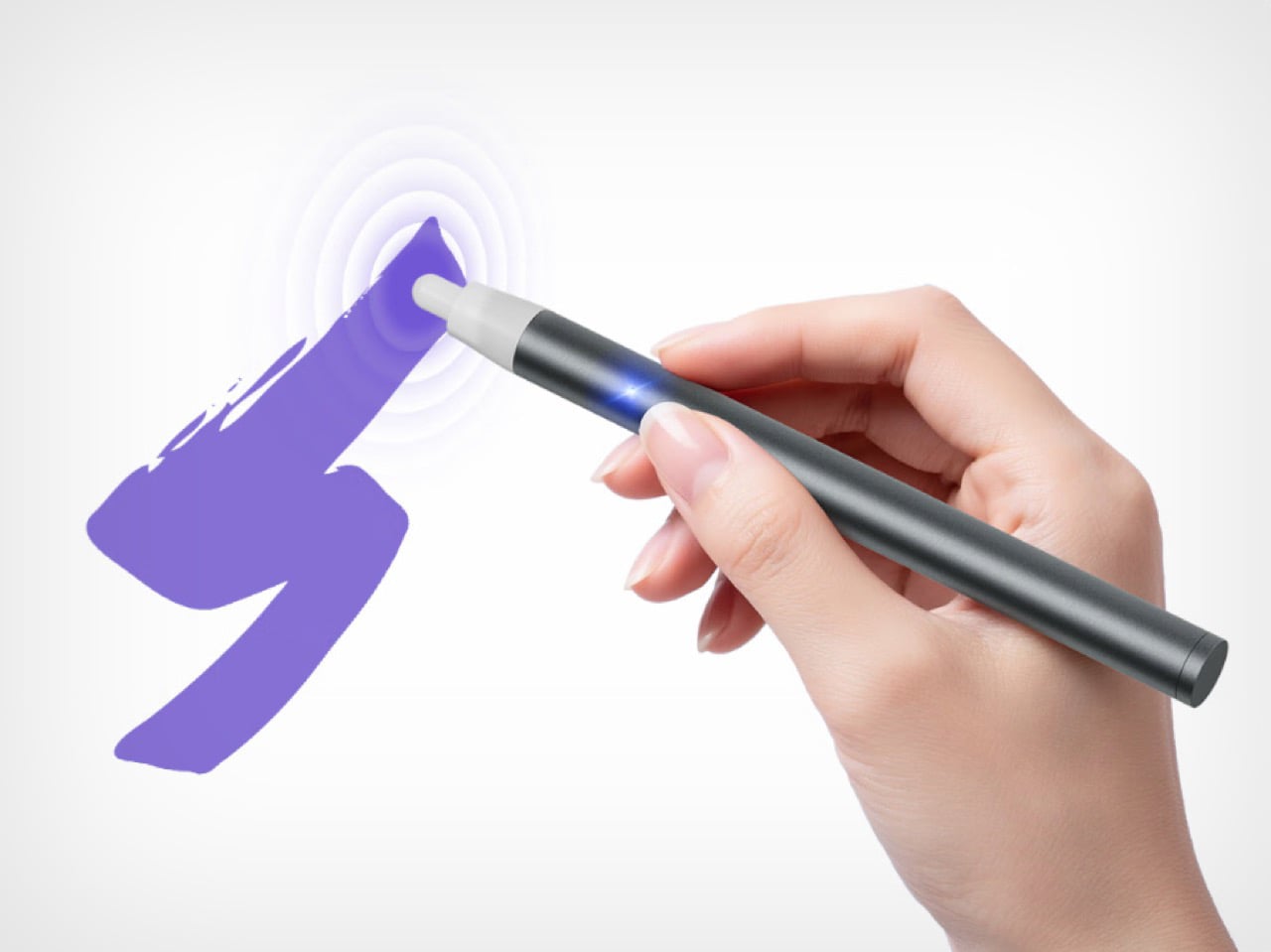
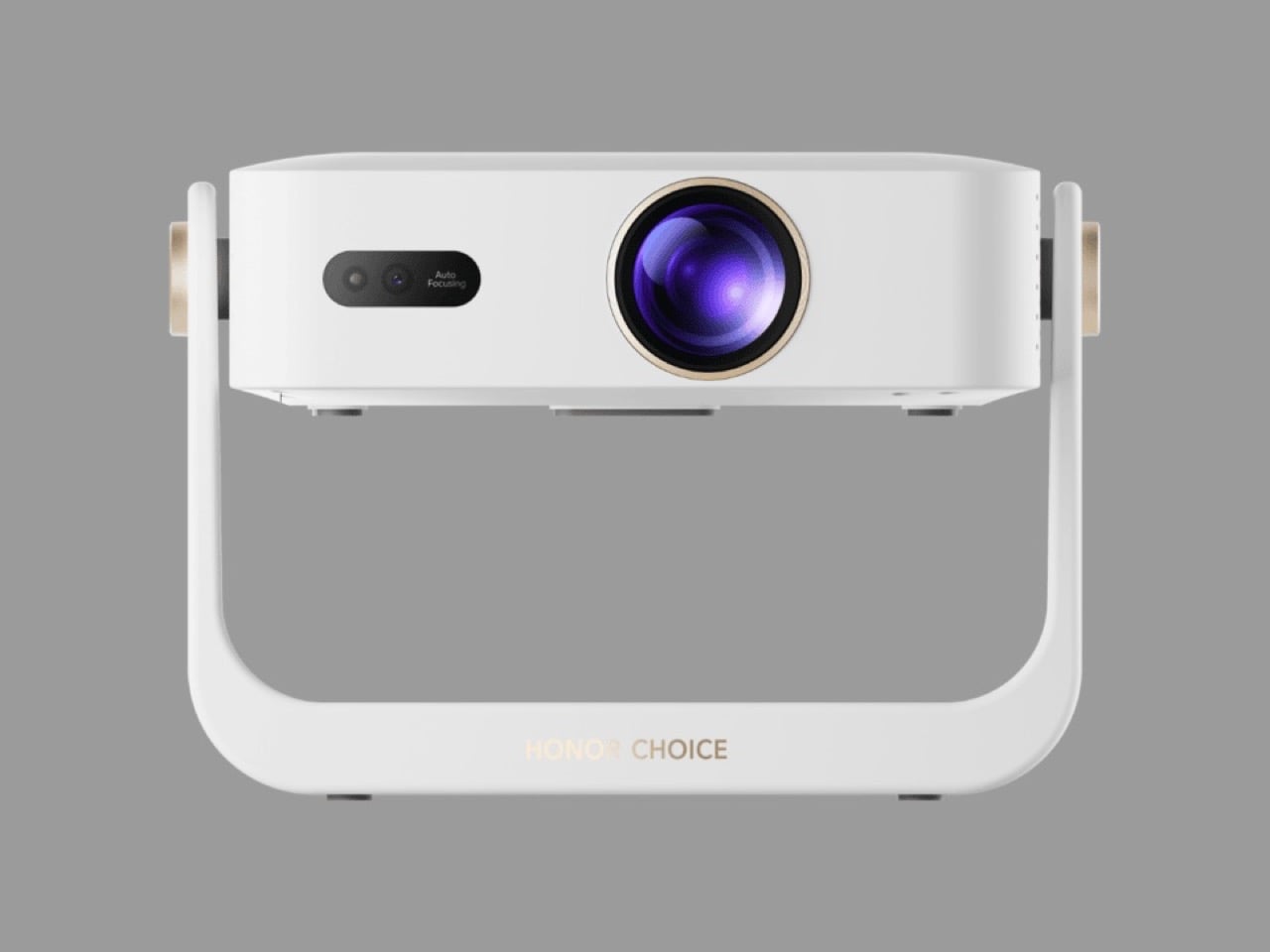
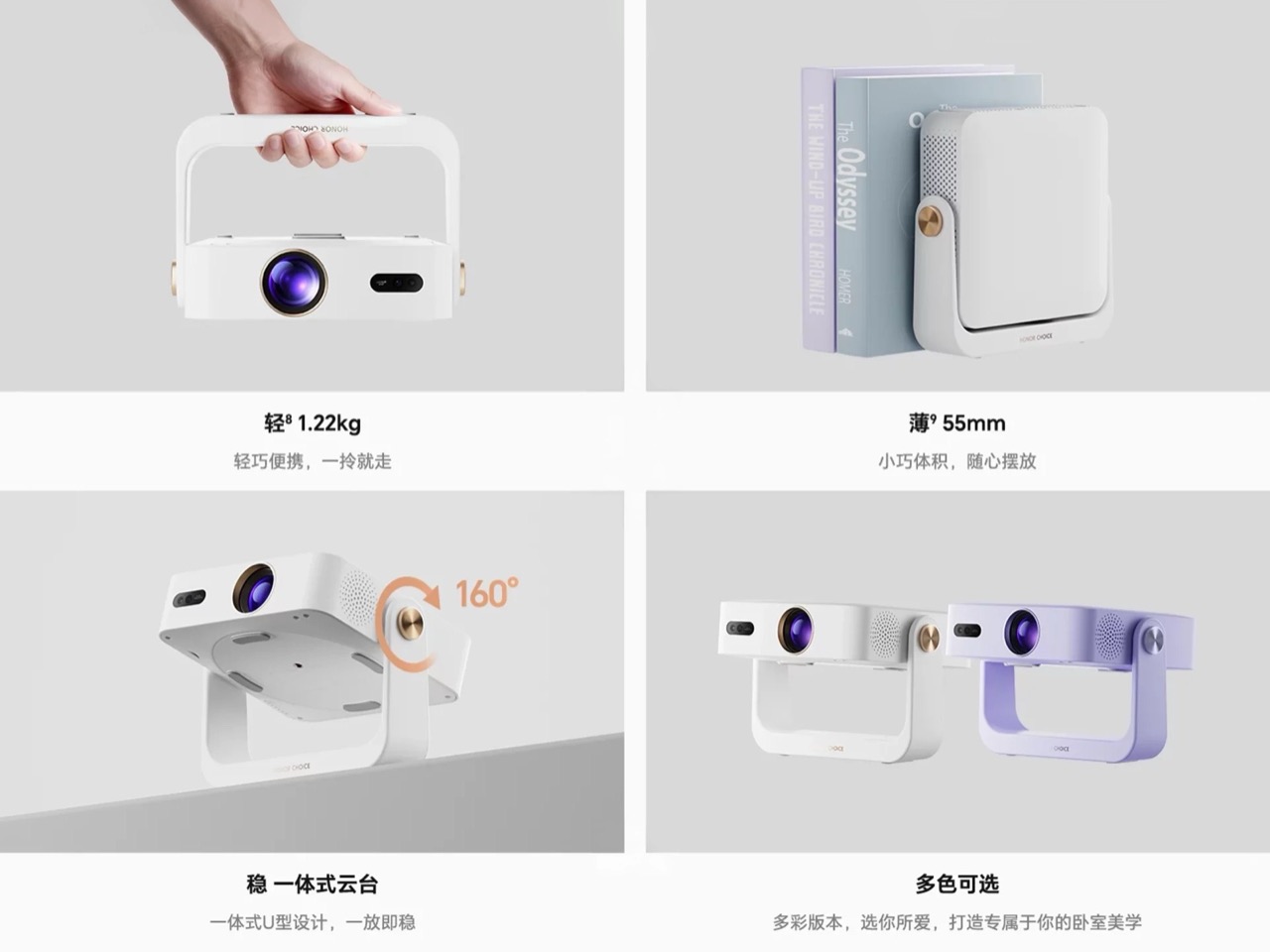
Why sketch on a 15″ tablet when you could draw on a 150″ virtual screen? Honor just announced the Choice AI Projector Air, and it wants to turn your living room wall into the world’s cheapest interactive whiteboard. For 599 yuan (roughly 84 dollars), you get a compact 1080p LCD projector with stylus input, gesture controls, and enough quirks to make it feel less like a home theater device and more like a tablet that escaped its bezels. It ships in China starting December 8 in white and purple, and the spec sheet suggests Honor is betting that interaction matters more than raw brightness at this price.

The basics are straightforward: 1080p resolution, 280 CVIA lumens, Wi-Fi 6, Bluetooth 5.0, HDMI 2.0, and a 5W speaker. The interesting part is what happens when you pair it with the stylus. You can tap UI elements, sketch on the wall, play pen-driven games, or just draw terrible stick figures during game night while your friends yell out Pictionary guesses. The projector also supports gesture controls and can tilt up to 160 degrees, so ceiling projection is on the table. Honor hasn’t said much about tracking accuracy or the software ecosystem yet, but the concept is clear: instead of just throwing pixels at a surface, this thing wants you to interact with them. Whether it pulls that off or just ends up as a novelty feature depends entirely on execution.

Designer: HONOR

This approach is a clever way to sidestep the usual budget projector arms race. Instead of trying to compete in the crowded market of generic streaming boxes that just happen to have a lens, Honor is creating a new niche. The “AI” in the name likely refers to the practical computer vision tasks handled by its Hisilicon chip, powering features like gesture recognition and intelligent image correction for things like obstacle avoidance and keystone adjustments. It is not about generative art, but about making the device smarter and more intuitive to use, which feels like a more honest application of the term in a device this affordable.

Of course, the experience will live or die by its responsiveness. A laggy stylus on a giant screen would be an exercise in frustration, and finicky gesture controls are often more trouble than they are worth. The 280 CVIA lumens rating also means this is strictly a lights-off device, destined for dim bedrooms and movie nights, not sunlit living rooms. But these are acceptable trade-offs for the price. Honor isn’t trying to build a perfect projector; it’s trying to build an interesting one. For about 84 dollars, the company is not just selling a piece of hardware, it is selling a clever, interactive experiment, and that is far more compelling than another anonymous black box.

The post Honor’s $84 projector supports stylus input and turns any wall into a giant touchscreen first appeared on Yanko Design.

This $19,750 Mobile Office Lets You Work From Your Backyard—Or Anywhere Else

Remote work has transformed how we think about our professional spaces, and Dragon Tiny Homes is taking that concept to its logical extreme. Their latest creation is a mobile office that ditches the spare bedroom setup for something far more intriguing: a dedicated workspace you can park in your backyard or tow to wherever inspiration strikes.

Measuring just 16 feet in length and sitting on a double-axle trailer, this compact structure takes cues from the company’s earlier Aria 20 model. At 135 square feet, it’s decidedly petite, even by tiny house standards. That modest footprint translates to relatively easy towing, making it genuinely portable rather than just theoretically mobile. The exterior combines engineered wood cladding with floor-to-ceiling glazing that would feel excessive in a residential setting but makes perfect sense here. Privacy concerns take a backseat to the benefits of natural light and visual connection to the outdoors. Anyone who’s spent hours in a windowless home office will immediately grasp the appeal. That single-glazed door opens to an interior that prioritizes function over square footage.

Designer: Dragon Tiny Homes

Inside, the plywood-finished space accommodates two desk stations, a storage unit, and a sofa for those moments when you need to step away from the screen. A ceiling fan handles air circulation. The single-room layout means zero wasted space on hallways or room divisions. Everything exists in one open area that feels more spacious than the numbers suggest, largely thanks to those generous windows. The setup shown in promotional images looks perfectly livable as a workspace, though potential buyers should clarify what’s actually included in the purchase price. That sleek iMac visible in the photos almost certainly isn’t part of the deal, and the furniture inclusion remains ambiguous.

One notable omission is a bathroom. For those envisioning this as a backyard office steps from the main house, that’s a non-issue. You simply use your existing facilities. The choice also keeps costs down by eliminating plumbing complexities. Those planning to take their office truly remote might view this differently, though the tradeoff makes sense given the price point.

Speaking of cost, Dragon Tiny Homes has positioned this office at a remarkably accessible $19,750 starting price. That’s a fraction of what most home renovation projects run, and potentially cheaper than renting commercial office space over just a few years. The company offers configuration options for buyers who need specific features, including a full off-grid setup for those seeking workspace away from traditional utilities and everyday interruptions.

The appeal here extends beyond pure functionality. Something is refreshing about physically separating work from living space, even if that separation is just a few dozen feet. No more trying to maintain professional composure on video calls while family members pass behind you. No dining table scattered with laptops and papers. Just a dedicated structure that exists solely for getting things done, whether that’s in your backyard or parked beside a mountain lake three states away.

The post This $19,750 Mobile Office Lets You Work From Your Backyard—Or Anywhere Else first appeared on Yanko Design.

How BMW Designworks Turns Circularity Into Creative Fuel

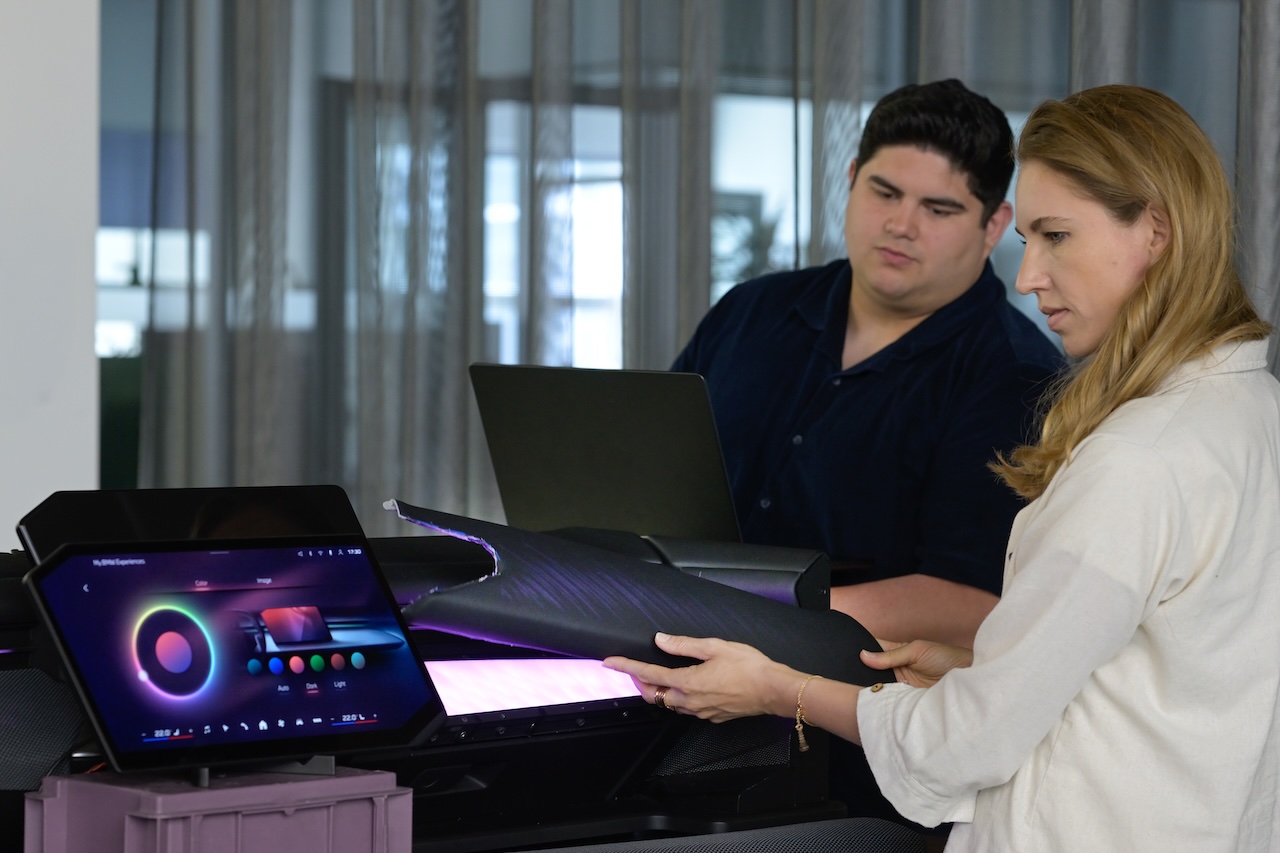
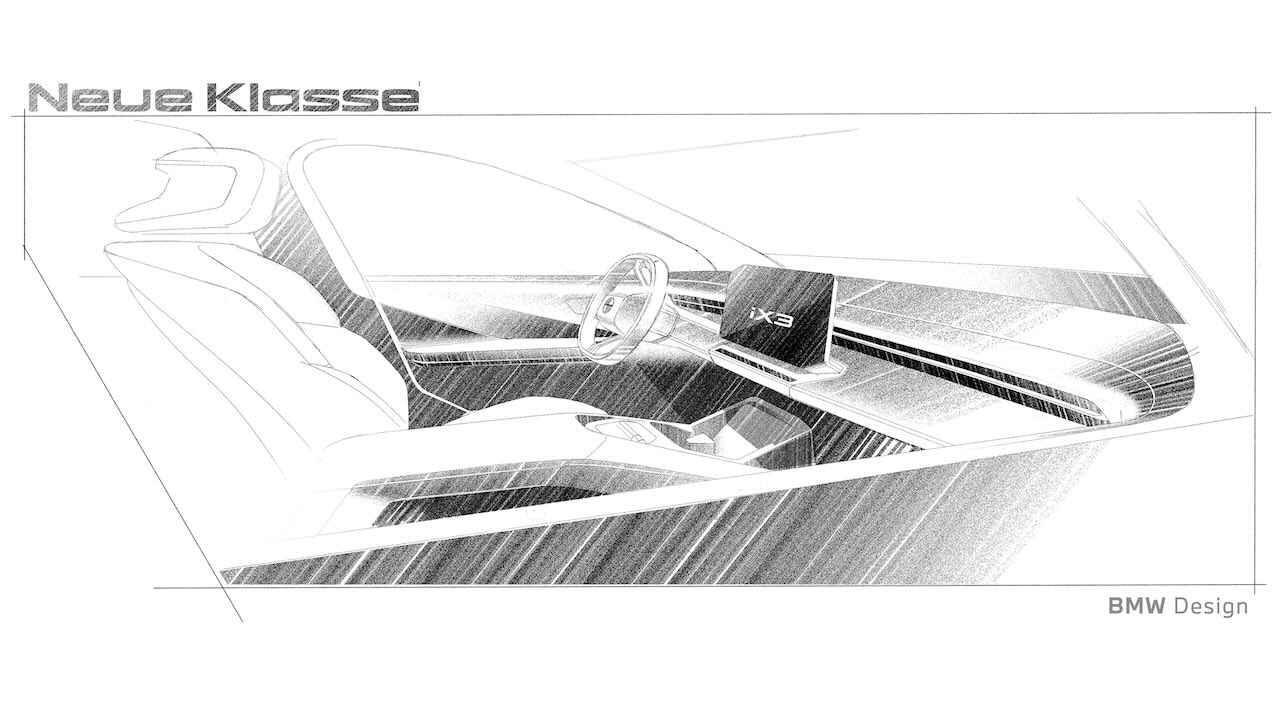
BMW’s design philosophy operates on a simple premise: emotion first, specs second. Adrian van Hooydonk, head of design, doesn’t mince words about this. Customers feel a product before they ever parse a data sheet.

Designer: BMW

This creates tension when sustainability enters the frame. Circular design has historically meant compromise, a sense of settling for less in service of doing good. The Neue Klasse series, especially the all-electric iX3, flips that script entirely. Van Hooydonk’s team treats circularity as a creative constraint that opens doors rather than closing them. “Circular products can’t feel like a compromise,” he explains. “They need to feel like more, not less.” The circular strategy addresses CO2 reduction at every manufacturing touchpoint, but the real shift happens upstream, in how designers conceptualize materials before a single prototype gets built. Sustainability becomes narrative architecture rather than regulatory compliance.

Designworks and the Benefit Mindset

Julia de Bono runs Designworks. The studio has shaped aircraft interiors, digital interfaces, and consumer products across every category imaginable.

Her philosophy centers on what she calls “benefit mindset,” and she draws an unexpected parallel to make the point. The Impossible Burger didn’t succeed by marketing sacrifice to environmentally conscious consumers. It succeeded by delivering an experience that stood alone. De Bono applies identical logic to automotive design: “Our role is to make the sustainable option not just equal, but superior in customer experience. We want circularity to bring more richness, more presence, more value.”

This reshapes everything about material selection at Designworks. The studio isn’t swapping petroleum plastics for recycled alternatives and calling it progress. Every material choice gets evaluated through tactile experience, visual storytelling, emotional resonance. The circular story becomes brand experience. Design maturity, in de Bono’s view, means infusing narrative from the start rather than bolting sustainability messaging onto finished products.

Materials That Tell a Story

The iX3 cabin demonstrates practical application of circular thinking at scale. PET-based mono-material seat covers deliver expected tactile comfort while radically simplifying end-of-life recycling. Secondary raw materials appear in dashboard surfaces, structural components, chassis elements. The real intelligence shows in disassembly optimization, where BMW engineers separation into products from day one, designing each element for clean post-use extraction.

Traditional luxury interiors layer materials in ways that make recycling contamination nearly inevitable. Leather bonds to foam bonds to structural substrate in combinations that defy clean separation. BMW’s approach designs for that moment fifteen years out when this vehicle reaches end of life. The seat foam separates from fabric covering separates from structural support. Each generation becomes feedstock for the next.

Luxury automotive has always communicated status through abundance. Leather, exotic woods, brushed metals stacked in combinations that signal premium positioning. BMW’s test: can circular materials carry that emotional weight while telling a different story? The mono-material fabrics, advanced eco-plastics, engineered weaves become new vocabulary. Early market response suggests buyers respond when sustainability weaves into ownership experience rather than presenting as trade-off.

Emotion as Strategy

Luxury buyers purchase stories, and BMW understands this dynamic better than most automakers. The circular narrative offers differentiation where performance specs have largely converged across competitors. Someone choosing the iX3 isn’t just acquiring efficient electric mobility. They’re buying into a design philosophy that treats resource consciousness as creative advantage rather than limitation.

Designworks extends this thinking to every touchpoint. Haptic feedback from interior controls, interface animations on cabin displays, the sound design of door closures: all reinforce circular narrative. Materials get selected for emotional response as much as technical performance. De Bono describes the result as “responsible abundance,” luxury that doesn’t require excess to register as premium.

Performance Through a Different Lens

Performance usually means horsepower and acceleration times, but BMW’s circular lens reframes the conversation entirely. Electric drivetrains deliver instant torque and low center of gravity, which liberates designers from packaging constraints that shaped combustion vehicles for a century. Skateboard platform architecture creates interior volumes that would have demanded much larger exterior dimensions in traditional layouts. The performance advantage becomes spatial, experiential, narrative.

Regional markets interpret this differently. American buyers equate automotive strength with physical presence, the ability to command road space and project capability. European and Asian markets often prioritize individual identity, advanced user experience, tech-forward interfaces. Circularity adapts to regional priorities by shaping silhouette, proportion, stance as carriers for localized story. “For us, circularity means shaping the silhouette, the proportions, and the presence,” notes a senior Designworks designer. “It’s not just technical. It’s aesthetic leadership.”

Global Design, Local Values

Designworks runs focus groups across China, North America, Europe, the Middle East. The question: how does sustainable design resonate differently across cultures?

In China, rapidly evolving tastes push toward bolder, more tech-driven expressions. North American markets still value physical presence, which sustainable materials and production must emphasize rather than diminish. BMW resists the temptation of unified global design language. Circularity becomes flexible toolkit, adapting to local values while maintaining consistent material philosophy underneath.

The Competitive Edge

BMW positions sustainability as competitive advantage rather than compliance cost, and the ambition extends well beyond current models. Circularity will shape silhouettes, interior architectures, the ways customers interact with vehicles across the next decade. For design observers tracking automotive evolution, the lesson reaches beyond Munich: sustainability constraints unlock creative solutions when treated as design opportunities rather than regulatory burdens.

Advanced materials combine with emotional storytelling and reimagined performance to create differentiation that competitors struggle to replicate. Resource consciousness becomes precursor to market leadership rather than barrier to it. The rest of the industry would benefit from studying how BMW weaves sustainability, narrative, and design freedom into something that registers as progress rather than sacrifice.

The post How BMW Designworks Turns Circularity Into Creative Fuel first appeared on Yanko Design.

Warner Music drops lawsuit against AI music platform Suno in exchange for licensing agreement

Following its licensing deal with Udio, Warner Music Group (WMG) has also reached an agreement with Suno that will let the platform license its artists' music and likenesses, and end the music company's ongoing litigation. WMG was previously one of several record labels suing Udio and Suno for allegedly infringing on copyrighted works at a "massive scale."

As part of the agreement, "artists and songwriters will have full control over whether and how their names, images, likenesses, voices, and compositions are used in new AI-generated music," WMG explains in its press release for the announcement. WMG doesn't spell out how that will work for musicians impacted by the deal, but it does appear that participation will be opt-in, rather than anything being shared by default. This mirrors the opt-in structure of the company's Udio deal.

"AI becomes pro-artist when it adheres to our principles: committing to licensed models, reflecting the value of music on and off platform, and providing artists and songwriters with an opt-in for the use of their name, image, likeness, voice and compositions in new AI songs," WMG CEO Robert Kyncl says.

Suno will also make adjustments to its AI music platform, possibly as a condition of the new partnership. WMG says Suno is launching "new, more advanced and licensed models" in 2026, after which its current models will be deprecated. The company will also limit music downloads to paid accounts. "In the future, songs made on the free tier will not be downloadable and will instead be playable and shareable. Paid tier users will have limited monthly download caps with the ability to pay for more downloads," WMG says. 

In an odd wrinkle to the partnership, Suno is also acquiring WMG's Songkick concert discovery platform. The company plans to continue running it, and WMG claims that "the combination of Suno and Songkick will create new potential to deepen the artist-fan connection." An app for finding nearby concerts doesn't totally square with Suno's existing music creation tools, but maybe it suggests the company is interested in offering more social features down the road.

Prior to this agreement, Suno openly admitted to using "essentially all music files of reasonable quality that are accessible on the open internet" to train its AI model, under the auspices of fair use. That seems like a pretty blatant admission of copyright infringement, but apparently Warner Music Group is happier with the deals it struck than what it could have won through its lawsuit. The company is reportedly one of several music groups looking to strike a similar deal with YouTube.

This article originally appeared on Engadget at https://www.engadget.com/entertainment/music/warner-music-drops-lawsuit-against-ai-music-platform-suno-in-exchange-for-licensing-agreement-224619025.html?src=rss

This Curved-Light Overhaul Rewrites How a Taiwanese Apartment Breathes and Feels

In the dense fabric of Taichung City, where many apartments follow a predictable rhythm of boxed rooms and tight circulation, one home has been quietly re-scripted into something far more uplifting. Very Studio | Che Wang Architects took a standard Taiwanese unit – one that had long conformed to the typical formula of interior-facing public spaces – and reimagined it as a sanctuary of white light, flowing curves, and subtle sensory cues. The transformation is not dramatic in gesture, but in ethos. The designers approached the project as an opportunity to create a gentler way of inhabiting space.

Before renovation, the apartment suffered from a condition that many urban Taiwanese homes share: the living and dining spaces sat deep in the centre, encircled by rooms that blocked natural light and ventilation. Only one opening on the south side offered sunlight, creating an uneven distribution of brightness and a general feeling of being enclosed. The home wasn’t dysfunctional, but it lacked the openness and warmth that contemporary living often requires.

Designer: Very Studio | Che Wang Architects

The architects began by overturning the logic that kept the apartment so compartmentalised. Instead of adhering to a rectilinear grid, they introduced a pentagon-shaped spatial order—an entirely new geometry that subtly reshaped the experience of moving through the home. By replacing rigid corners with angled walls, they created sightlines that extend rather than stop, and movement paths that feel organic instead of imposed. Light, travelling across these oblique surfaces, gains softness; shadows no longer cut sharply but instead drift gradually, as if sliding across curved paper.

This new spatial framework allowed the team to reorganise the shared spaces more effectively. By opening up the north, west, and south sides, the apartment no longer depends on a single window for illumination. Sunlight now enters from multiple directions, diffusing evenly through the white interior. Air moves more naturally, creating a cross-ventilation pattern that makes the home feel physically lighter and far more comfortable. What used to be the darkest portion of the unit is now the most breathable—an airy core shaped by light rather than walls.

A particularly thoughtful move was the architects’ decision to use sound as a spatial differentiator. Instead of carving the open area into smaller segments, they gave each pentagonal zone a dome-shaped ceiling. These domes alter acoustics subtly: a soft concentration of sound in one zone hints at gathering space; a more diffused quality in another suggests circulation or transition. This sensory layering allows the home to maintain openness while still creating distinct functional pockets. Lighting concealed around the curves of each dome adds a floating glow that enhances this sense of layered depth.

The result is a home that feels both minimal and richly atmospheric. Arches lead sunlight inward; curves erase the harshness of structural edges; air movement becomes part of the spatial choreography. Nothing is loud, yet everything is intentional. The apartment no longer behaves like a series of rooms; it behaves like an environment.

What this project ultimately demonstrates is the power of reframing the basics. With a few bold shifts in geometry and a heightened sensitivity to light, air, and sound, even an unremarkable apartment can become an unexpectedly serene refuge. Good design doesn’t always announce itself; sometimes it simply makes living feel quieter, clearer, and more considered.

The post This Curved-Light Overhaul Rewrites How a Taiwanese Apartment Breathes and Feels first appeared on Yanko Design.

FoloToy’s AI teddy bear is back on sale following its brief foray into BDSM

A brand spanking-new FoloToy teddy bear can be yours once again. However, he may now be less knowledgeable about spanking. The infamous "Kumma" children's AI teddy bear, once an expert in BDSM and knife-fetching, is back on sale. The company claims the toy now has stronger child safety protections in place.

The Singapore-based FoloToy suspended sales of Kumma last week after a research group published an eyebrow-raising report. The PIRG Education Fund found that the fuzzy little teddy had a few spicy secrets.

The review discovered that the AI toy had a thing for blades and kinky bedroom play. The bear had no problem suggesting where to find knives in the home. And it not only replied to sexual prompts but also expanded on them. Researchers say it ran with their explicit cues, escalating them in graphic detail and "introducing new sexual concepts of its own." It explained sex positions, gave step-by-step instructions for sexual bondage and detailed various role-playing scenarios. Who knew Kumma had it in him?

Marketing photo of a child grinning, looking at a teddy bear on a counch.
FoloToy

Although it's hard not to laugh at the absurdity of it all, this stuff is no joke for parents. With the tech industry pushing AI everything on us for the last three years, it's easy for a casual observer to conclude that it's all very safe, regulated and ready for vulnerable eyes and ears. PIRG did acknowledge that young children were unlikely to have prompted the bear with a term like "kink." (Older siblings may have been another story.) Still, the group's tests highlighted a shockingly lax approach to content moderation on a child's toy.

In its statement announcing Kumma's return, FoloToy boasted that it was the only company of the three targeted in the review to suspend sales. (Could it be that it’s less about principles and more about it being the only one that got media coverage?) The company described the bear's short hiatus as "a full week of rigorous review, testing and reinforcement of our safety modules." Wait, a whole week? Whoa there, partner!!

Before his trip to AI rehab, Kumma was advertised as being powered by GPT-4o. Following PIRG's review, OpenAI told the organization that it had suspended FoloToy for violating its policies. The bear's new listing makes no mention of GPT-4o or any specific AI models.

This article originally appeared on Engadget at https://www.engadget.com/ai/folotoys-ai-teddy-bear-is-back-on-sale-following-its-brief-foray-into-bdsm-213138383.html?src=rss

Level up your feet with the new Xbox Classic Controller Clogs

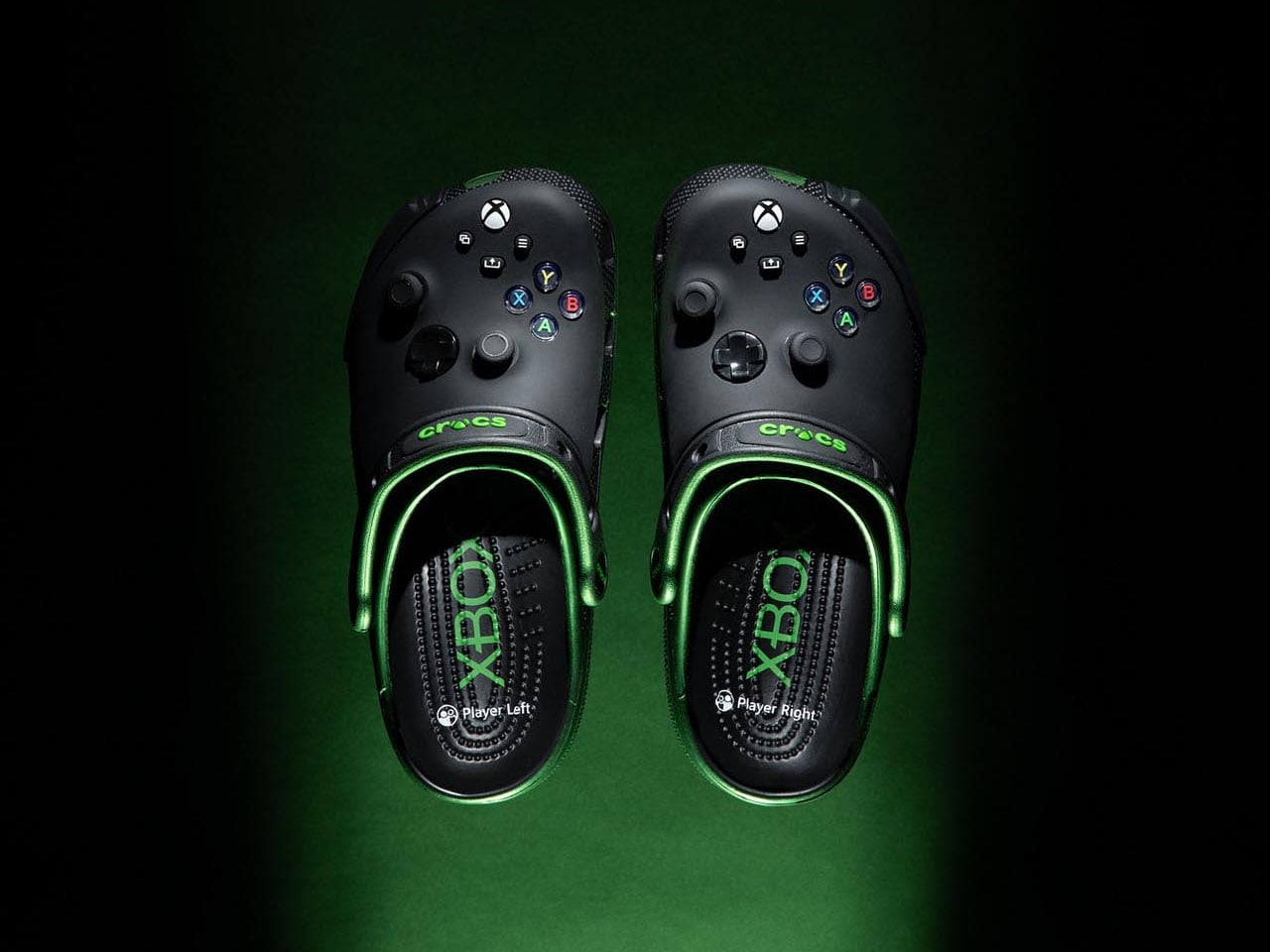
Xbox and Crocs have found an unexpected sweet spot between gaming culture and lifestyle fashion, creating a collaboration that feels both humorous and oddly fitting. For years, Xbox controllers have shaped how players interact with their consoles, while Crocs have become the go-to footwear for effortless comfort. Now, the two brands have merged these worlds with a product that looks like it jumped straight out of a gamer’s wishlist.

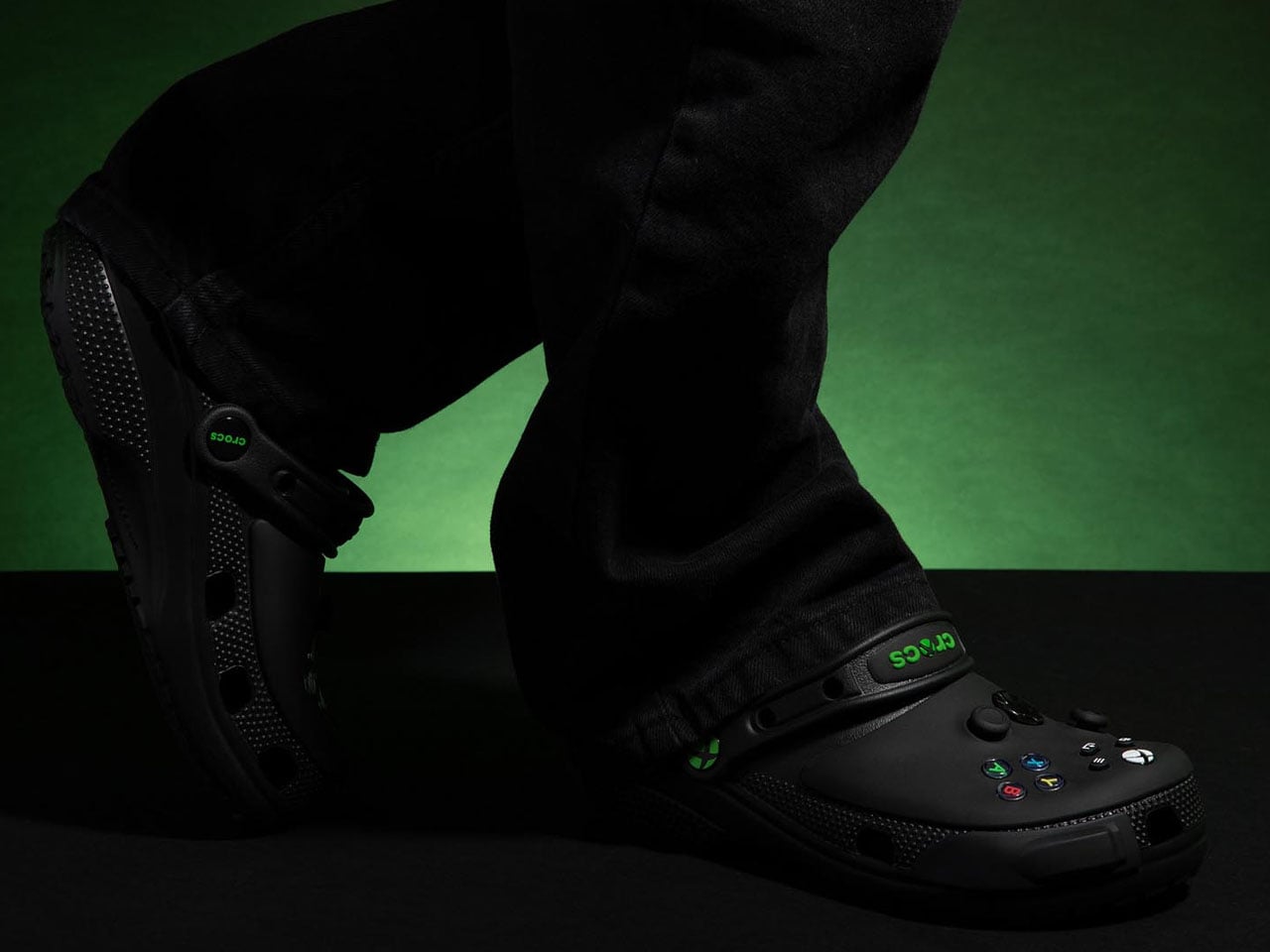
The result is the Xbox Classic Clog, a limited-edition release that transforms the familiar Xbox controller layout into a fully wearable piece of footwear. It’s the kind of drop that instantly sparks curiosity, something playful enough to be a conversation starter while still holding the appeal of a genuine collectible.

Designer: Xbox and Crocs

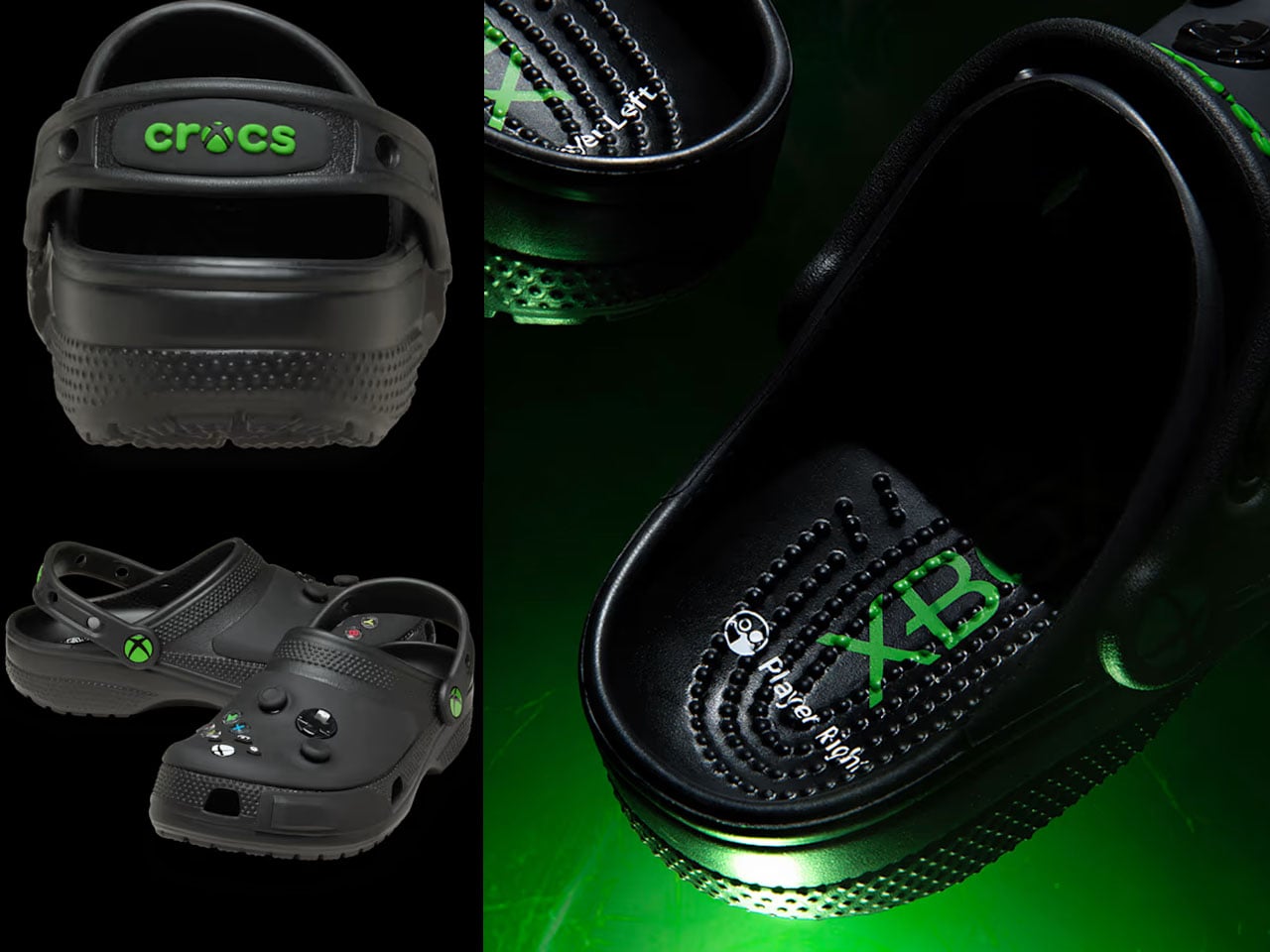
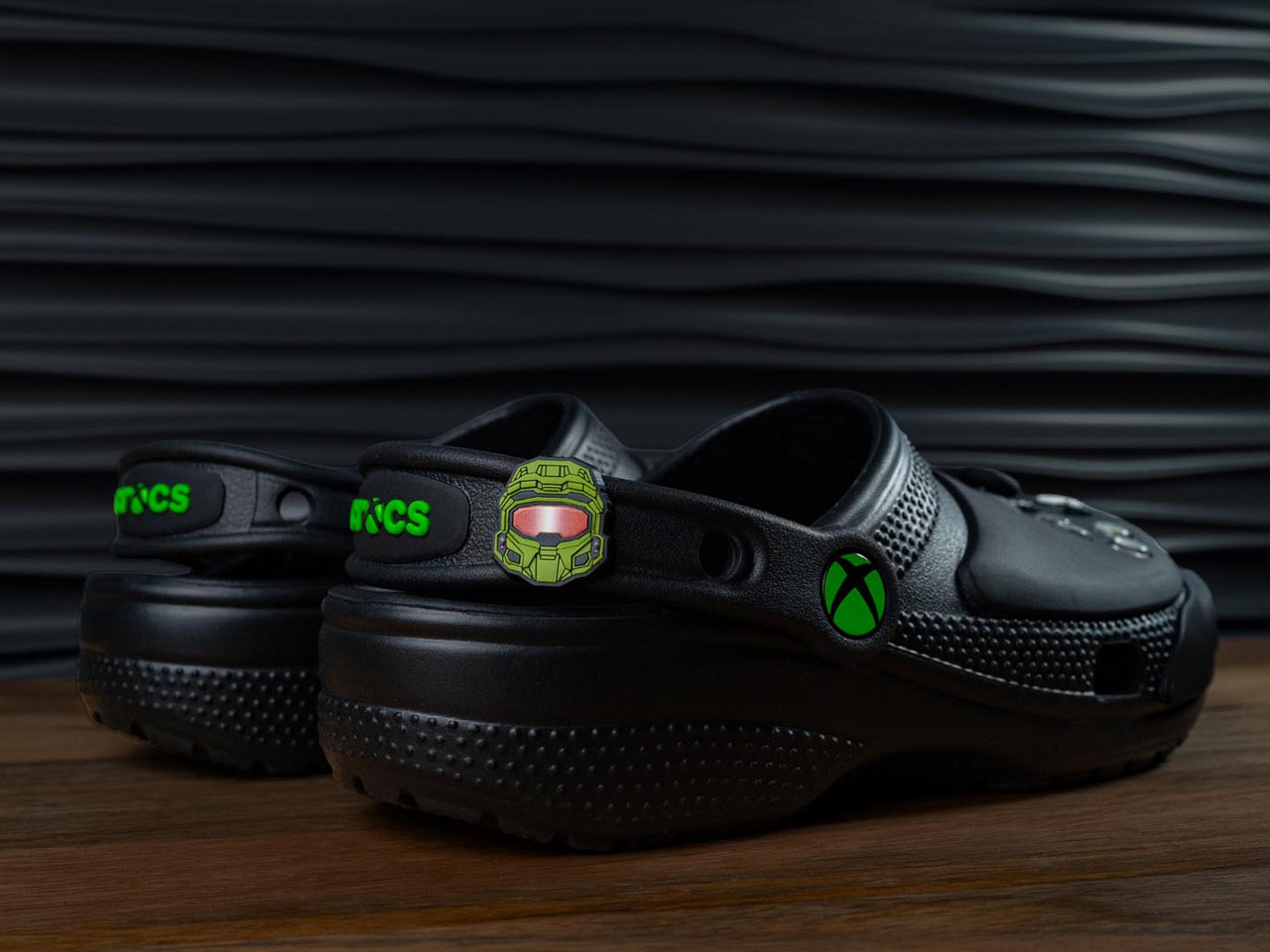
The clogs mimic the look of an Xbox controller with surprising accuracy. Each pair features molded analog sticks, the D-pad, ABXY buttons, menu and share buttons, and even the iconic Xbox guide button positioned just as it appears on a real controller. These fixed-dimensional elements rise from the clog’s surface, creating a sculpted texture that’s unmistakably inspired by the gamepad. The design continues around the sides, where the clogs integrate bumper-like detailing, and the heel strap hinges display the Xbox logo. Even the footbeds get their own touch of gamer personality with “Player Left” and “Player Right” printed inside, giving the shoes a fun two-player theme.

Released today, the Xbox Classic Clog is priced at $80 and sold through the Crocs website. While the design leans heavily into novelty, the footwear retains the brand’s standard comfort features. They remain lightweight, water-friendly, buoyant, and quick to dry, with pivoting heel straps for a more secure fit. They’re also compatible with Jibbitz charms, and Xbox has introduced its own five-pack of themed charms for $20. This pack includes franchises such as Halo, Fallout, DOOM, World of Warcraft, and Sea of Thieves, giving fans a way to personalize their clogs with characters and symbols from some of Microsoft’s biggest titles. Unlike typical Crocs, the strap itself is designed to hold these charms, while the main upper remains focused on showcasing the controller layout.

The collaboration arrives as part of Microsoft’s growing interest in lifestyle products. Earlier in the year, the company released Windows XP–themed Crocs to celebrate the 50th anniversary of Microsoft, showing that this partnership with Crocs is becoming more than a one-off novelty. The Xbox Classic Clog continues this trend, embracing gaming nostalgia and translating it into something wearable, collectable, and immediately recognizable.

Because the release is limited, demand is expected to surge, especially since the launch coincided with the holiday shopping rush. For gamers, it’s more than just footwear—it’s a fun, unexpected extension of the Xbox brand, blending comfort, fandom, and a bit of humor into one product. Whether worn during long gaming sessions, used as lounge shoes, or displayed as part of a gamer’s setup, the Xbox Classic Clog stands out as a clever crossover that celebrates the culture surrounding the console while delivering the ease and comfort Crocs are known for.


The post Level up your feet with the new Xbox Classic Controller Clogs first appeared on Yanko Design.

Perplexity announces its own take on an AI shopping assistant

Perplexity is rolling out a new shopping feature to make buying things through its AI assistant easier and more personalized. The company's new feature is free for all Perplexity users in the US and builds on Perplexity’s existing relationship with payment provider Paypal.

The new shopping experience lets Perplexity users conduct more personalized product searches, like asking "What's the best winter jacket if I live in San Francisco and take a ferry to work?" Perplexity says its assistant can keep the context of your chat in mind as it searches for products, and incorporate details it's learned about your life and preferences to tailor results. Once the assistant has found products it wants to show you, it can then present them in nicely formatted product cards, with pros and cons about each jacket, for example, and other relevant details pulled from reviews and guides.

If one of the products Perplexity finds seems like the right fit, you can also purchase the product directly through the company's assistant, and pay with payment details stored in a PayPal account. This "Instant Buy" experience provided by Perplexity and PayPal extends to all merchants who offer PayPal as a payment method. While that sounds like it could make a key element of the shopping experience obsolete for these online stores (you never actually visit their website), Perplexity claims merchants still own the most important parts. "They have full visibility into who their customer is, can process returns, build loyalty, and own the post-purchase relationship, just as they would on their own sites," the AI company says.

Perplexity's push into online shopping is similar to the "shopping research" feature OpenAI recently added to ChatGPT, and new product recommendation features Google's added to AI Mode in Google Search. While all these tools are pitched as a more personalized alternative to the shopping guides you'll find on Engadget and other editorial sites, they often work under the same logic. By referring someone to a product, AI companies hope to receive a payment or a fee from the transaction if the person makes a purchase.

Ultimately, Perplexity is equally interested in offering an end-to-end solution, where it finds and purchases products without a human needing to step in. The company received a cease-and-desist from Amazon at the beginning of November for letting the agent in its Comet browser complete Amazon purchases on users' behalf.

This article originally appeared on Engadget at https://www.engadget.com/ai/perplexity-announces-its-own-take-on-an-ai-shopping-assistant-210500961.html?src=rss

This Cordless Leaf Blower Looks Like A Sci-Fi Weapon, But Does The Job Effortlessly

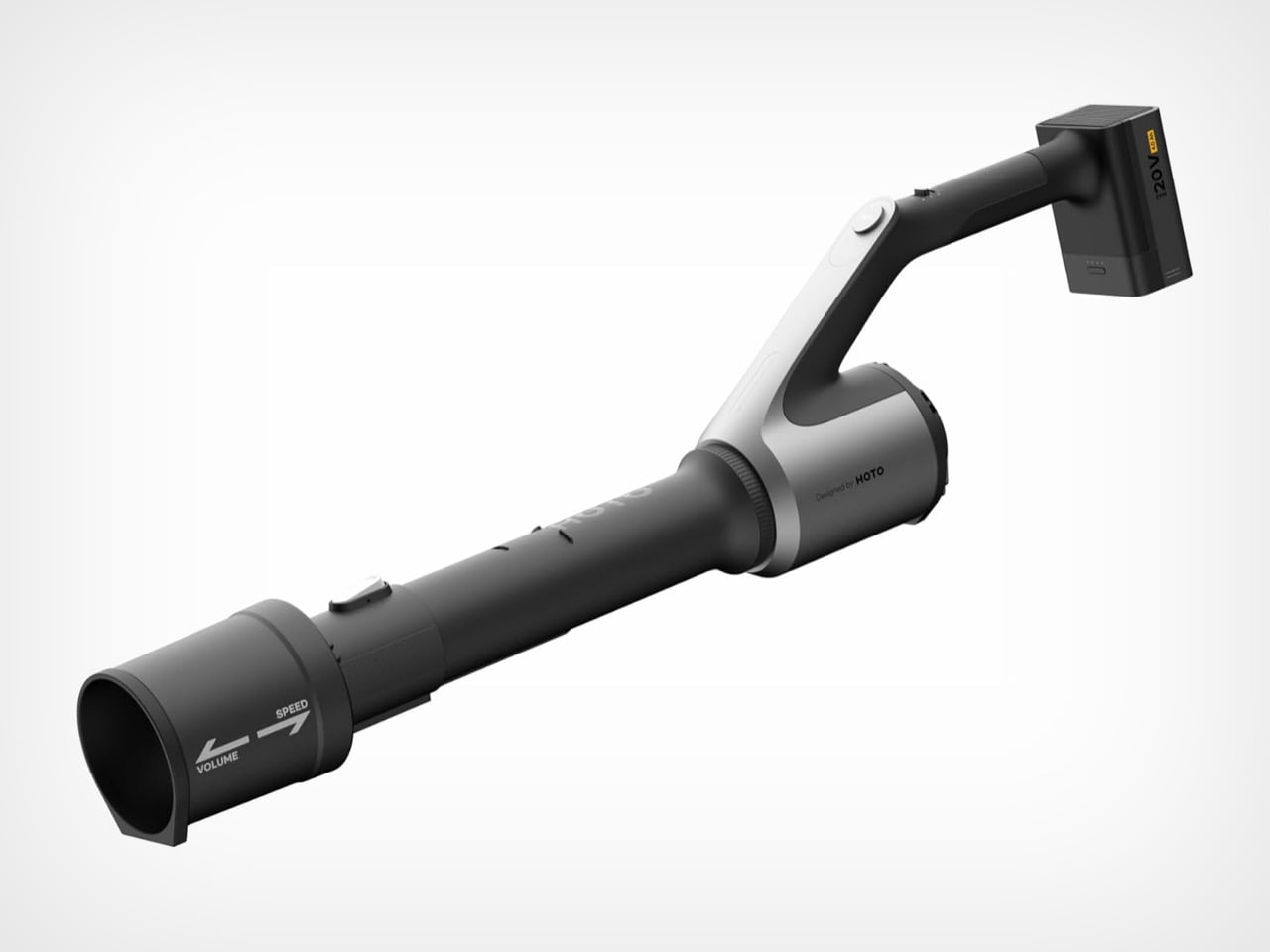
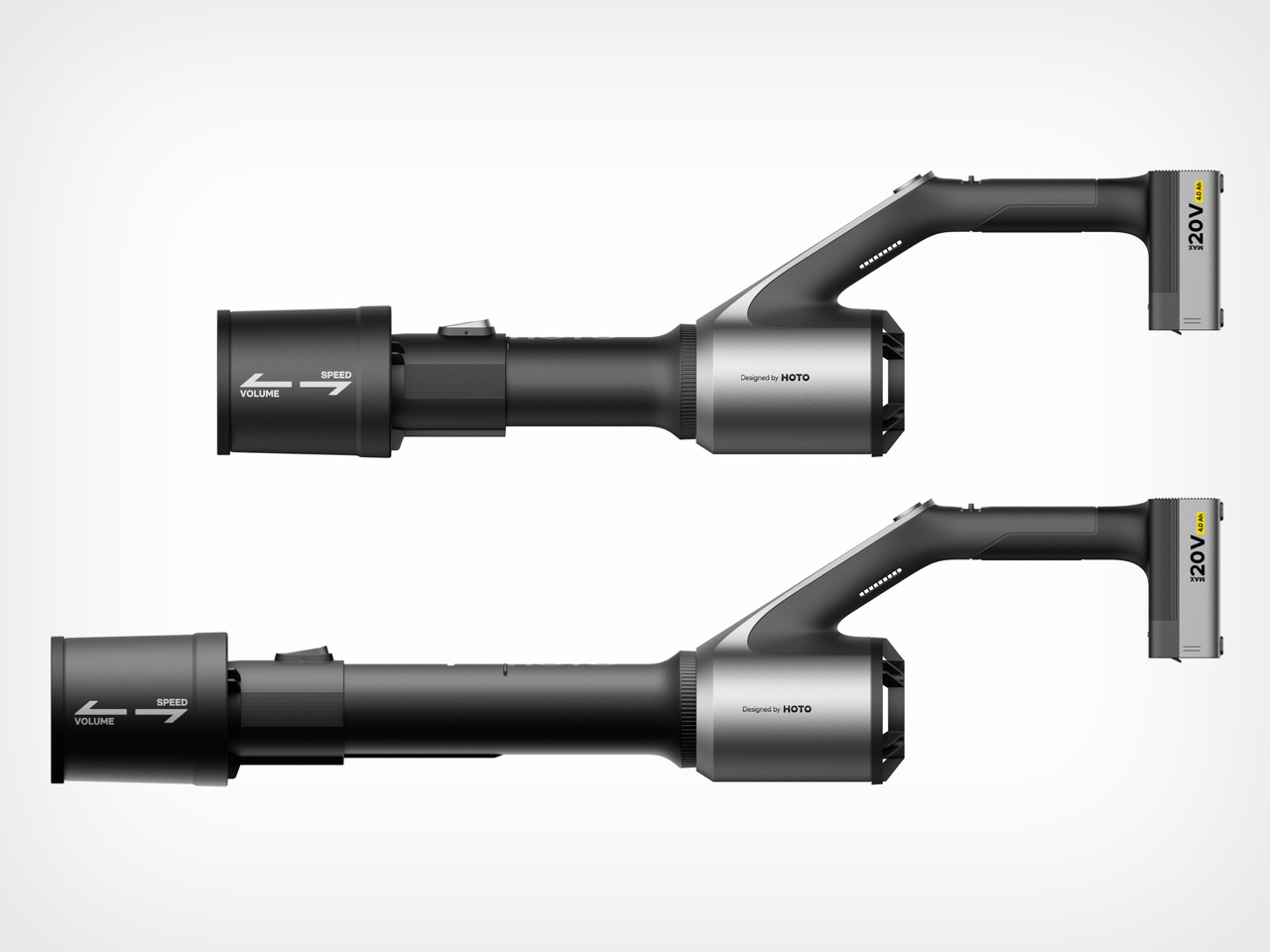
Most yard tools look like they were designed in 1987 and never got the memo that aesthetics matter. Bosch green, DeWalt yellow, Milwaukee red, all shaped like someone welded a tube to a motor and called it done. Then Hoto shows up with a 20V leaf blower that looks like it fell out of a District 9 prop truck, all sleek curves and matte surfaces, the kind of thing you’d expect to see mounted on a space marine’s hip rather than hanging in a suburban garage. It’s aggressively not a traditional leaf blower, and that’s either going to appeal to you immediately or make you wonder if form just murdered function.

Here’s the thing, though: weird-looking tools only get a pass if they actually work. A beautifully designed blower that can’t move wet leaves is just expensive wall art. Hoto’s betting that 720 CFM and 120 MPH in a 7-pound package will back up the sci-fi vibes, aiming squarely at people with small yards, patios, or garages who want something that doesn’t scream “big box store clearance aisle” every time they pull it out. Whether that gamble pays off depends on what you’re actually trying to blow and how much you care that your tools look like they belong in a Dyson showroom.

Designer: Shanghai HOTO Technology Co., Ltd.

Click Here to Buy Now

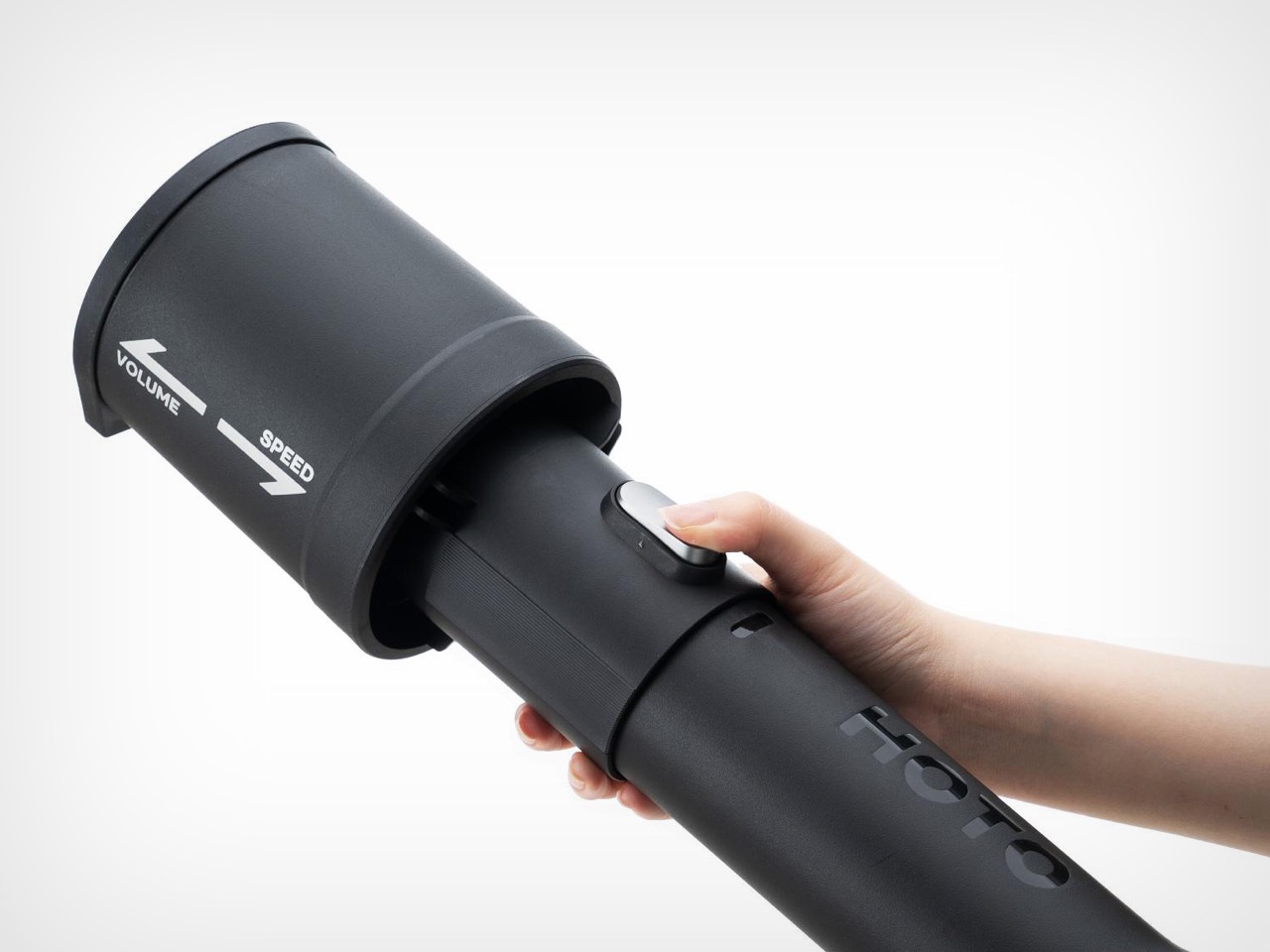
At around seven pounds with the battery, it’s not feather-light, but the weight is distributed in a way that makes it feel more like a wand than a cumbersome piece of equipment. It’s a one-handed affair, easily maneuverable around patio furniture or into tight corners. Firing it up is a simple affair with three distinct power levels. On the lower two settings, it’s perfect for sweeping out the garage, clearing sawdust from a workbench, or herding dry leaves across a driveway. It handles these everyday tasks with a quiet confidence, making quick cleanups feel genuinely effortless. The real surprise is how much air it moves without the high-pitched whine that makes your neighbors hate you.

Crank it up to its turbo mode, however, and you get a glimpse of both its power and its limitations. That 720 CFM figure feels legitimate for a few glorious, deafening moments as it blasts stubborn debris and even light, fluffy snow off a car. But this is a 20V tool, not a 56V monster, and that burst of power comes at a cost. The battery, a 4,000 mAh pack, will give you a solid 20-30 minutes of runtime on the lower settings, but leaning on the turbo button drains it in about four minutes. This isn’t the tool for clearing a quarter-acre of wet, matted-down leaves. It simply doesn’t have the endurance.

But that’s the point. The Hoto 20V blower isn’t trying to compete with the gas-guzzling beasts used by professional landscapers. It’s for the person who values design, convenience, and having the right amount of power for modern living spaces. The battery even charges via USB-C, a welcome touch that means one less proprietary charging dock cluttering up your life. It’s a tool designed for the 90% of jobs that don’t require overwhelming force, and it does them exceptionally well while looking cooler than any other blower on the block.

Click Here to Buy Now

The post This Cordless Leaf Blower Looks Like A Sci-Fi Weapon, But Does The Job Effortlessly first appeared on Yanko Design.