Trace Line Clock Uses a Single Hand to Sketch Time as a Moving Line

Clocks are one of the oldest design playgrounds, and yet most of us still live with the same two-hand layout we grew up with. Designers keep trying to find new ways to visualize time, sometimes at the cost of instant readability. The Trace Line Clock is a small desk piece that connects hours and minutes with a single, constantly changing line, turning the familiar dial into something that feels a little more like a drawing.

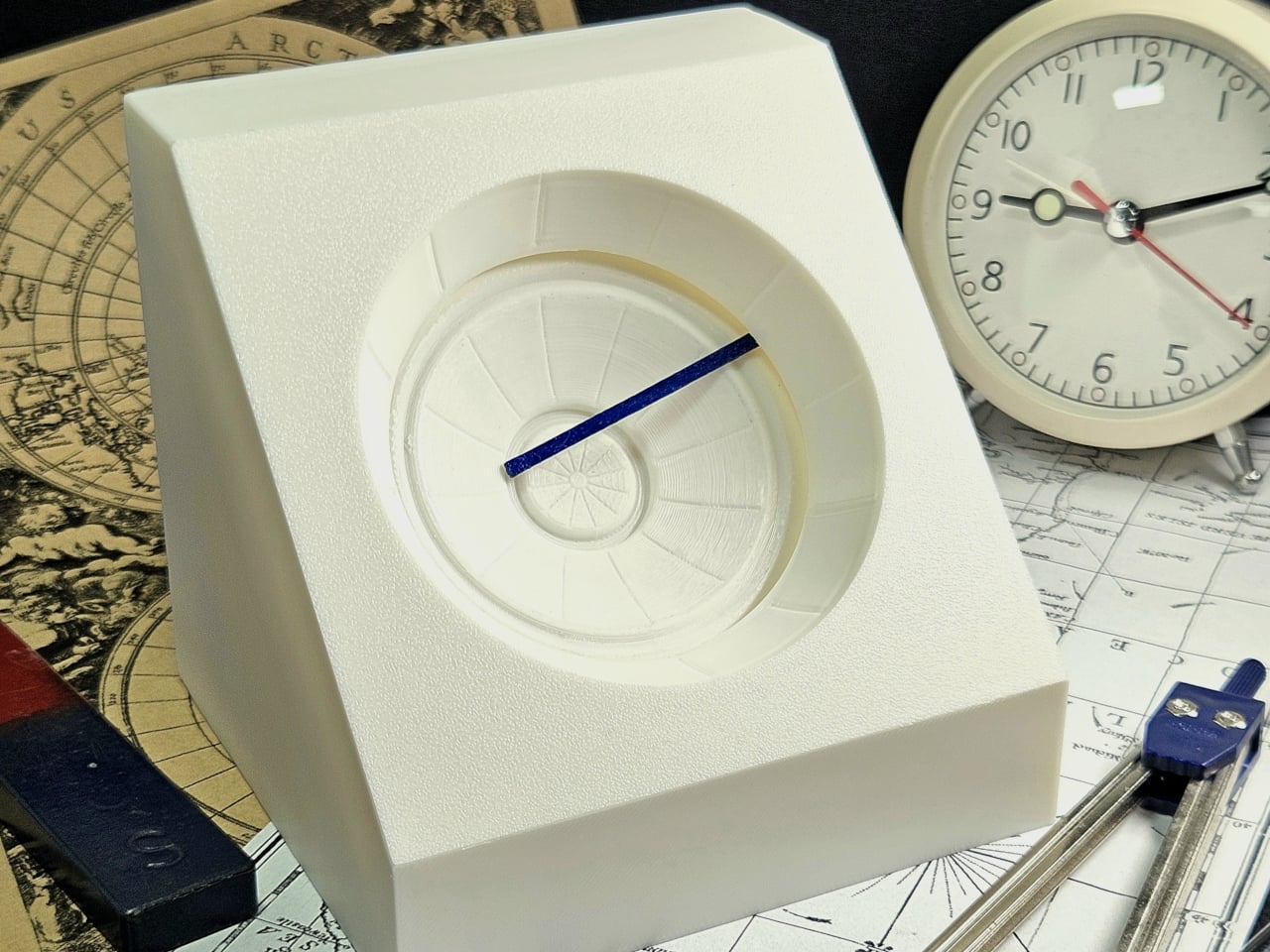
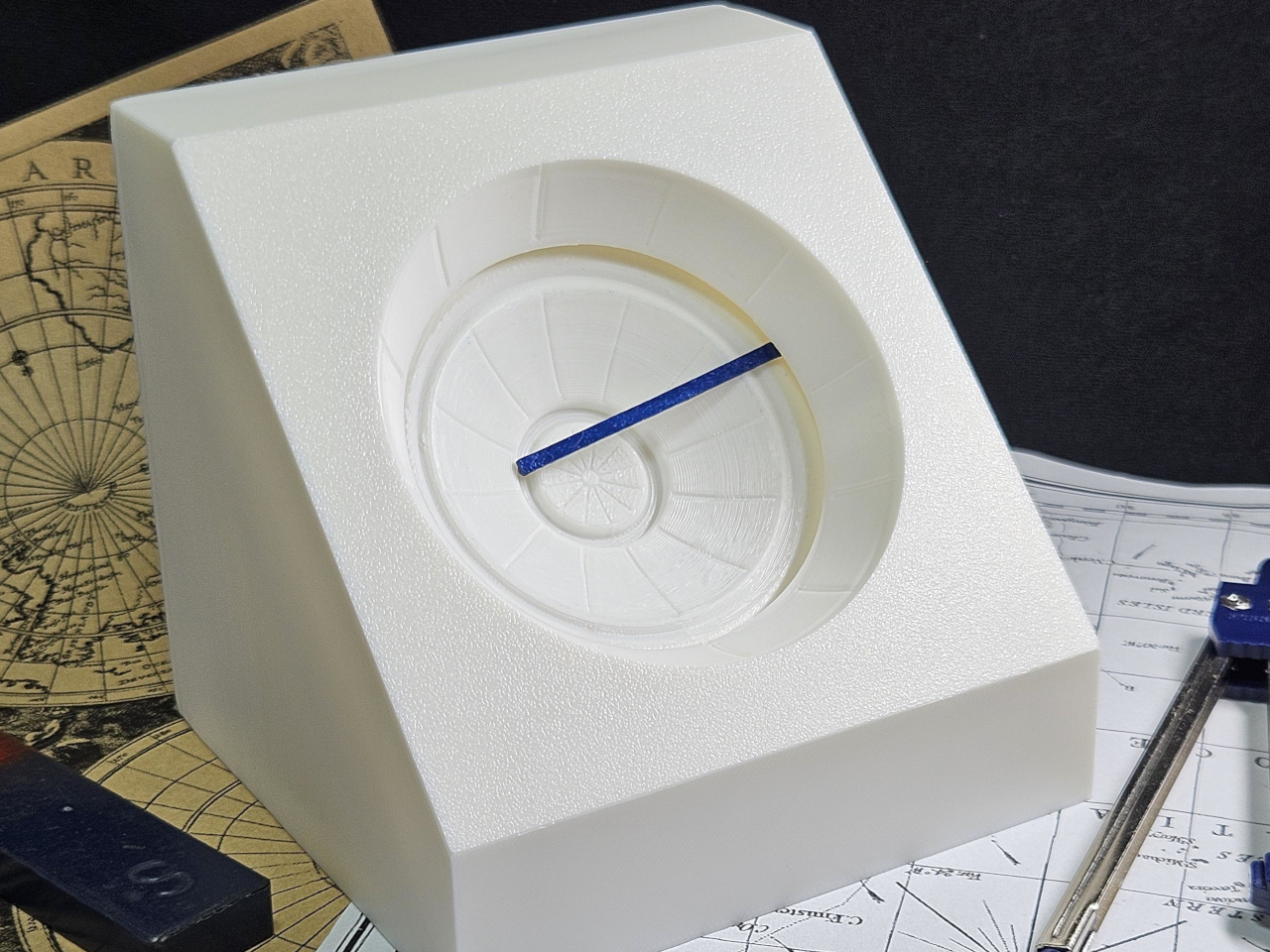
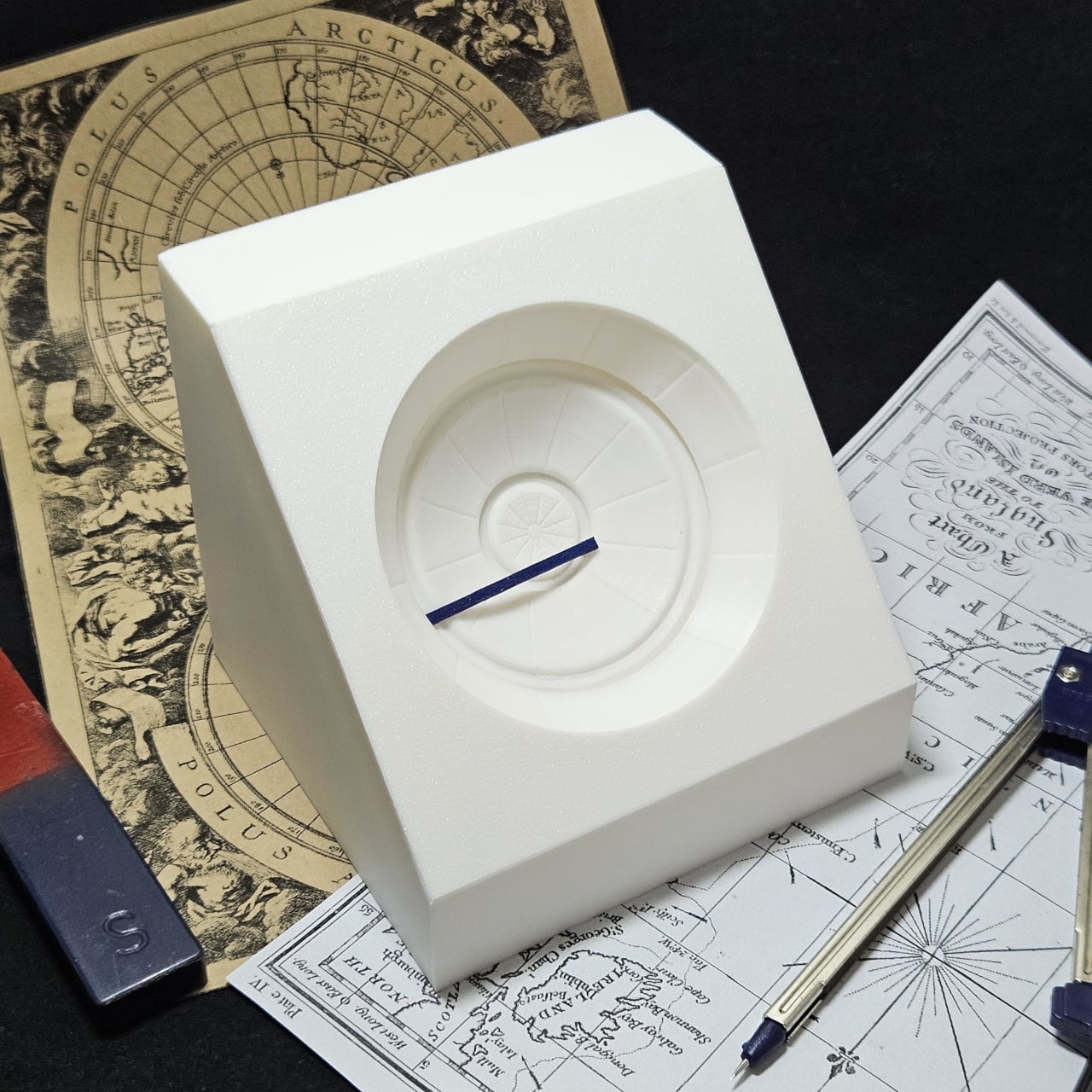
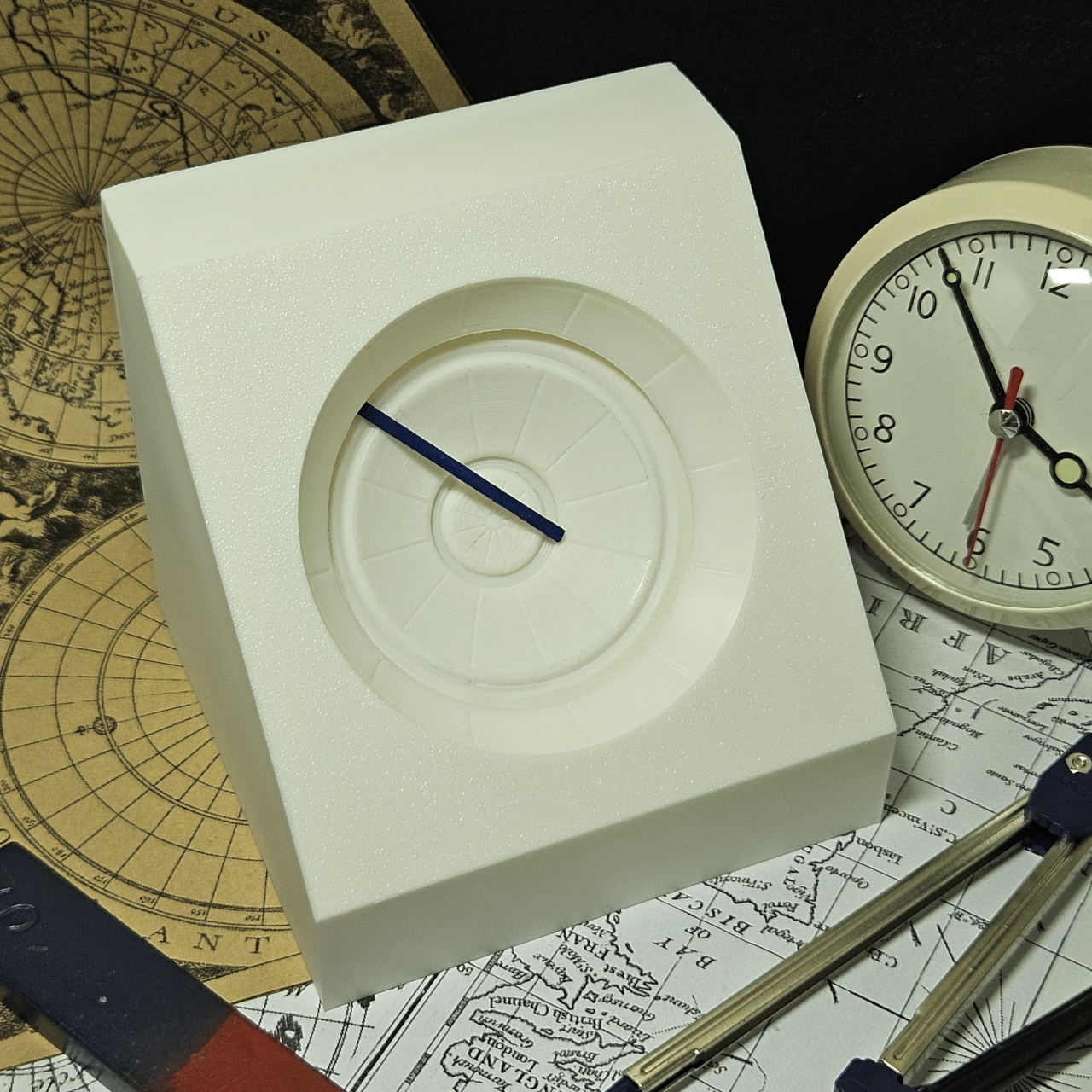
The Trace Line Clock is a minimal, 3D-printed desk clock by Hye-jin Park that uses one continuous hand to show both hours and minutes. The inner end of the line rides an inner circle for the hour, while the outer end rides an outer circle for the minute. As time passes, the line’s angle and length shift, so every glance shows a new geometric relationship between the two.

Designer: Hye-jin Park

The physical form is a white, wedge-like block that leans back slightly, with a circular recess on the front. Two concentric tracks are cut into that circle, and a single colored line spans between them. There are no numerals, logos, or extra markings, just the circles and the hand. It reads more like a small piece of graphic sculpture than a typical clock, especially on a clean desk.

The inner tip of the line points to the hour on the inner track, while the outer tip points to the minute on the outer track. It’s not as instant as glancing at a bold wall clock, but it’s also not inscrutable. With a moment’s attention, you can read it reasonably well, and the payoff is that you also get a little geometric drawing that changes every minute instead of just numbers.

Because the minute end moves faster than the hour end, the line is always stretching, shrinking, and rotating. The clock doesn’t just tick; it sketches. Checking the time becomes a small moment of noticing how the hand has reconfigured itself, not just a quick number grab. It’s the kind of object that rewards a second look rather than a drive-by glance at your phone or wrist.

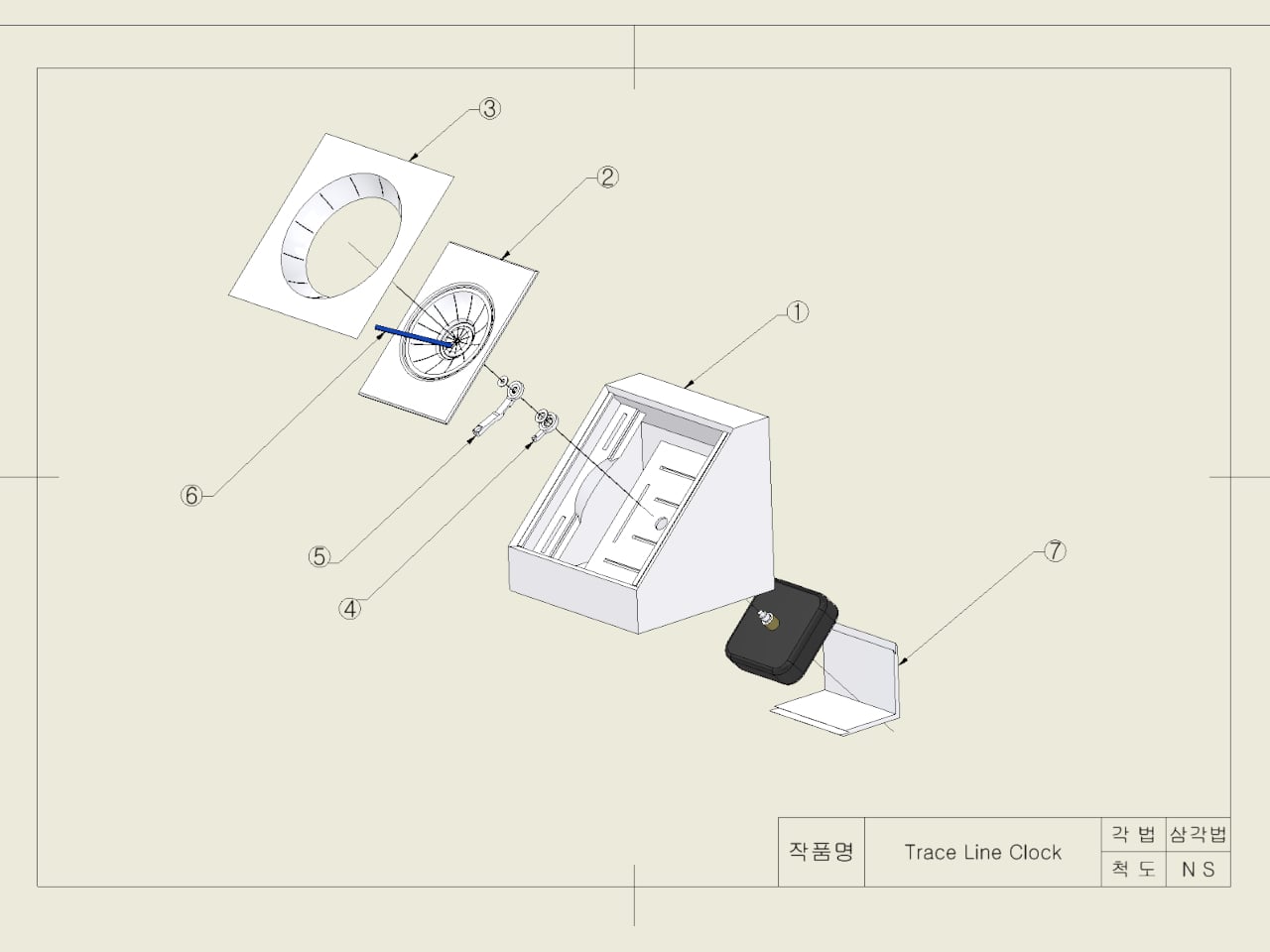
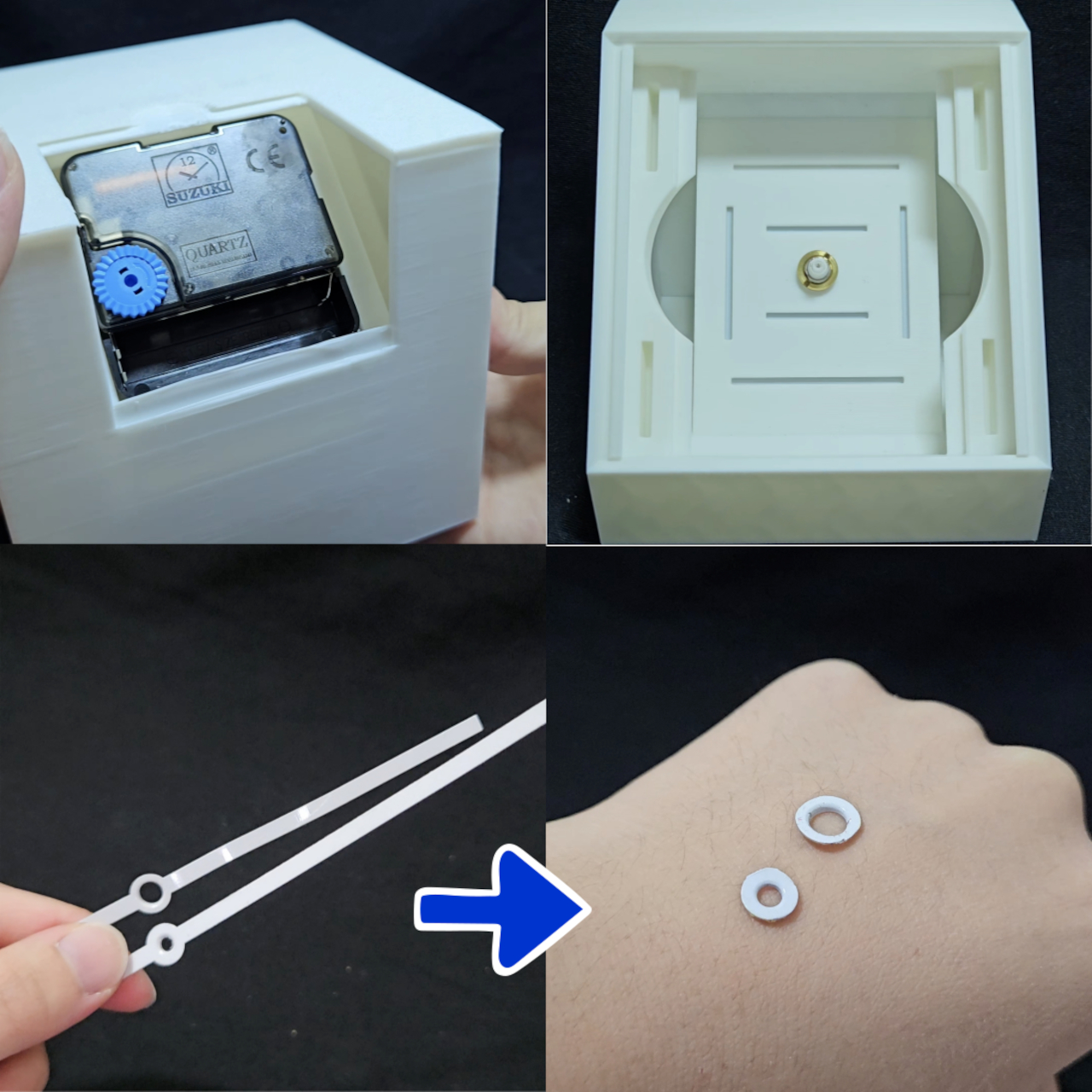
The clock hides a standard movement and two internal hands behind the face, using magnets to couple them to the visible line. The front stays clean and uninterrupted, with the hand floating in the recess. The choice of a single accent color for the line against the white body keeps the focus on the changing geometry, not on branding or ornament that would clutter the composition.

The Trace Line Clock is not the tool you buy if you need to read the time from across the room in half a second. It’s a small, thoughtful piece for a desk or shelf where you don’t mind spending an extra beat to parse it. In return, it turns time into a quiet, evolving graphic that feels more like a living diagram than a static display.

The post Trace Line Clock Uses a Single Hand to Sketch Time as a Moving Line first appeared on Yanko Design.

Come Together Adds Rolling Speaker and Mini Fridge to Your Couch

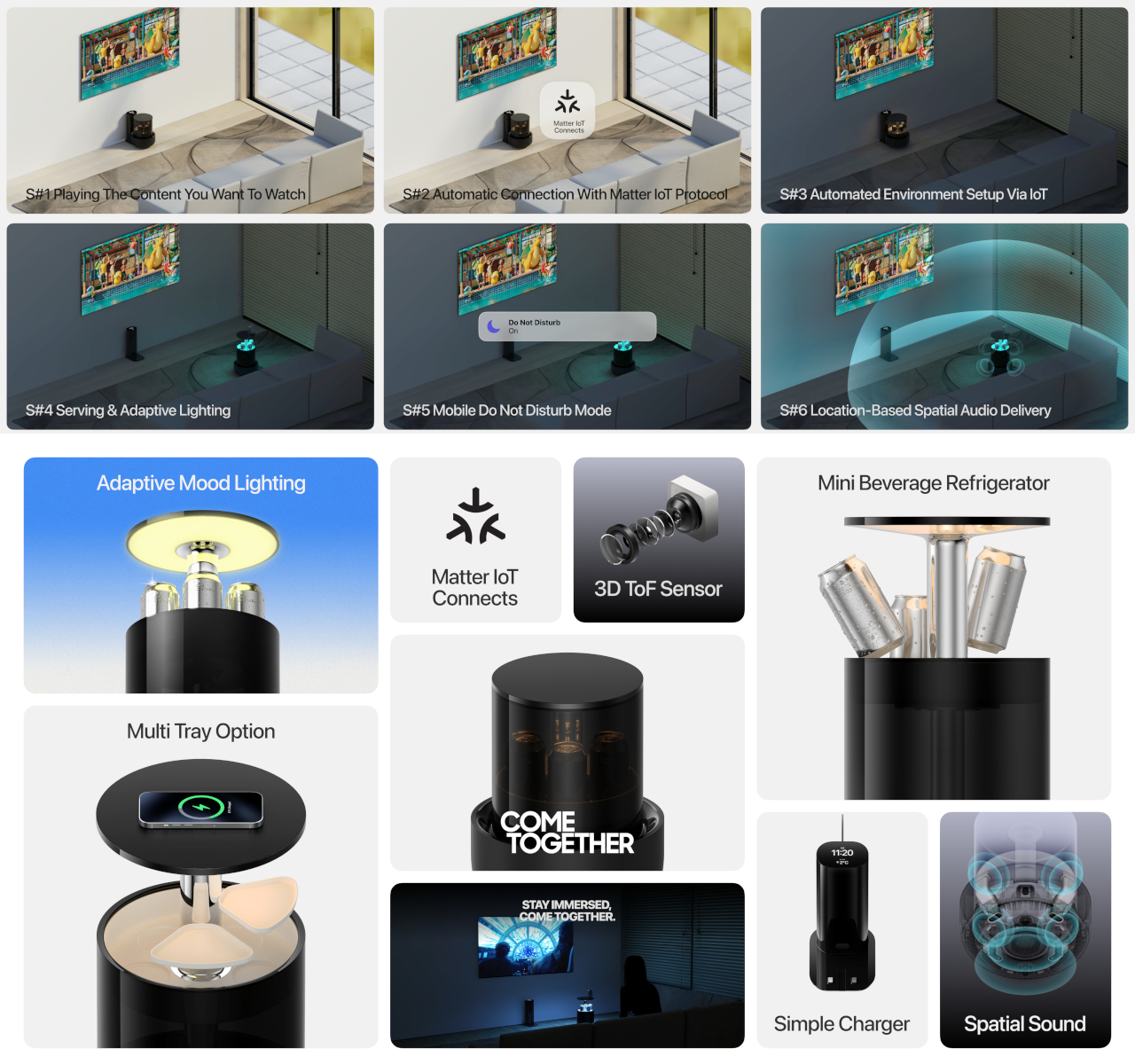
TVs keep getting brighter and sharper, but the viewing experience is still broken up by small, annoying tasks. Getting up for a drink, fiddling with lights, or pausing mid-scene to adjust the volume. These micro-interruptions chip away at immersion more than we admit. Come Together is a concept that tries to design around those gaps instead of just upgrading the panel, treating the home theater as a full ecosystem rather than a screen on a wall.

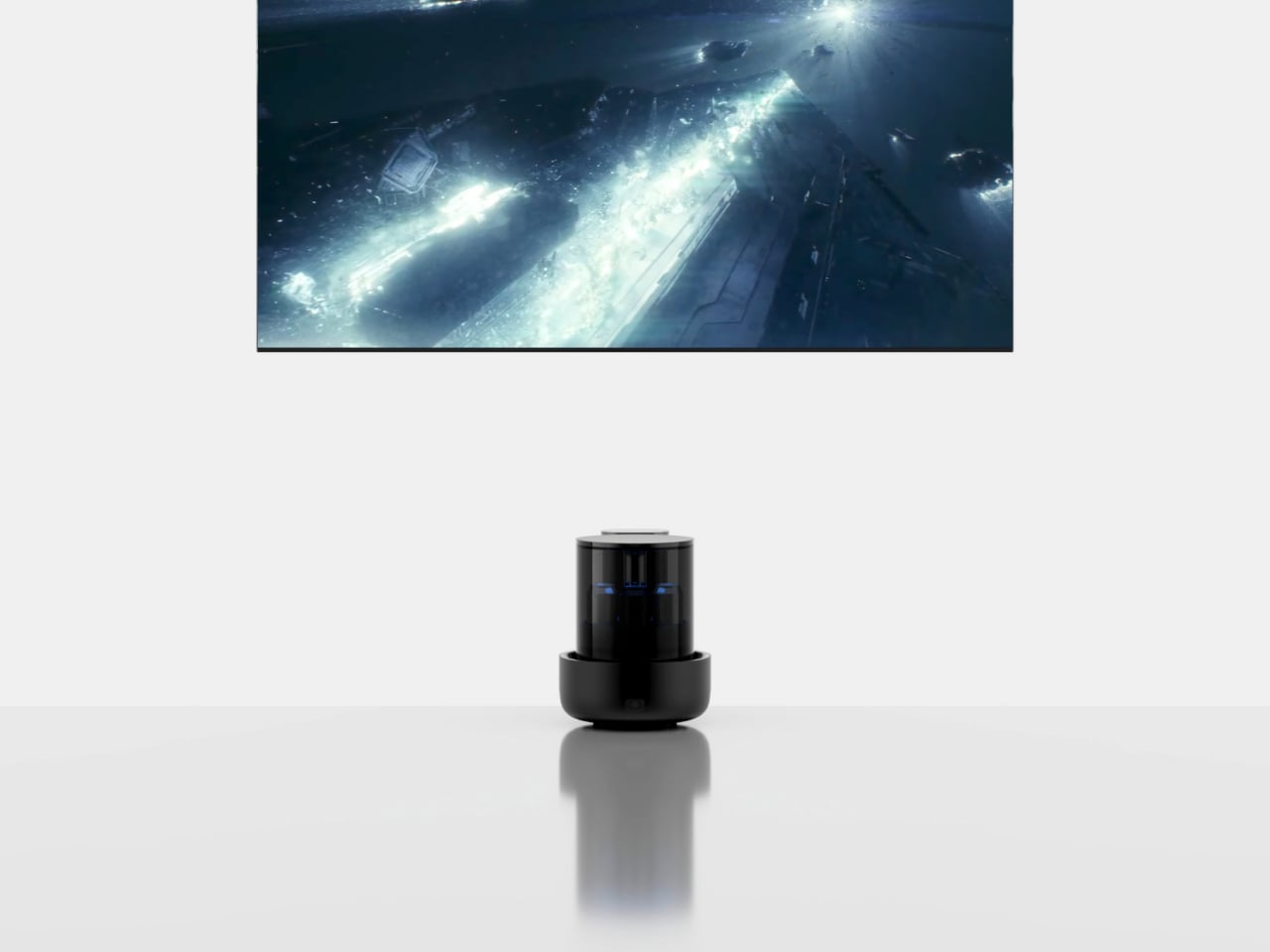
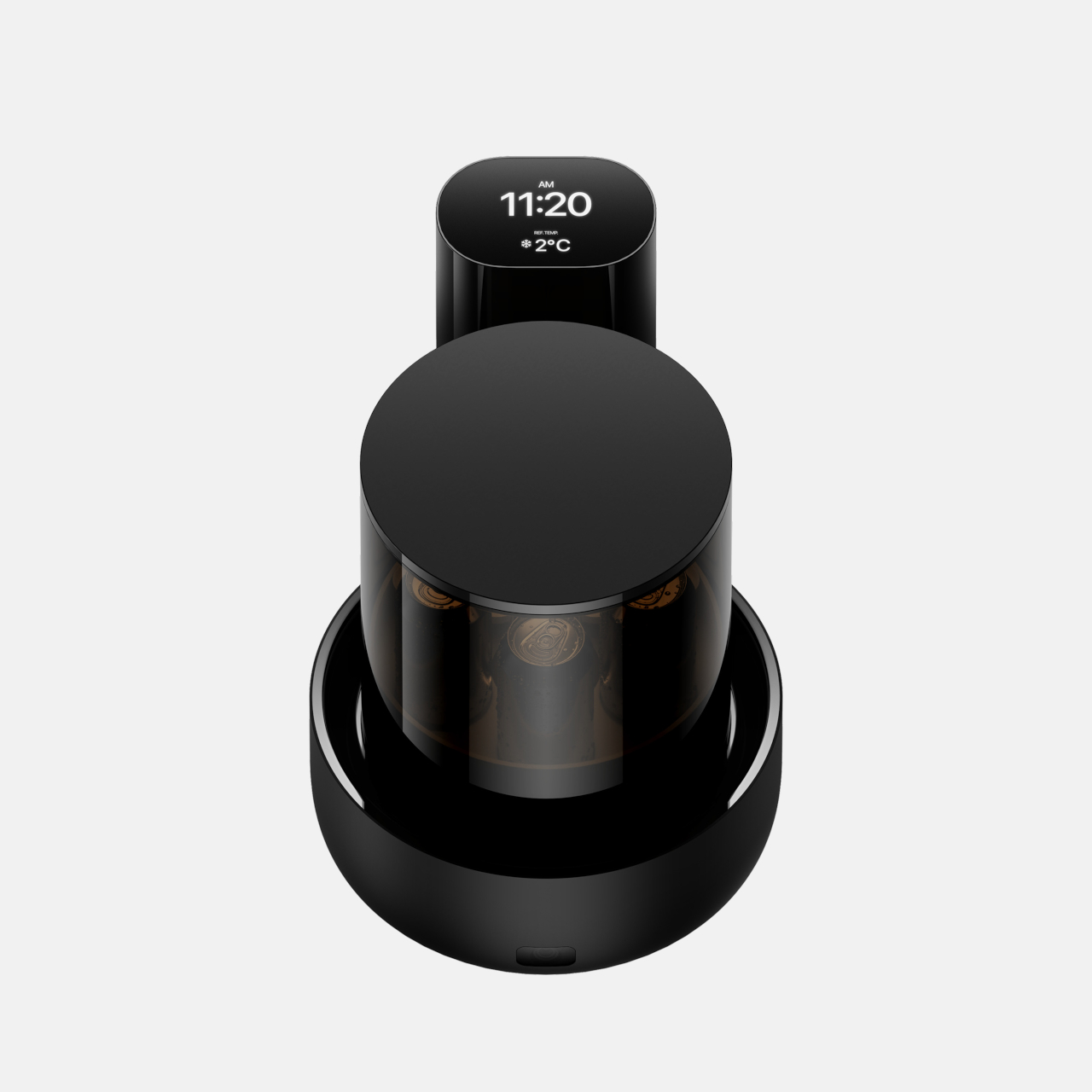
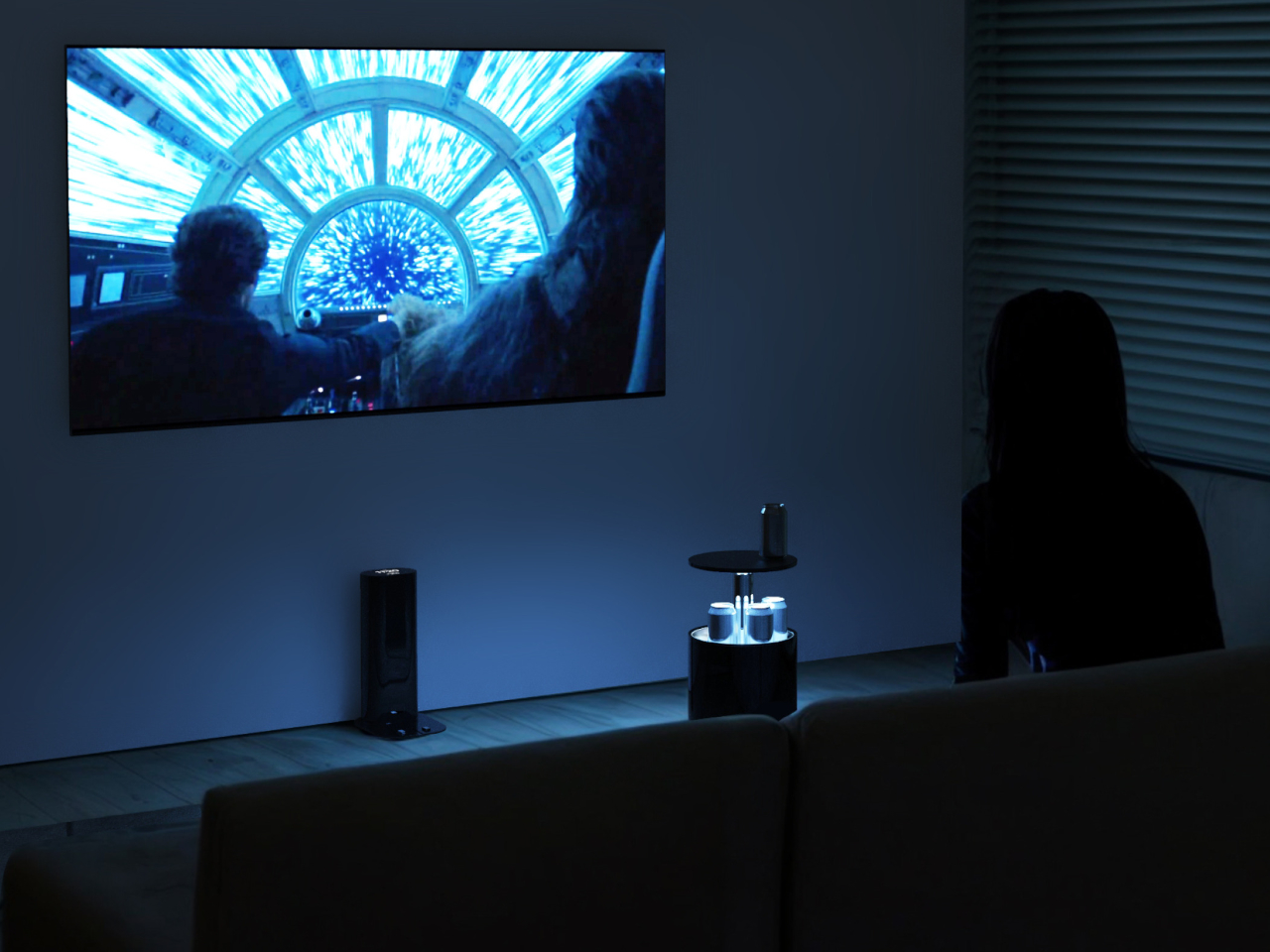
Come Together is a three-part home theater system made up of a Tower, a Base, and a Station. It’s meant to sit alongside a premium TV as an accessory, not replace it. The Tower handles drinks, lighting, and phone charging. The Base handles spatial sound and movement. The Station is a compact dock that cools, charges, and keeps everything ready for the next movie night.

Designer: Woojin Jang

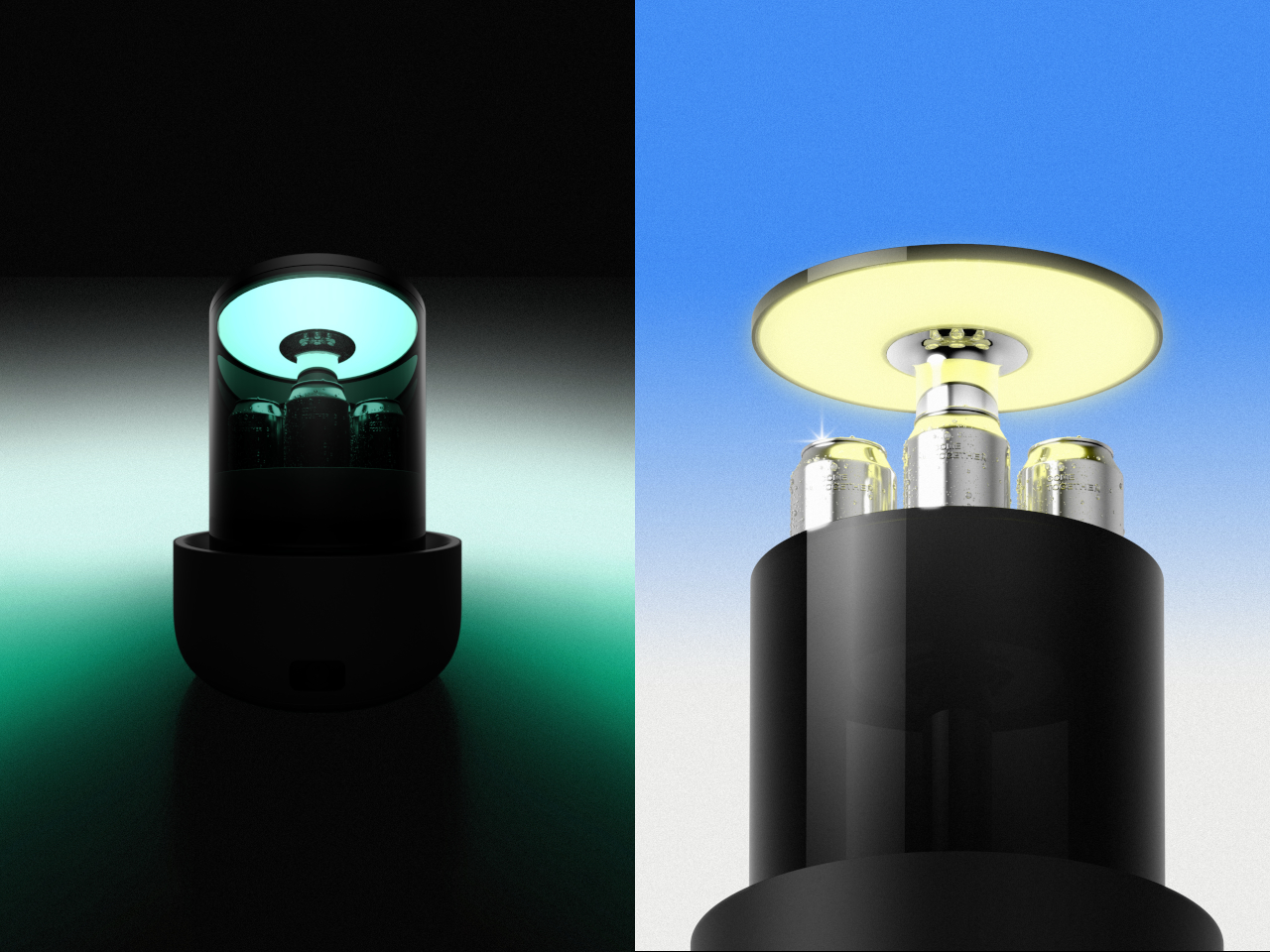
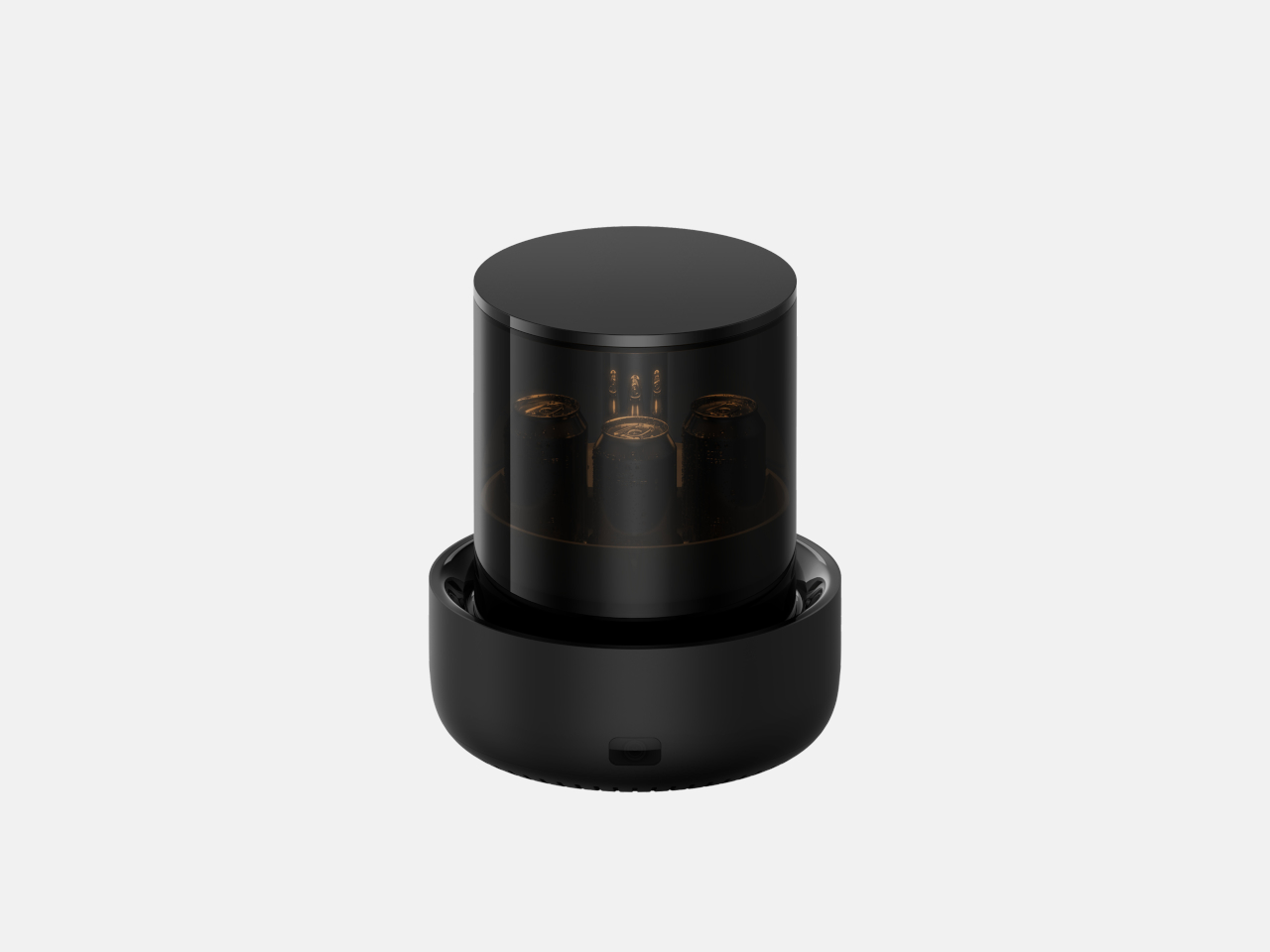
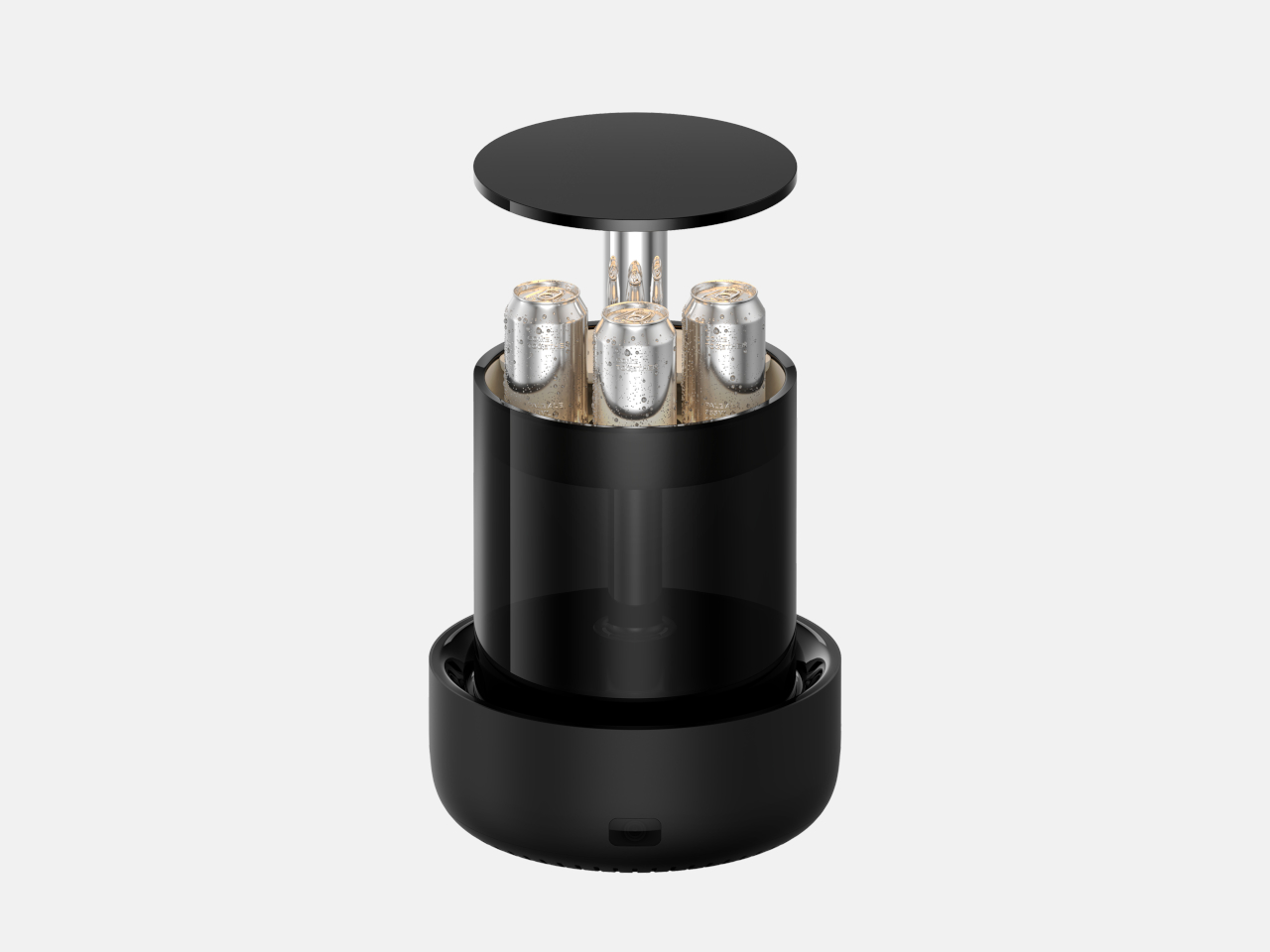
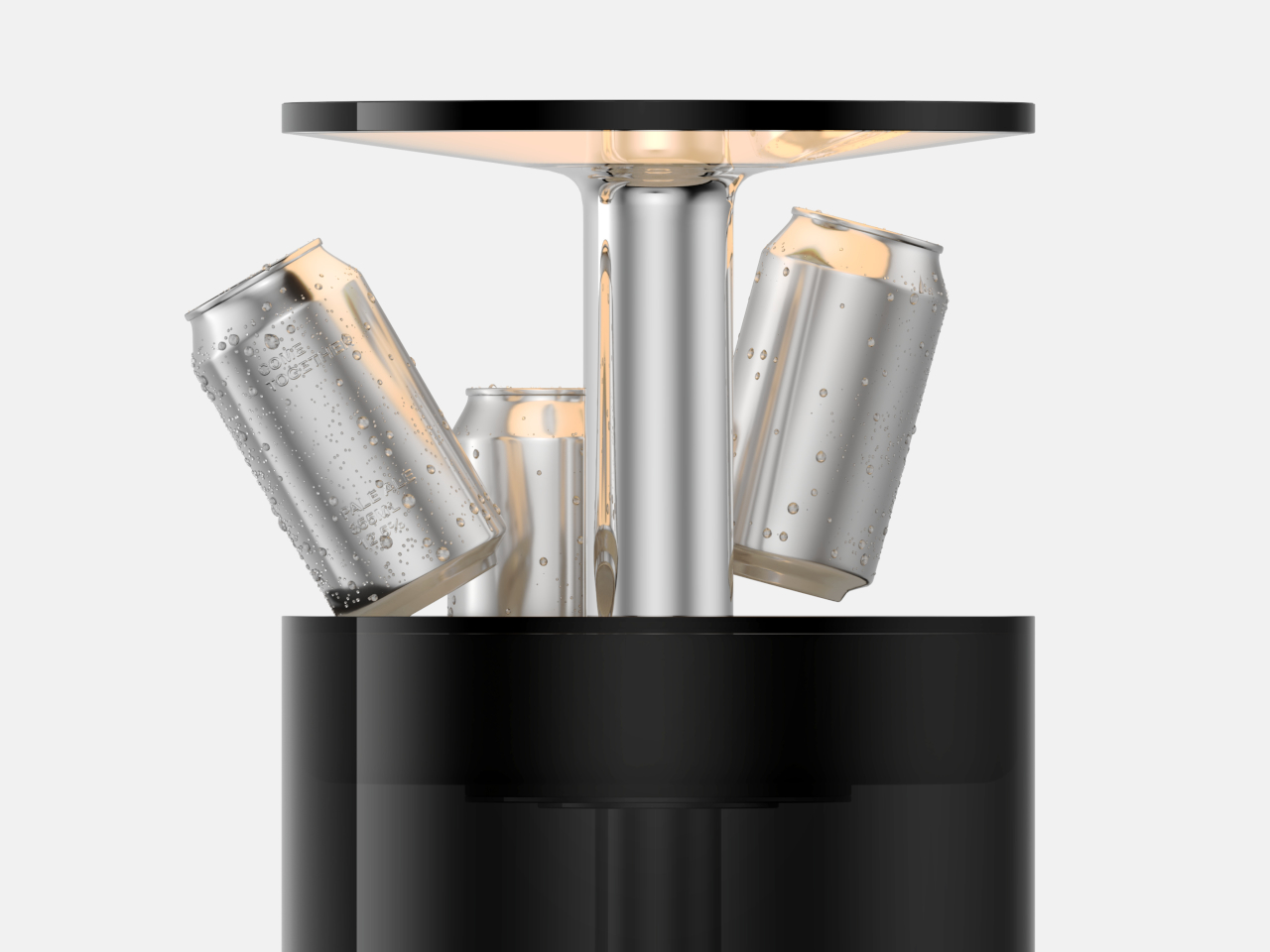
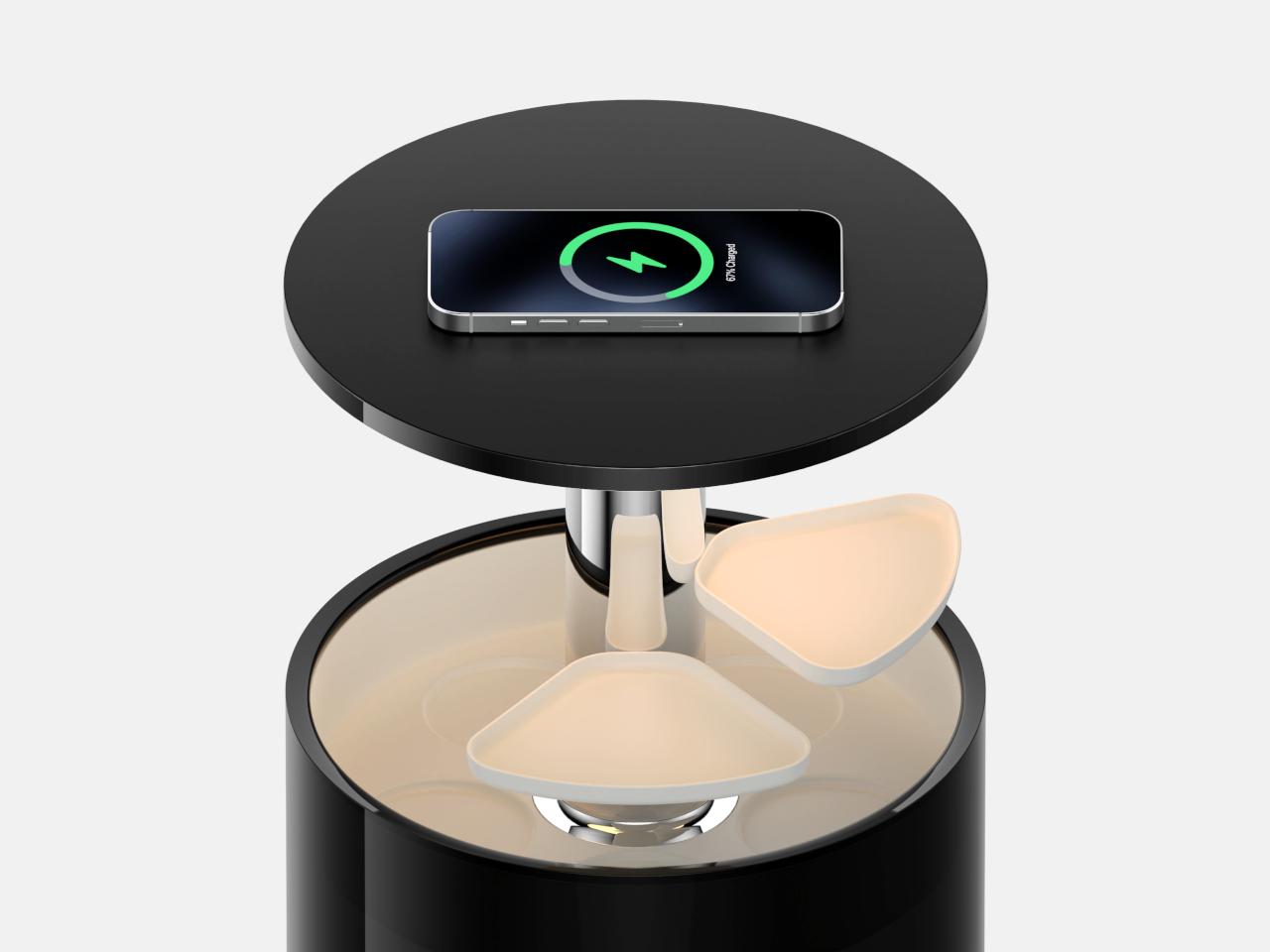
Most of the time, the Tower sits as a calm black cylinder, but when needed, it rises up to reveal a mini fridge that can hold up to five cans. An optional tray on top can be swapped in for snacks. Adaptive mood lighting under the top disc syncs with what’s on screen, and the very top surface doubles as a Qi2 wireless charging pad for your phone, so it doesn’t die halfway through a marathon.

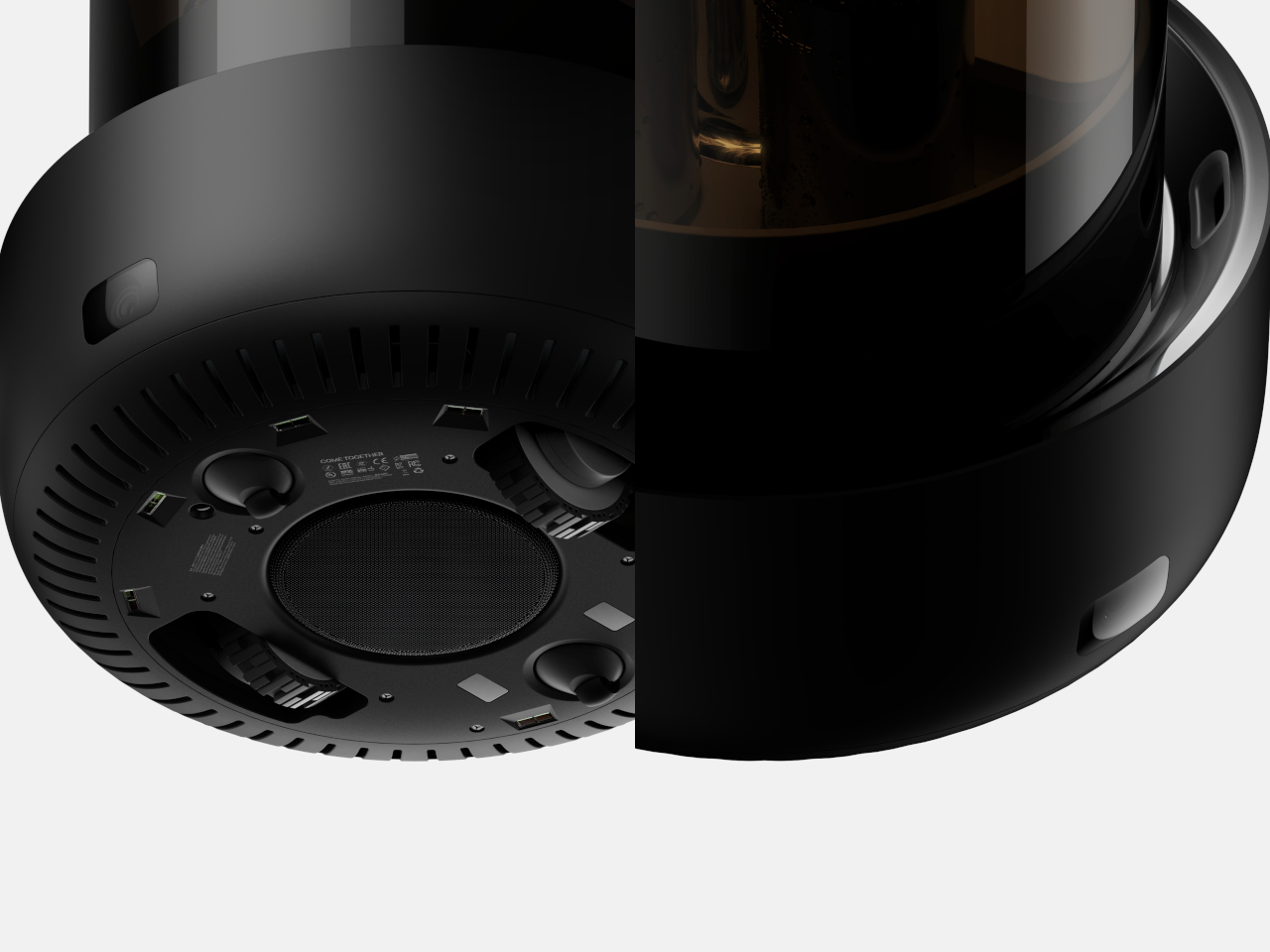
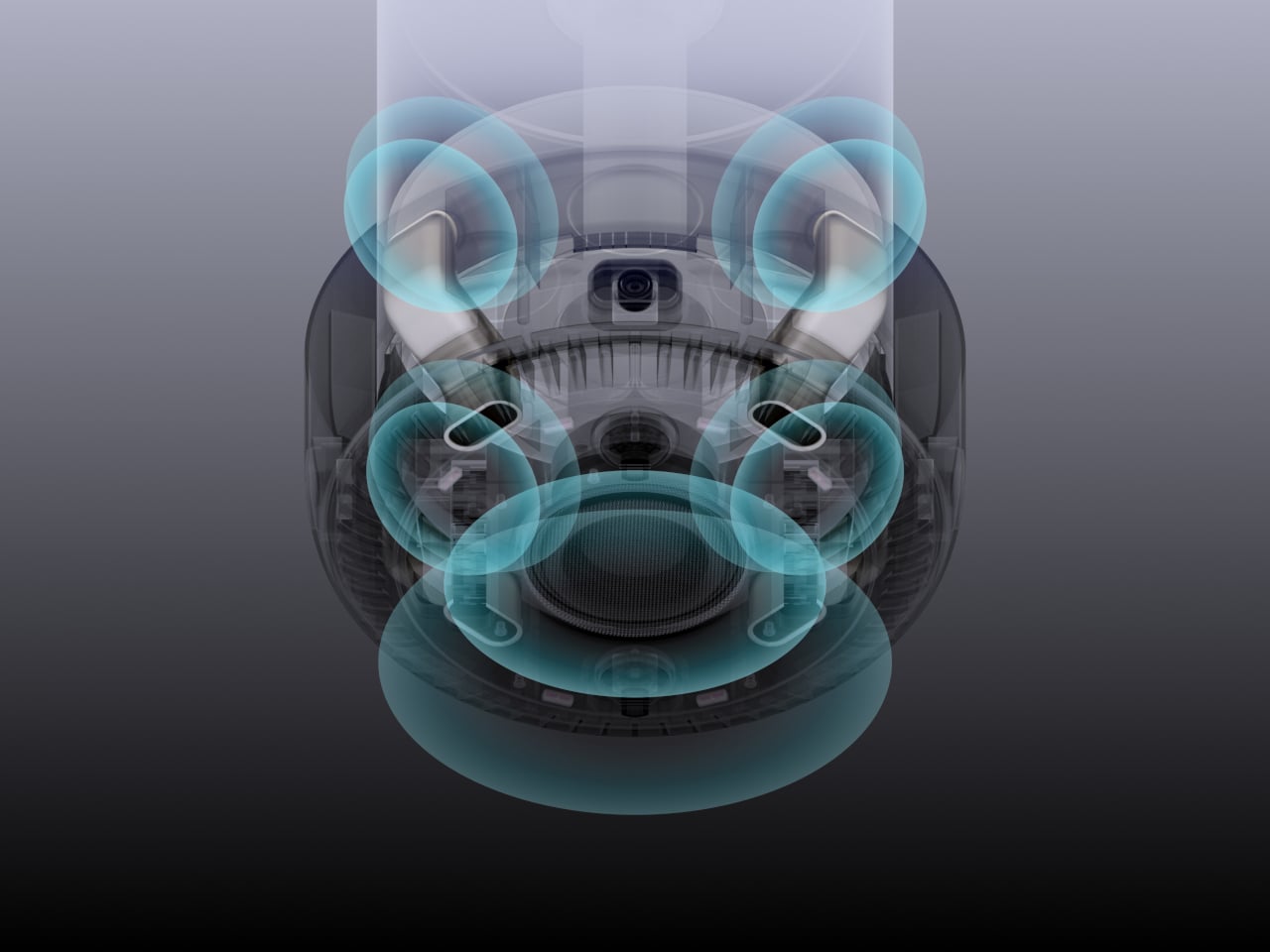
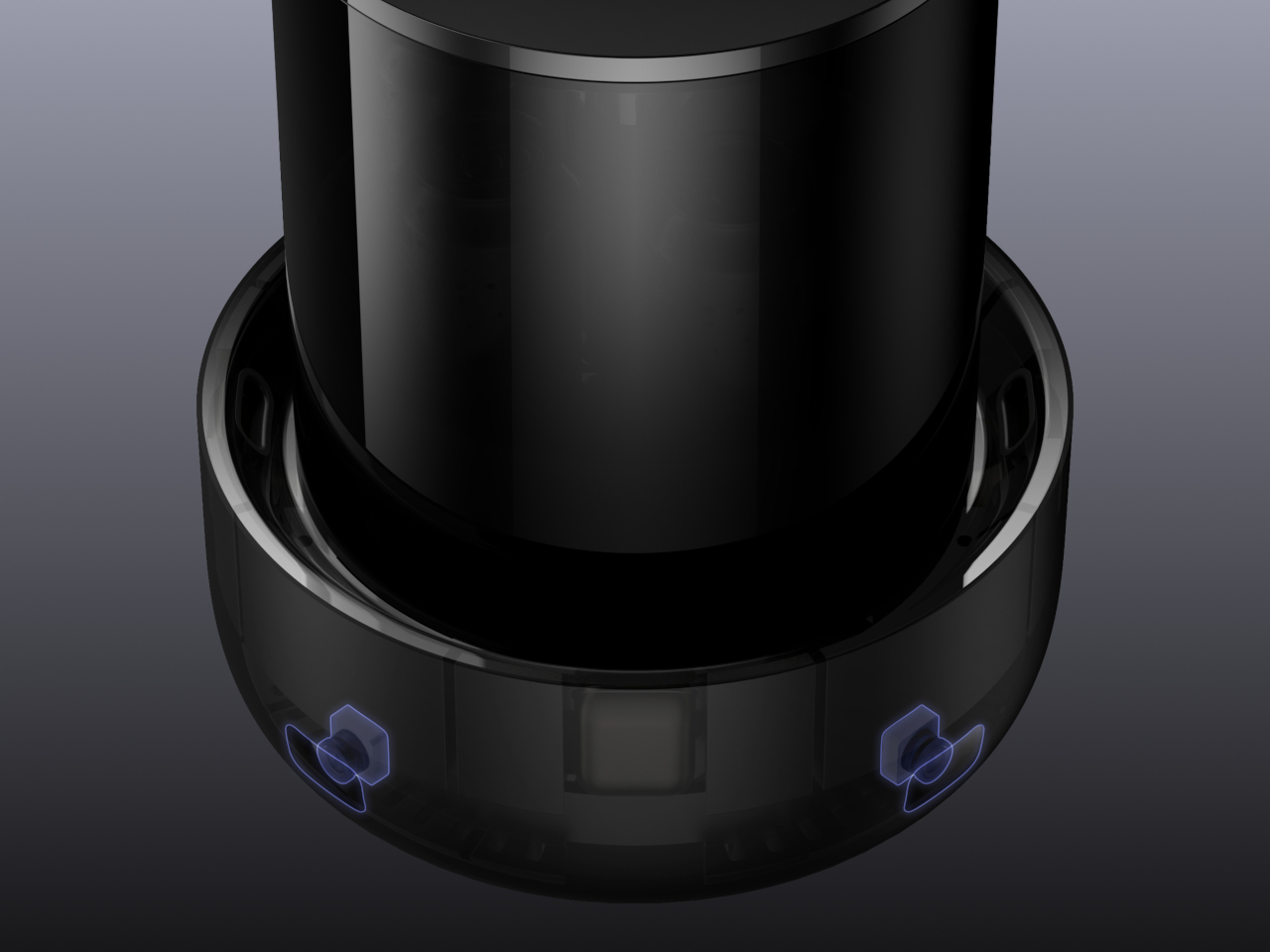
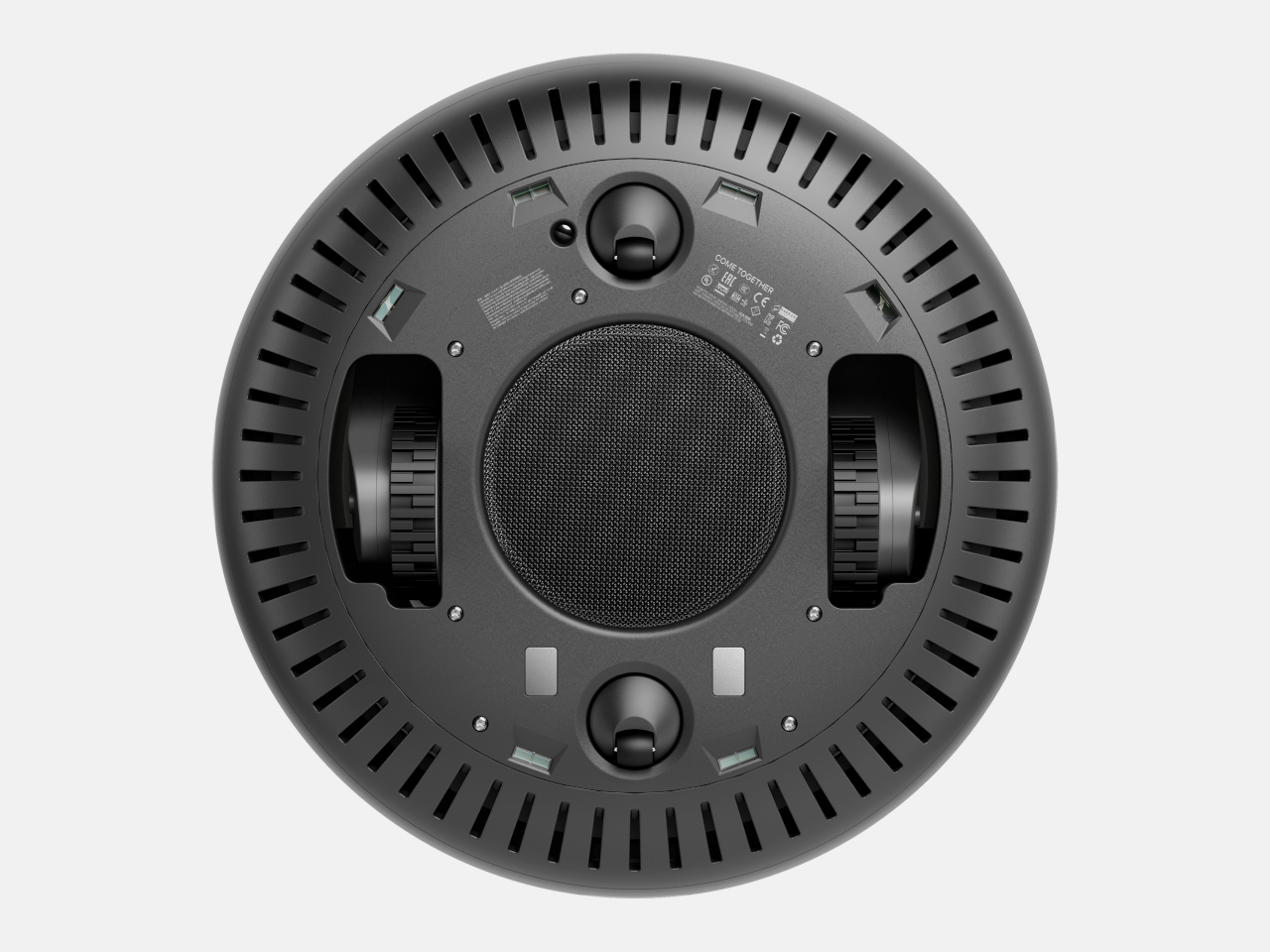
Instead of a static soundbar, the Base is a circular spatial sound unit with drivers arranged around its perimeter and a 3D ToF sensor for spatial awareness. It maps the room, figures out where you’re sitting, and quietly rolls itself to the best spot for audio. The drive system borrows from robot vacuums, but here the goal is better sound rather than clean floors or delivering drinks in an awkward dance.

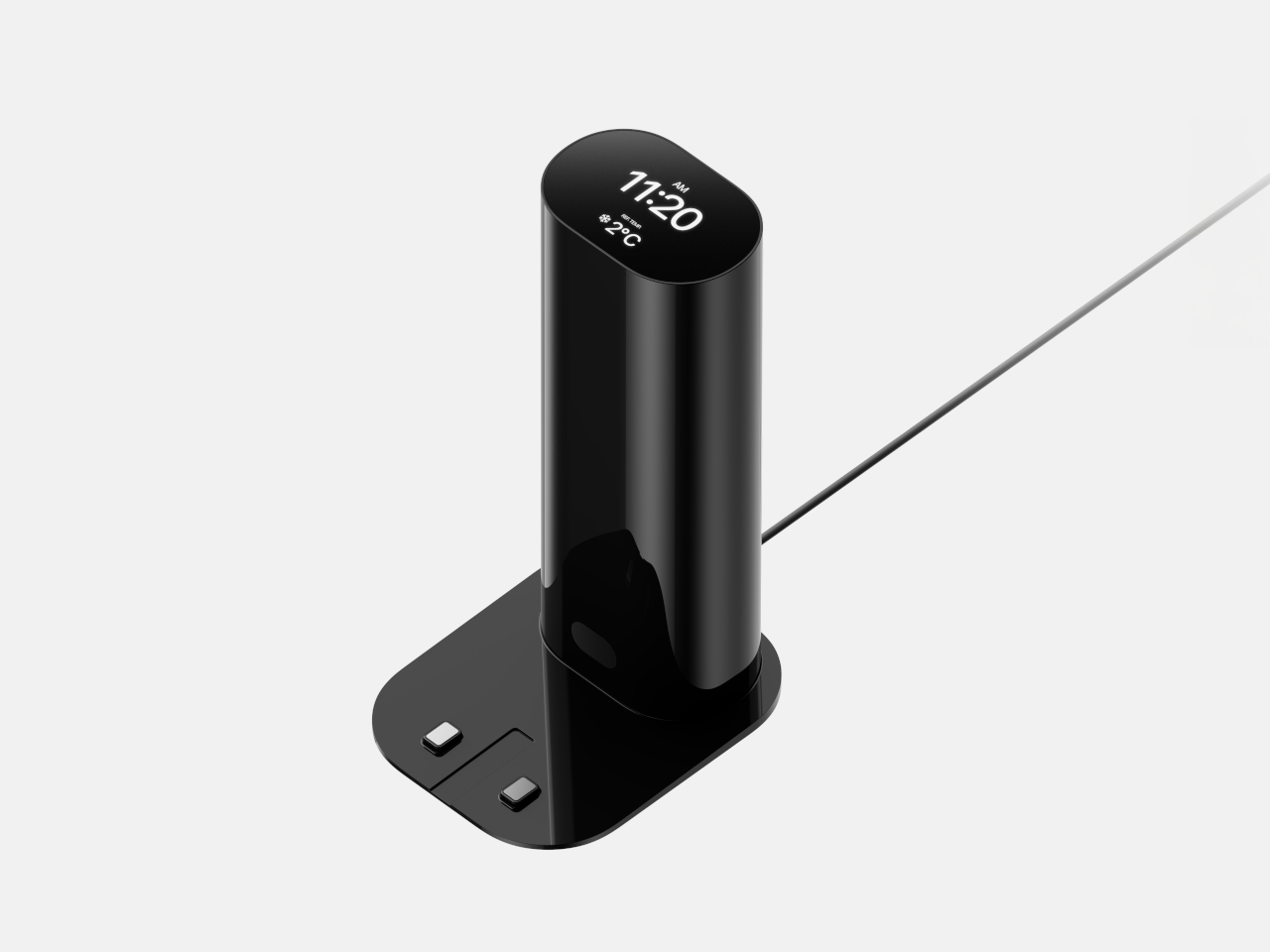
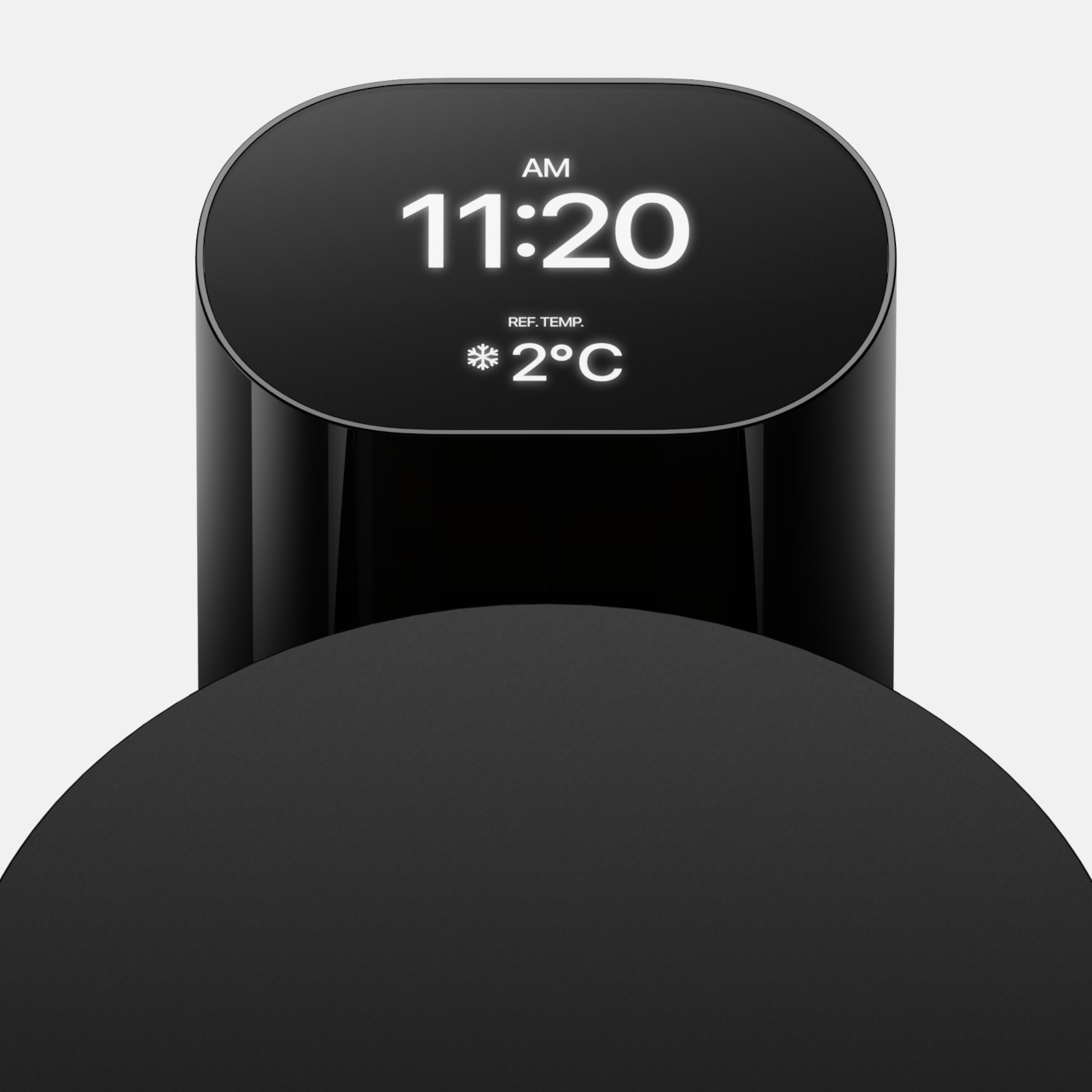
The Station is a small, low-profile dock that the system returns to when it’s done. There, it recharges and cools the mini fridge for the next session. A simple display on top shows the time and the fridge temperature, giving you just enough information at a glance. The Station keeps the whole setup feeling like a single, coherent appliance rather than a pile of separate gadgets fighting for outlets and attention.

All three components share a cylindrical, black-glass aesthetic that feels more like high-end audio gear than robots. The Tower’s rising motion and glowing top give it a bit of theater without tipping into gimmick. The Base and Station stay visually quiet, so the TV remains the focal point while the system supports it in the background, both literally and in how it shapes the room.

Come Together shows how robotics might slip into home entertainment without feeling like sci-fi props. By bundling drinks, lighting, and spatial sound into a calm, coordinated system, it treats immersion as something you can design from end to end. For anyone who’s ever hit pause just to grab a drink, the idea of a home theater that comes to you is appealing.

The post Come Together Adds Rolling Speaker and Mini Fridge to Your Couch first appeared on Yanko Design.

There’s a cute voice messaging app for Playdate now

If your friend group or family happens to include multiple Playdate owners, there's now a cute way to chat amongst yourselves right within the device. Jon Simantov, the developer who gave us Cranky Cove, has released an app called helloyellow where you can send voice messages, create group chats and share achievements with anyone you've added as a friend. It's available to download from itch.io for free, with some limitations, or $5 to get the full version. Now, excuse me while I lament being the only person in my circle with a passion for weird little gadgets. 

A screenshot of a chat in the helloyellow app on a Playdate
A screenshot of a chat in the helloyellow app
Jon Simantov

The app works over Wi-Fi, but you can record messages even when you're offline that will be sent once you reconnect. You can also record voice notes for yourself. The full version of helloyellow allows for messages of up to 10 minutes long, while messages in the free version are capped at two minutes. Friends are added via hellocodes, and there's an emoji library so you can send reactions. 

This article originally appeared on Engadget at https://www.engadget.com/gaming/theres-a-cute-voice-messaging-app-for-playdate-now-223620942.html?src=rss

This Smart Perch Weighs Birds Without Ever Touching Them

Picture this: you’re a wildlife rescuer trying to nurse an injured falcon back to health. Every few days, you need to catch the bird, restrain it, and place it on a scale. The bird panics, thrashing and screeching. Your heart races as you try not to get talons to the face. Sometimes, the stress alone can kill the very creature you’re trying to save. It’s a nightmare scenario that plays out in rescue centers worldwide, but a team of Korean designers just might have cracked the code on a better way.

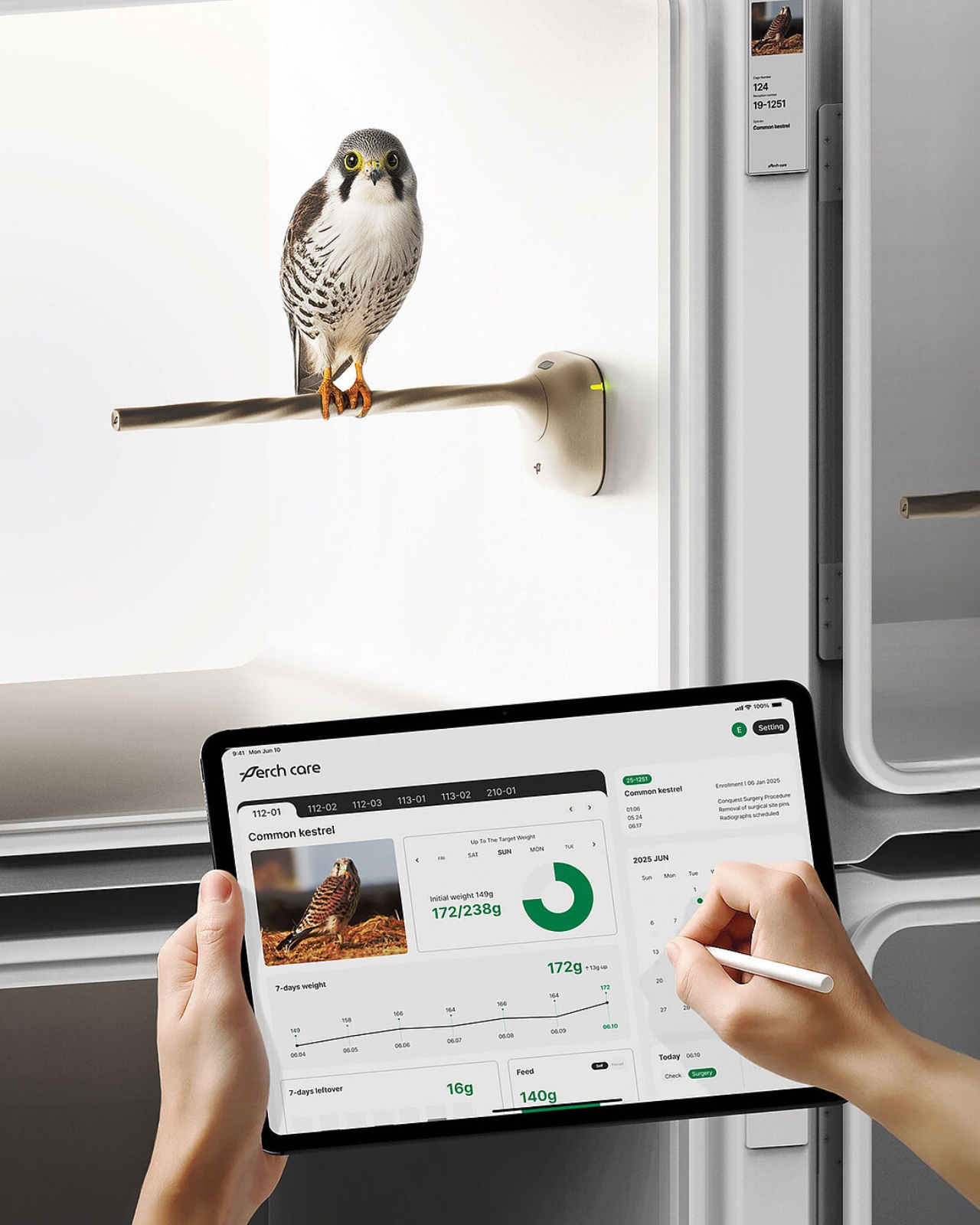
Enter PerchCare, a sleek smart perch that’s basically the Fitbit of the bird world, minus all the drama. Created by designers Lee Hanung, Kwon Hyeokwoo, Choi Yoonji, and Kim Minji, this Red Dot Award-winning design tackles a problem most of us never knew existed. But for wildlife rehabilitators, it’s been a persistent thorn in their side for decades.

Designers: Lee Hanung, Kwon Hyeokwoo, Choi Yoonji, Kim Minji

Here’s the thing about wild birds: they’re masters of disguise when it comes to illness. It’s a survival instinct hardwired into their DNA. In the wild, showing weakness makes you an easy target for predators, so birds will act perfectly fine even when they’re seriously unwell. That’s why tracking their weight becomes absolutely crucial. It’s often the only reliable indicator that something’s wrong before it’s too late. The design team didn’t just dream this up in a vacuum. They spent time interviewing rescuers at the Gyeonggi Northern Wildlife Rescue Center, getting their hands dirty with real-world insights. What they heard was consistent: the current method of weighing birds is dangerous for everyone involved. Birds get stressed to the point of harm, and caretakers risk injury every single time.

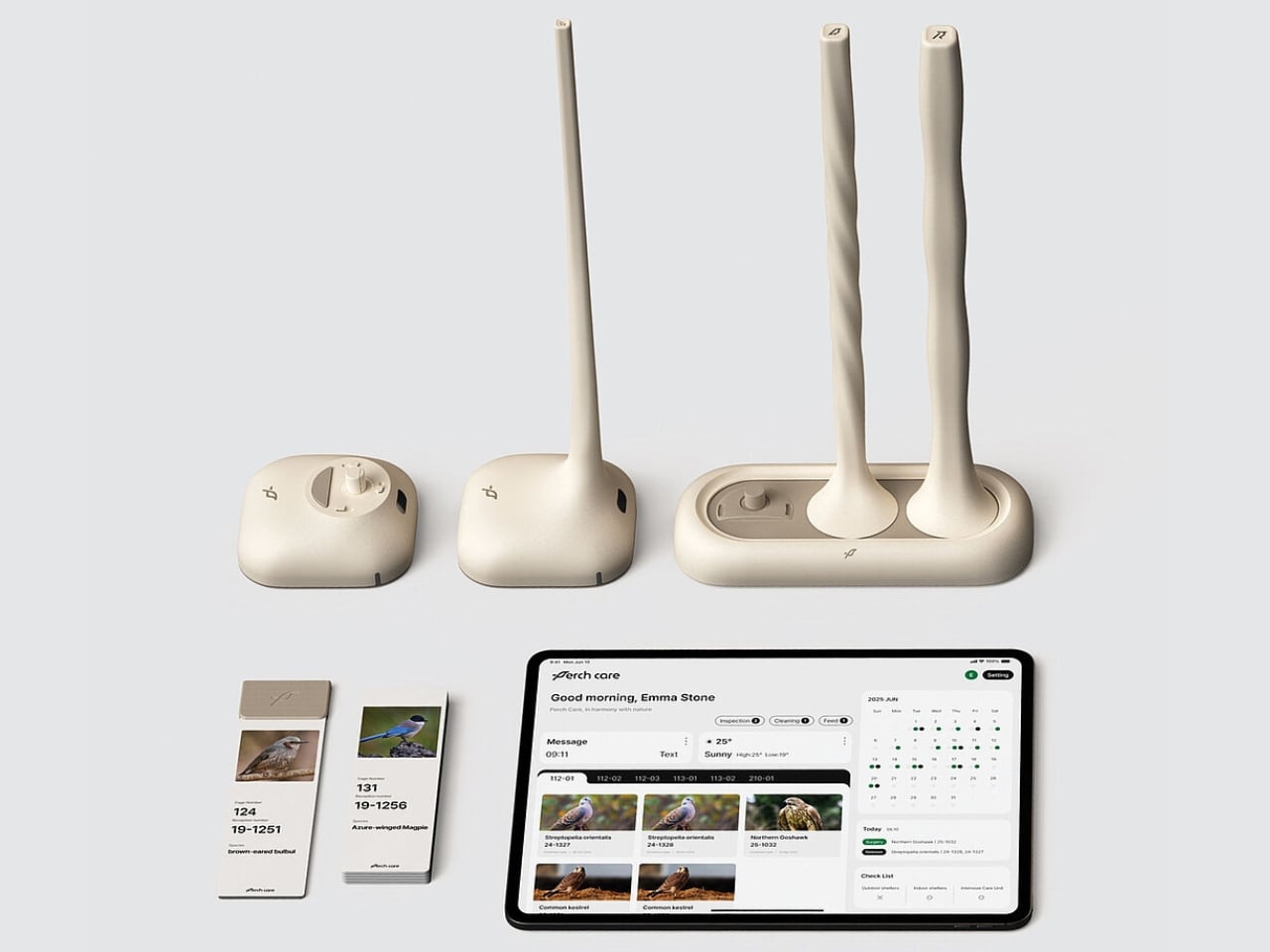
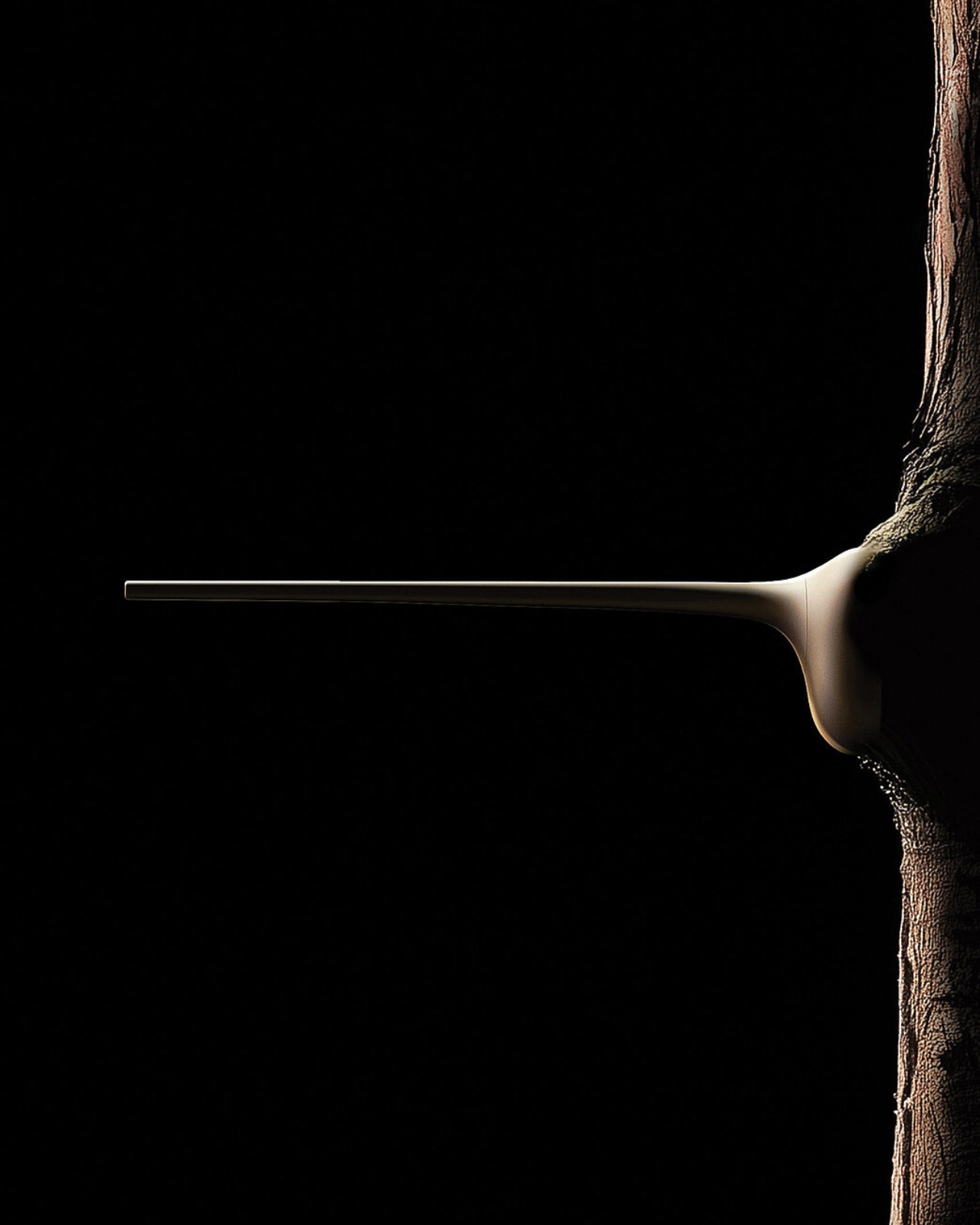
So how does PerchCare work its magic? The genius lies in its simplicity. Instead of forcing an unnatural interaction, it turns an everyday object into a monitoring device. Birds need to perch anyway, right? It’s what they do. By embedding weighing technology directly into something that mimics a natural branch, PerchCare lets birds just be birds while quietly collecting vital health data in the background.

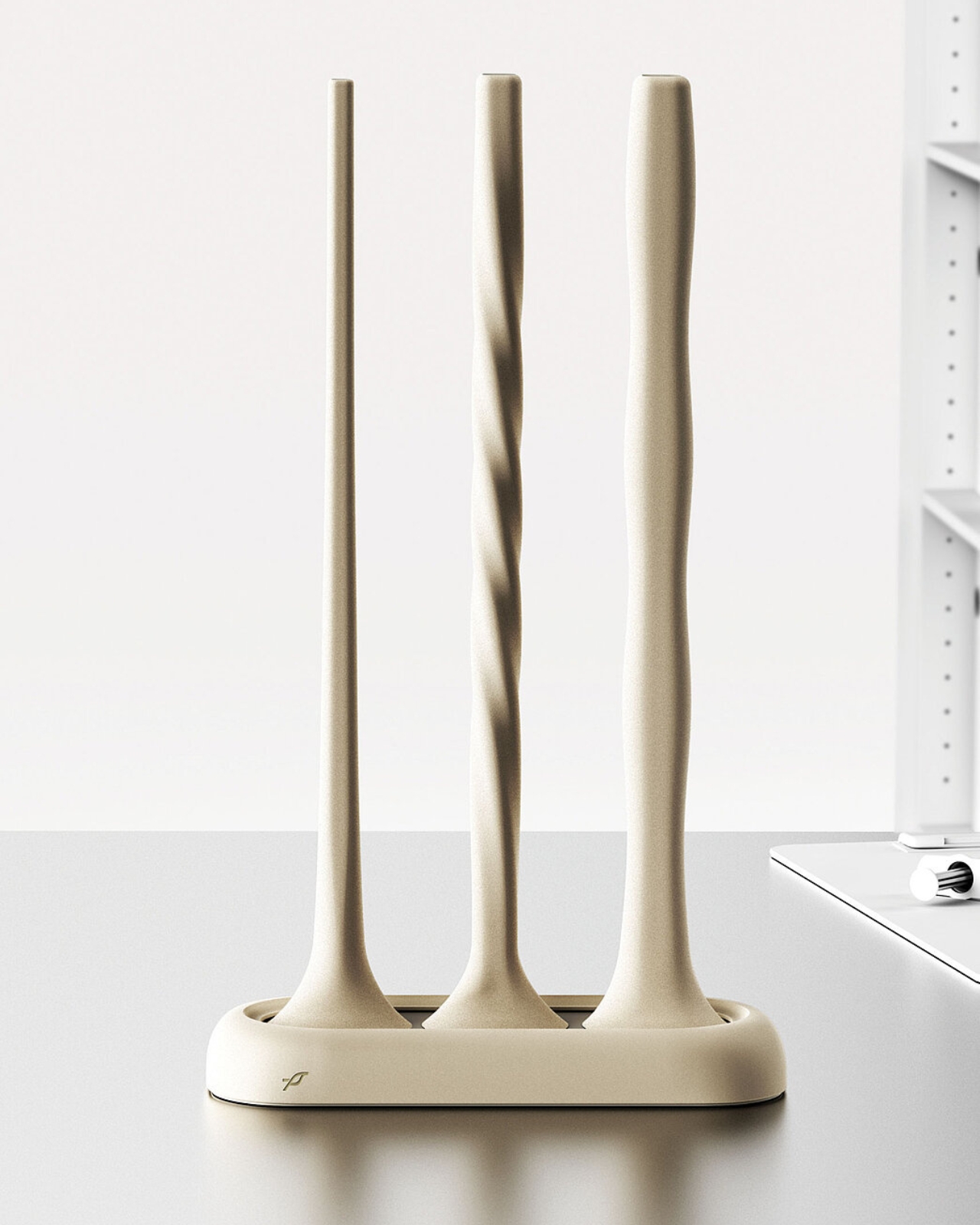
The perch itself looks refreshingly minimal, almost Apple-esque in its aesthetic. It comes in multiple sizes to accommodate different species, from tiny songbirds to larger raptors. The mounting system uses suction cups, which means installation is as easy as sticking it to the cage wall. No tools, no complicated setup, no engineering degree required. But the really cool part is how the system communicates. An integrated lighting system provides at-a-glance status updates, while a companion app delivers detailed charts and trends over time. Rescuers can spot concerning weight drops before they become critical, all without ever touching the bird. It’s like having a 24/7 health monitor that doesn’t require awkward vet visits.

The implications here go beyond just making life easier for rescuers (though that alone would be worth celebrating). When you reduce stress during rehabilitation, birds recover faster and more successfully. That means higher release rates back into the wild, which is ultimately the whole point of rescue work. Every bird that makes it back to its natural habitat is a win for biodiversity and ecosystem health.

There’s something beautifully poetic about technology that works by getting out of the way. In our world of constant notifications and flashy interfaces, PerchCare succeeds by being invisible to its primary users. The birds have no idea they’re being monitored. They just land on what feels like a normal perch and go about their business while the tech does its thing quietly in the background. This is design thinking at its finest: identifying a real problem, understanding the needs of all stakeholders (including the non-human ones), and creating a solution that’s both elegant and effective. It’s not about reinventing the wheel or adding unnecessary complexity. Sometimes the best innovations are the ones that feel obvious in hindsight.

The post This Smart Perch Weighs Birds Without Ever Touching Them first appeared on Yanko Design.

COMODO Entryway Stool Dries and Deodorizes Shoes While You Sit

Taking off your shoes after a long day often means being greeted by damp insoles and stale smells. Rain, sweat, and dust turn footwear into something you tolerate rather than enjoy wearing, and most people either ignore it or resort to stuffing newspaper inside them and hoping for the best. Drying racks clutter the hallway, and washing shoes every time they get wet is too much work for something you’ll just wear again tomorrow.

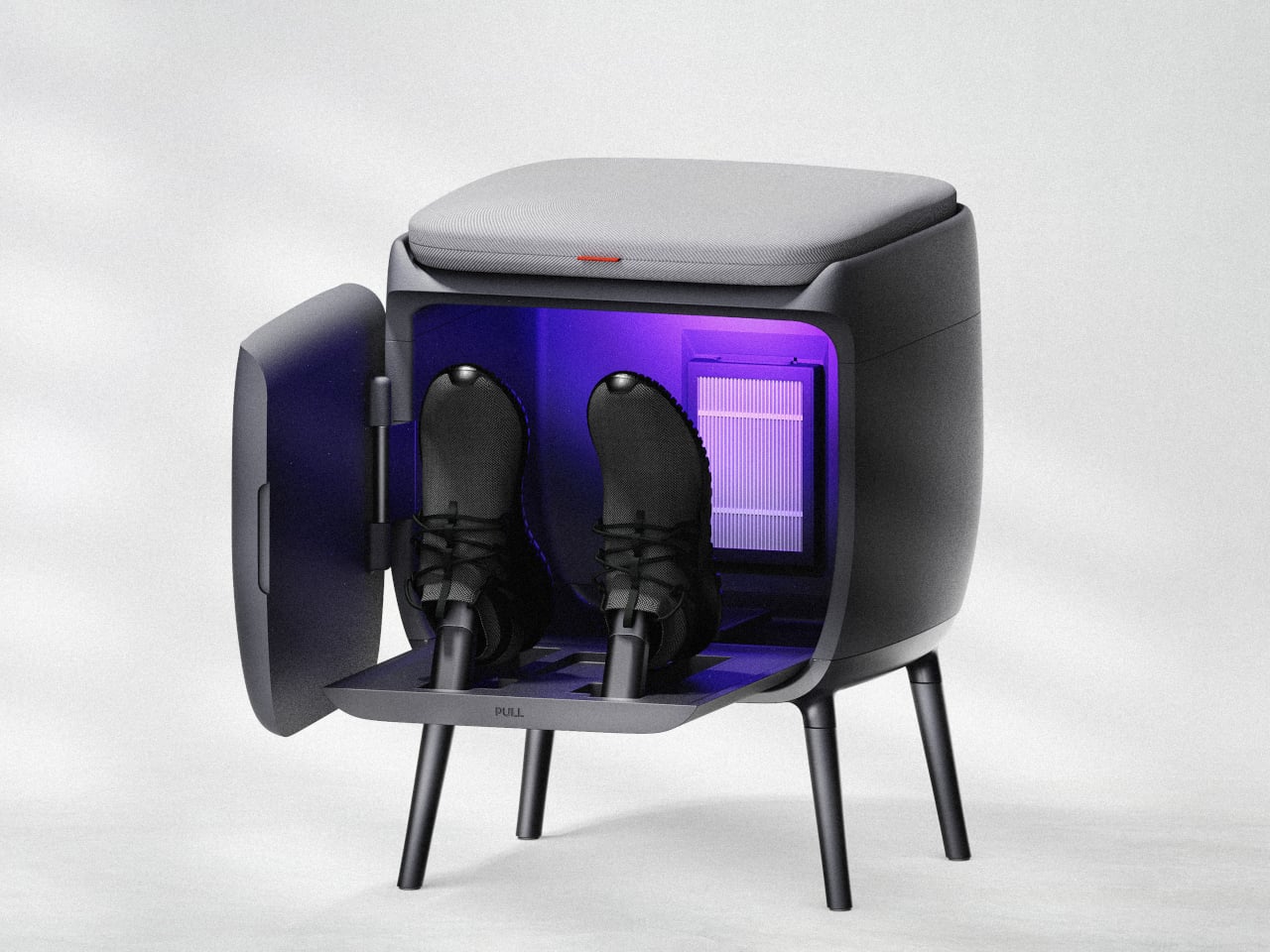
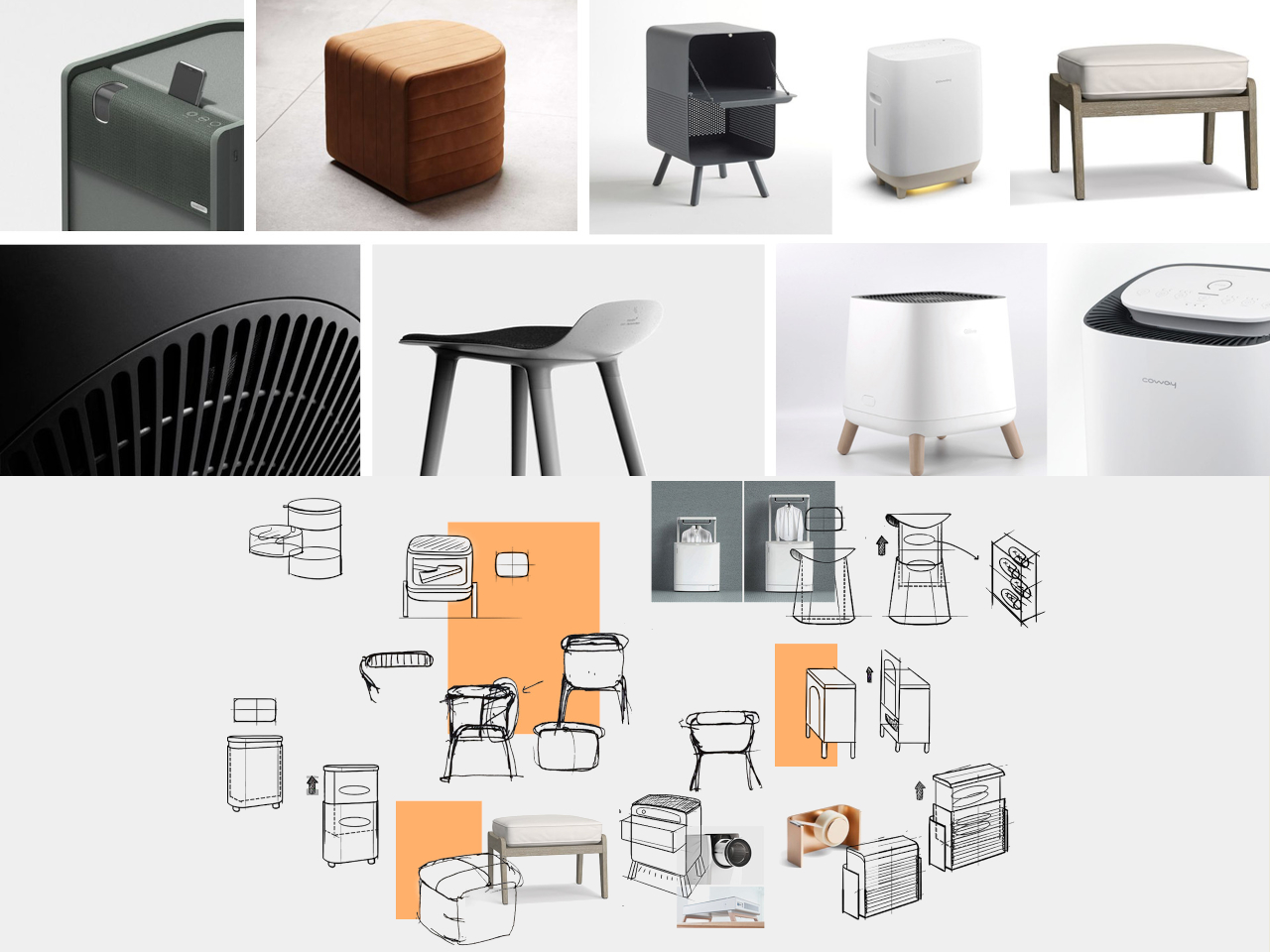
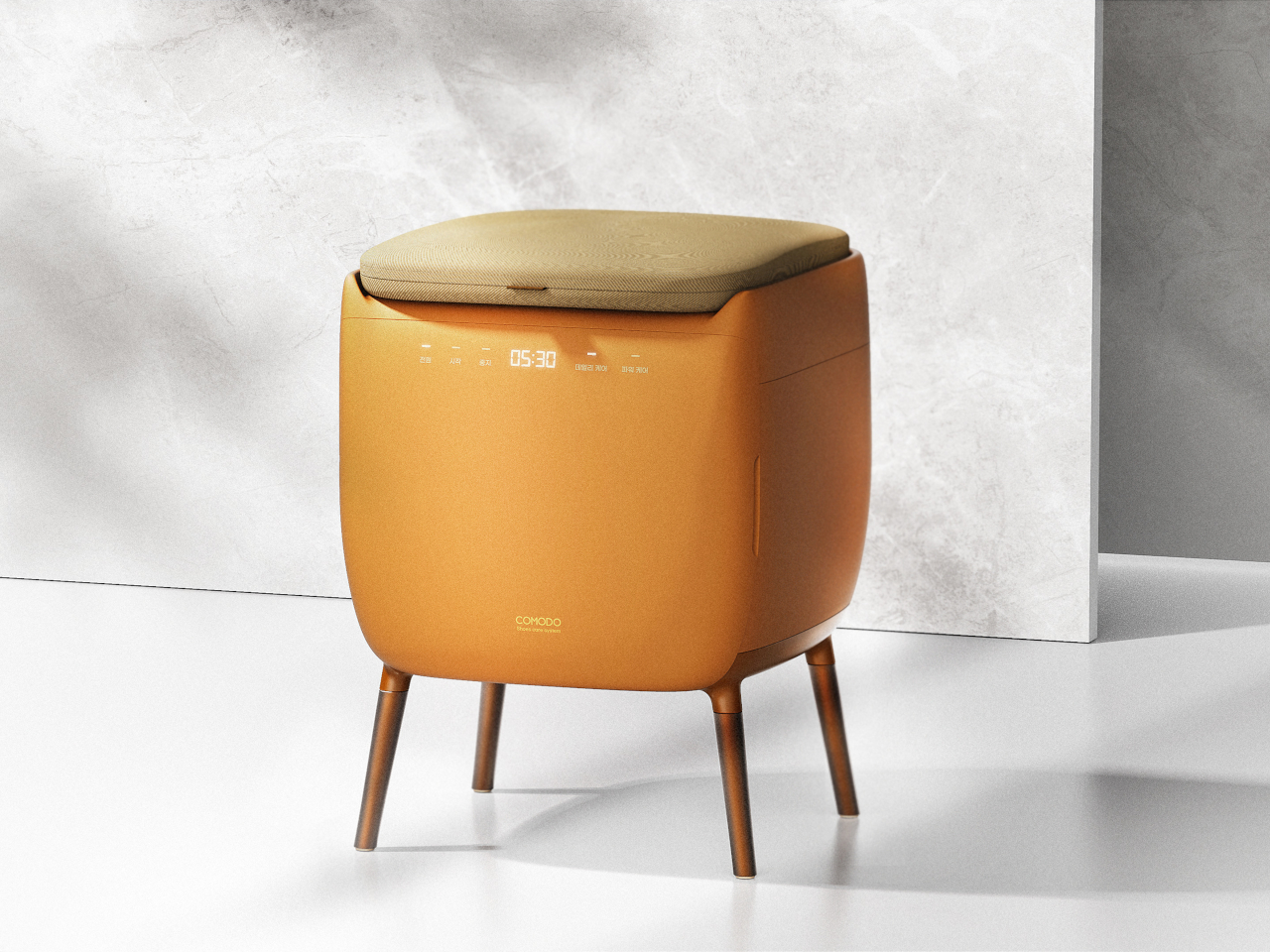
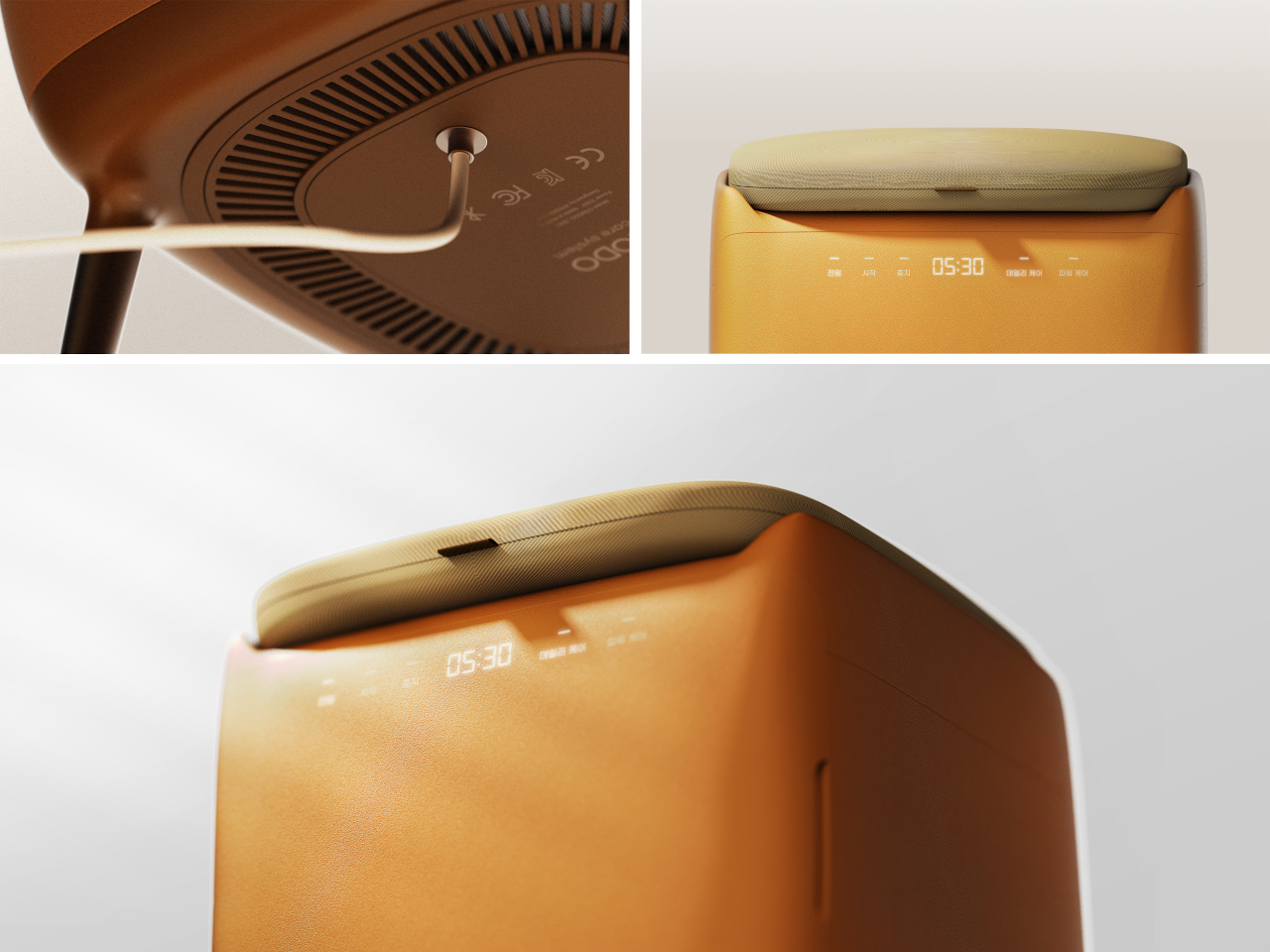
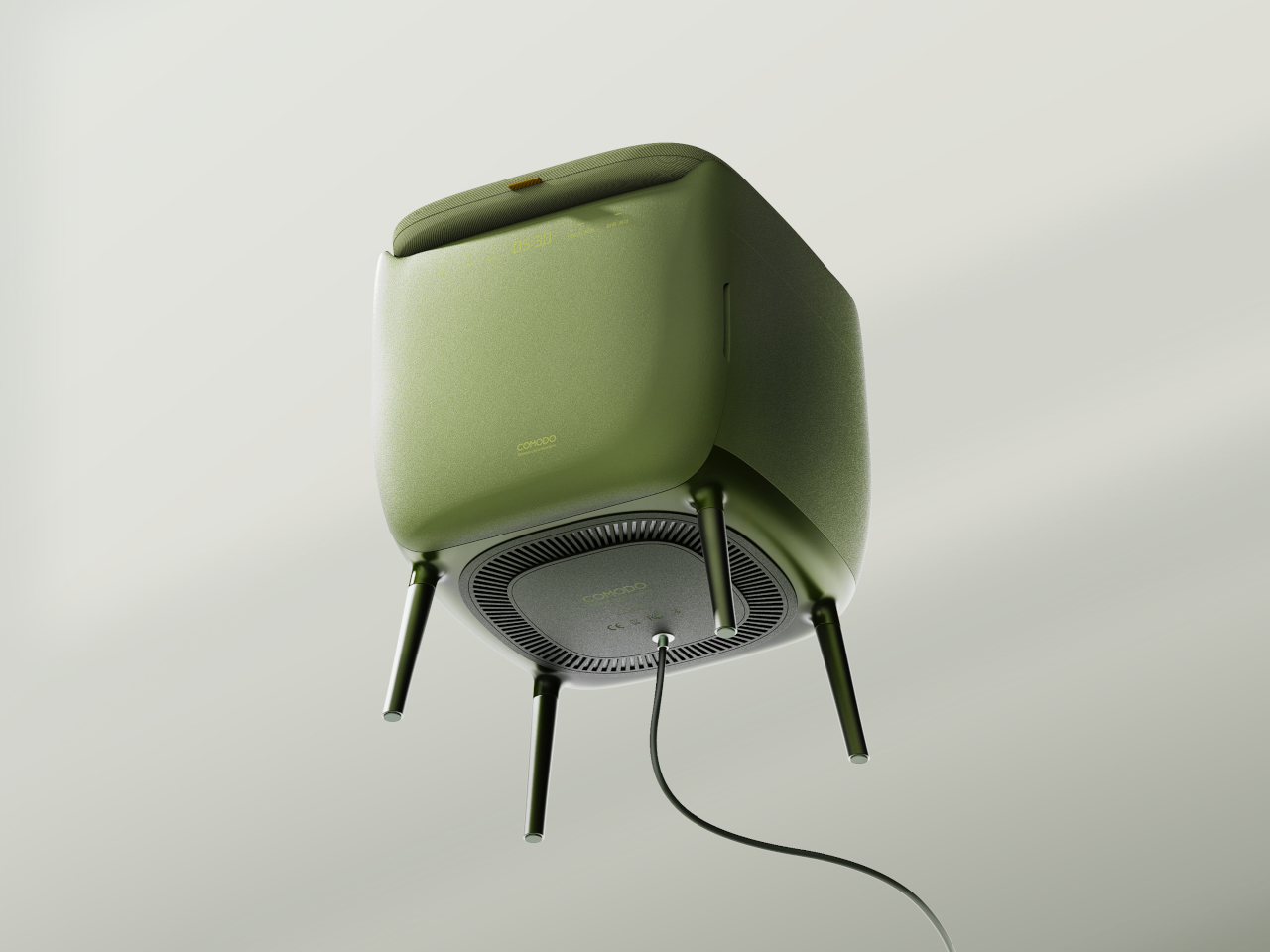
COMODO is a concept that treats shoe care as part of the entryway routine rather than an afterthought. It combines a small upholstered stool with a compact shoe care system inside, so the same object you sit on to put on your shoes also quietly dries, deodorizes, and refreshes them between outings. The name comes from the Spanish word for “comfortable” or “pleasant,” which pretty much sums up the whole idea.

Designer: Hyeona Cho

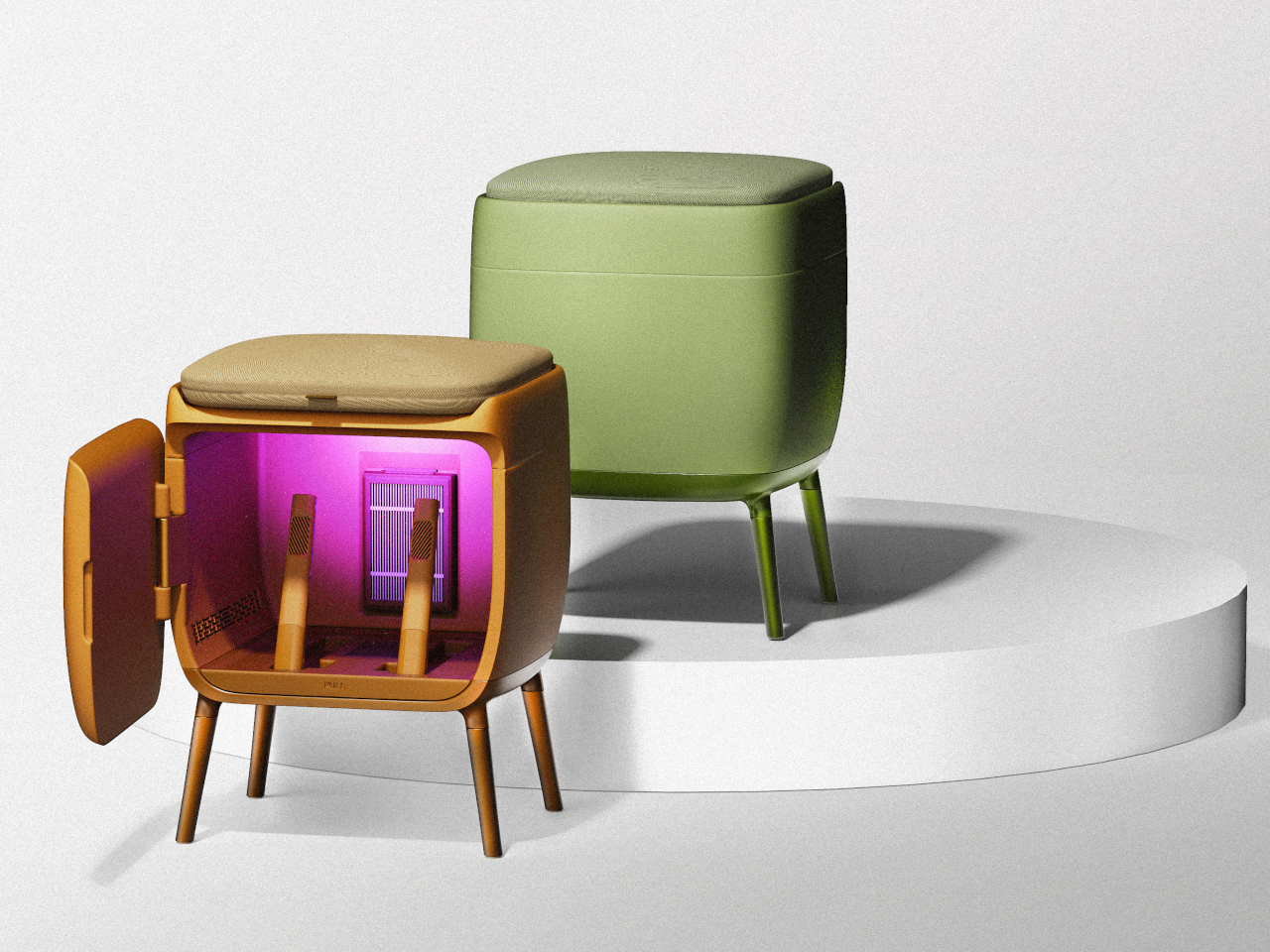
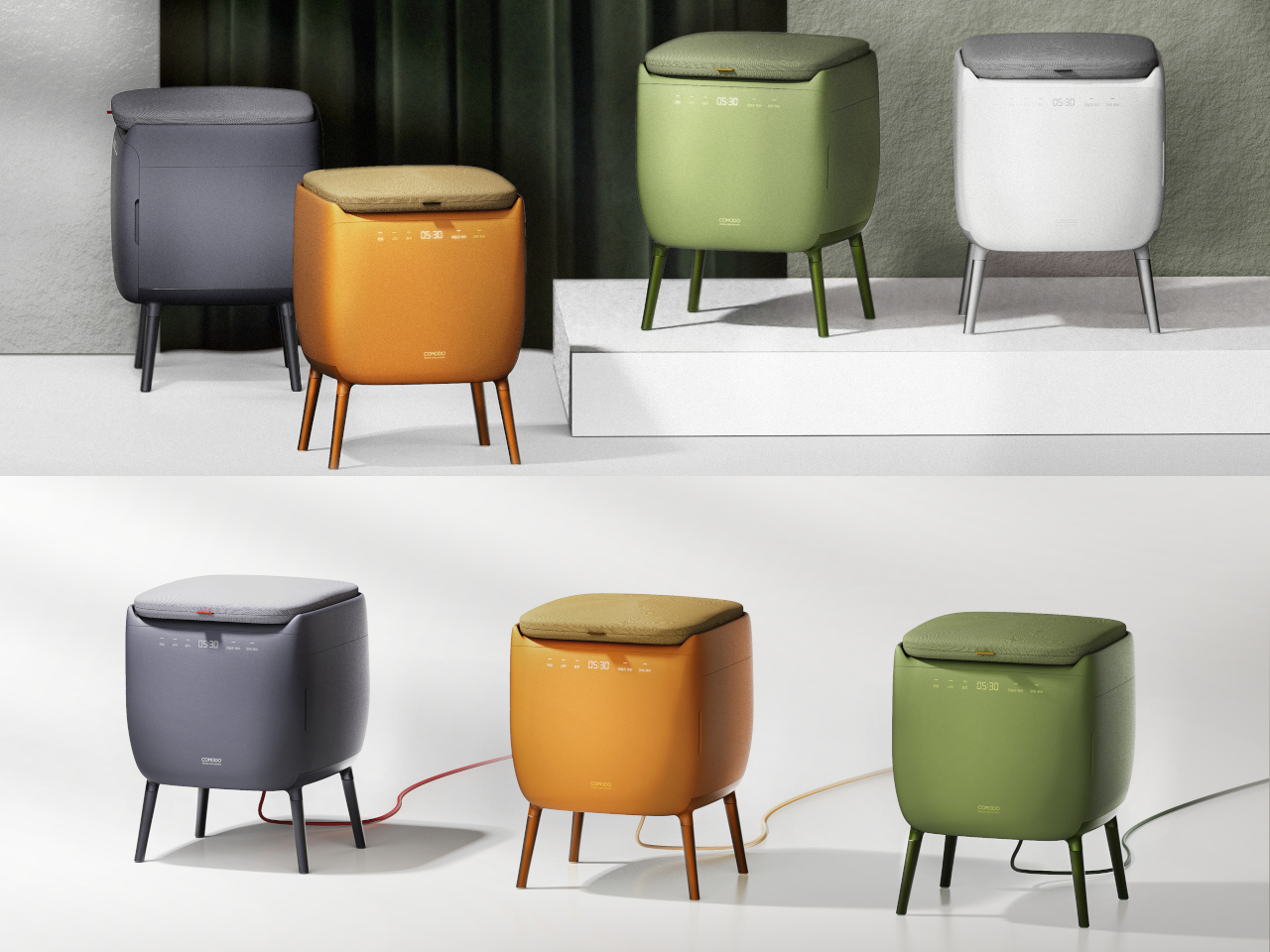
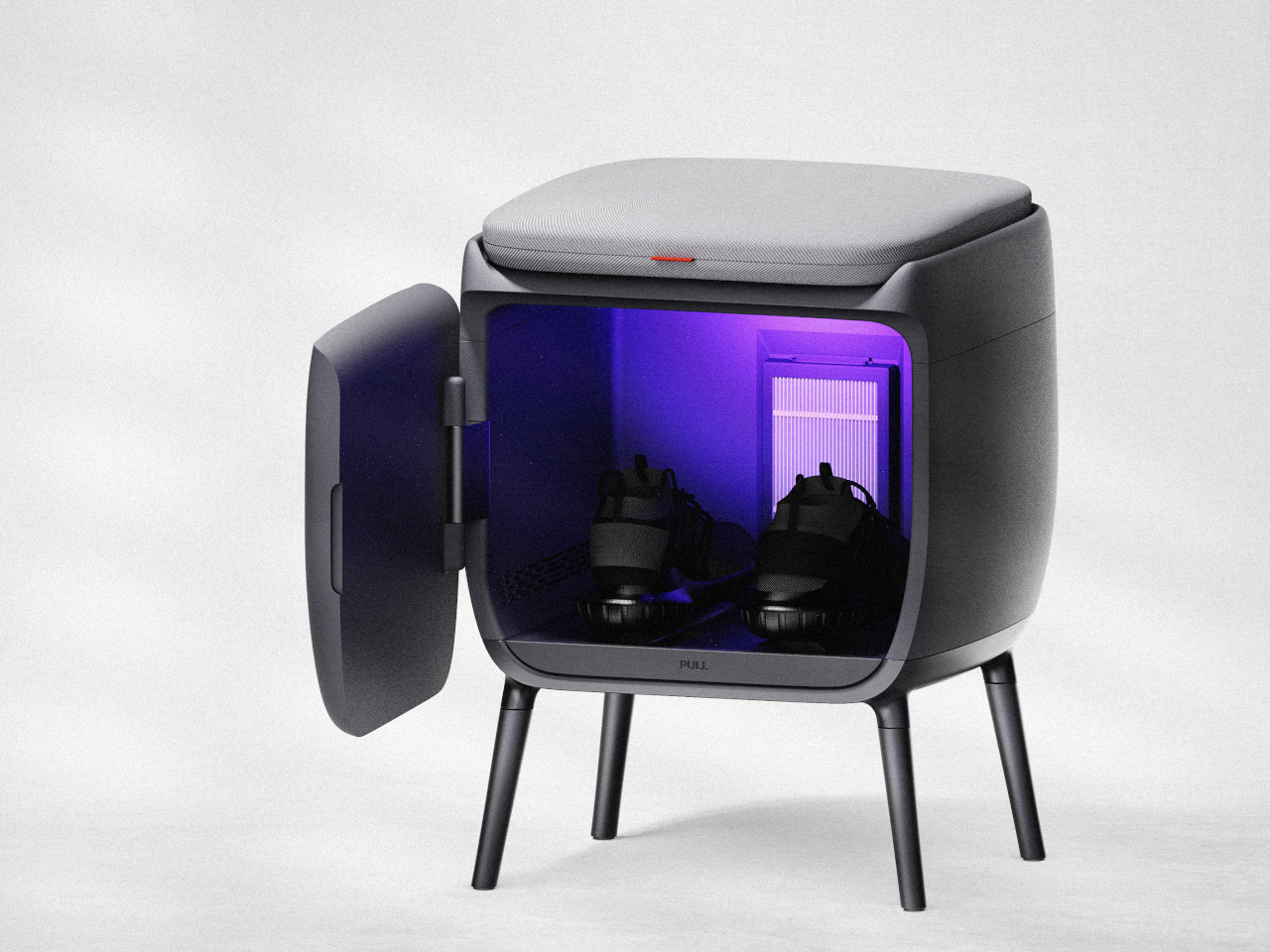
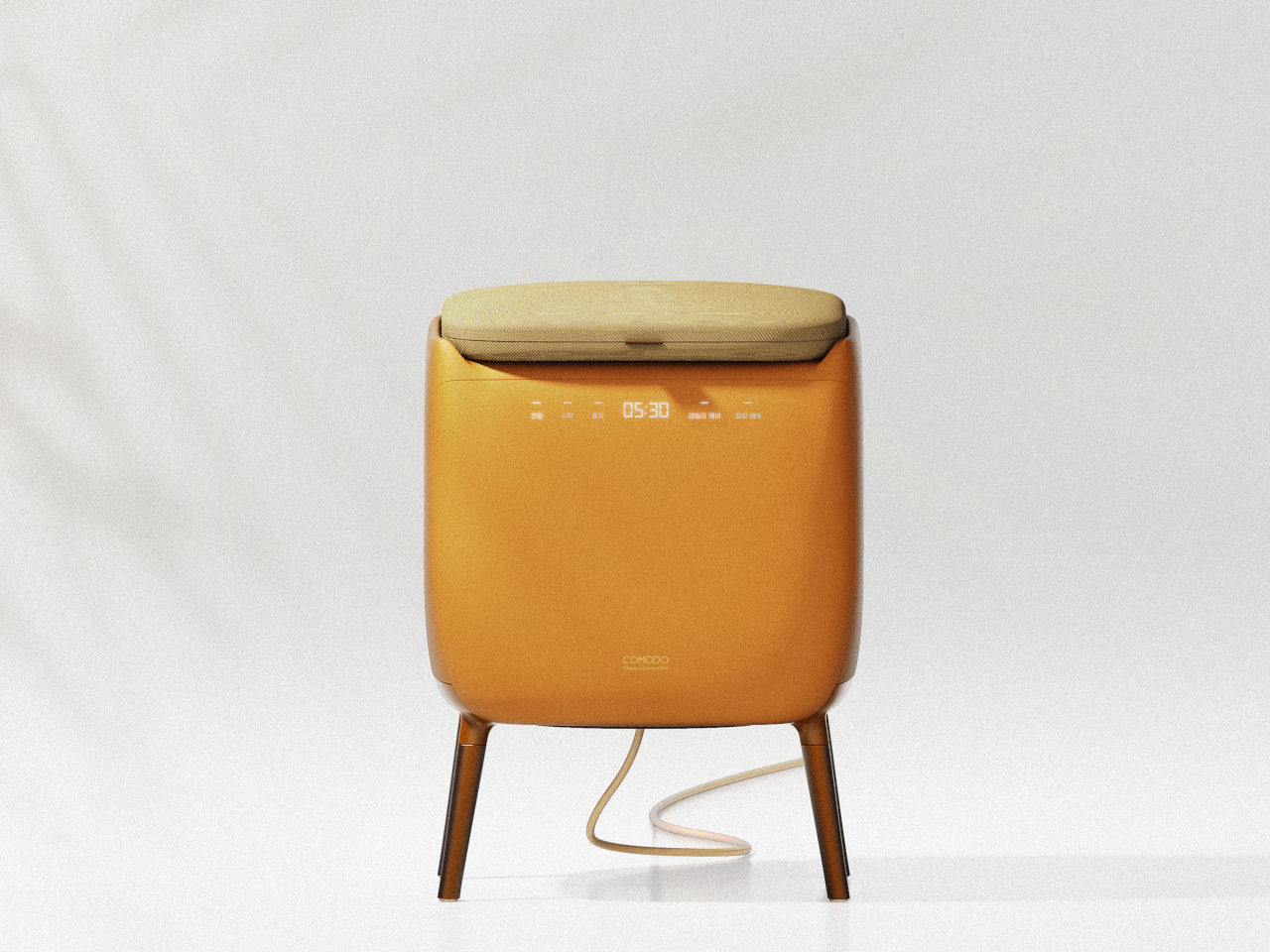
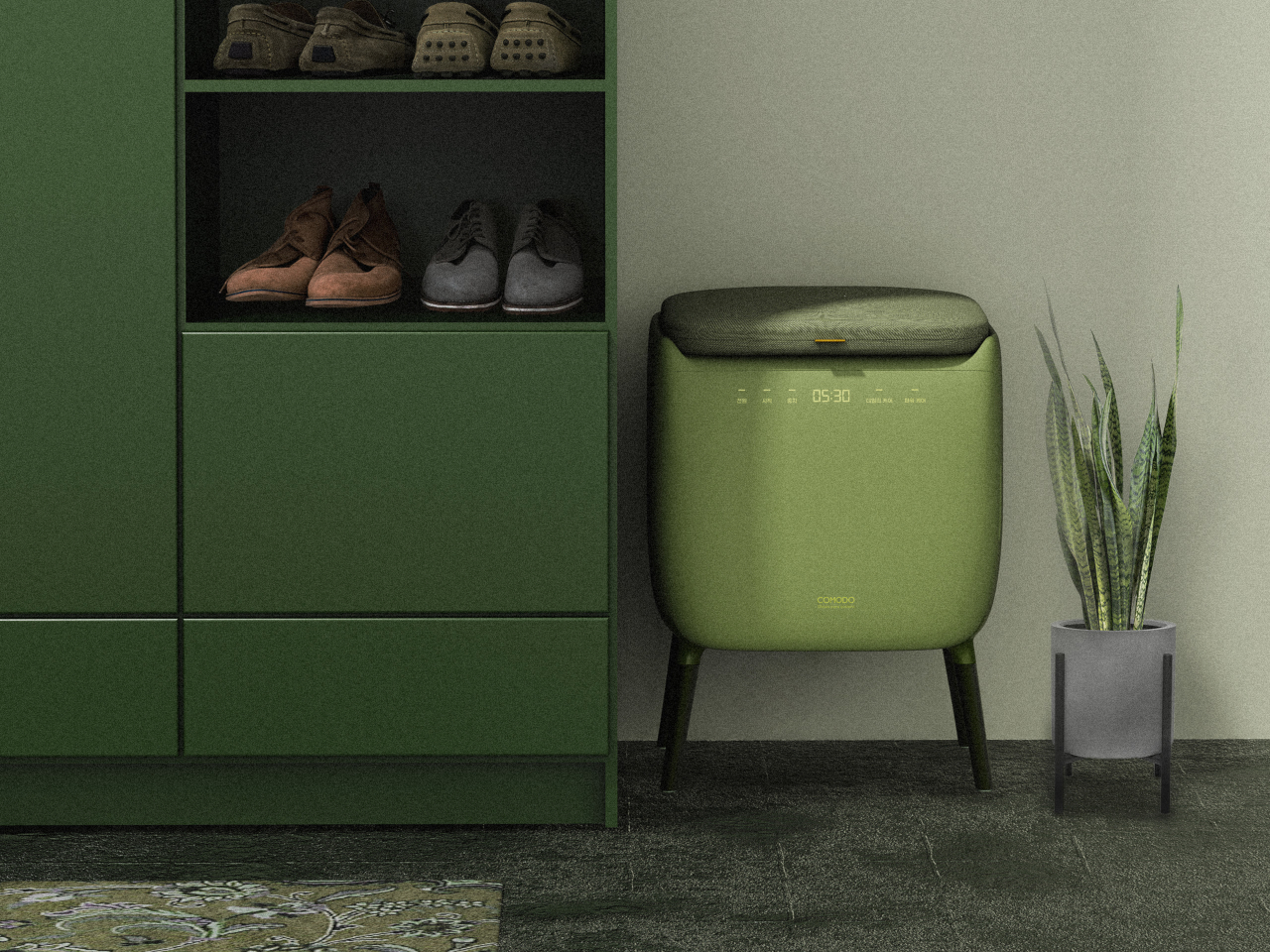
The form is a soft, rounded cube on four slender legs, available in muted colors like charcoal gray, mustard yellow, and sage green. The matte, slightly textured body and cushioned top make it read more like a piece of furniture than an appliance, allowing it to sit next to a shoe cabinet or mirror without looking out of place. It’s the kind of thing you could leave in the hallway without feeling like you’re displaying a gadget.

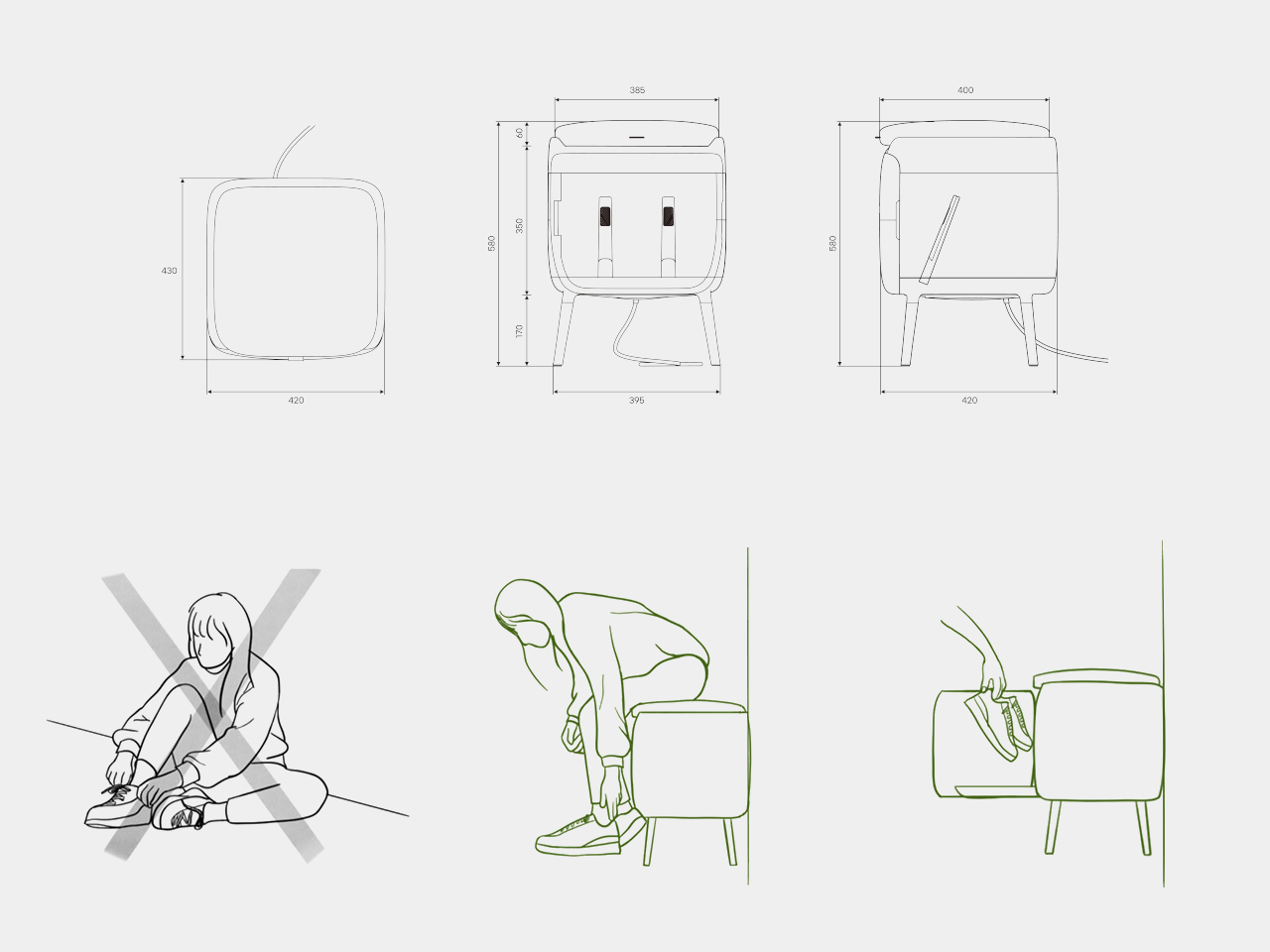
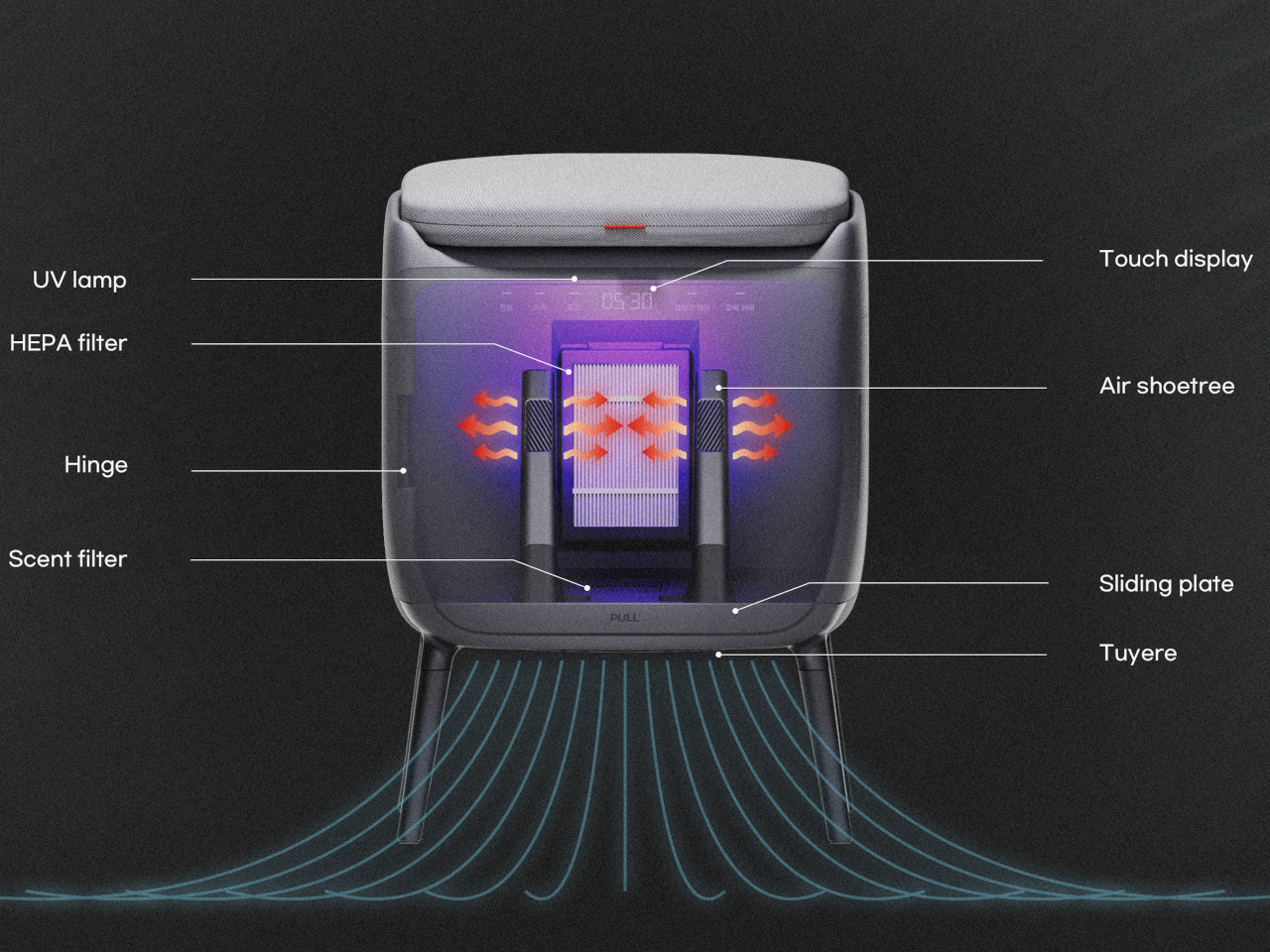
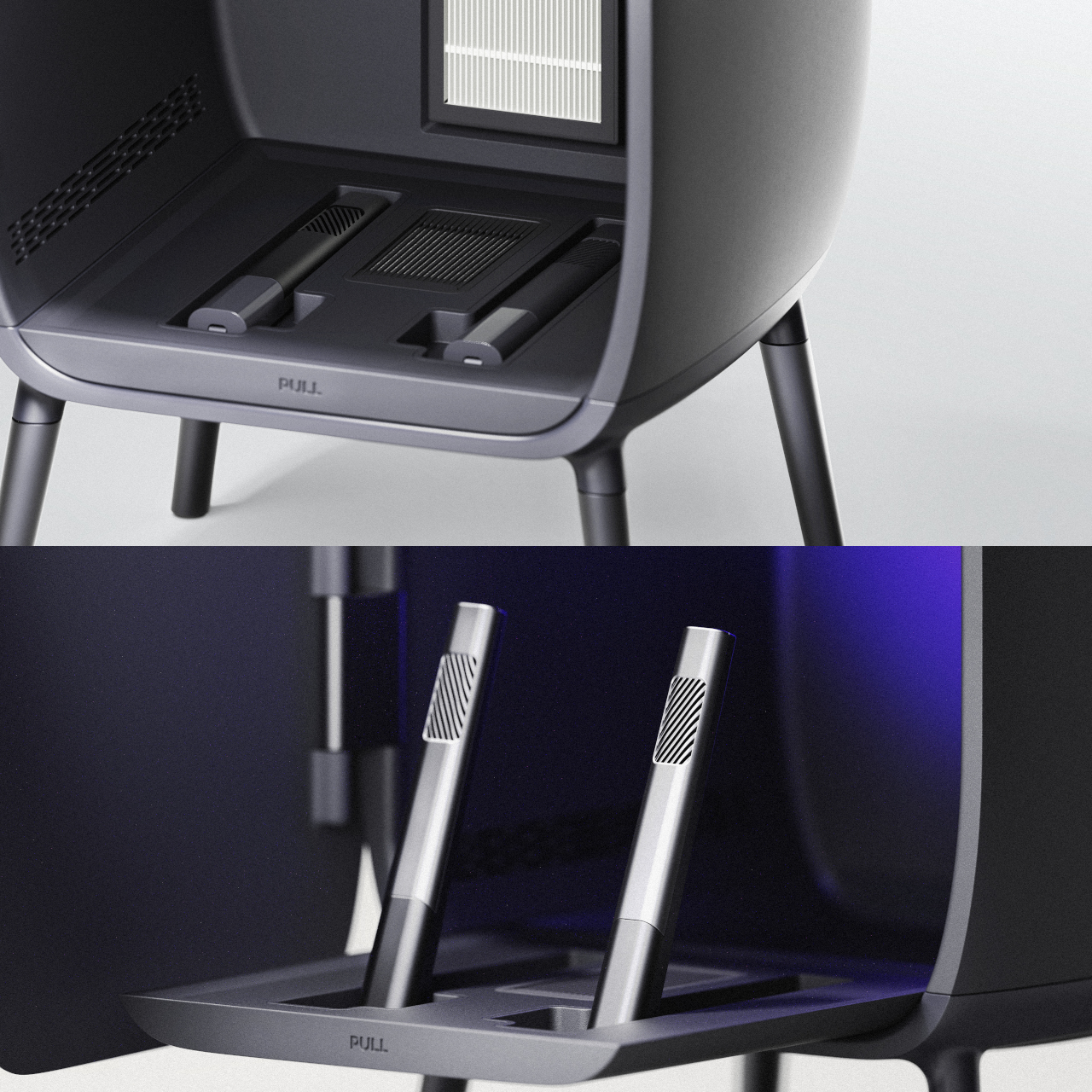
Open the small front door, and you find an interior chamber with what the designer calls an “air shoetree” and vents. Shoes can be placed on angled posts or directly on the floor of the chamber, where warm air circulates to dry them. A HEPA filter and scent filter work together to remove damp odors and add a gentle fragrance, while a UV lamp at the top targets germs on the surfaces.

The air shoetree offers some flexibility. Because you can either insert shoes onto the posts or rest them inside the chamber, COMODO can handle different shapes, from sneakers to ankle boots. The base plate slides forward like a shallow drawer, bringing the shoes closer to you and making it easier to place them or even use the raised platform while putting them on.

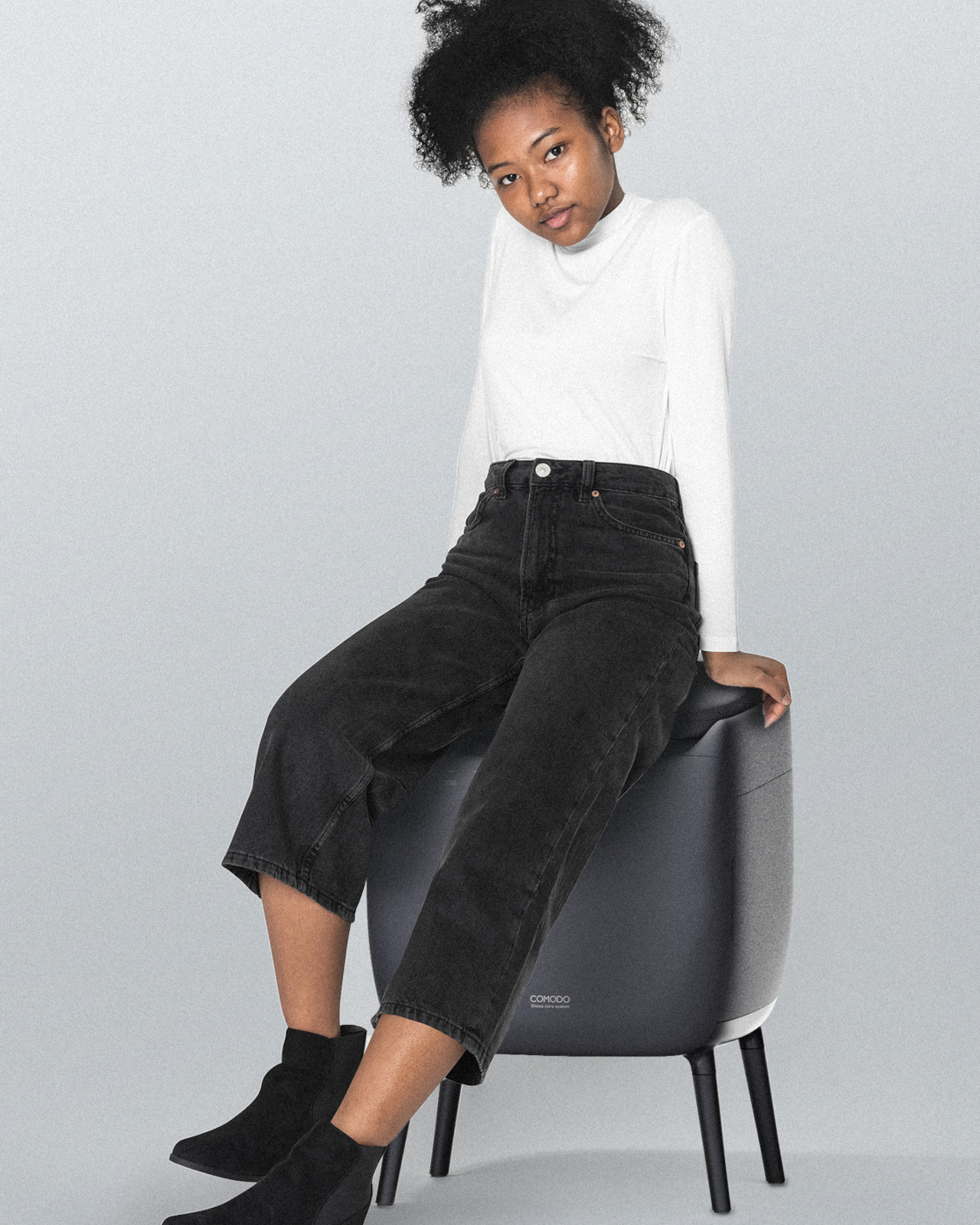
Of course, COMODO also doubles as a proper seat. Many people still sit on the floor to tie laces or wrestle with boots, which is uncomfortable and hard on the knees. The padded top gives you a seat at just the right height, so you can sit, open the door, pull out the sliding base, and deal with your shoes without crouching or balancing awkwardly.

COMODO imagines an entryway where shoes are not just stored but actively cared for, and where the object that helps you put them on also makes sure they’re dry, fresh, and ready for the next day. It’s a small but thoughtful intervention in the daily routine of leaving and returning home, a gentle reminder that even the most ordinary corners can benefit from a bit of design attention.

The post COMODO Entryway Stool Dries and Deodorizes Shoes While You Sit first appeared on Yanko Design.

Netflix’s Assassin’s Creed TV show could kick off in ancient Rome

Fans of the Assassin's Creed franchise may finally get to visit Ancient Rome, but it could instead be through a Netflix adaptation of Ubisoft's best-selling video game IP. Nexus Point News reported that the live-action adaptation will be set in Ancient Rome and feature historical figures like Nero, the fifth emperor of Rome.

With the potential featuring of Nero, the news outlet predicts that the TV series could be set between 54 to 68 AD during the infamous emperor's rule. Details are still sparse about Netflix's latest video game adaptation, but the streaming giant and Ubisoft announced its first series regular of Toby Wallace, earlier this month. In the blog post, the plot was described as a "high-octane thriller centered on the secret war between two shadowy factions."

Before the first casting reveal, Netflix greenlit the Assassin's Creed TV show in July of this year, five years after the announcement that a series was being produced. While the original plan to introduce multiple different series in the franchise's universe may have changed over the five-year gap, fans are still hoping for an anthology-like structure similar to the video games.

This article originally appeared on Engadget at https://www.engadget.com/entertainment/streaming/netflixs-assassins-creed-tv-show-could-kick-off-in-ancient-rome-200238552.html?src=rss

Team Cherry is working on more Silksong content but won’t say when it’ll release

Only roughly 15 percent of Hollow Knight: Silksong players have earned the 100 percent completion achievement, according to SteamDB. For the remaining percentage, there may still be plenty of time to finish the game before Team Cherry announces new content for the hit side-scrolling game. As first revealed by Bloomberg's Jason Schreier, the development team confirmed that it's working on a content update that could be similar in scale to the Hollow Knight: Godmaster DLC.

According to the report, the new content could feature Steel Assassin Sharpe, a mysterious character that was teased several years ago but never made an official in-game appearance. In the interview, Team Cherry co-founder Ari Gibson said that this character is "waiting in the wings" and added that "we're excited to reintroduce Sharpe." When asked if Steel Assassin Sharpe would appear in an upcoming DLC, Gibson said that it would "be a good opportunity to uncover more about them."

As exciting as more content for Silksong sounds, Team Cherry isn't ready to reveal any release dates yet. The team's other co-founder, William Pellen, told Bloomberg that Team Cherry will "start talking about it more soon, but maybe we won't mention a timeframe right now." As for the development team's plans beyond the Hollow Knight franchise, both co-founders mentioned that Team Cherry wants to make games outside the beloved universe.

This article originally appeared on Engadget at https://www.engadget.com/gaming/team-cherry-is-working-on-more-silksong-content-but-wont-say-when-itll-release-190606167.html?src=rss

Finally, a Lamp That Changes Shape as Often as Your Mood

There’s something about lighting that can completely transform a space, isn’t there? You walk into a room with harsh overhead fluorescents and immediately feel different than when you step into a warmly lit corner with just the right glow. But here’s the thing: most lamps are stuck being one thing forever. That sleek floor lamp you bought? It looks great, sure, but what happens when you rearrange your furniture or want to read in bed instead of on the couch?

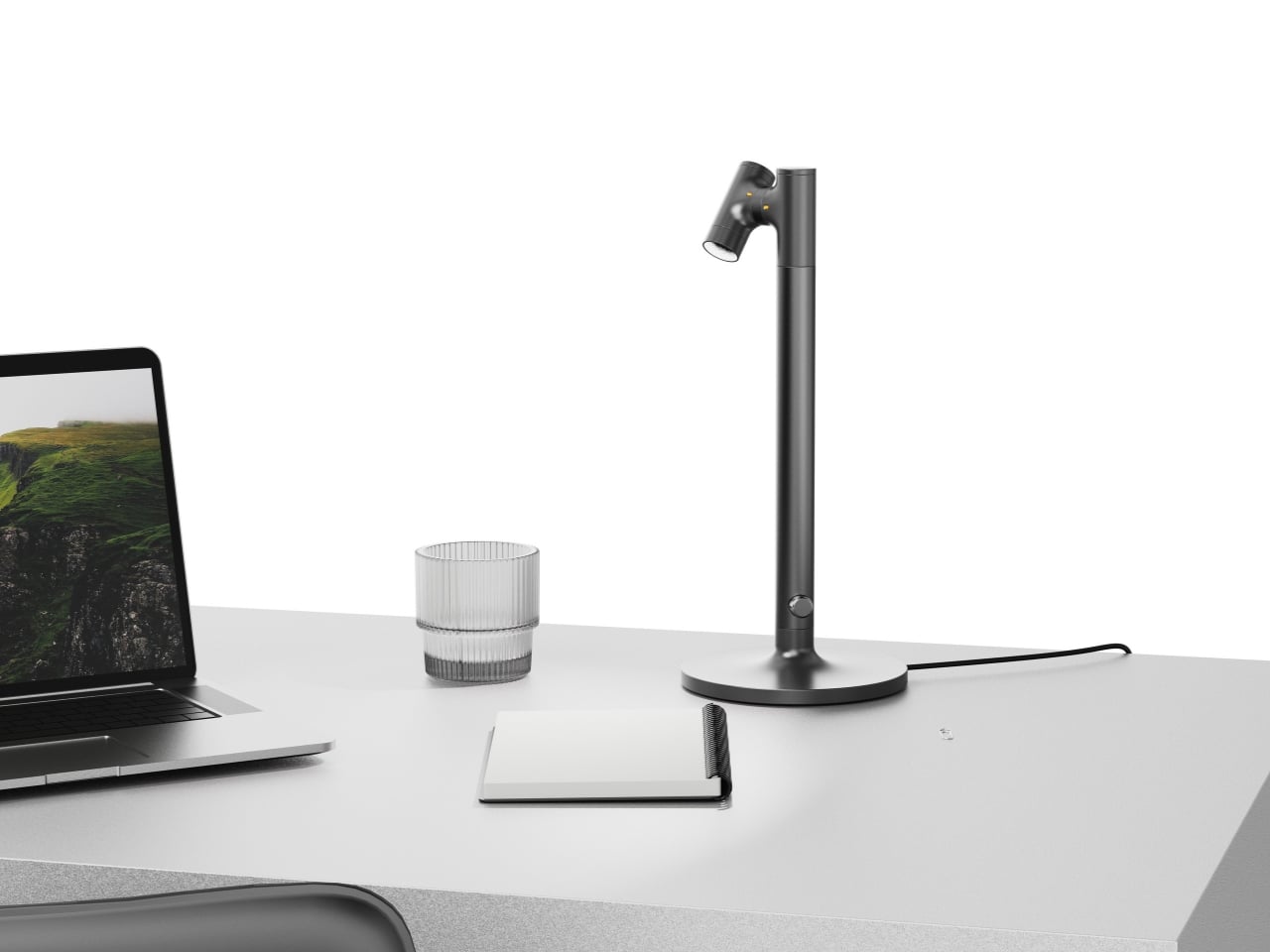
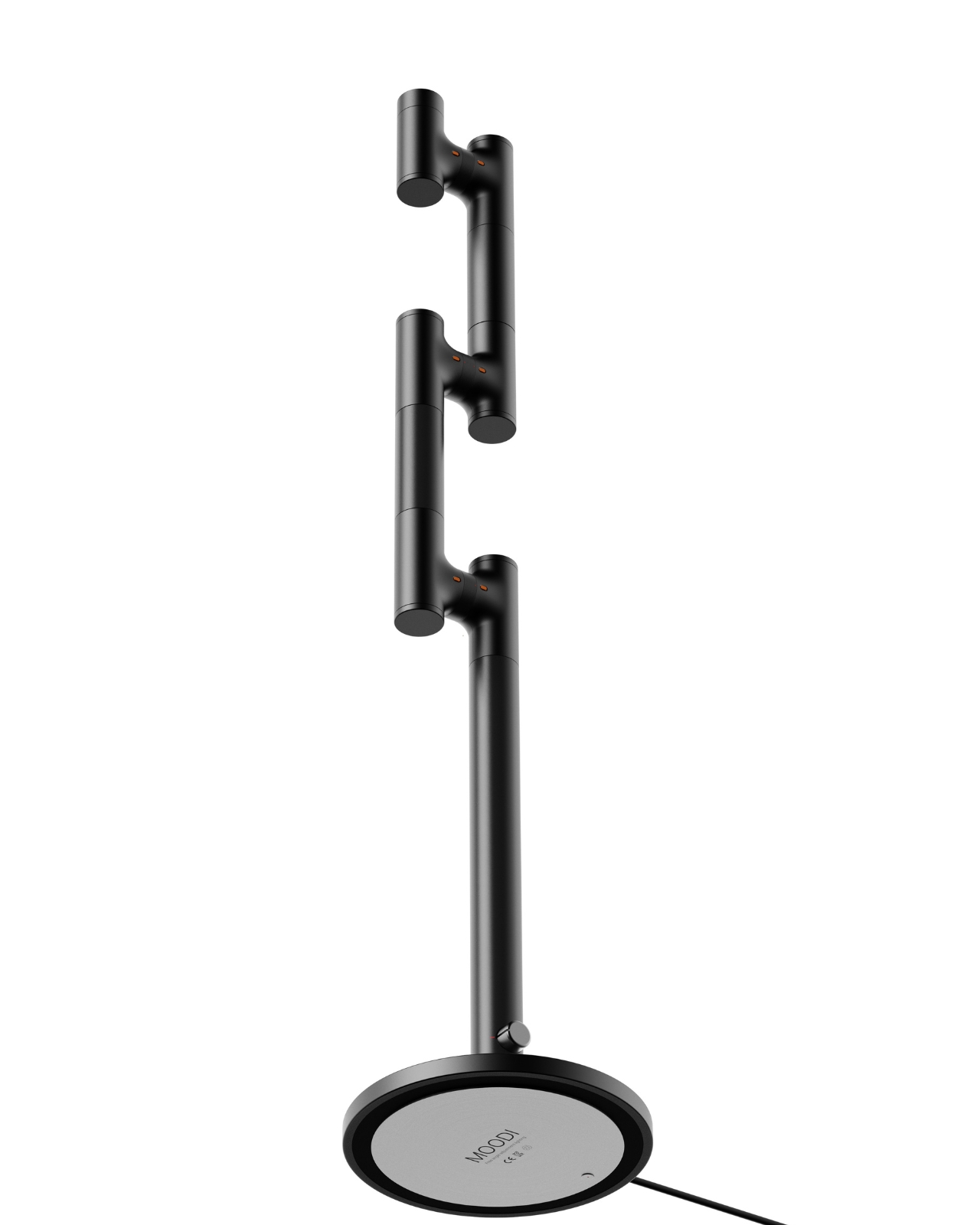
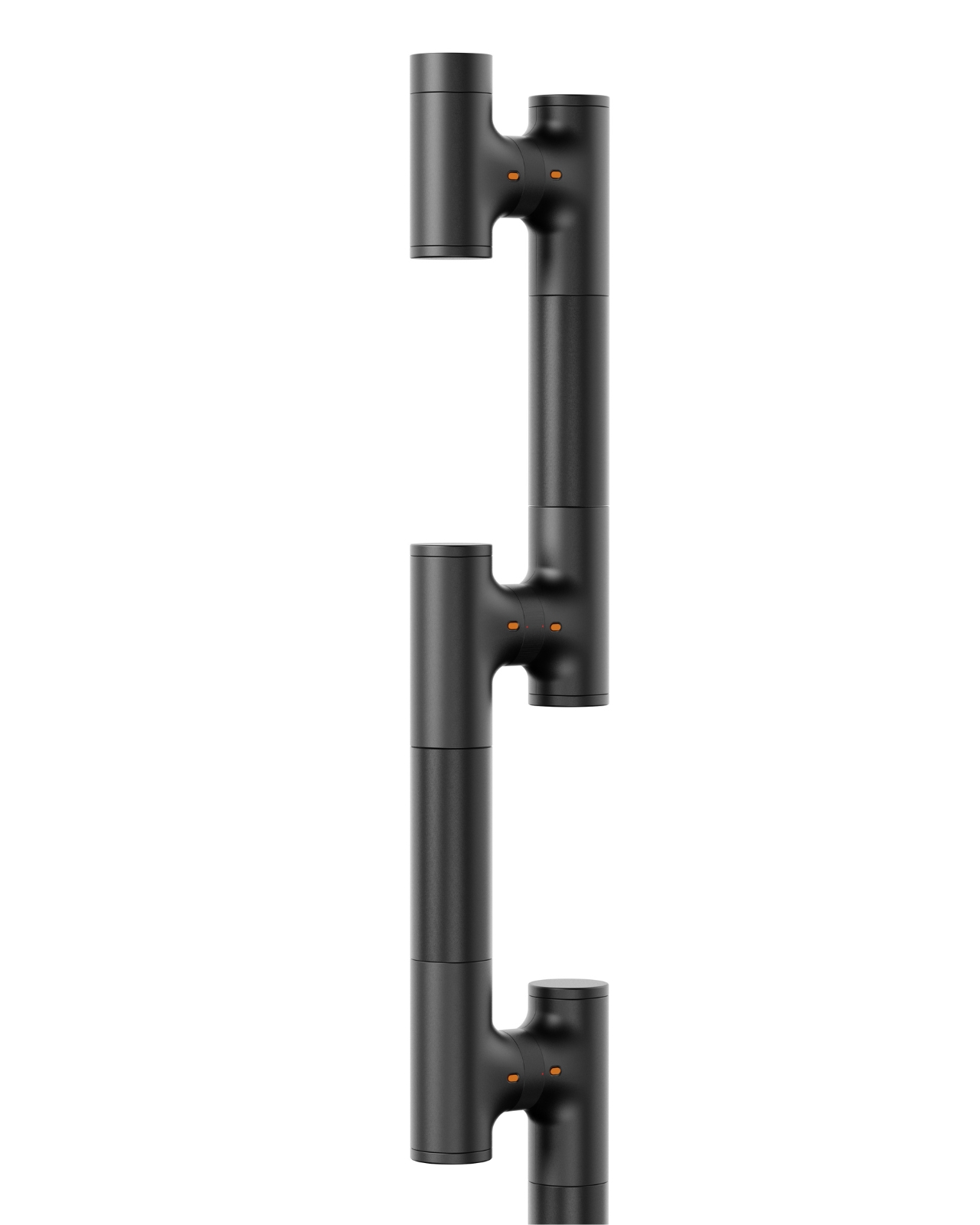
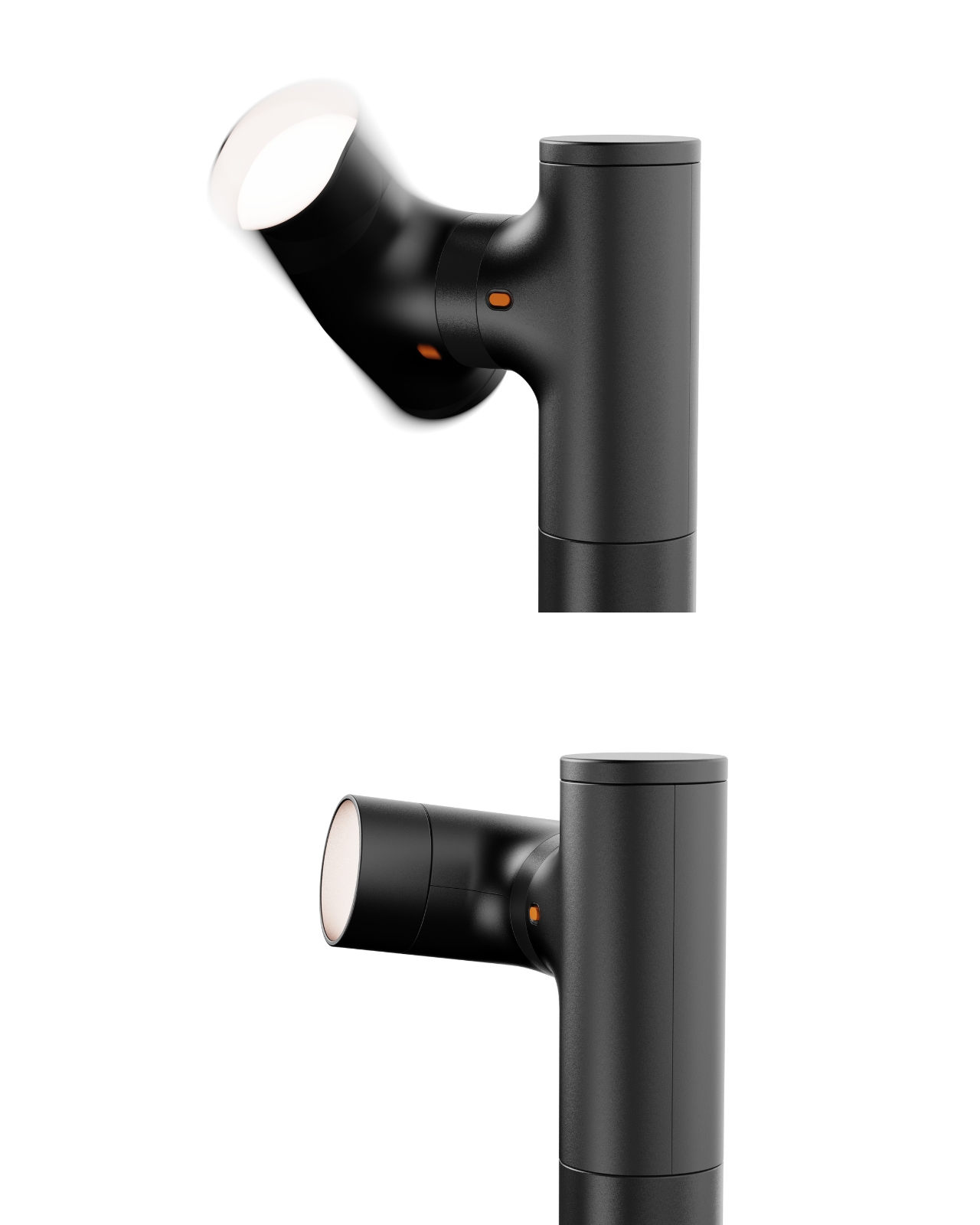
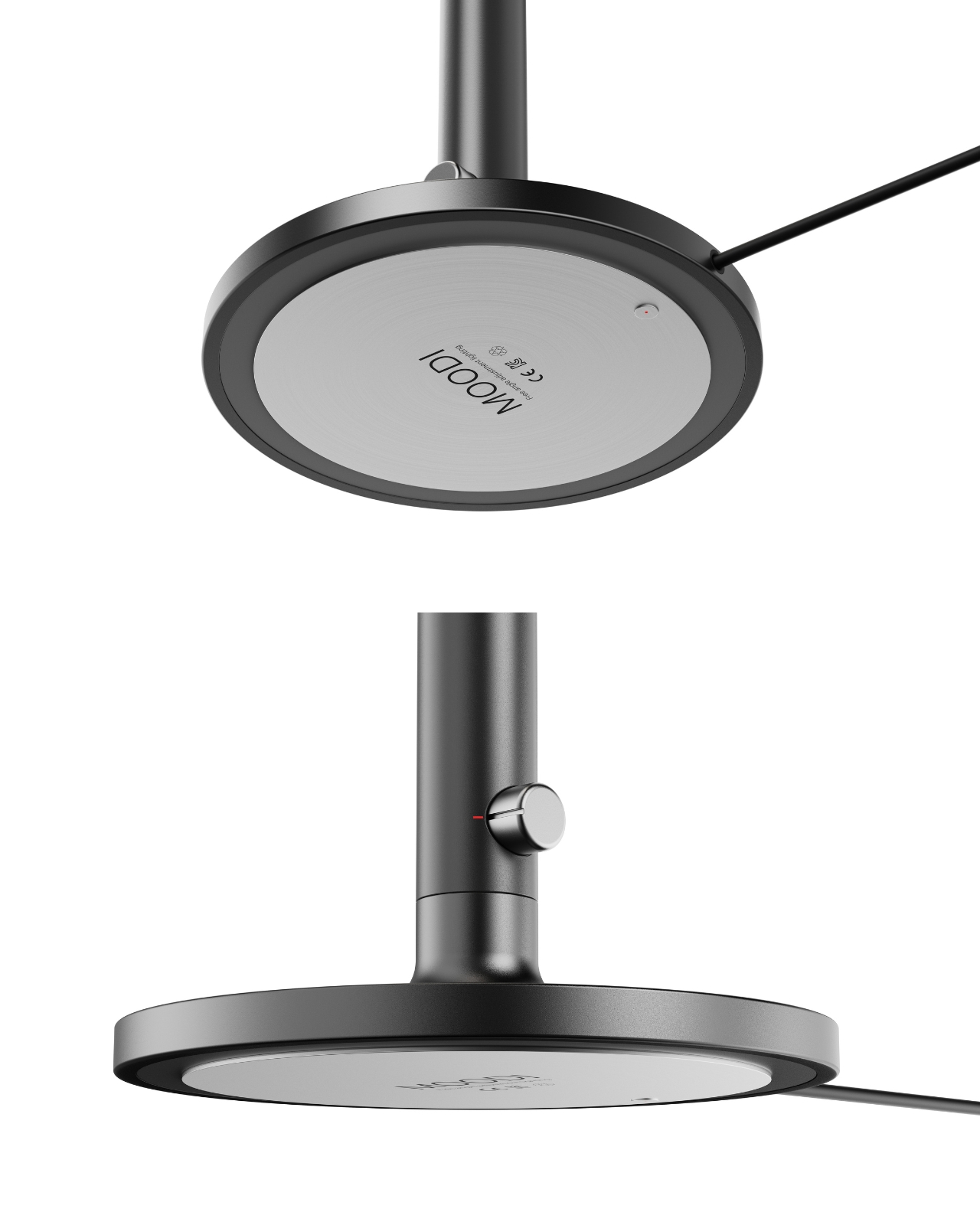
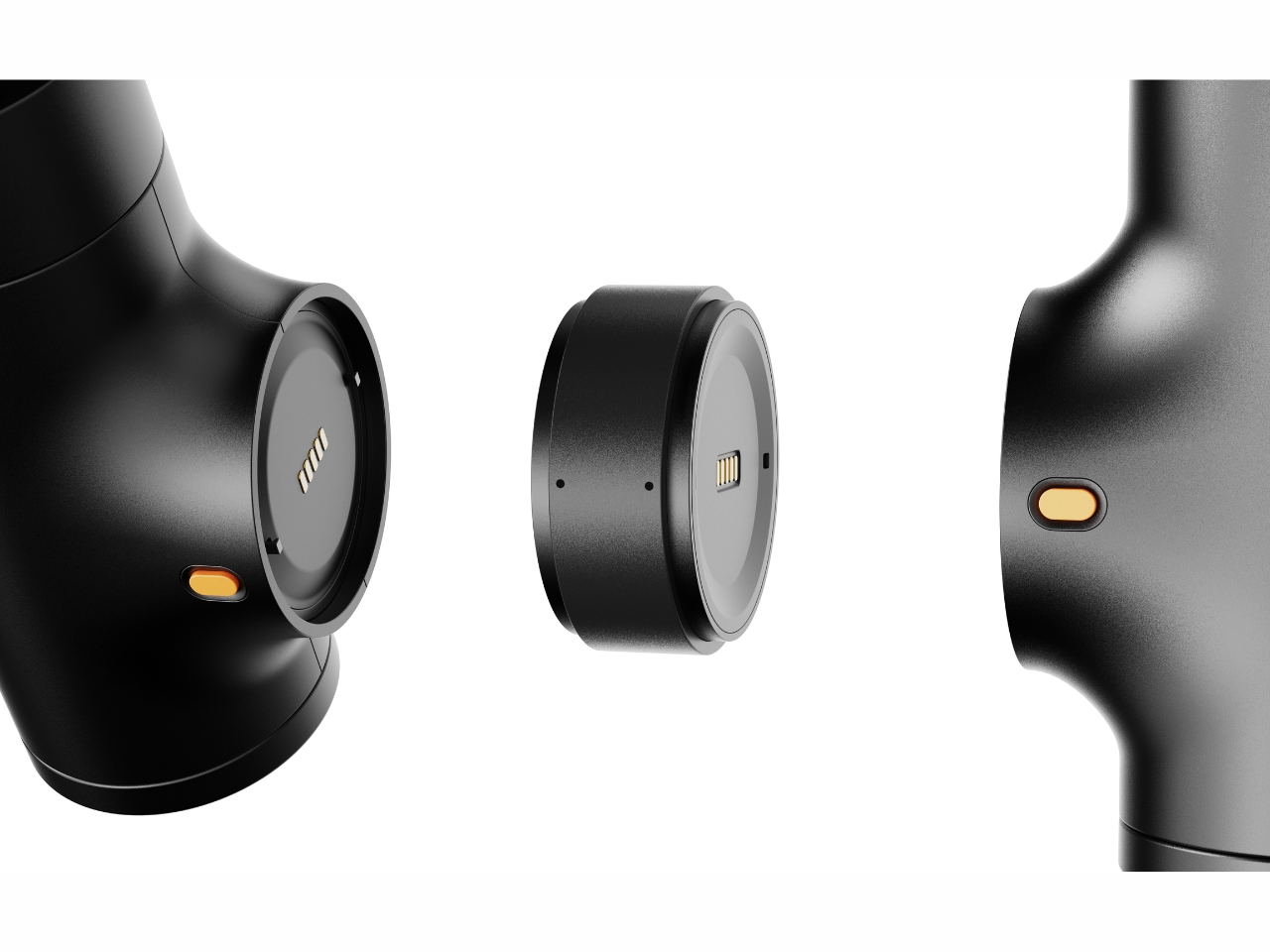
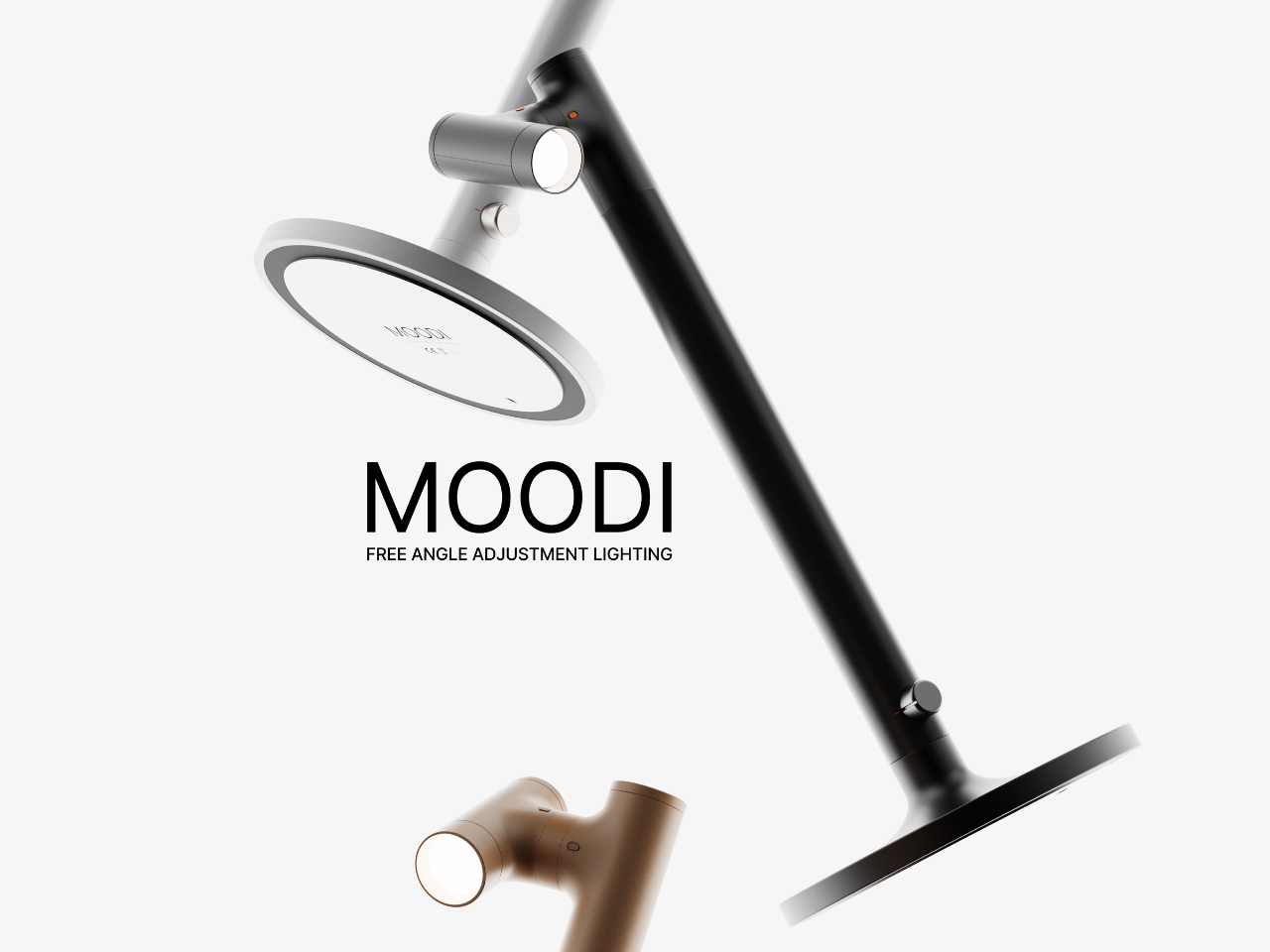
Enter MOODI, a modular stand lamp designed by Taehyeong Kim that’s challenging everything we thought we knew about lighting. Instead of being locked into one configuration, MOODI is basically the LEGO set of lamps. You can snap together different components, swap out parts, adjust heights and angles, and completely reconfigure the whole thing whenever your space (or mood) changes.

Designer: Taehyeong Kim

Create your own Aesthetic Render: Download KeyShot Studio Right Now!

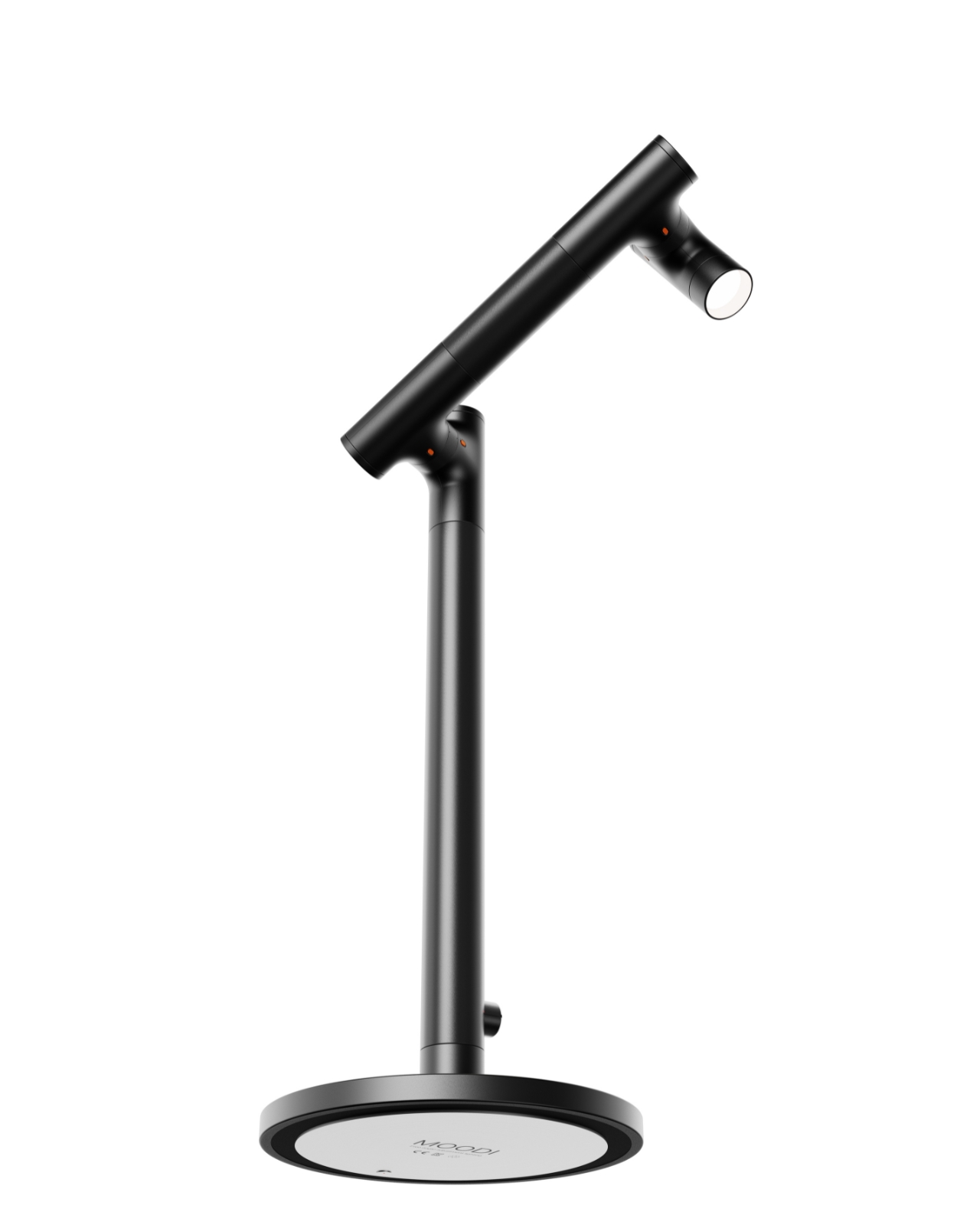
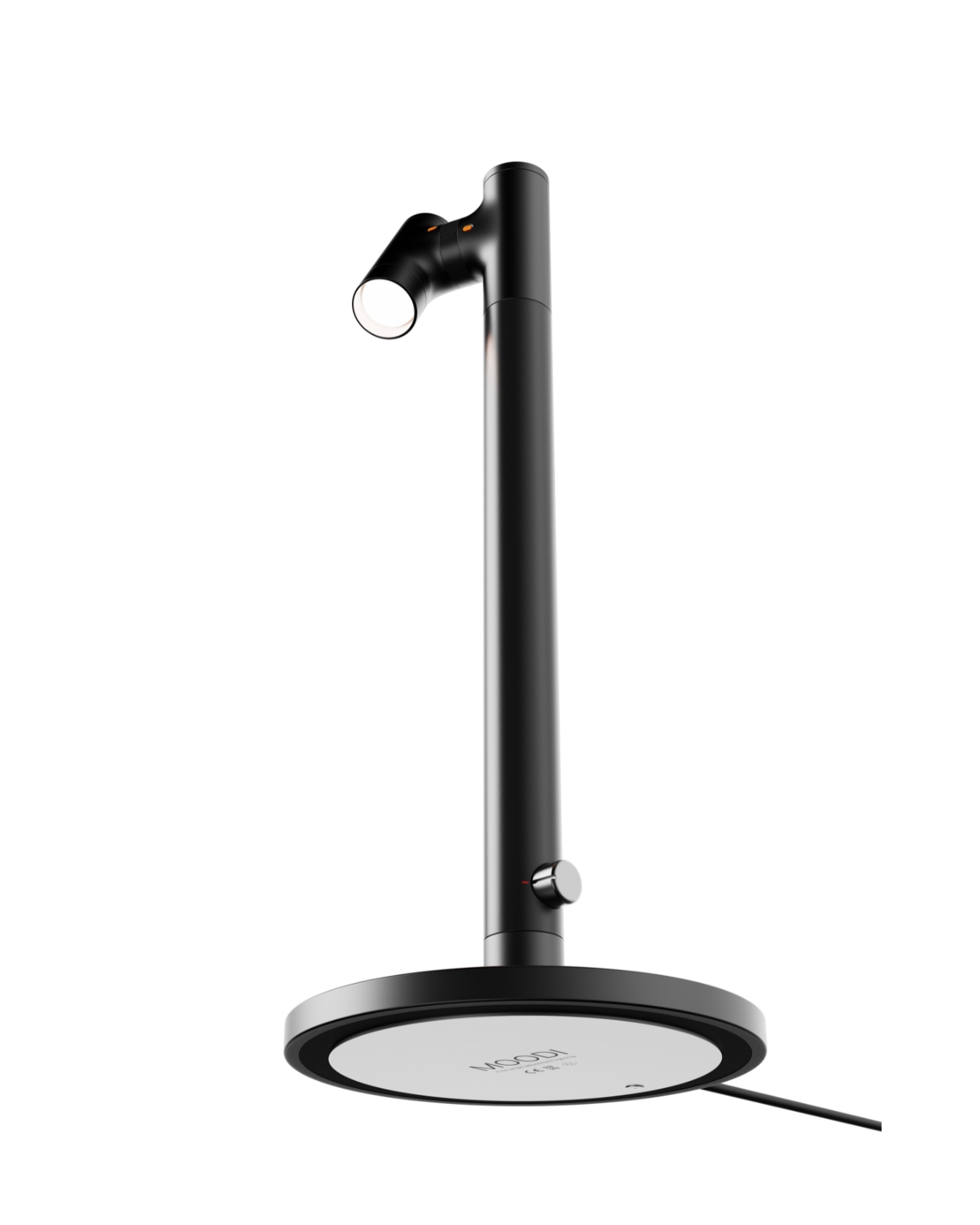
The design takes inspiration from telescopic mechanical structures, and honestly, it shows. Those exposed joints and metal textures give it this industrial, almost mechanical aesthetic that feels refreshingly honest. Nothing’s hidden away or disguised. You can see exactly how the lamp works, which joints pivot, how the pieces connect. It’s functional beauty at its finest.

What makes MOODI particularly clever is how it addresses something many of us don’t even realize we’re missing. Kim’s philosophy centers on the idea that our homes aren’t just places to crash at the end of the day anymore. For millennials and Gen-Z especially, our spaces have become extensions of our personalities, stages where we live out our daily narratives. We’re curating our environments the same way we curate our Instagram feeds, and lighting plays a massive role in setting those scenes.

The modularity goes way beyond just being able to tilt the lamp head up or down. You can actually build different types of lights from the same set of components. Need a tall floor lamp for your living room? Done. Want a compact desk light for focused work? Rearrange a few modules. Heading out for a camping trip? Reconfigure it into a flashlight. It’s wild how versatile the system becomes once you start thinking about all the possibilities.

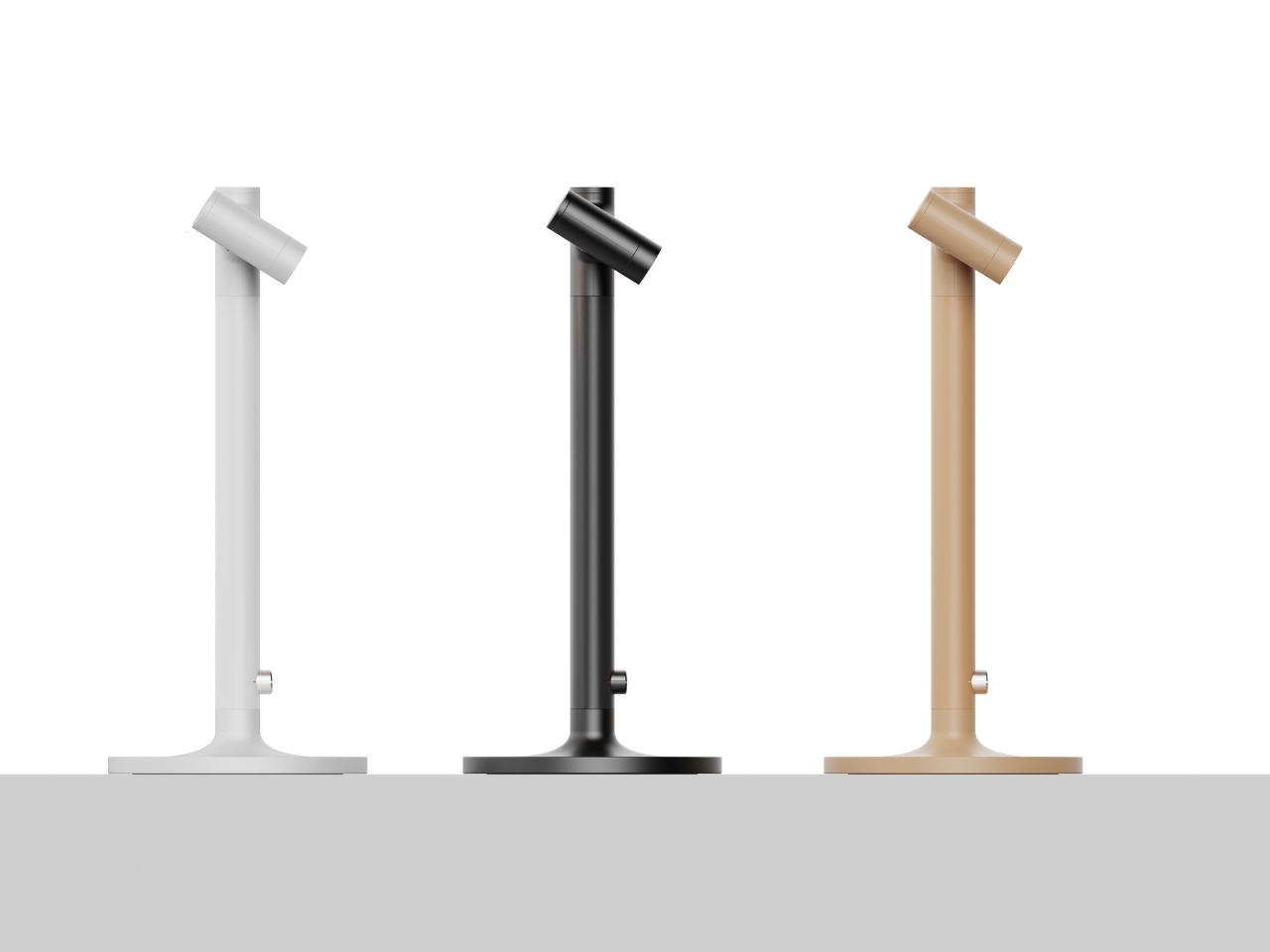
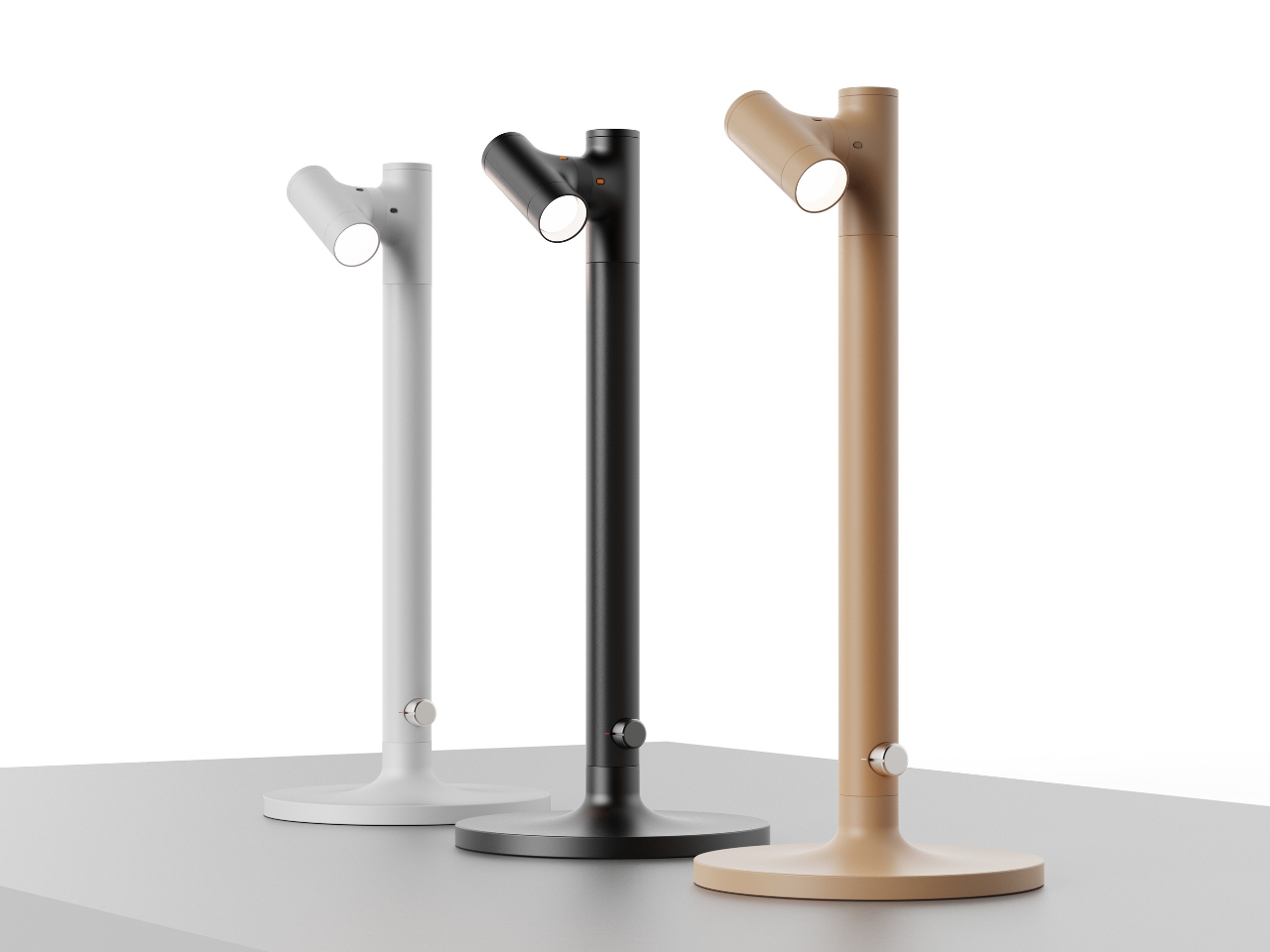
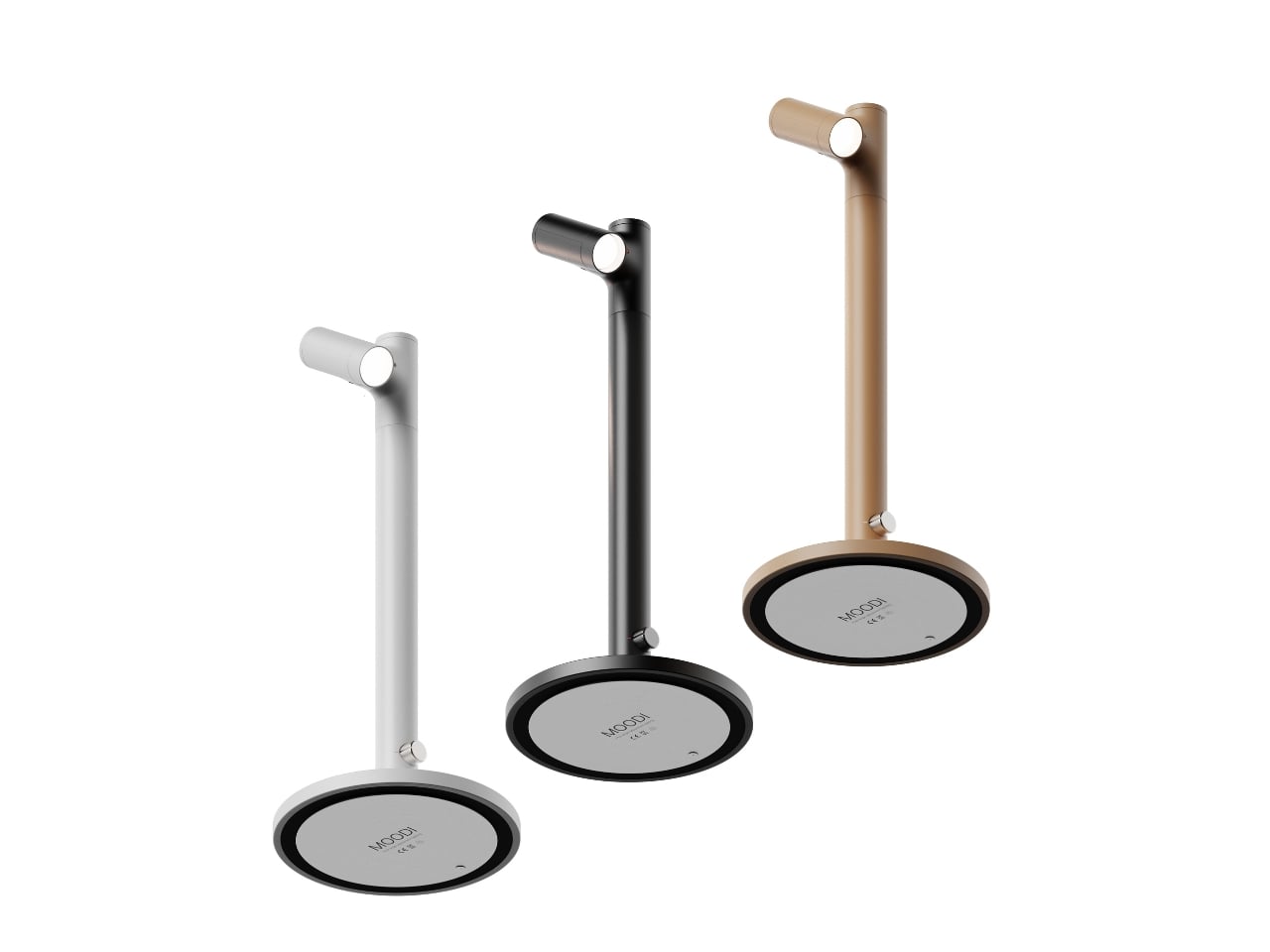
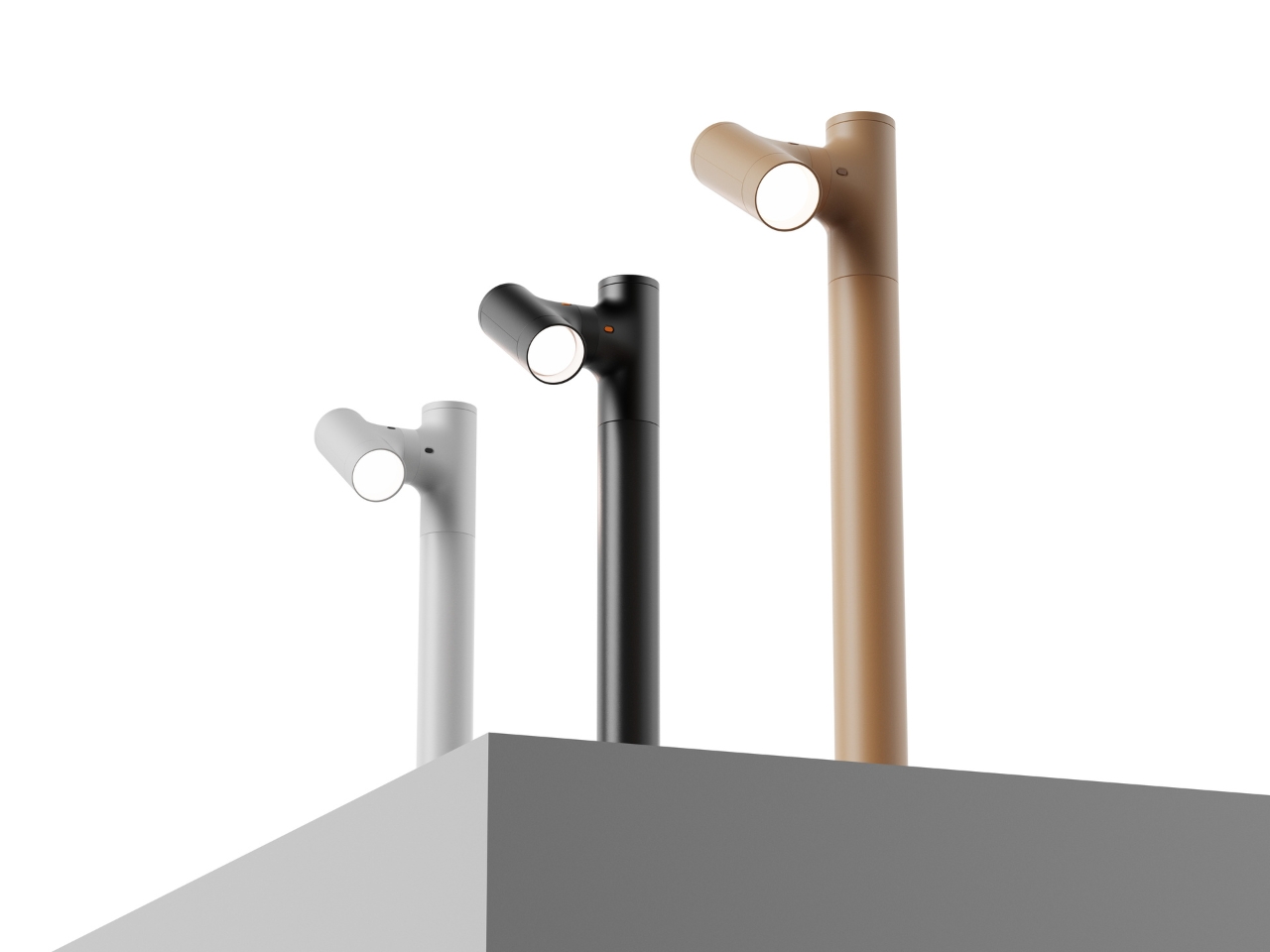
The lamp comes in three elegant finishes: white, black, and a warm beige tone that adds just a touch of softness to the industrial vibe. Each version maintains those signature exposed joints and clean lines, but the color options let you match it to your existing decor or create intentional contrast.

What really resonates about MOODI is how it puts control back in your hands. We’re so used to products dictating how we use them, but this flips that relationship. You’re not adapting your life to fit the lamp; the lamp adapts to fit your life. Morning coffee at the kitchen table? Adjust it for soft ambient light. Late-night reading session? Reconfigure for focused task lighting. Video call with friends? Move it to create that perfect ring-light effect.

There’s also something refreshingly sustainable about the approach. Instead of buying multiple specialized lights for different purposes (and contributing to more waste), you invest in one versatile system that grows and changes with you. When you move apartments, redecorate, or just feel like mixing things up, MOODI moves right along with you. The design manages to walk that tricky line between being statement-worthy and genuinely functional. It’s sculptural enough to be interesting, but never so precious that you’re afraid to actually use it. Those mechanical joints beg to be adjusted and played with, turning the simple act of repositioning a light into something tactile and satisfying.

The post Finally, a Lamp That Changes Shape as Often as Your Mood first appeared on Yanko Design.

The Ayaneo Next II is a hulking gaming handheld with a 9-inch display

Ayaneo may be working on more affordable gaming handhelds lately, but it hasn't forgotten how to do the extravagant designs that the handheld maker is known for. One-upping the bulky Legion Go 2, Ayaneo announced its latest Windows handheld called the Next II.

Ayaneo is continuing the theme for its Next lineup of devices, making these handhelds as big and powerful as possible. The Next II packs a 9.06-inch OLED display with a 2,400 x 1,504 resolution and a variable refresh rate that can be adjusted between 60 and 165 Hz. Ayaneo's latest premium handheld should handle any game you throw at it thanks to an AMD Ryzen AI Max+ 395 chip and a massive 115 Wh battery. The company didn't reveal any battery life estimates yet, but it's unlikely we'll see all-day usage with these high-end specs.

Ayaneo showing off the Next II during its product showcase video.
Ayaneo

To match the powerful internal components, Ayaneo equipped the Next II with Hall effect joysticks and triggers to prevent deadzones and stick drift. Borrowing from its previous high-end handheld called the Ayaneo Kun, the Next II also features dual smart touchpads that can be customized with gesture controls and key mapping. The back of the handheld is home to four extra buttons, but you can also set specific controls for four other customizable buttons.

Ayaneo hasn't revealed any pricing details yet, but the Next II might be reserved for those willing to spend closer to $2,000. Don't forget that Ayaneo's previous flagship handheld, the Ayaneo Kun, could be fully kitted out for a $1,700 price tag.

This article originally appeared on Engadget at https://www.engadget.com/gaming/the-ayaneo-next-ii-is-a-hulking-gaming-handheld-with-a-9-inch-display-175018940.html?src=rss

5 Smart Fabrics Using Tech Innovations To Transform Sleep, Safety, and Home Comfort

Is fabric just for covering furniture and beds, or can it do more? For centuries, cotton, silk, and wool were seen as static materials. Now, a quiet revolution is underway. Smart fabrics, or e-textiles, combine traditional textiles with digital components like sensors, LEDs, and microprocessors, turning everyday home materials into intelligent systems. What once seemed like science fiction is quickly becoming reality, transforming how we sleep, stay safe, and experience comfort at home.

Imagine sheets that regulate your body temperature throughout the night, carpets that detect when someone falls and alerts caregivers, or curtains that adjust room lighting based on time of day. These innovations go beyond novelty, creating textiles that actively monitor health, prevent accidents, and adapt to our needs—making our homes smarter, safer, and more responsive to how we actually live.

1. The Science Behind Smart Fabrics

Smart fabrics are created by merging traditional textile production with advanced electronics and material science. Instead of attaching devices to clothing, microscopic technology is embedded directly into the threads. This is done using conductive materials like specialized polymers or ultra-fine metal coatings, which allow the fibers to transmit power and data. The aim is to keep the fabric soft and natural while making the technology practically invisible.

To be practical for daily use, these fabrics must be flexible, durable, and washable. Engineers focus on creating systems that endure everyday wear, so items like health-tracking sleepwear remain functional even after multiple washes.
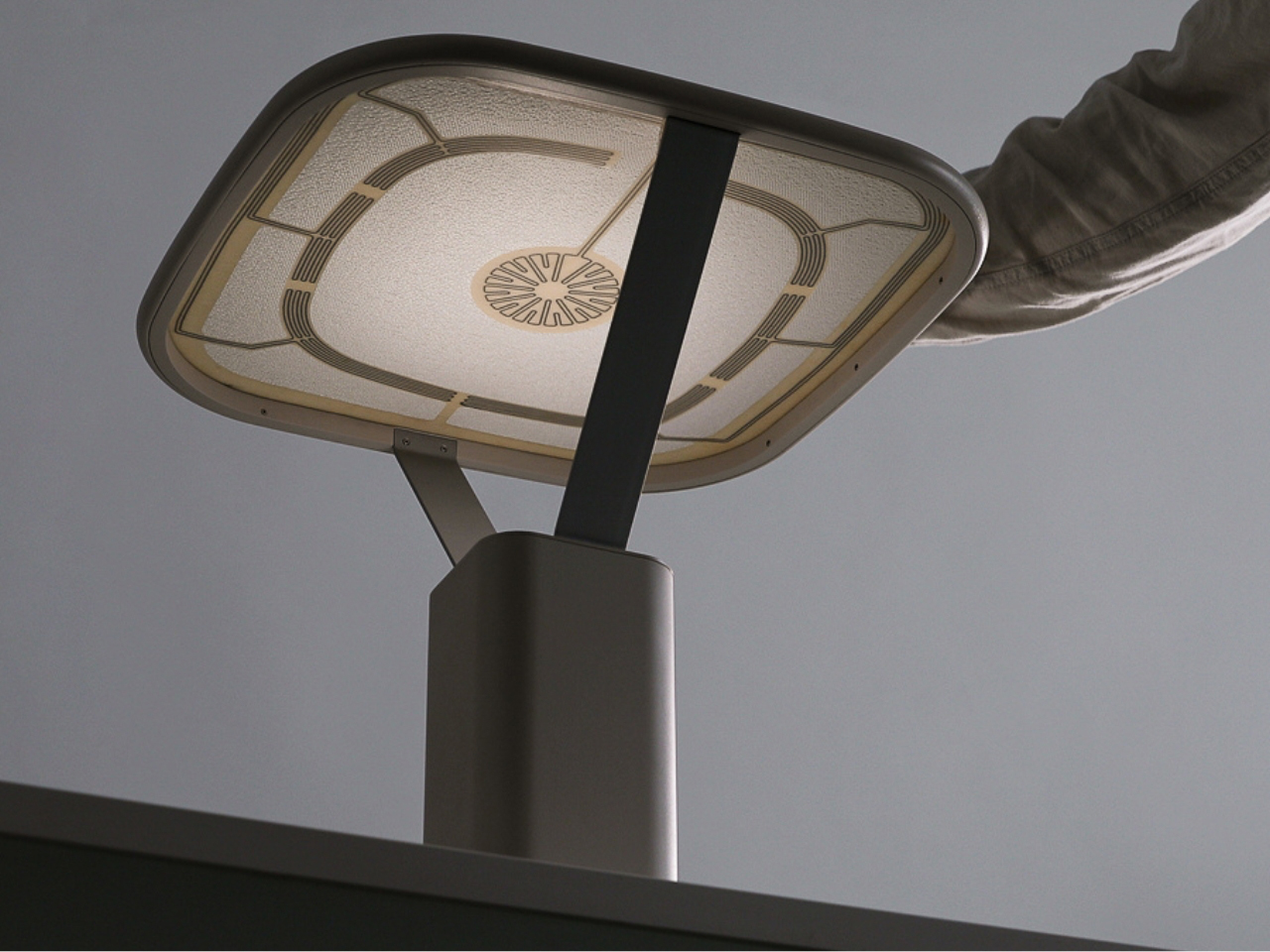
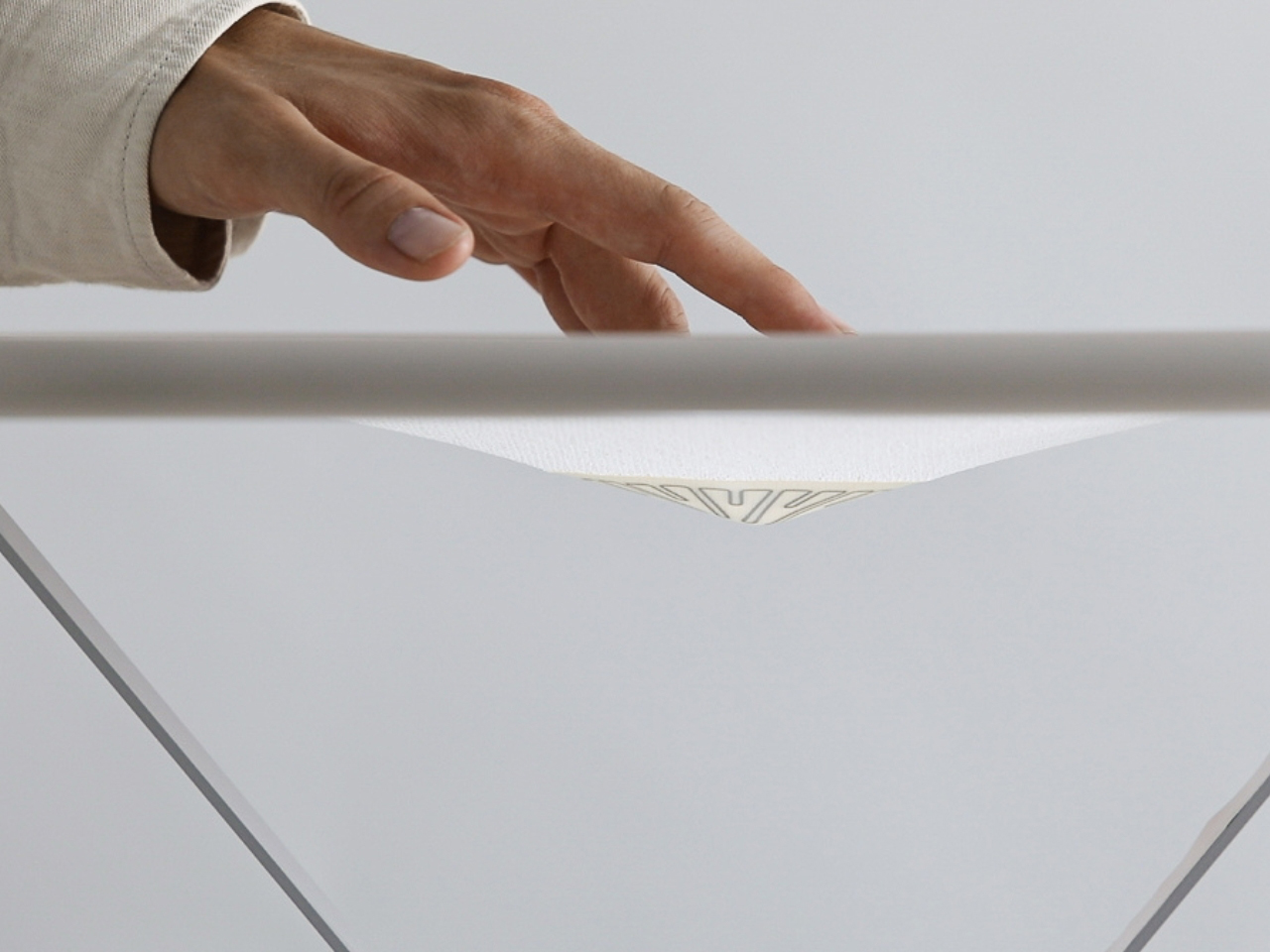
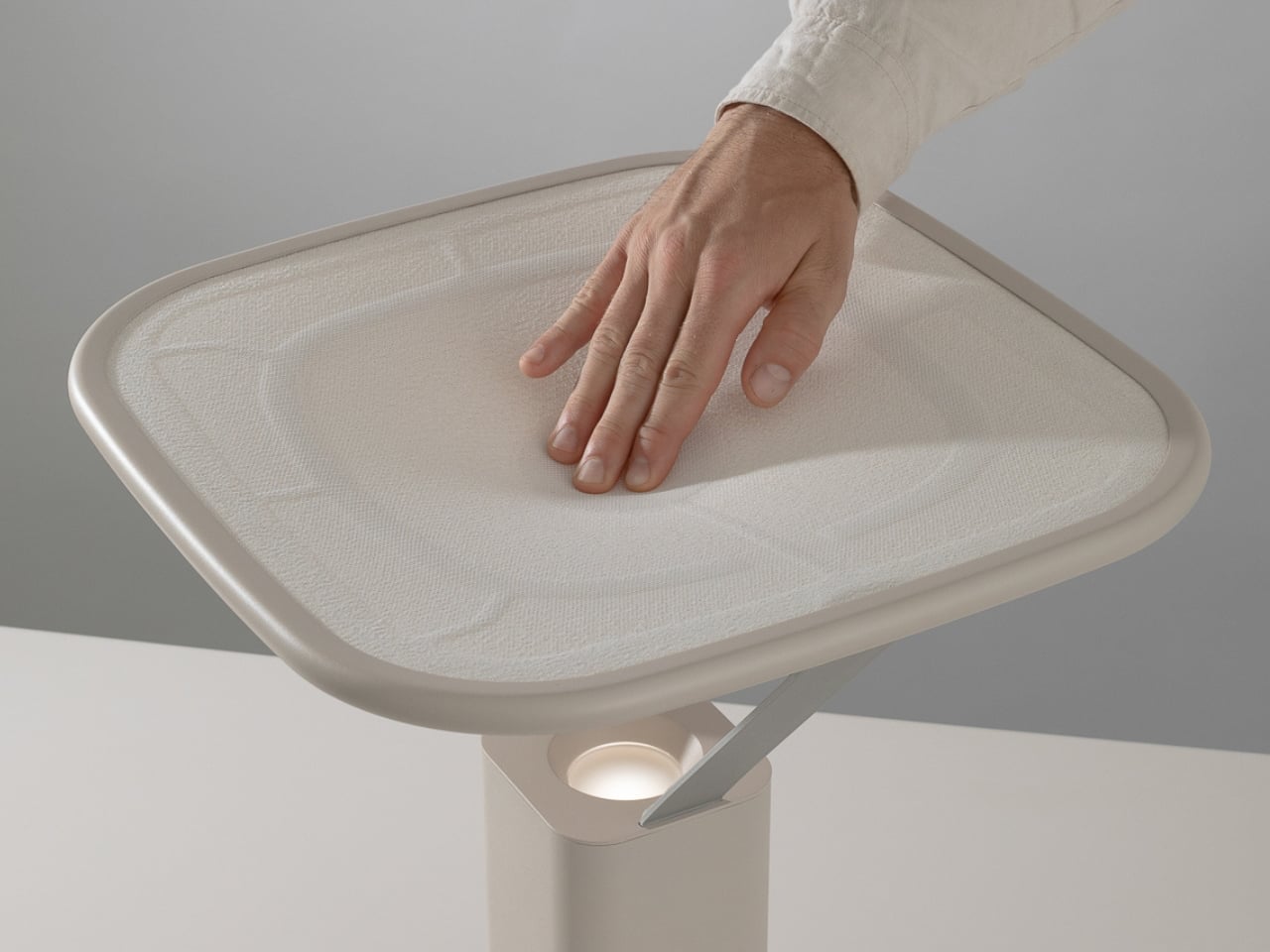
Soft Interfaces is a pioneering project redefining interaction with everyday objects by merging advanced technology with textiles. The lamp created by Fraunhofer IZM and WINT Design Lab allows users to adjust brightness and color simply by pressing or stretching its fabric surface, due to liquid metal embedded within custom-knitted textiles. This tactile, screenless control senses subtle movements and touch, translating them into real-time changes in light. The fabric pathways are precisely engineered for durability and sensitivity, surpassing traditional conductive threads, while a specially designed frame keeps the textile tensioned, diffusing light softly and concealing technical components.
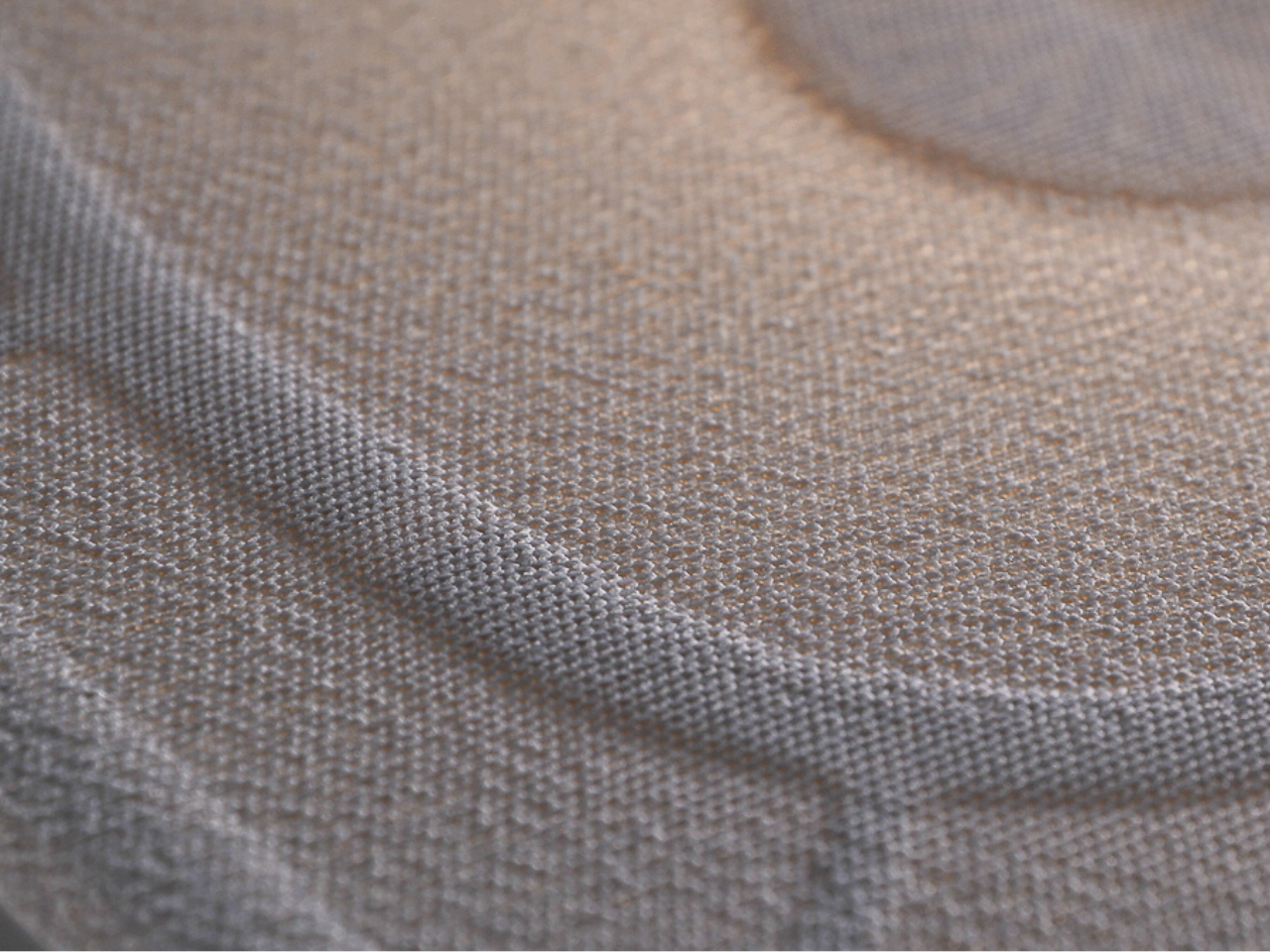
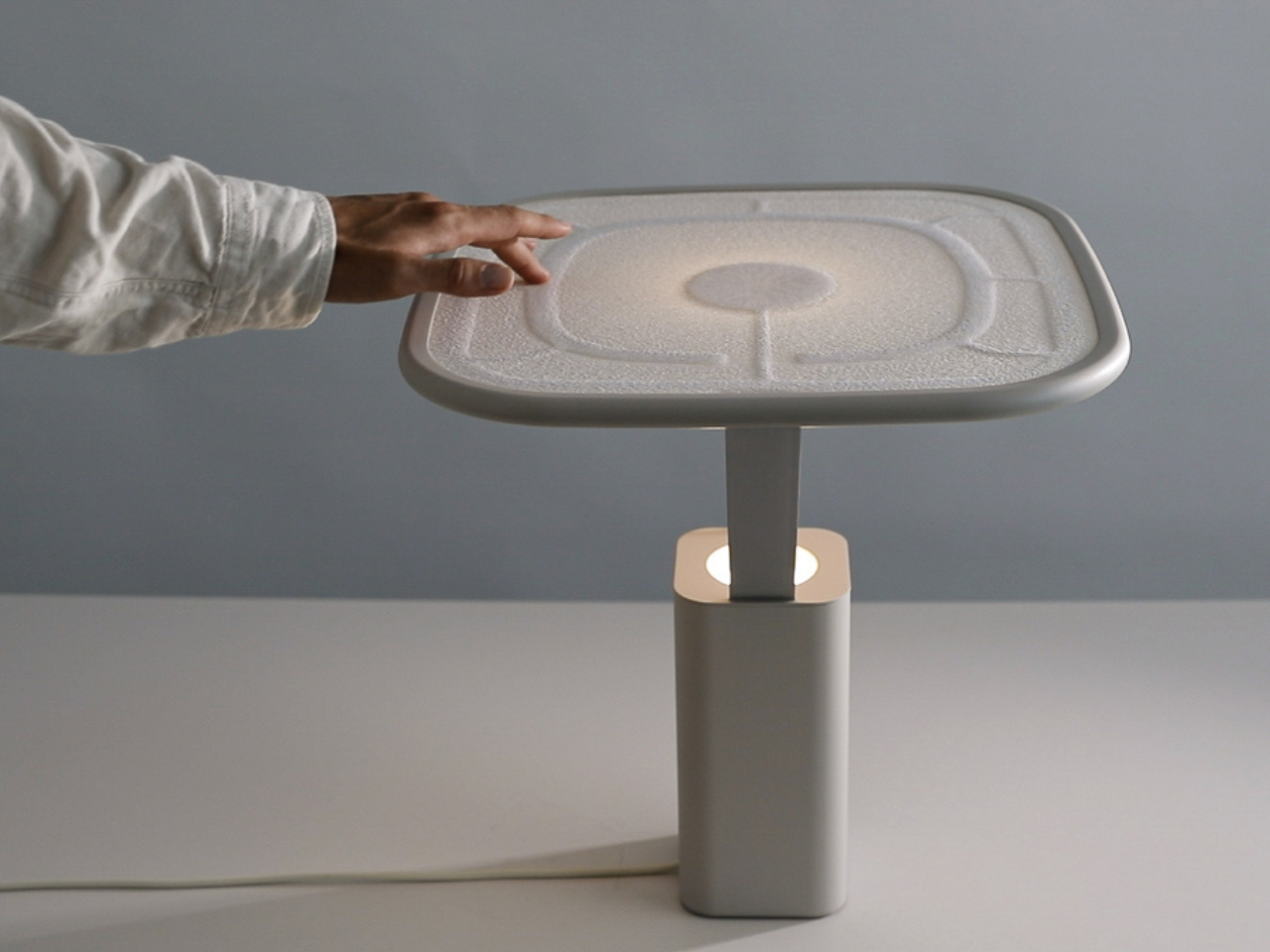
Beyond lighting, this technology could transform home textiles into responsive surfaces, enhance car interiors, or improve medical devices, all with lower energy consumption than conventional displays. Design is central to the project, with knit patterns and yarn blends defining interactive zones while elevating aesthetics. Soft Interfaces marks a new era where textiles act as intuitive, interactive bridges between humans and smart devices.

2. Revolutionizing Health and Wellness Monitoring

Smart fabrics are reshaping healthcare by moving monitoring from hospitals to everyday clothing. Picture a lightweight shirt that tracks heart rate, breathing, and even ECG data with medical-level accuracy, all while feeling like regular fabric. This discreet, comfortable technology offers an effortless way to monitor health, helping athletes, seniors, and people managing chronic illnesses stay informed.

By providing real-time insights, these textiles support proactive care. A sports bra could analyze sweat to detect dehydration or fatigue, while smart sleepwear or bedding could spot unusual patterns or even sense a fall, instantly alerting caregivers for timely intervention.

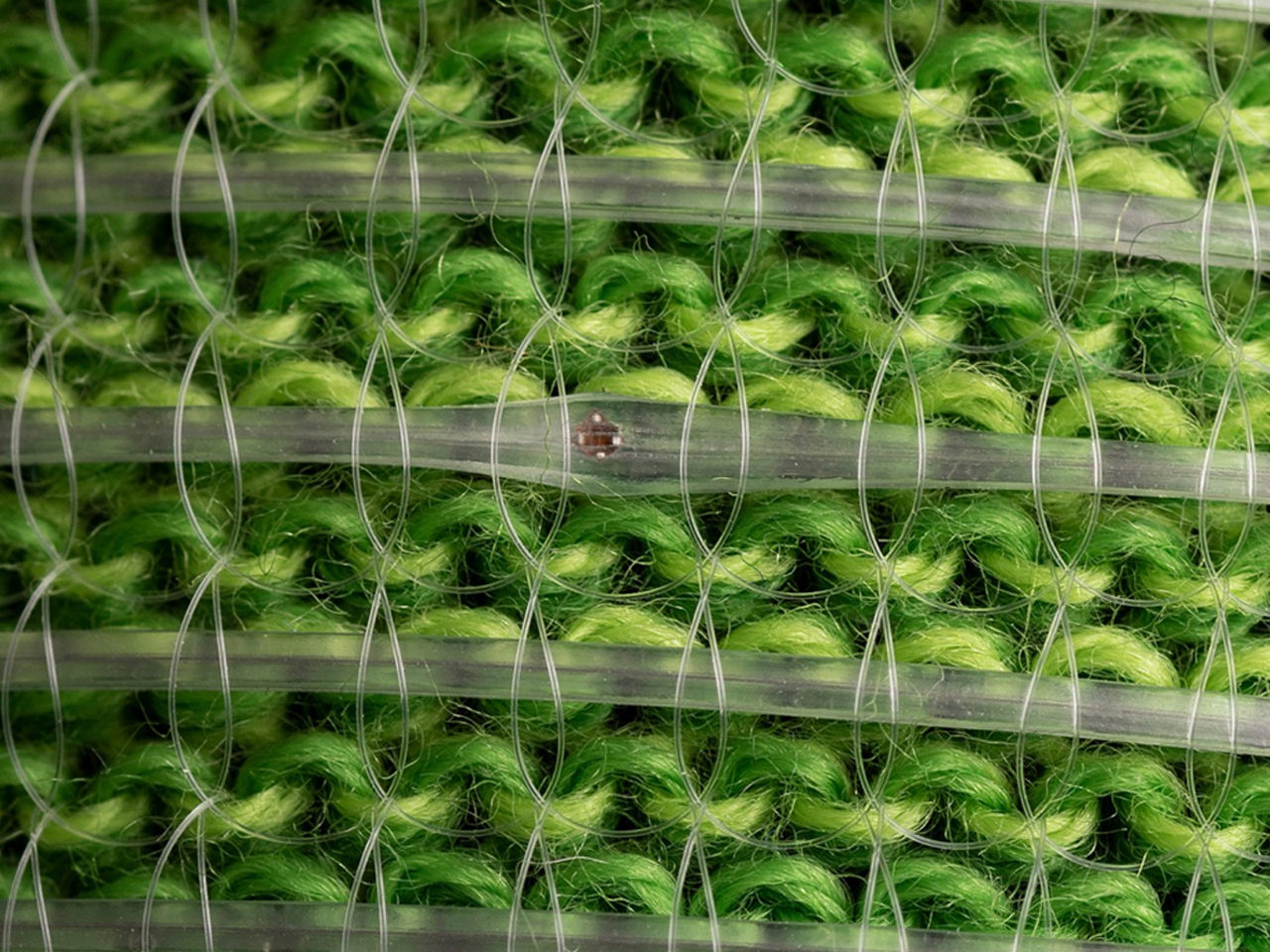
MIT scientist Yoel Fink has been advancing smart fabric technology for over a decade. He and his team developed fibers capable of detecting audio, transforming woven fabrics into needle-thin, functional microphones. Building on this foundation, the researchers now focus on digital capabilities, weaving fibers that carry continuous electrical signals into wearable fabrics. Published in Nature Communications, the work demonstrates applications in physiological monitoring, human-computer interfaces, and on-body machine learning. Creating these fabrics involves embedding hundreds of silicon digital chips into pre-forms, which are then spun into flexible, wearable fibers.
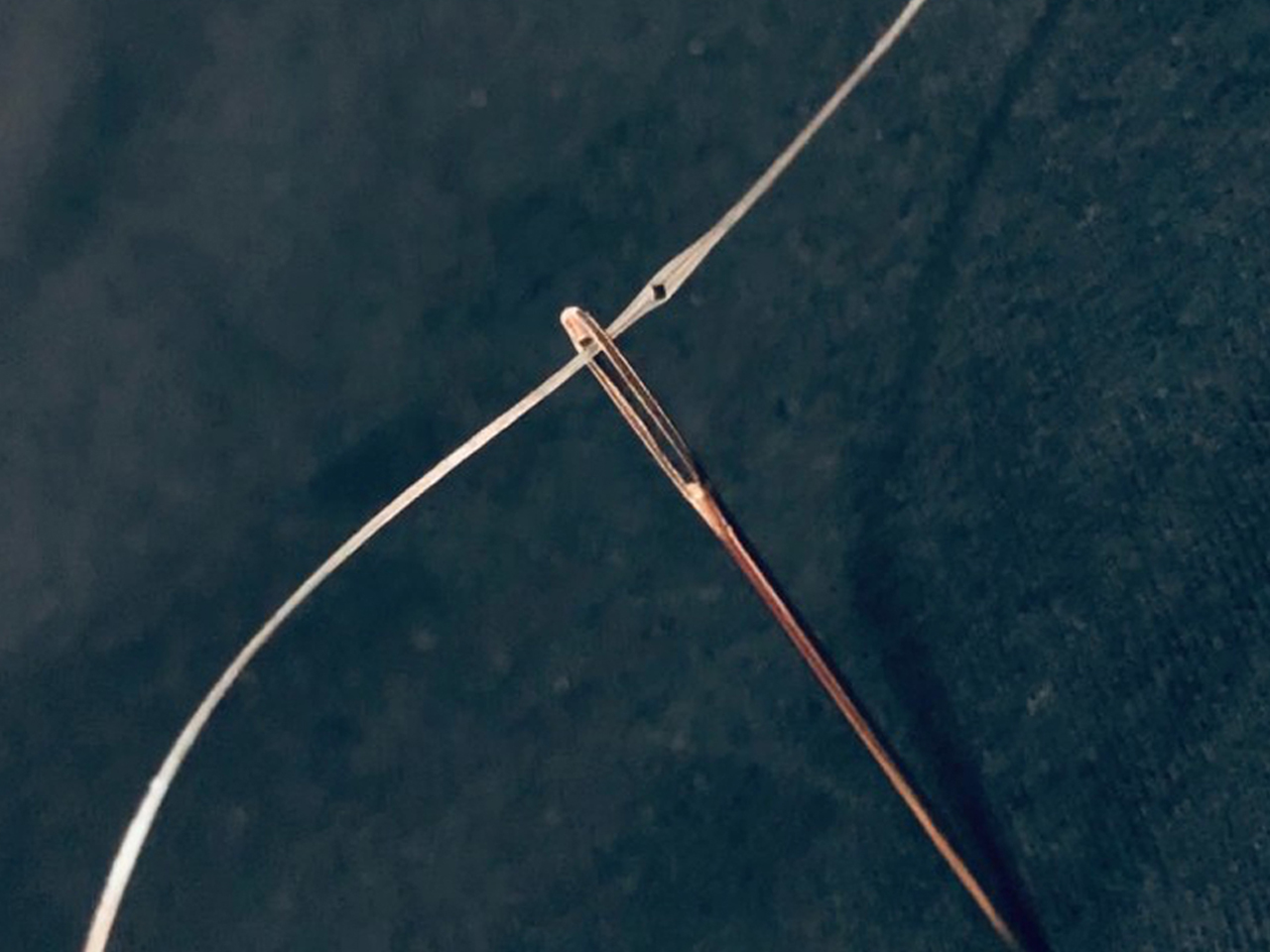
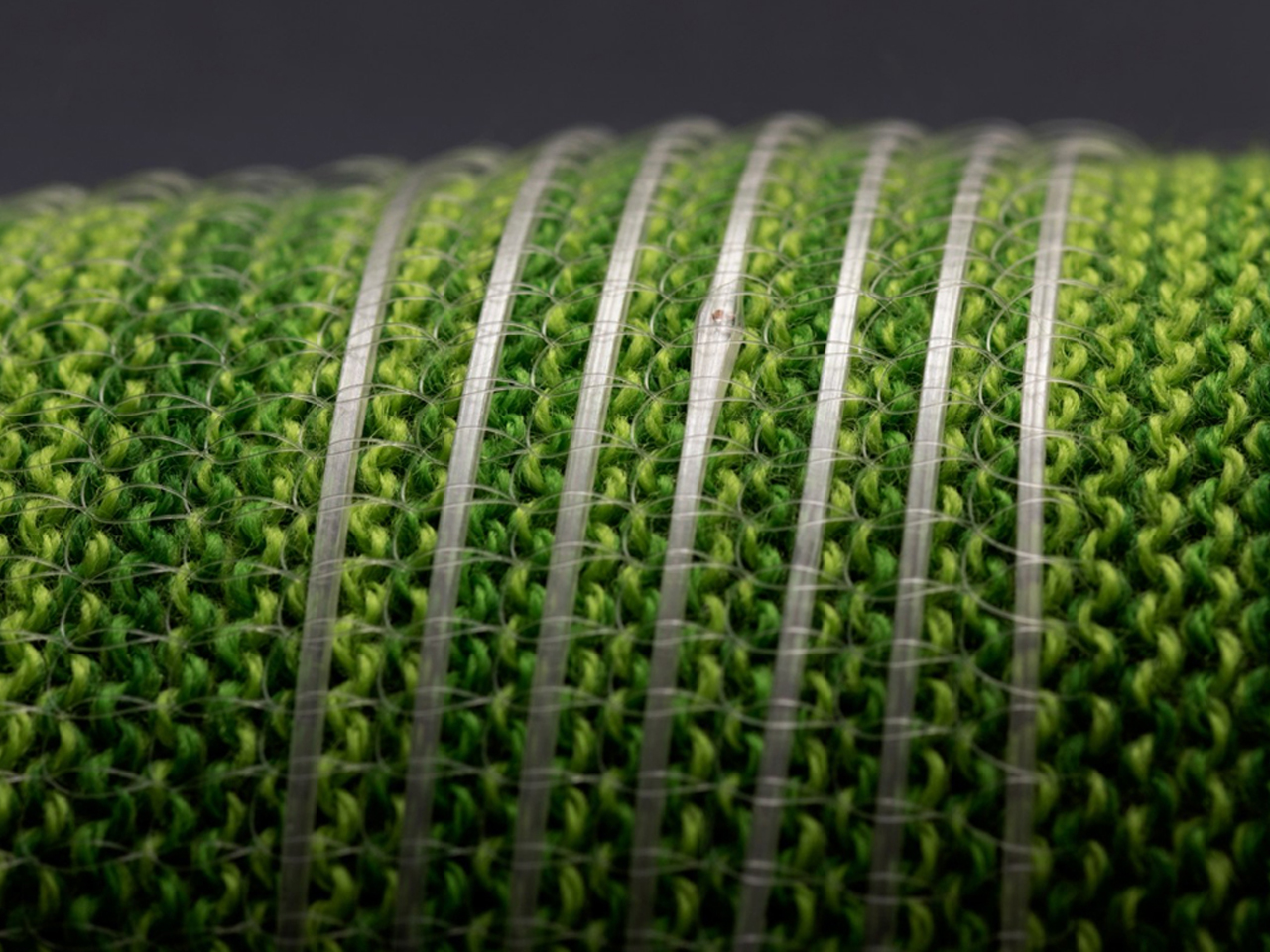
Each fiber can reach tens of meters in length, containing hundreds of intertwined digital sensors that track body temperature and store data for real-time activity inference. The ultra-thin fabric hides its hundreds of embedded chips while forming a neural network of 1,650 AI connections. It can record 270 minutes of temperature changes, store a 767-kilobit short film, and a 0.48-megabyte music file, retaining all data for up to two months without power.

3. The Future of Functional Fashion

Smart fabrics are transforming clothing into more than just a style statement. They bring adaptability and purpose, creating garments that respond to the wearer’s needs. Picture a lightweight jacket with built-in heating and cooling elements that adjust automatically to weather changes, eliminating the need for extra layers. This innovation makes clothing not only stylish but also highly practical.

Beyond comfort, these textiles are enhancing safety and utility. Workwear can feature sensors that detect dangerous gases or UV exposure, sending instant alerts. Even everyday accessories, like backpacks with illuminated fibers, can improve nighttime visibility without adding extra weight.
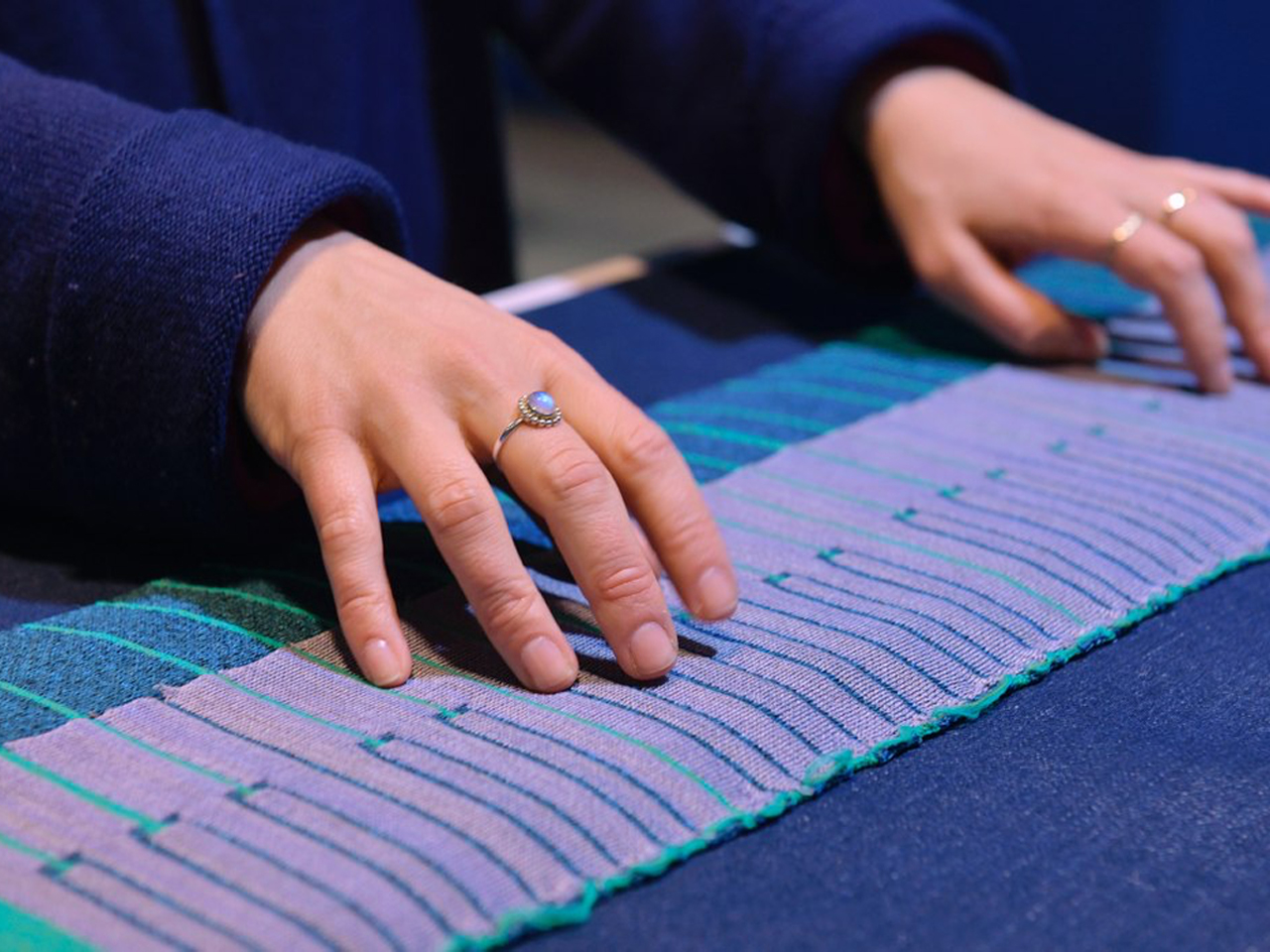
Jacquard, Google’s early smart fabric project, produced a simple jacket that could control music playback. Taking smart textiles much further, Boston-based designer Irmandy Wicaksono’s KnitX merges technology with fabric in innovative ways. Using computerized knitting machines, KnitX combines functional yarns which are resistive, conductive, thermochromic, photochromic, and thermoplastic, with traditional fibers like polyester, nylon, and spandex. The result is fabrics that respond to touch, stretch, proximity, light, and temperature. Current prototypes include touch-sensitive fabric keyboards, UV-responsive backpacks, and thermo-formed knits that instantly change shape, while future designs aim to create clothing that adapts to heat, cold, appearance, or even the wearer’s mood.
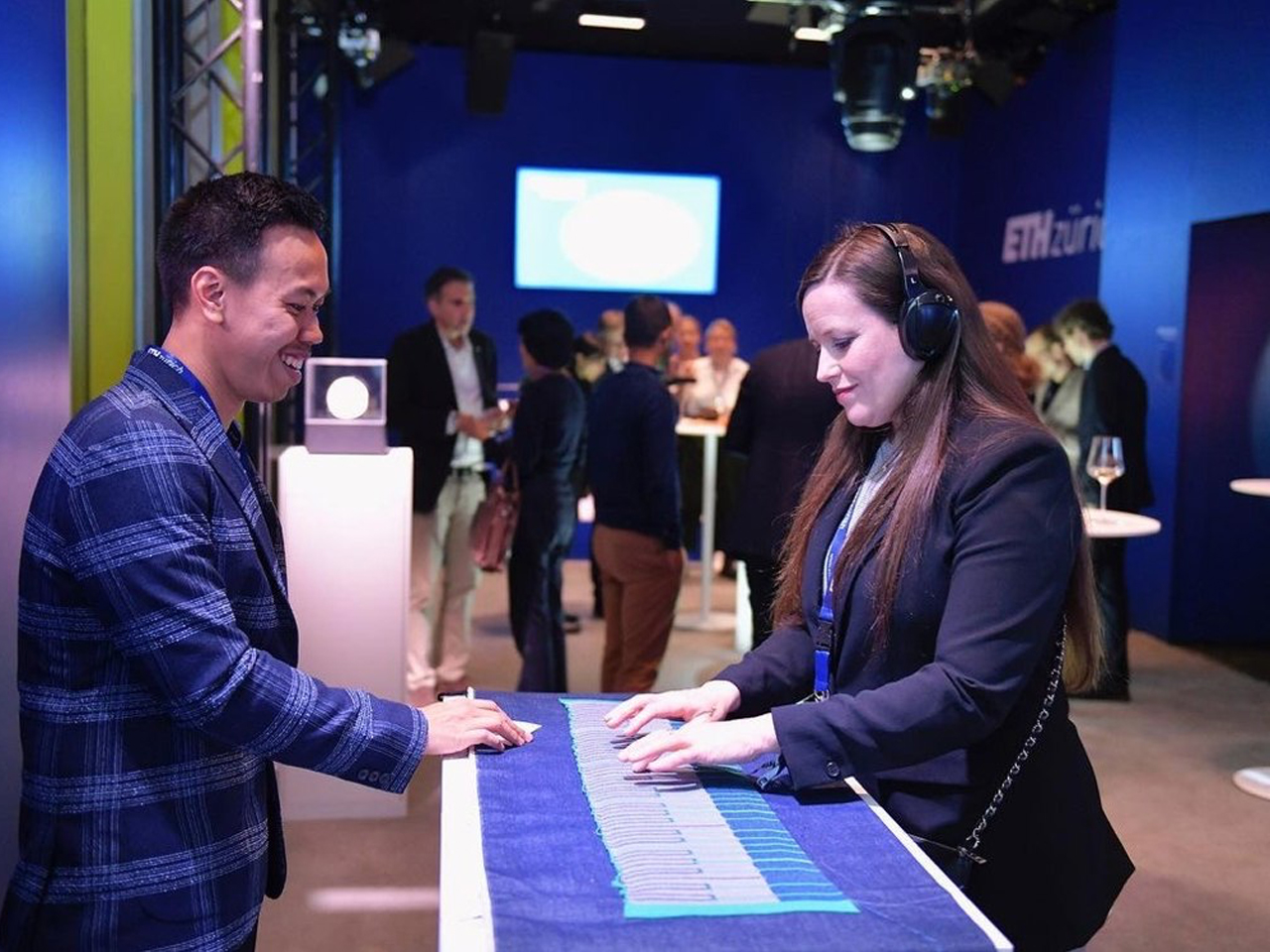
KnitX demonstrates the transformative potential of smart textiles, turning ordinary fabrics into interactive, digitally capable materials. By integrating technology directly into clothing, it redefines how garments behave and interact with the wearer, bridging design, technology, and functionality to create practical, responsive, and socially meaningful applications.

4. Powering Up with Textile-Based Energy

One of the biggest hurdles for smart fabrics is power. To solve this, researchers are developing ways to harvest and store energy directly within the fabric. Imagine a shirt that fuels its own sensors by turning body movement into electricity, eliminating bulky battery packs. This can be done with flexible solar cells woven into the cloth or special piezoelectric fibers that generate power as you move.

The aim is to create garments that are fully self-powered or even able to charge devices like phones. Thin, soft textile-based batteries ensure the fabric stays comfortable, lightweight, and practical for daily wear.

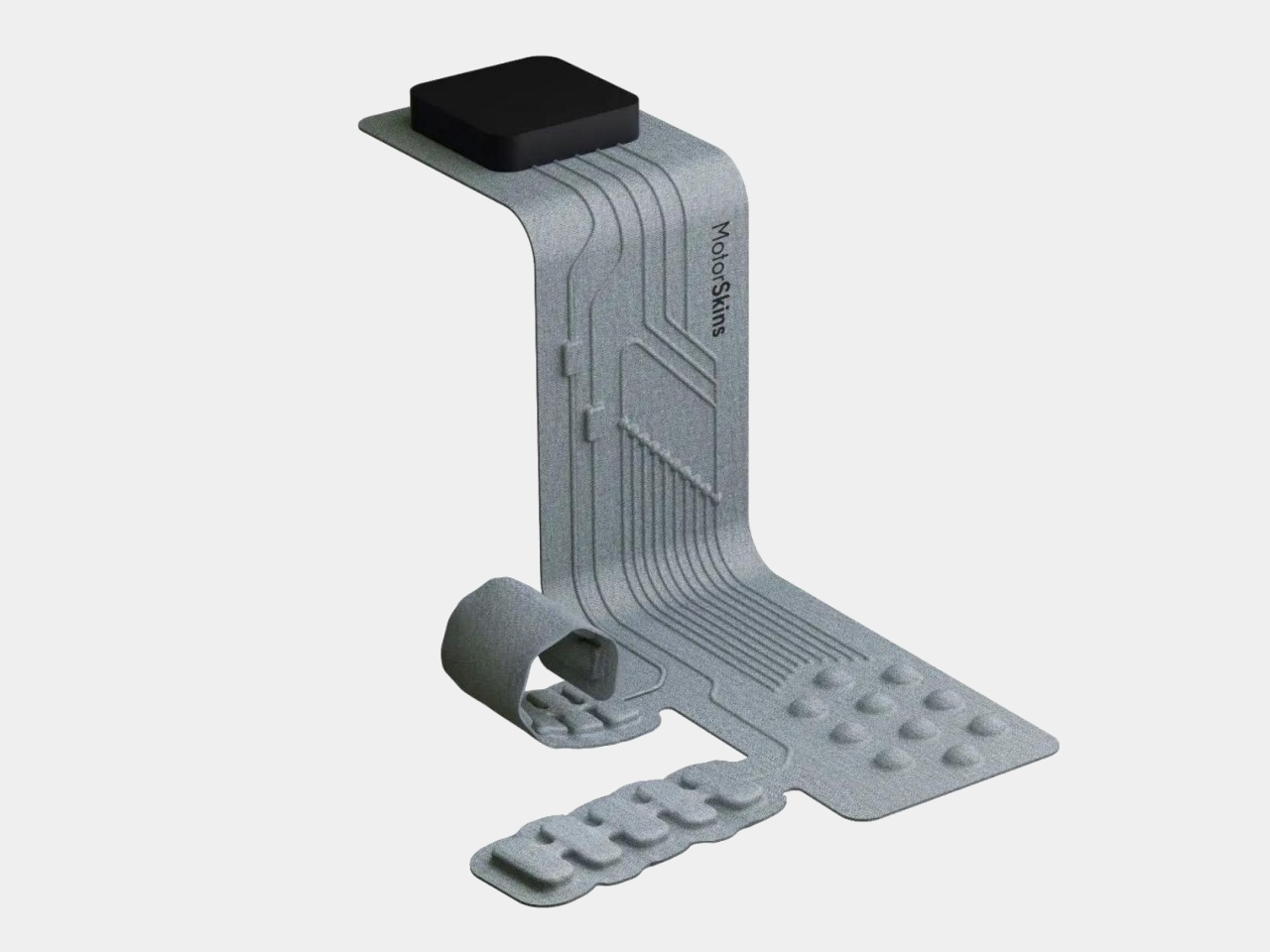
MotorSkins is transforming the way we interact with technology through its innovative SELK system, which merges ambient computing with programmable matter. This intelligent, multilayered textile integrates soft robotics, fluid logic, and software to create a material that senses, reacts, and adapts to its environment. Unlike traditional devices, SELK turns static objects into dynamic, interactive interfaces, offering a tactile and responsive medium that enhances human interaction with digital and physical spaces. By embedding smart actuators into everyday products, MotorSkins demonstrates how materials can respond intuitively to user input and environmental changes, making technology seamless and unobtrusive.


SELK technology is being applied across industries. In healthcare, SELK-based orthoses adapt to movement, providing personalized support and flexibility. In automotive interiors, cabins can adjust dynamically, with controls and haptic feedback appearing only when needed. By combining programmable matter with ambient computing, MotorSkins is redefining human-machine interfaces and creating intelligent, ergonomic environments, signaling a future where technology integrates naturally into daily life.

5. Integrating Smart Fabrics in Home and Interior Design

Smart fabrics are moving beyond clothing to transform homes into responsive, interactive spaces. Imagine curtains woven with photovoltaic fibers that generate electricity while letting in sunlight, or a sofa with pressure-sensitive fabric that remembers your preferred seating and adjusts lighting or music automatically. These innovations make everyday living more convenient and personalized.

They also enhance safety and functionality. A modern area rug with built-in sensors could track an elderly resident’s movements and alert caregivers if a fall occurs, while wallpaper with flexible electronic displays can change colors or patterns on demand. Smart textiles merge technology with comfort and design seamlessly.
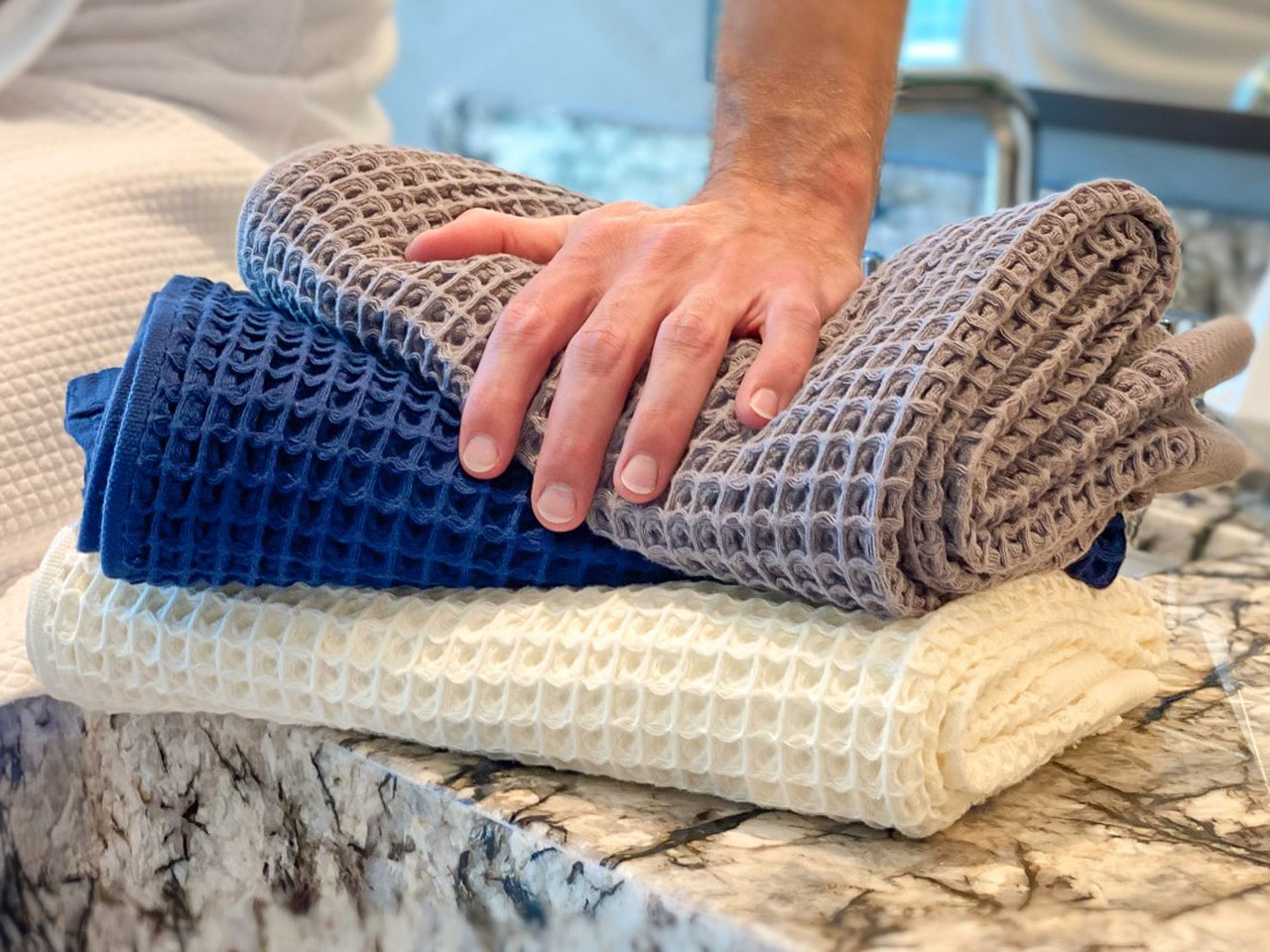
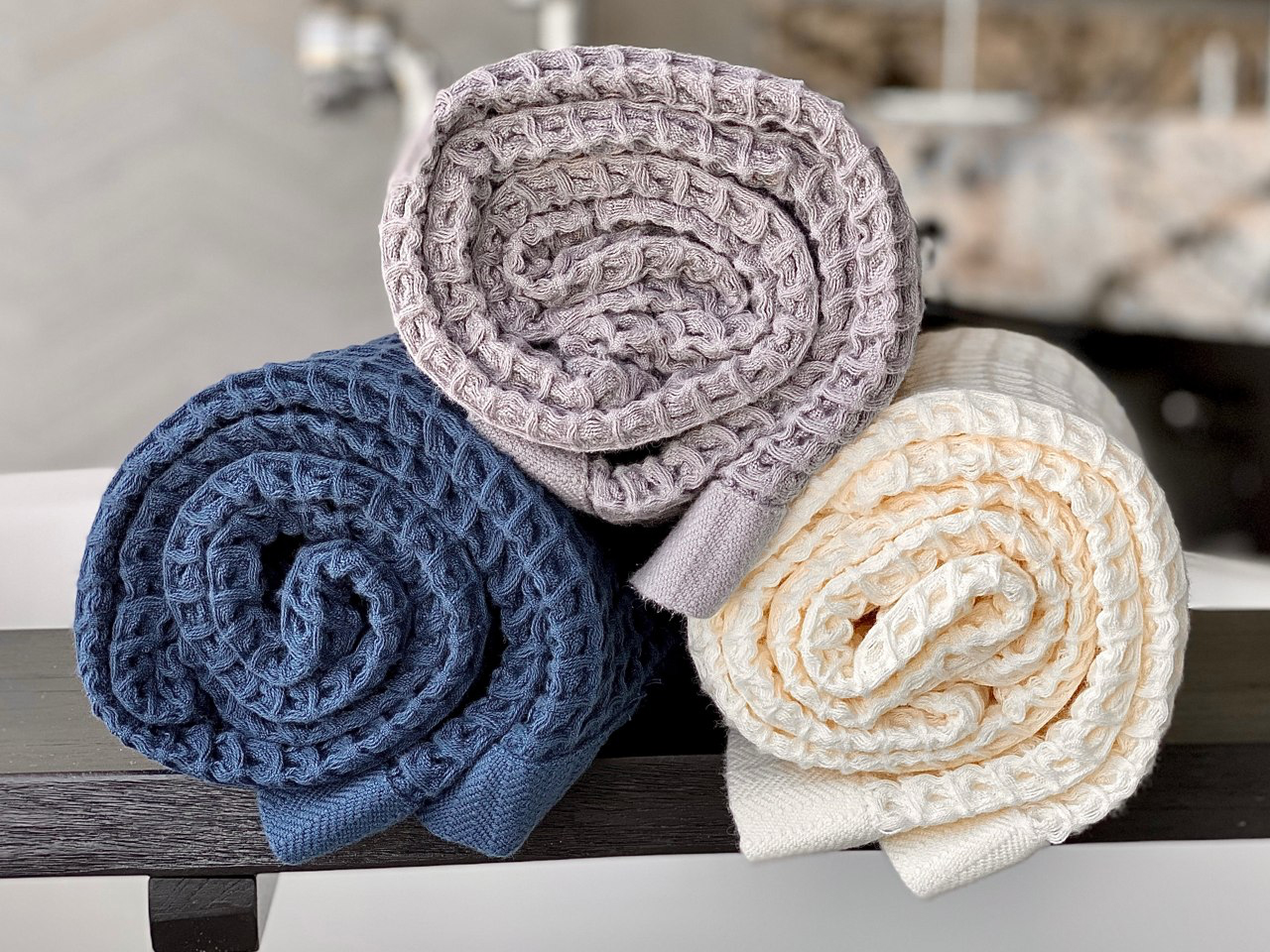
The K-25 Smart Bath Towels redefine what a towel can do, featuring a giant waffle-weave design that absorbs water like a super-sponge. The waffle texture gently exfoliates the skin, while the honeycomb pattern soaks up moisture quickly and dries twice as fast due to its breathable, airy construction. Lightweight yet plush, the towels feel thick and soft against the skin and work equally well for hair, eliminating frizz efficiently. Generously sized, they wrap comfortably around the body, creating a spa-like experience at home, and are versatile enough for use at the gym, by the pool, or while traveling.
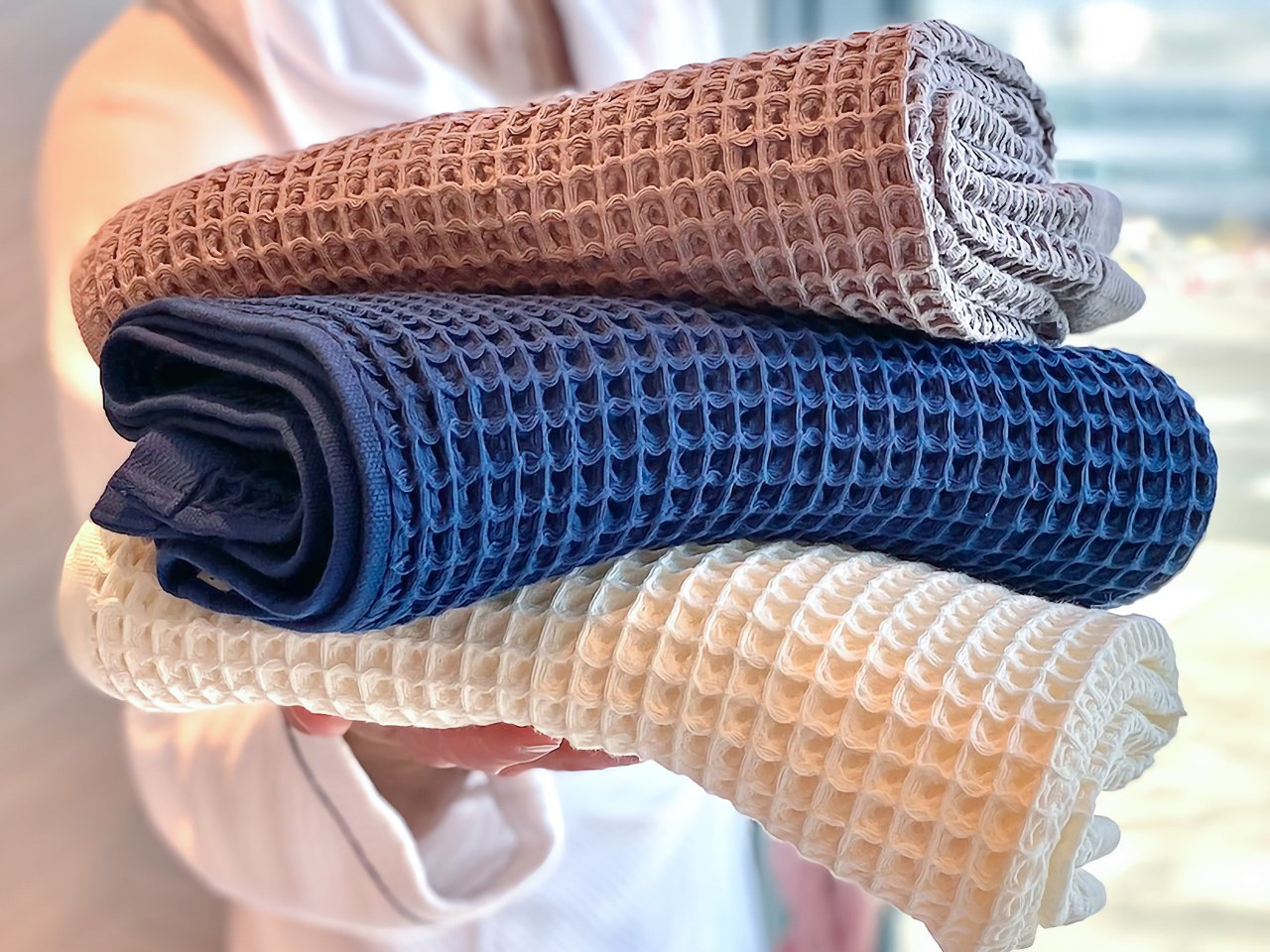
Crafted from GOTS and OEKO-TEX-certified 100% organic cotton, the towels are naturally antibacterial, hypoallergenic, and durable. Designed with optimized waffle size, fabric weight, and weave style, K-25 towels come in four XL sizes and three colors—Vanilla, Galaxy Blue, and Frost Gray. Wide borders and hang-tags enhance durability and convenience, making them functional, stylish, and luxurious.
Textiles are evolving from simple coverings to intelligent, interactive materials, marking a breakthrough in modern material science. Smart fabrics are now a reality, enabling personalized health, adaptive fashion, and responsive homes. By blending technology with comfort, they create a safer, healthier, and more connected future, inviting us to rethink everyday fabrics as active, life-enhancing tools.

The post 5 Smart Fabrics Using Tech Innovations To Transform Sleep, Safety, and Home Comfort first appeared on Yanko Design.