Samsung Galaxy S26 Ultra Leaks: A New Era of Performance with the Exynos 2600

Samsung Galaxy S26 Ultra Leaks: A New Era of Performance with the Exynos 2600

The rapid-fire pace of the smartphone industry means that even a week-old report can quickly become outdated. Since the initial leaks regarding the Samsung Galaxy S26 Ultra surfaced, a tidal wave of official announcements and regulatory filings has fundamentally changed what we expect from Samsung’s 2026 flagship. From the world’s first 2nm processor to a […]

The post Samsung Galaxy S26 Ultra Leaks: A New Era of Performance with the Exynos 2600 appeared first on Geeky Gadgets.

Posted in Uncategorized

RayNeo X3 Pro vs Meta Display : AI Smart Glasses Compared

RayNeo X3 Pro vs Meta Display : AI Smart Glasses Compared

What if your next pair of glasses could do more than just improve your vision? Imagine navigating your day with augmented reality overlays, live translations, and immersive digital displays right in front of your eyes. In the video, Tech Fowler breaks down the battle between two of the most talked-about smart glasses on the market: […]

The post RayNeo X3 Pro vs Meta Display : AI Smart Glasses Compared appeared first on Geeky Gadgets.

Posted in Uncategorized

How to Unlock the Full Potential of Your Google Pixel 10 Pro XL

How to Unlock the Full Potential of Your Google Pixel 10 Pro XL

zollotech The Google Pixel 10 Pro XL is a flagship smartphone that combines state-of-the-art technology with intuitive features, making it a versatile device for both casual users and tech enthusiasts. With its AI-powered tools, advanced camera system, and seamless integration of hardware and software, the Pixel 10 Pro XL is designed to enhance your daily […]

The post How to Unlock the Full Potential of Your Google Pixel 10 Pro XL appeared first on Geeky Gadgets.

Posted in Uncategorized

This $109 Electric Moka Pot Lives on Your Desk, Not Your Stovetop

Coffee at work usually means a compromise, a paper cup grabbed between meetings or a lukewarm pot abandoned in the break room. The Flarix Pro steps into that gap as a compact electric moka pot that lives wherever you do your best thinking, quietly promising a richer, more focused cup without sending you on a pilgrimage to the office kitchen. It is a simple proposition, but one that required a complete rethink of a century-old brewing method, trading the romance of the flame for the quiet reliability of a dedicated electric base. The goal is to make good coffee a feature of your workspace, not a distraction from it.

Instead of treating great coffee as a weekend luxury, this little brewer integrates it into your everyday life. Plug it in beside your laptop, fill it with water and fresh grounds, and a few minutes later you have a dense, aromatic moka style coffee that feels closer to a ritual than a chore. This is also in part thanks to its avant-garde Alessi-esque Italian-design form factor. On the hardware front, you’ve got basic electronics wrapped in some clever design details, which essentially rewrites when and where good coffee is allowed to happen. This is not about replacing the café; it is about reclaiming the ten minutes at your desk with something that feels personal and well-crafted. The entire package is an argument for better coffee, right here and right now, without asking you to change your workflow. Think Moka pot reinvented for the modern age, because everything’s about convenience – and nobody likes the idea of leaving their desk to make (or worse, buy) coffee elsewhere.

Designer: CDKM

Click Here to Buy Now: $109 $199 (45% off) Hurry! Only 11 days left.

What makes this possible is the deliberate decoupling of the moka pot from the kitchen. By integrating a 365-watt heating element into a self-contained base, the designers have created a brewer that asks for nothing more than a standard wall socket. This modest power draw is key; it is low enough to play nice with office power strips and portable battery stations, making the “brew anywhere” claim feel credible. The unit weighs in at just 978 grams, light enough to be genuinely portable between home and the office. It is a clever piece of engineering that transforms the moka pot from a fixed kitchen appliance into a personal, relocatable coffee station that can follow you through your day.

Of course, putting a pressurized heating vessel on a desk crowded with electronics and paperwork demands a serious approach to safety. The Flarix Pro packs an Italian Albertinari safety valve – a world-class component known for its precise and reliable pressure release, and a critical feature in a device that literally operates on steam pressure. This is paired with a British Strix thermostat, the same kind of controller found in high-end electric kettles, which provides accurate temperature control and boil-dry protection. The system automatically shuts off when the brew is complete, a simple feature that provides enormous peace of mind when your attention is split between your coffee and your deadlines. Al; this is packed in a design that feels playful, unique, and pretty much deviates from the octagonal Moka pot design which feels almost like a template instead of an icon today. This product is fundamentally different, therefore it must look different, is the justification.

The Flarix Pro packs a patented spring-loaded funnel, which is a genuinely interesting departure from the standard passive funnel found in every other moka pot. This design appears to provide a gentle, consistent compression of the coffee grounds as you assemble the brewer. In theory, this could help create a more uniform coffee bed, reducing the risk of water finding a path of least resistance, a phenomenon known as channeling that leads to a thin, under-extracted brew. It is a small, mechanical detail that could have a significant impact on the final taste and consistency of the coffee, shot after shot.

The body is made from food-grade 304 stainless steel, which is durable, easy to clean, and does not impart any metallic taste to the coffee, a common complaint with older aluminum pots. The interior of the water chamber has been sandblasted, creating a matte texture that resists scale buildup and makes cleaning simpler. Even the spout has been carefully considered; its anti-drip design ensures a clean pour, an essential detail when you are serving coffee directly next to important documents or a keyboard. These are the kinds of thoughtful touches that separate a well-designed product from a mere novelty.

Flexibility is also built into the core design. The Flarix Pro comes with a dual-size filter basket, allowing you to easily switch between brewing two or four shots of moka coffee. This is a practical feature that acknowledges that coffee is not always a solo activity. The water chamber has clear internal markings for both volumes, removing any guesswork from the process. This adaptability makes the brewer suitable for a quick personal coffee break or for preparing a round for a small team meeting. The components are all fully detachable, which simplifies the cleaning process and prevents the buildup of old coffee residues that can ruin the taste of a fresh brew.

The result is an aesthetic and characteristic revival of the Moka Pot, which has been pretty much banished to the kitchen all its life. The Flarix Pro allows it to step out of its shell, and into any room you’d want to drink coffee in, whether it’s your home office, your workspace (accompanied by a few stares from coworkers, perhaps), your RV, or even your campsite. Although the classic brushed steel finish has my heart, CDKM offers a sky blue and a dark blue variant of the Flarix Pro, with a $109 price tag and global shipping starting February. Upgrade to the $199 perk, however, and you get the entire bundle, which also features milk steaming pitcher, a handheld electric milk frother, a coffee grinder, and an espresso cup + saucer.

Click Here to Buy Now: $109 $199 (45% off) Hurry! Only 11 days left.

The post This $109 Electric Moka Pot Lives on Your Desk, Not Your Stovetop first appeared on Yanko Design.

How AI Will Be Different at CES 2026: On‑Device Processing and Actual Agentic Productivity

Last year, every other product at CES had a chatbot slapped onto it. Your TV could talk. Your fridge could answer trivia. Your laptop had a sidebar that would summarize your emails if you asked nicely. It was novel for about five minutes, then it became background noise. The whole “AI revolution” at CES 2024 and 2025 felt like a tech industry inside joke: everyone knew it was mostly marketing, but nobody wanted to be the one company without an AI sticker on the booth.

CES 2026 is shaping up differently. Coverage ahead of the show is already calling this the year AI stops being a feature you demo and starts being infrastructure you depend on. The shift is twofold: AI is moving from the cloud onto the device itself, and it is evolving from passive assistants that answer questions into agentic systems that take action on your behalf. Intel has confirmed it will introduce Panther Lake CPUs, AMD CEO Lisa Su is headlining the opening keynote with expectations around a Ryzen 7 9850X3D reveal, and Nvidia is rumored to be prepping an RTX 50 “Super” refresh. The silicon wars are heating up precisely because the companies making chips know that on-device AI is the only way this whole category becomes more than hype. If your gadget still depends entirely on a server farm to do anything interesting, it is already obsolete. Here’s what to expect at CES 2026… but more importantly, what to expect from AI in the near future.

Your laptop is finally becoming the thing running the models

Intel, AMD, and Nvidia are all using CES 2026 as a launching pad for next-generation silicon built around AI workloads. Intel has publicly committed to unveiling its Panther Lake CPUs at the show, chips designed with dedicated neural processing units baked in. AMD’s Lisa Su is doing the opening keynote, with strong buzz around a Ryzen 7 9850X3D that would appeal to gamers and creators who want local AI performance without sacrificing frame rates or render times. Nvidia’s press conference is rumored to focus on RTX 50 “Super” cards that push both graphics and AI inference into new territory. The pitch is straightforward: your next laptop or desktop is not a dumb terminal for ChatGPT; it is the machine actually running the models.

What does that look like in practice? Laptops at CES 2026 will be demoing live transcription and translation that happens entirely on the device, no cloud round trip required. You will see systems that can summarize browser tabs, rewrite documents, and handle background removal on video calls without sending a single frame to a server. Coverage is already predicting a big push toward on-device processing specifically to keep your data private and reduce reliance on cloud infrastructure. For gamers, the story is about AI upscaling and frame generation becoming table stakes, with new GPUs sold not just on raw FPS but on how quickly they can run local AI tools for modding, NPC dialogue generation, or streaming overlays. This is the year “AI PC” might finally mean something beyond a sticker.
Agentic AI is the difference between a chatbot and a butler

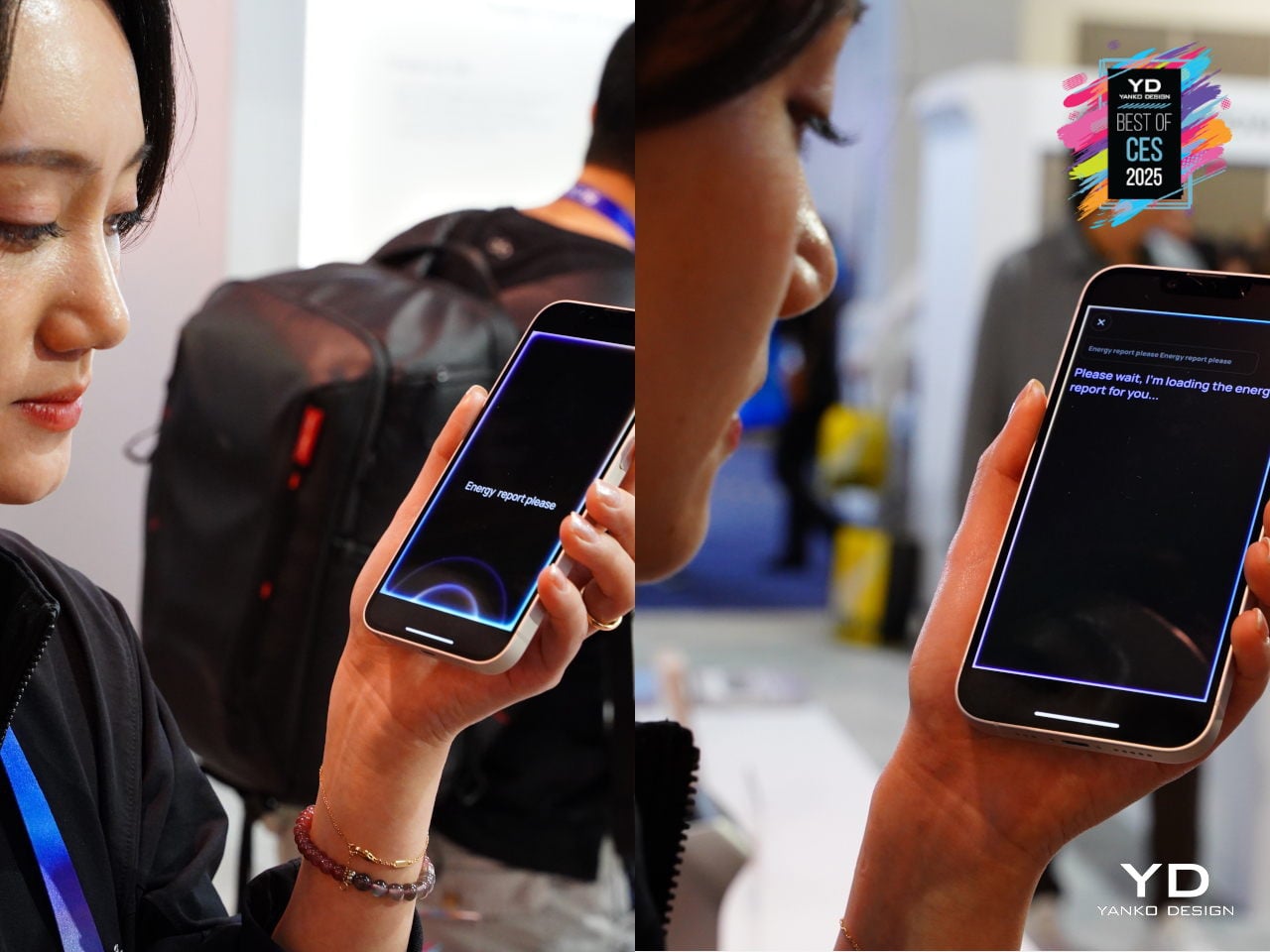
Pre-show coverage is leaning heavily on the phrase “agentic AI,” and it is worth understanding what that actually means. Traditional AI assistants answer questions: you ask for the weather, you get the weather. Agentic AI takes goals and executes multi-step workflows to achieve them. Observers expect to see devices at CES 2026 that do not just plan a trip but actually book the flights and reserve the tables, acting on your behalf with minimal supervision. The technical foundation for this is a combination of on-device models that understand context and cloud-based orchestration layers that can touch APIs, but the user experience is what matters: you stop micromanaging and start delegating.

Samsung is bringing its largest CES exhibit to date, merging home appliances, TVs, and smart home products into one massive space with AI and interoperability as the core message. Imagine a fridge, washer, TV, robot vacuum, and phone all coordinated by the same AI layer. The system notices you cooked something smoky, runs the air purifier a bit harder, and pushes a recipe suggestion based on leftovers. Your washer pings the TV when a cycle finishes, and the TV pauses your show at a natural break. None of this requires you to open an app or issue voice commands; the devices are just quietly making decisions based on context. That is the agentic promise, and CES 2026 is where companies will either prove they can deliver it or expose themselves as still stuck in the chatbot era.

Robot vacuums are the first agentic AI success story you can actually buy

CES 2026 is being framed by dedicated floorcare coverage as one of the most important years yet for robot vacuums and AI-powered home cleaning, with multiple brands receiving Innovation Awards and planning major product launches. This category quietly became the testing ground for agentic AI years before most people started using the phrase. Your robot vacuum already maps your home, plans routes, decides when to spot-clean high-traffic areas, schedules deep cleans when you are away, and increasingly maintains itself by emptying dust and washing its own mop pads. It does all of this with minimal cloud dependency; the brains are on the bot.

LG has already won a CES 2026 Innovation Award for a robot vacuum with a built-in station that hides inside an existing cabinet cavity, turning floorcare into an invisible, fully hands-free system. Ecovacs is previewing the Deebot X11 OmniCyclone as a CES 2026 Innovation Awards Honoree and promising its most ambitious lineup to date, pushing into whole-home robotics that go beyond vacuuming. Robotin is demoing the R2, a modular robot that combines autonomous vacuuming with automated carpet washing, moving from daily crumb patrol to actual deep cleaning. These bots are starting to integrate with broader smart home ecosystems, coordinating with your smart lock, thermostat, and calendar to figure out when you are home, when kids are asleep, and when the dog is outside. The robot vacuum category is proof that agentic AI can work in the real world, and CES 2026 is where other product categories are going to try to catch up.

TVs are getting Micro RGB panels and AI brains that learn your taste

LG has teased its first Micro RGB TV ahead of CES 2026, positioning it as the kind of screen that could make OLED owners feel jealous thanks to advantages in brightness, color control, and longevity. Transparent OLED panels are also making appearances in industrial contexts, like concept displays inside construction machinery cabins, hinting at similar tech eventually showing up in living rooms as disappearing TVs or glass partitions that become screens on demand. The hardware story is always important at CES, but the AI layer is where things get interesting for everyday use.

TV makers are layering AI on top of their panels in ways that go beyond simple upscaling. Expect personalized picture and sound profiles that learn your room conditions, content preferences, and viewing habits over time. The pitch is that your TV will automatically switch to low-latency gaming mode when it recognizes you launched a console, dim your smart lights when a movie starts, and adjust color temperature based on ambient light without you touching a remote. Some of this is genuine machine learning happening on-device, and some of it is still marketing spin on basic presets. The challenge for readers at CES 2026 will be figuring out which is which, but the direction is clear: TVs are positioning themselves as smart hubs that coordinate your living room, not just dumb displays waiting for HDMI input.

Gaming gear is wiring itself for AI rendering and 500 Hz dreams

HDMI Licensing Administrator is using CES 2026 to spotlight advanced HDMI gaming technologies with live demos focused on very high refresh rates and next-gen console and PC connectivity. Early prototypes of the Ultra96 HDMI cable, part of the new HDMI 2.2 specification, will be on display with the promise of higher bandwidth to support extreme refresh rates and resolutions. Picture a rig on the show floor: a 500 Hz gaming monitor, next-gen GPU, HDMI 2.2 cable, running an esports title at absurd frame rates with variable refresh rate and minimal latency. It is the kind of setup that makes Reddit threads explode.

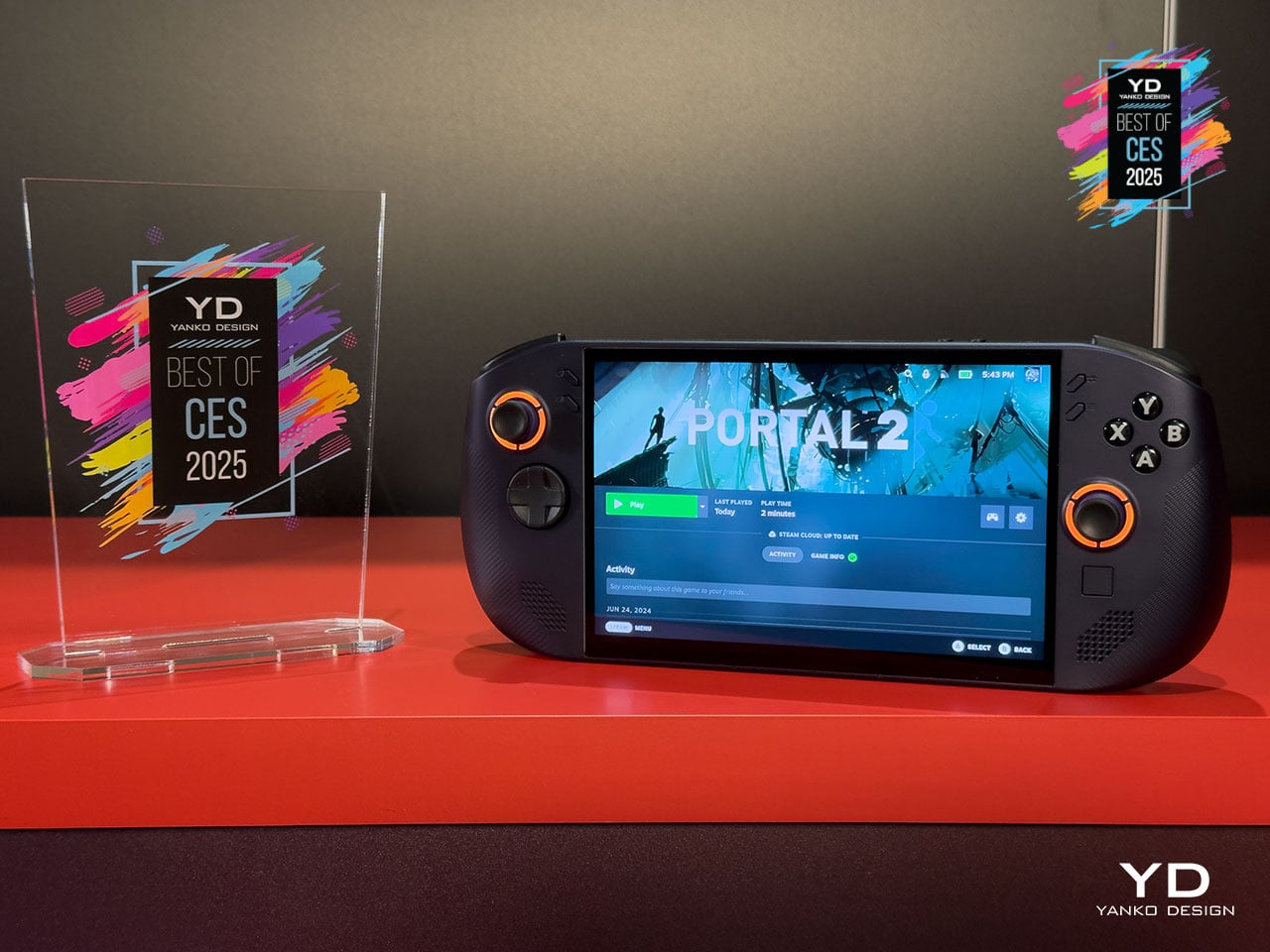
GPUs are increasingly sold not just on raw FPS but on AI capabilities. AI upscaling like DLSS is already table stakes, but local AI is also powering streaming tools for background removal, audio cleanup, live captions, and even dynamic NPC dialogue in future games that require on-device inference rather than server-side processing. Nvidia’s rumored RTX 50 “Super” refresh is expected to double down on this positioning, selling the cards as both graphics and AI accelerators. For gamers and streamers, CES 2026 is where the industry will make the case that your rig needs to be built for AI workloads, not just prettier pixels. The infrastructure layer, cables and monitors included, is catching up to match that ambition.
What CES 2026 really tells us about where AI is going

The shift from cloud-dependent assistants to on-device agents is not just a technical upgrade; it is a fundamental change in how gadgets are designed and sold. When Intel, AMD, and Nvidia are all racing to build chips with dedicated AI accelerators, and when Samsung is reorganizing its entire CES exhibit around AI interoperability, the message is clear: companies are betting that local intelligence and cross-device coordination are the only paths forward. The chatbot era served its purpose as a proof of concept, but CES 2026 is where the industry starts delivering products that can think, act, and coordinate without constant cloud supervision.

What makes this year different from the past two is that the infrastructure is finally in place. The silicon can handle real-time inference. The software frameworks for agentic behavior are maturing. Robot vacuums are proving the model works at scale. TVs and smart home ecosystems are learning how to talk to each other without requiring users to become IT managers. The pieces are connecting, and CES 2026 is the first major event where you can see the whole system starting to work as one layer instead of a collection of isolated features.

The real question is what happens after the demos

Trade shows are designed to impress, and CES 2026 will have no shortage of polished demos where everything works perfectly. The real test comes in the six months after the show, when these products ship and people start using them in messy, real-world conditions. Does your AI PC actually keep your data private when it runs models locally, or does it still phone home for half its features? Does your smart home coordinate smoothly when you add devices from different brands, or does it fall apart the moment something breaks the script? Do robot vacuums handle the chaos of actual homes, or do they only shine in controlled environments?

The companies that win in 2026 and beyond will be the ones that designed their AI systems to handle failure, ambiguity, and the unpredictable messiness of how people actually live. CES 2026 is where you will see the roadmap. The year after is where you will see who actually built the roads. If you are walking the show floor or following the coverage, the most important question is not “what can this do in a demo,” but “what happens when it breaks, goes offline, or encounters something it was not trained for.” That is where the gap between real agentic AI and rebranded presets will become impossible to hide.

The post How AI Will Be Different at CES 2026: On‑Device Processing and Actual Agentic Productivity first appeared on Yanko Design.

The Seiko Prospex LX GMT SNR058 Turns Cosmic Dust Into Wrist Candy

There is something deeply satisfying about a watch that refuses to explain itself through spec sheets alone. The Seiko Prospex LX GMT U.S. Special Edition SNR058 lands somewhere between tool watch and wearable sculpture, borrowing its visual language from a nebula floating 2,000 light-years away while keeping both feet planted in the lineage of purpose-built diving instruments. The result feels less like a product and more like an argument for what happens when a heritage brand decides to get a little weird with color.

The Dial Tells a Story Without Words

Look at that gradient. Brown bleeds into black across the textured surface, creating depth that shifts depending on how light catches it. This is not the flat, predictable sunburst you find on watches twice this price from European competitors. Seiko calls the inspiration the North America Nebula, and while that sounds like marketing poetry, the execution earns the reference. The pattern across the dial surface mimics the diffuse, particulate quality of cosmic matter fading into void. It feels alive in a way that polished monochromes cannot replicate.

The applied hour markers sit proud against this backdrop, their polished facets catching light like small architectural details on a miniature building. There is generous lume here, but it does not dominate the aesthetic. The markers feel integrated rather than functional afterthoughts bolted onto a pretty face. A rose gold GMT hand threads through the composition, picking up the warm tones of the outer bezel ring and tying the entire color story together.

Titanium Done Right

Most titanium watches feel like they are apologizing for their material. They scratch easily, show wear quickly, and carry a dull grey pallor that screams aerospace reject. Seiko sidesteps all of this with their Diashield coating and Zaratsu polishing technique. The case arrives with crisp planes and distortion-free surfaces that catch reflections cleanly. This is the same polishing technique used on Grand Seiko cases, though executed here with a more utilitarian Prospex focus rather than the obsessive refinement of full Grand Seiko casework.

Zaratsu polishing requires a specific angle of contact between the metal and the polishing wheel, a technique that leaves no distortion in reflections across flat surfaces. The skill involved is considerable: one degree off and the mirror effect breaks. Seiko’s decision to apply this level of craft to a Prospex model rather than reserve it exclusively for Grand Seiko signals something about where they see this line heading.

The dimensions read large on paper: 44.8mm across, 14.7mm thick, nearly 51mm from lug to lug. In practice, the titanium construction keeps weight manageable, and the integrated bracelet flows naturally from the case architecture. The three-row link design references classic sports watch vocabulary without copying any single competitor. It feels distinctly Seiko, which is rarer than it should be in a market flooded with homage pieces.

That Bezel Deserves Its Own Paragraph

Bi-directional rotation with a sapphire insert carrying glossy black and brown tones, framed by a rose gold outer ring. This combination should feel busy. It should clash. Instead, it works precisely because the warm metal accents ground the cosmic dial treatment in something familiar. The 24-hour markings wear lume for low-light legibility, turning a decorative element into genuine travel functionality.

The smooth bezel action invites fidgeting. Rotation carries just enough resistance to feel intentional without demanding effort, and the clicks land with a muted precision that suggests quality machining beneath the surface. This is a watch designed for hands that cannot stay still, for moments spent rotating that bezel during meetings or flights simply because the tactile feedback rewards the interaction.

Spring Drive Changes the Conversation

Buried beneath this design showcase sits the 5R66 caliber, a Spring Drive movement that operates nothing like either a quartz or mechanical watch. The glide-motion sweep of the seconds hand moves without ticking, creating visual calm that matches the nebula dial’s contemplative quality. Accuracy hovers around one second per day, which places this GMT watch in a different reliability category than most mechanical travel pieces.

The independent hour hand adjusts in one-hour jumps without stopping the movement, a genuine traveler’s feature wrapped in what initially appears to be a design exercise. The power reserve indicator at eight o’clock adds functional information without disrupting the dial’s compositional balance.

Why This Watch Works

Seiko built something here that rewards both quick glances and extended examination. The surface-level appeal comes from bold color choices and unusual material combinations. Spend time with it, and the finishing quality, movement sophistication, and ergonomic thoughtfulness reveal themselves gradually. This is not a watch designed to photograph well for Instagram then disappoint in person. The opposite dynamic applies: images undersell what the physical object delivers.

At roughly $6,500, this piece enters conversation with entry-level Grand Seiko and mid-tier Swiss sport watches. The competition offers polished execution and brand recognition. The SNR058 offers personality. For collectors who have already acquired the expected pieces, this watch represents a detour into territory where heritage craftsmanship serves aesthetic risk-taking rather than conservative refinement.

The nebula inspiration could have been a gimmick. Instead, it became a design framework that informed every decision from dial texture to bezel material to hand color. Coherence at this level, across this many design elements, is genuinely difficult to achieve. Seiko achieved it.

The post The Seiko Prospex LX GMT SNR058 Turns Cosmic Dust Into Wrist Candy first appeared on Yanko Design.

This Fukasawa Residence Honors Japanese Timber Traditions on a Narrow Plot

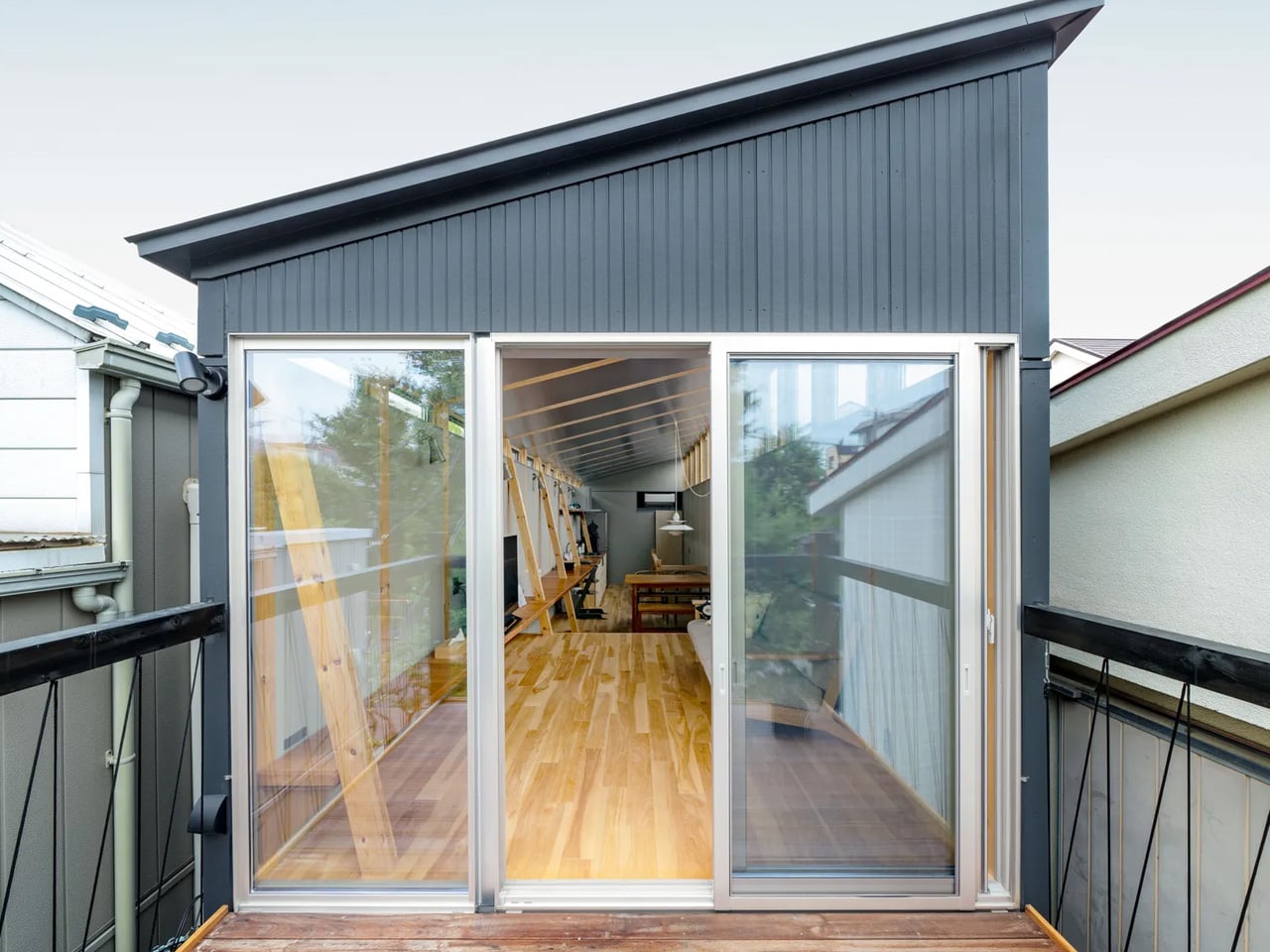
In the quiet residential enclave of Fukasawa, south-west Tokyo, narrow plots and intimate streetscapes create an architectural character that feels worlds away from the metropolitan sprawl surrounding it. This area, bearing the name of renowned designer Naoto Fukasawa, who made it his home, carries a quaint charm reminiscent of older Japanese shopping streets. Within this context, architecture firm MIDW has completed a striking residence that reinterprets traditional building methods for contemporary living.

The house occupies a slender plot measuring just 2.73 metres in width and 13.65 metres in depth. Rather than viewing these proportions as limitations, MIDW embraced them as design opportunities. The structure is defined by six truss-shaped load-bearing walls, their beams spanning gracefully between evenly spaced columns to create a rhythmic structural language that anchors the entire composition.

Designer: MIDW

Daisuke Hattori, co-chairman and managing architect of MIDW, explains the conceptual foundation. The firm frequently draws from local construction techniques, particularly the traditional Japanese timber post-and-beam system. This method, built through the assembly of linear wooden members, offers both structural integrity and visual refinement. It remains among Japan’s most enduring building approaches, balancing flexibility with aesthetic clarity. The Fukasawa residence presents a contemporary dialogue with this heritage. The structural framework isn’t hidden behind finishes or treated as mere utility. Instead, it takes centre stage as a defining architectural element, echoing the exposed timber construction found in historic shrines and temples across Japan. This approach transforms structural necessity into spatial poetry.

Entering the home, visitors encounter a slightly sunken floor plane that marks the transition from street to sanctuary. From this entry point, a carefully choreographed sequence of spaces begins to reveal itself. Light and shadow play across surfaces as one moves through the narrow depth of the plot. A straight staircase draws the eye upward, leading to the upper level where the spatial experience opens considerably.

The upper floor presents a broad, generous volume animated by the repetitive cadence of exposed timber beams. These structural elements create a calming visual rhythm that organizes the space while celebrating the material honesty of wood construction. The beams don’t merely support; they define the character and atmosphere of the interior.

Working within Tokyo’s dense urban fabric presented challenges beyond just dimensional constraints. Material choices and design gestures required careful consideration. Yet MIDW approached the project not as a problem to solve but as an opportunity to develop universal design principles rooted in specific site conditions. The result is a home that feels both distinctly of its place and timelessly resonant, proving that constraint often breeds the most compelling creativity.

The post This Fukasawa Residence Honors Japanese Timber Traditions on a Narrow Plot first appeared on Yanko Design.

Claude’s Chrome plugin is now available to all paid users

Anthropic is finally letting more people use Claude in Google Chrome. The company's AI browser plugin is expanding beyond $200-per-month Max subscribers and is now available to anyone who pays for a Claude subscription. 

The Claude Chrome plugin allows for easy access to Anthropic's AI regardless of where you are on the web, but its real draw is how it lets Claude navigate and use websites on your behalf. Anthropic says that Claude can fill out forms, manage your calendar and email and complete multi-step workflows based on a prompt. The latest version of the plugin also features integration with Claude Code, Anthropic's AI coding tool, and allows users to record a workflow and "teach" Claude how to do what they want it to do.

Before agents were the buzzword du jour, "computer use," the ability for AI models to understand and interact with computer interfaces, was a major focus at Anthropic and other AI companies. Now computer use is just one tool in the larger tool bag for agents, but that understanding of what digital buttons to click and how to click them is what makes Claude's Chrome plugin possible.

OpenAI and Perplexity offer similar agentic capabilities in their respective ChatGPT Atlas and Comet browsers. At this point the only AI company not fully setting its AI models loose on a browser is Google. You can access Gemini in Google Chrome and ask questions about a webpage, but Google hasn't yet let its AI model navigate or use the web on a user's behalf. Those features, first demoed in Project Mariner, are presumably on the way.

This article originally appeared on Engadget at https://www.engadget.com/ai/claudes-chrome-plugin-is-now-available-to-all-paid-users-221024295.html?src=rss

The Infamous Butter Cookie Tin Finally Gets Its Own LEGO Set (Sewing Kit Not Included)

Every single 80s and 90s kid remembers this tin, or at least some variation of it. You either were a part of the lucky few to open it to find delectable butter cookies inside, or you (like everyone else) popped it open only to be disappointed by finding not baked goods, but sewing equipment. I’m not entirely sure how an entire generation of adults just saw this tin box as the most appropriate storage place for threads and needles, but my house definitely had this box!

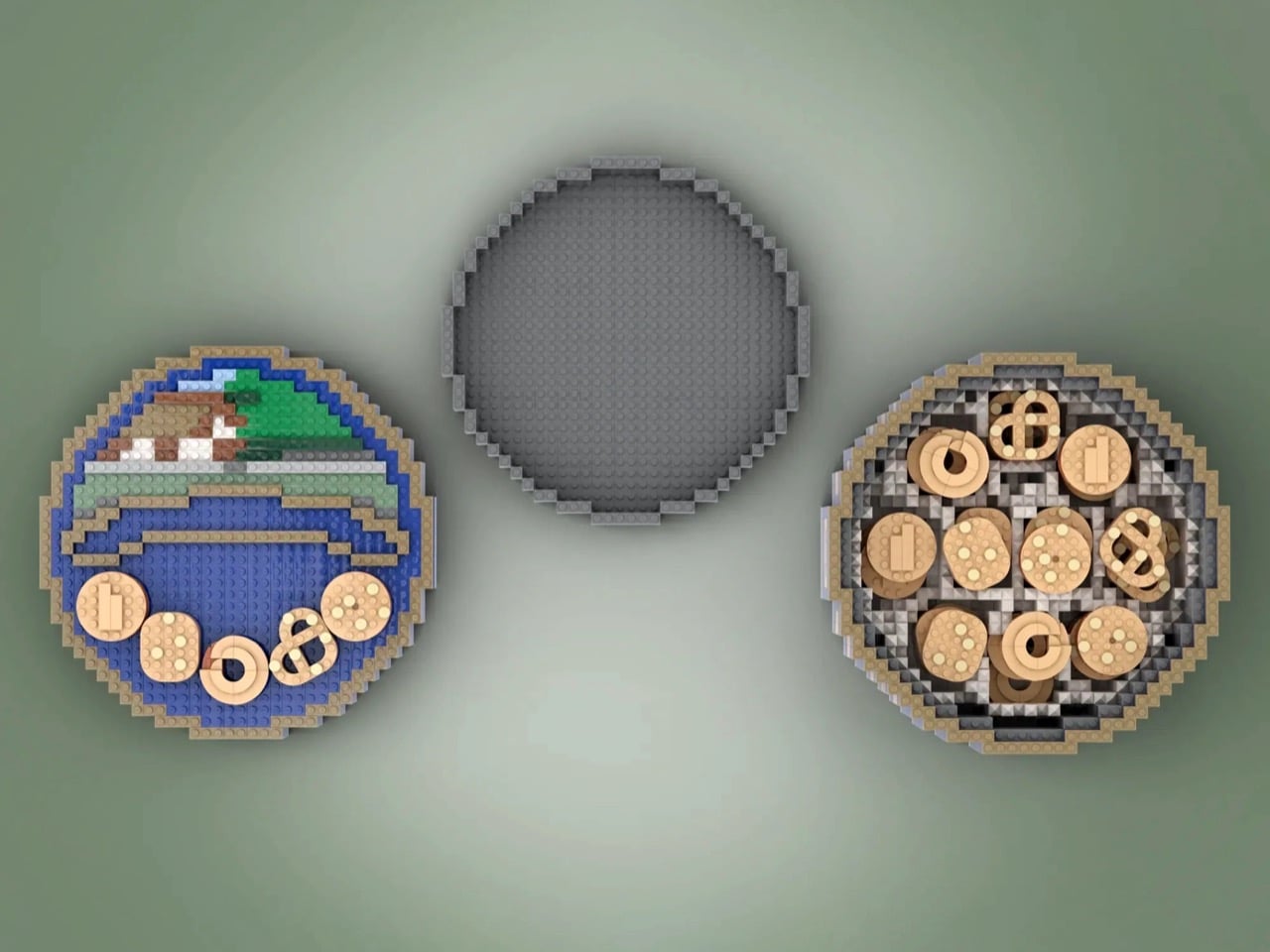
Designer Zuzu11 had a similar experience too, but the memory of that tin and the butter cookies inside lingers within his mind even to this day. Inspired by this unlikely cultural icon, Zuzu11 decided to give it its own LEGO set, complete with a beautifully detailed exterior as well as an interior stacked with LEGO cookies! Pop the lid open and you’re greeted by 5 pretty iconic shapes, a plain circle, a crusted circle, a rounded rectangle, a piped swirl, and a pretzel-shaped cookie on the inside. I don’t know about you, but I can practically smell the butter from the screen!

Designer: Zuzu11

Long after I grew up, I decided I wanted to correct the childhood trauma by actually buying a tin for myself and tasting the cookies inside. I don’t remember who ate the cookies in my childhood, all I did was the tin with its eye-catching exterior, and the sewing equipment inside, and one very disappointed child. Even to this day, you could pop over at a grocery store and buy some variant of this cookie tin – nothing much has changed. The branding reads “Royal Dansk” Danish butter cookies, and the packaging is usually a vibrant blue with a farm landscape on the top and a graphic of the cookies on the bottom.

Zuzu11 stayed true to the original, with the exact same color scheme, but omitting the actual branding for 2 reasons – it’s difficult to replicate in LEGO on a small scale, and licensing can often be a complicated affair. Given this LEGO build’s fan-made unofficial nature, it seemed like the best option to just leave out the branding and focus on just the nostalgia.

To that end, this MOC (My Own Creation) is an absolute win. It features two removable lids (an outer and an inner), along with biscuits inside the tin box, wrapped in cups of baking paper. The second lid wasn’t a fixture in the original, but Zuzu11 added it just to recreate the sense of disappointment by having people open it to not find cookies inside! “This build is inspired by the classic butter cookie tin and its surprisingly rich cultural afterlife. What began as a simple container for biscuits slowly evolved into a universal household storage solution, most famously for sewing supplies,” they say. “The idea celebrates both sides of that story: the comfort of the cookies themselves, and the perfectly timed disappointment waiting inside once the lid is lifted.”

“This project transforms a shared childhood experience into a playful LEGO display model. It relies on recognition rather than explanation, humor rather than instruction, and memory rather than realism,” adds Zuzu11. “The result is a piece that feels instantly familiar, quietly funny, and surprisingly universal, a small reminder that sometimes the most memorable surprises were not cookies at all.”

For a massive portion of an entire generation, this box represented a journey from hope to disbelief and disappointment, but there was something always enchanting about the box itself. Nobody ever seemed to want to throw it away after the cookies were over, proving that the packaging was actually more valuable than the baked goods it held!

The drill with LEGO Ideas builds is that they usually rely on relatability and fan-appeal. While LEGO builds its own brick-sets, it has an entire platform dedicated to fan-made builds, where people share their own creations as well as vote for builds they love. MOCs that cross the 10,000 vote threshold then get reviewed by LEGO’s internal team and then get transformed into a retail box set that everyone can buy. If you’d like to capture a bit of childhood nostalgia with this kit, head down to the LEGO Ideas website and cast your vote!

The post The Infamous Butter Cookie Tin Finally Gets Its Own LEGO Set (Sewing Kit Not Included) first appeared on Yanko Design.